



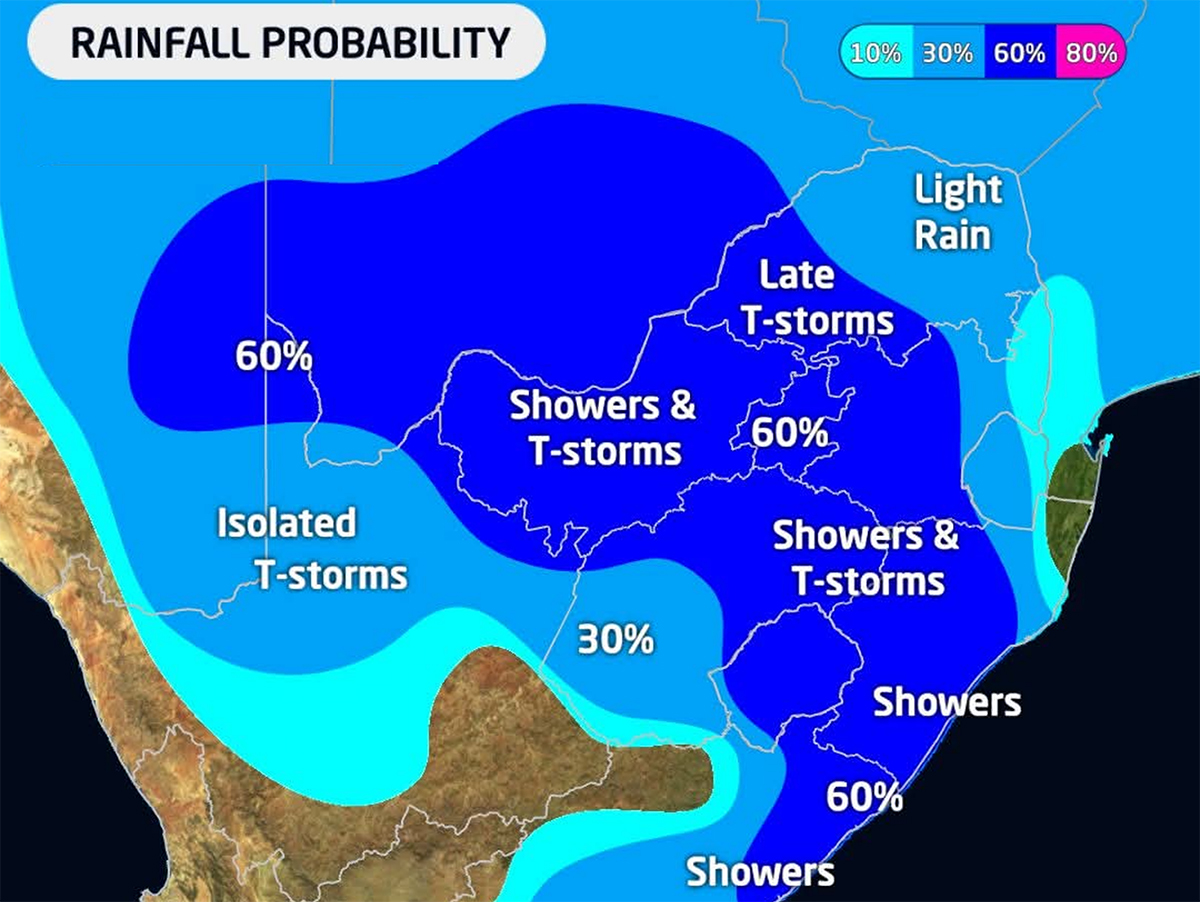
In the days before we rode to Wakkerstroom, we fixated on the weather forecasts. La Niña brought abundant rains to the country, and rain was predicted every day from Thursday to Sunday. Our tour leader, Theo van Rooyen, grew up in Wakkerstroom and still farms there. He warned that unless there was a break in the weather, the clayey dirt roads would be so slippery as to be impassable. There was doubt whether the ride would even take place. But hope springs eternal, and five of us met at 07:00 on Thursday morning at Westend Sasol on the outskirts of Nelspruit.
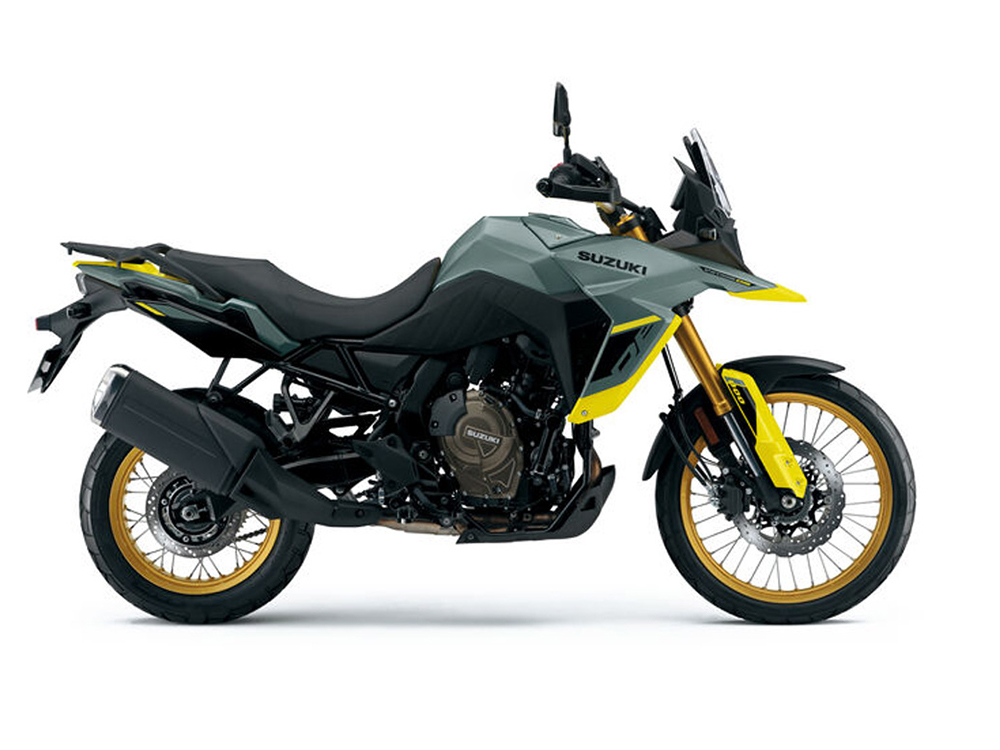
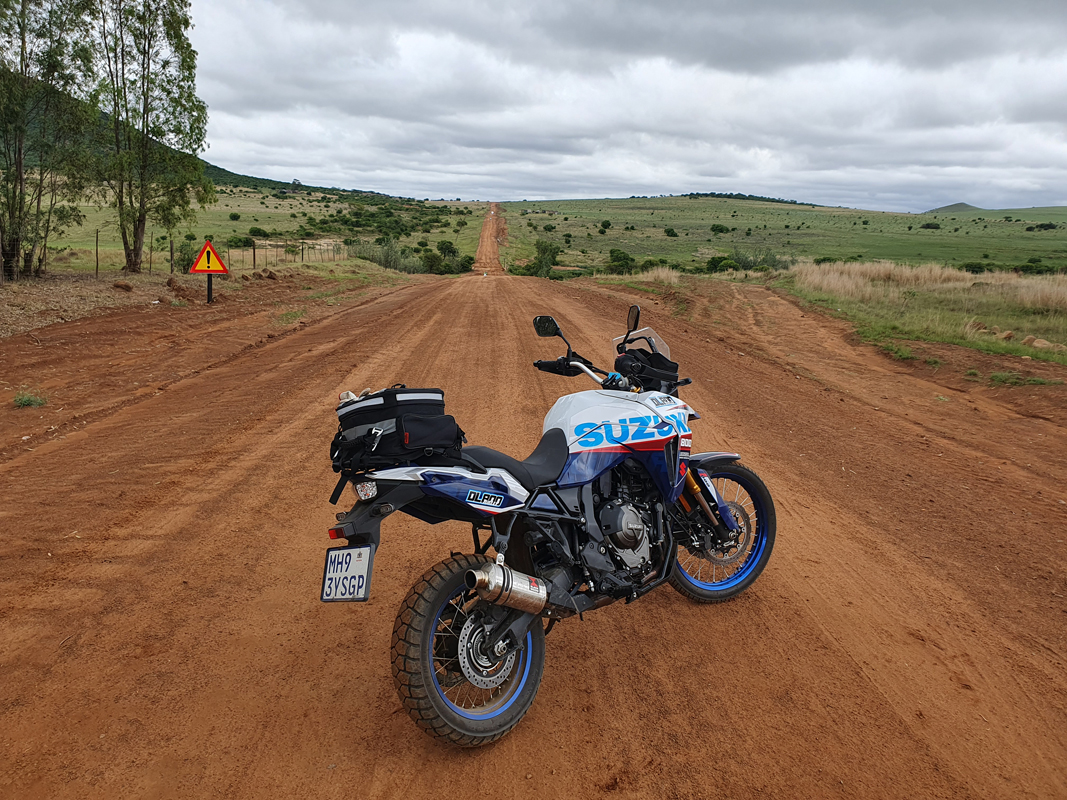
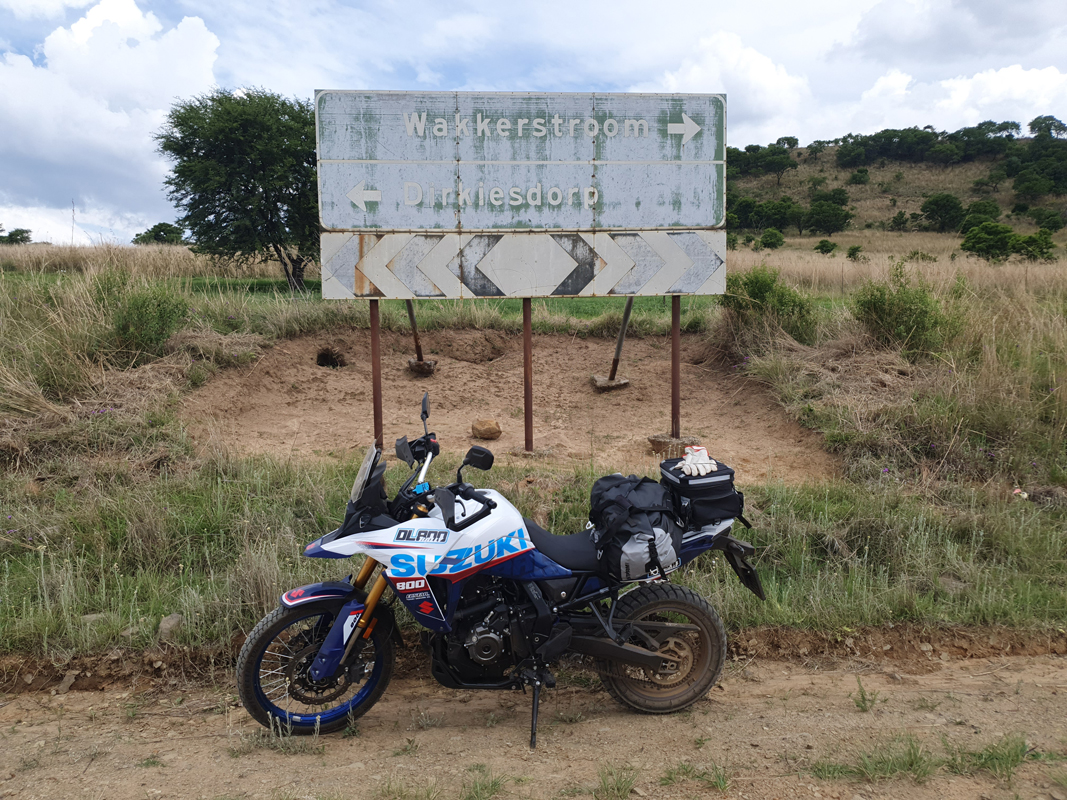
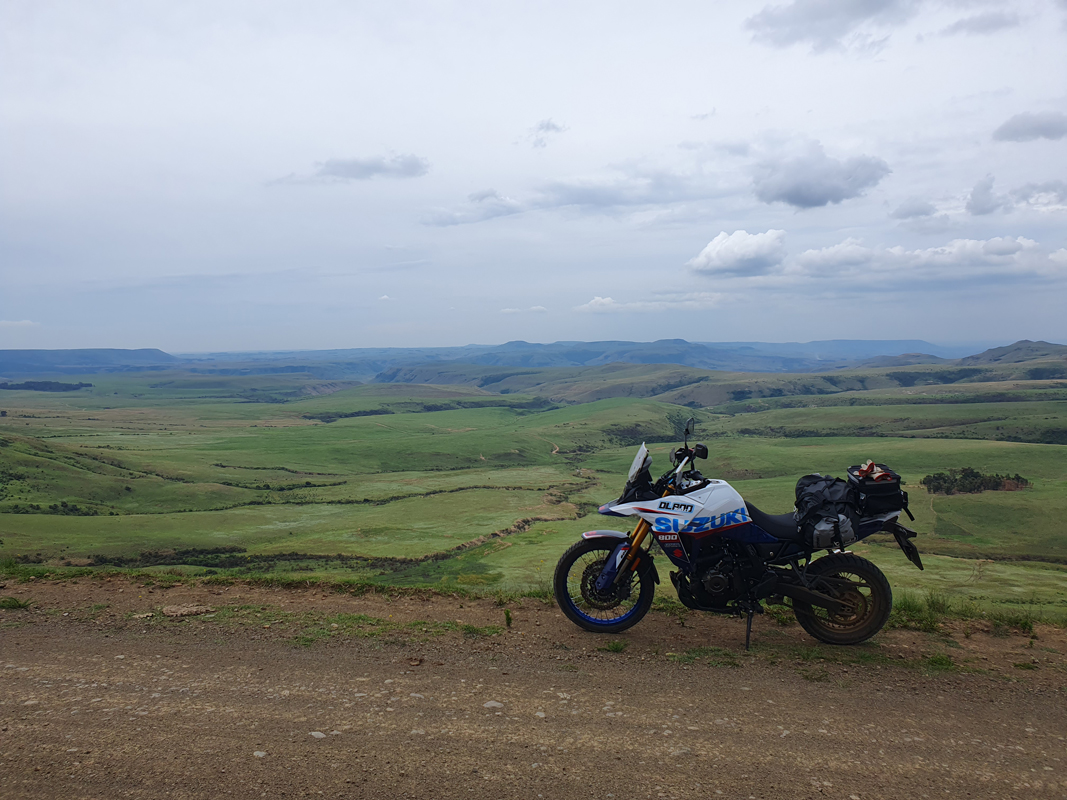
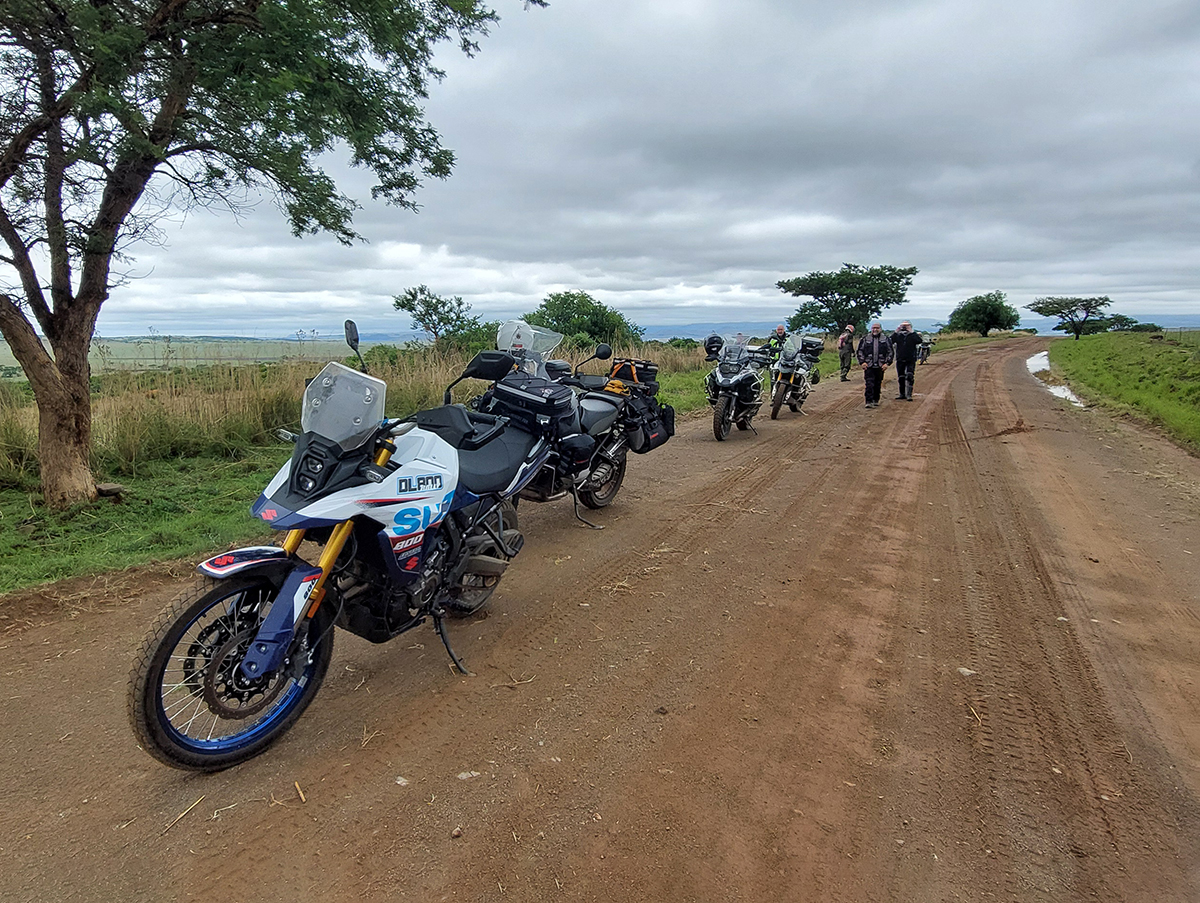
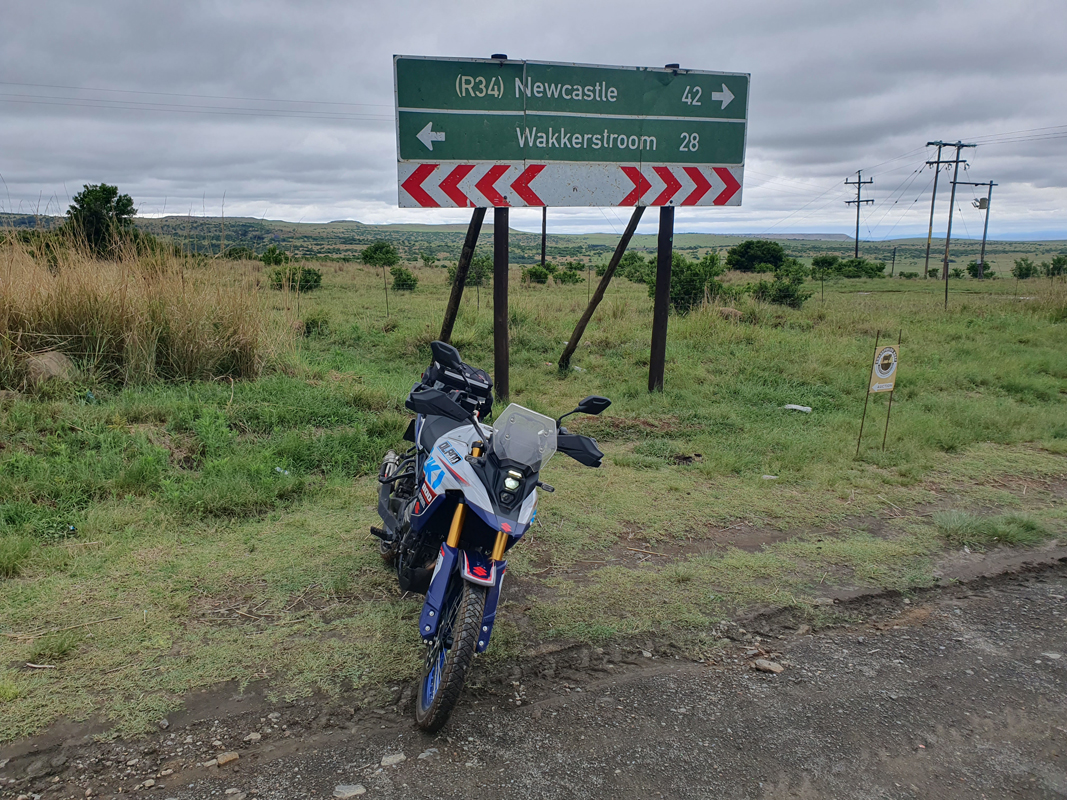
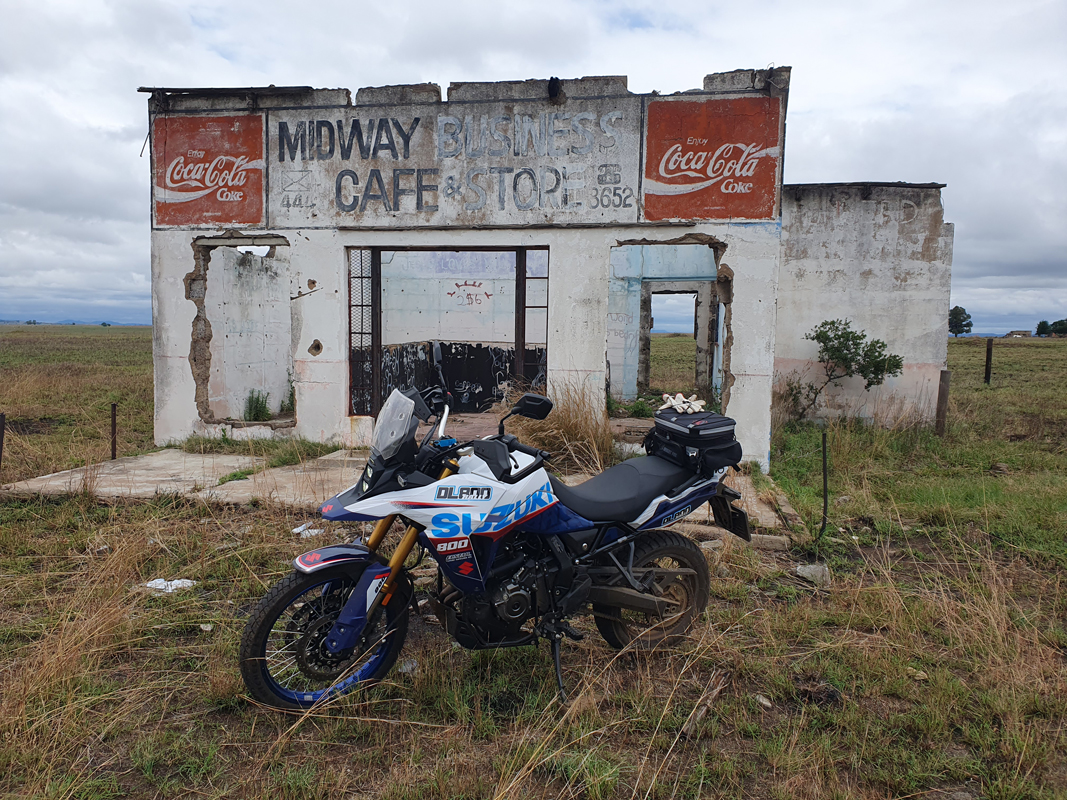
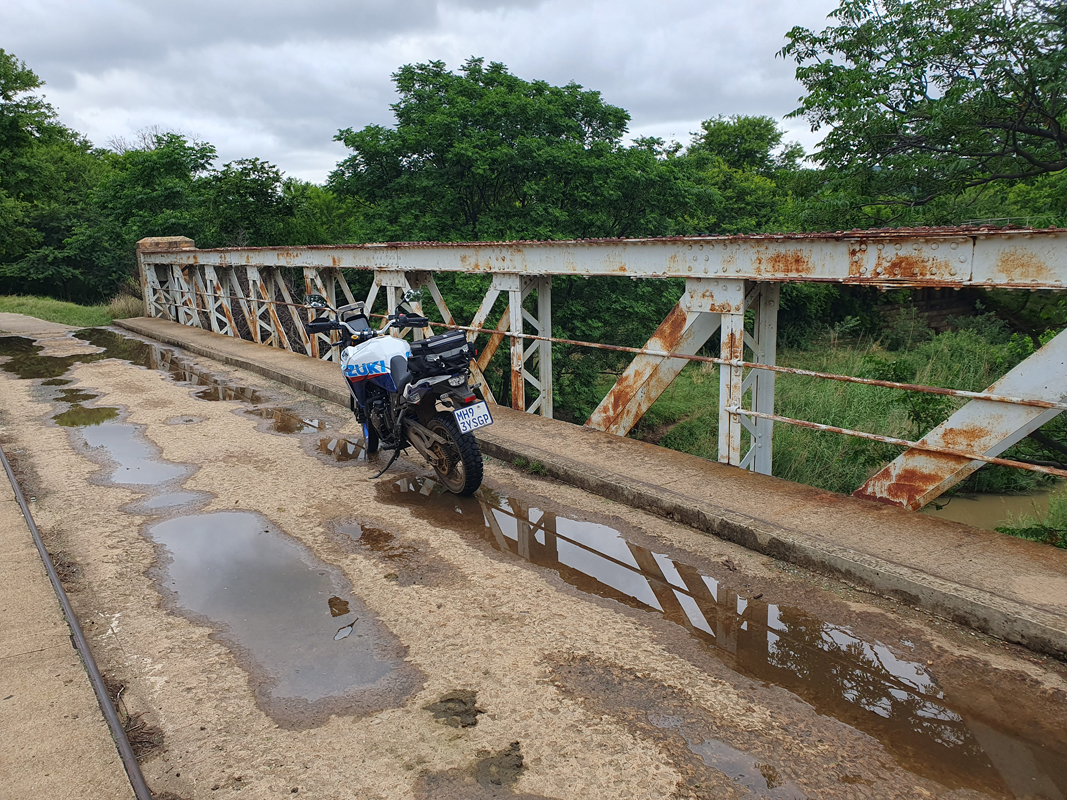
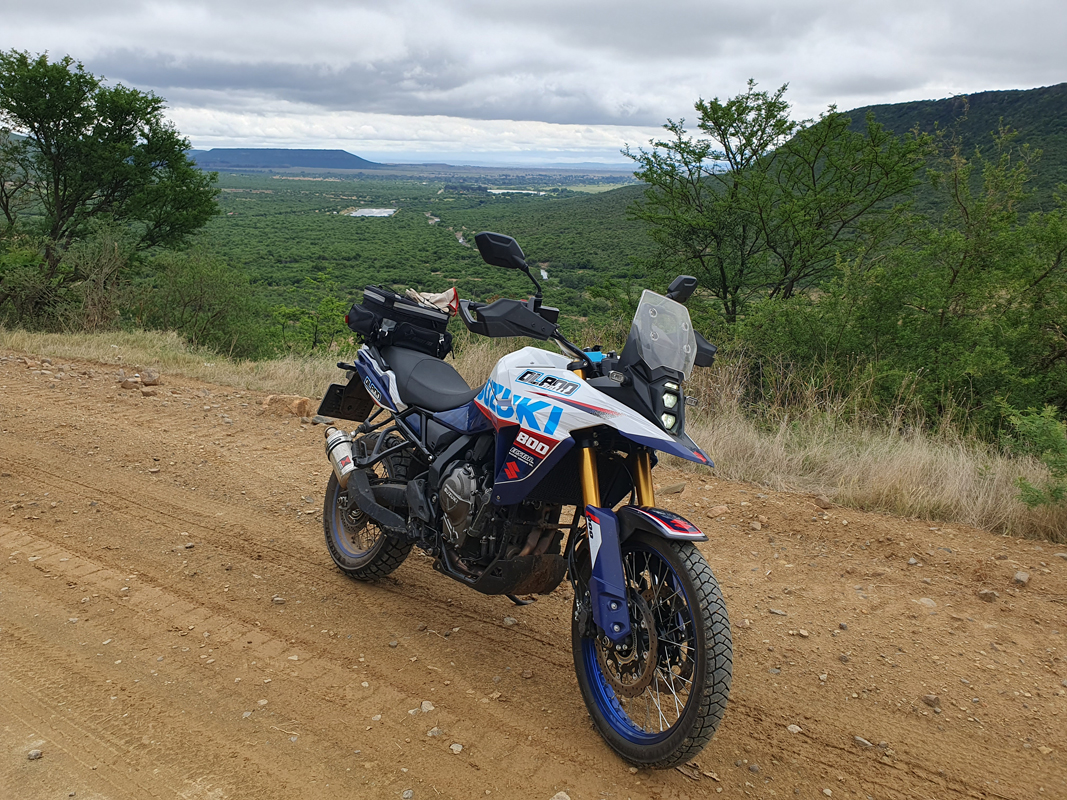
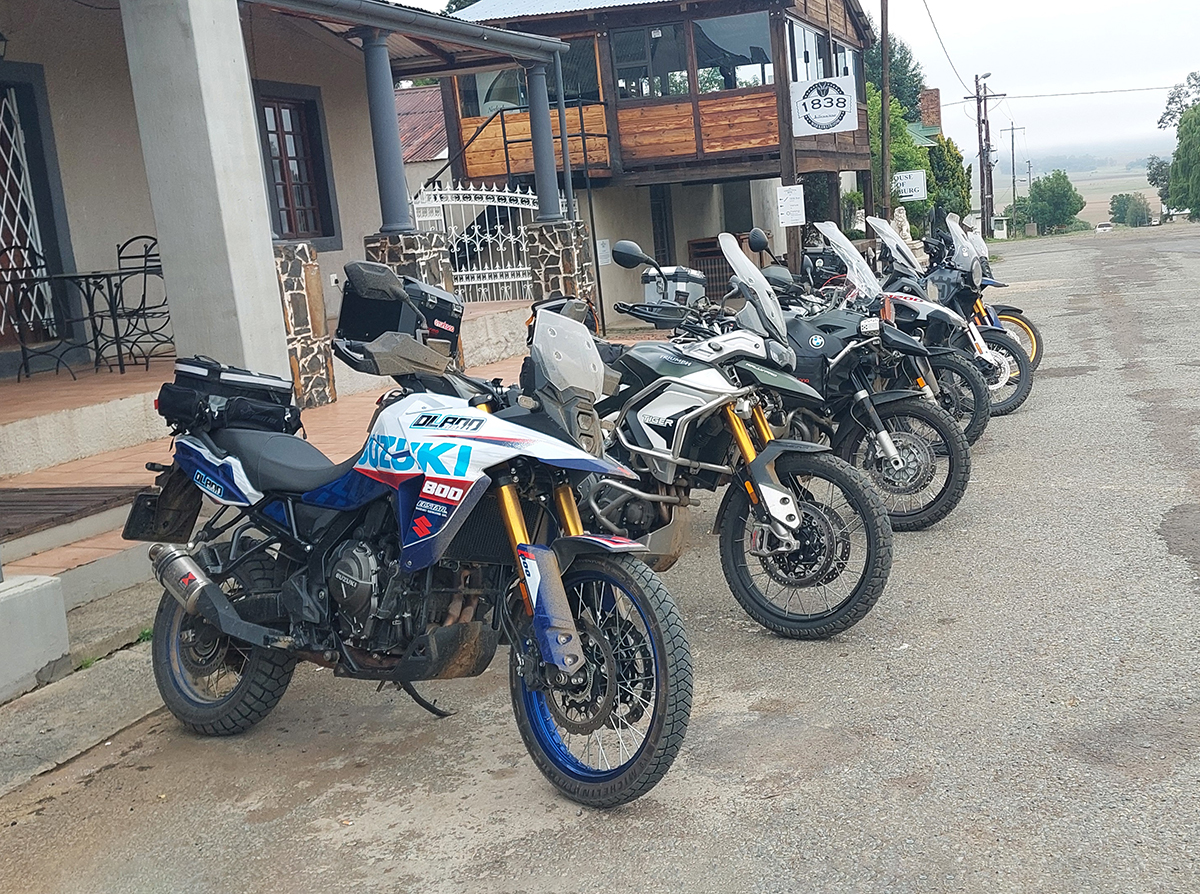
My ride for the weekend was a Suzuki DL800DE Rally, the new midrange dual-purpose bike that completes Suzuki’s V-Strom range. The V-Strom family now comprises the entry-level single-cylinder 250SX, the ultra-capable V-Twin DL650XA, the big banger, long-distance V-Twin DL1050 DE and the DL800. Unlike its siblings, the DL800 is a parallel twin, a completely new engine littered with high-tech innovations. The parallel twin configuration enables compact front to rear dimensions that promote optimal weight distribution and an all-day comfortable riding position. The 270° crankshaft delivers a smooth ride, which is further enhanced by twin balancers positioned at 90° to the crankshaft. The liquid cooled 776cm3 mill features DOHC, 4 valves per cylinder, fuel injection, electronic ignition and a lusty 9500rpm redline. The bike was resplendent in Suzuki’s funky Rally paint scheme, and in profile, it bore a striking resemblance to the legendary single-cylinder Suzuki DR800S Big. There’s a proud heritage manifest in the DL800. I’m not a fan of aftermarket exhausts, but the bike I rode was fitted with a Black Widow can that barked like an angry baboon. The bike was fitted with Michelin Anakee Adventure tyres, an excellent choice for the combination of tar and dirt planned for the weekend.

Years ago, one of my colleagues, a recently divorced minx, insisted on wearing a wedding ring. She called it her afskrikmiddel, her deterrent to keep lecherous fellows at bay. In the same vein, I always pack a rain suit to keep the rain at bay. Murphy never sleeps; he waits! If you forget your rain suit, you will get rained on. If you pack your rain suit, the chances of rain are significantly reduced. But on this morning, it didn’t look as if my anti-Murphy strategy would work. Heavy-bellied, pewter coloured clouds hung low over the mountains.
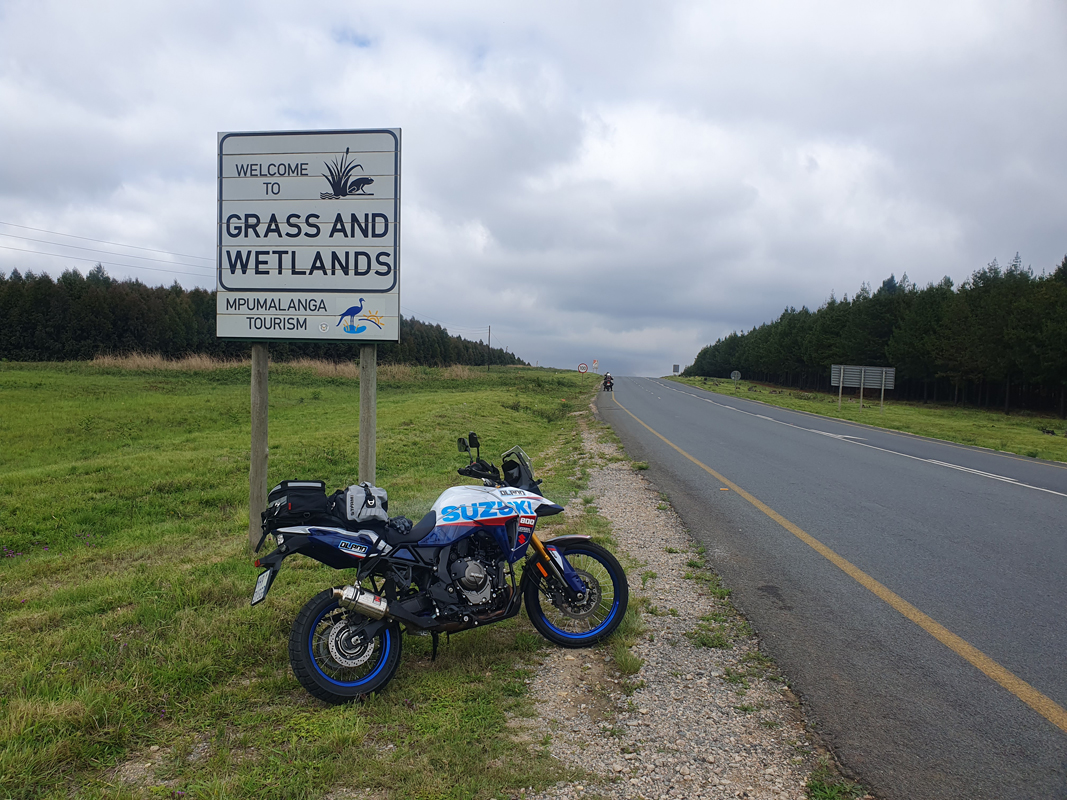
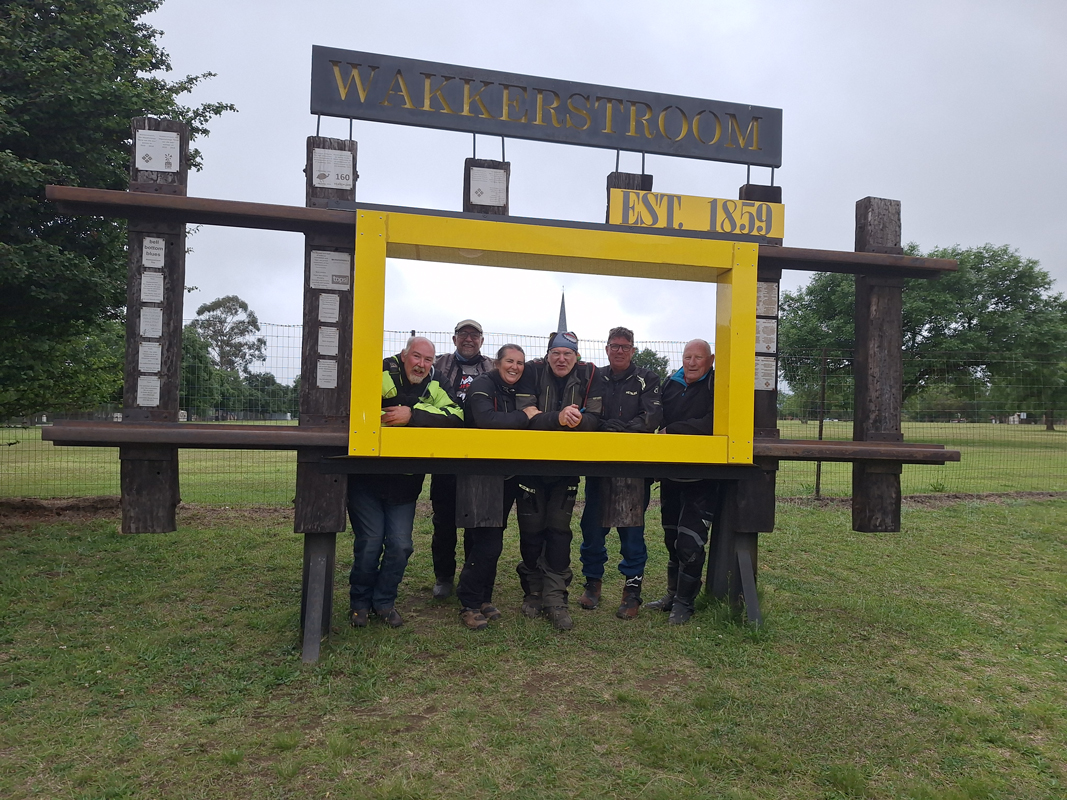
As we left The Spruit on the R40 towards Barberton, we rode into sifting drizzle that beaded our visors but didn’t warrant stopping to put on rain suits. We turned west onto the R38 and rode up Nelshoogte Pass. The mountains were shrouded in dense orographic mist. The road was slick, and in places visibility was a few metres. Despite our cautious speeds, it wasn’t long before we descended the steep western slopes of the mountains and rode under high cloud across the plains to Badplaas, where we regrouped. The riders and bikes were: Theo – BMW R1200GS, James – Husqvarna Norden 901, Helen – Suzuki DL800, Phil – Triumph Tiger 900. Nice bunch of people!
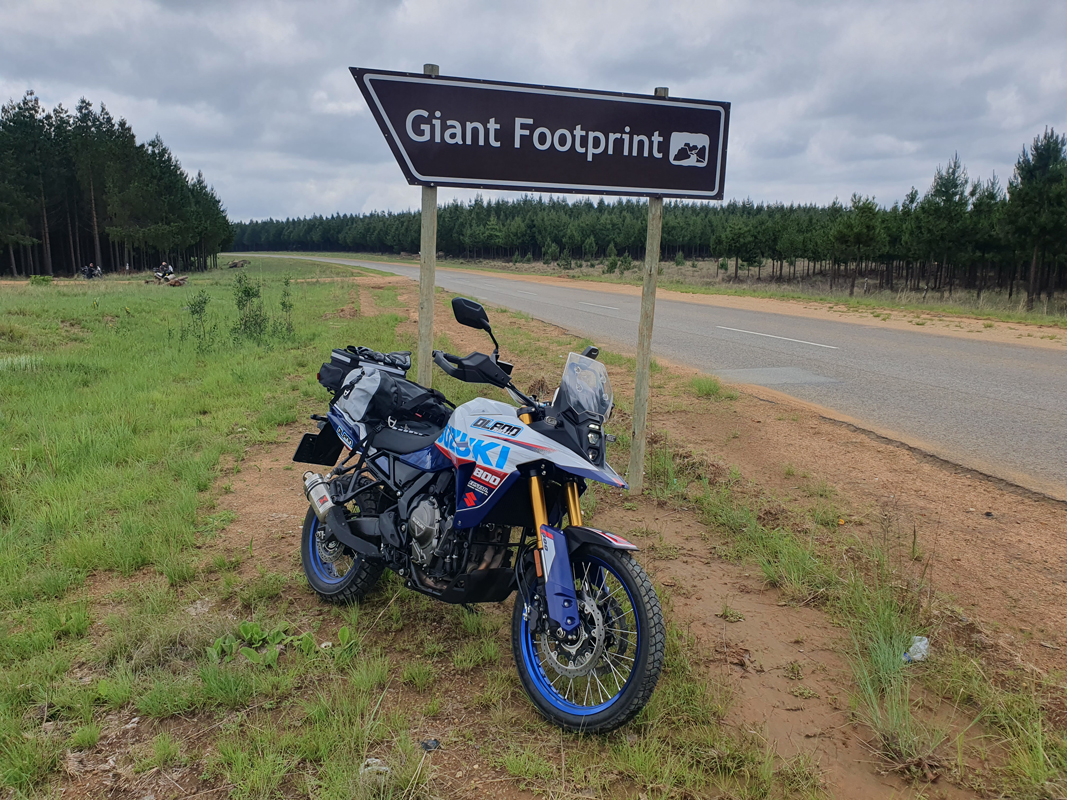
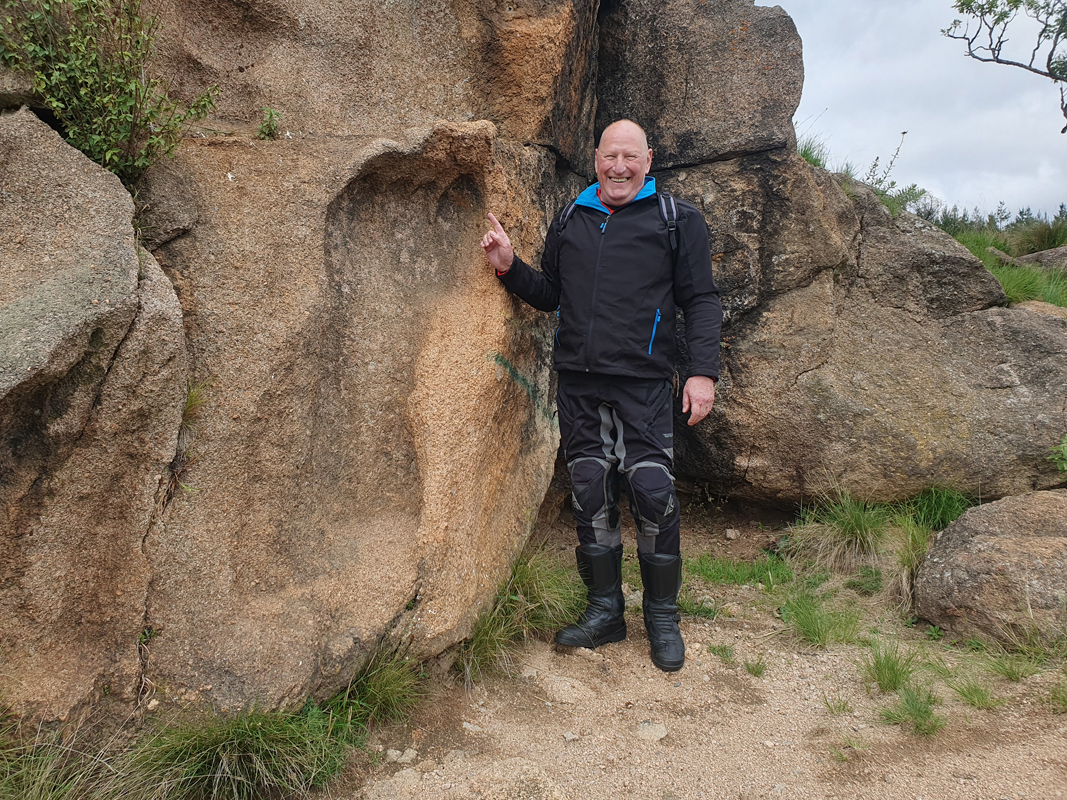
From Badplaas, we followed the R541 to Lochiel, turned west on the N17 and south on the R33 towards Amsterdam. At the sign that read “Giant Footprint”, we left the tar and rode sandy tracks through a pine forest, and after a few clicks stopped at the foot of a rocky outcrop. The remarkable footprint is carved into granite and measures 1.5 metres from heel to toe. It is thought to be around 200 million years old. In Amsterdam, we stopped at Flip’s Slaghuis to stock up on droëwors and biltong for the weekend. A hundred metres along the road, two traffic cop cars were parked under a tree, and I hoped they would stop me so that I could validate a theory: “Om jou vinger saggies op iemand se lippe te sit en sê “Nie nog ‘n woord nie” is uiters romanties maar spietkops laaik dit fokol!” (To place your finger softly on someone’s lips and to say ‘Not another word’ is very romantic, but cops don’t like it!) But they just waved at us as we rode past, so I’ll have to test the theory on another ride. From Amsterdam, it was a swift and scenic 50km ride through never-ending plantations of pine and eucalyptus to Piet Retief, where we stopped for fuel. We followed the R543 west along the shores of the Heyshope Dam. On the road to Dirkiesdorp, Theo signalled to us to pull over and pointed to the imposing massif that dominates the southern skyline. Nhlanga Mpesi, the gathering of the hyenas, was a rendezvous for Shaka’s raiders, whence they launched their raids on other tribes.
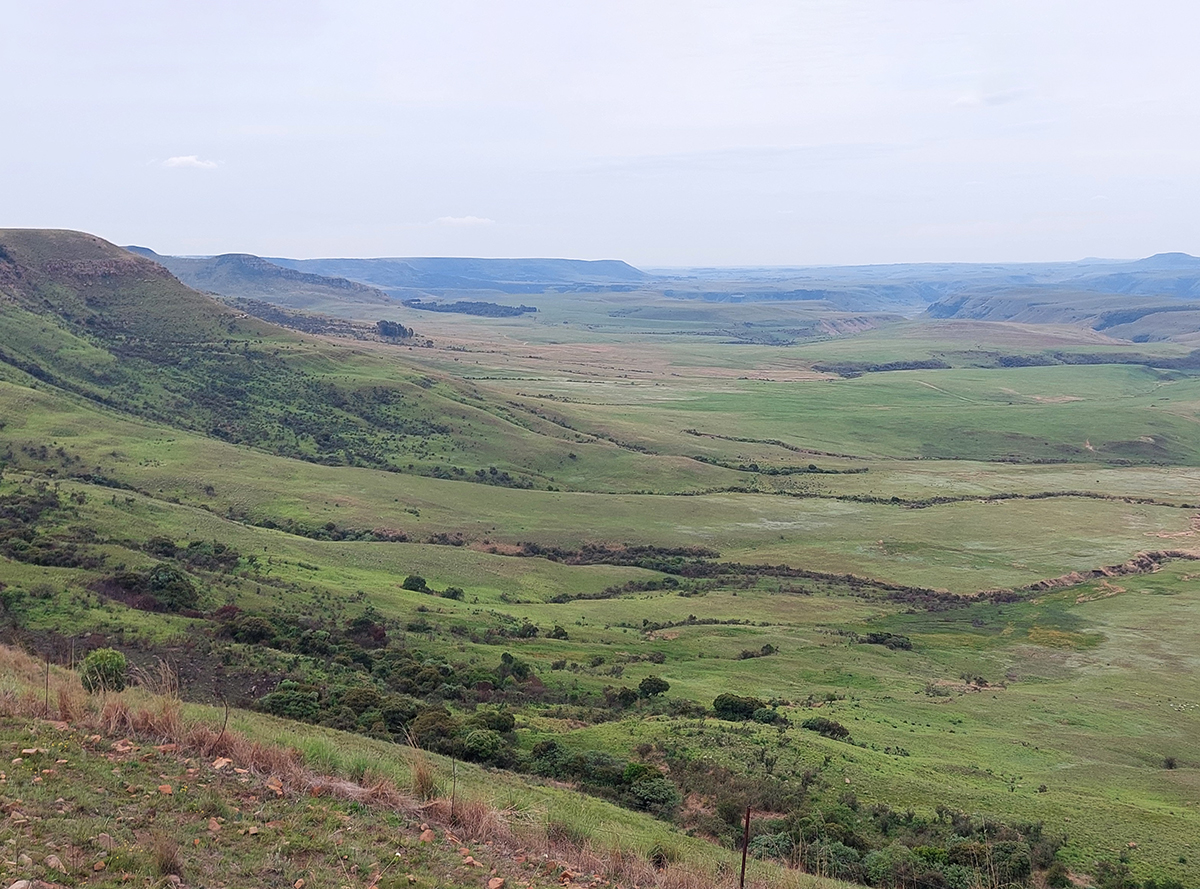
Just before Dirkiesdorp, Theo led us into the first dirt of the day. For 35km, we traversed a mountainous landscape of astonishing greenery and breathtaking beauty. We stopped at the 2001 metre summit of Jantjieshoek Pass and gazed in awe at the panorama spread at our feet, a vista of emerald meadows, coppices and meandering streams, and mountains fading to purple on the distant horizon. That was the first time I rode Jantjieshoek, but it won’t be the last. At the entrance to Wakkerstroom, we stopped at Vleiland Dop en Tjop to buy booze and then cruised to Crowned Crane View our home for the weekend.
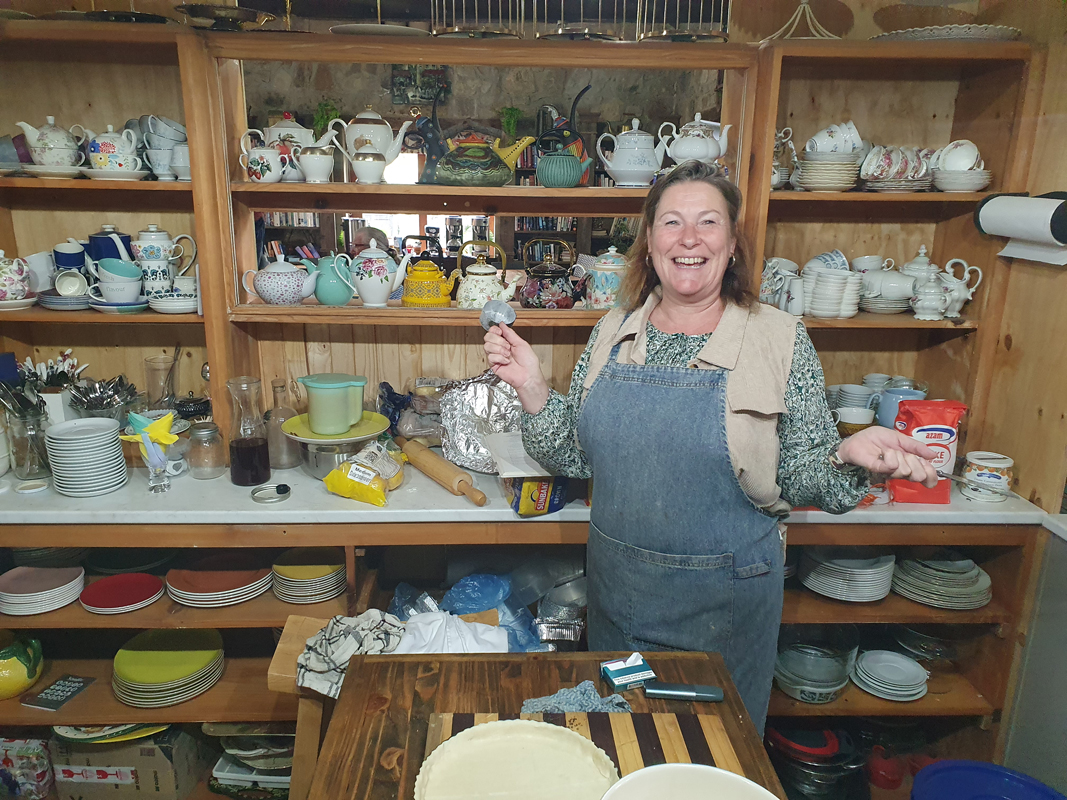
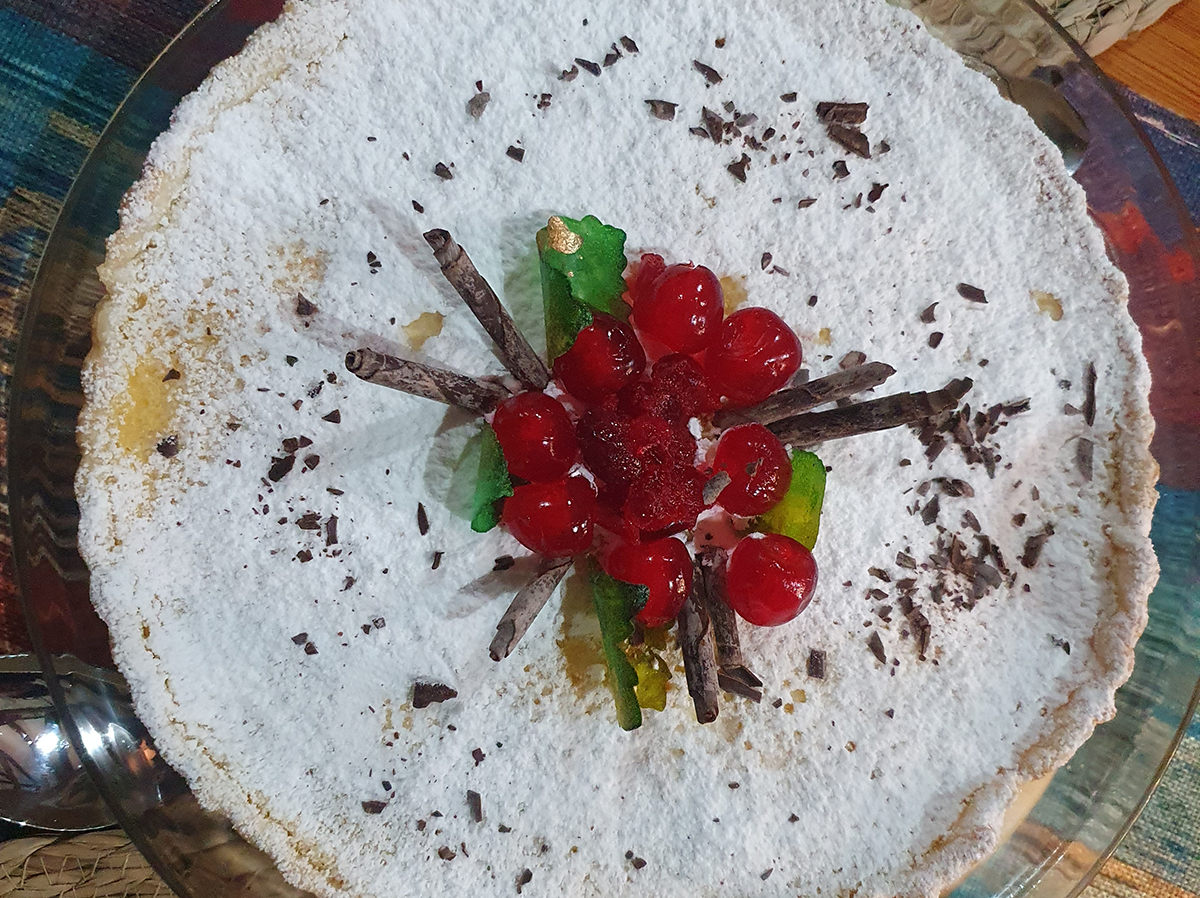
Our hosts for the weekend were Emma and Dion, who own several guesthouses in the town. Their home was nearby, and as the sun set over the meadows and wetlands, we walked across for an early dinner. Emma is an excellent cook. Over the weekend, we were treated to elegant, hearty cuisine, fine dining in a converted stone barn decorated with agricultural artefacts and implements. After dinner, as we walked back to our house, it began to rain and continued to rain until the early hours. There was certainly snot on the menu for our ride on Friday, and to make our joy complete, single-digit temperatures were forecast. As I slipped into the arms of Morpheus, I seriously considered staying in bed instead of exposing my cosseted carcass to the hostile elements.
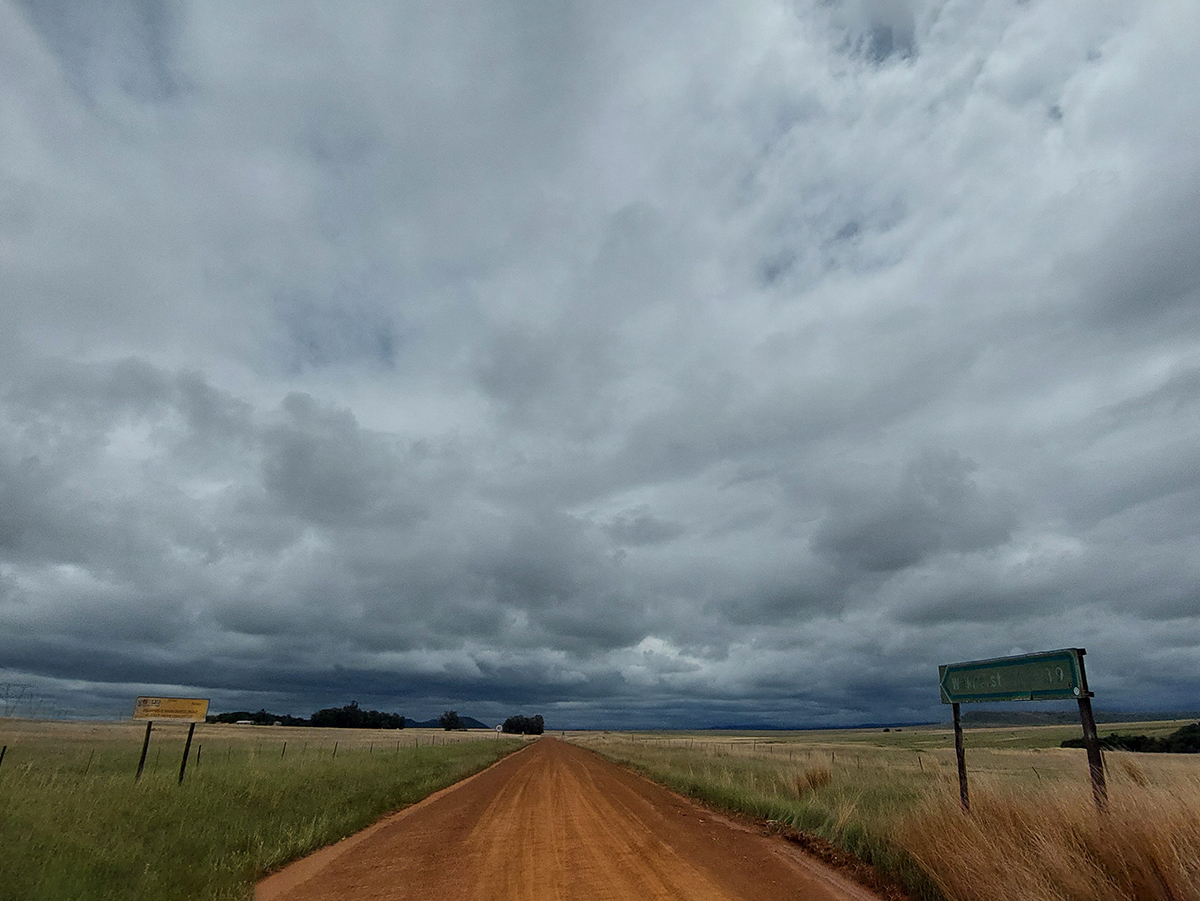
Friday dawned bleak and forbidding with layers of zinc cloud, moist and icy, pressing down on the land. I gritted my teeth, put on my big boy pants, and after wolfing down Emma’s breakfast, I was ready to ride. We rode the mist-obscured tar road to Volksrust and Charlestown. The summit of serpentine Laing’s Nek is 1680m, and the temperature rose gradually as we descended the escarpment to the plains of Northern Natal 400m below. At the turn off to Ingogo, Theo led us onto the first dirt of the day. There was a thin crust of dry dirt covering a layer of slime, but it was easy to ride, and soon everyone was lighting up the rear tyres, scouring long muddy darkies and grinning like demented apes. On long straight sections, I unleashed the hounds of hell and rode at 160km/h, the bike surefooted and nimble, delivering the thrills it was designed for. We raced past Ingogo and Flentershoek, across limitless bushveld terrain until we joined the R34 to Utrecht.
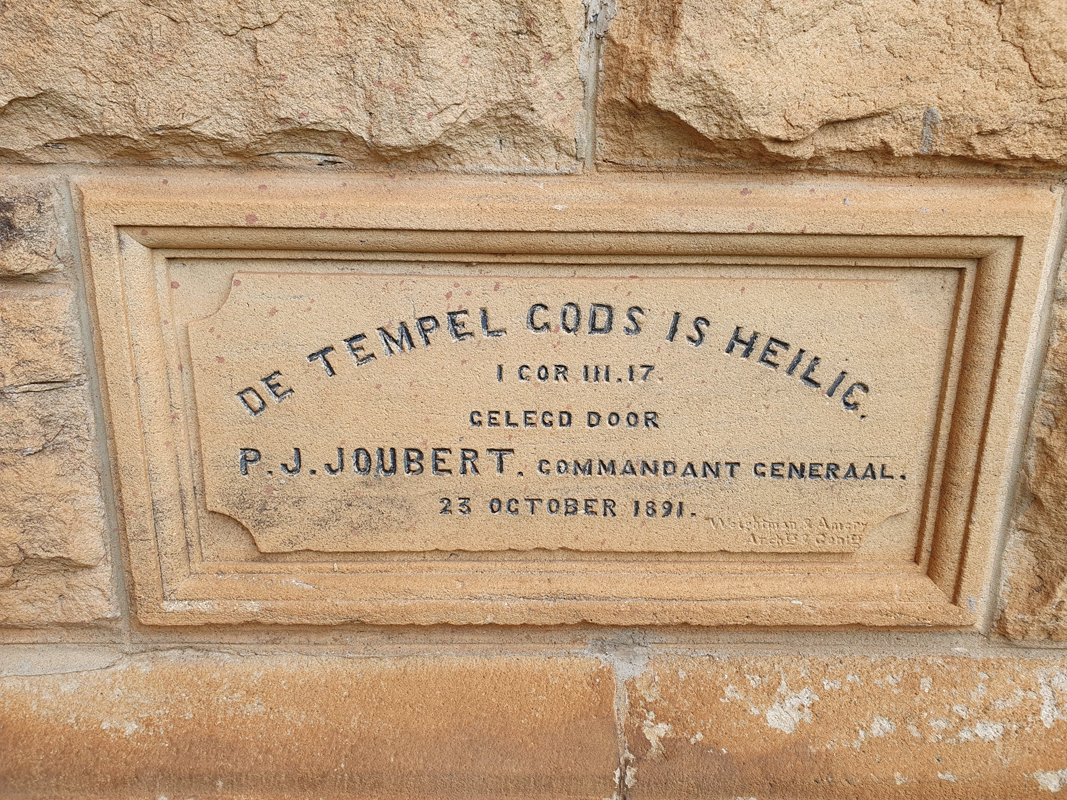
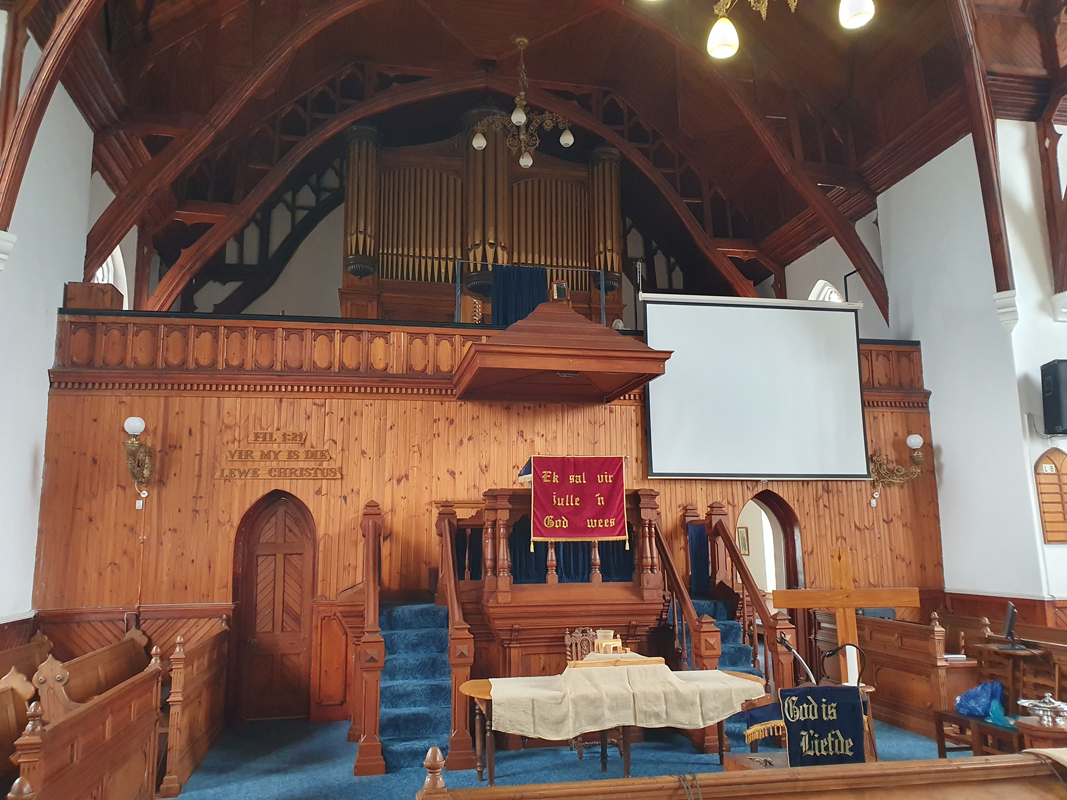
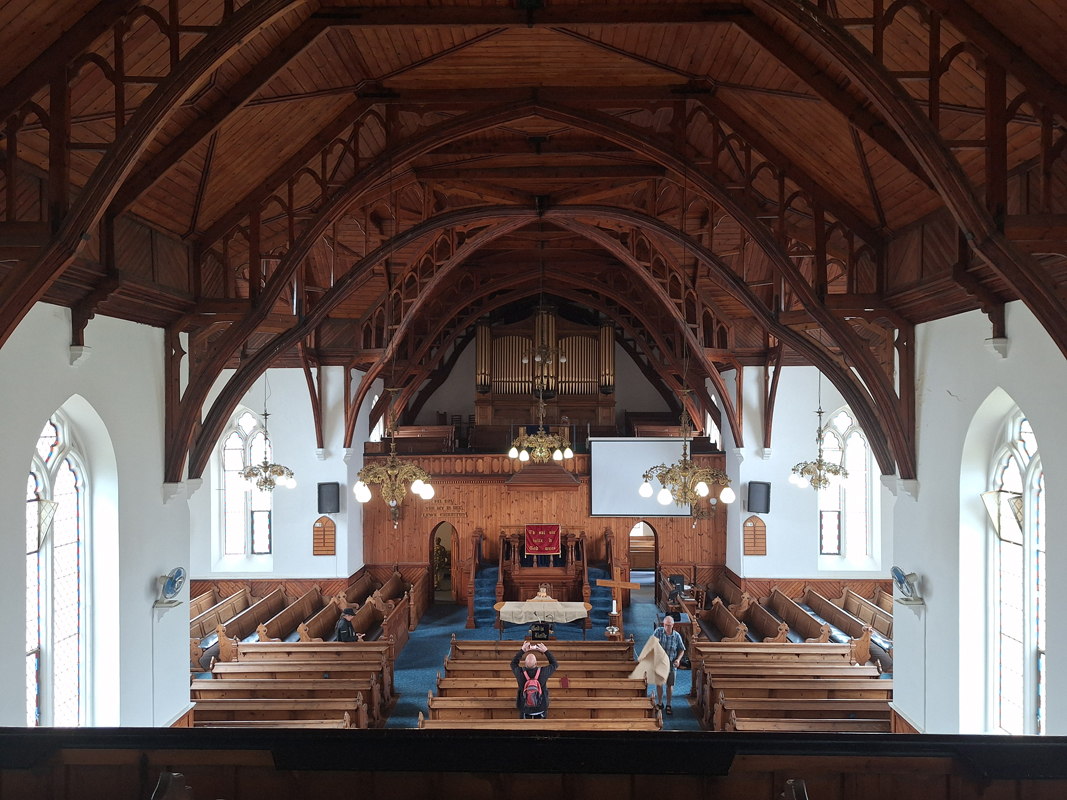
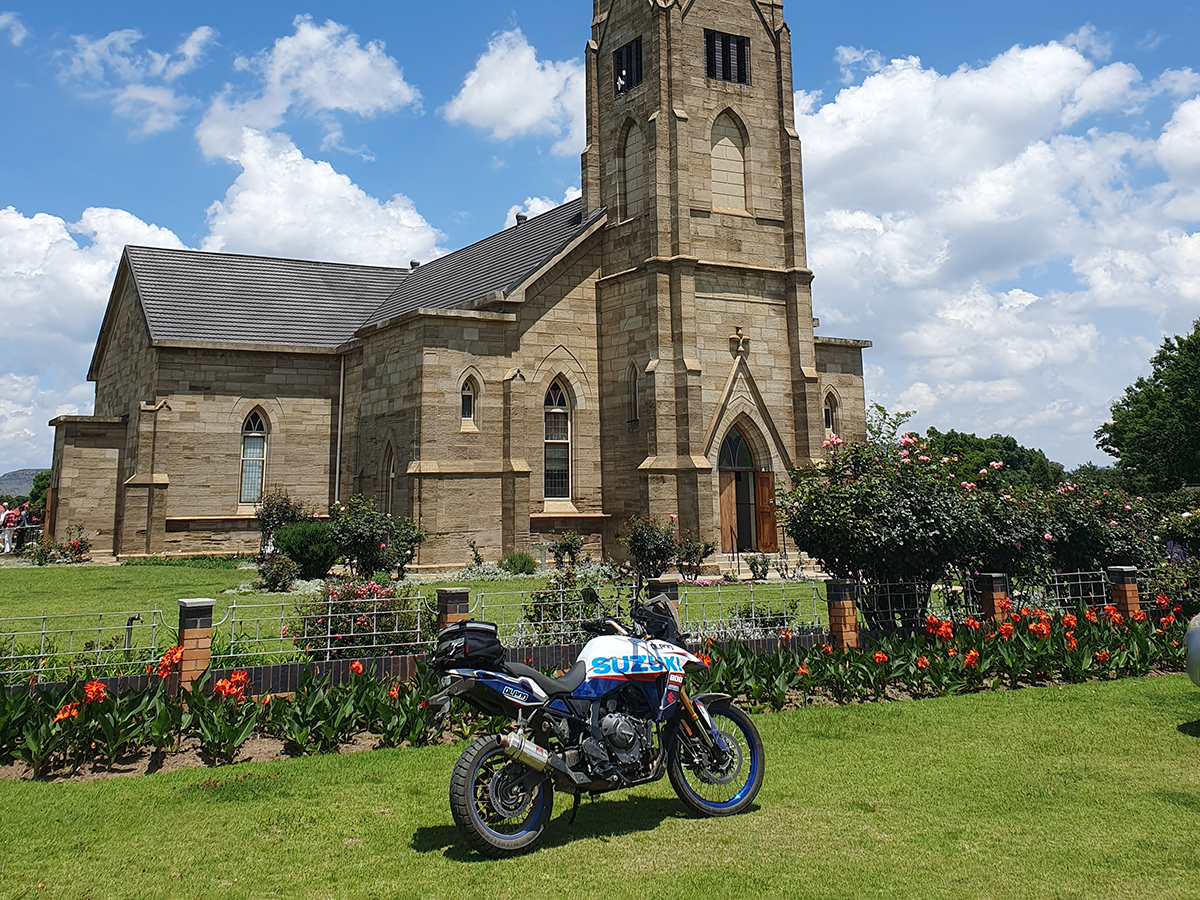
In Utrecht, we were joined by Jean, a farmer from Majuba on his 1200GS. We parked our bikes on the grounds of the historic Utrecht NG Kerk. Theo had organised access for us, and we spent the next hour exploring the wonderful building, which was consecrated in 1893. The church is remarkable for its magnificent organ and vaulted ceiling. Two of the church deacons acted as our guides and were keen to answer our questions. Countrywide, the historic NG Kerke are under threat. The rise of secularism and the depopulation of the rural areas mean that congregations have dwindled. The church in Utrecht can seat 300, but services are attended by 40 worshippers at most. The churches are unattended much of the time, which makes them a target for vandals and thieves. I fear these remarkable heritage sites will suffer the same fate as other cultural landmarks, which have been desecrated and turned to rubble.
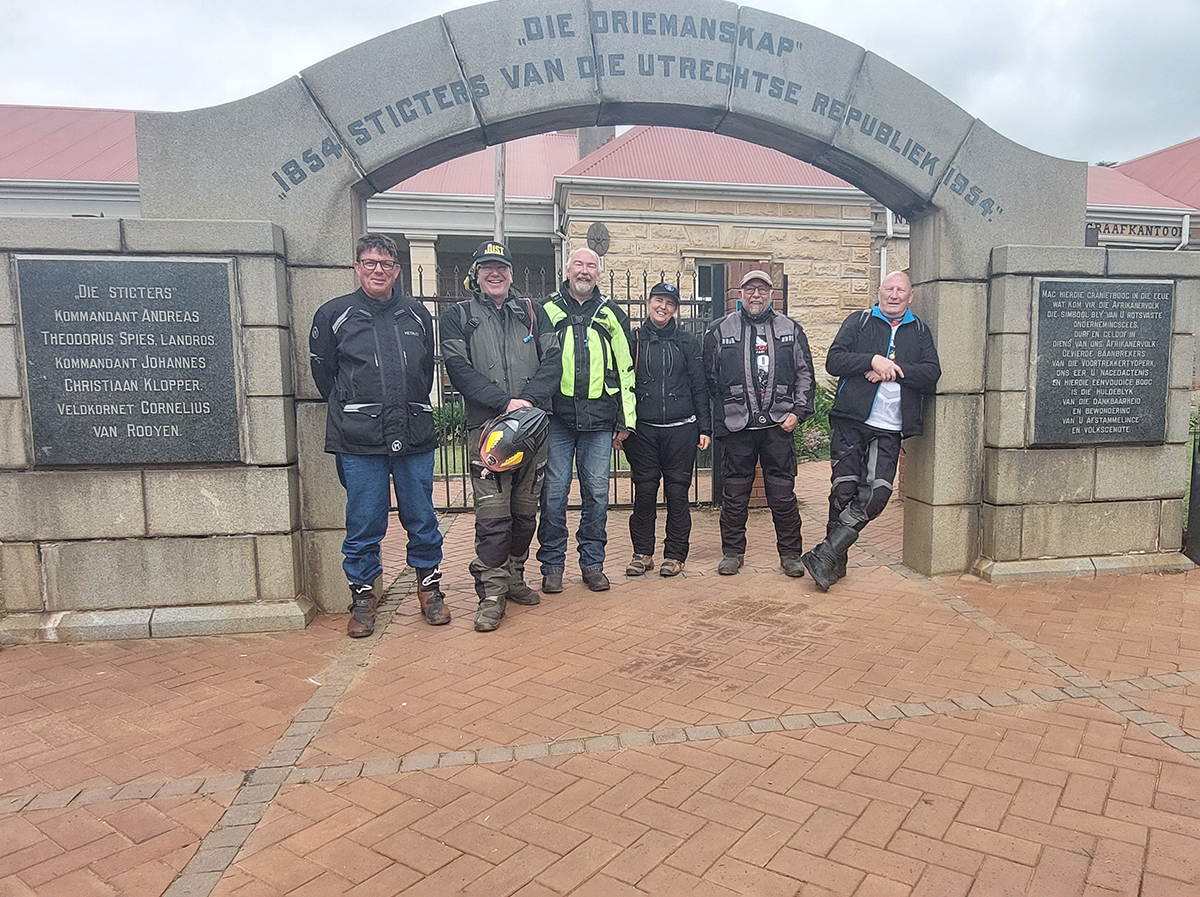
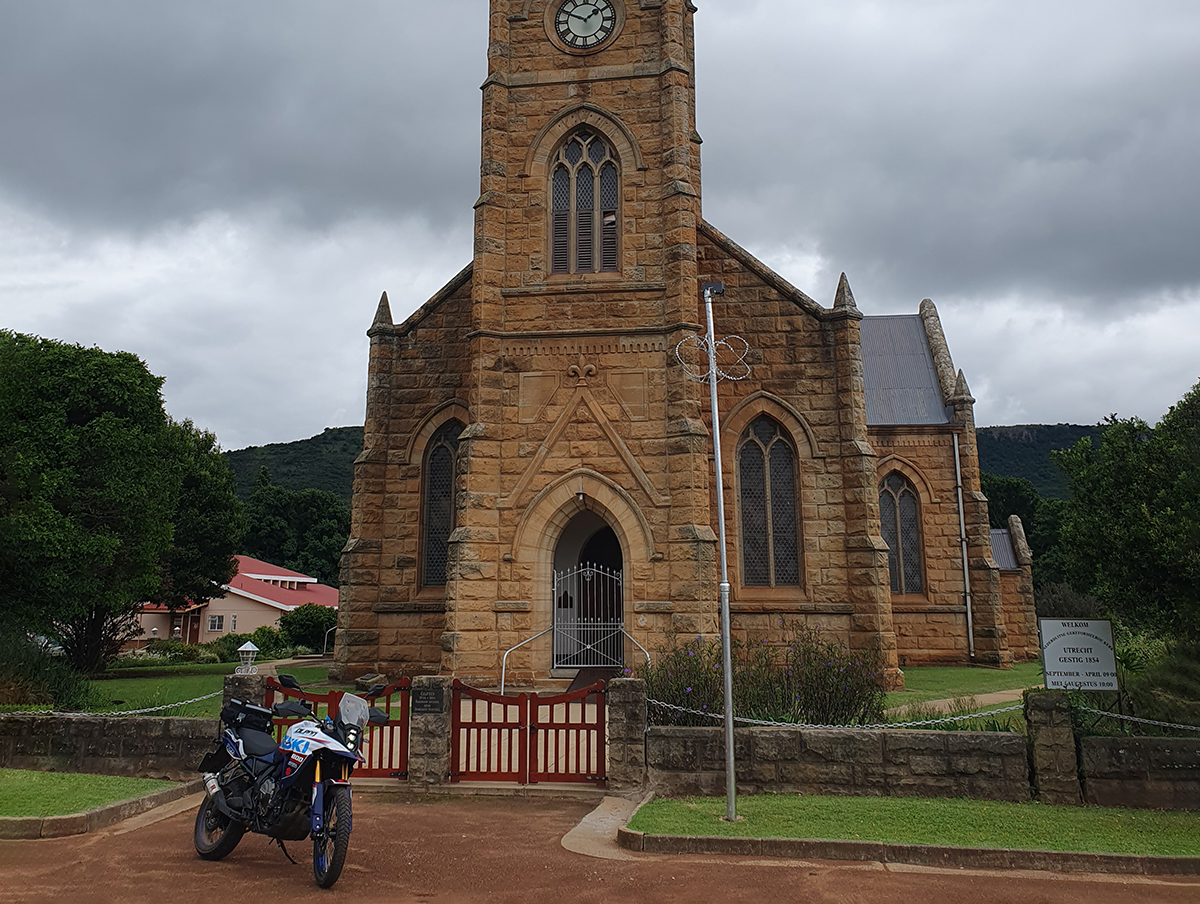
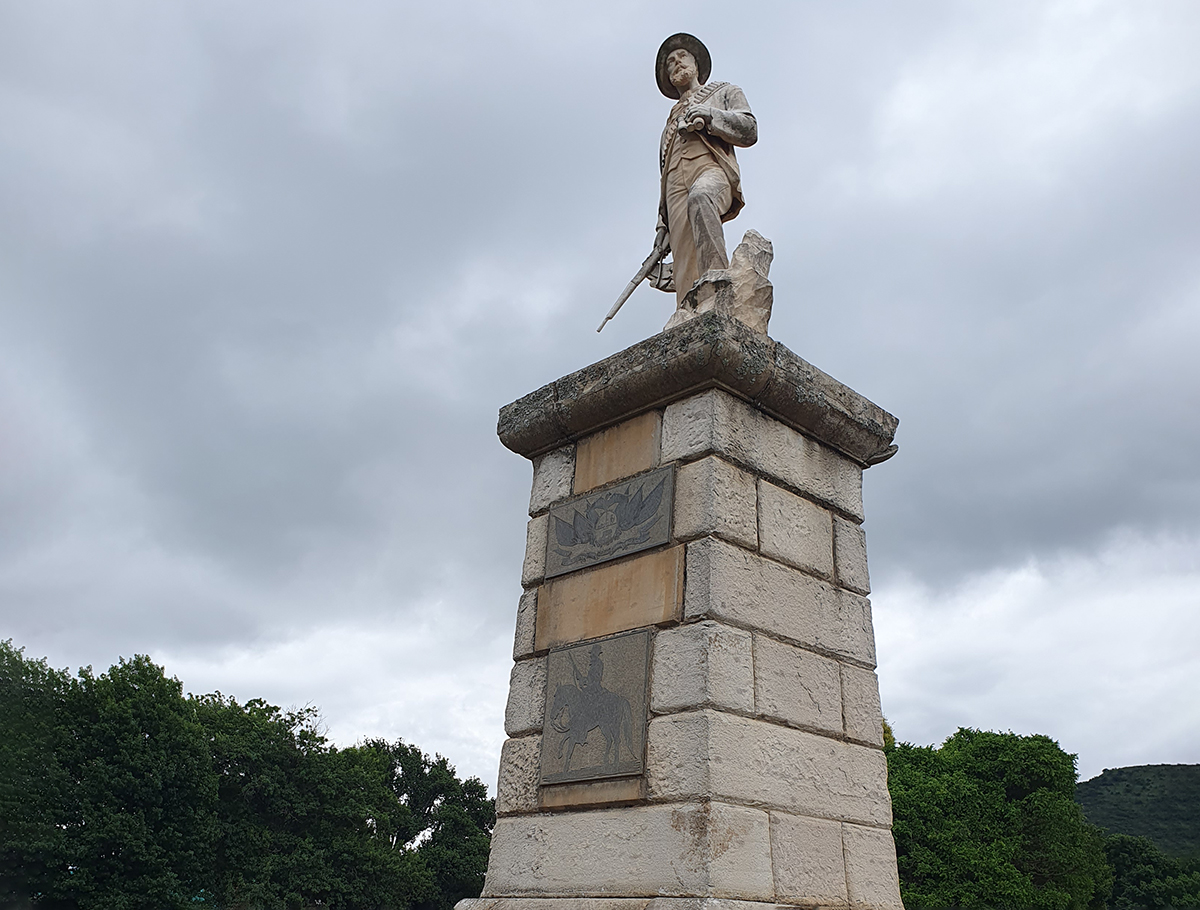
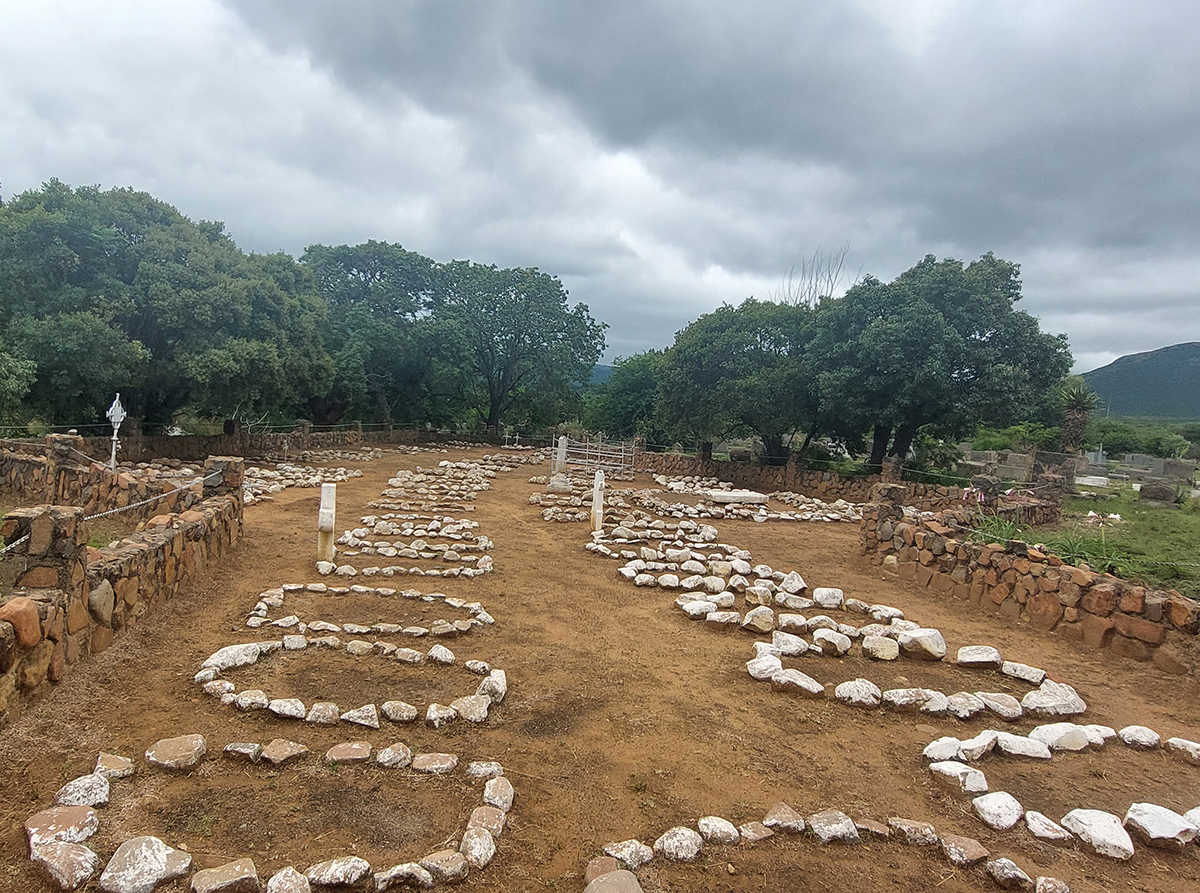
On the way out of town, we stopped at the graveyard. The British Military section of the cemetery is well maintained by the Commonwealth War Graves Commission. It features an arrow-shaped layout pointing north, the final resting place of soldiers who died during the Anglo-Zulu War of 1879. Of course, the bronze plaques that were mounted on the wall of the cemetery and which told the history of the war have been stolen and sold to buy nyaope.
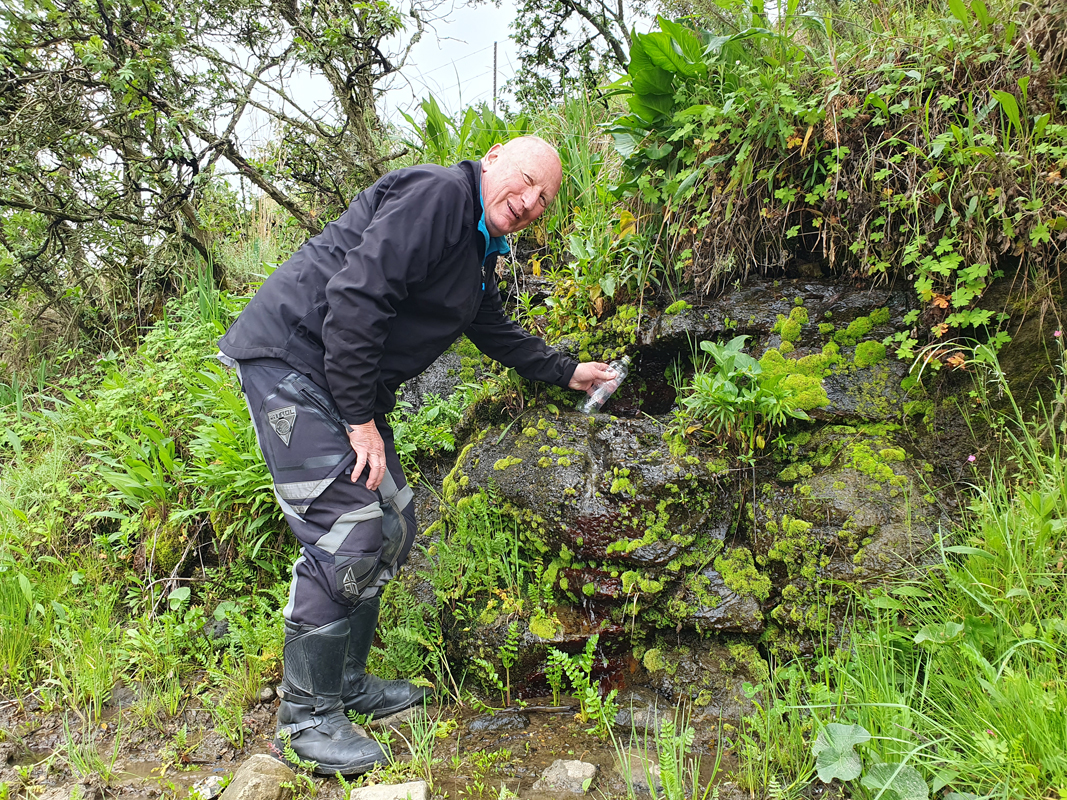
We rode northeast into the fastnesses of the Balele Mountains. Hattingshoogte Pass is 25km long and reaches an altitude of 1965 metres. It’s not for the faint-hearted, but it was in reasonable condition and dry, which made for relaxed riding and sightseeing. It’s wild out there, and we were lucky enough to see giraffe and sable roaming the mountainsides. The pass ends at Groenvlei, and from there Theo led us eastwards deep into the mountains on the road towards Luneburg. He signalled a halt where a spring, filtered and flavoured by lichen and ferns, flowed from the rocks. We sipped ambrosia, but there’s only so much Adam’s Ale one can consume before it becomes a little bland. Fortunately, I’d had the foresight to buy a six-pack of bitterly cold Black Labels in Utrecht. We parked off at the side of the road, quaffed our Zamaleks and swapped stories. But tempus fugit, so we saddled up, rode west through Groenkloof and into Wakkerstroom. It would have been foolish not to stop at the historic Wakkerstroom Hotel for a cleansing, throat-charming lager, so that’s exactly what we did to celebrate a day of fine riding.
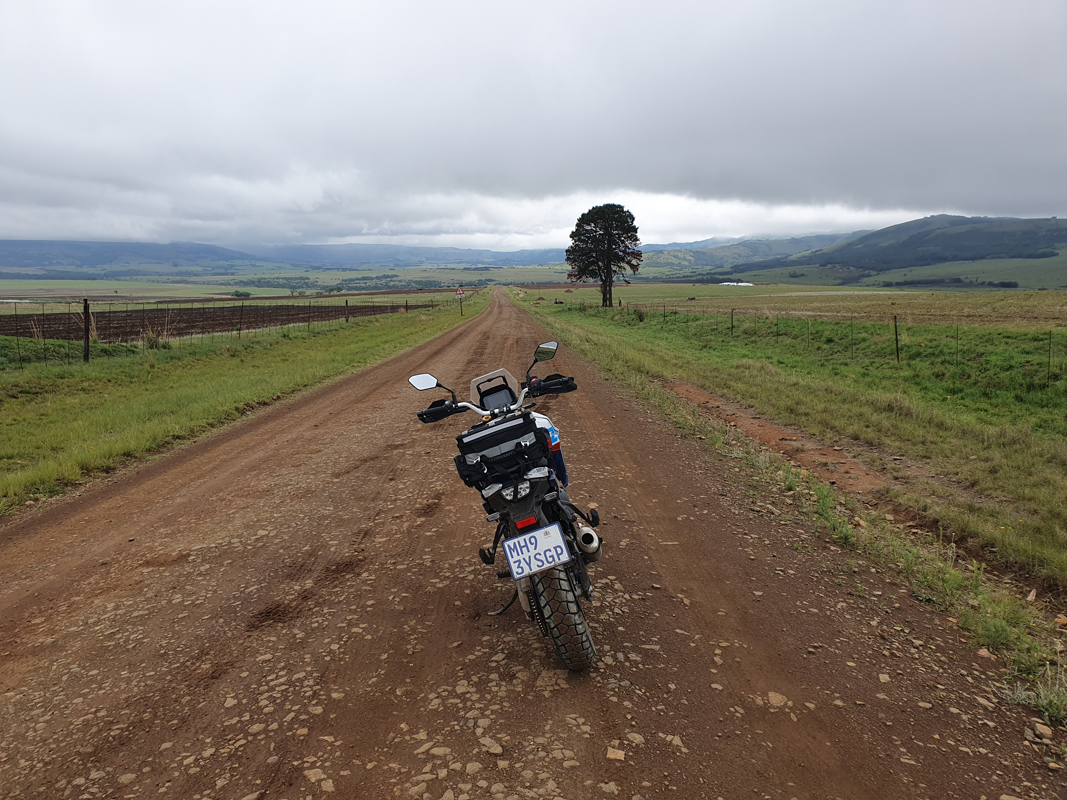
Saturday’s weather was a much happier prospect with sunshine forecast from midmorning onwards. After breakfast, we rode at speed under high overcast to Volksrust. I think we were all full of joy at the prospect of a sunny day. The Suzuki was running like a long dog, smooth and swift and on a long straight, I saw 200km/h with the mill spinning at 9000 rpm. My one criticism was the minimalist windscreen, which provided negligible protection, so I did my best to duck out of the wind blast, but it really wasn’t a big deal. A nice aftermarket screen will sort it out. Saturday morning traffic in Volksrust was chaotic. Unlike my law-abiding companions, I rode on pavements, across barrier lines and down side streets to escape the mayhem. I wanted to get ahead of them so I could stop for photos at a house in Charlestown, the spookiest joint I’ve ever seen. Local legend has it that it’s a witchdoctor’s house, and judging by the macabre ornamentation, that seems to be a reasonable hypothesis. Check the photos and judge for yourself.
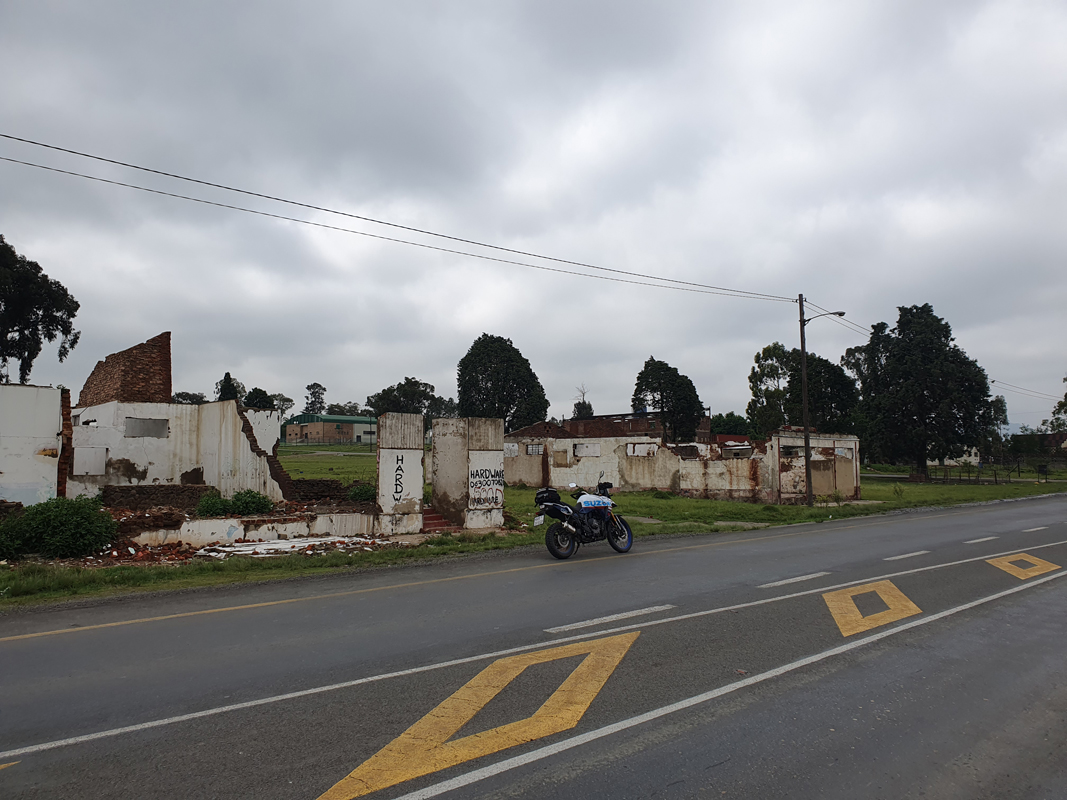
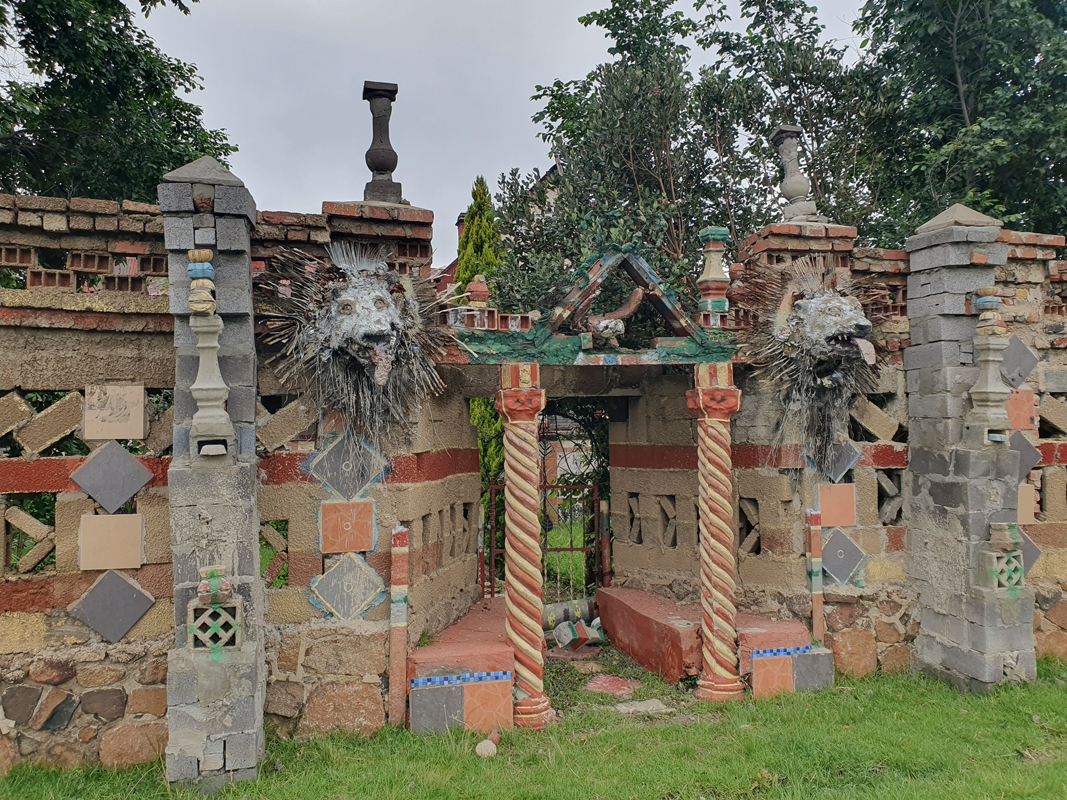
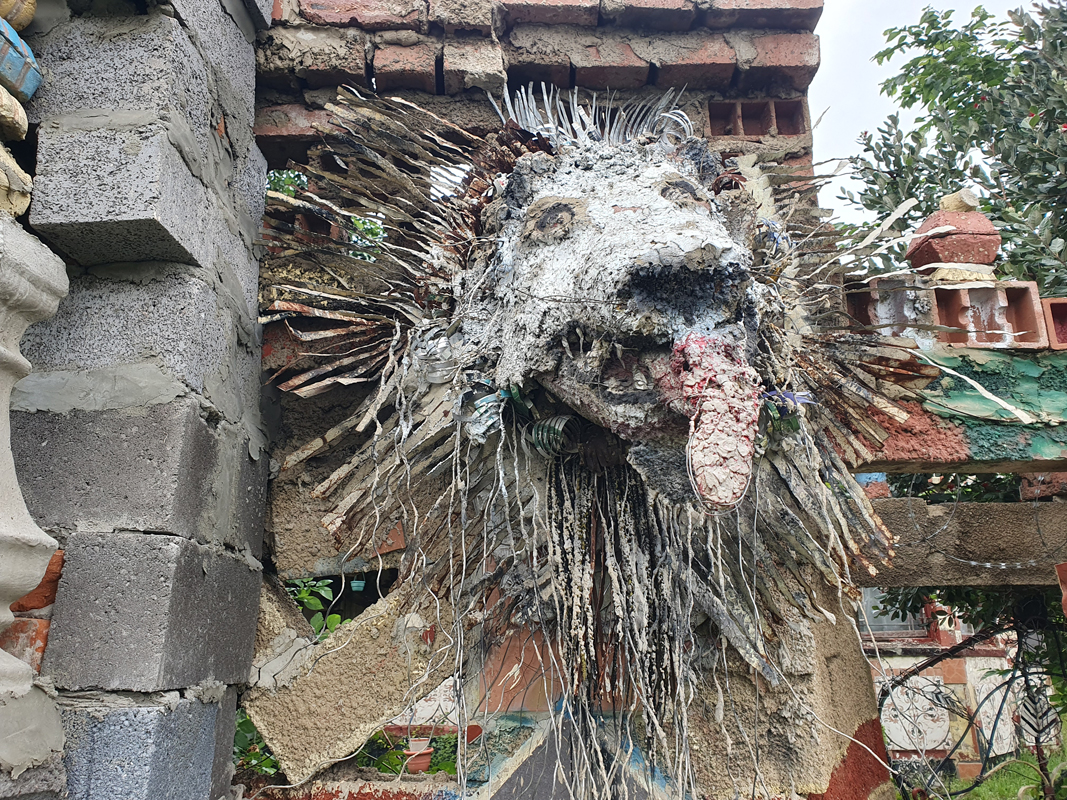
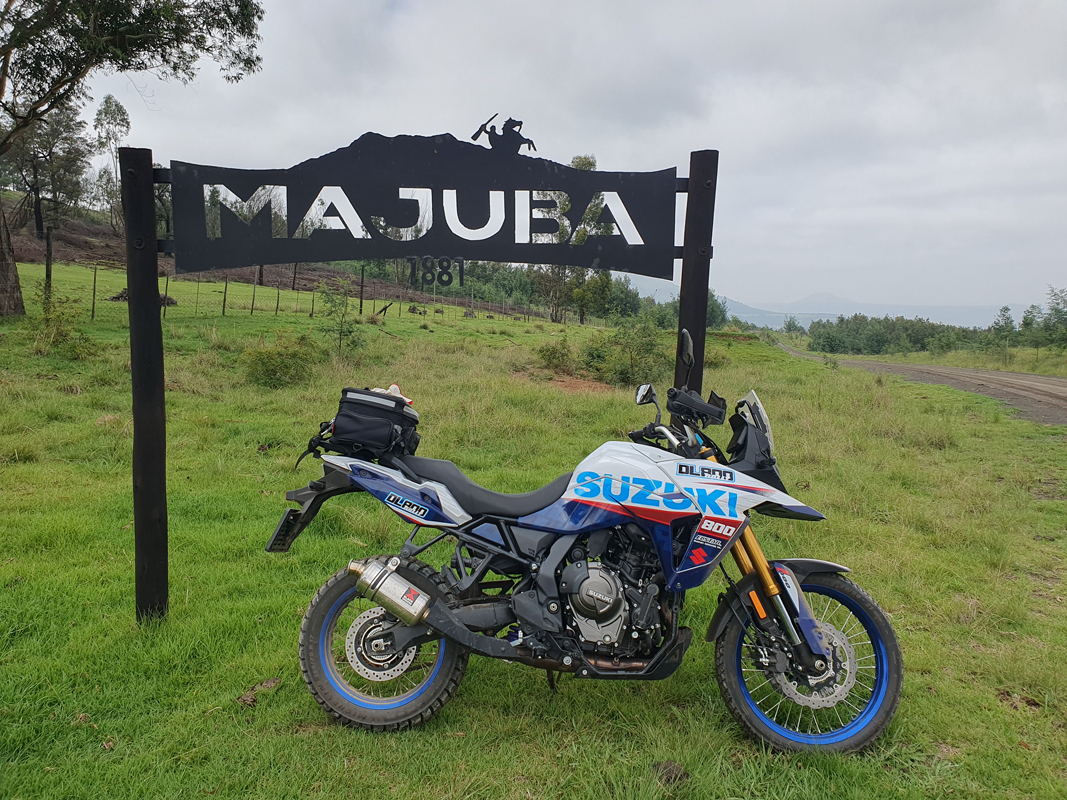
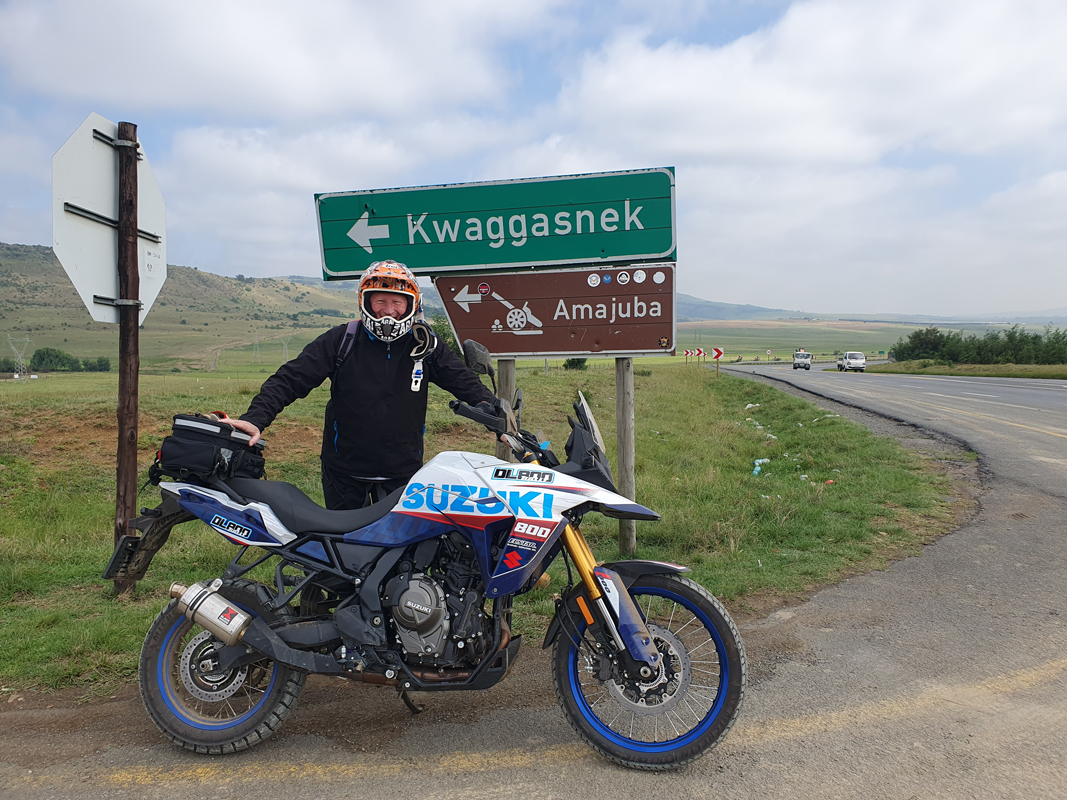
A few clicks past the spookhuis we left the tar and followed the road to Kwaggasnek and Amajuba. The road was mainly dry, but ten clicks in, it suddenly turned into a skating rink. Jean said, “I know this road very well. My farm is ten minutes away from here. This is clay, and from here on it gets worse. We’re gonna go down like skittles!” There’s no substitute for local knowledge. We turned back to the tar and rode down Laing’s Nek. Our immediate destination was Memel, and I thought we were going to have to ride through Newcastle to get to the R34 and Botha’s Pass, but Theo and Jean had other plans. Long before Newcastle, we turned right onto the D38, a nondescript dirt road that ran due west over plains and mountains and intersected Botha’s Pass after just 15km. We cruised into Memel, took photos at the church and then set off to tackle some of the legendary northern Drakensberg passes.
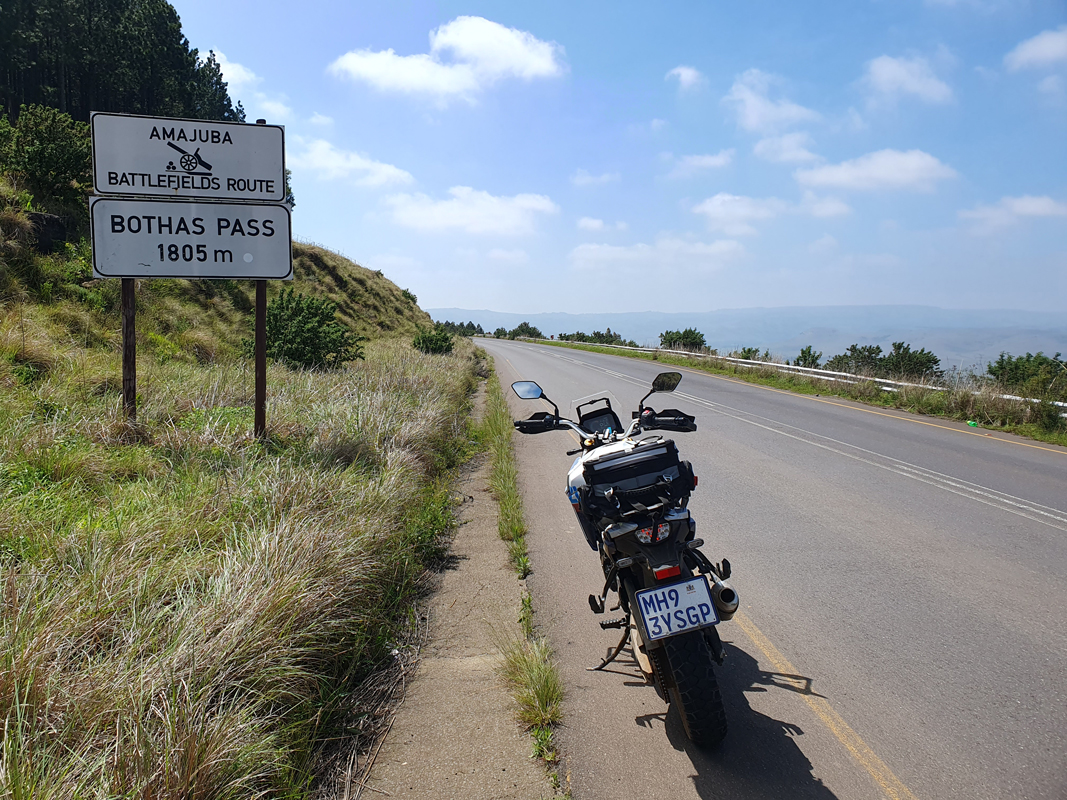
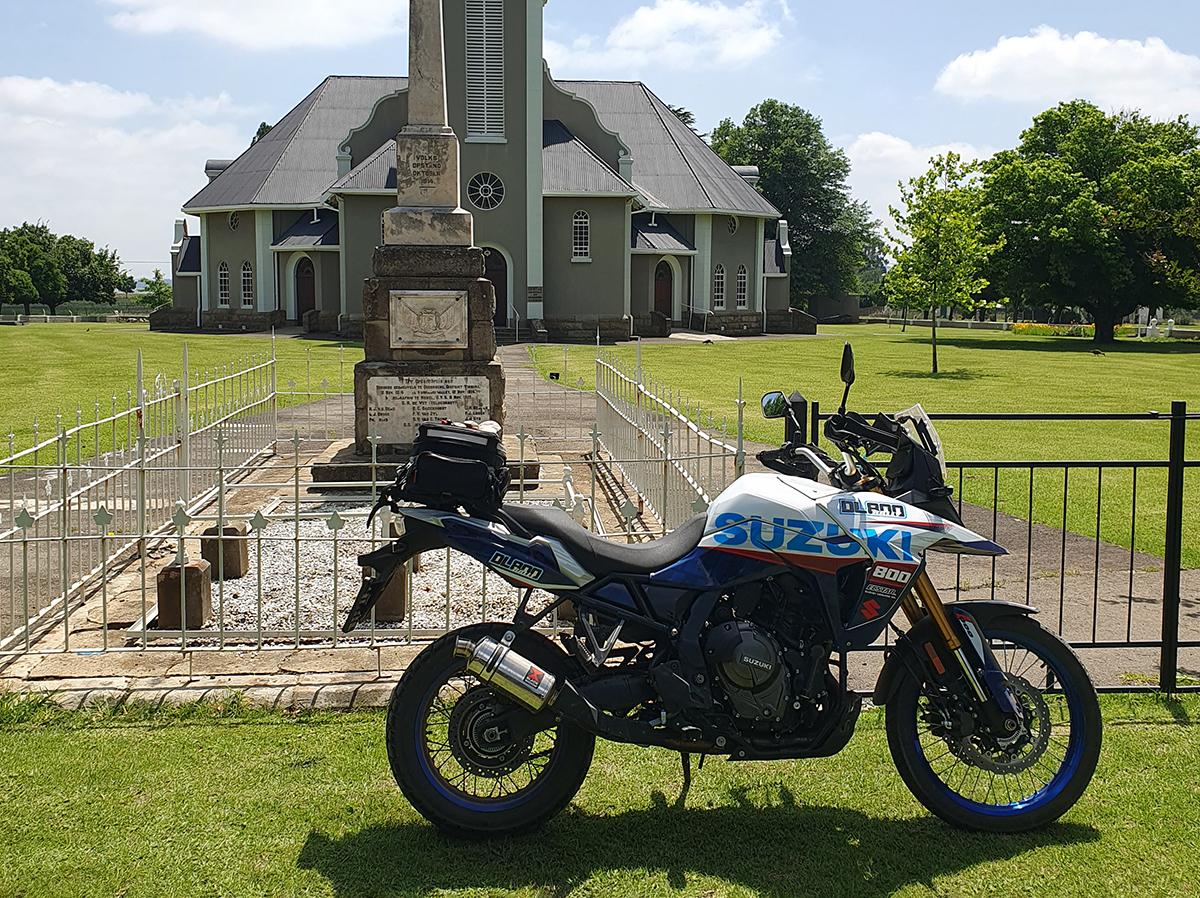
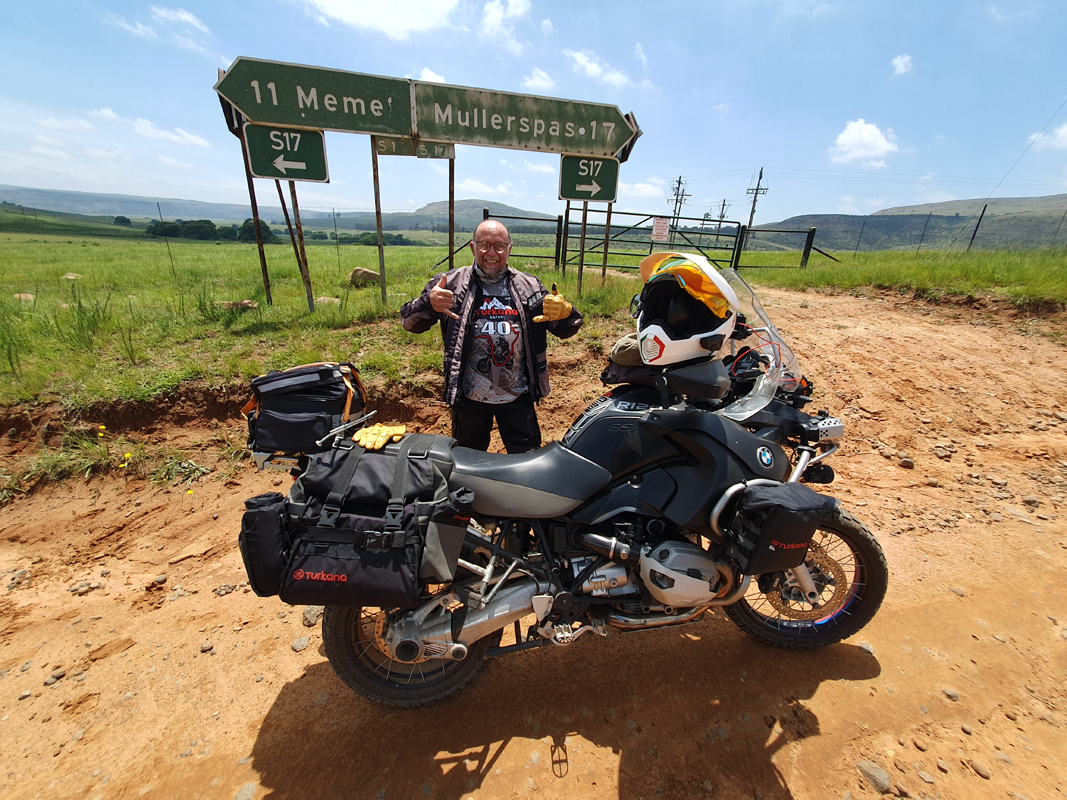
It was a glorious day as we headed into the mountains. After the rains, the cloudscapes were spectacular in their variety. I rode along singing Joni Mitchell’s unforgettable lyrics:
Rows and flows of angel hair
And ice cream castles in the air
And feather canyons everywhere
I’ve looked at clouds that way…
The ride up Normandien Pass was an absolute delight. The Suzuki was in its natural habitat, bounding up rocky slopes, howling along middelmannetjie tracks, blitzing down dirt highways and churning through river crossings. The beauty of that ride will stay with me for a long time; water streaming from the mountains, rivulets flowing out of the veld across the road and into the vleis, herds of fat cattle grazing in emerald leas, sheep lying down in green pastures, flocks of blue cranes, reed beds, rivers in flood, stands of ancient bluegums on the mountainsides, willow trees tracing the meandering course of a stream, wetlands teeming with wildfowl, the roadsides and meadows thick with multicoloured wildflowers, herds of horses and crystalline high altitude skies. It was beyond magical, a garden of earthly delights.
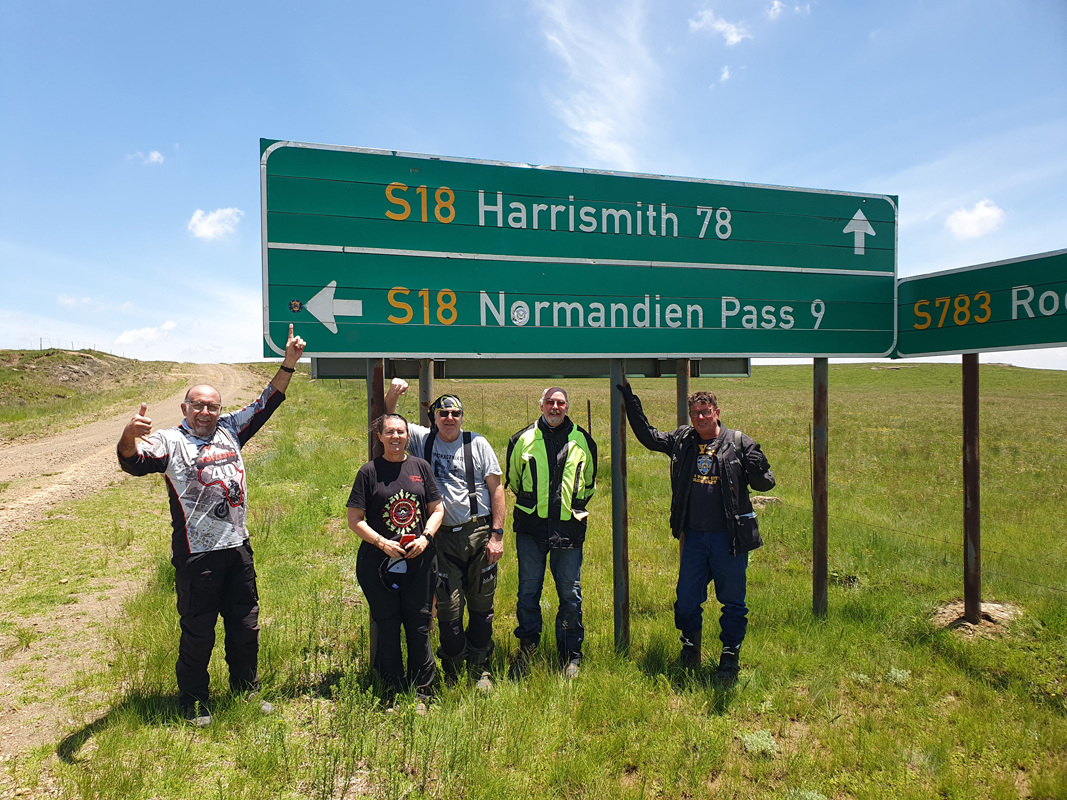
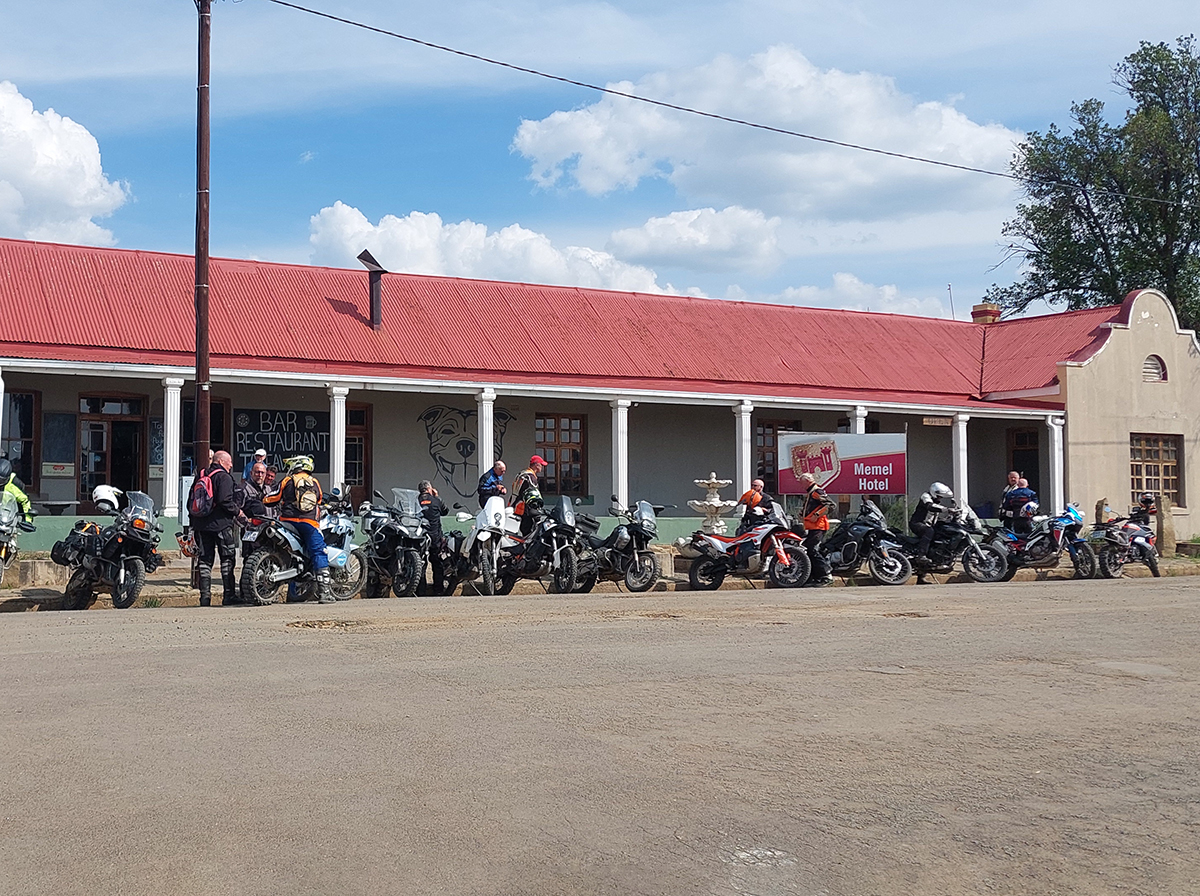
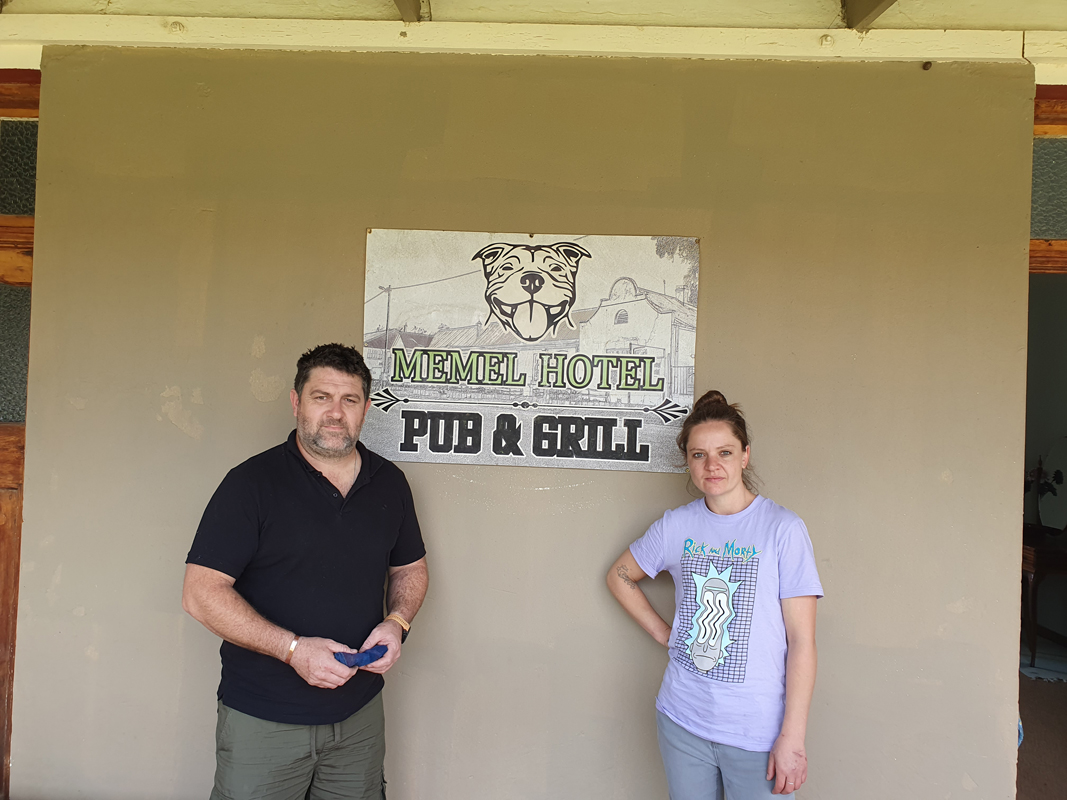
We stopped at The Ark at the summit of Normandien to revel in the 180° views over the Natal lowlands. On this wonderful, clear day, we could see forever to the indistinct horizon where earth and sky became blurred. The descent of the pass was a little tricky. Washaways and ruts and exposed rocks were ambushes for the unwary, but we all managed the ride unscathed. At Normandien police station, we turned left and followed the P39-1, a narrow tar road in the middle of nowhere, which led to the foot of Muller’s Pass. It was an easy ride up Muller’s despite steep inclines and lurking ruts. It was 15:00 when we dismounted at the Memel Hotel for a drink. The hotel is owned by Stella and Rudi, who named the bar Stafford Saloon, but that’s nothing to do with me, even though I have been known to frequent biker boozers. As we were leaving, a group of ten blokes on big dirt bikes arrived. Memel Hotel was their destination for the night, and it should also be yours if you’re riding the northern Berg. Expect a friendly place and a warm welcome.
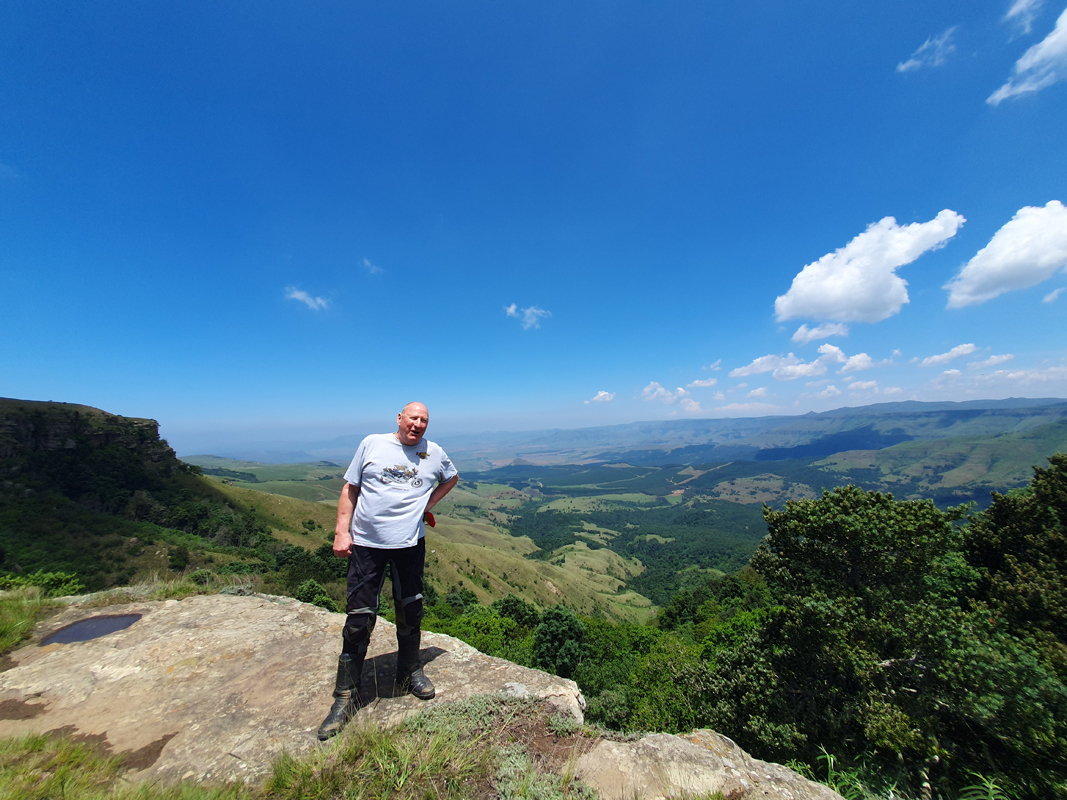
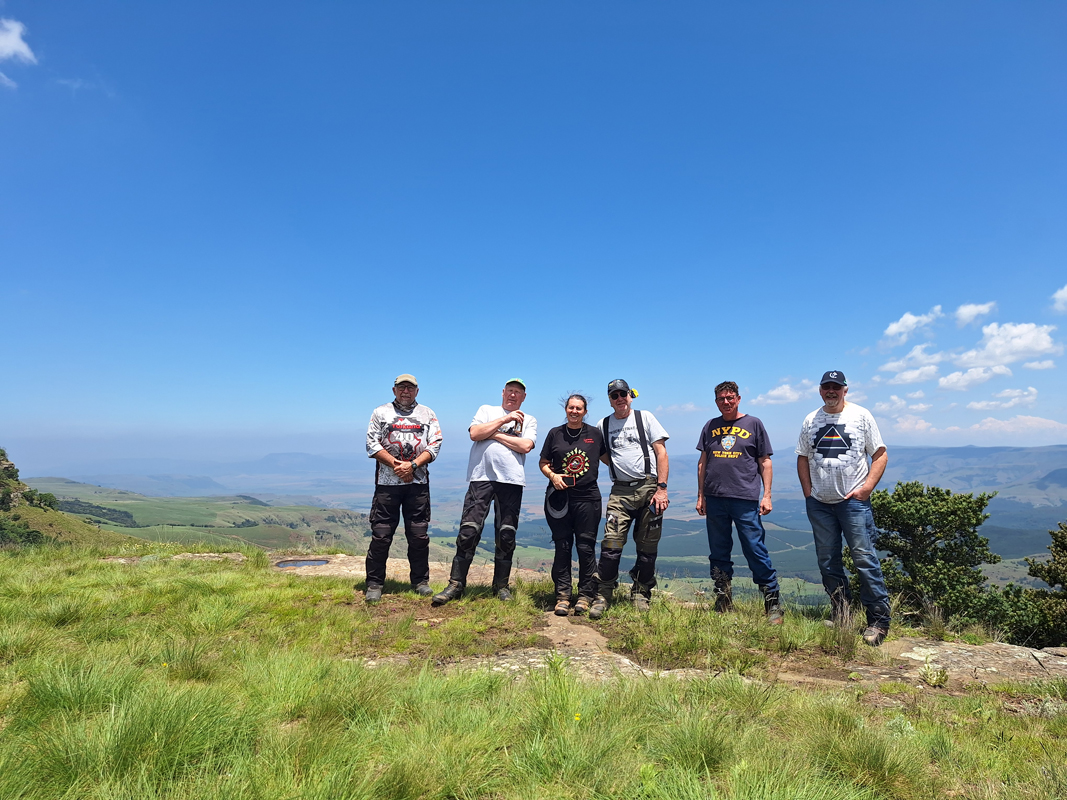
We retraced our ride to Botha’s Pass, and yet again, local knowledge proved its value. Near the summit of the pass, we left the tar and rode east across steep mountainsides with the Amajuba massif bulking ever larger on the horizon. This was the route we abandoned in the morning. Thanks to the warm sunny weather, what had been perilous snot six hours earlier was now excellent, grippy dirt. Short before long, we popped out in Charlestown and cruised back to Wakkerstroom.
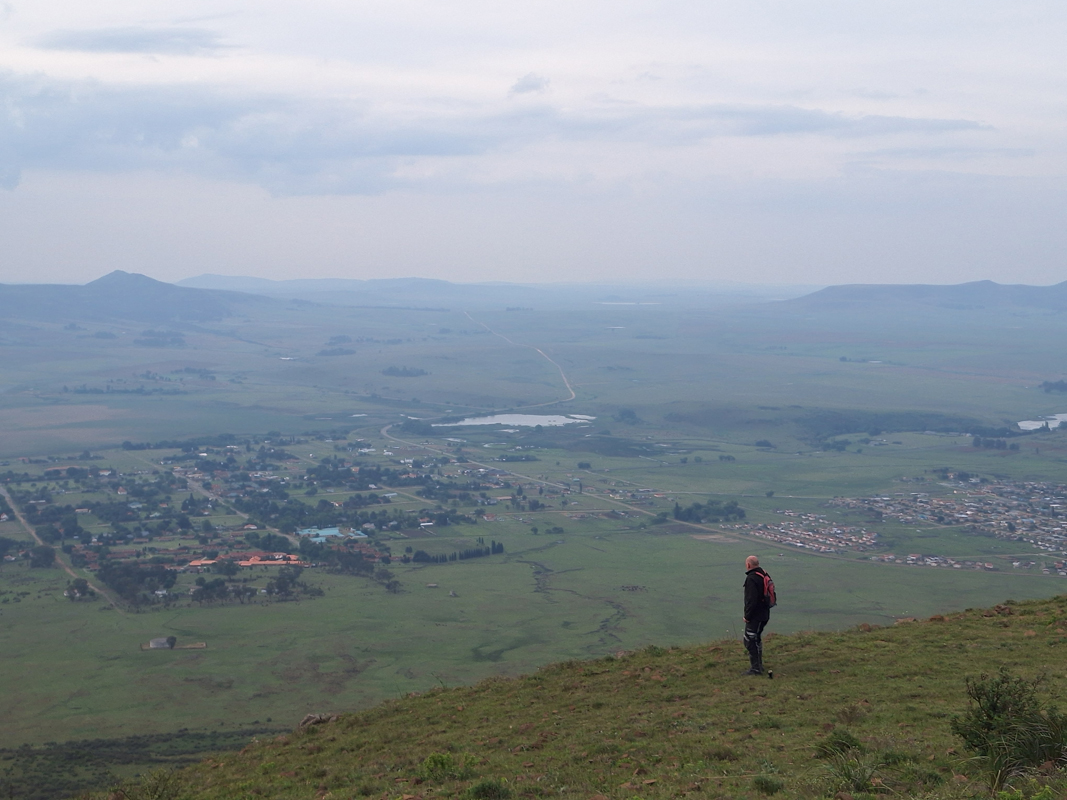
Theo had one last surprise for us. Ossewakop looms over the eastern side of Wakkerstroom. Ossewakop is so named because of the ox wagon depicted in whitewashed stones on the side of the mountain and the dates 1838 – 1938 to commemorate the centenary of the Great Trek. The project was the brainchild of Mr Vercuil, the headmaster of the school. To comprehend the magnitude of the task, it’s informative to understand the scale. For example, the digit 1 is 27 metres high and 1.2 metres wide. Every afternoon, the schoolboys climbed the mountain and packed stones to create the image and the digits. On a day when all the stones had been placed, the boys climbed the mountain carrying buckets of whitewash and painted the stones to reveal the results of their endeavours. It is said that the whole town stood and watched as the image materialised. There’s a 4X4 track that runs from the far side of Ossewakop to the summit. Theo said, “I’m riding to the top of the berg. You’re welcome to join me, but let me warn you that the ascent is very difficult, steep, narrow and rocky. The trail has a RED grading! There’s no place to turn around. If you bugger up, you’re gonna go down hard in the rocks. But the views from the summit are worth the effort.” Sounded like fun. James and I were in. Theo had not exaggerated the difficulty. Near the top, I was riding on a concrete tweespoor when I lost my momentum and my mojo and ran into the rocks. I knew I was going to crash, but by some miracle, the bike clawed its way out, and I continued to the summit shaken and stirred. The views were as promised. The town lay spread out 400 metres below us. To the south, Zaaihoek Dam sparkled in late afternoon sunshine. From our vantage point, we could see the extent of the wetlands that surround Wakkerstroom and appreciate the stunning bucolic beauty of this unique spot on the planet. We could have stayed longer, but the wind was pumping, the shadows were lengthening, and we needed fodder and beer. We descended the berg in the gloaming and pulled into the cottage as the sun dipped below the horizon in a technicolour blaze of red and orange and yellow and purple. Our companions had the braai fire going, and that evening we chowed ourselves dik on delicious steak, wors and potato bake. A fitting denouement to a brilliant weekend.
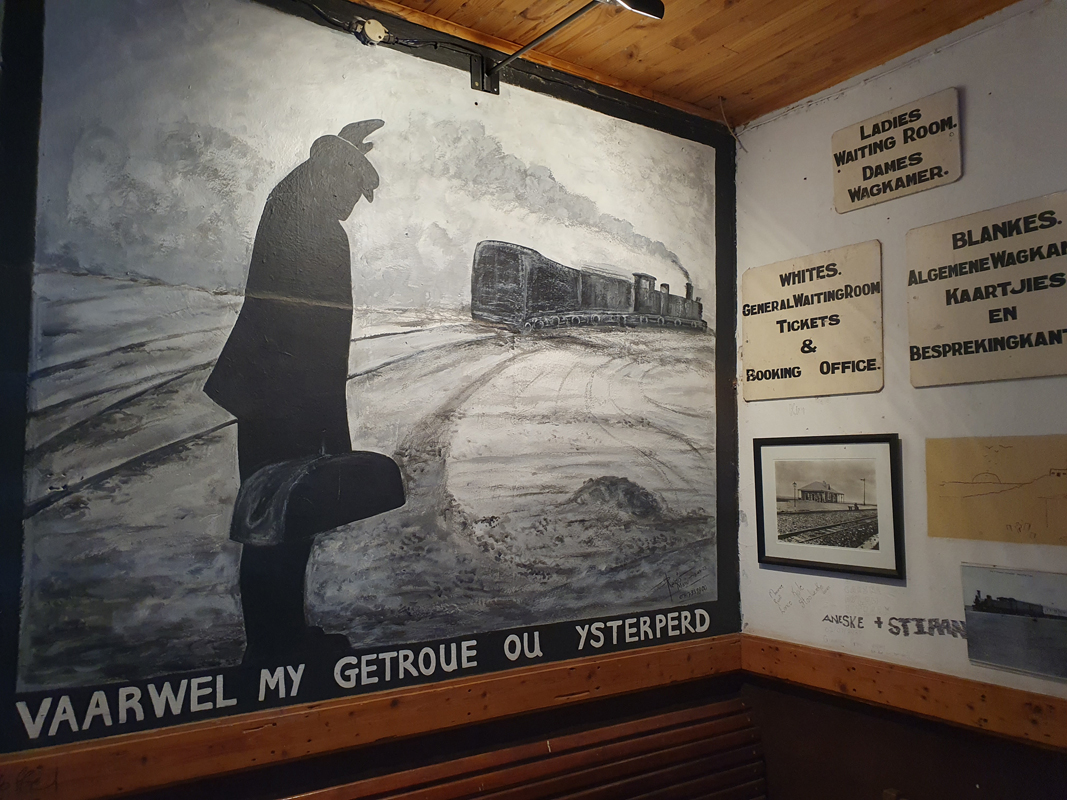
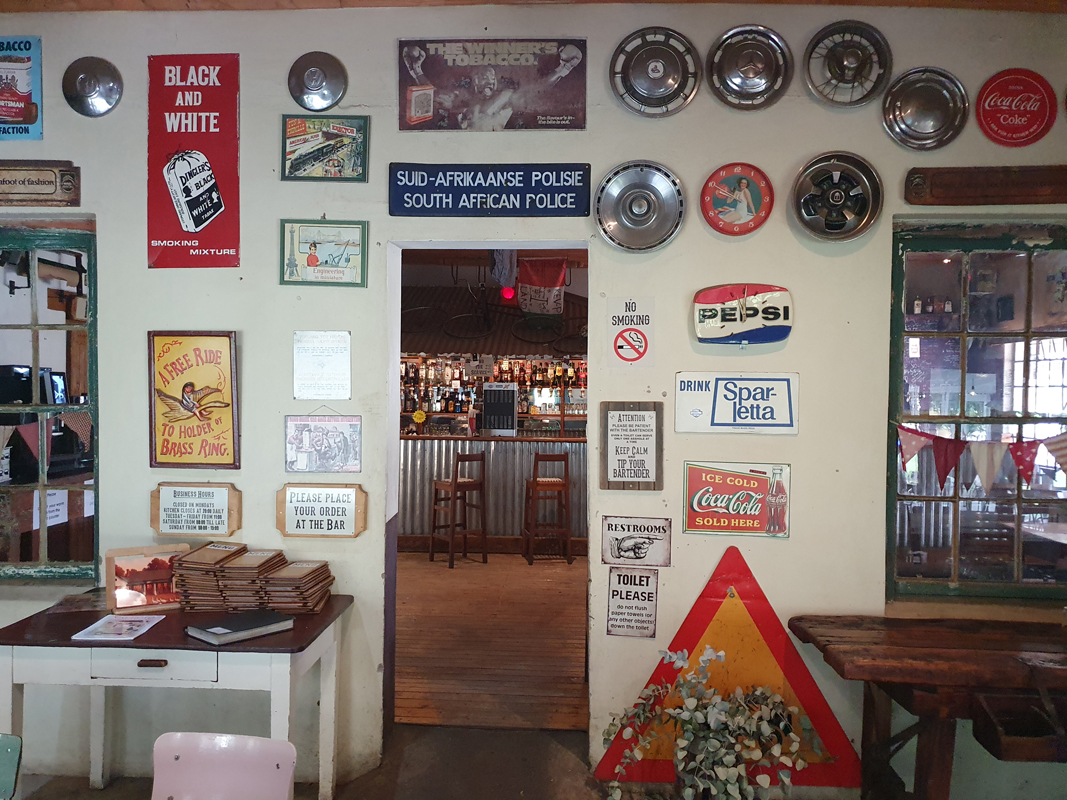
We said our farewells on Sunday morning and went our separate ways. I needed to deliver the bike to Suzuki on Monday morning, and therefore, my destination for the day was Johannesburg. I rode tar to Volksrust and Standerton and then rode dirt to the silos at Holmdene, from where I followed the railway line service road to Val. In the days of steam locomotives, Val used to be a bustling railway town, but these days its main claim to fame is the Val Hotel and the Moeggeploegkroeg. Val is a fine breakfast run destination. Try it. You’ll like it.
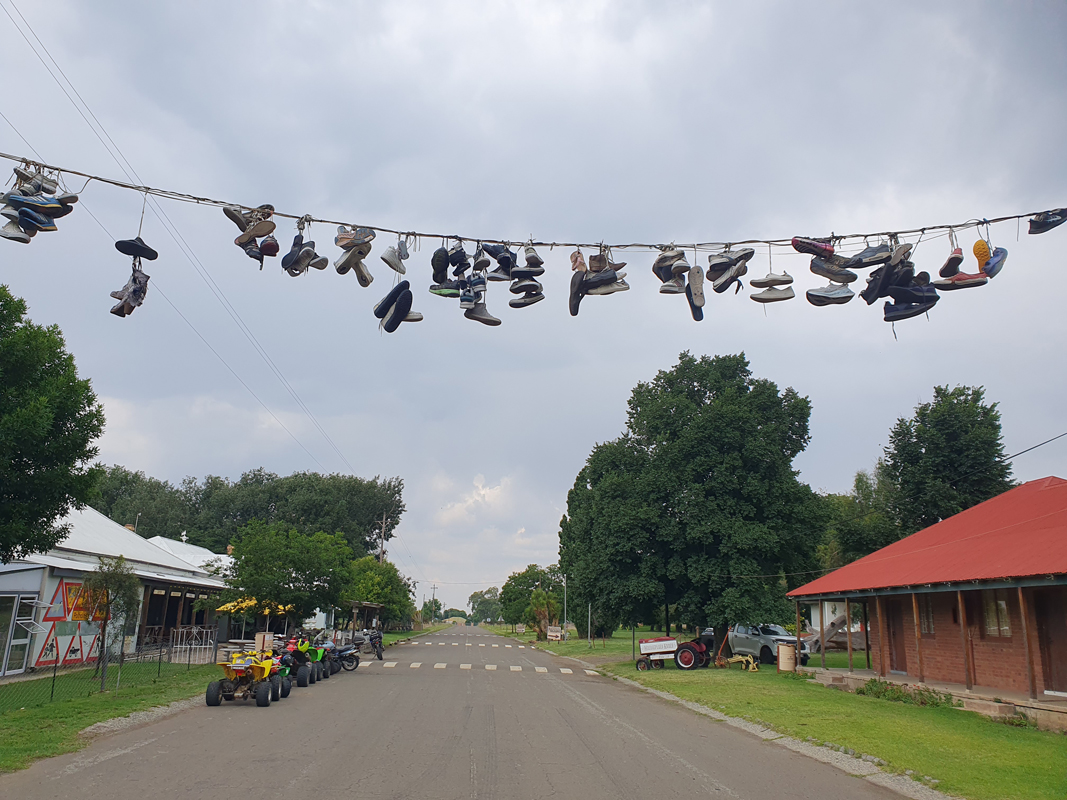
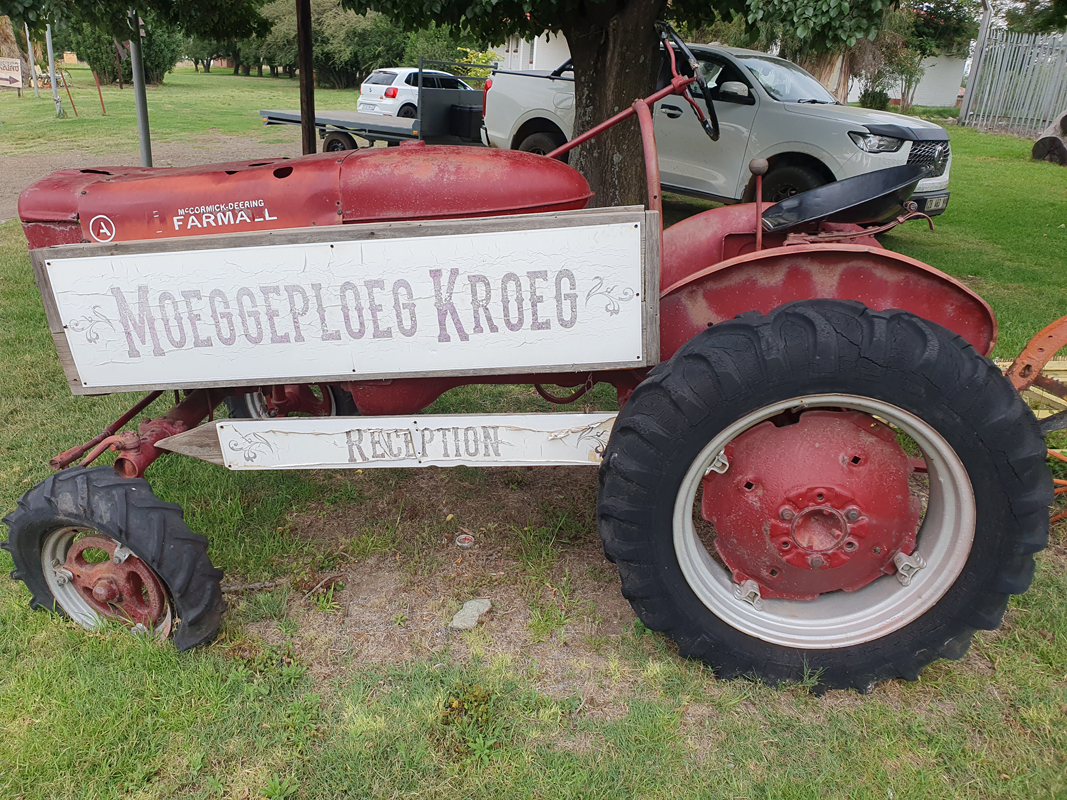
From Val, it was a skip and a jump to Joburg. When I parked the Suzuki, the cumulative trip meter read 1280km. Over four days, the Suzuki DL800 acquitted itself with power and precision. The DL800 is an exceptional midrange dual-purpose bike. Do yourself a favour and ride one. Price: R201,500. A trivial sum for your passport to adventure.
Our total distance covered for the tour was 1280km.
Suzuki DL800
For more information on the bike that we tested in this article, click on the link below…