



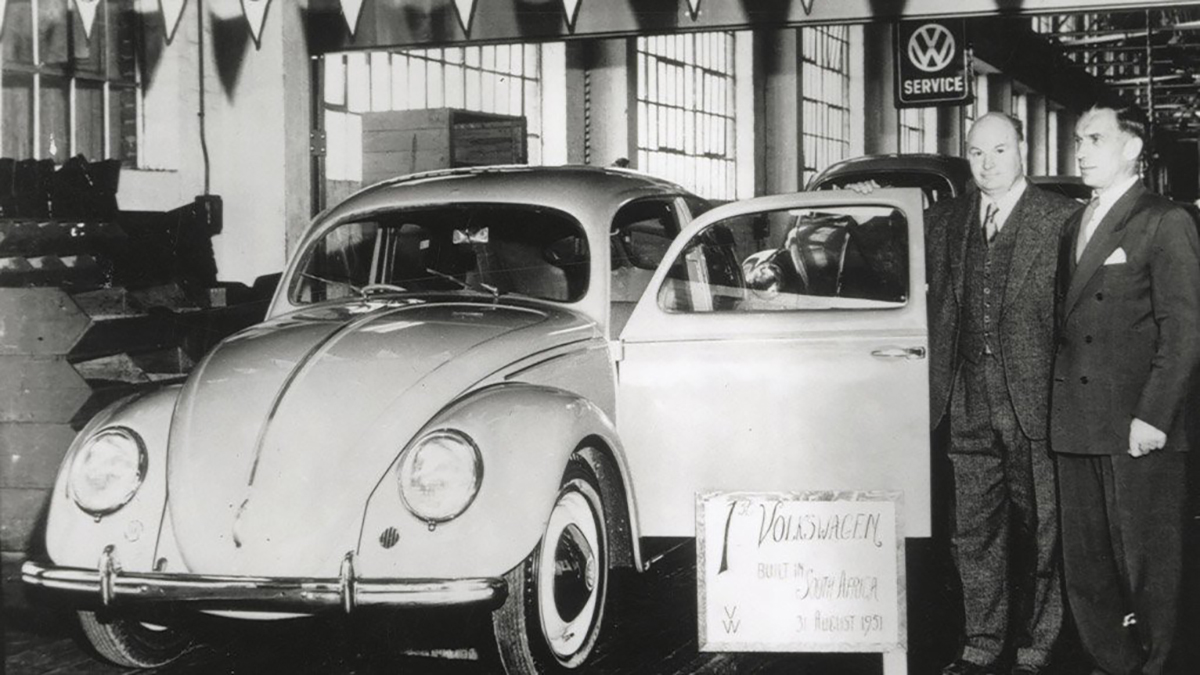
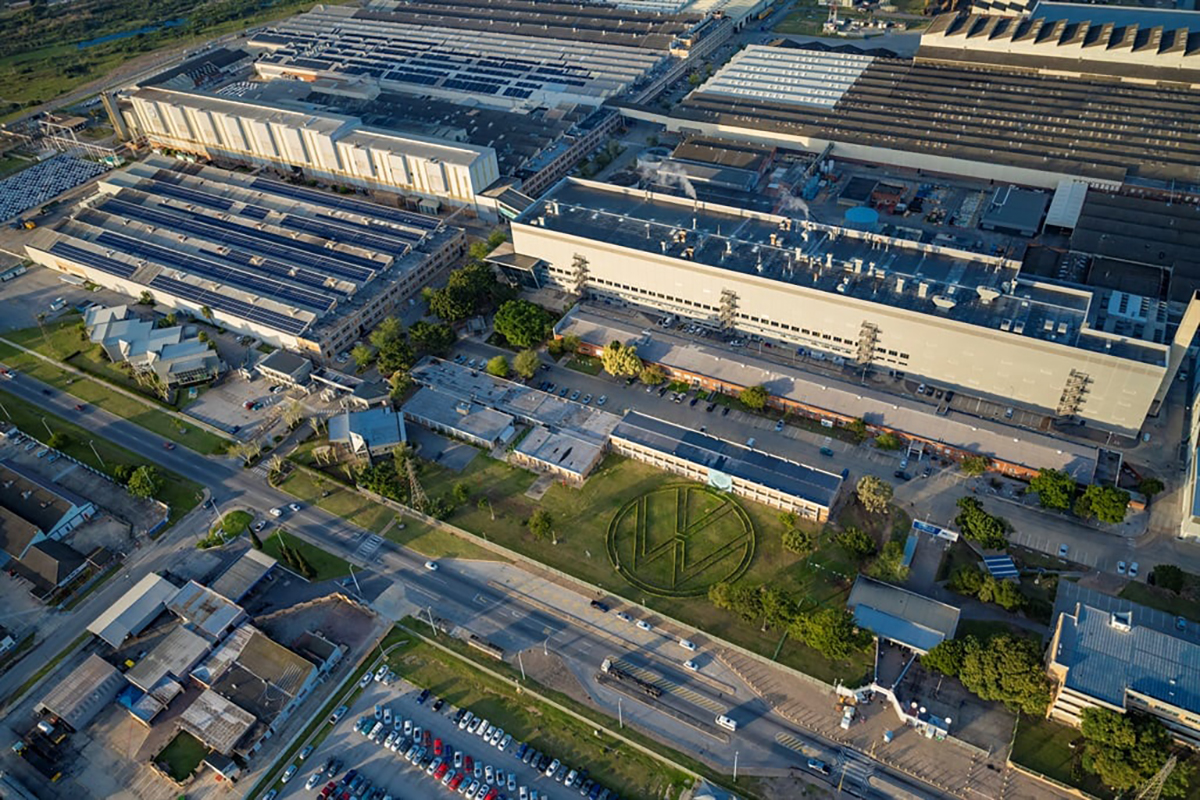
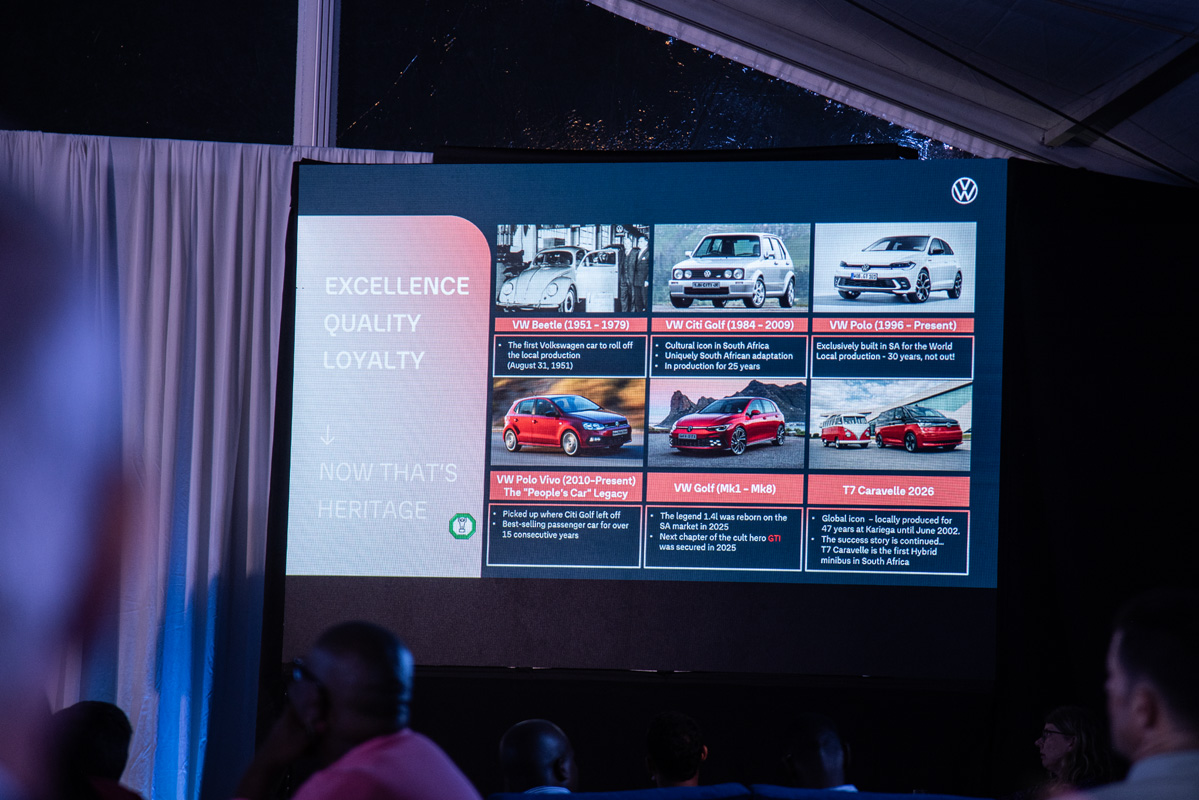
The 31st of August 1951 saw the very first car, a Volkswagen Beetle, roll off the production line of the Kariega plant (formerly Uitenhage) onto South African roads. Now, 75 years down the road, the Kariega plant has been dubbed the “home of Polo”. Yes, 30 years of building Polos for the local and global markets means that if you drive a right-hand drive Polo, Vivo, or GTI anywhere in the world, chances are it comes from “Kariega”. Over 3 million cars have been produced at the plant, and their highest production year to date was 2024, when they rolled out a record of 167,084 vehicles.
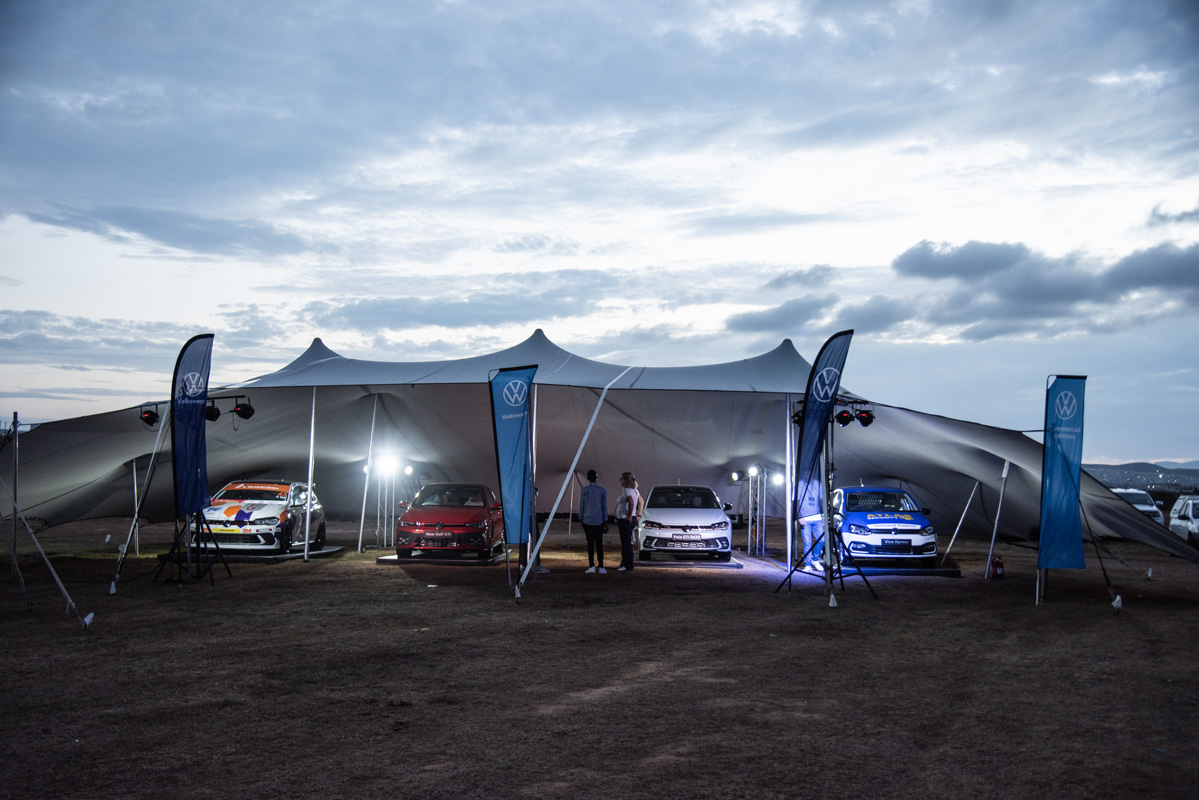
With 2026 being the plant’s 75th birthday, VWSA flew the press out to Kariega for the annual Volkswagen Indaba. Each year, VW gives the press and some lucky invitees some behind-the-scenes access to what the brand’s plans for the future are, how they are performing in the local markets, and a tour of the plant and how they put their cars to the test for local and international conditions.
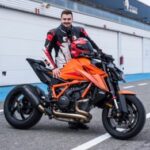
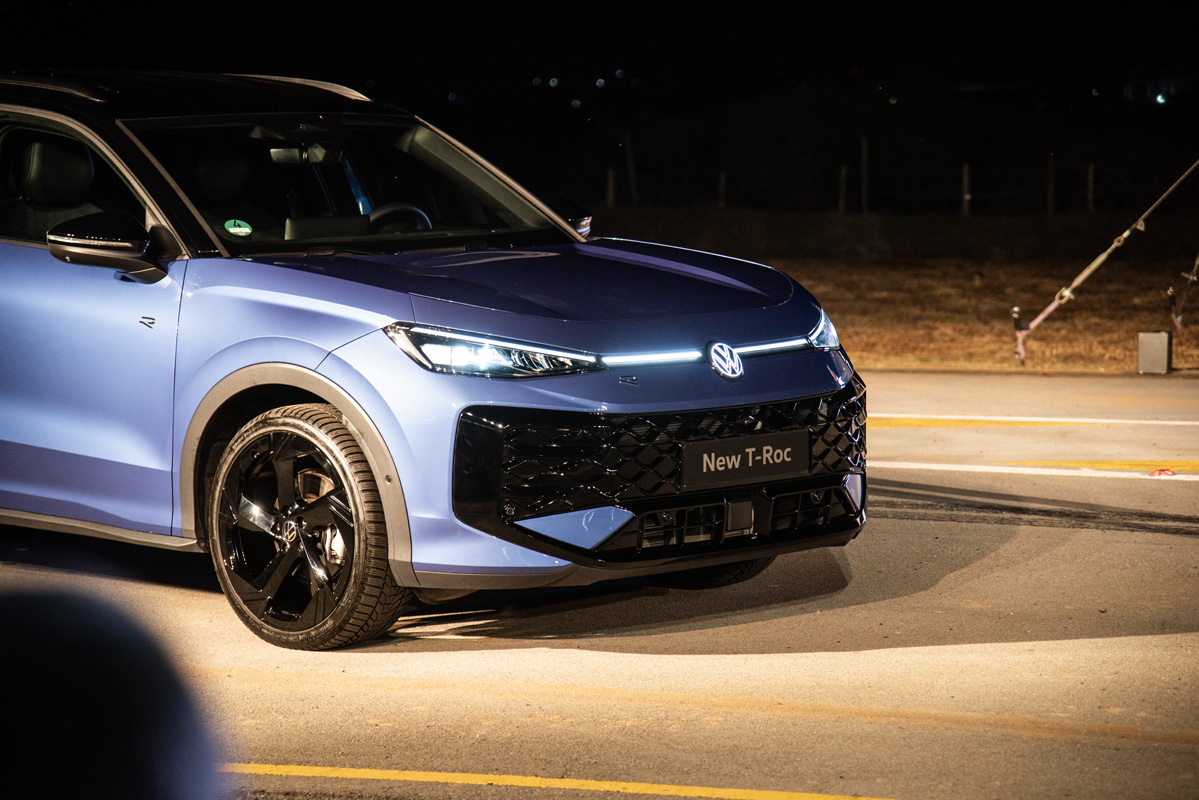
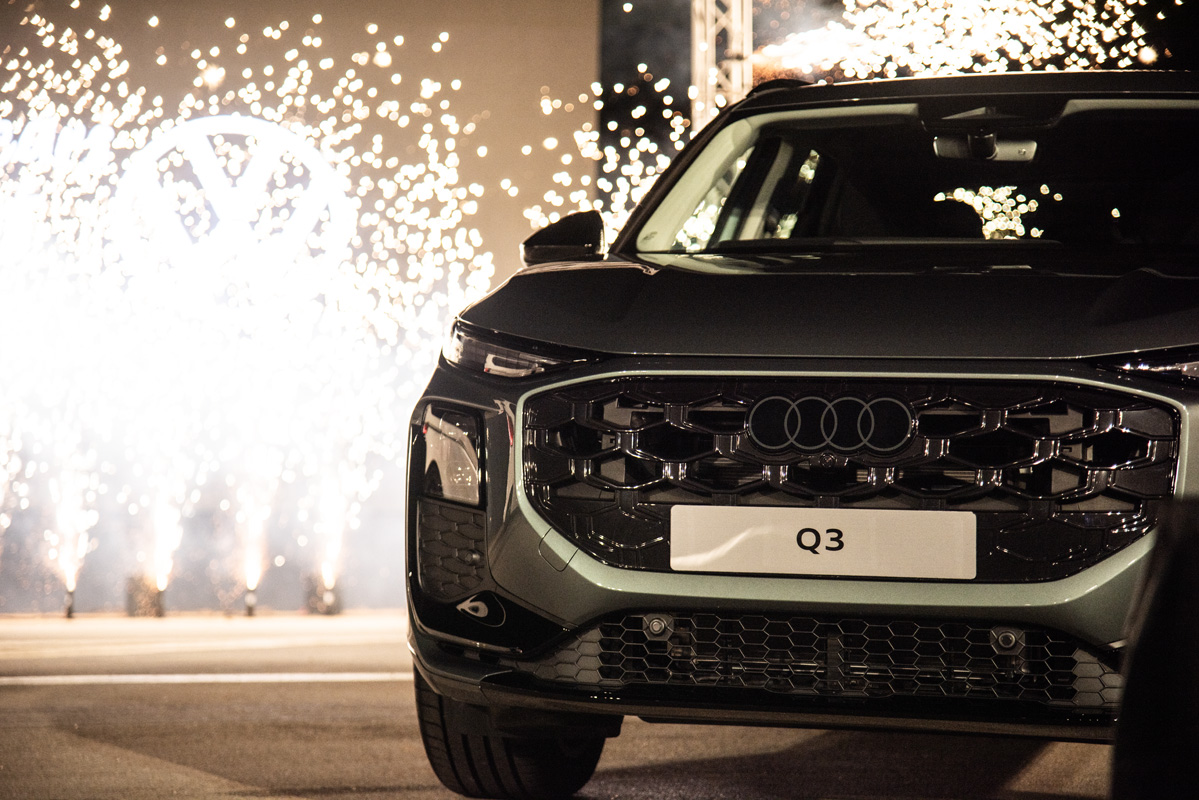
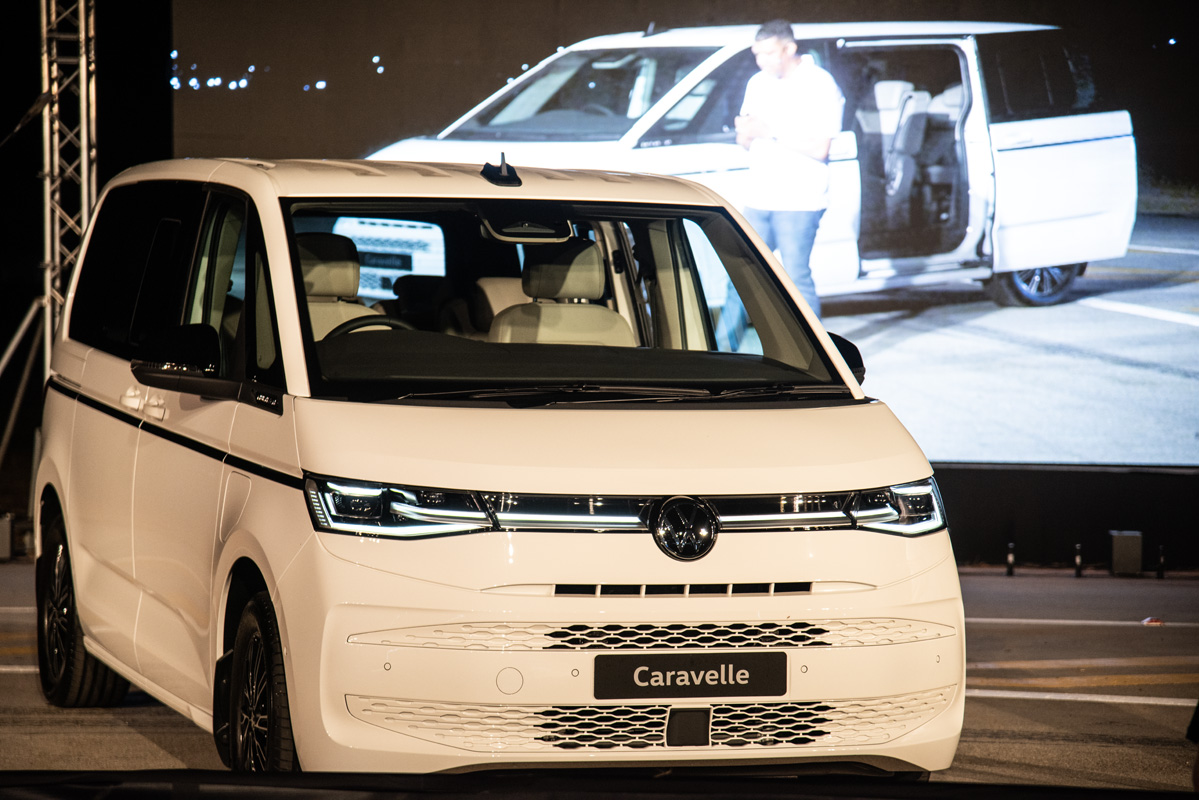
This year, we were excited to be invited to the Indaba, as this iteration of the Indaba would be more than just a 4-wheeled affair. Our eyes opened and were locked on both Volkswagen and Audi with the unveiling of the new T-Roc, T7 Caravelle, Polo GTI Edition 20, Polo Vivo Express and Audi’s latest Q3. The Italians later showed up and brought their own flair to the show with a bunch of new models not yet seen in the flesh by us South Africans, such as the new Multistrada V4 RS, the all new Desmo 450 MX, the new Multistrada V2, Streetfighter V2 and V4 models, the beefy Diavel V4, the new V4 Panigale and a host of special editions were announced to be arriving soon.

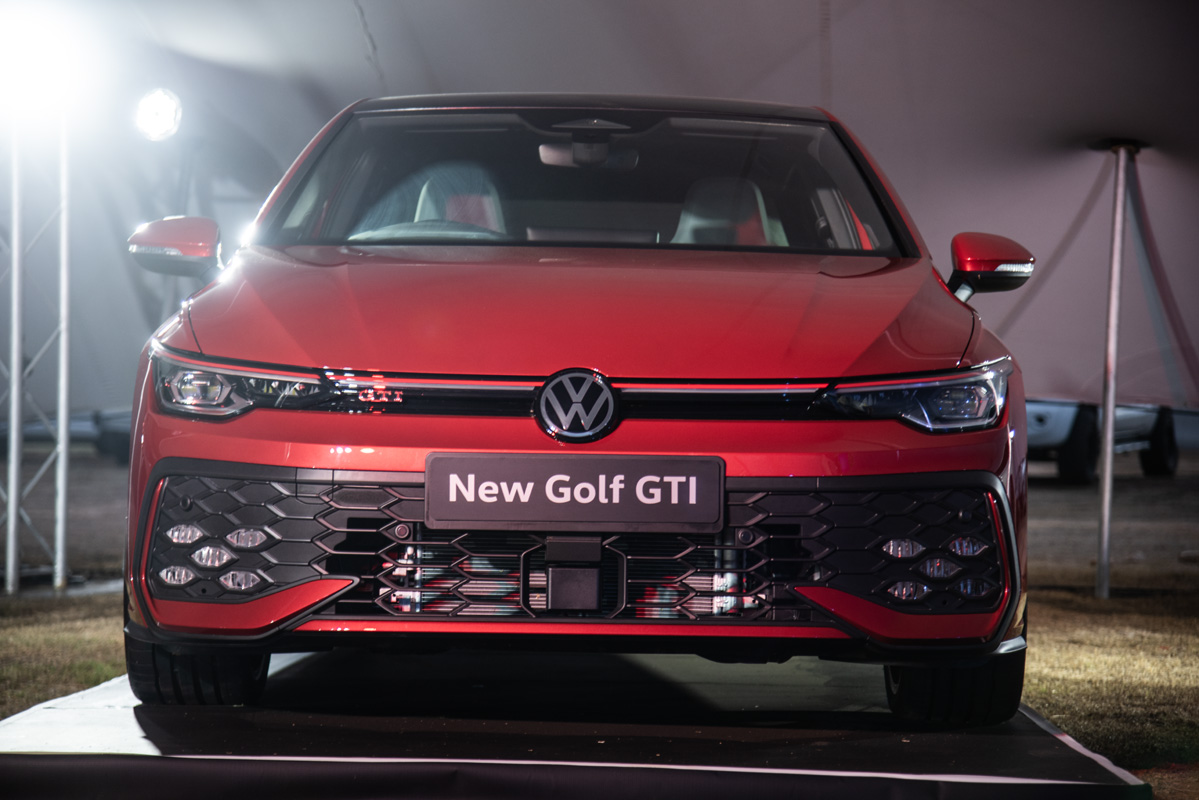
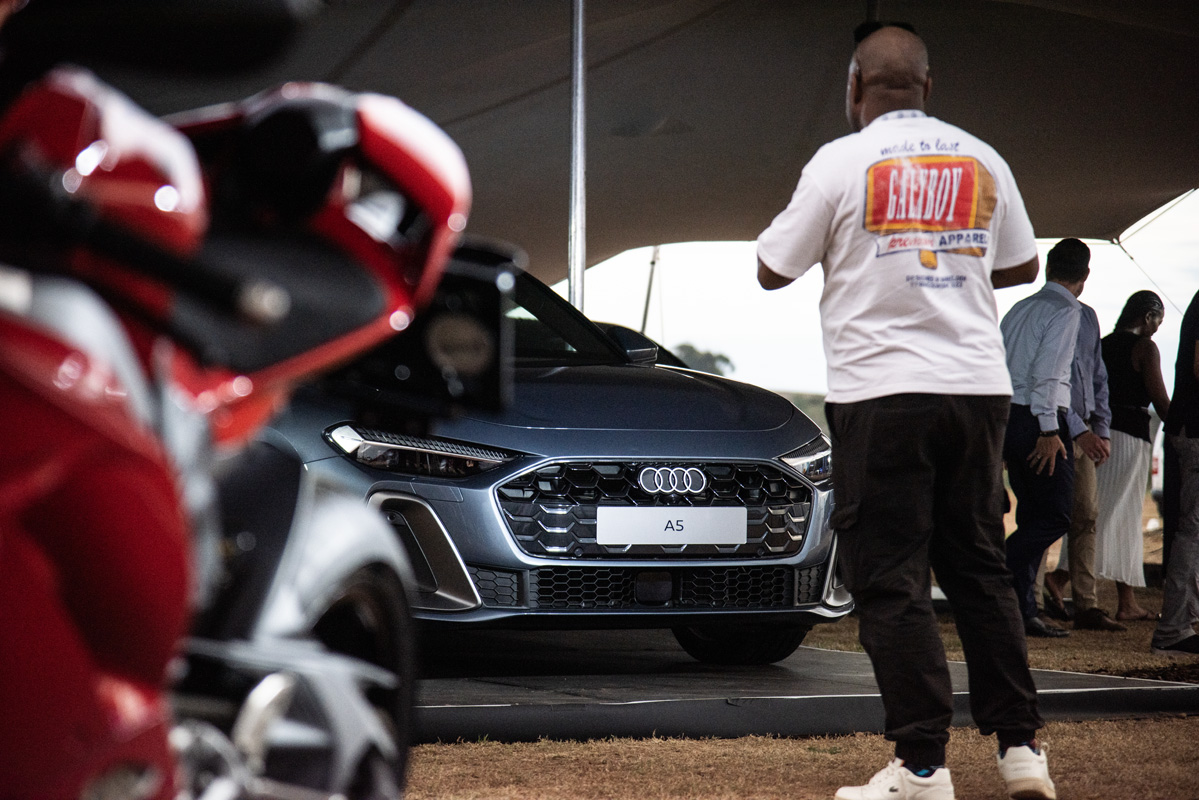
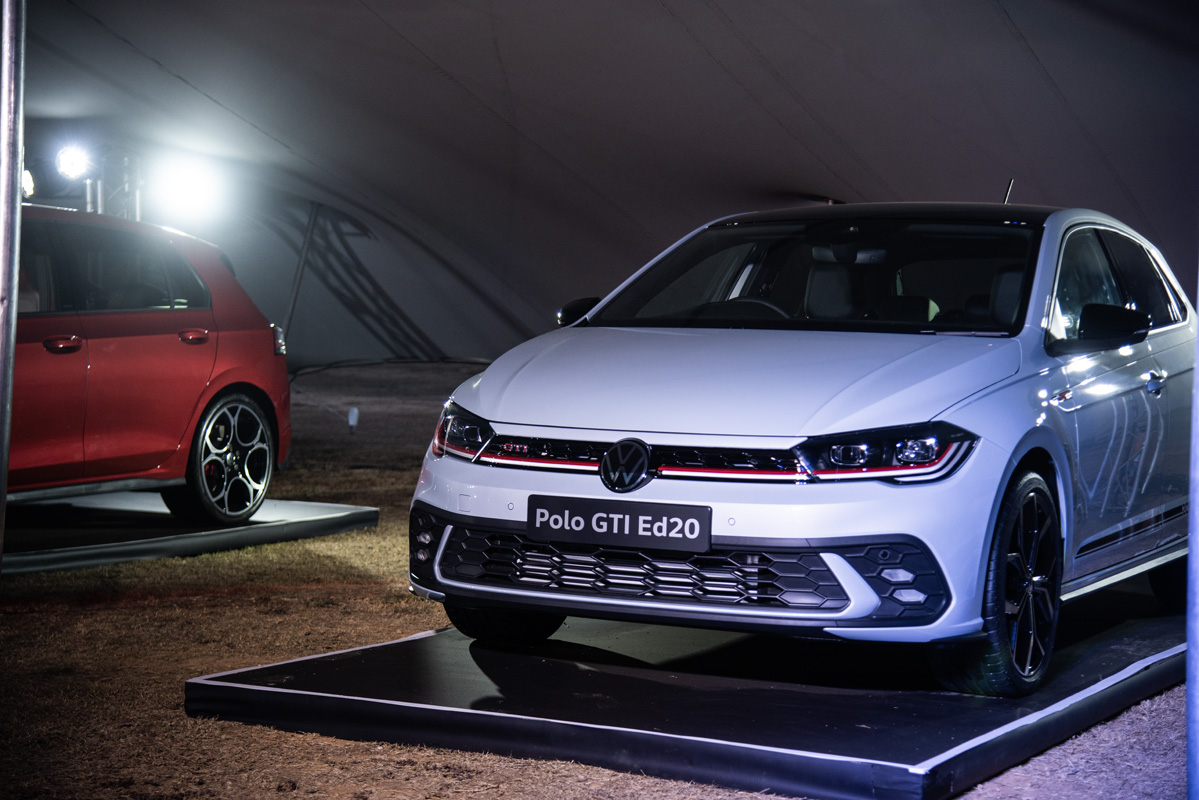
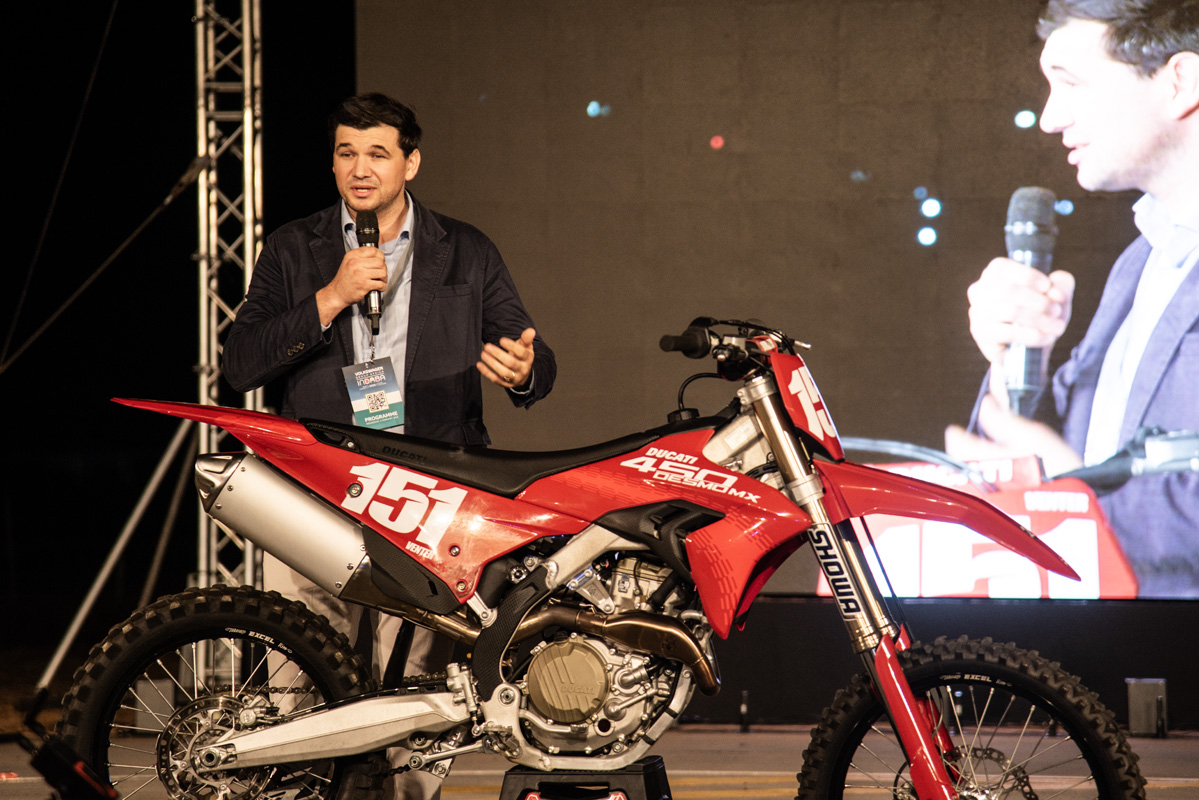
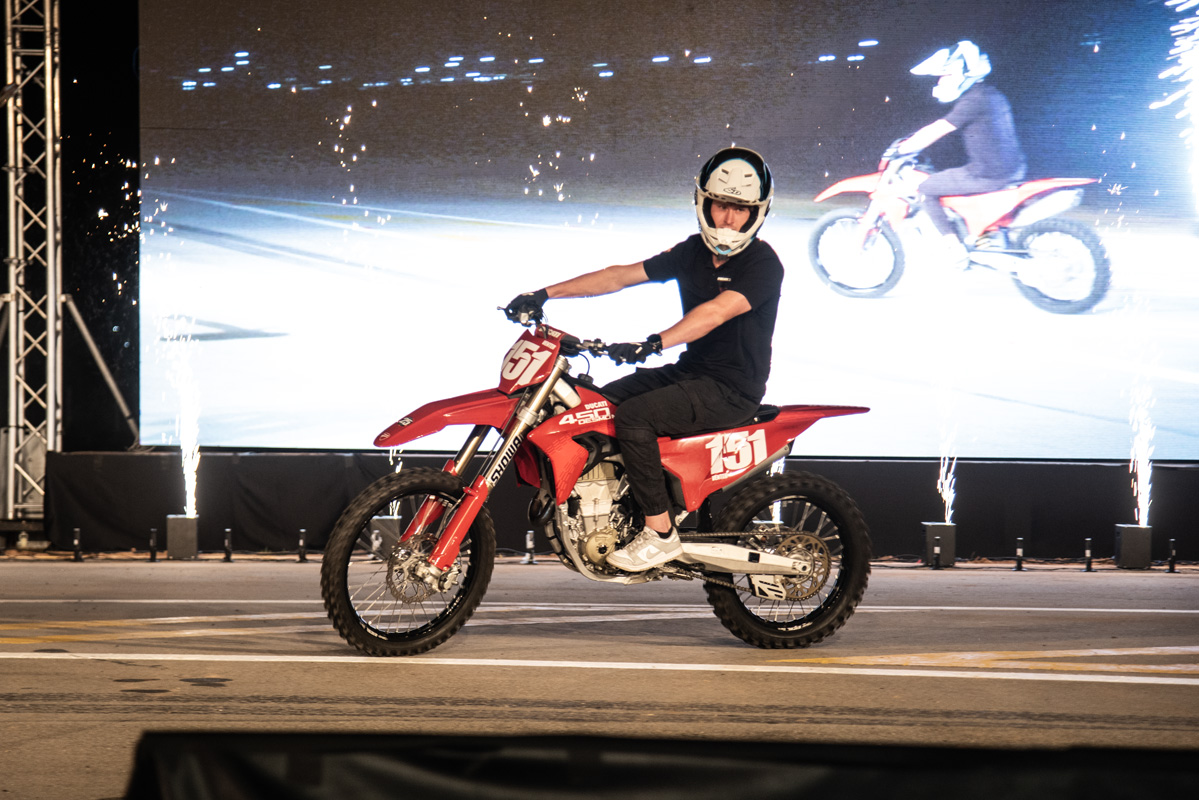
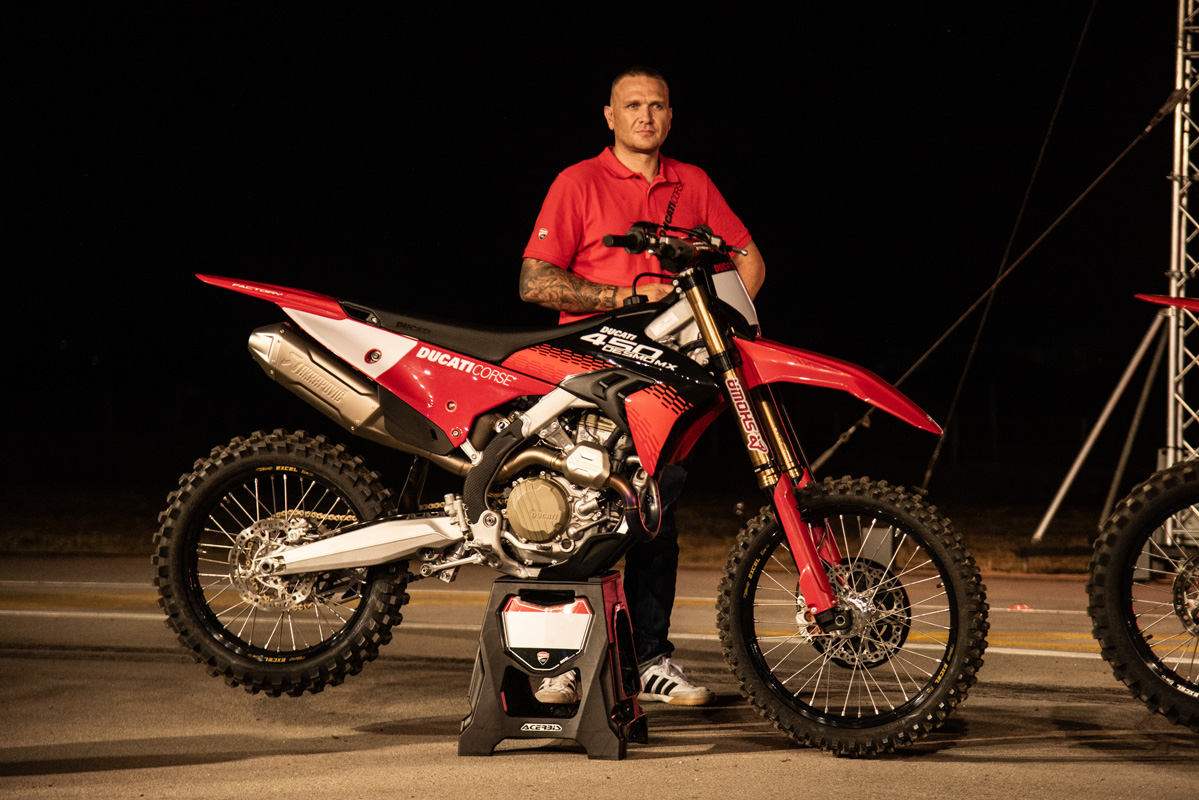
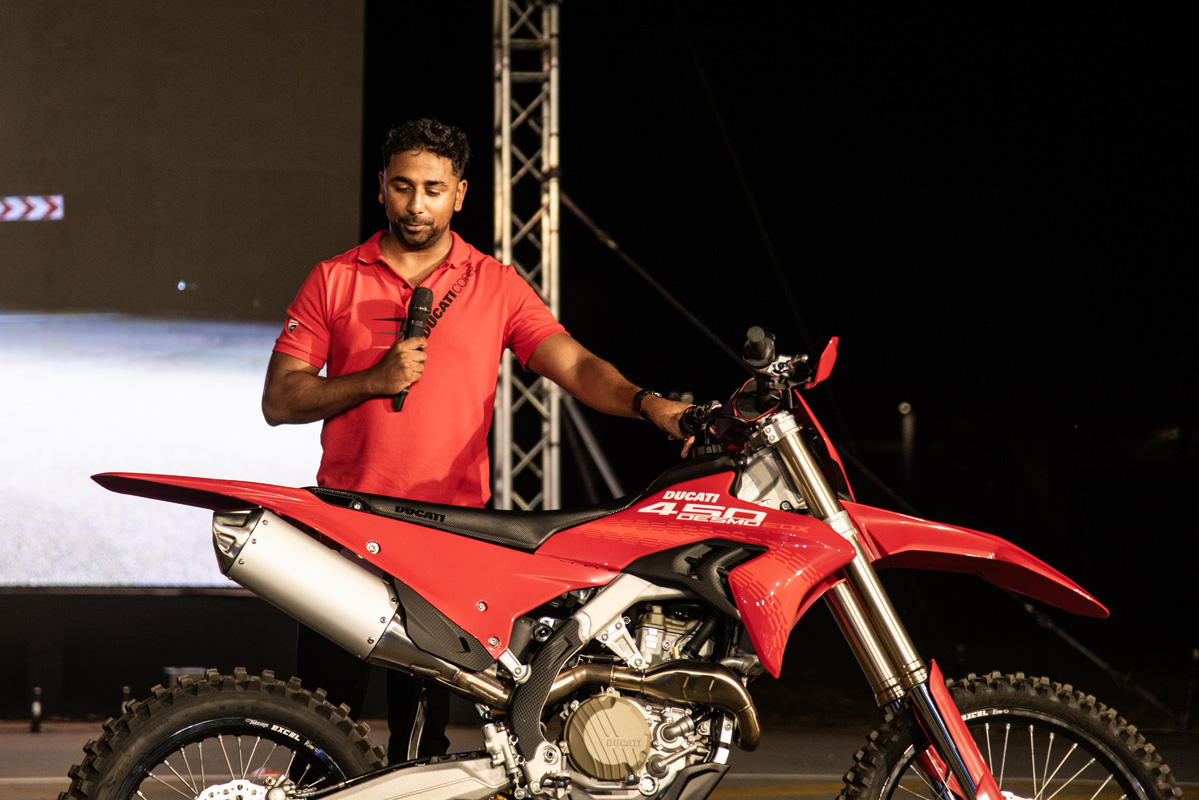
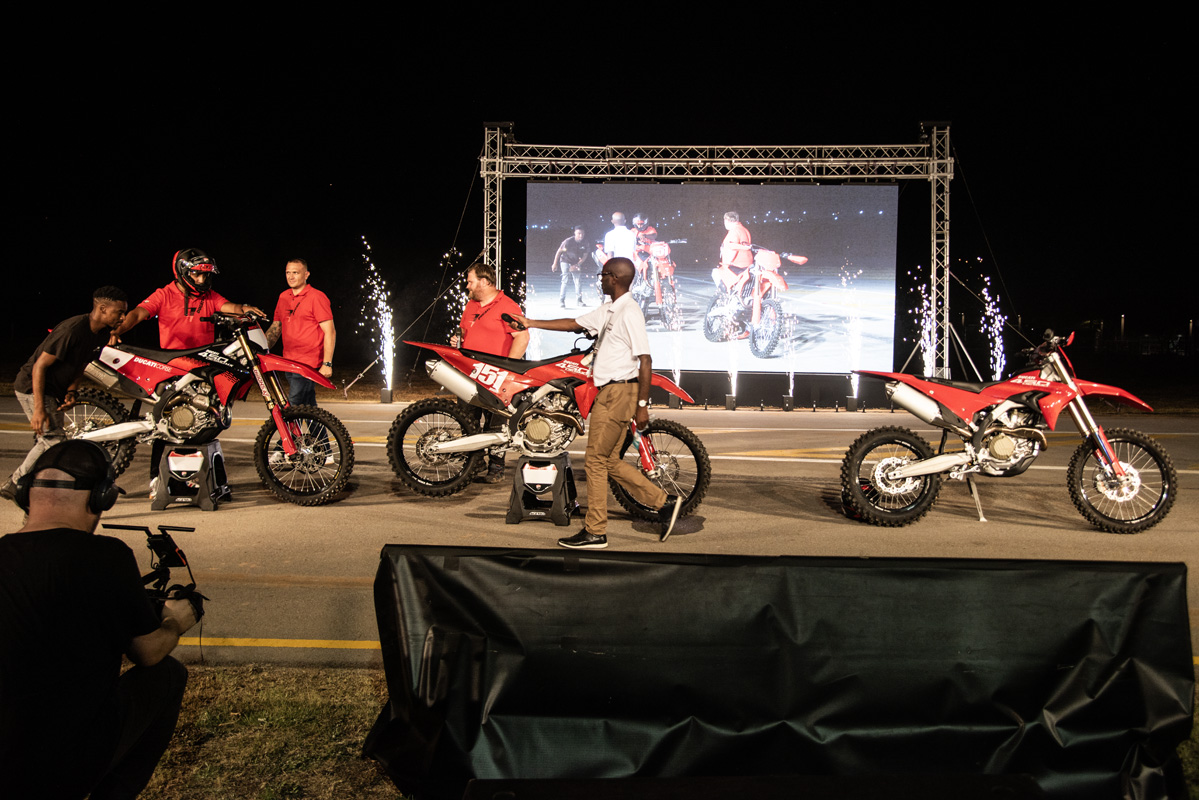
Talking about 2-wheels, we had the opportunity last year to meet the team in charge of Ducati South Africa at their official takeover in February and again in September. Since then, they have gone about setting up their dealer network, opening up Ducati Claremont and Ducati Johannesburg. The need for more dealers is evident in Ducati’s low market share of 2.6% in the 500 cc plus segment, but Ducati is keen to push in 2026, as most of the challenges of setting up shop have been dealt with through 2025. With the 100th anniversary of Ducati showing its colours this year, what better time to give the brand the boost it needs in SA?
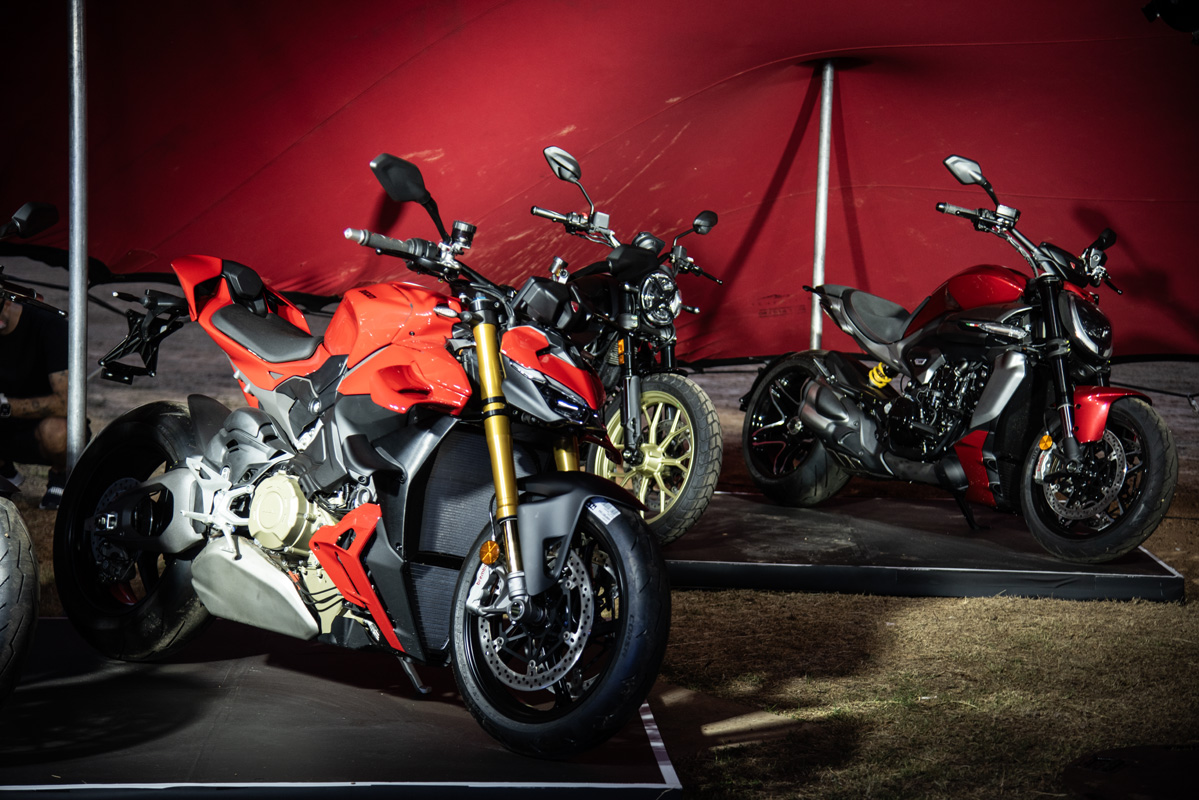
The rest of the news was an echo from last year, but we now know that Ducati is officially ready to line up on the grid in the SA market this year. What can you expect from Ducati in the coming months and years? Well, for starters, some new machinery as mentioned above, and a growing dealer network with plans to open a Ducati Umhlanga, Ducati Gqeberha, Ducati George, Ducati Bloemfontein and Ducati Windhoek.
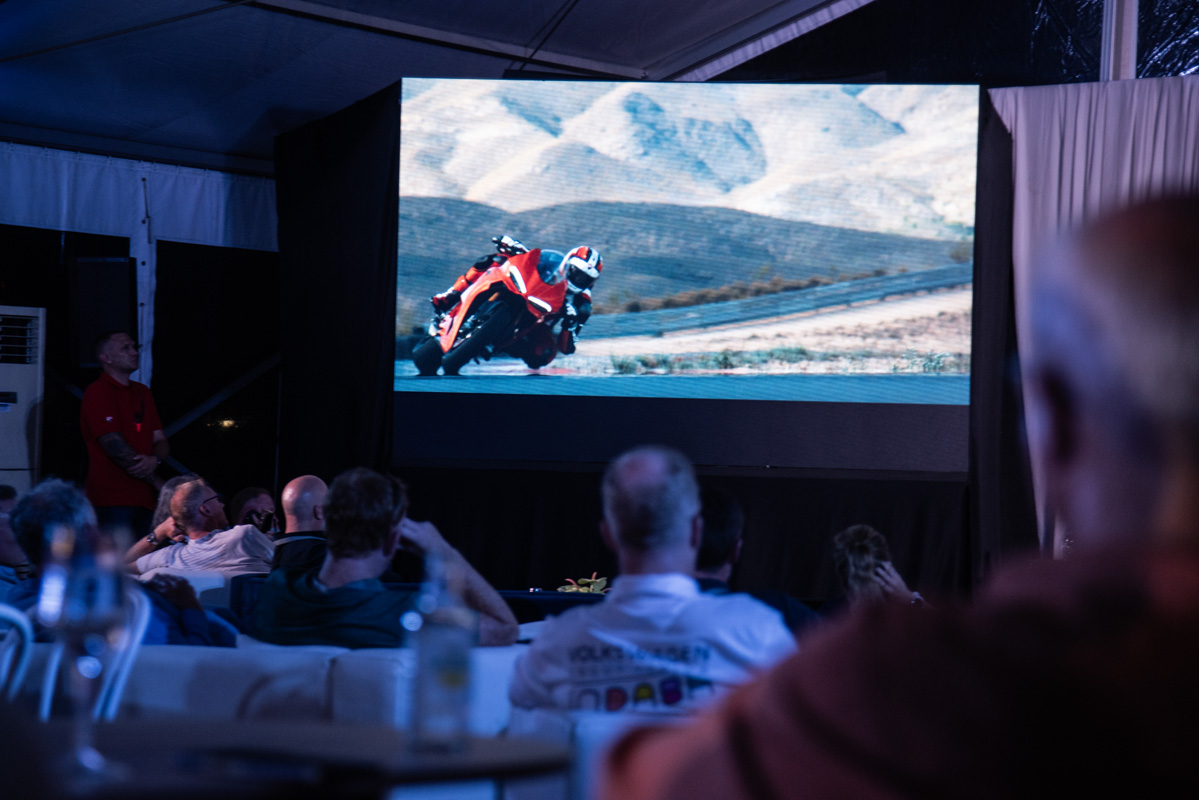
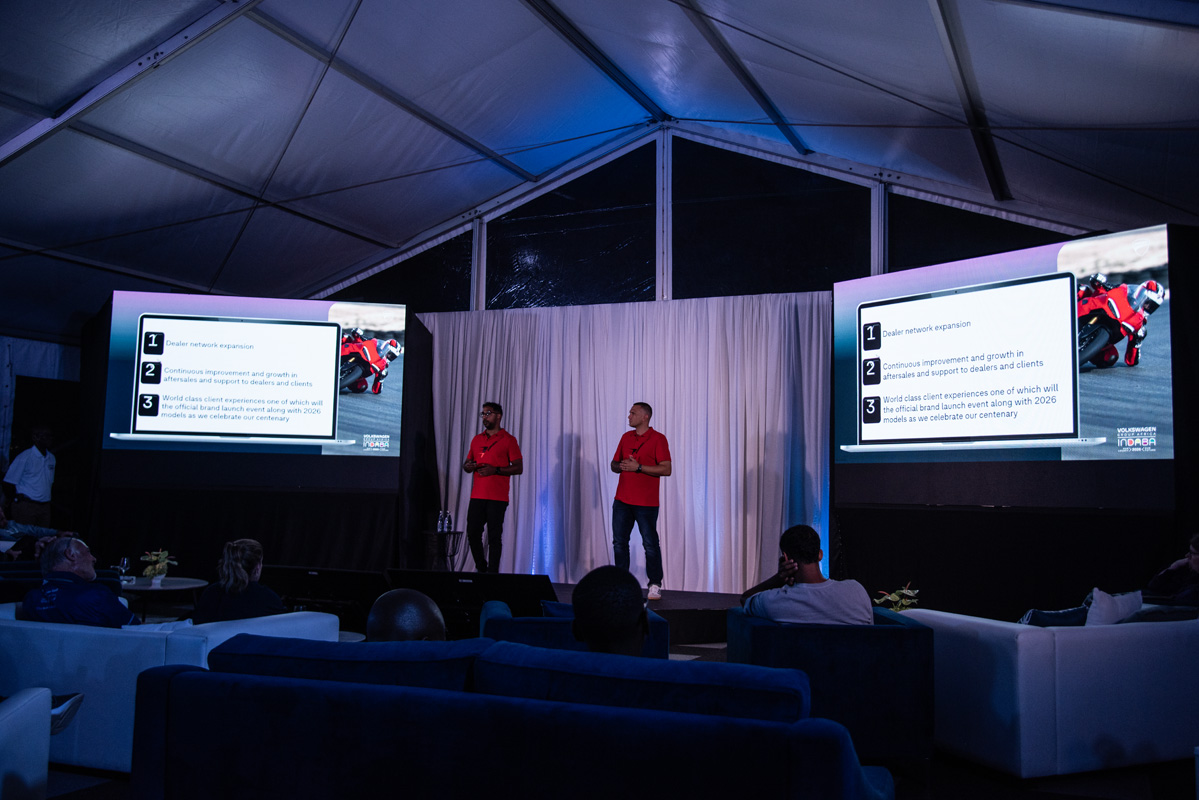
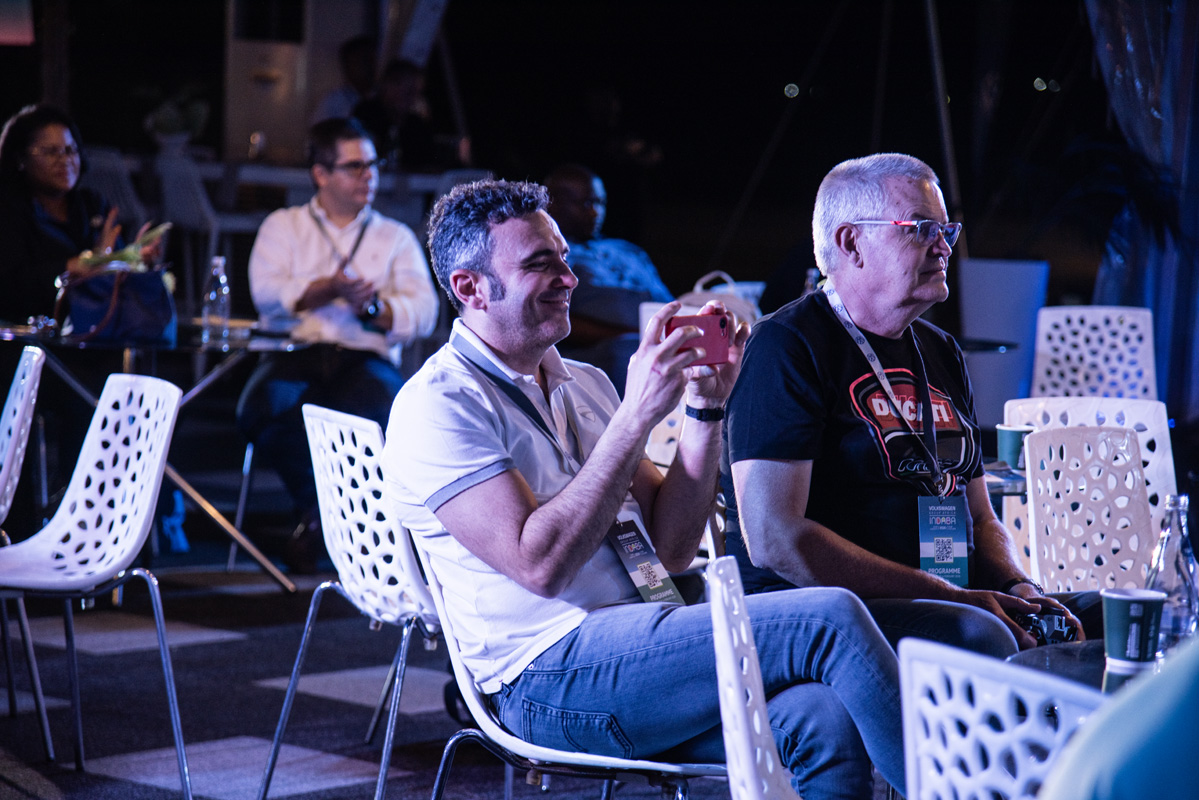
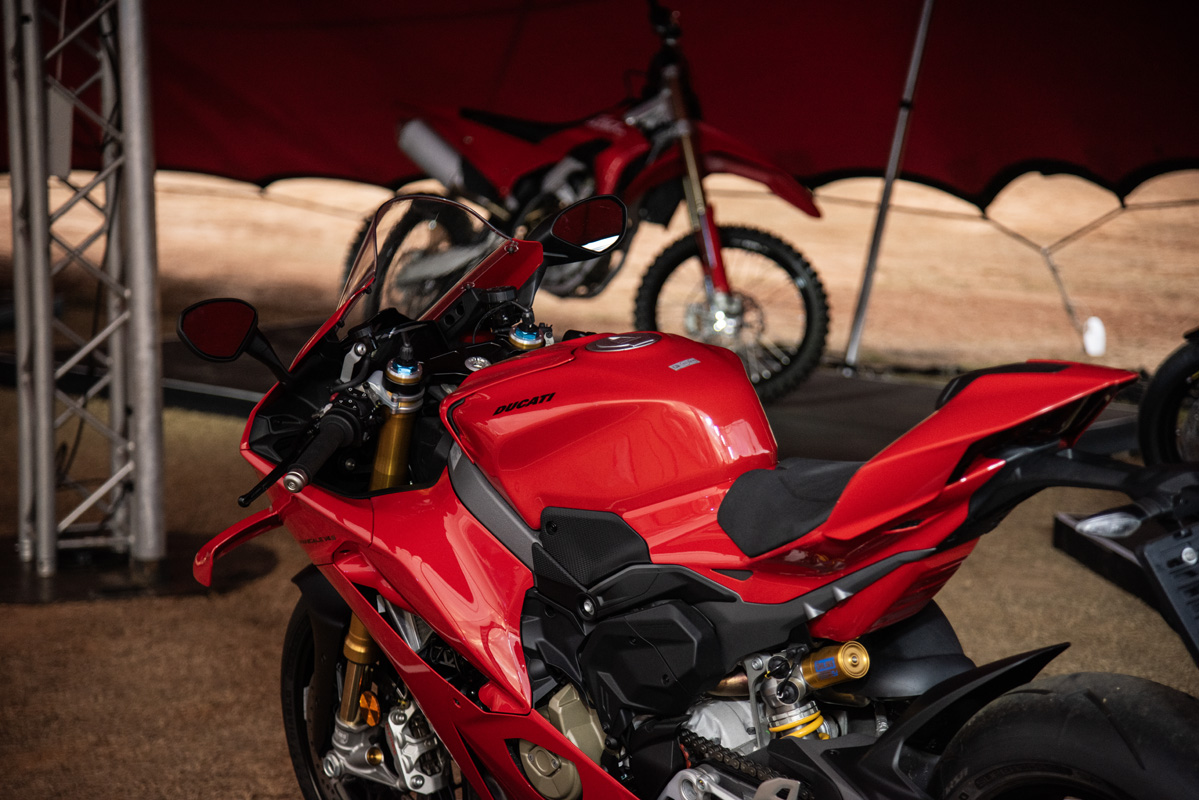
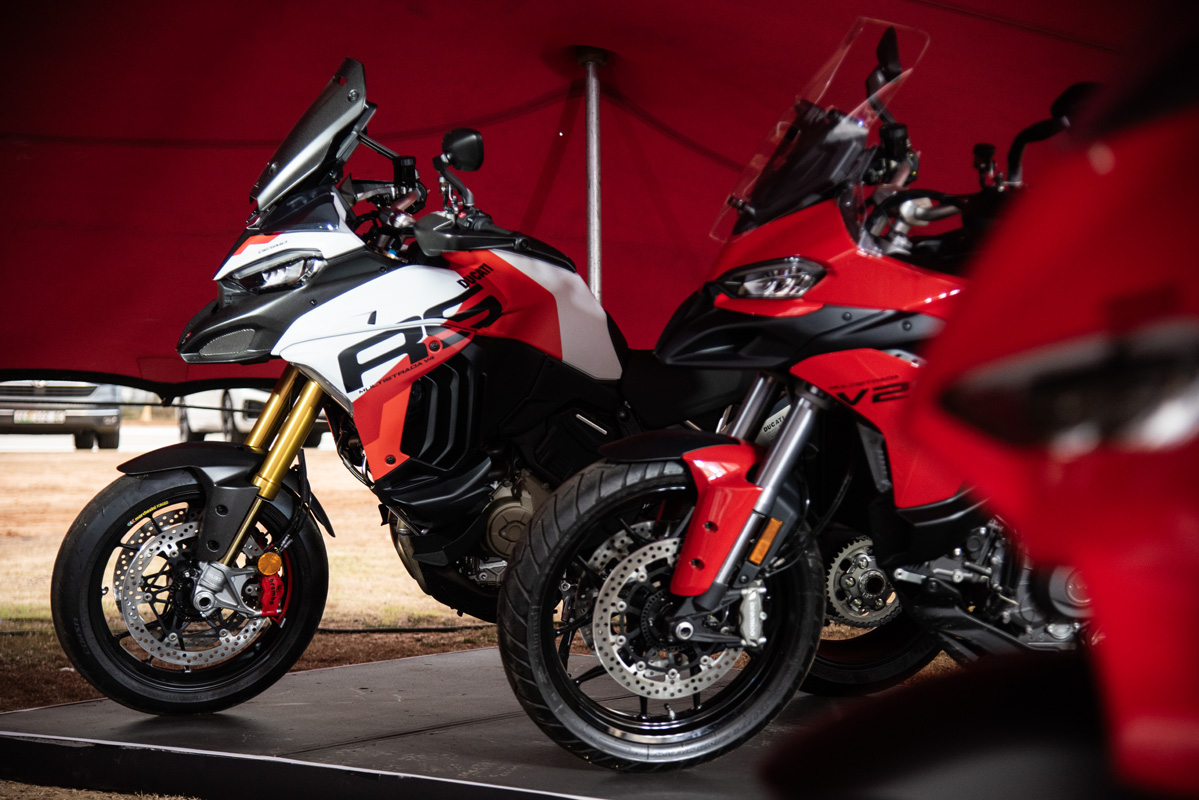
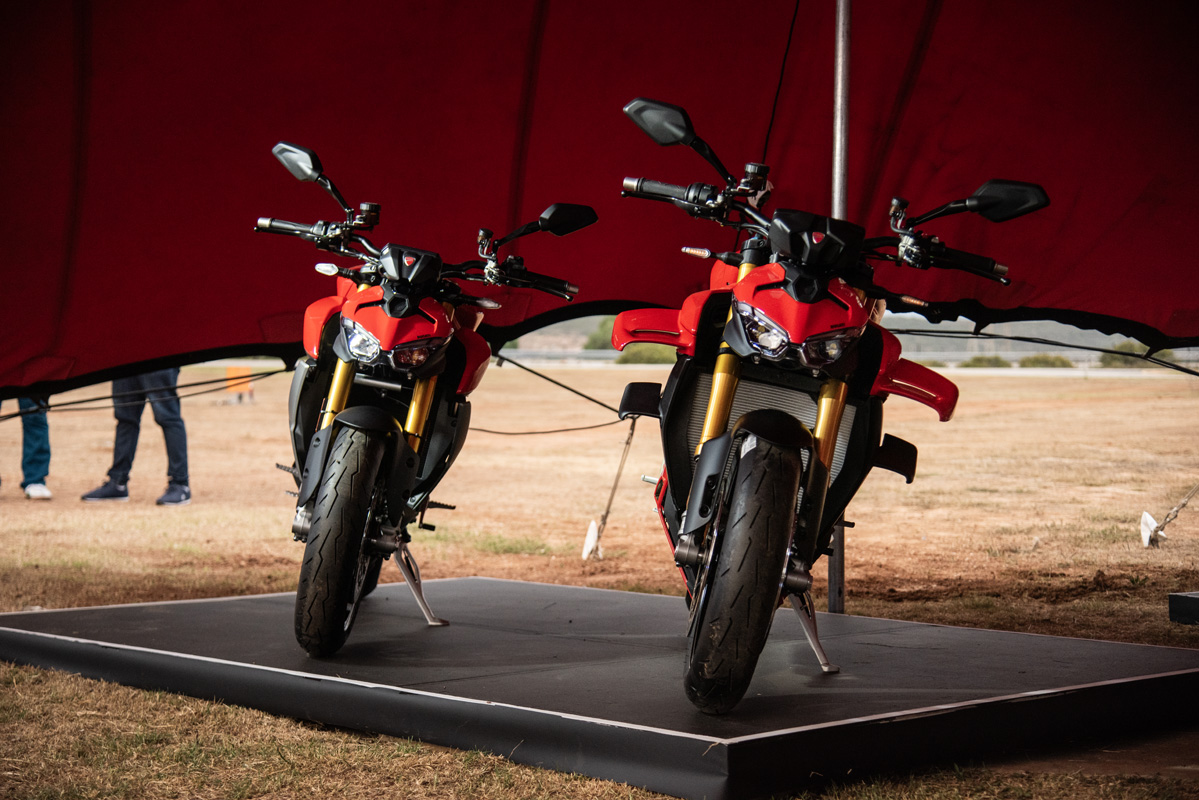
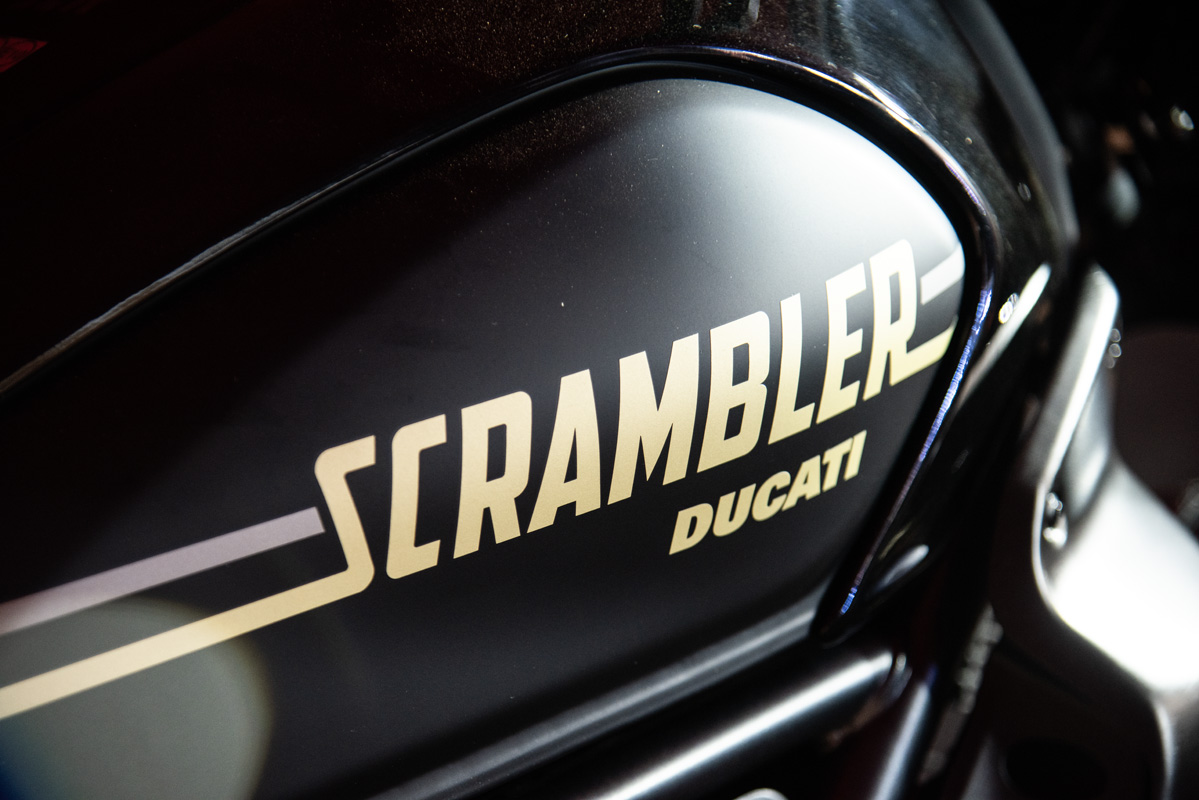
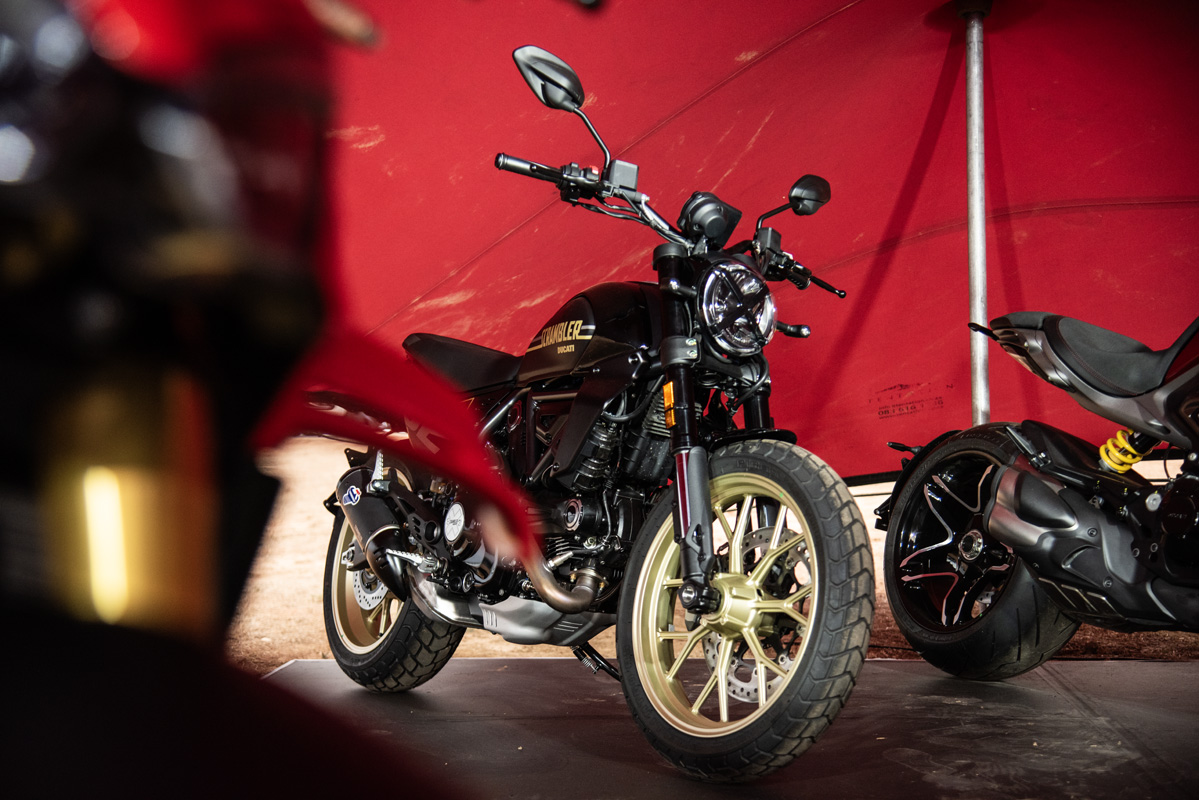
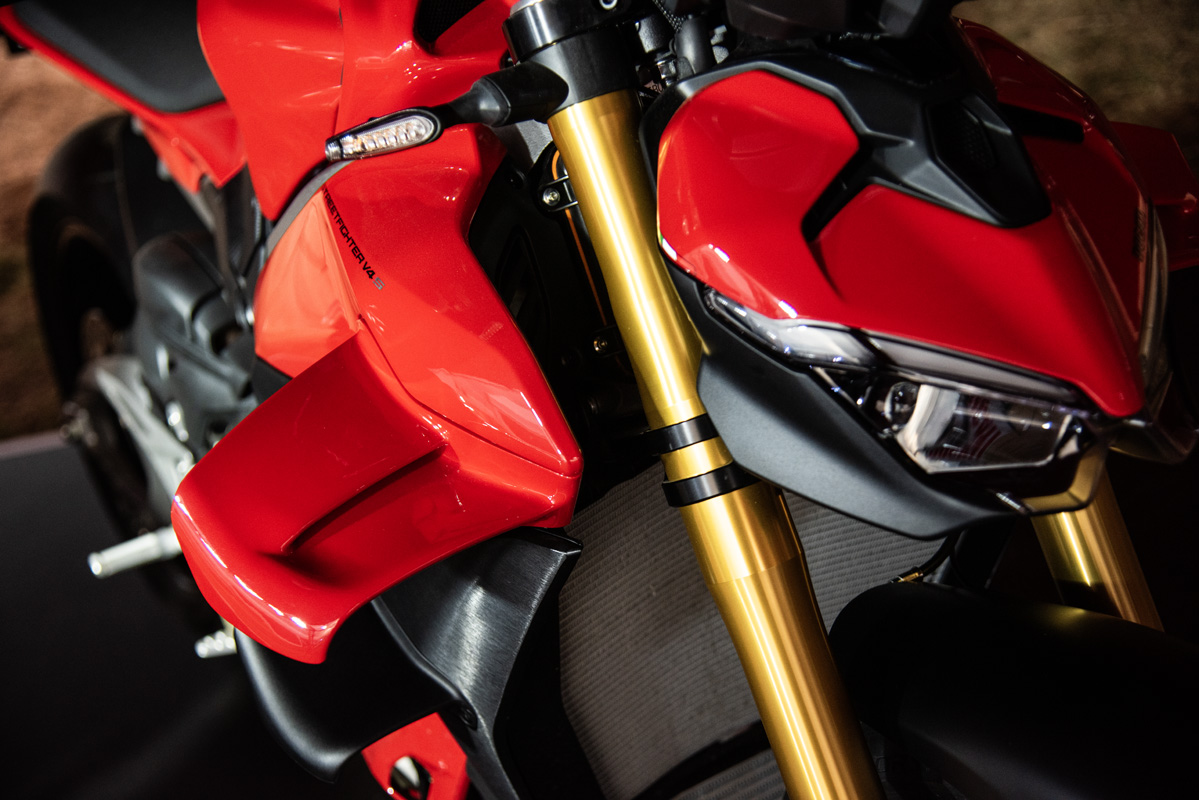
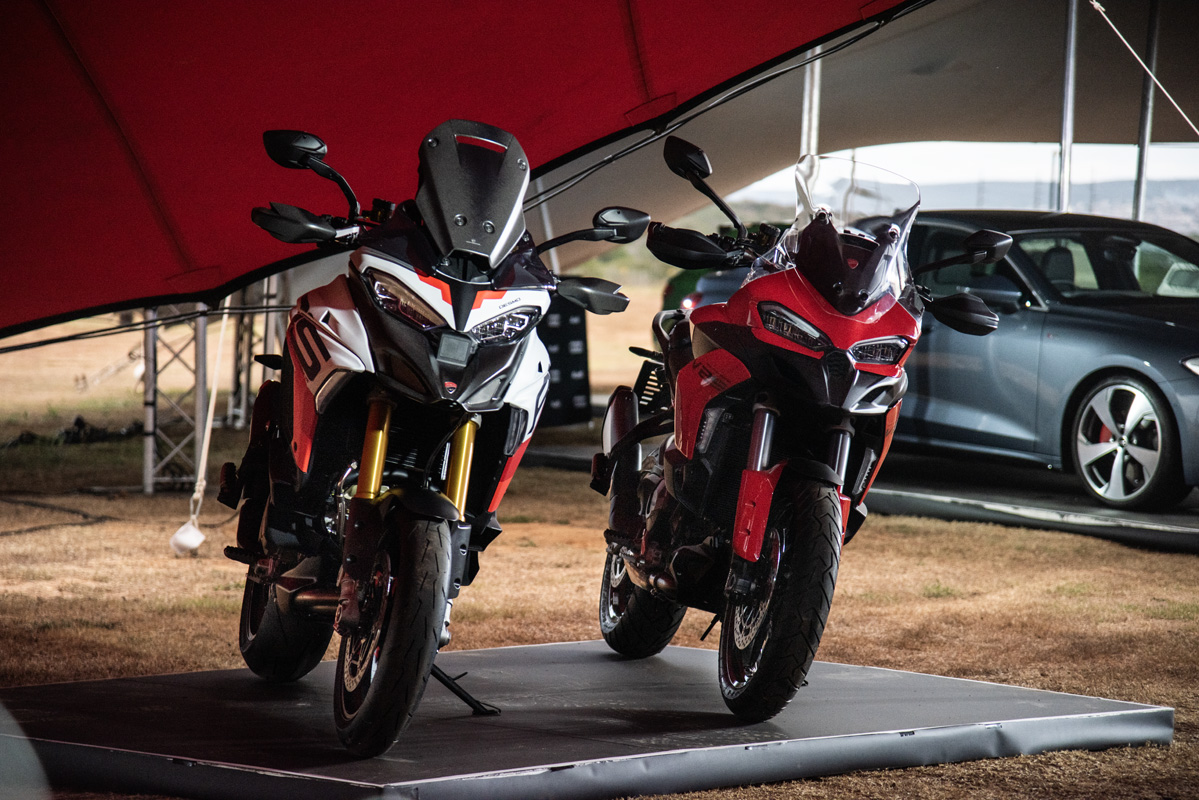
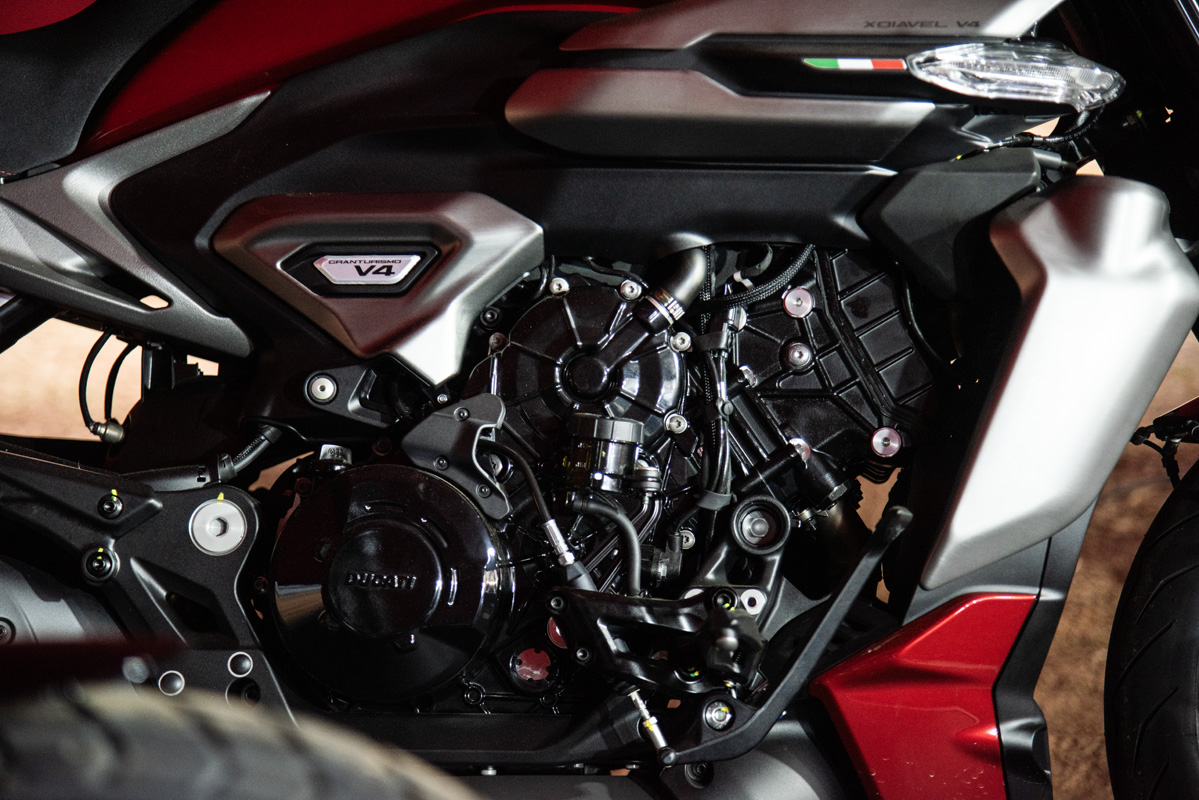
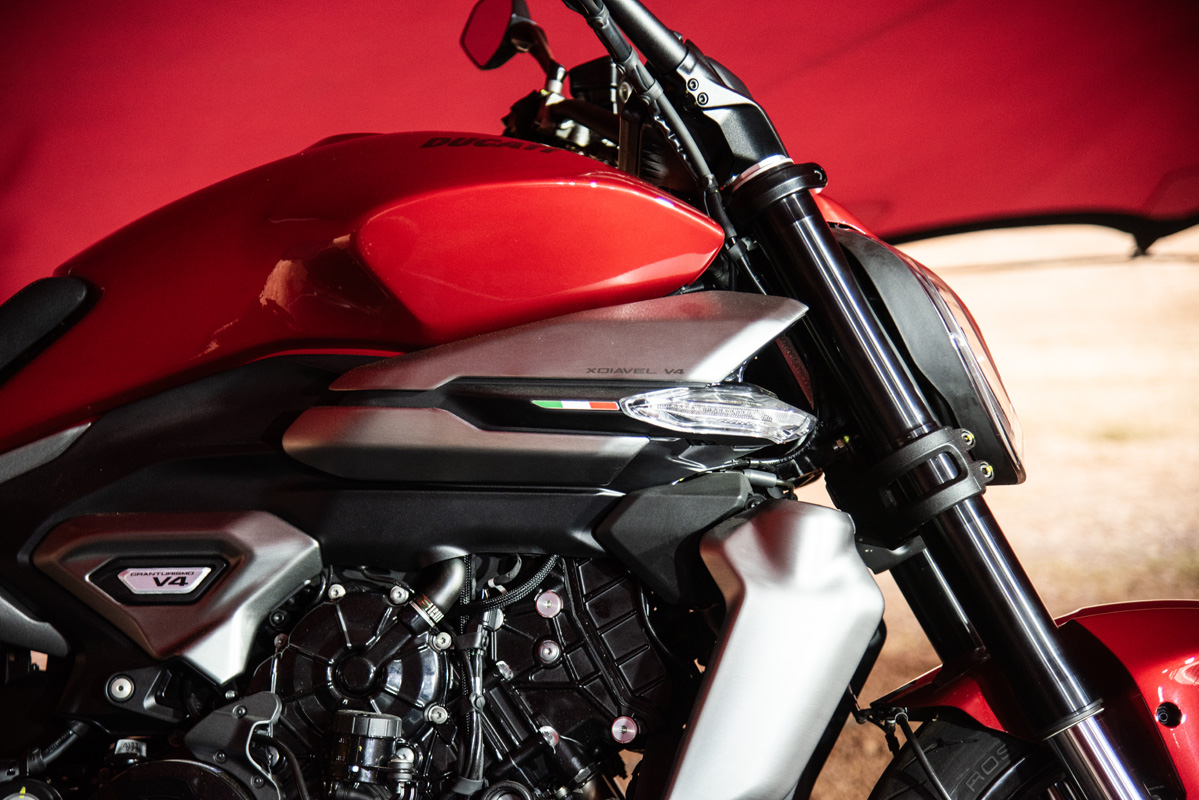
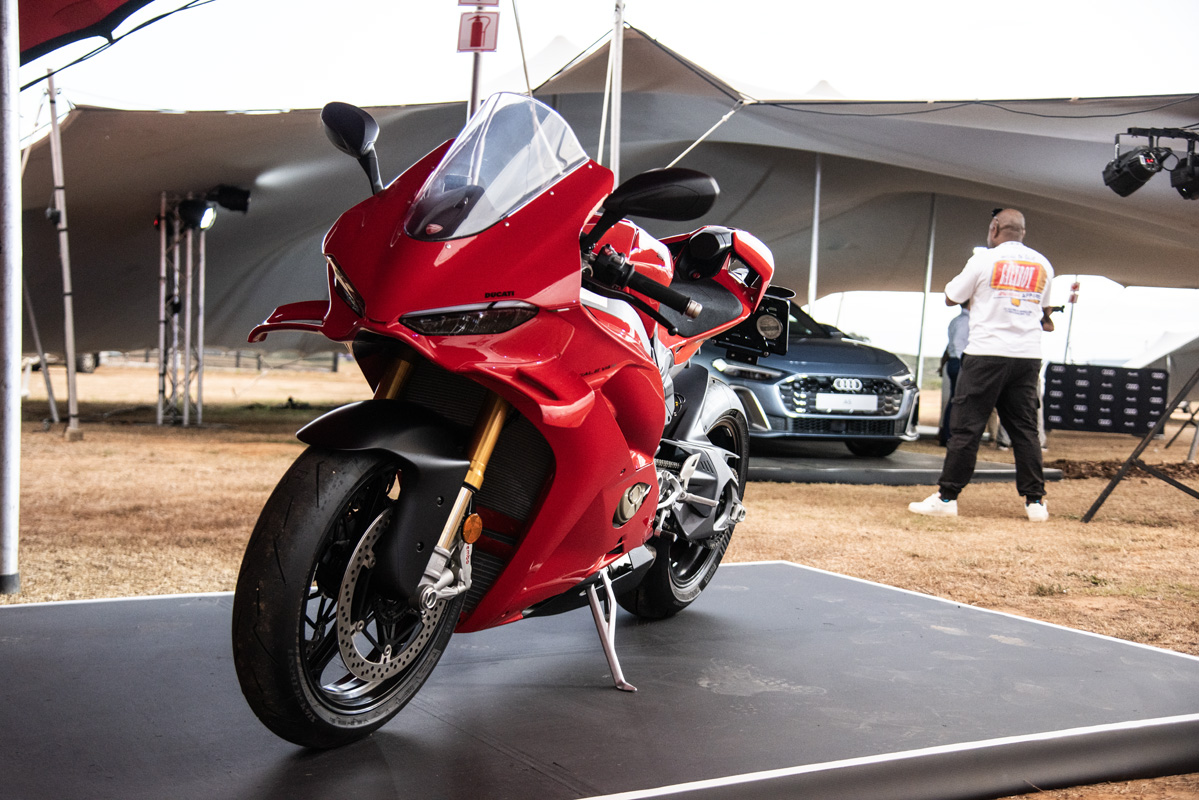
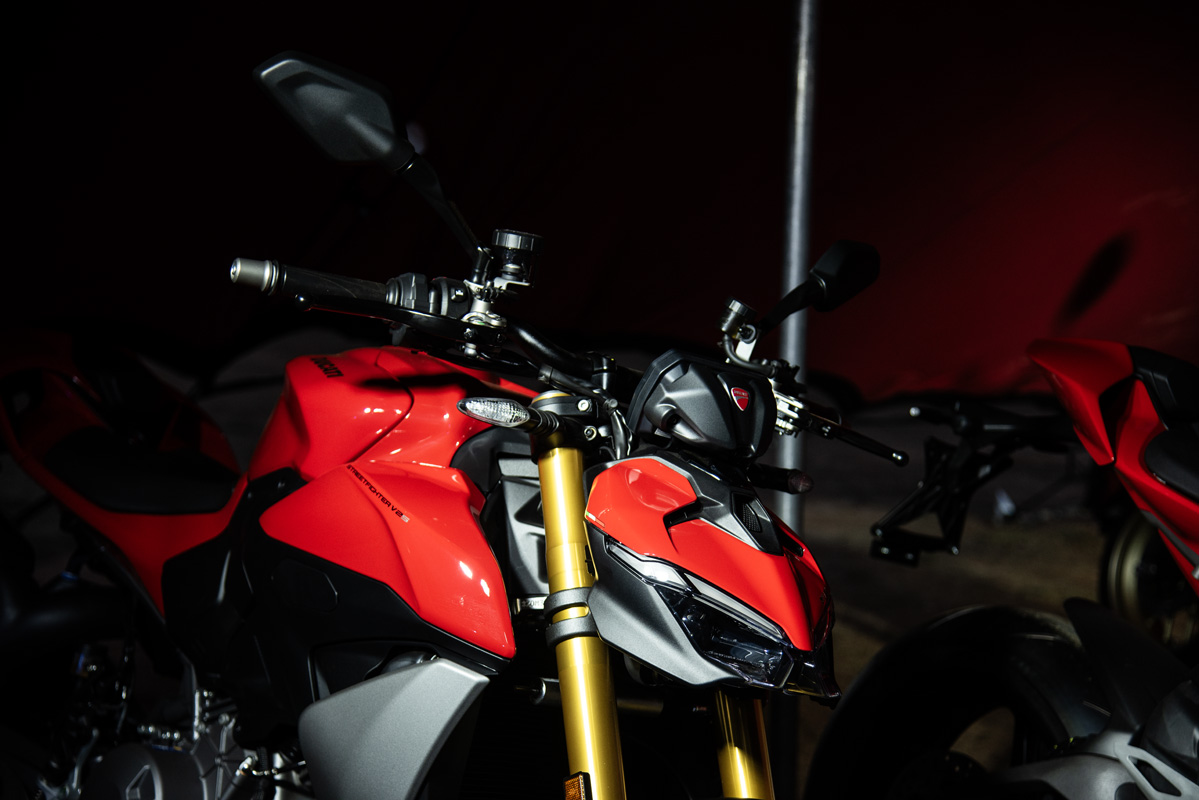
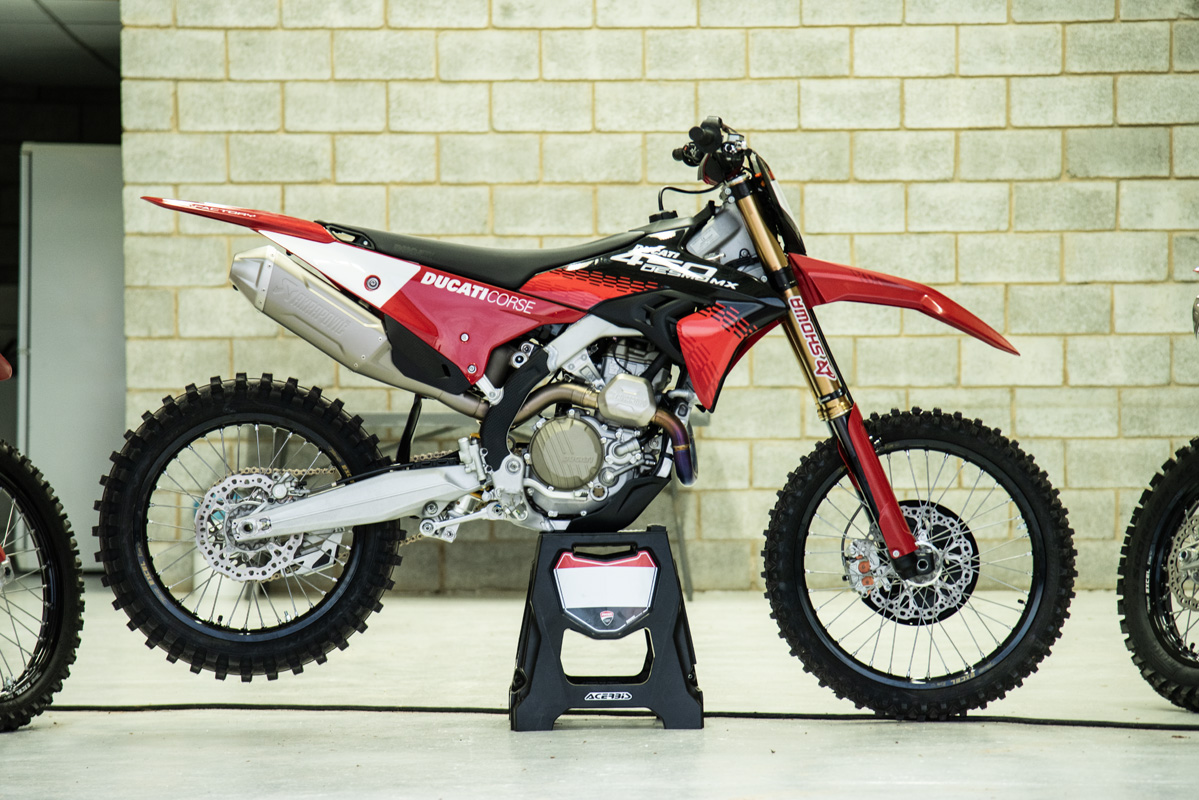
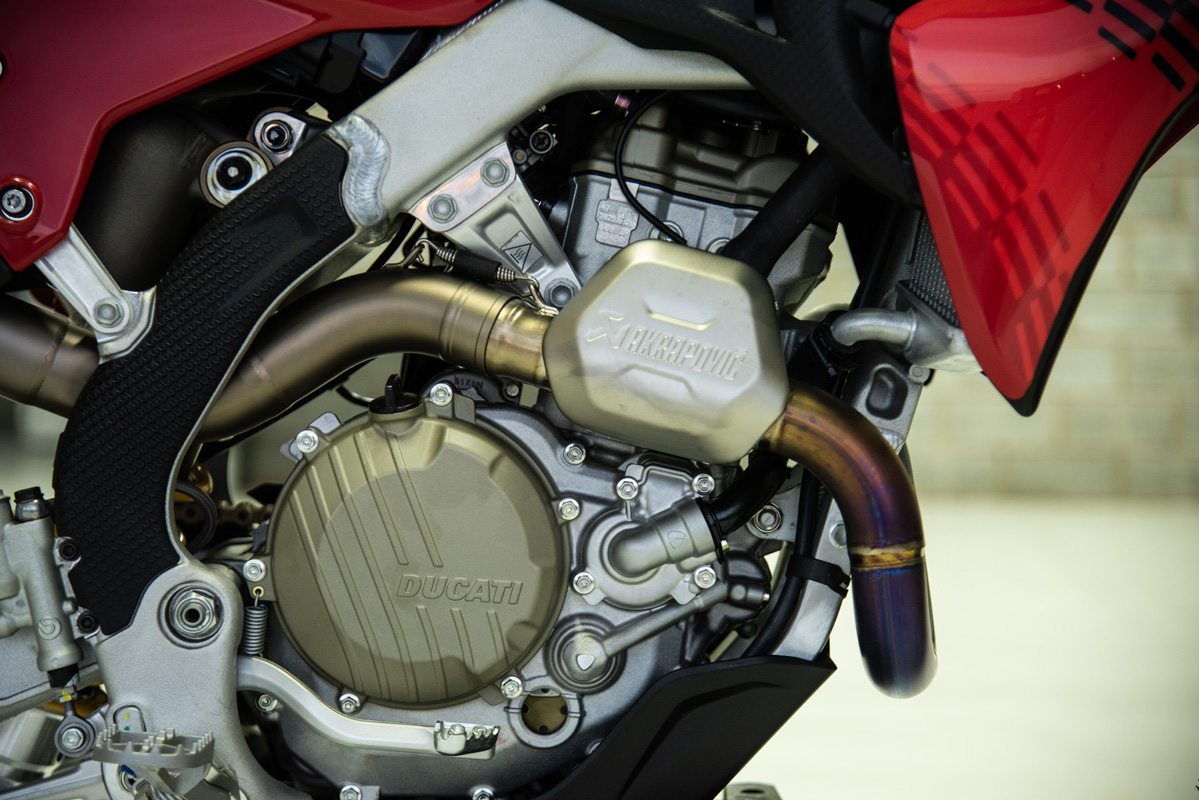
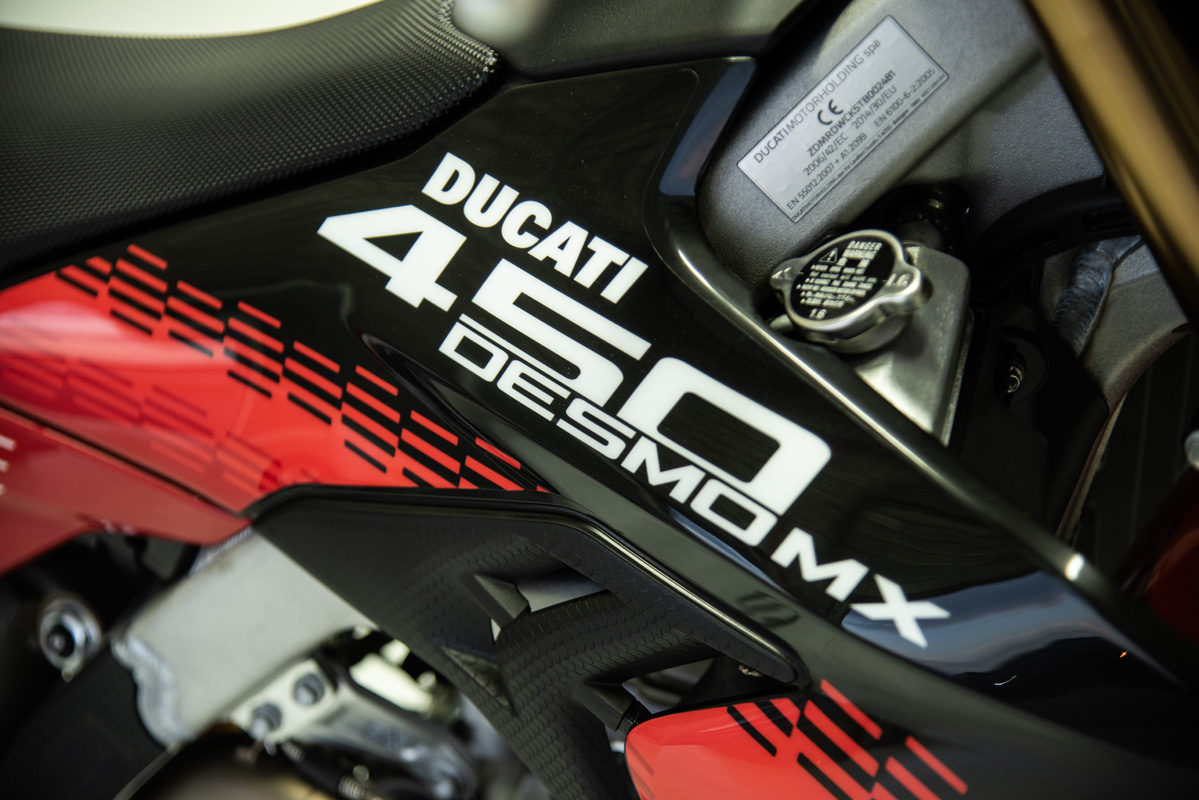
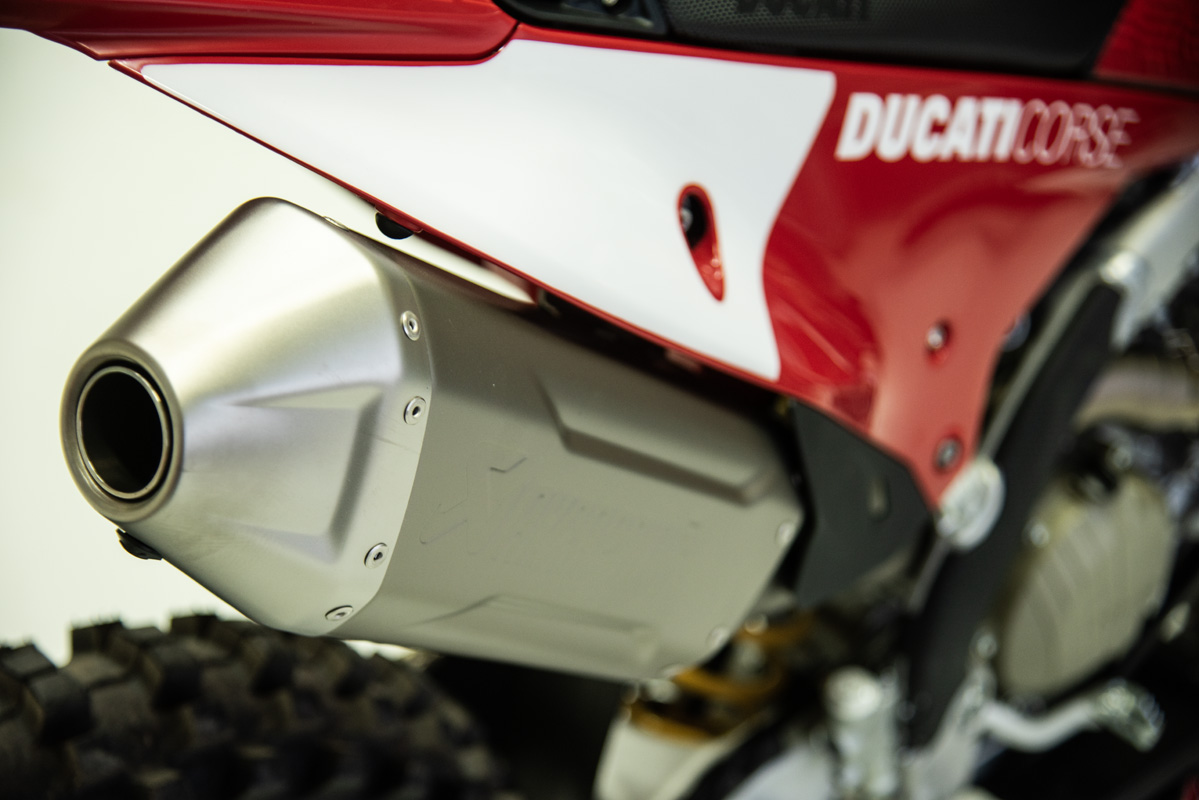
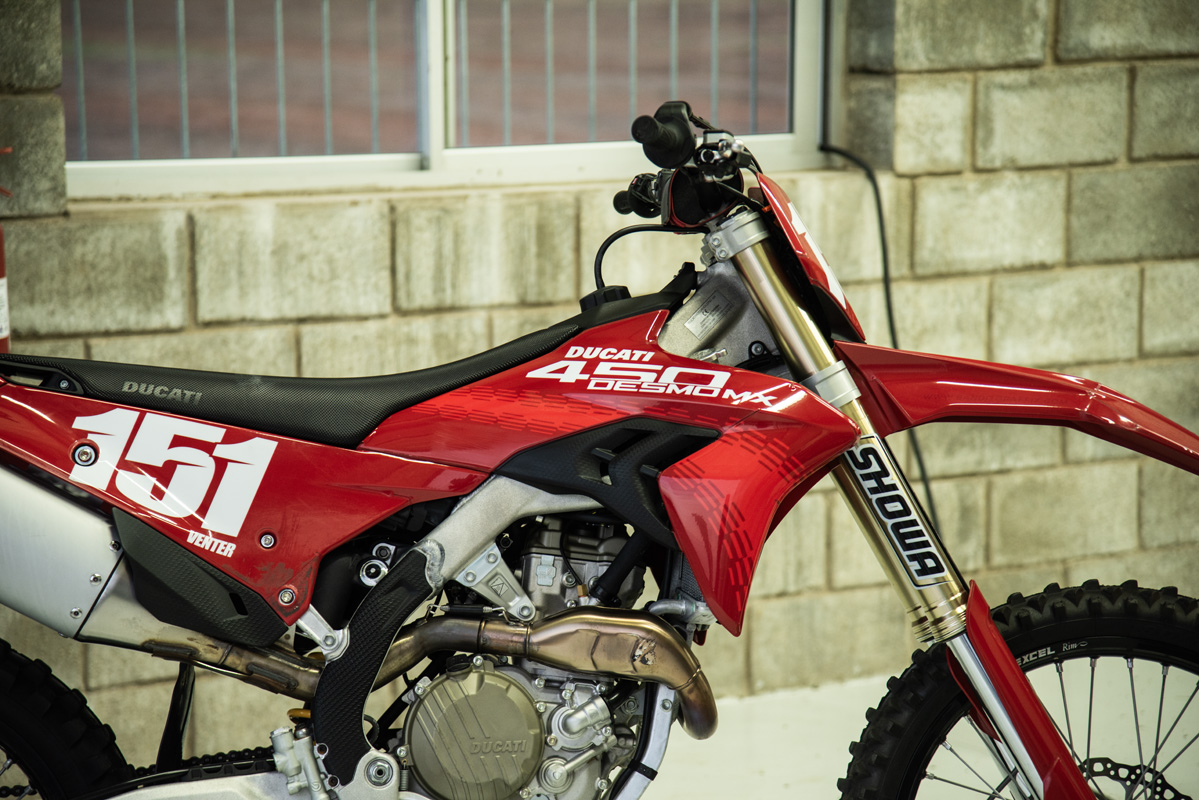
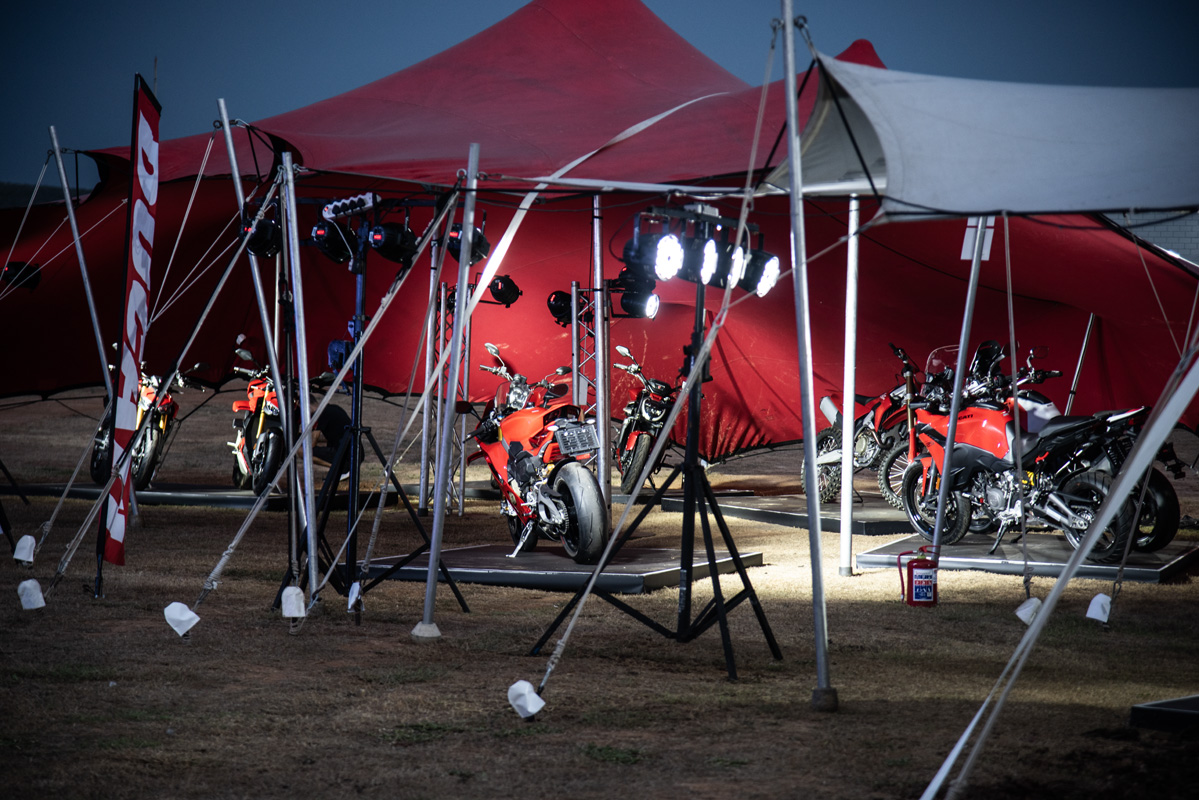
We wish the team working hard behind the scenes all the possible success, and our readers can look forward to more Ducati-related content in the future.
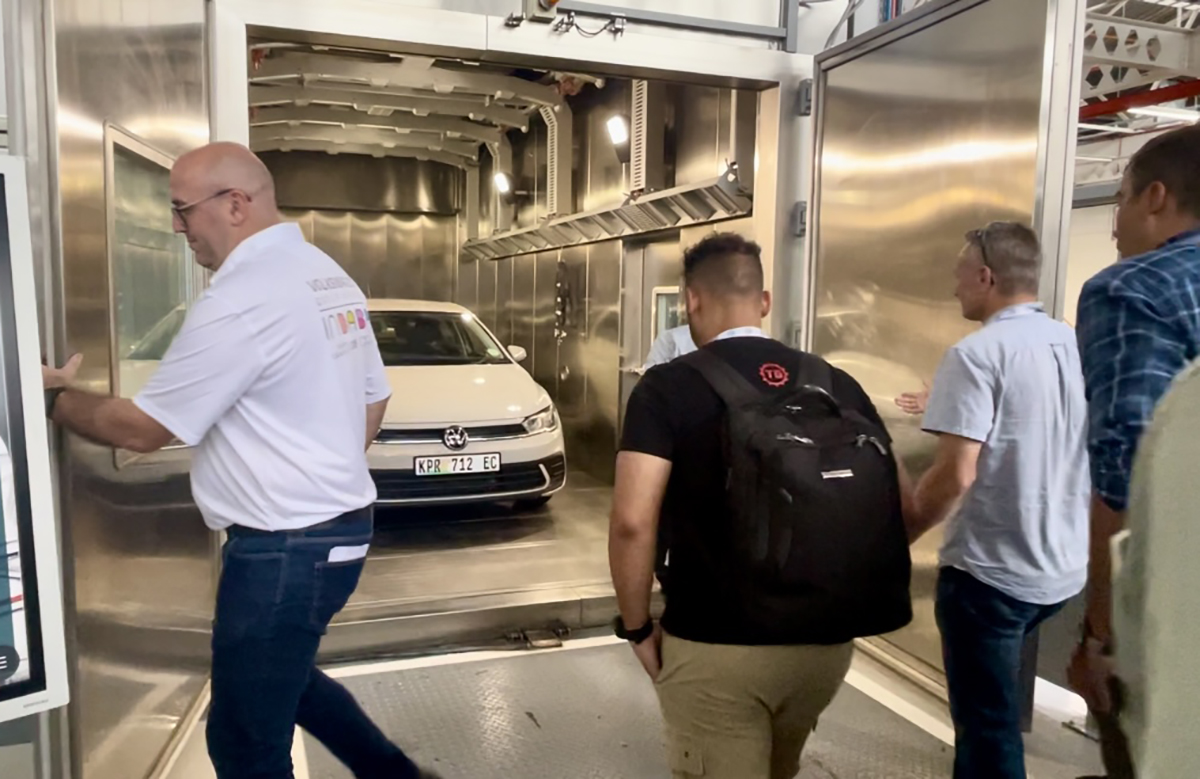
Moving back to 4-wheels and before diving into spreadsheets, pie charts, and all sorts of not-very-sexy economics, VW took us through a section of their plant called the Product Development Centre. Plants such as these are built to obviously manufacture, but research and development (R&D) is also a big part of helping manufacturers not just deliver a quality product, but one that is both reliable and durable. Kariega’s Product Development Centre does exactly that; we got to see these VWs put to the ultimate test through endurance testing and simulations to speed up the car’s ageing process.
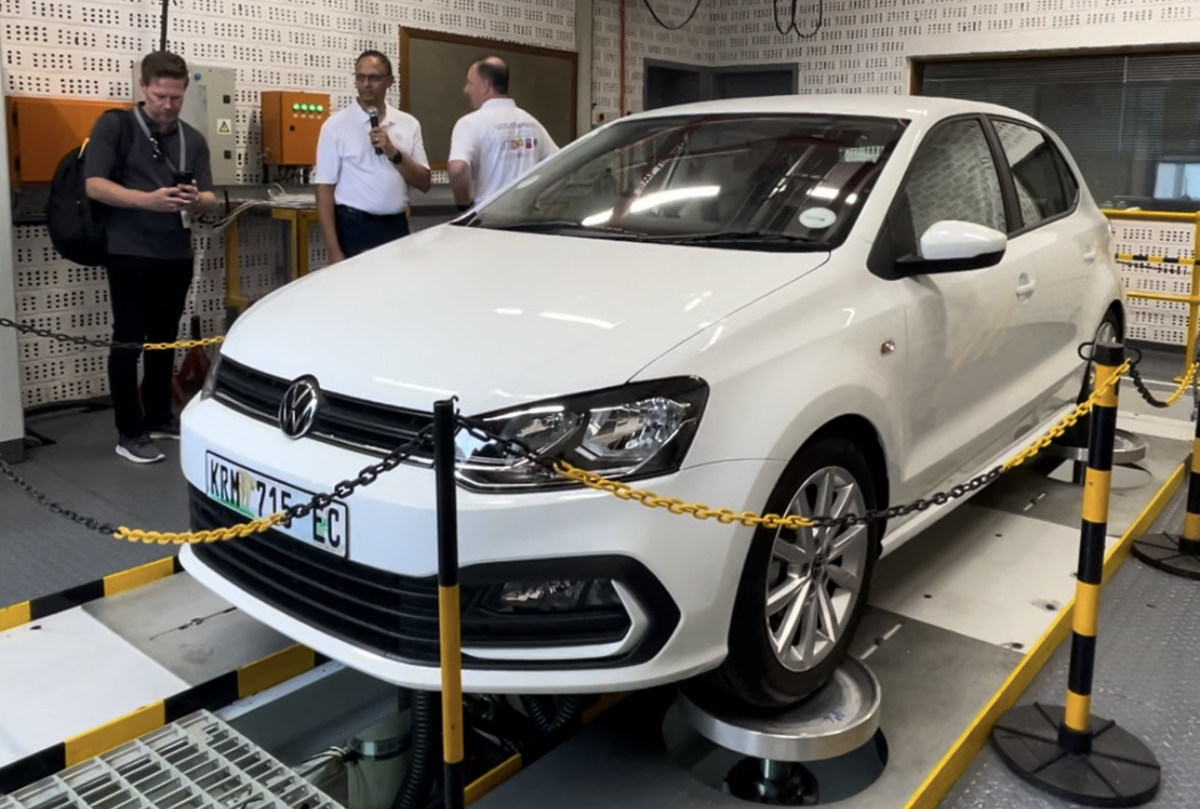
These test cars have gone off to “Dagestan” and back and are tough as nails. VW still does a lot of on-road or, as we like to call it, real-world testing, where many manufacturers are adopting a pure simulation route. Each test vehicle is subjected to the equivalent of 100 000 km of punishment – effectively the full warranty period – but compressed into a brutal 30 to 32 week programme. As mentioned above, these cars don’t live easy lives.
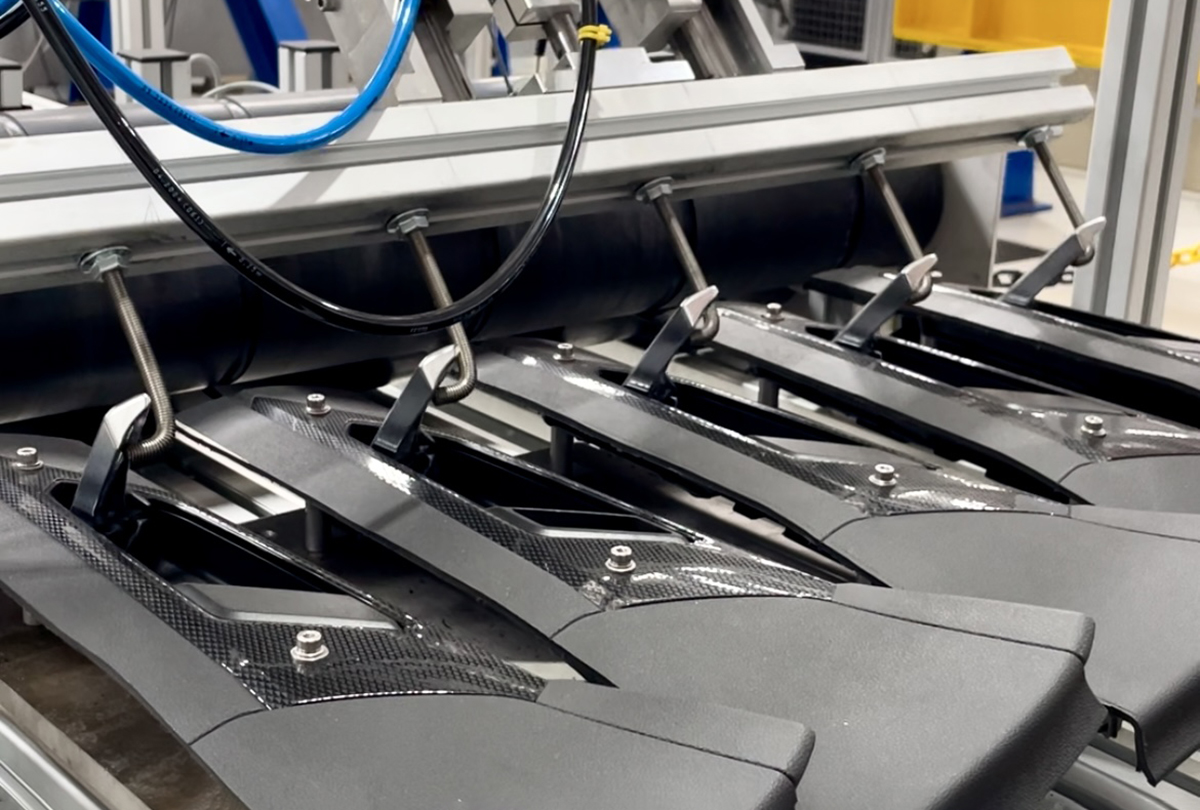
Although real-world testing is very important to VWSA, they are heavily invested in simulations as well, as they are both cost-effective and efficient. Inside the facility, the test vehicles are put through a series of relentless mechanical stress tests. Suspension rigs cycle components for hours on end, simulating years of abuse in a matter of days. Door handles, latches and cable mechanisms are opened and closed repeatedly to mimic real-world wear. An automated bonnet actuator methodically opens and shuts the bonnet 10 000 times, while temperature-controlled chambers bake and cool paintwork, plastics and trim pieces under sustained heat and cold temperatures to see how they cope.
There have been many legendary cars that have rolled out of Kariega, like the VW Citi Golf (25 years of production), the Caravelle (47 years) and the VW Polo (30 years). The Polo has taken the flag as the best seller year after year, but VW’s Kariega plant cannot survive on one line any longer. Yes, it may be time for a successor or a tag team affair, maybe in the form of the Tengo joining the line—VW’s entry-level compact SUV. However, VW opened the curtains to a much bigger obstacle.
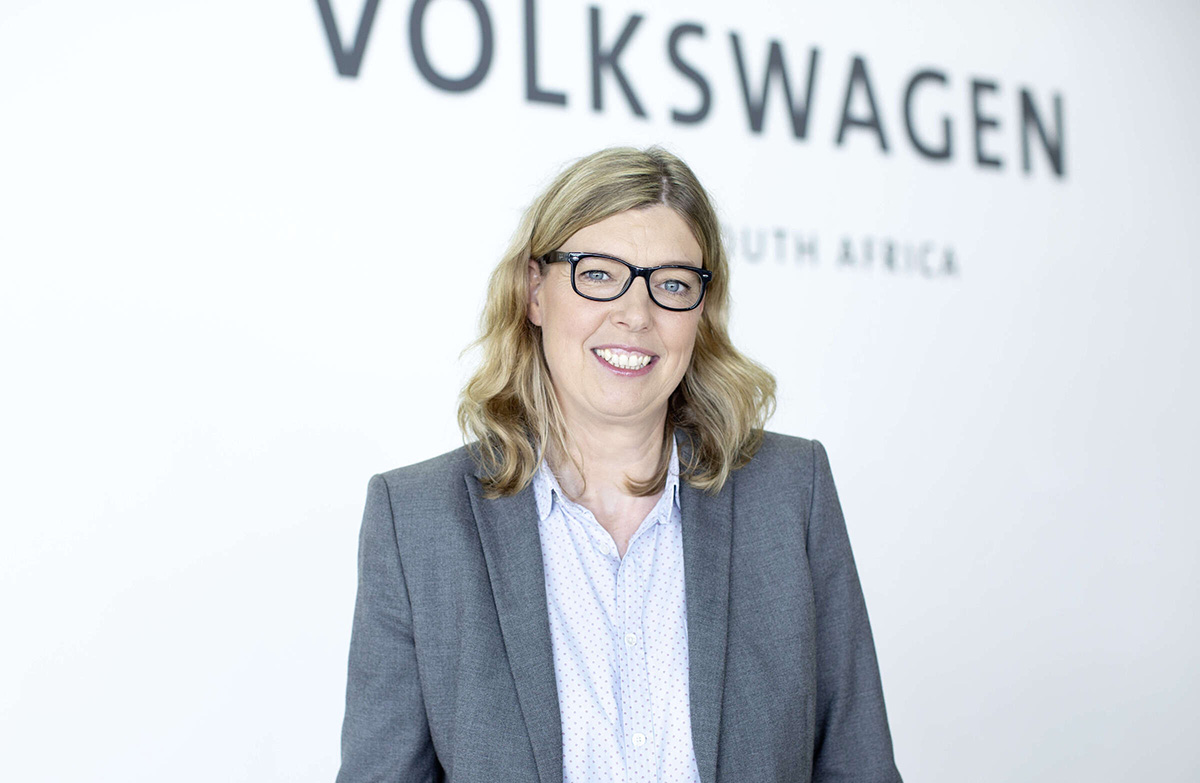
We, automotive journalists, test vehicles for a living, so politics and economics are usually topics we stray from, or at least topics I like to stray from. We cannot hide from the truth, though, and VW made that clear at the Indaba. Don’t worry, it’s not all doom and gloom just yet! Volkswagen Group Africa (VWGA) MD, Martina Biene, shared some excitement about the Tengo—despite the many challenges that VWSA are facing. With the Tengo production line on track, the plant is set for a timely boost as global demand continues shifting toward SUVs. VW are also looking ahead to a fully electric Polo in 2036, and Kariega are preparing for a bold transition to secure its long-term sustainability.
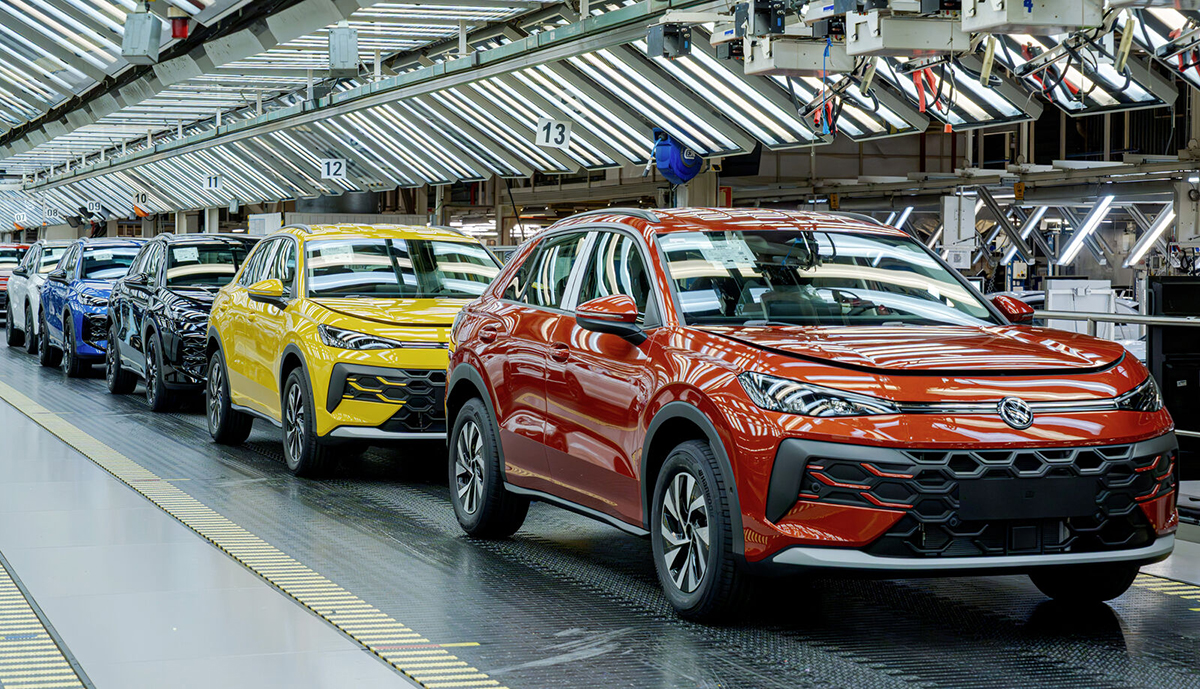
Martina stressed, however, that urgent government action is critical. Finalising NEV (New Energy Vehicle) incentives under the Automotive Production Development Plan (APDP) and clarifying legislation are essential to unlock investment in NEV and BEV (Battery Electric Vehicle) production, building supporting infrastructure, and making these vehicles affordable—particularly for export competitiveness. Despite direct appeals, including a personal message to the President, progress has stalled.
At the end of the day, the Kariega plant is a small piece of the global pie for VW, with 117 manufacturers globally, the Kariega plant manufactures near 1% of global production. Yes, Kariega is second last on that list, with 76% of the South African plants’ income coming from exporting. VWSA must keep exporting to global markets and hence the hammer on the government to open its ears; this could be the make-or-break for VWSA. We certainly hope VW find a way to not just keep the doors open, but to flourish in both local sales with the Tengo and also on the exporting side with the Hybrid and EV lines.
For more information on this matter and the new VW model updates, visit: www.vw.co.za