



If you have even a passing interest in motorcycles and you have not yet been to Bikeshop Rivonia, you are doing yourself a disservice. Whatever your two-wheeled fancy, chances are they have “that bike” in stock. I have bought a number of bikes from them over the years and have always been chuffed with my purchases. Their bikes are exceptionally clean, and they stock a number of the major brands’ new bikes as well.
The peak of my motorcycling journey, in many ways, was in the early eighties. I was running a Honda dealership, racing an XR500 Honda Super Single in both sprints and 6-hour endurance races held on the short circuits, Zwartkops and Lichtenburg. My street bike was a tricked-out Honda CB900F with a Rickman double headlight half fairing, clip-ons and a Bassani 4 into one exhaust. Weekend breakfast runs were to ‘Stywelyne’ restaurant at Hartebeespoort dam, after which we would congregate at the bridge over the Krugersdorp highway to watch the dices. Man, those were heady days indeed!

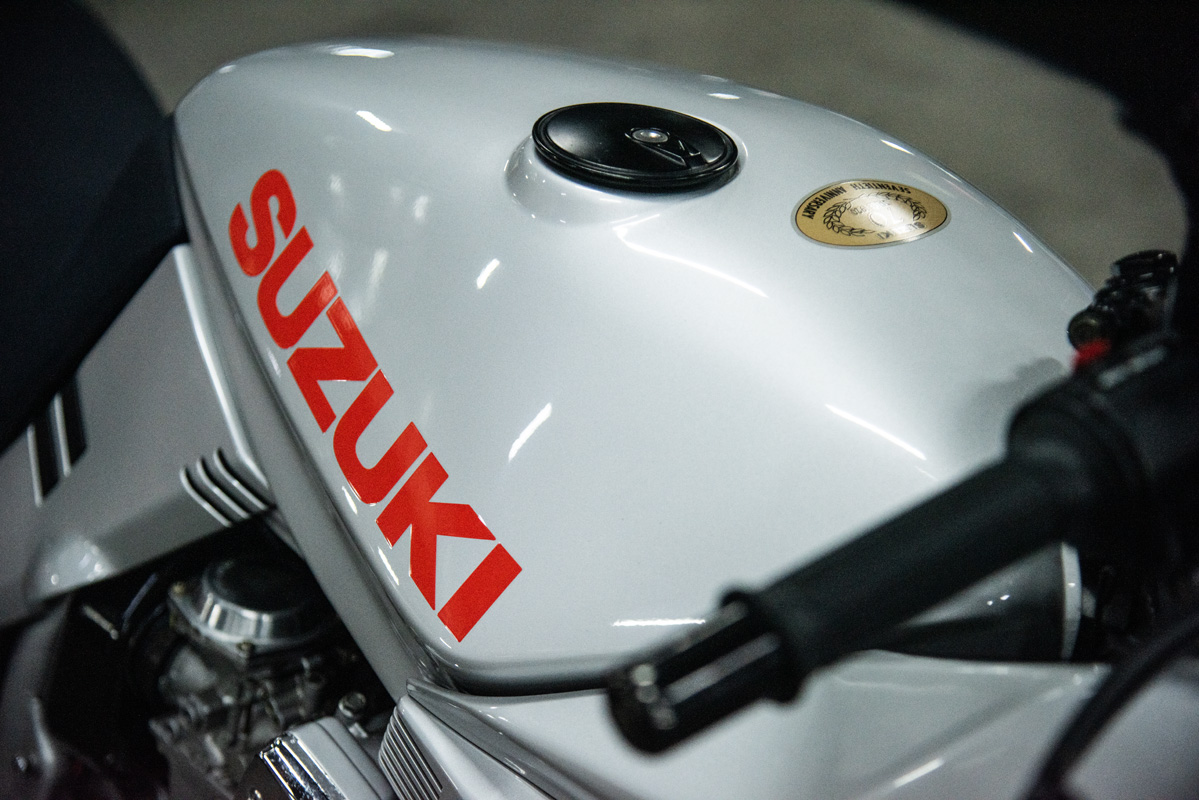
Bikes to watch were Honda’s CB1100RC, Kawasaki GPZ 1100, Suzuki GSX1100 and Yamaha XS 1100. The production racing inspired Honda’s tended to rule supreme amongst the more standard bikes until the arrival of a new Suzuki, the radically styled and potent Suzuki GSX1100 Katana. Opinions were divided over the Suzuki’s styling, which was radical for the early 1980s. “Cool, Dave, but where are you going with this?”, you may ask. To Bikeshop Rivonia, that’s where!
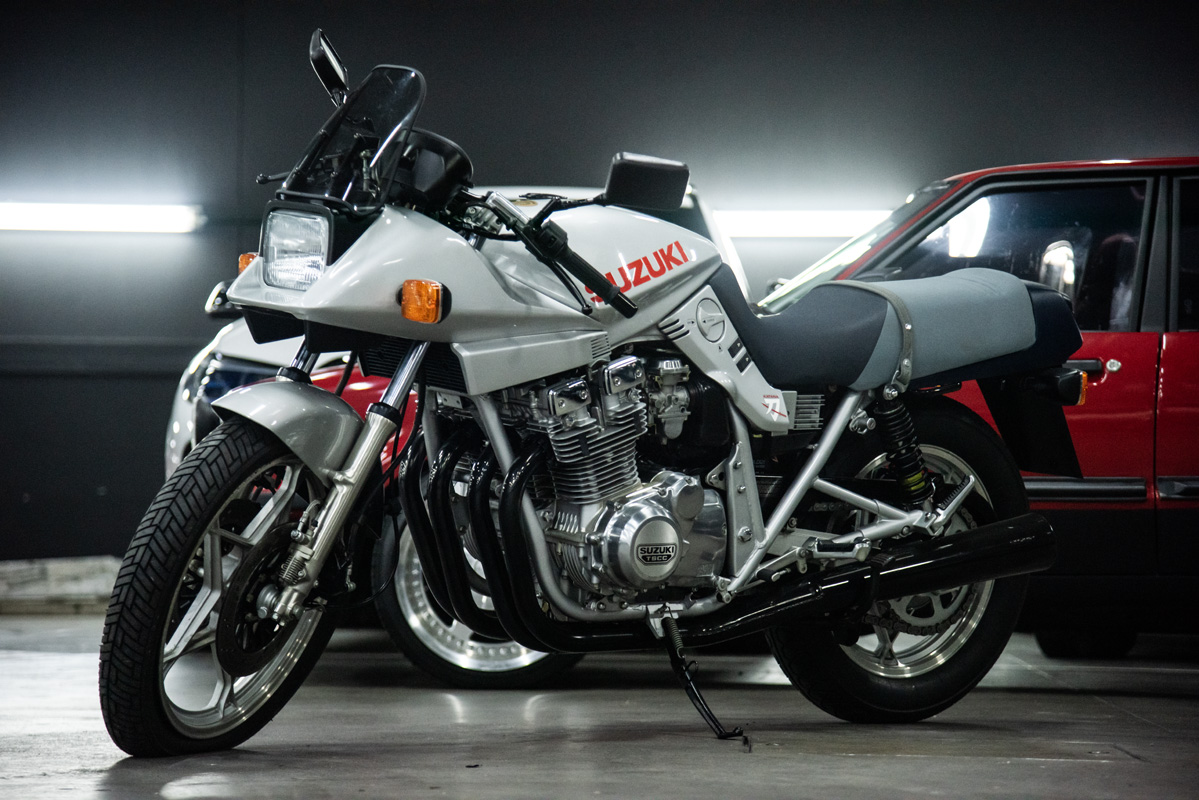
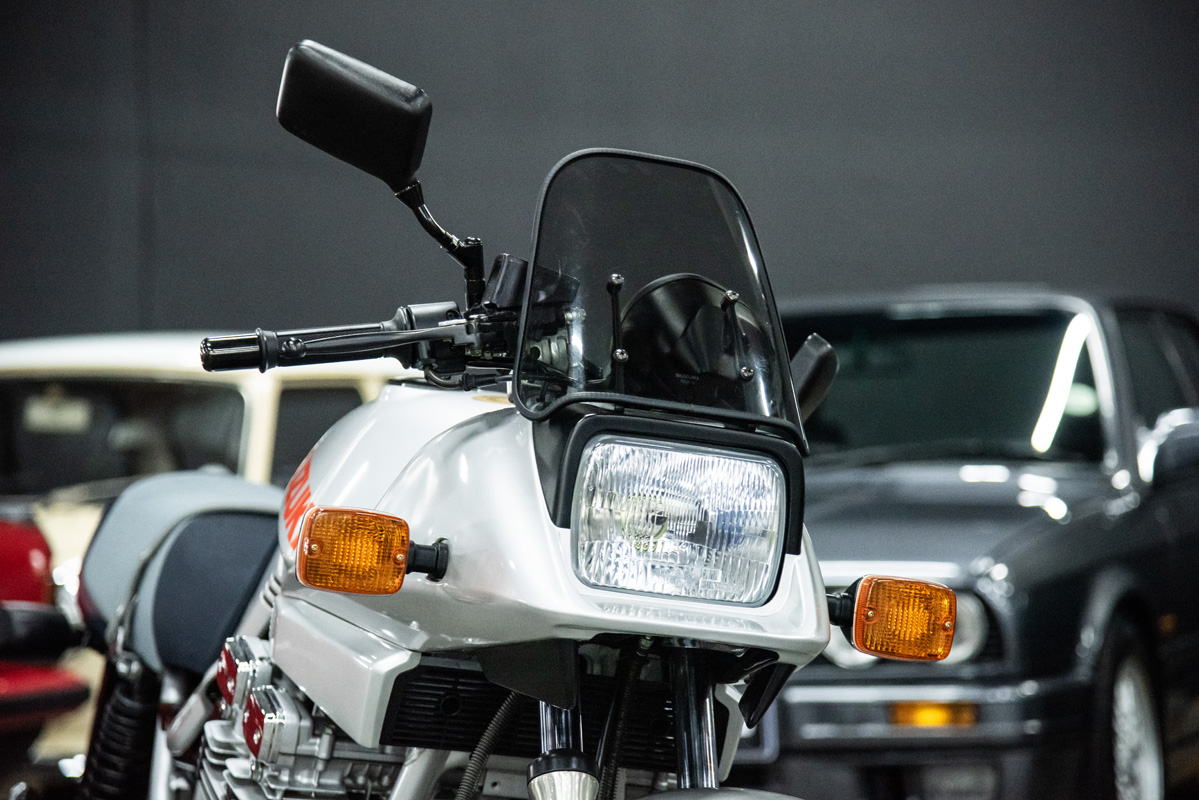
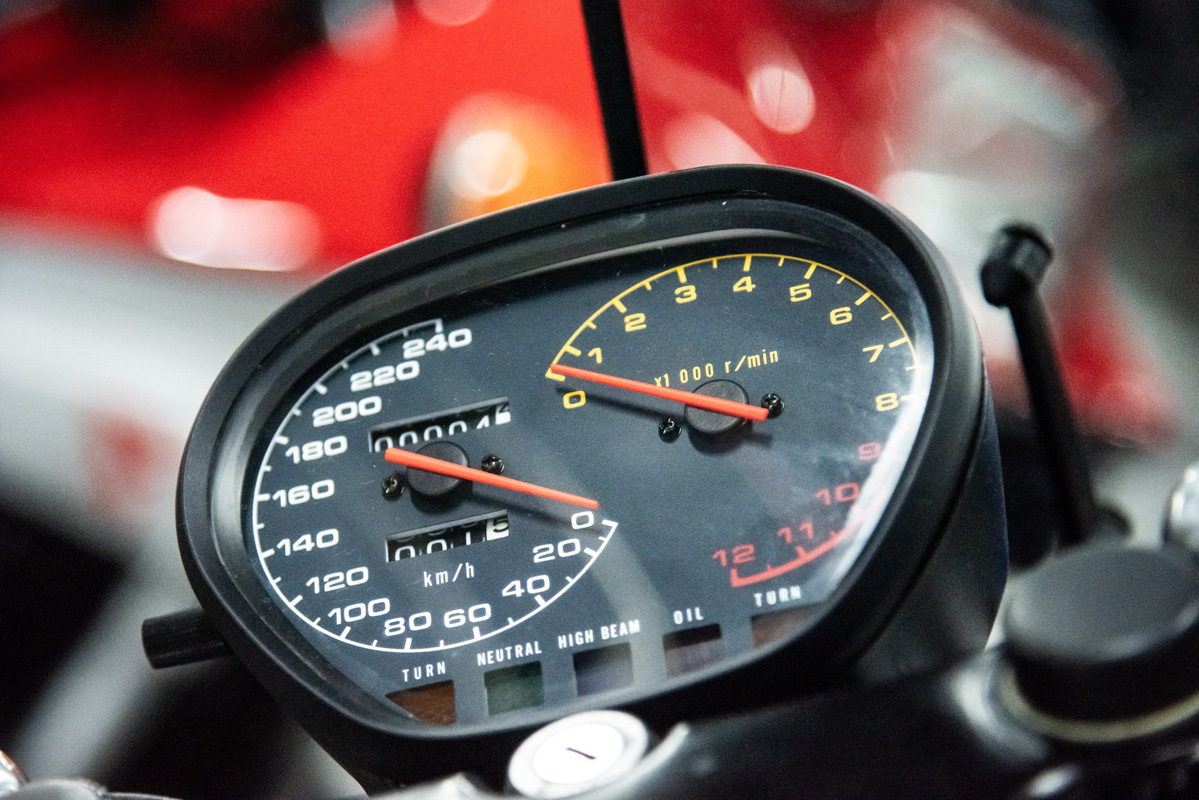
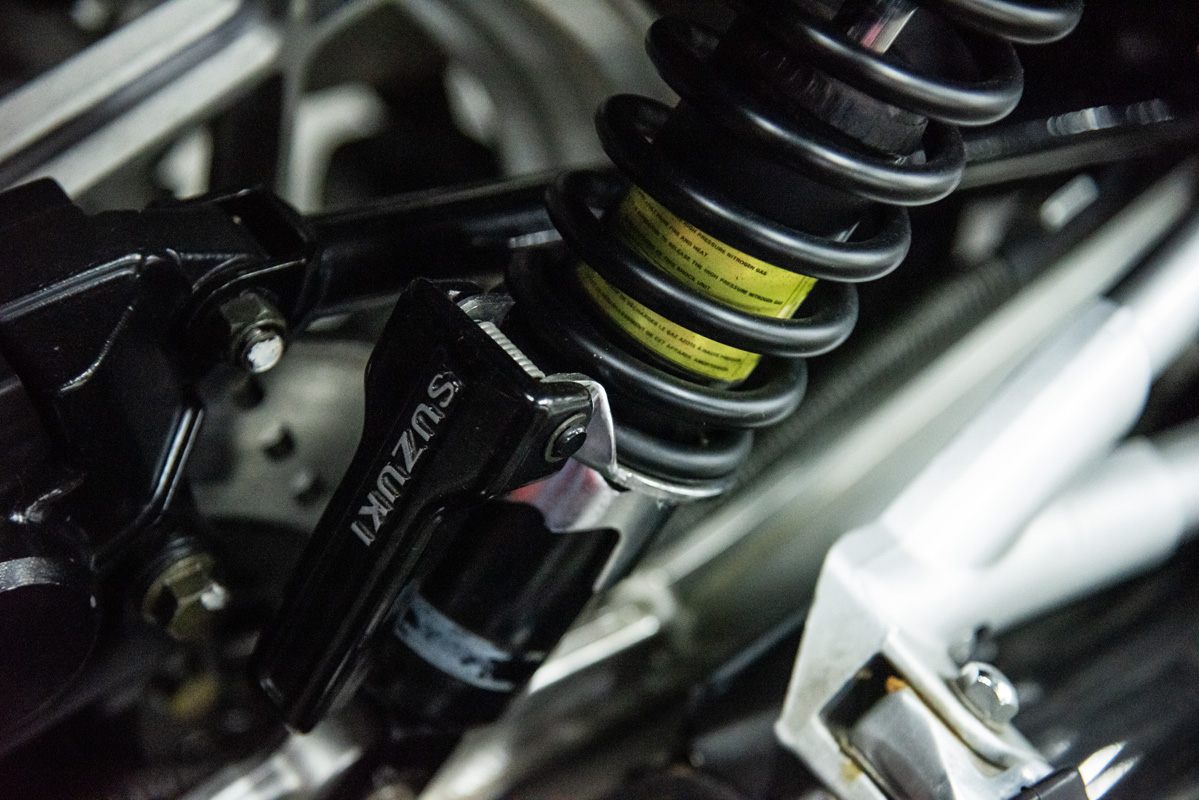
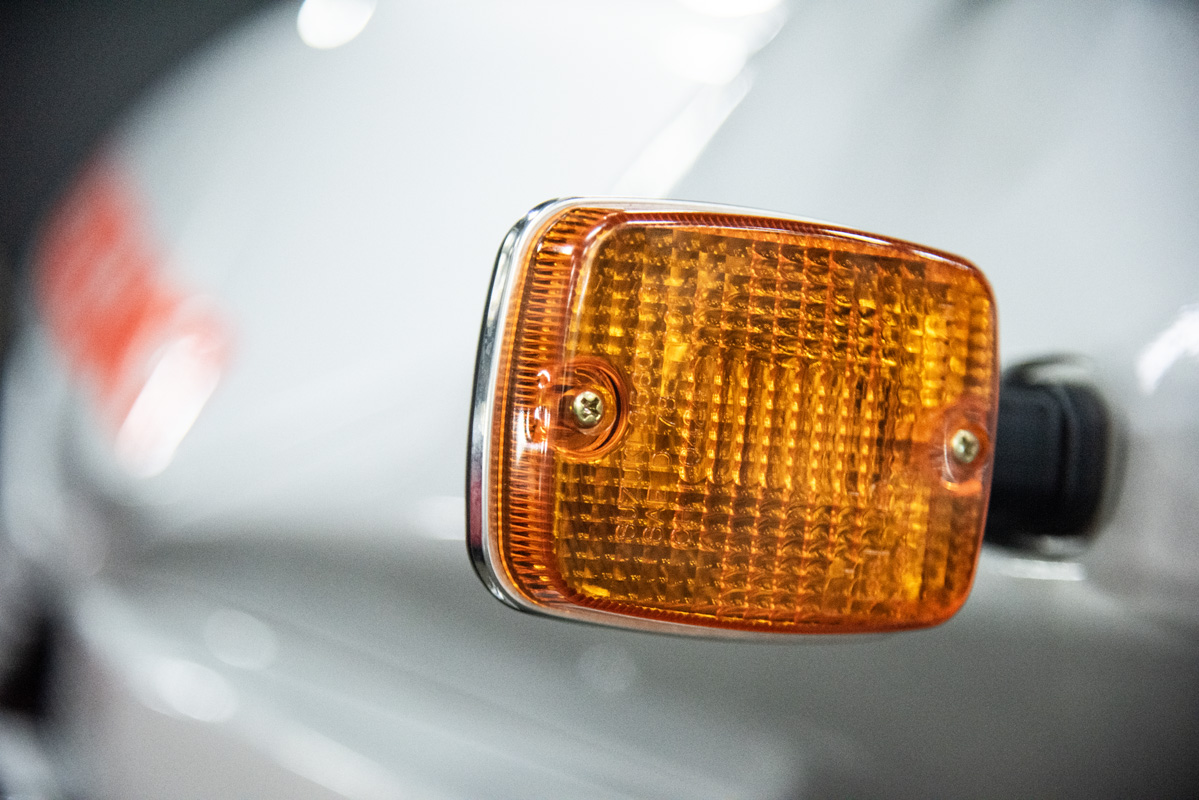
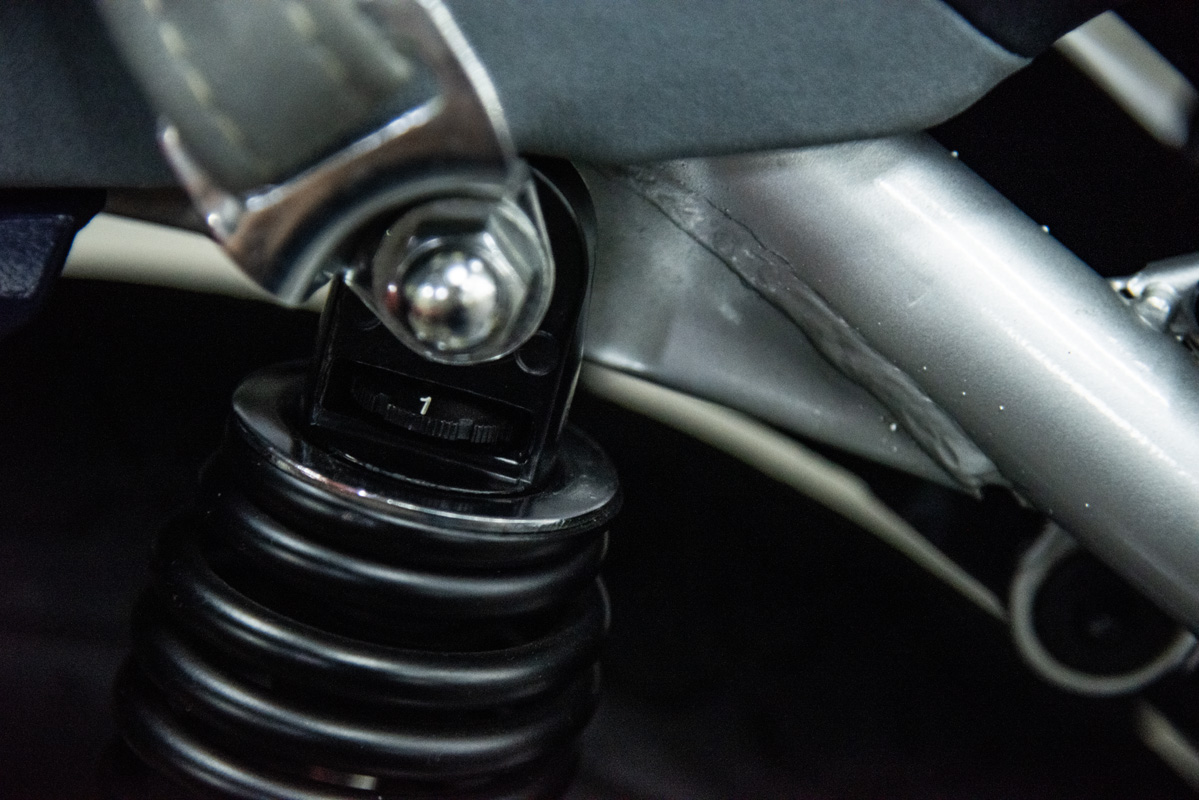
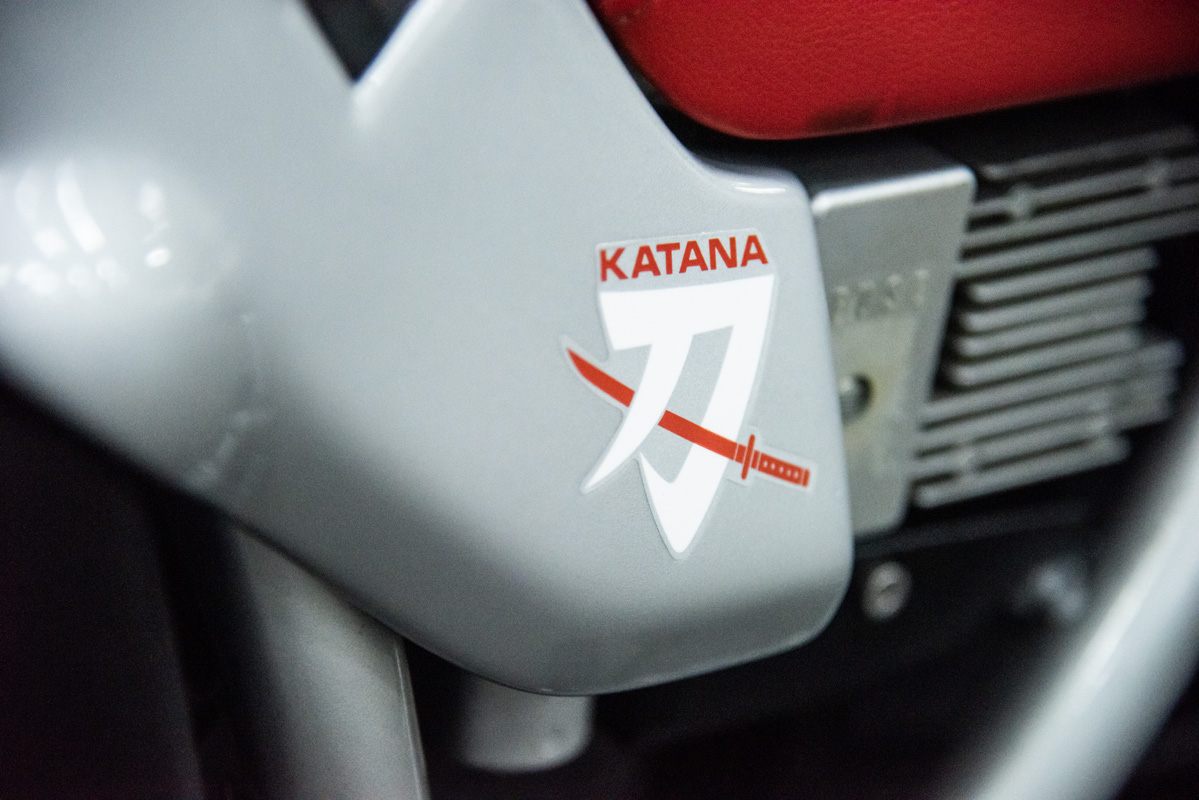
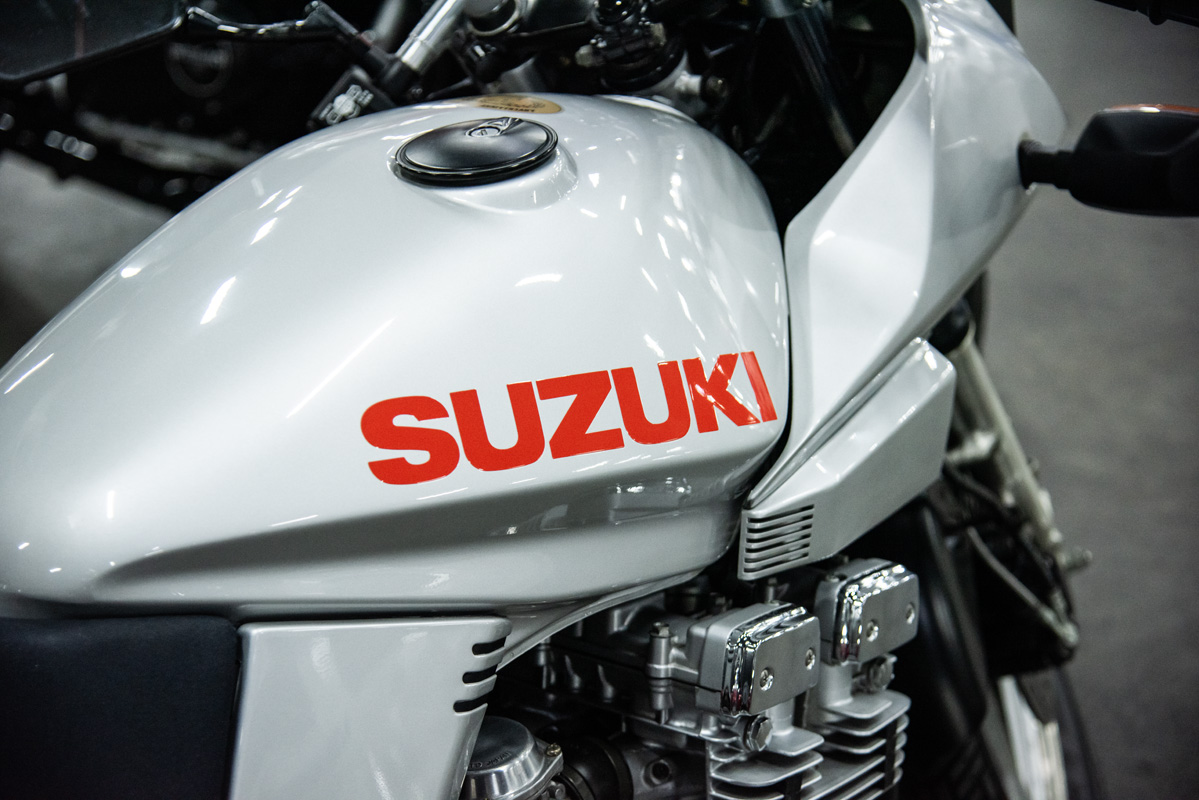
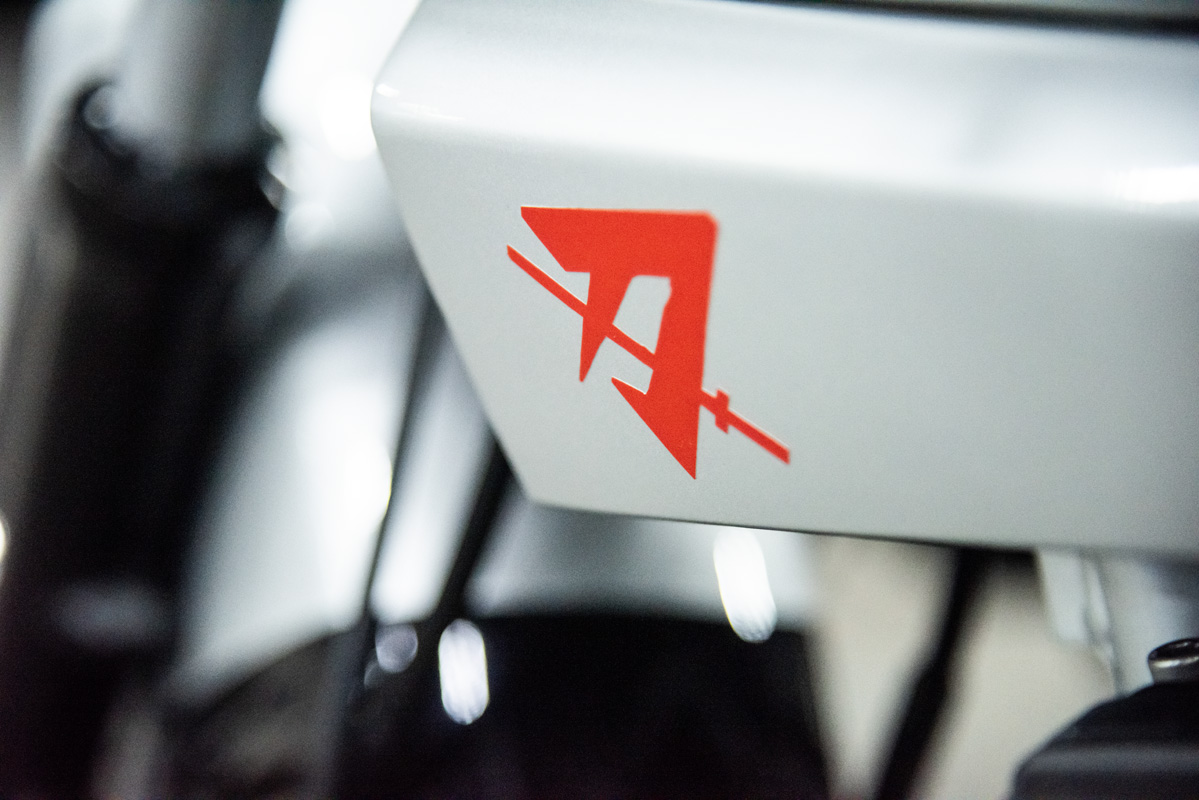
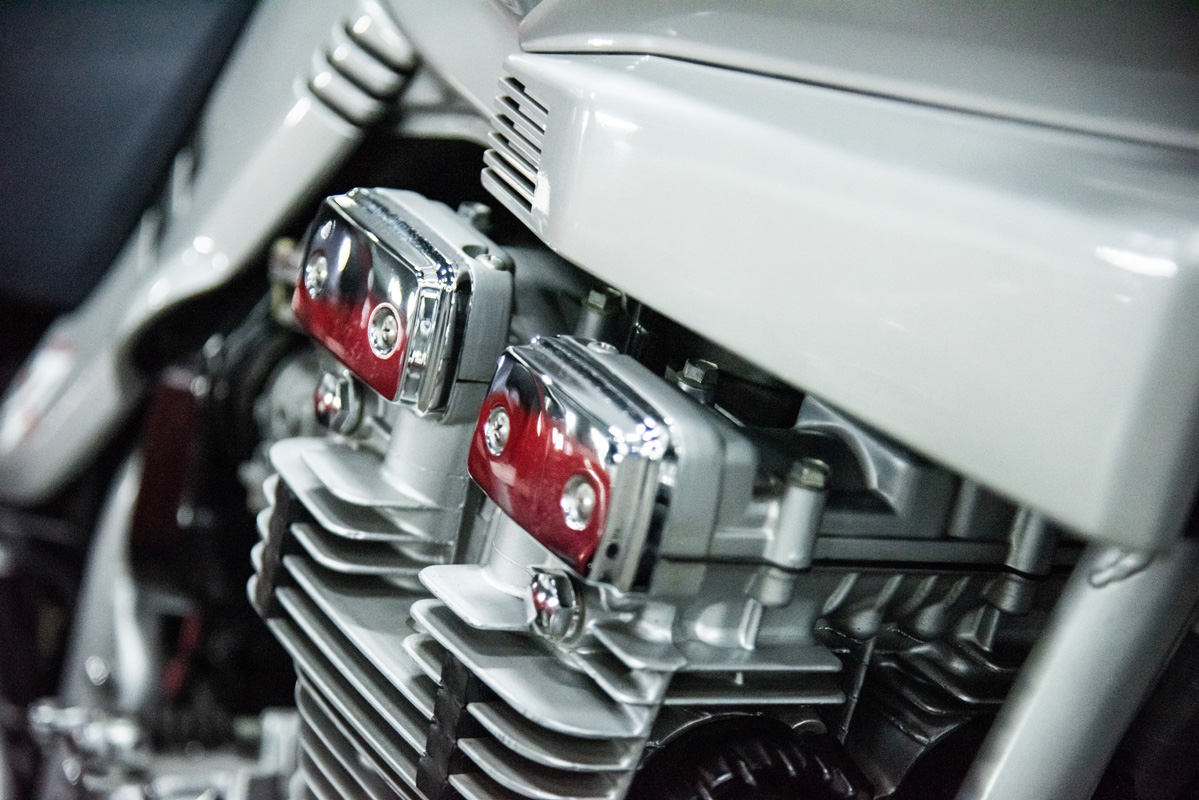
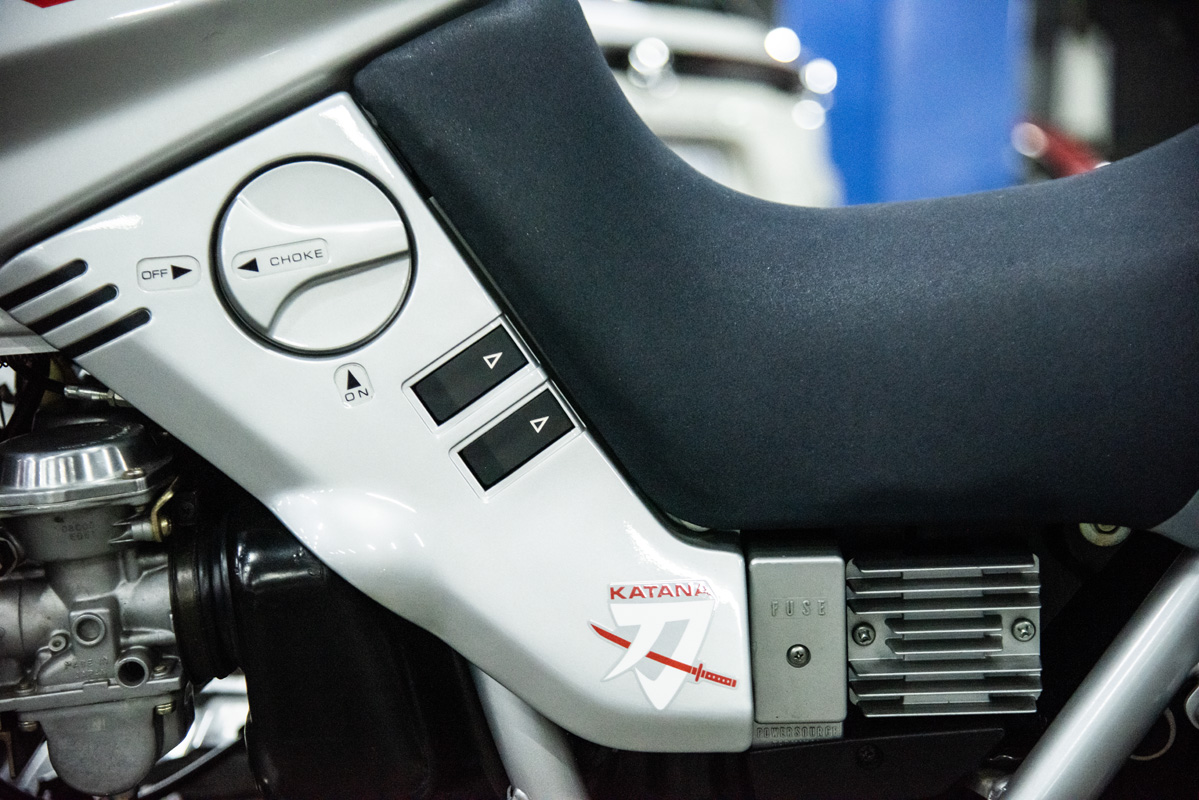
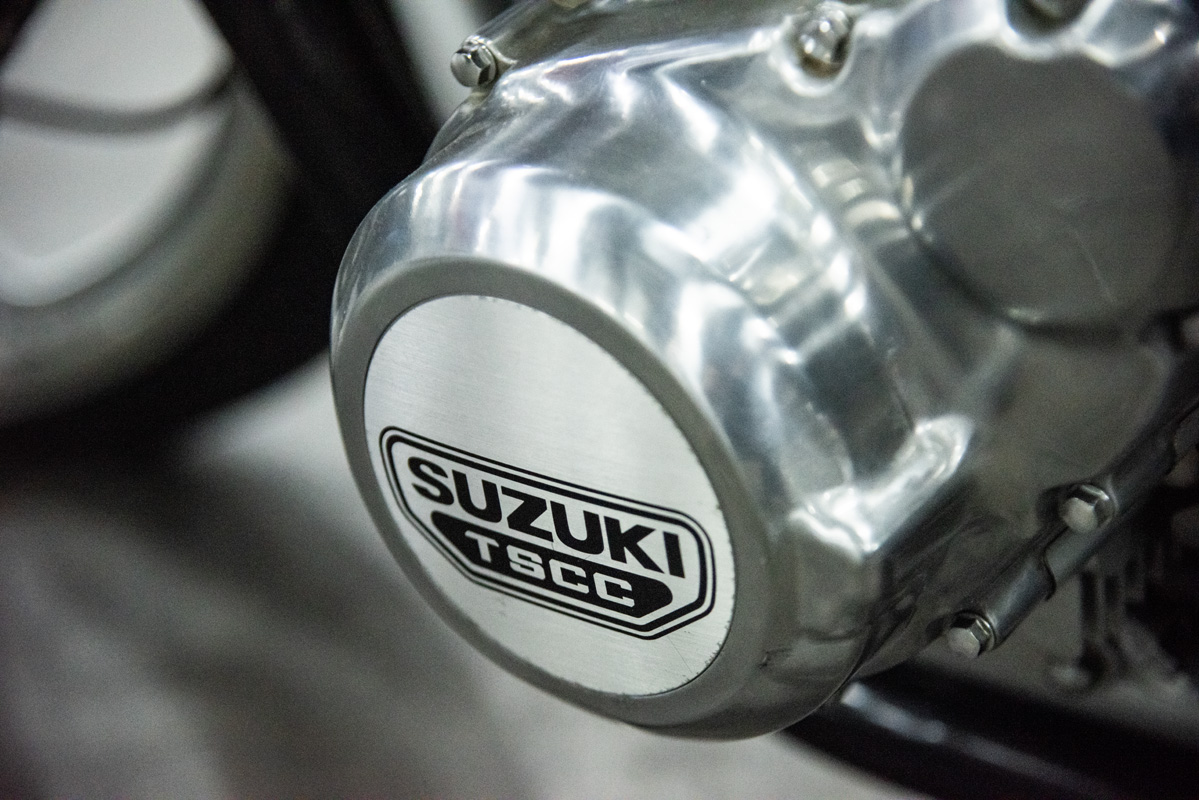
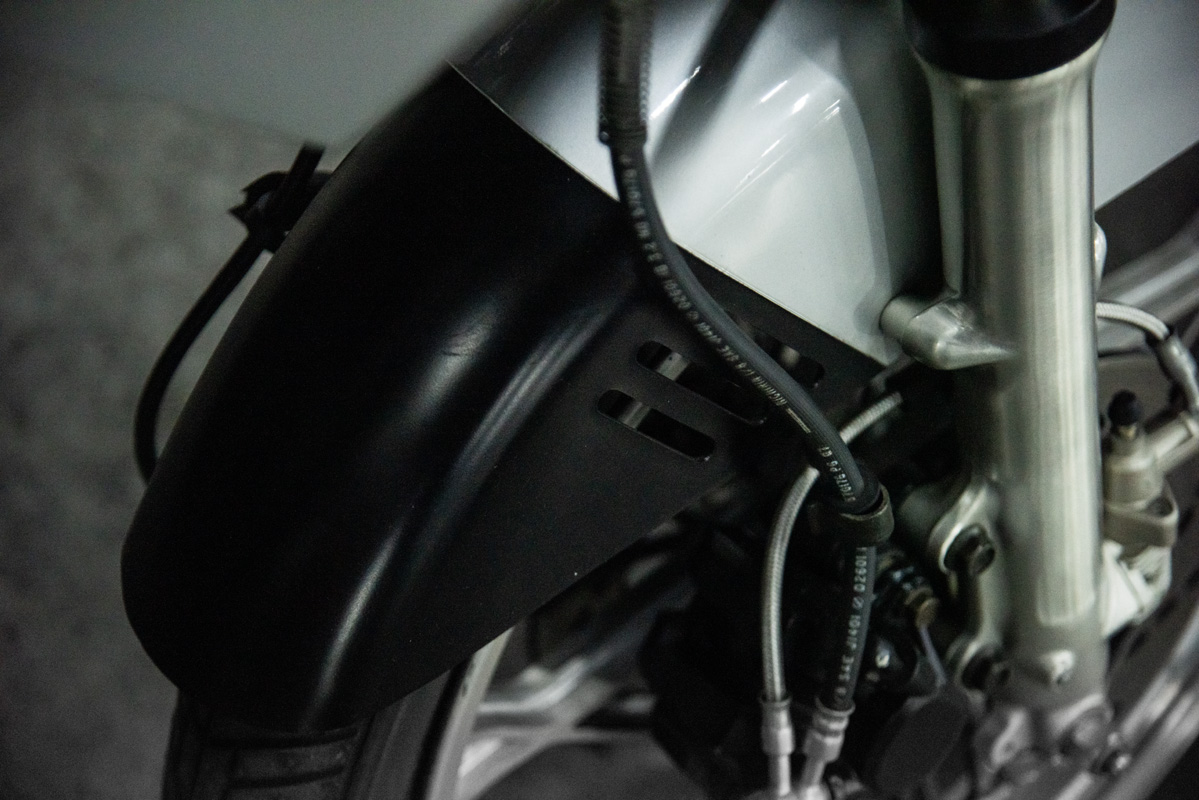
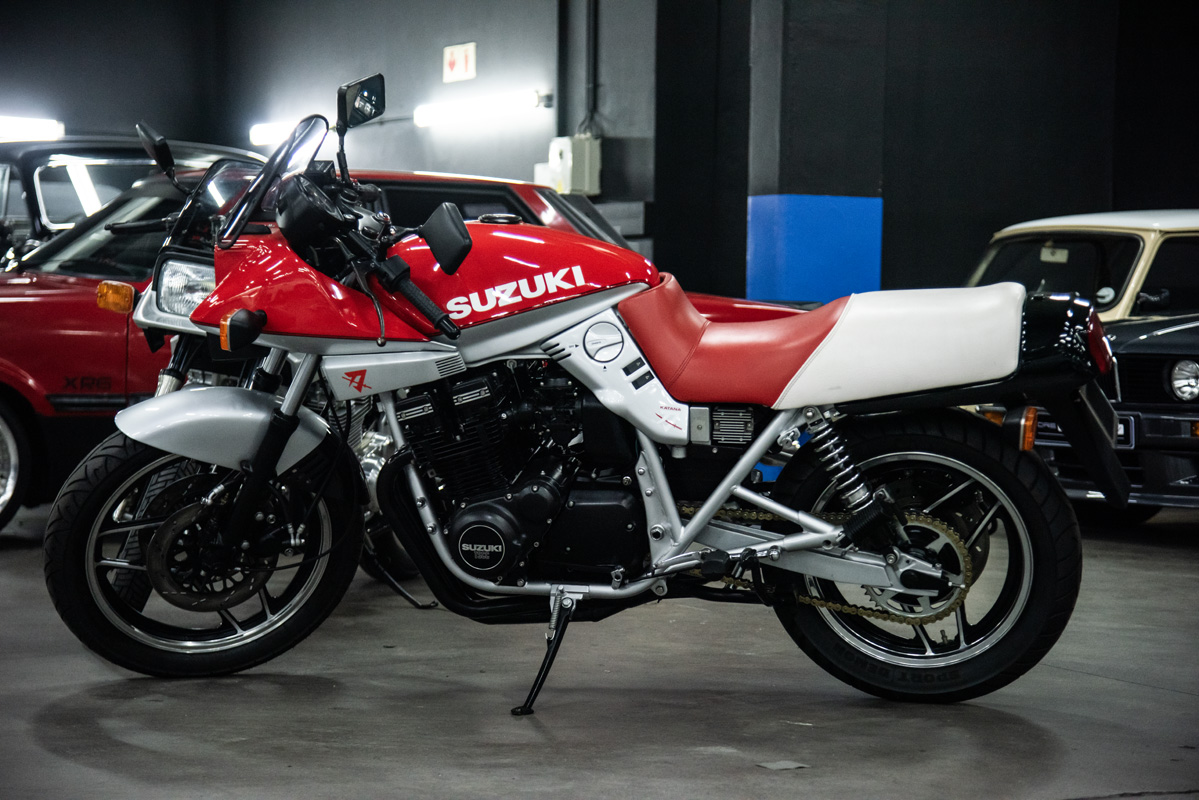
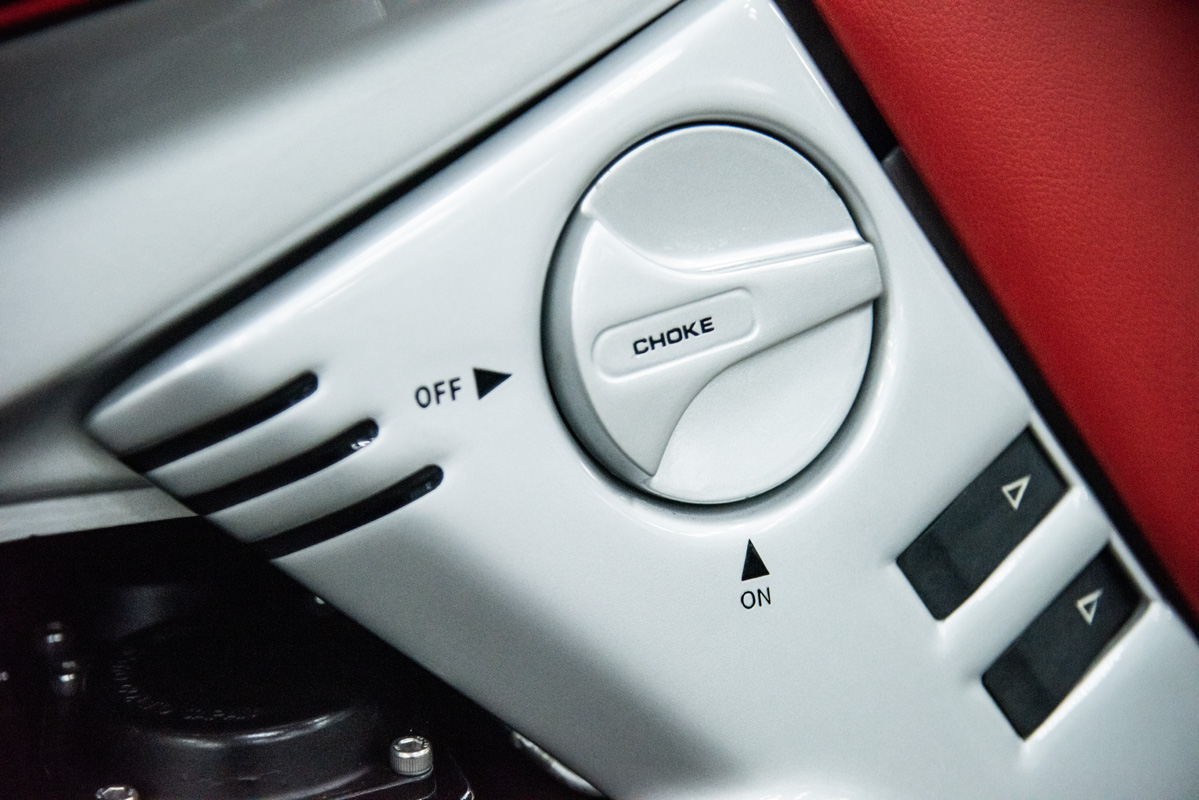
Strolling around and wiping drool off various bikes that had me checking my bank balance, I came across two absolutely pristine examples of early ‘80s Suzuki Katana 1100’s. The bikes are essentially new. As yet, I have not found out how that is possible, but examining the bikes in fine detail, I saw nothing that suggested otherwise. The bikes are immaculate. To the modern trained eye, there is nothing to divide opinion over the looks. They are stunning! The Katana had real Café’ Racer styling, coming standard with clip-ons, rear-set pegs, and a fly screen which was only effective when you were tucked in, flat on the tank, testing top-end, which, I must confess, was a regular activity on the minimally traffic-infested roads of the ‘80s. Katana’s were built in 550, 650, 750, 1000 and 1100 variants.
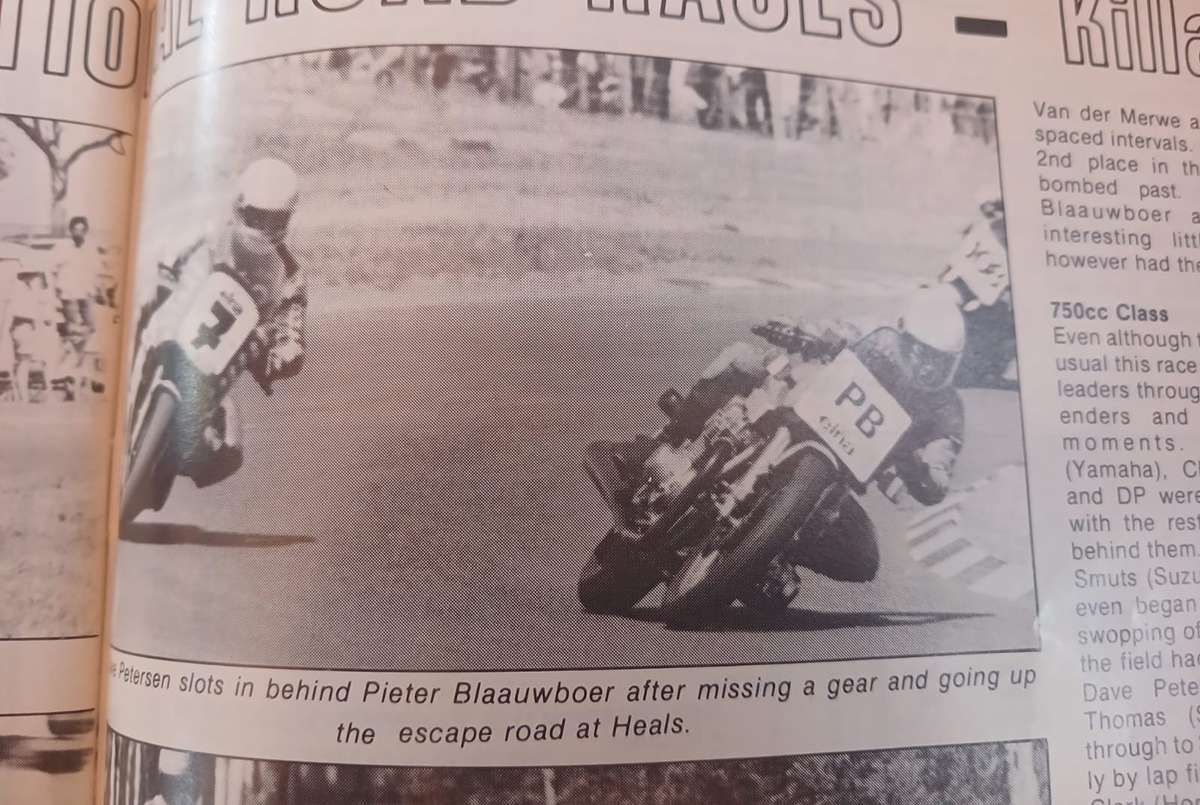
The 1000 was a ‘special edition’ which may have only been available in SA, with spoked alloy wheels and, if I remember correctly, flat slide carbs. It was called the “Striker” and formed the basis for some seriously quick Suzukis in SA. The 550 and 650 (shaft-driven) were more a Katana styling exercise than performance variants. It was up to the 1000 and 1100 to fly the performance flag. Bassani’s four into ones worked extremely well on the Kats, bumping power significantly. In SA production racing, Wayne Heaseman on his Katana 750 soon fought for 750 class supremacy with the Petersen-piloted Ducati Pantah 600s. Keith Zeeman and Pierre Smuts took it to the all-conquering Honda CB1100 RCs with their 1100 Katanas, managing to podium on occasion.
The USA never got the Katana, but rather the GSX1100EZ, which was essentially a Katana in less radical clothes. To get an idea of the performance, I dug out my April 1982 edition of Cycle Magazine. They hailed it as the “Undisputed Superbike King”, with a standing quarter mile in a rapid 11.33 sec at a terminal speed of 119.36 mph (193,3 km/h). Horsepower on the rear wheel, according to the Webco dyno, is a fit 92,62 hp with 59,86 ft lbs of torque (81.16 Nm). Given that we are talking rear wheel power, these are impressive numbers even by today’s standards.
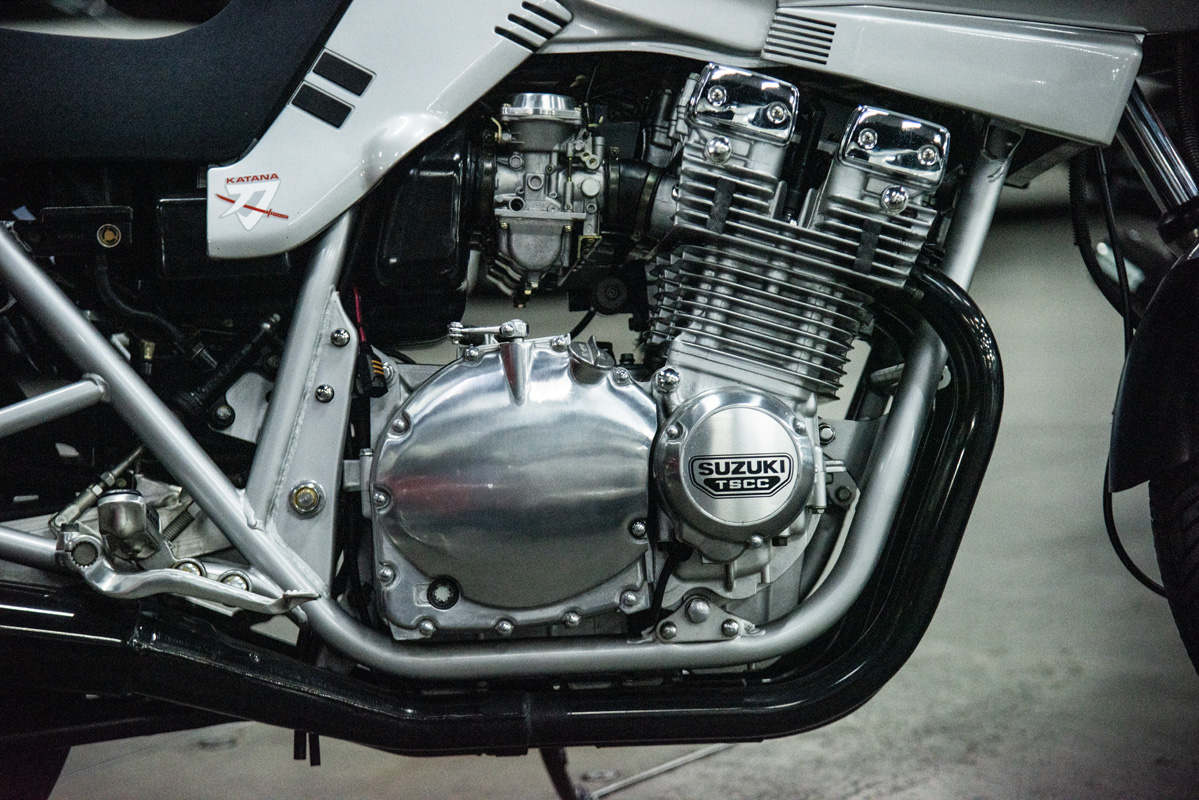
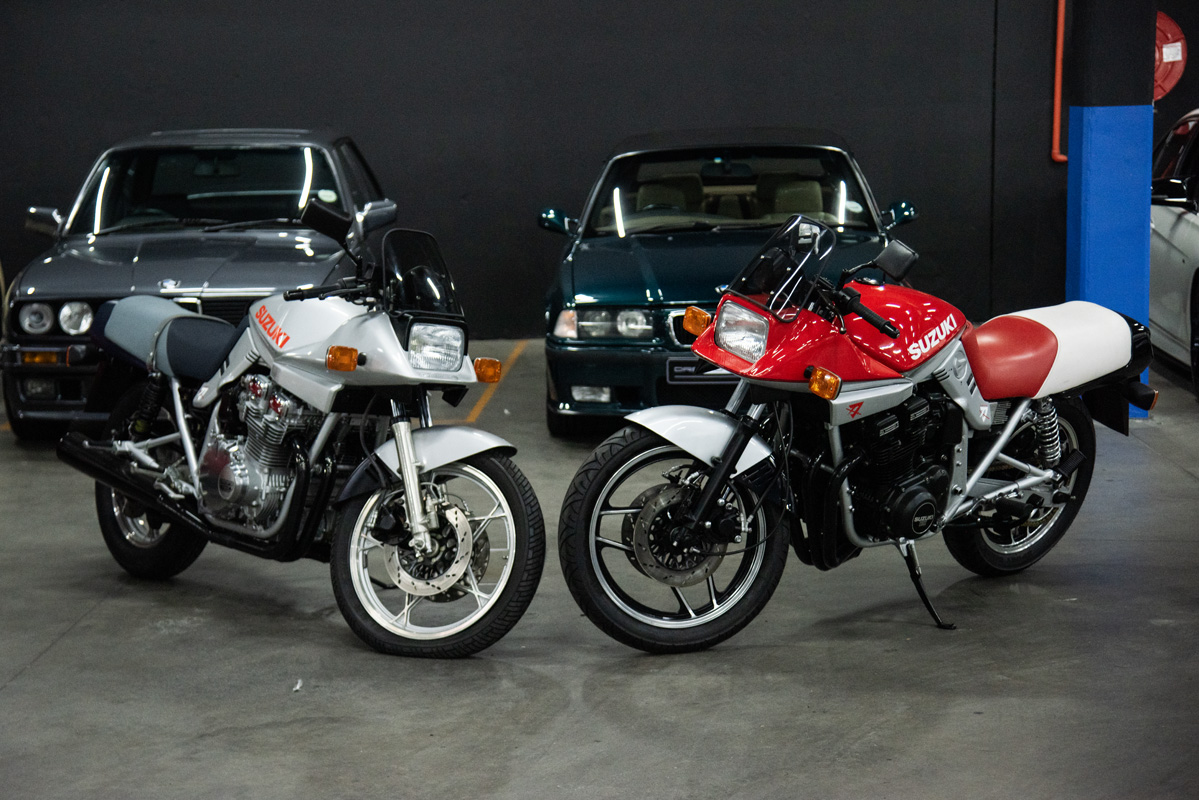
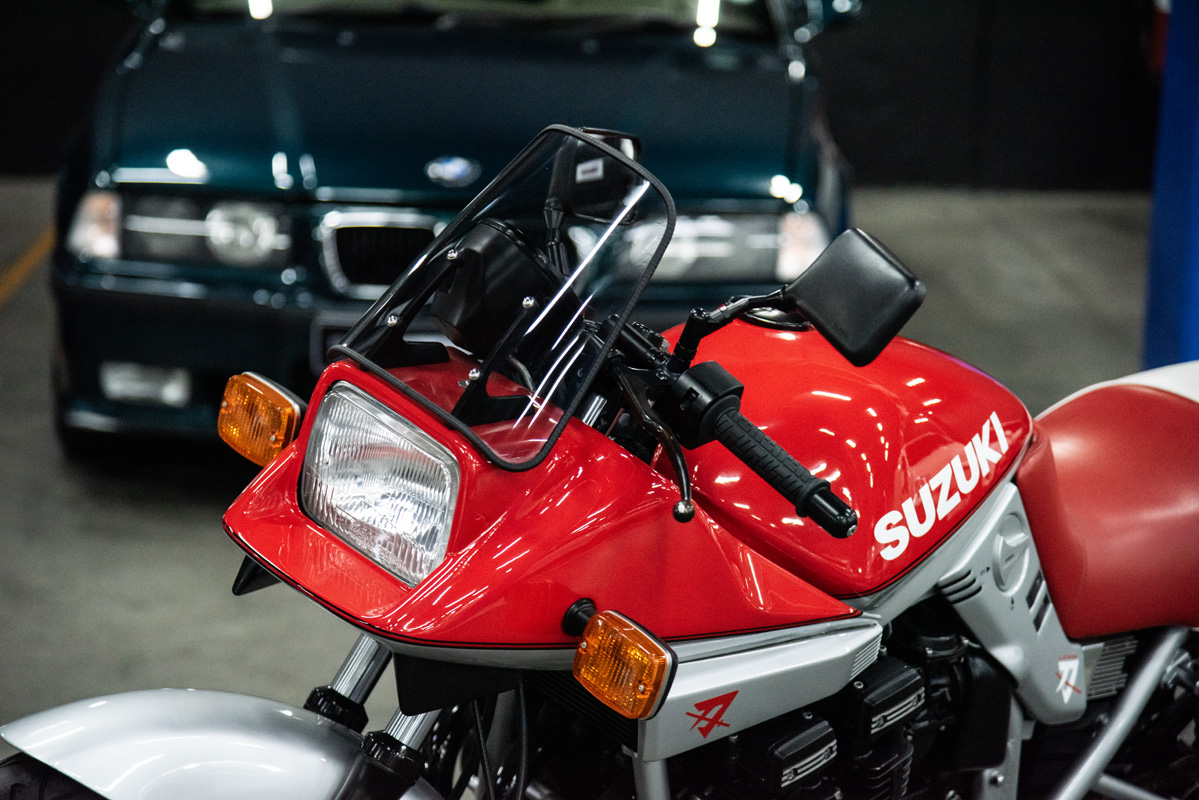
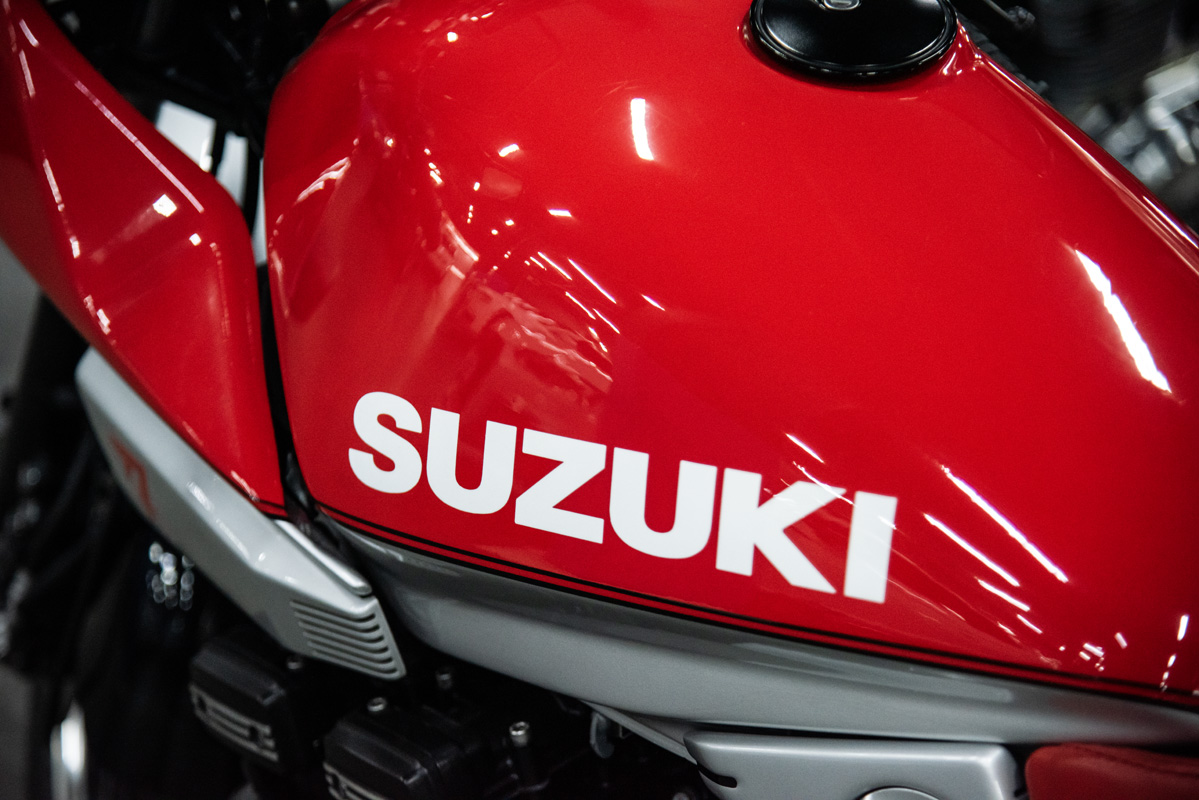
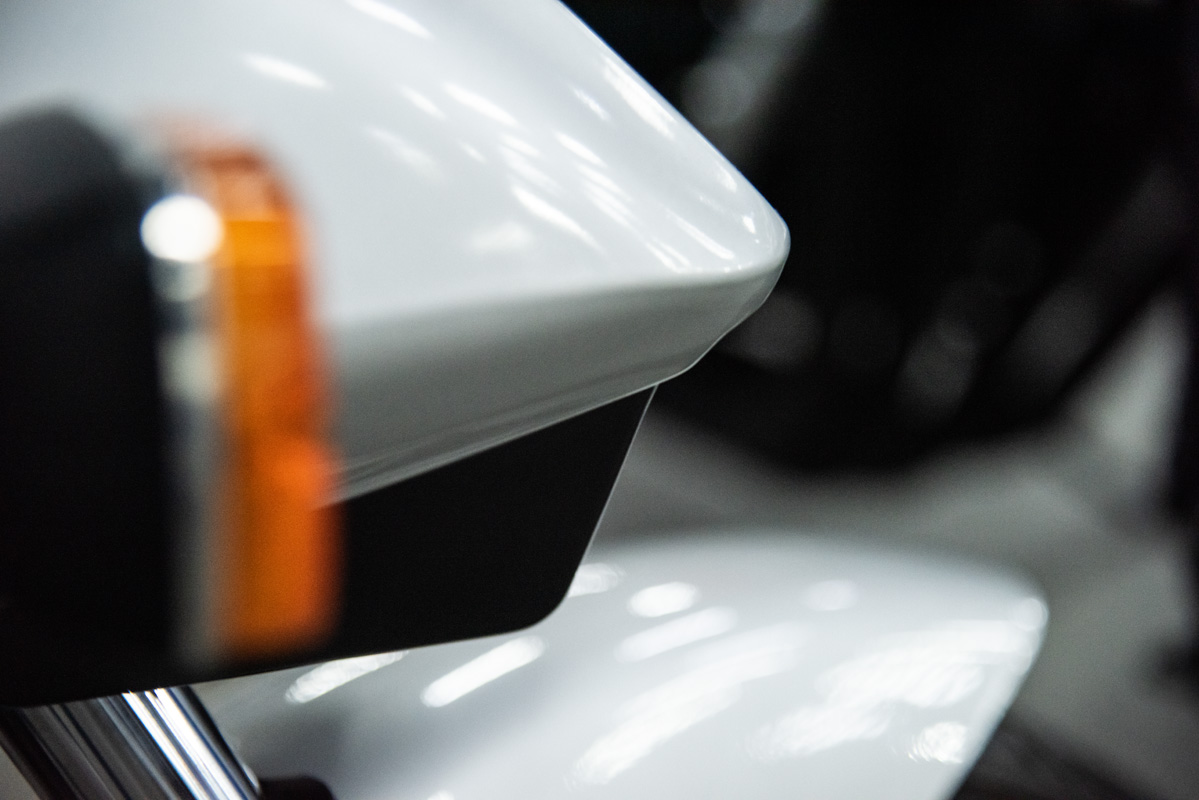
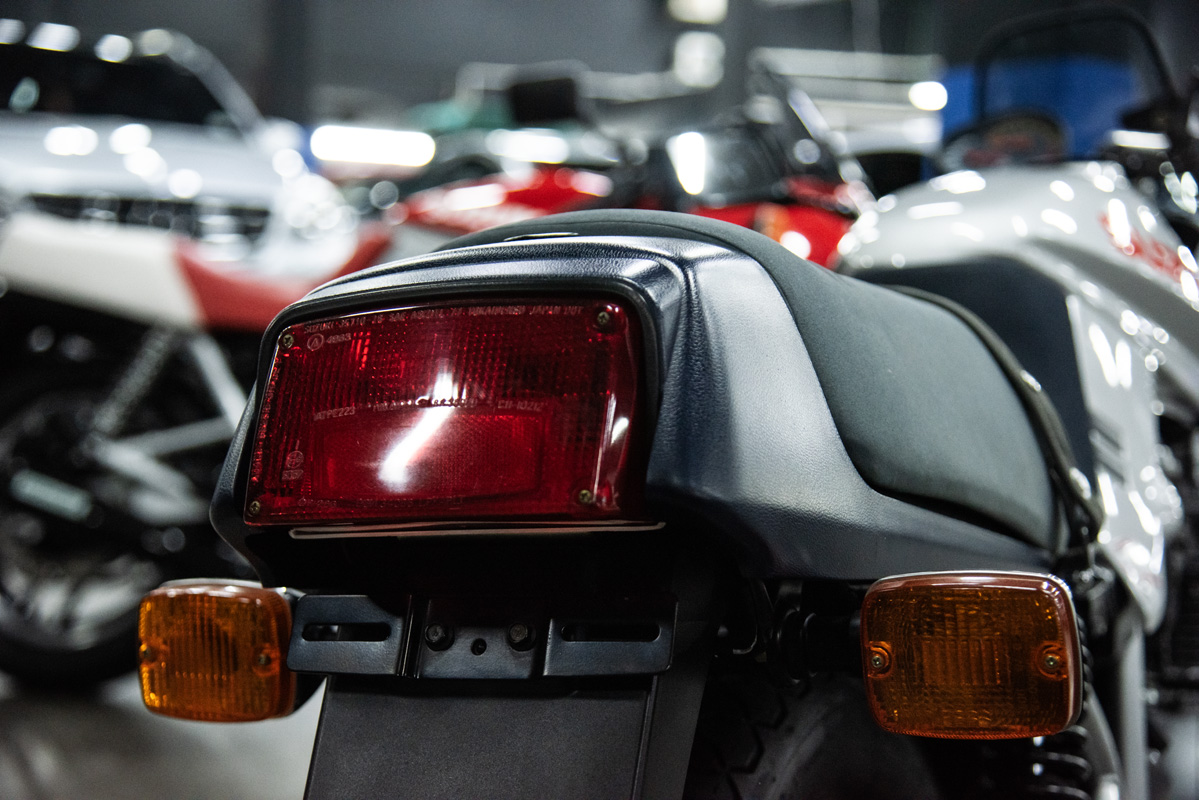
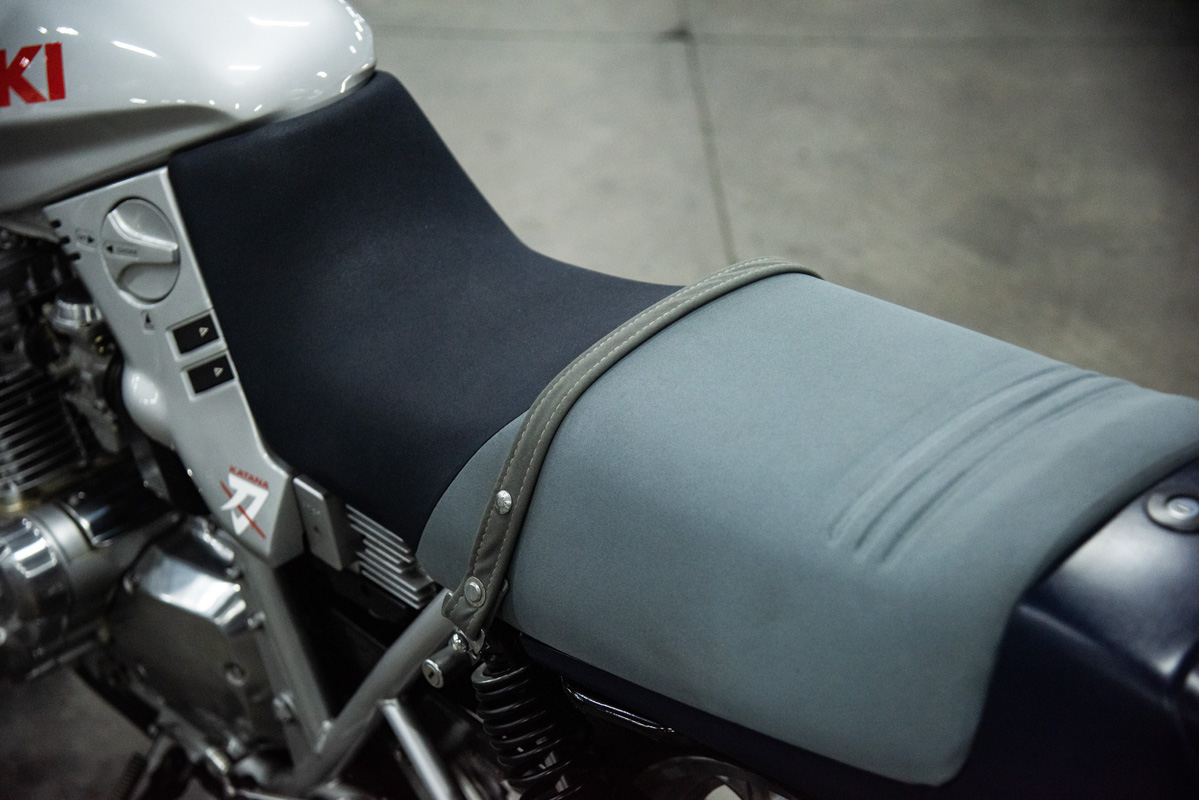
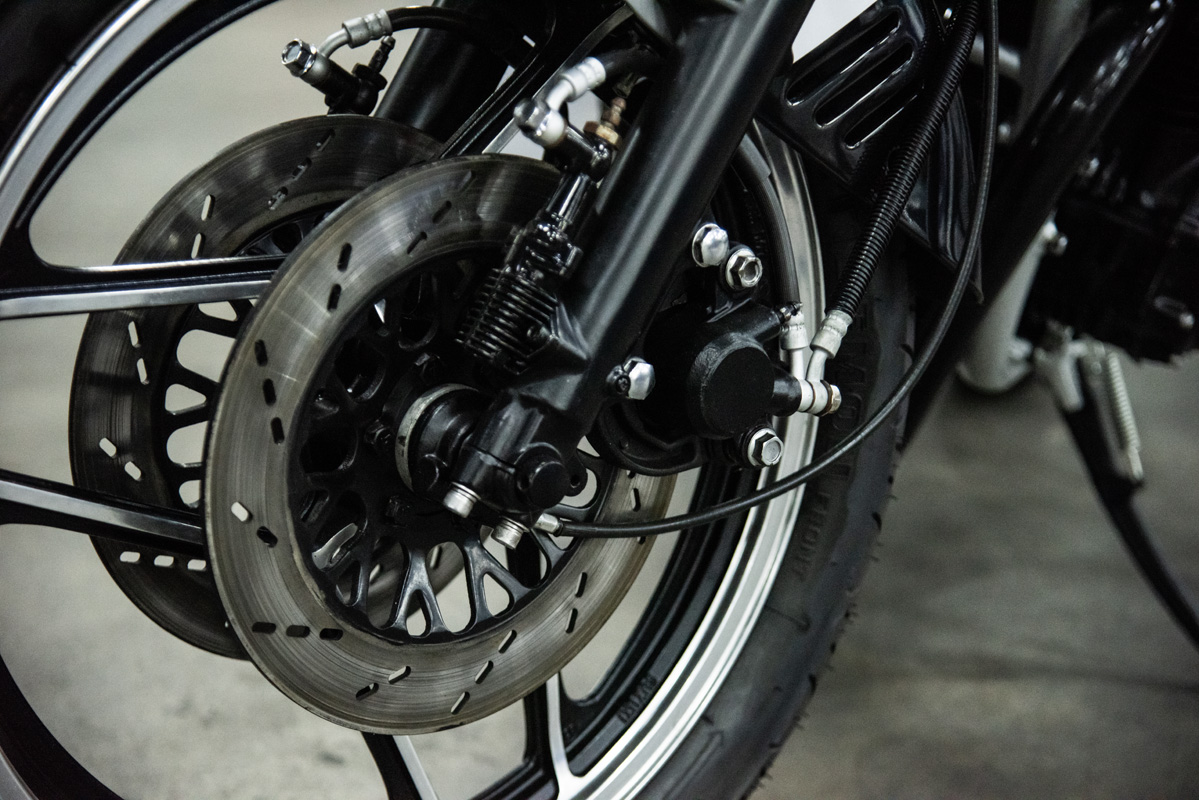
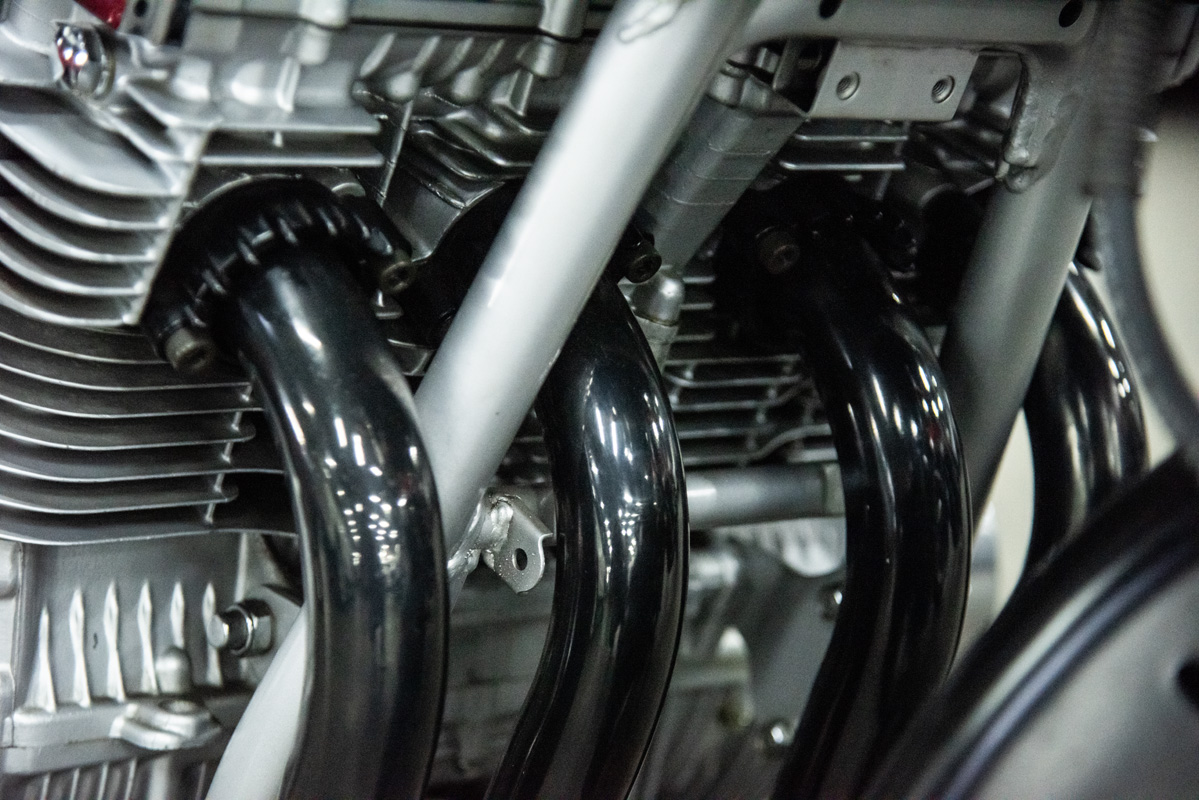
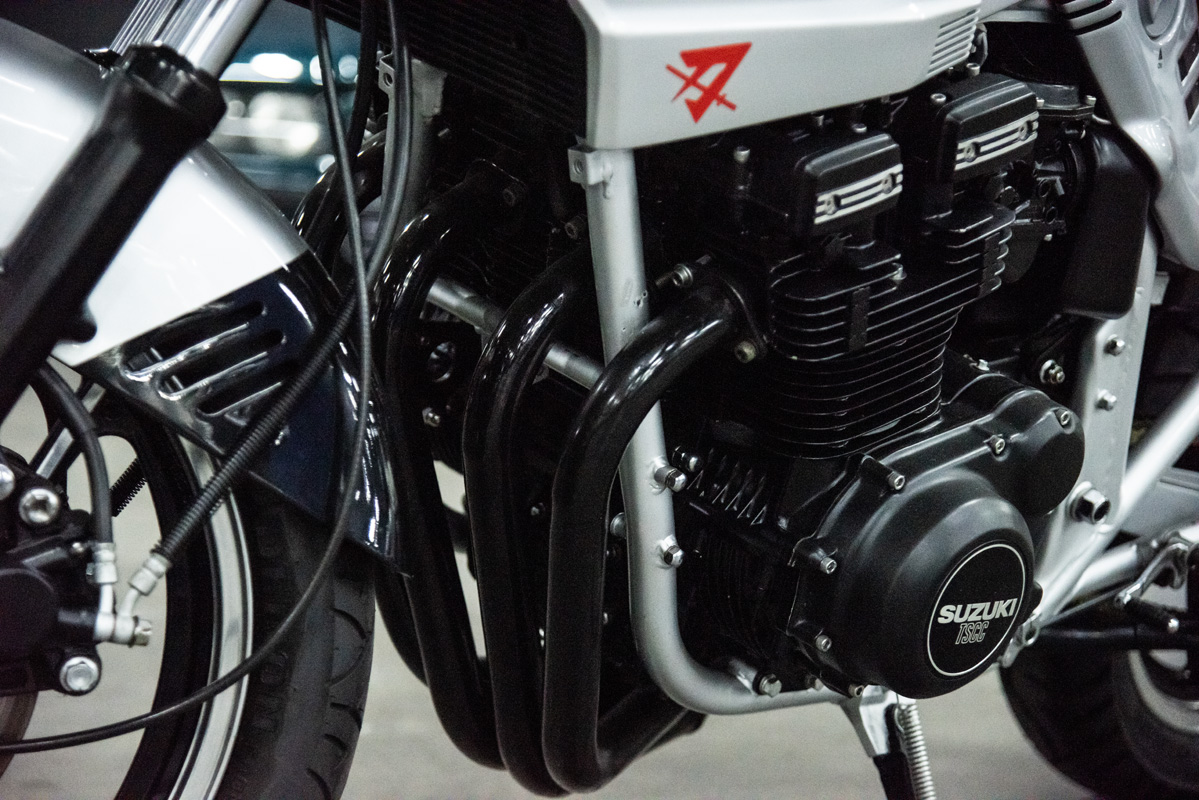
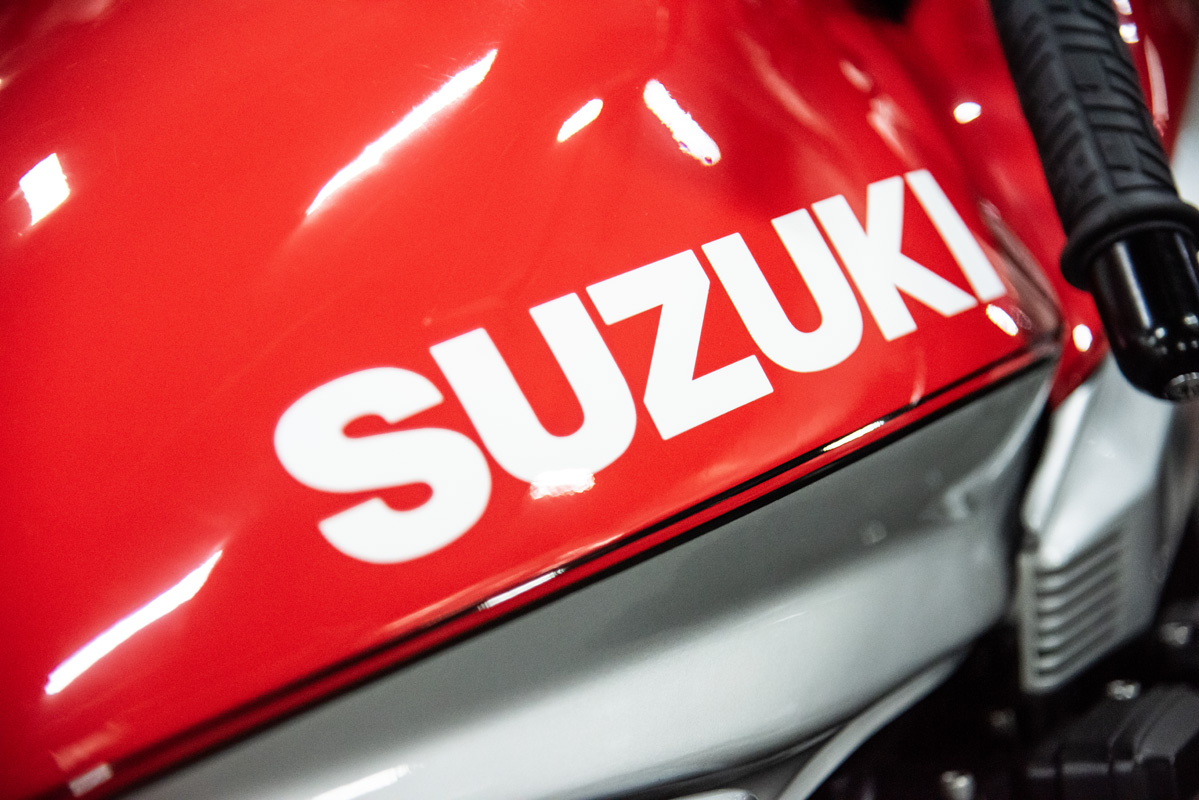
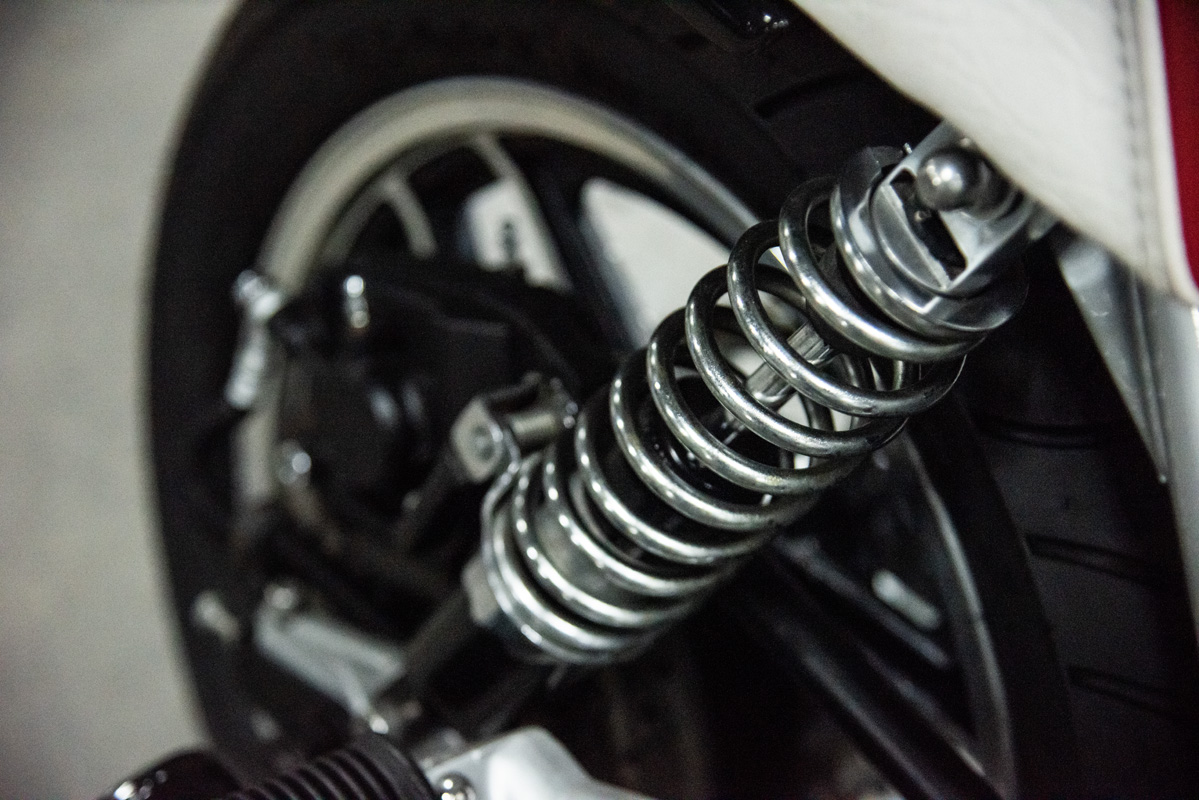
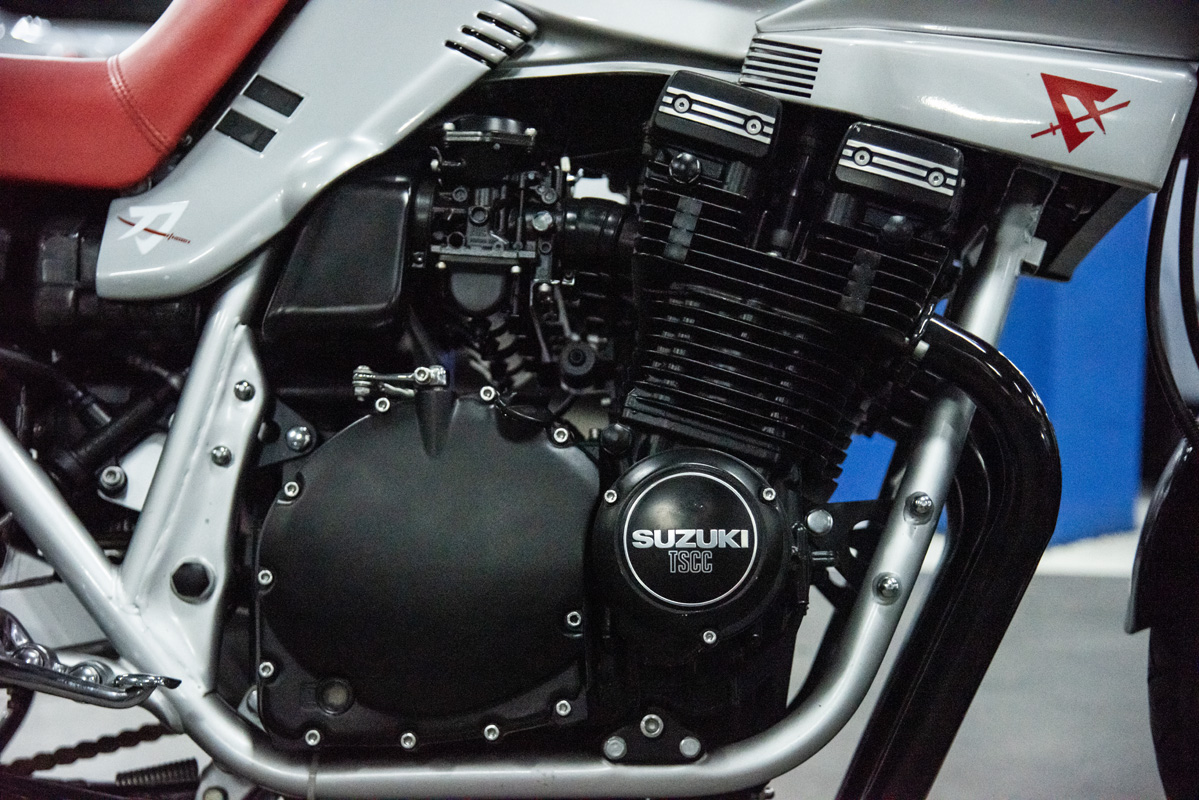
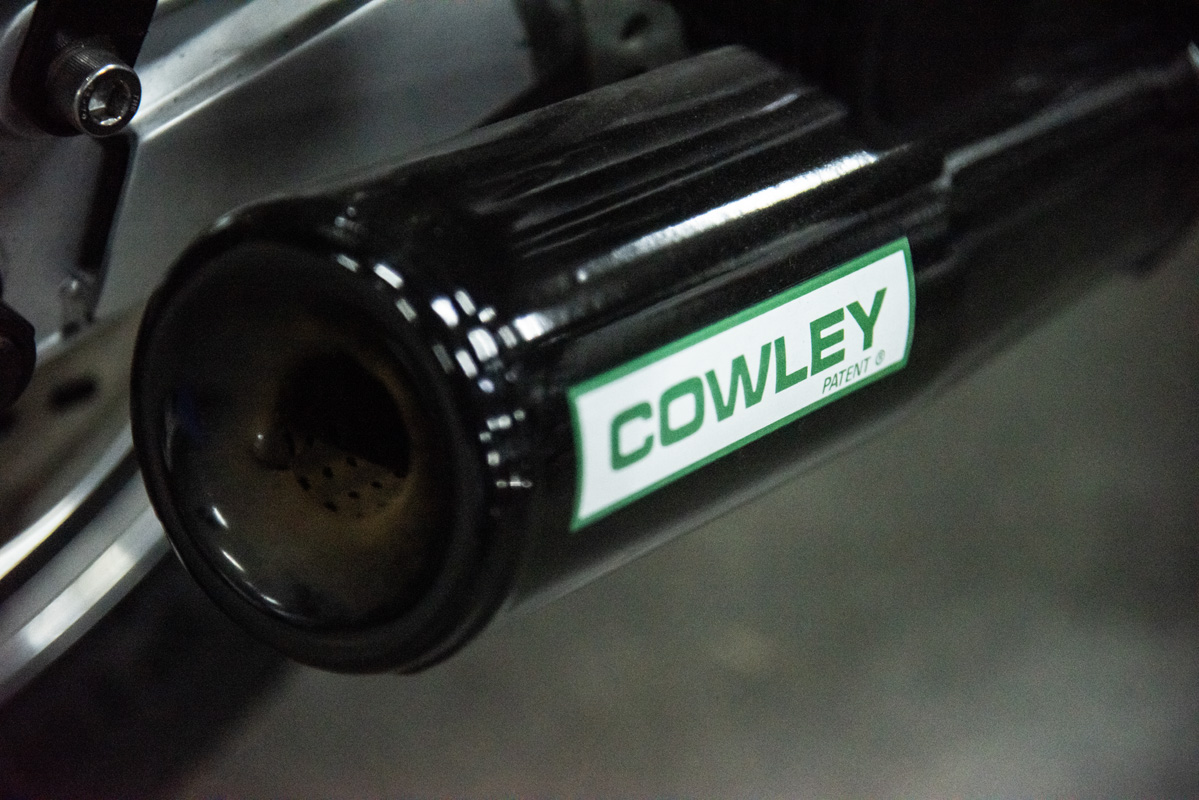
The two 1100s at Bikeshop are stunning. The one is in the classic Katana silver paint scheme with a blue and silver two-tone seat. It also has the star-shaped silver mag wheels. The other is in a stunning red and white scheme, and it has the black wheels with polished highlights as offered on the American GSX1100EZ. The silver bike has the original exhausts, whereas the red Kat has a four-in-one fitted. This is an opportunity to own an incredible piece of motorcycle nostalgia.
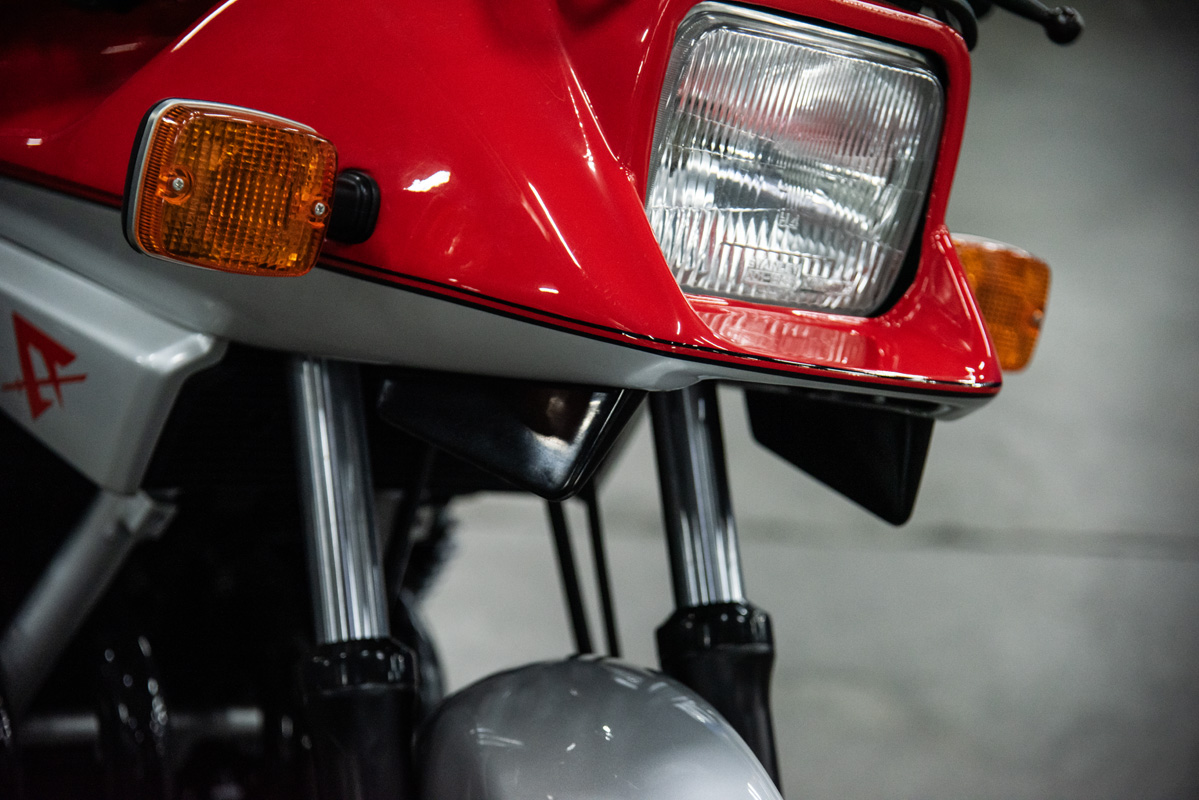
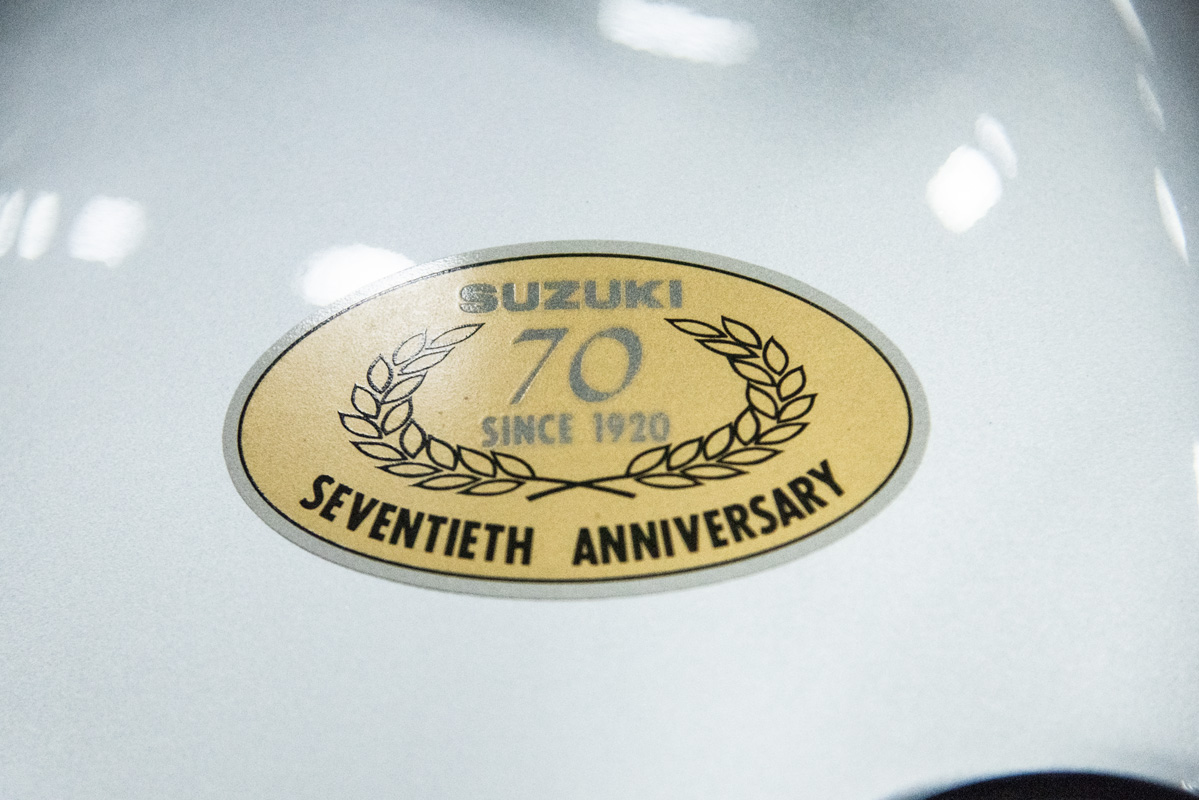
These bikes provide an authentic, visceral riding experience which cannot be replicated in this digital age. In addition, you own a bike, which, if properly looked after, grows in value. To put this in perspective, the Katana cost R5,599 in October 1983. It is now worth R150,000 (or even more in the UK), which equates to a return of 7,5% pa. The Silver bike we see on Bikeshop Rivonia’s floor is a 70th anniversary edition and is worth a significant amount more at R279,990. Factor in the Sunday ride enjoyment, which is priceless, and these bikes make total sense. The older they get, the more exponential the return.
Right guys and gals, I have not only enlightened you to the existence of these two beauties but given you all the ammo to convince your significant other that you have to have one! Do yourself a favour, just go and eyeball these bikes. If ultimately a classic Katana is not your thing, there will be plenty of other eye candy to view. Happy shopping!