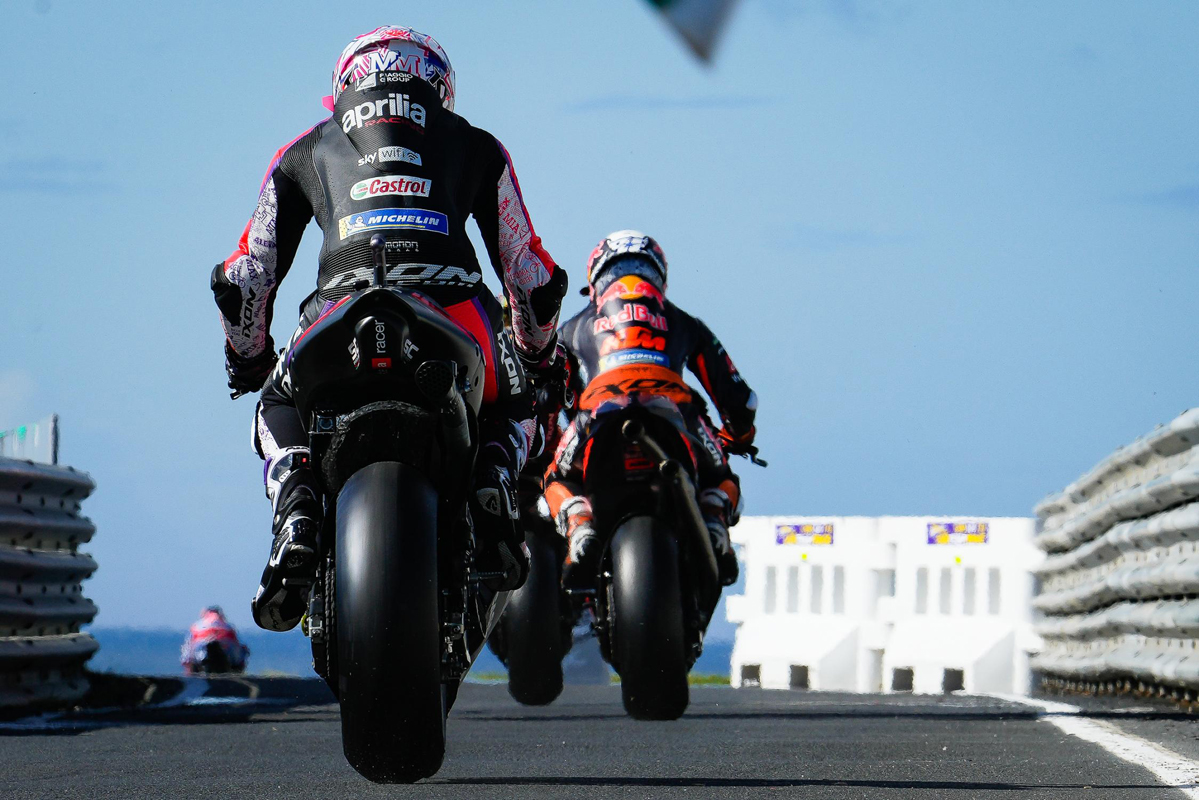



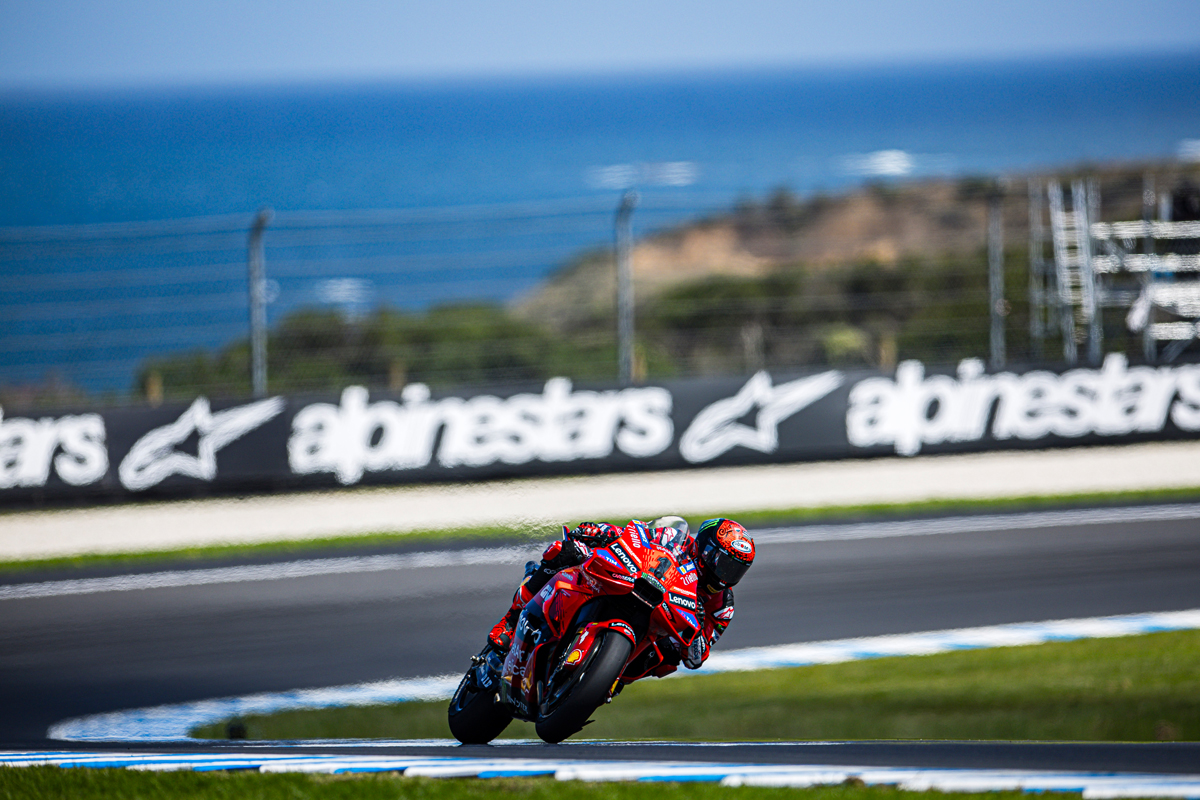
Motorsport – and MotoGP in particular, in terms of this article – is constantly evolving, with very little remaining static from one year to the next, let alone one decade to the next. Technical specifications might be stable for several years, but the machines themselves and the technology are subject to constant development; riders and teammates are constantly in flux, and even the calendar itself is highly flexible.
Flexibility of the calendar is acceptable if it means moving a particular race to a different month in the year. But what is more worrying is when a historic circuit is removed completely.
Rightly, some circuits have been removed from the calendar for safety reasons; street circuits, that were once an integral part of the GP calendar, are nowadays incompatible with the huge run-off areas required by the governing body and the riders, other than those who choose to compete in the Irish Road Racing series, in Macau, or at the Isle of Man TT.
Some circuits have fallen by the wayside for a variety of different reasons; financial, mainly, or simply because they have fallen out of favour for one reason or another.
On the flip side, there are some circuits that just have to be on the calendar for no other reason than they are iconic and provide us with great racing almost every time the circus visits.
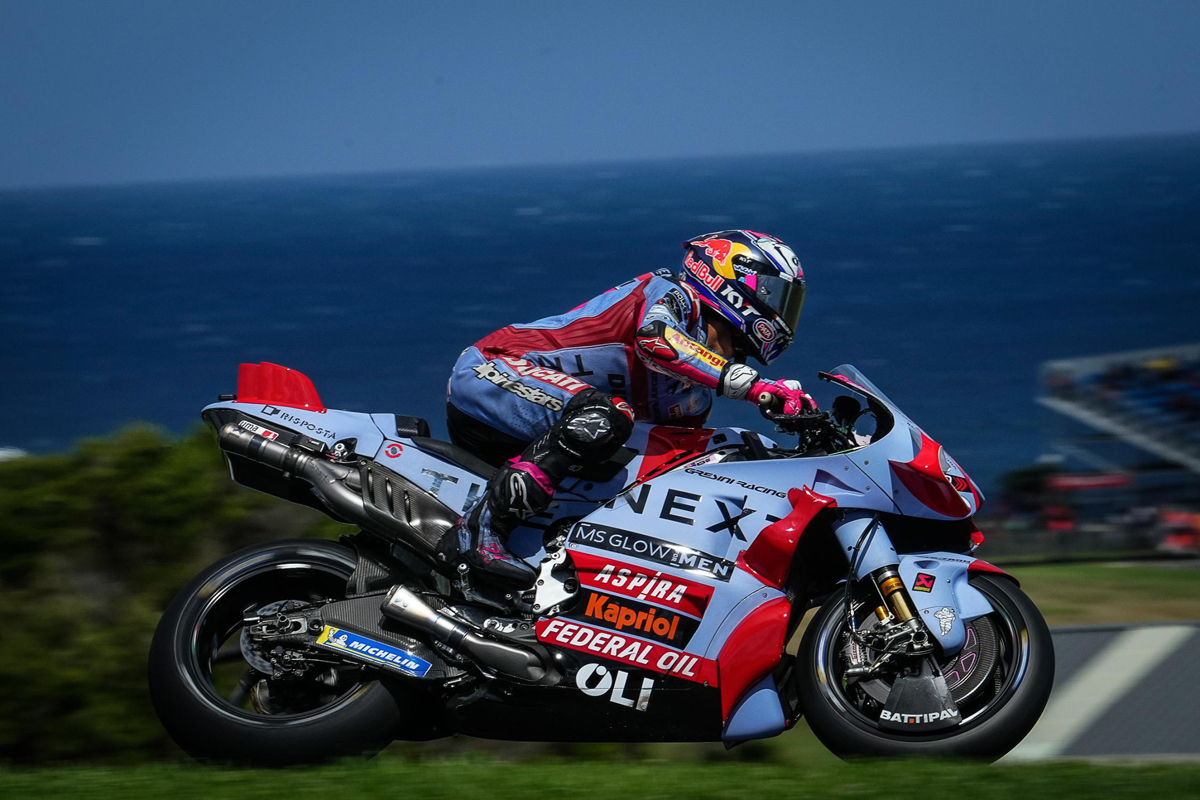
One such circuit is Australia’s Phillip Island. There have been some epic races there over the years, and there is something about it that just stirs the soul. Maybe it’s the setting, with the ocean ever-present? Maybe it’s the fast, flowing layout with corners that really separates the men from the boys? Whatever the reason, there are a lot of fans who would hate to see the back of Phillip Island.
However, it looks now as if that’s going to be the case, and we’ll be saying goodbye to the windswept island circuit.
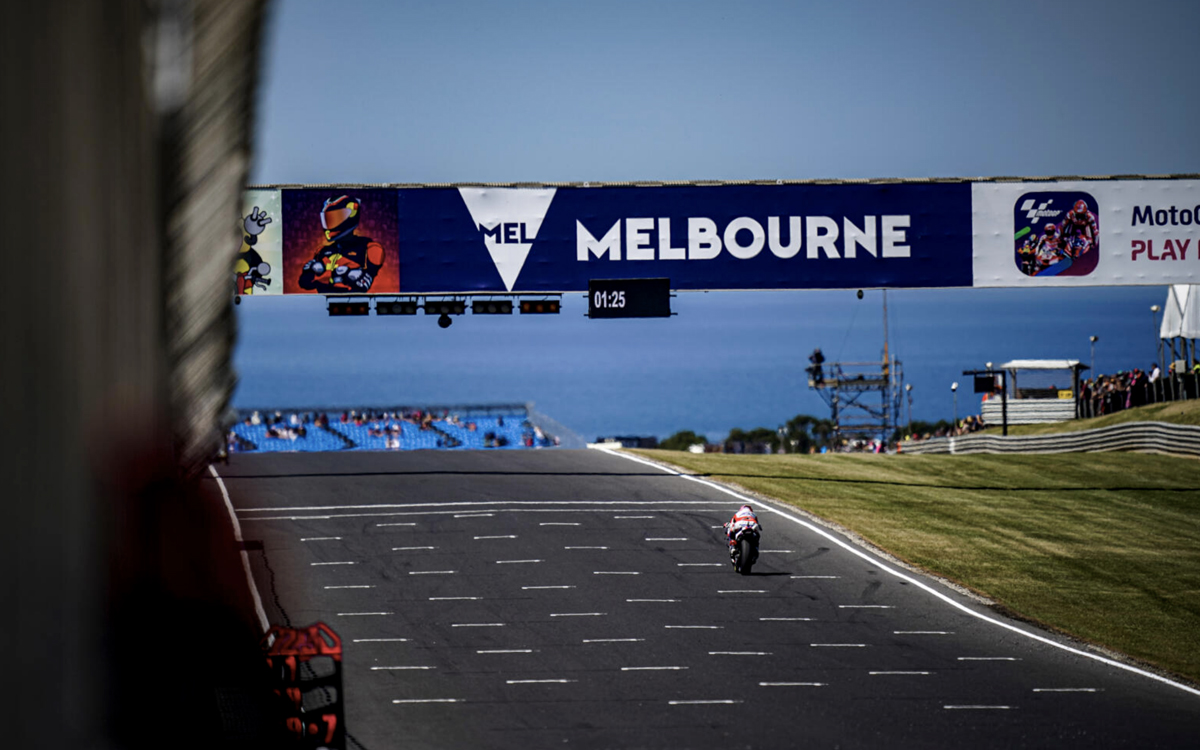
Phillip Island lies in the Australian region of Victoria, and the Victorian government were told they could retain the GP, but only if it moved the race to Melbourne, currently the venue for the Formula 1 Grand Prix. Quite rightly, the government refused, saying the city suffered too much disruption already with the F1 race; they would spend more money keeping the race at Philip Island, but were not willing to spend money taking the race to Albert Park in Melbourne.
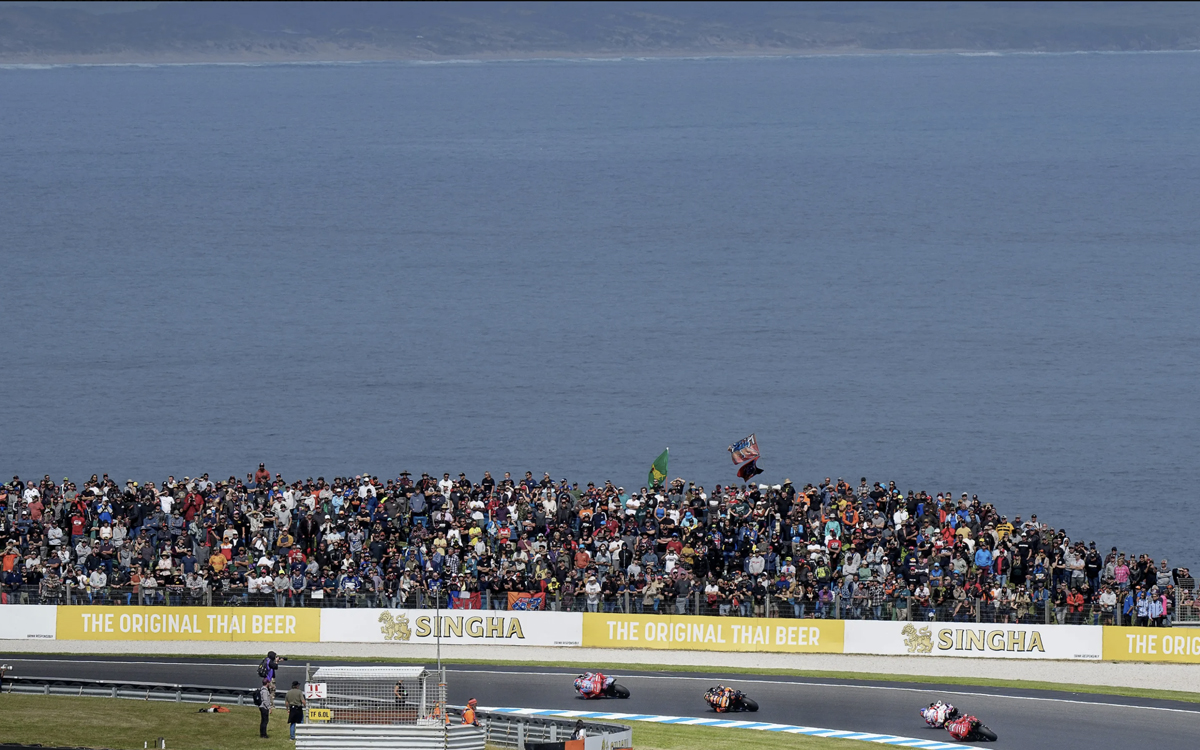
That’s not good enough for Liberty. It seems that South Australia has put in a strong bid to host the race in Adelaide from 2027 and that it is a done deal.
Now, let’s get one thing straight: neither Melbourne nor Adelaide is a bad choice in terms of venues. If anything, they’re a hell of a lot better than many of the purpose-built ‘autodromes’ in emerging markets. But on Phillip Island, they are not.
Unfortunately, Phillip Island could never fit into Liberty Media’s vision for the sport; it’s too remote, and there’s no incentive to improve the infrastructure, even if it were possible. It doesn’t fit into the global profile for a race host; it’s hard to get to, the weather is often not conducive to racing, and, to put it simply, it’s just too low-rent! Camping? How gauche!
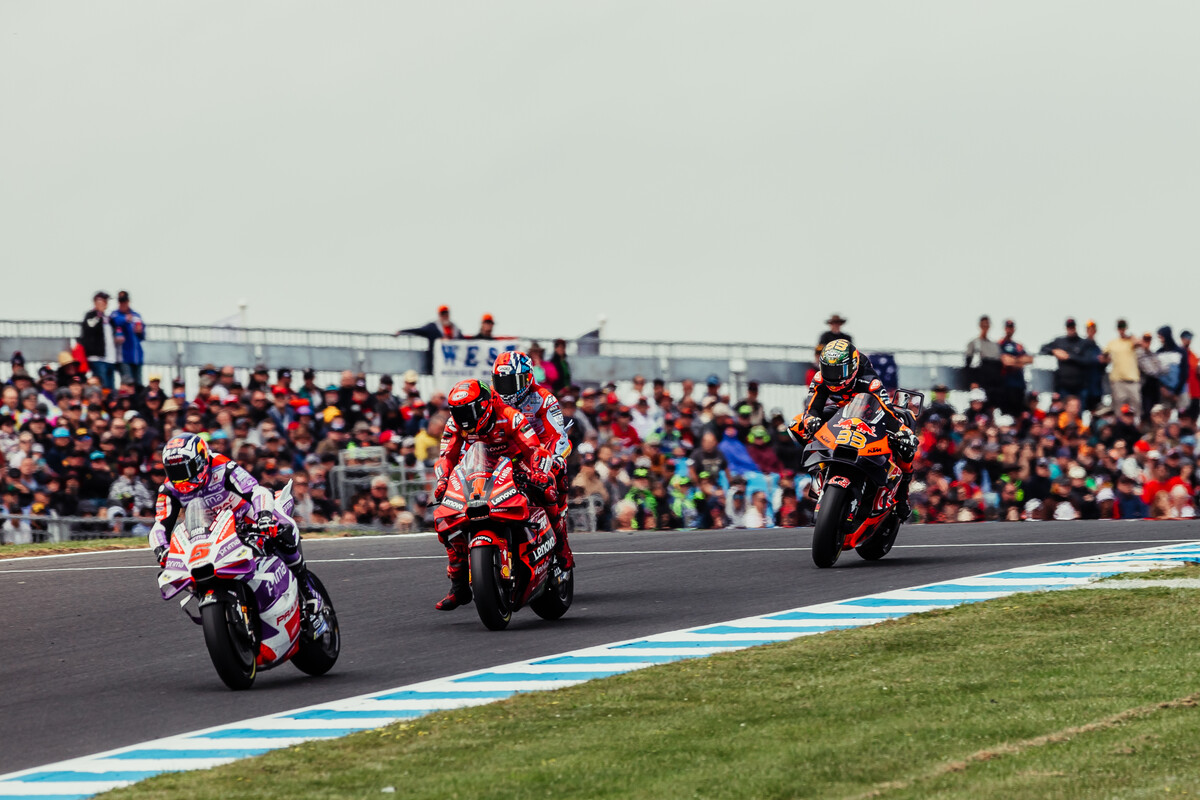
Relocating the race to a city provides not only more opportunities to grow the crowds, but also more facilities to satisfy that crowd; bars, restaurants, hotels, etc. It’s simply more glamorous.
It’s nearly 50 years since the top tier of motorcycle racing raced around a street circuit. Imatra in Finland was the last street venue, and it is remembered as a killer of racers; the track even ran over a railway crossing! OK, that was an era when rider safety was given appallingly little attention, despite the efforts of the likes of Kenny Roberts, and circuits would be lined with unguarded trees and all manner of everyday obstacles; all very good reasons why street circuits have been absent for so long
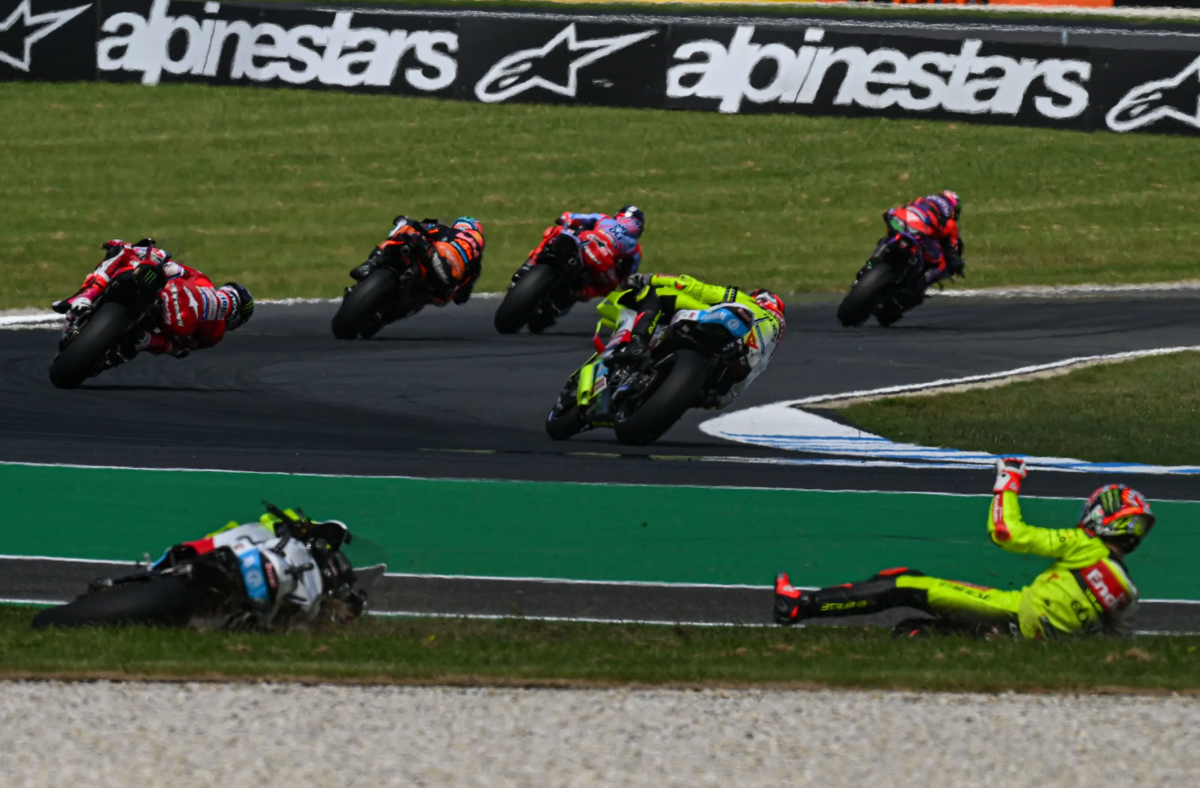
Nowadays, with the massive performance of modern MotoGP machinery, a street circuit could be seen to be a suicidal choice, but it seems as if big business trumps the safety concerns. Don’t get me wrong, I’d love to see Marquez, Bagnaia, et al, giving it everything around a street circuit, with all the close-to-the-action views, but any incident doesn’t bear thinking about unless the run-off areas can be hugely increased, in which case it stops being a “street” circuit!
Actually, it’s only right to point out that the Adelaide track is more of a park track with more opportunity to engineer in run-off spaces and, of course, there is no question of Liberty Media or Dorna (now called MotoGP Sports Entertainment Group!) compromising on safety; thankfully, there would be no question of hosting a race there if there were any question of having to compromise in that area.
But the move is yet another indication that MotoGP, like Formula 1, is no longer a sport; this is big business, and while that business relies on the spectacle to perform, the bottom line will always be the almighty dollar. If that rules out the purists, well, it’s collateral damage.