


Hindsight is a wonderful thing. Or maybe I mean historic perspective? Are they the same thing? Perhaps, but I can honestly say that, personally, looking back, in terms of motorcycle engineering and development, holds more fascination than looking forward; we know what’s been and there’s a lot to learn about and from it, while at the same time, the future doesn’t always look all that rosy, if it is known at all.
That’s why I love walking through a large used bike dealership such as Bikeshop Rivonia. There you have the last twenty years (give or take) of bike development in front of you, and you can gaze upon machines that were once (and not, in the grand scheme of things, that long ago) hailed as the latest and greatest, only for them to be left behind in the relentless pursuit of power, speed, technology and, of course, cost. But does that mean that they are dinosaurs, mere relics of a bygone age, with nothing to offer the modern rider other than nostalgia?
That’s the thing, isn’t it? The subjects of this test might be 18 years old, but does that mean that they are no good? With virtually no electronics, they are beautifully analogue and pure; thumping great engines and stiff chassis, still with more power than you can realistically use on the road and possessed of dynamics that might need a bit more muscle than you are used to, but which, equally, still give thrills that will be remembered long after the price has been forgotten. And, when you finally hang up your riding boots, you can park them and simply look at them and wonder that there existed a time when such bikes were unleashed on the public.
It doesn’t seem that long ago that a classic bike meant a 1950s or ‘60s British bike; Triumph, BSA, Norton, Matchless; possibly an early ‘70s Ducati or Laverda; or one of the early Japanese efforts. More recently, the march of time has meant that much more modern motorcycles have become ‘classics’, in the legal definition of the word (25 years old or more). Have you any idea how many iconic bikes that includes? The first ‘superbikes’ of the 1990s are classics. So are bikes from 2001! And by that time, we were as far from the ‘traditional’ British classic bike as you could wish to be, and fully into the modern era of the Japanese and European superbike.
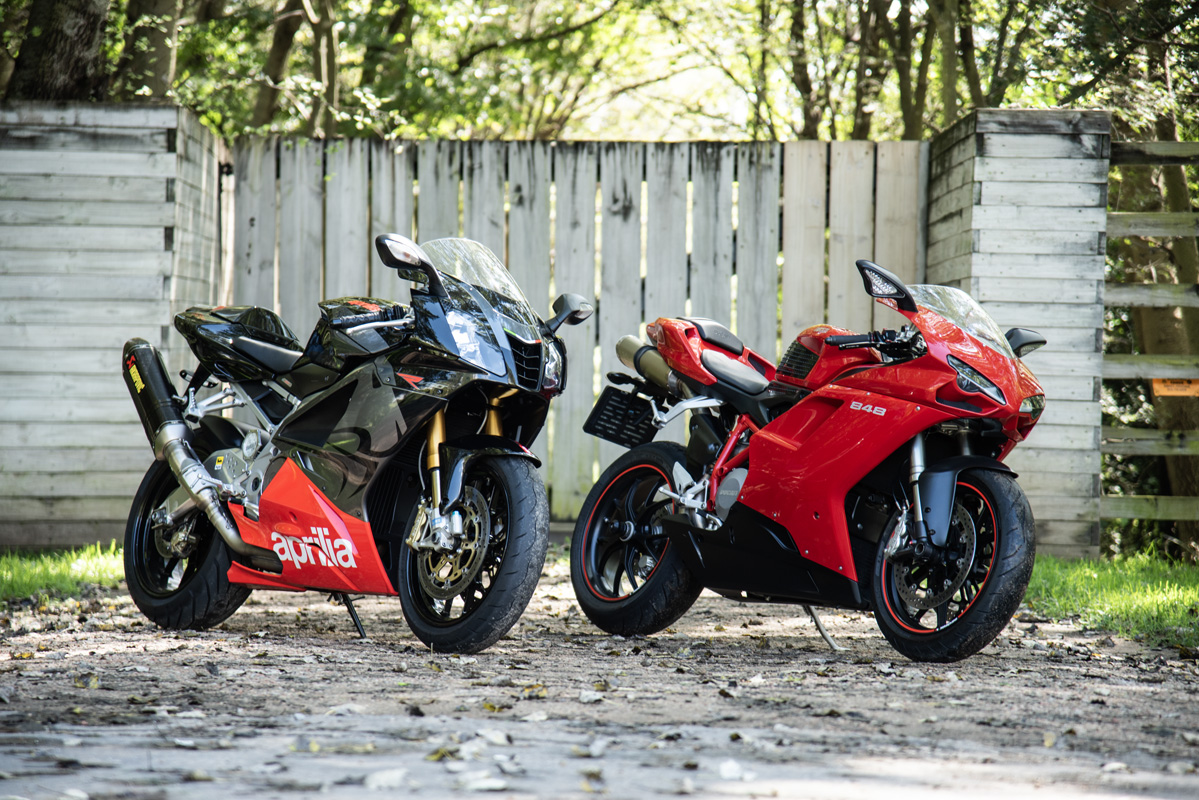
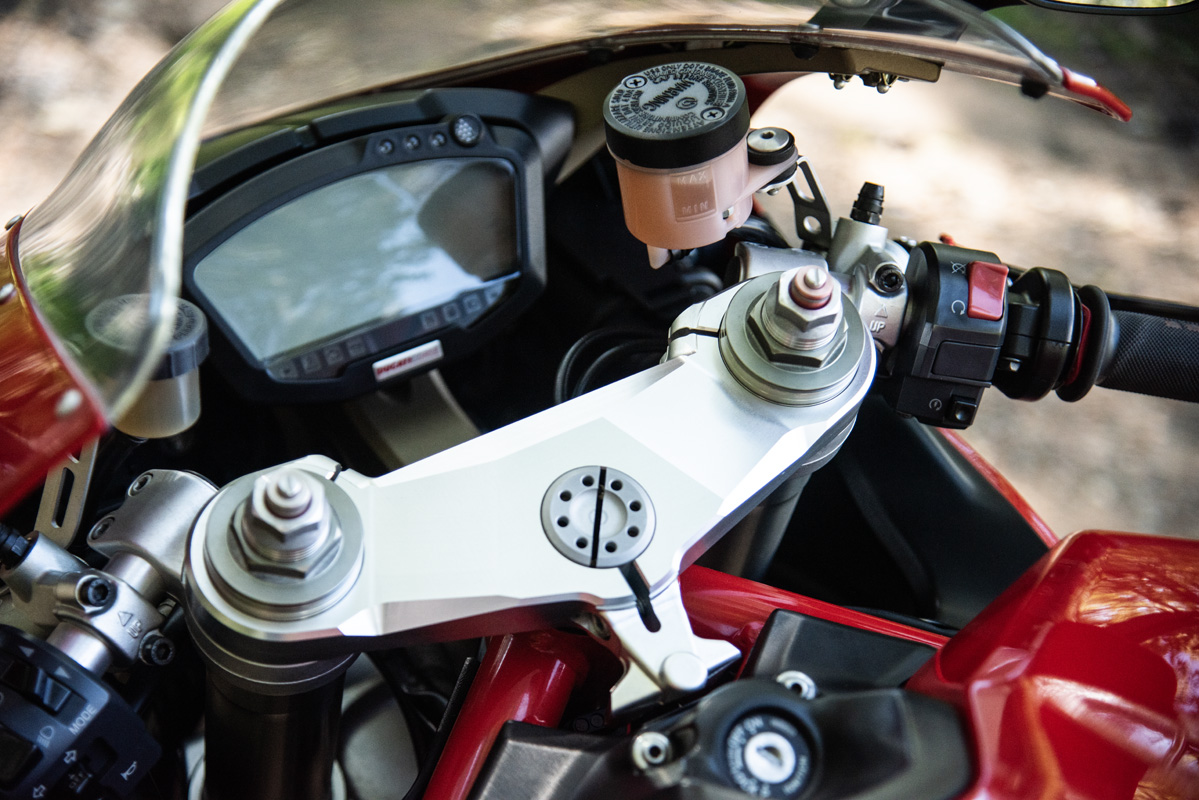
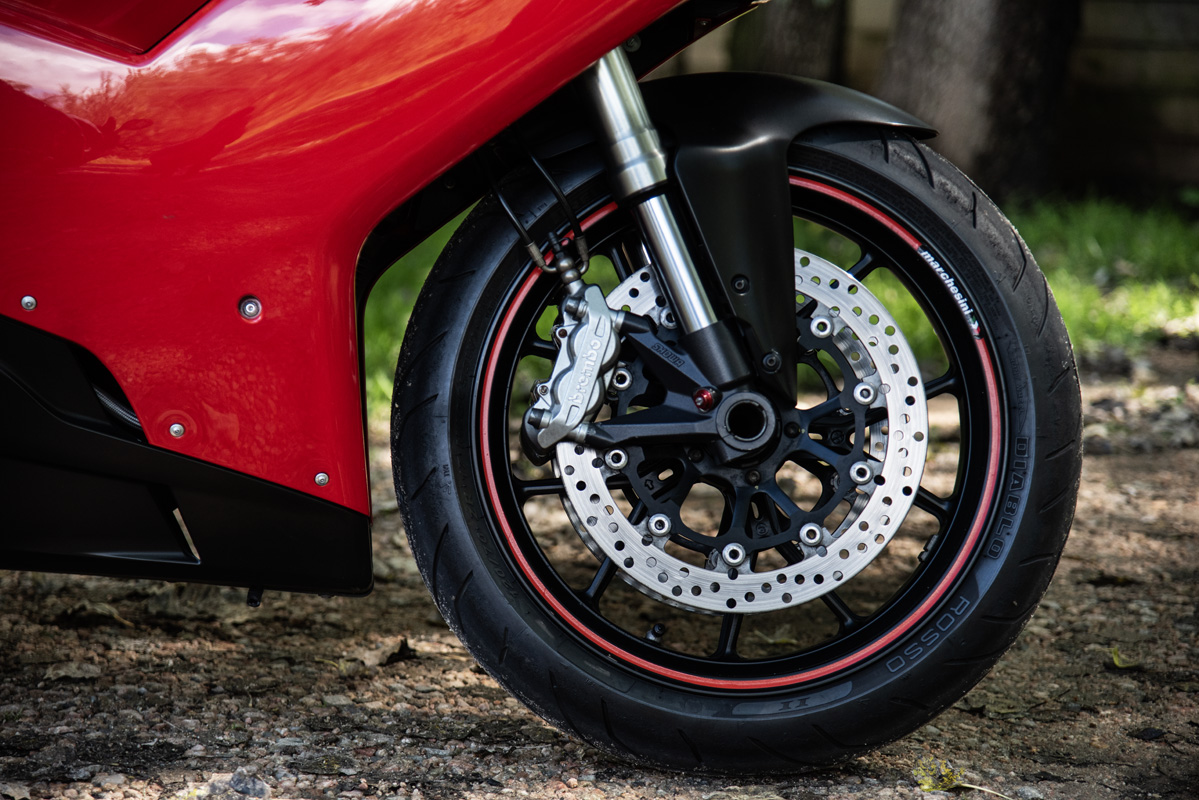
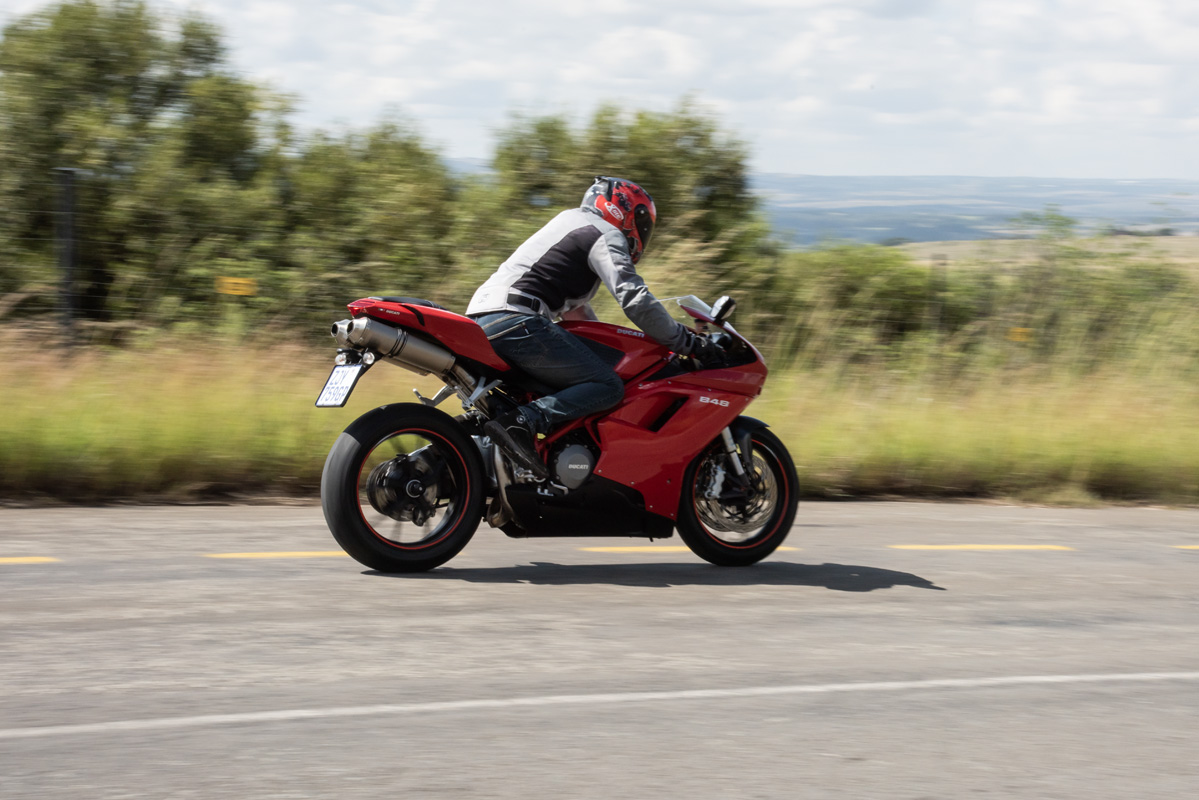
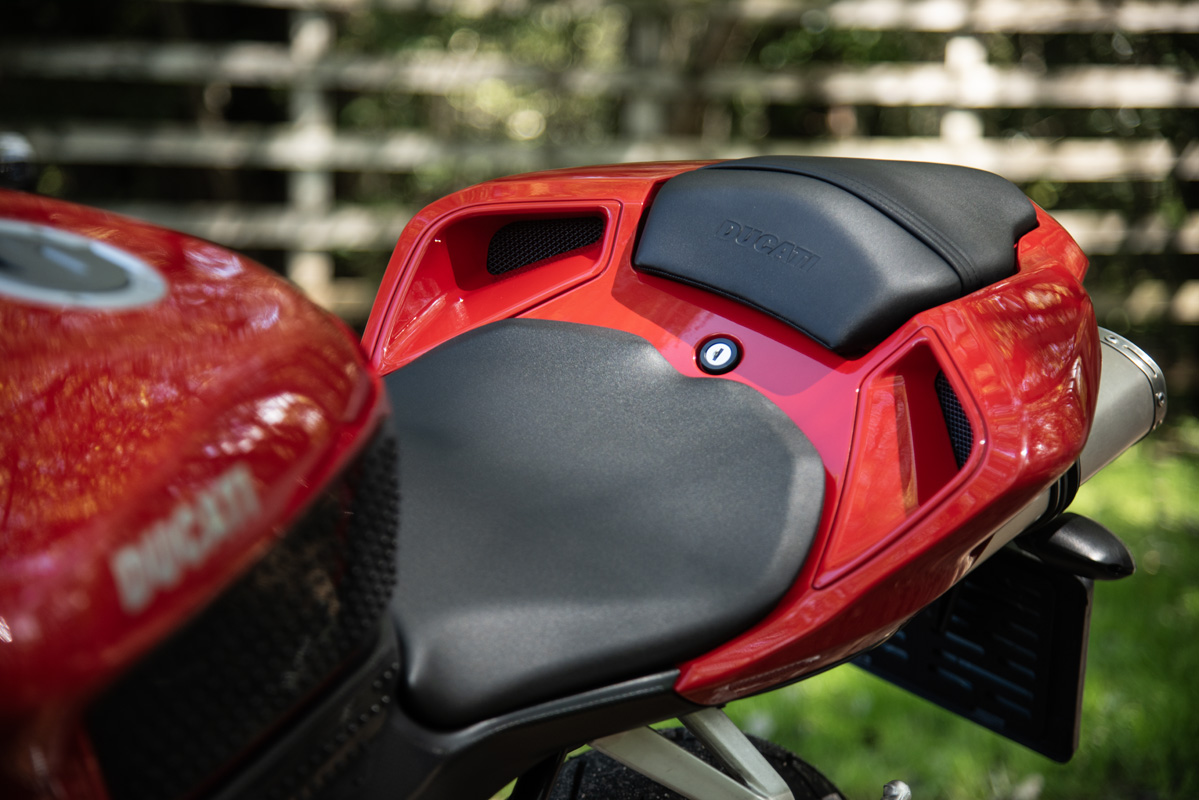
So, here we are with a pair of sports bikes from 2008. Not quite classics, just yet, but still from a completely different era to the one we know today and yet, somehow, still modern. Both Italian, both incredibly sexy, both stupidly fast and capable in the right hands, and both as pure as the day the motorcycle was first conceived; frame, engine, wheels, handlebars, and a huge dose of fun.
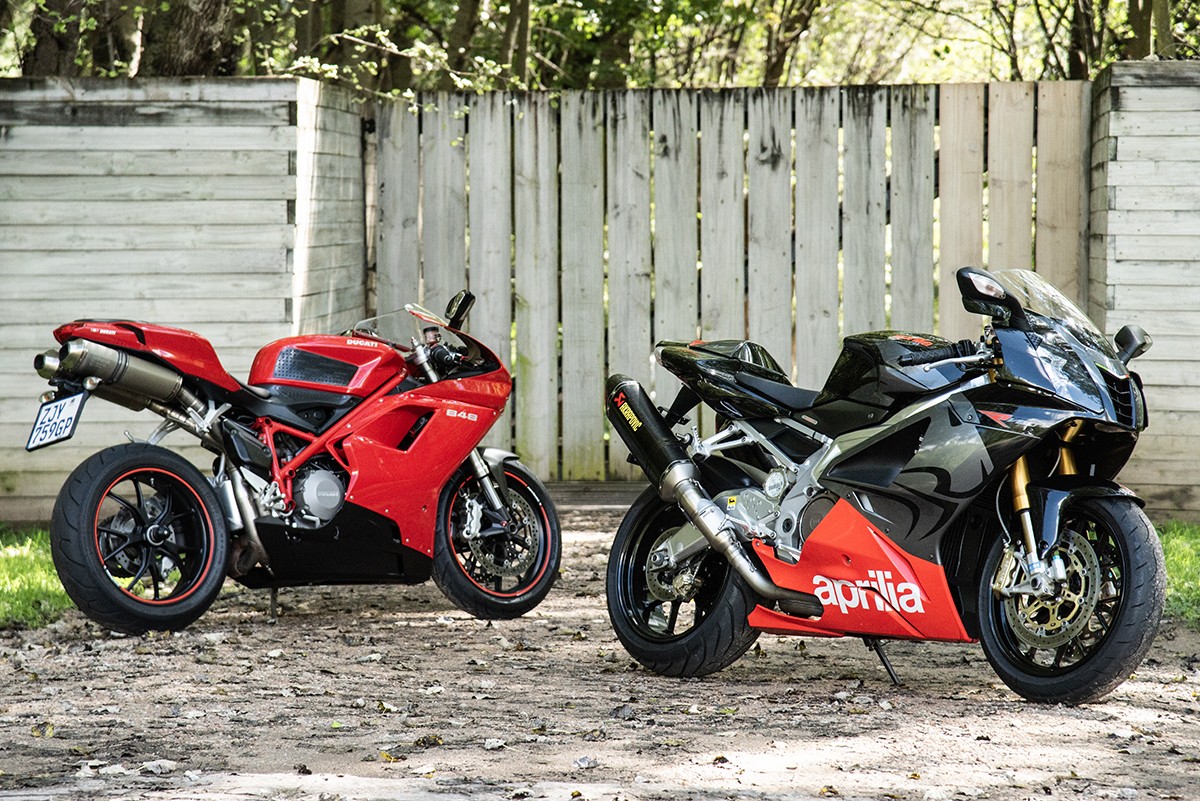
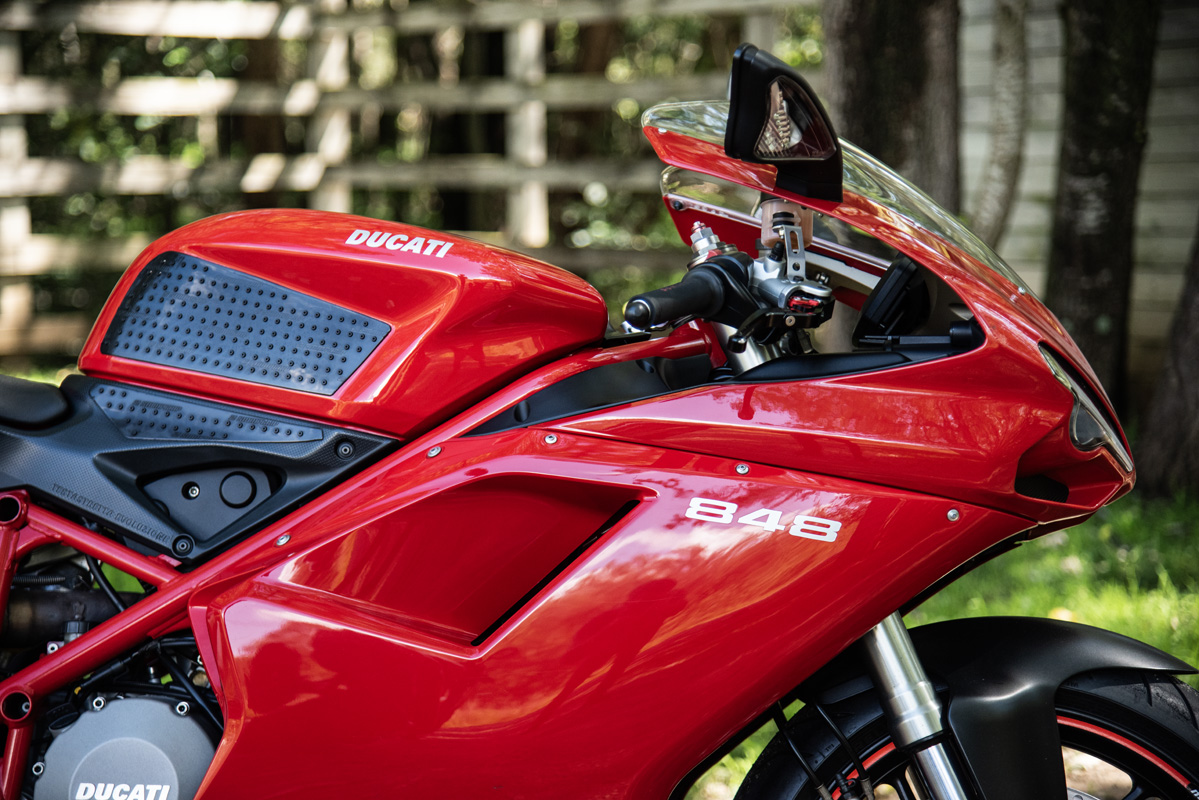
Before any of you start quibbling about the obvious disparity between the two bikes that are the subject of this test, allow me to offer the unfortunate disclaimer that we had a Ducati 1098 lined up as a rival, but that was sold right before we arrived at Bikeshop Rivonia. So it was that the Ducati 848 went head-to-head with the Aprilia RSV 1000 R.
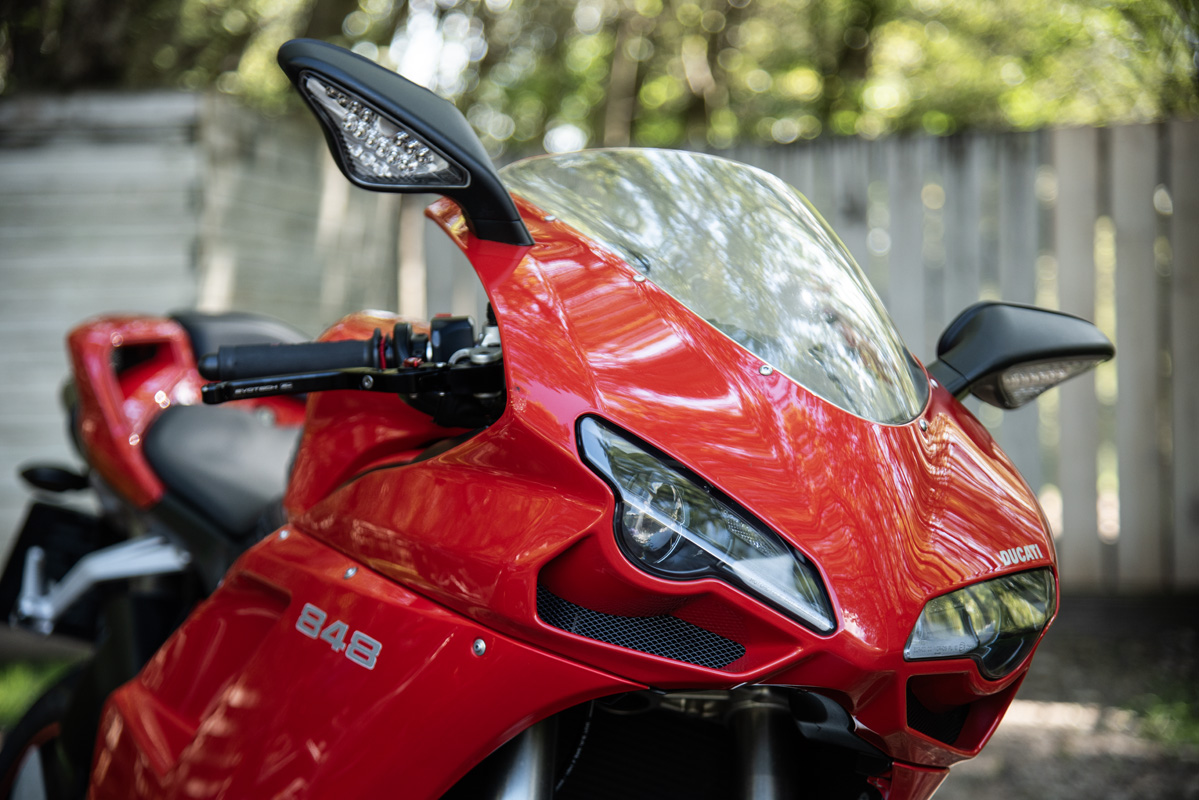
Now, at first glance, this might seem to be a little unfair; how could the ‘junior’ Ducati compete with the larger Aprilia? Well, looking at the figures, they aren’t all that dissimilar on paper.
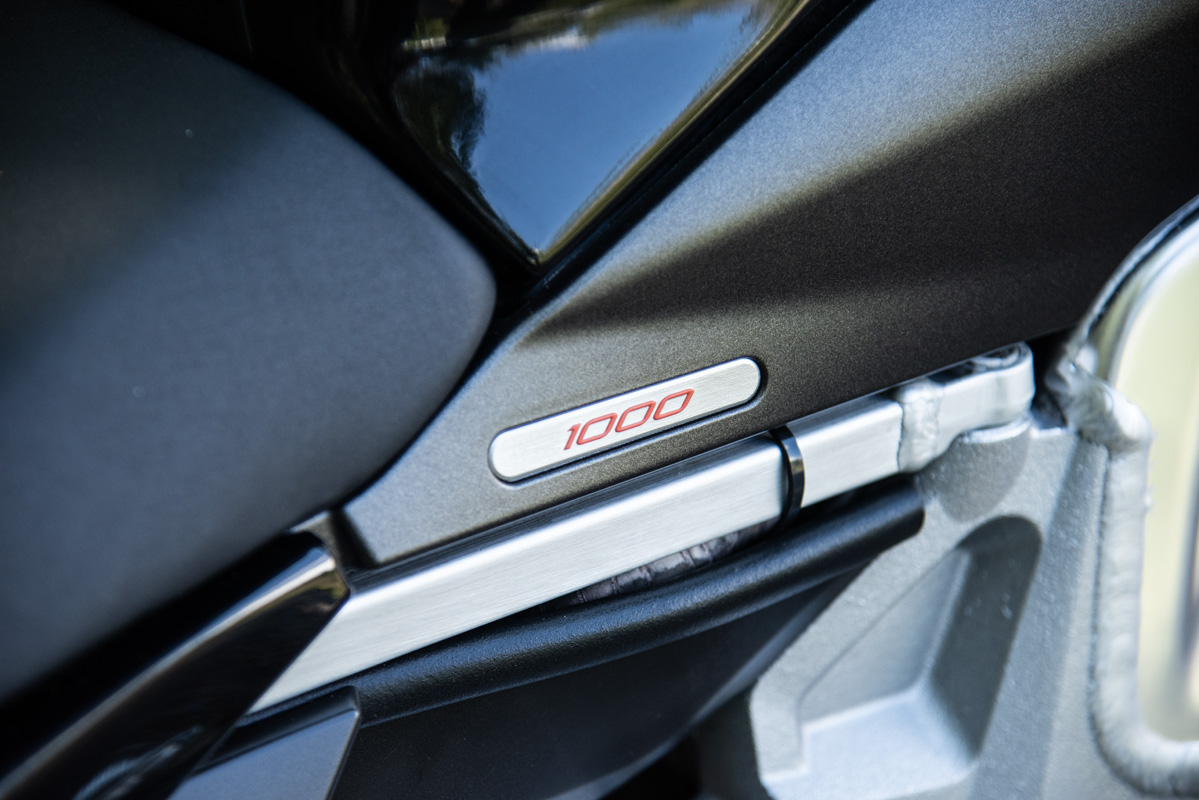
The Aprilia has a mere 149 cc more displacement than the Ducati, its V-Twin engine incorporating a cylinder angle of 60°, against the 848’s 90° angle. The Aprilia’s engine produces 143 horsepower, against 134 for the Ducati, but the Ducati has to propel 23 kg less weight. Torque figures are 107 Nm for the Aprilia and 96 Nm for the Ducati. The Aprilia is only 0.4 seconds faster over the quarter mile standing start sprint, and, although the Aprilia beats the Ducati on top speed – 277 km/h (172 mph) against 257 km/h (160 mph) – who today is brave enough to take them that far? On paper, therefore, they are very well matched.
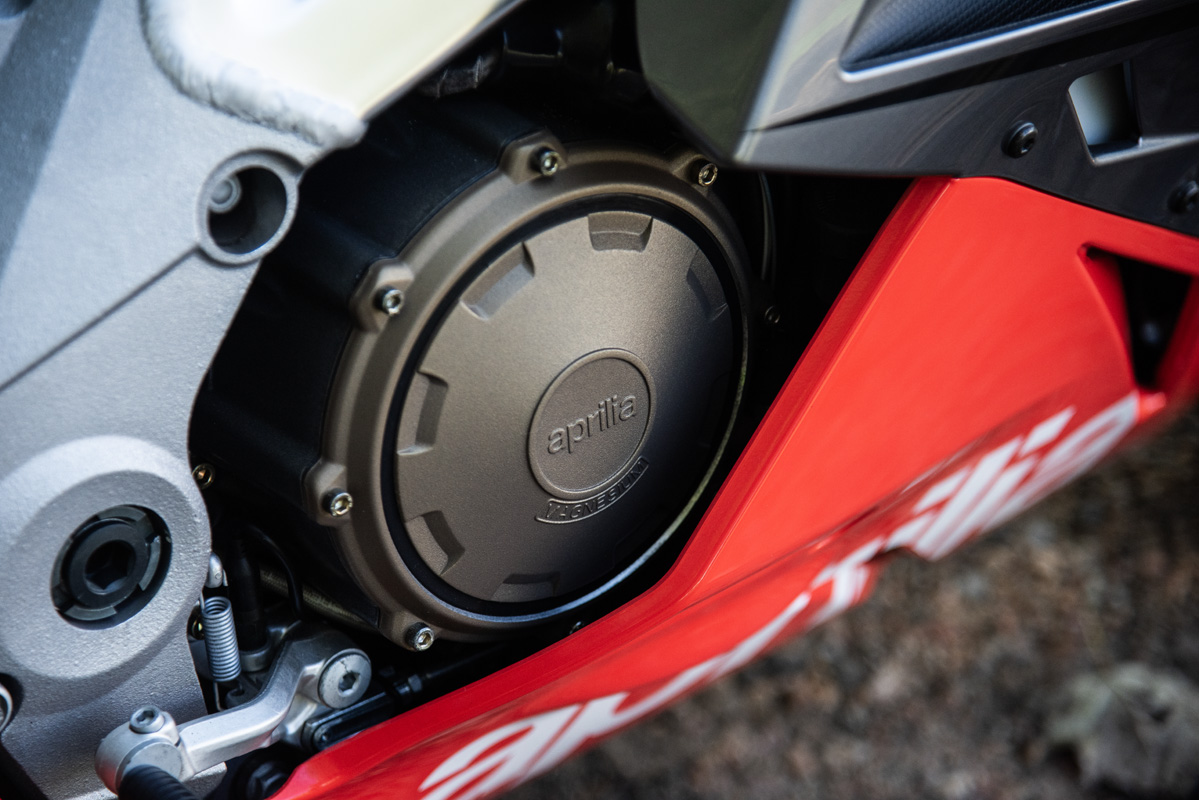
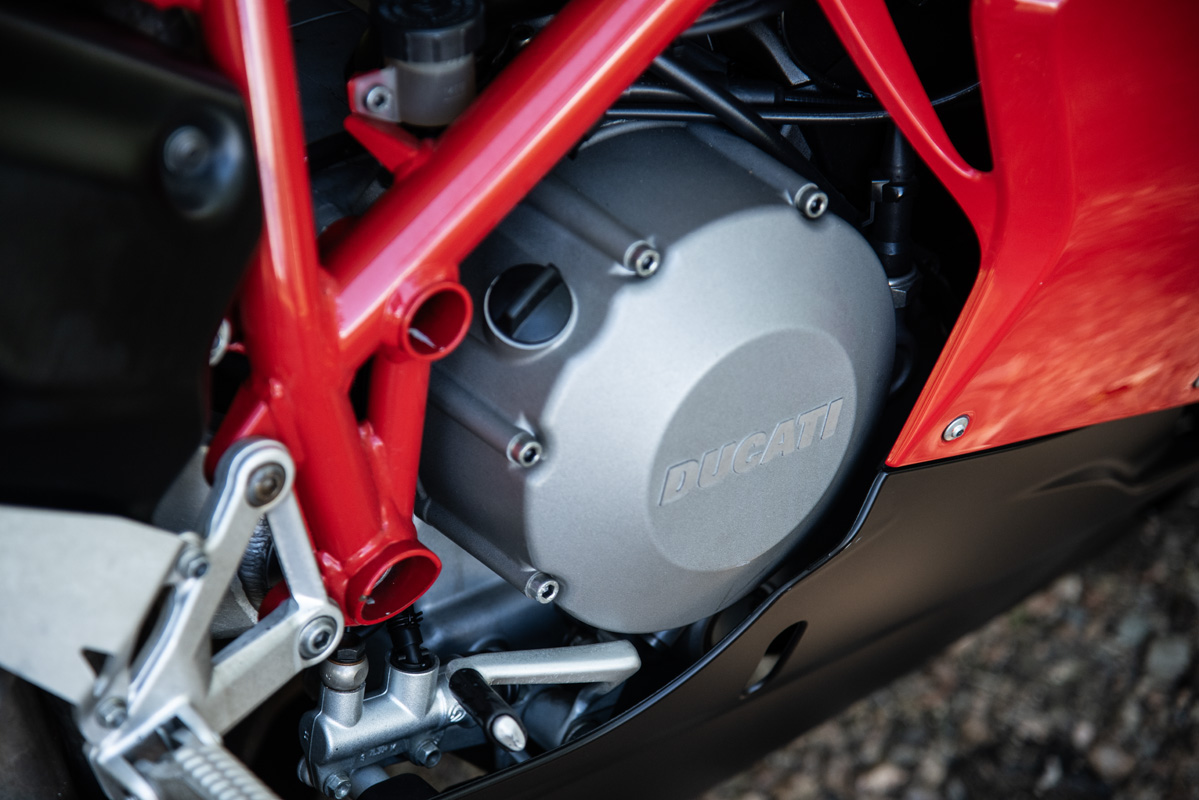
But paper doesn’t count for much on the road, does it?
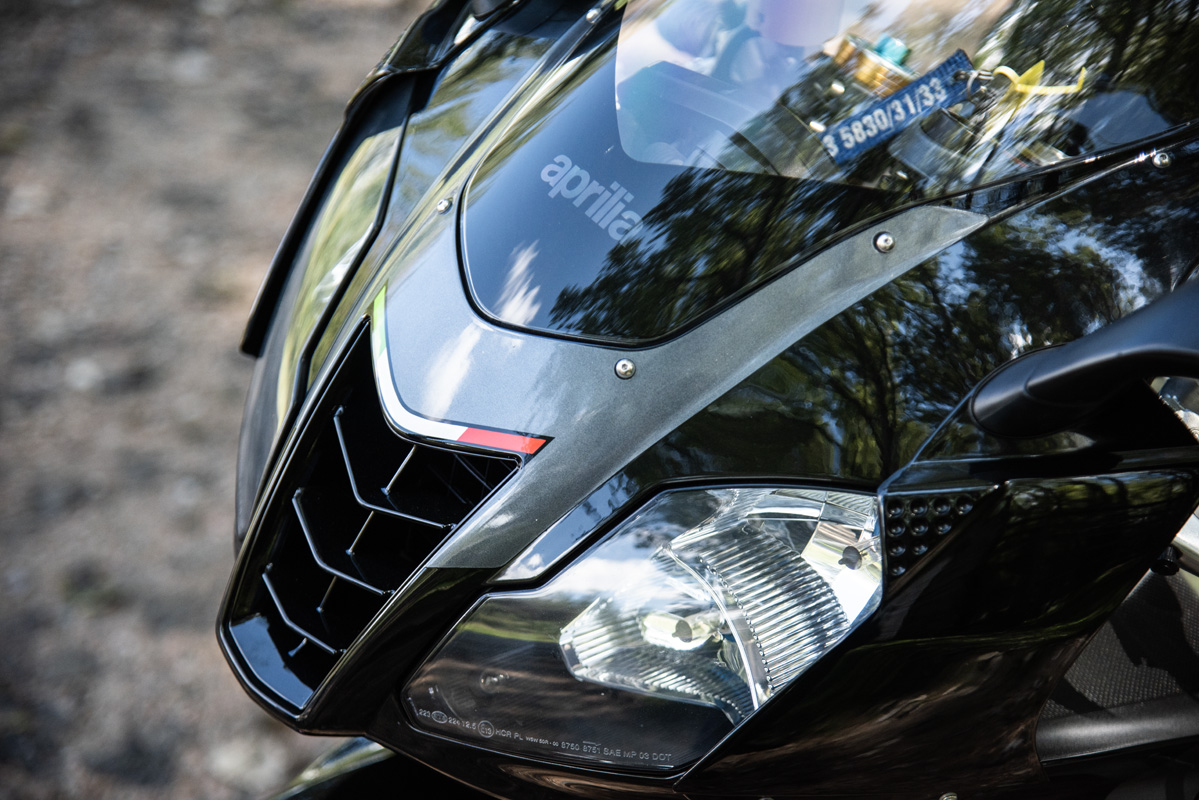
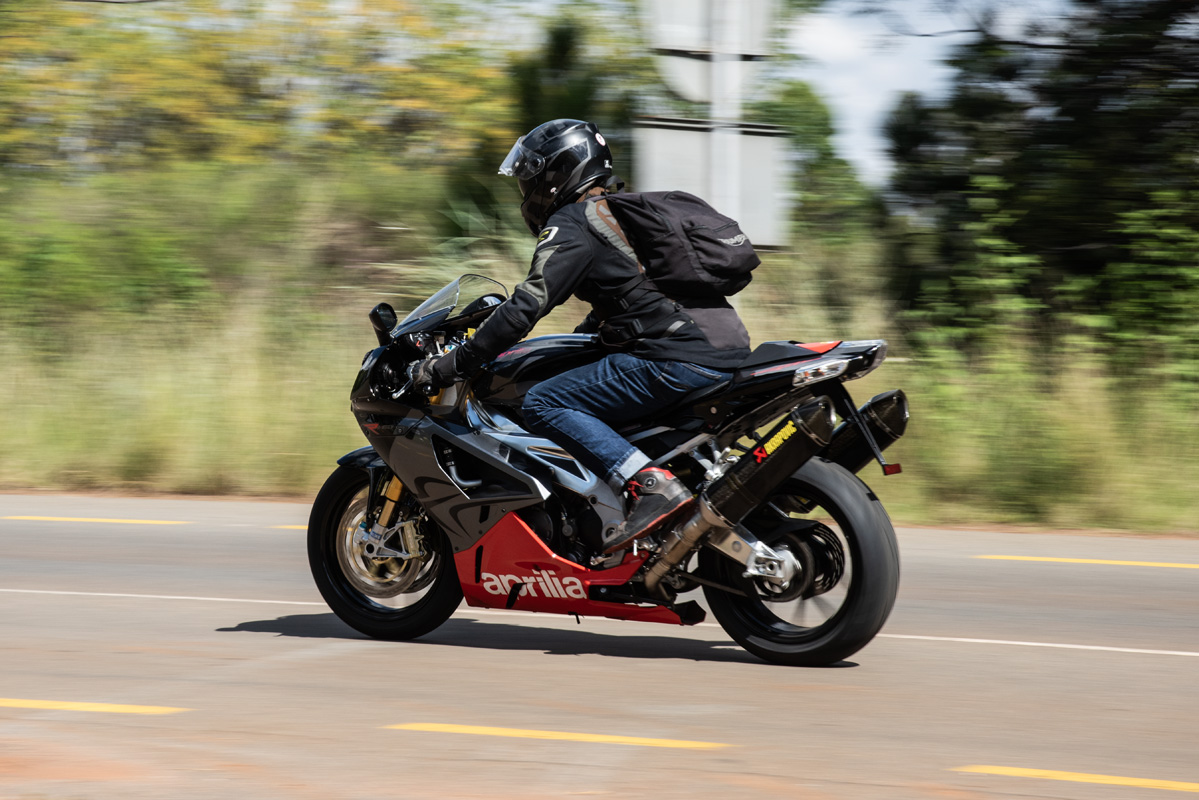
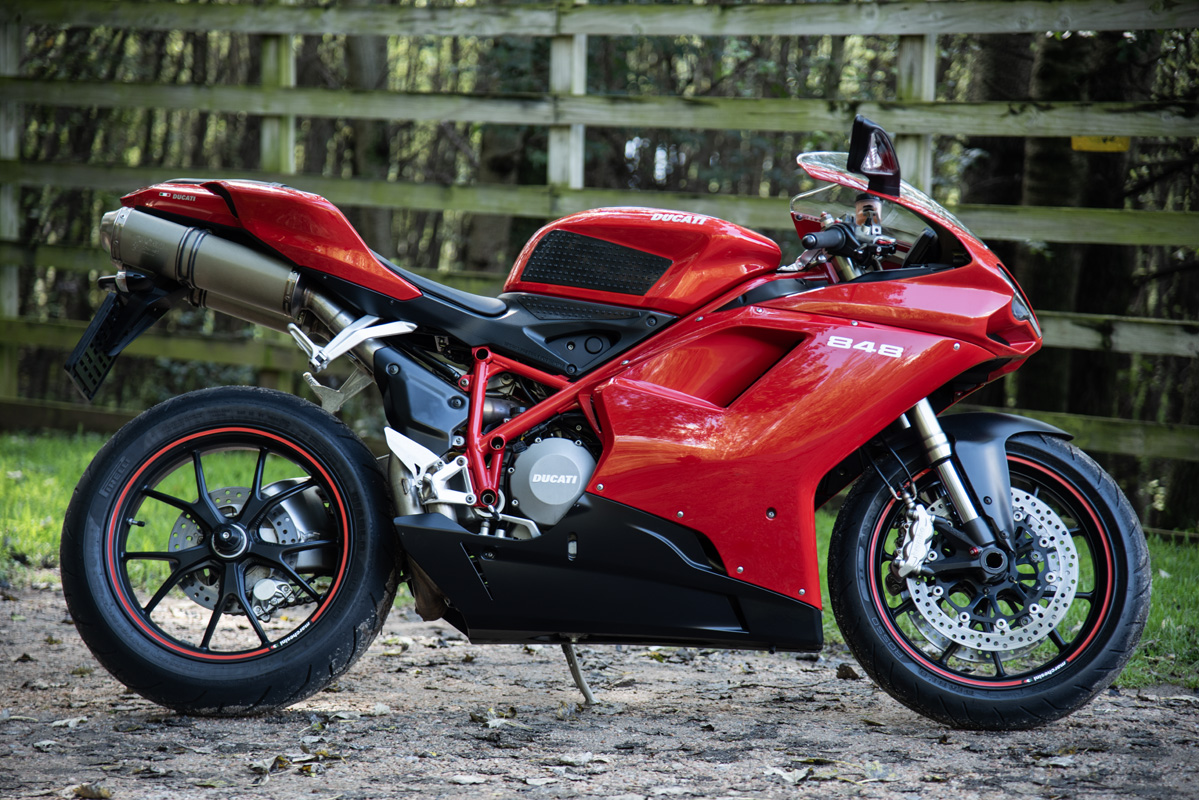
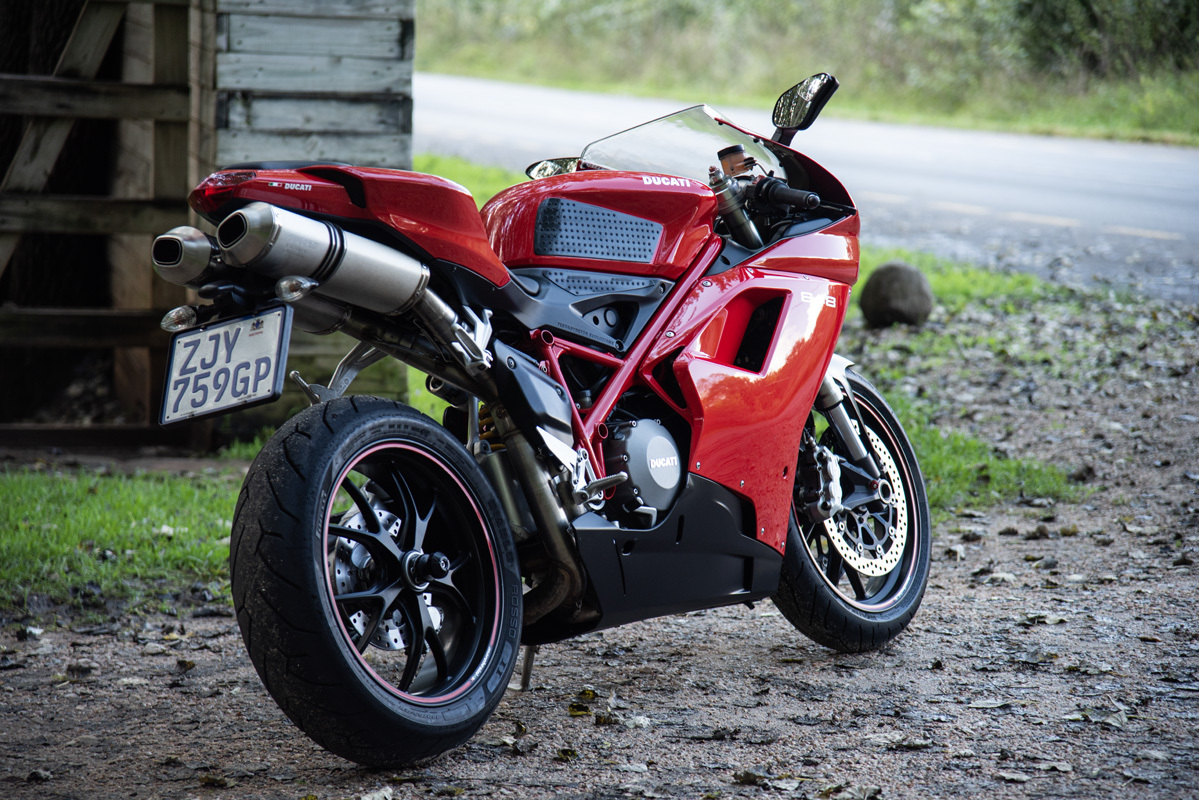
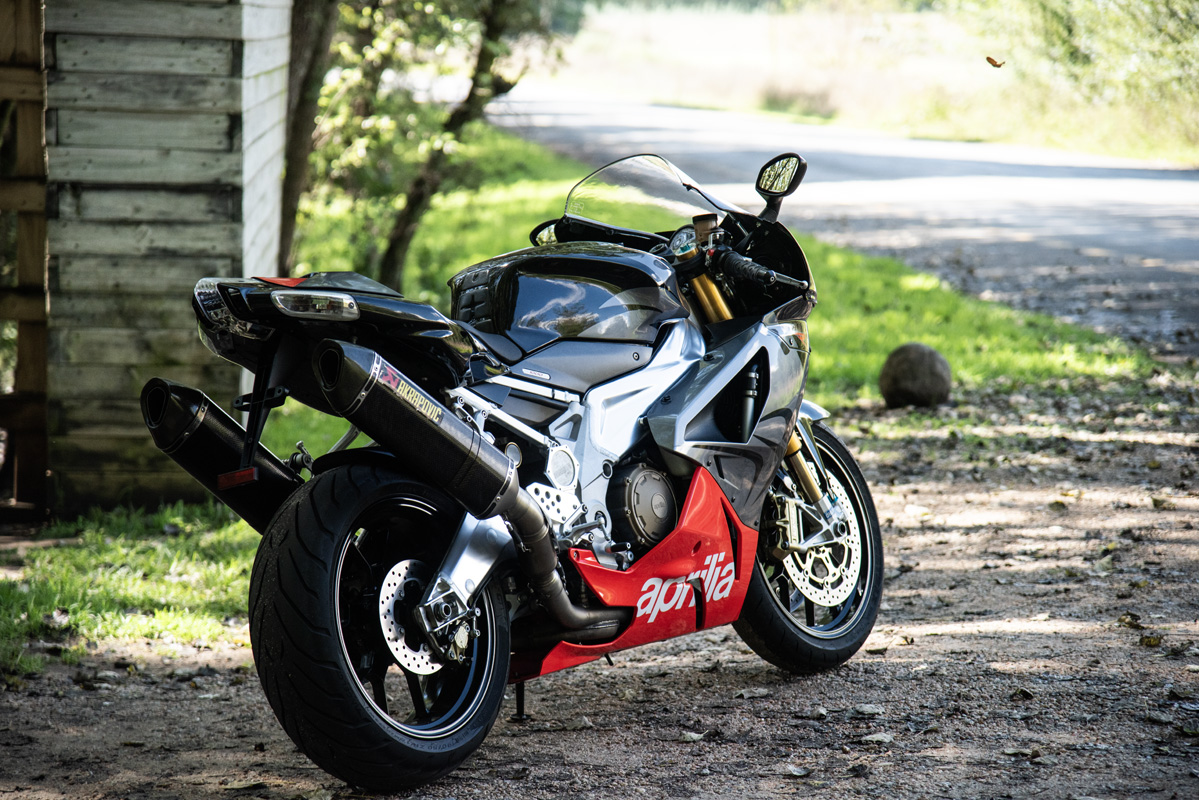
At a standstill, they are both beautiful but distinctive. They are both instantly recognisable as Ducati and Aprilia, for the obvious reason that one is bright red and the other is menacing in black, although you’d have to say that, were the colours reversed, you’d still know which one was which. That’s the strength of the design language that both companies have developed.
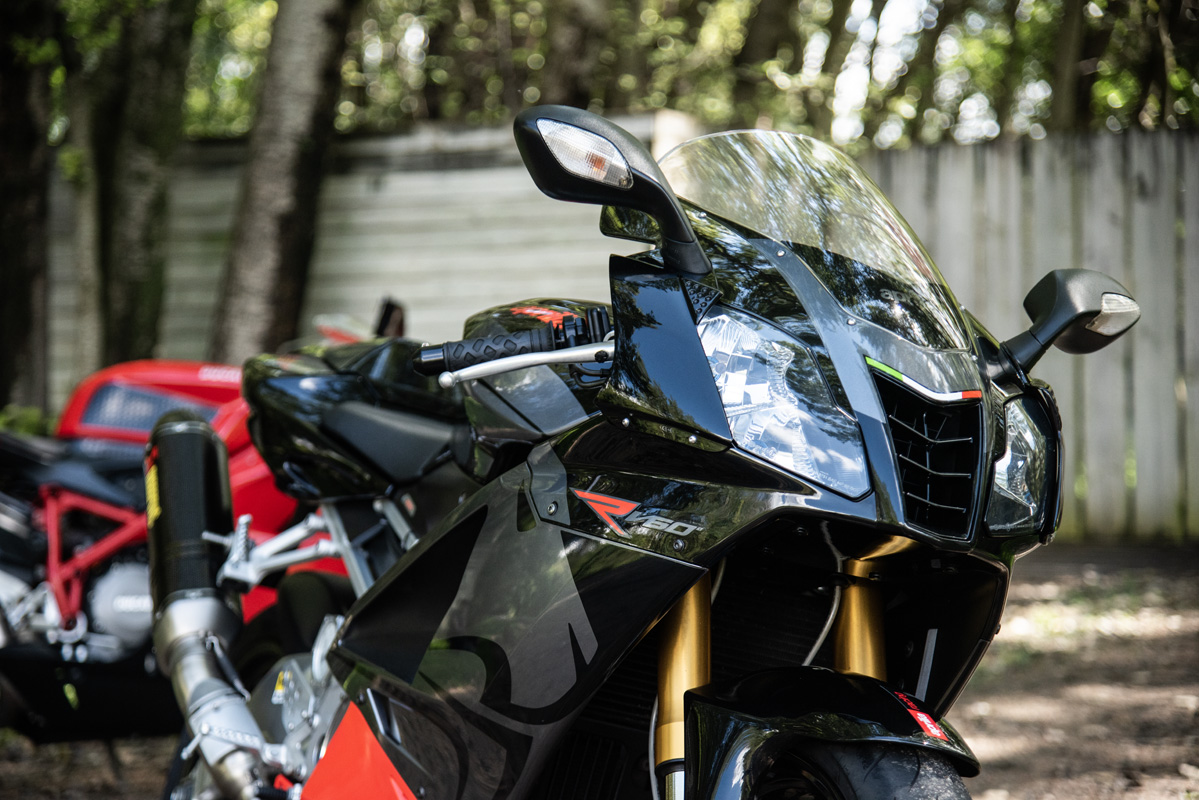
Both are uncompromising sports bikes, and this is evident once you swing a leg over. None of your namby-pamby pandering to an older sports bike rider who’s started to give at the seams and needs a more ‘relaxed’ riding position. These are the real deal and as uncomfortable as you remember. Normally, I’d be expected to tell you that, at speed, the riding position starts to make sense, but it’s as horrific at 180 km/h as it is at 50 km/h.
But somehow, once you start moving, none of that seems to matter. This is pure performance, and you’d better be ready for it. Nearly 20 years old, they may be, but it’s clear that none of the horses have lost much appetite for exercise. No, the performance isn’t as explosive as a current 200+ horsepower superbike, but it’s still intimidating, and perhaps this has something to do with the riding dynamics?
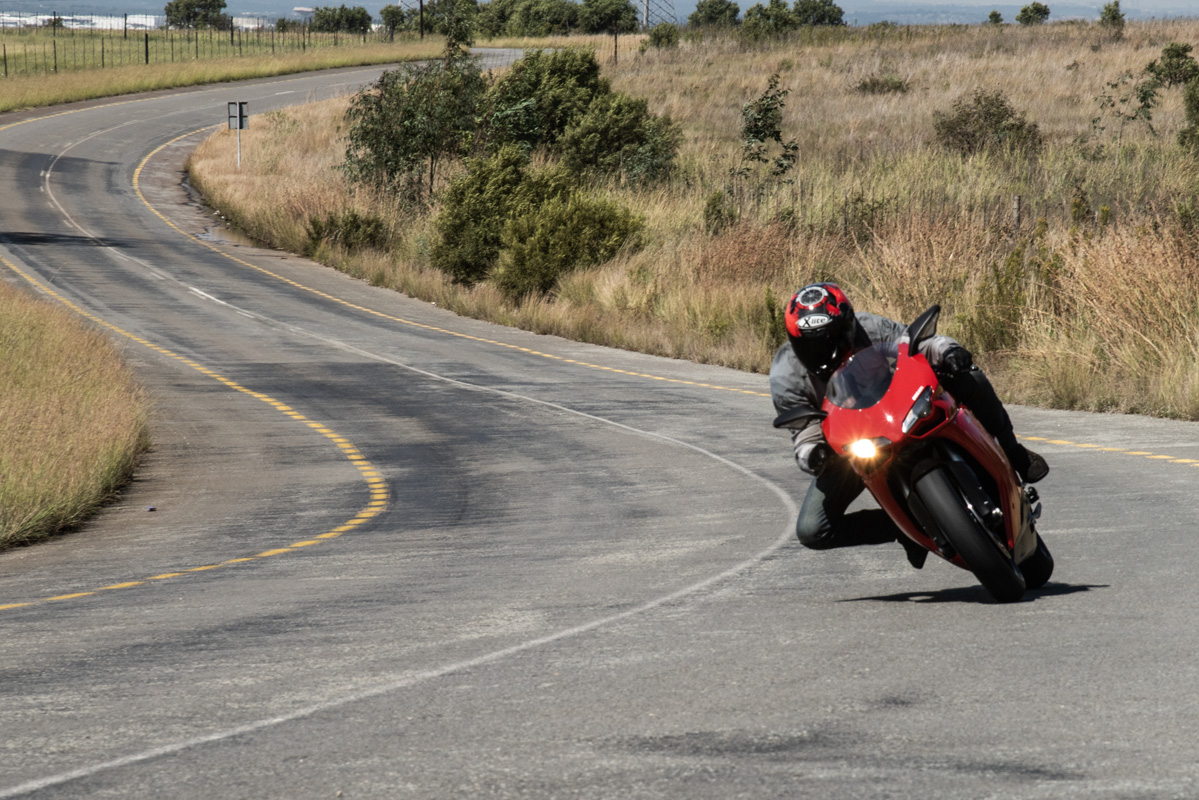
This is where it gets interesting. From the same year, they may be, but they might be from different eras. The Aprilia is almost a brute of a machine, while the Ducati almost feels svelte and demure.
Riding the Aprilia first, you are struck by how physical you have to be with it. Goodness only knows how the World Superbike riders of the day hustled these around a race track and didn’t end up looking like the Hulk. It takes real effort to tip it into a corner, although once there, it will hold its line like a limpet. Stable is too meagre a word for it; this is what the word ‘planted’ was coined for.
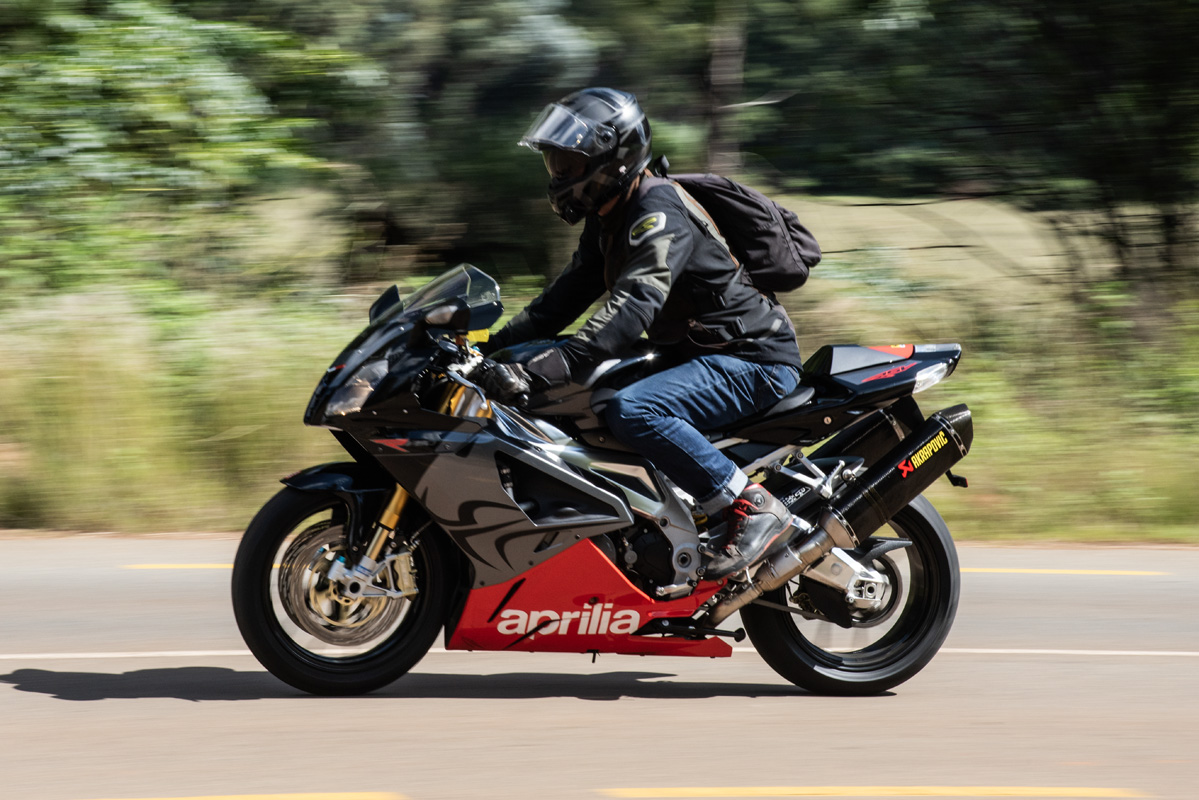
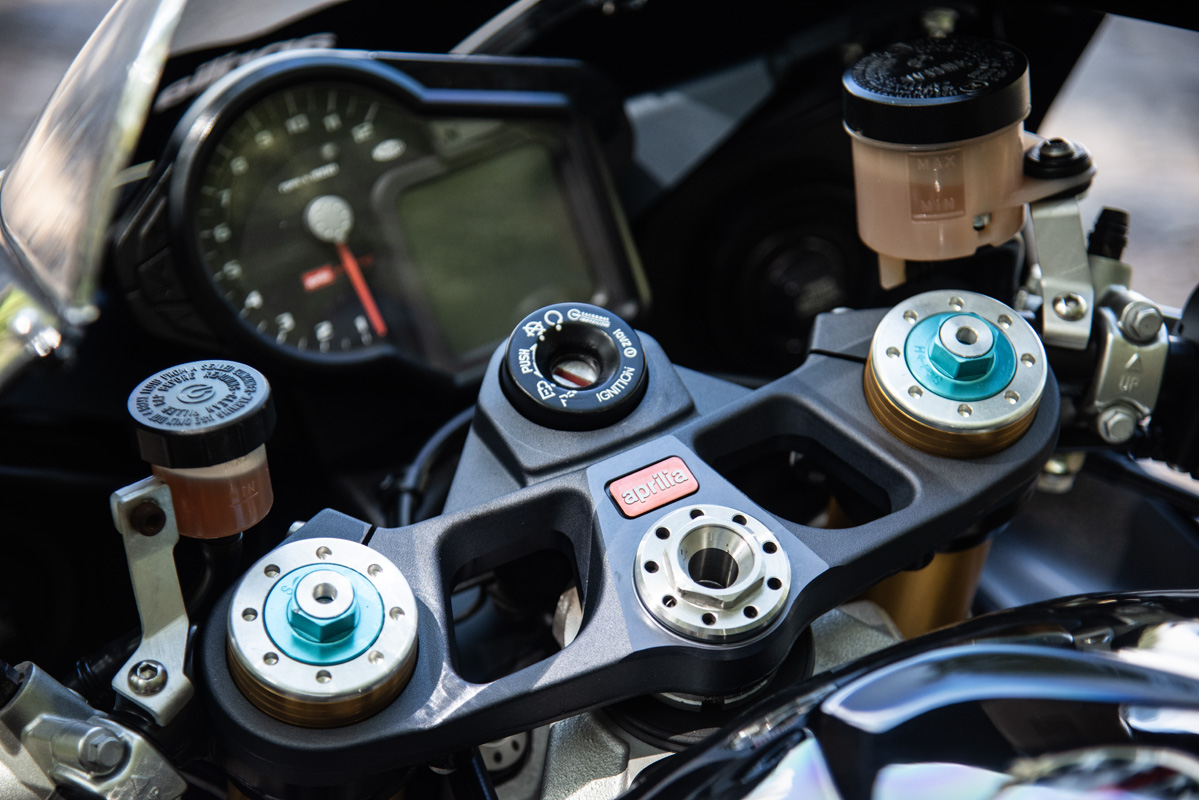
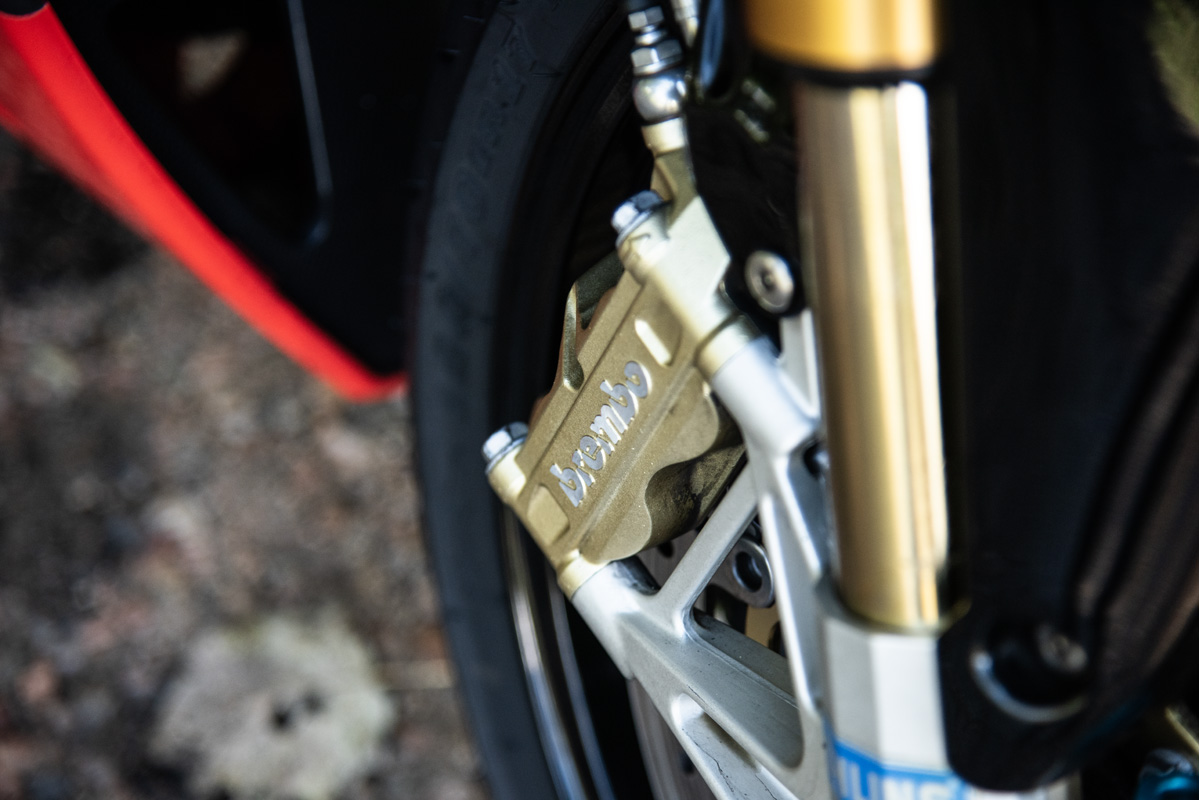
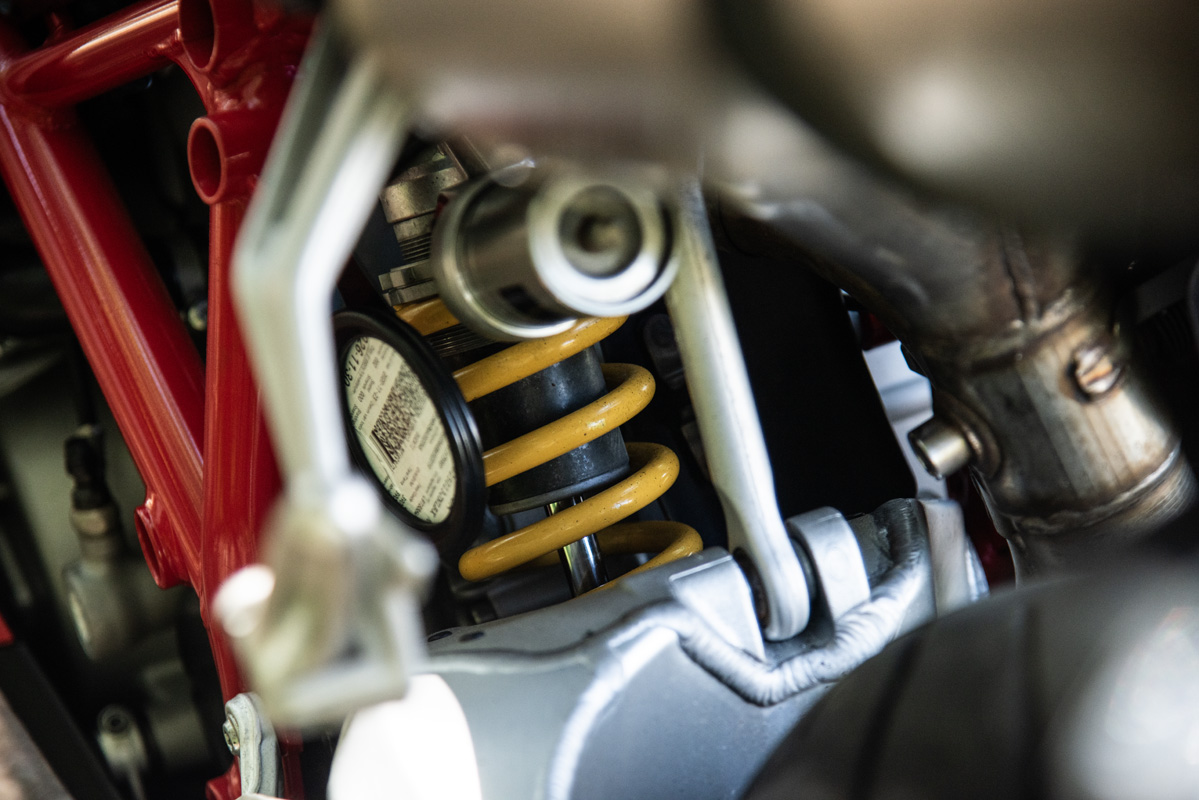
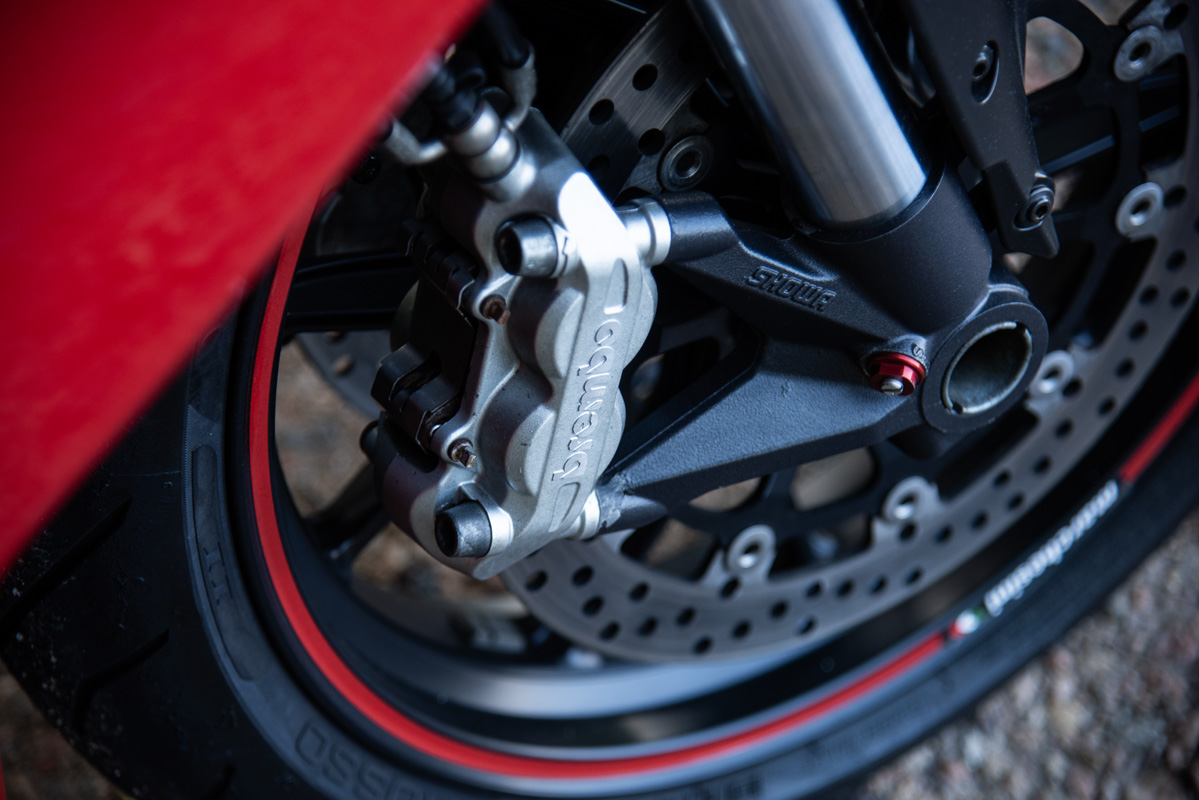
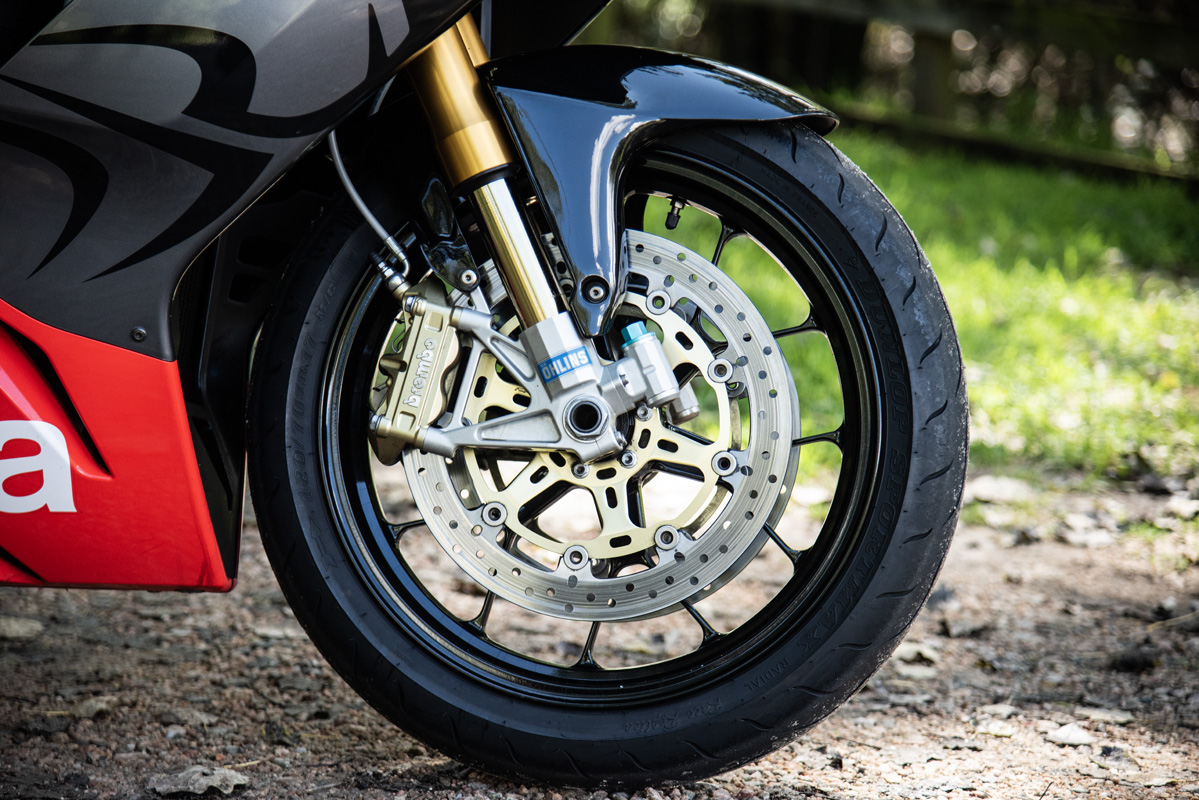
The Showa forks and Sachs shocks are of a quality that only a dedicated racer would find fault with, and it goes to show that suspension improvements in the intervening 20 years have been incremental and evolutionary and rarely revolutionary. Compared to the Ducati’s suspension, the Aprilia’s suspension seemed almost plush, soaking up road imperfections nicely, but it still felt taut enough to handle whatever was thrown at it.
You can feel the weight and bulk (for want of a better word), but I strongly suspect that, with a few thousand kilometres under your belt, this would cease to be a problem and you would have been able to delve deeper into the RSV’s depths, while still not getting to the bottom of them. This is a bike that would reward long-term experience, and I doubt it would ever disappoint.
It is hard to believe that the Ducati is from the same year, although they were at different ends of their development. The RSV 1000 R, a development of the RSV Mille that had appeared in 1998, was produced from 2004 to 2010, when it was replaced by the RSV4. The Ducati 848 arrived at the same time as the 1098, and both were brand new in 2008, sharing a frame and bodywork. On the road, this modernity shows.
It’s not necessarily any more comfortable, but the sheer effort to ride it over a twisty road course feels so much less, and I doubt it would be any slower in the right hands than the Aprilia, which maybe is how it should be, given the relative development periods.
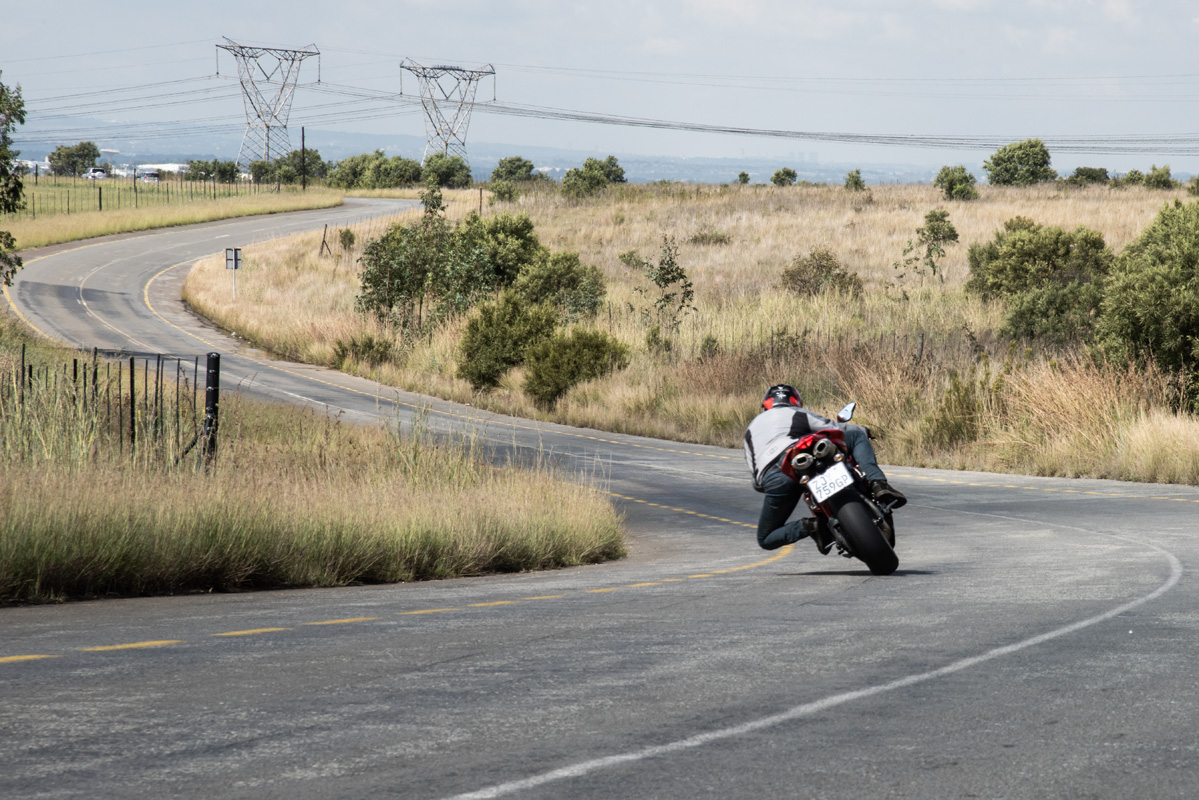
Where the Aprilia needs physical manhandling into a corner, the Ducati feels as if you merely need to think about the corner and it’s turning in, with a very sharp front end. You get the impression that you could ride harder for longer on the Ducati, which you would expect from a more modern concept, not to mention one that is lighter.
You need to stir the Ducati’s gearbox more than the broad torque-spread Aprilia; the gearchange on both bikes is light-switch fast and secure, so it’s no hardship to have no quick-shifter assistance, up or down the ‘box.
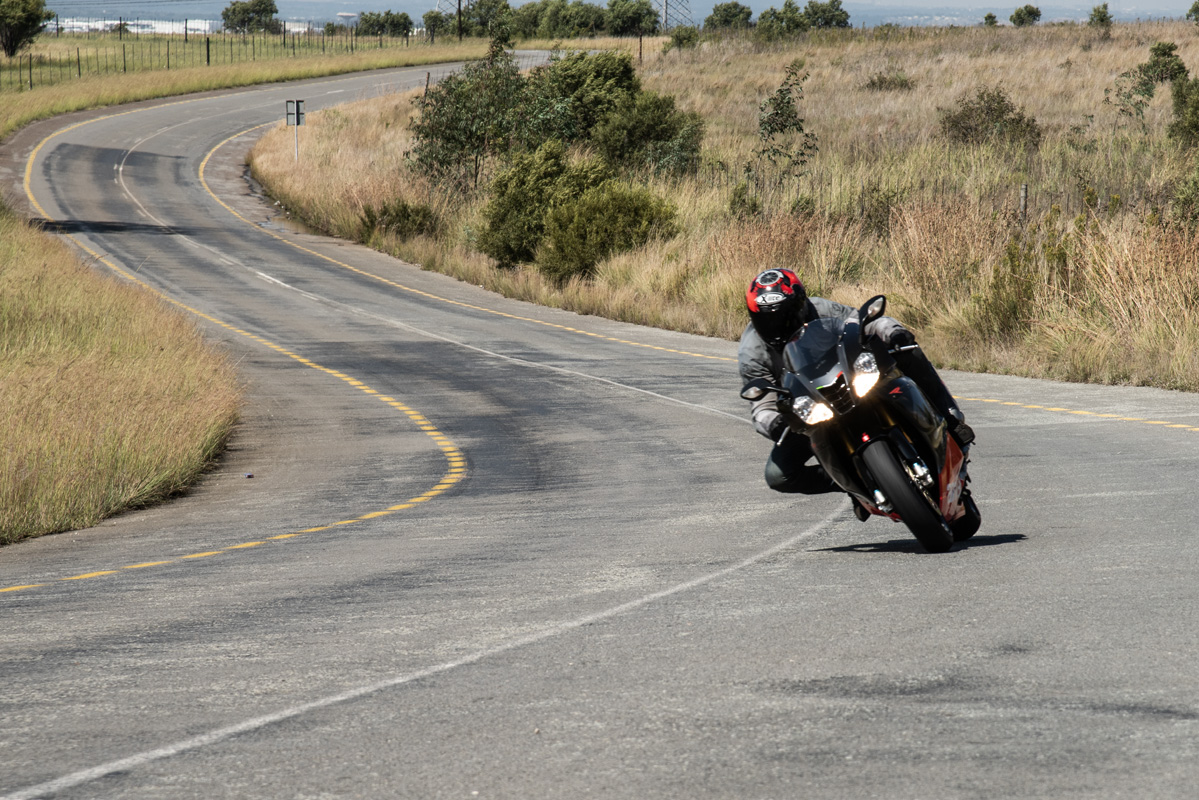
Neither bike is for the faint-hearted; you really need to know what you are doing to get anywhere near the best out of them, but, if you have the experience and skill, I could imagine them being very satisfying to ride fast and well. Both will catch out the timid and indecisive, but isn’t that the case for any sports bike in history, ancient or modern?
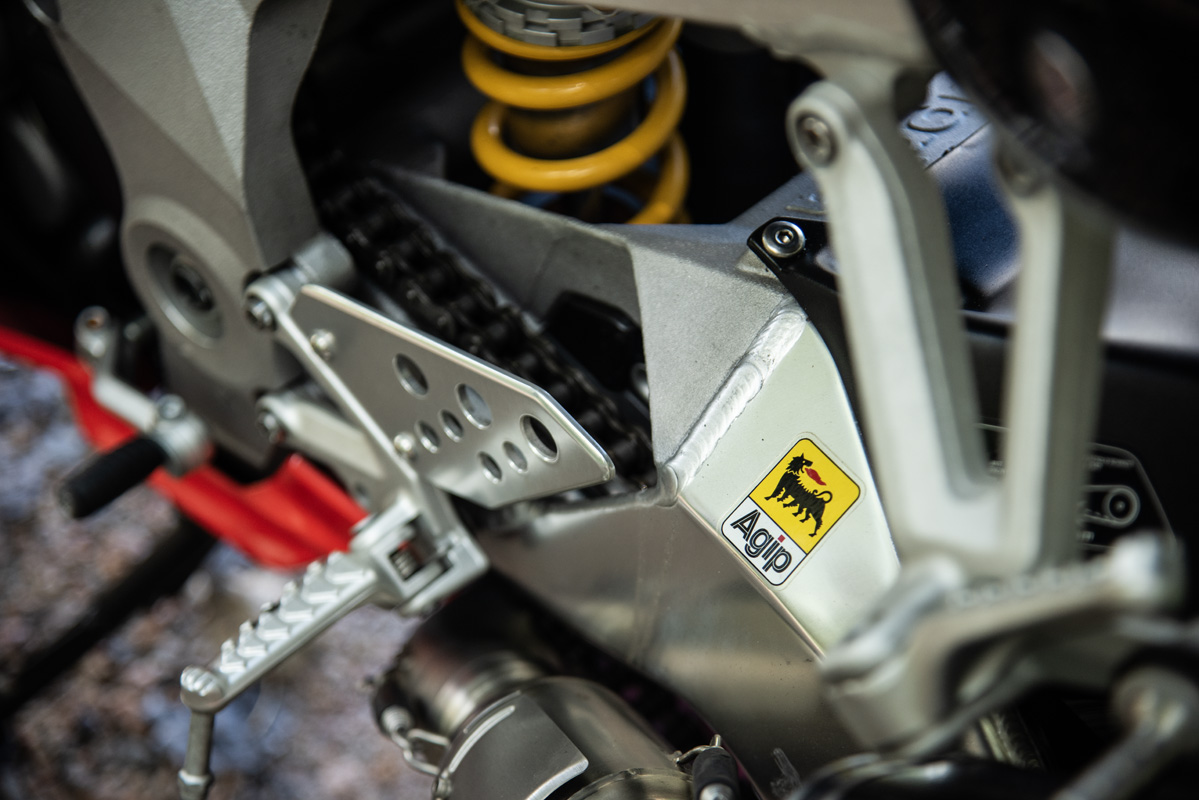
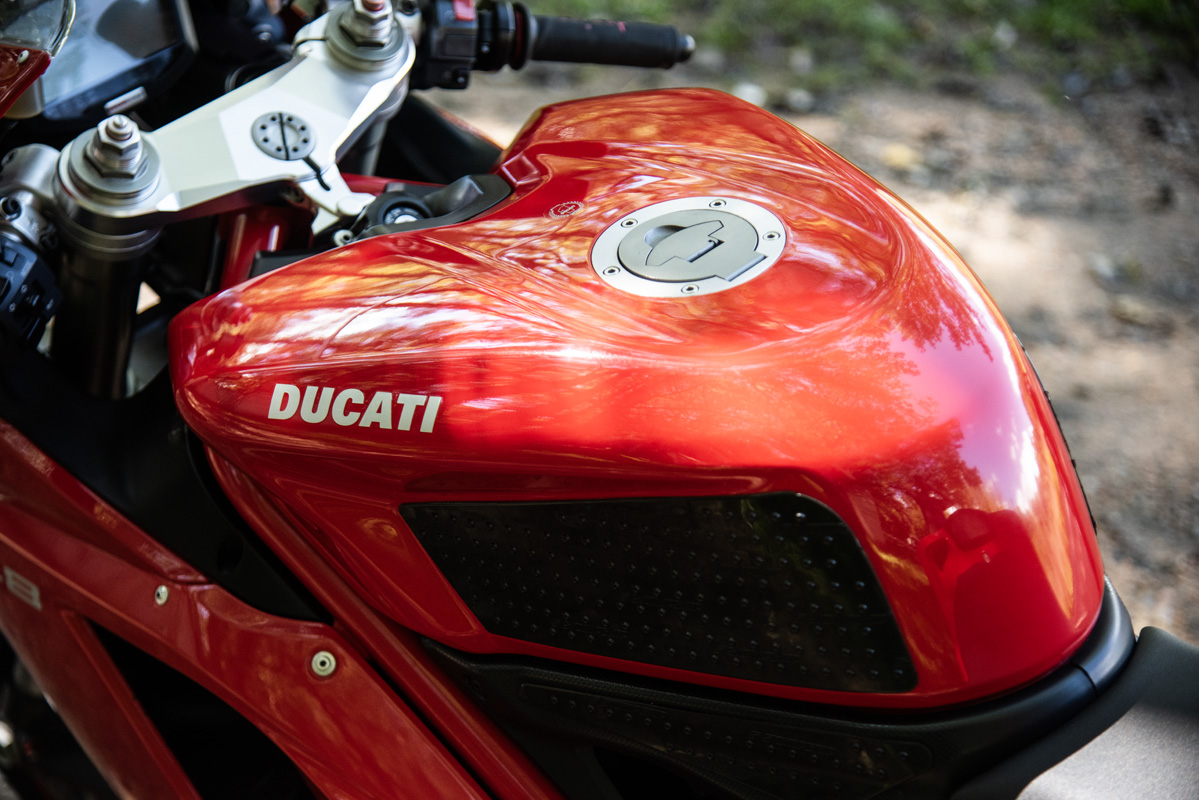
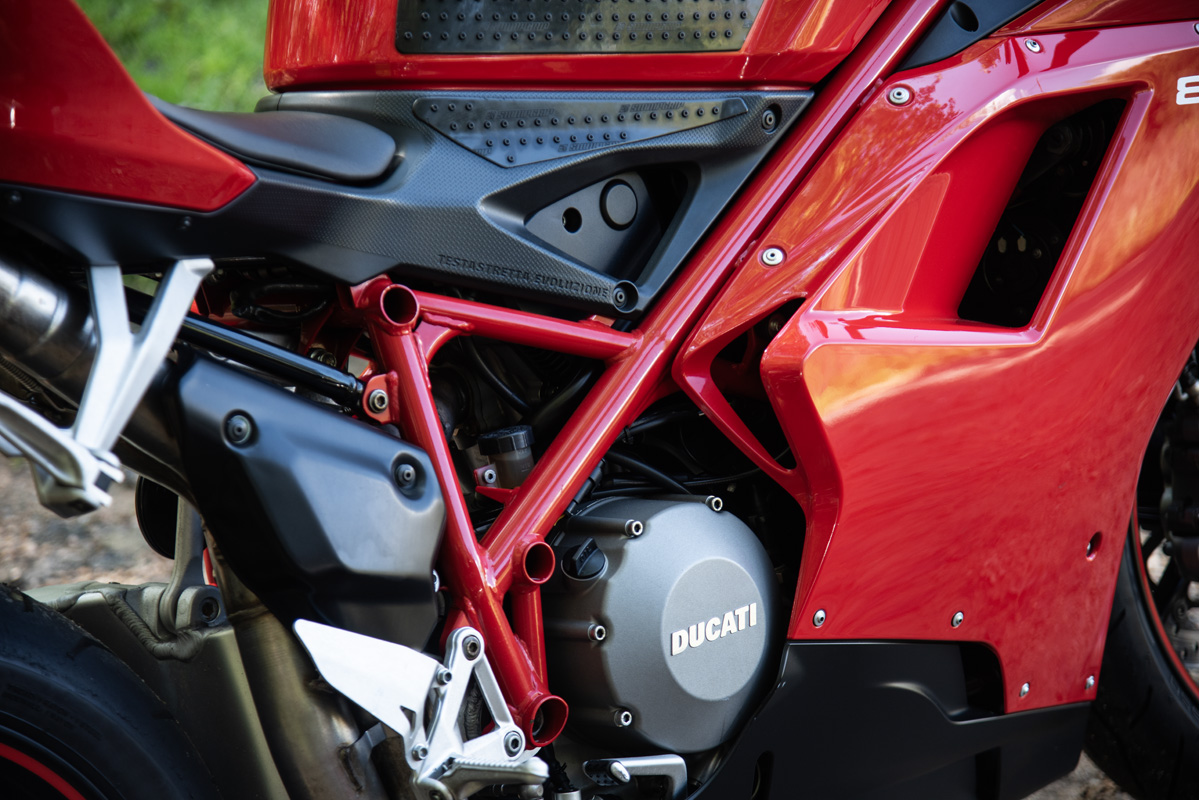
Look at the styling; both are utterly distinctive. You know which is the Aprilia and which is the Ducati. If anything, the Aprilia is the more immediately attractive; bold and brutal and some of the design features are sublime. Take a look at the aluminium beam underneath the tank; it’s pure sculpture, where the Ducati’s steel trellis frame is functional.
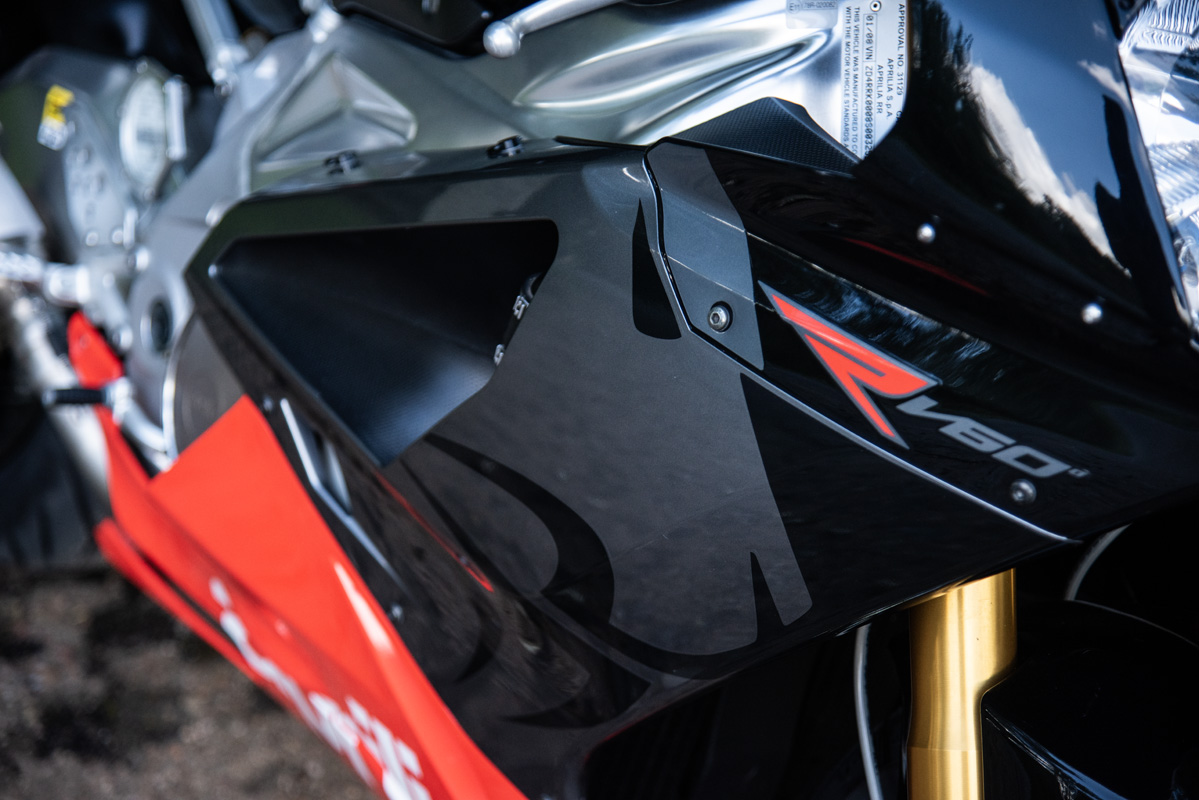
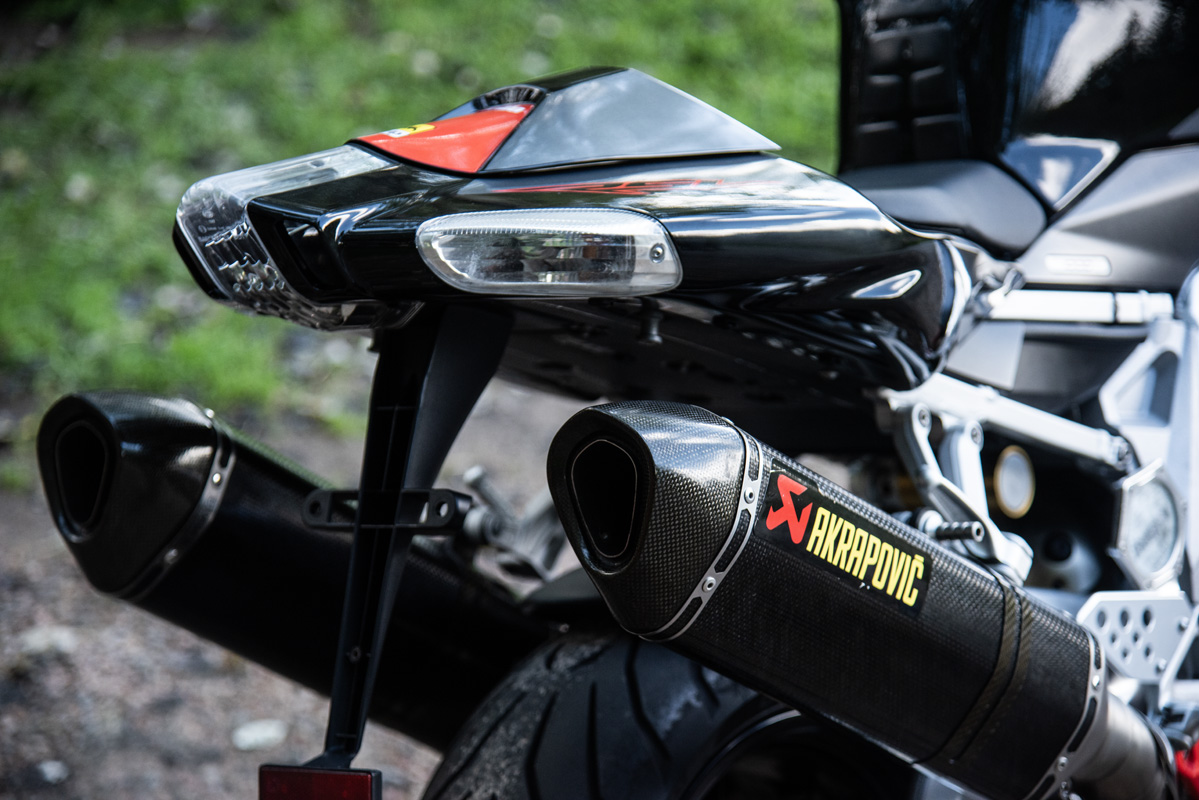
The Aprilia looks like a big bike, and it’s also menacing with the black paint. It’s a bike you could look at for a long time and never get bored. The Ducati, on the other hand, needs a bit of time to appreciate the lines. The shape is more angular from the side, and you need to move around it to get the full impact. The head-on view is spectacular; the headlight treatment is a beautiful progression of the original 916 concept, and it helps create the impression that the 848 is much more compact than the RSV 1000 R. The twin cannons that act as the Aprilia’s silencers might add to the sense of bulk and drama, but, boy, do they look fantastic; old school! You don’t need to ask how they sound….
By comparison, the Ducati’s standard pipes aren’t nearly as deep-throated, and the under-the-seat silencers also look very old-fashioned all of a sudden, but no less gorgeous for all that.
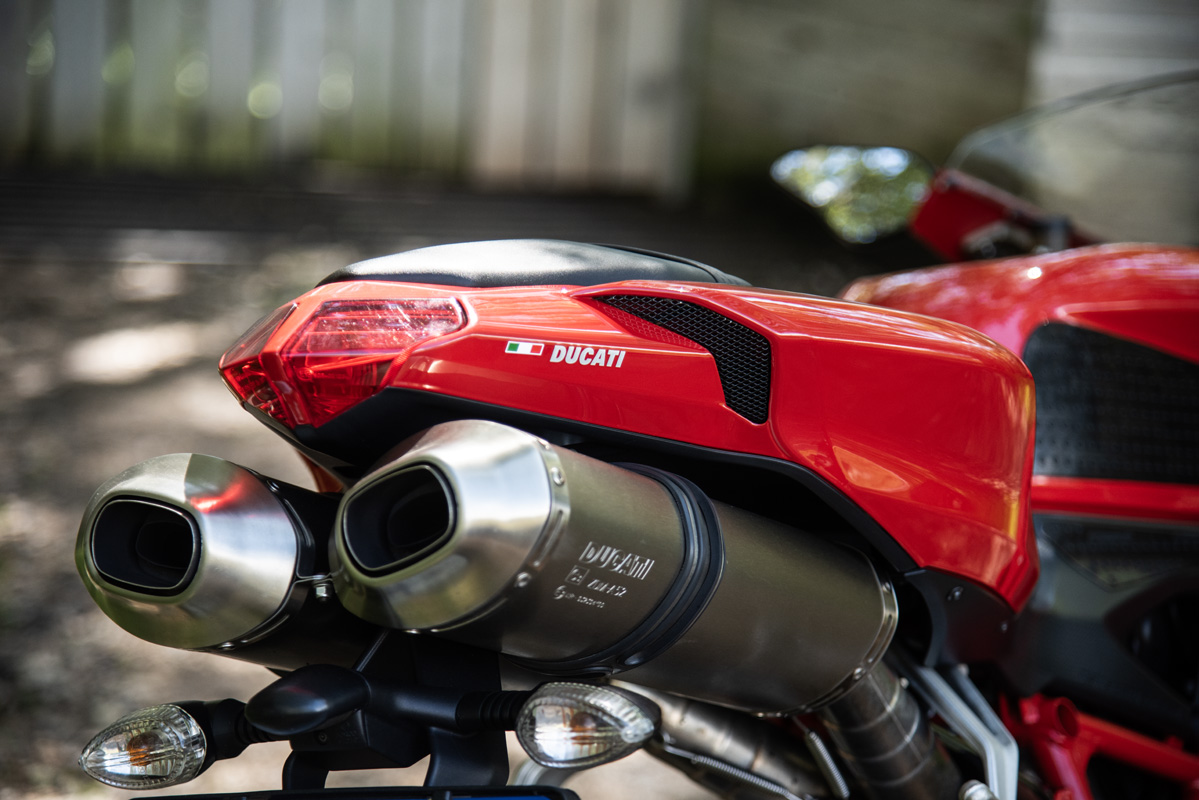
On board, as referred to earlier, the riding position is uncompromising; the Aprilia feels more aggressive and suits a taller rider, although the Ducati isn’t very much different, perhaps a little more relaxed, but only by fractions of degrees. At the end of the day, it’s a sports bike; what did you expect?
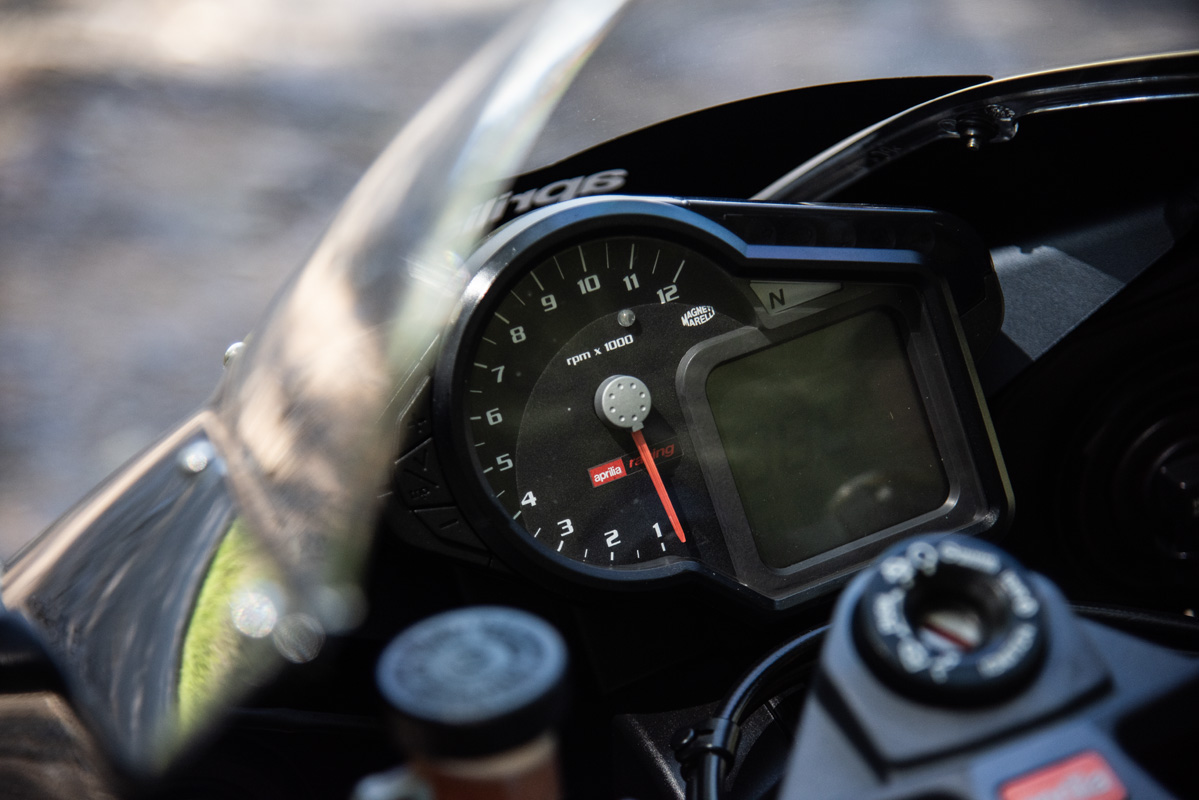
They are products of a design and engineering age that was a middle ground between the first true modern sports bike, the Honda Fireblade of 1992, and the increasingly electronics-laden superbikes of the 2010s and on. Were they the ultimate expression of the ‘analogue’ or, if you want to be fancy, the last ‘pure’ sports bikes, before electronics artificially raised the bar?
Maybe. But what they really are is obvious; not only future classics but still excellent sports bikes in their own right. In fact, they are also something else; they are the most incredible bargains.
What if I told you the Ducati is for sale at R129,990? That’s a lot of bike for not very much money. But then you notice that the Aprilia is for sale for R119,990. A hundred and twenty grand! That’s a ridiculous amount of bike for not very much money. When did something so desirable become so cheap? And it’s not as if either of them needs anything doing to bring them up to scratch, both cosmetically or, as far as we could tell, mechanically.
I get that looking back is not everyone’s cup of tea, and I agree that the motorcycles that are being produced now are marvels of technology and engineering. But when you need all the electronic gizmos to compensate for either ridiculous power outputs or excessive weight, haven’t we gone in slightly the wrong direction? Both the Aprilia and the Ducati are the perfect antidote to modern excess.
As always, our thanks to Bikeshop Rivonia for their help in putting this feature together. Both bikes were, at the time of publishing (April 22nd), for sale, the Ducati for R129,990 (10,004 km) and the Aprilia for R119,990 (13,188 km). There’s no guarantee how long they will remain available. Give Bikeshop Rivonia a call on 011 918 6666.