



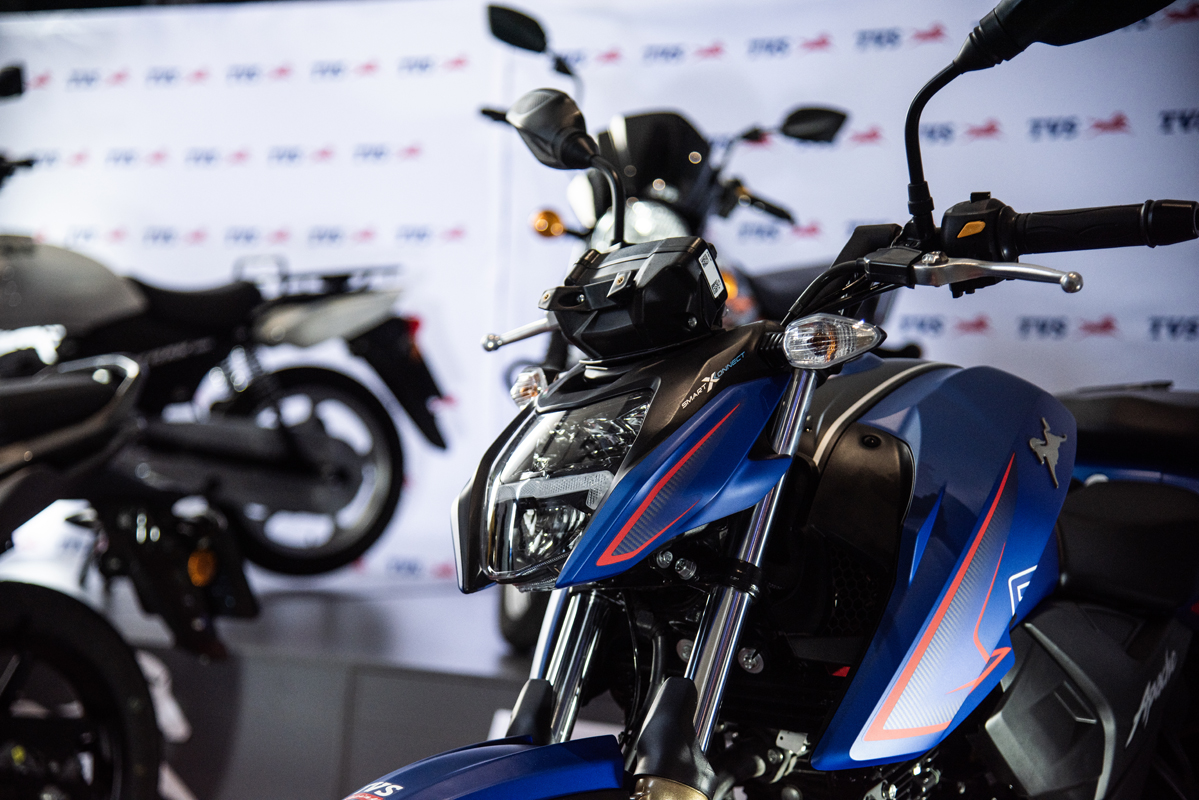
The arrival of a new motorcycle brand into the South African commercial segment always promotes a flurry of positive press releases about the state of the market and the socio-economic benefits of the industries that those motorcycles enable.
TVS, while not entirely new to the country, has nevertheless been given a huge boost thanks to the takeover by The Nexus Collective, under the Bidvest Group. The timing is perfect as the commercial motorcycle sector is booming and, under these circumstances, yet another brand can have a good chance of success.
A release from what appears to be TVS’ PR company suggests that, and I quote, ‘South Africa’s changing mobility dynamics shift two-wheeler demand from niche to mainstream.’
It goes on to say, “South Africa is entering a structural two-wheeler mobility shift, driven by urban congestion, rising transport-cost pressure, and rapid growth in on-demand commerce and last-mile delivery ecosystems. The macro shifts behind the mobility dynamics are increasingly clear.
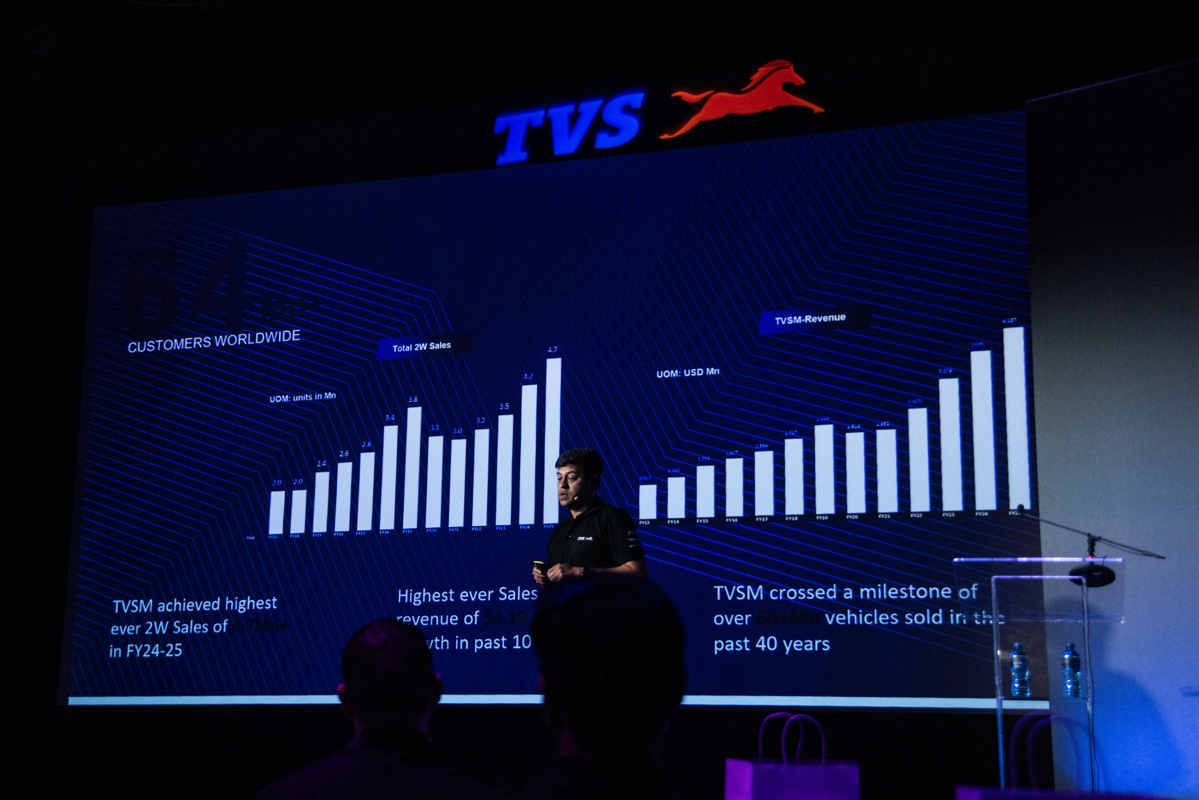
“South Africa’s online retail market has expanded rapidly, with industry data showing the online retail market projected to pass R130 billion in 2025. That same research points to online retail’s share of total retail rising toward 10% by 2026. As e-commerce and convenience delivery scale, two-wheelers are becoming more central to last-mile operating models.”
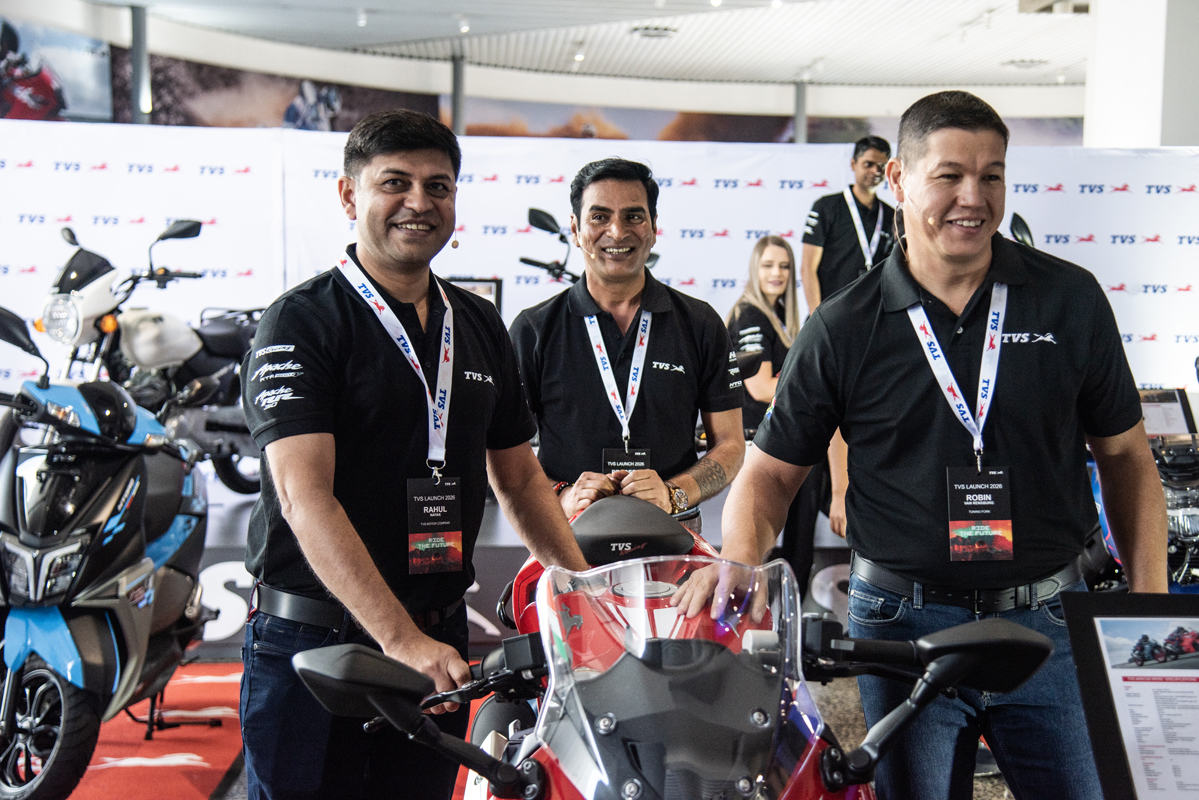
Rahul Nayak, Senior Vice President, TVS Motor Company; “The continued expansion in South Africa’s on-demand delivery segment, including category expansion beyond food into high-frequency convenience retail, is in turn driving demand for agile, lower-cost delivery mobility. South Africa is following a pattern we’ve seen in other growth markets: two-wheelers move from being viewed as discretionary transport to becoming core economic infrastructure for commuting and income mobility.”
Robin van Rensburg, Managing Director of The Nexus Collective, under Bidvest Group Limited, the sole distributor of TVS Motor Company in South Africa, adds that for 2-wheeler brands in this sector, scale alone is no longer enough. Reliability, service depth, parts availability, and rider economics are what determine long-term relevance and reliability in a mobility market set for rapid growth.
“Local demand is being shaped by three converging realities – urban congestion pressure where commuters and working riders need lower-cost, time-efficient movement in congested corridors; income-linked mobility that is seeing delivery and micro-entrepreneurship ecosystems expanding the use-case for two-wheelers as productive assets; and affordability, where both individual riders and fleet owners are prioritising total cost of ownership, uptime, and service responsiveness,” explains van Rensburg.
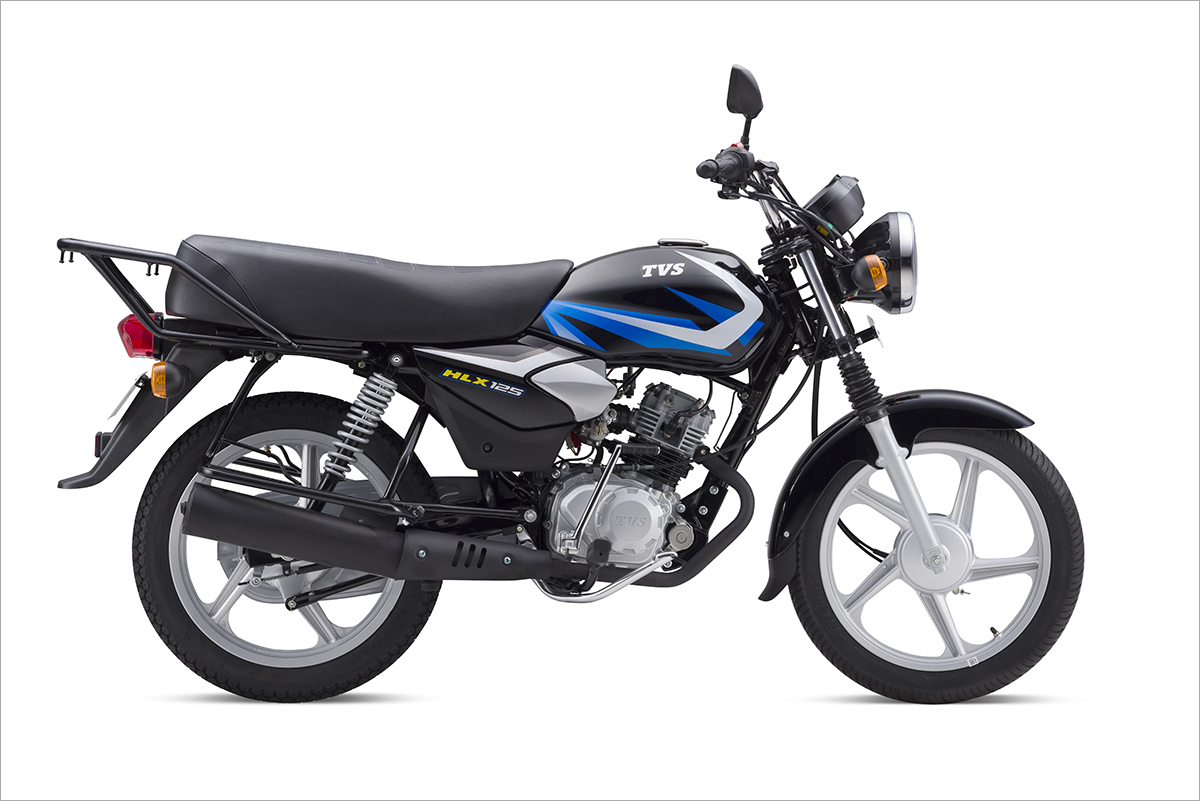
Now, none of this is news; every road user in the larger metropolitan areas is fully aware of the mushrooming presence of small-displacement scooters and motorcycles being used as delivery vehicles, not to mention the increasing congestion. And yes, this is excellent news for the motorcycle industry as a whole.
However, the traditional motorcycle industry is suffering hugely, with ever-decreasing sales of the established brands, due in part to an ageing motorcycling community, but also to a sharp rise in prices.
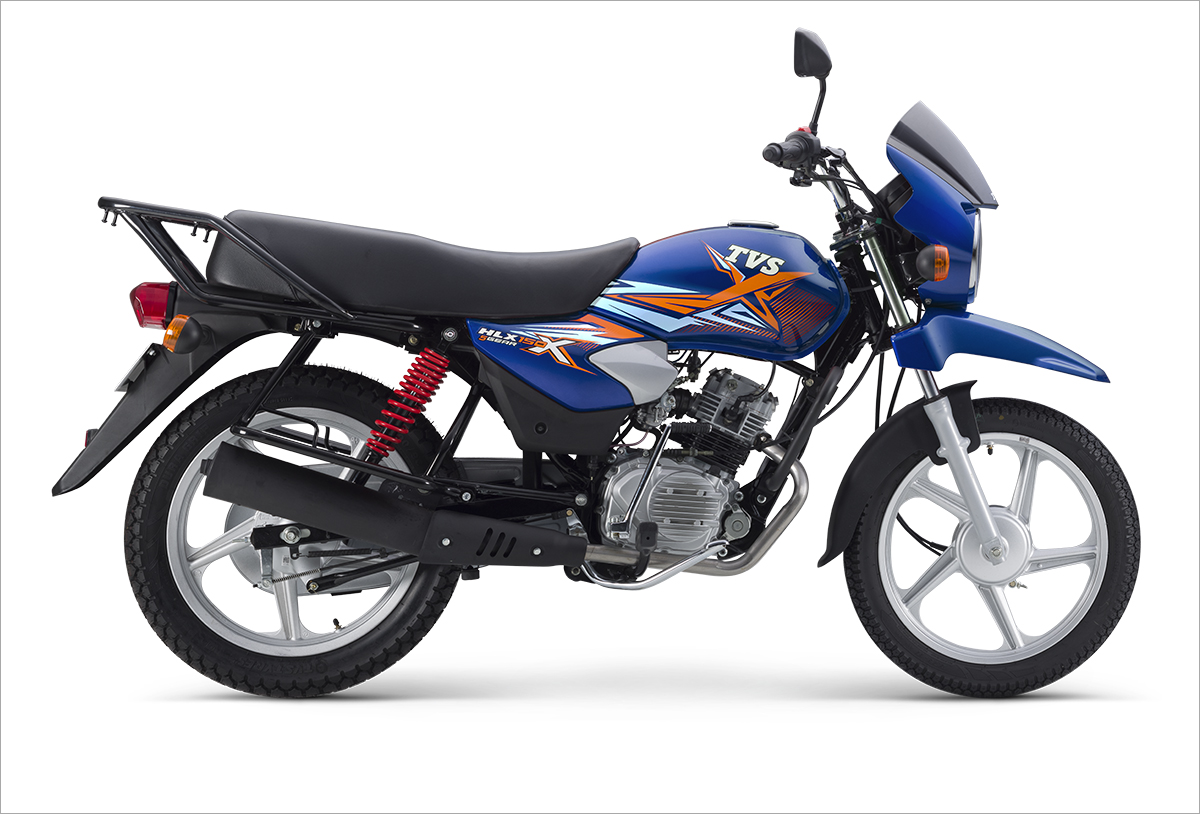
While it is pleasing to report growing commercial motorcycle use, what would make a much wider economic impact would be the growth of the private commuting motorcycle market, which has never had a chance to take off in this country, unlike other Africa countries; and let’s not even begin to compare ourselves with every Asian country and India and their tens of millions of sales every year.
The reasons for this are many, but we can count perception, opposition, apathy and lethargy among them. It’s hard to believe, when you experience the crowded urban roads and highways, that there are still millions of people who will never own a car, who rely on public transport, and for whom the ownership of a cheap-to-run motorcycle would transform their lives. Take the TVS King Cargo as a prime example; it’s a three-wheeled ‘business in a box’ that offers the load-carrying capacity of a small bakkie with the running costs of a bike. It’s a safe, sturdy solution for mobile food stations or last-mile retail—precisely the kind of ‘core economic infrastructure’ Nayak is talking about.
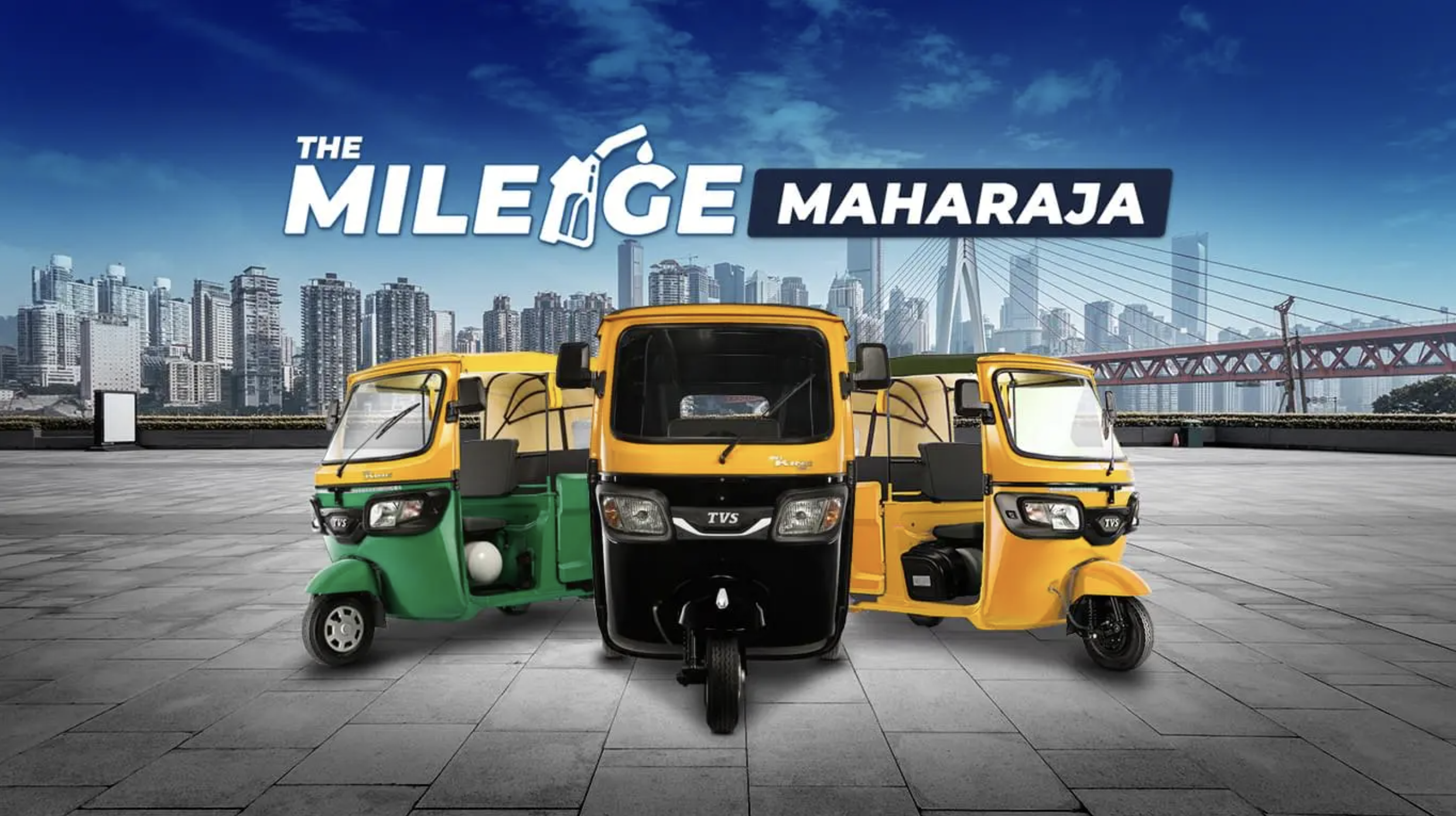
If TVS wants to find sustainable growth, wouldn’t it be better to formulate a strategy to expand motorcycle use and not rely solely on the commercial market that surely has a saturation point?
This seems to be something that The Nexus Collective appears to realise, given the final paragraph of the press release:
‘For TVS and The Nexus Collective, practical utility and rider identity are central to their market approach in South Africa: supporting daily commuting, enabling entrepreneurial mobility, and building long-term rider communities around dependable ownership experience. “As South Africa’s mobility mix evolves, two-wheelers will play a larger role in how people commute, earn, and access opportunity, mirroring the trajectory already visible across comparable urbanising markets,” concludes van Rensburg.
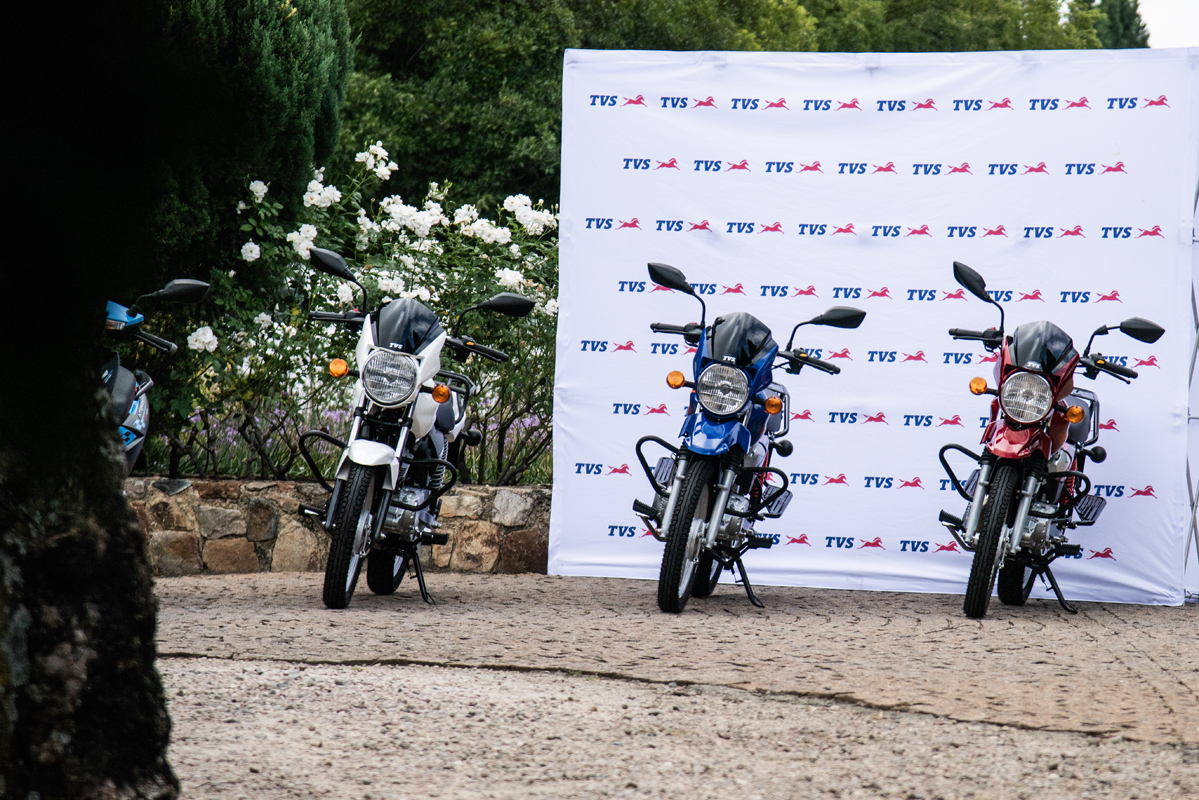
Of course, they will be attempting nothing that hasn’t been tried before by the South African motorcycling industry but, perhaps, with a greater understanding by the general population of the role motorcycles can play in a society thanks to the sheer numbers we now see in everyday life, maybe more and more will be tempted to take the plunge and own their own bike?
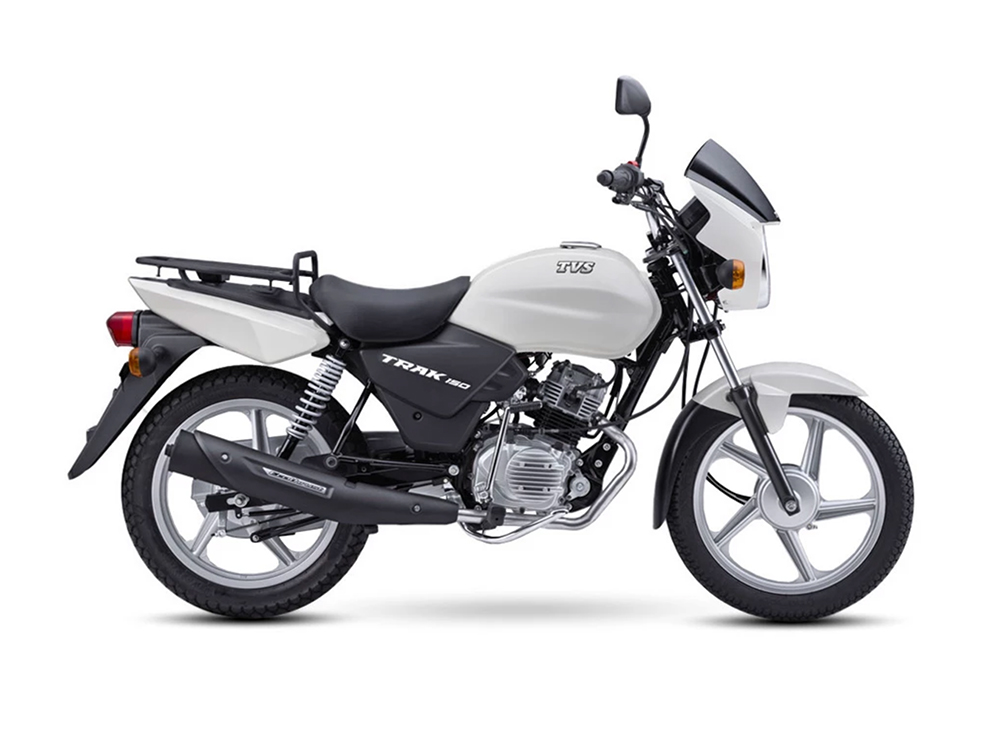
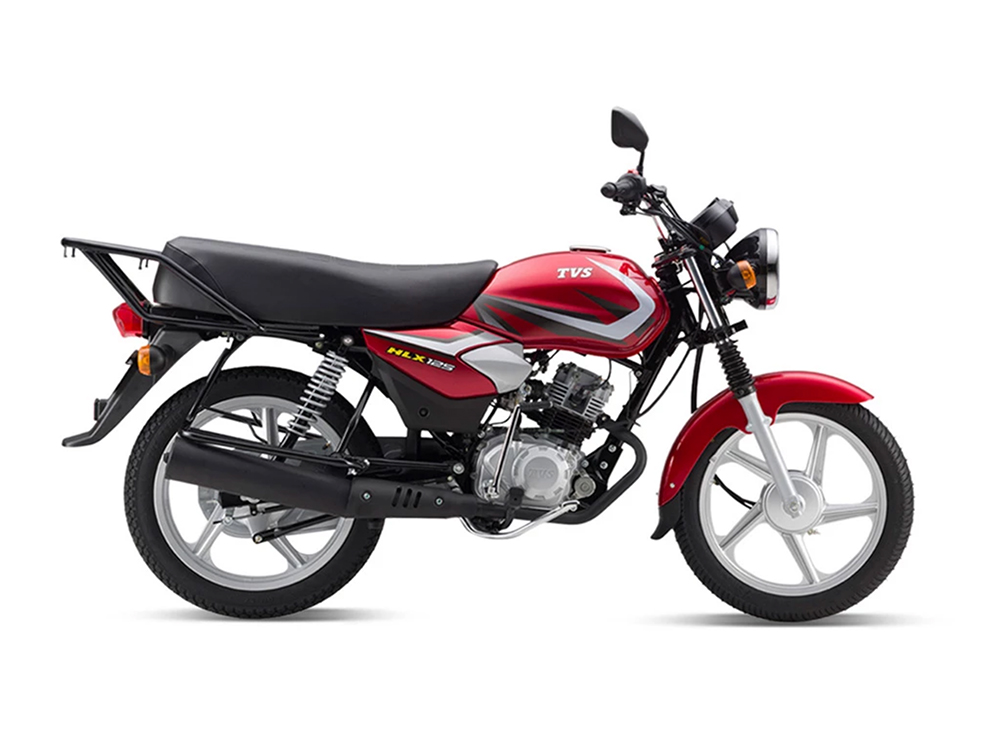
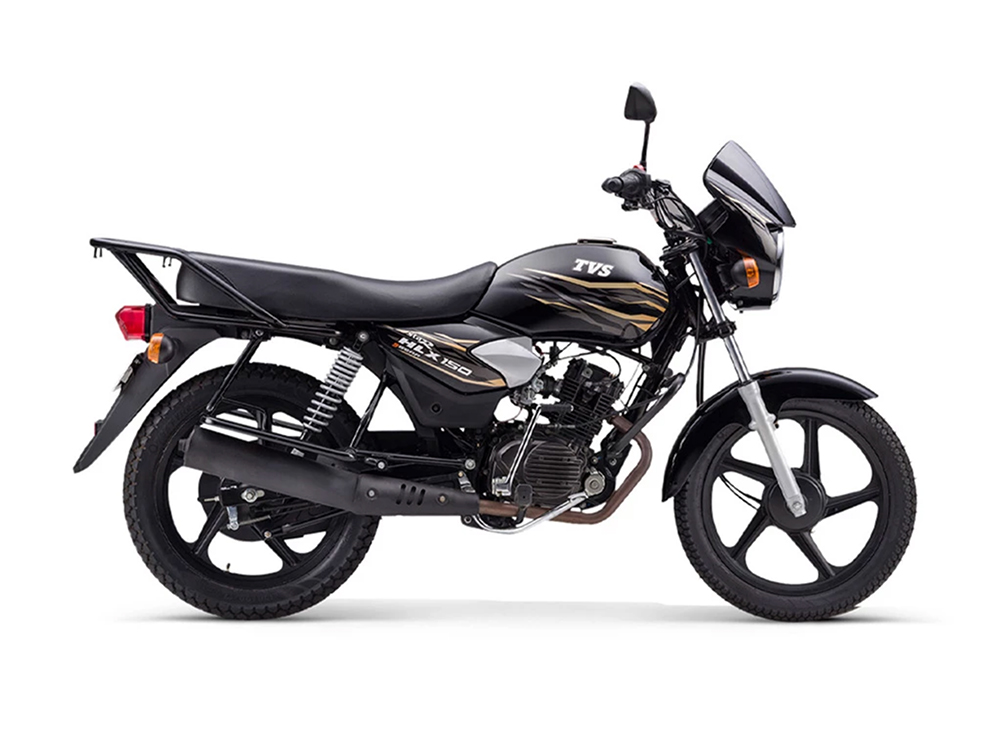
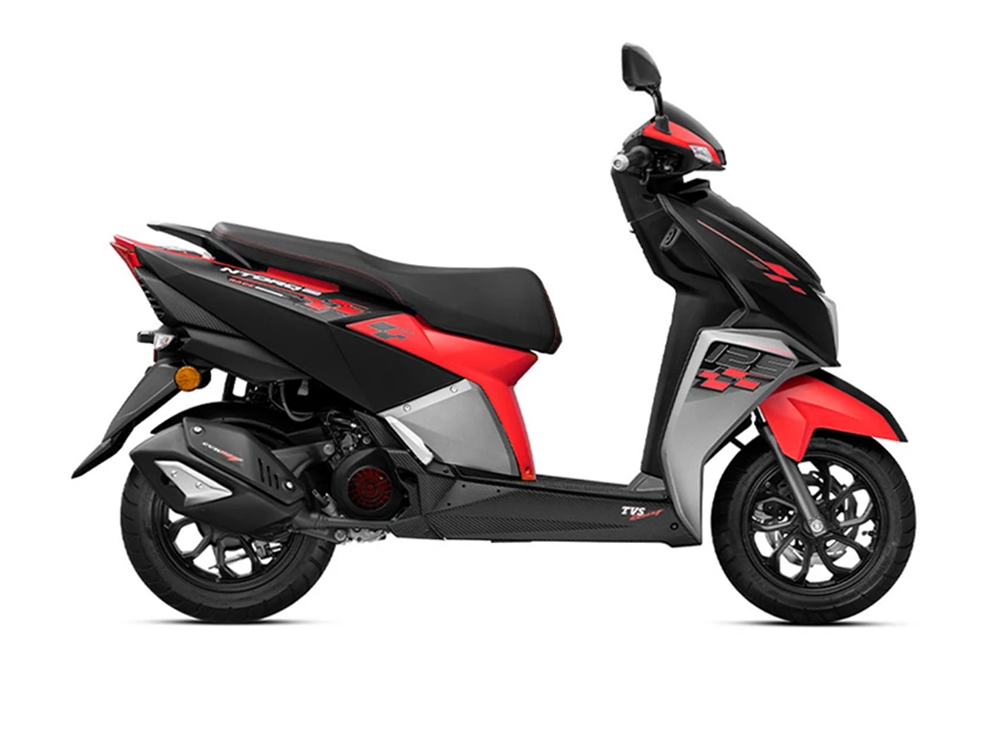
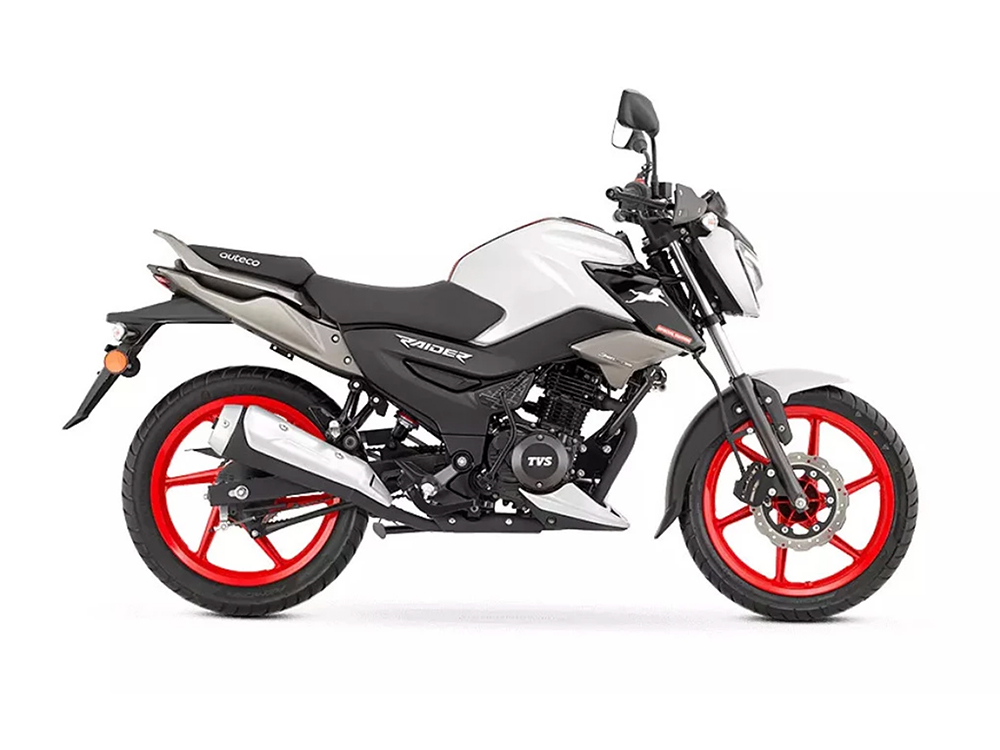
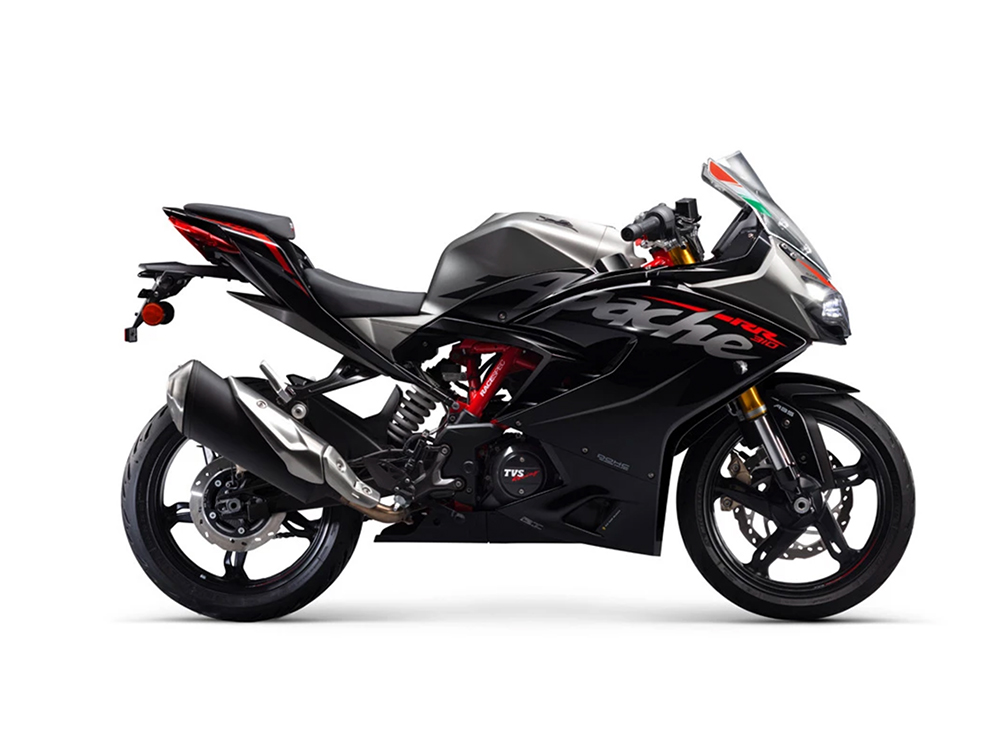
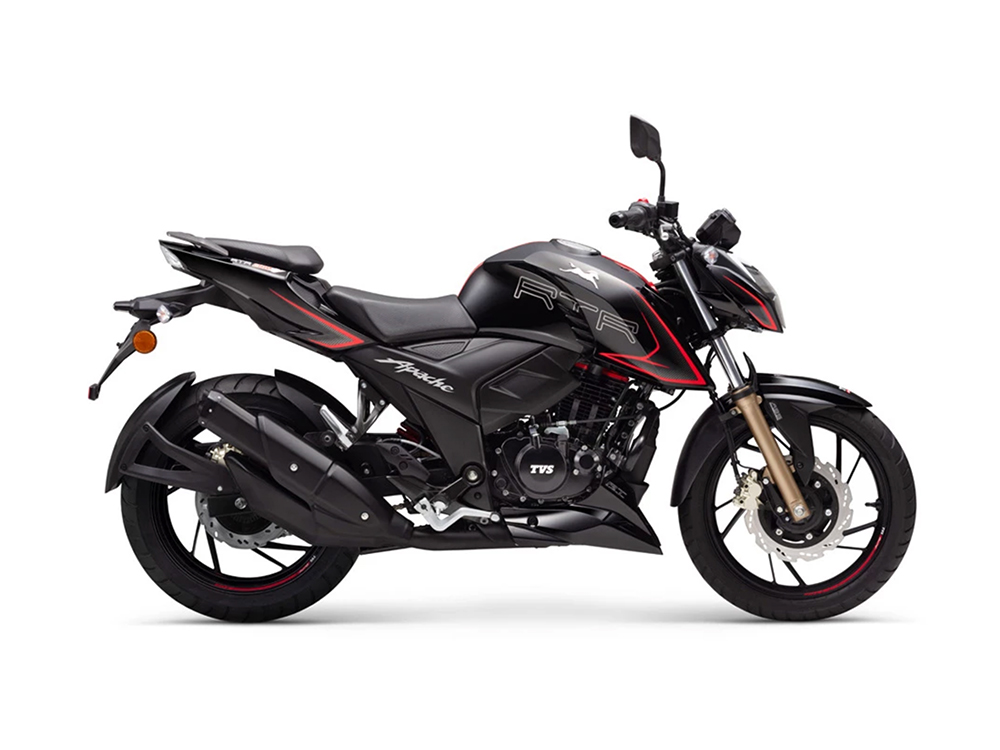
TVS Motorcycle Range
For more information on the bike/s featured in this article, click on the links below…
For more information on TVS Motor in South Africa, visit: www.tvsmotor.com