




The world is, at the moment, in an energy crisis thanks to the ongoing situation in the Middle East. This is having a disastrous effect on the cost of living, with virtually everything necessary for daily life increasing in price, not least of which is the fuel – both petrol and diesel – we put in our cars and trucks.
Short of parking our cars and finding alternative means of getting around, there seems to be little we can do to keep the wheels turning without breaking the bank. But what if we told you that there are measures you can take to reduce the amount of fuel your vehicle uses?

Naturally, how you drive your car can have benefits in terms of fuel consumption; not revving the engine unnecessarily; changing into top gear as soon as possible without putting undue stress on the engine; reducing speeds on open roads or the highway, and so on.
However, a recent conversation with the good people at Liqui Moly gave an interesting insight into how they are looking at the problem and threw up some not-so-obvious means of reducing fuel consumption.

When considering the cost of motoring, many of us will skip on servicing and maintenance due to the costs involved. But this is a false economy, for the better the vehicle is maintained, the better and, therefore, more efficiently, it will run. Also, the longer it lasts, reducing both long-term costs and the ever-present carbon footprint of the vehicle.
While we trust the petrol companies to supply us with fuel that is as clean and free of contamination as possible, over time, deposits, moisture, oxidation and general build-up in your car’s fuel system will conspire to reduce the system’s efficiency and lead to wasted fuel. When the fuel system is clean and operating at peak efficiency, the engine can operate as efficiently as possible and get the maximum energy from every drop of fuel.

An engine is a complex amalgam of metal parts running together with incredibly fine tolerances. To this end, lubrication is vitally important; the lower the friction, the smoother the engine runs. The smoother it runs, the longer it will last, as wear is reduced and wear is the enemy of longevity. Smoother running also leads to cooler running, which increases efficiency.
Much to the disgust of all oil and lubrication companies, many of us think that oil is oil and there is nothing more to it. But this is to ignore the hundreds of millions of dollars that these companies pour into research and development, constantly refining and perfecting their products’ properties, creating ever-more finely tuned oils that are suitable for every possible type of motoring. Maybe, fifty years ago, one oil fitted all, but nowadays, the oil you put in your engine is as finely tuned as the engine itself.
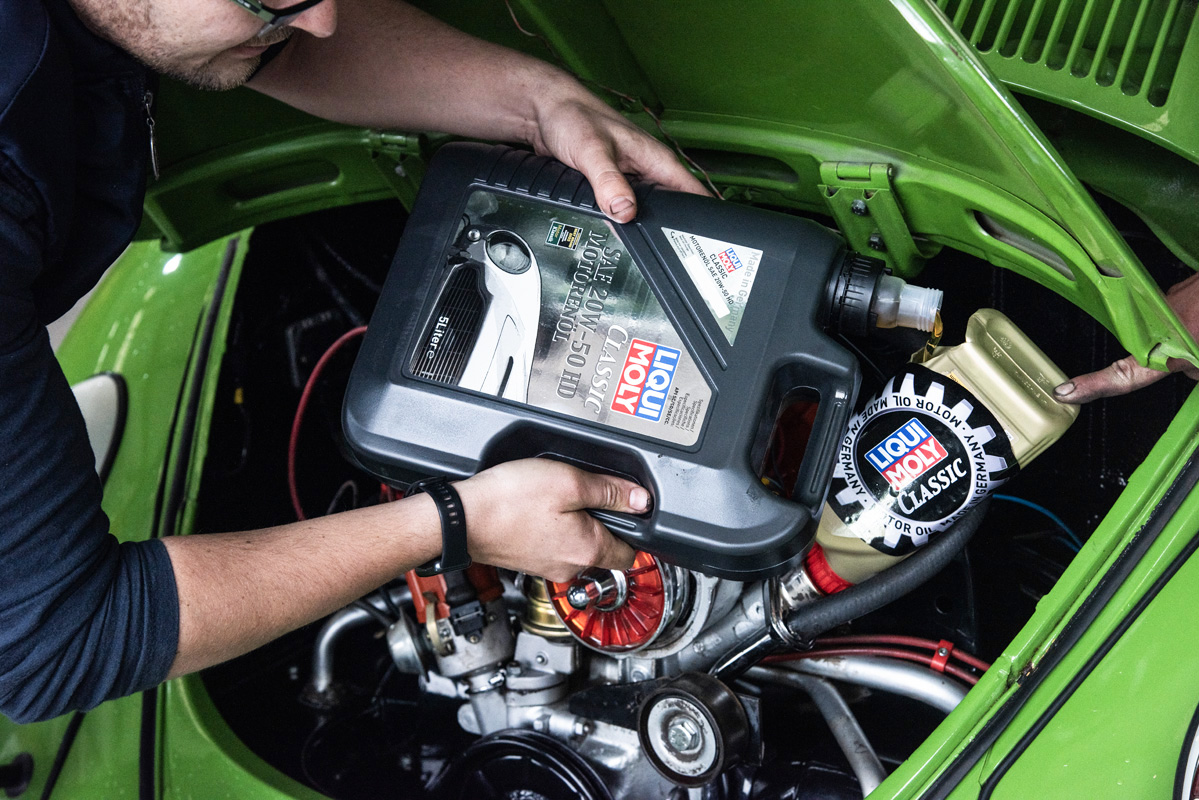
You will be aware of the pairs of figures denoting different grades of oil; 10W50, for example. What these figures measure is an oil’s resistance to flow (its thickness, in other words). The first number (10 in this case) indicates low-temperature flow, or cold-start performance, with the lower the number indicating better flow at those lower temperatures. The second number (50) represents viscosity at high operating temperatures or under heavy loads, the oil needing to retain thickness to maintain lubrication.
The key consideration here is that the correct oil viscosity allows the oil to move through the engine as intended, reducing unnecessary resistance and allowing the engine to operate efficiently. Using the wrong oil – for example, if it is too thick – means the engine has to work harder, and that will have an effect on fuel consumption. Think of it this way: if you load up your car with weight, the engine has to work harder to move it. Use the wrong oil and the engine has to work harder just to stay running, let alone move the vehicle.
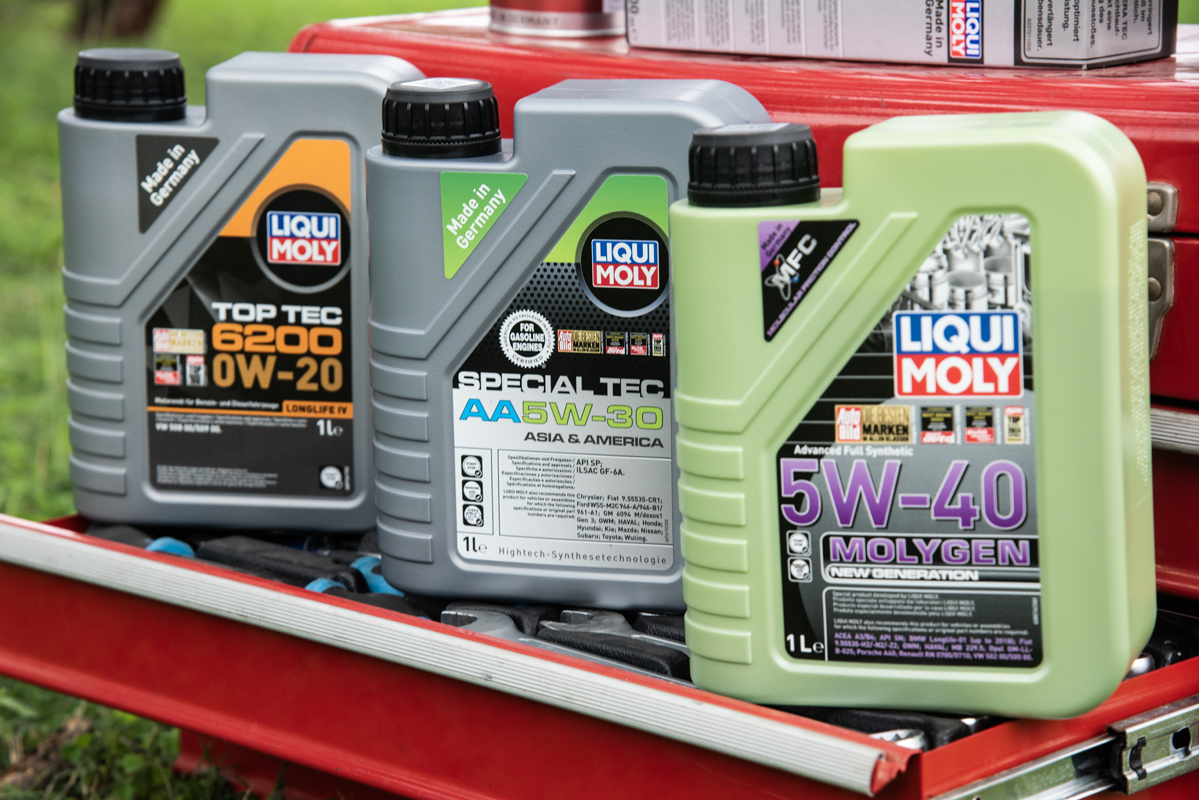
The best way to ensure that you are using the correct oil is to refer to the manufacturer’s handbook or the Liqui Moly website; the engine in your car was designed with a particular grade of oil in mind. Use something different, and it can’t operate at peak efficiency.
If we take Liqui Moly as a prime example of an oil/lubrication company that is at the forefront of research and development, a glance through their catalogue shows just how far both engine protection and fuel-saving products have come.

You could be forgiven for thinking that oil is enough to protect your engine, but, as with so many things in life, there is always more that you can do. As we mentioned, an engine is a series of metal parts wearing against other metal parts. Modern oil has been configured to have ‘cling’ properties, meaning that two metal surfaces will never have absolutely no lubricant between them; it will not all drain away when the engine is at rest. However, one clever piece of Liqui Moly thinking is to enhance the properties of the metal itself by giving it a ceramic coating, which both protects and lubricates, in addition to the oil.
Cera Tec is simply added to the oil – in either petrol or diesel engines – and reduces frictional losses and stabilises thermal efficiency at higher temperatures, giving better fuel efficiency.
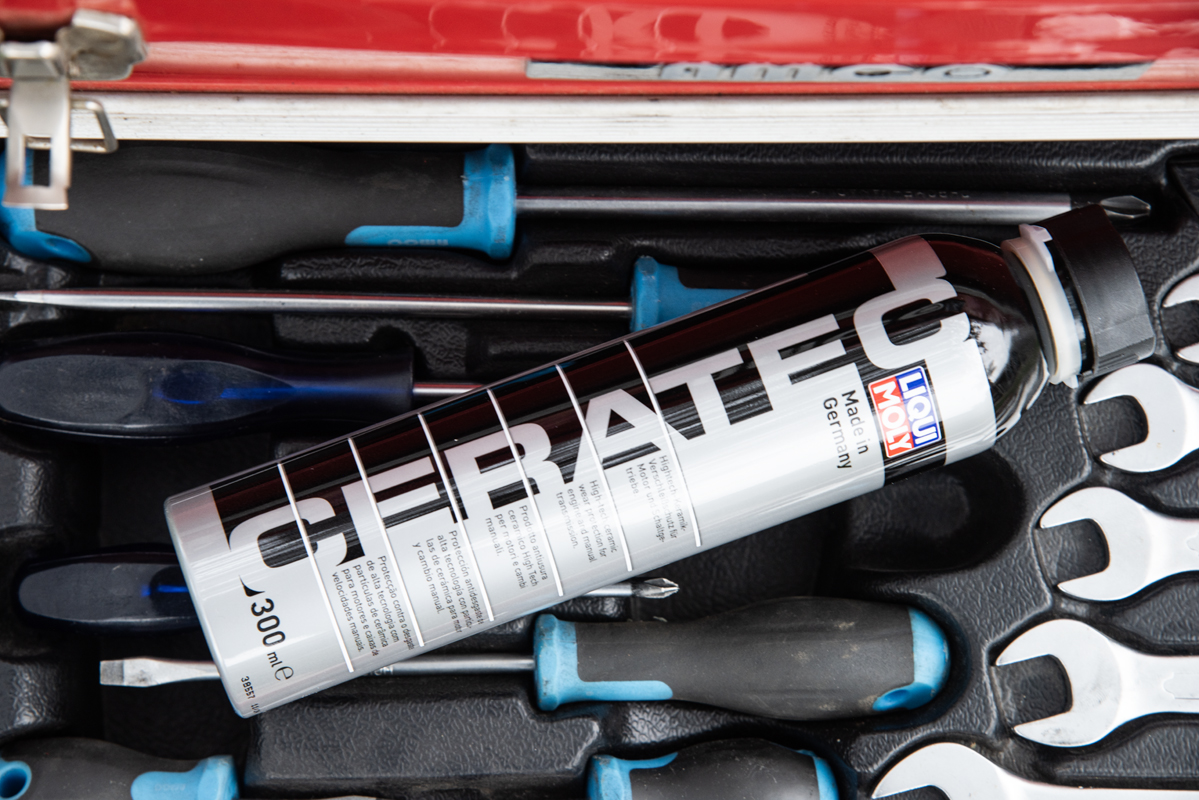
According to Liqui Moly’s own testing, using Cera Tec in conjunction with any of Liqui Moly’s engine oils not only further protects your engine against wear but can reduce oil consumption and, most importantly, have a positive effect on fuel consumption. Cera Tec is compatible with all of Liqui Moly’s petrol and diesel engine oils.
Fuel injection is now universal, and the carburettor is a thing of the past. This brings its own set of problems as fuel injection systems run to much tighter tolerances than a carb. Therefore, they are much more susceptible to blockage, rendering them inefficient. Liqui Moly Injection Cleaner is added to the petrol tank (300 ml is enough for 70 litres of fuel and ensures clean injectors for up to 2000 km) and can help eradicate problems with starting, irregular idling and poor throttle response, all of which will contribute to higher fuel consumption. A similar product is available for diesel systems.
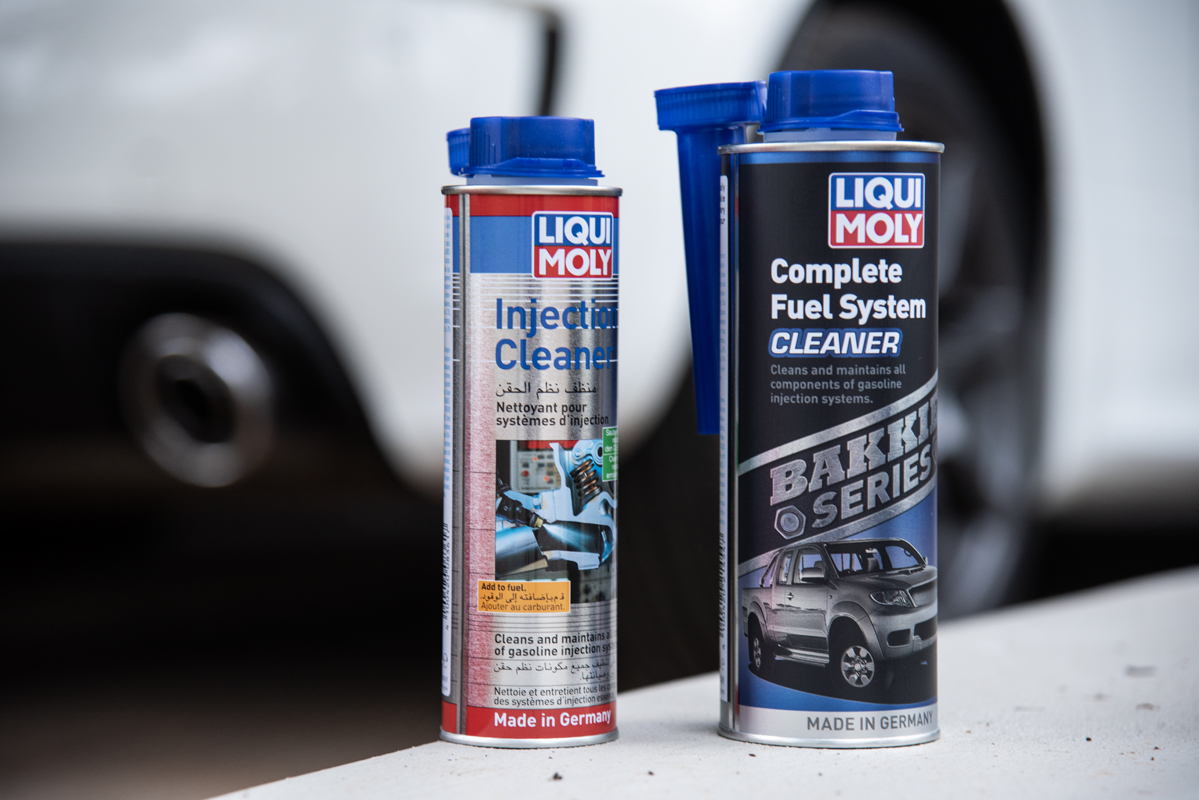
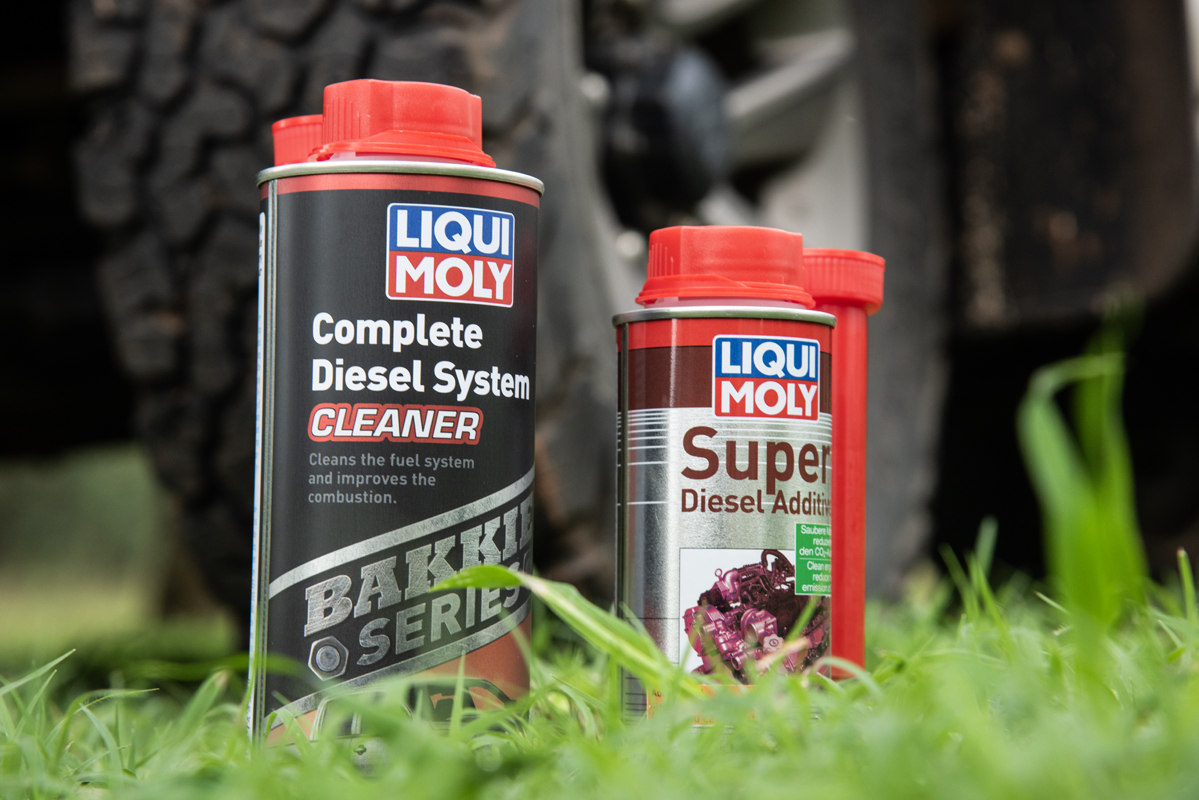
Diesel engines have their own set of problems, as diesel fuel is a lot ‘waxier’ than petrol, and build-up of these waxy deposits can seriously affect engine efficiency. A regular dosing with the Liqui Moly Complete Fuel System Cleaner removes these deposits and returns the engine to optimum running condition, while the LM Super Diesel Additive (added directly to the fuel tank) helps the fuel burn more efficiently, thus reducing consumption.
It’s a really fascinating subject once you delve into it, and I would fully recommend a visit to Liqui Moly’s website, which is a mine of useful and interesting information, if you are serious about preserving your vehicle, maintaining its efficiency and saving money. You won’t actually believe the spread of lubrication products, ranging from cars and motorcycles, through cycling, marine, aircraft and even gun lubrication.