

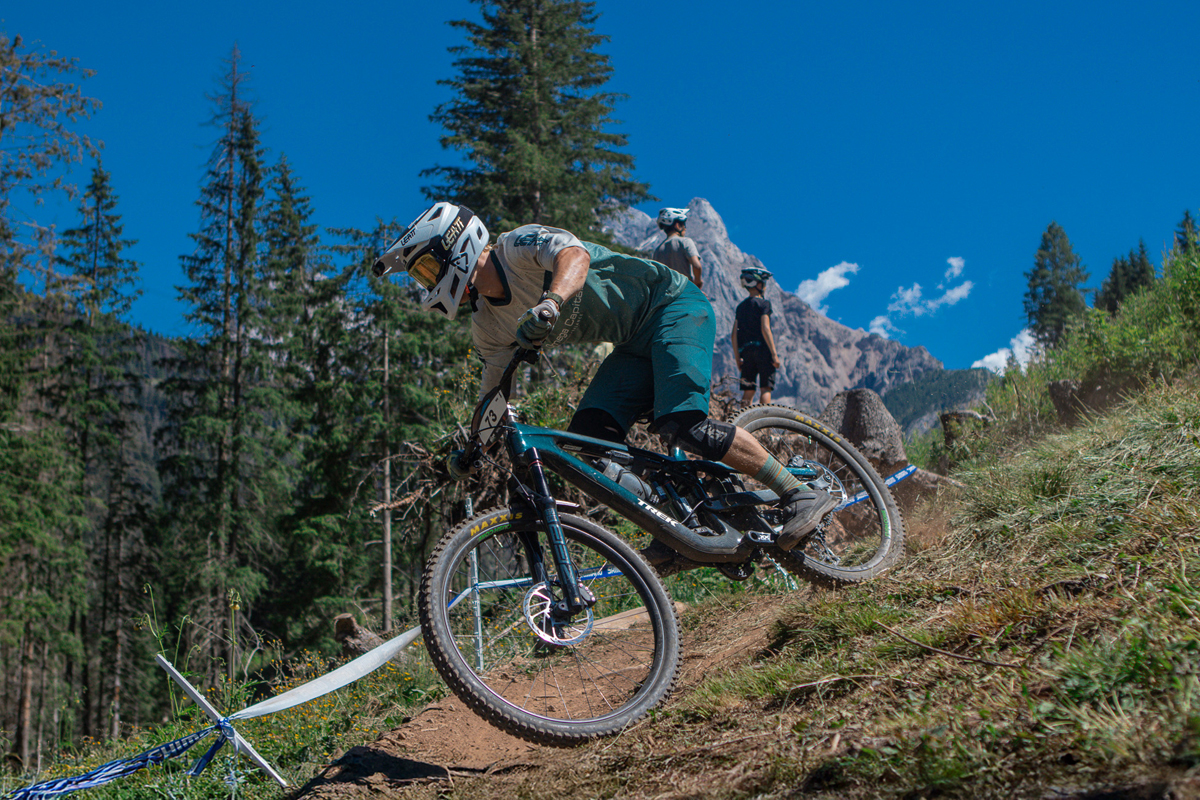
For South African enduro racer Jason Boulle, the road to the UCI Enduro World Cup hasn’t been defined by podiums or polished pathways, but by persistence, curiosity, and a deep-rooted love for riding.
From long days spent honing technical skills on local trails to navigating the logistical and financial realities of racing across Europe, Boulle’s journey reflects a different kind of professional athlete story, one built as much on self-belief as it is on support systems.
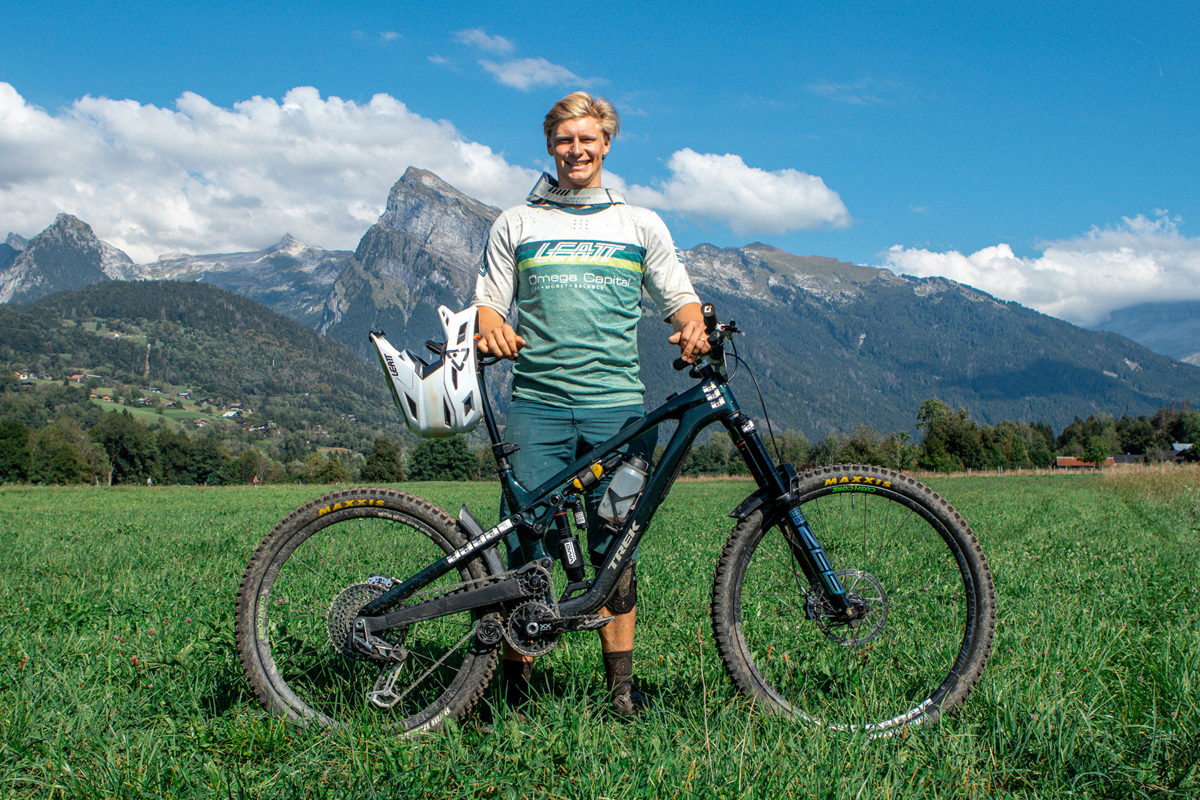
Now, with the 2026 season on the horizon and the backing of Trek behind him, Boulle finds himself at a pivotal moment. With more experience, refined focus, and a clearer sense of purpose, he’s not just chasing results; he’s chasing progression, both for himself and for the future of South African enduro.
We caught up with Jason to talk about the road so far, the lessons learned, and what lies ahead.
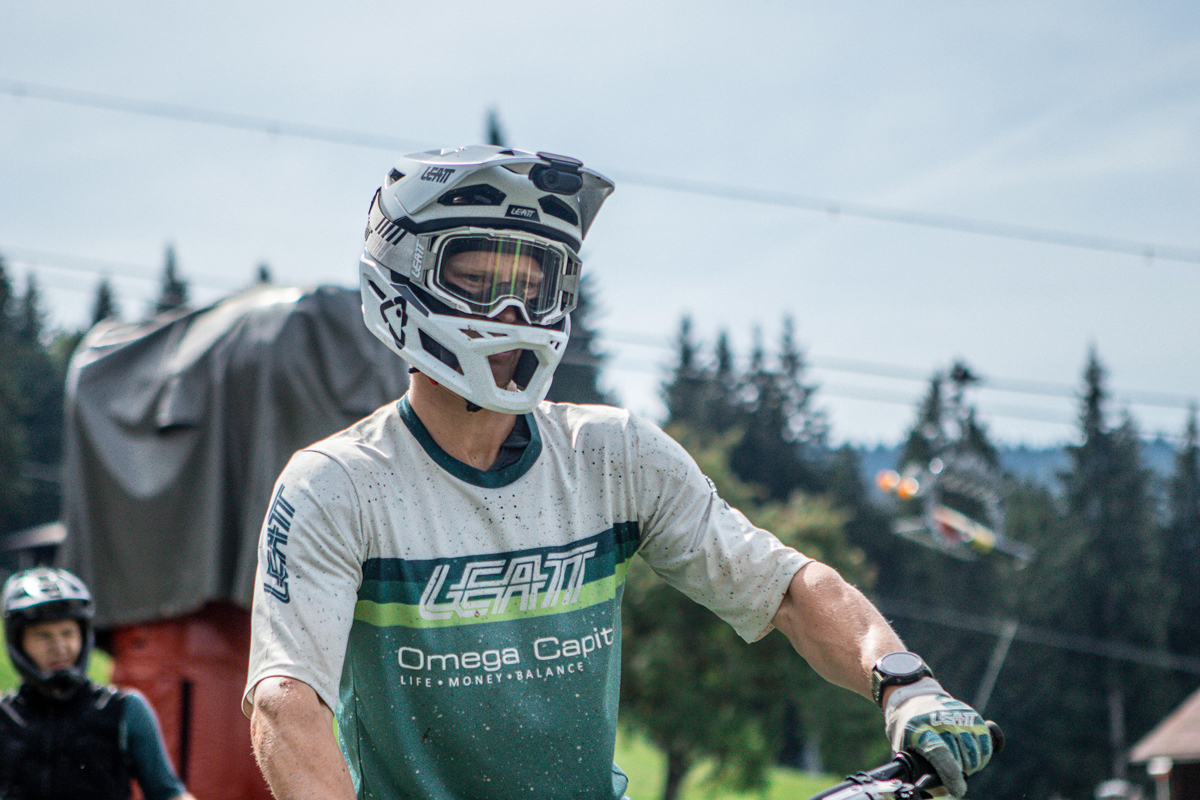
Take us back to the beginning. Where did your love for Enduro start, and what was it about the discipline that hooked you?
“Growing up, I really just loved time on my bike. When all the other kids sort of got over that phase, I never really put it down. I didn’t ride competitively much—I just enjoyed being out there, especially working on my technical skills and pushing my limits in that way.
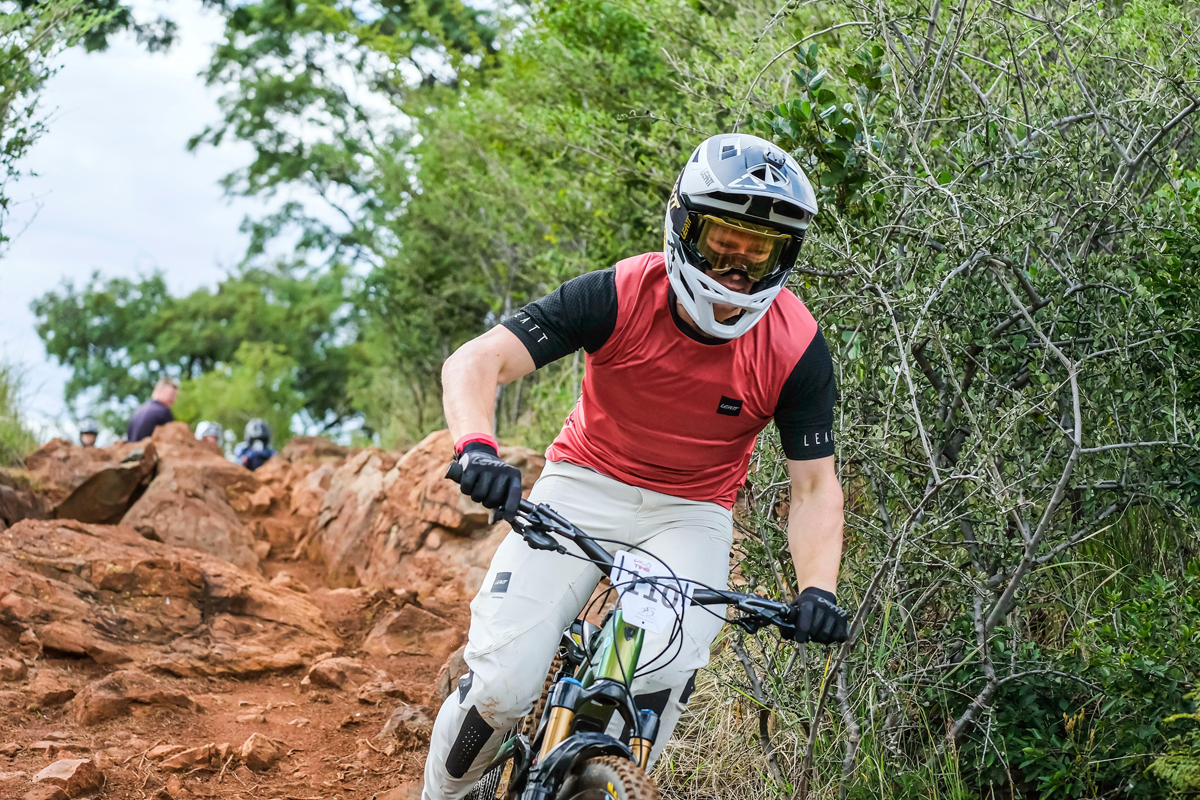
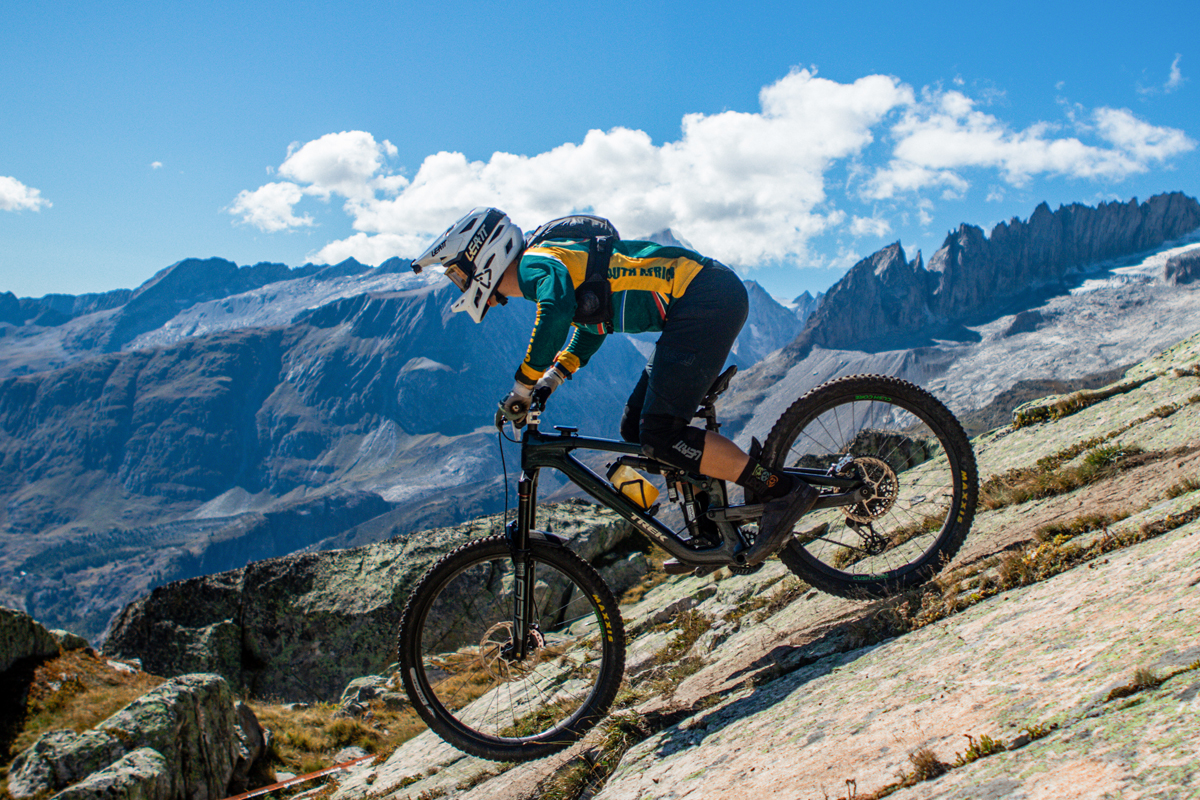
“I was following the Enduro World Series in high school and was blown away by the locations and the level of riding. I definitely dreamed of racing it one day, but had no idea how I’d get there. In 2019, I got the chance to race in a couple of events. I wasn’t competitive, but I loved the experience—and that stuck with me.
“After COVID and some time working full-time, I decided to take a leap, work remotely, and give the dream another shot. That’s what ultimately led to lining up at the World Cups in 2025.”
At what point did things start to feel “real” for you as a racer—when did Trek come on board, and how did that change your journey?
“Trek called me out of the blue at the end of 2024—it was a real “pinch me” moment. Having support from a brand of that level has been huge.
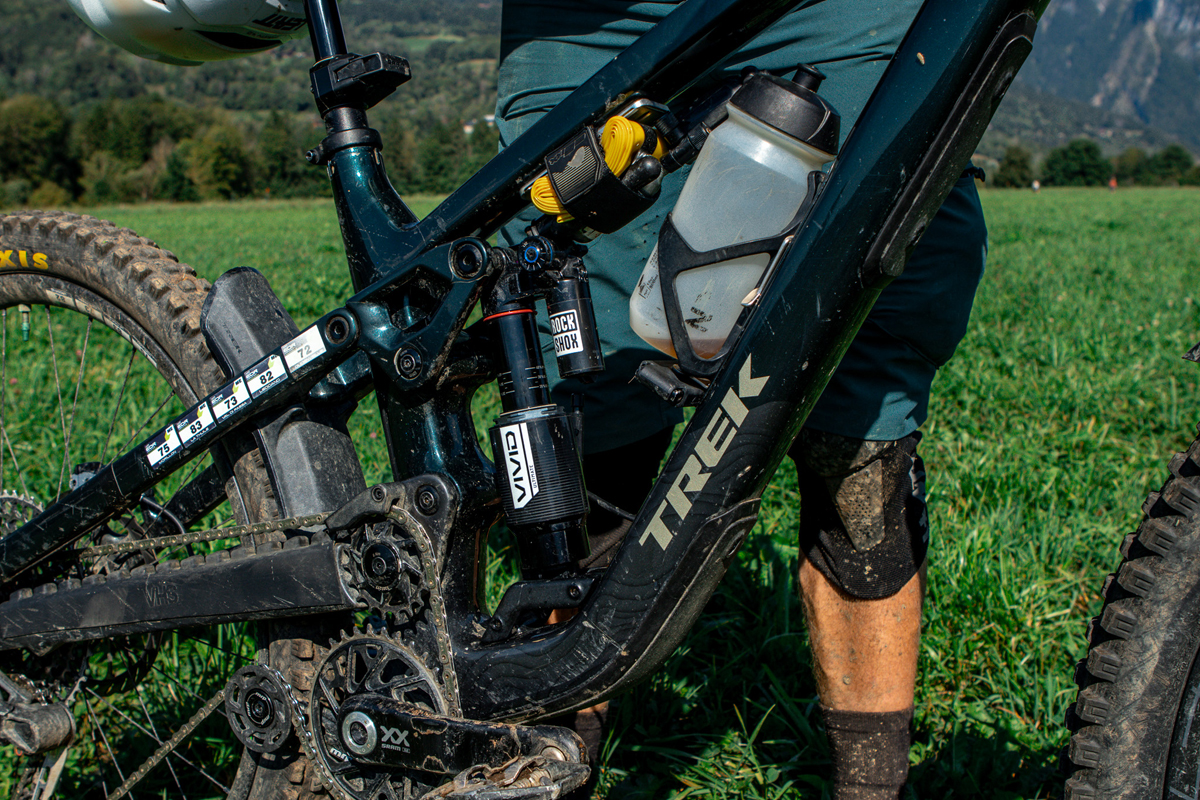
“One of the biggest game changers has been access to an e-bike year-round. In enduro, descending is everything, so being able to maximise time on descents without the same climbing fatigue has helped me improve much faster.
“Beyond that, having world-class equipment and support—especially in Europe—just gives you confidence. Knowing help is one phone call away makes a massive difference when you’re racing at that level.”
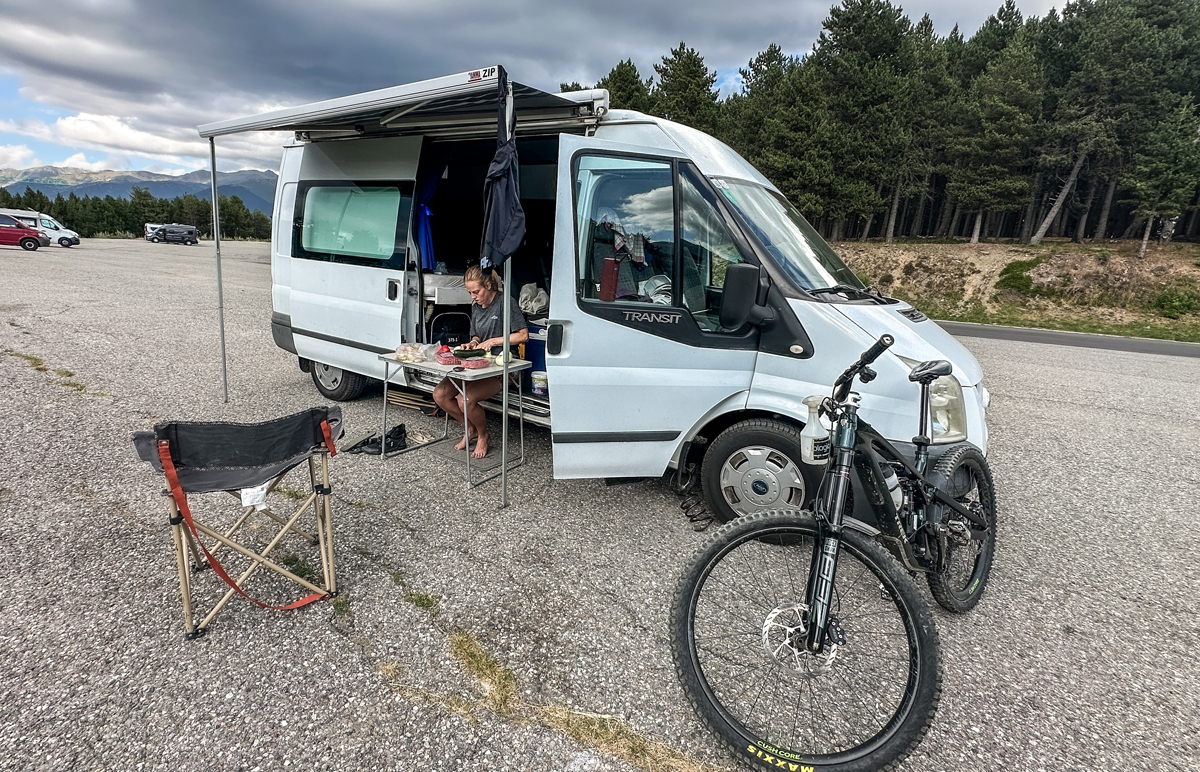
Your first year racing the World Cup became a bit of a legend—the road trips, living out of a van with your wife, Leslie. What were some of the toughest moments, and what stands out?
“It’s really the accumulation of small challenges that makes it tough. You’re out of your comfort zone, dealing with language barriers, travel logistics, and trying to make everything work on a tight budget.
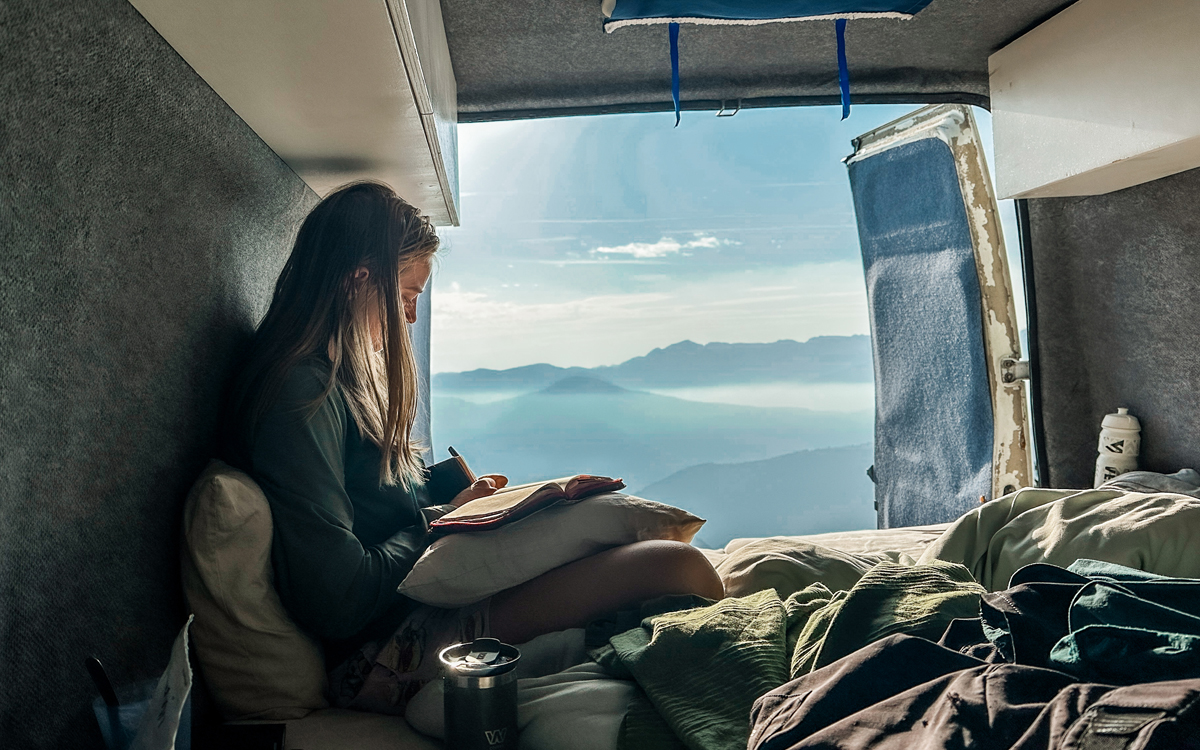
“We covered over 10,000 kilometres, managing bikes, gear, and daily life. Financial stress probably sits at the centre of it all—there’s very little margin for error.
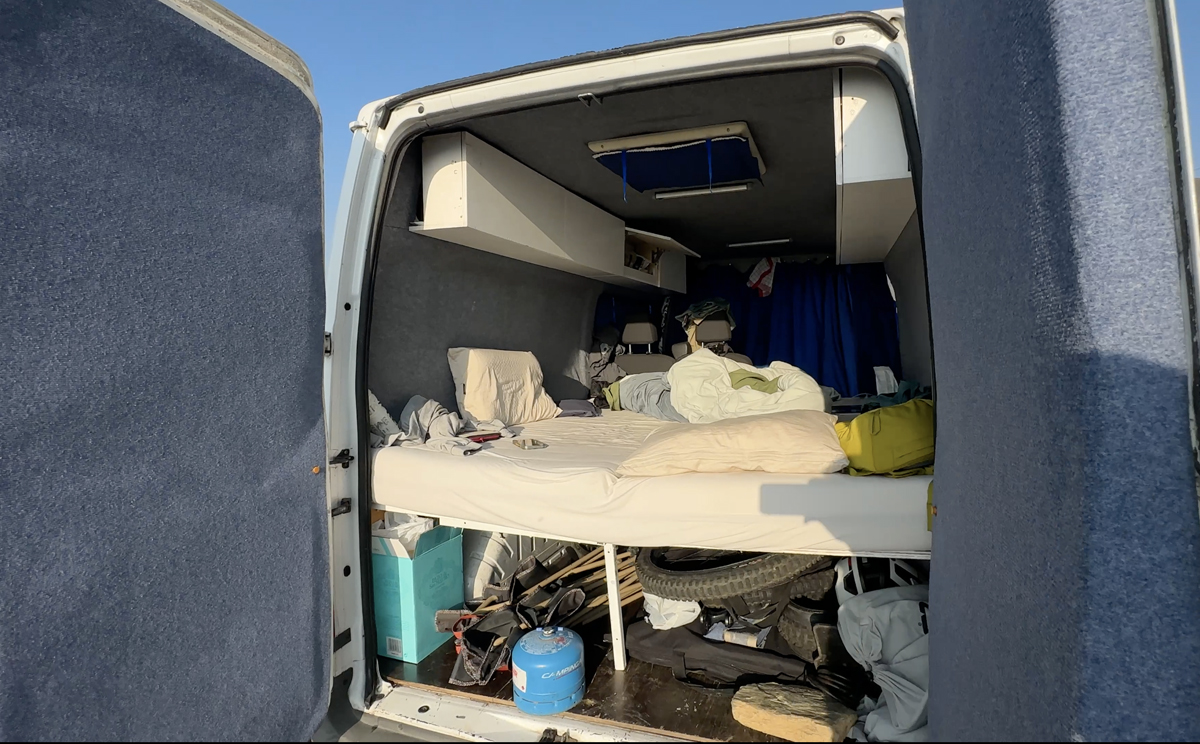
“But at the same time, it was an incredible experience. Swimming in lakes across Europe, hiking in the Alps and Andorra, meeting people from all over the world—those moments made it all worthwhile.”
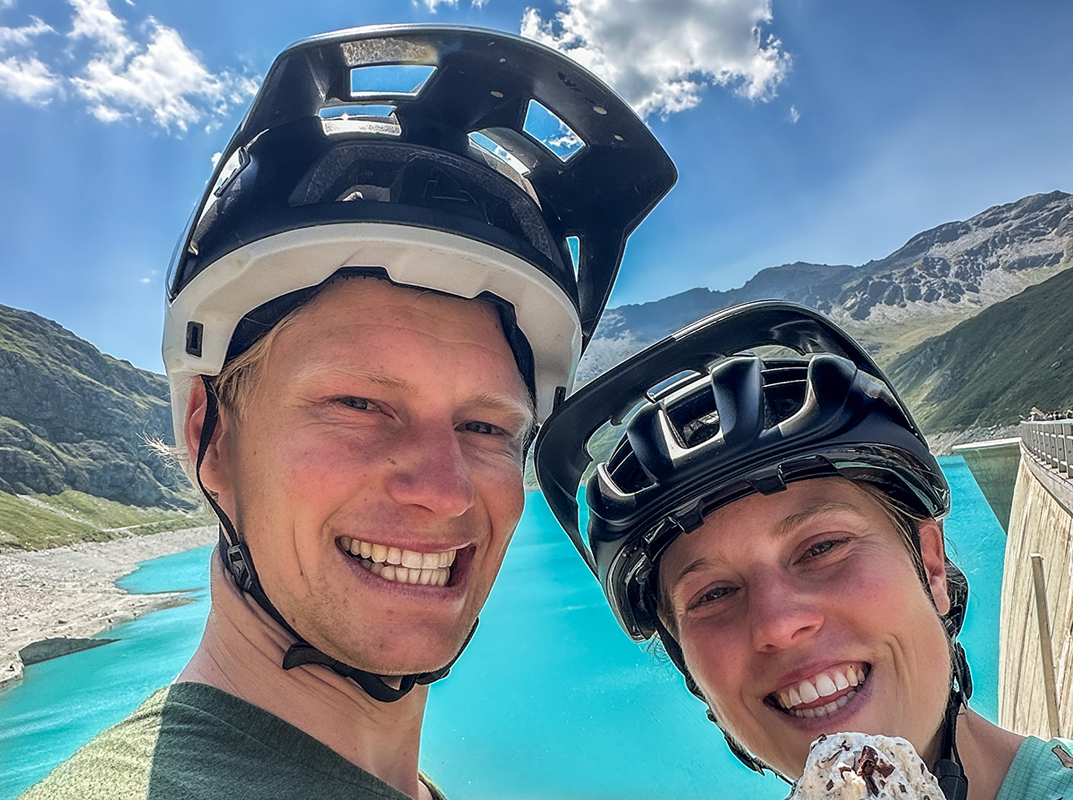
With the 2026 season approaching, what have you done differently in your preparation?
“A big focus has been on improving my technical riding. I’m self-taught, so I’ve had to unlearn some bad habits and rebuild better ones.
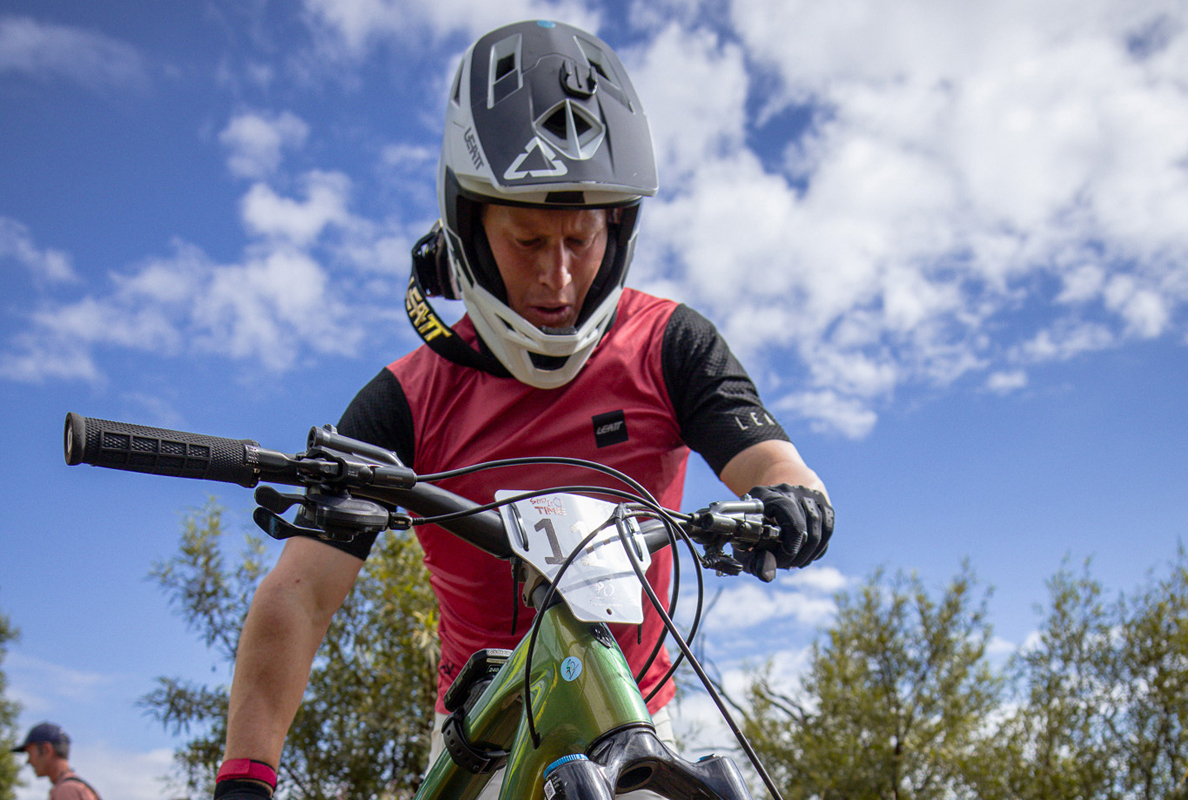
“That’s meant a lot of time on the e-bike, refining things like body position, braking, and cornering. At the same time, I’ve tried not to neglect fitness and strength.
“Financially, it’s still a balancing act. I’ve taken on more work to fund the season, which isn’t easy alongside training and travel—but it’s part of the process right now.”
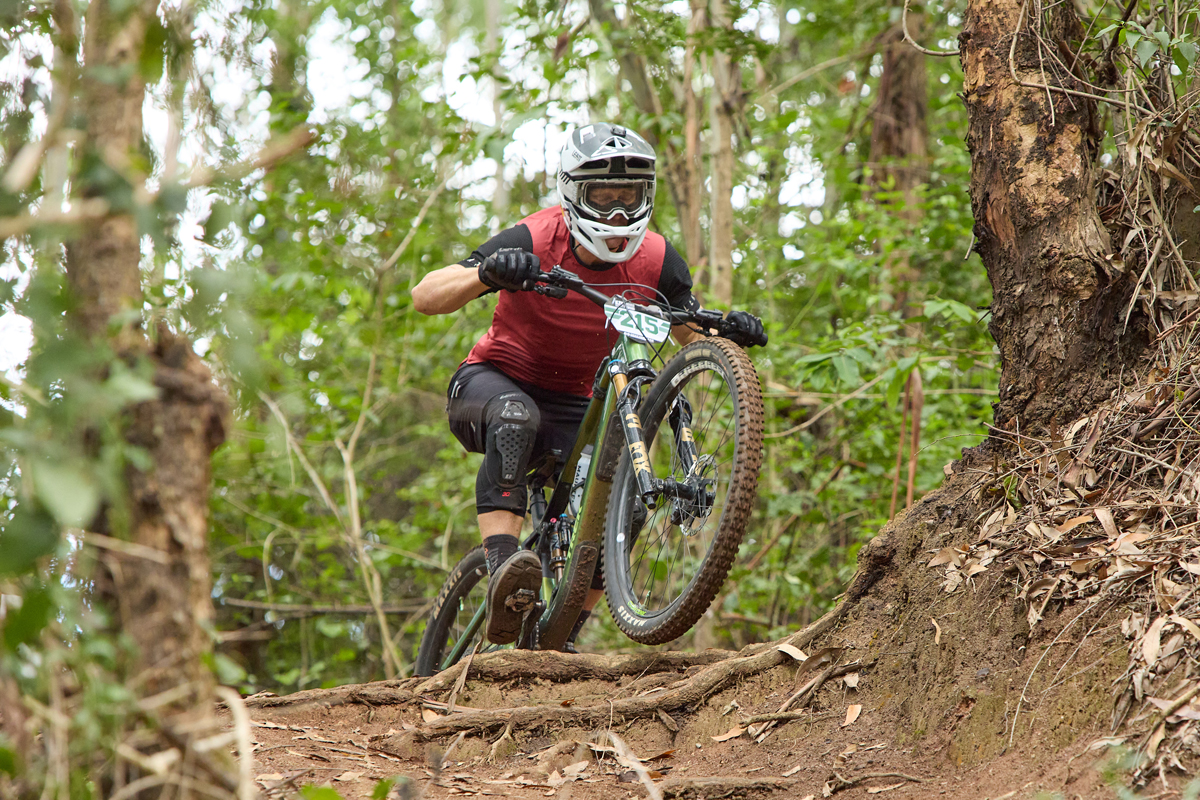
With stronger backing this season, where are you aiming to make the biggest leap?
“Mindset is a big one. I want to put less pressure on myself and trust the work I’ve done.
“My goal is to finish in the top 30 from round three onwards. I’ll use the first couple of races to settle in, but I believe that’s achievable with a good run.
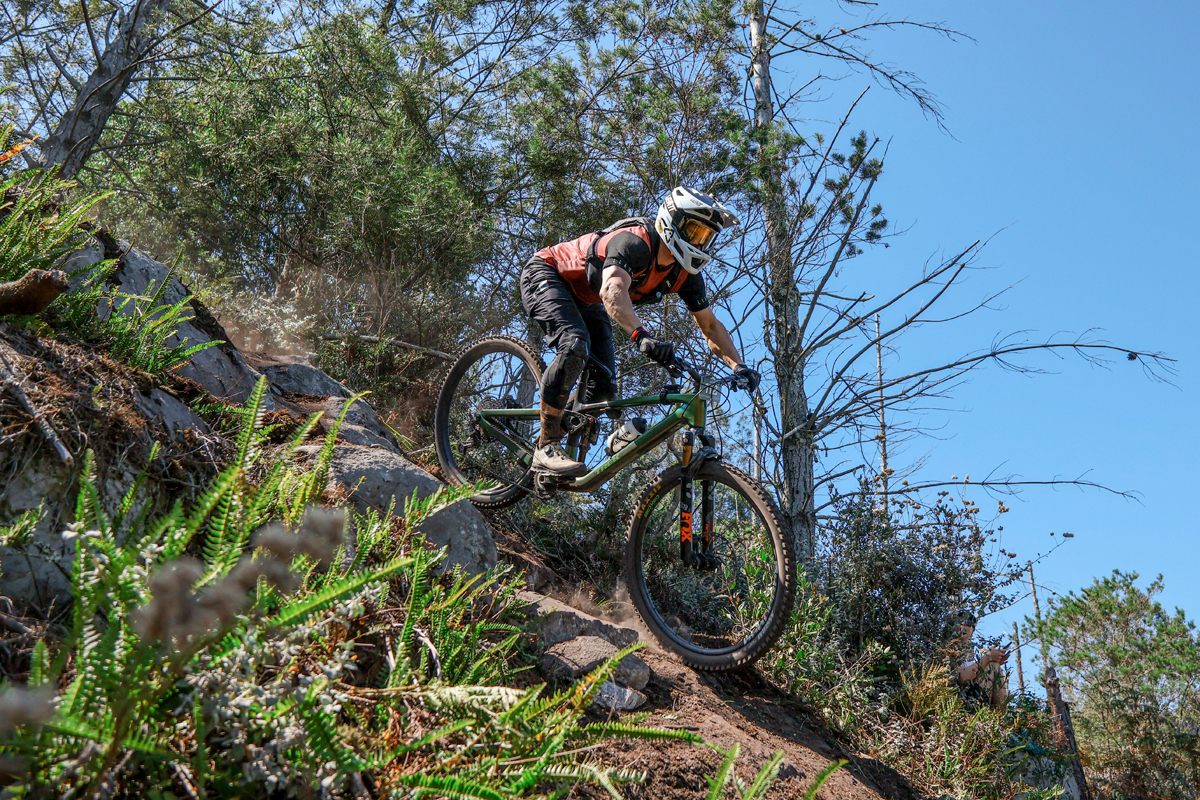
“A lot of it also comes down to becoming more comfortable racing in Europe—it’s very different to South Africa, and that familiarity takes time.”
Looking beyond this season, what does your ultimate vision for Enduro look like?
“I’d love to see a South African rider stand on a podium at an Enduro World Cup.
“We’ve seen it in downhill and cross-country, but not yet in enduro. Whether it’s me or someone else, I think we all have a role to play in building toward that.
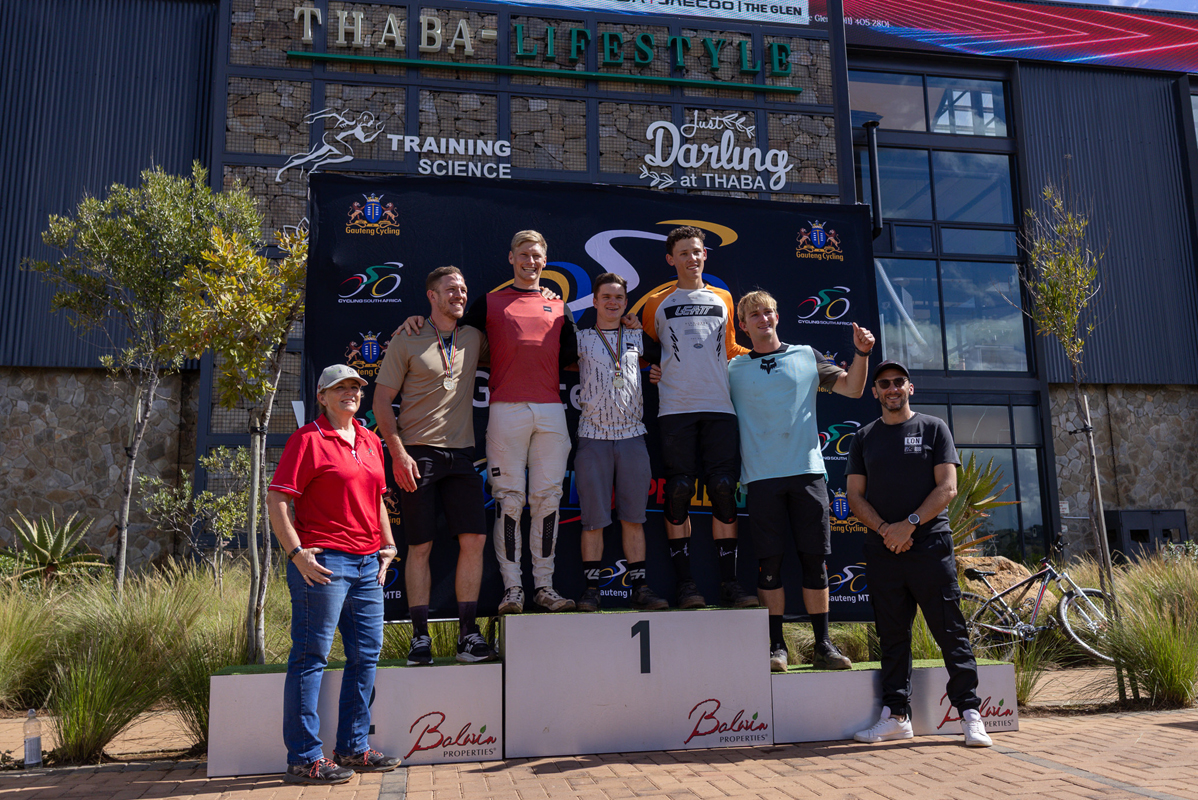
“I’d also love to see better pathways for younger riders, especially those who might not have the financial means to access the sport.”
What honest advice would you give someone hoping to follow a similar path?
“It really comes down to determination and self-belief—two things I’m still learning myself.
“There will always be challenges, but you don’t know what you’re capable of until you fully commit to something. That’s what I’m trying to do, and if that inspires someone else to give it a go, that’s pretty special.”
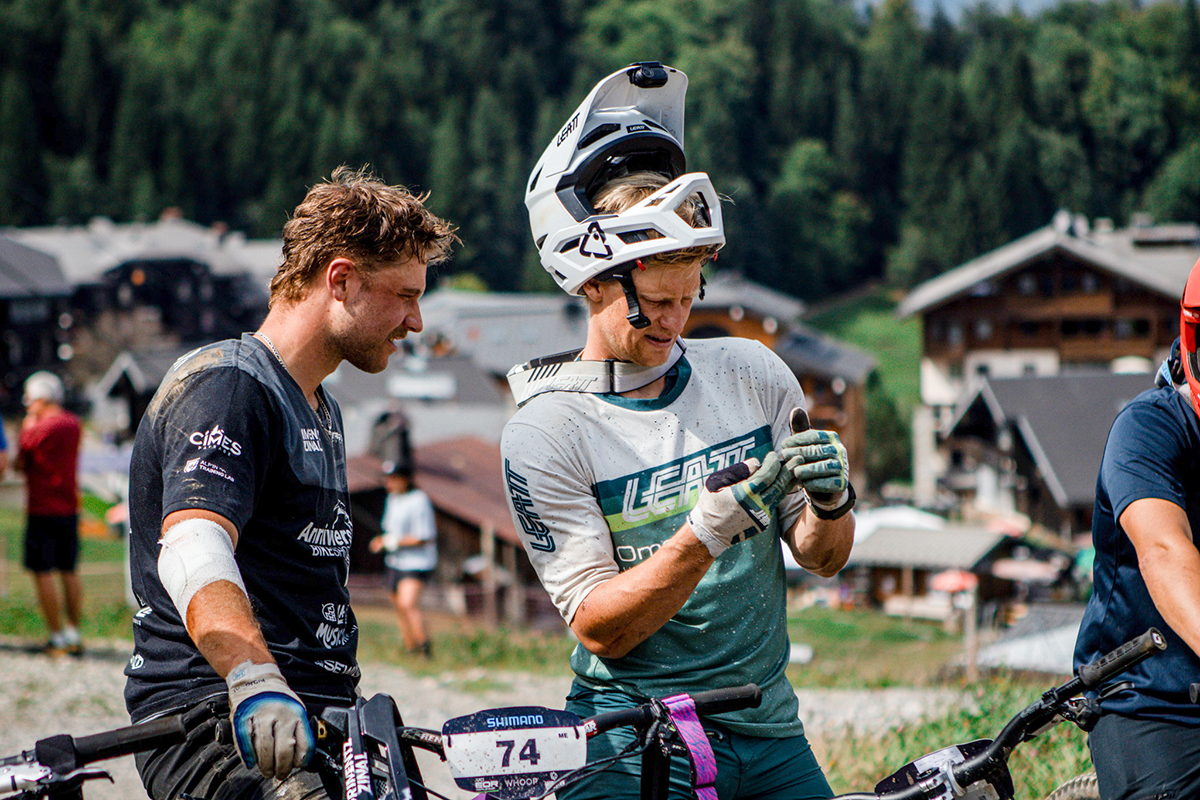
As Boulle lines up for another World Cup season, the results sheet tells only part of the story. Behind it lies years of quiet commitment, calculated risk, and an unwavering belief in what might be possible.
In many ways, his journey is still unfolding, but its impact is already being felt beyond race day. Whether it’s inspiring the next generation, navigating the realities of self-funded competition, or helping put South African enduro on the map, Boulle is part of something bigger than his own results.
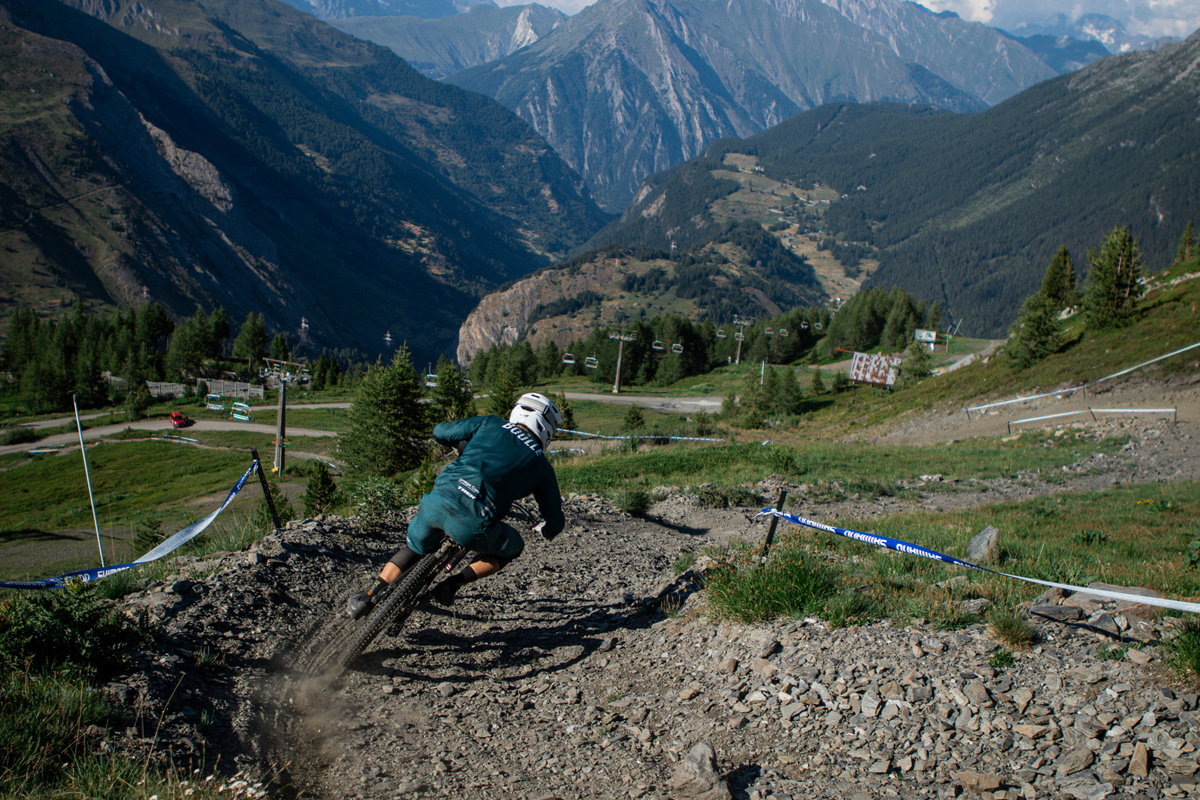
The podium may still lie ahead, but the path he’s building is already changing the landscape behind him. For now, the mission continues, one stage, one season, and one step closer at a time.
You can follow Jason Boulle on his social media platforms: Facebook/Instagram/YouTube.