



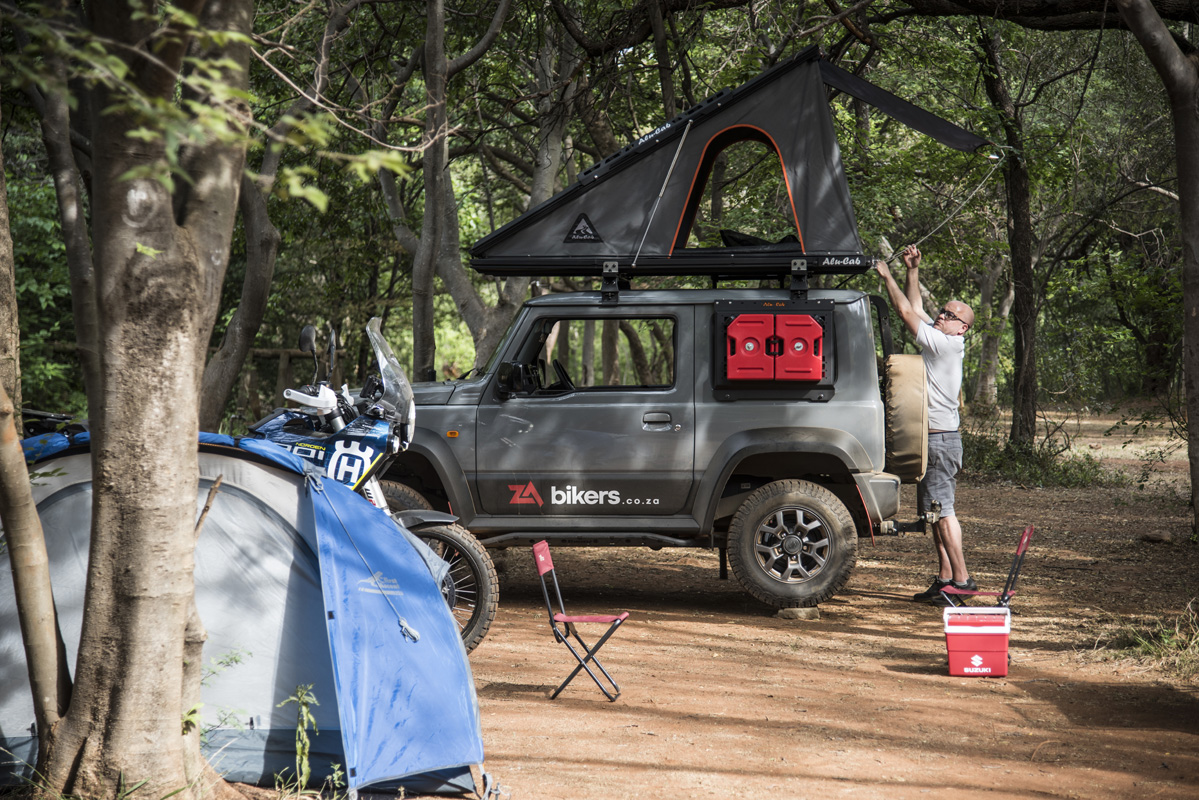
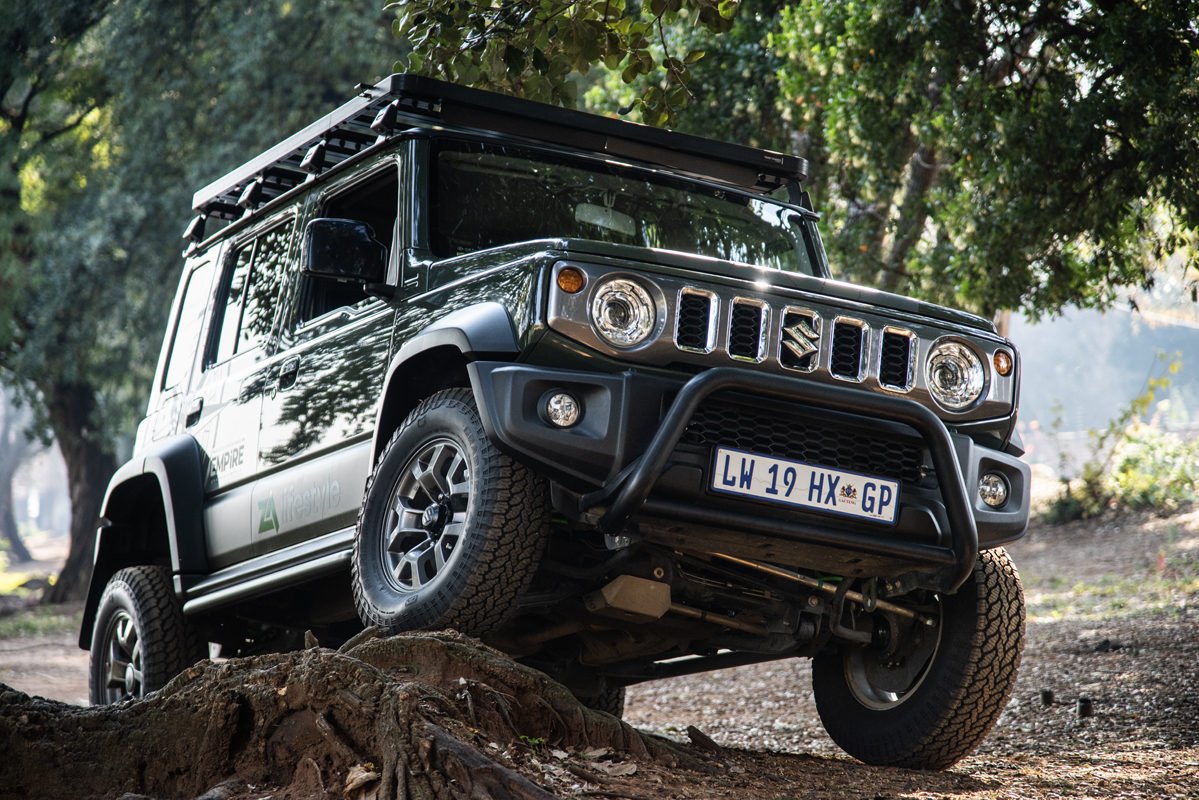
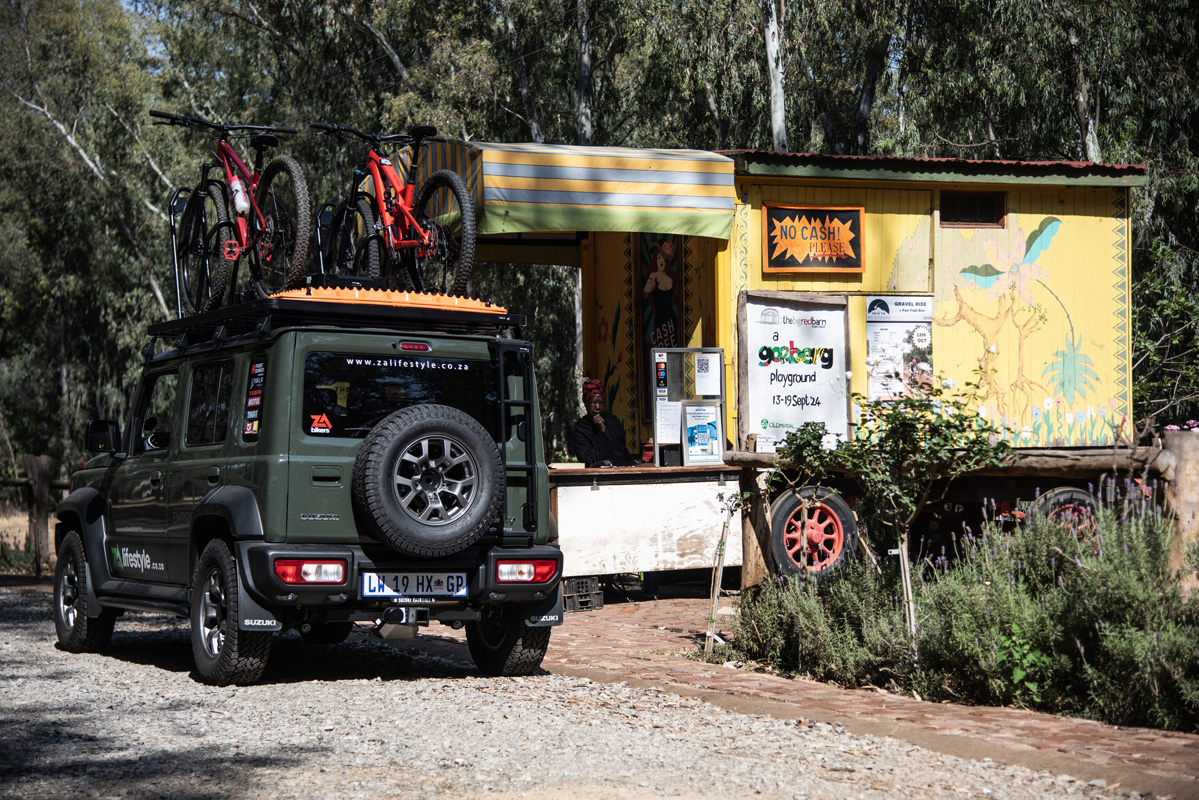
I’ve been a Jimnisti since 2022, when I acquired my 3-door Jimny “Jim-Bob” as both a lifestyle vehicle for myself and a versatile support vehicle for ZA Bikers, which often requires transporting camera equipment and the like to some weird and wonderful places.
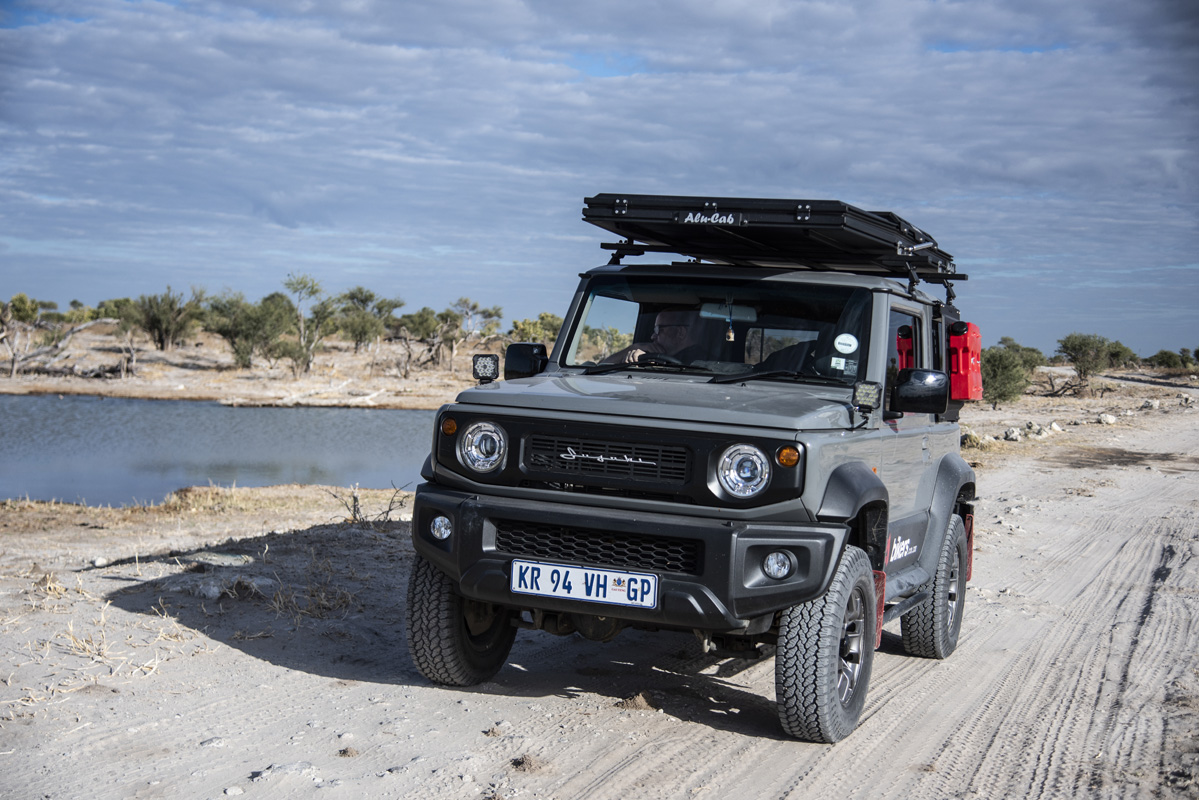
My current Jimny is the 5-door GLX Auto model, and we are at the beginning of an exciting new build project to transform this very capable little 4×4 into a micro-overlanding machine.
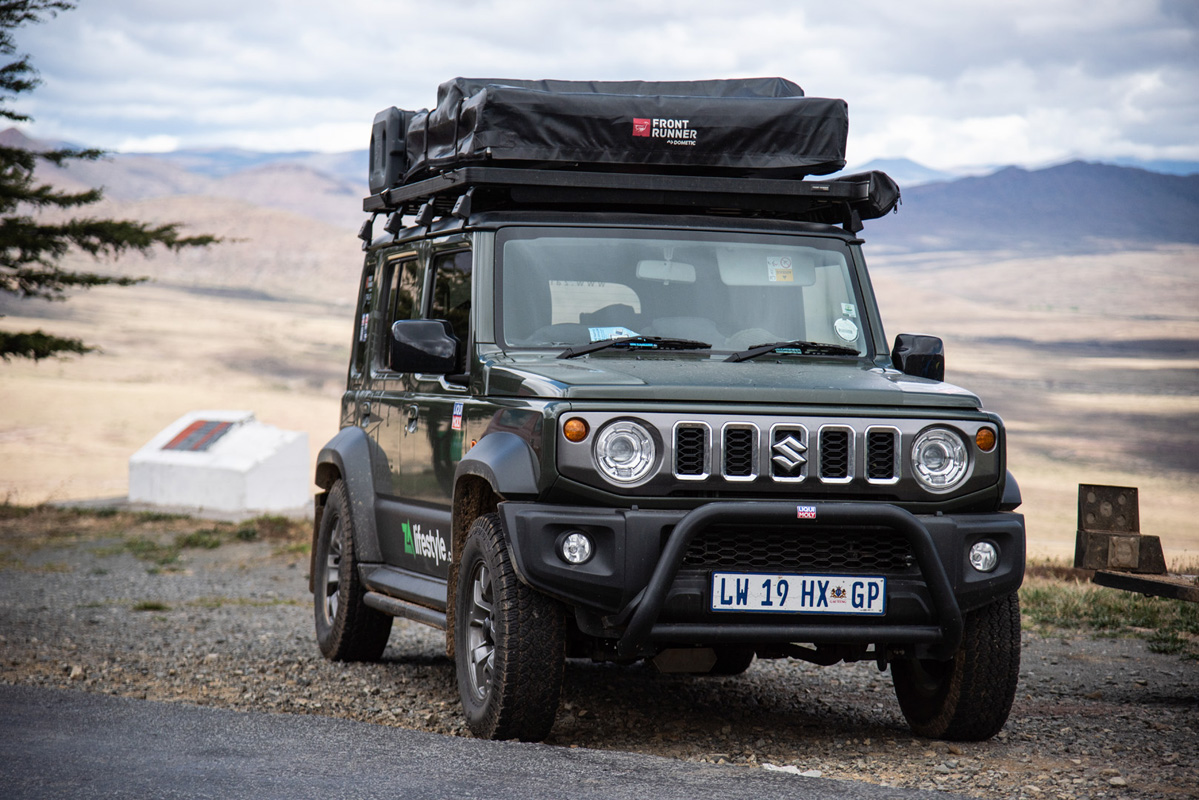
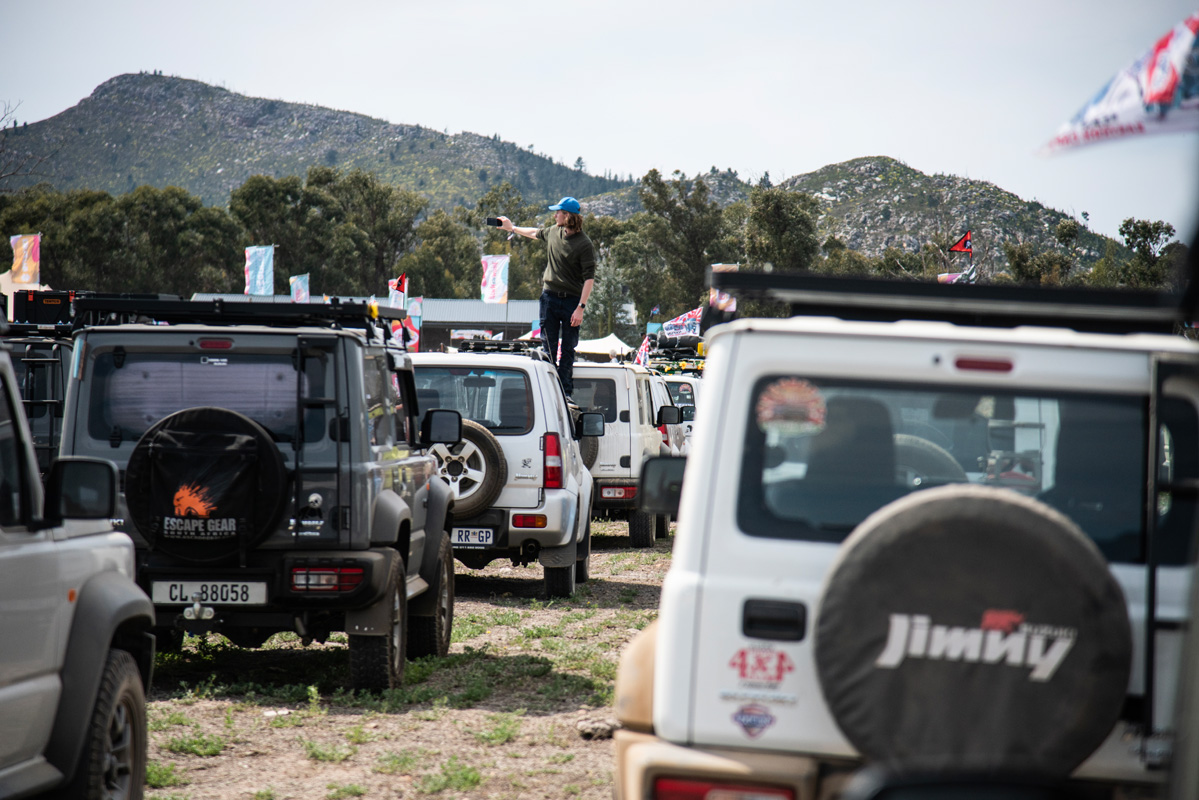
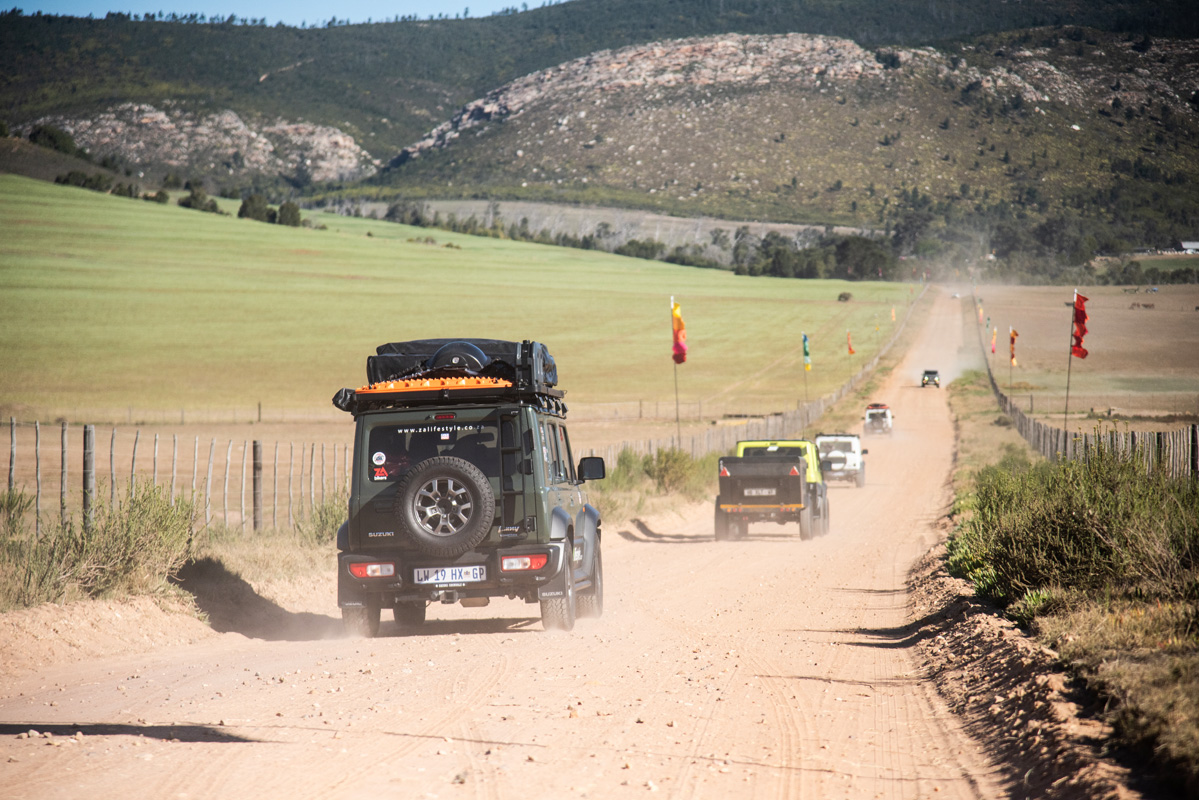
Over the years, we’ve travelled far and wide in our Jimnys; to Botswana, Eastern & Western Cape, both of the Jimny Gatherings, and many places in between.
One thing that is apparent from all the Jimnys we’ve bumped into along the way is that very few leave their vehicles standard. In fact, right here in South Africa is an array of aftermarket accessory companies, with offerings to customise your Jimny to however your heart desires. Anything from a basic OEM-approved roof-rack and ladder, to rock climbing weapons, and full-blown micro overlanding rigs.
One thing most modified Jimnys have in common is that they’re carrying extra weight on an already power-limited 1.5-litre naturally aspirated engine.
“You can go fast, but I can go anywhere”
It’s a slogan you’ll often see on the back of Suzuki Jimnys.
It’s no secret that the Suzuki Jimny lacks power; there are even bolt-on turbo kits available specifically for the Jimny market. I’ve driven one; it was insane! I even, at the time, almost convinced myself that I needed the upgrade before the sensible side of my brain reeled back in the midlife crisis part that desired the sports hatch feel from my younger days.
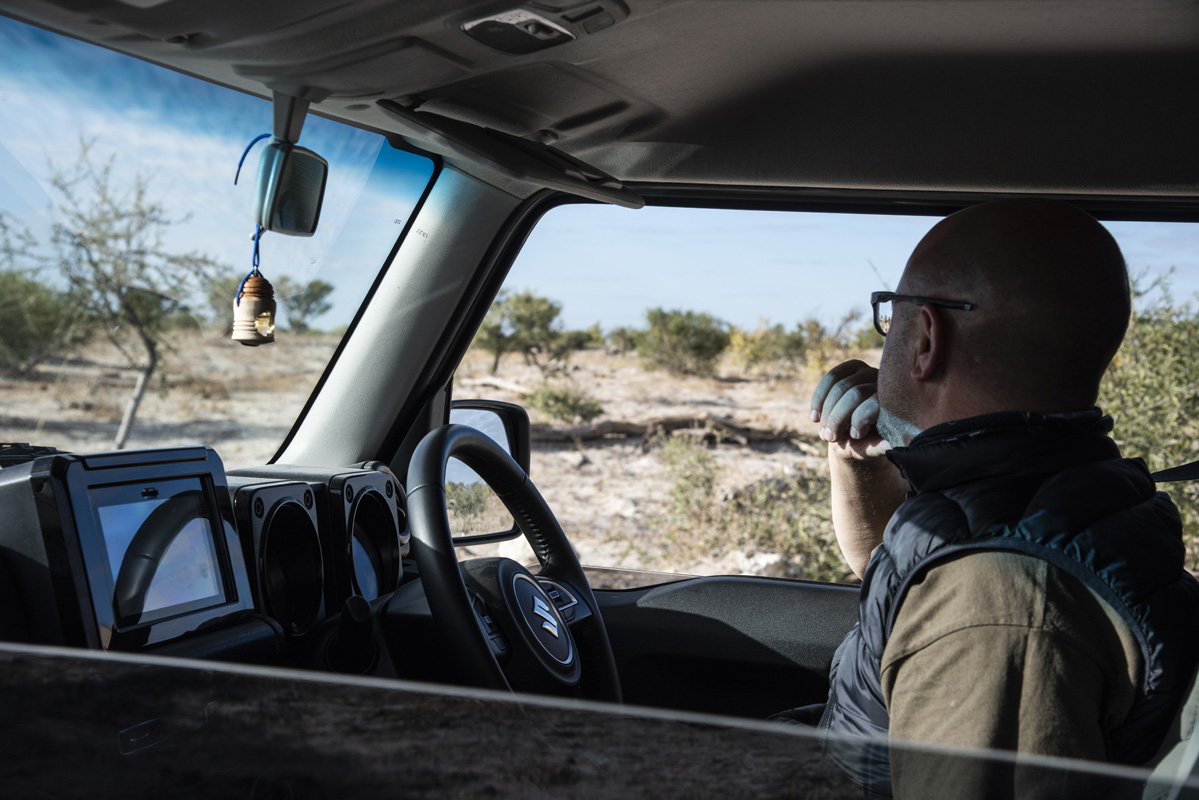
While the turbo idea was tempting, I kept coming back to one question: what if I could simply make the Jimny drive the way it always should have from the factory? That’s where ECU calibration comes in.
OEM+ Calibration
ECU calibration isn’t about turning your Jimny into a race car—it’s about unlocking more of the engine’s available performance without changing any hardware.
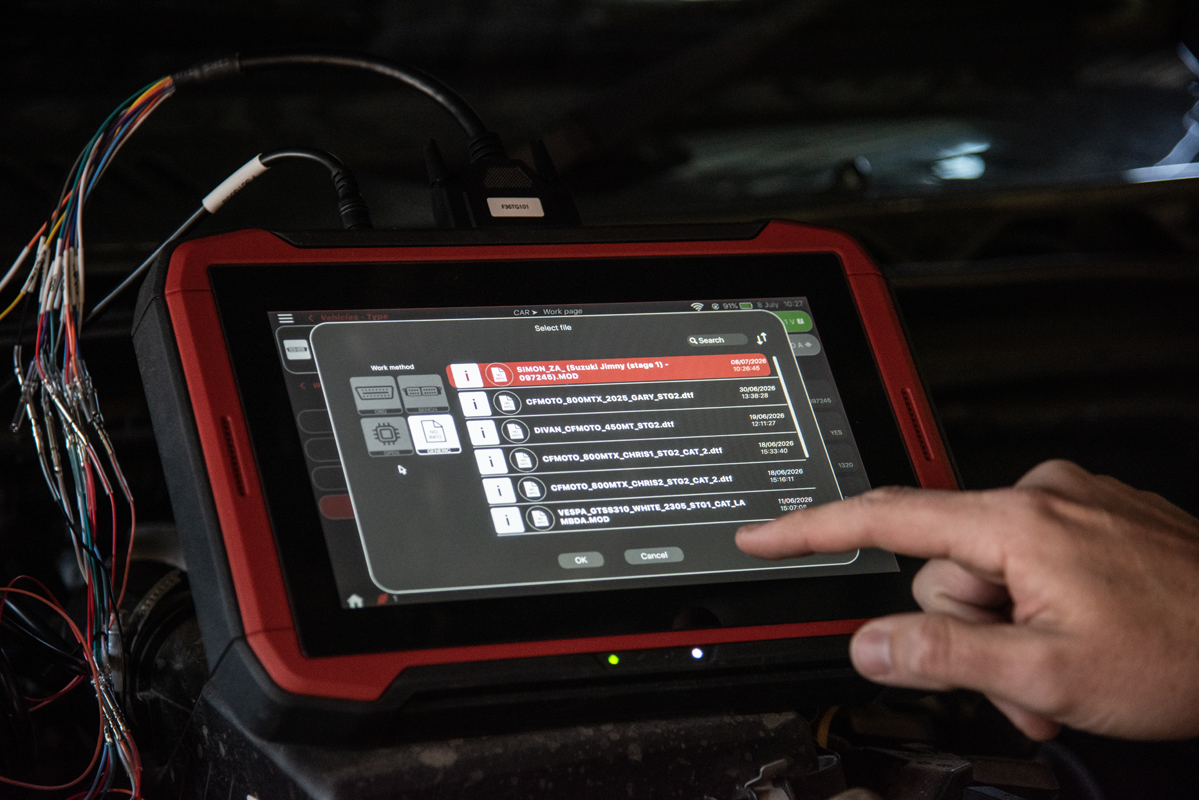
Modern emissions regulations, particularly Euro 5 and Euro 5+, often require manufacturers to build in conservative throttle mapping, torque limits and other compromises to meet emissions targets. A quality ECU calibration refines those factory settings, improving throttle response, drivability and allowing the engine to make better use of its available performance while remaining mechanically standard.
I’d describe it as an “OEM+” upgrade rather than outright tuning. Traditional tuning usually involves hardware changes such as performance exhausts, intake systems or even forced induction, all of which require the ECU to be recalibrated to suit. The philosophy behind an OEM+ approach isn’t to chase maximum horsepower, but rather to improve drivability by refining the factory settings while retaining the vehicle’s standard mechanical components. If your vehicle is completely standard and you simply want it to perform more naturally and consistently, an ECU calibration is one of the best bang-for-buck improvements you can make.
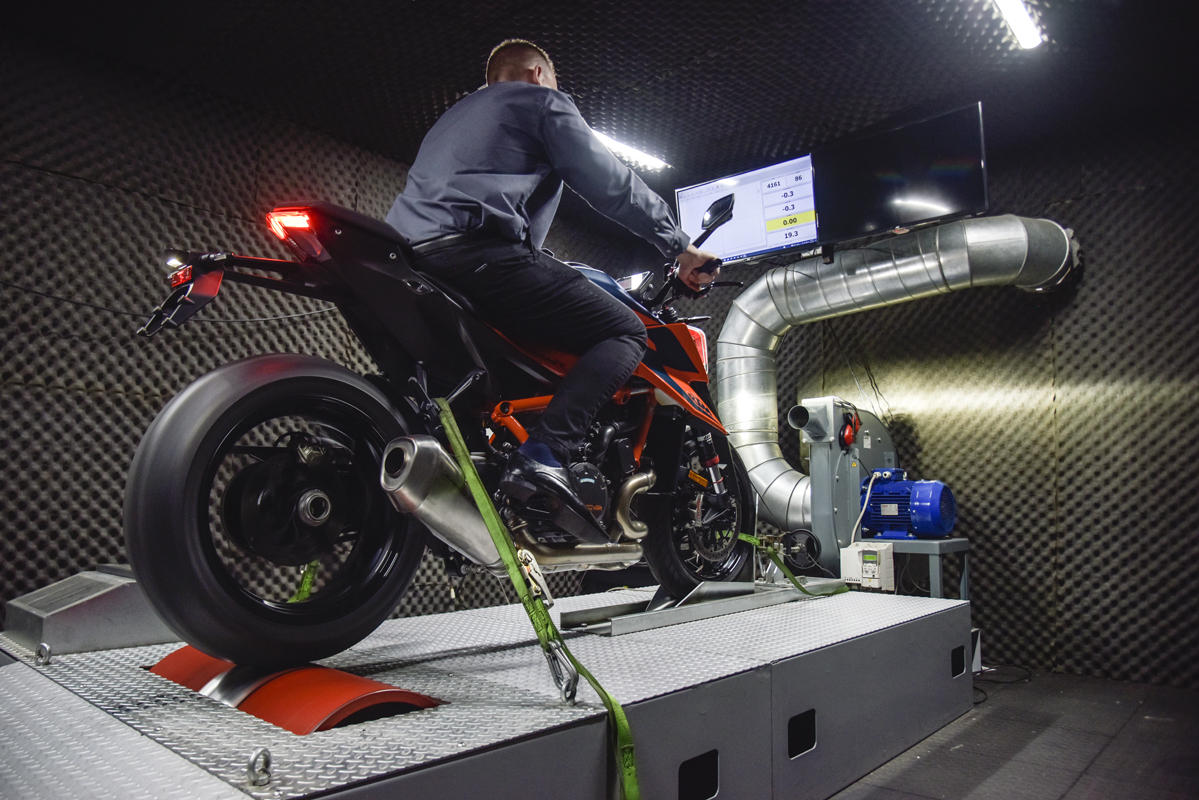
We see exactly the same trend in the motorcycle industry. Years ago, fitting an exhaust and air filter was often enough to unlock noticeable performance gains. Today, modern ECUs are so sophisticated that those parts alone rarely deliver their full potential. Correctly calibrating the fuelling and throttle mapping is what really transforms how the engine responds. If maximum performance is the goal, then combining quality hardware with a proper calibration will always produce the best results. But for riders and drivers who simply want their machine to perform as it should have from the factory, ECU calibration is often the smartest first step.
So when the guys from Precision Tuning reached out, offering us the opportunity to test their OEM+ calibration, I thought, heck, why not? I’d already seen this type of calibration work wonders with many mates’ motorcycles that have been strangled by Euro 5 restrictions via the ECU, causing poor fuelling issues out of the factory. The original ECU file is also stored by Precision Tuning, meaning the vehicle can be returned to its factory calibration if required, which gave me additional peace of mind before taking the plunge.

Precision Tuning works with a global network of ECU calibration specialists based in the UK, Italy, Japan, China, the USA and South Africa, combining decades of experience across motorcycles and vehicles. That international experience gave me additional confidence that this wasn’t simply a generic flash tune, but rather a well-developed OEM+ calibration.
The Process
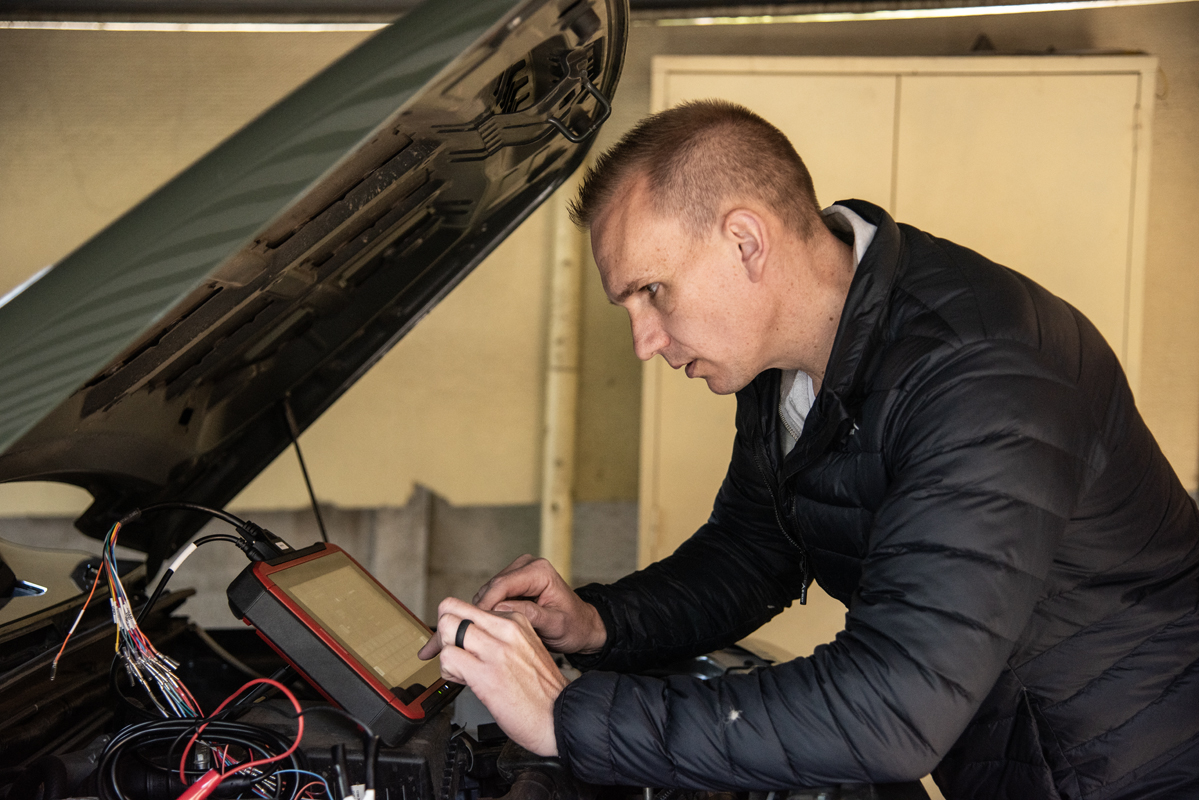
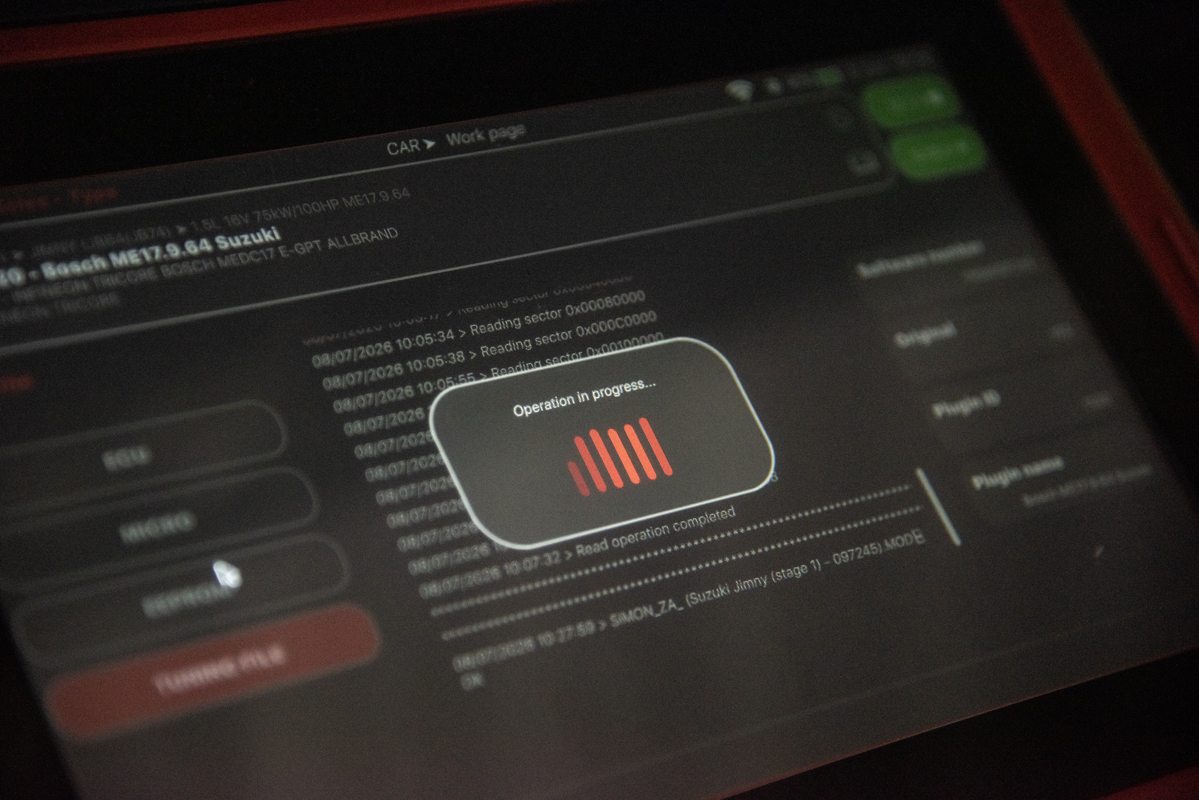
The team from Precision Tuning arrived at our offices to start the calibration process. First, they connected their diagnostics module to the vehicle’s battery and ECU before downloading the factory map. From there, they optimised various calibration settings on their laptop. For example, the throttle opening was increased from 90% to 99%, along with a number of other refinements that only experienced tuners truly understand. The revised map was then uploaded back to the ECU in a matter of minutes.
Driving Impressions
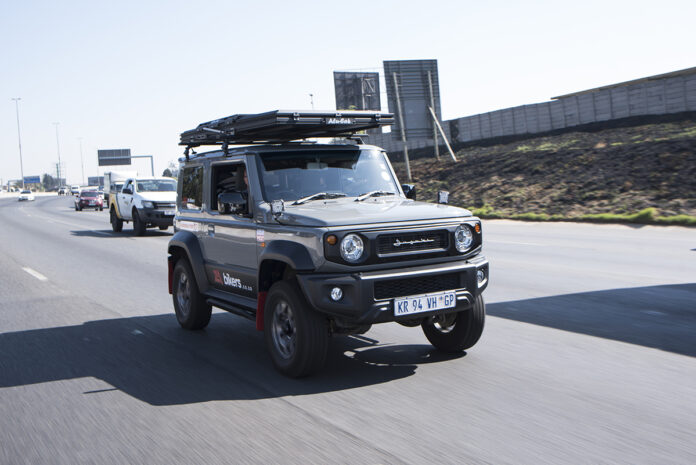
Ok, so what is it like to drive? From a standstill, the acceleration is stronger right from the get-go. As mentioned, I am driving a 4-speed auto, so gears are long. The stronger pull is felt throughout the entire rev range, which translates to the Jimny having longer legs than before. I did the test as I got onto the highway; usually, the top speed would be 130 km/h, with a comfortable cruising speed at 110 km/h. With the calibration, I reached 140 km/h (which, for a Jimny, is quick), and found that the vehicle now cruised comfortably at 120 km/h, which, being the national speed limit, is a real score. One thing to note is that I’ve upgraded the suspension on my Jimny to IRONMAN 4×4 shocks, so the ride was very stable at top speed.
Fuel Economy
Around town, I usually drive quite heavy-footed because, as mentioned, the Jimny lacks power, especially with the auto box. So initially, I did the same, and drove my first tank of fuel heavy-footed. Having the extra performance was a hoot. Look, it’s certainly not a sports car by any measure, but I enjoyed driving the Jimny far more than I did before.
How did that transpire at the pumps? Not good… but perhaps not entirely surprising.
Heavy Footed Test
Distance travelled: 326.7 km
Fuel used: 35.610 L
Fuel economy: 10.9 L/100 km
Ouch, that’s not a lot of range for a full tank of gas. Look, Jimnys aren’t known for their fuel economy, and around town I’d normally get just shy of 400 km from a tank. But this style of driving wasn’t going to be sustainable for me.
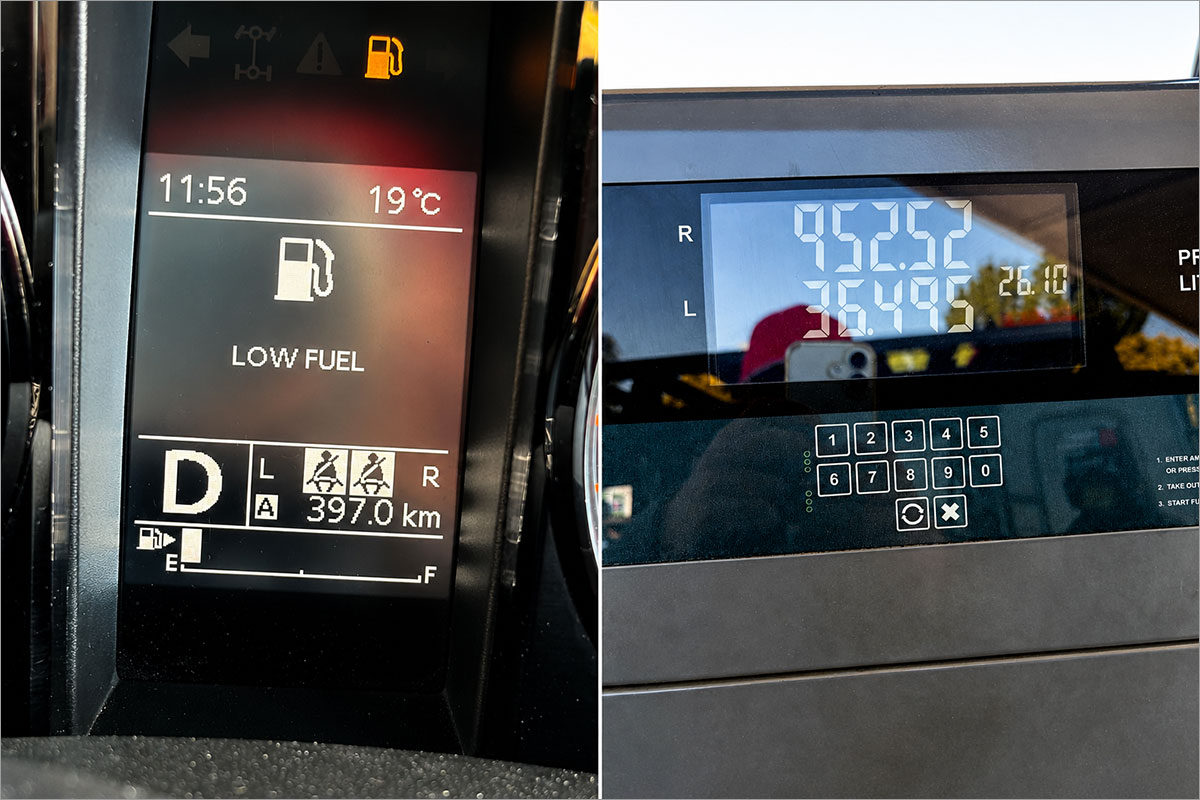
The second test I drove differently. This time, I controlled the throttle and found that I could travel at the same speeds as before, but with a lighter foot. Doing this, the range returned to what I’d normally expect from a standard Jimny, but with the added benefit of noticeably stronger performance whenever I asked for it.
Light Footed
Distance travelled: 397.0 km
Fuel used: 36.495 L
Result: 9.2 L/100 km
What I haven’t yet tested is long-distance travel. However, I suspect that when cruising at my usual economy speed of 110 km/h—my “smell the roses” pace—the open-road economy could improve, as maintaining that speed now requires less throttle input.
I also haven’t had the chance to test it in a 4×4 environment as yet, but again, one can imagine that having a bit of extra shove low down would be better for steep technical inclines.
The verdict
Final thought: Modern emissions regulations inevitably force manufacturers to make compromises. If the Jimny had left the factory with this OEM+ calibration, I suspect far fewer owners would complain about it feeling underpowered.
Overall, I am very happy with the results, and at a cost of only R3950, I would say it is well worth the spend. It certainly makes more sense to me than the extreme route of fitting a turbo.
For more information, contact: www.precisiontuning.co.za