



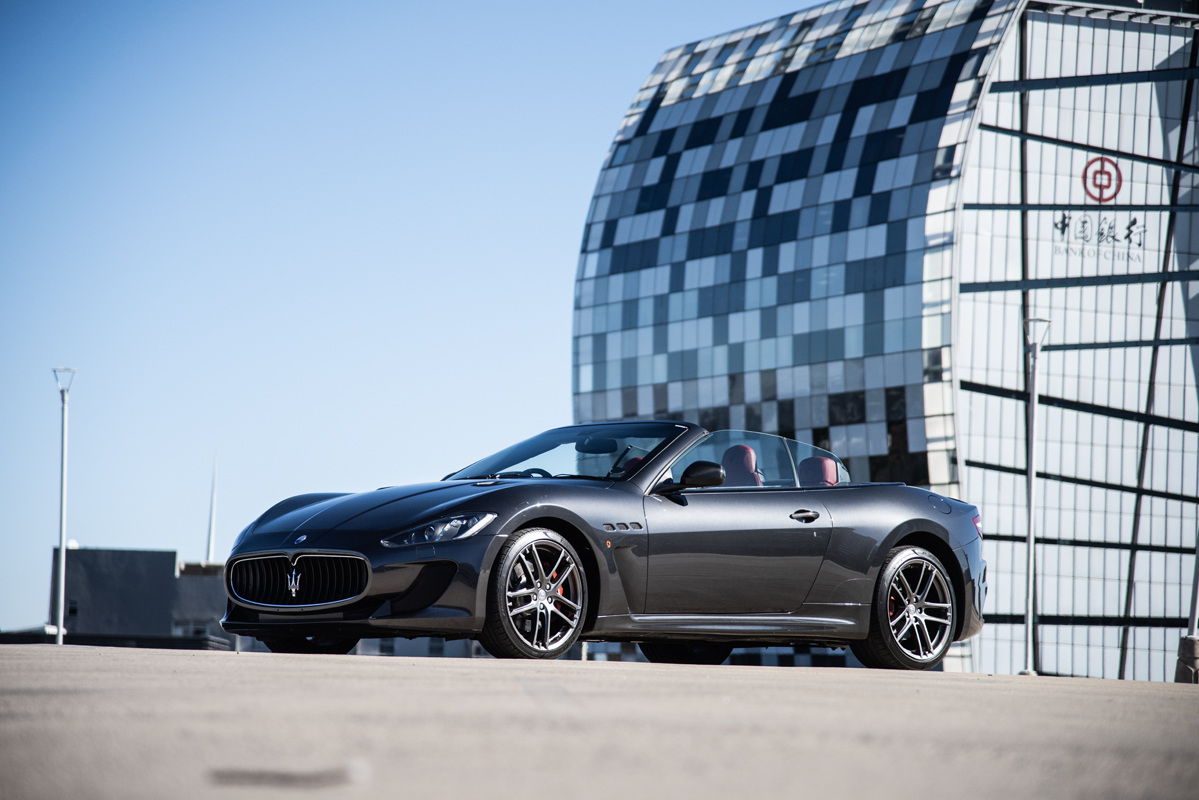
Maserati might be the least-celebrated of the Italian motor manufacturers, after Ferrari and Lamborghini, but it is the oldest of the three, and its history is just as distinguished, even if its existence has been threatened financially on more than one occasion.
Maserati was founded in 1914 by the five Maserati brothers, building both road and racing cars. The heyday of the company’s racing exploits was from the 1930s to the end of the 1950s, but financial ruin was never far away. In 1937, the company was sold to Adolfo Orsi; in 1968, it was sold to Citroën. When that company went bust in 1974, Maserati was put into liquidation and rescued by the Italian government, who put Alejandro De Tomaso, an Argentinian industrialist, in charge. Then it was part-owned by Chrysler and FIAT, before FIAT took over completely, selling 50% to Ferrari in 1997 and the other 50% in 1999. Today, Maserati is part of the Stellantis group, which owns Chrysler, FIAT, Alfa Romeo, Citroën, Peugeot, etc., etc. Today, it is, in effect, the luxury division of Ferrari.
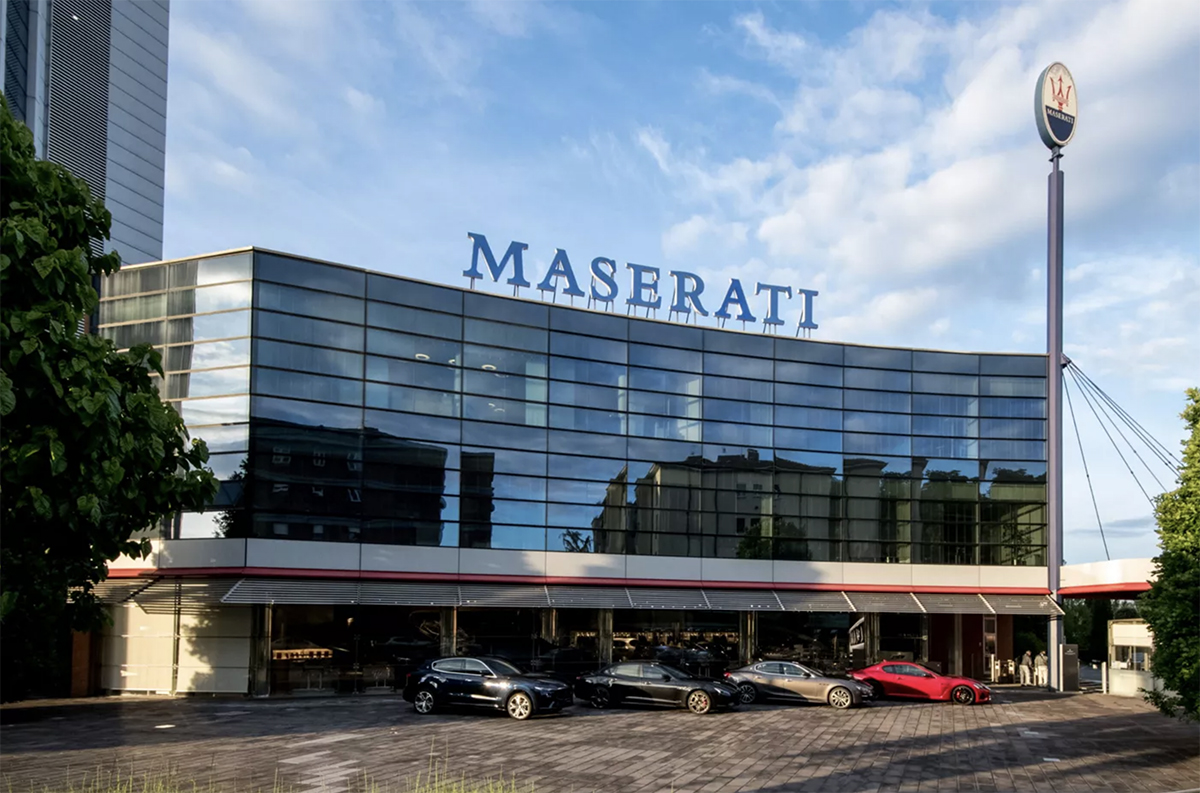
Throughout all this turmoil, Maserati built some stunningly beautiful cars for both road and track: 4CLT, 250F, 450S, 3500GT, Ghibli and Bora, to name but a few. Even the Biturbo of the 1980s had that indefinable Italian charisma about it, although, as a driver’s car, it wasn’t very good.
Fast forward to today, and Maserati remains very much in the Grand Touring car category, leaving the out-and-out sports territory to Ferrari. Because of this, they haven’t gained the legendary status of the cars from Maranello, which is a good thing if you like your motoring rather more restrained and under the radar.
Don’t get me wrong; this is still an Italian thoroughbred, both in terms of style and engineering. It’s just that it doesn’t shout about it too loudly.
There were times when those words, “Italian thoroughbred”, were enough to strike terror into many a motorist’s heart. Visions of mechanical fragility, terrible build quality and sky-high maintenance bills swim before the eyes. But time and technology, never mind access to the FIAT parts bin, have done a lot to render this impression redundant, although, let’s be honest, you’re never going to run a Maserati on a Mini budget.
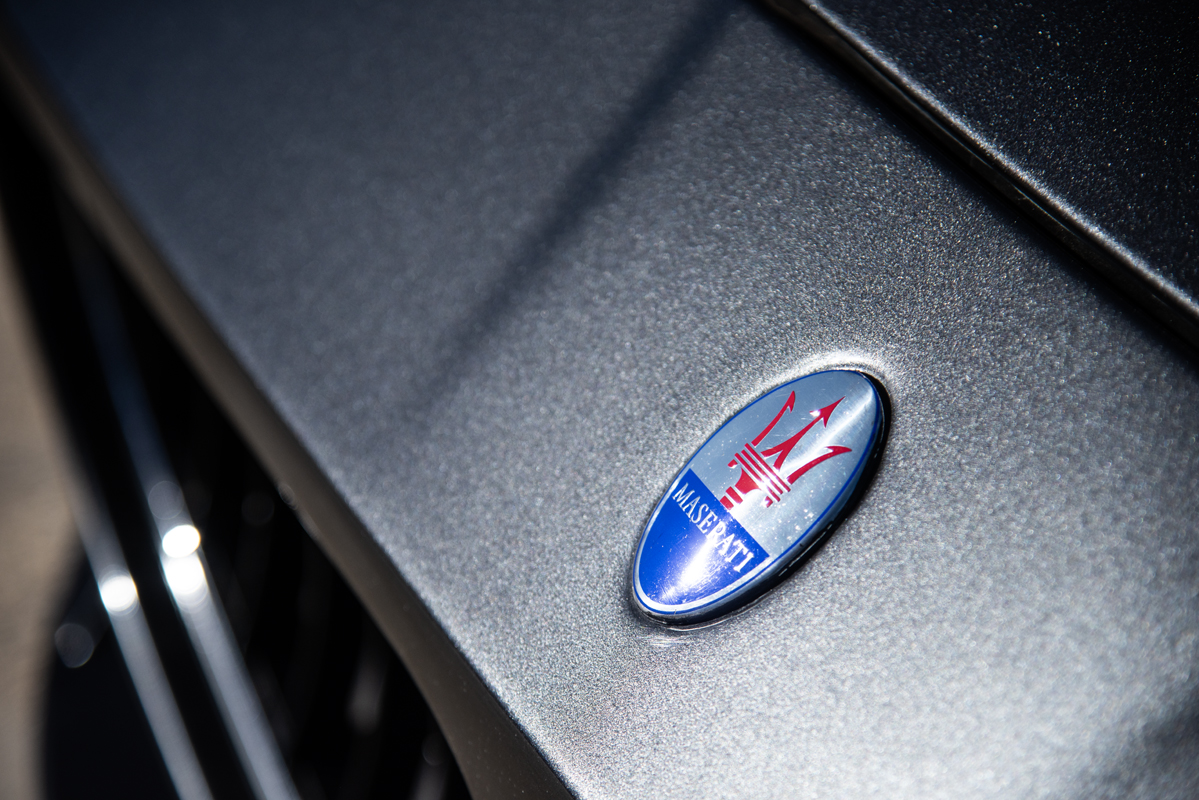
You buy a Maserati because it has an unmistakable balance of style and mechanical perfection. The GranTurismo and its stablemate, the GranCabrio (tested here), were introduced in 2007, using an alloy V8 engine developing around 400bhp.
Interestingly, this model holds the record for the quickest development time of any car in the history of the automobile. The intended replacement for the Maserati Coupé, the previous model to the GranTurismo, looked like it was going to be too expensive for Maserati to produce, so it was given over to Ferrari as that company needed a new small car in its range. That became the Ferrari California. But Maserati still needed a replacement car, so the GranTurismo was taken from design to production reality in just nine months. Not bad for a company with a workforce that probably wouldn’t staff the canteens at General Motors or FIAT!
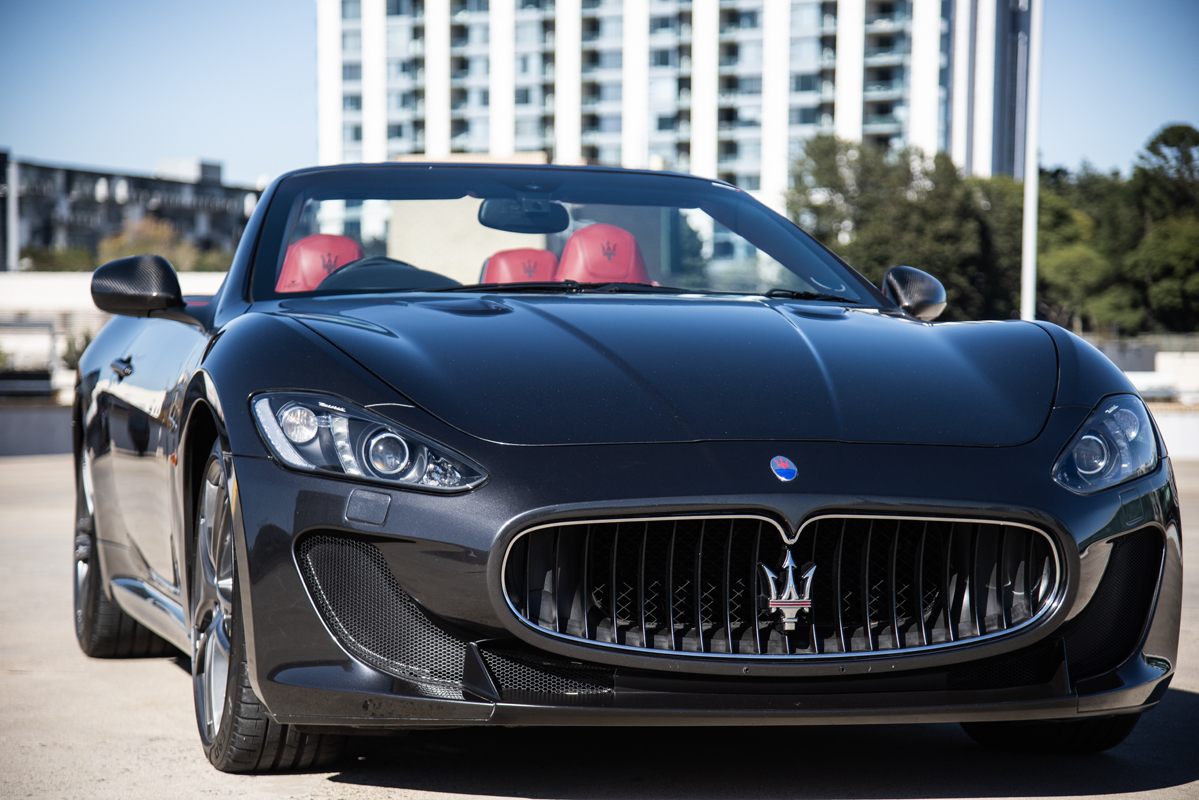
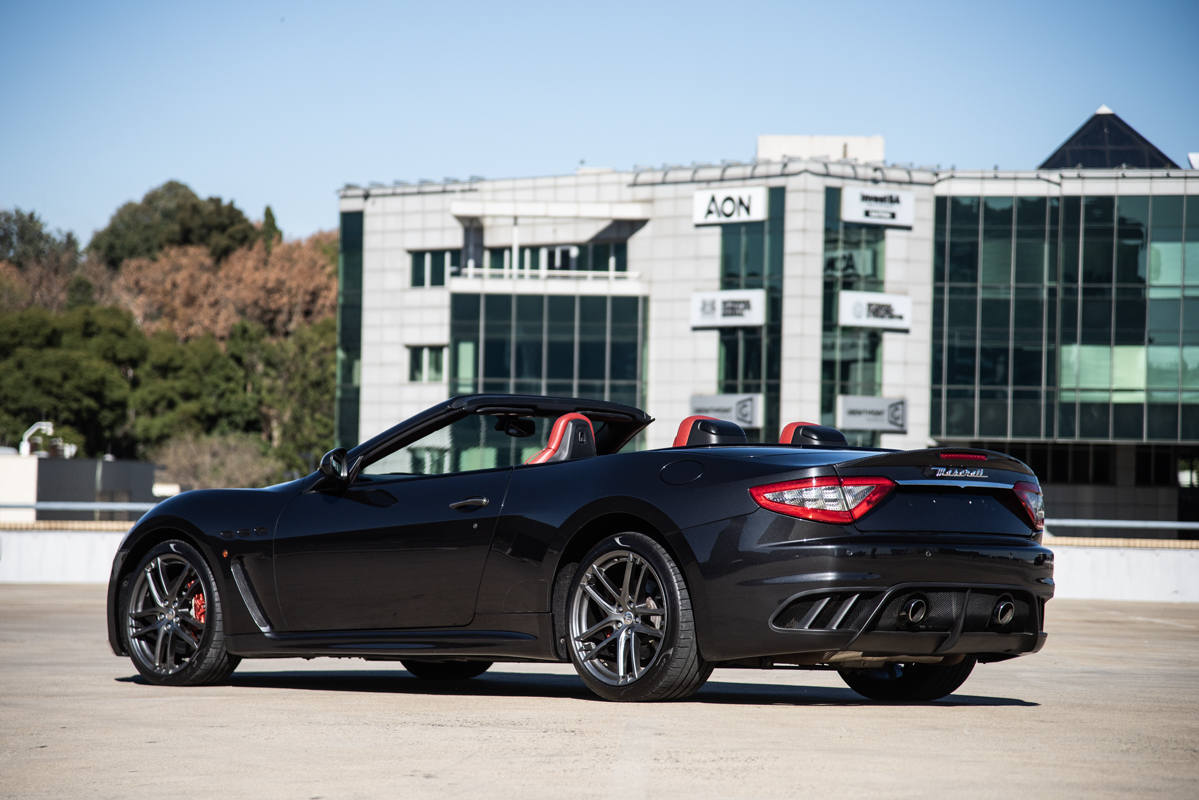
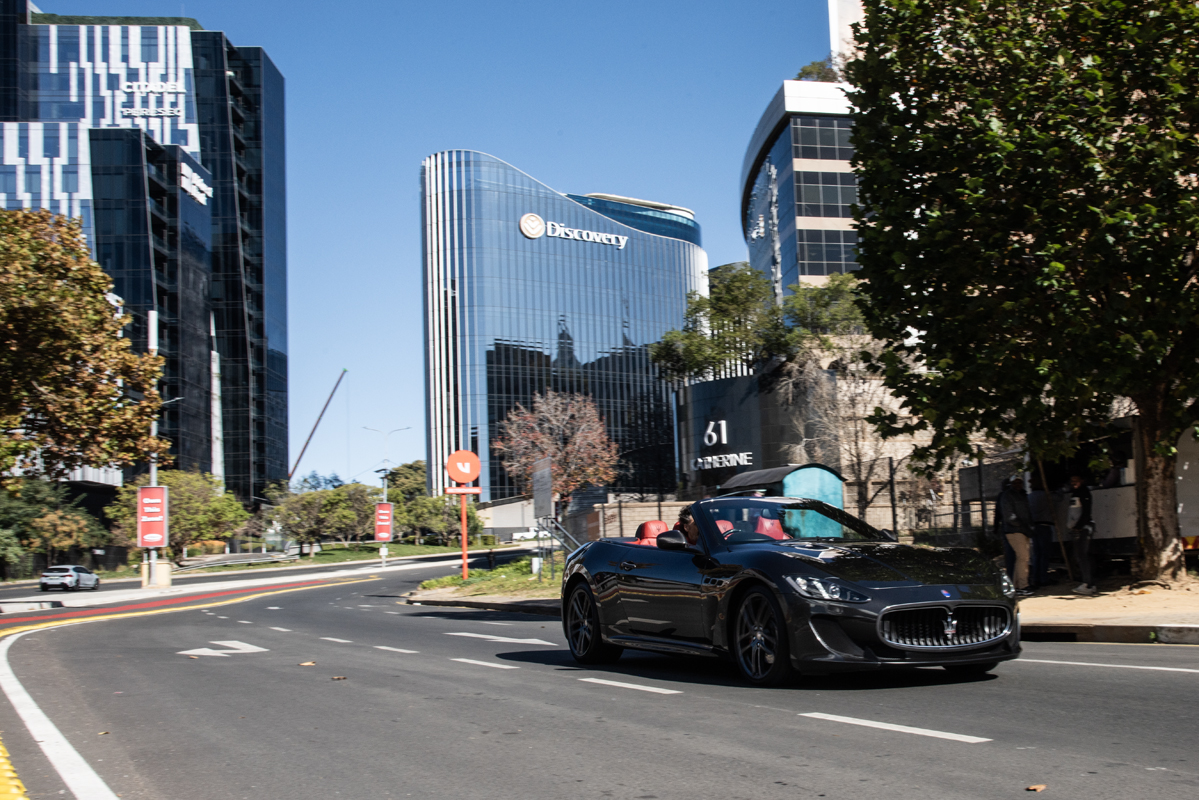
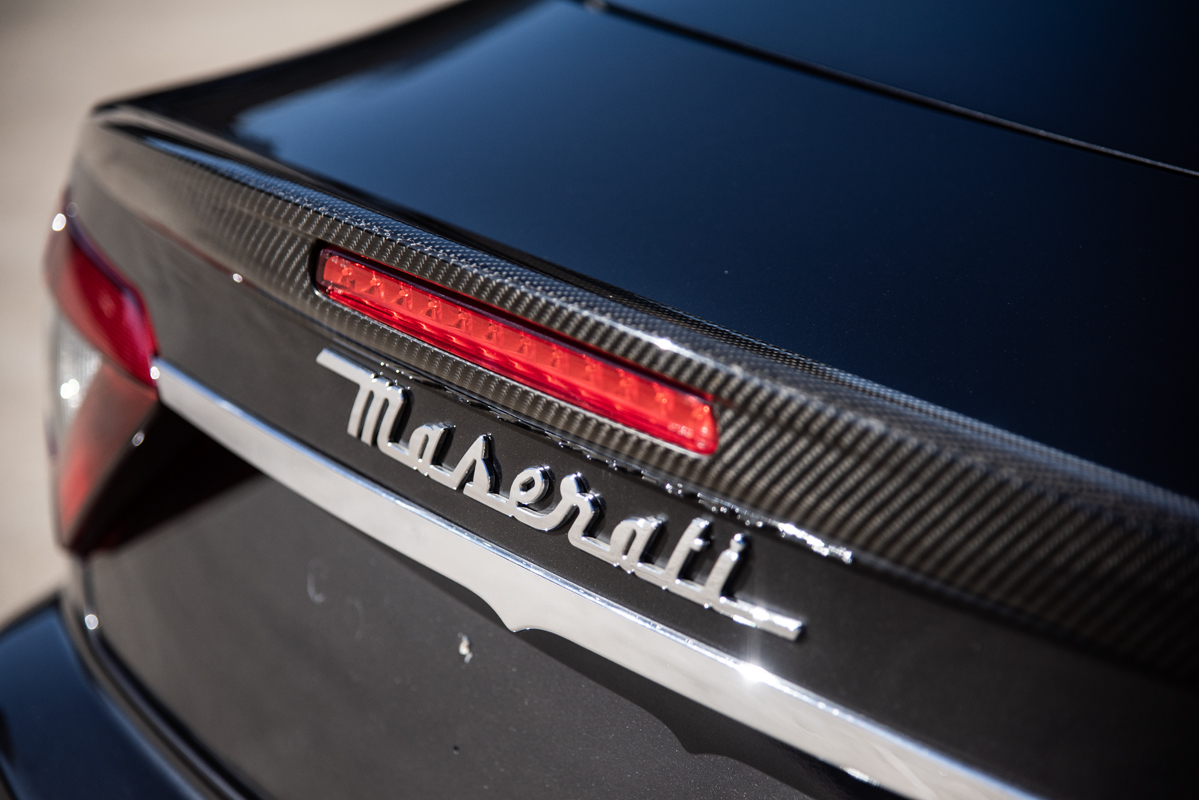
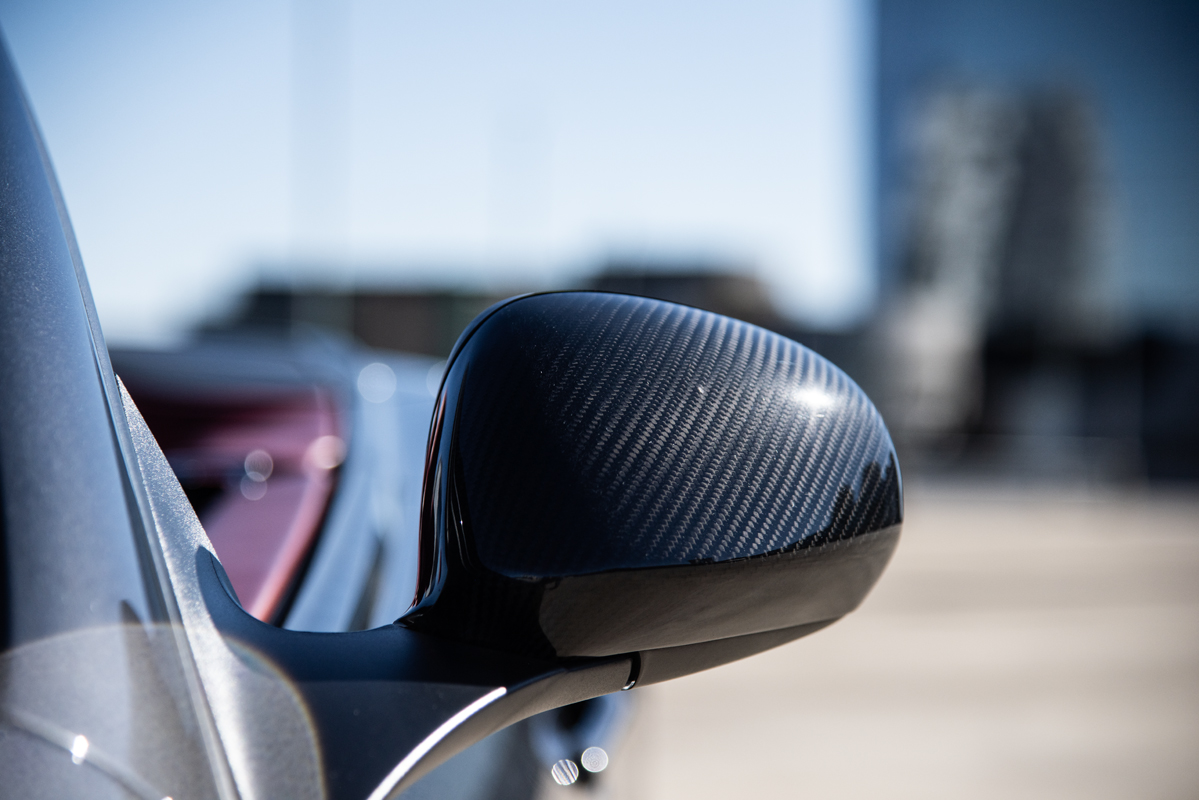
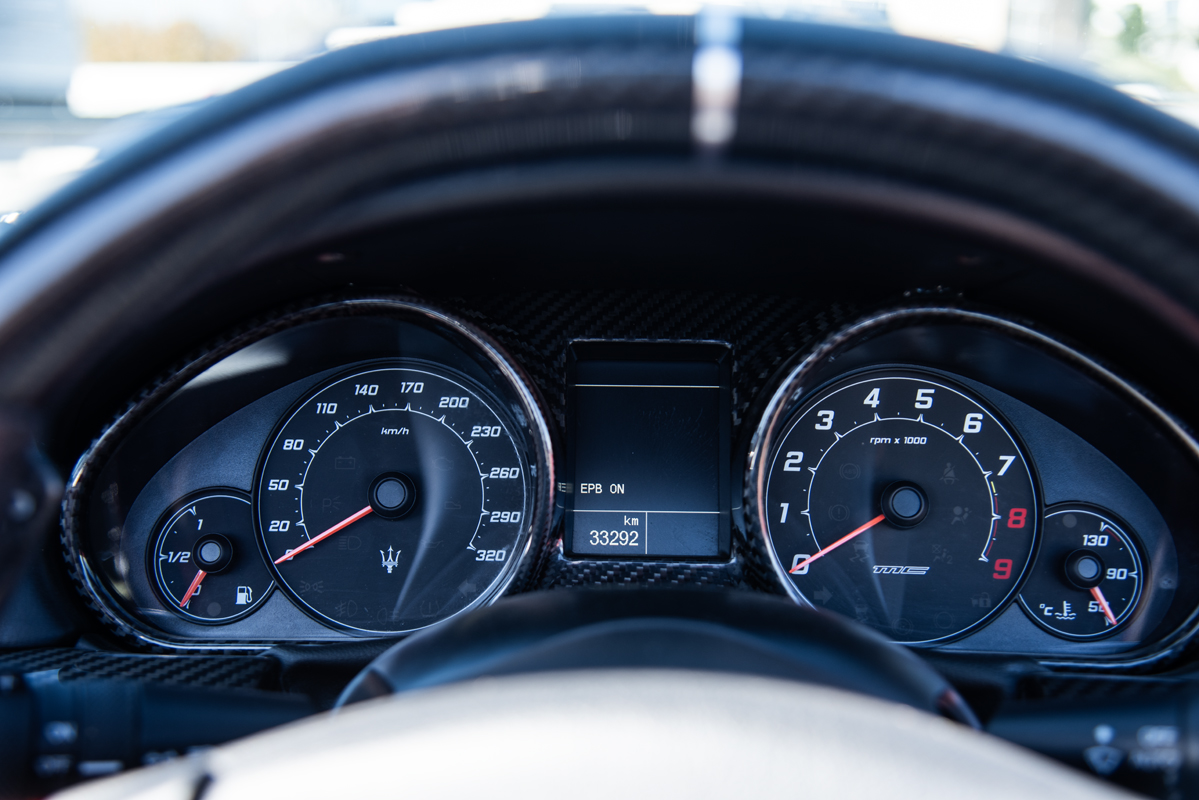
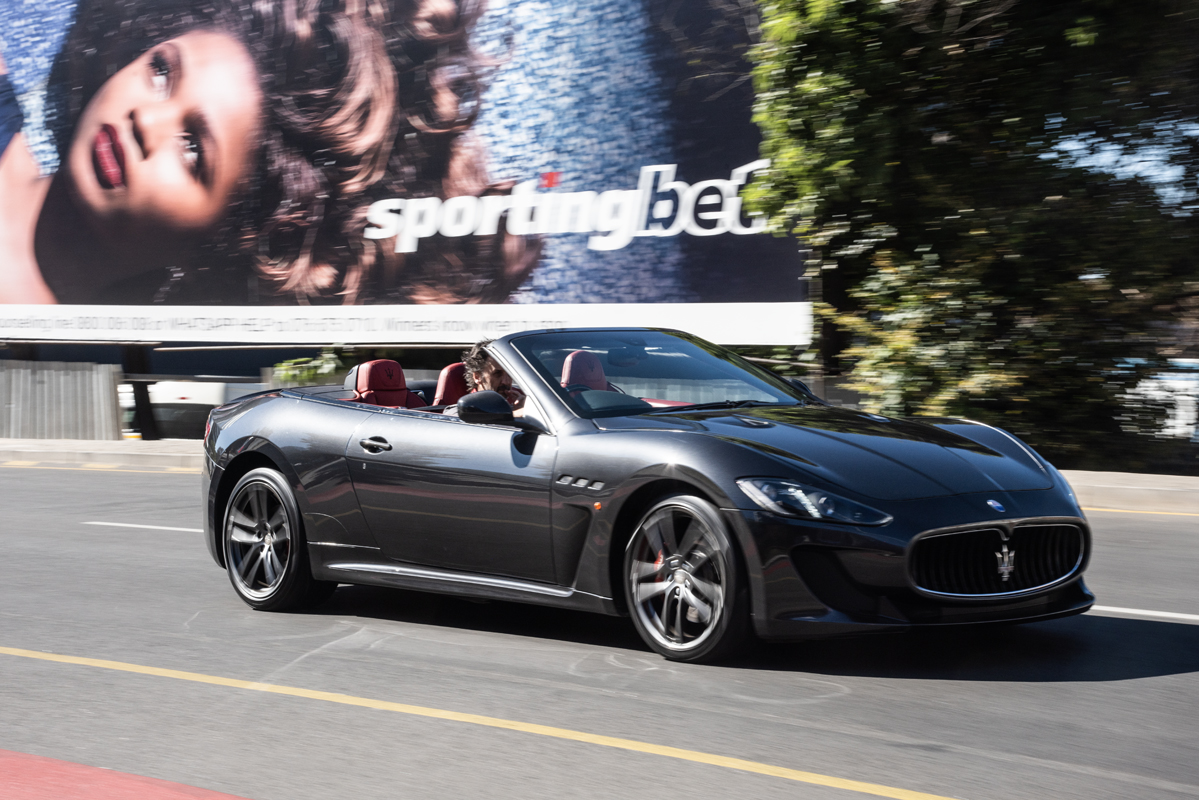
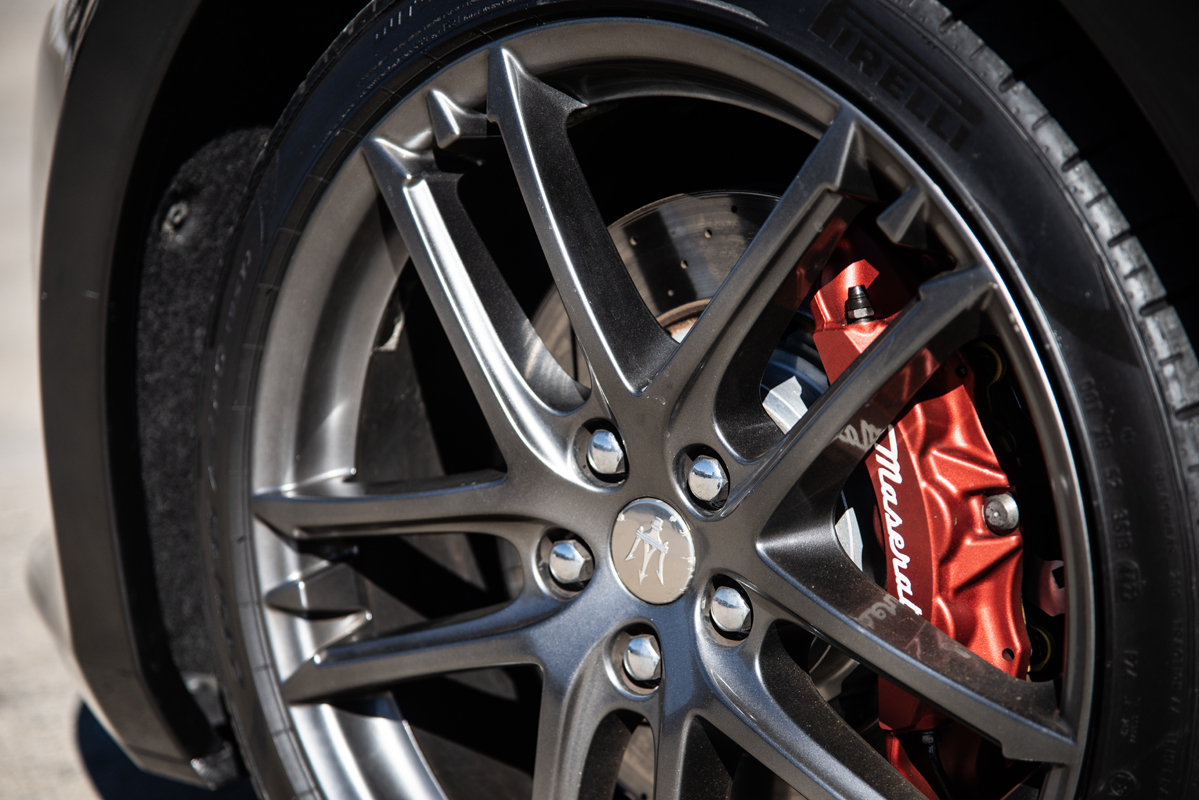
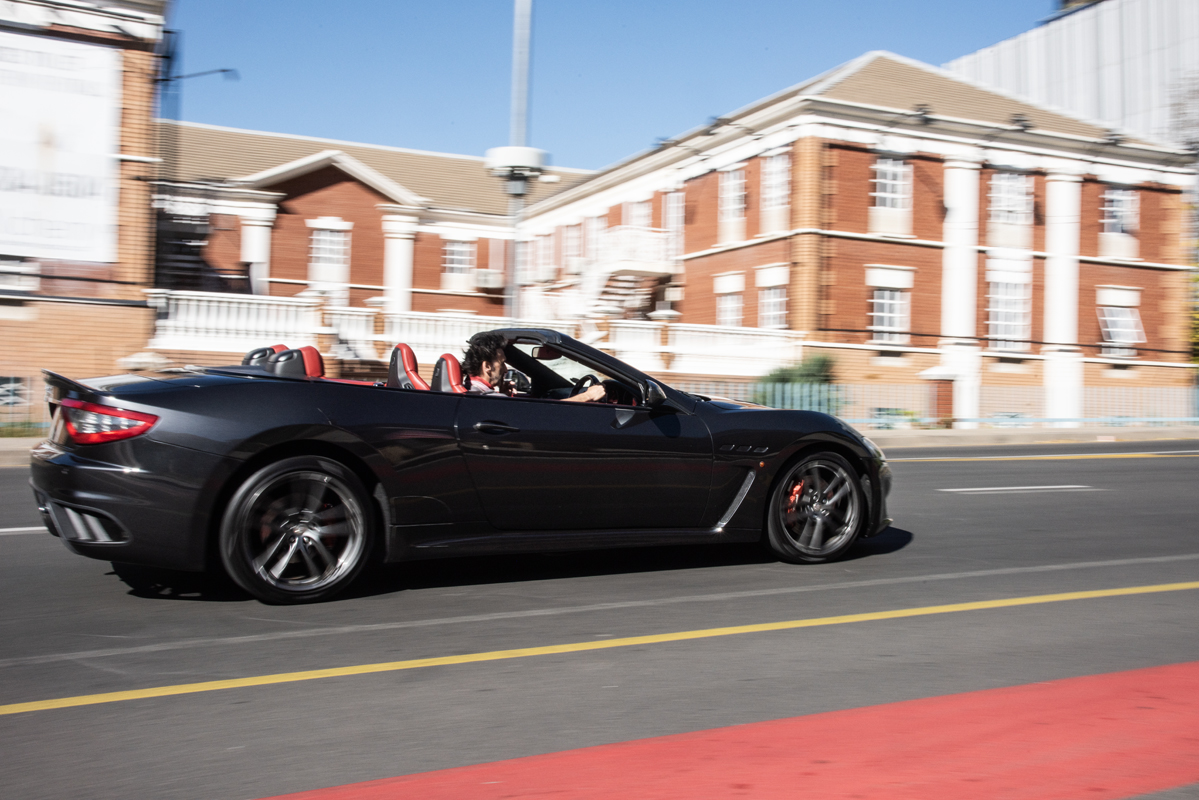
The deeply beautiful example sitting at Carshop Rivonia is a 2015 model (production ran to 2019), with 33,000 km on the clock and selling for R1,699,990. You are struck by how large it is when walking towards it, although it is strictly a two-seater, unless your children or adult passengers have no legs.
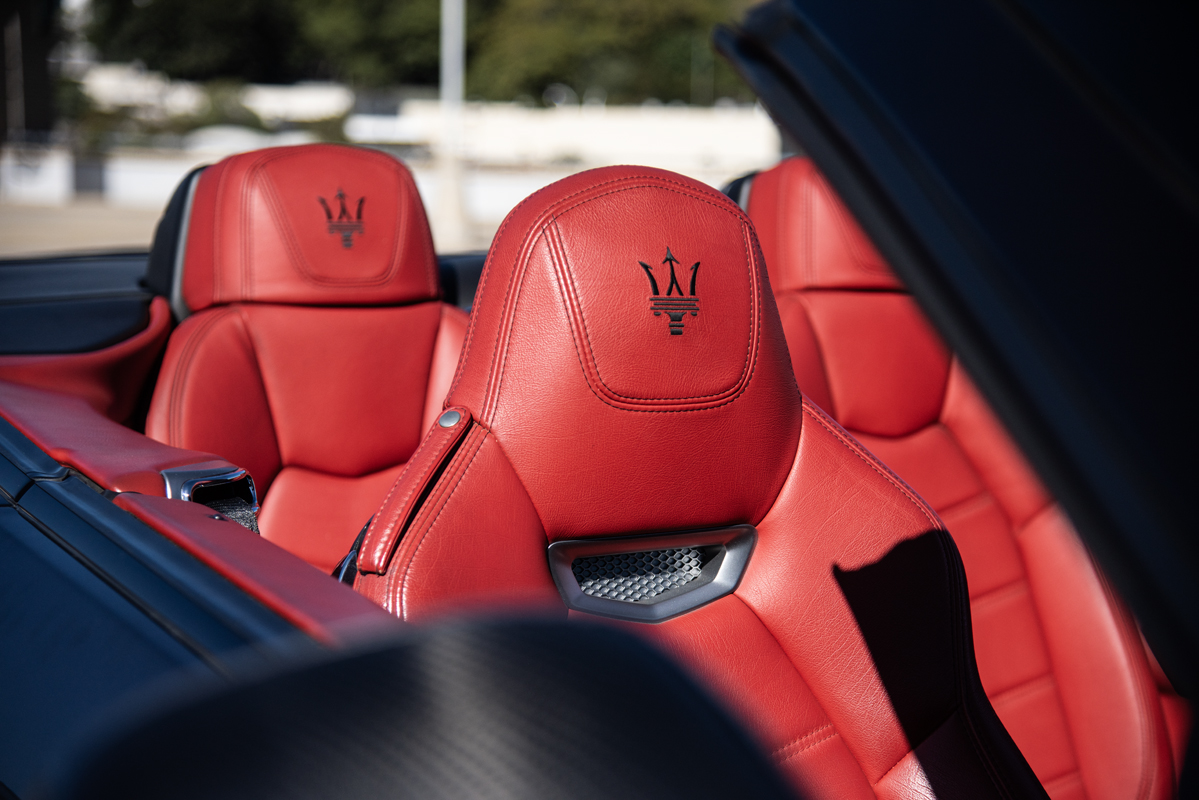
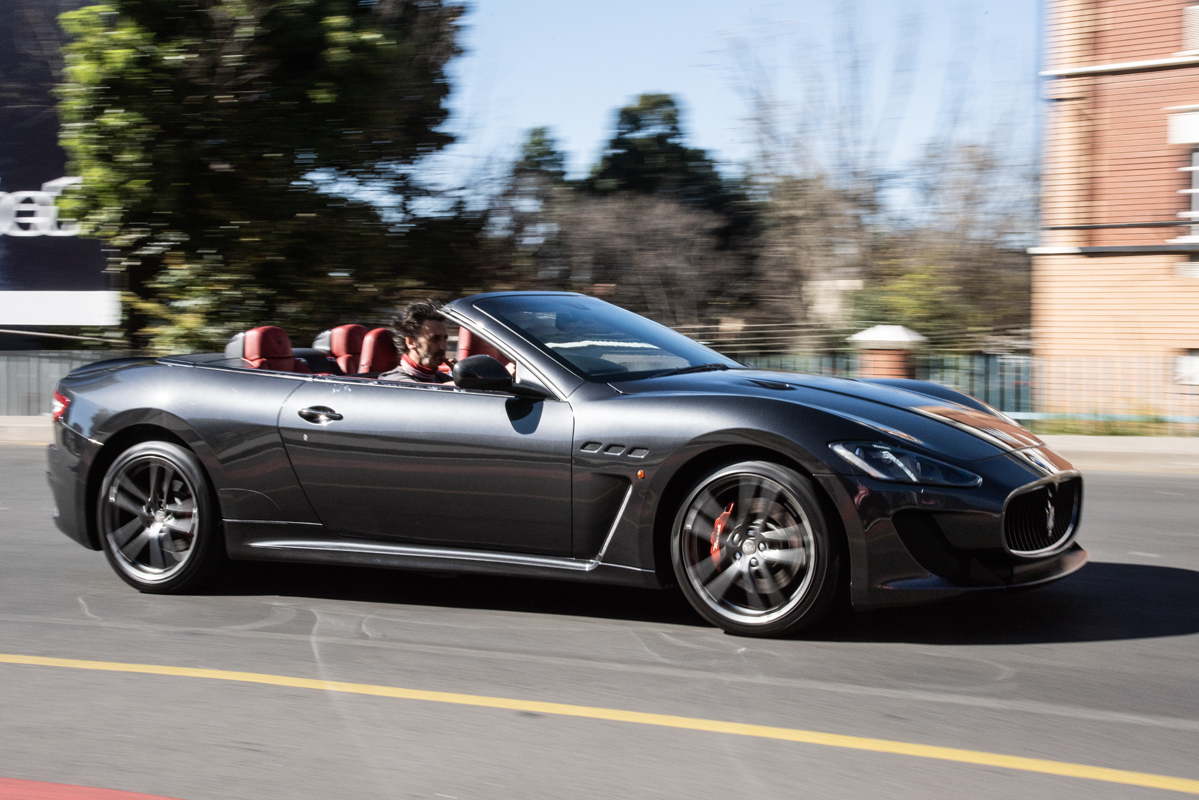
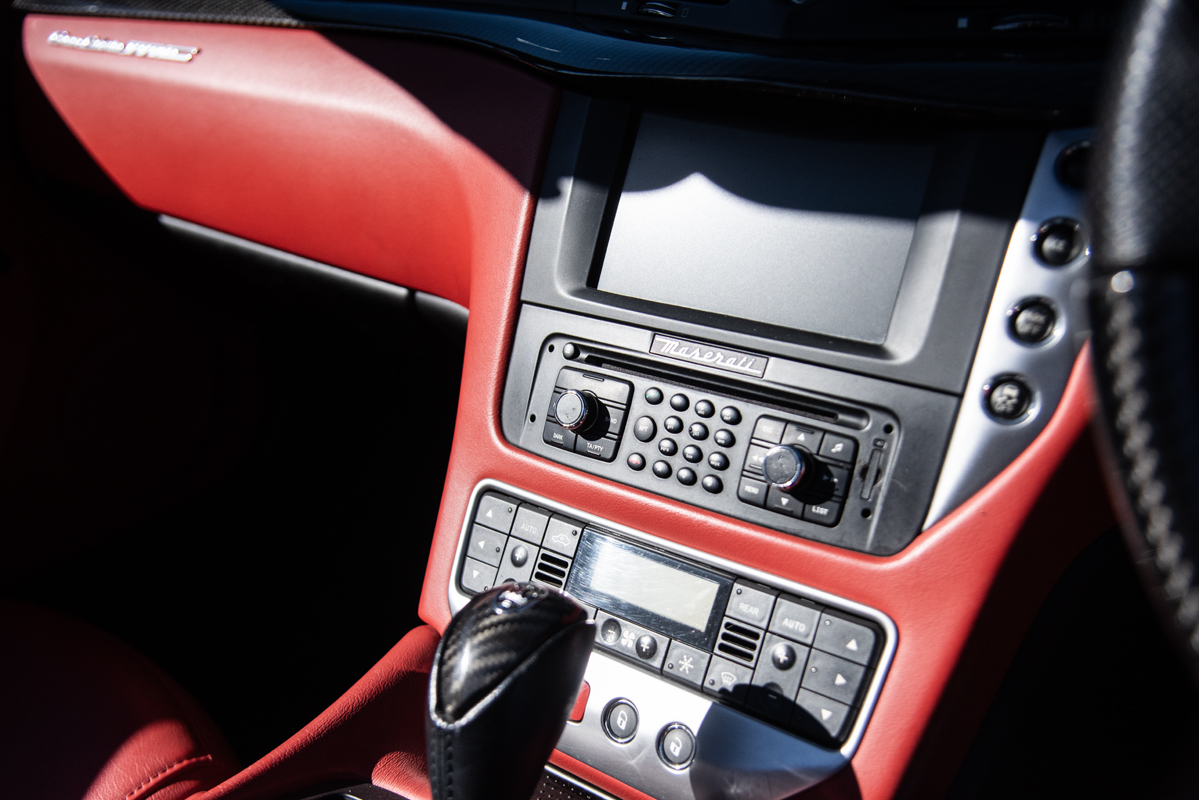
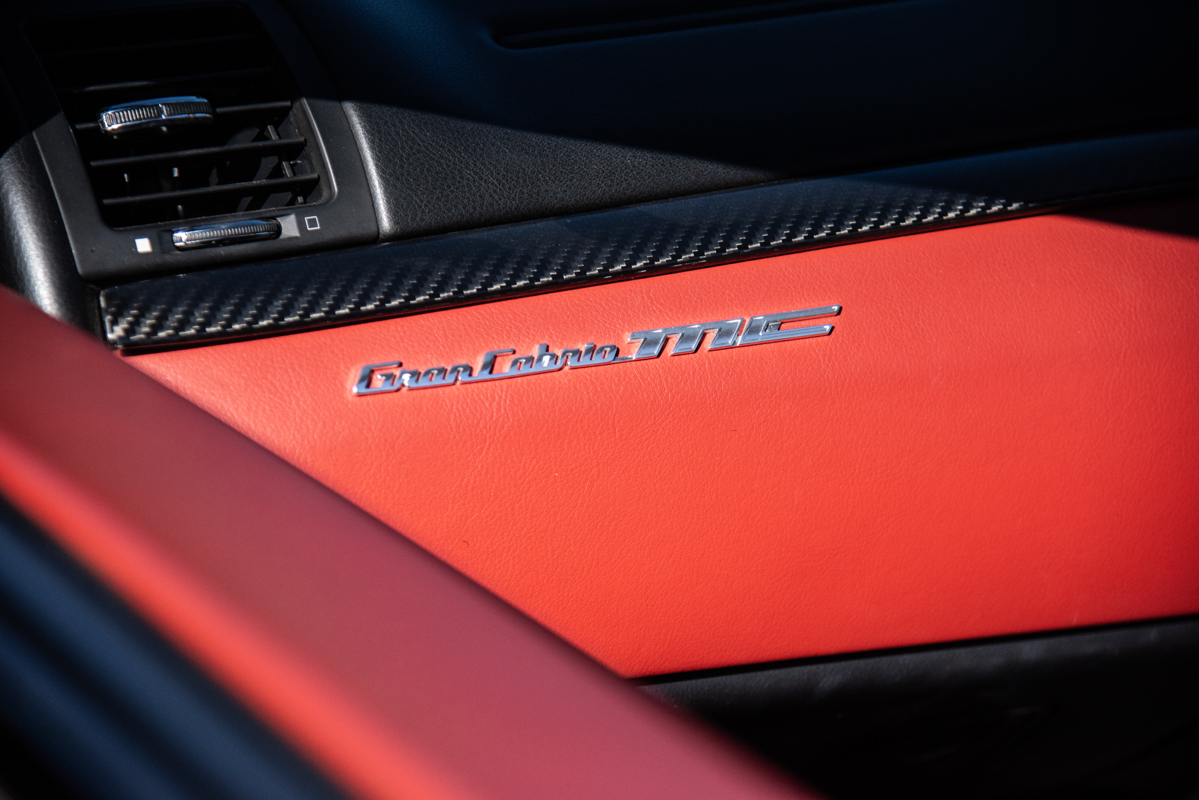
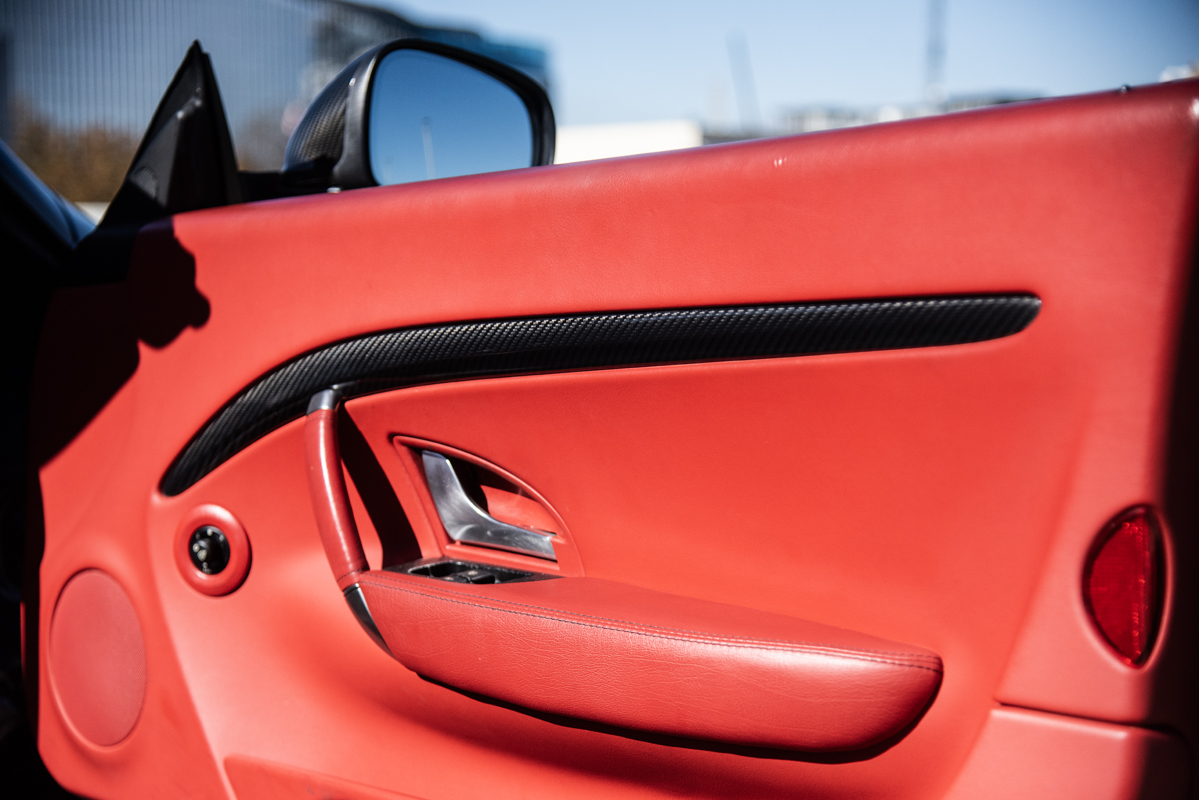
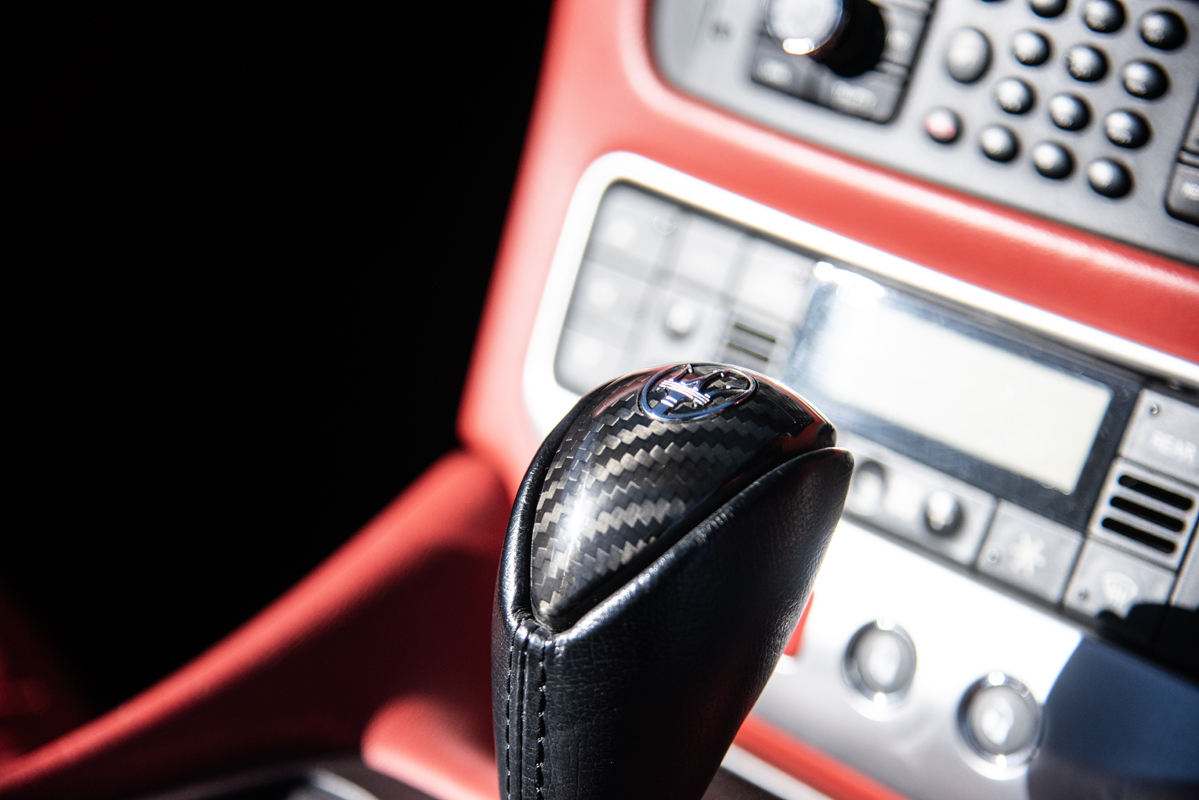
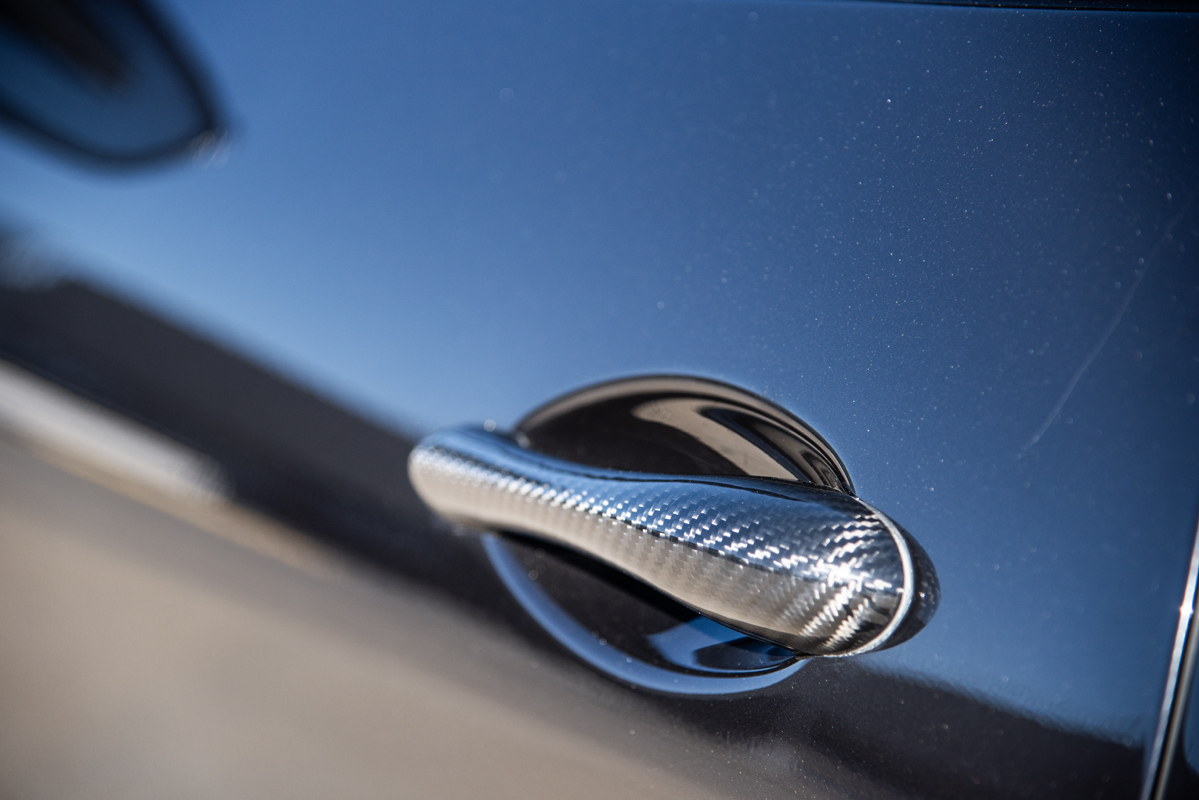
The interior is tasteful, although some of the switchgear hasn’t aged well, no doubt not helped by the South African sunshine, for this is a car to be driven with the top down as often as possible. The roof mechanism is fully motorised and folds away in a reasonable 30 seconds or so. When down, and with the side windows up, there is very little wind buffeting, while the efficient heating keeps out any winter chills.
But this is a car to be driven; it is Italian, after all. However, do not expect this to be a taut, nimble sports car, willing you on to hustle it through tight switchback curves as fast as possible. As stated before, this is a Grand Touring car, not a sports car. Having said that, the engine has a wonderful soundtrack, made even more manic by pushing the ‘Sport’ button, which obviously opens a valve in the exhaust system and just begs you to floor the throttle at any given opportunity. It’s certainly not slow, but that’s not really the point of this car.
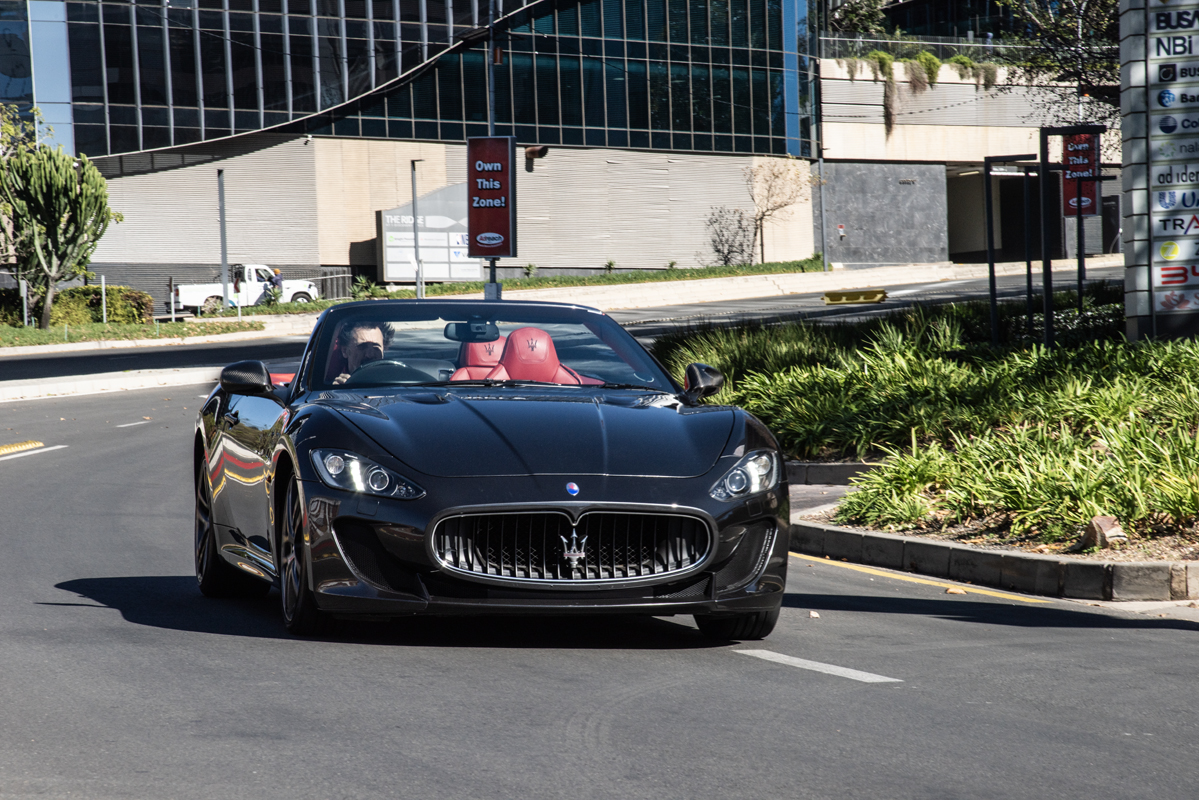
This is no track monster, but by the same token, you wouldn’t necessarily want to drive your Ferrari 458 from Johannesburg to Cape Town and back. In the Maserati, taking the scenic route, that journey would be one of the great journeys of the world, easily the equivalent of Paris to the Côte d’Azur. This is not a car to hurry in, but a car that encourages you to take your time and enjoy the warmth of the sunshine on your face with the sky as your roof.
Style never goes out of fashion…
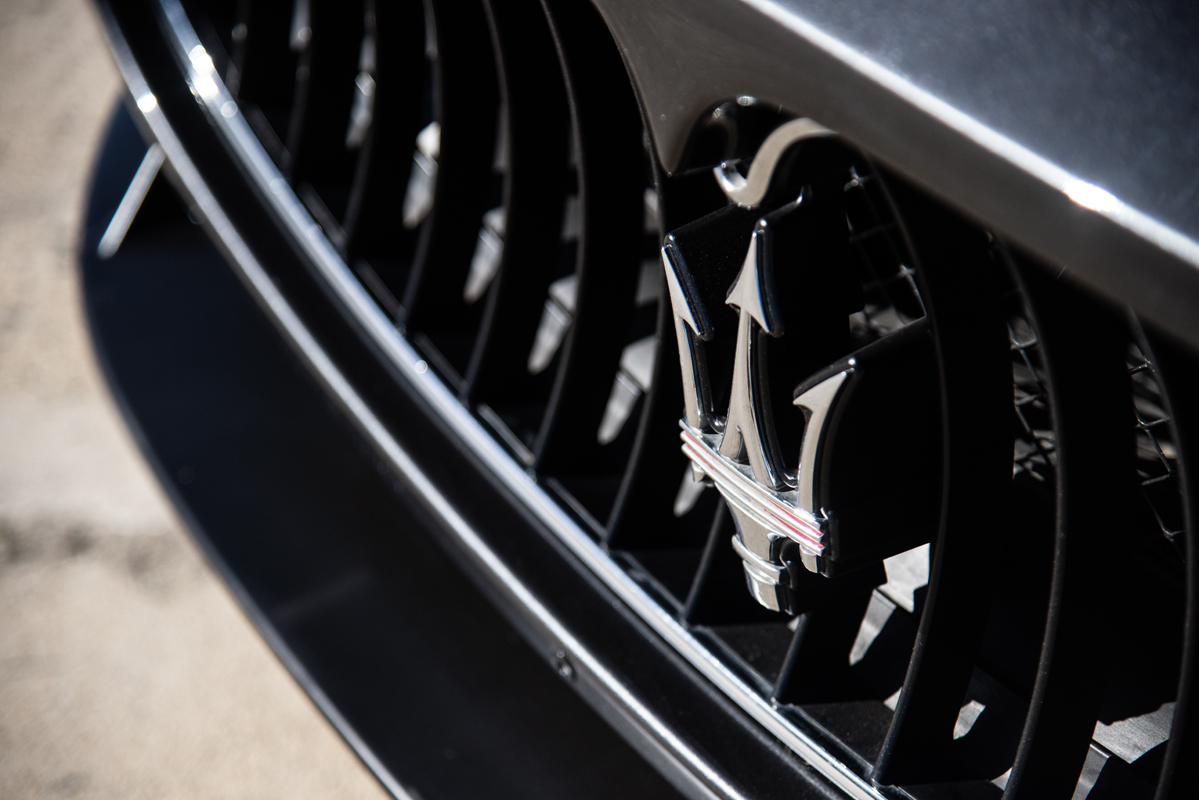
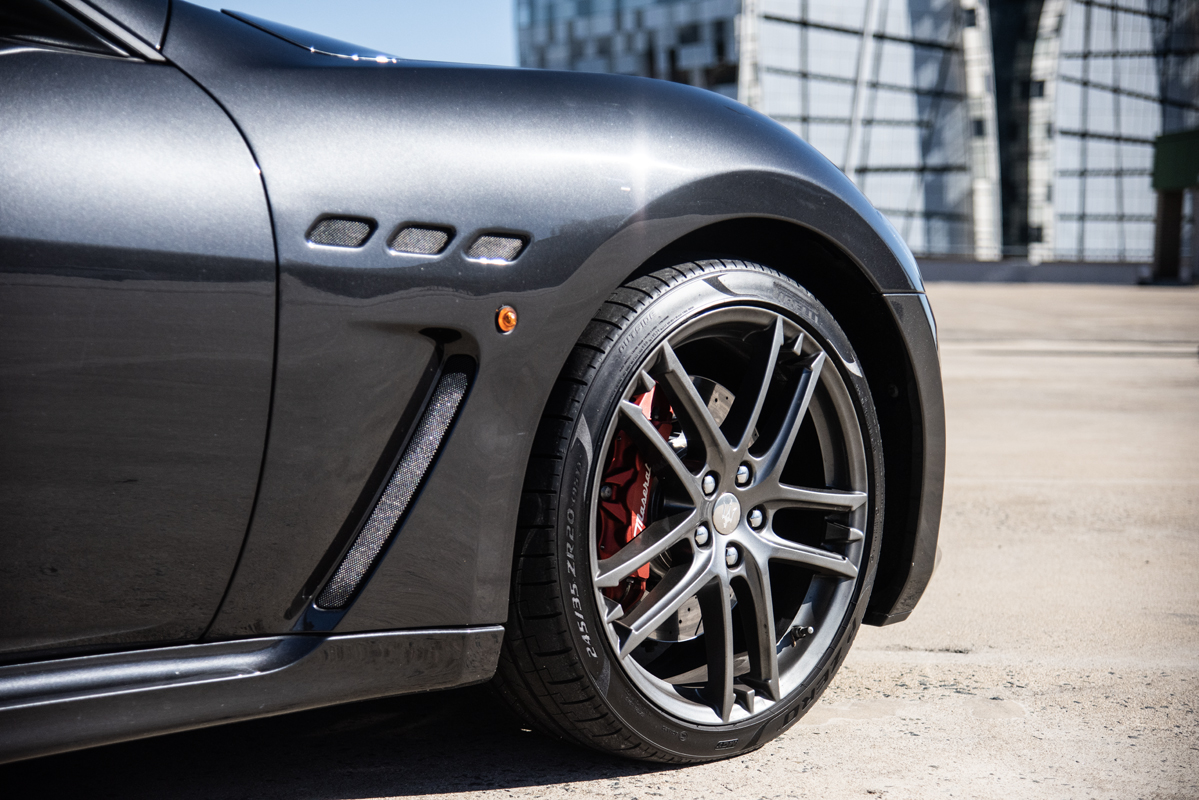
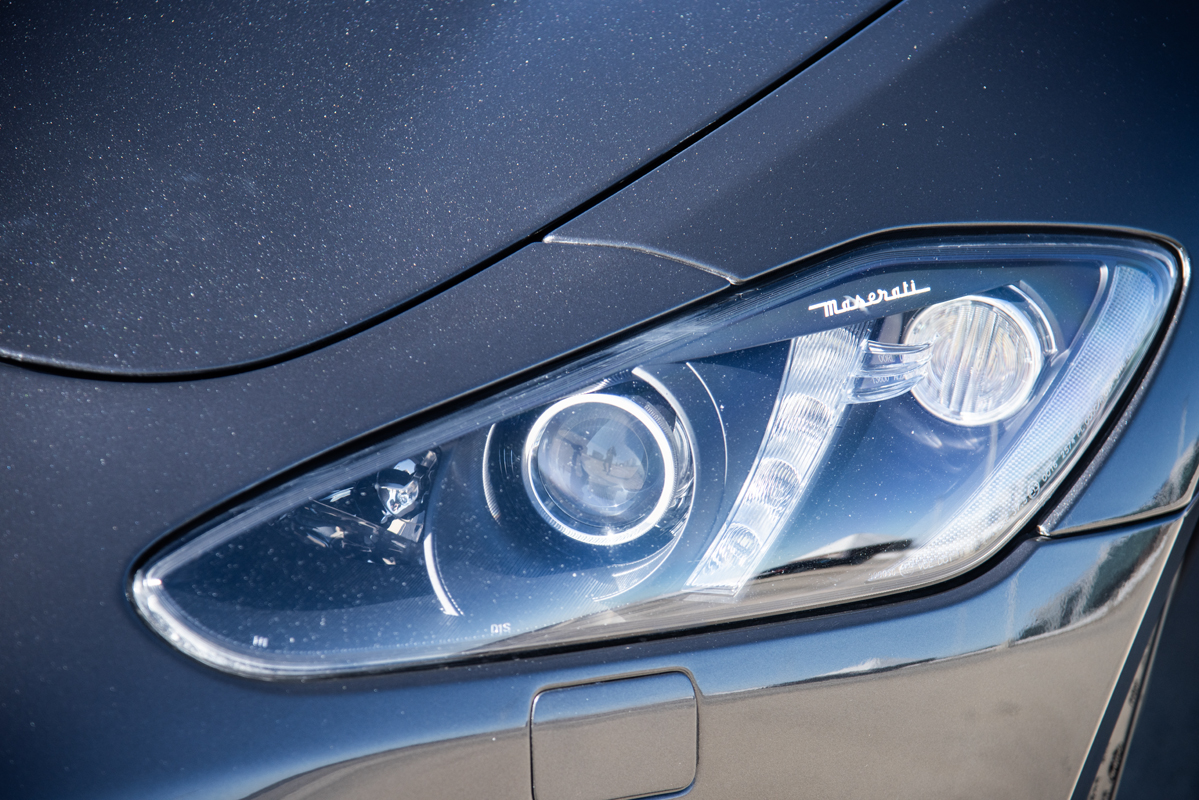
So, if you appreciate exceptional cars, make a stop at Carshop Rivonia, where this Maserati sits among a hand-picked collection of premium vehicles that are as clean as they are desirable.