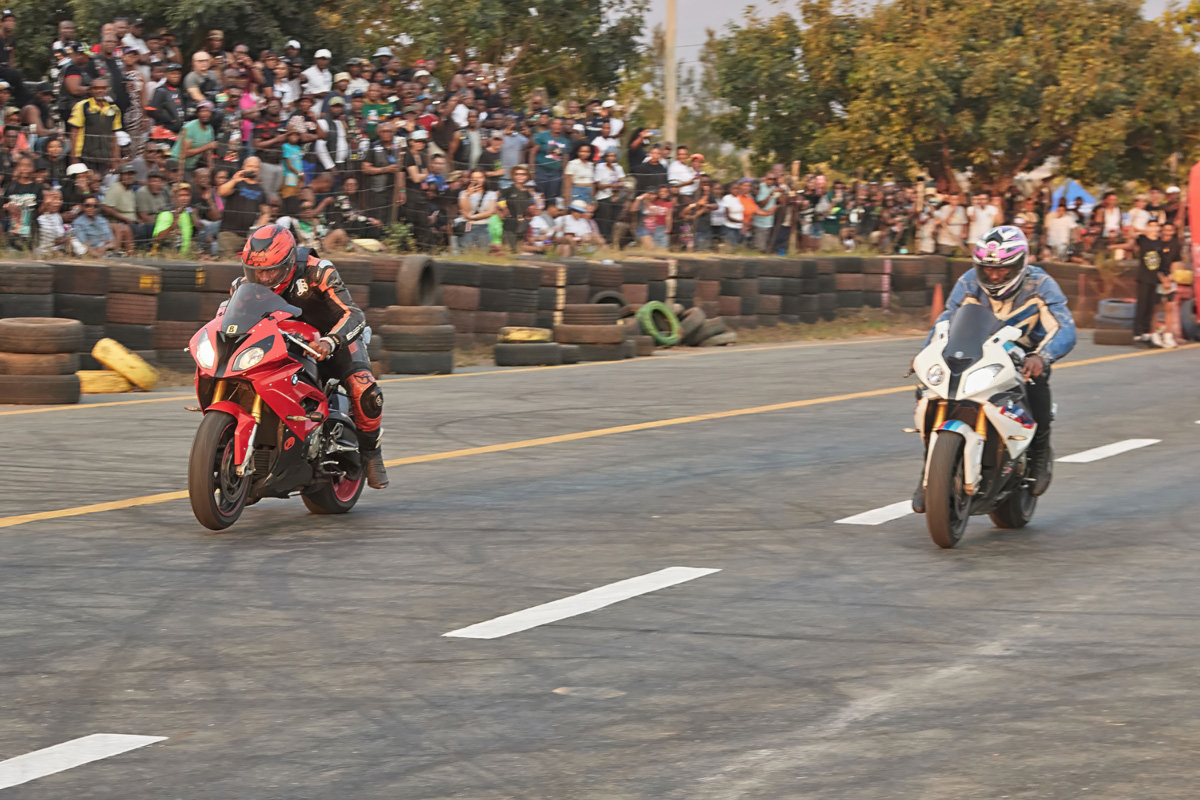
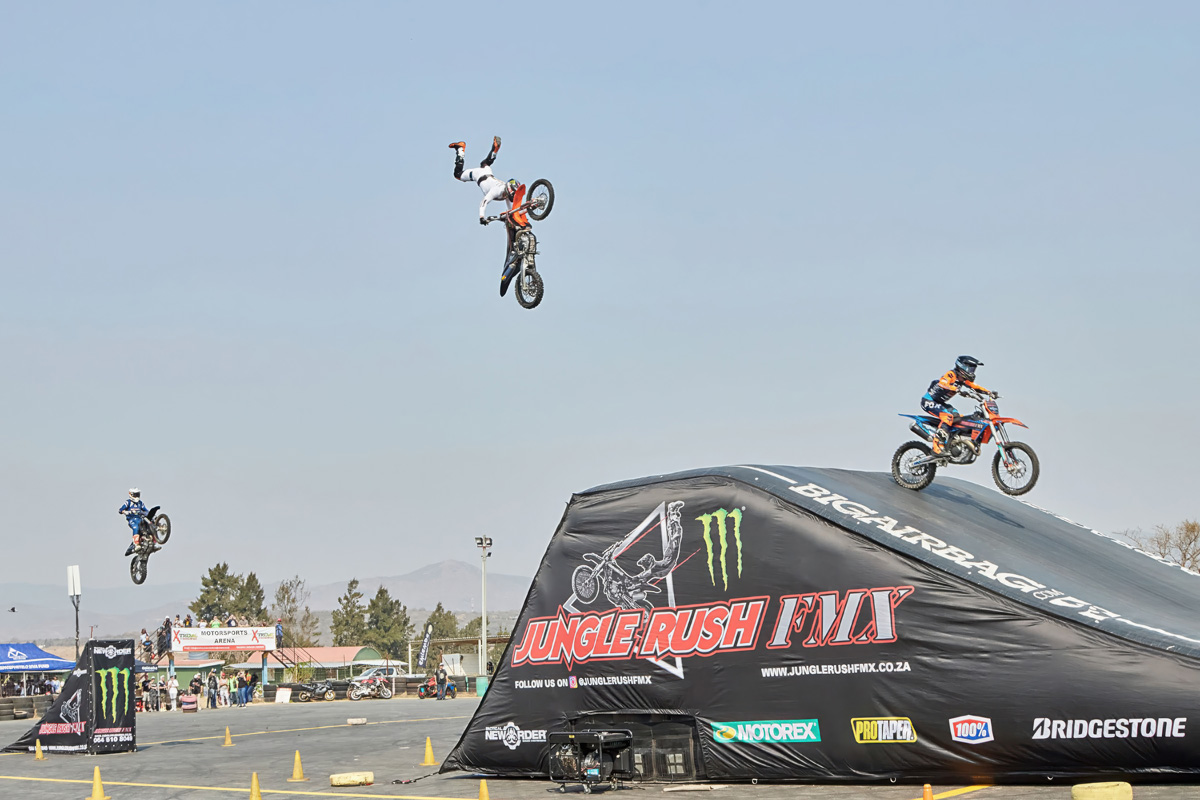
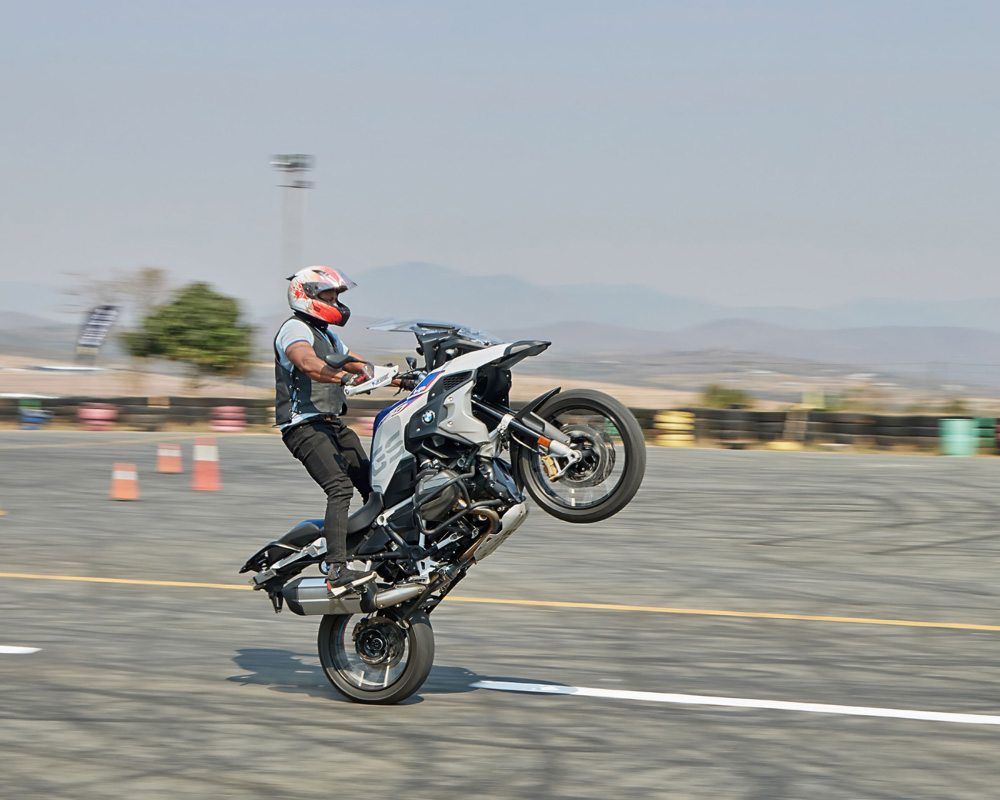
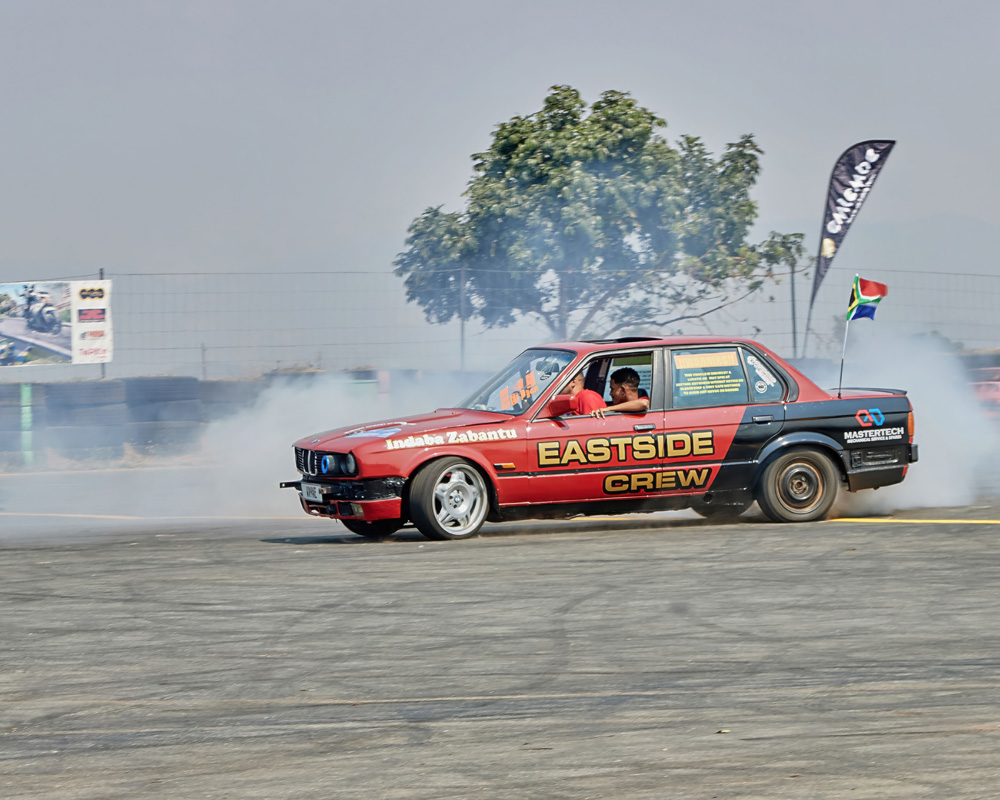
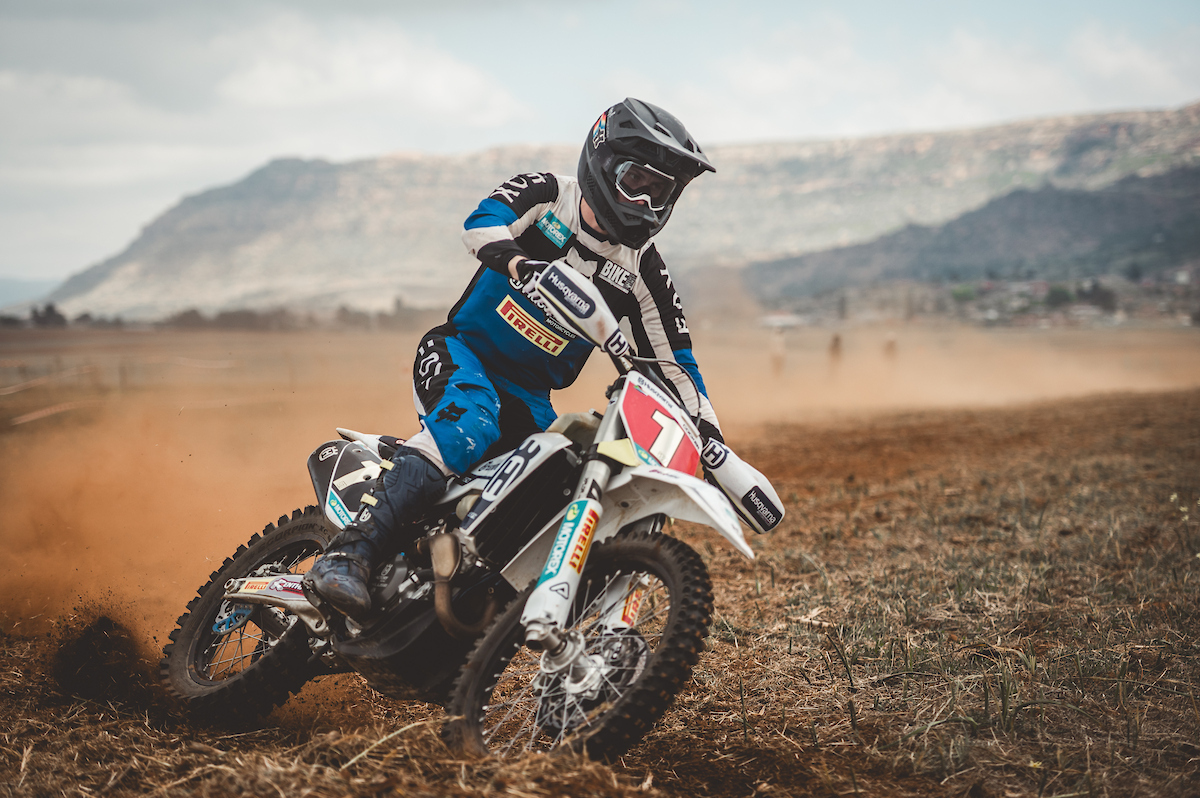
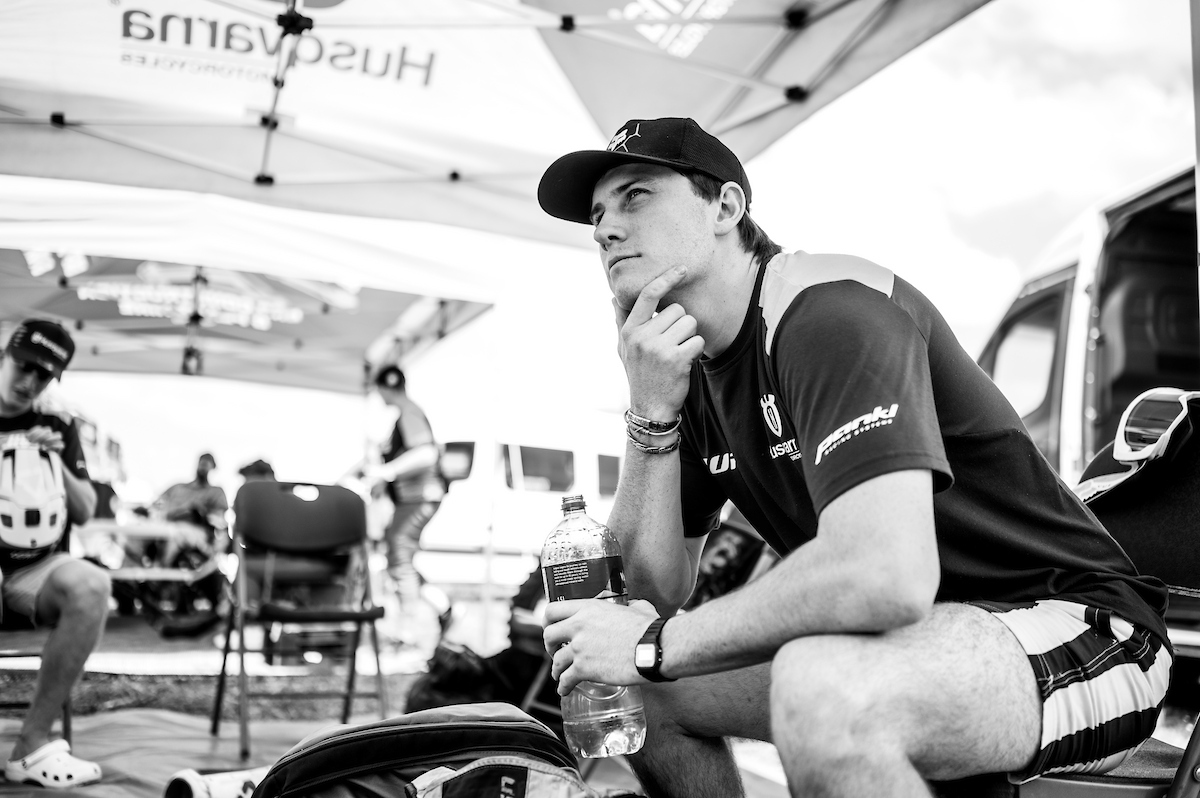
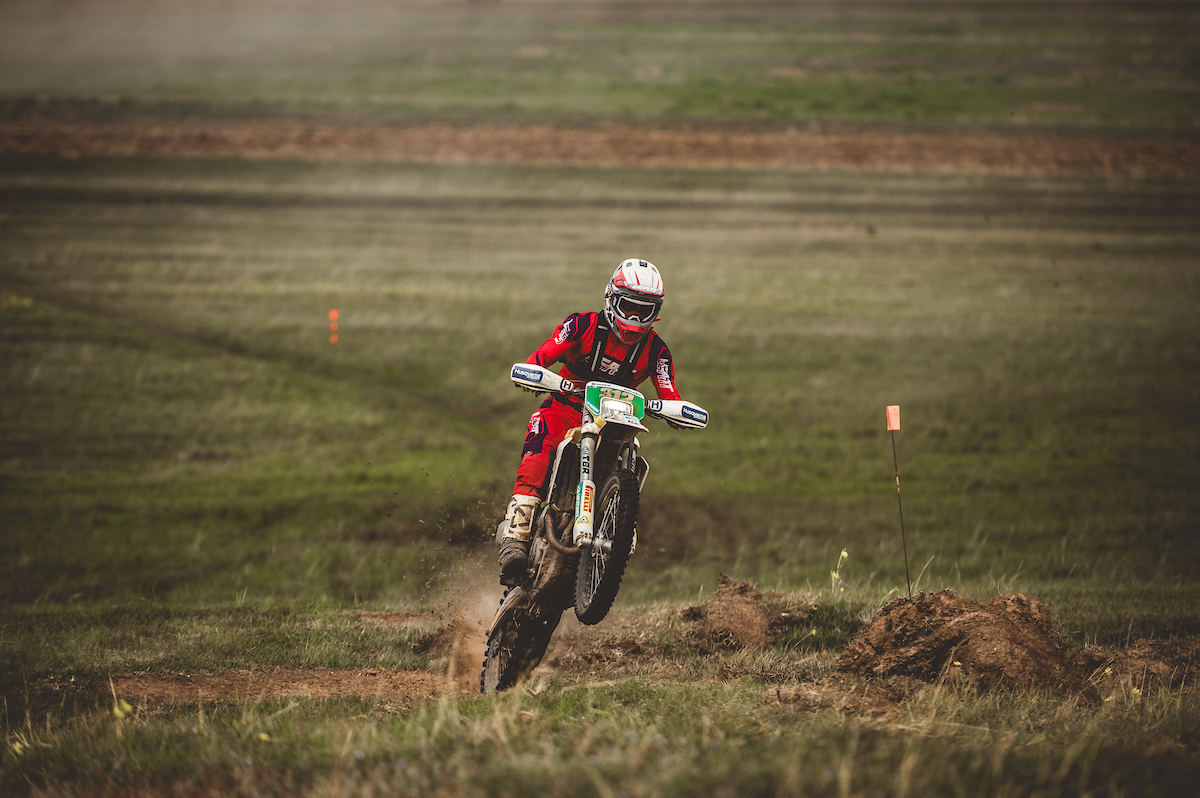
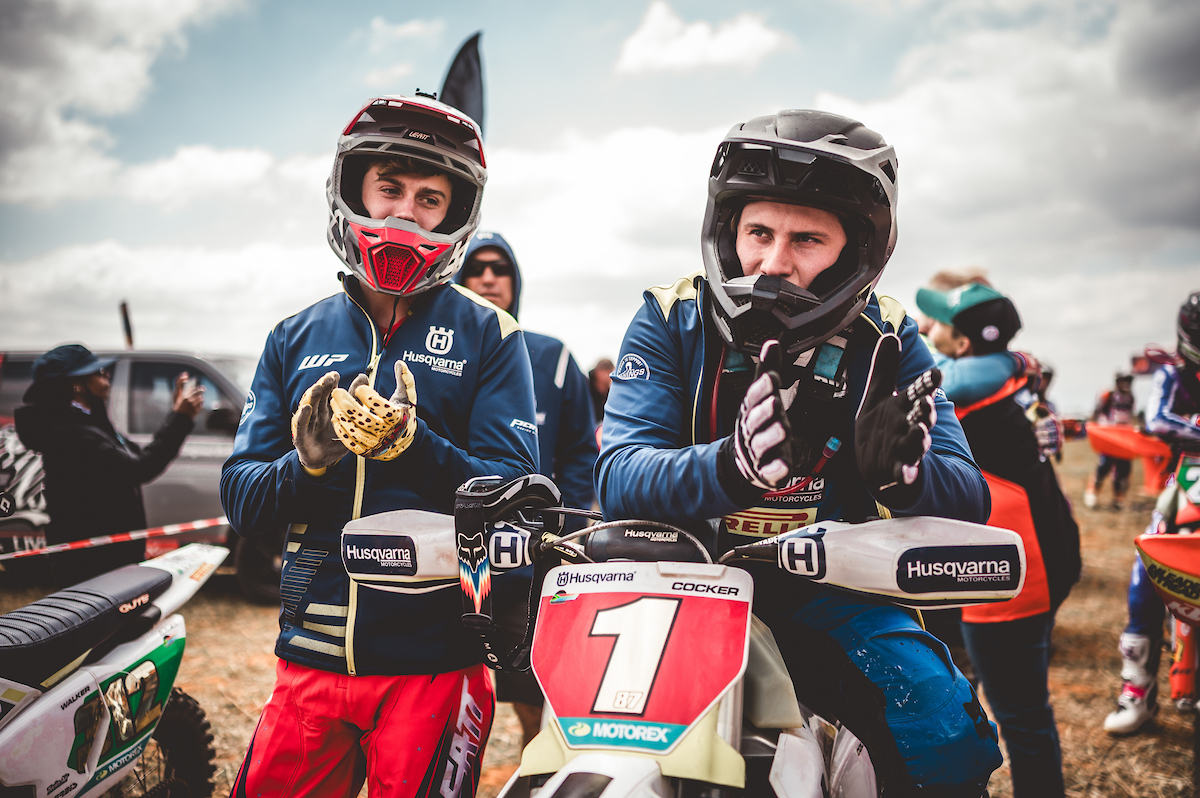
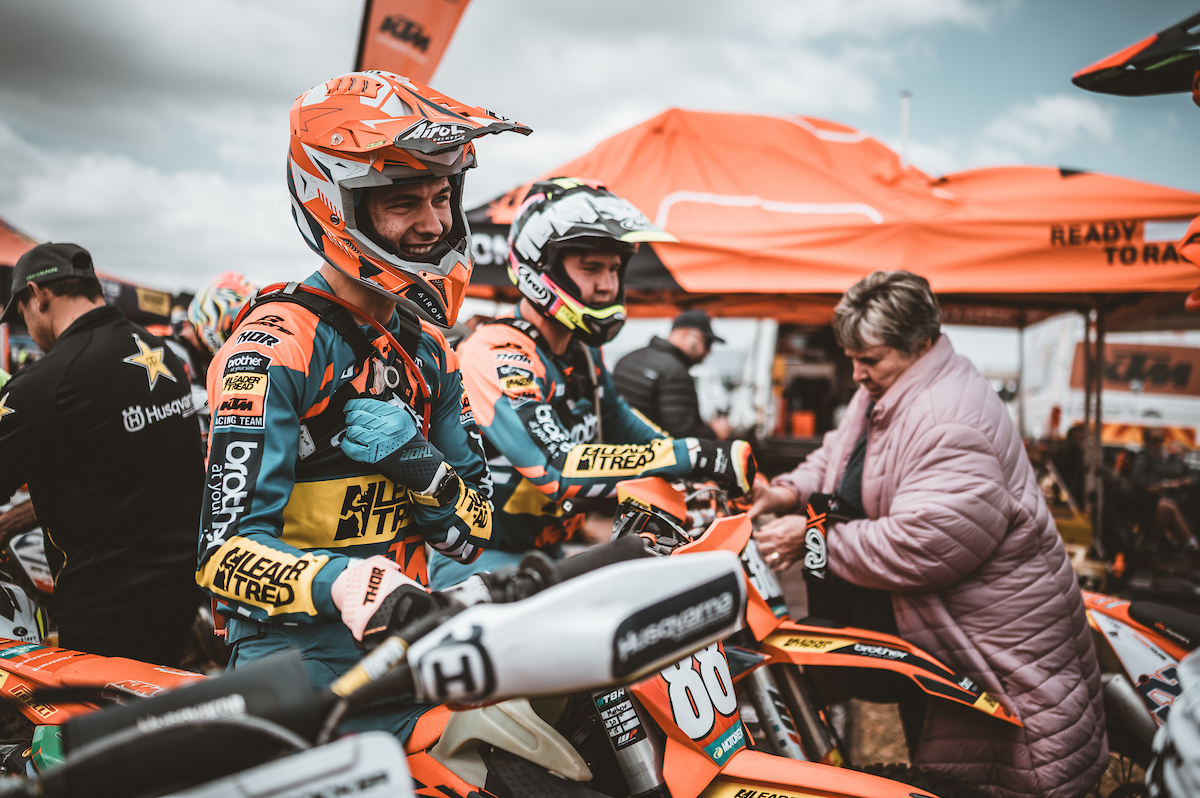
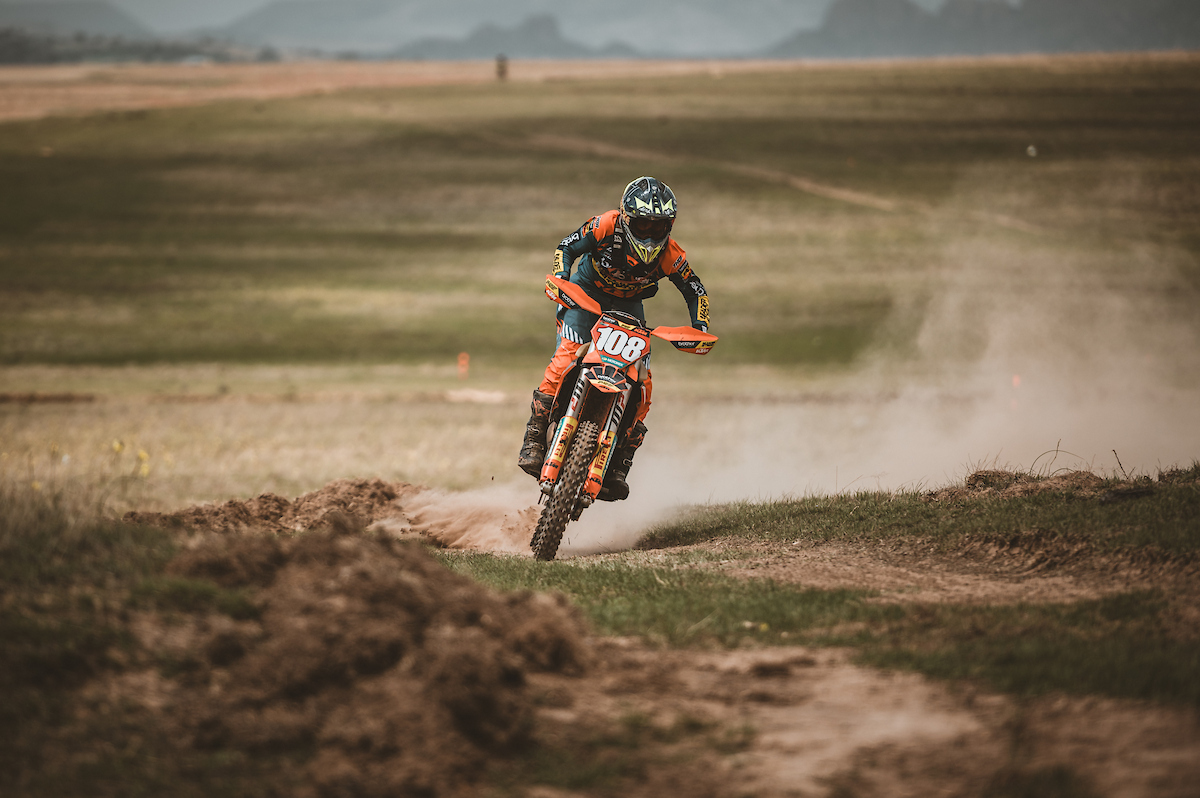
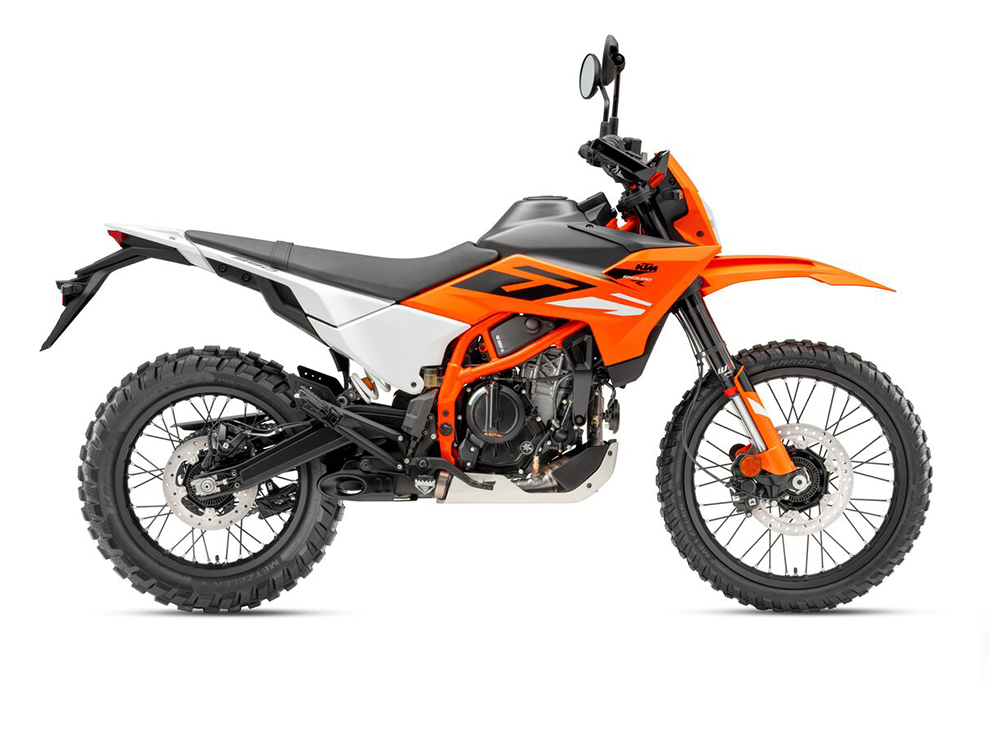
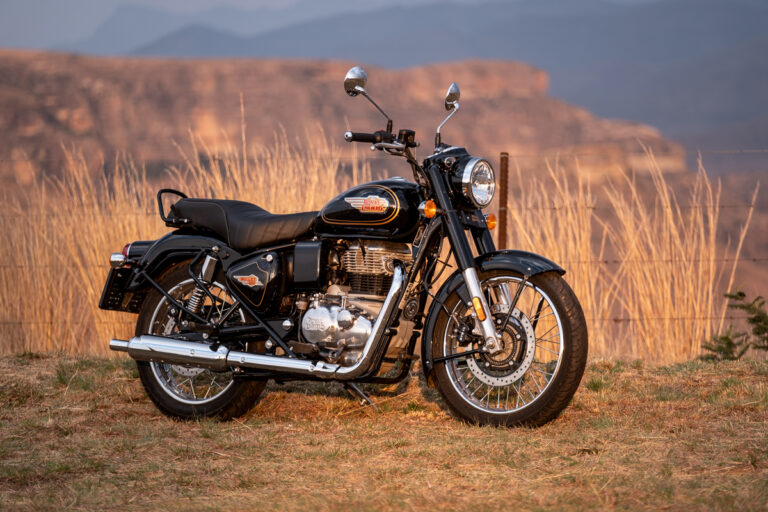
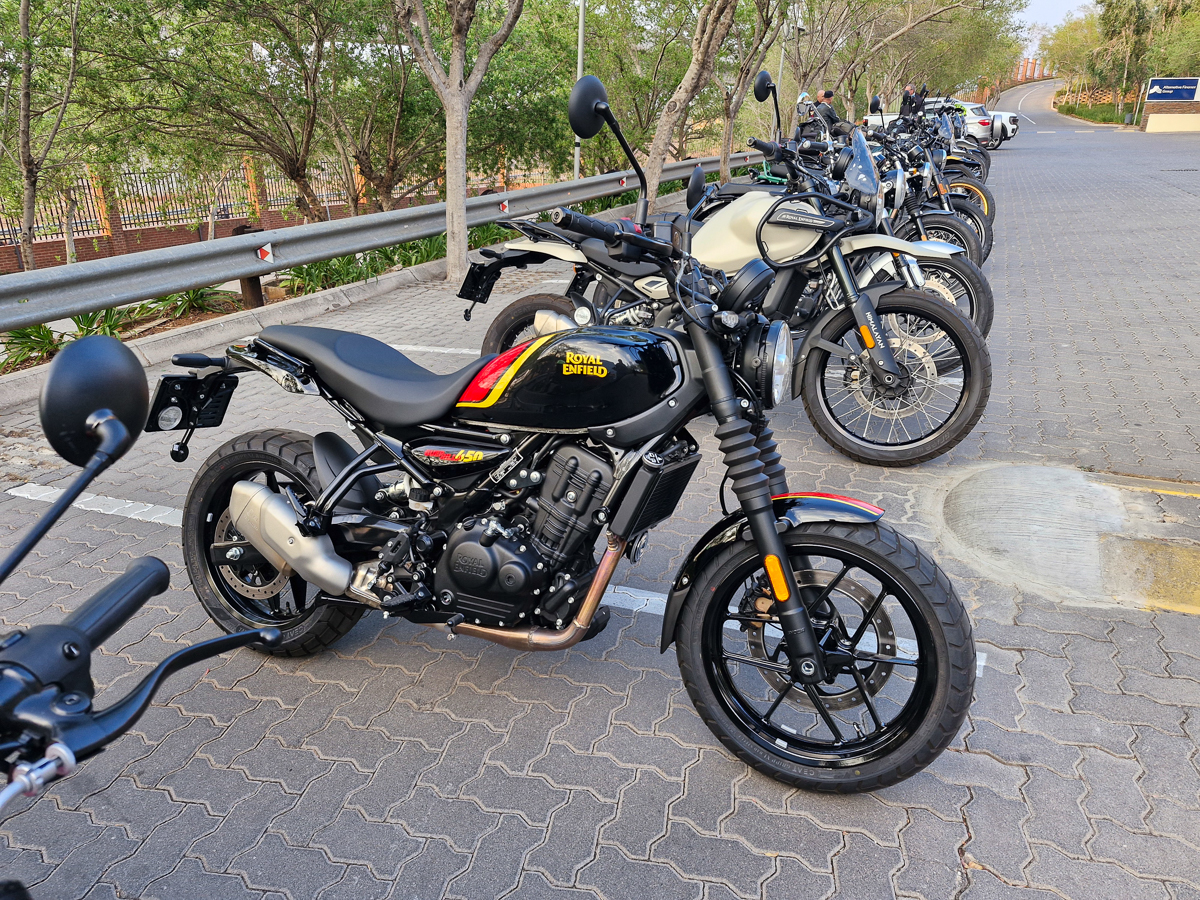
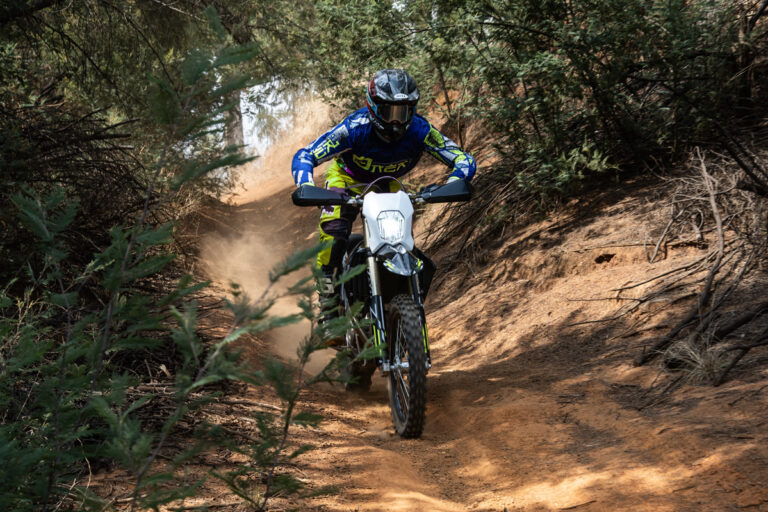
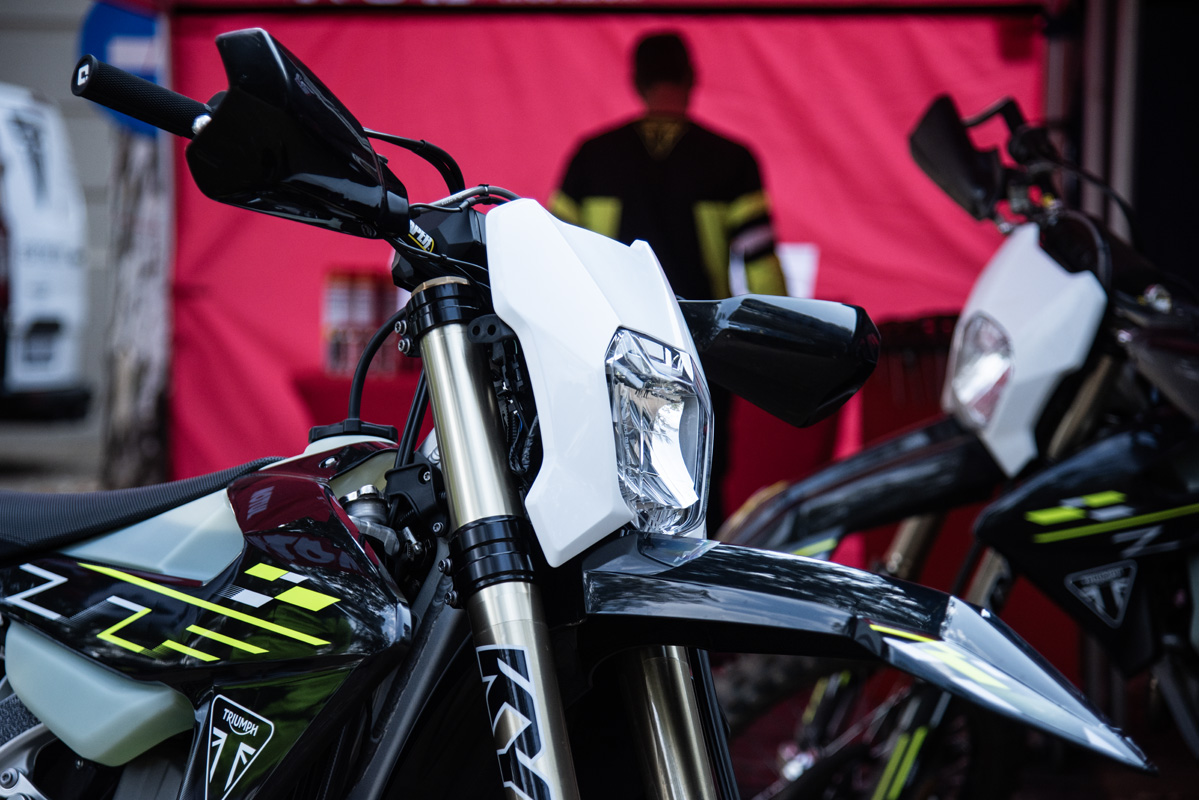
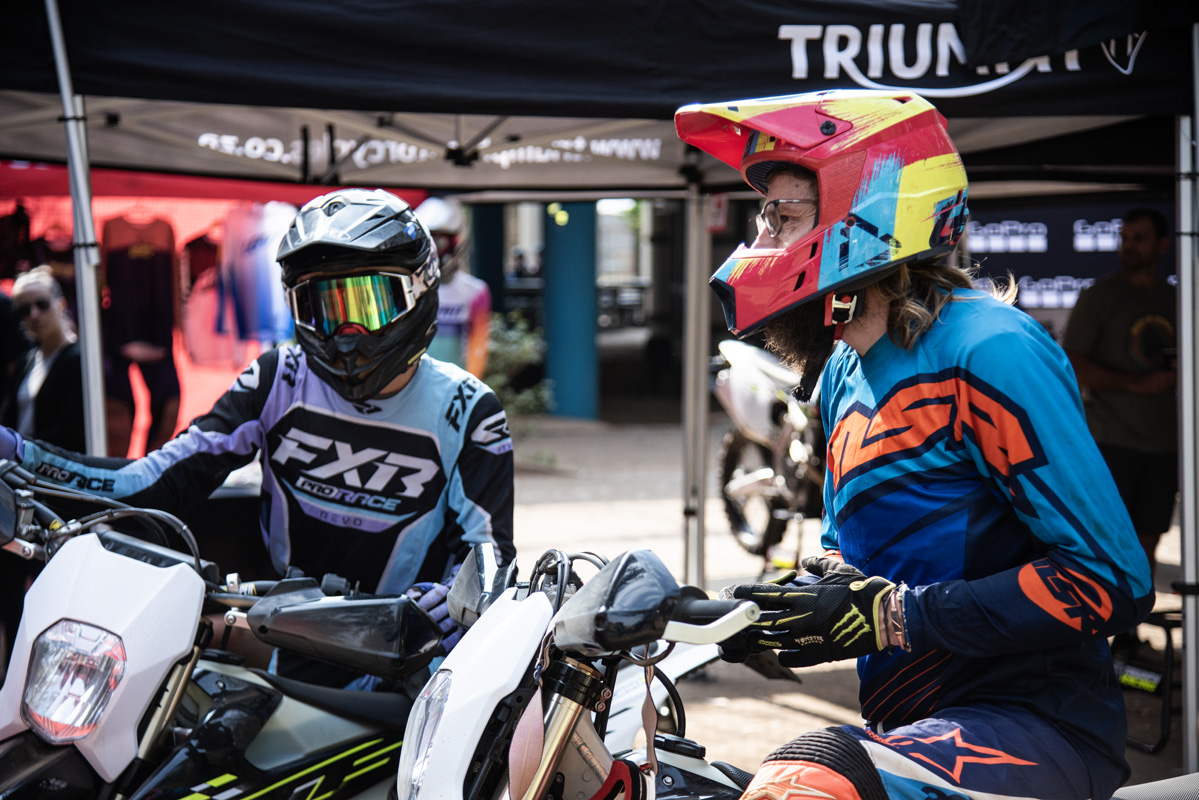
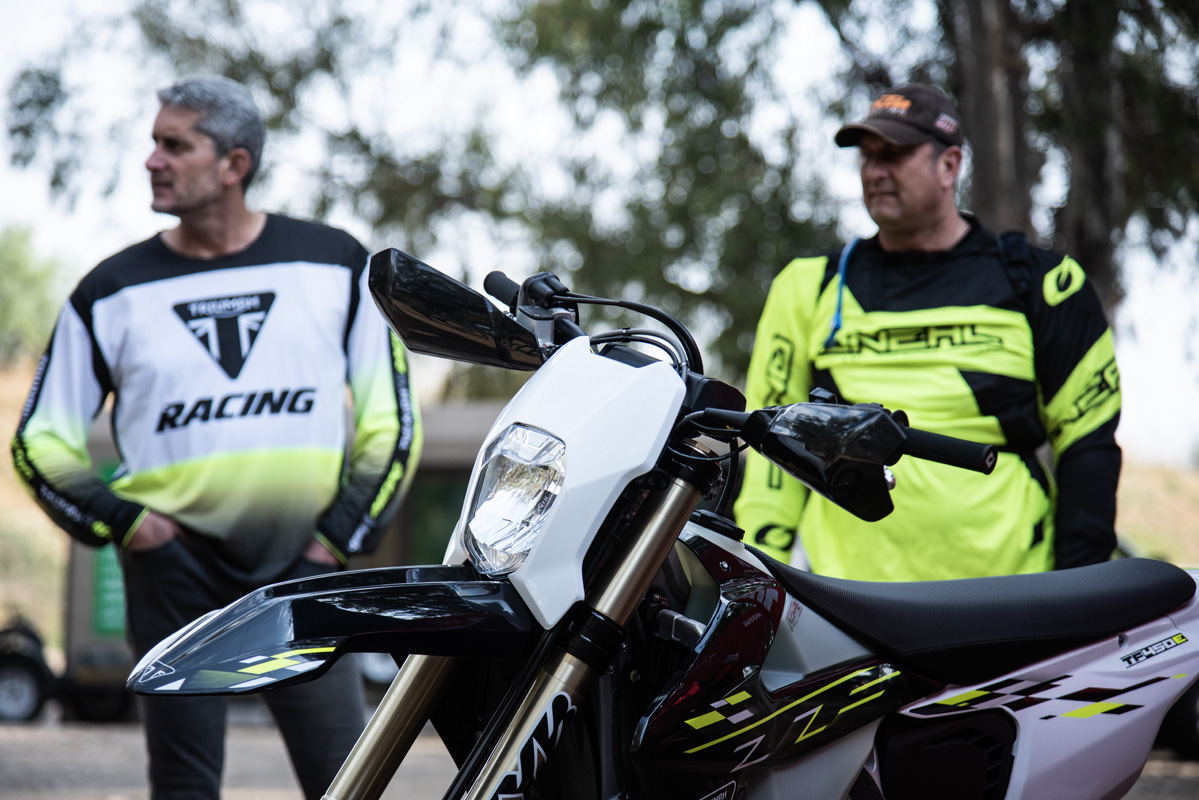
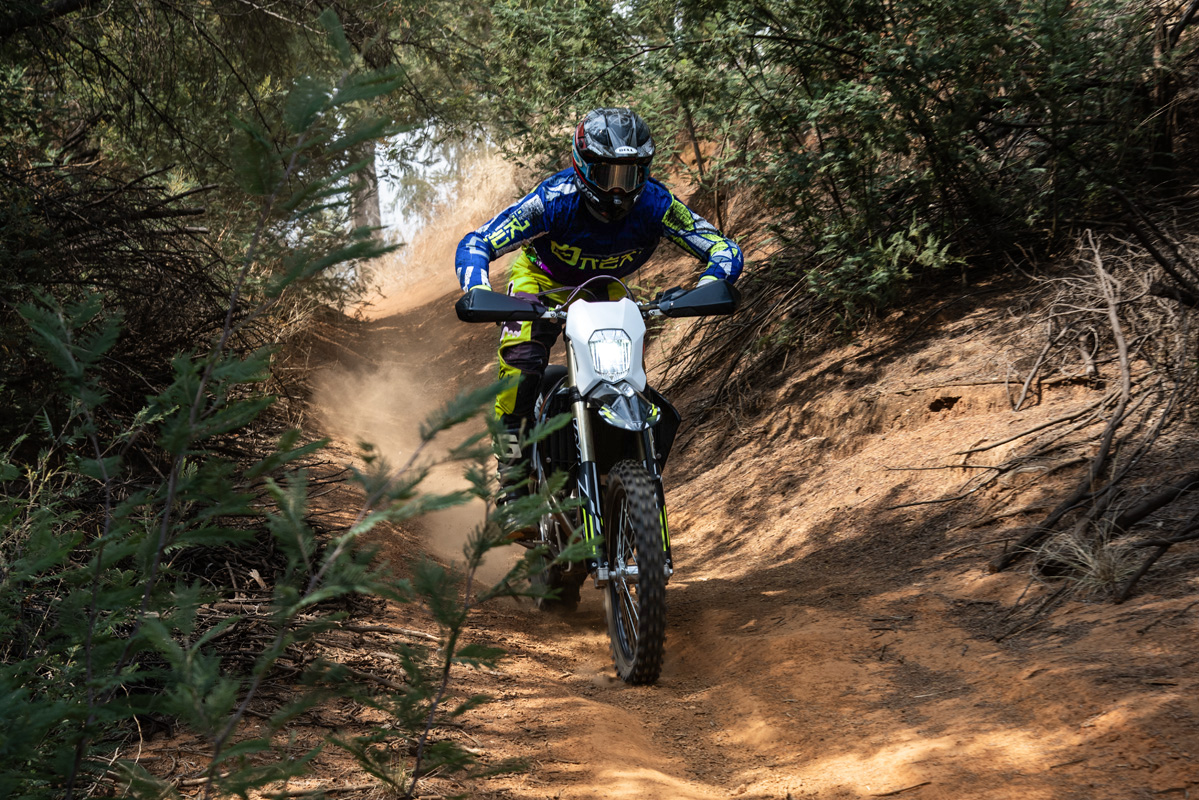
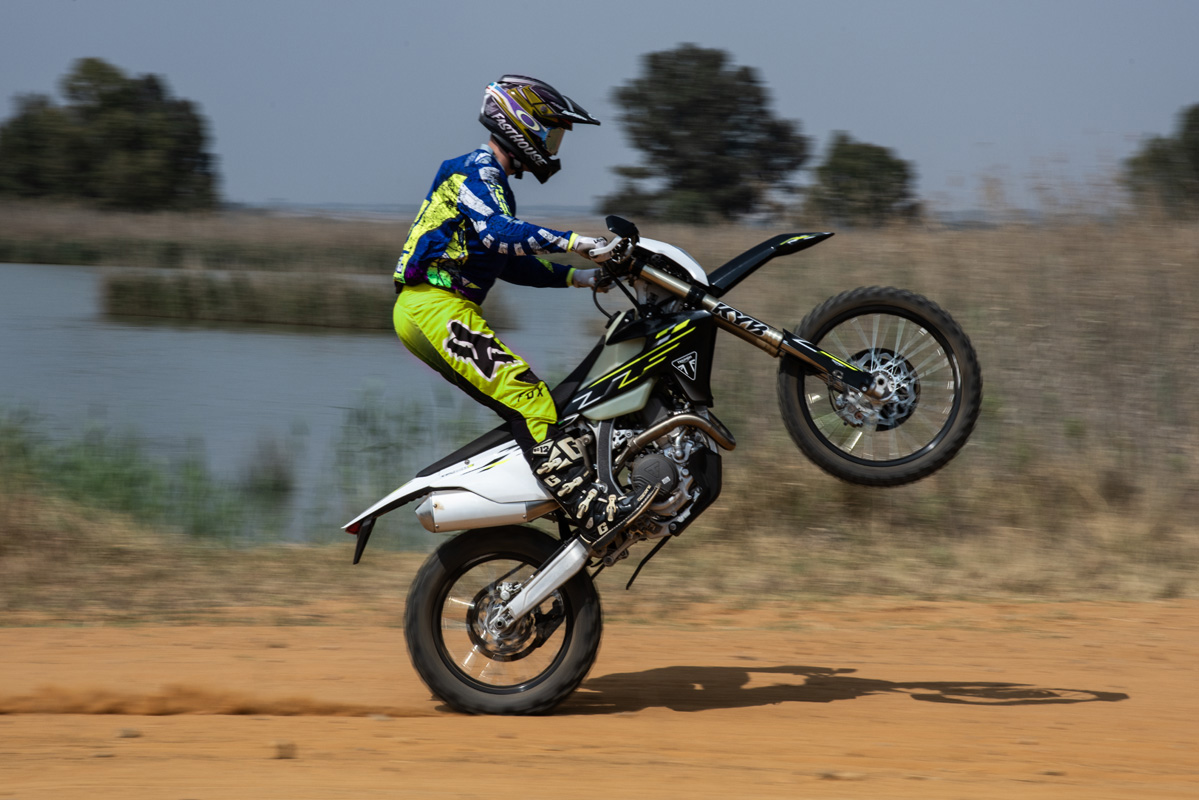
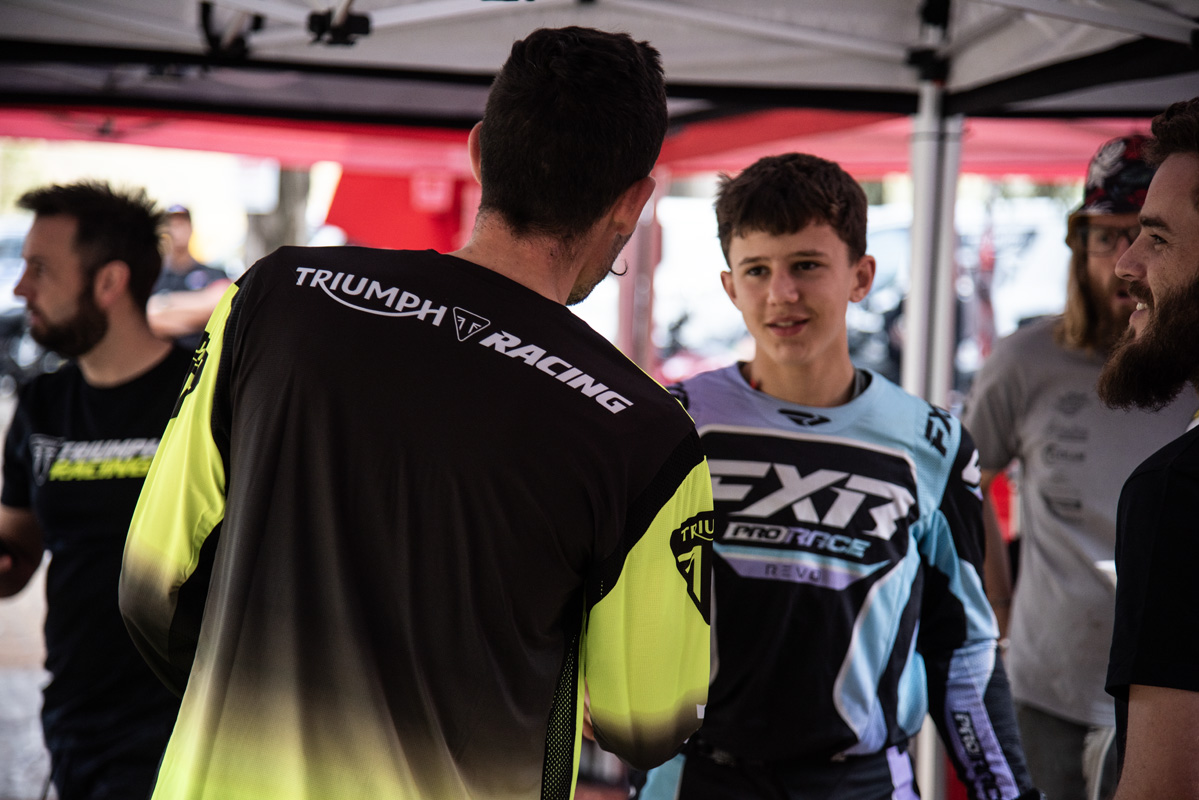
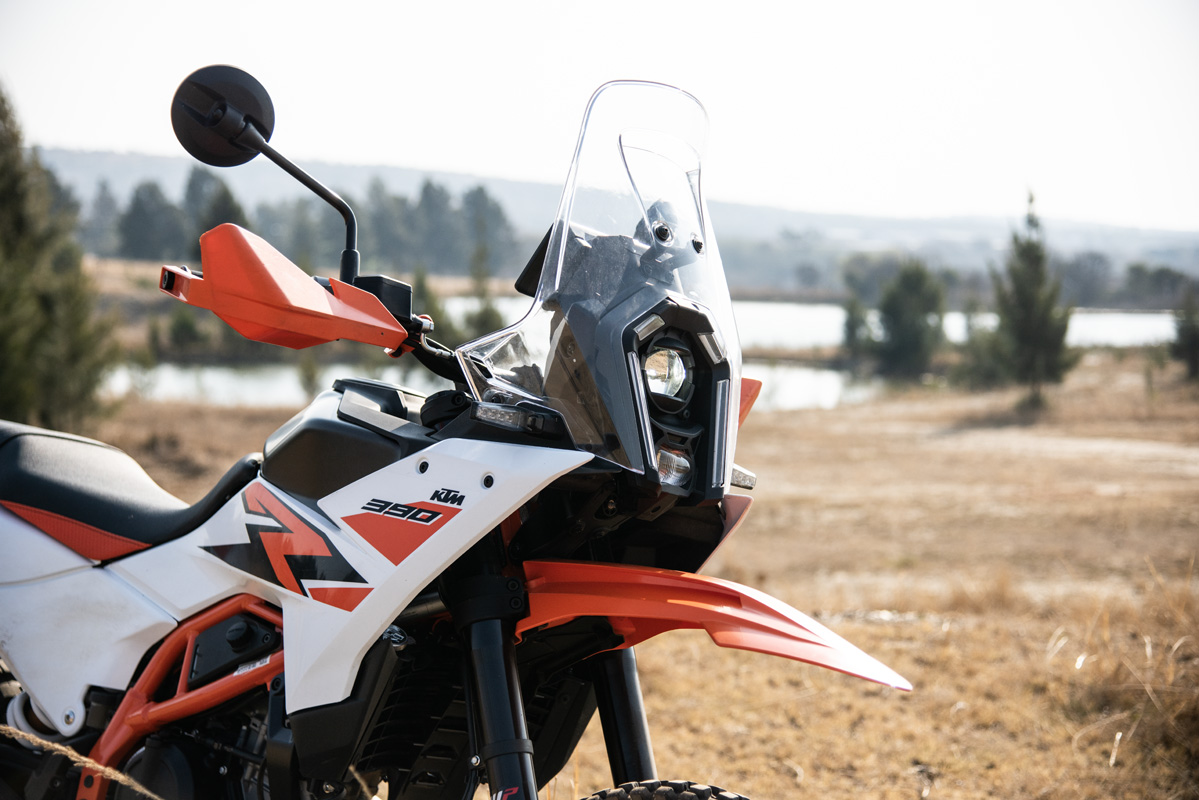
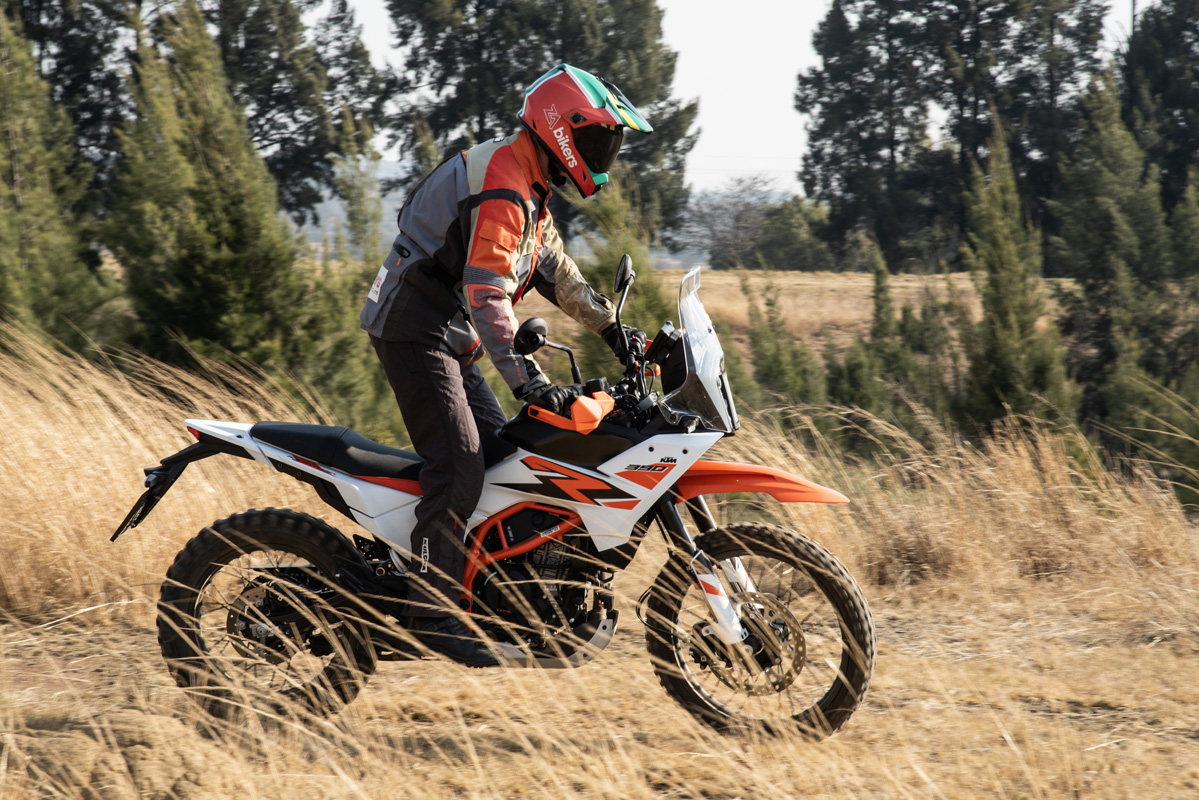
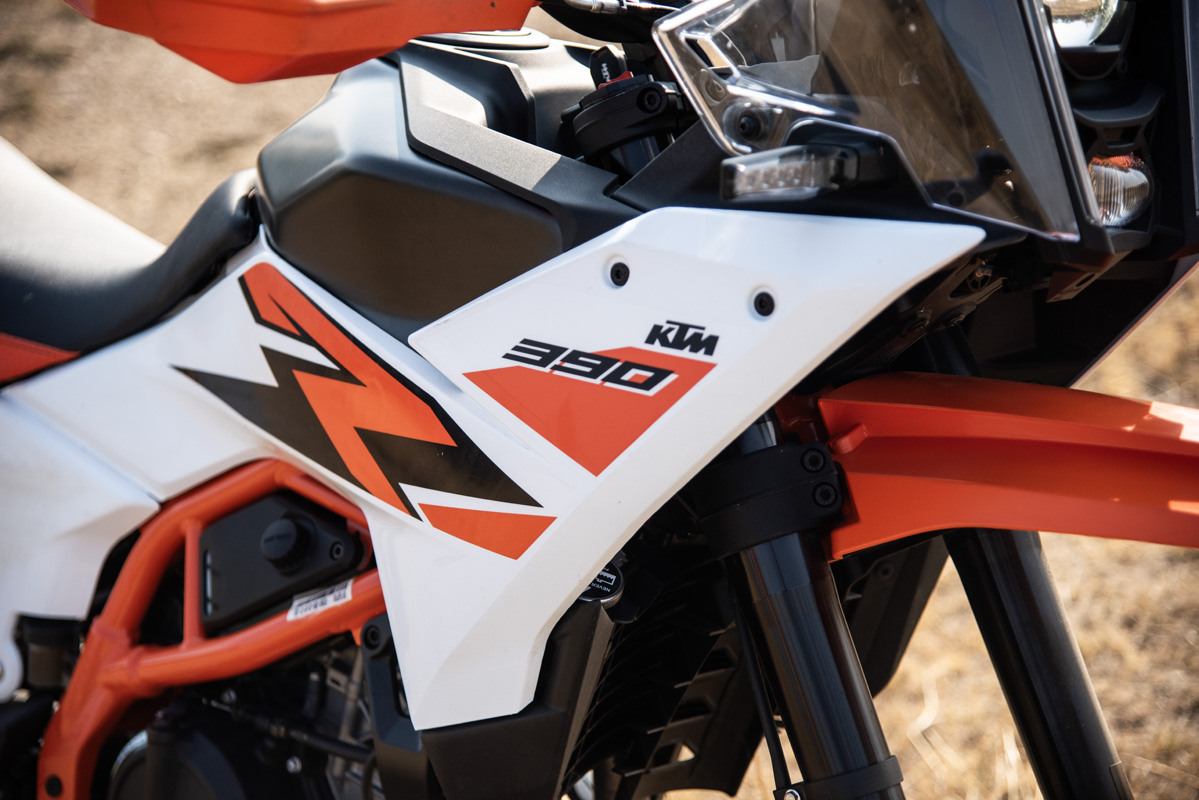
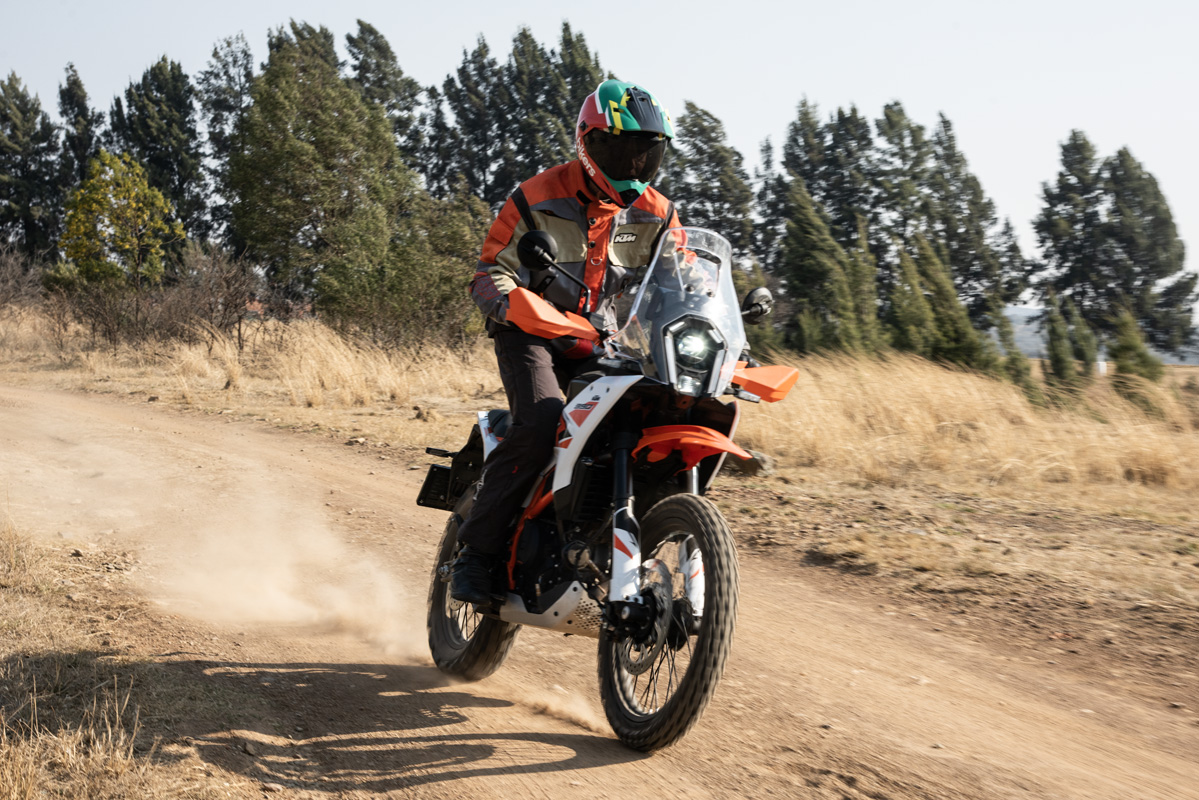
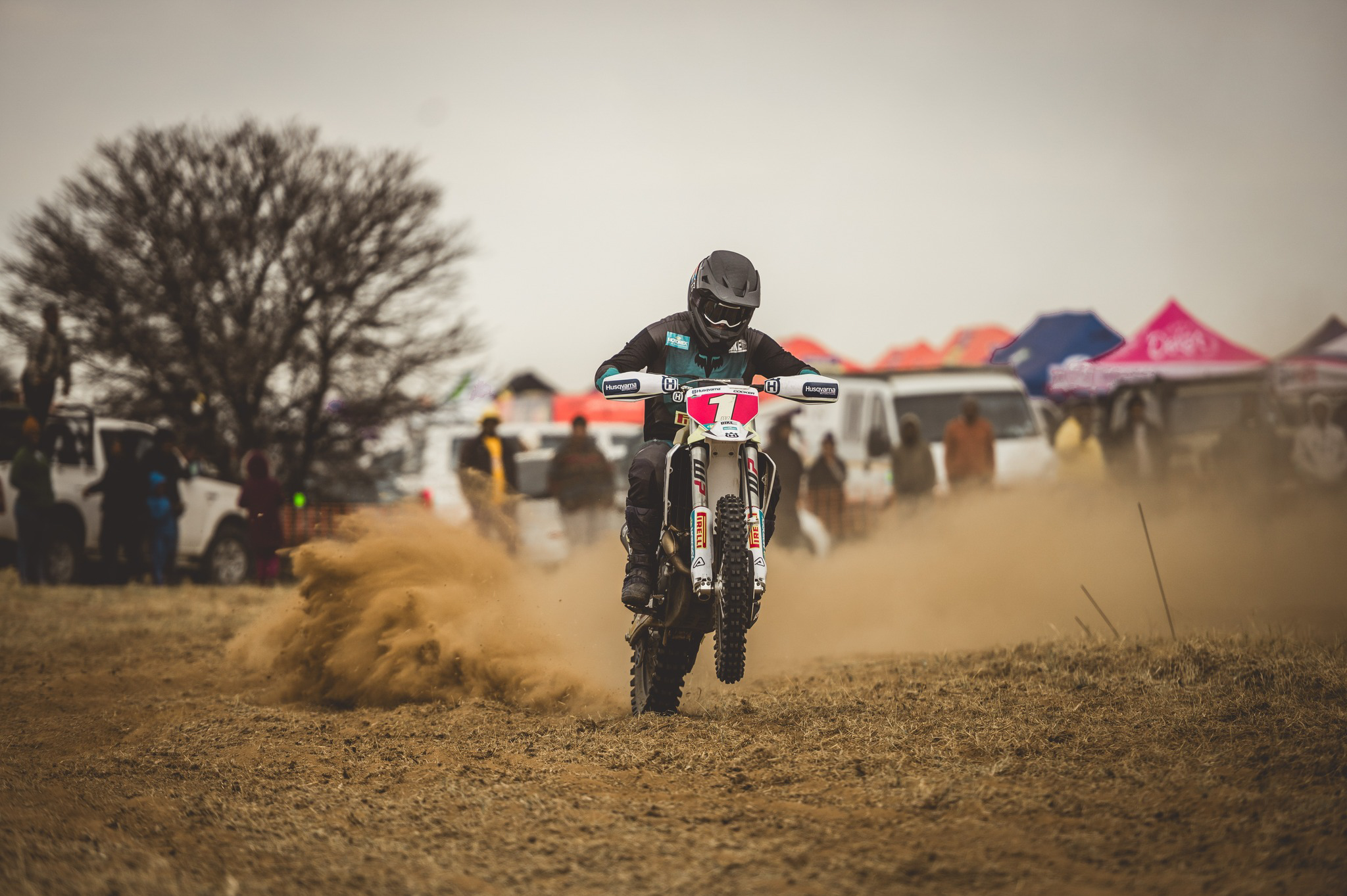
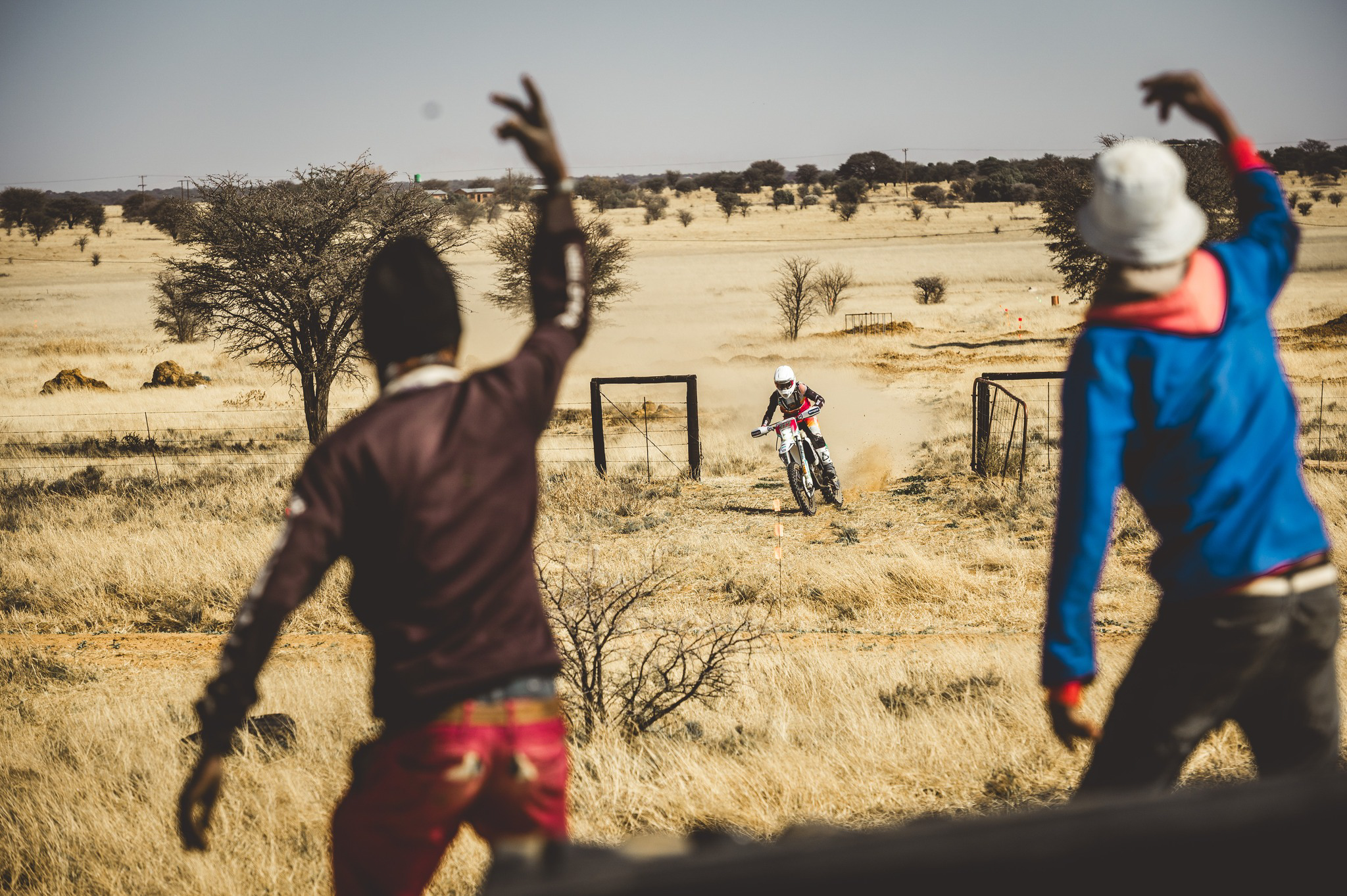
One thing is for certain: we South Africans love enduro, and in particular, hard enduro. In my opinion, the Roof of Africa has been the main catalyst for the ever-growing enduro landscape in SA. With more weekend warriors taking to the mountains every year thanks to well-organised and technical enduro events, we are beginning to see more local talent rise through the ranks and earn both gold and silverware overseas in the world of hard enduro, because it’s on our doorstep.
Photo credit: Bjorn Moreira / ZA Bikers
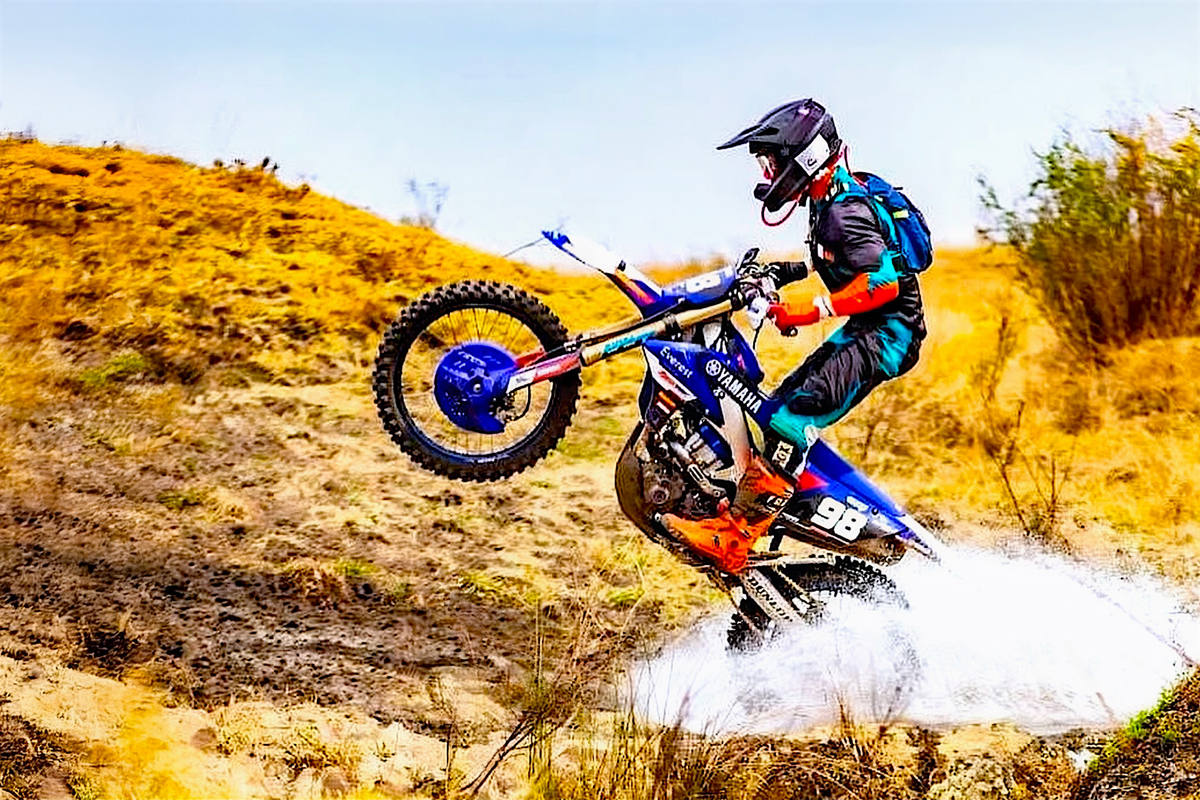
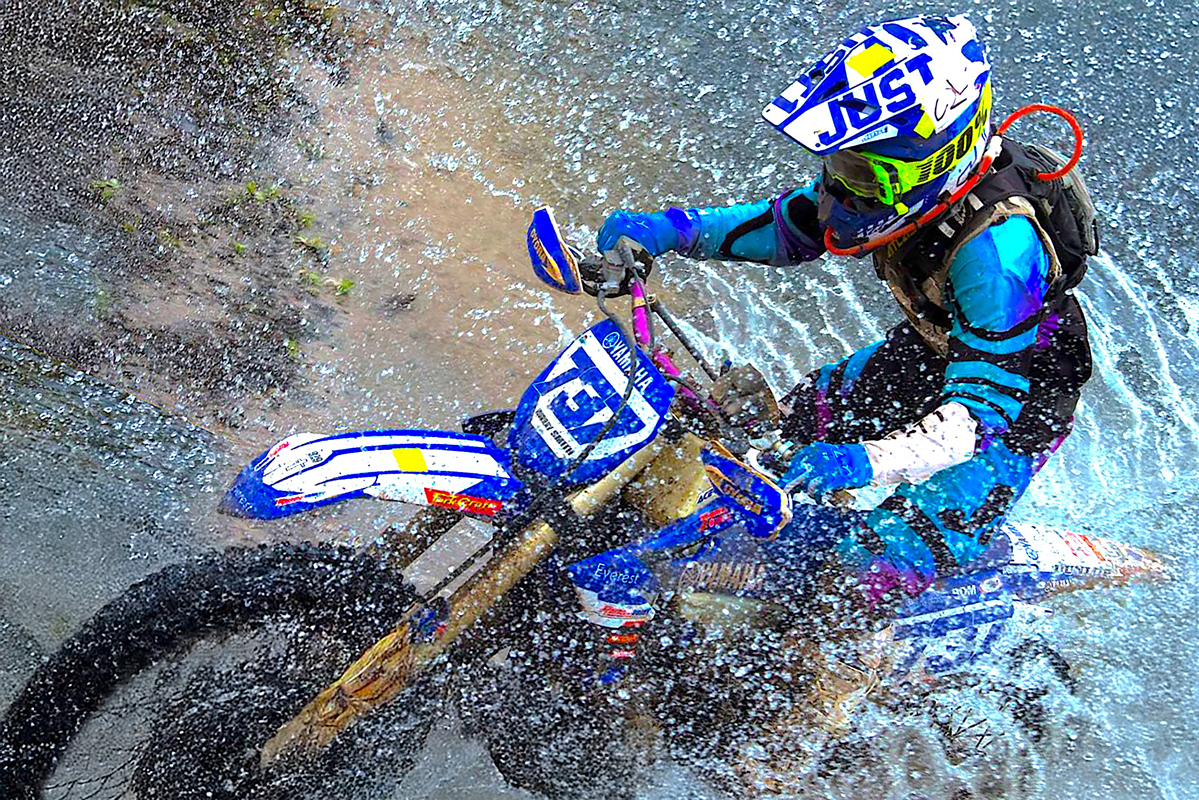
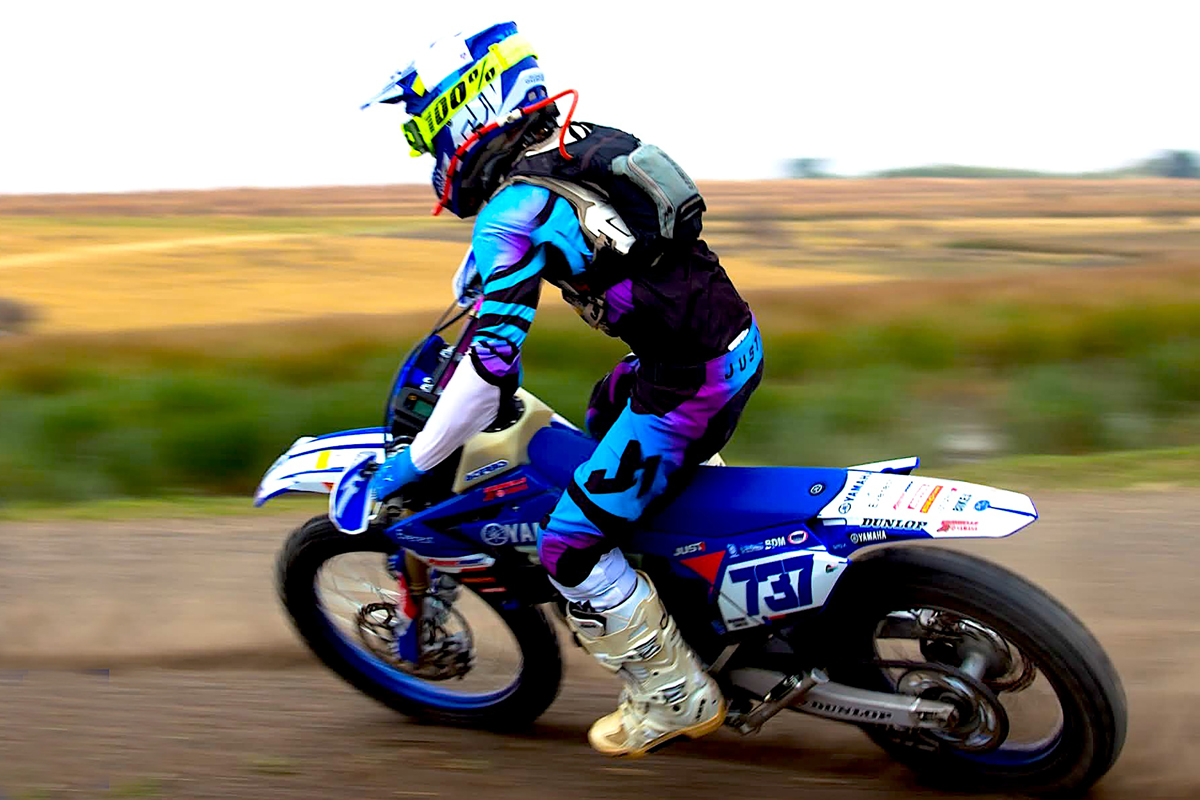
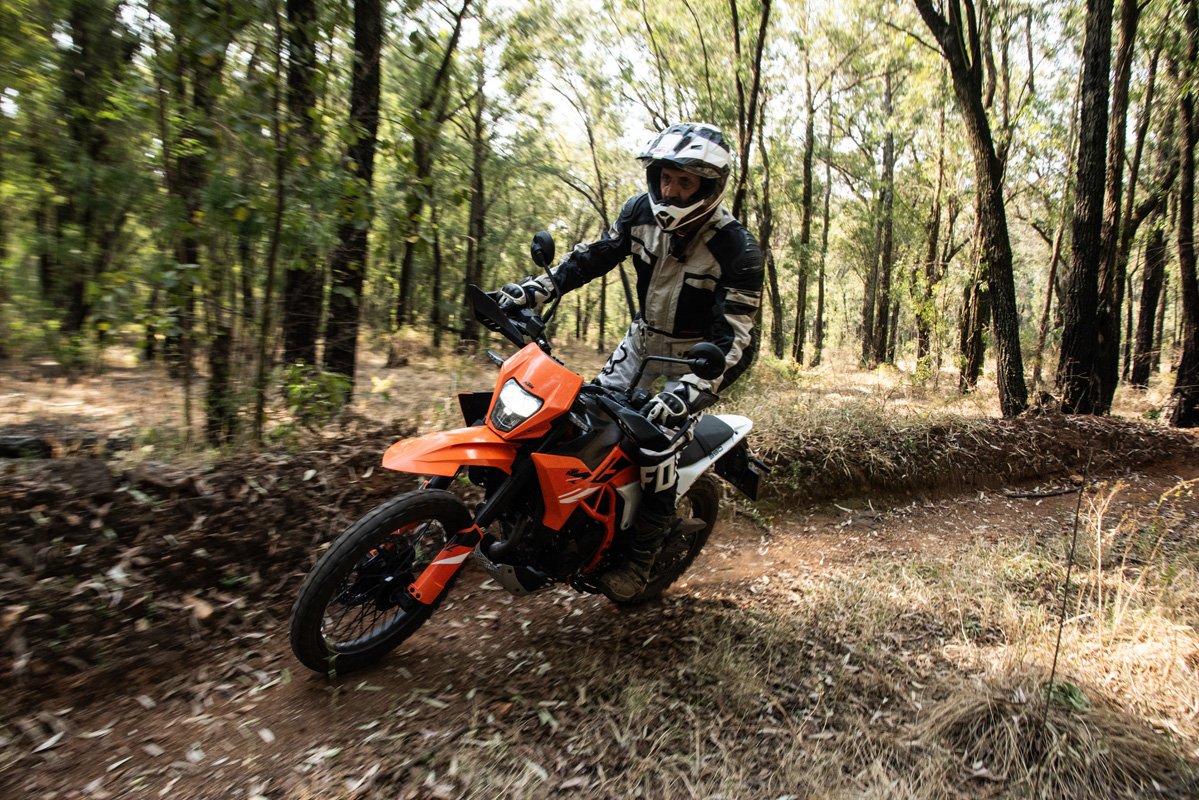
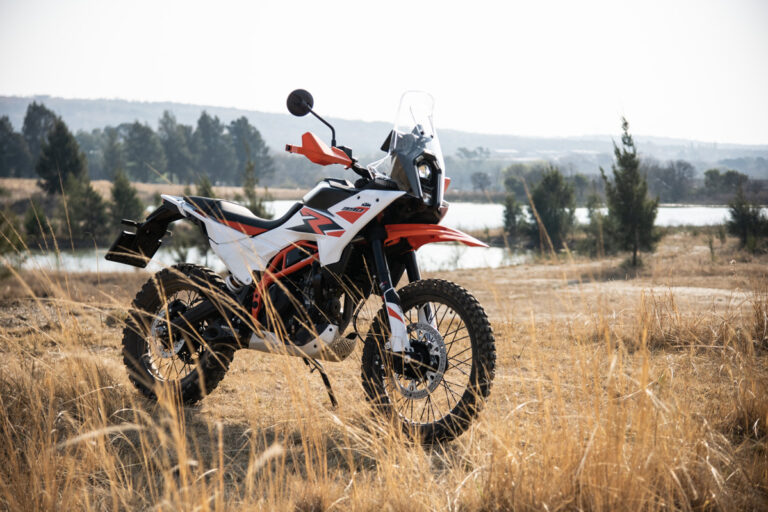
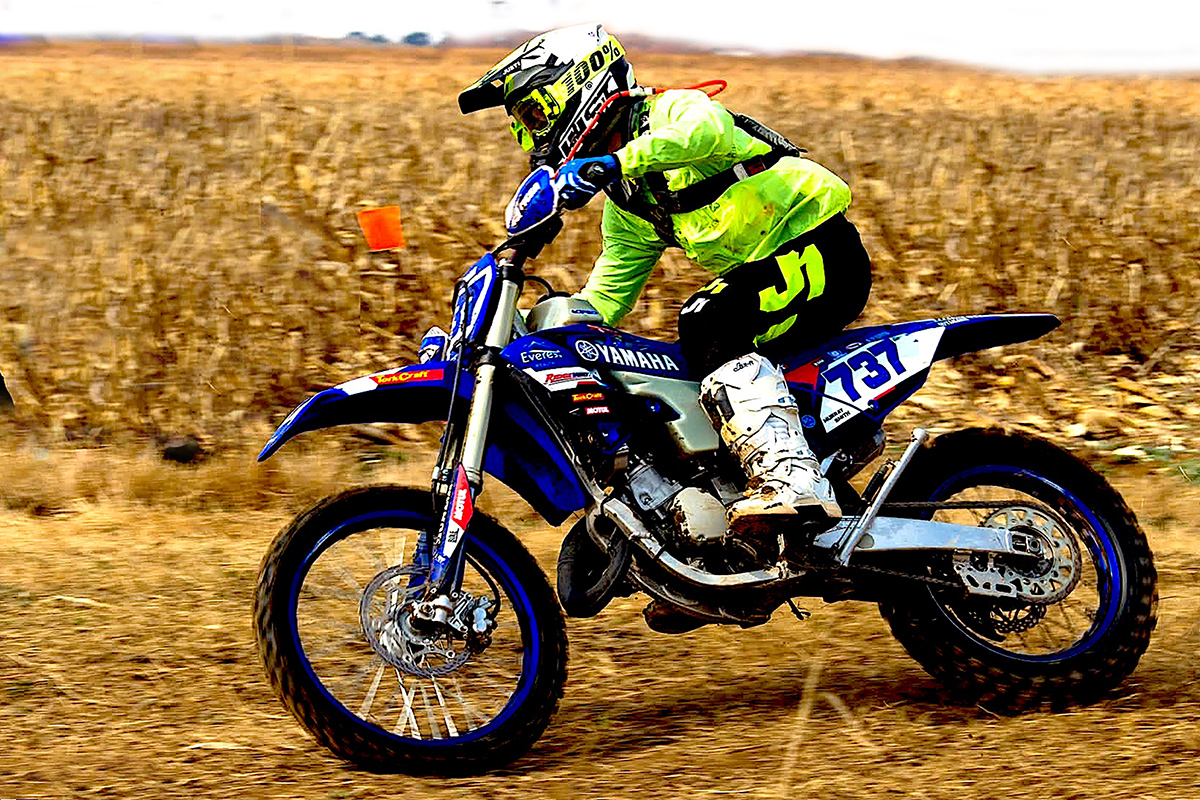
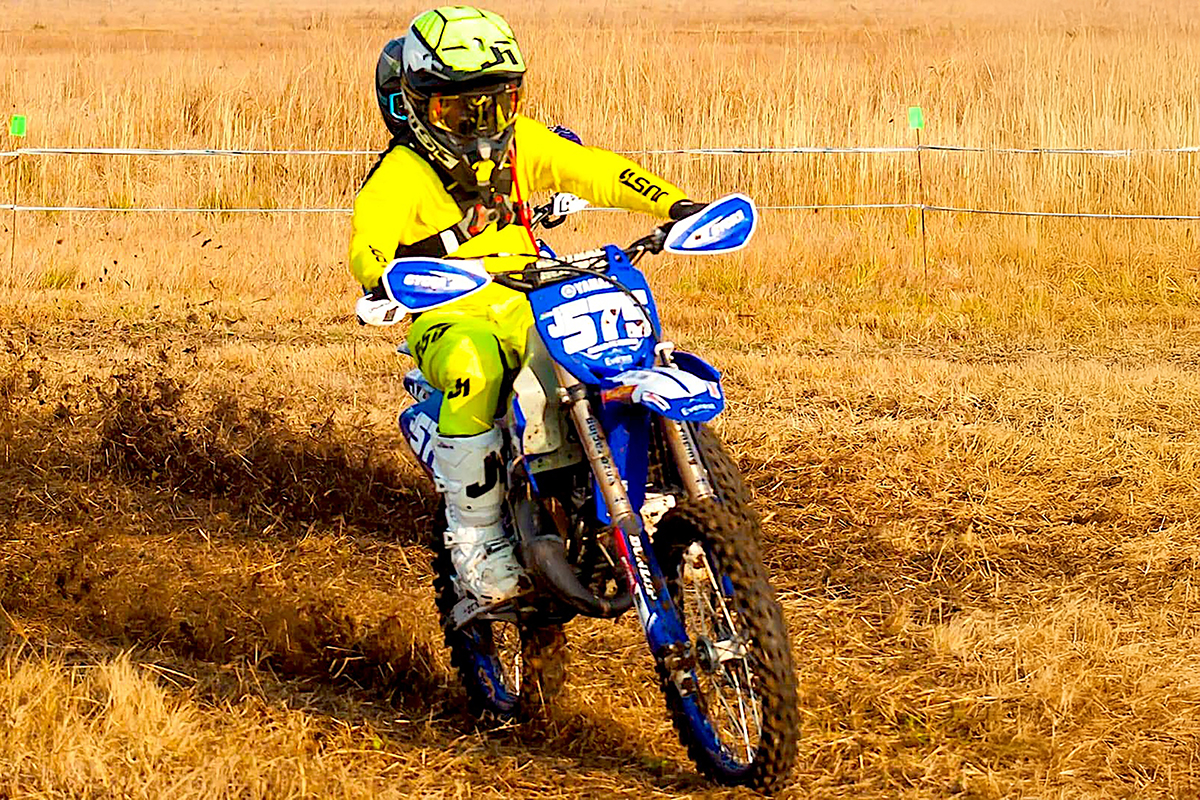
Yamaha South Africa knows this all too well and, for the past few years, has been developing a ‘bespoke’ enduro motorcycle, which has been tailored for the local hard enduro scene. Well, the wait has finally come to an end for a Japanese “pukka” enduro bike, with Yamaha South Africa unveiling their very own creation, the Yamaha YZ250X-HE.
Photo credit: Bjorn Moreira / ZA Bikers
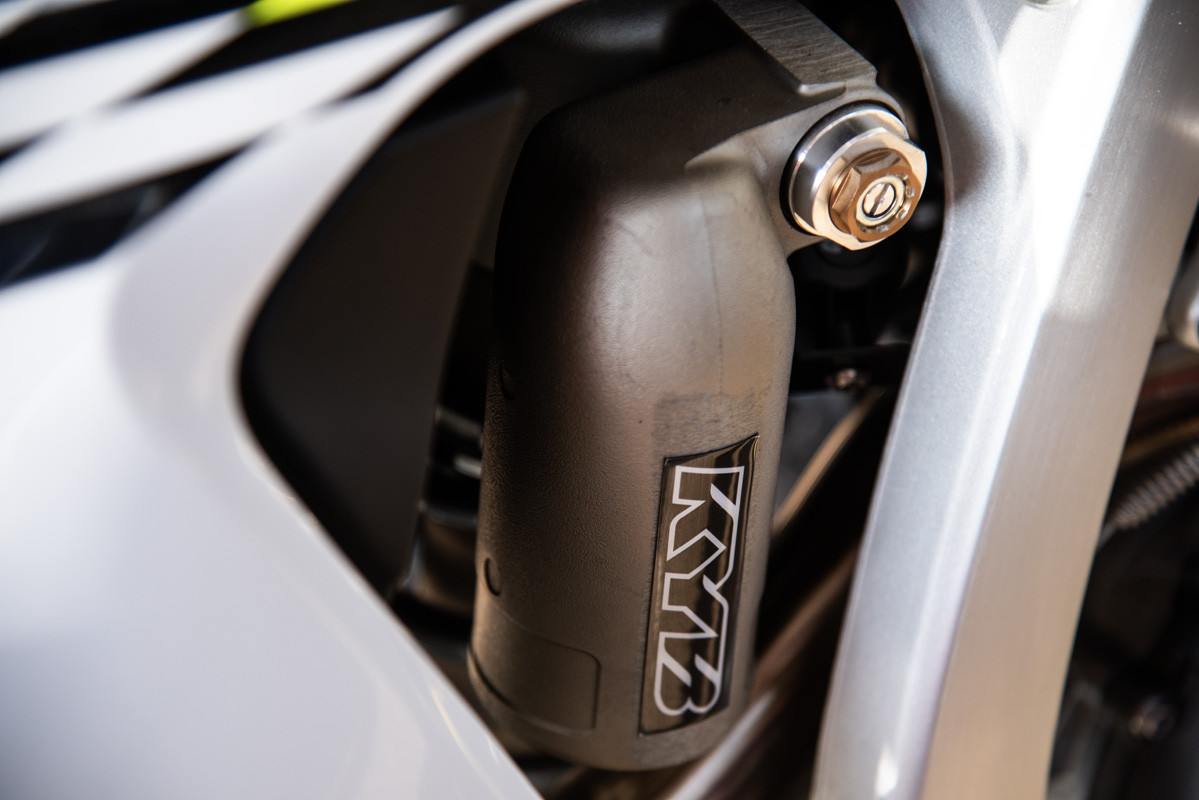
While the YZ250X is a decent enduro and seriously attractive at just 130k, it leaves you compromised in seriously challenging terrain. No electric start, no crash protection, no radiator fan, no headlight and no hour meter, just to name a few. But what the ‘Yam’ does have from stock is a brute of a motor, top-shelf KYB suspension, decent ergonomics, a light weight of 100 odd kg and renowned reliability.
Photo credit: Bjorn Moreira / ZA Bikers
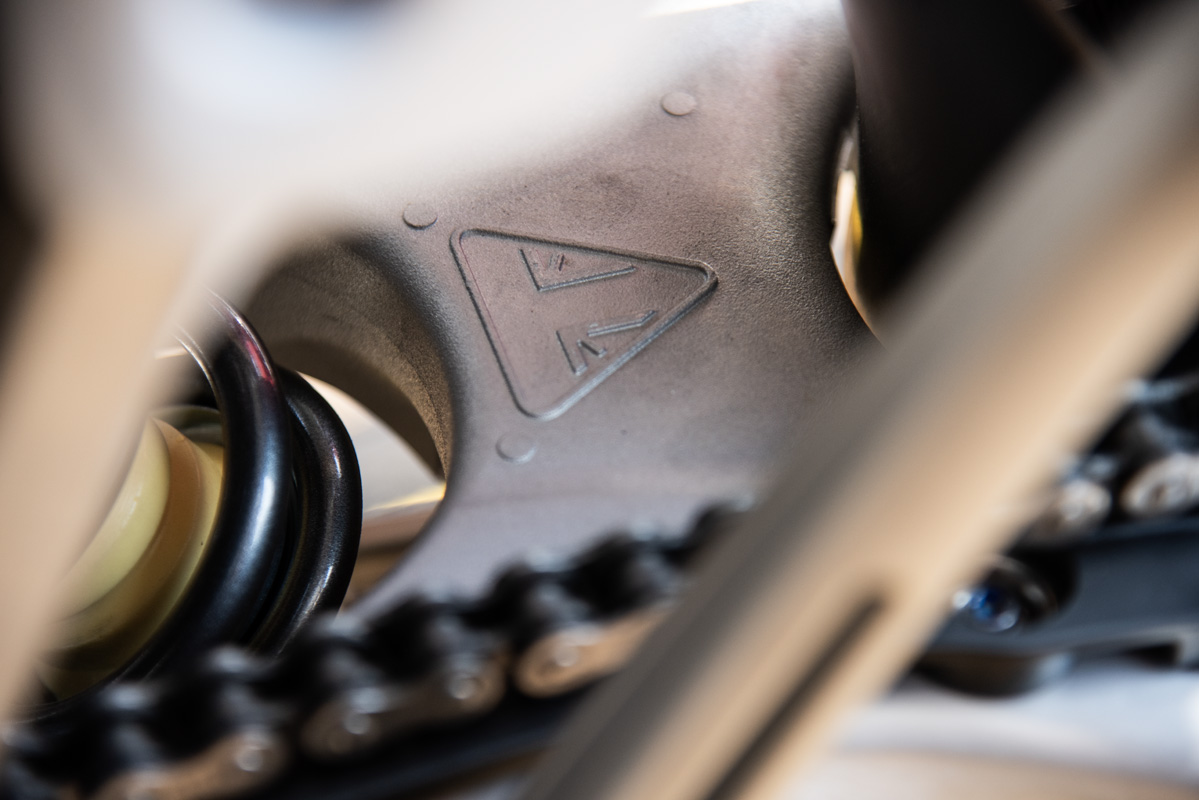
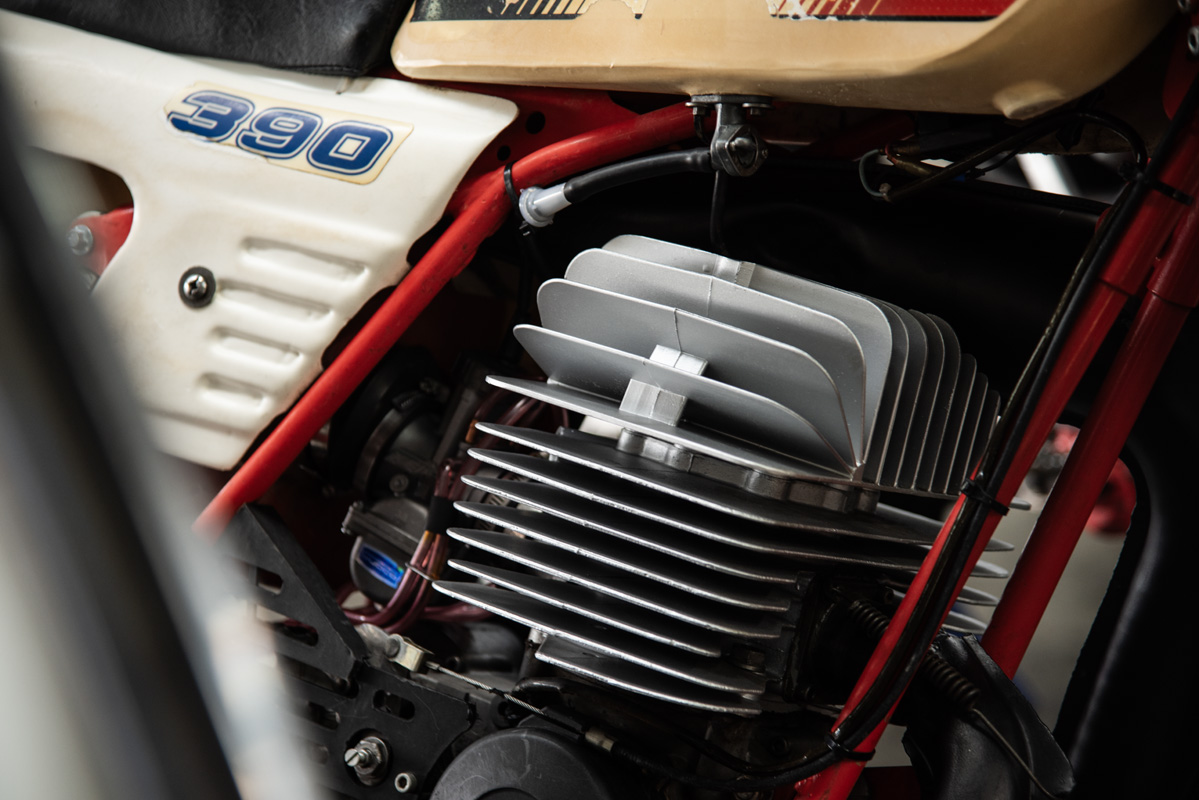
So, what is so “HE” about the YZ250X-HE? Well, from a visual perspective, we see an OEM WR/FX radiator fan, PSP radiator braces, Fisch Moto electric start, hour meter, a Teflon 69 design bashplate, GYTR Teflon chain guide, reinforcing on the tail section of the swingarm (around the chain guide) and a limited edition plaque on the headstock. Adam Bac, one of Yamaha’s test riders, had a WR headlamp on his race bike, which looked the part.
Photo credit: Bjorn Moreira / ZA Bikers
Internally, there are also a few hidden gems, but the main standout is the Fisch Moto electric start. Hard enduro with a kick starter is like fighting a war, an already lost war, just go home and forget it ever happened because the trauma is going to be unbearable. The Fisch Moto electric start is obviously an aftermarket product, but it helps get the job done. For now, the only quirk—which isn’t a biggy—is that the current model starter doesn’t charge the battery, but they are busy developing a stator plate with a lighting coil that provides the magneto to charge the battery.
Photo credit: Bjorn Moreira / ZA Bikers
What Yamaha has done to make sure the starter and radiator fan have enough charge for a full enduro is run them off of two separate batteries. The starter runs off of an antigravity lithium battery with a charging tail already plugged in, and the fan runs off of a small RC car-looking battery. Adam’s bike runs a single battery, as he isn’t a staller like the rest of us weekend warriors, so battery life lasted him two full enduros. So, in theory, two batteries for the average Joe should be sufficient and easy to quickly charge up at home. (Yamaha does throw in a battery charger for the RC battery.)
Photo credit: Bjorn Moreira / ZA Bikers
The crown jewel of the HE has to be the altered gearbox and gearing. Yamaha has changed the first and second gears, which took them quite a bit of engineering work to get right, as these lower gears are larger than what the standard crankcase would allow. In a nutshell, it’s two gears and a shelf that is changed within the gearbox. Yamaha has also moved from the standard 14-50 sprocket set to a 13-51. The flywheel on this bike is the standard flywheel, but Yamaha has added four ounces to it and has had it stringently tested to make sure the weight is correct and stable.
Photo credit: Bjorn Moreira / ZA Bikers
Adam Bac: I’ve been helping out with development on this project since 2017, running many different hybrid versions of what we see today. Compared to the standard bike, the ‘HE’ has a lot more lug torque, is very responsive, but not overly aggressive, with a linear feed of power. For example, some of the same climbs we did today, on the stock bike, I would either have to ride the clutch in second or run the bike super high in the rpms in first. On the other hand, the HE has instant and linear power straight through in second gear and tracks up every climb at Titans with ease.
Photo credit: Bjorn Moreira / ZA Bikers
Adrian Bac: What we call the Yamaha YZ250X-HE is a hard enduro. This motorcycle is developed here locally and put together in-house at our technical workshop at World of Yamaha. After years of understanding the requirements of the South African enduro environment, we’ve brought the YZ250X-HE to the niche but still relevant hard enduro market. We’ve made it our goal to bring the bike in at a decent price by squeezing pricing and subsidising labour; there really is no margin worth justifying. We are doing this because we are passionate about our brand, and to also showcase how competitive we can be.
Photo credit: Bjorn Moreira / ZA Bikers
The HE is a tailored hard enduro that has room for alteration. What I mean by this is, Yamaha South Africa has left a few things off the table as riders have their own preferences when it comes to parts, and others are just subjective, like front disc guards, handguards and tyres. Focus is the direction in which the HE is pointed toward. Yamaha even does optimum jetting depending on where you ride, rather than a do-it-all setup.
Photo credit: Bjorn Moreira / ZA Bikers
Retail price is R210K, which is quite a bit more over the 130K stock price, but if you look at the European competition, they are all sitting at roughly the same price, and for what the YZ250X-HE offers, being a unique, limited-run model and proudly South African made, I think Yamaha won’t struggle to sell to the Yamaha faithful. So, if your blood runs blue and you are in the market for a hard enduro and don’t want to parts bin your own creation, Yamaha South Africa is building a limited run of these YZ250X-HE models. Make a turn past your local Yamaha dealer and have a look for yourself.
One of South Africa’s motorcycling success stories in the past five years has been Hero South Africa’s increasing presence in the market, in both the commercial and private sectors. Thanks to this success, in tandem with dealers’ support, dedication and loyalty, Hero South Africa is poised to further increase this presence.
In recognition of this success, Hero South Africa recently announced a significant investment in the company by Astoria Investments to fuel the next phase of growth.
Photo credit: Bjorn Moreira / ZA Bikers
This investment will result in increased stock levels of both motorcycles and spares inventory, as well as an expanded workforce and operational systems, making business easier for everyone in the value chain.
One area which will be of interest to both dealers and customers is a significant expansion of product offerings. From February 2026 onwards, the highly anticipated Hero Leisure range of motorcycles will be available, capturing a new segment of the market. Details of this enhanced range will be announced shortly.
Image source: Hero MotoCorp
With positive news in short supply in the motorcycle market, it is good to be able to report this exciting development for Hero South Africa. As usual, ZA Bikers will be the first to bring you all the new model news as it arrives in our inboxes.
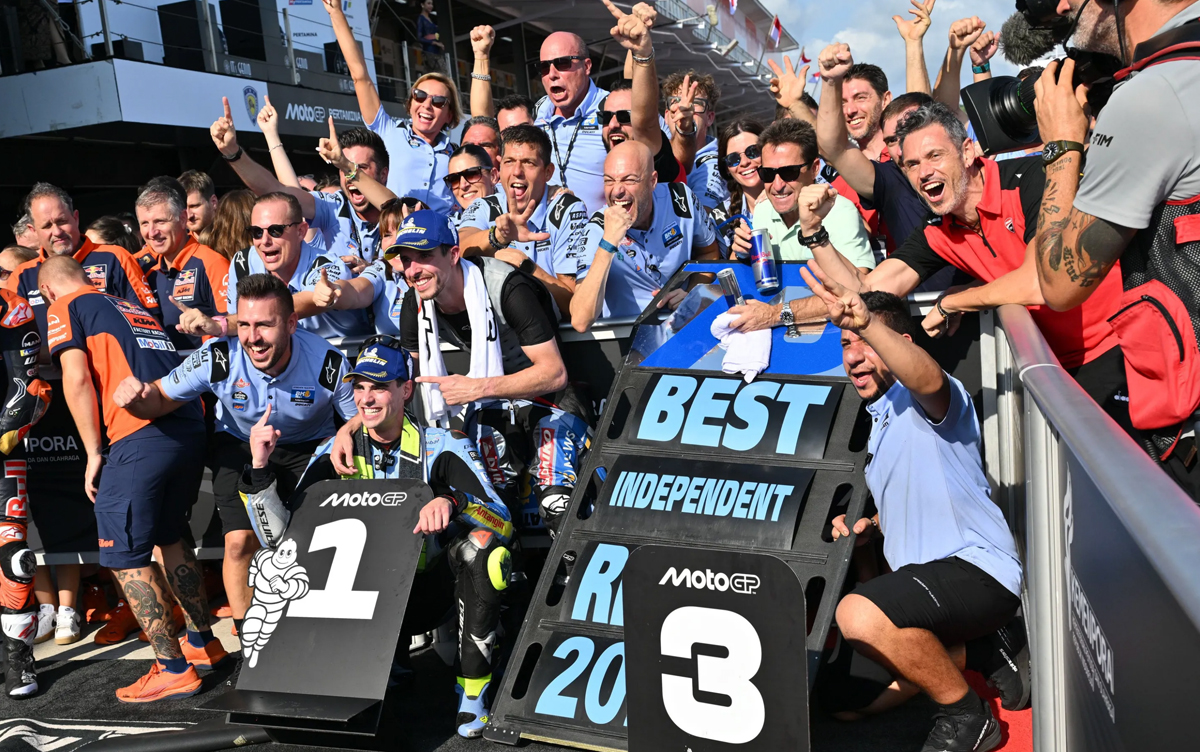
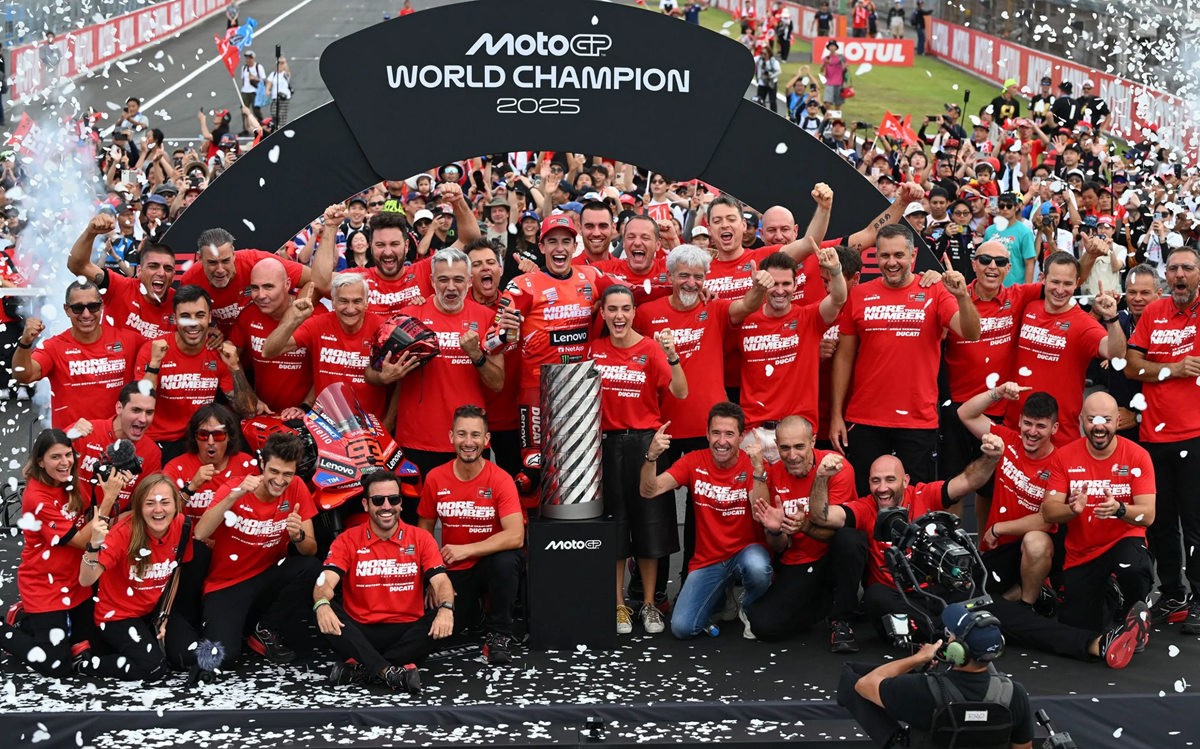
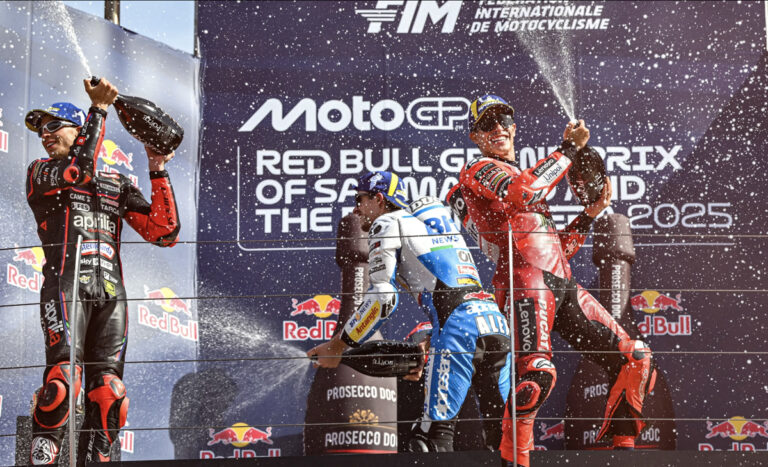
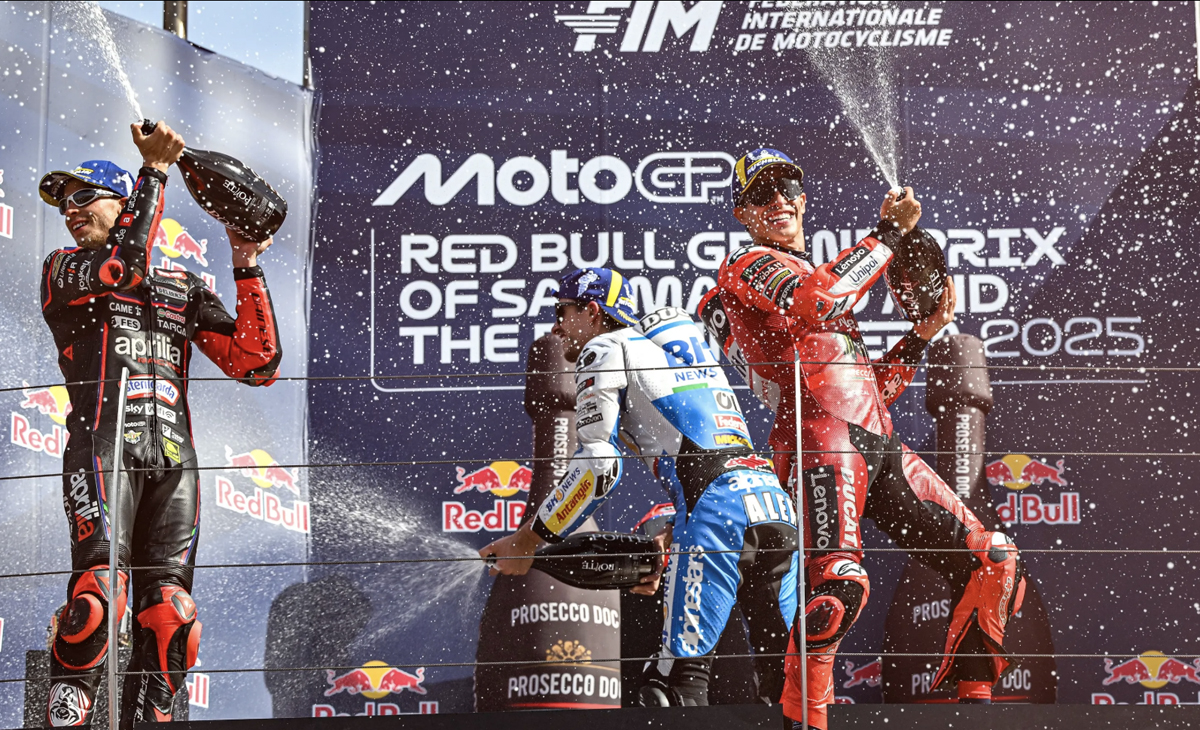
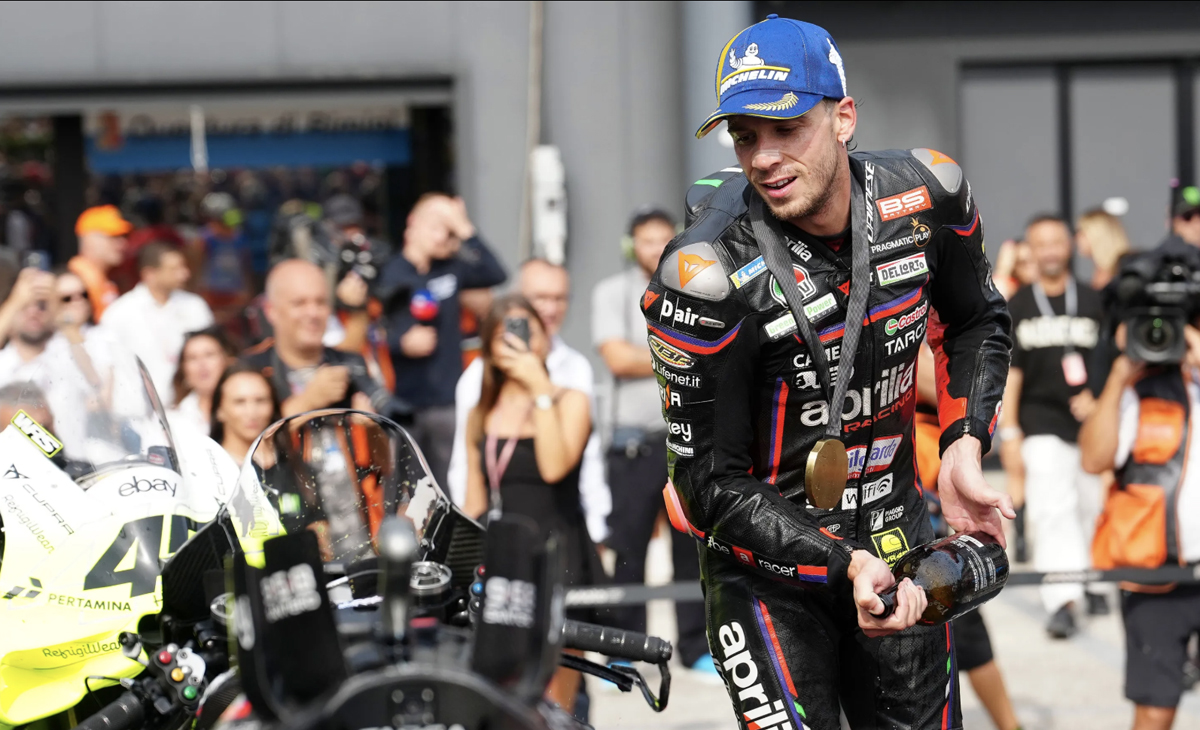
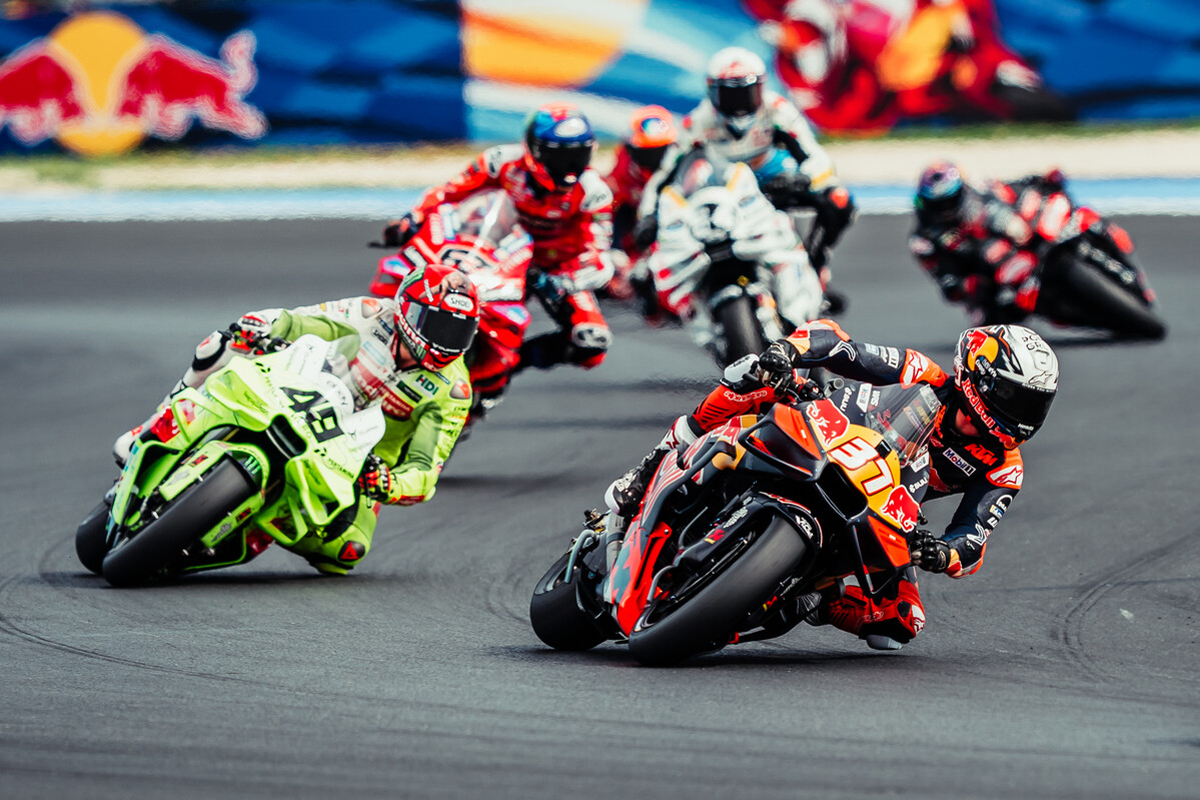
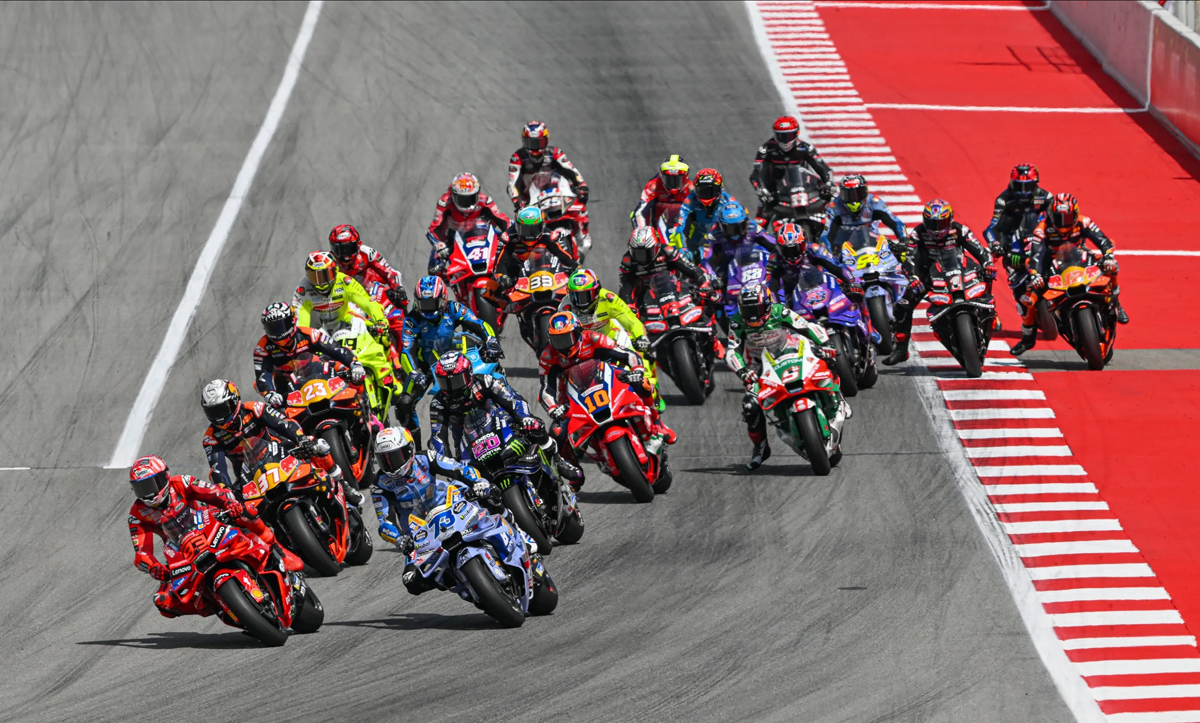
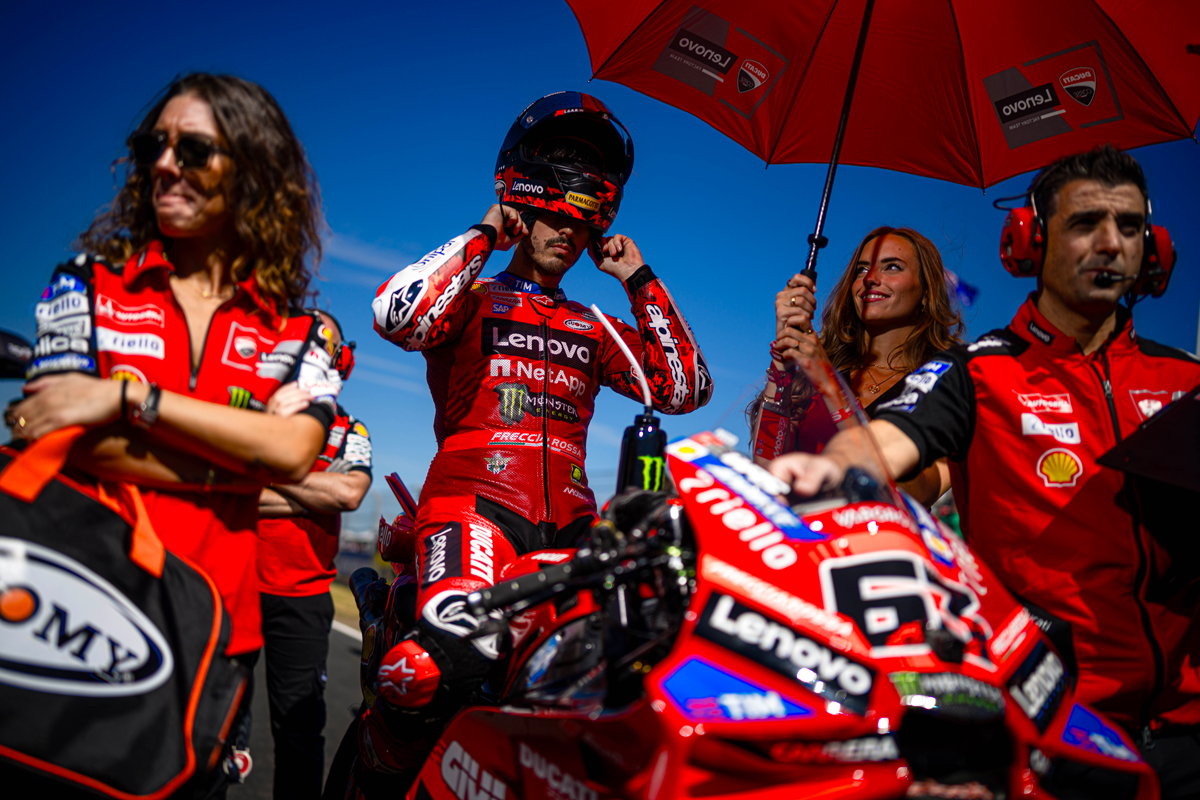
If the past two seasons have taught us anything, it is that, with the right equipment, the independent team in MotoGP can rise up to shake up the established order, which is something we haven’t seen for a long time. Last year, Jorge Martin won the title on the Pramac Ducati and, if this year, Marc Marquez and the factory Ducati took title honours, then Gresini proved itself to be a strong second best by taking second in the championship with Alex Marquez (three GP wins and second in the first ten Sprint races with one victory), the Independent Team Award and Rookie of the Year for Fermin Aldeguer (one GP victory). And this was fielding GP24 Ducatis, don’t forget. That’s not an insignificant achievement by any standards.
Image source: MotoGP
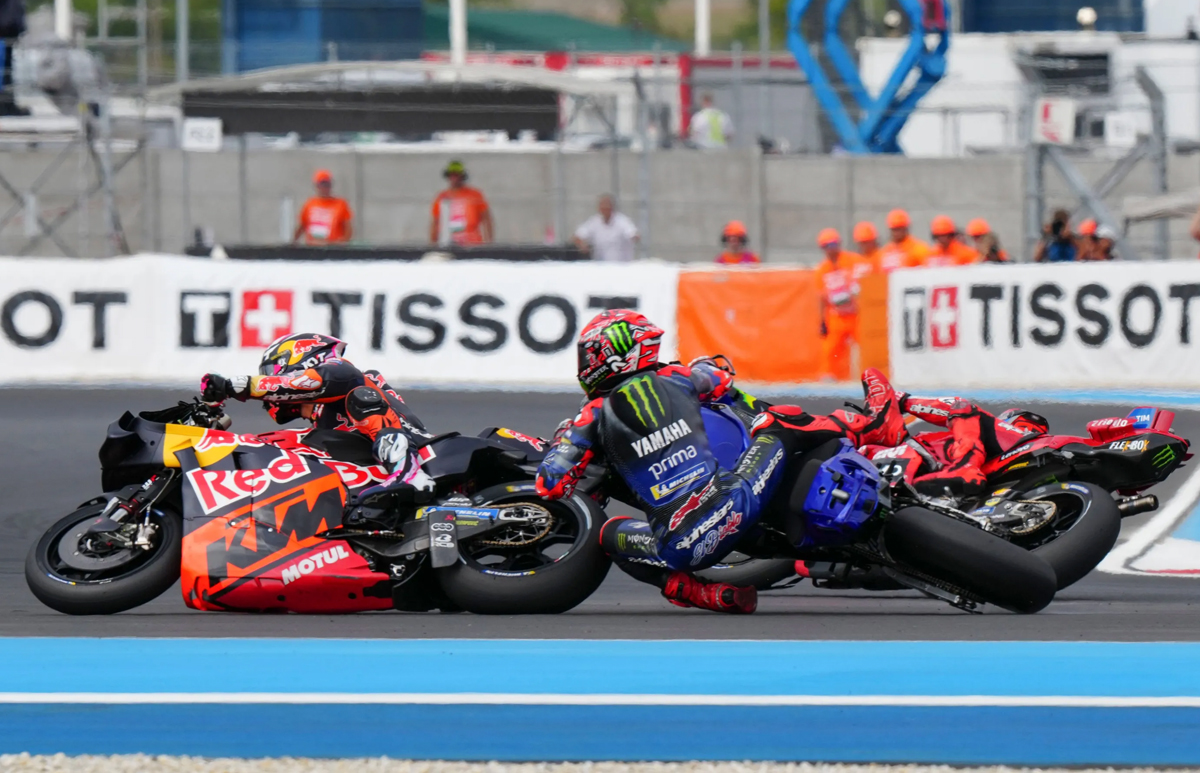
Proceedings in Malaysia were somewhat placed in the shadows by the awful accident during the sighting lap for the Moto3 race, where Jose Antonio Rueda ran at speed into the rear of slow-riding Noah Dettwiler, sending them both flying and, ultimately, to hospital; Rueda with a fractured wrist and concussion and Dettwiler with unspecified injuries that nevertheless necessitated multiple surgeries, after which his team said he was still critical but stable.
Image source: Crash / Gold and Goose
Some MotoGP riders were critical of Dorna for subsequently allowing the Moto3 race to proceed after a long delay, suggesting that it was irresponsible to let such young riders continue in the face of a serious accident, the outcome of which no one was aware.
Bagnaia was particularly vocal: “Let’s just say that starting the day like this isn’t the best way. Especially thinking that some Moto3 kids have to start a 10-lap sprint race, after seeing an accident like that, it isn’t the best situation in my opinion. Let’s hope everything is fine.”
Marco Bezzecchi was similarly outspoken, particularly about the lack of information about the crash: “It was really hard for me to concentrate,” he said. “It’s very hard to get on the bike after what happened in Moto3. It’s not fair that we get on the bike without any information about what happened. “We saw helicopters take off with two riders. We deserved some information.”
Image source: Crash / Gold and Goose
Some pointed to the loss of warm-up sessions for Moto3 and Moto2 at the beginning of the season, to make way for a MotoGP rider parade, as the problem. This removed the last chance of testing what could easily be completely rebuilt bikes after the practice and qualifying sessions on Saturday, and it’s clear that losing those ten minutes of pre-race track time was not a good idea. The possibility that Dettwiler was having technical issues with his bike on the sighting lap, leading to his slow speed, is a direct consequence of this. It could easily have happened at the start of the race itself, with a hard-accelerating pack jostling for position into the first corner. The consequences of that don’t bear thinking about. Of course, a technical issue can happen at any time, but a ten-minute warm-up session would go a long way to mitigating against this happening on a crowded track at the beginning of a race, or even a sighting or warm-up lap.
Image source: MotoGP
What is certain is that pre-race procedures will have to be reviewed to prevent a repeat of this, either by mandating a minimum lap time for sighting laps or forcing riders to follow the pace car to the grid.
Image source: MotoGP
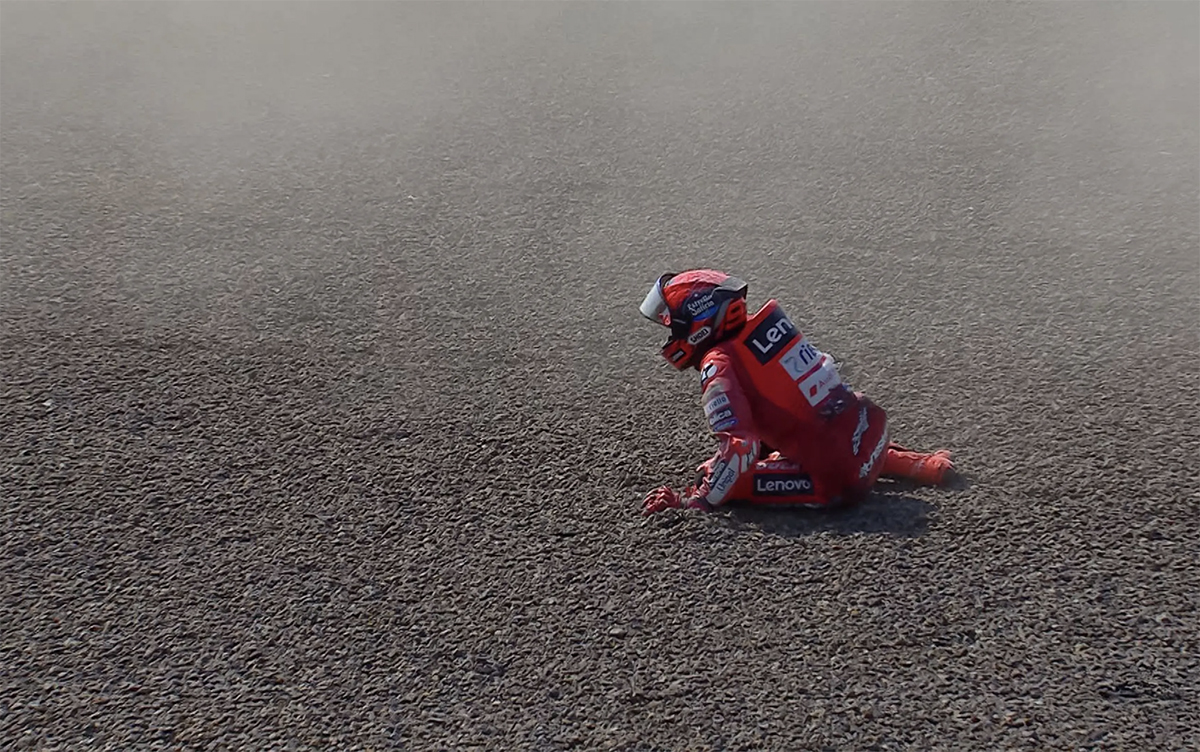
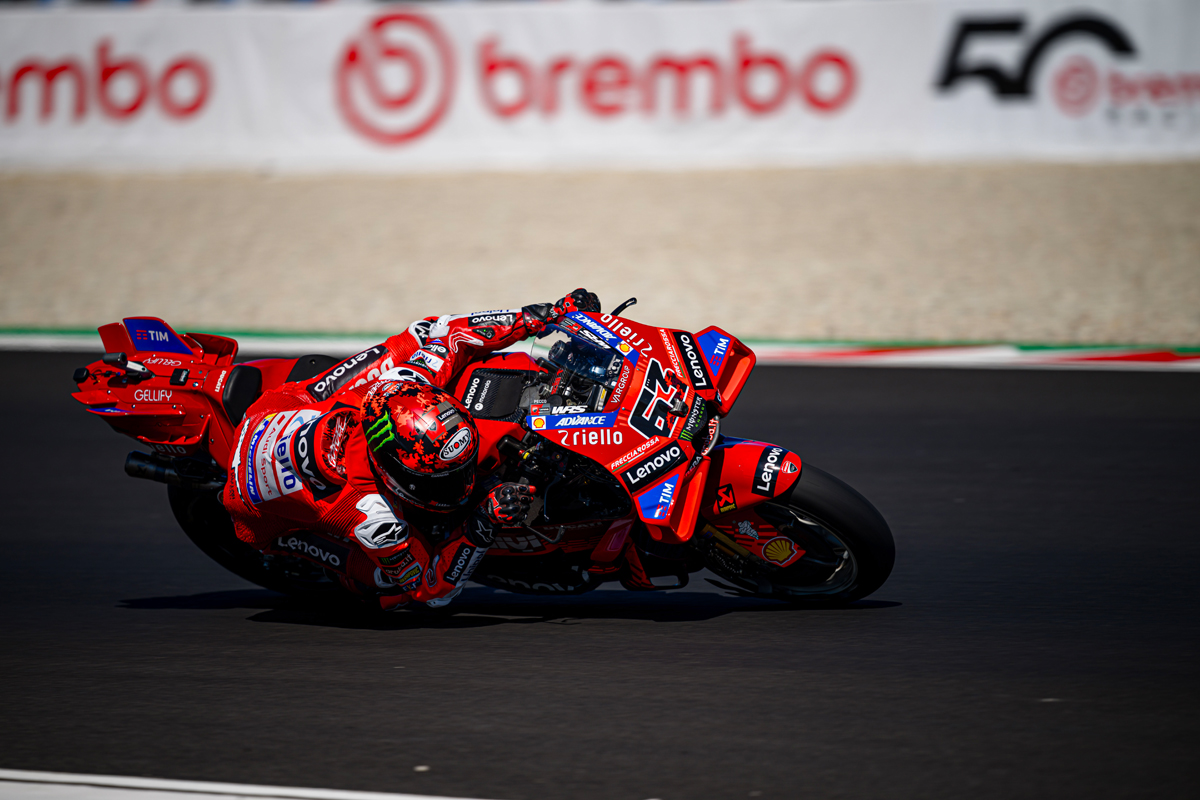
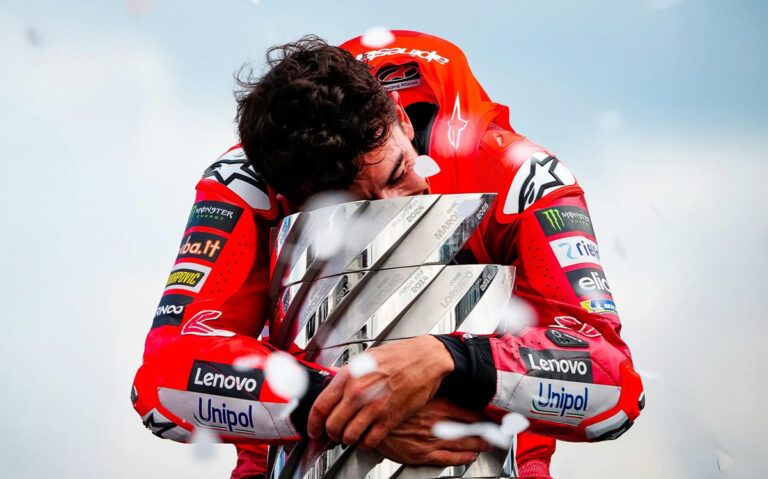
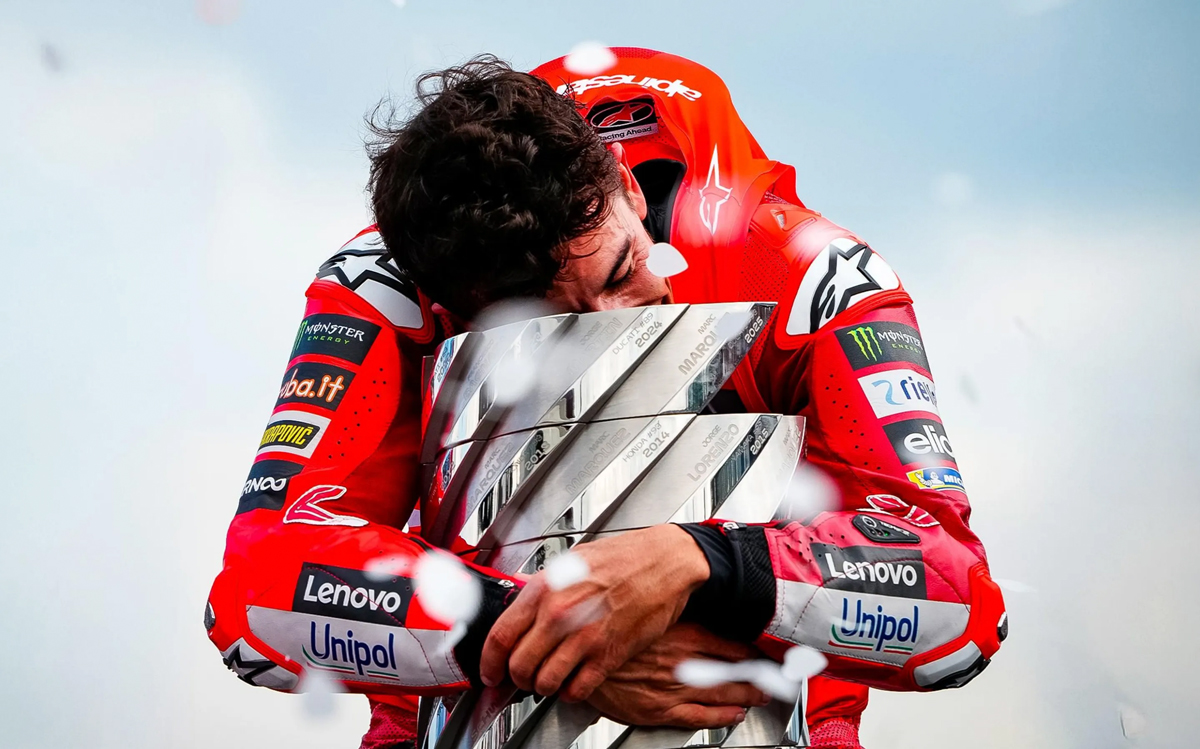
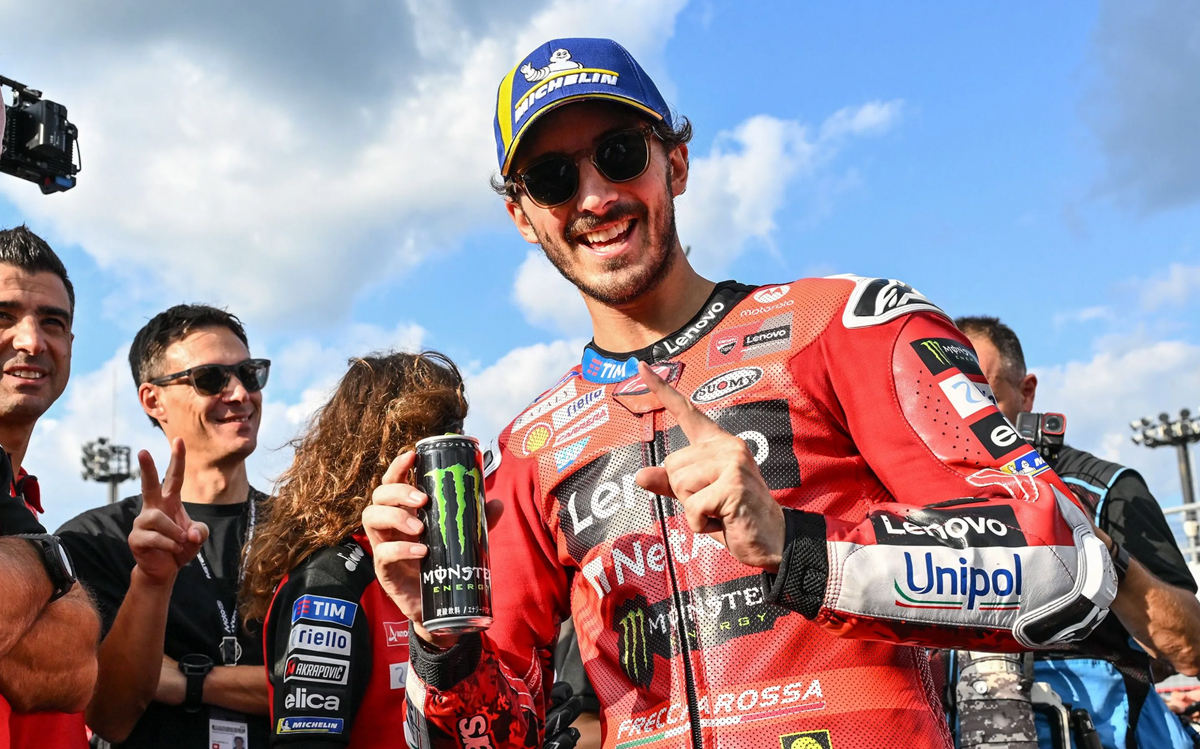
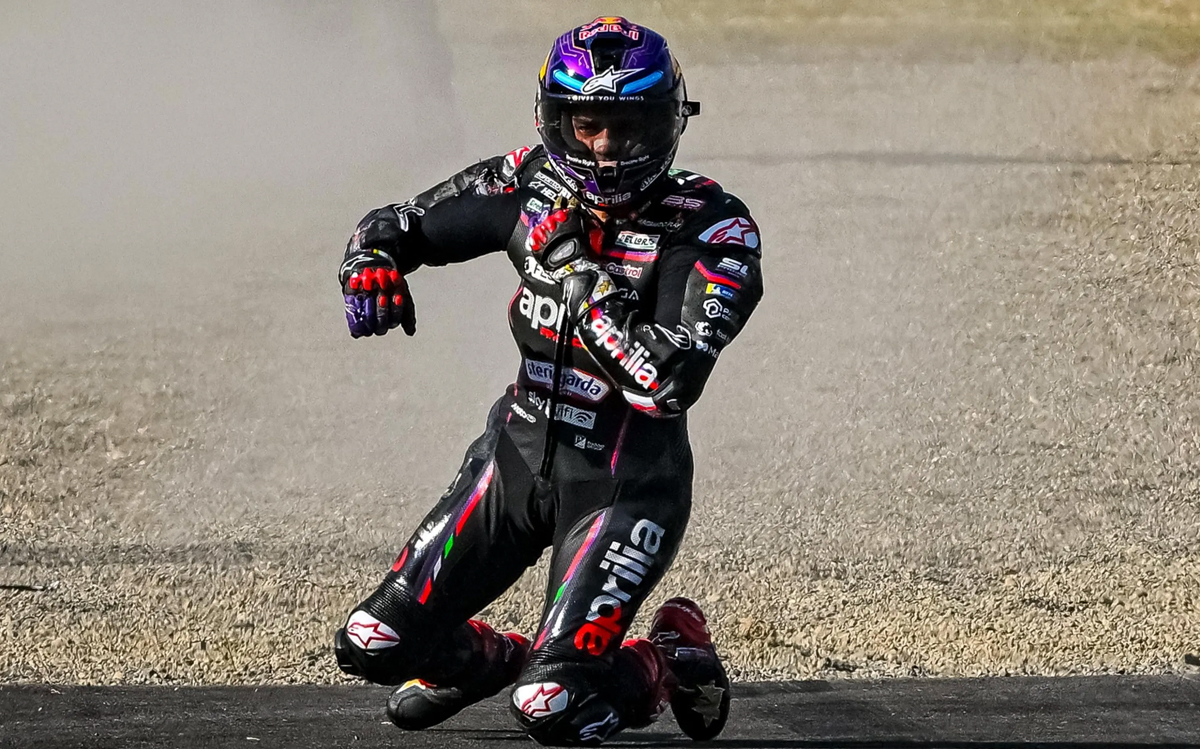
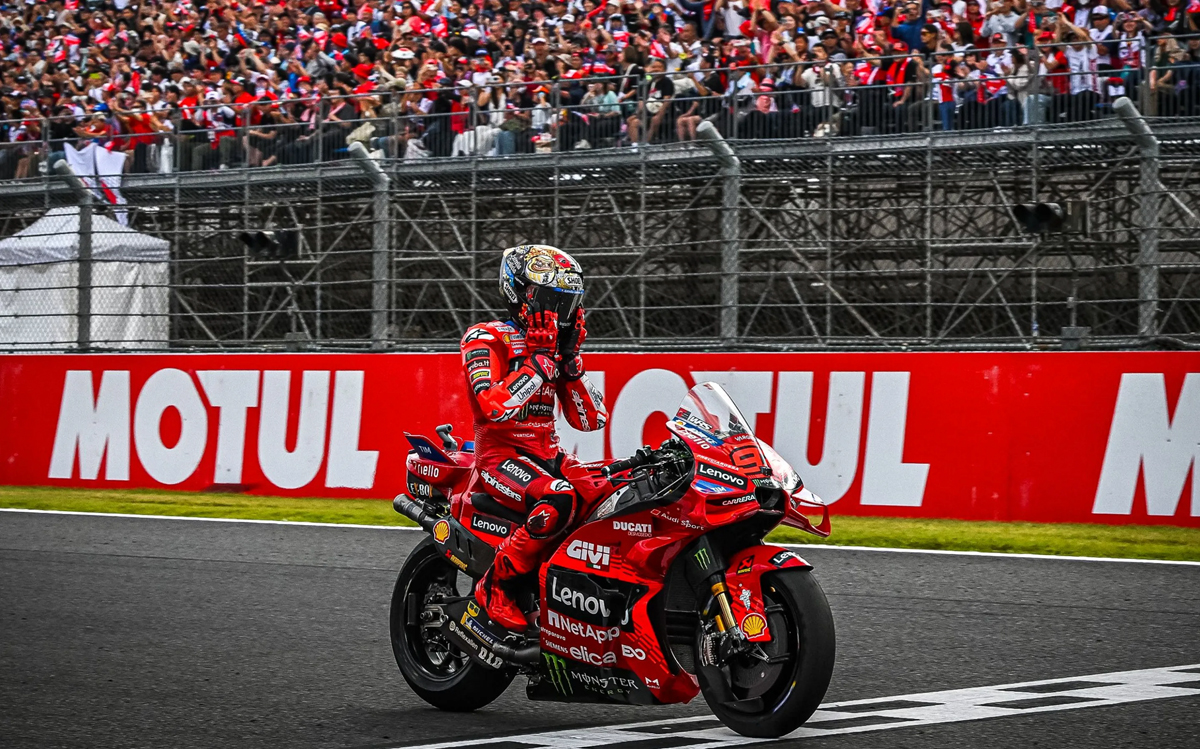
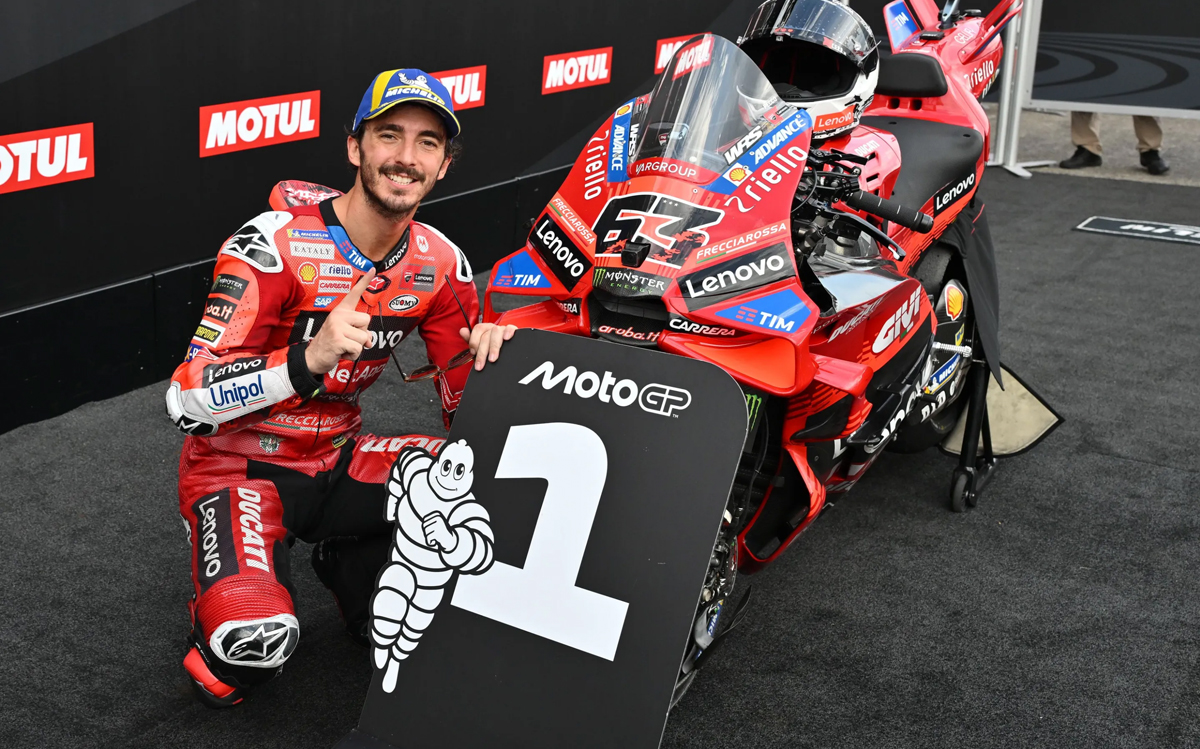
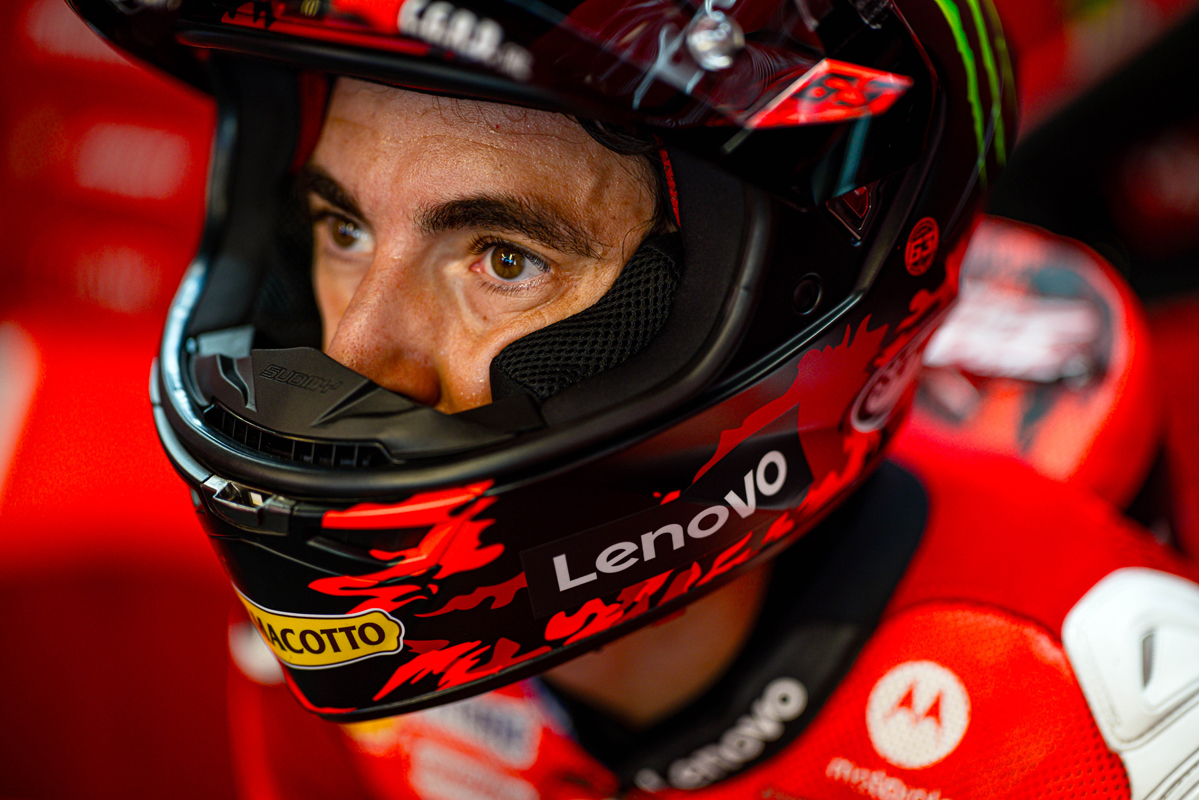
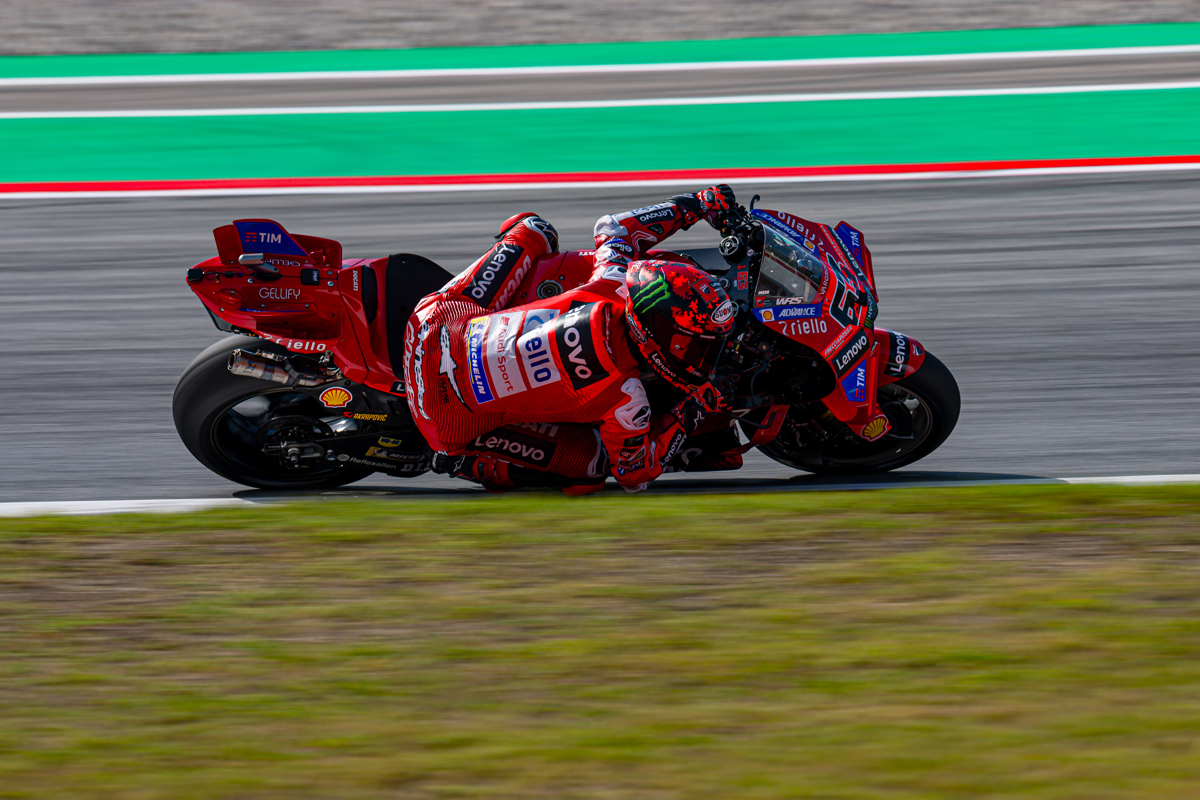
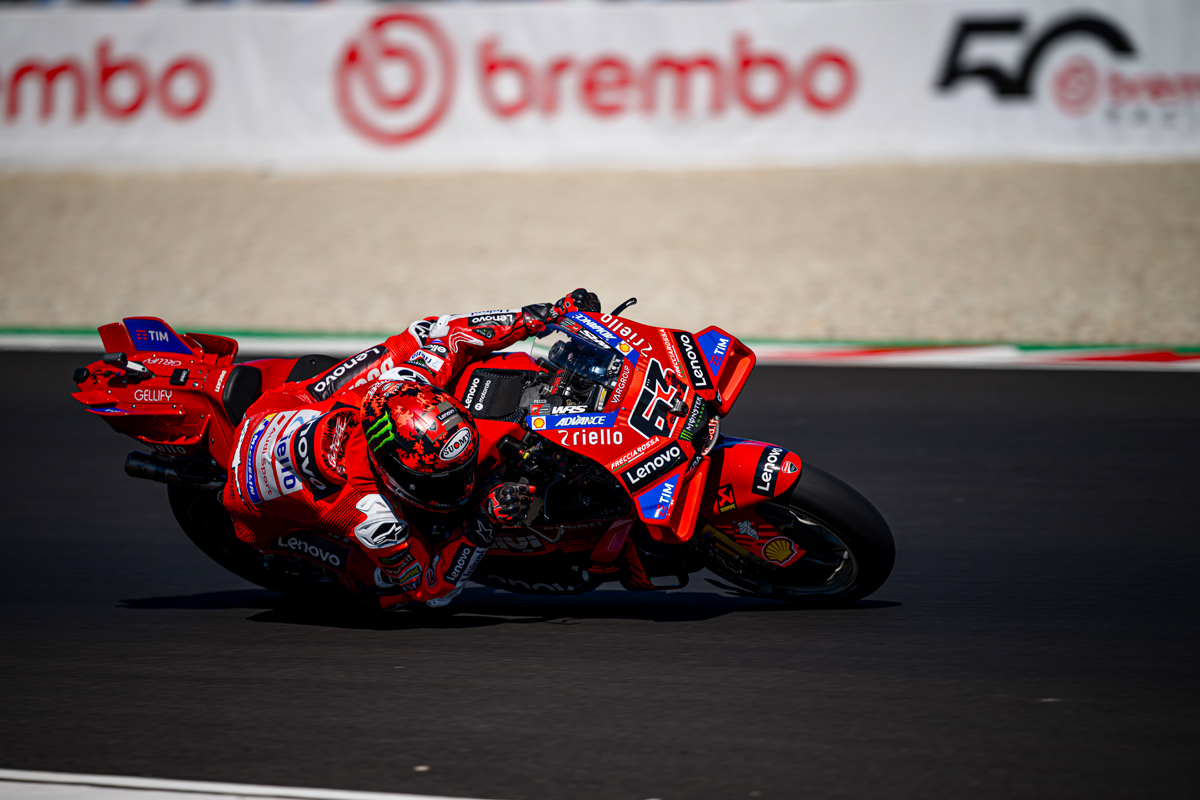
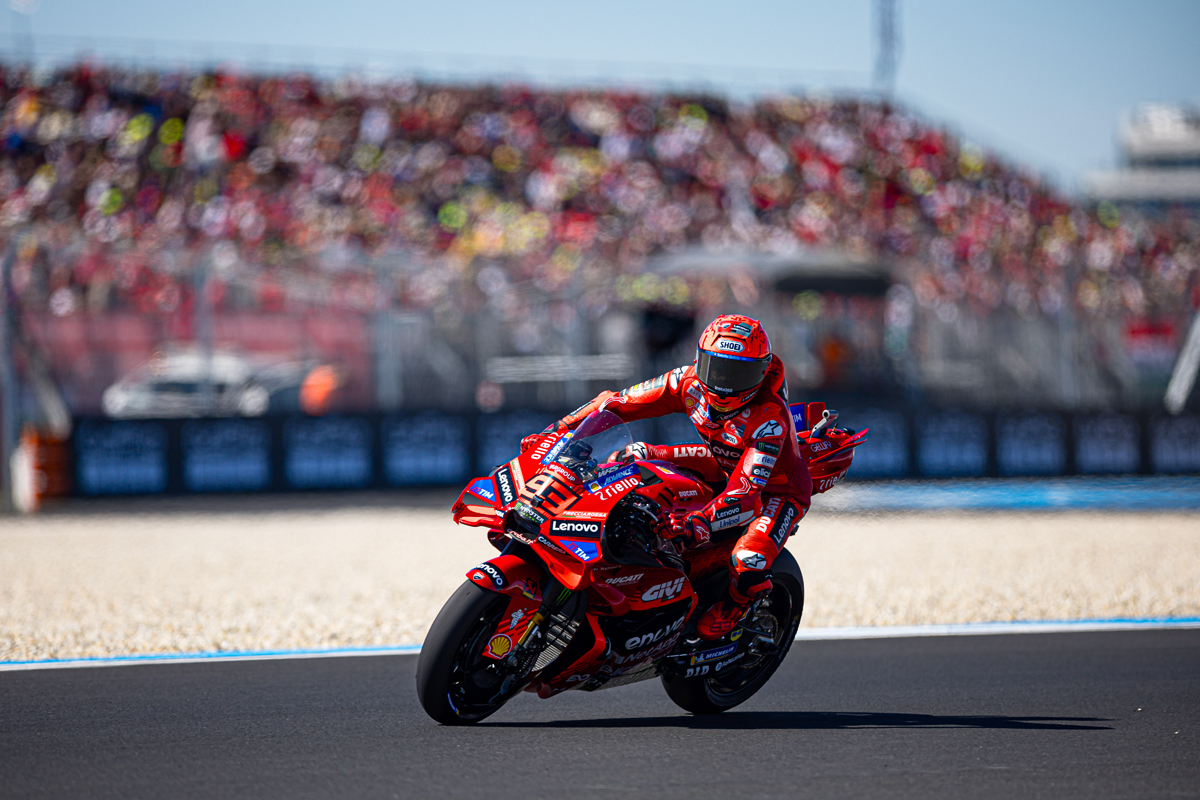
In Malaysia, Pecco Bagnaia’s unfathomably yo-yo season continued, and both he and Ducati are certainly unable to account for the Malaysia weekend, with pole position and Sprint race victory and a Main race podium only thwarted by a rear puncture, all this after three DNFs following his domination in Japan. I mean, you can’t deny that it’s given us all something to talk about, but I suspect that Bagnaia would rather wish the conversation were revolving around his success rather than his inability to bend the GP25 to his will.
Image source: MotoGP
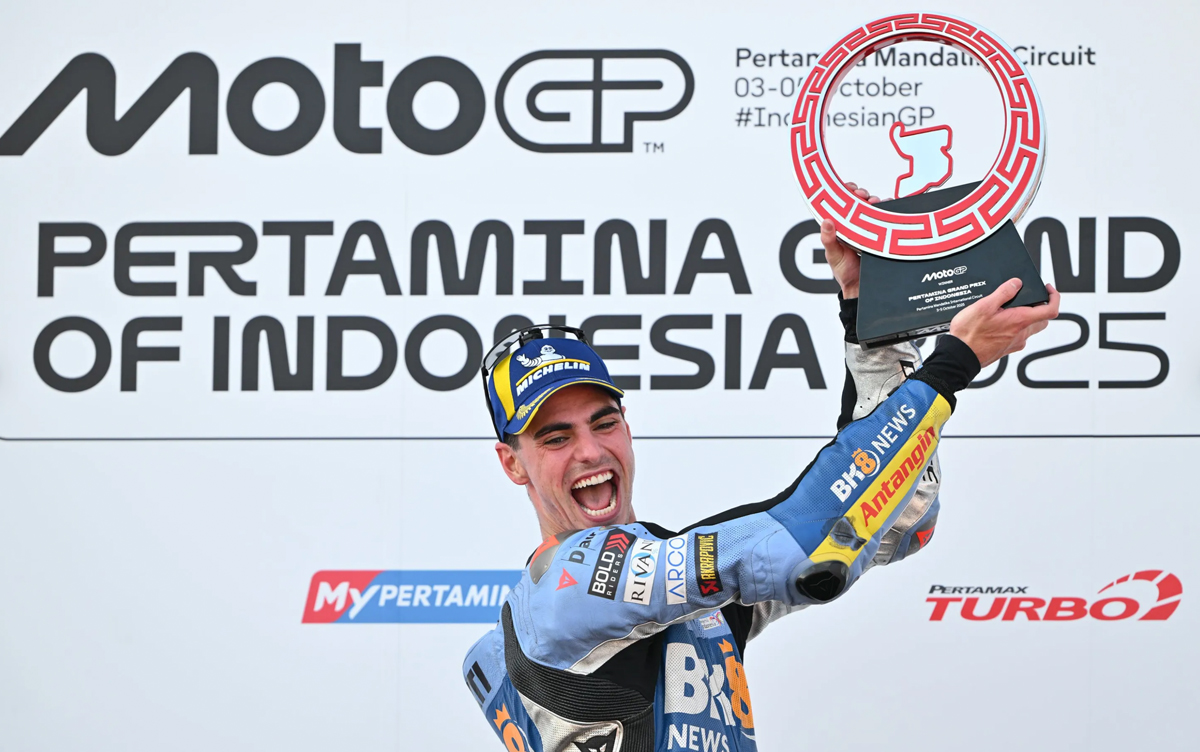
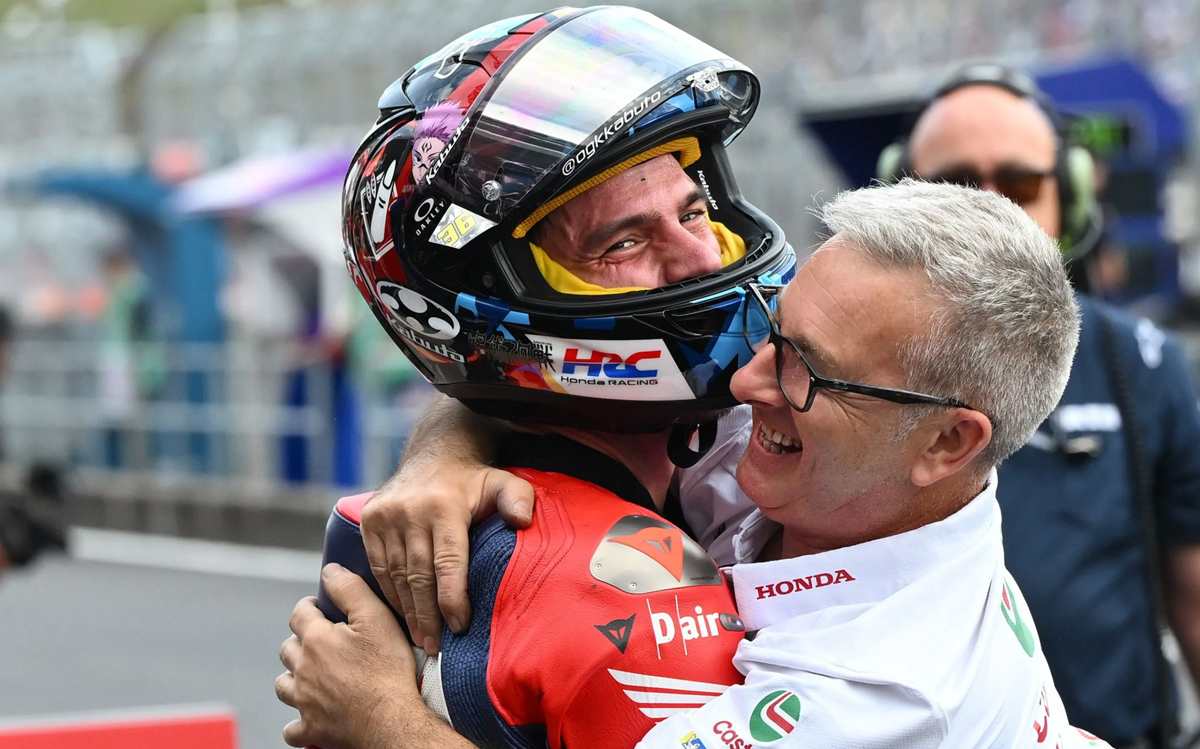
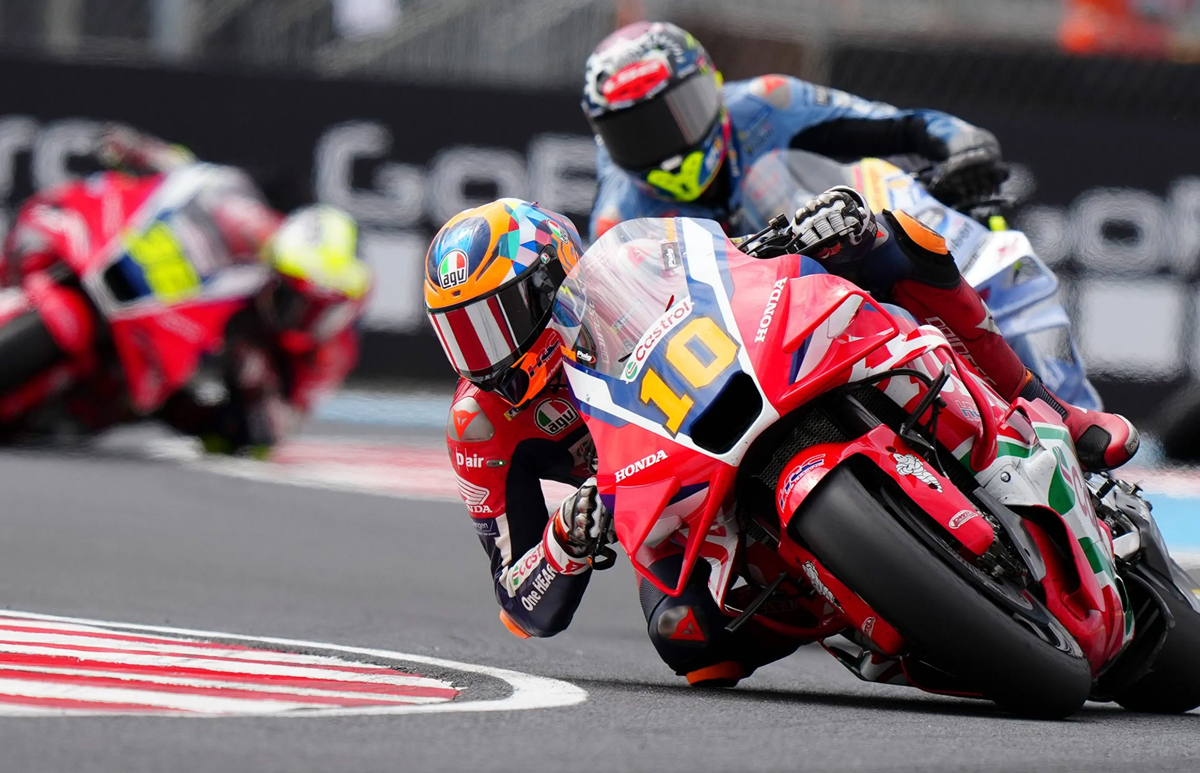
Malaysia also threw up some similarly unexpected results, in the form of a second podium in four races for Joan Mir on the factory Honda. After the race, Mir said that he always had faith in the Honda team to turn things around, but how must his patience have been tested over the past three years? A team such as Honda doesn’t forget how to win, but it is surprising how long it is taking them to return to the top step of the podium, and Mir and Marini have to be commended for maintaining their dignified silence in the face of awful results and many crashes. Are we witnessing the beginning of a turnaround for Honda?
Image source: MotoGP
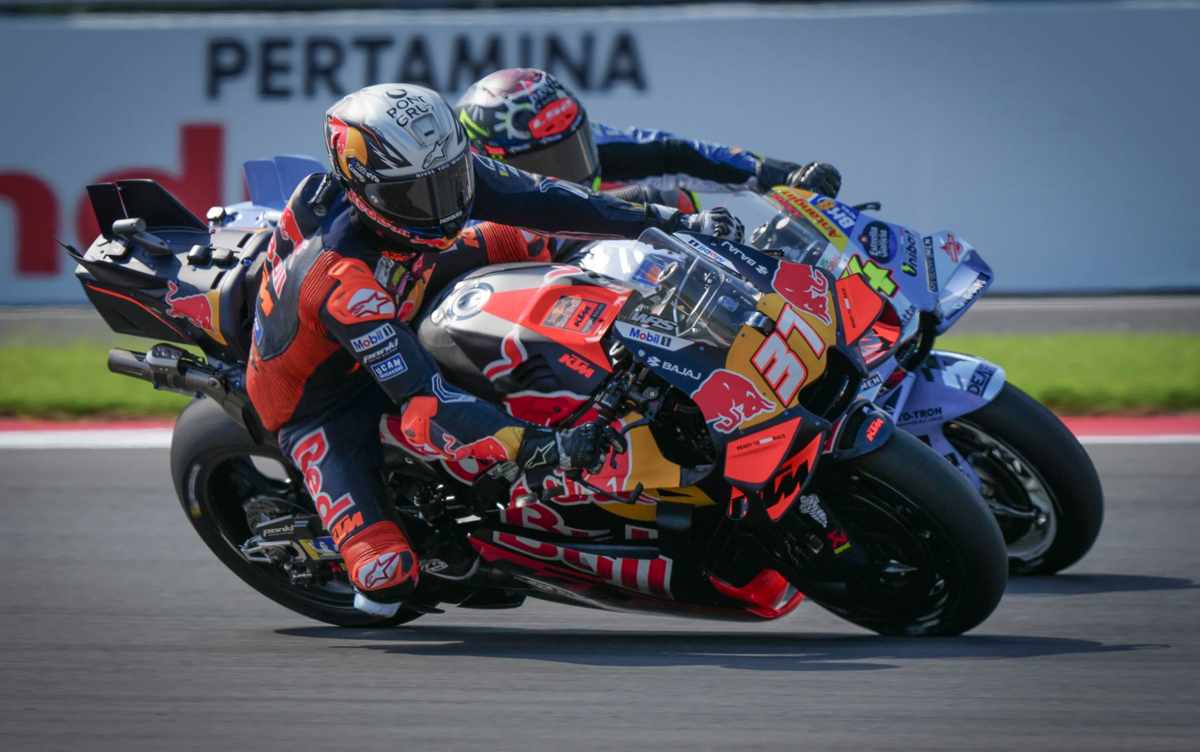
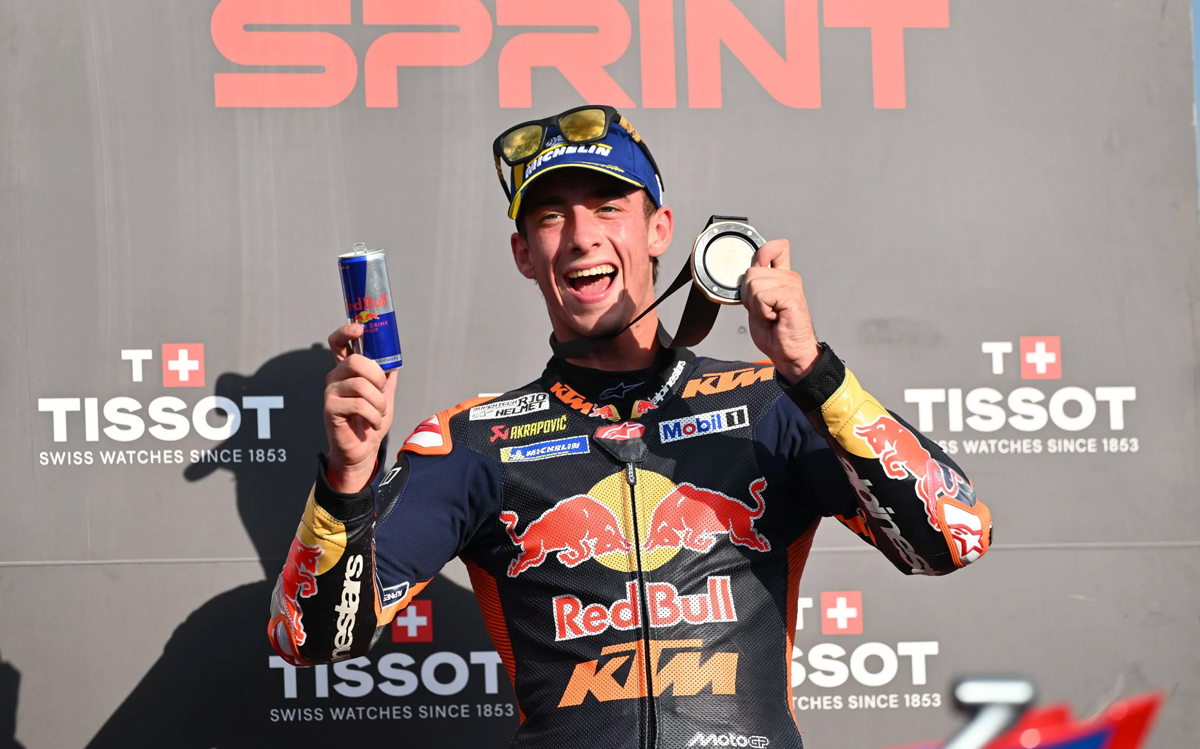
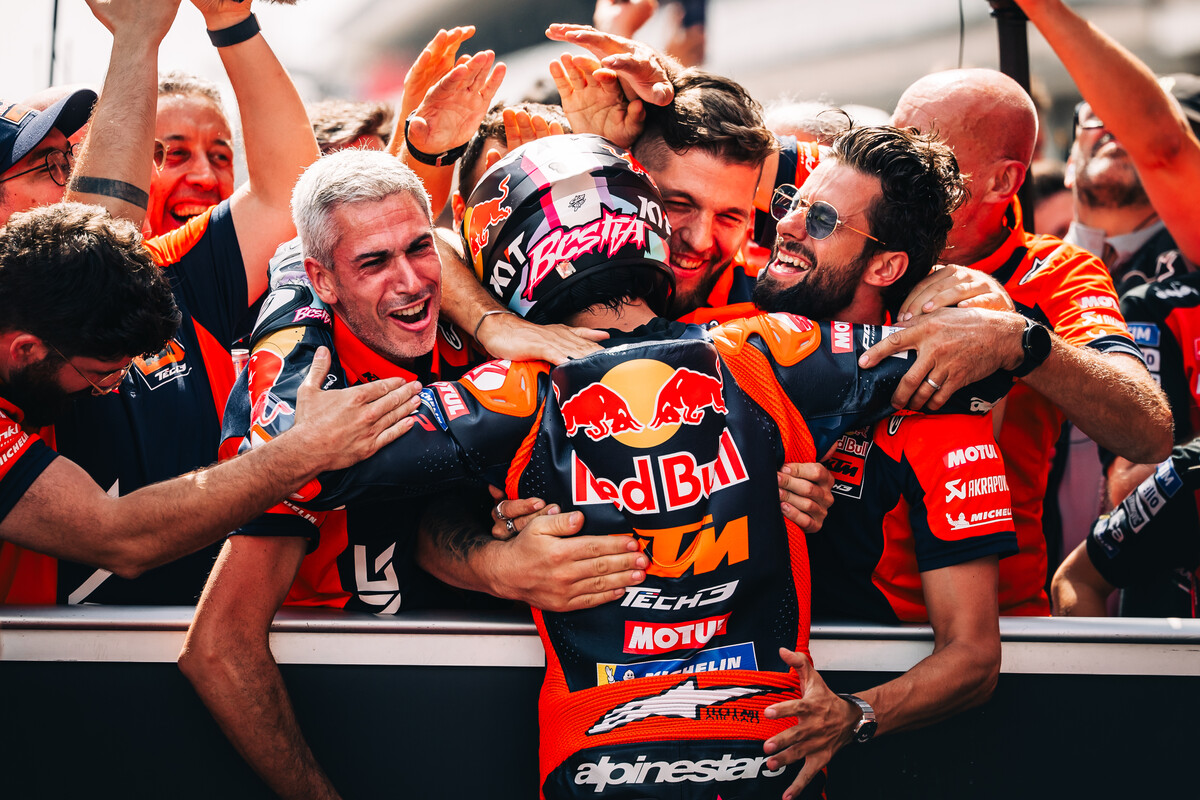
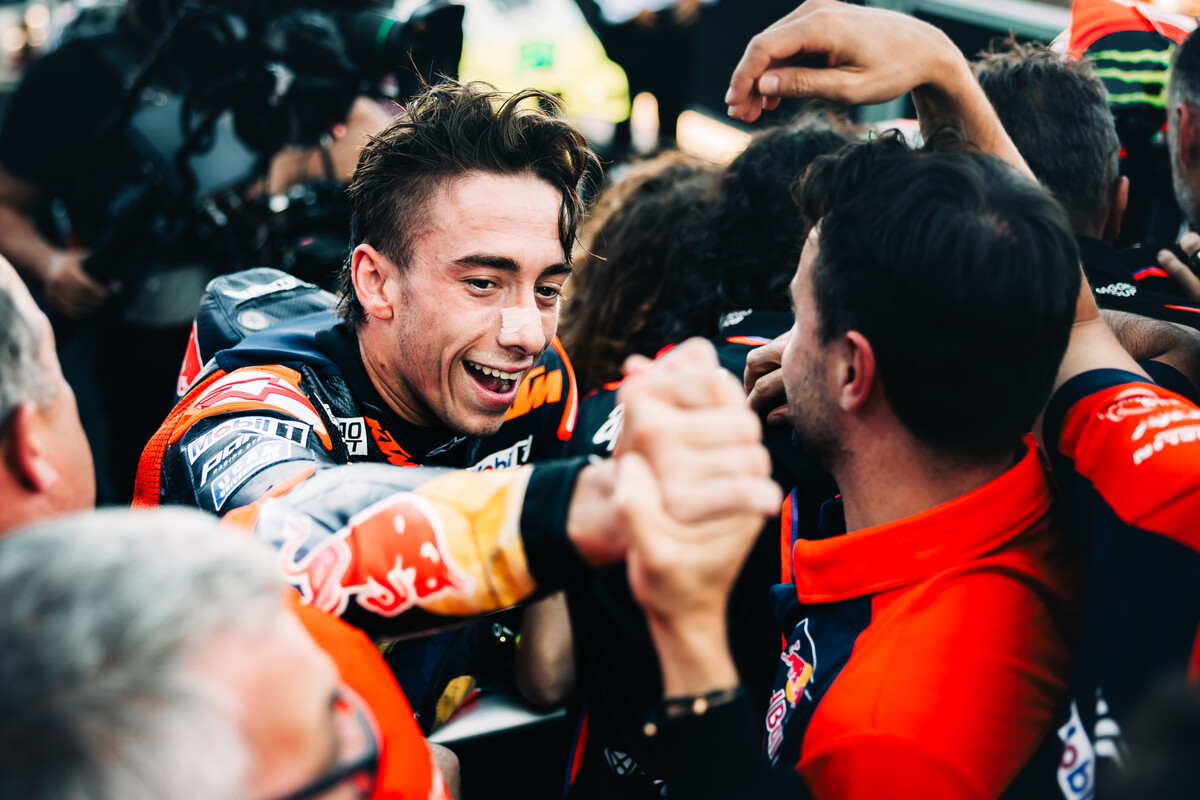
Similarly, Pedro Acosta’s misgivings about KTM have been largely silenced in recent weeks by KTM’s (or is it Acosta’s?) progress, the young Spaniard scoring three GP second places, a GP third place and five Sprint race podiums since the Czech GP in July. His progress is all the more marked when you consider the lack of progress his teammate and the satellite KTM riders have been able to make on the same package. Has KTM been concentrating on Acosta, given their desire to keep him in the fold for 2027 and beyond, or is it really a case of he’s simply making a better fist of adapting to the recalcitrant RC16?
Image source: MotoGP
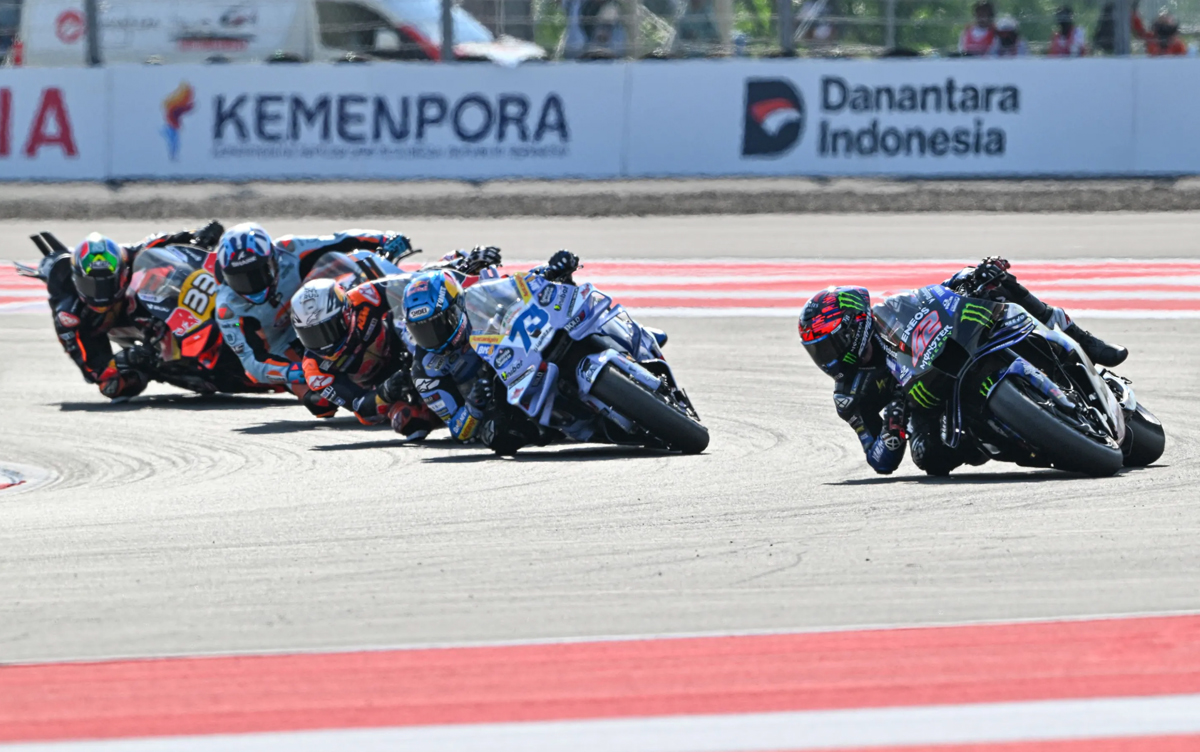
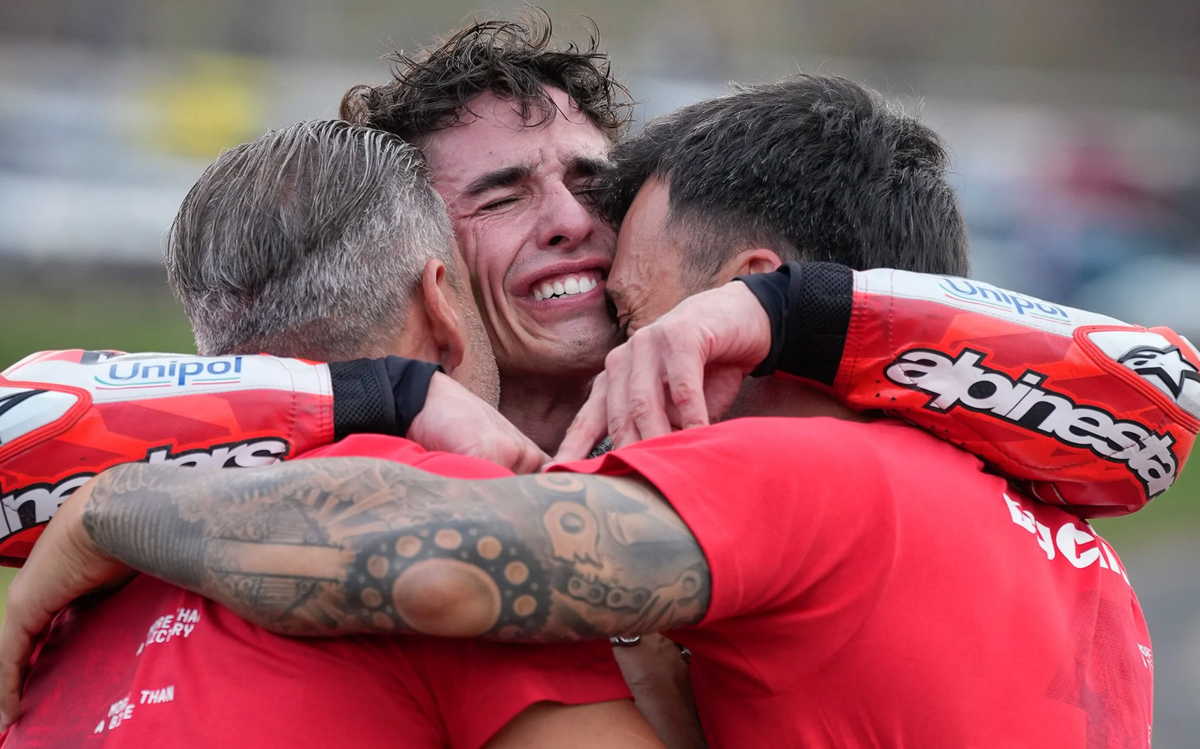
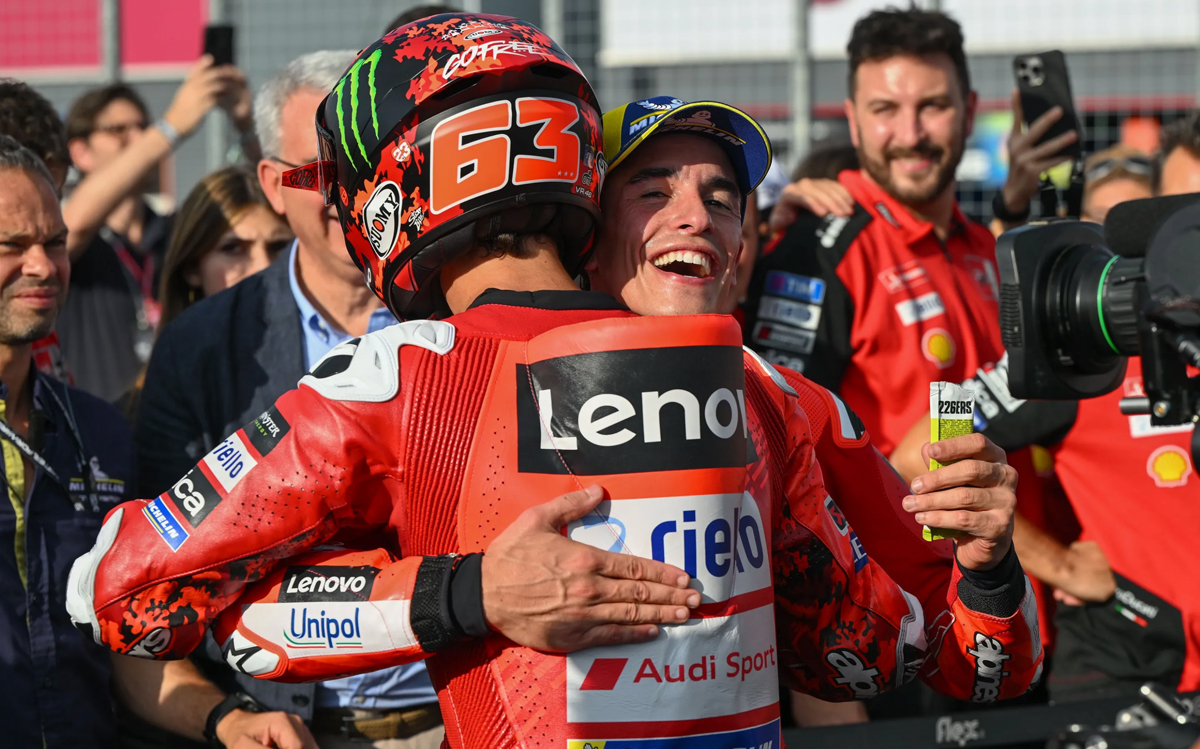
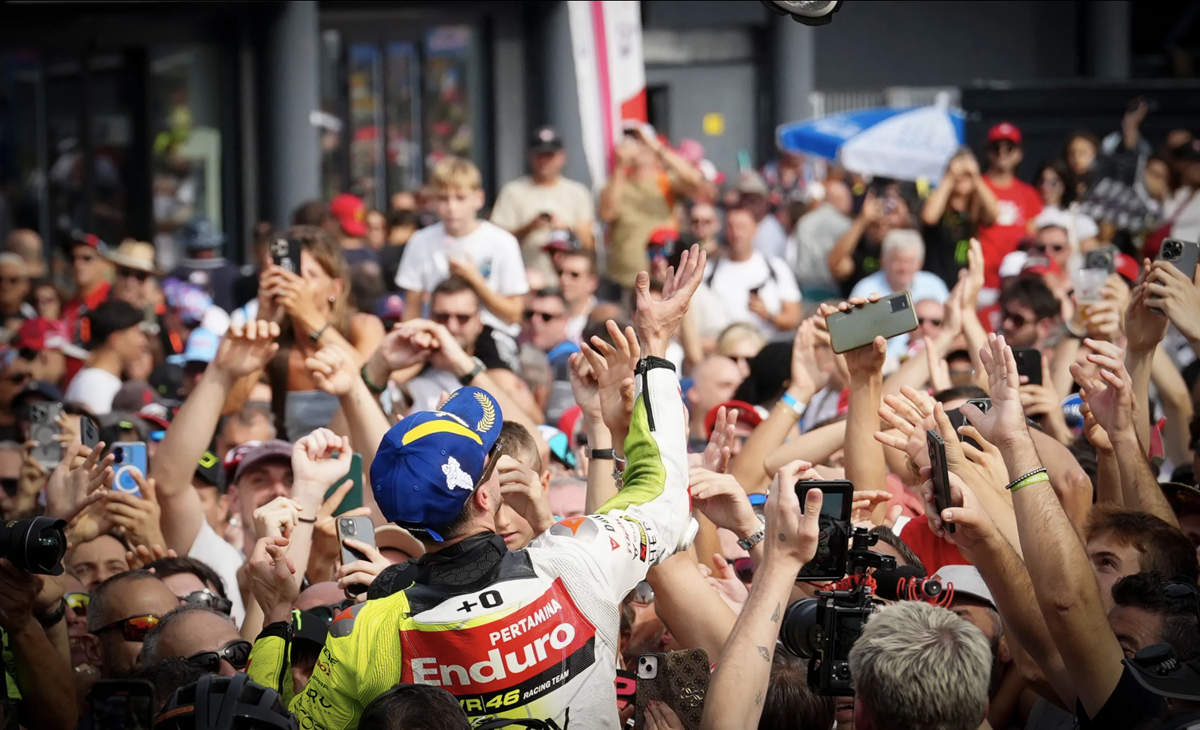
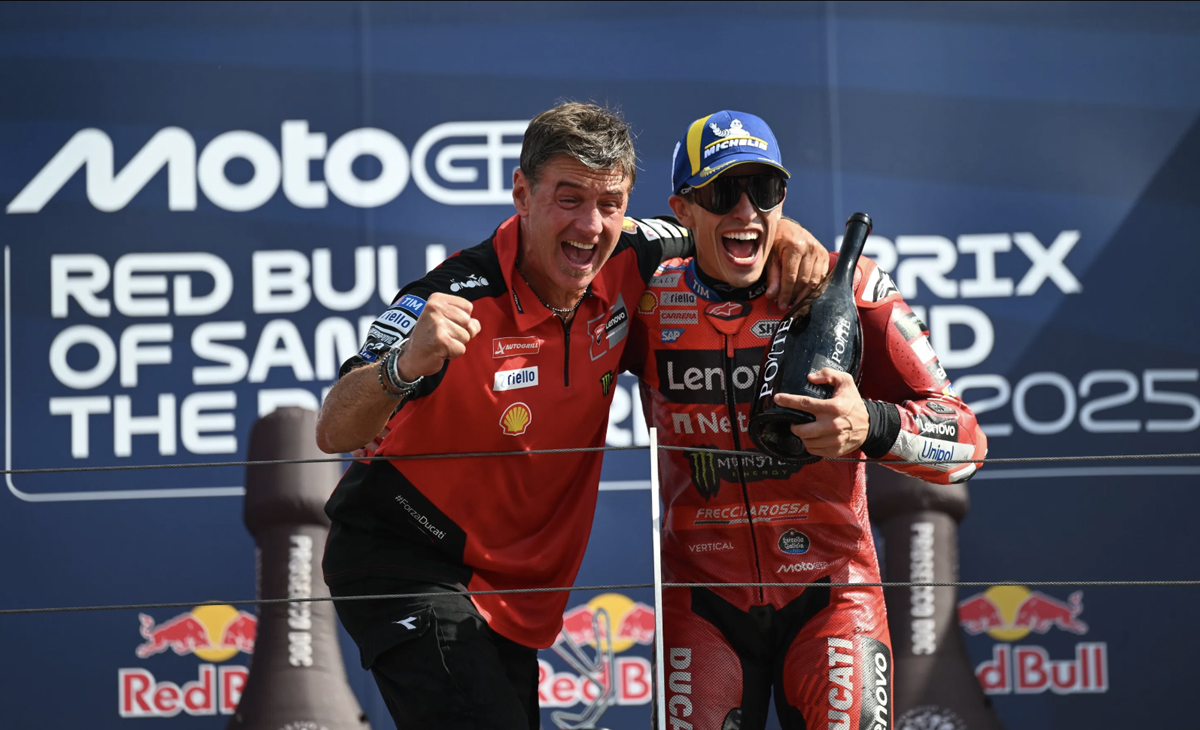
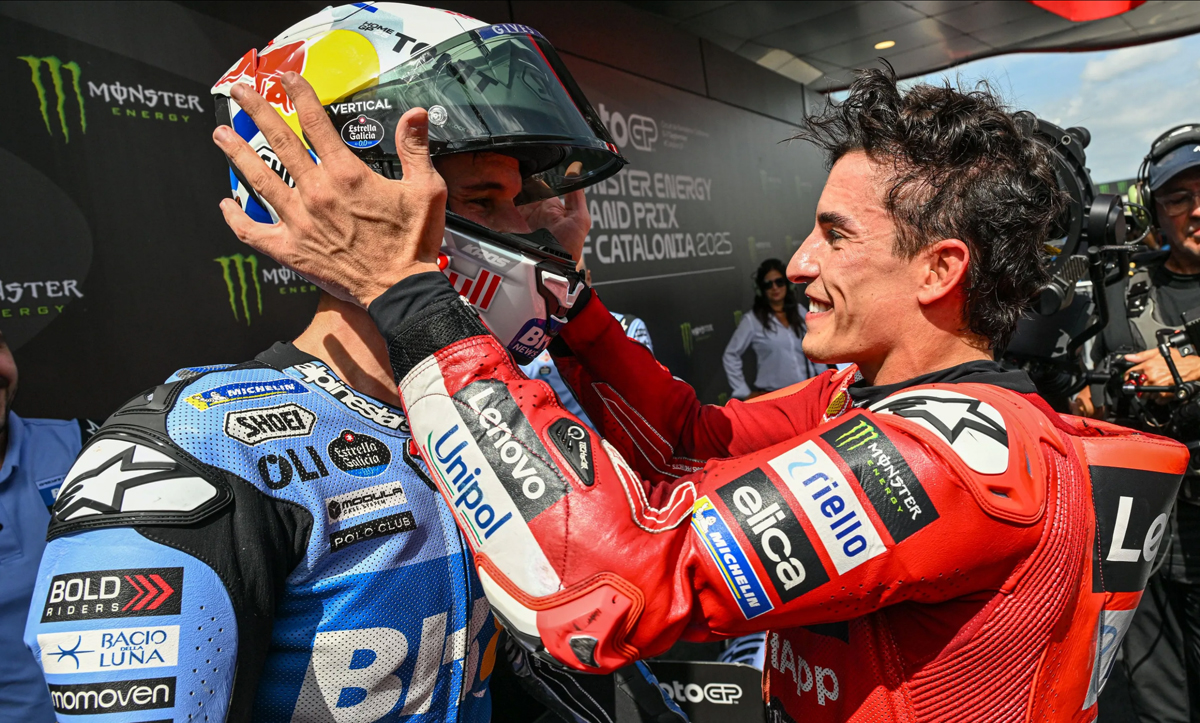
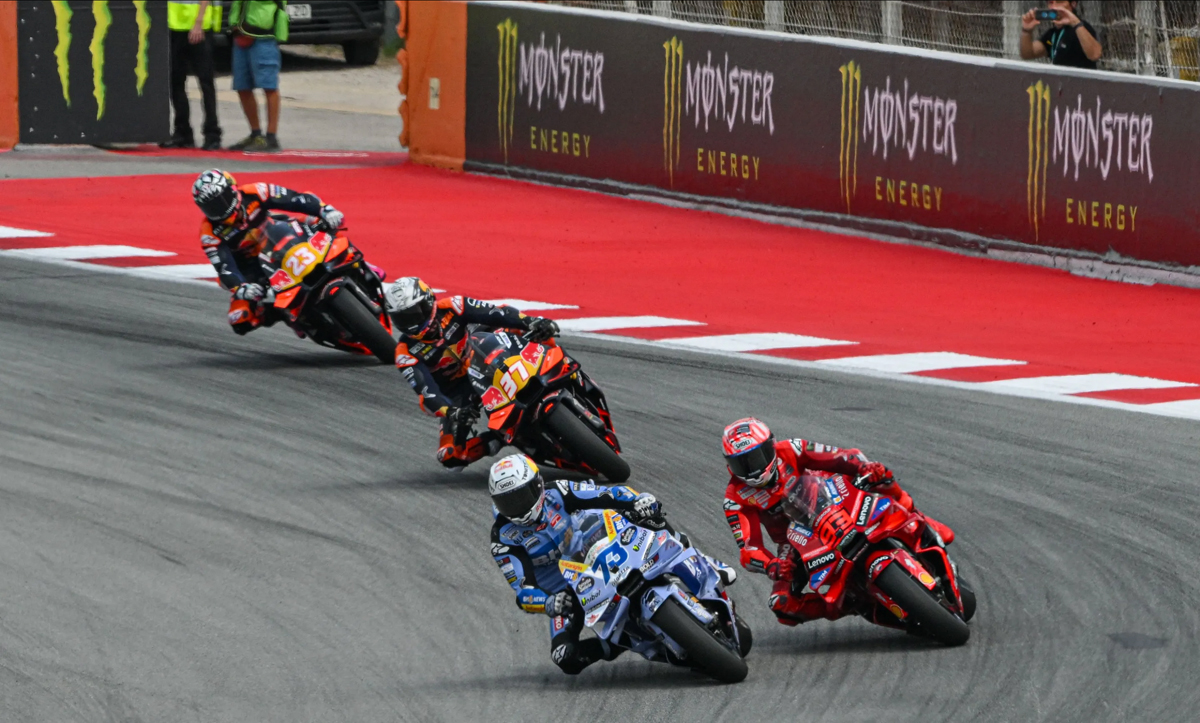
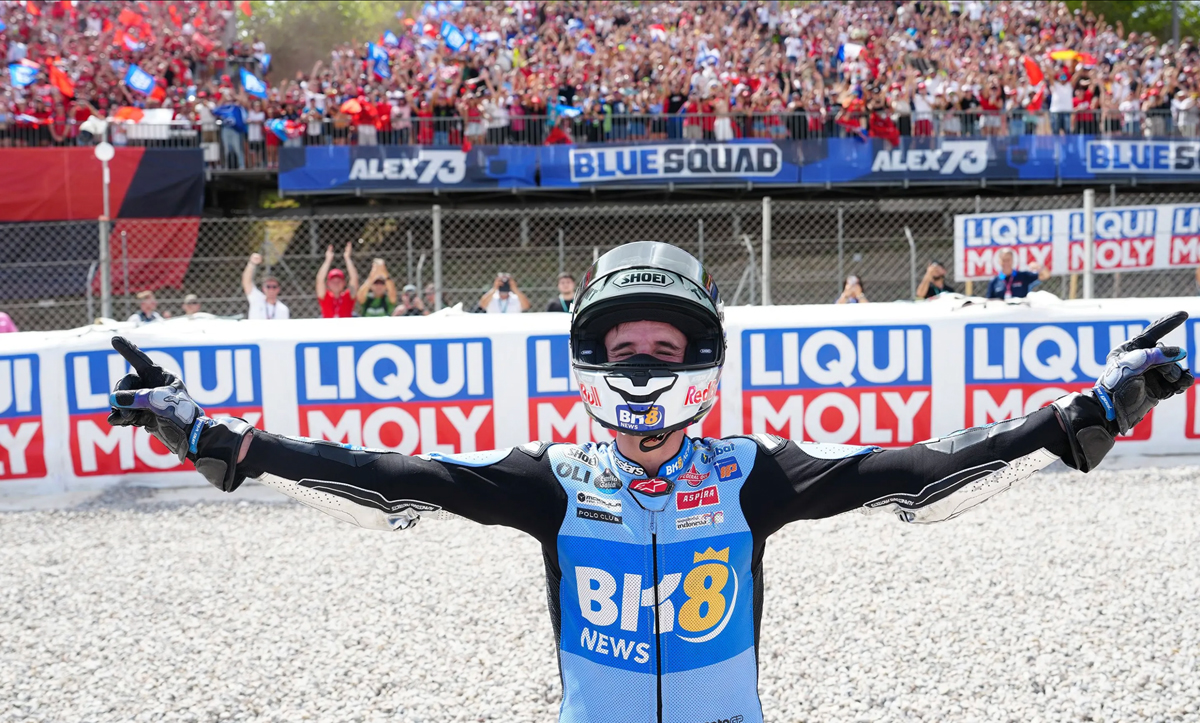
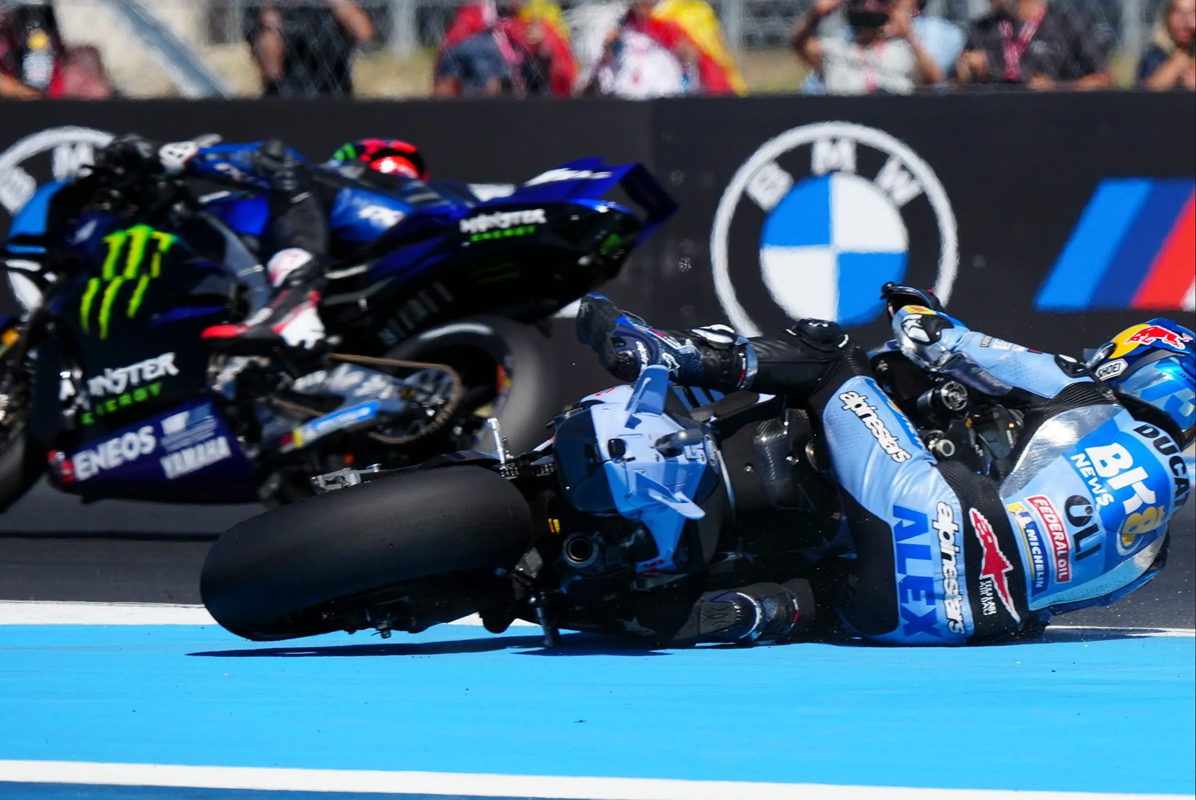
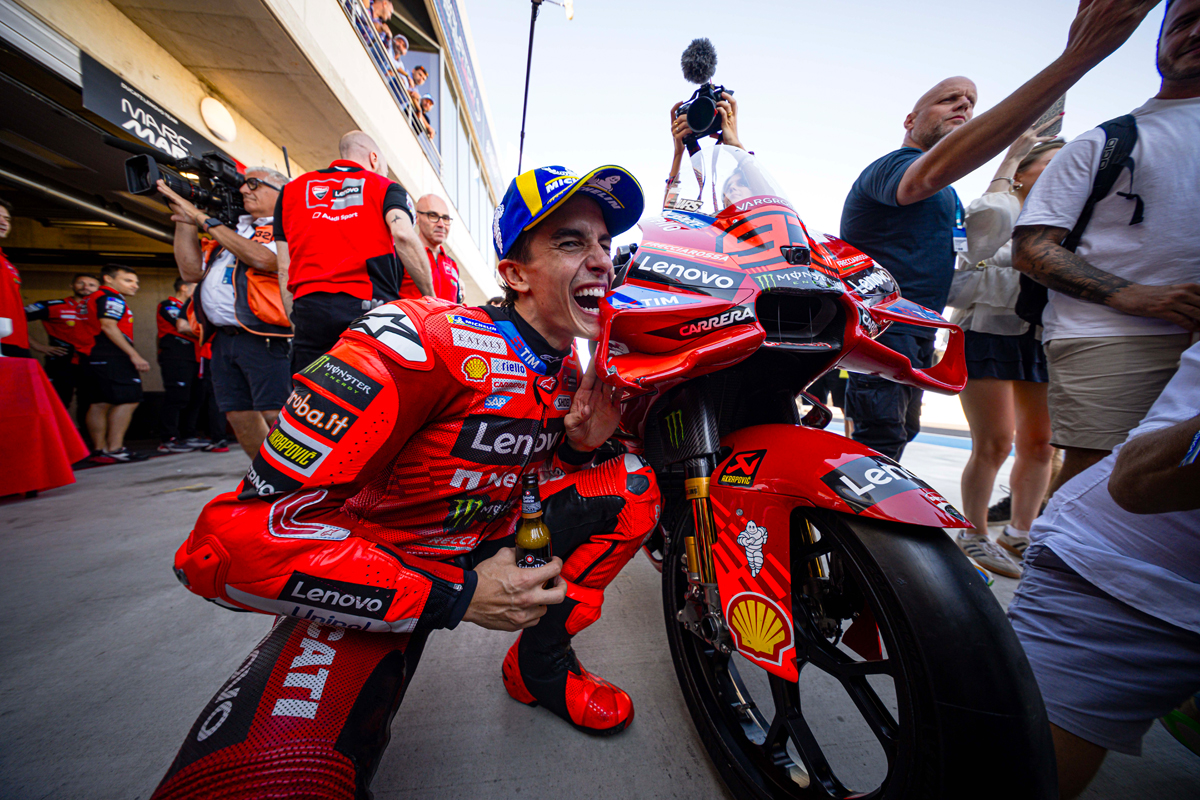
But none of this should detract from Alex Marquez’s achievement, both throughout the season and this particular weekend. It was a weekend of tyre management and Marquez did everything he had to do to take victory in the Main race, his third GP victory of the season. For two brothers to take first and second in the championship is unprecedented throughout the history of the sport and just shows not only the strengths of both riders but also the strengths of the Ducati, whether this year’s model or last year’s.
Image source: MotoGP
Given Bagnaia’s woes with the GP25, will the satellite teams in 2026 be overly keen to adopt them over the GP24s they have enjoyed success with this year? Yes, Marc Marquez won the title on a GP25, but he’s Marc Marquez, and what he wins on has traditionally been notably difficult for other riders to ride, let alone win on.
Image source: MotoGP
Two races to go, and while there will be no Marc, no one can say that there won’t be anything interesting happening on track.
Unless you are a Harley Davidson owner, the idea of customising your bike is not exactly encouraged by a factory; even in the case of H-D, it usually entails trawling through an extensive catalogue of bolt-on goodies with which to “personalise” your ride.
Many manufacturers have an option list when buying a new bike, but they fall far short of customising as we understand it. There is one manufacturer, however, that fully embraces encouraging owners to customise their bikes, either before they take delivery from the showroom floor or after a year or more of ownership. That manufacturer is Triumph, and, as a recent informal event at Triumph Johannesburg showed, Triumph South Africa is all in favour of the initiative.
Photo credit: Bjorn Moreira / ZA Bikers
Of course, this does beg the question, what is customising? For many, I suppose it means a unique paint job and perhaps altering the configuration of the bike, either slightly or significantly. For example, bolting on new lights, seat and handlebars or going further and turning a ‘roadster’ into a bobber or a ‘desert sled’. Whichever route you choose, Triumph SA can help.
Naturally, the Triumph models that are seen as ripe for customisation are the so-called ‘modern classic’ range of Bonneville-derived models. Some might look at these models and wonder what exactly can be done to improve them, but still others see the perfect blank canvas upon which to impose their vision.
Photo credit: Bjorn Moreira / ZA Bikers
Triumph South Africa has cleverly understood that, in customisation, there is a community that loves to gather and show off their creations, while it also gives Triumph itself the opportunity to showcase what it is capable of in its own workshops. By providing a home for this community, Triumph performs the important feat of getting feet through the showroom door and creating a sense of goodwill in the motorcycle world as a whole.
What is impressive is the quality of the work carried out by Triumph South Africa. Some of the paint jobs have to be seen to be believed, and globally, the company has partnered with like-minded creators of bolt-on accessories that can completely change the appearance of bikes, while maintaining the illusion that these have been custom-made for that particular bike.
Photo credit: Bjorn Moreira / ZA Bikers
Should you want more drastic alteration of your bike, then Triumph SA’s workshops can do that as well, to an incredibly high degree of engineering expertise. It’s important to understand that it’s not only Bonnevilles, Speed Twins and Bobbers that can be customised; there were a couple of extremely pretty Speed Triples that had received makeovers, proving that any bike can be customised, if the vision is in sympathy with the original concept.
There is some incredible work being carried out by both Triumph and private owners, and it is to Triumph’s credit that they provided a showcase for this work. As it stands, there are no plans to make it a regular event, but perhaps, if we all shout loudly enough, they’ll relent and give us something to do one evening every two or three months?
Photo credit: Bjorn Moreira / ZA Bikers
In the meantime, if you have your own customising ideas but neither the skill nor time to do it yourself, give Triumph a call on 011 444 4444 and ask to speak to Workshop Manager Paul. If anyone can turn your dreams into reality, he can!
There was a time when racing teams and drivers raced for national prestige, the cars painted in the national colours of the manufacturers or entrants; British racing green, Italian red, French blue, German white and so on.
Financial support came in the form of performance bonuses from oil, petrol and tyre companies, but their logos were rarely to be seen on the cars, and even then, they were tiny. Maybe the driver’s overalls had the tyre manufacturer’s name stitched on, but that was about it.
Photo credit: Bjorn Moreira / ZA Bikers
Then, in 1968, that all changed. Colin Chapman of Lotus, arguably one of the most innovative designers motor racing has ever known, always had a weather eye on commercial opportunities to offset the spiralling costs of going Grand Prix racing.
When the cars were rolled out for the first Grand Prix of 1968, the sleek Lotus 49 had lost its green and yellow colour scheme and was decked out in the garish red, white and gold of Player’s Gold Leaf cigarettes. Commercialism had come to Formula One and changed its face forever.
Photo credit: Bjorn Moreira / ZA Bikers
Fast forward to the present day, and a ‘naked’ racing car, unspoiled by sponsor colour schemes and logos, is so rare as to be virtually extinct. There are two main reasons for this; firstly, racing is hugely expensive, and the days of the wealthy amateur supporting his or her own track activities are long gone. Secondly, any category of racing is a valuable shop window for brands looking to increase their exposure and the wise ones hang their hat in that window.
South African racing series might be a small drop in the ocean of global motorsport, but it is no less important to brands – both local and international – who want to be involved for, again, two reasons.
Photo credit: Bjorn Moreira / ZA Bikers
For some brands, sponsorship is merely taking advantage of the exposure possibilities. For others, however, particularly those that contribute to the performance of racing cars or bikes, motor sport is an important development tool, for there are very few sports that put as much strain on the equipment as motor racing, and to test products in that environment can only be of benefit to you and I, the end user.
Liqui Moly has spent the whole of its near-seventy-year existence developing and perfecting its lubricants with the help of motor sport, and it would be a poor reflection on the company if continued participation was not still high on its agenda.
Photo credit: Bjorn Moreira / ZA Bikers
Melicia Labuschagne, the forward-looking leader at the helm of Liqui Moly South Africa, understands this all too well.
“Motorsport is deeply rooted in the Liqui Moly brand DNA,’ she explained. ‘Not only does it give us authentic brand visibility, but it also aligns perfectly with our core values of performance, endurance, and innovation. It’s a natural extension of our product promise.
“[Our involvement] is a combination of both marketing and technical development purposes. From a marketing perspective, motorsport provides high-impact exposure and credibility among performance-driven consumers. From a technical standpoint, it’s a real-world testing environment for our products — an extreme one — where performance, reliability, and innovation are non-negotiable. The feedback loop between the racetrack and our R&D is very real.”
Photo credit: Bjorn Moreira / ZA Bikers
It is with this in mind that Liqui Moly has a strong presence in South African motor sport, and one team that enjoys the benefits of a partnership with LM is Samlin Racing, currently campaigning a Mercedes-Benz AMG GT3 and a Lamborghini Super Trofeo in the SAES (Southern African Endurance Series) and the Sport and GT categories.
“We support the team with a full suite of Liqui Moly products,’ Melicia went on to explain. ‘From motor oils and additives to transmission fluids and care items. We also provide technical support, branding visibility, and collaborative media content that helps promote both parties. It’s a comprehensive partnership.”
Photo credit: Bjorn Moreira / ZA Bikers
With so many top-tier teams to choose from, how does a brand such as Liqui Moly decide which teams to support?
“The Samlin Racing team has a strong, disciplined work ethic and a genuine passion for motorsport that resonates with us. They are also relatable and committed to growing local motorsport, which is important to us from a grassroots perspective. It’s not just about winning; it’s about growing the sport and supporting local talent.”
Photo credit: Bjorn Moreira / ZA Bikers
Of course, any sponsorship has to be visible, and one sure way of achieving that is through winning races. But that’s not the only criterion;
“We don’t concentrate solely on results. While results are important, we value commitment, professionalism, and alignment with our brand just as much. Long-term partnerships are built on shared values and mutual growth, not just podium finishes.
“For us, it’s about partnering with people who truly live what they do. People who are passionate about their craft, passionate about Liqui Moly, and who naturally create excitement and energy around them. Win or lose, it’s that attitude and presence that make them stand out and make others want to be part of the journey.”
Photo credit: Bjorn Moreira / ZA Bikers
Liqui Moly’s racing support programme certainly didn’t start with Samlin Racing, and it won’t stop there, Melicia is keen to point out; ‘We’re always exploring new opportunities — from expanding our motorsport footprint to supporting emerging talent in different disciplines. We’re especially focused on programmes that align with community development, education, and driving technical excellence.’
Of course, Liqui Moly is only one half of the equation. What about the team itself? It would be tempting to think that any team will partner with any brand that’s willing to stump up the cash to enable the team to go racing, but that’s far from the truth. Damian Hammond, driver for the team, was keen to put us straight.
Photo credit: Bjorn Moreira / ZA Bikers
“While sponsorship plays a major role in making racing viable at a high level, the best partnerships go beyond just funding. At Samlin Racing, we look for sponsors who align with our values, contribute real performance, and see the relationship as a long-term collaboration. Our partnership with Liqui Moly is a perfect example; not only do their products support our reliability on track, but their brand fits naturally with the level of precision and professionalism we aim to uphold.
“Liqui Moly supports us with a full suite of race-proven products that directly impact our performance and reliability on track. From engine and gearbox oils to windscreen foam and cooling agents, every product is engineered to withstand the extreme demands of GT3 racing.
Photo credit: Bjorn Moreira / ZA Bikers
“We benefit greatly from their international motorsport experience as well as the input of their highly qualified local engineers, who work closely with us to make sure we’re running the right formulations for our cars, race formats, and conditions. Their global footprint and engineering expertise give us confidence every time we go racing; it’s a true performance partnership.
“We were already using Liqui Moly products long before the sponsorship deal was in place. The decision was purely performance-driven: every product we used proved to be superior in quality, consistency, and reliability. The sponsorship simply formalised a relationship that was already built on trust and results. When you’re pushing machinery to the limit in GT3 racing, you don’t compromise, and Liqui Moly has always delivered.”
Image source: Samlin Racing / lighthouse_media24
Earlier, Melicia spoke about the feedback loop between race track and R&D, and this is something that Samlin also takes very seriously, knowing that any advantage, however small, can make a difference; “After every race, we take oil samples from the car and send them to Liqui Moly for lab analysis,’ said Damian. “They use that data, things like wear levels, temperature stability, and fluid degradation, to support ongoing development and ensure their products perform under the harshest racing conditions.”
It is this constant striving for perfection that has contributed to the team’s success. One particular moment where Liqui Moly products gave a positive performance advantage stands out in Damian’s memory: “It would be the SAES 1 Hour Dash at Kyalami. We had to start from the pit lane, and I drove the car hard through traffic for a full hour. The temps were high, and the mechanical load on the car was intense. Despite that, fluid temps stayed stable, gearbox performance stayed sharp, and we pushed to P2 overall with zero reliability issues. That kind of performance under pressure doesn’t happen by chance; it happens when every part of the system, including the fluids, is doing its job.”
Photo credit: Bjorn Moreira / ZA Bikers
Thanks to companies such as Liqui Moly, we, the spectators, get to witness some fantastic racing by the likes of Samlin Racing. Long may it continue.
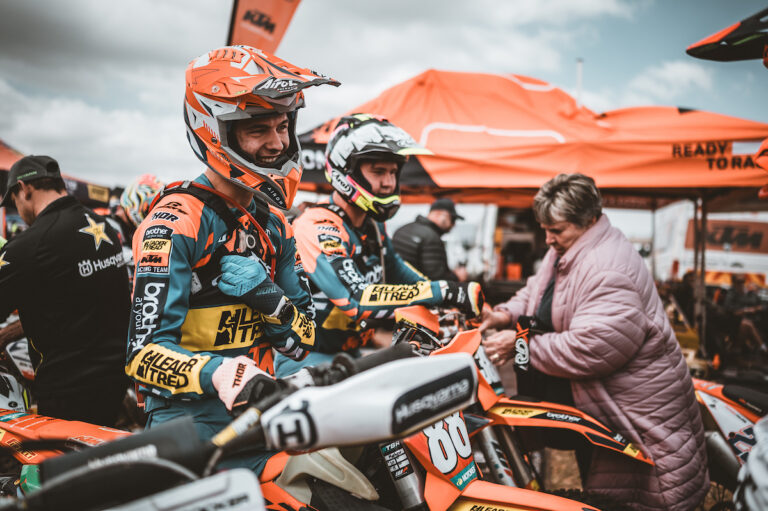
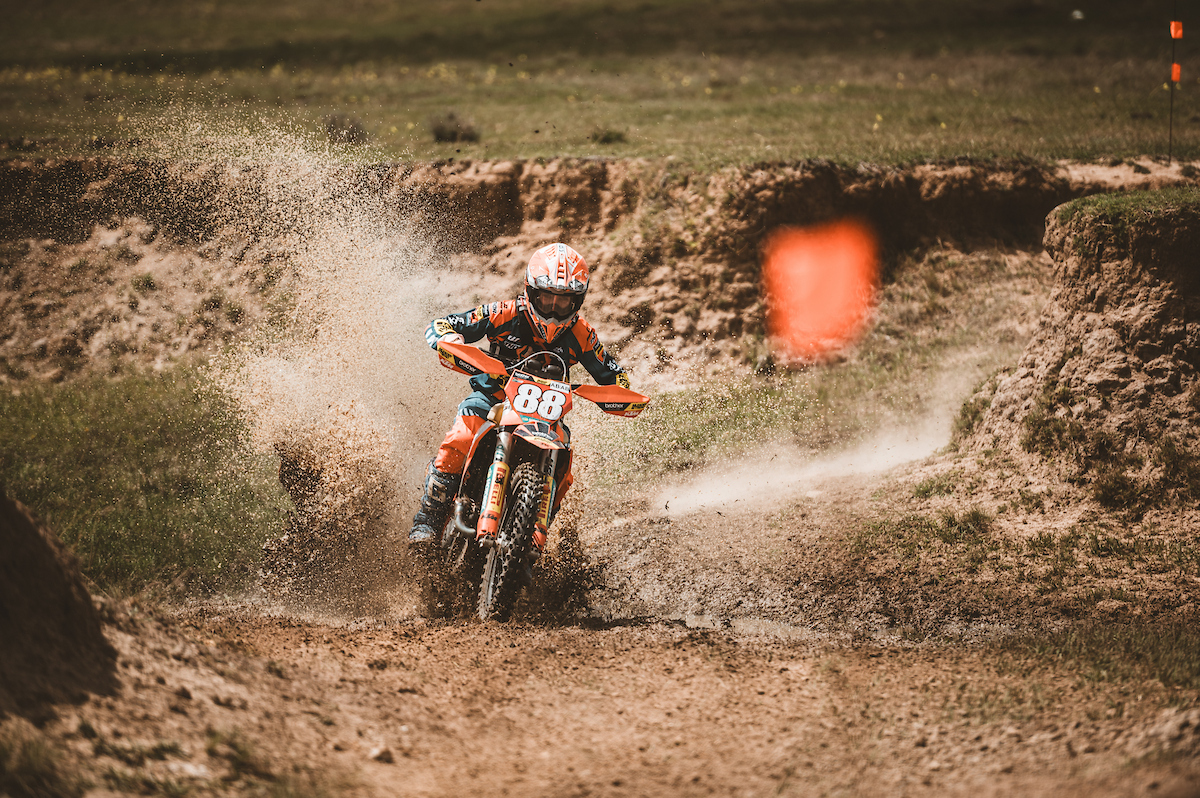
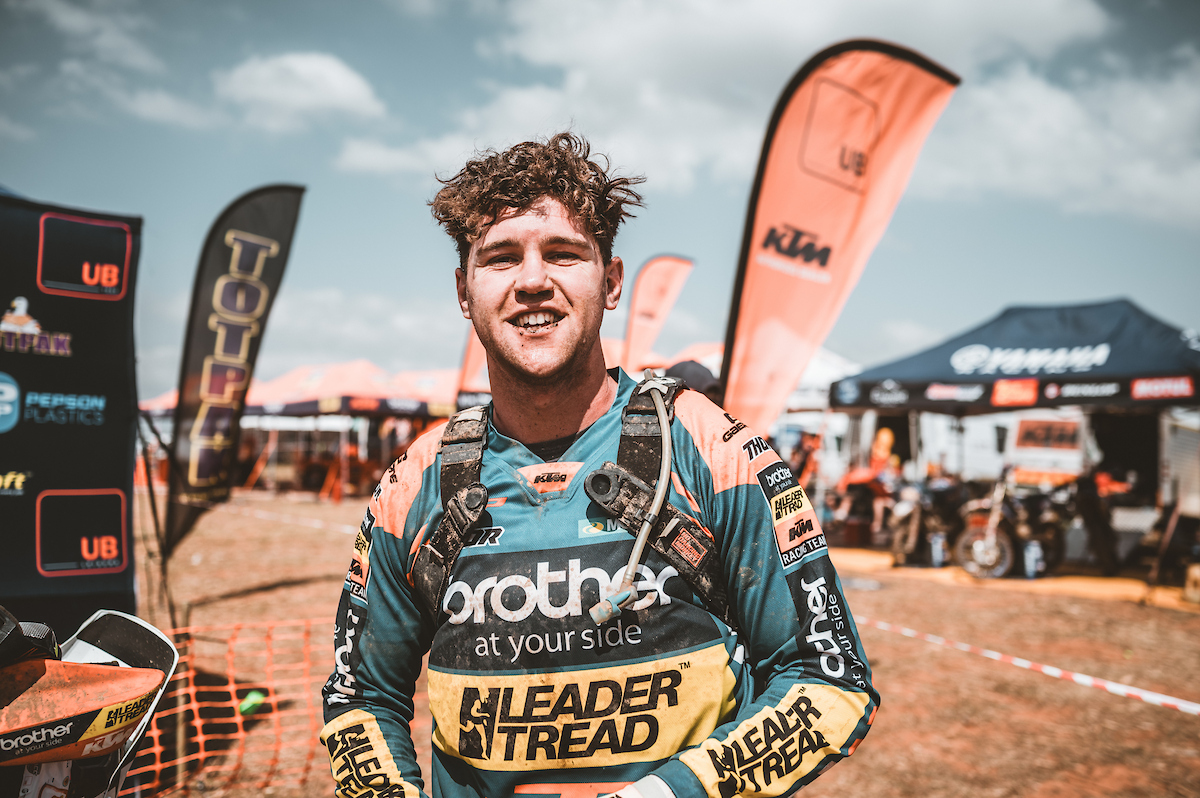
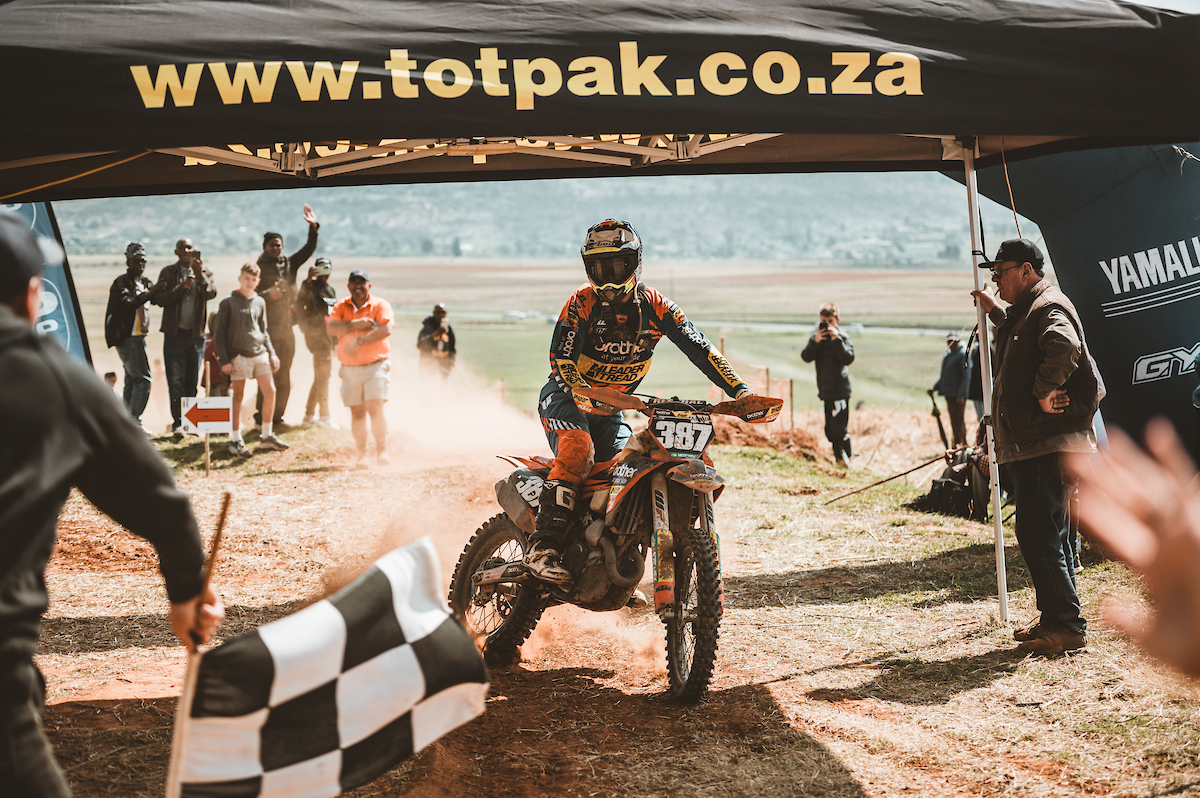
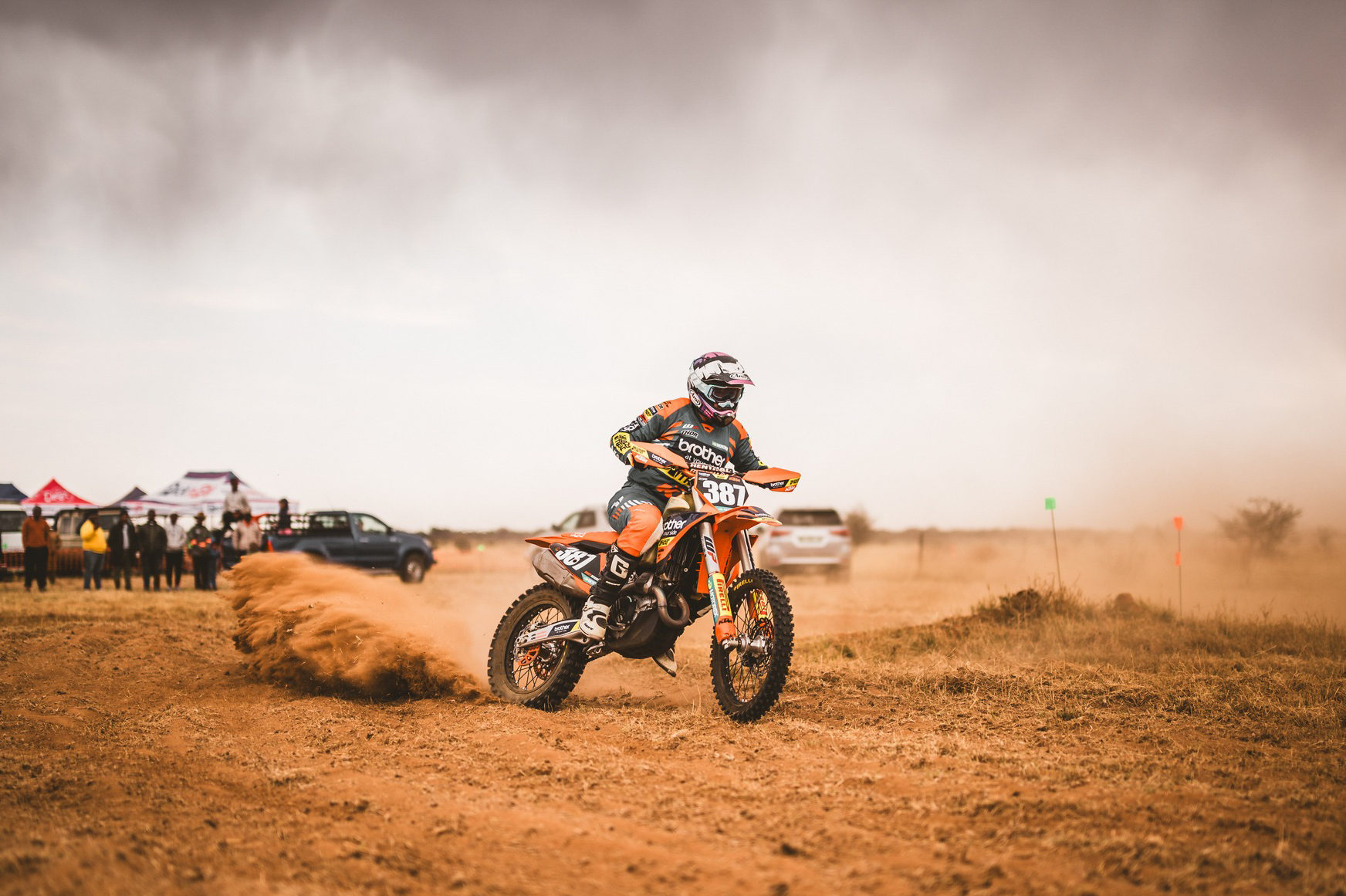
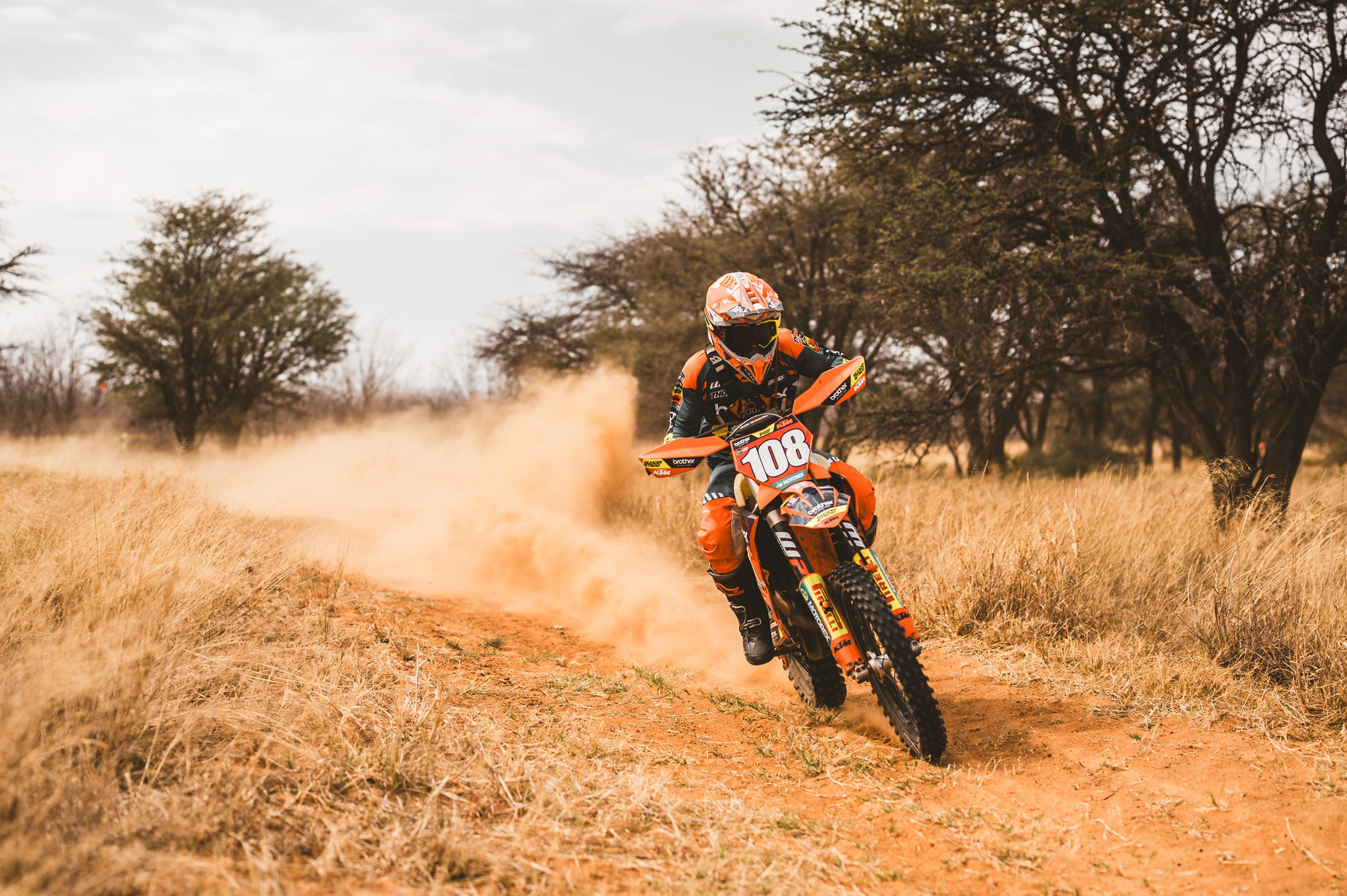
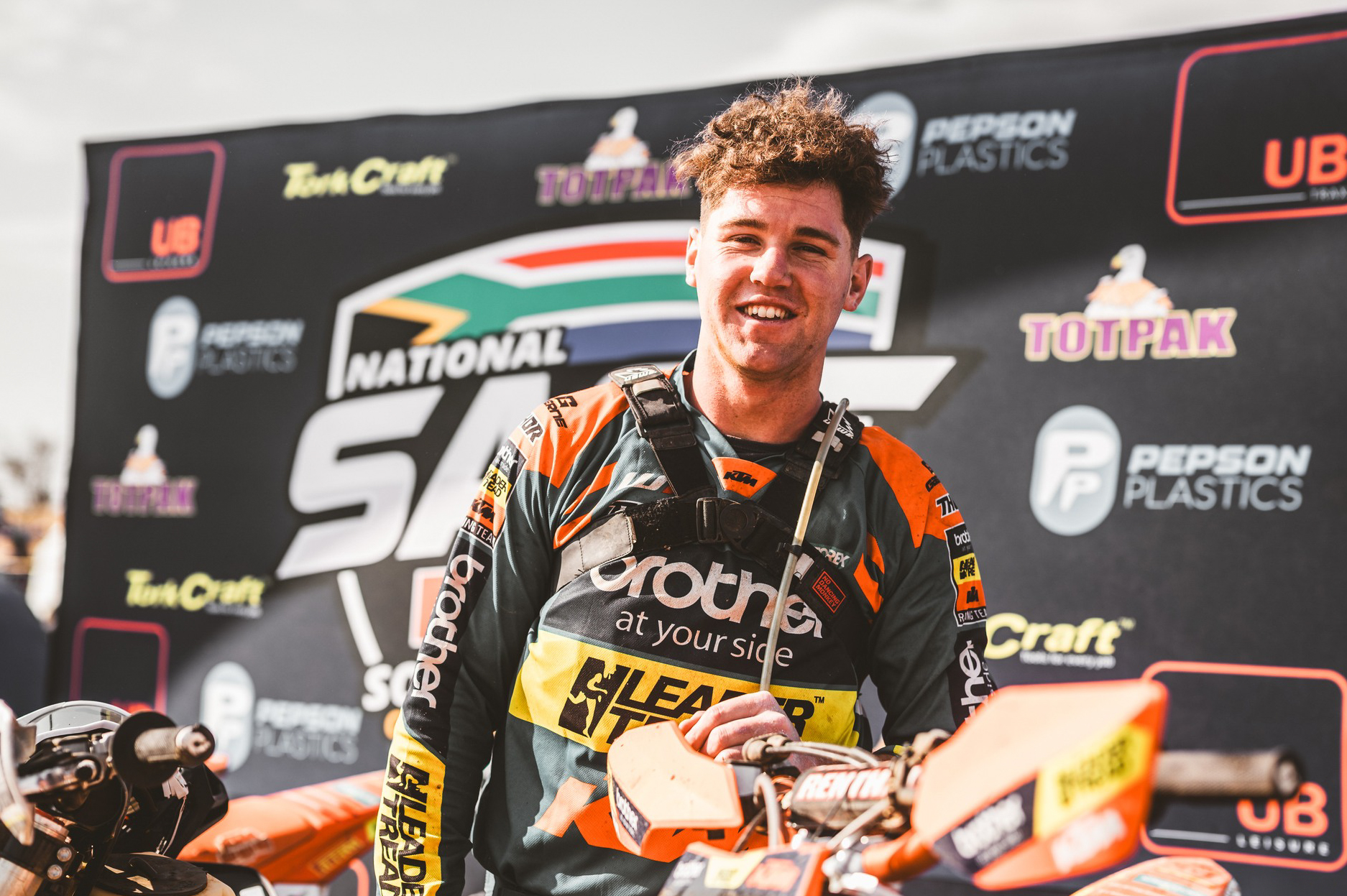
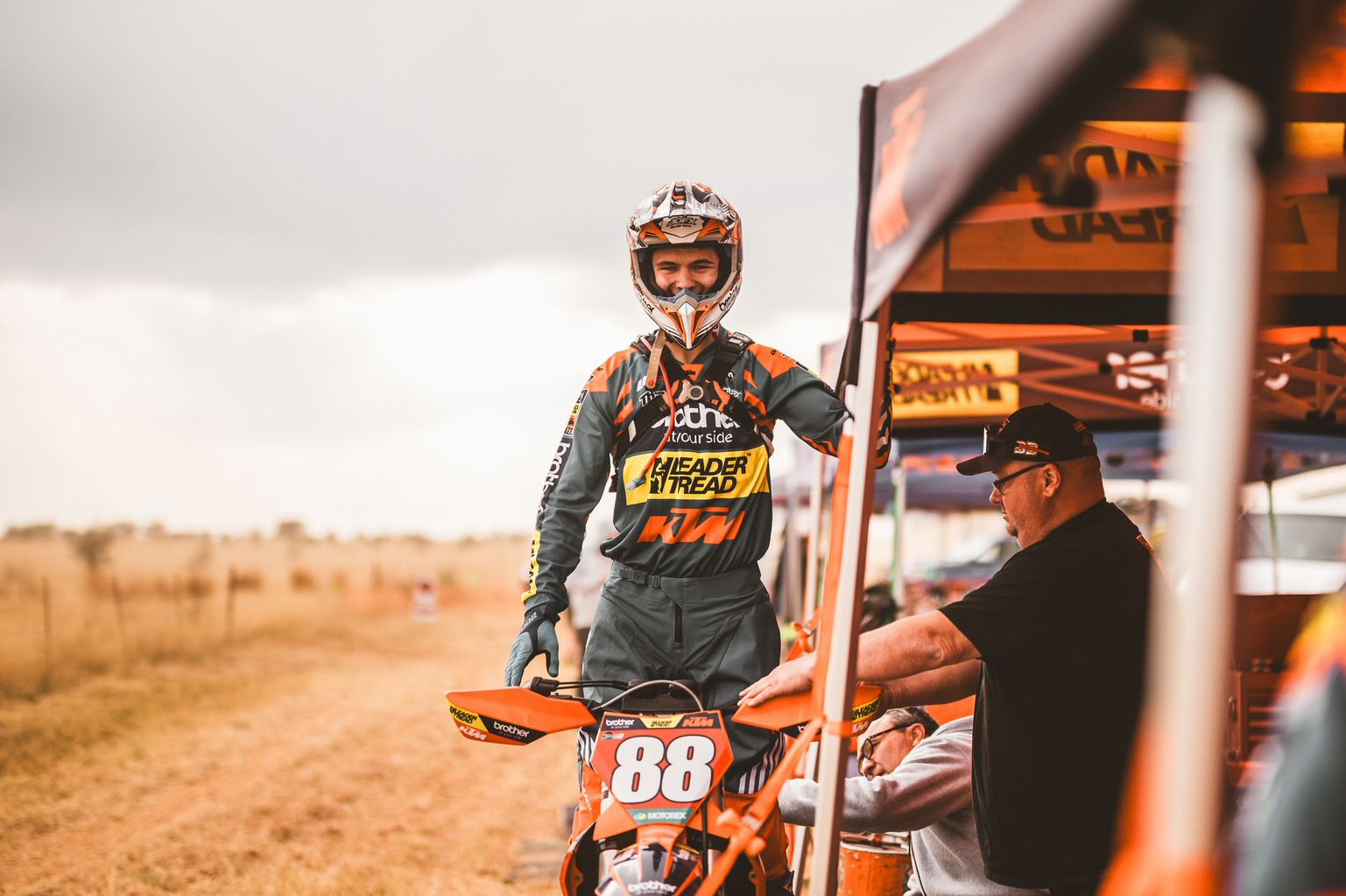
This past weekend, we attended the annual Orange Day gathering in Gauteng at the Legends Adventure Farm near the mining town of Rayton. This year marked Orange Day’s 4th appearance for the Orange Army in South Africa. This year was nothing less than spectacular, with a freestyle motocross show (Jungle Rush team), dealers from all over Johannesburg and Pretoria set up stands, demo rides courtesy of KTM South Africa and several loops to choose from. Even GoPro made an appearance to help customers capture memories, and Motorex set up shop to showcase products and, on the odd occasion, to assist a rider.
Photo credit: Bjorn Moreira / ZA Bikers
If orange blood flows through your veins and the craving to ride fast with like-minded hooligans and talk all things motorcycles is on your agenda, then Orange Day is worth scheduling into the calendar for next year.
Photo credit: Bjorn Moreira / ZA Bikers
We are glad to see KTM grow its orange faithful and consistently change and bring a new flavour with each Orange Day event. Last year’s event took place at the tight and twisty Formula-K race circuit in Benoni and offered riders a full day of tyre screeching and clutch-popping action. We saw just over 100 attendees, and this year we saw it quickly grow to over 250, with families being heavily incorporated into this year’s event. It just goes to show how the brand brings Ready To Race families and friends together, and in this case, together for an action-packed day of riding and fun—unbeatable KTM spirit.
Photo credit: Bjorn Moreira / ZA Bikers
In Typical KTM fashion, they painted Legends Adventure Farm in Orange, from the atmosphere, thanks to roaring engines, dirt bike roosts, to the visuals with orange flags, rows of classic and new KTM models. The vibe was off the charts, with prizes and merch given to those who showed true KTM passion, either travelling from afar, answering tough questions in seconds and others for having a seriously huge beer bell or “boep” as we South Africans call it.
1 of 33
Orange Day is just KTM’s way of saying family day. Seeing the smiles and the people huddling around the bikes reminded me of why I bought my first KTM. There’s just something about the Austrian brand and the people that buy into it; we all become one giant unorthodox kind of family.
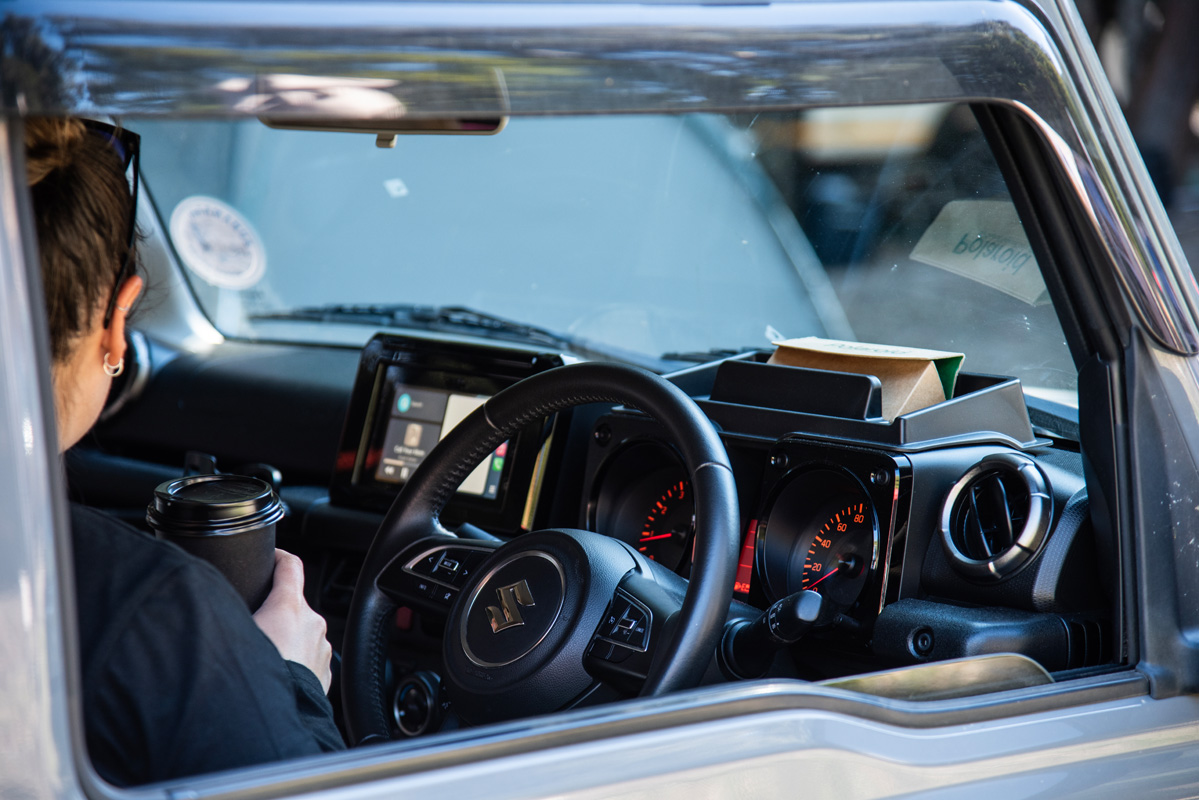
This past August, I attended the Suzuki Women’s Day event held at De Wildt 4×4 Nature Park and Resort in Harties. As a Jimny owner myself, I was particularly excited about the “4×4 course” aspect of the day since I haven’t done much off-road driving in my lifetime.
It was a beautiful sunny day as I drove up the gravel road. We were welcomed by a display of funky wrapped Jimny’s. There is just something unique about every Jimny you come across, and these were no exception. I, of course, had to get a photo of Jimunji parked amongst its younger siblings.
Photo credit: Meredith Moreira / ZA Bikers
Suzuki Auto South Africa always goes out of their way to spoil us ladies in the industry, and they certainly did it again this year. Walking into the hall, it was a stark contrast to the dusty, brown environment outside; instead, with a cappuccino in hand, you walked onto a pink carpet surrounded by beautifully decorated table settings and delicate flower arrangements. It felt as though I was supposed to be dressed in a floral frock instead of my jeans and takkies… No matter how tough a girl you are, it’s always nice to experience a bit of feminism.
Photo credit: Meredith Moreira / ZA Bikers
We spent the morning with some amazing guest speakers, including Vanessa Goosen, a former Miss SA semi-finalist. She was wrongfully prosecuted for drug trafficking and sentenced to death, but ended up serving 16 years in a Thai prison. She had to overcome endless struggles, including giving birth, raising her daughter and then being taken away at age 3, learning a new language and living in unimaginable conditions. Through it all, she showed great courage and resilience, and today she is a motivational speaker who encourages women to never give up, that nothing lasts forever, and with God, you can find peace in the midst of the storm. The next speaker was Dr Katlego Selikane, and she took us through the importance of women’s health and how we can take charge and take care of our bodies.
Photo credit: Meredith Moreira / ZA Bikers
Of course, it wouldn’t be a Suzuki event if there weren’t some form of safety involved. We had Drive Smart join us and give us a run-through of road safety before we headed out to a parked Suzuki Swift ready for the morning’s demonstration. I love how Suzuki tailors each woman’s day event to us ladies to ensure that we walk away knowing more than we did before attending. The lesson for the day was how to change a tyre… Let’s be honest, how many ladies have to get a man to change a tyre for them? Well, no more. Each woman got to see exactly how to do it, and some were brave enough to volunteer. So next time one of them gets stuck in this situation, they can proudly do it themselves.
Photo credit: Meredith Moreira / ZA Bikers
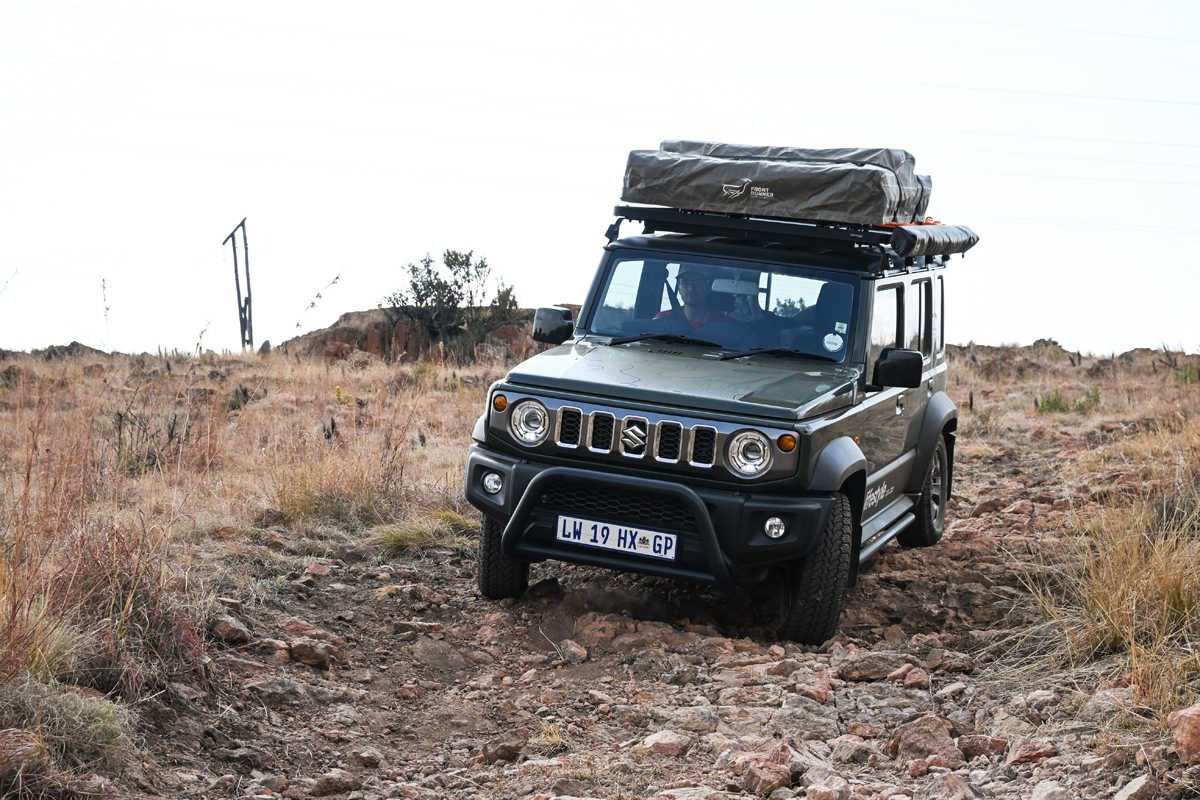
It was finally time for the Jimny Drive guys to take us out on the 4×4 trail, and even though I didn’t get to take Jimunji out, I still got to experience it in the new 5-door Jimny. We had a great time as we traversed the dirt trails winding through the bushveld. They certainly left us wanting more, and I’m excited to take Jimunji on the full 4×4 course where they teach you in-depth 4×4 driving skills.
Photo credit: Meredith Moreira / ZA Bikers
After a thrilling drive, we headed back and enjoyed a delicious lunch before ending the day. Before leaving, each lady was handed a beautiful leather bag with our names embossed on the front, as if the amazing day we had wasn’t enough of a spoil!
Photo credit: Meredith Moreira / ZA Bikers
As always, it’s such a pleasure to attend these events, and the ladies behind them are true gems. They are so intentional with their choice of guest speakers, activities and gifts; ensuring that every attendee’s heart is touched, and mind is fed. Thank you for highlighting the women in the industry and for enriching our lives. How you’ll top this one, I’m not sure, but I’m looking forward to it!
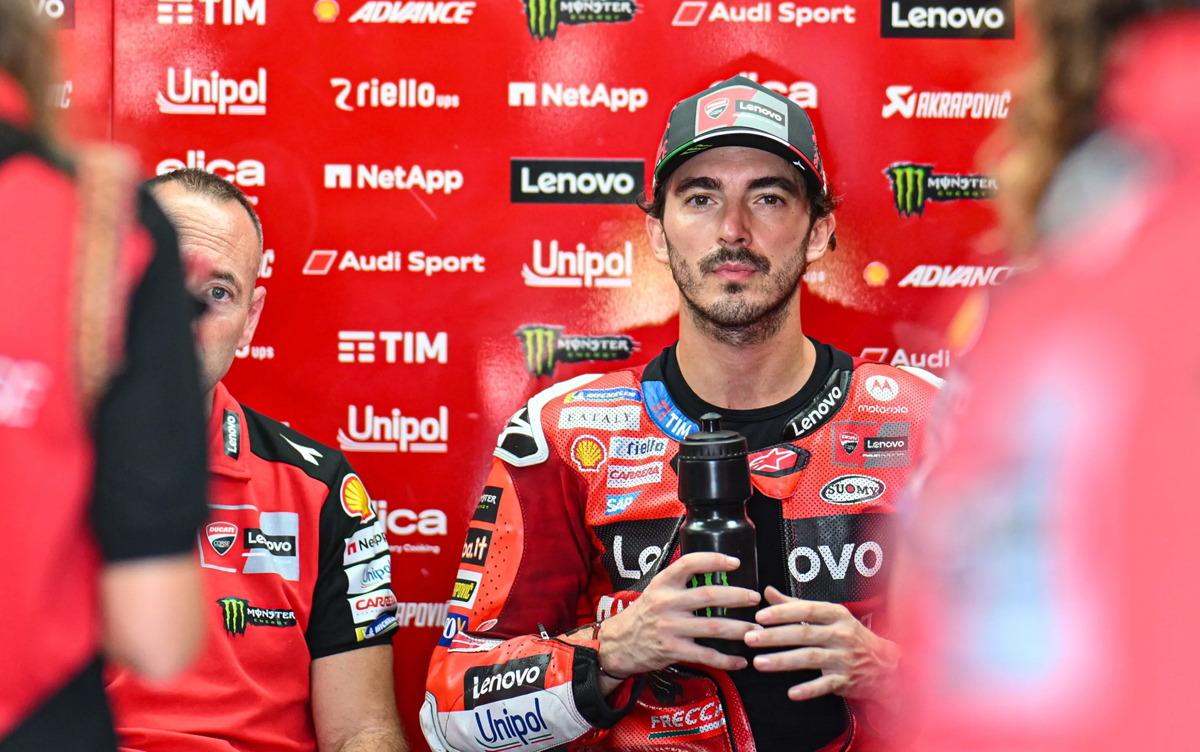
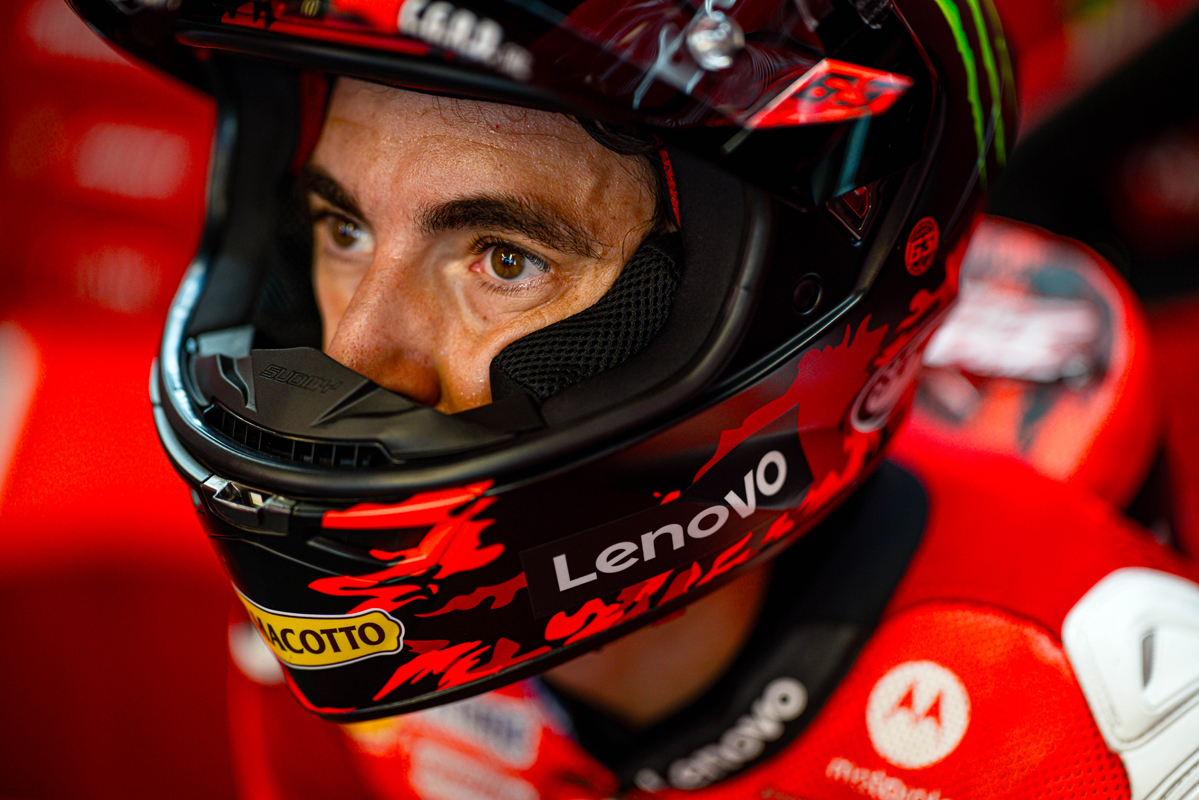
Anyone else sick and tired of Ducati being completely unable to give Francesco Bagnaia a racing bike that he can actually ride? And who is really bored of watching Bagnaia with a thunderous look on his face after yet another underwhelming performance? It’s almost enough to make you want to give him a kick up the backside and tell him to sort himself out.
Is it all Ducati’s fault? That’s a hard assumption to make when both Marc Marquez and Fabio DiGiannantonio have made the GP25 work to great effect. Yes, not every bike can suit every rider, but for Bagnaia to be so far off the pace when a sister GP25 takes second place in the Australian Main race is bordering on the ridiculous.
Image source: MotoGP
Do we assume that the problem lies with Bagnaia? Has he been beaten into submission by his travails to the point where he has tied himself in knots trying to cure problems that might not be there in the first place?
Surely Ducati itself must be getting really bored with his complaints; his mechanics must be tearing their hair out with his constant stream of criticism, while their colleagues on the other side of the garage enjoy champagne every weekend.
Image source: MotoGP
It’s completely unfathomable; I can’t recall another instance where two seemingly identical bikes in the same team have had such divergent fortunes. And it’s not as if Bagnaia is a second-string rider, as so often happens in a team with one dominant rider; he’s a double world champion, for goodness’ sake and won 11 GPs last year on the way to being narrowly pipped to the post by Jorge Martin.
Even a second-string rider would be reasonably expected to back up a team’s main championship challenger by taking points off his title rivals, but Marc Marquez has won the team’s title with little or no help from Bagnaia, which is as much a damning indictment of Pecco’s performance as it is a stark reminder of Marquez’s skill.
Image source: MotoGP
If we expected Marquez’s absence in the final rounds of the 2025 season to mix things up at the front, then we were not to be disappointed in Australia. For the whole season, Aprilia has been best-of-the-rest behind Ducati, and it’s not too far-fetched to imagine them challenging for the title in 2026. In Australia, it was Aprilia all the way, Marco Bezzecchi himself spoiling his chance of a double win with his antics last time out in Indonesia, earning himself a double long-lap penalty for taking out Marc Marquez. His Sprint win in Australia was perfect, and to salvage a third place after two long laps in the Main race showed that he would likely have been unstoppable in the Main race.
Image source: MotoGP
That it was another Aprilia rider, Trackhouse’s Raul Fernandez, who took his – and Trackhouse’s – maiden Grand Prix victory, shows the potential of the RS-GP25. No, Aprilia is the team to watch at the moment, and I wouldn’t like to bet that Bezzecchi or Martin – when fully fit – won’t be right up there both at the end of this season and next.
What Australia did show us was that, without Marc Marquez, Ducati might well have been struggling this year. True, both Alex Marquez and Fermin Aldeguer have won races and taken podiums (many, in the case of Alex), as has DiGiannantonio, but what would the picture look like without the consistent brilliance of Marc? Australia also showed us that the final races of the season will be ones to watch if you like unpredictability.
Image source: MotoGP
KTM endured another weekend of mixed fortunes, ultimately resulting in a disappointing outcome. Third in the Sprint for Acosta was acceptable, but in the longer Main race, the RC16 exposes its weakness, which is, according to Pol Espargaro and Brad Binder, a lack of edge grip at full lean angle, which only gets worse as the tyres wear.
Binder crashed out of the Sprint but managed eighth in the Main race, while Acosta ran in the podium positions early on but faded to fifth at the end. Pol Espargaro, KTM’s test rider and enjoying a wild card ride in Australia, showed that he really should be on the grid full-time by finishing ninth in the Sprint and tenth in the Main race. With too many riders tooling around at the back of the field, a rider of Espargaro’s talent really should be better utilised. Put it this way: Michele Pirro, Ducati’s test rider and stand-in for Marquez, was 25 seconds behind Espargaro at the end of the Sprint race!
Image source: KTM
If we are in the era of Ducati, as we must be with four titles in a row, Australia provided a couple of eye-opening statistics. The last time there was no Ducati on the front row of the grid of a Grand Prix was in 2020! Also, Australia 2025 marked the first time there has been no Ducati on the Sprint podium since the format was introduced at the beginning of the 2023 season. That is, by any measure, impressive and can rightly be described as domination.
It remains to be seen, however, if the conclusion of the 2025 season will buck the trend and be an Aprilia benefit, as without Marc Marquez, the factory Ducati team is all at sea. Luckily for Ducati, there are satellite riders who are capable of winning, but none of them seem to have the measure of Bezzecchi right now.
Image source: MotoGP
Three races to go – Malaysia, Portugal and Spain – and then we’ll be forced to wait until the beginning of March 2026. Let’s hope the racing gods give us something to tide us over the interminable off-season.
Looking good for the ride doesn’t always work in parallel with dressing for the slide. We know our passion for riding these two-wheeled works of art puts us on the front line, in the most vulnerable position when it comes to safety on our roads. Let’s not drown ourselves in depressing statistics, but the matter of fact is we cannot afford not to follow the famous acronym ATGATT, spelling out “All The Gear, All The Time”. Some have paid the price, and learning from others is much cheaper than making those same mistakes that could cost you more than what you signed up for.
Photo credit: Meredith Moreira / ZA Bikers
I certainly learnt my lesson, and it also begged the question: was looking good, saving time and not wanting to sweat in the heat, worth the recovery, the permanent injuries and the trauma left to those around me? The answer is no.
Photo credit: Meredith Moreira / ZA Bikers
We don’t have an excuse to not wear riding gear anymore, as there is affordable gear for those on a budget, and there is riding gear designed to not make you look like a street Rossi, adventured up Chris Birch or club rider. There’s nothing wrong with looking like any of these riders, but it’s the same bulky, narrow-focused and purpose-made gear that allows enough room for the sneaky idea of not wearing gear to creep in. We have all been there and done that, but there comes a time when you really shouldn’t ride your luck out any further.
Photo credit: Meredith Moreira / ZA Bikers
This is where brands like BOBHEAD come into the picture. BOBHEAD is a brand that has recently landed in South Africa, and they are making it their mission to convert both the non-gear riders and the overgeared riders to wearing casual protective rider gear. The name BOBHEAD may ring a bell, and that’s because of Dragon’s Den UK. Yes, from dreams, to screens, to reality, was what came to fruition for both brothers and owners Damian and Sebastian Harris. The show allowed them to bring awareness to long-in-the-tooth issues of bulky riding gear and the need for a range of gear that’s both styled and priced to suit the average, modern-day biker. Now six years later, the brand is doing extremely well internationally with a vast range of styles to suit, and as of a few weeks ago, we see BOBHEAD pay South Africa a warm welcome.
From one set of biking brothers to the next, we see Behind The Bars proudly bringing in BOBHEAD apparel for the same reasons. Stuart and Brett are both keen motoring enthusiasts, having spent many years working in the automotive industry and have enjoyed its fruits. They have now embarked on a new mission, taking it upon themselves to pour their passion and expertise into casual protective riding gear, putting their money where their mouth is.
Photo credit: Bjorn Moreira / ZA Bikers
Stuart Cowell: I didn’t want to bring in motorcycle gear, just for the sake of bringing in motorcycle gear. I was looking for something unique, high-quality, and safe, yet effective, gear that gets the job done while also looking good in action. It’s a personal thing for me, I like things that stand out, and BOBHEAD ticked that box. Everything sort of fell into place after seeing the product’s high quality in person, and meeting Damian and Sebastian sort of brought it full circle for us. Just like Damian and Sebastian, we are bikers, and we are doing this for the right reasons, because we live it and love it.
Photo credit: Bjorn Moreira / ZA Bikers
Brett Cowell: Biking before business! We understand that there is a lot of volume stuff out there, and that’s great, but we aren’t out here to take any of that business; we are, rather, bringing something in that’s more distinctive. As Stuart has mentioned, the Harris brothers are passionate about motorcycles and riding, which can be seen by looking at their gear and also by wearing the gear. We hope to do well by the brand by showcasing “that same passion” and working with like-minded people.
Photo credit: Bjorn Moreira / ZA Bikers
It’s fair to say that BOBHEAD is a lifestyle brand and aims to continue building on its household name in SA. With all that said, Stuart handed over some riding gear for us to test, opting for their personal favourites, the Camel protective shirt and the Lumberjack. Both of these protective shirts are jackets in theory and are both UKCA-approved Armoured AAA, which gets you Rheon body armour on the elbows, shoulders, and back protector. Kevlar has also been cleverly lined between the outer cotton and inner mesh lining to help reinforce and protect.
Photo credit: Meredith Moreira / ZA Bikers
Both “shirts” offer different looks, one more subtle and gentlemanly and another more rowdy but cool. From the stitching, embroidery and even the embossed skulls on the buttons, you can see the time, effort and detail that have been put into making this gear. I’ve ridden with casual gear before, but nothing has come close to this quality in SA.
Photo credit: Meredith Moreira / ZA Bikers
Lastly, a pair of gloves was thrown into the mix, and boy, was I happy to see a 100% leather glove. I love a new pair of leather gloves, and BOBHEAD’s Reaper gloves look and fit the part. The gloves are simple in design and offer a level 1 protection rating, which translates to being very comfortable, and the adjustable stud closer is a neat and practical touch.
1 of 12
On the Behind The Bars website, you’ll find a selection of BOBHEAD gear, from helmets, shirts, leather jackets and even gloves, all tailored to suit the SA market. So, give the website a browse and stay tuned for our up and upcoming thoughts after riding for an extended period of time in the BOBHEAD motorcycle gear.
The sell-out sensation of the year is back – bigger, louder, and more electrifying than ever.
Volkswagen Amarok King of the Whip returns on 29 November at Montecasino, where South Africa’s top riders will go head-to-head with the world’s elite in the Best Whip and FMX Best Trick contests. Get ready for an evening of pure moto madness!
Presented by LW Mag in association with Monster Energy, Yamaha, Garmin, Motul, GoPro, Fox Racing and Estrella Cerveza, this unmissable event promises massive airtime and heart-stopping tricks – King of the Whip is gearing up to be the ultimate showdown of style and skill.
Photo credit: Bjorn Moreira / ZA Bikers
Doors open at 2:30 pm, giving fans the chance to meet and interact with riders during the “Pit Walk”. VIP and VVIP Ticket holders will gain early access to the event at 1 pm for an official rider meet-and-greet. The action officially kicks off at 4 pm and continues into the evening, with the Finals taking place under the night sky lit up by bursts of pyrotechnics.
Photo credit: Bjorn Moreira / ZA Bikers
Riders earning enough points through the Best Whip qualifying rounds will advance to the semi-finals and finals. Judges will score based on style, amplitude and variation when allocating their scores.
The FMX Best Trick contests will heat things up ahead of Best Whip finals, featuring both right-side-up and upside-down trick categories.
Photo credit: Bjorn Moreira / ZA Bikers
Riders will be competing for their share of the cash prize purse, along with various prizes from the official event partners.
Fresh off securing his second X-Games Best Whip gold medal, Belgium’s Julien Vanstippen is set to return and defend his crown once again. After achieving a dominant three-peat last year, Vanstippen stands as the undisputed King of the Whip champion. The question now: can anyone stop him?
Photo credit: Bjorn Moreira / ZA Bikers
Vicki Golden will be making her King of the Whip debut this year – as one of the biggest names in Action Sports, she is ready to compete for the podium position in both Best Whip and Best Trick.
Australia’s Pat Bowden stole the show in last year’s FMX Best Trick contests, wowing crowds with a mix of jaw-dropping upright and inverted tricks.
South African Freestyle Motocross standout Dallan Goldman will be on the hunt for yet another podium position in both the Best Whip and Best Trick contests, while Dalton Venter, 2024’s top-ranked Motocross rider, will be in the mix amongst a host of other Motocross racers.
Photo credit: Eric Palmer
Both the local and international competing rider lineup will be announced soon, giving KOTW fans the chance to bet on their favourites.
King of the Whip organiser, Ryan van der Spuy, says, “It’s incredible to see how King of the Whip has evolved into the powerhouse event it is today, drawing massive interest not only from fans across South Africa but from international audiences as well. Building on three consecutive sold-out showcases, we are proud to take things to the next level, delivering an even more elevated and unforgettable experience for spectators and riders alike. This year promises to be our biggest and boldest edition yet — fans are truly in for a treat!”
Photo credit: Bjorn Moreira / ZA Bikers
“Volkswagen Commercial Vehicles is proud to be the title sponsor of King of the Whip, an event that embodies the same strength, precision and fearless energy that defines our brand. Just as our vehicles are engineered to perform under pressure and go beyond the unexpected, so too do the bike riders who take flight in this thrilling competition. This partnership is more than just branding, it is a bold alignment with a platform that celebrates South African talent, grit and the spirit of pushing boundaries, values that sit at the heart of Volkswagen’s DNA,” said Princess Ndhlovu, Brand Head, Volkswagen Commercial Vehicles.
Photo credit: Bjorn Moreira / ZA Bikers
Whip (Noun):
A manoeuver performed on a motorcycle, usually during a motocross or freestyle motocross contest, in which the rider brings the rear of the motorcycle abruptly around to either side. Performed while the machine is airborne off a jump. In very extreme whips, the rear of the motorcycle will end up perpendicular to the direction of travel, in addition to the motorcycle being laid flat. The purpose of the whip is to show off, to alter the trajectory of the bike in flight, and to scrub speed over jumps.
Photo credit: Bjorn Moreira / ZA Bikers
Inviting everyone, families, and friends to join in witnessing this highly anticipated, action-packed event. Food and beverages will be on sale at the event. Tickets are available now from R300 at Howler.
King of the Whip event details:
Date: 29 November 2025 Time: 2:30 pm onwards Venue: Montecasino – Montecasino Boulevard (Cnr William Nicol and Witkoppen)
Fourways, Sandton, Johannesburg Tickets available from R300: Howler
*Ticket prices exclude booking fees.
The countdown is officially on for the 2025 Roof of Africa, “The Mother of Hard Enduro,” which is now just over four weeks away (19 – 22 Nov). This year’s event is set to be one of the most historic yet, as it forms the decisive final round of the Hard Enduro World Championship (HEWC), where the 2025 World Champion will be crowned amidst the rugged majesty of the Maloti Mountains.
Adding to the local drama, all eyes will be on South African hard enduro hero, Wade Young. After equalling the legendary Alfie Cox’s record of nine victories in 2024, Young now stands on the brink of history, aiming to claim an unprecedented tenth title.
Routes Ready for Battle
Route Director and veteran of 30 previous Roof of Africa events, Graham Maclachlan, along with Route Manager Tausten Gibbs and their route crew, have spent months meticulously testing and refining the courses for the Gold, Silver, Bronze, and Iron classes.
Image source: ZCMC
Maclachlan confirmed that the routes are looking sensational and are designed to challenge every class appropriately, offering maximum excitement for riders and maximum viewing pleasure for spectators. “We have been hard at work, riding and testing every kilometre to ensure the quality is world-class. Crucially, we have comprehensive back-up plans in place that will kick in depending on the weather conditions, ensuring there will be good, challenging riding whether it’s a dry or a wet Roof,” he adds.
Event Schedule and Key Locations
The event schedule centres around Maseru on Day 1 and the famed Music Box race village on all 3 days:
Wednesday 19 November: Registration and Scrutineering will take place at the Avani Lesotho Hotel & Casino in Maseru.
Day 1 – Thursday 20 November (Maseru City parade Time Trials): The action kicks off with a new city parade in downtown Maseru. We will do a convoy lap, taking the Roof participants right into the heart of the city. This new processional ride through the streets of Maseru offers spectators their best chance to see the riders up close before they head into the mountains. The parade will be followed by the Time Trials for the Silver, Bronze, and Iron classes, which will start just outside of Maseru and head towards the mountains in the distance. The Gold Class Time Trial will take place later in the day around Music Box, allowing the Silver, Bronze, and Iron competitors to finish their runs and then have the opportunity to watch the thrilling performances of the Pro riders.
Day 2 – Friday 21 November (Race Day 1): Racing will start and finish at Music Box, featuring one Designated Service Point (DSP) along the route—and another service point further along. Details to be shared closer to the time.
Day 3 – Saturday 22 November (Race Day 2): The final day also centres around Music Box, with only one DSP at the main venue, setting the stage for the dramatic final push to the finish line and the HEWC trophy presentation and podium finishes for all the classes.
A Focus on Support and Spectators
The 2025 Roof of Africa is placing a strong emphasis on rider support and the spectator experience. Routes for all classes have been designed to offer great opportunities for fans to witness the grit, determination, and skill required to earn a finisher’s medal.
Image source: ZCMC
Confirmed sponsors and partners are also stepping up their on-site activities:
Motul will once again set up their popular Bike Wash, allowing riders to relax while experienced teams wash and prep their machines for the next day
Plews Tyres will provide an essential tyre changing station, and will also be sponsoring the coveted King of the Mountain jerseys
413 will offer emergency maintenance services throughout the duration of the event
Lizzard will be set up with parts and equipment support for competitors
Supermoist will feature their commemorative Kit (don’t forget their social media competition for a chance to win 3 sets of Roof kit!)
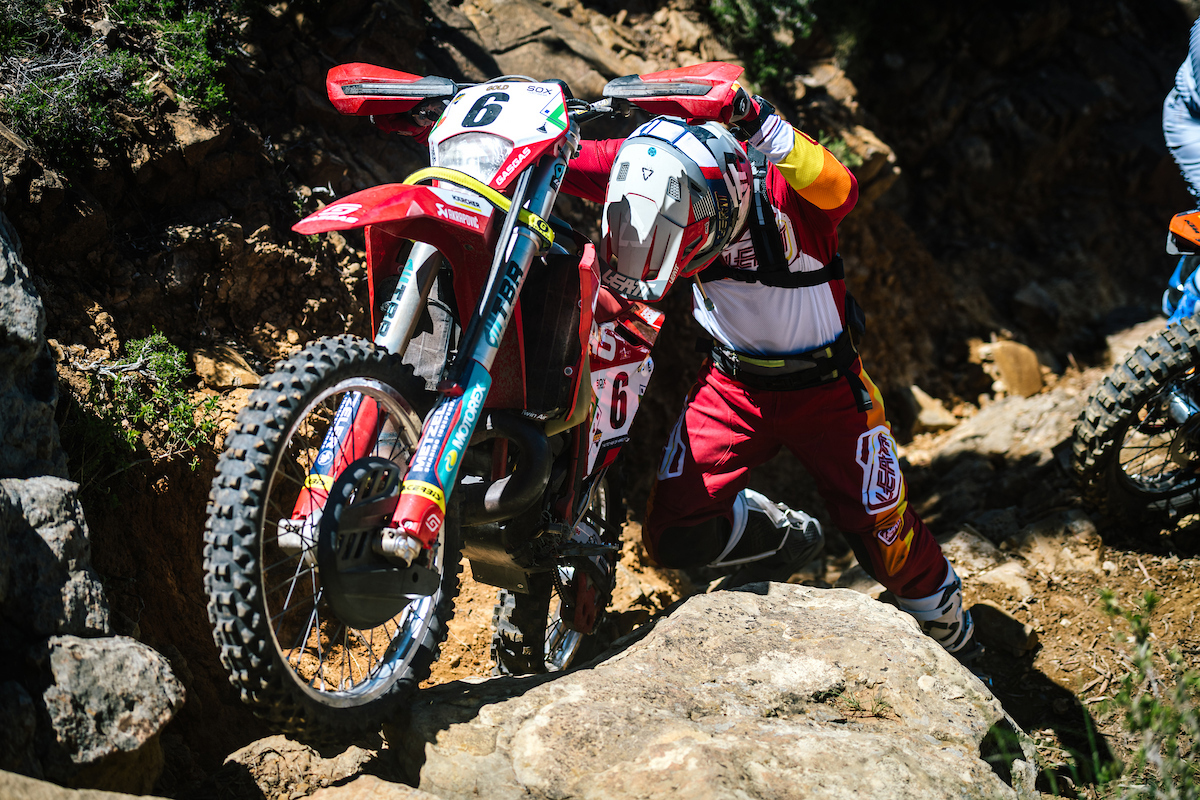
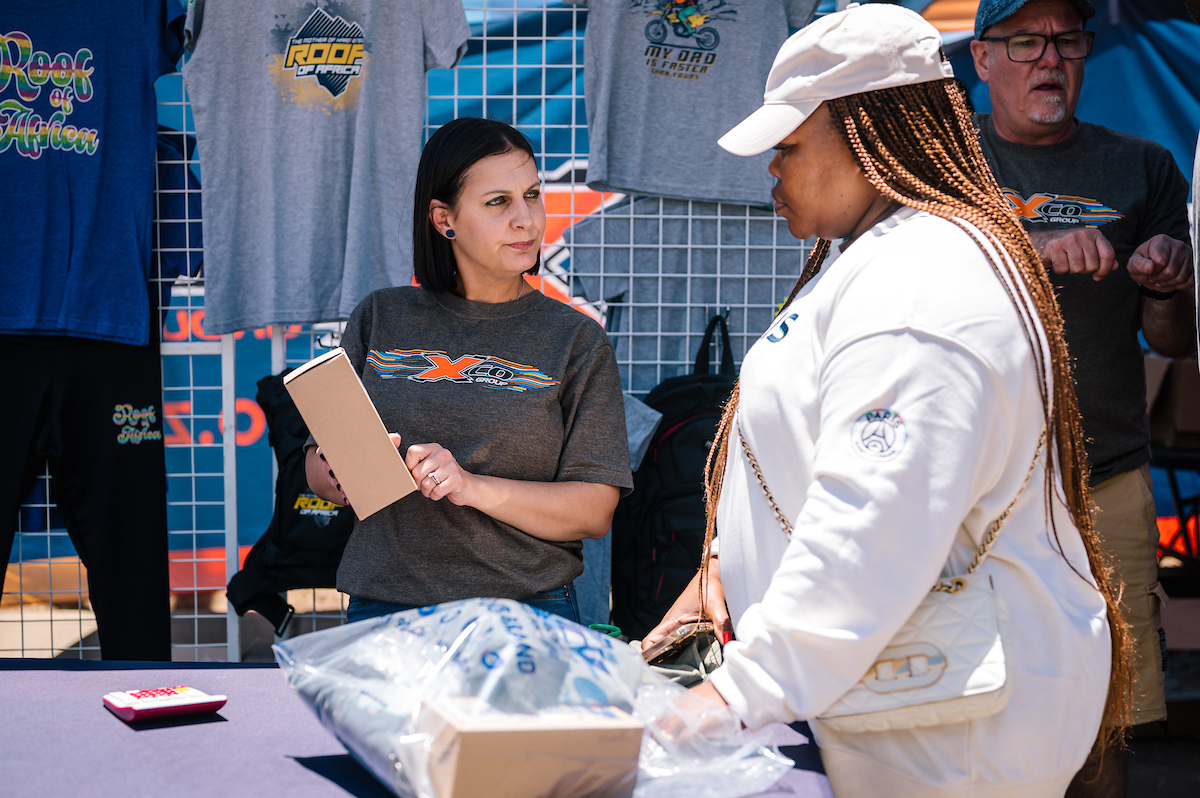
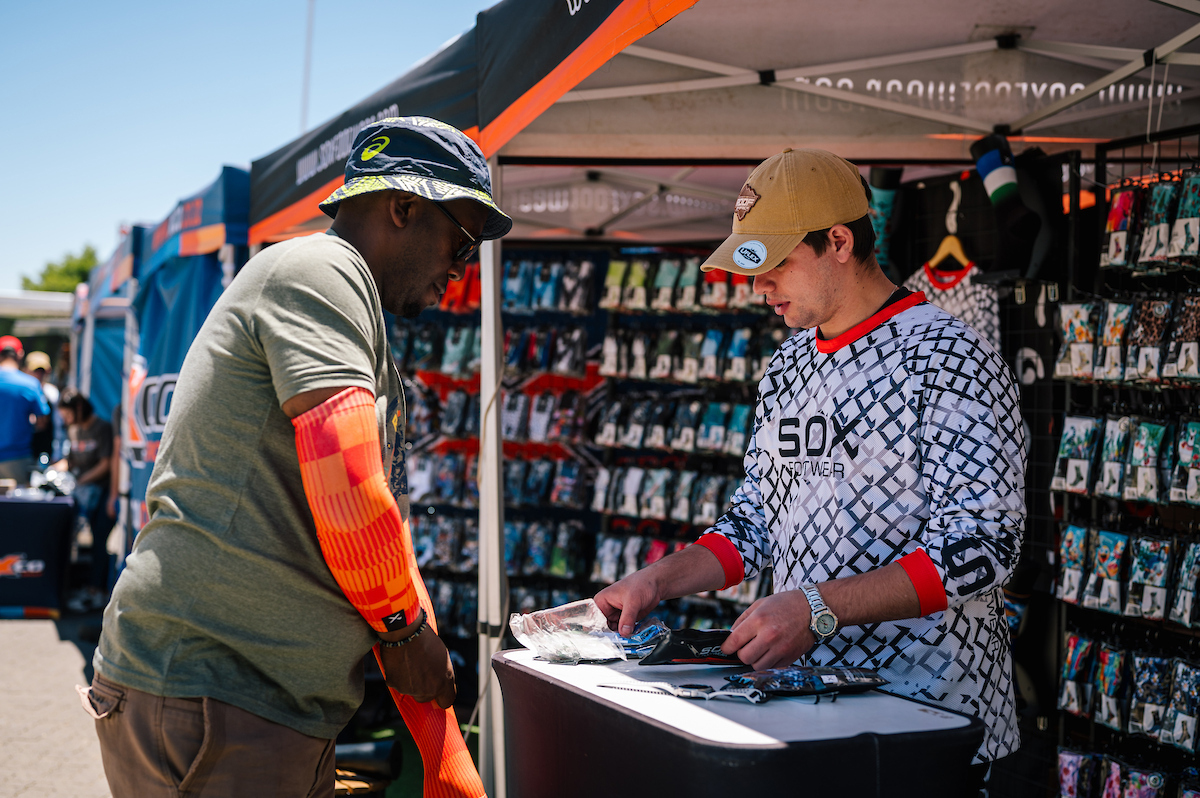
XCO and Sox will have their stand stocked with official Roof merchandise
Maluti Lager will be on site, keeping the thirst at bay
NPL will be providing nutritional support for the whole weekend at start/finish points and DSPs
Plus, other exciting activities to be announced closer to the event…
Don’t miss your chance to be part of the Roof Legacy—only limited spaces are still available!
Image source: ZCMC
Entries close on 24th October 2025. No entries will be accepted after this date.
Triumph Motorcycles is really hitting the headlines at the moment, first with the long-awaited arrival of the brand new off-road and enduro models and also with the news that, over the next year or two, there will be dozens of model changes, including brand new models and revised existing models.
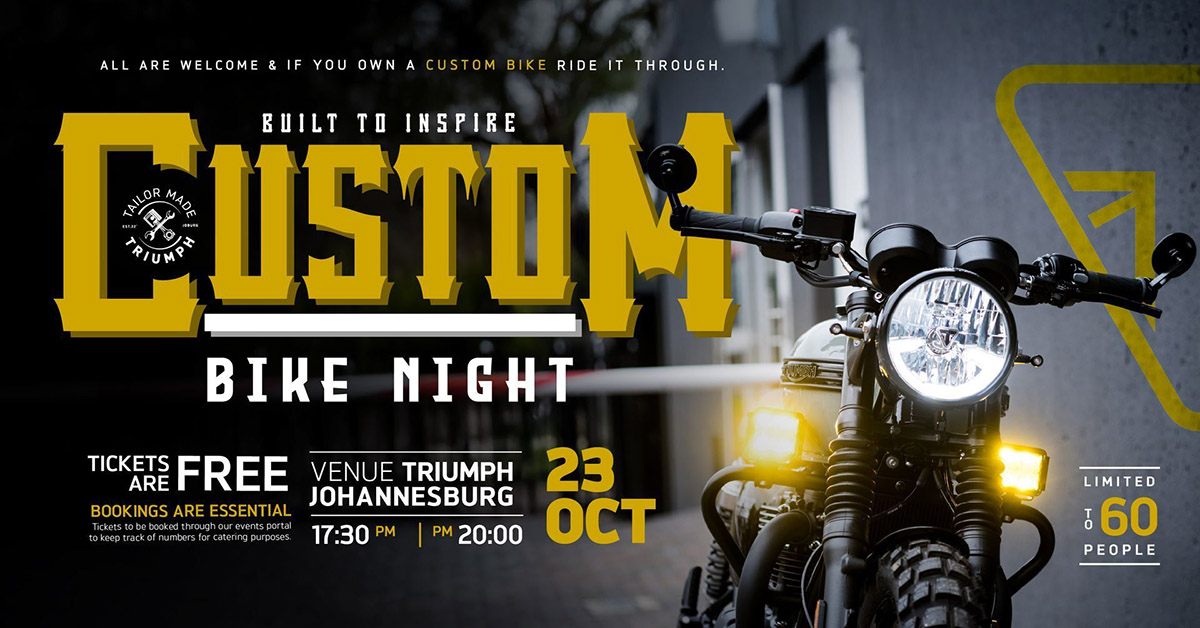
Triumph South Africa is getting into the swing of things this week with two special events. The first is called Built To Inspire: Custom Bike Night and takes place on Thursday, 23rd October, from 17:30 to 20:00 at Triumph Johannesburg.
Image source: Triumph Motorcycles
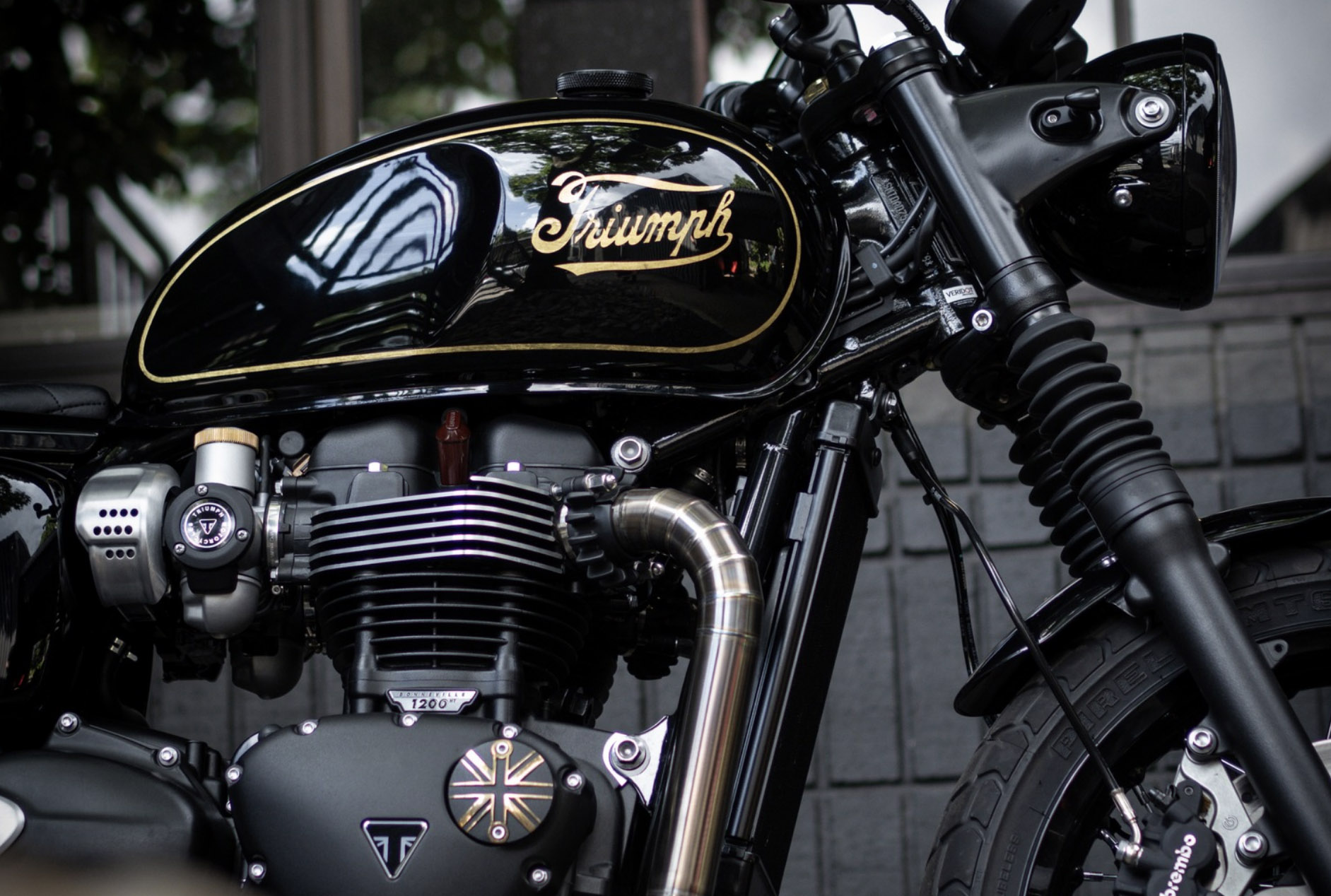
You may be aware that the workshop at Triumph Jo’Burg has the ability and skills to customise your Triumph according to your vision, both from the Triumph custom parts catalogue and through the skill of the custom painters.
At the Built To Inspire event, you’ll be able to see some of the parts and the techniques used to create unique machines. You’ll be able to talk to the technicians who will take you through the processes they employ to bring your dreams to life. If you own any form of custom bike, bring it along to inspire others.
Image source: Triumph Motorcycles
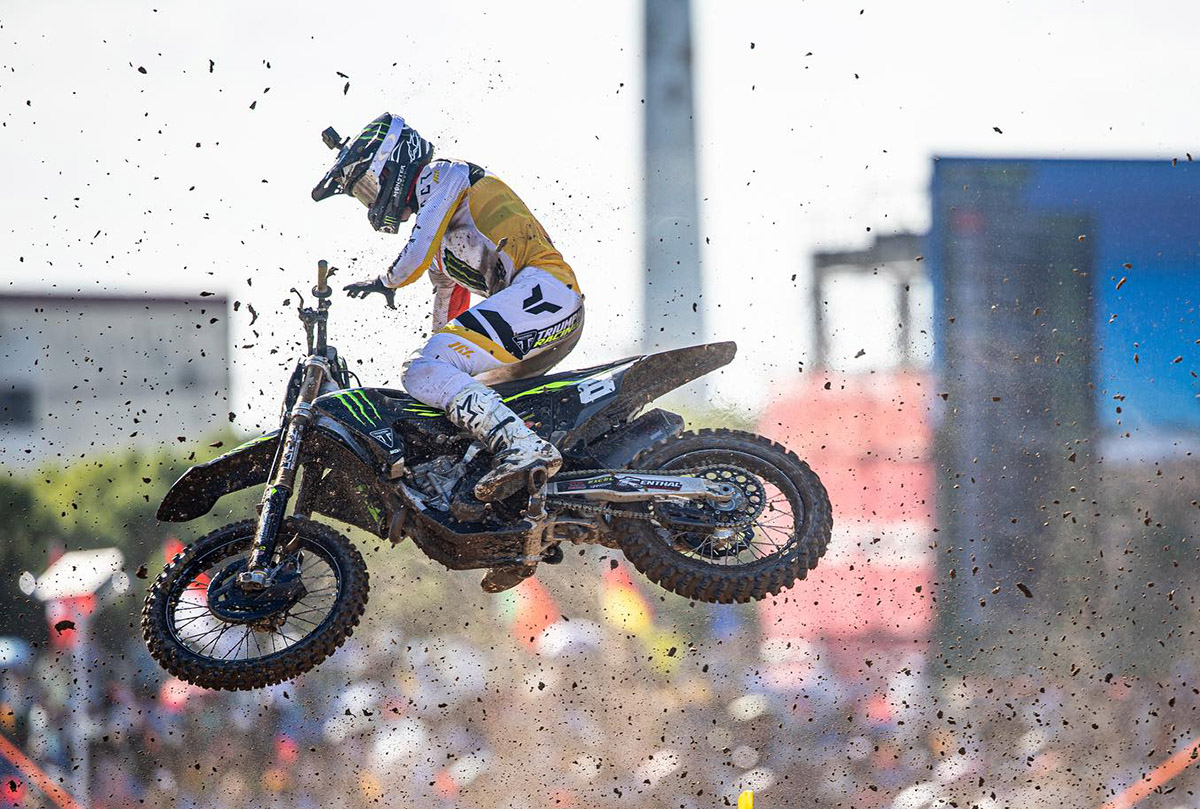
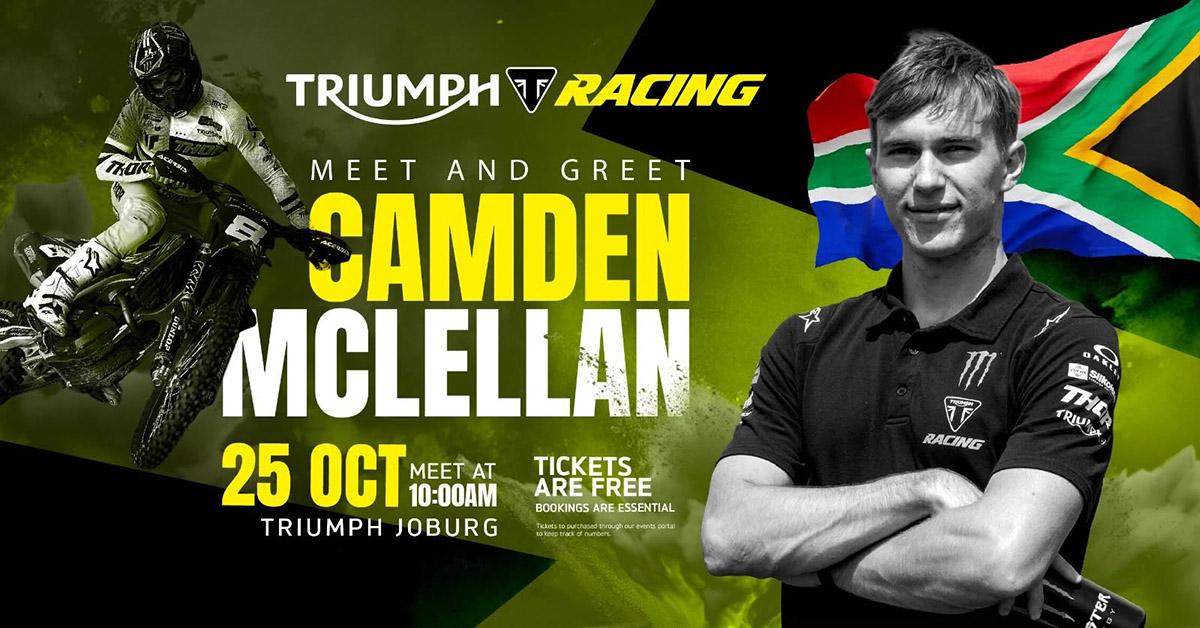
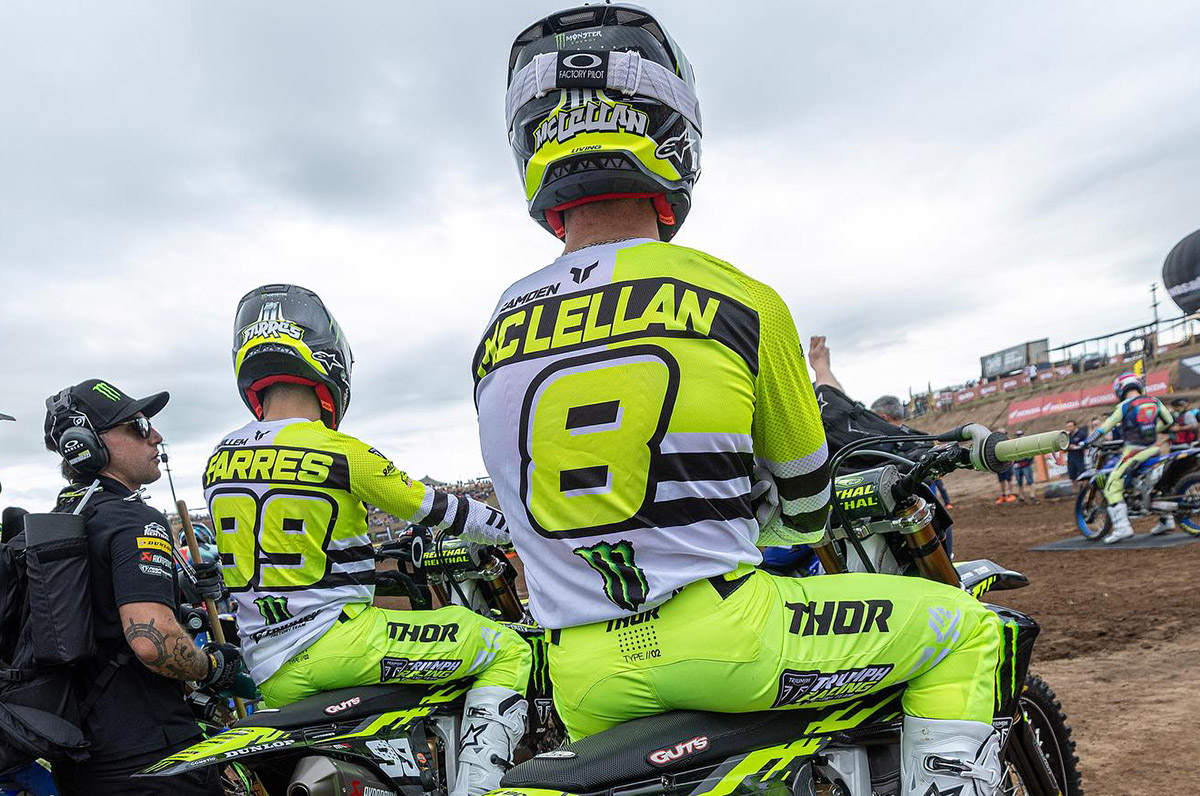
Then, on Saturday, 25th October, at 10 a.m., you can again head to Triumph Johannesburg for a meet and greet and Q&A session with rising motocross star and Triumph MX team member, Camden McLellan.
Image source: Triumph Motorcycles
Camden recently signed a two-year contract extension with Triumph Factory Racing, which will see him compete in the FIM MX2 World Championship through 2027.
He is one of SA’s top MX talents, and you can find out about his exploits on the international MX scene and get an exclusive look at the new Triumph MX models, which will be on display before they are shipped out to their new owners.
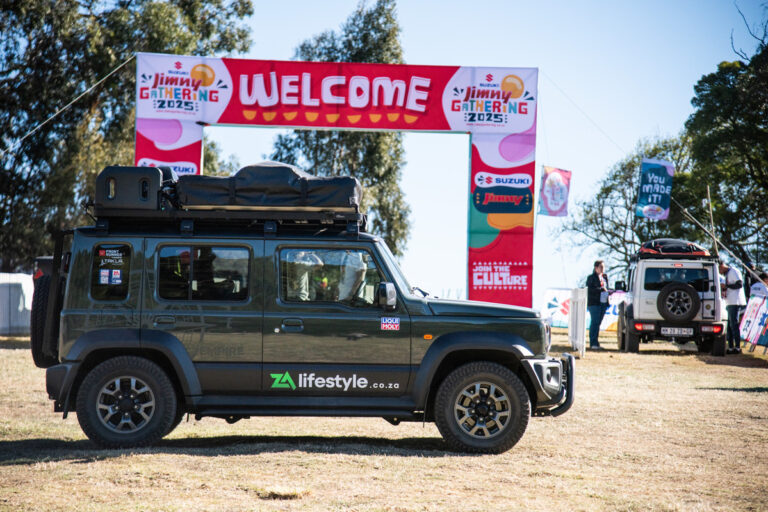
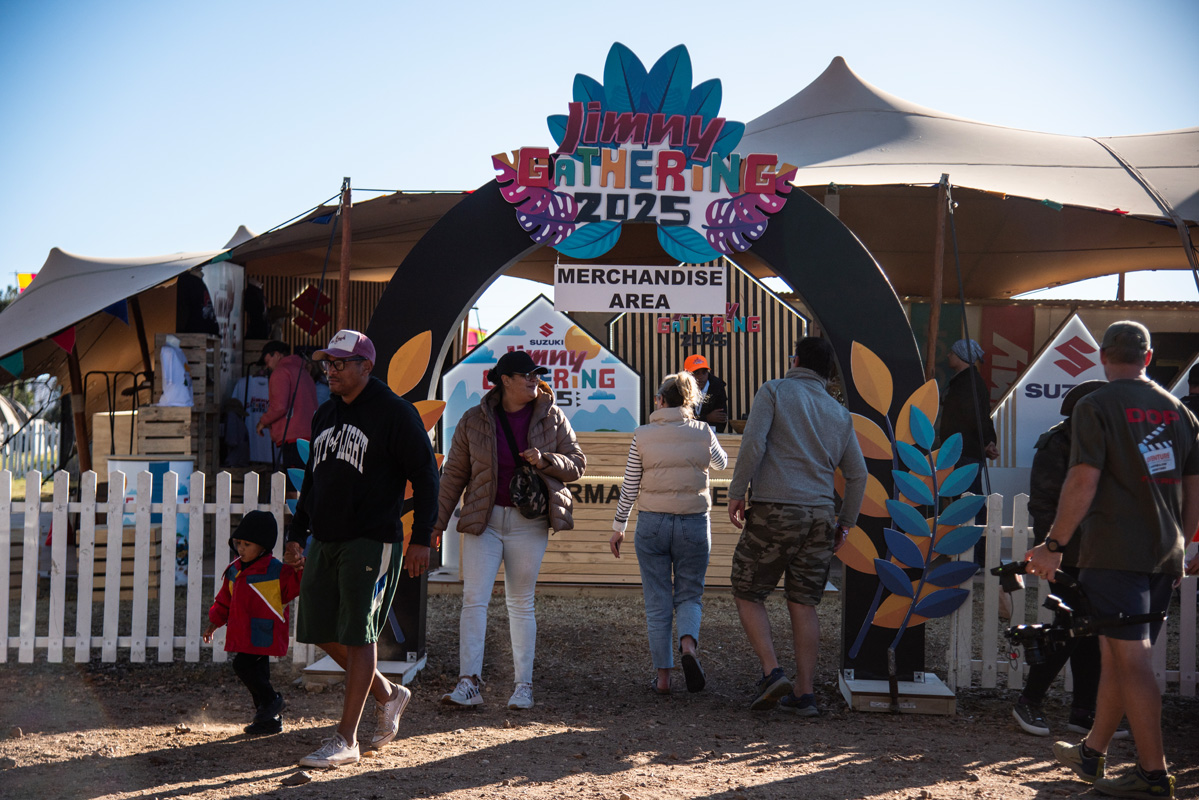
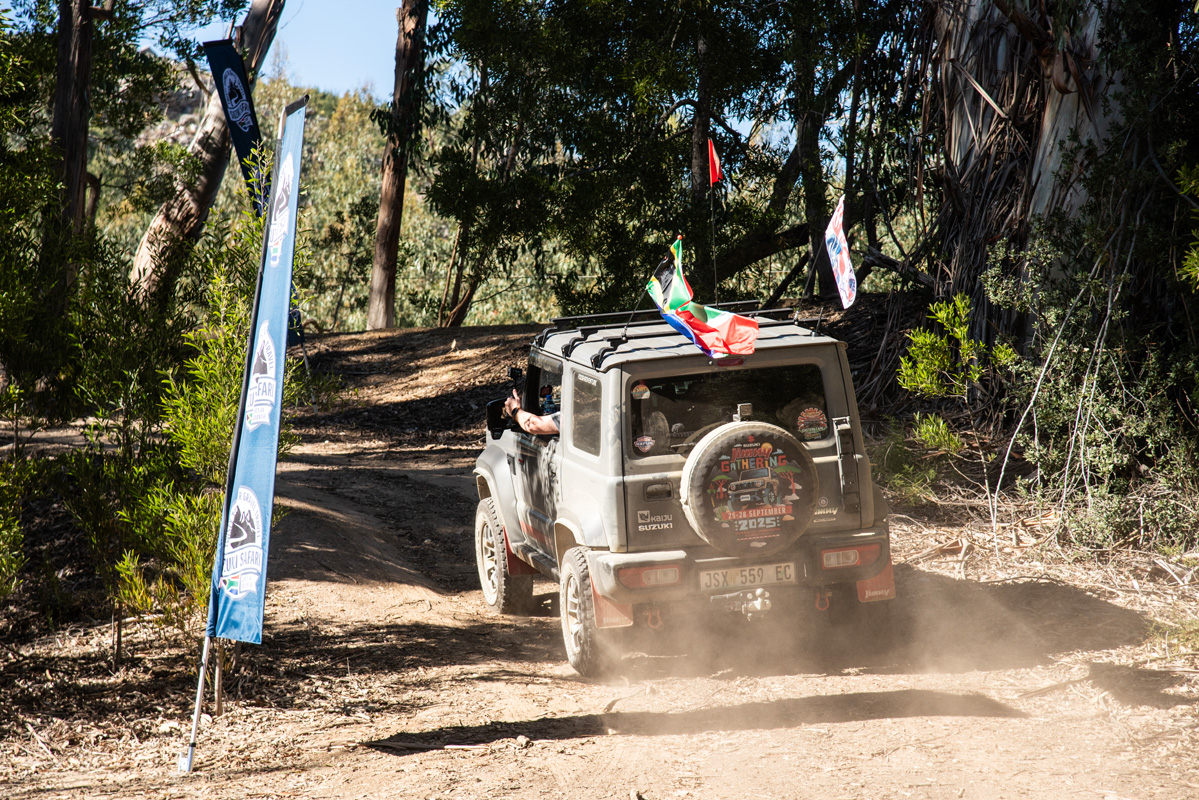
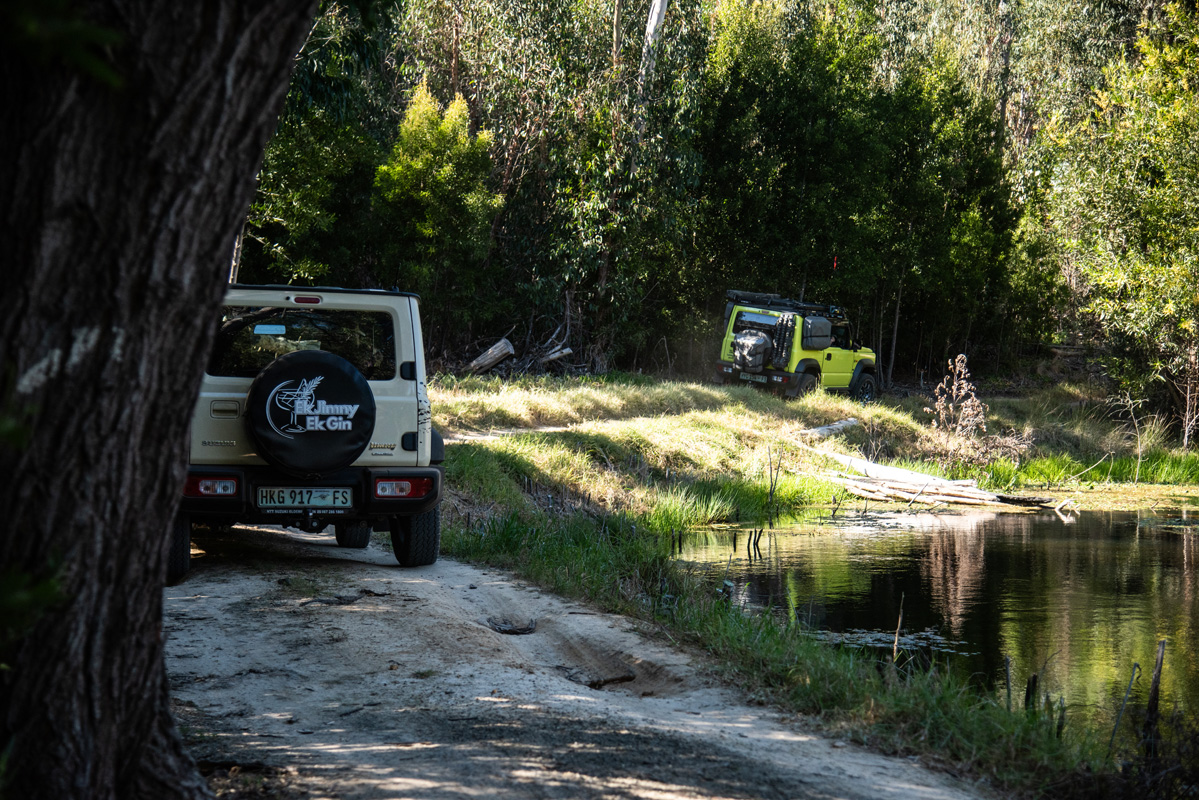
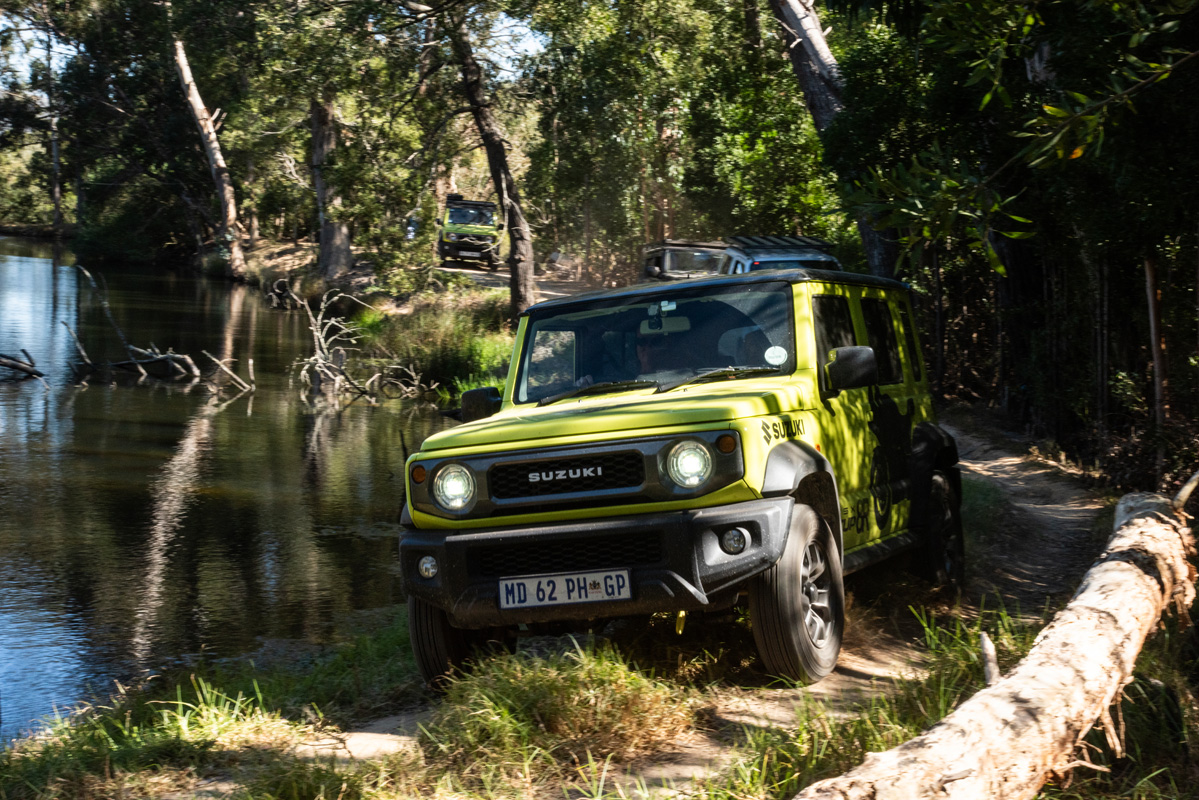
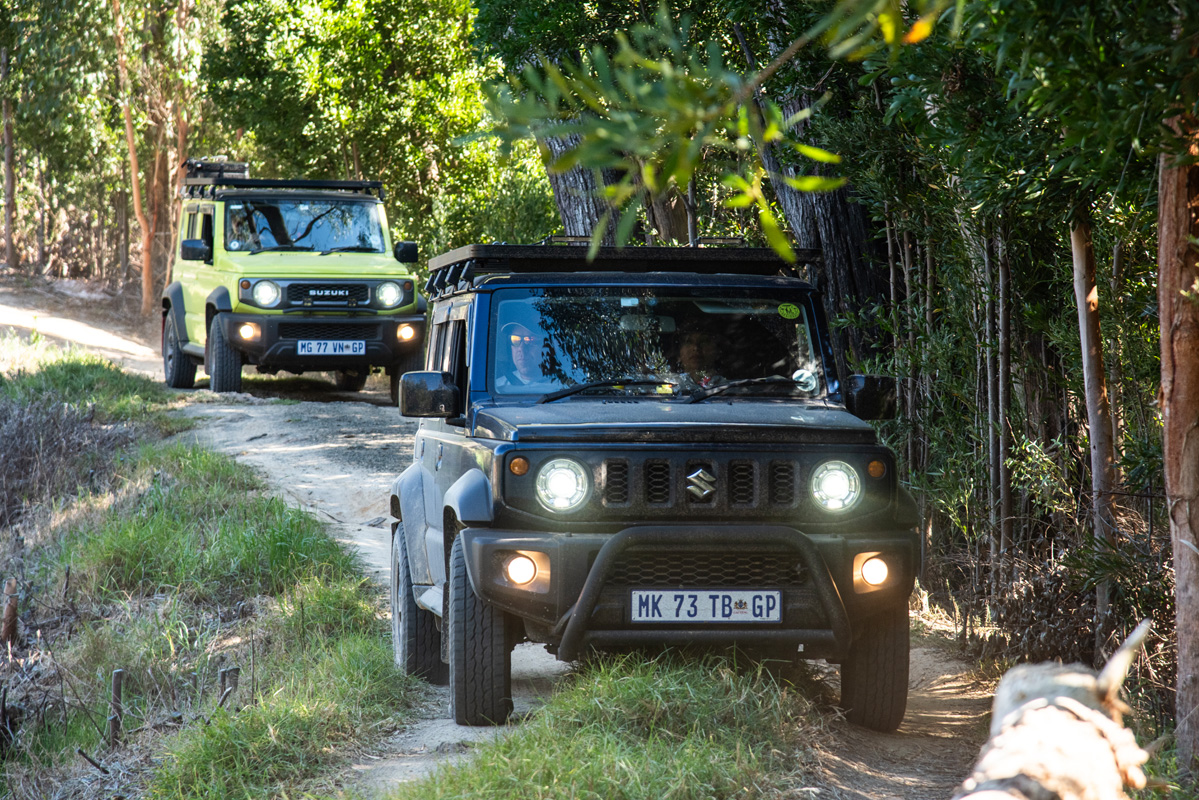
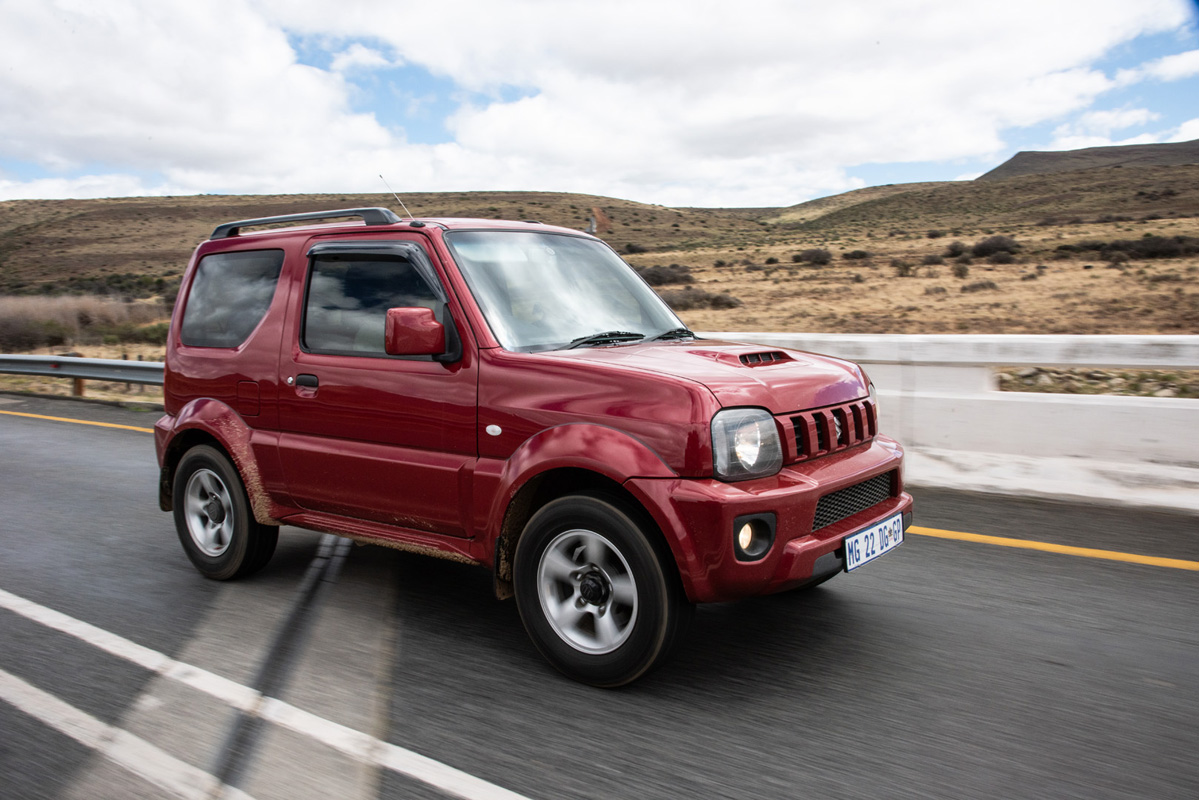
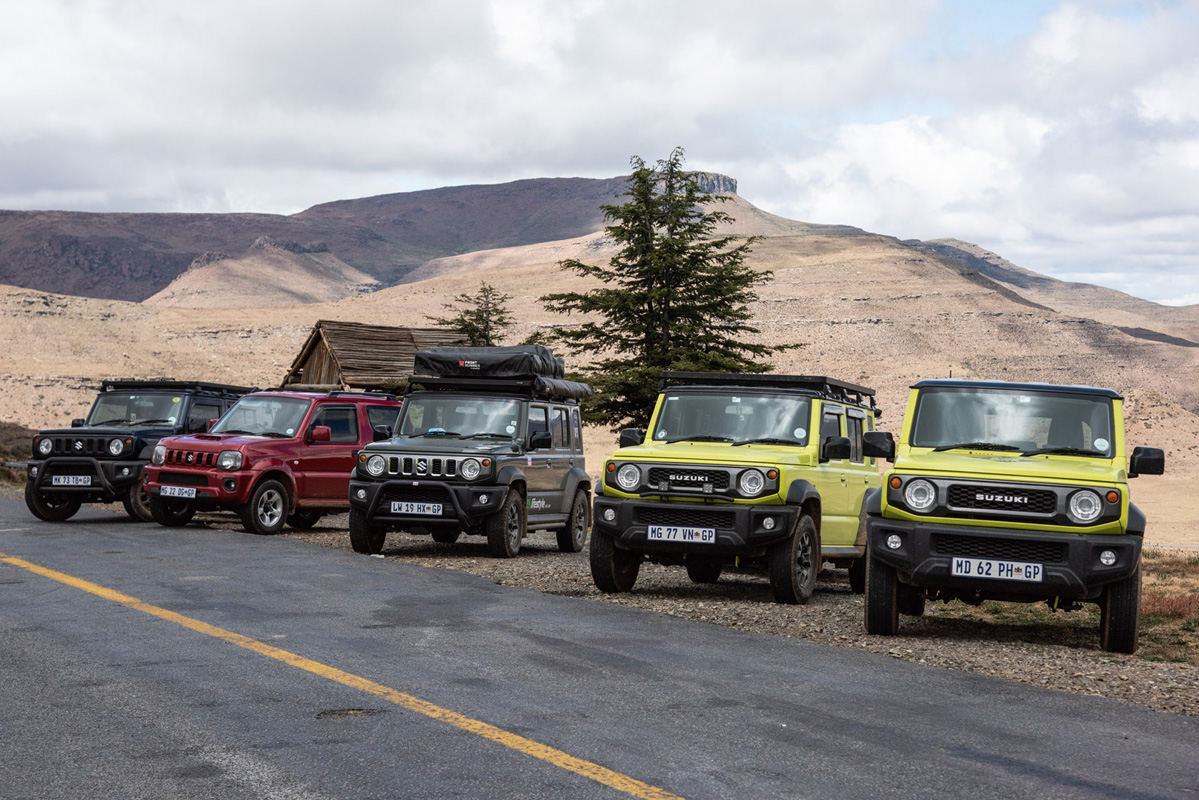
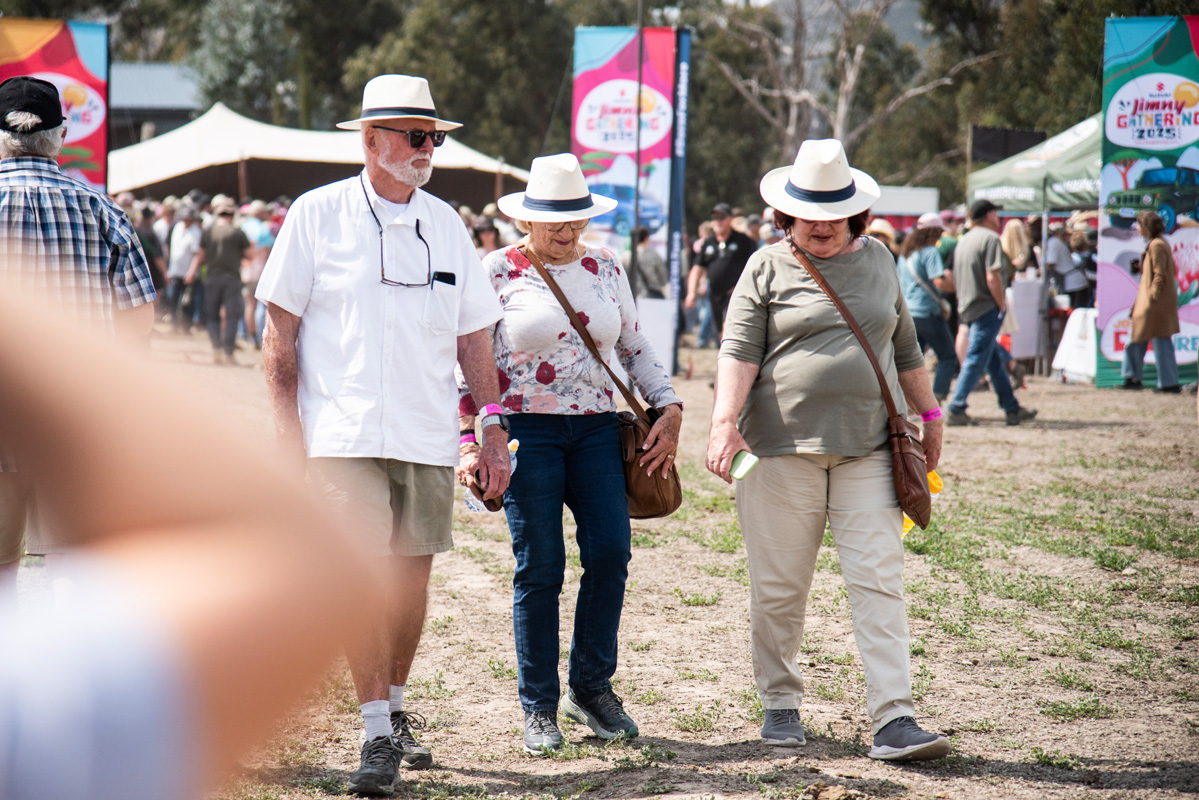
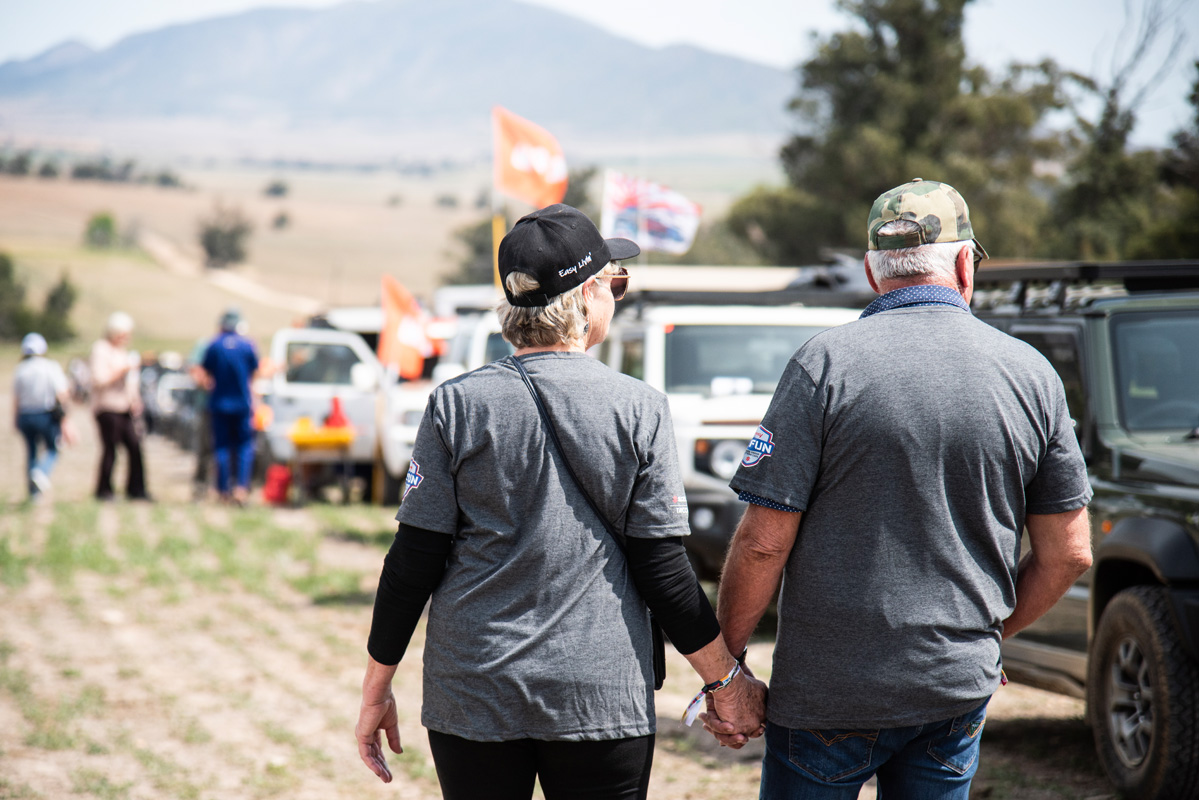
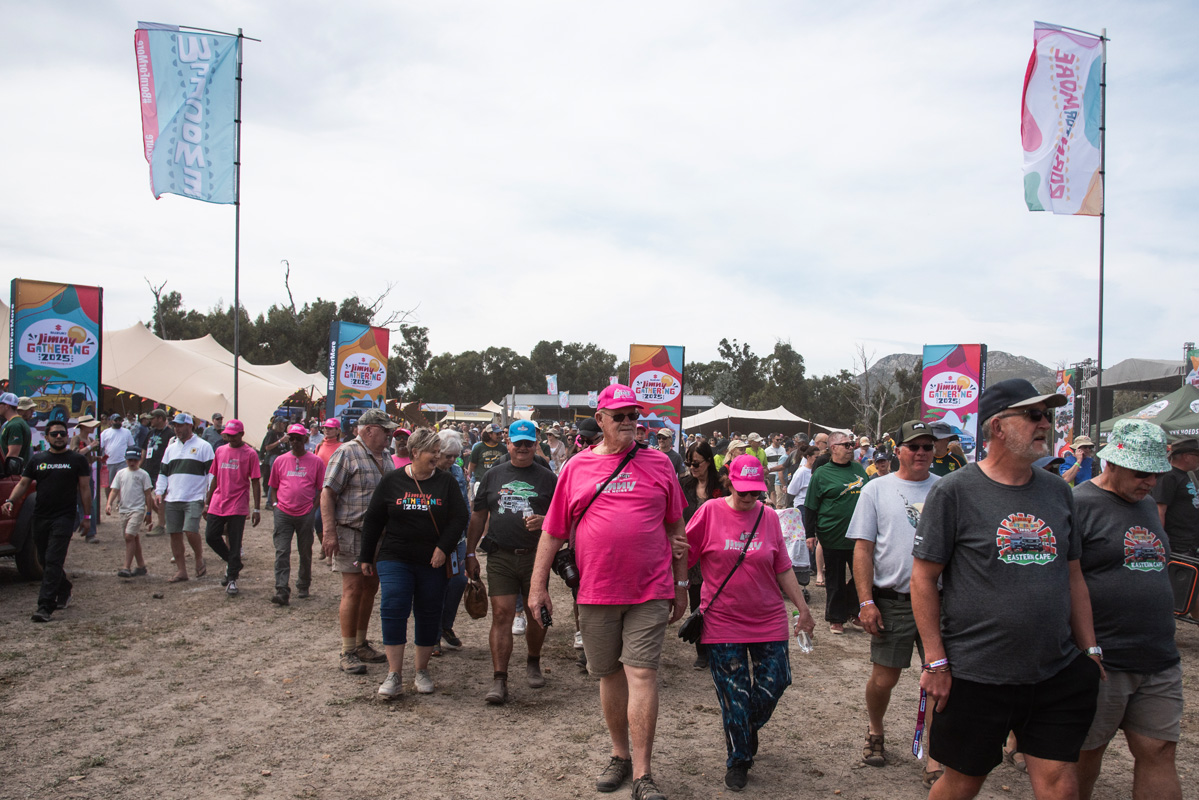
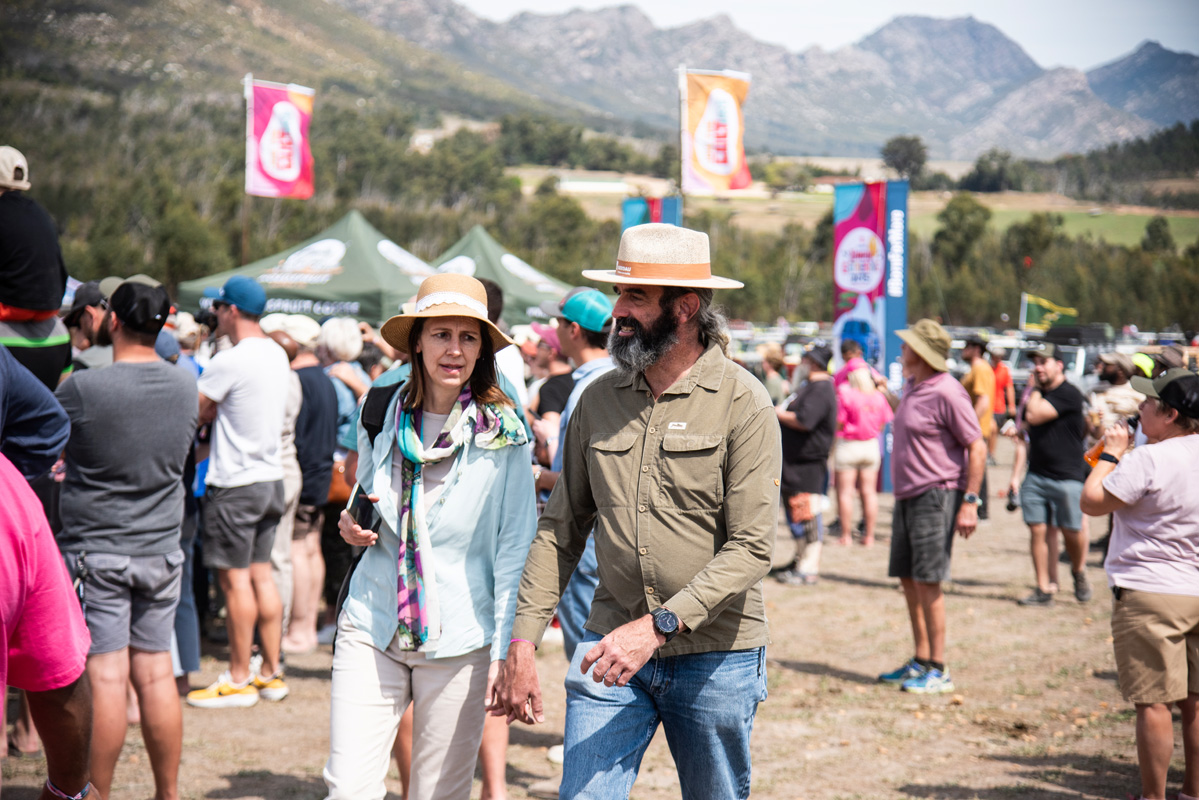
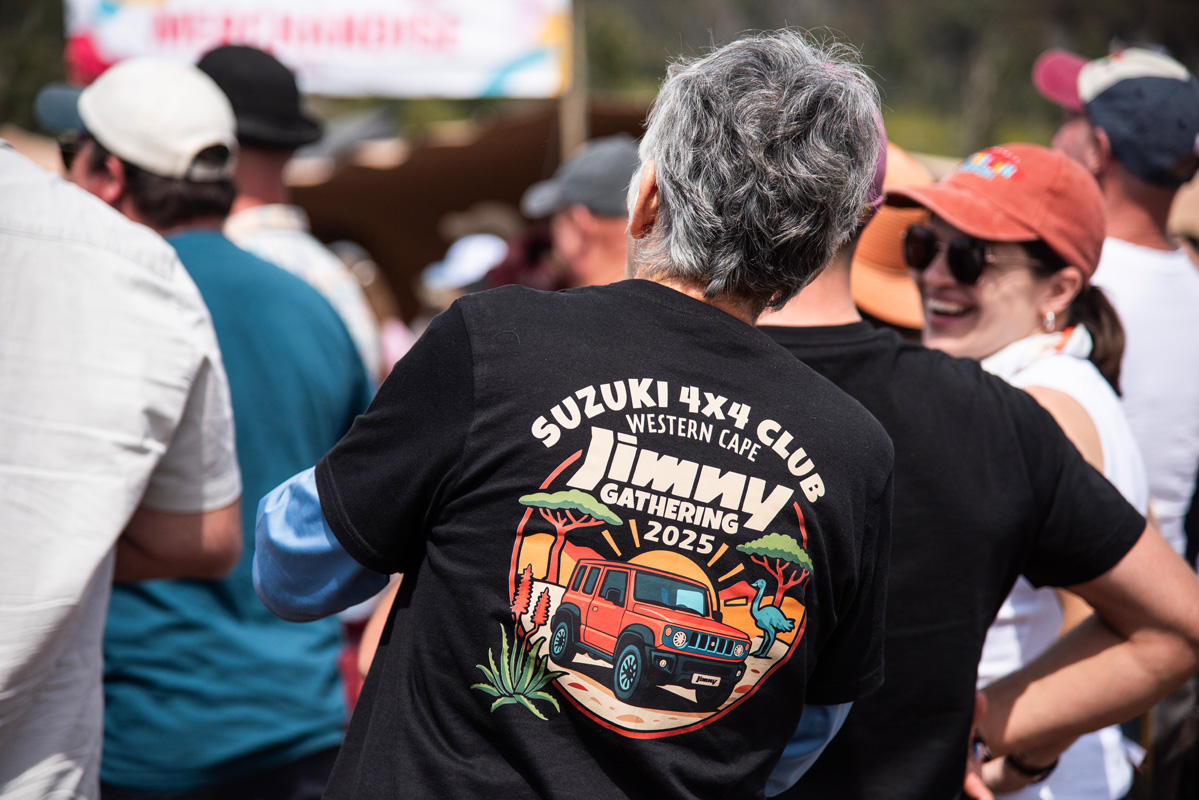
A second Jimny Gathering was always going to be on the cards, as the 2023 gathering was nothing less than spectacular in mountainous Clarens. Let’s just be honest for a second, we all knew how popular the Jimny community was with the little 4×4 booming in SA since its launch in 2018. The little Suzuki saw waiting lists of several months stacking dealers’ desks across the country, with demand immediately outstripping supply, with the first 174 units sold in their opening month alone. We saw it coming, but we didn’t fathom the sheer size and support. Everyone bought into the hype, the communities joined forces, and the massive numbers in sales definitely highlighted the volumes of Jimny faithful, but none of us thought that the lifestyle around the vehicle would bring so many Jimny fans and Jimnys to one place.
From what we understand, the Jimny Gathering will now become a regular fixture, taking place every second year at a new venue in South Africa.
Photo credit: ZA Lifestyle
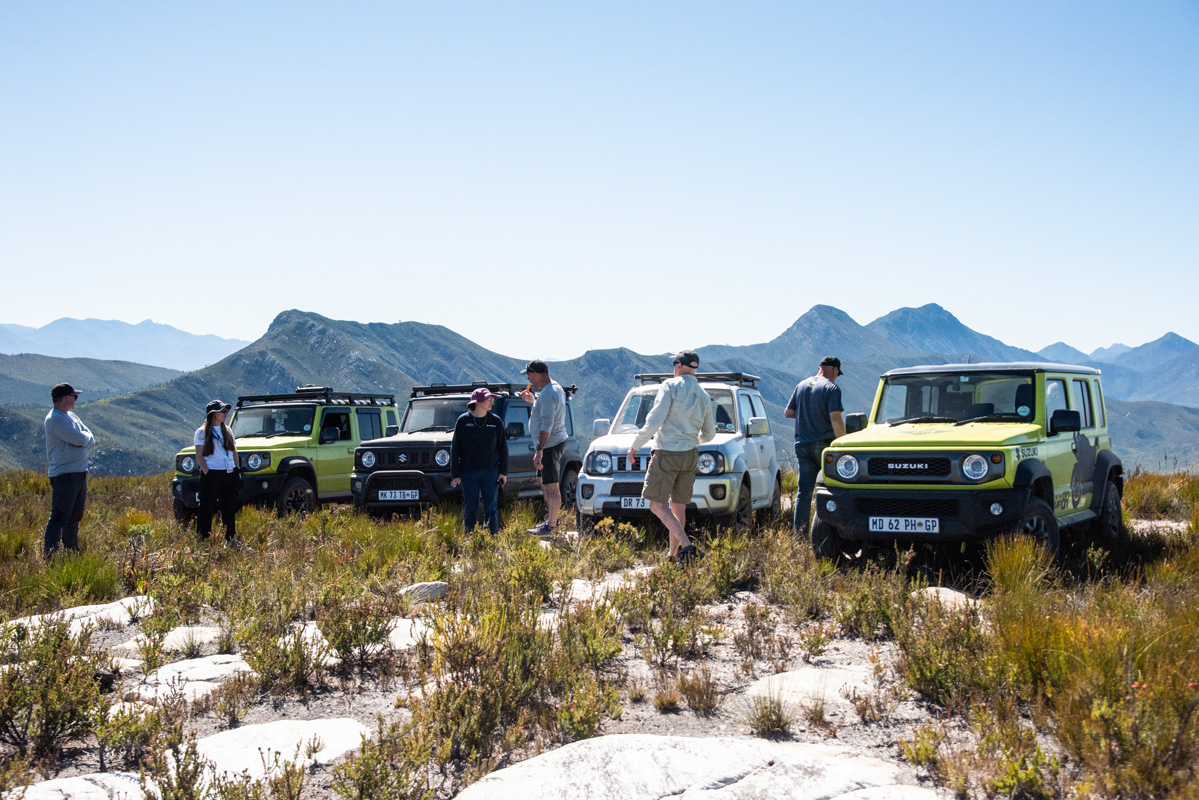
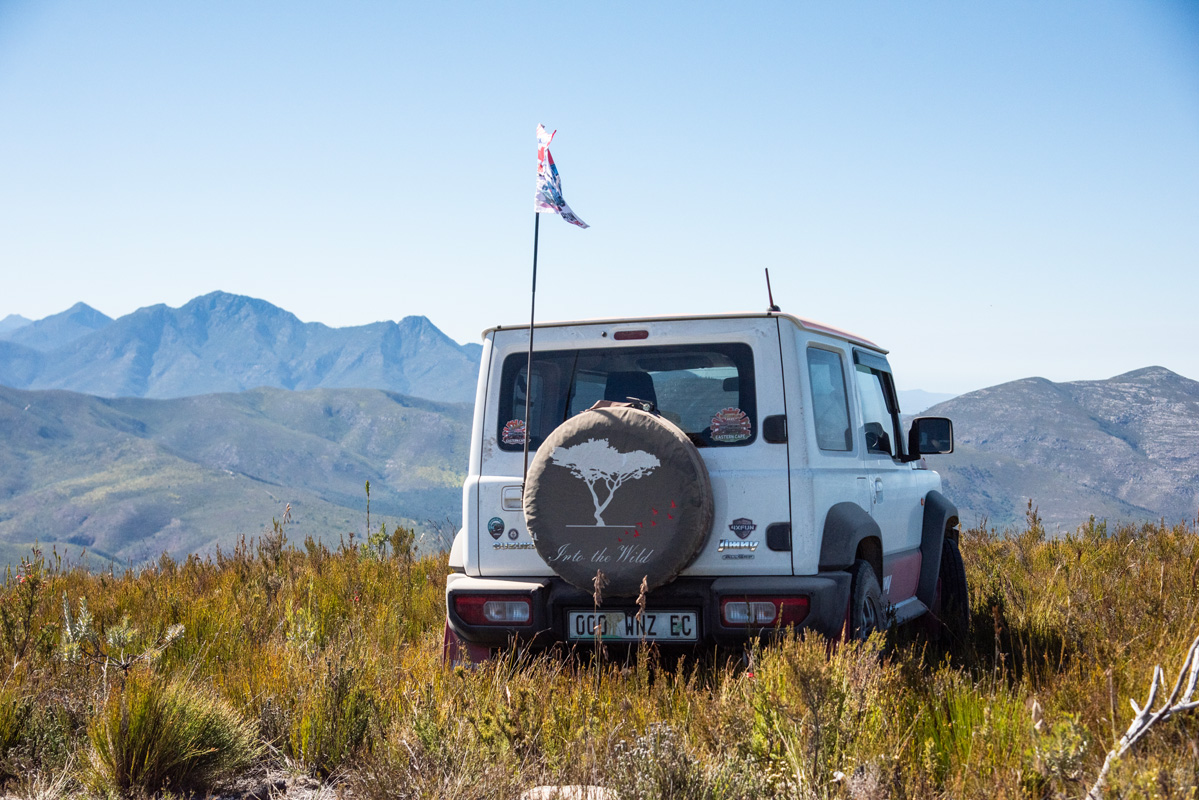
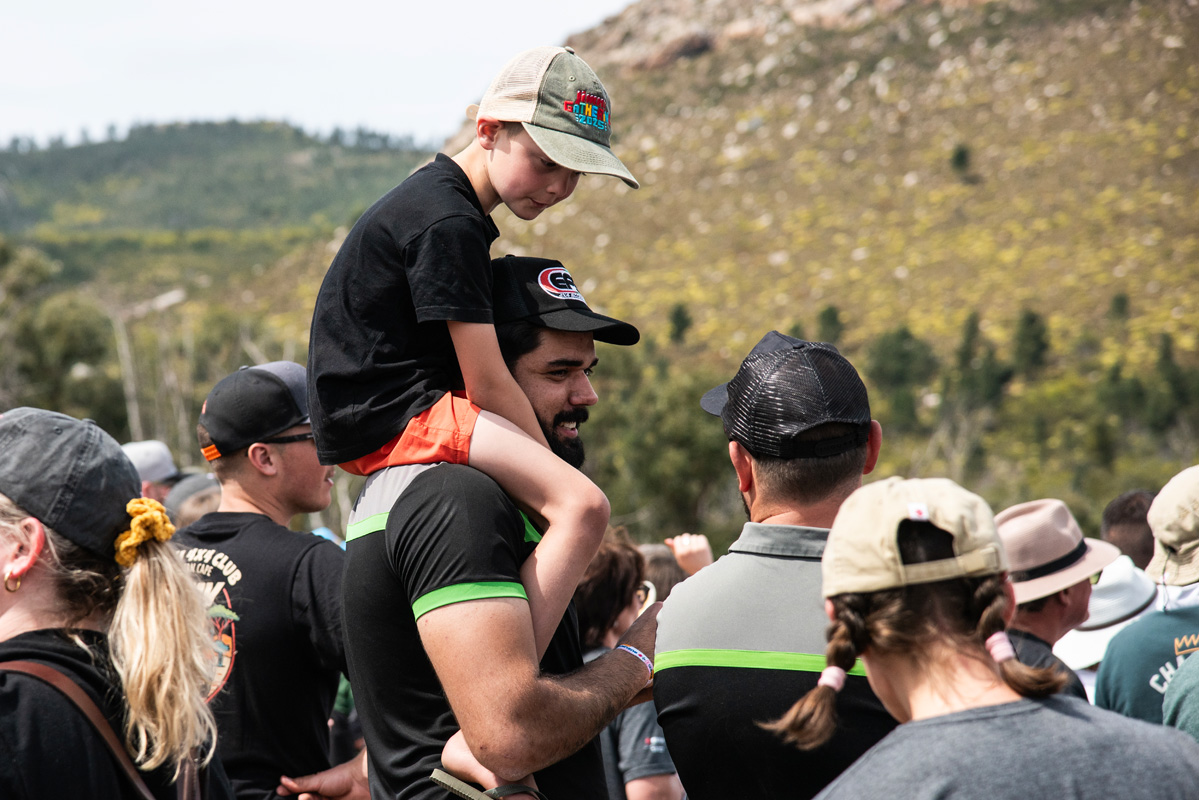
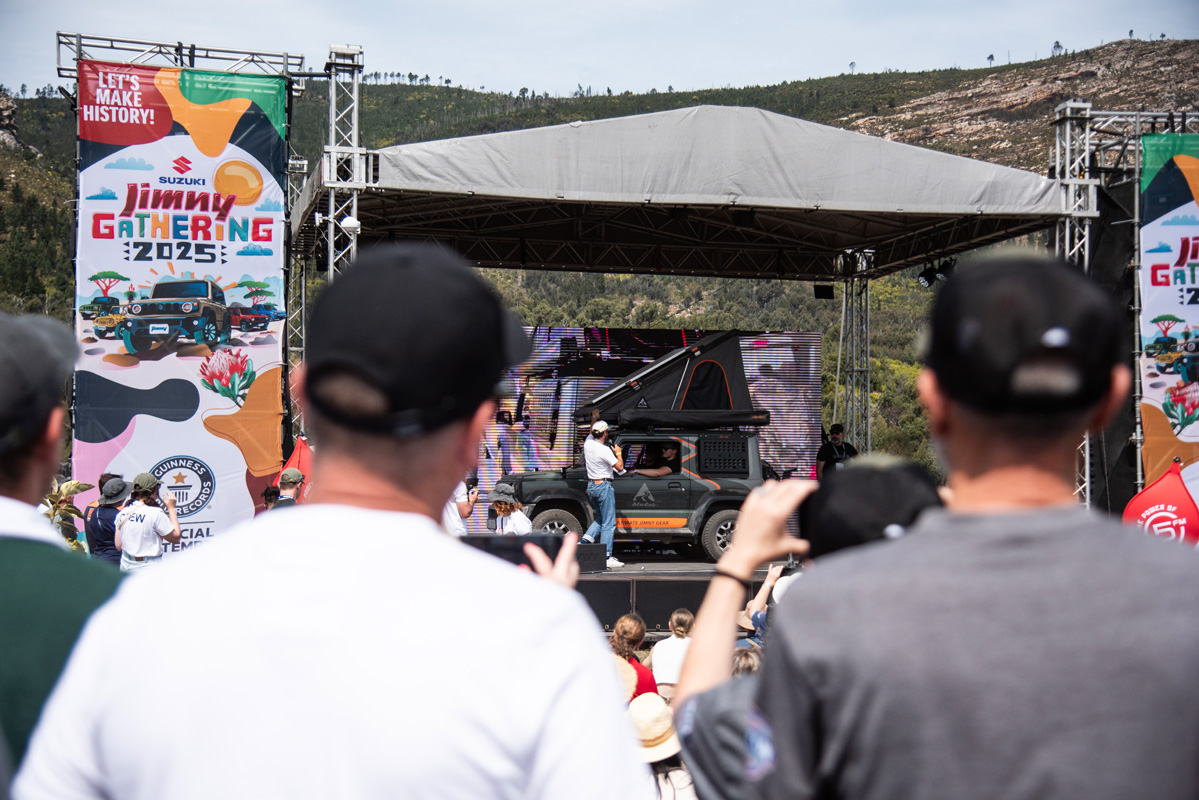
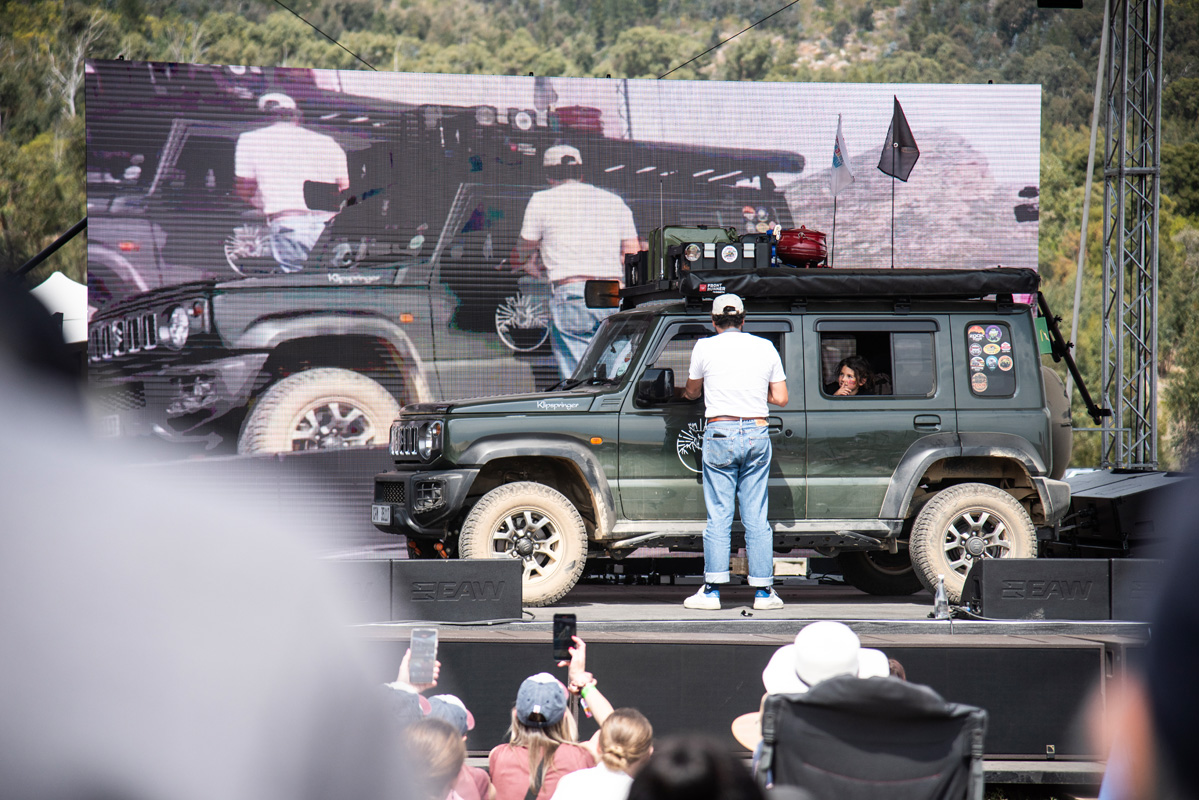
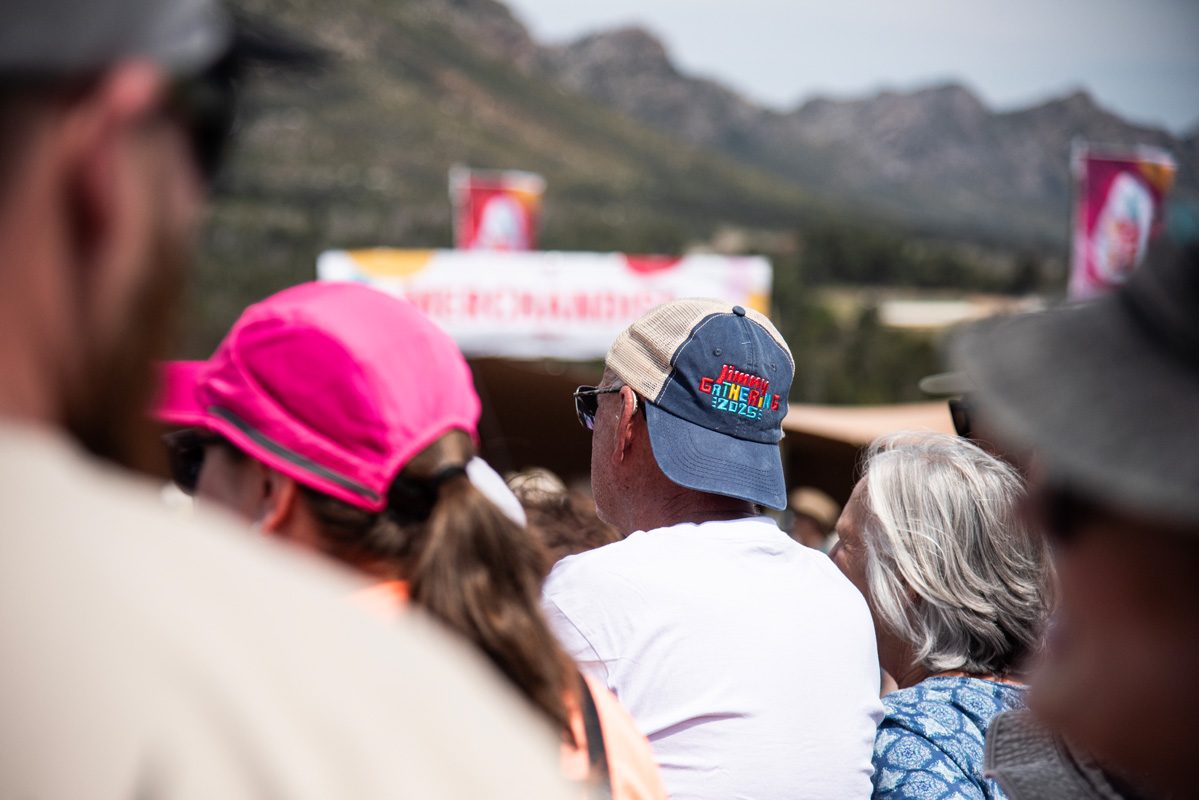
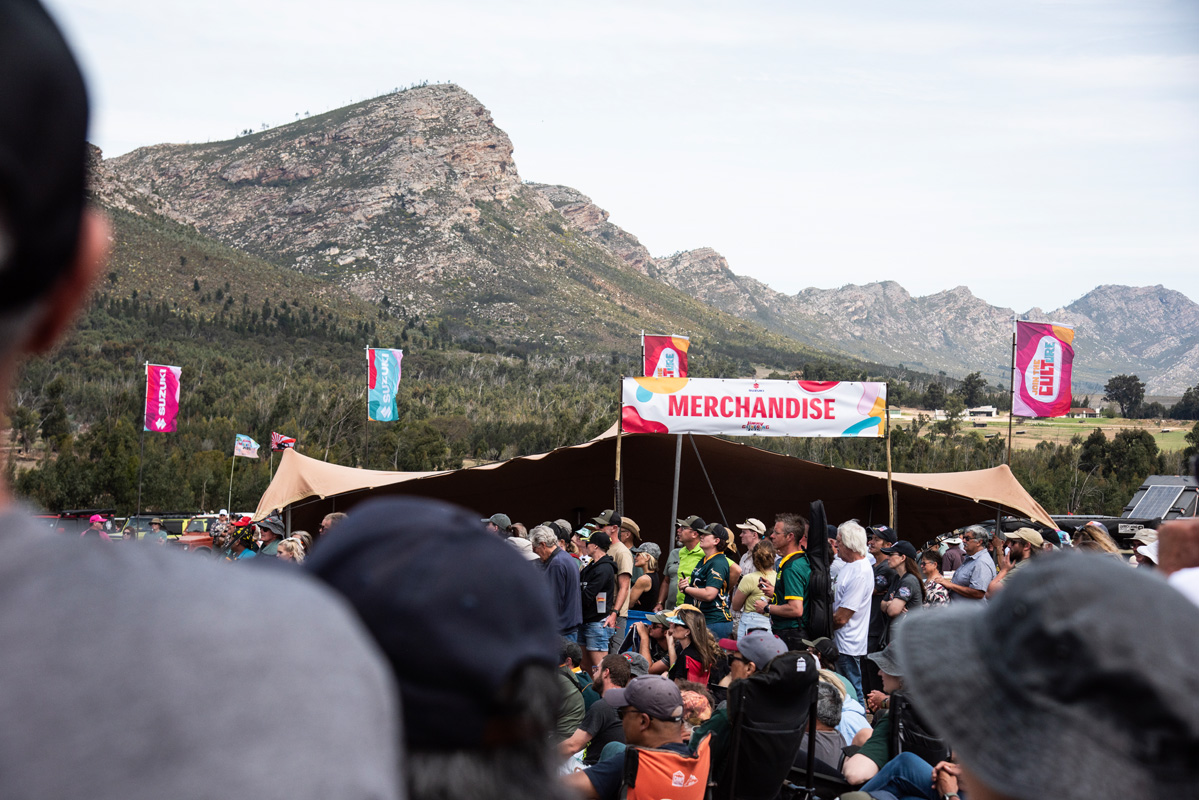
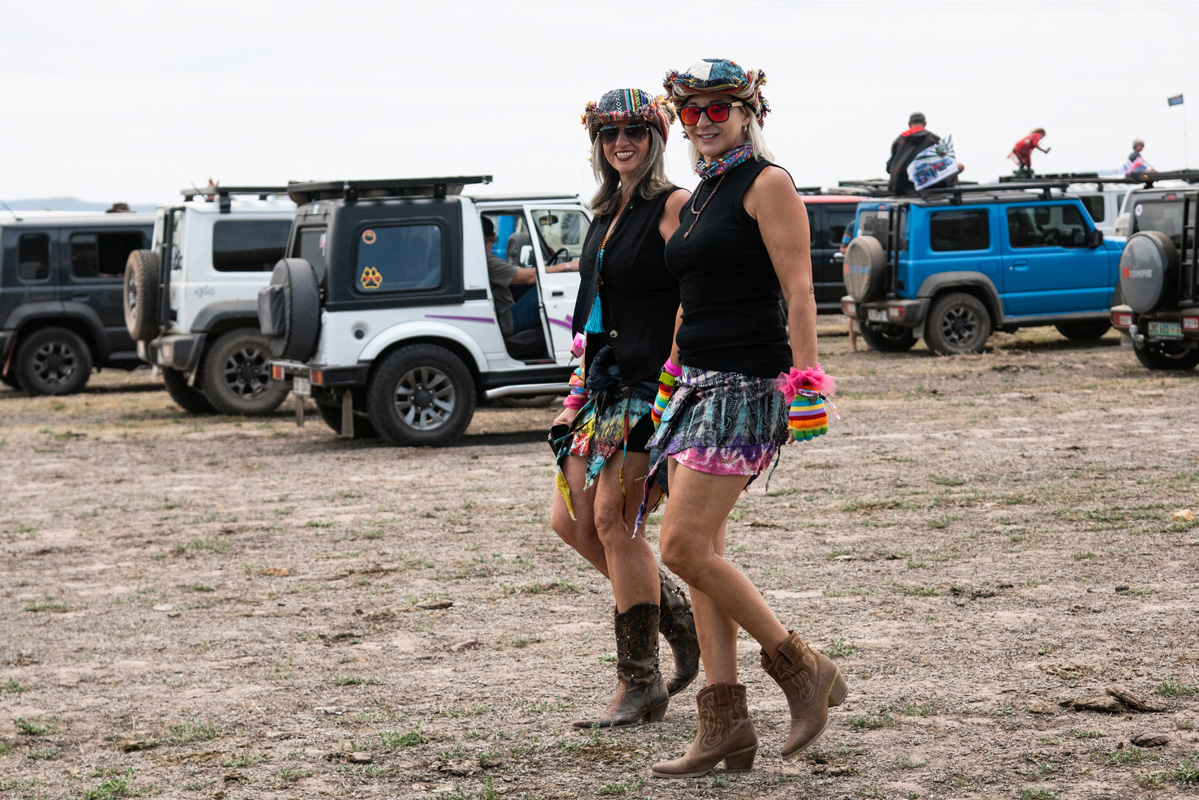
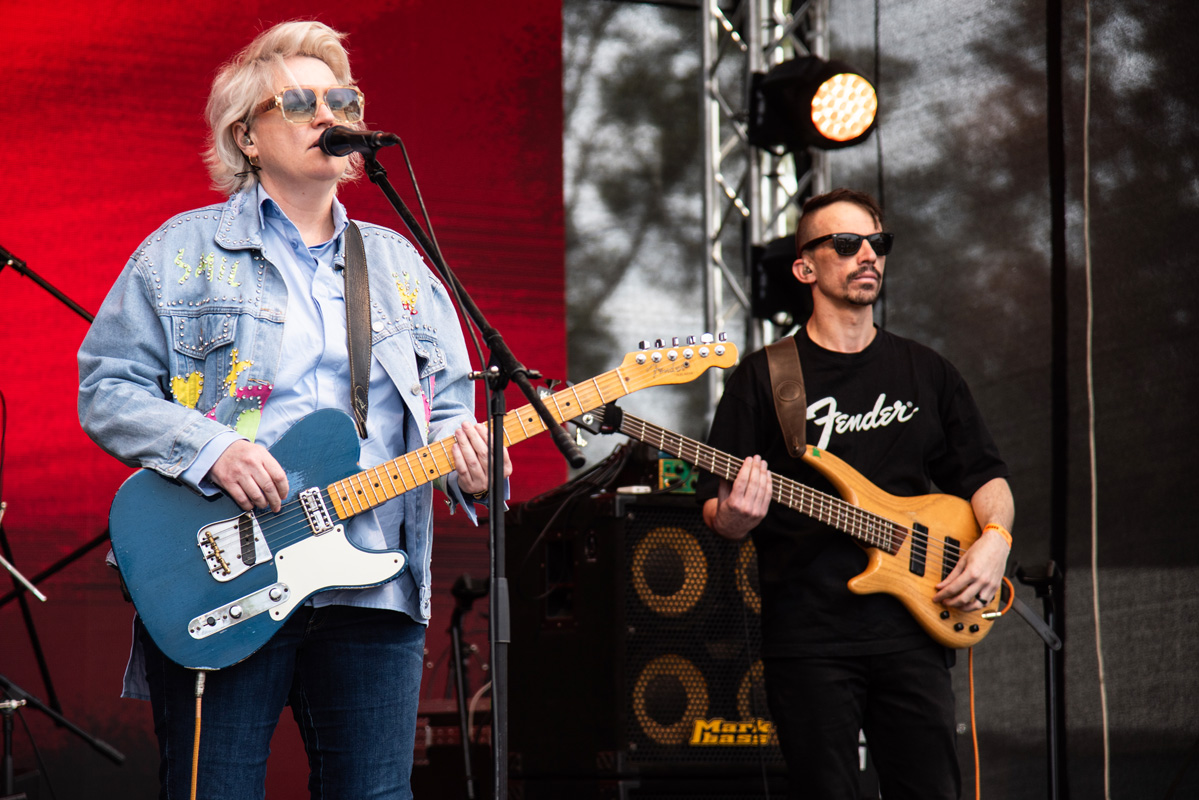
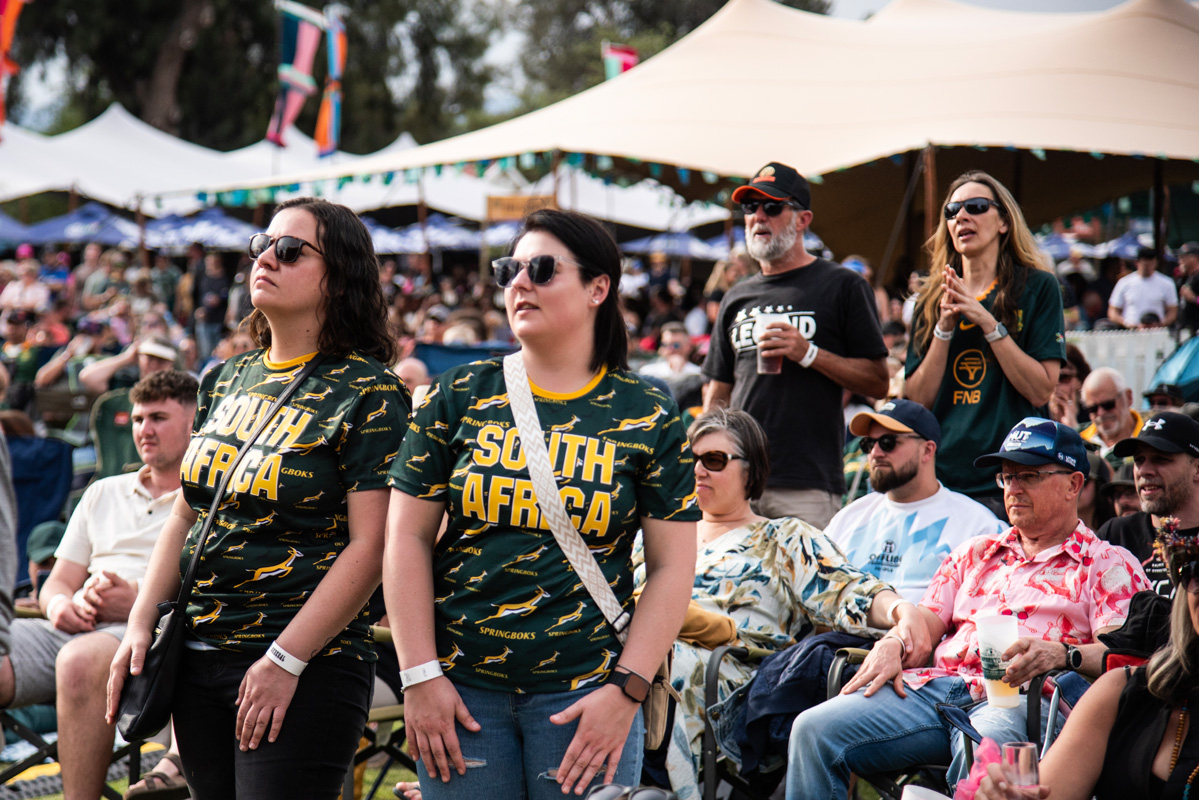
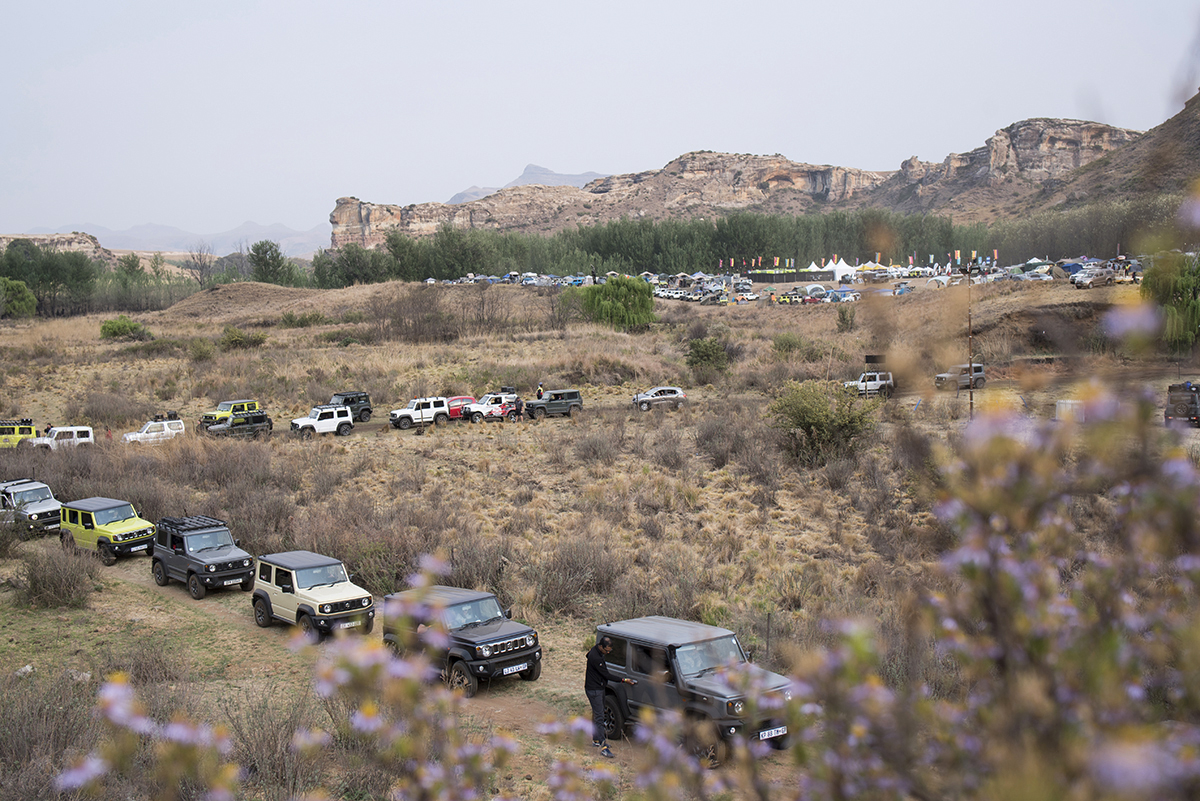
Another year, another venue and another record under the belt, the Jimny gathering never disappoints! This year’s event took place closer to the coast, but in typical Jimny fashion, it had to be up in the hills, so Louvain Guest Farm in the Western Cape was the place to meet. The weekend revolved around good music, the Springboks battling against Argentina, off-roading, a Jimny Pageant, another record attempt, and a gathering of old, new, three and five-door Jimnys—showcasing how a vehicle can bring people from all walks of life and ages together.
Photo credit: ZA Lifestyle
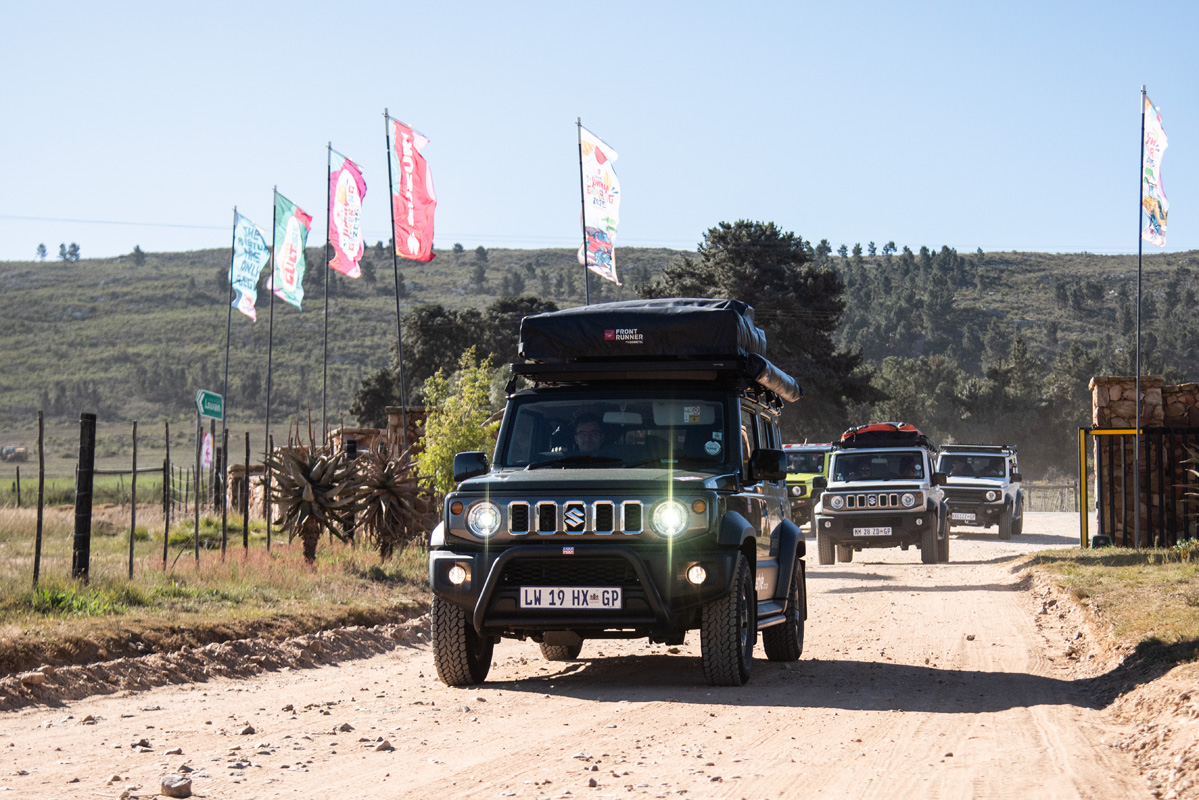
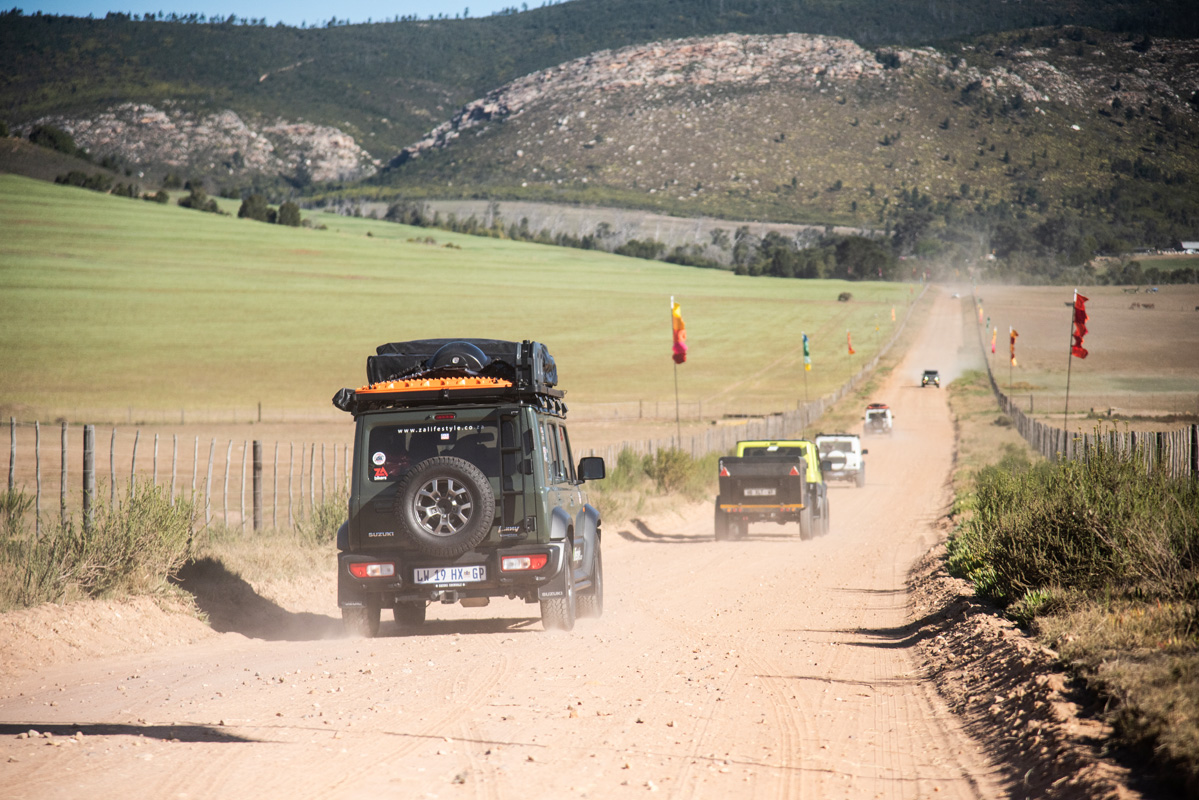
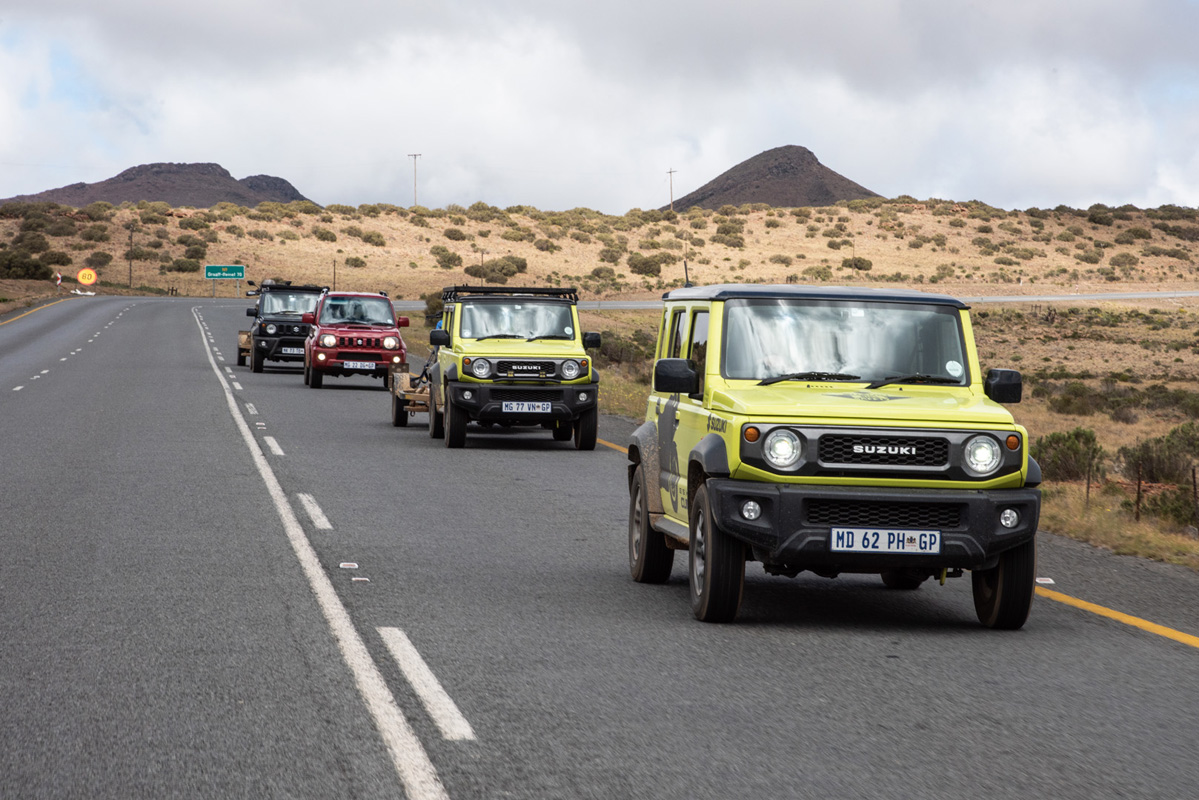
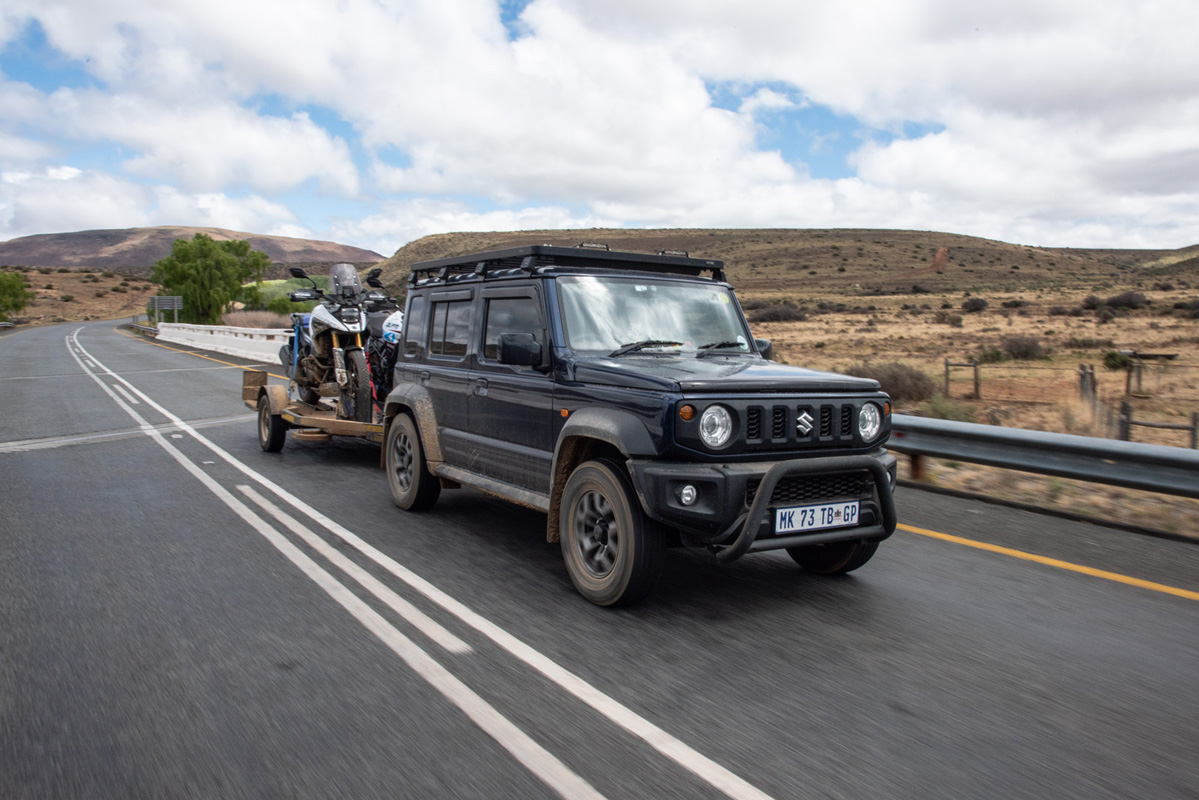
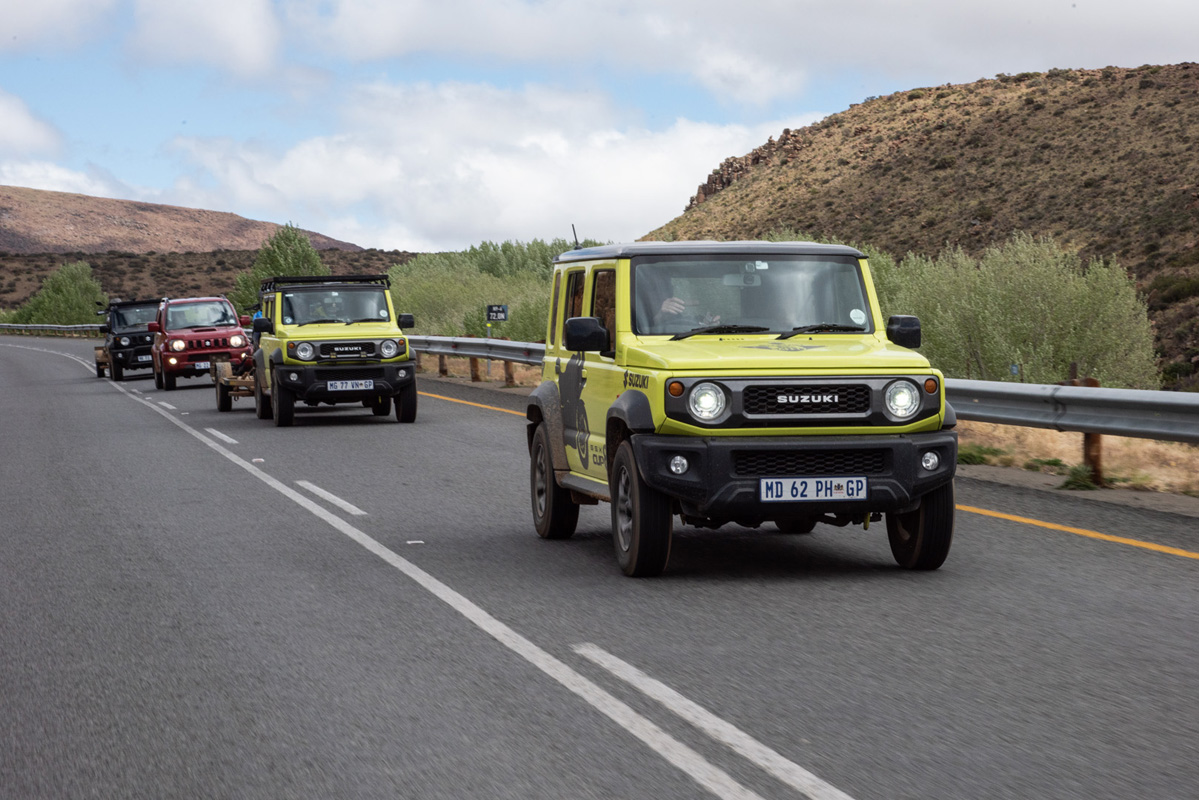
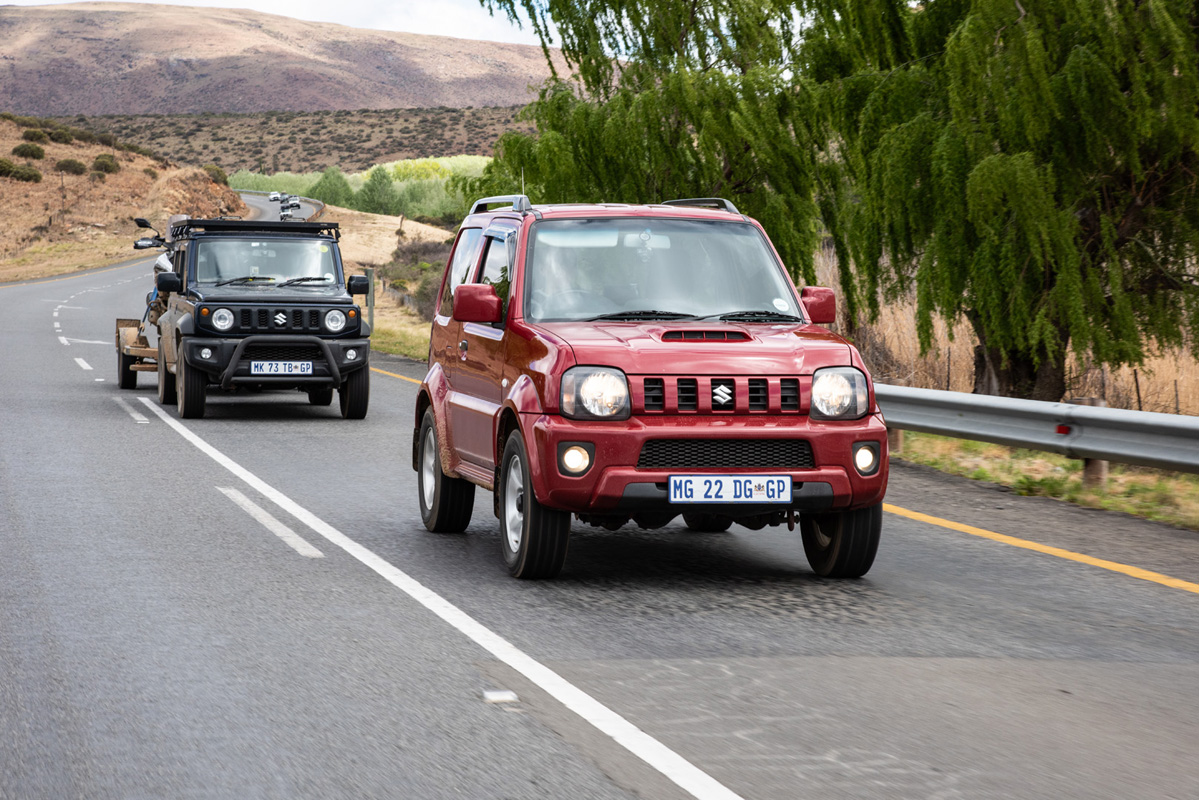
If you drive a Jimny, you know the journey of getting to the place is just as important, and that’s where the Jimny migration comes in. Before the event had begun, the migration was the little starter, before the mains. The migration saw Jimnys from all over the country meeting up and driving together or passing each other by on the way to the main event. This year, we joined in parts of the migration from Gauteng to Gariep Dam and from Gariep to Louvain.
Photo credit: ZA Lifestyle
The Forever Resort at the Gariep Dam was the perfect stopover for those heading down from Gauteng to George. Suzuki Auto South Africa looked after their supporters by making space available at the resort, just a mere 180 km south of Bloemfontein. The resort has a spectacular dam view, whether you opt for the camping option or the chalets. We estimated roughly 300 Jimnys staying overnight at the resort, and around 80 odd drove in a convoy the next day. For us, it went as follows: leave ‘GP’ on Thursday, drive from Gariep on Friday to Louvain for the weekend, and on Monday, the reverse of Thursday and Friday. Two awesome venues, plenty of fun in between and great memories created with close friends on the open road, and this isn’t even the Gathering part of it all.
Photo credit: ZA Lifestyle
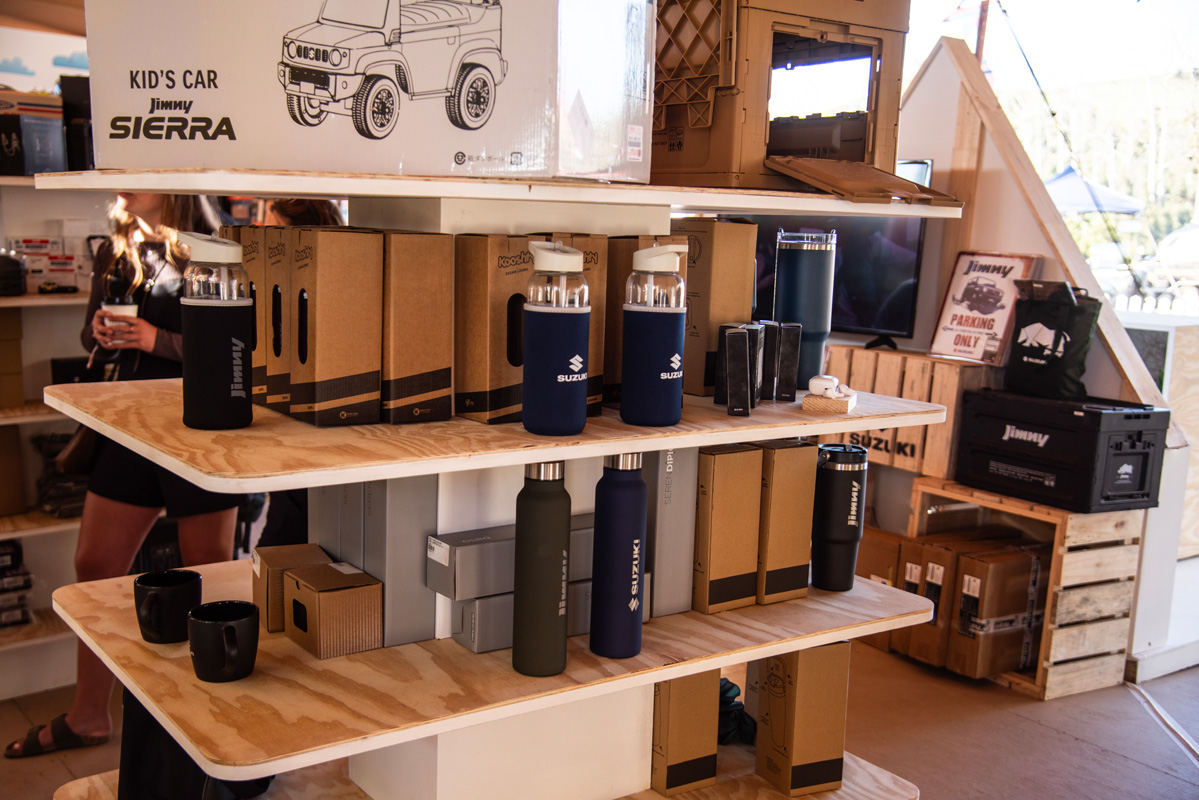
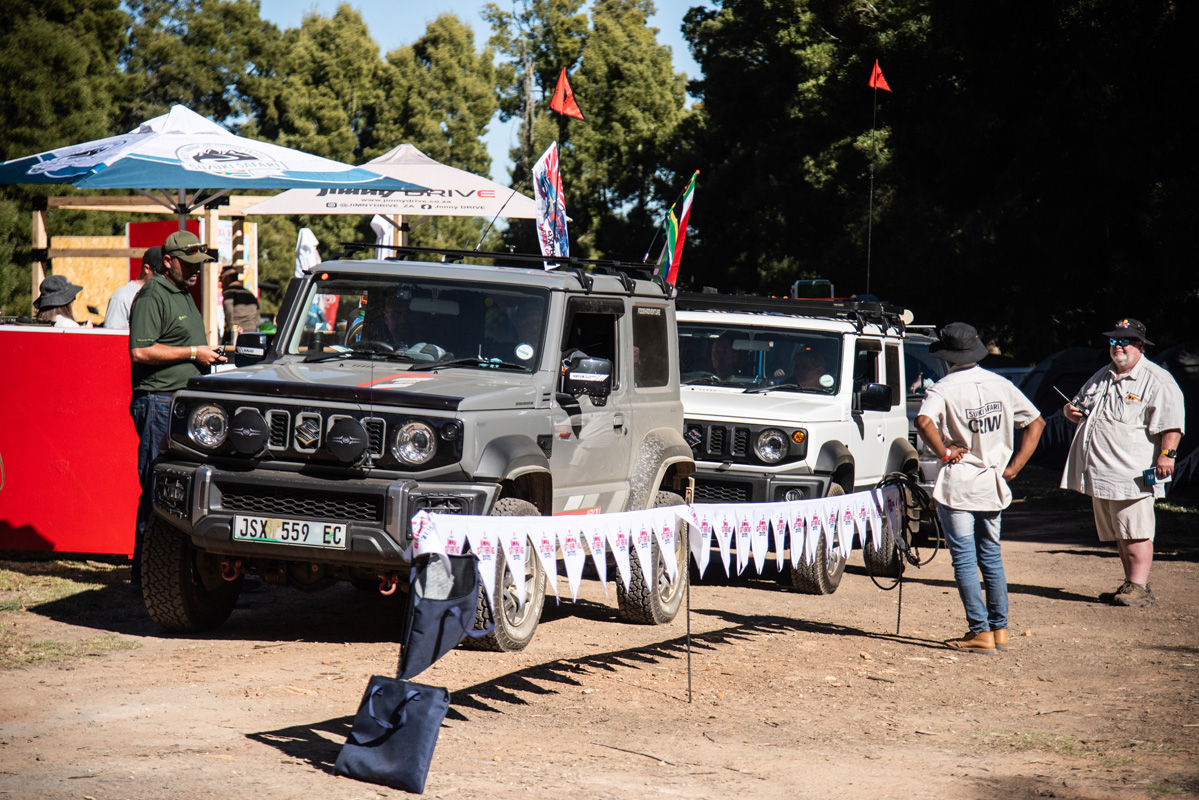
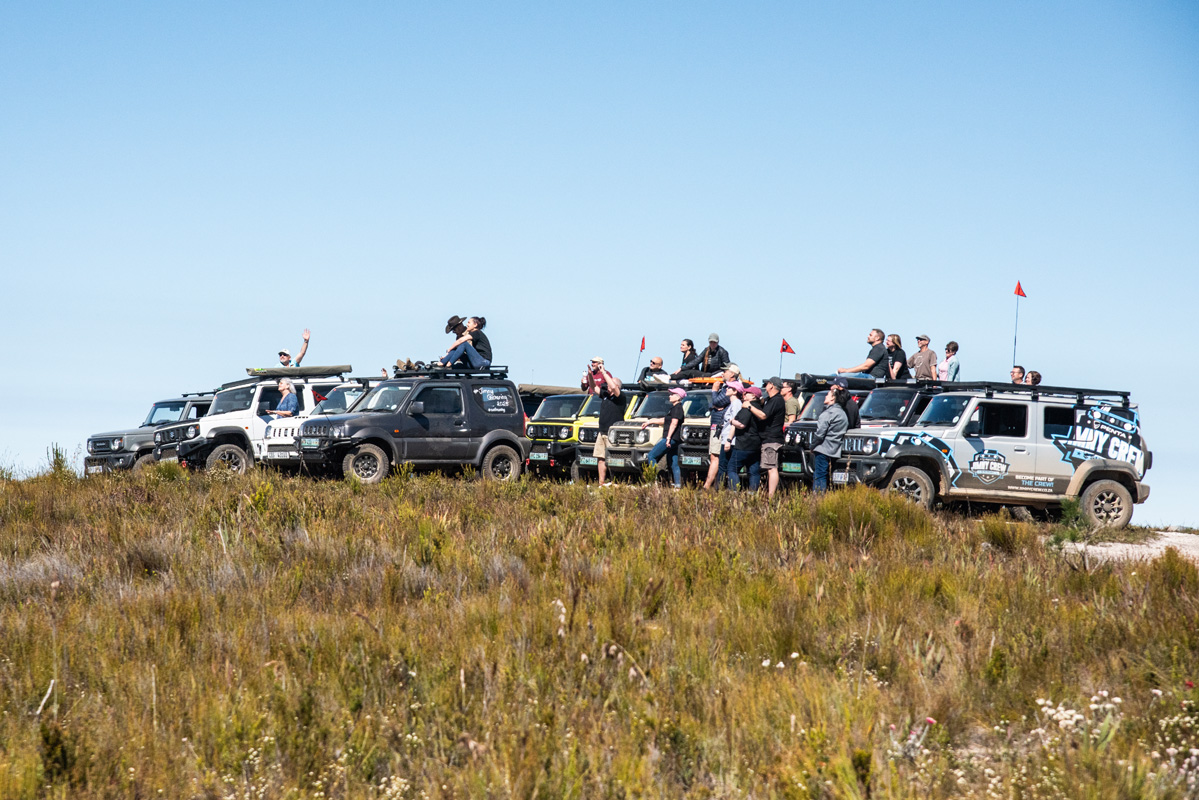
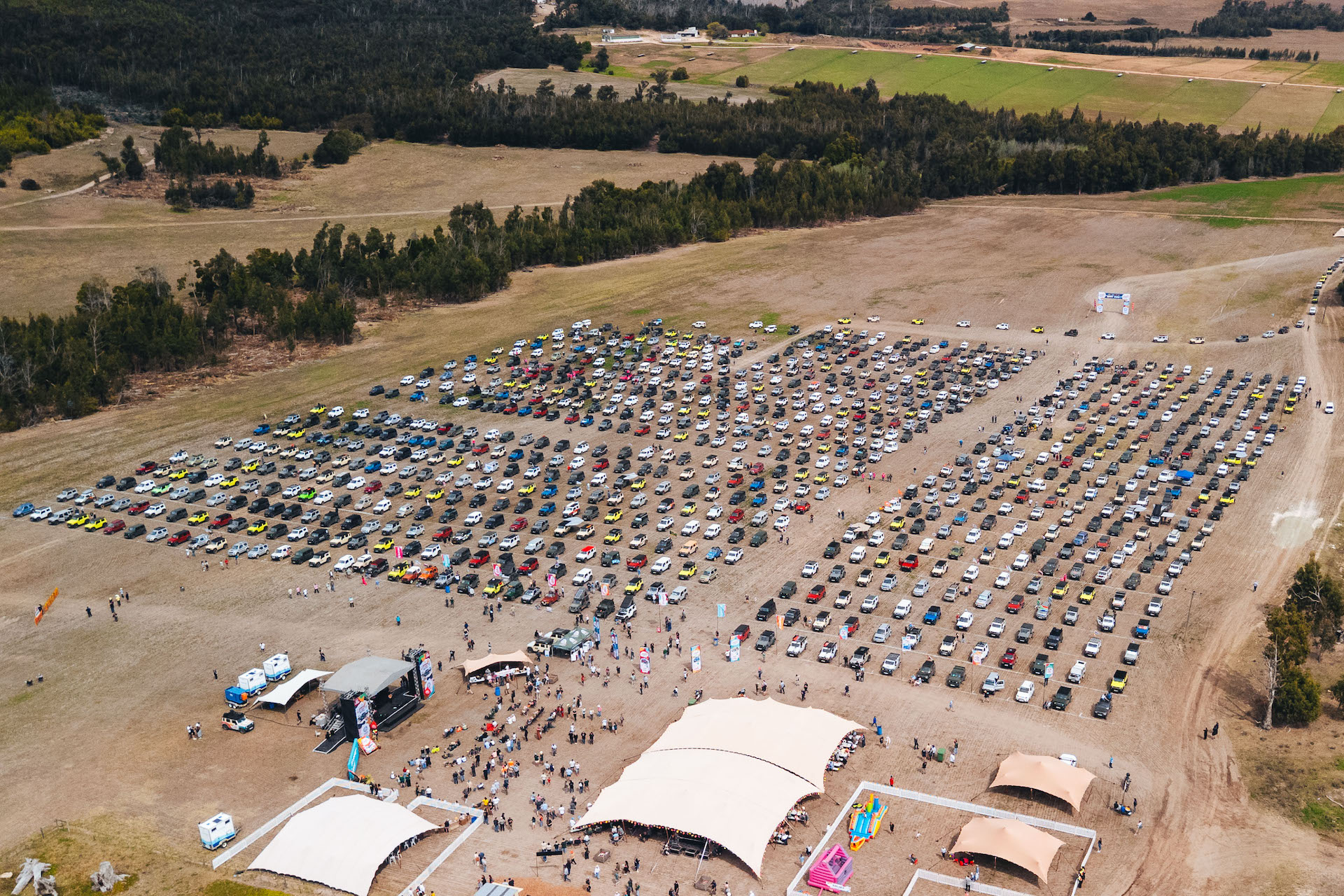
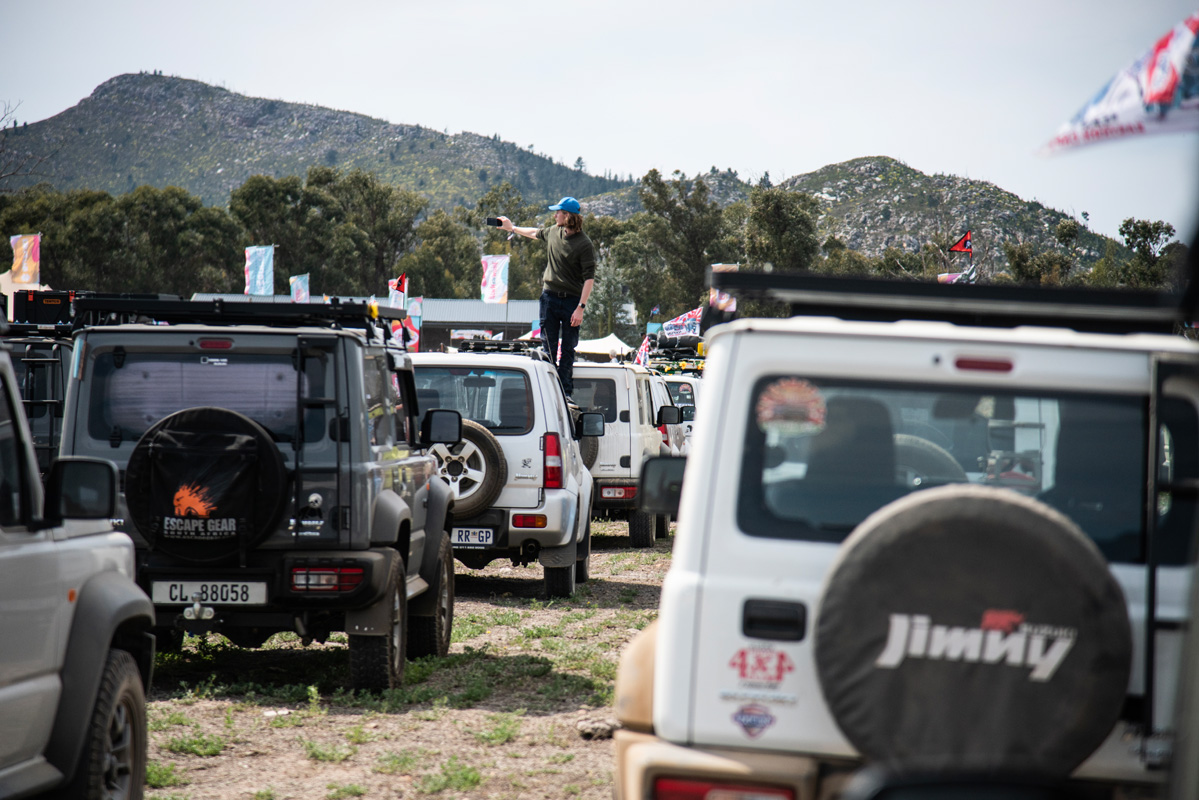
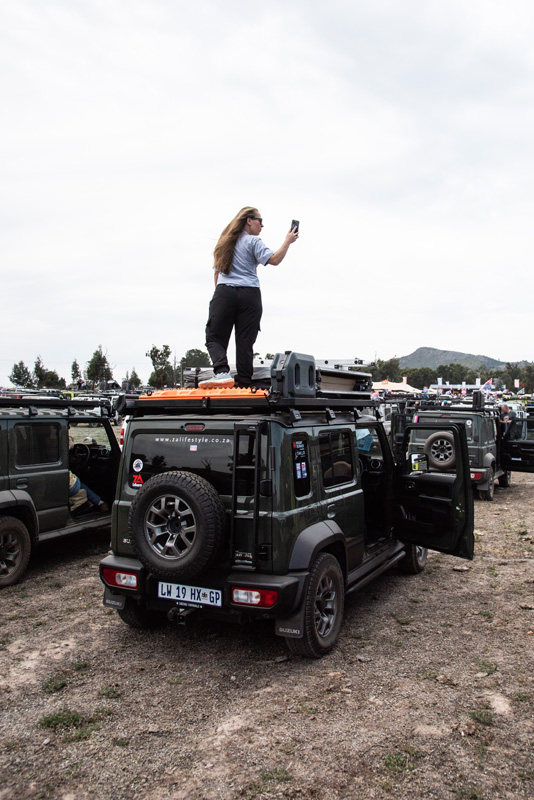
Pulling into Lovain on the Friday saw the new location welcome over a thousand Jimnys to a spread-out numbered campsite, featuring the Tiger Wheel & Tyre Fitment and Tyre Repair Centre, a Checkers Outdoor pop-up shop, all the heritage Jimny models, new OEM parts were on show and a fully stocked merchandise store filled with Jimny Gathering and Jimny clothing and accessories. Meredith wasted no time diving in with her own funds to collect a few thousand rands worth of merch. The merch store almost sold out every single day, which goes to show that we, Suzuki and Jimny fans, want to connect and live the brand, so I hope we get to see dealers soon stock more of the merch seen at the gathering.
1 of 10
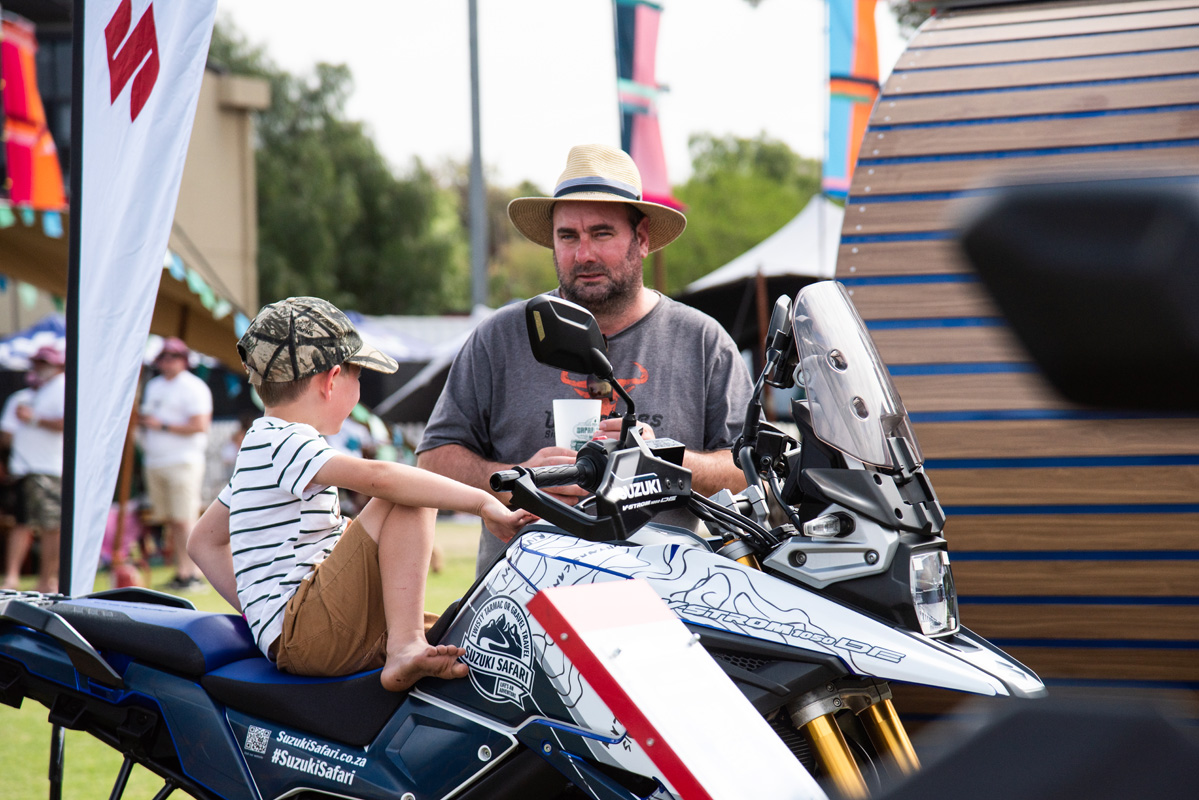
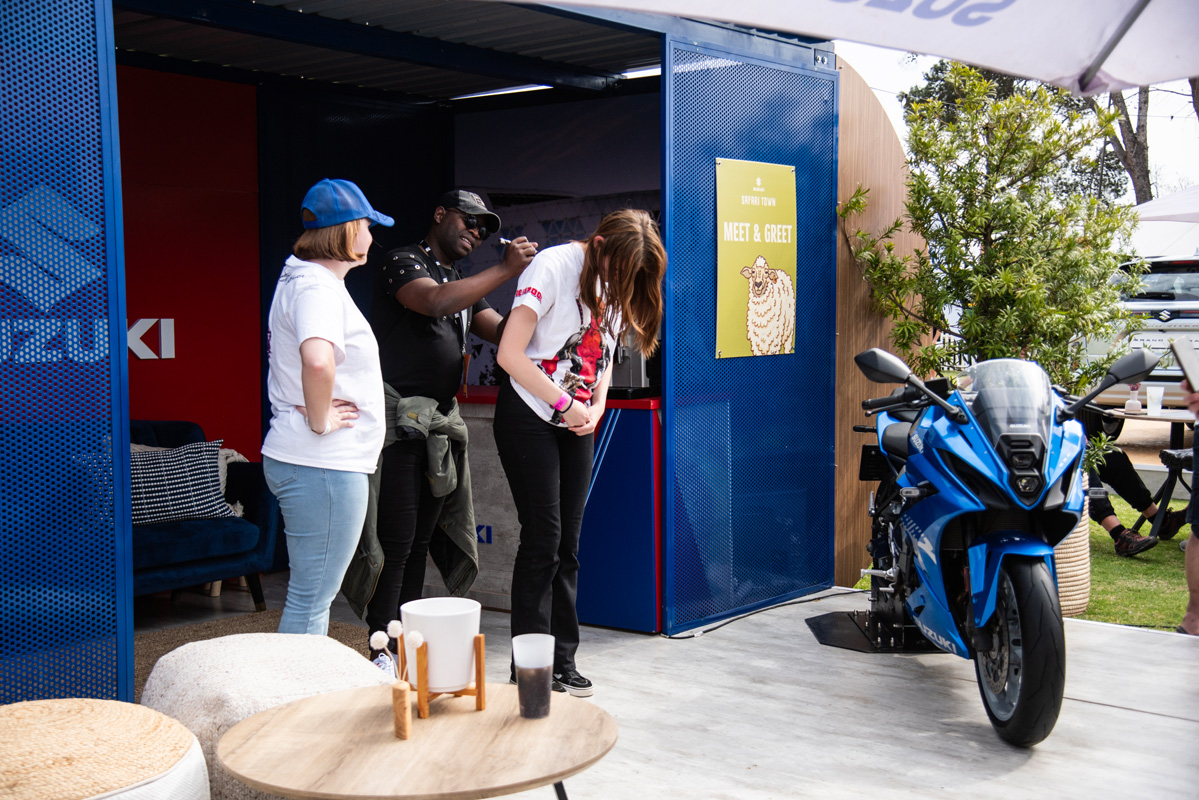
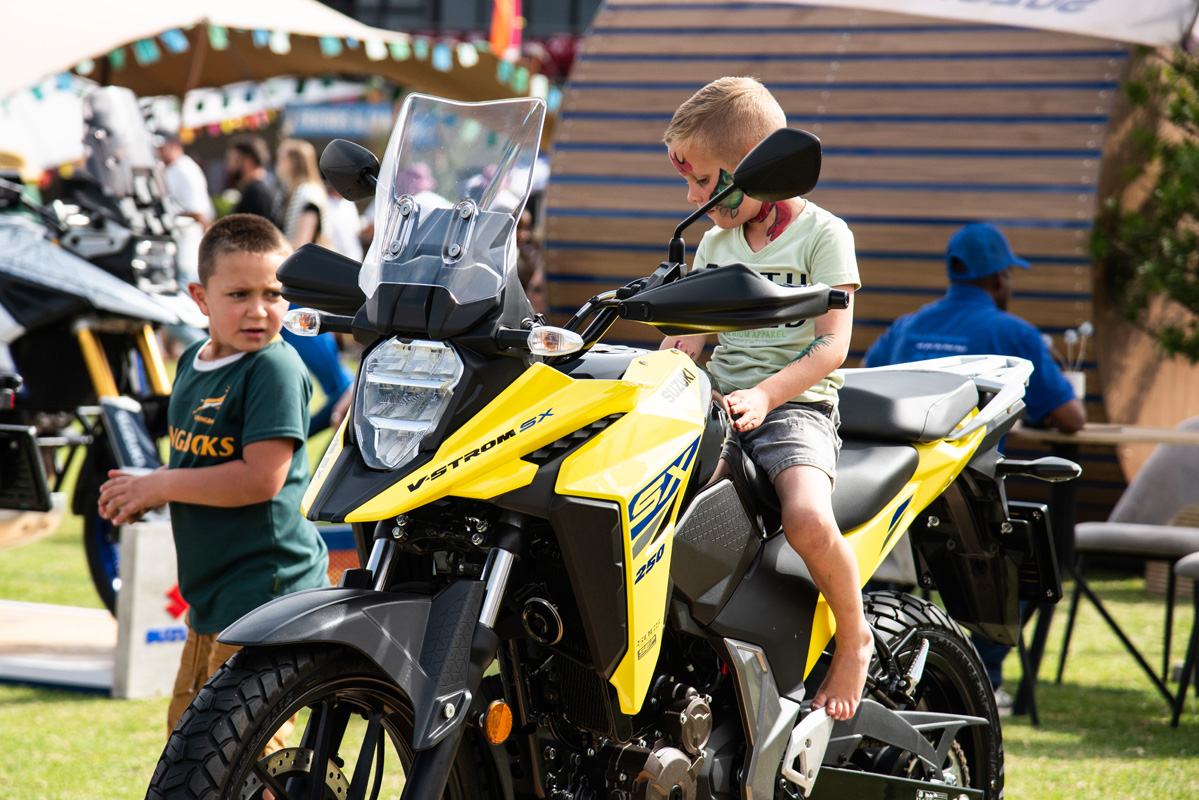
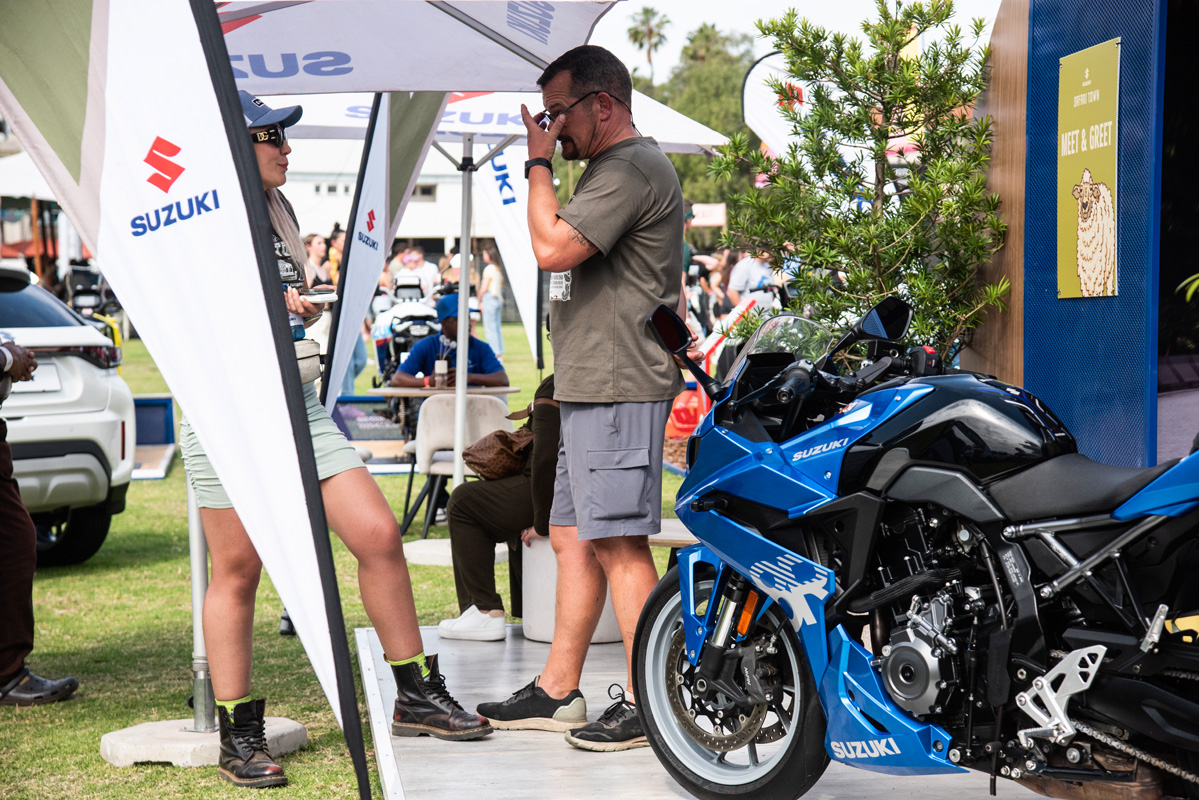
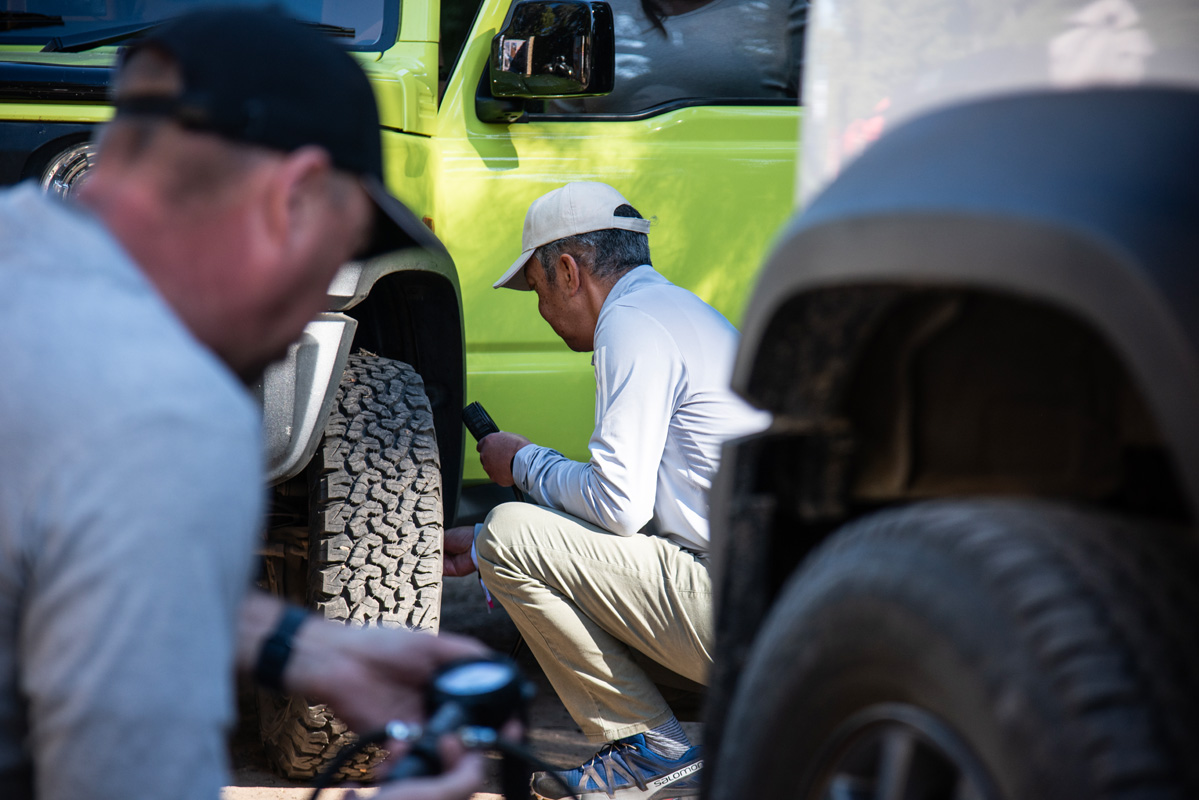
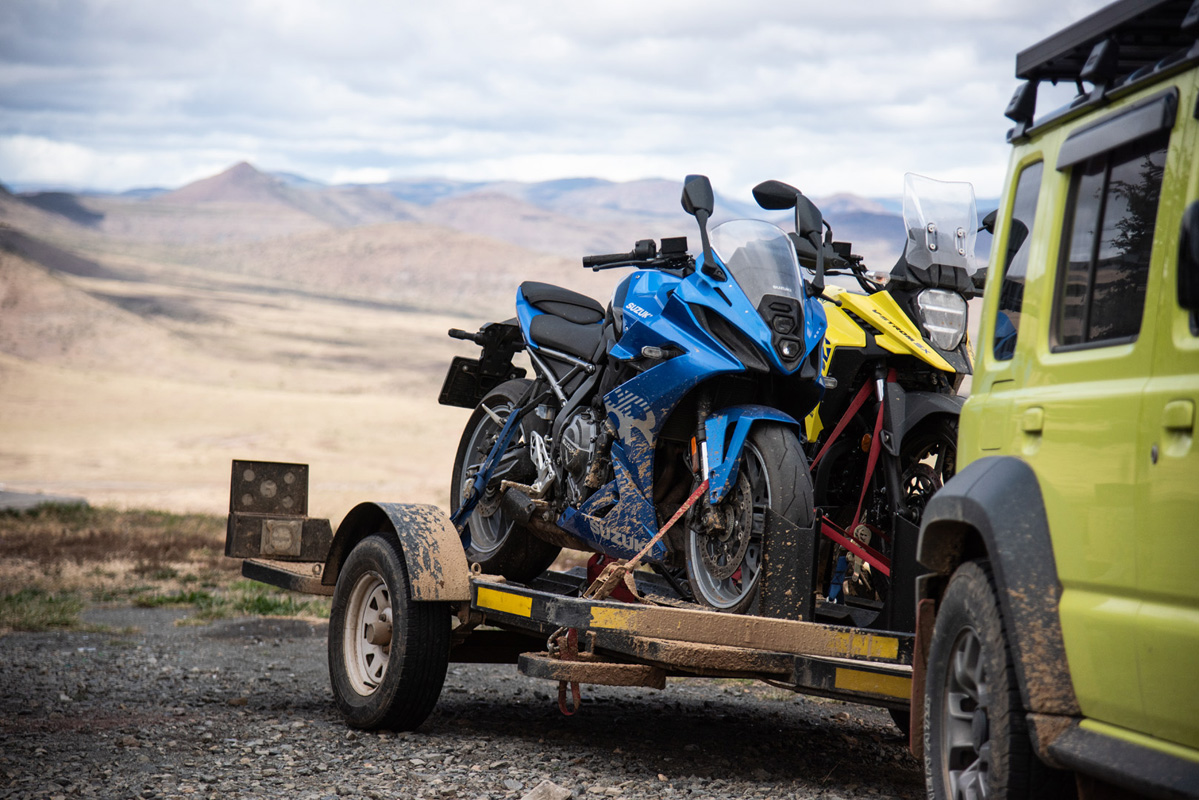
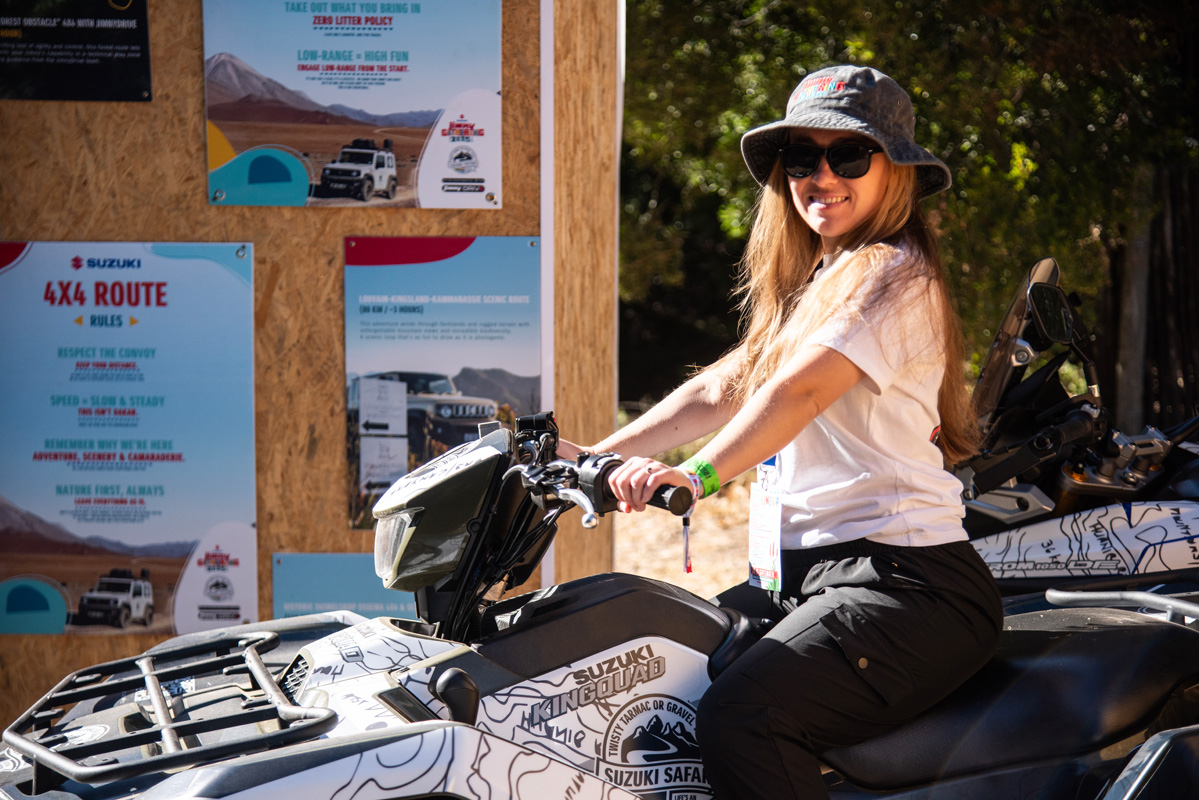
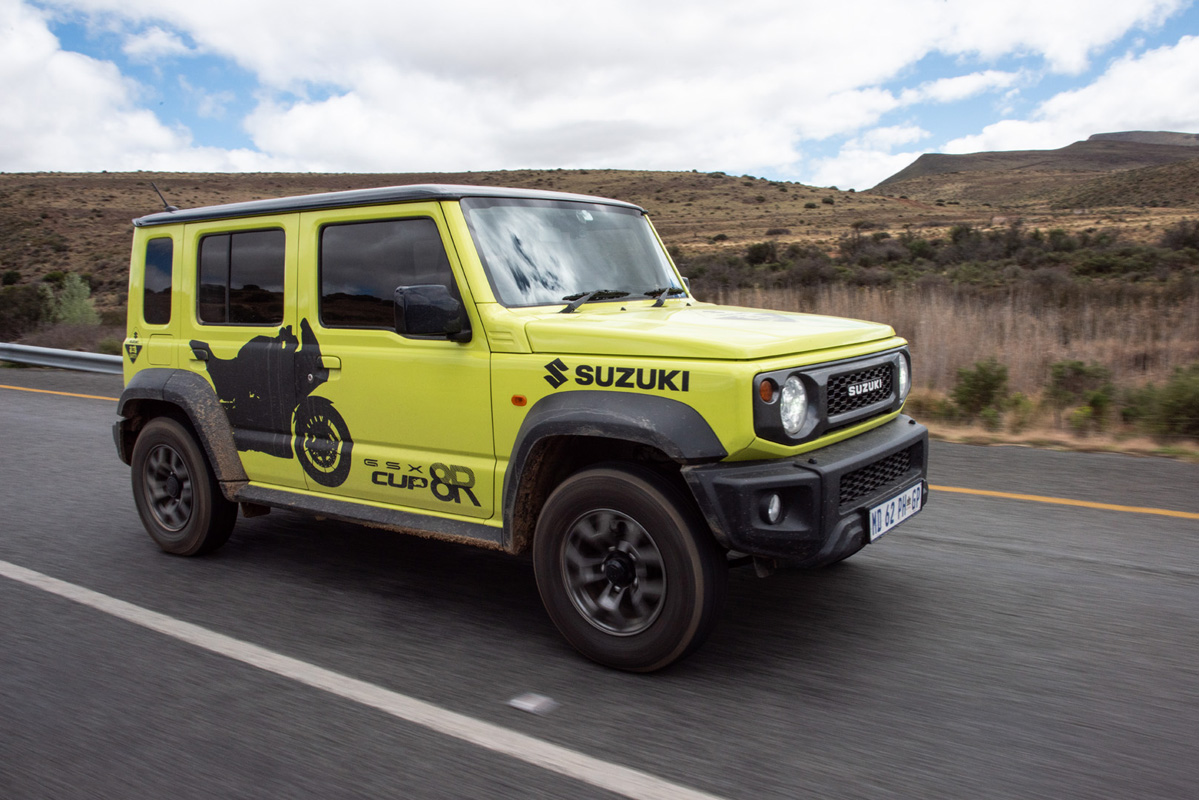
Suzuki’s motorcycle division was also at the event in force, helping out at the 4×4 course, merch store, and pop-up motorcycle showcases were seen grabbing attention at the Safari Town Festival and at the start line of the 4×4 course. We tagged along with the boys on the road and during the gathering. The amazing hospitality shown by the motorcycle and Auto divisions really enhanced our experience this year at the event. There’s just something about lifestyle vehicles and the Suzuki way of life that makes perfect sense.
1 of 31
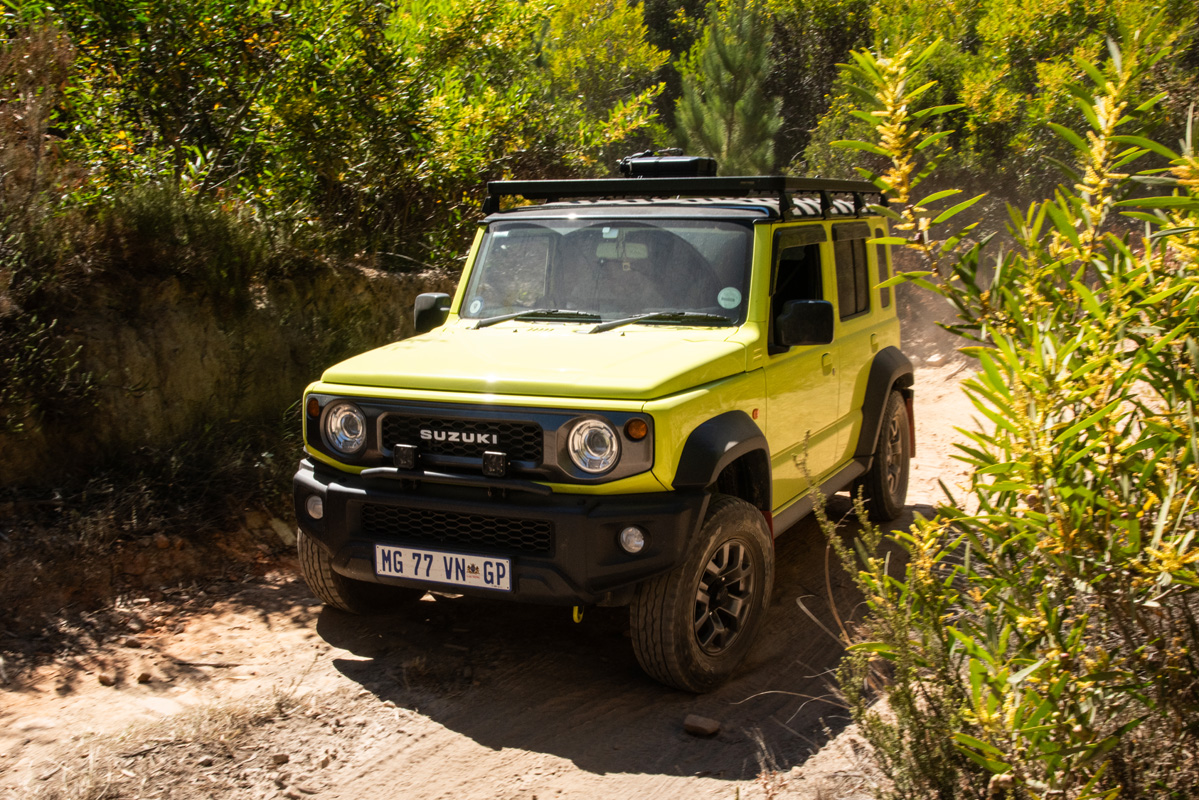
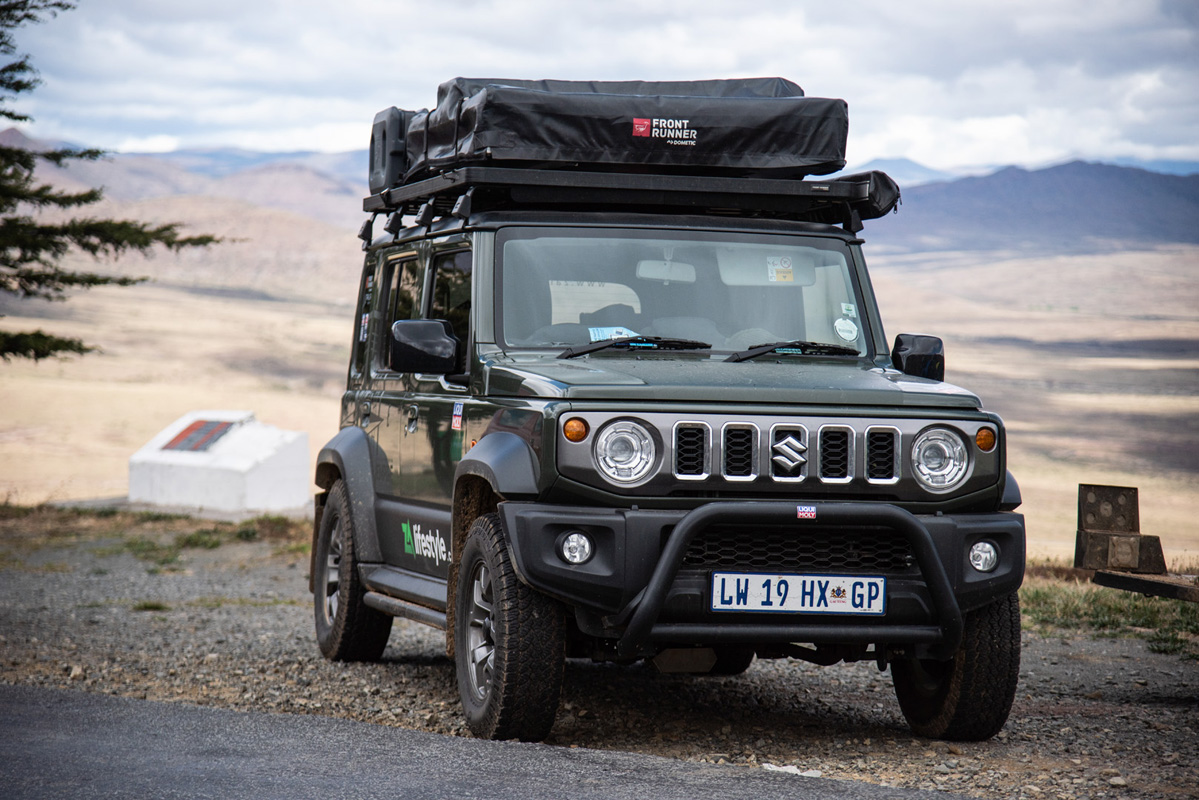
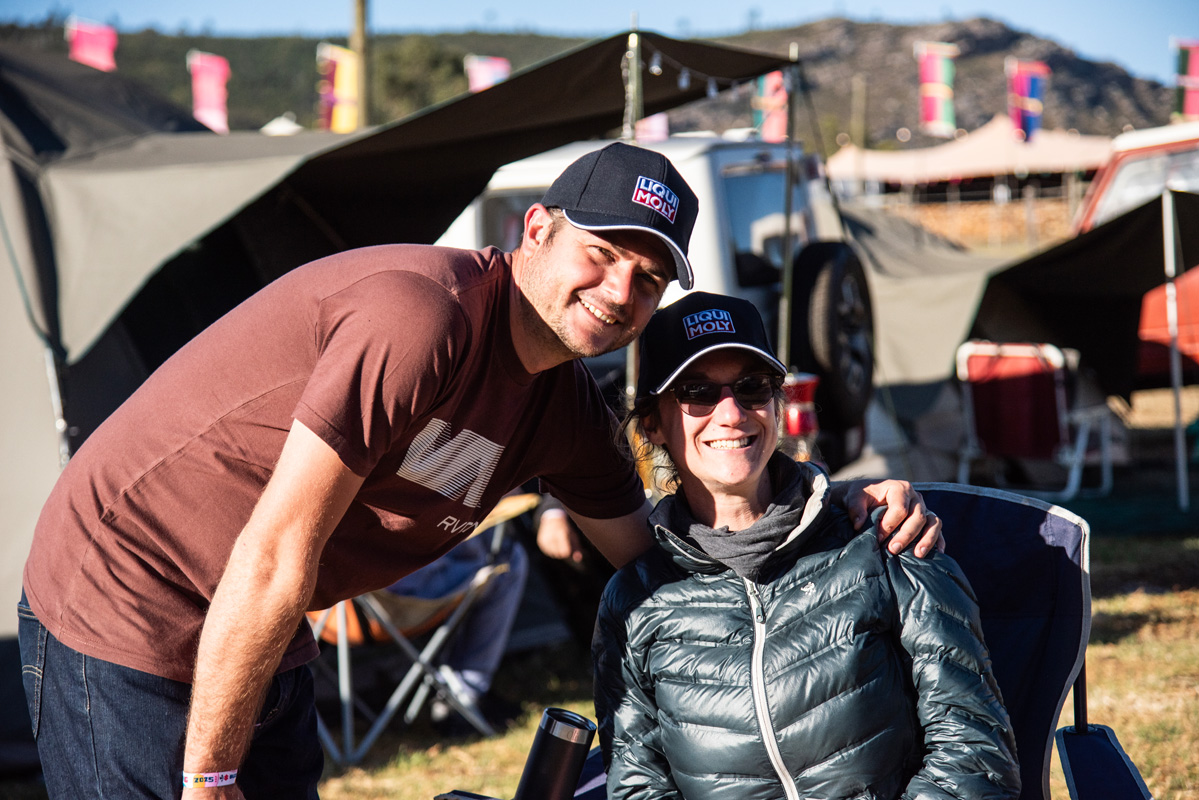
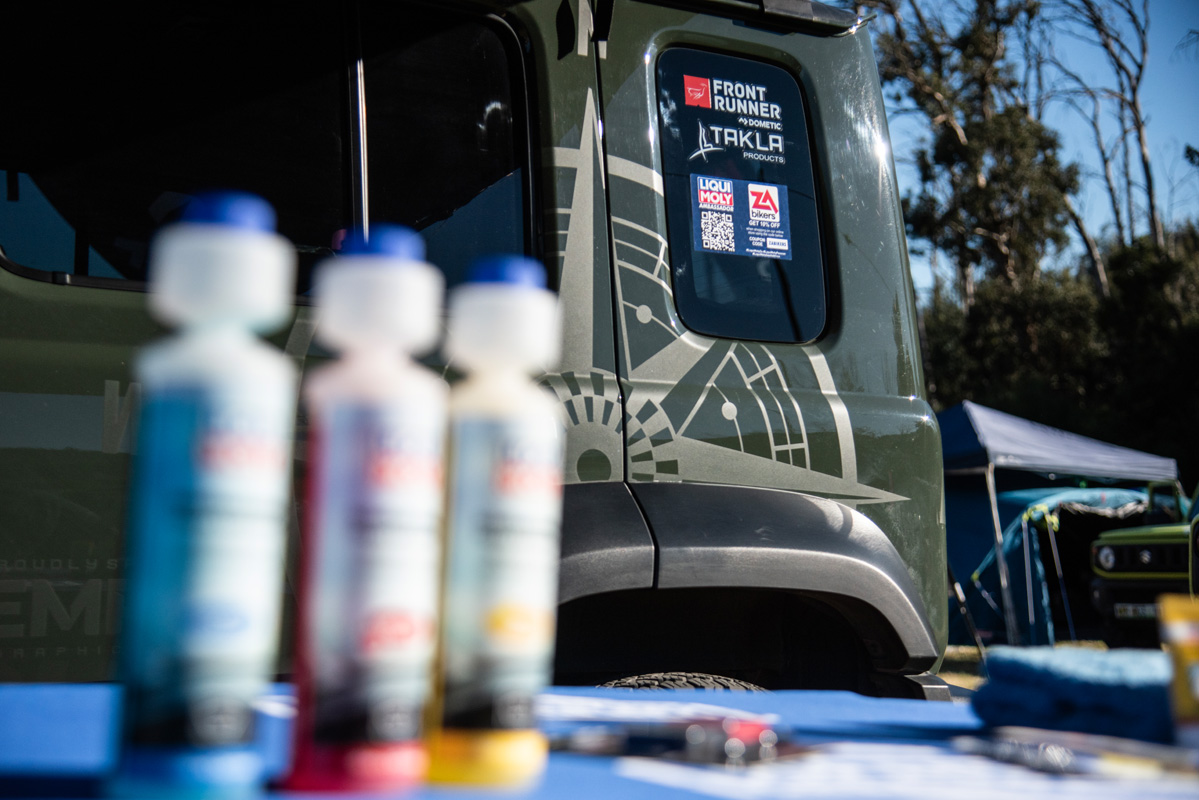
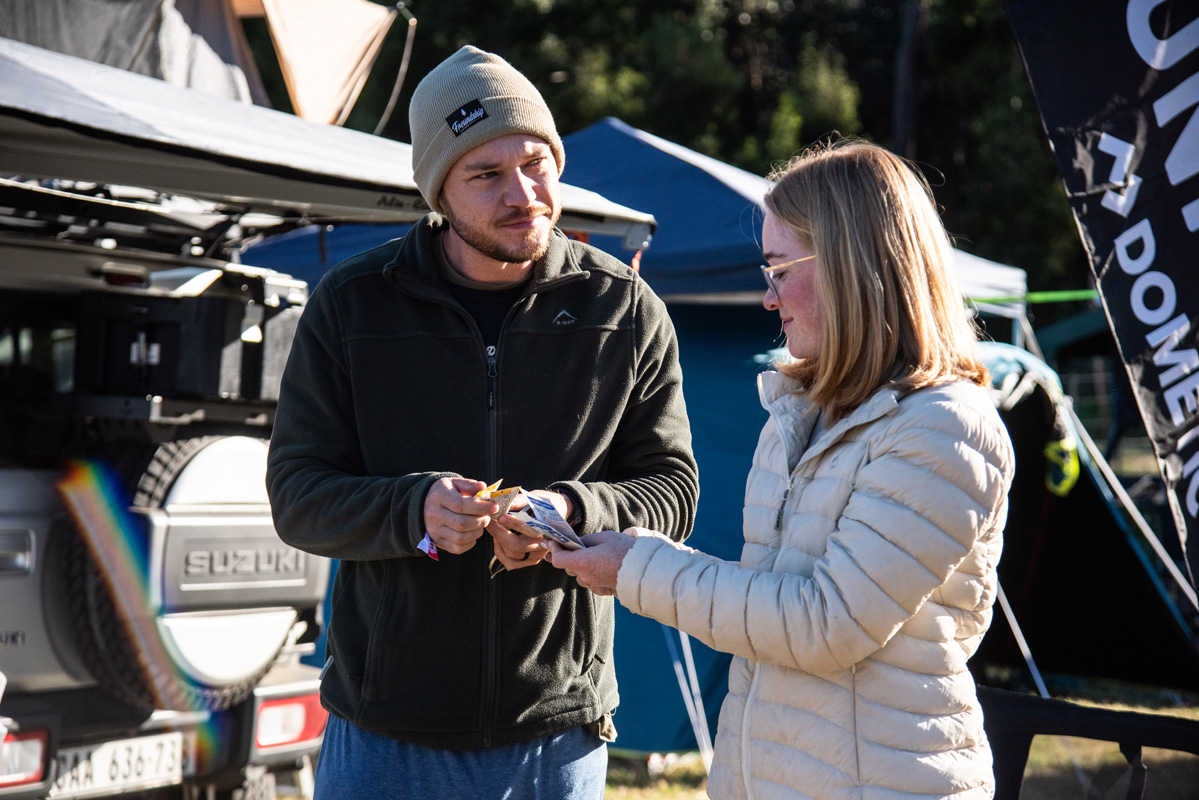
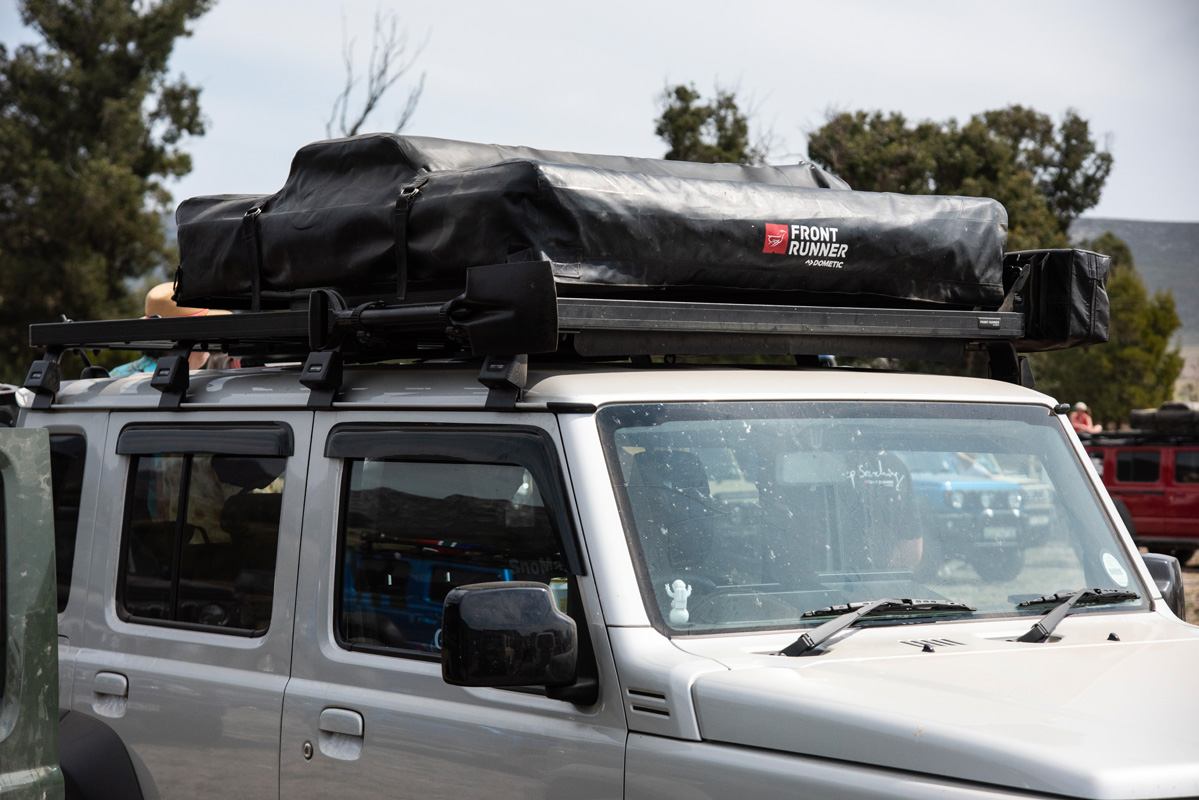
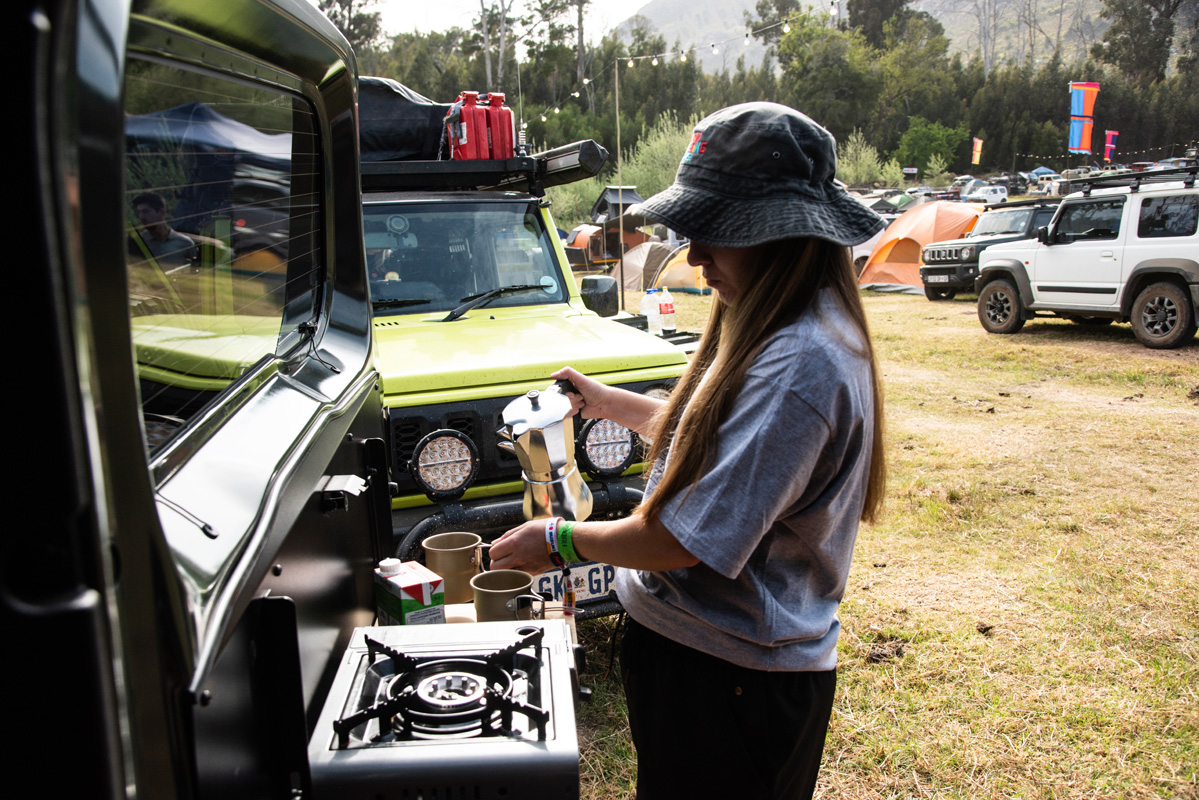
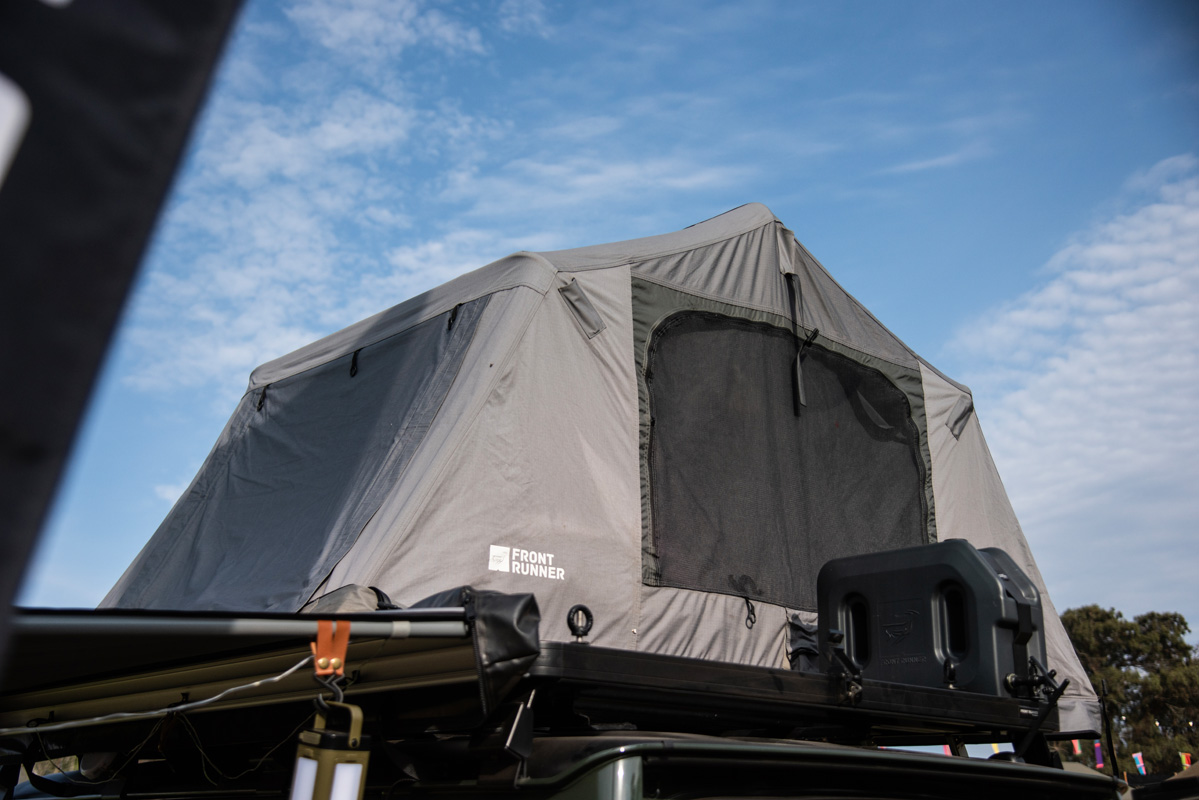
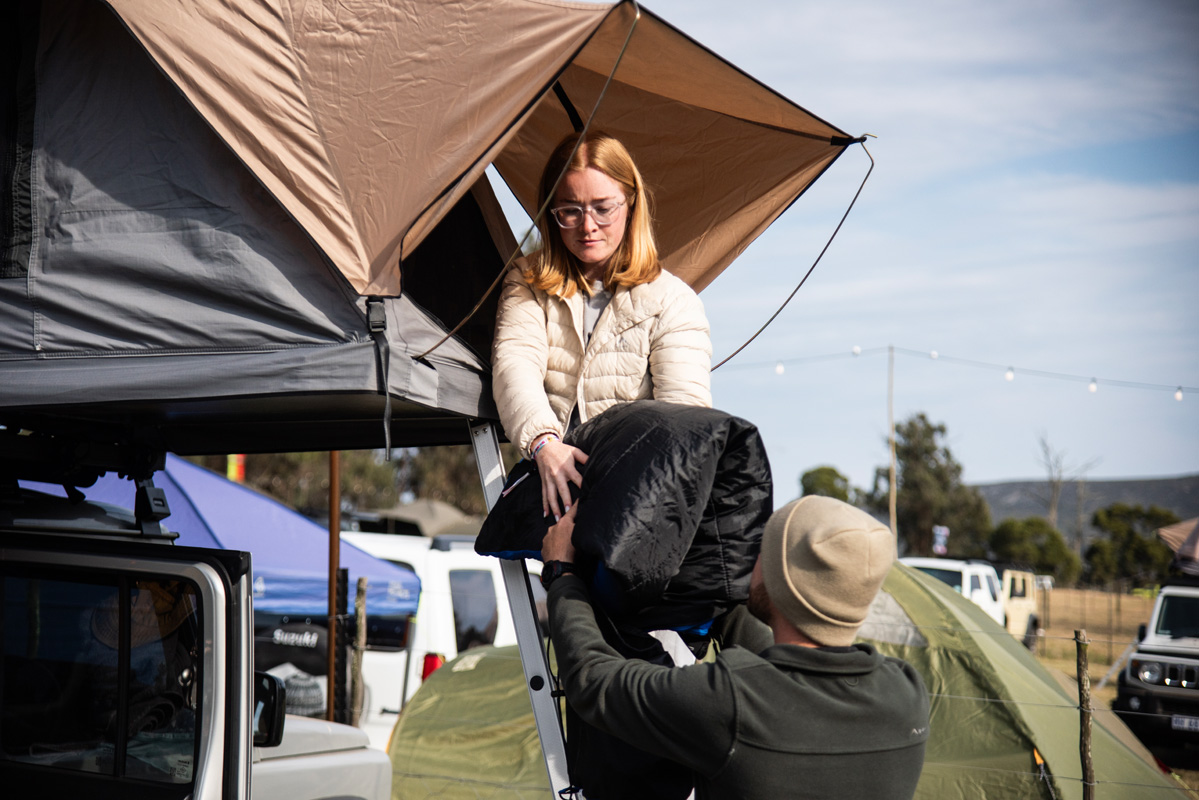
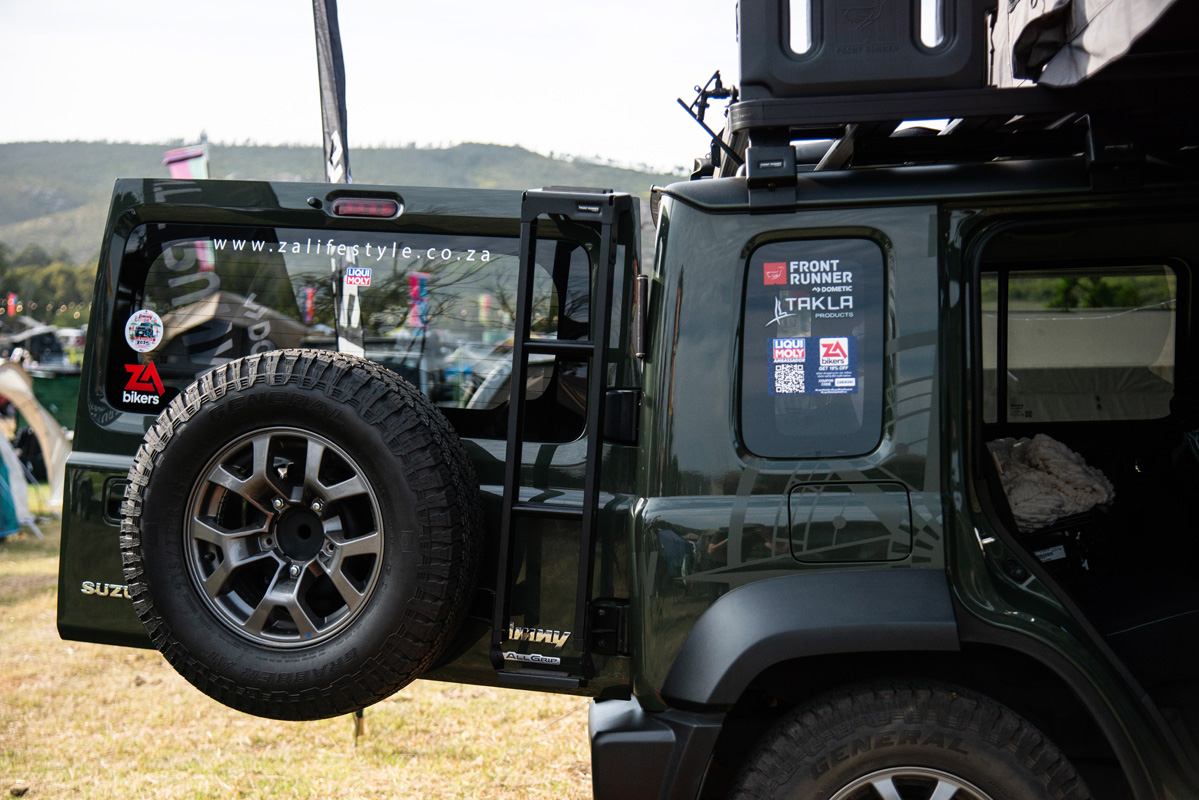
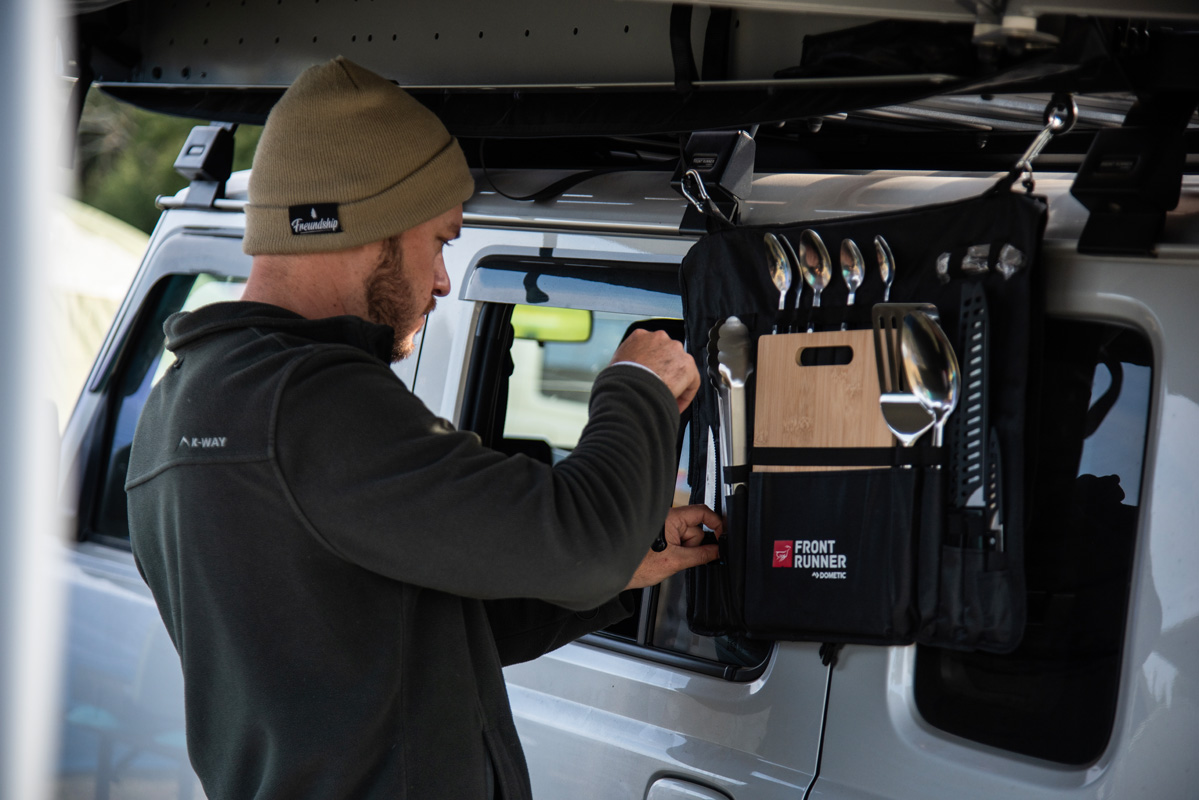
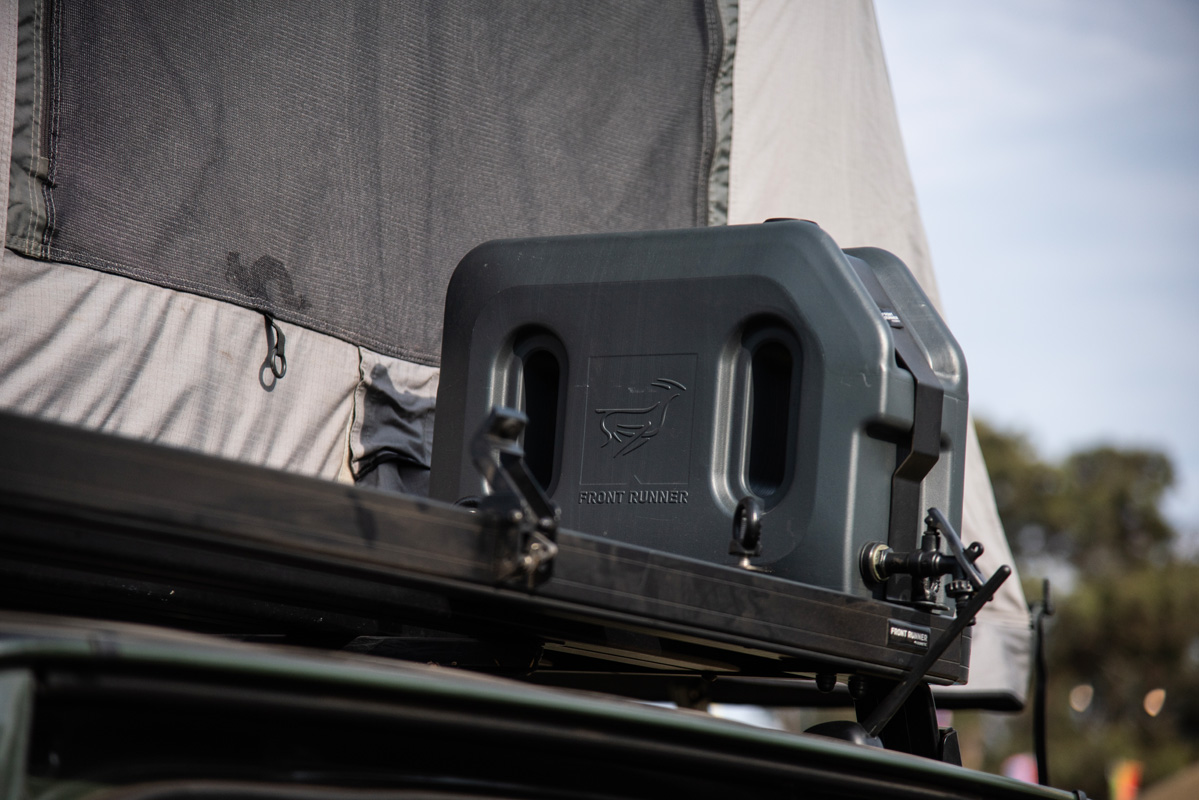
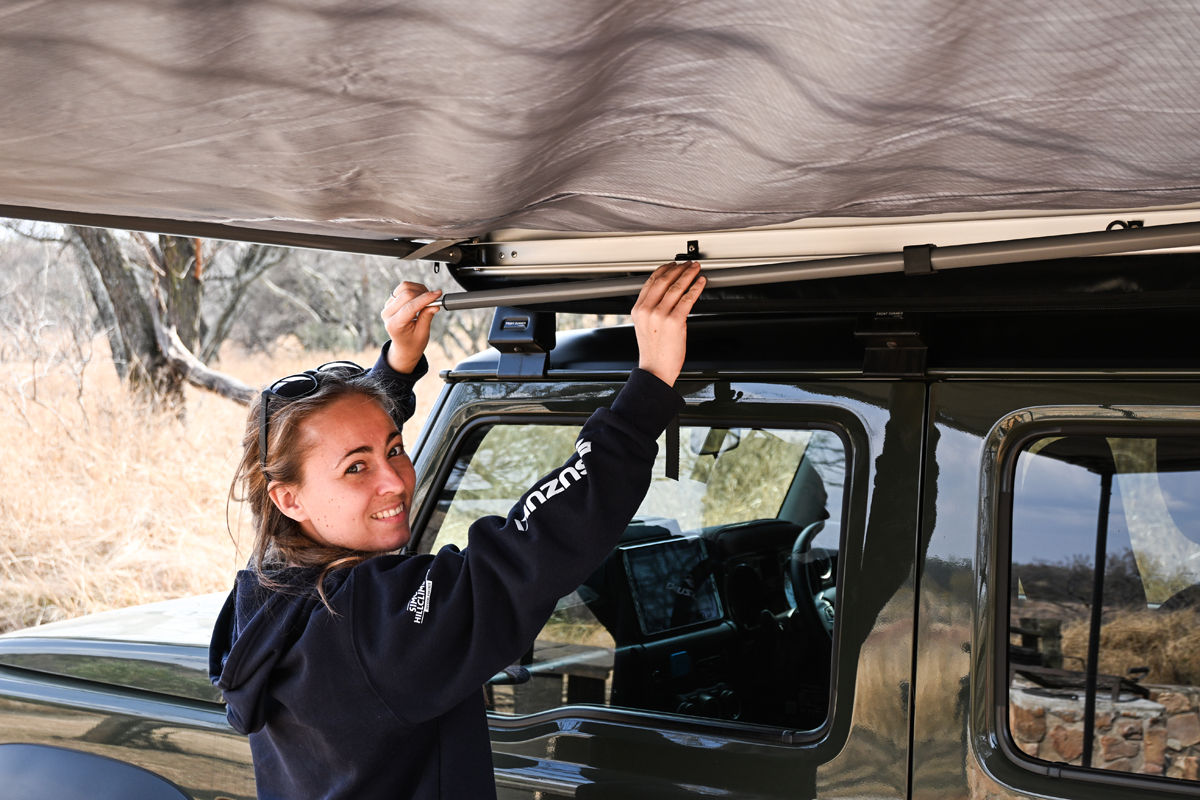
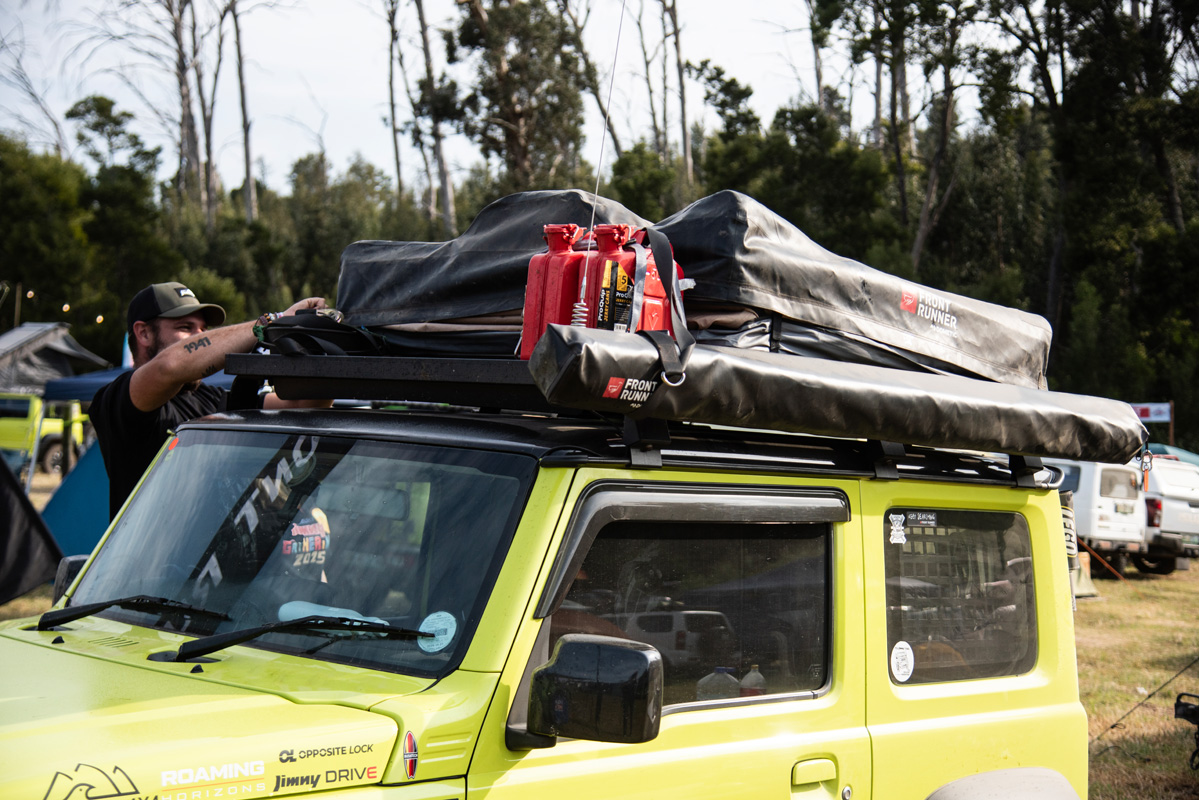
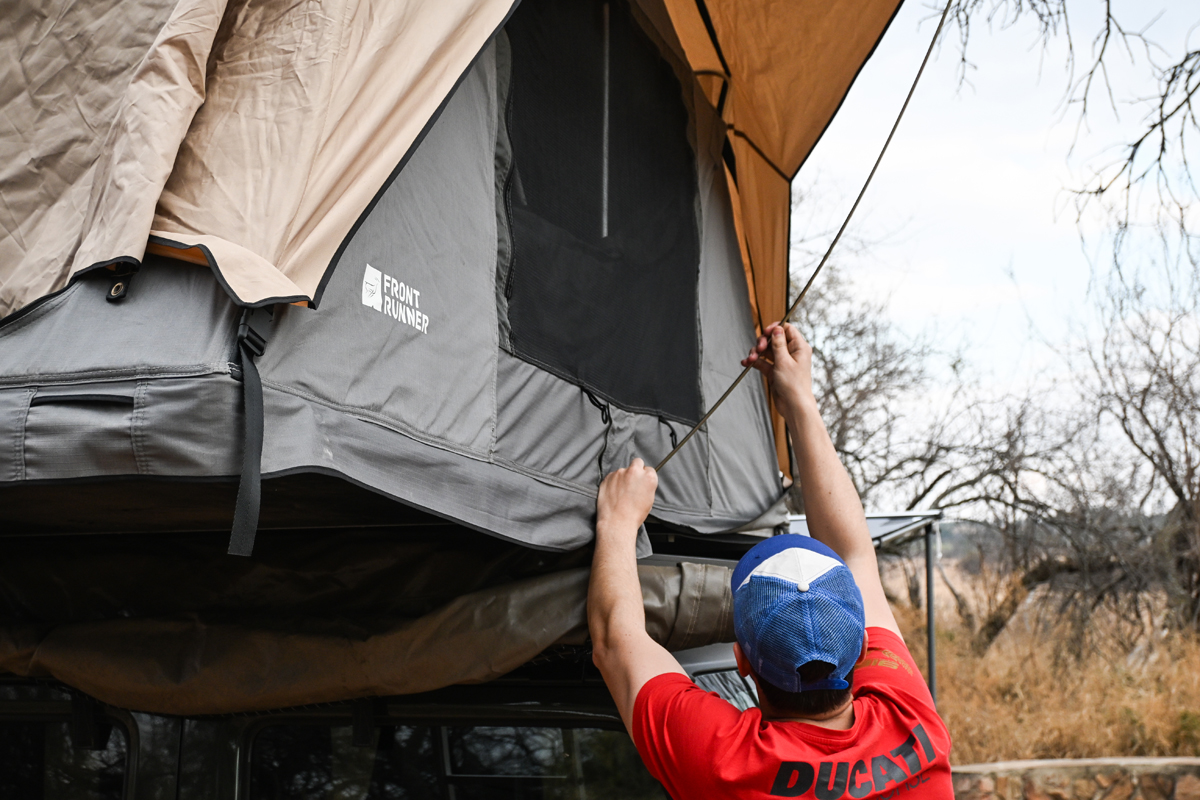
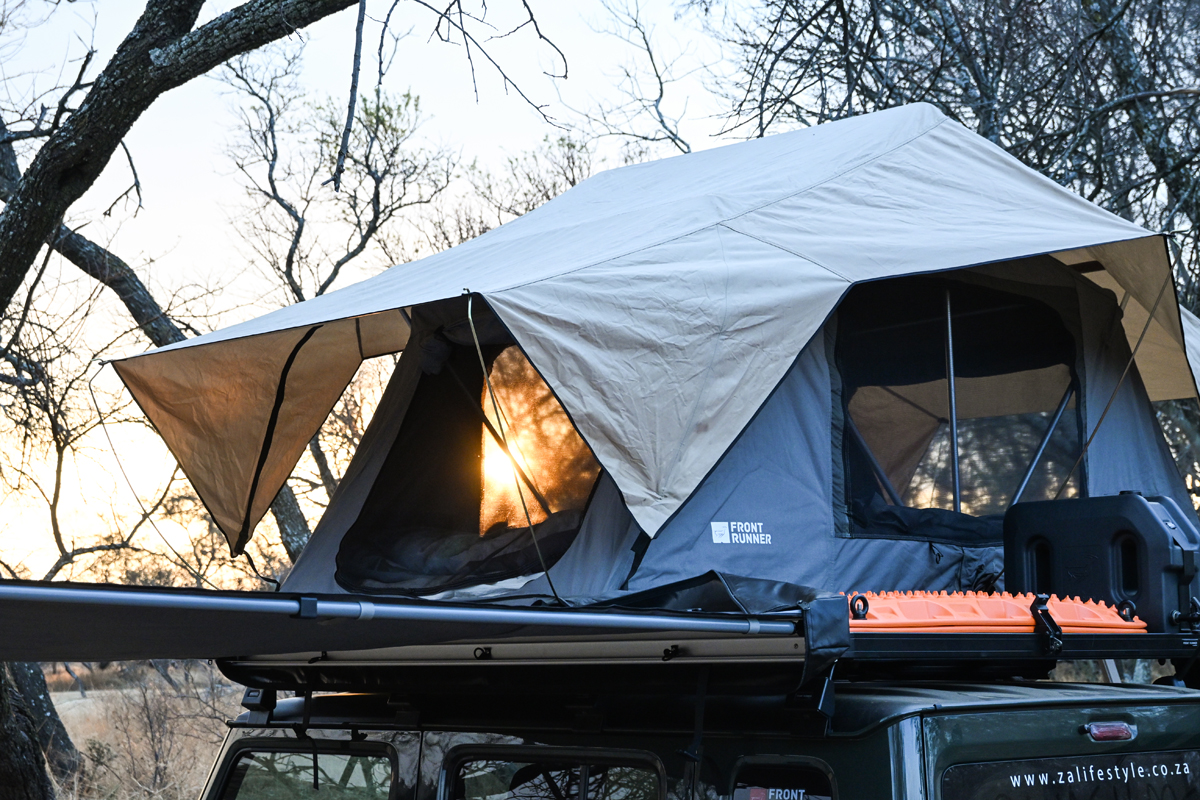
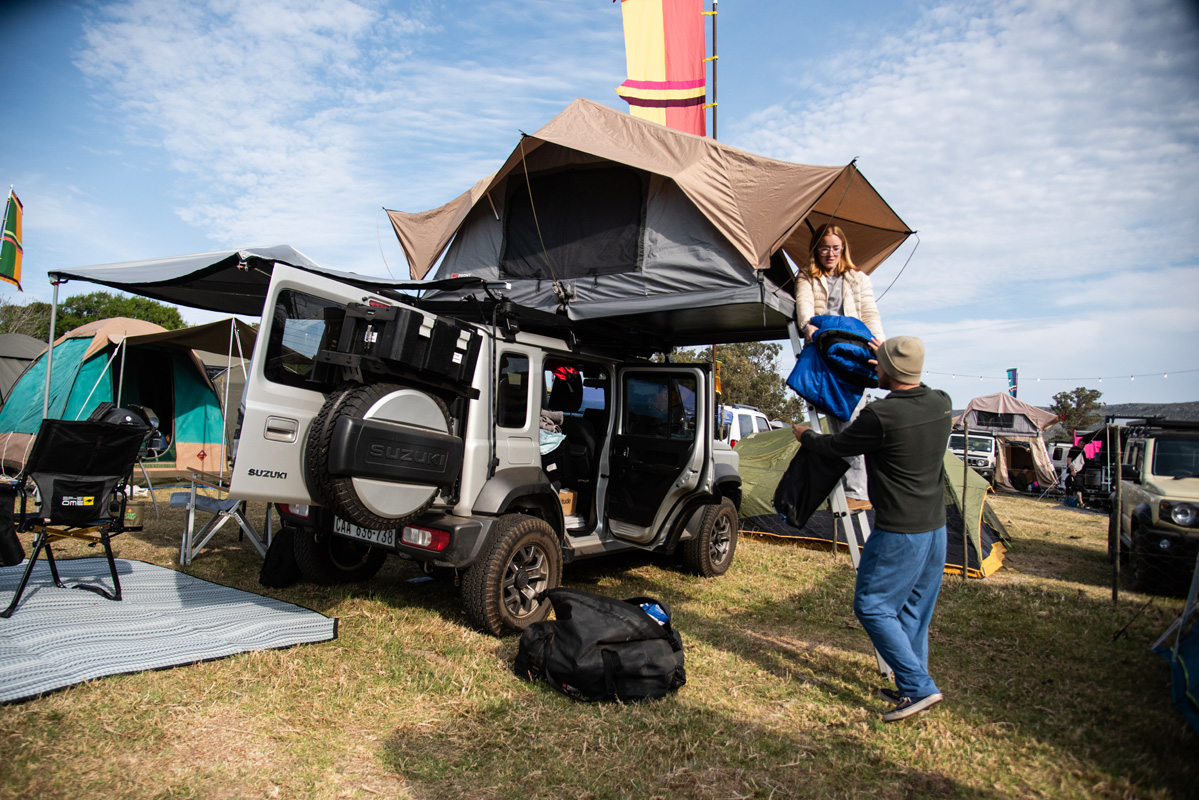
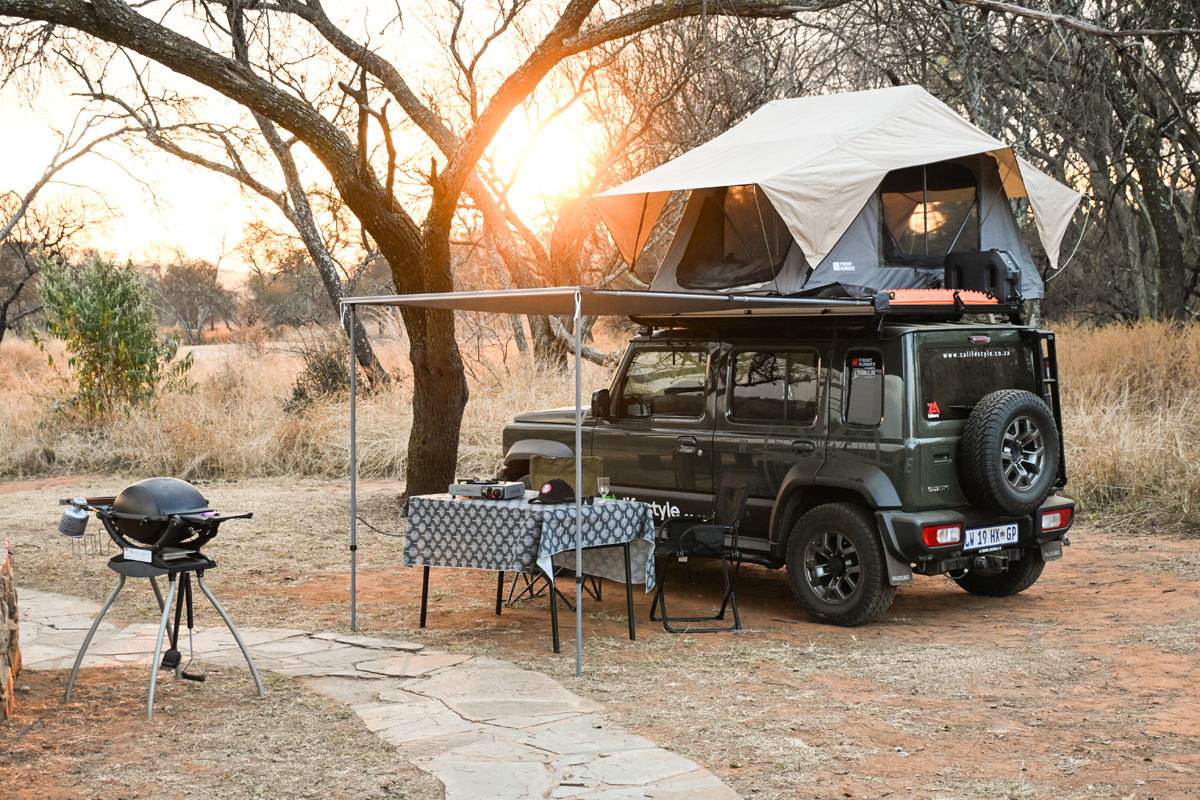
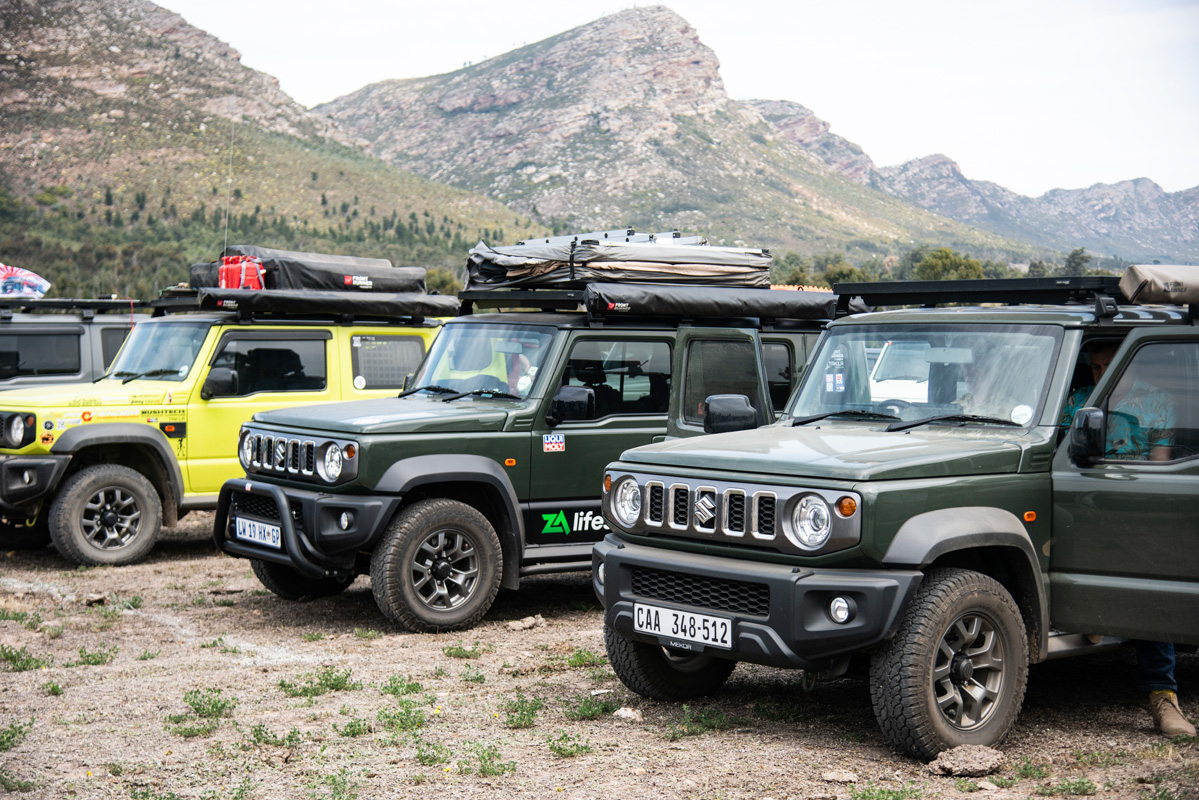
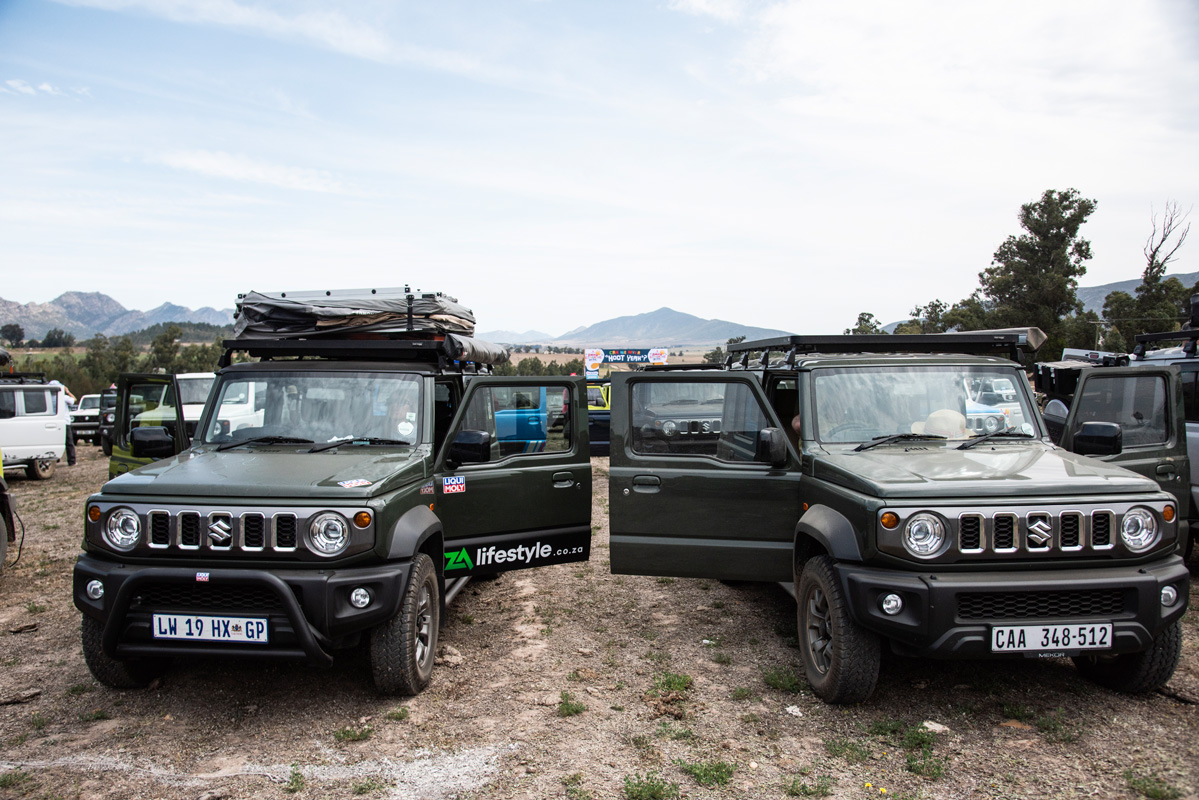
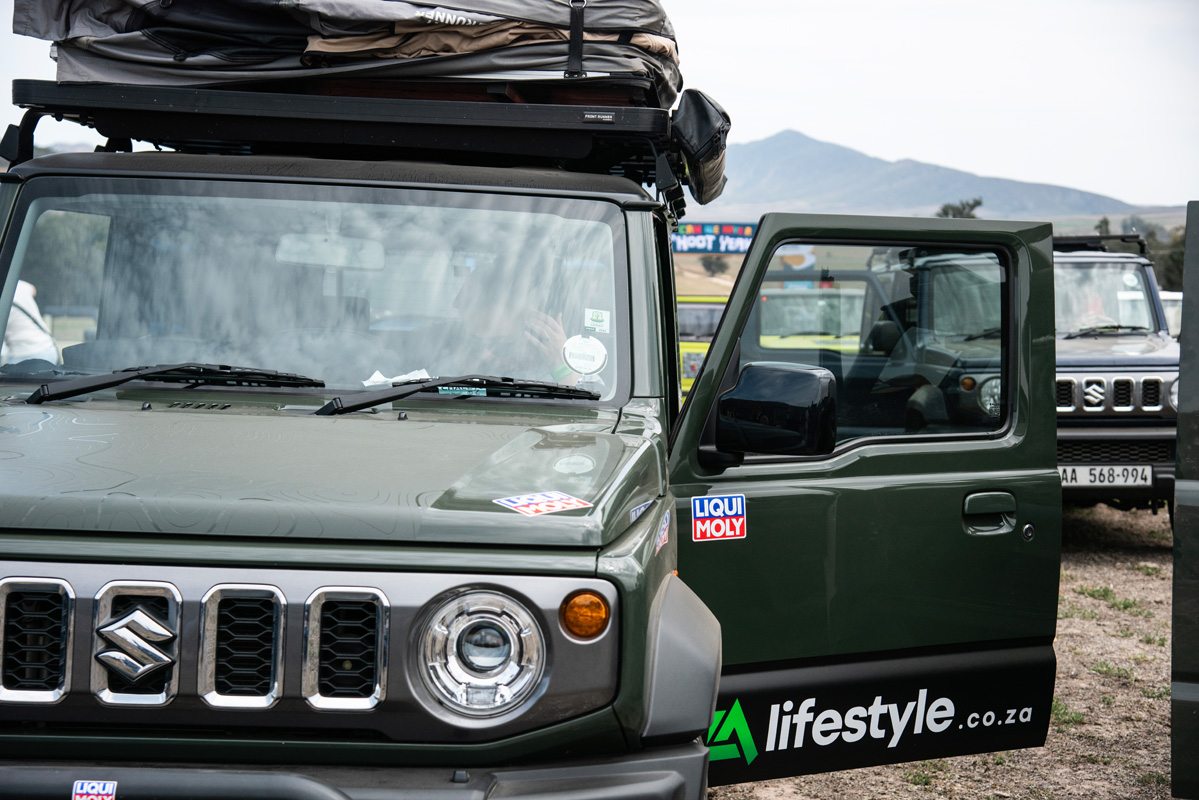
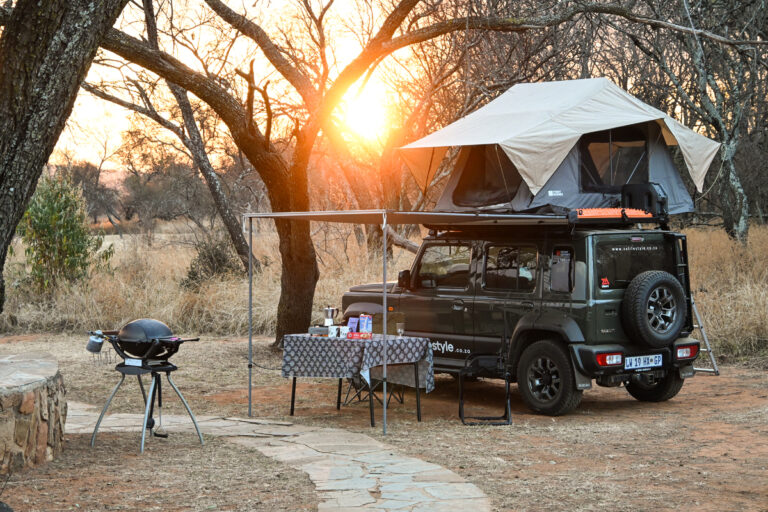
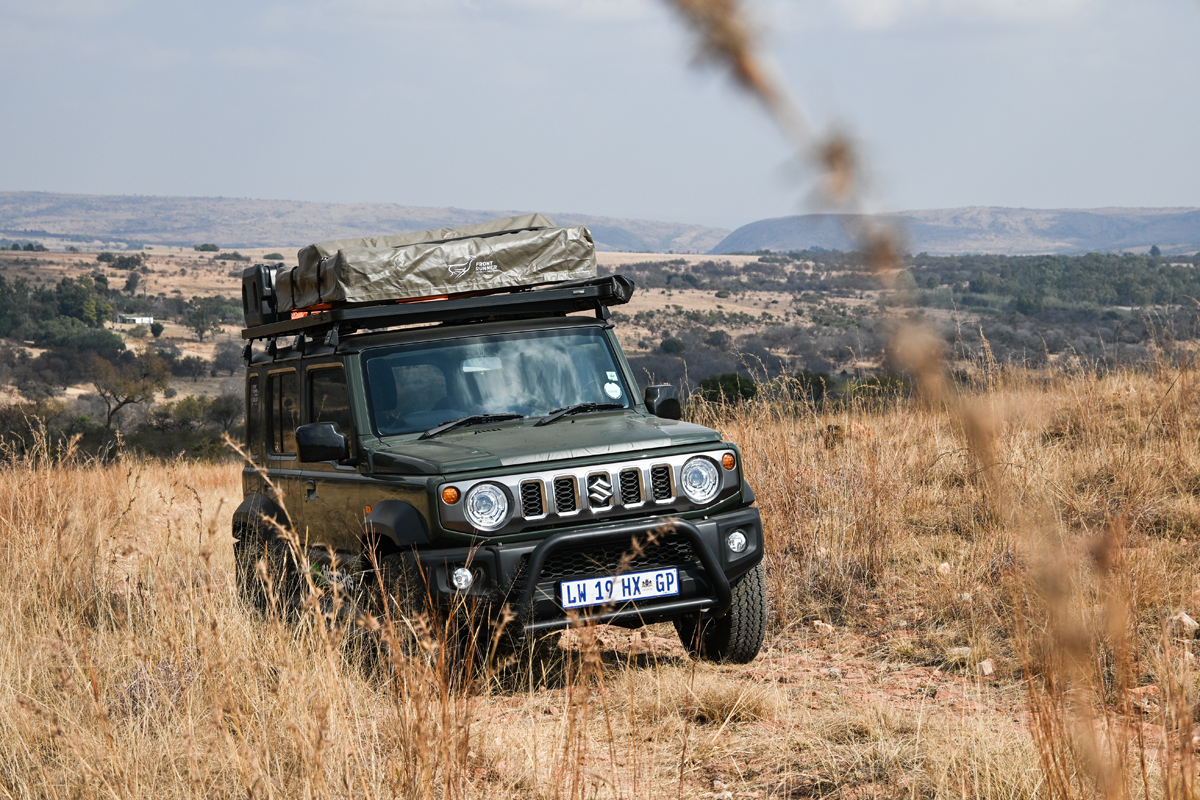
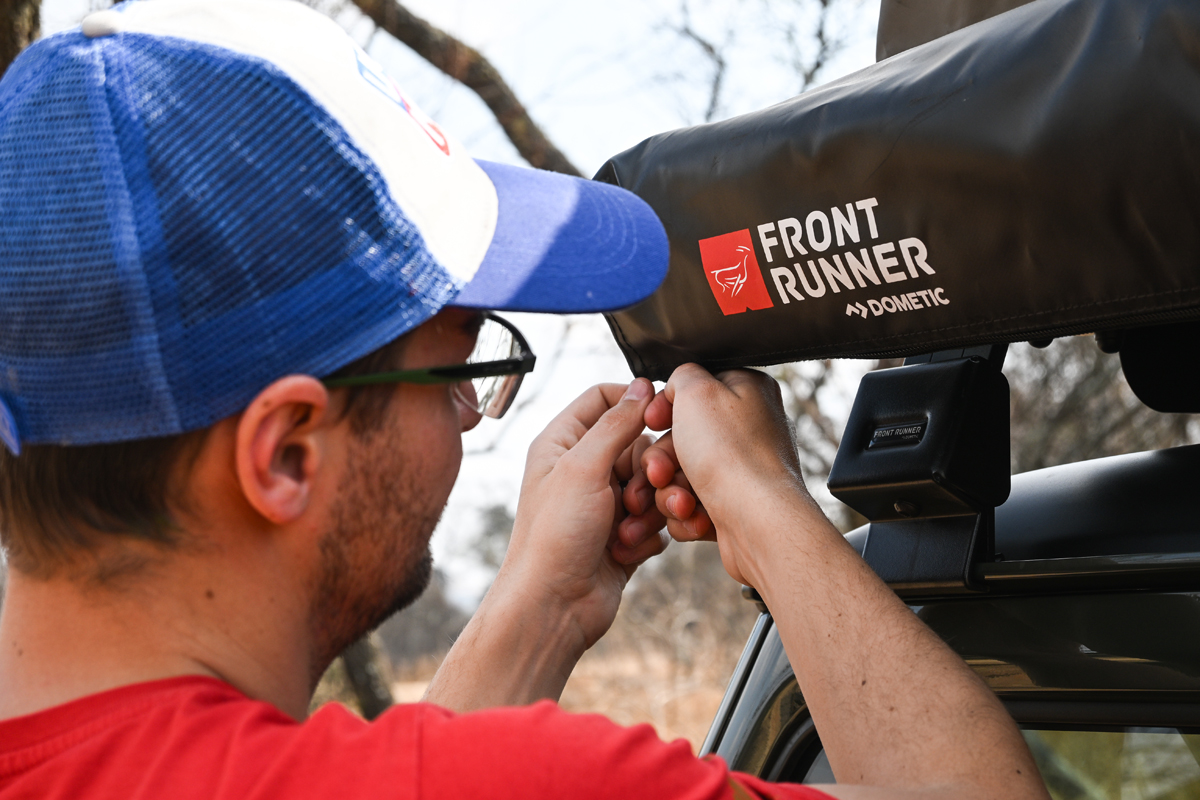
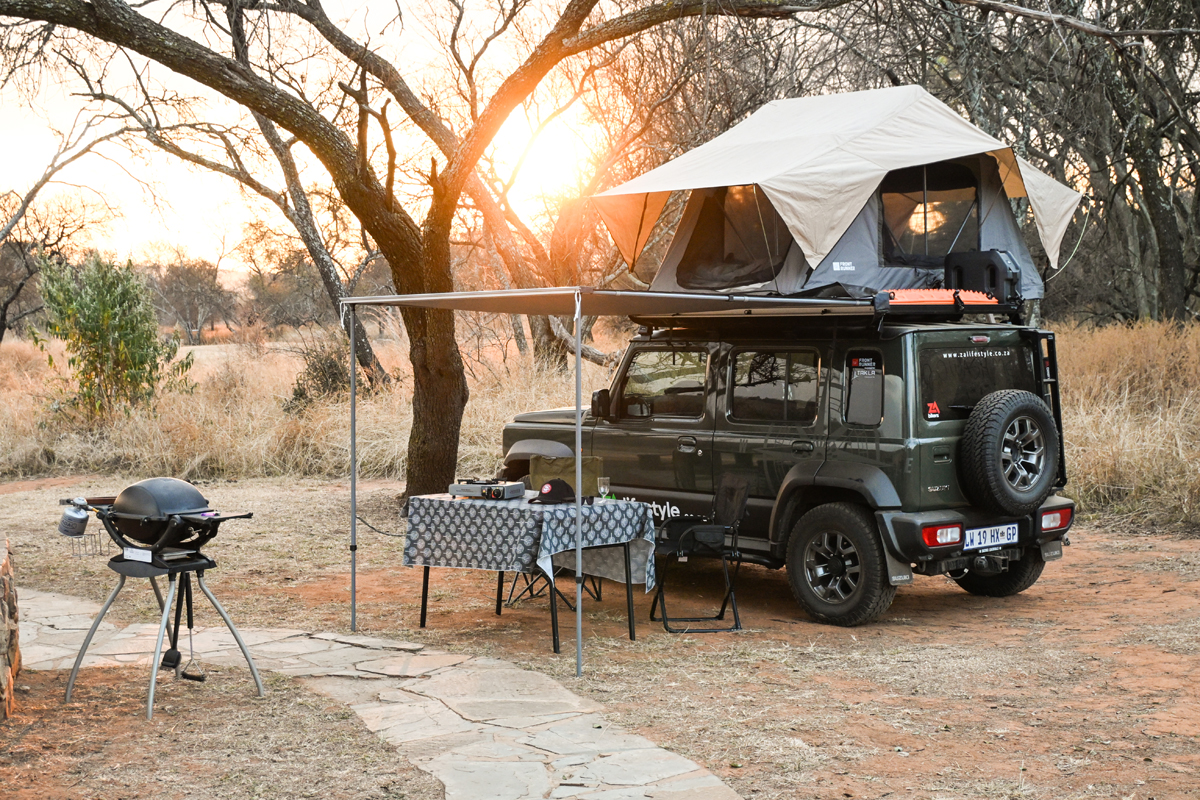
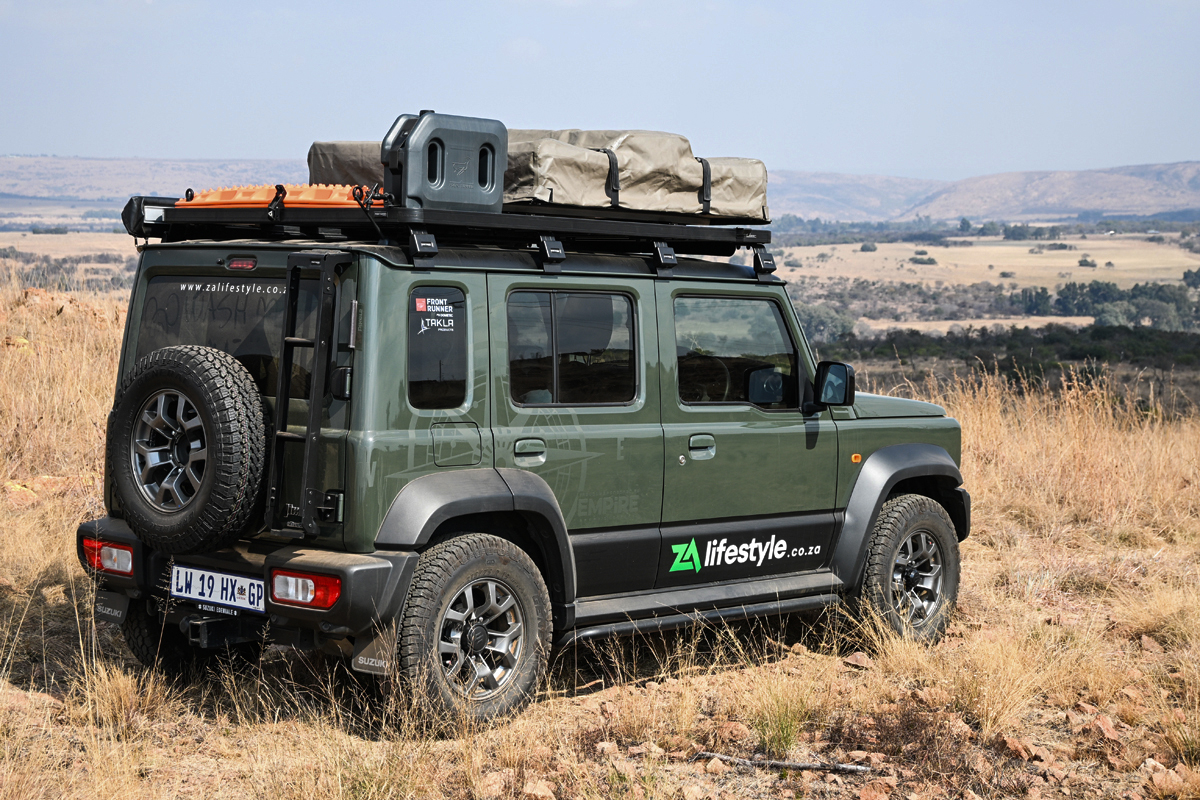
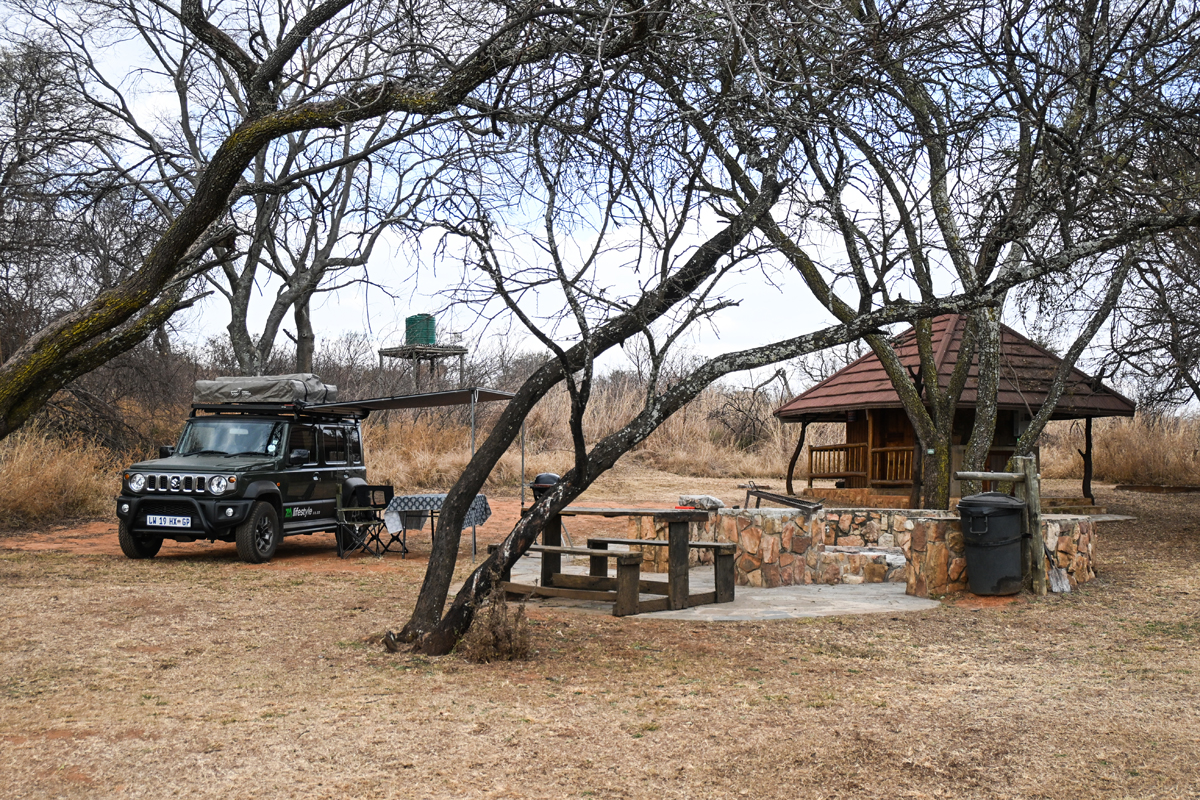
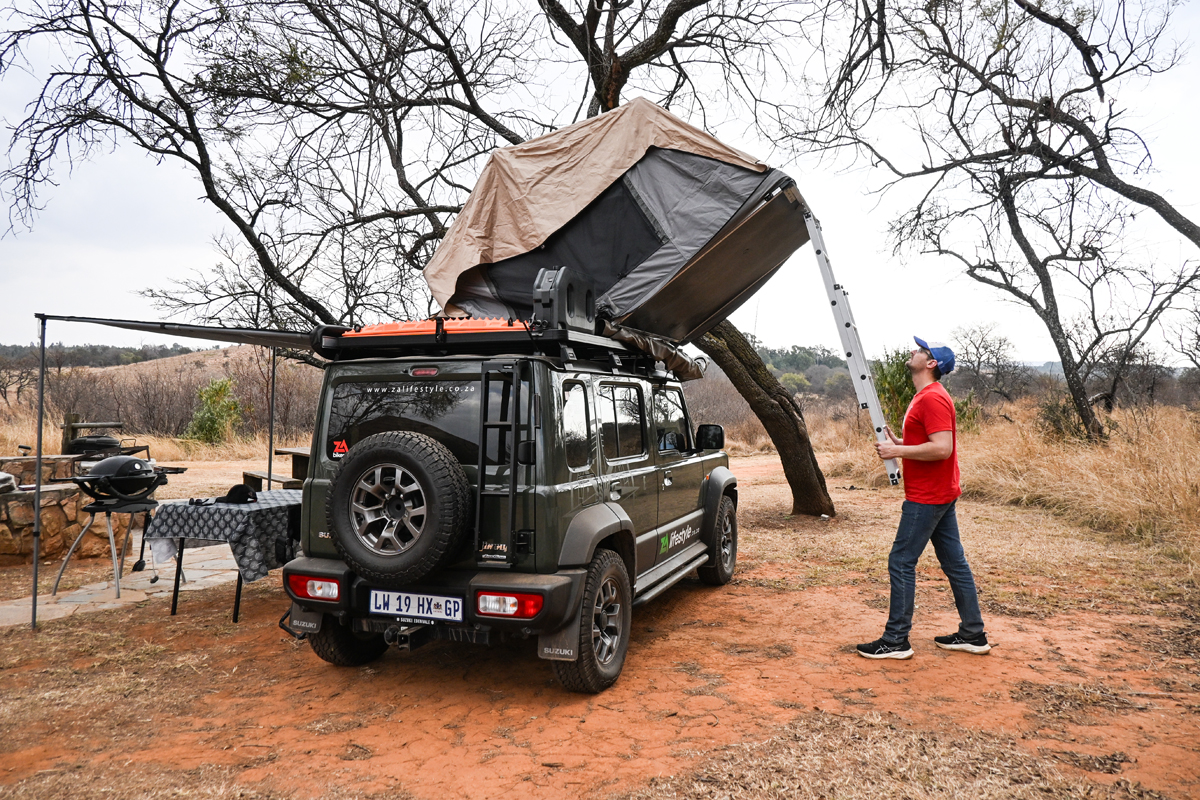
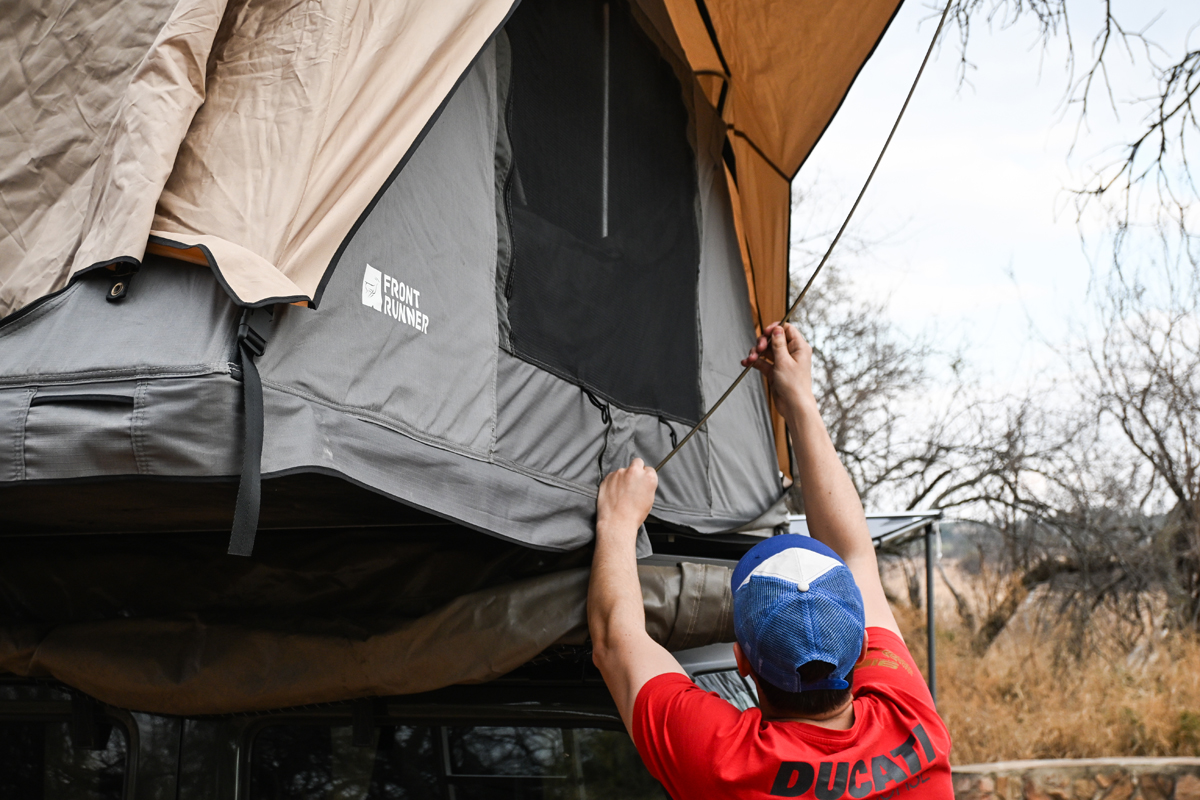
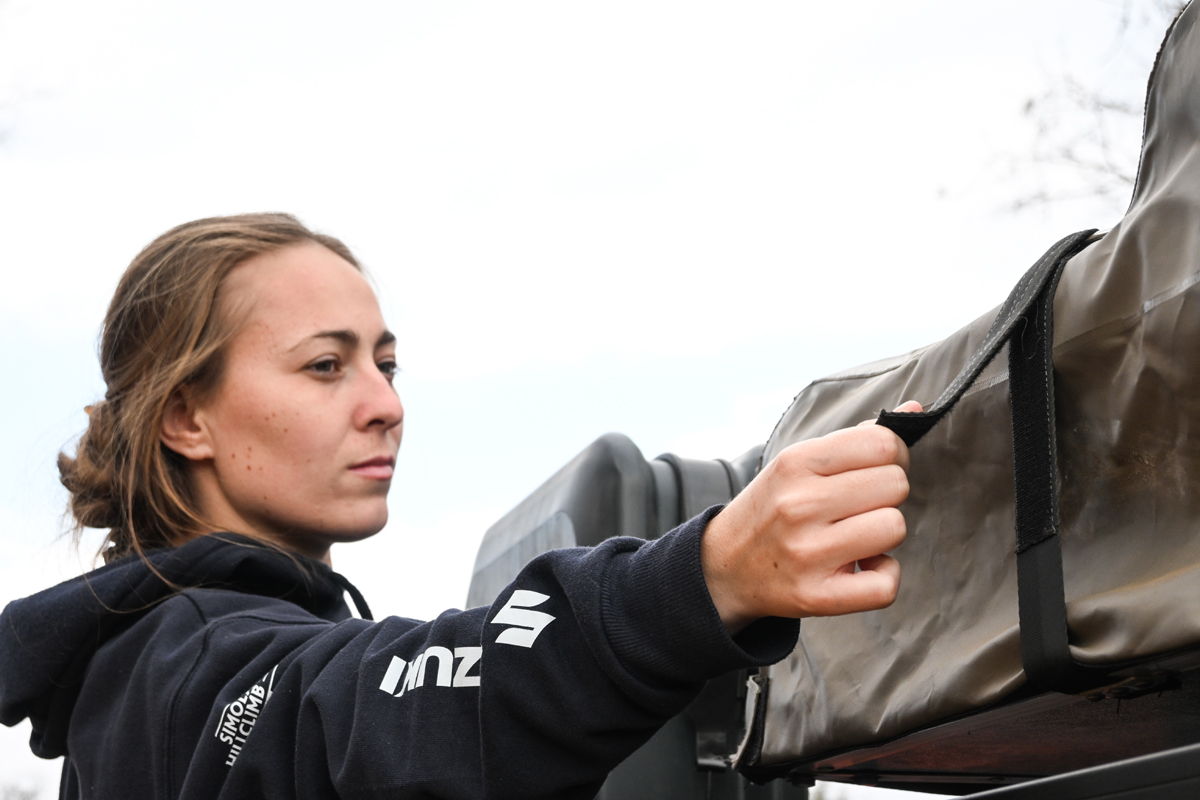
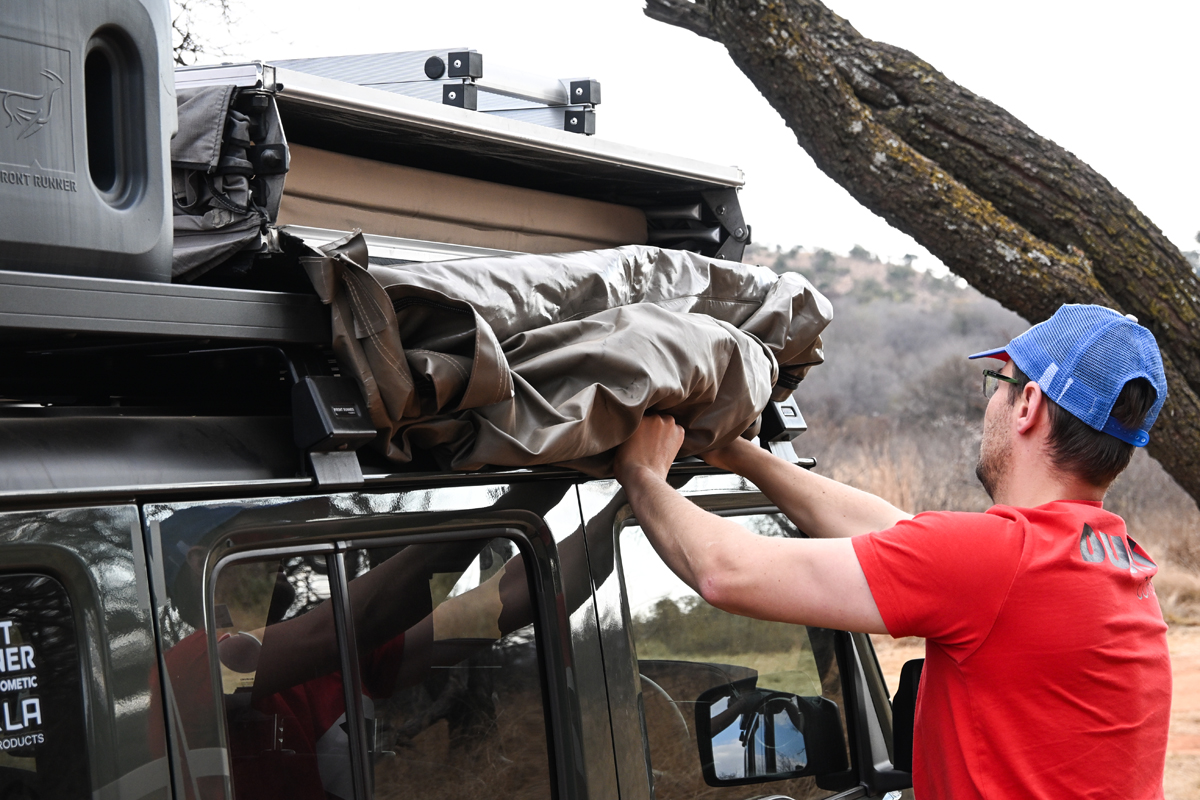
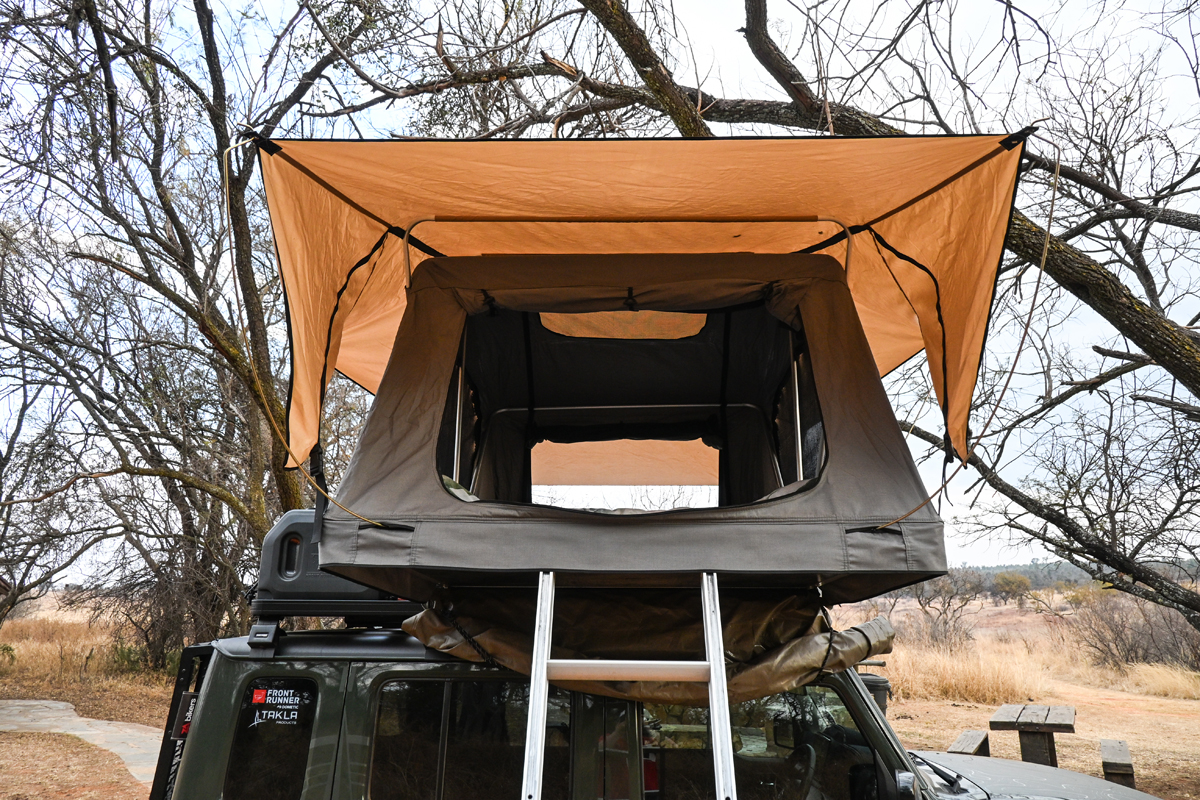
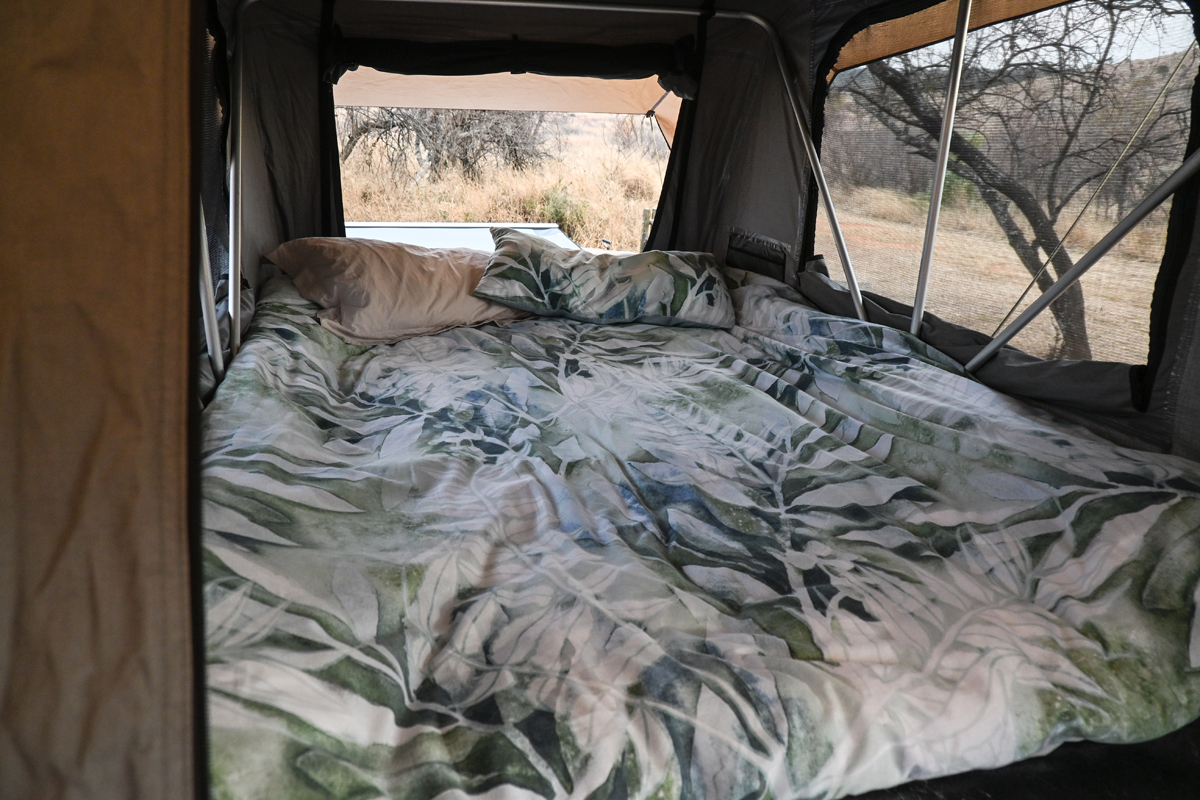
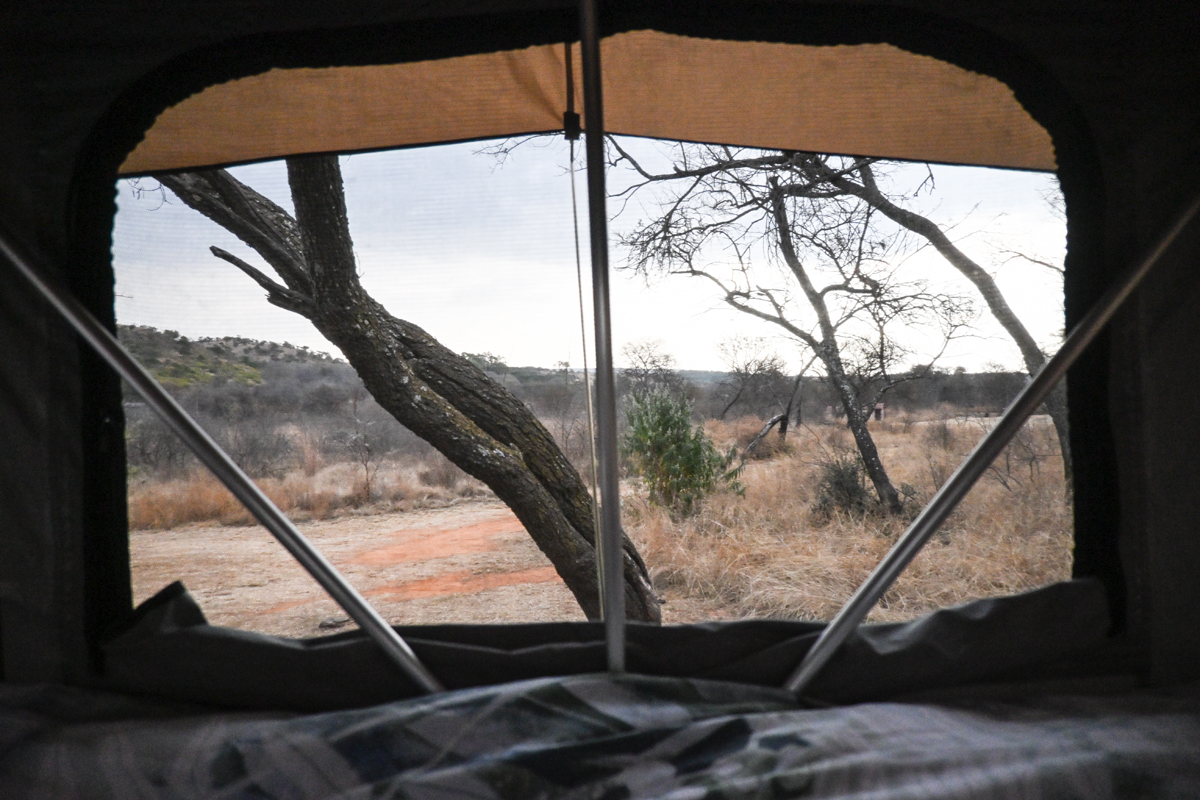
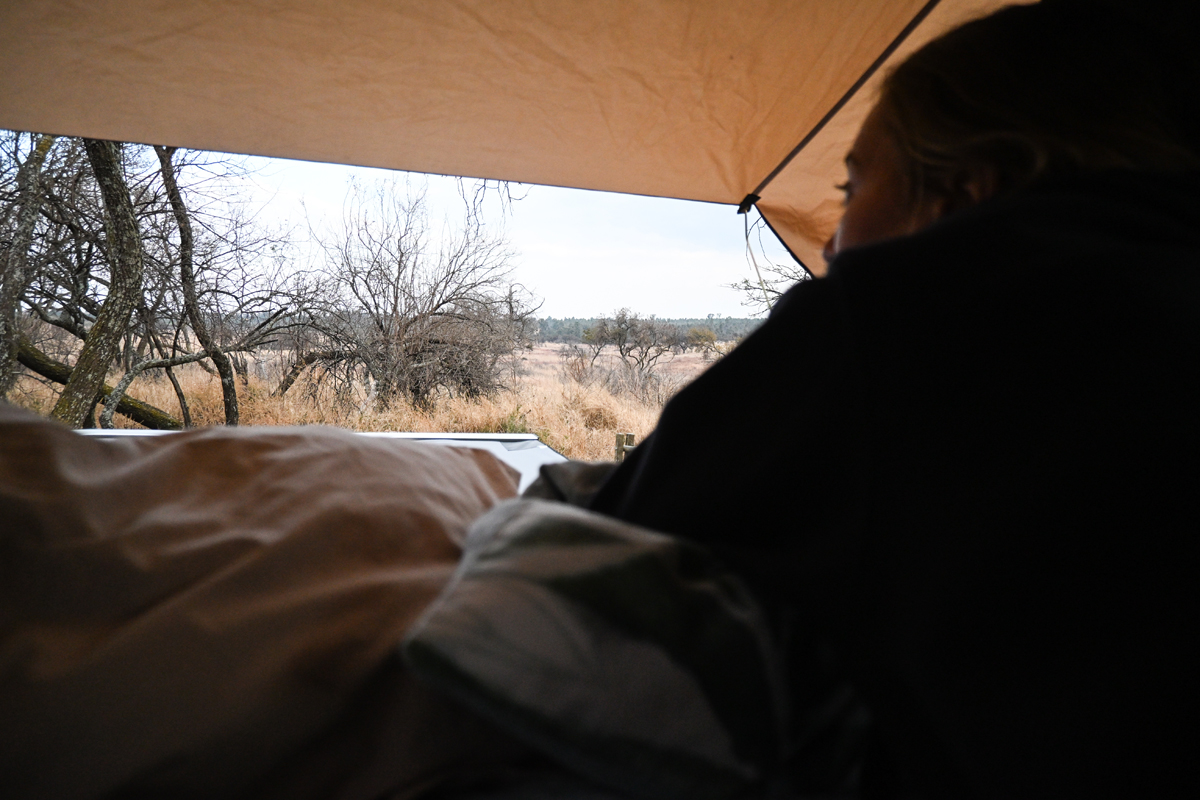
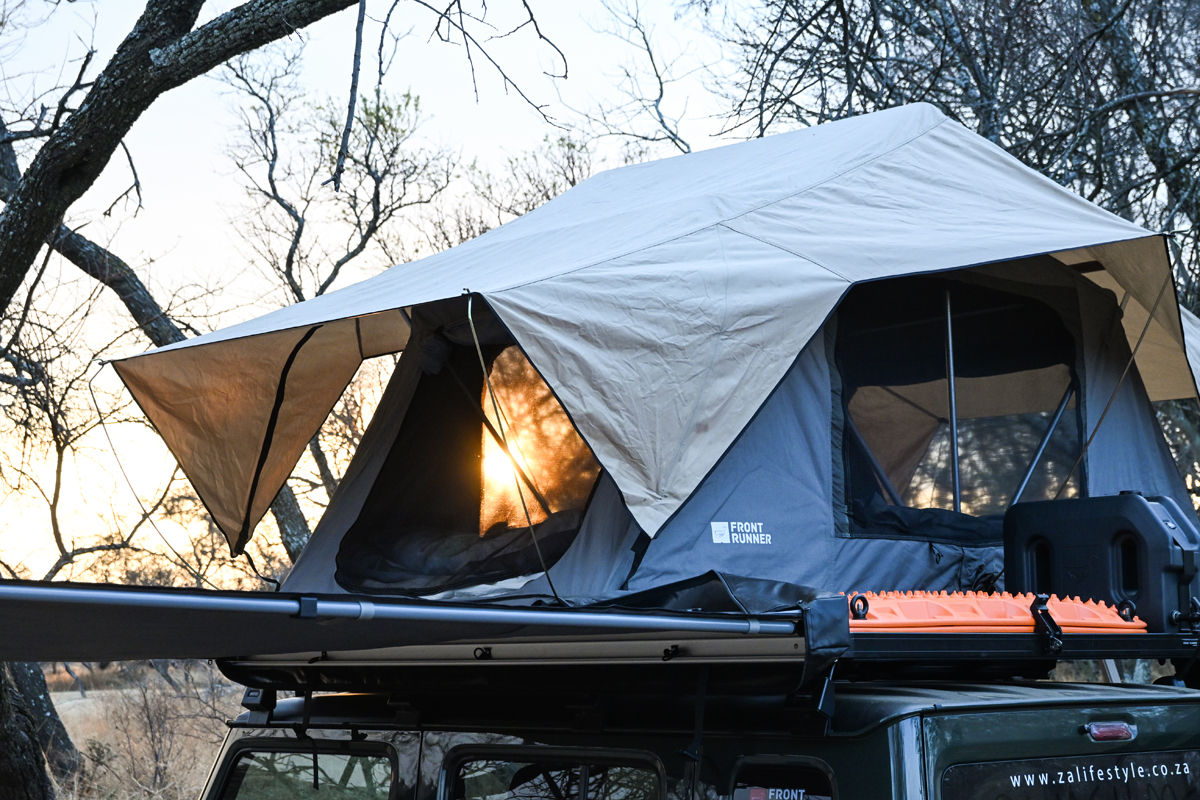
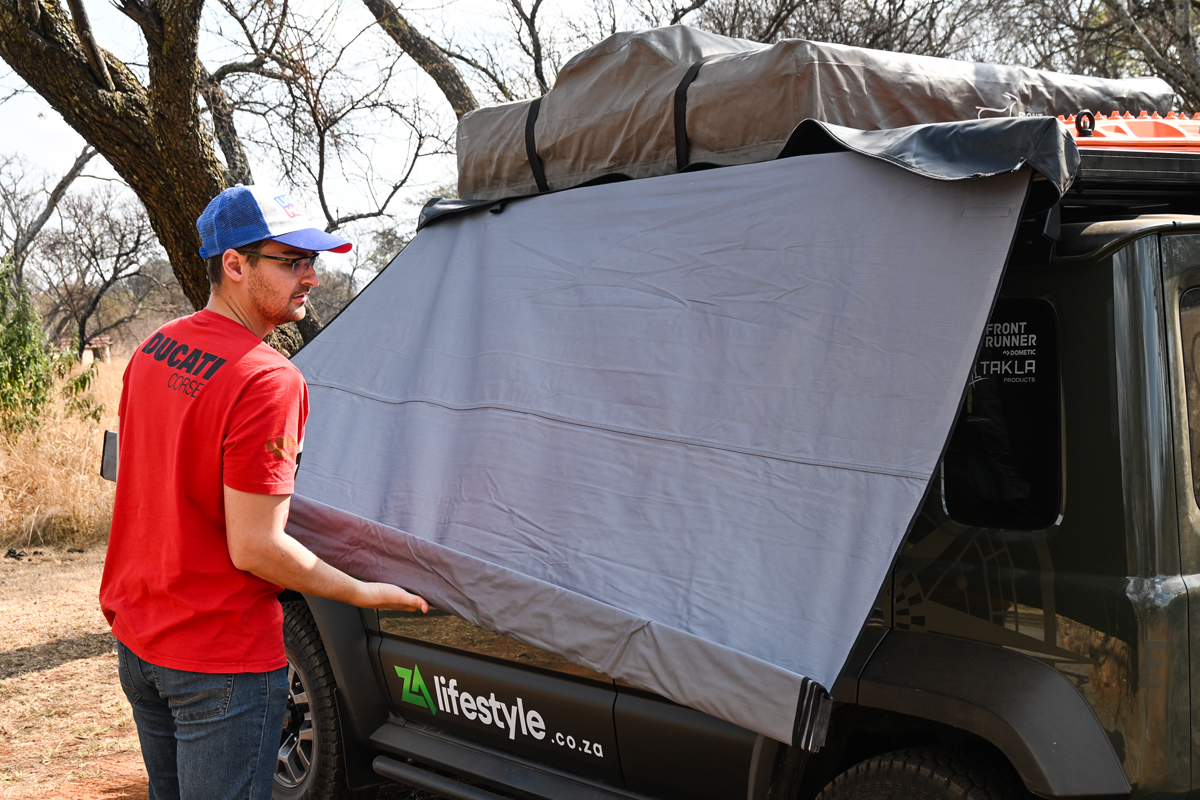
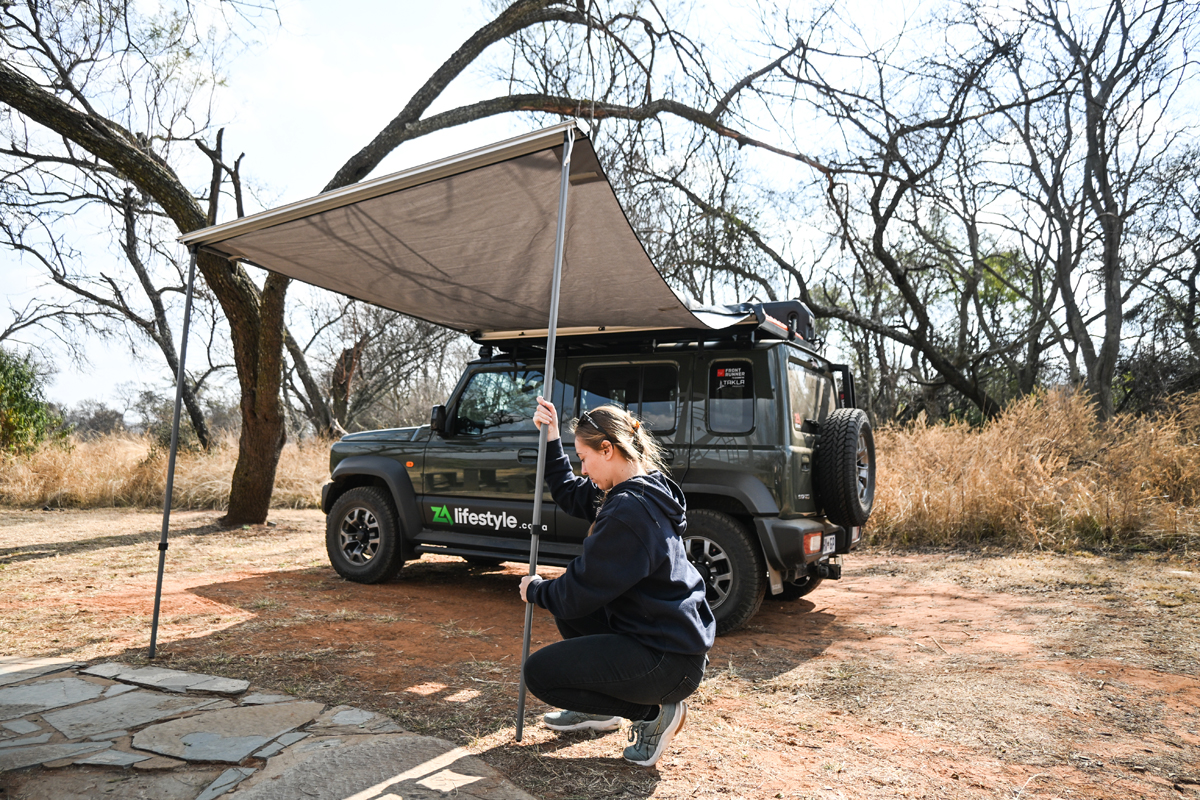
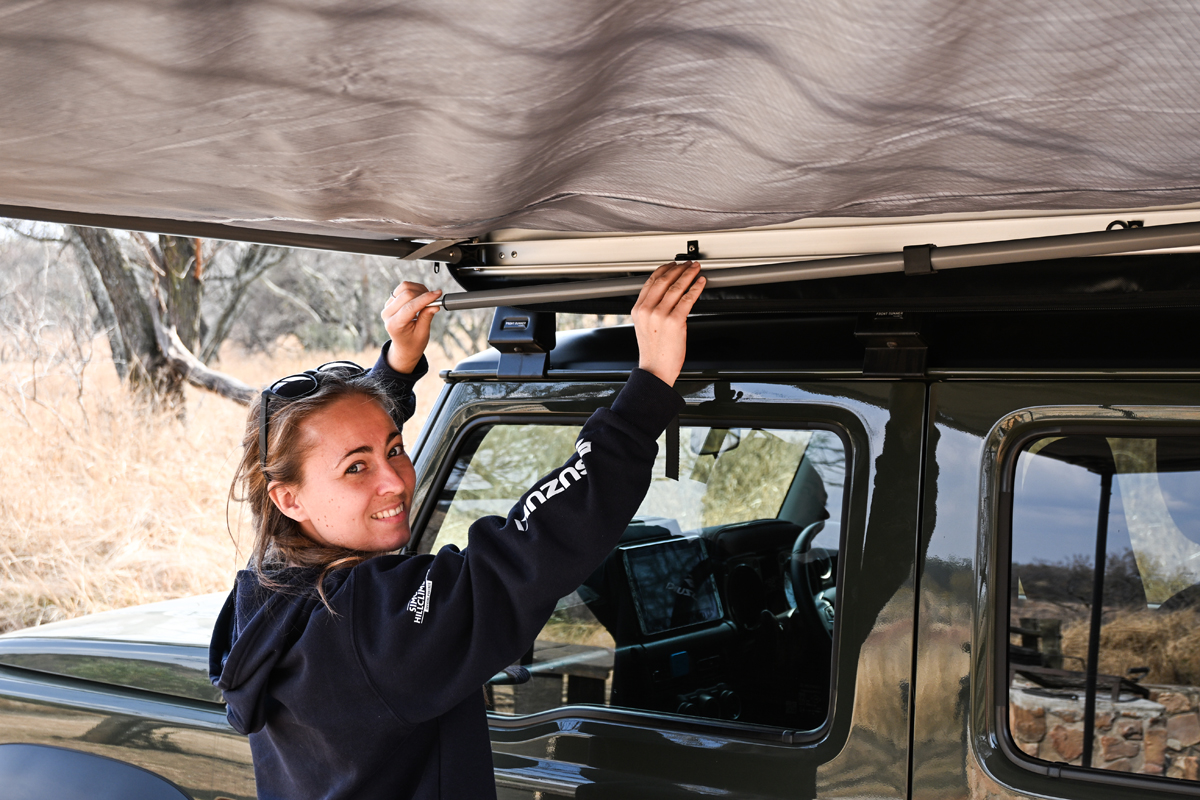
Not only was this year’s gathering different, but so too was our Jimny. As our readers will have followed over the past 12 months, we’ve stepped out of our ZA Bikers three-door and into our five-door, working with some new partners and some of our old ones have joined for the new Journey with our jungle green ZA Lifestyle five-door Jimny project. Partnering up with us this year for our OEM-Plus inspired project is Front Runner, Liqui Moly, Takla Products, General Tire and Empire Graphics. Being enthusiasts and passionate about the brands we work with, we parked the Jimny at campsite 2 with the Front Runner team, erected our rooftop tent, rolled out our Easy-Out Awning, laid out some products and opened up the doors to get chatting to the public.
Takla products and General Tire have been with us since the start of our three-door build, heading into the 2023 Jimny gathering. Nowadays, every second or third Jimny that drives by has a set of Generals and, in particular, our favourites, the Grabber AT3. Over many kilometres, trips across borders and off the beaten path, the Grabber AT3 has been a fantastic do-it-all tyre for what we’ve needed over the past two years. We’ve waxed lyrical over them on our page across many articles, so for more information, READ HERE.
Photo credit: ZA Lifestyle
Hands down, our favourite interior protection specialists that have to be mentioned are Takla Products. We’ve put our Takla seat covers ‘properly’ to the test; camera equipment, motorcycle parts, dogs, the Morton family and every dusty and muddy trip… To say they have stood the test of time is an understatement. The truth is that the covers still look close to brand new. This is because of the high-quality fabrics and workmanship that we’ve come to expect from the team at Takla products—you guys rock!
Photo credit: ZA Lifestyle
The reason we keep going back is because they support every customer with the utmost professionalism, their after-sales support is fantastic, and you have freedom of expression with most of their designs being semi-customisable when it comes to extra pockets, holders, personalised embroidery and your colour of choice when it comes to stitching. If you are looking for rugged interior protection that looks and feels luxurious, we highly recommend paying them a visit.
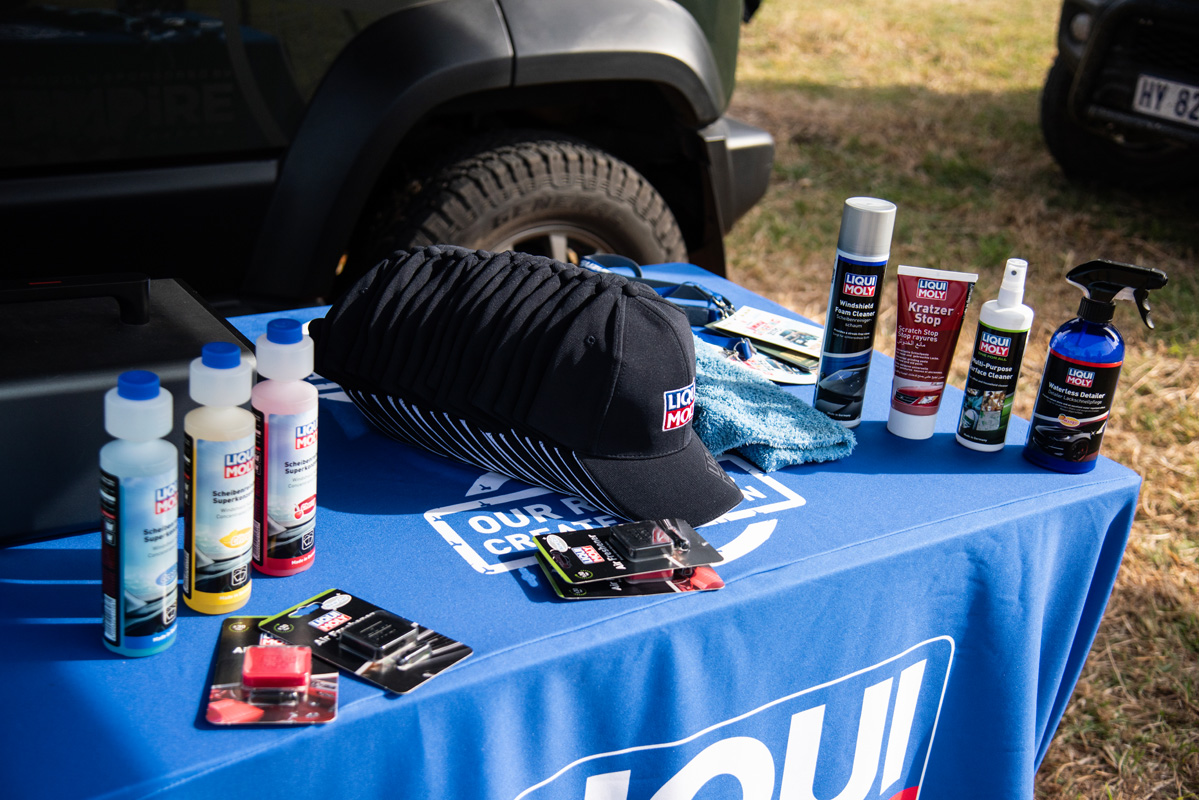
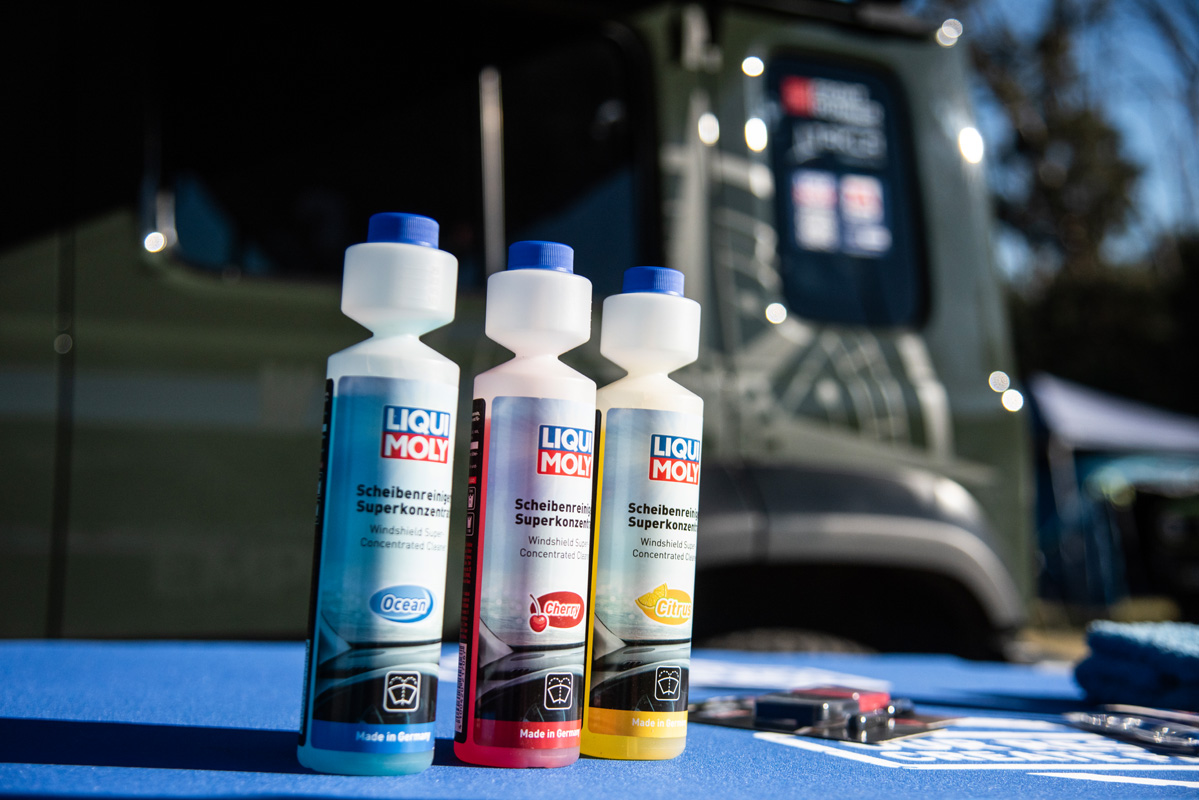
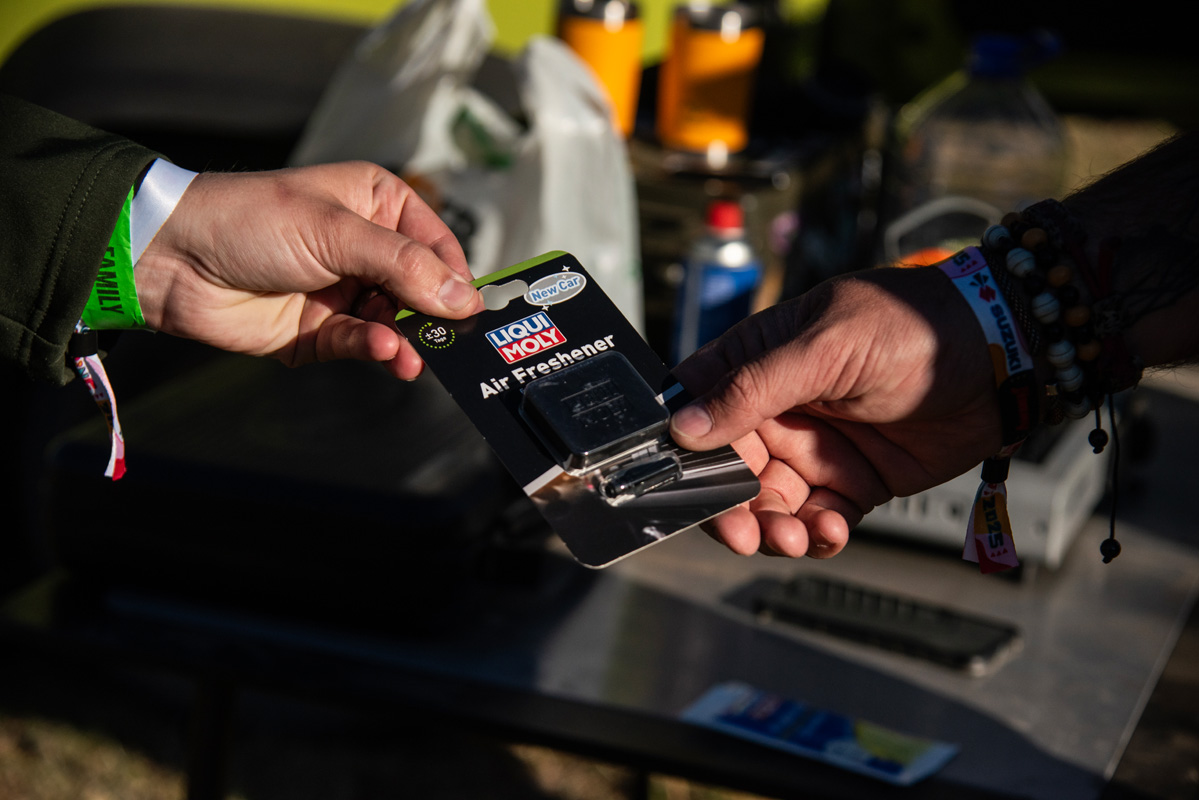
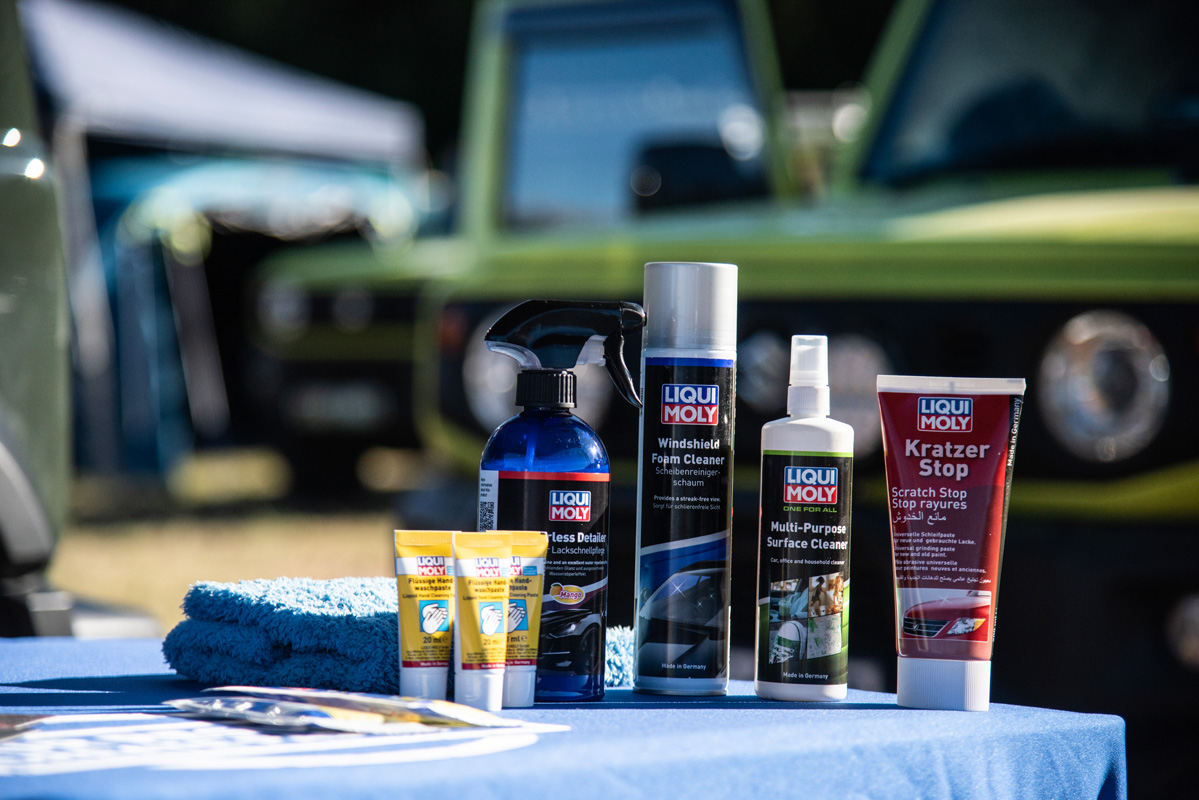
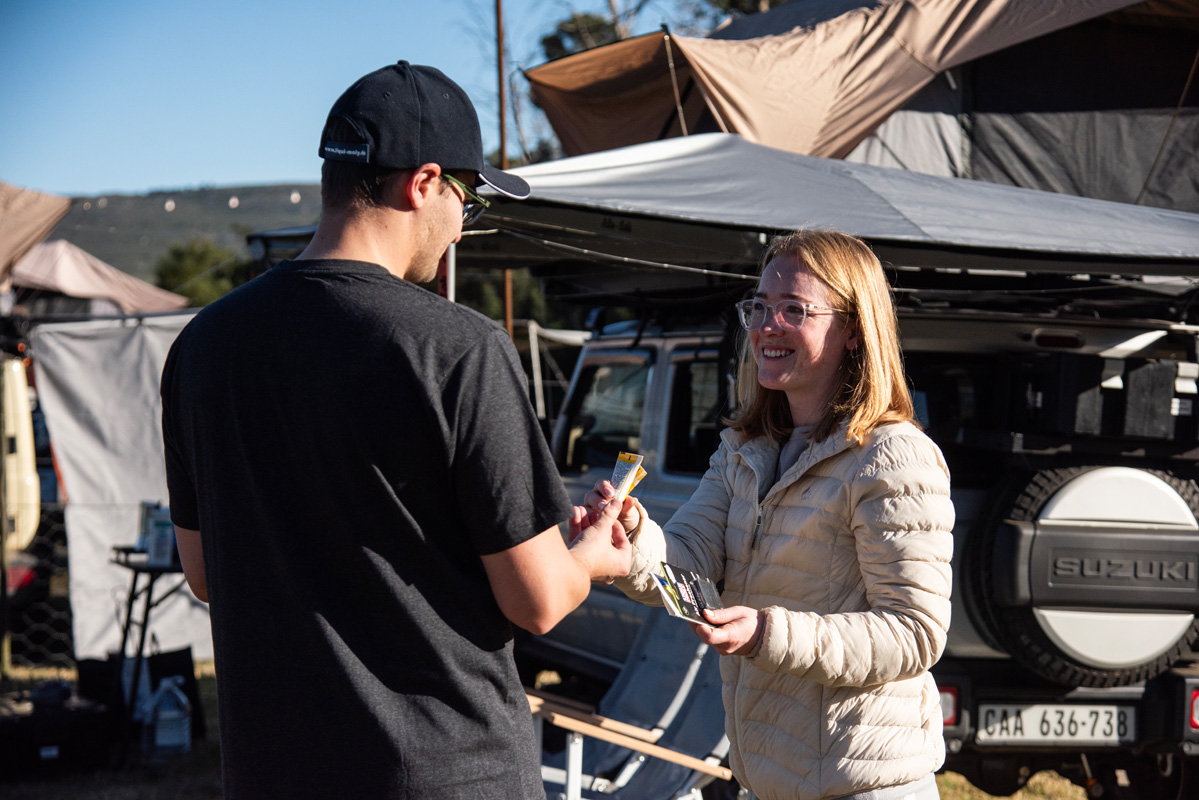
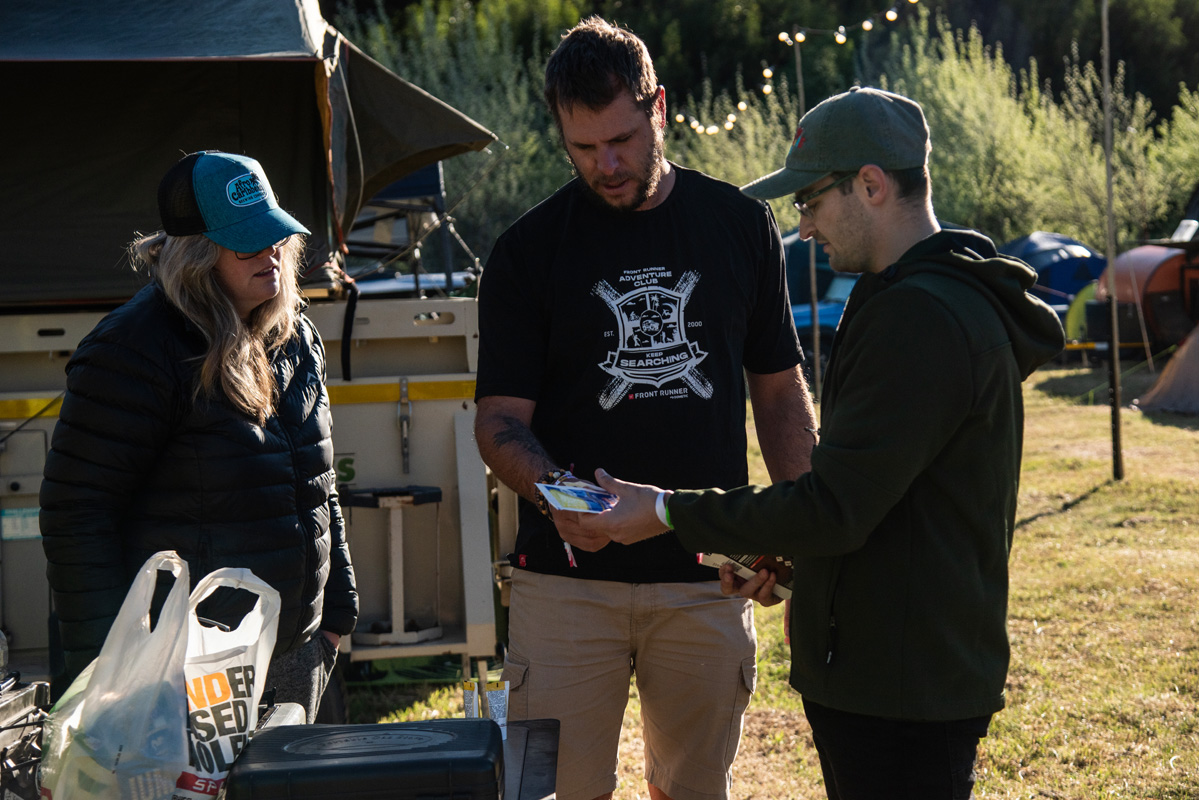
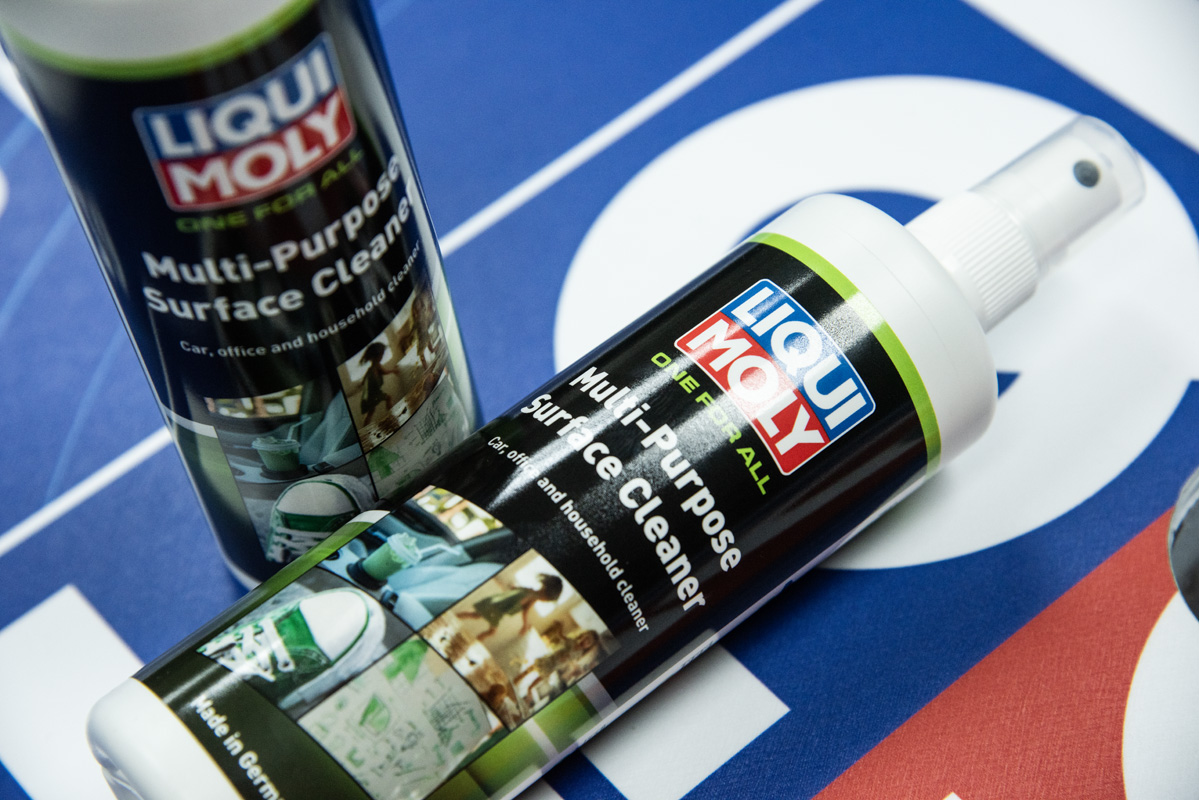
Liqui Moly South Africa was with us at the inaugural Jimny Gathering in 2023, showcasing their massive range of Car Care products, which was well received by the Jimny faithful. This year, we took a few unique and new products that Liqui Moly had to offer, demoing their Scratch Stop, Waterless Detailer, Multi-Purpose Surface Cleaner (the old Super K) and a host of scented Windshield Cleaners. Liqui Moly was also generous to hand us some samples to hand out and some merch for all the ‘LM’ fans that we bumped into at the gathering.
1 of 9
I know what you’re thinking: it’s a 4×4, why bother cleaning it? It looks cool when full of mud… Yes, but then if you’re camping, do you really want to be getting dirty every time you grab something out of the car or finding dust all over your food prep station by slamming a dusty door? Yeah, it’s a definite no from me! The Waterless Detailer was a surprise for most because you don’t need to wash your car to use it if it’s just got a light coat of dust on it. We had our Jimny cleaned before arriving, so the detailer was sprayed over the dust and wiped off with a microfiber cloth. Waterless detailers are phenomenal products, but need to be used out of direct sunlight and not left to dry. It’s a product that I personally use on my motorcycles, bicycles and on our cars too.
Photo credit: ZA Lifestyle
For the sticky cup holders, door plastics and even our shoes, we cracked out Multi-Purpose Surface Cleaner. It’s a convenient bottle to have stored in the glove compartment, in the kitchen or, like us, on a camping trip, as it just has so many purposes.
Photo credit: ZA Lifestyle
The Windshield Foam Cleaner wasn’t used at the gathering much, but definitely on the way there and back home, helping dissolve road grime and to help remove a couple of thousand bugs we collected on the way down. What’s nice about this cleaner is that the overspray isn’t harmful to rubber, paint or plastics.
Photo credit: ZA Lifestyle
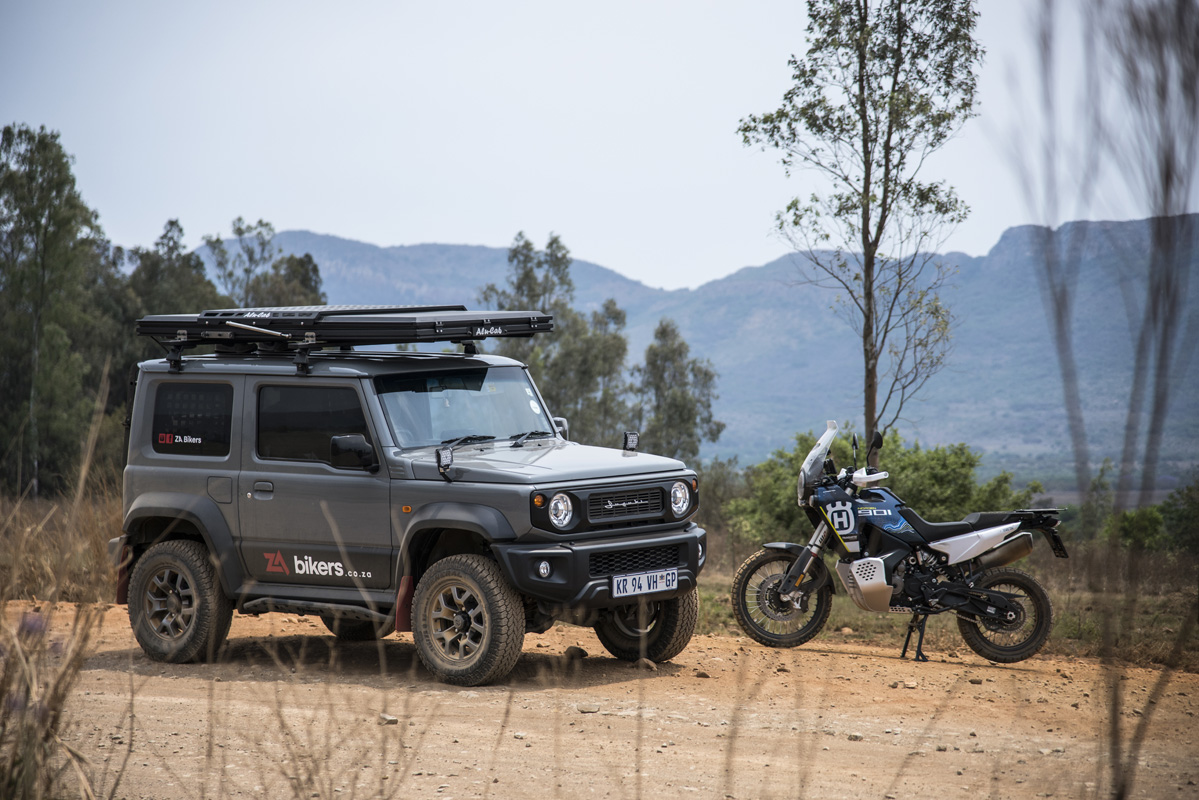
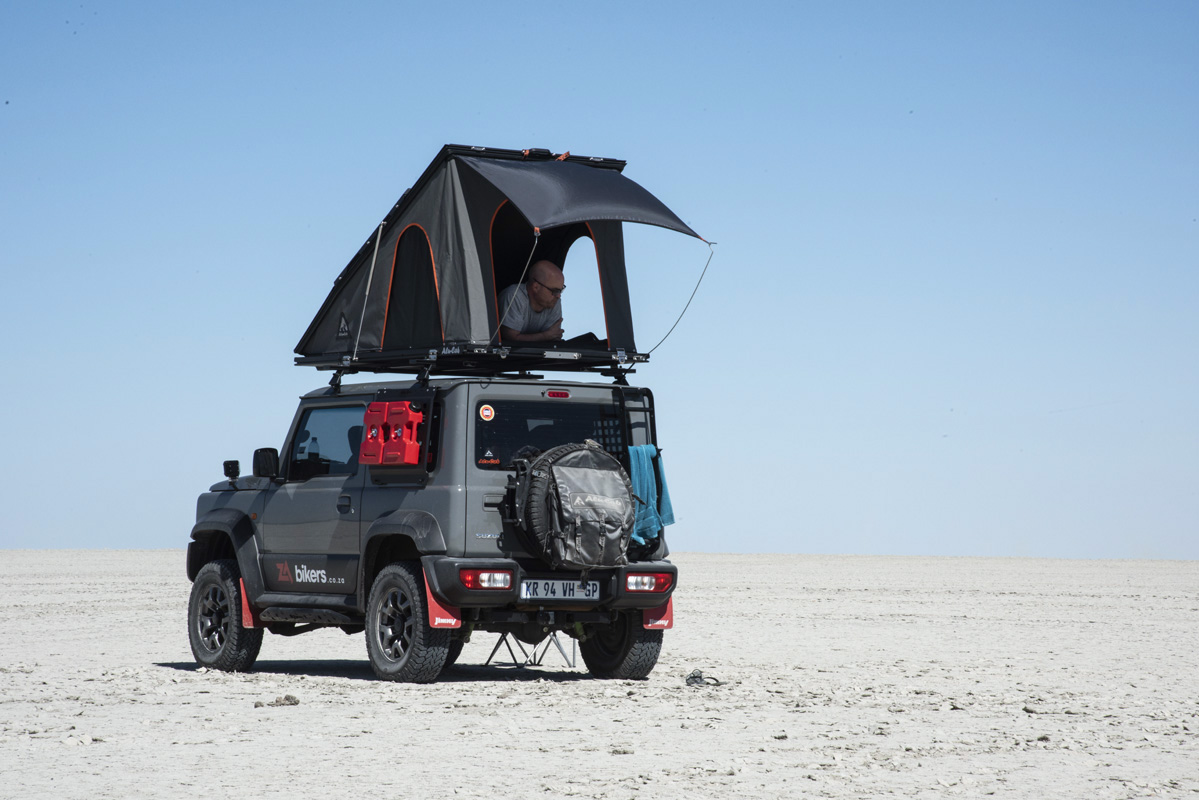
Our micro-overlanding rig was more of a glamping set-up than camping. Front Runner really went to town on our Jimny, kitting us with the following accessories:
If you aren’t a regular camper or overlander, these prices won’t mean much, but for the folks that do, 46k is a drop in the ocean for all these premium accessories. When factoring in what a top-of-the-range rooftop tent or bottom-of-the-range camping trailer costs, it’s a bargain; it’s more like double the number we are looking at here. With Front Runner, you can tailor your ideal setup, especially when factoring in that they have over 55 different items that you could fit on the roof rack. When camping for a long time over a few nights or weeks, as many people do, practicality and easy setup slash breakdown are key, and that is exactly what you get from Front Runner.
1 of 14
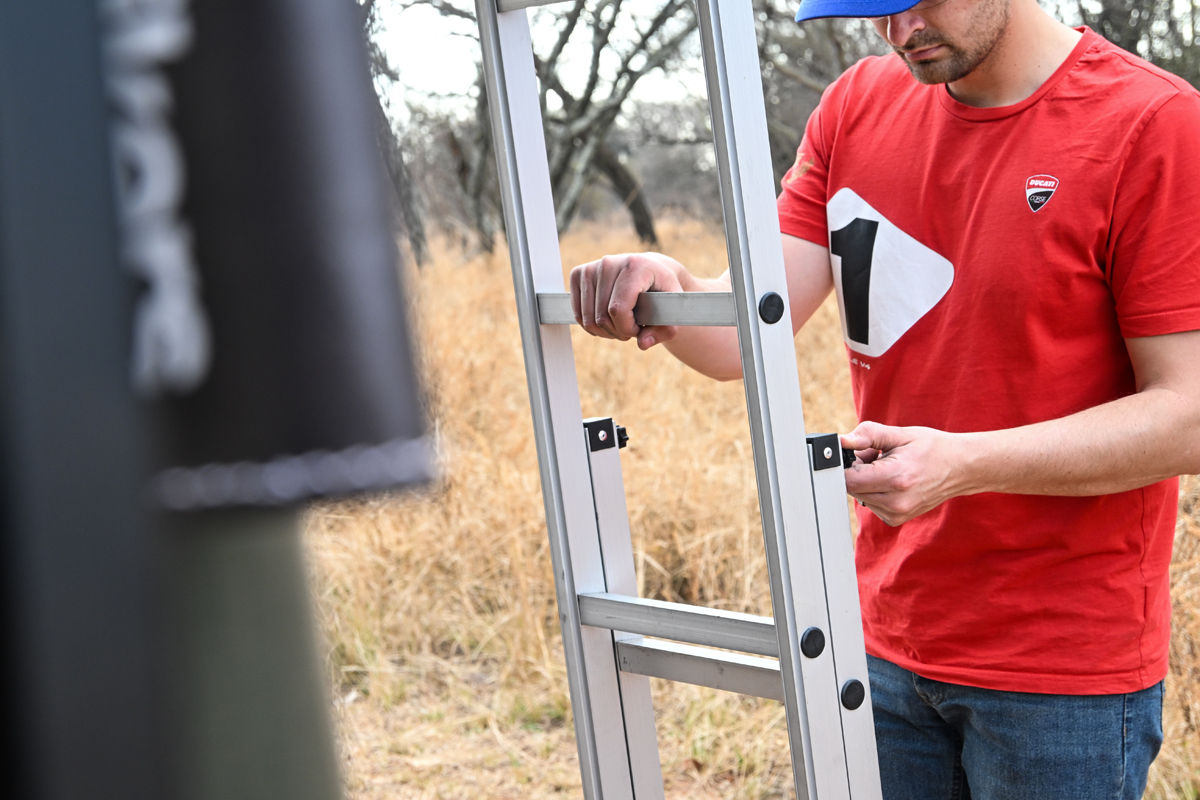
The fact that you can drive a brand-new Jimny off the showroom floor with Front Runner accessories is a huge score. Suzuki Auto South Africa is picky when it comes to approving accessories, but with Front Runner being on the list, you need not stress no more, especially when the Roof Rack and Ladder get packaged into the deal and financed through your local Suzuki dealer when purchasing a brand new Jimny. Think about it this way: now the foundations of your blank canvas Jimny are ready for the ultimate setup from day one.
Photo credit: ZA Lifestyle
Our setup, even parked next to the seriously rigged-out Front Runner vehicles, stood out as being well thought out and practical for a weekend away, without going over the top. Getting fully set up, awning out, tent up, table, chairs, and braai takes just over 20 minutes with good practice, and tidying up takes 5 minutes longer. Having a well-set-up micro overlander, in my opinion, is just as good as glamping at some of the best stays in the country. For a more in-depth read on our setup, read our prepping for the gathering article HERE.
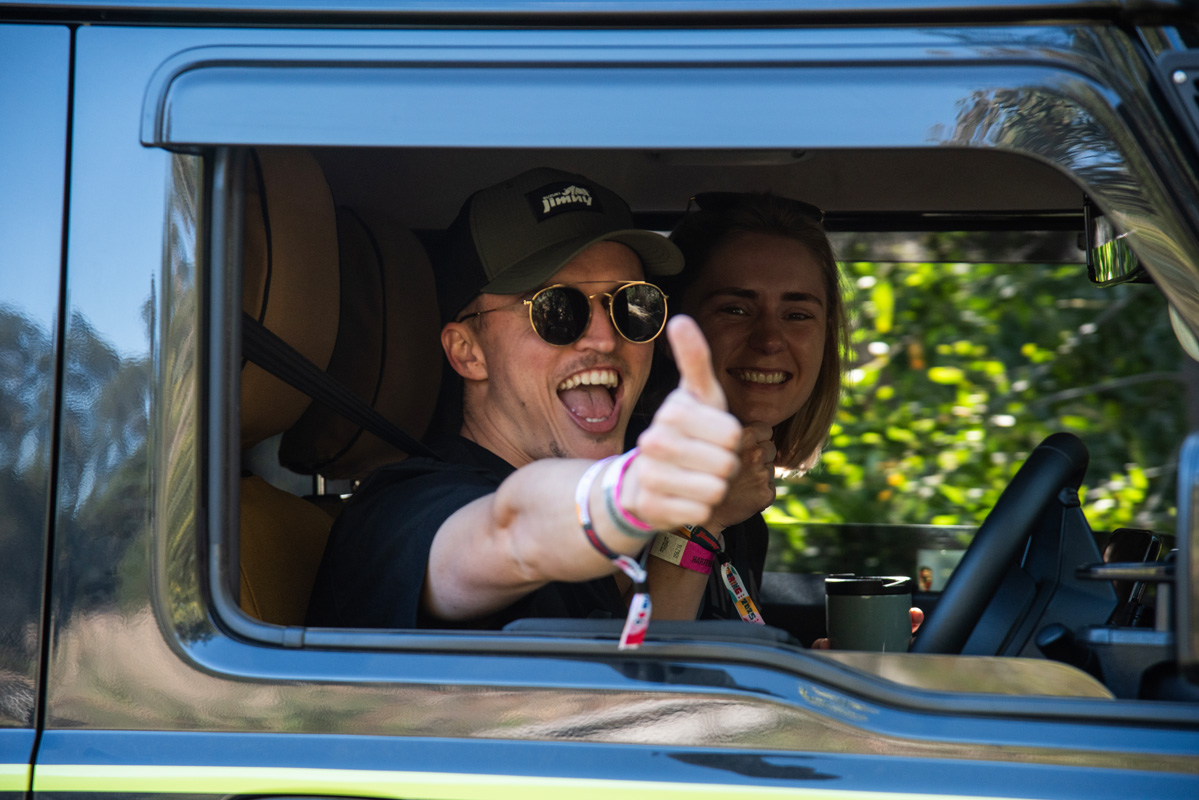
Before we knew it, we were shutting our doors for an official Guinness World Record of the most doors shut simultaneously, but also to an amazing time spent with like-minded Jimny enthusiasts and great friends. The official numbers were 1127 Jimnys and 1838 doors closing at once! The rest of the day was spent at the Safari Town with great artist line-ups, good food and great vibes as we wrapped up another fantastic Jimny Gathering.
1 of 27
A word of thanks must go out to Suzuki Auto South Africa for organising such a well-laid-out and fun event. You can count us in for the next one!
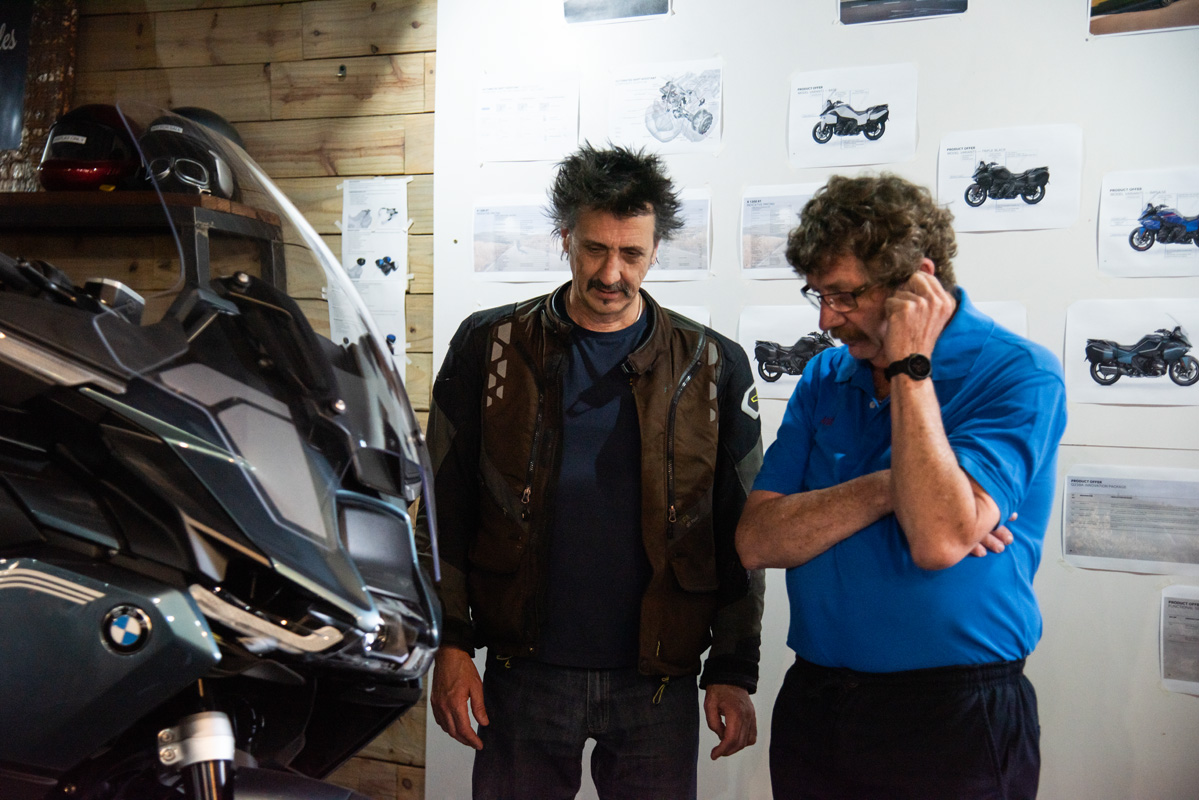
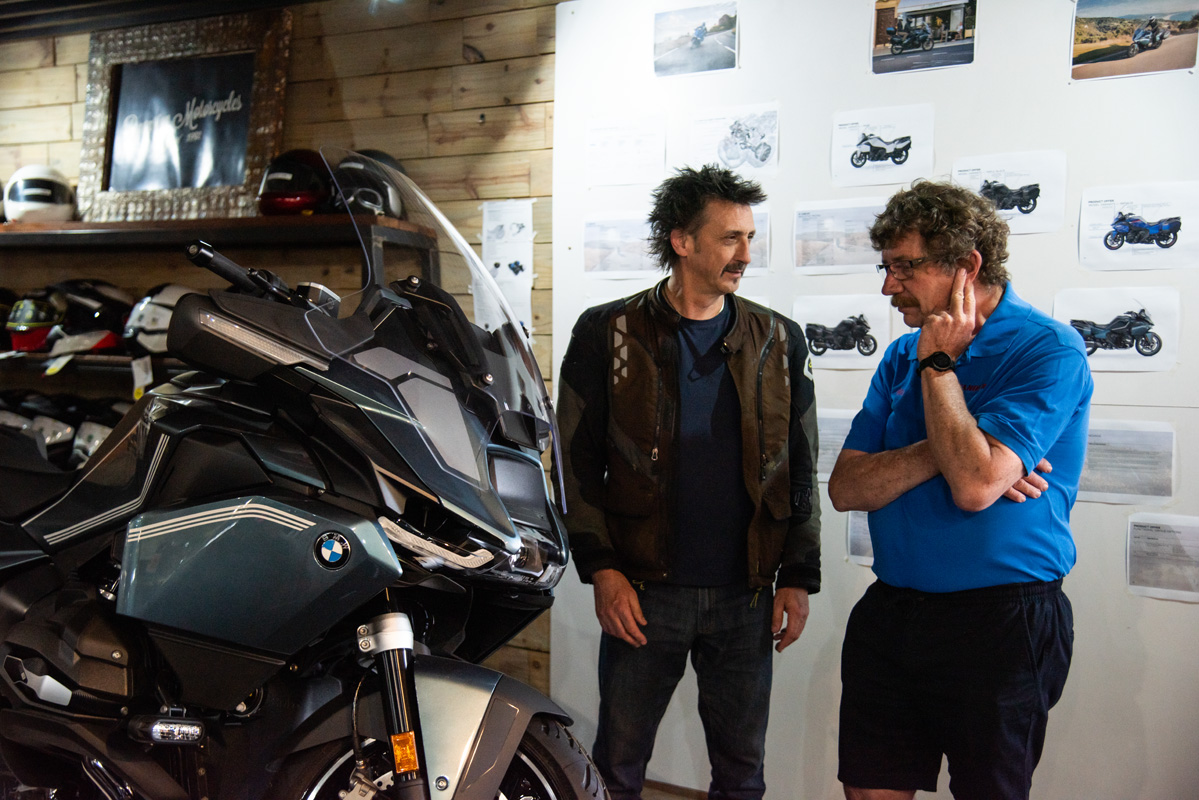
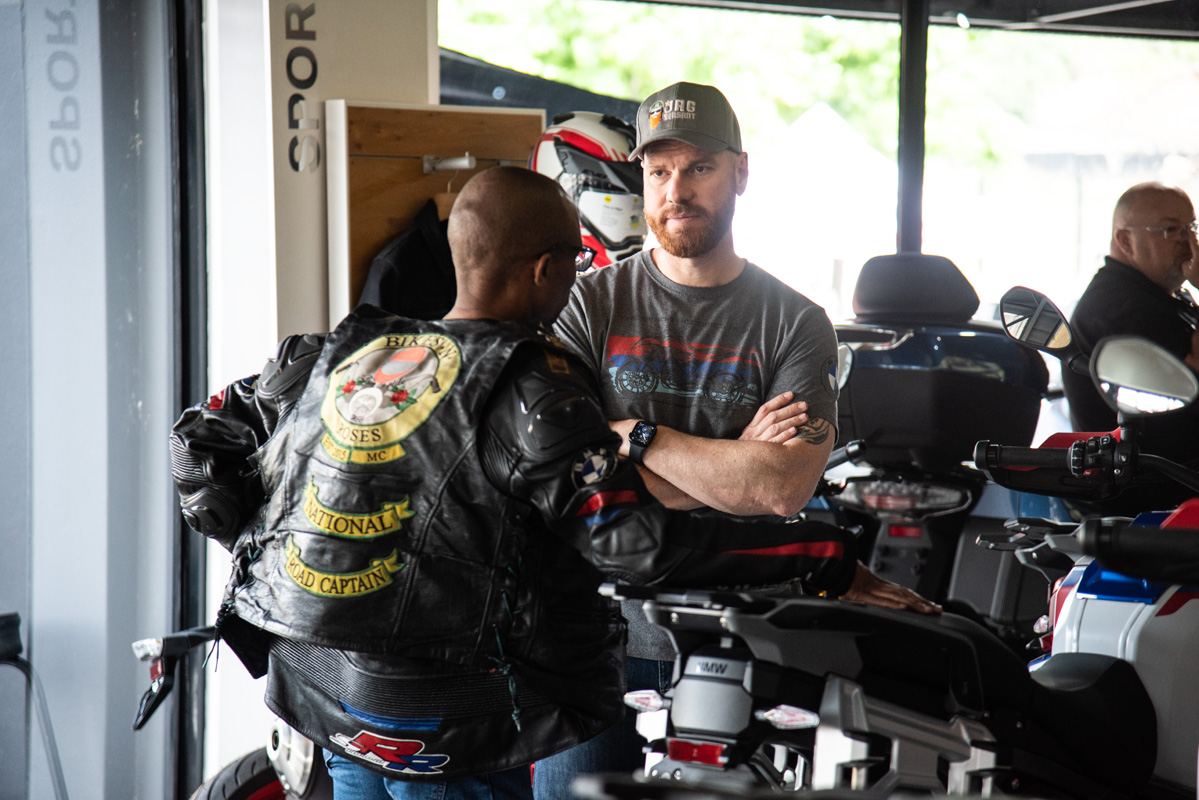
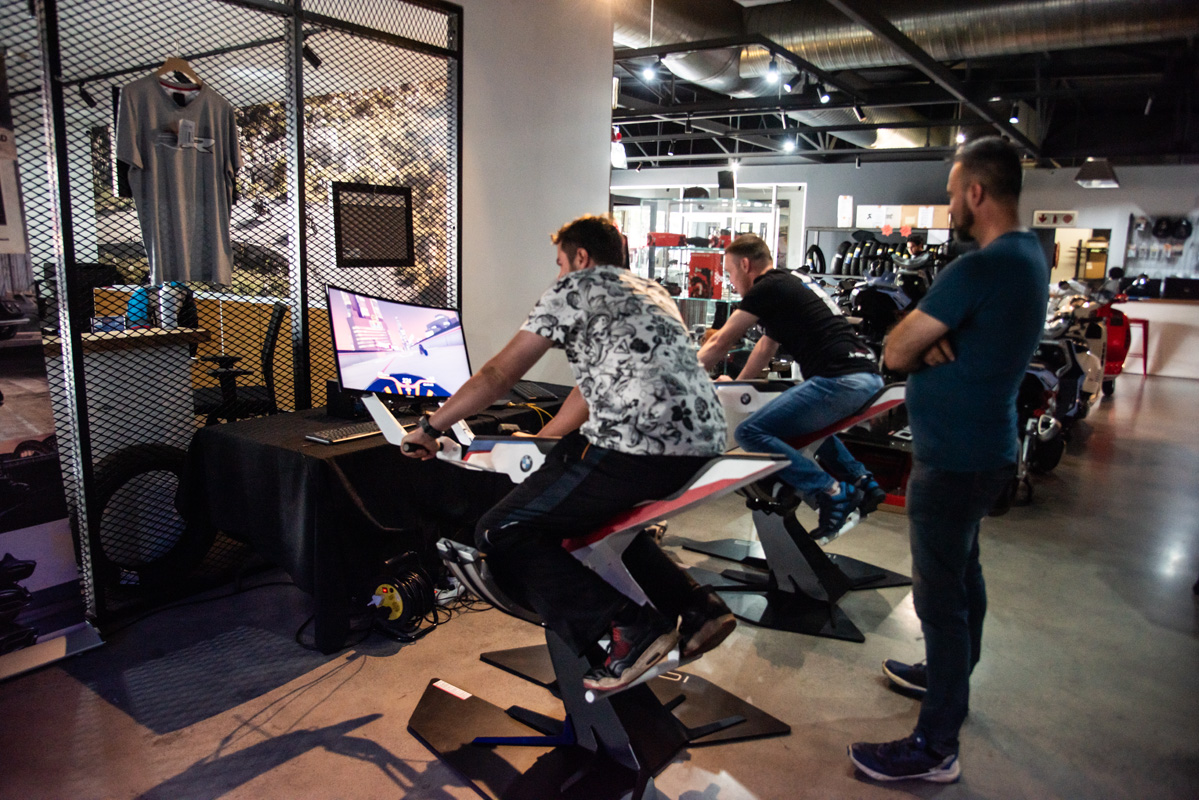
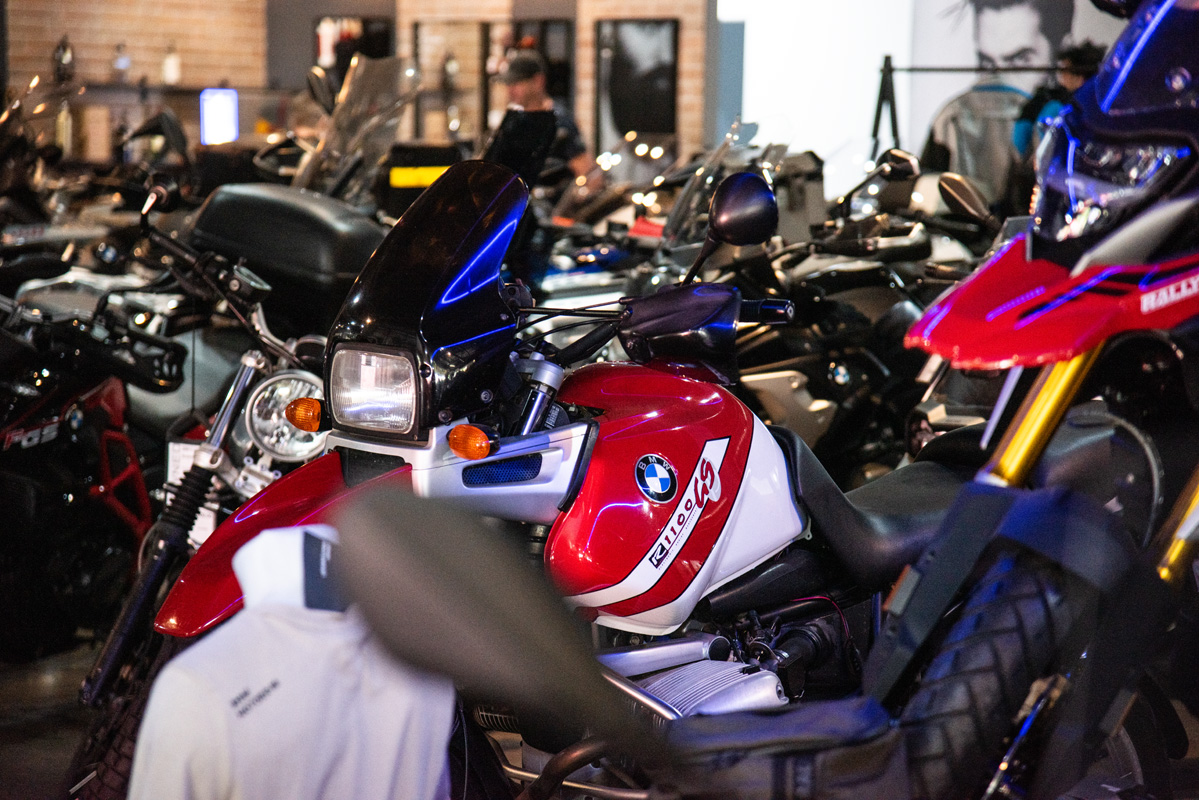
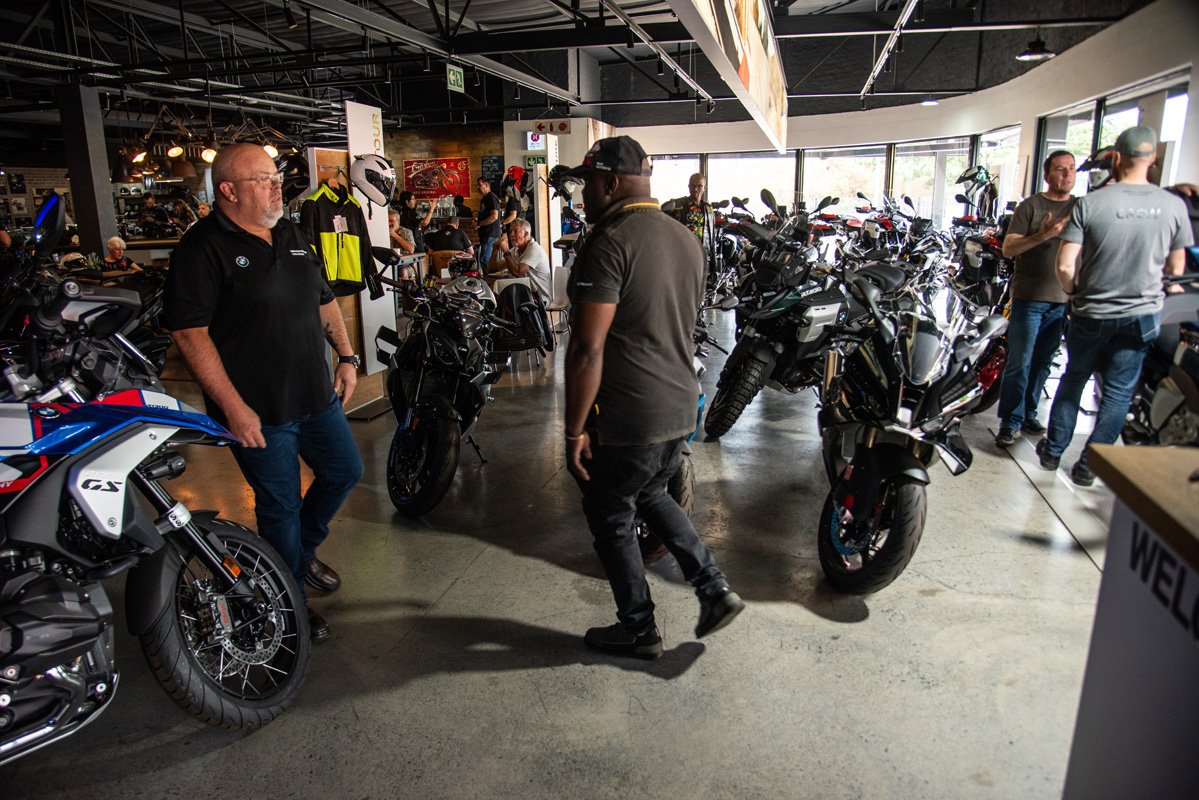
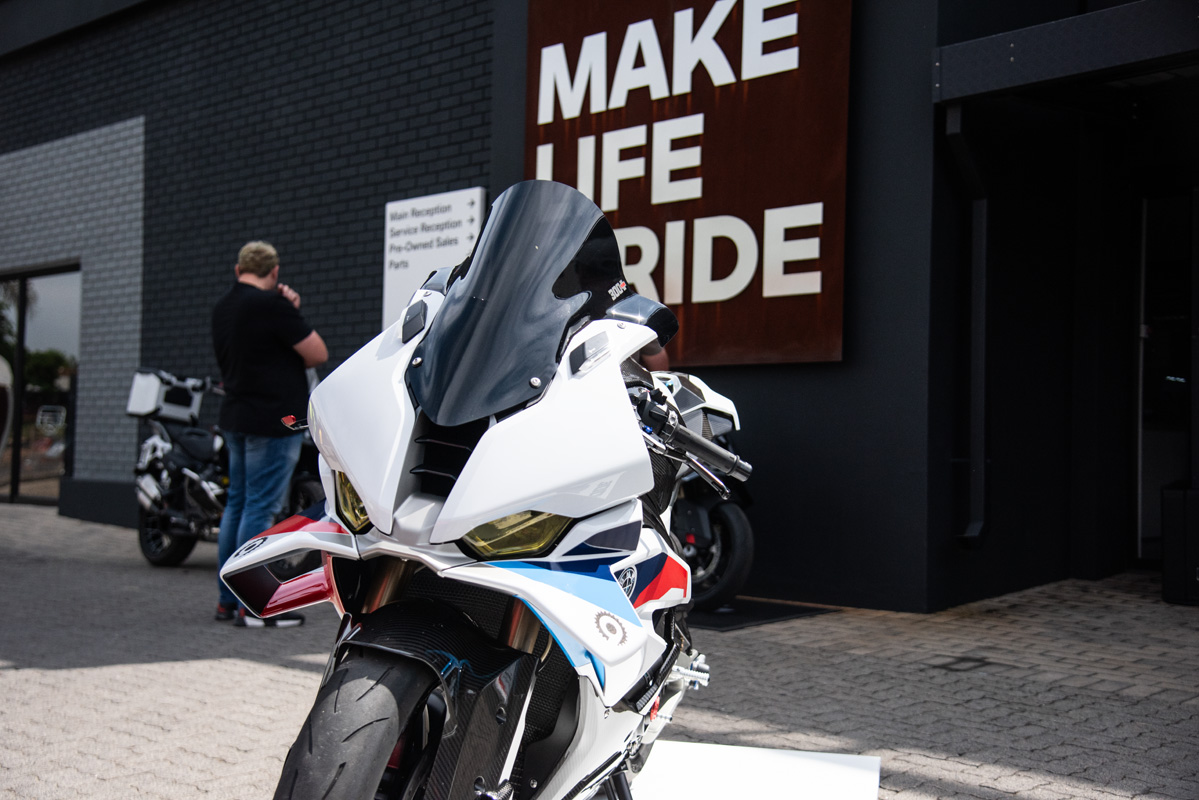
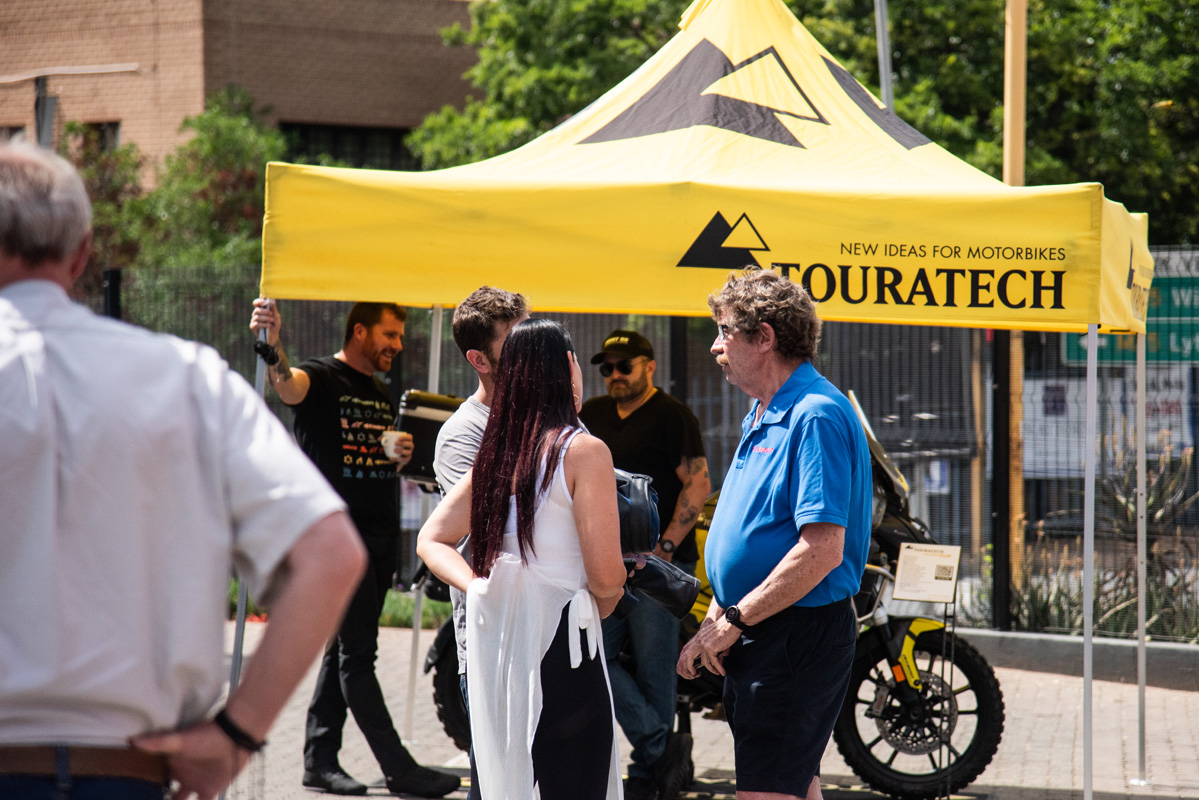
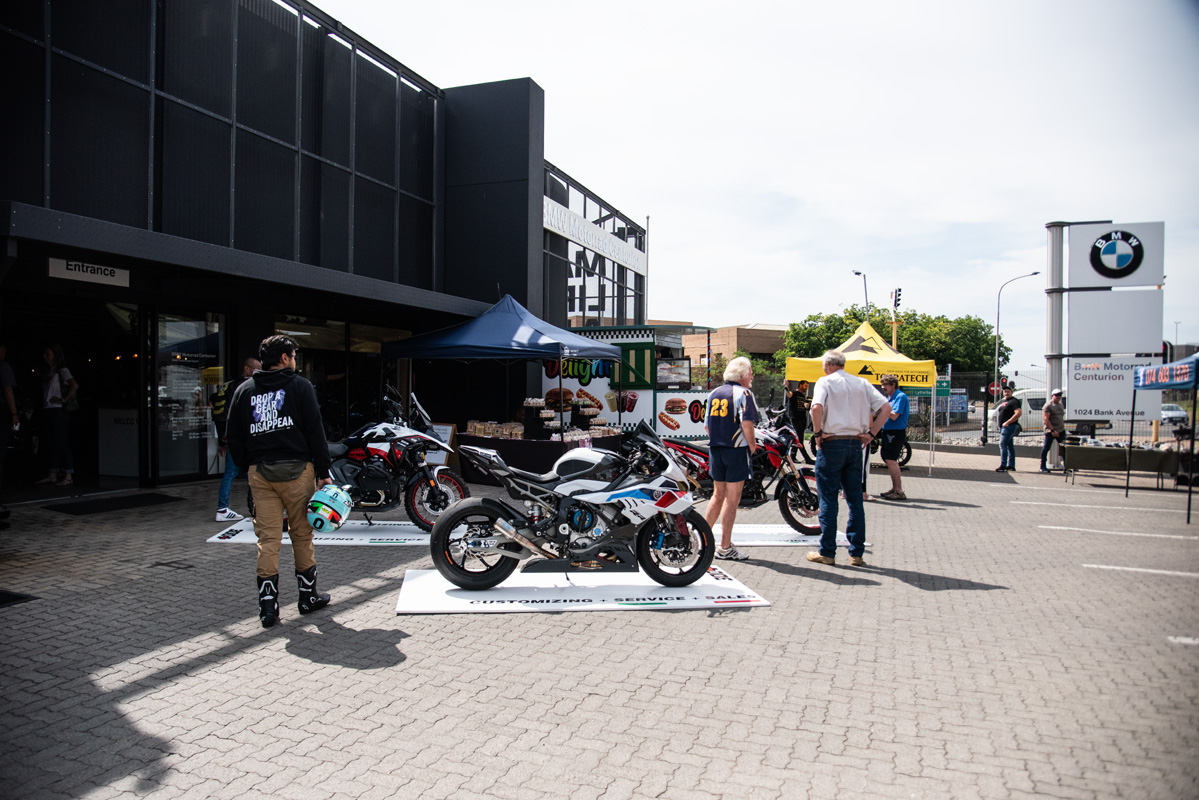
The month of October has become known in motorcycling circles as the official start of summer, as it’s the time that BMW Motorrad Centurion (formerly known as Bavarian BMW) throws open its doors for its annual October Day festivities.
Photo credit: Bjorn Moreira / ZA Bikers
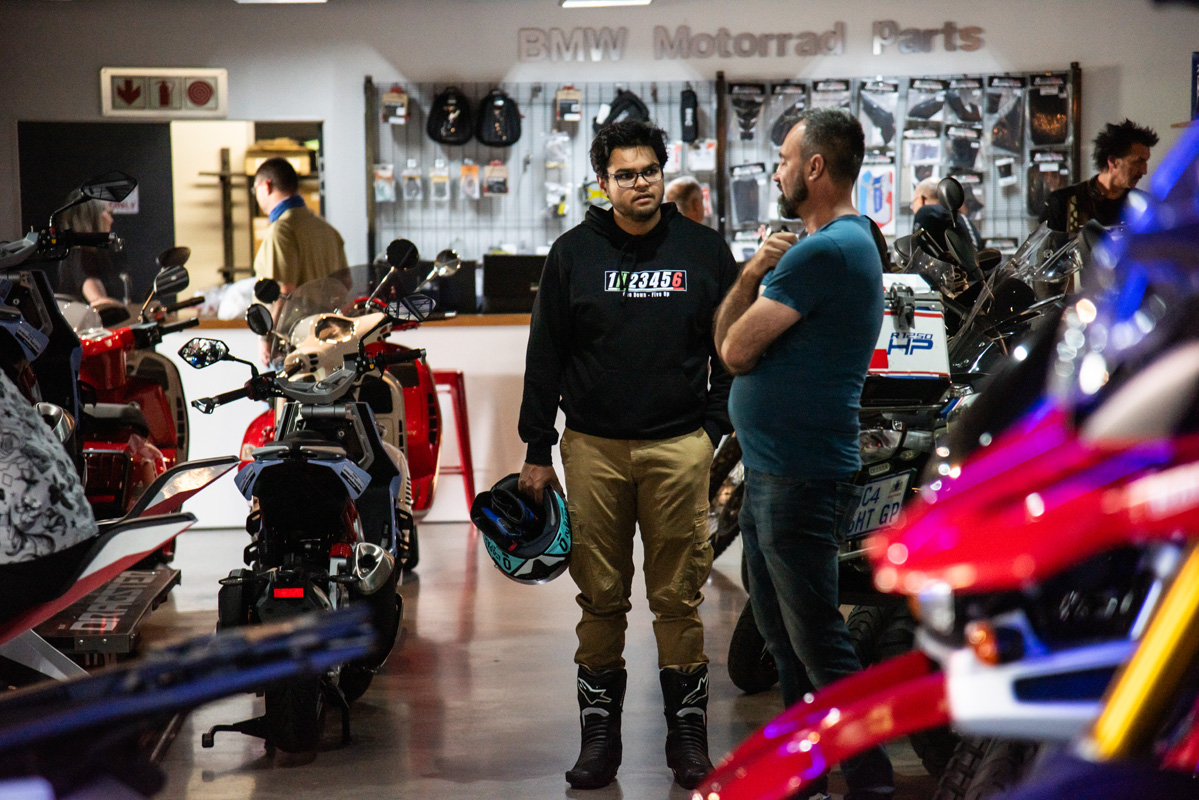
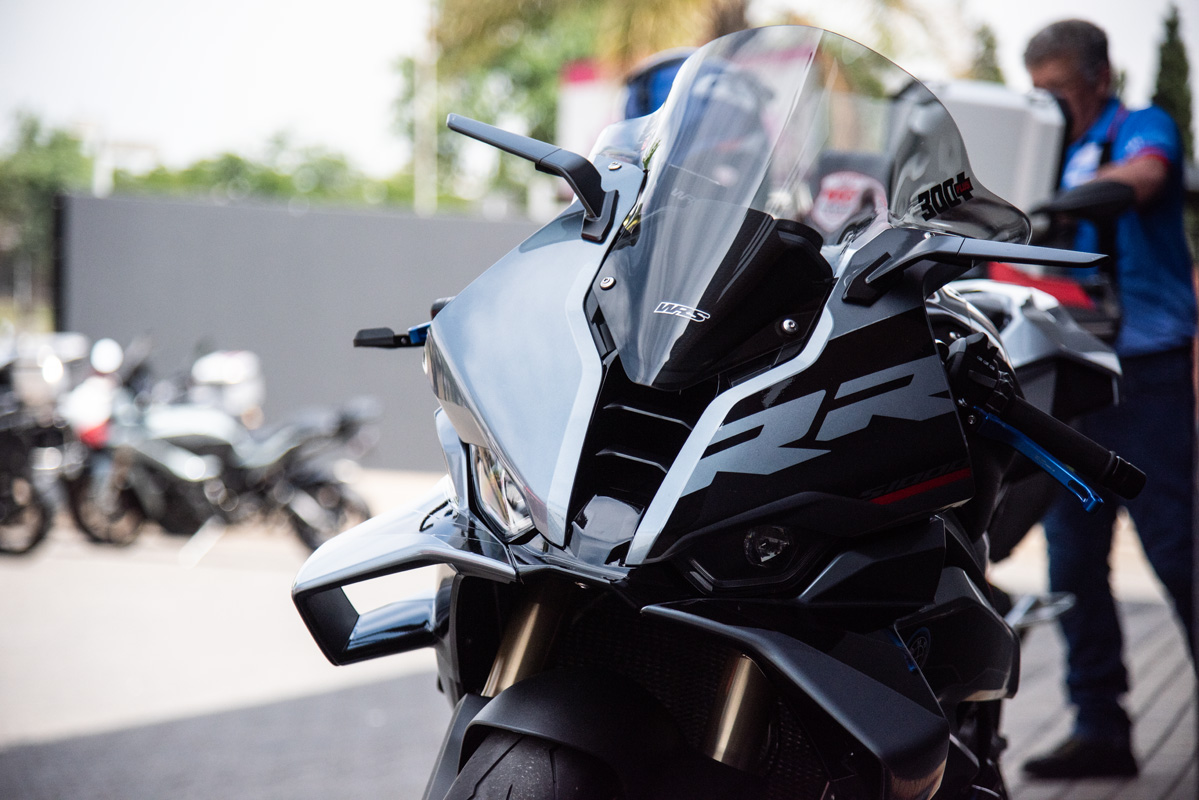
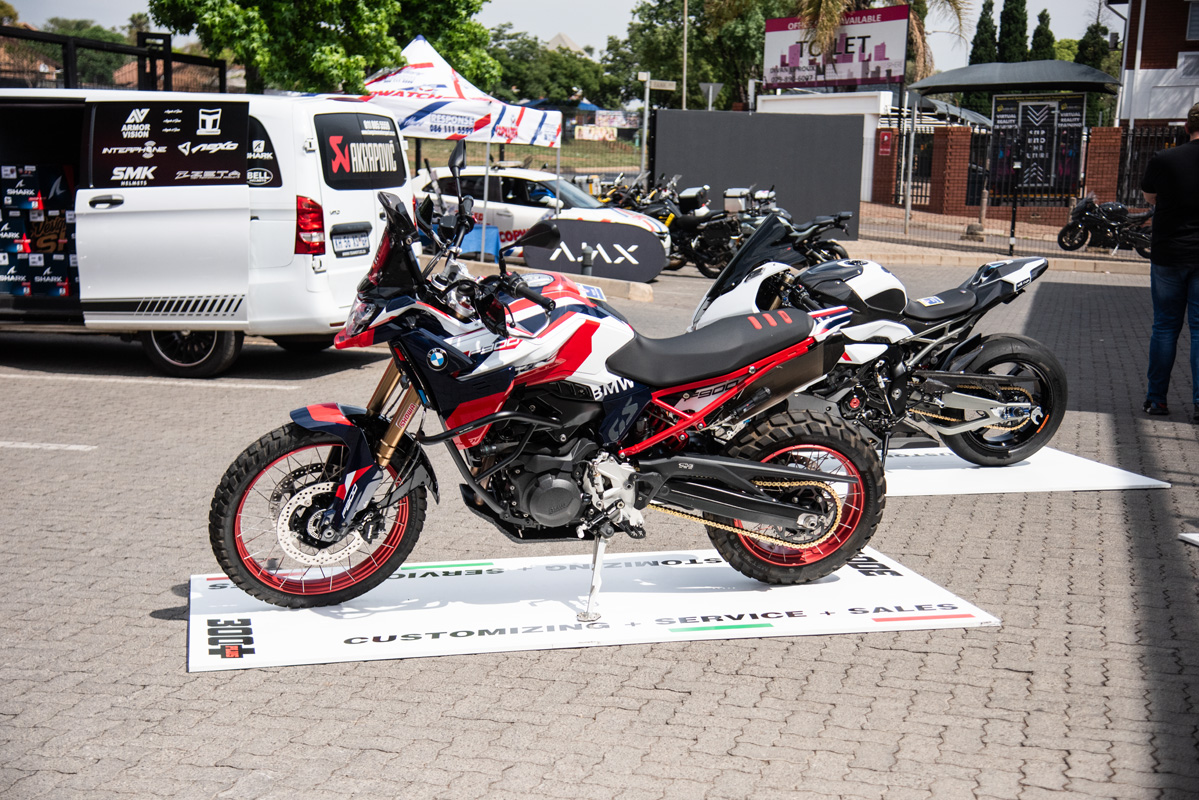
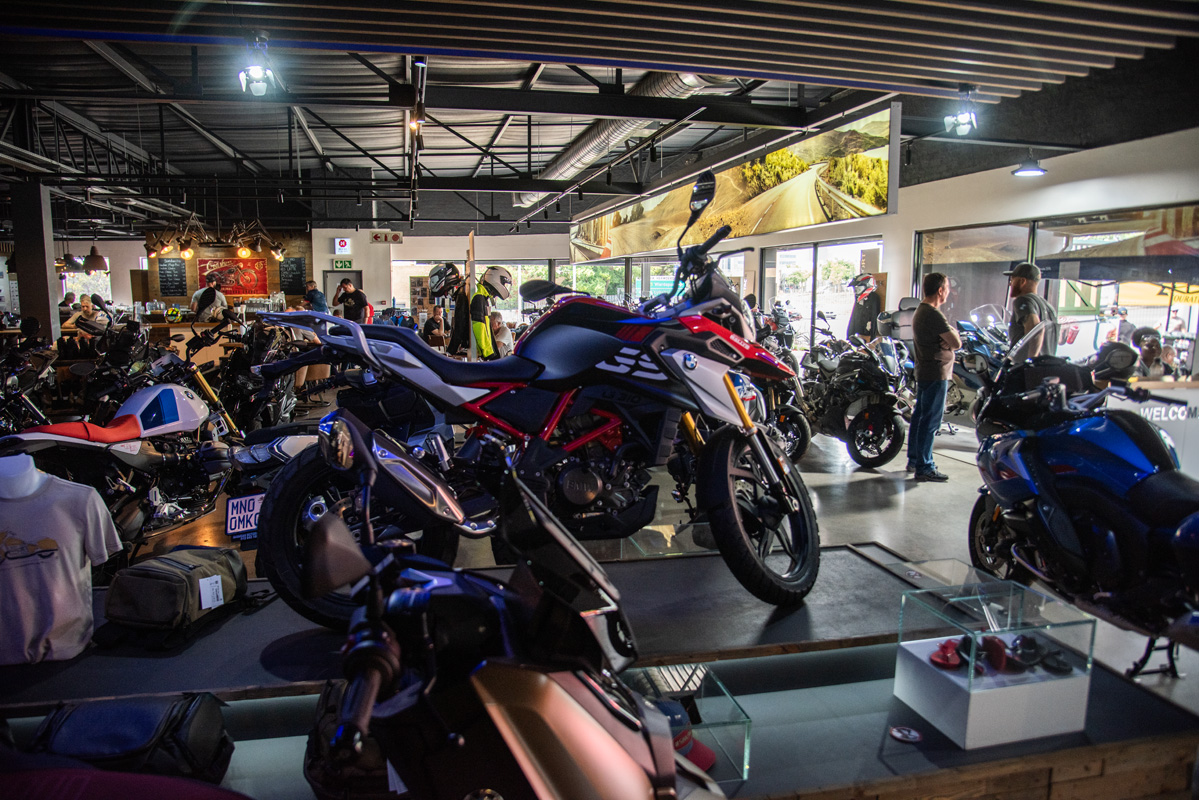
The dealership is always an impressive place to visit, being crammed full of new and used motorcycles, always impeccably presented. For some visitors, this was the first time they would have seen the R 1300 GS Adventure, not to mention the M 1000 R. Also on prominent display was the massively impressive R 1300 RT; a technical tour de force that surely deserves the crown of best touring motorcycle in the world.
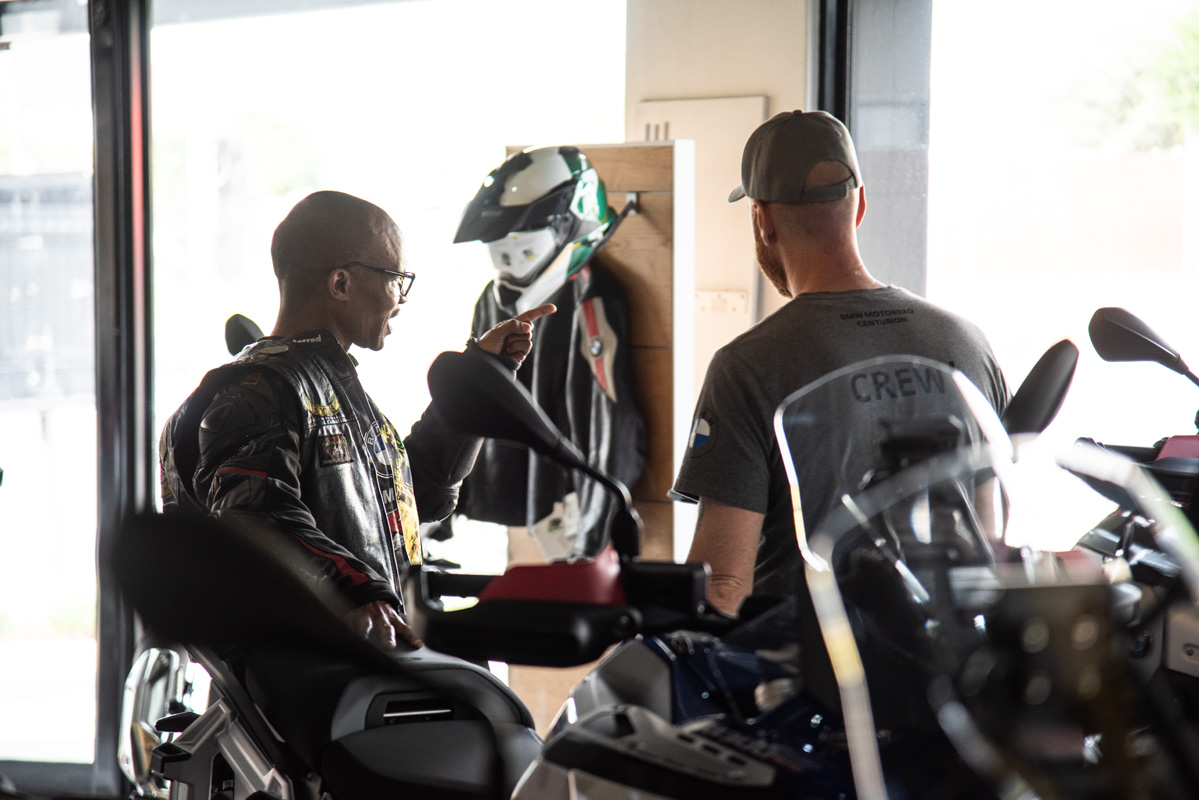
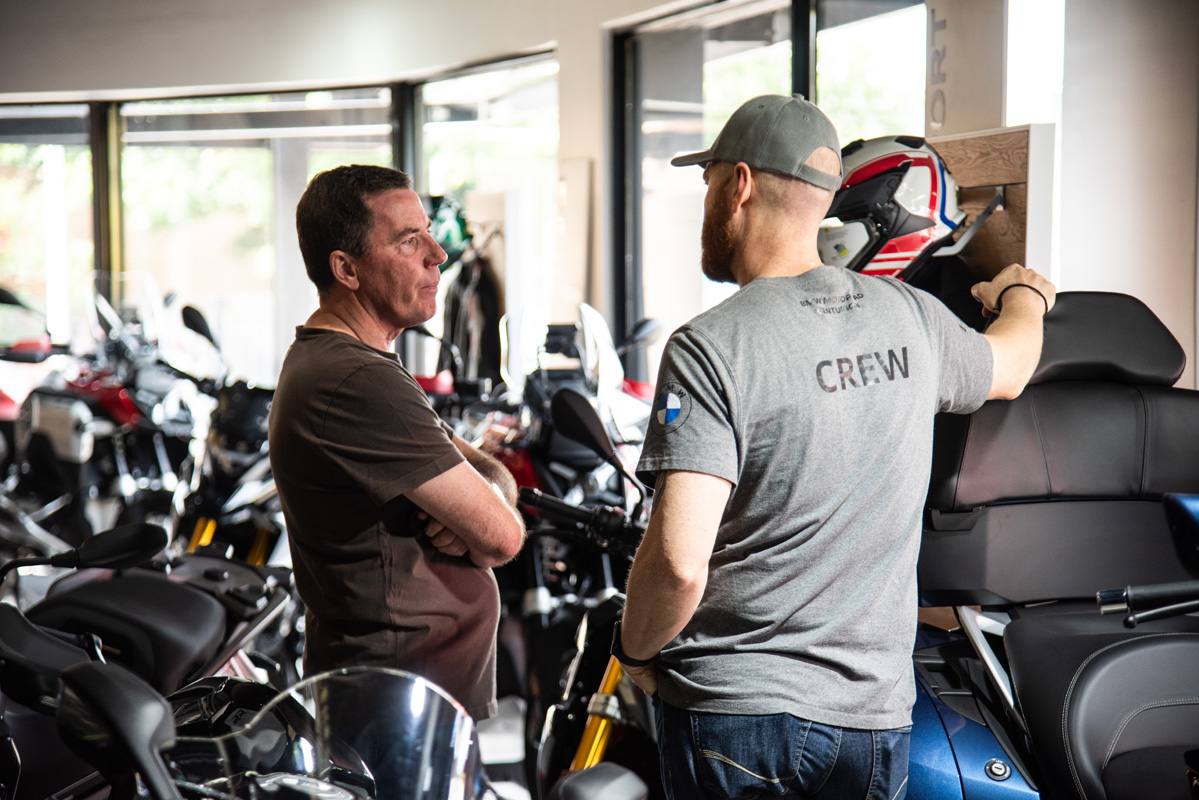
But the day isn’t solely about motorcycles. It’s always a pleasure to meet the staff at BMW Motorrad Centurion, who are never anything other than super-knowledgeable and friendly.
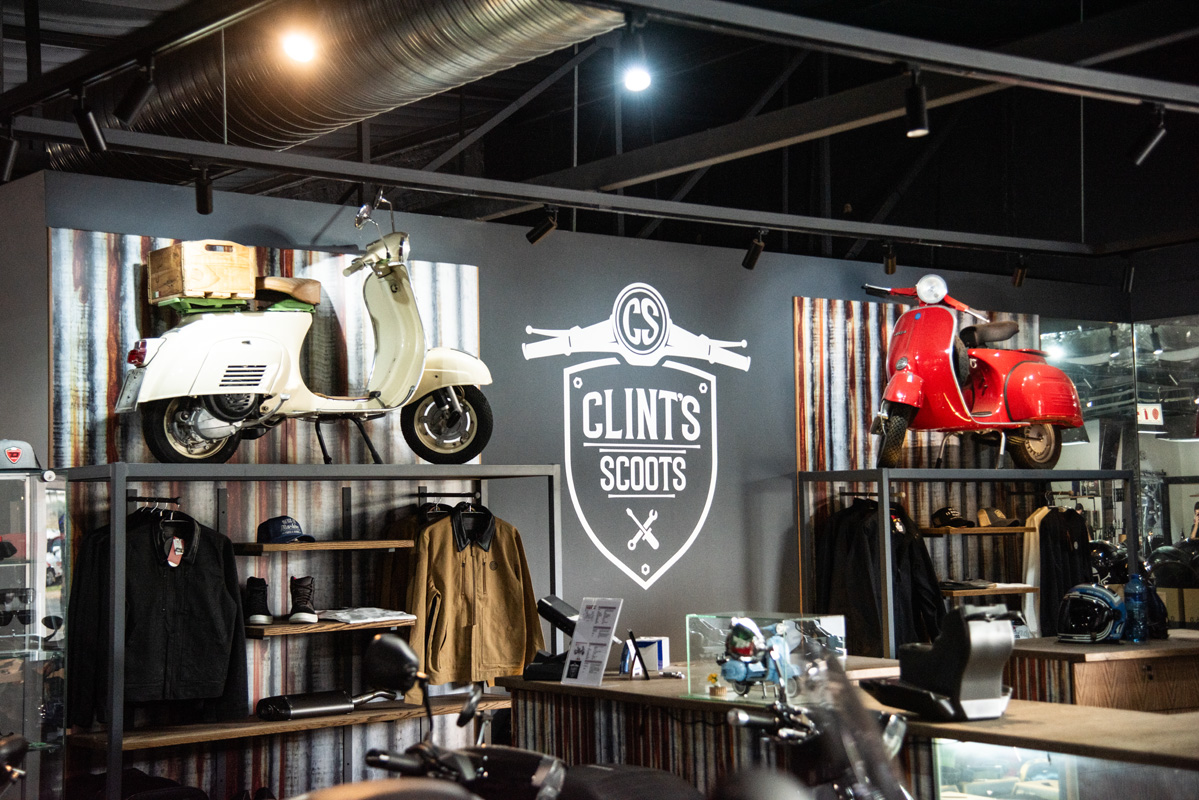
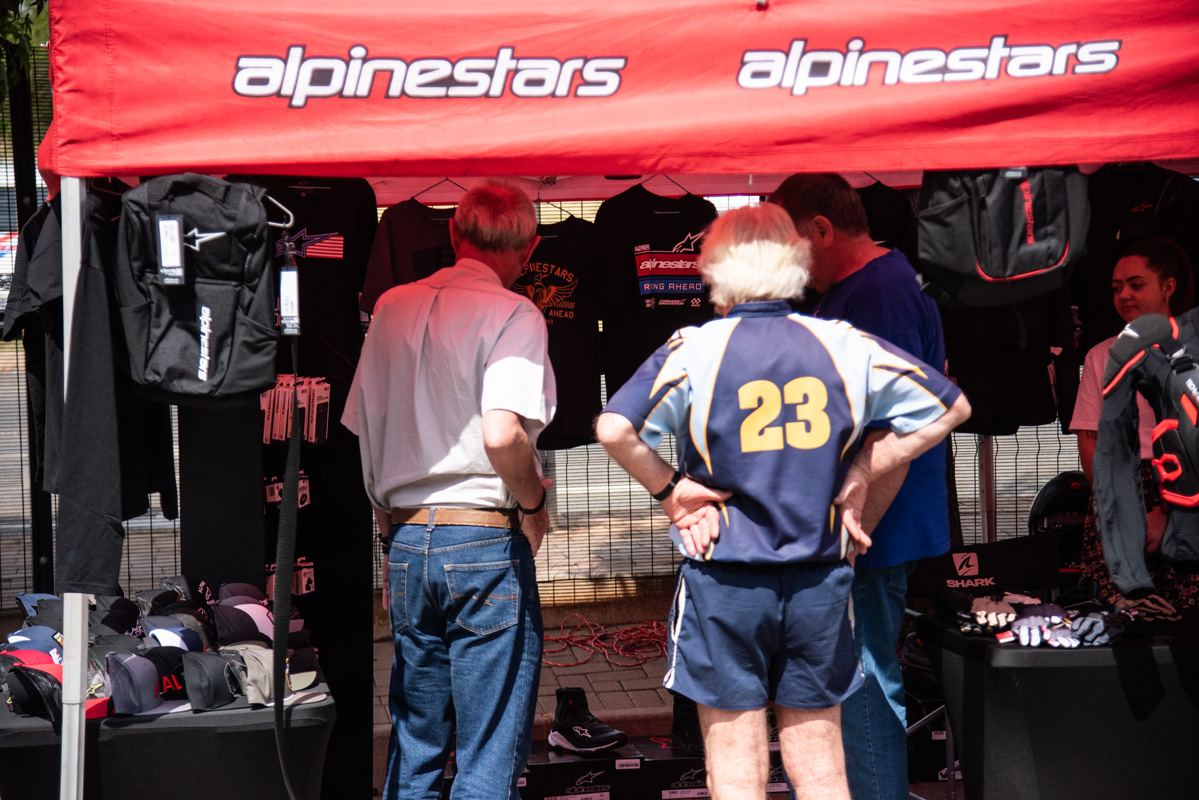
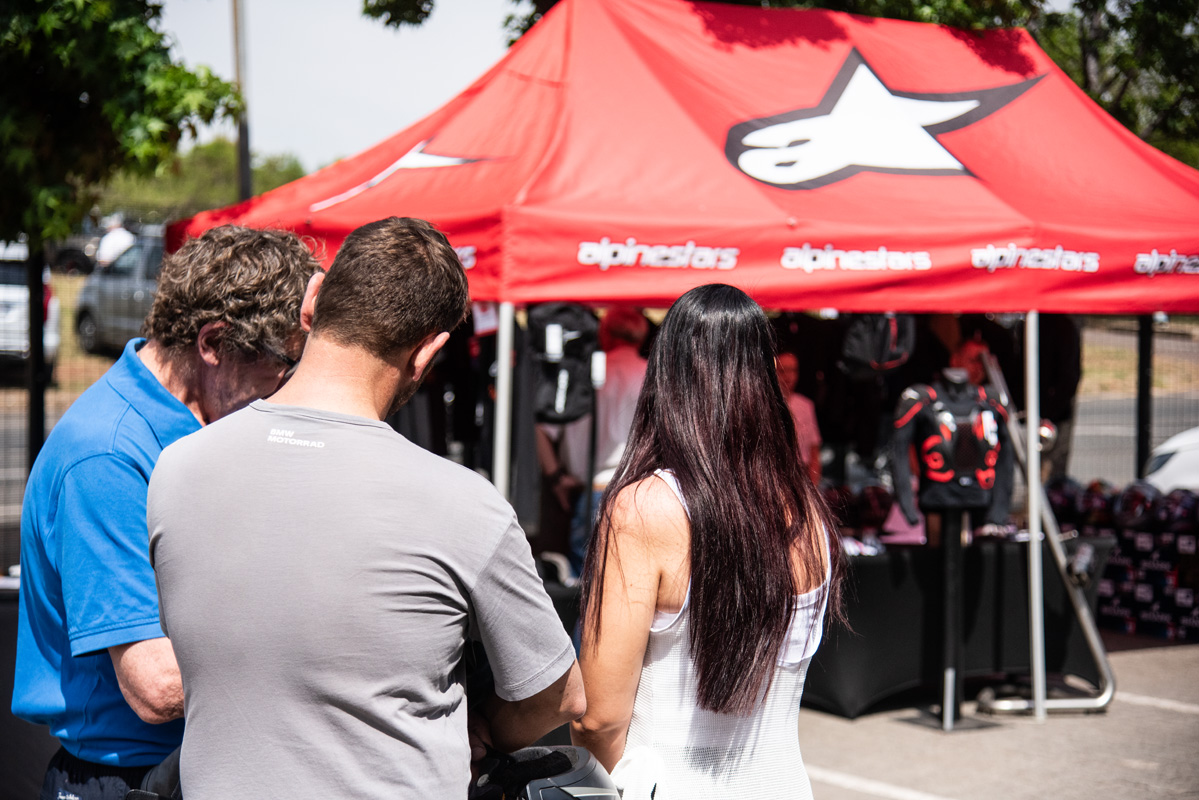
Then there is the extensive range of apparel, helmets and boots, much of it at very special sale prices, the barber shop and, of course, Clints Scoots sharing floor space and with its own special appeal to lovers of all things Italian scooter.
1 of 30
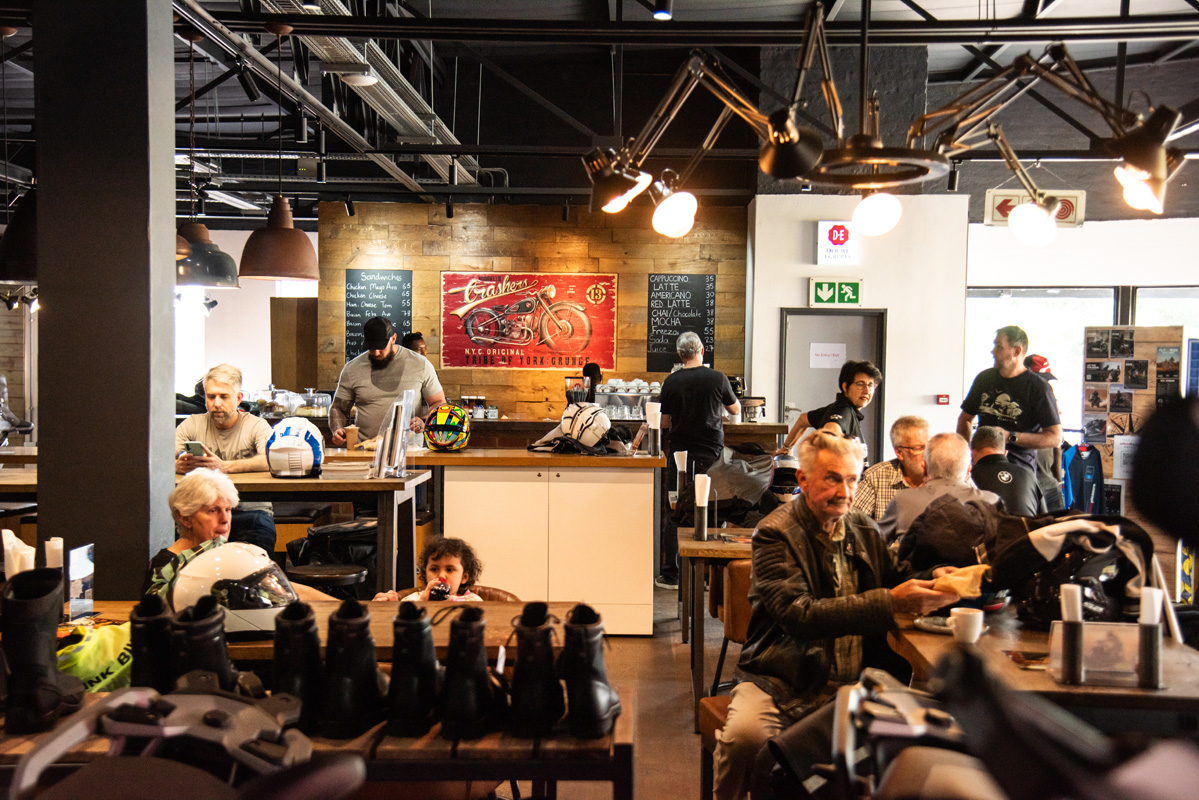
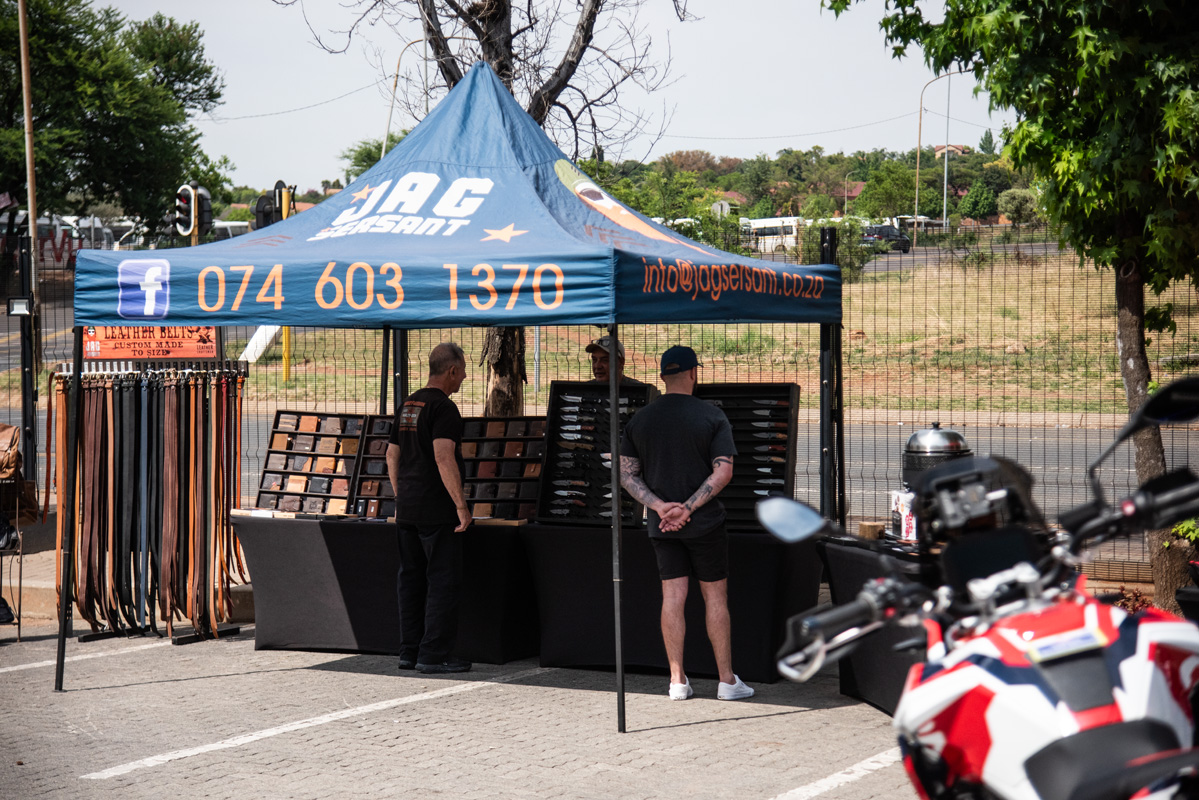
With food and drink readily available both indoors and out and a smattering of speciality stalls in the car park, there really was something for everyone, and it will be the same again next year, so if you missed out this year, be sure to mark the date in your 2026 diary. It’s a good way to spend a sunny Saturday morning.
Not many of us give much thought to the batteries we fit to our cars and motorcycles, but the simple fact is that, without a good battery, you’re not getting very far, irrespective of the mechanical soundness of your vehicle. Similarly, not many of us will have a preference as to which brand of battery to use, but it’s never too late for a bit of education.
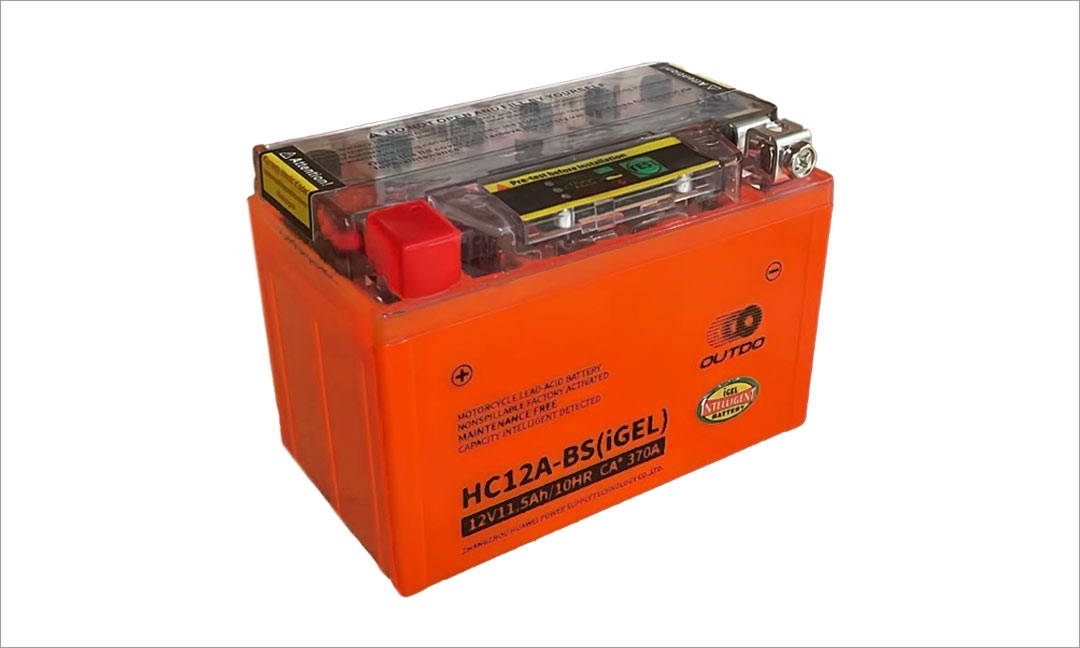
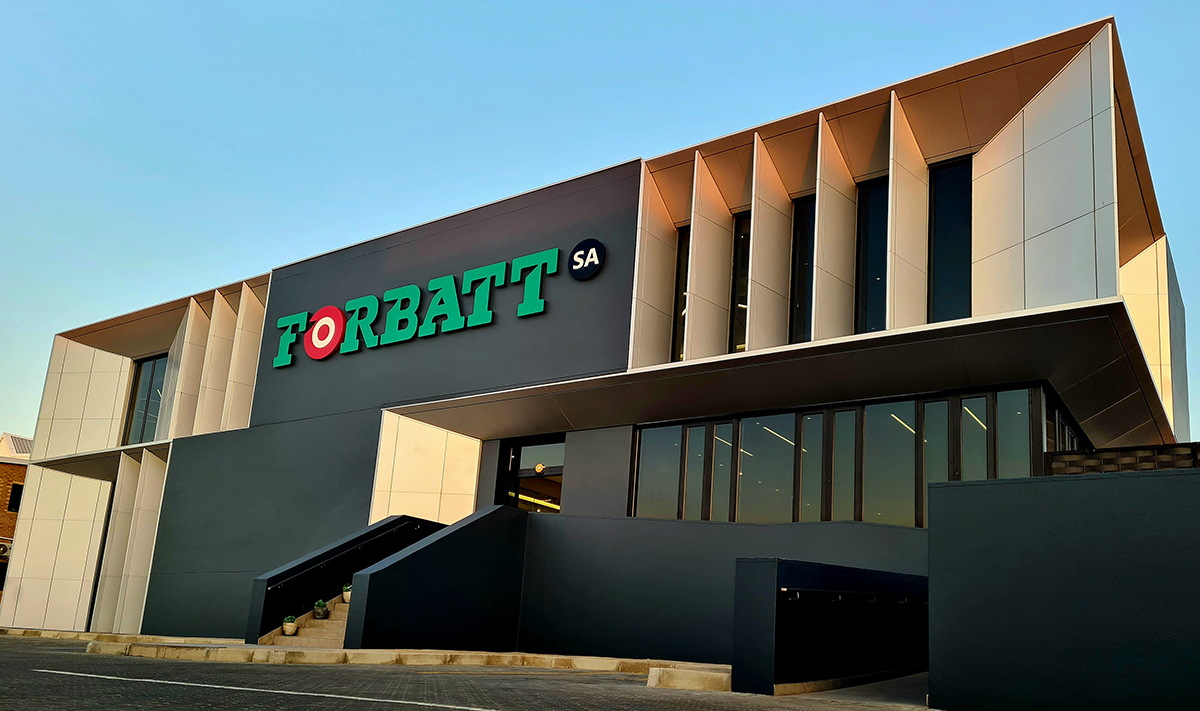
I’ll admit to being as ignorant as the next man about batteries, which is why it was instructional to learn about Outdo batteries, imported to South Africa by Forbatt SA. Perhaps a couple of quotes from their press release will tell the story better than I could.
Image source: Forbatt SA
‘For nearly three decades, this global leader in advanced battery manufacturing and power solutions has been redefining how people move, connect, and create. From two-wheelers to large-scale energy systems, its batteries deliver consistent performance, safety, and sustainability—powering journeys that inspire confidence and progress.
‘Built on more than 28 years of expertise, the brand combines precision engineering, strong research capabilities, and forward-thinking design to create next-generation battery solutions. Each product reflects a dedication to excellence, ensuring that every charge delivers maximum power, longer life, and dependable performance in all conditions. Its comprehensive range—spanning motorcycle, E-bike, industrial, and storage batteries—caters to the evolving needs of both businesses and individual consumers seeking cleaner and more efficient energy.’
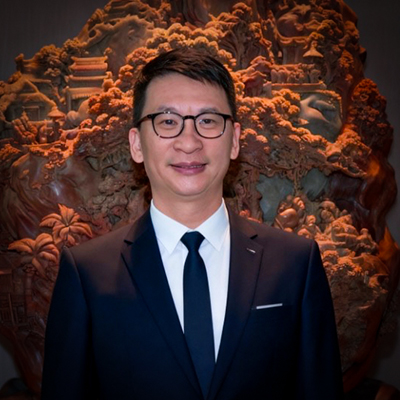
Mr. Ke – Founder and CEO of OUTDO
So, there you are!
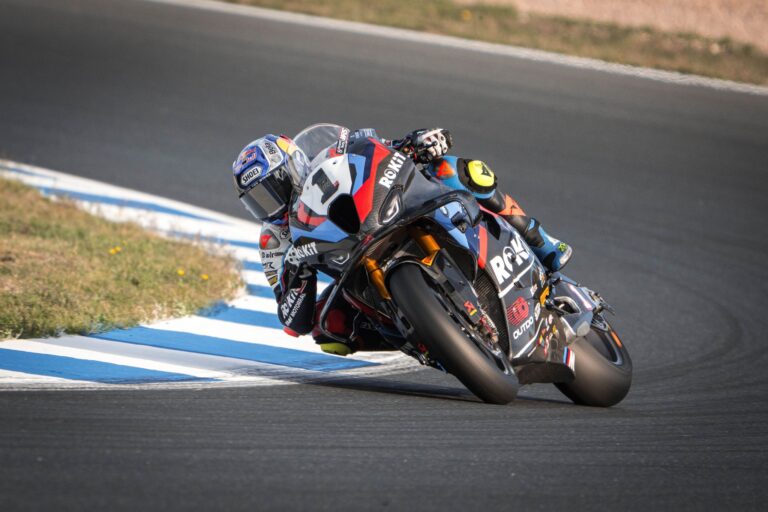
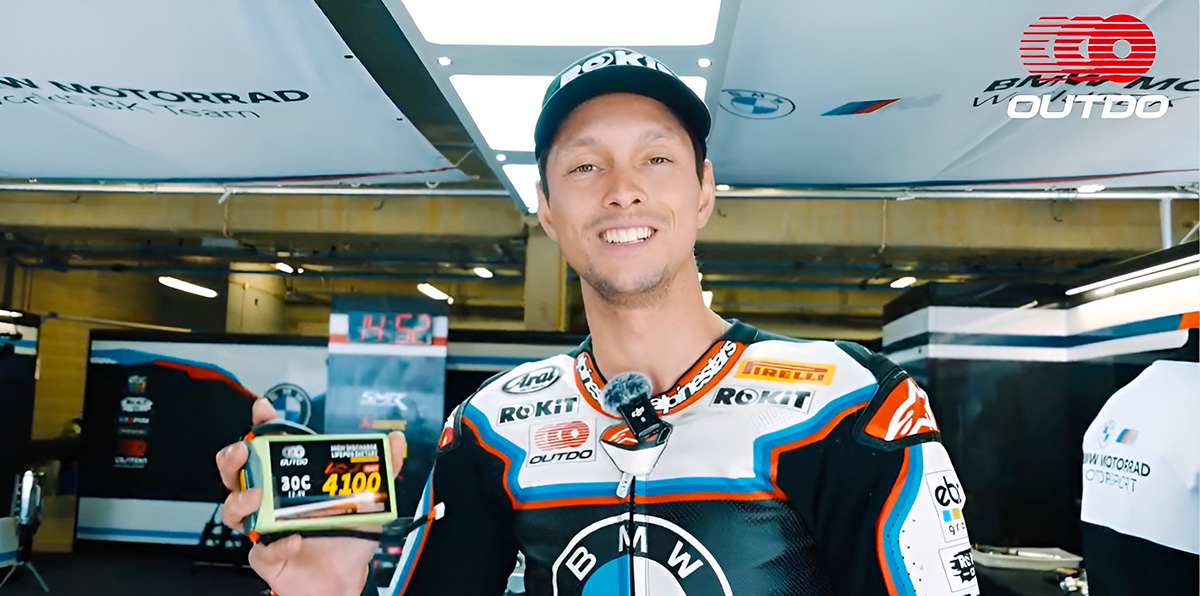
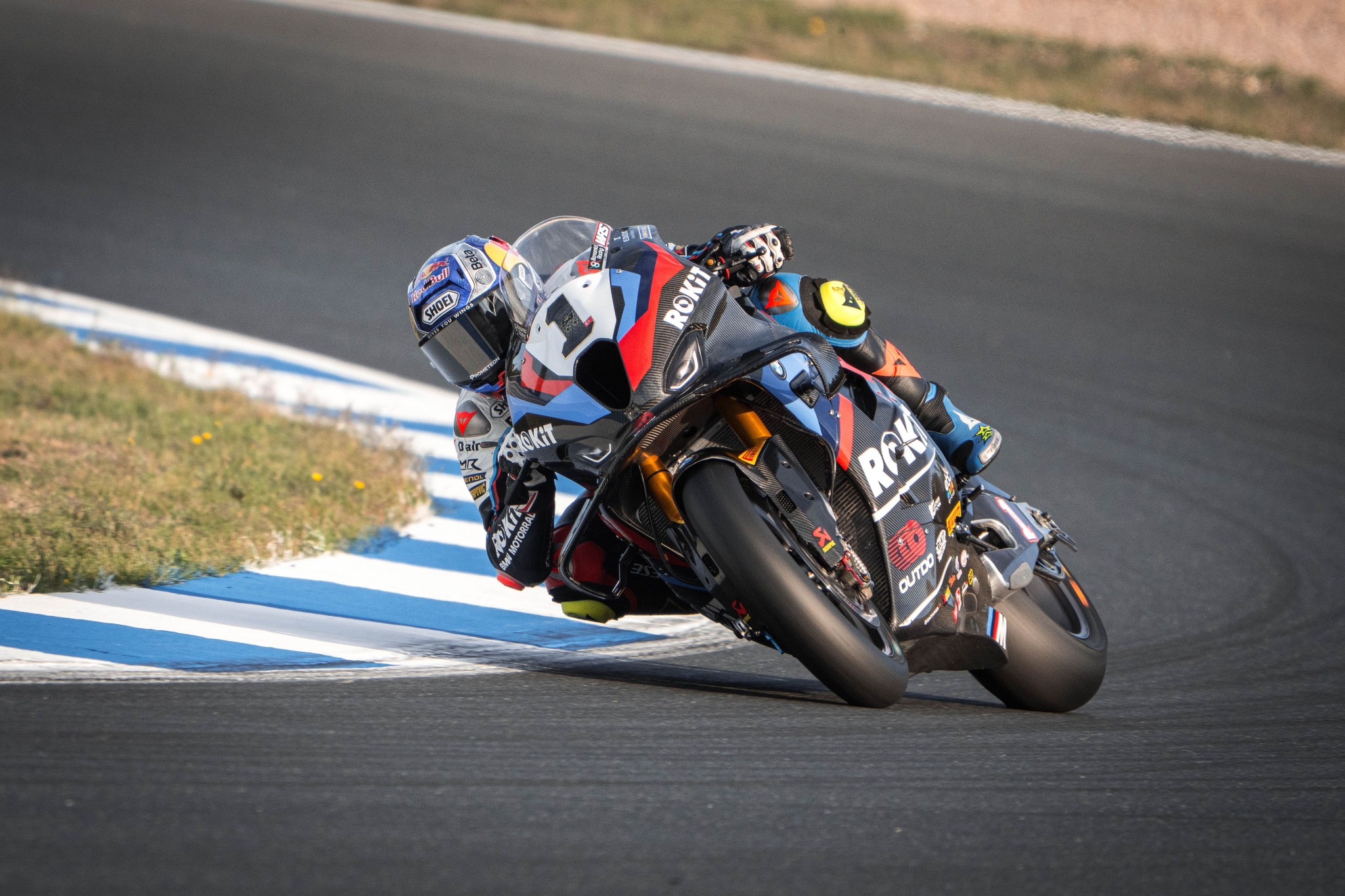
An important development in the brand’s history came when it was officially endorsed by BMW Motorrad Motorsport for the seasons 2024 and 2025 as the technical partner for its WorldSBK Team. This collaboration brought together two companies united by precision, speed, and innovation. Providing high-performance power systems for BMW’s championship-winning superbikes, the partnership showcased how advanced battery technology can thrive even under the most demanding conditions.
Image source: OUTDO
Outdo is trusted by leading motorcycle manufacturers and industrial operators who demand reliability, endurance, and consistency. From urban commuters to logistics companies, its technology supports mobility, safety, and sustainable growth.
Progress is nothing without innovation. Outdo’s dedicated R&D team is constantly exploring new materials, smarter energy management systems, and sustainable production methods to reduce environmental impact. Each advancement moves the company closer to its goal of shaping a cleaner, more energy-efficient future. By integrating modern design with eco-friendly technology, the brand ensures that its batteries deliver not only power but also purpose.
Image source: OUTDO
As the world shifts towards smarter, cleaner technologies, the brand continues to lead the charge with innovation that powers possibility. From the racetrack to the open road, from industry to everyday life, its energy drives the world forward—reliably, responsibly, and relentlessly.
Exclusively Imported by Forbatt SA
In South Africa, OUTDO Batteries are exclusively imported by Forbatt SA—a respected leader in the local power solutions market. With a trusted legacy spanning over 30 years, Forbatt SA has built a strong reputation for delivering dependable energy products and technical expertise across a wide range of industries. The company’s commitment to quality, reliability, and customer support makes it the ideal partner to bring OUTDO’s world-class technology to South African consumers. Together, OUTDO and Forbatt SA are energising the nation—powering progress, performance, and innovation at every level.
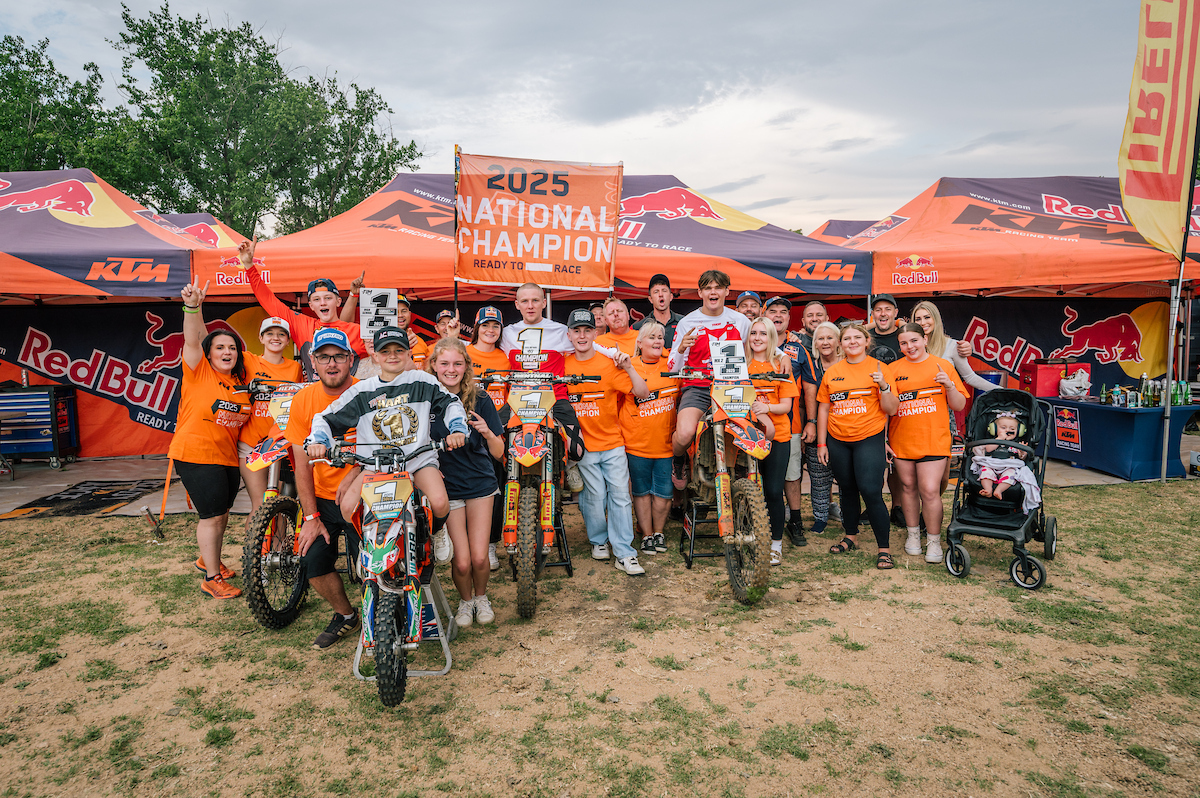
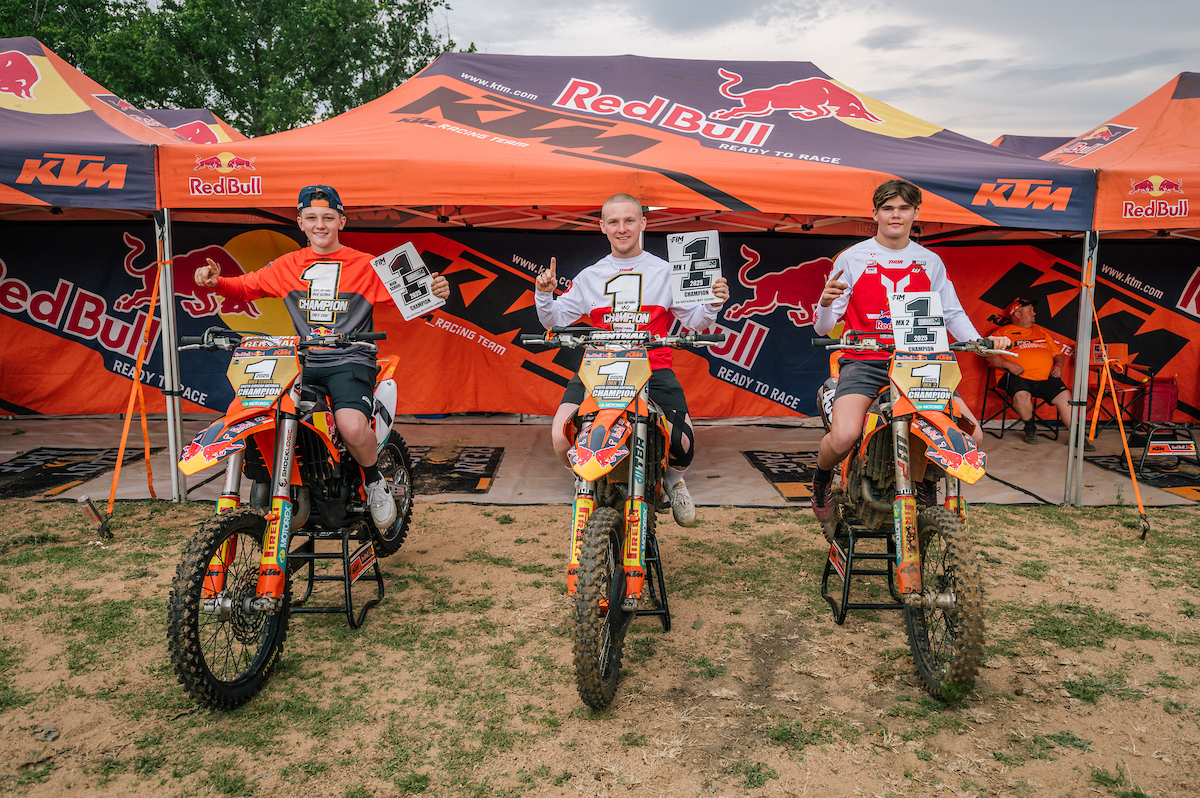
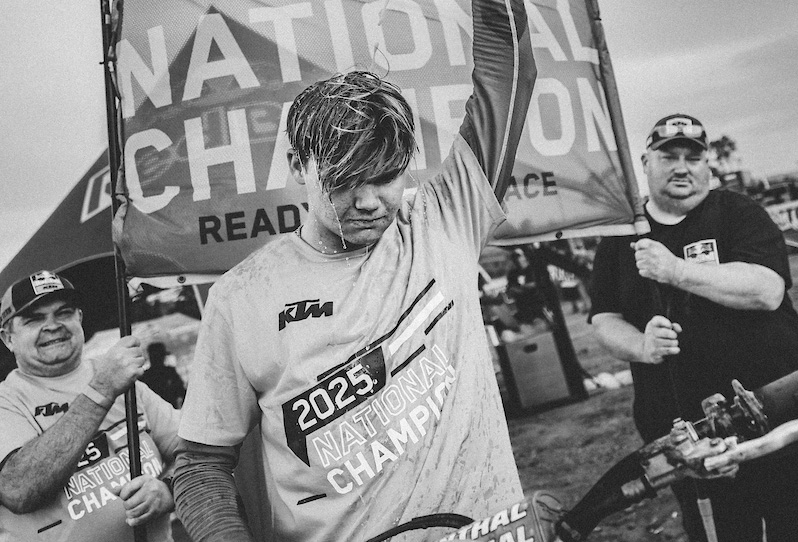
It was a powerhouse performance to close off the National Motocross Championship season for the Red Bull KTM team, who wrapped things up in style at Terra Topia MX Club in Gauteng. The team put on a show of pure dominance, with an orange podium all around and multiple championship titles secured.
Cameron Durow delivered a flawless performance, storming to double wins in both MX1 and MX2 for the day. His incredible pace and control throughout the day sealed the deal for the MX1 National Championship title, marking his third consecutive championship win in the class. Durow once again proved why he’s the man to beat, showcasing relentless focus and a true championship mindset.
Image source: KTM
Cameron Durow commented on the year saying, “What an amazing way to end the season! It’s been a year of hard work, consistency, and teamwork, and to walk away with another MX1 Championship feels incredible. The Red Bull KTM team has been unbelievable all year, and I couldn’t have done it without their support. Ending the season with another championship in the bag is the best way to thank everyone who’s been behind me.”
Luke Grundy wrapped up an incredible year by claiming the 2025 MX2 National Motocross Championship title. Grundy capped off his season with a calculated ride to 8th on the day, doing exactly what was needed to lock in his first-ever National MX2 crown. “Becoming the 2025 MX2 South African Champion still feels unreal!” Grundy beamed. “It’s been a long, tough season with its highs and lows, but I couldn’t have done it without the amazing people and team behind me,” he continued. “Huge thanks to Red Bull KTM South Africa for giving me everything I needed to make this happen. I’m so proud to bring this one home. Here’s to another year of fighting for glory!”
Image source: KTM
Adding to the team’s success, Trey Cox continued his winning streak, charging to another class victory and securing back-to-back National titles in the MX High School class. Cox also impressed with a strong 4th place finish in MX2, rounding off what has been an exceptional rookie season in the senior ranks. Trey Cox stated, “It was a great way to end the season! I went 1–3 in the 125 class for the overall win, even after a crash in Moto 2. In MX2, I finished 4–5 for 4th overall, not quite what I wanted, but it’s all part of the learning curve in my rookie year. I’m so proud to be a three-time SA Champion, and to see all the hard work pay off is incredibly rewarding. A huge thank you to the Red Bull KTM team and everyone who’s helped me get here.”
Image source: KTM
The Red Bull KTM team couldn’t have asked for a better way to close the season, a true statement of strength, dedication, and teamwork.
Team Manager Kerim Fitz-Gerald shared, “It was an incredible way to finish the season. The team’s effort and commitment have been next-level, and to walk away with multiple championships and such strong performances across the board is something we’re extremely proud of.”
Image source: KTM
With a clean sweep of titles and an unstoppable presence on the track, the Red Bull KTM squad signs off the 2025 season at the very top and gets Ready To Race for the 2026 season!
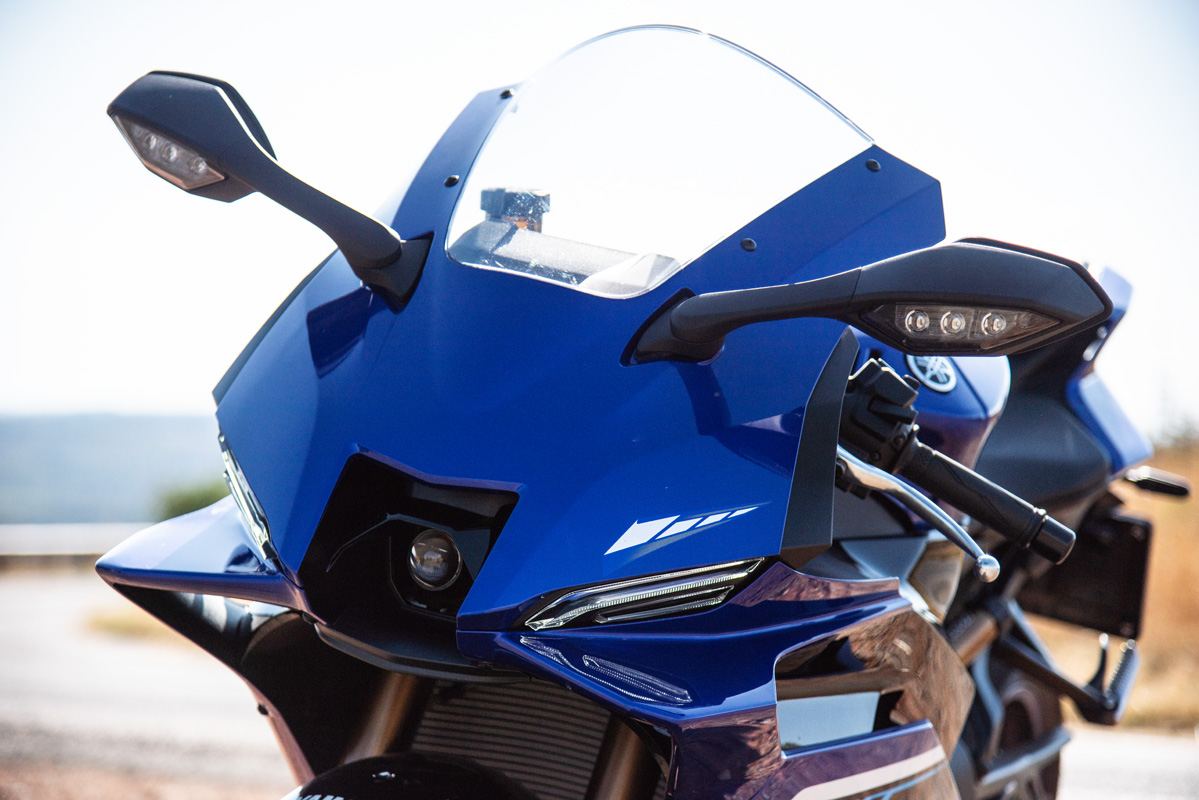
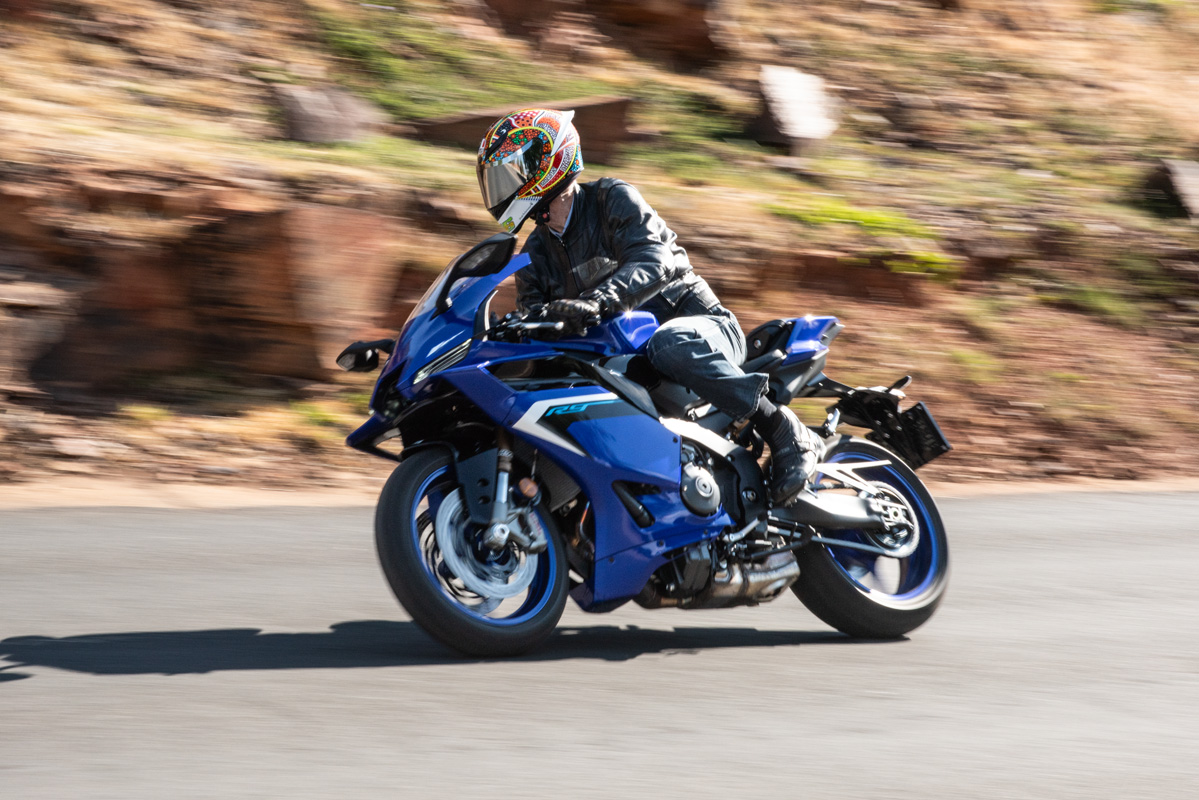
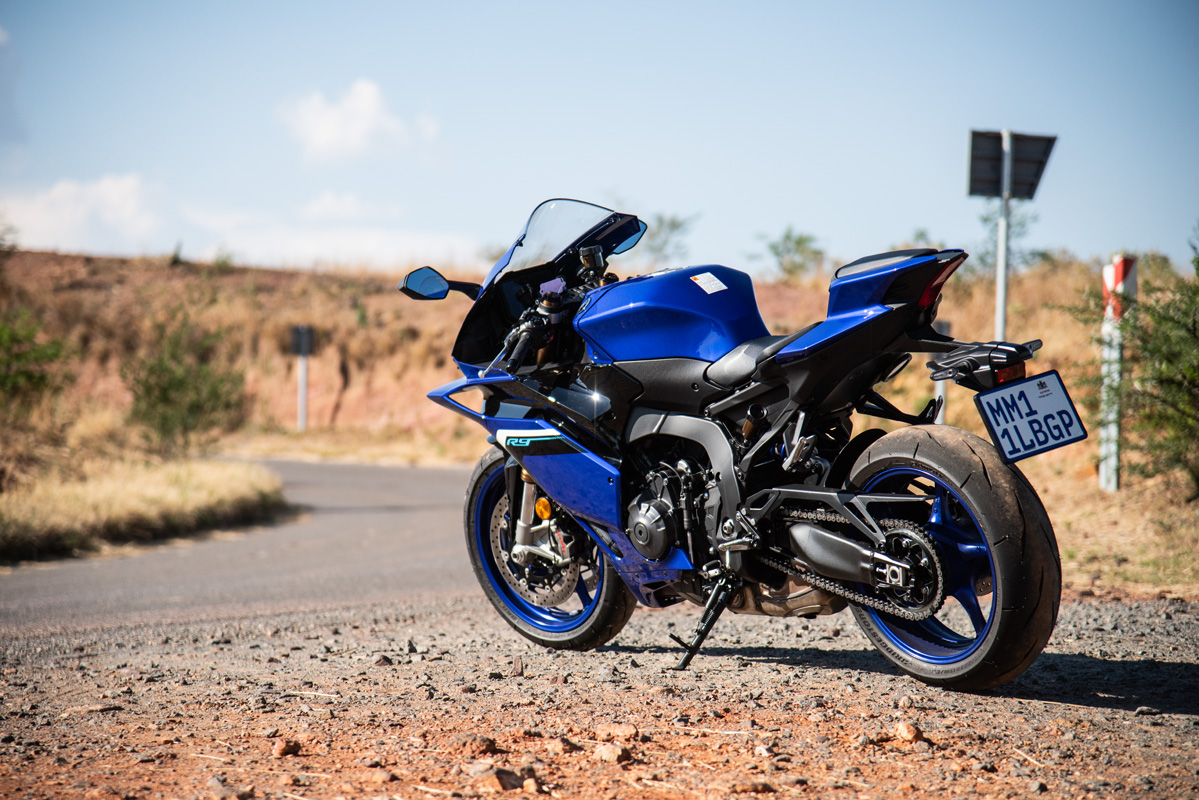
Over the years, we’ve seen many impressive ‘YZF-R’ models roll out of Yamaha’s stable, allowing the public to sample passed down MotoGP and WSBK-derived features, design and electronics. With emissions tightening up, it’s only a matter of time before we see our litre bikes become old posters on a wall. Luckily, companies like Yamaha have seen the writing on the wall and have introduced real-world sport bikes to fight off the restrictions and to give the public real-world performance in the form of new-age sportbikes wrapped in fairings, just like the YZF-R7 and the new YZF-R9.
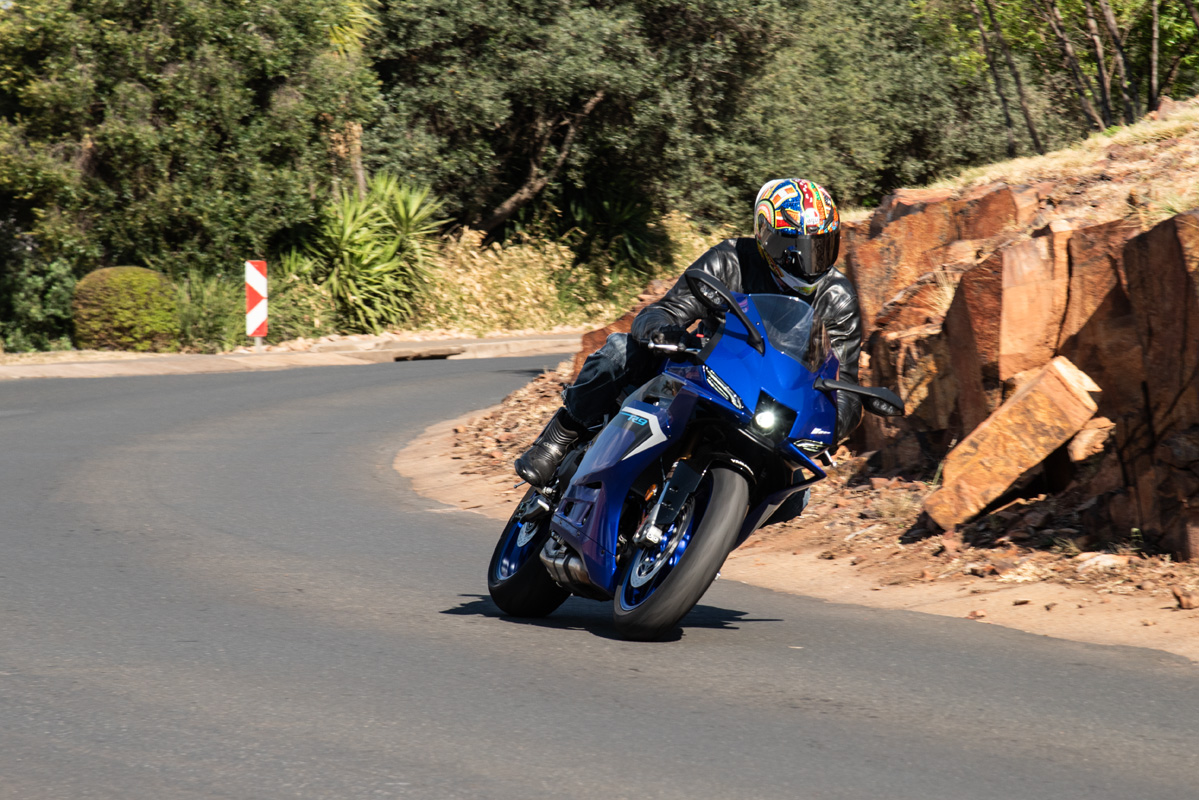
Yamaha’s R1 is a heavy hitter, with 197 hp @ 13,500 rpm and 112,4 Nm of torque @ 11,500 rpm. The R9 looks positively puny by comparison with ‘only’ 119 hp and 93 Nm of torque. But here is the kicker. The R9 makes its power and torque at much lower rpm. In fact, as I was at pains to point out in my review of Yamaha’s incredible XSR 900, the CP3 motor used in both that bike and the new R9 outpowers and out-torques the R1 up to 7,500 rpm, at which point the R9 is steaming along at over 170 kph. Allied to an R9 that is 9 kg lighter, at 195 kg, and you have brilliant real-world performance.
Photo credit: Bjorn Moreira / ZA Bikers
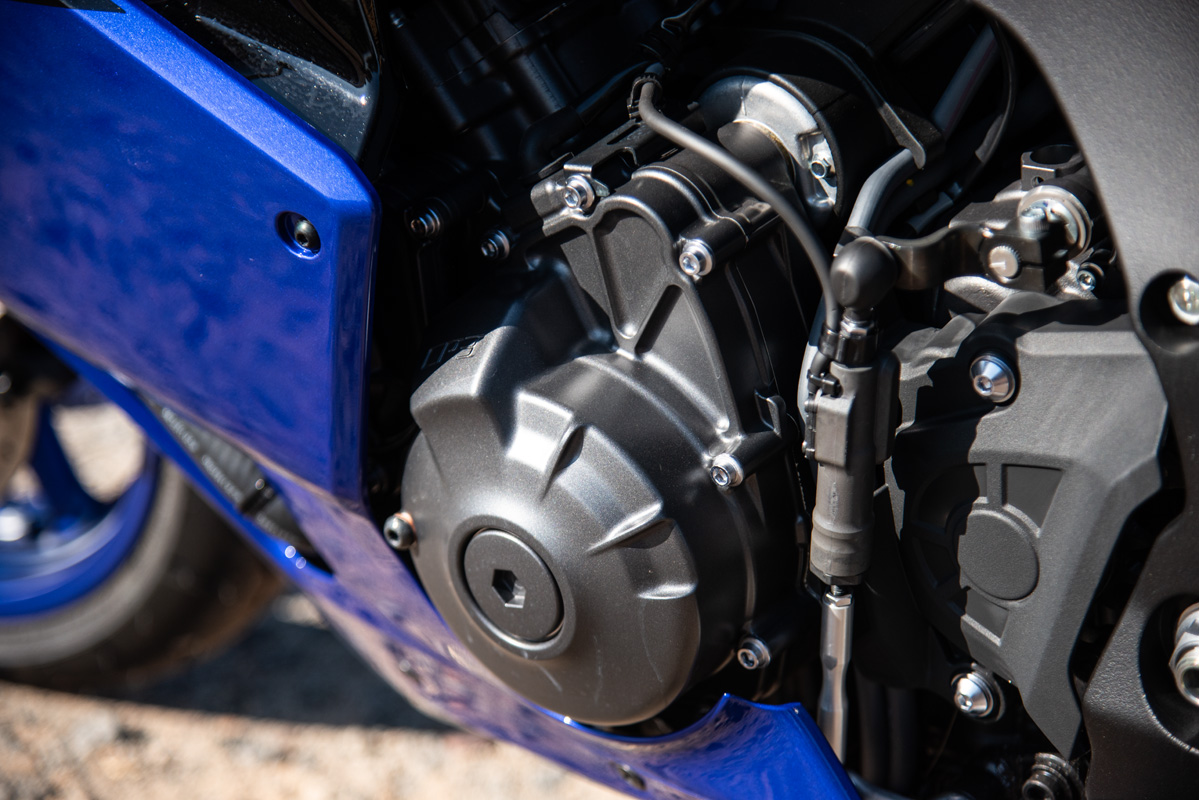
Back to the hardware. The CP3 889cc DOHC liquid-cooled triple is, in my humble opinion, one of the greatest motorcycle engines of all time. It has a velvety, yet slightly gruff power delivery, which is incredibly intoxicating, making every twist of the wrist an occasion. A 6-speed gearbox with bi-directional quickshifter feeds through a slipper clutch. Yamaha’s Deltabox aluminium frame achieves an almost perfect 50/50 weight distribution.
Photo credit: Bjorn Moreira / ZA Bikers
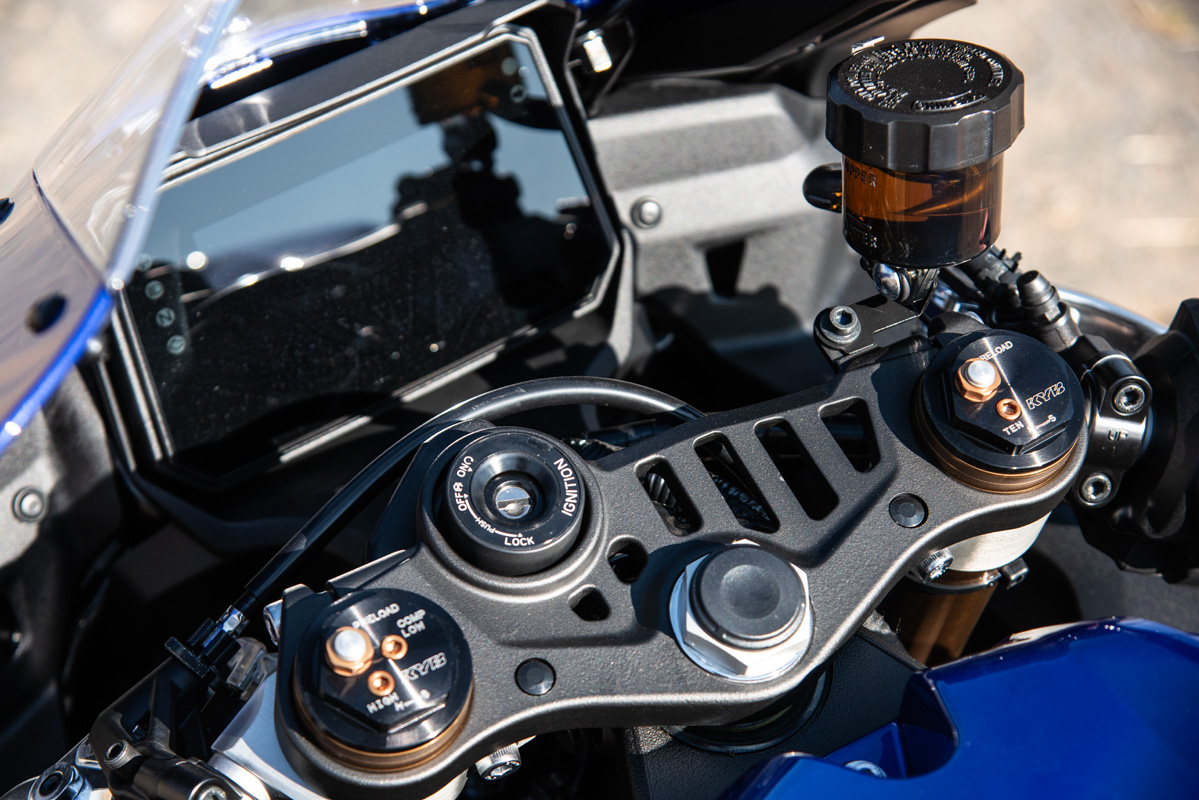
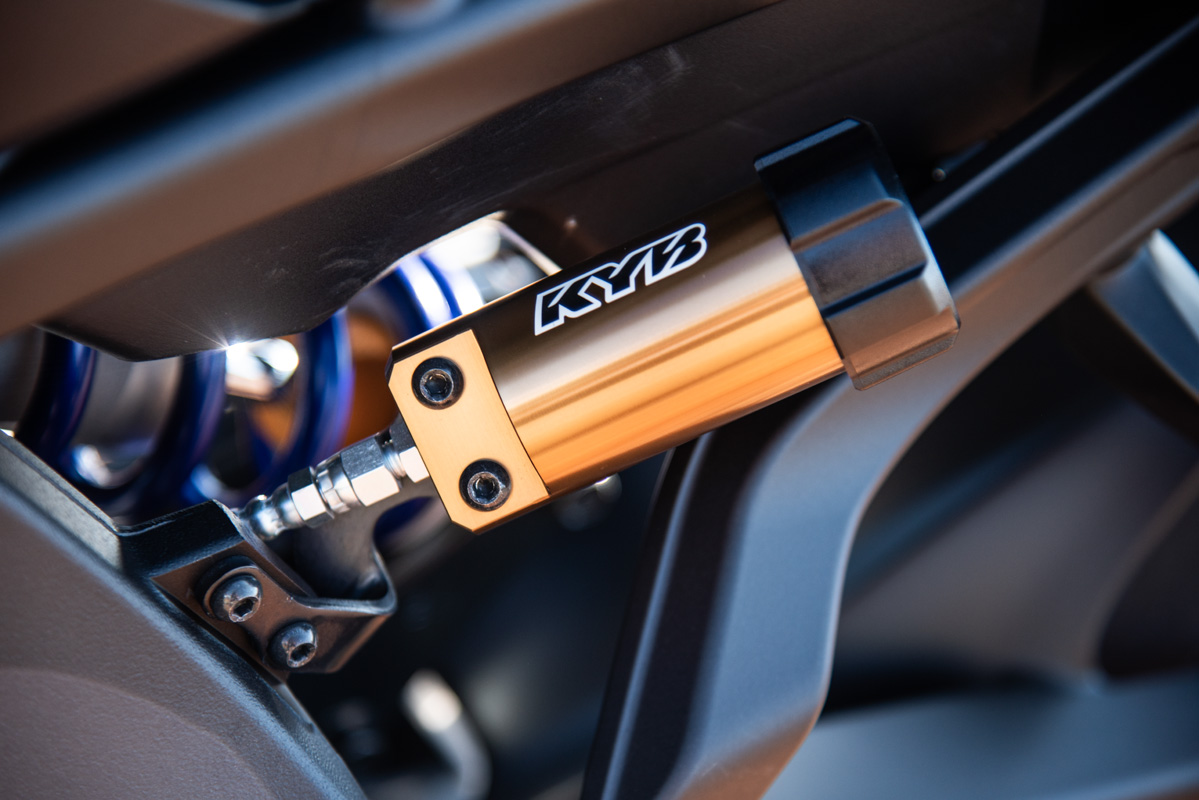
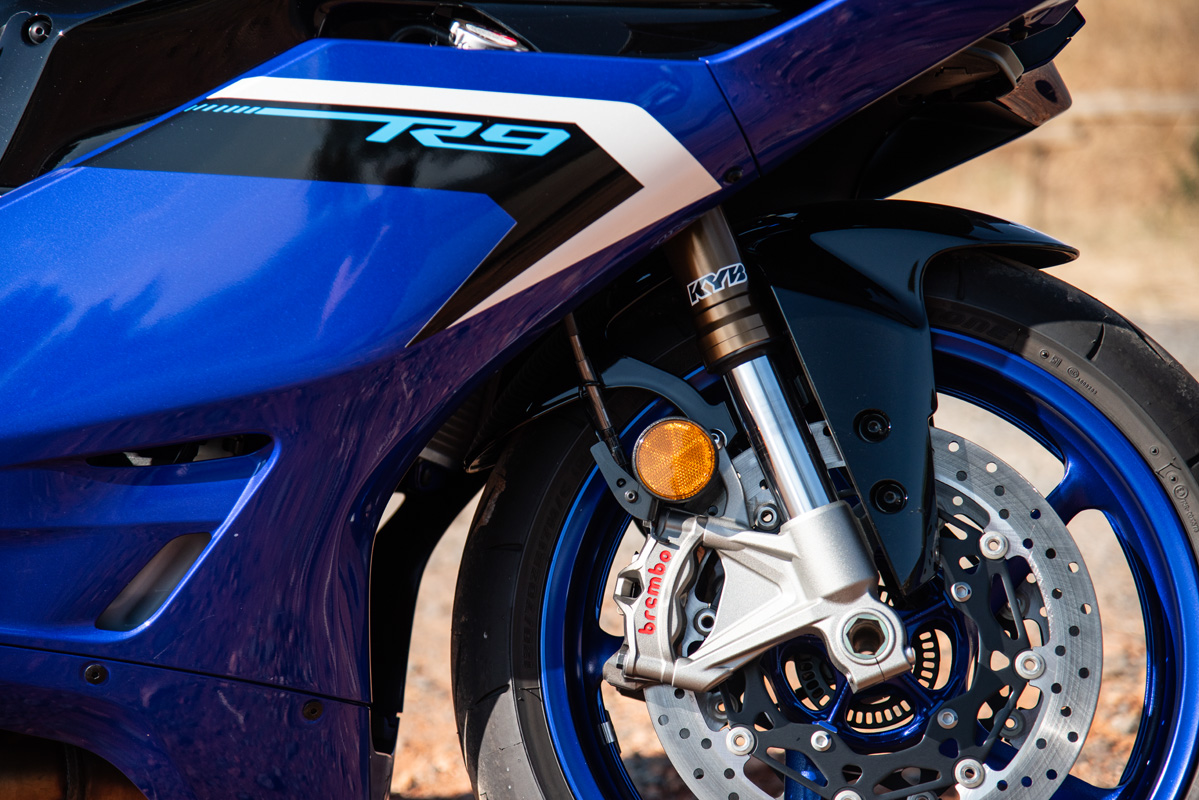
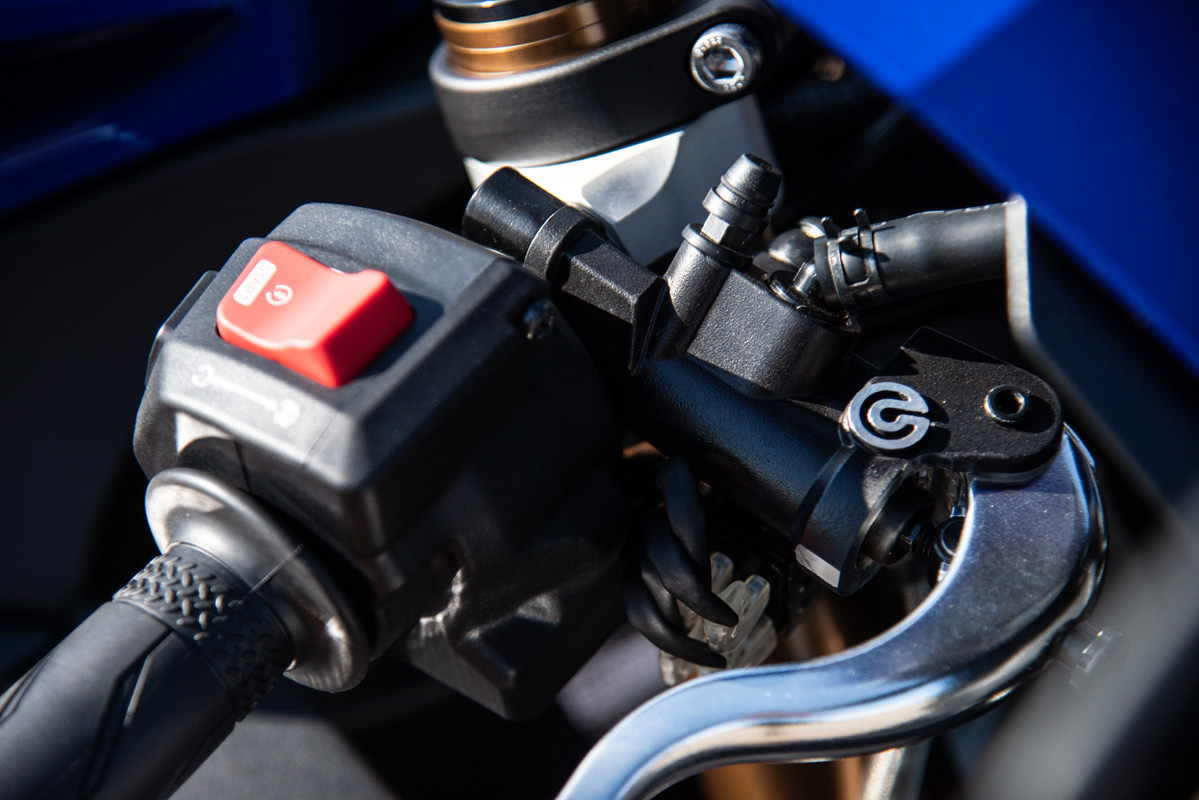
The suspension is by KYB, with fully adjustable USD forks and a rear shock. Wheel travel is 119 mm at each end. Braking is by Brembo, utilising their brilliant Stylema 4-piston callipers biting on 2×230 mm discs up front and a 1-pot rear calliper squeezing a 220 mm disc. Wheels are 120/70×17 front and 180/55×17 rear. The 180-section rear tyre helps in making direction changes effortless, despite a wheelbase that is 16 mm longer, at 1420 mm, than that of the R1. The fuel tank takes 14 litres.
Photo credit: Bjorn Moreira / ZA Bikers
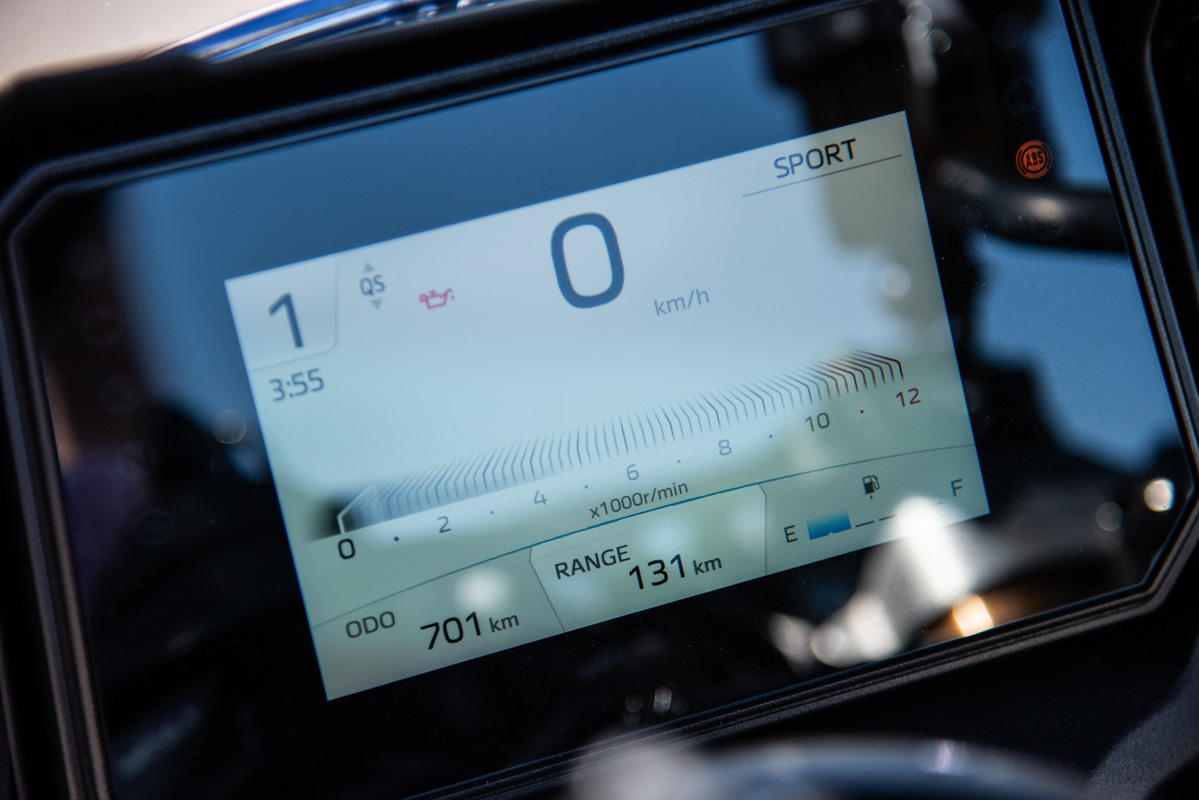
Yamaha has thrown the electronic works at the R9. A 6-Axis IMU monitors various performance parameters to give you 9, yes, you read that right, 9 traction control modes! 3 slide control modes, 3 lift control modes and a ‘brake control’ system, whatever that may be. The TFT display can also be altered to your preference. The Yamaha App downloaded to your smartphone allows turn-by-turn navigation. So, while the PlayStation generation gets their jollies by playing with all the electronic functions, I will get mine by riding the R9!
Photo credit: Bjorn Moreira / ZA Bikers
The inspiration for the R9, I would wager, was the change in regulations that apply to World SuperSport motorcycle racing, a class which, in recent years, was dominated by Yamaha with their R6. Whilst 600cc sportbikes make incredible track tools, they make miserable road bikes. All the power is stacked up high in the rev range, which makes them absolute dogs on traffic-infested roads. Enter the larger displacement bikes like Ducati’s V2 Panigale 950 and the subject of this review, Yamaha’s R9. These bikes are endowed with power characteristics that make them eminently rideable on the street, notwithstanding their track-focused riding position.
Photo credit: Bjorn Moreira / ZA Bikers
The R9 is beautiful to look at and an absolute hoot to ride. The CP3 motor has gobs of lowdown torque yet oodles of top-end hit as well. It may not rip your arms out of their sockets like a fit litre bike, but it allows you to access the power in a manner that enables you to ride it incredibly quickly. The track biased focus of the whole package is very evident in how the bike works. I was particularly impressed by the KYB suspension.
Photo credit: Bjorn Moreira / ZA Bikers
Even when accelerating hard over less-than-perfect tar, it manages to maintain traction superbly. It is obviously firm, yet it maintains a degree of suppleness which impresses. The brakes are in the same league. Incredibly powerful yet with great feel. Trail braking is a doddle. The gearbox shifts well using the quickshifter, albeit without the absolute slickness of bikes like Triumph’s 765.
Photo credit: Bjorn Moreira / ZA Bikers
As alluded to earlier, the CP3 motor at the heart of this beast is an absolute gem. You never feel that you need more power. The fat early power and torque curves punt the bike along effortlessly and with feel that is hard to adequately describe. The motor is smooth and yet with a gruff nature that makes it a pleasure to use to the maximum. Allied to the phenomenal visceral ‘feel’ is the soundtrack that accompanies hanging on the proverbial cables.
Photo credit: Bjorn Moreira / ZA Bikers
The exhaust note gathers from a 3-cylinder thrum into a banshee wail as the motor revs up. It adds an element to the whole riding experience that is quite simply intoxicating. The aggressive riding position gets to you when you are in heavy traffic, but as soon as you take a gap and turn up the wick, all is forgiven. All aspects of the bike come together in an integral sporting package that is phenomenal.
Photo credit: Bjorn Moreira / ZA Bikers
The reality is that this will always be a relatively small volume seller. Not because it is in any way to blame, but rather because out-and-out sports motorcycles are no longer in vogue in the world in which we live. Roads have deteriorated, and traffic volumes no longer allow us to ride as we did in times gone by. The R9 will make an incredibly rewarding track tool for those with a penchant for corner carving. If you live in the Western Cape with its mountain passes and decent roads, it is worthy of serious consideration. For me, its biggest competition comes from within. The modern retro XSR 900 GP has similar dynamic ability but is packaged in a more user-friendly package. Both bikes will set you back around R290,000. The R9s are currently in short supply as worldwide demand is good.
Photo credit: Bjorn Moreira / ZA Bikers
Visit your local Yamaha dealer and put your name down. There is a demo model doing the rounds that you can get to sample. You owe it to yourself.
Adventure: “an unusual, exciting, daring experience.” That’s the insipid definition Google dishes up. Sounds like the blurb for an Enid Blyton storybook. But Africa’s not for sissies! For dual-purpose bikers, adventure means thrashing through the fesh-fesh on a gnarly track, testing the limits of the tyres’ adhesion on a mountain pass, ducking behind the screen to hit maximum velocity on a deserted tar road, hauling along an unfamiliar dirt highway at sphincter puckering speeds, and riding ace pilot into unknown terrain.
On a clear day, you can see forever. Magnificent scenery between Hendrina and Carolina.
On Wednesday, when I collected the red, white and blue, fresh out of the box, BMW R 1300 GS Adventure Trophy Edition from Motorrad in Sandton, it was my absolute intention to go adventuring, to ride roads I had never ridden before, and to absorb alien sights and sounds and smells and sensations.
Once I left Sandton and headed for Nelspruit, it didn’t take long to find the first bit of dirt. Near Etwatwa in the fallow fields on the southern side of the N12, there’s an ancient ruin far away in the veld. It’s always intrigued me, and today was the day to see it up close. My mojo was with me and the GS felt agile and responsive as we bounded along the middelmannetjie track through the veld. A few minutes later, I stopped for photos at the remnants of what might once have been a farmhouse. Back on the N12, there was a pungent odour of pork products, so I did the wise thing, set cruise control at 130km/h and relaxed in the saddle for the next 100km to Witbank.
Forlorn ruin in the fields near Etwatwa.
On the outskirts of Witbank, I left the N12 and rode south on the R544 towards Vandyksdrift. It’s been a while since I took this route, and it was even more grim than I remembered. Witbank is infamous for all the wrong reasons. Witbank has the dirtiest air in the world. Greenpeace analysis of satellite data revealed that Mpumalanga is the largest Nitrogen Dioxide hotspot across six continents. The area has been plagued with deadly air quality for decades, with a high concentration of coal-fired power plants, a coal-to-liquids plant, and a refinery contributing large amounts of pollution, resulting in thousands of cases of bronchitis and asthma. The R544 is rutted and potholed because it carries a never-ending cavalcade of 26 wheel interlinks with a loaded mass of 56 tons and 34 wheel behemoths with a loaded mass of 74 tons!!! The roadside vegetation is black and stunted. The air is gritty and tastes of chemicals. At Vandyksdrift, dozens of interlinks roared in and out of the coal terminal, kicking up a filthy black cloud that hung like a malevolent wraith over the coal-scarred landscape.
From Vandyksdrift, I rode due east on the R542. Near Blinkpan, there was an irresistible scene of destruction in the veld. I left the tar and followed the railway service road to a Transnet rolling stock graveyard. Four smashed locomotives lay abandoned to the elements, and next to them were heaps of wrecked wagons, tortured metal and mangled bogies. It was a catastrophic sight, and I shuddered to think of the terrible forces that transformed proud machines into twisted scrap.
Transnet graveyard at Blinkpan between Vandyksdrift and Hendrina.
I continued east and shortly before long crossed the R35, which connects Middelburg and Bethal. I wasn’t looking forward to the next 20km to Hendrina. The last time I travelled that road, there were more potholes than tar. But much to my shock and surprise, there were roadworks taking place. Half the distance was brand new tar, and the other half was a dirt detour in decent condition. I did my best meerkat imitation and cruised the detour at 120km/h, the GS loving the dirt as much as I was. When the road works are complete, this route might just be my new favourite four-wheeled route from Gauteng to Mpumalanga and to hell with the N12/N4.
Easy detour between Vandyksdrift and Hendrina.
In Hendrina, I stopped at KFC for my customary padkos, Street Wise Two and a Coke. My lunch was interrupted by a tumult of sirens. A horde of cop cars came tearing up the main drag, clearing a path for the convoy of abnormal vehicles that followed. Six Scania prime movers thundered through town, each carrying a huge metal cylinder. As quickly as they arrived, they were gone, and it was time for me to hit the road again. The R38 from Hendrina to Carolina traverses a desecrated landscape. The plains are blemished by unsightly slagheaps, mine dumps and mountains of overburden. Coal country is ugly!
Six of these juggernauts thundered through the Hendrina CBD.
Carolina is the eastern extremity of the coalfields, and from there it’s a pleasure to ride the undulating roads through mountainous Mpumalanga. It’s 50km from Carolina to Badplaas, 50km of flatstick, pristine tar, a roller coaster road that swoops and rises over the foothills of the Hlumuhlumu range, ‘the place of much thunder’. I had cruise control set at 180km/h, but this was the perfect spot for a top-end run. I tucked in behind the windshield, the GS surged to warp speed, and I backed off when I saw 222 on the speedo. That’s what the BMW marketing material means when it coyly states a top speed of greater than 200km/h. On the far side of Badplaas, I stopped at the general dealer for photos and a Coke and then continued east towards Barberton.
Badplaas. Interesting place to stop for a Coke.
This is a magical rider’s road that includes two challenging passes, Nelshoogte and Bothasnek, both in good condition with long sweepers, tight switchbacks, and everything in between. Where the R38 intersects the R40, I turned north to Nelspruit and, like a horse scenting the stable, bolted for home at speed. By now, I was completely confident of the Michelin Anakee Adventure tyres on the GS, and I spanked up and over Hilltop Pass, maintaining optimum revs by tapping up and down on the gear lever, more of which later. When I stopped in my driveway and inspected the rear tyre, it was no surprise to see that there wasn’t even one millimetre of chicken strip. Magnificent motorcycle. Excellent tyres.
The GS Adventure I rode was equipped with BMW’s “automated shift assistant” transmission. There’s no clutch lever, but there is a gear lever. Under your left thumb, a switch engages automatic or manual modes. Full auto mode works well on the open road and changes up and down intuitively so that power is always available.
Shattered dreams on the road to Hlatikulu.
Auto is less practical around town and in traffic. Random acceleration and deceleration sometimes confuses the shift assistant as it hunts for the correct gear. The simple solution is to use the gear lever. I soon discovered that what worked for me was to always select full auto, D on the TFT screen readout, and to use the gear lever when necessary. Having said all that, when I buy my 1300, I will opt for a clutch lever and not an automatic.
On Friday morning, I packed the GS and retraced my Wednesday route to Badplaas. My destination for the weekend was Eswatini and the 32nd Swazi Rally. In Badplaas, I took the R541 towards Elukwatini and joined the N17 at Lochiel. The weather was perfect, the N17 was almost deserted, and the bike was running like a long dog. I was captivated by that ineffable feeling of serenity and contentment that only bikers can know. When you’re riding, you are what you are right there and then. There are no yesterdays on the road. A good ride is the antidote to all the twak on social media and all the nonsense we deal with every day. Nothing clears the mind like a good day in the saddle.
Westoe Dam on the R33 to Amsterdam.
I was feeling peckish, so I stopped at Flip’s Butchery on the outskirts of Amsterdam. In my experience, platteland butcheries make delicious droëwors, and Flip’s did not disappoint. Two friendly ladies, Irene and Lizelle, offered me wors and biltong to taste, and I couldn’t resist buying R200 of outrageously tasty droëwors.
Irene and Lizelle. Friendly ladies at Flip’s Butchery on the outskirts of Amsterdam. I always stop at Platteland Butcheries for droëwors.
Further into town, I simply had to stop for photos of the enormous rigs parked at the side of the road. A trio of Scania horses was hauling wind turbine blades. The driver of one of the rigs told me the blades were going to a new wind farm near Bethal. Each blade is 91.6m long and weighs 24 tons!
This is a single wind turbine blade. It’s 91.6 metres long and weighs 24 tons. Destination: Bethal windfarm.
A few hundred metres further, there were two rigs hauled by Volvo FH-16 four-axle tractors. The loads were 6.9 metre diameter steel cylinders, each weighing 104 tons. Their destination was a new fertiliser factory in Harare, 1200km distant. The rigs travel approximately 50km per day, which means they still had three to four weeks on the road.
Each cylinder is 6.9 metres in diameter and weighs 104 tons. Destination: Harare cement factory.
Amsterdam to Piet Retief is 50km of high-speed blacktop, which winds through never-ending plantations of pine and eucalyptus. This is the heart of timberland, and the air is perfumed with the heady aroma of newly felled trees and busy sawmills. I stopped at Kemp railway siding for photos.
Deep in the plantations between Amsterdam and Piet Retief.
Every year, thousands of tons of timber pass through the siding en route to consumers countrywide. I stopped for fuel in Mkhondo, a town which exhibits a striking resemblance to Piet Retief. While the petrol jockey was filling the tank, I walked across the road to take a photo of the beautiful NG Kerk, designed by Gerhard Moerdyk, the architect of the Voortrekker Monument. I was amazed, but not amused, to find the church precinct secured by an electric fence, a sign of the times in this beloved country.
NG Kerk Piet Retief. Designed by Gerhard Moerdyk. Consecrated in 1922.
Eswatini is a small country with a total boundary length of 535km. The South African boundary is 430km. The Mozambican boundary is 105km. Despite the short perimeter, Eswatini has thirteen border posts; eleven with South Africa and two with Mozambique. In the fullness of time, I plan to ride through every one of those border posts. Today, I would tick Bothashoop off the list. I rode east from Piet Retief, and after a few clicks, the tar ended and a dirt highway between plantations stretched ahead. I settled into my 140km/h dirt comfort zone and soon arrived at the border post.
Bothashoop Border Post. I was the only traveller.
I was the only traveller and in less than five minutes I was loose on the land in the Kingdom of Eswatini. The new tar road through Gege and Nhlangano is immaculate and beckons faster, faster, but you need a death wish to speed in Eswatini. The roads and roadsides are infested with goats, cattle and donkeys. Eswatini livestock has been the ruin of many a poor boy. Rather take it easy and enjoy the scenery. In Nhlangano, I headed north towards the Grand Valley of the Mkhondvo River. It was a lovely ride. The temperate spring sunlight fell through the roadside acacias, and between their trunks I saw green glimpses of riparian foliage and the distant radiance of the river. I stopped on a low-level bridge across the river to enjoy the rustic scene.
Mkhondvo River brings life to the Grand Valley.
A hundred metres upstream, young lads were cavorting in the shallows, cattle grazed the lush banks, and waterfowl bobbed on the current. I didn’t linger long. I was thirsty and borne on the breeze I heard the Sibebe Lager siren song, “Howie, come and drink me.” Fifteen minutes later, I pulled into Riders’ Ranch, home of the Swazi Rally.
Rally time again. Bring it!
This was the 32nd Swazi Rally hosted by Carlos and Sonia Paiva. Since its humble beginnings, the rally has grown in stature and popularity. Riders come from across southern Africa for a weekend of nonstop partying, pumping music, motorised mayhem, drag racing, good food, inexpensive booze, male and female strippers, insangu aka Swazi Gold, and friendly ladies who get even friendlier if you buy them a drink!
The Eswatini biking community has at least a dozen active clubs.
Carlos and Sonia have been to the Isle of Man TT Races many times and speak with admiration of the castellated Manx castles featuring towers and battlements. Some years ago, Carlos decided to build his own Afrocastle, and this massive structure is now the focal point of the rally. The Afrocastle is home to bars, restaurants, the main stage and dancefloor, and Carlos’s priceless collection of classic motorcycles. I parked the GS and went in search of beer. Freshly poured 500ml Sibebe Draught Lager costs E30.
There were many friendly ladies at the rally. Richard Green, Master of Ceremonies, and I suddenly discovered what devilishly attractive fellows we are.
The first one disappeared swiftly, and I strolled the site, sipping the second glass of golden throat-charming nectar. It was organised chaos across the site as the party people streamed in, set up their tents, lit their fires, pumped up the volume on their sound systems and got down to the serious business of chucking booze down their gullets. I finished my beer and rode down to the Paiva homestead for my habitual afternoon siesta. There was a long night ahead.
Riders’ Ranch is Carlos Paiva’s Afrocastle. Best rally site facilities in Southern Africa
At sunset, I strolled back to the rally site and hooked up with the Nelspruit conneckos. We spent a chilled evening listening to the brilliant DJs, sipping our beers and talking twak. Intermittently, the merriment was punctuated by the merciless revving of superbikes, just normal rally behaviour. One bloke took it to another level. He trailered his Suzuki Boulevard to the rally, left it on the trailer and spent the weekend torturing the poor beast for minutes at a time, which I thought demonstrated a retarded lack of mechanical empathy. After midnight, things hotted up in the hall as the strippers took the stage.
Nelson Gulela from Maputo and his seriously kitted out R1300GS Adventure.
It was getting a bit too steamy for me, and it was long past my bedtime, so I headed back to the homestead. The sounds of revelry grew faint as I walked through the mango groves under the starlit sky bowl. The sounds of nightbirds and insects faded as I approached and started again when I passed. The cattle in the kraal lowed mournfully, and in the distance a dog barked an alarm. I was in a very happy place. I’m 70 years old, and if I weren’t a biker and a rally goer, I wouldn’t experience these simple pleasures. This day had been the essence of ‘la dolce vita’.
Boulevards love the Swazi Rally.
The Riders’ Ranch Motorsport Arena is a short walk from the Afrocastle. When I arrived at the arena at 10:30 on Saturday morning, the grandstands were filling up and the boys from Jungle Rush FMX were performing their gravity-defying stunts. For the next six hours, it was nonstop action, including maniacs in hot saloons spinning and drifting, skilful lads performing wheelies and stoppies, slow races, egg and spoon races, and the highly anticipated drag races. Swazi Rally men take the drags very seriously. Ultimately, it was a shootout between Alex from Maputo on an S 1000 RR and Jordan, the winner, on a Kawasaki H2.
1 of 5
By 18:00, the main hall was a seething mosh pit of humanity. King Don, an astonishing guitarist, and his drummer rocked the joint.
On Saturday evening, King Don rocked the joint. Fantastic guitarist!
The lucky draw prize, a brand new Suzuki GSX-S1000GX, was lifted onto the stage. The crowd was at fever pitch when the draw took place at 20:00. The winner was Tsholofelo Phoku from Middelburg. The Swazi is the only rally that still has a new superbike as a prize. Prize giving over, it was party time yet again. The festivities raged until sunrise on Sunday morning. So I’m told. I wasn’t there. I was sleeping the sleep of a rallied-out man.
Tsholofelo Phoku won the lucky draw. Brand new Suzuki GSX-S1000GX. The Swazi is the ONLY rally that still gives away superbikes as prizes
When I crossed the border on Friday, the friendly Eswatini border people gave me a detailed map of the country, which prompted me to plan a new route home. I said my fond farewells and was on the road by 10:00, riding north to Manzini, Mafutseni and Luve. In Luve, I left the tar and rode easy dirt deep into the highlands of northwest Eswatini. The vistas were spectacular, range after range of mountains fading to grey where the land met the sky. Twice, I came to intersections where I wasn’t sure which fork to follow and where friendly local folk pointed me in the right direction. The dirt road ended near Maguga Dam, where I stopped on the dam wall for photos before continuing to Piggs Peak.
Piggs Peak to Bulembu – 25 kilometres of treacherous, gnarly dirt.
Many times I’ve ridden the 25km dirt road from Piggs Peak to the Bulembu border post. That road has always been challenging, but on this day it was bloody awful, rough as a bear’s arse. Just a kilometre into the dirt, I hit the first stretch of fesh-fesh. The dirt exploded beneath the wheels of the bike, and because there was a tailwind, I found myself in an impenetrable brown cloud. Fesh-fesh flows like quicksand and covers rocks and potholes, and it was a miracle I didn’t bin the GS as it hammered over these invisible obstacles. That patch of treachery ended, but it wasn’t the last. The road is used by monster logging trucks that pulverise the sand particles into talcum. It was lonely out there in the mountains, and I rode well within my limits. I had no desire to crash and find myself lying under the GS, hoping that a good Samaritan would find me. It was a relief to reach the border unscathed and to ride the scenic Geotrail www.geotrail.co.za, which winds for 40km from Josefsdal to Barberton over the rugged Makhonjwa mountains. From Barberton, it was a quick dash home through the valley of the Kaap River and over Hilltop Pass. And that’s the versatility of the GS. Riding gnarly dirt, spanking challenging tar and everything in between. It’s the motorcycle for every eventuality.
Deep in the mountains north of Luve. Eswatini is a brilliant destination for big dual-purpose bikes.
On the ride back to Joburg the next day, I had the opportunity to reflect on my time in the saddle of the GS. This latest incarnation of the legendary GS is more capable, more refined and way faster than its ancestors. It looks imposing, tall, wide-shouldered, and carries a man-sized 30-litre fuel tank. Thanks to slimmer ergonomics at the waist, it feels more manageable than its size and 269kg wet weight suggest. The 1300cc ShiftCam boxer twin produces 107kW of power and 149Nm of torque. Cruising all day at 180km/h is effortless with the mill ticking over at 6000rpm. One of the smartest changes from the 1250 is the redesigned cooling system. The 1300 has twin side-mounted radiators with carefully directed hot air outlets. On the 1250 riders often complained of cooked legs as radiator heat was blown straight onto the thighs. BMW has solved this by channelling hot air away from the rider’s legs, making the bike noticeably cooler and more comfortable on long rides. The radiators are more efficient than those on the 1250, and the engine runs at lower temperatures. On the long road, the 1250 typically runs at around 84°C while the 1300 runs consistently at 77°C. Long-travel suspension, 210mm front and 220mm rear, inspires confidence on and off road. Over 1500km on the average fuel consumption was 17km/L, giving a realistic range of 500km. The 1300 is kitted with a plethora of electronics; ABS, TFT cockpit, LED lights, four ride modes, electronic suspension settings, cruise control with radar sensors, heated grips, electrically operated windscreen and keyless ignition.
Maguga Dam on the Komati River.
This is the mothership, the ne plus ultra, the buck’s balls, the crème de la crème, the GOAT, the motorcycle that underpins Motorrad’s success and which sells by the container load every year. You know you need one. So do I. Depending on how you configure your BMW R 1300 GS Adventure, the price will be in the region of R400,000.
BMW R 1300 GS Adventure
For more information on the bike that we tested in this article, click on the link below…
Here at the office, we are fortunate to have the opportunity to ride and drive some truly amazing vehicles, but every now and then, something different crosses our desk and finds its way into the garage. Working in the Lifestyle industry over the past few years has not only brought luxury and leisure vehicles onto our path, but also commercial and agricultural vehicles, allowing us to take a closer look at vehicles that not only help keep the industry afloat but also build the infrastructure around it.
No matter how much we gearheads love and aspire to own the latest and greatest vehicles money can buy or that fancy marketing can sell, some of the most important vehicles aren’t in those sectors; behind the scenes, many vehicles never get written about or seen in exciting YouTube videos, but are grafting in industries that rely on them to make a living and, in some cases, literally to keep the lights on. Vehicles are a huge part of making the world go round, helping out with physical labour and skilled trades, manufacturing, construction, mining, and maintenance. In these industries, it’s not the size, price, design or specifications that make them attractive, but mainly how they can help businesses save time and money.
Photo credit: Bjorn Moreira / ZA Lifestyle
For the last few weeks, our garage door has opened to Big Boy’s Elec-Trike 800W, an electric-powered, lightweight, low-cost, low-speed utility machine. Honestly, the trike has spent less time in the garage than any vehicle I’ve ever owned or tested, as our local community and farm life have adopted this little “ute” for everything and anything. The garage stayed open for the whole three weeks, as the trike was out for work several times a day at the stables, workshop, garden and even for quick supply runs.
So, without getting too creative, where do Big Boy see the Elec-Trike 800W fit in? With a 140 kg maximum load bin weight capacity and 60 km range, thanks to six lead acid batteries and the 800-watt motor, Big Boy sees the trike ready to service the hospitality industry, security, shopping malls, airports, factories, golf courses, beachfront sidewalks, and game farms (thanks to its silent motor).
Photo credit: Bjorn Moreira / ZA Lifestyle
Besides its simple specs and broad working environments, what practicalities and features does the trike have to offer?
For those heavier loads, the trike has a load bin that tips thanks to a clever gas strut and a tail gate that opens completely. Both the tailgate and load bin have two manual latches that you can lock for those bumpy roads. If you need a second set of hands, the trike has a fold-down seat that opens into the load bin with a backrest held in position by another simple gas strut. The rear seat is a hoot to ride in! I can definitely see many estate life kids who play golf take advantage of these trikes; I know I would.
Photo credit: Bjorn Moreira / ZA Lifestyle
In the cockpit, you’ve got your usual motorcycle switchgear with three speed and throttle modes, a basic digital LCD showing speed and range and a flat driver seat with six batteries keeping charge underneath. The little trike is equipped with drum brakes and a decent LED headlight that actually gets the job done. When parking or storing the vehicle, there is a handbrake and a steering lock for extra security.
Photo credit: Bjorn Moreira / ZA Lifestyle
Riding the trike is a blast, it has torque from low down right till you hit top end. Talking top-end, the trike will top out at 30 km/h in its top speed mode, which is more than fast enough for the applications it’s designed for, and it gets there extremely quickly. The riding modes are simple, with both speed and throttle sensitivity built into each of the three modes, one being the least sensitive and slowest and three being the most sensitive and fastest.
Out on the open gravel roads or open spaces, mode three is great, but when you are in a warehouse or factory, the least sensitive mode is preferred as the motor does accelerate instantly, which can be tough to modulate. To help manoeuvre in tighter spaces is a reverse gear, which triggers a hooter to warn the rest around you, which everyone found hilarious! We did find the front suspension a tad bit soft compared to the almost rigid leaf spring rear end, but for the price you pay, the trike can be forgiven twice over.
Photo credit: Bjorn Moreira / ZA Lifestyle
In the three weeks of riding the trike every single day, we only ended up charging the little guy twice, and even then, the battery wasn’t sitting at zero. On the left-hand side of the front seat, you’ll spot a plug point that connects to a normal wall socket charger, and from zero battery life, you are looking at 6 hours to full, but if you aren’t draining the battery fully, it’s easy to keep the battery topped up at the end of a working day.
Photo credit: Bjorn Moreira / ZA Lifestyle
We loaded the trike several times, and even then, with 140 kg plus and myself weighing 80 kg, the trike still cruised around the farm with ease, tugging over 200 kg onboard. As mentioned above, we used it in the garden, carrying many kgs of compost, and the local businesses around our area are all in the market for a couple of these trikes as Big Boy retail the Elec-Trike for just R19,999. “Under 20K!” You couldn’t build one yourself for that price; it’s the unusual practicality that you didn’t know you needed until now. The car wash down the road, the diesel workshop, the horse stable yard, the wedding venue, the church down the road and even the father-in-law were all interested. Well, the father-in-law actually ended up buying the demo, just for its quirkiness and all-round practicality…
1 of 17
Big Boy’s Elec-Trike 800W is a versatile little Mahindra-like bakkie and with a 1-year warranty and over 90 dealers across the country, it’s no wonder why Big Boy have got a winner on their hands. For more information on Big Boy’s Electric range, visit – www.samotorcycles.co.za
Big Boy Elec-Trike 800W
For more information on the trike that we tested in this article, click on the link below…
My father was an avid photographer who used an 8 mm movie camera to film our holidays back in the 70s. After his passing, I have always wanted to have these film reels converted to digital format. They offered 3-minute glimpses into my childhood. I found a business, Retro Media, that could assist with this in Hennenman in the Free State, of all places. The owner’s name is Francois, and as we were planning a road trip in that direction anyway, I arranged to drop the reels off with him rather than using a courier company. He could then start the conversion and hopefully be done with it by the time we returned. With that part of our road trip puzzle in place, I reached out to the Stellantis group and secured a car that would be perfect for long days behind the wheel – the Opel’s new Grandland GS Line AT.
The Grandland has recently been updated and is now 17 cm longer than the outgoing model. This meant more space on the inside. The inside is a very nice place to be, and Opel claims that most of the fabrics used on the inside are made from recycled products.
Image source: Opel
Our road trips normally consist of a vague direction with no bookings. We just drive until we run out of daylight and look for accommodation. Our journey started from my house in Pretoria, and packing for two was effortless in the Grandland. The boot is spacious enough and even has a two-level boot floor. It was reassuring that the Grandland is equipped with a full-sized spare wheel. It is of the steel variety, but I prefer this to the space-saver option.
We drove on the N1 in the direction of Bloemfontein, and this gave me enough time to appreciate probably the most impressive part of the car – the seats. Opel made a big deal about the seats. They are extremely comfortable, and both the passenger and driver seats have a massage facility. With various massage patterns to choose from, there will be one to suit your requirements. Apart from the massage function, they are also heated, and that proved very handy later in the trip.
Image source: Opel
As far as instrumentation goes, it is par for the course nowadays. Every conceivable feature can be adjusted from the centre screen, but thankfully Opel retained physical buttons for things like temperature, fan speed and the radio’s volume. The car even has a heads-up display showing speed and basic GPS information. The car can detect road signs too and suggest a recommended speed, and if you press OK on the steering wheel, the car adjusts the cruise control to the speed limit. Although the car can connect via Android Auto or Apple CarPlay, I found the built-in navigation working just fine. It is a TomTom unit, and we were never at a loss for a destination.
Traffic on the N1 was heavy for this time of the morning, and I arranged with Francois to meet in Bloemfontein as he was there for some work. After handing over my precious cargo, we peeled away from the N1 and stopped for lunch in Trompsburg. From here, we went on the R717 to Philippolis. Some notable South Africans were born here. One of them was Sir Laurens van der Post. If only I could tap into his storytelling prowess here in the middle of the Free State! Heading further south, the R717 reconnects with the N1 at Colesberg. Here we had to make the call to stay on the N1, or head on the N9 in the direction of Graaff-Reinet. We chose the N9, as we decided that we wanted to sleep over in Nieu-Bethesda.
Photo credit: Brian Cheyne / ZA Lifestyle
Nieu-Bethesda is known for the Owl House, but we decided not to fall into the trap of just visiting the ‘must-see’ spots. Instead, we headed out of town for about 7 km to visit the Stonefolk of Ongeluksloot. It might sound like a mouthful, but it was worth the drive. There is a very short hiking trail, and you have to keep your eyes peeled to see all the stone statues, hiding in the rocks. The path is clearly marked, and it was refreshing to be out in nature, stretching our legs.
The Grandland coped admirably with the gravel roads, something that would prove very helpful later on. The car is equipped with Frequency Selective Damping (FSD), which adapts to the road conditions.
Photo credit: Brian Cheyne / ZA Lifestyle
The next morning, we set our sights on Glentana to visit old school friends. Crossing the Outeniqua Pass brought back so many memories of past road trips. Our evening was filled with laughter as we reminisced about a time long gone. We spent two nights with friends, but as much fun as that is, the call of the Karoo was getting louder.
We headed to De Rust for a quick lunch and then stopped in the town of Klaarstroom. We popped in with friends for coffee and took a short hike up the little koppie overlooking Klaarstroom. This town is the home of filmmaker Koos Roets, and I can just imagine that this town is enough to get the creative juices flowing. That evening, we stayed over on a working farm outside Prins Albert with some accommodation scattered over the farm. We opted for the self-catering option, as I wanted to have roasted veggies and meat. The evening was fairly chilly, but to awaken the next morning to the sound of sheep and farm life was just amazing. Again, the Grandland took the sandy road in its stride, except all the proximity sensors had a hard time keeping up with all the low bushes around.
Photo credit: Brian Cheyne / ZA Lifestyle
One small town I also wanted to visit was the town of Merweville. We stopped for coffee and carrot cake at a coffee shop called “Die Boekklub” This was the setting for a TV drama series that aired from 2016, which made this establishment quite popular. I love these quaint little towns where everyone knows one another. There were groups of people sitting on the ‘stoep’ catching up on life.
Outside the shop, a man was patching a bicycle tyre. I walked over and he introduced himself as Jan. He was patching a tyre for one of the local workers. He beamed with pride as he looked over at his own bike. Tapping it on the saddle, he proudly told me that it takes him three hours to ride from Merweville to Prins Albert Weg Service station, a distance of about 45 km. He also said that he does not even take his bicycle pump or water on his trip. “I trust my car,” he said. What a wonderfully spirited man, taking pride in his bicycle.
Photo credit: Brian Cheyne / ZA Lifestyle
From Merweville, we headed to the town of Fraserburg with our ultimate destination being Loxton. I have planned many road trips where I undertook to visit Loxton, but up till now, plans kept changing, and I always seemed to miss the town. Well, 94 km of gravel road stood between me and Loxton. As I was confident by now that the Grandland would cope well with the gravel road, we set off. I took it really easy and eventually pulled into Loxton. For the longest time, I wanted to have a milkshake at a particular restaurant overlooking the church. Sadly, the restaurant in question was in the process of being renovated, so the opportunity went begging. We settled for coffee and scones at one of the establishments on the main square. After that, we decided to spend the night in Loxton. We took a gentle stroll through the town, speaking to locals as we went. I loved the quietness of the town.
Photo credit: Brian Cheyne / ZA Lifestyle
Dinner was a traditional bobotie dish, and I must say it went down well! The next morning was very cold, and as we left, the heated seats of the Grandland were a fantastic place to be. We were heading in the direction of home, but I still wanted to go to the enclave of Orania. They have the oddest monument I have ever seen – a monument to the humble koeksister!
My wife and I were contemplating staying over somewhere between Orania and home, but the Grandland’s seats convinced me that we would be able to make it home. We stopped in Hennenman, and Francois had indeed completed the conversion of my films. He showed me a glimpse of what to expect, and he happened to show a snippet of my mother when she was still in her 20s. I knew this was going to be special. But, before I could watch any of the movies, it was getting dark, and we still had another 300 km to go. Fortunately, the car is equipped with amazing headlights. They comprise of more than 50,000 individual elements, and they are exceptionally bright. Not only that, they adapt to oncoming vehicles, switching off all the units that might blind the oncoming car. I can wax lyrical about the Grandland for a very long time, but suffice to say, for this type of road trip, where you spend long hours on the road, the Grandland shines. Our trip was just under 3000 kilometres, and over the entire trip, my fuel consumption was 7.4 l/100 km. Not bad for a 1.6 litre engine lugging around a big car.
Photo credit: Brian Cheyne / ZA Lifestyle
When I got home, I immediately started watching these old movies, and I realised that we did a lot of road trips as a family. Almost all of the reels were of us at some holiday destination. Now I know where my wanderlust comes from. It was embedded in me from a very young age. How precious those reels were, immortalised in digital format for me to enjoy!
This really is the season that keeps giving, isn’t it? After Bagnaia’s double victory in Japan from out of nowhere, attempting to steal a bit of Marquez’s thunder on the weekend, the latter lifted the championship, the circus headed to Indonesia, and no one really had an idea of how it would go. I’d like to bet, however, that no one predicted what eventually came to pass.
It all started in Friday’s practice sessions. When last were there only three Ducatis – one factory and two satellite Ducatis at that – in the top ten of the time sheets after Free Practice, nowhere near the top, and when last did a Honda lead the way? When last did we see Alex Rins in fourth place?
Image source: MotoGP
The disbelief continued into the second practice session. Both factory Ducatis had to go through Q1? Where did that come from? Both factory Hondas and both factory Yamahas straight through to Q2; who was writing this script? The only thing that was familiar was Bagnaia languishing way down the order, Japan seemingly forgotten.
After qualifying, the top ten on the grid had an unfamiliar look to it; Aprilia, Gresini Ducati, Aprilia, Yamaha, KTM, Gresini Ducati, Yamaha, factory Ducati and Yamaha. Little did we know that this was only the beginning of the surprises.
Image source: MotoGP
With Bezzecchi having taken pole position and looking very fast, we could have been forgiven for thinking he was going to run away from the start. But he made a dreadful start and was down to seventh or eighth as the pack streamed out of the first corner. Marc Marquez made a hash of going inside Rins, who was pushed wide and dropped way down the field, while Marquez got a long-lap penalty.
Meanwhile, Aldeguer was having fun running out in front, with Acosta and Fernandez snapping at his heels. Bezzecchi was making progress towards the front, but Aldeguer was building a two-second lead over Fernandez, helped by Acosta throwing himself down the road. That put Bezzecchi in third but still 2.6 seconds behind Aldeguer. Mind you, his pace was impressive and, if he took a while to get past Fernandez, once he had made the move, he wasted no time getting right up behind Aldeguer, taking the lead on the last lap! Brilliant stuff.
Image source: MotoGP
Fernandez took third place and, again, where did that come from? Aldeguer has been threatening to take a podium for a while, so I get his second place, but Fernandez has been a little anonymous on the Trackhouse Aprilia this season.
Marquez had recovered to seventh, but spare a thought for Bagnaia, who crossed the line 30 seconds behind the winner. In a 13-lap Sprint race! Did last weekend really happen?
Image source: MotoGP
Bezzecchi once again fluffed the start of the Main race, while Acosta made a lightning getaway to lead. However, the obvious talking point was the fast crash between Bezzecchi and Marquez that saw them both tumble through the gravel, Marquez holding his right arm and clearly in pain. It transpired that he had damaged the collar bone and ligaments, and it raises the question of how quickly he will try to return, given that the championship is sealed in his favour. He’s rushed to come back before with disastrous results, so you have to think that he will take his time this time. Late on Monday came the announcement that he would miss the next two races – Phillip Island and Malaysia – before even thinking about returning.
Image source: MotoGP
Up front, meanwhile, Acosta was defending brilliantly from Marini and Aldeguer, with Rins, Quartararo, Binder, Miller and Oliveira close behind. Aldeguer had a few attempts at passing Acosta before finally making it stick on lap seven, and then he simply disappeared off into the distance, building a lead of almost ten seconds over the course of the remainder of the race. Not even Marc Marquez has managed that this year.
Image source: MotoGP
Marini and Acosta were enjoying a brilliant battle for second place, and we had the incredible sight of the entire field running nose-to-tail, in one camera shot. Mind you, there were only 14 riders left, Bagnaia having mercifully slid off at the last corner, bringing his dreadful weekend to an end.
Things were so close that on one lap, Marini was second, and the next, after the slightest mistake, he was down to eighth! Alex Marquez was hounding Rins for third, while Rins himself was hounding Acosta for second. What a remarkable turnaround for Rins, who hasn’t seen a podium since his victory in America in 2023. With the chasing pack so close behind, the battle for second place effectively involved eleven riders!
Image source: MotoGP
Almost inevitably, however, Rins had overcooked his rear tyre and was starting to struggle, while Alex Marquez had passed both Acosta and Rins to run second. While all this was happening, Brad Binder was having a brilliant race and was running fourth after qualifying only 15th. The KTMs were really going well.
Image source: MotoGP
And still it wasn’t finished, Acosta getting second back from Alex Marquez, and that’s the way they finished, Aldeguer way up the road to take his maiden win. With two positions on the podium, it was yet another memorable weekend for Gresini.
After the race, Bagnaia was notable by his absence from any media duties, Ducati saying that they were keeping him away to “protect his emotions.” No need to read between any lines there, but what must be going through his mind right now? A week ago, he must have thought that his troubles were behind him, only to sink even lower at the very next race. With his experience, he has to have built up resilience in the face of difficult times, but how long until that resilience runs out and he implodes? The bike is a winner, as Marquez has proven, so is the problem solely within Bagnaia himself? That has to be preying on his mind, even if logic tells us that not every rider will suit every bike, and vice versa. Logic, however, will be in short supply on his side of the garage at the moment.
Image source: Ducati
Next race is at the fantastic Philip Island circuit, and who is going to dare write a prediction for that? Bezzecchi is ultra-fast, but Aldeguer will have renewed ambition and confidence. The KTMs are fast but unpredictable from one track to the next, and the grid is certainly not short of thrusting young riders out to prove a point in the absence of the King. Who knows, Bagnaia might see the cards fall into place once again and be unstoppable!
It just goes to show that having the championship decided so early can sometimes give us even better racing in the closing rounds.
The Husqvarna Racing Team made their way into the rugged, mountainous terrain of Lesotho for the fourth round of the 2025 National Cross-Country Championship this past weekend. The riders rose to the challenge, delivering another impressive performance and keeping the Husqvarna flag flying high.
Davin Cocker put in a phenomenal ride, engaging in a hard-fought battle to secure second overall and second in the Open class. After a tight race at the front, Davin Cocker said, “It was a lekker battle all day! The pace up front was fast, and it made for an awesome race. I had a lot of fun out there, and the team gave me a great setup that worked perfectly in the tough Lesotho conditions.”
Image source: ZCMC Media
Teammate Luke Walker also showed excellent pace and consistency, claiming second in the OR3 class and fifth overall, rounding out a strong weekend for the team. Reflecting on his race, Luke Walker shared, “Time trial on Friday was good, ending up 1st in class and 4th overall! The main race on Saturday was a roller coaster. On the first lap, I struggled to find a rhythm and dropped to 2nd in my class. On the second lap, I had a crash leaving the pit area, but managed to pick the bike up and keep chasing. I closed the gap to about 15 seconds going into D-control and felt really strong after that. Unfortunately, halfway through the last lap, my front brake calliper broke off, leaving me with no front brakes. It was extremely difficult to keep up with Matt after that, and the gap at the finish was 23 seconds. Despite the challenges, I felt great on the bike and had the pace all day!”
Image source: ZCMC Media
Team Manager Kerim Fitz-Gerald praised the riders for their efforts, commenting, “It was another great weekend for the Husqvarna Racing Team. Davin and Luke both rode incredibly well; they showed real pace and control in what was one of the roughest and most technical rounds of the season. Davin was right in the mix for the overall, and Luke showed great consistency and speed throughout the race. The results reflect the hard work the whole team has been putting in, and with one round to go, we’re feeling confident heading into the finale.”
Image source: ZCMC Media
With one round to go, the Husqvarna Racing Team is fired up to keep the momentum rolling and finish the 2025 SACC Championship season in true Husqvarna style.
It was across the border and into the mountains of Lesotho for the Brother Leader Tread KTM Team this past weekend as they took on the penultimate round of the 2025 South African National Cross-Country Championship. The team showcased undeniable orange dominance, with standout performances across all classes.
Leading the charge was Scott Heygate, who delivered a stellar ride to claim both the overall victory and the Open class win.
Image source: ZCMC Media
Reflecting on his impressive performance, Scott Heygate shared, “Round 4 of the SACC Championship was truly one for the books! Managed to take the win in the time trial, and the main race was an absolute battle. The track was tough. A small mistake early on allowed Maddy to get past and Davin to close in, pushing me back to P3. I had to reset, regroup, and put my head down. Lap after lap, I pushed all the way to the end. On the final lap, a mistake from Davin opened the door, and I capitalised and managed to take the win on the day! A massive thank you to Louwrens, Marilyn, the entire team, and the Lesotho Federation for putting together such an incredible event. With one round to go, we’ll keep working hard and giving it everything. Feeling truly blessed and grateful for all the amazing people supporting me along the way.”
Image source: ZCMC Media
Close behind, Matthew Wilson took the top step in OR3, finishing just shy of the overall podium in fourth place overall. “Lesotho was one of the best rounds of the season so far. The terrain was rough and demanding, but I found a good flow early on and kept things smooth and consistent. To take the OR3 win and be so close to the overall podium feels great. The team has been incredible, and I’m excited to carry this momentum into the final round.”
Image source: ZCMC Media
Adding to the team’s success, Kerim Fitz-Gerald clinched first in his class and secured a seventh overall finish, marking an exceptional day for the Brother Leader Tread KTM squad.
Team manager and competitor Kerim Fitz-Gerald added, “It was another great weekend for the team. Everyone rode exceptionally well; the results really speak for themselves. I’m proud of how the riders handled the challenging Lesotho terrain and stayed composed throughout the race. Personally, I was happy to take the win in my class and bring more points home for the team. We’re in a strong position heading into the finale and ready to finish the season off on a high note.”
Image source: ZCMC Media
The Brother Leader Tread KTM Team now turn their focus to the final round of the 2025 SACC Championship season, where they’ll be aiming to cap off an already outstanding season in true orange style.
Everest Wealth Ridgeway Yamaha Racing once again came back from the South African Cross Country motorcycle bout with a clutch of gold medals and top ten finishes. The team shone on all fronts at Maseru’s penultimate fourth round National on the foothills of the Maluti Mountains on Saturday, 4 October.
“Maseru proved an epic penultimate South African Cross Country Motorcycle round in Lesotho over the weekend!” Everest Wealth Ridgeway Racing team boss Harry Grobler confirmed. “Our Juniors all won their races; we were third overall and also took silver in the Seniors. Well done to the entire team on an excellent job in the mountains!”
Image source: Motorsport Media
Starting with the youngest, Everest Wealth Ridgeway Racing Yamaha’s Ryan Wichman remains unbeaten in the 65 cc Juniors and stands on the threshold of his first South African National championship. Then, Ruald Potgieter made it three out of four 85 cc Seniors race wins so far this season to extend his advantage at the top of that championship chase.
He may just be in high school, but Yamaha lad Murray Smith is a team veteran, and he, too, won the class and came home tenth overall in Maseru to consolidate his lead in the 125cc class in Lesotho. It was also a great weekend for Maddy Malan, who finally found a little luck to power home third overall on his Yamaha YZ 450 FX. At the same time, Senior man Marco Cocci scored a fine second on his similar Shimwells machine.
Image source: Motorsport Media
All of which leads Everest Wealth Ridgeway Racing Yamaha to dominant control of the Junior championships and chasing an overall win en route to the South African Cross Country Motorcycle season finale at a venue to be confirmed shortly.
From the moment I slung a leg over an Enfield and trundled down the road on a wave of torque, I knew I would own one. But which one? Royal Enfield, as a brand, has resisted the urge to just become another mainstream offering on the motorcycle landscape. The Chinese manufacturers are doing that rather well. So much so that there must be some seriously nervous executives in European and Japanese manufacturers’ boardrooms. Royal Enfield, refreshingly, has continued to march to their own drumbeat, carving out a unique niche in a sector that is drowning in tech. Manufacturers continue to try to score marketing brownie points by ‘out tech-ing’ each other. Ride height devices, keyless entry, adjustable engine braking, engine power modes, electronic suspension adjustment, hill hold assist, anti-stall assist, start assist, and engines that make stratospheric power at even more stratospheric revs…the list seems endless. And then, refreshingly, there is Royal Enfield.
Photo Credit: Bjorn Moreira / ZA Bikers
Royal Enfield chooses to design and build what they call ‘pure’ motorcycles. Nowhere on their marketing material is reference made to outperformance, but rather to an authentic, ageless riding experience and enjoyment. The two possible exceptions are their 450 Himalayan and Guerrilla. Both of these bikes utilise the new liquid-cooled Sherpa engine with 6-speed gearboxes, which can go toe to toe with everything else in the sub 500cc class. Having said that, Enfield still manages to house these engines in packages that deliver a pure riding experience, unsullied by excessive and intrusive tech. So, back to my opening comment. Which Enfield do I buy and why? To determine this, I needed to establish exactly what gap in my motorcycle stable needed filling. I know that bike buying is often more emotive than cerebral, but I have a ridiculous record for bike buying. More than 350 bikes later, I at least want to appear to have thought the next purchase through!
Photo Credit: Bjorn Moreira / ZA Bikers
I own a BMW R 1200 R equipped with a touring-friendly windshield, top box and panniers. This is my two-up tourer, which, when ridden one up with gusto, satisfies my need for speed. It has the chassis and suspension to extract everything that the torquey motor has on offer. Then there is my NC 750 X DCT Honda. This Swiss Army knife of a motorcycle fills all the other gaps for which you could possibly use a motorcycle. Utterly reliable, practical, frugal and comfortable, it even has relaxed enough steering to be gravel road friendly. I cannot even consider my motorcycling future without an NC in my stable.
Photo Credit: Bjorn Moreira / ZA Bikers
So, if nothing is missing, why an Enfield? Because of the motorcycling purity, that’s why! As motorcycling appliances, the BMW and NC fit the bill perfectly. What I need is a soulful motorcycle that embodies the simplicity and essence of motorcycling. For me, the Royal Enfield that embodies these qualities best without overlapping with the bikes that I already own is the Hunter 350. The lightest, simplest, and starting at R79,500, the least expensive of the Royal Enfield 350 range, the Hunter comes equipped with tubeless tyres and a main stand, essential to how I intend to use it. Let me explain.
Photo Credit: Bjorn Moreira / ZA Bikers
Running-in a bike with a small engine requires chilled riding on roads less travelled. It was while meandering along on my new Hunter that I had an epiphany on how to best explain the incredible appeal of this little motorcycle to those who just don’t get it. Motorcycles are, to many, an extension of their egos. If your choice of bike is a 200-horsepower Superbike, you obviously feel a need for speed, and you get your jollies in the fast lane. Your KTM 1290 Super Adventure suggests that you are the meanest SOB in the valley and can roost the dirt into oblivion.
Sometimes it is not what your skill level allows you to do, but what story your choice of bike tells that strokes your ego. How do I know? ‘Cause I have been there and done that. There was a time in my life when all I wanted was speed. My 750 Honda was set up to be as fast as possible, no matter what the cost in practicality or comfort. Dusting Z1 Kawasakis and Suzuki GS 750s on top end was all that mattered. This quest for speed even cost the lives of some of my best mates who, like me, served at the altar of speed. With hindsight, it is only by the Grace of God that I am able to tell this story.
Photo Credit: Bjorn Moreira / ZA Bikers
As I matured, and after racing Super Singles and 6-Hour Endurance races for a season or two, my need to always go fast on the street abated. I started bike touring as a means to reset and manage the stresses and strains of life. Trips to Victoria Falls and circumventing Rhodesia, now Zimbabwe, by bike, became my passion. Travelling far and wide and seeing the world from the back of a motorcycle elicited a feeling of contentment and well-being that has grown from strength to strength over time. The epiphany which I referred to earlier was this. High-speed travel on a large motorcycle is all about the destination. The ‘I did Durban in 4 hours’ kind of thing, whereas smaller bike touring is about the journey. Soaking in the travel experience in a way that weaves a rich tapestry of wellbeing, which can only be experienced rather than explained.
Photo Credit: Bjorn Moreira / ZA Bikers
Enter my new Royal Enfield Hunter 350. A bike which is electronically limited to a top speed of 72 mph, or around 115 kph. It makes a mere 20,2 horsepower at 6,100 rpm but, more significantly, 27 Nm of torque at a low 4,000 rpm. To put this into perspective, a CRF 300 Honda makes 27 hp @ 8,500 rpm and 26,6 Nm @ 6,500 rpm. The Hunter‘s low rpm torque punches it off the line and allows you to short shift through the gears, whereas the Honda is way more rev reliant, making it feel less effortless and busier in the way it goes about its business.
The J series engine with which all the 350 Enfields are endowed is a thoroughly modern design, with a single overhead cam. It is not the outright performance that appeals on the Enfield, but THE WAY that it delivers. It is also why it only needs a 5-speed gearbox. The widespread of torque punts it down the road effortlessly and smoothly, with a totally
relaxed demeanour. This makes it so easy to live with. It never feels strained and lopes up hills in top gear with surprising ability.
Photo Credit: Bjorn Moreira / ZA Bikers
I rode the Guerrilla before making my decision. The Guerrilla is a bit of a street fighter. It is punchy and revs out freely but delivers its performance in a modern, more highly strung way. For what it is designed for, it is perfect, but I want that ageless appeal of a long stroke single thumping uphill and down dale. It is definitely horses for courses. As an only bike, I would have bought a Himalayan or a Bear 650, which still embody the Enfield attributes, but with a wider array of talents. I don’t need those talents, and the Hunter is that simple, beautiful to look at bike that puts a smile on my face every time I ride it.
Photo Credit: Bjorn Moreira / ZA Bikers
As for how I intend to ride it? Far and wide is how. I will pack my camping kit and putt off into the wide blue yonder. I plan to ride it like we rode back in the day before ‘specialised’ bikes existed. The bike you rode was your Sports, Adventure and commuter bike, all rolled into one. So it will be with my Hunter, just minus the Sport! The combination of a lightweight, comfortable riding position and the intoxicating engine feel of the Hunter is just so enjoyable that I just don’t need speed in the mix. My long trips will be at 100 kph with the occasional 110 kph stint if I’m chasing the sun and feel the need.
Photo Credit: Bjorn Moreira / ZA Bikers
I want to sit next to my campfire, with the firelight dancing off the beautiful classic lines of the Hunter, as I braai my dinner, sip on a single malt and contemplate where the plucky little Enfield and I will meander to the next day. The 13-litre tank is good for over 400 k’s, so low-cost touring is a given. My new Hunter is a shining light of simplicity in a world gone mad with technical complexity. A reminder of a world that was, and sadly is no more. Thank you, Royal Enfield, for staying so true to the essence of motorcycling and building excellent bikes that have visceral appeal and are steeped in soul. Let the ‘Hanging with my Hunter’ stories begin.
Photo Credit: Bjorn Moreira / ZA Bikers
Royal Enfield Hunter 350
For more information on the bike featured in this article, click on the link below…
Following on from the huge global success of the Distinguished Gentleman’s Ride (DGR), in which riders come together on their classic and modern classic motorcycles in order to raise awareness and funds for research into prostate cancer and men’s mental health, the Distinguished Gentleman’s Drive (DGD) has been in response to drivers of classic cars looking to do the same.
The first edition of the event took place in 2021 and, just like its two-wheeled counterpart, has grown over its short life into yet another must-attend event on the motoring calendar.
Photo credit: Bjorn Moreira / ZA Lifestyle
South Africa has not been slow to adopt the event and the most recent, taking place on Sunday, 28th August, was another huge success. Notable on the day was the strong presence of oil, lubricant and additive company Liqui Moly.
Not only does Liqui Moly support the work and goals of the DGD – the company was a participant as one of the DGD’s sponsors both at last year’s and this year’s event in SA – but it also has the backs of all classic motorists via its range of vintage and classic oils and related products.
Photo credit: Ivano Mattiello / Liqui Moly SA
The lubrication requirements of classic cars are very different to those of modern vehicles. Engines in classic cars were built to much looser tolerances than modern cars and, therefore, the lubrication demands cannot be compared. In addition, take into account years of wear and tear and modern oils simply don’t measure up to the task of protecting older engines.
Then, factor into the equation the usage of such vehicles; no longer are they subjected to everyday driving, which maintains a healthy level of constant lubrication, but rather are taken out on special occasions, often sitting in a garage for months on end.
Photo credit: Bjorn Moreira / ZA Lifestyle
Cylinder bores dry out, as do oil seals and other bearings deep in the heart of the engine. On start-up, wear and tear are magnified many times and, unless the engine is run for an appreciable length of time, they are often parked up again without all the moving parts having been lubricated properly.
Similarly, petrol left in fuel tanks can go stale, causing havoc with carburettors and fuel lines, meaning poor running and blockages. The good people at Liqui Moly recognise this and have two specific products to help classic car owners.
Photo credit: Bjorn Moreira / ZA Lifestyle
The first is Motor Oil Saver, or those old timers that have been standing for a while with engine oil leaks. An easy way to restore the seals and youth of the vehicle. Then there is Petrol Stabiliser, which is an excellent preventative Fuel Additive to assist with the ageing of the fuel, especially for vehicles in storage and out of commission for long periods of time.
Photo credit: Bjorn Moreira / ZA Lifestyle
Prevention is better than cure, so the saying goes and, with these two simple additives, the life of your classic’s engine is enhanced, as is the reliability after long periods of storage or infrequent use.
Photo credit: Ivano Mattiello / Liqui Moly SA
It’s all very well for your classic car to look good on the outside but, as with any piece of mechanical engineering, what goes on inside is just as, if not more, important when it comes to the pleasure of ownership.
Photo credit: Ivano Mattiello / Liqui Moly SA
As always, the proof is in the pudding, and we encourage our readers to do their own research on the Liqui Moly Classic Product Range.
Just when you thought the season couldn’t throw up any more surprises, the circus landed in Motegi, Japan, where absolutely everything was turned on its head, even without the long-predicted outcome of the championship title by race’s end.
First, there was Francesco Bagnaia, who has, as you may be aware, been in the depths of a disastrous slump in fortune this season. Then, all of a sudden, he turned it around to take a Japanese pole position, Sprint win, and Main race win, leading every lap. Where did that come from?
Image source: MotoGP
Then you have Joan Mir on the Honda, after another disastrous season, albeit a season that has shown slow but definite improvement of the RC213V, taking second on the grid, with a fourth in the Sprint and a fine third in the Main race, at Honda’s home track. Again, where did that come from?
Image source: MotoGP
There was Pedro Acosta, who qualified fourth, when his teammate could qualify no better than 18th, the other KTMs further down than that. He then finished a brilliant third in the Sprint, but sank to the back of the field before recovering to 17th in the Main race, after a braking problem sent him through the gravel trap while running strongly at the front in the opening laps. It happened once and not again, which must be difficult to live with.
Image source: MotoGP
And let’s spare a thought for poor Jorge Martin, who royally c*cked up the first corner in the Sprint and took his team mate with him into the gravel. Martin broke his collarbone in the process, likely putting him out for the remainder of the season. Ironically, he capped a dismal season with a crash at the race where his title was finally taken away from him.
Image source: MotoGP
Whatever was going on throughout the race, it has to be said that, barring the attention that Bagnaia’s incredible turnaround received, all eyes were on Marc Marquez. 2,184 days since he last lifted the championship trophy; multiple operations; battling his own demons as he faced the end of his career; dozens of crashes after he returned to the fray, first on the recalcitrant Honda and then on the Ducati; the first Ducati victories in 2024 and, finally, total domination of the championship in 2025. I’ve written about the status of his comeback in relation to other sporting comebacks previously, so no need to go into it again here, but it does bear repeating that we’ve just witnessed history.
Image source: MotoGP
Marquez now has the longest championship-winning history of any rider, ever; 13 years between his first MotoGP title and this year. No other rider has won a championship after five years without a title. This all adds to the debate about who is the greatest of all time, or GOAT. I suspect that few Rossi fans will ever admit in public that Marquez is a challenger for that title, but Marquez’s credentials are impossible to ignore. Once again, Mat Oxley, writing in Motor Sport magazine, puts the argument in favour of Marquez much more convincingly than I ever could. You can read his article here.
Image source: MotoGP
What Japan also gave us was a glimpse into 2026. With the rules changing in 2027, it is unlikely that many manufacturers will be spending much on developing a completely new bike for 2026 – indeed, development of the engines has been frozen. So, should the breakthrough Bagnaia made in Japan not be a flash in the pan, we’ll have two riders at the top of their game fighting for victory at every race next year, on a well-developed, championship-winning bike that both factory riders are familiar with and have won on. Now, that’s a prospect to savour.
Image source: MotoGP
Bagnaia’s Oil Leak
Inevitably, Bagnaia’s sudden reversal of fortune has got the conspiracy theorists getting their knickers in a twist. Had Ducati been holding their two-time world champion back in favour of Marc Marquez? Were there nefarious deeds happening in the background, behind closed doors at the Borgo Panigale in Bologna? On the surface, despite the outlandish nature of the theories – anything is possible, after all – is it really likely that a team would deliberately do such a thing? I can’t allow myself to believe it would. Marquez’s domination has been excellent for Ducati, but how much better would both factory riders battling it out for the title have been?
Image source: MotoGP
Even though by running second in Japan, Marquez had the title sewn up, was the smoke coming out of Bagnaia’s GP25 in the closing laps a result of sabotage, in order to allow Marquez to win the title from the top step of the podium? If it was, then it didn’t work: Bagnaia’s Ducati refused to stop running, and neither was it trailing a line of spilt fluid, which would certainly have resulted in a black flag. One can only imagine Bagnaia’s reaction had his Ducati failed or he had been ordered to stop, after such dominance. Could he have stood another cup being dashed from his lips?
True, Marquez’s title challenge and success has gained millions of column inches in the media, a lot more than a third title for Bagnaia would have done, but a factory is not driven by public or media reaction, and a tight title battle between arguably the top two riders in MotoGP at the moment would have been a dream story, no matter the outcome. Therefore, it was in Ducati’s interest to give Bagnaia a motorcycle that worked for him.
Image source: MotoGP
No, for whatever reason, Bagnaia couldn’t get the GP25 to work, and Marquez could. It’s as simple as that, and there is no conspiracy theory.
If there is one good thing about the title being sewn up with five races still to run, it is that we can now witness everyone riding with nothing to lose for the rest of the season, at some brilliant tracks – Philip Island and Portimao, in particular. Who knows, we might see five on the trot for Bagnaia, if his “fix” is proven to be permanent. We might see more victories for Aprilia, more podiums for Honda, perhaps a race win for Acosta, maybe Quartararo making hay one last time on an inline-engined Yamaha swansong. Marc Marquez might now be so relaxed that he’ll simply have fun and wipe the floor with everyone else, just to rub his dominance in.
Image source: MotoGP
It has been an incredible season, but it’s not over yet!
Lesotho’s legendary Roof of Africa Hard Enduro is back—and this year, adventure riders have the chance to experience it like never before. The Roof of Africa Adventure Ride is a five-day event that blends the thrill of riding your own adventure or enduro bike with front-row access to one of the world’s toughest off-road races.
Photo credit: Joe Fleming / Bonafide Moto Co.
From 19-23rd November 2025, riders will embark on guided routes through Lesotho’s rugged landscapes, stopping at prime spectator points to witness top athletes like Wade Young and Travis Teasdale take on extreme terrain. The Adventure Ride includes everything from the iconic “Round the Houses” lap through Maseru, to scenic dirt-road loops leading into the heart of the action, to unforgettable days ending at the Music Box race village.
Photo credit: Joe Fleming / Bonafide Moto Co.
Beyond the racing, participants will enjoy camaraderie with fellow riders, evening campfires, and the choice of a unique glamping village experience—comfortable tents equipped with beds, electricity, and hot showers, just steps from the race atmosphere.
Photo credit: Joe Fleming / Bonafide Moto Co.
Key Details:
Dates: 19-23rd November 2025
Entry Fee: R2530 (incl. VAT) per rider (excluding accommodation)
Optional Glamping: From R6555 pp for 4 nights, including breakfast and dinner
Open To: Adventure and enduro bikes, intermediate to experienced riders
SAVE: Use discount code ADVJOE to save at checkout
The ride will be challenging, raw, and designed for riders who want to combine their own adventure with the energy of the Roof of Africa. With limited space in the tented village (200 max), bookings are essential.
Photo credit: Joe Fleming / Bonafide Moto Co.
Don’t miss this chance to combine your passion for adventure biking with the world-famous Hard Enduro in one of Africa’s most breathtaking settings.
We live in a world where everything is getting bigger, nowhere more so than in the automotive and motorcycling worlds. I mean, some cities around the world are imposing tariffs on SUVs wanting to drive and park in the inner-city areas because they take up so much space, and there are so many of them.
While not subject to the same discouragement, adventure bikes have continued an upward trajectory in terms of size for many years. BMW might have gone to town to reduce overall weight and bulk in its latest GS 1300, but there’s no denying it is still a big machine to be hustling off-road, and the same goes for its rivals from KTM, Triumph, Suzuki, Ducati, etc.
Photo Credit: Bjorn Moreira / ZA Bikers
Electronics have been developed to do their best to disguise this size and weight, but there’s a strong argument in favour of keeping things small and light so that the added complication and expense of these sophisticated electronic systems aren’t needed at all.
And the manufacturers have woken up to that in recent years, with models such as the BMW G 310 GS, Suzuki V-Strom 250, CFMoto 450 MT, Kawasaki Versys 400 and even the Yamaha T7 offering everything their larger stablemates do, other than perhaps ultimate on-road long-distance comfort and practicality, in brilliantly user-friendly packages.
Photo Credit: Bjorn Moreira / ZA Bikers
And then there’s the KTM 390 Adventure. Introduced in 2020, it was developed from the successful 390 Duke/RC platform, and it was, at the time, possibly the best of the ‘baby’ adventure bikes, with excellent performance and road- and off-road manners that noticeably had the KTM genes.
For 2025, the 390 adventure range has been completely re-engineered and expanded to four distinct models; the base model Adventure X, the Adventure R, the Enduro R, and the SMC R. We would have seen them earlier in the year if it hadn’t been for the financial upheavals that beset the Austrian manufacturer.
Photo Credit: Bjorn Moreira / ZA Bikers
The chassis remains largely the same for all four models and features different foot peg and handlebar positions, a different headstock angle, and a different seat than the previous-generation 390 Adventure. The road/off-road models get 18/21-inch wheels, while the SMC R has 17-inch wheels.
Photo Credit: Bjorn Moreira / ZA Bikers
The Enduro R model is the most pared-back of the three dual-purpose models and comes with aggressive Karoo 4 tyres, a smaller front brake disc, smaller fuel tank (9-litres), different ABS settings and a very neat (and smaller..!) TFT dash. With the added practicality of the Adventure X and Adventure R models, not to mention KTM’s extensive range of dedicated enduro bikes, it’s hard to see the market for the Enduro R. But that’s not to say that it isn’t a welcome addition to the range.
Photo Credit: Bjorn Moreira / ZA Bikers
It has a typical KTM feel; the second it starts up, you know exactly what manufacturer it comes from. The LC4c single cylinder engine isn’t particularly quiet nor sophisticated mechanically, but it more than makes up for it in terms of urge; 44.3bhp is more than enough to propel the 159kg wet weight off the line like a scalded cat. Stir the gearbox (with the bi-directional quickshifter) to ensure you’re always in the power band and there’s more than enough performance for both city and trail riding. Unusually for a single, it only comes into its own when it is revved, which it does with enthusiasm.
Photo Credit: Bjorn Moreira / ZA Bikers
As with the engine, the rest of the 390 Enduro R really can’t be confused with any other motorcycle manufacturer. It’s hard to put it into words, but a KTM has a very distinct feel to it; it’s all-purpose and no frills. It feels light and even insubstantial, but you know that it’s going to do the job required with no complaints.
Photo Credit: Bjorn Moreira / ZA Bikers
Despite the Enduro tag, comfort hasn’t been compromised; the seat might look severe, but, in practice, it’s perfectly comfortable, even if it could never be called plush. As you’re unlikely to cover long distances on this model, it’s no problem. The rider triangle is well-conceived, everything falling to hand and foot naturally. Seat height is 890mm, and ground clearance is 272mm.
Photo Credit: Bjorn Moreira / ZA Bikers
Suspension is fully-adjustable WP Apex, with 231mm of travel front and rear. Braking is by Bybre, featuring a single 285mm disc up front and a 240mm disc at the rear. There’s nothing spectacular about the braking, which is probably what you want off-road – not too much bite – but it’s safe and secure.
Photo Credit: Bjorn Moreira / ZA Bikers
The 390 Enduro R feels exactly like what it is, a large enduro bike with perhaps a bit more comfort and practicality than a pure-bred enduro. It looks like a big enduro bike, an impression helped by the Karoo 4 tyres. What none of that tells you is how fun it is to ride, either on the blacktop or off-road. Time didn’t allow for much off-road riding, but what we did experience showed it to be nimble and easily controlled. Turning off the ABS and Traction Control was in no way a recipe for disaster, as it might be on a large adventure bike because of its lightweight and compact dimensions.
Photo Credit: Bjorn Moreira / ZA Bikers
If there is a criticism, then it is the tiny fuel tank. A nine-litre capacity really isn’t enough for what is likely to be used primarily as a road machine. It’s not a deal breaker, but if you were planning a long weekend off-road ride, it’s something to consider.
Photo Credit: Bjorn Moreira / ZA Bikers
What the 390 Enduro R – and the rest of the 390 Adventure range – proves is that there really is no need to go to the size, weight (and price) extremes of litre-plus adventure bikes in order to have a fully capable on- and off-road riding experience. If anything, more people will have more fun on something like this, leading them to ride off-road a lot more, simply because it’s just not intimidating.
In this case, R129,999 is not a lot to pay for an awful lot of motorcycling fun and accessibility.
Photo Credit: Bjorn Moreira / ZA Bikers
KTM 390 Enduro R
For more information on the bike that we tested in this article, click on the link below…
Towards the end of May this year, we were invited to the World Of Motorcycles shop in Centurion to attend the opening of the new Royal Enfield dealership. Jos Matthysen, who heads up the store, made a bold promise that evening. The first few people who bought Royal Enfields from World Of Motorcycles would be treated to, as he termed it, ‘A Royal Night Out’. As I was one of the first people to buy a Himalayan, I was quite pleased when I got my formal invitation to the World Of Motorcycles Royal Night Out. The invitation was beautifully presented with golden letters on a blue background. The dates were set, and as with the bike, I was probably one of the first people to send my RSVP.
As someone who has successfully organised a few Ducati Mystery Rides, Jos was tight-lipped as to our final destination. With only the distance to be covered on both days known, the guessing started. I thought I knew Jos well enough to know that he loves the bushveld. That made most of us guess somewhere north. As we lined up in front of the World Of Motorcycles shop, the destination was still a mystery. Before we could set off, though, we had to go for a quick rider briefing, and receive our goodie bags. The bags each contained a cap and mug, all emblazoned with the Royal Night Out logo.
Photo credit: Brian Cheyne / ZA Bikers
We set off just after 7:30, and as we turned toward Krugersdorp, everyone was still quite confident about their guesses. We rode through the Cradle of Humankind, negotiating a lot of cyclists, but instead of turning north after that, we headed ever further south-west, in the direction of Carltonville. Jos said that we would be having a late breakfast at around 10, which could only mean Parys.
In Parys, we had a delightful breakfast at Plum Tree restaurant. They served big mugs of coffee with even bigger rusks. After that, a hearty breakfast arrived, complete with my favourite ‘krummelpap’.
Photo credit: Brian Cheyne / ZA Bikers
The next stop would be the town of Petrus Steyn, and Jos gave the riders who wanted to ride gravel roads the option to go with Braam Smit. Knowing my propensity to make motorcycles fall over at the mere sight of sand made me choose the tar road with all the others. My Himalayan did get a slight workout, nonetheless, as the roadworks before Heilbron made us ride next to the road anyway. We had two Royal Enfield Super Meteors in the group, and with its short suspension travel, I was feeling sorry for both rider and bike on this section.
Photo credit: Brian Cheyne / ZA Bikers
Past Heilbron, the road did improve, and we regrouped in Petrus Steyn. By now, it was clear that we were heading towards Clarens. We headed through Bethlehem, and before we got to Clarens, we stopped at the Ash River Outfall. This construction formed part of the Lesotho Highlands water project. The project was to construct a water-carrying tunnel from one of the dams high up in Lesotho, to feed into the Ash river. This 38-kilometre-long tunnel is known as the Trans Caledon tunnel and supplies the Ash river with around 1.27 billion cubic metres of water each year.
After our history lesson, Jos took us to the Mont d’Or Hotel, and, being Jos, made sure we had a room and that everything was in order with it. We set a time to meet for dinner, which left me some time for photos. I asked Jos if I could take the Bear 650 for my sunset shoot. Hearing about my plans, two fellow riders, Schalk and Ivan, tagged along. Even though the sun was mostly behind the clouds, the beauty of Clarens on a motorcycle was very difficult to put into words. The Bear is a raw, naked motorcycle. Fitted with knobblies, it sure makes for interesting riding on the twisty sections! We got some fantastic shots, and headed back to Clarens when we ran out of daylight.
Photo credit: Brian Cheyne / ZA Bikers
We all met up at Gosto restaurant and, being a small group of like-minded people, I found it easy to connect with everyone. Of course, no ride with Jos is complete without fines for various transgressions being dished out. Our fines master, Anton, did a sterling job of meting out punishments, all in good spirits though. Yours truly was also duly fined for “not opting for the gravel route”. The restaurant served a mean rib-eye steak, and the food was really tops! A passionate busker entertained us with his melodious voice. I always wonder about these people – about their hopes and dreams, and what they set themselves to achieve in life.
We were all pretty knackered by the end of the day, and that evening a thunderstorm rolled in and lightning lit up the night sky. As I closed my eyes, I could hear a heavy downpour outside. It was the perfect bookend for the day.
Photo credit: Brian Cheyne / ZA Bikers
The next morning, I was hesitant to look out the window. I was ill-prepared for wet weather, but again, a beautiful, crisp morning awaited the 18 riders. The air had a nip in it, but not enough to make it unpleasant. Jos led us out of town and through the Golden Gate National Park. We took one of the side roads through the park, and then he called us all together.
He instructed us to take our bikes up to any spot on the side road, stop, and take ten minutes to disconnect from life for a while to just soak in nature. Just be still, and take it all in. From where I sat, I could see Royal Enfields dotted all over the mountain road. Everyone had their moment. Their quiet time. It really was a spiritual experience. As we headed out of the park, I left a piece of my heart behind. I want to come back and reconnect with that moment sometime in the future.
Photo credit: Brian Cheyne / ZA Bikers
We headed toward Kestell, and on to Reitz. Here, the road was in such a bad state that I felt my Himalayan was getting a proper workout. Somewhere near the middle of the section, there was a sign that read ‘Potholes’. I found it amusing that they were using the plural form. They might as well have just put ‘pothole’, as this is exactly what this section was.
Past Reitz, the road did improve, and we headed to Villiers. The backup van went ahead, and by the time we got to Villiers, they had already set up tables, and the coals were well on their way to being ready for preparing our lunch. They initially went to the local holiday resort, but they had some issues with us being there, so they found a lovely line of bluegum trees across from the cemetery instead. So even if our location was a bit dodgy, our final meal together was something we will remember for a long time.
Photo credit: Brian Cheyne / ZA Bikers
Jos and his World Of Motorcycles team put together a spectacular event for us, inducting us into the Royal Enfield family. Ronel, Wayne, Braam, Sean and Louis (affectionately named ‘Outlaw’) all contributed to making this event a resounding success. From here, we all went our separate ways, but not before the question was asked: “When is the next one?” Jos was quick to add that he wants to make this an annual event, and maybe expand it to more than two days. You can sign me up already, Jos!
This was a gentle ride, as we had a few 350s in the mix, but I would not have wanted it any other way. This is the way I love to travel. I loved the moment we had to ourselves – it is these small gestures that make travelling with Jos so special. Thanks, Jos! Until we ride again!
There’s no beating around the bush, our team at ZA Bikers show a proclivity towards Triumph motorcycles. Characterful in their motors, impressive in build quality and timeless in design, this is what modern Triumph is known for—it’s a fashionable timepiece that’s both engineered to perfection and a practical daily wear around.
Triumph has, over the years, demonstrated to the motorcycle industry how it can diversify its range and stay current, sometimes even setting the trends. They’ve done so by attracting all breeds of gearheads thanks to great partnerships and vision to cater not only to their renowned modern classic customers, but to those who are looking for models with a variety of capabilities in the adventure segments, high-performance sport segment with their Street and Speed Triple lineups and also accessibility with their 400 cc Scrambler and Speed range. One thing that has always been evident and a big catalyst for why people tip their hats off to the British brand is that Triumph puts the same amount of detail into their entry-level Triumph motorcycles as they do on their top-of-the-range models. A Speed 400 parked next to a Speed Twin 1200 doesn’t feel out of place, and there are very few brands, if any, that do it like Triumph do.
Photo credit: Bjorn Moreira / ZA Bikers
Praise aside, the rumours of Triumph bringing an MX and Enduro range to the market have been around for some time now, and we were pleased to put the myth and speculations to bed with the welcoming of two Triumph Enduro models this weekend at Legends Adventure Farm.
Triumph showed up to Rhino Park in force with demo bikes for the public to ride, a full factory-esque setup with fan wear, a bike wash and a full team of sales and technicians to talk riders through one of Europe’s newcomers. The dirt bike industry isn’t used to riding demo machines at local trails; it’s a rare thing that only one other brand has been able to do and do very well through their passionate dealers. Triumph has always believed in getting riders on saddles, even before we’ve had a chance to ride them ourselves. Having demos available at a Triumph dealership is the norm for the brand, allowing prospective buyers to ride almost any model seen on the floor, and that’s a big deal for a buyer who struggles to part with his or her money when statistics and overseas articles are all they have to go off of.
Photo credit: Bjorn Moreira / ZA Bikers
What do Triumph bring to the dirt party? Well, a summary of parts cannot tell the full story, but just like reading a book cover, it gives you the idea of how well the book or story reads. And both TF 250-E and TF 450-E do not disappoint. Triumph’s two new Enduro acronyms are equipped out of the box with Traction control, Launch control, Quick shifter, Dual engine maps, D.I.D. DirtStar aluminium wheels, Michelin Enduro 2 tyres, Pyramid non-slip seat cover, Galfer discs, Neken triple clamps, Pro taper Evo bars, ODI grips, fully adjustable KYB 48 mm coil spring forks and KYB coil spring shock and braking performance is taken care of by Brembo callipers.
Photo credit: Bjorn Moreira / ZA Bikers
Who cares about specs? Well, dirt bike riders and racers do, and looking at the components Triumph have specced their machines with, it’s clear to see that they aren’t trying to play in the “wannabe” space but actually take on the competition. Thanks to Triumph’s development riders Ivan Cervantes (five-time Enduro World Champion) and Paul Edmondson (four-time Enduro World Champion), the motor and chassis complement the hardware.
Photo credit: Bjorn Moreira / ZA Bikers
From a looks perspective, these dirt weapons look sophisticated, besides the splash of “Performance Yellow” on the fairings, both Enduro models look like winter test machines that are running high-spec development parts. They really do look good, but in a typical Triumph-like way. One could have the opinion of adding a bit more anodised bling like KTM does with their KTM SIX DAYS, but others prefer the simpler look, tomato, tomahto, right? One thing that did impress was the build quality and the finer details. Yes, Triumph have still pulled out all the stops and has added typical Triumph flair into the motor castings and swingarm, both showing off Triumph’s logos, similar to what you’d see on their Tiger 900 and 1200 models.
Photo credit: Bjorn Moreira / ZA Bikers
There are so many instances where I’m sure a Japanese manufacturer would have pulled their hair out and wonder why spend all the extra money on these details. Triumph really could have made a cheaper bike, and the dirt bike masses wouldn’t have really cared, but that’s not how Triumph do things, and that is where the hat tips forward once again.
Motorwise, we see some clever and lighter materials used, seeing both bikes running lightweight magnesium motor covers, 6-speed gearbox, forged KÖNIG piston, titanium valves, Exedy Belleville clutch and a Dellorto 44 mm throttle body. What numbers do they put out? The TF 250-E puts out 28 Nm of torque and 42.4 hp, with a maximum engine RPM of 12,800, while the TF 450-E thumps out with an impressive 57.7 hp and 49.3 Nm of torque, with a maximum engine RPM of 10,500 RPM.
Photo credit: Bjorn Moreira / ZA Bikers
With an open slot available, our good mate and regional racer Hardus Venter swung a leg over the TF 450-E for a 45-minute speed date…
Hardus Venter: “At first glance, the impeccable build quality and finish drew my attention, and the same was said by the other riders at the demo day. The bike’s styling is quite a lot different to the rest of the machines on the market, but I do enjoy the looks. Once you get around the looks and build quality, you start to notice how the two bikes are equipped with standard equipment that’s comparable to what you get on the Six Days KTM or top-of-the-range Husqvarnas, which are priced a tad higher.”
Photo credit: Bjorn Moreira / ZA Bikers
“The rider triangle or ergos of the Triumph feel extremely close to what I’m used to on my Husky, which made me feel right at home. The handlebars are nice and flat, giving a race-bike feeling, while the footpegs are the perfect size and shape for enduro riding. The bike also feels narrow between the legs, even with the tank sitting higher in the frame.”
Photo credit: Bjorn Moreira / ZA Bikers
“I was extremely impressed with the mapping on the 450 as it provides me with a very forgiving engine character at low RPMs, but a typical powerhouse when the big-bore motor starts revving out. The standard Enduro spec suspension is extremely soft, but it works really well at slow speeds, single-track type of riding. I think a bit of suspension setup could really help dial the bike even more so and make it a good all-rounder.”
“Overall, with very little riding time, I think Triumph’s ‘TF-E’ range shows some promise and is a range worth considering when looking at a four-stroke enduro bike.”
1 of 14
As for the rest, Triumph has started with a big bang, bringing high-spec products with competitive pricing to the market. We look forward to seeing how Triumph plan on penetrating the Enduro market in SA, and we too look forward to seeing how Triumph’s TF-E models manned by Mikael Persson compete on the world stage at this year’s upcoming International Six Days Enduro.
I know that, a couple of race reports ago, I wondered if we wanted to see the symmetry of Marc Marquez’s wins to be continued to the end of the season. Well, that still stands, but I might be regretting what I wished for as his continued dominance doesn’t exactly make for much to write about.
True, last time out, brother Alex took the victory in the Main race, and this time, Marco Bezzecchi took the Sprint victory as Marc, atypically, crashed out. Then the Aprilia rider properly took the fight to Marc in the Main race, and if Marc eventually prevailed, then Bez certainly wasn’t going to make it easy for him, the mistake that allowed Marc past notwithstanding. It was a race for the true MotoGP fan; not much action but palpable tension as the two rode around nose to tail, both of them soaking up and applying pressure at the same time. That neither of them buckled is a testament to the level at which these athletes are performing.
Image source: MotoGP
Combine Bezzecchi’s recent form with Bagnaia’s continuing woes, and it’s more than likely that he’ll steal third place in the championship from the beleaguered Ducati rider. Bagnaia can’t buy a result on the GP25 at the moment (that’s getting as boring to write as it is to say that Marc Marquez won…!) and it must be killing him inside; the only surprise is that he continues to turn up for race weekends. Quite how he hasn’t exploded at anyone and everyone around him, including his team, the management or the media, is beyond me, although maybe the fact that Marc is winning consistently on the same machine tempers the outburst as the problem is essentially within himself and not with the bike.
Image source: Ducati
If Bagnaia was left frustrated yet again, then so, clearly, was Pedro Acosta. After Brad Binder’s dreadful practice and qualifying, when he had technical problems with his preferred bike and then the virtually unheard-of incident of two drive chains snapping, Acosta could have been forgiven for thinking that that was all the bad luck out of the way for the weekend.
Apparently not; a third snapped drive chain put him out of the race, to his evident disgust. How does that happen in modern motorsport, where reliability is largely bulletproof, certainly when compared to the 1970s, ‘80s and ‘90s? It’s most likely that it was a faulty batch of chains, but that will be of little consolation to Acosta.
Image source: KTM
More and more, it’s obvious that, in order to be competitive in MotoGP in 2025, you need a Ducati or, if none are available, an Aprilia. The Sprint top ten had three Aprilias, two KTMs and a lone Honda, while the Main race had an Aprilia, a Honda, a KTM and two Yamahas in the top ten. In neither of the races did KTM, Honda, or Yamaha look remotely like getting in the mix with the leaders.
The VR46 team put on a good show at Rossi’s home track, with a third and fourth in the Sprint, DiGiannantonio ahead of Morbidelli and, in the Main race, a fourth and fifth, Morbidelli ahead of Diggia.
Image source: MotoGP
But none of them could live with Marc or Marco. Even Alex Marquez had to settle for a distant third place, seven-plus seconds down the road in the Main race. Let’s rephrase what I said two paragraphs ago: unless you’re Marc Marquez riding a Ducati, then you’re nowhere. If you stop to think about it, it’s an incredible resurrection; there can be very few sportsmen who have come back after three or four years in the doldrums through both injury and, in Honda’s case, a struggling manufacturer, to be a dominant force in their chosen sport.
Image source: MotoGP
In fact, the only rider to have done anything similar is Mike Hailwood, who returned to the Isle of Man TT after an 11-year break, during which time he had raced in Formula One, Formula 2 and sports cars, retired with a mangled right foot after a particularly nasty crash at the Nürburgring in 1974 and settled first in South Africa and then New Zealand.
Think about it; eleven years – 1967 to 1978 – during which time racing bikes had changed out of all recognition, progressing from drum-braked four-strokes to disc-braked two-strokes, that were as different as chalk and cheese, never mind advances in chassis and tyre technology and the level of the competition. And yet, Hailwood not only returned but won what was then known as the Formula 1 TT race riding a Ducati, and he only missed out on a victory in the Blue Riband Senior TT that same year thanks to a faulty steering damper. The next year, he returned and, riding a two-stroke Suzuki 500, won the Senior TT, riding against the TT stars of the day, including seven-time TT winner Mick Grant. Now that’s innate skill.
Mike Hailwood
And that’s what Marc Marquez is doing today. Yes, the bikes now, compared to those at the time of his accident in 2020, are largely similar and the circuits remain largely the same, but a rider can’t stare down the barrel of the very real prospect of his career being over and come back to all-but win the championship and not understand that it’s a similar feat, demonstrating innate skill and a desire that still burns bright. Mick Doohan did it, although in a much-shortened time frame in the 1990s, but Rossi never managed it, and he’s often cited as the Greatest of all Time. Marc Marquez is now a member of that elite.
Yamaha debuted the great hope of the new V4 engine in Misano, but while race time is a valuable element of development, the pressure and spectre of under-performing under public scrutiny is always there, and that’s how it transpired at Misano. That it failed to impress in both the races and the post-race test should be taken as nothing more than it is; the first tentative steps of a new concept for a tradition-bound manufacturer. Anyone who expected Yamaha to arrive and blow everyone into the weeds was excessively naïve, but conversely, anyone who thinks Yamaha won’t get the concept right in time is also deluding themselves.
Image source: Yamaha
We’ve always needed at least two manufacturers to be capable of winning races at any one time to keep things interesting; it hasn’t always happened, but when it does, the racing – and the rivalries – are memorable. We should enjoy the dominance of Ducati at the moment, as we did the dominant eras of Norton, MV Agusta, Suzuki, Yamaha, Honda, Yamaha again, and Honda again, but let’s also acknowledge the times when racing was at its best through fierce competition.
History has told us that there are rarely times when two – let alone three or more – manufacturers are at an equal level and capable of winning, but the hope that it will be so is what keeps us coming back at the beginning of every new season. Therefore, the inevitable rejuvenation of Yamaha and Honda, and the continuing development of Aprilia and KTM into the new rules era of 2027 onward, is brilliant news for us all. Ducati will be toppled at some point, but let’s hope they don’t suffer the precipitous fall of Honda or Yamaha and remain close to the top, for the benefit of the sport.
If any proof that the classic motorcycle scene is in rude health were needed, then the annual 1000 Bike Show provided it.
Photo credit: Bjorn Moreira / ZA Bikers
The show has had its fair share of hosting venues over the years, but for the past three years, it has been held in one of the car park levels at Greenstone Mall, near Modderfontein.
While this might seem a little functional and not terribly picturesque, it has huge advantages in terms of protection from the elements and, let’s face it, the main attraction is the mouth-watering selection of classic motorcycles on display, which are actually displayed to their best effect in the setting.
Photo credit: Bjorn Moreira / ZA Bikers
This year, more of the parking space was allocated to the show, meaning that all the participating clubs could spread out and allow the exhibits to breathe a little better, which made viewing a much more pleasant experience.
There were plenty of supporting stalls selling all manner of goods, as well as a good selection of food and drink stalls. All in all, a great weekend for the classic movement.
The timing will always be difficult due to the clash of sporting events. However, despite there being rugby and various motorsports on the Saturday morning, which we South Africans cannot miss, the hardcore gearheads still showed up in droves, but the Sunday morning saw larger crowds attending.
Photo credit: Bjorn Moreira / ZA Bikers
There really was something for everyone, whether your taste is for veteran, vintage, classic, British, German, Italian, Japanese, American, military, 50cc or 1,000cc, pristine or rusting projects. Every club involved really went to town and put on a fine display of motorcycling history.
View our image gallery below to see how it all went down:
1 of 57
Hopefully, the event is secure for the coming years as it is an essential part of the classic motorcycling year; it would leave a huge hole if it were to disappear. Luckily, the drive for it to survive remains undiminished, despite the advancing age of both motorcycles and entrants.
See the link for more information on the 1000 Bike Show.
We’ve all been a fan of something or someone in our lives, and it starts from a young age, where one sees themselves as part of a shared identity—it’s no longer just buying a product; they’re buying into a story, an ideal. I’m guilty of this. I was once part of the VR46 movement, and I think my favourite colour just had to be Valentino Rossi’s signature yellow, “Vale Yellow”. Talking from experience as a once die-hard, you end up supporting the brands, the stickers on those stone chipped racing fairings, brands like AGV, Dainese, Pirelli, and so it goes on, these riders and drivers become ambassadors to all these companies but also the gateway to all the fans who feel related to those brands through the rider or driver and therefore have the passion to own and use those same products.
Image source: MotoGP
If you are a Cristiano Ronaldo fan, you wear Nike, and if you are a Lionel Messi fan, you stick to Adidas almost as if you were the one who signed the contract. It’s strange what we fans do, but we do it nonetheless. These days, we see a wide variety of people who aren’t necessarily “hardcore fans” in the sense that they are not hooligans, but rather enthusiasts who like and support more than just one of the competitors, the kind of fans who look at the bigger picture, which is supporting the sport as a whole. This is where I find myself, both with F1 and MotoGP, and many people feel the same way, enjoying racing for what it is rather than joining a racing cult that cannot sit across the table from a Marc Márquez or a Lando Norris fan. Maybe it’s appreciation for the sport, or maybe it’s because my wife has been a Márquez fan over the years, and I’ve had to be more accepting of the matter.
Photo credit: Bjorn Moreira / ZA Lifestyle
Liqui Moly are one of the brands that gets the petrol in our veins flowing, whether it be 4-wheels, 2-wheels, bicycles, marine, or outdoor lifestyle, Liqui Moly and their ambassadors tick all the boxes from passion right down to living the brand. It’s not just motorsports juggernauts, but our beloved TV and YouTube channels like DriveTribe with our favourite trio from Top Gear and even the more specialised stuff that we see from Tim Burton on Shmee150. From motorsport, YouTube, charity work, and even starting a new women’s race series in SA, Liqui Moly like to push the envelope.
Image source: Liqui Moly
We have talked about Liqui Moly’s Advantage App a few times this year, and have highlighted its benefits in the way that it can help you find the right Liqui Moly products for you vehicles, scanning Liqui Moly products offer you more details about each product and you can also earn points by scanning the purchased products aswell as answering petrol head questions to be able to buy or win merch from the Online Fan Shop. You don’t have to have the App or any points to buy merch; you can simply type in Liqui Moly Fan Shop into Google or click on the Fan Shop tab on the Liqui Moly SA website. However, for the ultimate petrolhead experience, I would recommend downloading the App and signing up as an enthusiast, as you can win tickets to races and receive free fan wear and gifts depending on the points and levels you rack up.
Photo credit: Bjorn Moreira / ZA Lifestyle
Online is convenient when you know what you’re buying, but we humans long for that face-to-face. Even if it’s a product, we want to be able to touch and feel the item we’re opening our wallets for. Luckily for us, we had the opportunity to visit Liqui Moly SA’s in-house Fan Shop so we could touch, feel and let you guys, girls and kids know what kind of products are available, but also the kind of quality that lies behind the 2D deep-etched photo.
Photo credit: Bjorn Moreira / ZA Lifestyle
As seen on the website, there is everything from fan wear to functional wear, Liqui Moly-branded everyday items, some that would look great sitting in your mancave or bar and even some useful workshop outfittings for tools and lubricants. There is something for every kind of gearhead, and I tell you what, the ladies are also spoiled with some fantastic ladies’ cut t-shirts and even some oil-inspired socks. The products speak for themselves in design and in quality, even the Liqui Moly ‘vellies’ are the real deal for the “Klein Saterdag” kind of folk.
1 of 20
Liqui Moly’s Fan Shop is awesome! We hope to see the Online Fan Shop expand or morph into physical Liqui Moly Fan shops, like how Mini, BMW and a few other brands have done over the years in top-performing motorcycle and car dealers in the future.
There was always a nagging doubt at the back of the mind that Marc Marquez was going to defer to brother Alex in Barcelona. Had Marc outscored Alex by three points in Spain, he would have had the chance to wrap up the championship at the next round in Misano.
But Marc didn’t really want that to happen, as it would mean that little brother would have been having less-than-perfect weekends in recent weeks. Marc’s killer instinct is intact, but it seems that blood is thicker than water. Or more important than championship titles. Possibly.
Image source: MotoGP
Having said that, Alex was looking imperious in Spain. The pace was there, as well as the mental fortitude to resist the fastest rider on the planet at the moment. Also, there was similar mental flexibility.
He knew, for example, that Marc would be weaker in the long, fast, right-hand corners of the track, thanks to the right arm that had been damaged in his near career-ending crash back in 2020 and which still isn’t what it used to be.
Image source: MotoGP
Show Marc Marquez a left-hander and he is all but unbeatable. Right-hand corners are a different matter, especially ones that are fast and long. And that’s where Alex made the difference.
Image source: MotoGP
Practice was, for South Africans and KTM, an encouraging affair, with Brad Binder topping the time sheets on Friday overall, team mate Pedro Acosta hot on his heels. The top ten on Friday practice showed how much Ducati’s rivals have closed the gap, with three KTMs, two Aprilias and two Hondas in the mix; Joan Mir even topped Saturday morning’s practice.
Further evidence was the fact that there were only three Ducatis in the top fifteen at the end of the Main race. Sure, two of those were on the top two steps of the podium, which is what really counts, but Ducati’s near-total dominance feels like it may be, if not over, at least being challenged.
Image source: MotoGP
Spare a thought for Francesco Bagnaia, however; 21st in Friday practice, only 17th on Saturday and a dreadful 21st in qualifying. Which leads to the pathetic spectacle of some fans saying, “Oh, he’s lost it…” Idiots. He’s a double world champion – not ten years ago but 2022 and 2023 – and he won eleven Grand Prix last year; if he lost the championship to Jorge Martin, it was only by dint of Martin’s consistency in the Sprint races, in which Bagnaia seemed to struggle.
No, Bagnaia has not lost it, but the continuing struggles he is having in bending the GP25 to his will are having a huge effect on his mental stamina. Every rider has a dip in fortune; they can cope with two, three, maybe four races with bad results, but a whole season, while your team mate on the same bike is making hay? That’s got to hurt.
Image source: Ducati
14th in the Sprint race seemed to confirm Bagnaia’s worst fears, but then, in the Main race, he rose all the way up to seventh at the flag, helped with his feel on the bike by the larger fuel tank used for the longer races, and a longer swing arm. Encouraging, perhaps, but then what works one weekend for him sinks him even lower the next, meaning he never has a baseline upon which to build.
What his struggles are going to do, though, is make him even stronger and more determined to fight back to the top and, when he does, the rest of them better watch out. If he can make the GP26 work, then we could be in for a humdinger of a season next year.
Image source: Ducati
Then there’s Fabio Quartararo; nowhere one weekend and then second on the grid, second in the Sprint and fifth in the Main race the next weekend. How confusing must that be? Even Yamaha wasn’t quite sure how that happened, especially as Barcelona is known to be a track with low grip, and one thing Yamaha has been suffering from all year is low rear grip. Go figure.
Talking of Yamaha, there are rumours that the new V4 engine might make a race appearance before the end of the season, which makes sense if it is ready to go; testing is all very well, but there comes a time when it has to be tested in anger in a racing situation and it makes sense that that happens before the beginning of 2026.
Image source: MotoGP
KTM had a brilliant race weekend; 4th, 5th and 6th in the Sprint (Acosta, Bastiannini, Binder) and 3rd and 4th in the Main race (Bastiannini, Acosta), with Binder unlucky to crash out. KTM seems to be turning things around, but the problem seems to be that they press reset too hard at the beginning of a season, and it takes the team too long to sort things out, so that the championship is beyond them before they get their act together. If they can turn this around and start strong, maintaining that strength consistently throughout the season, then things might be different.
Other news around KTM in the build-up to the race was around the fact that notably sweary ex-F1 team principal Gunther Steiner had led a consortium buying the Tech3 team, which is, of course, running KTM machinery. Bastiannini’s first GP podium in KTM colours with Steiner present was a bit of fortuitous timing, and overall, Steiner’s interest in MotoGP follows a trend of the sport becoming ever more mainstream, something that is likely to continue thanks to Liberty Media’s acquisition of a majority of the sport from Dorna.
Image source: KTM
Naturally, some of the questions posed to Steiner addressed concerns that Liberty would use a copy-and-paste approach to MotoGP from F1 in order to grow the sport.
“What we should not adapt from Formula 1, I will not go into specifics because every spot has got its own story to tell or its own way to go,’ he said. “And I don’t think, because a lot of people are now maybe thinking that because Liberty took over, it will copy/paste Formula 1: I don’t think they will do that, because Dorna is still running this place and they know what is important to MotoGP.
Image source: KTM
“They don’t need to go and copy someone else because they can write their own story.
“There are enough ingredients here to make your own story, and enough people here to make your own story. “You don’t have to go out there and say, ‘let’s do it how they do there’. You always have to look at what other sports are doing, but not only Formula 1.
“There are other sports you can learn from. I learned a lot from entertainment in sports in America, from the stick and ball sports, and how to bring the fans closer.
“You have to look everywhere. But it’s not like you can go ‘let’s take this from Formula 1 and do it here’ because there’s no need for that. “MotoGP can do its own thing and be very successful. It is already successful.”
Image source: MotoGP
And long may that continue. We’re off to Misano this weekend; the championship isn’t won yet, and the big question is, how long can Alex Marquez keep his title hopes alive?
I was standing at the lights, waiting for them to turn green. I might be a baboon, but I am an old baboon, so when the lights turned green, I did not take off immediately. I looked left, only to see a car skip the light, and turn right. I waited for the car to pass, and then I set off. As I got to the other side of the intersection, I heard the sound no motorcyclist wants to hear. Behind me, a delivery bike went straight into the path of the offending car. Fortunately for him, the car only clipped his front wheel, but he went down anyway. Now, the blame game started, as the driver of the car insisted that he crossed on green, when clearly it was not the case. This got me thinking that if I had a dashcam on my bike, I could have just replayed the scene and proved that the car was in the wrong. So, I went searching for one.
Motorcycle dashcams have been around for some time, and I have seen them evolve over time. The principle is simple: there is a control module with wires that lead to two cameras, one in front and one in the back. Then, on the handlebars, you have some form of device that lets you control what gets recoded or not. These units have evolved, and the latest generation dashcam I got my hands on is the AOOCCI C6 Pro. They are supplied locally by Car Dashcam Store.
Opening the box, you can immediately see that AOOCCI thought of everything. From mounting hardware, cables, and even zip-ties to make the installation neat. There were quite a number of items to go through. First up was the unit itself. It is a rather beefy unit with a 6.25” display. It has a built-in GPS and a plastic shade to help with glare. The previous version of dashcams I saw had a separate GPS module, which led to even more wires sticking out the back of the unit. The C6 is very neat with only four wires exiting the back. There are two wires for the front and rear cameras, a power cord, and another for a remote control that can be mounted on the handlebars as well. I found this to be redundant, as all the functions of the remote are available on the C6’s touchscreen.
Photo credit: Brian Cheyne
The unit does provide you with a wired power module with an inline fuse. If you don’t want to take your bike apart and find a place for this unit to live, you have the option of running the C6 off USB. Almost all modern motorcycles have a USB socket somewhere on the dashboard. I prefer this option, as my skill with electricity and a soldering iron is well-documented as being awful!
The unit comes supplied with a 64GB microSD card. Once the unit is powered on, it immediately starts recording, and you can set up the loop interval you want. If you set it to one minute, the unit will save one-minute clips. Once the card is full, it will start overwriting the oldest clips. The unit is equipped with a G-sensor that will detect an incident or sudden deceleration. When this sensor is activated, the current loop recording is moved to a separate “locked” location. This means that it will not get overwritten by the loop recording.
Photo credit: Brian Cheyne
One of the standout features of the C6 is that it comes equipped with Android Auto and Apple CarPlay. This opens up a wealth of features available on both platforms. My Royal Enfield has map functionality, but you have to run it from the Enfield App. I have found that this app drains my phone battery, so I use it sparingly. The C6 can now be used as my navigation module. Connecting to Android Auto was simplicity itself. It pairs wirelessly without the need to connect your phone via a cable.
Photo credit: Brian Cheyne
When I initially started up the unit, the GPS took a very long time to lock onto satellites, but after its initial search, the subsequent start-ups went a lot faster. The display is crisp, and you can select your desired view with simple left and right swipes. You can choose to see the view from the cameras or the Android Auto screen. All recordings have the speed, altitude and current location overlaid.
Another surprise in the box was two tyre pressure sensors. Not only do they display the tyre pressure, but also the tyre temperatures. This is a very handy feature if you don’t ride a very expensive motorcycle. You have to pair them with the unit, and you can set limits where the unit will warn you if the tyre pressures go out of range.
Photo credit: Brian Cheyne
The main feature, though, is the cameras. They have 1080p quality, and although they do not rival modern action cameras for quality, they provide a clear enough picture to get you enough evidence in the event that you are involved in an incident. You also get a bag full of mounting hardware to mount the cameras pretty much anywhere on the bike. They also have one spare mount, should one break.
Photo credit: Brian Cheyne
The unit itself mounts on rubber grommets to reduce vibration. All the mounts are secured with screws with tamper-proof heads. You need a special tool to screw them in. The bracket that mounts to the handlebar has differently sized spacers, so they really thought about all eventualities. If you don’t want to use the AOOCCI hardware, you can use a standard RAM mount to secure the unit. The same applies to the cameras. They use standard GoPro mounts. Everything you need to install the unit onto your bike is included, even the screwdriver to unscrew the panel to get to the SD card slot. If I have one gripe, it is this panel. AOOCCI does have an app with which you can transfer footage off the unit, but if you would rather access the microSD card, you have to unscrew this panel every time. But, that said, you will not download footage all that often, as this is just for emergencies. This panel also ensures the IP67 water- and dustproof rating.
Photo credit: Brian Cheyne
AOOCCI also offers this unit without the cameras, with a mount that fits into the standard BMW cradle. They are available in two sizes and are called the BM6 and BM7. The number denotes the size in inches. For a price far lower than that of the BMW Navigator, this unit not only fits in the BMW cradle, but it also integrates with the BMW multi-function wheel.
Overall, I am very impressed with how far these units have come. As I said, the video quality is not great, but it is good enough to identify a number plate. The fact that I can have Android Auto on my bike now is a big plus for me, and the added functionality of the cameras is just a bonus.
Photo credit: Brian Cheyne
Car Dashcam Store also provide dashcams for cars, so go check out their website!
As a parting shot, I would like to add the following: having a dashcam might help you if you are involved in an incident where you are not at fault, but it can also incriminate you if you were at fault. So, when you ride with one of these, make sure you stay on the right side of the law!
Back in August of 2022, we saw ourselves infected by the Suzuki Jimny bug, and for the last three years, we’ve become Jimny enthusiasts. What started its life as a simple 3-door micro SUV from Japan before joining our team, soon saw itself shapeshift from a city slicker, to a hardcore lifted 4×4 and then quite literally a home on wheels, thanks to some overlanding accessories.
Photo credit: Bjorn Moreira / ZA Lifestyle
Slow in speed and heavy on fuel it may have been, but this pet peeve quickly became irrelevant as the Jimny impressed us with the destinations it took us to all over SA and across the border thanks to its amazing off-road capabilities, its versatile and lego-like nature in stock and kitted out trim made it a jack of all and the relationships that have been formed thanks to this amazing 4×4 has been unforgettable for us. If you want to have fun, make friends and go anywhere, the Jimny is the perfect companion.
Photo credit: Bjorn Moreira / ZA Lifestyle
What put the icing on the cake for us and the beans on toast for our editor in chief, Simon Morton, was attending the first-ever Jimny gathering in Clarens. This event got the Jimny faithful, newcomers, media and many outfitters together to witness how this little SUV could start a whole industry on its own and a whole lifestyle of outdoor activities, social groups and events like the Jimny Gathering that, just so by the way, broke a Guinness World Record on its first ever attempt. It’s just unheard of, but it happened, and the Jimny continues to grow in its popularity thanks to the industry around it and thanks to the birth of the 5-door Jimny.
Photo credit: Bjorn Moreira / ZA Lifestyle
We absolutely loved our 3-door and took the route less travelled at the time, the route of looking for specialised (Jimny specific) South African-based brands to work with, brands that were unique, engineered well and that stood out from the rest. We achieved our goal of building an awesome micro-overlander, but we needed more space, and for that very reason, we upgraded to the 5-door in July last year.
Photo credit: Bjorn Moreira / ZA Lifestyle
With our recent 5-door Jimny journey, we have taken the route most travelled, which is sticking to OEM parts and companies that are approved by Suzuki Auto South Africa. We were amazed to see how Suzuki SA have partnered up with Front Runner over the years, seeing almost every second or third Jimny that passes by fitted with some or other accessory from Front Runner’s lineup. For the last couple of months, we have quickly found out why Front Runner is such a popular brand within the Jimny community and why it’s one that so many people gravitate towards.
Photo credit: Meredith Moreira / ZA Lifestyle
Why is Front Runner so popular then?
Well, did you know you can finance a roof rack and ladder straight off a Suzuki Showroom floor when purchasing a new Jimny? Yes, you can add a few tasty goodies from Front Runner at your local Suzuki dealership, and not even flinch at the extra cost on your monthly instalment. Suzuki works with a few other brands for interior, tyres and rims, but as far as useful accessories go, Front Runner is their go-to brand. There are only a few parts from Front Runner that can be financed through a Suzuki dealership to get you started, but we all know once a mod has been done to your Jimny, the ocean that is filled with accessories never stops flowing, and Front Runner have all seven seas.
Financing parts for your brand new Jimny through Suzuki aside, Front Runner is a South African-founded company, which means accessories are always stocked and well-priced compared to the imported stuff, and of course, we all know local is lekker.
Photo credit: Bjorn Moreira / ZA Lifestyle
So, with the second Jimny Gathering approaching and with overlanding or camping being a big part of the Gathering, we visited Front Runner to fit some essential accessories:
Underline II Roof Rack Kit / R13,375
Ladder / R1,360
Front Runner Roof Top Tent / R15,399
Easy-Out Awning / R5,026
Pro Stainless Steel Camping Table Kit / R6,033
Pro Water Tank with mounting system / R1,669
Drop Down Table / R1,290
Rack-Mounted Bottle Opener / R57
Expander Camping Chair / R1,360
Total = R45,512
This seems like an extensive shopping list, but you could easily go further. But as it sits, we are looking at only 45k. Not bad at all, especially with the big ticket items really being the rack at 13k and the tent at still a very attractive 15k compared to what else is found in the market. I mean, some rooftop tents cost the same price as all these items, and top-of-the-range tents can cost close to 80k, so I hope this puts the good value for money into perspective. Conveniently, Front Runner have over 55 different items you could choose from to suit your style of camping or adventure. There is no perfect combo, but maybe the ladder and the rack are a good starting point.
Photo credit: Bjorn Moreira / ZA Lifestyle
With our starter pack for the Gathering fitted, we fueled up the Jimny and set off on a prep camp at Somabula Nature Reserve in Cullinan to test out our new setup. A prep camp, or whatever you want to call it, is a good way to find out what you still need or how to refine your setup. No one wants to drive over a thousand km from Gauteng down to Oudtshoorn to find out you’re missing something, or a few items just don’t work for an extended camp.
Photo credit: Bjorn Moreira / ZA Lifestyle
Our test run wasn’t to review each item, but to see how quickly we could set up, break down, and how simple everything works, as well as how comfortable it is to live with. A simple setup that’s easy to put up and break down makes camping so much easier, especially if changing locations or activities are planned for the day. So, this is what we wanted to find out: at the Gathering, there will be a music festival, a 4×4 route and the mass gathering, which we will have to break down camp for.
Photo credit: Meredith Moreira / ZA Lifestyle
Front Runners’ roof top tent is not a clamshell by any means, but can still be set up relatively quickly with two people on hand. Meredith and I got the tent set up in 15 minutes without needing to read a setup guide or watch a YouTube video. You simply zip open the waterproof dust cover, undo the two velcro straps that look to hold down a concertina and then pull the ladder, and the tent follows.
Photo credit: Bjorn Moreira / ZA Lifestyle
Even with the Jimny being a relatively small vehicle, a little step ladder would help the process, as the tent sits high up and standing on your tyres when unzipping the dustcover is very inconvenient. If we had to pause the clock right there, we would be close to the 5-minute mark. However, what takes the most time when erecting the tent is setting up the flysheet with the interlocking poles, but honestly, it’s worth the effort as they work so well.
Photo credit: Meredith Moreira / ZA Lifestyle
Breakdown takes a little longer, I’d say an extra 5 minutes compared to setup, as the concertina itself needs to be carefully tucked in so that the tent can stay dust-free and fit perfectly into its cover. Otherwise, our overnight stay in Front Runners’ budget-friendly rooftop tent really did impress us. It was way more spacious than what we expected, at 1.3m wide and 2.4m long, offering great ventilation, inside storage for phones and wallets, a comfortable 6cm thick foam mattress and even enough space for shoes or extra storage inside the tent.
1 of 9
I have never been a fan of awnings, but after having spent some time with Front Runner’s, I don’t think I could go without one. The Easy-Out Awning is very quick and painless to set up and pack away, with a simple zip to open, two legs with pins for hard-packed ground and another two legs that fold out to form the framework work, which is easily strapped in with velcro straps.
Photo credit: Meredith Moreira / ZA Lifestyle
The legs are height-adjustable, so you can adjust them to the level of the ground or for more coverage from the sun. The size of the awning is also just right at 2m wide and 2.1m out from the vehicle, making it an ideal size for two or four people. For 5k, I think it is a bargain, and if you want to take things to the next level, Front Runner also sell LED strips that fit to it so you can camp out all night with good lighting.
1 of 5
Being massive braai fans, ‘Meri’ and I brought our gas Weber along for a lekker end-of-day dinner feast, and to make our lives easier, Front Runner has the Pro Stainless Steel Camping Table Kit as the perfect dinner and prep table. Helping keep the Jimny’s boot less cluttered, Front Runner have designed their camping table to slide right under their Slimline II roof racks and also lock into place with a latch. It is a massive space saver and luxury in the bush; however, you will need to use some muscle to remove it and store it.
Photo credit: Meredith Moreira / ZA Lifestyle
Front Runner’s Expander camping chairs aren’t part of the Pro Stainless Steel Camping Table Kit, but are well worth it if you want another space saver and a comfortable seater at that. The clever telescopic design helps the chair fold into an extremely compact unit, which is easy to store and transport. With a Jimny, the smaller the better, but luckily, with Front Runner, you don’t have to compromise on comfort.
Photo credit: Bjorn Moreira / ZA Lifestyle
When camping, water is a very valuable commodity, so we always take more than what we need, because you never know if you are going to need to use it for drinking water, washing dishes with, or even showering and cooking with. To once again keep the interior as bare as possible, Front Runner have the Pro water tank and mounting system for the roof rack. The brackets secure it to the rack and are easy to unlock if you need to fill the bottle up, and the bottle does have a tap, so access to water is made very simple.
Photo credit: Bjorn Moreira / ZA Lifestyle
At the end of a full day and evening’s stay at Somabula, Meri and I enjoyed our stay thanks to a few camping essentials from Front Runner and are confident in our equipment heading into this year’s Jimny Gathering.
To understand what the KTM 390 Adventure R is all about, you need to scrutinise two things: the spec sheet and the looks. The looks just scream ‘Rally bike’. The specs complete the picture. Let’s start with the heart of the beast. The first clue is the bore and stroke of 89 mm x 64 mm. This is radically ‘oversquare’, an indication that KTM wanted a screamer that would rev like a banshee and deliver decent top-end hit.
Photo credit: Bjorn Moreira / ZA Bikers
With a 398.7 cc single cylinder with double overhead cams sitting in a 4-valve head, it is no longer an indication but a statement. It churns out a respectable 44 horses at 8,500 revs and 28,8 ft lbs of torque at 6,500 rpm. This bike from Team Orange is no poser; it is ‘Ready to Race!’ With a five-model 390 range, KTM could go all out to achieve its goal of making a complete Adventure bike without compromise.
Photo credit: Bjorn Moreira / ZA Bikers
The chassis also complements the performance picture. A two-piece trellis frame has WP APEX 43 forks with adjustable compression and rebound damping up front and a WP APEX Split piston rear shock mounted directly between swingarm and frame in an offset position reminiscent of a Scrambler Ducati.
Photo credit: Bjorn Moreira / ZA Bikers
Wheel travel is a substantial 230 mm at each end with 272 mm of ground clearance. Wheels are 21” front and 18” rear, typically found on committed off-roaders where a wide tyre choice is available. Brakes are by Bybre, an Indian subsidiary of Brembo, with a 320 mm front disc and radially mounted 2-piston calliper. Typically, a 240 mm disc and 1 piston calliper do duty at the rear.
Photo credit: Bjorn Moreira / ZA Bikers
Electronics are comprehensive and easily accessed through the 5” TFT dash. Street, Offroad and Rain modes allow adjusting engine power appropriately based on application. With a package as sorted as the 390 R, my personal opinion is that they are an unnecessary complication, but that is just the way the world works. Electronics are probably essential on a 160+ horsepower, 225 kg monster, but on the 390, not so much.
Photo credit: Bjorn Moreira / ZA Bikers
ABS can be switched off on the rear wheel for off-road use. The front ABS is well dialled in for dirt duty. With its 14-litre tank filled to the brim, the little Katoom tips the scales at around 179 kg, a full 20 kg lighter than the CF Moto 450 or the Royal Enfield Himalayan. This weight advantage is most apparent when off-road.
Photo credit: Bjorn Moreira / ZA Bikers
The test bike was fitted with full Michelin knobblies rather than the less extreme Mitas Enduro Trail EO7+, which are the standard fitment tyre. This no doubt enhanced the off-road performance but came at the expense of the on-road performance. The bike had a bit of a buzz in the footpegs and handlebars at over 5,000 rpm, which equates to a road speed of just over 110 kph.
Photo credit: Bjorn Moreira / ZA Bikers
Part of this buzz could well be caused by the aggressive tyres. The power comes in softly till about 4,500 rpm, after which it has a decent top end hit. This helps with overtaking slower traffic briskly, as well as to break the rear wheel loose when wanting to rear wheel steer on dirt. It is actually pleasant to stay in the soft part of the power when riding around town, as progress is smoother and less frenzied. With the maximum torque at 6,500 rpm, it is necessary to stir the gearbox to get a proper hurry up. This is no issue as the box is precise and slick.
At the legal limit, the bike is still far enough from the redline to allow comfortable cruising without feeling that you are stressing the motor. With the motor revving around 6,000, you simply open the throttle, and the bike responds with decent shove. The 390 Adventure R absolutely rips in the dirt! Most Adventure bikes feel like road bikes with dirt ability. With the 390 R, it is the other way round; it attacks the dirt like a plastic and then has friendly ergos and a decent enough seat to take the sting out of long tar sections. The Rally type screen not only looks the business, it is functionally excellent too.
Photo credit: Bjorn Moreira / ZA Bikers
It almost seems a shame to encumber it with luggage, but rackless luggage like Giant Loop or Turkana would, to my mind, work best. What also enhances its long-distance performance is optional cruise control. Speaking of options, I would definitely add a quickshifter as it makes shifting while standing off-road a doddle. The TFT display is clear and easy to read and navigate through, even if you are a technophobe like me. At cruising speeds, you will enjoy good fuel economy and get a decent range from the 14-litre tank. It should not be too difficult to see over 300 k’s on a tank.
Photo credit: Bjorn Moreira / ZA Bikers
I don’t think that the only appeal of the Adventure R is for those wanting to dip a toe in the adventure bike pond. I believe that many a big Adventure bike rider will want a 390 R ‘on the side’ for those rides that are gnarly dirt and more suited too, and fun, on a lightweight bike with good suspension and stellar offroad ability. At a purchase price of roughly half that of a big Adventure bike, it will allow owners to smoke their mates on bigger and more ponderous Adventure bikes when the going gets really rough.
Photo credit: Bjorn Moreira / ZA Bikers
I rode it down whooped and washed-out dirt roads strewn with lurkers and washed-out gullies, as well as on both fast and tight single track. On a big Adventure bike, there is always a ball of apprehension in the pit of your stomach when you are ripping. You know that if some unforeseen obstacle presents itself, it will probably not end well. With the 390 Adventure R, your control is at a level where you are prepared to take your chances, believing that the lightweight and ability of the bike will save your bacon.
Photo credit: Bjorn Moreira / ZA Bikers
A pro-level rider may find the suspension limited when pushing really hard, but for the average Joe, the bike will flatter your talent and make you look really good. It is plush and enhances ride comfort over gnarly roads massively. The bashplate looks a tad flimsy, but then again, you have 272 mm of ground clearance to play with. Big, heavy bikes are best suited to more open terrain and become a serious handful in the technical stuff. On this bike, it is a joy to ride everywhere! And that, for me, is the huge appeal of this bike. It is one of those rare machines that delivers totally on its promises.
Photo credit: Bjorn Moreira / ZA Bikers
I got off the bike after a rip in the dirt and started to tell myself why I need such a beast. The KTM 390 Adventure R redefines off-road performance in its class. If you are that guy or girl who likes their adventure with a huge dollop of gnarly dirt mixed in, you need look no further. Good job, KTM, good job! We may just see a bunch of big Adventure bikes in the smalls and a lot of Adventure R’s out there.
Photo credit: Bjorn Moreira / ZA Bikers
KTM 390 Adventure R:
For more information on the motorcycle featured in this article, click on the link below…
If your dream of owning a KTM, Husqvarna or GasGas has been stymied by price, then now might just be the time for a rethink, as KTM South Africa has some very tempting offers across the board, for both road and off-road models.
You can find all the relevant details on the KTM, Husqvarna and GasGas websites, but here’s some info to whet your appetite. Brand new 2024 1390 Super Duke R and Super Duke R Evo models have had R20,000 slashed off their price and come with a free Tech Pack, which includes Quickshifter+, Motor Slip Regulation, Cruise Control and Track riding mode.
Image source: KTM
View KTM’s full model range of Deal Assist Offers here: Power Deals
Virtually every adventure model – brand new 2023 and 2024 models – has a very tasty discount. The 1290 Super Adventure R and 1290 Super Adventure S have R50,000 and R40,000 respectively off the list price, the 890 Adventure and Adventure R are discounted by R30,000 and R20,000 respectively, while a brand new 2023 690 Enduro R has R15,000 off the list price.
There are also discounts on the 890 SMT and the Enduro two- and four-strokes.
Image source: KTM
View Husqvarna’s full model range of Deal Assist Offers here: Ride more, pay less
On the Husqvarna side of the garage, there are discounts on the Svartpilen 401, Norden 901 and Enduro models, while in the GasGas corner, there are discounts on Enduro and Motocross models.
Image source: Husqvarna
View GasGas’s full model range of Deal Assist Offers here: Full Gas, Full Fun
A new and welcome era of stability for Ducati in South Africa seems to be on the cards following the official launch event for the brand under the ownership of the Volkswagen Group; a new and enthusiastic team running the show, new dealerships, and far more visibility in the market are the bait to lure in and encourage new and existing owners alike.
Of course, we’ve heard all this before – not just for Ducati but for many motorcycling brands that have undergone a change of ownership – but this time, with the might of the VW Group behind it both here and internationally, all the ingredients are in place for success.
Image source: Ducati
It’s no secret that the motorcycle market around the world is suffering from declining sales, which makes bold predictions of increased sales seem a little optimistic, but how much would we like to be completely disproven?
Currently, the sales target is 170 units per year, but the ambitions are to reach an annual target of 600-800 motorcycles in the coming years. Given that, since the official takeover of the brand in July, 30 units have been sold and delivered, maybe their goals are not unrealistic.
Image source: Ducati
Any brand stands or falls on its dealer network, and this is one of the main focuses for the new owners of Ducati. Johannesburg will get a new dealership at the premises of Race!, currently situated in Kramerville, but rumoured to be moving to a new location in the near future.
World Of Motorcycles in Centurion will continue to be a Ducati main agent, as will Claremont in Cape Town. There are plans for brand new dealers in KZN, the Free State and the Eastern Cape soon.
Photo credit: Bjorn Moreira / ZA Bikers
One big improvement will be the ready availability of demo models for potential customers to ride – not to mention the press! – which is an essential element in any sales effort.
The VW Group is also able to bring its clout to more mundane areas of motorcycle ownership, such as customised Roadside Assistance for any owner with a Ducati still under warranty, as well as brand new Ducati Financial Services financing opportunities, making owning a Ducati so much easier.
Image source: Ducati
The spares situation should be vastly improved, Ducati vouching that new systems put in place will ensure dealers get the stock they need both easier and quicker.
2026 is the 100th anniversary of Ducati, so what better time to give the brand the boost it needs in SA? For those whose budget might not stretch to a motorcycle, Ducati SA will have the full range of apparel and accessories available for the first time; previously, only the Ducati Corse range was available.
Image source: Ducati
The full range of motorcycles will be available, from the Scrambler DesertX all the way through to the madness that is the Panigale and Streetfighter V4 models, via the Monster, Diavel and Multistrada models.
Later this year and into 2026, we will start to see the brand new off-road models in the form of the Desmo 450 MX, which you will be able to see in action at the King of the Whip event in November.
Image source: Ducati
So, exciting times for Ducati in South Africa. ZA Bikers wishes the team working hard behind the scenes all possible success, and our readers can look forward to more Ducati-related content in the future.
Motorcycling is one of those pastimes where ego often clouds our judgment when planning the purchase of a new bike. How, you may ask, does this happen? It’s actually simple, it starts with a mate who asks, “Have you seen what Pol Torres does on a T7?” or “The new 1390 KTM Adventure is next level, you must see Chris Birch ride it”, and “Have you watched Adam Riemann ride across the outback?” These are guys that have otherworldly talent and do things on these bikes that boggle the minds of lesser mortals. Way more relevant to most of us would be following the adventures of Joe Ryan, the Aussie adventurer who rides simple bikes far and wide across spectacular landscapes. He has circumnavigated Australia, and I would implore you to follow on YouTube his recent Namibian tour, undertaken on a Royal Enfield 411 Himalayan. He sucks the marrow of adventure from every last bit of each trip, leaving you with a longing to see the world as he does, from the back of a motorcycle.
Photo credit: Bjorn Moreira / ZA Bikers
Now here is the thing. We are sometimes naive enough to think that it must be the bike that is up to the task. We buy a 1390 KTM Super Adventure, believing that somehow it will elevate our riding prowess to that of Chris Birch. Wake up, buttercup! There are some amongst you, who can justify such a purchase; however, for the rest of us, it is akin to putting a target on our backs. With the purchase of an Adventure weapon comes self-inflicted pressure to perform at a level that justifies your choice of ride. What you actually wanted, once stripped of the influence of your ego, was a bike that would not intimidate the socks off of you, but rather become a willing accomplice on your planned adventures. The Suzuki DL650 XT V-Strom is just such a bike.
Photo credit: Bjorn Moreira / ZA Bikers
You need a bike that can go wherever there is a road of sorts, be it tarred or dirt. A bike that is utterly reliable, not because the manufacturer claims that it is, but because it has proven to be by testing it in the cauldron of real-life riding. Fuel range and fuel efficiency is imperative. Adventuring in remote places means that fuel can be scarce, and you may have to traverse a significant distance between pumps. Comfortis non-negotiable. Covering big distances means long hours in the saddle. An uncomfortable perch and poor, or no wind protection, turns each ride into an endurance event. A broad range of factory and aftermarket accessories is a huge plus, as is the ability to carry a passenger if necessary. If you can tick all of these boxes without breaking the bank, leaving some loot for your actual adventures, then it is a choice well made. Let’s see how the legendary DL650 stacks up.
Photo credit: Bjorn Moreira / ZA Bikers
Let me start by saying that my recommendation of the DL as a brilliant middle-weight travel bike is not based on hearsay, but rather my experience of over 8000 km of travel on my own Strom. The Suzuki comes with a lot of the hardware that makes it suitable for adventure touring. A decent screen, handguards (more wind deflectors than Barkbusters), a 20-litre tank, a comfortable 830 mm high seat and spoked wheels with tubeless rims. A 110/80 x19 up front and a 150/70×17 on the rear.
Photo credit: Bjorn Moreira / ZA Bikers
Suspension travel is decent for gravel with 150 mm on the front fork and 160 mm from the preload and rebound-adjustable back shock. Whilst not adjustable, the suspension is properly sprung and damped for its intended use. Preload adjustment is made easy by an easily accessible remote adjusting knob. Ground clearance is GS-like at 175 mm. Brakes are ABS-equipped and feature twin 310 mm discs with twin pot callipers on the front wheel and a single 260 mm rear disc and single pot calliper. The brakes are adequate for their road and dirt use. The Strom has traction control with 2 levels and off. The fully fueled weight is 216 kg.
Photo credit: Bjorn Moreira / ZA Bikers
The motor in the DL650 is an absolute peach! A 90-degree V-Twin displacing 645cc, it is liquid-cooled and features 4 valves and twin cams per cylinder. 90-degree V-Twins have a soulful, torquey demeanour with gobs of low and mid-range torque. It revs out pleasantly with a 69 hp top end hit. In the real world, the 650 is always adequately powered, even when loaded or two-up. It features Suzuki’s low rpm assist, which makes both pulling away and low-speed chugging along a doddle. I averaged around 22 km/L during town and around riding, with cruising on the open road delivering up to 25 km/L if I stuck to the speed limit. This was good for up to 500 k’s on a tank, which is brilliant when travelling big distances, as less time is wasted on fill-ups.
Photo credit: Bjorn Moreira / ZA Bikers
Gearing on the 6-speed Strom is also perfect. It can cruise at 150 kph with still 3000 rpm in hand. The motor hums along contentedly with a feeling of robust unburstability, which is reassuring. It has a great chassis with decent suspension, which makes it a bit of a ‘sleeper’ in the twisties. The Suzuki DL650 XT V-Strom is one of those rare bikes which constantly delivers more than it promises. It covers all bases. It commutes with aplomb, has a road presence, tours superbly and takes you out and about on your adventures without fuss or bother. Suzuki has some DLs in stock, which, to my mind, are a steal at R165,500.
Photo credit: Bjorn Moreira / ZA Bikers
There is a current move to middleweight adventure bikes. This suggests that slowly but surely, riders are seeing the light. Less expensive, lighter and more manageable bikes have all the attributes that you look for in a travel bike. More affordable to buy, maintain and run, what is not to like? The DL650 offers more than any other bike with a similar skill set.
Snap one up while you still can, you won’t regret it!
It’s fascinating to think that the bicycle was just one clever invention designed to provide transport to the masses; the idea of being quicker than walking and cheaper than buying a horse. Nowadays, there are more bicycle categories than I can even try to name on two full hands. Just like the normal bicycle over the last 100 years, e-bikes can no longer be simply dubbed as sidewalk cruisers, but instead, they have evolved into almost every bicycle category, with battery and frame technology finally reaching a decent range and being light enough not to detract from the joys that is cycling.
I honestly don’t think that e-bikes are just for the unfit, unhealthy or once in a blue moon single event kind of cyclists. If you look at the e-MTBs that are rolling out of Trek’s stable, these bicycles would suggest that you are a seriously skilled rider, with hardware that you’d be lucky to find on the top of the range enduro bicycle a few years ago and other components that seemed to have fallen off of Trek’s race team bench and magically installed themselves onto these “e-models”.
Photo credit: Meredith Moreira / ZA Lifestyle
What I’m trying to say is, hang around long enough in any high-intensity sport and you will get a few injuries over the years that plague your performance and maybe even stop you permanently—if you cannot ride at that high level anymore, what is the point, am I right? I myself have inherited ankle ligament issues over the years from BMX, longboarding and a bad motorcycle accident, so I very much appreciate the assistance from an e-bike because it helps me regain what I’ve lost.
This is who TREK are still focusing on with many of their top-of-the-range units and the latest TREK Rail 5 range, and the “9.8” is no exception.
Photo credit: Meredith Moreira / ZA Lifestyle
Trek’s latest Rail+ is their 5th generation Rail, and with it, we see a completely redesigned frame, the new Bosch PerformanceLine CX motor, updated Bosch PowerTube 2.0 battery (800 Wh) with easier removal, a 10 mm increase in rear travel to 160 mm and a 29’ wheel up front with a 27.5’ rear creating a new mullet design. Interesting features that must be mentioned are the angle-adjustable headset for more slacker or steeper geometry, and the new frame design, which sees the Rail also compatible with a coil shock and 170 mm fork; if enduro is something you’d like to progress into.
Besides the quick rundown of what’s new for the Rail family, there are three Rails to choose from, starting at R105,000 for the 8, R135,000 for the 9.7 and R169,000 for our test bike, the 9.8. The 8 and 9.7 models are basically the same bike, sharing many of the same components, but where the 9.7 overtakes the 8 is with its carbon frame and higher spec Cassette in the form of Shimano SLX M7100 vs the more base spec Deore M6100. “Tomayto, tomahto,” you decide what suits your preference best.
Photo credit: Bjorn Moreira / ZA Lifestyle
Then we get the 9.8, and the 9.8 ditches Shimano’s 12-speed XT/SLX drivetrain for the SRAM GX Eagle AXS, stronger SRAM code bronze 4-piston brakes, carbon bars from Bontrager and swaps out RockShox for Fox Performance Elite float 38 forks and rear shock. In a nutshell, without nerding out any further, that’s the basic difference and where your extra spend is placed.
Coming off a recent cycle on a Trek Fuel EXe, the Rail+ really did blow my hair back, and it took some time to get used to the different riding characteristics of the geometry, but also the exceptionally powerful Bosch CX motor. It’s about 35 Nm stronger than the EXe at 85 Nm (capable of 100 Nm with a software update) and has a decent range with its 800 Wh battery vs the older 650 Wh in the last gen Rail. The Exe is an exceptional bicycle and probably one of my favourite e-MTBs ever, as it tries its best to stick as close to the normal bike radar as an e-bike can with its amazing TQ-HPR-50 motor and lightweight. However, if newton meters is what you are after and what helps you enjoy your trail rides, the Rail certainly packs a Tyson-like punch.
Photo credit: Bjorn Moreira / ZA Lifestyle
I really don’t mind tech on cars and motorcycles, but on bicycles, it’s best when it is left simple—I’m out to play on my bicycle, not play an arcade game. Thankfully, managing and selecting different power modes is super simple on the Rail! The Rail uses the Bosch smart system, which provides four power modes: ECO, TOUR+, eMTB, and TURBO, which are all selected using the Bosch System Controller on the top tube or left-hand side switchgear.
eMTB was the mode of choice for me as it offered just enough go, plenty of control, and the clever system automatically adjusts the level of assistance based on the terrain, providing a responsive and smooth ride. It’s so good you can’t really feel any intervention or change in consistency, and therefore it feels natural in its delivery. ECO is great if you are cruising on the flat stuff and want to save some battery, but I must be honest and say, if you aren’t on an economy run, this mode will most likely never see light of day, not with me anyway.
Photo credit: Meredith Moreira / ZA Lifestyle
TOUR+ is an interesting mode, one that reminds me of when e-bikes first hit the market, as it provides more assistance when you exert more force, offering a natural pedalling sensation, although with a slight delay. TURBO is a laugh, it is so much fun even if it chows battery life. If you are in the first 6 cogs of the drive train, the front wheel can easily hoist itself past 10 AM, getting to the 32 km/h max assist speed in seconds. It’s a great mode to jump to when climbing a technical section, but if control and traction are what you want, I’d still select eMTB.
If tailoring your modes and tracking your routes is of importance to you, then downloading Bosch’s eBike Flow app lets you take control of your ride. It works with both iOS and Android phones, auto-updates your remote and display with the latest features, and the home screen gives you a quick overview of your most important ride data like battery status, range, and customisable assist modes. By tracking your rides, the eBike Flow app remembers each bicycle that it connects with and will let you know service recommendations and other important info depending on the km you rack up.
Image source: eBIKE FLOW APP
So, how does the Rail ride and feel on the trail? Well, as far as a long suspension e-trail bike goes, it feels light on its Brevard tyres with our medium test bike weighing in at around 24 kg. Even with the added weight, the suspension with my 75 kg wasn’t running at max travel, even when I tried to bottom it out. The bike feels so balanced, but also nimble, thanks to its smaller rear wheel mullet setup. The mullet allows the Rail+ to steer quicker, land those longer jumps that you may have undershot, and it still tracks across those rutted and rocky sections like a 29er should. It’s honestly the best of both worlds.
Photo credit: Meredith Moreira / ZA Lifestyle
With great power comes great responsibility, and in Trek’s case, they really were responsible for chucking seriously good brakes and suspension at the 9.8. I cannot ever recall not slamming on the brakes hard at Wolwespruit, but with the Rail 9.8 and its SRAM code bronze brakes, they were probably not even at 70% of their capability. The modulation is so good that single-finger braking is a pleasure, and stabbing the brakes is not something you ever need to do. The same can be said about the Fox Performance Elite float suspension; it was so well damped, although on the hard side, it always inspired confidence and never left me wanting more or ever in a sketchy situation. Again, my riding skill didn’t even touch 70% of what it is capable of.
Photo credit: Bjorn Moreira / ZA Lifestyle
At the end of a few weeks with the Rail, it really got me thinking about how this bike kills so many birds with one stone for so many different kinds of riders. Essentially, the Rail 5 is born and raised by Trek’s R&D department for aggressive trail riders looking for a powerful electric MTB to ride both technical and longer rides. However, we see the bike can be adapted to play in the same space as the Slash+ because it can be installed with longer travel suspension, so you can have a hybrid trail slash enduro bike. However, when speaking with Jean-Luc from Trek SA, he notes that most of their sales are to retired couples looking for a holiday beach cruiser or a bike for popping to the shops and back, essentially a holiday bike.
Photo credit: Meredith Moreira / ZA Lifestyle
So, there you have it, Trek’s new range of Rail+ bicycles is a do-it-all for many, but is a focused bike for those who take trail riding and technical riding seriously.
Anyone who was hoping for a change in the pecking order due to the effects of a brand-new track might have come away from Balaton Park in Hungary disappointed, but if we look closely, there were plenty of positives to take away, alongside some obvious negatives.
While another race-weekend double for Marc Marquez might have been inevitable, at least the Main race gave us an all-too-rare sight of Marquez having to fight for the win, even if it had all the appearances of a cat toying with the mouse it has caught before delivering the coup de grâce. Yet again, the Aprilia RS-GP was the bike that seemed to be able to give the Ducati GP25 a run for its money and, if it weren’t for a certain M. Marquez, an Aprilia rider would surely be right up near the top of the championship table.
Image source: MotoGP
Then there was the Balaton Park circuit itself; is the track suitable for 300-horsepower racing motorcycles? Narrow and tight, one couldn’t help feeling that the bikes couldn’t really get out of their own way. On the one hand, it was great to watch the riders get to grips with a new track, but on the other, there was very little flow, and it all appeared very stop-and-go and, to be honest, boring.
And stop-and-go leads to more accidents. Look at Quartararo’s accident at turn one in the Sprint race. Then, Enea Bastiannini was insanely lucky to avoid being hit by a following rider as he crashed entering one chicane and then slid across the track, with his bike, into the oncoming traffic. Even though the traffic was moving slowly, being hit by a bike is always going to hurt, at best, or break bones, at worst.
Image source: MotoGP
The average speed for the Grand Prix was also rather pathetic, 92.6mph. Moto3 bikes manage a better average speed at nearly every other track on the calendar. As a poster-circuit for the magnificence of MotoGP, it was an abject failure, but it’s on the calendar for the foreseeable future, so we might as well get used to it.
You can never be sure if Ducati’s rivals are making big strides and catching up or whether the nature of the track did the likes of KTM and Aprilia – and even Honda – more favours than it did Ducati.
Image source: MotoGP
Yes, Marc Marquez won both races, but a second place for Pedro Acosta in the Main race, alongside a third and fourth for Aprilia’s Marco Bezzecchi (who lead convincingly for a while) and Jorge Martin, and a season-best fifth place for Honda’s Luca Marini, following a fourth and sixth for Marini and Joan Mir in the Sprint are indications that Ducati might not have it all its own way for the remainder of the season, no matter how circuit-specific those results might be.
If Marc Marquez carries on at this rate, he will seal the Championship in two races’ time, at Misano, with six races left to run. If he leaves Misano with a 222-point lead, then the title is his; it really is a question of when and not if at this point in the season. His brother Alex is his nearest challenger, but that challenge has dropped off in the past couple of races, with some pretty poor results, including an eighth and fourteenth in Hungary.
Image source: MotoGP
And spare a thought for poor Francesco Bagnaia, who can’t buy a good result this year. His third place in the championship, despite the dire results, is remarkable, but he must be tearing his hair out with frustration at his lack of ability to bend the GP25 to his will; frustration that has to be amplified by his team-mate’s achievements on the same bike.
It’s not even as if he can look to any race that has been run as the lowest point from where he can start to rebuild, as the lowest point keeps moving weekend after weekend. In Hungary, he never once troubled the top ten in any practice or qualifying session or, for that matter, in the Sprint race. Quite how the Ducati engineers are keeping track of all the changes they are making to the GP25 to find a solution for him is beyond me, but they seemed to find something for the Main race, which Bagnaia finished in ninth place.
Image source: Ducati
The only problem is that this has happened before to Bagnaia this season; a supposedly game-changing breakthrough turns out to be a damp squib; a larger front brake disc seemed to give him the stopping stability he had been lacking, only for that idea to go out of the window at the very next race. There’s nothing wrong with Bagnaia’s talent – you don’t become a double world champion simply by being on the best bike; you have to have the skill to use it, and let’s not forget that he won 11 Grand Prix last year in his title fight with Martin. No, there’s nothing wrong with his talent, and MotoGP needs him fighting at the front again, if only to give us a bit of variety on the podium!
Image source: Ducati
The KTM RC16, in the hands of Pedro Acosta, at least, is starting to show some progress, even if Brad Binder is still struggling a little. The fact that Pol Espargaro, KTM test-rider currently standing in for injured Maverick Viñales, was able to get directly into Q2 after practice speaks volumes not only for his ability and familiarity with the bike, but also for the potential of the bike that is very close to being unlocked. Acosta hailed a development in Austria that made him much happier on the bike, and the results are backing that up.
Image source: KTM
But over everything lies the shadow that Marc Marquez is casting with his relentless superiority. He’s now won seven races on the trot – 14 if you count Sprint victories – and no other rider has done that since Marquez himself achieved the same thing on the Honda in 2014. You could argue that his task has been made easier by the relatively lacklustre challenge set up by his rivals, whether in his own team or up and down the pit lane. To put it bluntly, they keep shooting themselves in the foot.
Image source: Ducati
In Hungary, Pedro Acosta looked to be lining up a serious challenge during Friday practice, but then he crashed heavily during the opening minutes of Q2 and could only end up seventh on the grid, on a bike that didn’t have his preferred suspension specification. Bezzecchi, for his part, realised he wasn’t fast enough on the preferred medium rear tyre, so ran the soft, banking on building up an early lead and managing tyre wear from there. It didn’t work that way, we now know, but it was a sound strategy against anyone other than Marquez! Even Marc’s brother Alex, until recently Mr. Second Place, has gone off the boil. You just can’t afford to give Marc those kinds of breaks, with the form he’s in.
Image source: Ducati
I loved the fact that Jorge Martin won the title in 2024 on a satellite Ducati and thought that Ducati’s treatment of him was really off, although, with the benefit of hindsight, the team’s decision to sign Marquez has paid huge dividends.
The combination of Martin and Aprilia looked great on paper, but that’s how it remained for a large chunk of the first half of the season – on paper – with Martin out through injury.
Image source: MotoGP
His subsequent treatment of Aprilia and his attitude towards his contract left a very sour taste in the mouth, and it might be fair to say that he lost a lot of respect in the paddock and with fans.
But I can’t help liking him, and his spectacular run to fourth place in the Main race was an indication of what we have been missing this year. On a track that everyone said made overtaking tricky, he made it look easy. It’s not a huge stretch of the imagination to feel that the championship table might look a bit different had he contested every round from the start. If his decision to remain with Aprilia through to the end of his contract in 2026 came far too late, then at least he did the right thing by the team and, as Aprilia seems closest to Ducati right now, it could very well be the right decision.
At what point do we cease to lament the constant – some would say boring (although they rarely said that when Rossi was winning everything in sight) – success of Marc Marquez aboard the Ducati GP25, and start hoping for the symmetry of his winning streak to continue? Could he really win every race from now until the end of the season and
would it detract from the spectacle? If every race was a fight to the finish, then maybe not.
Let’s face it, the 2025 championship is all but settled: Marc Marquez will be champion with a race or two to still be run so do we now adjust our viewpoint and see how many races he and Ducati can win in a single season?
Image source: MotoGP
Austria, which is surely a race that no-one can’t not enjoy, given the setting and the nature of the track, always seems to throw up excellent racing and heart-stopping incidents. Who can forget the Marquez/Dovizioso battles in the late 2010s; Rossi’s miraculous escape from serious injury when two bikes flew in front of him in 2020, or Maverick Viñales bailing off his bike at 210 km/h when his brakes failed that same year; Brad Binder’s audacious wet weather gamble in 2021?
Now, we come to Austria with as much anticipation as we feel when the teams head to Assen and this year’s visit to the Styrian Mountains didn’t disappoint. Even if the two races of the weekend gave us yet another Marc Marquez double, then that is by no means the whole story.
Image source: MotoGP
Aprilia has consistently looked like the manufacturer most likely to challenge Ducati’s dominance in 2025, and a pole position for Bezzecchi confirmed this. What was possibly more interesting was the fact that Marc was only fourth on the grid, with his championship rivals ahead of him – Alex second and Bagnaia third.
That hardly seemed to matter as Bagnaia had a shocking, snaking start to the race, that left him down in 14th place. The Marquez brothers took up station at the head of the field, Alex ahead of Marc, and, really, the only question from that point was, when would Marc make his move and disappear into the distance? That happened on lap ten, Marc pouncing on the slightest mistake from Alex.
Image source: MotoGP
KTM continued to show encouraging signs of improvement, with Pedro Acosta running third and Binder fifth, with Bezzecchi the Aprilia filling in that sandwich. That’s how they would finish.
In the meantime, Bagnaia was having a dreadful time, his bike snaking down the straights as his rear tyre struggled for anything resembling grip. By lap nine, he’d decided enough was enough and he pulled into the pits to retire. For a seven-time winner at this circuit – two Sprints and five GPs – it must have been a bitter pill to swallow, the more so because it’s not the first time he’s been nobbled by a duff tyre, while Marquez sails serene and untroubled on his way. No-one said life was fair. It’s not even as if he could do any better with a good tyre in the Main race. His start was infinitely better than the Sprint start and he managed to run second for a lap or two, before Marc made a pass stick. From that point it was all slowly downhill for Bagnaia, as he sunk to eighth at the flag.
Image source: MotoGP
Meanwhile, there was a proper race brewing at the front, as Bezzecchi was leading comfortably from Marc; was the Ducati rider biding his time or could he really do nothing about the pace of the Aprilia? You’d have to admit that it had all the hallmarks of a waiting game, especially as Marc allowed the gap to widen a little at mid-distance to let his front tyre cool a little before mounting the charge once more. You really had the impression it was when, not if, Marquez would get past and that duly happened on lap 20, after a couple of attempts over the previous couple of laps.
Bezzecchi wasn’t giving up but he, like everyone else, simply has no answer to Marquez’ pace. The Ducati GP25 might not be perfect and it certainly wasn’t designed around Marquez’ riding style but, yet again, it is the happy confluence of the right rider on the right bike at the right time in its development.
Image source: MotoGP
What no-one had reckoned with was the furious pace of Fermin Aldeguer. At times half- to one-second a lap quicker than those ahead of him, he quickly despatched Acosta and Bezzecchi and looked to have the pace to catch and pass Marquez, which would have been a proper upset. But Marquez had everything in hand and duly took the win. Second place was nothing to be ashamed of for Aldeguer and neither was third for Bezzecchi.
Image source: MotoGP
It was good to see the KTMs performing much better, a development of the front aero helping the bike to turn better. A third and fourth for Acosta and fifth and seventh for both Binder and Bastiannini in the Sprint and Main races, respectively, are reasons to be hopeful for the rest of the season. Michelin had brought a special rear tyre specifically for the Red Bull Ring, with a harder carcass which gave less grip and which enabled Binder to employ his spectacular sideways sliding into corners. For the first time this year, he looked as if he was enjoying his racing. Casey Stoner was a welcome sight in the paddock, taking part in a parade lap alongside Loris Capirossi, Giacomo Agostini, Simon Crafar and others. As usual, Stoner had pertinent comments to make about the current state of MotoGP.
Image source: MotoGP
Always an outspoken critic of electronic rider aids, he pointed out that Marc Marquez always seemed to be riding ahead of the bike, whether under braking, cornering or acceleration and that this likely came as a result of more experience with less electronics throughout his career, while younger riders have never known anything other than the full electronic suites now used. When did anyone think of Marc Marquez as one of the ‘old’ guard? He’s still only 32, for goodness’ sake. If he keeps going into his 40s, as Rossi did, is it likely that we will see him smash all the records – race wins and championships?
We’ve got one more year of the current rules, with development now frozen for many aspects of performance, before the new rules come in for 2027, and isn’t that a thrilling prospect? New engines, reduced aero and no shape-shifting suspension. Will that bring performance back into the hands of the riders? If it does, then who is better placed than Marc Marquez to take advantage?
Image source: MotoGP
After the interminable summer break, we’ve got two races on consecutive weekends; Austria and the new track in Hungary. Riders who have tried it out on road bikes, including the Ducati riders, have given mixed reports, some saying it’s very – almost too – tight and twisty and others liking it. A new track is always good; it’s new for every team and rider and, just like a wet/dry race, it can throw up an unexpected result.
Back in March 2024, on this very website, I was hugely impressed with the Kawasaki Versys-X 300; the engine came in for particular praise, as did the size, stance and all-round ability.
At the time, the price was R105,000. A year and a half later, that has risen to R114,995, although it is still possible to find brand new, unregistered 2024 or even 2023 models on dealer floors for R104,995.
Photo credit: Bjorn Moreira / ZA Bikers
If that is still a bit steep for you, then Kawasaki SA has the perfect riposte. Right now, and for an unspecified period, Kawasaki is having a clearance sale of the Versys-X 300, with the price slashed to an unmissable R89,995. For a bike with so much personality and ability, never mind the engineering integrity that Kawasaki is noted for, that has to be the bargain of the year.
We suspect that this is an offer while stocks last so, if this is the bike for you and the only reason you haven’t bought one before is because of the price, well, you really don’t have an argument against any more, do you? But be quick.
Photo credit: Bjorn Moreira / ZA Bikers
Kawasaki Versys-X 300
For more information on the bike featured in this article, click on the link below…
The Husqvarna Racing Team arrived in Vryburg fired up for Round 3 of the National Cross Country Championship, ready to take on the dry and dusty conditions. Davin Cocker opened the track from first in the Open Class, while teammate Luke Walker lined up in second for the OR3 Class, both set to chase top results.
Image source: Husqvarna
Cocker delivered a superb ride, powering through the conditions to claim the overall win of the day as well as victory in the Open Class. Reflecting on his result, he shared,
“It was a really good day out in Vryburg. The dust made things tough at times, but I felt strong on the bike and was able to keep a solid pace until the end. Huge thanks to the team for all their support, it’s awesome to bring home the win.”
Image source: Husqvarna
Walker also impressed with a steady and competitive ride, finishing second in the OR3 Class and sixth overall. He said, “I’m happy with how the race went. The pace was fast and the track kept us on our toes, but I managed to stay consistent and bring home a solid result. I’m looking forward to building on this heading into Round 4.”
Image source: Husqvarna
Team Manager Megan Prinsloo was full of praise for the riders, “It was a fantastic weekend for Husqvarna Racing. Davin was outstanding from the front, and Luke rode a really strong race in tough conditions. Both riders showed great composure and delivered results that the whole team can be proud of. We’re excited to carry this form into the next round in Lesotho.”
Image source: Husqvarna
The championship continues out of the country, with Maseru, Lesotho, set to host the next round.
The Brother Leader Tread KTM team delivered an outstanding performance at the third round of the National Cross Country Championship this past weekend in dusty Vryburg. With strong results in the Time Trial, the riders set the tone for a successful day of racing.
Scott Heygate lined up second in the Open Class, while Matthew Wilson secured pole in the OR3 Class, and Kerim Fitz-Gerald led the Senior Class from first place. Their efforts put the team in an excellent starting position with a 2, 3, 4 start heading into the main race.
Image source: KTM
The race unfolded with the KTM riders holding their ground in the challenging dusty conditions and fighting hard for their respective class victories. Heygate wrapped up the day with an impressive second overall and second in the Open Class.
Scott Heygate shared, “Had a fun day battling it out with Dav. Faced a small issue along the way, but massive thanks to the team for sorting it out quickly. We’re making steps in the right direction – the speed is there, the fitness is there, just need to iron out a few little things, and we’ll be good. Grateful for everyone in my corner that makes this possible.”
Image source: KTM
Wilson impressed with his speed and consistency, claiming the OR3 Class victory and finishing fifth overall. “Really good day out in the ‘desert’,” Wilson joked. “Looking forward to Round 4,” he added.
Image source: KTM
Fitz-Gerald kept his winning streak alive in the Senior Class, taking first place and earning a spot on the overall podium with third. Fitz-Gerald commented, “It was an awesome weekend in Vryburg. The track was tough and the dust made things tricky, but I felt strong on the bike and it was great to come away with a class win and an overall podium. Big thanks to the team for keeping everything dialled in.”
Image source: KTM
Adding to the celebrations, KTM also took home the Manufacturers’ Trophy for the day, underlining the brand’s strength across classes. Brother Leader Tread KTM Team Manager, Megan Prinsloo, praised the riders’ performance, “It was a fantastic weekend for the team. Scott, Matthew, and Kerimall showed incredible grit in what were very tough, dusty conditions. Each of them delivered results that reflect the hard work being put in behind the scenes, and it was especially rewarding to see KTM walk away with the Manufacturers’ Trophy. We’re proud of what the team achieved and excited to carry this momentum into the next round in Lesotho.”
Image source: KTM
The team now turns its focus to the fourth round of the championship, set to take place in Maseru, Lesotho.
Everest Wealth Ridgeway Racing quite literally painted Vryburg blue on Saturday as the team returned from the tough Northwest semi desert South African Cross Country Motorcycle Championship round at Ganyesa with a pile of medals, most of them gold.
“What a weekend!” Everest Wealth Ridgeway Racing team boss Harry Grobler beamed. “Four class wins in the 65 and 85 senior, 125 High School and Masters classes, what more can we wish for? The team pulled out all the stops in the desert, and all I can add is that I am supremely proud of my team and Yamaha on a truly special weekend.”
Already the team to beat in the Junior classes, Everest Wealth Ridgeway Racing Yamaha continued to dominate in Vryburg as High School ace Murray Smith stormed to victory. Murray’s second win of the season, along with a second place, also consolidates his 125 cc class championship advantage.
Image source: Motorsport Media
It’s no different in the primary school classes. Ryan Wichman made it a hat trick of wins in the first three races of the season to extend his 65 cc Junior championship advantage with another win in Vryburg. Ruald Potgieter, meanwhile, bounced back to score his second 85 cc Seniors win of the season to jump into the championship lead, too.
It was also a great day for Everest Wealth Ridgeway Yamaha on the other side of the Cross Country Racing age gap as team Madala Warrick van Schalkwyk sped to Masters honours to close down that title lead aboard his flying Yamaha YZ 450 FX. Shimwells rider Marco Cocci and Gerhard Vorster were meanwhile second and third in Seniors.
Closing off the Everest Wealth Ridgeway Yamaha action, Hayden Louw and Slade Smith came home fifth and sixth in the Open class aboard their YZ 450 FXs on a day where pre-race favourite Maddy Malan suffered mechanical problems. And Tyron Beverley ended fifth in OR3 aboard his Yamaha YZ 250 FX.
“All in all, I’d say that was a very good day out in the desert,” Harry Grobler concluded. “We came home with a pile of gold and leading, or very close to the championship lead of seven of the ten classes, including both the Senior and Junior Manufacturers chases in Yamaha’s comeback season. Great job, team!”
We motorcyclists are born enthusiasts; we love to look and admire our machines, but nothing beats riding them and extracting all the performance that comes with a motorcycle’s renowned power-to-weight ratio. Electronics have helped us extract more performance out of our machines for decades, but unfortunately, it’s the same thing that’s beginning to limit us now. Yes, the student has become the evil master, and for the very few of us petrolheads that still enjoy extracting the wicked performance that our machines have to offer, it comes at a price and with a bit of admin too.
The limiting factor these days is related to the emissions laws known as Euro 5 and the soon-to-be Euro 6; these European emission standards are continually tightening every few years. Although they are supposedly saving and better for the environment, the restrictions we, as riders, have to deal with are truly frustrating, and as long as we hold on to our beloved fossil fuels, it will continue.
Photo credit: Bjorn Moreira / ZA Bikers
Just imagine buying a product, it could be anything, and this item that you’ve bought due to the convincing advertising, the kind of advertising that sold you the idea of what was missing in your life or how your lifestyle could do a full 360 on itself, if you only owned this product. Now, rather than doing what it says on the box and in the clever marketing, we receive a product that falls short of the dream and refinement we would come to expect from a premium brand. Manufacturers have to blame minor defects and irritations on something that they are not allowed to fix, and now you need to spend even more money to get what you were promised. Confusing, isn’t it, but that’s what these emissions are forcing upon manufacturers and, in turn, this is what the end user who buys a Euro 5+ motorcycle has to deal with.
Manufacturers have to deal with these issues in ways that are, in my opinion, just silly. I’m talking about increasing the displacement of their motorcycles to make the same power and torque of yesteryear. The Kawasaki Ninja 300 became a 400 and then a 500, KTM’s parallel twins went from 790 to 890 and now 990 and we see the same happening with every other manufacturer having to increase the size of catalitical converters, make air box restrictions and further ECU witchcraft to the point where Yamaha doesn’t even have a slip on exhaust on their MT-07 and ‘09’ range, just a massive ugly 2-stroke looking cat. What’s the point in refining if it’s going to be removed or replaced anyway? This is the new mentality: make those at the top happy and let the public, unfortunately, do what’s right and remove all the rubbish.
Photo credit: Bjorn Moreira / ZA Bikers
I’m not saying the general public has to go down the route of opening their own privateer race team to ride their Yamaha MT-09 to work and back, but some work can be done to get rid of the snatchy throttle, hunting idle, to improve the real-world midrange and for heaven’s sake, to hear our motorcycles. So, it’s easy, right? Buy an aftermarket exhaust and voila, right? Unfortunately, an exhaust isn’t going to fix it; it might even bring up other issues. What your bike needs is to be correctly tuned so it no longer speaks Euro 5, but rather the language we motorcycle enthusiasts enjoy speaking.
Dimsport might sound familiar to many of you, as this Italian company has been in the tuning game for 34 years now, specialising in high-quality electronic tuning for the Automotive industry worldwide. Over the years, we’ve had Dimsport’s Rapid Bike systems installed on our machines at ZA Bikers, starting from the classic Rapid Easy to the Rapid Bike Evo. Since we last saw the team at Dimsport SA, a lot has changed, and so too has their technology, and with some new products on offer, and a bike that needed tuning, we pulled in to get our machine set up.
A very good friend of mine, Taylor, who rides a Gen 3 Yamaha MT-09, tried to mitigate or wrestle with Euro 5 himself by fitting a full system exhaust for both sound and, as we all know, “to help the engine breathe a bit better.” Working in the ‘IT’ world, Taylor might not be that mechanically minded, but he is smart as hell, and he very quickly asked me if tuning the MT-09 would help it run better, especially after fitting the system. This is another thing, most exhaust systems or fitment companies are quick to fit pipes but never to sell a tuning device with the exhaust, and most buyers simply ride out with a great sounding bike that hides its flaws thanks to sexy sounding decibels.
Photo credit: Bjorn Moreira / ZA Bikers
Dimsport, on the other hand, works very closely with exhaust manufacturers, some of the best in the industry, and they help develop downloadable software that technicians can download anywhere in the world and install via a cleverly wired-in harness and USB that plugs right into a laptop or Dimsport diagnostic system. Yes, your brand new bike fitted with an extra Akrapovič is probably running off of Dimsports software behind the scenes from the factory.
So, with a nod of approval from Taylor, he handed me his keys, and I rode up to Dimsport SA in Rivonia to see Dean Michau. Dimsport’s Rapid range has grown, seeing a new generation of Rapid Bike Racing 2, EVO 2 and Smart 2, which make all the clever stuff accessible through an App for the Euro 5+ bikes. With the Gen 3 MT-09 being a Euro 5 model, Dean suggested going with the top-of-the-range predecessor Rapid Bike Racing.
Photo credit: Bjorn Moreira / ZA Bikers
Why Rapid Bike Racing? Well, “Racing” just means that there are more parameters to play with; we see the Racing module build upon the EVO, offering more advanced features that can be adapted, and additional hardware that can be added. For Taylor’s MT-09, he was looking for better fueling for the full system exhaust, smoother throttle response and more midrange torque, which Rapid could fix in its sleep.
Installing the system is plug and play, but does require a few parts to be removed and in the MT-09’s case the tank, air scoops, seat, left handside radiator cover and airbox for the harness to connect to the Lambda sensor and each throttle body before running back up to the stock ECU and then into the Rapid Bike Racing Module.
Image Source Dimsport
With the module installed and the software running, stage one of our MT-09 journey with Rapid Bike Racing was complete. In real-time, Dean showed me how the bike was running off the laptop, explaining the details of the graph and how, in a nutshell, the MT-09, with a simple plug-and-download software from overseas, was already running better without having to dive into stage two. Dean was also explaining to me how Dimsport have downloadable software for most model motorcycles that helps fight Euro 5 and Euro 5+ without needing an air filter swap or full system exhaust installation. So, if stock ticks your box but Euro 5+ doesn’t, then Dimsport’s Rapid range still helps sort it all out.
Photo credit: Bjorn Moreira / ZA Bikers
You can have your stock bike fitted with a Dimsport Rapid Bike Module and not just feel gains, but rather discover the true potential of your motorcycle, the potential that “Euro” doesn’t allow you to see. If you want to dive into the different stages of tune like us, the Rapid Bike Racing will set you back R11,950, but if you are looking for a more road-biased system with similar features, then the Rapid Bike Evo will set you back R9,950.
In the coming weeks, we will be testing the MT-09 in real-world conditions to draw a more detailed comparison.
When Triumph Motorcycles pulled off their usual trick of making the second-generation of a particular model infinitely better than the outgoing model – in this case, the Scrambler 1200 – South African riders were drooling at the thought of a retro adventure bike that had the off- road chops to go with the style, for aren’t we one of the few countries in the world where you can properly exercise your adventure bikes?
The Scrambler 1200 arrived, and it was as good as everyone said it was, if not better. Triumph had no problem selling whatever number of units it brought into SA, for the not-inconsiderable but still acceptable price of R240,000. Then Triumph UK brought in a new pricing structure that lifted the Scrambler 1200 just too high for the local market – up to R280-290,000. Cue end of imports.
Photo credit: Bjorn Moreira / ZA Bikers
When Triumph UK queried why there were no orders for the Scrambler 1200, they were informed of the pricing issue. To their credit, they looked at the price and agreed to a more market-relevant price for South Africa. And that’s why we once again have the glory that is the Scrambler 1200 in the country.
There are two models available: the Scrambler 1200 X and 1200 XE, costing R230,000 and R260,000 respectively, and the differences are significant.
Photo credit: Bjorn Moreira / ZA Bikers
The first thing you notice is the height of the models. The 1200 X has a seat height of 820mm, while the 1200 XE’s seat is 870mm, giving it a much more purposeful stance, although shorter riders will appreciate the height of the 1200 X.
The 1200 X has non-adjustable Marzocchi suspension front and rear and the brake calipers up front are two-piston Nissins acting on 310mm discs. The 1200 XE gets fully adjustable Marzocchi suspension at both ends, along with four-piston Brembos acting on 320mm discs. Both bikes run on 21/17-inch rims front/rear.
Photo credit: Bjorn Moreira / ZA Bikers
In addition, the 1200 XE has 70mm wider handlebars and slightly increased rake and trail which, along with the increased suspension travel, gives a 45mm longer wheelbase. They have different instruments and switchgear, and the XE comes with additional off-road riding modes.
Interestingly, Triumph SA is bringing both models in with the tank finished in plain black. The reason for this is that, even though there are various custom paint jobs available from the factory – and the 1200 X pictured has one such paint job – they do add hugely to the price, whereas Triumph SA can paint the tank in whatever colour scheme you like for a much better price. In effect, you are buying a blank canvas upon which to stamp your personality. There is currently a particularly beautiful 1200 XE sitting on the floor at the Johannesburg showroom with a custom paint job. It has my name on it, but only if I win the lottery!
Photo credit: Bjorn Moreira / ZA Bikers
As these aren’t new models, they don’t necessarily warrant a repeat road test – there are plenty of reviews online, including this one (Classic Adventure: Riding the Triumph Scrambler 1200 XE) from 2019, when the model first arrived. Having said that, renewing acquaintance with what is one of my favourite Triumph models ever brought out the enthusiast in me, which means I simply can’t resist telling you all about it.
It occurs to me that Triumph, more than other manufacturers, is defined, to an unusual degree, by its engines. Perhaps it has to do with the fact that there have been, for many years, only two configurations – the three-cylinder and the parallel twin, both of which are iconic and traditional configurations for the brand. Only lately have they been joined by the single-cylinder 400 models.
Photo credit: Bjorn Moreira / ZA Bikers
The 1200cc parallel twin that has been in existence since 2016 has, in my humble opinion, become one of the great motorcycle engines of all time. The original Triumph 500cc parallel twin from 1938 changed the face of motorcycling, at least within the British motorcycle industry and, while perhaps the modern 900/1200cc Triumph parallel twin engine cannot claim such lofty achievements, it is still a remarkable and desirable piece of engineering.
It propels you along on a wave of creamy smooth power and torque, the soundtrack is sonorous and musical, it’s attractive visually and it can turn its hand to any application you care to mention, excelling in all of them. It is such an easy engine to live with and in the Scrambler chassis, it is hard to think of an engine that would suit the bike better.
Photo credit: Bjorn Moreira / ZA Bikers
Being a taller rider, I appreciated the extra height of the 1200 XE and also the overall appearance, which the extra height enhances. That extra height also completely changes the riding experience. The 1200 X is by no means inferior but, despite being identical mechanically, it feels different to ride and will find favour with shorter riders, even if the lack of ground clearance will give it a slight handicap off-road.
On the road, both are brilliant. The riding position is near-perfect and the performance so readily accessible that it is easy to let the inner hooligan out and go far too fast everywhere! Conversely, there is so much torque that it is also easy to not be in a hurry and still enjoy the ride to a ridiculous degree. Steering and handling are beyond reproach and either suspension set-up soaks up our bad roads with aplomb. Likewise, both brake setups give expected stability and performance.
Photo credit: Bjorn Moreira / ZA Bikers
And then we come to overall quality which, as is usual for Triumph, is second-to-none. There is very little plastic anywhere and plenty of brushed aluminium. The high-mounted exhaust gave no excessive heat problems in the cool air of a Highveld winter although, despite the extensive heat-shielding, your right inner thigh might get a little warm in the heat of summer. But I don’t remember it being a deal-breaker from my last test of the model.
The only criticism that hardcore adventure riders might have, is the relatively small 15-litre petrol tank which could give rise to a bit of range anxiety when in the middle of nowhere but, for general use, it’s not a problem.
Photo credit: Bjorn Moreira / ZA Bikers
I have been accused in the past of being over-enthusiastic about Triumph products, but I simply can’t find fault in any meaningful sense. Subjectively, I find them aesthetically beautiful and beautifully made; the performance is everything I want and nothing I don’t need; the quality justifies the price, as do the equipment levels. In the grand scheme of things, R230-260,000 is a lot of money, but it is a price I would willingly pay for a bike that ticks every box that is important to me.
For the record, the 1200 XE as tested had optional extra-cost engine crash protection, the high-mounted front mudguard and small LED indicators.



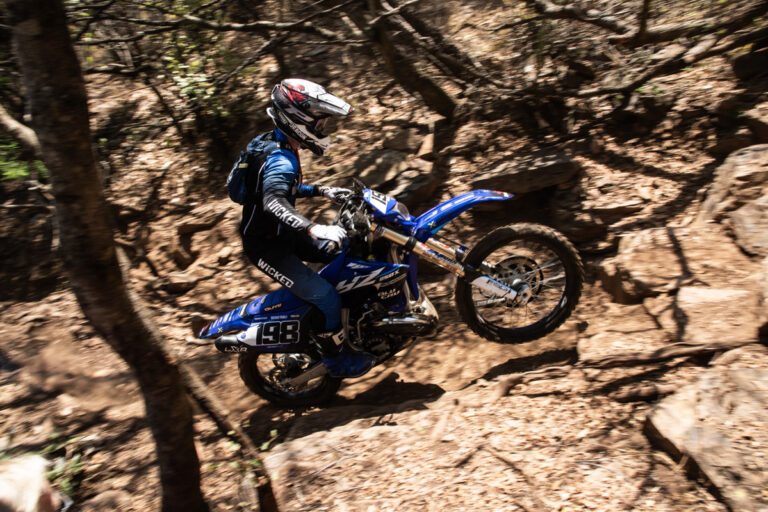
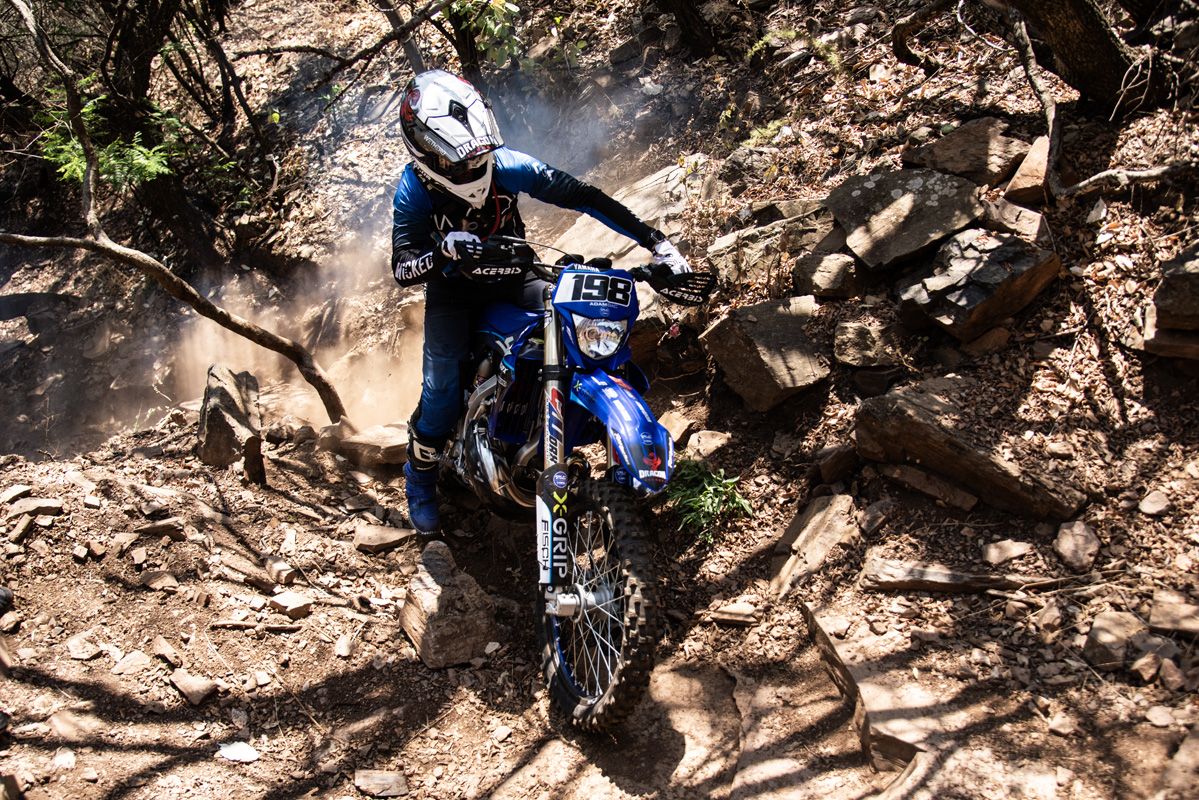
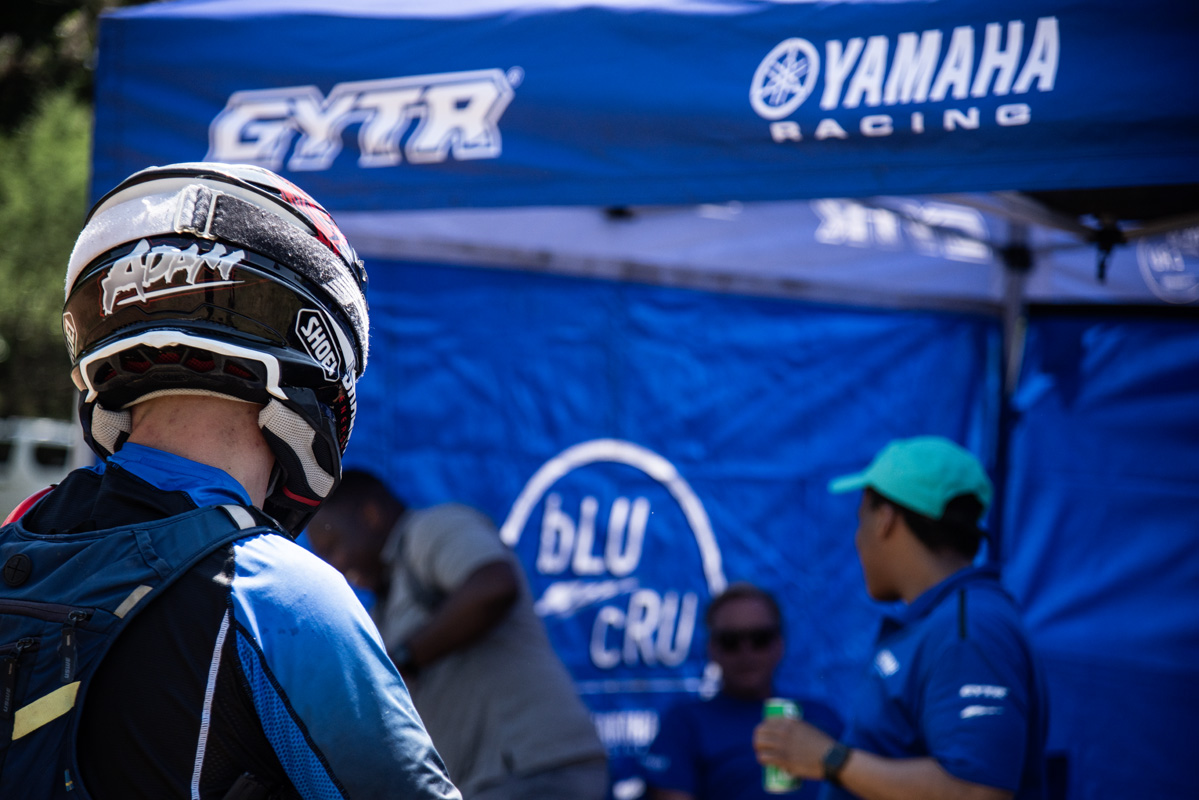
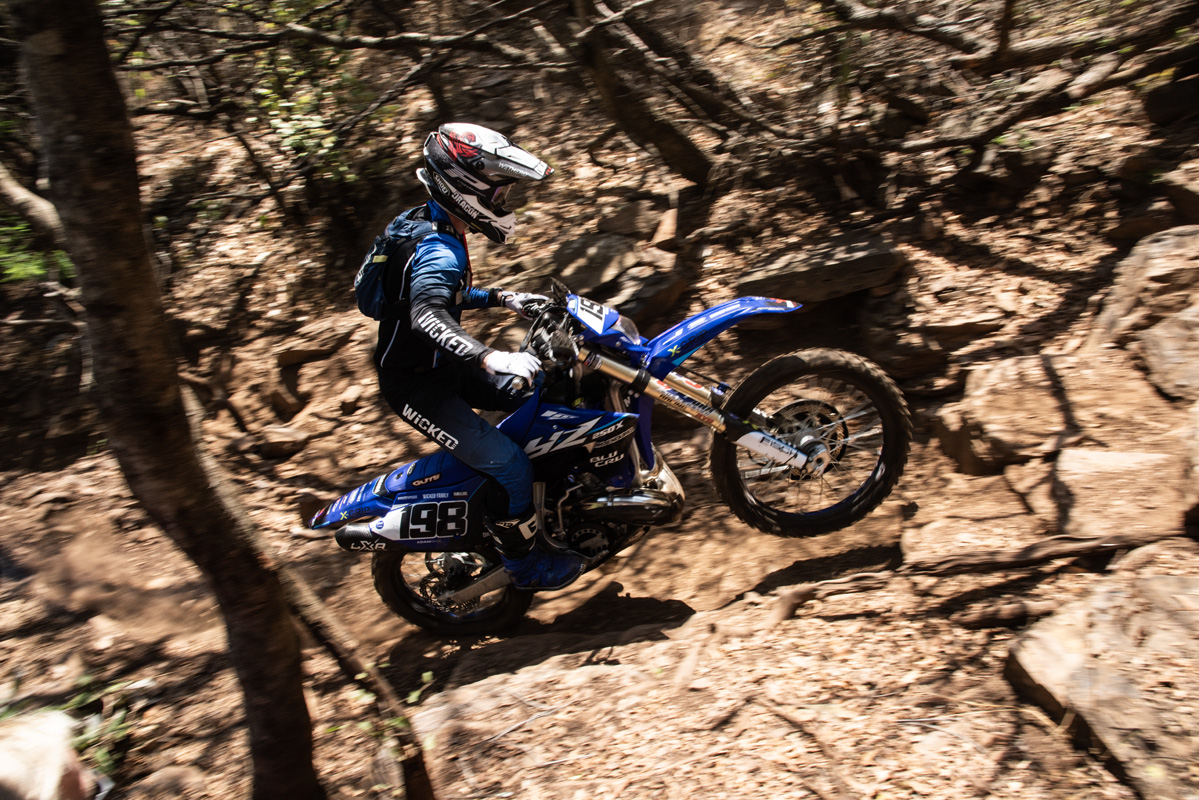
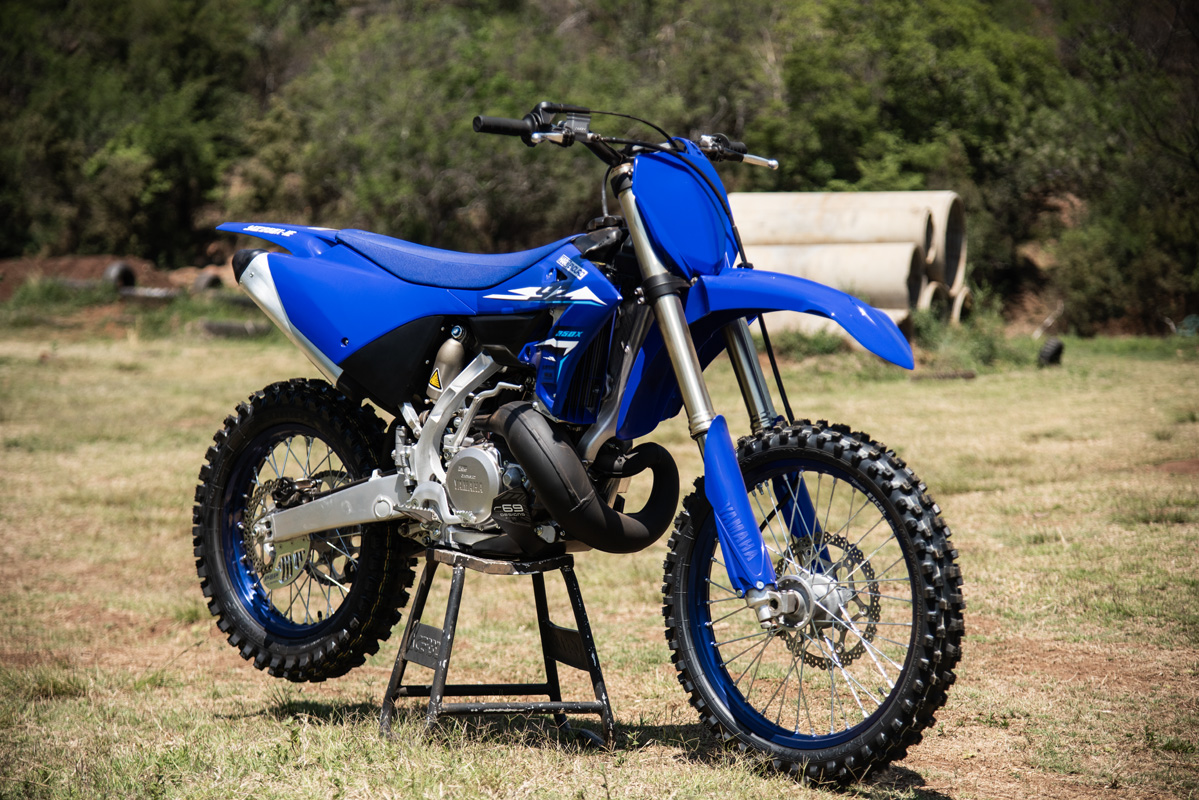
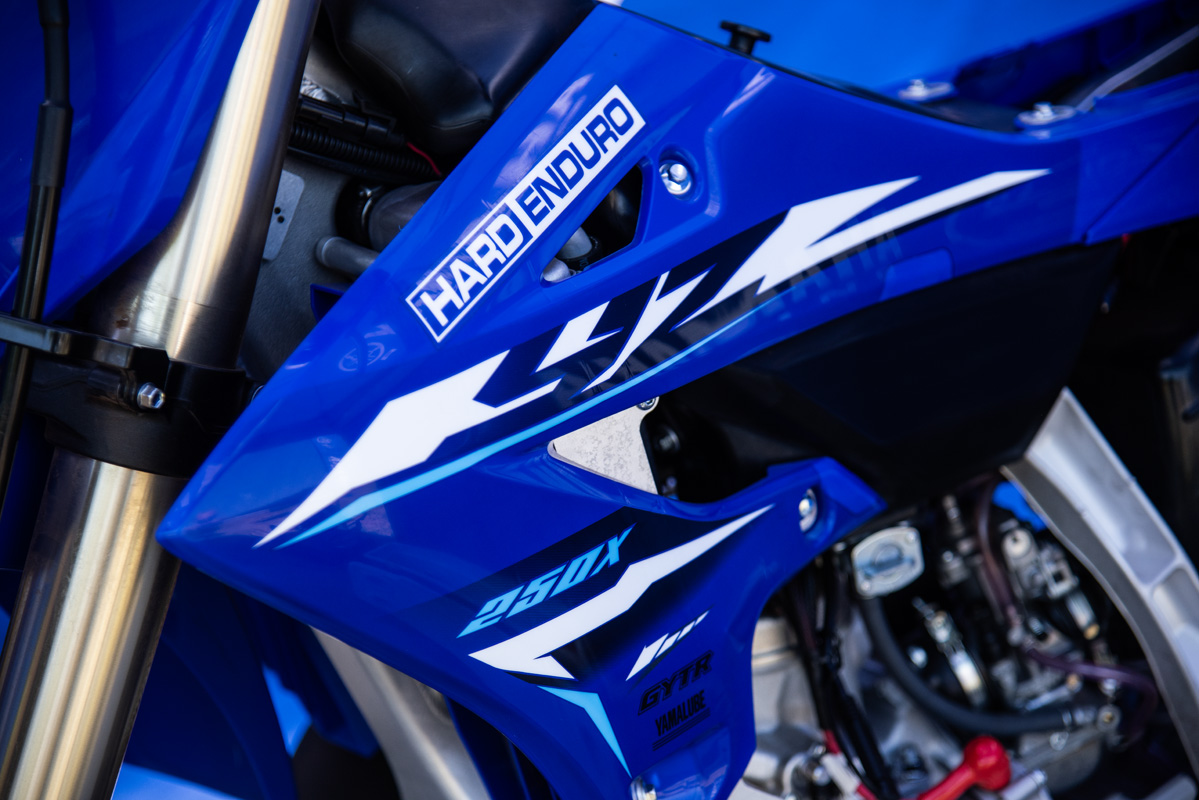
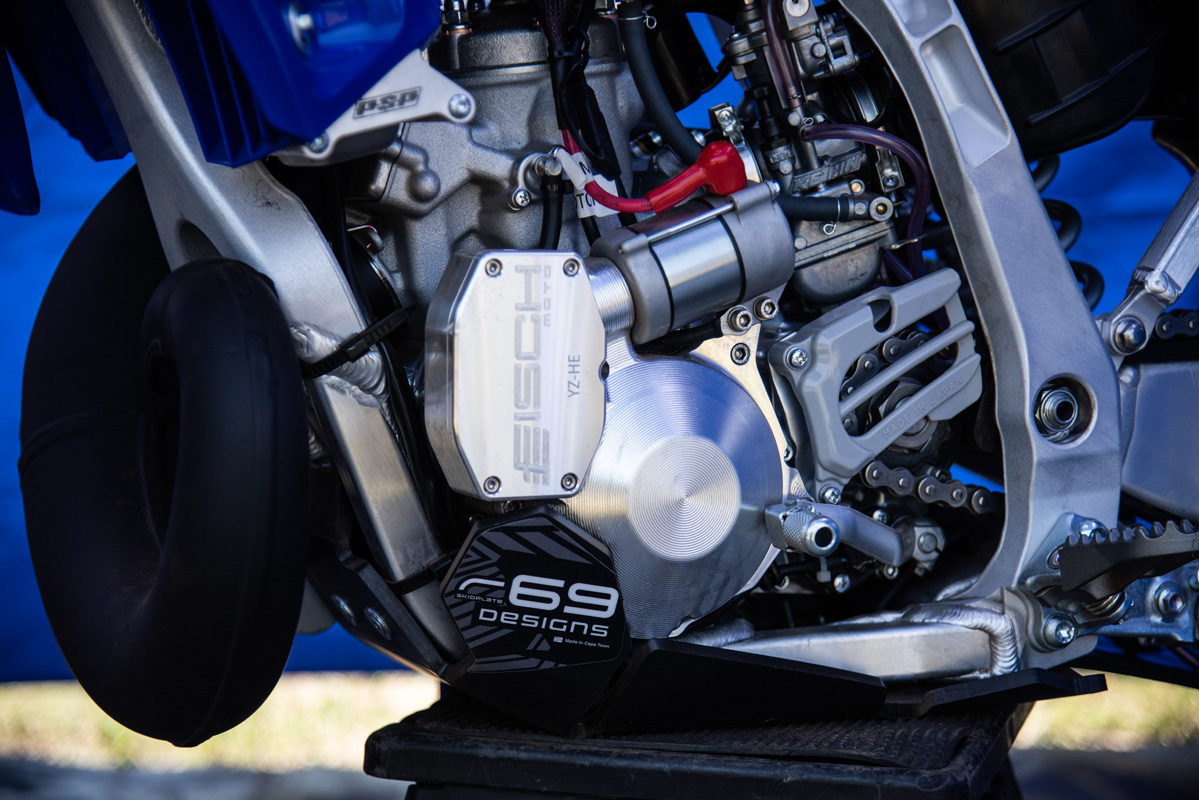
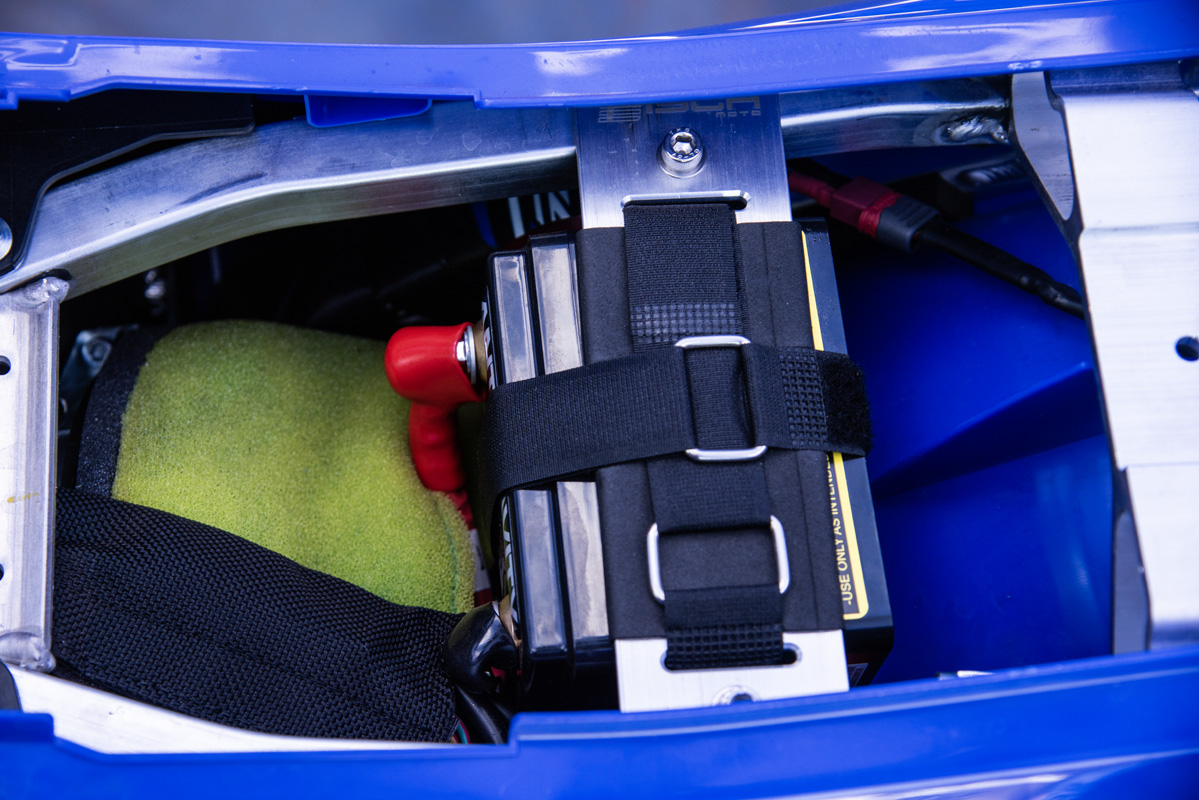
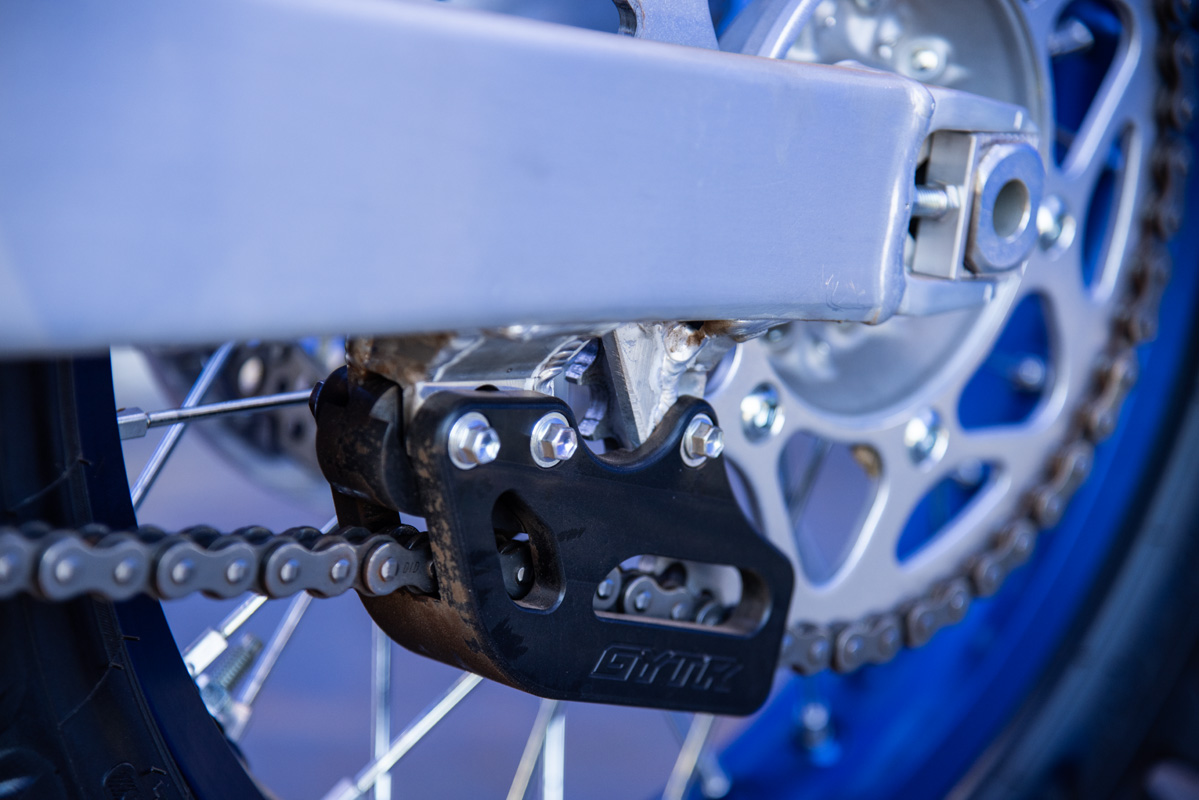
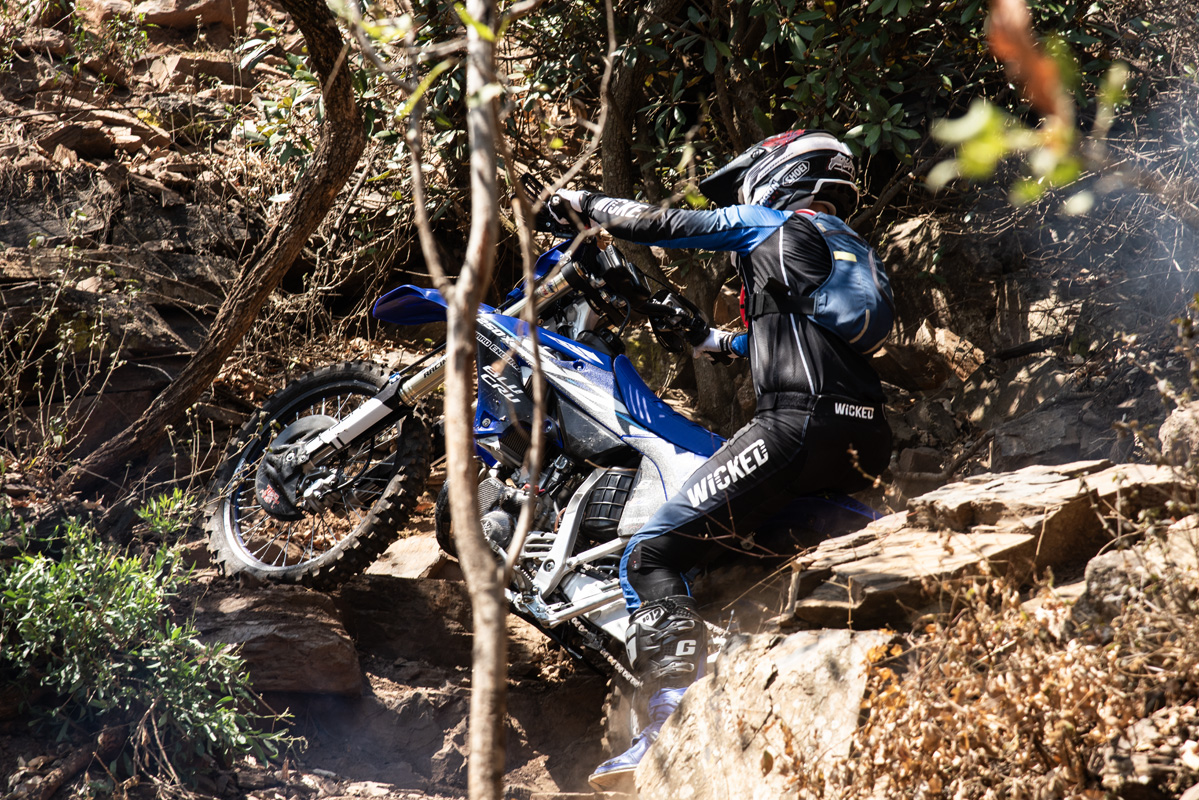
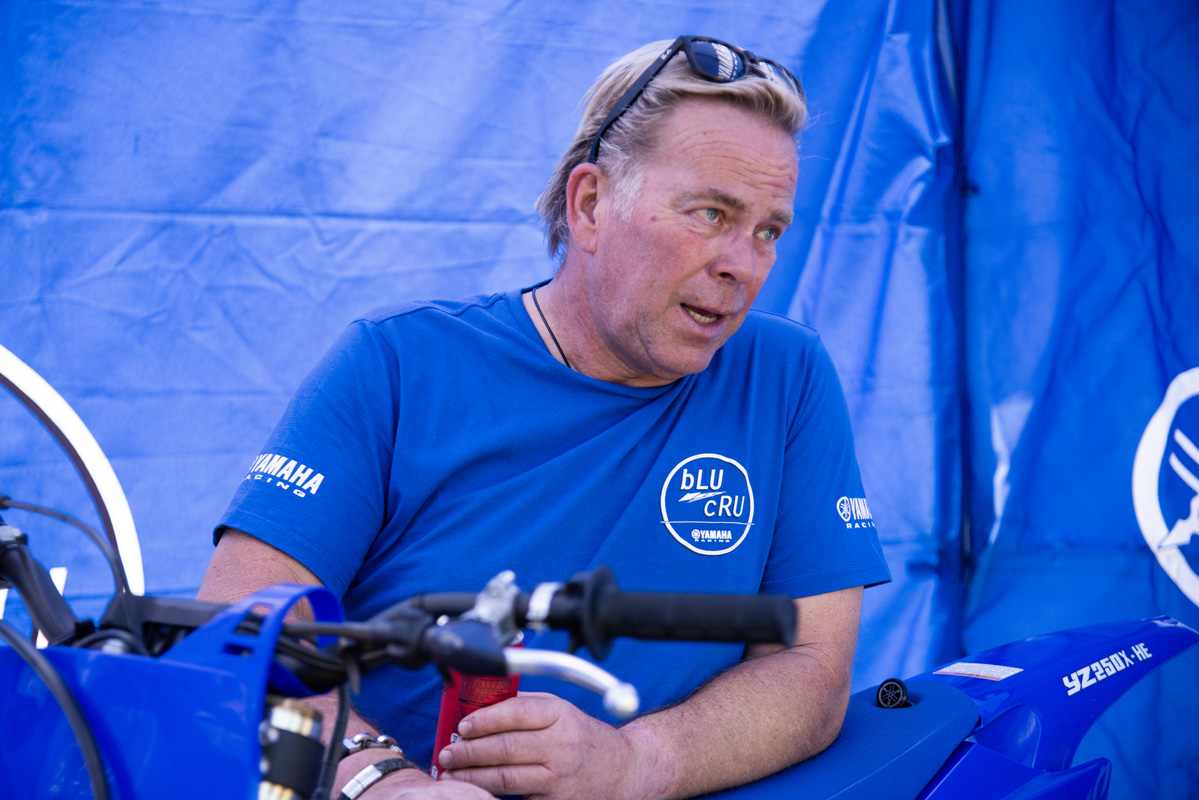
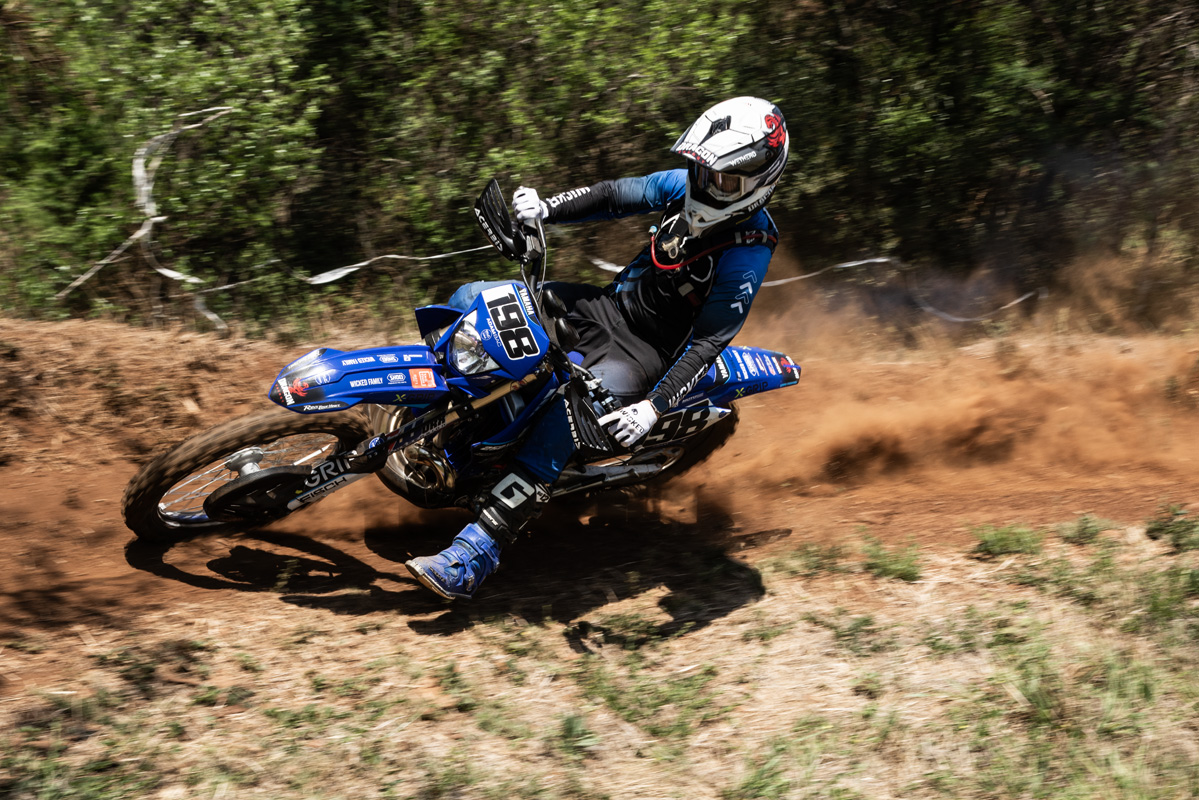
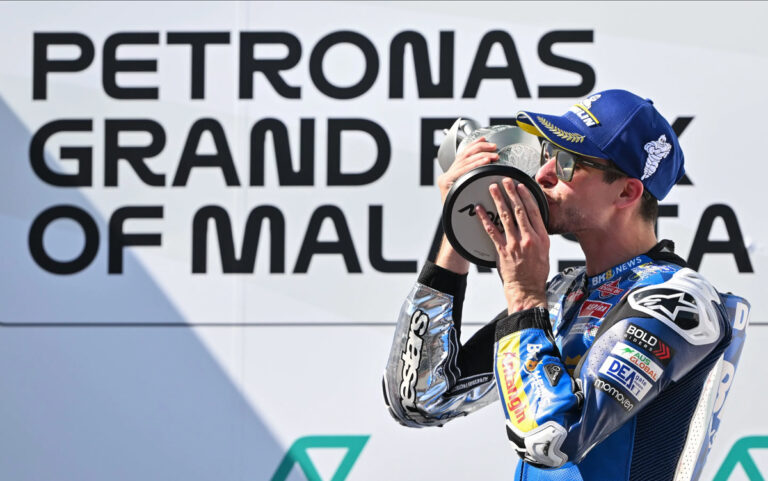
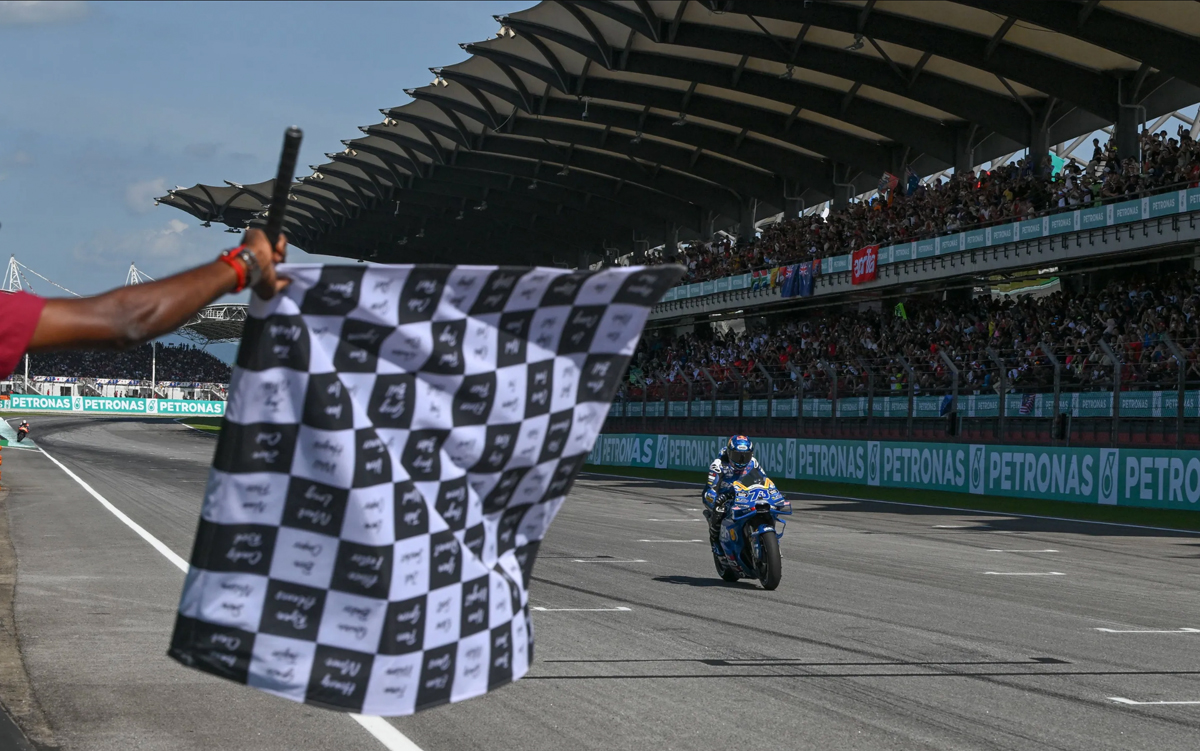
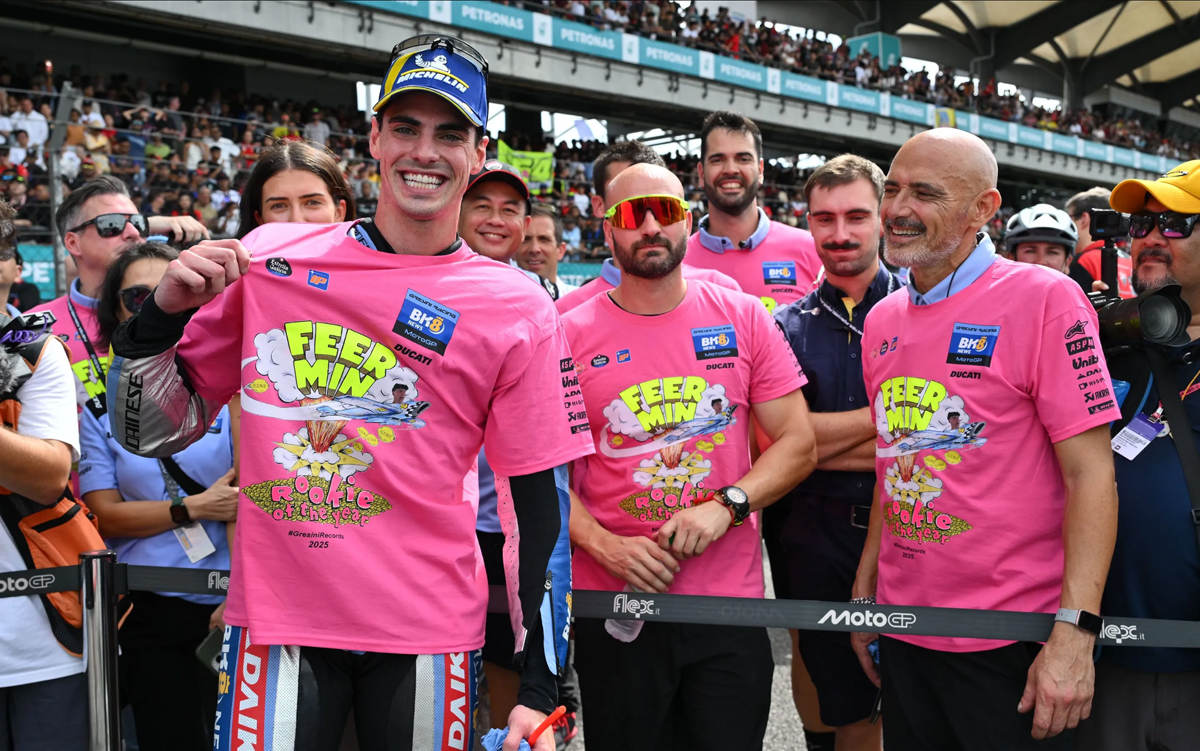
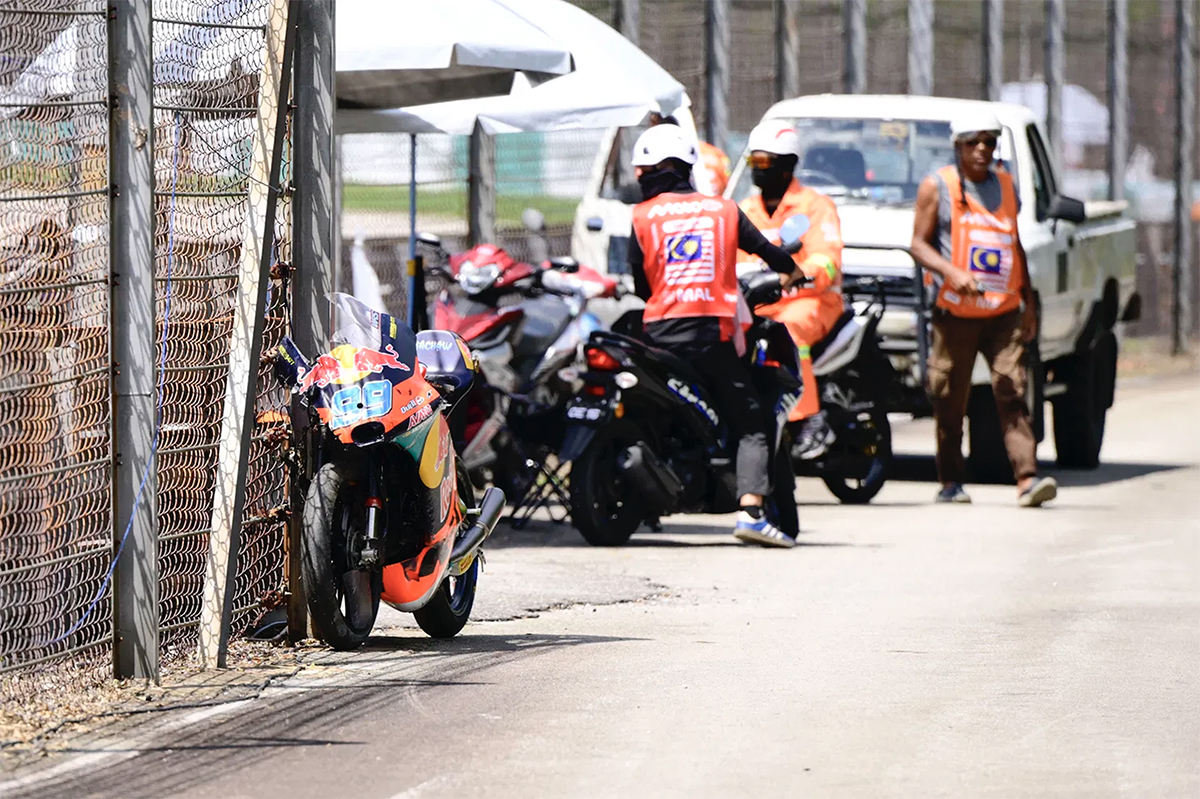
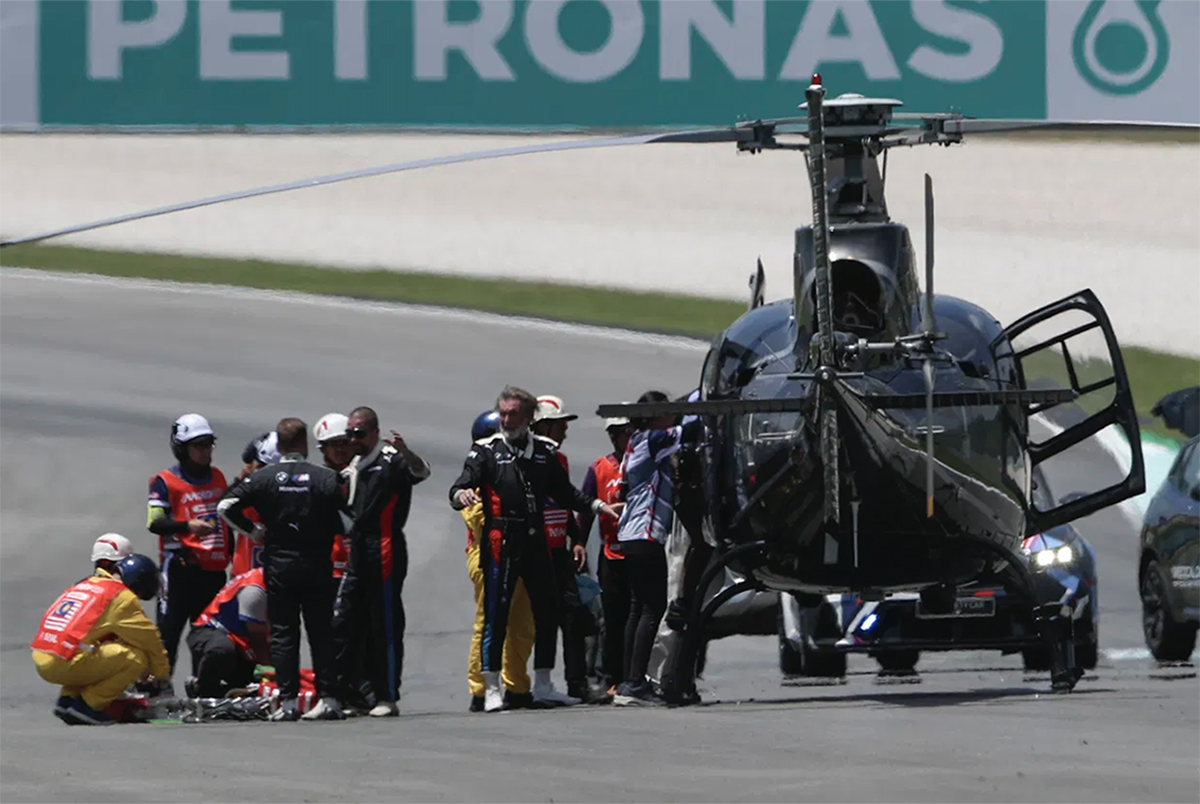
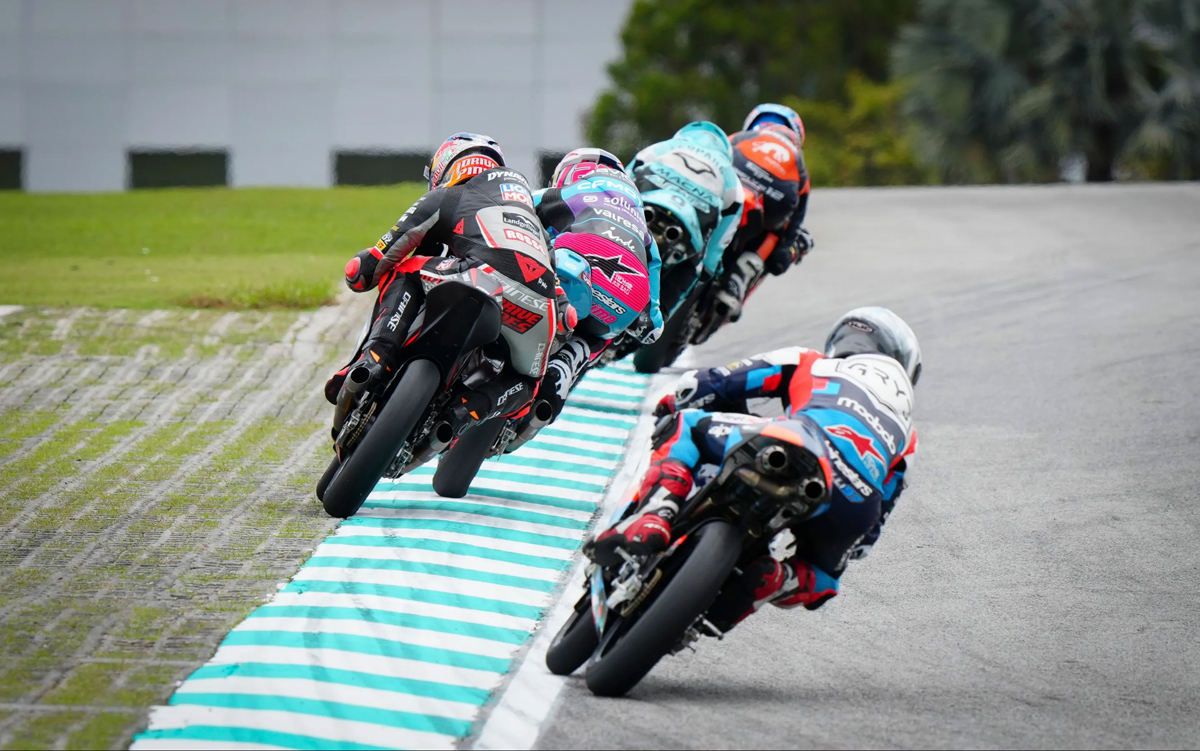
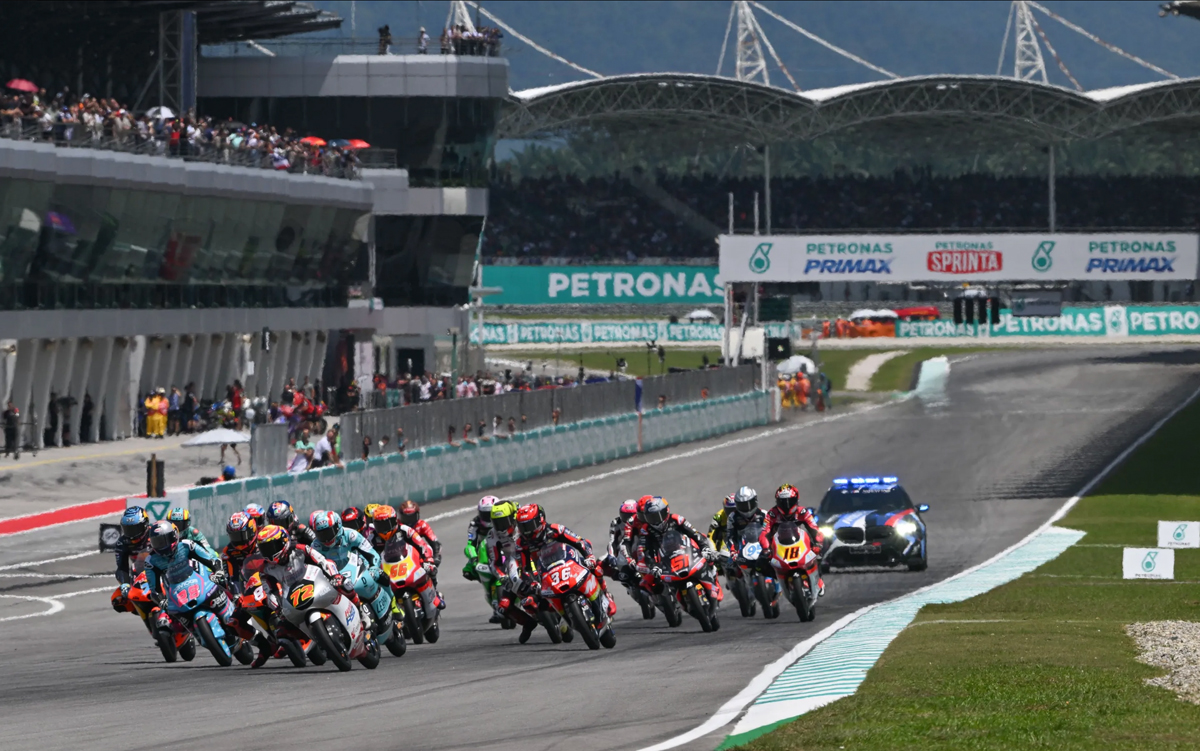
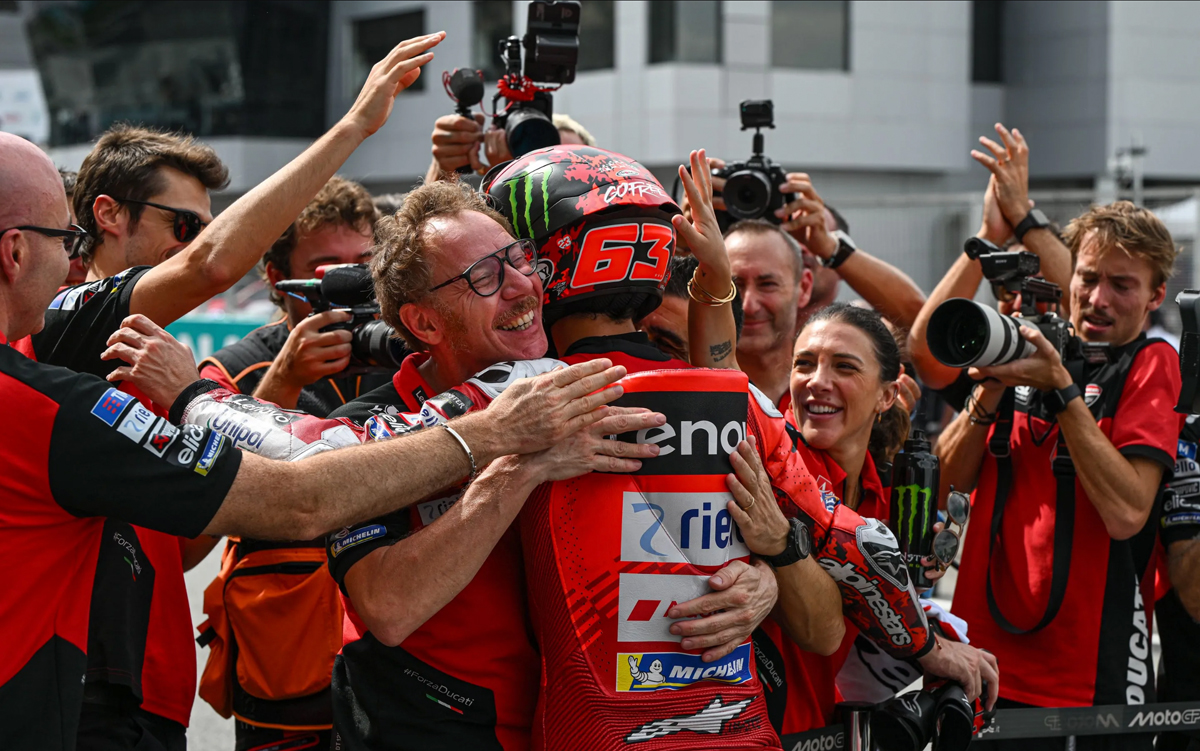
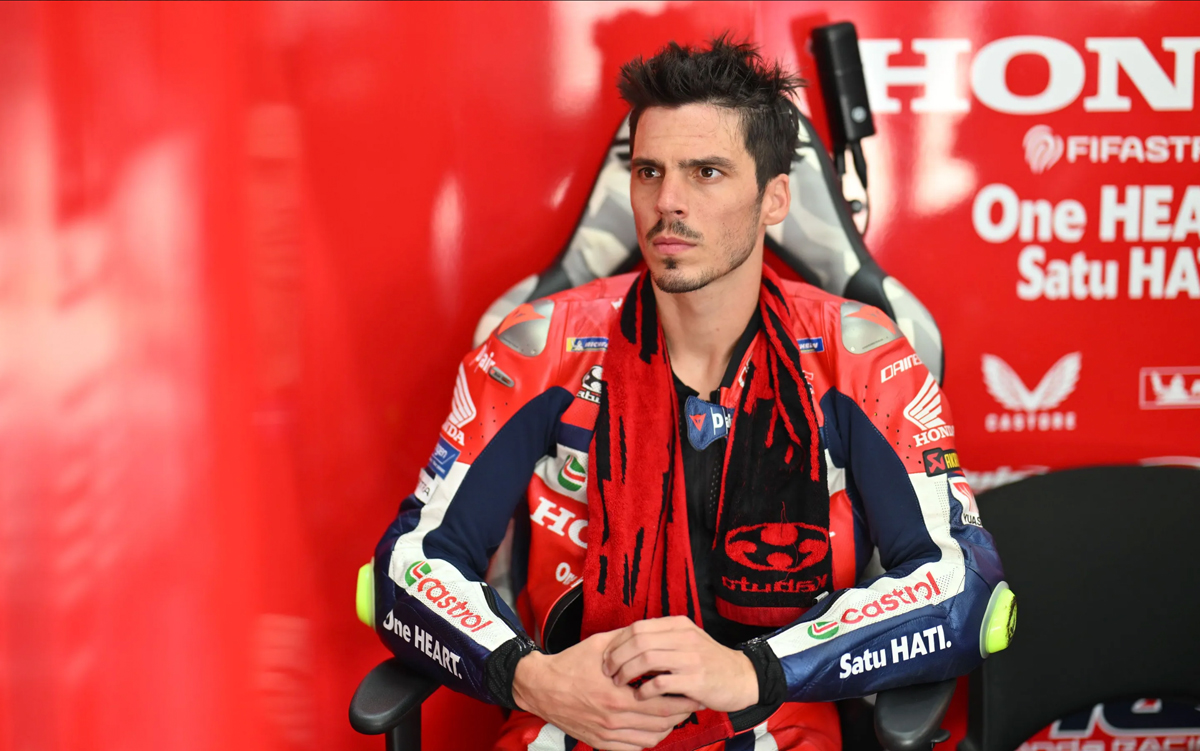
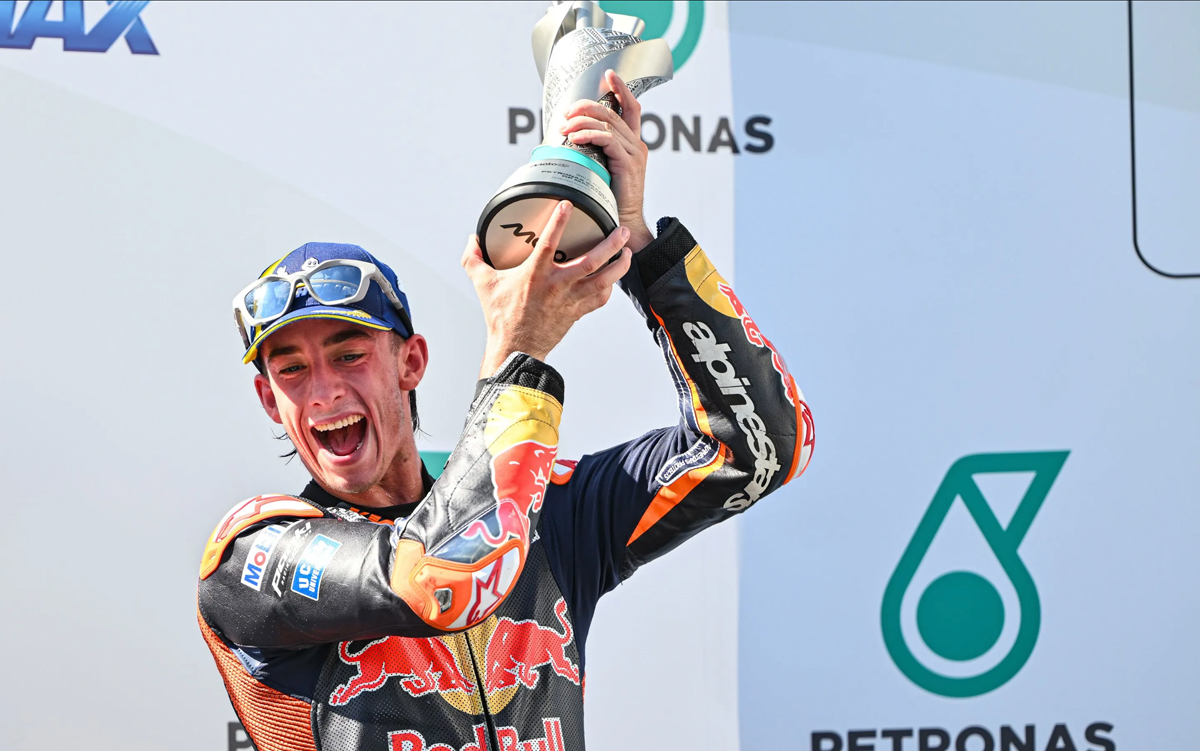
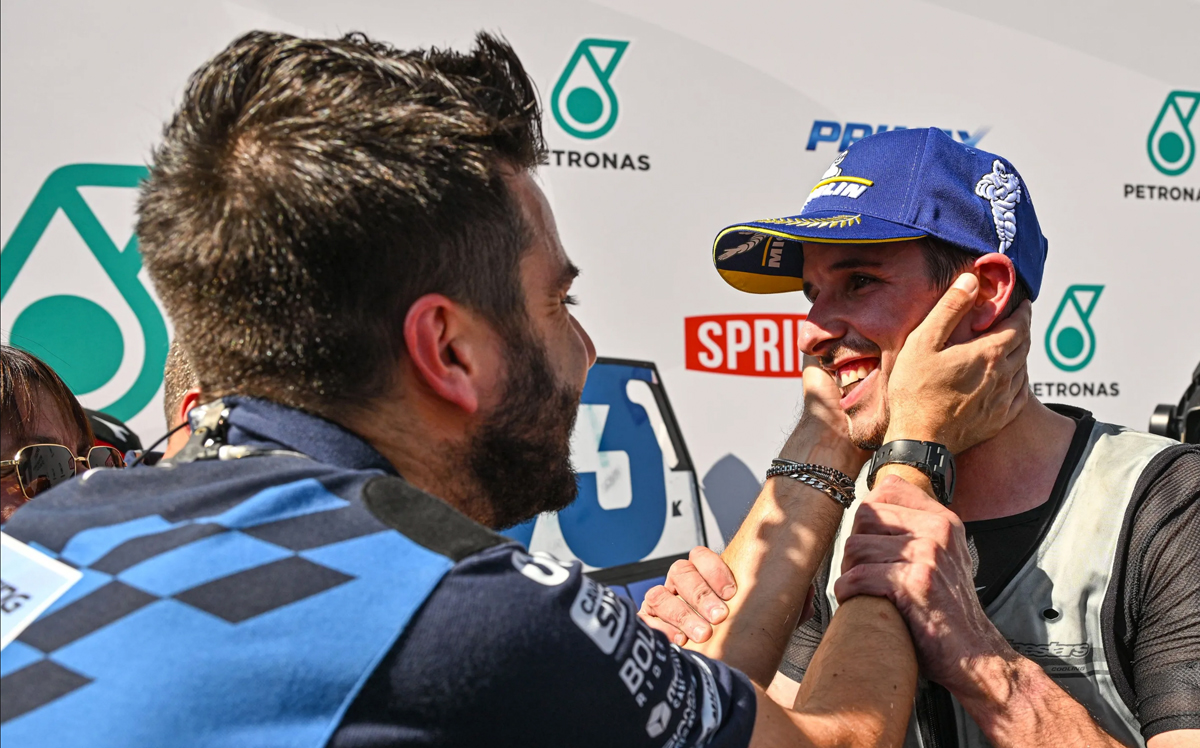
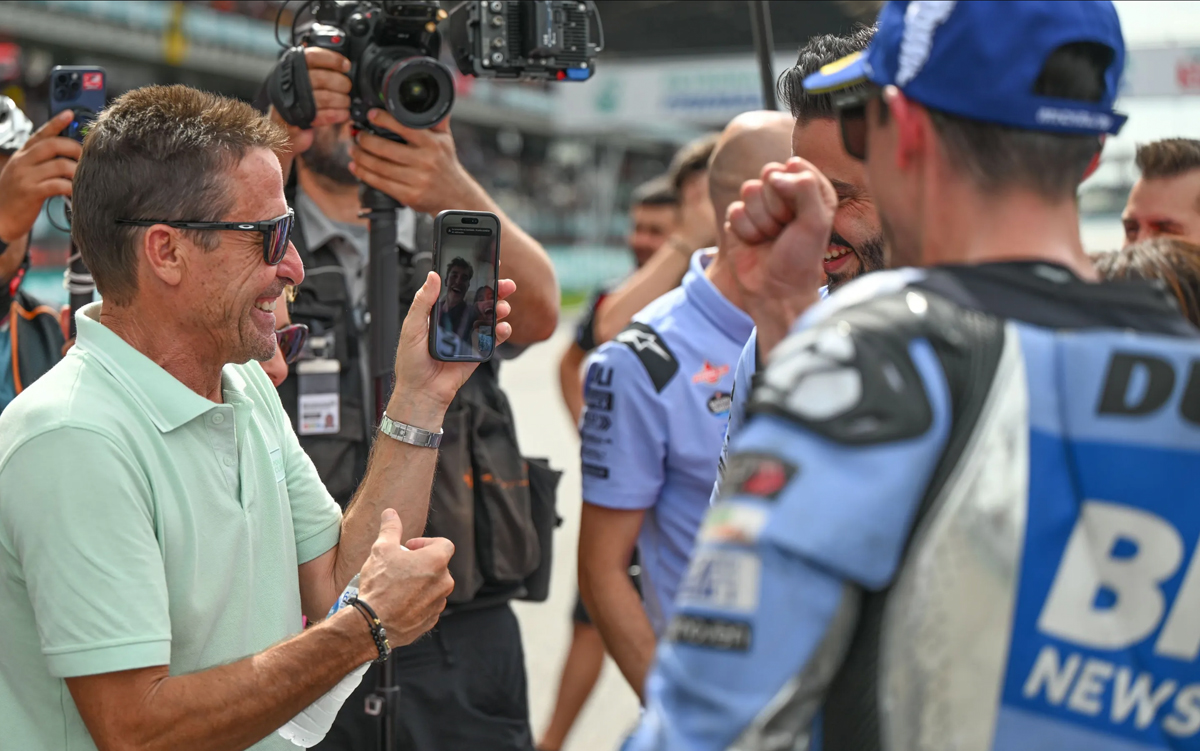
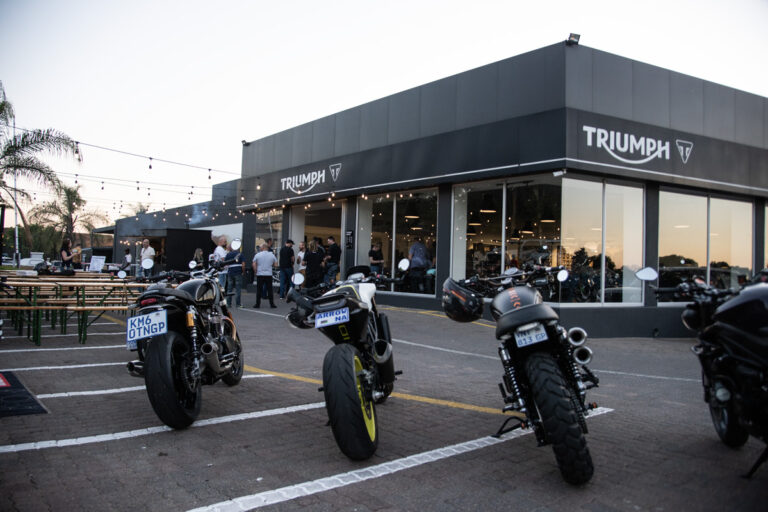
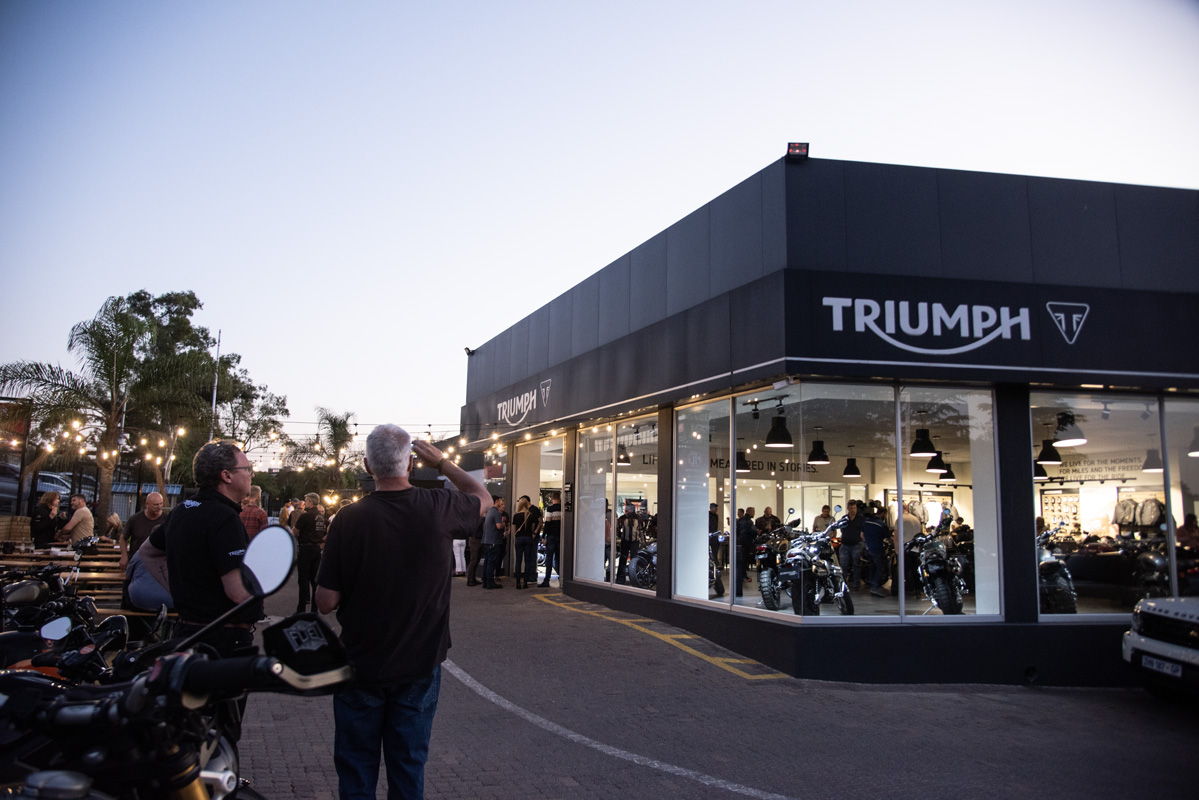
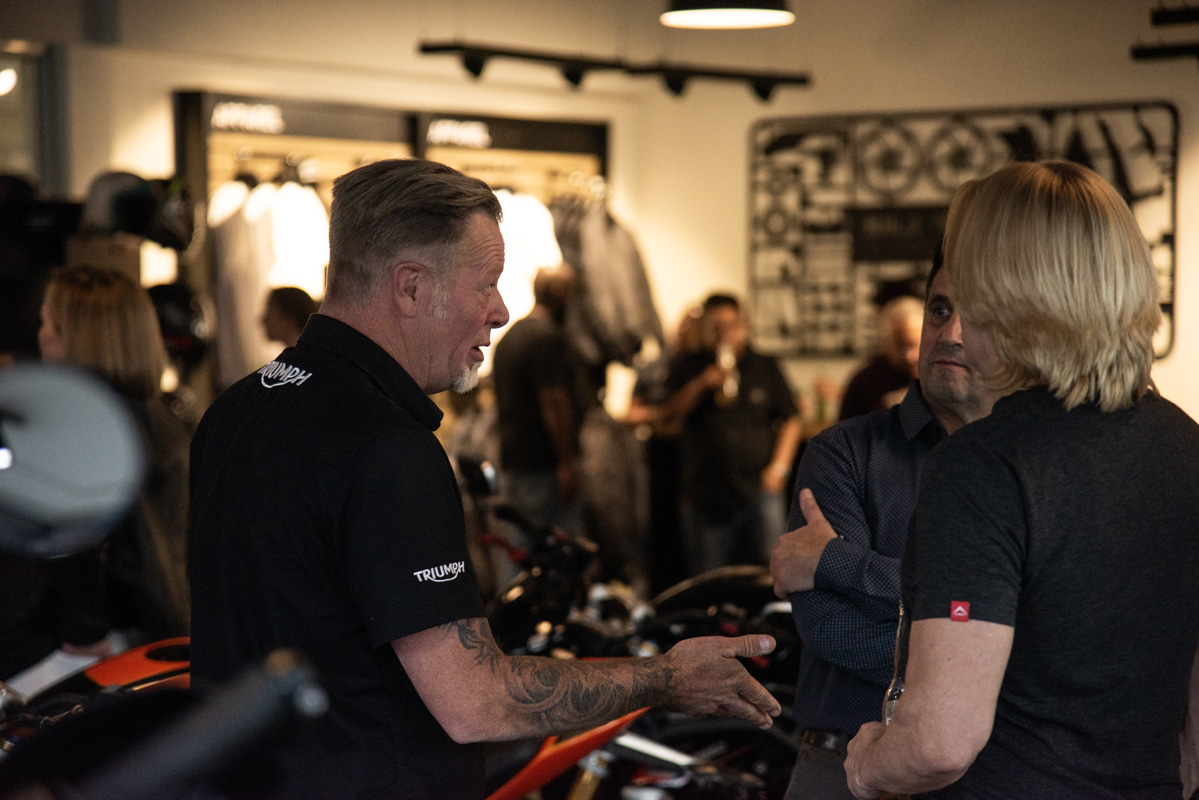
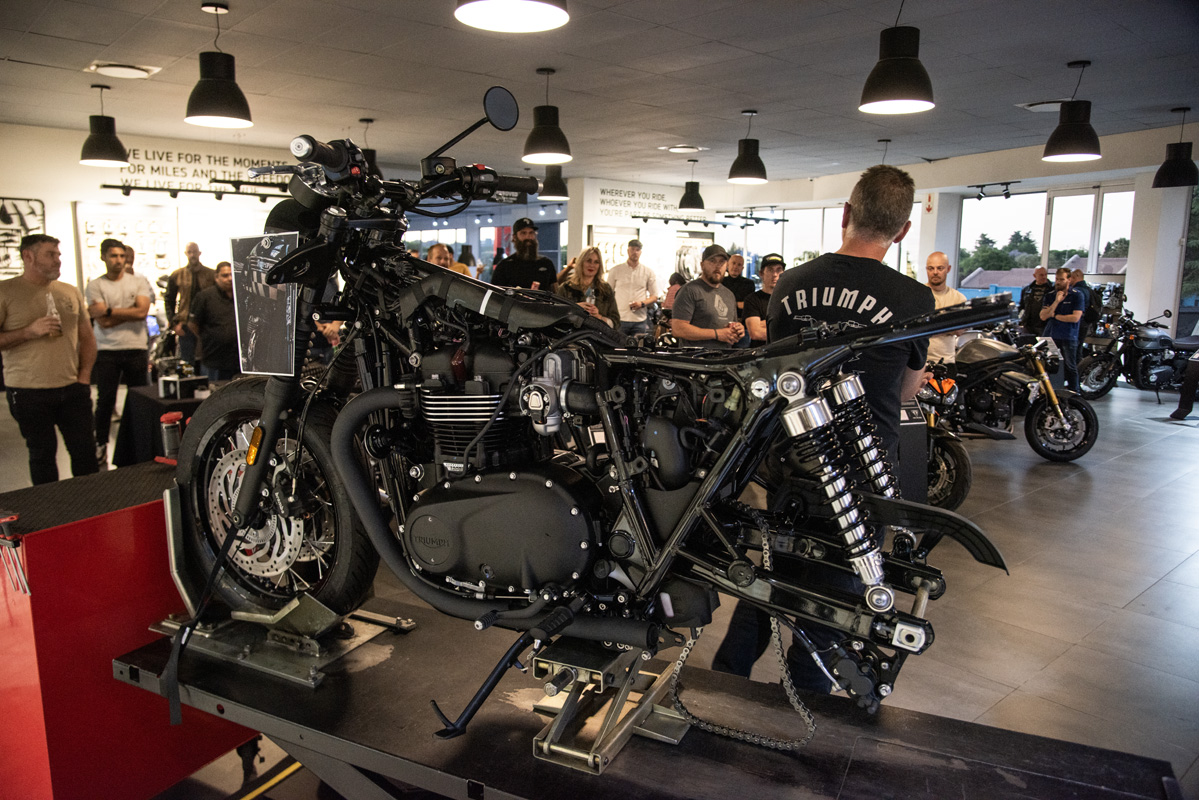
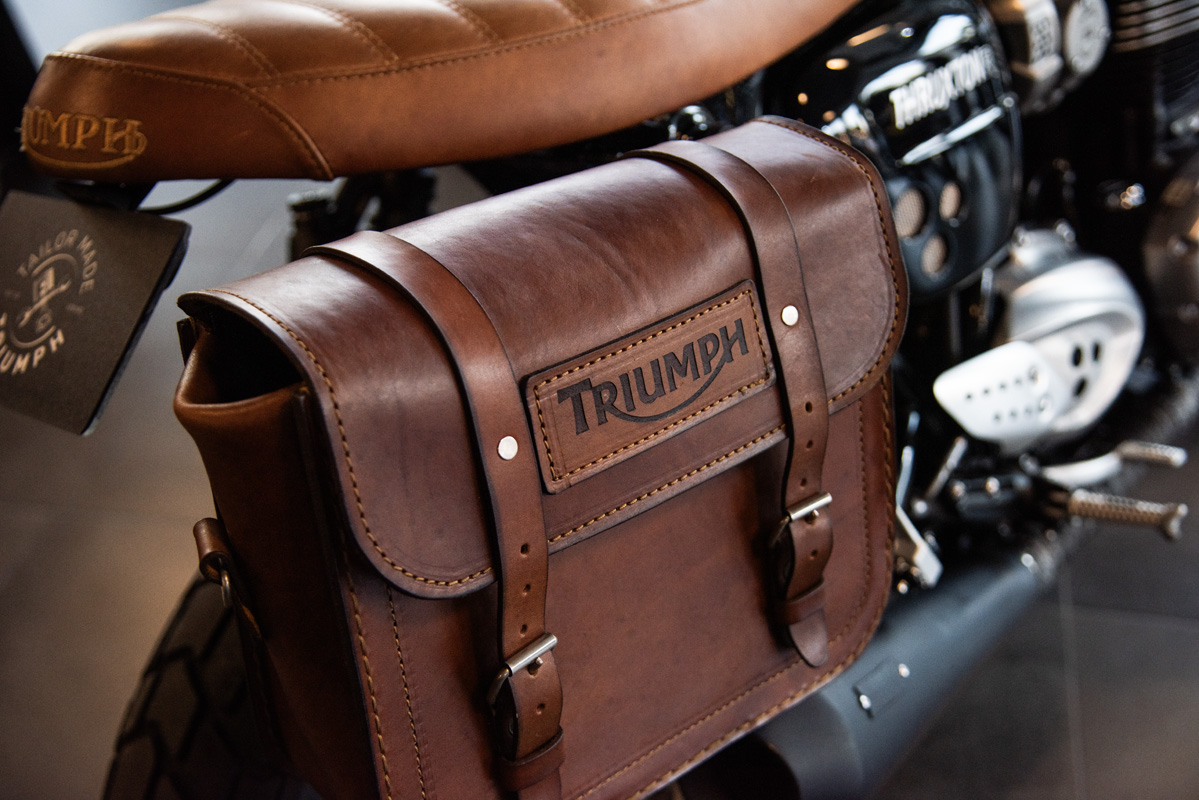
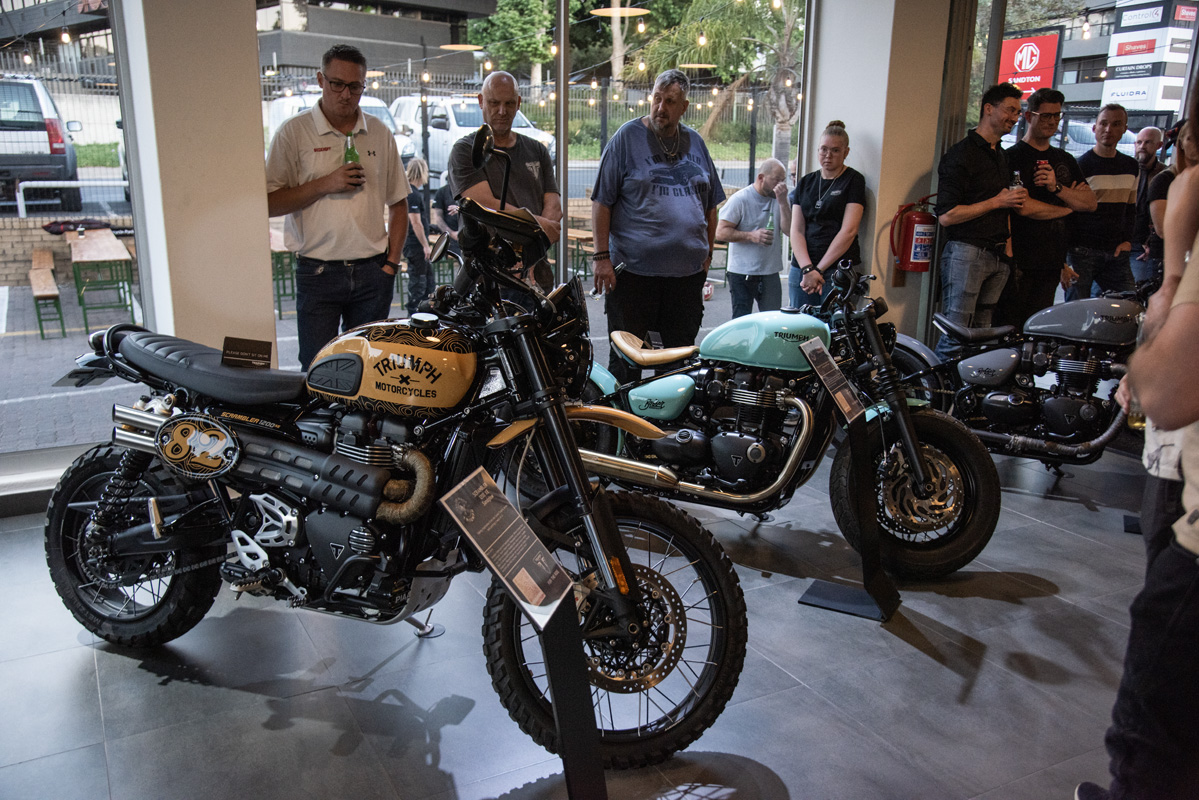
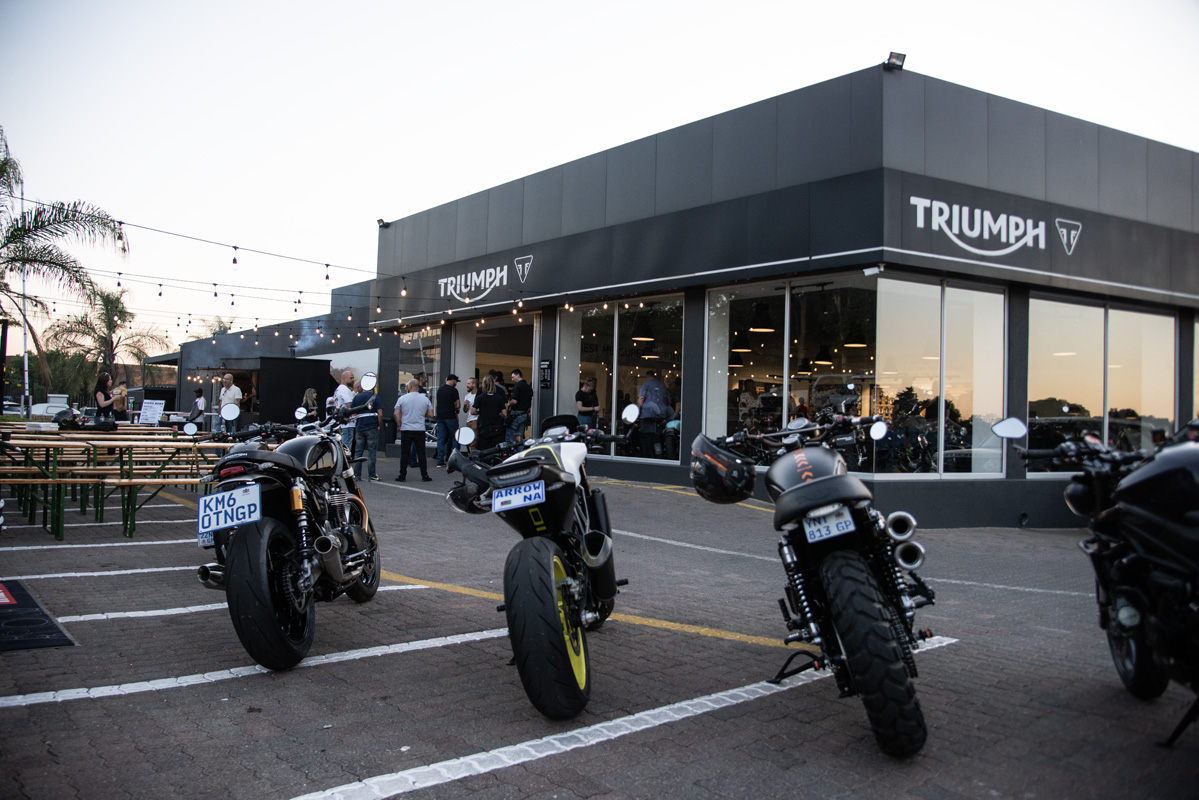
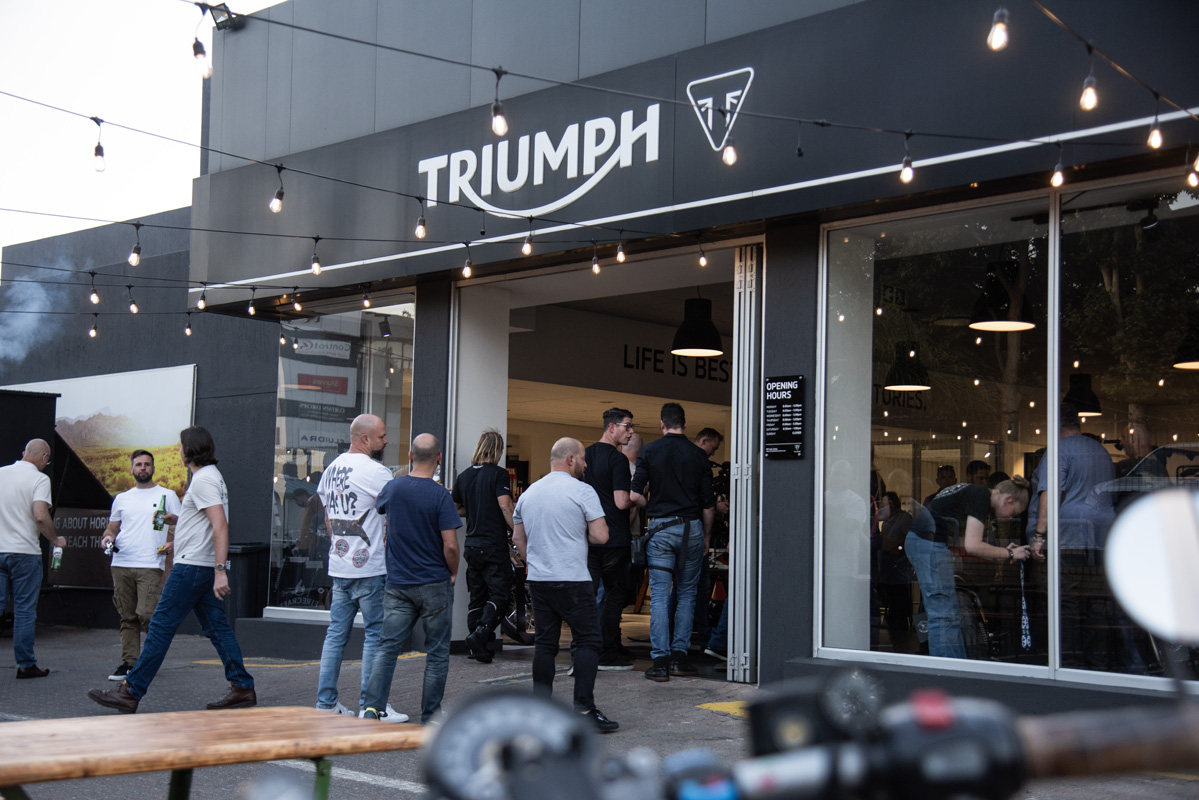
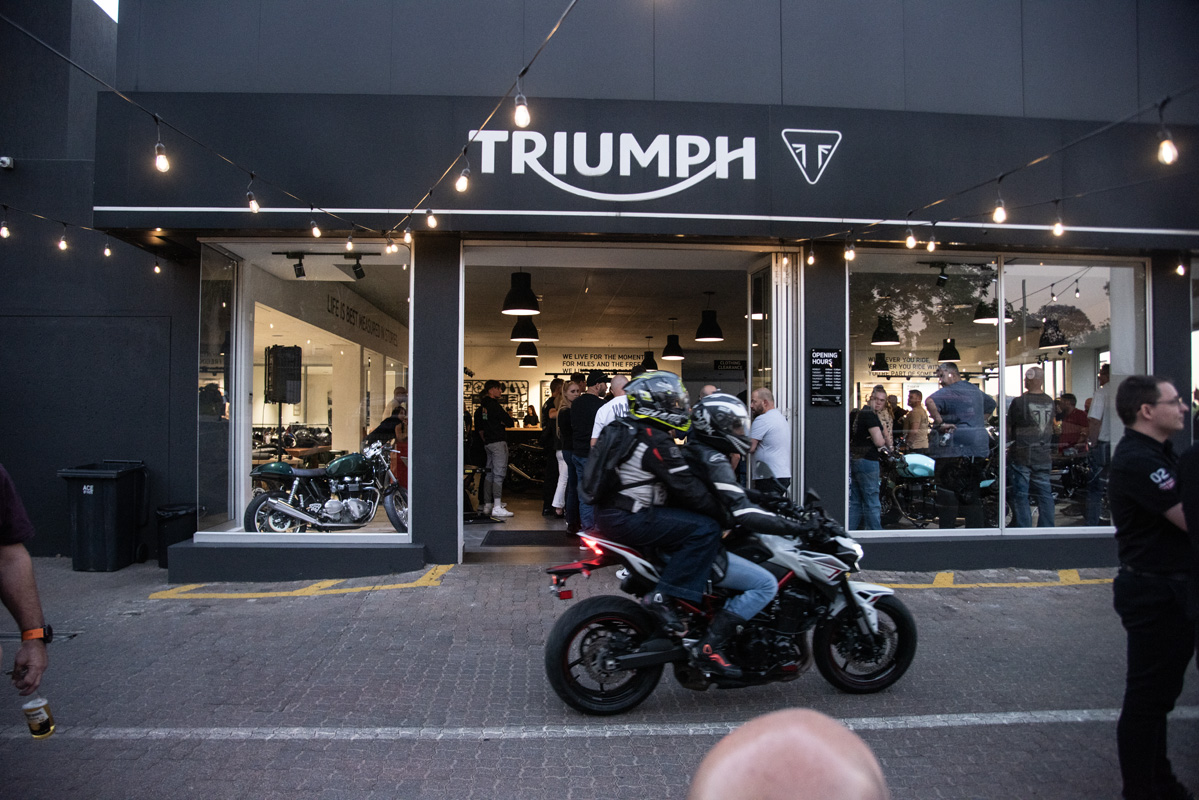
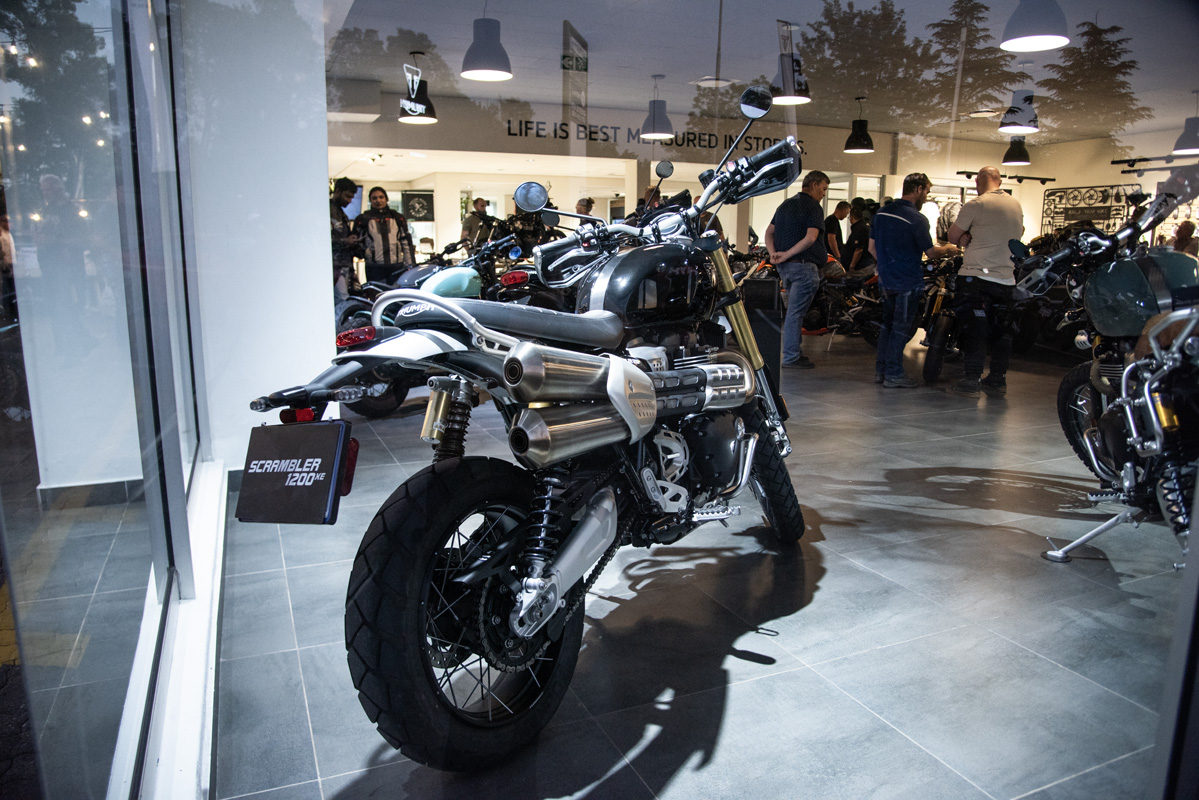
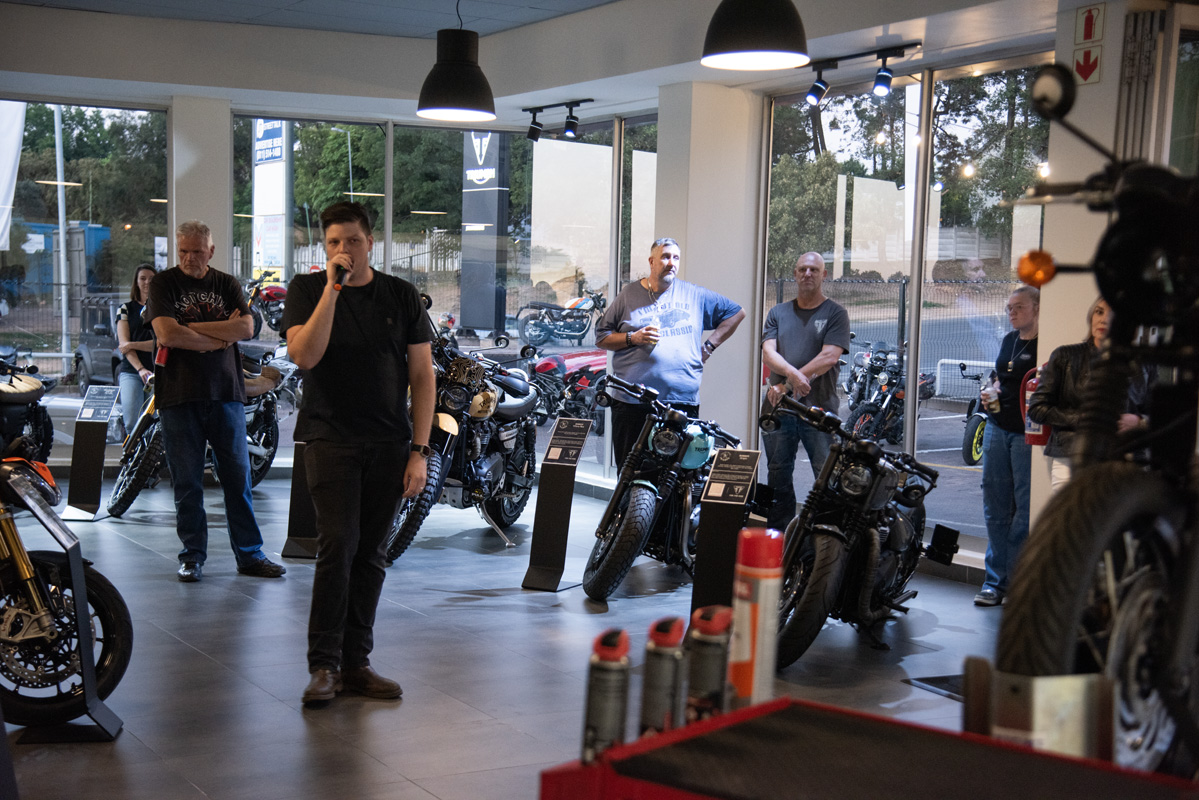
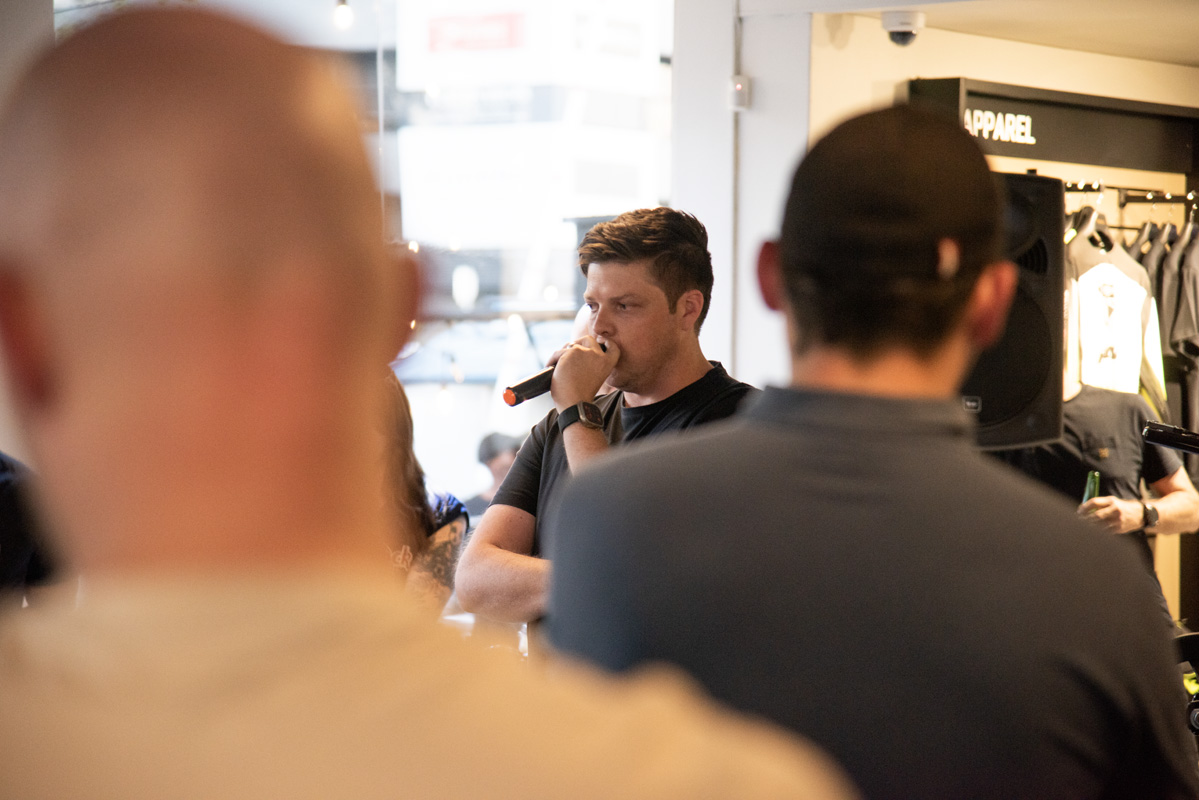
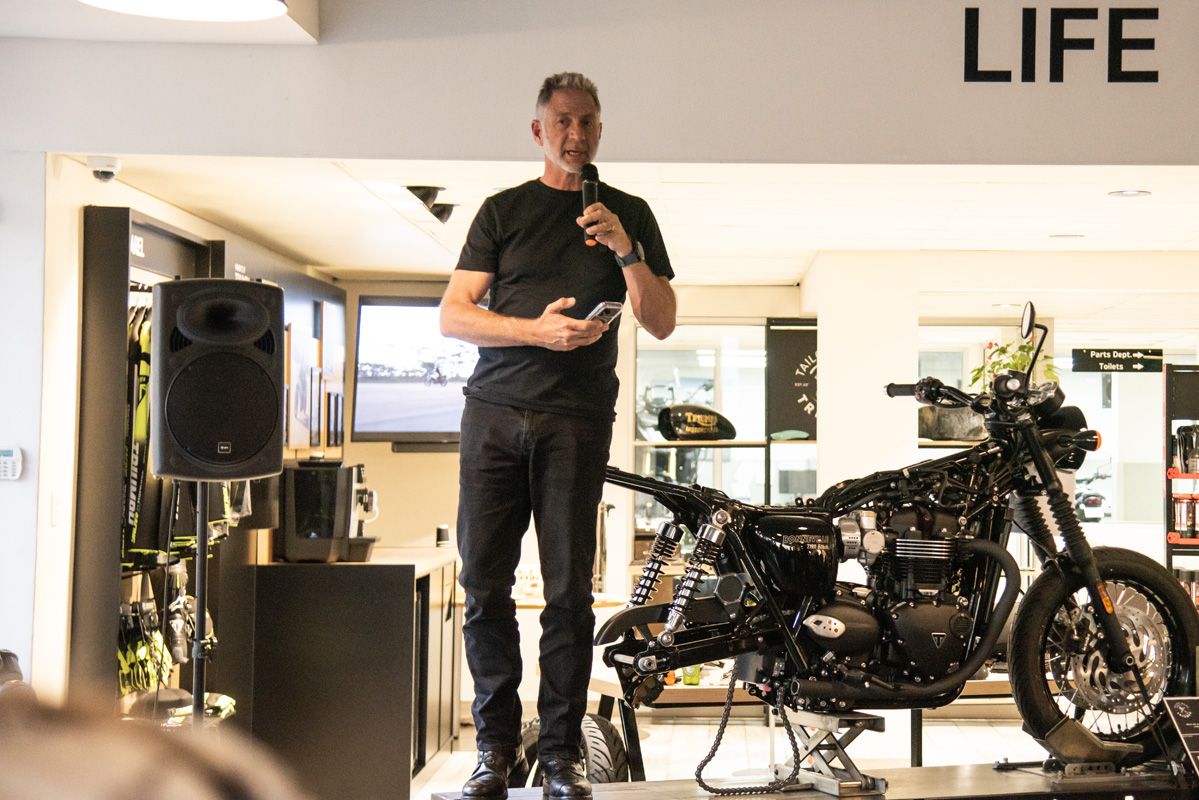
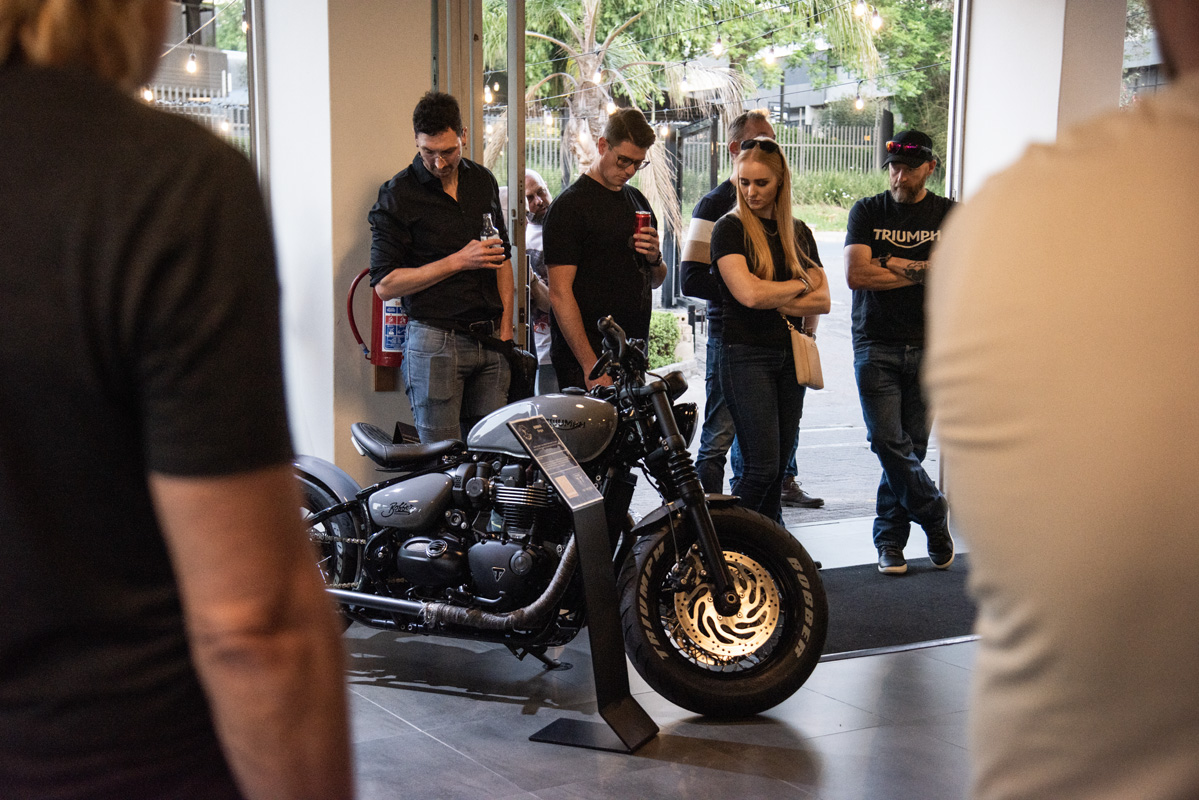
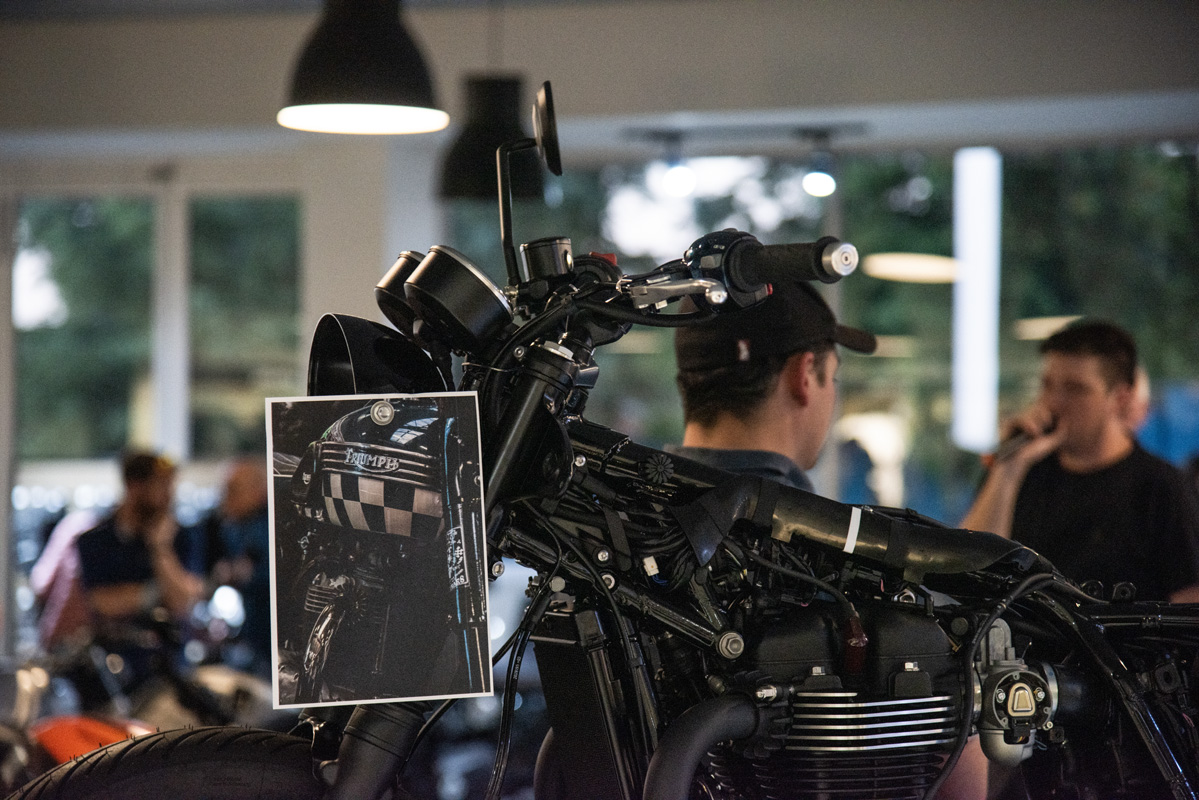
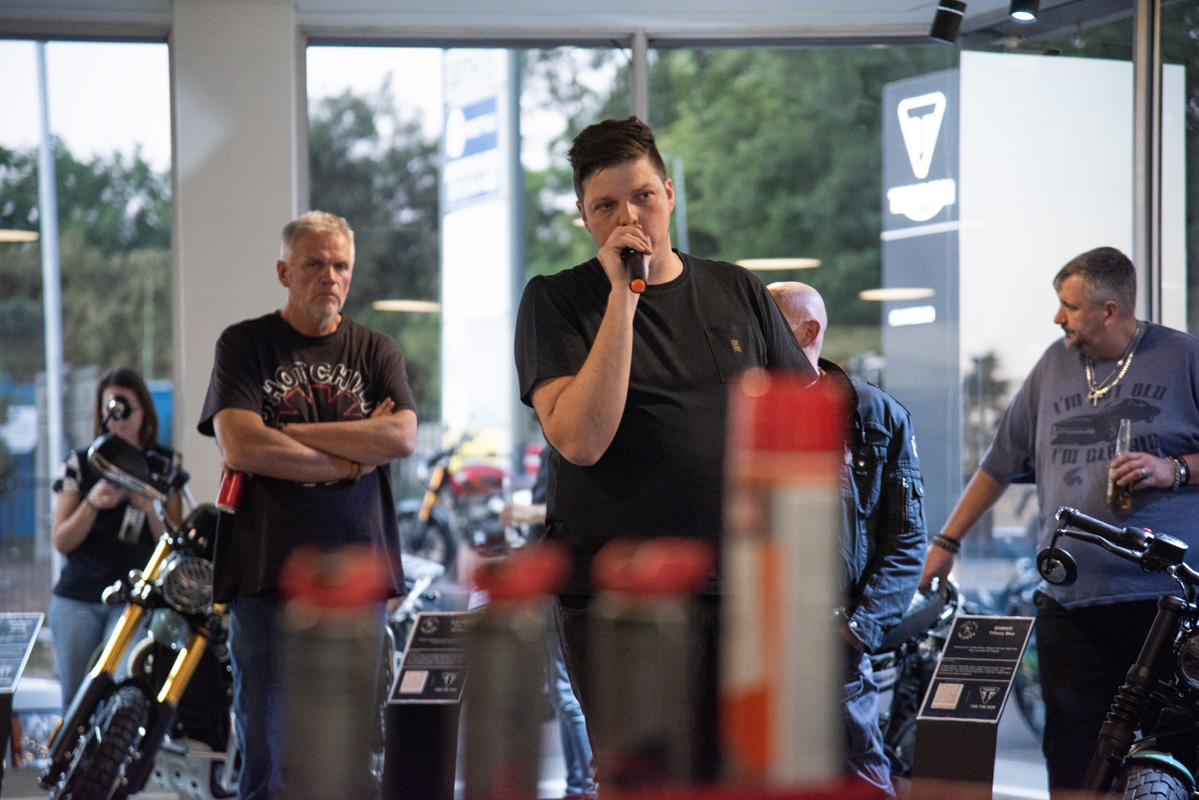
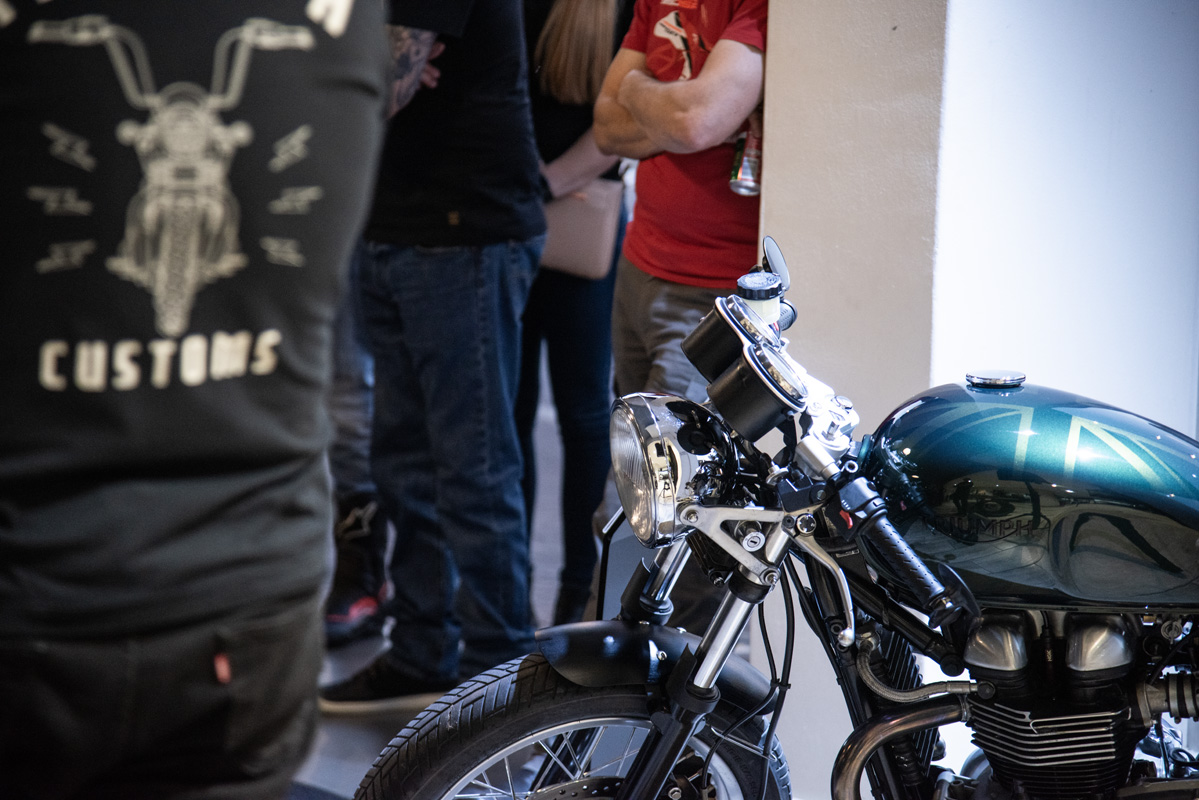
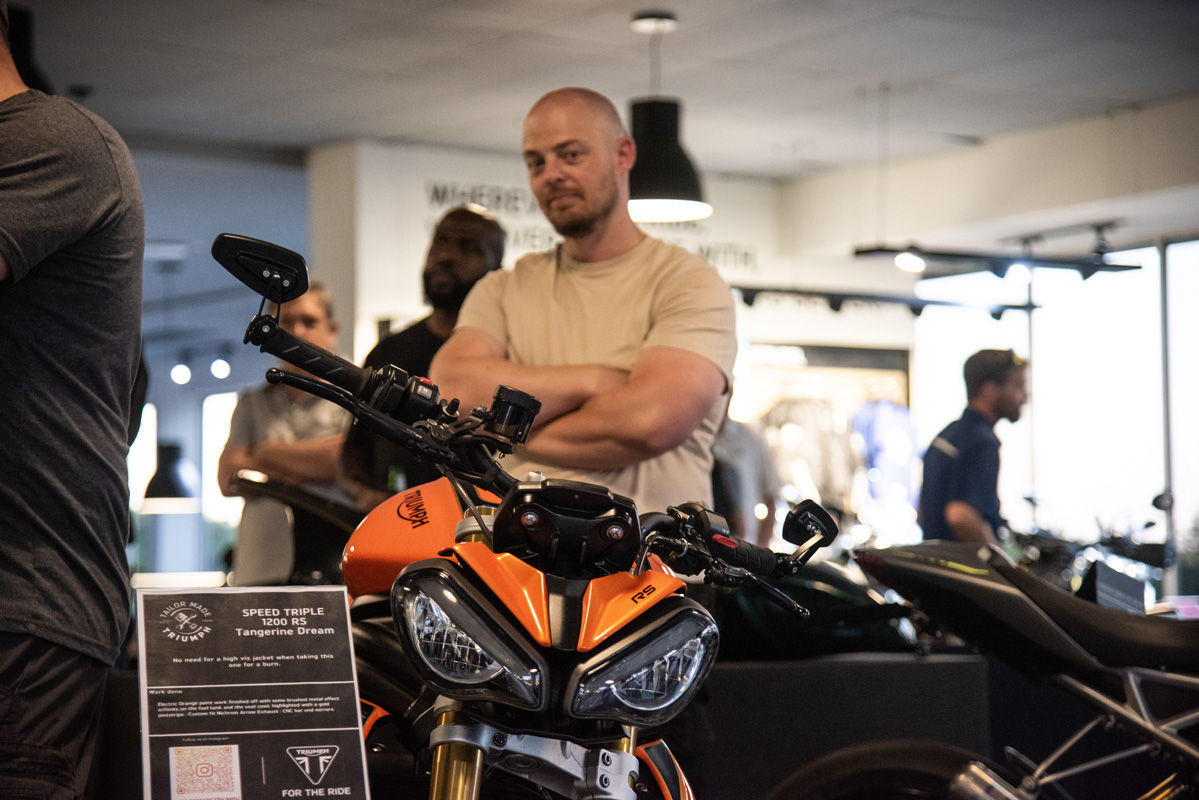
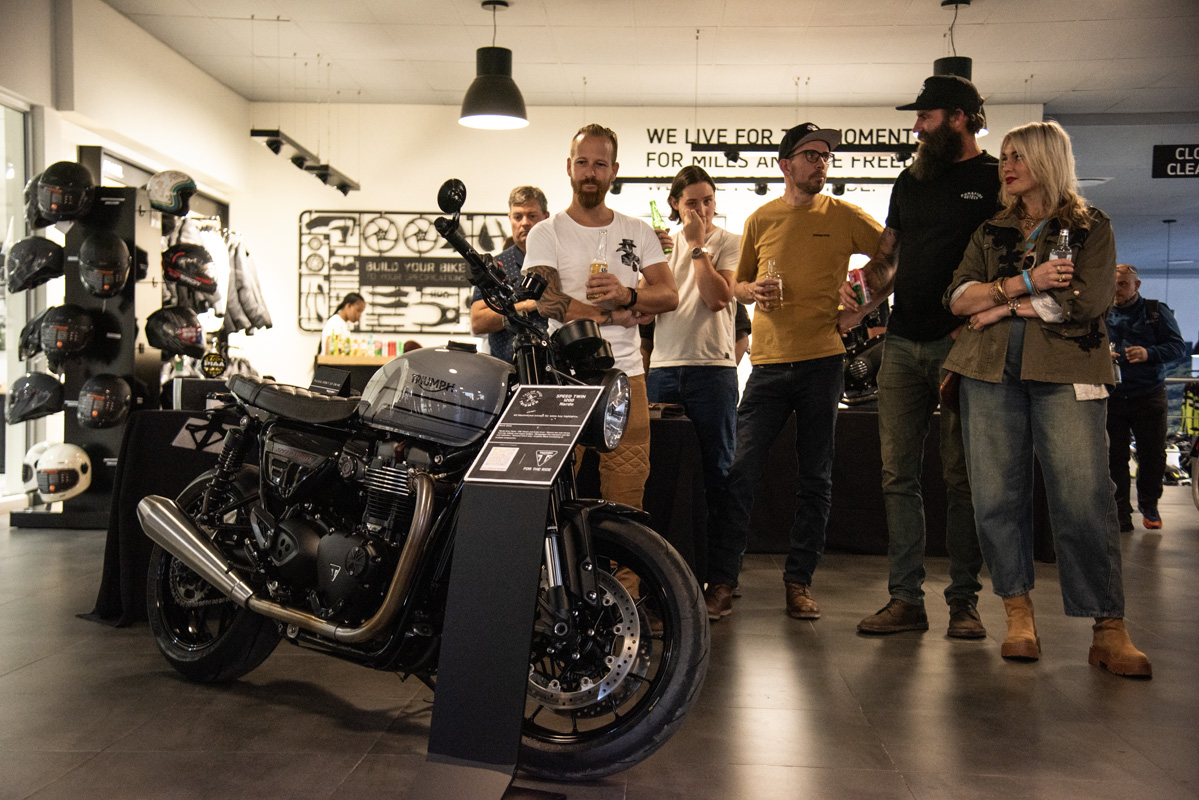
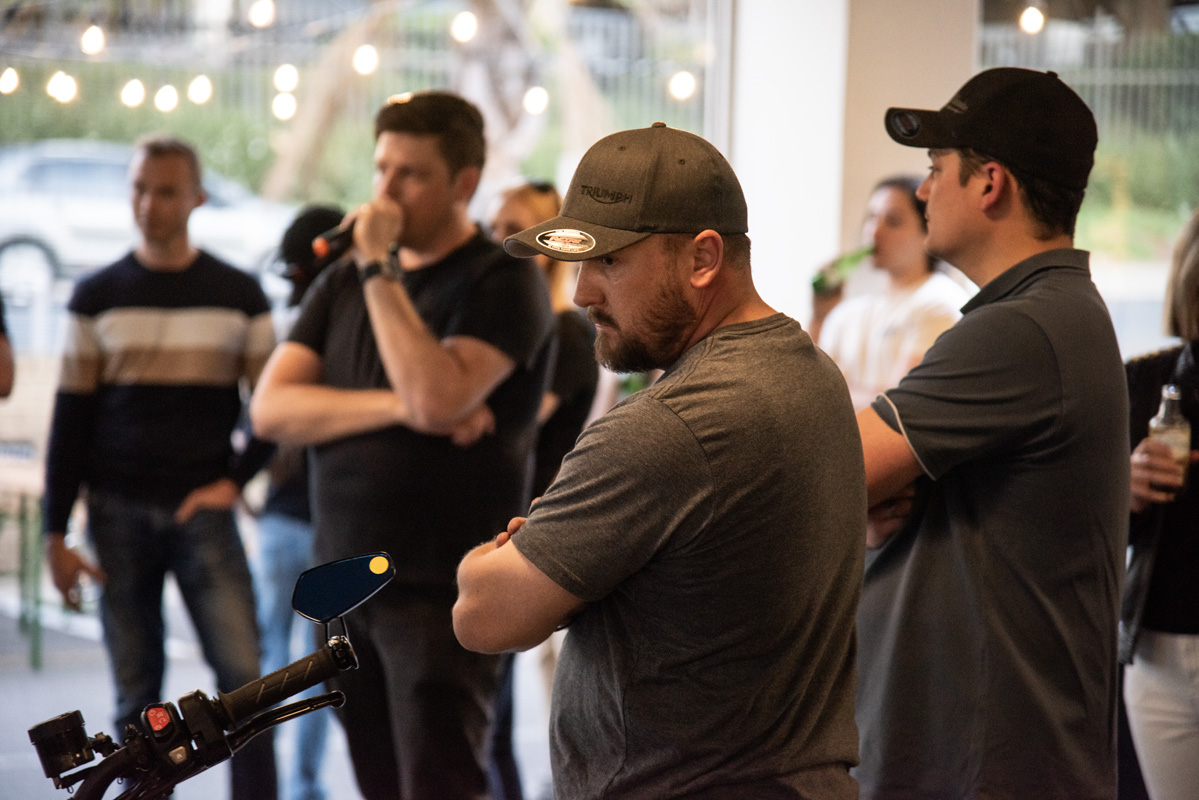
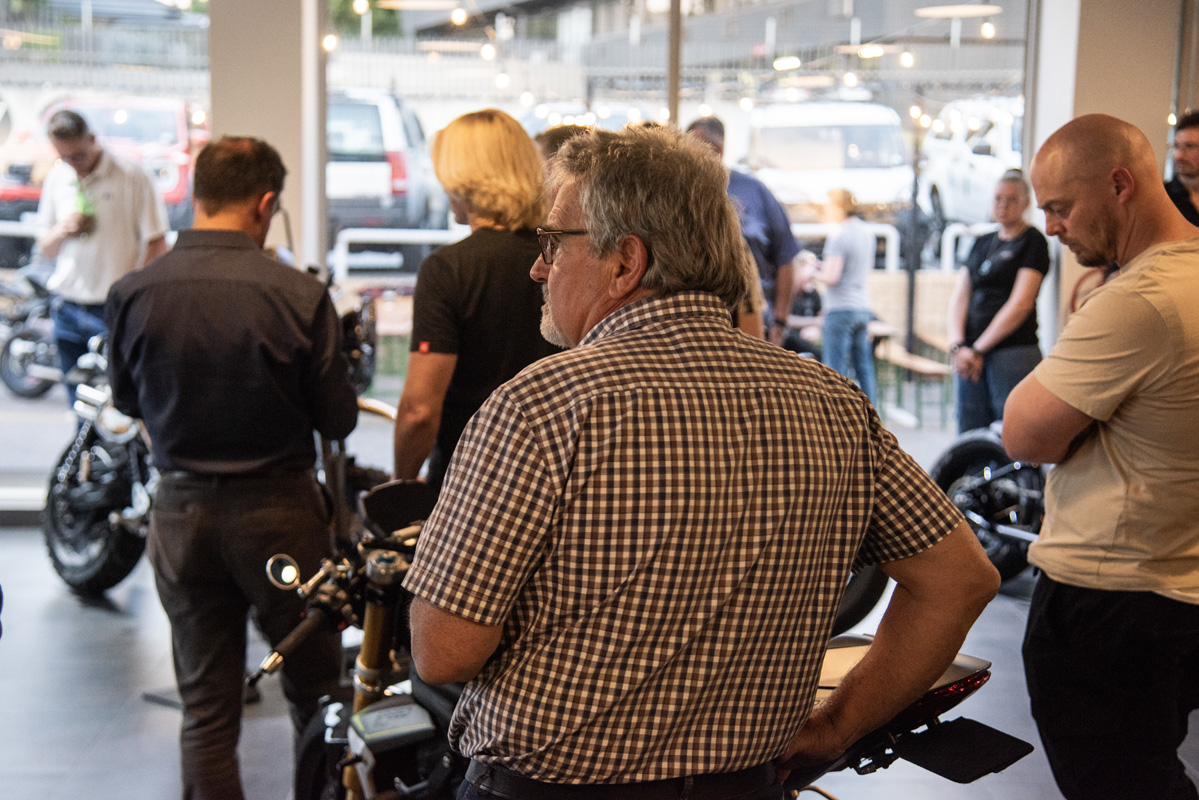
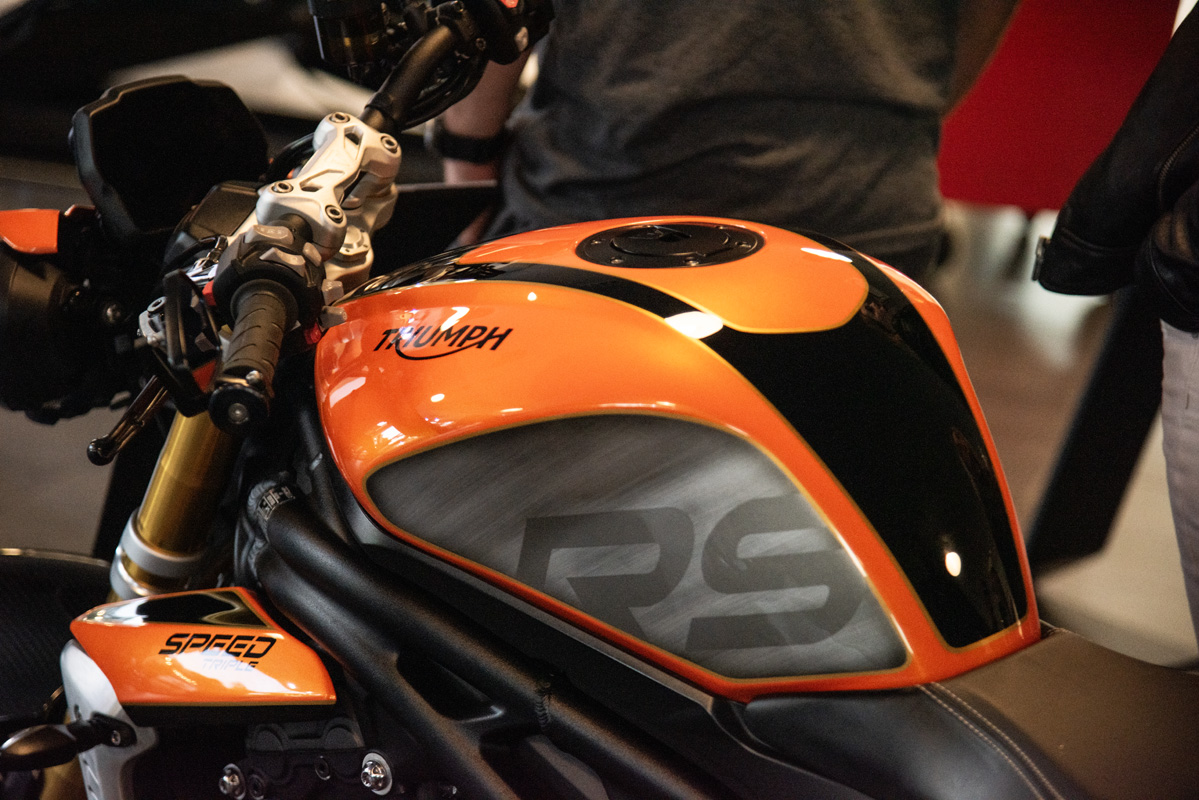
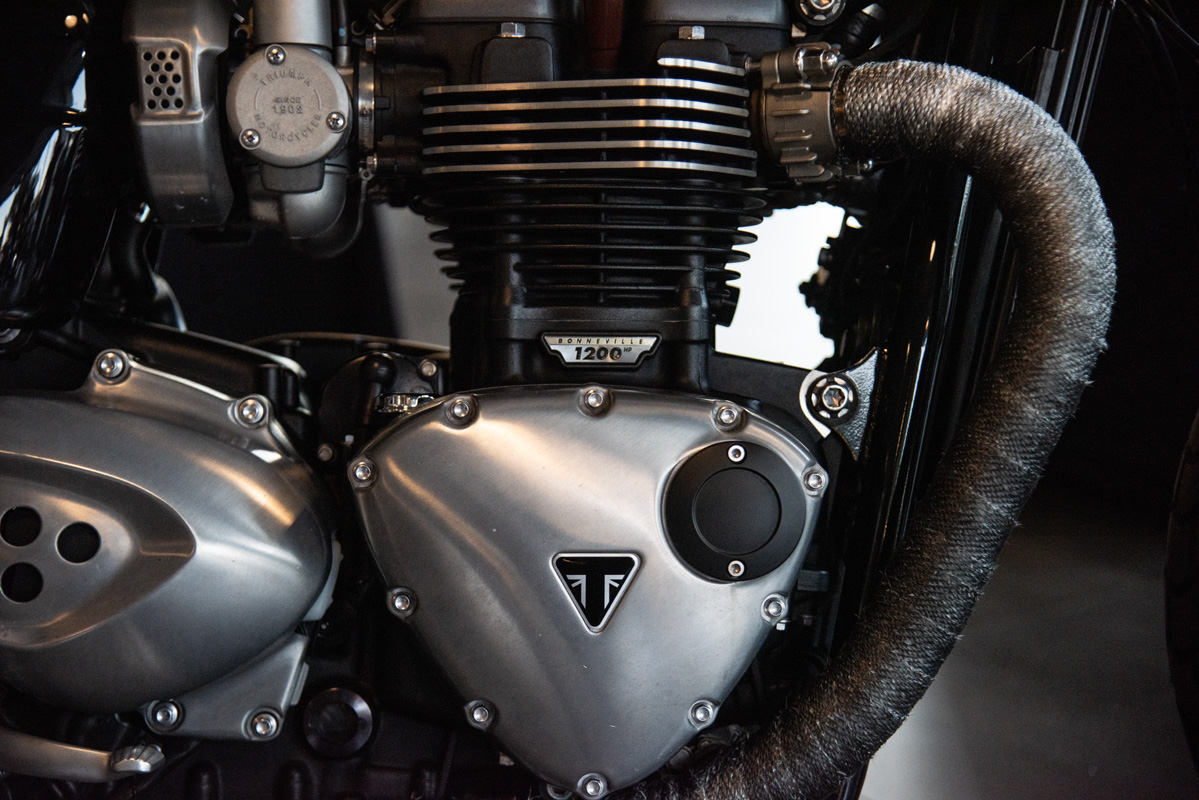
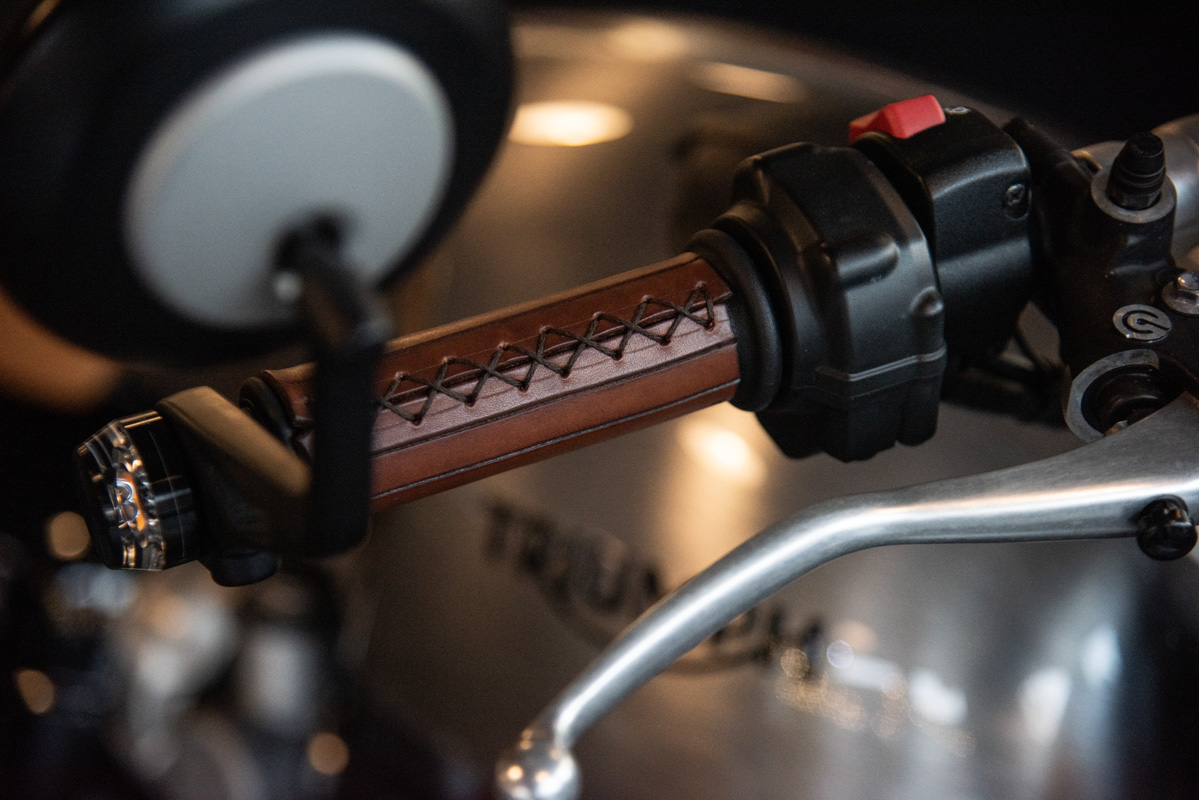
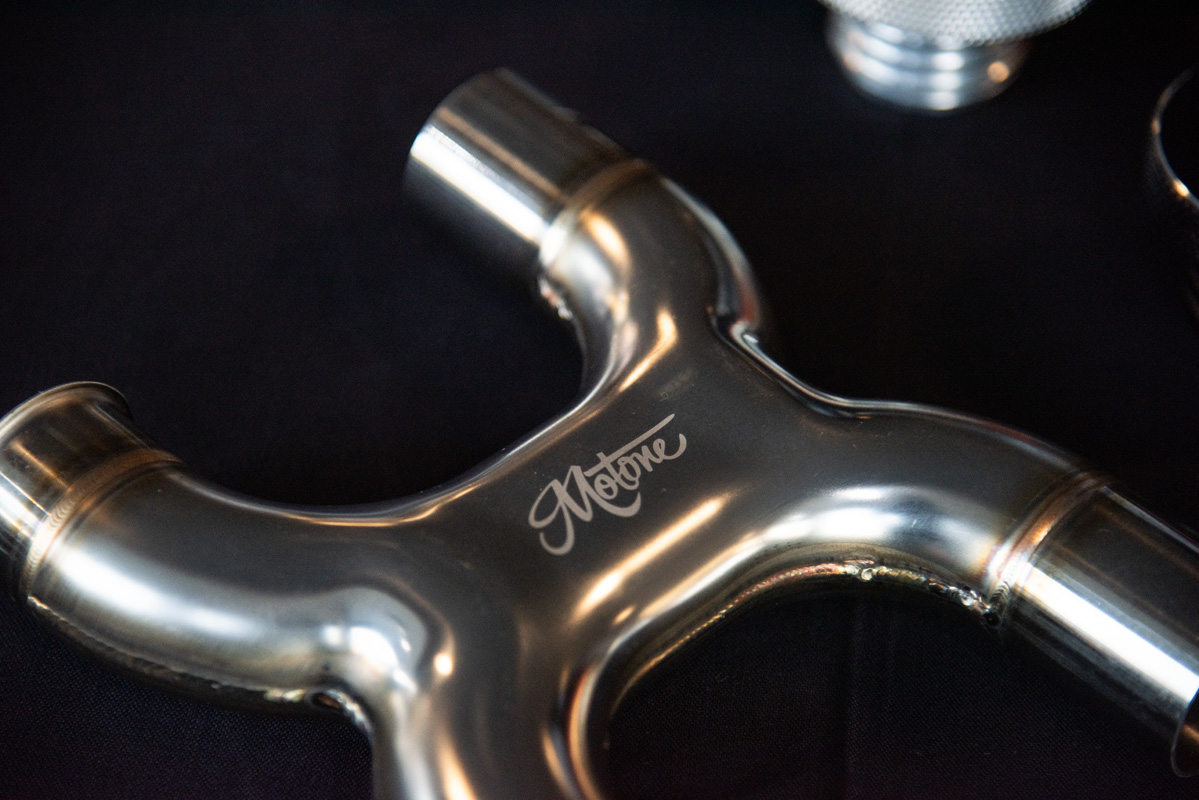
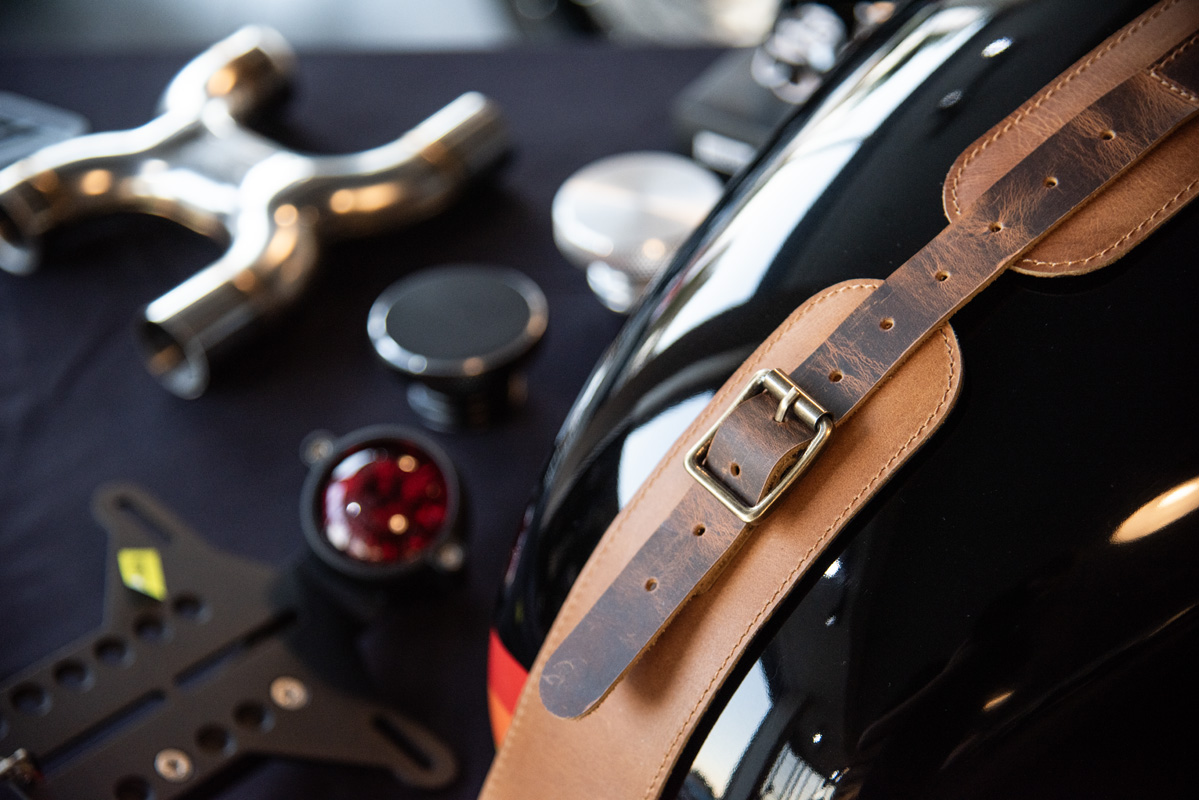
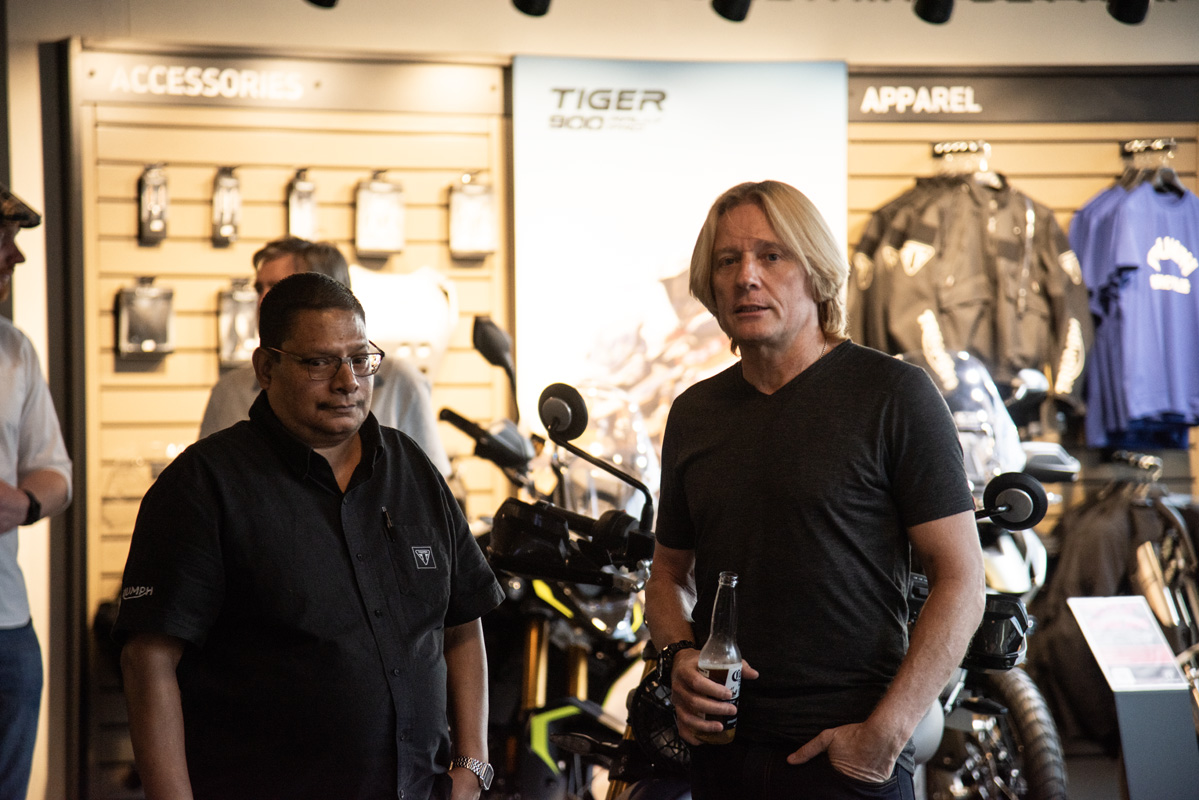
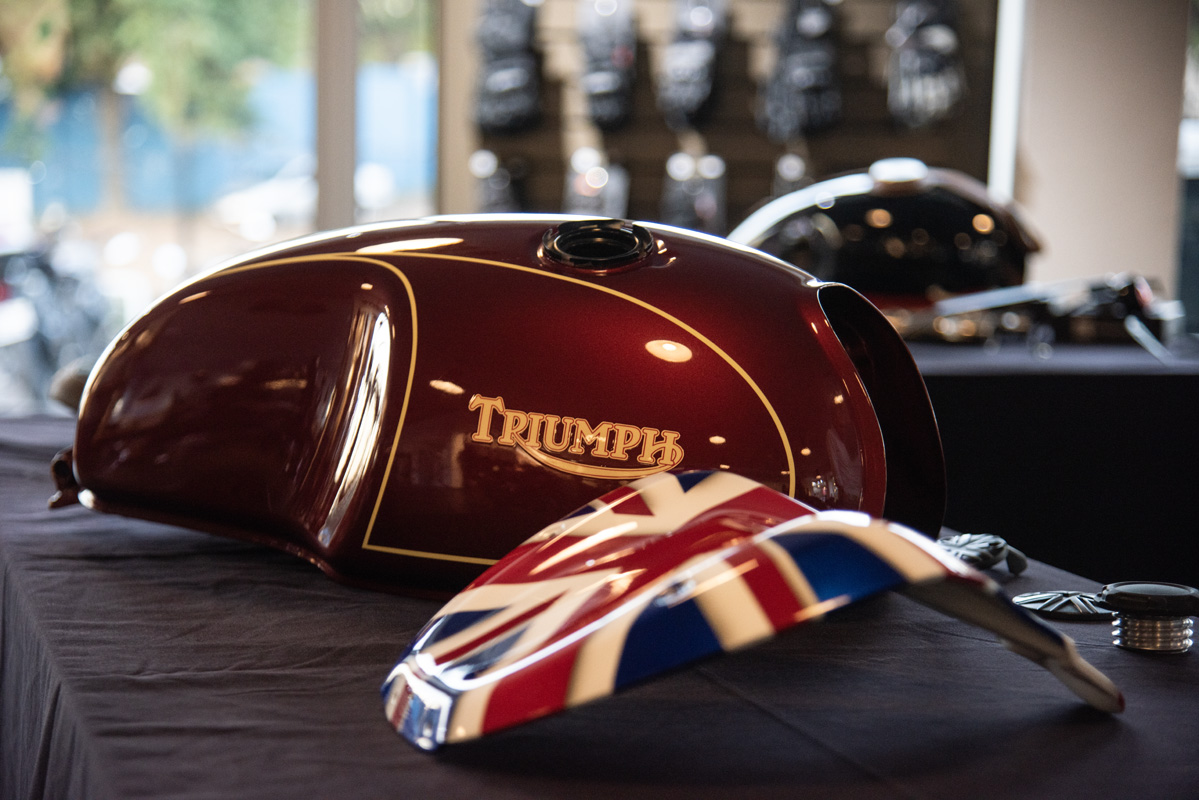
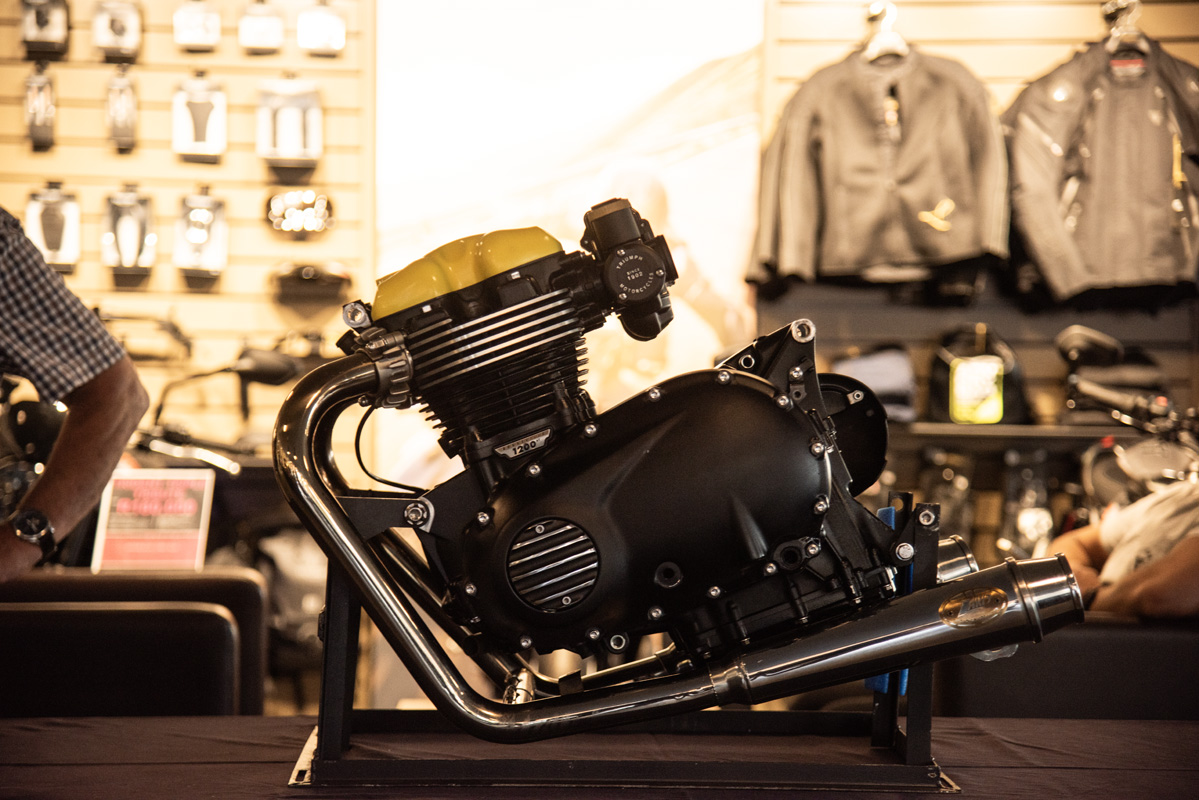
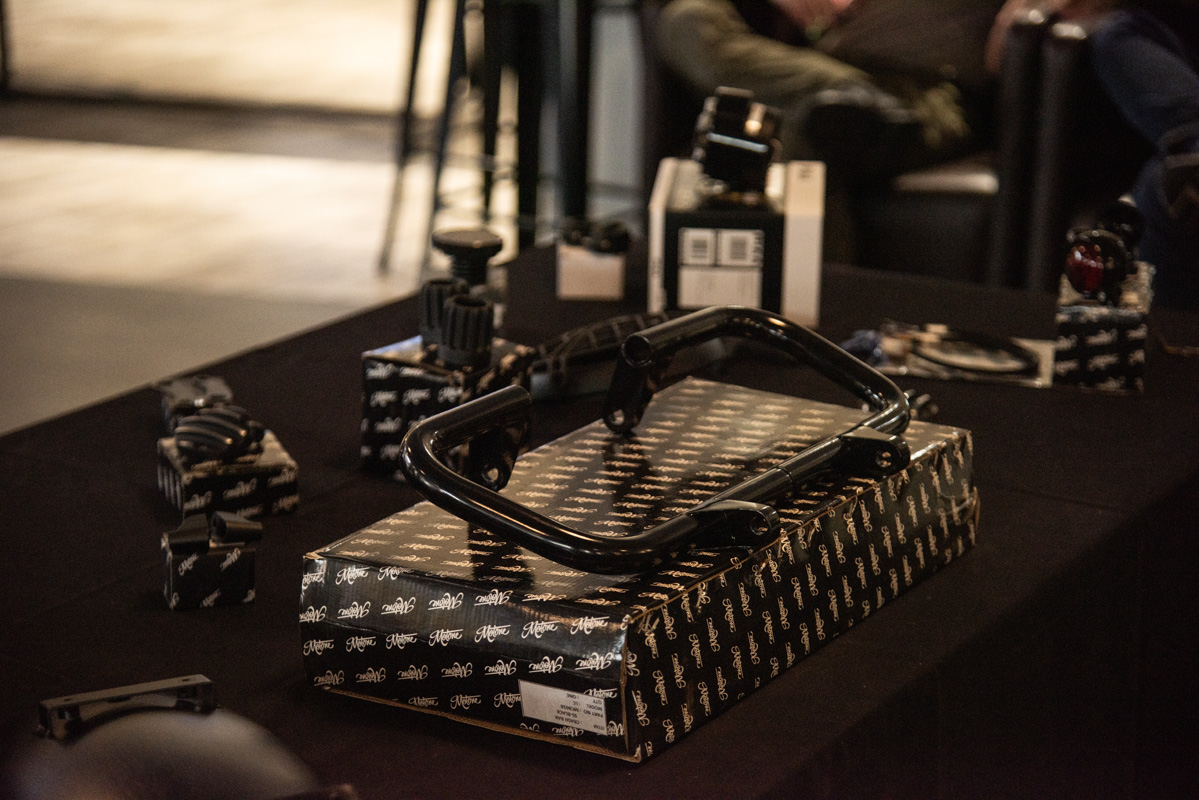
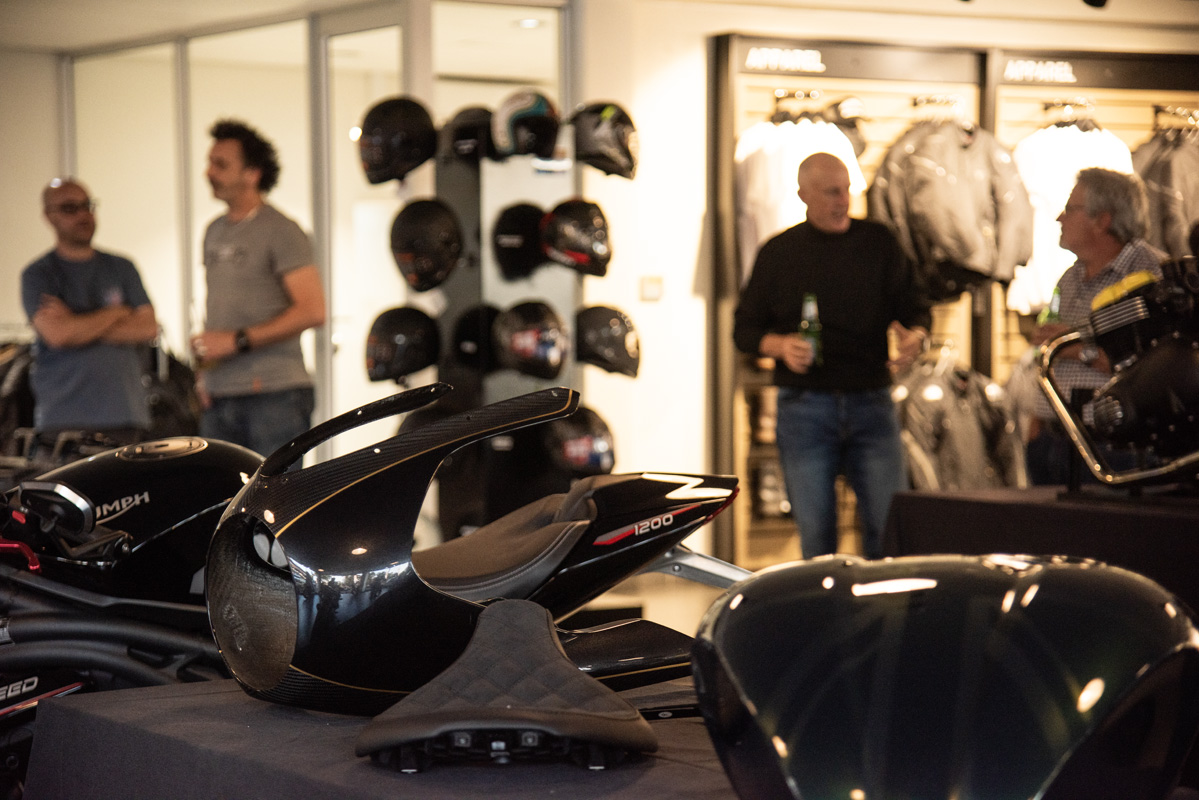
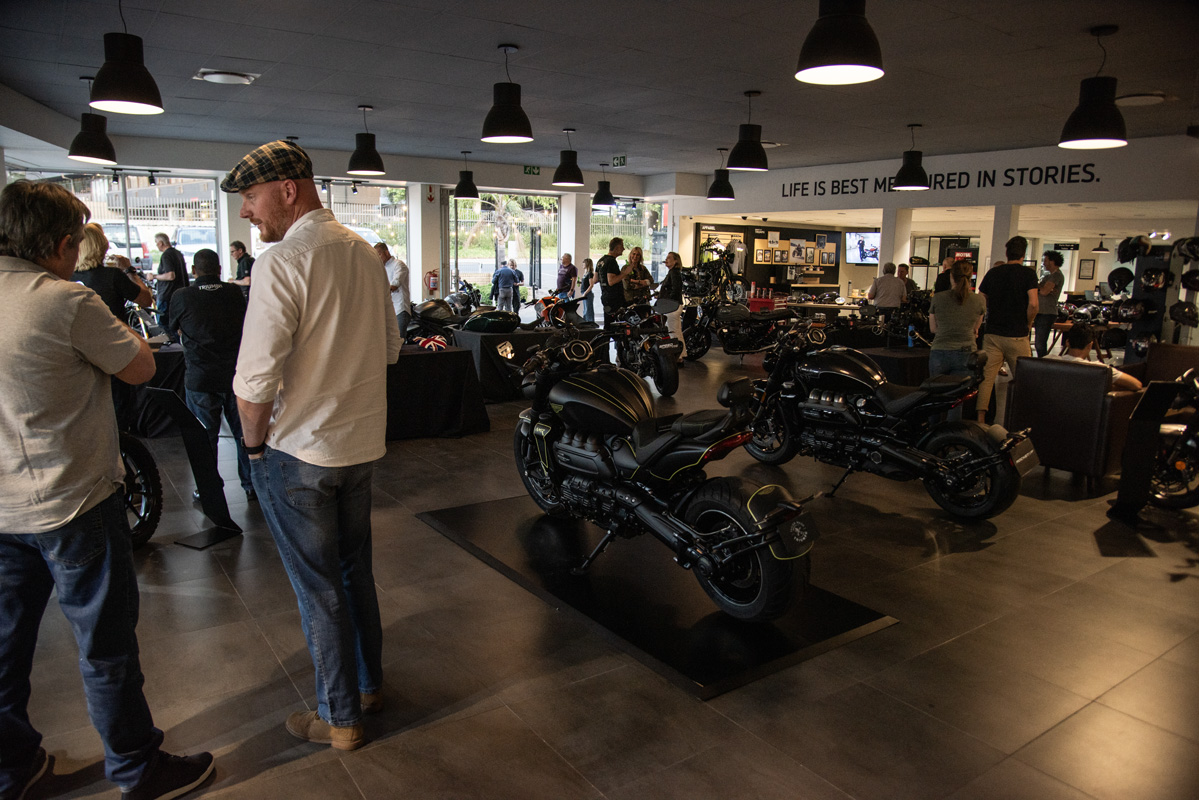
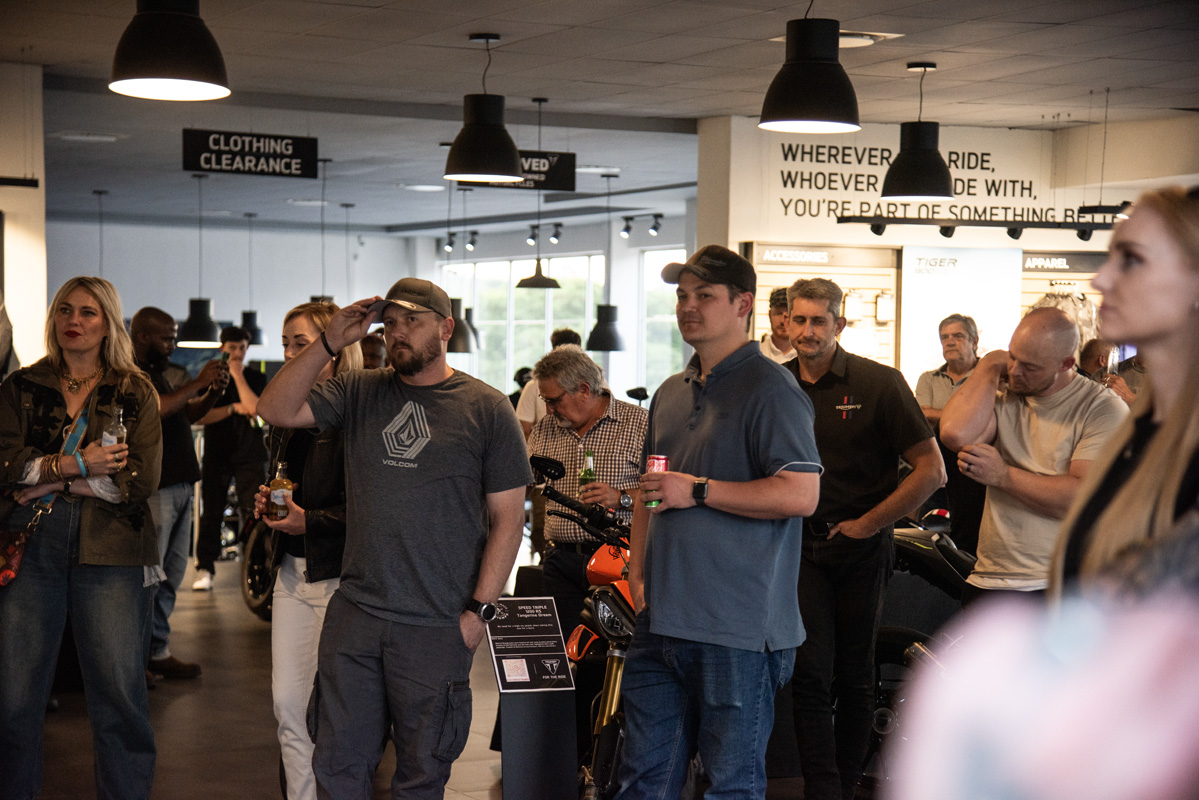
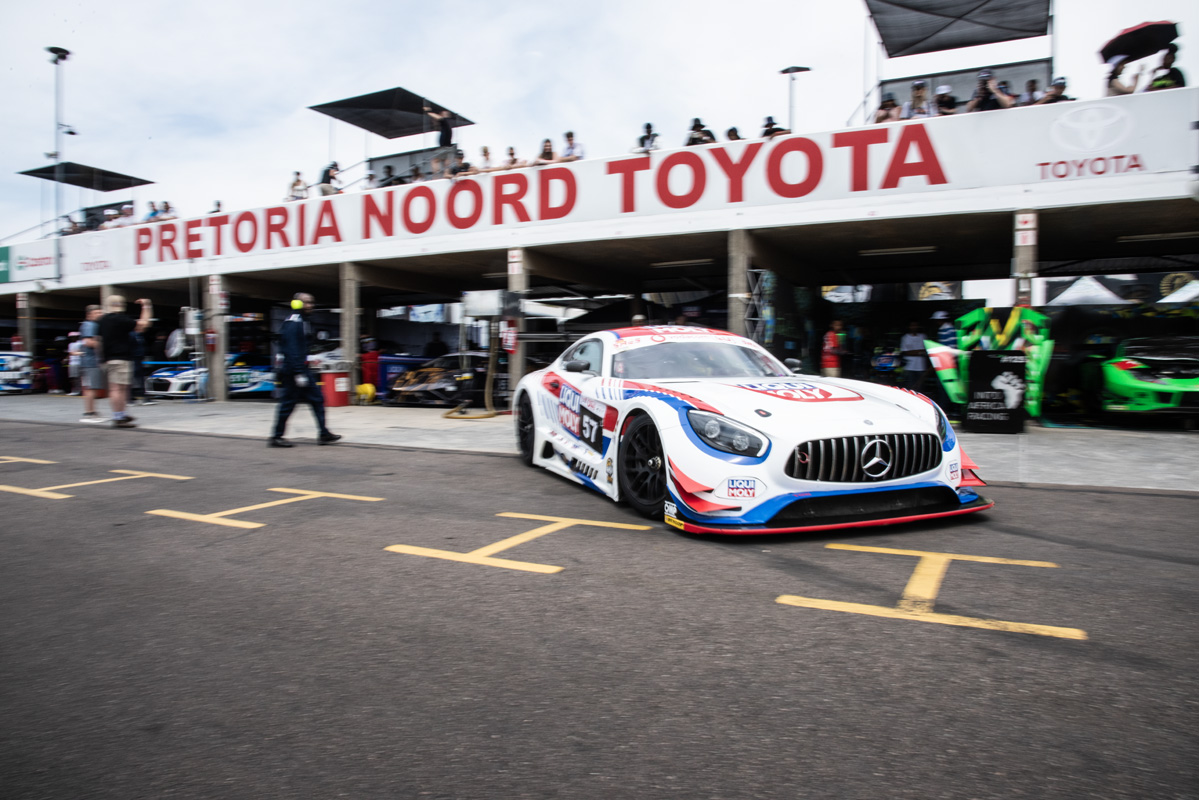
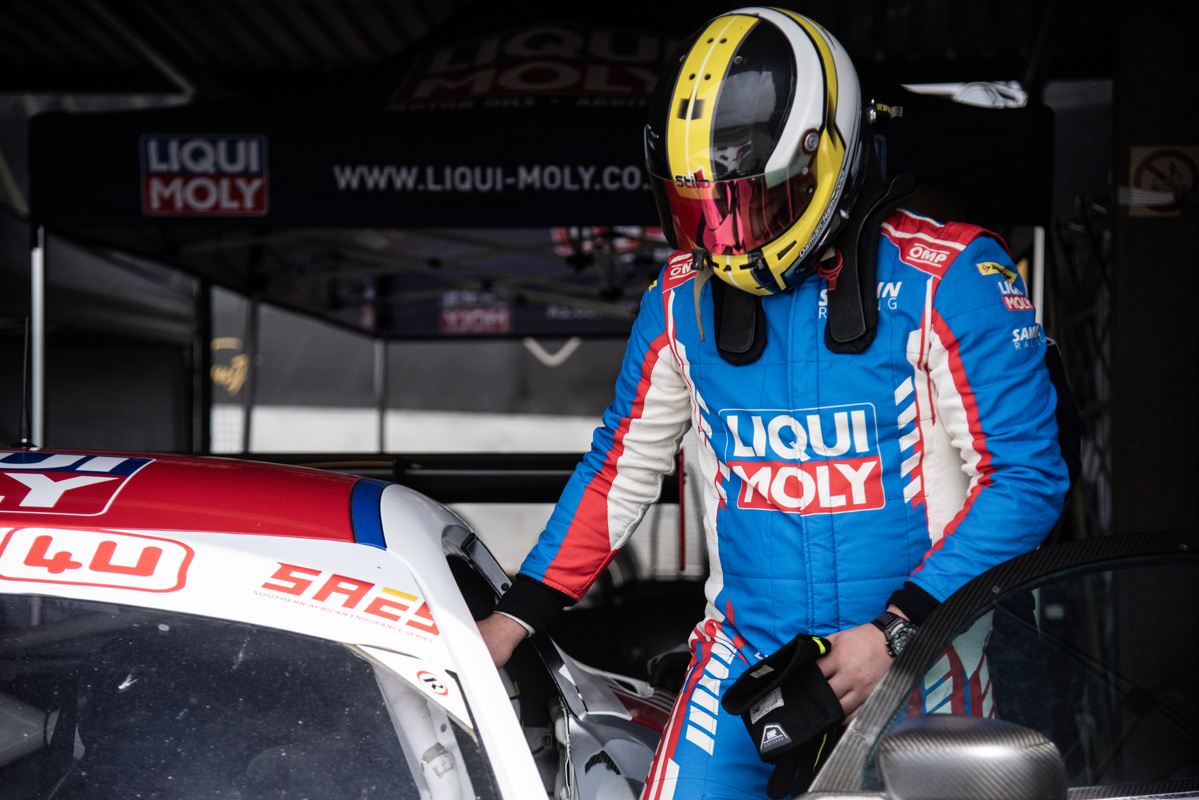
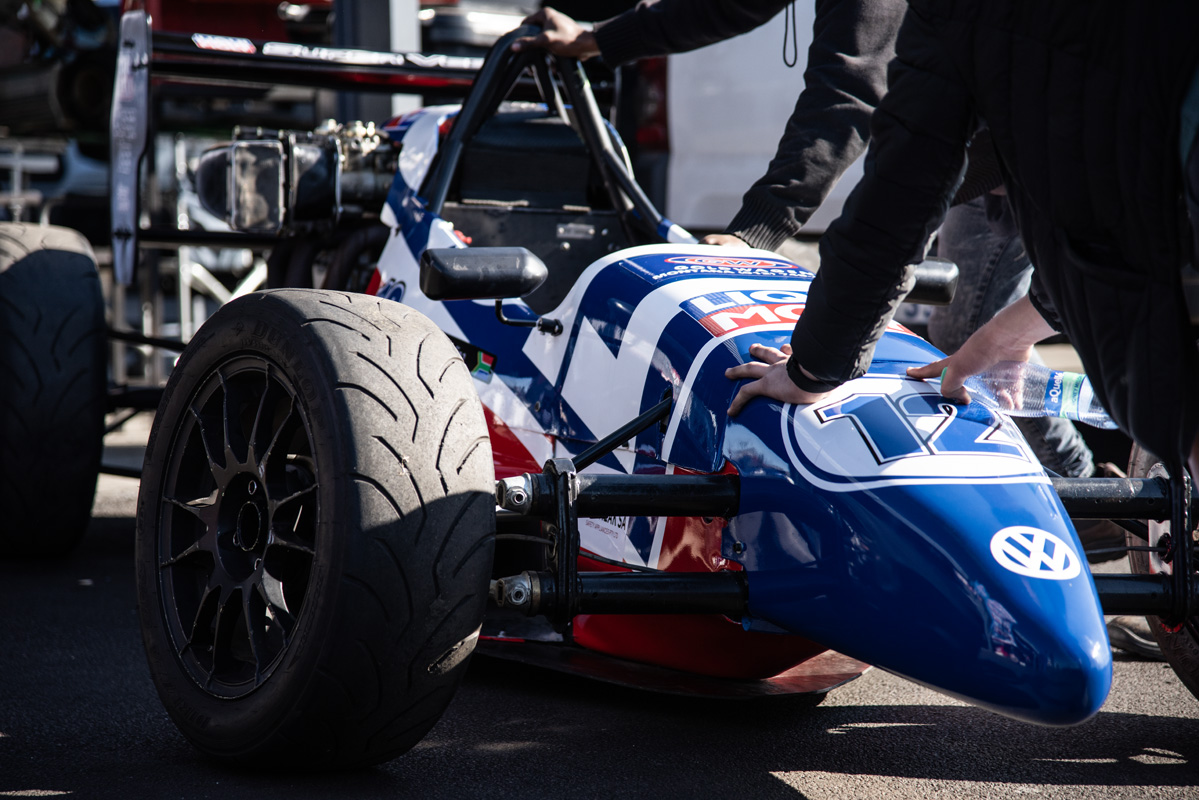
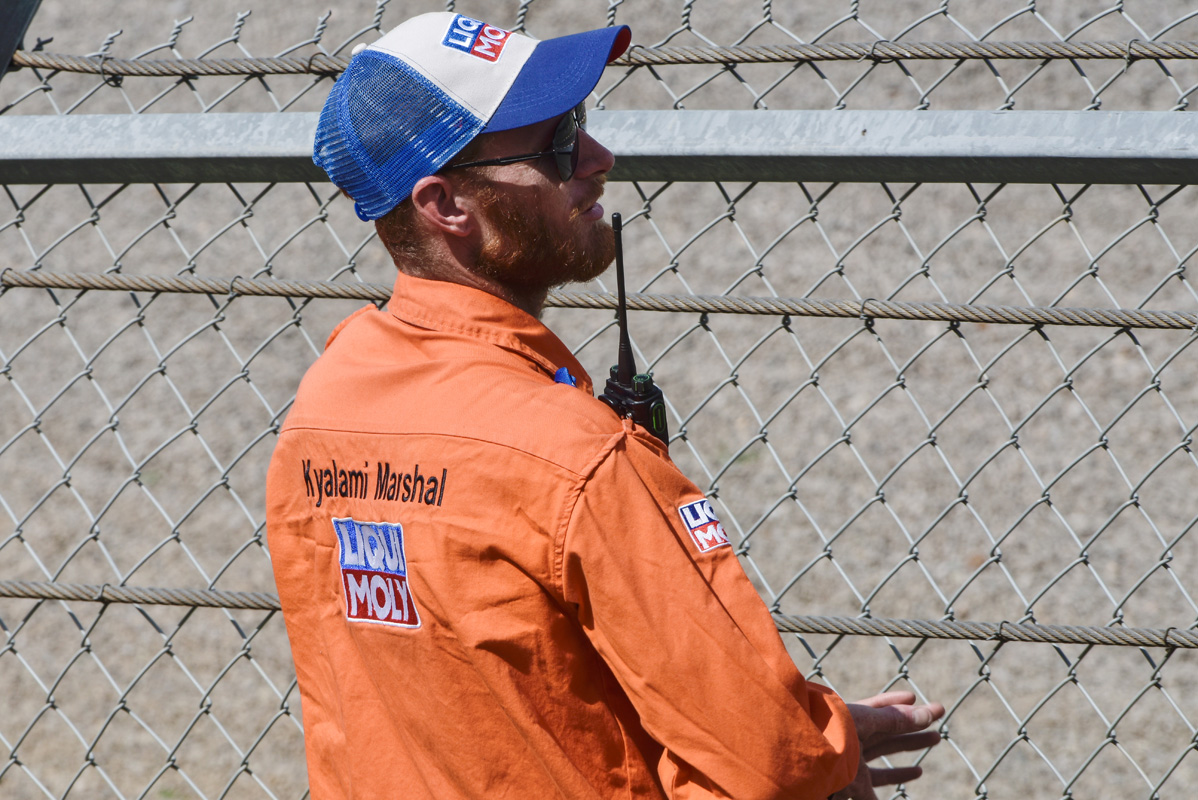
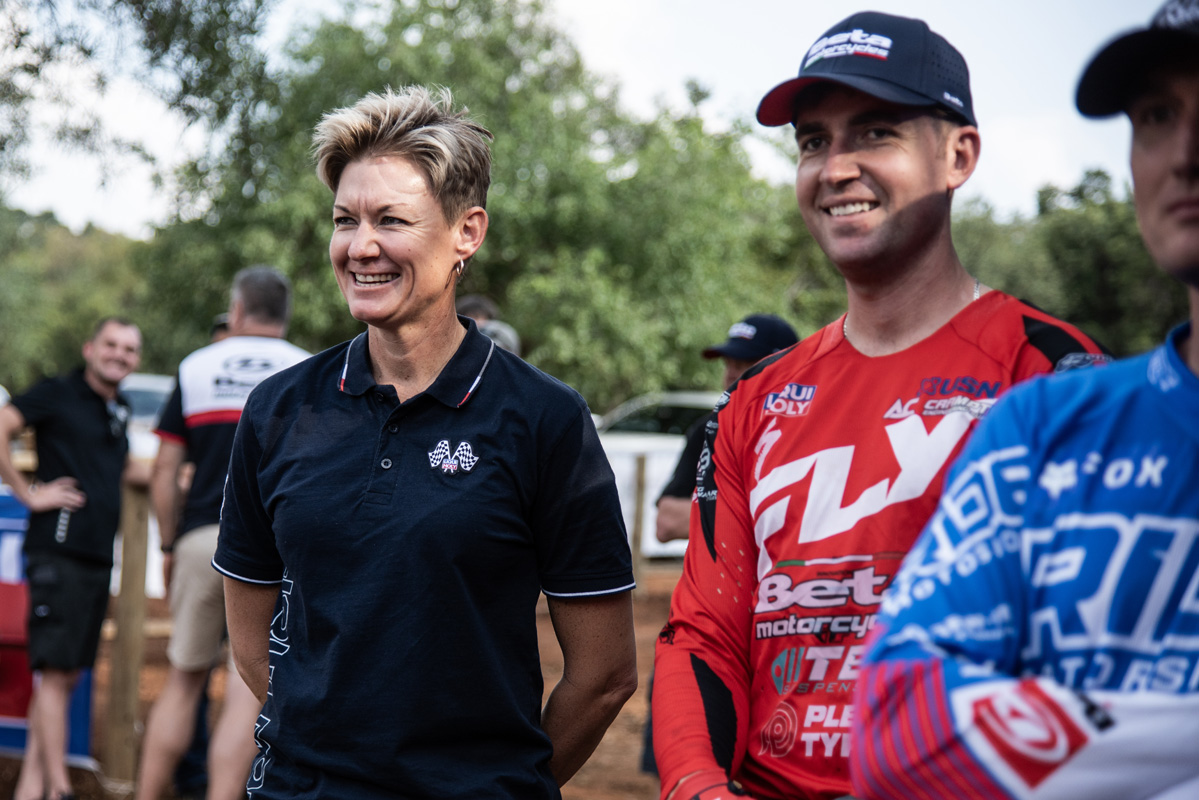
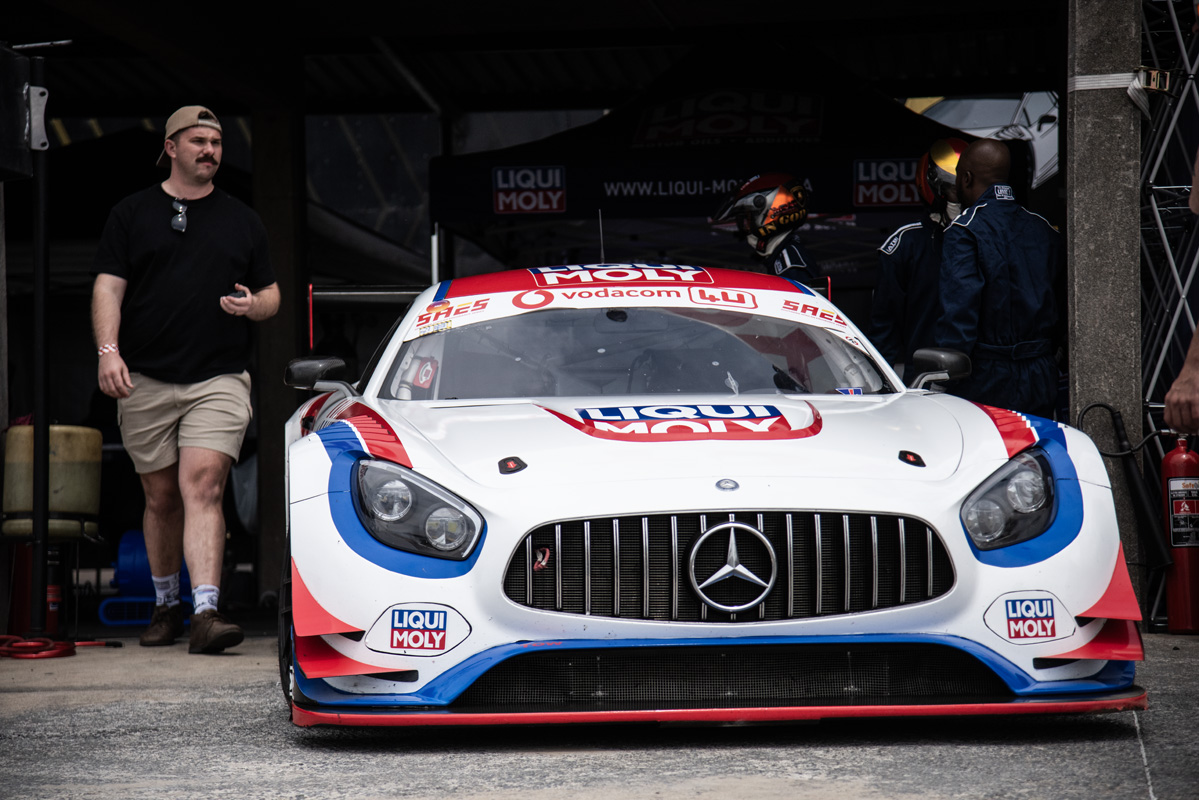
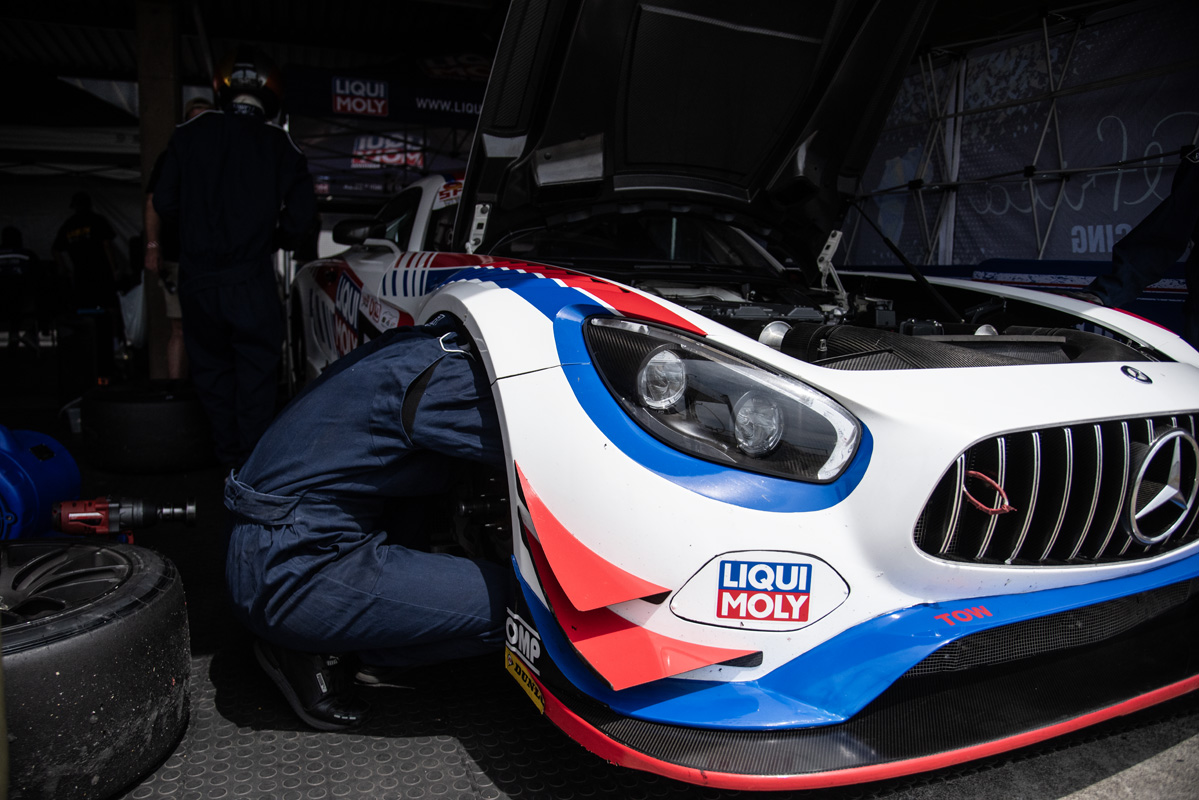
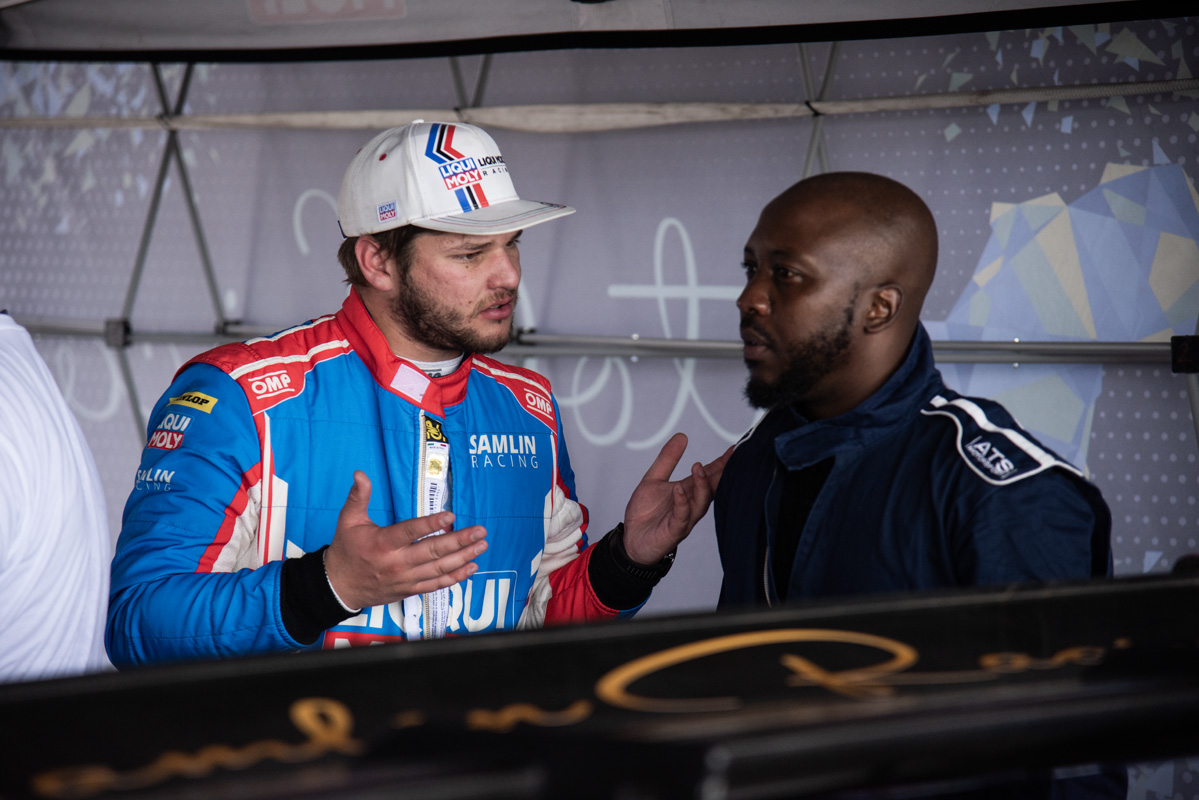
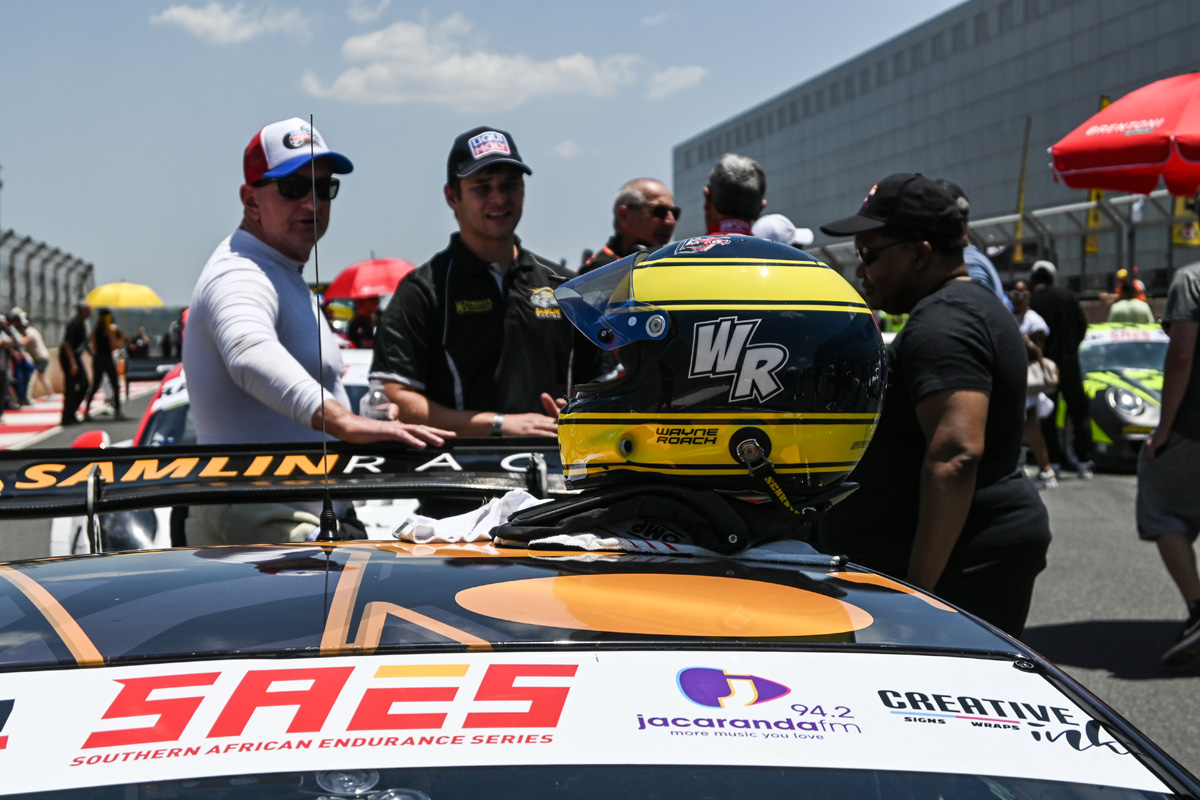
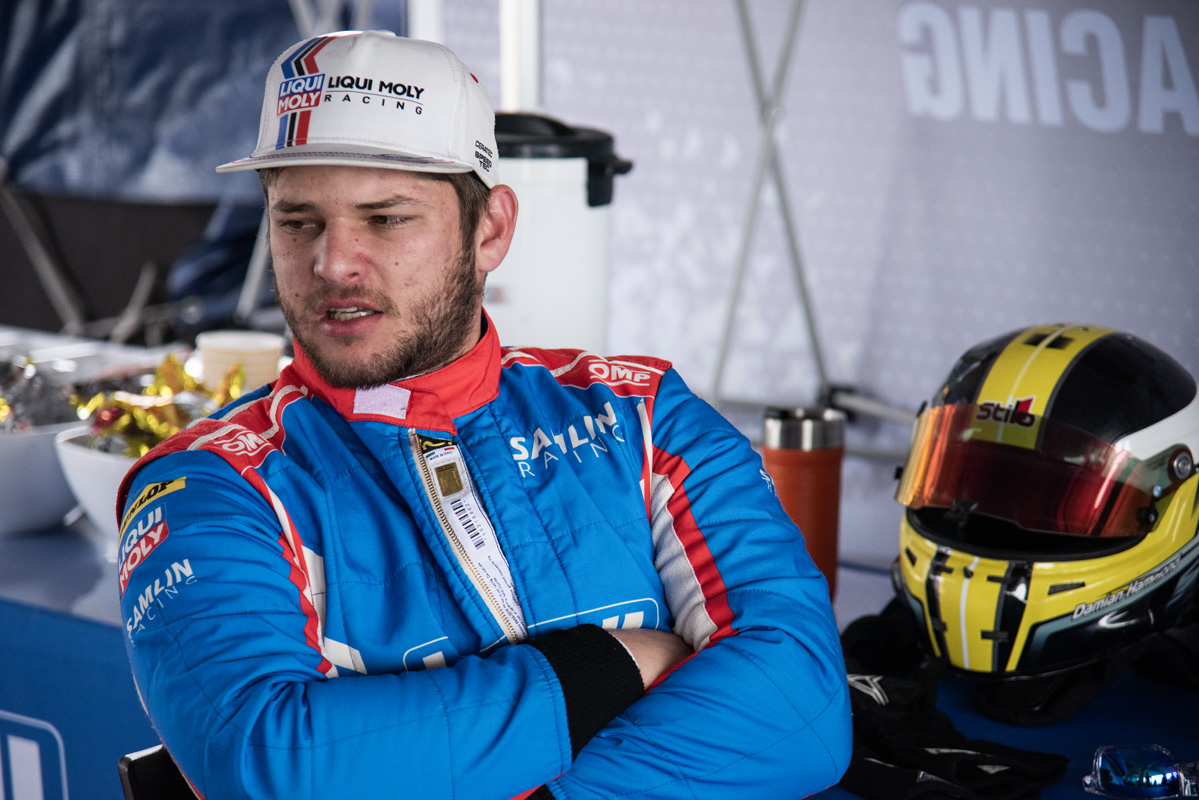
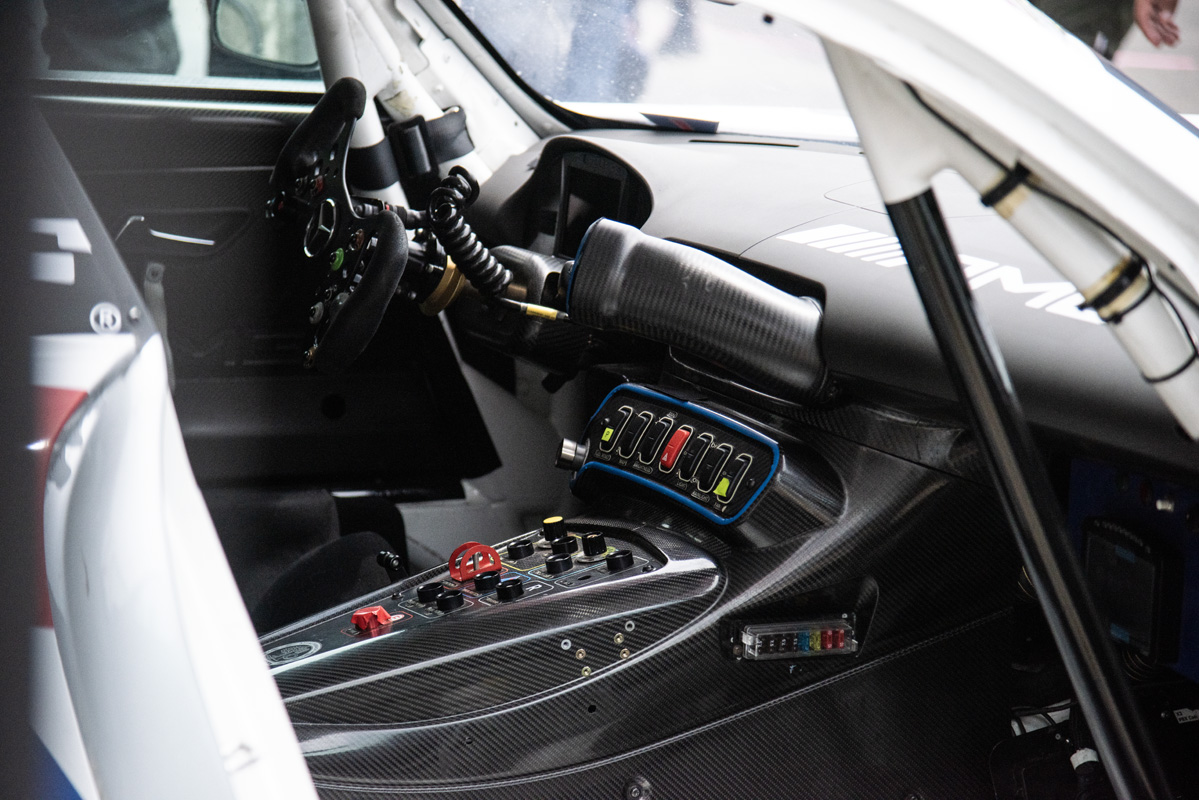
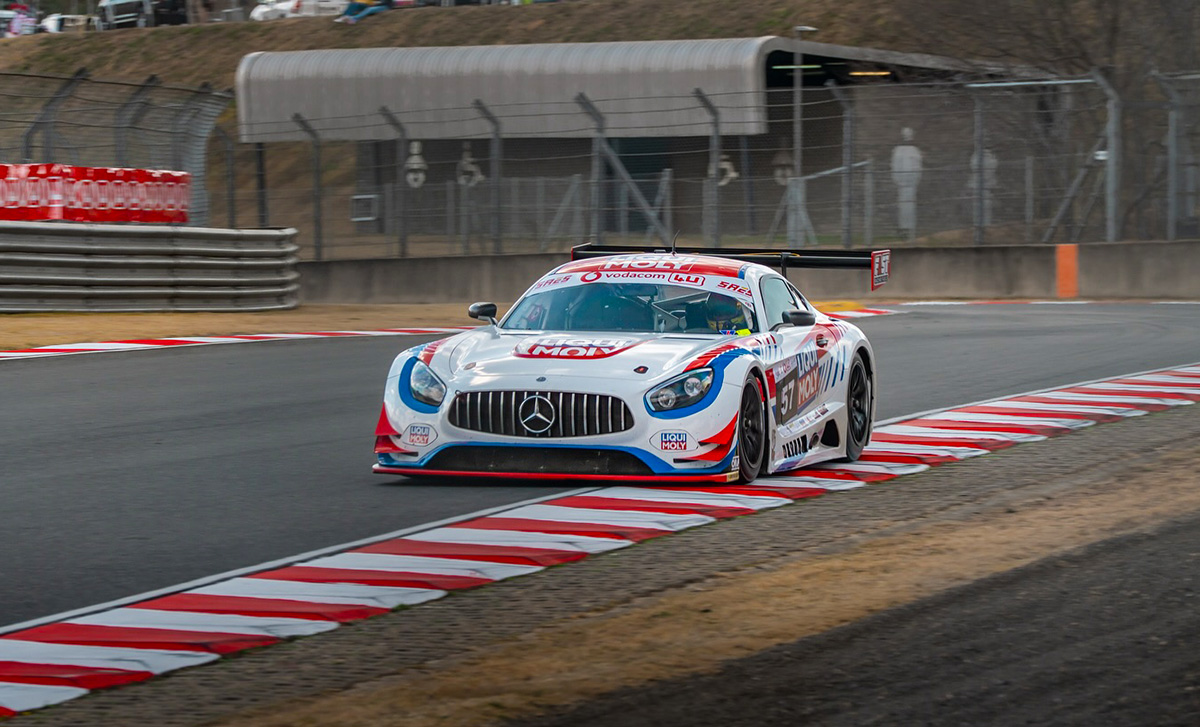
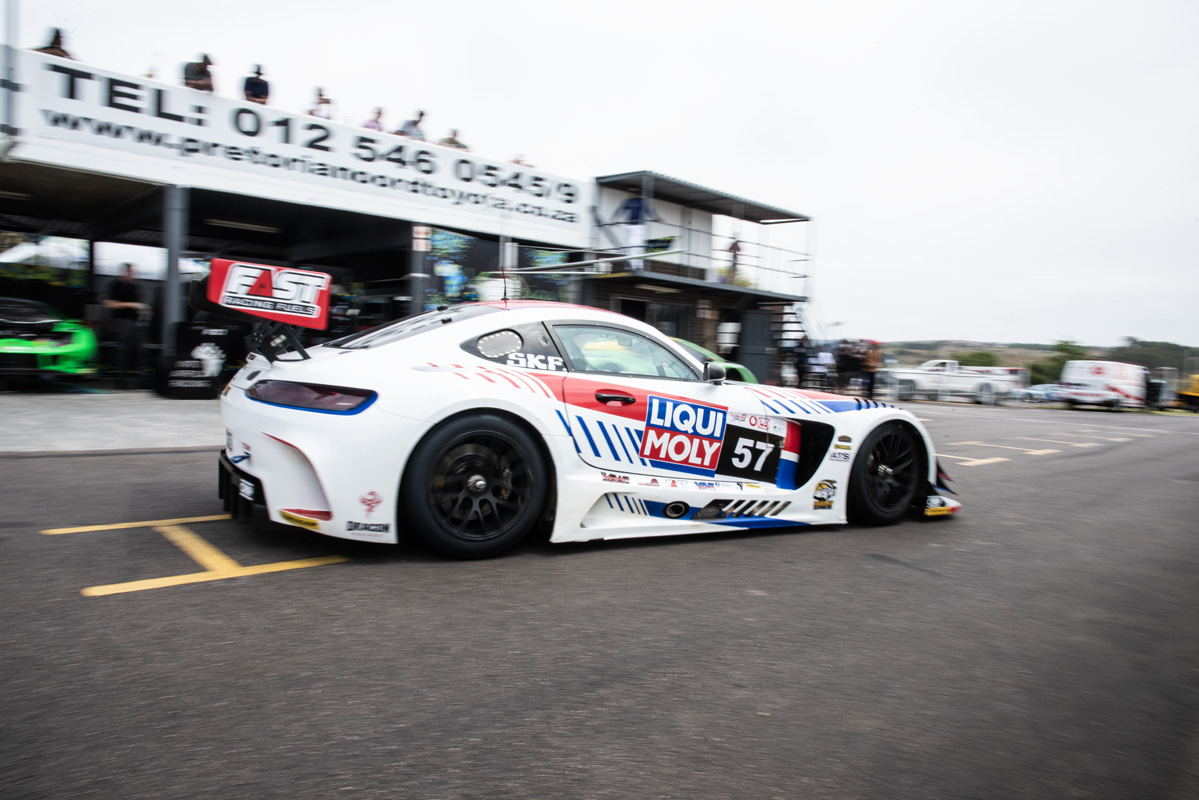
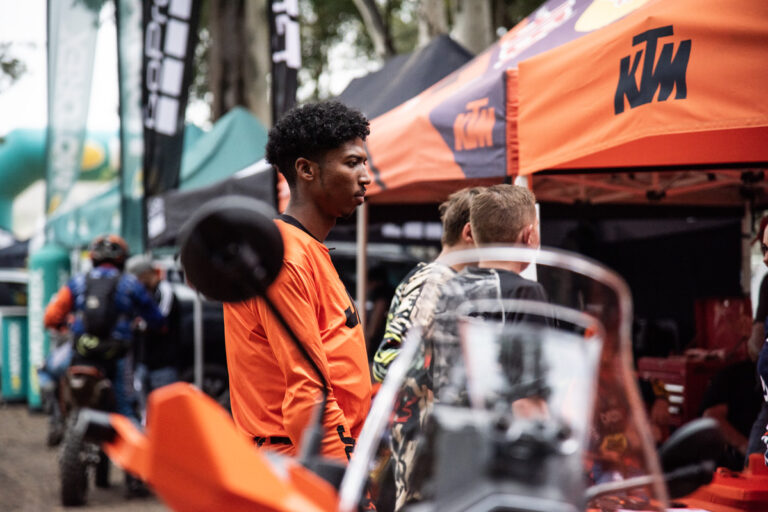
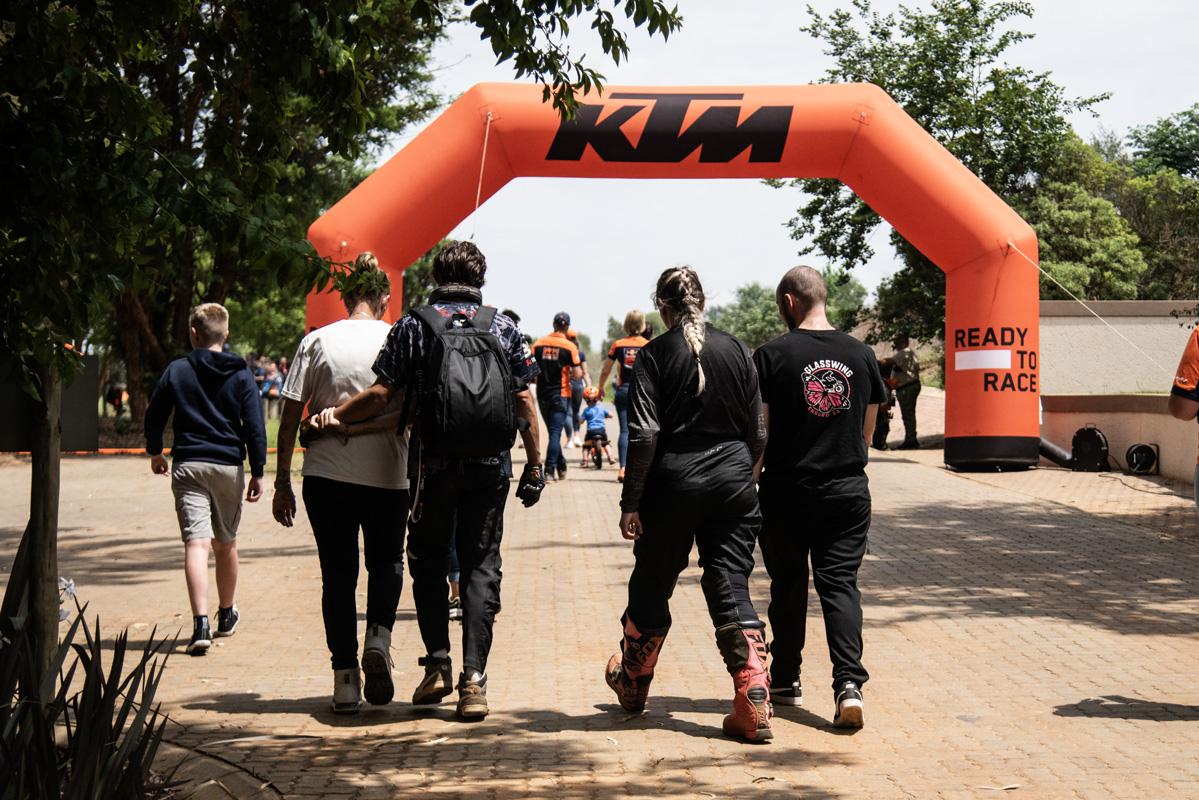
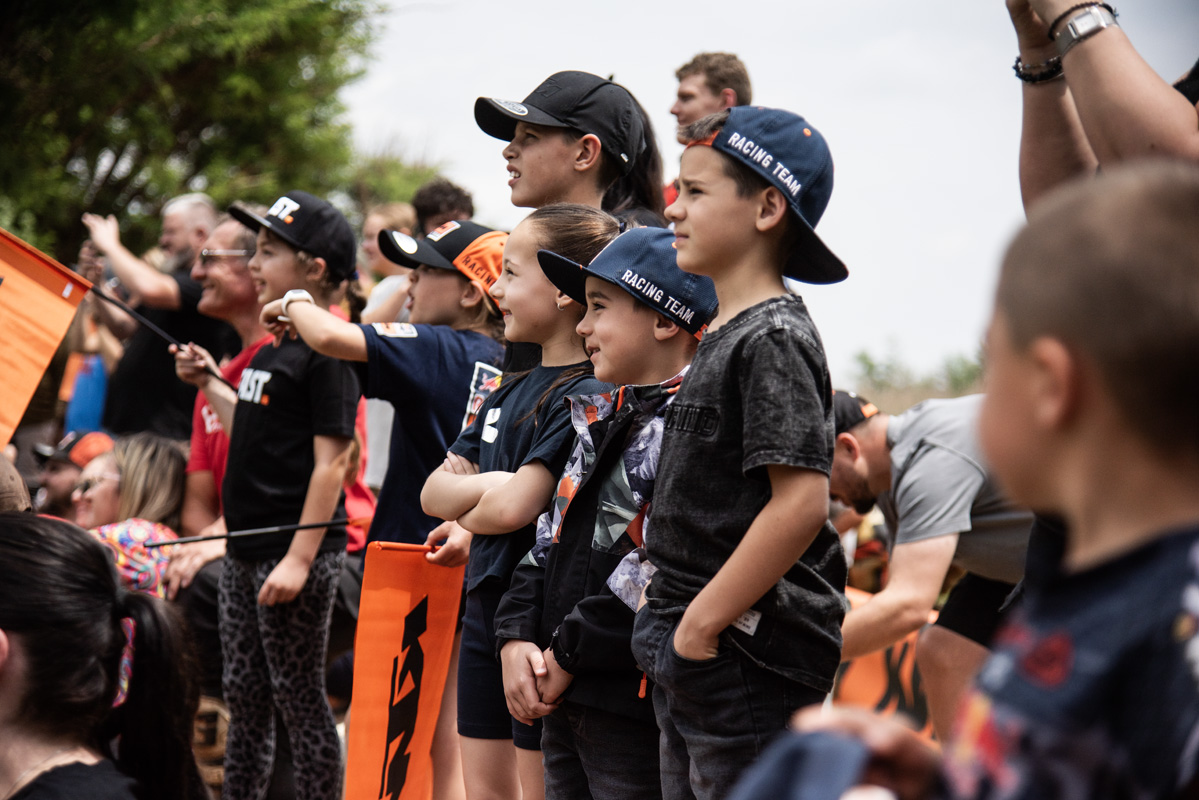
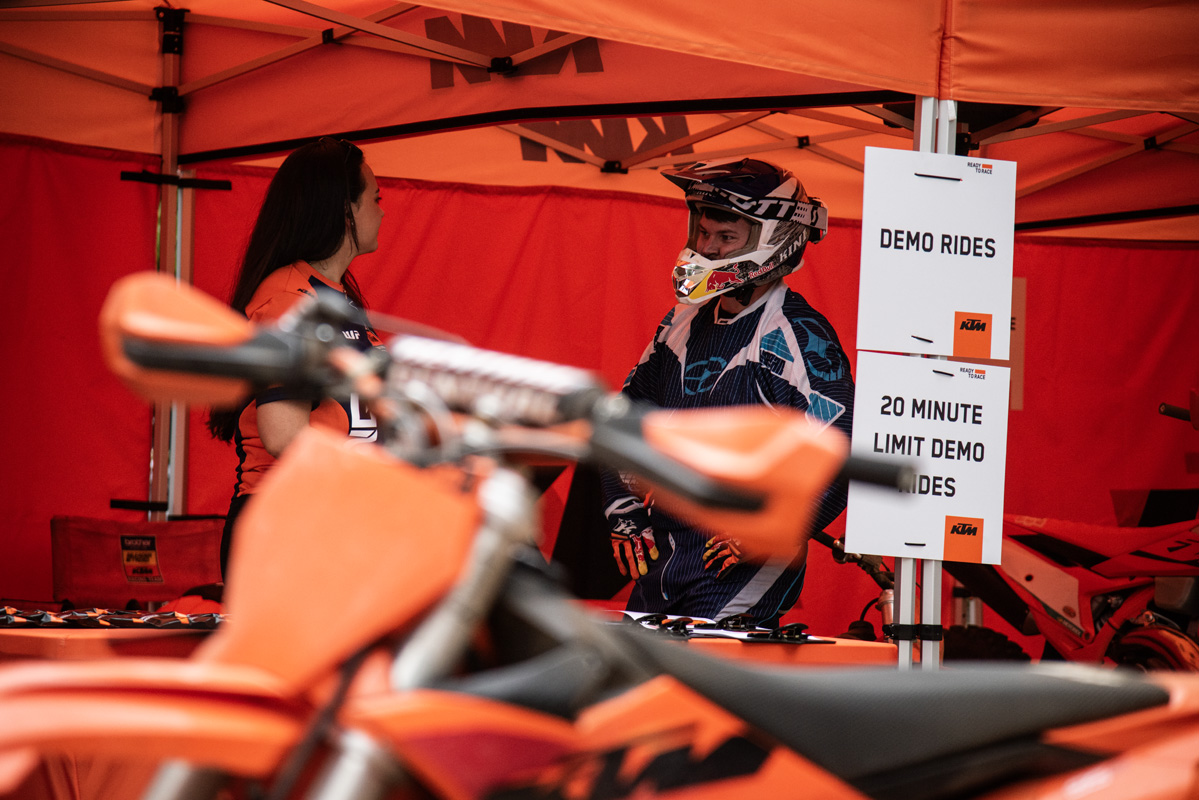
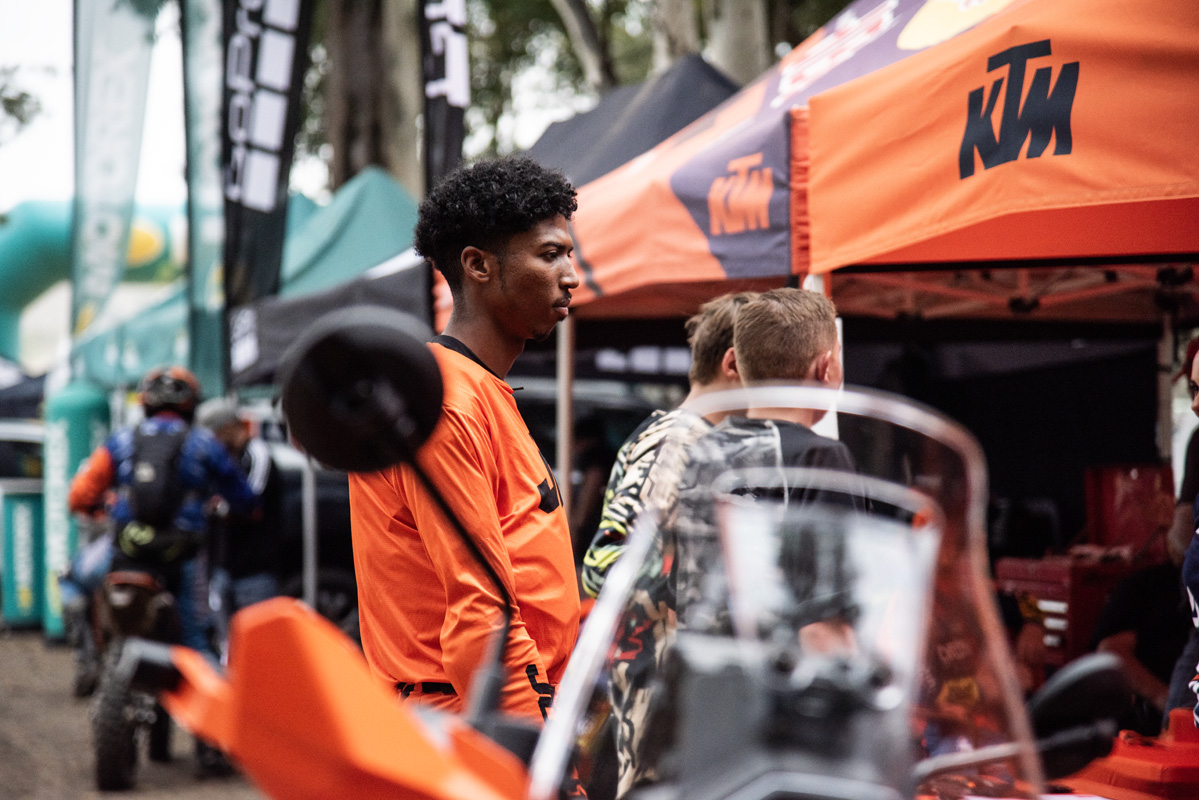
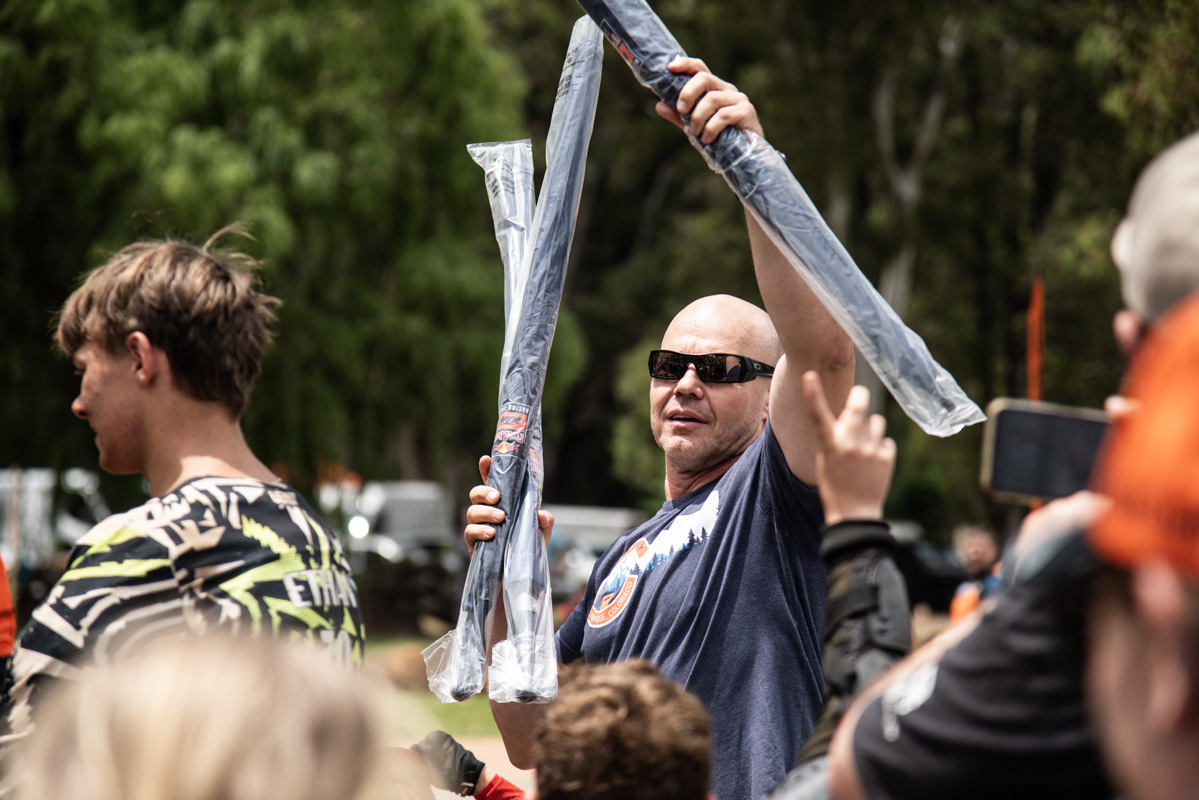
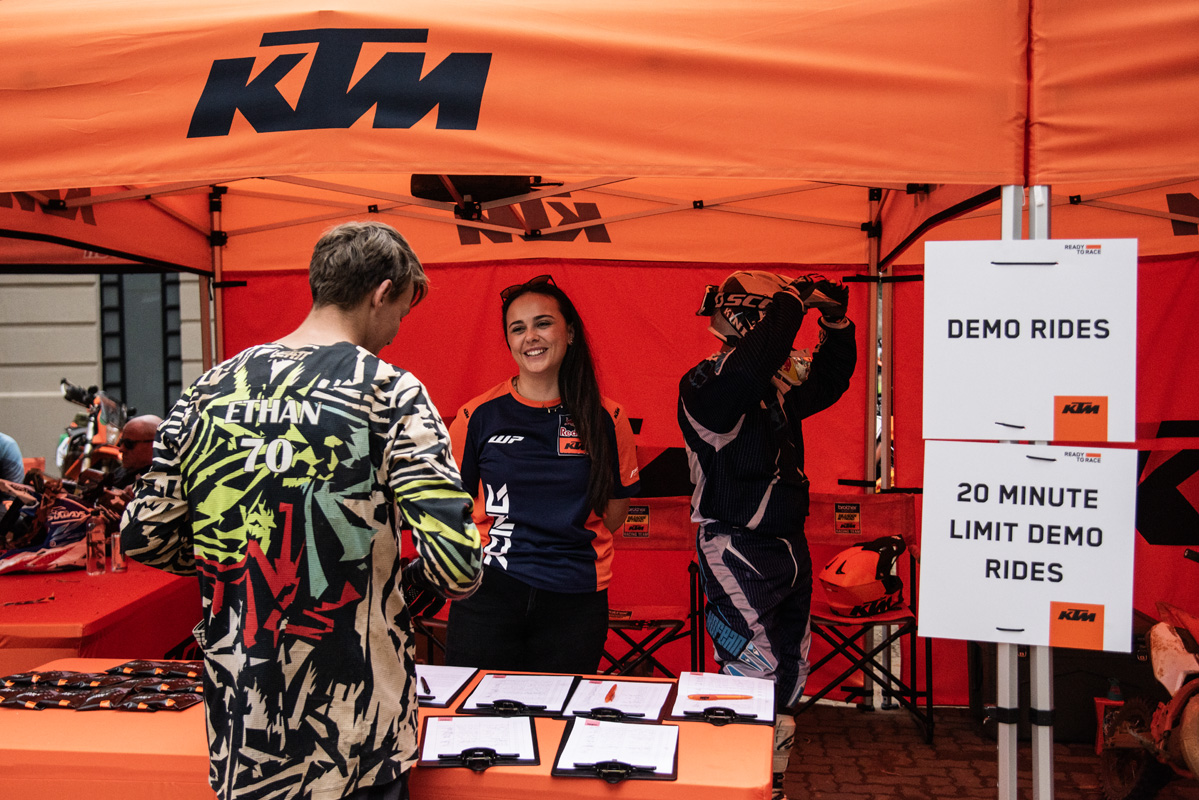
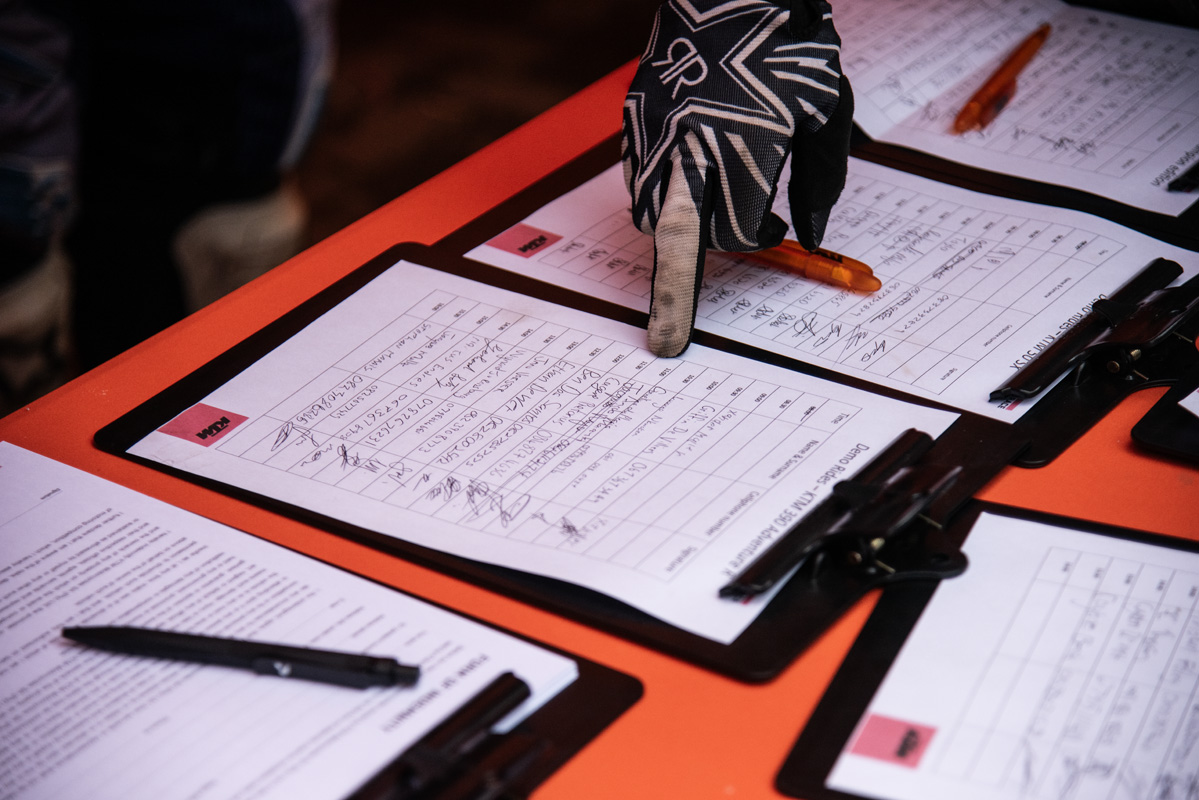
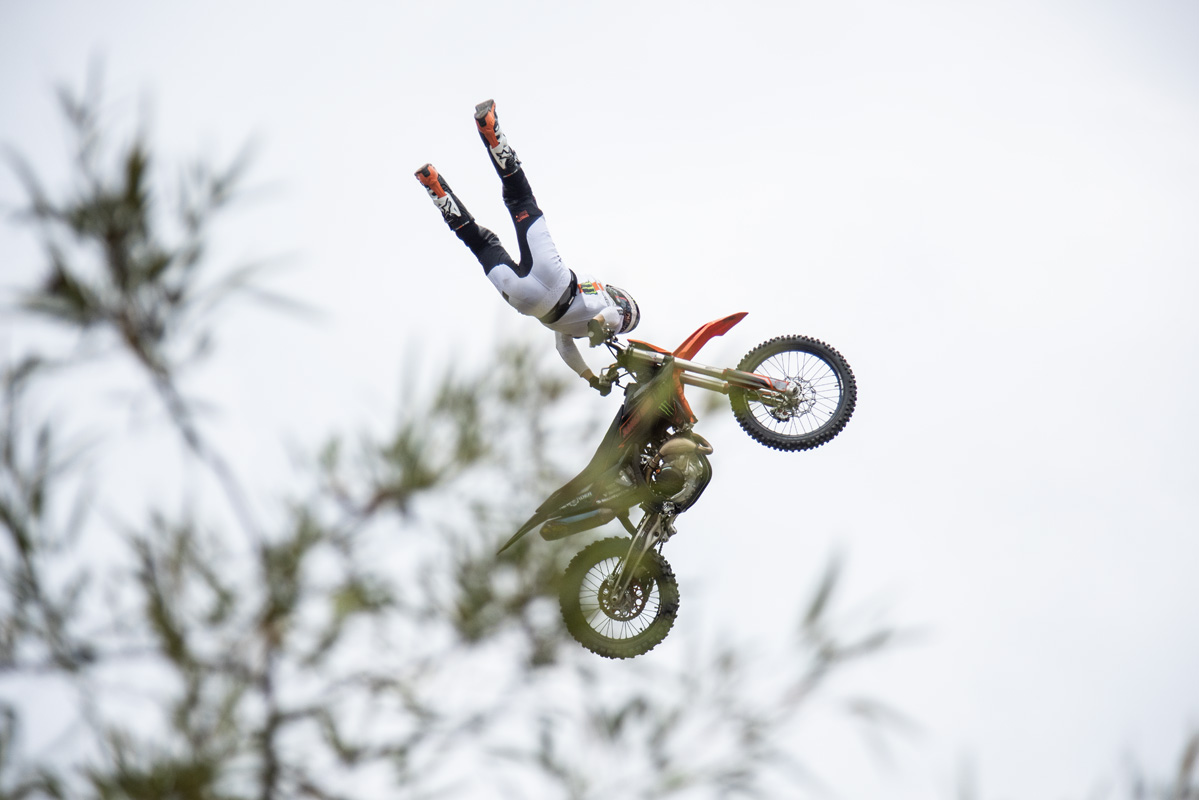
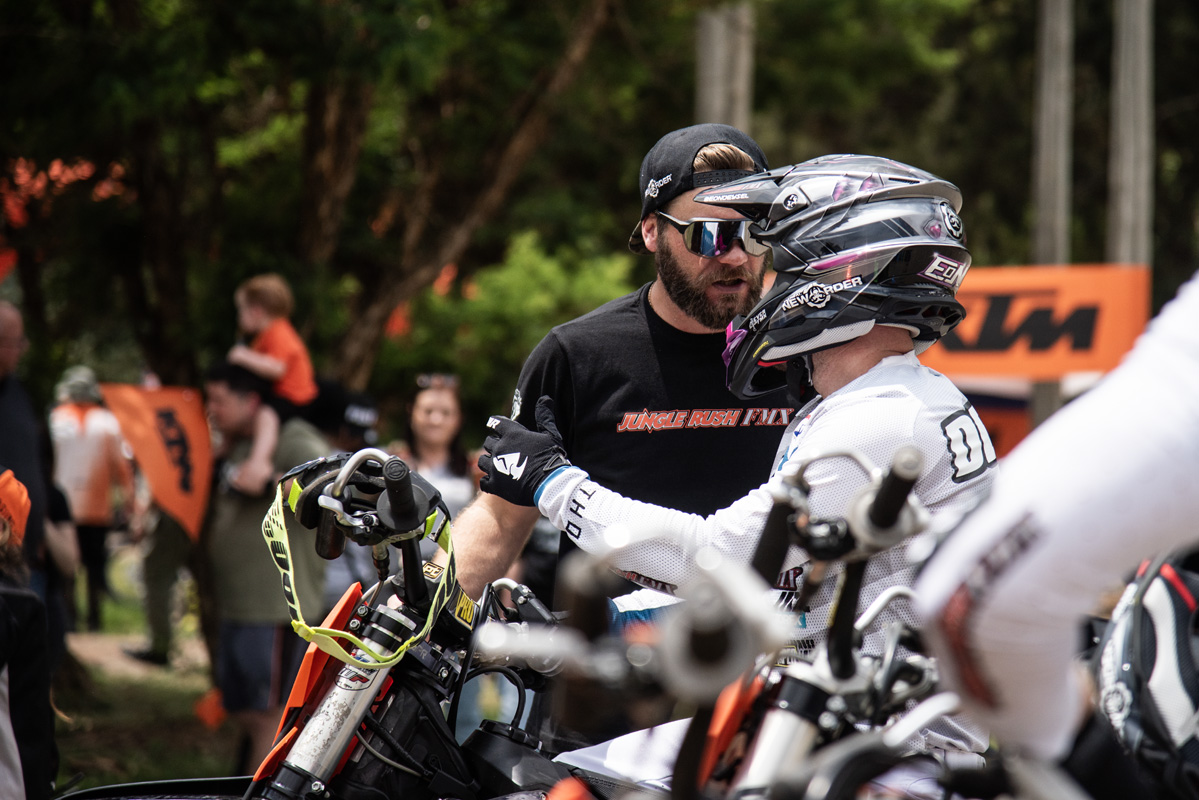
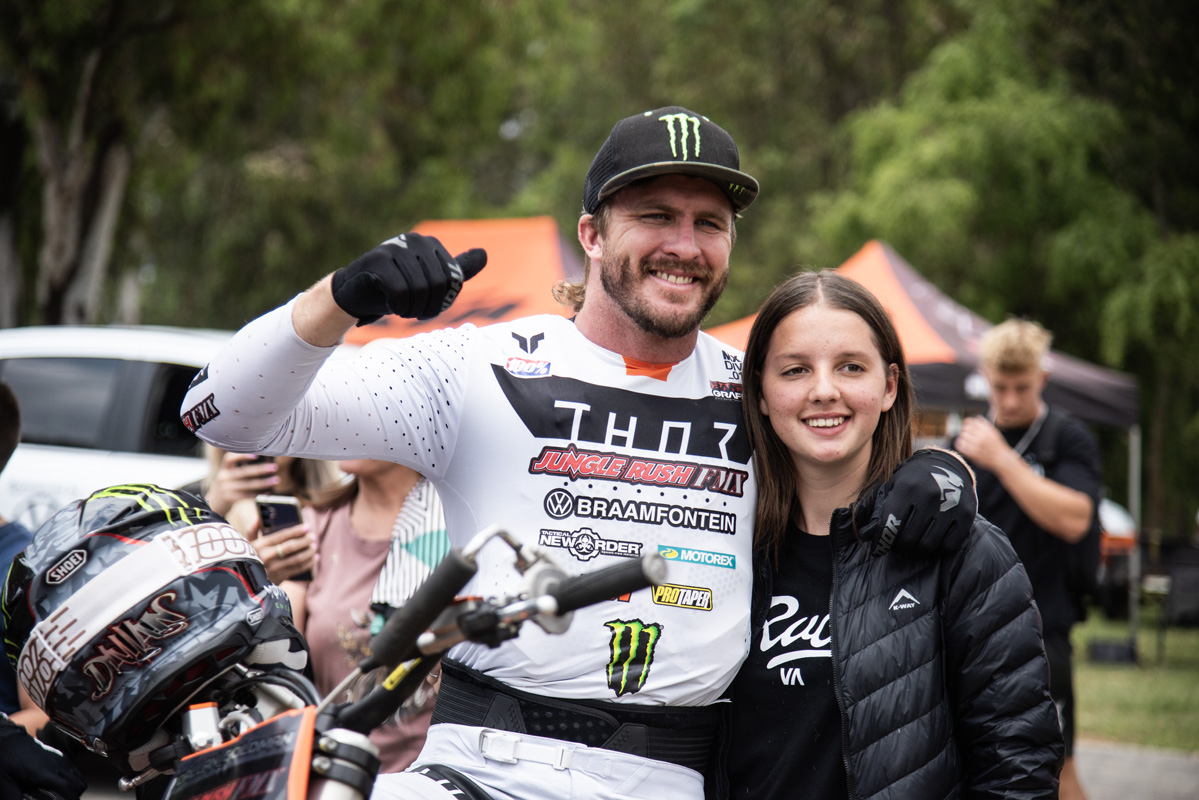
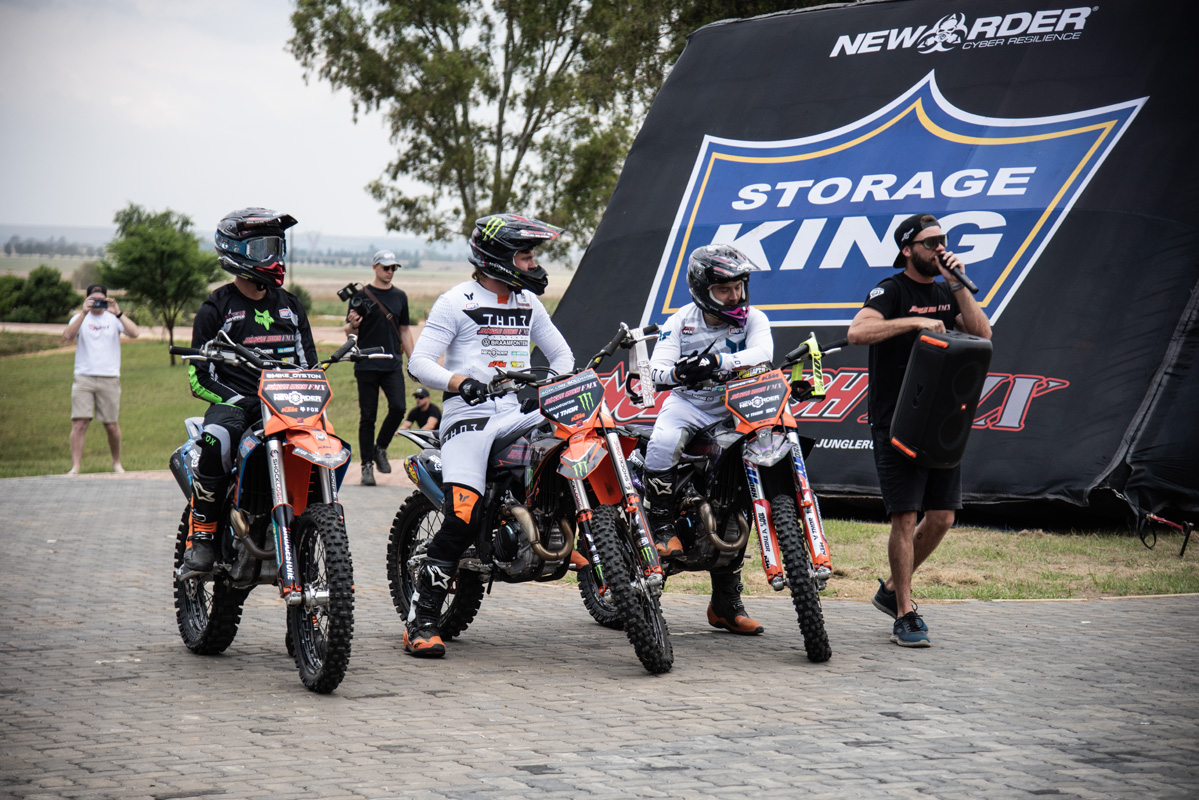
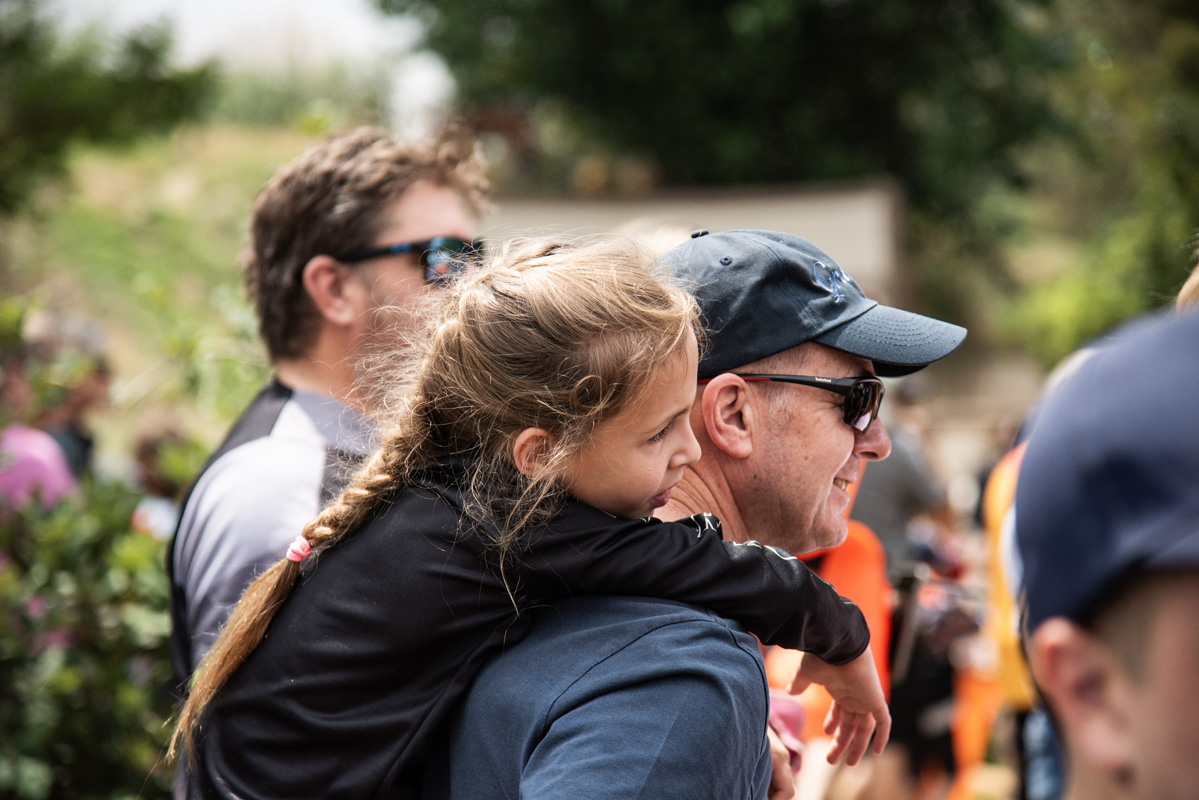
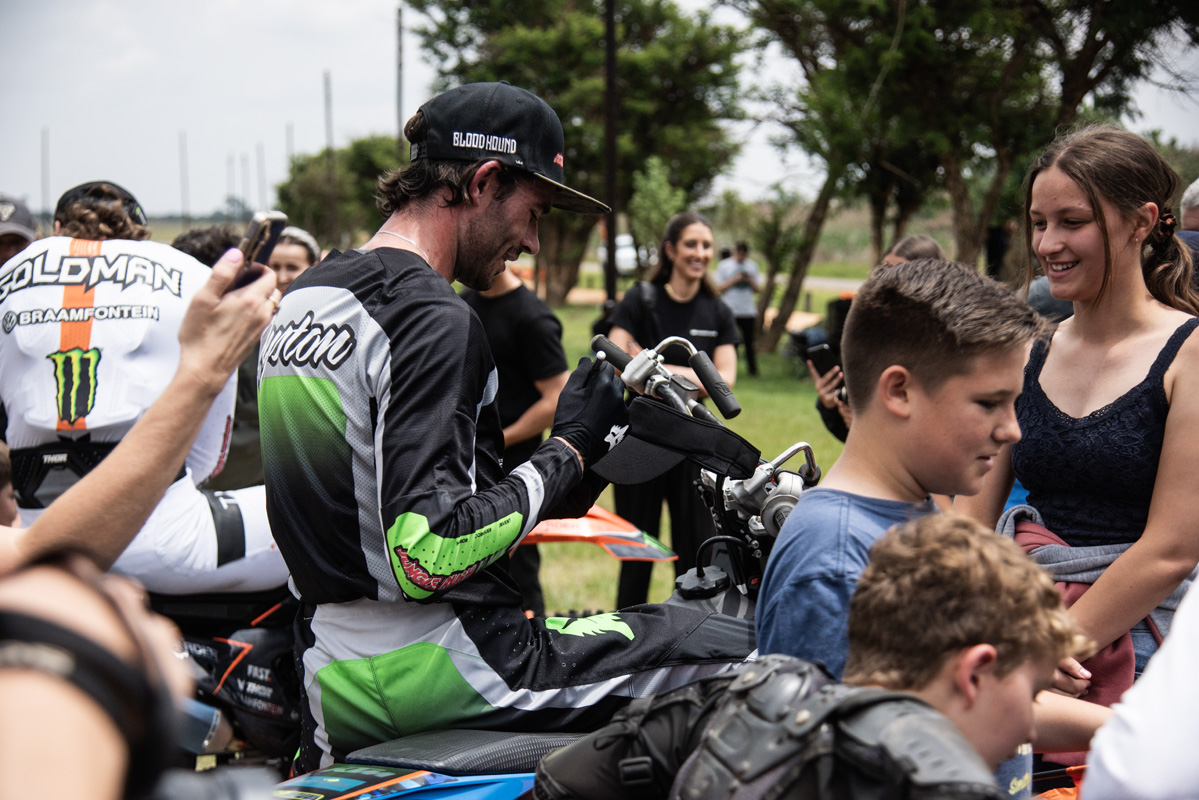
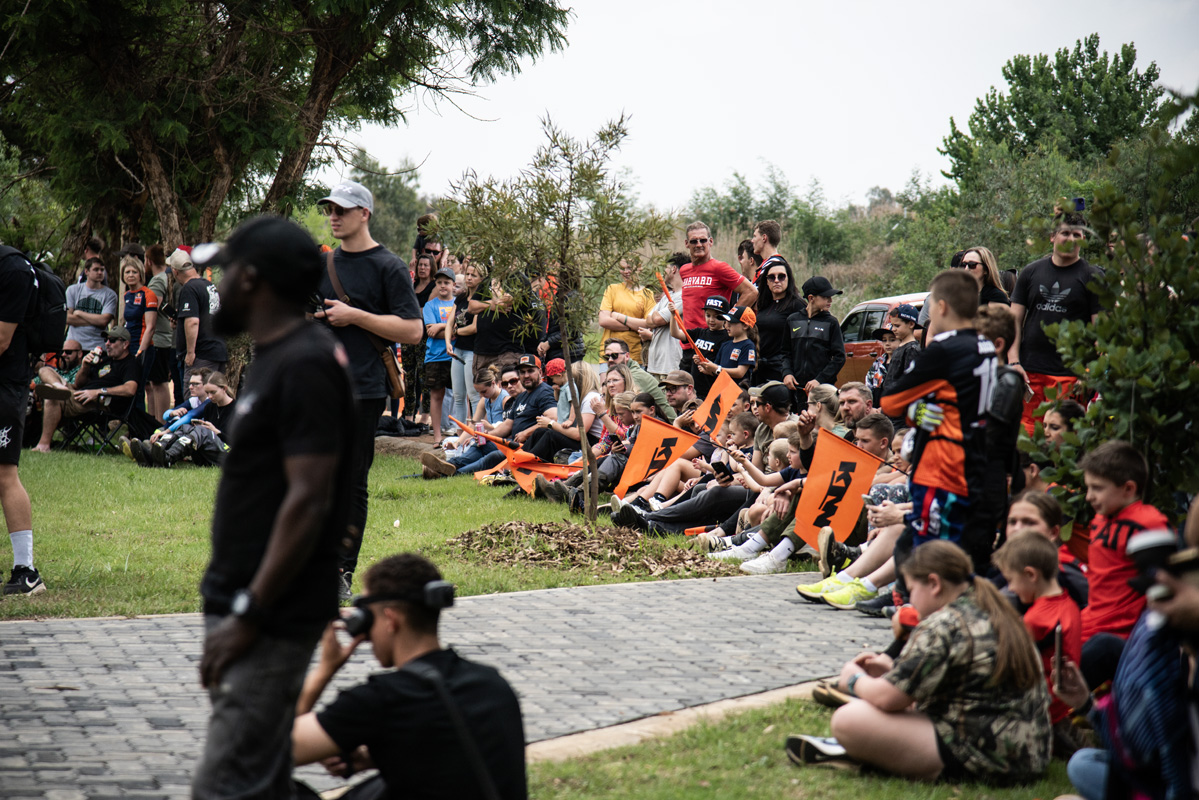
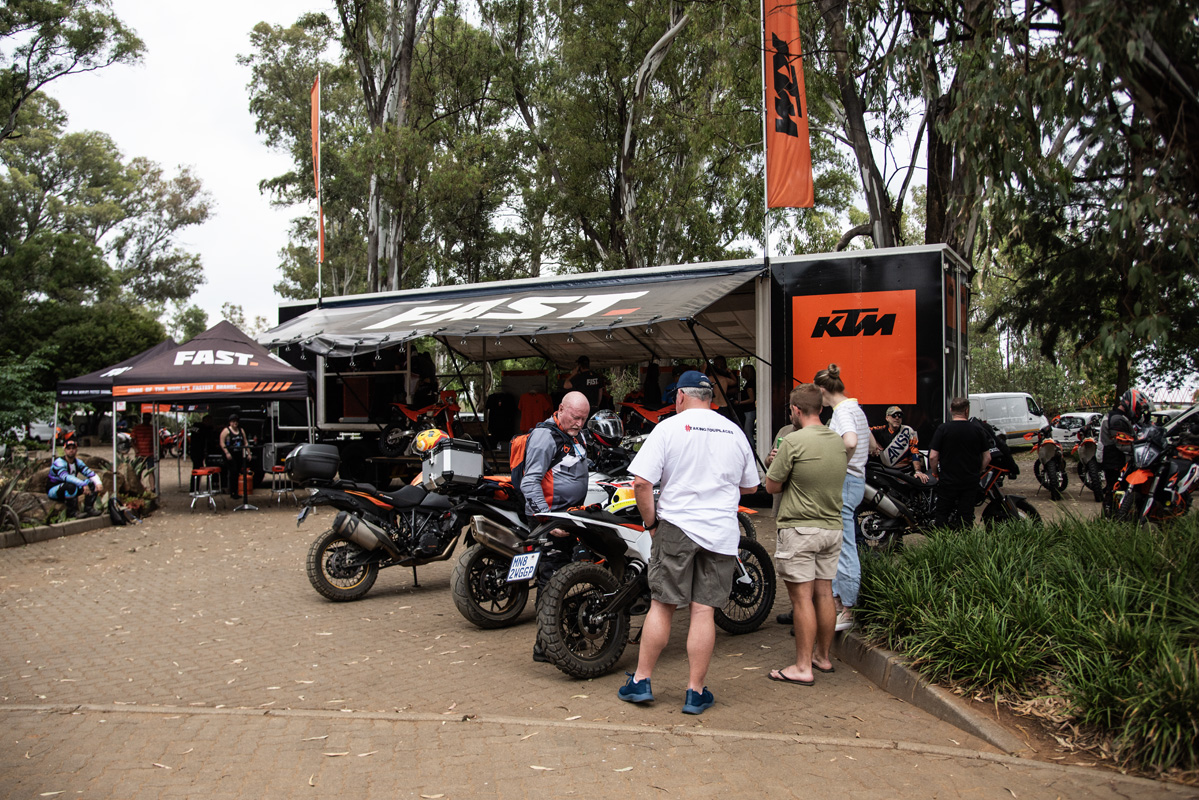
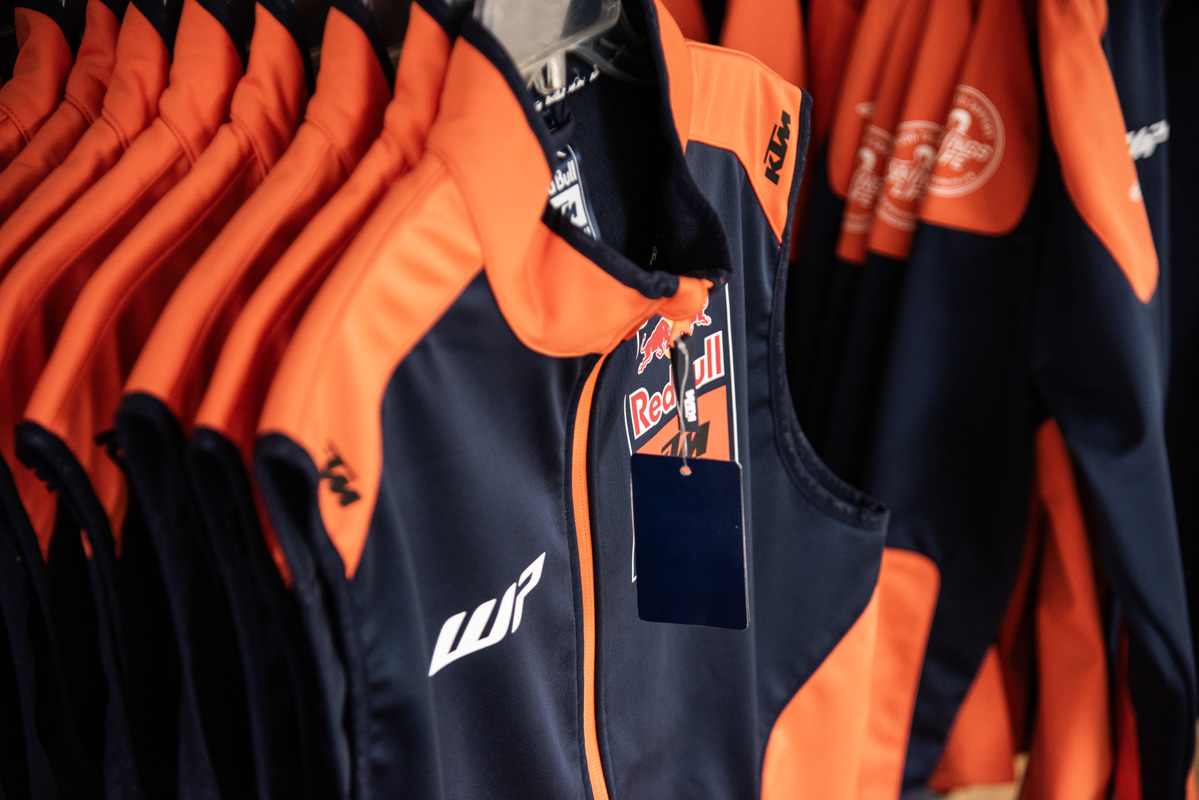
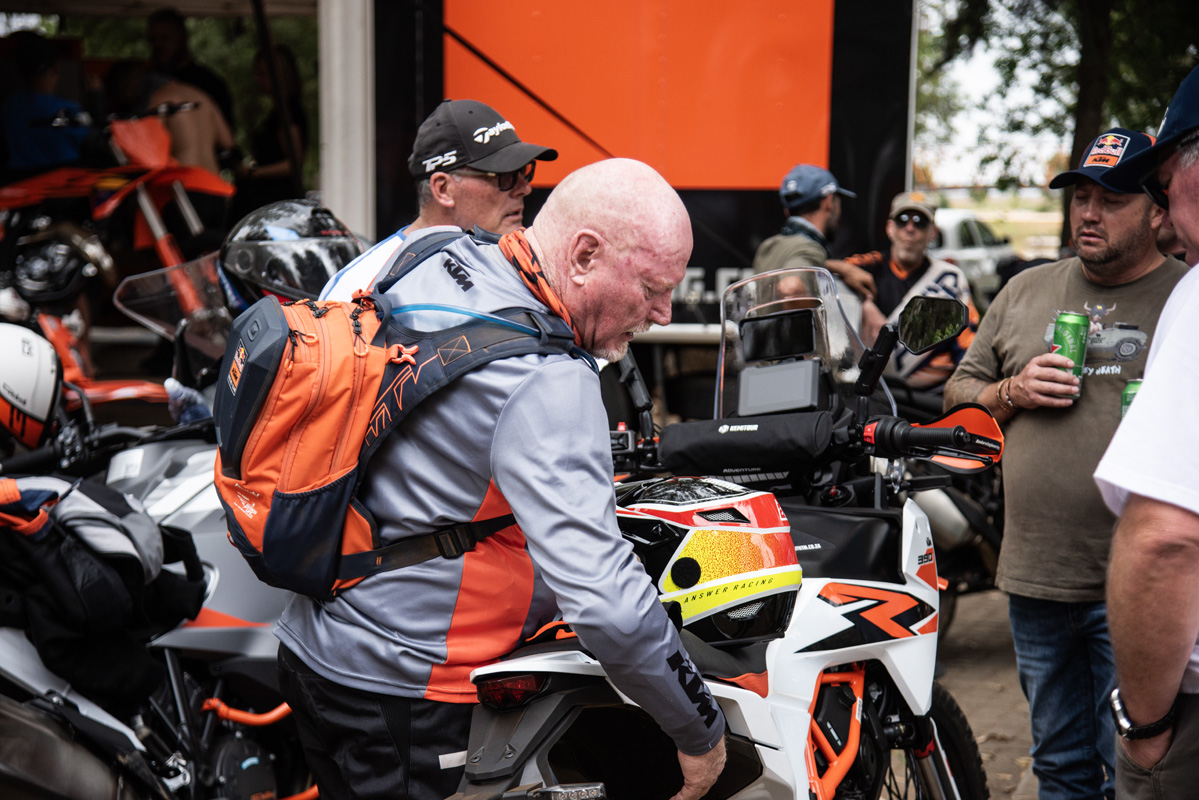
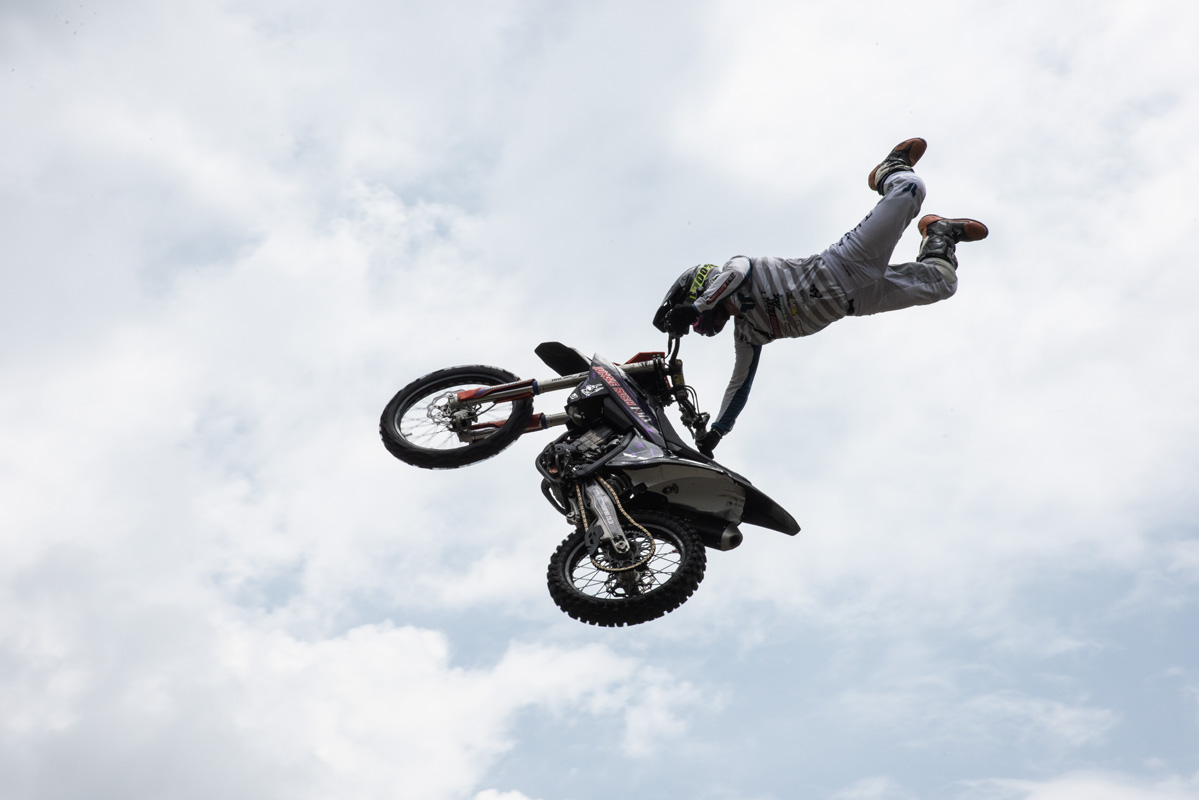
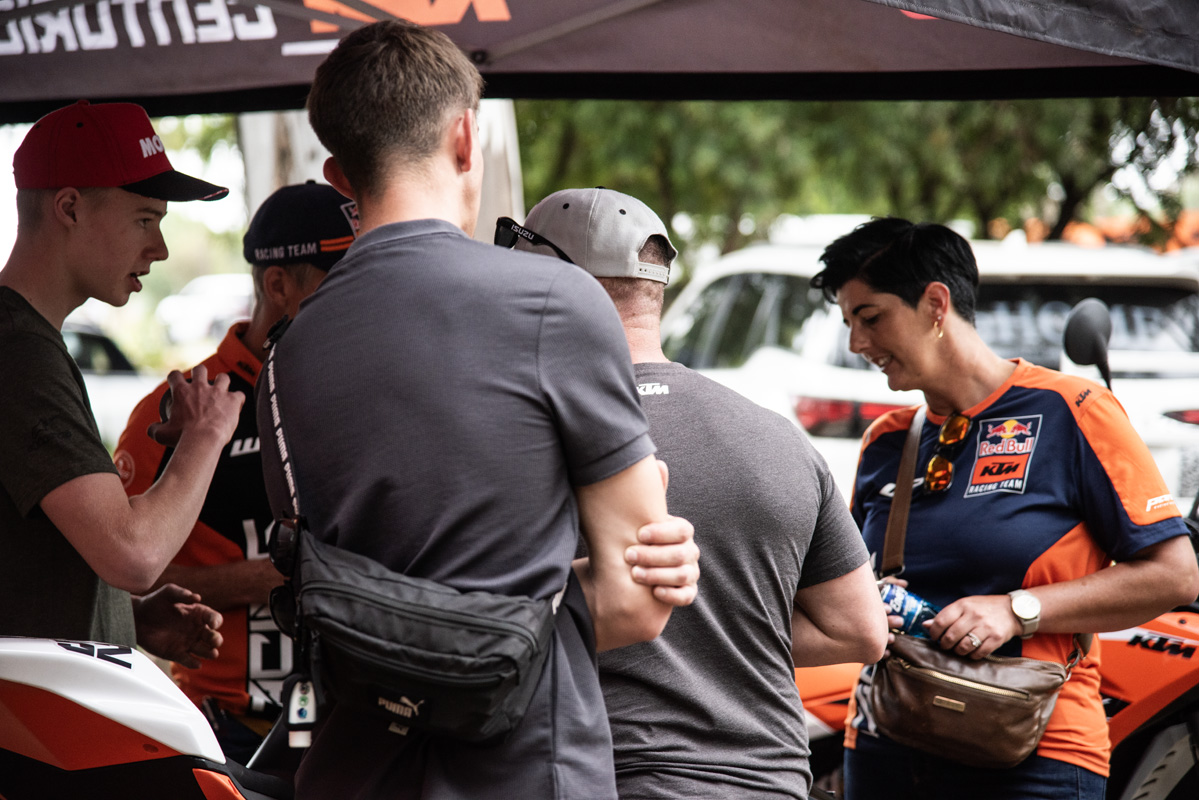
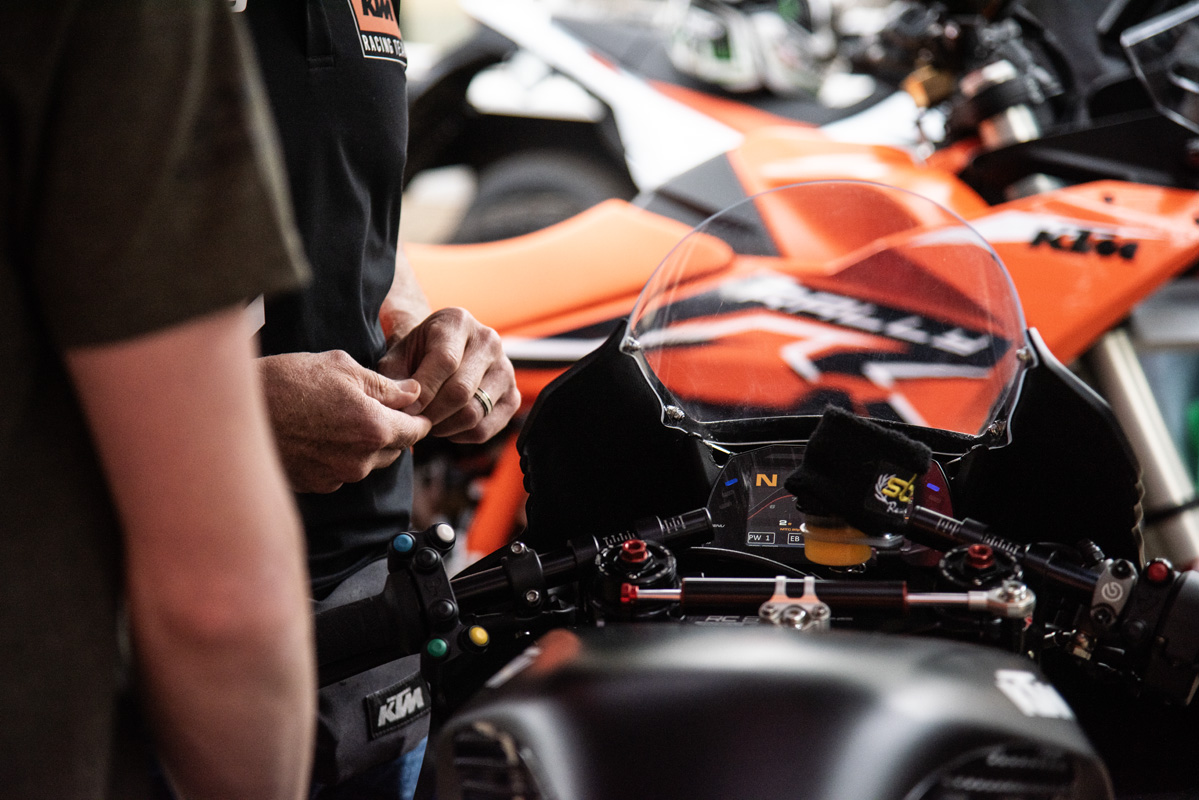
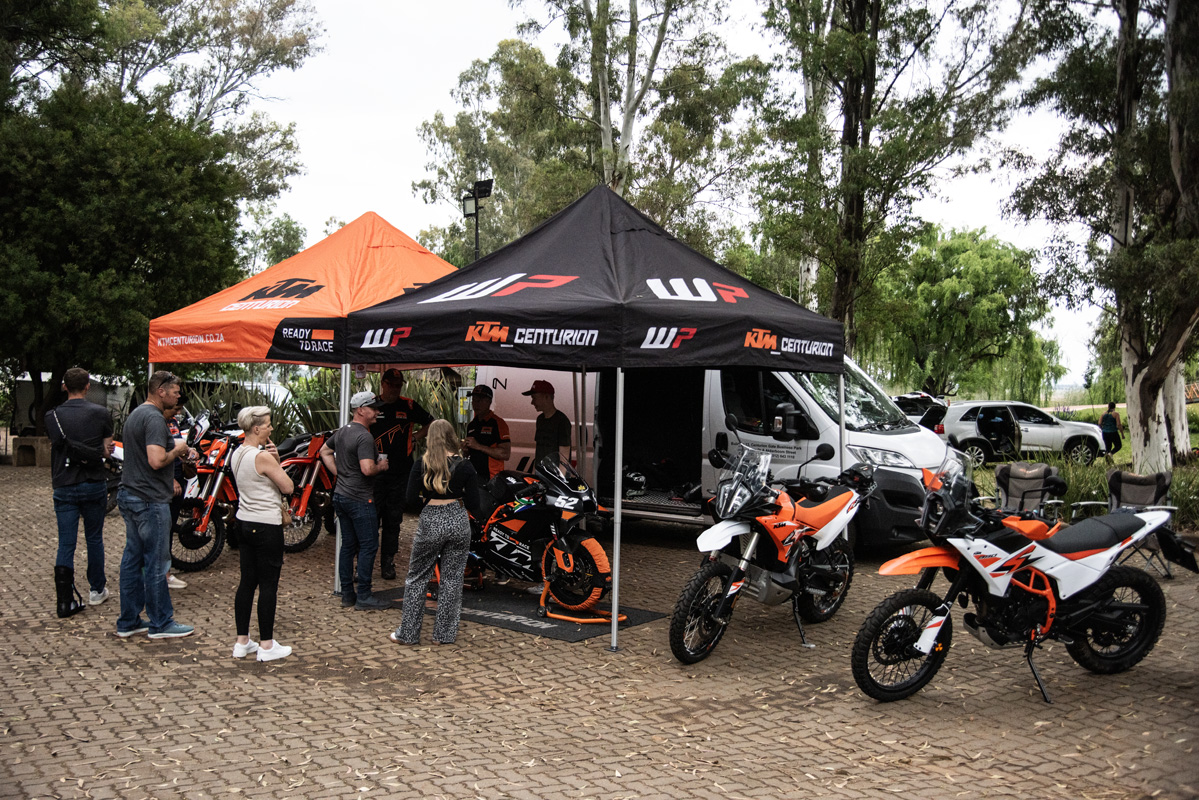
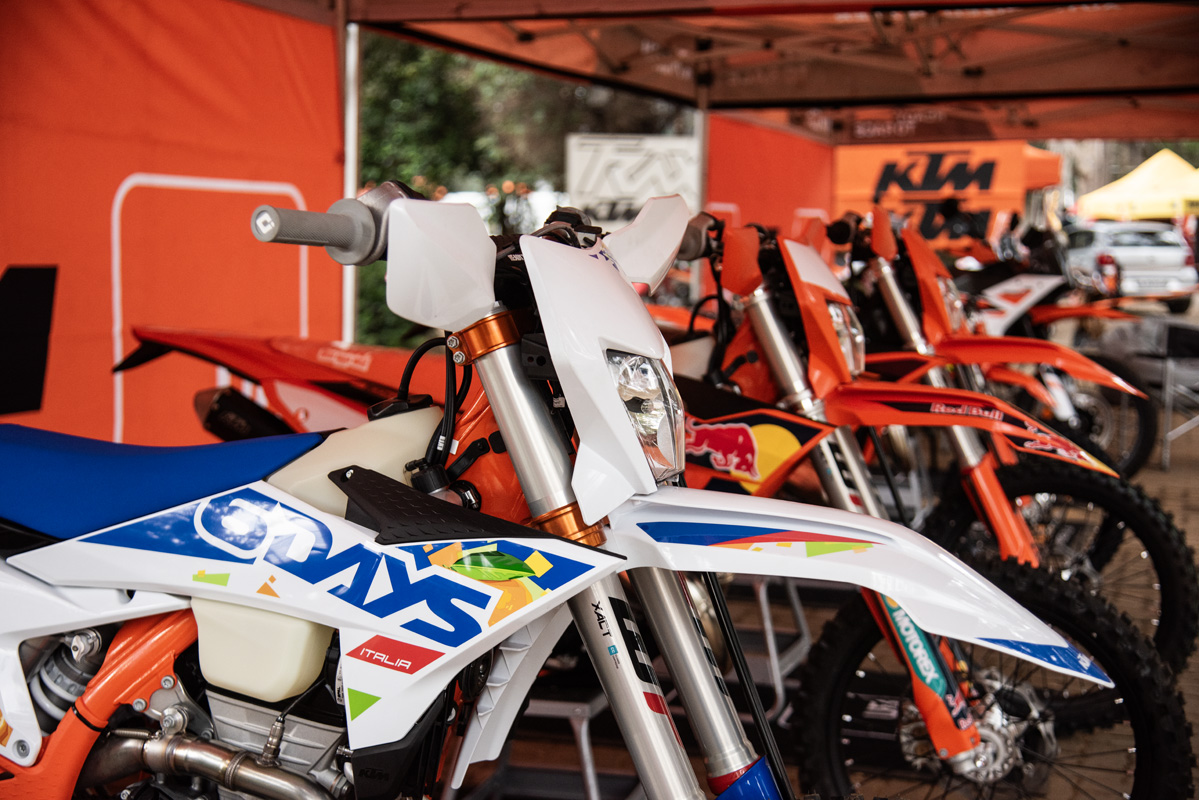
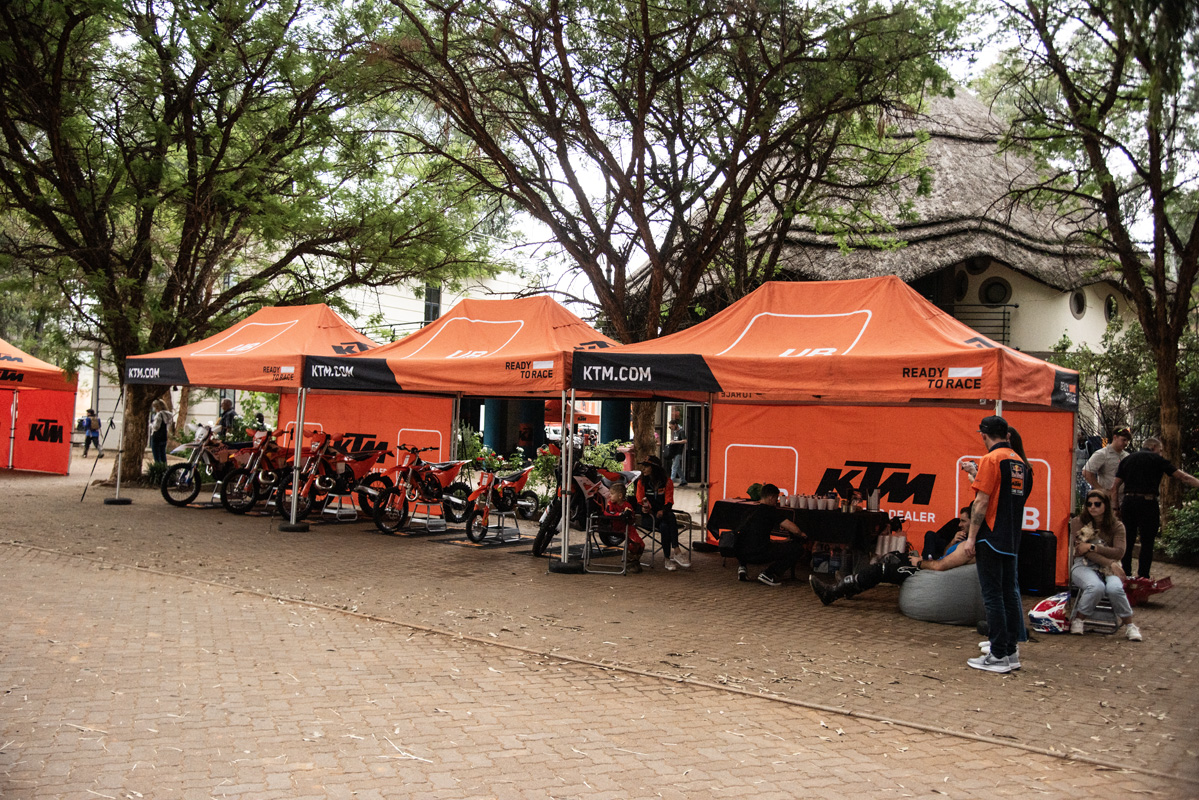
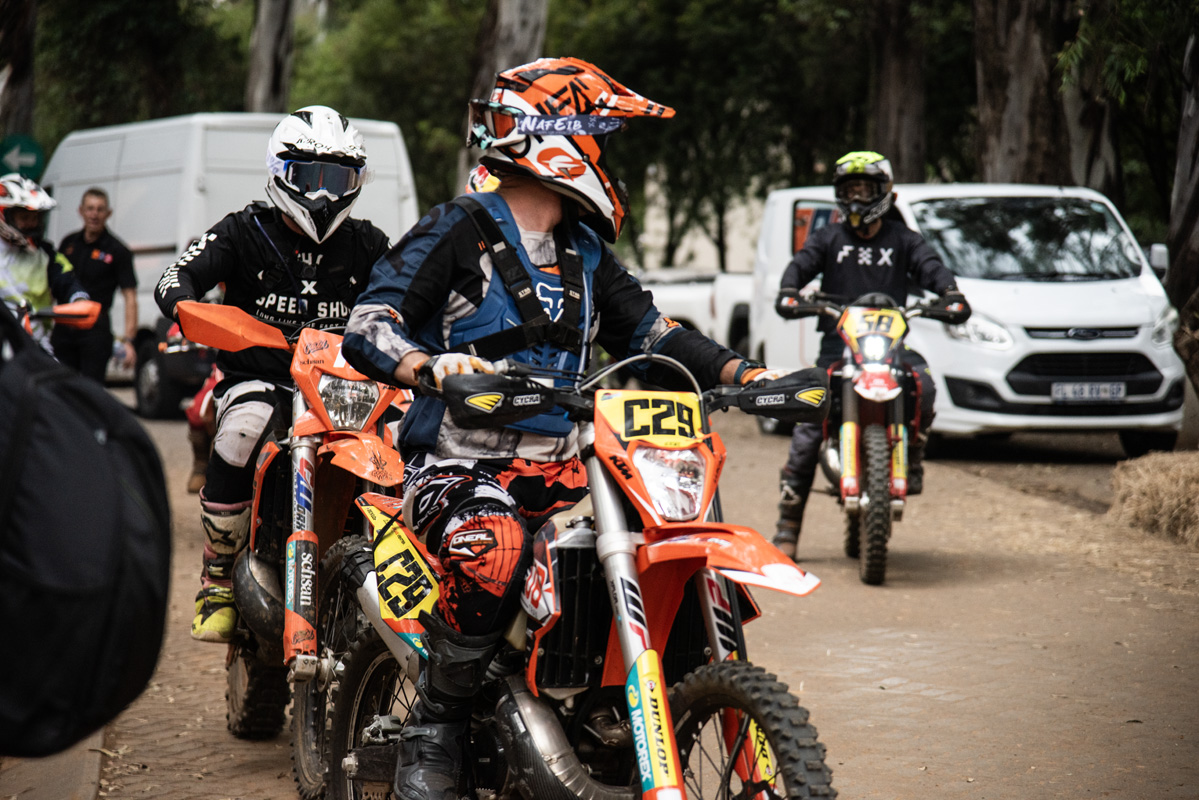
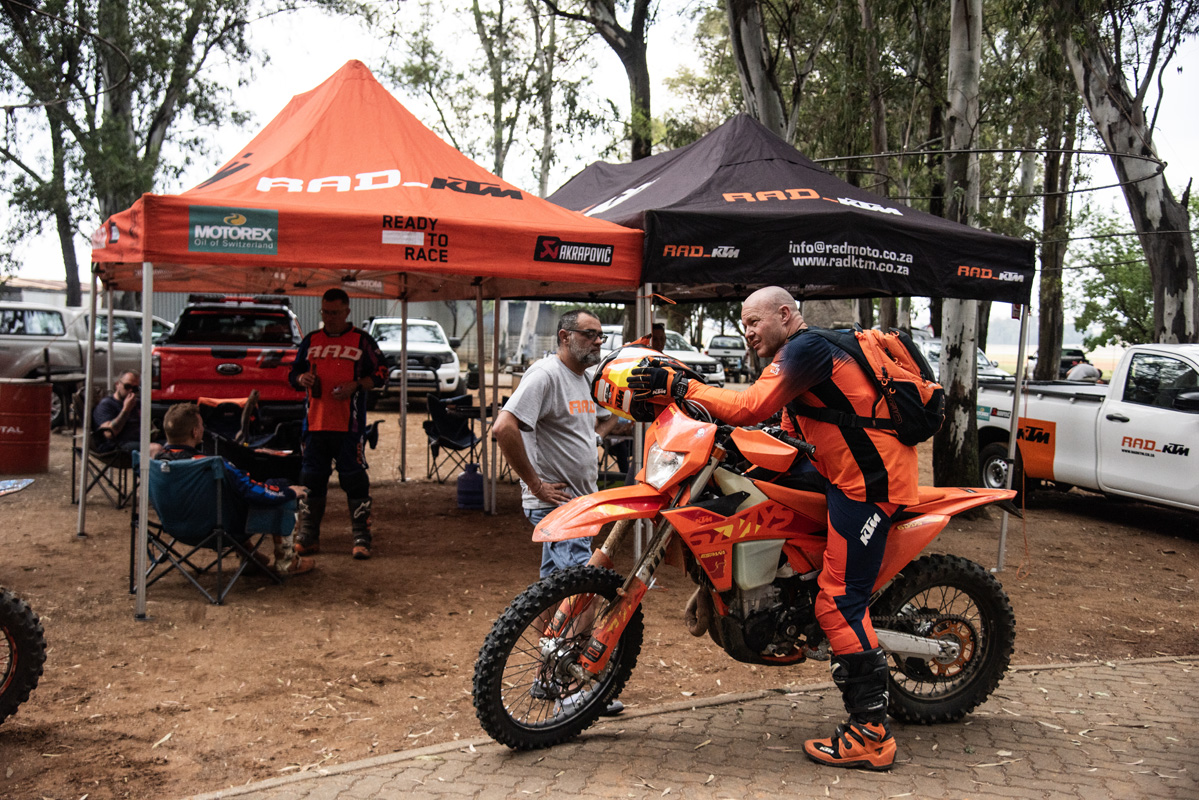
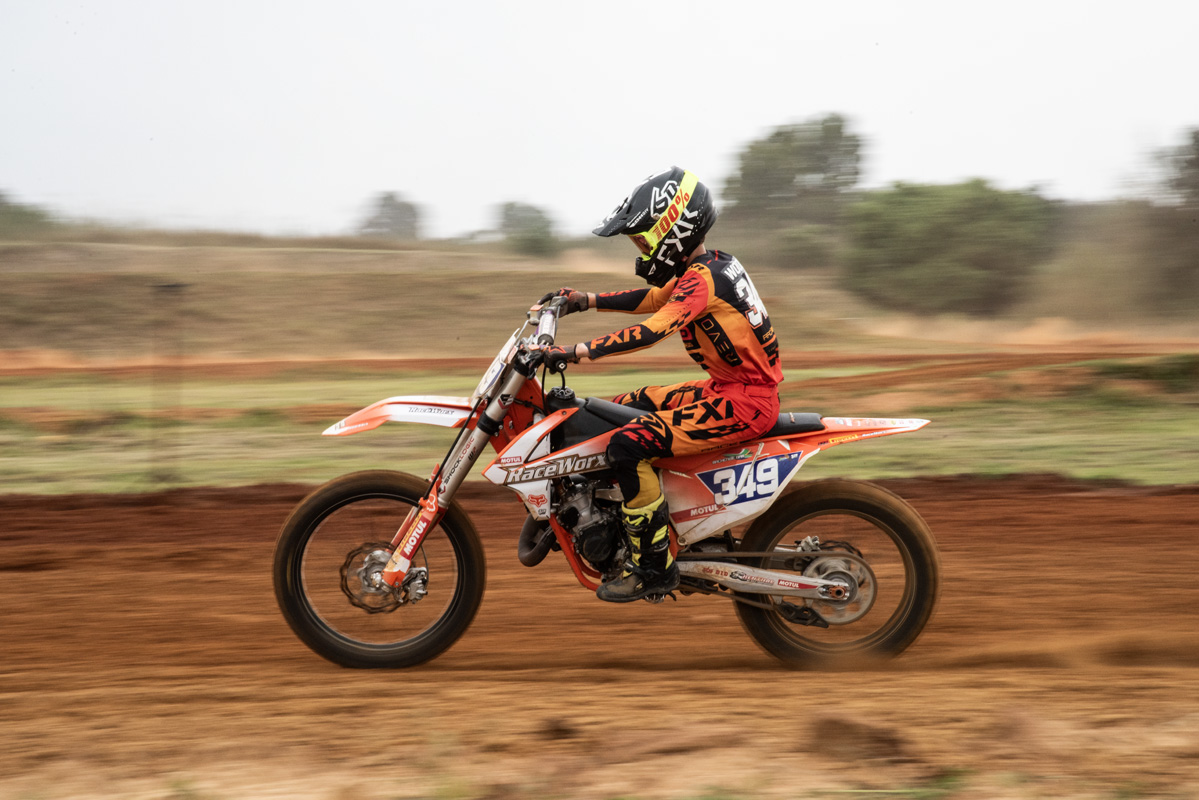
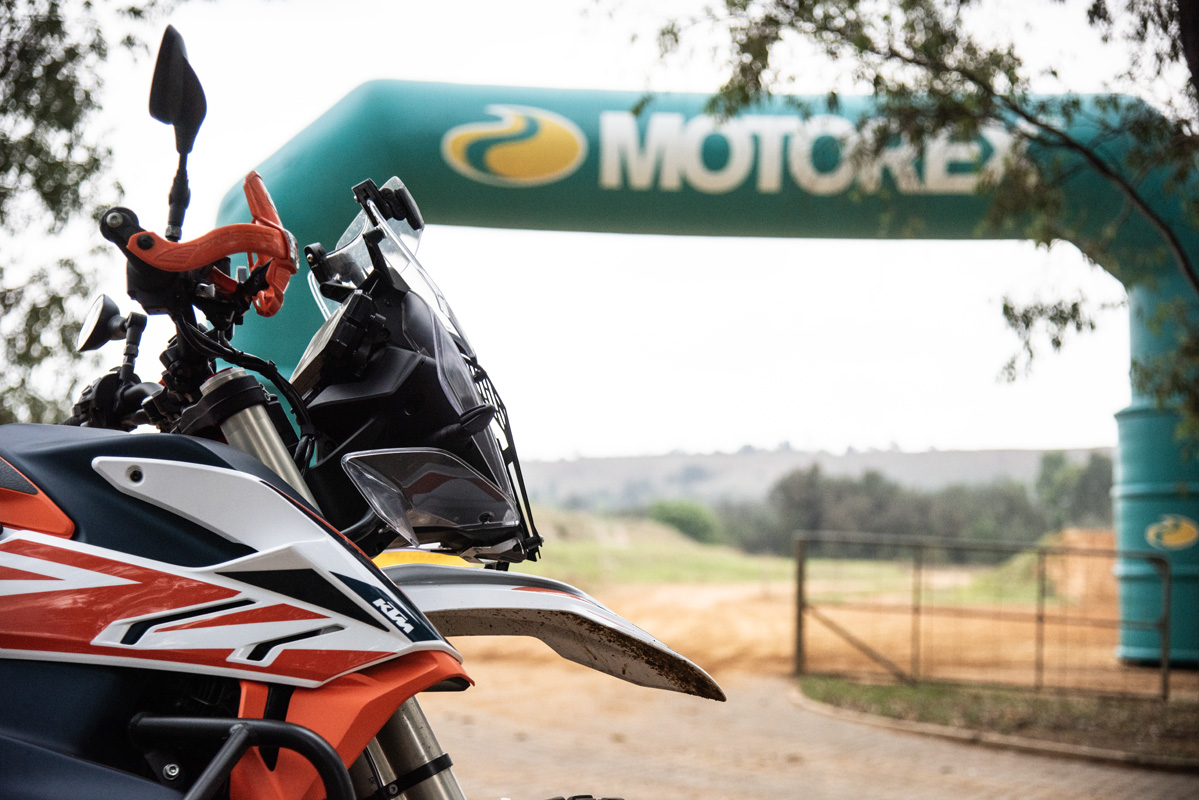
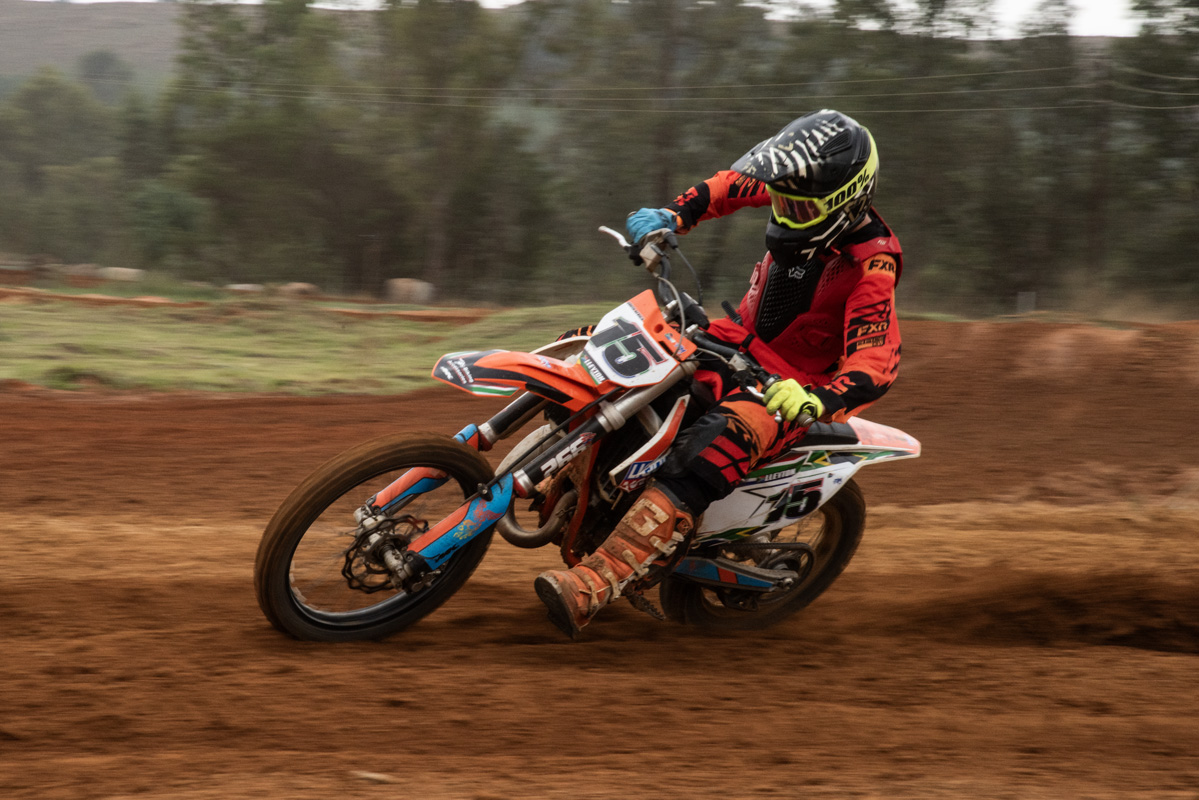
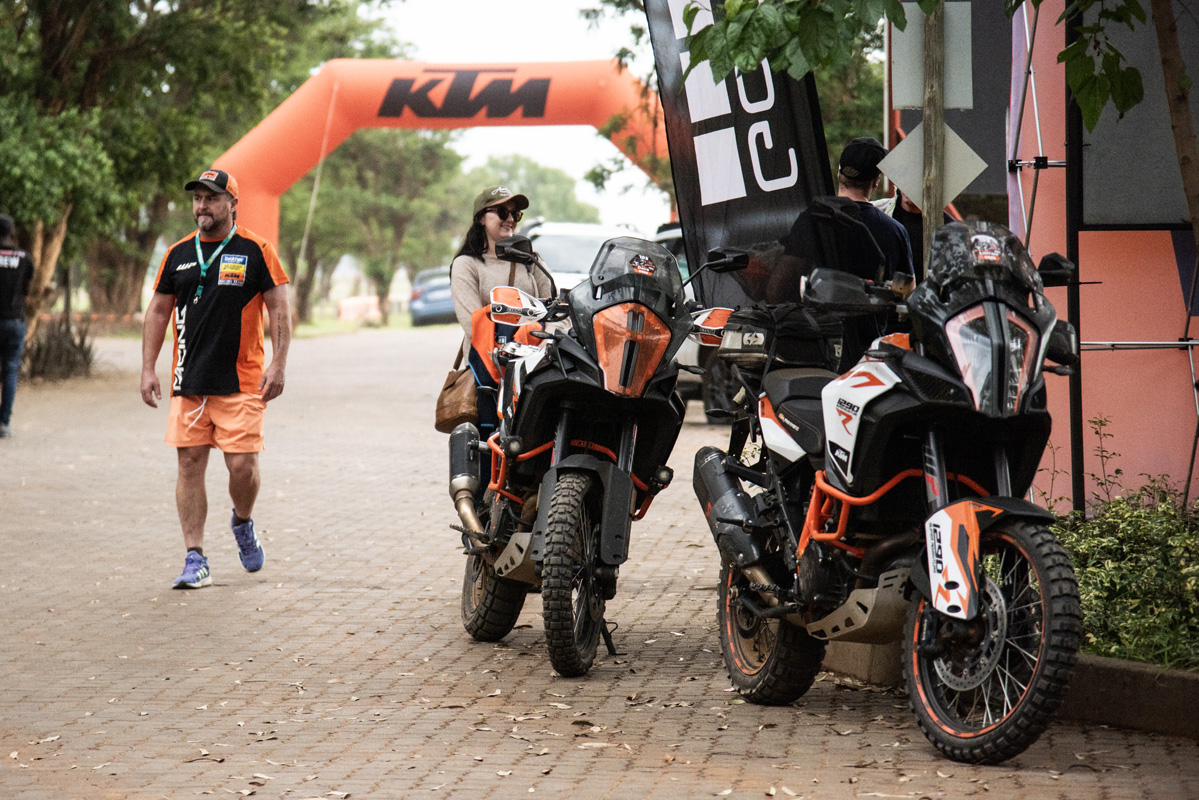
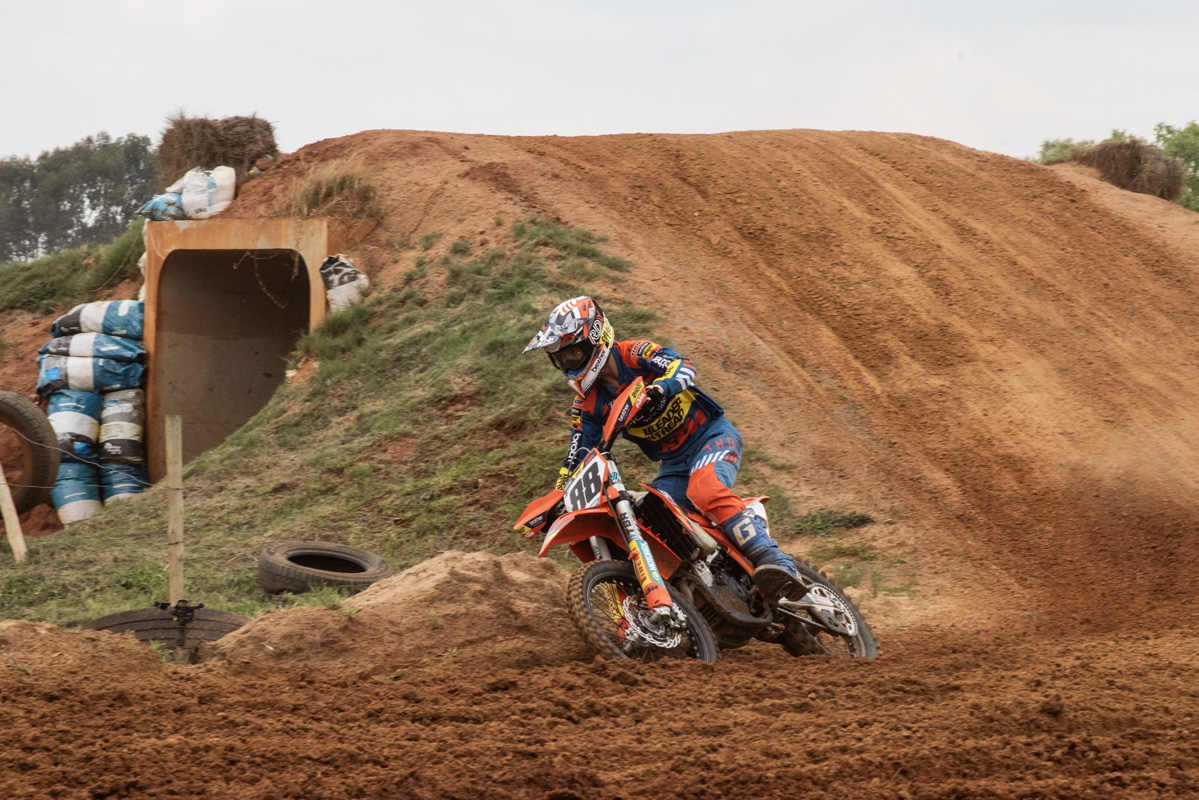
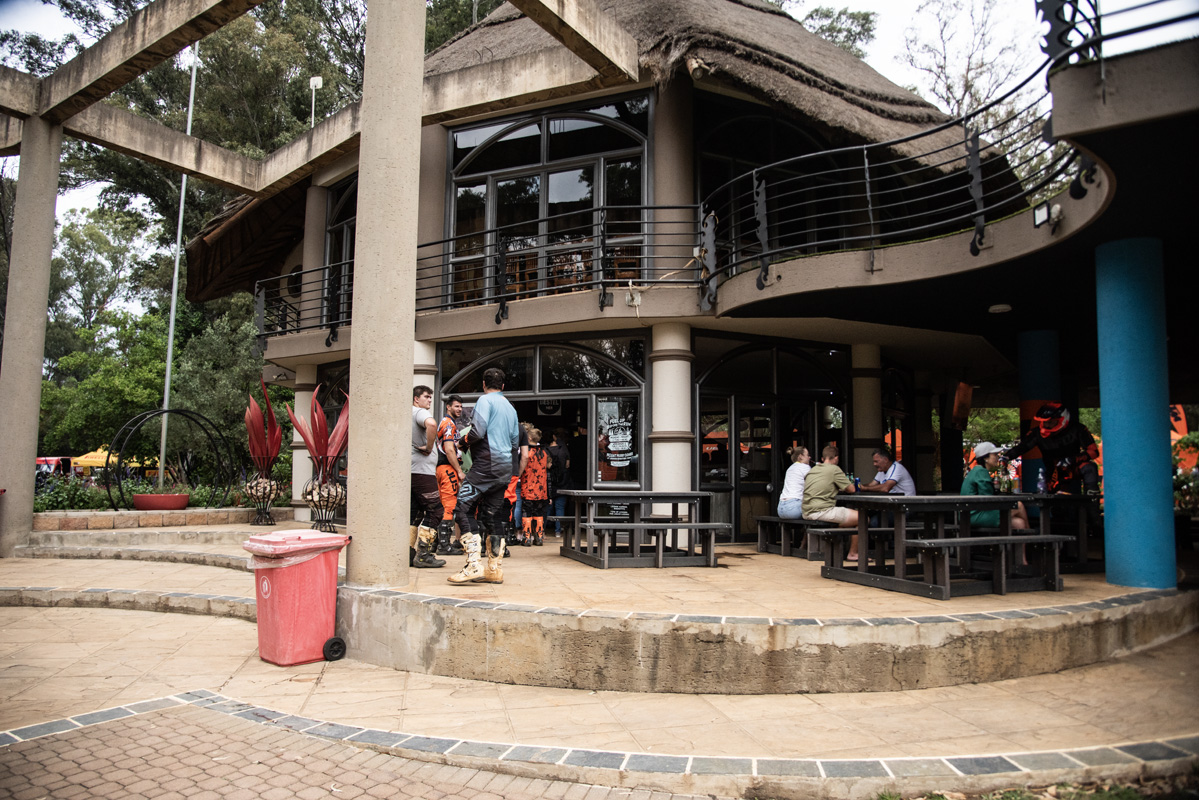
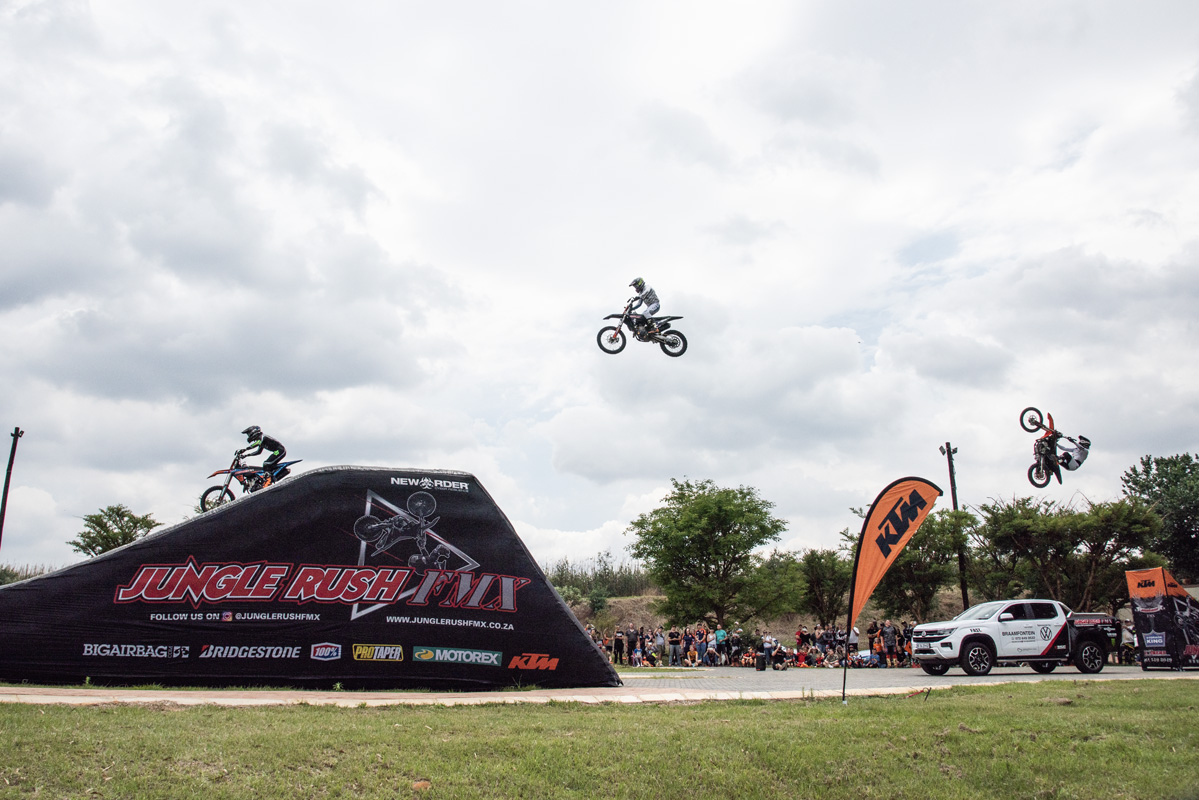
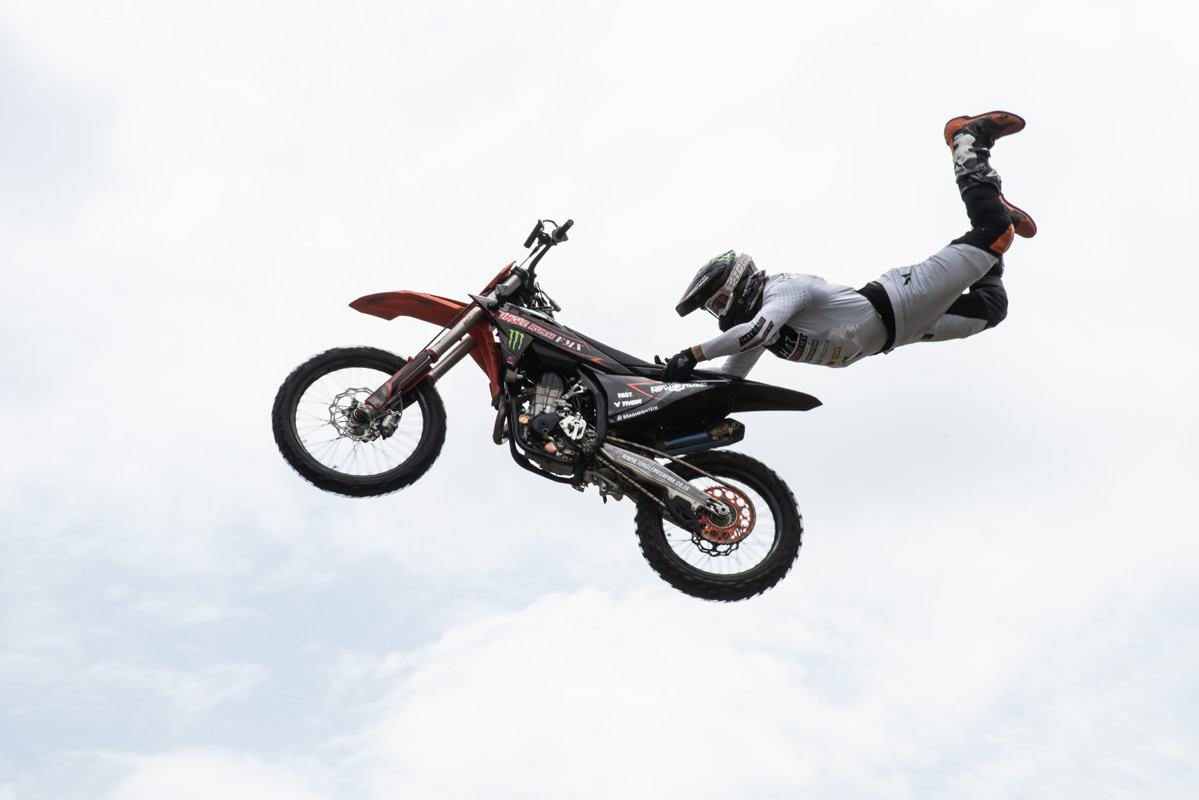
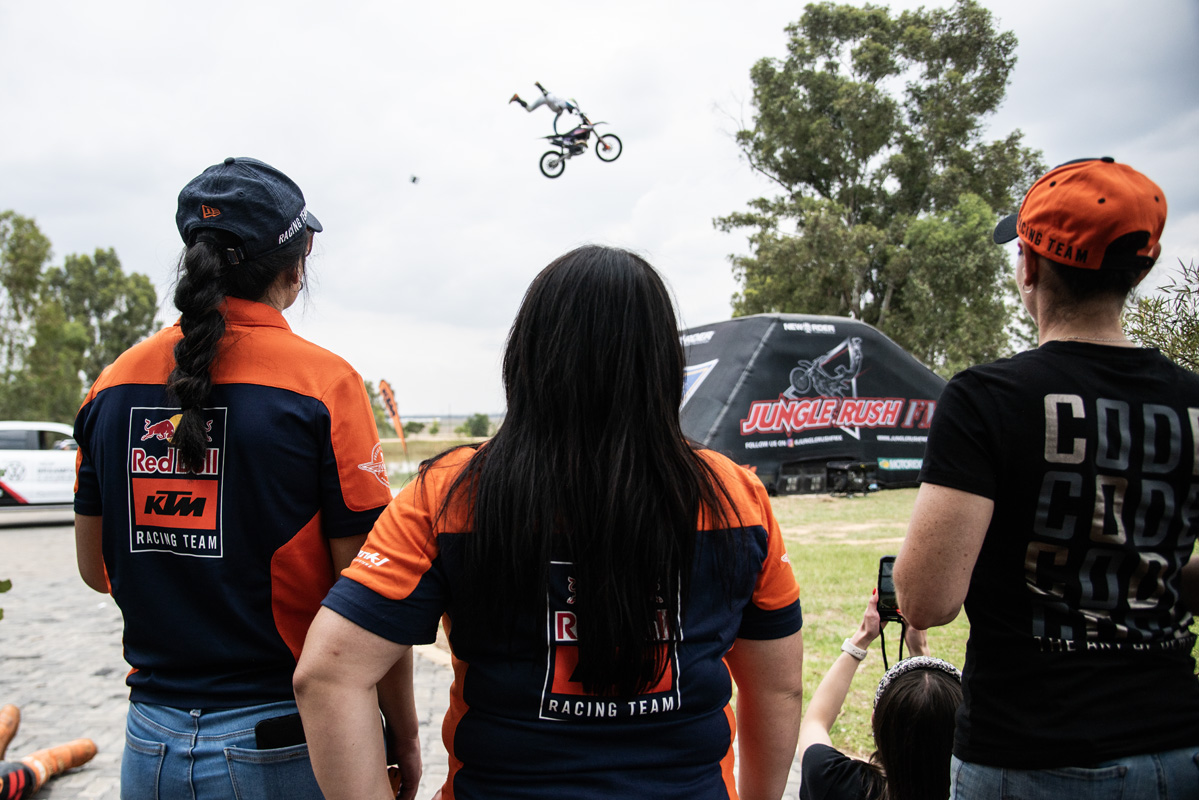
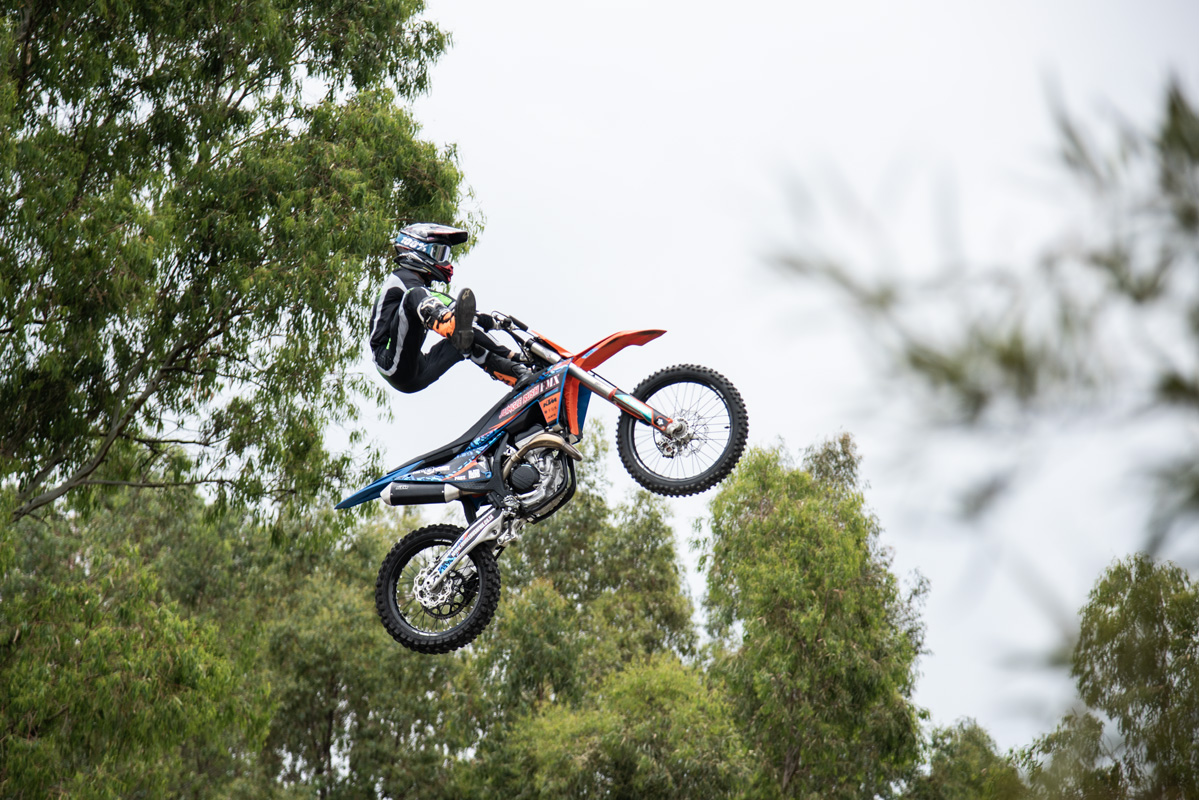
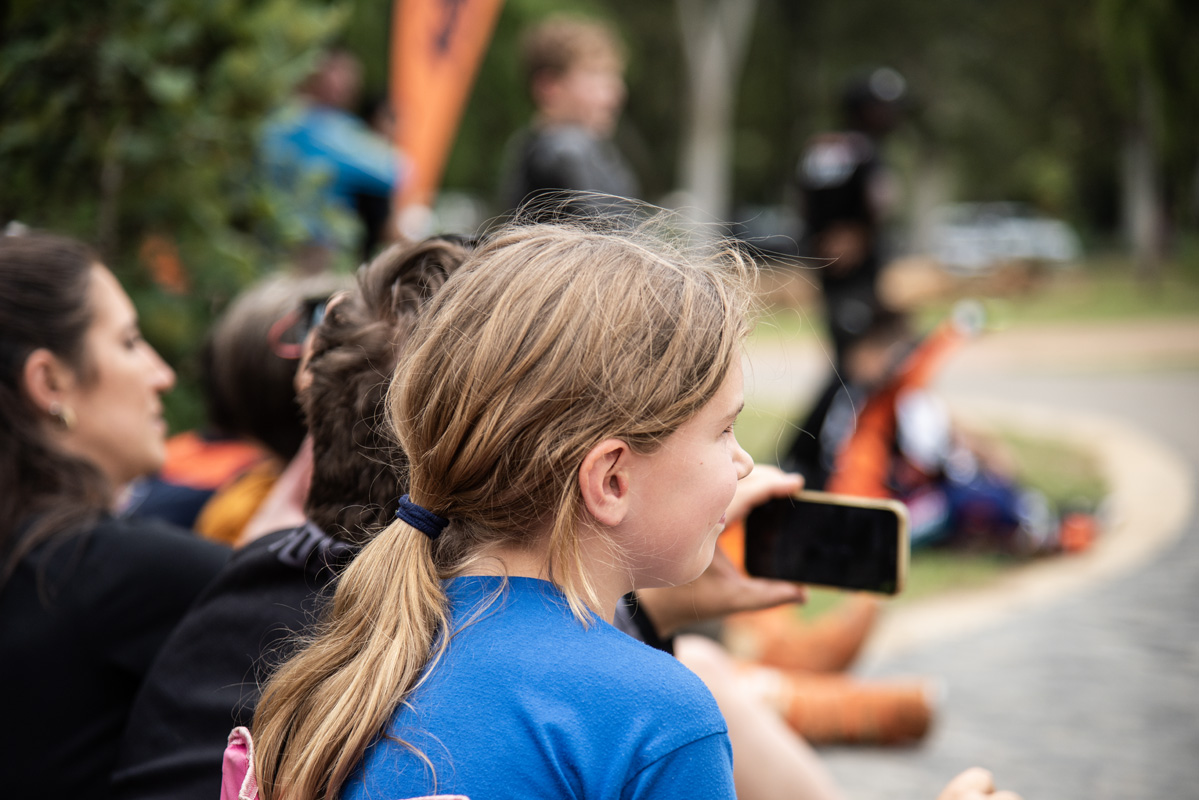
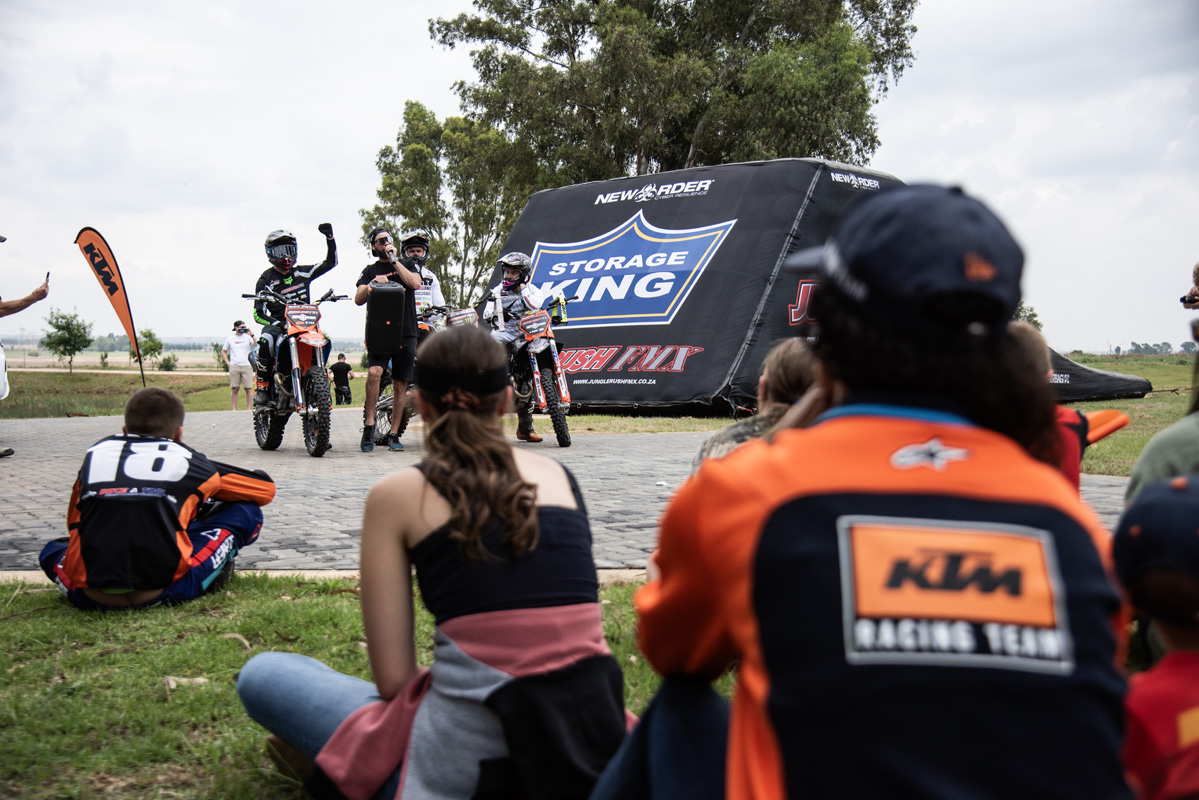
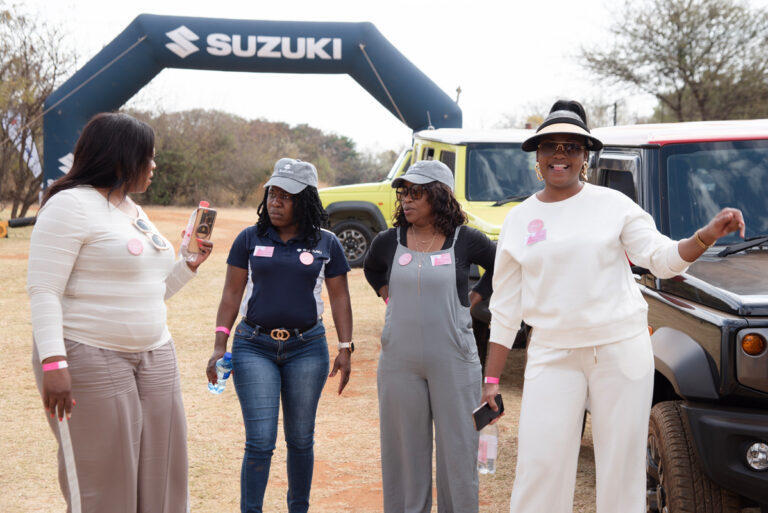
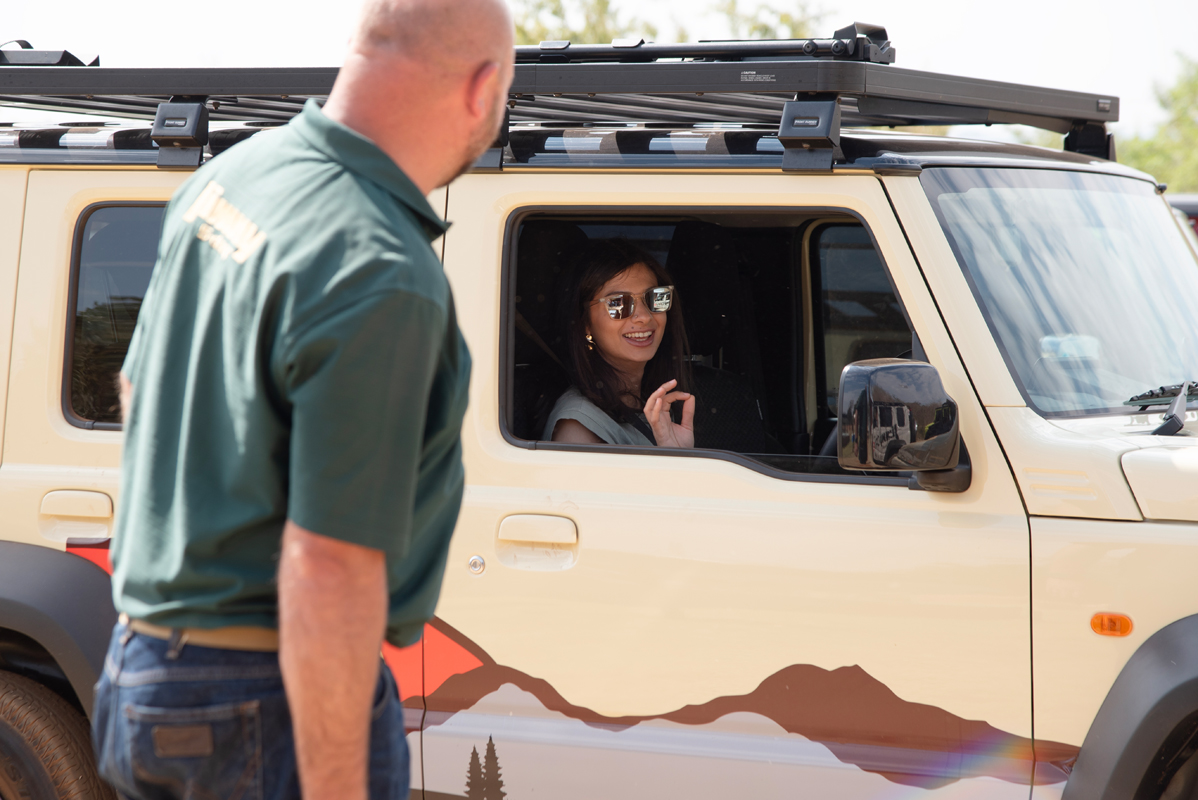
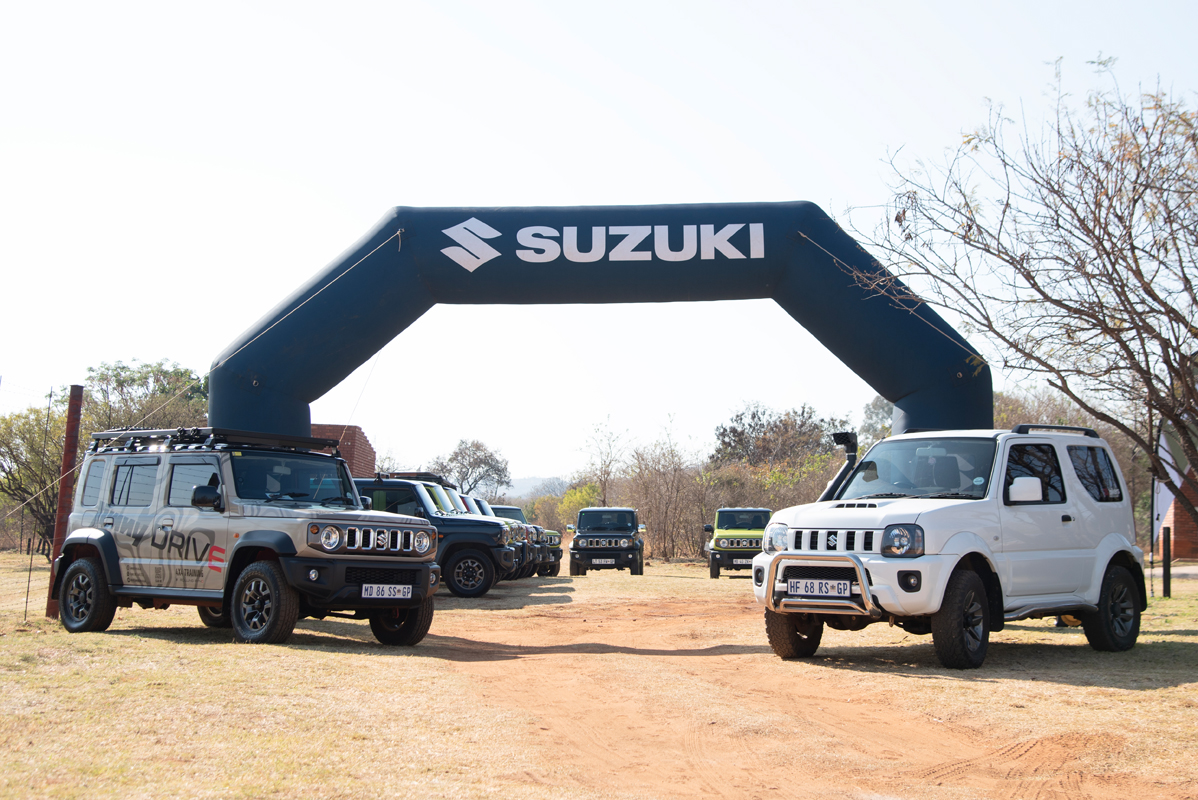
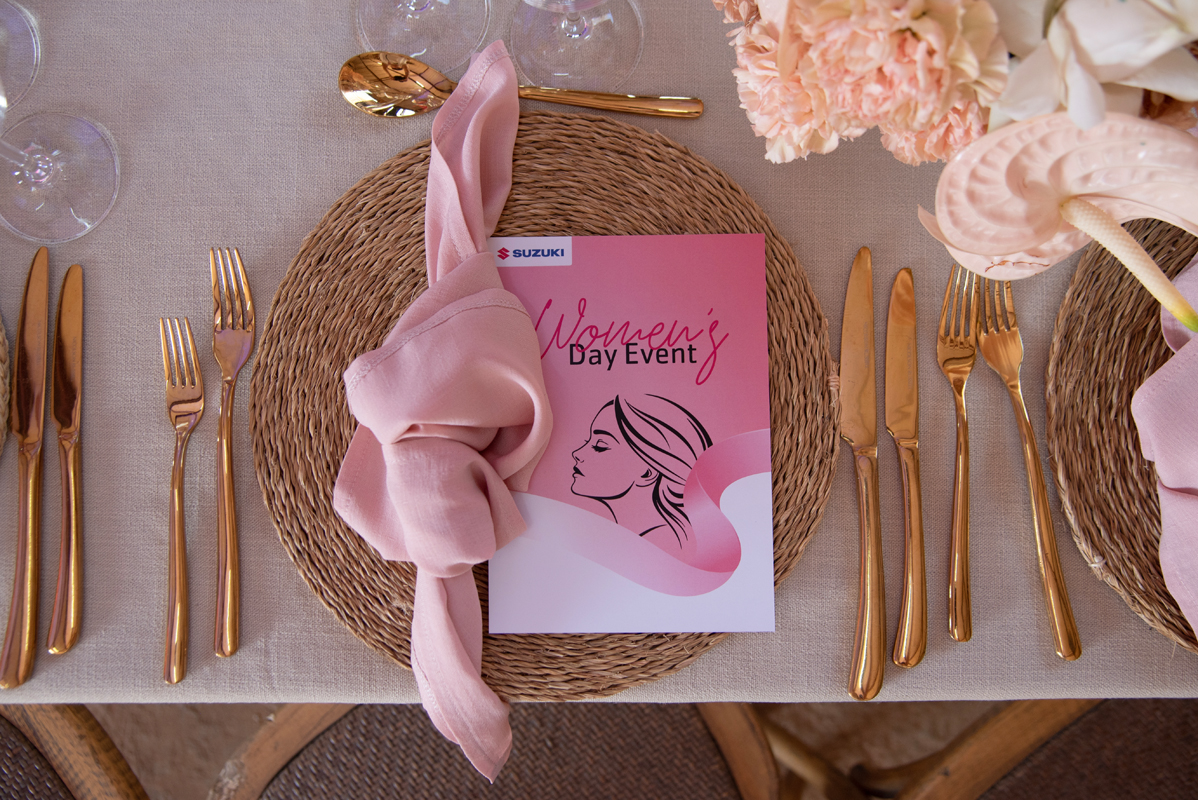
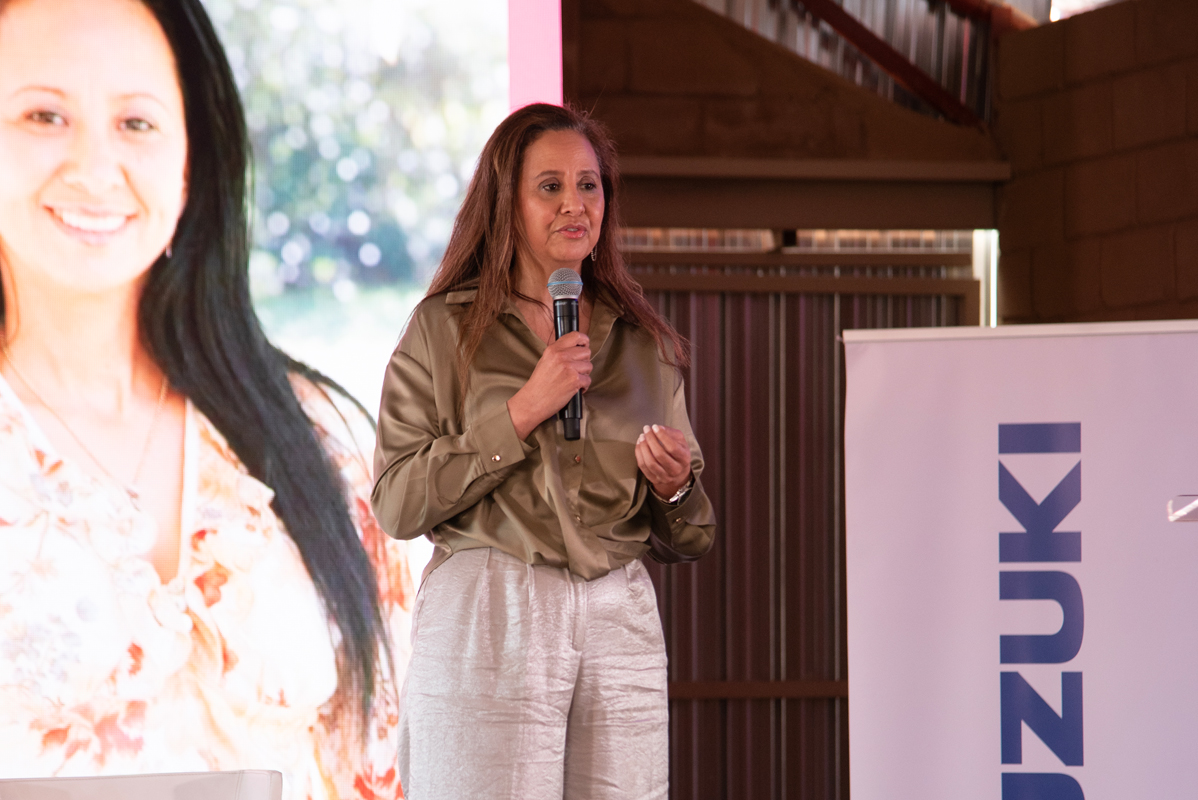
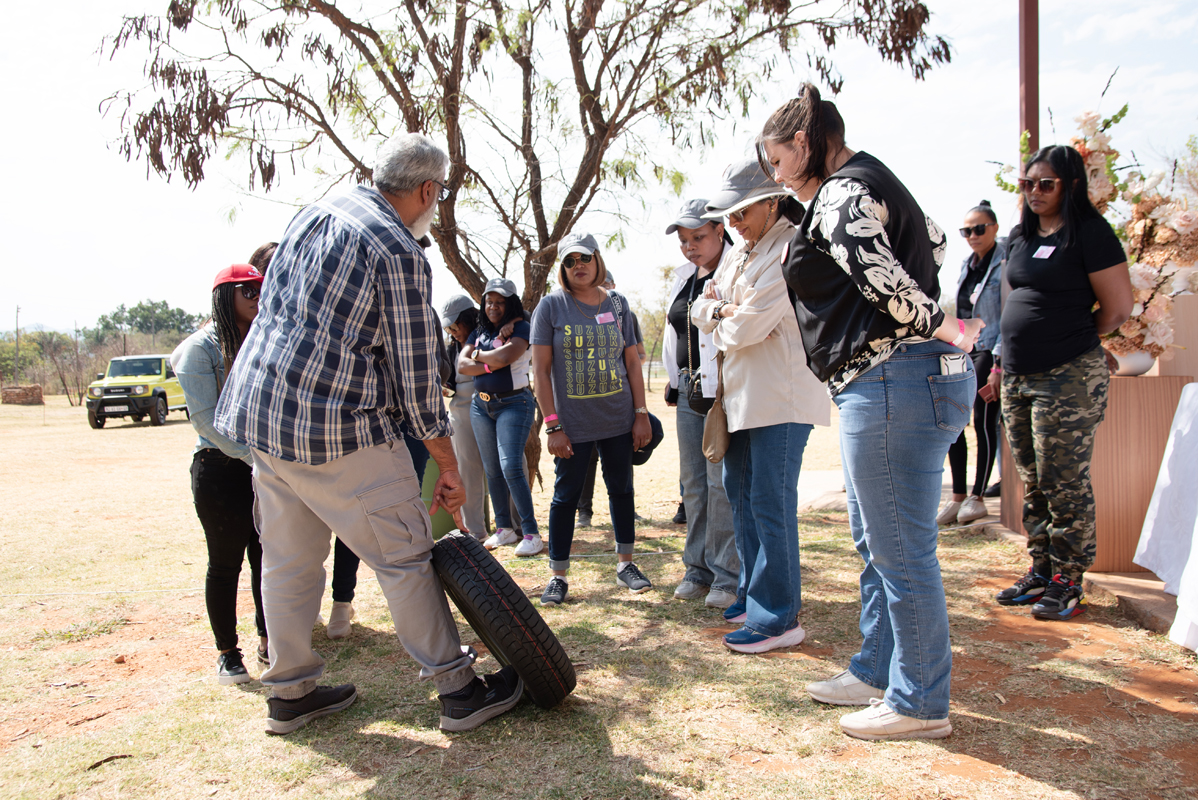
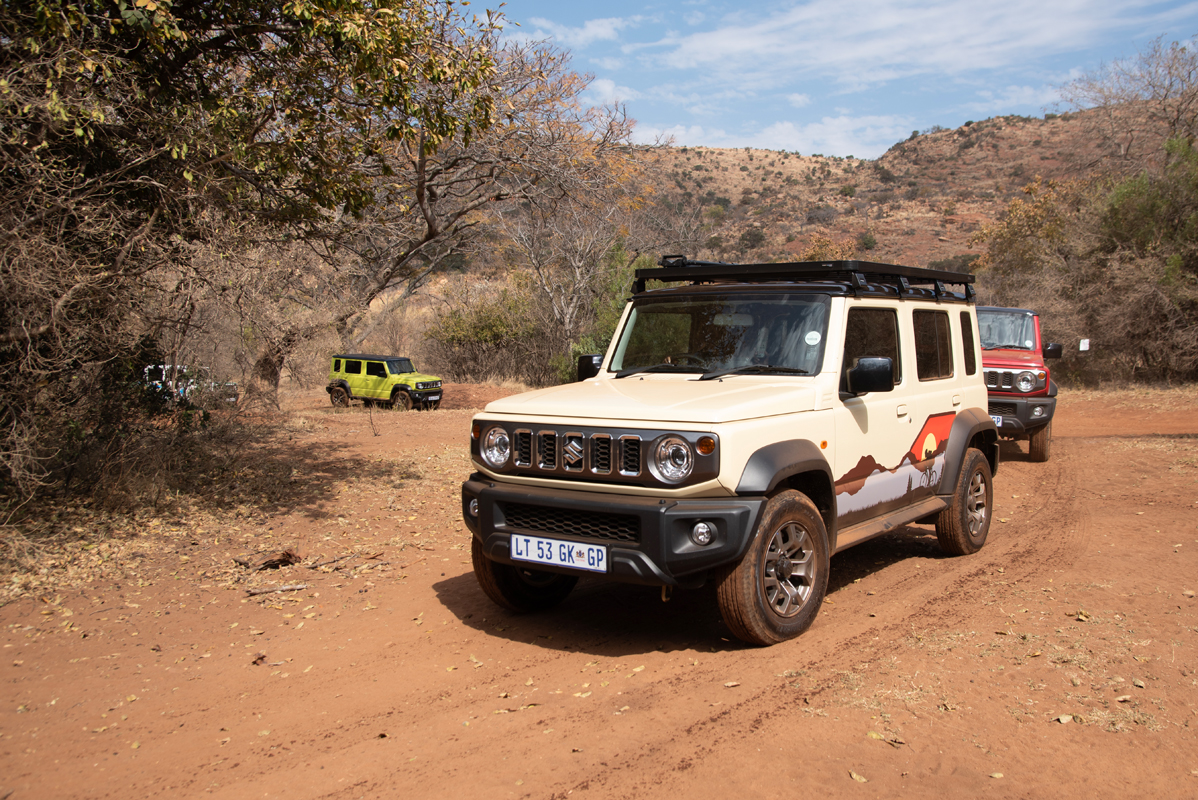
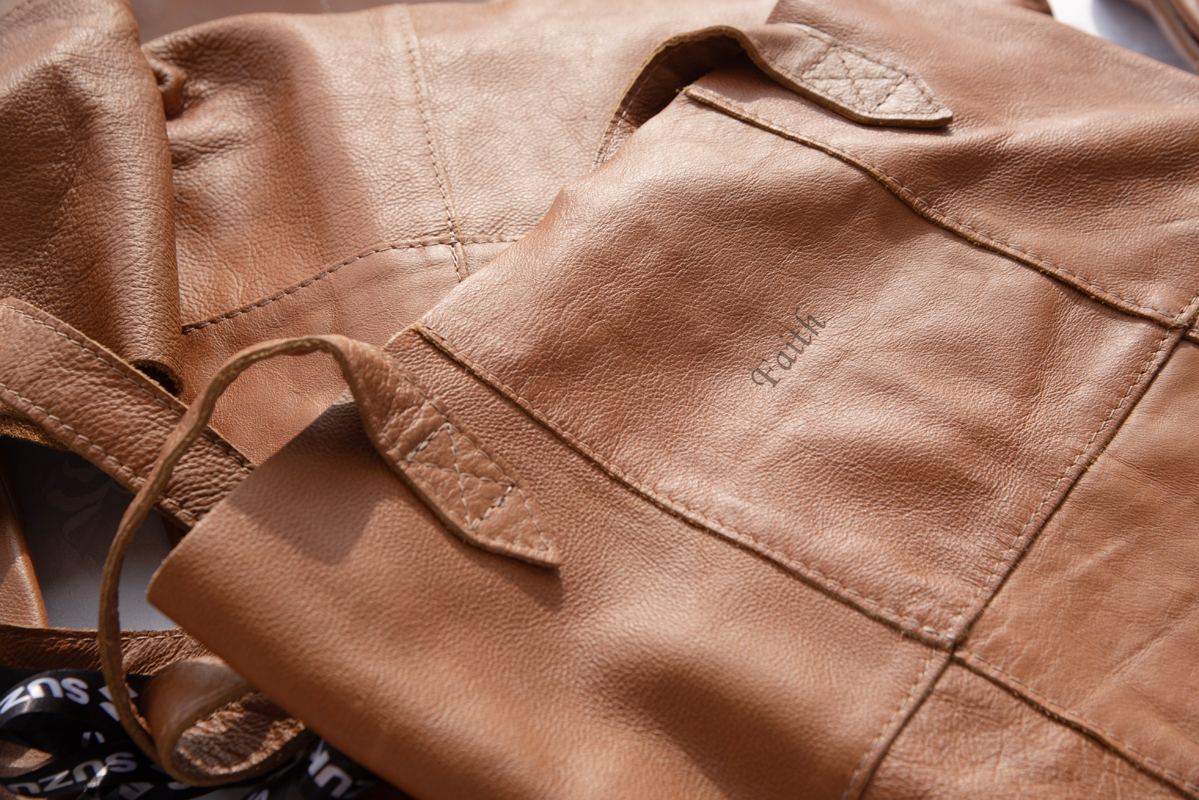
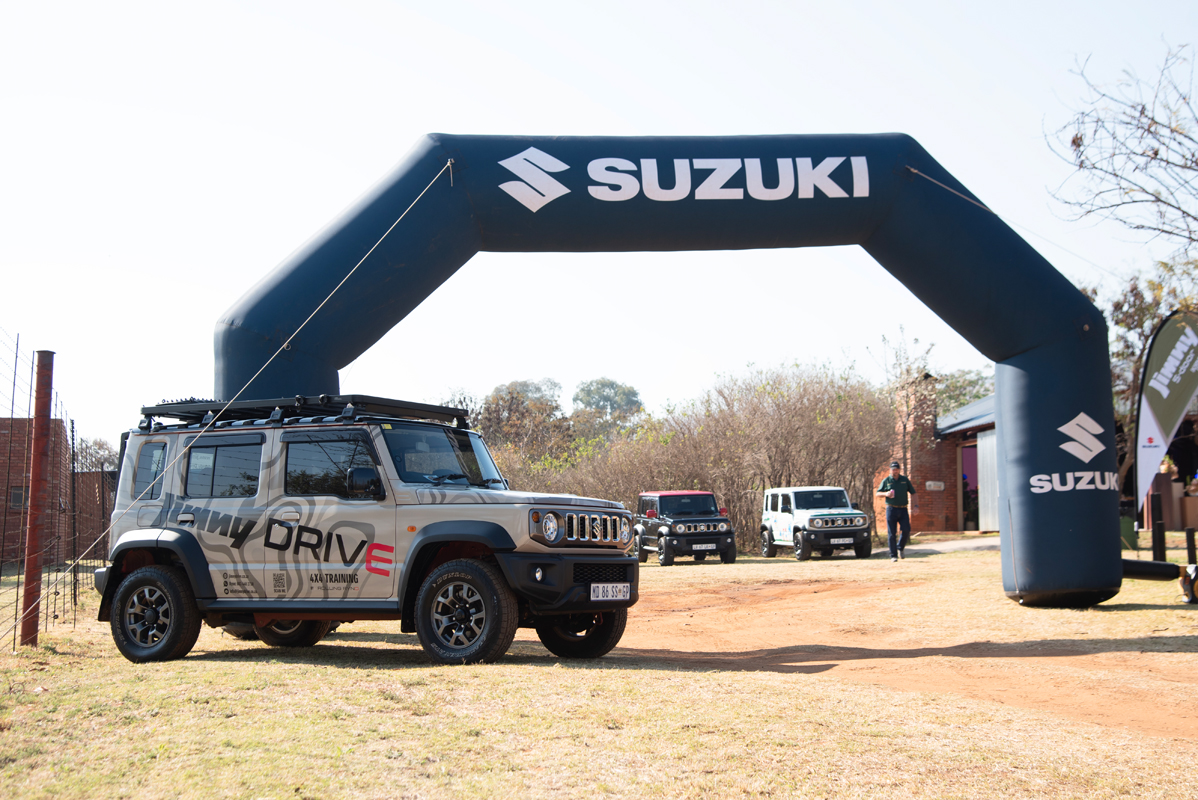
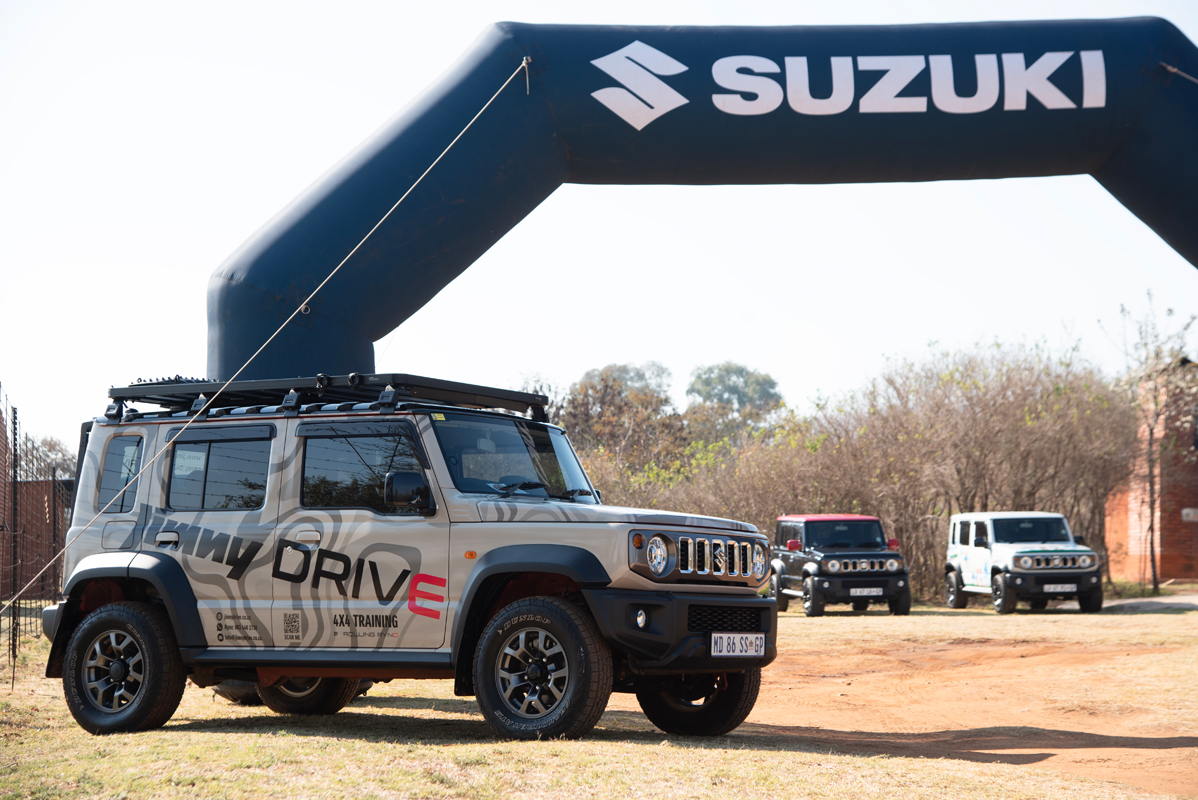
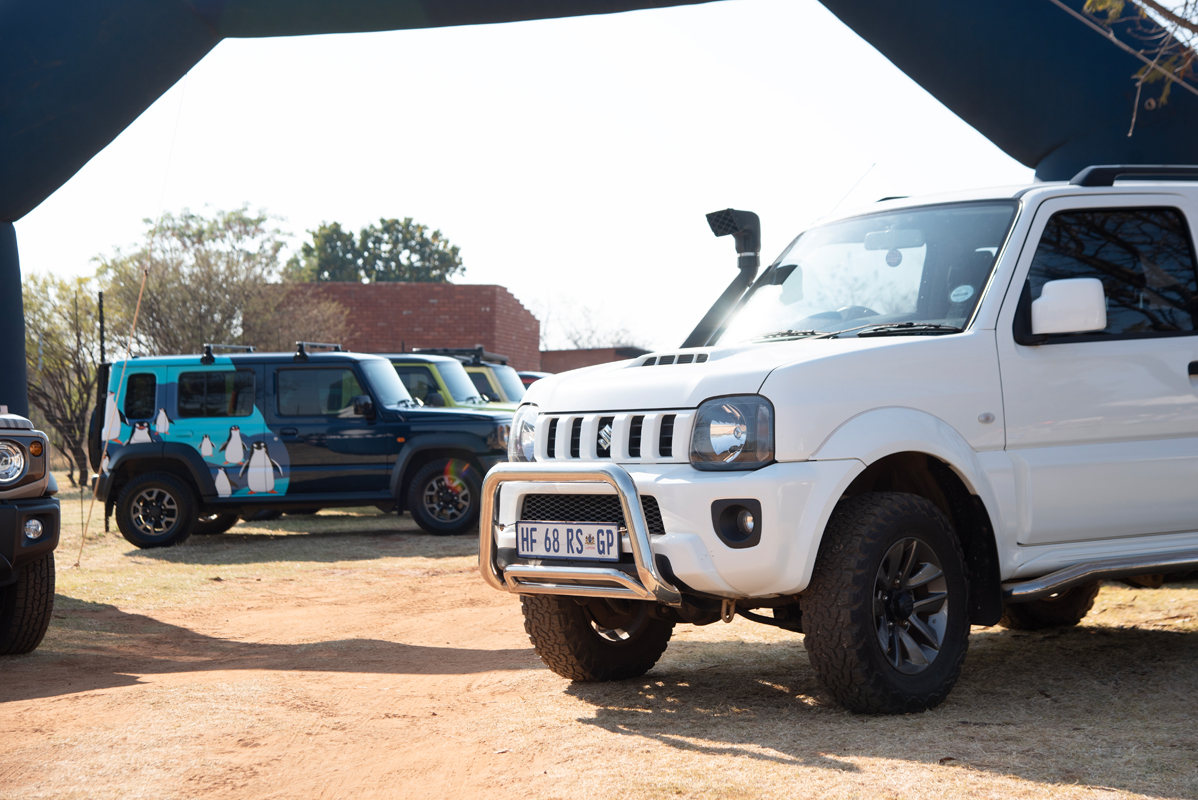
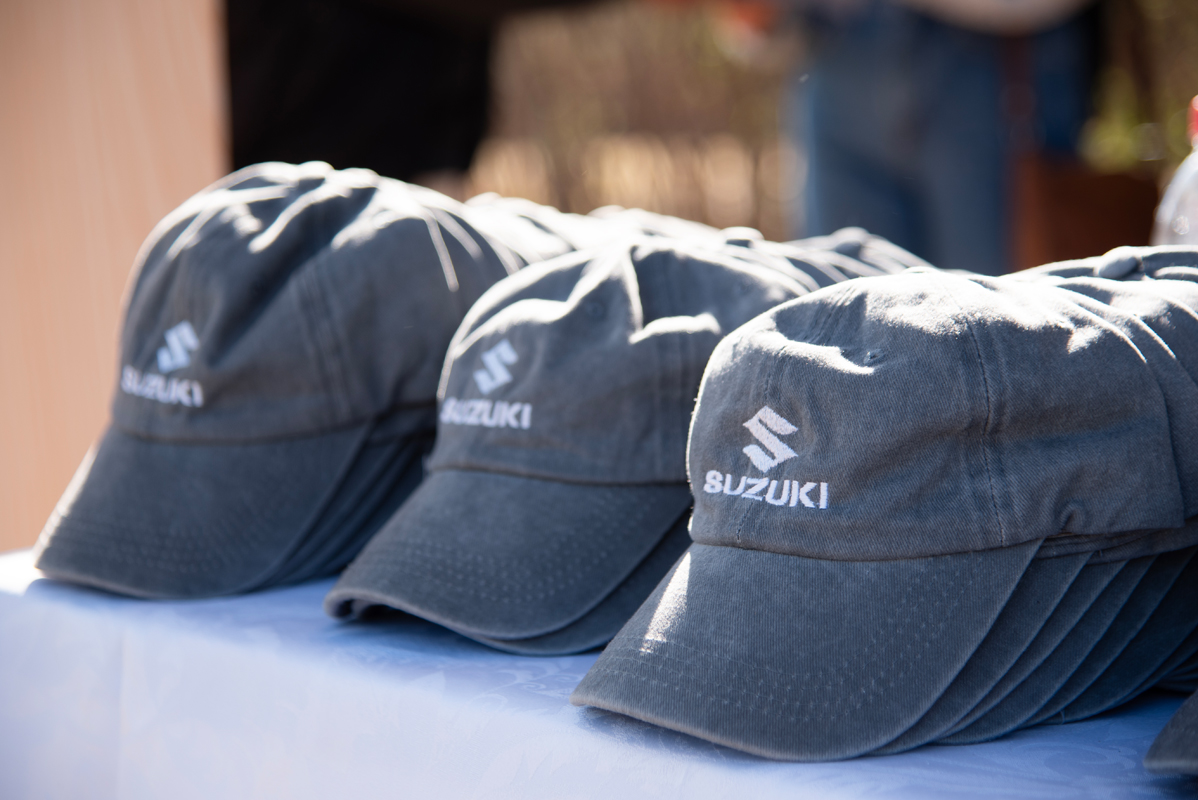
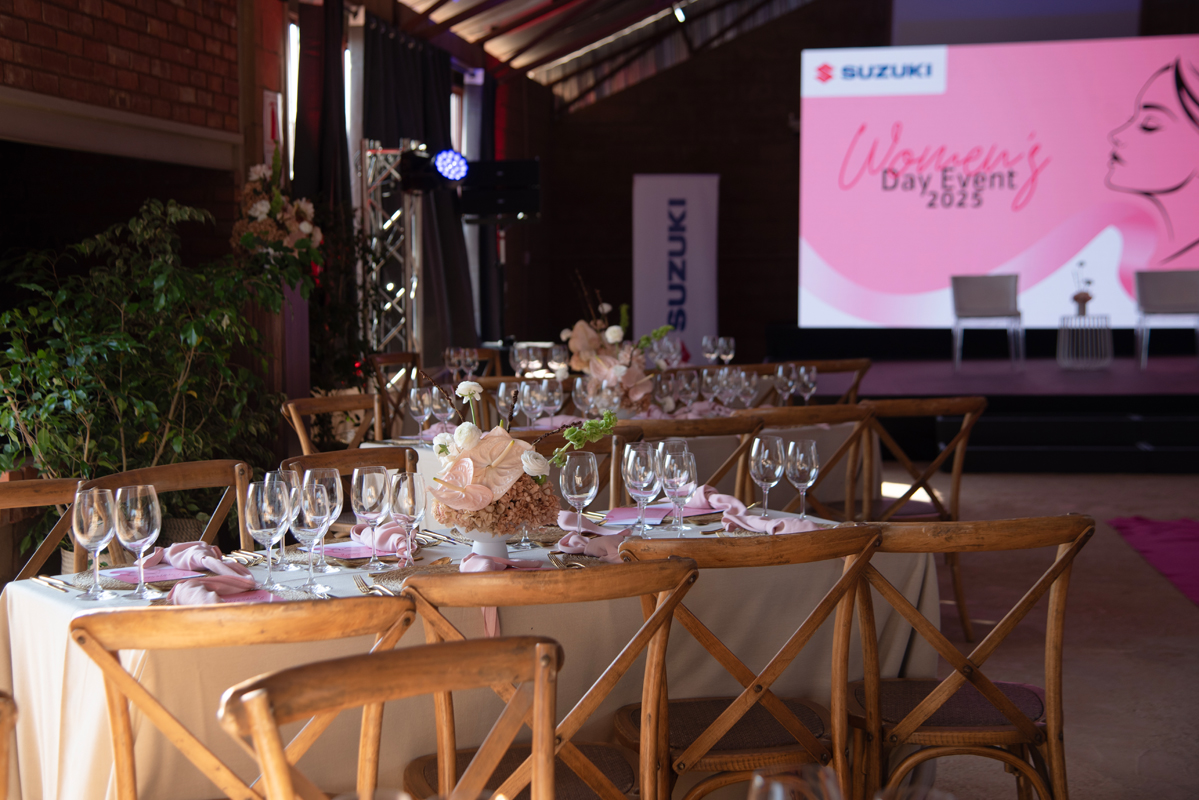
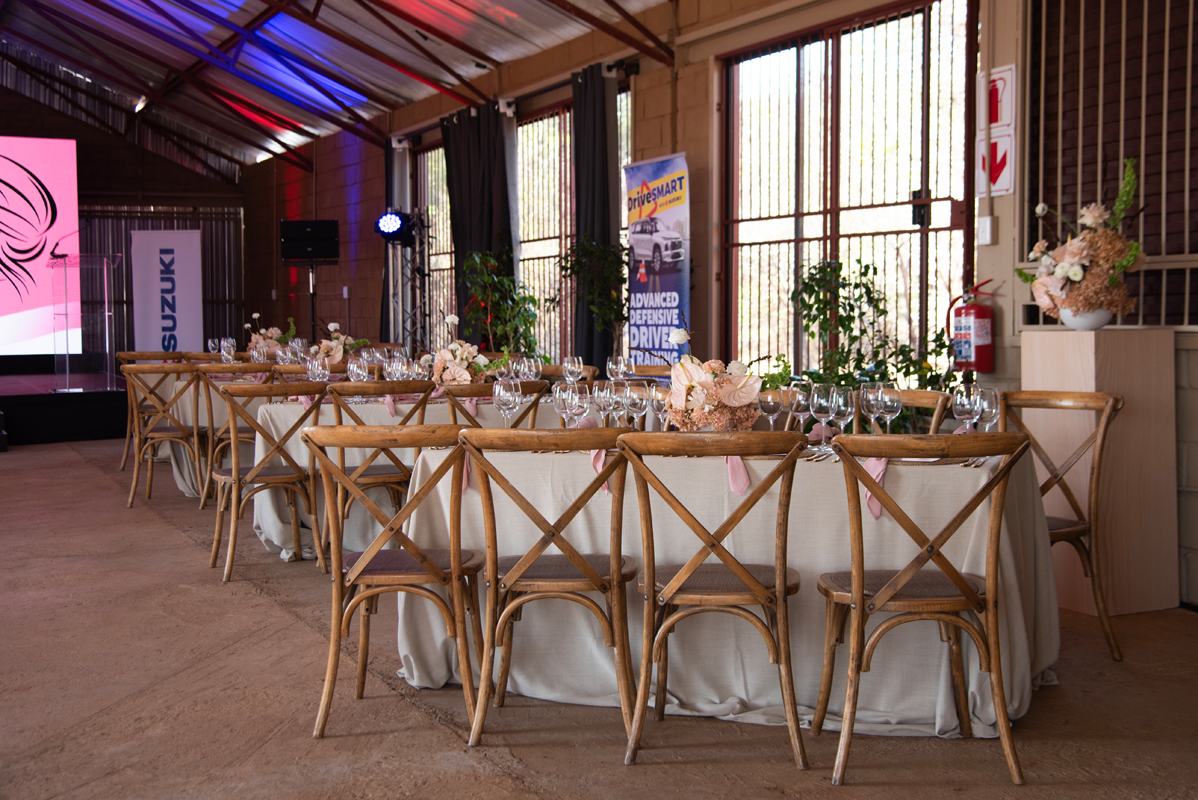
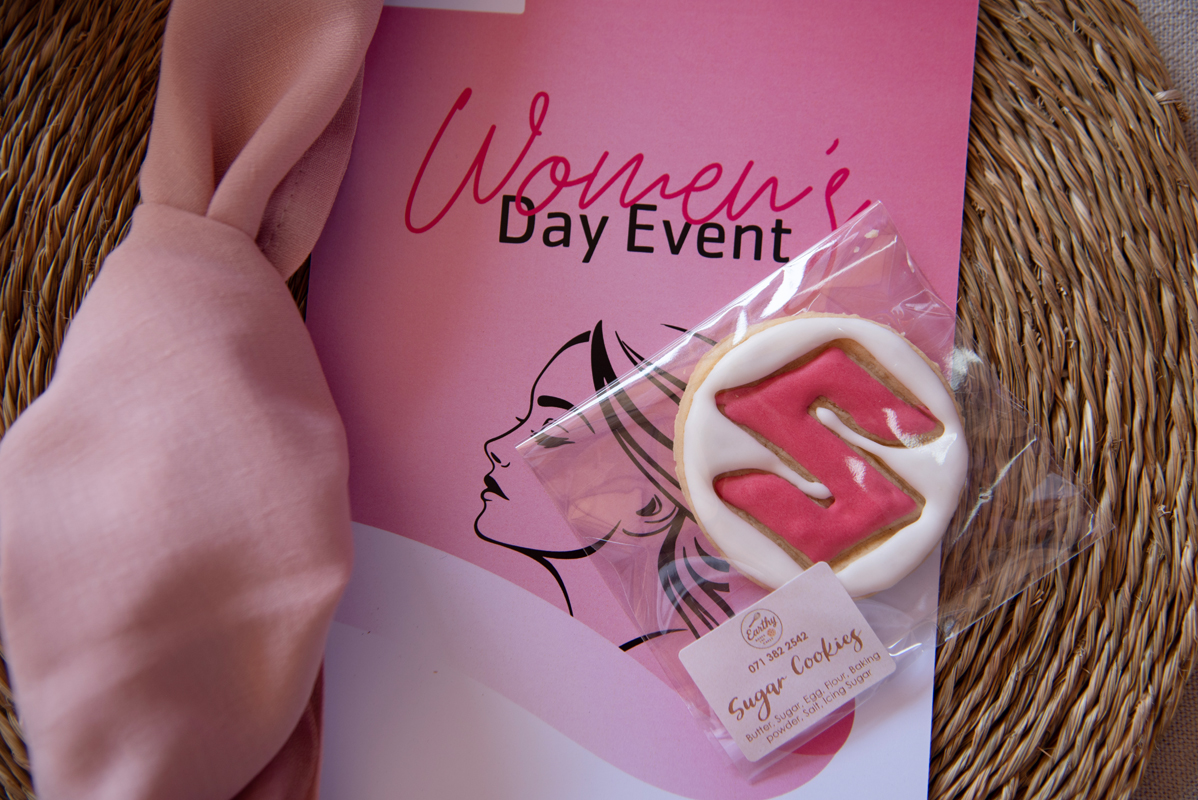
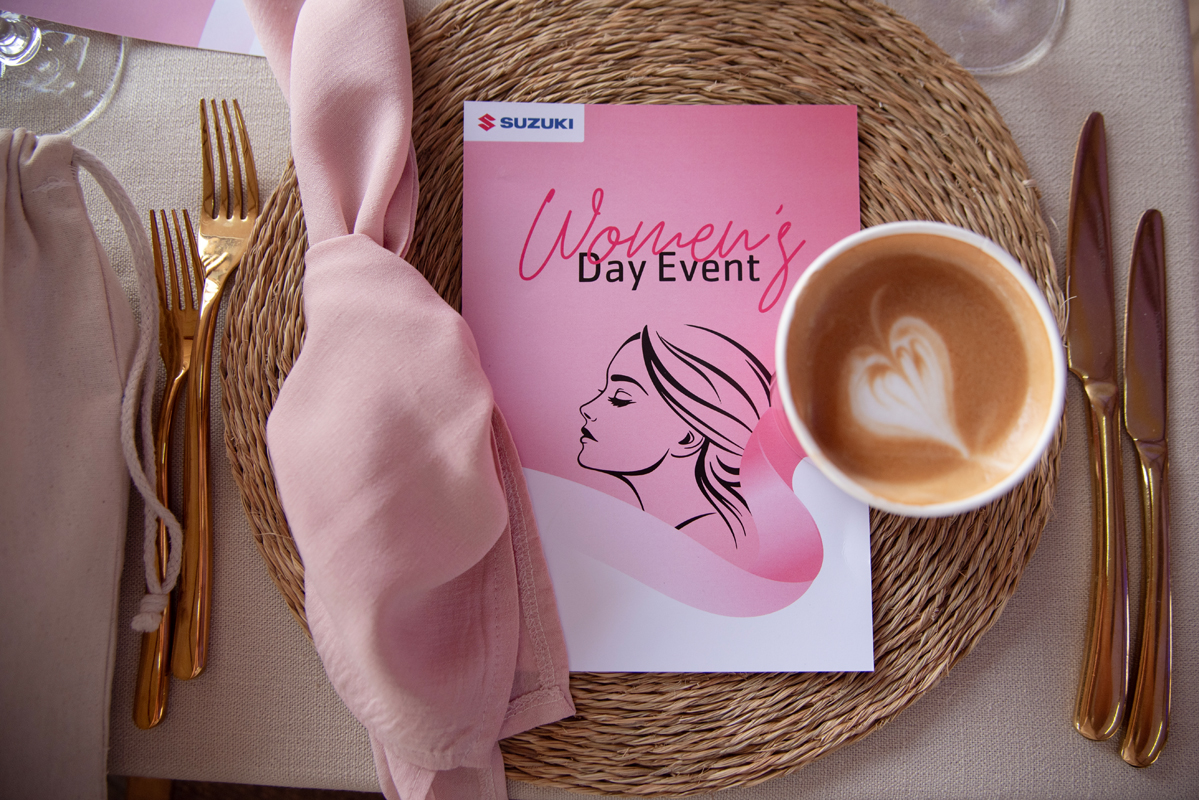
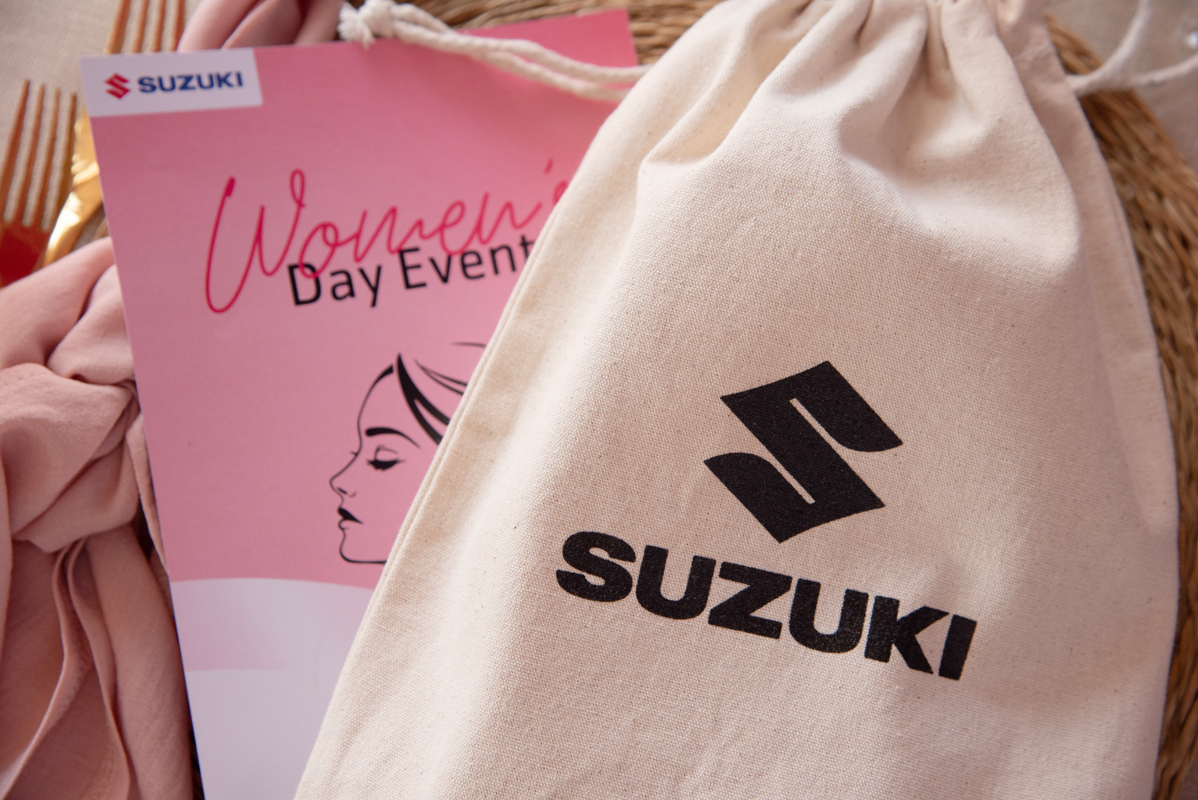

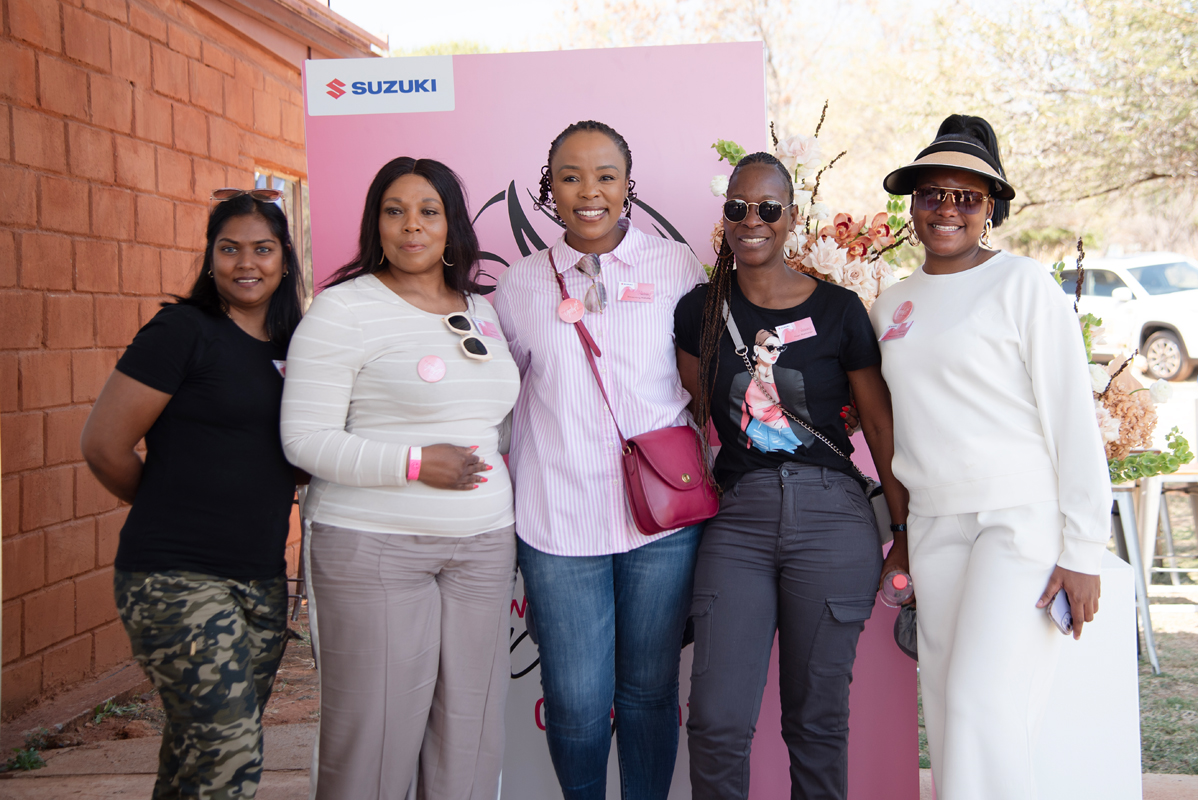
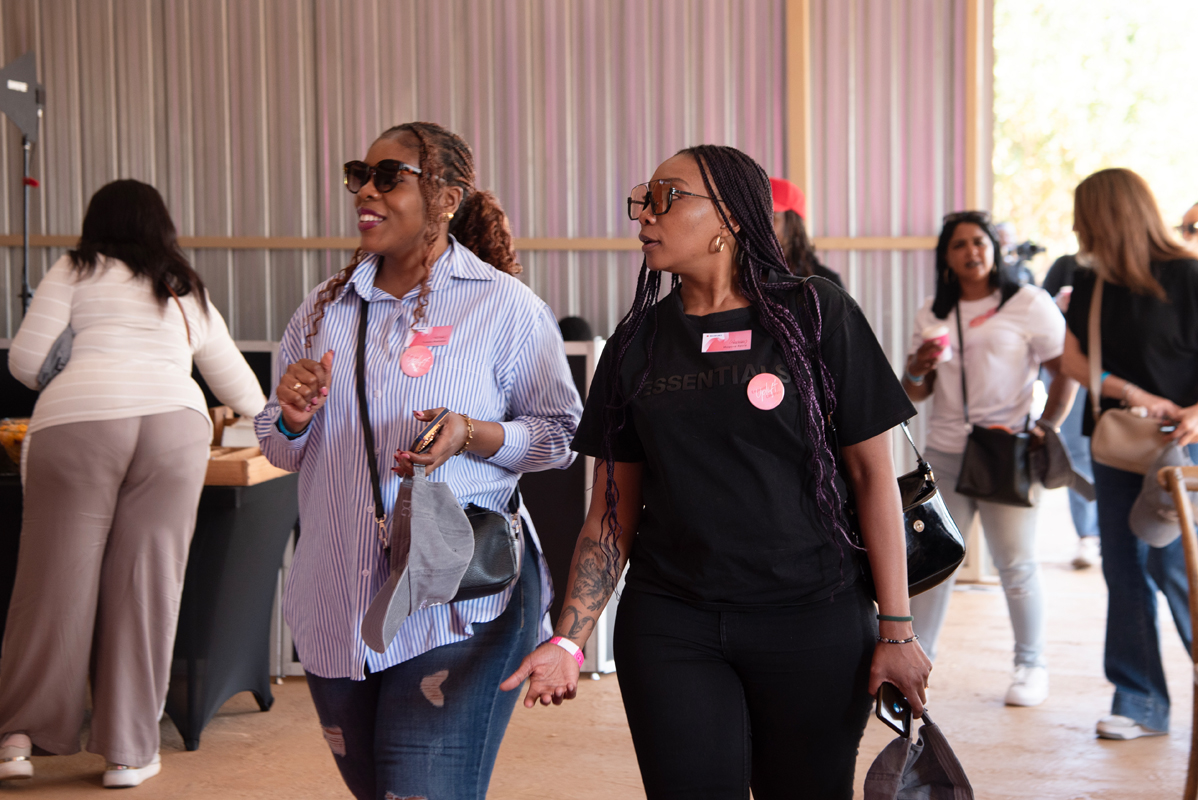
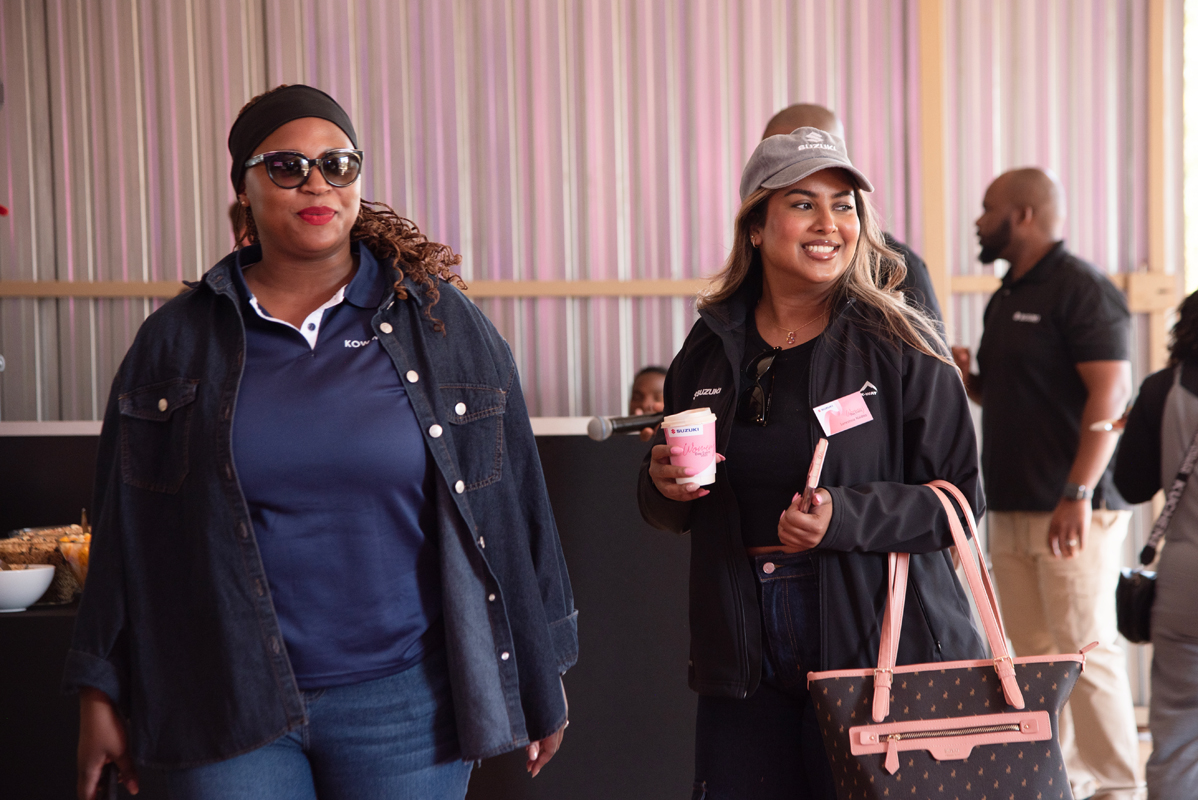
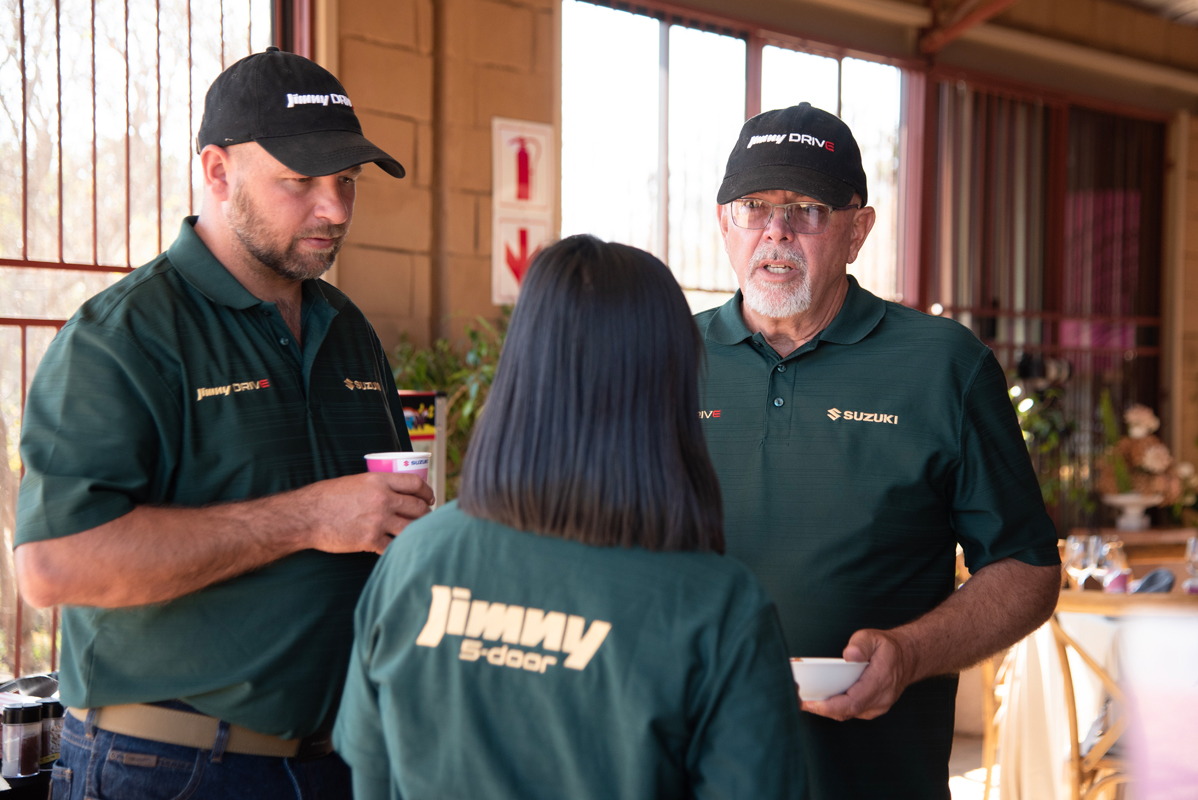
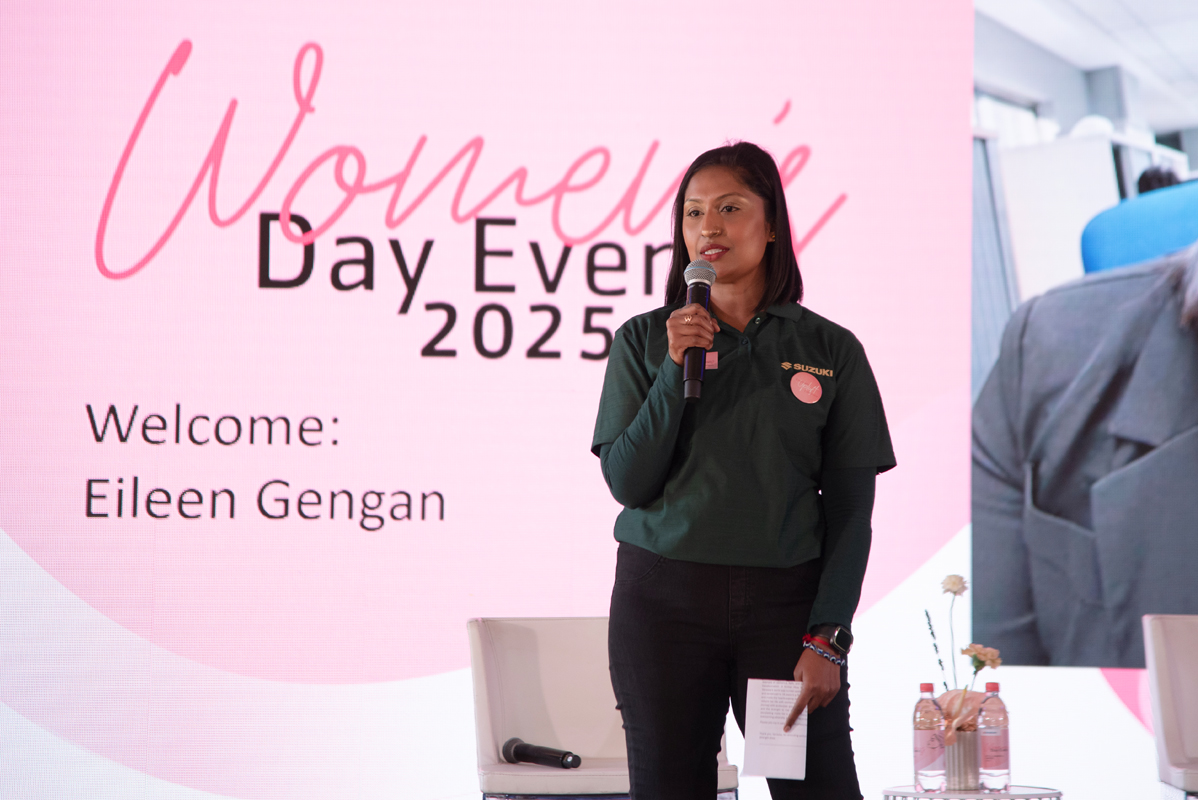
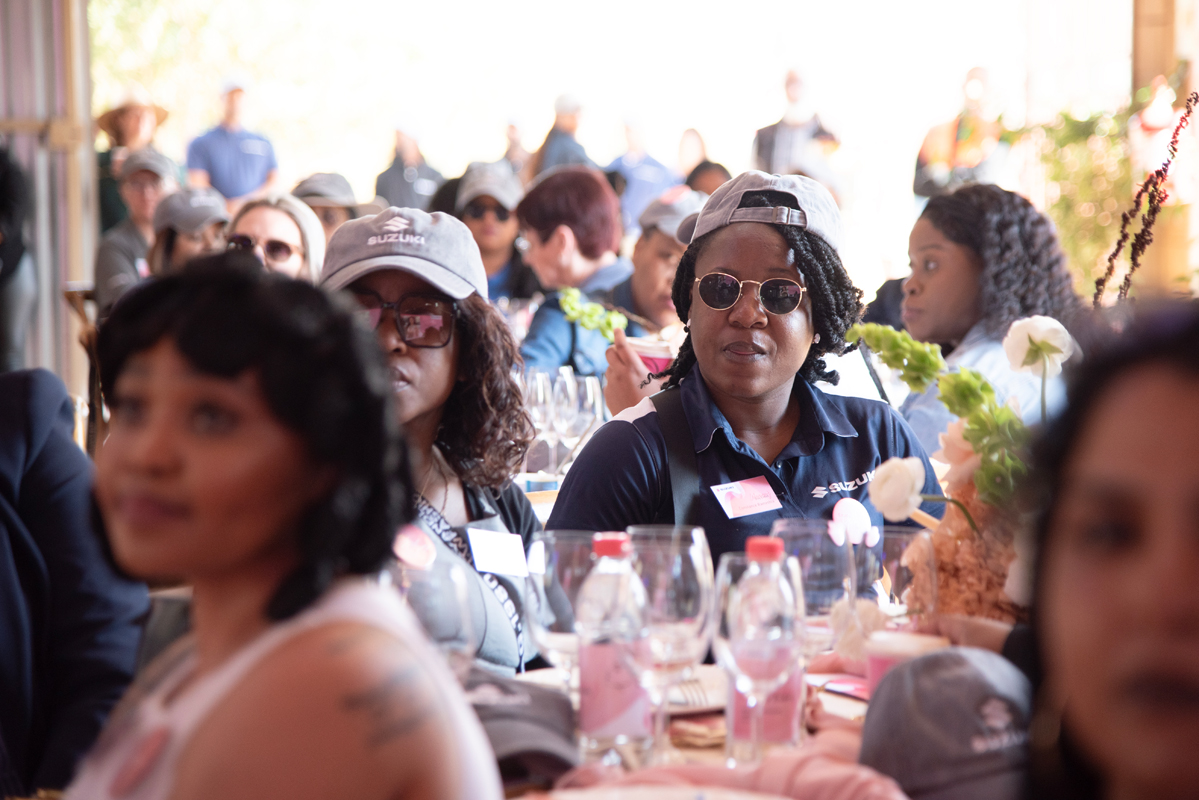
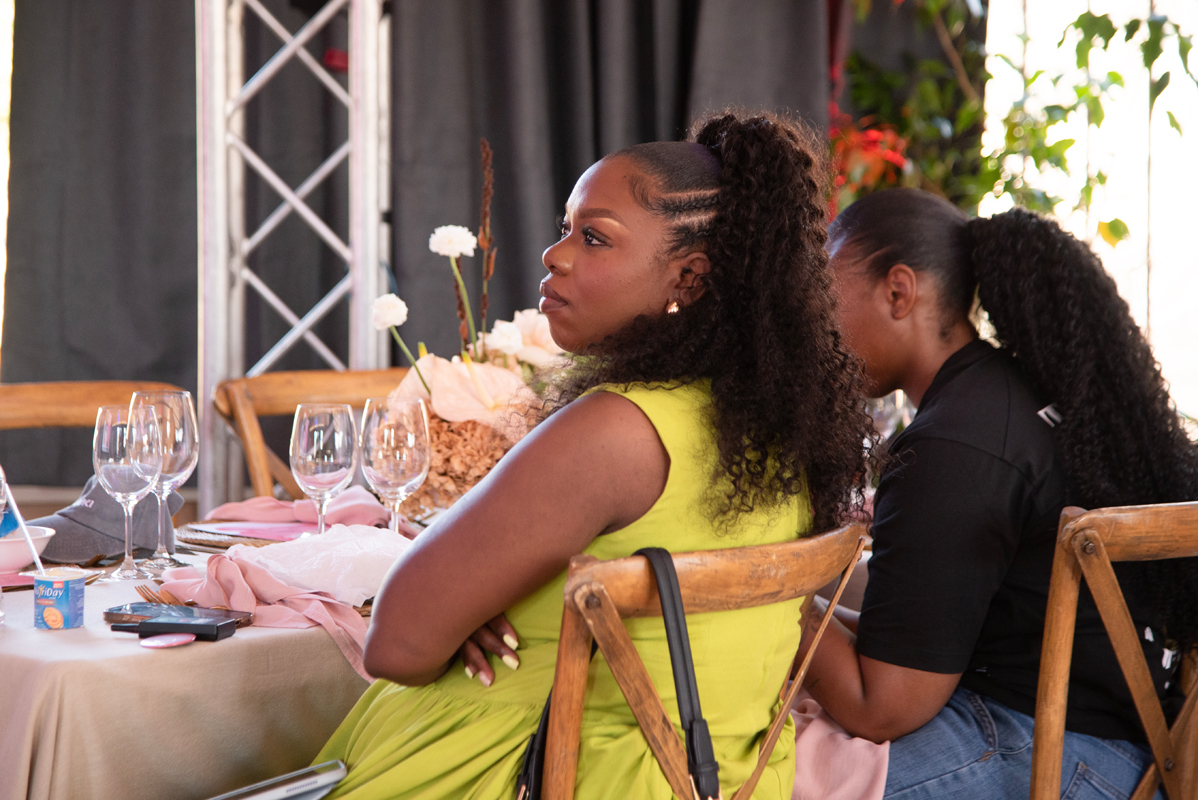
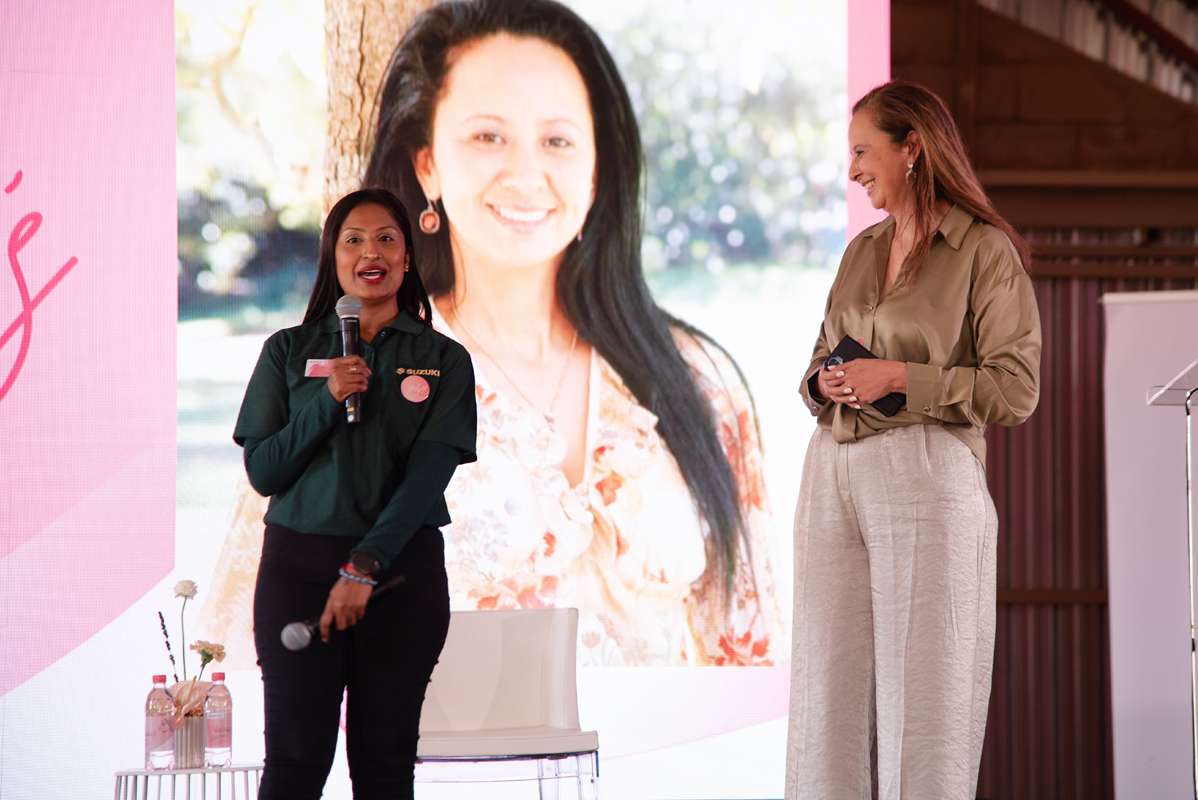
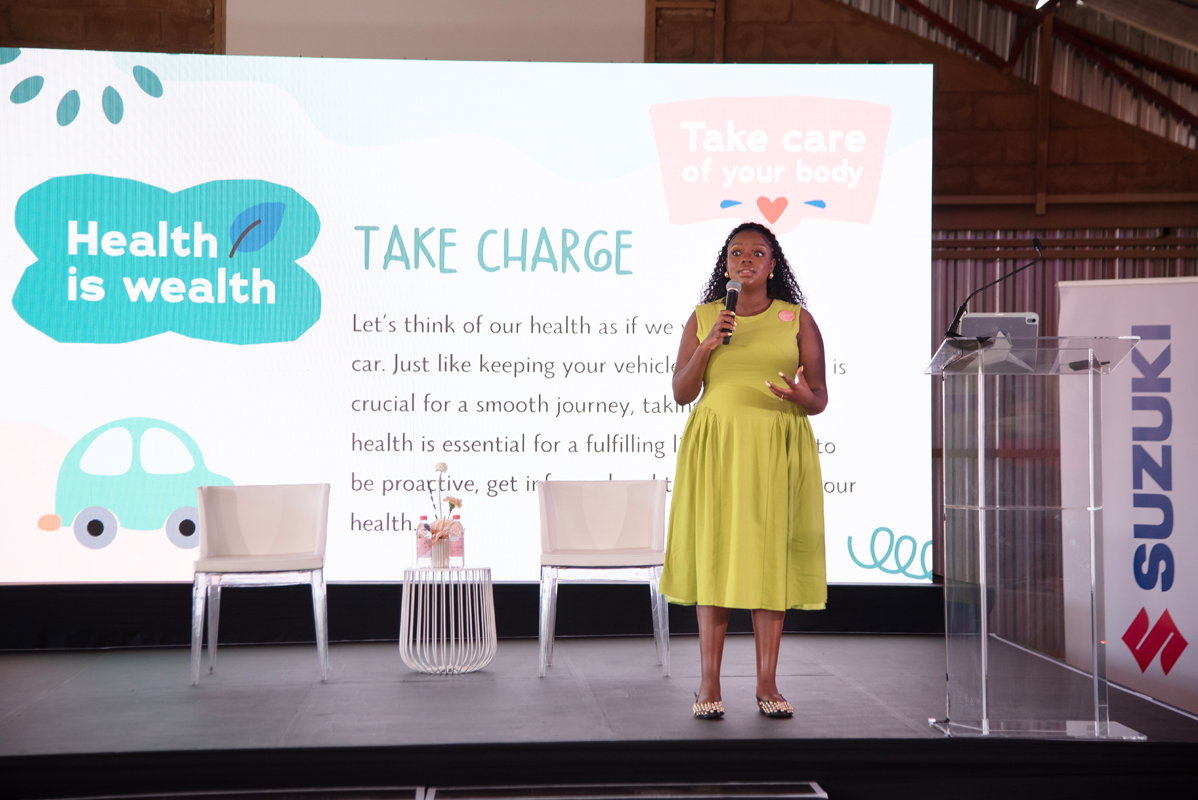

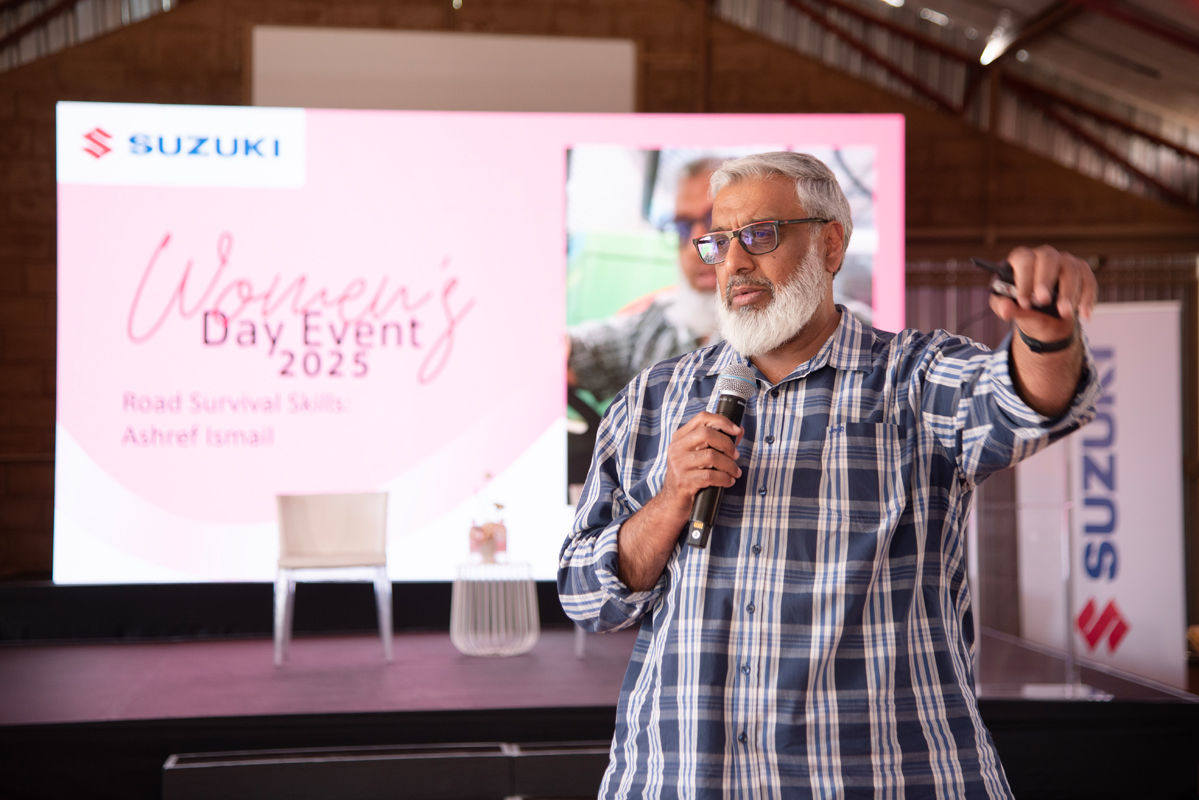
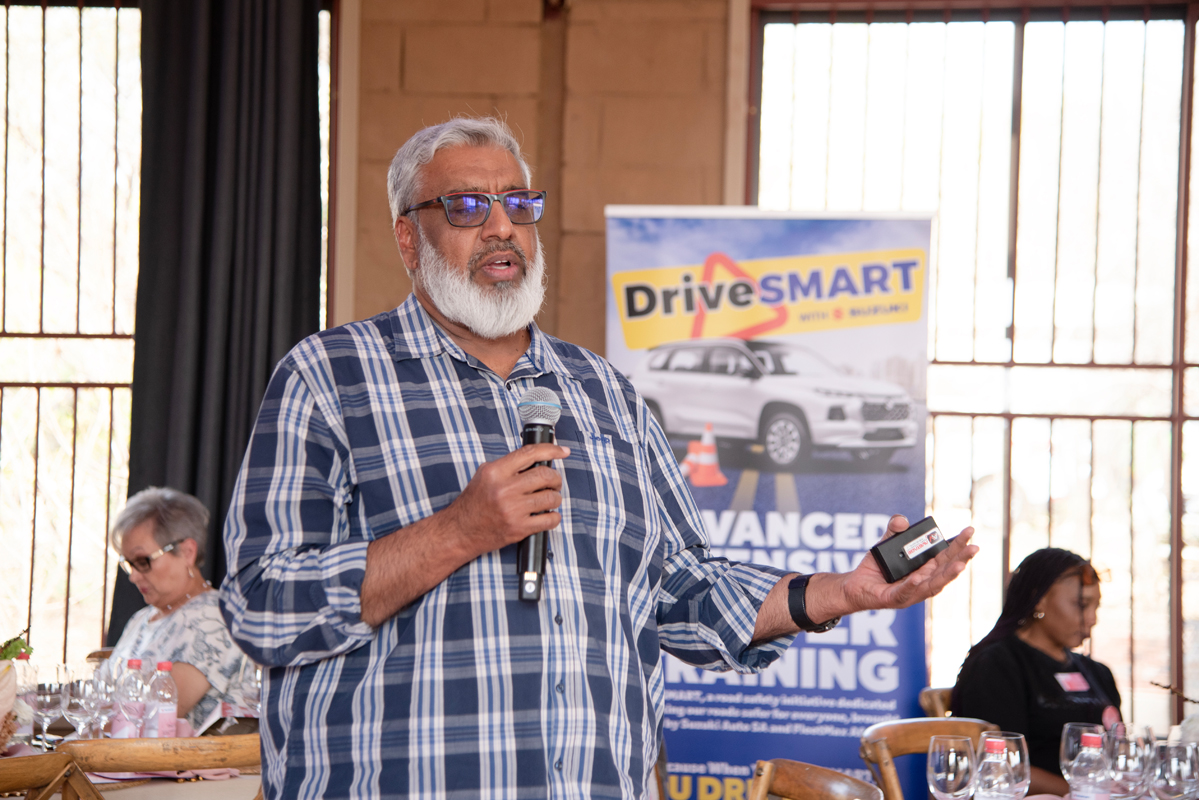
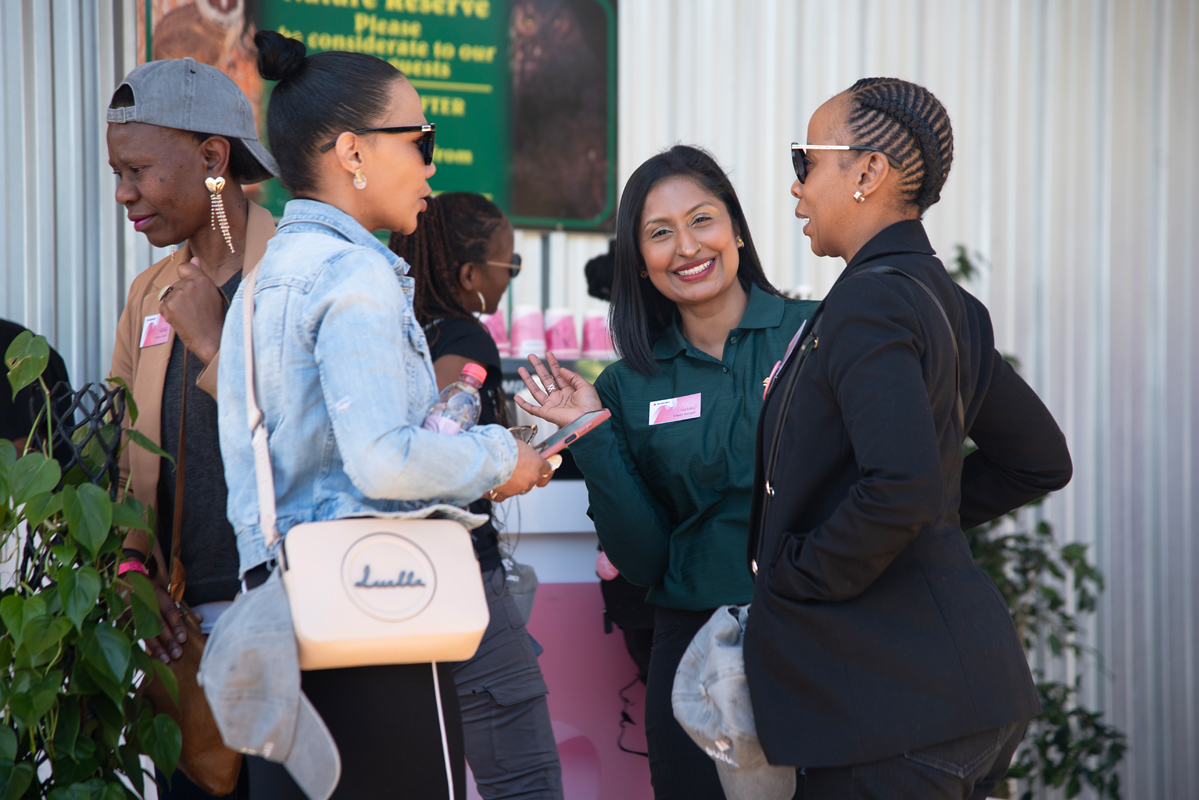
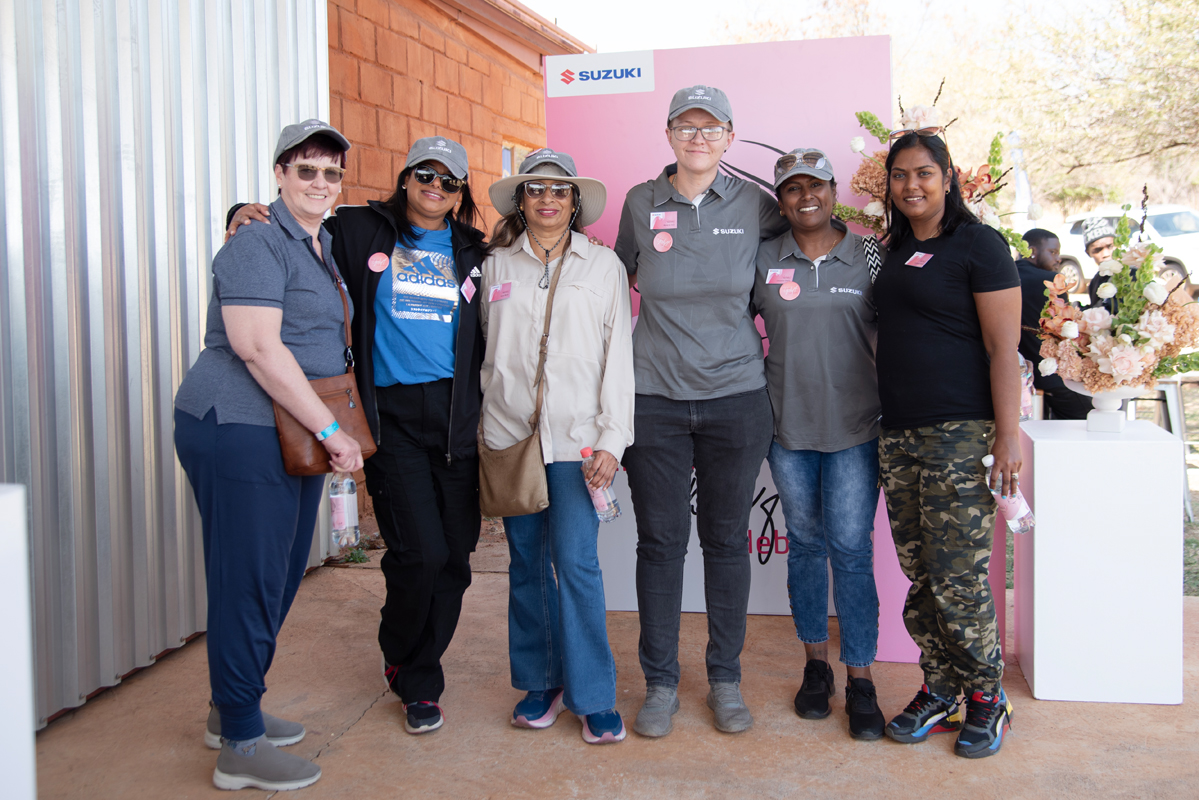
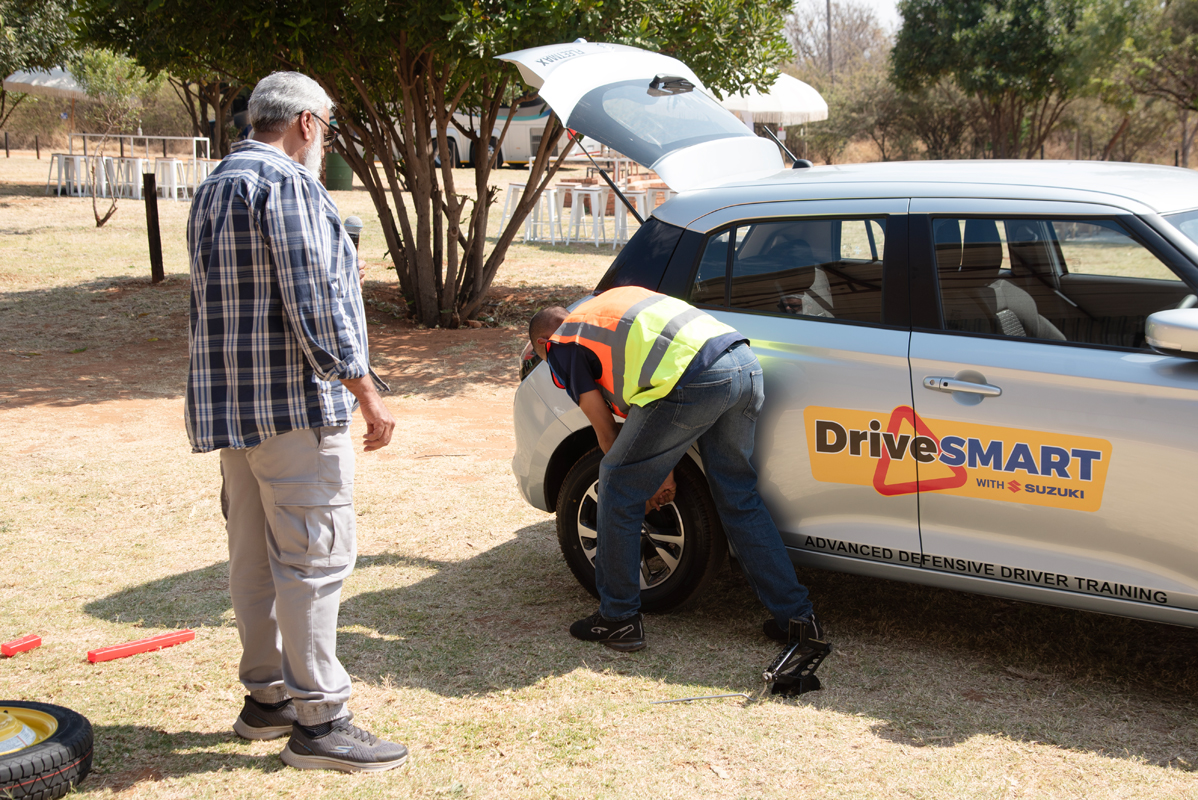
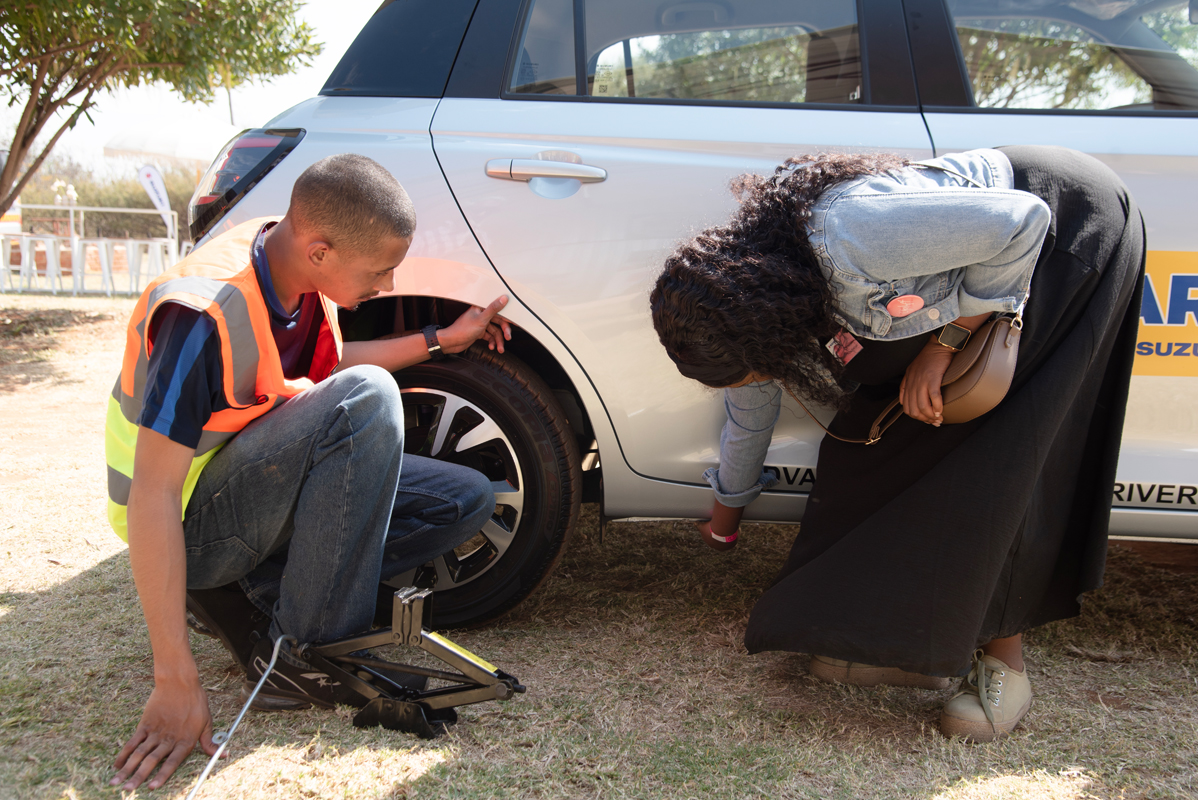
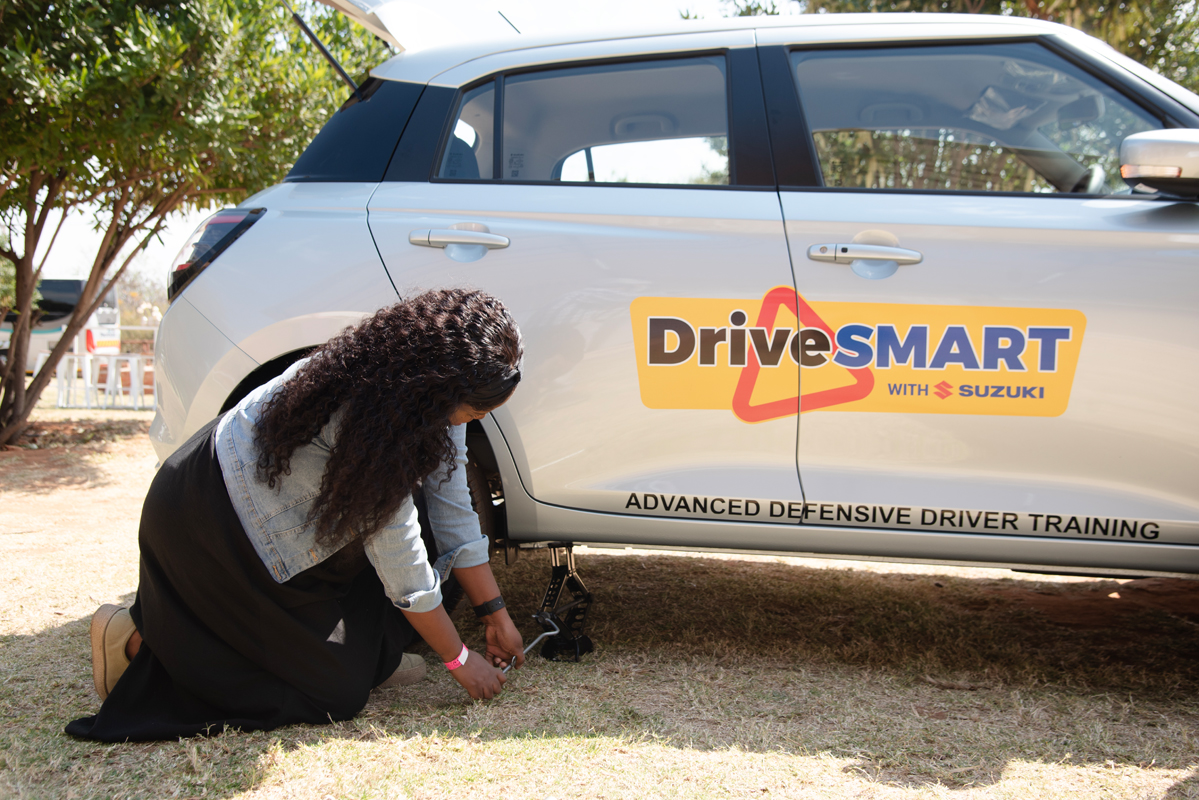
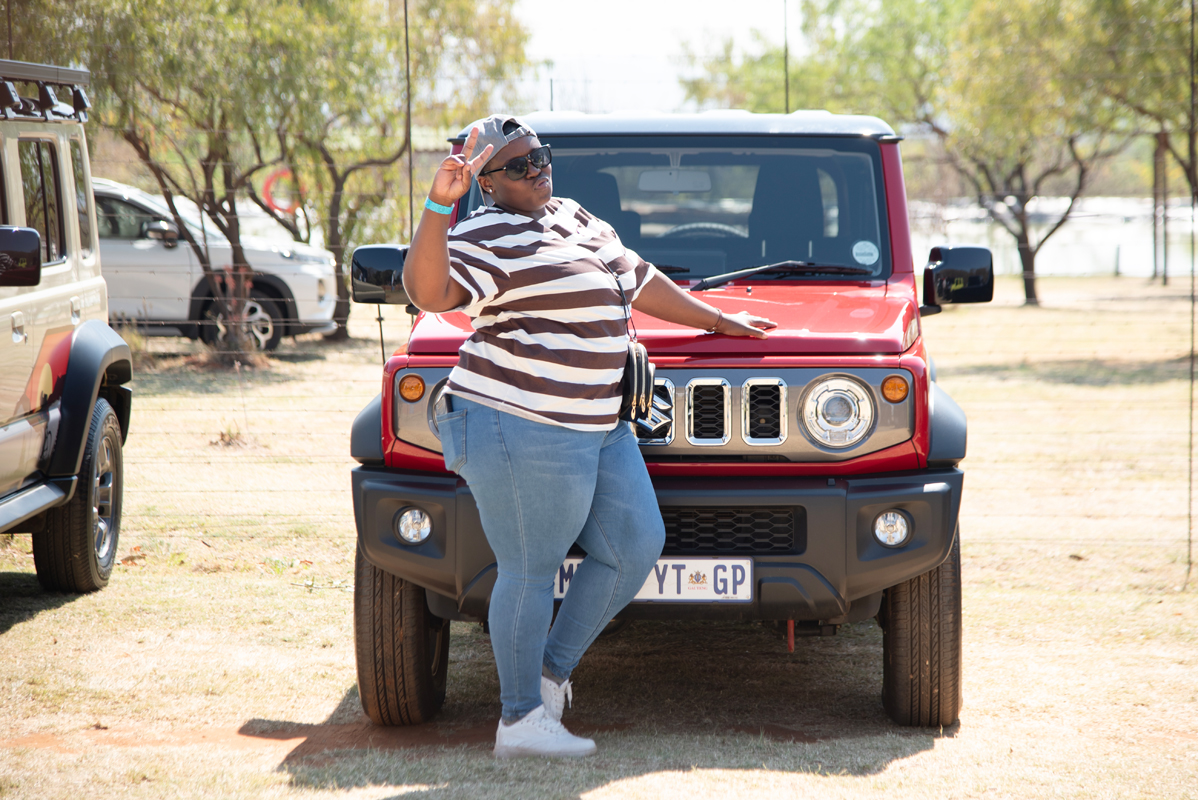
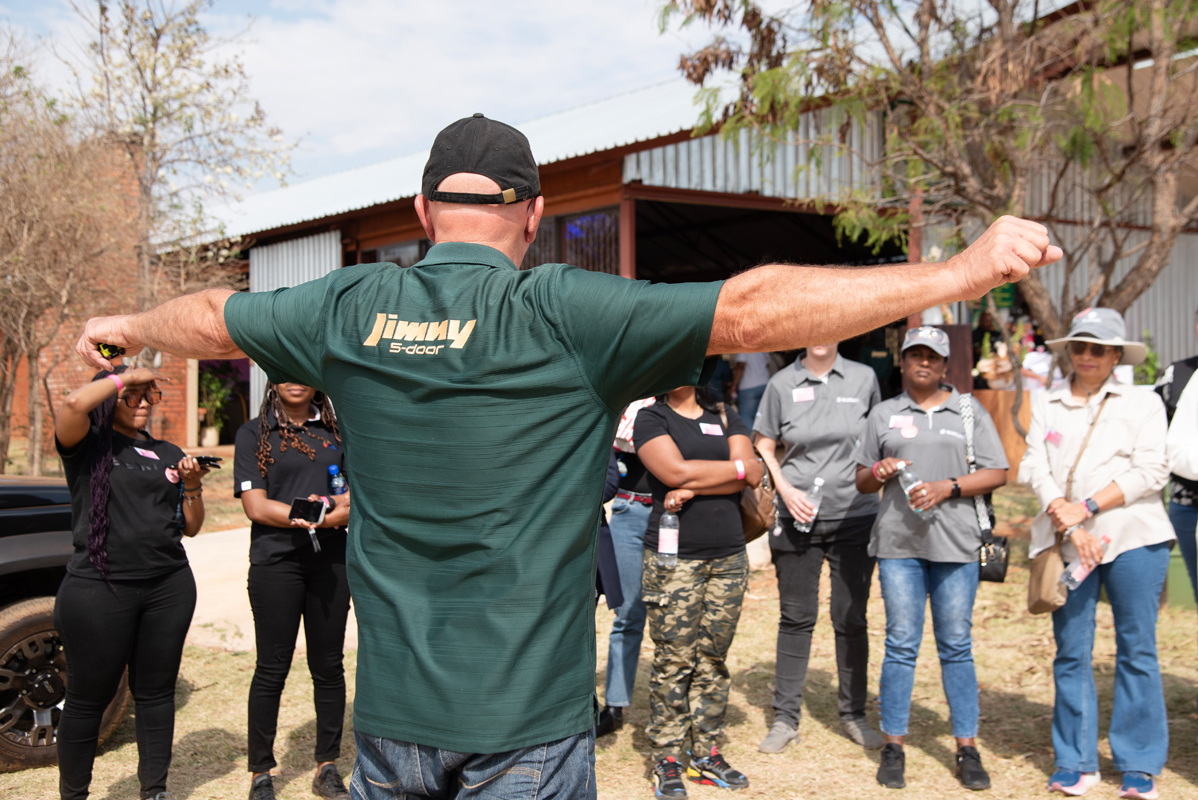
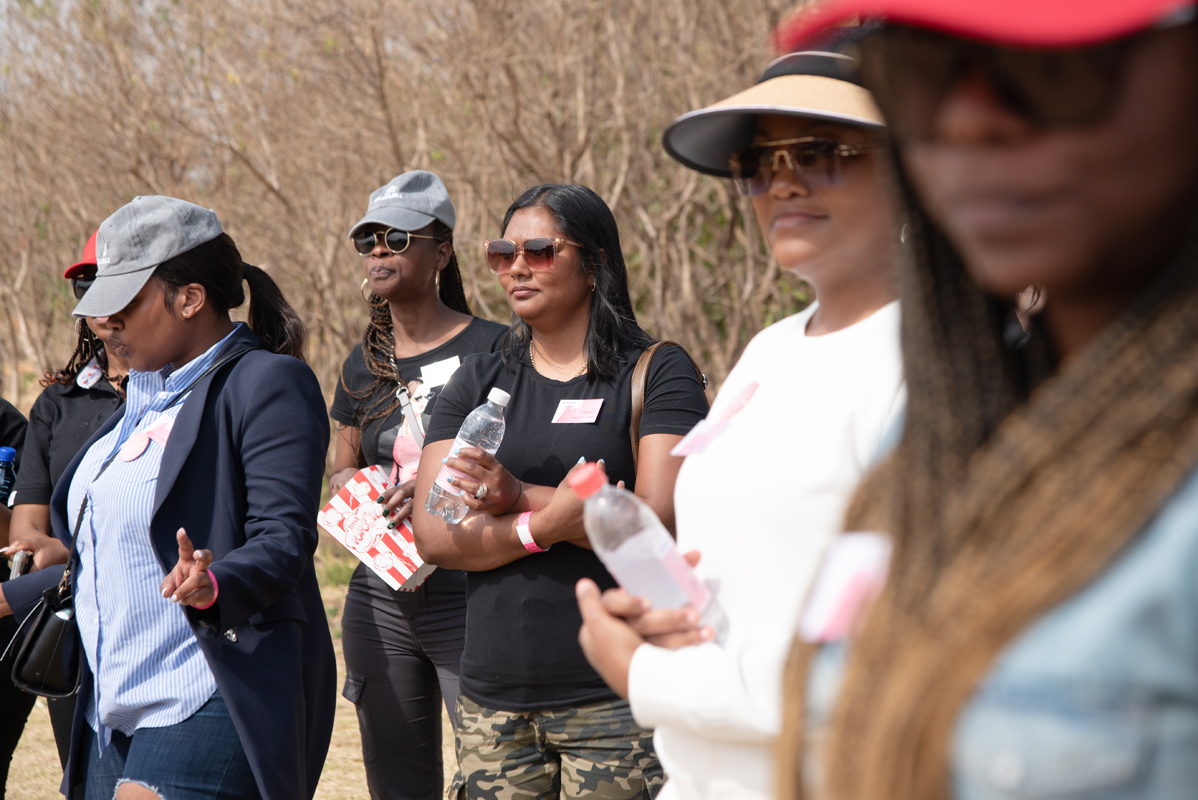
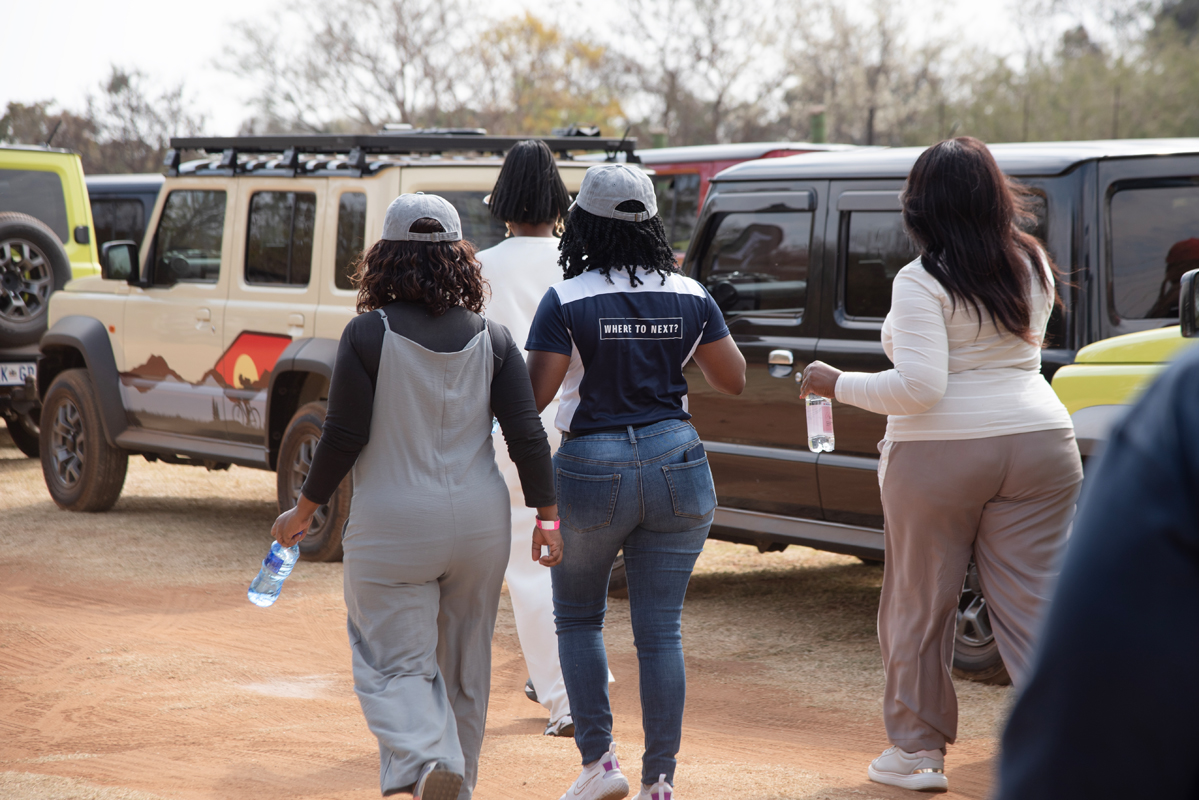
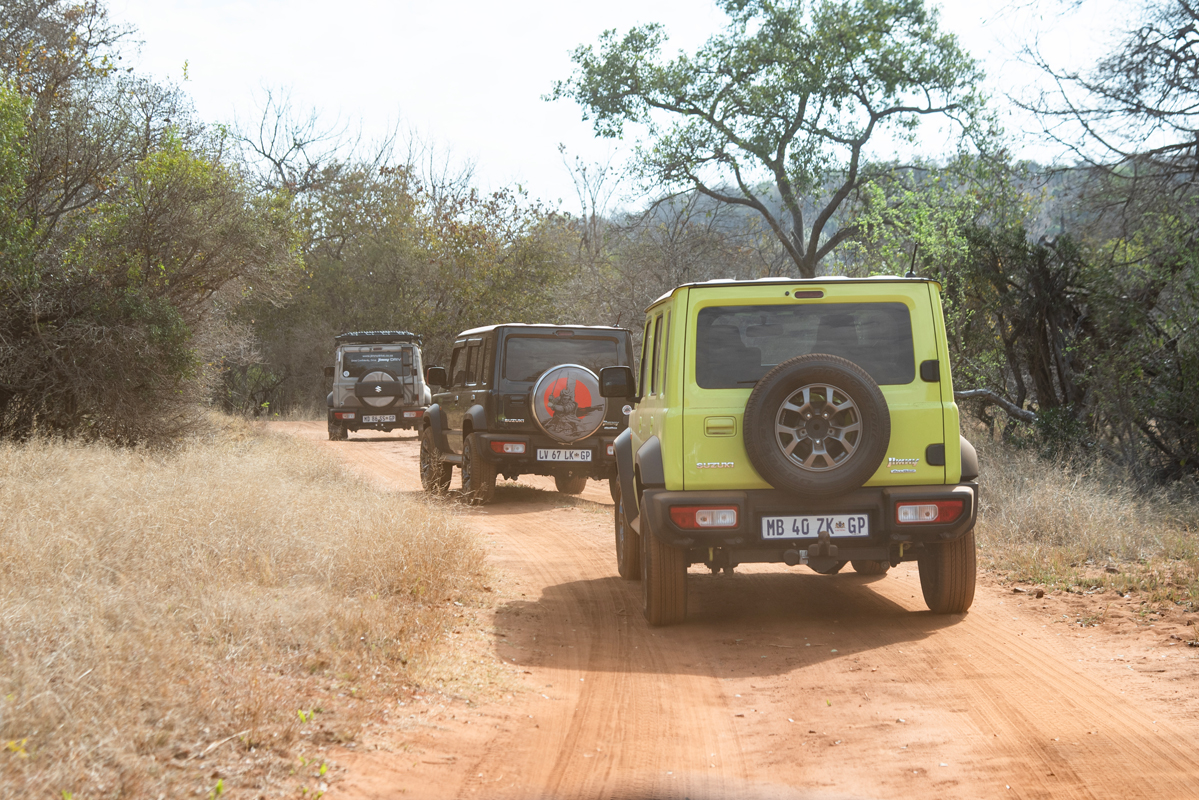
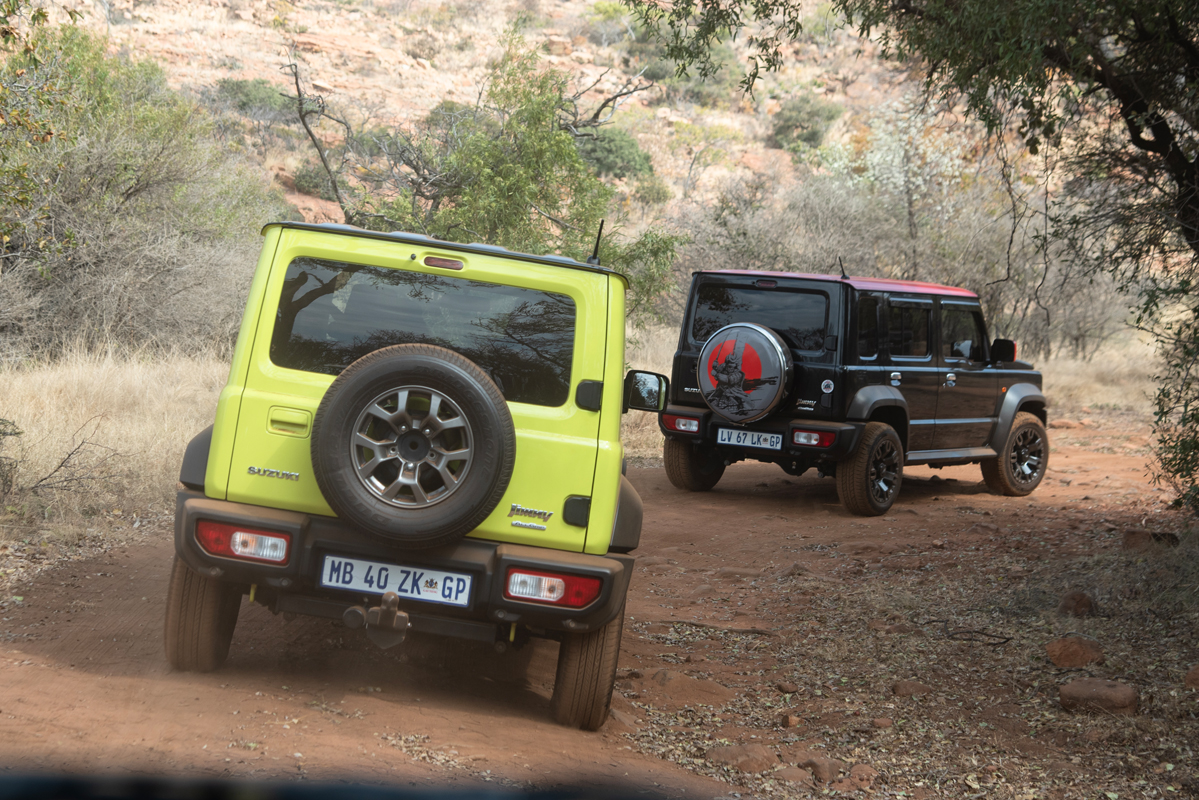
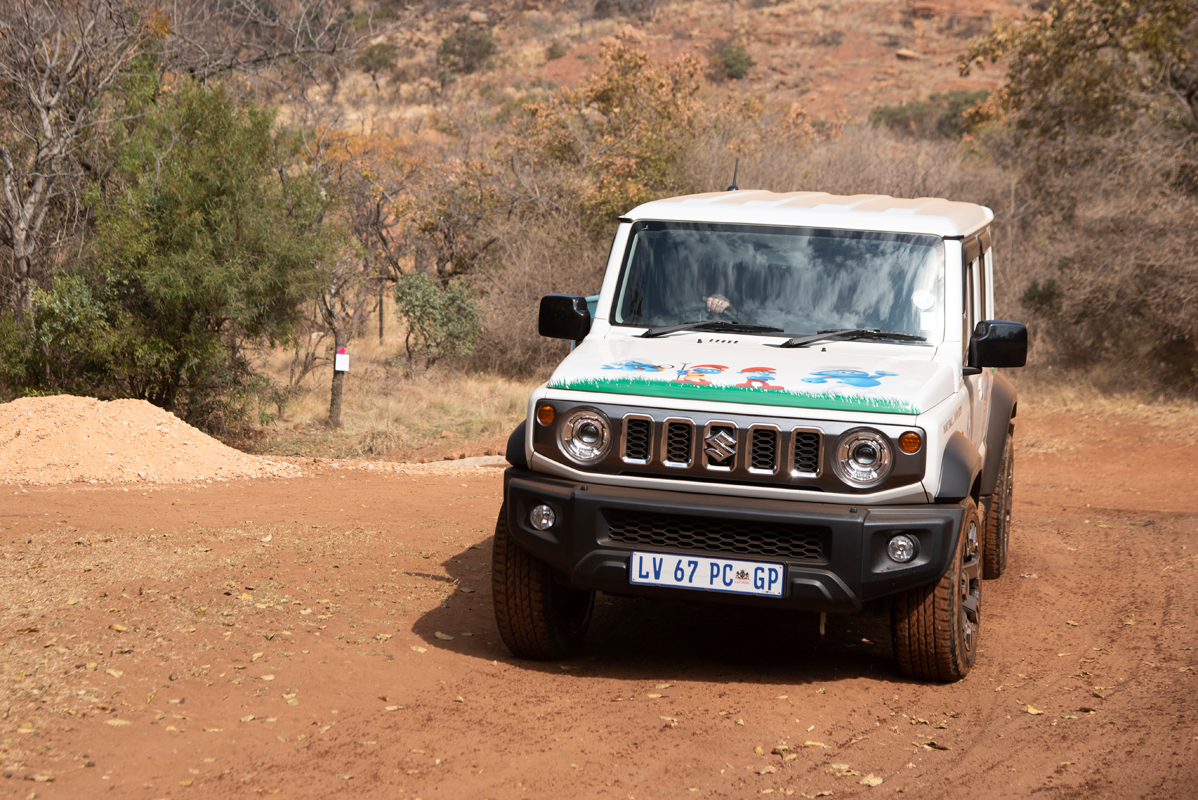
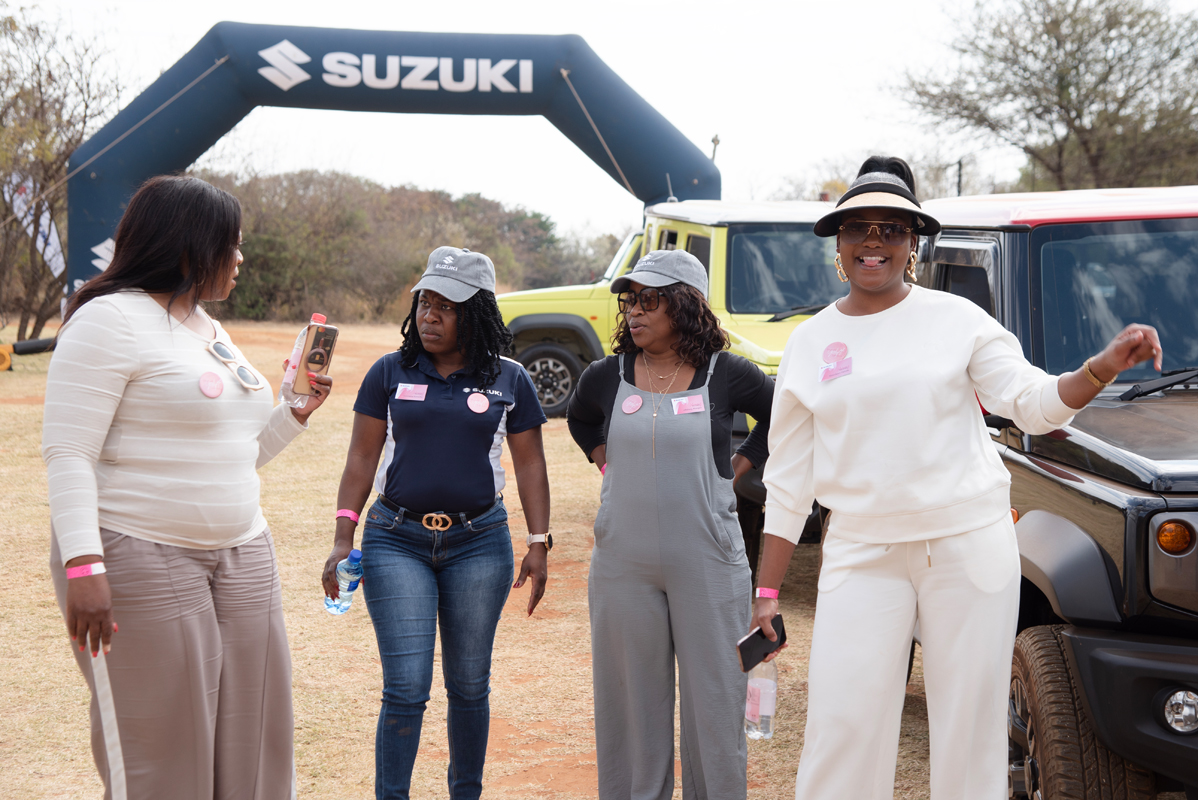
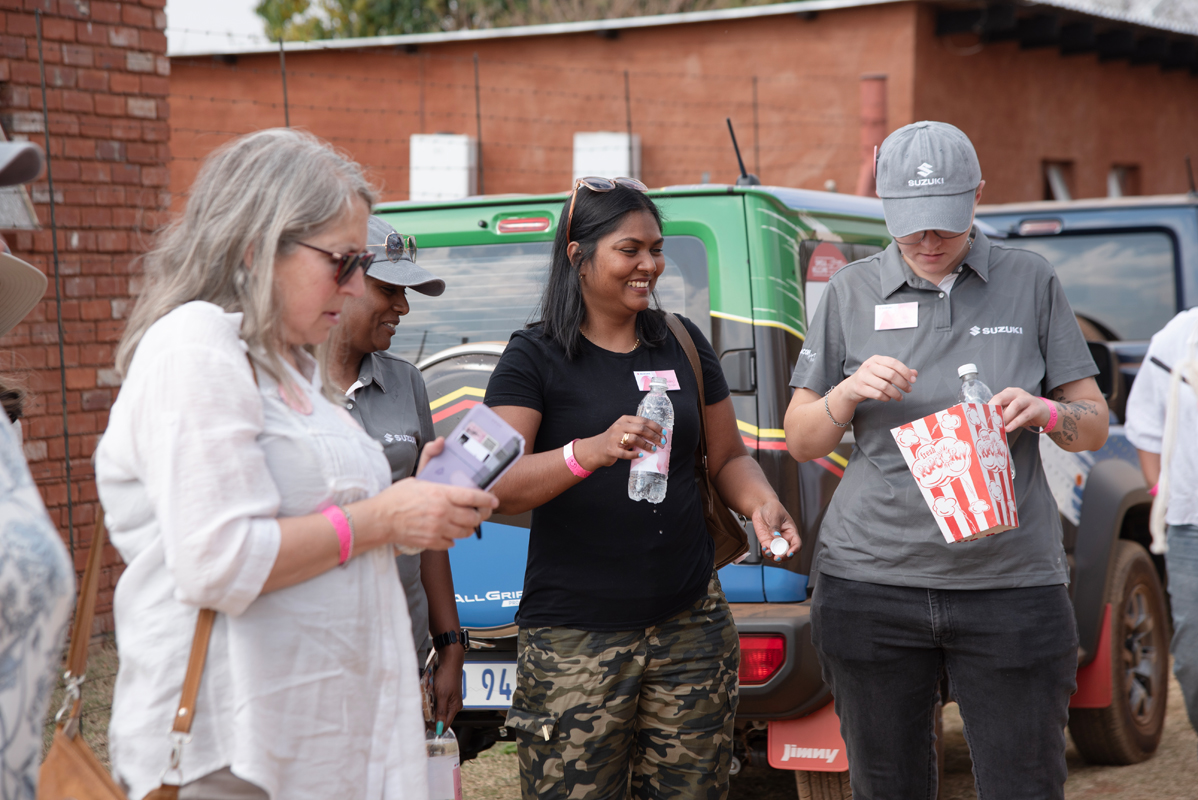
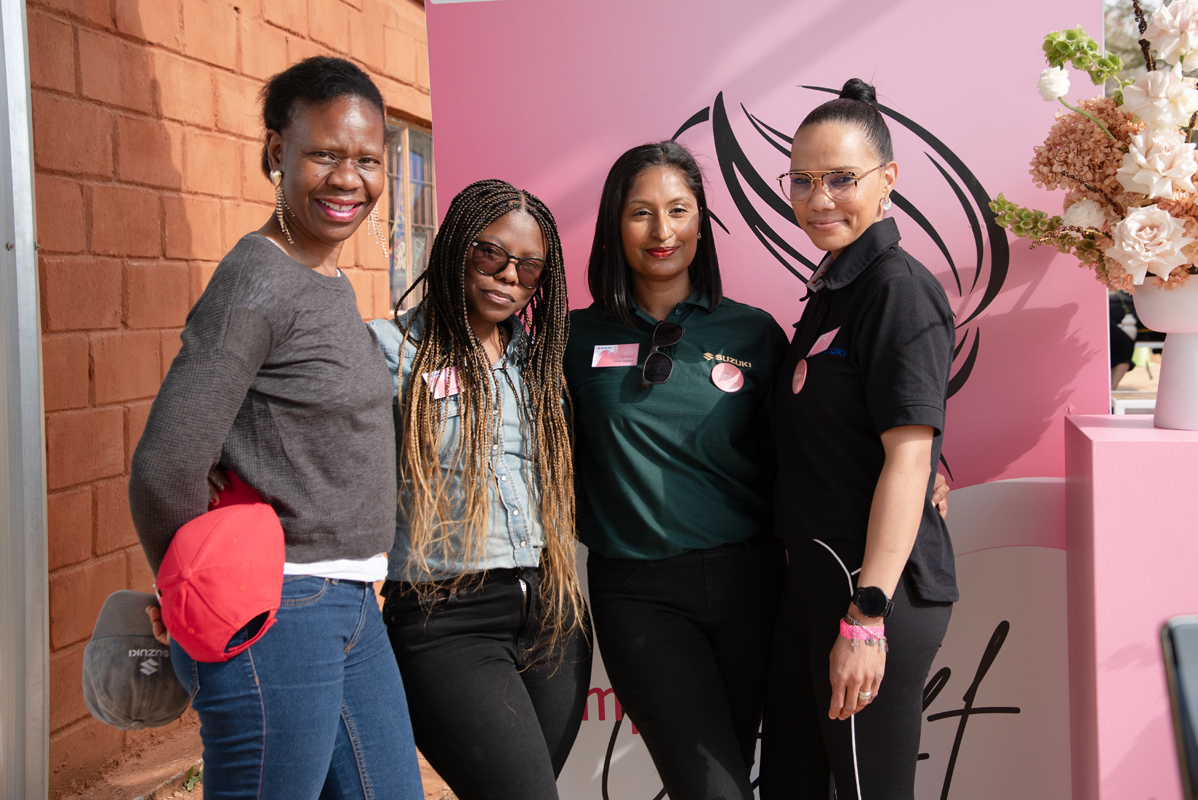
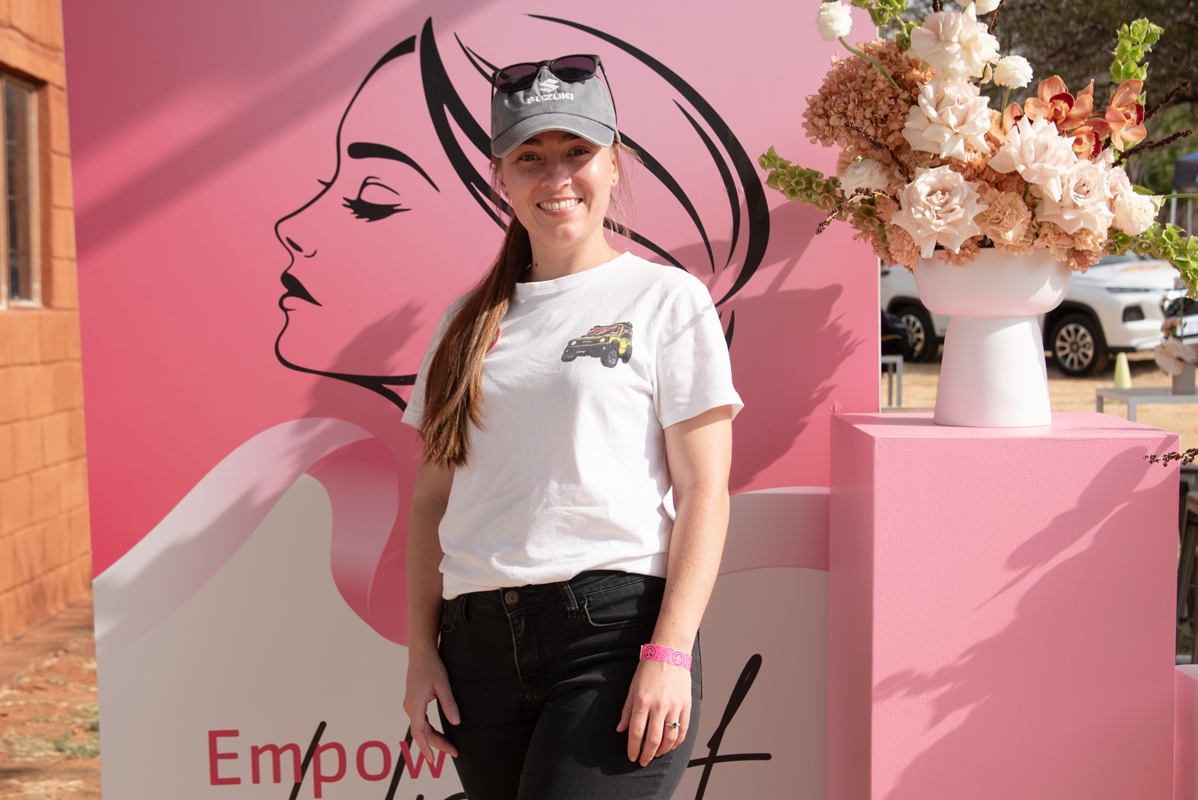
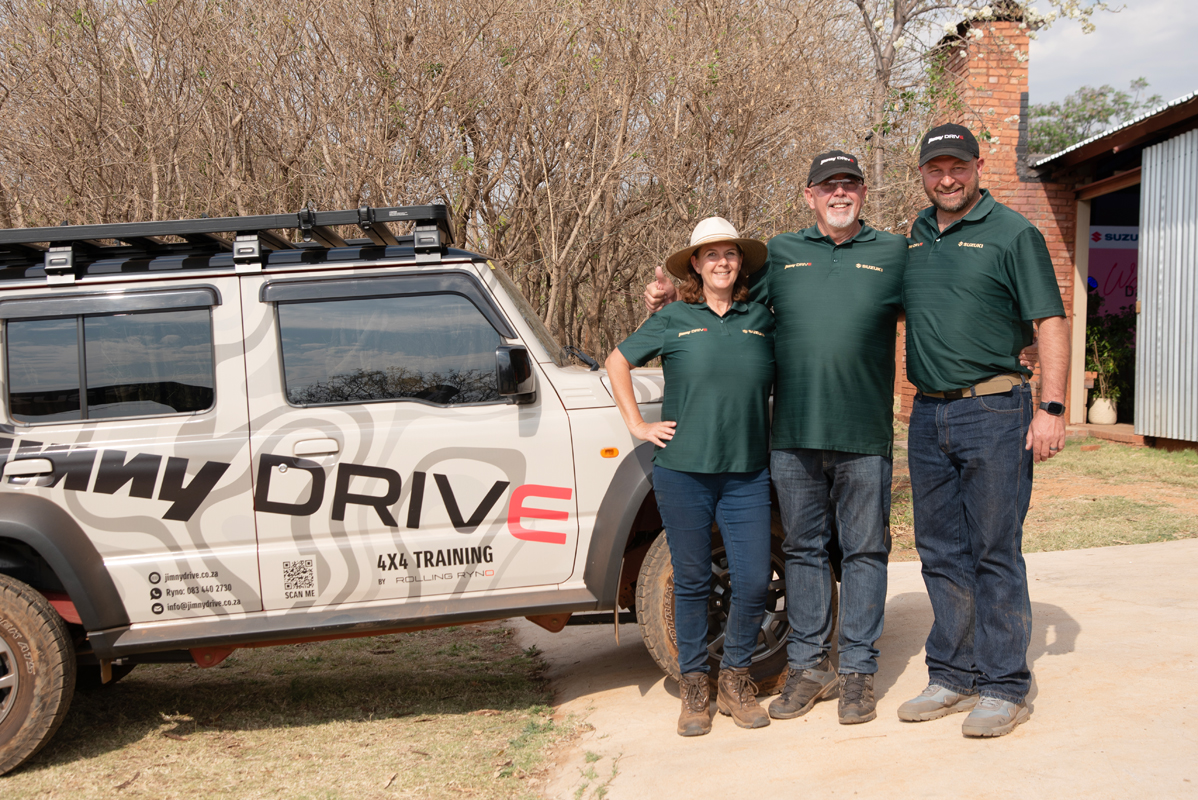
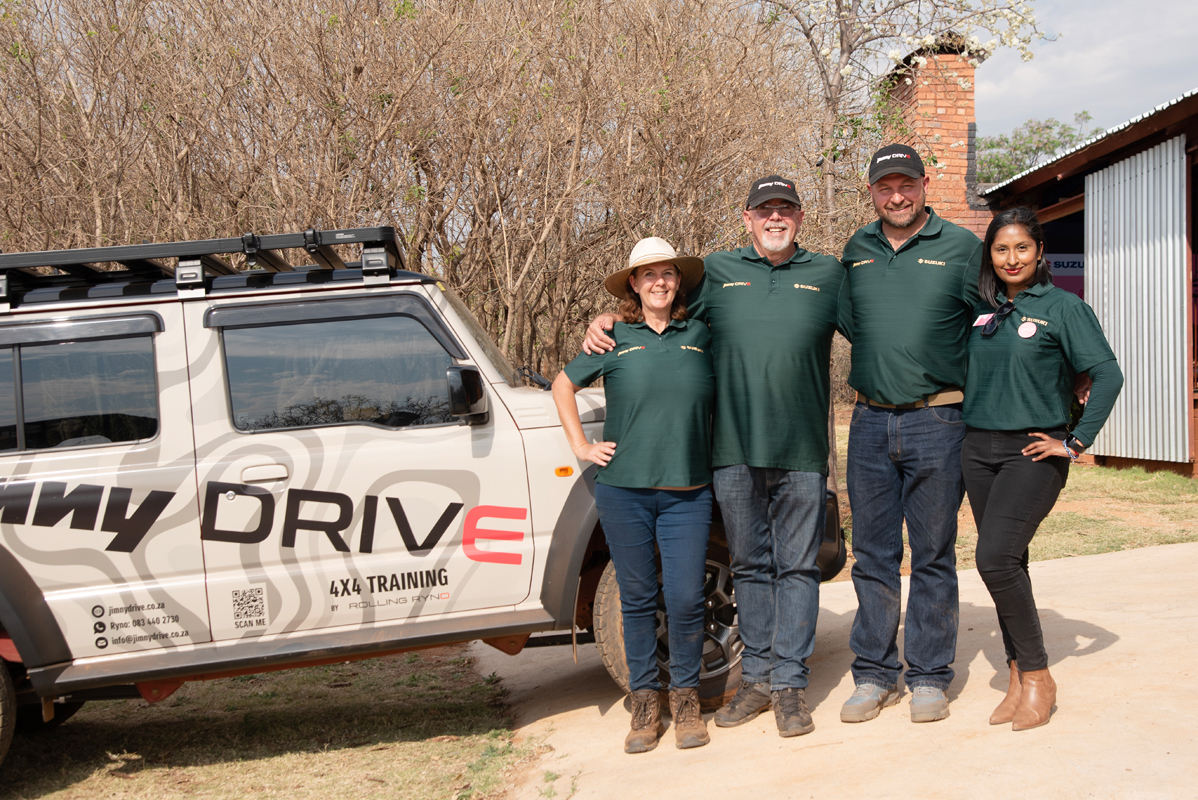
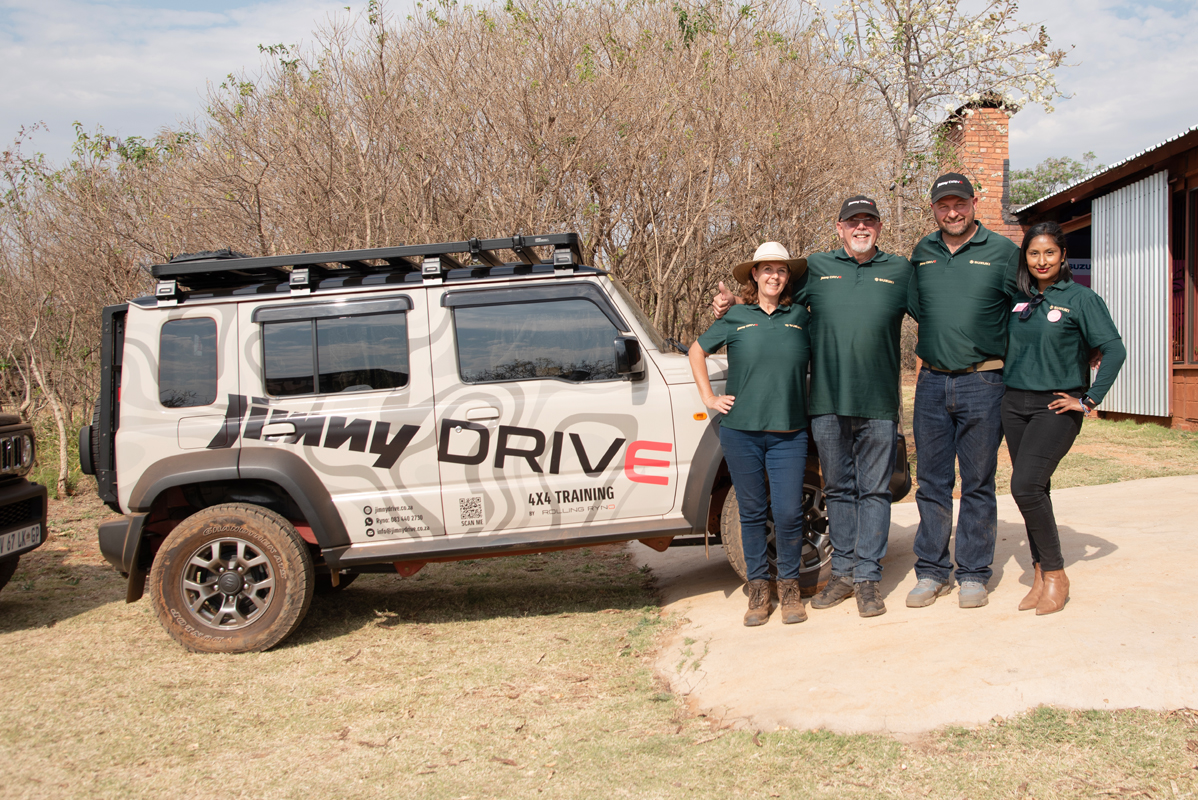
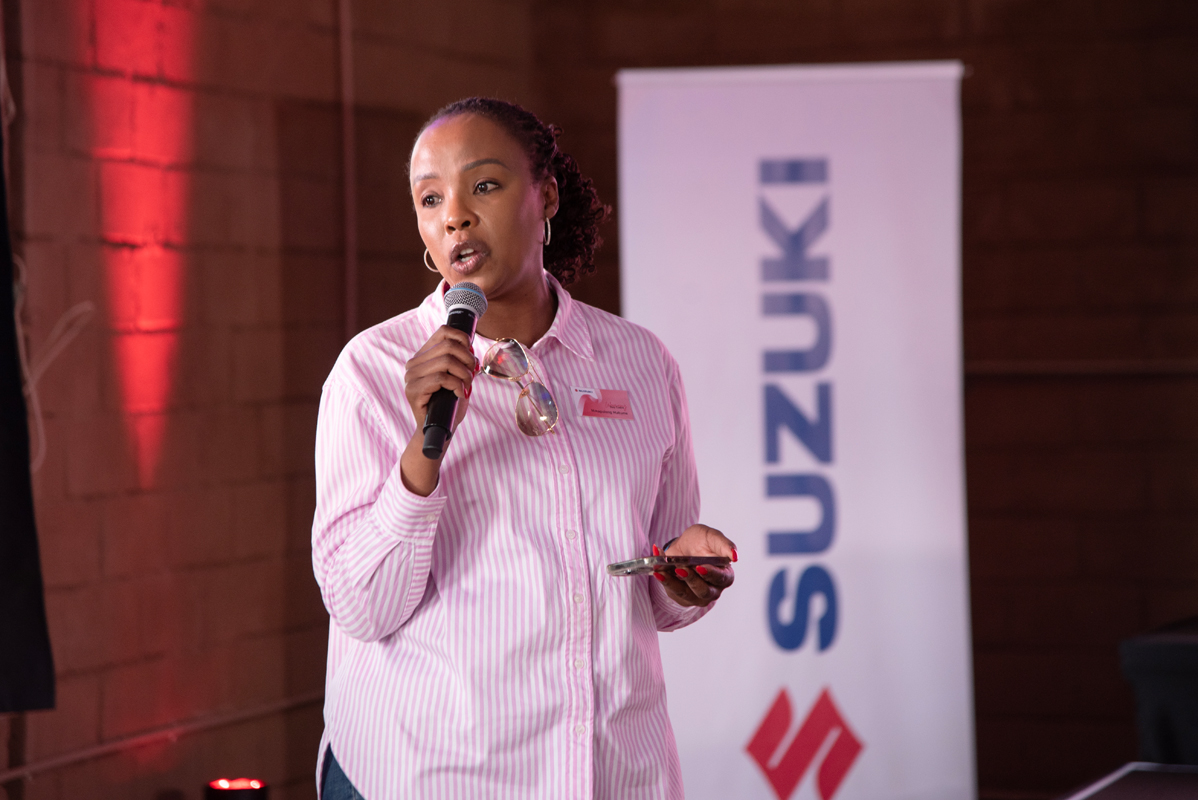
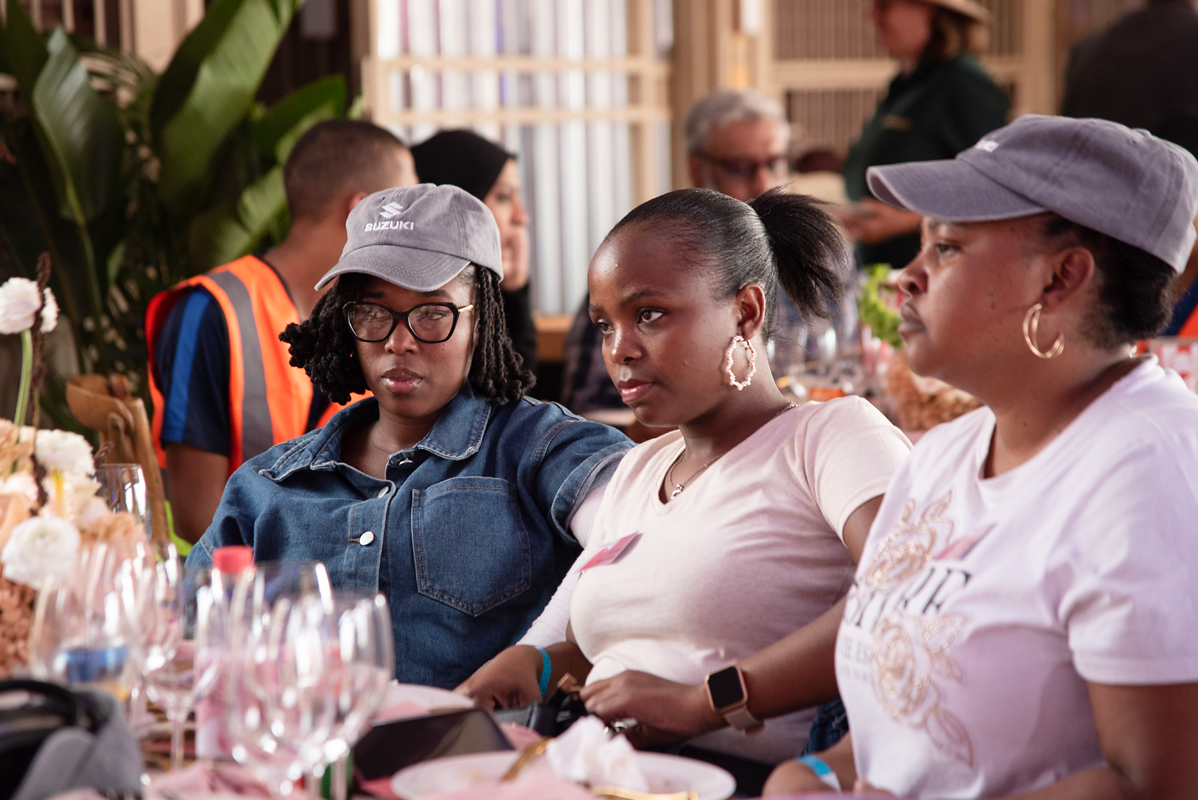
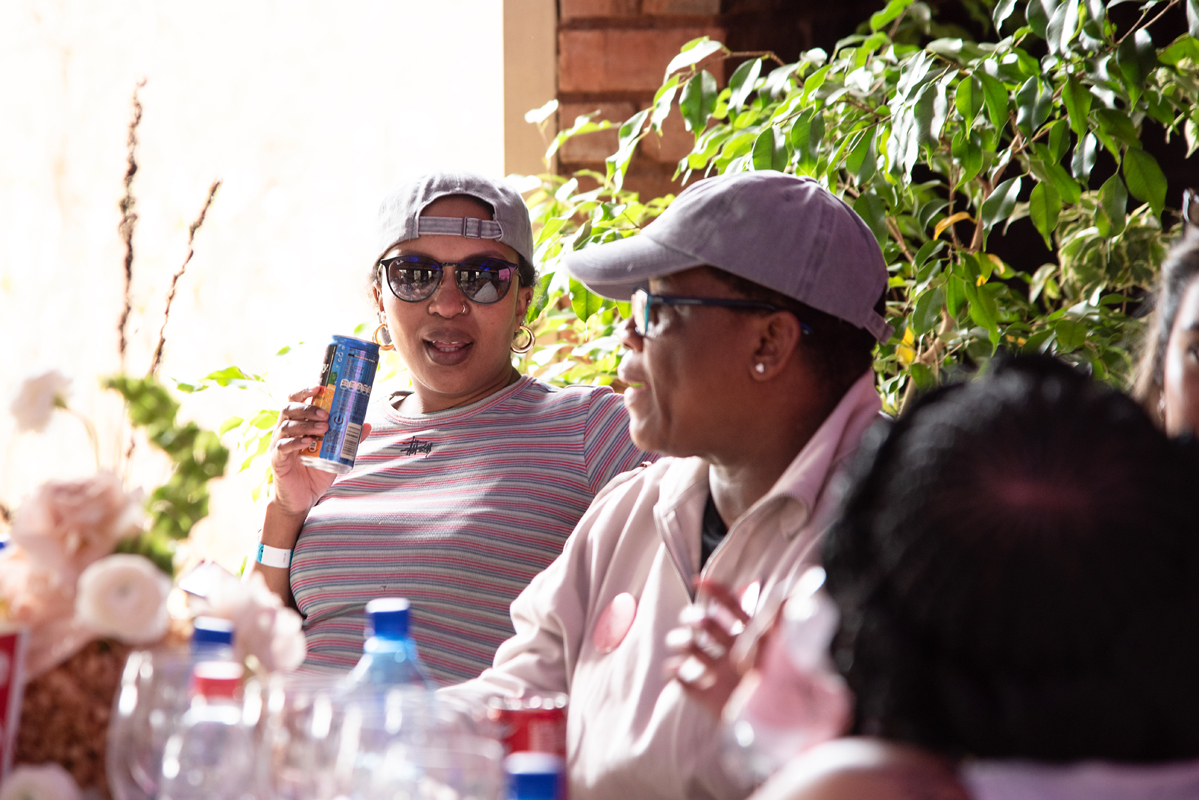
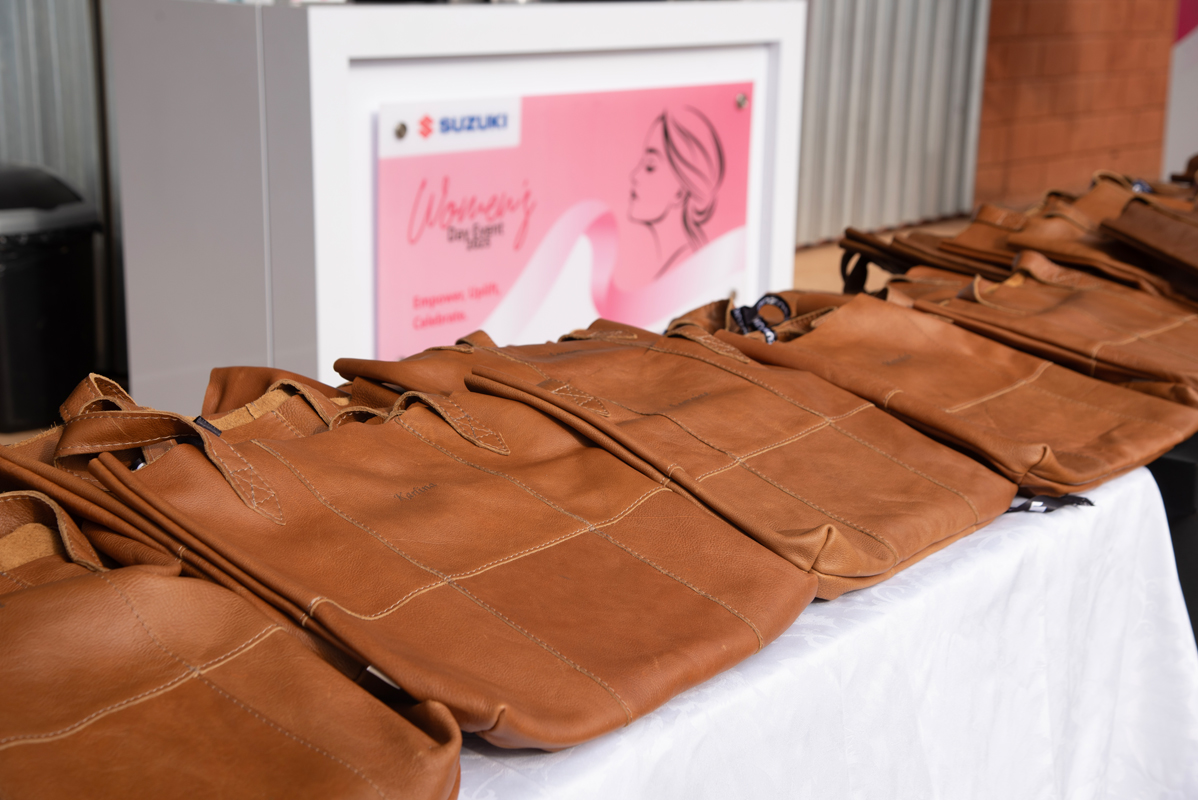
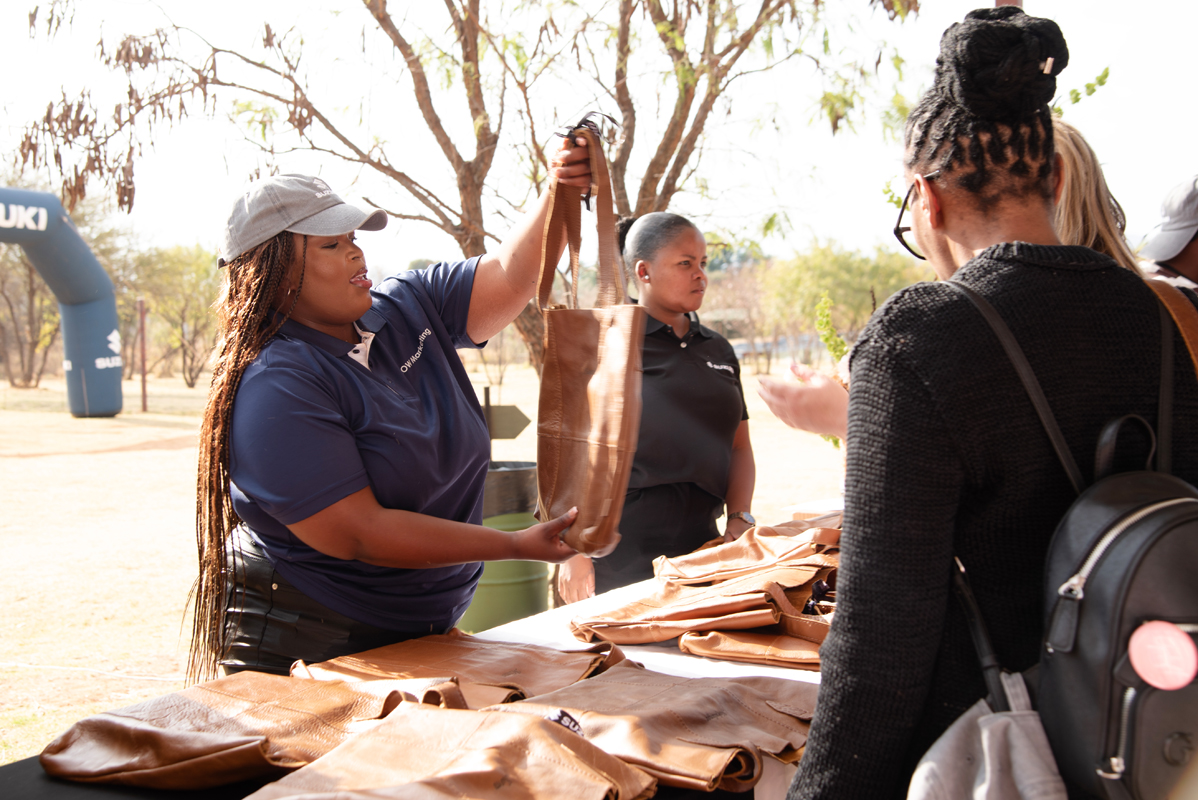
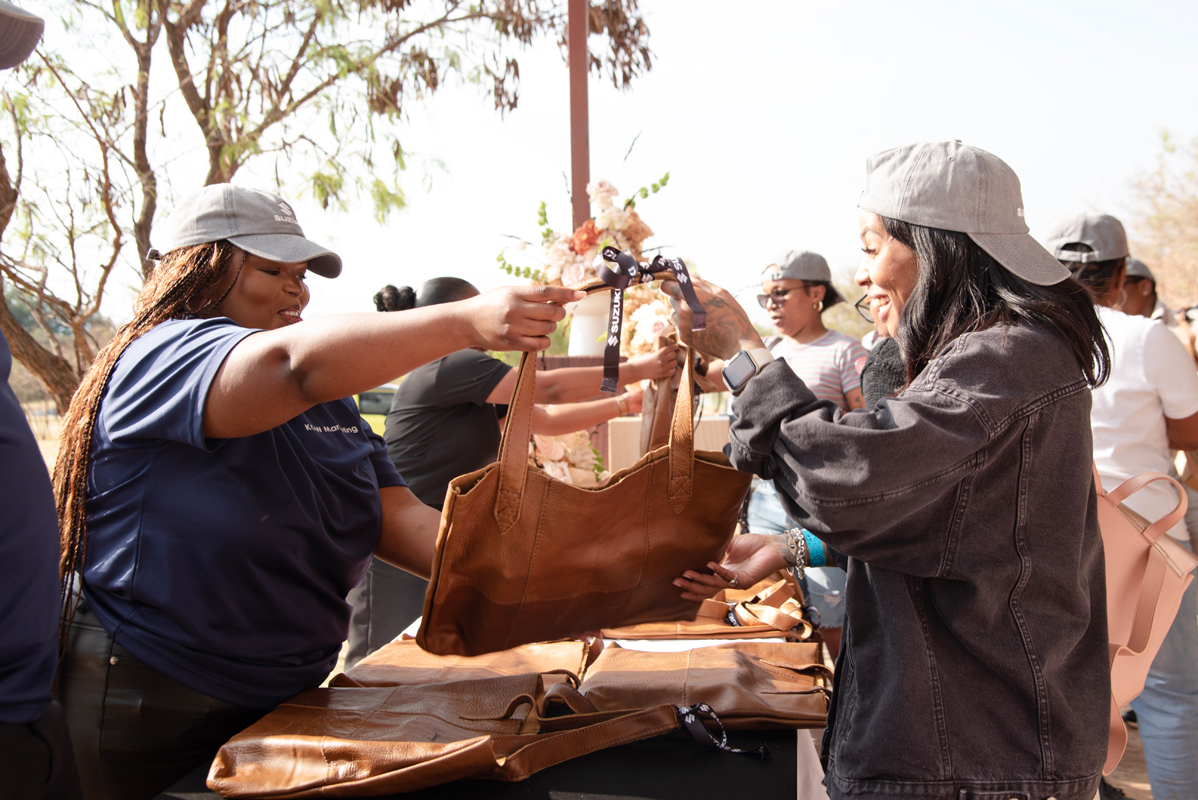
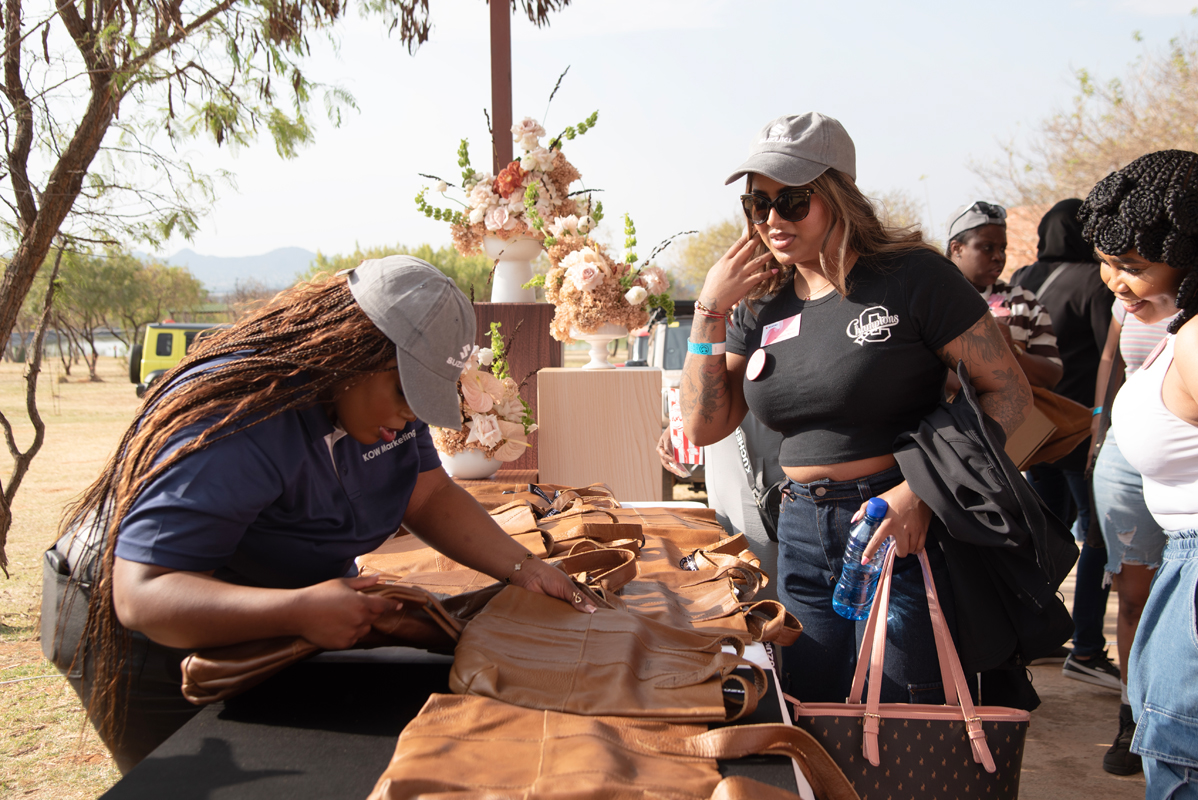
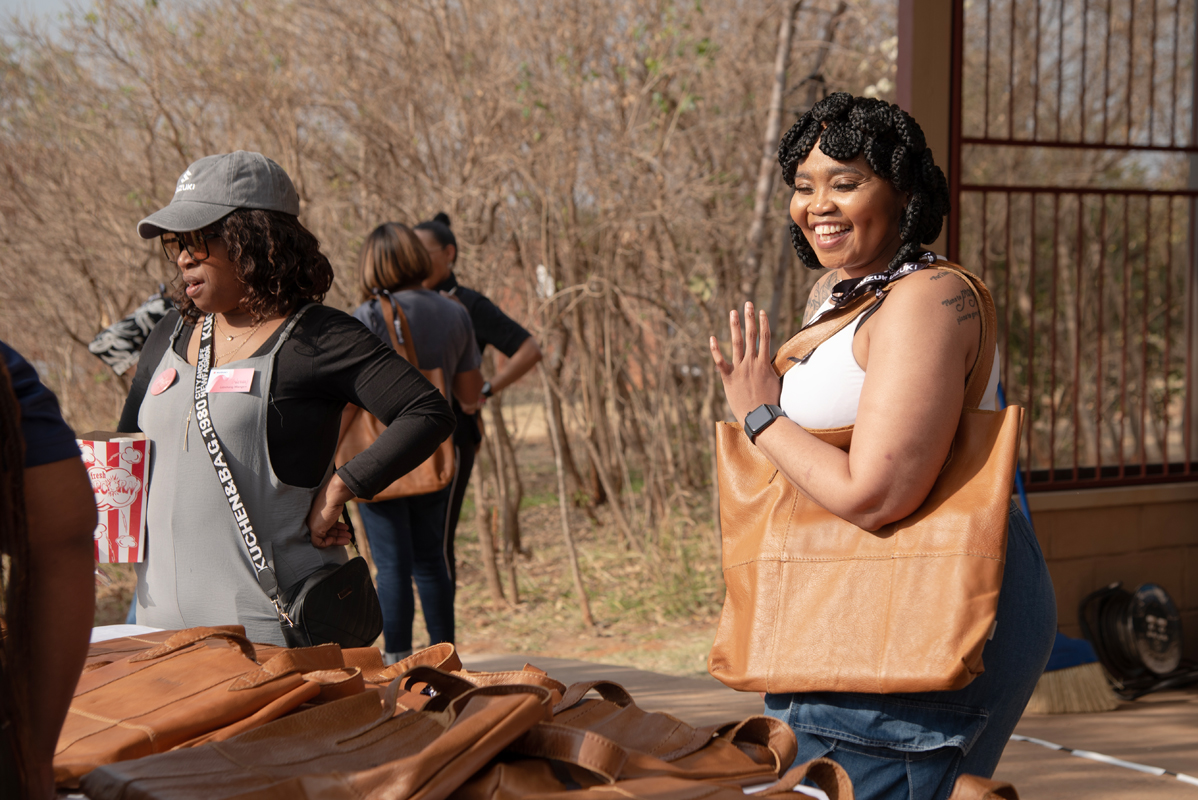
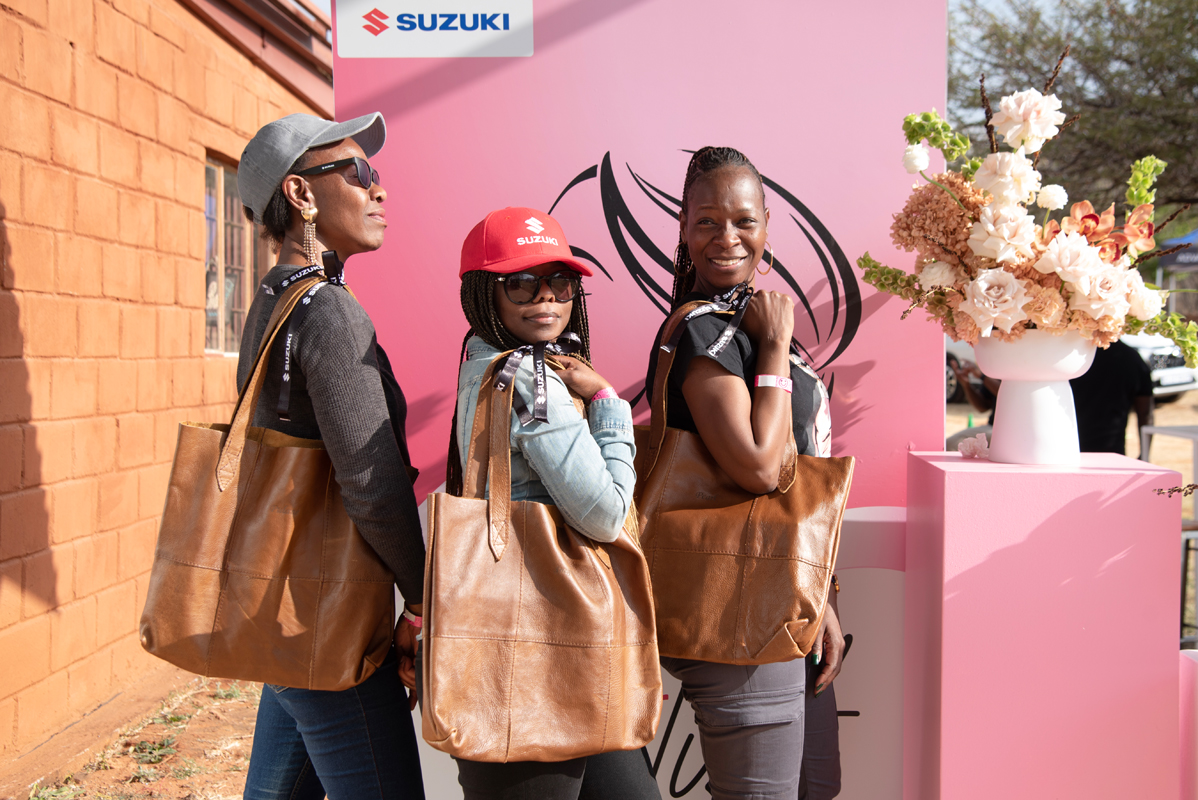
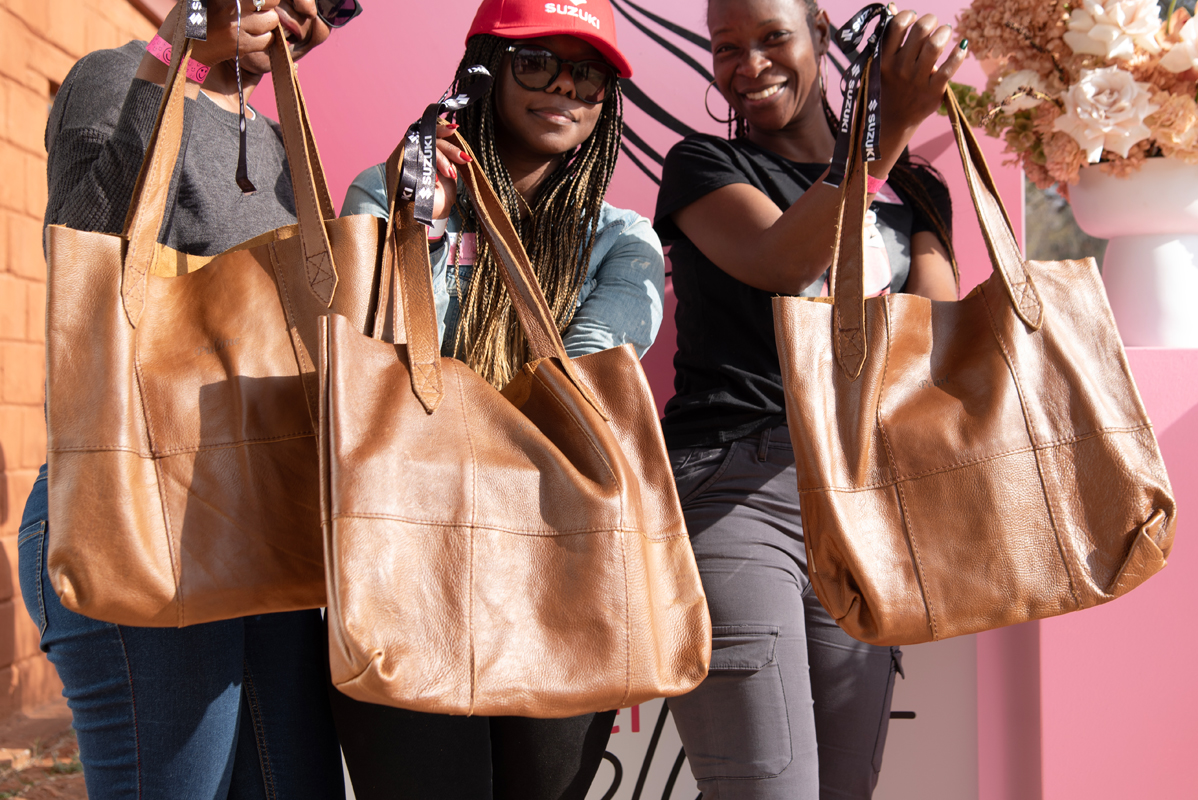
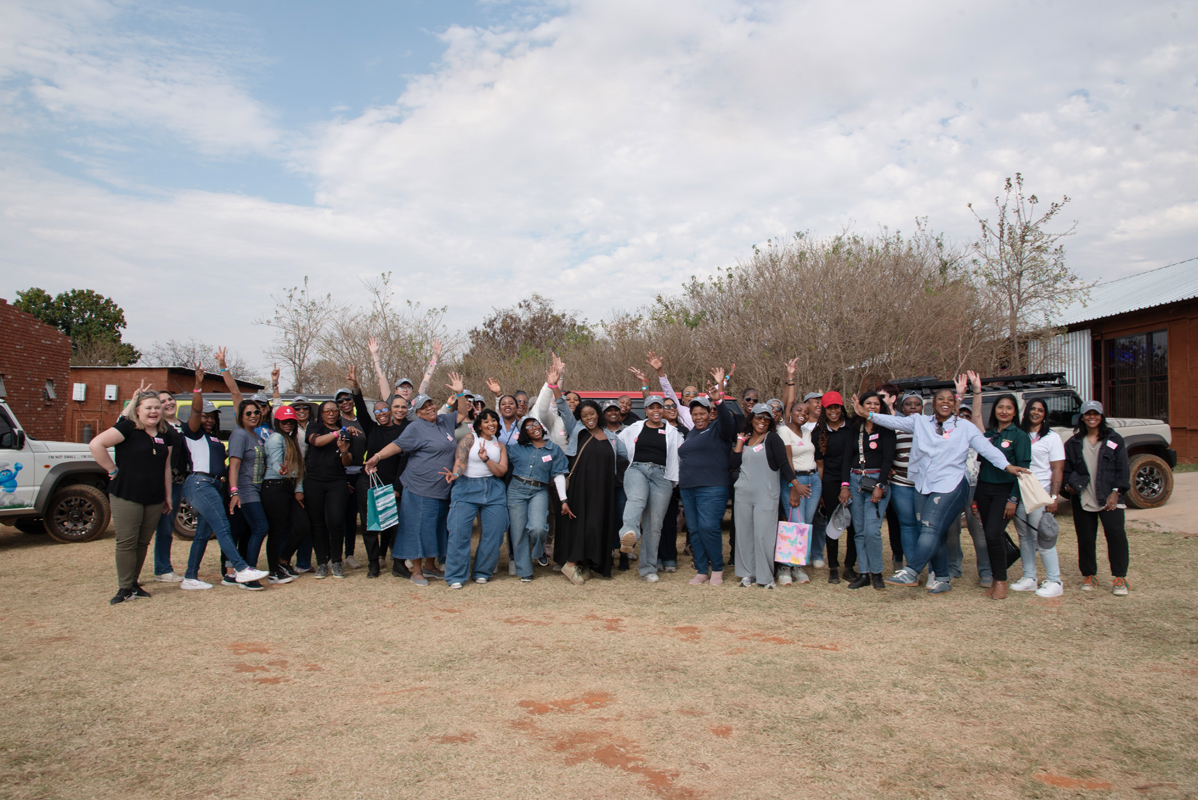
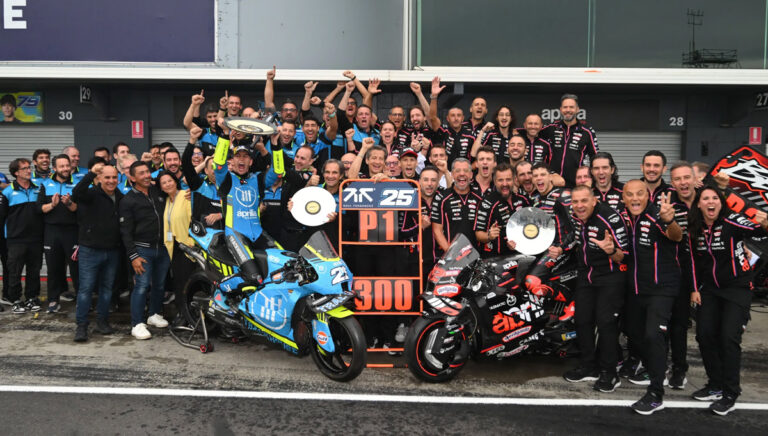
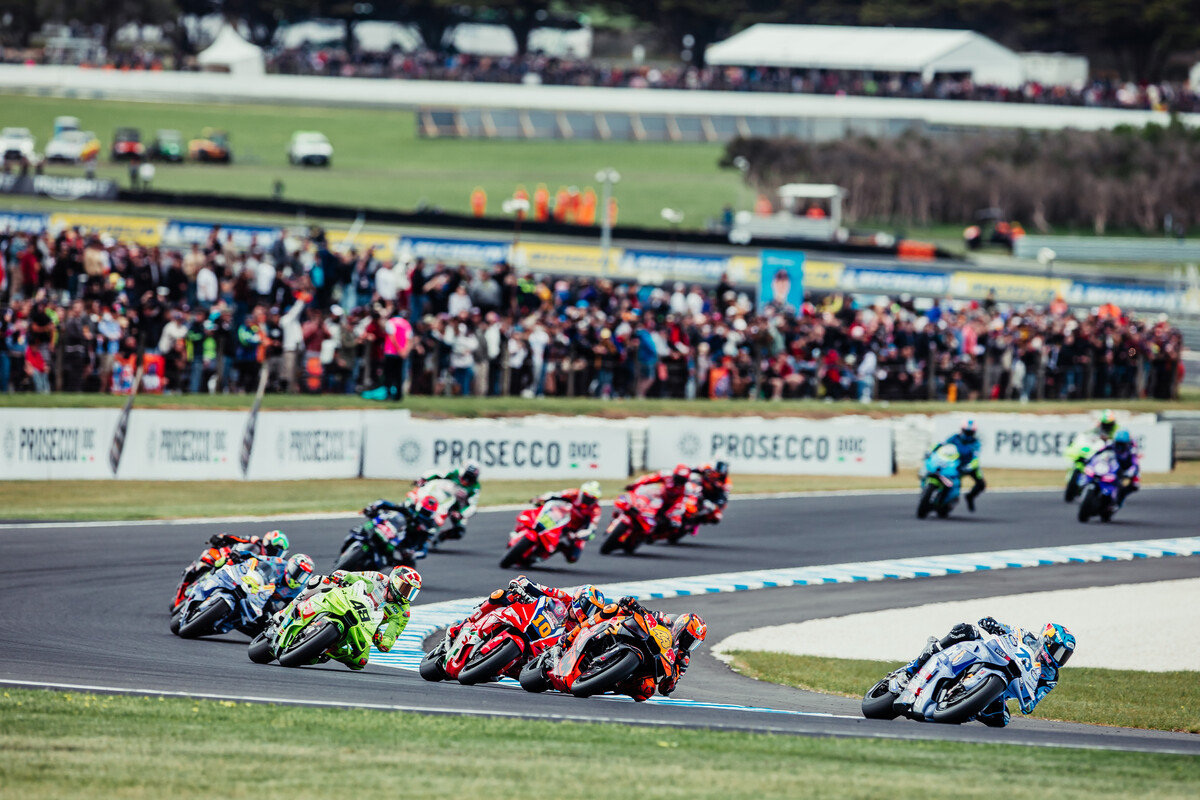
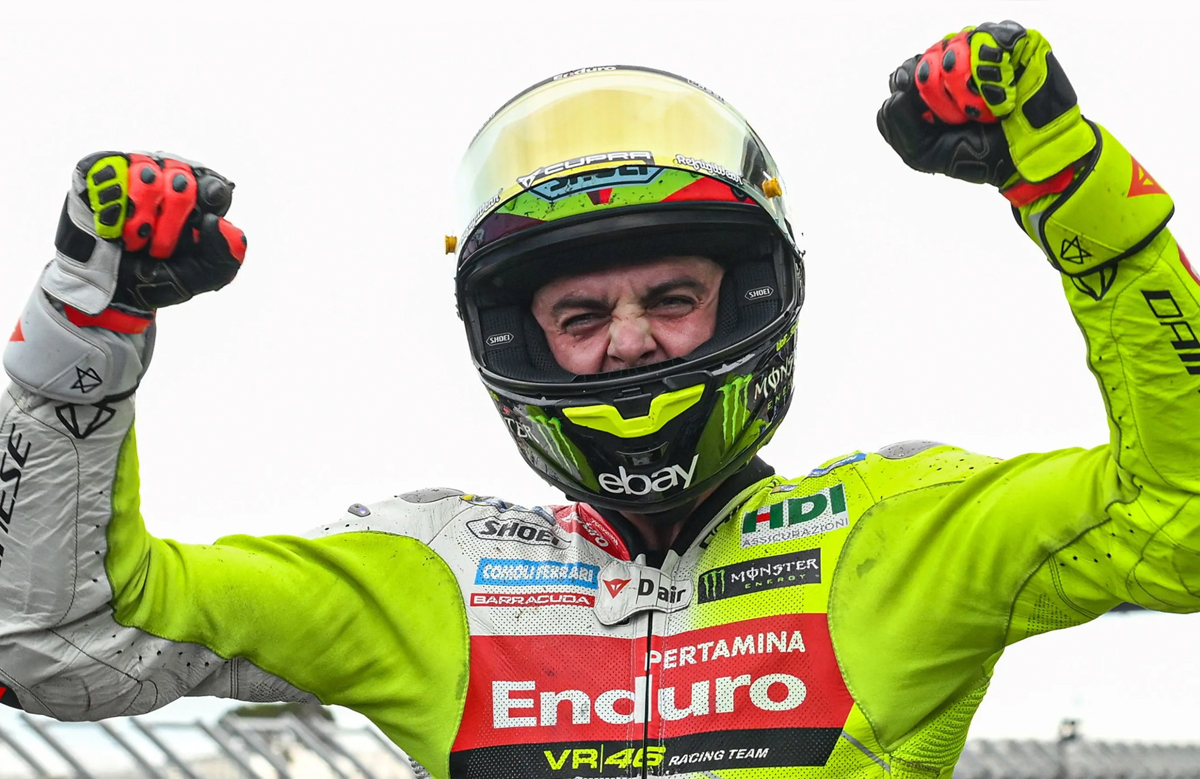
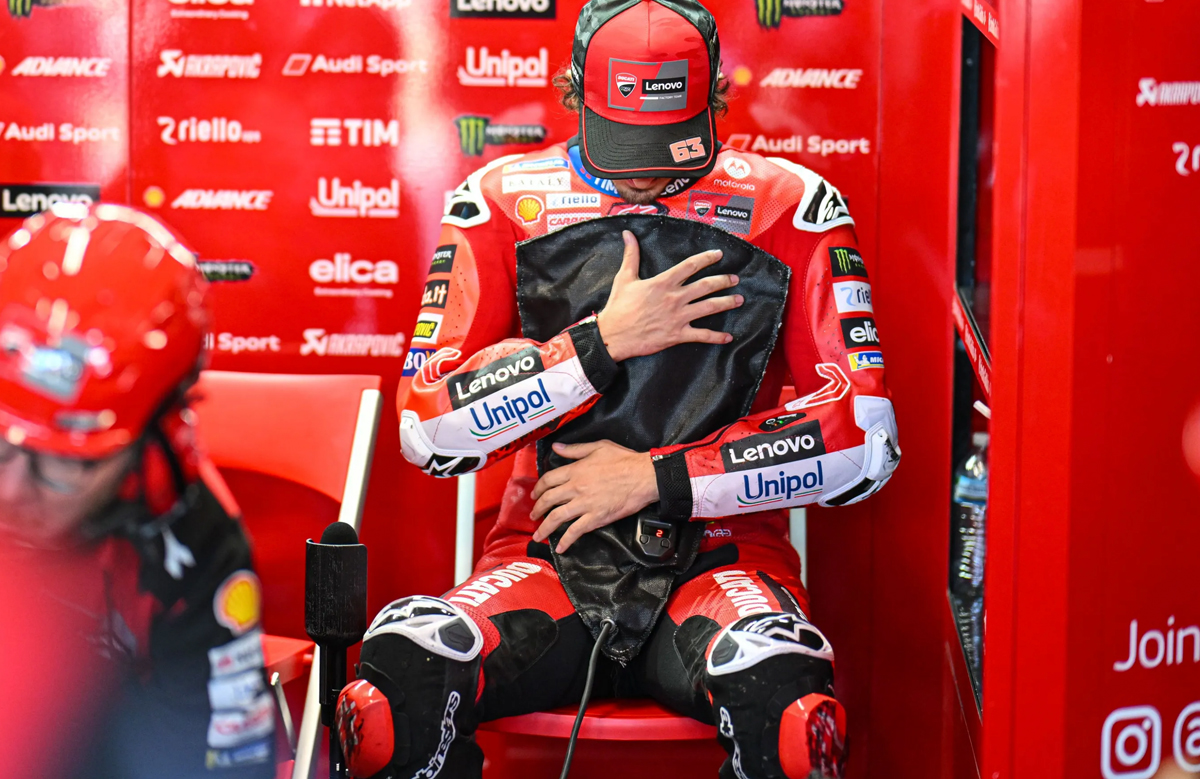
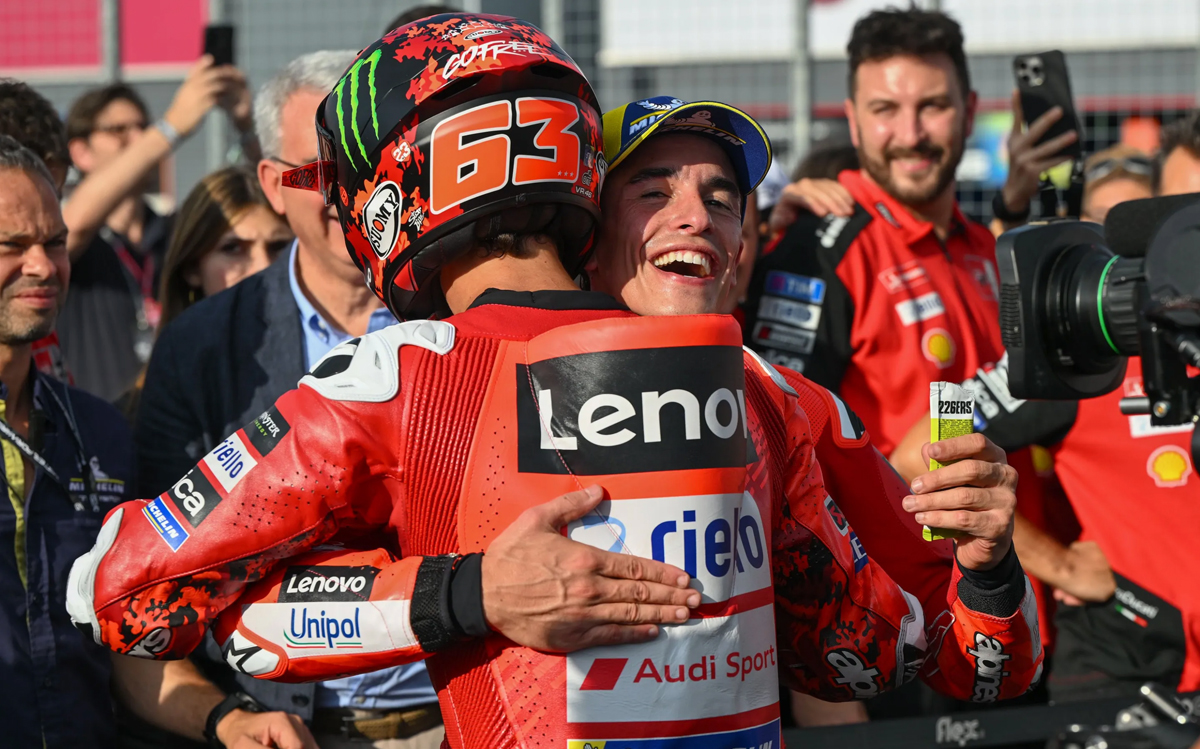
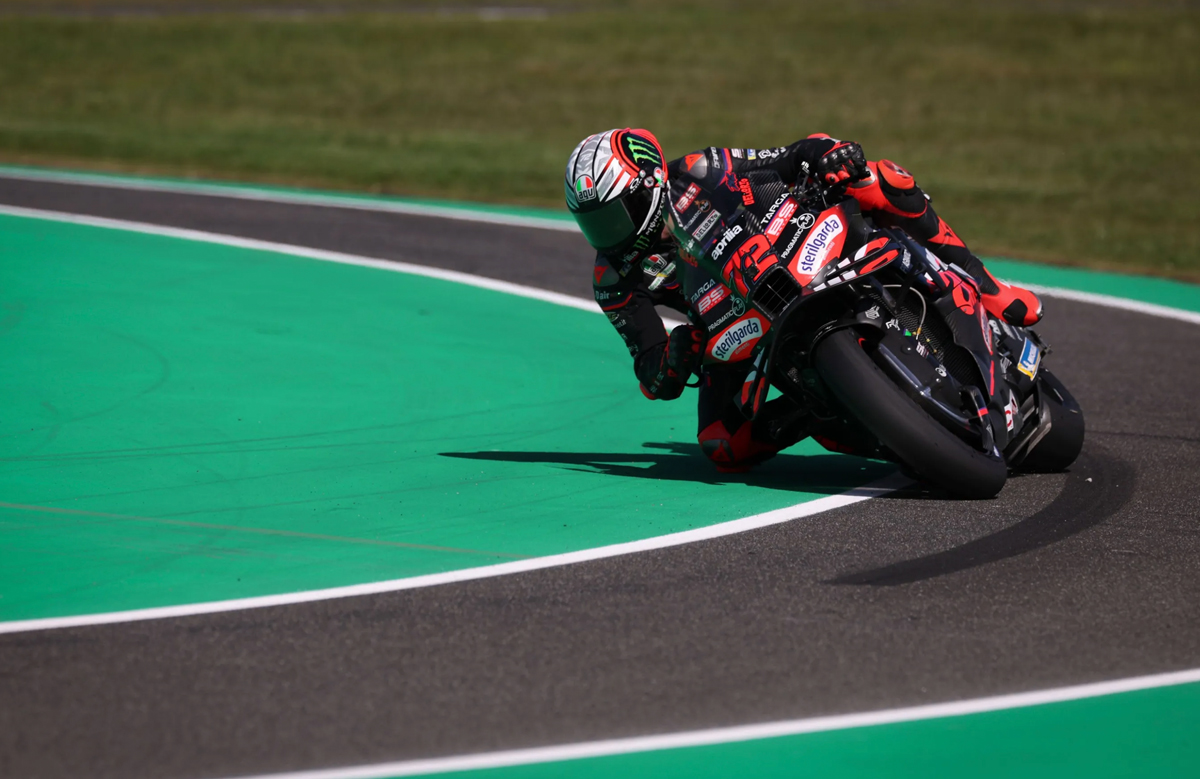
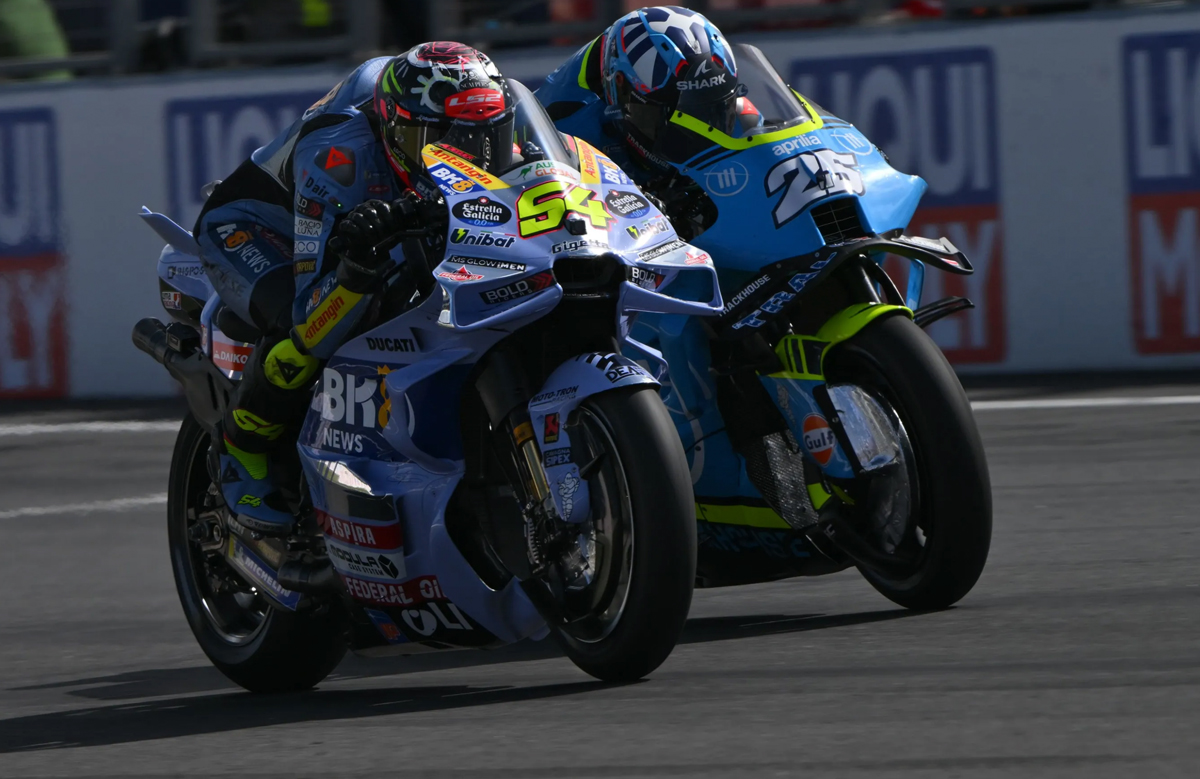
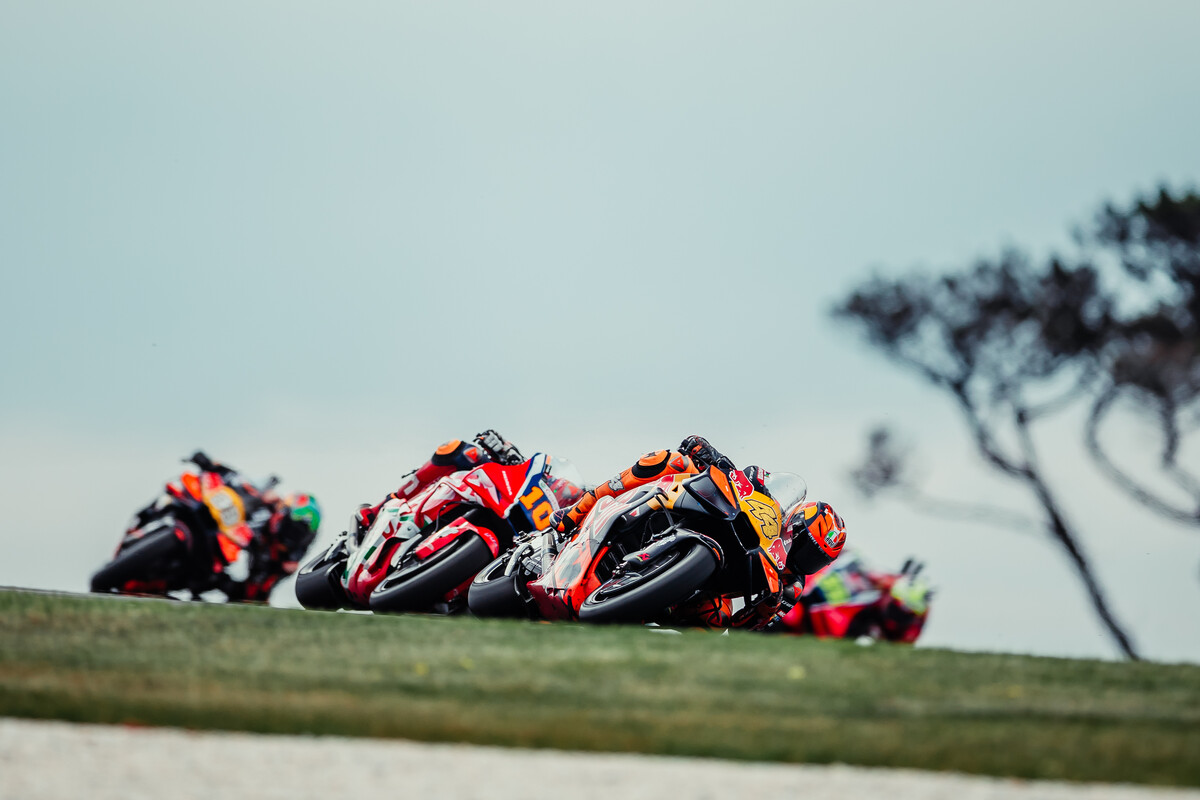
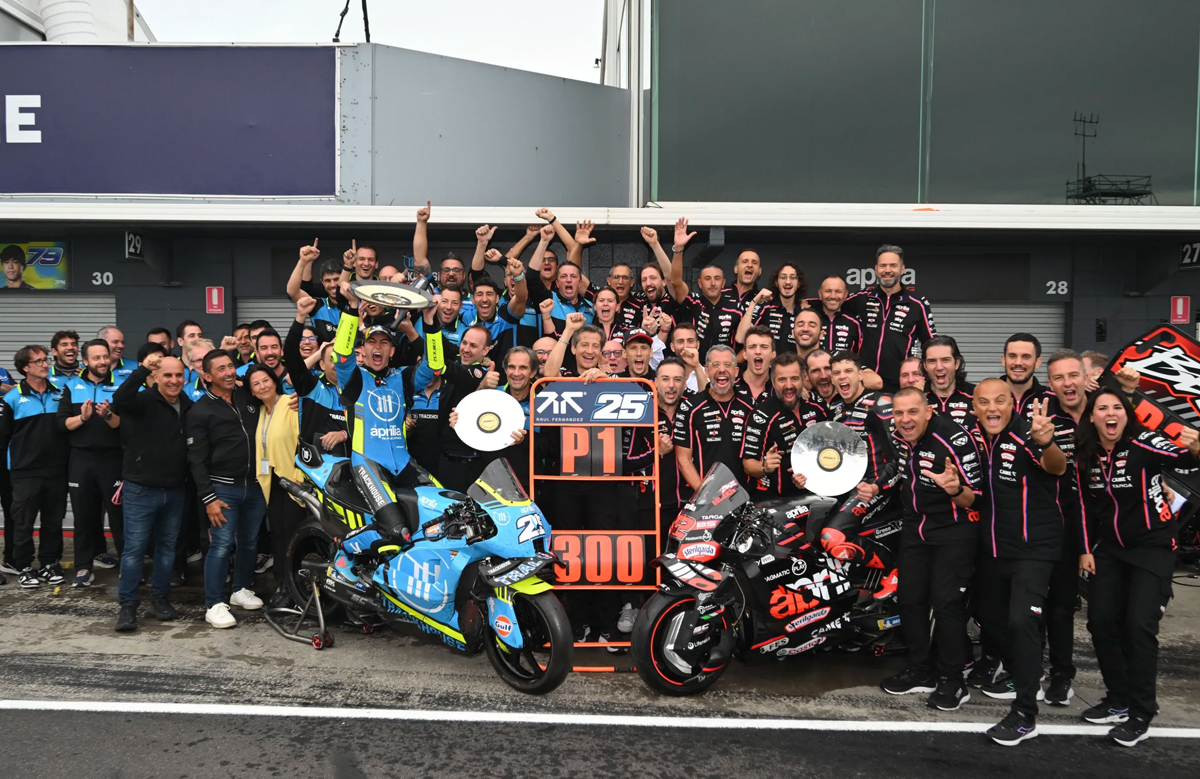
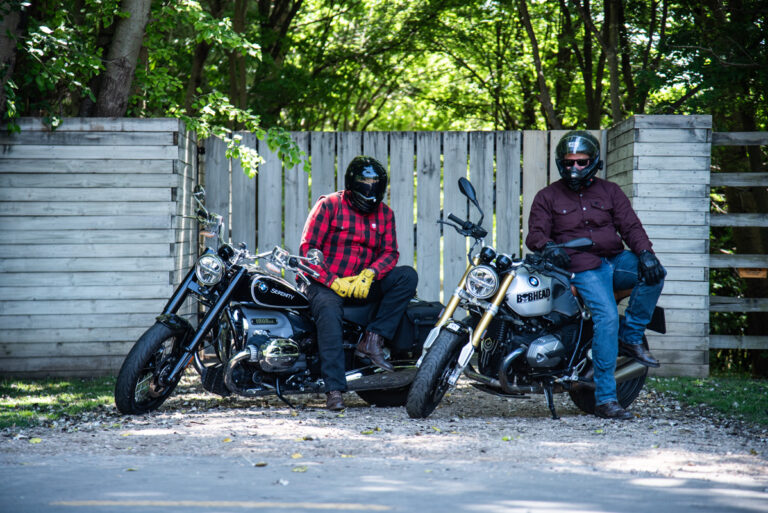
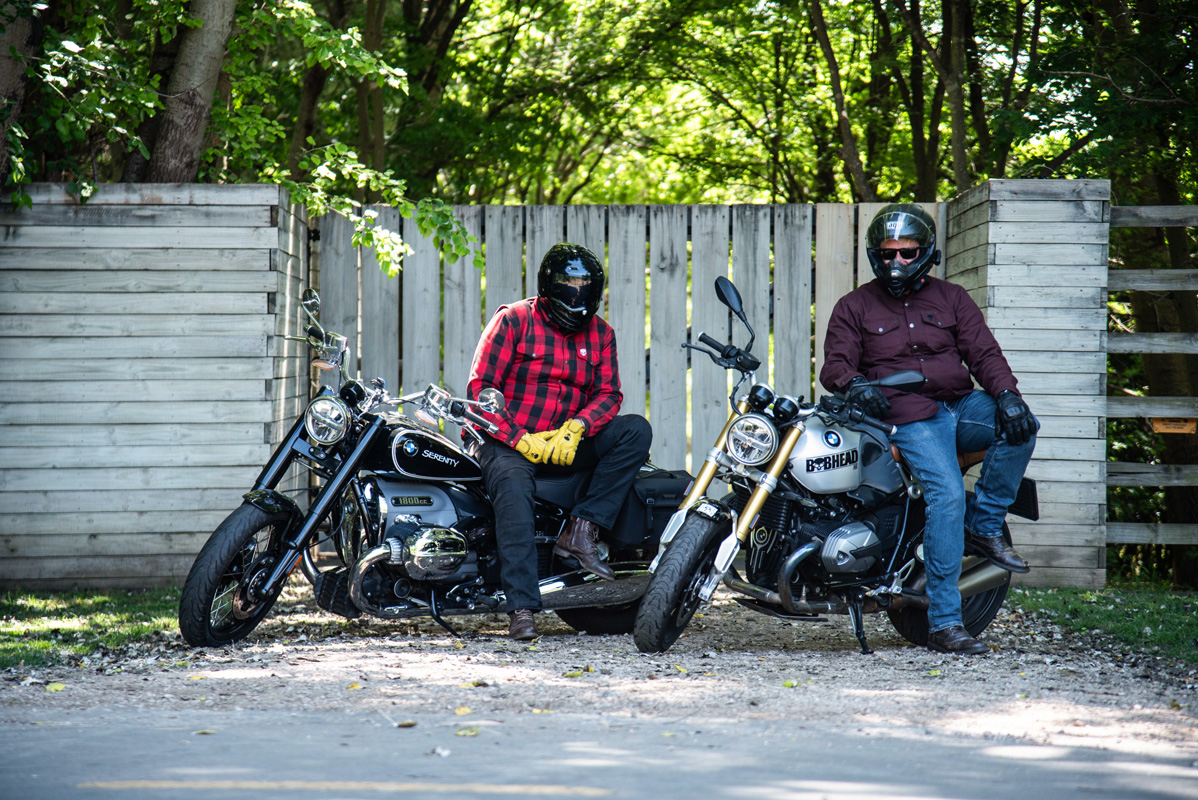
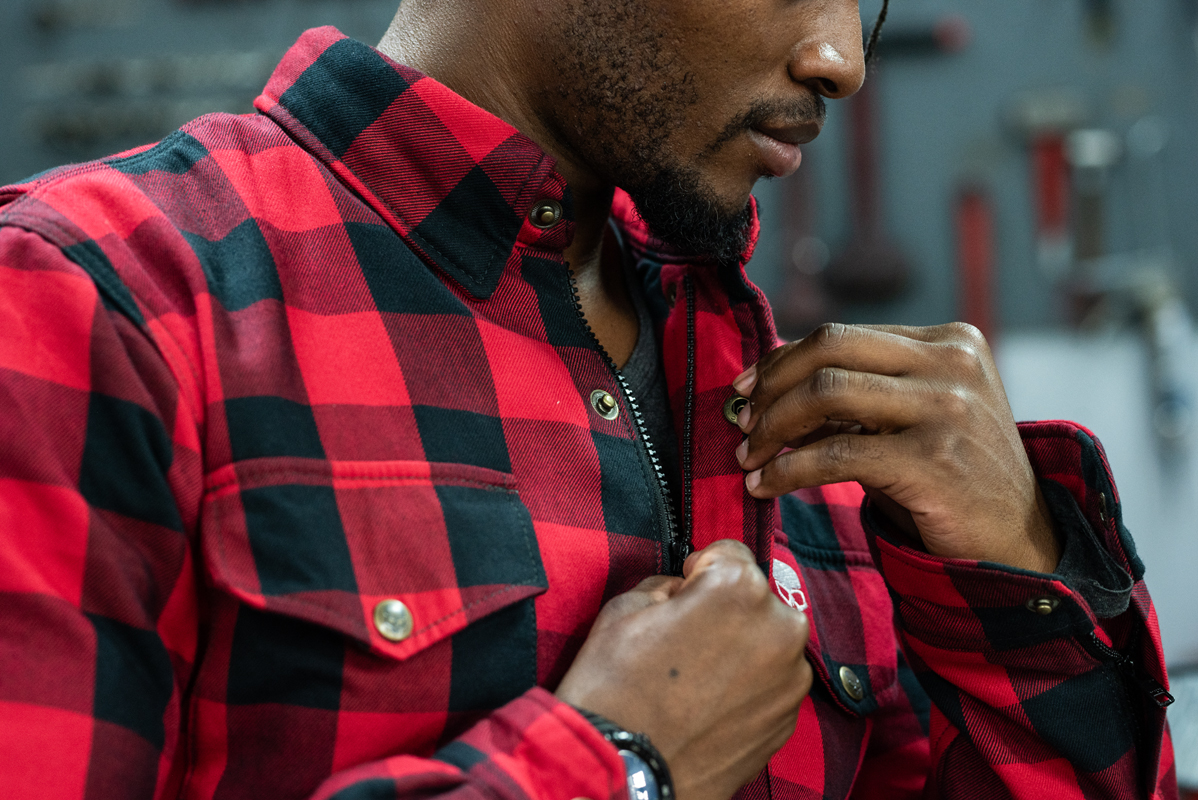
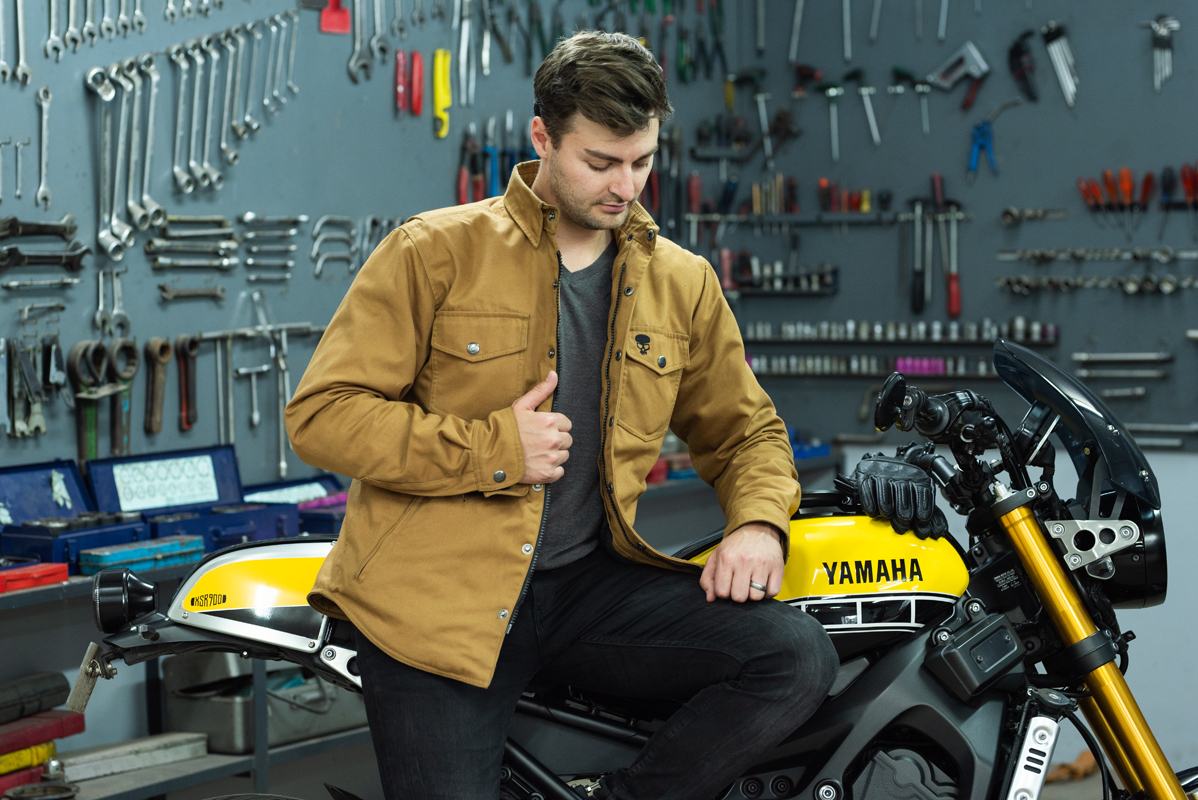
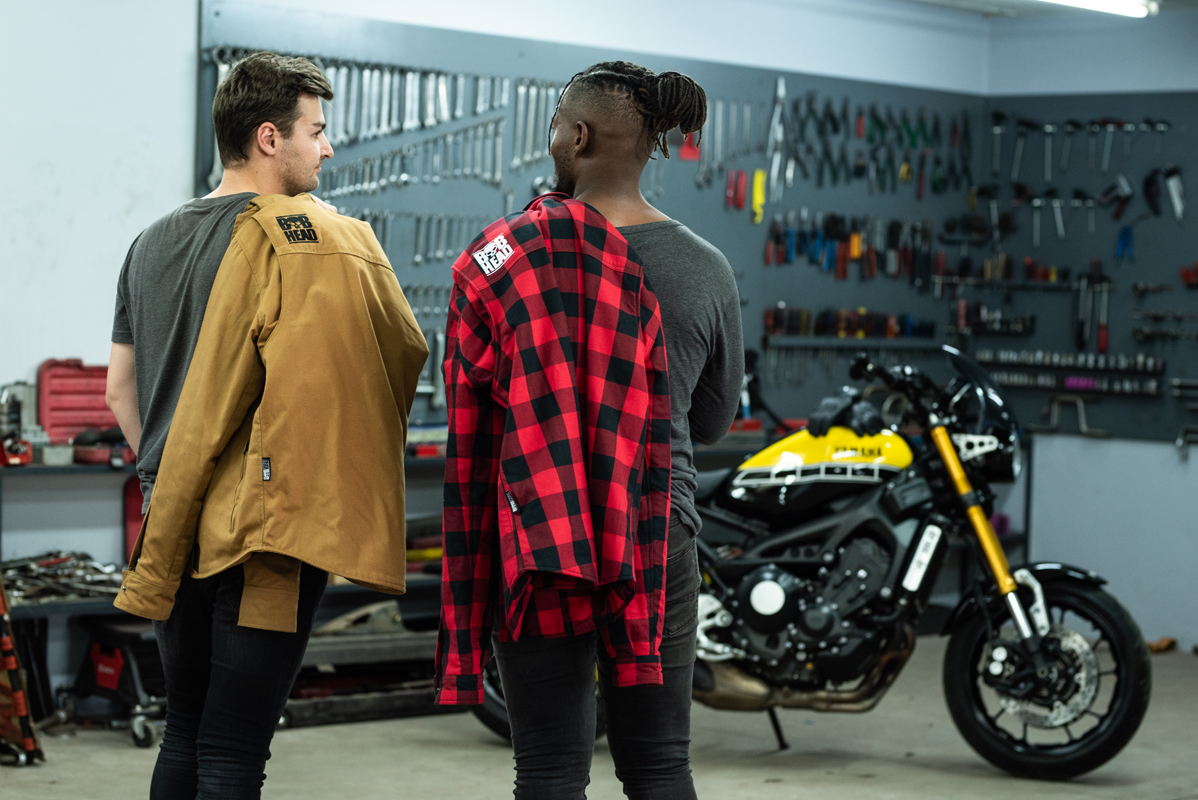
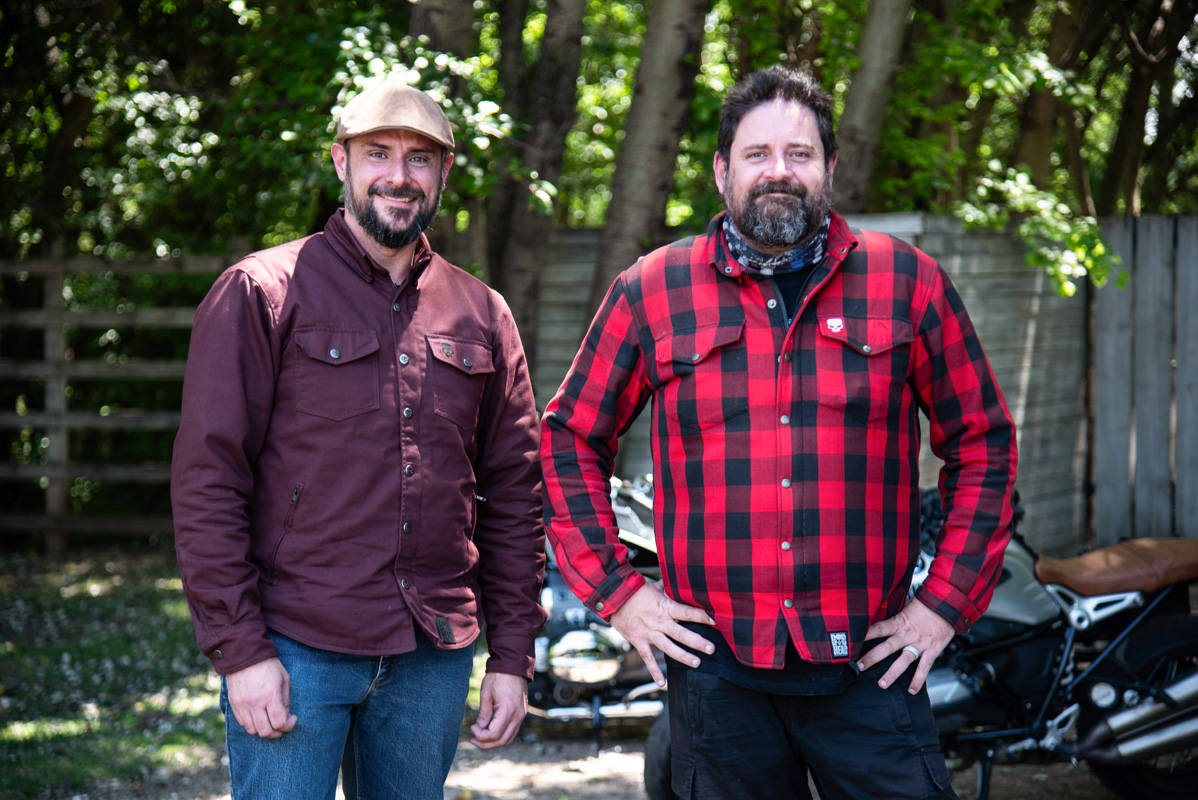
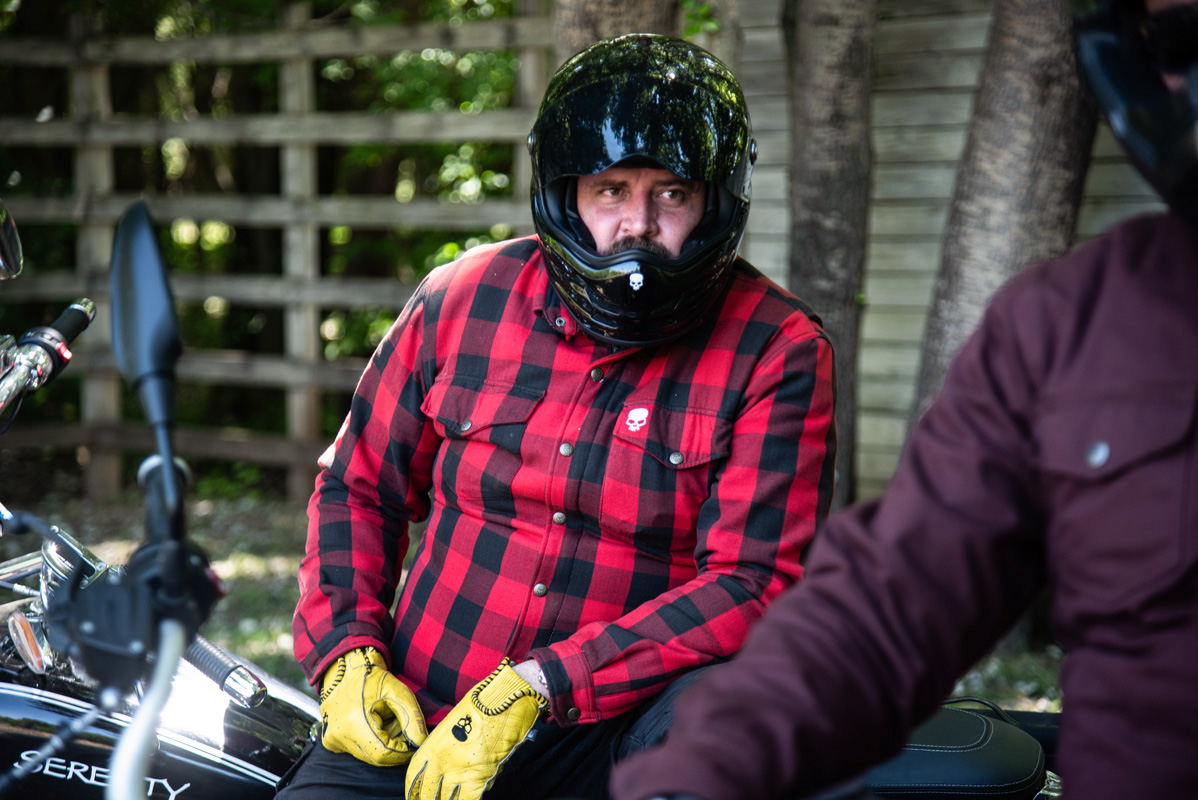
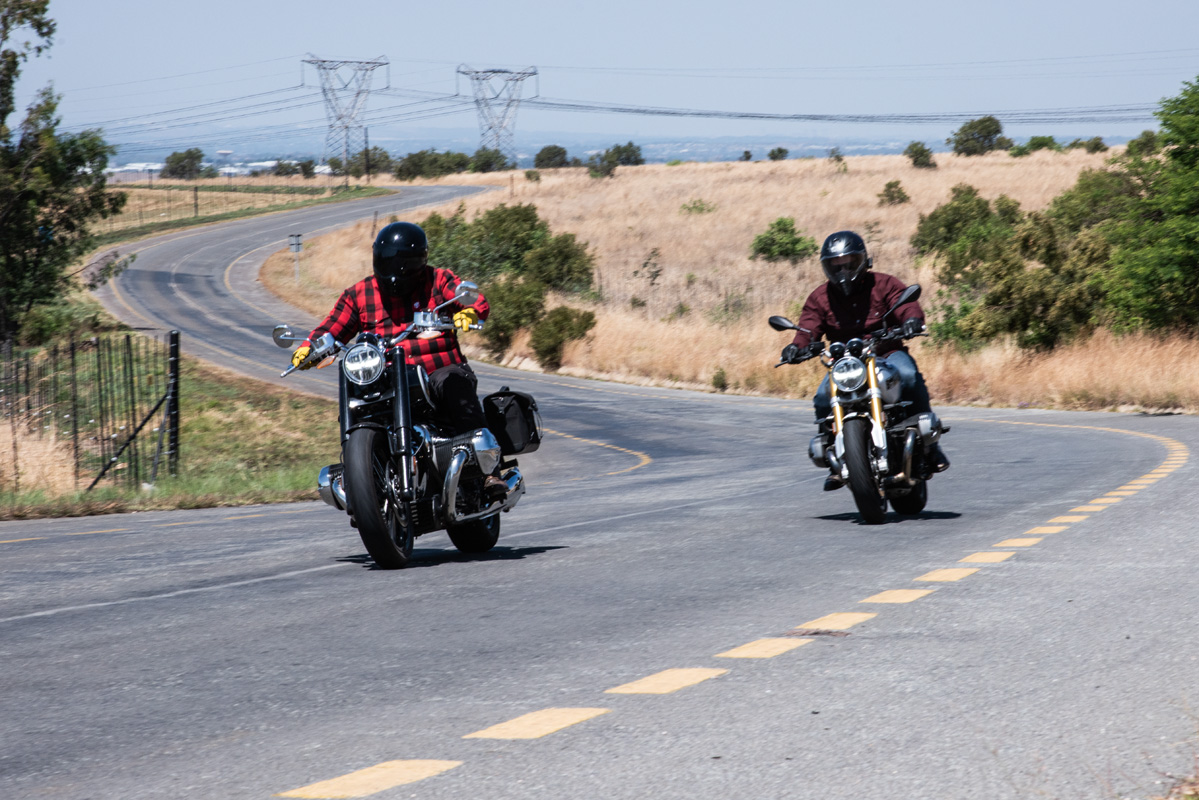
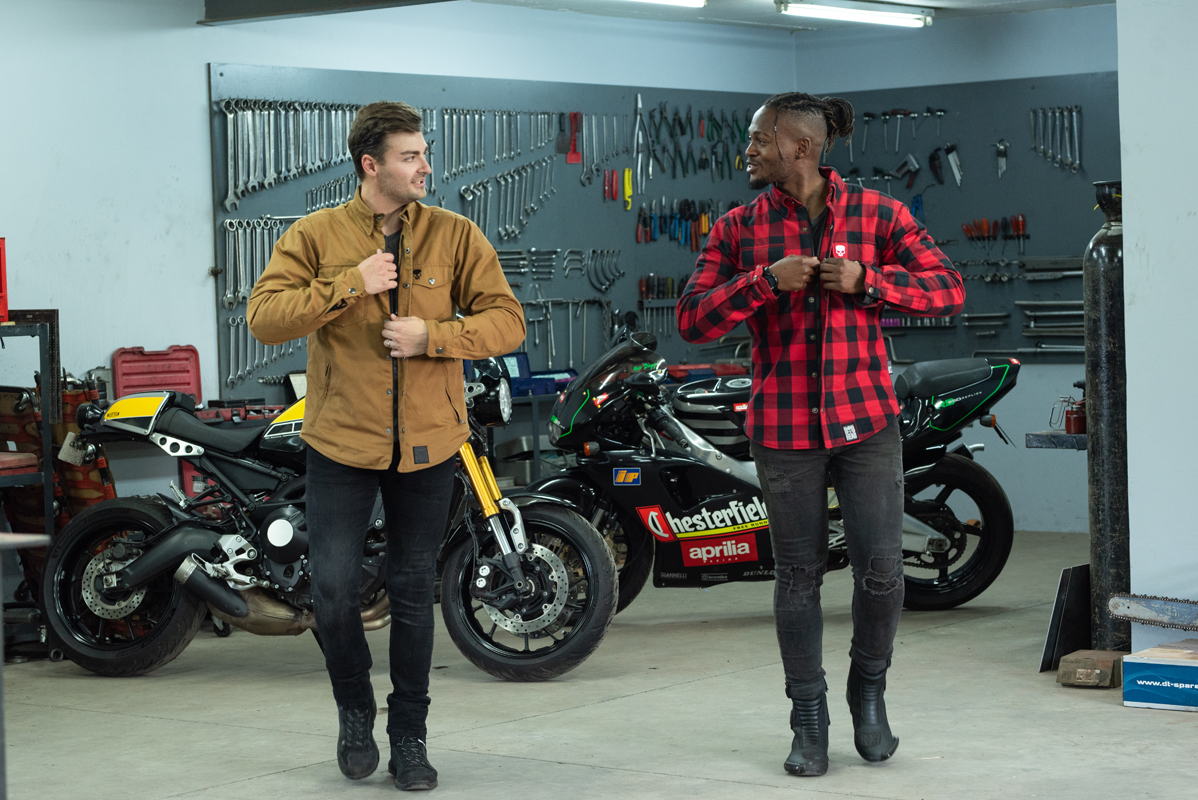
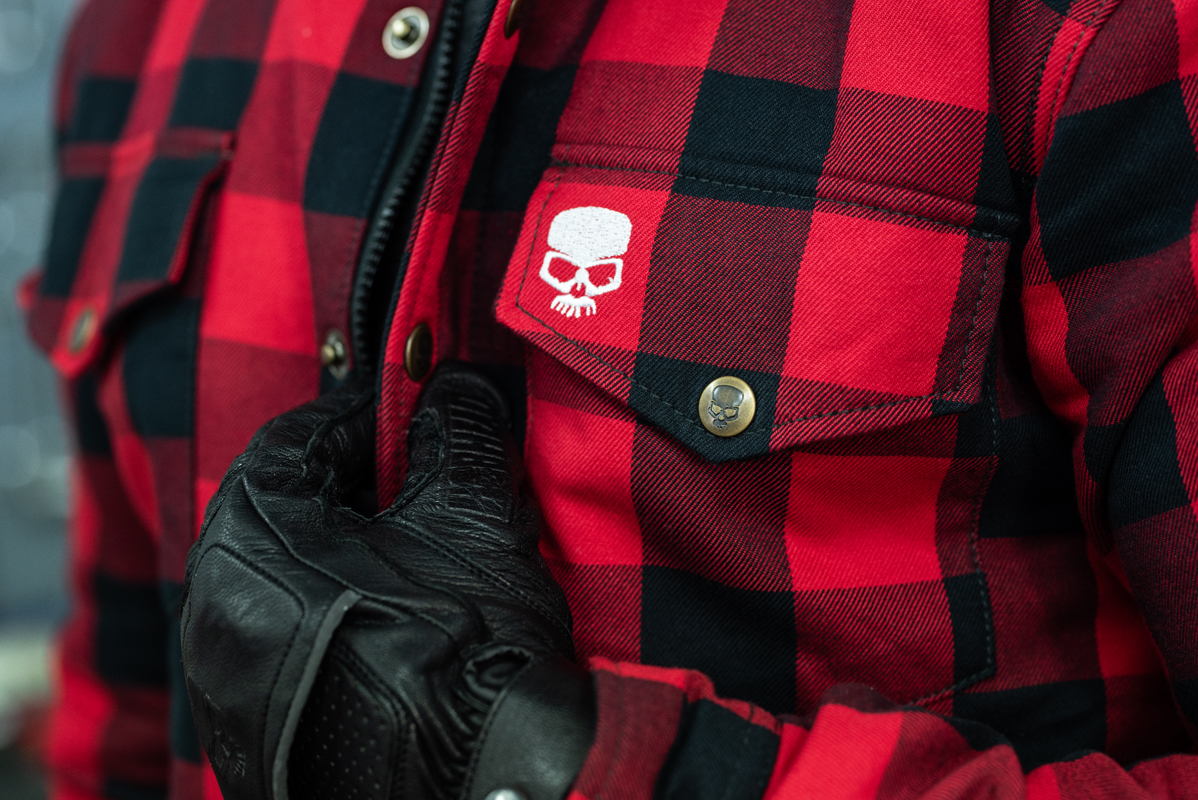
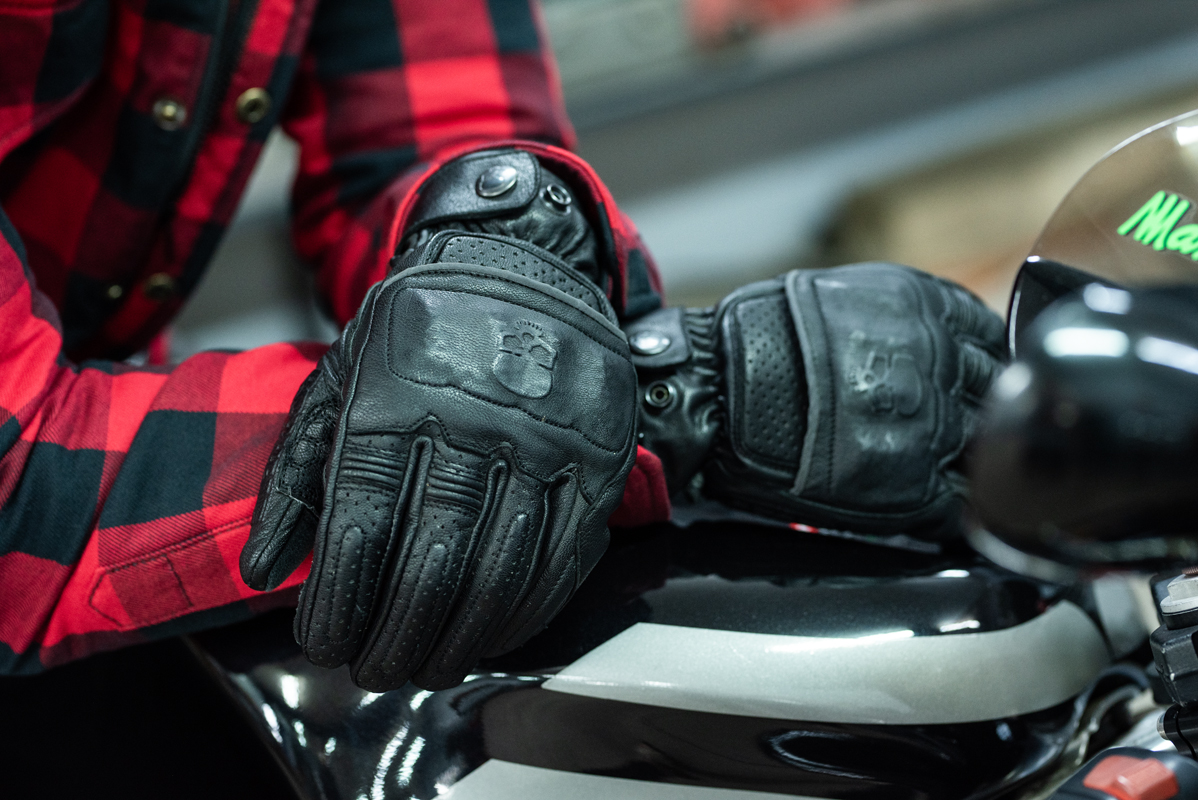
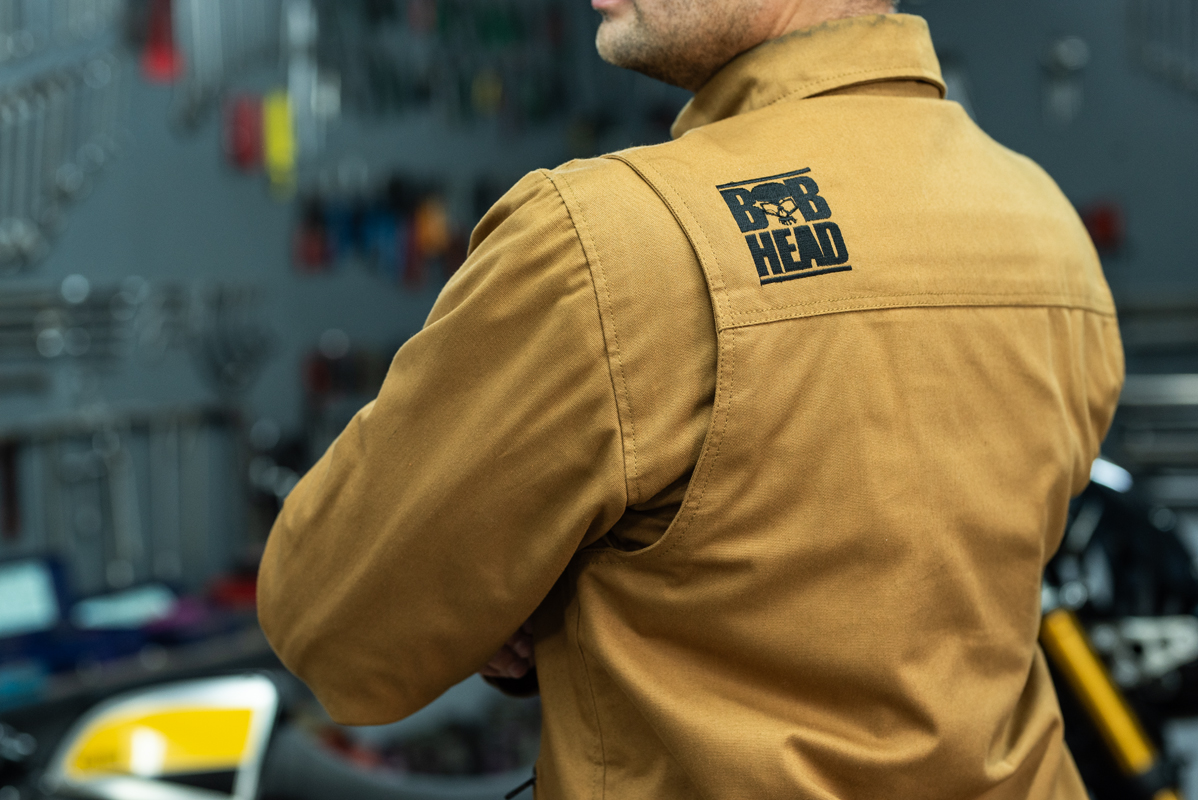
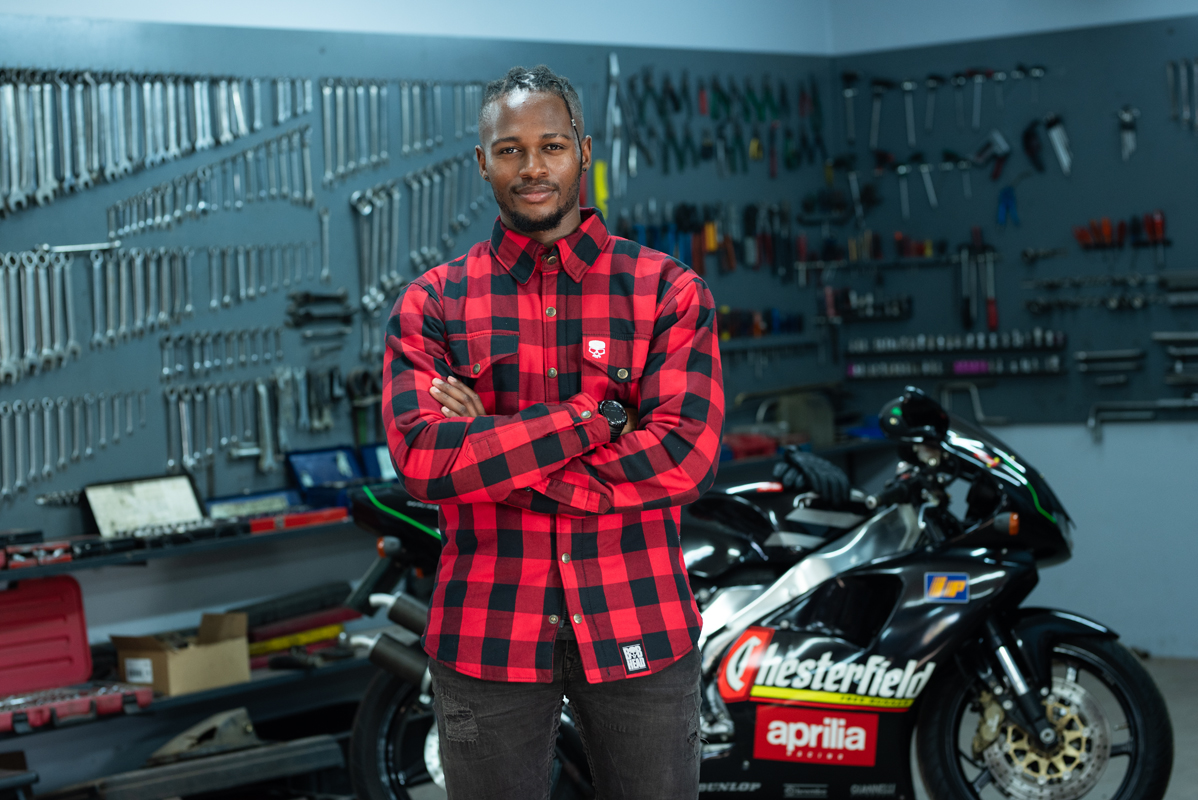
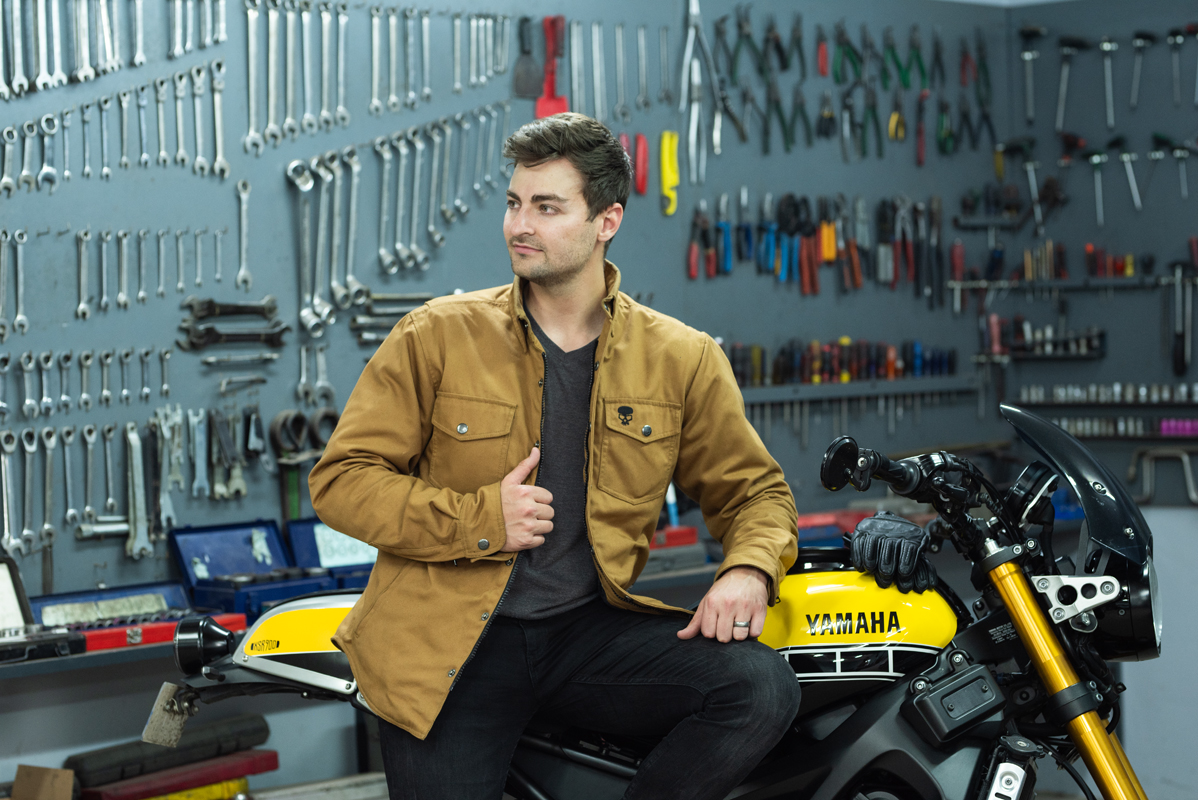
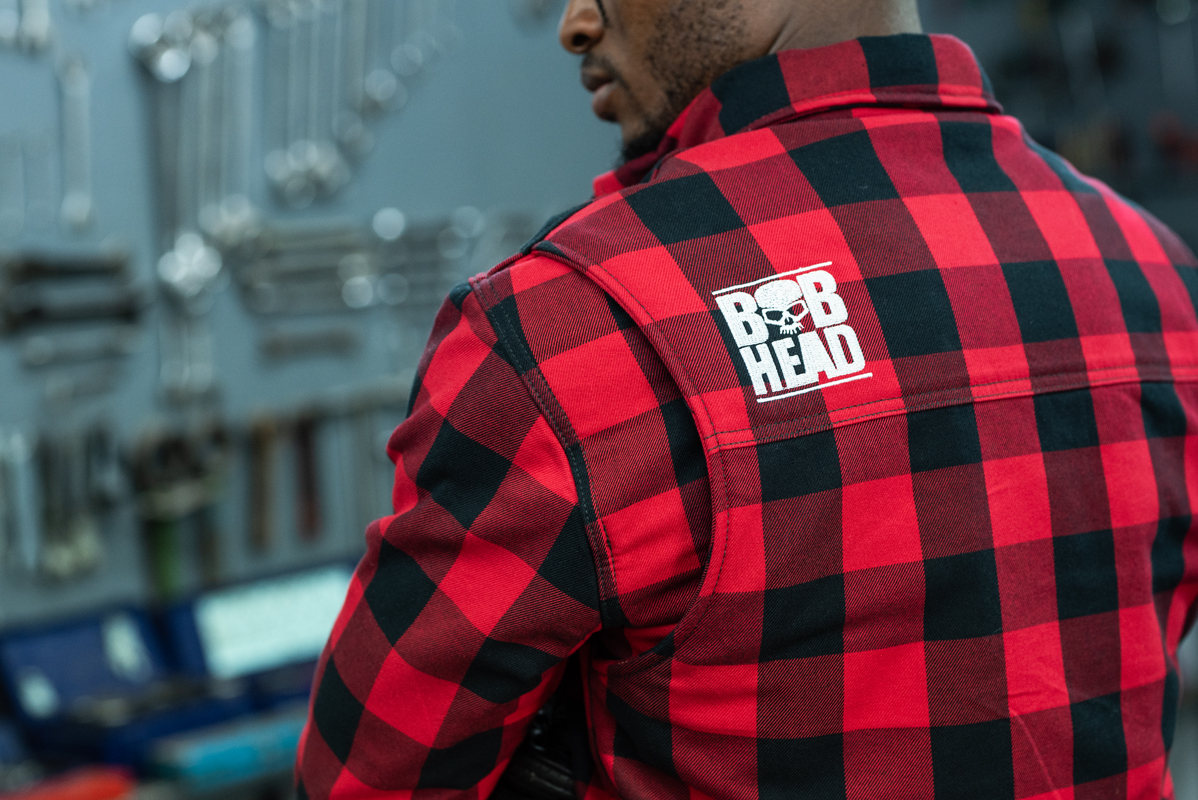
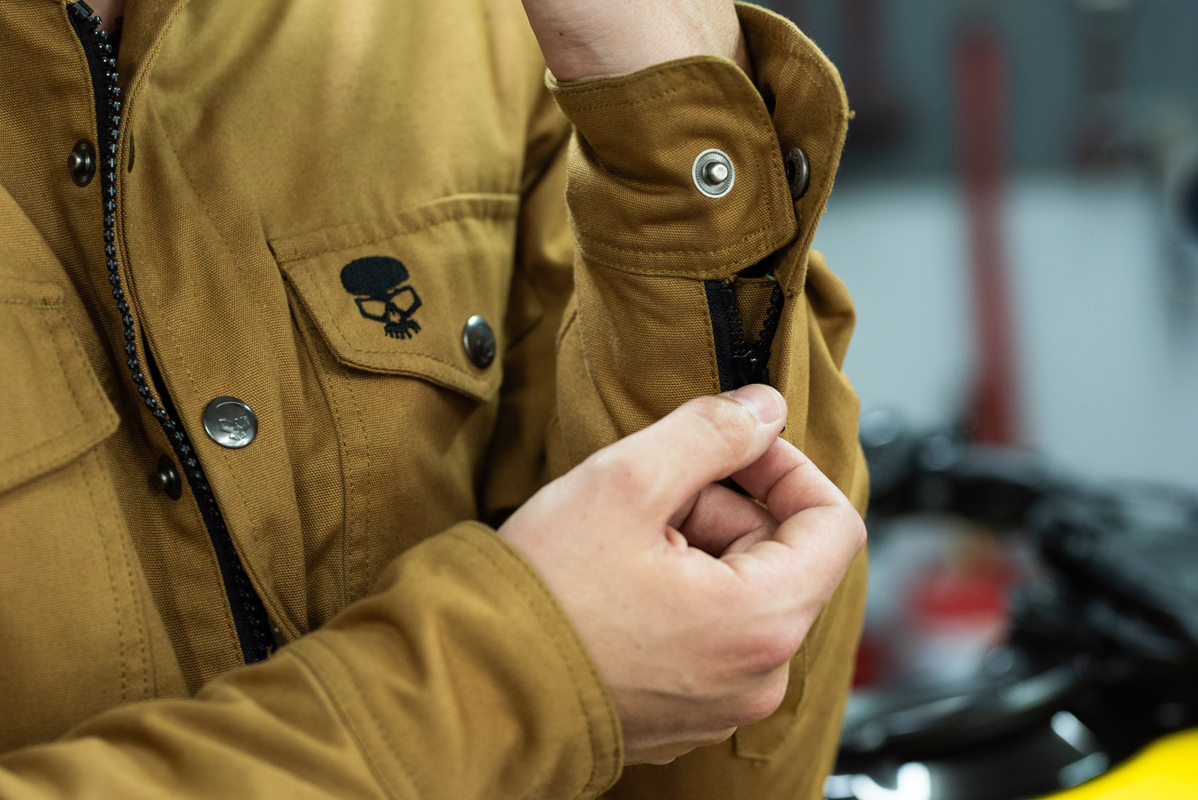
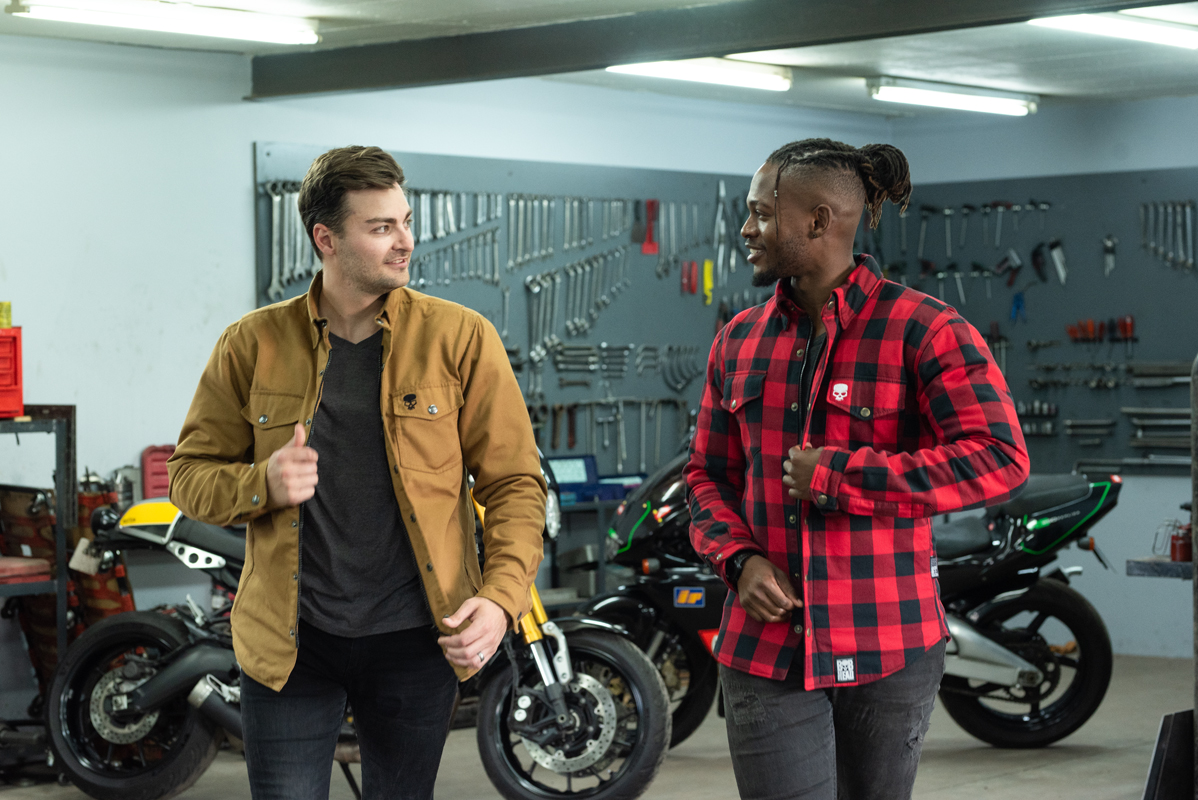
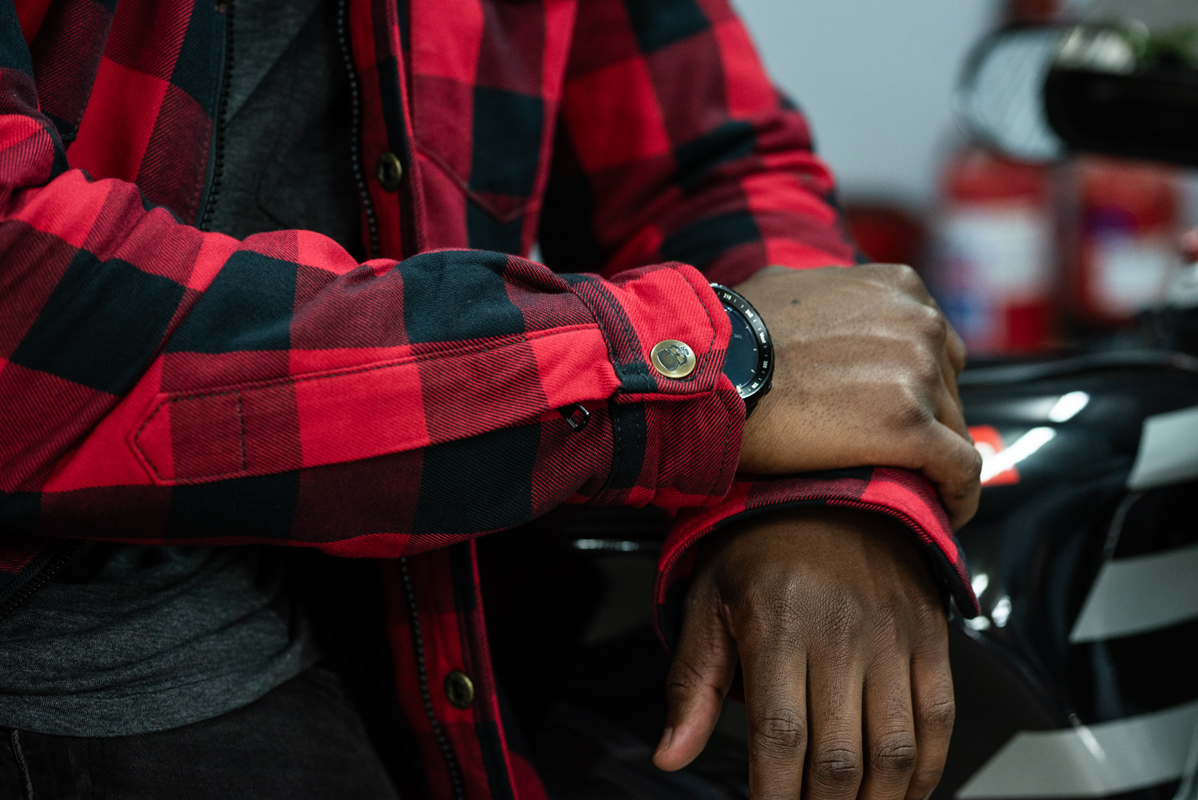
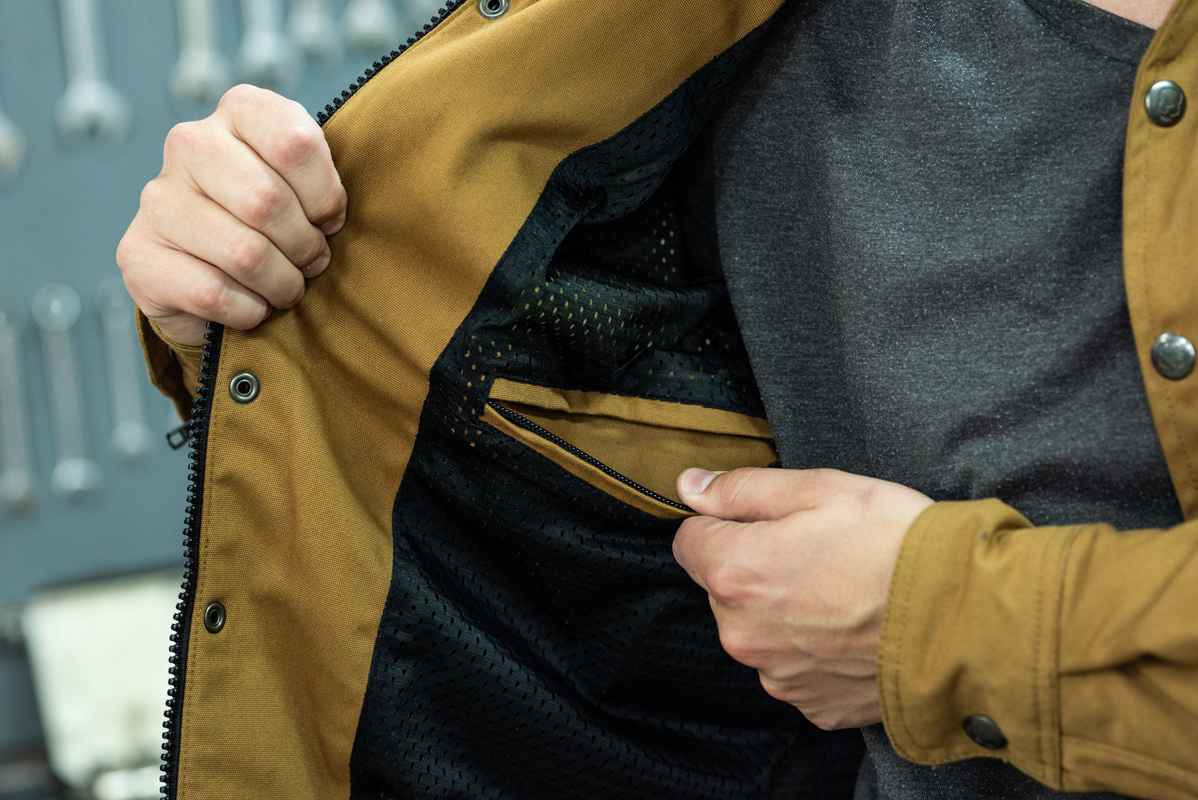
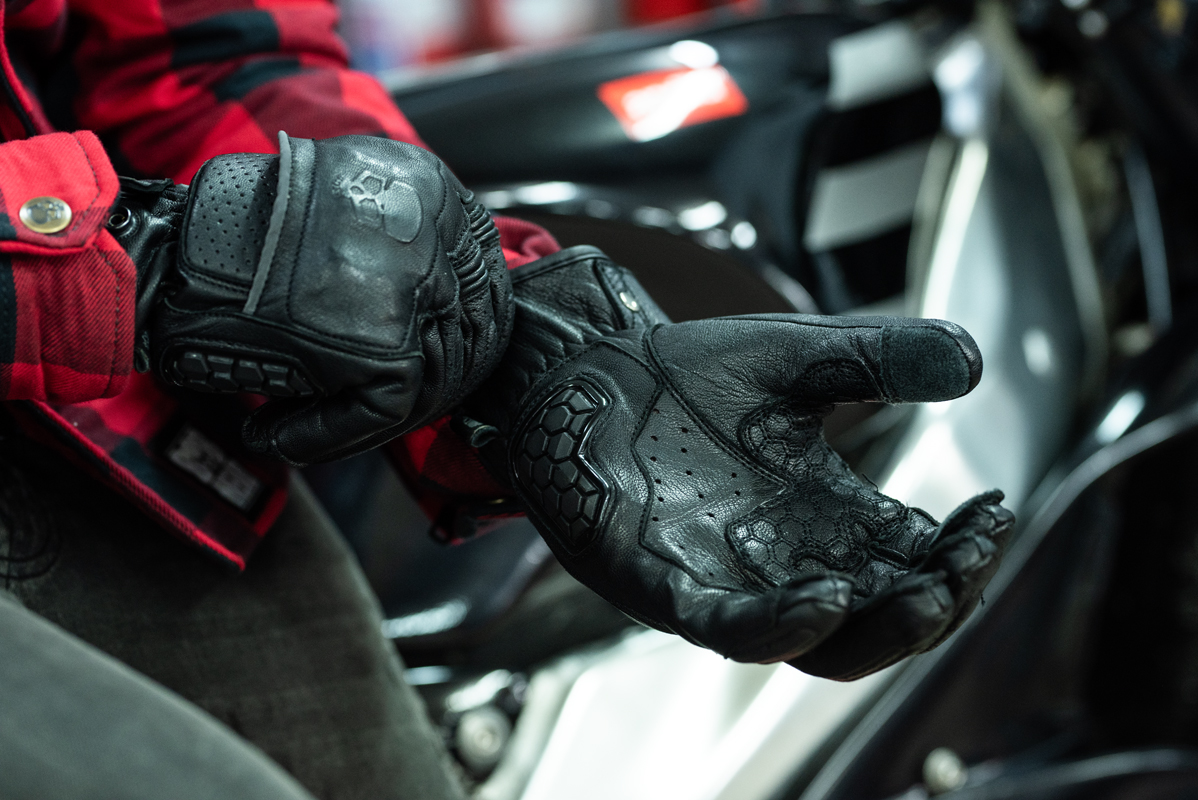
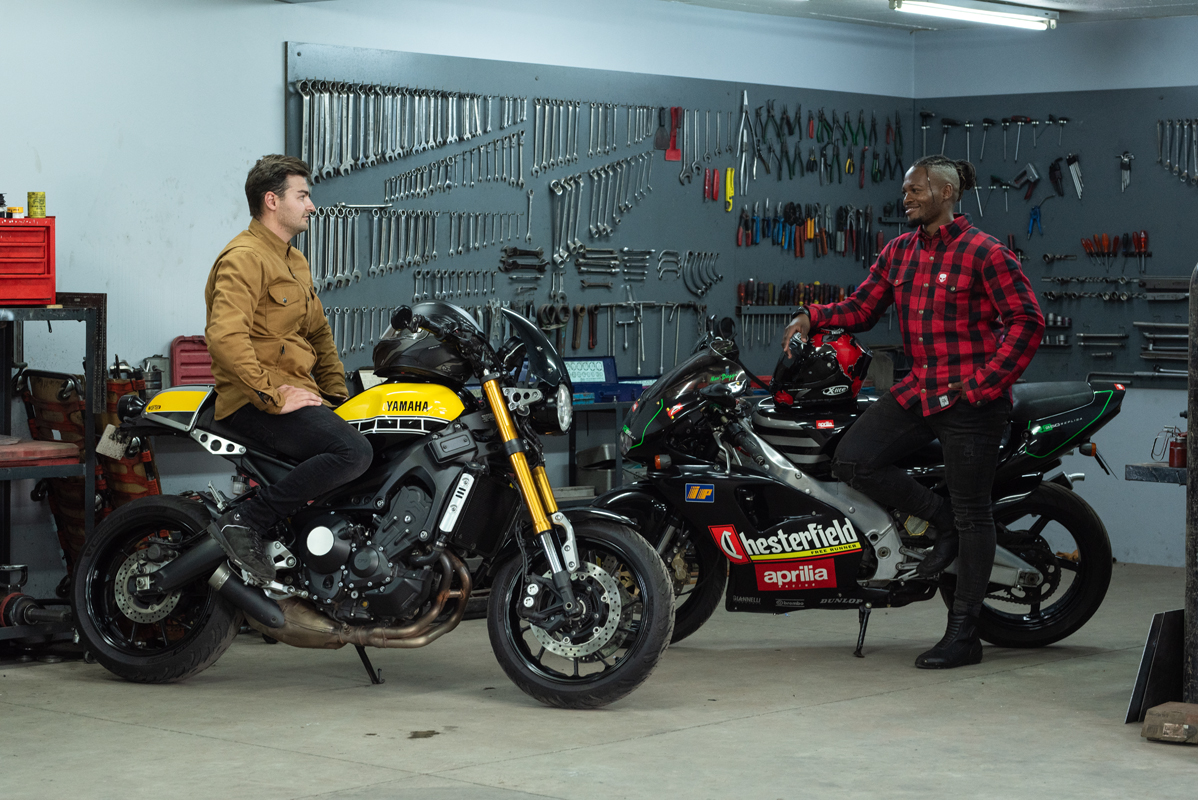
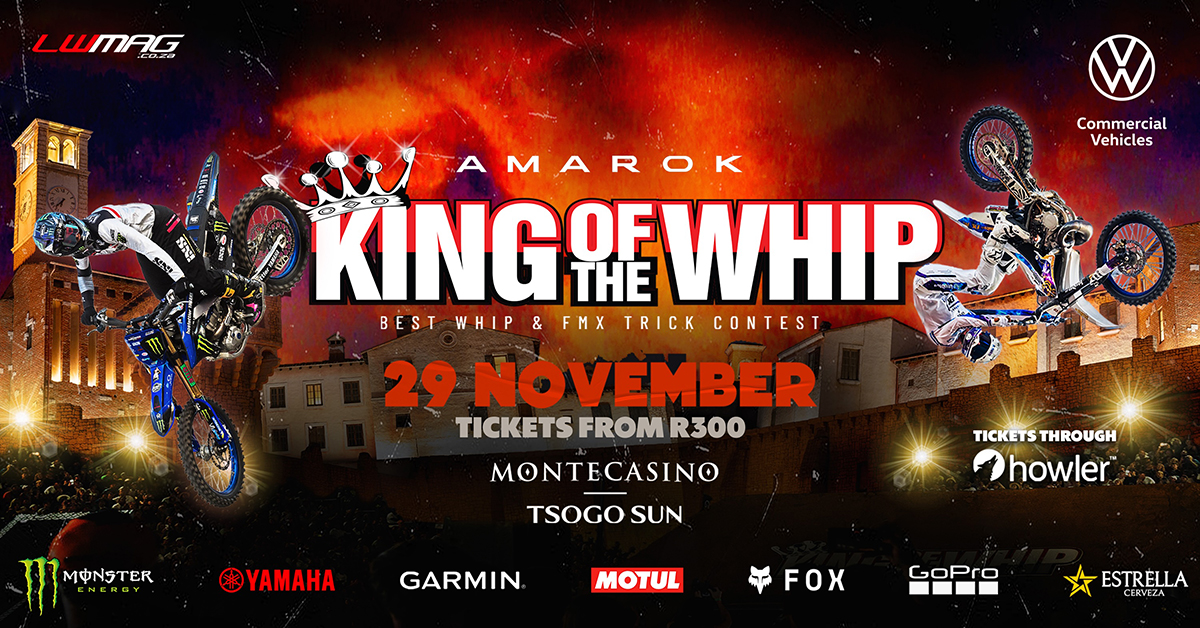
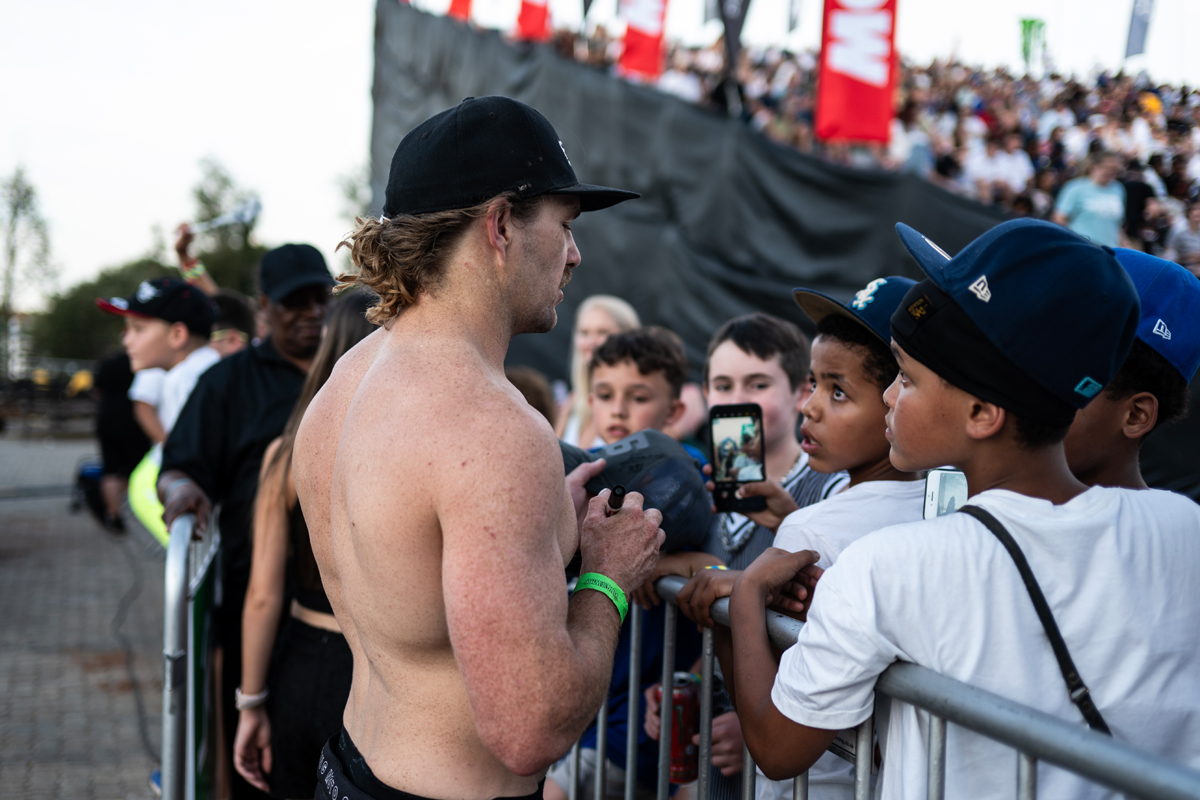
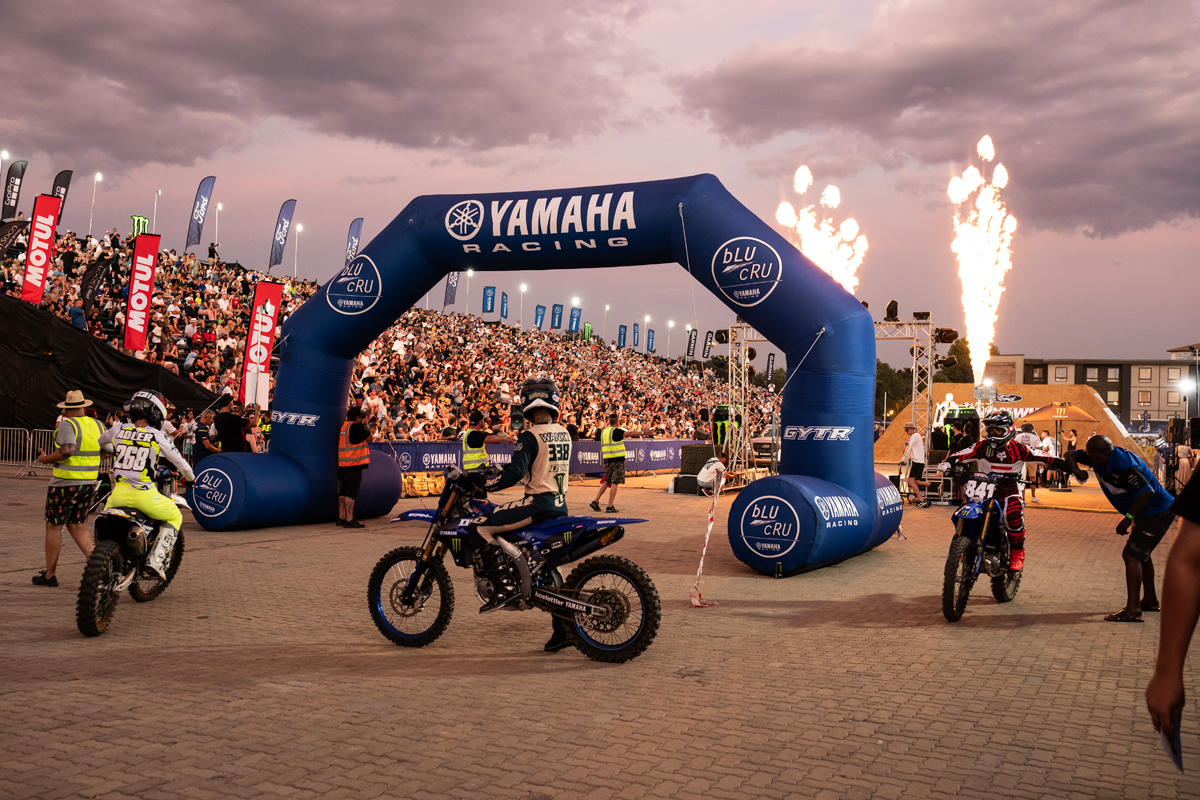
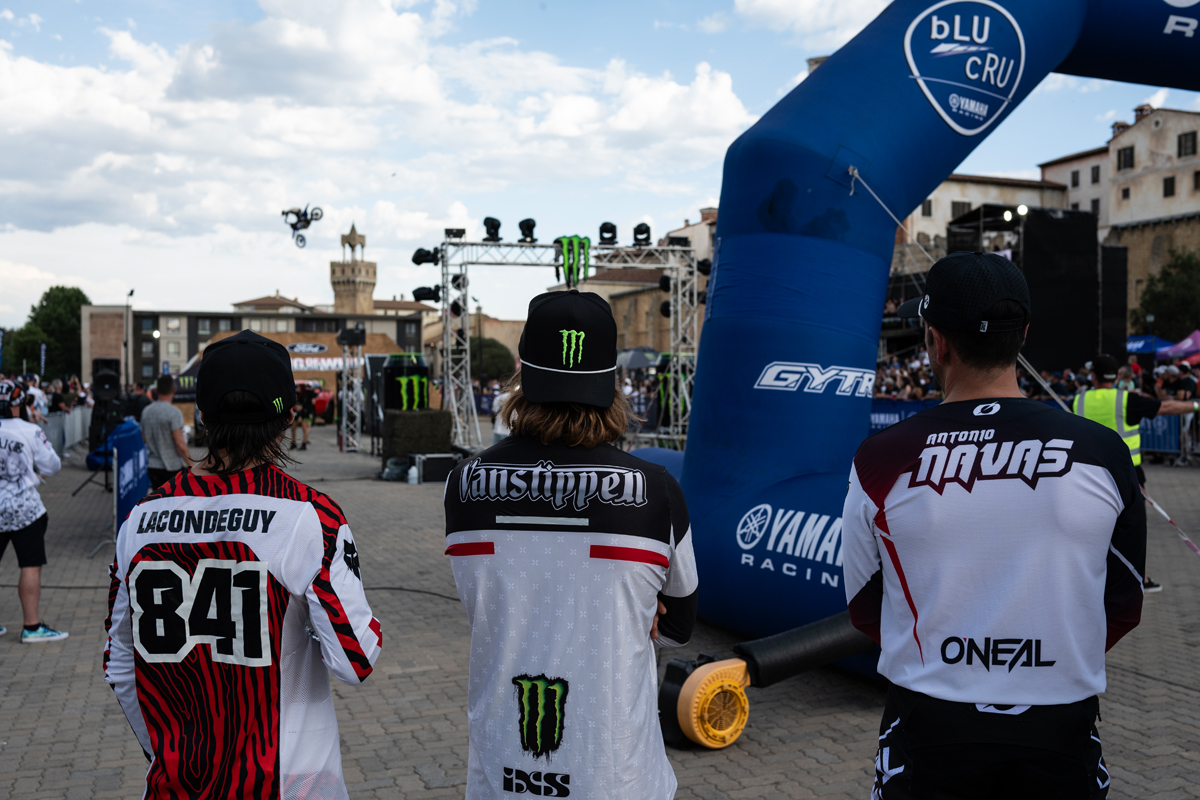
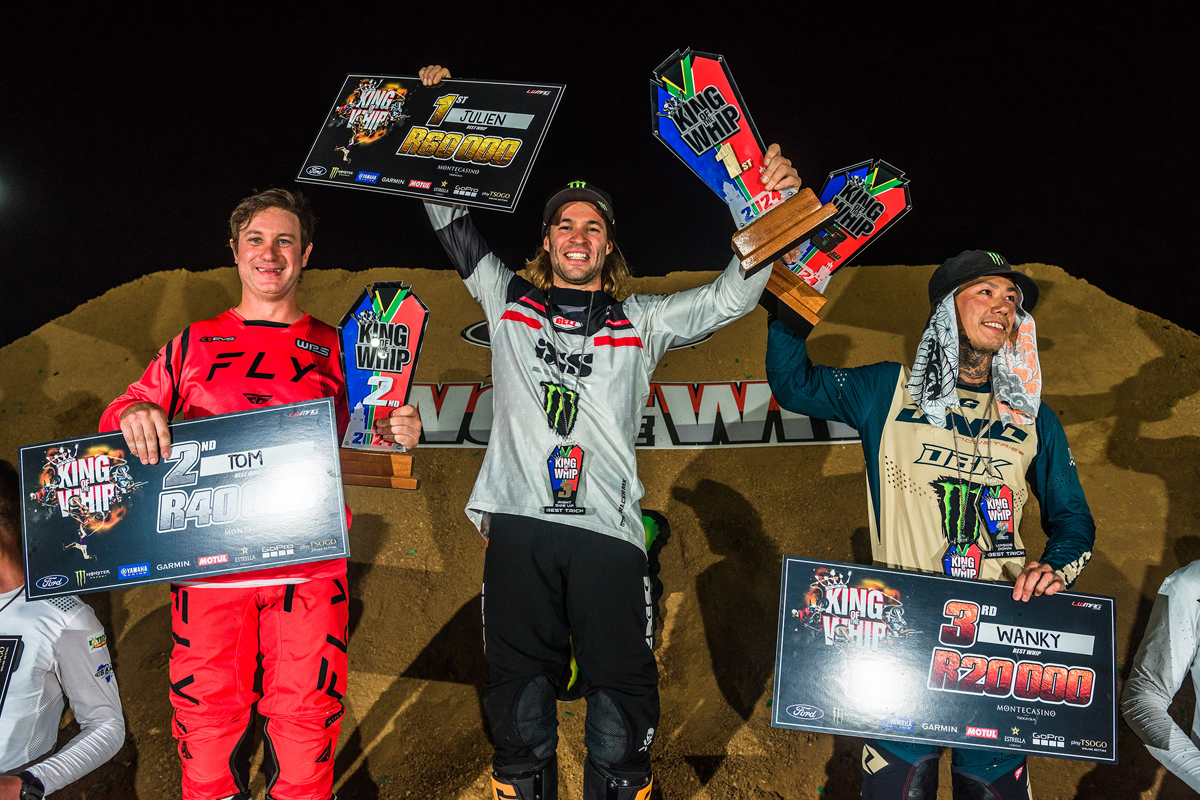
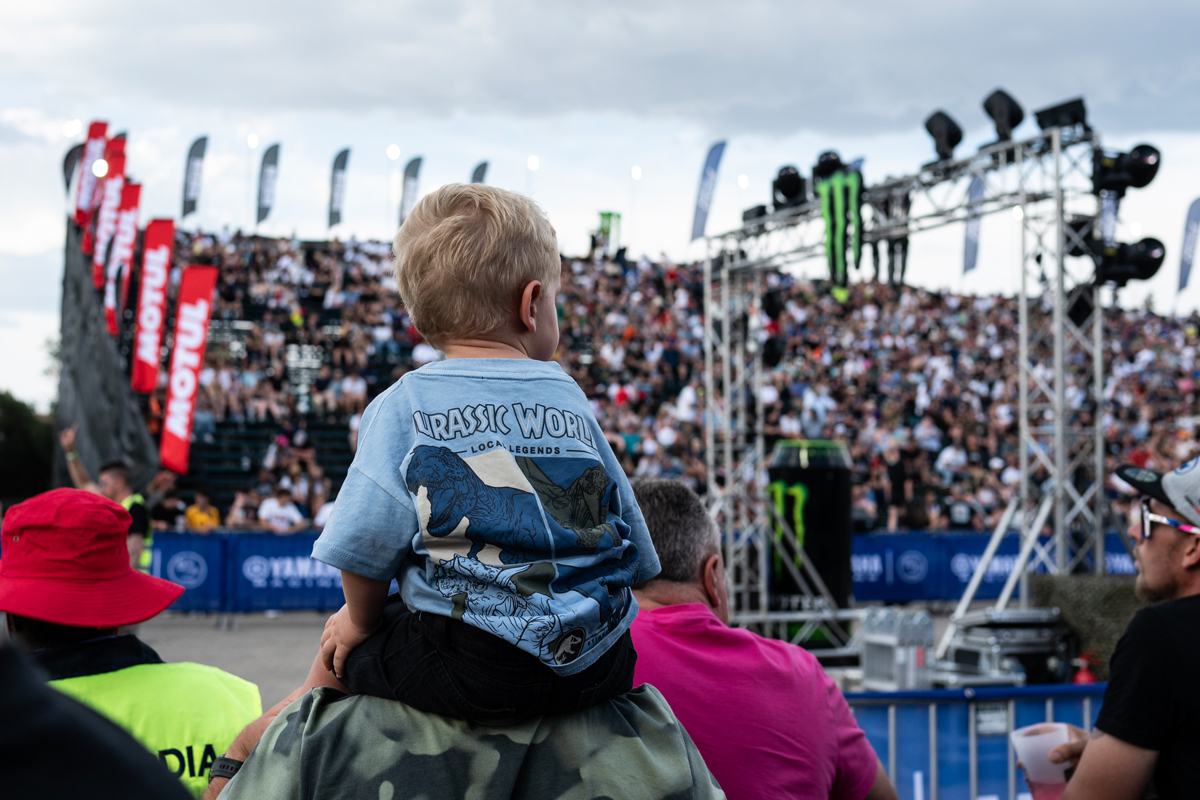
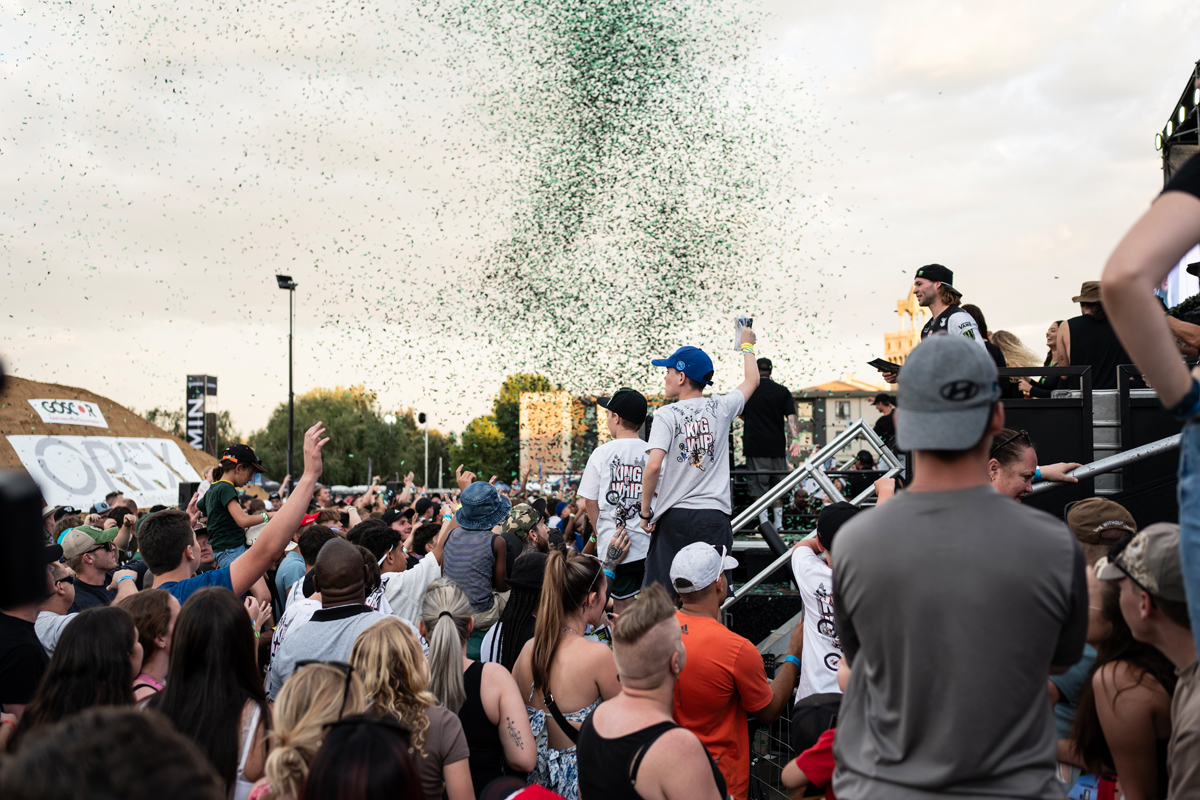
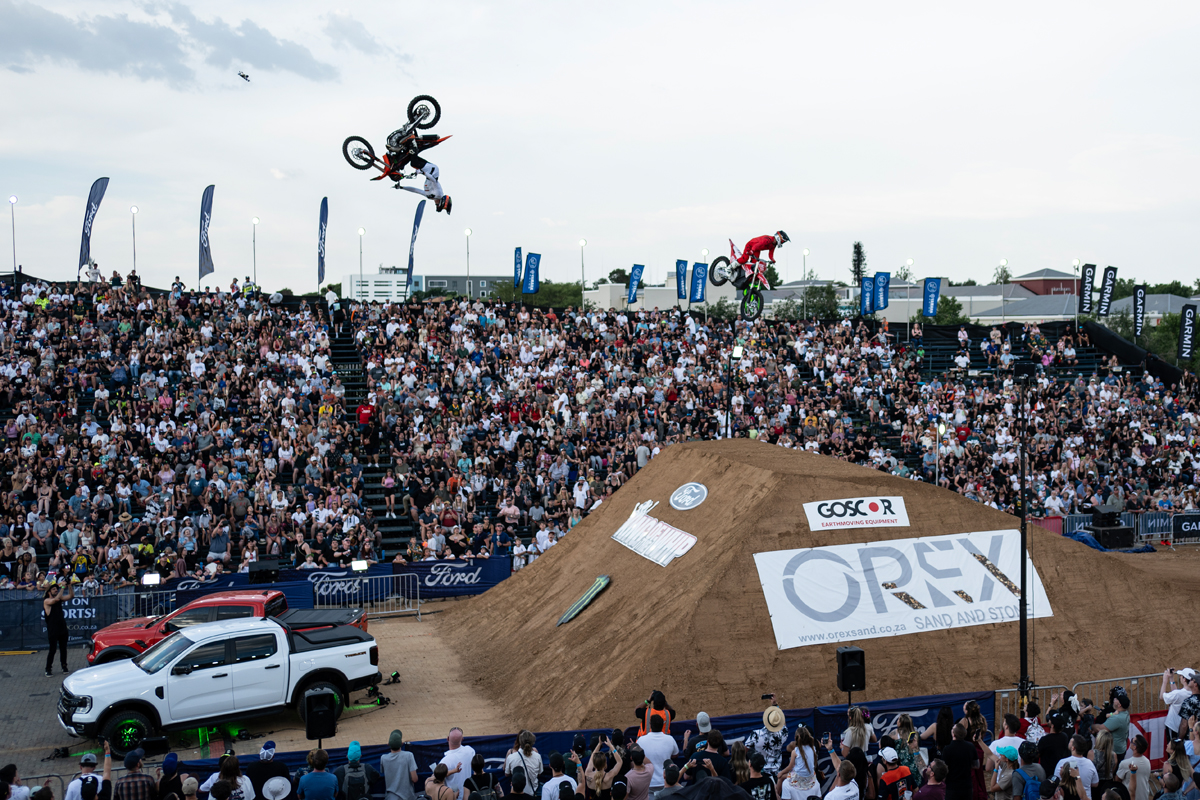
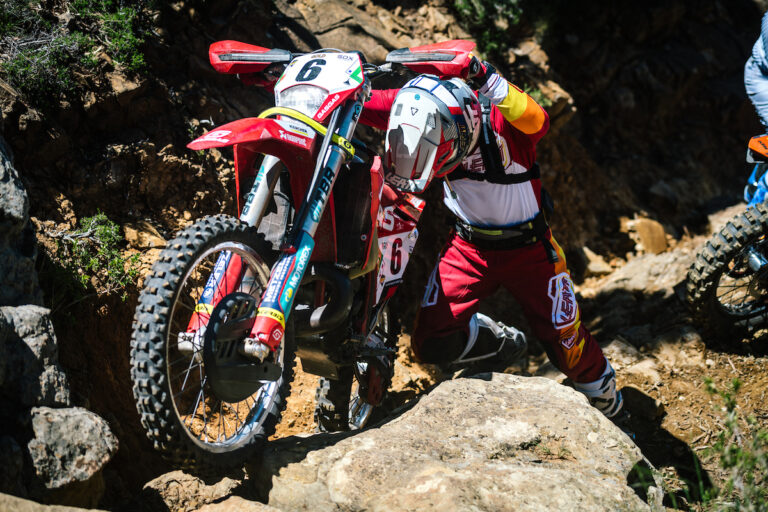
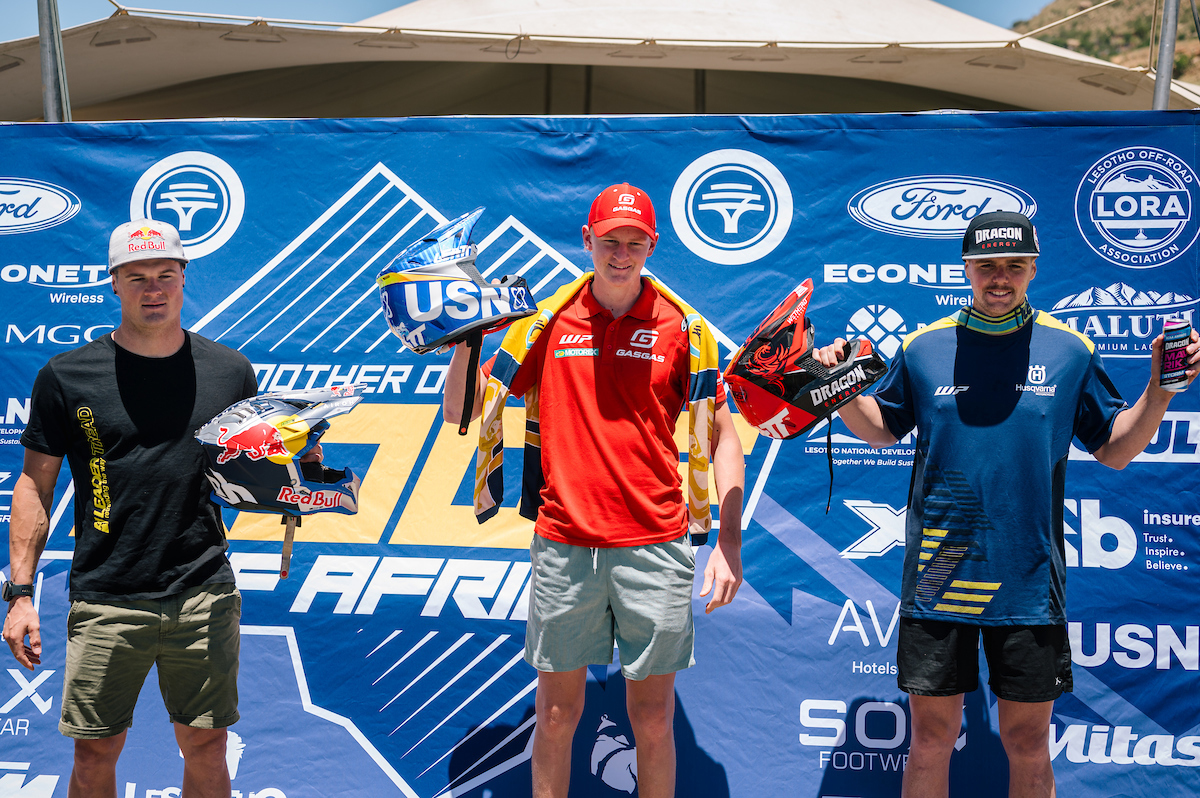 Routes Ready for Battle