


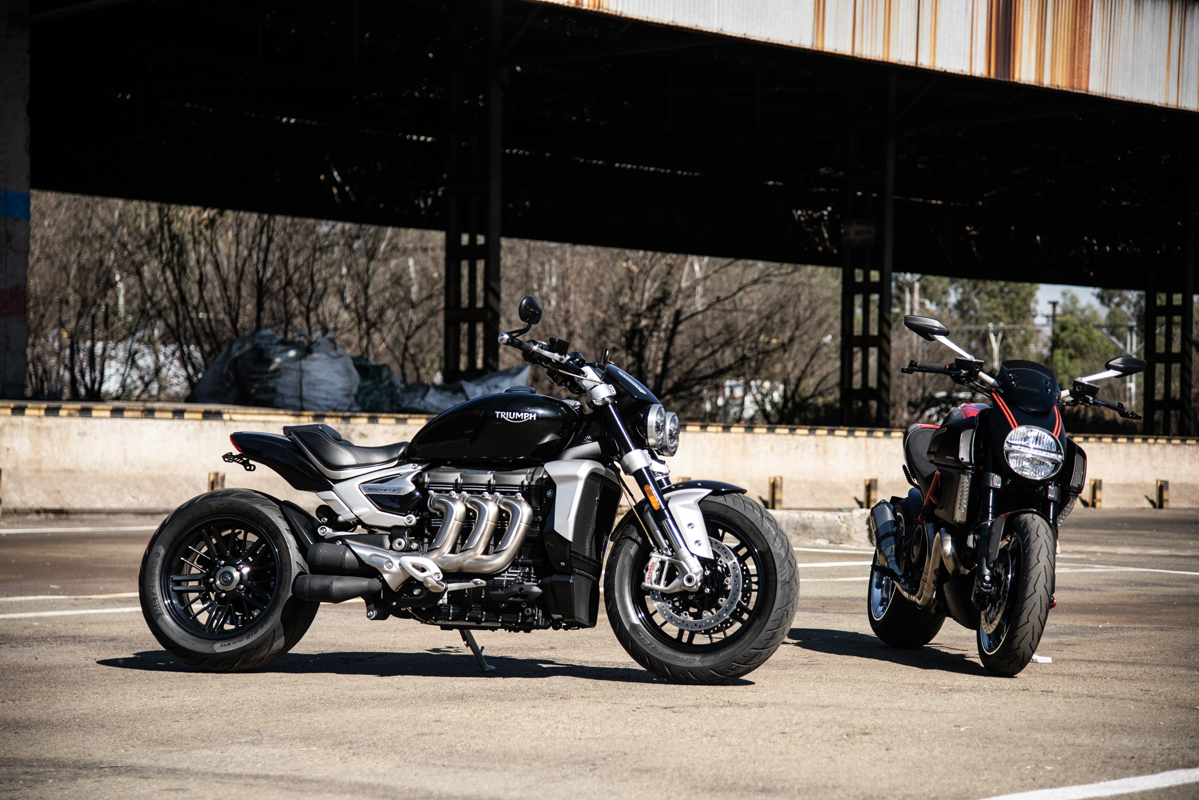
There are times when you find yourself wondering exactly what a manufacturer was thinking when it conceived and created a particular model. Who had the idea and then managed to find someone in the same company who actually agreed with them? For example, it’s difficult to conceive a world in which the likes of the Triumph Rocket 3 or the Ducati Diavel make any sense whatsoever. What questions were being asked to which these were the answers? Has a scenario where questions such as these are relevant been conceived yet?
Obviously, it has, because here is the proof right in front of us. But it still takes a while to realise that, yes, these two bikes do exist, and they are legal to ride on the open, public road.
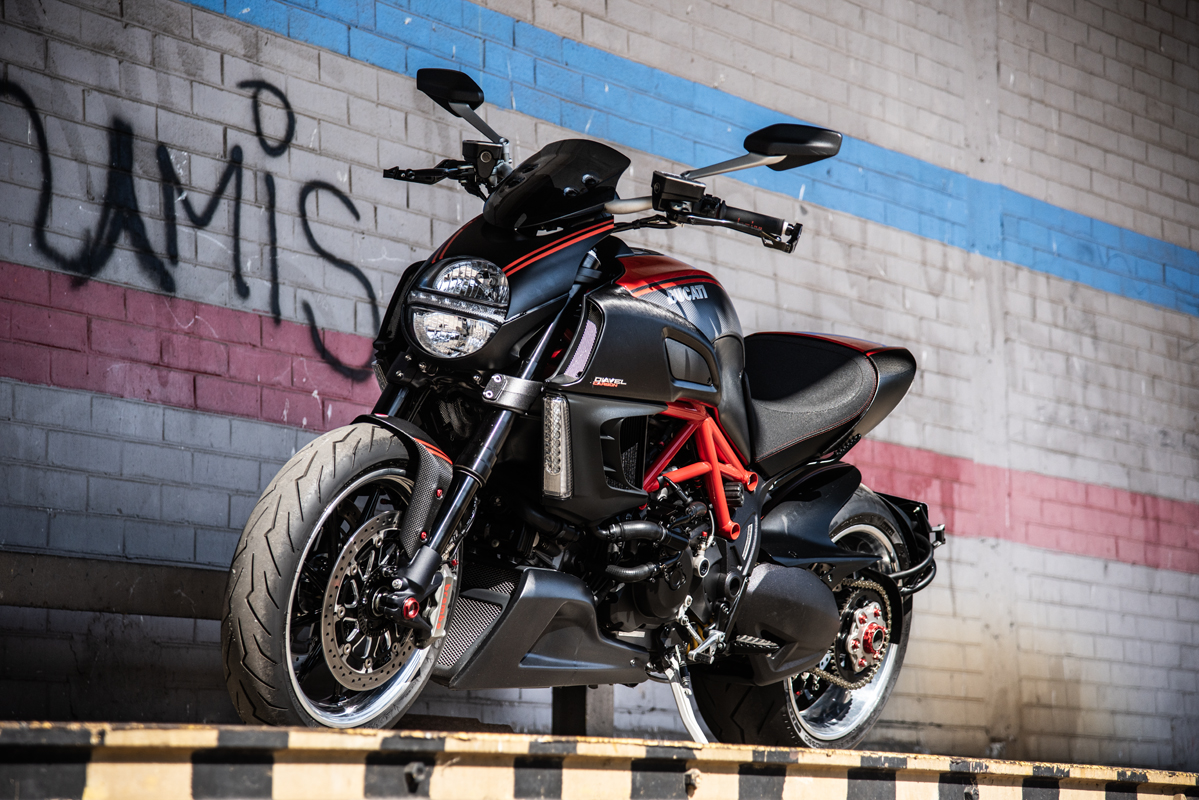
Perhaps the Diavel is being unfairly compared to the Triumph here (if anything can actually be compared to the Triumph, in this or any other world). The Triumph is excess in all areas, while the Diavel has half the stature, if not half the riding experience. It is, in effect, a relaxed sports bike in cruiser clothes, with handling dynamics that are certainly not expected from such a laid-back bruiser.
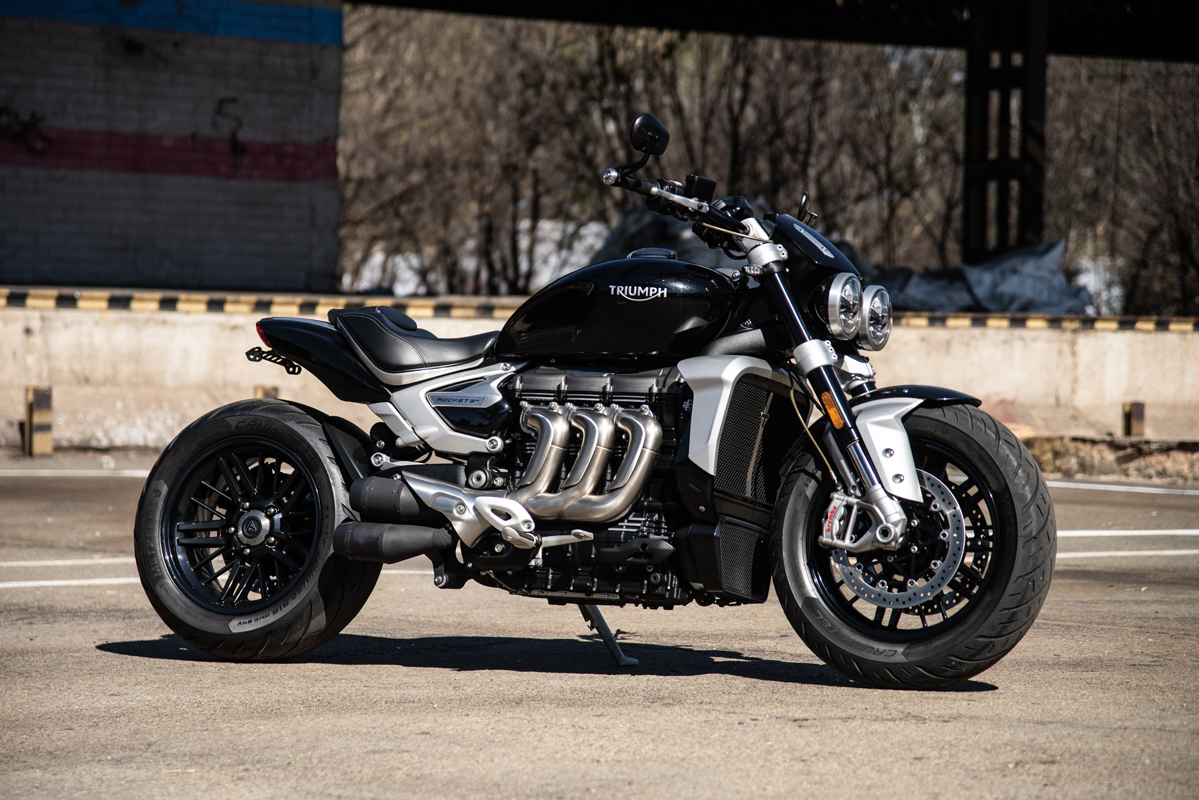
The Triumph also has chassis capabilities way beyond the cartoonish bulk might suggest, but everything is completely overshadowed by the quite astonishing engine; 2.5 litres of longitudinally-mounted triple-cylinder exaggeration that realistically has no place in a motorcycle.
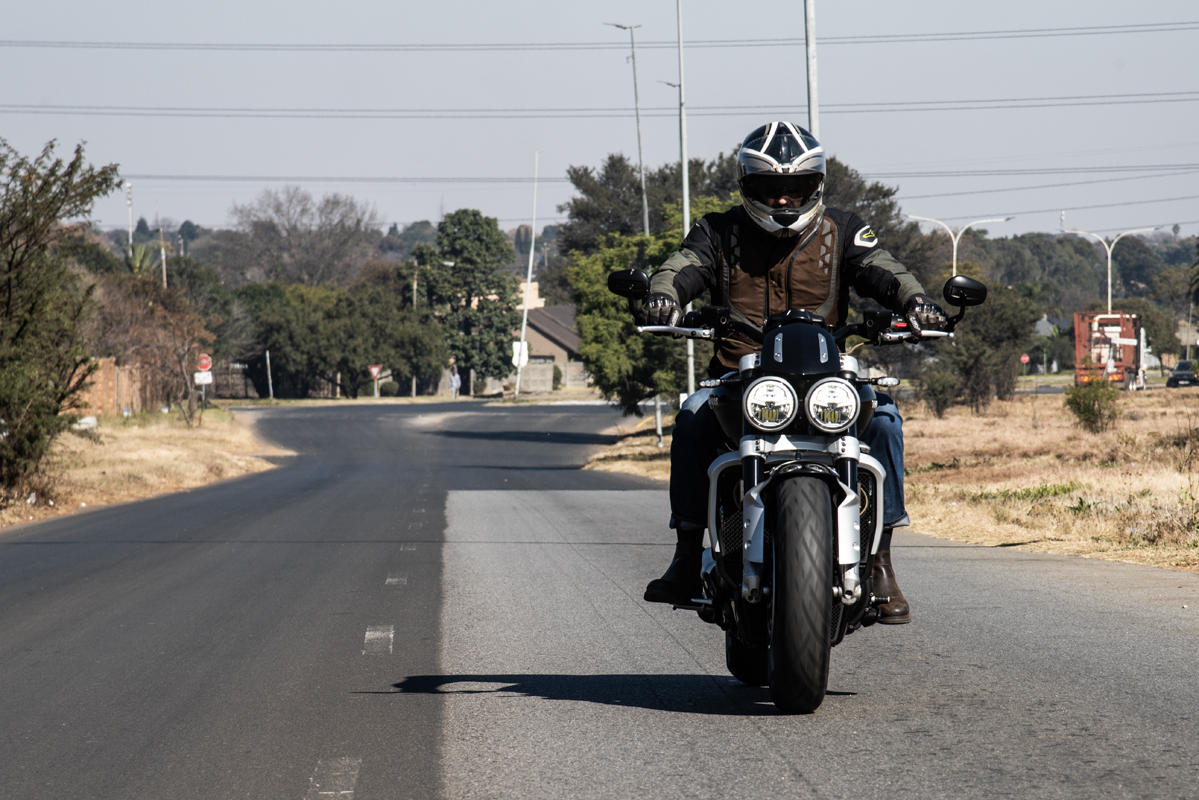
Whatever the thinking behind the Triumph Rocket 3, you can’t help but be grateful that it exists; grateful that it is allowed to exist in this day and age.
The Triumph Rocket III was designed specifically to take on the U.S. cruiser market. But when launched, tradition-bound Harley-Davidson owners didn’t take to it in the numbers anticipated. So, Triumph shifted its marketing focus to place the bike in the “musclebike” market, where the likes of the Yamaha Vmax had found great success.
Power and Personality
Despite its size and bulk, the Rocket III possessed completely unexpected riding dynamics; it handled properly, stopped safely and quickly, and of course, went like the clappers, thanks to 150bhp and an enormous 200+Nm of torque. One journalist with comedic tendencies said that, when you twist the throttle of the Rocket III, it doesn’t move forward; the world rotates underneath it!
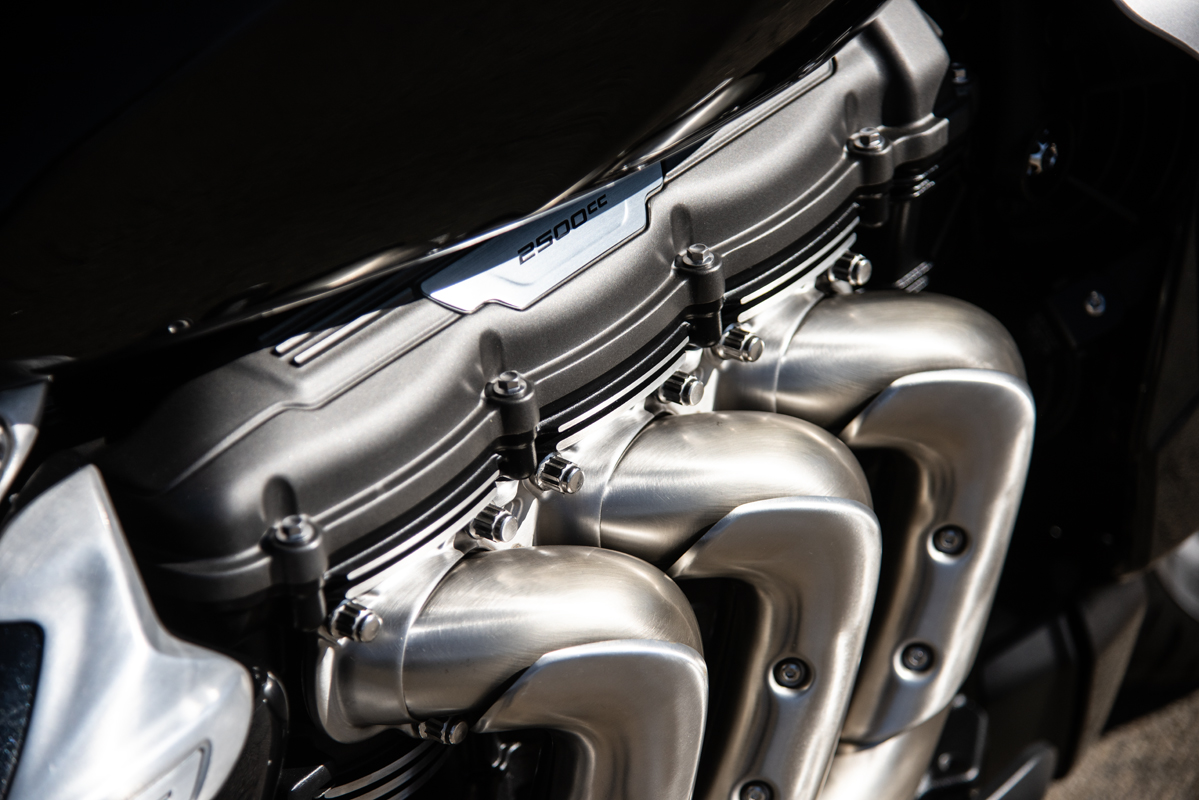
In 2019, the Rocket III was updated, restyled and renamed the Rocket 3. The engine was enlarged to 2.5 litres (up from 2.3 litres), although power and torque figures remained largely the same, the extra power being absorbed by the Euro5 emissions regulations.
On the Road
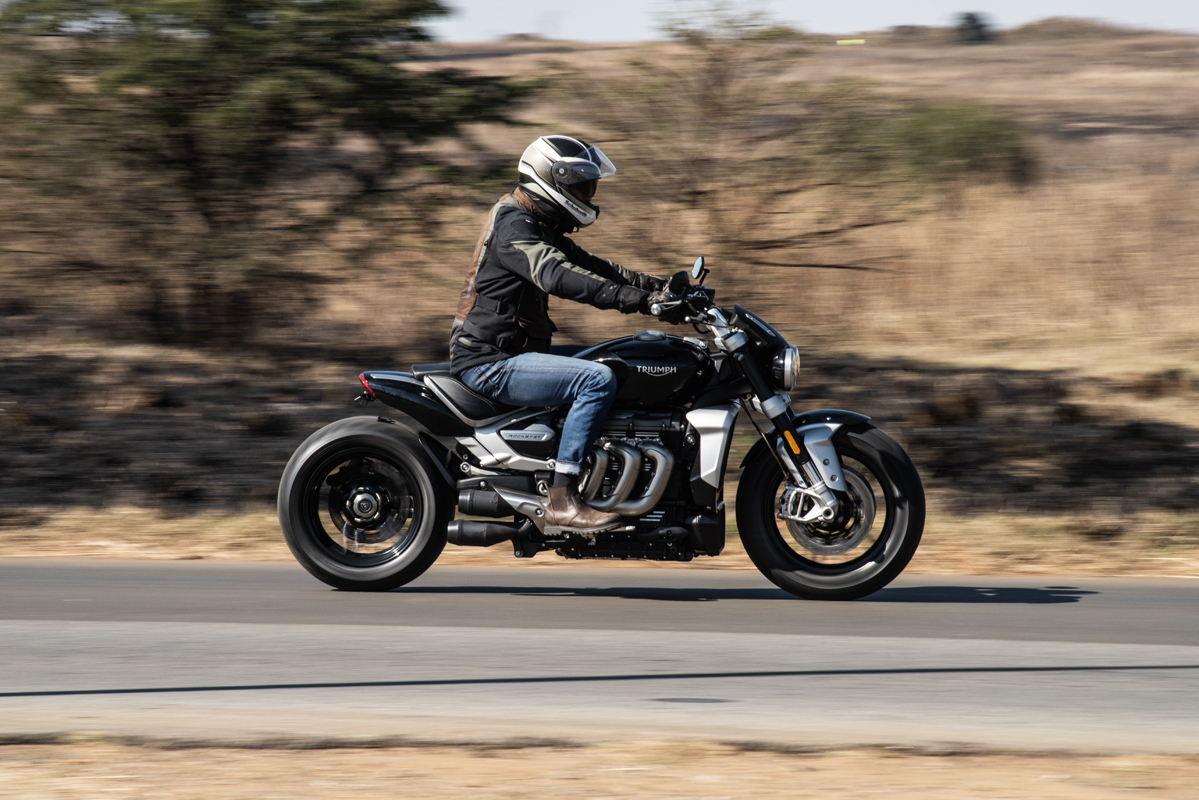
The new Rocket 3 was even sweeter-handling than the old model, which you would expect, but maybe not by as much. Still incredibly large and heavy (nearly 300 kg; the Rocket III weighed a gargantuan 360 kg!), it remains one of the most astonishing experiences in motorcycling today.
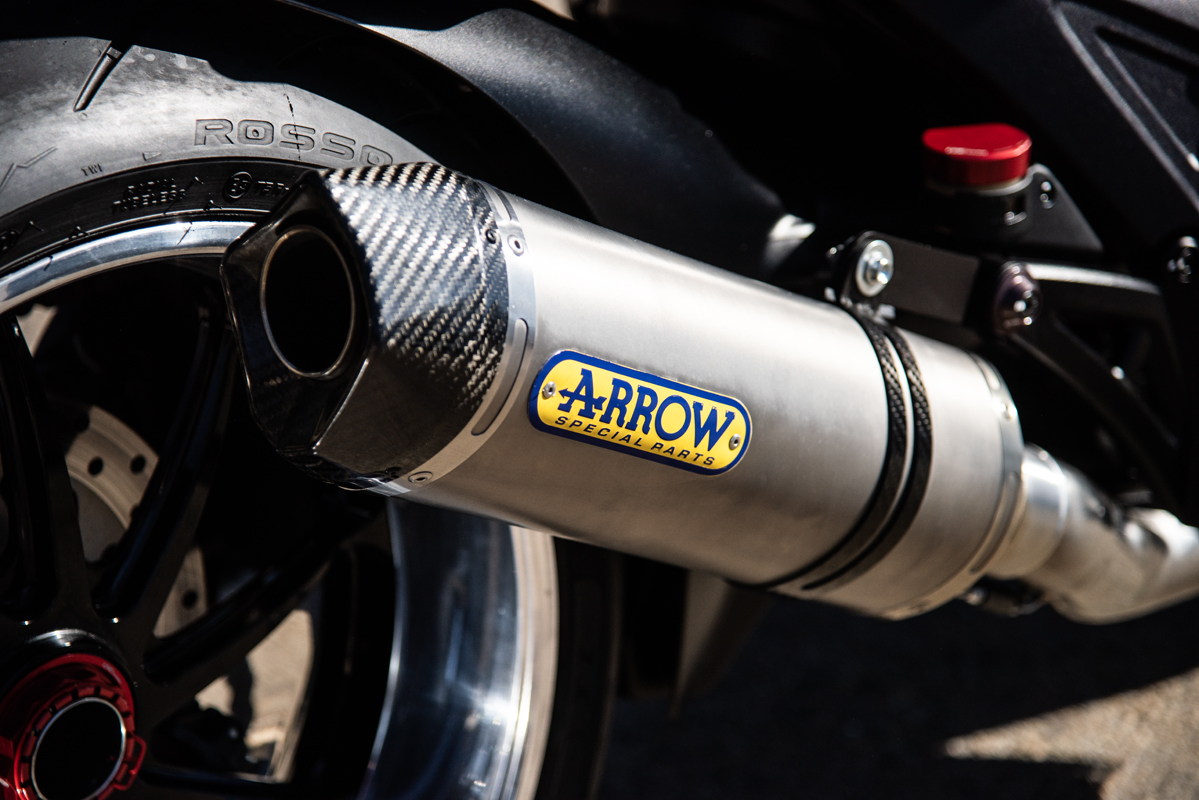
The example shown here is for sale at Bikeshop Boksburg for a very reasonable R239,900. It is a 2019 model and benefits from an aftermarket exhaust that isn’t overly loud but which does enhance the deep-throated music from the engine. At standstill, you are fully aware of the bulk, but that melts away completely when on the move, even at low speeds, so well is it balanced.
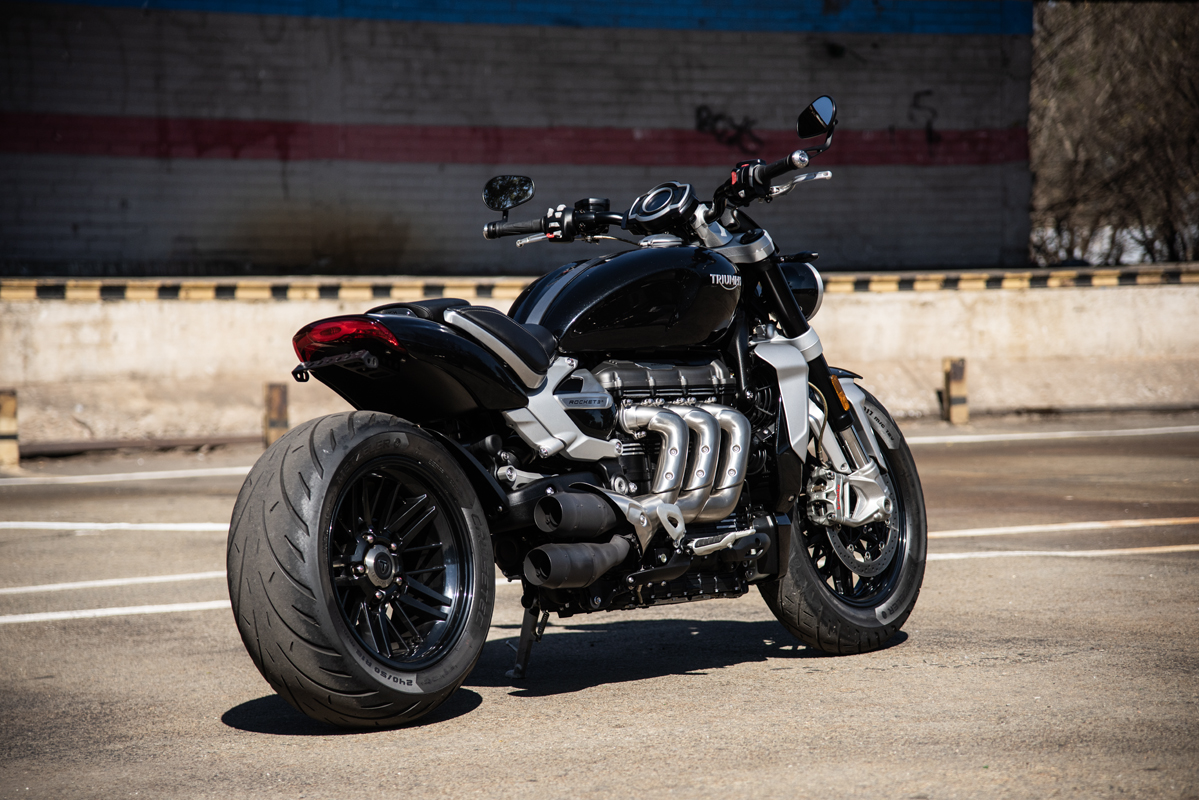
Warp speed is available at the merest breath on the throttle but, as explosive as the acceleration is, it’s all very linear and progressive, as if you’re being propelled by a turbine, not an internal combustion engine. The manoeuvrability defies all logic, while the handling through either long, sweeping corners or a series of tight turns is secure, stable and predictable. The brakes make mincemeat of controlling the inertia.
Every measurable parameter of the Rocket 3 tells you that it shouldn’t work. But it does! What’s more, it works brilliantly, with no compromise at all in the engineering or execution. It is, in a word, brilliant.
The Verdict
The Ducati is another thing altogether. Launched in 2011, it was placed by Ducati in the cruiser category, although it had about as much in common with what people considered cruisers as the Titanic had with a speedboat. In 2016, the X-Diavel arrived, which had a feet-forward riding position and was reportedly Ducati’s fastest-accelerating motorcycle – 0-60 mph in 2.9 seconds!
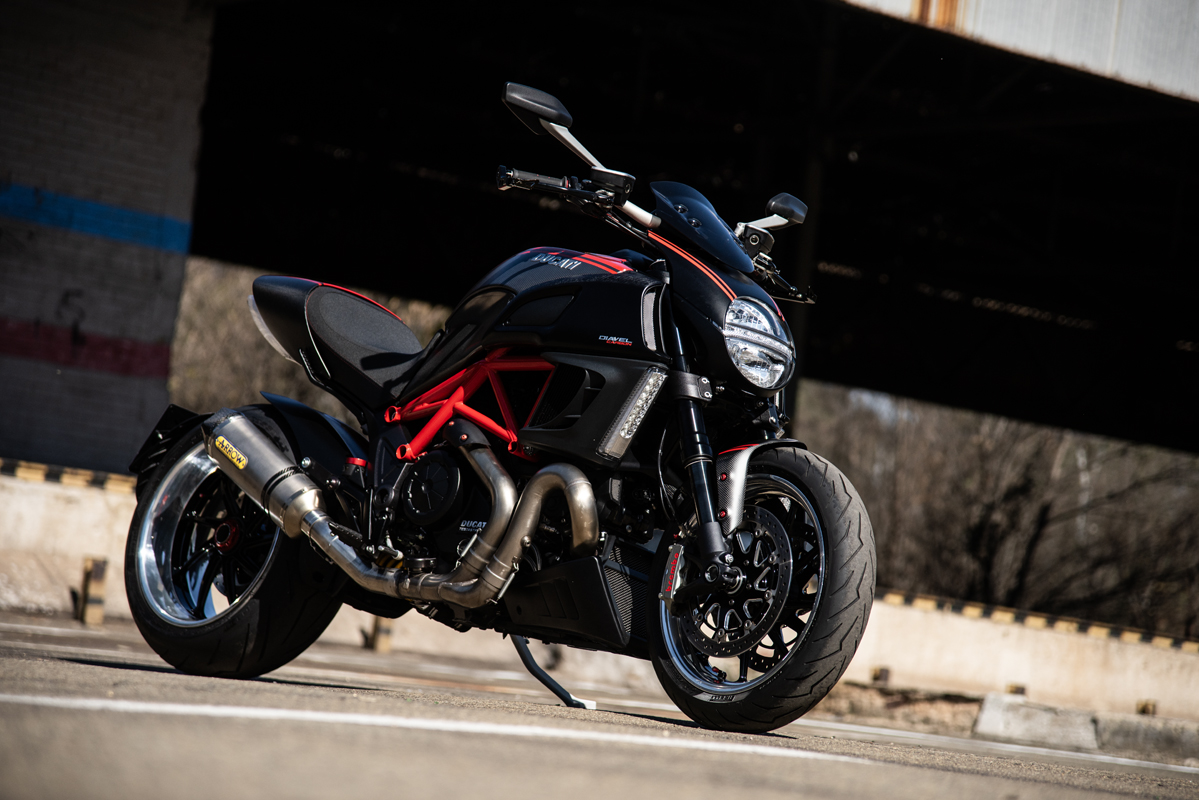
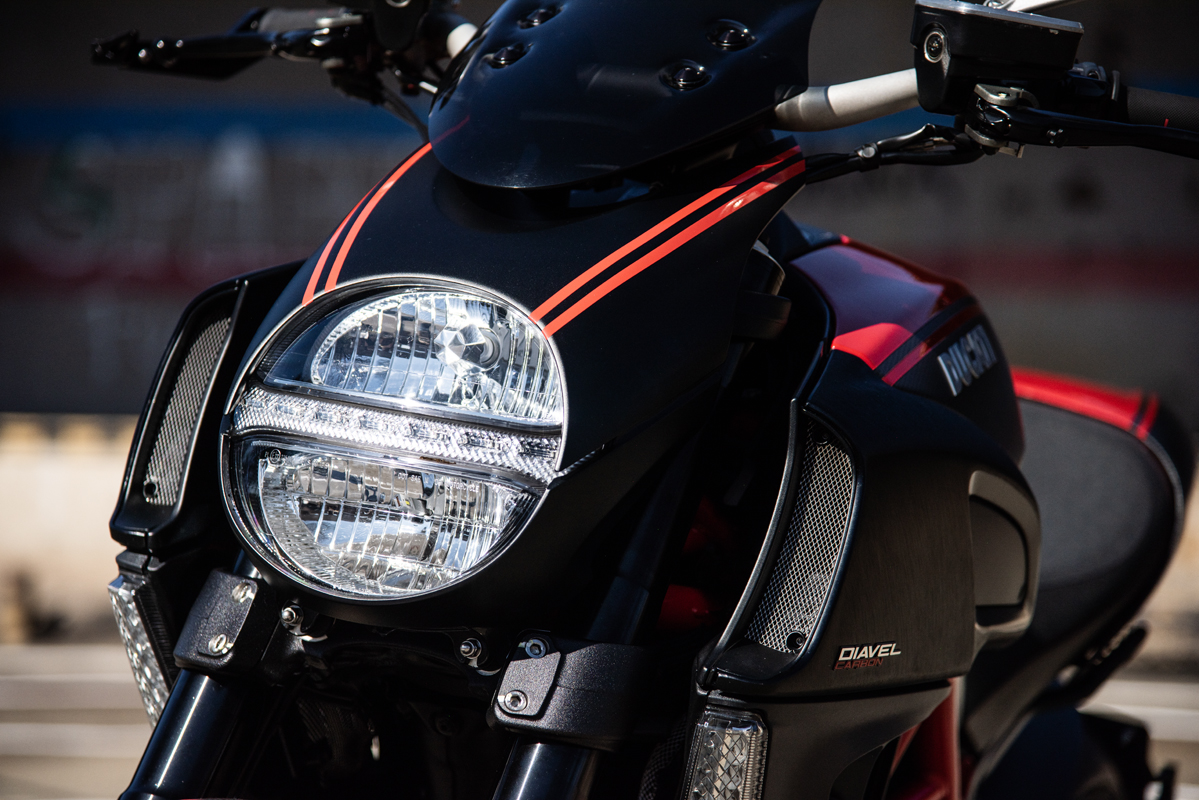
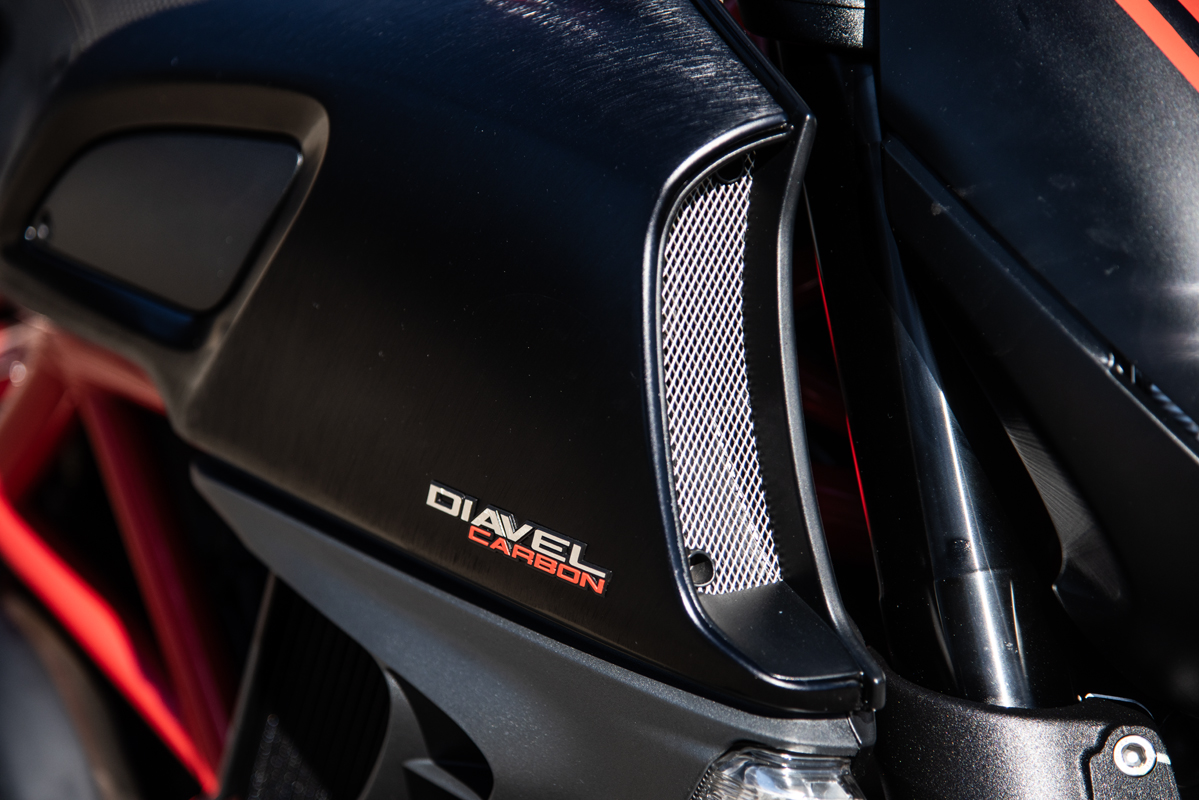
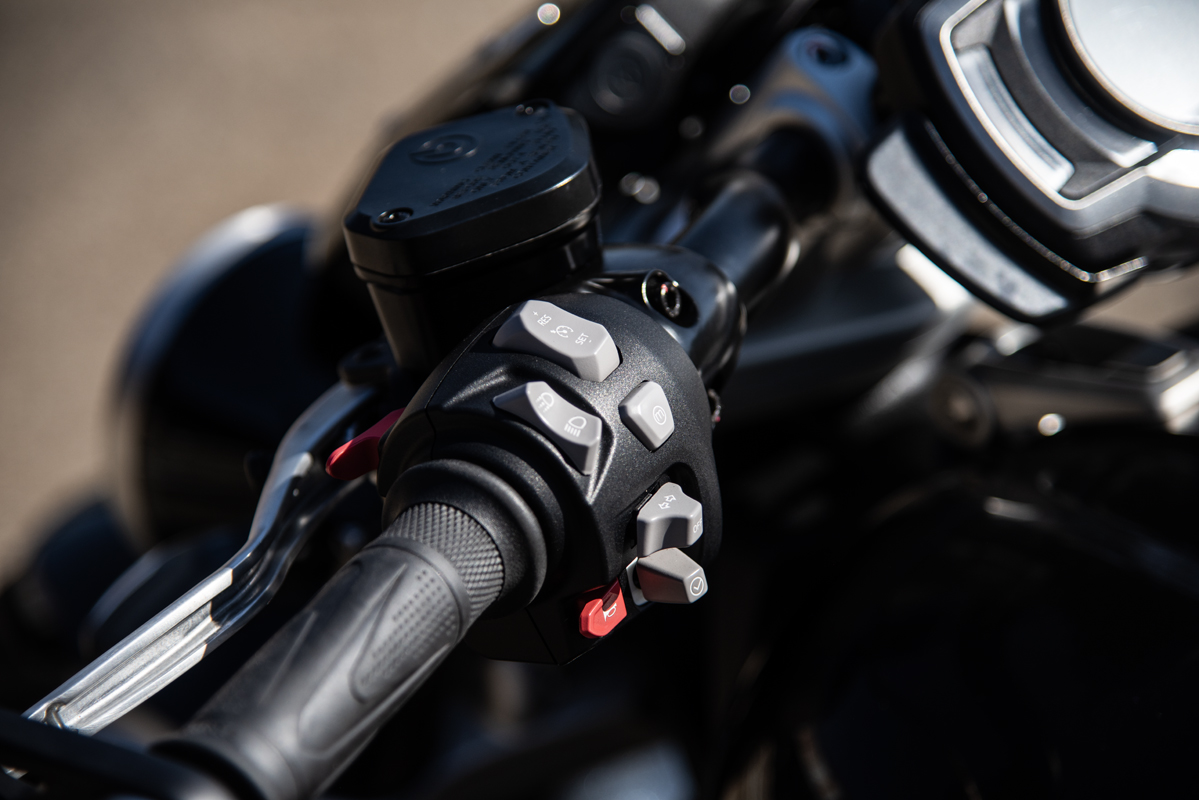
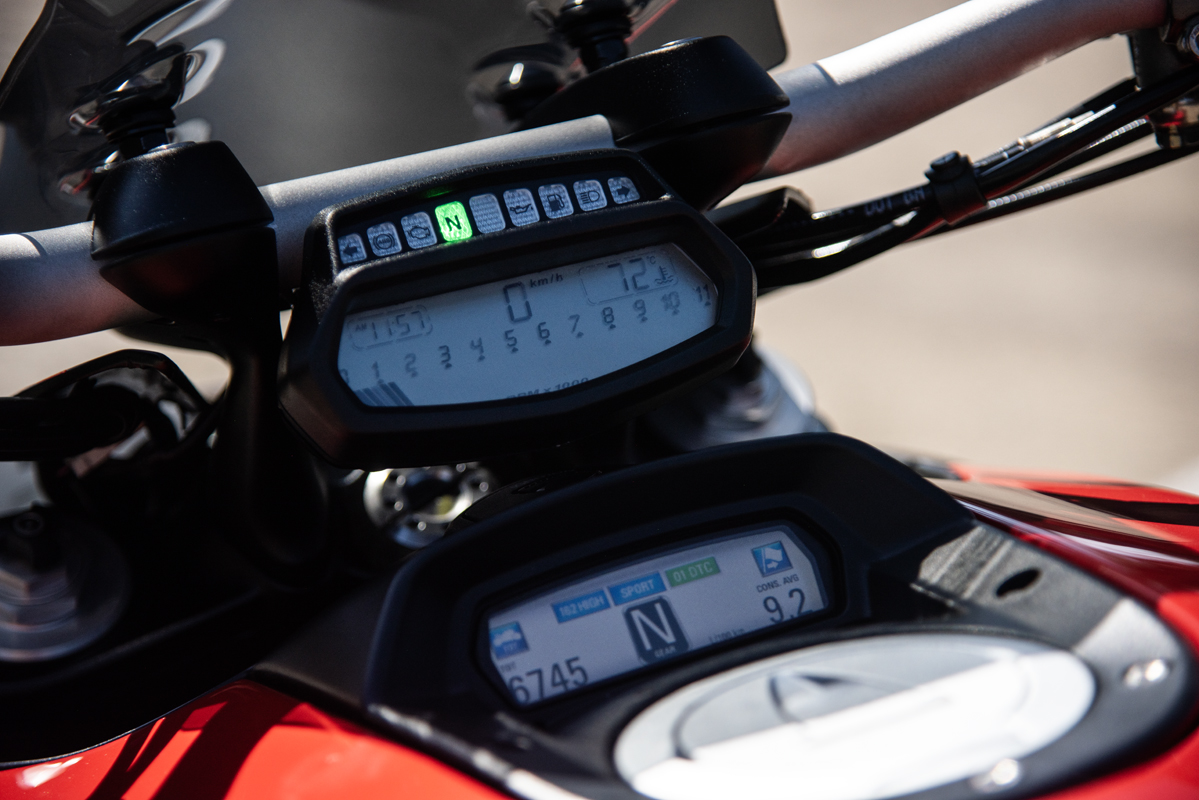
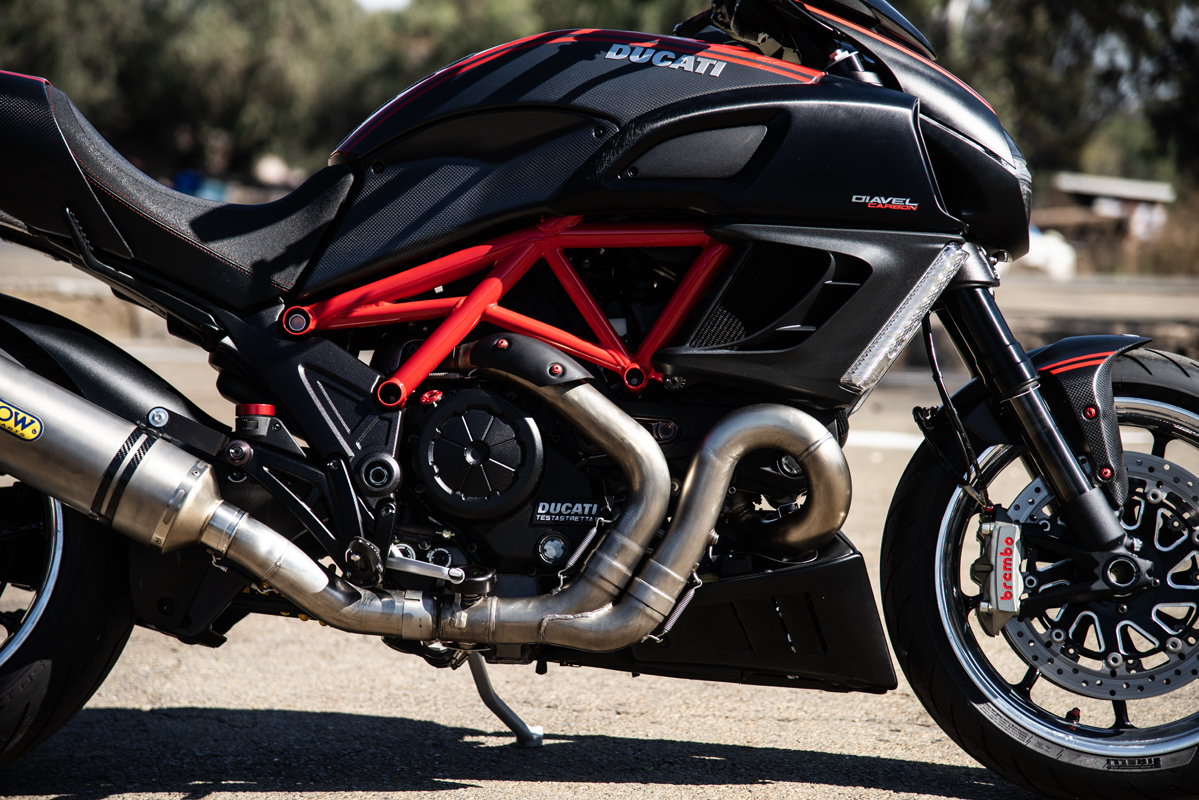
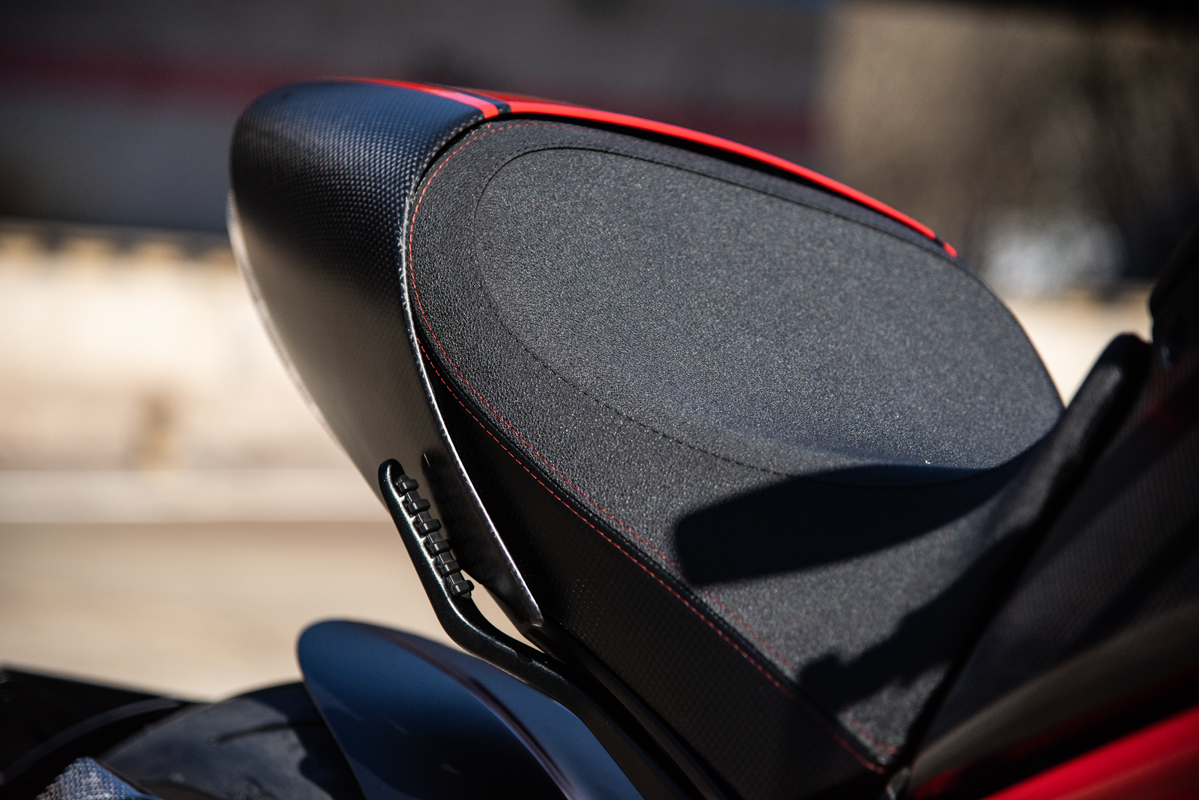
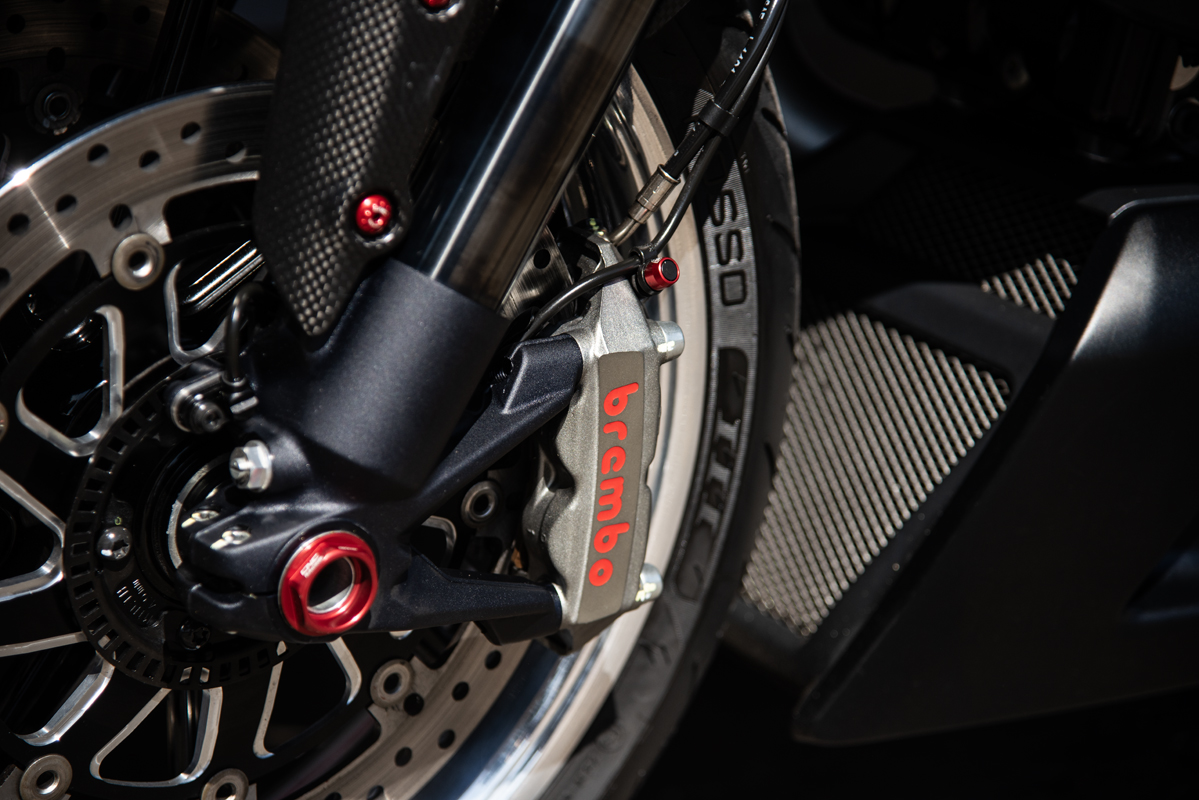
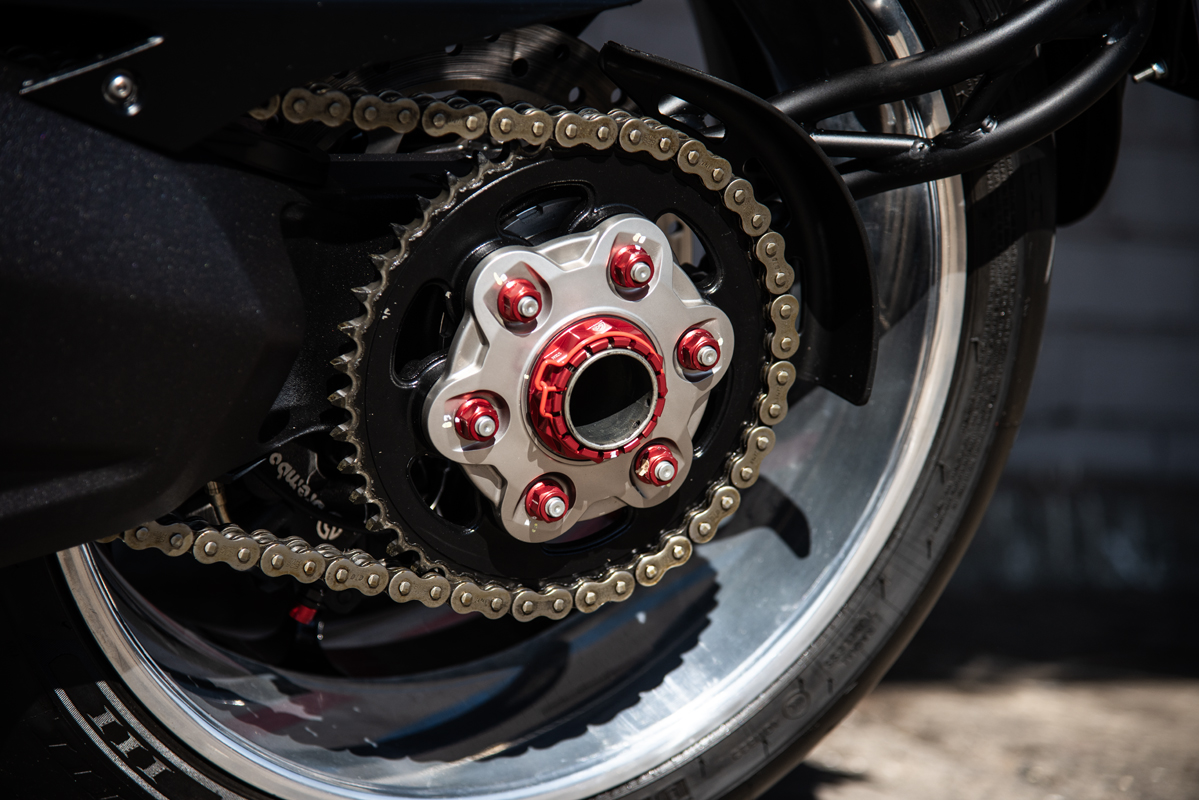
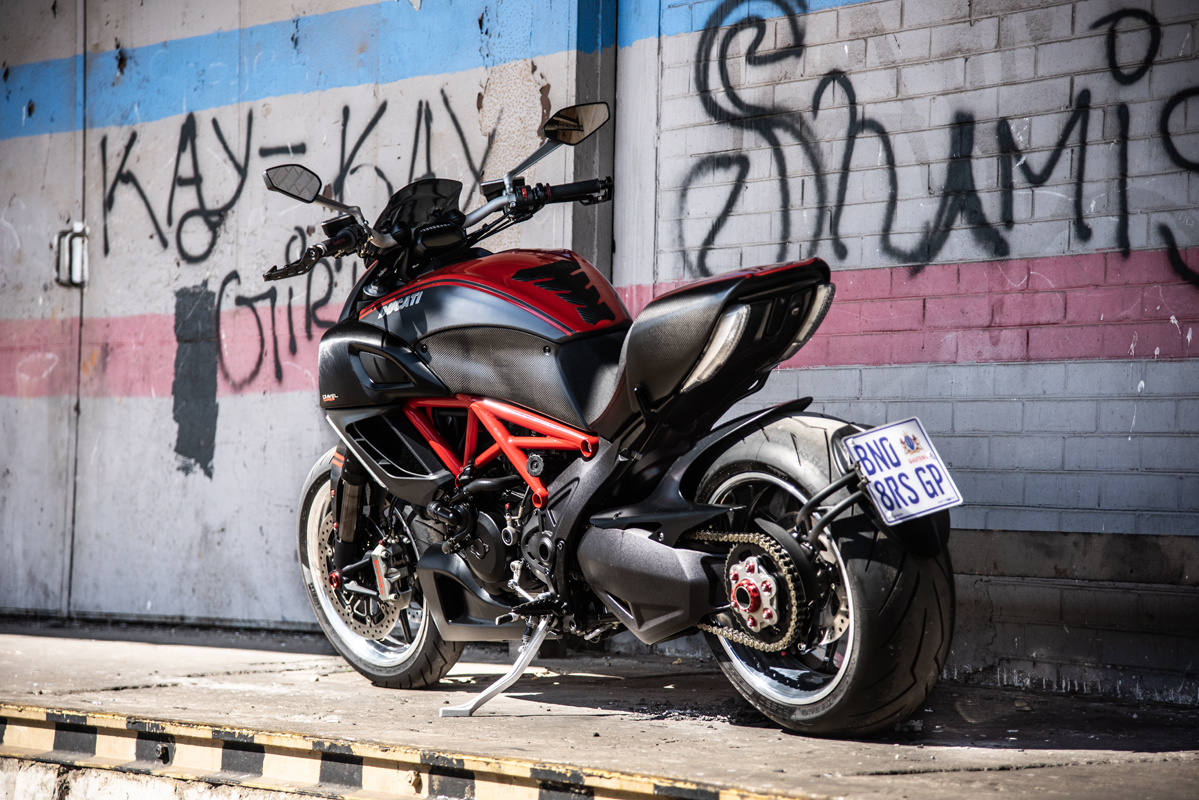
The Diavel we tested was one of the first-generation Diavels, with a 1,198 cc desmodromic engine, but this one is finished to Carbon spec, which means exactly what it says; there are a lot of carbon parts fitted, from front mudguard, petrol tank and seat cowling, along with Marchesini wheels. Weight was not inconsiderable at 239kg, but still a lot lighter than the Triumph, while power and torque figures were very respectable, 162 horsepower and 127.5 Nm. Not figures to scare the Triumph but delivering the same arm-stretching performance, along with equivalent chassis, suspension and braking dynamics which feel both so wrong and so right at the same time!
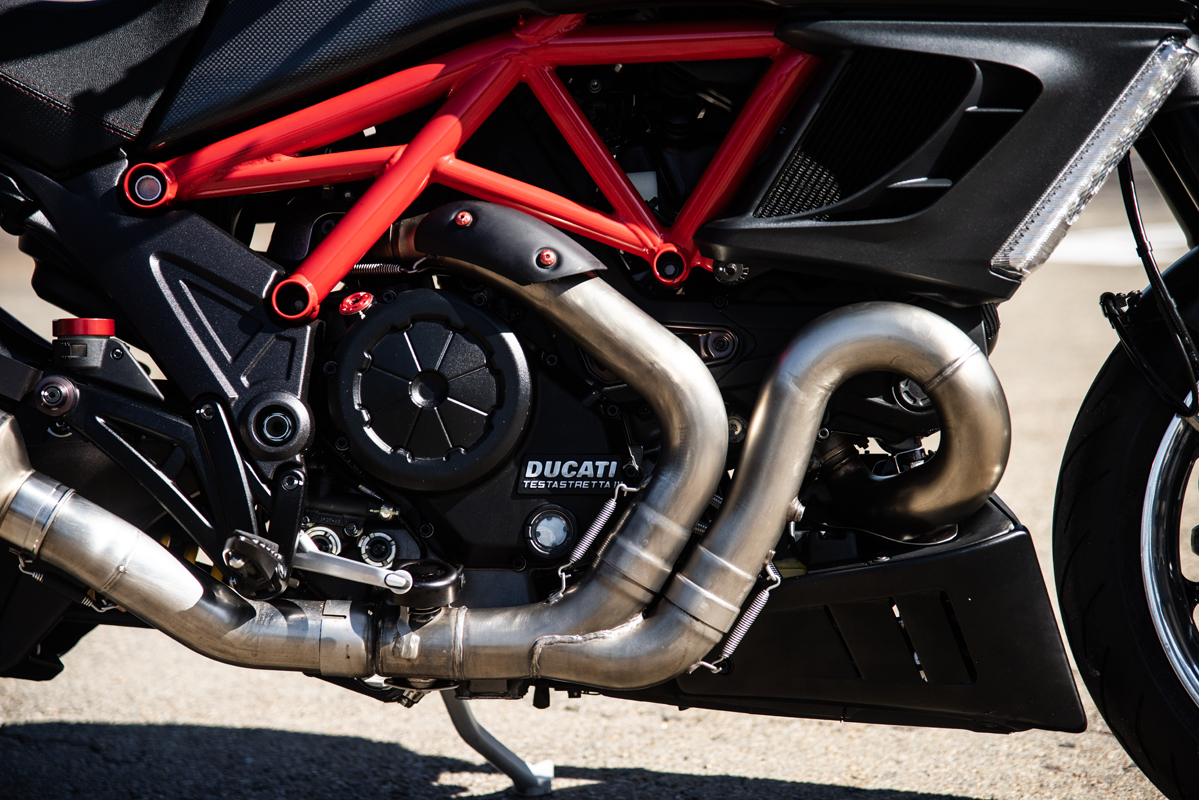
Visually, perhaps the Diavel isn’t quite as effective as the Triumph, but that, of course, is purely subjective. What is certain is that you’ll never go unnoticed on either bike, and neither will you forget the first time you rode one of them! They are two designs that really shouldn’t work, but such is the genius of the design, packaging and confidence with which they were presented to the world that they do work and work very well. The Ducati is for sale at Bikeshop Boksburg for R149,000 and is a 2014 model.
Both these bikes represent a completely different approach to performance than any other bike on the road today. By rights, they shouldn’t exist if sanity prevails in the workshops of the world’s motorcycle manufacturers. Thankfully, there are clearly still enough madmen in charge of those workshops!
Whether you’re after a fire-breathing muscle bike like these or something a little more sensible, Bikeshop Boksburg always has an impressive selection of quality pre-owned motorcycles. Browse their latest stock in the ZA Bikers Bikes For Sale section, then visit the showroom—you never know what hidden gem might be waiting for you.