



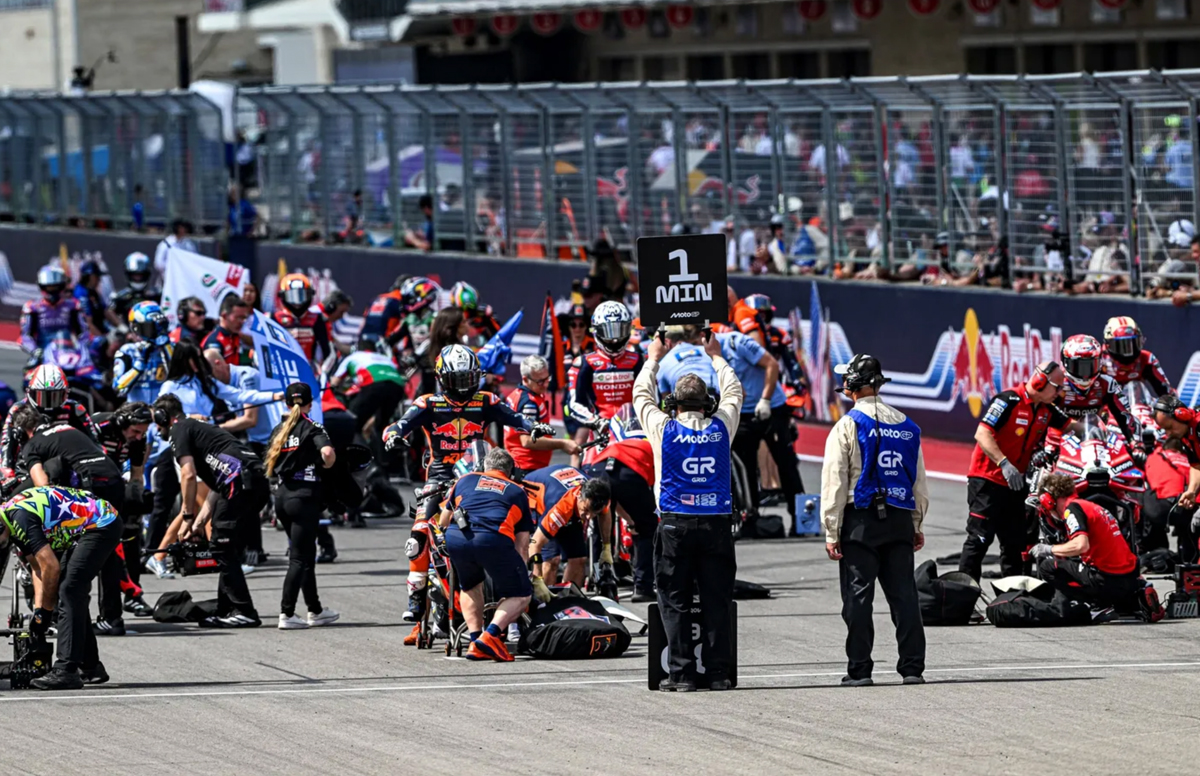
One often has to wonder about the governing bodies of sport; are they actually in touch with reality, or is the common vision of a bunch of doddery old farts, sitting in a boardroom around a large table, the remains of a good lunch in front of them as the port is passed around through the smoke of fine cigars, accurate?
Of course, that’s not how it is, but sometimes, given the ideas that come out of such boardrooms, you do have to wonder.
The latest idea for MotoGP was to limit each rider to one bike per race weekend. On the surface, and taking into account the need to reduce costs to keep the sport sustainable, this is a sensible idea. But the fact that it disappears into farce upon the very slightest scrutiny means that it should never have emerged in the first place. And yet it did, and it was delivered in all seriousness.
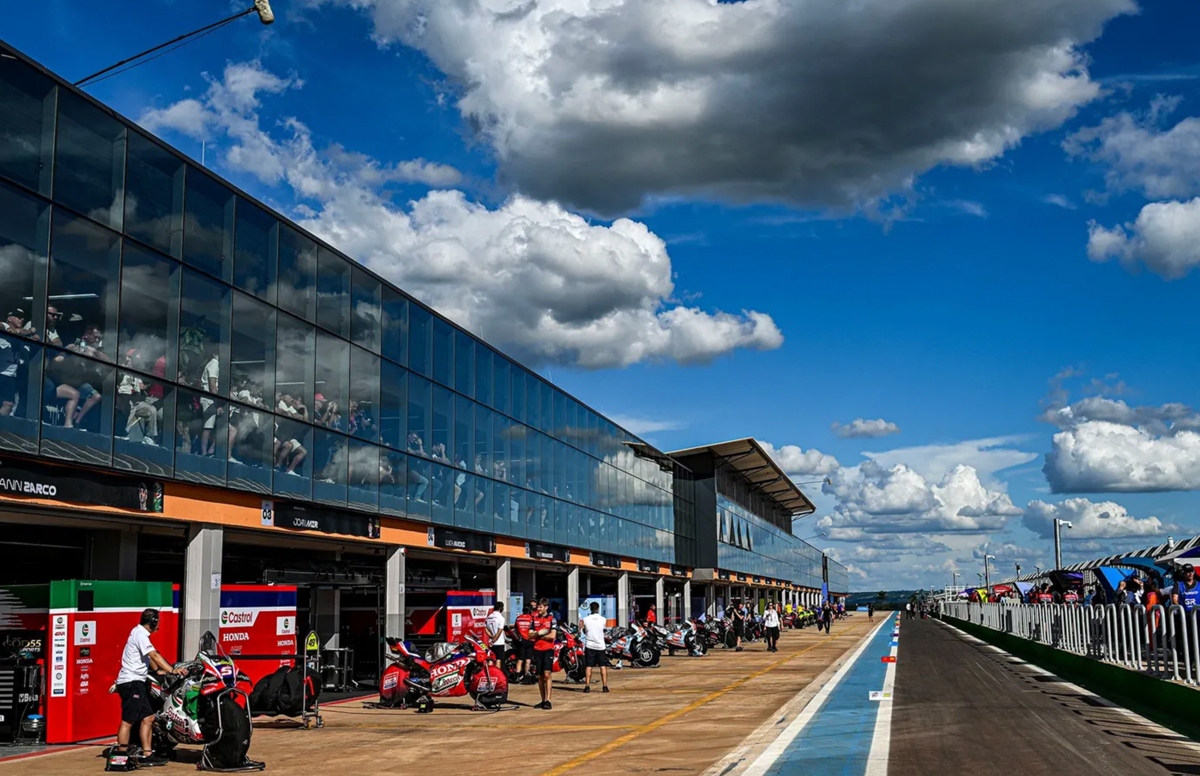
What makes it all the more unfathomable is that some of the teams also thought it was a good idea; Ducati and Aprilia in particular, while Honda and Yamaha were on the fence. Thank goodness, therefore, for KTM, who shot the idea down in flames and prevented unanimity, which is required for any such change to take place.
Think about it. One bike per rider per weekend, in a sport where crashing is not only expected, it is almost compulsory. What happens then? In normal circumstances, a crash results in the loss of a session: a) because the bike can’t be got back to the pits while the session is still in progress and b) even if it could be got back to the pits, there would likely be no time to repair and get the rider out again.
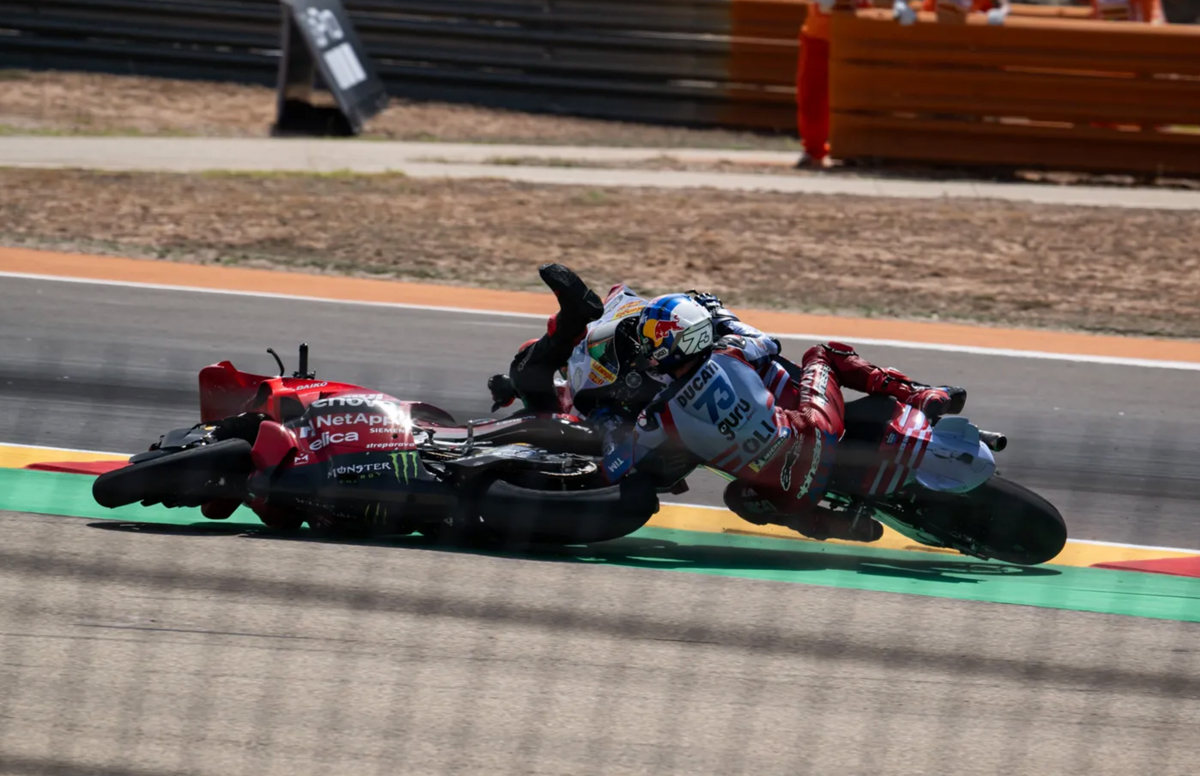
So that’s a loss of a session. If it’s practice, then it’s a calamity but not disastrous. If it’s qualifying, then it’s definitely a disaster, because your rider is starting from the back of the grid. If it’s in the warm-up, it’s a double disaster, as your rider is likely not taking part in the race. And let’s not forget that mechanical reliability can’t be taken for granted, either; a fault anywhere could mean the loss of a session.
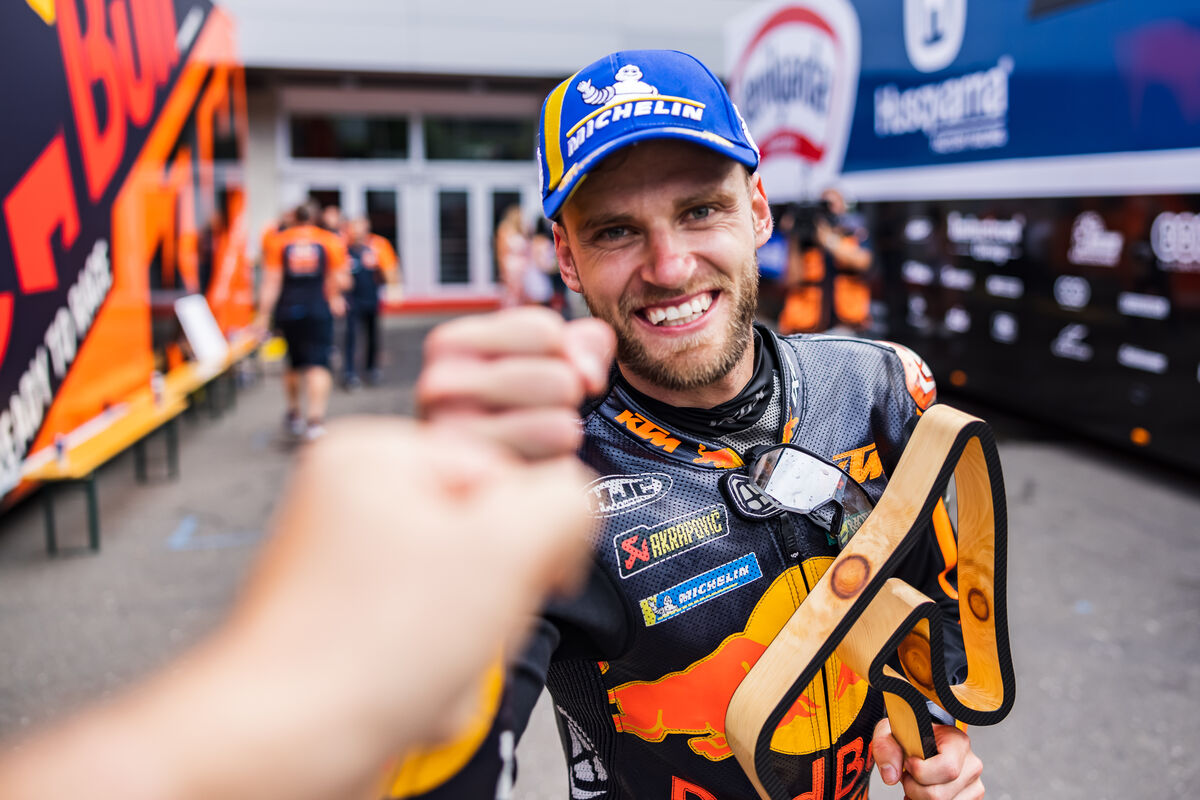
Now let’s talk about flag-to-flag races. That rule was one of the best rules ever implemented in motorsport; if a race starts in the wet but the track starts to dry, or vice versa, then riders can come in and swap to a bike with the correct tyres for the conditions fitted, which adds massively to the unpredictability and excitement (Brad Binder, Austria, 2021, anyone?) which is infinitely preferable to stopping the race and waiting for a couple of hours for the rain to stop, if it does at all.
Lastly, and perhaps most pertinent to the reasoning behind the rule in the first place – the saving of money – as KTM so rightly pointed out, the teams would have to bring a full second bike in component form in any case, to cover for any accident eventuality, so where’s the saving?
To compound the impression of muddled thinking, it was allegedly proposed that a compromise allowing a spare (second) bike from qualifying onwards could be introduced, which makes a farce of the whole idea to anyone with an IQ of 1!
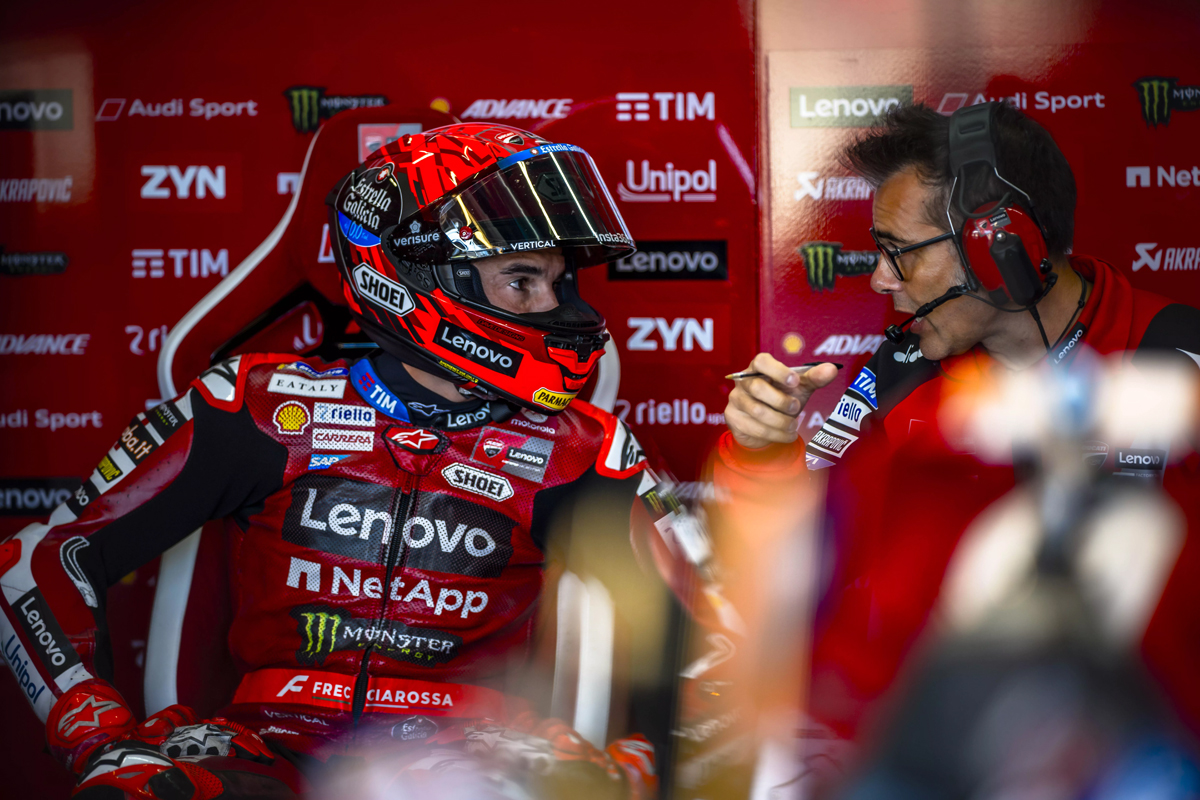
Then the conspiracy theories started emerging. Currently, Ducati and Aprilia enjoy a huge advantage over Honda, Yamaha and KTM, and private testing of the 2027 850 cc bikes suggests that the two Italian manufacturers could hold onto that advantage in 2027. With the rules reset from next year onwards, everyone starts on the same concessions rating, meaning that a single-bike rule could restrict the opportunities for Honda, Yamaha and KTM to close the performance gap, as riders wouldn’t be able to test new parts or bike set-ups back-to-back during the practice sessions.
You want more? Well, El Periodico, a daily newspaper in Barcelona, reported that some MSMA (Motor Sport Manufacturers Association) executives suggested that a 4-1 vote in favour of the one bike rule should still qualify as a unanimous vote! Thankfully, Carmelo Ezpeleta, MotoGP CEO, shut that nonsense down straight away, pointing out that unanimity meant just that.
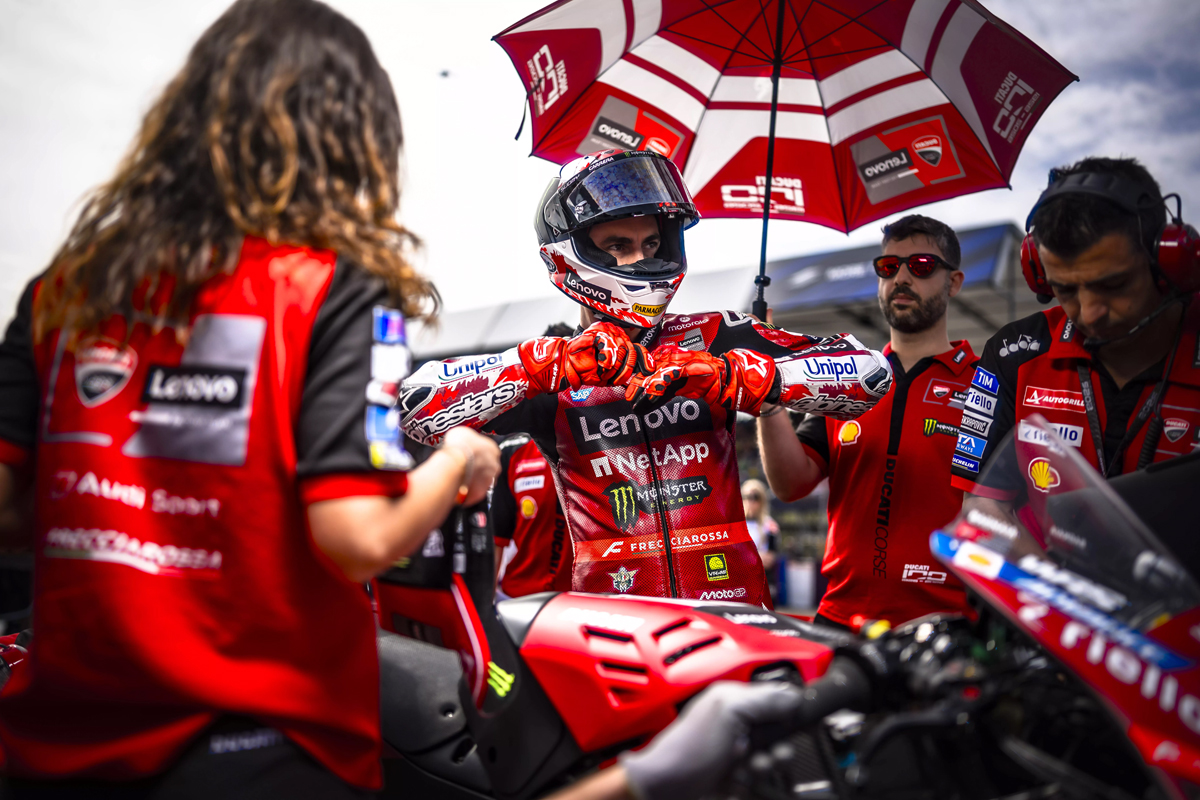
You really couldn’t make this sh*t up!