


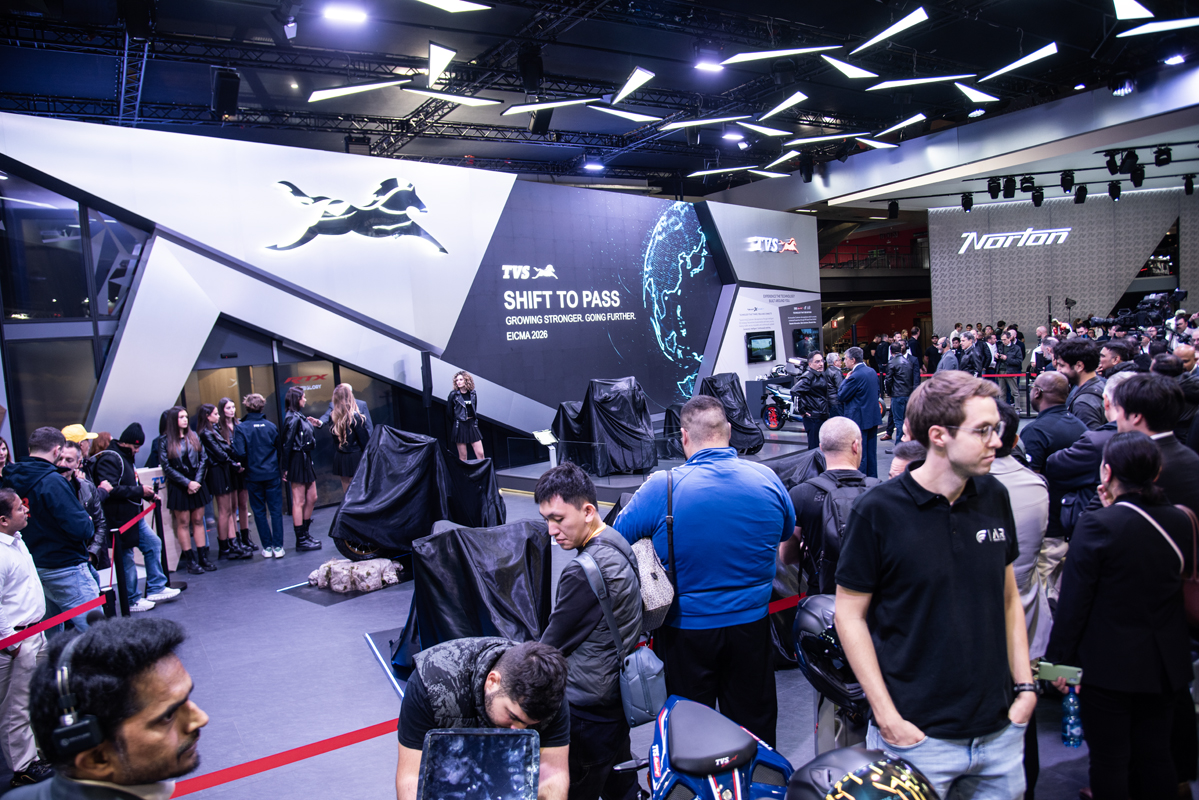
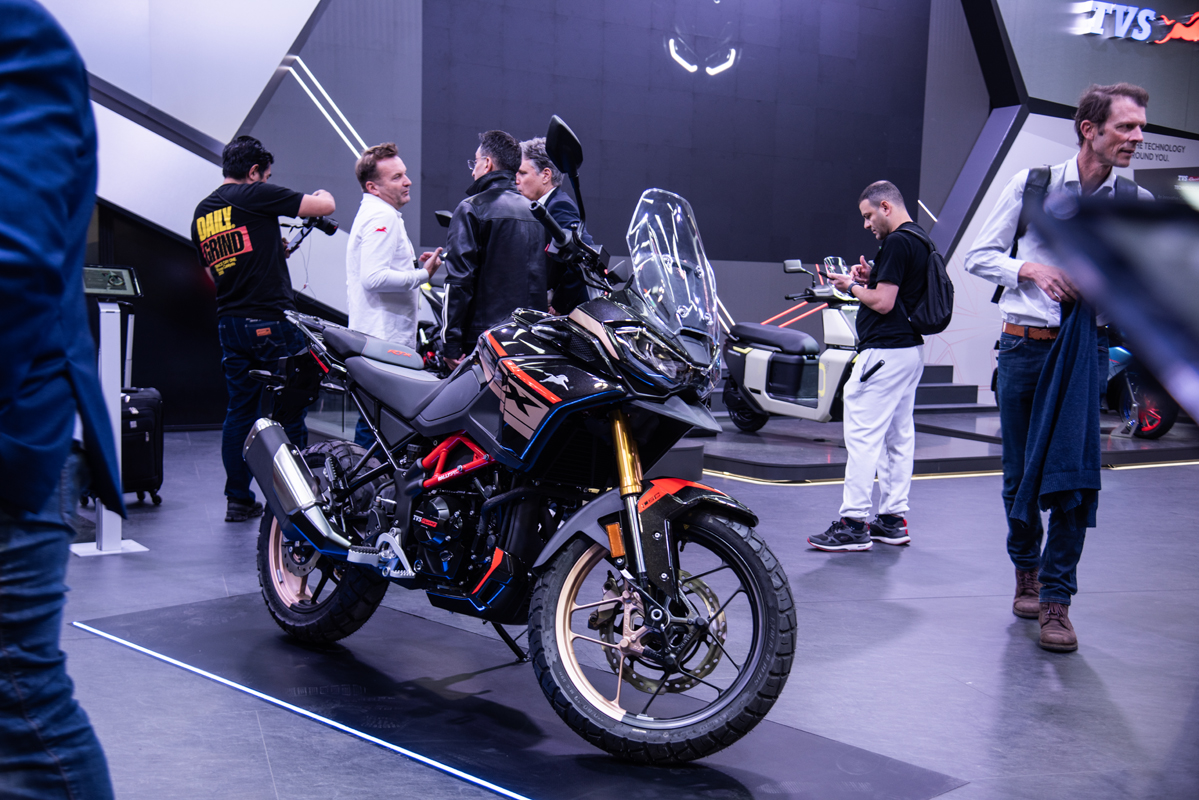
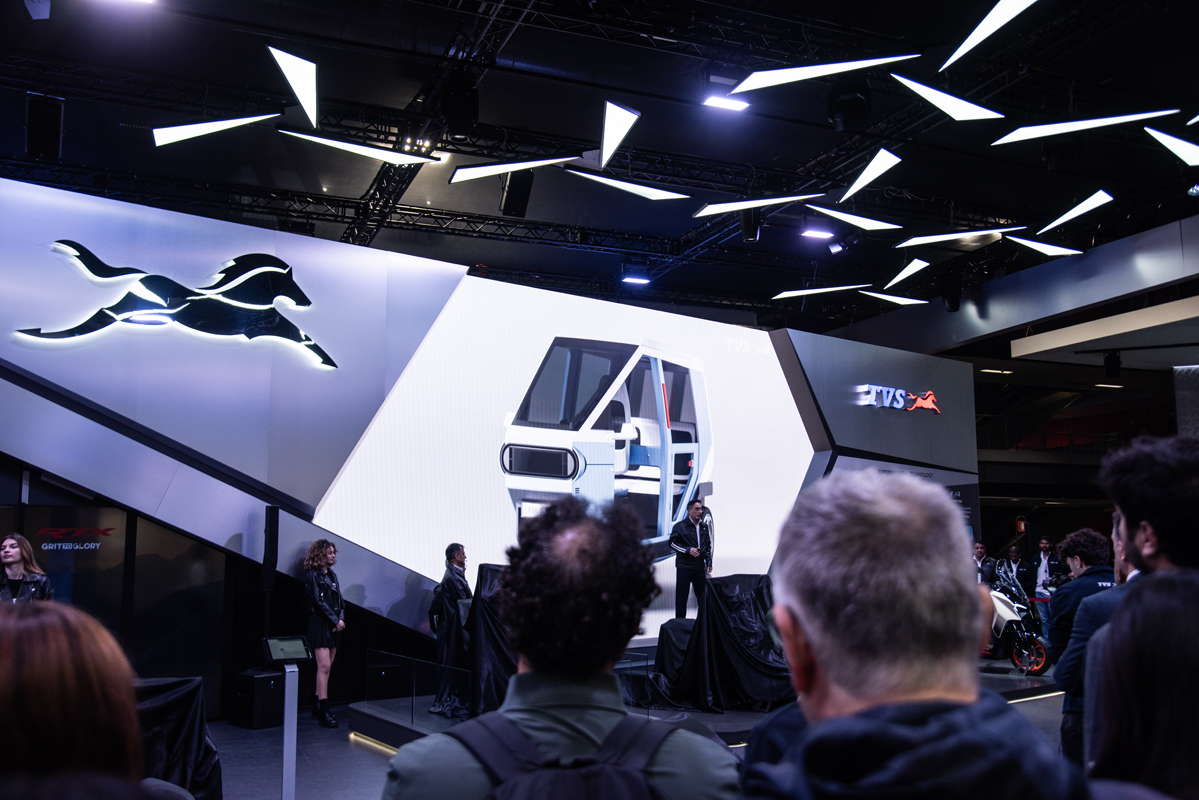
Out of the 764 stands spread across the massive halls of Fiera Milano for EICMA 2026, there were a few that felt like the centre of gravity for the entire exhibition, packed from wall to wall with riders, dealers, and media trying to catch a glimpse of what’s coming next. Hall 18 was undoubtedly one of them, where TVS Motor Company, already the world’s third-largest two-wheeler manufacturer, put on a sprawling showcase that underlined just how aggressively the Indian giant is pushing onto the global stage.
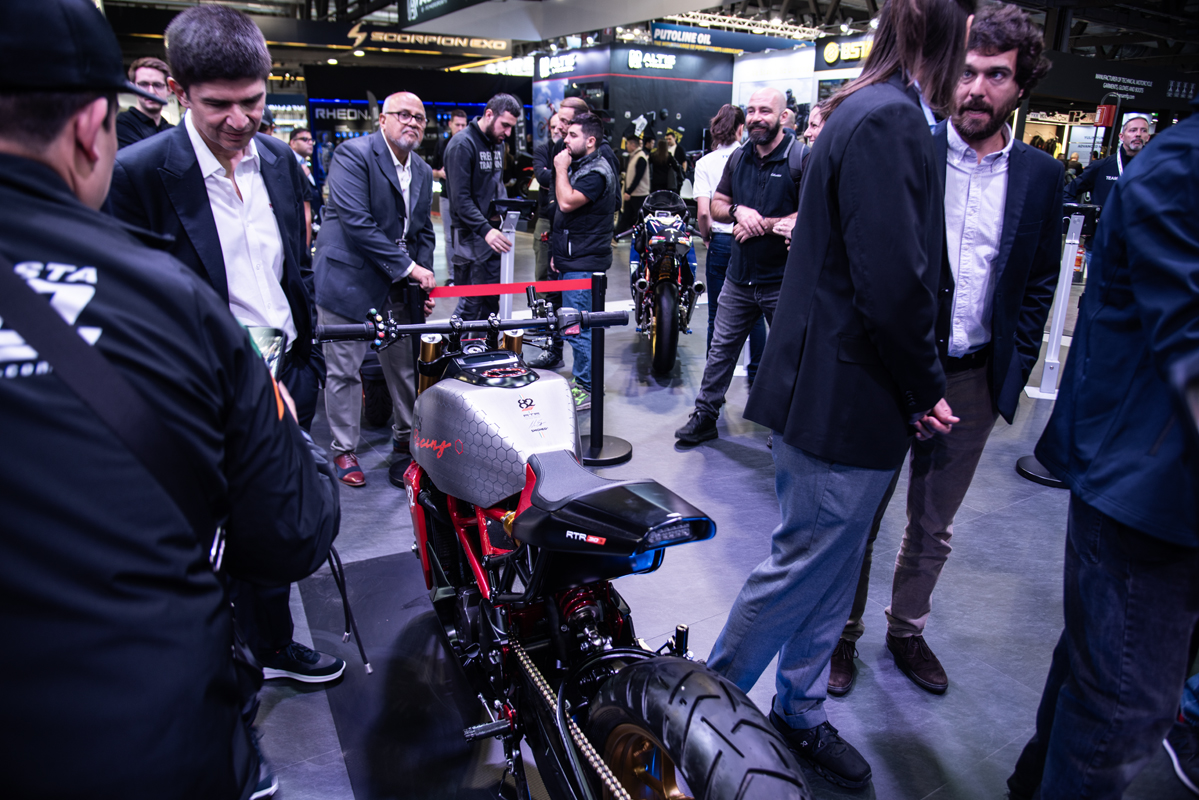
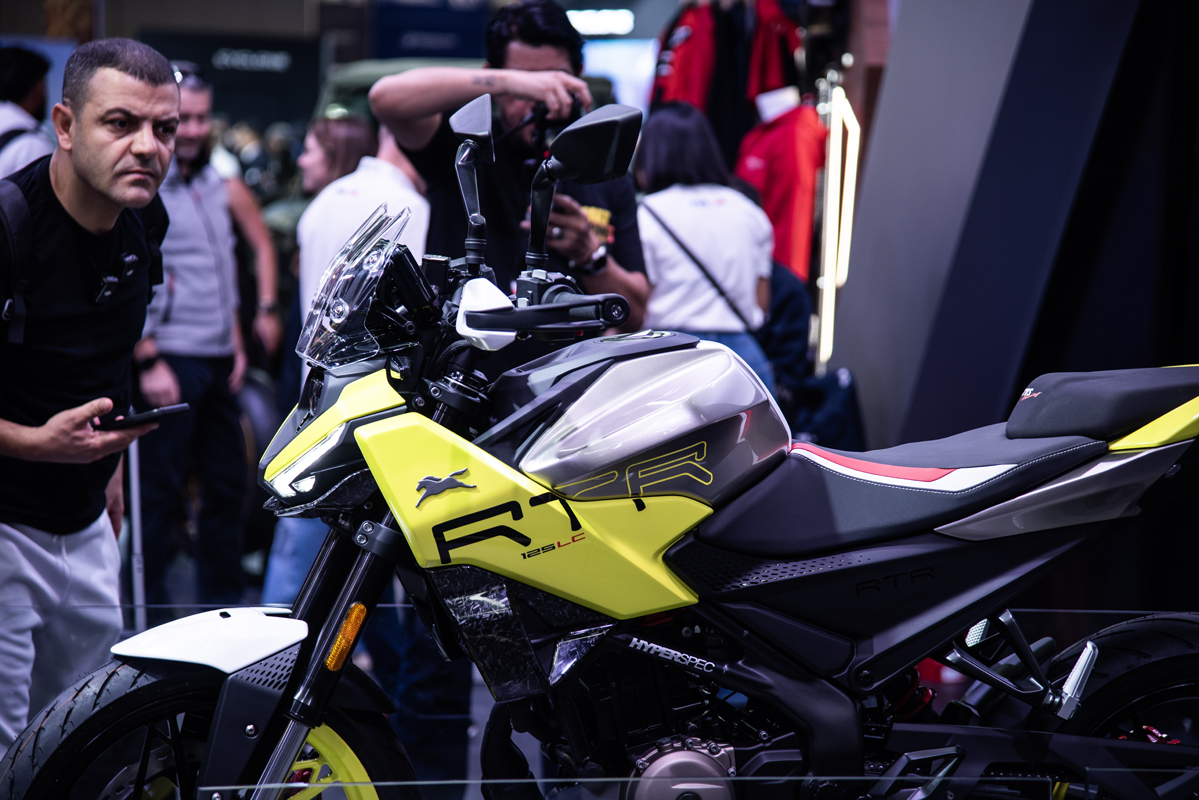
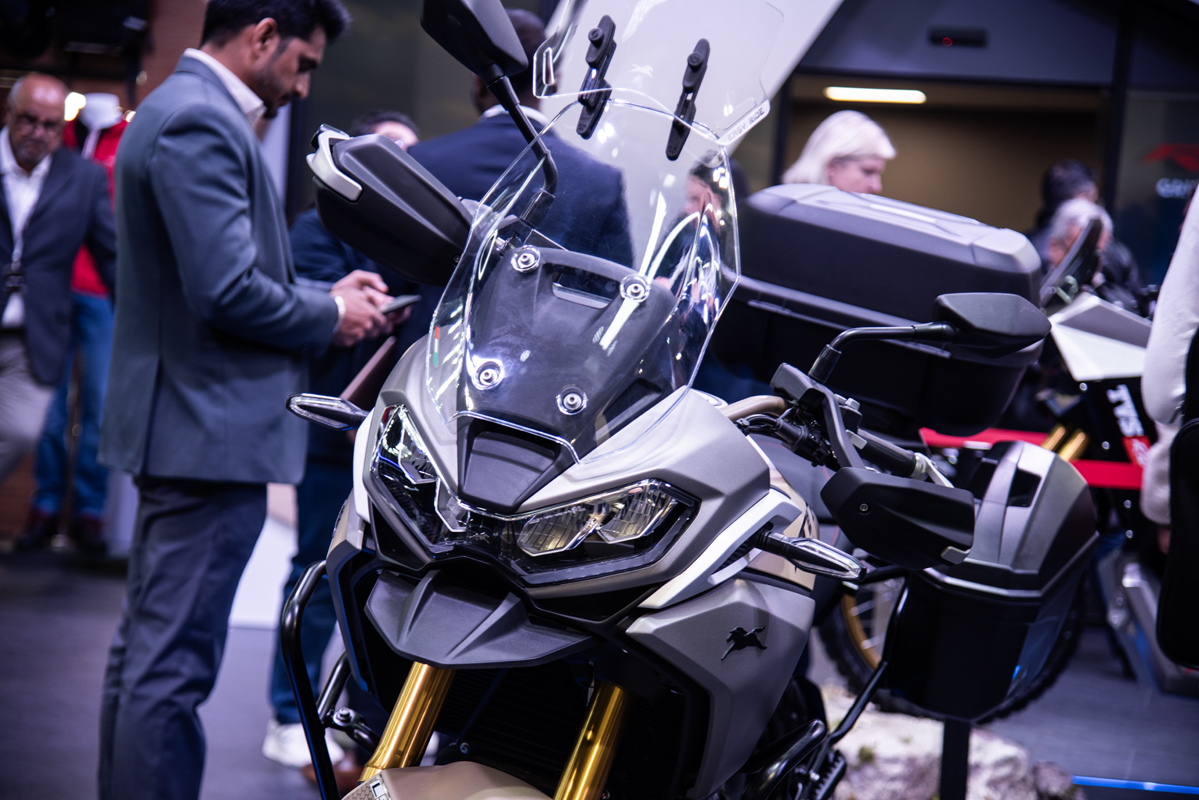
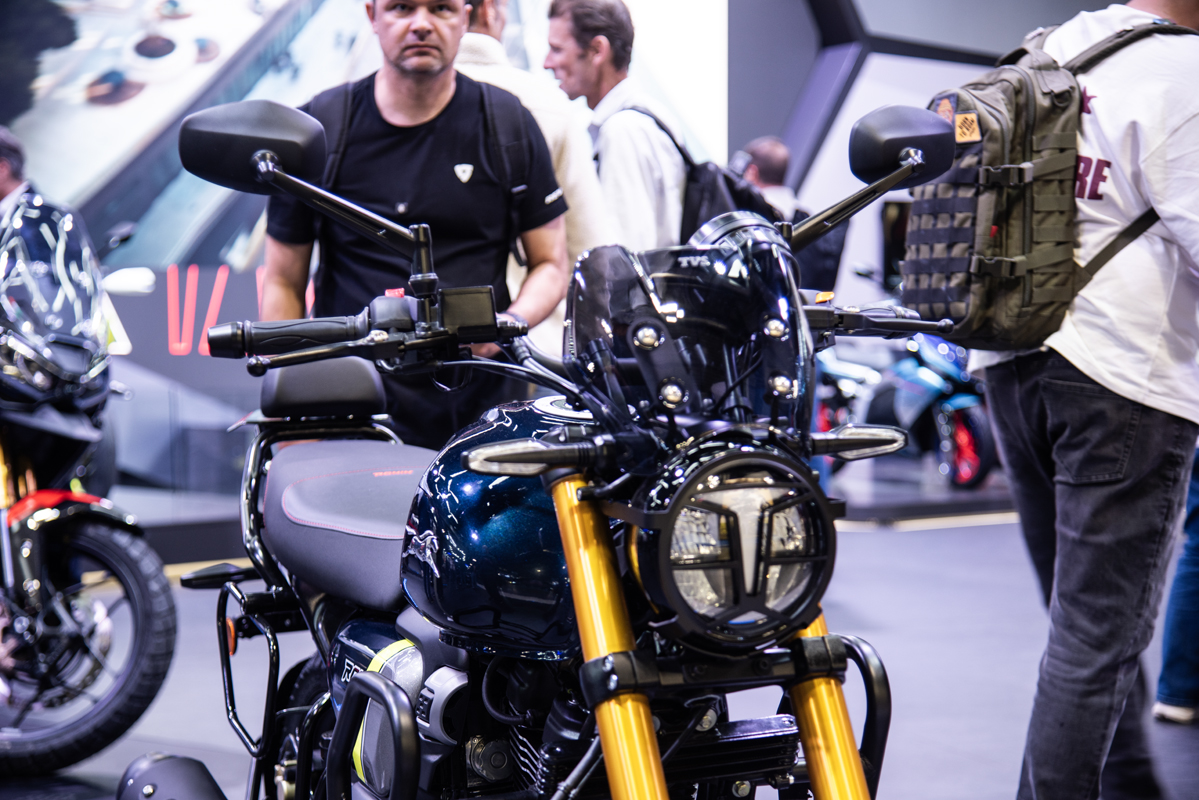
For TVS, EICMA wasn’t simply about showing up with a logo and a few familiar commuters. Alongside the first global showing of the ’82 Series’, a striking collection of one-off editions of the RR 310, RTR 310, RTX 300, and Ronin paying tribute to TVS Racing’s heritage, the brand used Milan to pull the covers off four production-ready models aimed squarely at European and international markets.
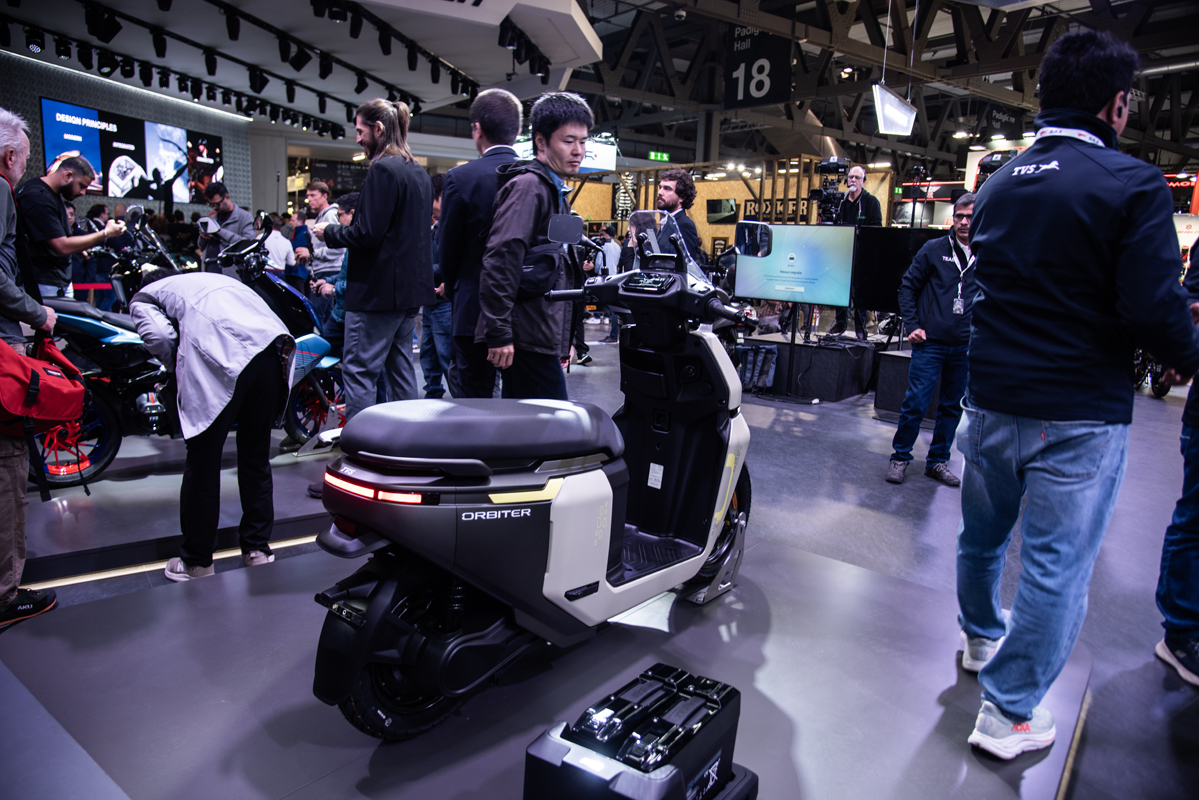
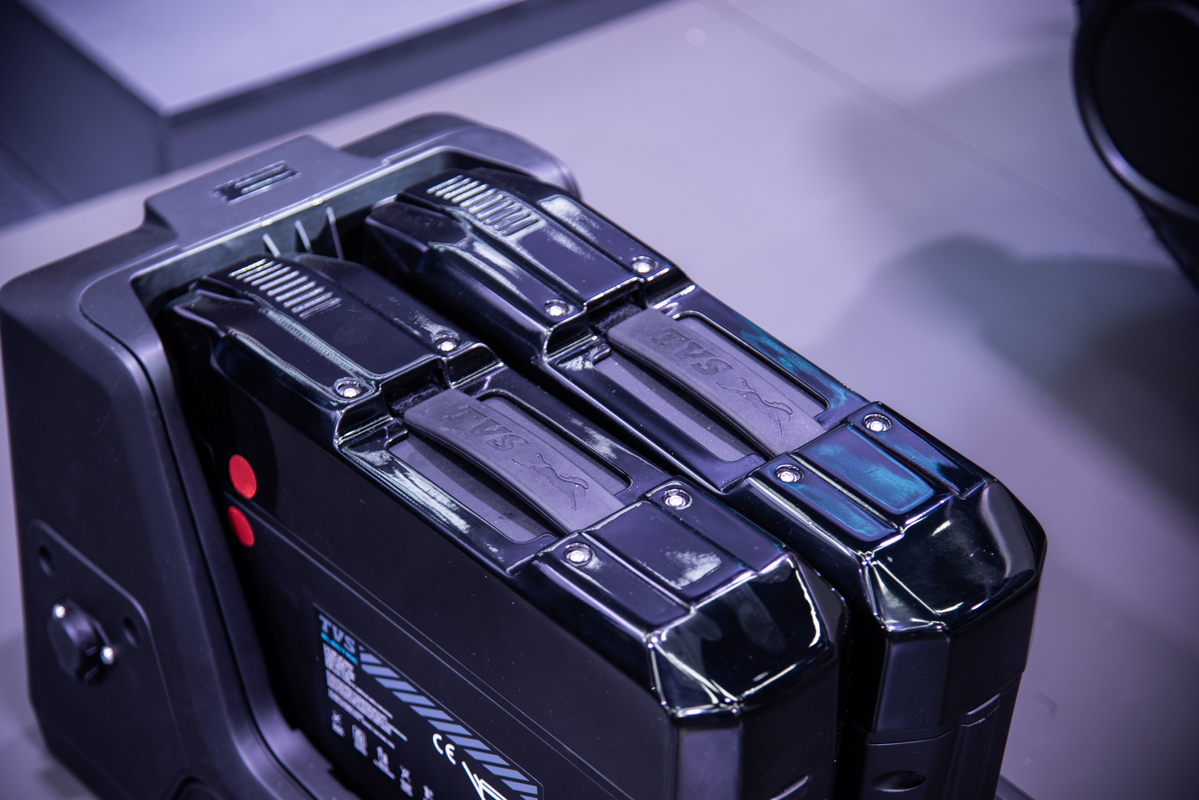
Leading the electric charge is a three-pronged scooter assault tailored to different urban riders. At the entry point sits the TVS Orbiter, built for accessible city commuting with 34 litres of underseat storage and a removable battery setup (available in 1.8 kWh or 3.1 kWh options for up to 105 km of range) that can be charged straight from a standard household socket.
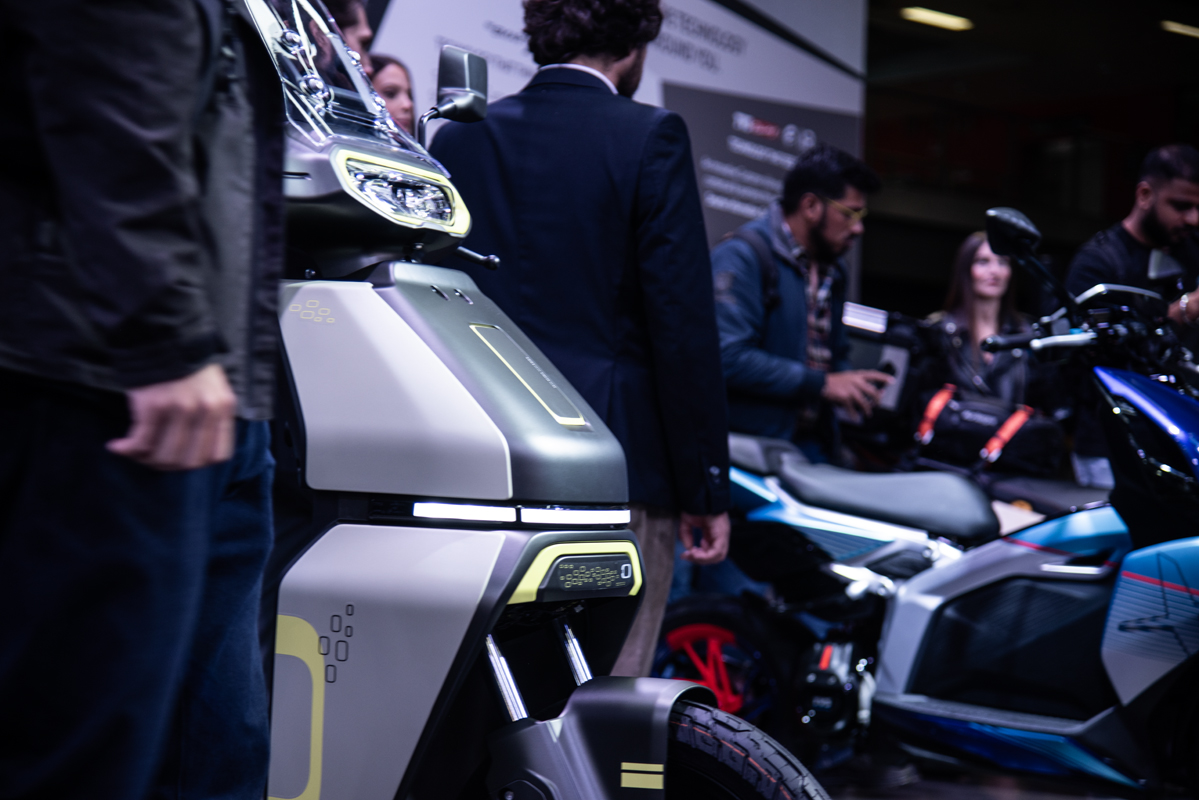
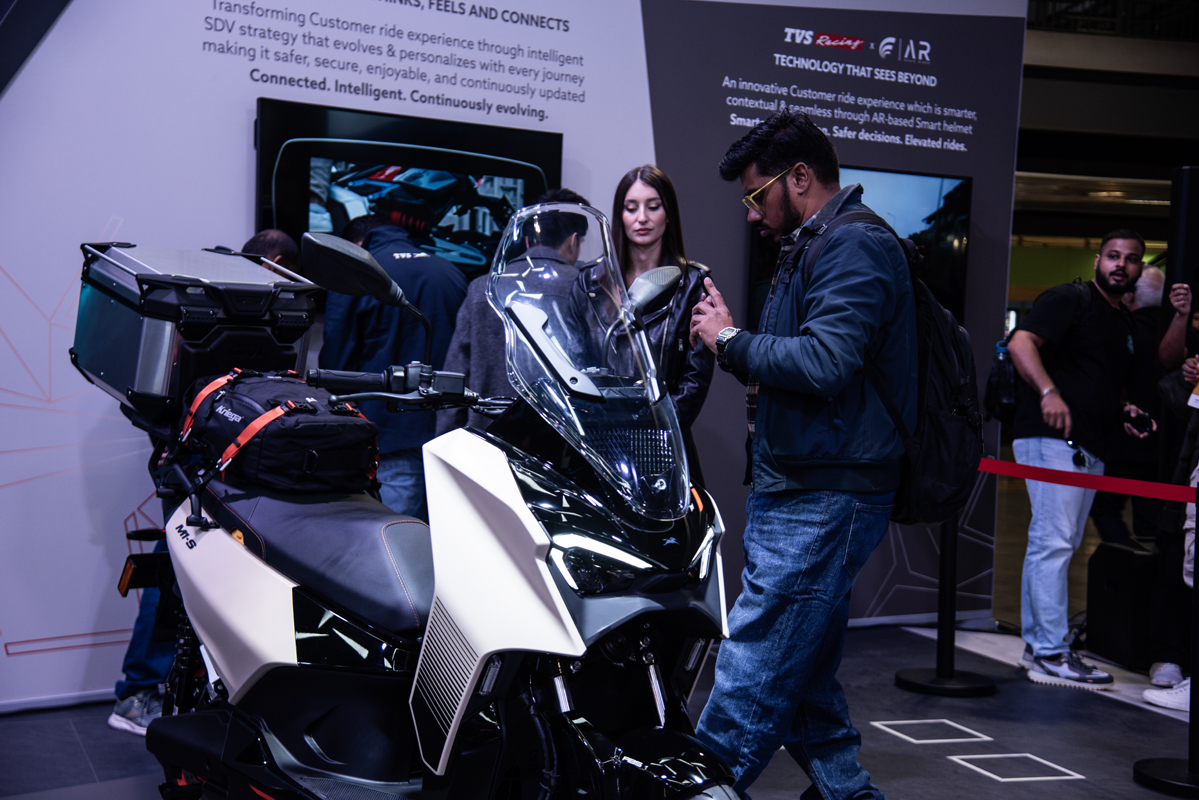
Stepping up into the electric maxi-scooter space is the TVS M1-S, pairing a low-mounted 4.2 kWh floorboard battery and 12.5 kW of peak power with a 105 km/h top speed and integrated LTE connectivity.
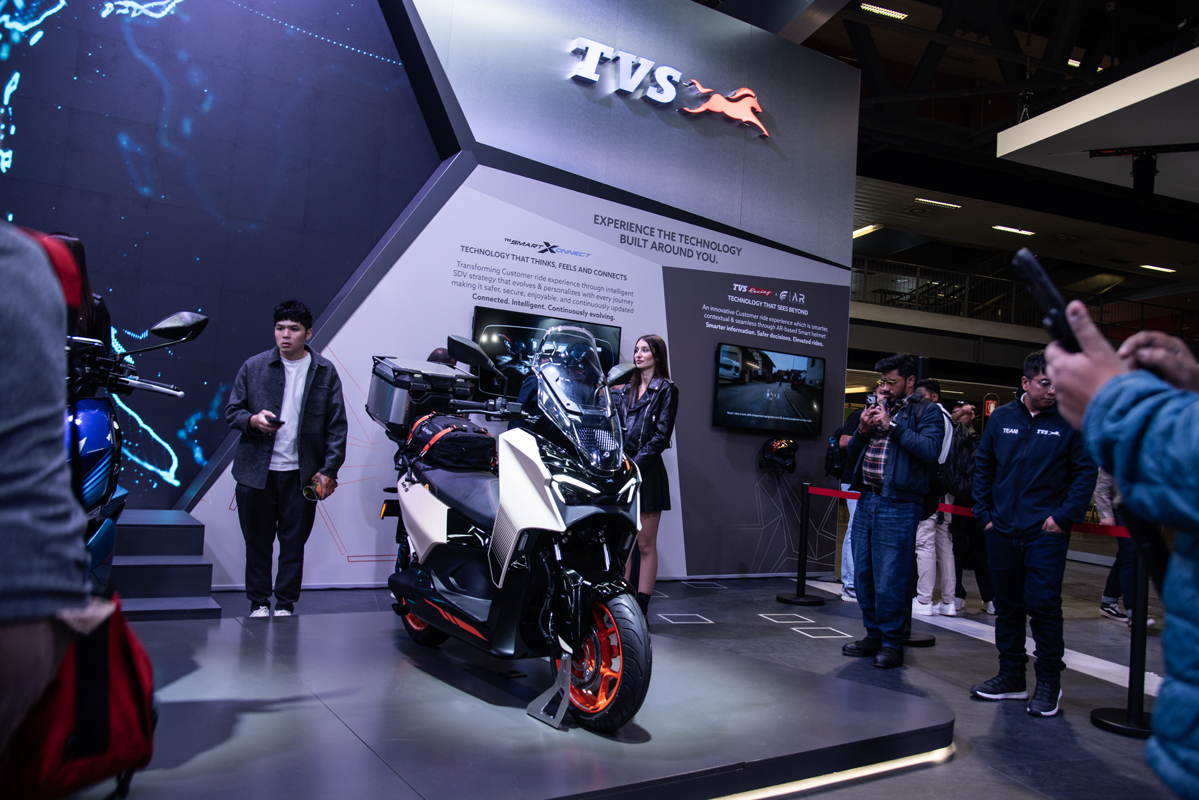
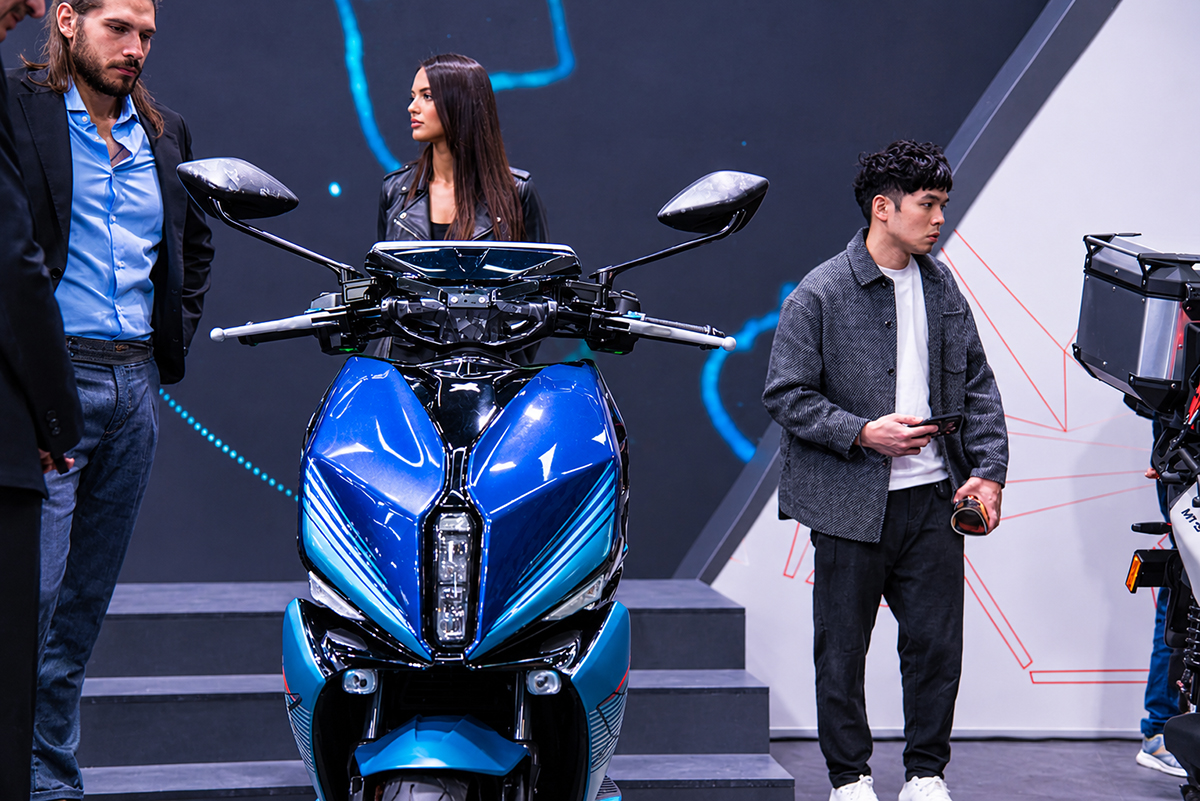
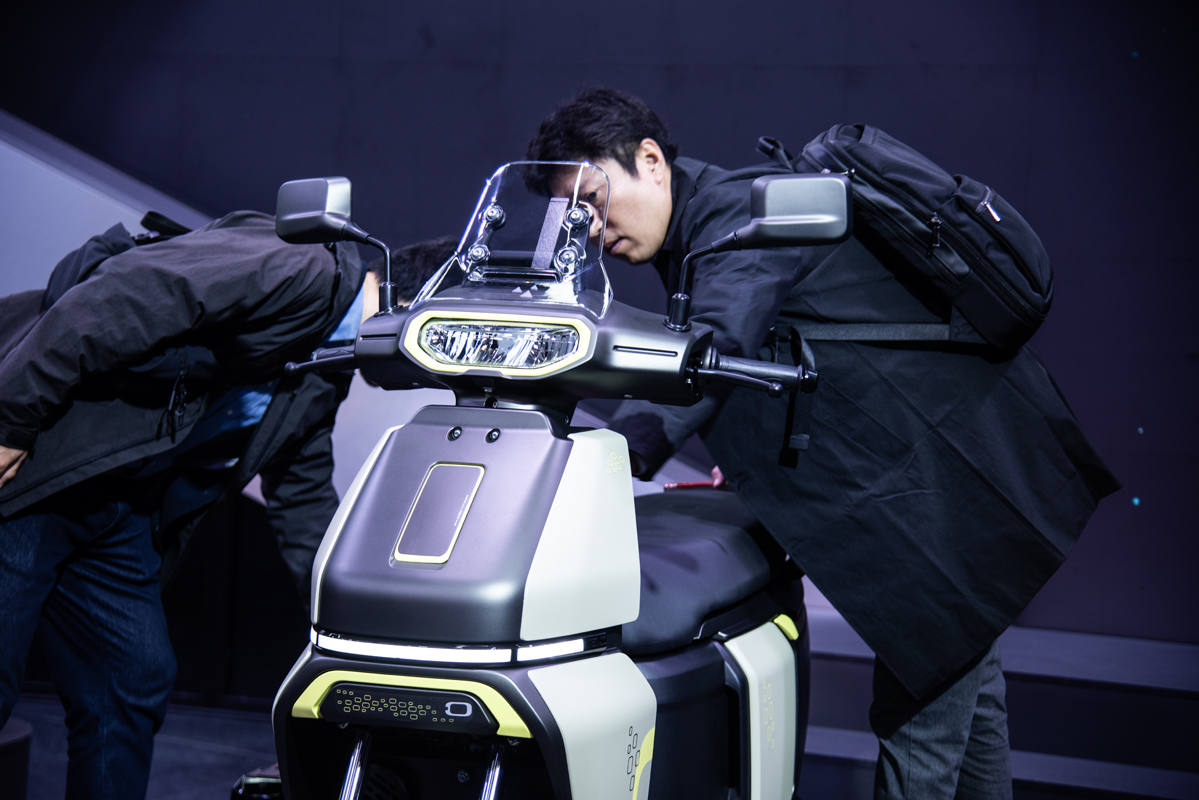
Sitting at the top of the electric tree is the TVS X, a flagship urban machine combining a rigid aluminium frame, 14-inch wheels, and dual-channel ABS with 11.7 kW of power and a 10.2-inch panoramic touchscreen running Android Auto.
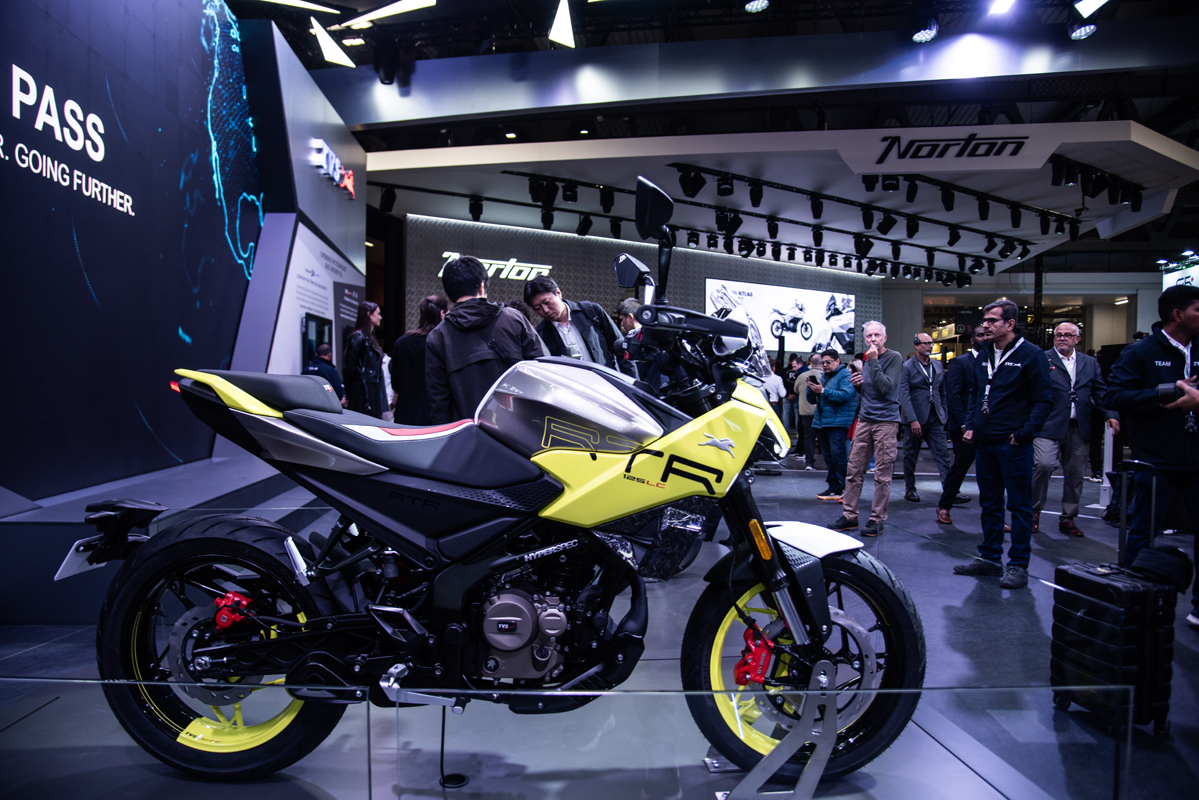
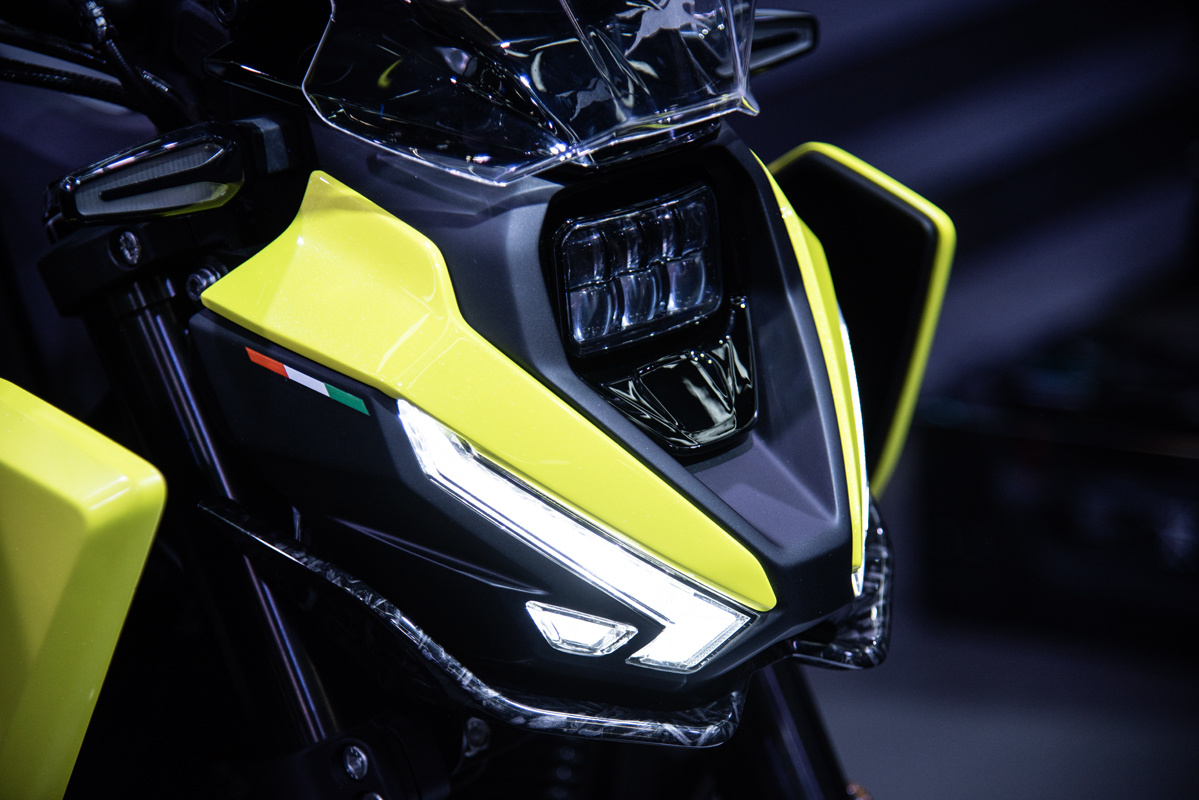
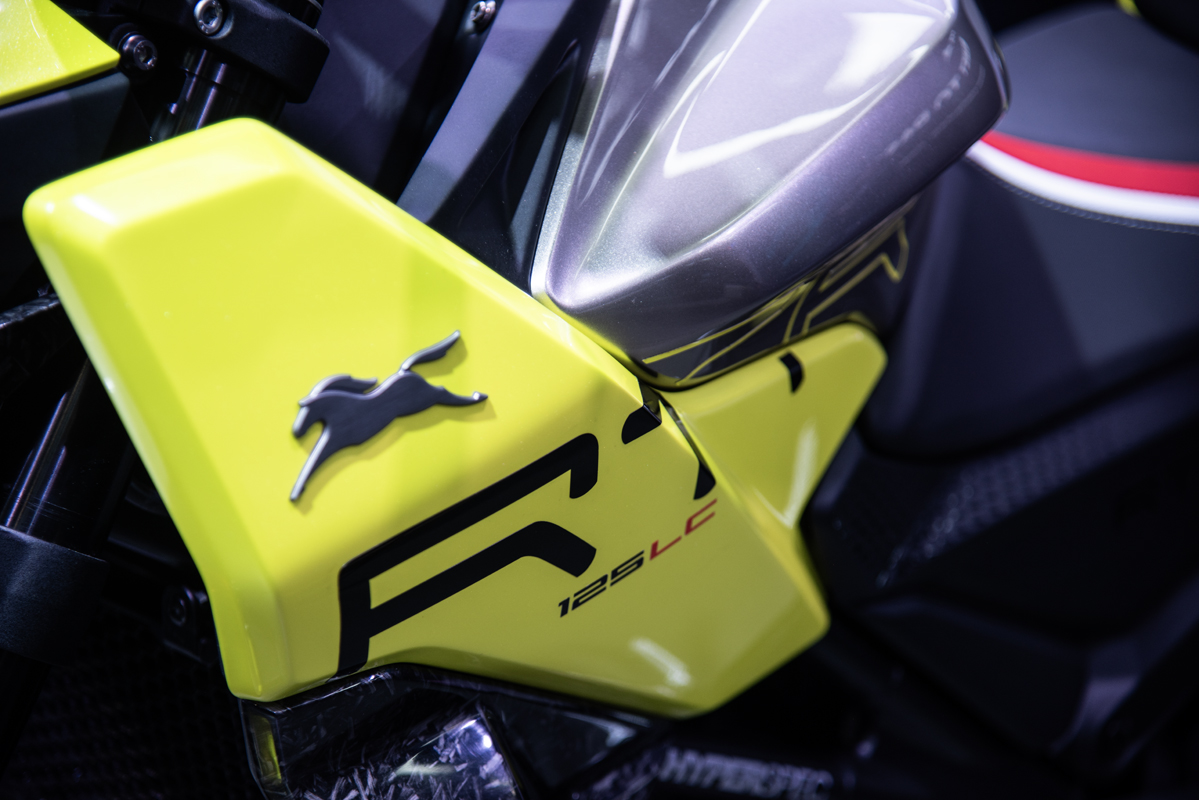
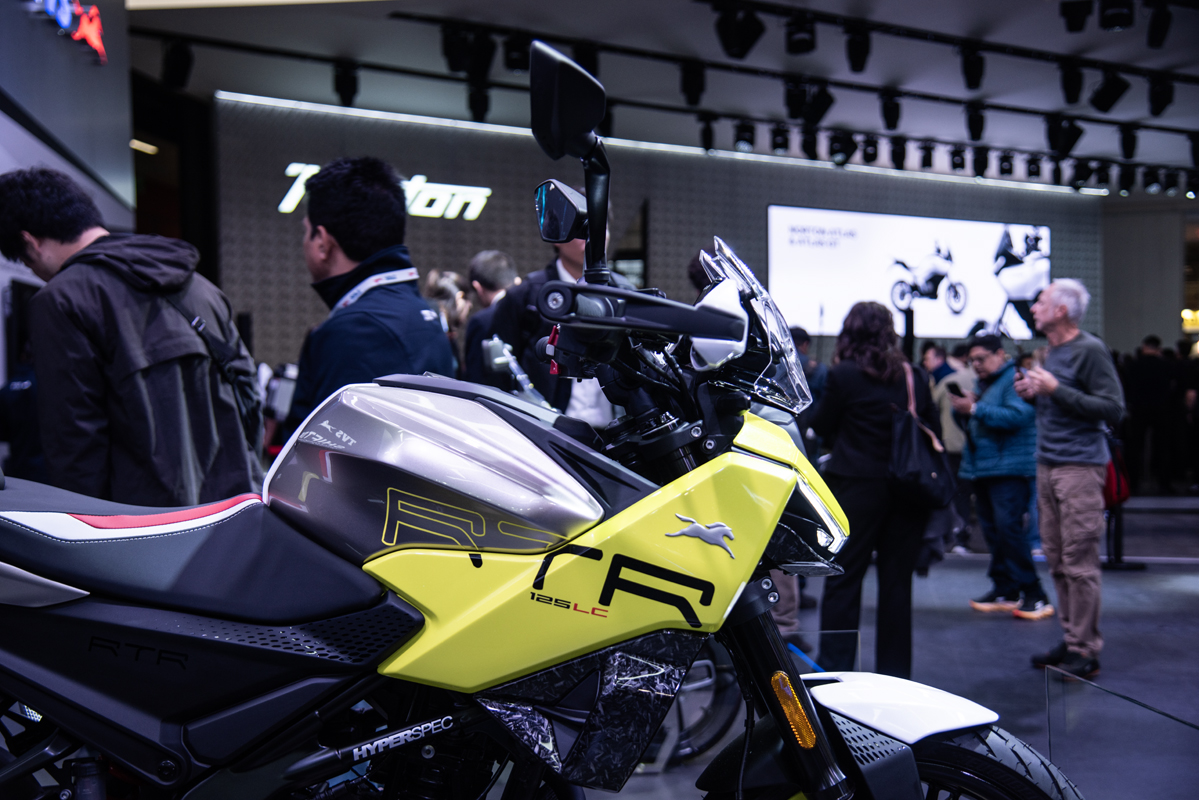
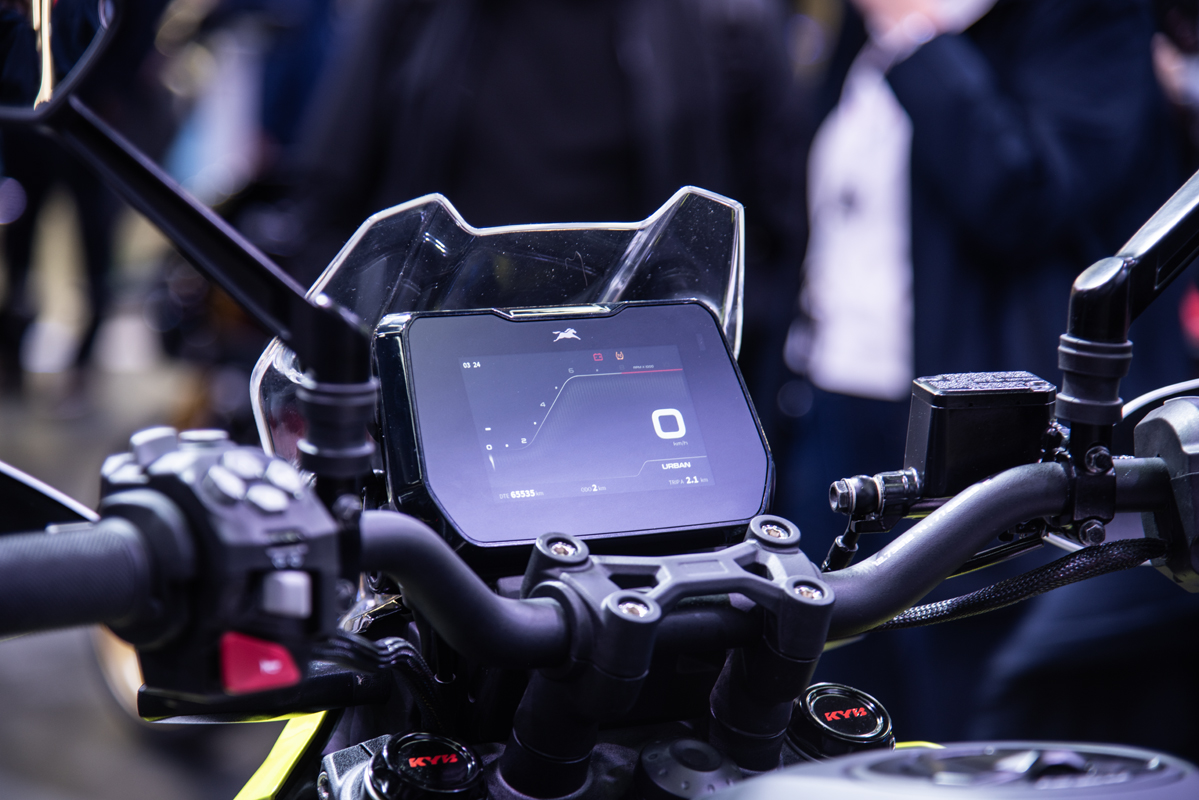
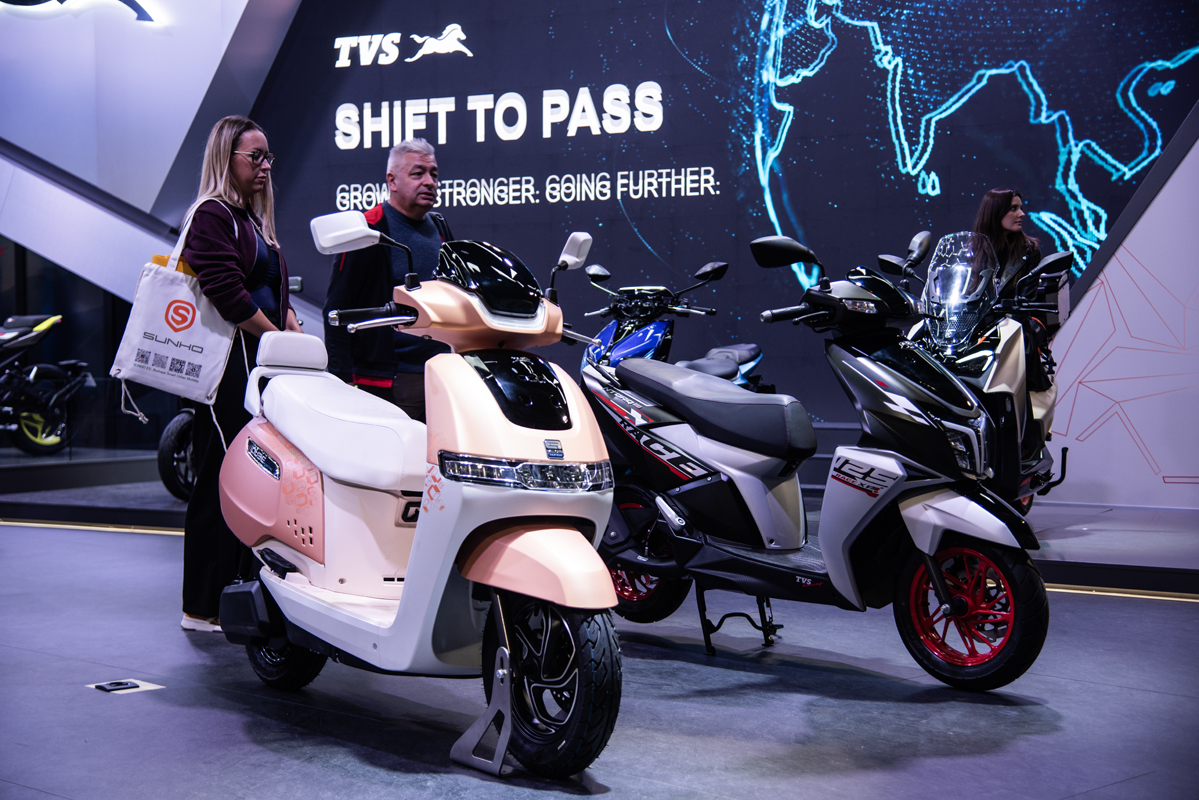
Rounding out the quartet on the internal combustion side is the TVS RTR 125, giving younger licence holders an agile, race-bred entry point into TVS’s wider performance motorcycle lineup.
Away from the buzz and the crowds on the stand, we sat down with the leadership team steering this global charge: Peyman Kargar (Incoming Director and CEO, effective January 2027), Dr Nick Rogers (Global CTO and Head of R&D), and Madhu Prakash Singh (Head of Product Planning for International Business). What followed was a candid look at how TVS plans to conquer new territories, why its in-house EV tech is miles ahead of the curve, and what South African riders and businesses can expect next.
From Indian Giant to Global Mobility Powerhouse
A decade ago, TVS was primarily a proud Indian manufacturer exporting bikes abroad. Today, operating out of its international headquarters in Dubai, the brand is recording over 30% year-on-year international growth and rapidly closing the gap on the top two spots globally.
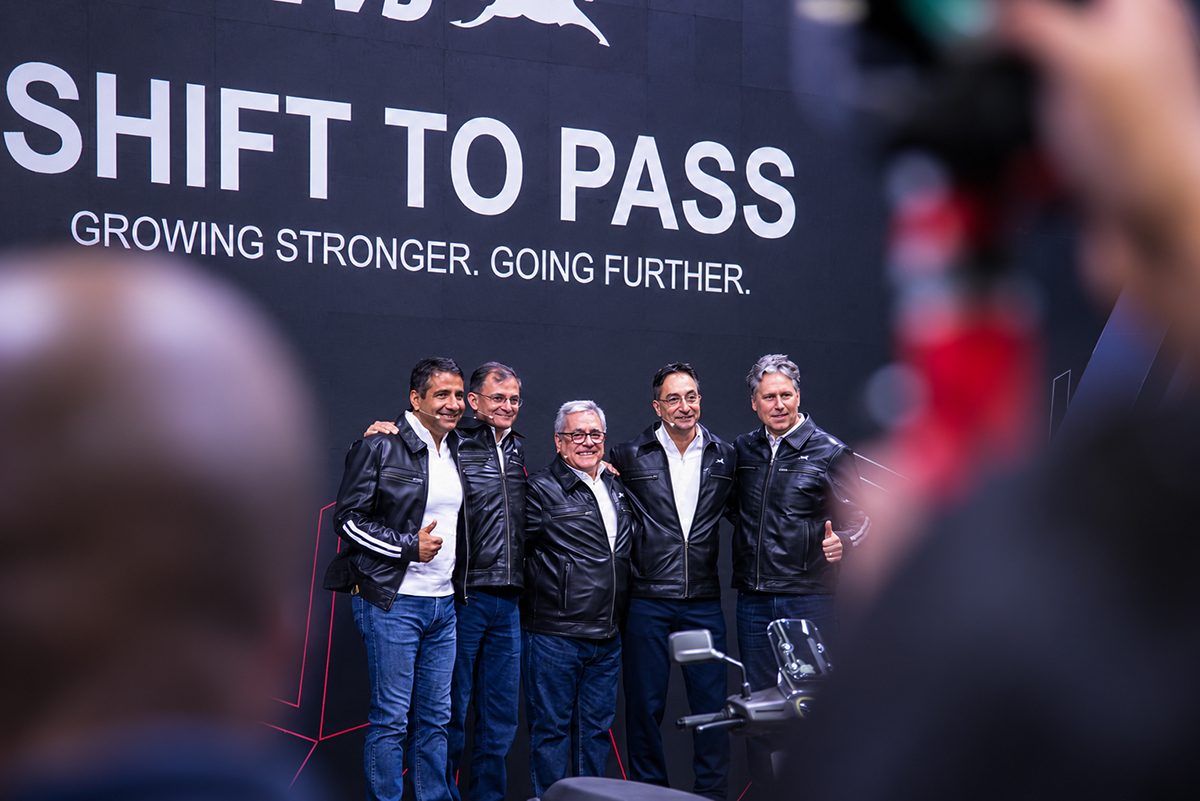
As Peyman Kargar prepares to step into the CEO role, his strategy boils down to three non-negotiables: protecting the company’s core pillars of quality and customer care, consolidating its global footprint, and pioneering next-generation mobility solutions, including a newly showcased three-wheeler EV collaboration with Hyundai.
Rather than simply handing bikes over to third-party distributors in new territories, TVS is putting boots on the ground. Over the past 18 months, the company established direct subsidiaries across key markets like Indonesia, the Philippines, and Europe’s big five: Italy, Germany, the UK, France, and Spain. In Italy alone, a dedicated local team signed up over 100 dealerships in just a year and a half, fueling a 110% surge in local sales and providing a blueprint now being rolled out across Spain, Portugal, France, and Germany.
The EV Blueprint: Built From the Ground Up
While many newcomers to the electric space are bolting together off-the-shelf components from third-party suppliers, TVS has taken a decidedly different route. According to Dr Rogers, every piece of TVS’s electric scooter architecture, from the software and code right through to the battery pack assembly, is engineered in-house out of Bengaluru by a dedicated team of 1,200 engineers, backed by more than 650 EV patents.
That obsessive attention to detail has helped TVS surpass one million electric scooters sold in India, and Singh believes the economics are now tipping in favour of global adoption. With battery costs dropping from $350/kWh to roughly $100 to $120/kWh and fuel prices squeezing wallets worldwide, electric scooters have reached near price-parity with internal combustion (ICE) equivalents, while costing roughly a seventh as much to run.
Crucially, TVS refuses to force a single charging standard onto a market. Having experimented with home charging, fast charging, and battery swapping across India, Nepal, and Sri Lanka, Dr Rogers’ philosophy is simple: build the ecosystem, listen to the rider, and let the market decide whether overnight home charging or B2B swap stations make the most sense.
Two Legs to Stand On: The Norton Dynamic
Another major drawcard on the show floor was the resurgence of Norton Motorcycles under TVS ownership. When asked how the two brands coexist without stepping on each other’s toes, Kargar used a fitting analogy: “It’s like having two legs, and it’s important to muscle both of them.”
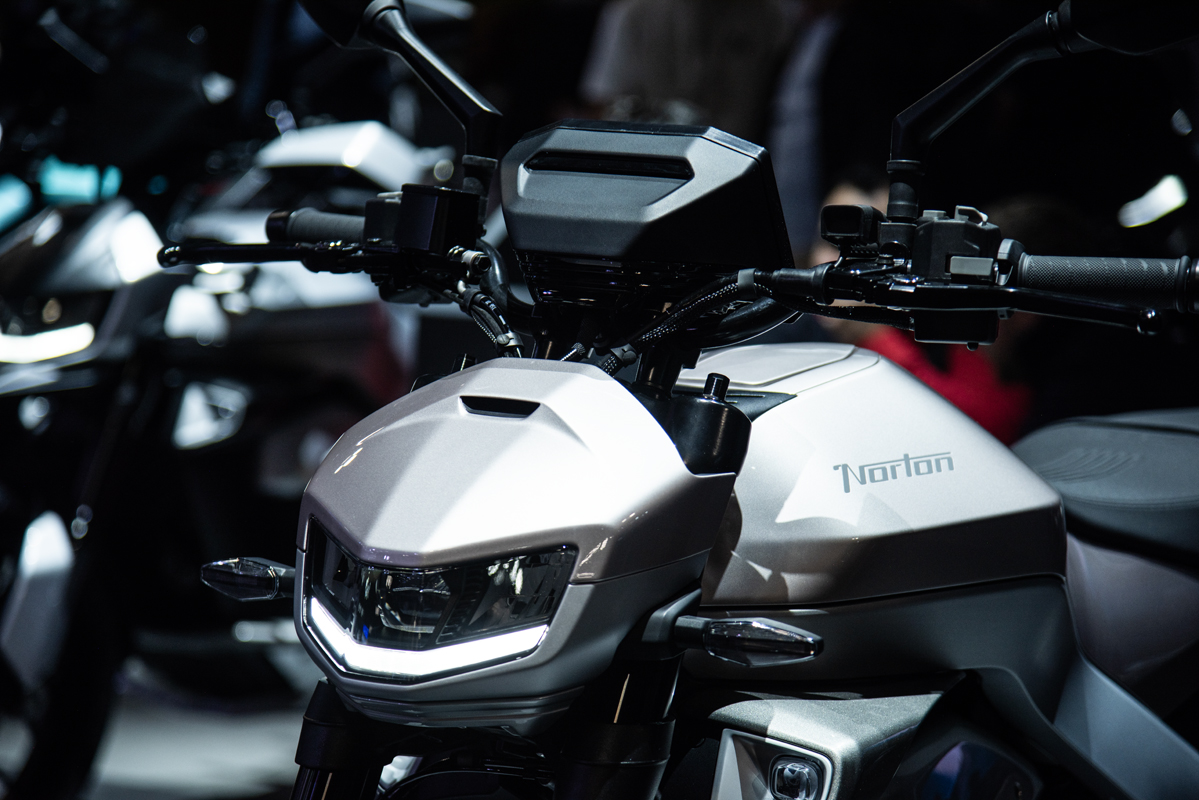
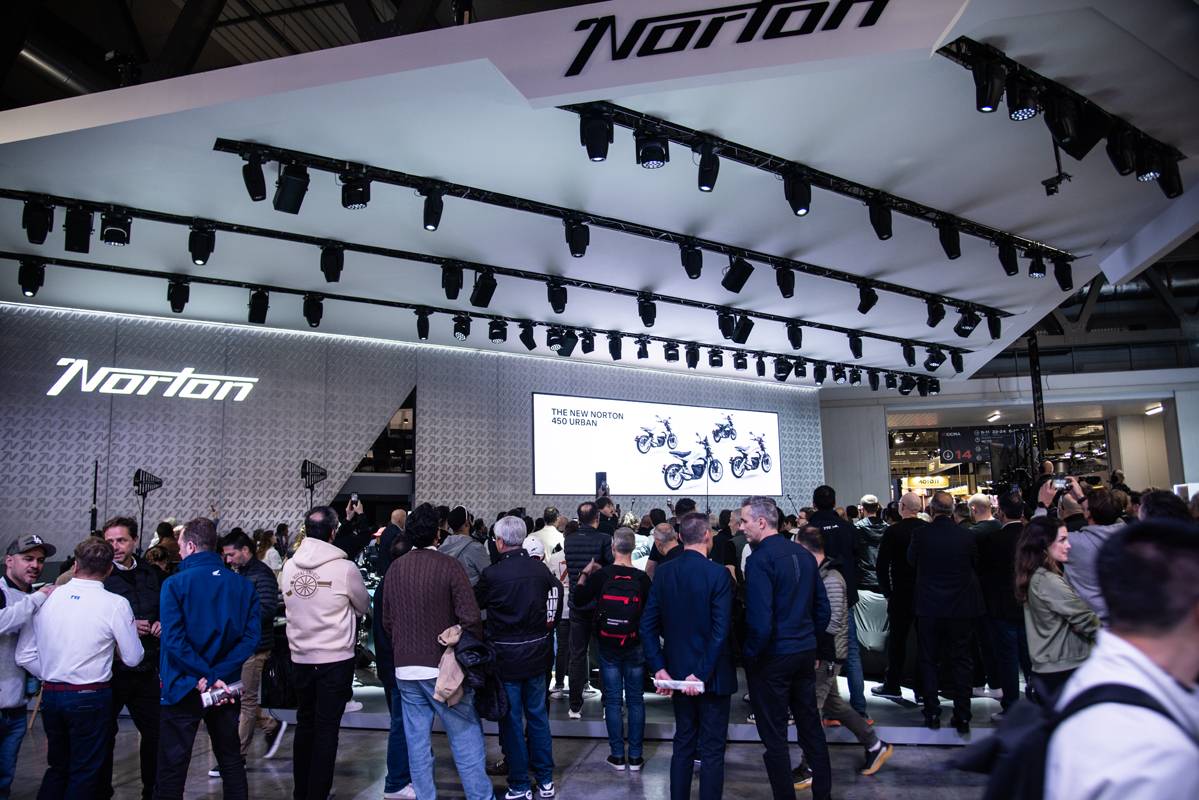
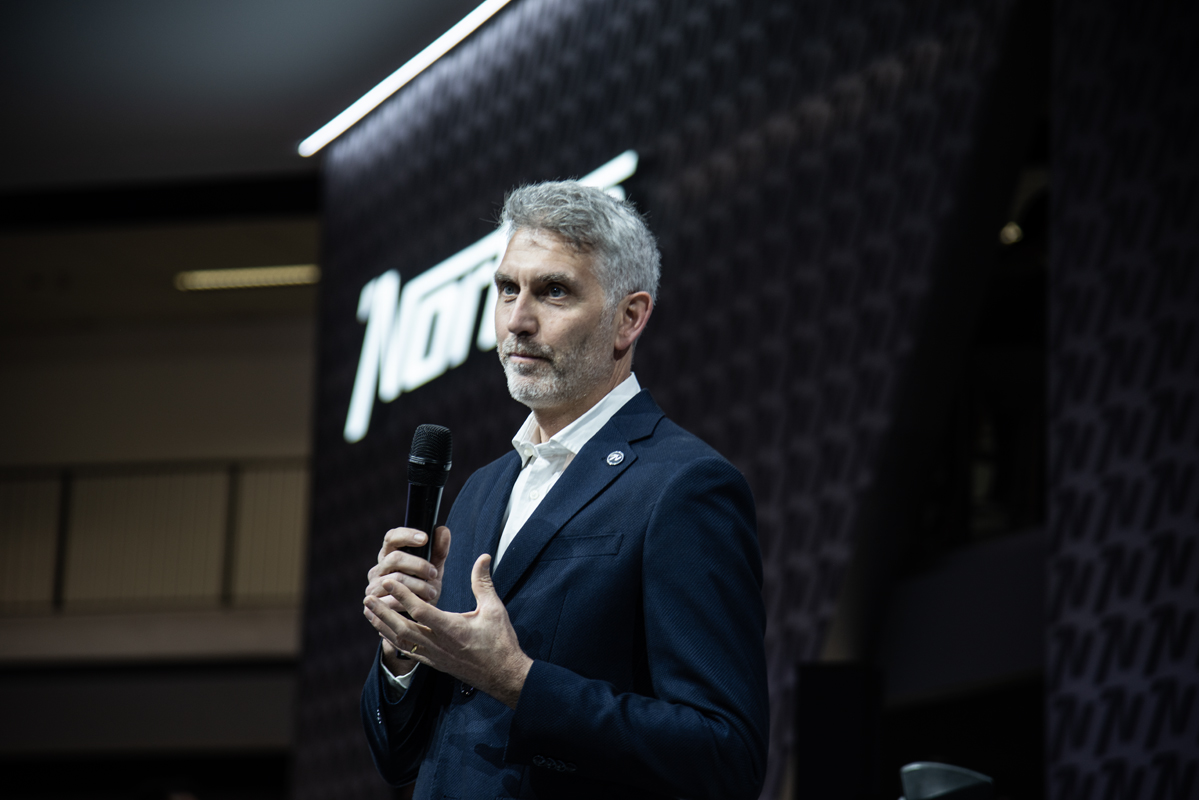
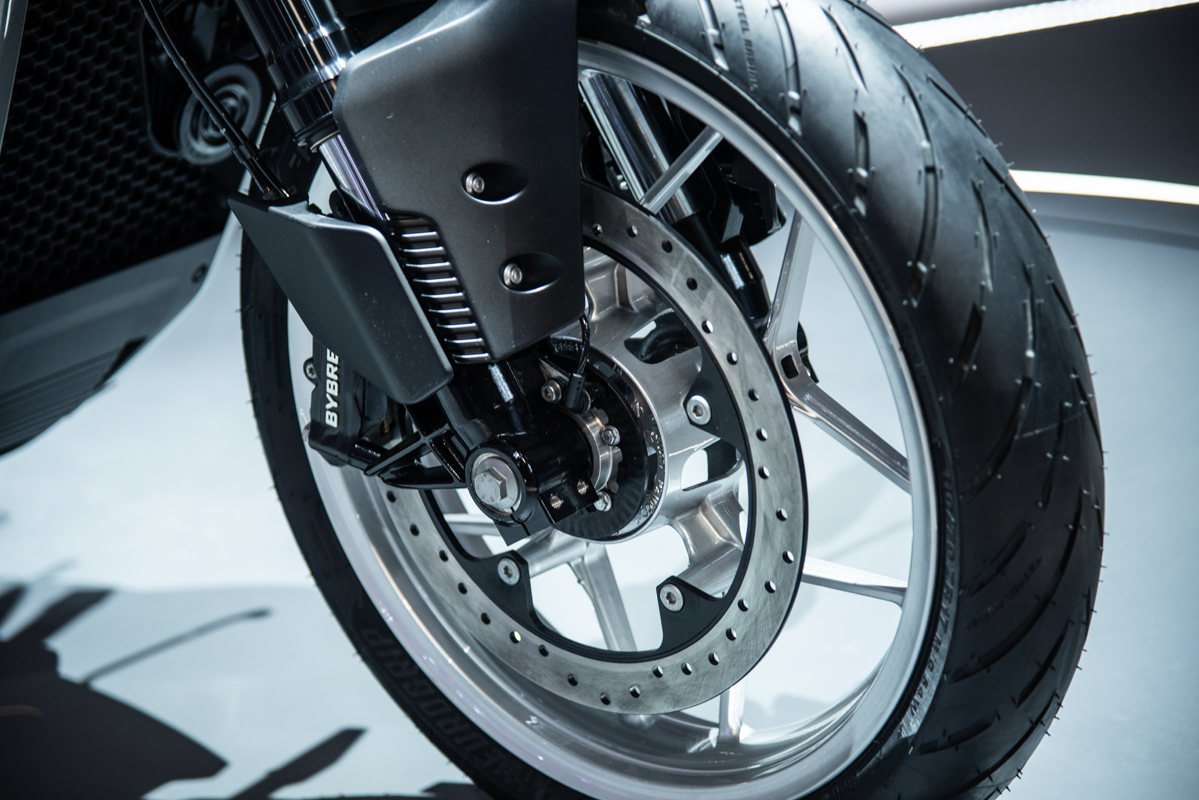
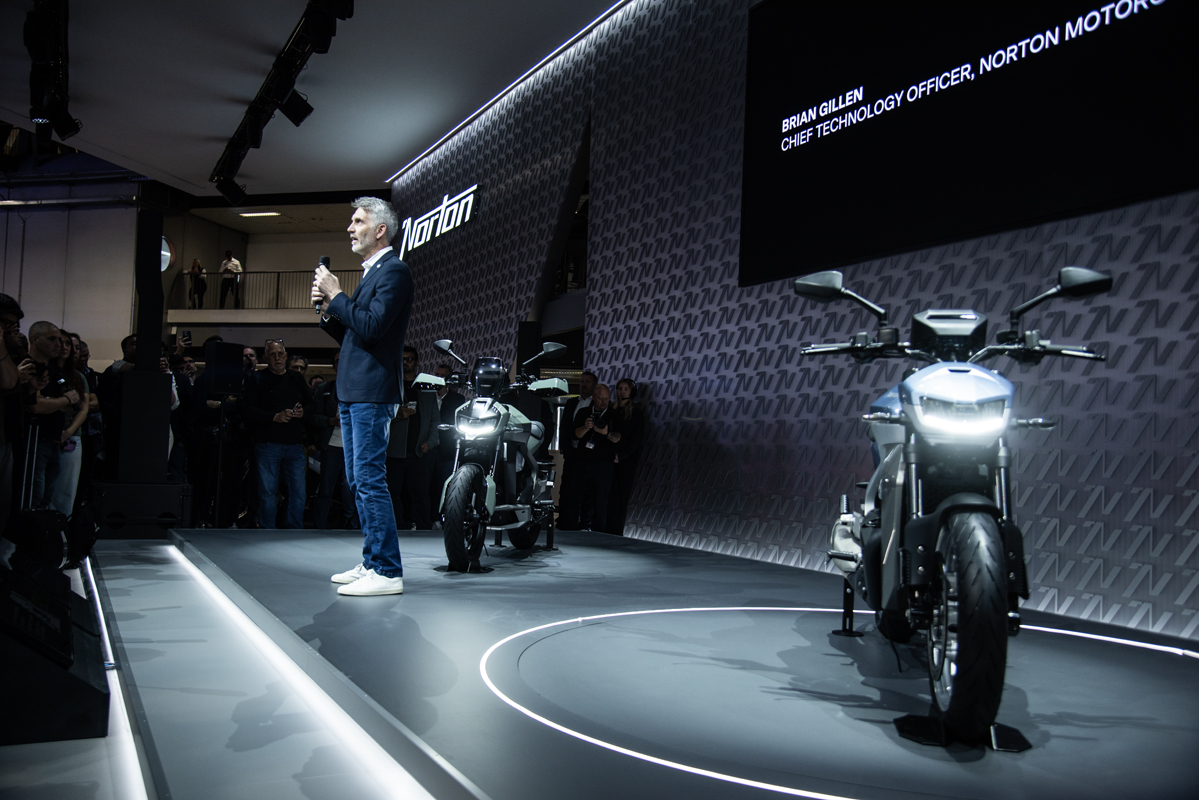
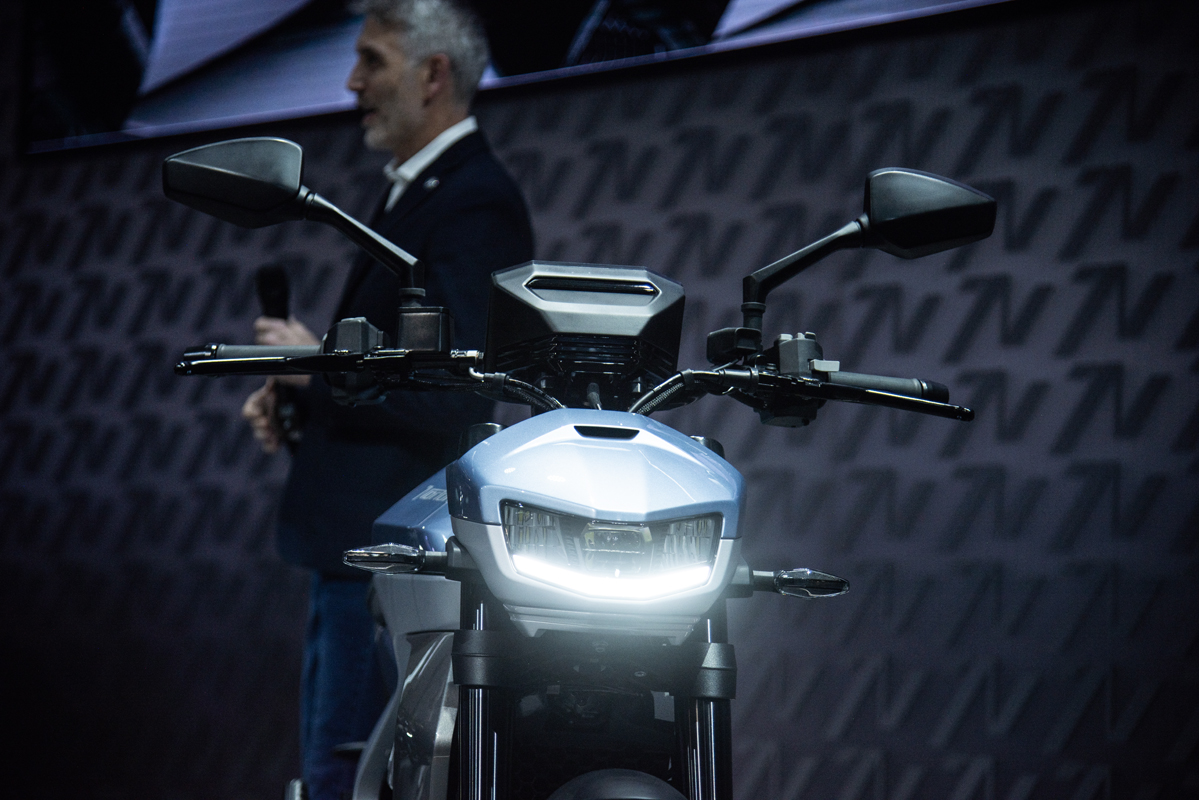
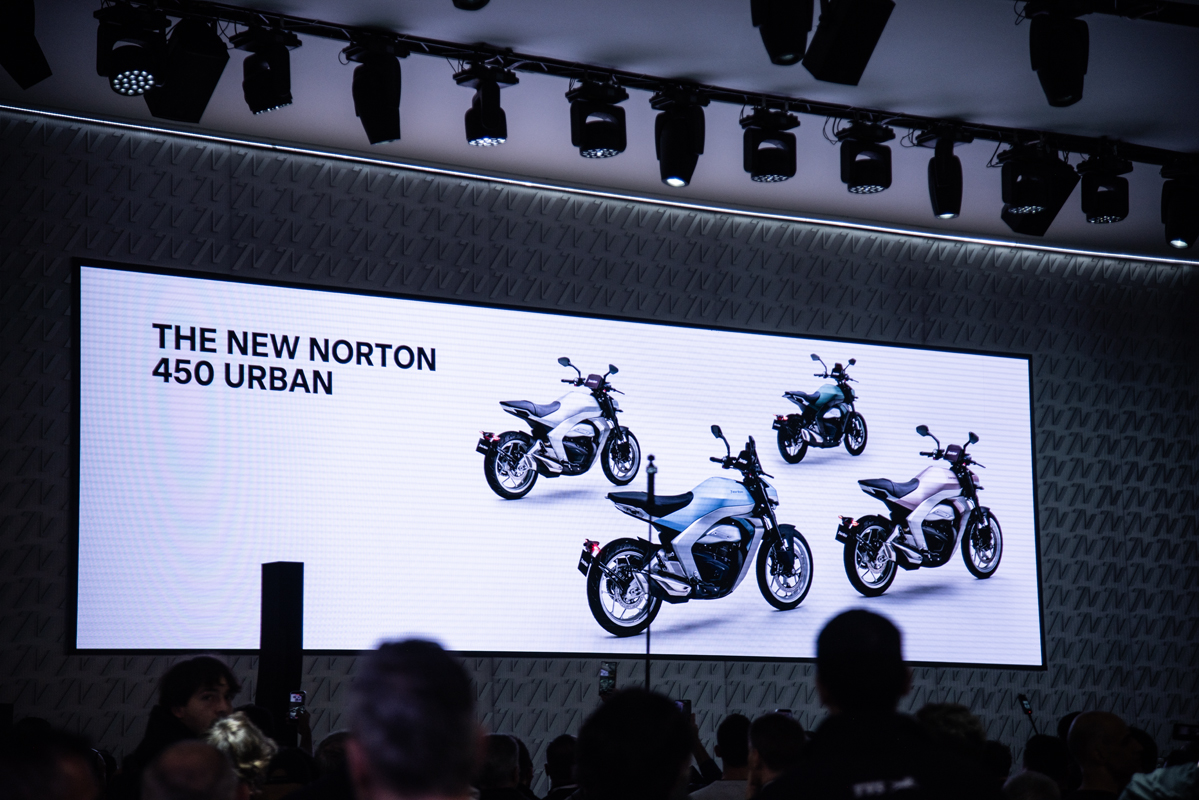
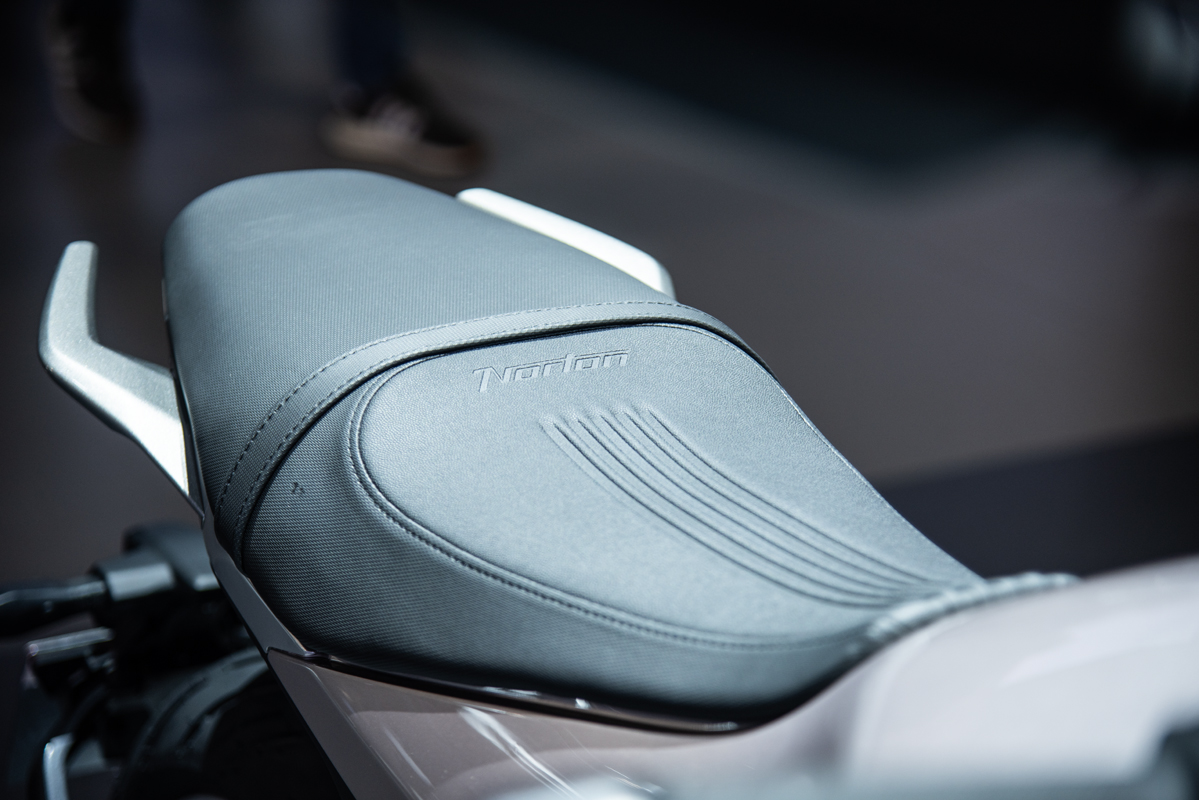
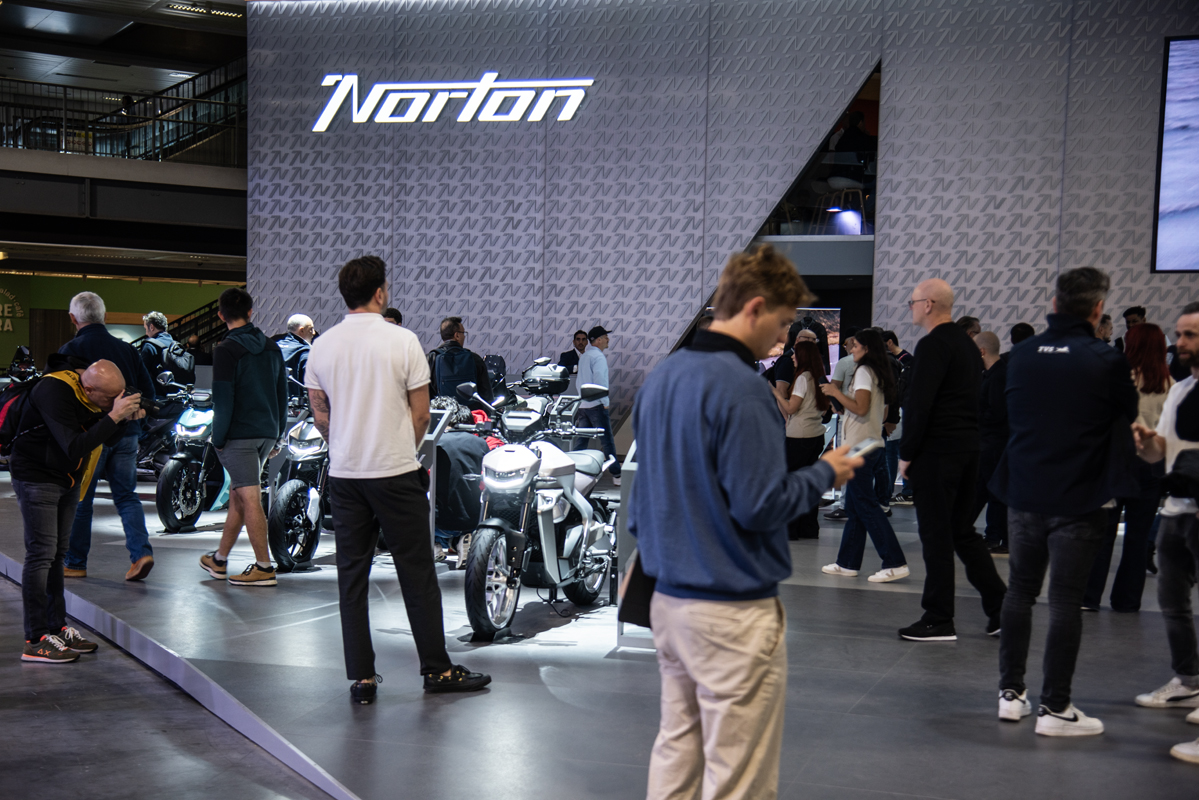
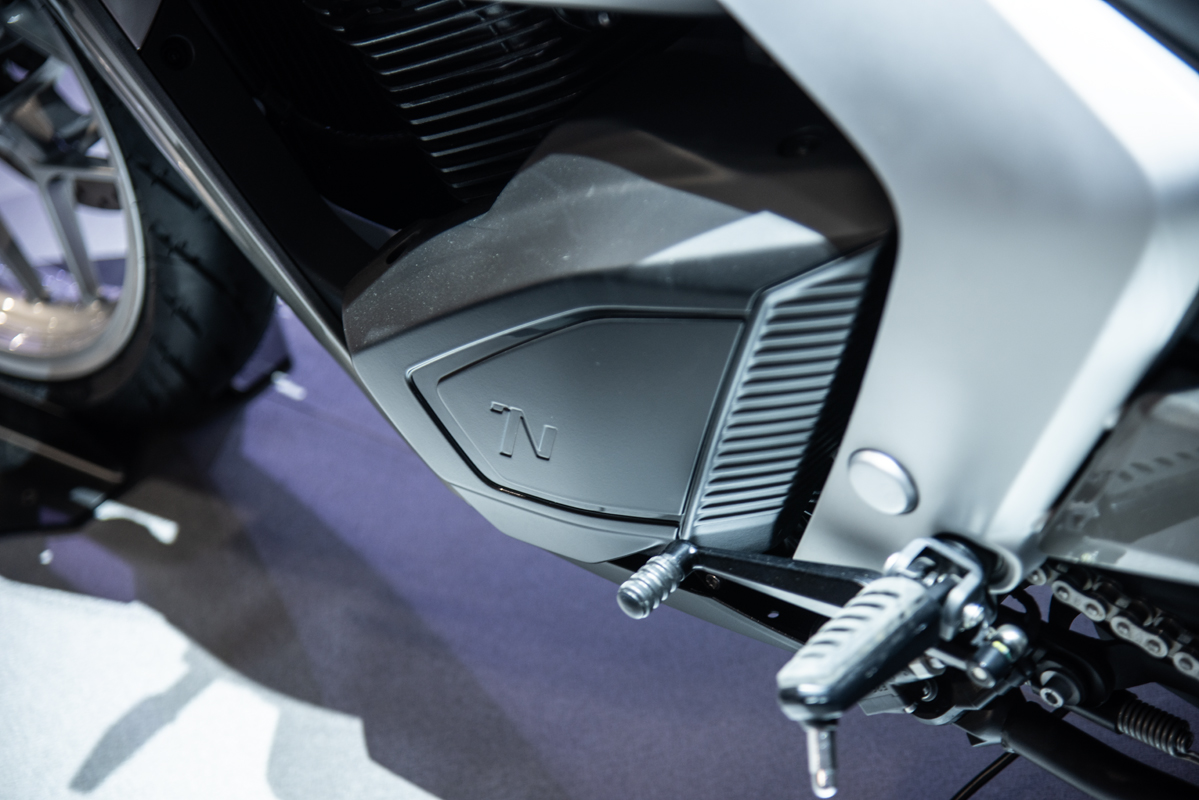
With zero DNA crossover between TVS’s accessible commuter and sport offerings and Norton’s premium British heritage, the two marques target entirely different riders. While TVS’s regional teams manage the backend operations for both brands, dealerships can operate either as standalone Norton boutiques or dual-branded spaces, provided the distinct customer experience of each badge is strictly respected.
What It Means for South Africa
For local riders, the biggest takeaway from Milan is just how seriously TVS is taking South Africa. Since partnering with Bidvest (Tuning Fork), TVS has quickly become one of the country’s fastest-growing two-wheeler brands, building a respectable market share in just 18 months.
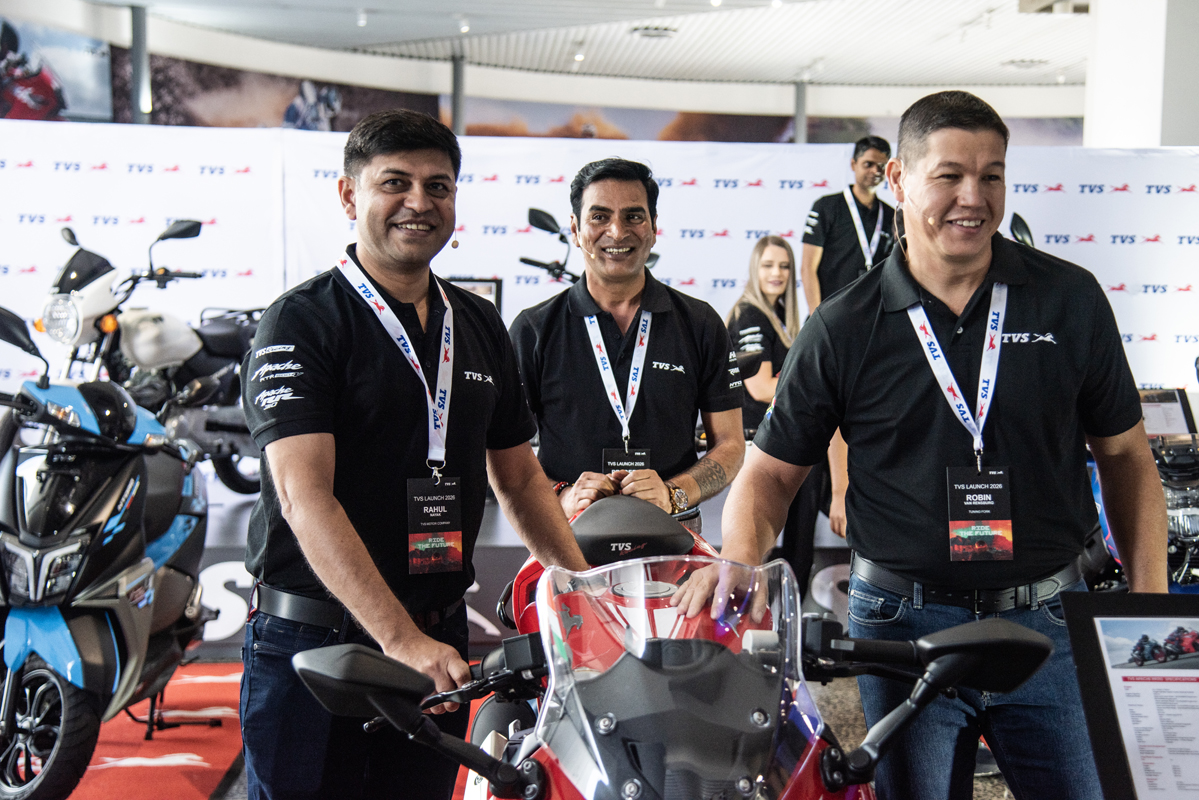
Looking ahead, Singh confirmed that TVS is preparing to expand its local footprint across both personal and commercial mobility, including plans to introduce its proven electric scooters alongside its ICE lineup, as well as two- and three-wheeled solutions aimed at solving South Africa’s “last-mile” transport and delivery challenges.
And what about seeing the iconic Norton badge on local showroom floors? While immediate rollouts are locked in for Europe, India, and the US to ensure airtight after-sales support, both Kargar and Singh singled out South Africa as the largest premium motorcycle market on the continent, making it a firm contender once the next wave of global expansion kicks off.
For more information on the local TVS lineup, visit www.tvs-sa.co.za