


Preparing for a serious endurance sporting event, I have it on good authority, is a bit like childbirth. Over time, the memories of the suffering fade, and hopefully the end result makes it all worth it! The other huge truth is that the mind remembers what the body has long since forgotten. And that’s what I am experiencing on my journey to the Nedbank Desert Dash in December.
The Game Changer
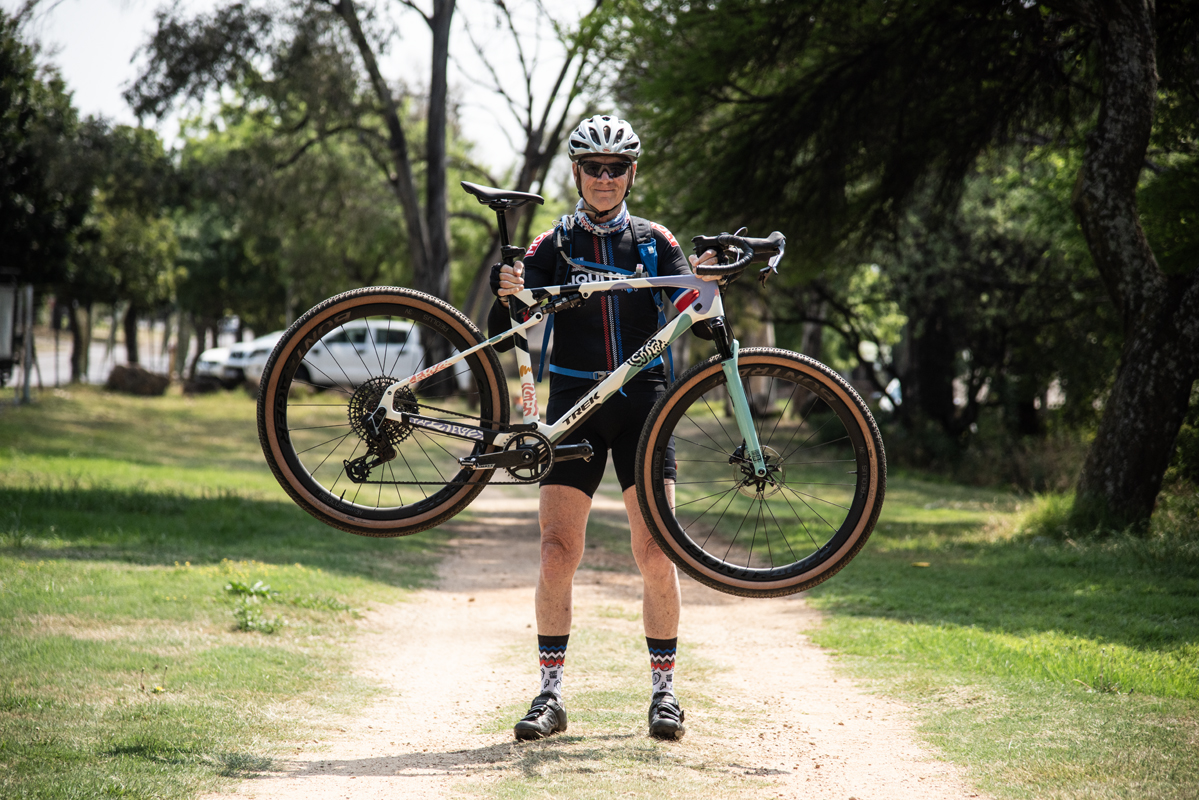
I took charge of a Trek Check-OUT gravel bike on which I will be doing the Dash, God willing, on the 11th of December. My entry is in and paid, so all that remains is to try and get my body accustomed to long hours on the bike. And that, sports lovers, is much easier said than done. I started my training in the middle of August, which means that I am about a month into my Dash assault. Let’s start on the Trek Check-OUT and how transitioning from a full-suspension 29er mountain bike to a state-of-the-art gravel bike has gone.
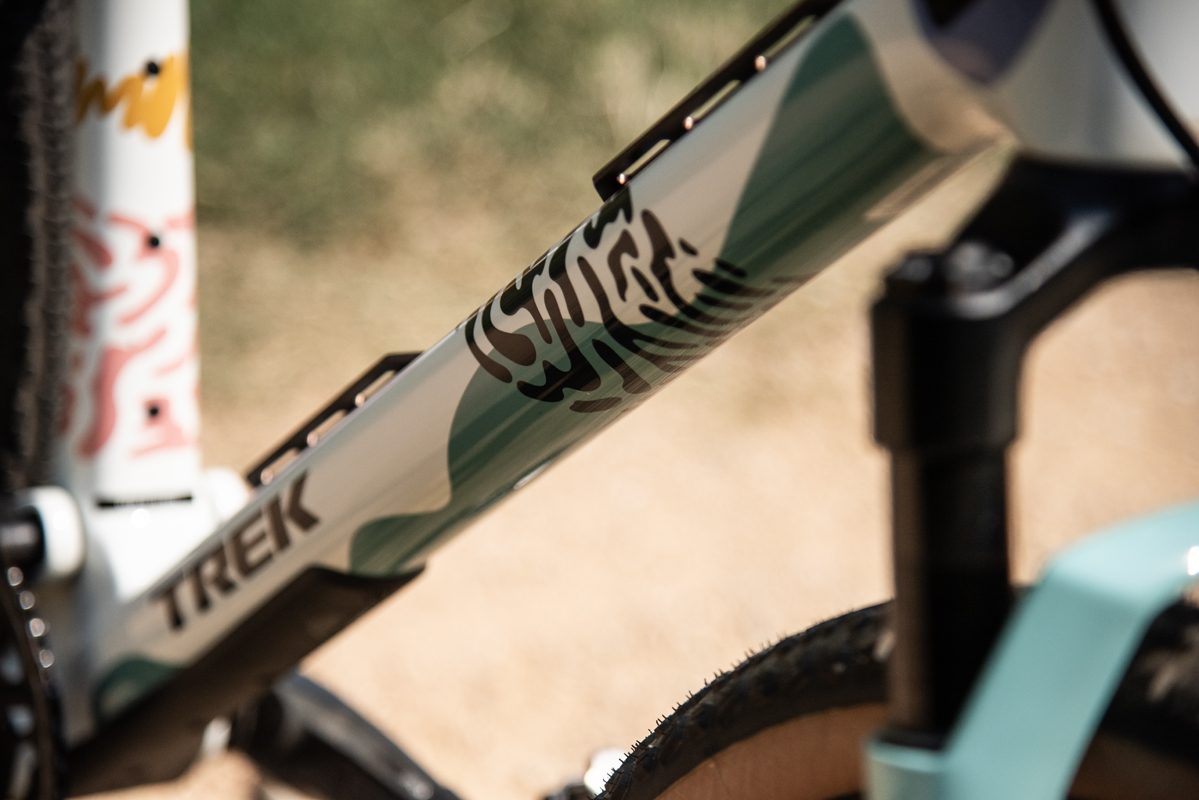
In short, an absolute game changer! I am not for a moment suggesting that I am super knowledgeable when it comes to off-road bicycles, but I can certainly give you my honest impressions. First time out on the Trek was an eye-opener. The Check-OUT has a medium/large frame and literally felt built specifically for me. I have not, as yet, done a bike fit, but straight out of the box I felt supremely comfortable on the Trek. If you are facing riding around twelve hours nonstop on a bicycle, it simply must work with you and not against you, and so it is with the Check-OUT.
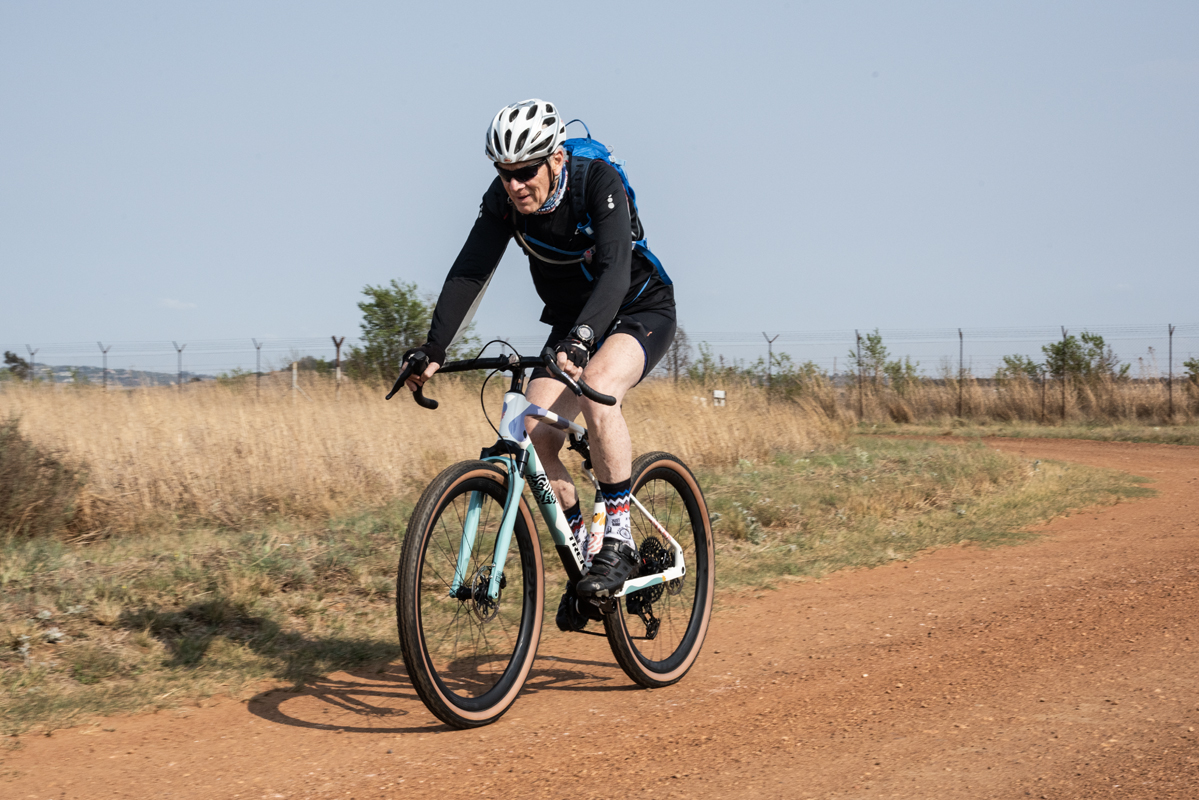
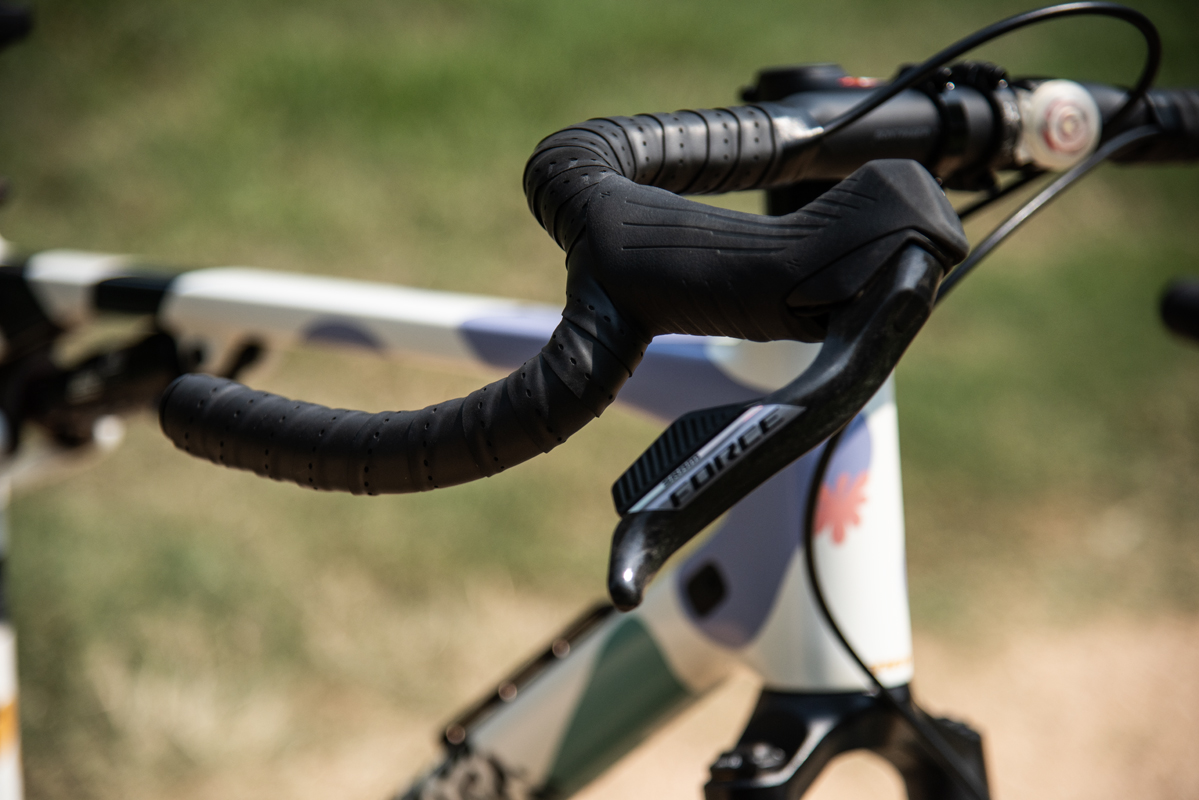
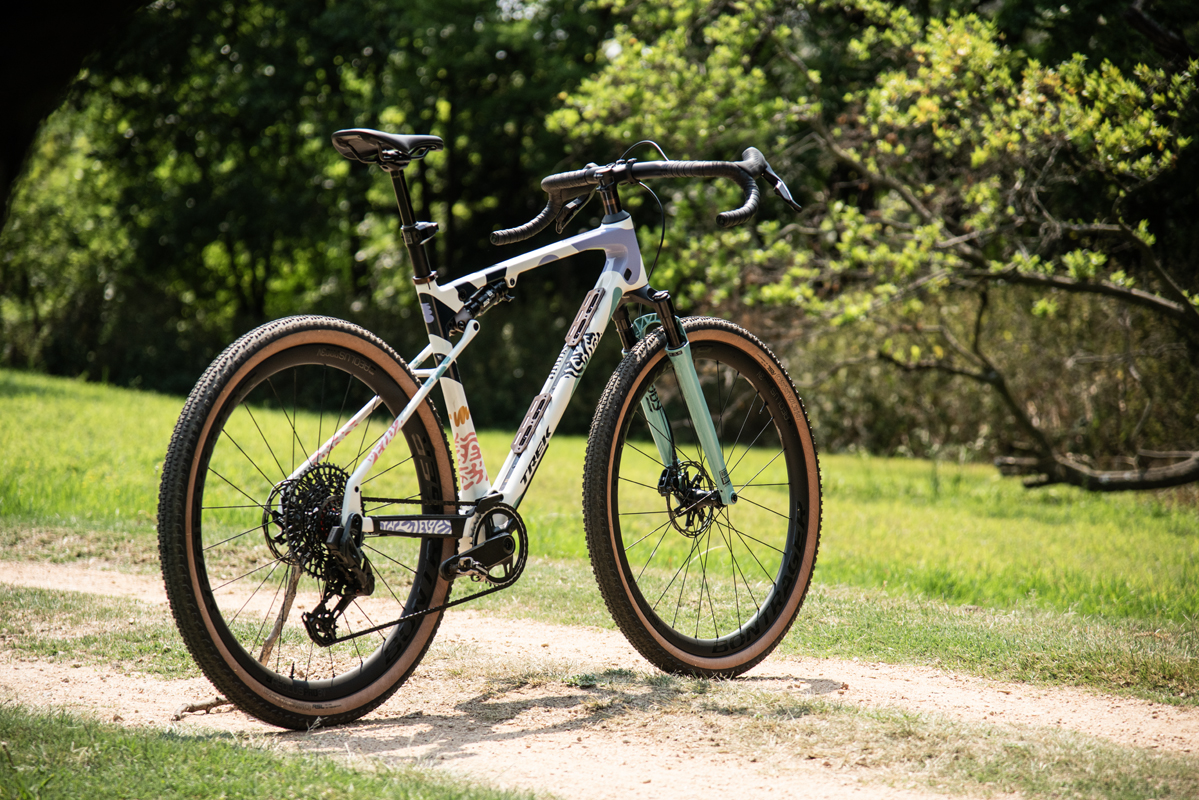
The frame geometry is relaxed, putting your body in the perfect position for long hours in the saddle. The other revelation for me has been the handlebars. The bars on the Trek are drop bars as found on a racing bicycle but with subtle differences in angles. The bars have the effect of having a variable stem on a mountain bike. Holding the bars as you would on a mountain bike, albeit with a narrower grip, has you seated in an upright and relaxed position, with minimal angles to your lower back and neck. Placing your hands on the brake hoods puts you in more of a wind-cheating ‘attack’ stance, and going down onto the drops allows even less wind resistance. The bends offer a huge variety of hand positions which help to offset fatigue. And then there is the suspension.
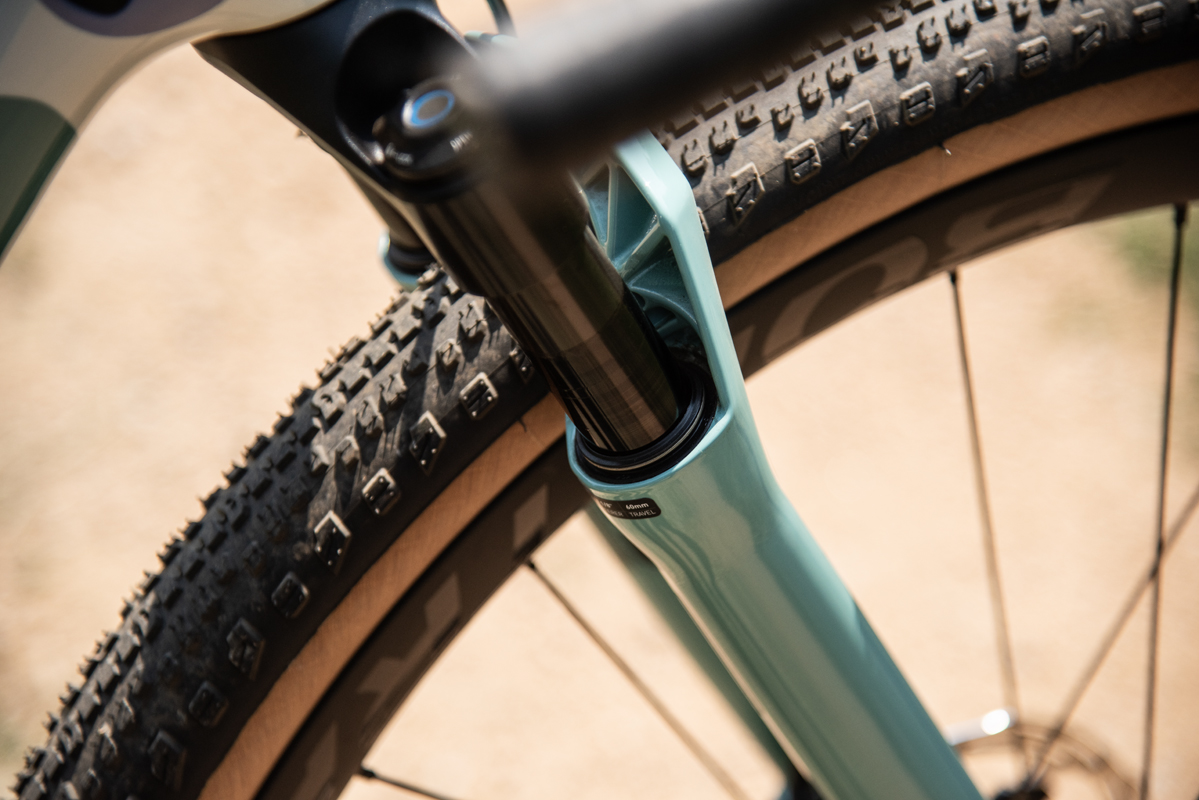
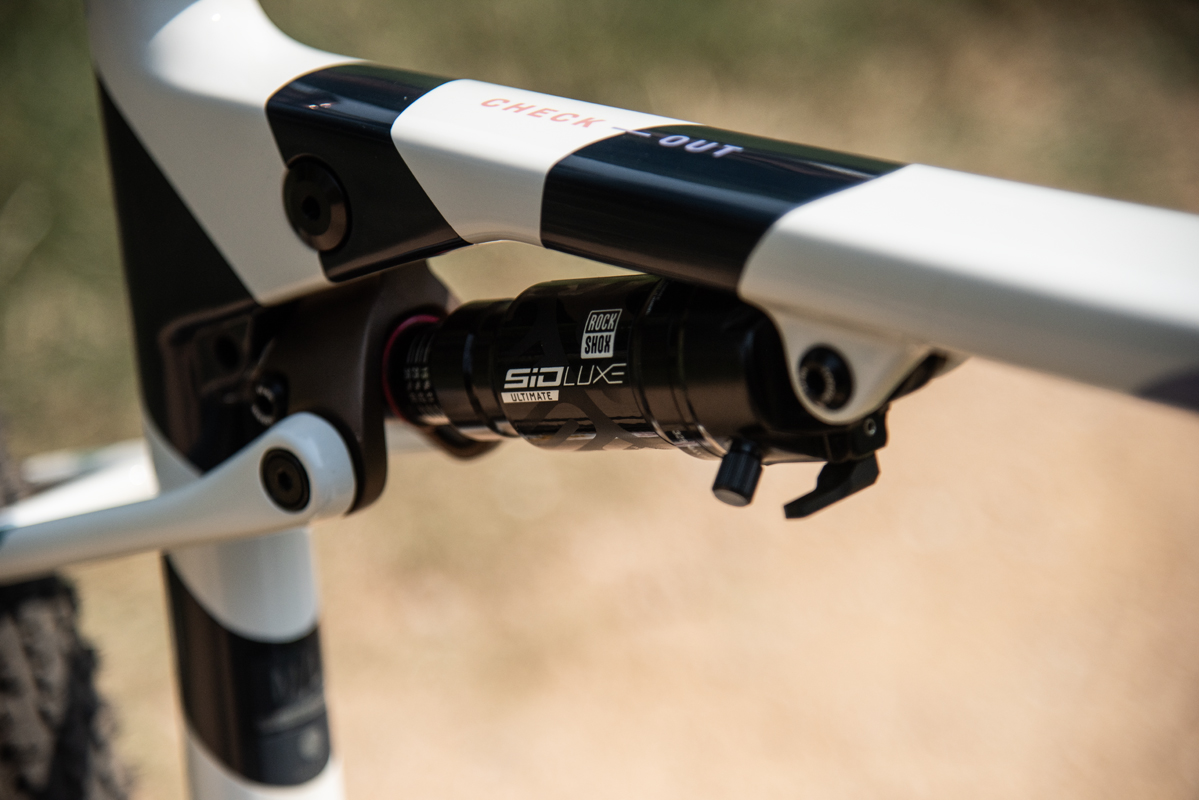
Suspension on a gravel bike? When I posted pictures of the bike on my original Facebook post, some punters responded that no, if it has suspension at both ends, it must be a mountain bike with drop bars. Well, Trek has always tended to be a leader rather than a follower when it comes to bike design, so may I introduce you to the world’s “first” full-suspension gravel bike, the Trek Check-OUT! And may I add that the suspension is all that I hoped it would be, and in some ways even more.
The Check-OUT is stable and simply seems to roll along with significantly less effort than my 29’er. Traversing gnarly surfaces is a doddle. I find myself asking, after experiencing the Check-OUT in all types of flowing trails, why I would need, or want, a mountain bike. It is only in technical and really gnarly terrain that a “full susser” mountain bike would eke out an advantage.
A Plan for the Pain
Now a bit about the training. For the first week or two I simply adjusted to the bike and spent time back in the saddle. Rides were between 20 and 30 km at most. I then took myself out to the Cradle and spent just short of three and a half hours on the bike, after which I felt reasonably comfortable, all things considered. What I also realised, though, is that when you have been off a bike for many years, with only the occasional pedal, you shouldn’t blunder on in ignorance if you are facing a significant challenge. I need to have a calculated plan of attack with my preparation. Enter Nico Sterk and his Sterk Span Coaching Academy.
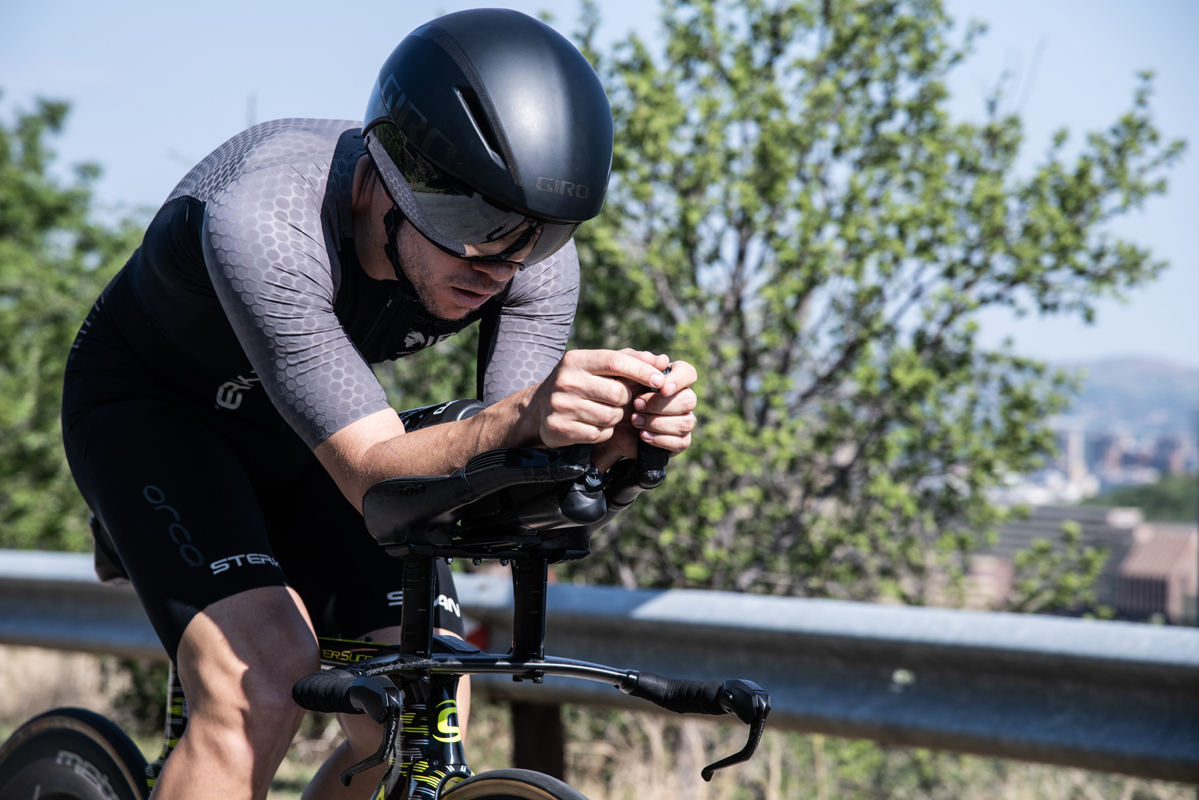
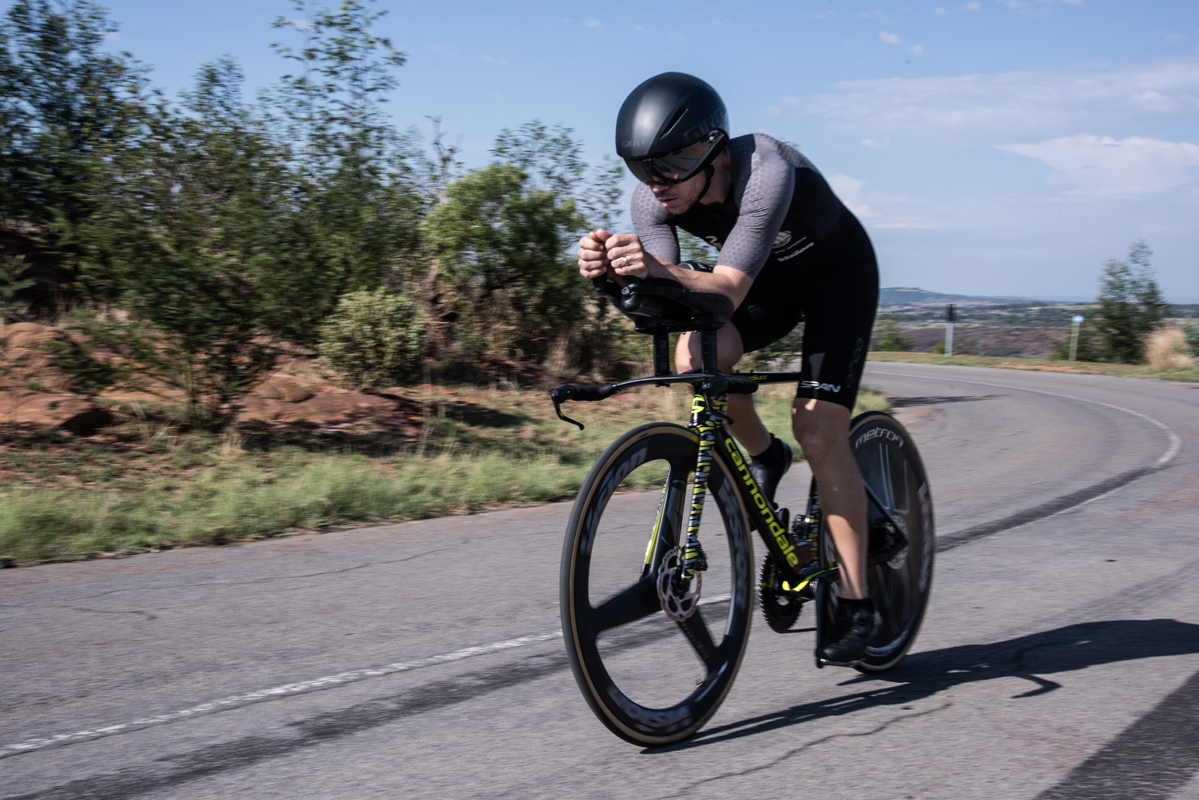
Sterk Span has risen to prominence over the last 16 years as one of the country’s most successful and dominant Triathlon & Duathlon (Road & Cross/Xterra Triathlon) coaching academies. I got to know Nico personally through his coaching of my son and many other athletes to some excellent Ironman results. More specifically to Desert Dash, a few years ago I helped at the halfway station at Ruimte, in the middle of the desert. We fed and watered the Sterk Span athletes and cleaned and lubed their bikes before they resumed the race, even setting up a shower for the 2-man team athletes.
Nico himself has become something of a Desert Dash legend, with a number of 2-man team podiums and a win. At his first solo attempt, Nico rode to 5th place overall with his 2-man teammate, Adriaan Myburgh, following him into 6th place. Between 2011 and 2018, Nico competed internationally in Xterra World Series events, achieving 14 top-5 overall Elite Male finishes.
Nico’s personal intimate knowledge of all facets of Dash preparation, combined with his hands-on skill at preparing athletes at all levels to be the best that they can be, convinced me that he was the coach I needed. It is easy to overthink a monumental challenge like the Desert Dash, leading one down a rabbit hole of doubt. I decided that to do justice to those who are helping me in my quest, most notably Trek with the magnificent SL-7, I need to turn up with the best version of myself possible, given the time I have to prepare.
Nico understands, through personal experience, factors like bike preparation, hydration, nutrition and, almost unique to Dash, the effects of sleep deprivation and the psychological strain of the event. I am going to do my best to stick to the programme he has given me to the letter. It has given me real peace of mind to know that Nico has got my back in this event.
A Legend Next Door
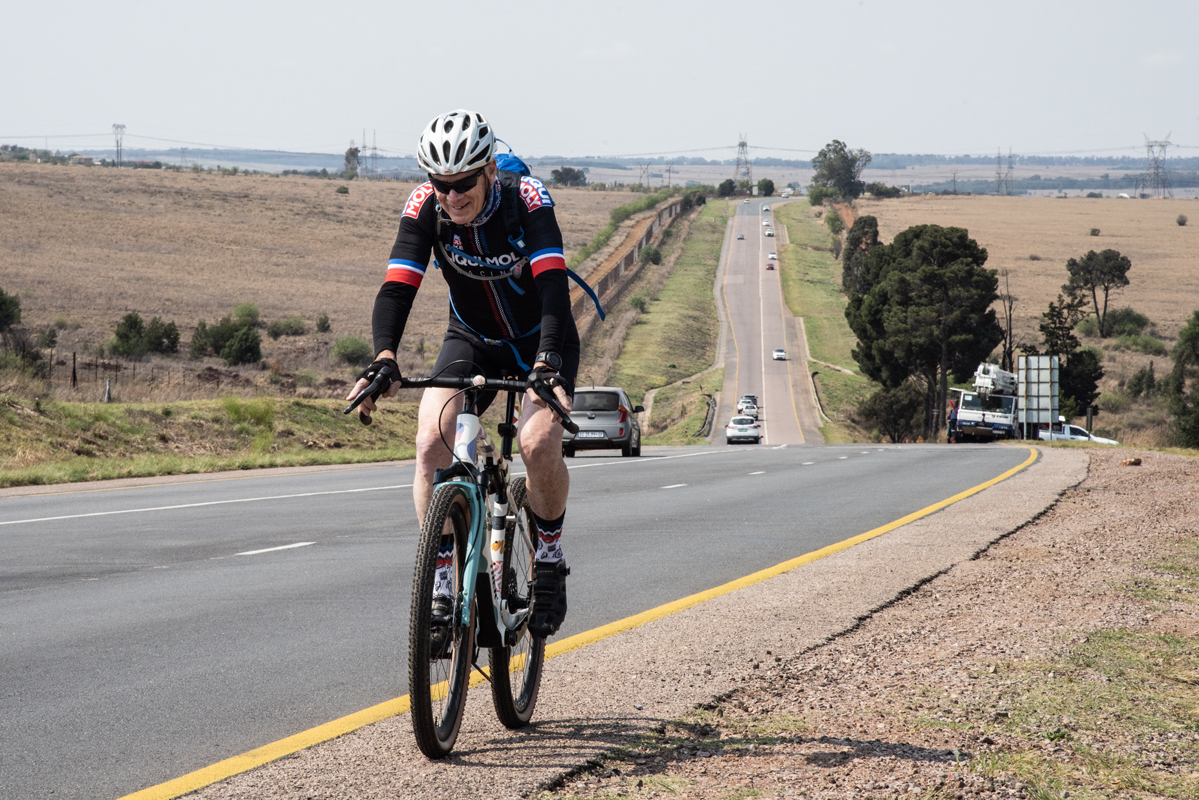
There was a film way back in the ‘60’s entitled ‘The Loneliness of the Long-Distance Runner’, and whilst the storyline is of no particular consequence, the title echoes the fact that those preparing for long endurance events inevitably spend many hours of training on their own. But, in my case, God has a sense of humour! Riding out of my gate on a late afternoon training ride, I was hailed by my new neighbour Chris, who was gardening on his pavement. We got chatting, and he shared that having recently moved, he was way behind in his typical cycling schedule and suggested that we ride together. He modestly shared that he ‘is a bit competitive when properly fit’.
Turns out we are talking about someone who podiums consistently in his age group (which happens to be my age group) in mountain and gravel bike events. I shared with Chris that I had run a couple of Comrades Marathons in the ‘80’s, whereupon he confessed that he too ran the Comrades in the eighties and completed 11 Comrades before turning to cycling. I have since discovered that he was a rather accomplished runner, to put it mildly!
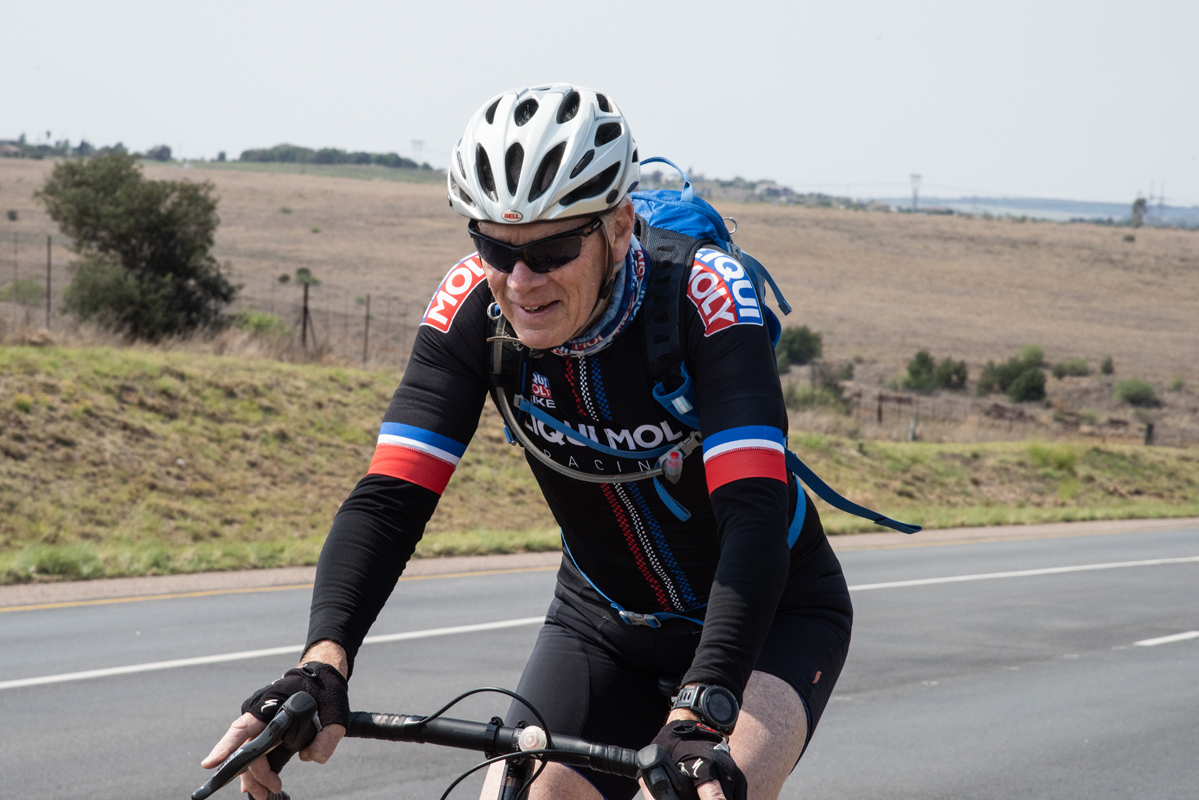
To best explain, note how Bob de la Motte, renowned for his duels with all-time Comrades legend Bruce Fordyce, in his book Runaway Comrade, put it when recounting his 1984 Comrades. “A few hours later I almost caused the upset of the decade when I stole the lead from Chris Reynecke shortly after passing halfway”. Bloody hell! My new cycling buddy is a Comrades Marathon legend! In the ’84 Comrades, de la Motte passed Chris, who was in the lead, at around the 40-kilometre mark and led to 45th cutting, where all-time Comrades hero, Bruce Fordyce, caught and passed him. Bob finished in an incredible losing time of 5 hrs 30 min, with my new mate Chris hot on his heels in 5 hrs 34 min; up until that time, the fastest third-place finisher in the history of the race. OK then, no pressure, Dave!
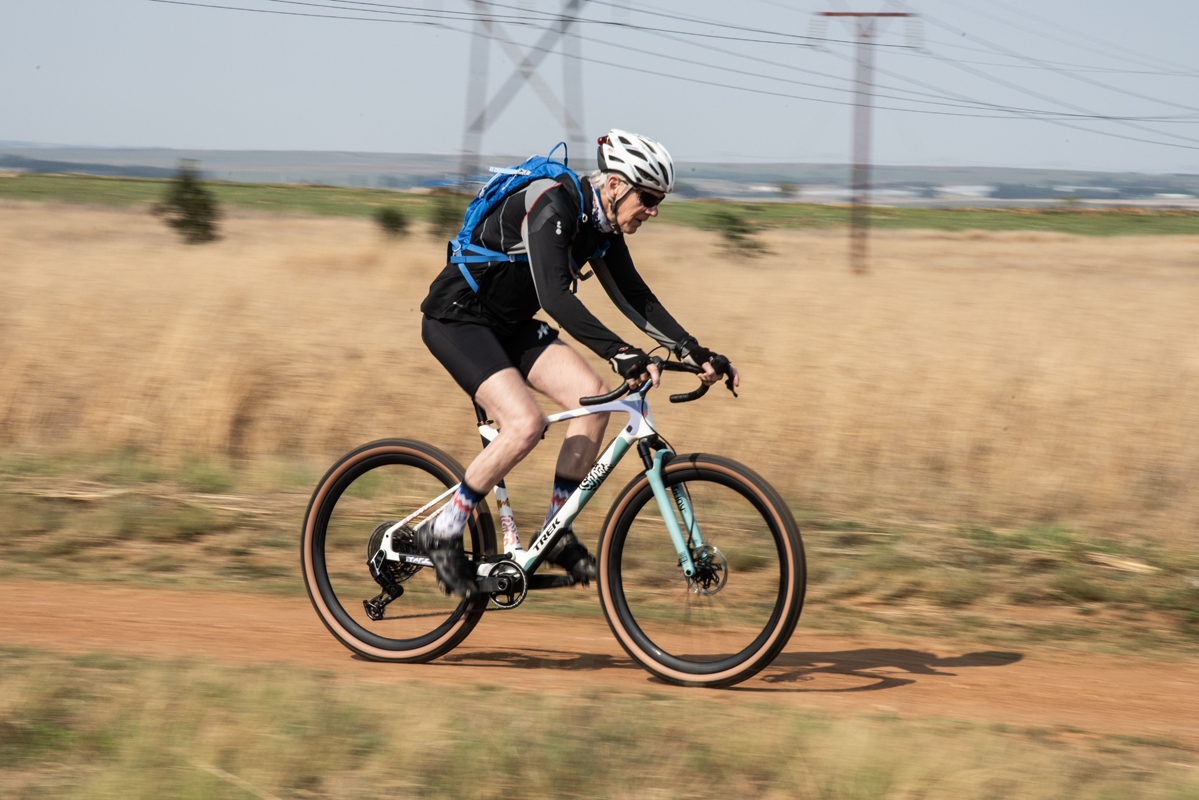
A couple of Saturdays back, Chris joined me on a 103-kilometre ride out onto the gravel roads through farmlands southeast of Pretoria. What a game changer to have an accomplished riding buddy! It will be amazing to see Chris at his best, given how strong he is on a bike when, according to him, he is ‘unfit’. He patiently shepherded me through what was a milestone ride for me getting back on a bike. Once a legend, always a legend! At this point, it is hard to imagine that my 103 km ride would not get me to the halfway point of what I need to do for my Half Dash, which is 221 km in total! There needs to be a whole passage of pain before I am properly prepared for the event. But, with Nico and my riding bud Chris in my corner, bring it on!
So there you have it, sports lovers. The kilometres are beginning to mount, the legs are slowly remembering what is expected of them, and the Dash is looming ever larger on the horizon. I’ll report back as Nico turns the screws and the Check-OUT, and I edge closer to 11 December.
Keeping a bike in top shape through all those training kilometres is a story in itself. I’ve been putting a selection of Liqui Moly bicycle care products to work on the Trek, and I’ll share how they have performed in a separate maintenance feature soon. Watch this space!
For more information on Trek’s Gravel bike range, visit: www.trekbikes.com