



Motorcycling seems to be undergoing a seismic shift. Large-displacement bikes remain hugely popular and will always be flagship models for many manufacturers, whether sports, adventure, touring or naked bikes.
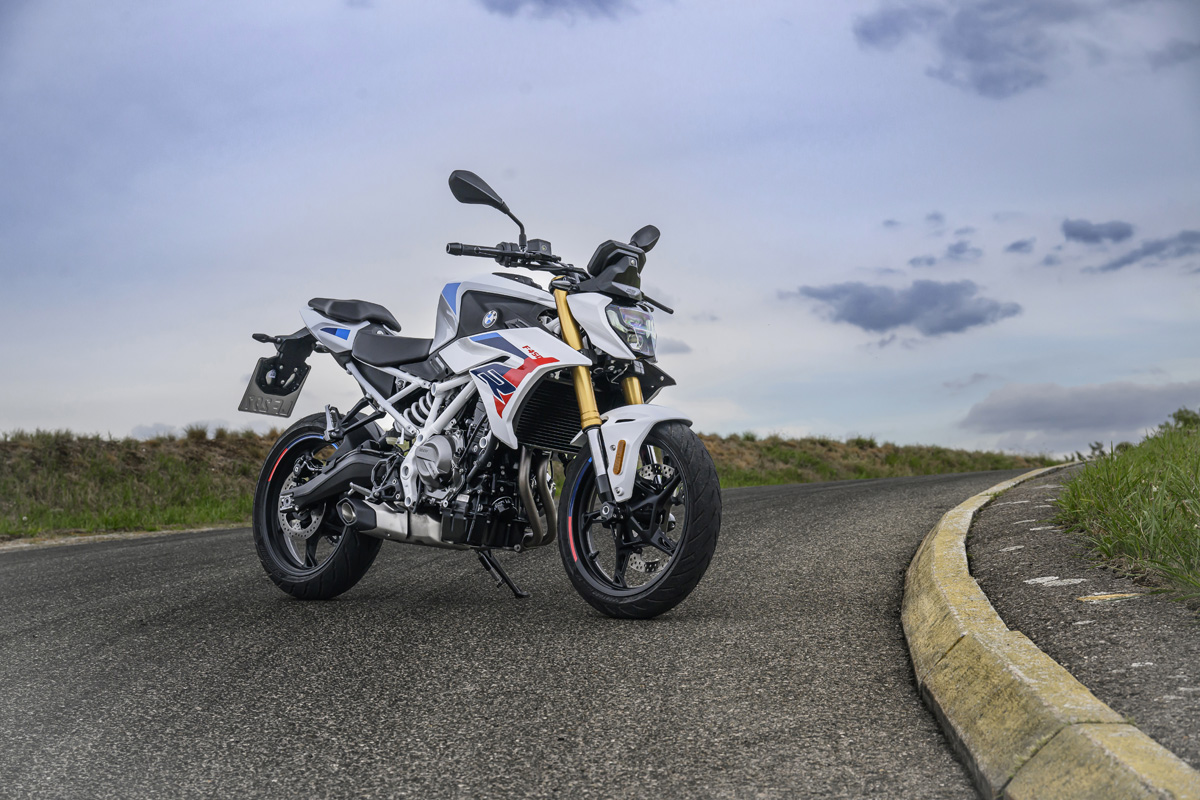
But more and more sub-500cc models are arriving. They are relatively affordable to buy and run, yet offer levels of performance, riding dynamics and desirability that belie their modest engine capacities.
It’s hard to say who has been leading this charge. KTM has, for many years, offered street bikes in 125, 200 and 390cc capacities. BMW introduced its 310cc-engined bikes in 2015, while the Japanese brands have long played in this space, although the 450cc class has largely been home to off-road and enduro bikes.
But the arrival of Chinese, Indian and other Asian brands has accelerated the trend towards bikes of around 450cc, a popular engine capacity in Asian markets. CFMOTO’s 450s have to be ridden to be believed, to the point where you really wonder how much more bike you actually need. Triumph has joined the fray with its 400cc models, and BMW has now re-entered the class with the new F 450 R, following closely behind the F 450 GS.
It’s not BMW’s first 450 model, of course; that accolade belongs to the 2008–2011 G 450 X Enduro. But where that bike was powered by a twin-camshaft, single-cylinder engine, the new models use a parallel-twin engine, with no parts shared between the two generations.
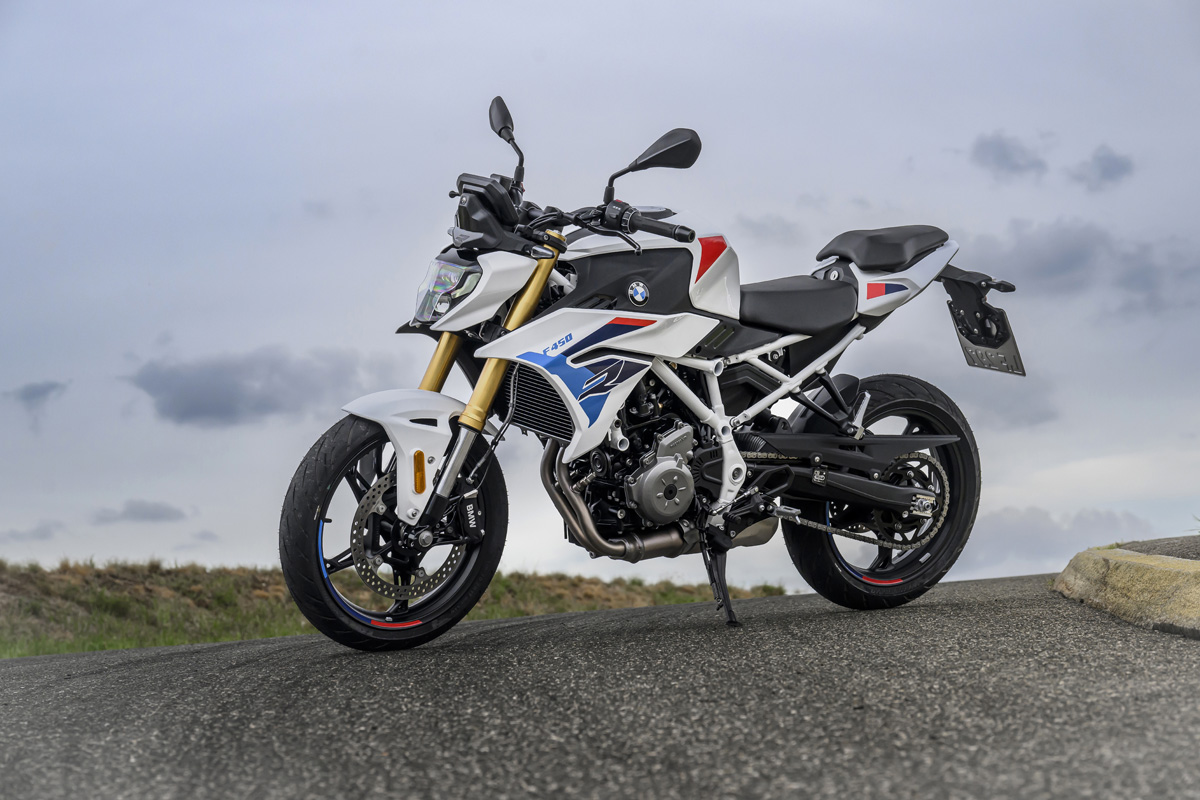
So, what do we have here?
In the words of Markus Flasch, CEO of BMW Motorrad: “The BMW F 450 R has everything that defines a true BMW naked bike: performance, precision, and pure riding pleasure. It is light, agile, and full of character. We have developed a motorcycle that inspires confidence from the outset while also generating a lot of excitement. With the F 450 R, we are bringing our decades-long naked bike tradition into a compact and especially accessible format.”
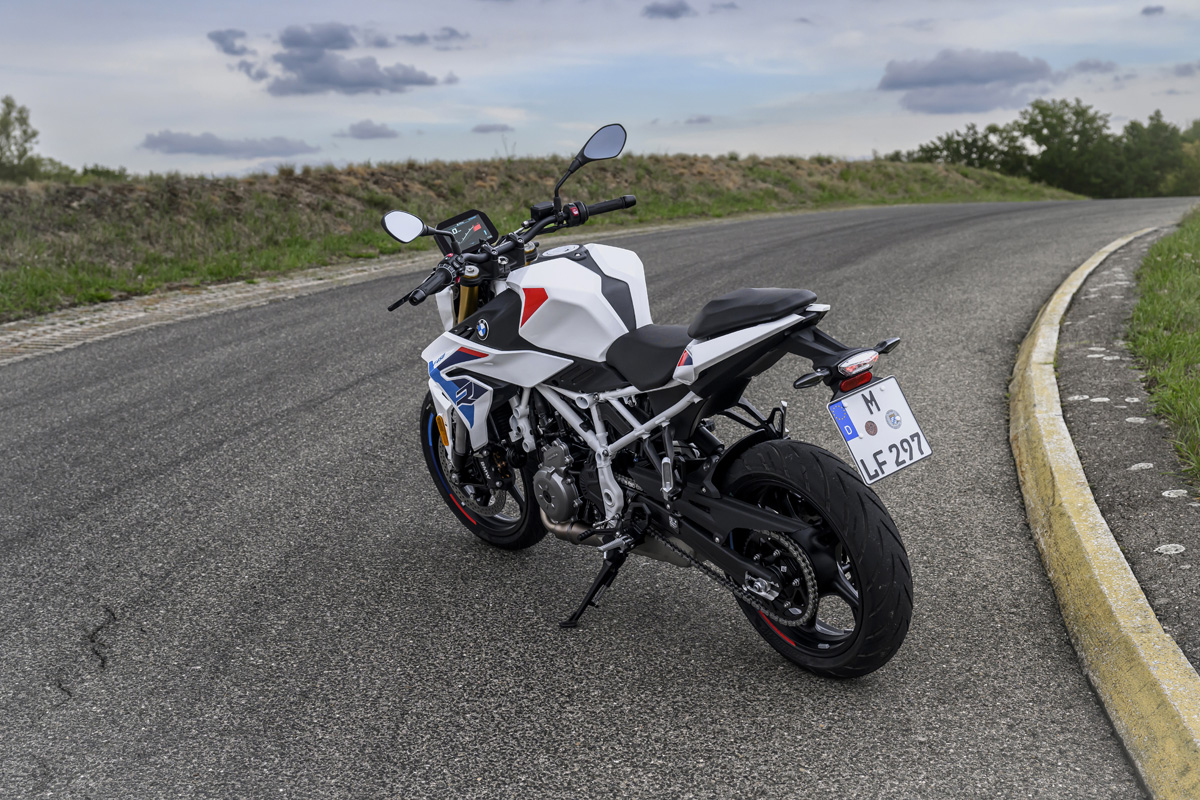
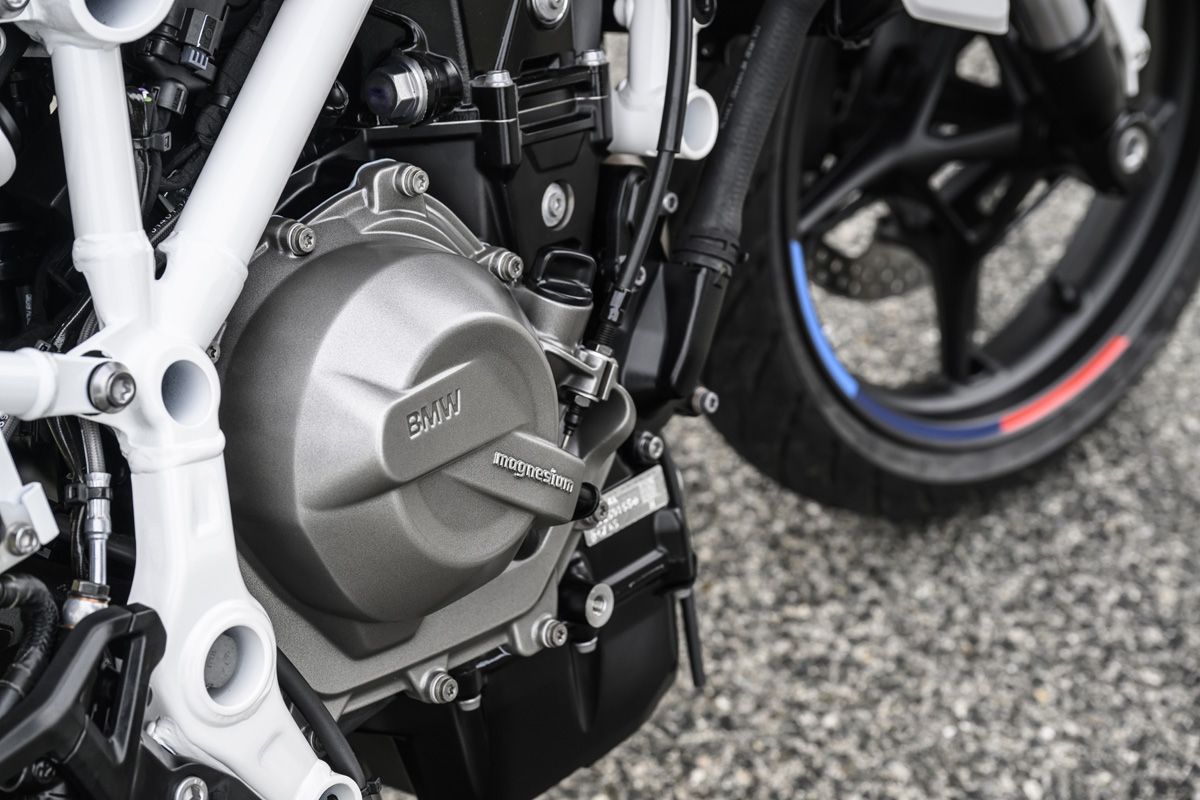
Of course, he is going to say that, but the reality doesn’t lie far behind the press release. The fuel-injected, DOHC parallel-twin engine produces 48 horsepower and 43 Nm of torque. Its 135-degree crankpin offset should give it more of a V-twin feel and sound, helped by the stainless-steel silencer mounted low beneath the engine. A parallel twin it might be, but it should not be excessively rev-hungry, as 80% of its maximum torque is available from just 3,000 rpm.
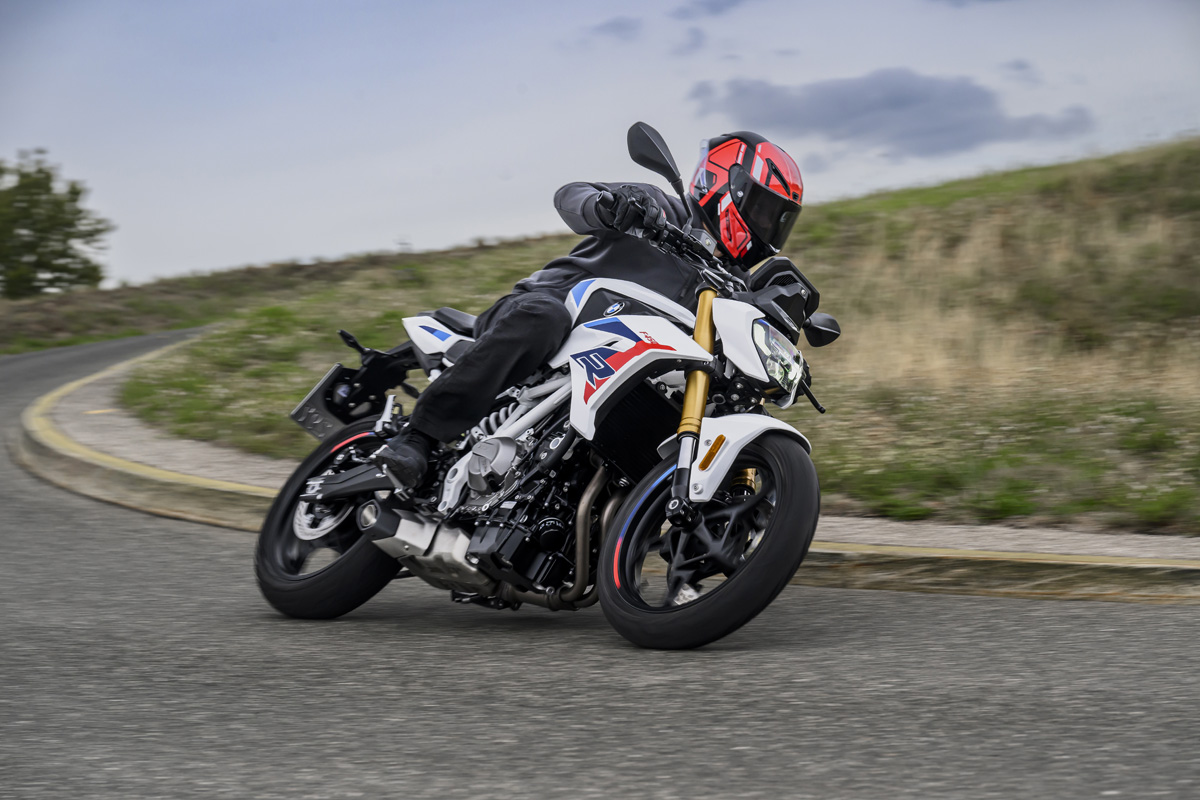
The engine drives through a six-speed gearbox, while one of the available options is BMW’s Easy Ride Clutch (ERC). The system engages and disengages the clutch automatically according to engine speed, but the clutch lever remains available when the rider wants to use it.
The electronics package is impressive, although that should no longer surprise us as technology continues to filter down to smaller-capacity motorcycles. The standard Rain, Road and Dynamic riding modes allow riders to tailor the F 450 R to their preferences, while ABS Pro, Dynamic Brake Control (DBC), Dynamic Traction Control (DTC) and engine drag torque control (MSR) are also standard.
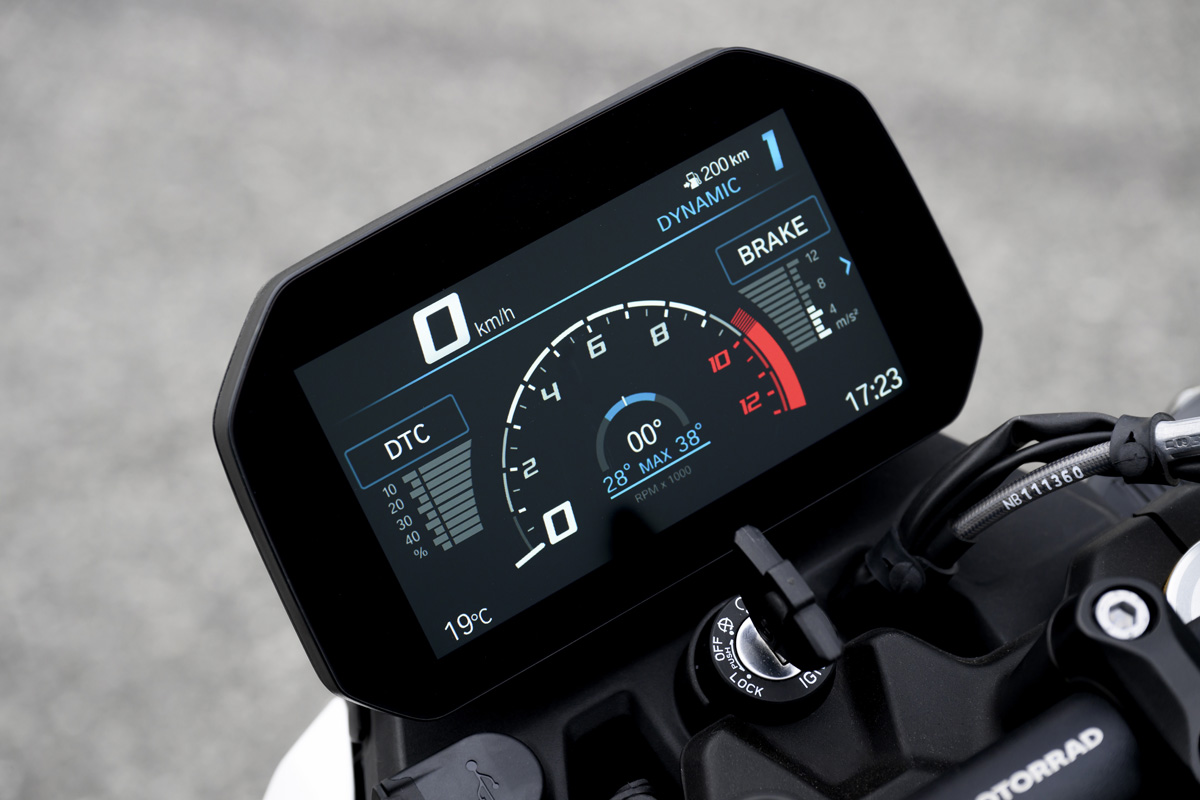
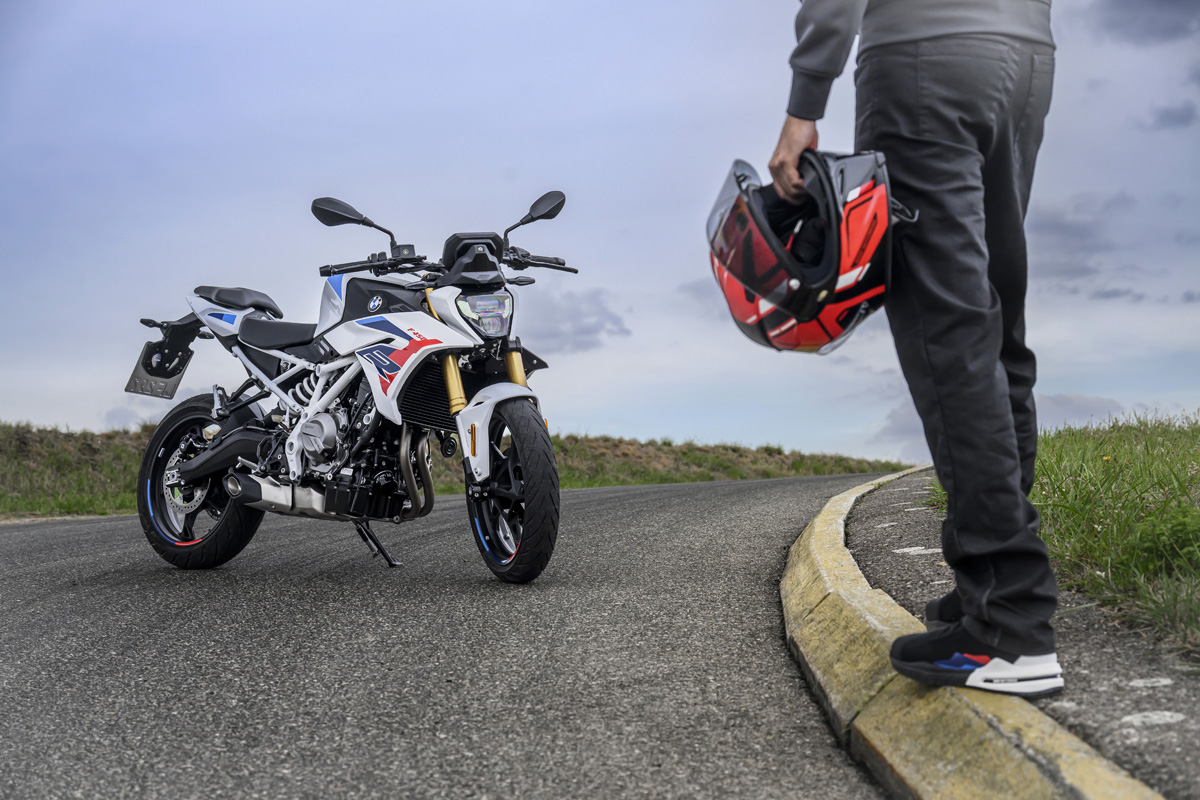
The chassis uses a tubular steel space frame, with KYB suspension and cast-aluminium wheels. Braking is handled by a 310 mm front disc with a Brembo four-piston monobloc caliper and a 240 mm rear disc with a ByBre single-piston caliper, backed by cornering-sensitive ABS Pro. All lighting is LED, and the bike has a 6.5-inch full-colour TFT display.
There are four variants, although we’re not yet sure which will come to South Africa: F 450 R Base, F 450 R Exclusive, F 450 R M Sport and F 450 R M Sport with Innovation Package. Local pricing has yet to be revealed, but we hope the entry point will be around the R130,000 mark. The price needs to be in that ballpark if the F 450 R is to steal sales from the established front-runners in this category.
Contact your local BMW Motorrad dealer to find out more.