


Electric mobility is nothing new to the automotive industry; you can just ask Robert Anderson or Andreas Flocken. Well, actually, you can’t, because they passed away in the 1800s. I couldn’t believe it myself when I first realised that electric-powered vehicles had already made an appearance more than 100 years ago. A lot has changed since then, though, and here we are in 2026, watching electric mobility move from an interesting alternative to something increasingly difficult to ignore.
With fuel prices pushing R30 a litre for unleaded, shipping costs climbing, crude oil prices fluctuating and geopolitical tensions continuing to put pressure on the global energy market, the argument for finding alternatives has never been stronger. I’m really not trying to start this article on a downer, but the reality is that electric and hybrid vehicles have never received quite as much attention as they do today, particularly when it comes to businesses and people who spend their working lives travelling relatively short distances.

We were recently invited to see what the ARC Ride, a Kenyan e-mobility company, has been working on in South Africa, and since that introduction we’ve been fortunate enough to get our hands on one of its Panther motorcycles. The Panther is ARC Ride’s fifth-generation machine, developed in Kenya and designed specifically around the realities of African cities and the people who use motorcycles to make a living.
We’ve already covered the broader ARC Ride story, including the company’s battery-as-a-service model and its plans for South Africa. This time, however, I’m more interested in something rather simpler.
What is the Panther actually like to ride?
It’s one thing to stand next to an electric motorcycle at a launch, listen to the technology being explained and admire the cleverness of the concept. It’s something else entirely to climb aboard, twist the throttle and ride it through traffic.
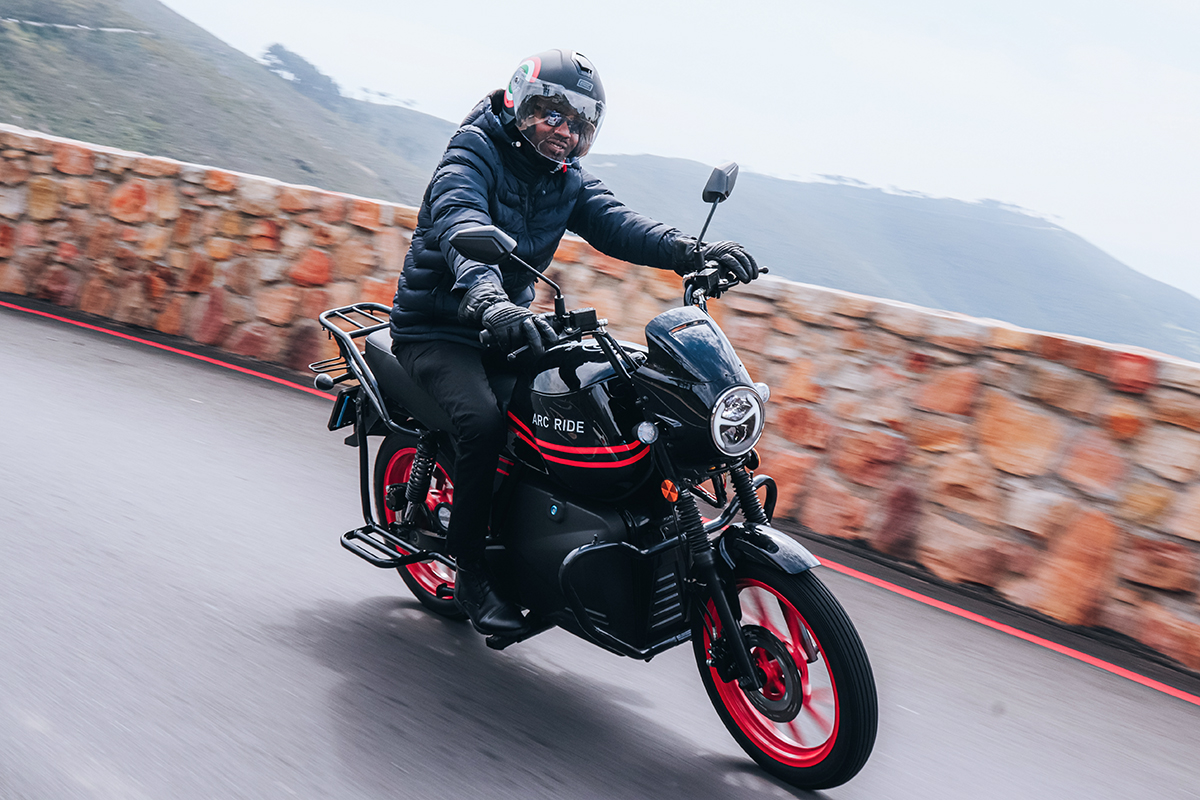
The first surprise is how familiar the Panther feels. There’s no clutch, no gear lever and obviously no petrol engine sitting beneath you, but the fundamentals are immediately recognisable. You sit astride it, grab the wide handlebars, select your riding mode and twist the throttle. The batteries are positioned low in the chassis, while the forward-set footpegs and comfortable seat give the Panther a relaxed, upright riding position.
Electric vehicles, or EVs, really started grabbing mainstream attention when YouTube videos, adverts and even certain TV shows began illustrating, often in rather comedic fashion, just how quickly an EV could launch off the line compared with a petrol-powered sports car or supercar. The ARC Ride is no different. With 65 Nm of torque and 11 kW of peak power, backed by 5 kW of continuous output, there is no waiting for revs to build or gears to be selected; twist the throttle and the Panther simply gets moving.
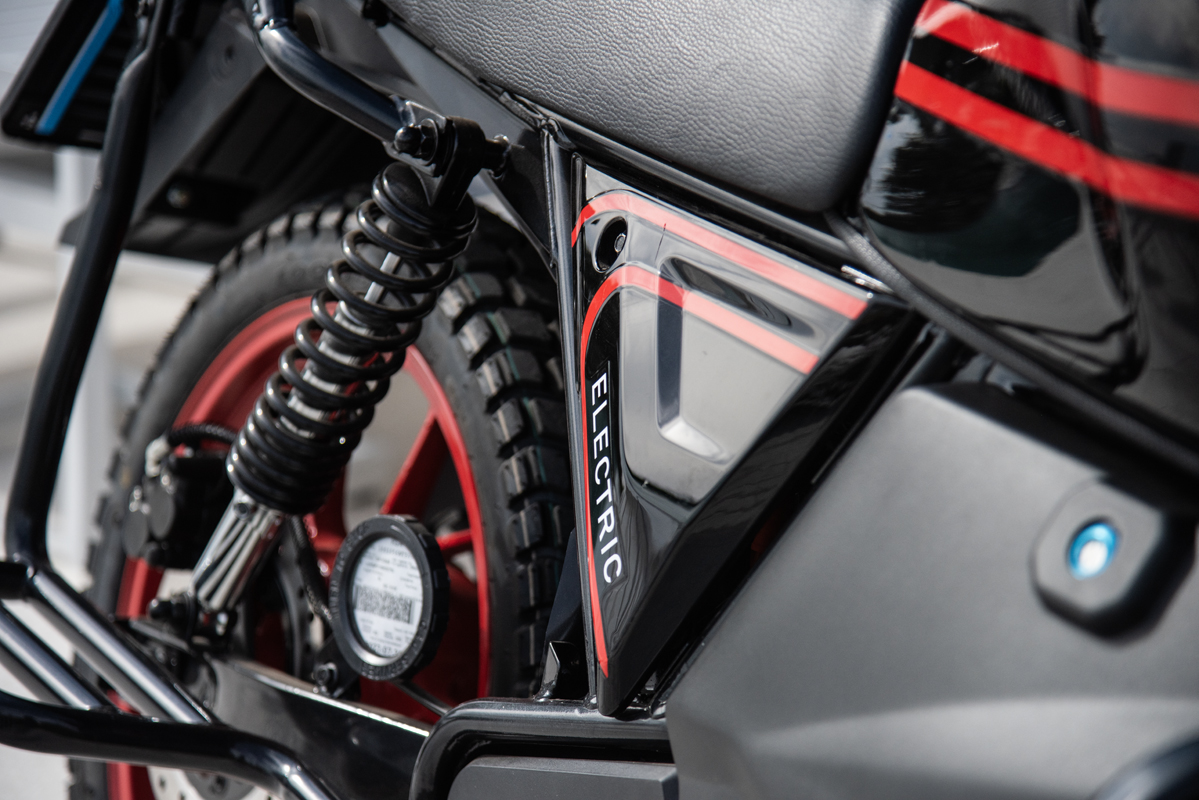
ARC Ride offers three riding modes, and while the first is clearly intended to keep things calm and maximise efficiency, modes two and three give the Panther a surprising amount of urgency. In its most aggressive setting, the motorcycle can reach around 85 km/h, which is more than enough to make it useful in the urban environment it was designed for.
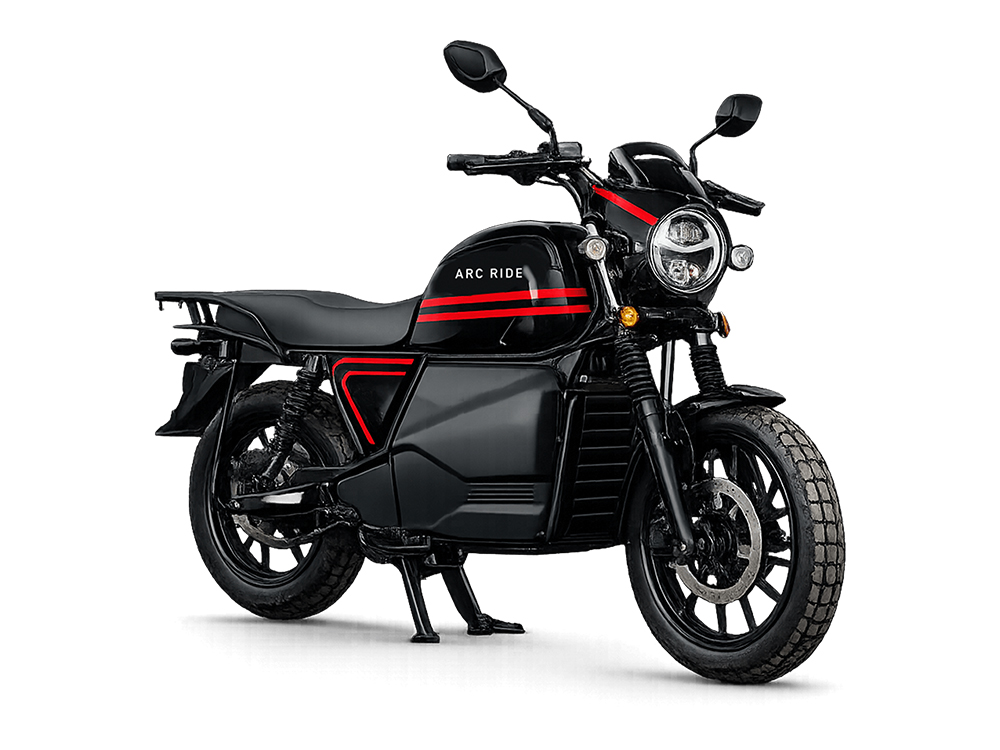
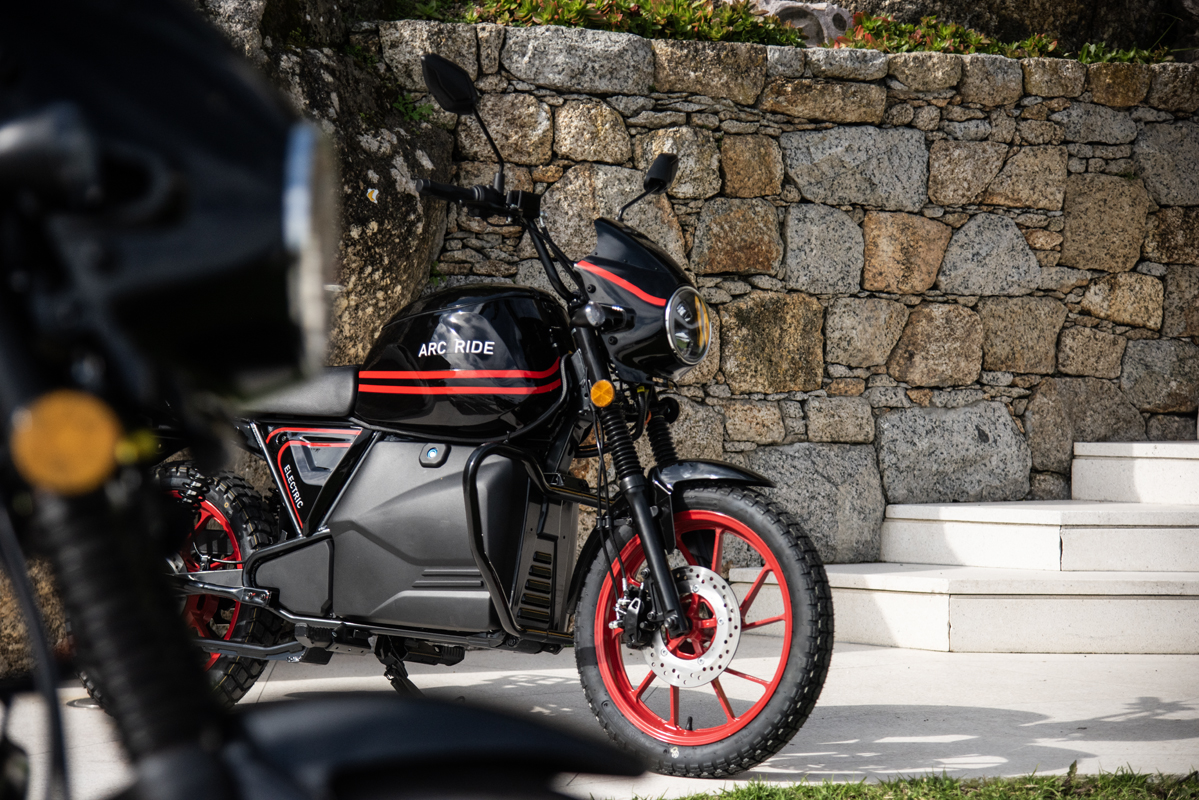
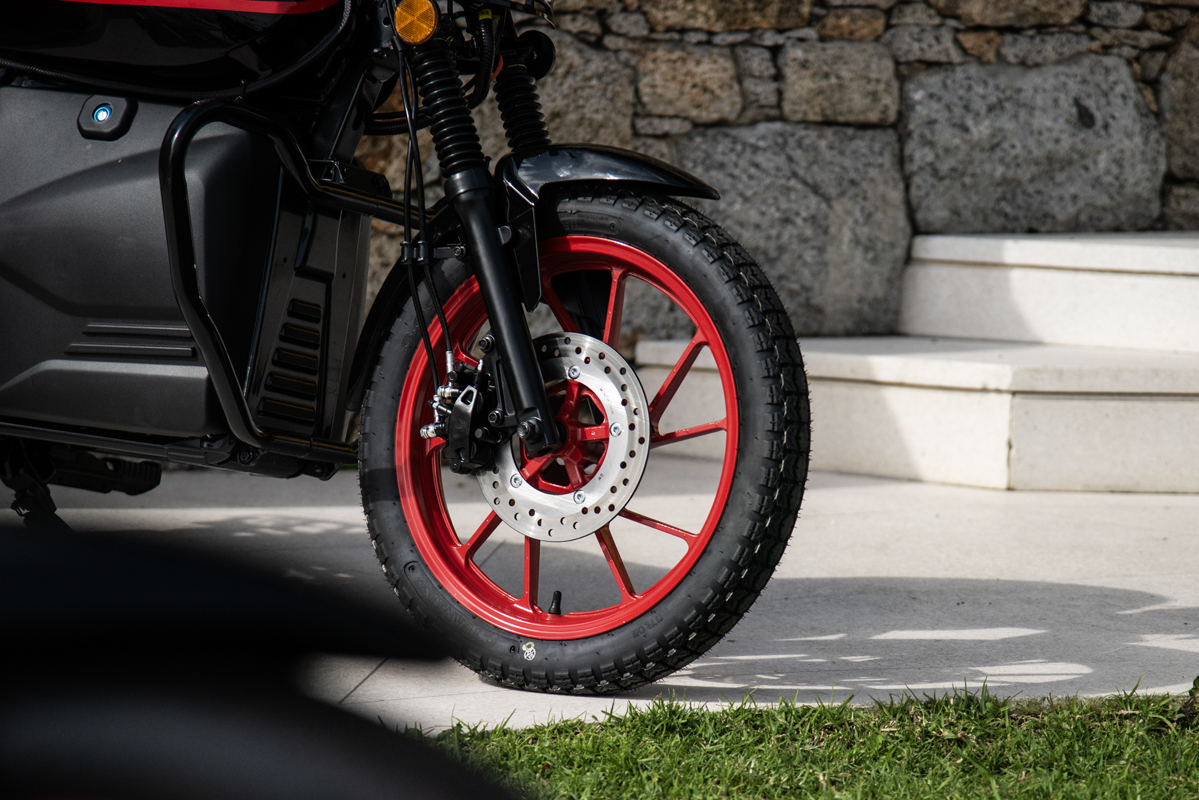
The Panther is equipped with hydraulic disc brakes front and rear, semi-off-road tubeless tyres, crash bars, front storage like a Honda NC750 and a centre stand, and these are the sort of details that become important once you stop looking at it as an electric motorcycle and start treating it simply as a motorcycle. For everyday riding, the basics are all there, and the Panther throws a green tick in all the boxes.
On the road, the Panther feels remarkably similar to a conventional petrol-powered motorcycle. There is, however, a little more weight towards the front section of the frame, almost reminiscent of the way a BMW Boxer engine gives a motorcycle a certain weight and character towards the front. It isn’t unpleasant or cumbersome; if anything, it contributes to the Panther’s planted feel.
The suspension also works surprisingly well. The front end has a plush, comfortable feel, while the rear is noticeably firmer, which makes sense given that this is a motorcycle designed to carry a rider, passenger and potentially a working load. Once you put some weight on the back, the rear suspension settles nicely, and the Panther takes on a very natural riding feel.
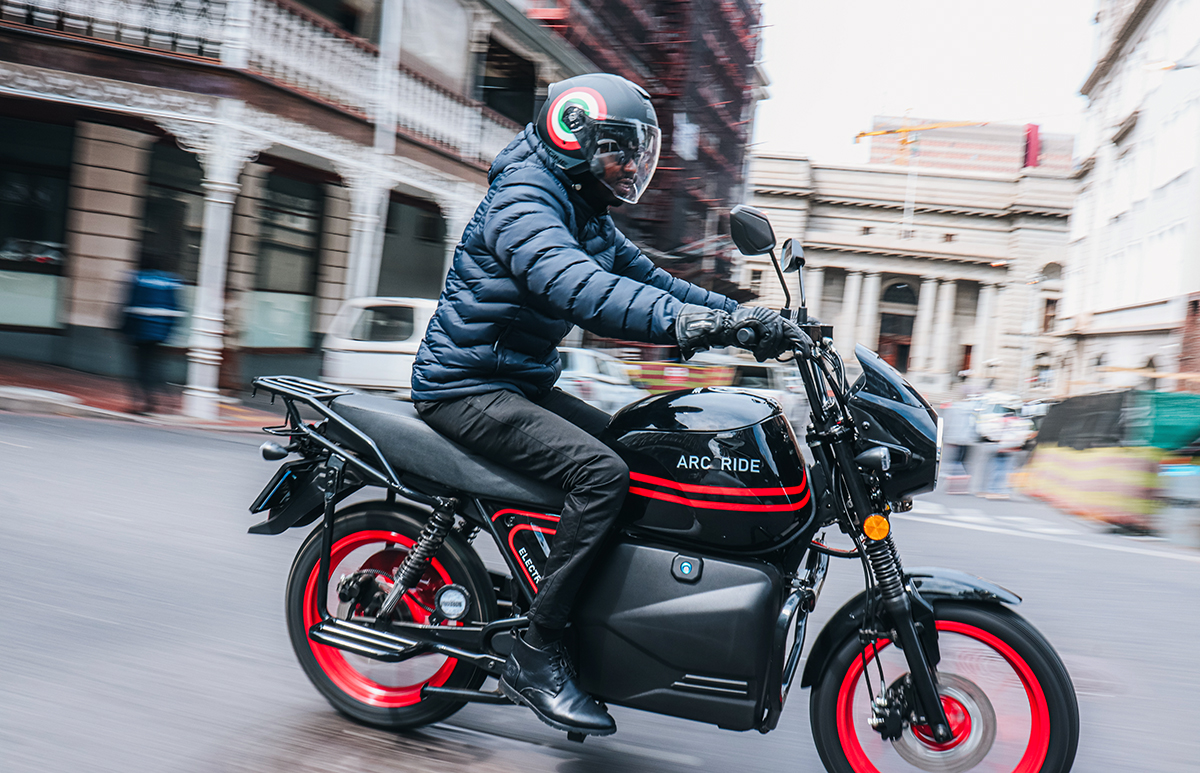
The Panther weighs 142 kg, but two 20 kg batteries account for a significant 40 kg of that figure. Because those batteries are mounted low in the chassis, that weight is kept close to the ground rather than sitting high in the frame. You can feel it in the way the Panther carries itself, particularly at lower speeds, where it has a planted quality that is quite different from what you might expect from an electric motorcycle.
At the end of the day, we’re talking about a motorcycle that costs around R23,000, so nobody is expecting it to perform acrobatics. At this price, it needs to stop, go and corner, and it does all three with a considerably more premium feel than the price tag suggests. That, I suspect, is where five generations of development start to make themselves felt.
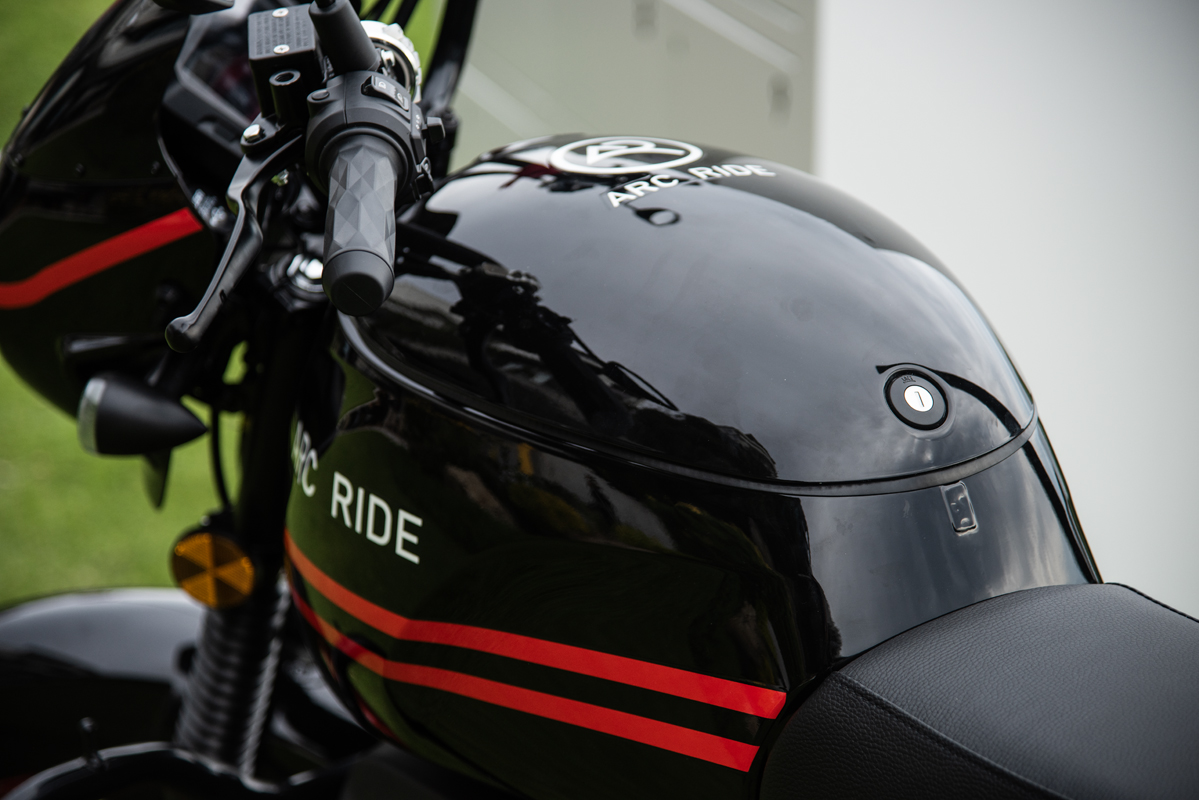
One characteristic does take some getting used to, and that is the lack of conventional engine braking. On a petrol motorcycle, rolling off the throttle naturally gives you some engine braking and helps settle the bike as you approach a corner. On the Panther, the experience is more like a two-stroke motorcycle or even a bicycle, with the bike rolling freely when you close the throttle. Initially, that changes the way you approach a corner, but after a little time in the saddle it becomes completely natural.
The tyres feel slightly squared off too, giving the Panther a defined edge as you lean further over. There is a clear point where the tyres tell you that you’ve had enough. The Panther doesn’t have ABS, but the braking action is progressive and predictable, and I never found myself wishing for ABS during my time on the bike.
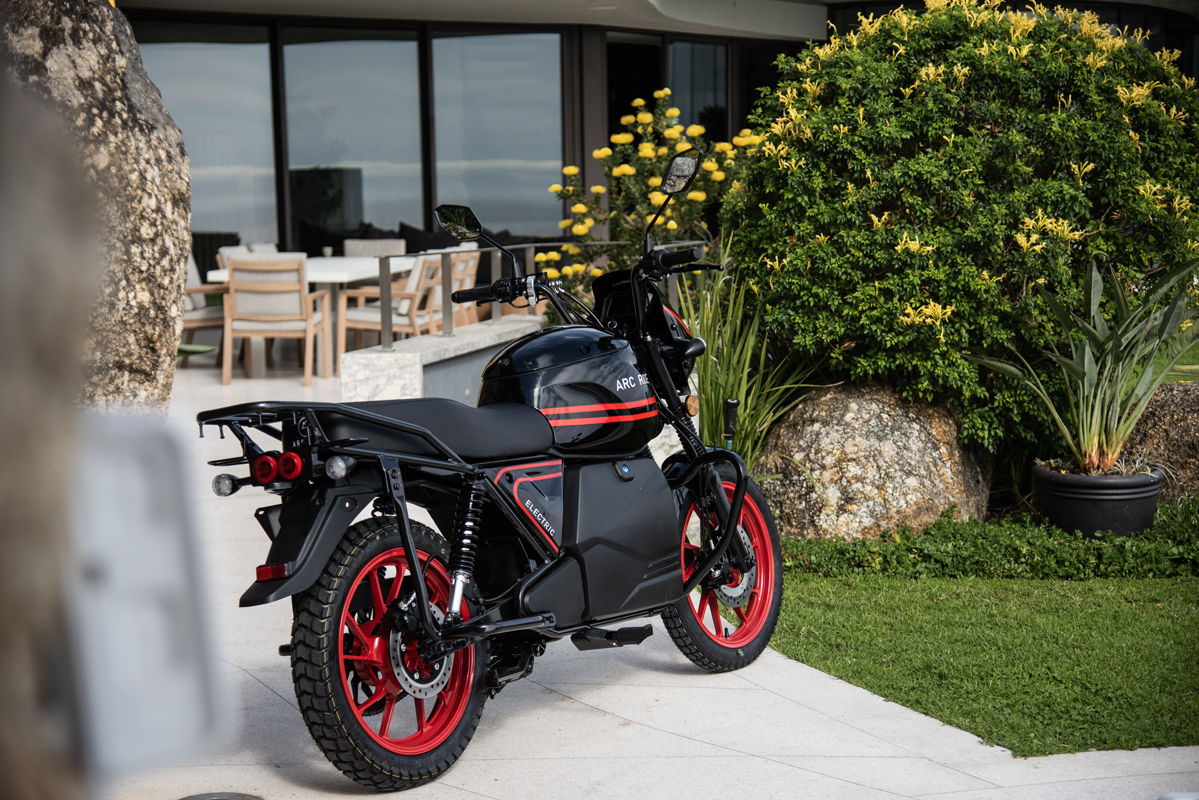
Off the line, the Panther is arguably at its best. Twist the throttle, and it pushes ahead of traffic with very little fuss. There is no waiting for revs to build or gears to be selected; the power is simply there, and there is way more on tap compared to an alternative petrol power commercial bike, when in mode 3. On downhill sections, you can also roll off the throttle and allow the Panther to carry its momentum, which makes you start thinking differently about how you manage the battery and preserve charge where you can.
Then we get to the clever bit
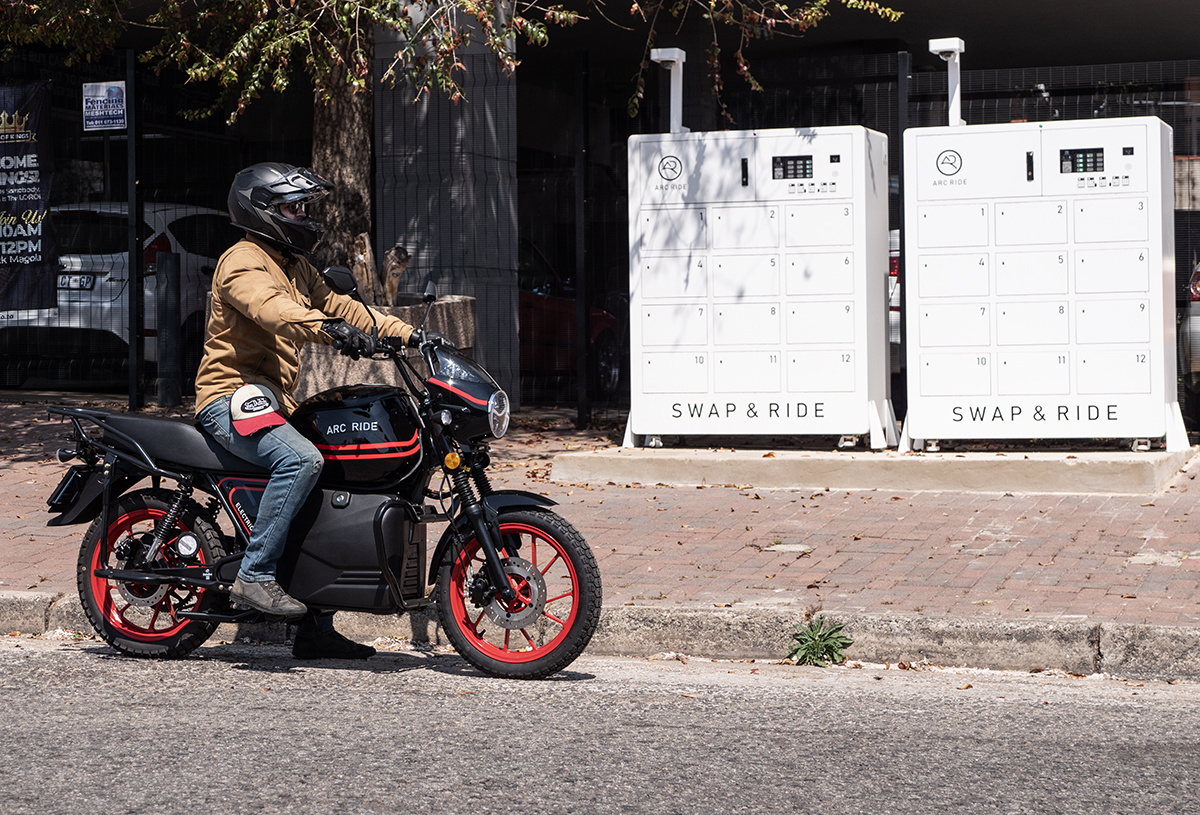
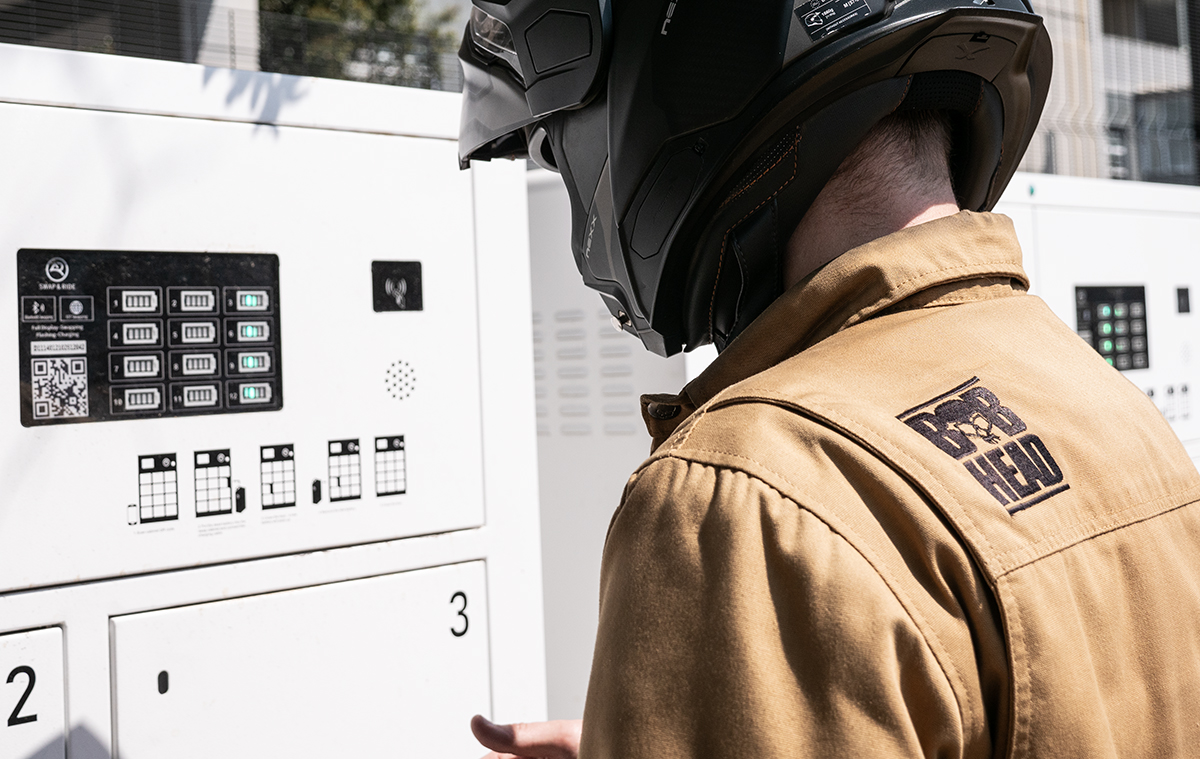
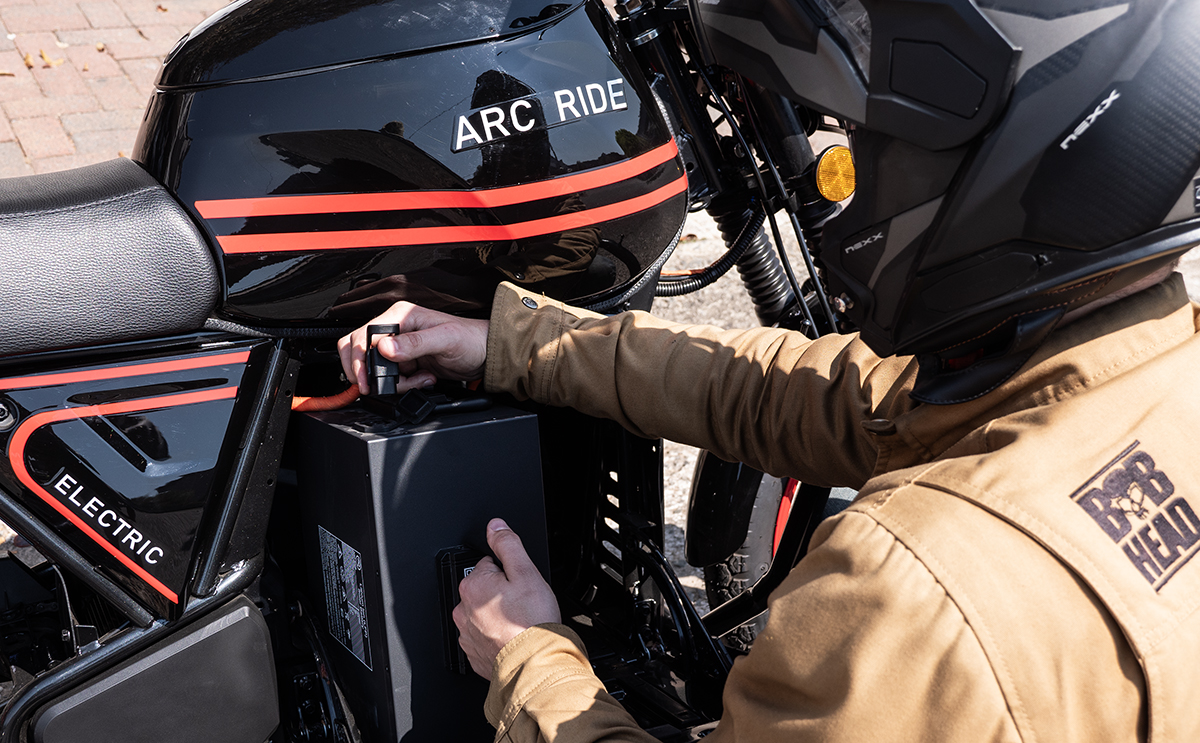
Instead of plugging the Panther into a charger and waiting, ARC Ride uses battery swapping. Find a swap station through the app, scan the QR code, remove the charged battery, replace it with your depleted one and ride away. It’s literally that simple!
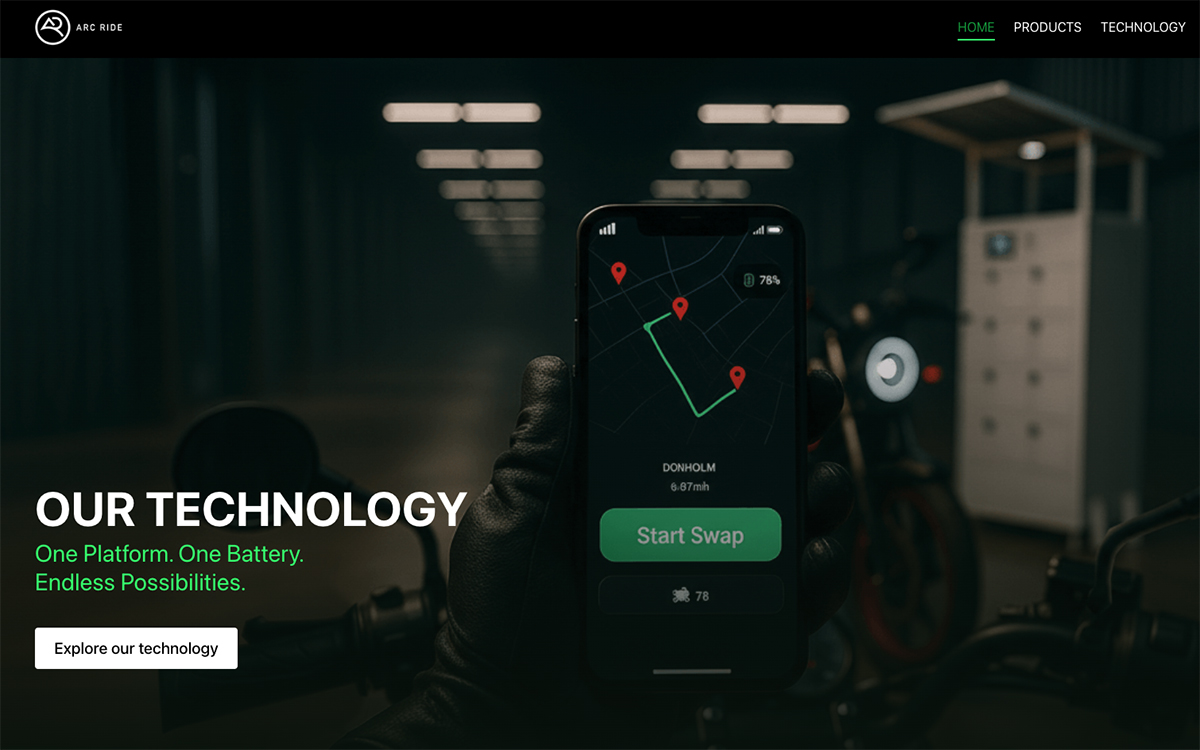
The app also shows the charge level of batteries at a chosen swap station before you arrive, which removes one of the biggest frustrations with conventional charging infrastructure. ARC Ride quotes an average operational range of around 110 km, although a proper range test will have to wait for another day. With battery swapping, the more important question may ultimately be how far you need to travel between swap stations.
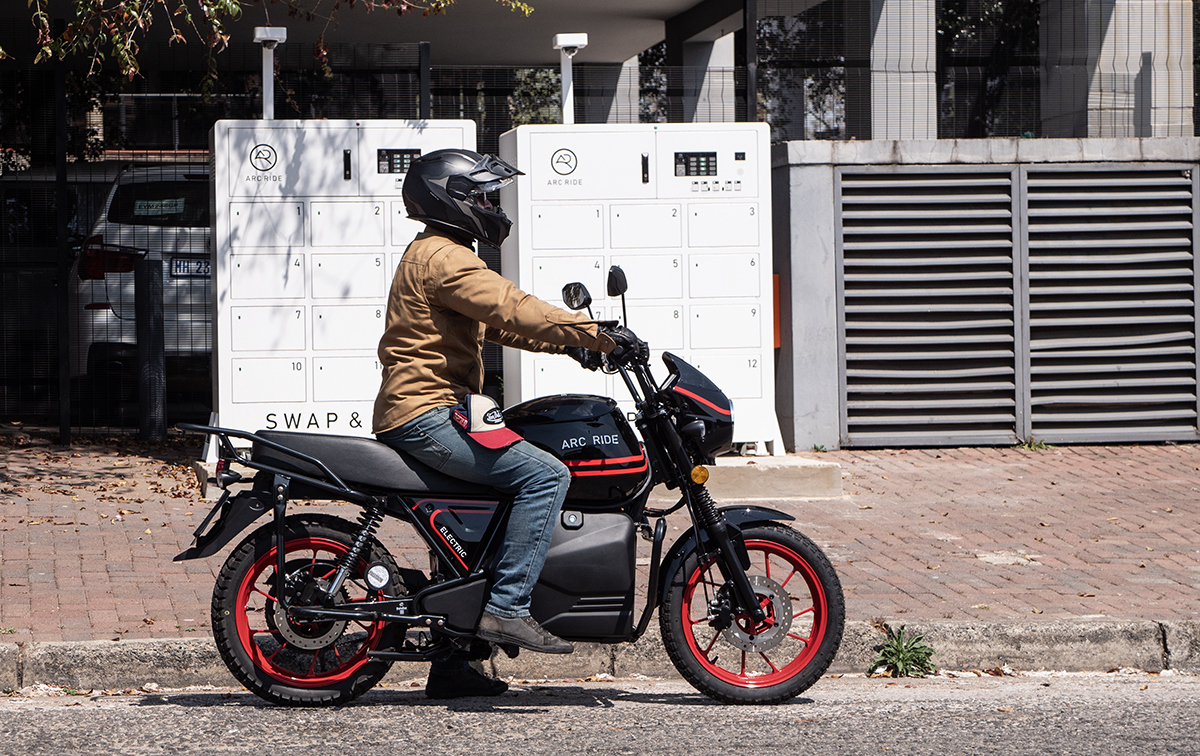
I came into this test expecting the electric drivetrain to be the story. Instead, the biggest surprise is that the Panther simply behaves like a motorcycle. It doesn’t require you to completely rethink how you ride, and once you adjust to the characteristics of electric propulsion, it becomes remarkably easy to live with.
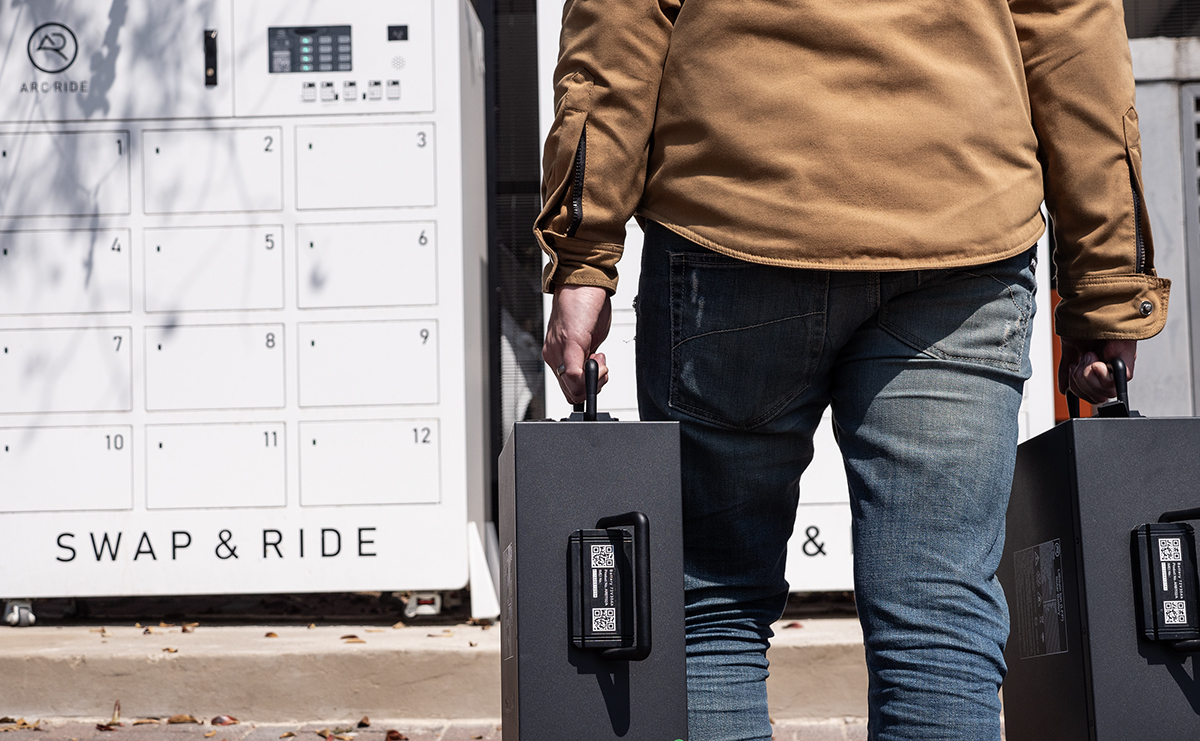
There are still plenty of questions to answer, particularly around real-world range, longer-distance comfort and how the battery-swapping network performs when the Panther becomes part of everyday life.
For now, though, my first ride has left me with a surprisingly positive impression. ARC Ride may be selling “power”, but the Panther’s biggest achievement might simply be making it feel like a motorcycle. So, stay tuned for a longer-term report, and if you have any questions you’d like answered in the next article, please do send them through.
ARC Ride Panther
For more information on the bike featured in this article, click on the link below…