



What makes a particular motorcycle popular and sell well? If the manufacturers and importers knew that, then that’s what they would build and import, but, of course, it’s never that easy. Also, what might sell well in one territory could be a sales disaster in another. In short, there’s no magic formula and, actually, we should be pleased about that, because then where would be the oddities, the outcasts, the rarities, which often form the basis of the best second-hand deals?
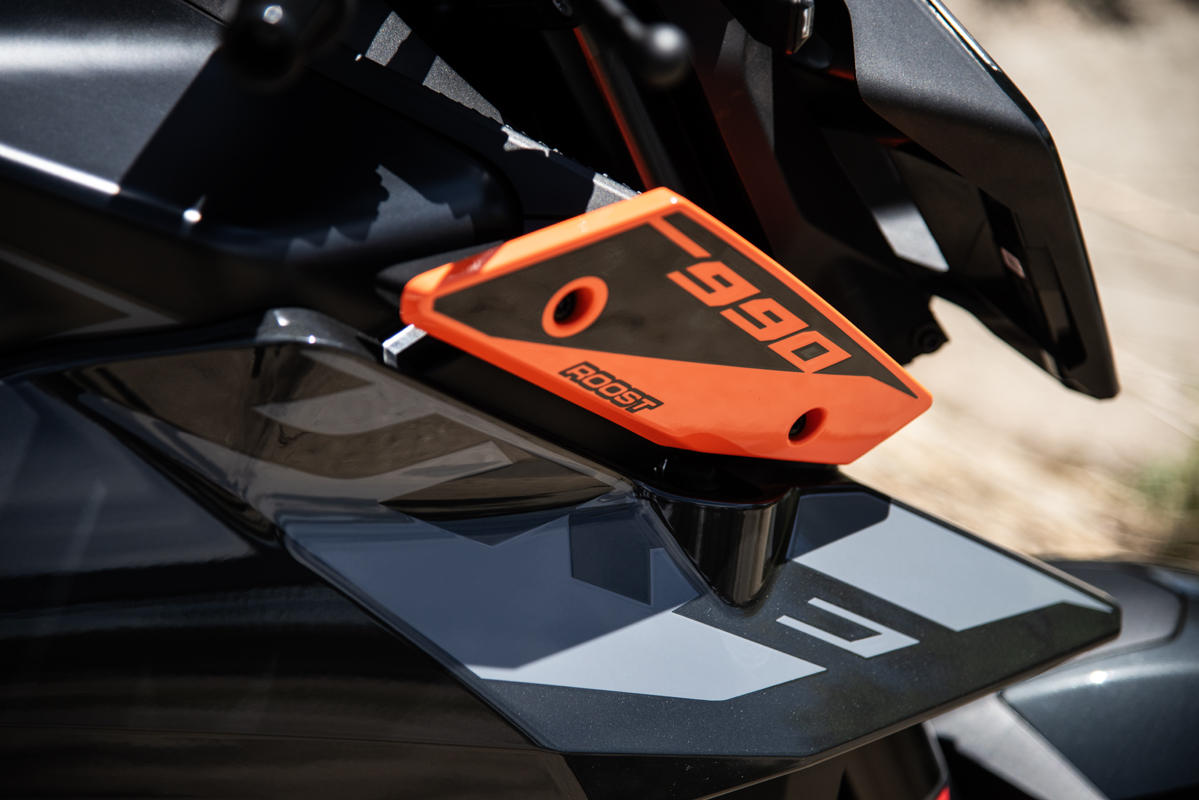
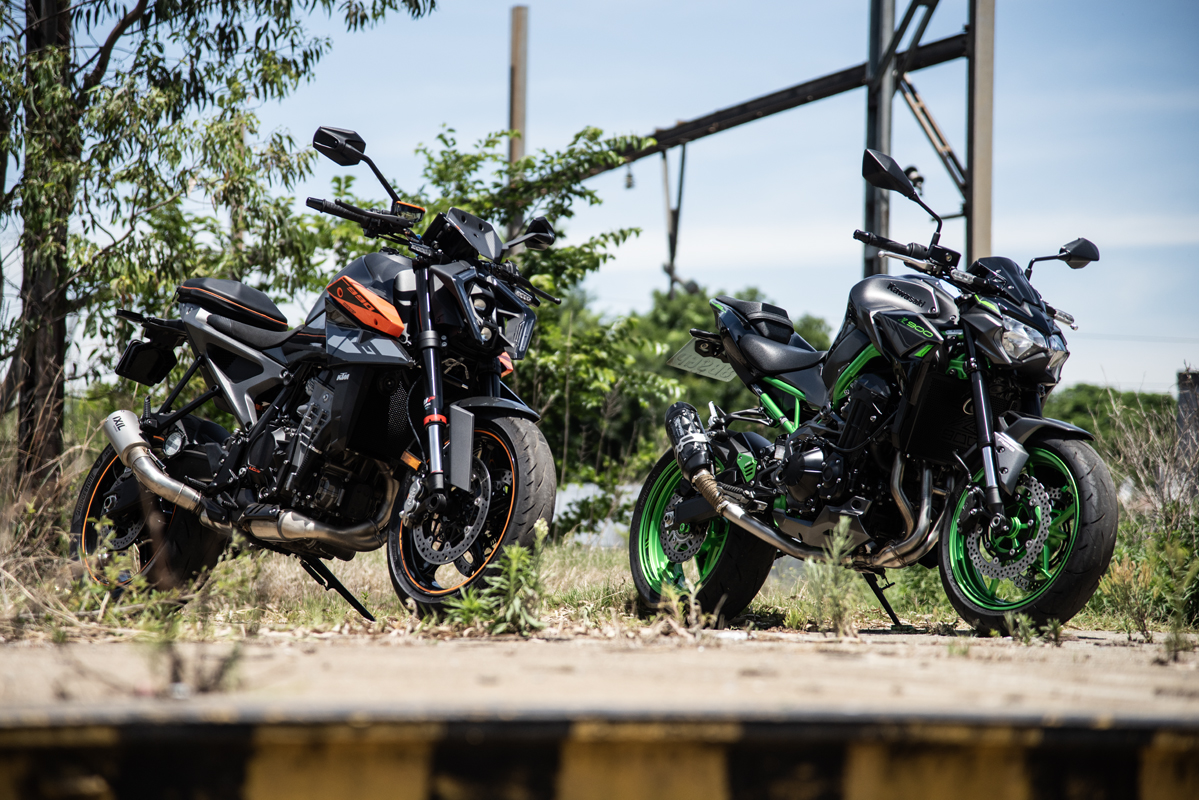
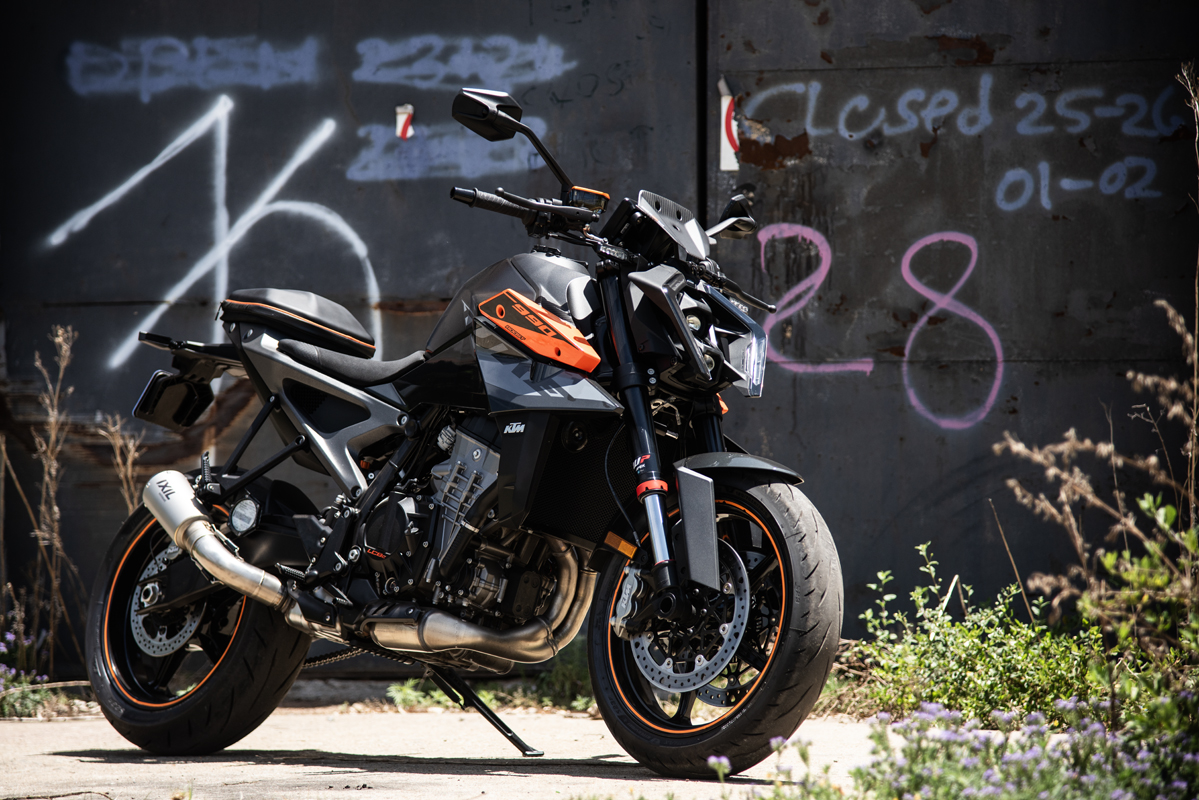
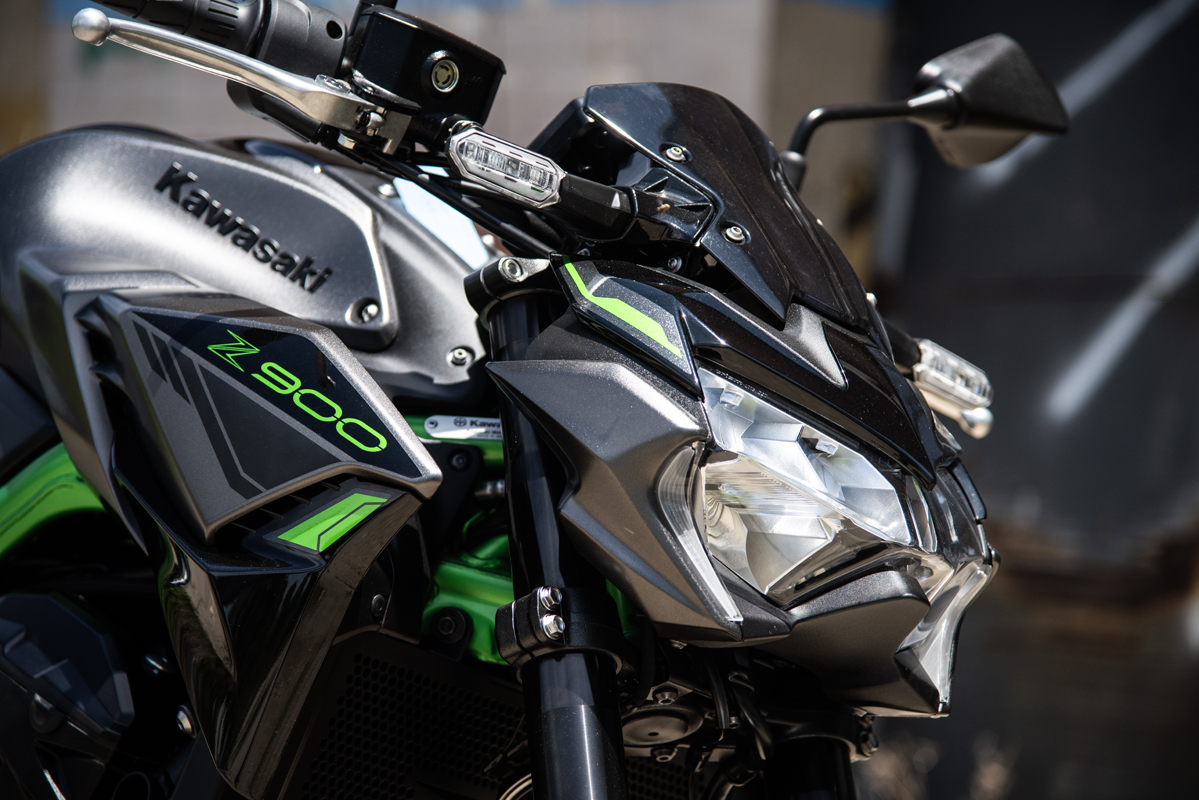
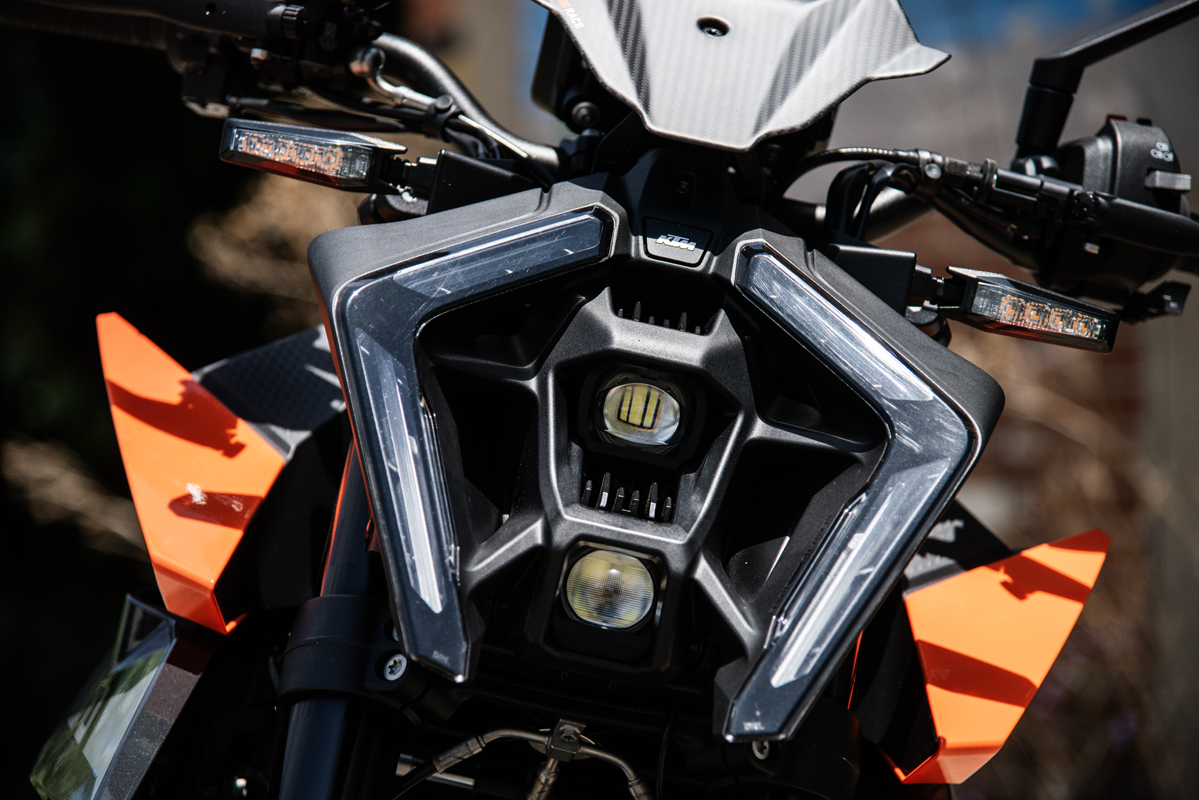
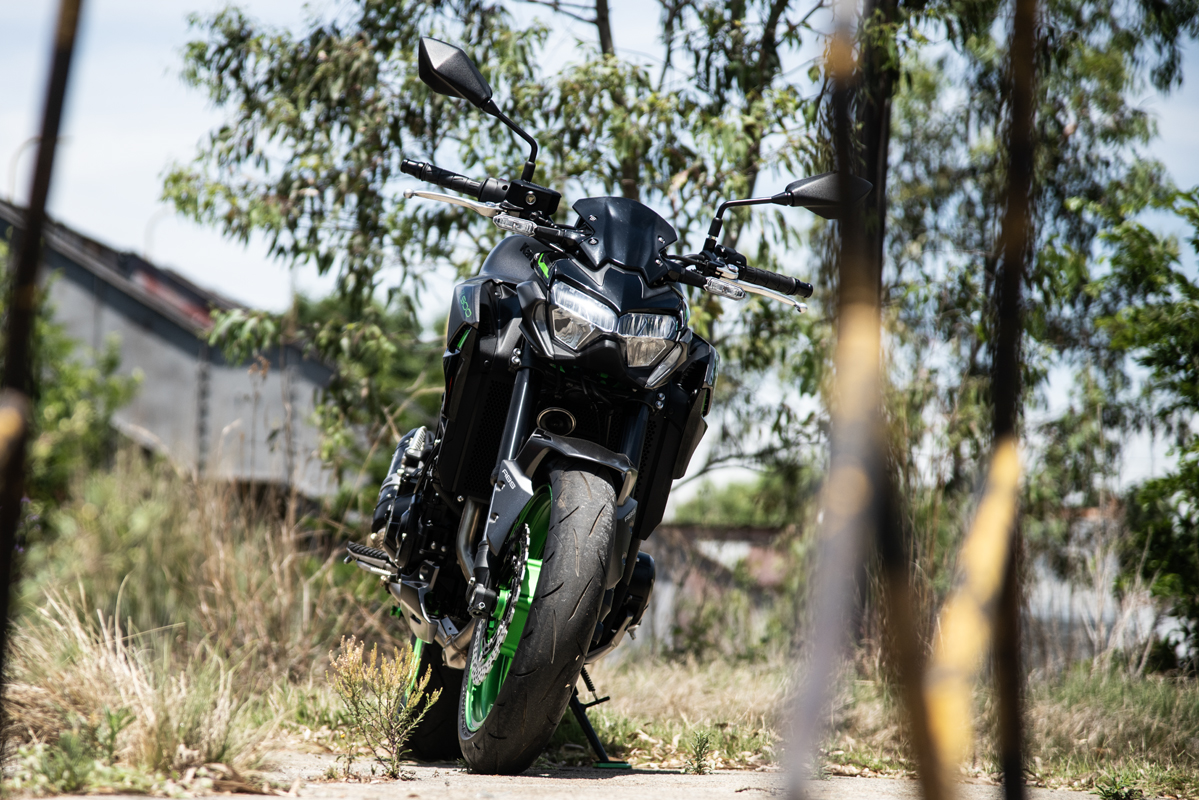
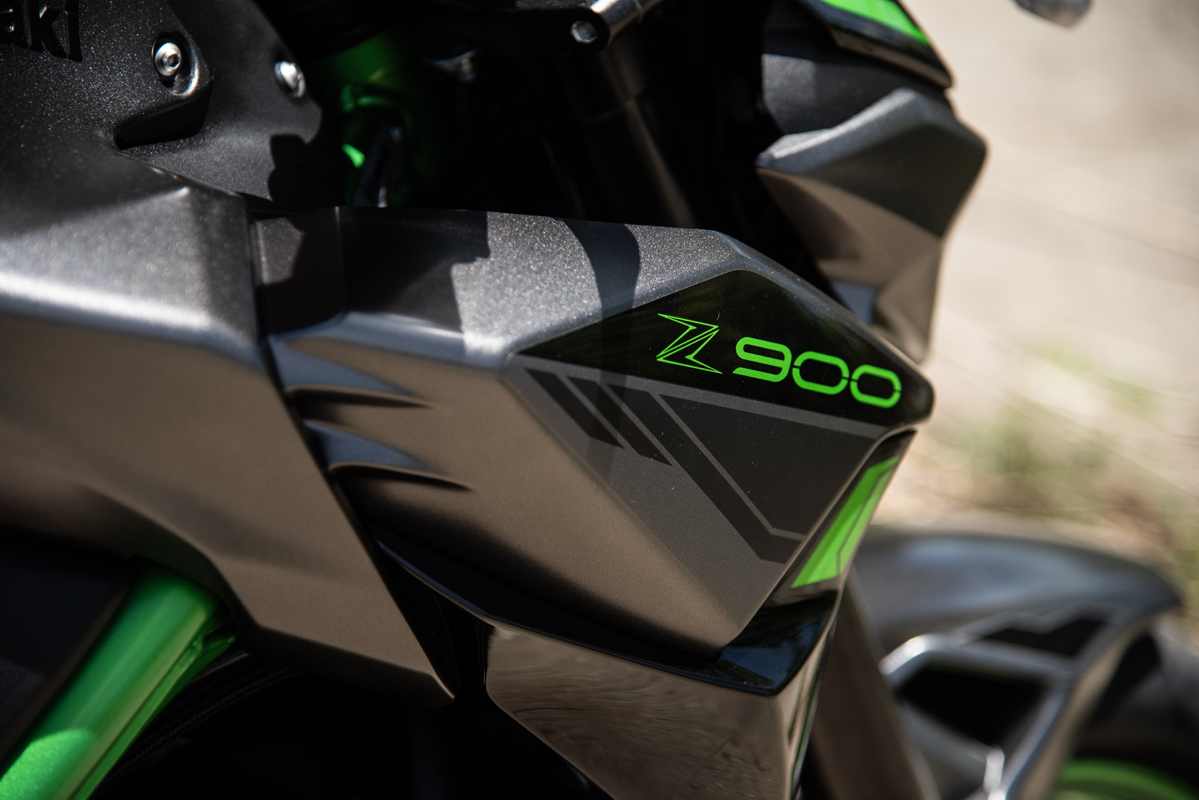
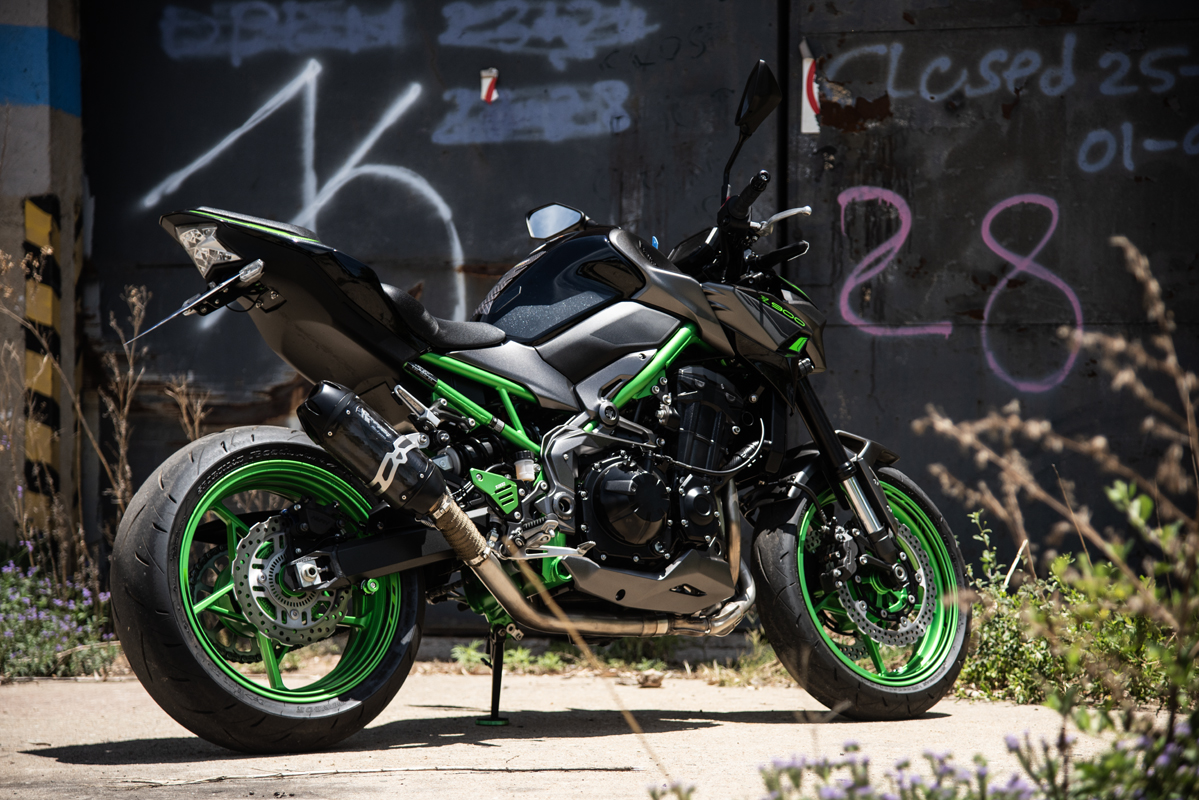
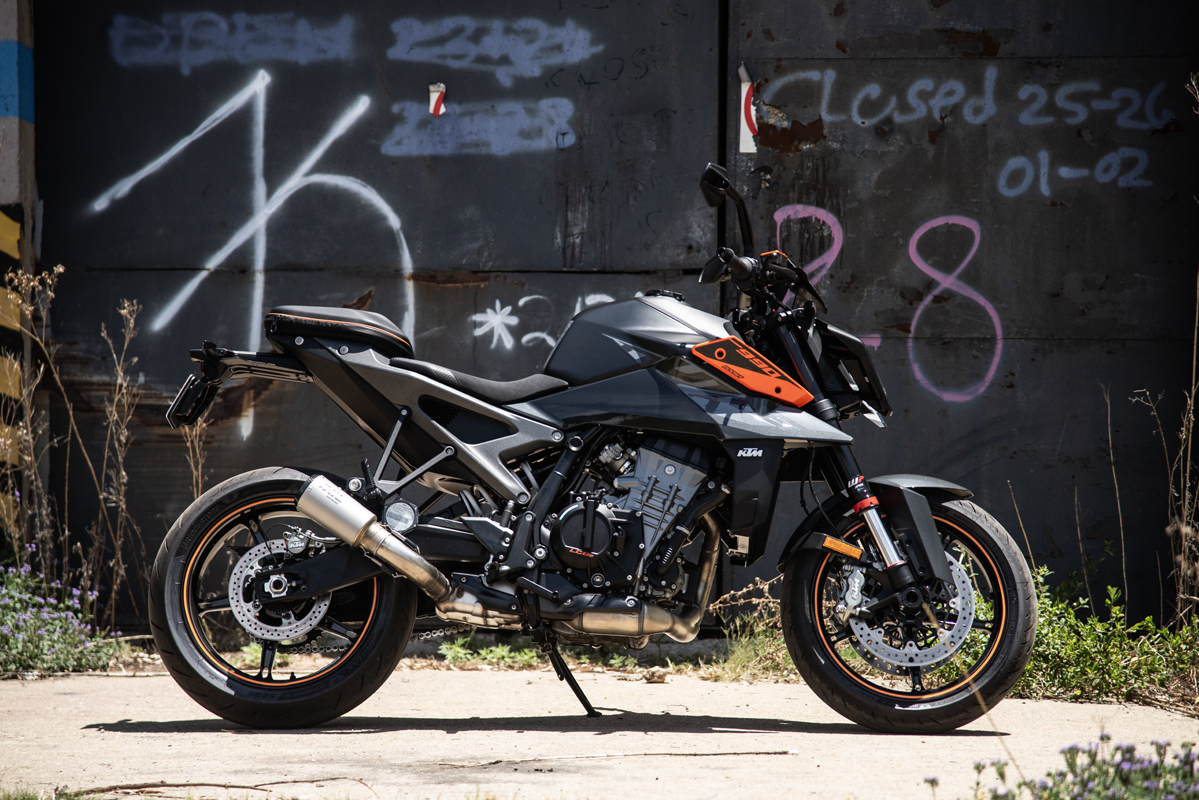
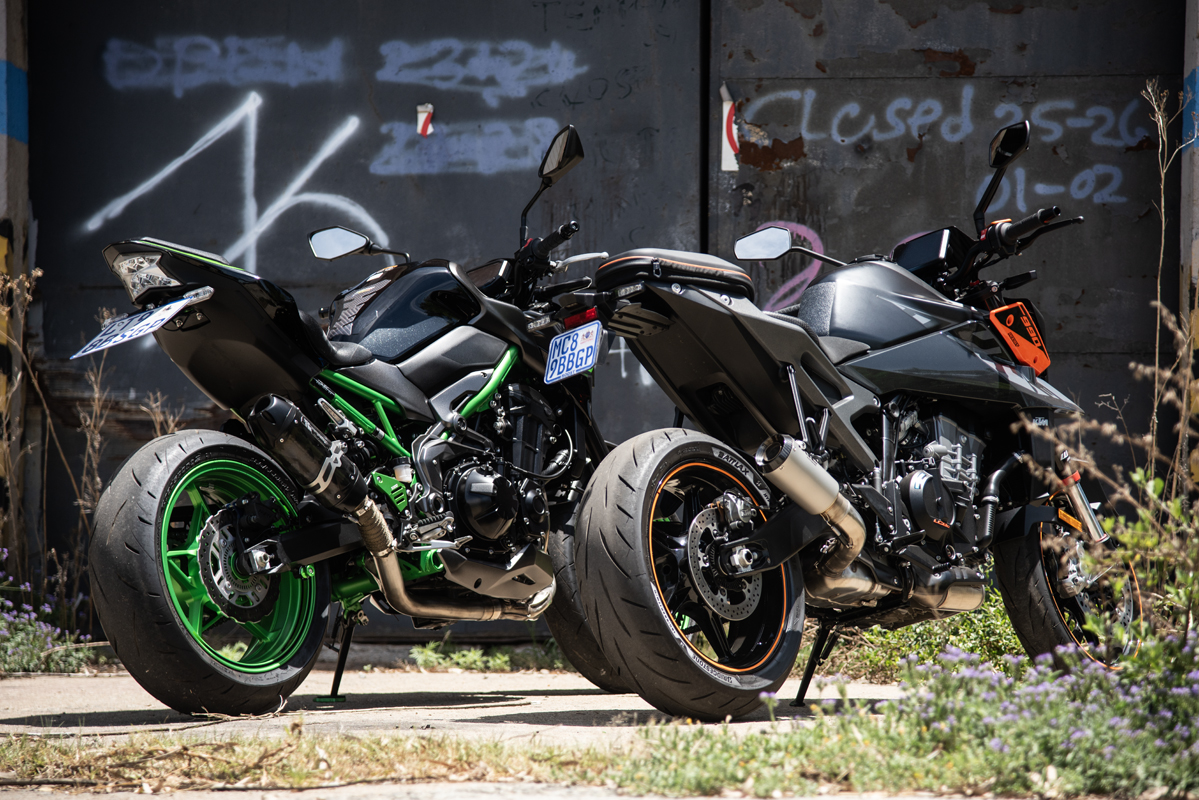
When a bike doesn’t sell particularly well, it’s often impossible to explain why. Look at these two models here: the Kawasaki Z900 and the KTM 990 Duke. They are both honest, beautifully made, accomplished, dynamically flawless and exciting, but neither of them set the South African market on fire when they were new, or throughout their lifespan.
Does it matter? Not at all. It’s not as if they were bad bikes; they just didn’t spark any great interest, that’s all. This has a double effect on the used market. First of all, there aren’t too many of them around and, second, the prices will be lower because they weren’t that popular in the first place.
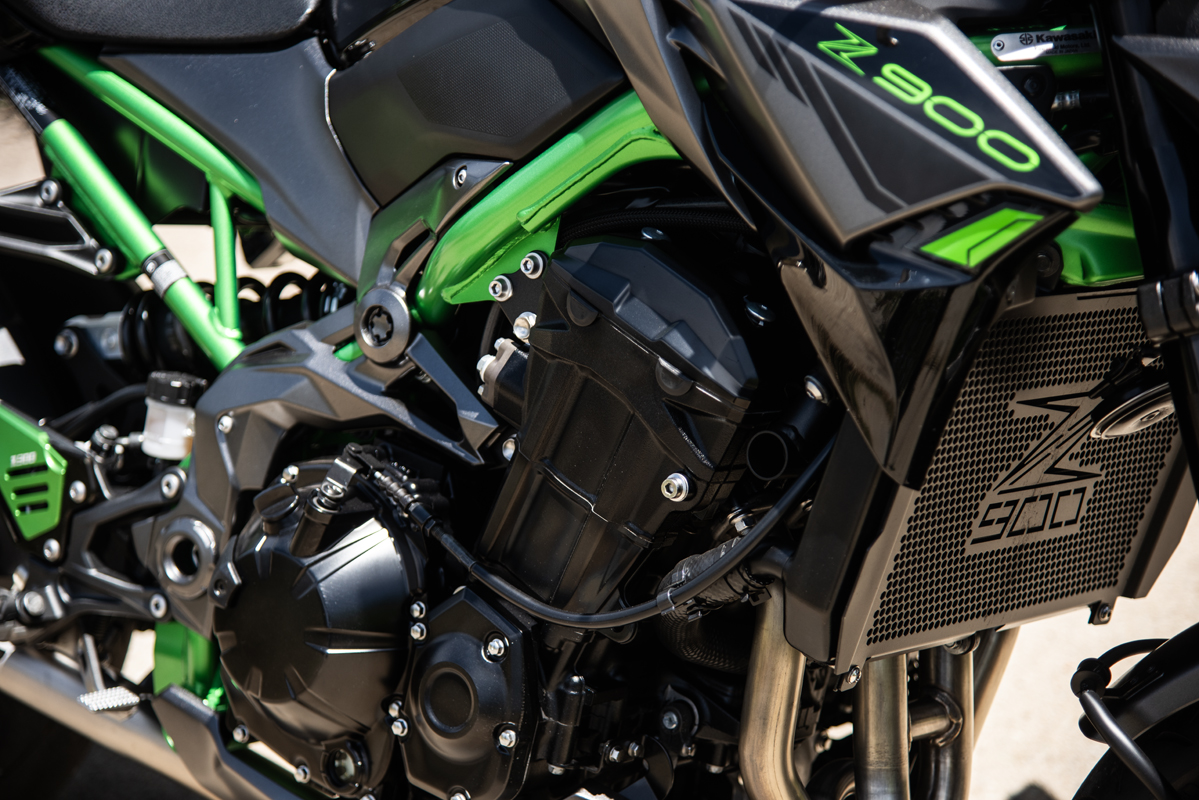
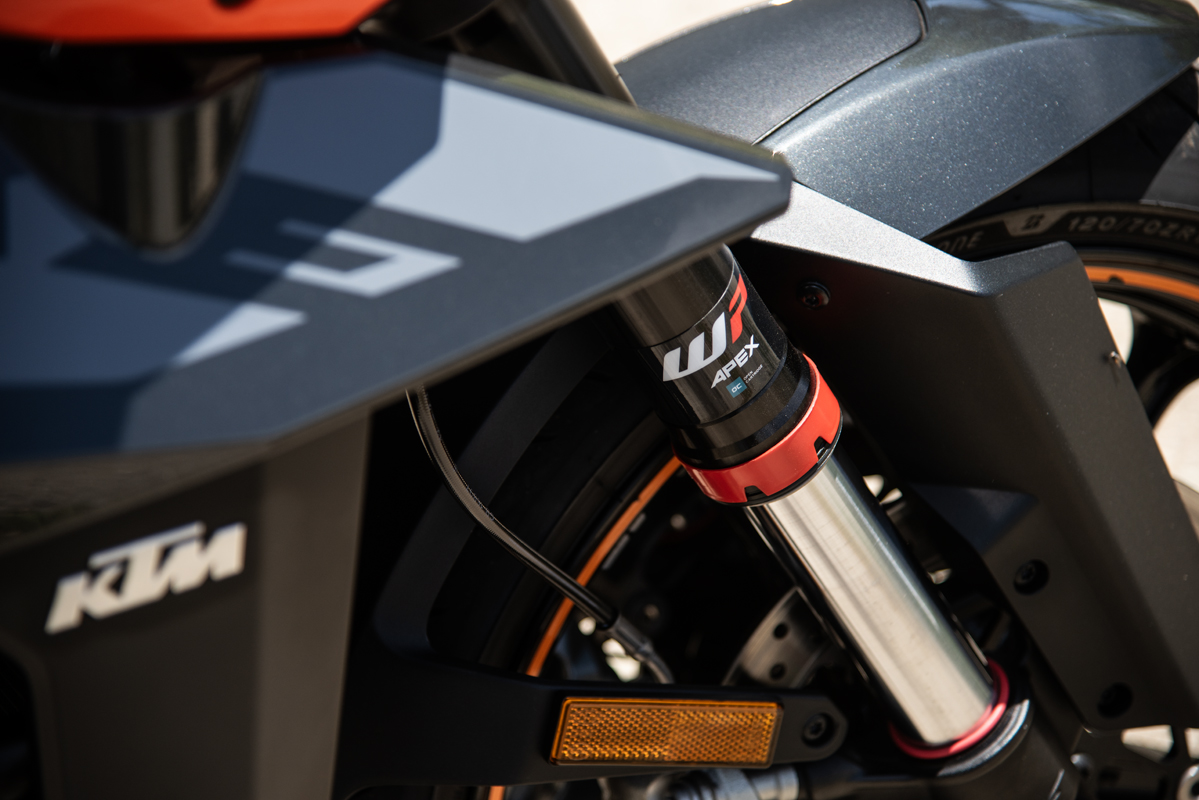
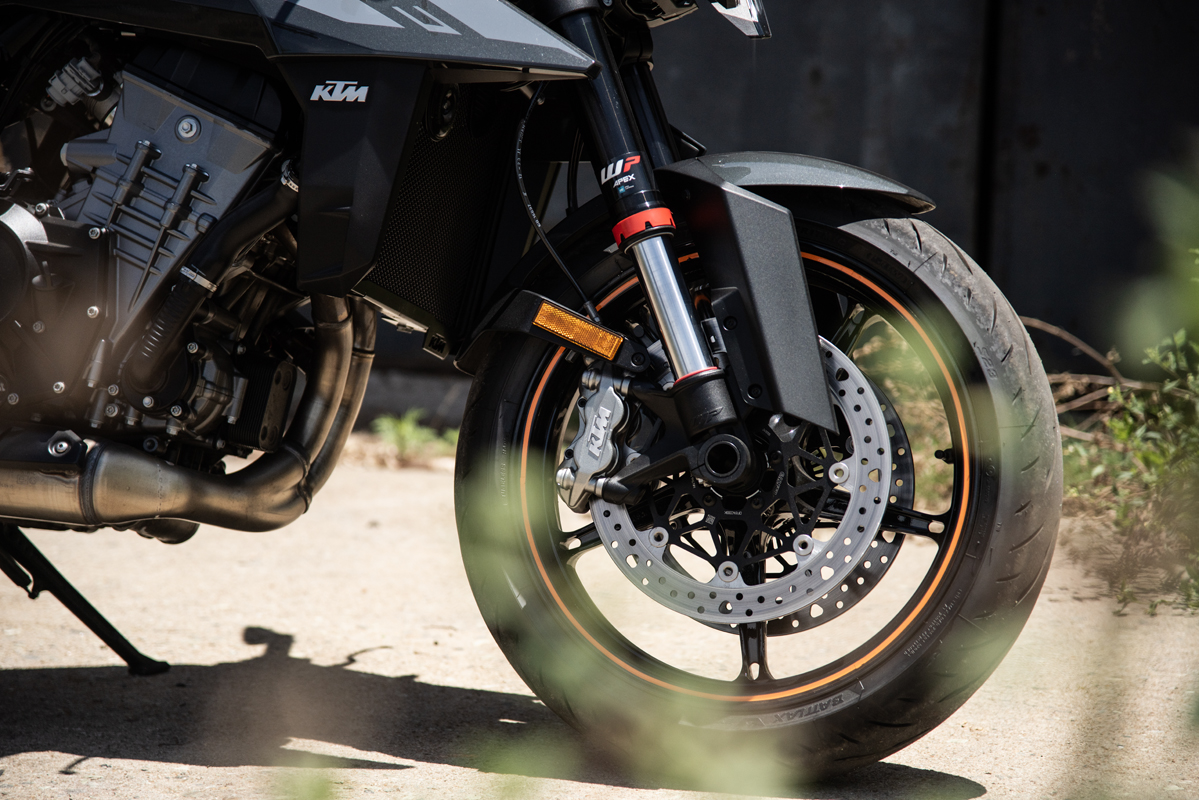
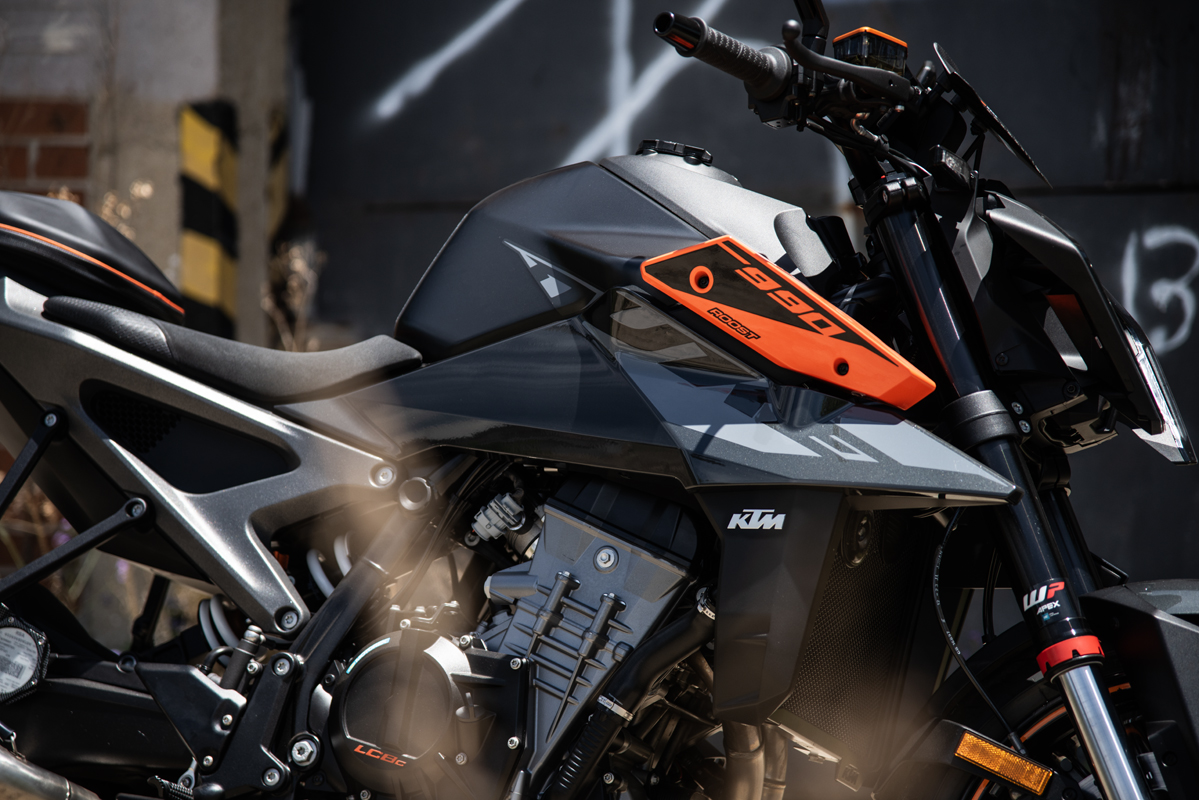
I always find this type of head-to-head fascinating because here you have two different approaches to the same brief; on one side, an inline four-cylinder engine of 948cc, pushing out 123bhp, and on the other side a 947cc parallel twin pushing out 121bhp. Torque is similar at 99.1Nm for the Kawasaki and 103Nm for the KTM. So, level pegging there, but the KTM is quite a bit lighter; 179kg against the Kawasaki’s 213kg.
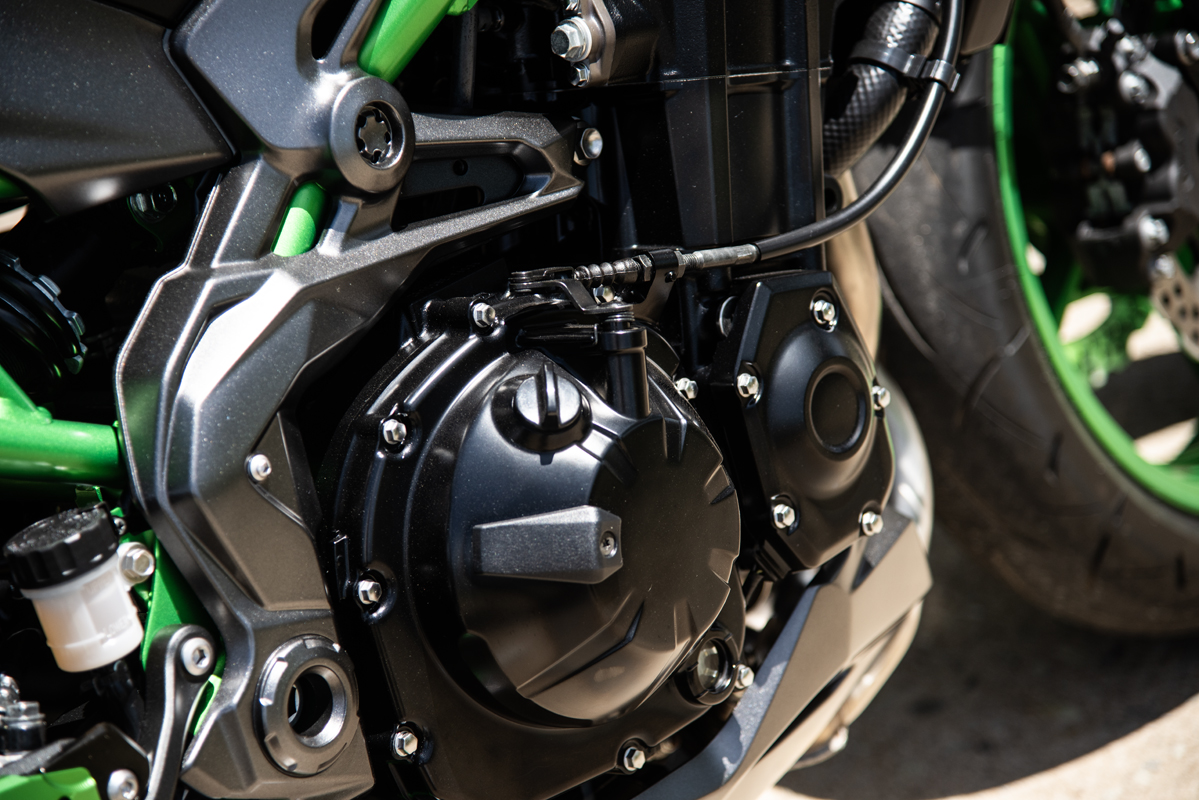
This naturally would show in the outright acceleration and general performance figures, although I suspect both are capable of similar lap times if ridden by the same rider.
In general riding, what this means is that the Kawasaki feels more substantial; more solid. Not at all overweight, but it does give you the impression that it is better built. KTMs have always felt light and, perhaps, a little insubstantial, but that just serves to give the impression that they’re more fun to ride.
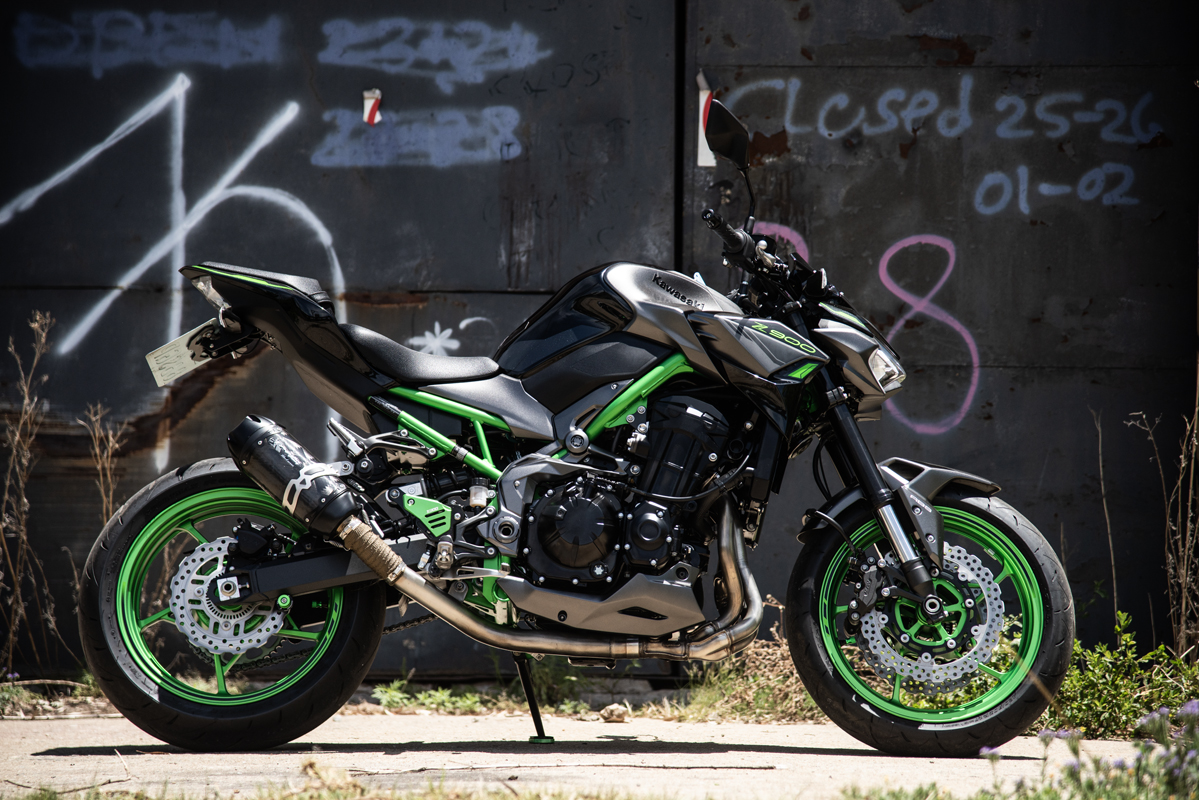
For whatever reason, South Africa has never really taken to naked sports bikes and, for the life of me, I can’t think why. You feel so much more connected to the road and your surroundings when there is no huge fairing and screen to get in your way. And it’s not like we have to protect ourselves from the elements in the same way you would in Europe.
Naked sports bikes feel pure and basic, like the bikes we first rode when we first got our licence (or didn’t, as the case often was…!). You feel so much more connected to the road and don’t forget that adding fairings and screens only adds weight. In the heat of summer, riding with a large wind-cheating fairing can be simply too hot, especially if riding around town and even on the open road; wind blast can help support the upper torso, relieving the wrists from taking all the weight. A ride to Cape Town from Johannesburg might get a little tiring, but really, how often do you do that?
There is no excuse for the modern motorcycle to have compromised riding positions, and neither of these do. On both, you feel you are sitting ‘in’ the bike, thanks to a distinctly humped petrol tank. The seats are fine for several hours of riding, the reach to the floor isn’t excessive, and neither is the reach to the ‘bars’. The riding position is on the attacking side of upright and feels natural and roomy.
Performance is exactly what you’d expect and, despite the two different engine configurations, feels remarkably similar. Modern Japanese four-cylinder bikes have so much more torque than their ’70s and ’80s ancestors that you really don’t have to stir the gearbox that much. Similarly, the parallel twin of the KTM bears very little resemblance to the parallel twin engines of the British bikes from the ’50s, ’60s and ’70s. Where they were all low-down torque, vibration, weight and relatively meagre performance, the modern parallel twin engine is light, revvy, smooth and punchy.
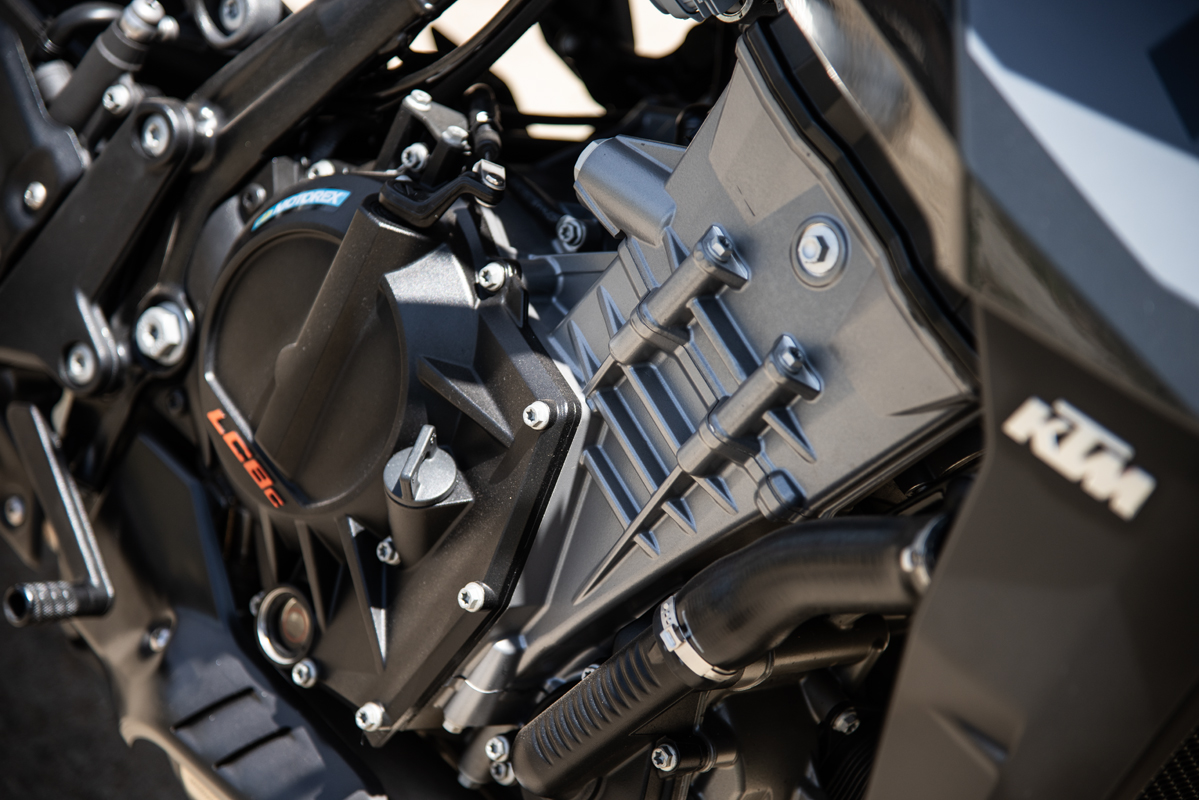
What they both have in common in these applications is plenty of power and torque and, consequently, very impressive performance. Of course, the chassis, suspension and brakes of both are well up to the task of containing the power, and both setups provide confidence-inspiring handling.
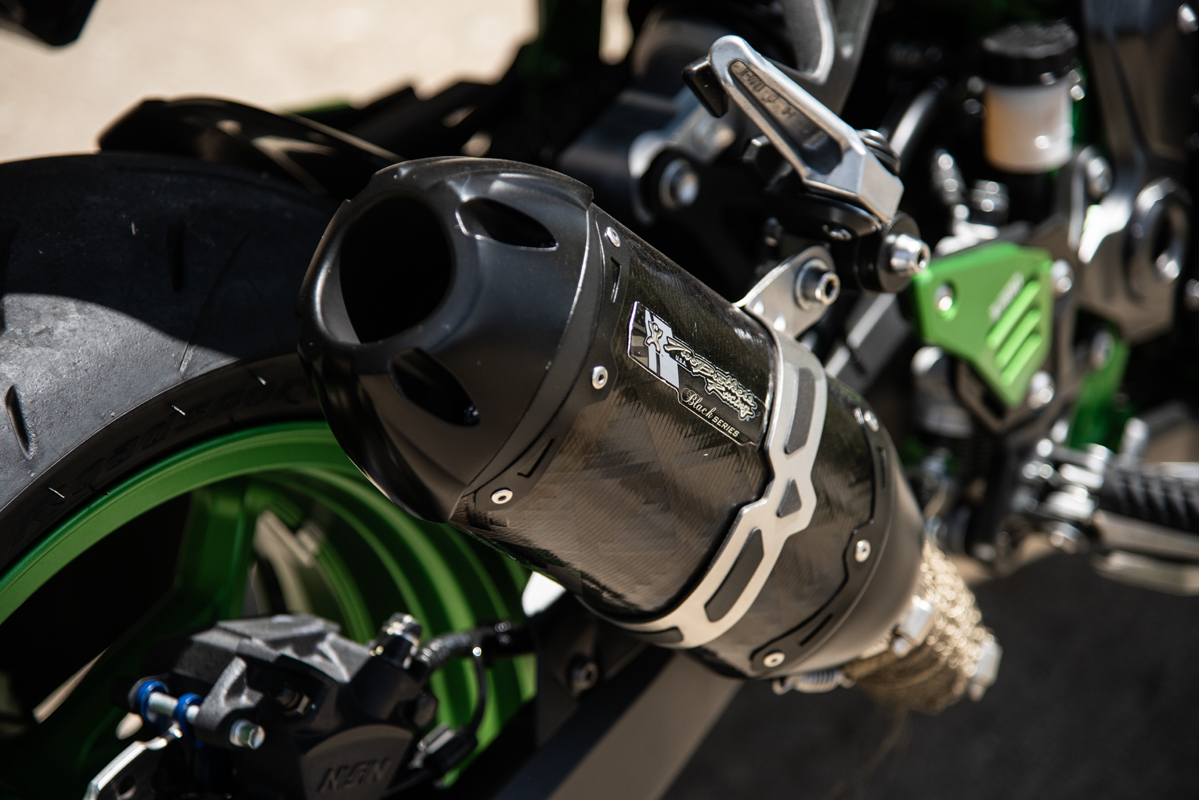
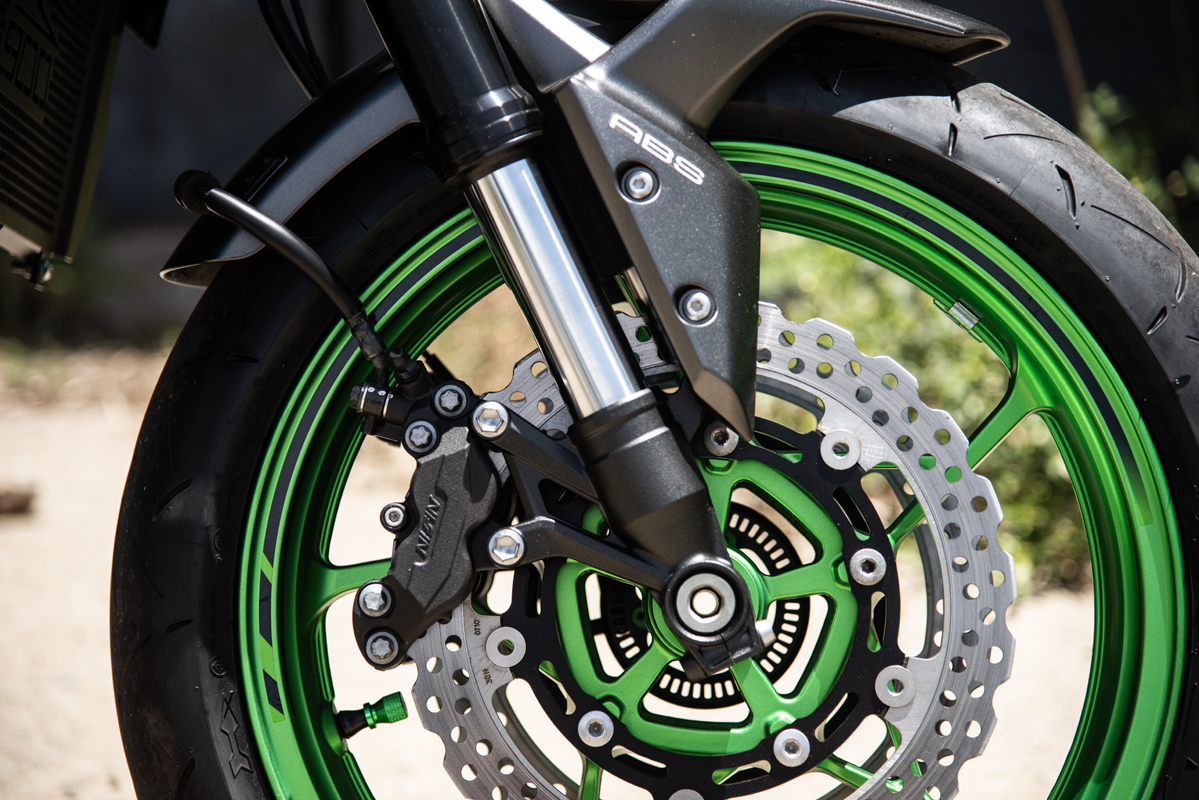
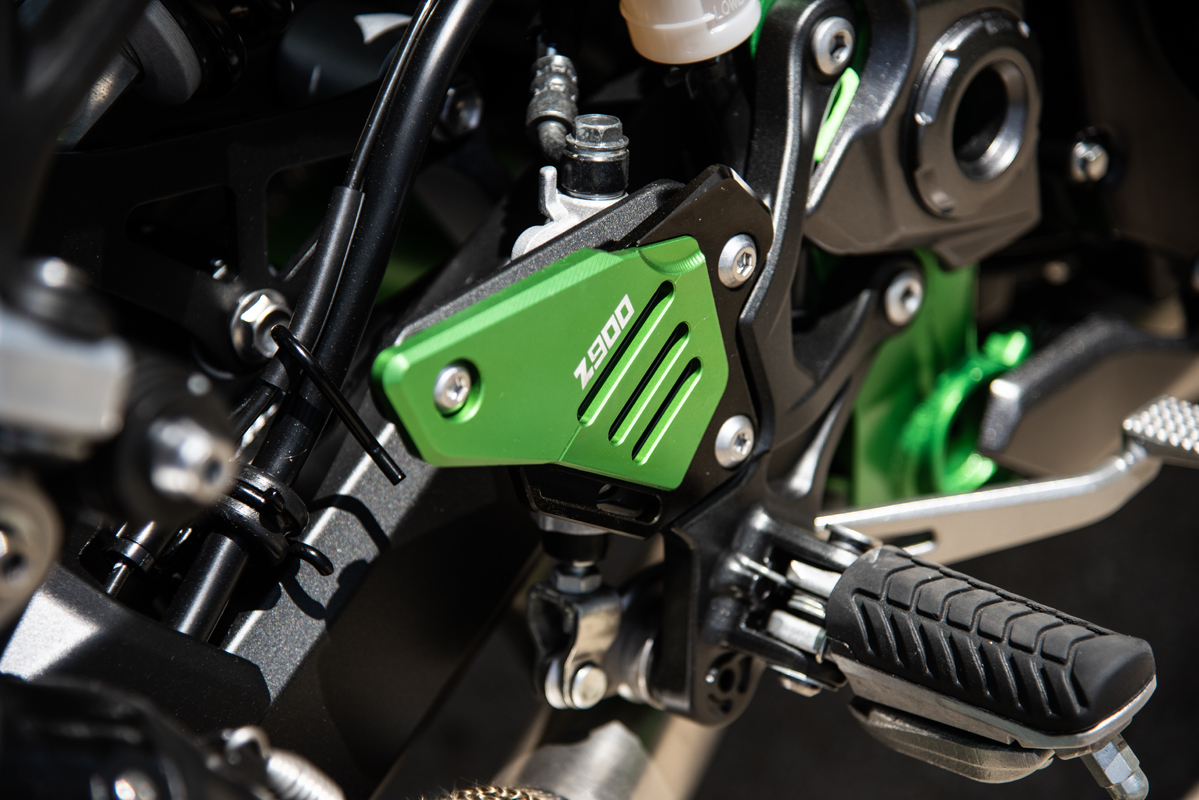
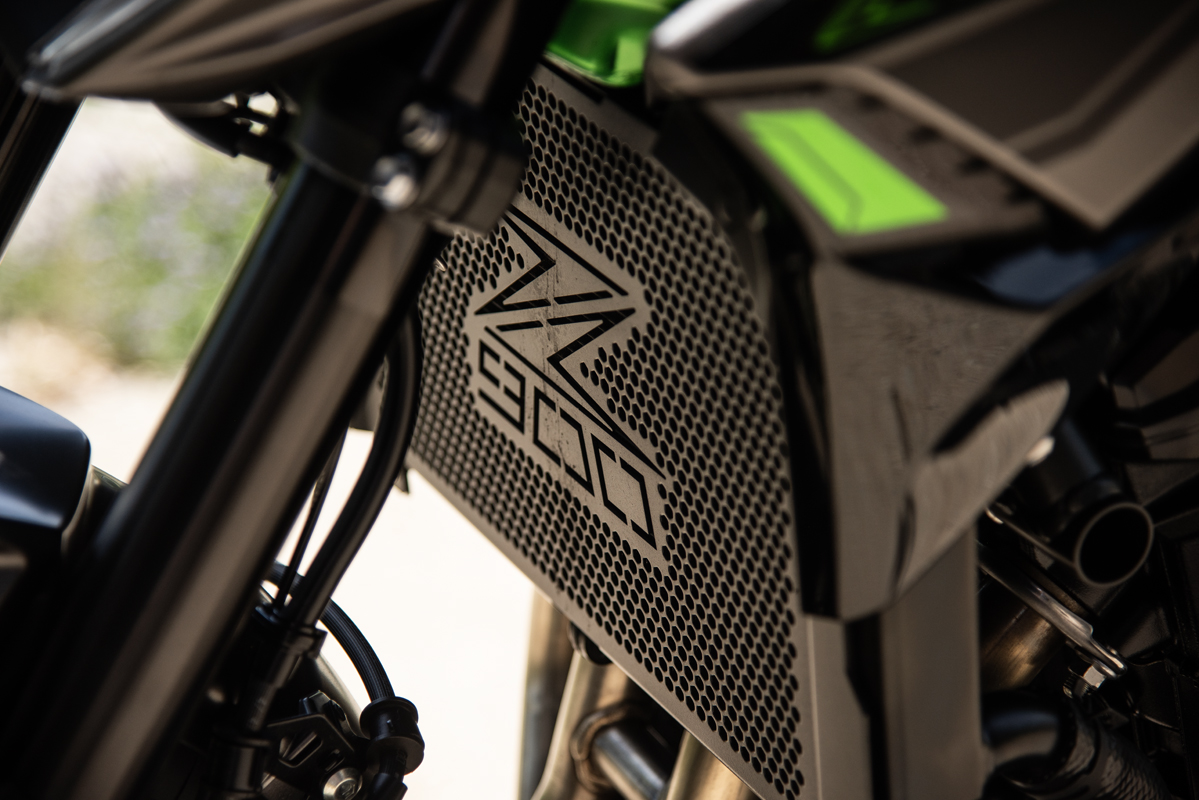
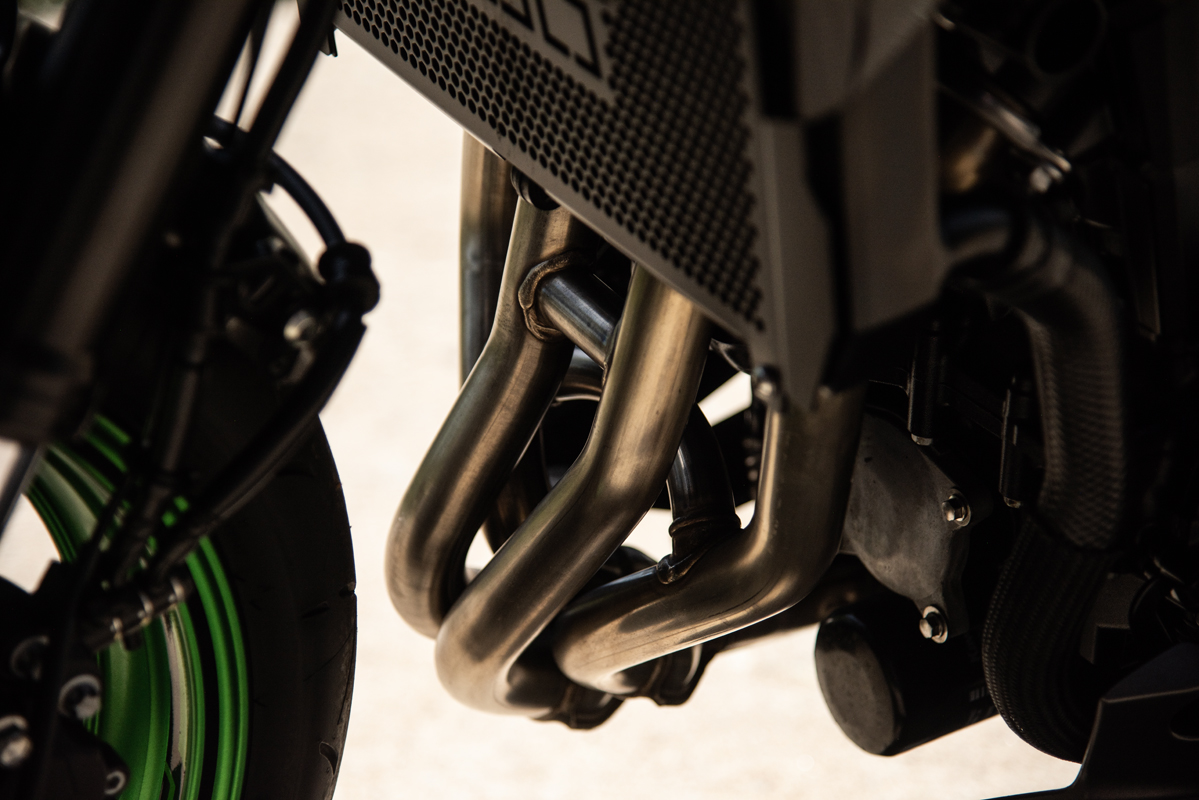
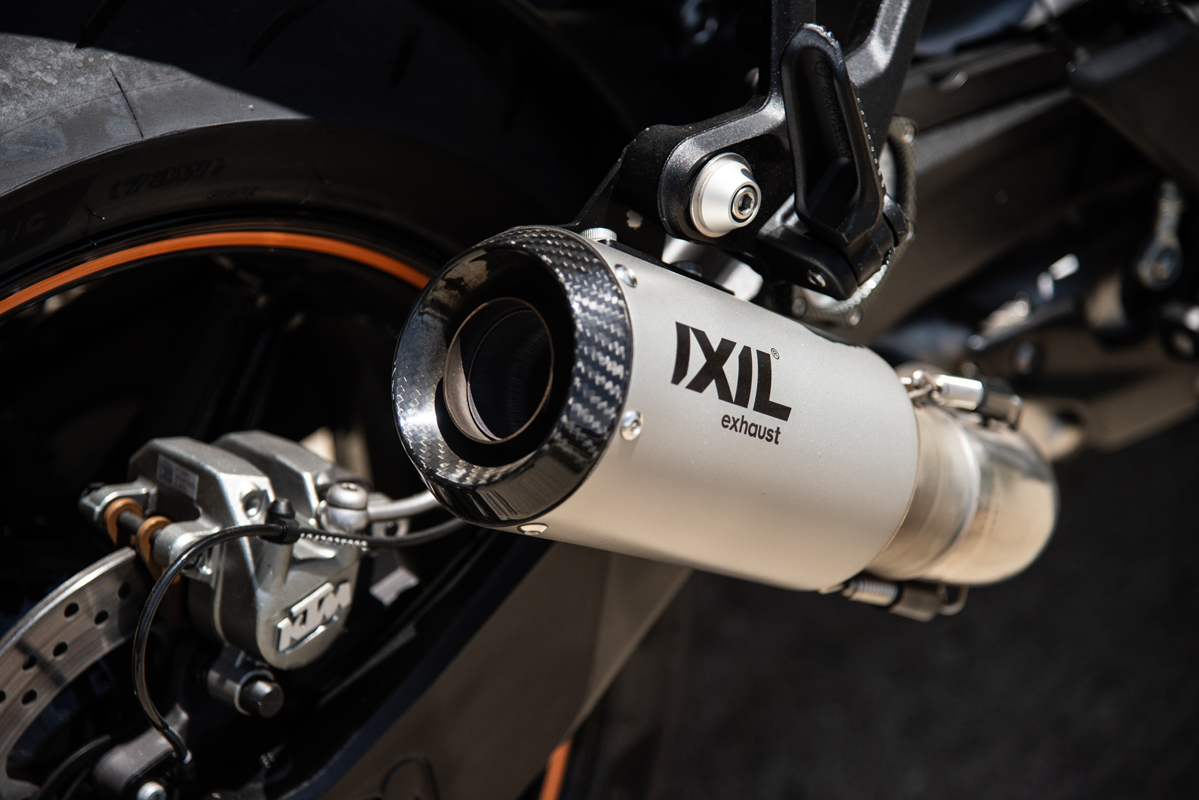
The two bikes here have both benefitted (depending on your point of view!) from some aftermarket add-ons, most notably in the silencer department. That on the Kawasaki makes it very loud, while that on the KTM is a lot more muted and clearly aimed at better breathing rather than enhanced sound. They are very much a personal taste thing; personally, I wouldn’t have changed a thing, but for others, this is the first thing they will do.
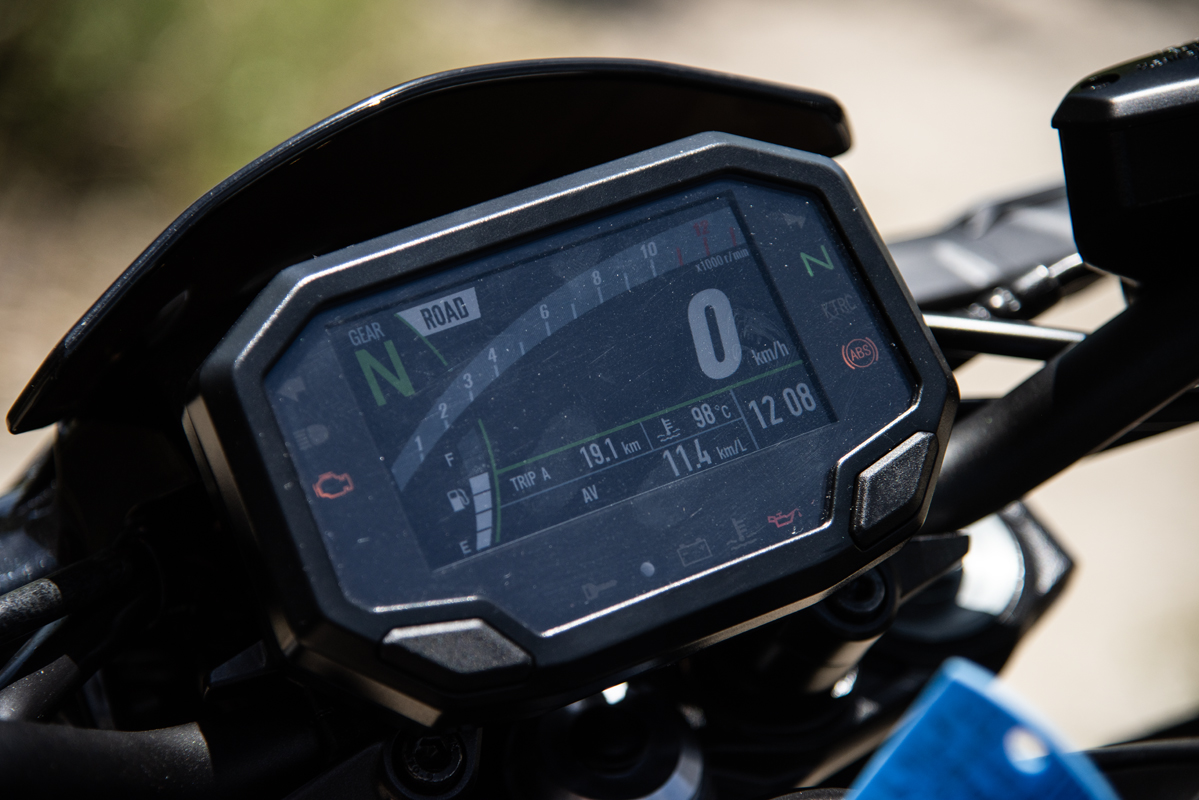
Being two and four years old (KTM and Kawasaki respectively) and with relatively low mileages (4,000 and 21,600 respectively), there is no reason to expect them to be anything other than near-perfect cosmetically, and they are. The best thing about buying a nearly-new bike is that someone else has suffered the pain of depreciation, so that what you are buying is a bike that will give you years of faithful service without the value dropping through the floor.
The second-hand, used, pre-loved motorcycle market (delete depending on your preferred pronouns…) is so buoyant in South Africa because so many bikes are bought and used sparingly and then sold on, so the market is flush with extremely clean examples with low mileage and, often, with aftermarket goodies already bolted on. Looking around the showroom at Bikeshop Boksburg, the only difficulty you have is not whether there is anything that tickles your fancy, but how to choose from the dozens that do!
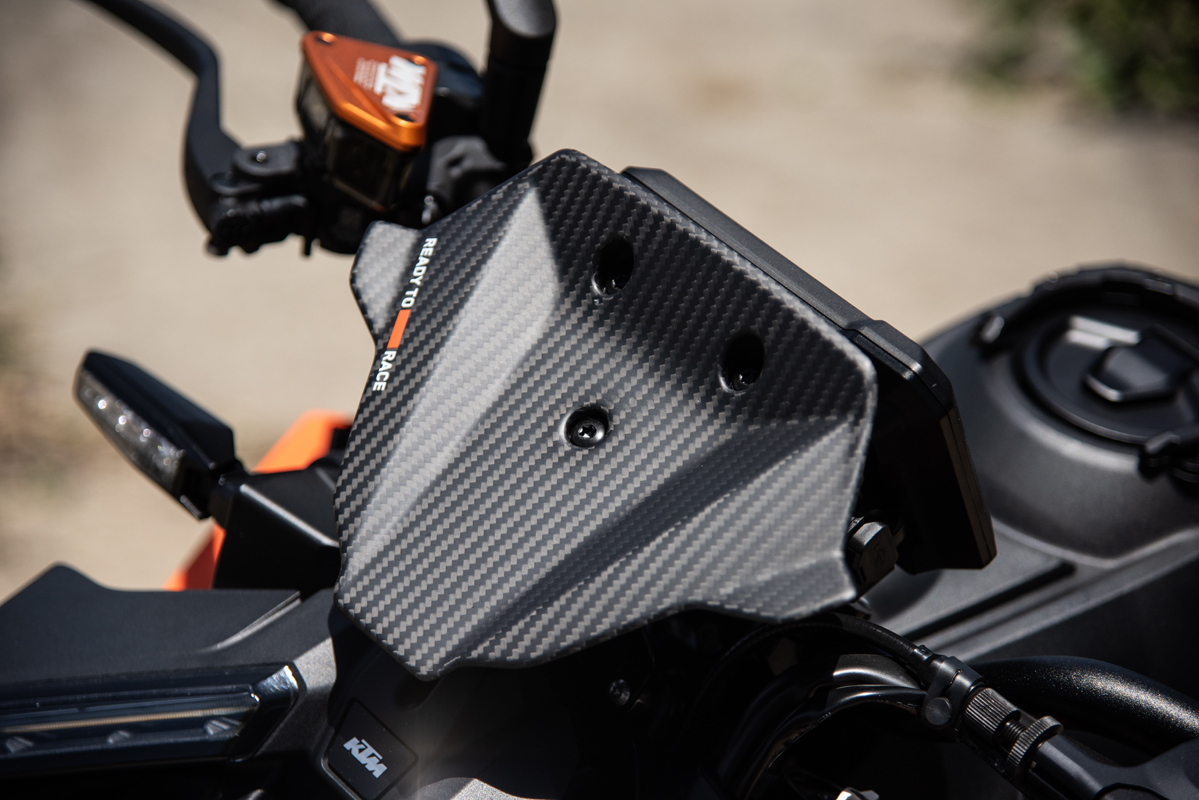
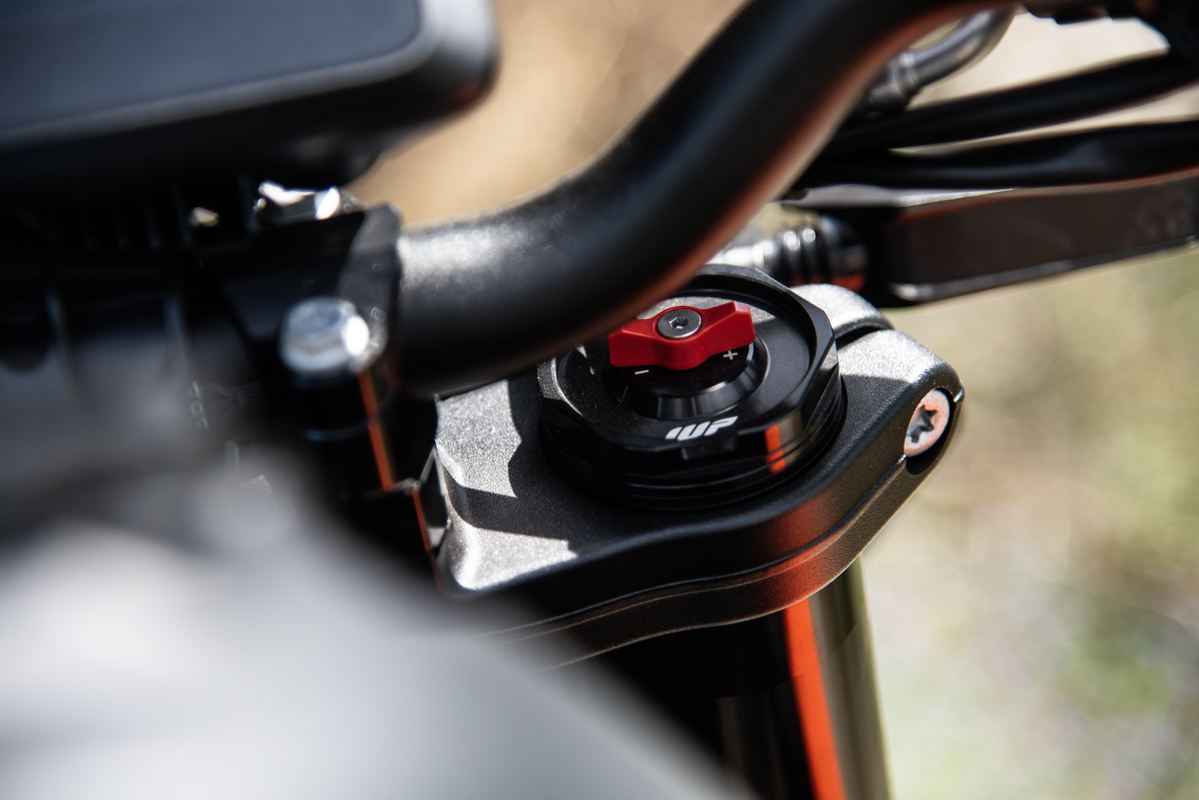
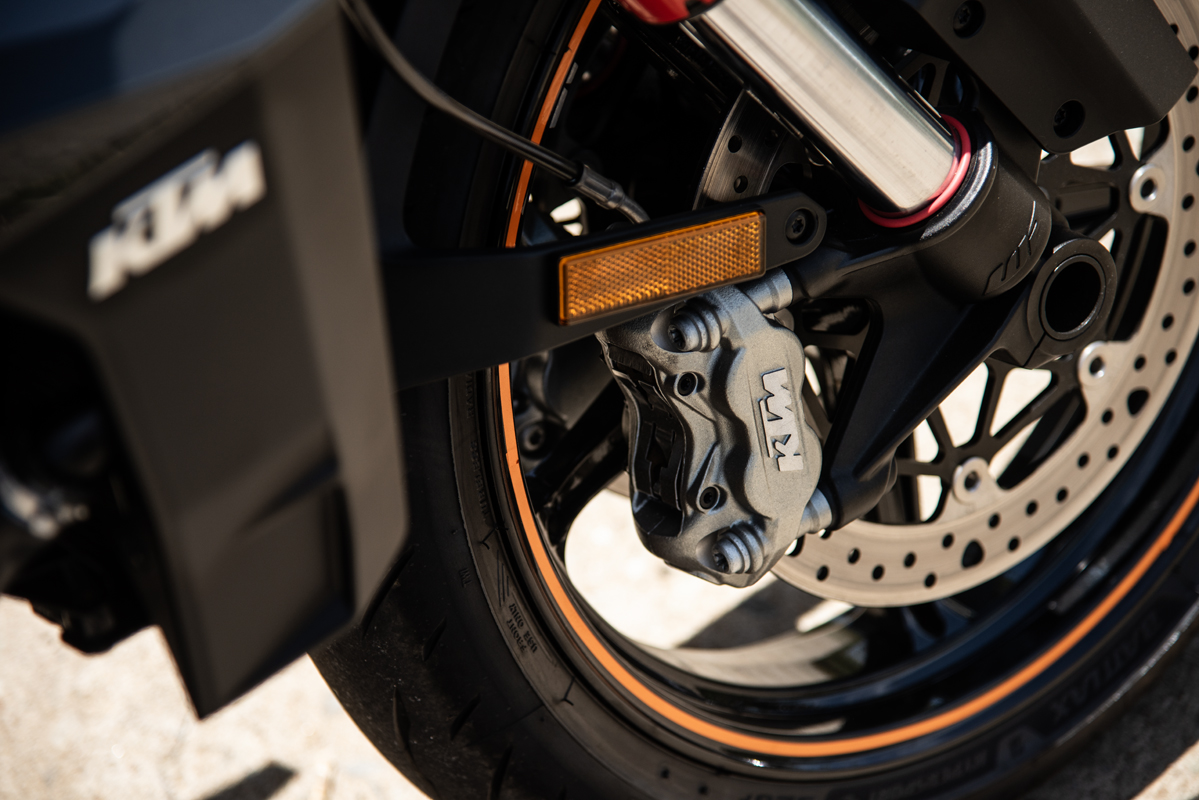
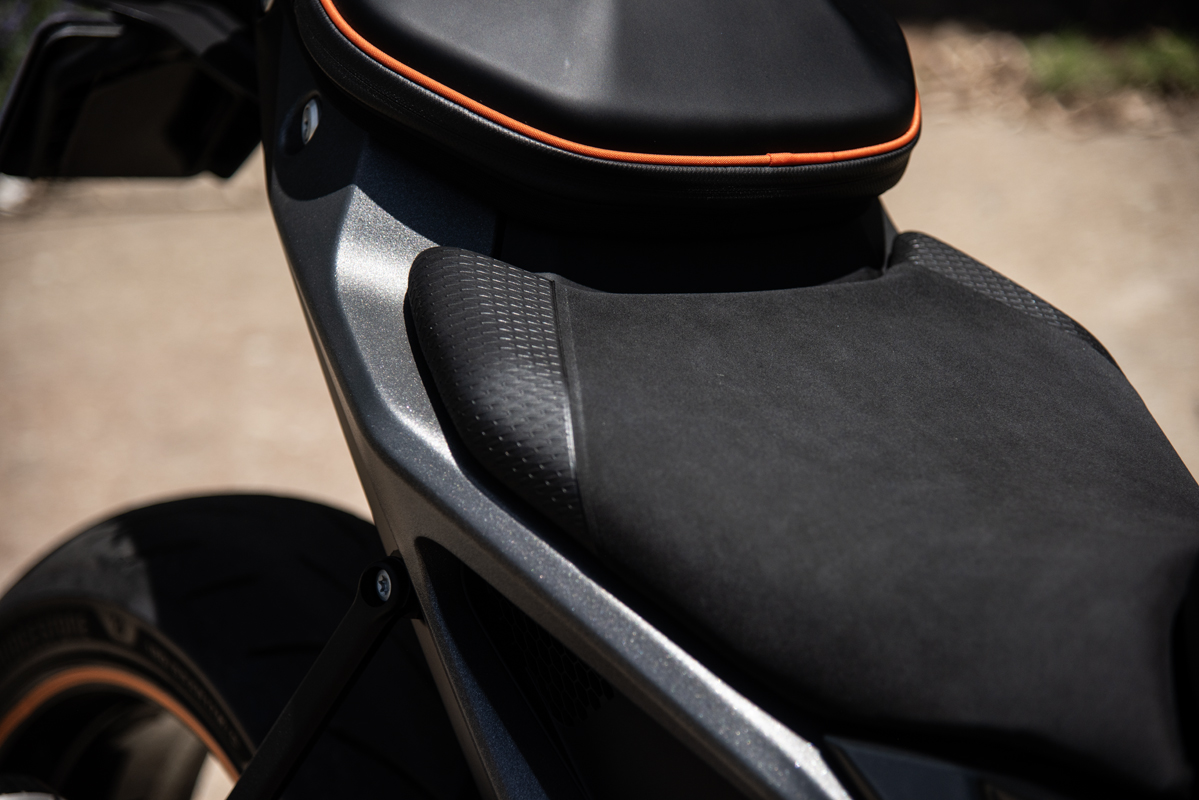
Bikeshop Boksburg always has an impressive selection of quality pre-owned motorcycles. Browse their latest stock in the ZA Bikers Bikes For Sale section, then visit the showroom—you never know which two-wheeled gem might be waiting for you.