



We’ve all heard that famous saying: “The first auto race began five minutes after the second car was built.”
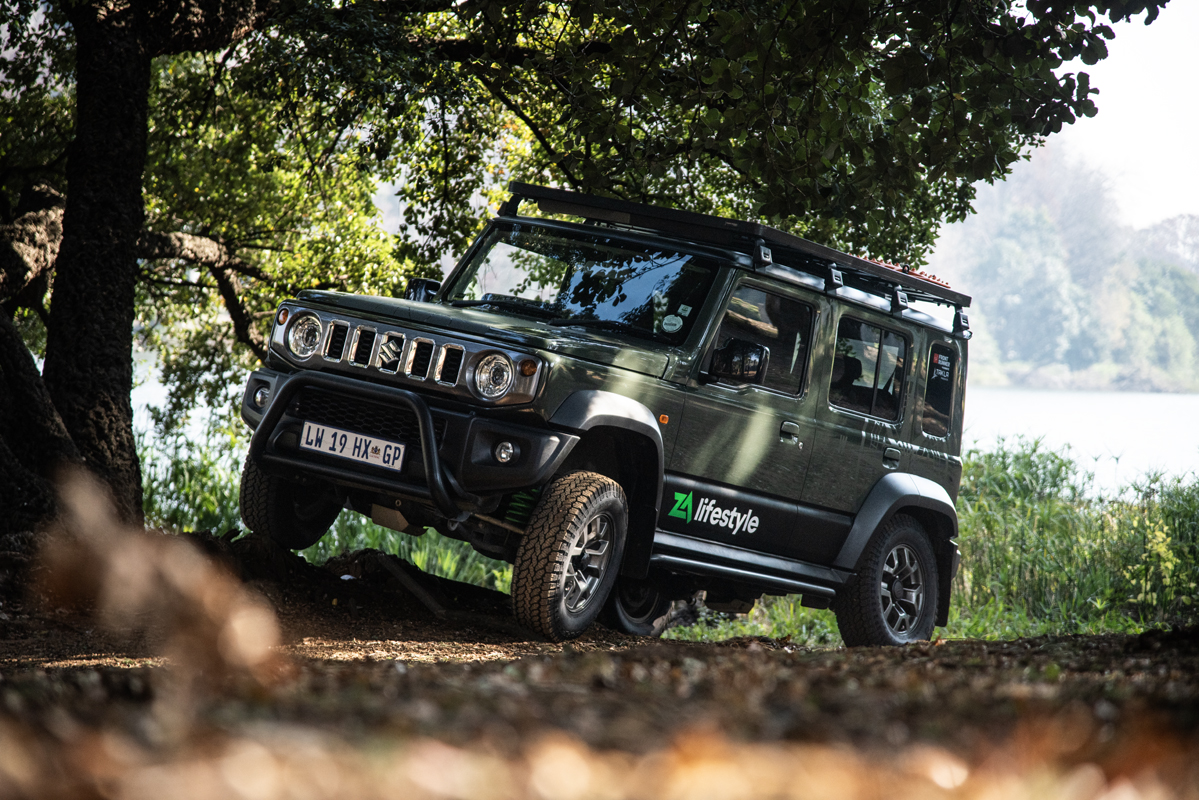
The pursuit of better technology, greater performance and longer-lasting products has never stopped. Yet in today’s world, success isn’t always about being the fastest or the strongest. More often than not, it’s about finding the sweet spot between multiple strengths. The products that stand the test of time are those that can do everything well, consistently and reliably. The same applies to the vehicles we drive and, more importantly, the components we fit to them.
Manufacturers spend millions developing vehicles that appeal to the broadest possible audience. In many cases, they get it spot on. For others, the vehicle itself might be excellent, but there is still room for improvement in a few key areas. Tyres often fall into that category.
For us, that improvement came in the form of tyres.
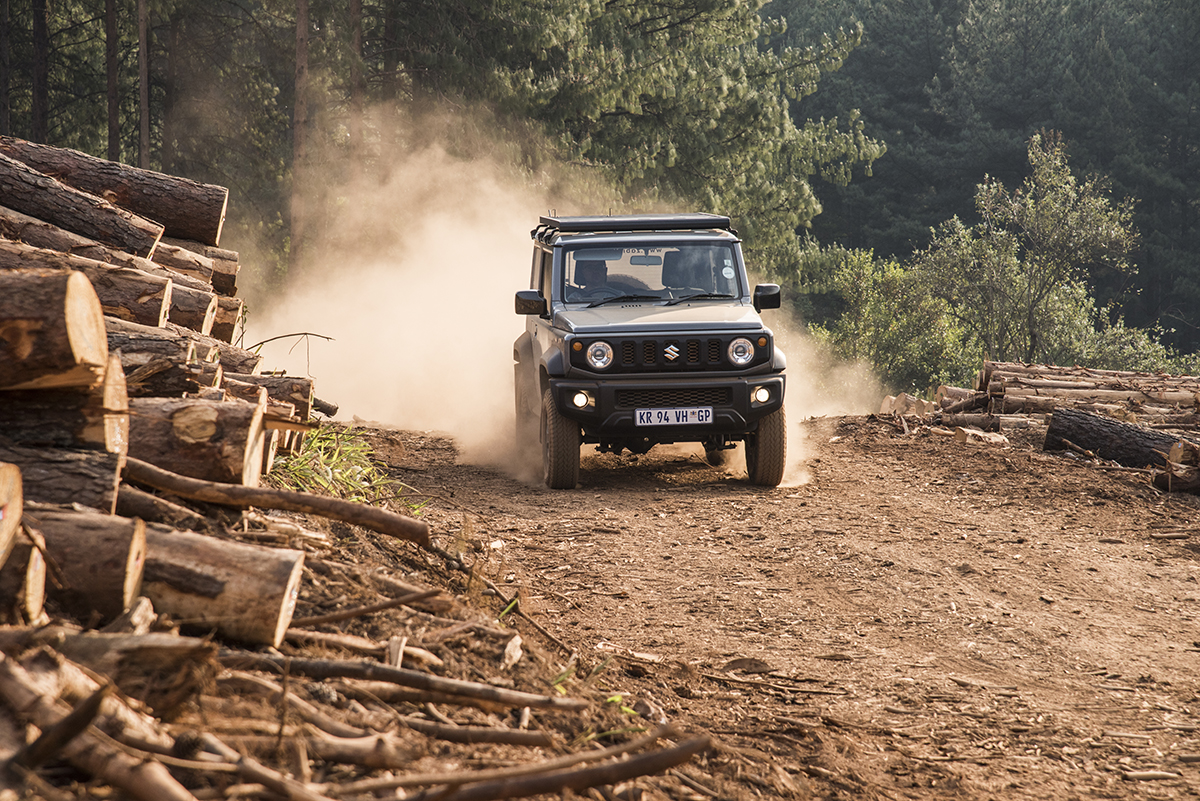
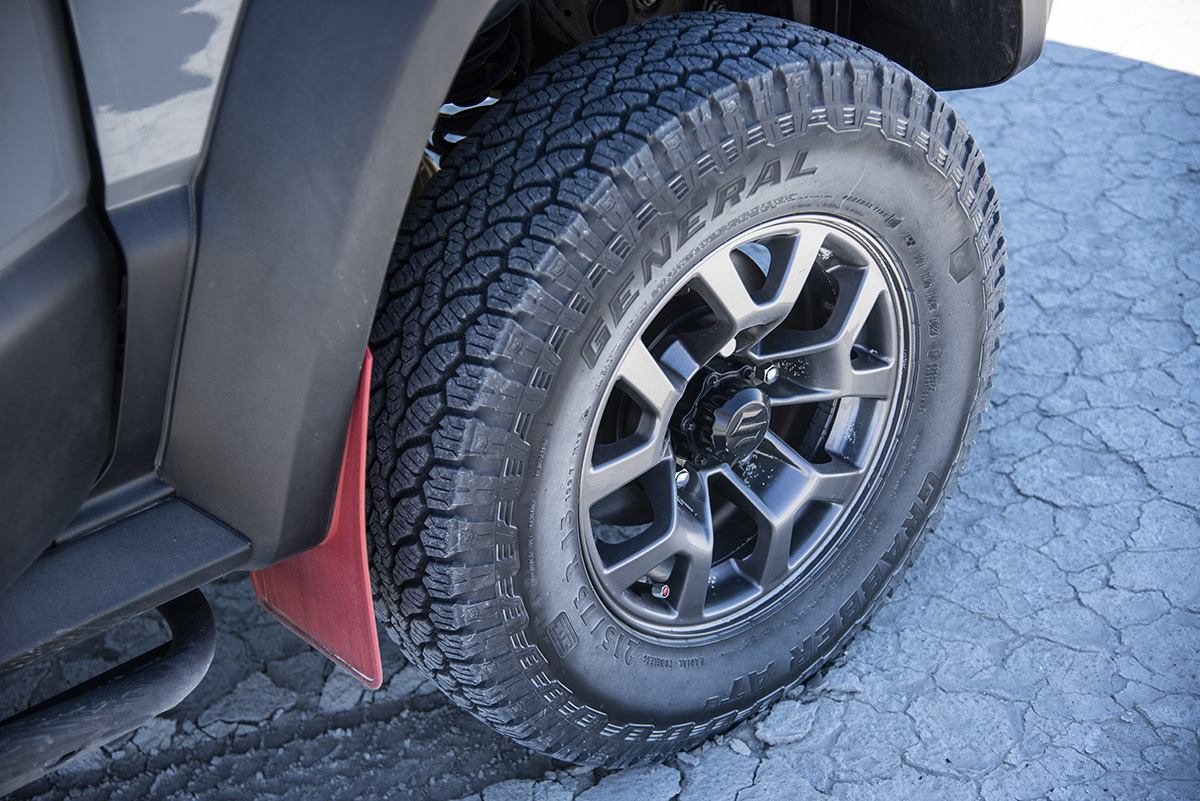
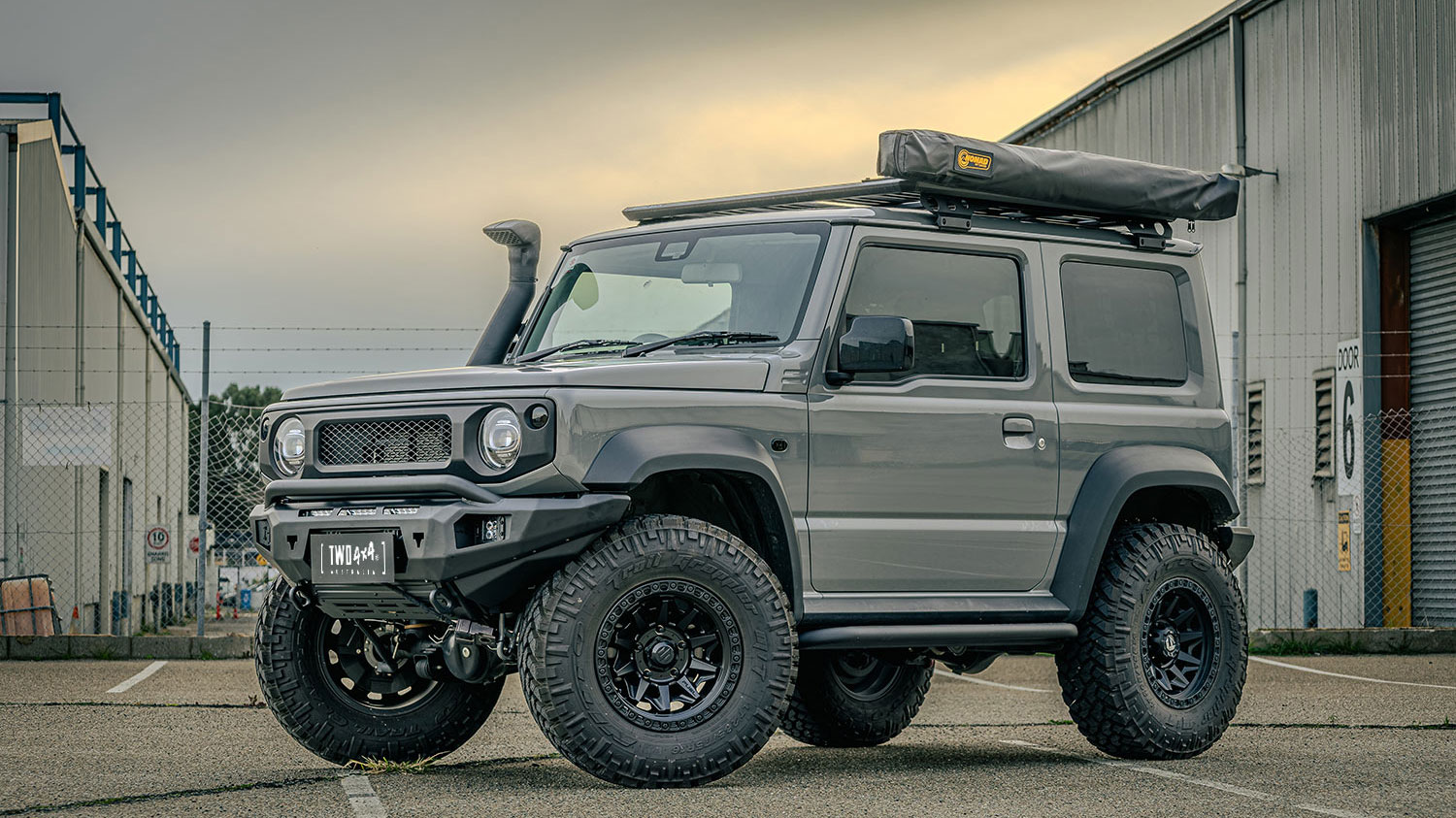
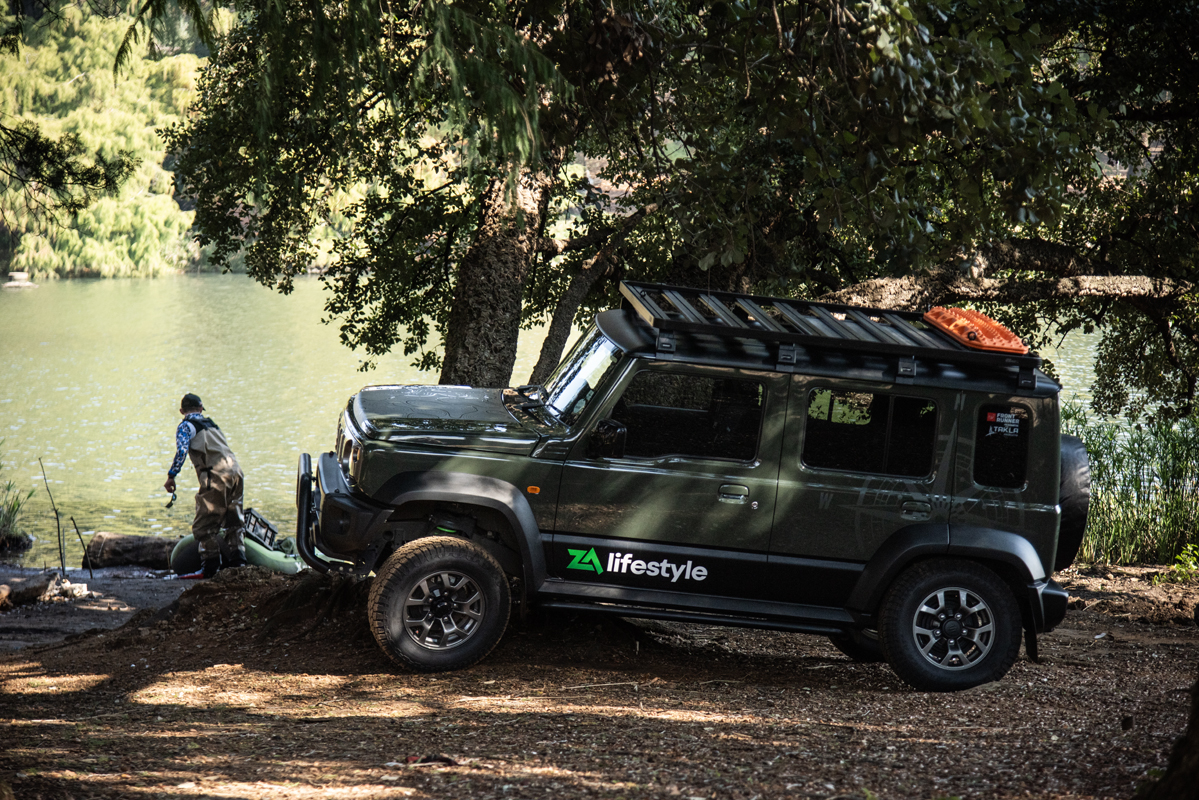
Since our first 3-door Suzuki Jimny project, we’ve been running General Grabber AT3 tyres. They’ve carried us across South Africa and beyond our borders on countless adventures, racking up thousands of kilometres. Over time, the entire team has become fans. Today, it’s not just our 5-door Jimny running General Grabber AT3s, but also a Vitara and a meticulously maintained Gen 3 Jimny.
The AT3 has proven itself time and again, but recently we found ourselves looking over the fence at something a little more extreme. General’s Grabber X3 mud-terrain tyres have undeniable appeal. They look fantastic, promise serious off-road capability, and, if we’re being completely honest, they would make our Jimny look properly tough. With a few off-road adventures planned for later this year, the temptation was very real.
Yet when the dust settled, the AT3s found themselves fitted to the Jimny for a third time. Here’s why.
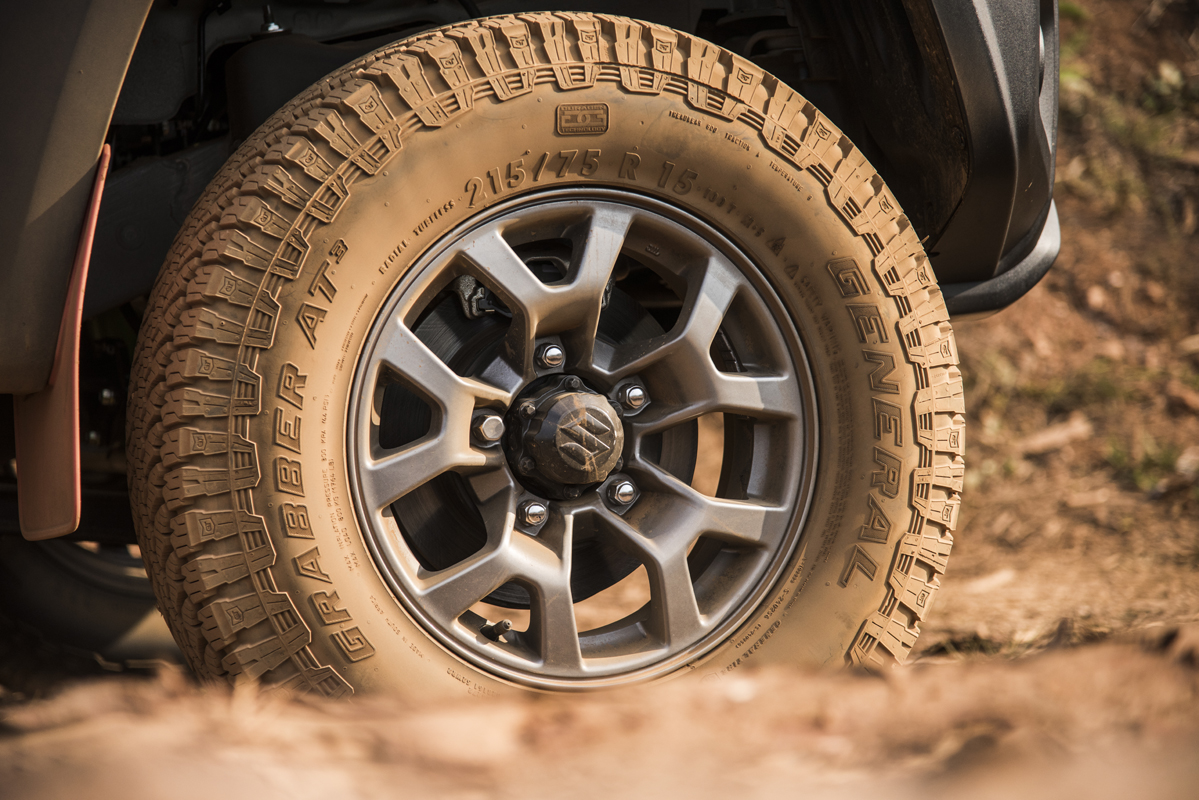
When it comes to upgrading a 4×4, tyres are often one of the first modifications owners consider. The challenge is that there is no single “best” tyre. The right choice depends entirely on how and where you use your vehicle.
Every Jimny owner eventually faces the same question: stick with highway tyres, move to all-terrains, or go full mud-terrain and embrace the tough-guy look.
Highway, All-Terrain or Mud-Terrain?
Highway Terrain (HT) tyres are designed primarily for sealed roads. They offer low road noise, good fuel economy, predictable handling and a comfortable ride. For drivers who spend almost all their time on tar, they make perfect sense. Their weakness appears when roads deteriorate. Sharp rocks, corrugations, deep gravel and rough tracks can quickly push a highway tyre beyond the environment it was primarily designed for.
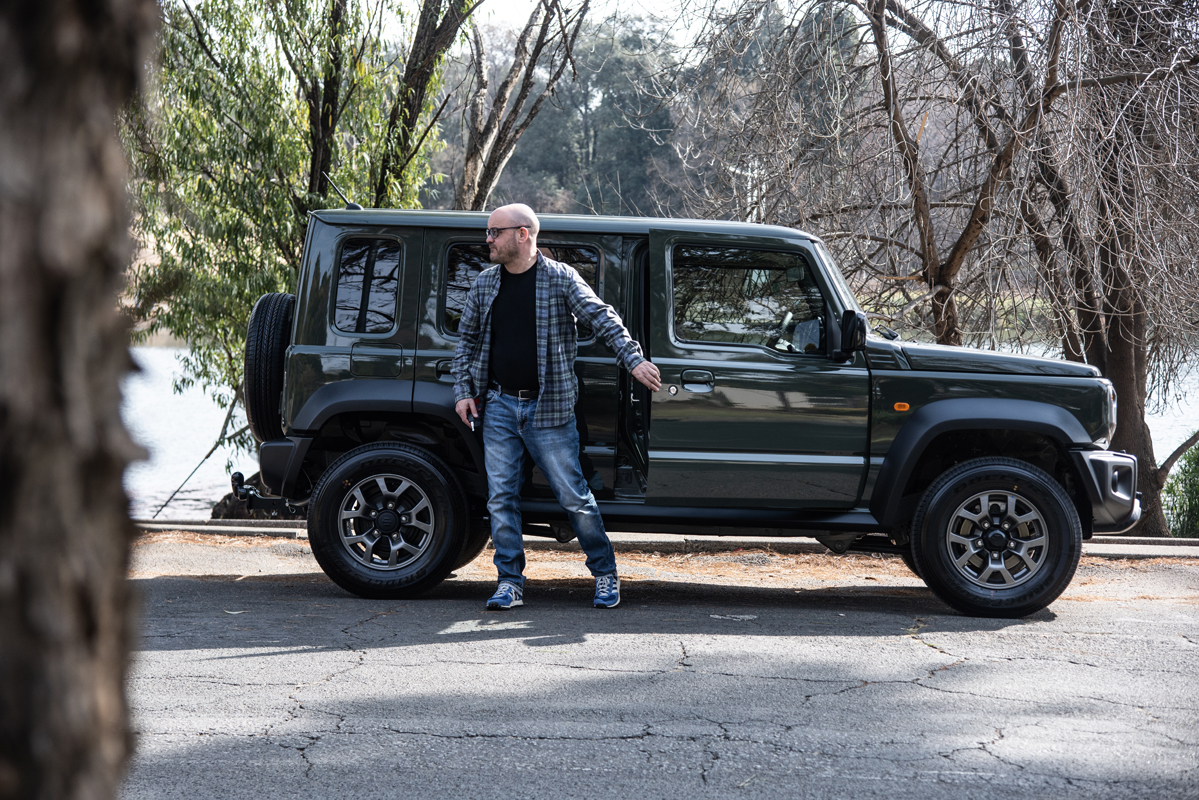
All Terrain (AT) tyres aim to bridge the gap between road comfort and off-road capability. Stronger construction, more aggressive tread patterns and improved puncture resistance make them better suited to gravel roads, overlanding and adventure travel. The best AT tyres manage to retain good on-road manners while providing significantly more confidence when the tar ends.
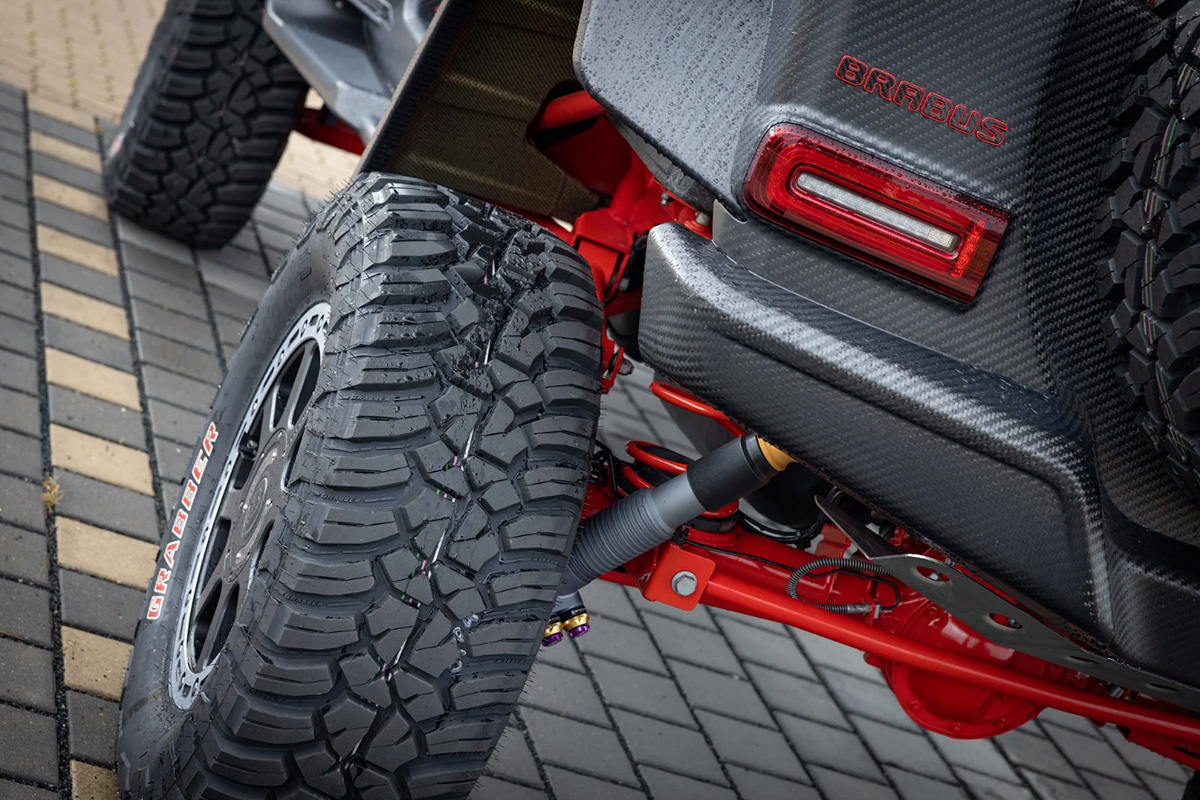
Mud Terrain (MT) tyres sit at the extreme end of the spectrum. Their large tread blocks and aggressive patterns are designed to find traction in deep mud, loose terrain and challenging off-road conditions. They excel where other tyres struggle, but that capability often comes with compromises in road noise, fuel consumption, ride comfort and overall on-road refinement.
The real question is which tyre best matches how you actually use your vehicle. For many owners, especially those who spend most of their time on tar and gravel with occasional off-road adventures, that answer often lies somewhere between the two extremes.
Before making that decision, we looked at how our Jimny is actually used. While we enjoy exploring the rough stuff whenever possible, the reality is that most of our kilometres are spent travelling long distances on tar, gravel roads and the occasional challenging off-road route. We needed a tyre that could handle all of it.
The answer became even clearer during a recent trip through Botswana, where damaged roads, flooding and long gravel detours provided the perfect real-world test for an all-terrain tyre.
A Botswana Reality Check
What do I do when we have two long weekends in succession, meaning that I can be out of the office for 4 days but effectively get 10 days away? I go to my favourite haunt – Botswana. So, we packed my Suzuki Grand Vitara 4×4 and enjoyed a brilliant time away. Khama Rhino Sanctuary, Audi Camp in Maun, Planet Baobab in Gweta, Elephant Sands, Woodlands and, on our way home, a new gem of a bushveld breakaway, Skurwebank, a bush B&B in the Waterberg between Lephalale and Vaalwater. What has this got to do with tyres, you may ask?
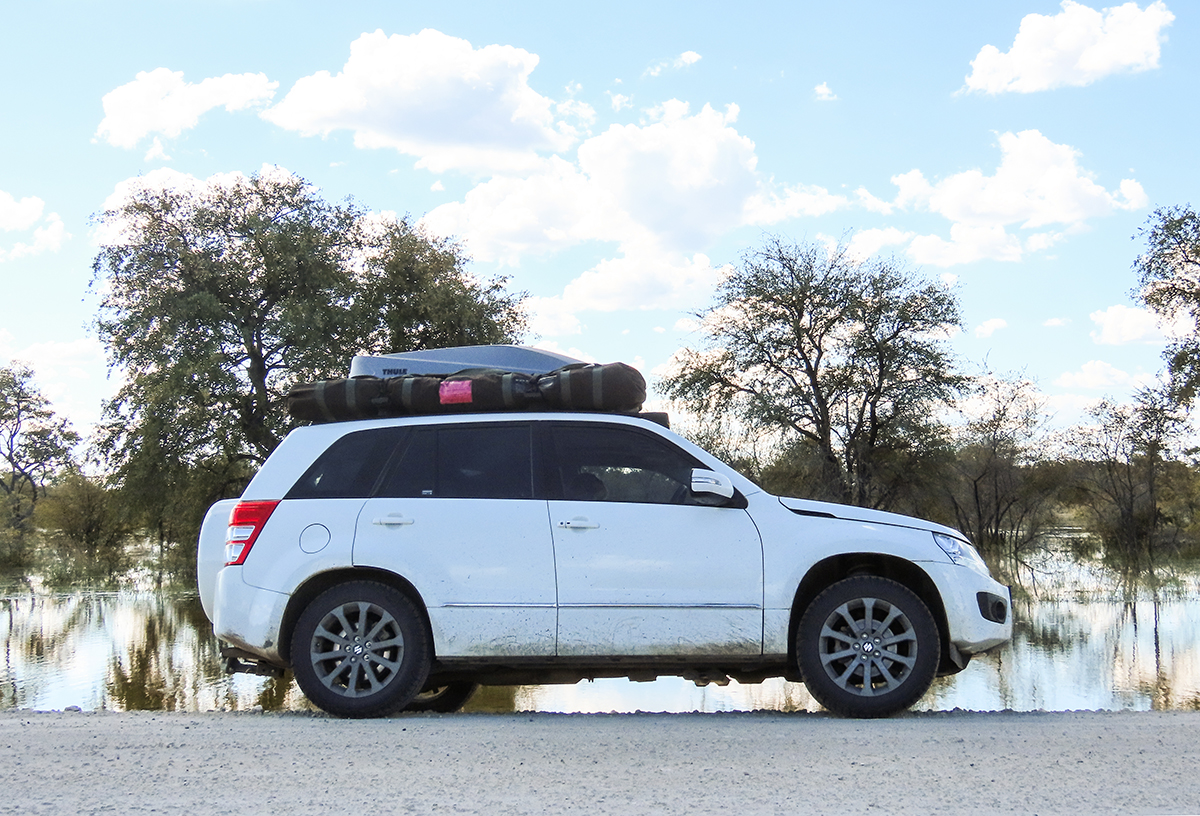
What became abundantly clear over the course of our trip was how the tyres on your vehicle are arguably the most important piece of engineering in terms of vehicle function, because that is literally where and how the rubber meets the road. The heavy rains across the south of Africa this past summer were a blessing for a generally drought-stricken area, but a curse in terms of the damage to infrastructure. Botswana was particularly hard hit, enduring a second year in succession of flooding and rain-induced road havoc. Potholes, destroyed dirt roads, exposed lurkers and many kilometres of dirt deviations expose the first line of defence on your vehicle, your tyres, to stresses and strains that will expose weaknesses and potentially destroy typical highway spec tyres.
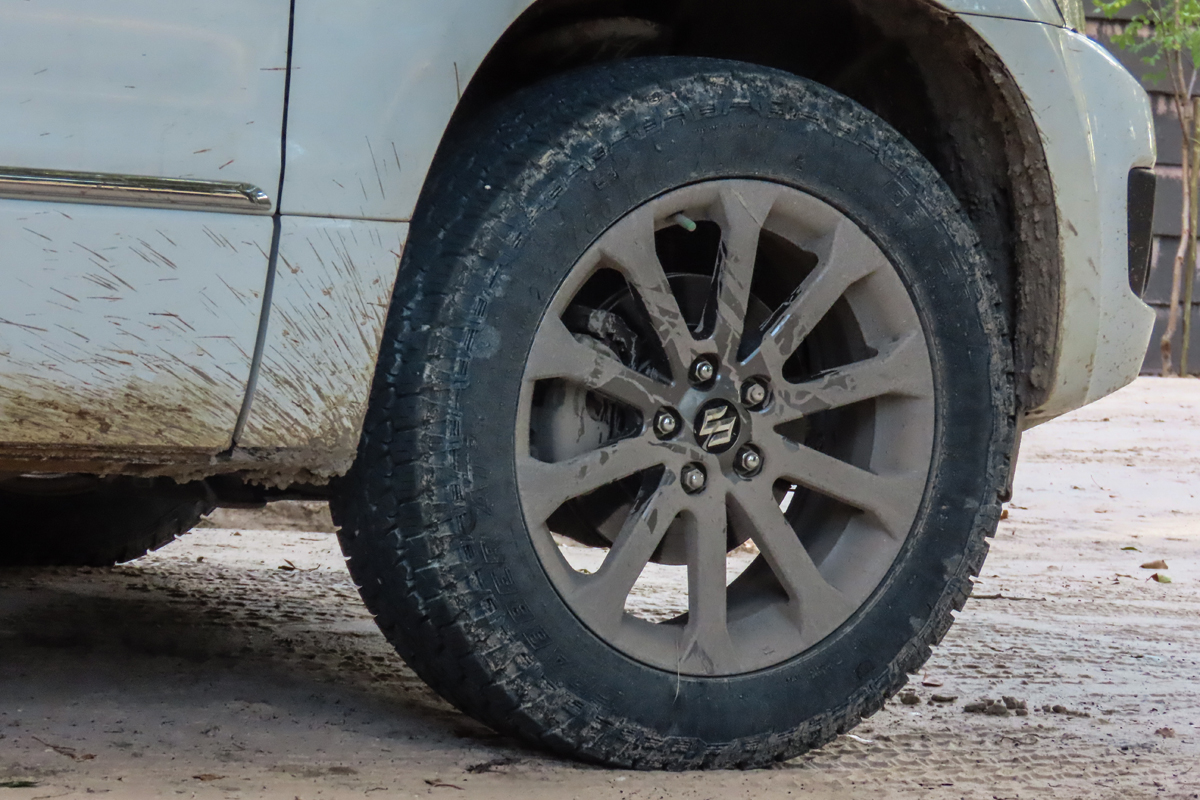
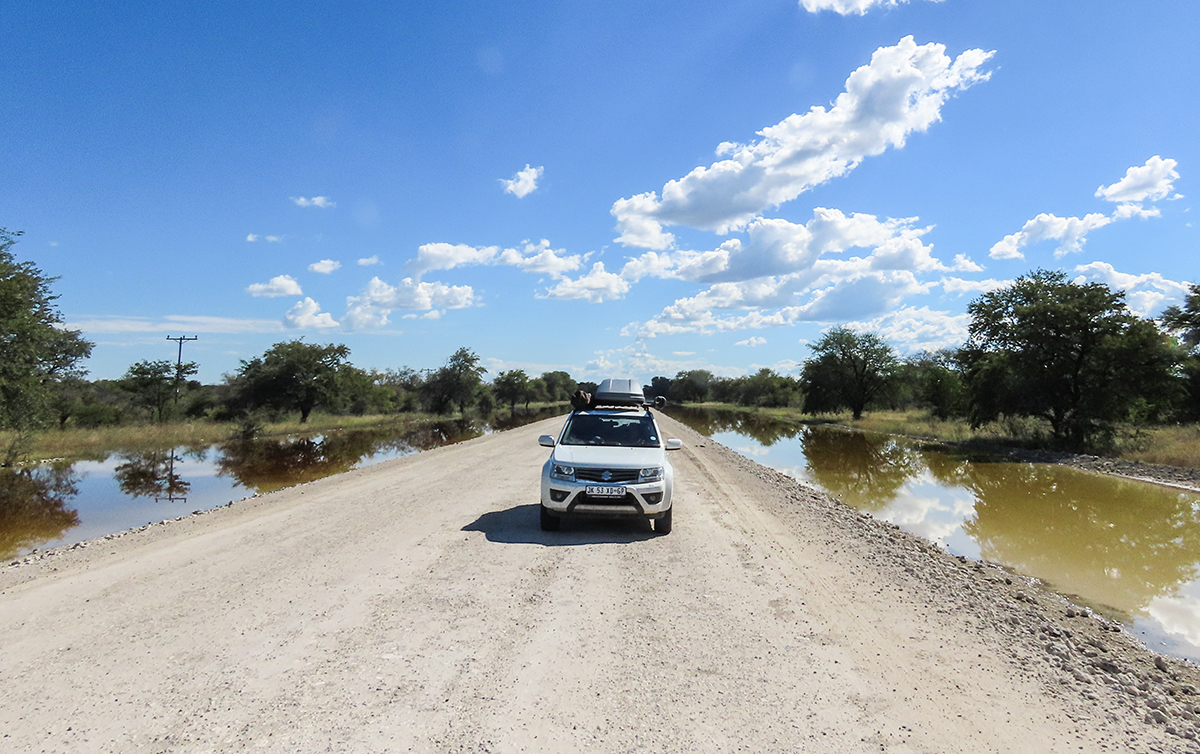
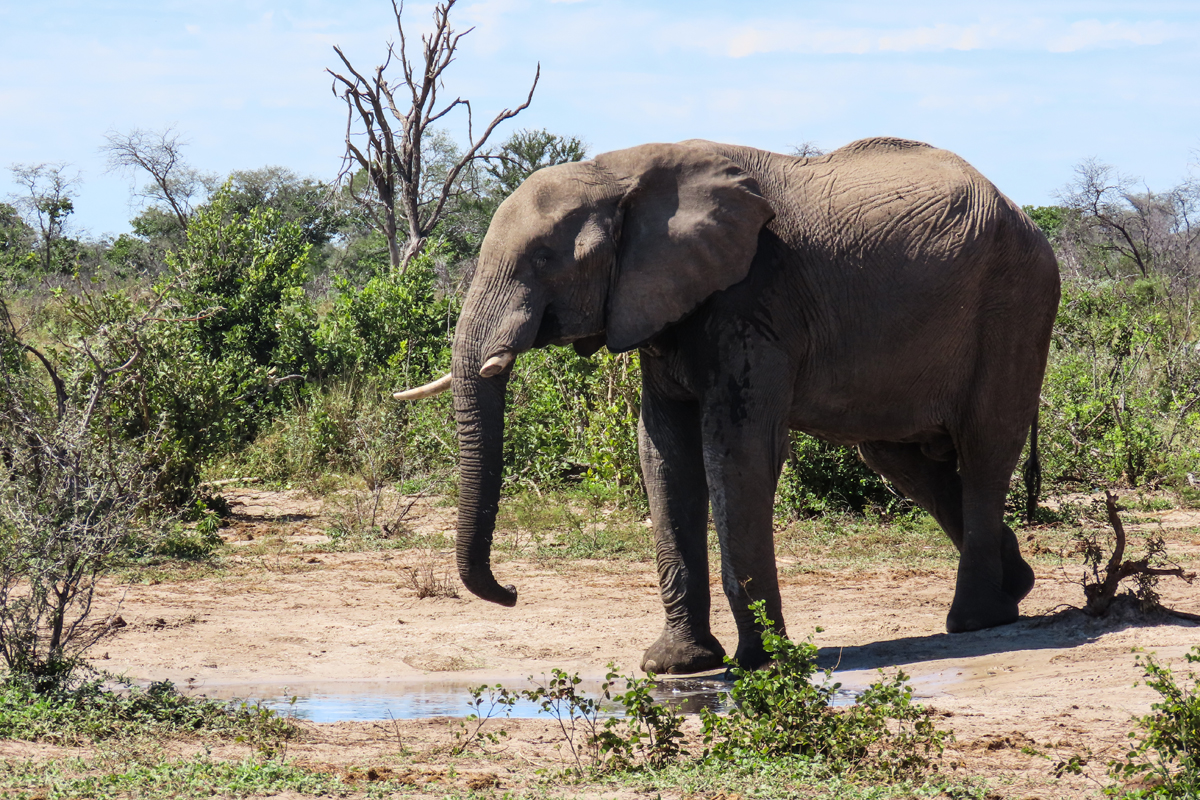
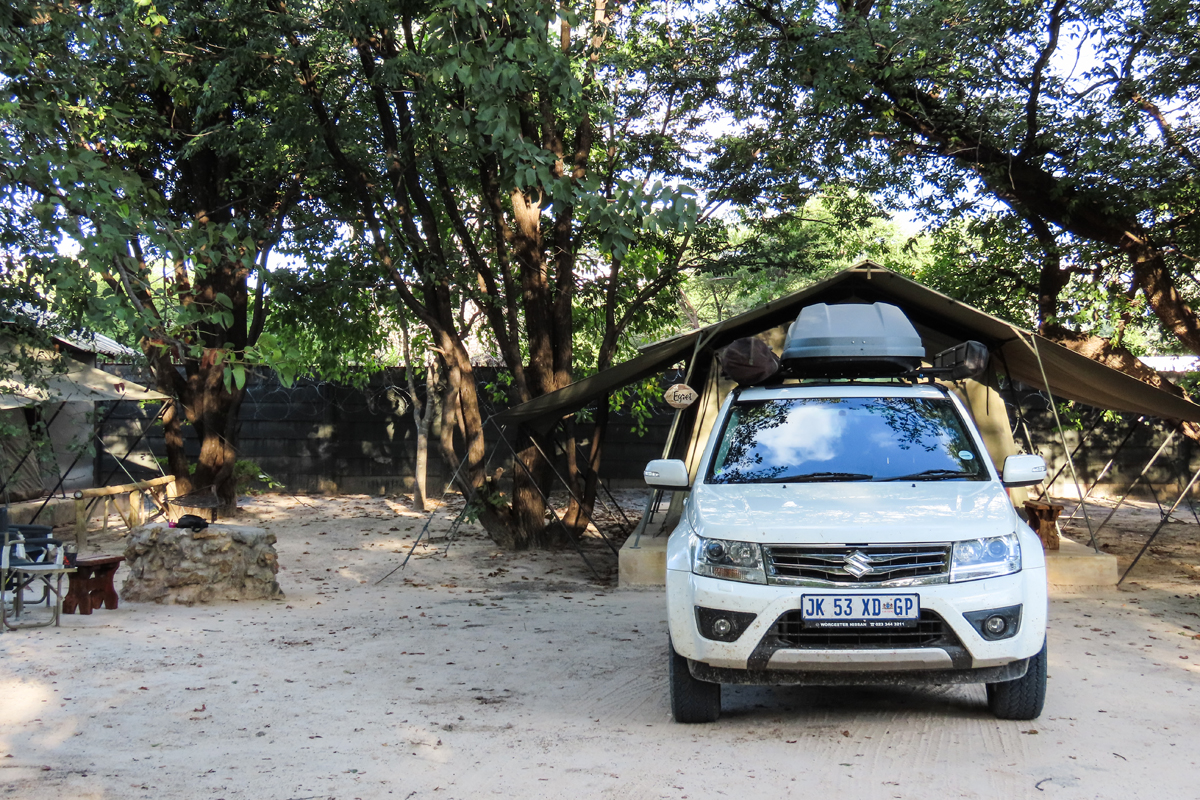
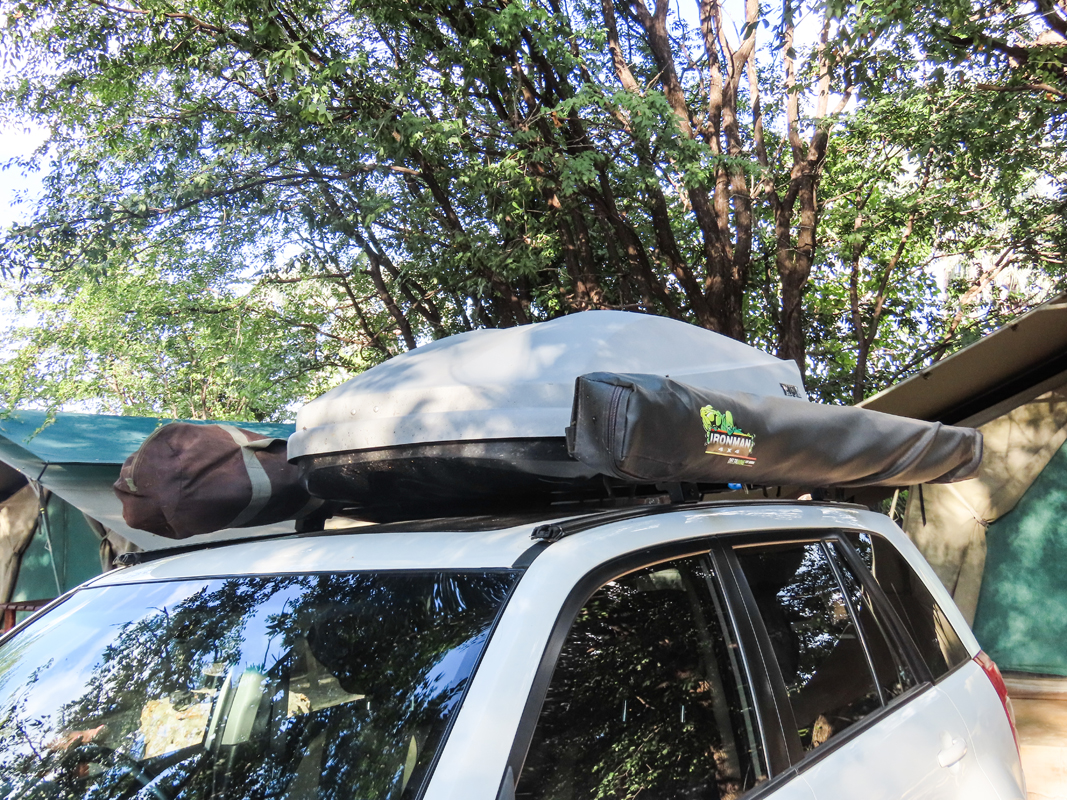
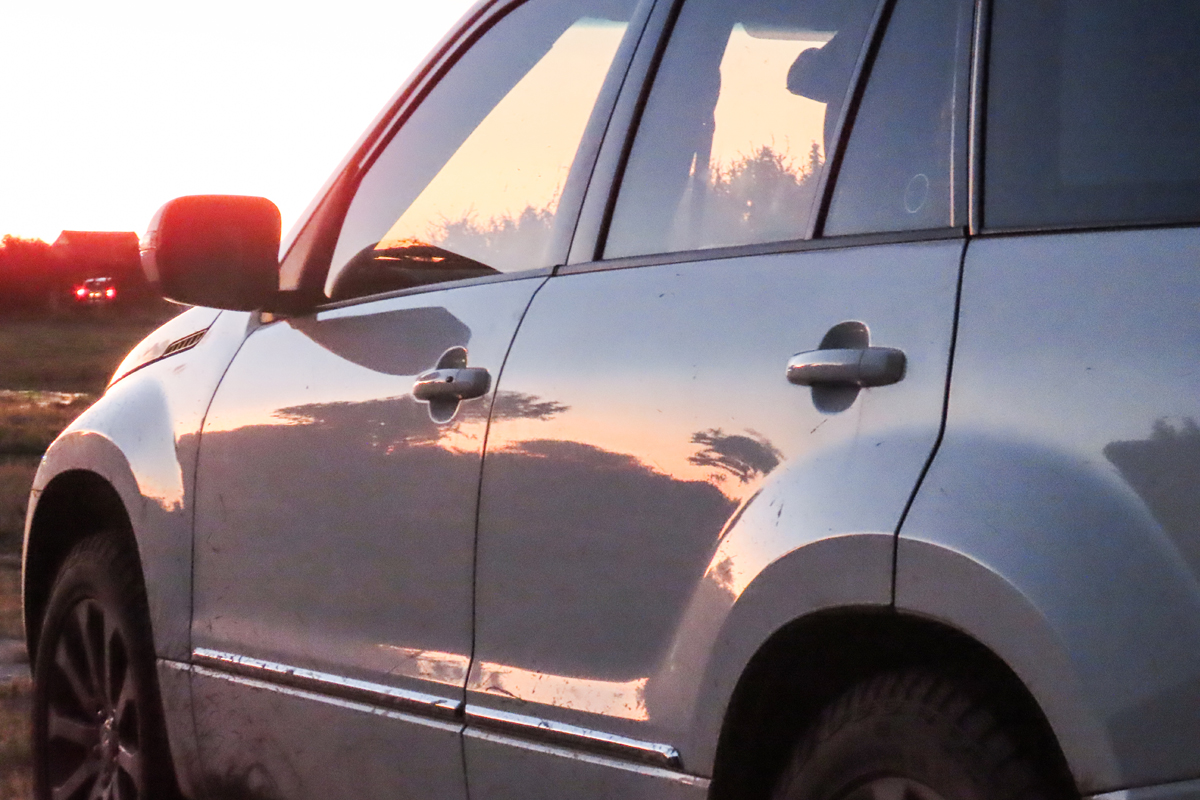


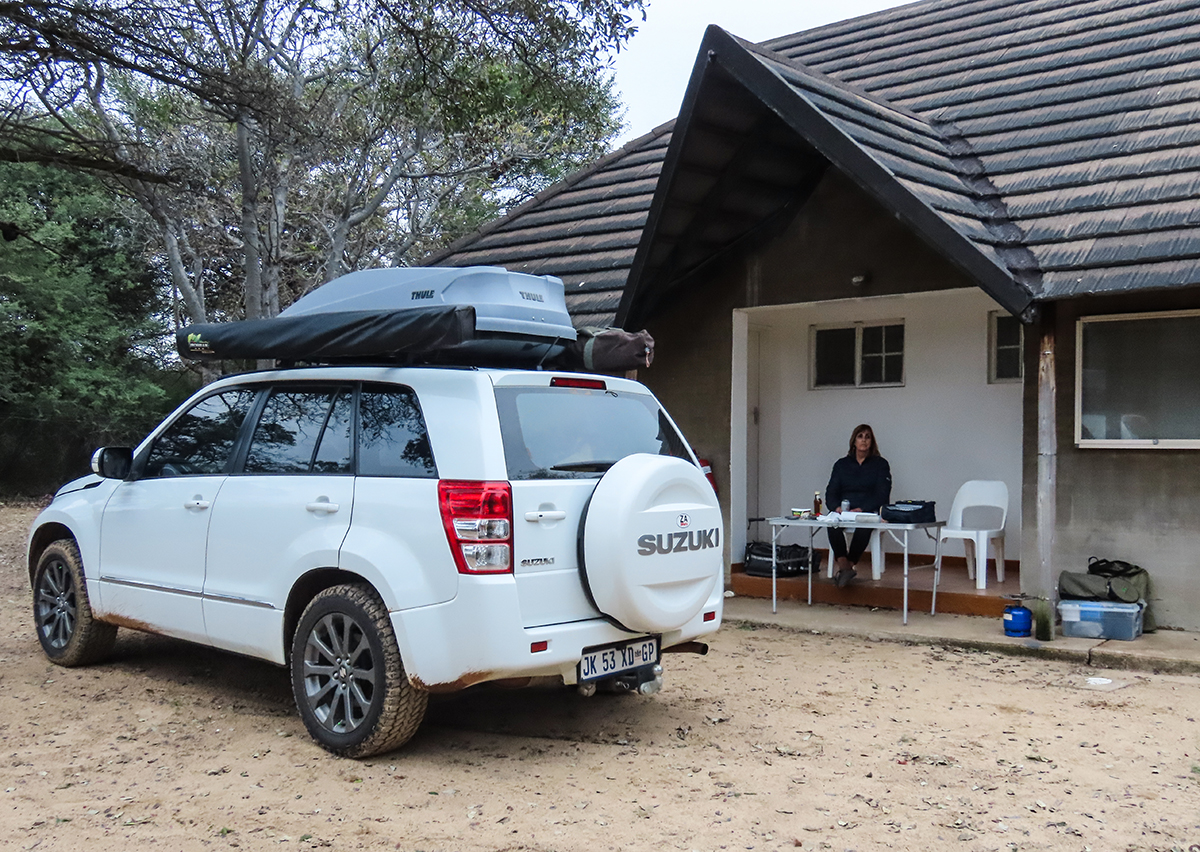
The number of cars seen over the course of our trip, stranded next to the road, with damaged tyres, was alarming. It had me not only driving cautiously but also extremely grateful for the tyres, which I fitted to my vehicle as soon as I acquired it. General Grabber AT3s, previously not available locally in 225/60R18, are now brought in specially for vehicles running these wheels. The peace of mind that grew as I negotiated everything that Botswana could throw at us, and which the Grabbers managed without any issues, inspiring confidence on all surfaces, was next level. Why did I once again choose General Grabber AT3s? (They were also the tyre of choice on my 3-door Jimny). Let me explain.
The Hidden Costs of Mud-Terrain Tyres
Boys will be boys, so our first instinct is to go for what looks cool, only to find out over time that we should have done a bit more research before fitting ‘those’ mud terrains. Aggressive tread patterns certainly look the business, but therein lies the problem unless you drive daily on roads that demand their attributes. Tread blocks that provide grip in muddy conditions and don’t clog with gunge manage that by big spacing in the tread pattern. This is great in mud but compromises all aspects of grip on the road, where you literally have less rubber on the road. This also affects how the tyres wear and how long they last.
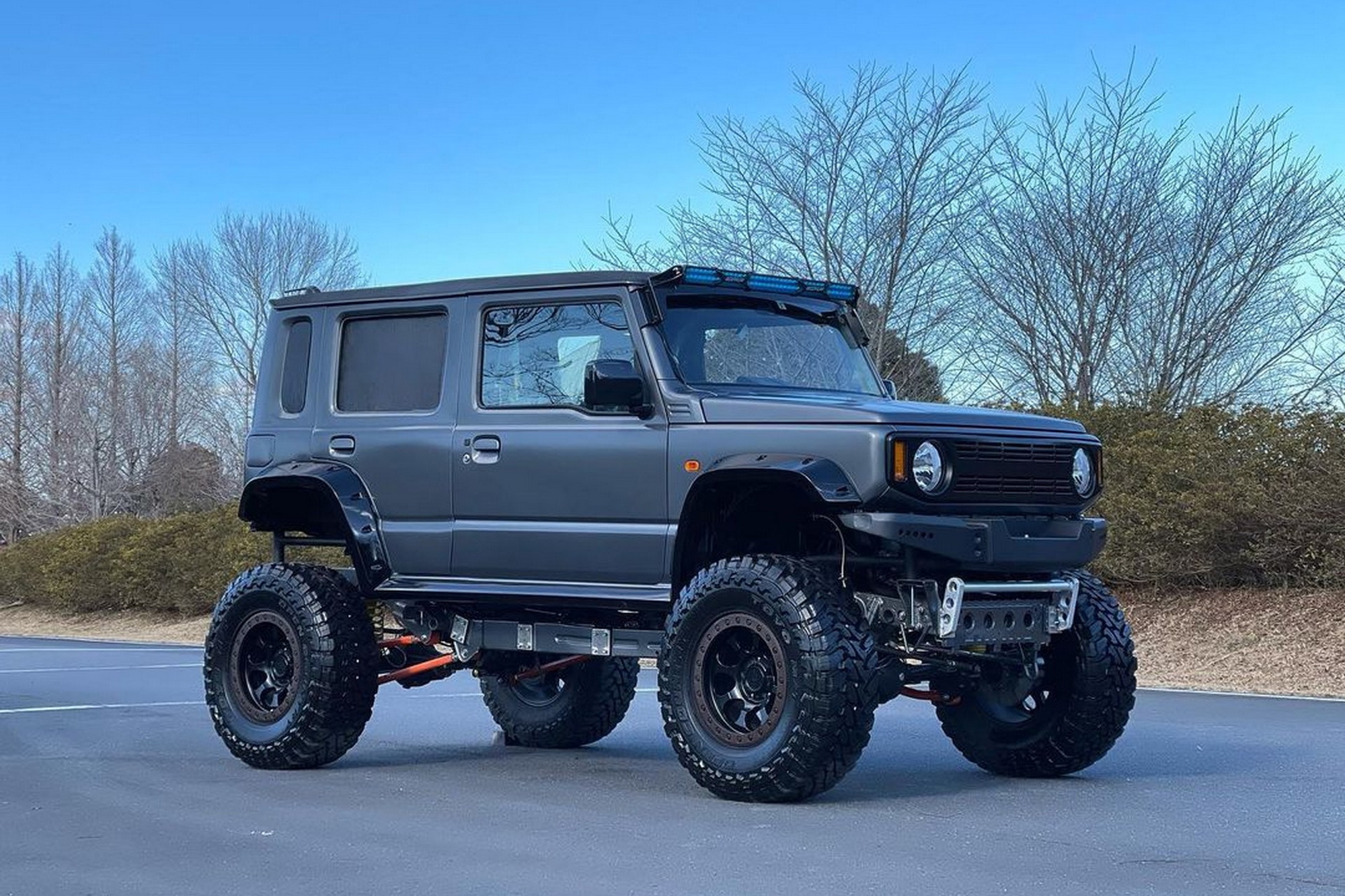
The next issue is unsprung weight. Aggressive tyres weigh significantly more than the average 50/50 tyre, like Grabber AT3. This can be over 4 to 5 kg per tyre. The shock absorber now has to contend with the extra inertia of that heavier wheel as it compresses and extends the damper over irregular surfaces. The heavier rotational mass also requires more power to turn the heavier wheel, impacting performance and fuel consumption. This is not that apparent on heavy and powerful vehicles, but becomes huge on a vehicle such as Suzuki’s brilliant little Jimny. With moderate power and torque coupled with standard suspension, which is nothing more than adequate, the Jimny is properly compromised by fitting aggressive tyres, where ultimately the only benefit is how cool it looks. In the real world, you have completely compromised function for form.
The weight and rugged construction designed around a single extreme application can, and generally does, seriously affect the ride quality of your vehicle. The obvious way to compensate for the harsh ride is by running lower tyre pressures, which creates other possible problems. Low tyre pressures, with the greater tyre distortion that happens, result in heat, which in extreme cases can result in delamination and catastrophic tyre failure.
The other factor, which may not sound like a biggie, is noise. Aggressive tyres constantly remind you of their aggressive tread pattern in an audible, and often maddening fashion. Around town, it is not really an issue because you are constantly accelerating or decelerating, so the tyres do not assault the eardrums with a horrible howl as they do on the open road, where you maintain a constant speed. It gets so annoying that you eventually want to do push-ups on your penknife! Grabbers whisper along, doing their job without fuss or fanfare.
Why We Chose the Grabber AT3
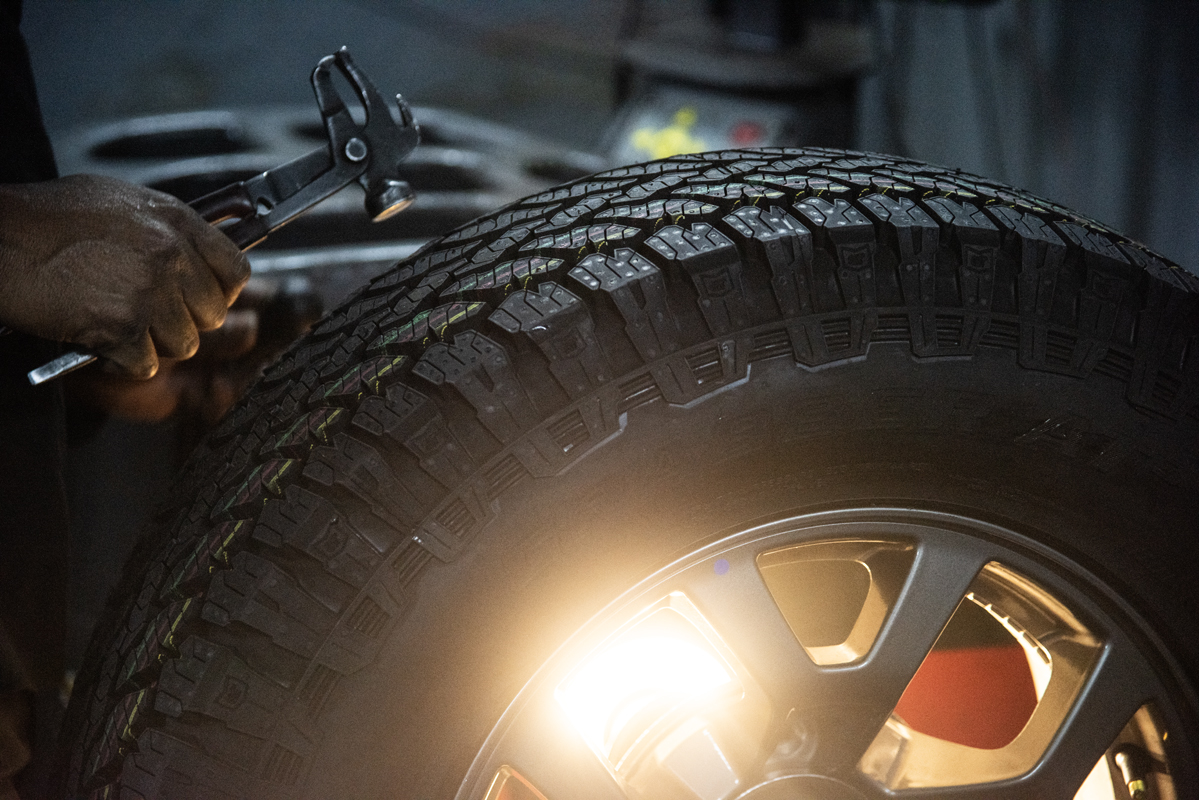
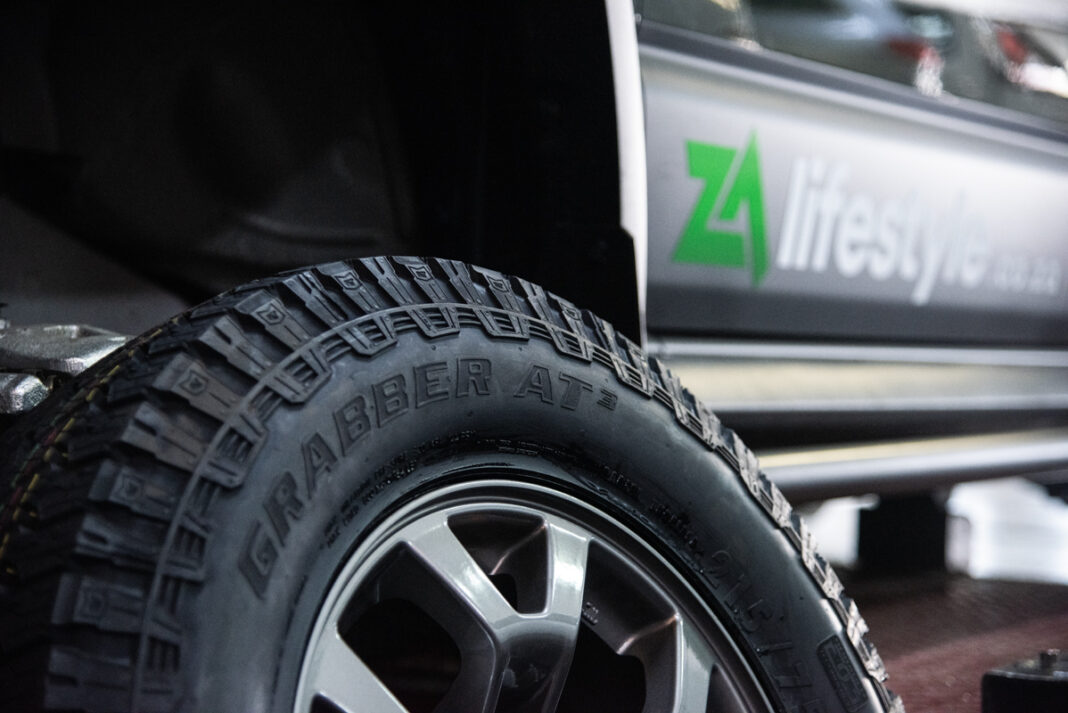
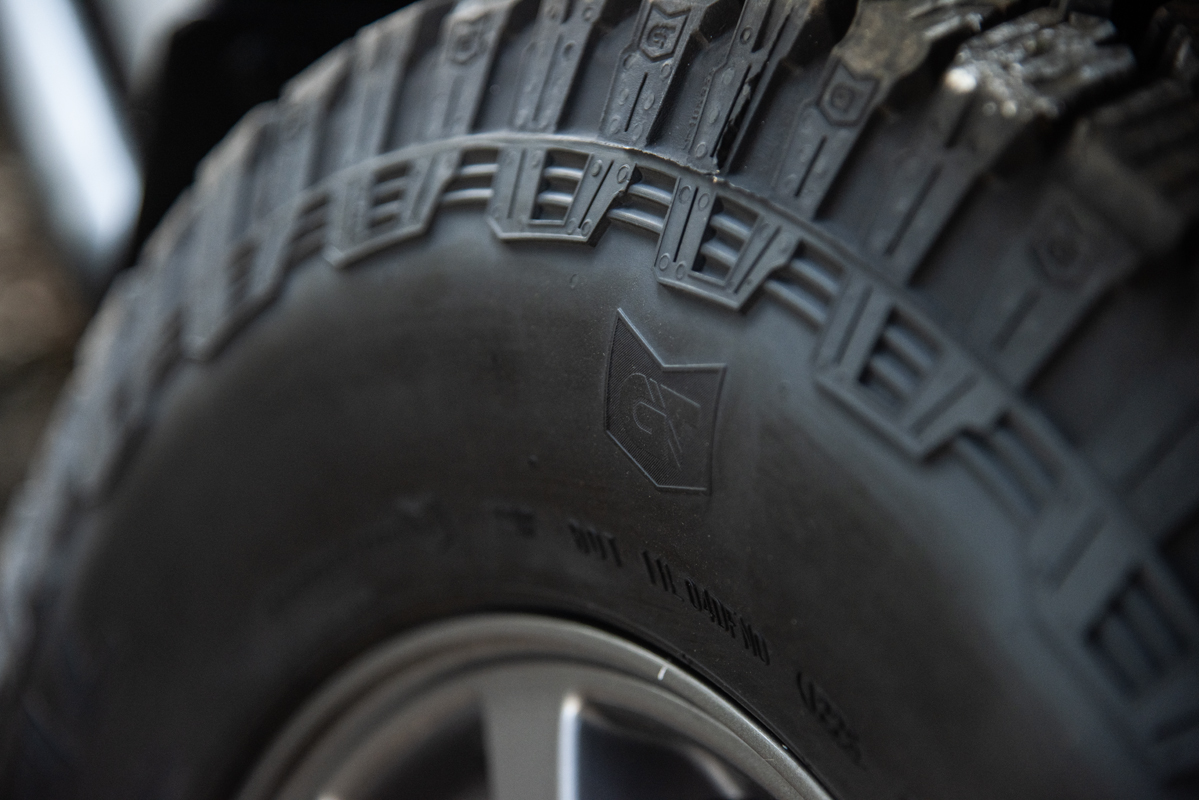
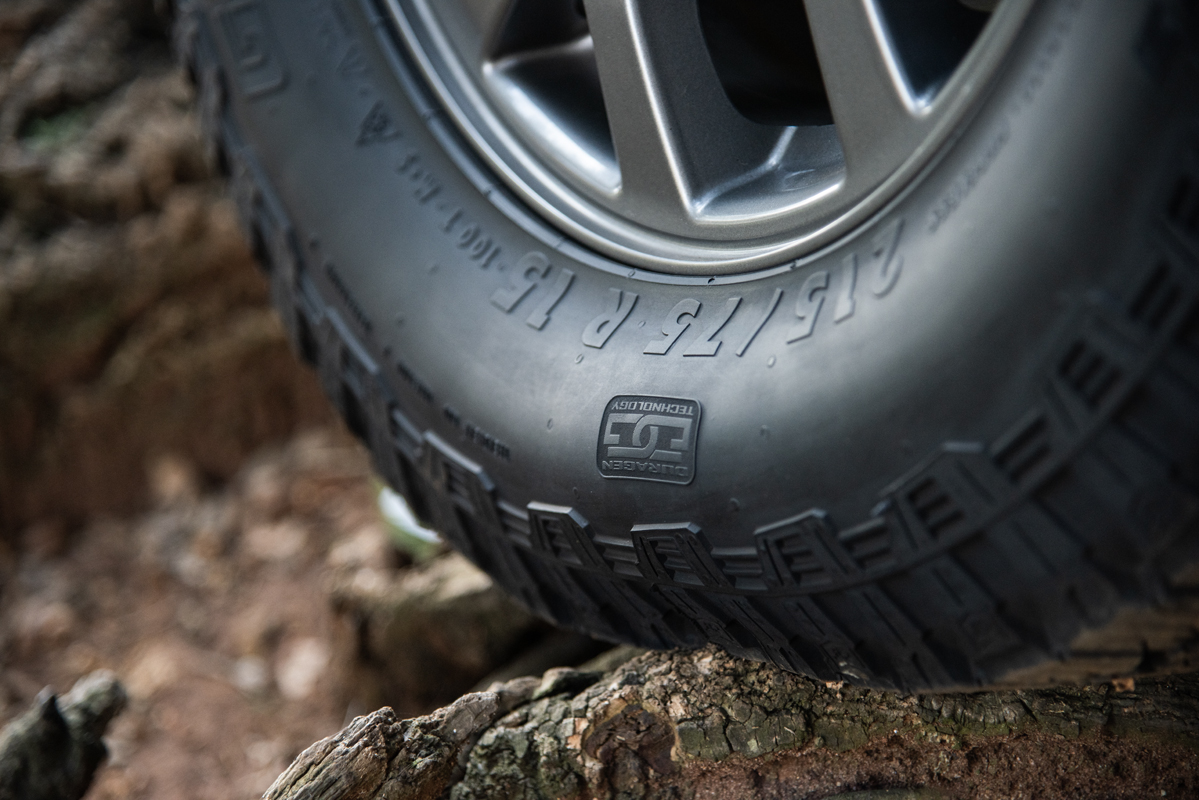
General has built their Grabber AT3 as a genuine all-terrain 50/50 tyre. The 50/50 suggests that it will work adequately in both a road and an off-road application. The trick is to build a tyre that does not feel compromised in either environment. After literally doing thousands of kilometres on these tyres all over southern Africa on all road conditions, I can categorically confirm that they do the job admirably. The tread pattern works both on and off the road. The two-ply construction allied to the tread pattern does not compromise your ride quality or stress your suspension unnecessarily. You can run the tyres at the manufacturer’s recommended pressure without worries.
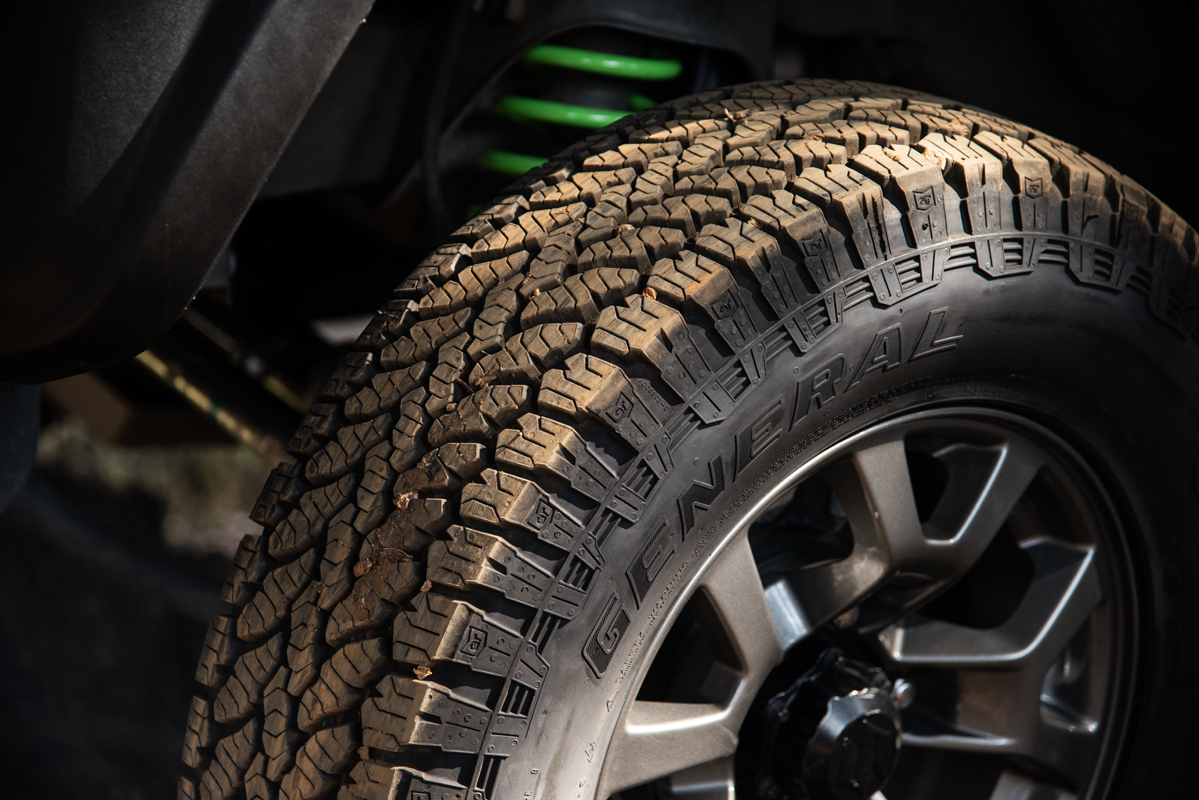
So, at the end of the day, function needs to be the deciding factor if you want to enjoy the best that your vehicle is capable of, irrespective of where you drive. General’s Grabber AT3s hit that sweet spot of optimising form and function. They look cool, but even more importantly, they work everywhere without ever trying to announce their presence. We did our Botswana trip and enjoyed the safety and performance that the Grabbers provided with total peace of mind. They may not be the absolute best at any one aspect of tyre performance, but they are absolutely brilliant all-rounders. They are to tyres what the BMW GS is to Adventure motorcycles. Without shooting the lights out in any one area, they give a uniquely satisfying all-around performance. For vehicles that spend their lives travelling between tar, gravel and occasional technical terrain, the best tyre is rarely the most extreme one. It’s the one that gets every job done well.
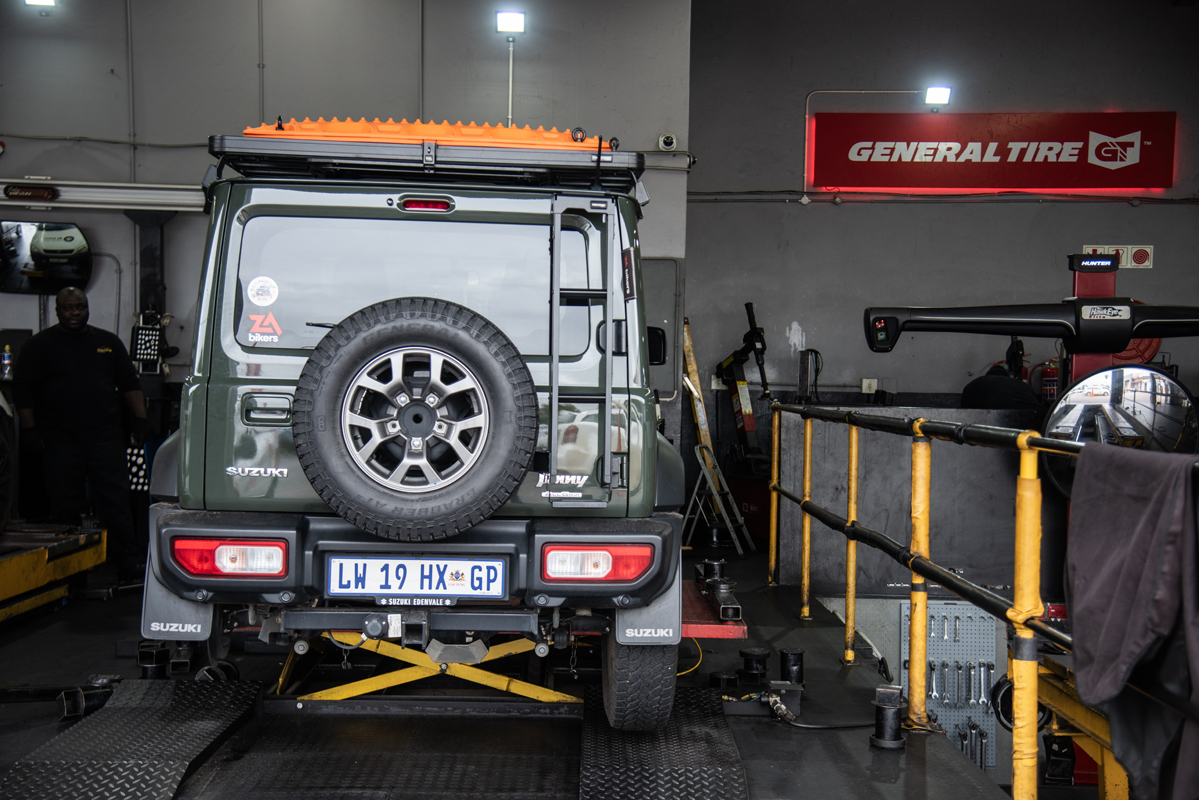
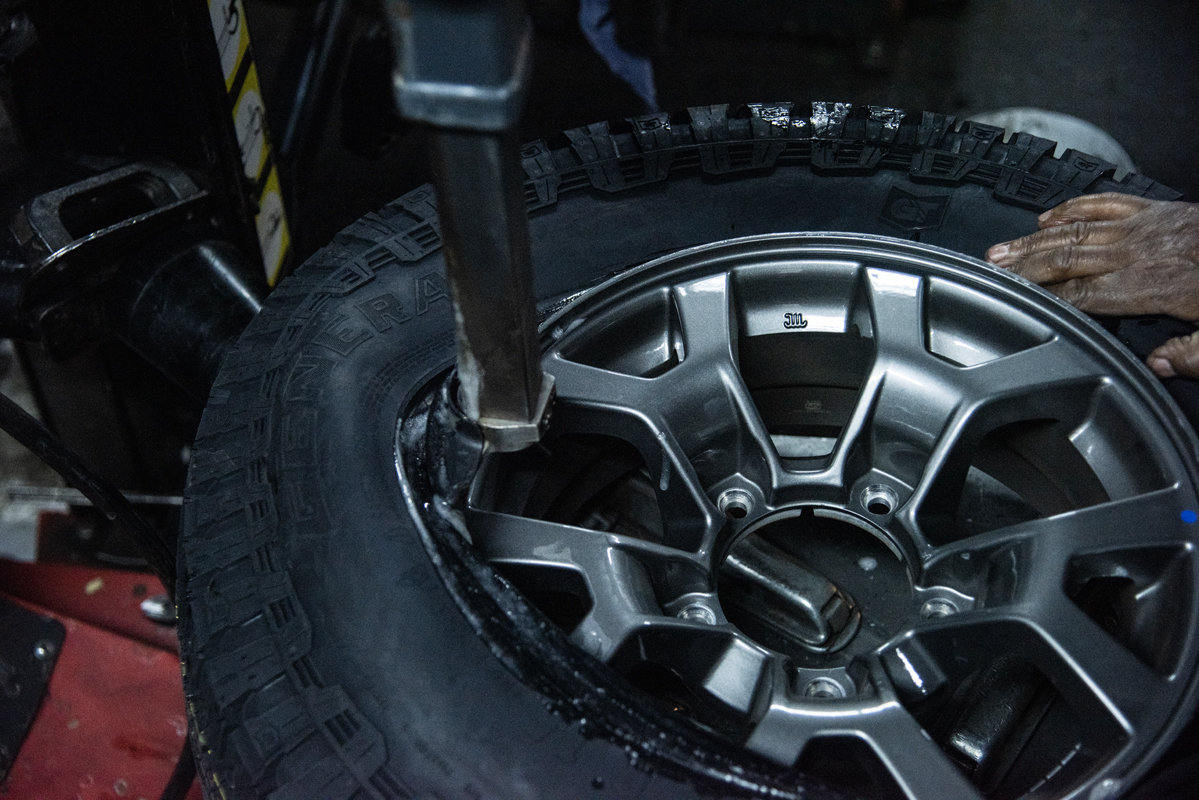
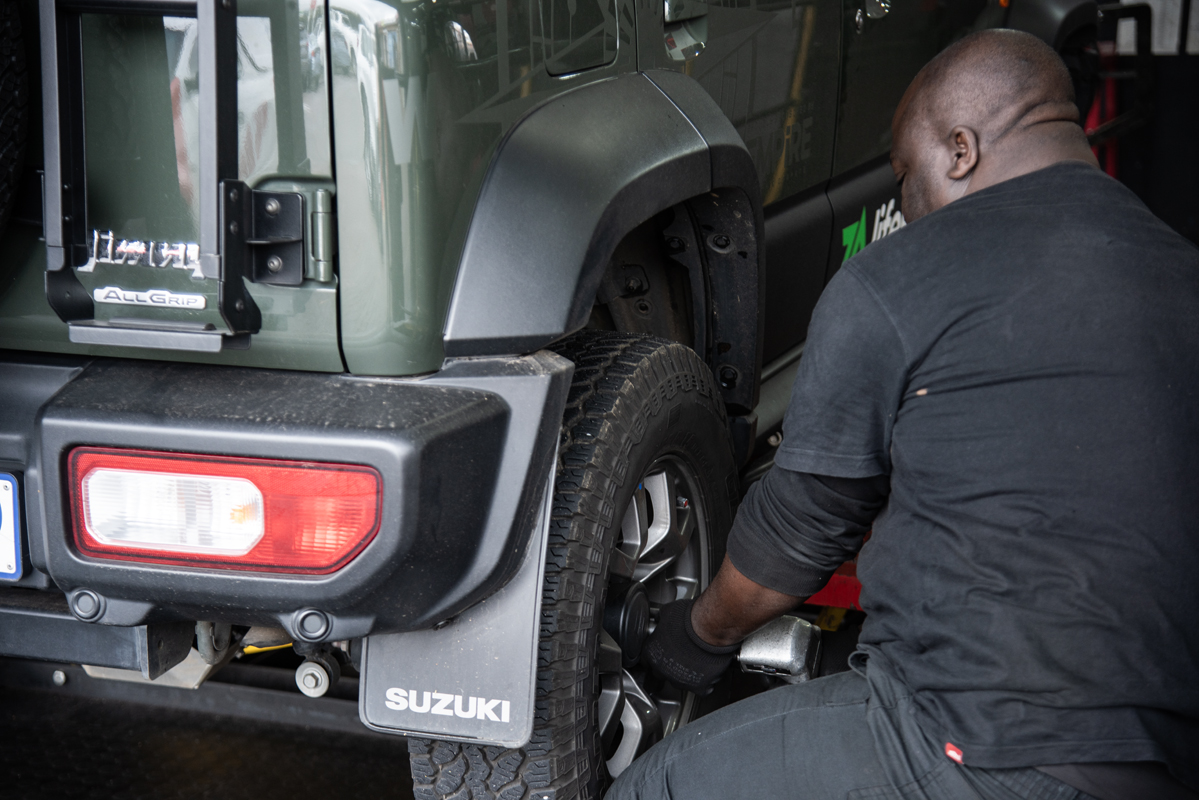
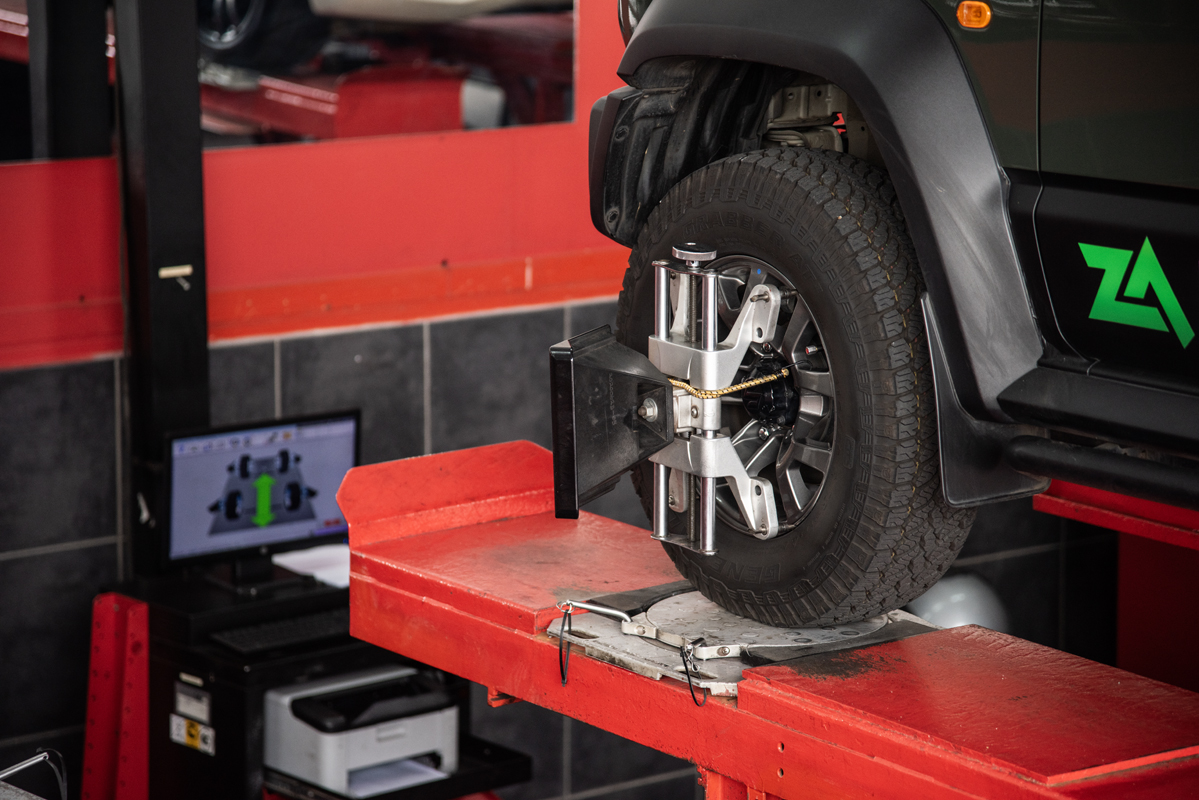
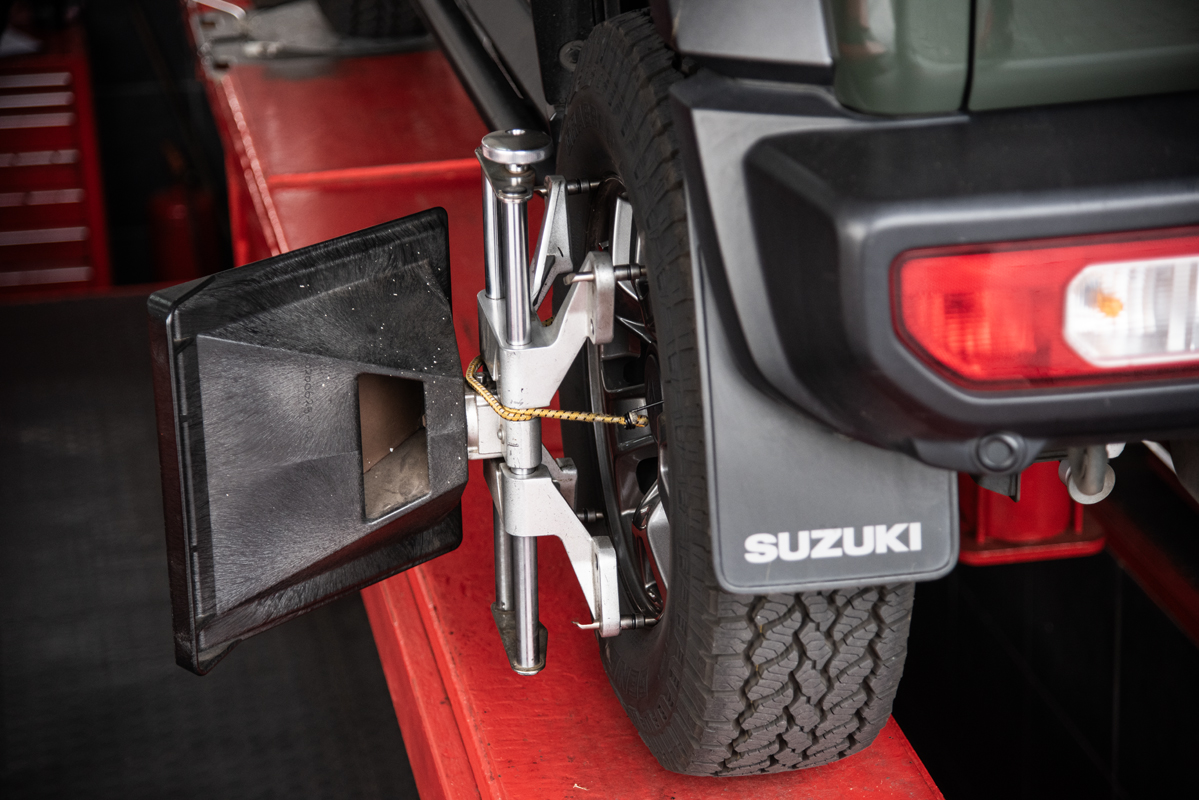
A special shout-out to Best Drive Bryanston, who fitted the tyres and carried out the necessary wheel alignment. The service was outstanding: professional, kind, friendly, and efficient, with technicians who were clearly very knowledgeable about the General Tire brand. We would definitely recommend them.
For more information on General’s Grabber AT3, visit: www.generaltire-tyres.com
With the tyres sorted, the next chapter of our Jimny 2.0 build begins. Suspension is up next, followed by a range of carefully chosen upgrades as we continue shaping our long-term project vehicle into the ultimate micro overlander.