



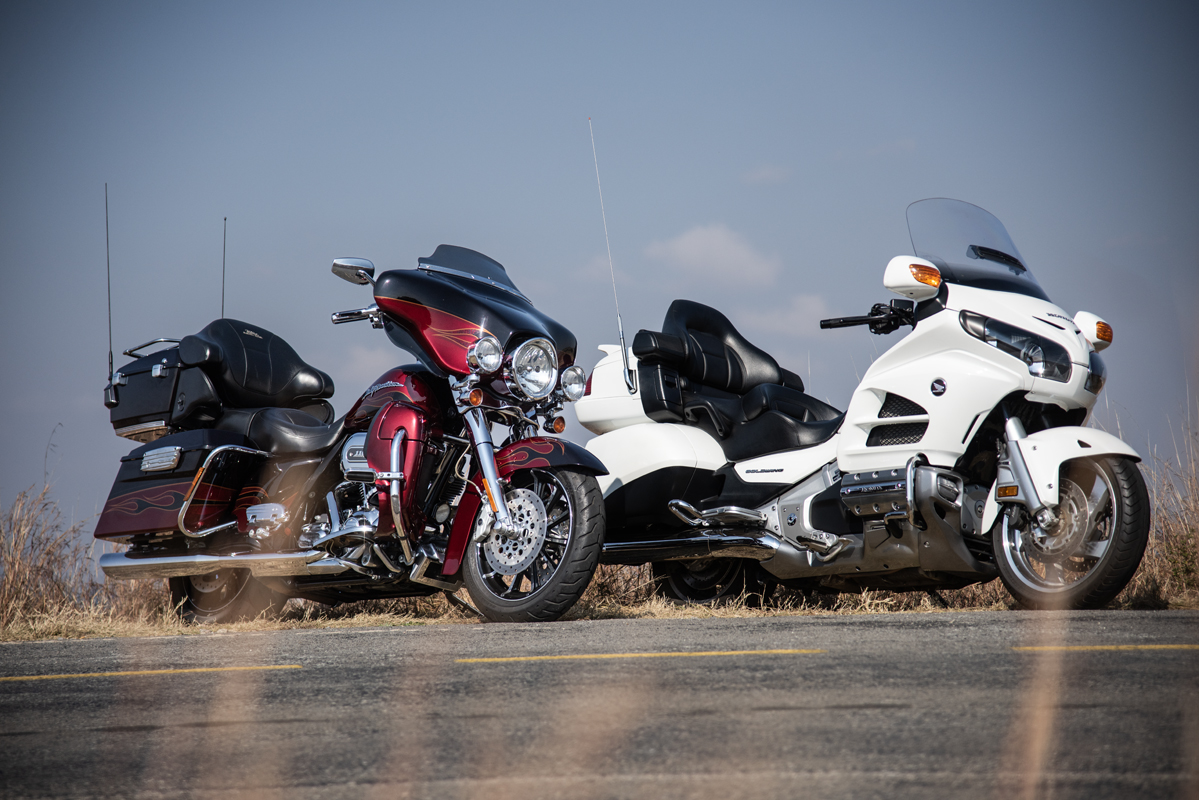
If your motorcycle riding comprises 15 to 20 km from home to office every day, in other words, purely practical non-leisure riding, then you will look at both of these leviathans and wonder just what on earth the manufacturers were thinking, if they were thinking at all!
Two questions spring immediately to mind: why do they need to be that big, and how can something so big and bulky be in any way good to ride? The answers to those questions cannot possibly be answered without riding them and, once you do, a whole new world of riding possibilities opens up.
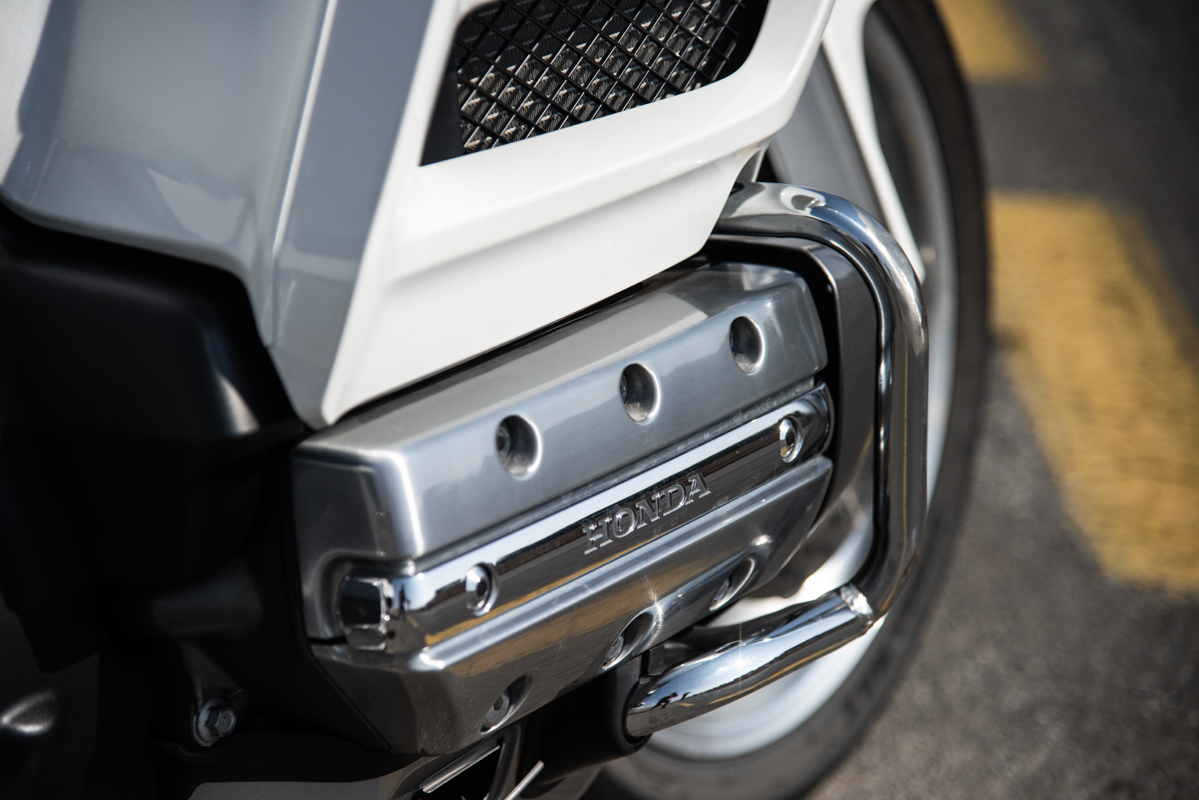
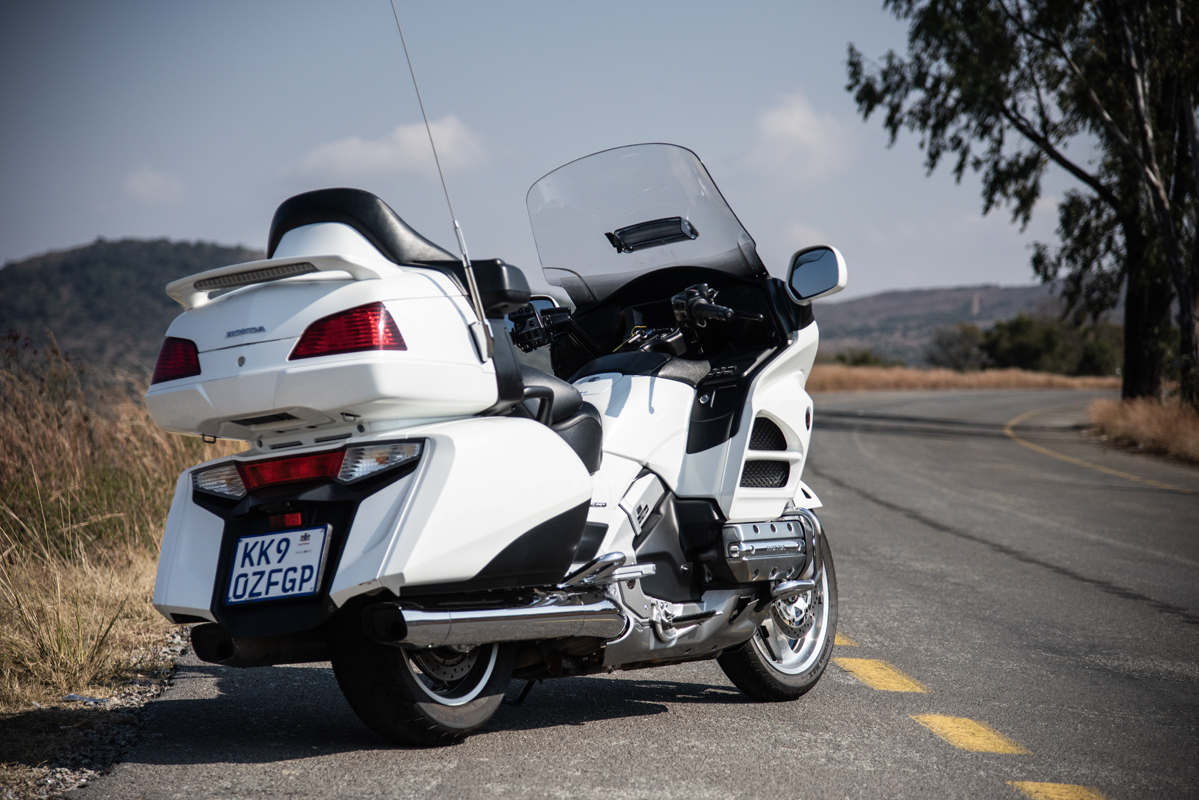
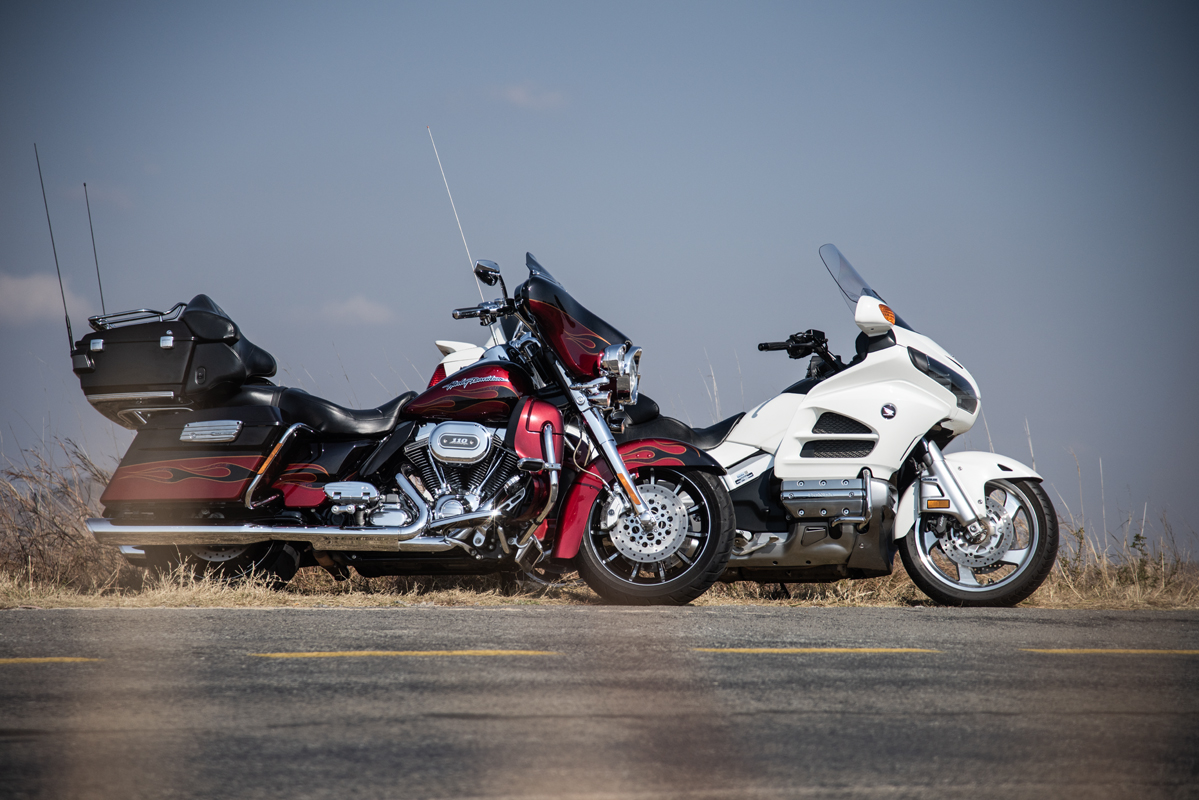
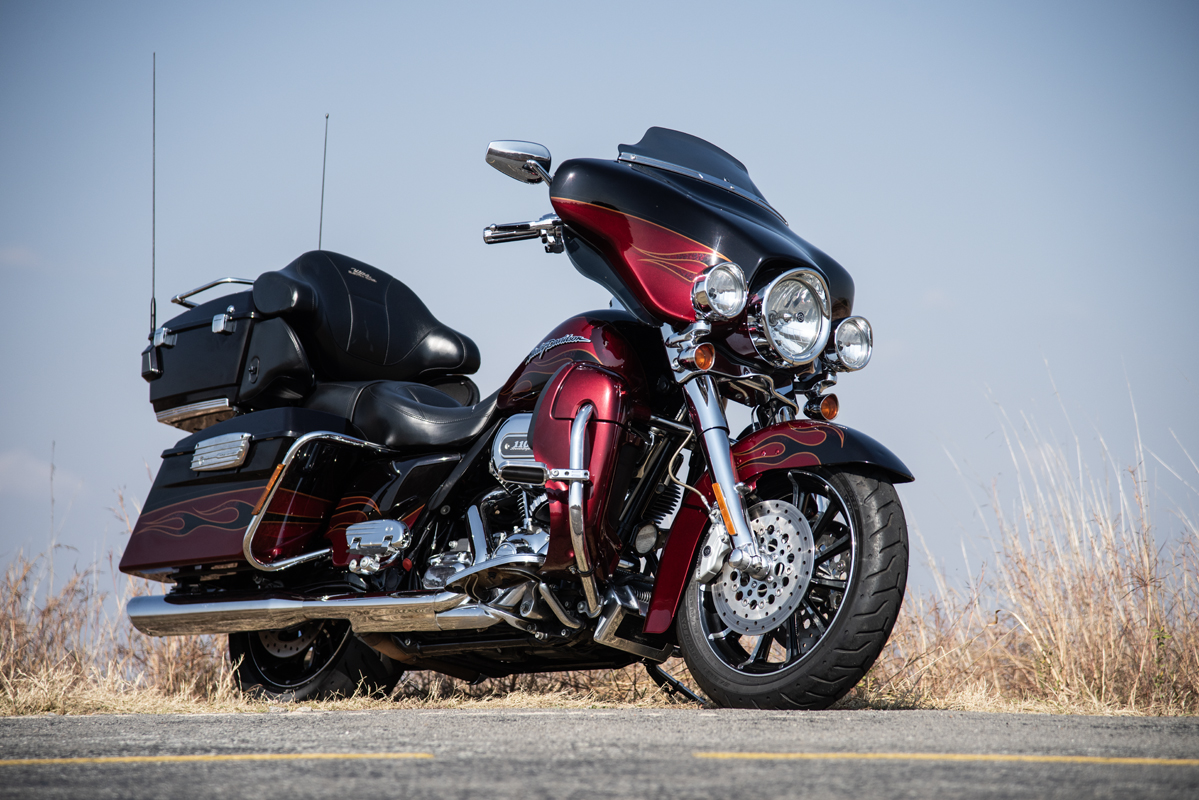
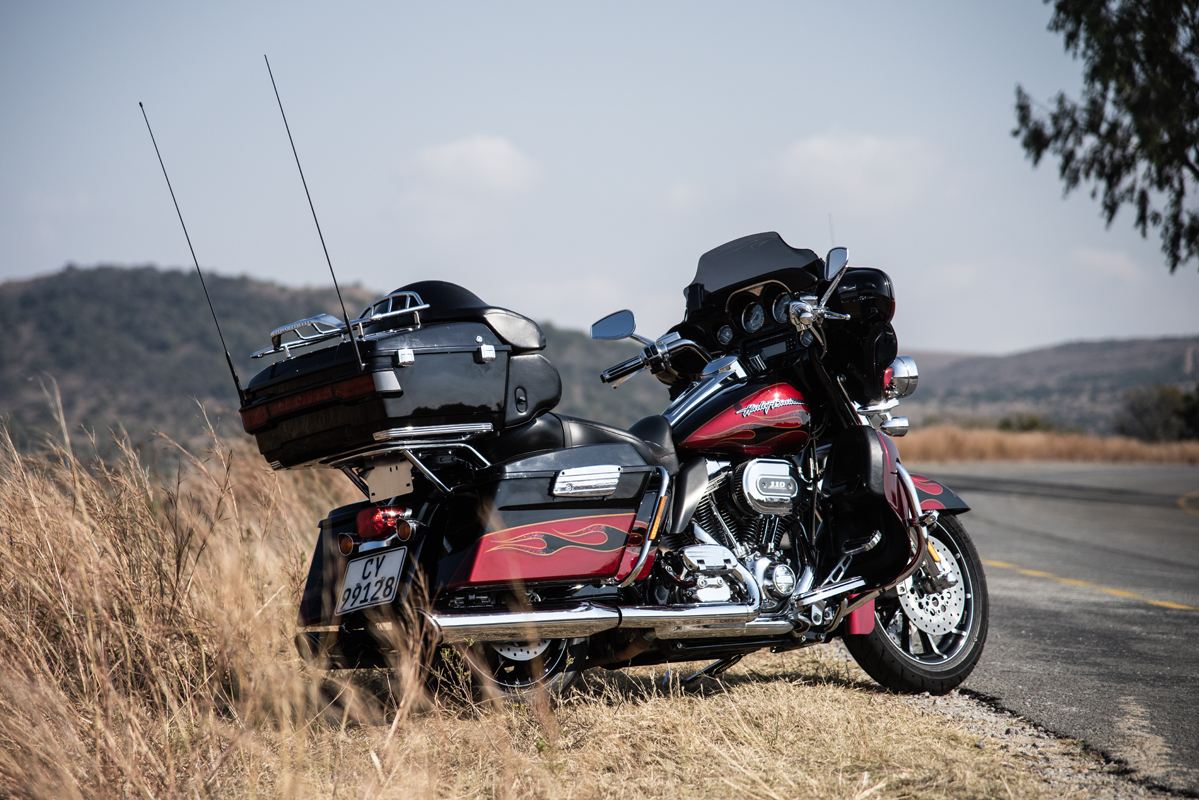
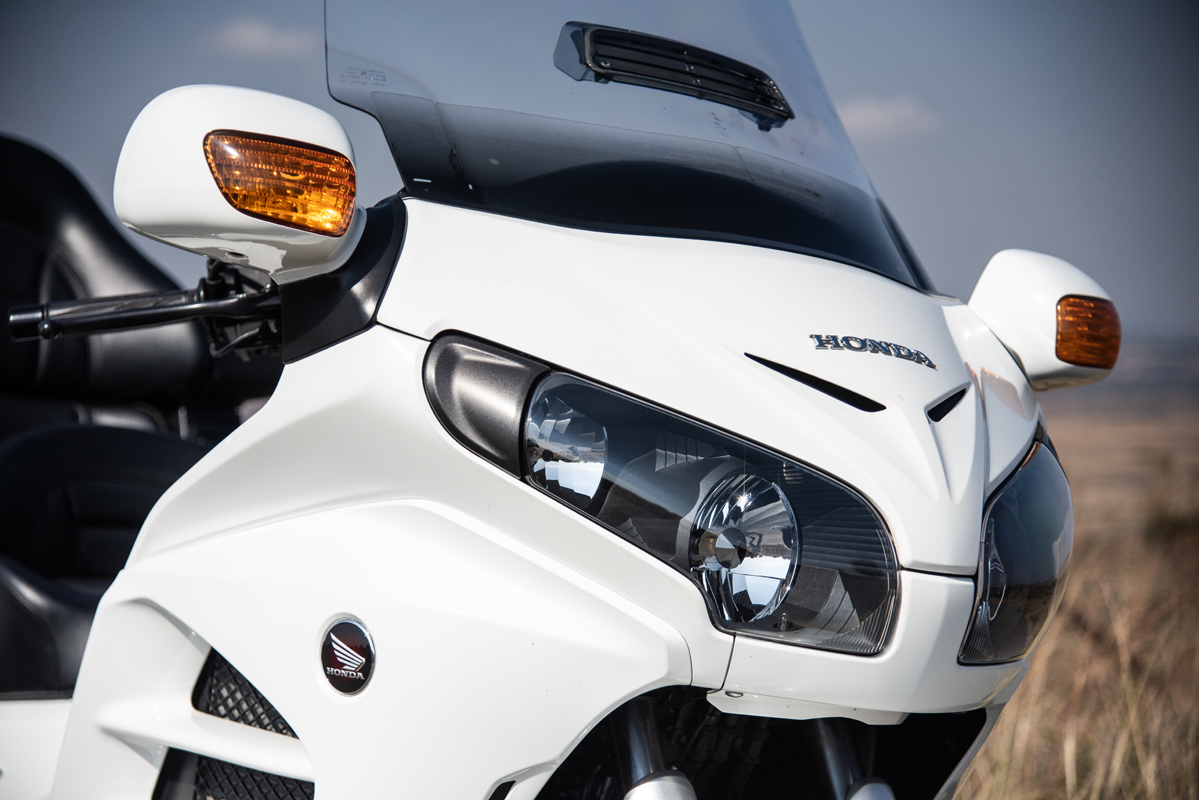
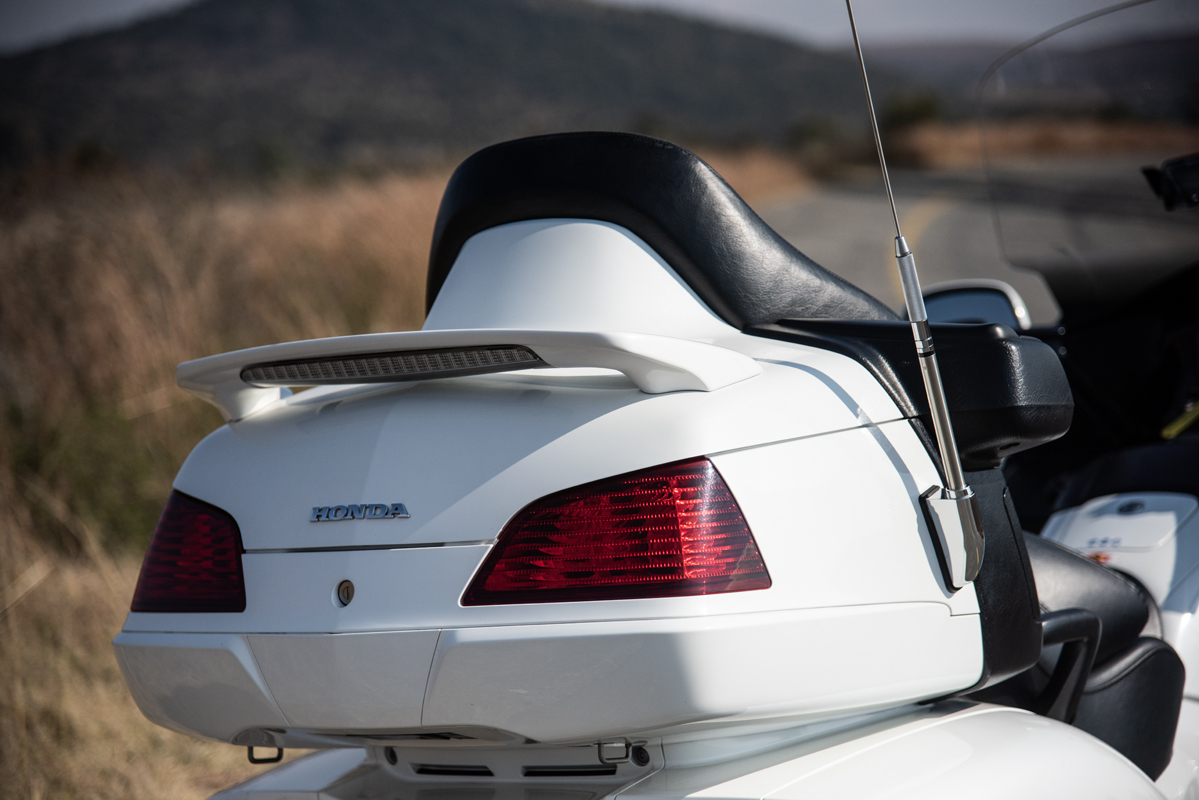
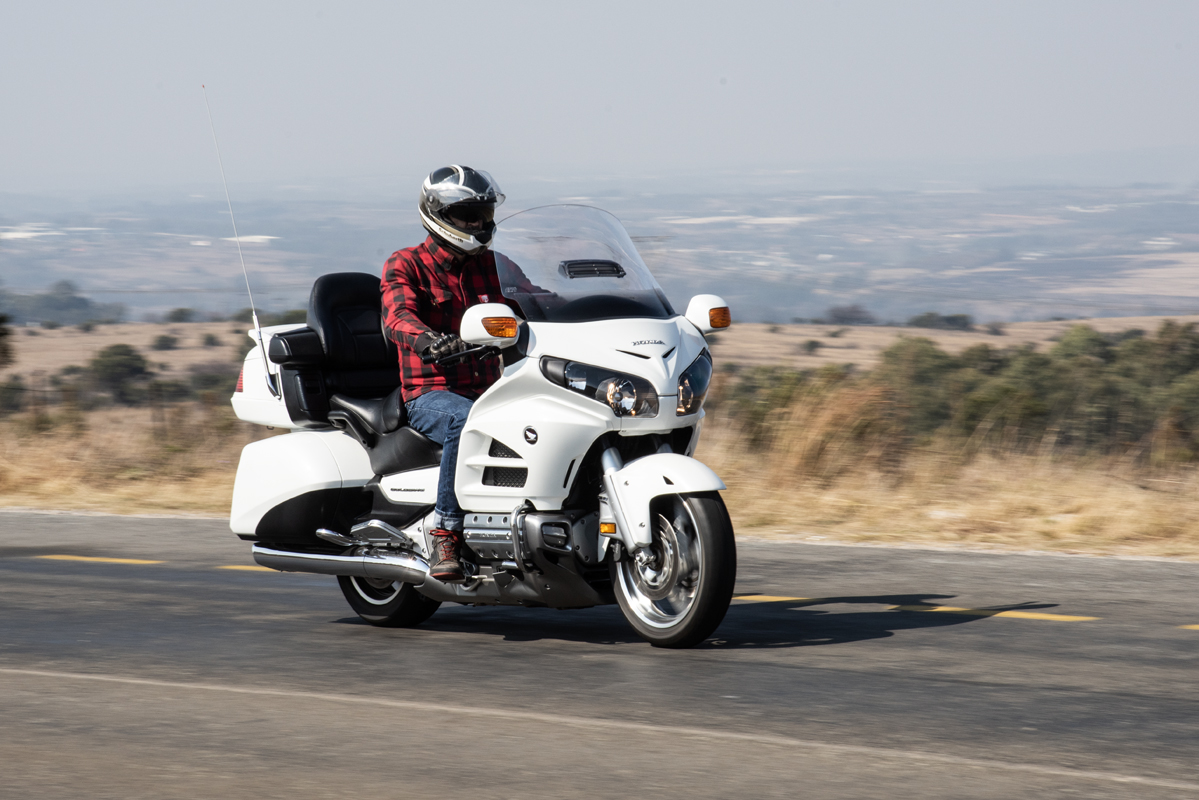
There is no denying that these are seriously big motorcycles; weights of 410 kg for the Honda and 385 kg for the Harley are one thing, but it’s the sheer physical bulk of this pair that beggars belief. The Honda is almost completely swathed in brilliant white bodywork, and you are tempted to look for the extra pair of wheels, so big is it. The rear wheel looks completely lost underneath the rear bodywork comprising the top box and panniers. Only the visible cylinder heads give any indication that this is powered by an engine and not some antimatter fusion converter. The Harley, at least, has visible mechanicals and has a beautiful factory paint job, but there’s no hiding the fact that in both these examples, there is an awful lot of motorcycle.
So, they’re both huge, heavy and designed for one thing only: distance-no-object riding. As always, however, that’s only the visible tip of the iceberg.
Built for the Long Haul
You could argue that Harley-Davidson has been making the Electra Glide Ultra-type of motorcycle for at least 50 years (so they should have got it right by now!) In essence, that’s completely accurate; modern Harleys have the Softail rear end in place of a traditional twin-shock setup, and the venerable V-Twin engine design has evolved, but at a glacial pace, so what you are riding today has a clear lineage dating back decades. But it still works well.
The Honda Goldwing can also trace its lineage back to the 1970s, 1974 to be exact, when the original GL1000 made its first appearance. It’s hard to believe now, but Honda envisioned the Gold Wing as a large sports bike; the iconic CB750 had set the template, and the 1,000 cc Gold Wing was to be the company’s ultimate sporting statement.
However, Honda soon realised that customers were using the Gold Wing mainly as a long-distance touring machine and so reconsidered the bike’s design objectives, turning it into a full touring model with the North American rider in mind, necessitating comfort, wind protection, a smooth ride, luggage storage and plenty of power. Rather than designing a whole new bike to fill this rôle, Honda realised that their own customers had shown them the perfect platform for creating such a bike.
That’s where the legend was born, and it has been with us ever since. Interestingly, the prototype had a flat-six engine, mounted longitudinally, but this caused the wheelbase to be too long, so a shorter flat-four was used. Only later, in 1987, with the development of the flat-four reaching an end, was the flat-six re-introduced, in no small part to keep the power output in line with the ever-increasing bulk. This fourth-generation Gold Wing, known as the GL1500, also debuted the full body enclosure, which has been a feature of the model ever since, further enhancing the comfort.
The Gold Wing Experience
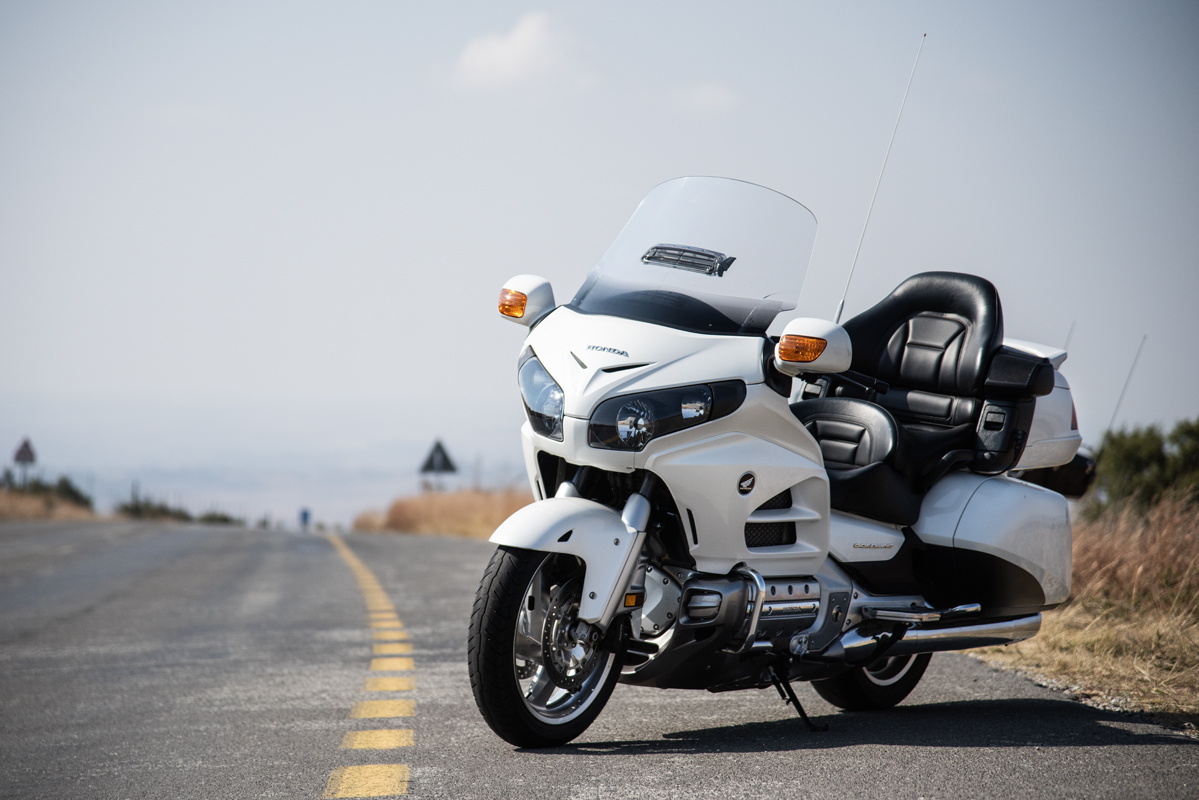
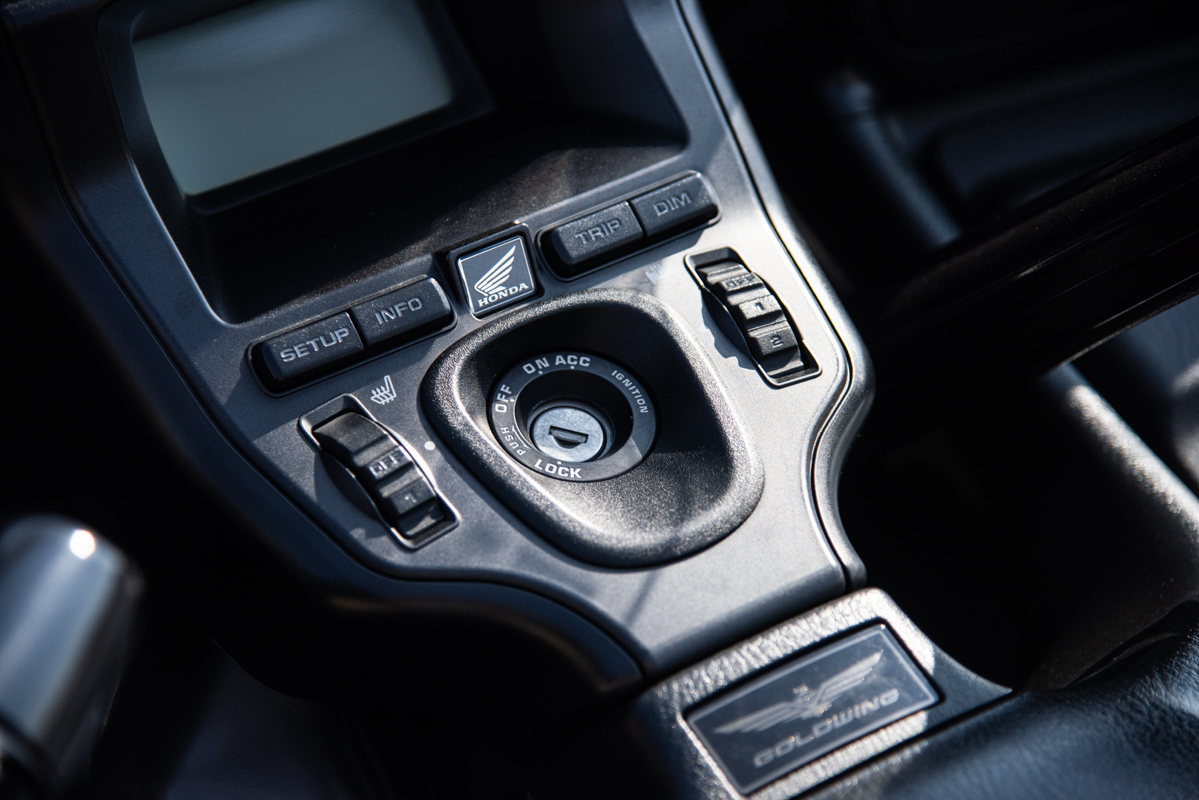
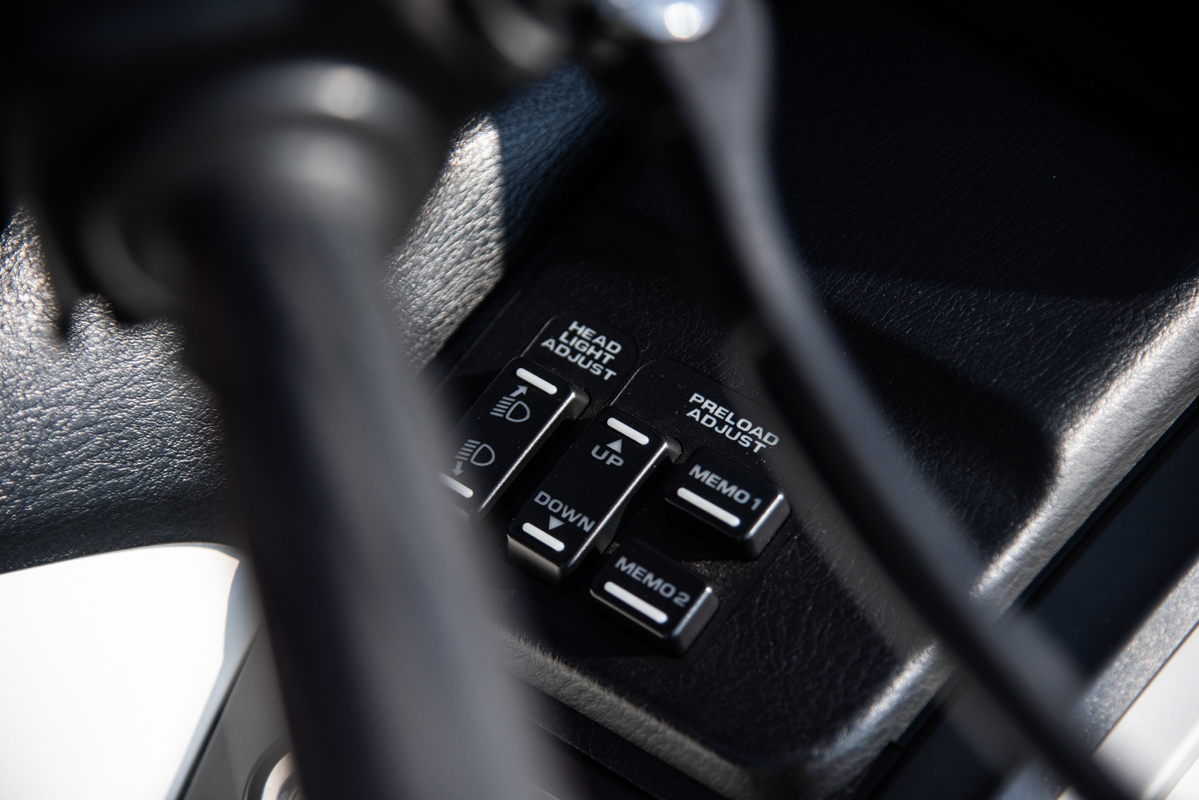
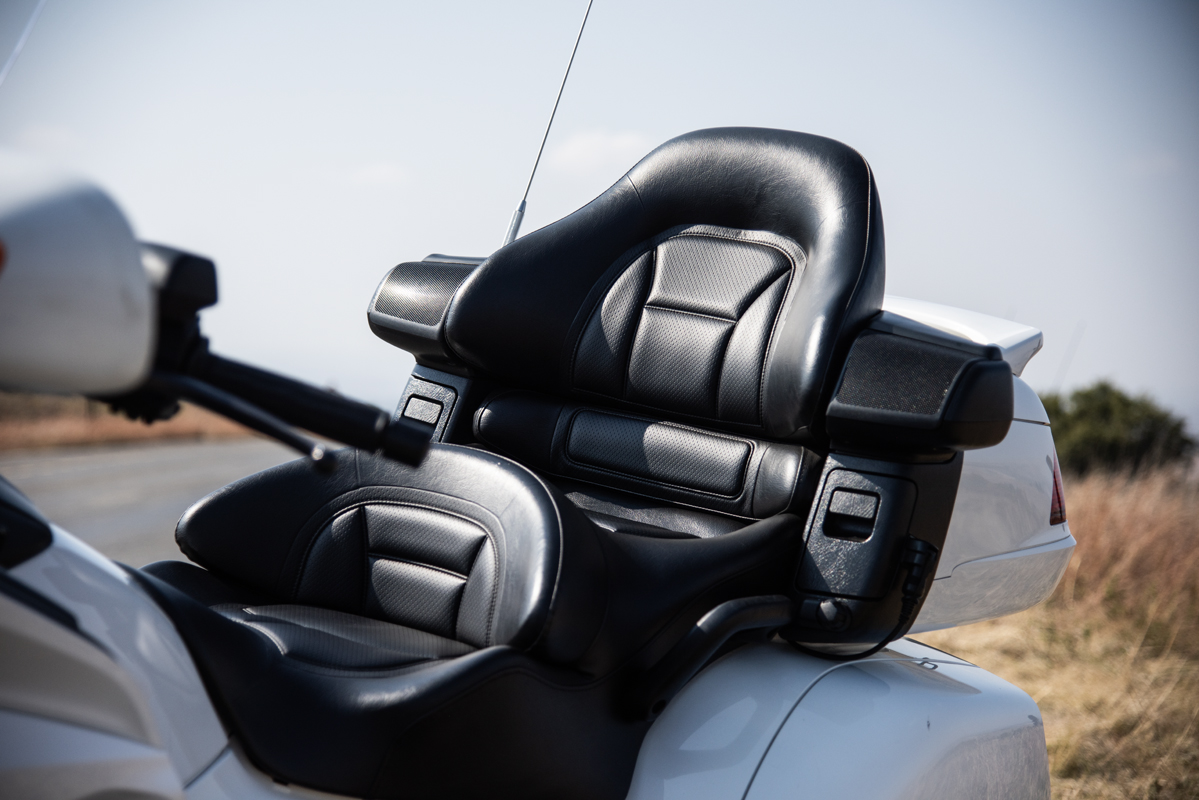
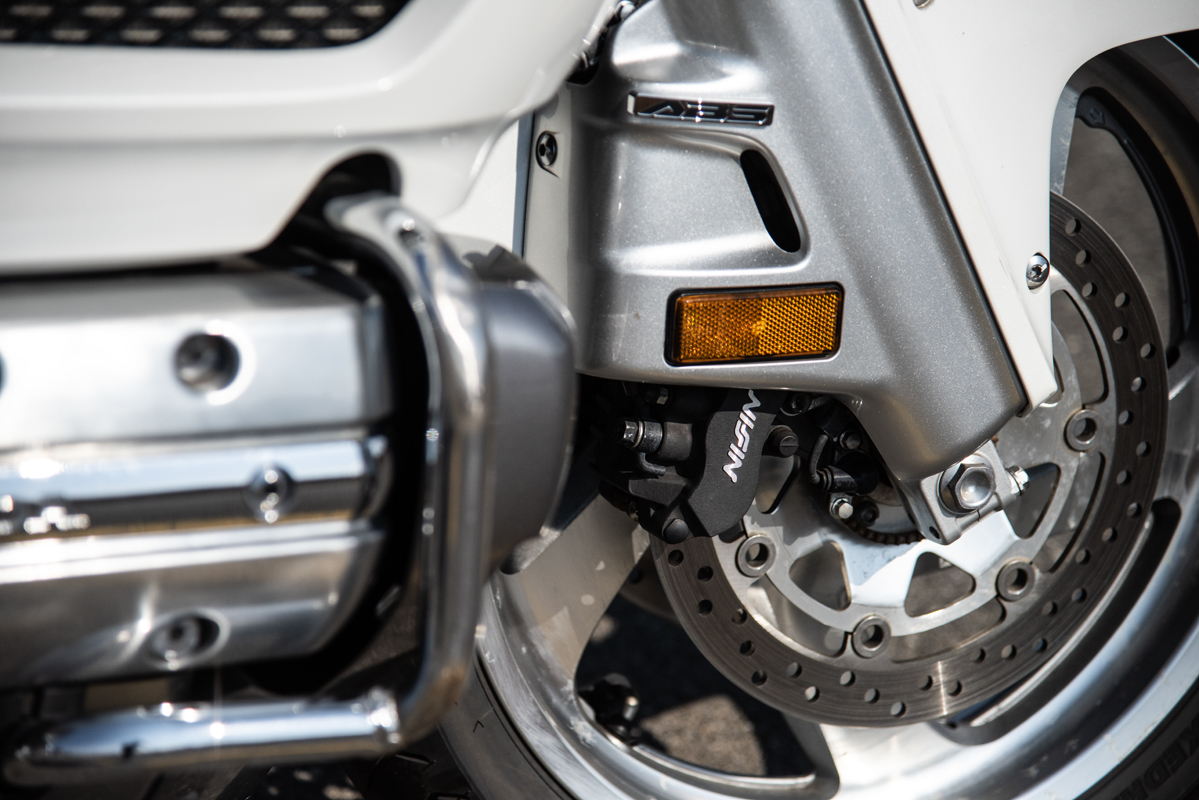
The model seen here is a GL1800, the last of the “old” Gold Wings, before the 2018 redesign and reengineering. In the flesh, it is unbelievably imposing, and you wonder how on earth you are going to ride it with any degree of control. That you can is, of course, obvious, but it is the level to which you very quickly feel comfortable piloting so much weight and bulk that is the real achievement.
It helps that the majority of the weight is worn low down, thanks to the flat engine, and the overall balance is exceptional, so that from very low speeds you can place feet on the foot pegs and feel completely in control. But this is a bike for the open road and, in that environment, you have to understand that this is one of the most deeply impressive bikes I have ridden in a 40-year riding career.
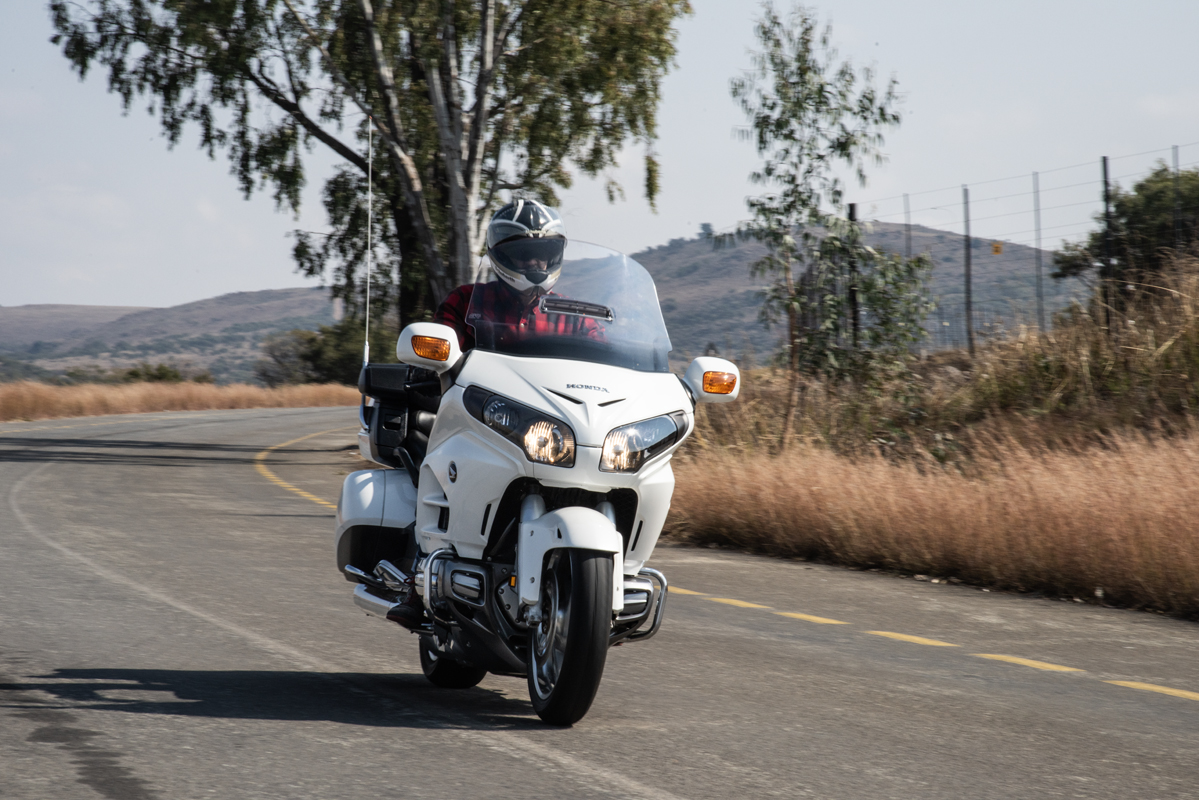
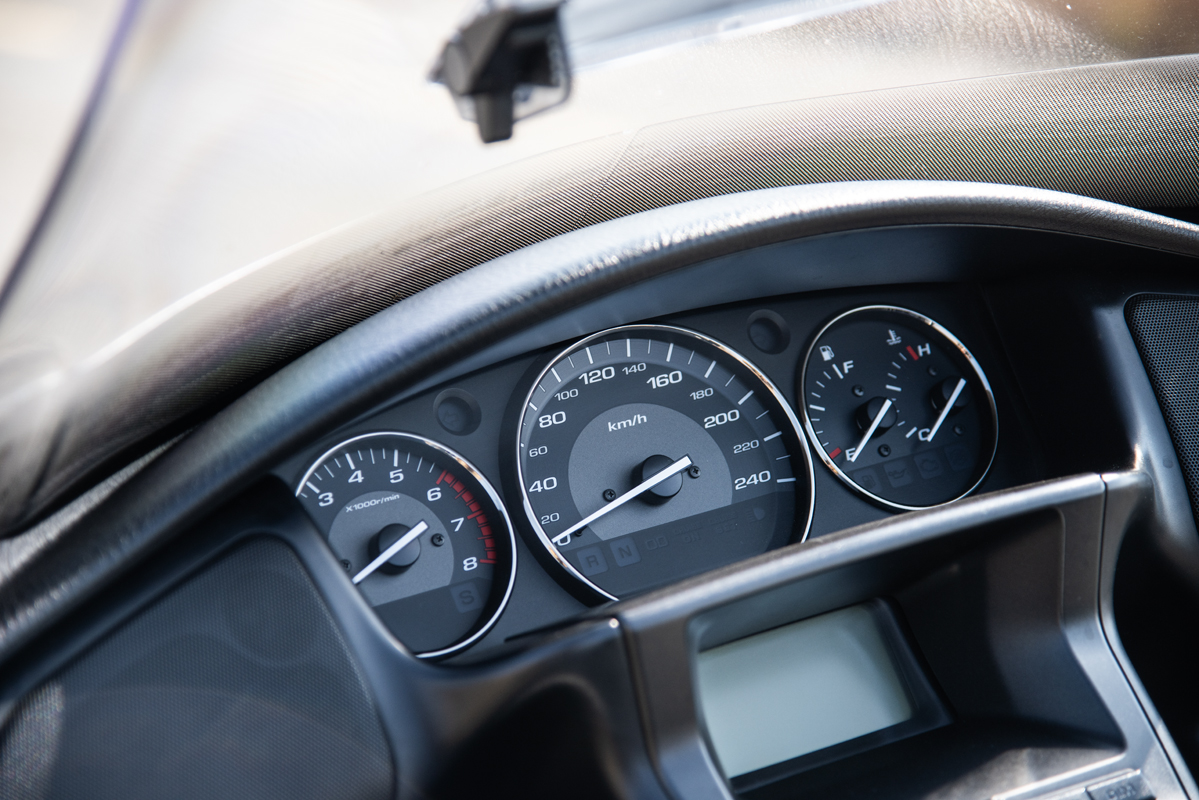
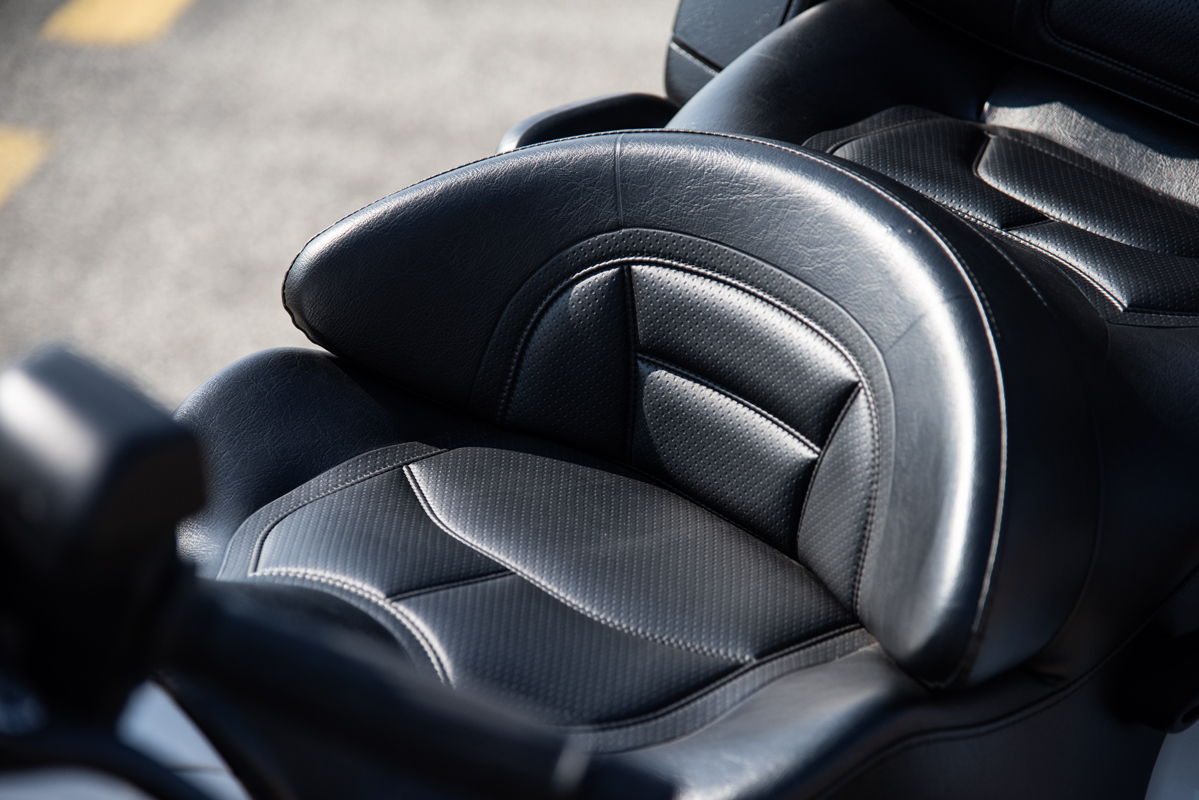
The way you are cossetted and insulated from both the road surface and everything that is happening around you is uncanny. On the highway, you waft along, seemingly on a cushion of air and a wave of turbine-smooth power, and there is no difference – to the rider – to riding at 100 km/h or 180 km/h; no more fuss or drama, either mechanically or physically on the rider, the only thing that changes is how fast the scenery flashes past.
Leave the highway and take to the open country roads, and the story barely gets any worse. If a winding, twisty road isn’t this bike’s forte, then it certainly isn’t a disaster. No, you’re not throwing it around like a large adventure bike, but neither are you tiptoeing around corners. Nimble it might not be, but it is supremely secure and, once on a line through a corner, nothing will divert it. If the suspension has to work extra hard to contain the weight, then it doesn’t show it, which shouldn’t really be a surprise, because if Honda doesn’t know how to engineer a bike, then no one does.
The Harley Experience
What is just as surprising is that the “old-school” Harley-Davidson gives very little away to the “modern” Gold Wing. Harley engineering is basic, at best, but basic is sometimes a good thing because the engineers and designers aren’t getting into a muddle trying to be clever.
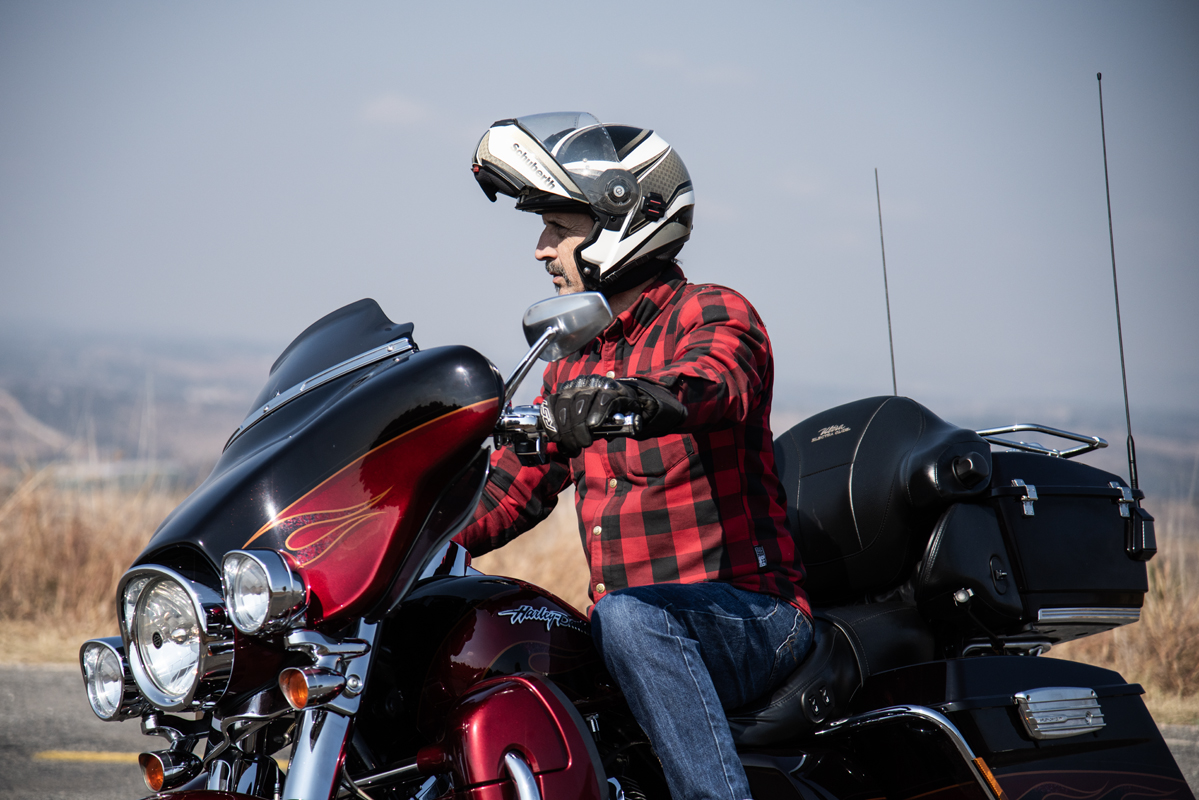
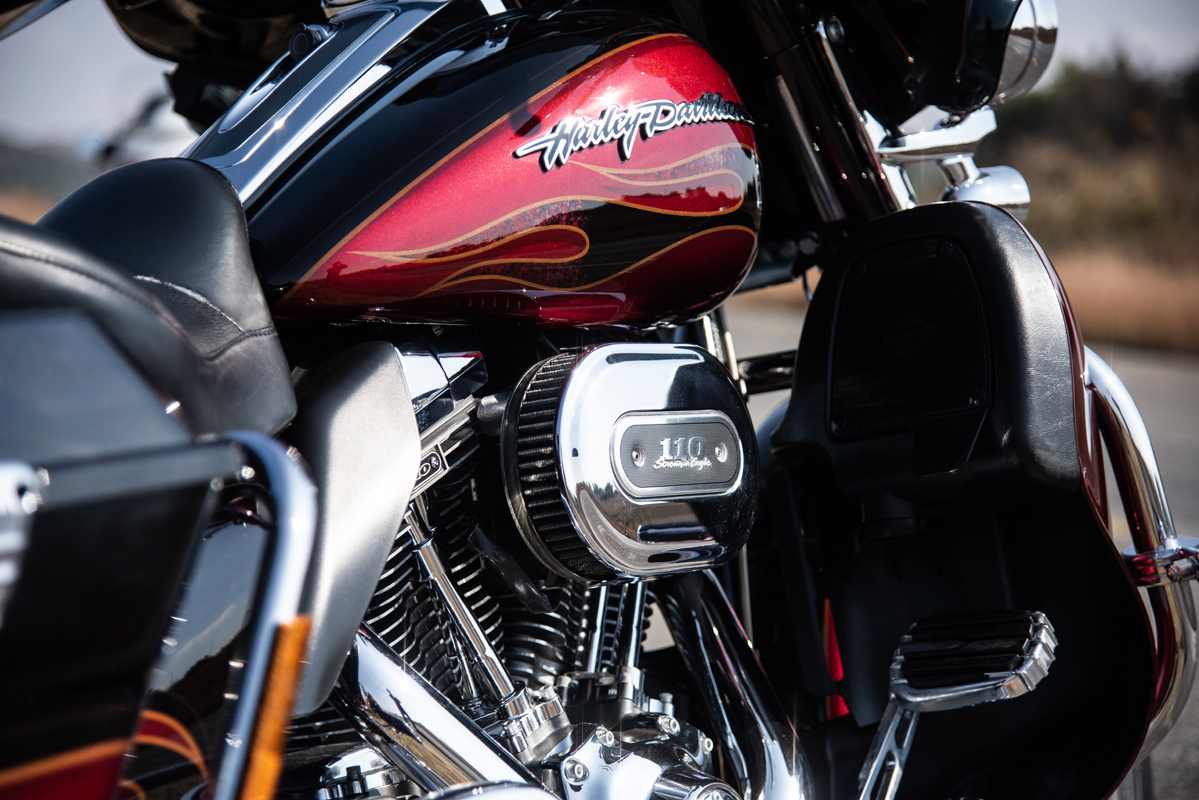
The Electra Glide Ultra Classic does everything the Honda does, but in its own distinctive way. It’s impossible to put a finger on it, but you know you’re riding a Harley and, no, it’s not the vibrations! Harley V-twins of the last thirty years have been pretty smooth, culminating in the Milwaukee-8 engine that rewrites the rule book for an engine that has two enormous pistons going up and down (a LOT of rubber in the engine mountings no doubt helps here). This particular bike has the previous Twin Cam engine.
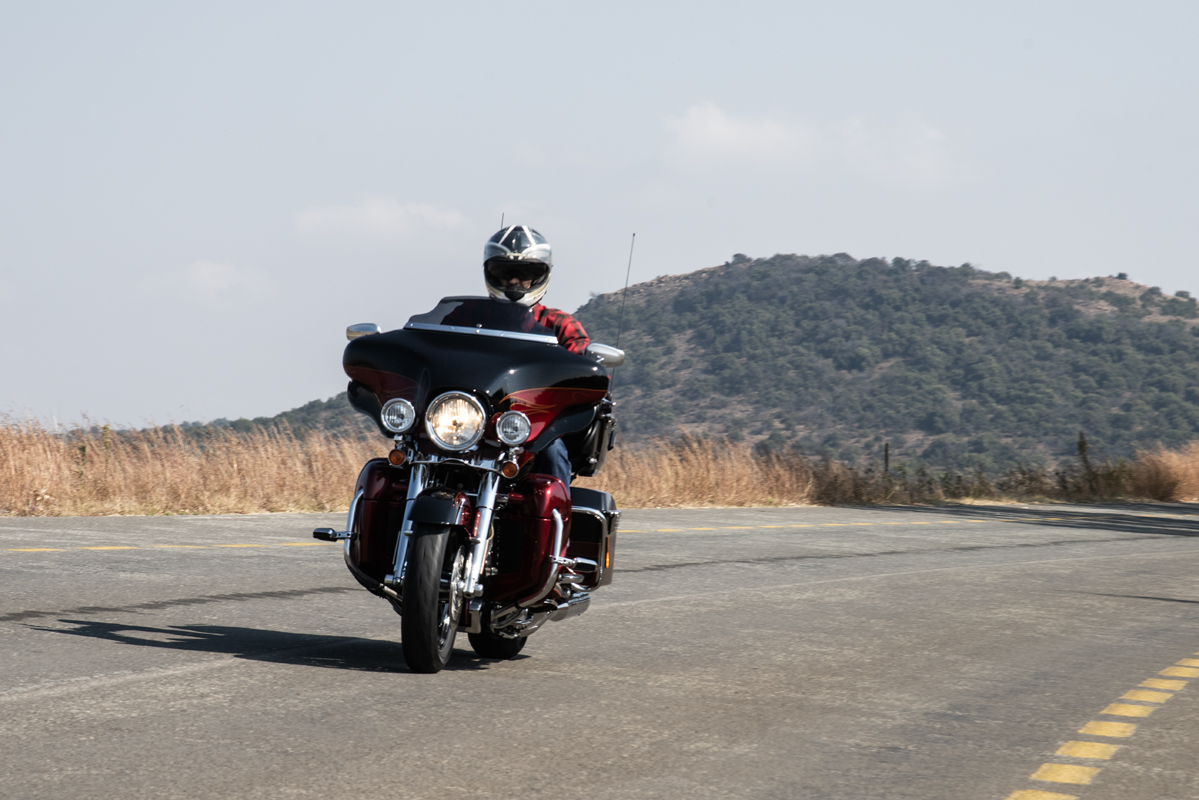
The Harley might be marginally lighter than the Honda, but on the move, it feels heavier, although not in a negative way. Maybe it has something to do with the suspension setup, but it does feel like it takes more effort to make the Harley change direction, which in itself is no bad thing, as it does mean that it is very stable, which is what’s needed on the open roads of America, this bike’s natural playground. On that open road, with an endless horizon, few motorcycles are as satisfying.
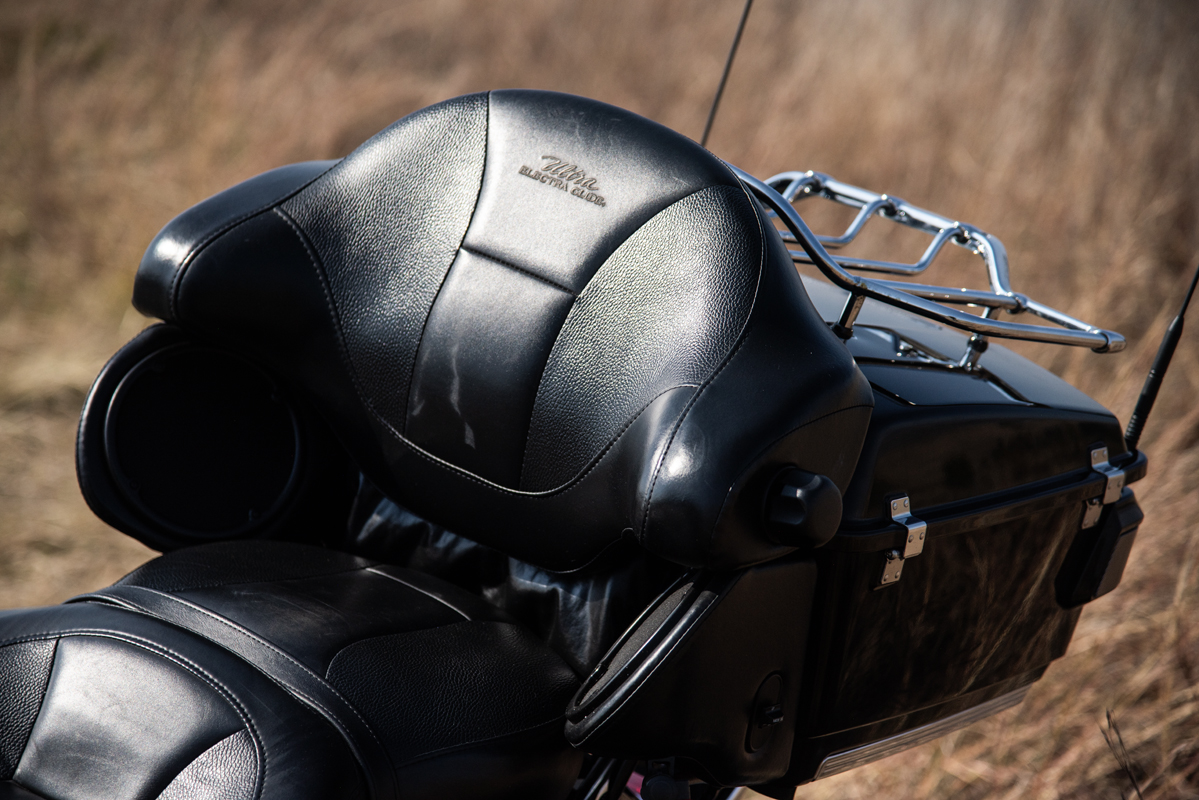
Comfort is impressive, although being tall, I found that the minuscule screen didn’t deflect wind over my helmet, making it vibrate unpleasantly. Shorter riders will have no such problem.
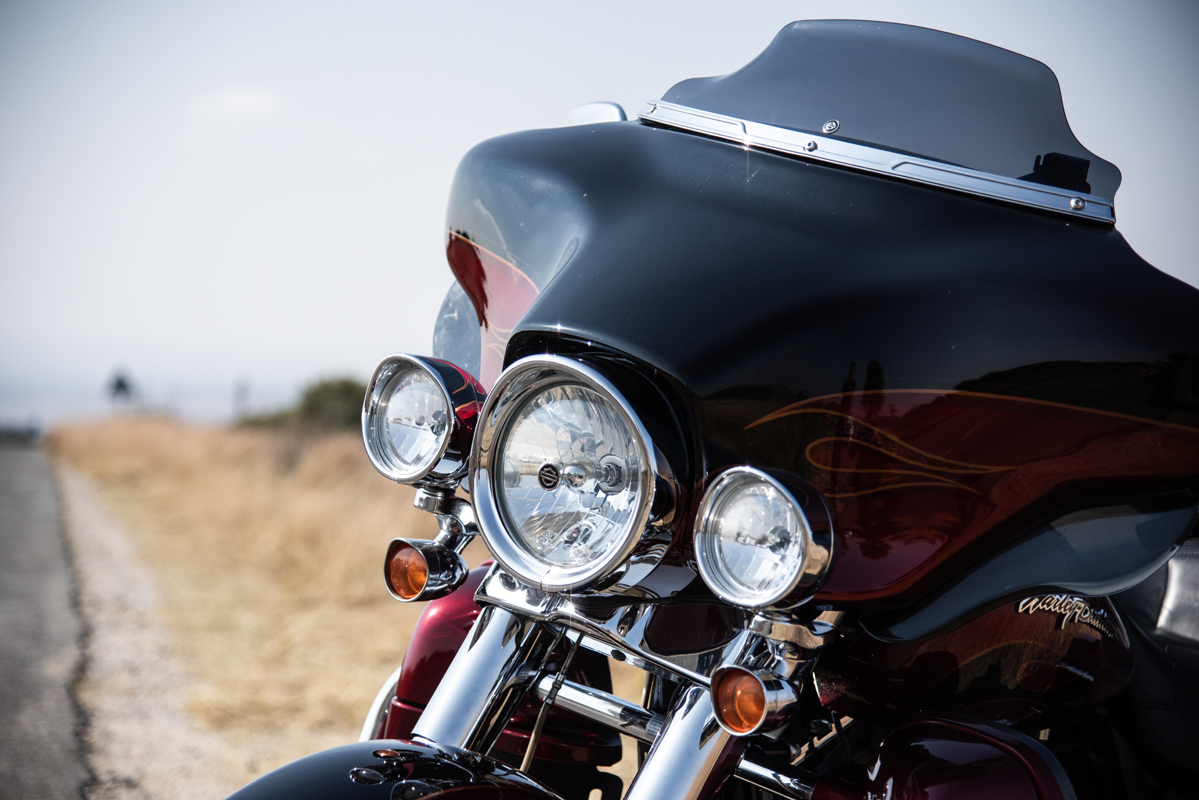
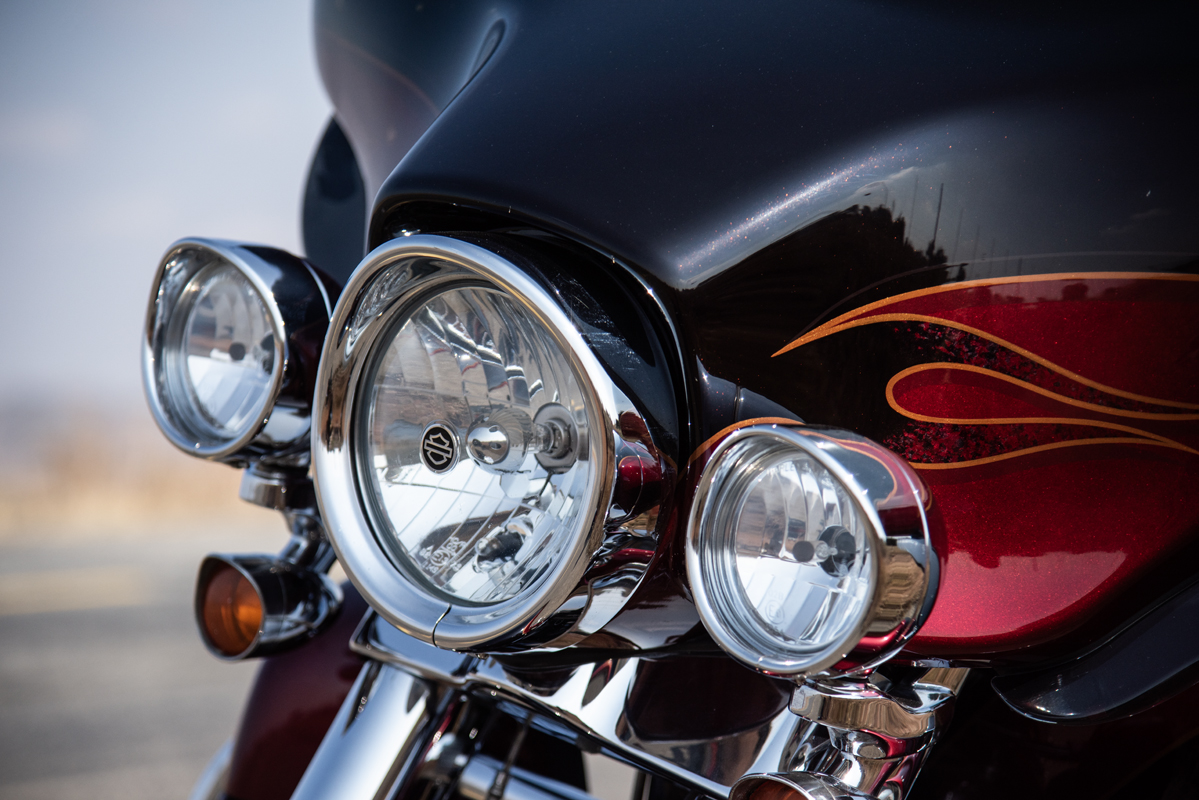
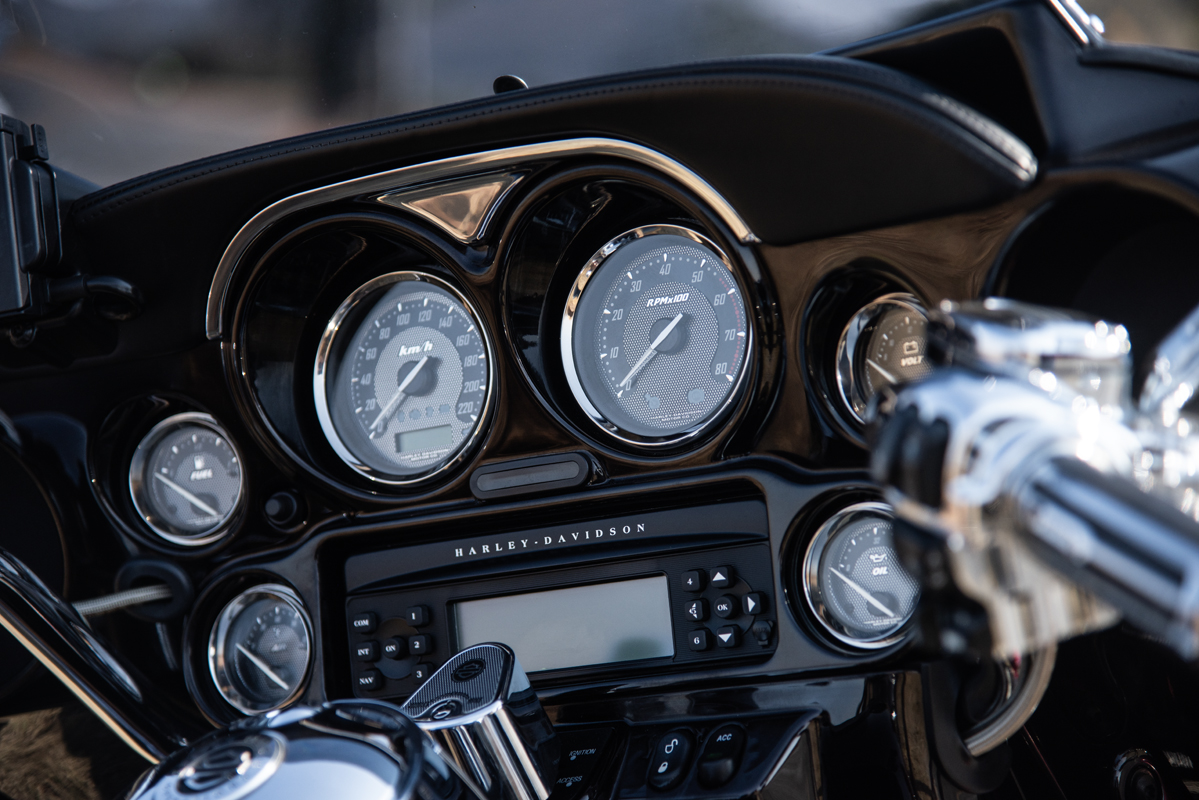
But, to return to my earlier point, you know when you’re riding a Harley. It’s the combination of the evocative sound, the massively mechanical clunking of the gearbox as you swap from one gear to the next, the dashboard full of analogue instruments, that batwing fairing, the feeling of endless torque from the engine; every little piece adds up to one of motorcycling’s unique and distinctive experiences and one that should never be dismissed, as it is so often, usually by those who have never ridden one.
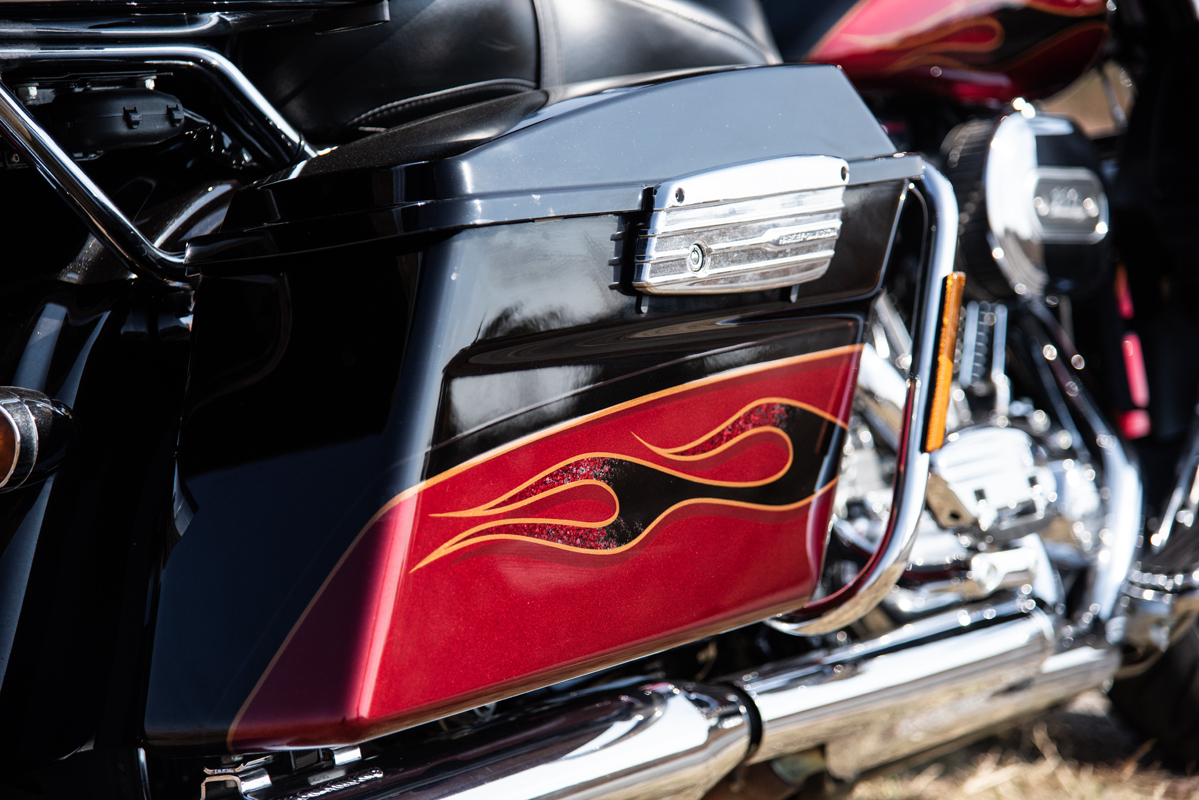
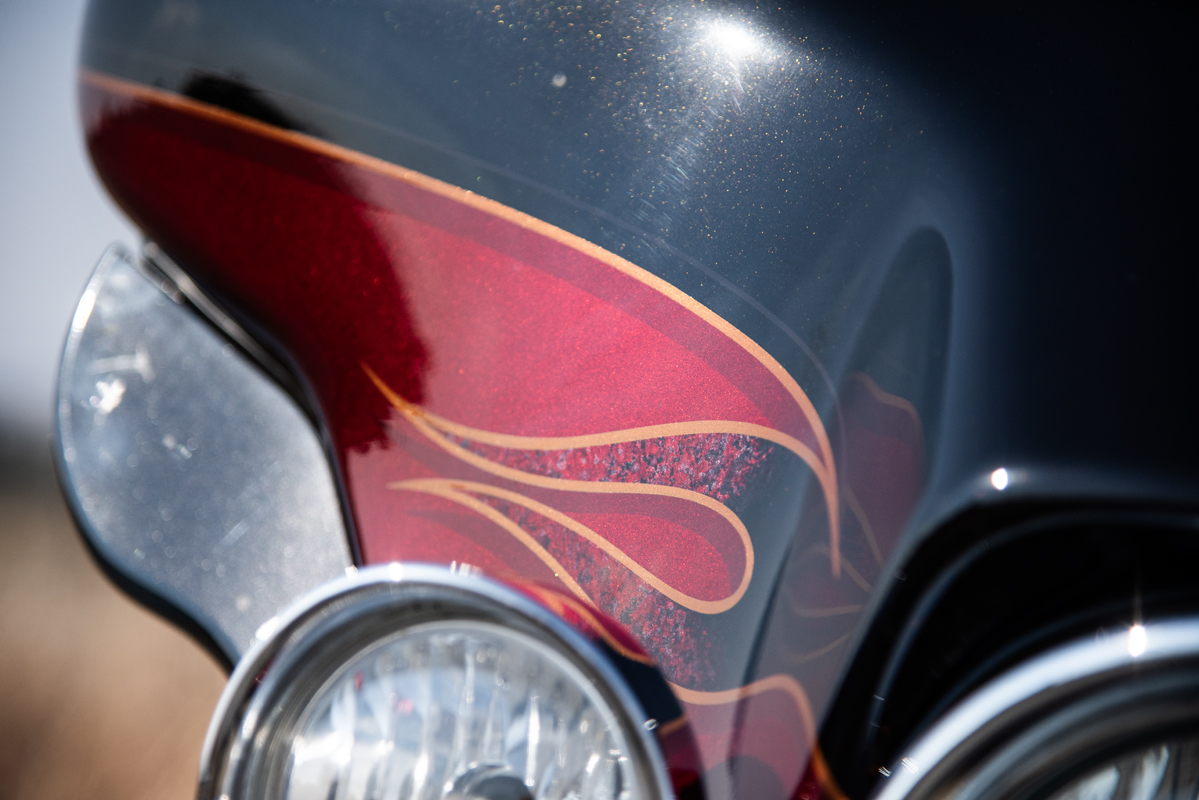
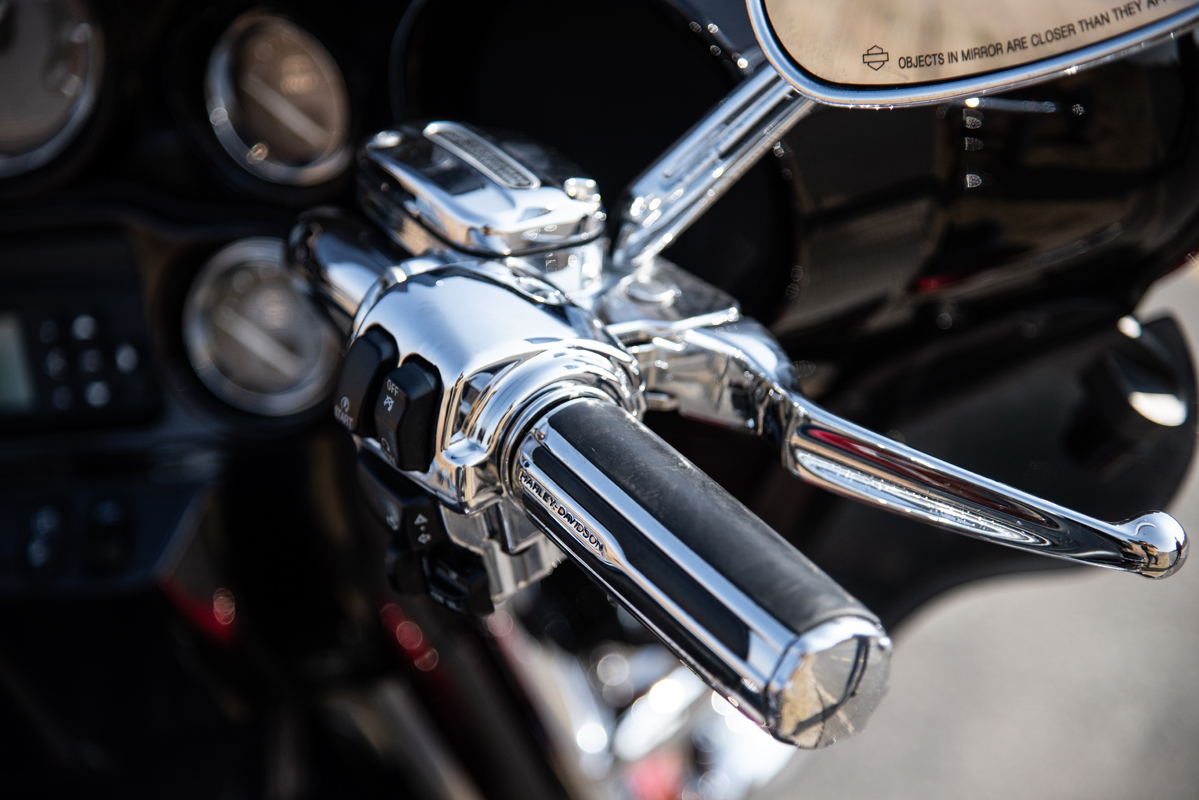
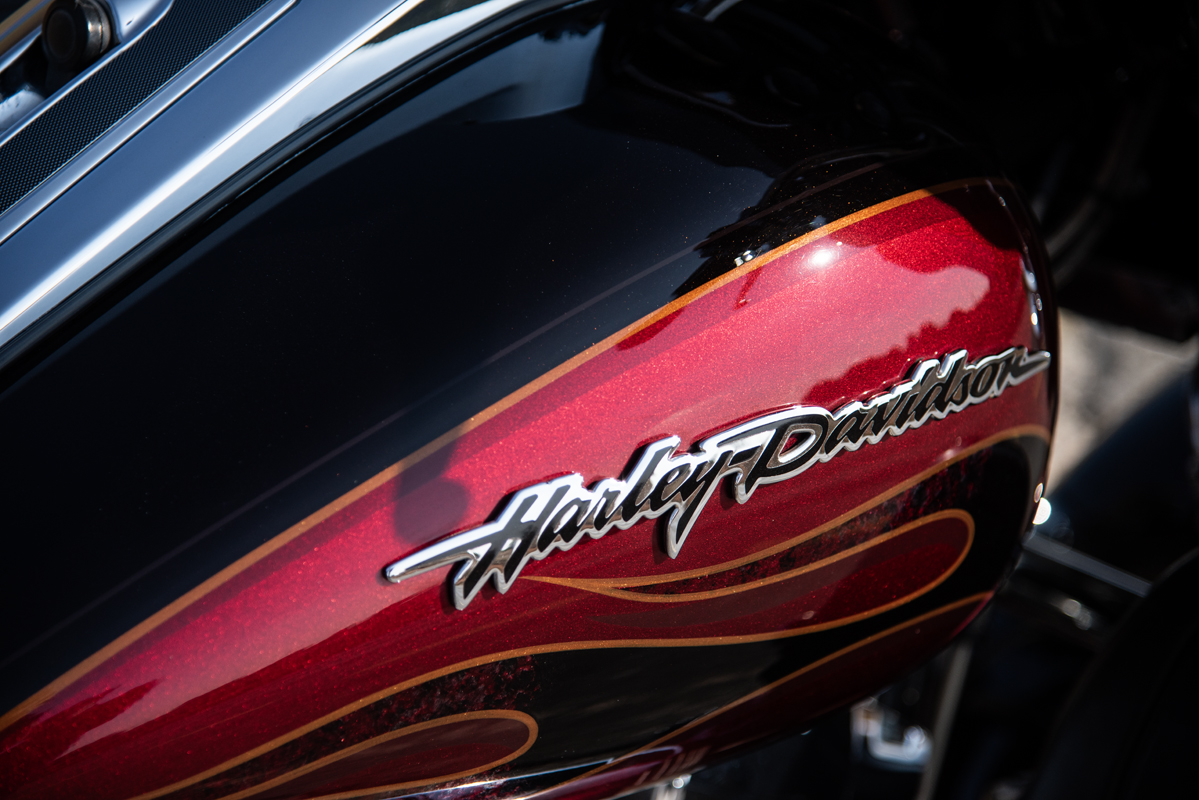
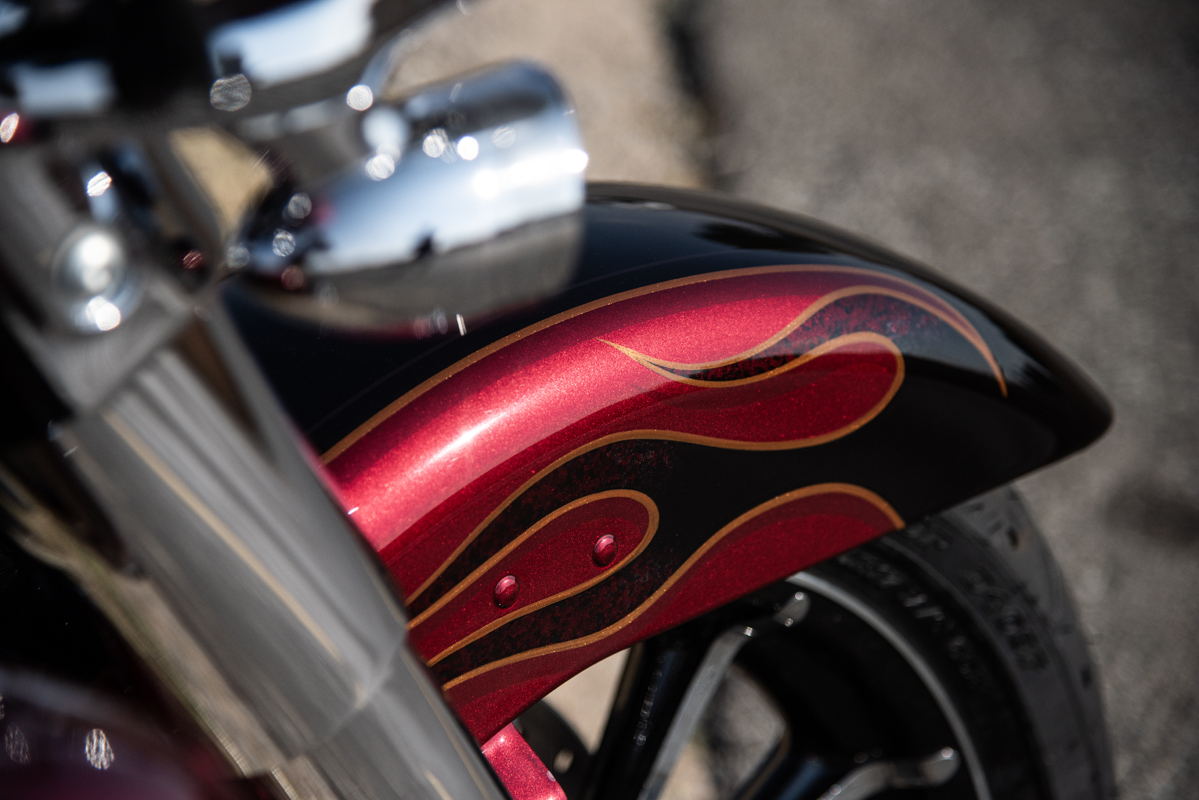
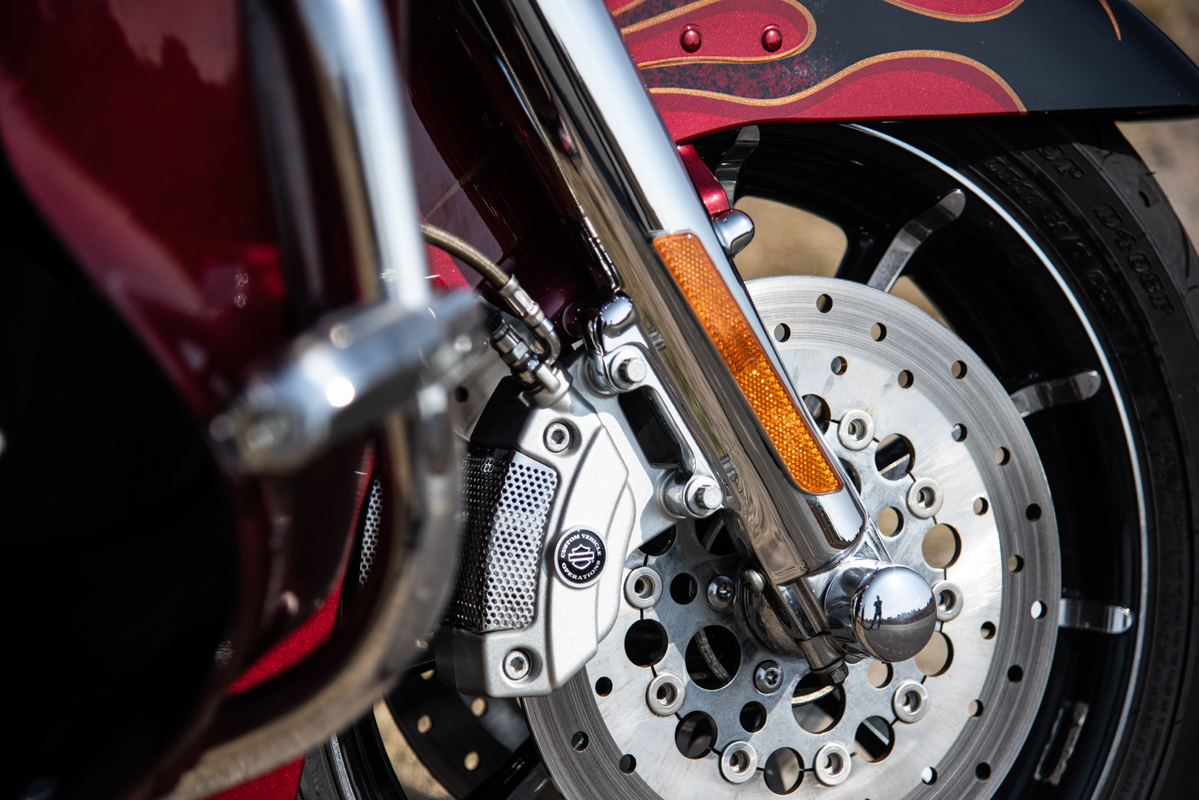
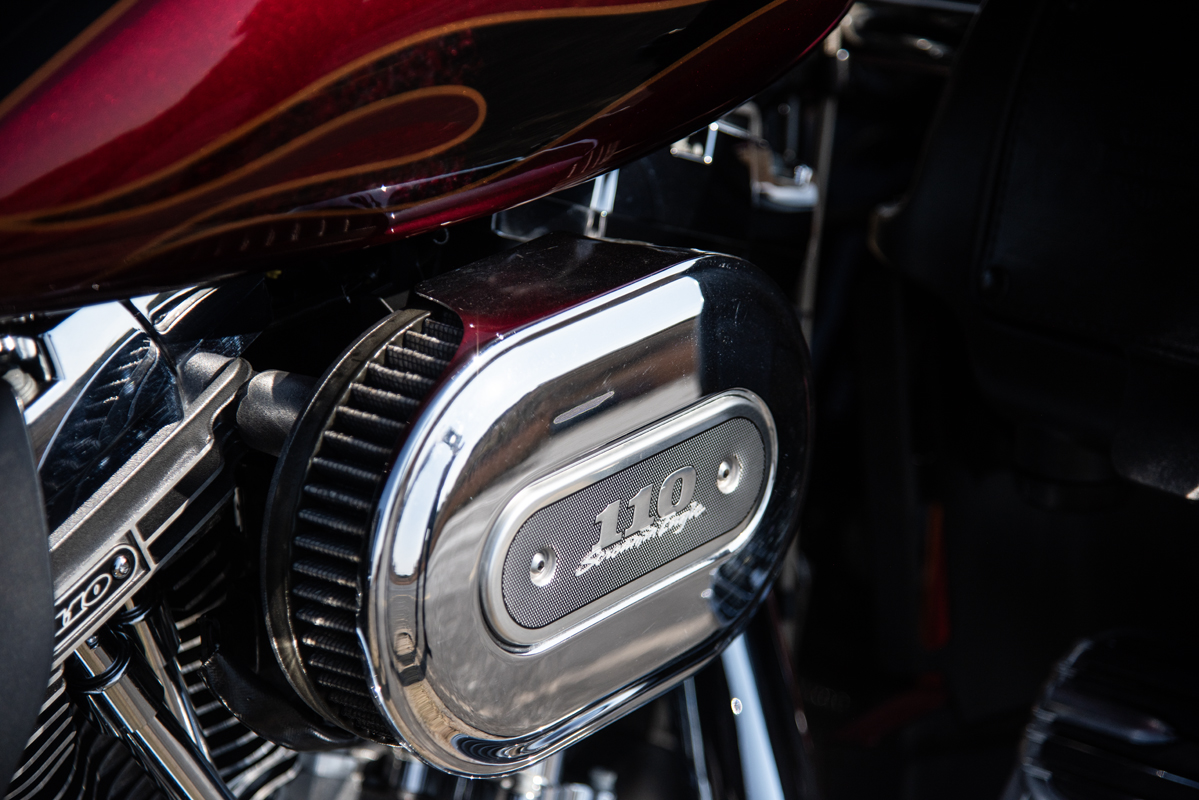
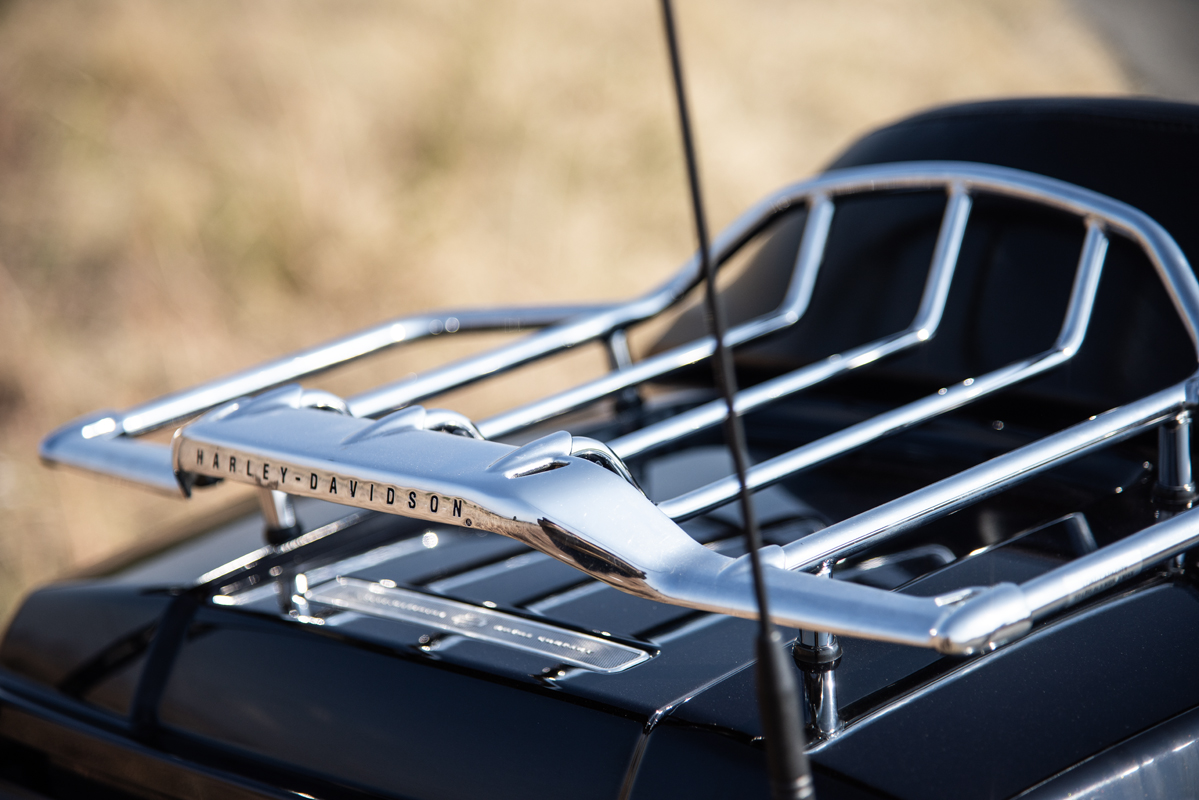
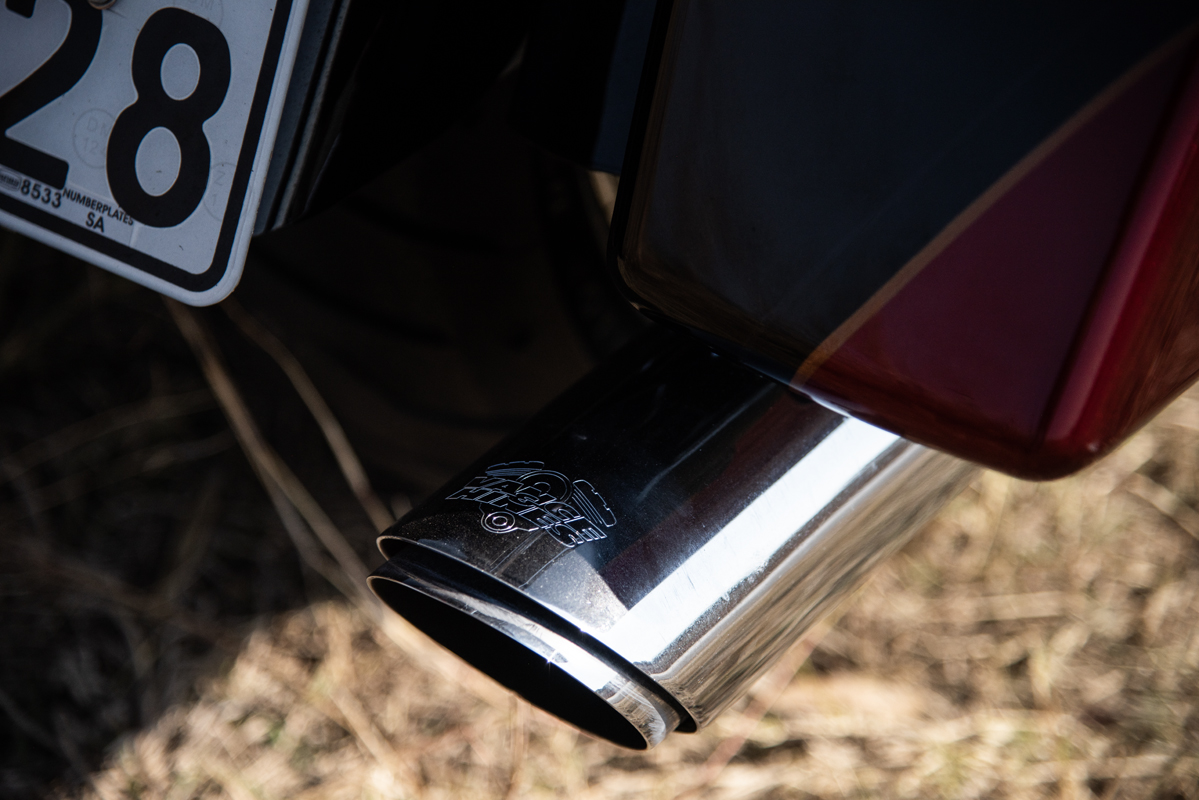
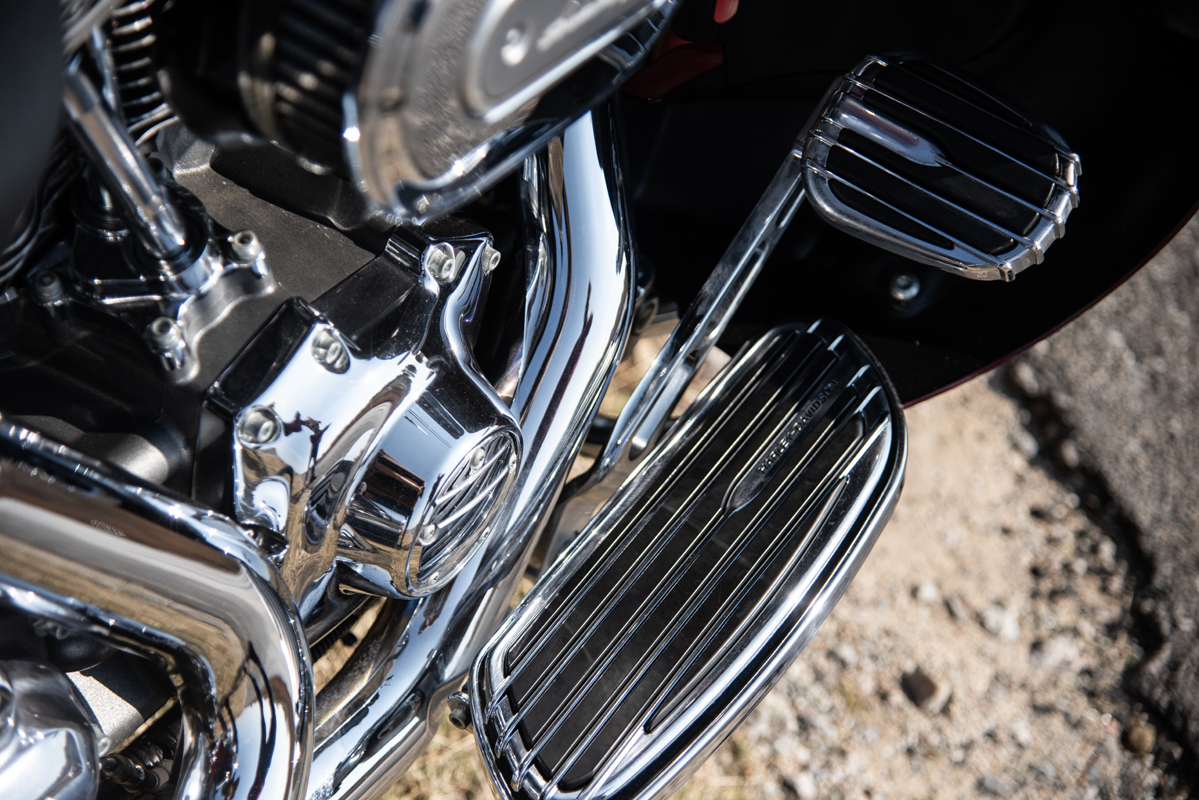
Neither can you fault the finish on a Harley-Davidson; the chrome is thick and deep and lustrous, everything looks over-engineered and, therefore, solid, and the paint job on this CVO edition is beautiful, one of the things Harley does particularly well. The Harley-Davidson is hardly any smaller-looking than the Honda, but its engineering feels like it is from the forge, not the pristine, surgery-like workshop which was the genesis of the Gold Wing.
So… Why So Big?
To return to the opening paragraphs, why do these bikes need to be so big? The answer is, of course, that they don’t need to be in order to be classed among the best touring machines on the planet, but it hasn’t hurt either of them. That they are so big, however, should not be confused with being awful to ride; quite the opposite. Maybe it’s because they are so big that they are absolutely brilliant to ride. After all, it is so unexpected; something this big really shouldn’t ride this well, whether in a straight line or in corners.
But I’d like to bet that you’ll climb off either of these bikes with a smile on your face, as if to say, “I shouldn’t have just done that and enjoyed it as much as I did, but I did!”
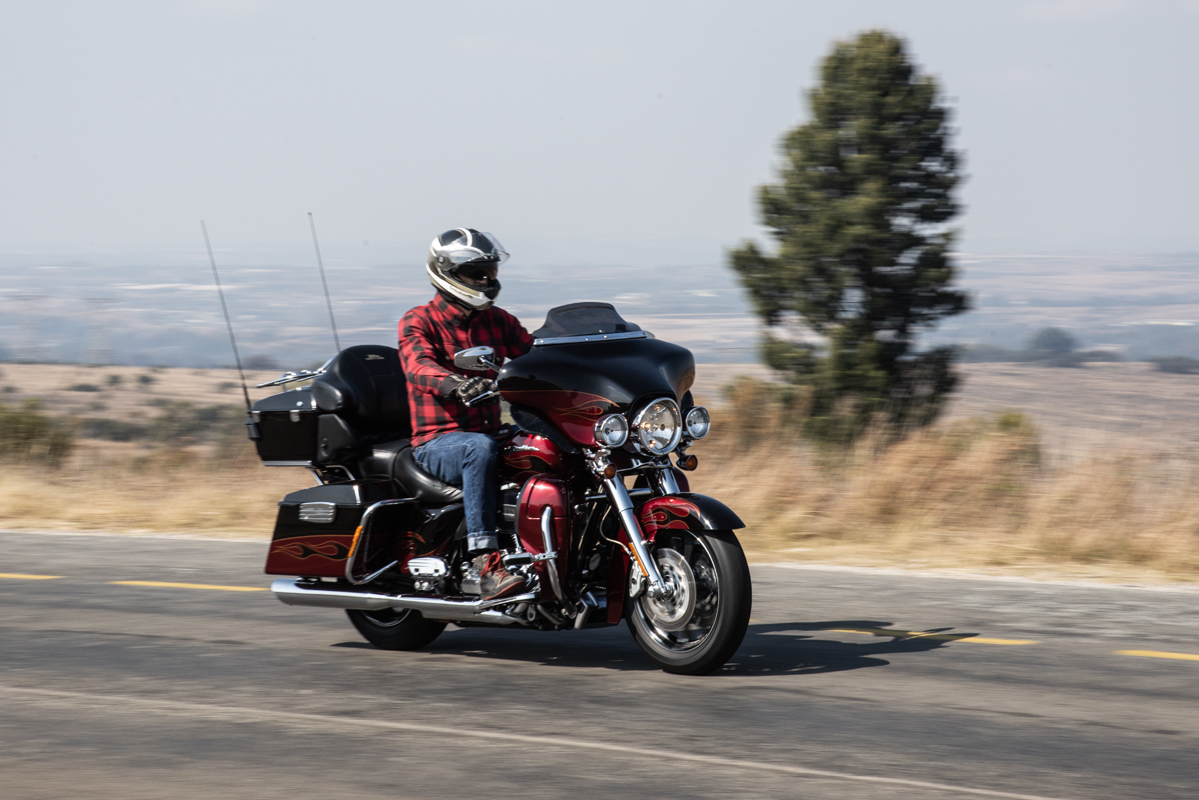
Now, where’s the nearest Interstate freeway?
The Honda is a 2015 model with 32,000 km on the clock and is priced at R219,990. The Harley is a 2010 model, with 21,500 km, priced at R179,990. It doesn’t matter what you think; there’s a lot of motorcycle for not a lot of money sitting there and, if you told me that you’d bought either one, I’d be not a little jealous.
If either of these touring legends has sparked your interest, don’t wait too long. Head down to Bike Shop Rivonia to see them in person, or browse our Bikes For Sale page to discover an ever-changing selection of quality pre-owned motorcycles. Your next ride might already be waiting.