



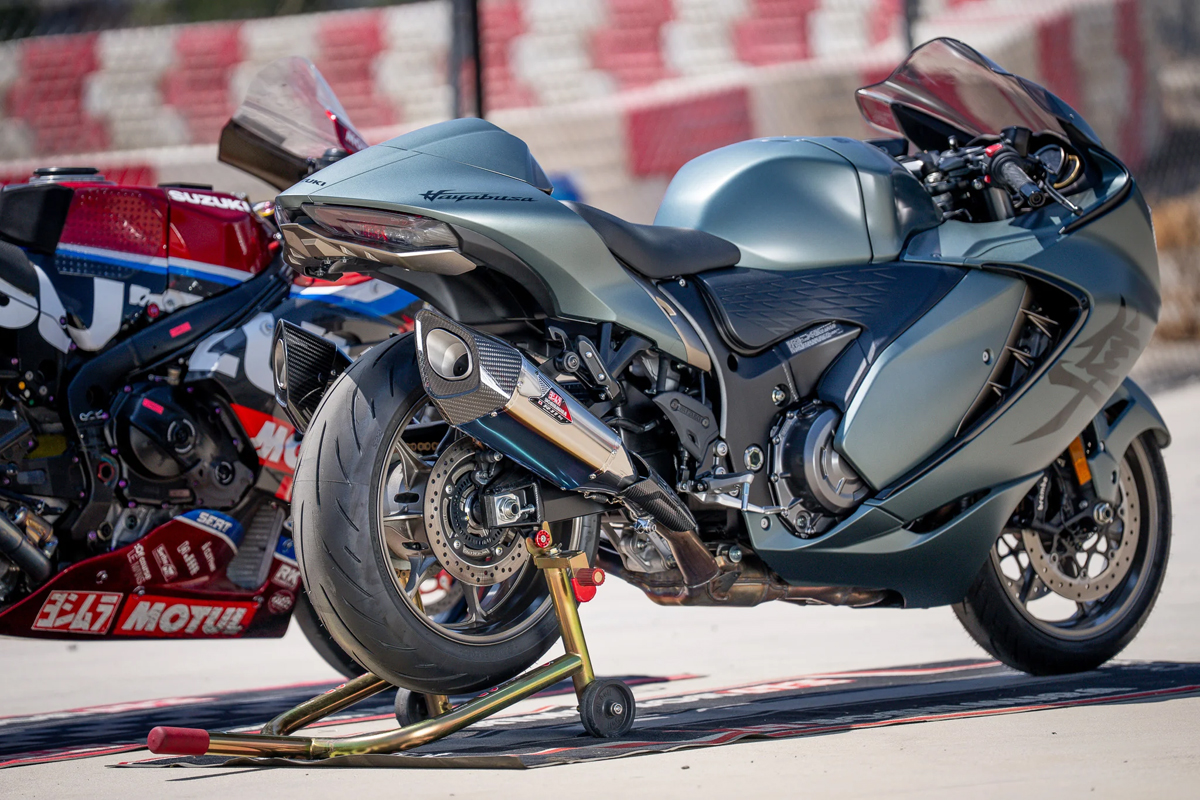
Some names in motorcycling transcend the products they build. Ducati, Brembo, Öhlins… and Yoshimura.
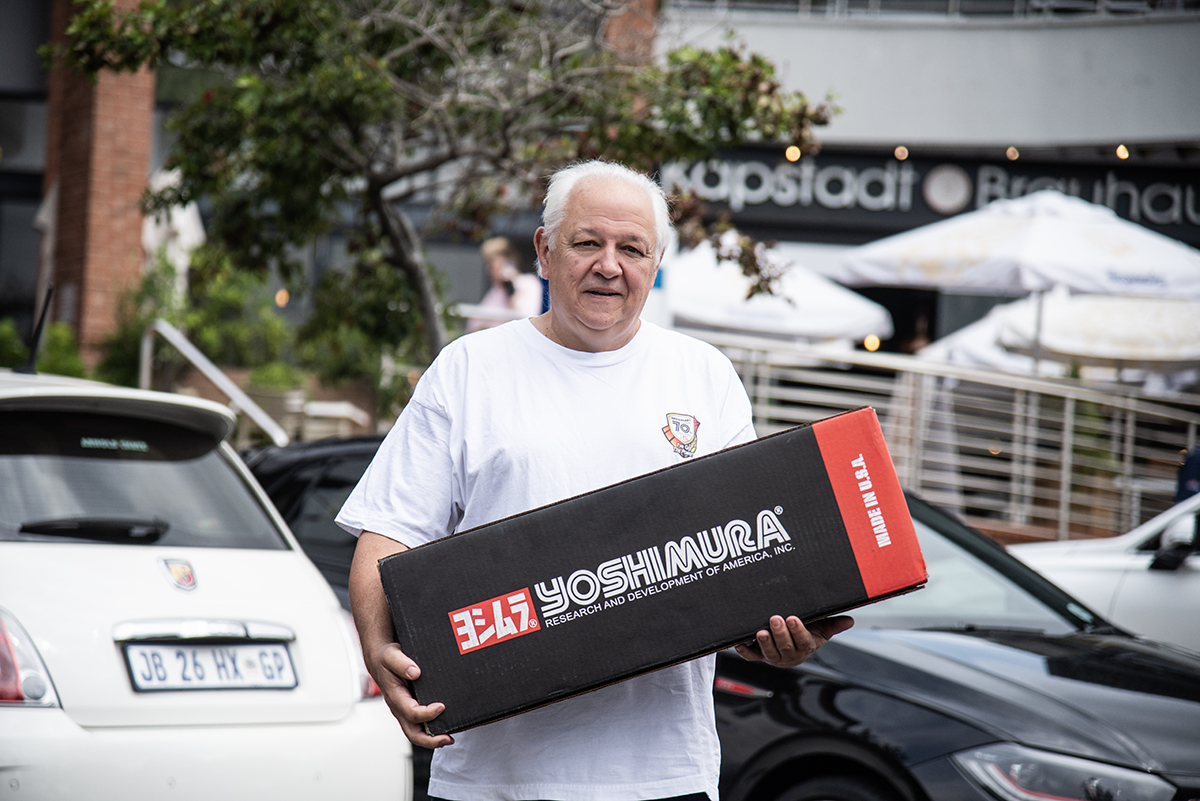
For South African riders, the return of Yoshimura is more than simply another premium aftermarket exhaust finding its way back onto dealership shelves. Thanks to Sparks Distributing, headed by long-time motorcycle industry figure Steve Theron, one of the most revered names in motorcycle performance is officially back on local soil.
Yet before we talk about titanium exhausts, horsepower gains or that unmistakable Yoshimura growl, it’s worth understanding why this name carries so much weight in the motorcycle world.
It all begins with one man
Hideo “Pop” Yoshimura wasn’t born into racing royalty. Growing up in Fukuoka, Japan, he was called into military service during the Second World War to train as a fighter pilot. Fate, however, had other ideas. A parachute training accident ended his flying ambitions before they truly began, redirecting him towards aircraft maintenance instead. At the time, it must have seemed like a cruel twist of fate. Looking back, it may well have been one of the most important moments in motorcycle history.
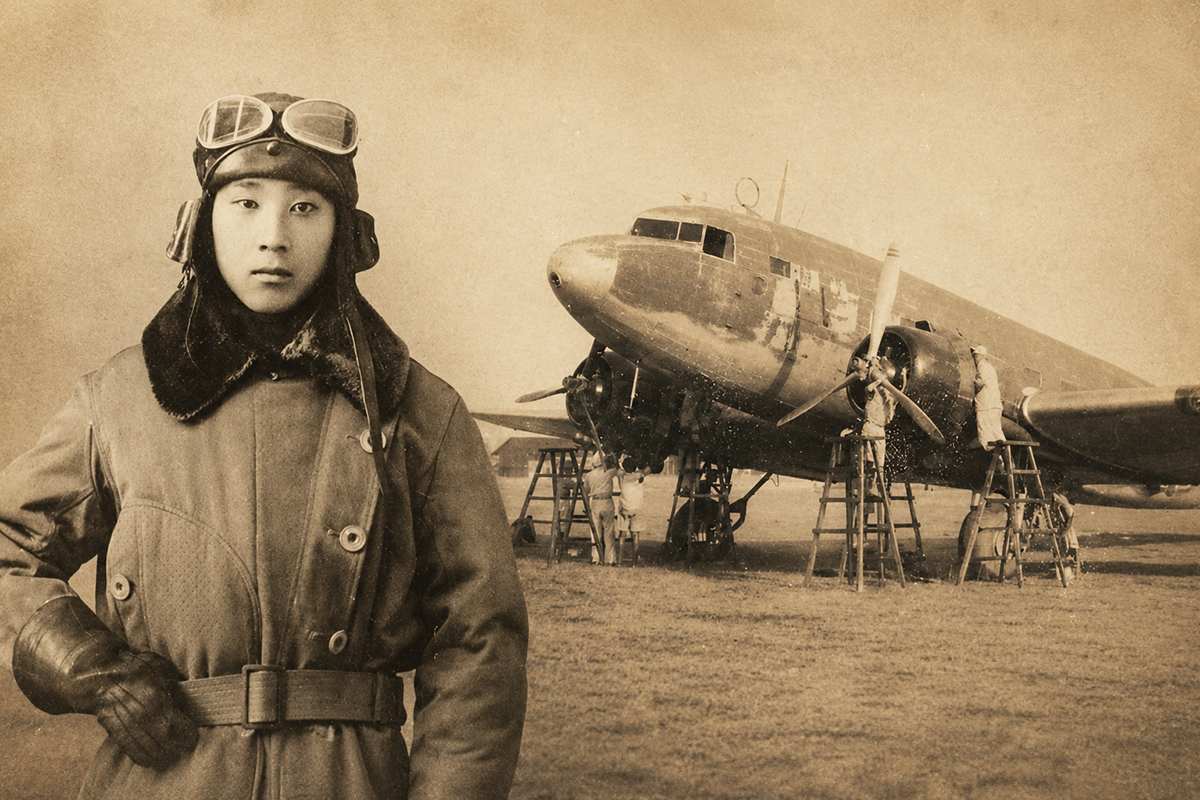
Working as an aircraft mechanic gave Yoshimura an extraordinary understanding of precision engineering. When the war ended and Japan began rebuilding itself, motorcycles became an affordable way to get the nation moving again. Companies like Honda transformed former military production into civilian manufacturing, while American servicemen stationed in Japan soon discovered there was one man with an uncanny ability to make their motorcycles faster, smoother and more reliable.
In 1954, with little more than determination, worn-out tools and the support of his wife and children, Pop opened a modest workshop near Tokyo.
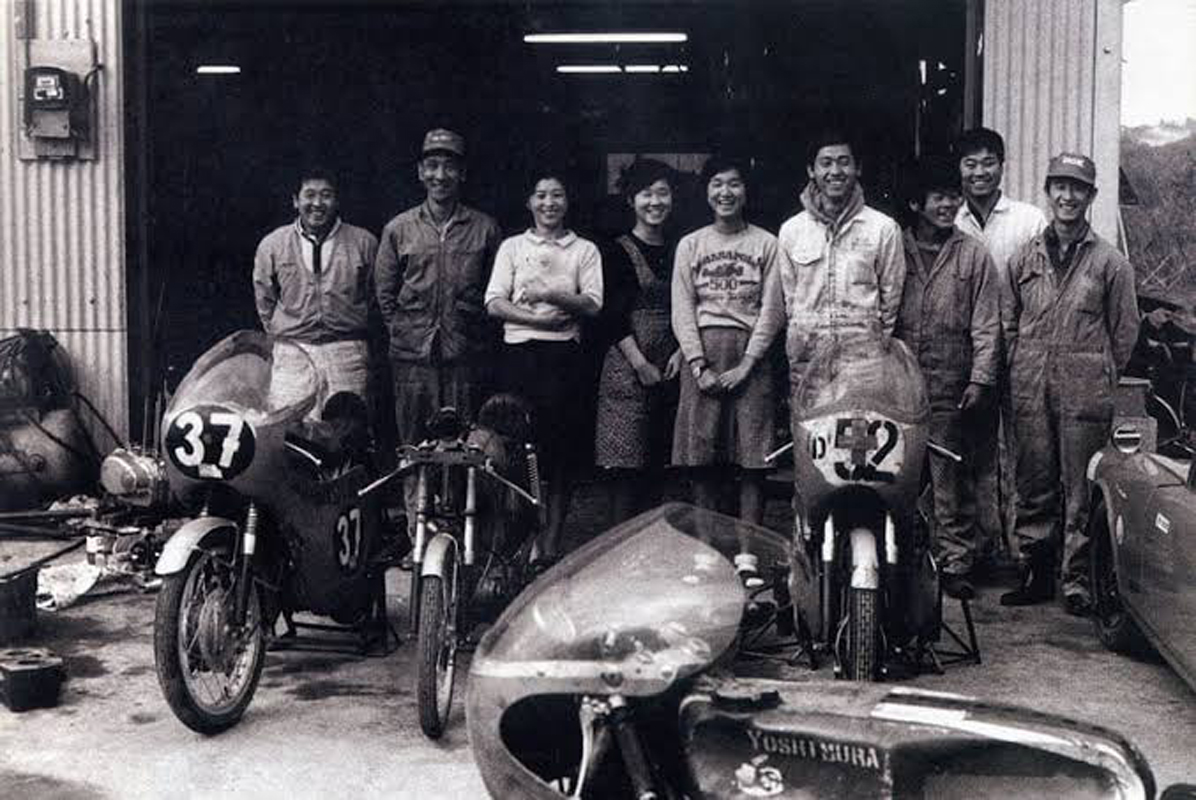
There were no CNC machines. No laser cutters. No computer modelling.
Performance was achieved through experience, patience and countless hours spent hand-filing camshafts, reshaping cylinder heads and refining carburettors. If a component could be improved, Pop would find a way to improve it. Before long, his reputation spread far beyond the walls of that tiny workshop.
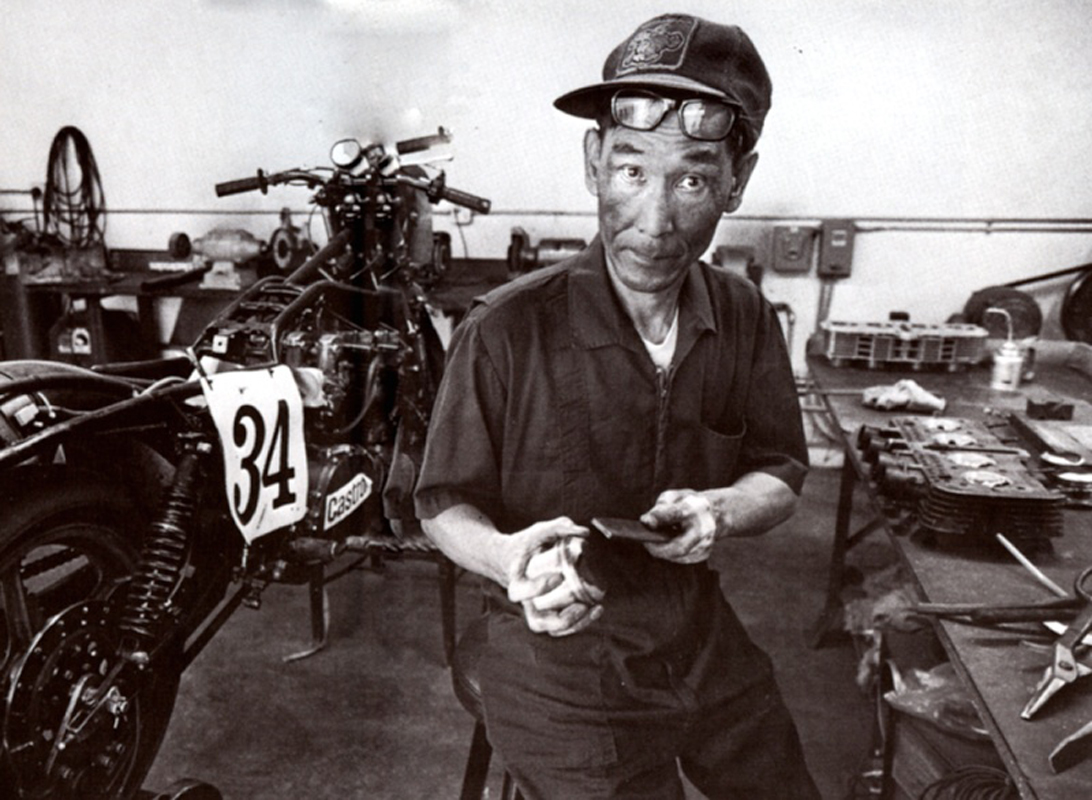
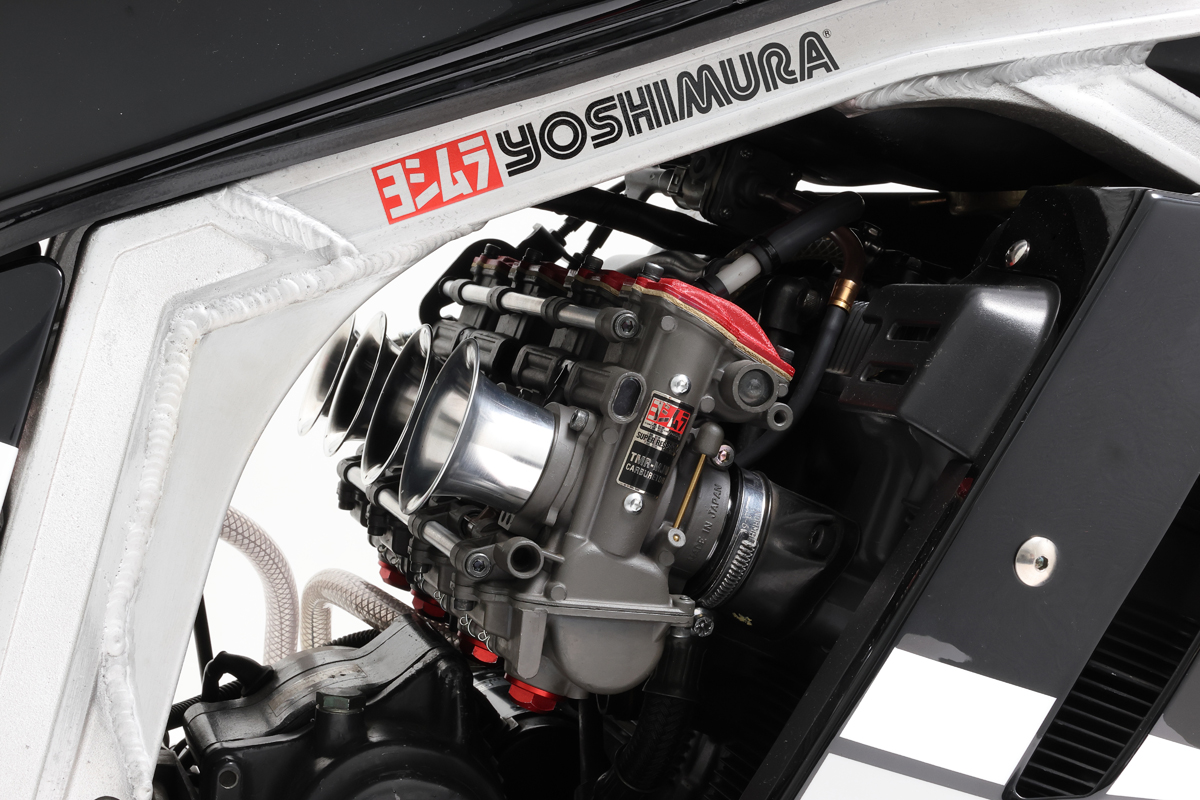
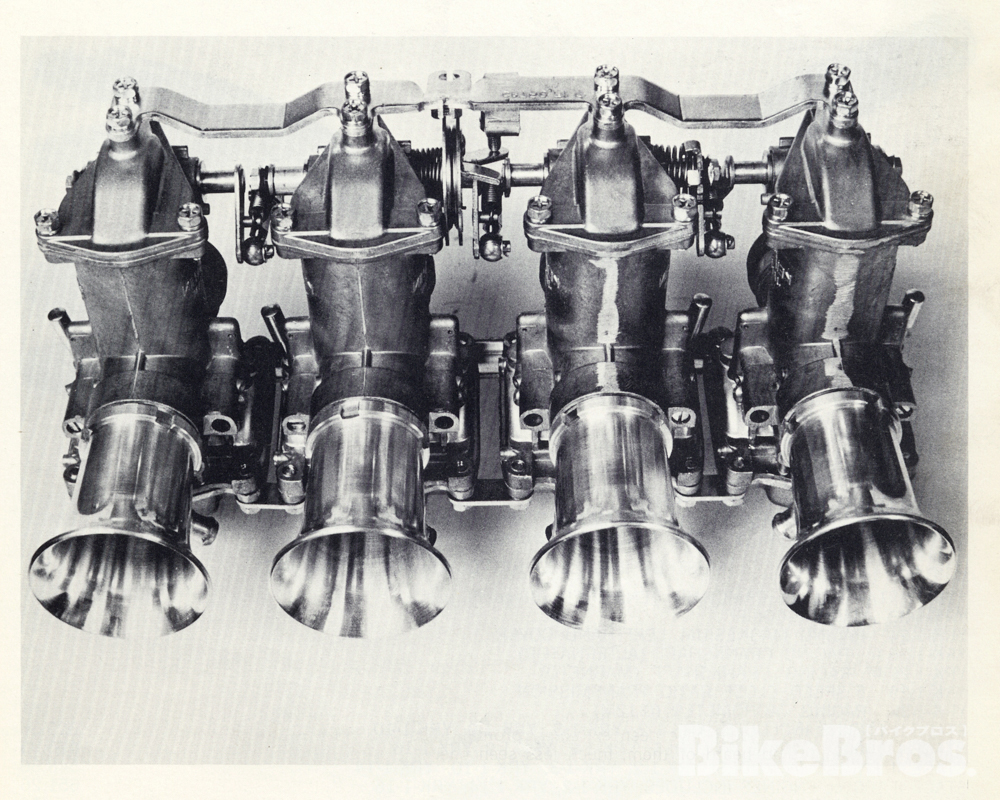
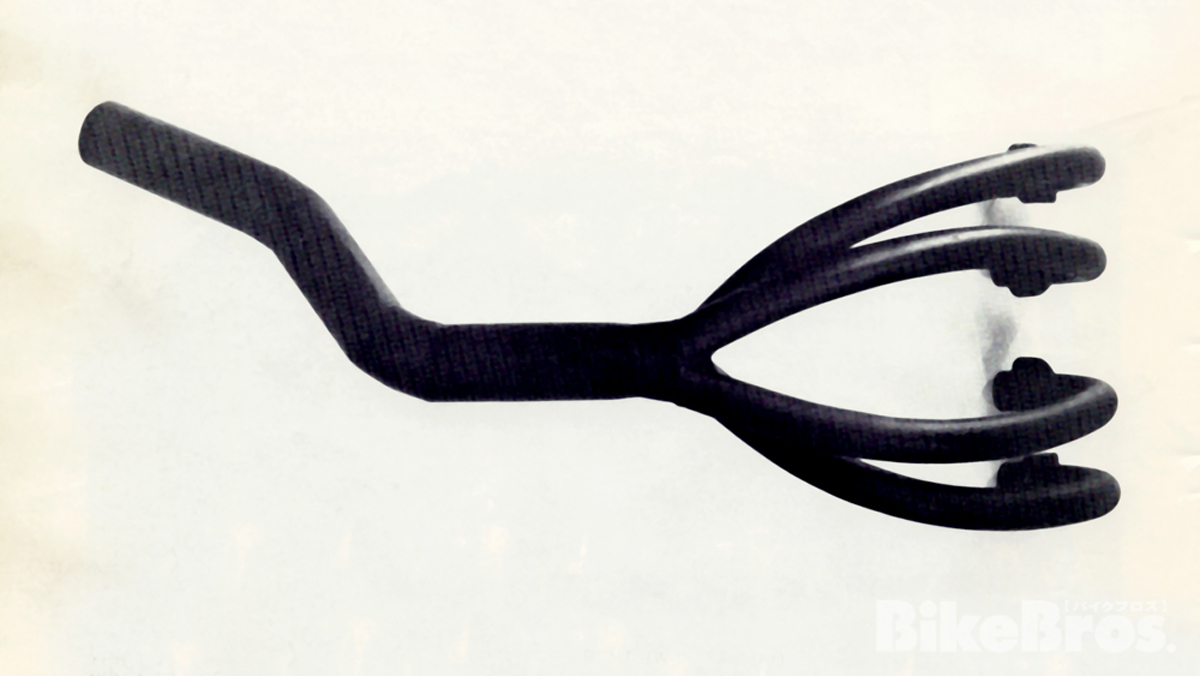
But Pop’s genius went far beyond simply bolting on a louder exhaust or chasing a few extra horsepower. Every engine that entered his workshop was stripped to its last nut and bolt before being painstakingly rebuilt by hand. Cylinder heads were carefully ported and polished, crankshafts precision-balanced, performance camshafts hand-profiled, and high-compression big-bore kits developed to extract every ounce of performance. His beautifully crafted four-into-one exhaust systems became legendary, but so too did the carburettors, camshafts and engine internals that disappeared beneath the covers. For many enthusiasts, they were mechanical works of art as much as performance parts.
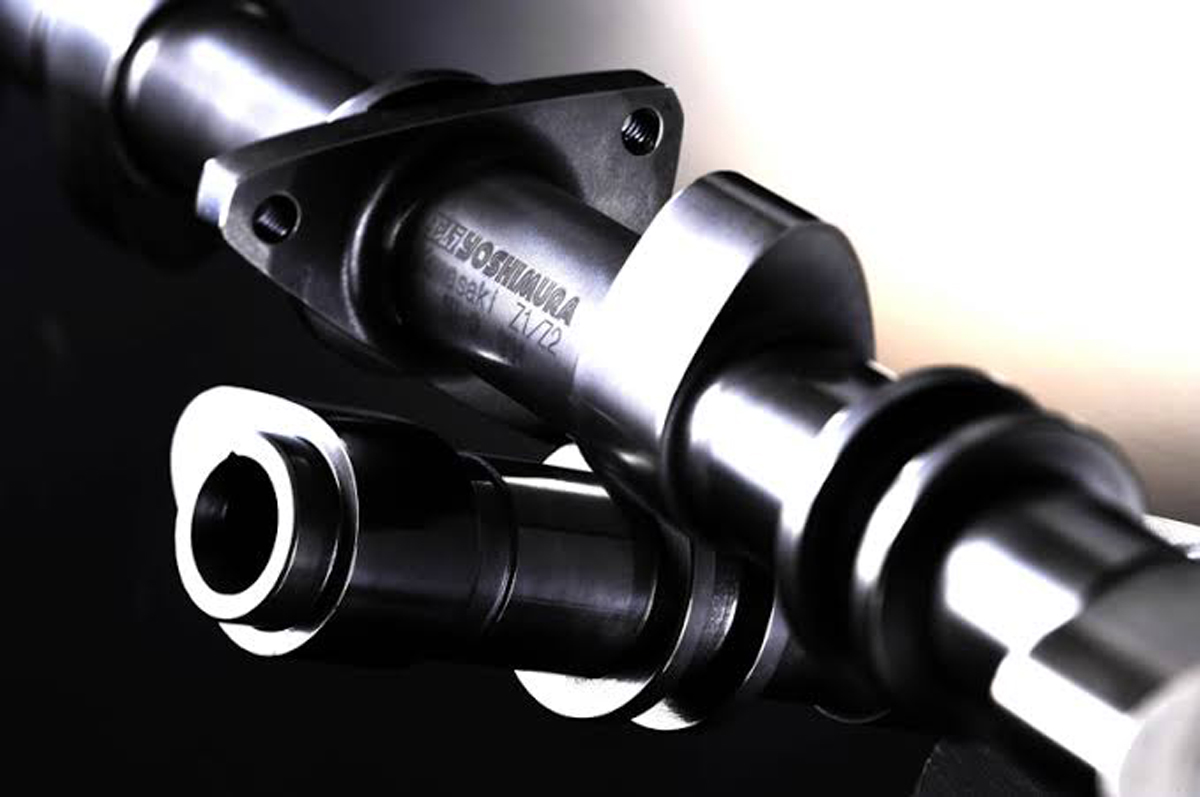
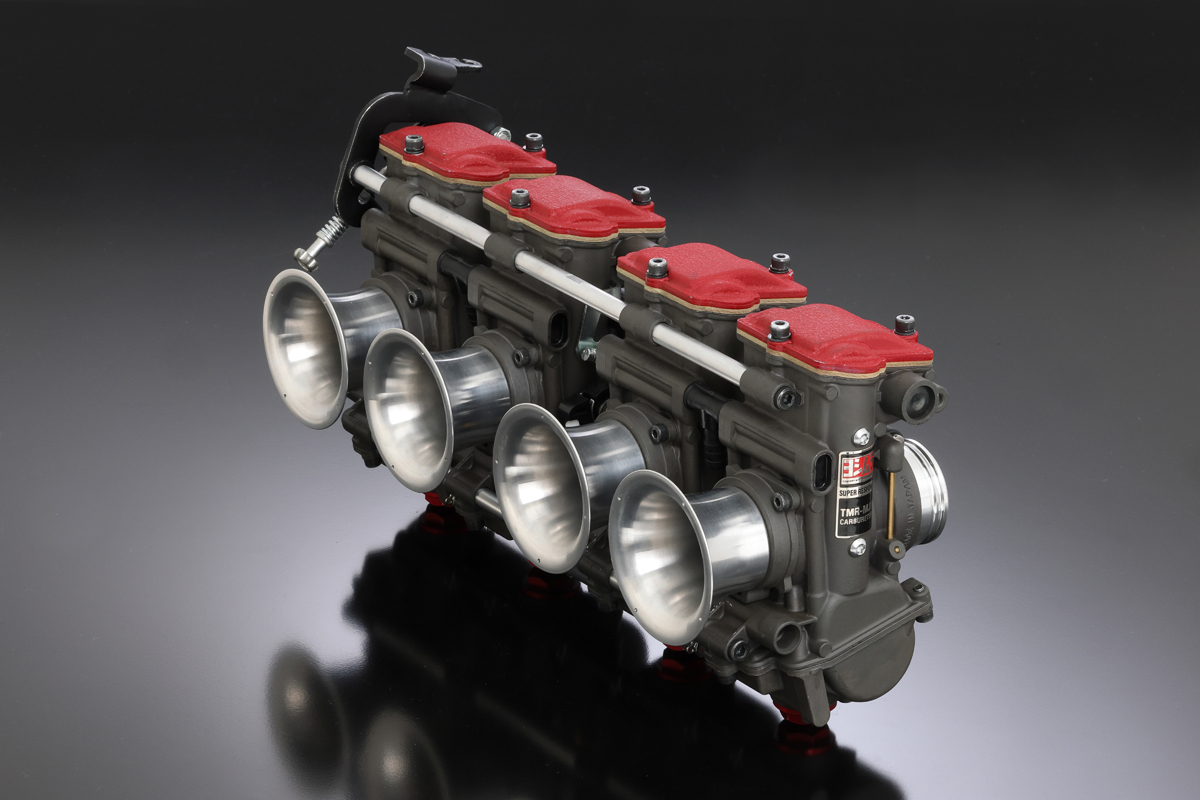
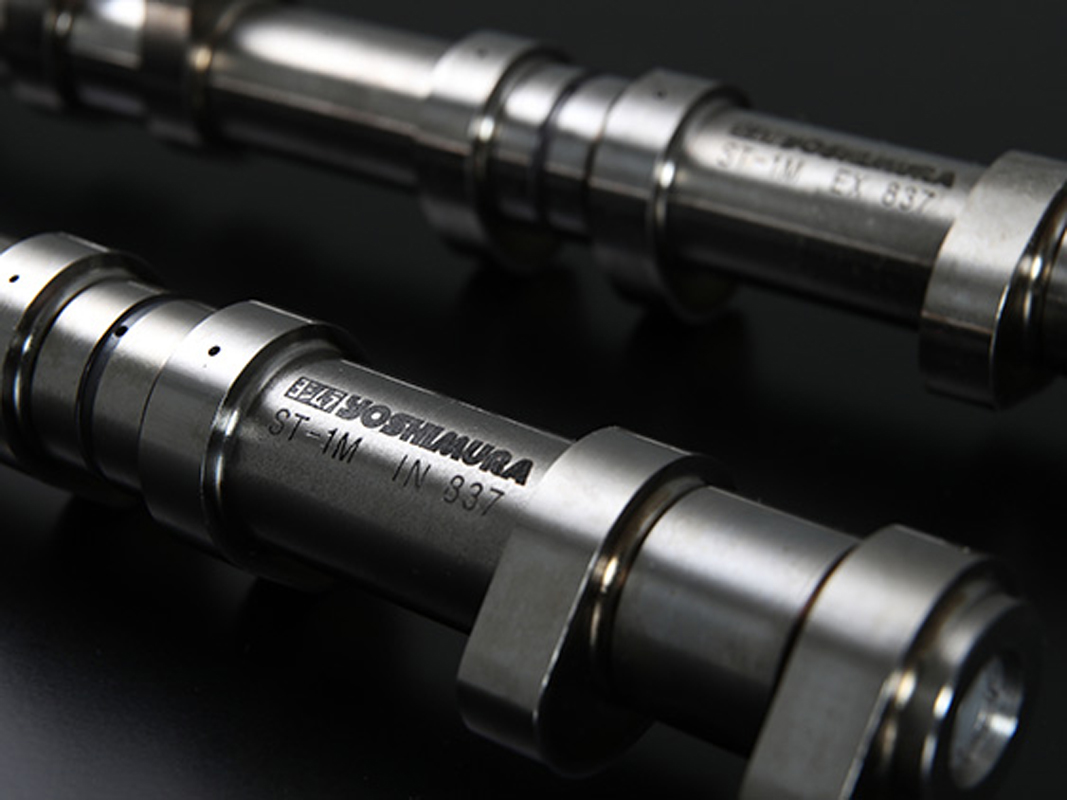
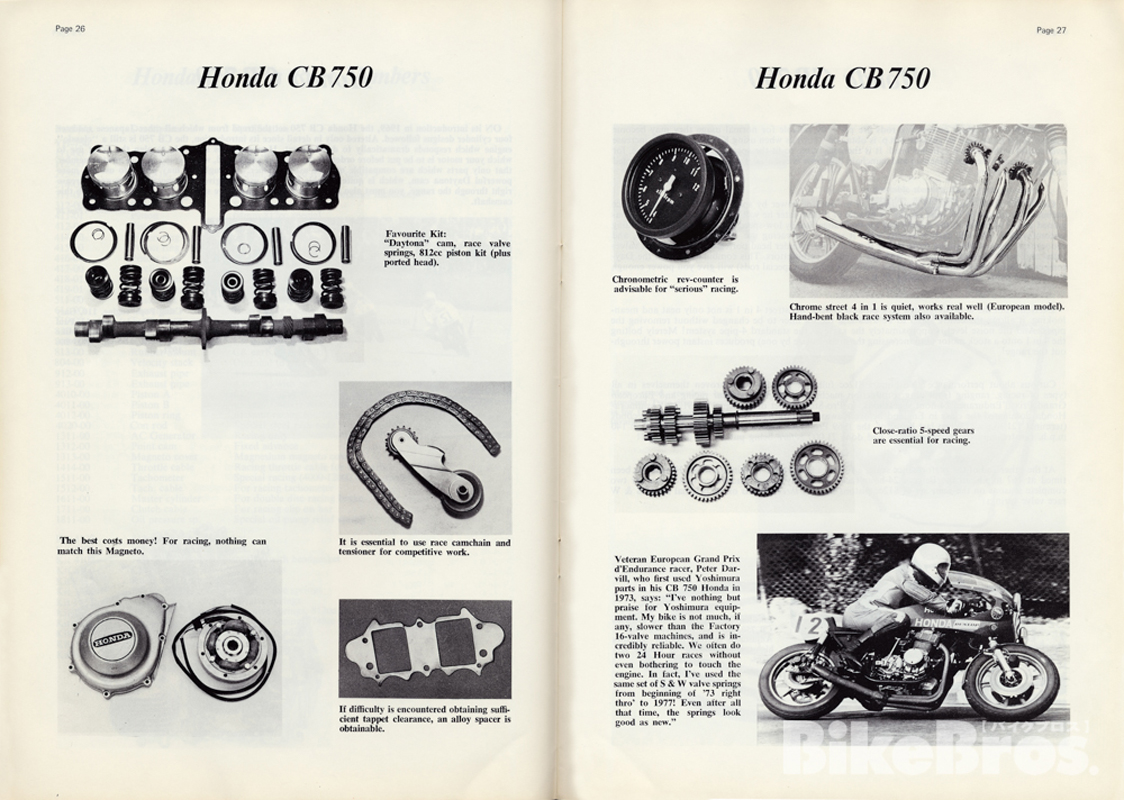
The real turning point came in 1971 when Yoshimura Racing expanded to Los Angeles just as the four-cylinder Superbike era was beginning to explode. The partnership with Suzuki would become one of the most iconic in motorcycle racing, with Yoshimura helping define an entire generation of high-performance Superbikes and earning victories that cemented its place in motorcycling history.
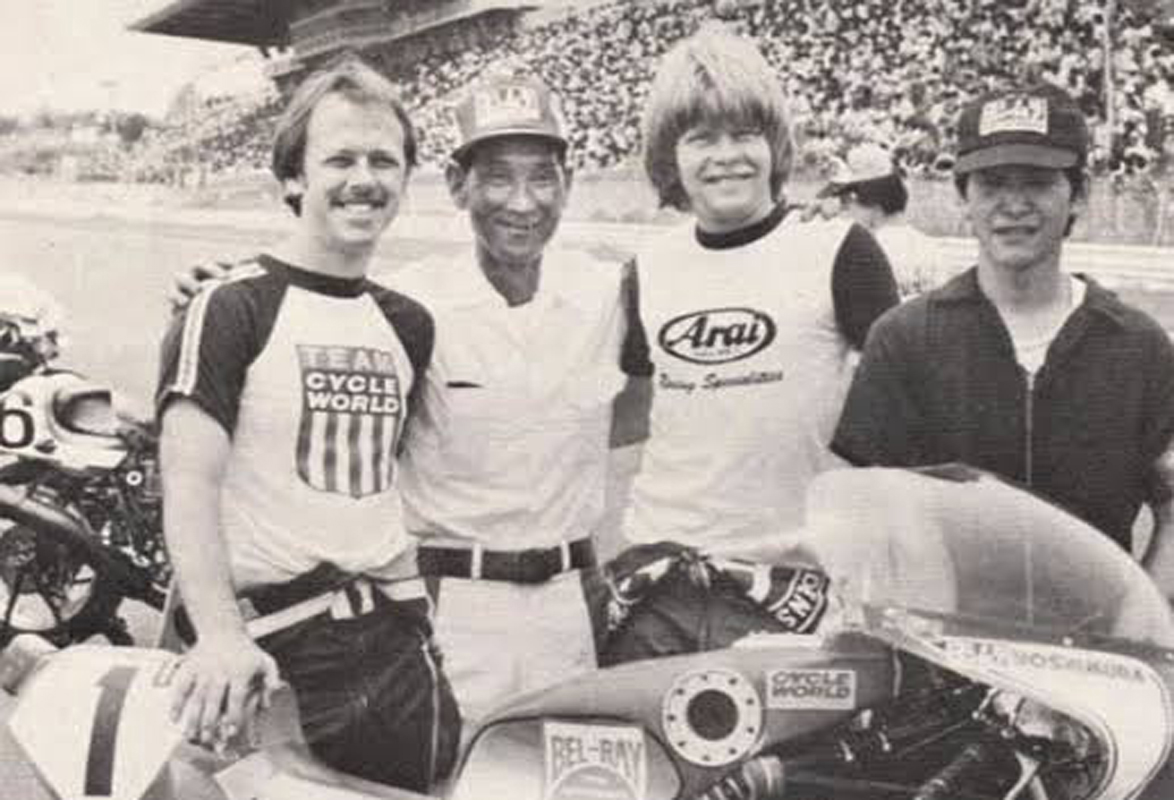
While researching this feature, I found myself disappearing down a rabbit hole of stories across both Yoshimura Japan and Yoshimura USA. Between the two websites are decades’ worth of race reports, technical articles, historic photographs and interviews, while the company’s YouTube channel documents everything from manufacturing techniques to race weekends. The deeper I looked, the more I realised that trying to identify the defining chapter in Yoshimura’s history is almost impossible.
Because there isn’t one
The company wasn’t built on a single championship, a famous rider, or a revolutionary exhaust system. It was built one race, one motorcycle, one late night in the workshop and one improvement at a time. Every victory, every setback and every drop of sweat shaped the Yoshimura we know today. Perhaps no story captures that spirit better than the fire that nearly destroyed the race shop.
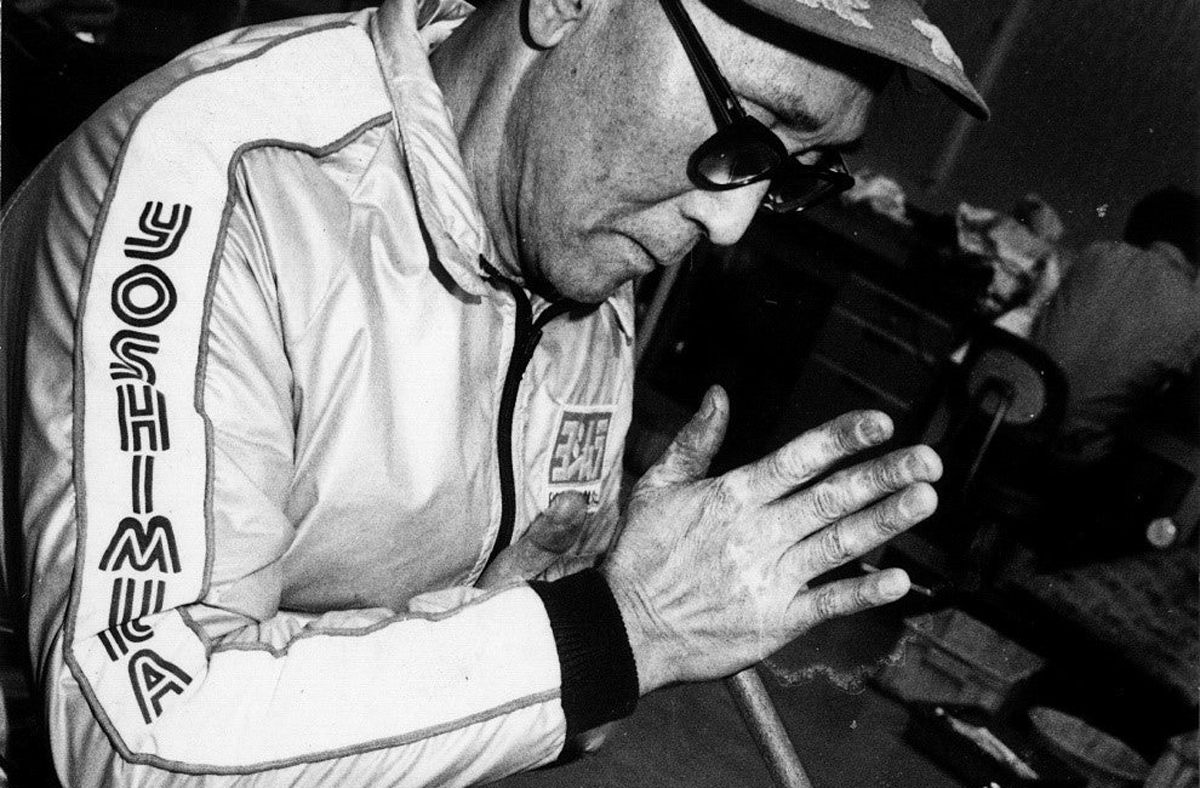
During engine testing, fuel leaked from a makeshift supply tank feeding a dyno engine before igniting. Without hesitation, Pop grabbed the burning fuel tank and carried it outside, suffering severe burns to his hands and arms in the process. With a major race only days away, the workshop had every reason to give up. Instead, inspired by their leader’s determination, the team rebuilt what they could and made the race anyway.
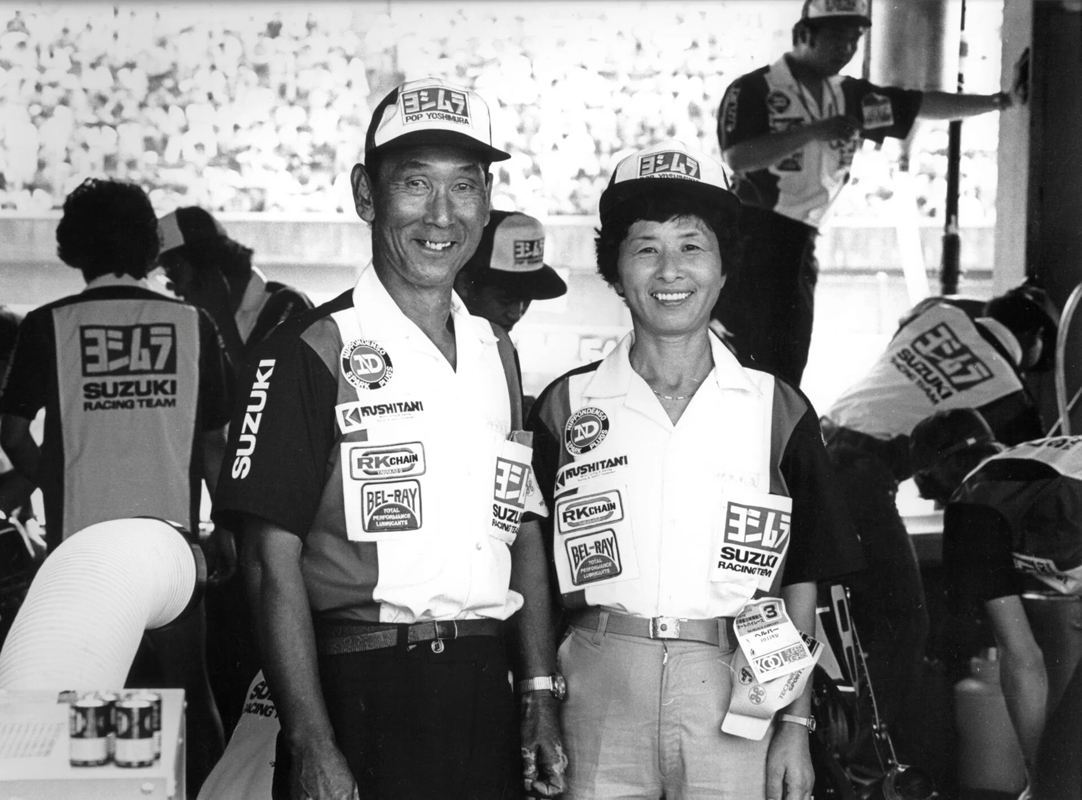
That commitment to never settling became the foundation of Yoshimura’s philosophy. When Pop returned to Japan in 1981, leadership of Yoshimura America passed to his son, Fujio. Following Hideo Yoshimura’s passing in 1995, many expected the company to become another famous name living off its past. Instead, it continued to evolve.
Ironically, it wasn’t until Steve Theron recently sent me a Yoshimura RS-4 system for my Husqvarna Norden 901 that I truly appreciated what makes the brand so special. Before the exhaust had even found its way onto the motorcycle, simply lifting it from the box and studying the beautifully stacked welds, flawless finish, and attention to detail was enough to understand why riders speak about Yoshimura with such reverence. I’ll dive much deeper into the RS-4 in an upcoming unboxing and fitment feature, but it prompted me to ask a much bigger question: what makes a Yoshimura exhaust different?

After watching a video online of Yoshimura’s headquarters in Chino, California, it quickly provided the answer. Excuse me if I get a bit technical and nerdy!
Every exhaust begins with extensive research and development around a single motorcycle model. Rather than designing one system to fit several bikes, each exhaust is engineered specifically for its intended application, with every bend, mounting bracket and internal chamber developed to complement that motorcycle’s engine characteristics and performance goals.
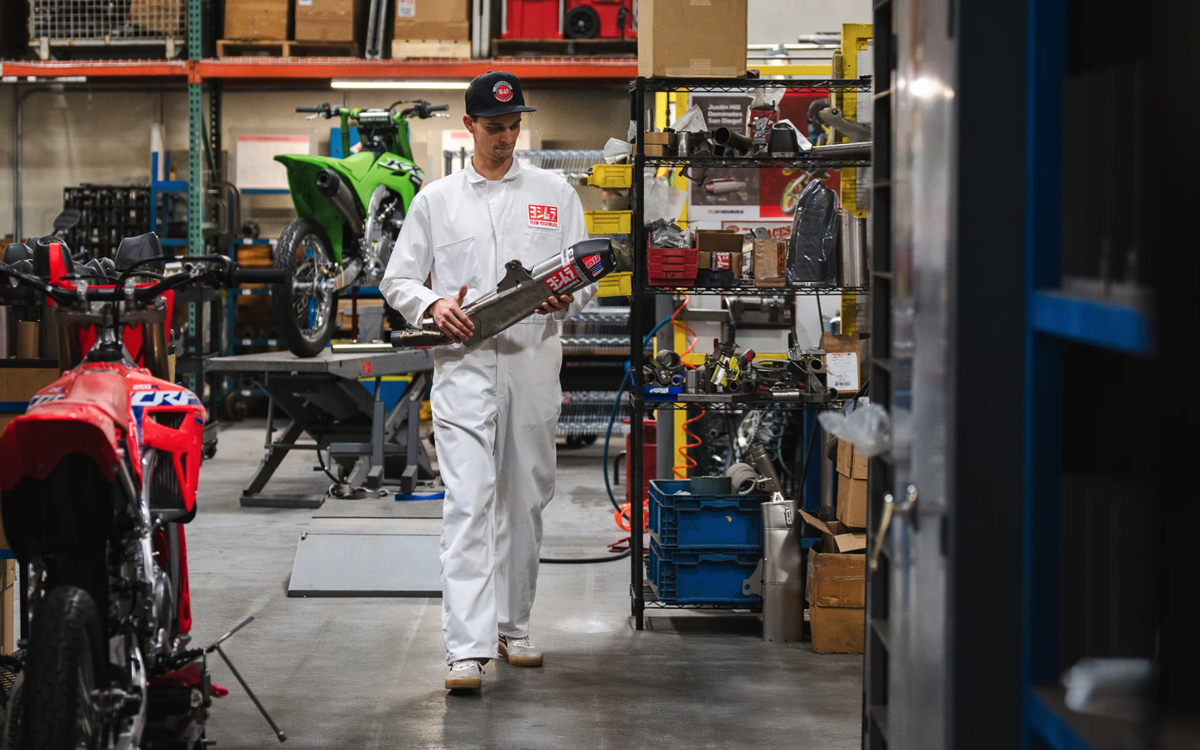
The materials receive the same level of attention. Premium Grade 2 titanium sourced from Japan, carefully selected stainless steel and in-house manufactured carbon fibre are chosen not because they sound impressive in a brochure, but because they meet Yoshimura’s uncompromising standards. Components with even the slightest cosmetic imperfection are discarded rather than repaired.
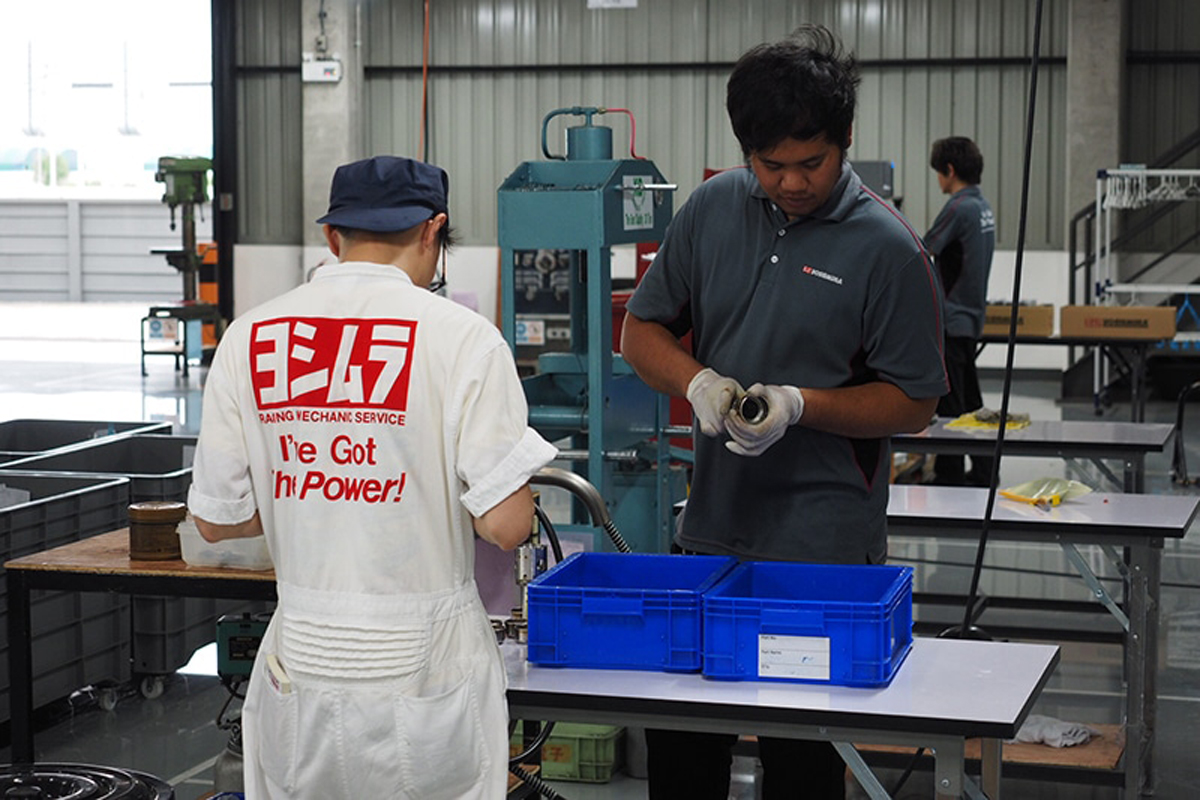
Modern technology has transformed the manufacturing process. Fibre lasers, CNC tube benders and robotic welding deliver extraordinary precision and consistency, while experienced TIG welders still hand-finish the titanium systems that have become synonymous with the Yoshimura name. Engineers move effortlessly between the fabrication shop and the dyno room, building prototypes, testing them, refining them and repeating the process until every detail is exactly right. Feedback from factory race teams sits alongside dyno data to fine-tune not only horsepower, but throttle response, sound quality and overall rideability.
The tools have changed dramatically since Pop spent evenings hand-filing engine components in a modest Japanese workshop.
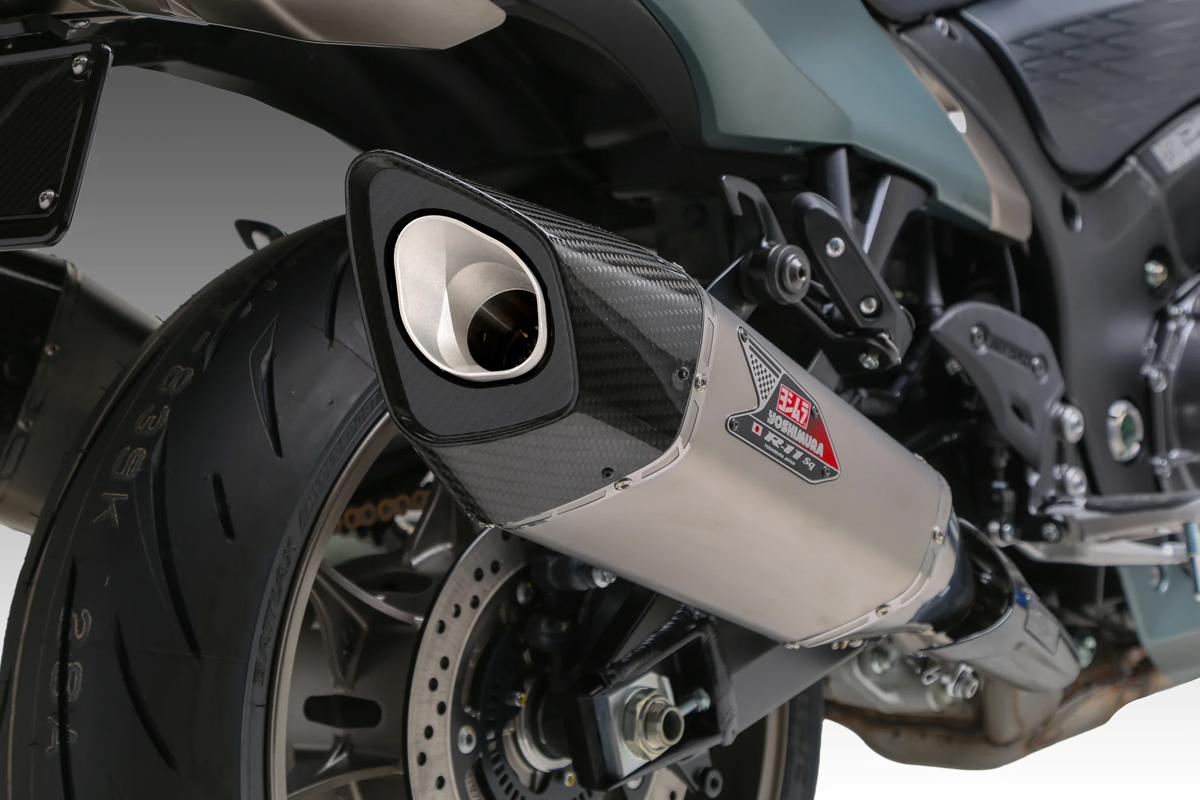
The philosophy hasn’t
More than seventy years later, every Yoshimura exhaust still reflects the same belief that made Hideo Yoshimura famous: build the best product possible, never stop improving and let the work speak for itself.
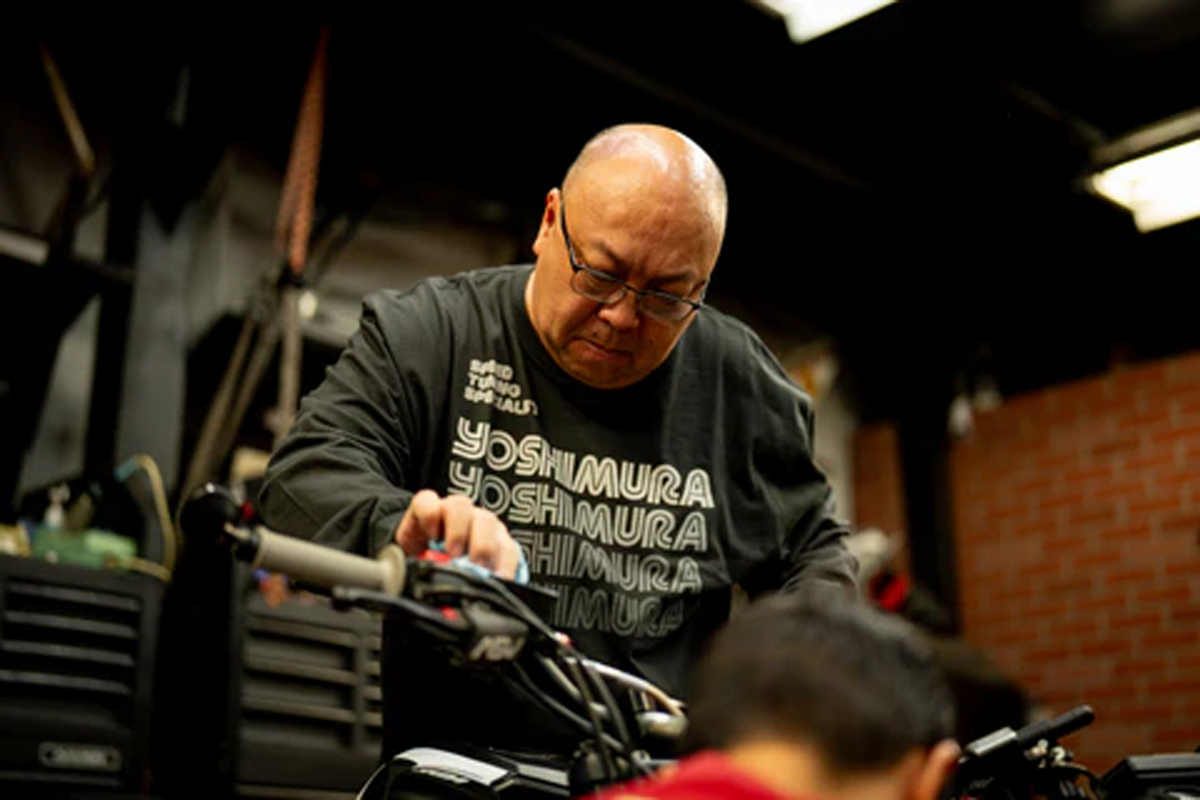
The good news for South African riders is that Yoshimura’s return isn’t limited to just a handful of current models. Through Sparks Distributing, systems and slip-ons are available for an extensive range of motorcycles, from the latest generation of machines right through to icons of years gone by. Whether you’re riding a brand-new adventure bike or a much-loved Suzuki GSX-R1000 K5, chances are there’s still a Yoshimura system designed specifically for your motorcycle.
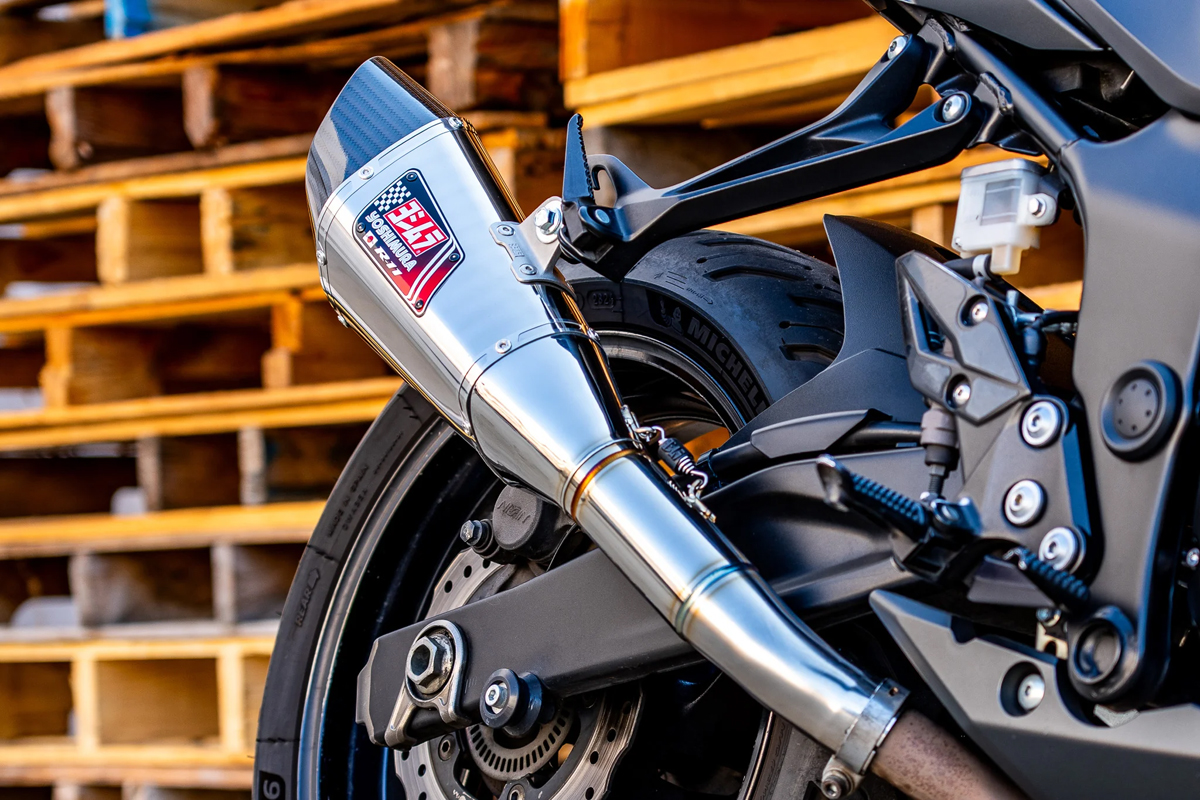
That, perhaps, says more about the company than anything else. In an industry constantly chasing the next big thing, Yoshimura continues to support the motorcycles that enthusiasts refuse to forget.
As for me, I’ll soon be taking a closer look at the engineering, fitment and riding experience that have made the RS-4 and Yoshimura such an iconic exhaust. But before any of that, I felt it was only right to tell the story behind the badge.

Because long before Yoshimura became one of the most respected names in motorcycling, it was simply one craftsman standing at a workbench, refusing to accept that “good enough” was ever good enough.
Yoshimura exhausts are available in an ever-increasing number of outlets. For details, call Steve Theron on 072 912 4658 or email him at [email protected]