



Cape Town, beautiful scenery, a rather spectacular house and… electric motorcycles. Things got very interesting.
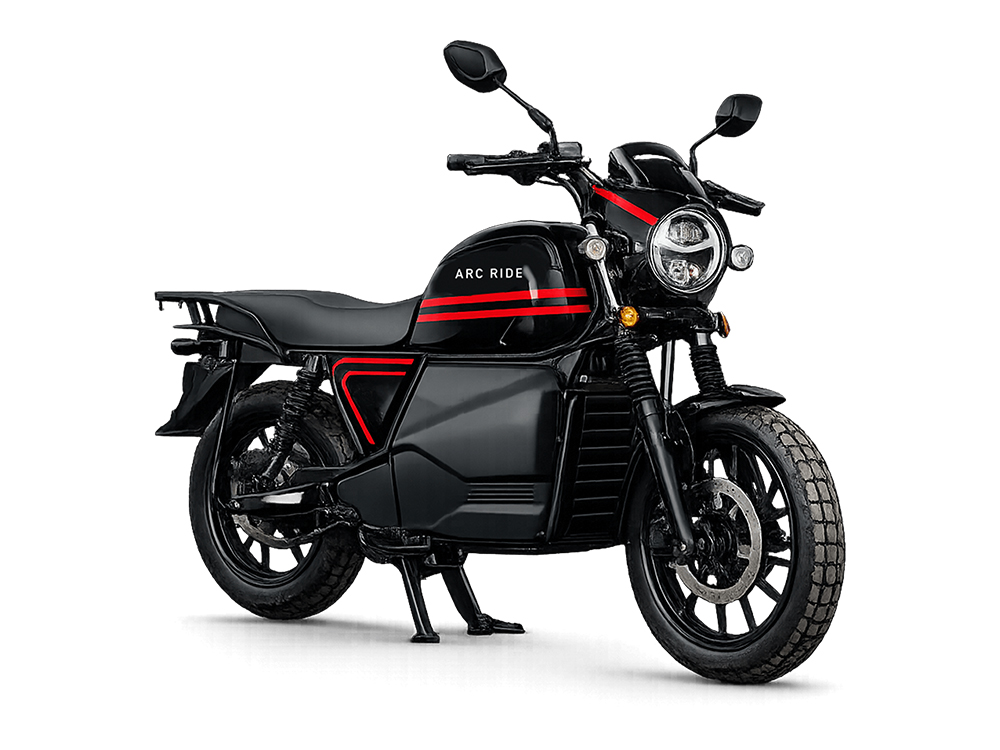
We were recently invited to Pengilly House in Cape Town to see what ARC Ride has been working on, and while the setting may have been suitably glamorous, what the Kenyan e-mobility company was showing us was firmly rooted in the real world. ARC Ride isn’t simply bringing another electric motorcycle to South Africa and hoping somebody will plug it in. There is a much bigger idea behind ARC Ride and, in particular, the Panther model, one that revolves around saving riders money and time while building an electric mobility ecosystem that actually makes sense for African cities.
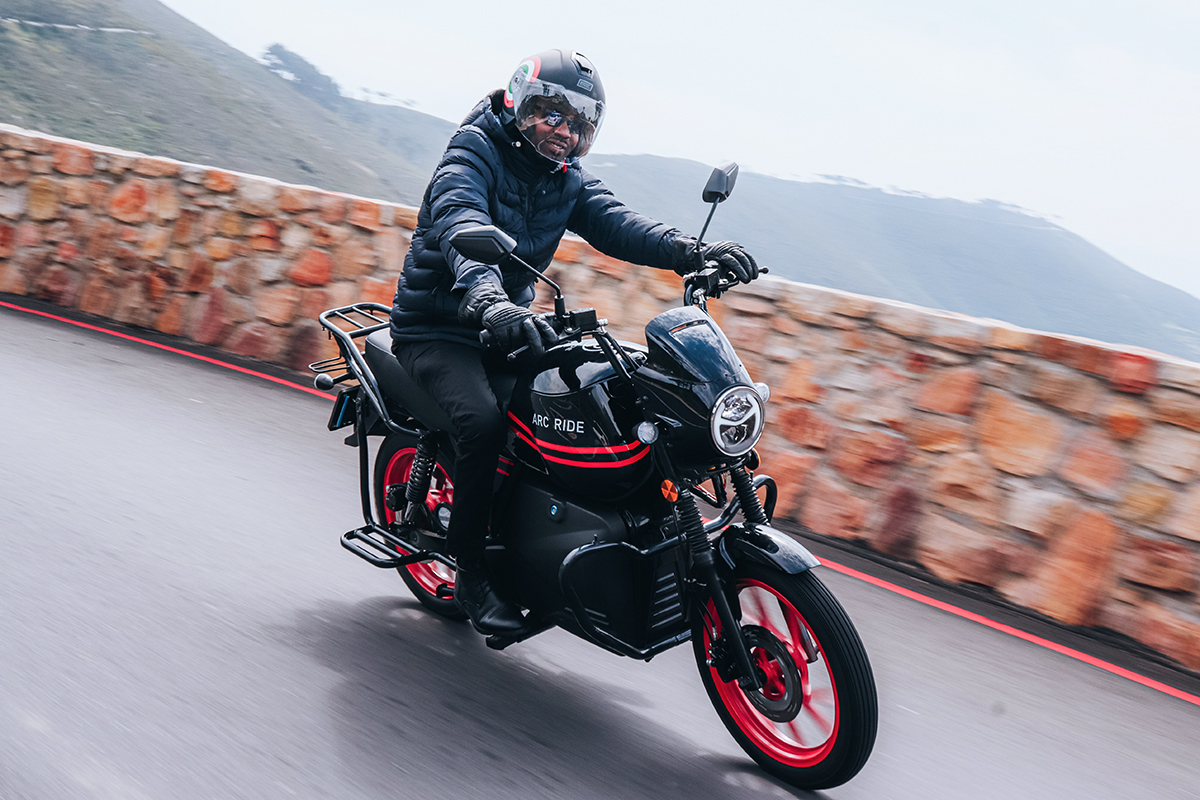
We’ve also been fortunate enough to be among the first few to get our hands on a Panther for testing, so this isn’t simply a case of looking at one under the lights and repeating what the press release tells us. We’ve already spent some time riding it, and our first impressions have been surprisingly positive. The build quality feels good, the motorcycle is comfortable and, perhaps most importantly, it feels like a motorcycle.
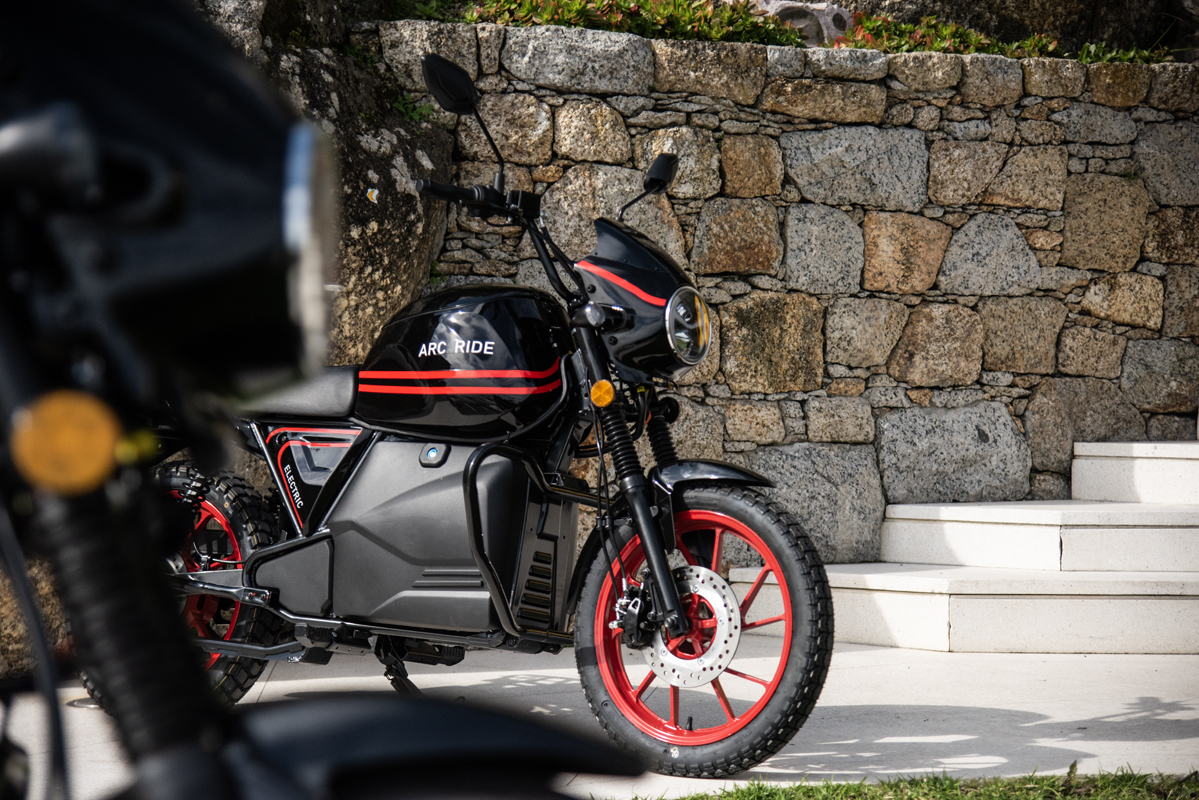
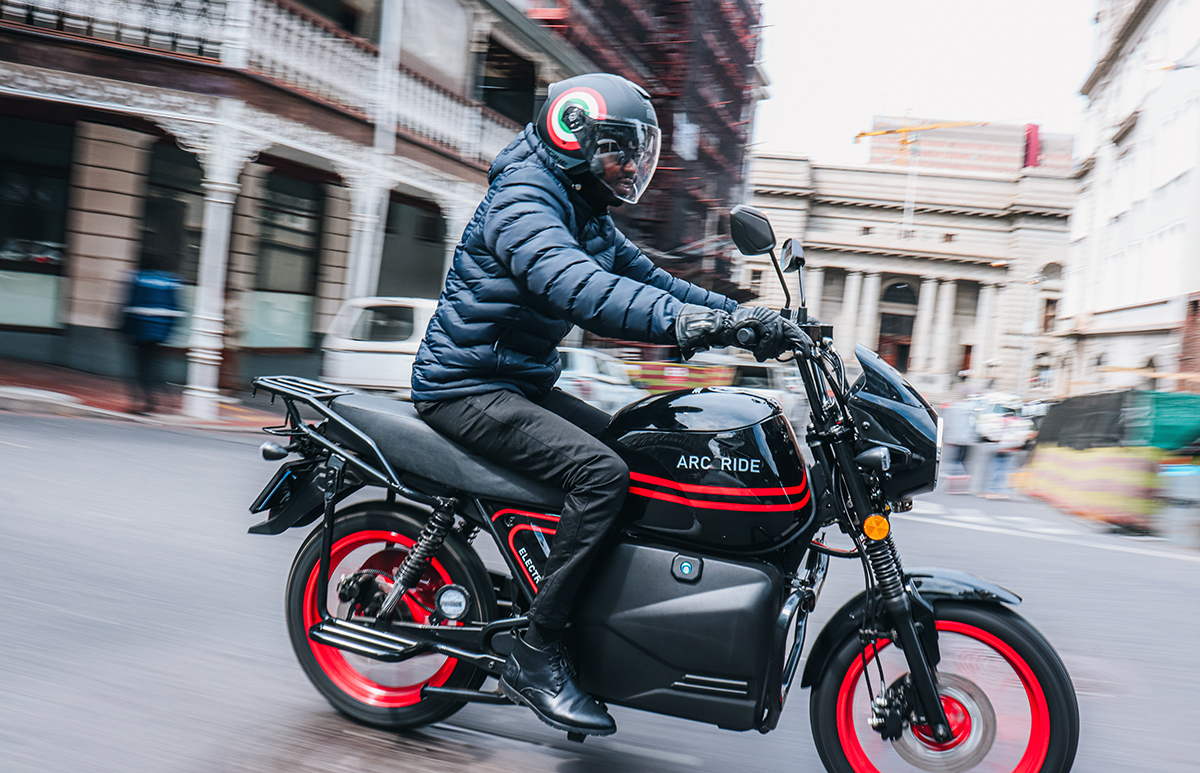
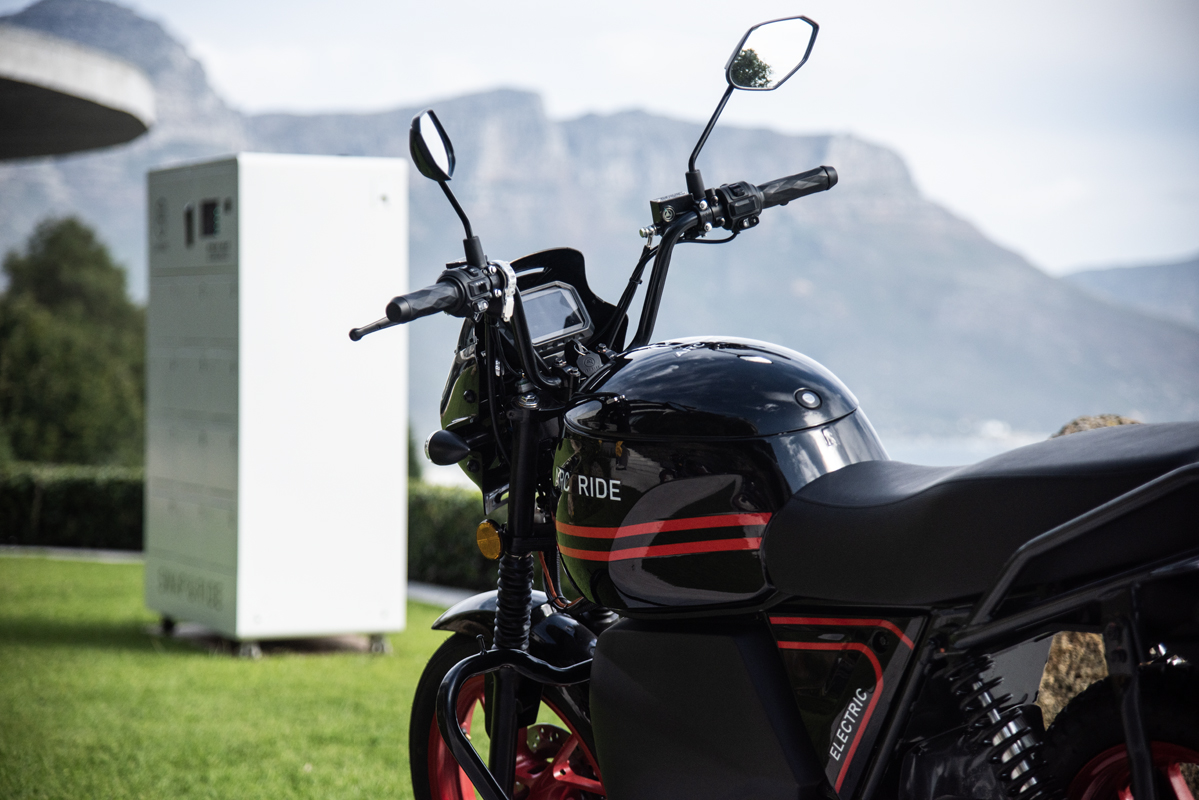
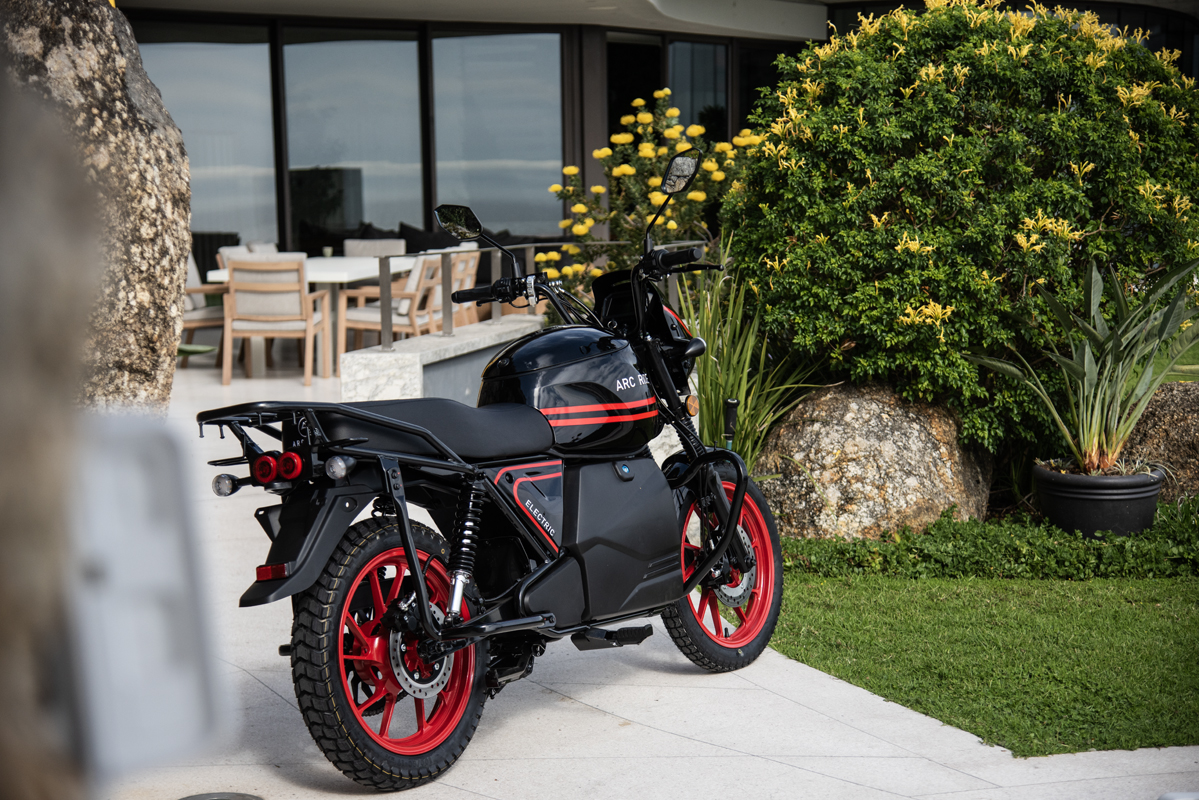
The Panther is clearly a motorcycle, and it rides like one too. With the batteries positioned low in the frame, the weight sits nicely down low, giving it a stable, planted feel, while the comfortable ergonomics, forward-set footpegs and wide handlebars make it immediately familiar. Then you twist the throttle, and the Panther surprises you. In modes 2 and 3, acceleration is more than brisk enough to keep up with urban traffic, with 85 km/h achievable in mode 3 and arriving a lot quicker than you might expect.
For a machine designed primarily for commuting and commercial use, the Panther fits that role remarkably well. It is easy to ride, responsive and feels perfectly at home around town, while the lack of a petrol engine becomes less of a compromise and more of a benefit. All in all, riding the Panther did not disappoint; if anything, it twisted my arm a little towards this new form of transport. We’ll get into the finer details in our full Panther review coming soon.
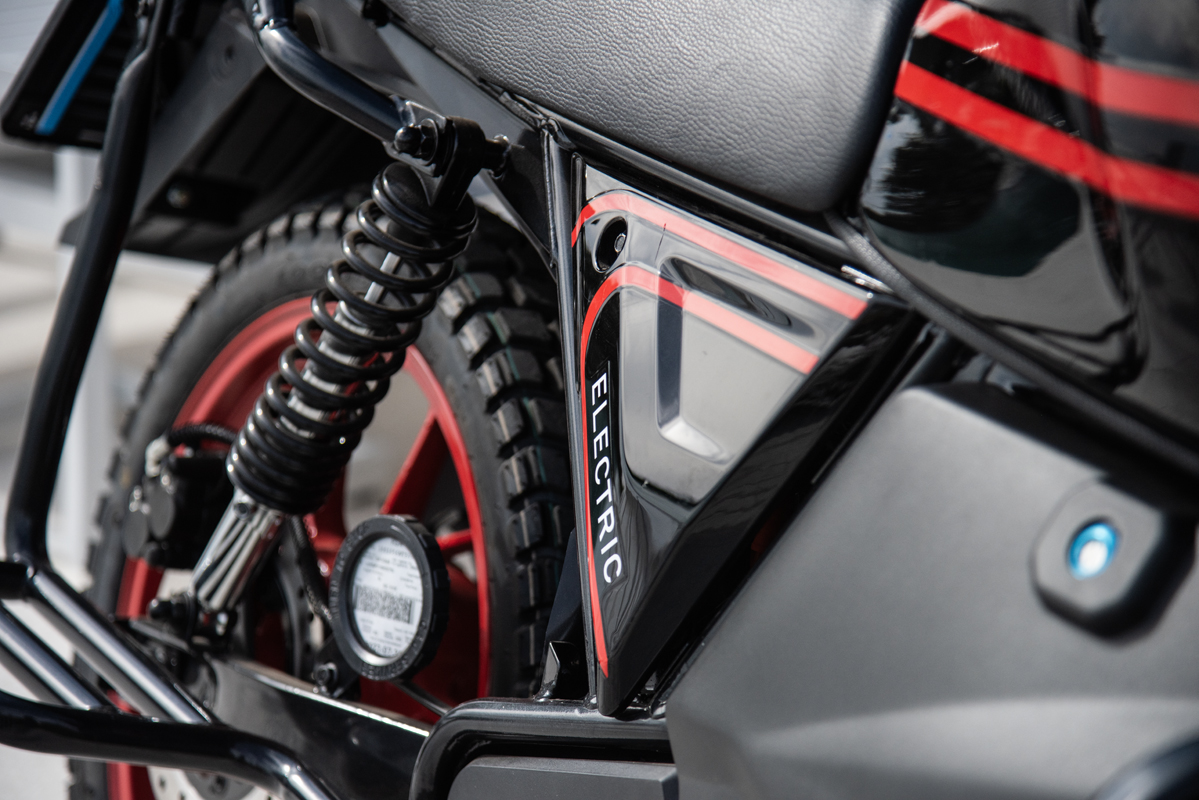
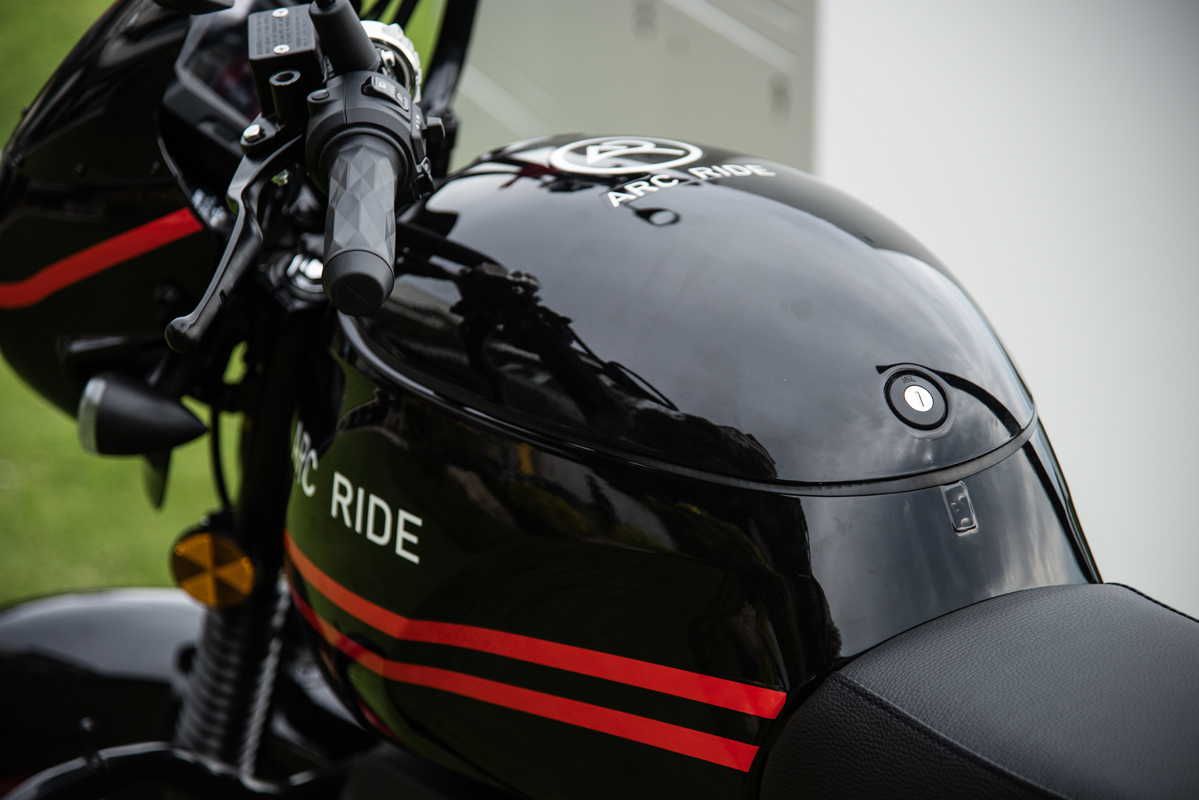
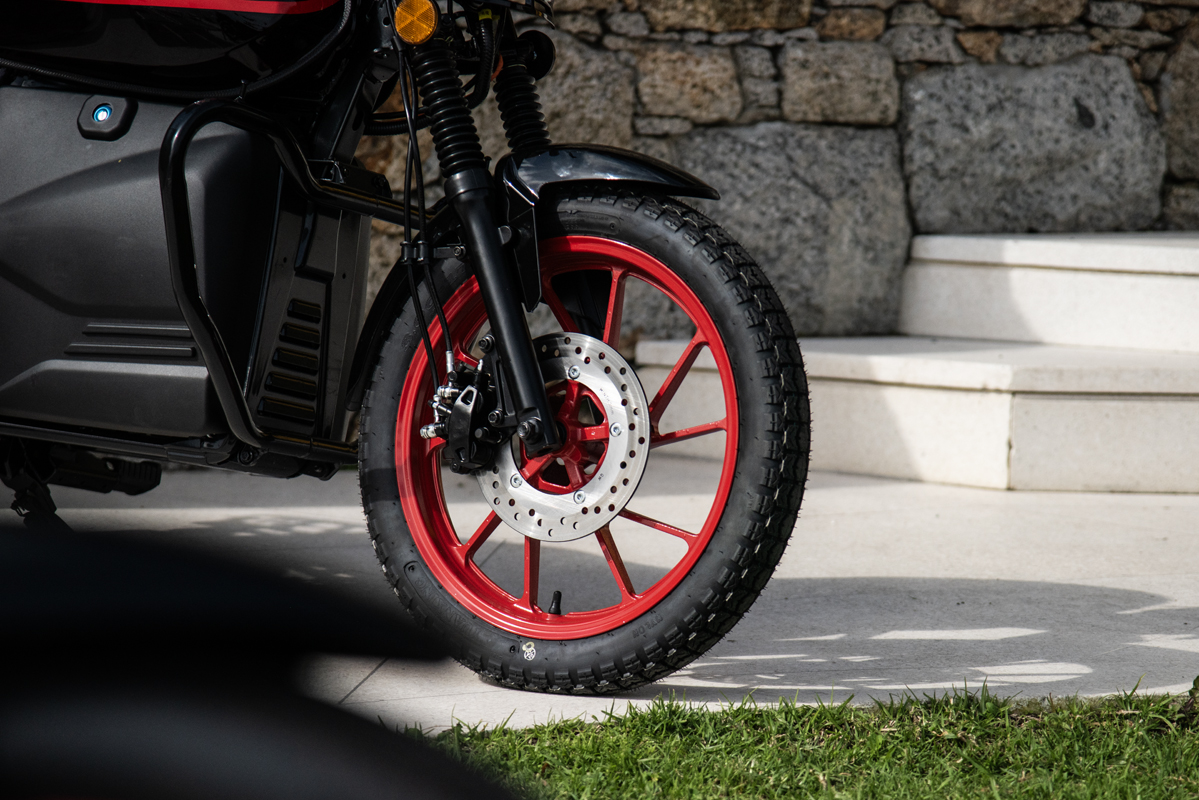
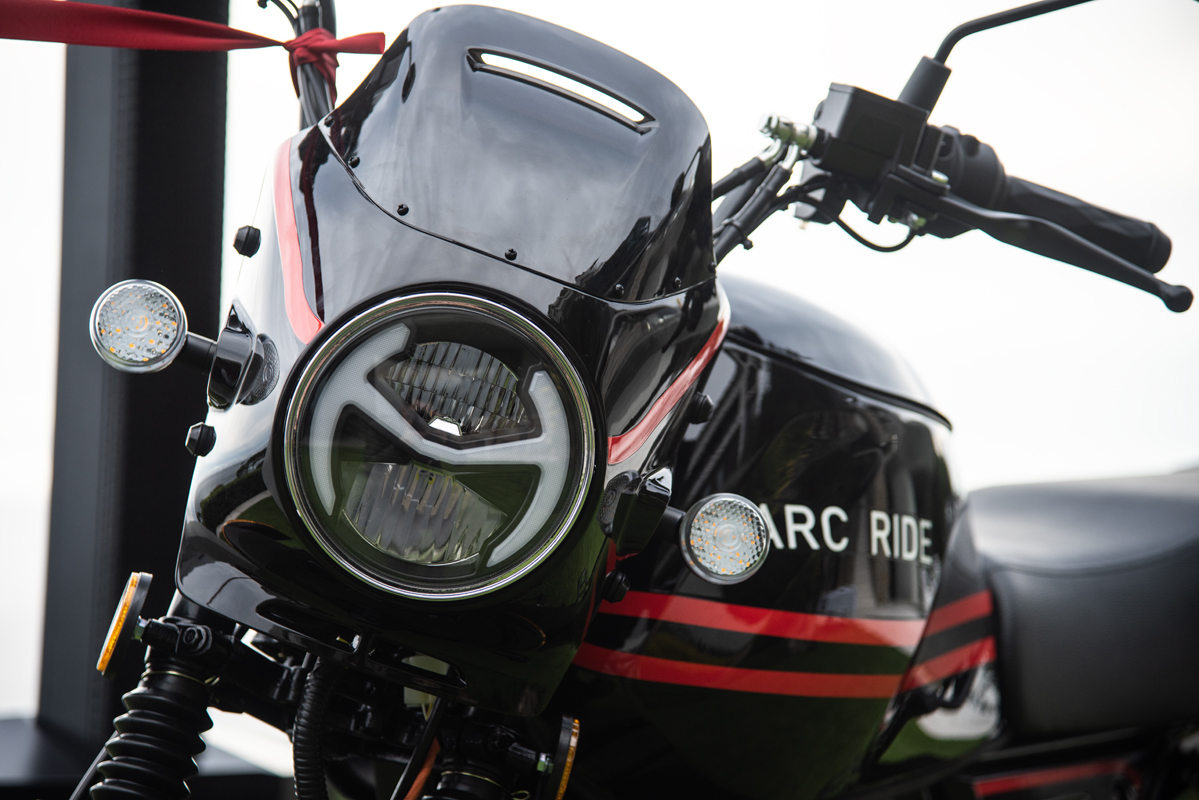
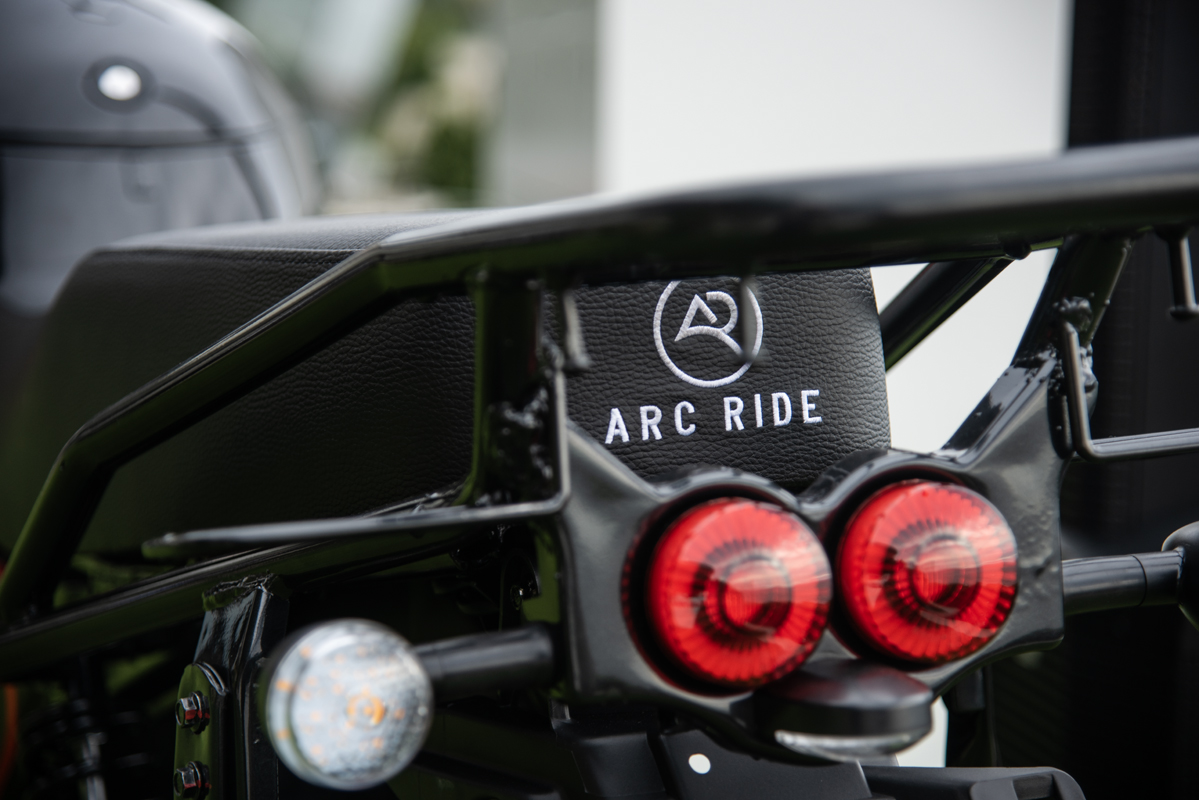
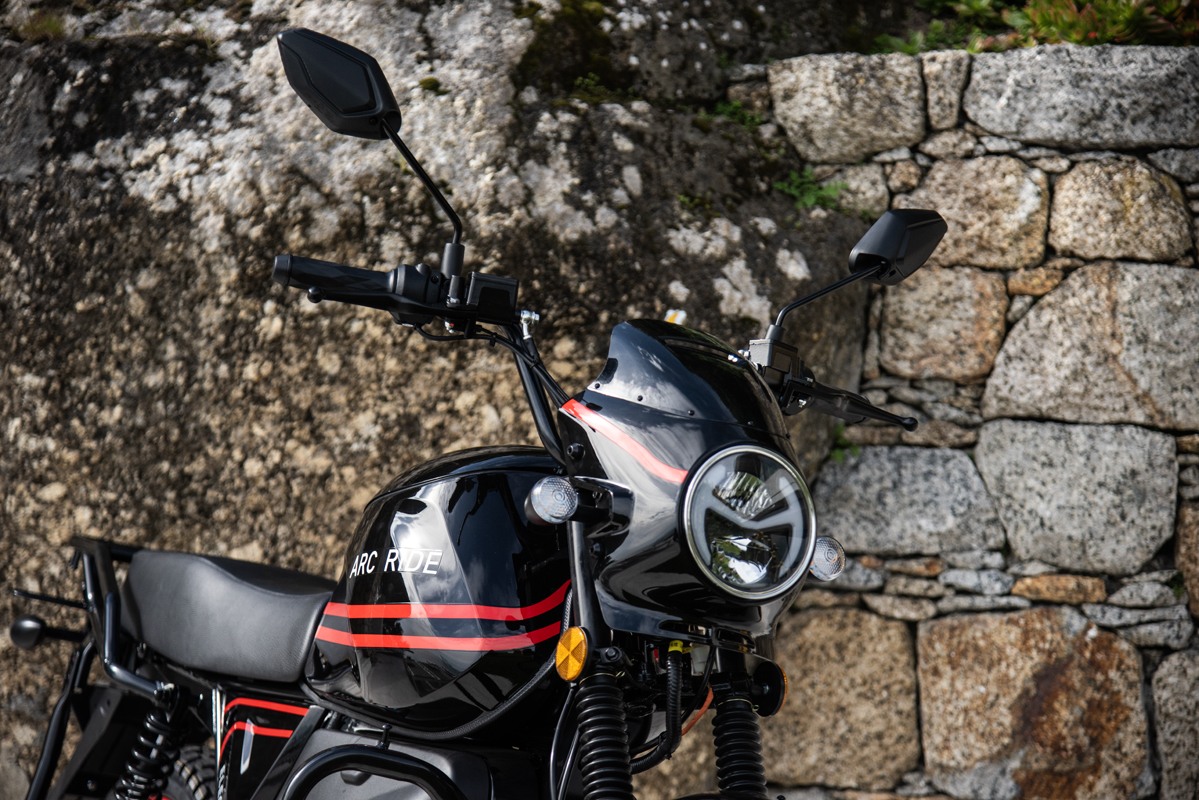
There are some thoughtful details, too. The indicators have protective surrounds, something that might sound insignificant until you consider that these bikes are intended to spend their lives working in busy urban environments. There’s Bluetooth connectivity, a centre stand, tubeless wheels, storage where a traditional fuel tank would be and an infotainment system, while the overall package feels designed around the realities of everyday use rather than simply trying to win a specification-sheet battle.
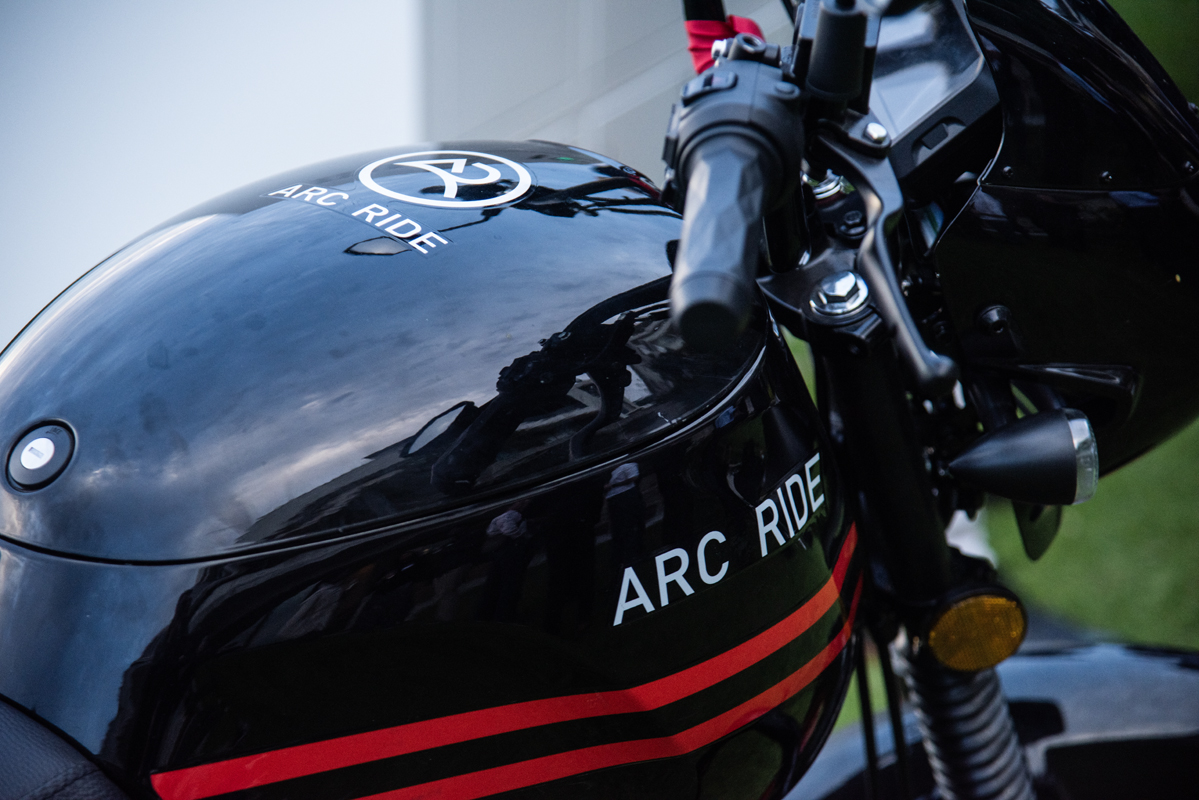
ARC Ride calls the Panther its fifth-generation motorcycle, and that experience is apparent in the thinking behind it. The company has been operating in Nairobi, where more than 5,000 of its electric motorcycles are already in use, and it has developed the Panther specifically for African urban conditions. The Panther uses a 5 kW continuous-output motor, with up to 10 kW available at peak, and can carry a claimed payload of 292 kg. It has three riding modes, an average operational range of around 110 km, hydraulic disc brakes, combined braking and full LED lighting. Oh, and it even has a revere mode: press “R” on the right-hand side switchgear and twist the throttle. Sounds gimmicky, but you try backing up on a motorcycle fully loaded or with a passenger on board; not so easy, so well done, ARC.
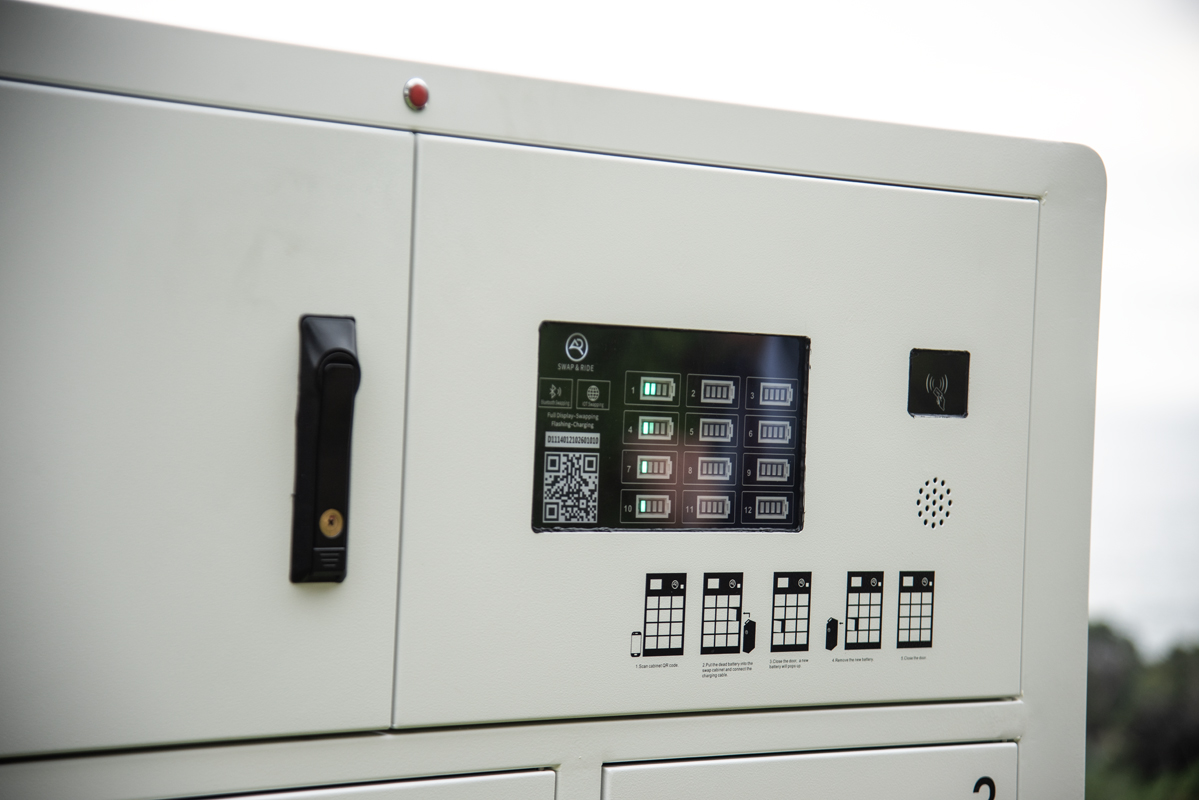
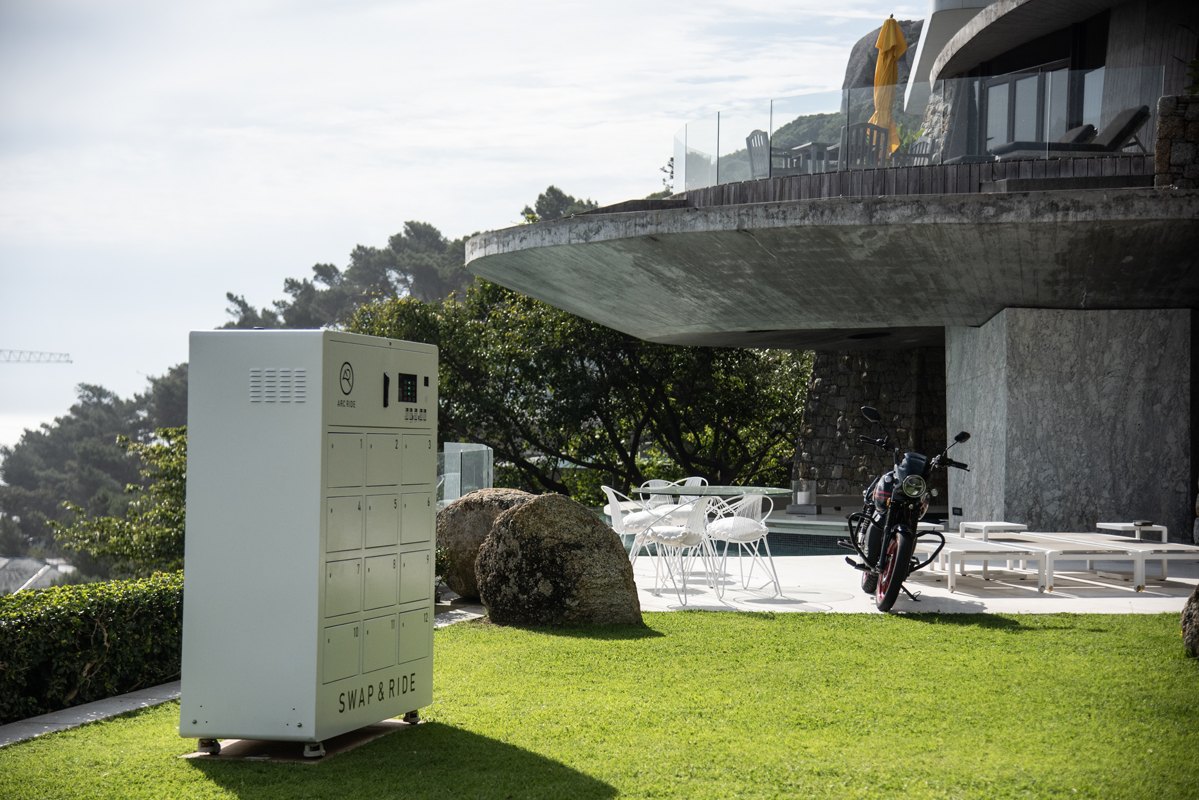
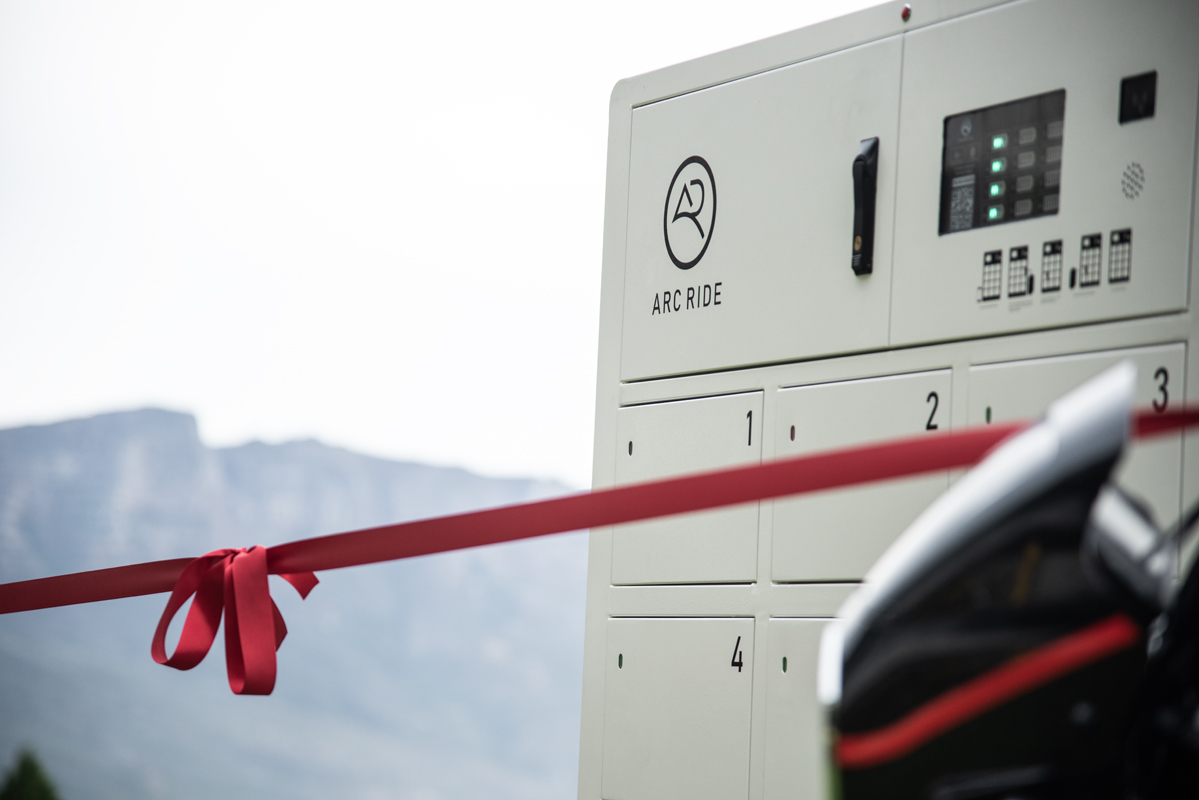
However, the motorcycle itself is only half the story; the game changer is the battery-swapping system. Instead of asking a rider to buy an expensive battery, worry about its eventual degradation and then find somewhere to charge it, ARC Ride retains ownership of the batteries through its Battery-as-a-Service model. When you’re running low, you simply find an ARC Hub or swapping station, exchange your depleted battery for a charged one and carry on riding. It is literally as easy as it sounds.
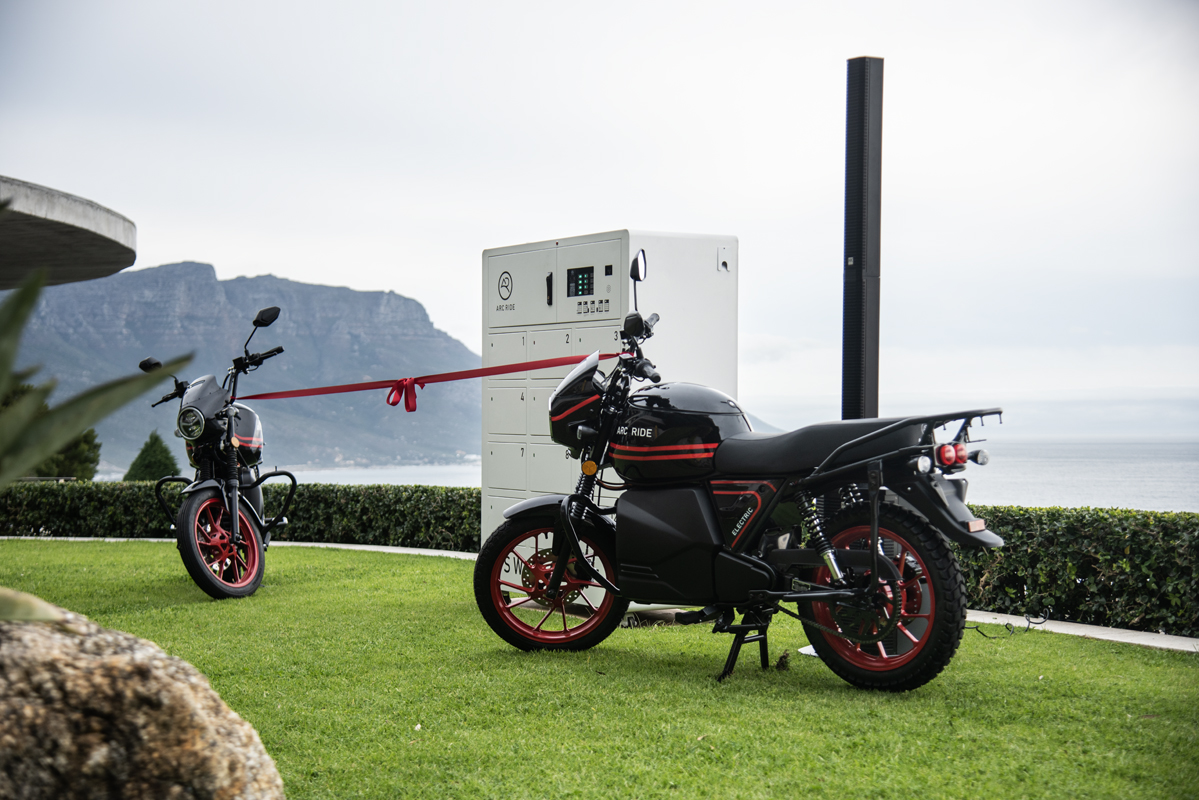
We’ve already had a look at the ARC Ride App, and it makes the process surprisingly straightforward. It shows riders where the battery-swapping locations are and provides the information needed to manage the motorcycle. For commercial operators, that extends into telemetry, vehicle tracking and fleet analytics, while for an ordinary commuter the appeal is much simpler: knowing where you can swap a battery removes much of the inconvenience traditionally associated with electric motorcycles. What I found particularly impressive is that you can check the App and see the charge level of every battery at your chosen swap station before you even arrive. No guesswork, no wasted trip.
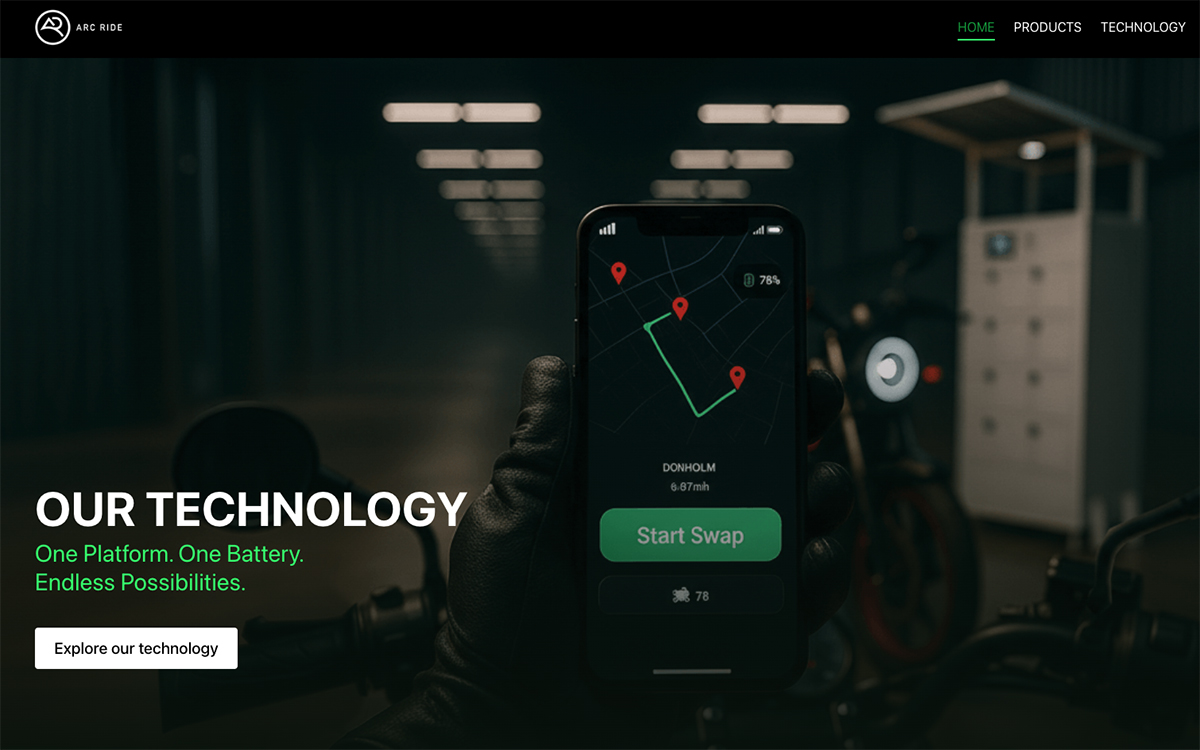
A full battery swap costs around R50, while partially depleted batteries are charged according to the energy used. ARC Ride says that, based on comparable operations in other African markets, the combination of lower energy and maintenance costs could reduce a delivery rider’s weekly operating expenses by up to 20%.
This is where the Panther starts to make a lot of sense
For somebody riding a motorcycle for fun, electric propulsion offers a whole new riding experience. For somebody riding one all day to make a living, however, the equation changes completely. Fuel, servicing and downtime all eat into earnings. ARC Ride has therefore approached the Panther less like a lifestyle product and more like a business tool.
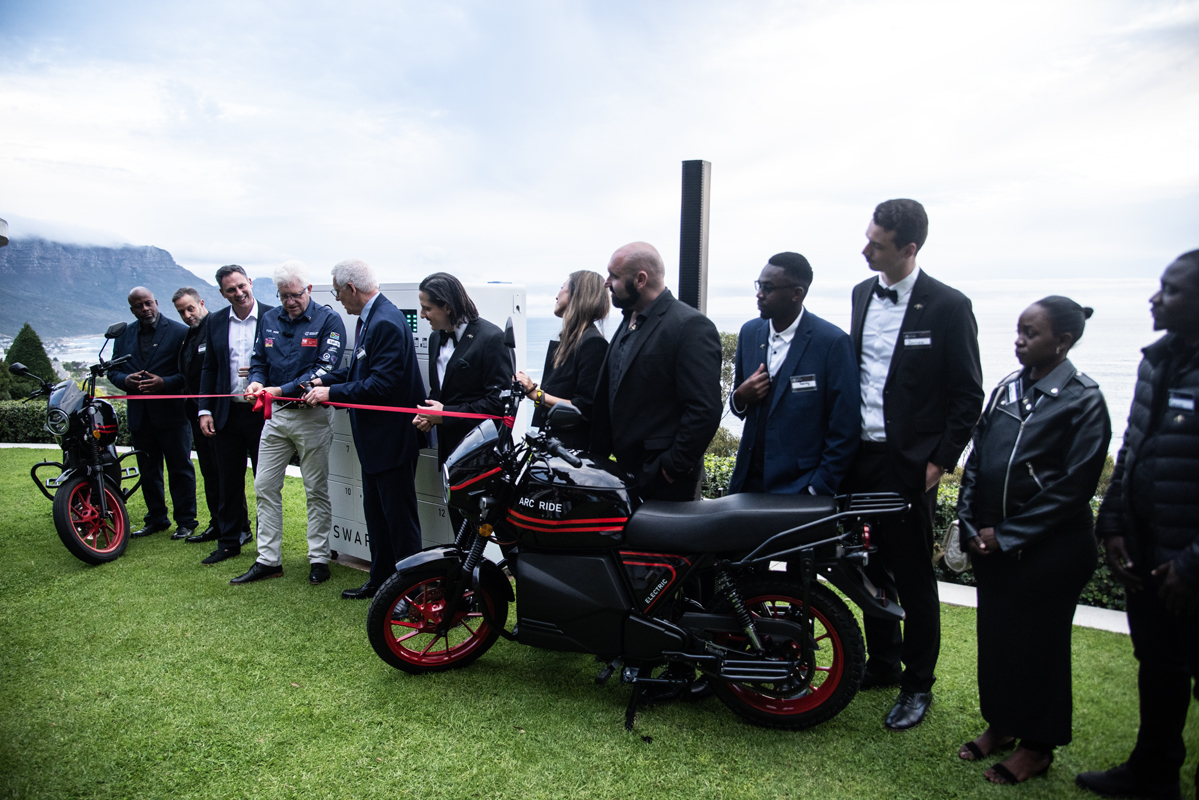
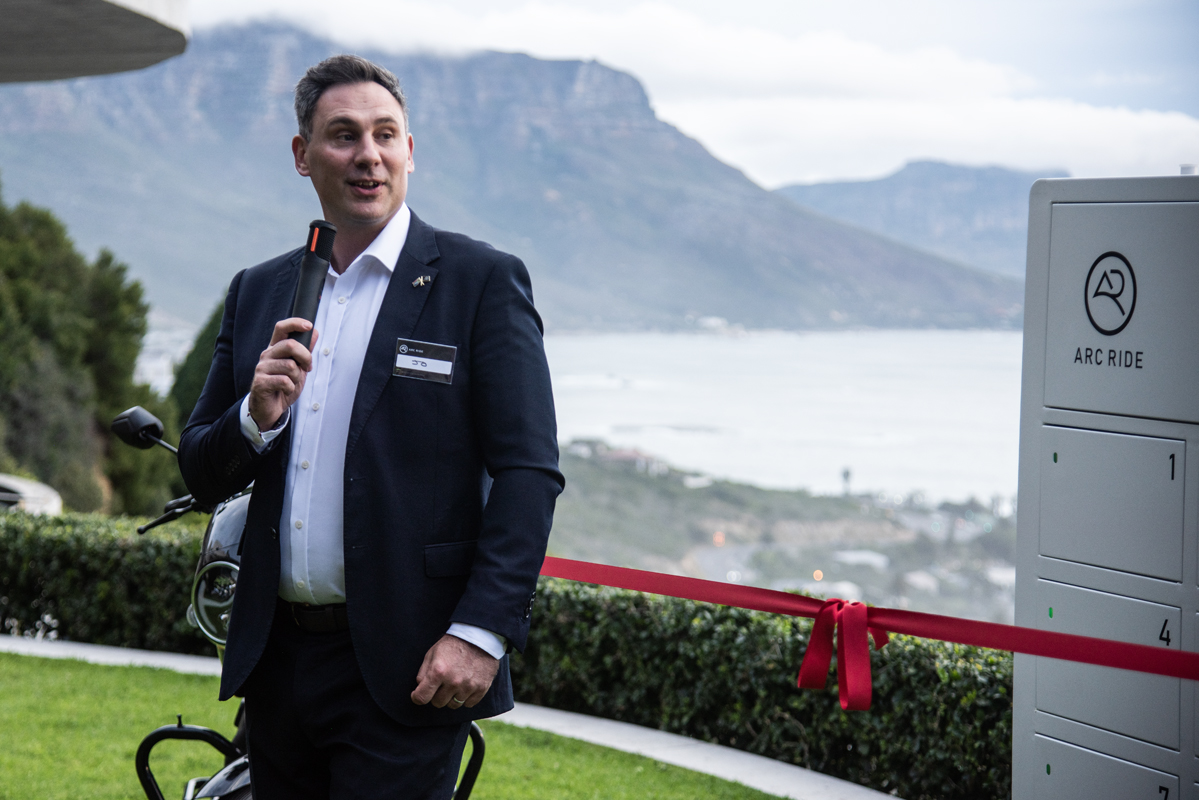
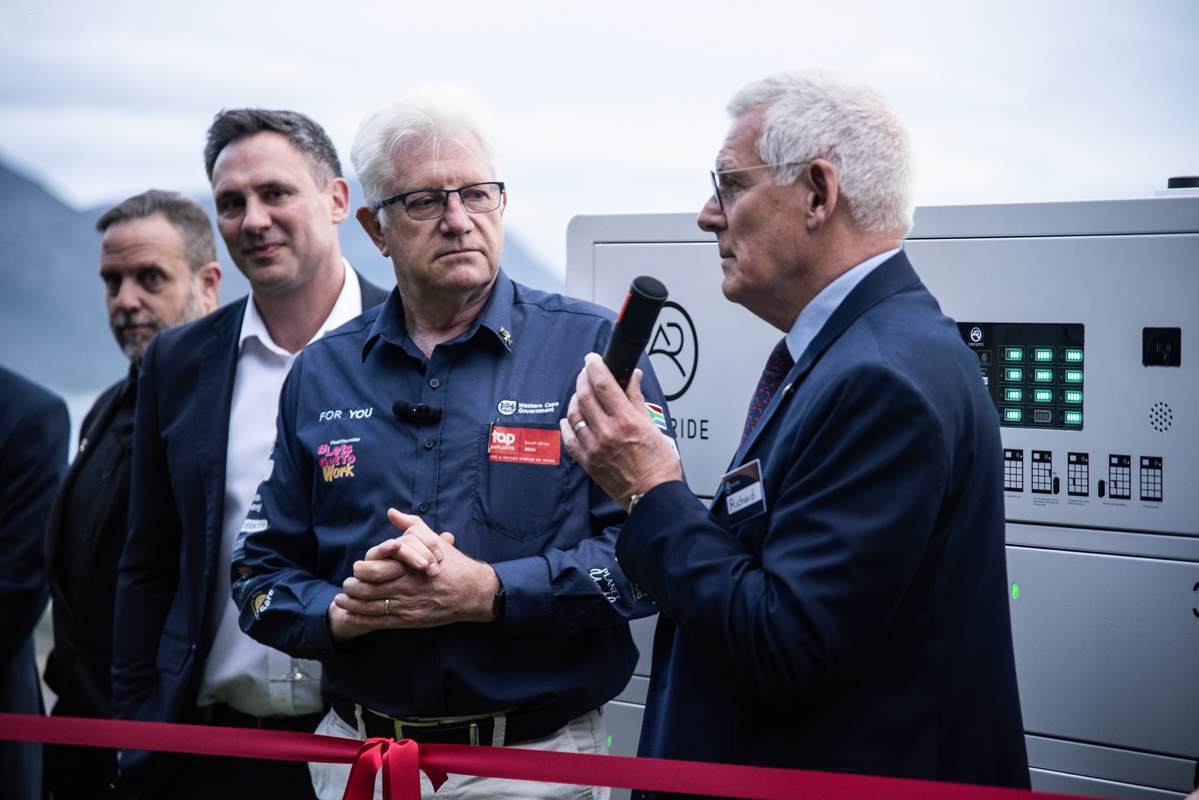
“There is a human on that bike doing a tough job every day,” said Mikael Cloete, Managing Director of ARC Ride SA. “We engineered the Panther specifically for durability, safety, and operational efficiency, ensuring the unit economics allow riders to increase their net weekly earnings.”

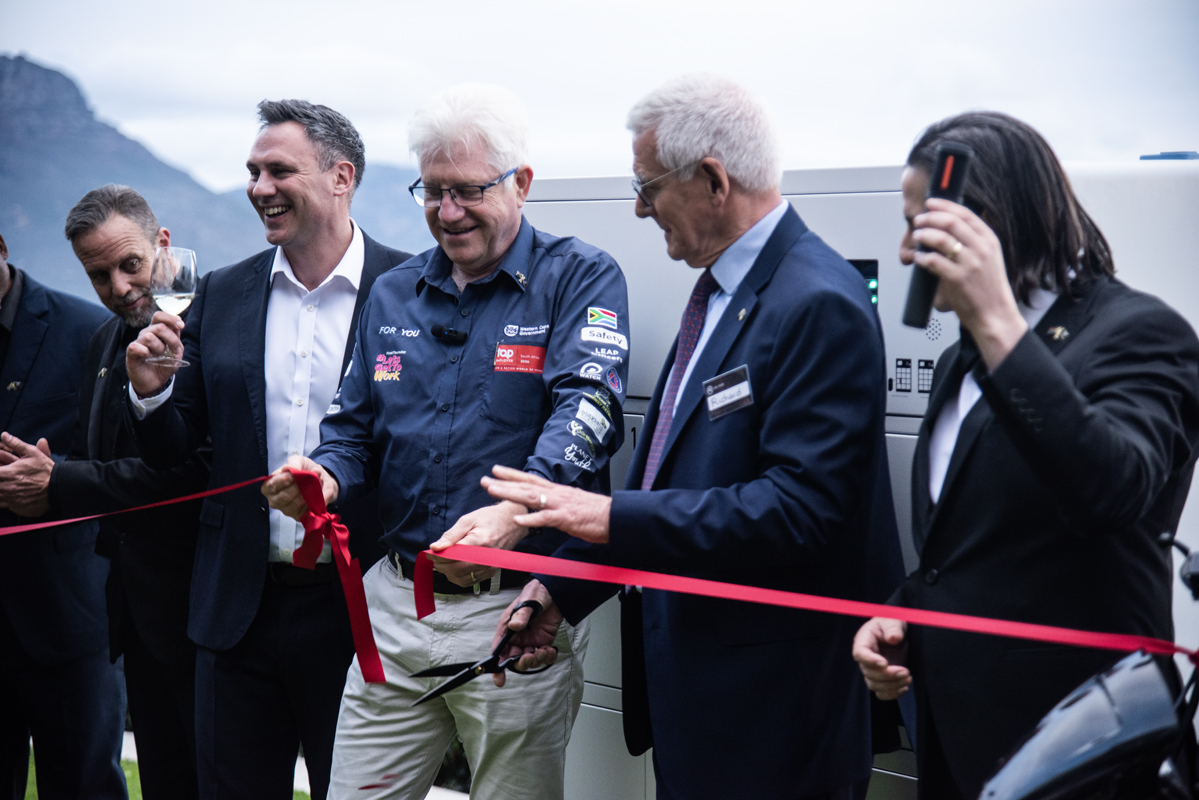
So, I’m guessing you want to know what the Panther costs? The motorcycle starts at R22,500 including VAT, with rental and lease options available through ARC Ride’s fleet partners in Gauteng and the Western Cape. The company has also completed its South African registration, homologation and compliance requirements, with support from the Western Cape Government, and its network is already operational in selected areas of Cape Town and Gauteng.
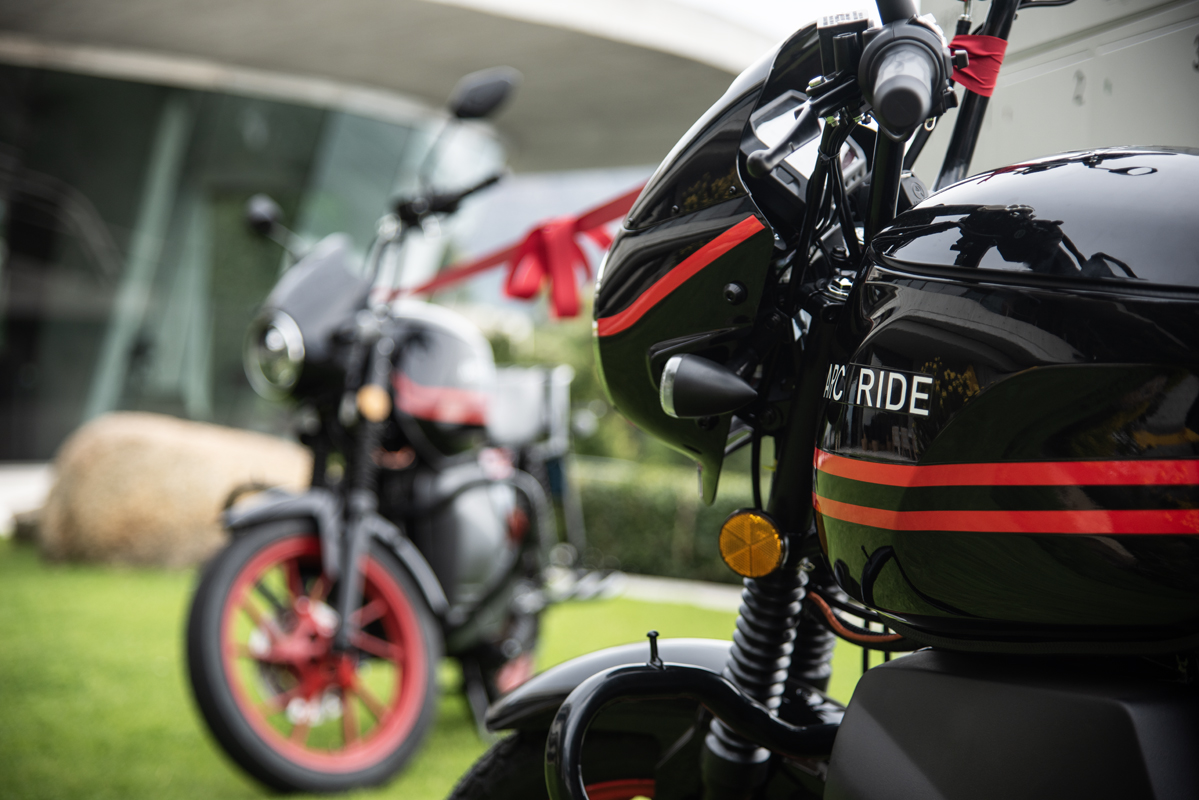
There is another important part to ARC Ride’s South African ambition. The Panther is intended to be assembled locally, with the company hoping that the expansion of its operation will help create jobs and develop local e-mobility infrastructure rather than simply turning South Africa into another destination for imported motorcycles.
ARC Ride’s Founder and Global CEO, Joseph Hurst-Croft, described the broader ambition at the launch: “Our focus is on building practical, local e-mobility infrastructure.” With operations already expanding beyond Kenya into Uganda and Ghana, and following a $33.3 million ‘Series A’ funding round backed by investors including the IFC, British International Investment, Novastar Ventures and Norrsken22, ARC Ride clearly sees Africa as more than just a testing ground for electric mobility.
For now, though, we’re more interested in what happens when the Panther leaves the launch venue and becomes part of everyday life. We’ve already been impressed by the quality of the motorcycle, how naturally it rides and how easy the technology is to use. The battery-swapping concept is beginning to feel less like a novelty and more like a genuinely convenient alternative to filling up with petrol, particularly when the infrastructure is there to support it.
And that’s something we’ll explore properly in our upcoming Panther test, where we’ll spend considerably more time living with the motorcycle and finding out whether ARC Ride’s vision works as well on the road as it does on paper.









For now, though, Cape Town has given us our first taste. Electric motorcycles might not be replacing petrol bikes overnight, but ARC Ride has certainly given us something worth talking about.
ARC Ride Panther
For more information on the bike featured in this article, click on the link below…