

Home Blog Page 3

Easing the Cost of Motoring in These Difficult Times

0
Photo credit: Bjorn Moreira / ZA Bikers

The world is, at the moment, in an energy crisis thanks to the ongoing situation in the Middle East. This is having a disastrous effect on the cost of living, with virtually everything necessary for daily life increasing in price, not least of which is the fuel – both petrol and diesel – we put in our cars and trucks.

Short of parking our cars and finding alternative means of getting around, there seems to be little we can do to keep the wheels turning without breaking the bank. But what if we told you that there are measures you can take to reduce the amount of fuel your vehicle uses?
Photo credit: Meredith Moreira / ZA Bikers

Naturally, how you drive your car can have benefits in terms of fuel consumption; not revving the engine unnecessarily; changing into top gear as soon as possible without putting undue stress on the engine; reducing speeds on open roads or the highway, and so on.

However, a recent conversation with the good people at Liqui Moly gave an interesting insight into how they are looking at the problem and threw up some not-so-obvious means of reducing fuel consumption.
Photo credit: Bjorn Moreira / ZA Bikers

When considering the cost of motoring, many of us will skip on servicing and maintenance due to the costs involved. But this is a false economy, for the better the vehicle is maintained, the better and, therefore, more efficiently, it will run. Also, the longer it lasts, reducing both long-term costs and the ever-present carbon footprint of the vehicle.

While we trust the petrol companies to supply us with fuel that is as clean and free of contamination as possible, over time, deposits, moisture, oxidation and general build-up in your car’s fuel system will conspire to reduce the system’s efficiency and lead to wasted fuel. When the fuel system is clean and operating at peak efficiency, the engine can operate as efficiently as possible and get the maximum energy from every drop of fuel.
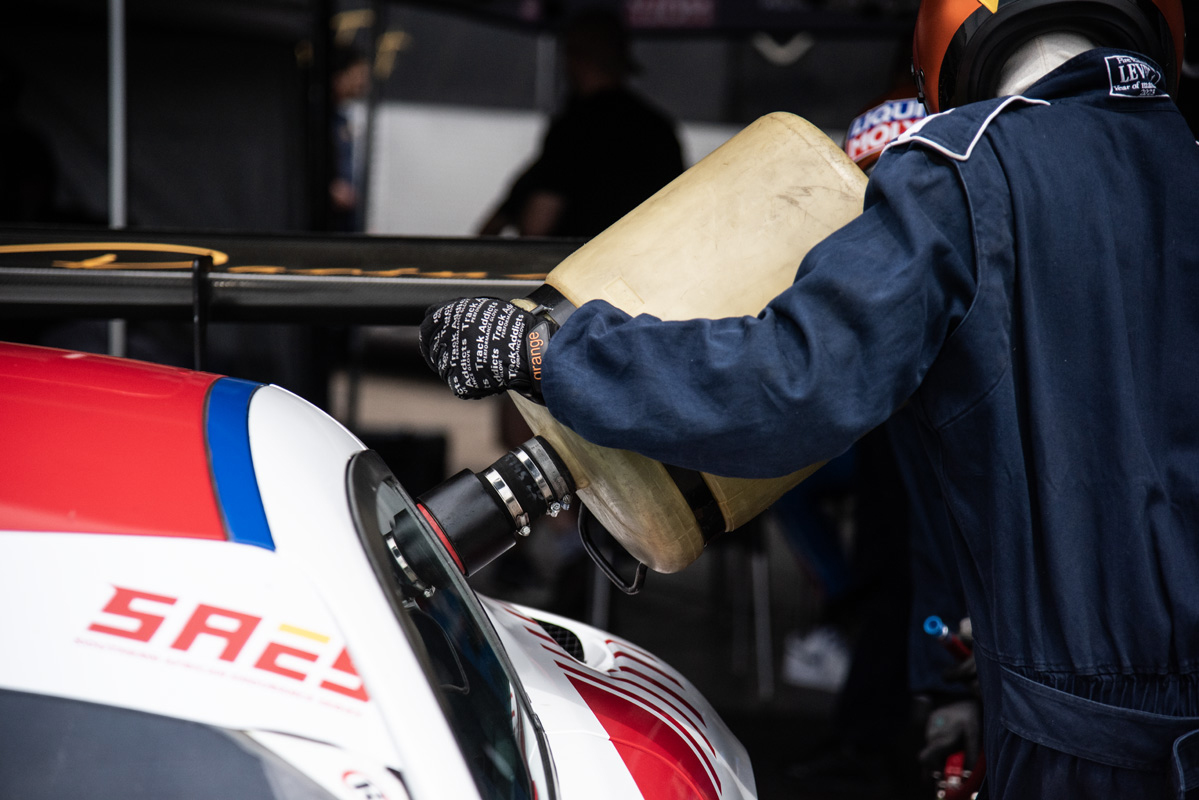
Photo credit: Bjorn Moreira / ZA Bikers

An engine is a complex amalgam of metal parts running together with incredibly fine tolerances. To this end, lubrication is vitally important; the lower the friction, the smoother the engine runs. The smoother it runs, the longer it will last, as wear is reduced and wear is the enemy of longevity. Smoother running also leads to cooler running, which increases efficiency.

Much to the disgust of all oil and lubrication companies, many of us think that oil is oil and there is nothing more to it. But this is to ignore the hundreds of millions of dollars that these companies pour into research and development, constantly refining and perfecting their products’ properties, creating ever-more finely tuned oils that are suitable for every possible type of motoring. Maybe, fifty years ago, one oil fitted all, but nowadays, the oil you put in your engine is as finely tuned as the engine itself.
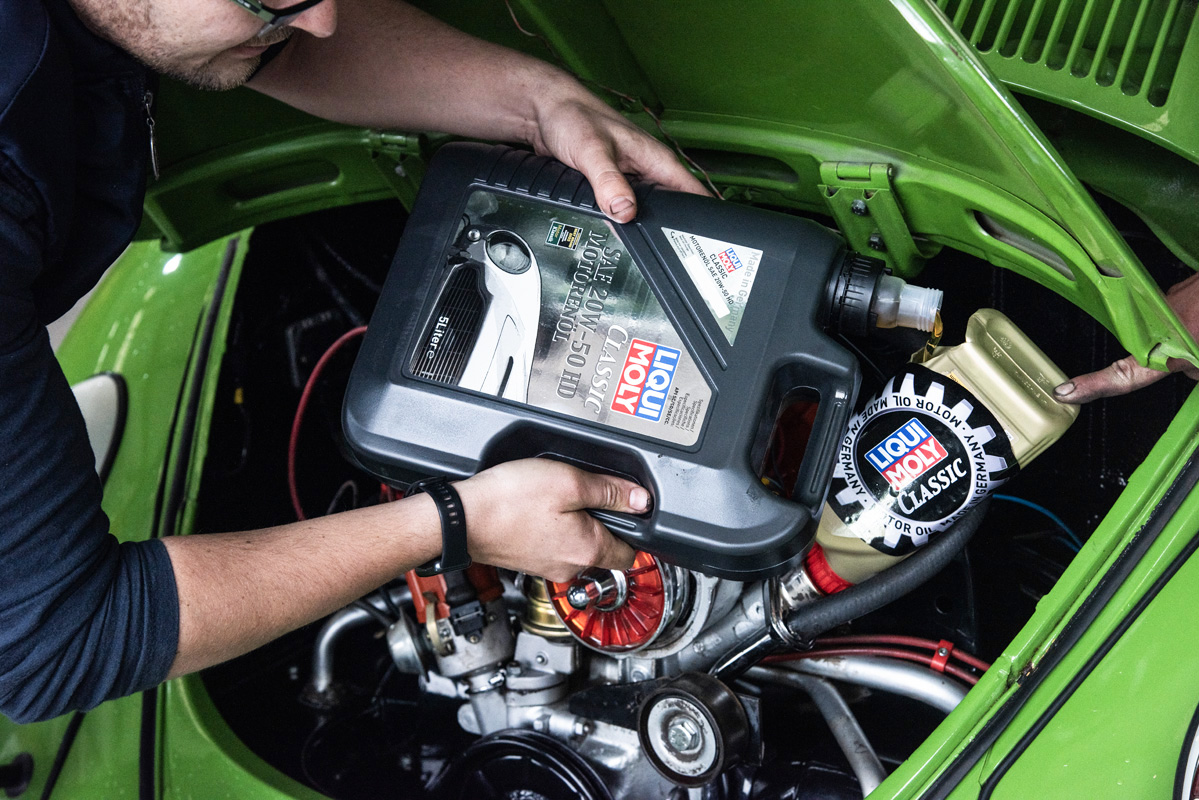
Photo credit: Meredith Moreira / ZA Bikers

You will be aware of the pairs of figures denoting different grades of oil; 10W50, for example. What these figures measure is an oil’s resistance to flow (its thickness, in other words). The first number (10 in this case) indicates low-temperature flow, or cold-start performance, with the lower the number indicating better flow at those lower temperatures. The second number (50) represents viscosity at high operating temperatures or under heavy loads, the oil needing to retain thickness to maintain lubrication.

The key consideration here is that the correct oil viscosity allows the oil to move through the engine as intended, reducing unnecessary resistance and allowing the engine to operate efficiently. Using the wrong oil – for example, if it is too thick – means the engine has to work harder, and that will have an effect on fuel consumption. Think of it this way: if you load up your car with weight, the engine has to work harder to move it. Use the wrong oil and the engine has to work harder just to stay running, let alone move the vehicle.
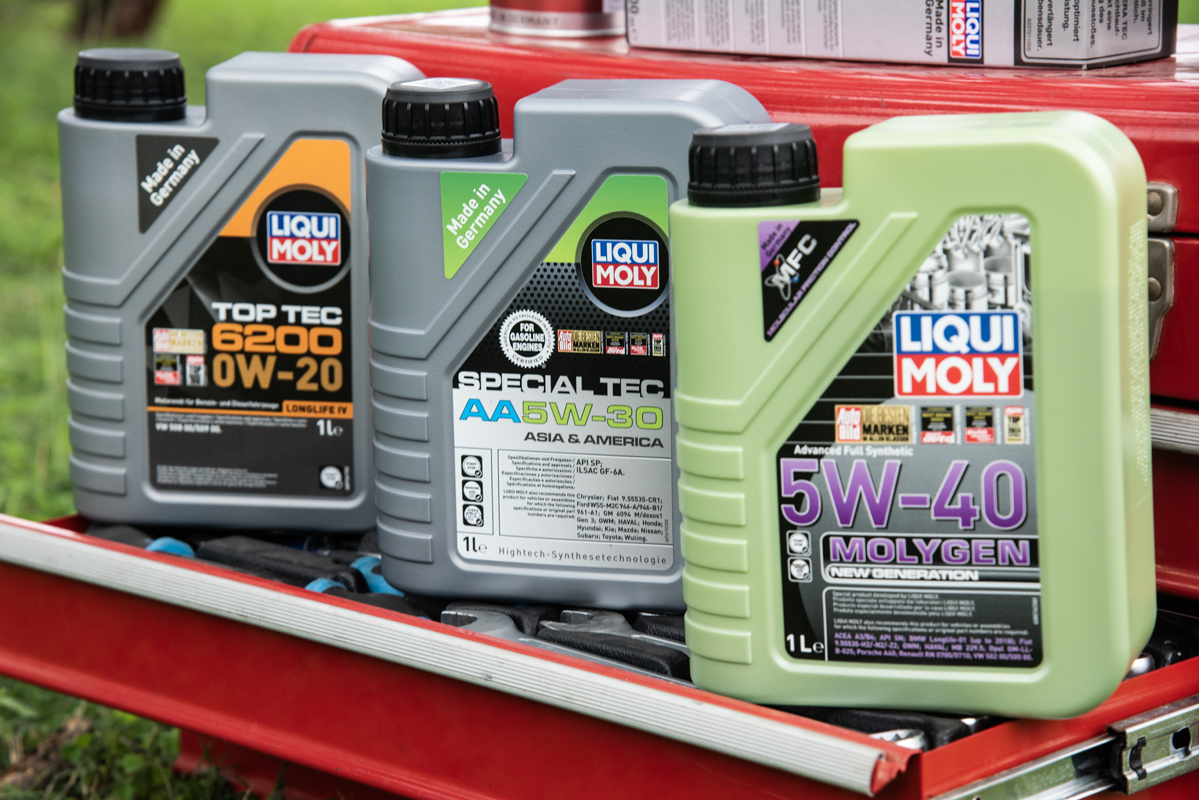
Photo credit: Bjorn Moreira / ZA Bikers

The best way to ensure that you are using the correct oil is to refer to the manufacturer’s handbook or the Liqui Moly website; the engine in your car was designed with a particular grade of oil in mind. Use something different, and it can’t operate at peak efficiency.

If we take Liqui Moly as a prime example of an oil/lubrication company that is at the forefront of research and development, a glance through their catalogue shows just how far both engine protection and fuel-saving products have come.
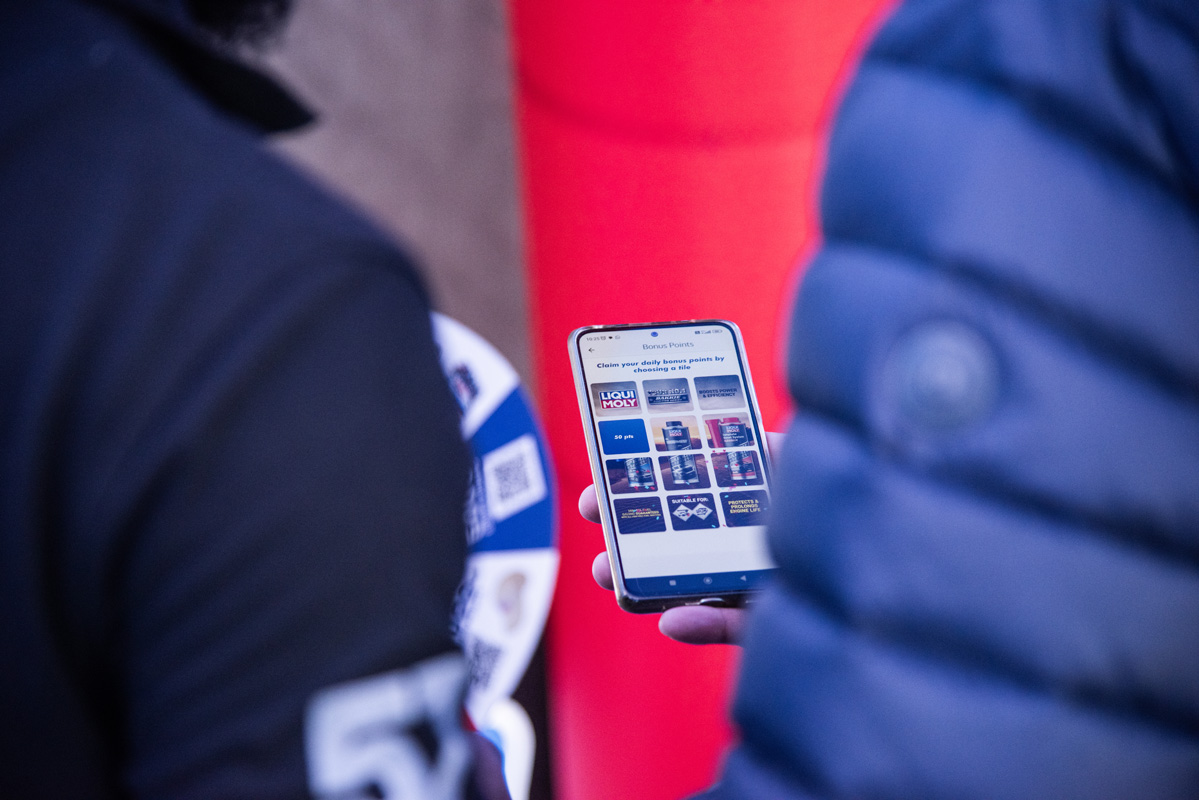
Photo credit: Bjorn Moreira / ZA Bikers

You could be forgiven for thinking that oil is enough to protect your engine, but, as with so many things in life, there is always more that you can do. As we mentioned, an engine is a series of metal parts wearing against other metal parts. Modern oil has been configured to have ‘cling’ properties, meaning that two metal surfaces will never have absolutely no lubricant between them; it will not all drain away when the engine is at rest. However, one clever piece of Liqui Moly thinking is to enhance the properties of the metal itself by giving it a ceramic coating, which both protects and lubricates, in addition to the oil.

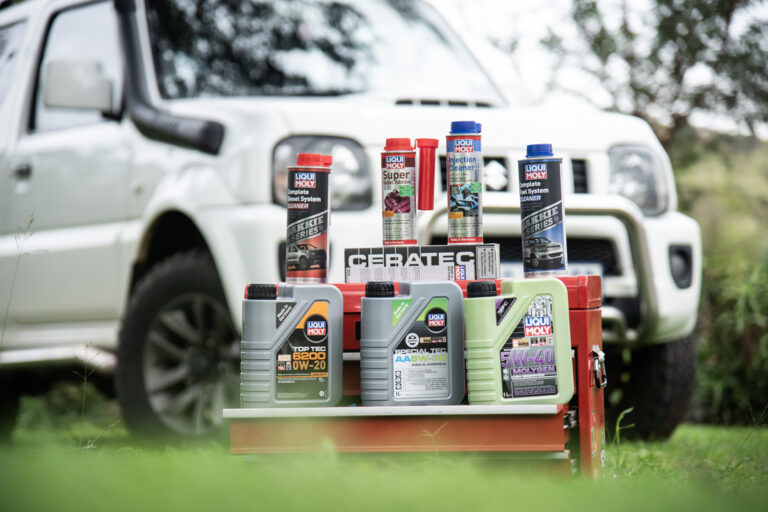
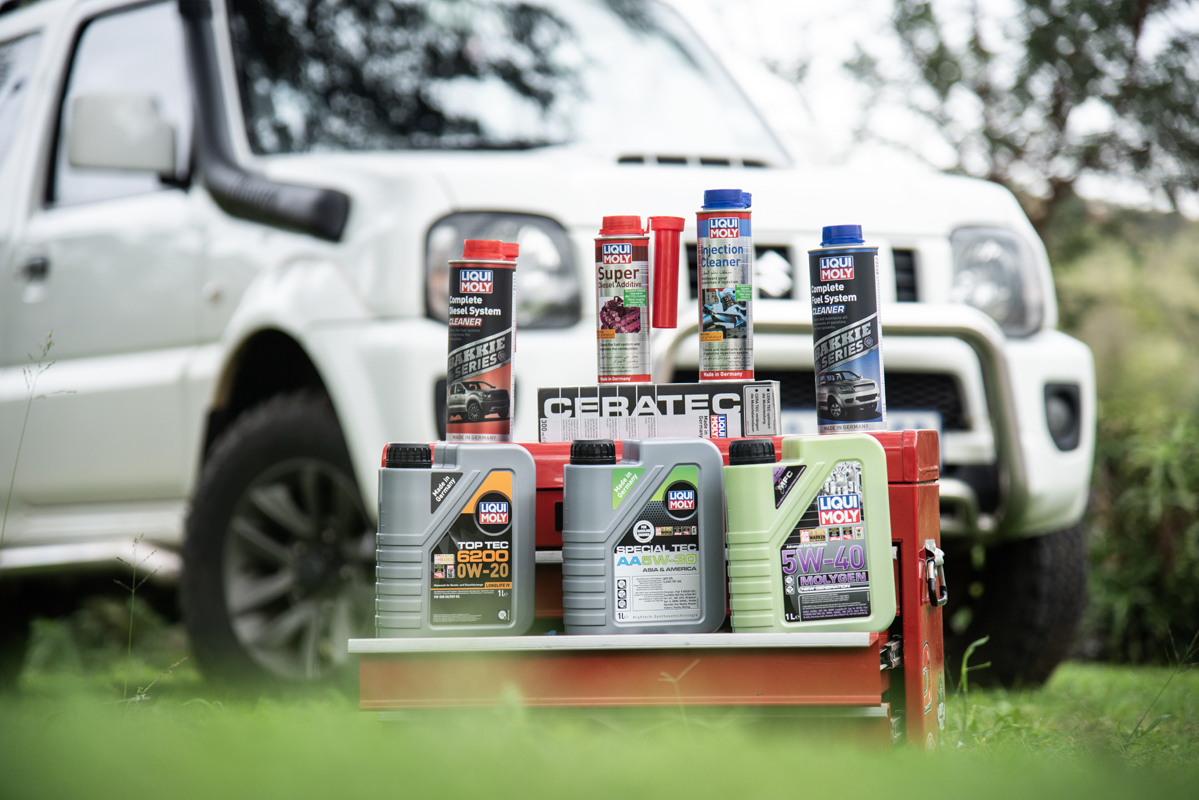
Cera Tec is simply added to the oil – in either petrol or diesel engines – and reduces frictional losses and stabilises thermal efficiency at higher temperatures, giving better fuel efficiency.
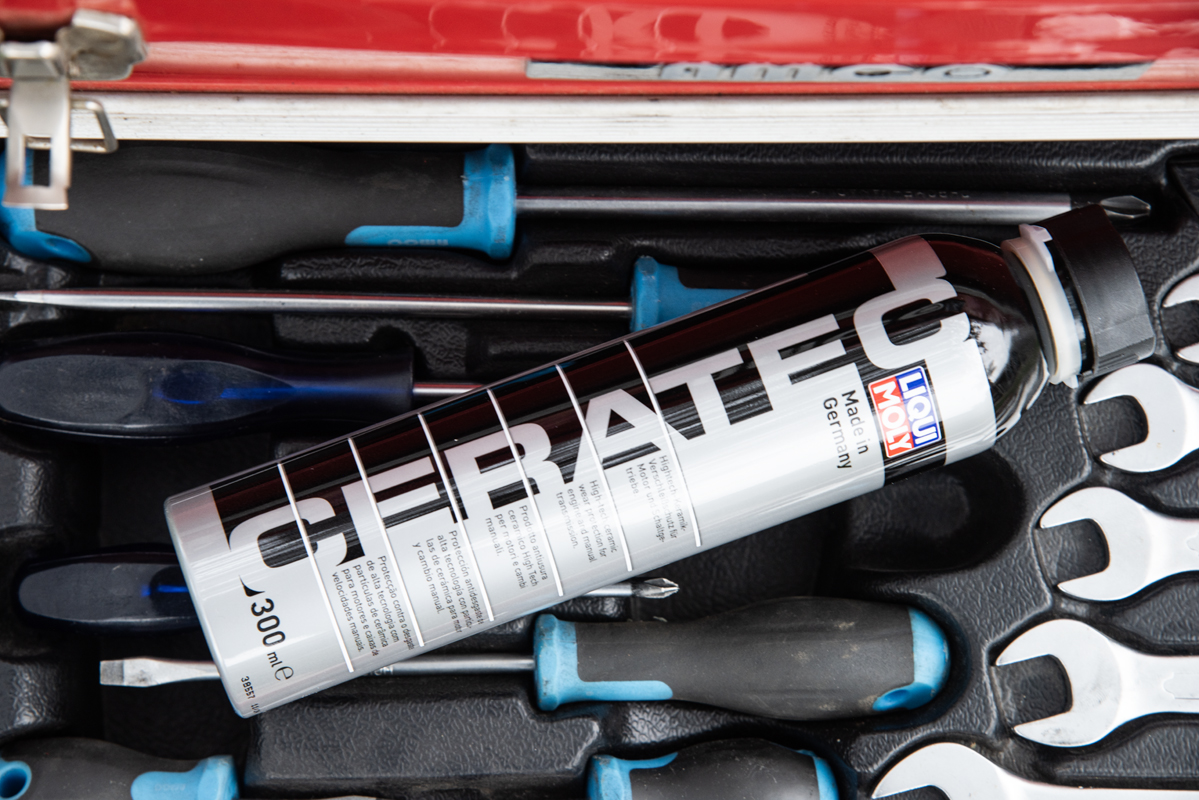
Photo credit: Bjorn Moreira / ZA Bikers

According to Liqui Moly’s own testing, using Cera Tec in conjunction with any of Liqui Moly’s engine oils not only further protects your engine against wear but can reduce oil consumption and, most importantly, have a positive effect on fuel consumption. Cera Tec is compatible with all of Liqui Moly’s petrol and diesel engine oils.

Fuel injection is now universal, and the carburettor is a thing of the past. This brings its own set of problems as fuel injection systems run to much tighter tolerances than a carb. Therefore, they are much more susceptible to blockage, rendering them inefficient. Liqui Moly Injection Cleaner is added to the petrol tank (300 ml is enough for 70 litres of fuel and ensures clean injectors for up to 2000 km) and can help eradicate problems with starting, irregular idling and poor throttle response, all of which will contribute to higher fuel consumption. A similar product is available for diesel systems.
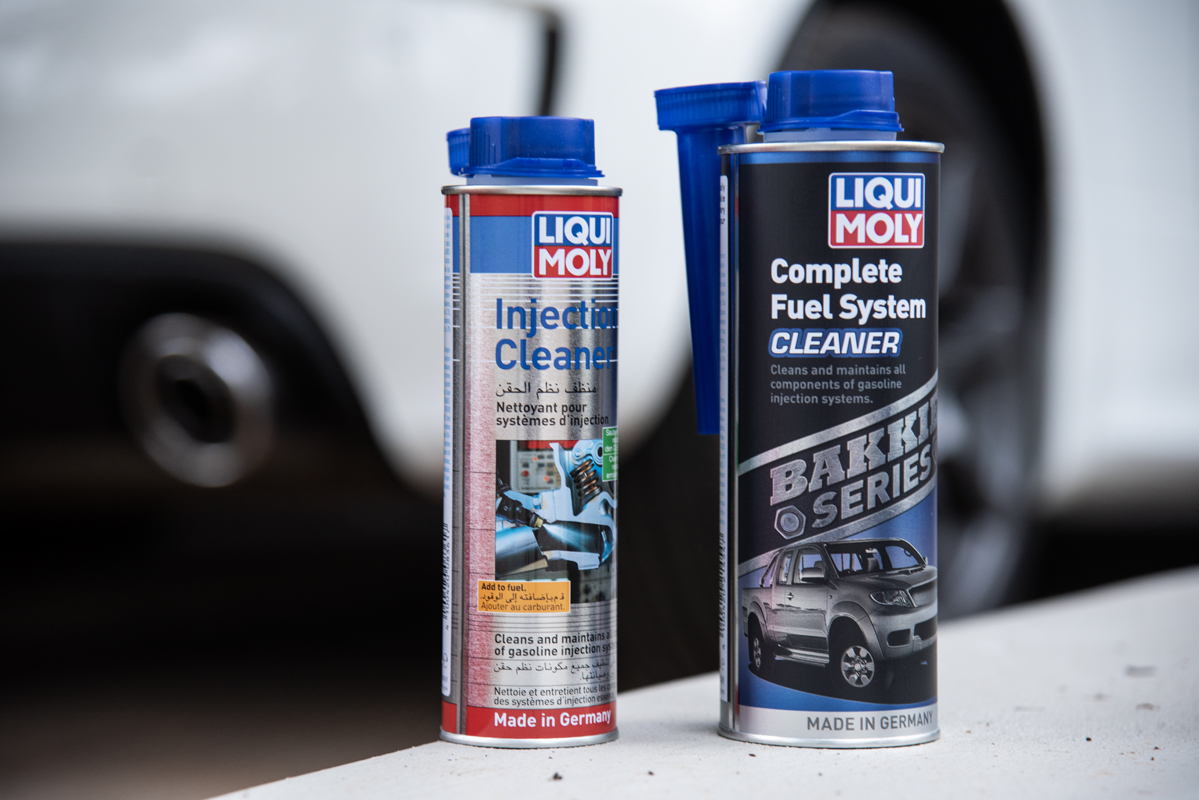
Photo credit: Bjorn Moreira / ZA Bikers

Diesel engines have their own set of problems, as diesel fuel is a lot ‘waxier’ than petrol, and build-up of these waxy deposits can seriously affect engine efficiency. A regular dosing with the Liqui Moly Complete Fuel System Cleaner removes these deposits and returns the engine to optimum running condition, while the LM Super Diesel Additive (added directly to the fuel tank) helps the fuel burn more efficiently, thus reducing consumption.
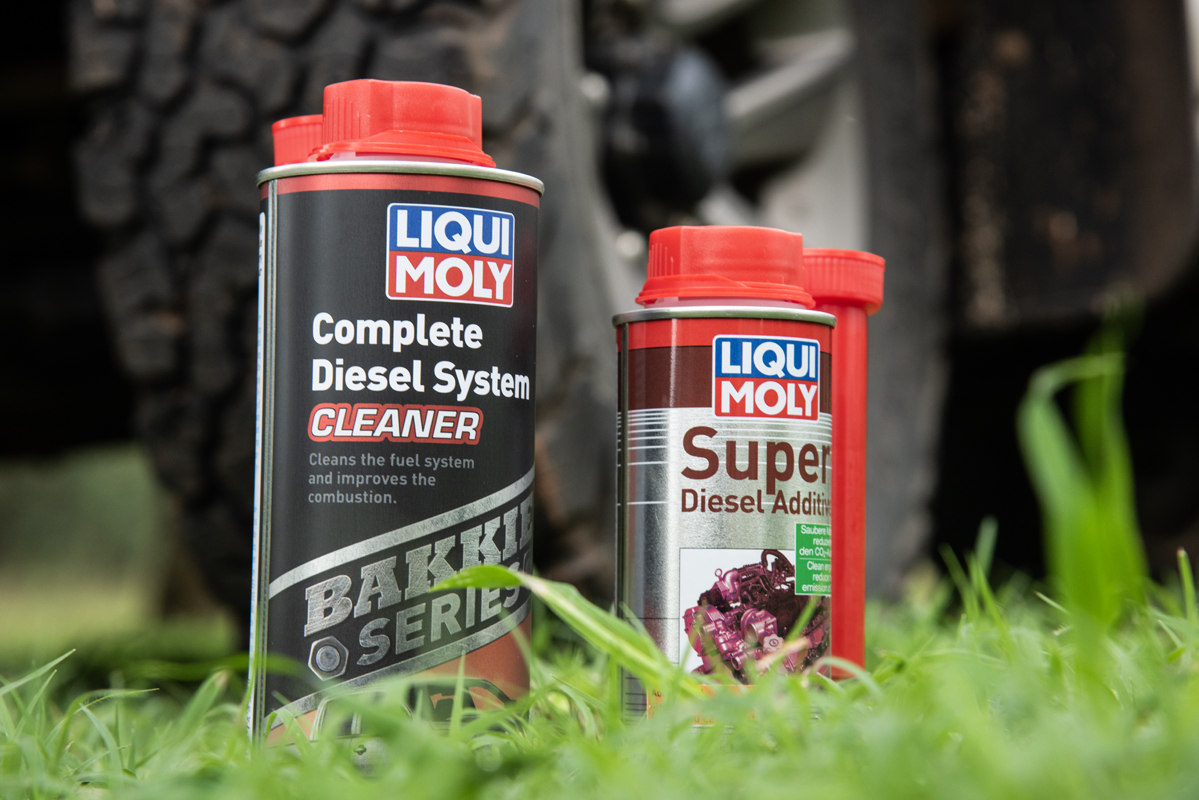
Photo credit: Bjorn Moreira / ZA Bikers

It’s a really fascinating subject once you delve into it, and I would fully recommend a visit to Liqui Moly’s website, which is a mine of useful and interesting information, if you are serious about preserving your vehicle, maintaining its efficiency and saving money. You won’t actually believe the spread of lubrication products, ranging from cars and motorcycles, through cycling, marine, aircraft and even gun lubrication.
Triumph Trident 800 – Stripped to Rip!

Photo credit: Bjorn Moreira / ZA Bikers

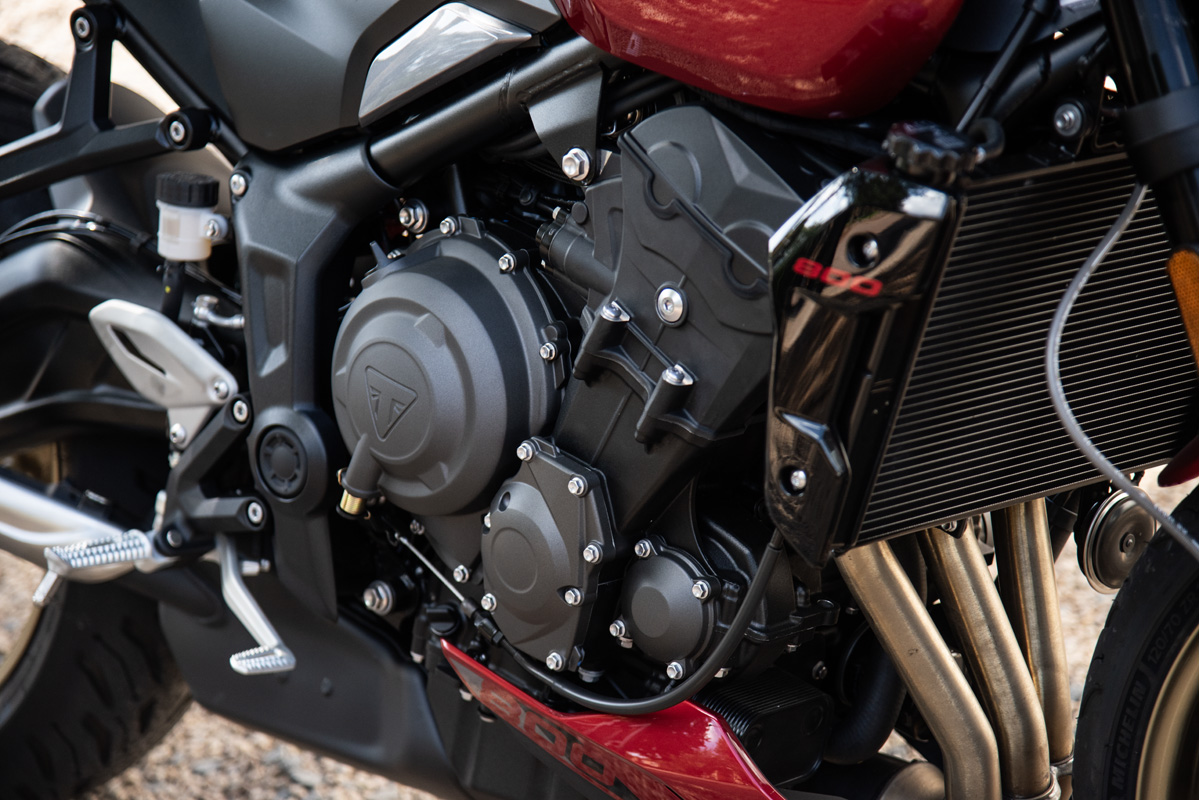
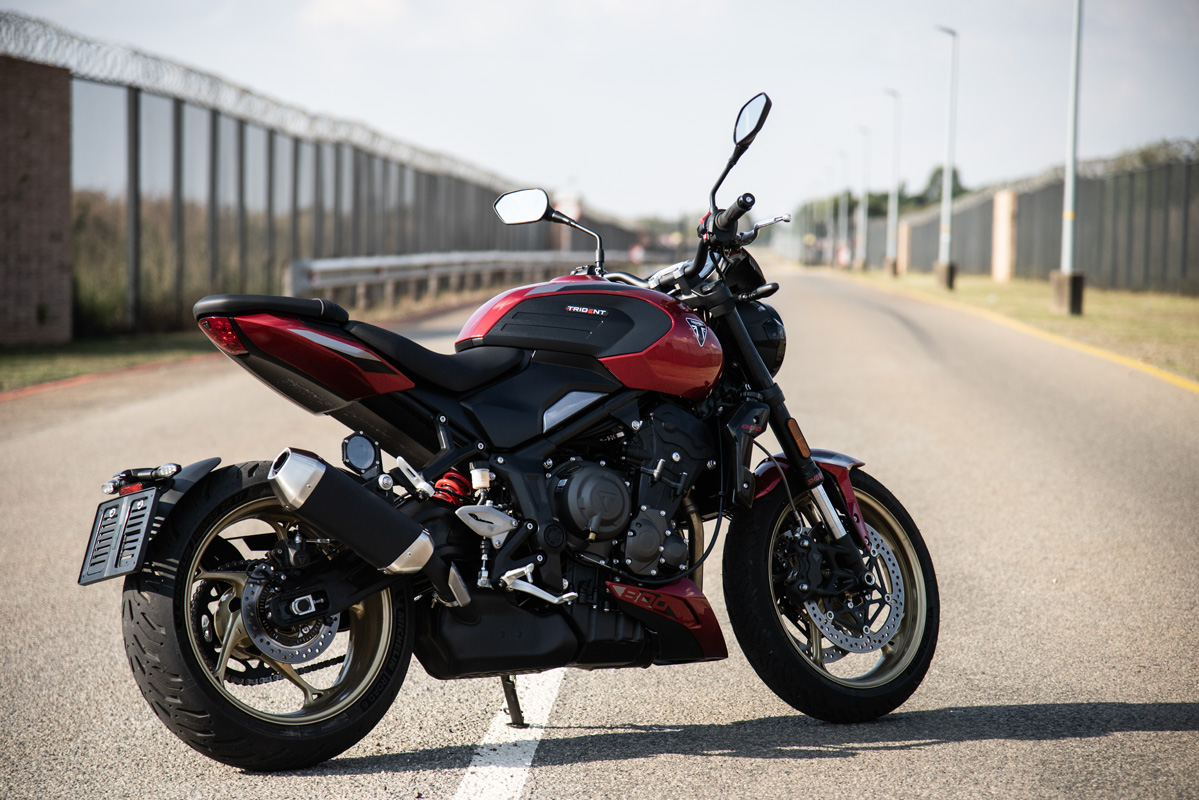
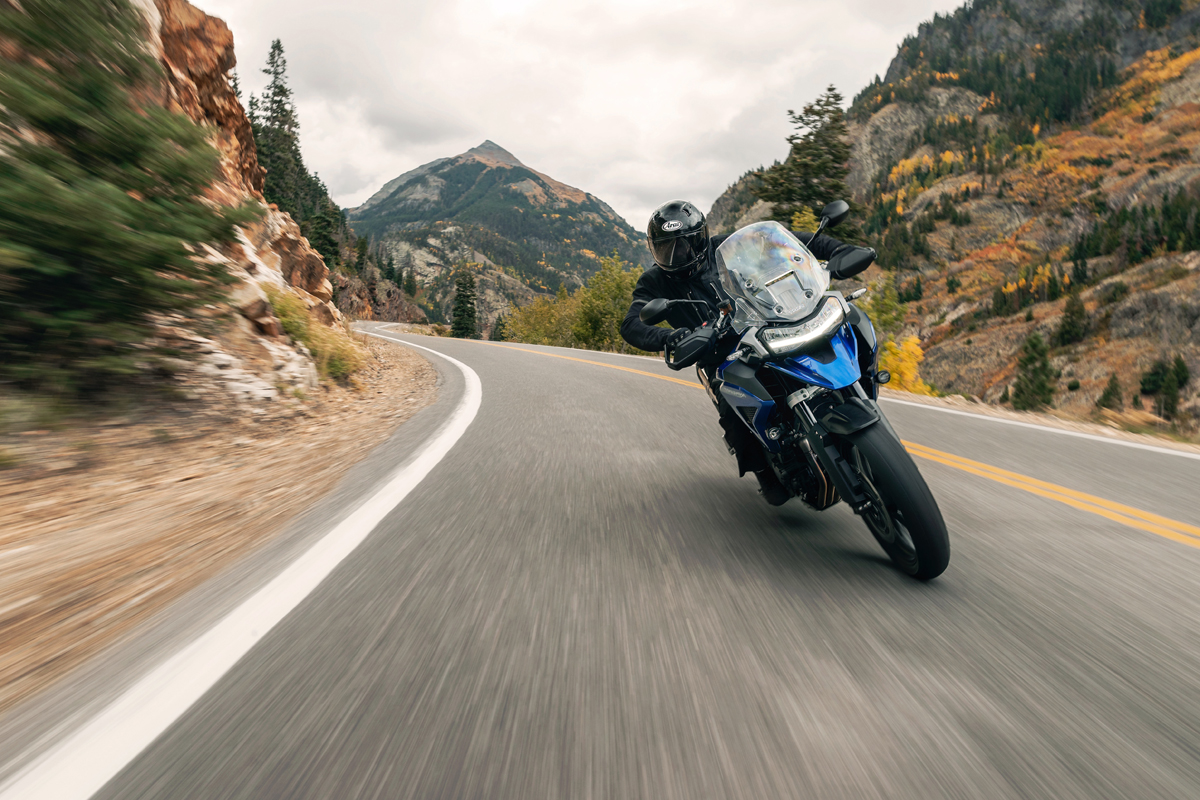
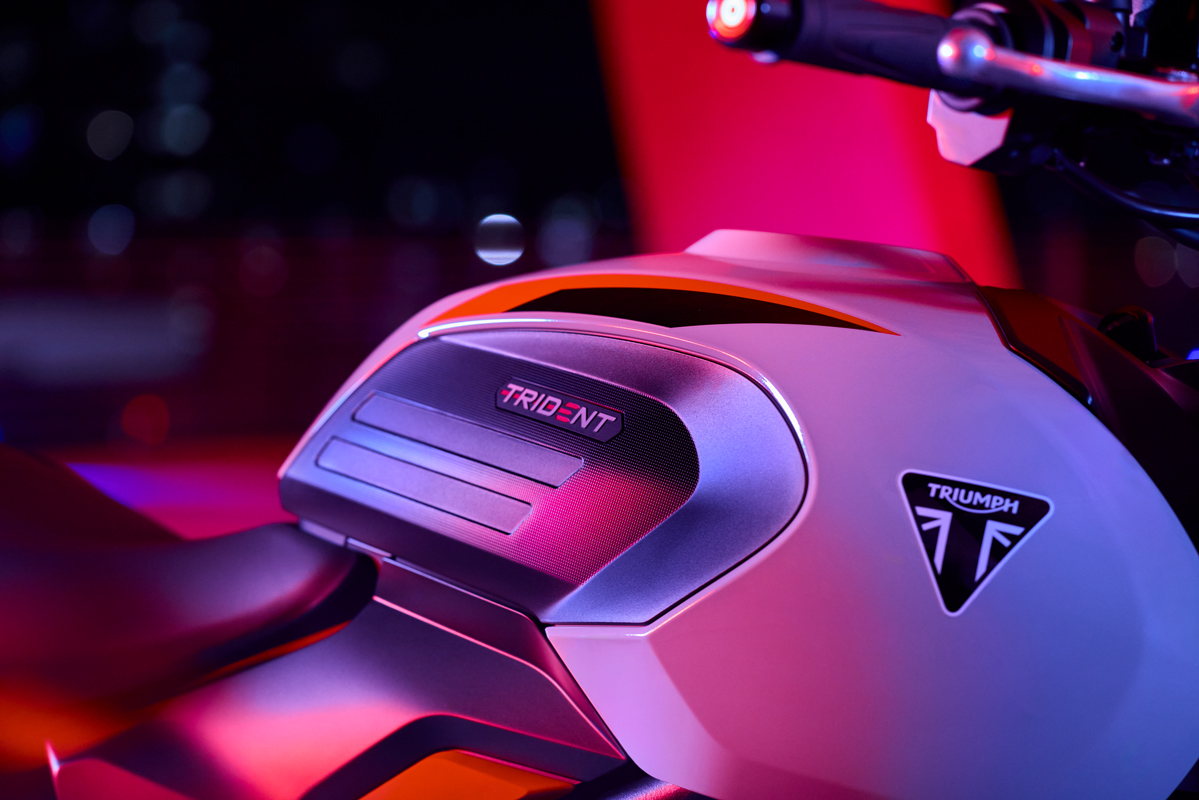
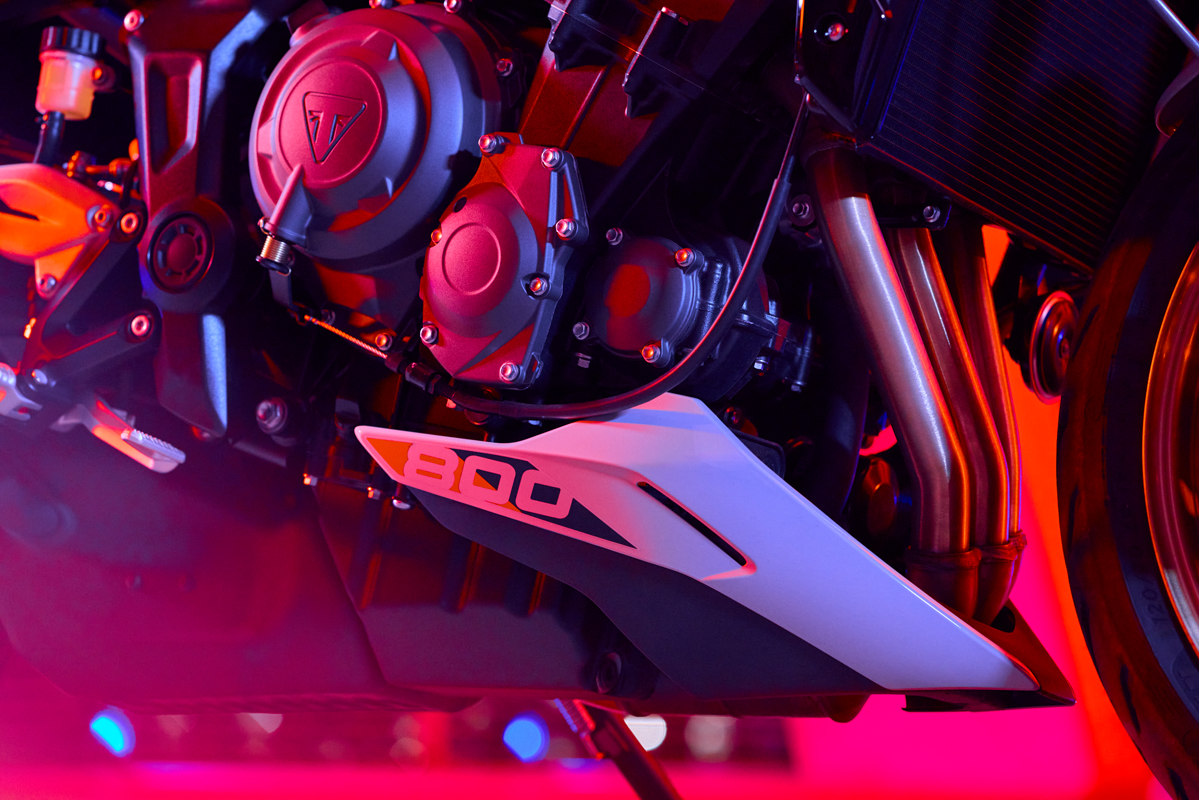
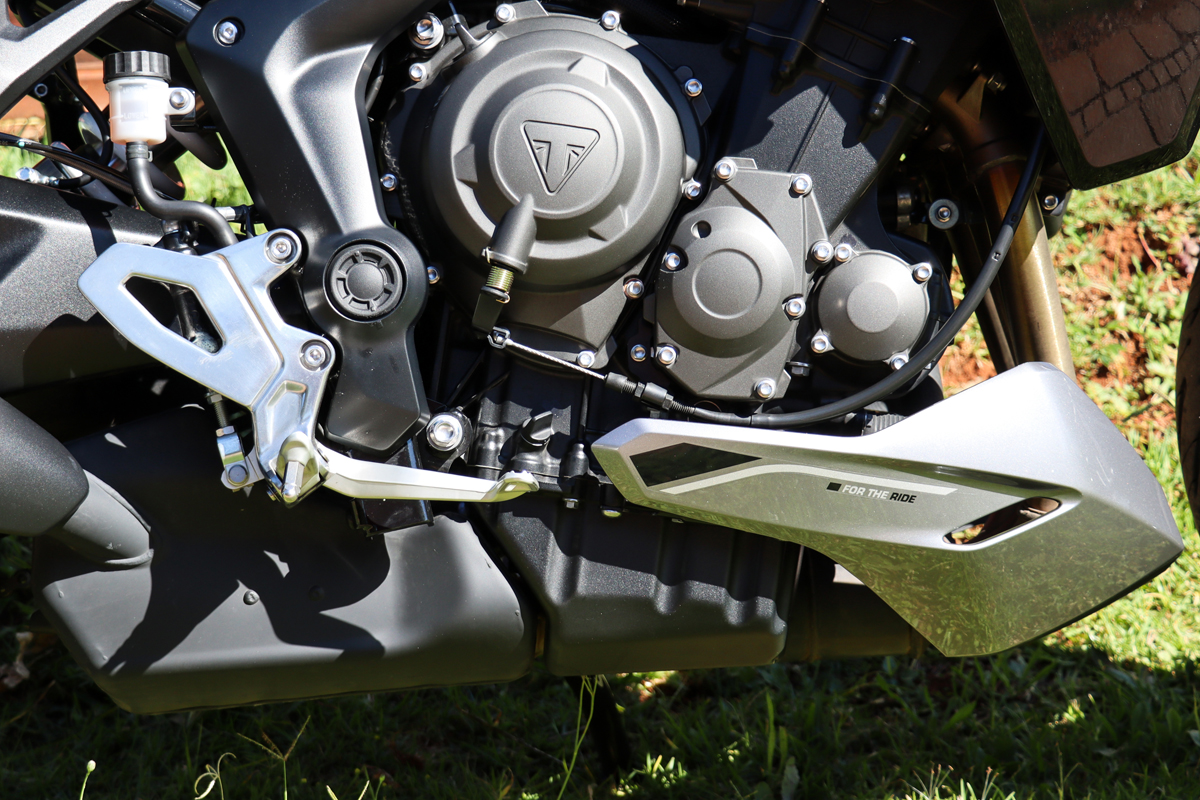
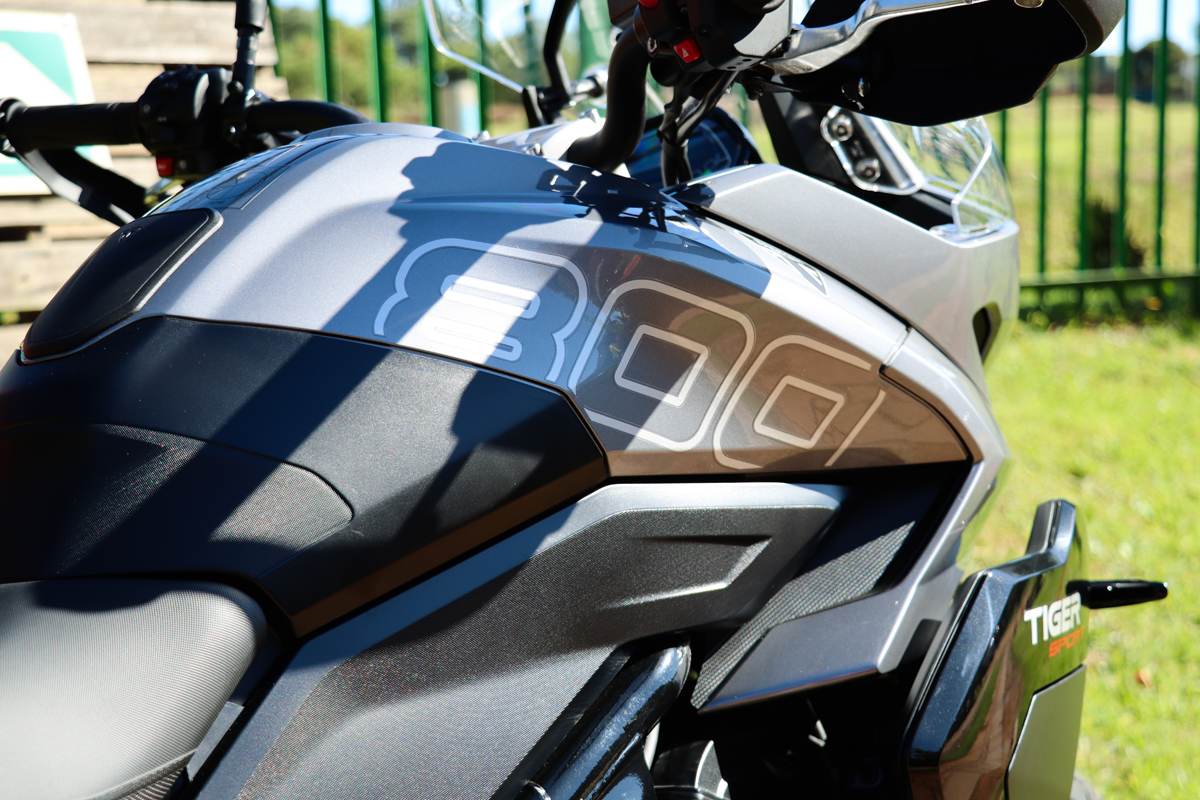
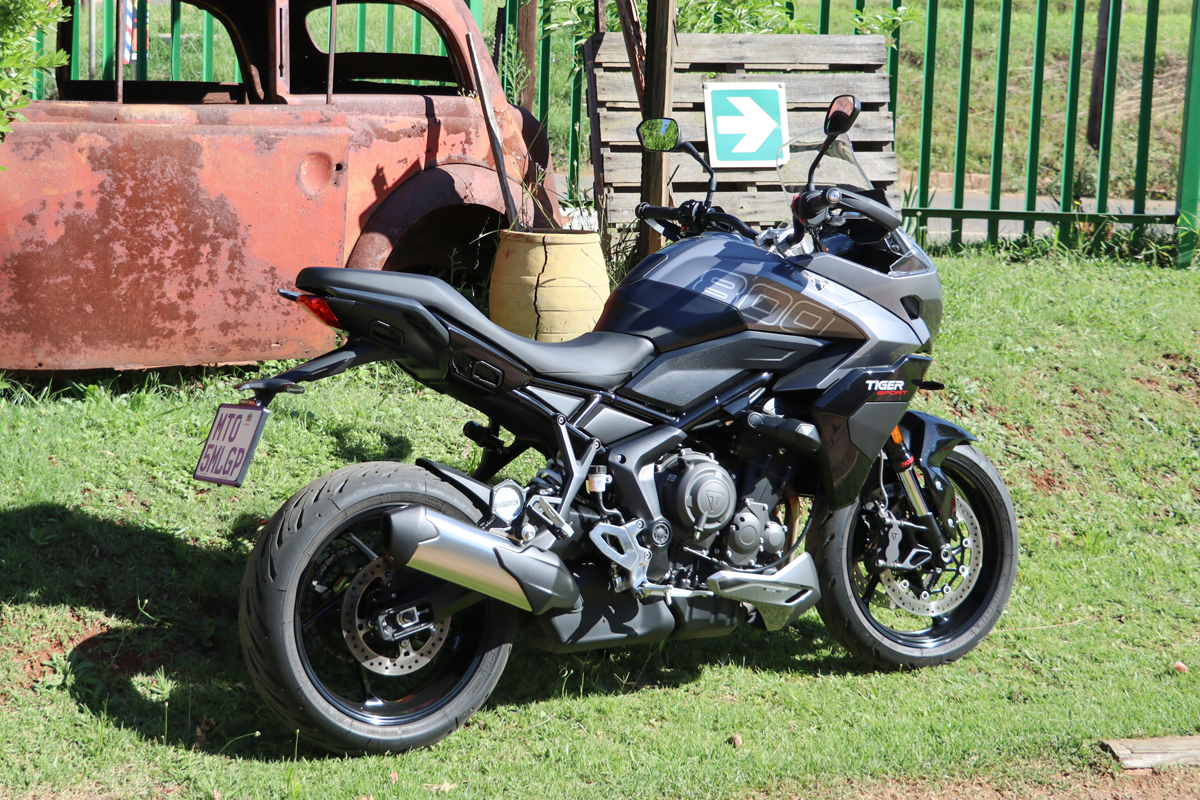
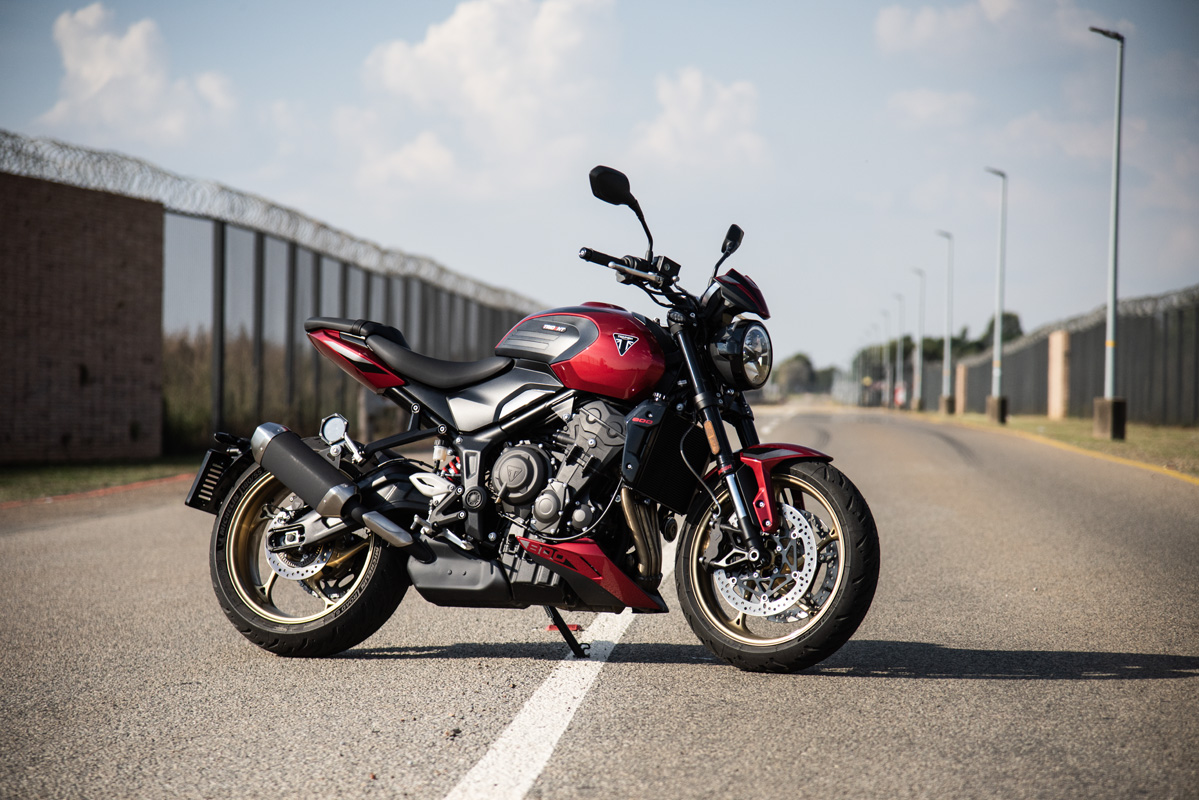
Let’s start at the heart of the Trident. Triumph’s new 798 cc, DOHC triple with 4 valves per cylinder motor is a ripper. I enjoyed it immensely in the new Tiger Sport 800. In the past, Triumph triples, excluding the T-plane engines, were rheostat smooth. So much so that I have always felt that they somehow lacked the character of Yamaha’s CP3 unit. The new 800 is a whole new ballgame. It’s like comparing One Direction’s music to Kaleo. Both huge talents, but there is a richness with Kaleo that is not there with One Direction. So it is with the new 800. 90% of the torque is woven into the midrange in a way that is just so rewarding.

Photo credit: Bjorn Moreira / ZA Bikers

On top of that, rich character is a triple cylinder symphony of sound that is as richly layered as the character of the motor. A belly growl that builds into a ripping crescendo as it nears the redline. Back off, and it gently burbles and pops till you grab another handful. Play it again, Sam! Helping harness that power is a 6-speed box with a sweet quickshifter. Keep it pinned while you bang through the box, and it is a seriously quick motorcycle. I am on record as stating that Honda’s Hornet 1000 has more than enough go, making the 200-plus-horsepower ‘Nakeds’ almost superfluous. Now I reflect on my time on the Trident and feel that it does so much with its 113 horsepower that I never feel shortchanged. It is somehow about the all-around balance of the bike that feels so right.

Photo credit: Bjorn Moreira / ZA Bikers

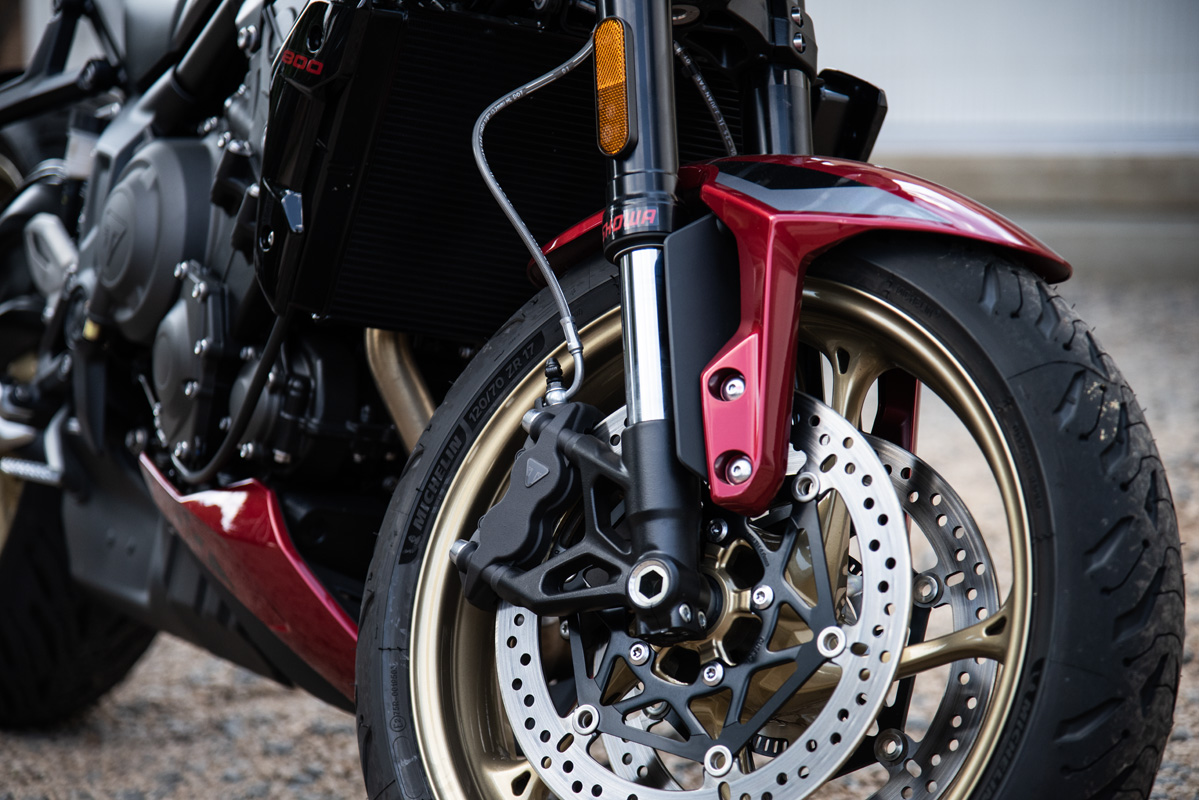
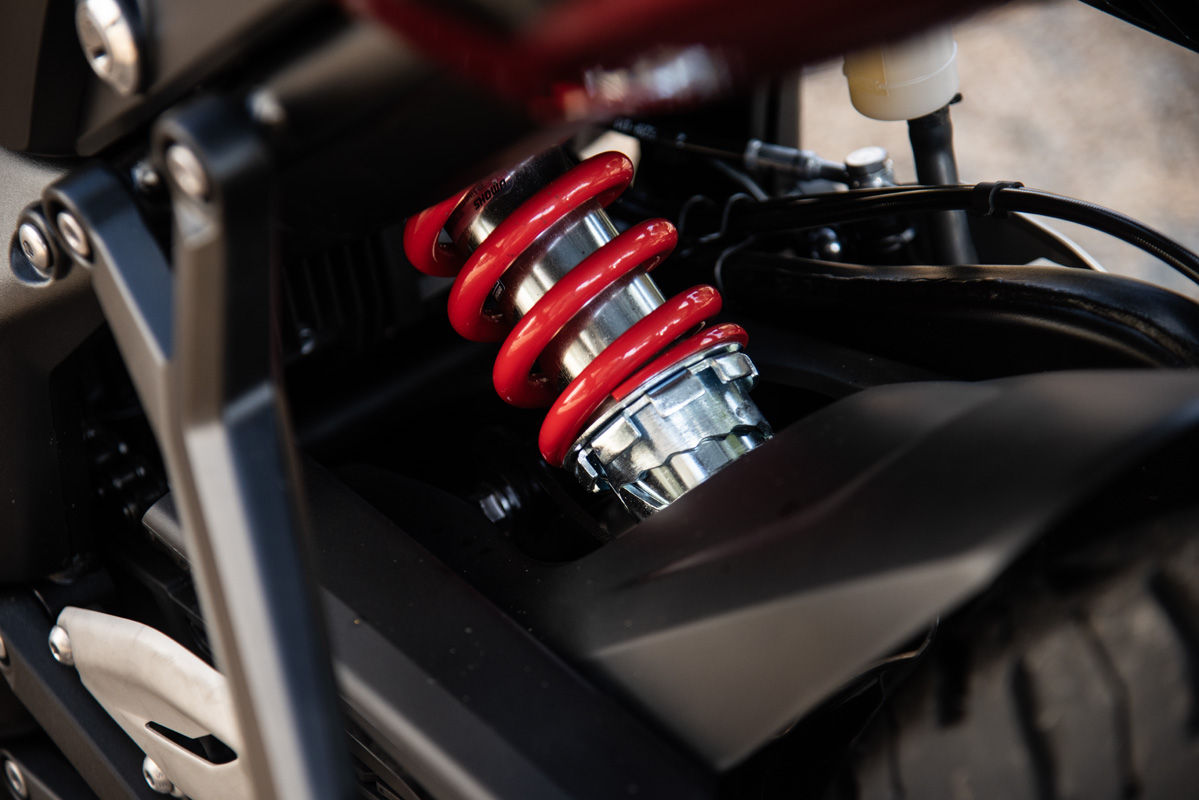
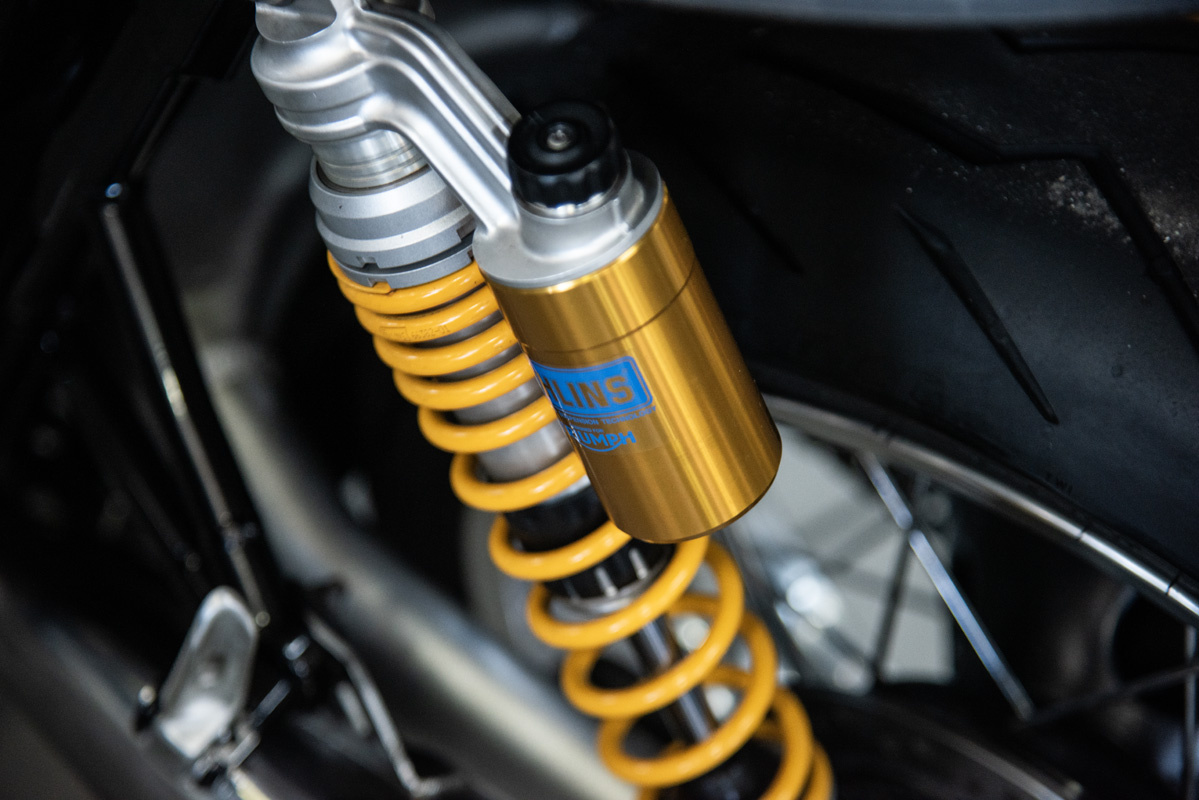
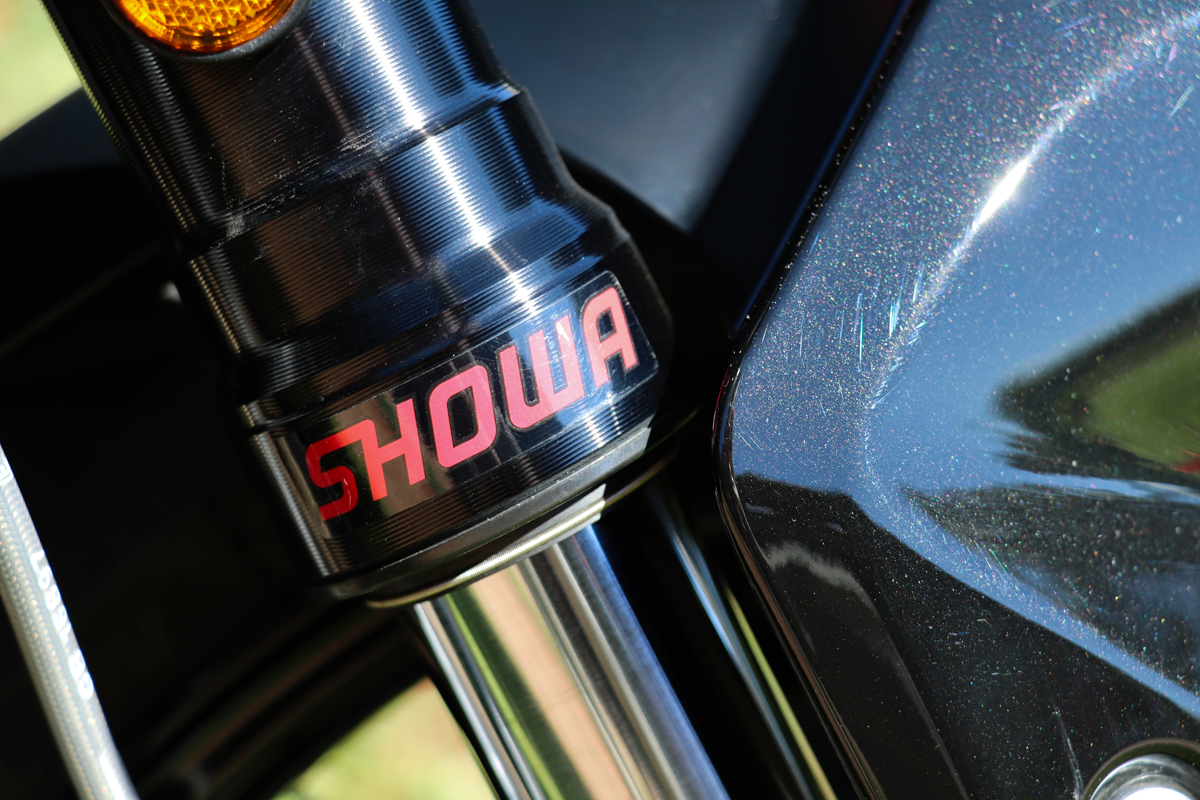
84 Nm of torque never fails to entertain, and the fun continues as the revs soar, with a ripping top-end rush typical of an over-square engine configuration. All of this without a chassis to match would simply be a frustration, but, in truth, I have never ridden a bad handling Triumph. The Trident sports Showa suspension at both ends. Their now familiar big piston SFF-BP fork has 120 mm of travel and is adjustable for compression and rebound damping, whilst the monoshock in the back is adjustable for preload and rebound.

Photo credit: Bjorn Moreira / ZA Bikers

Interestingly, the Tiger Sport, whilst boasting similar specs, has 150 mm of travel at each end. I found the Tiger more forgiving when pressing on, especially on bumpy surfaces. The Trident is a lot livelier, not to the point of instability, but it keeps you on your toes in a most engaging way. The extra travel on the Sport gives it a clear edge in overall ride quality over dodgy tar, as can be expected given the 30 mm of extra travel.

Photo credit: Bjorn Moreira / ZA Bikers

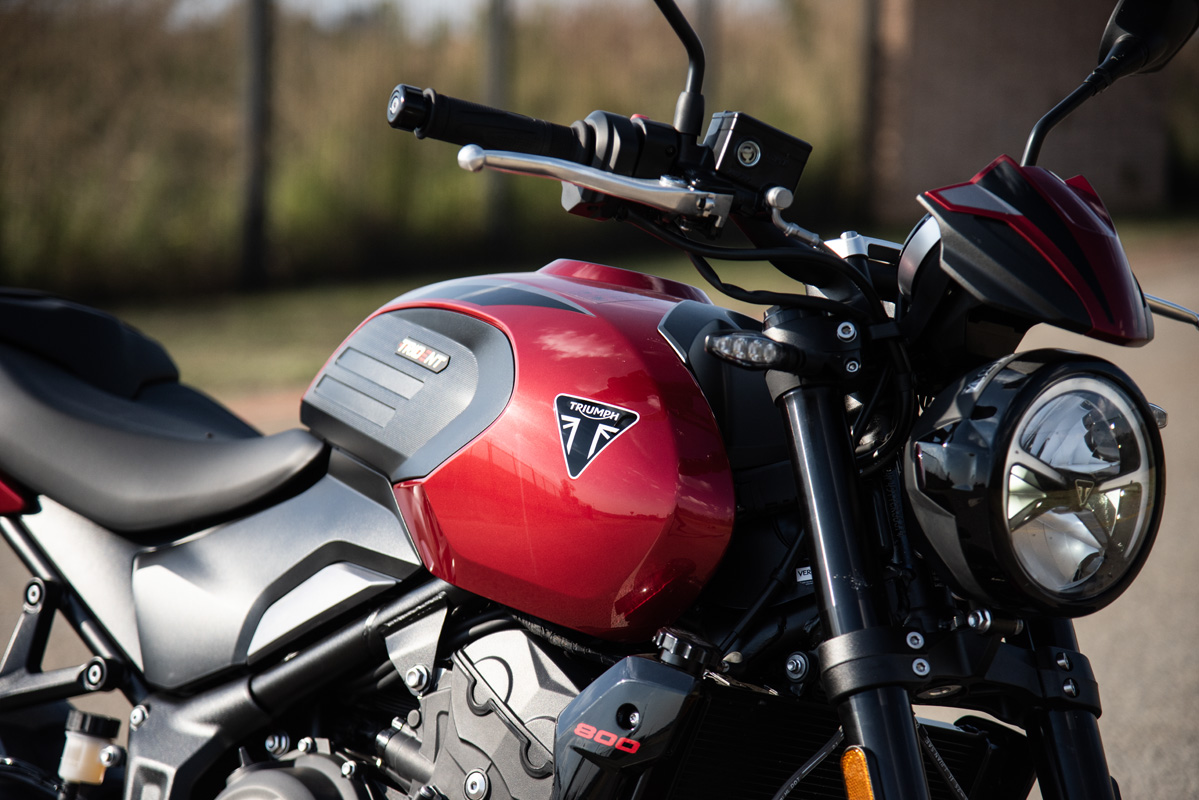
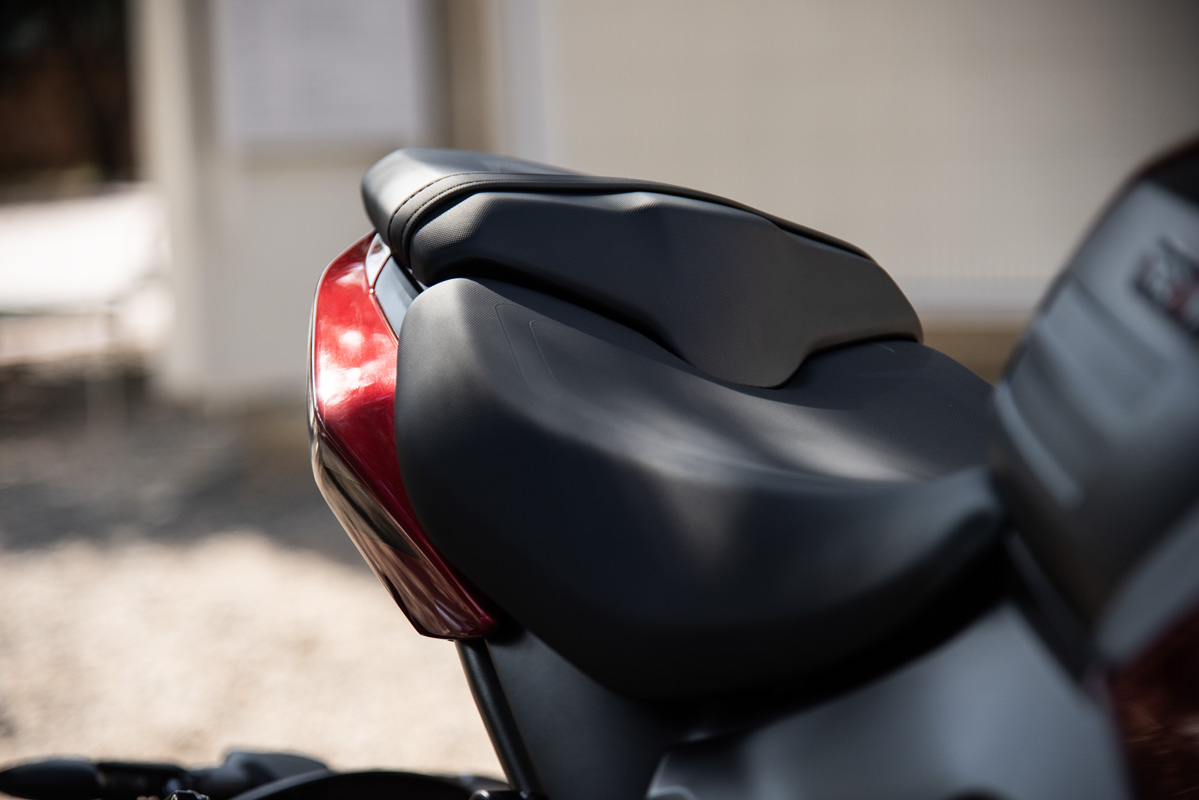
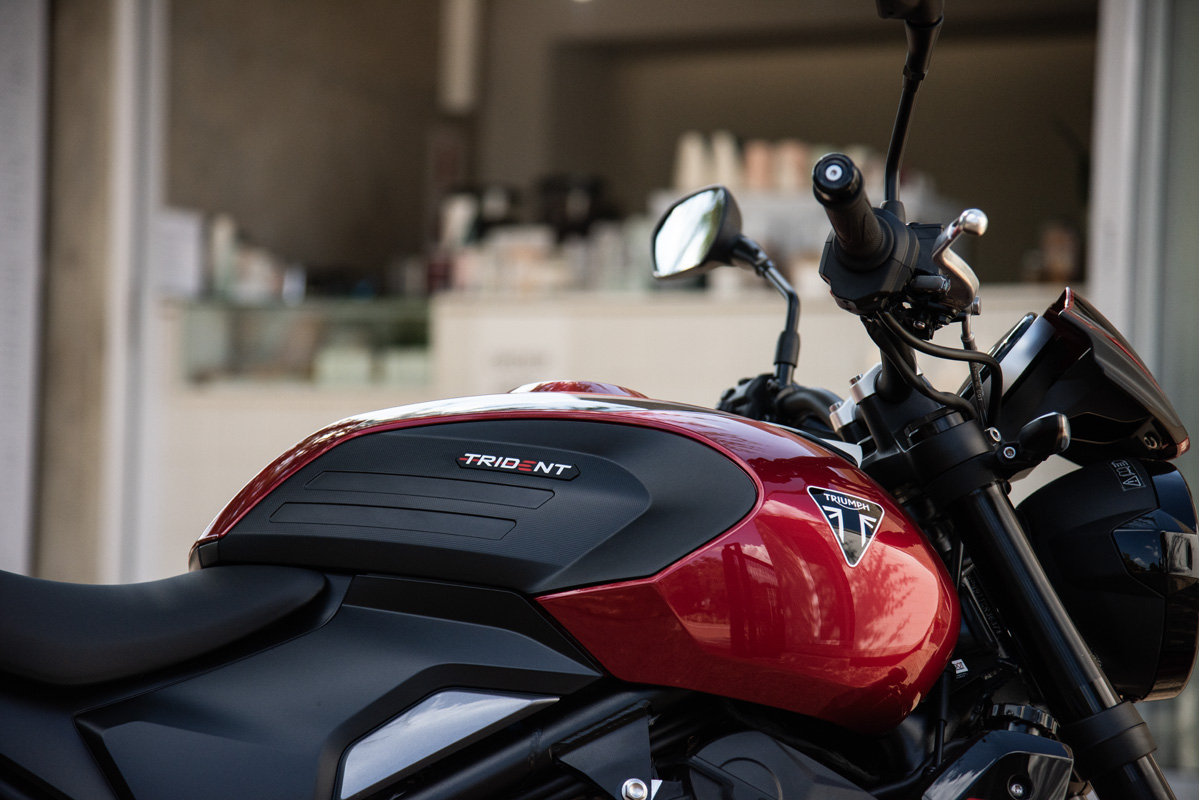
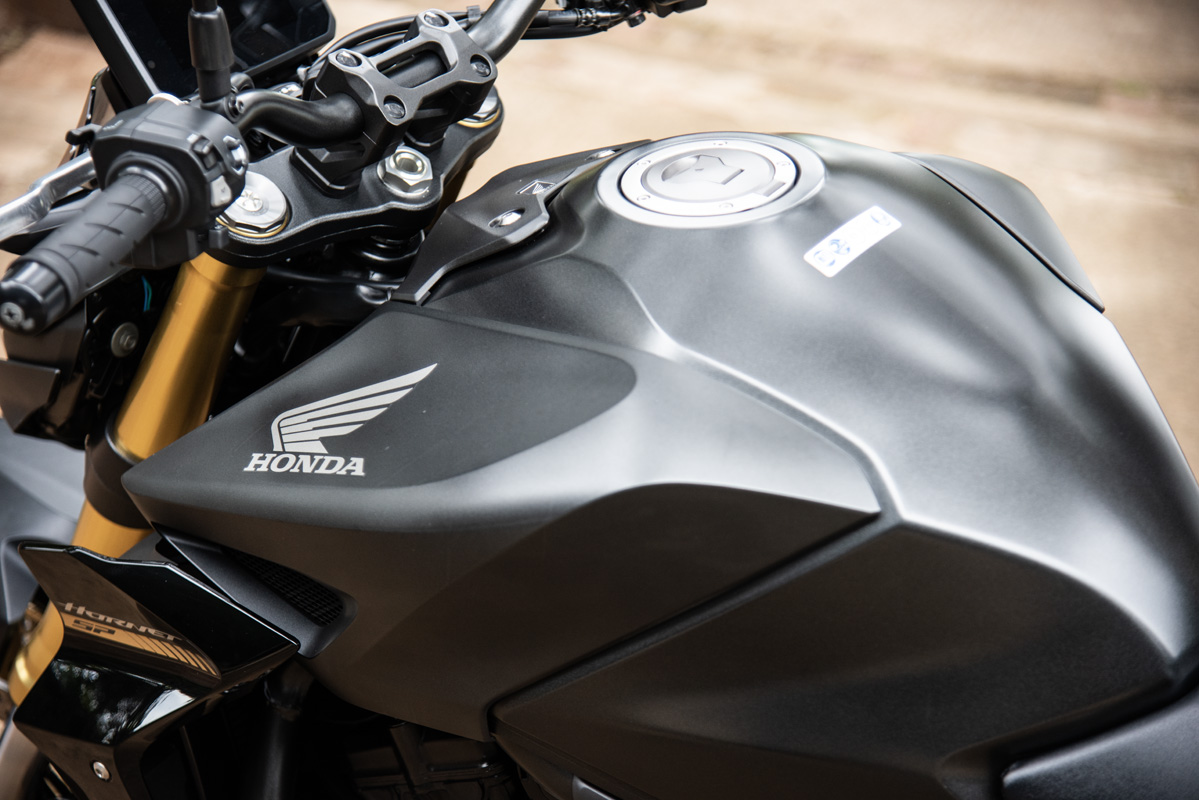
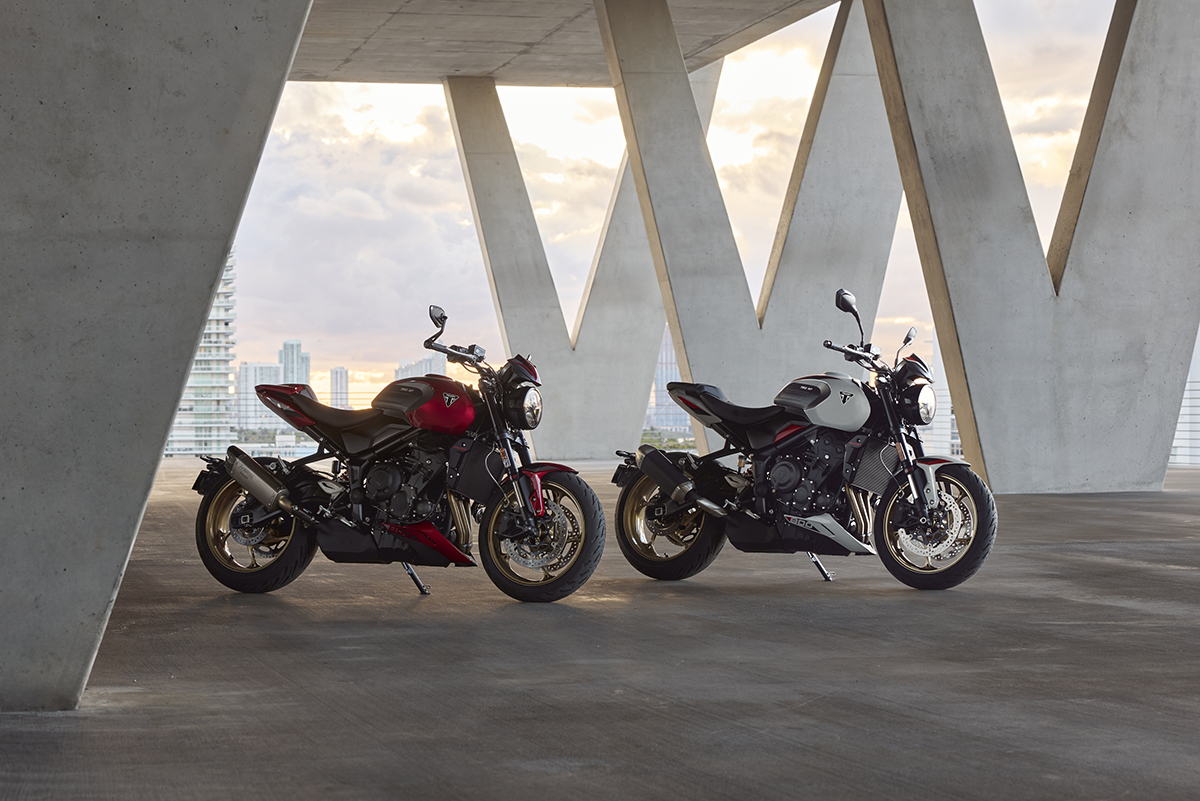
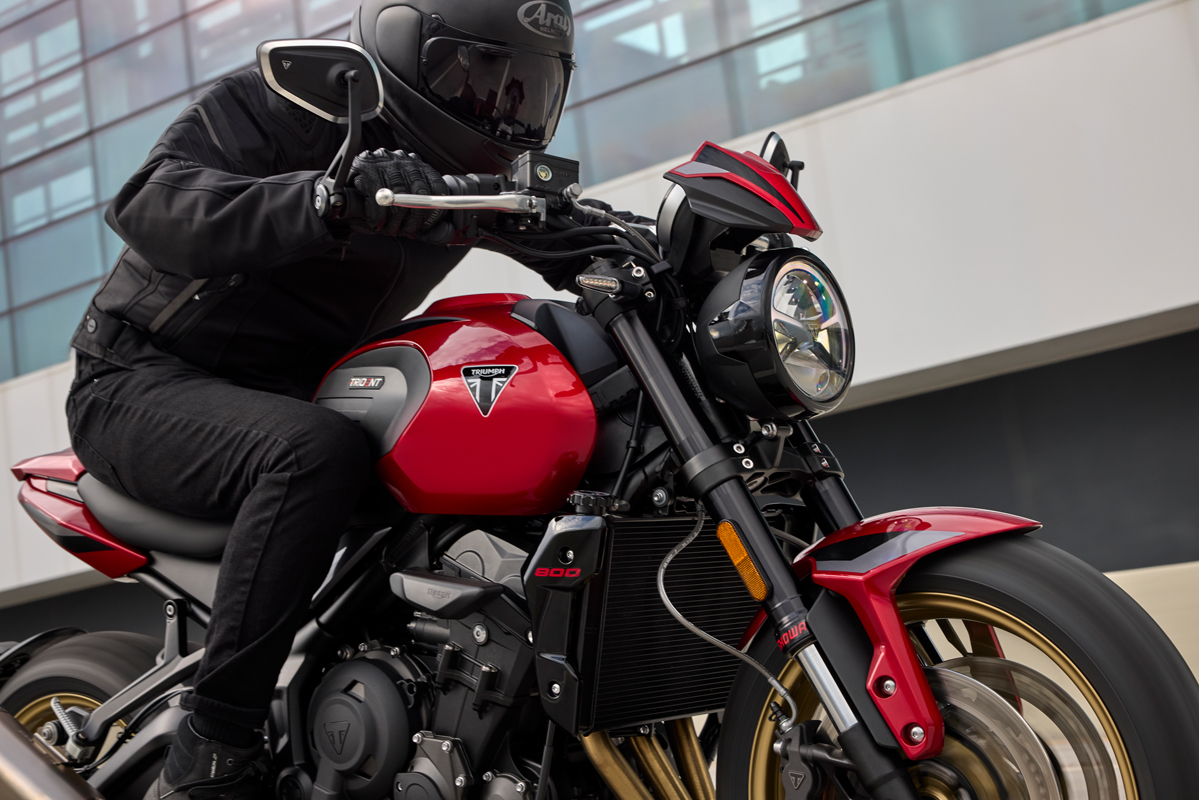
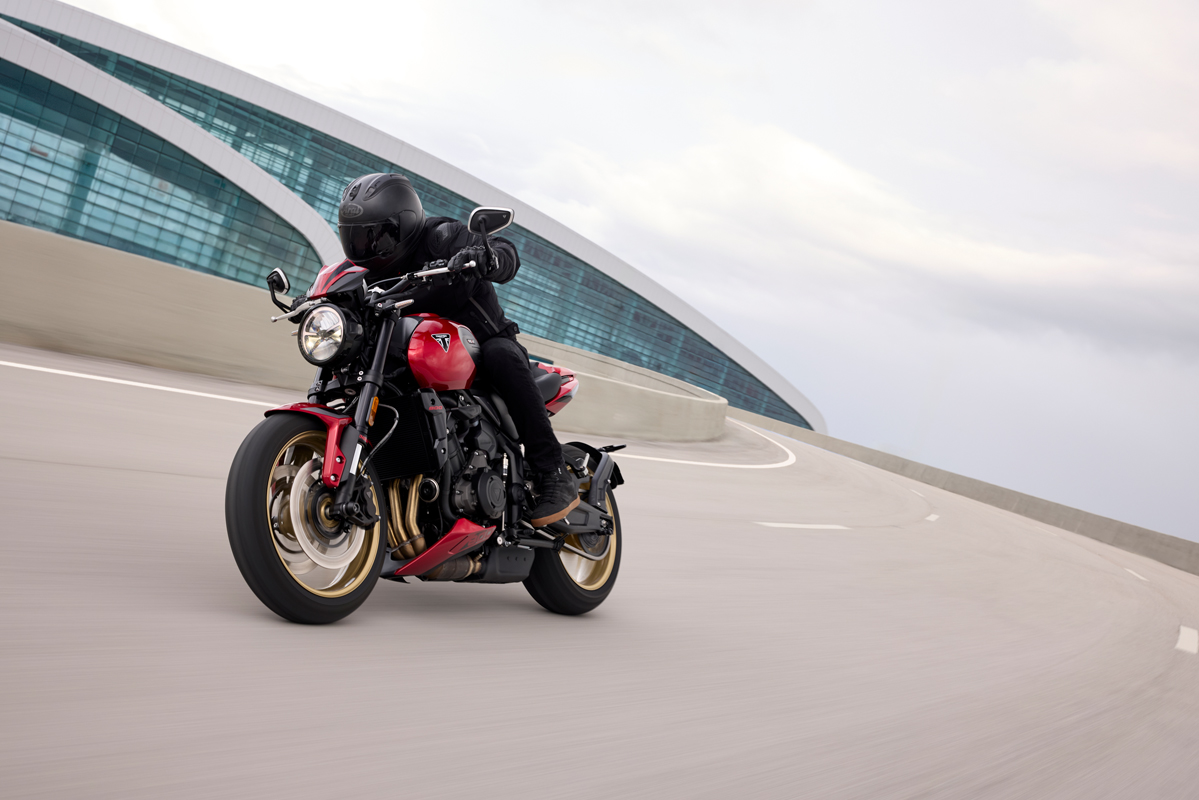
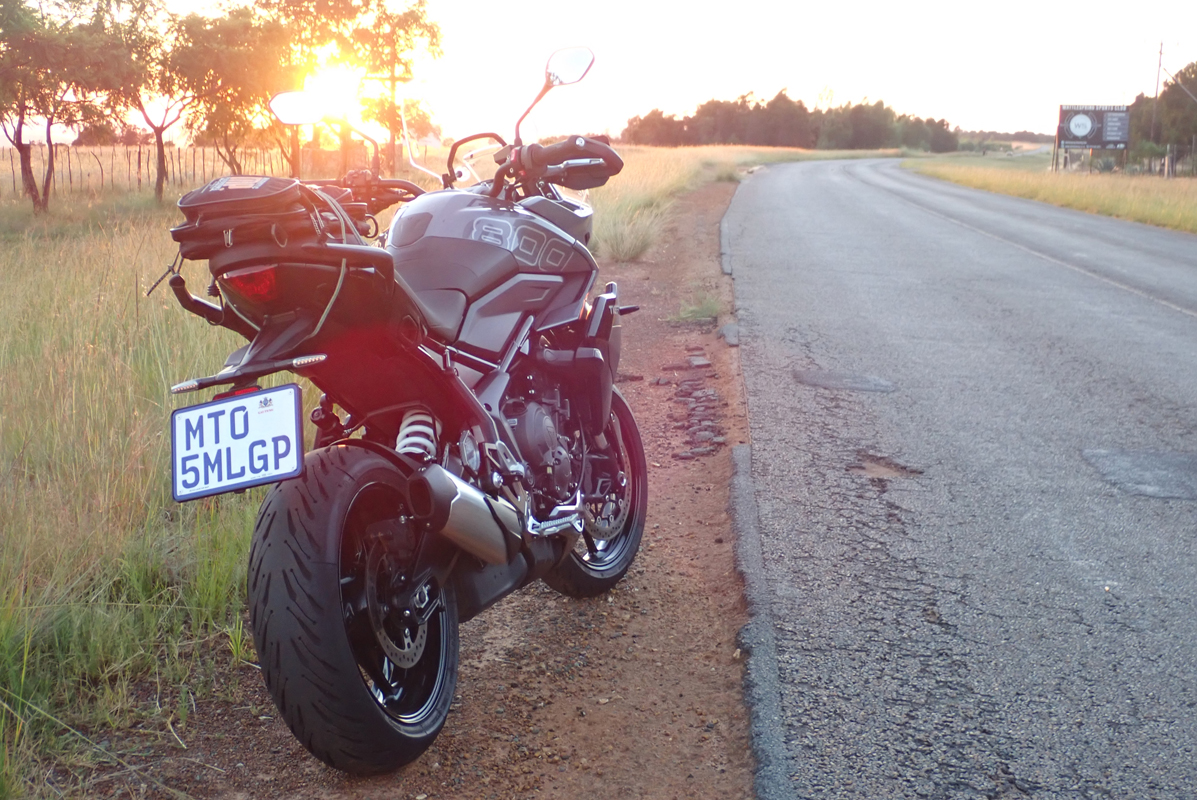
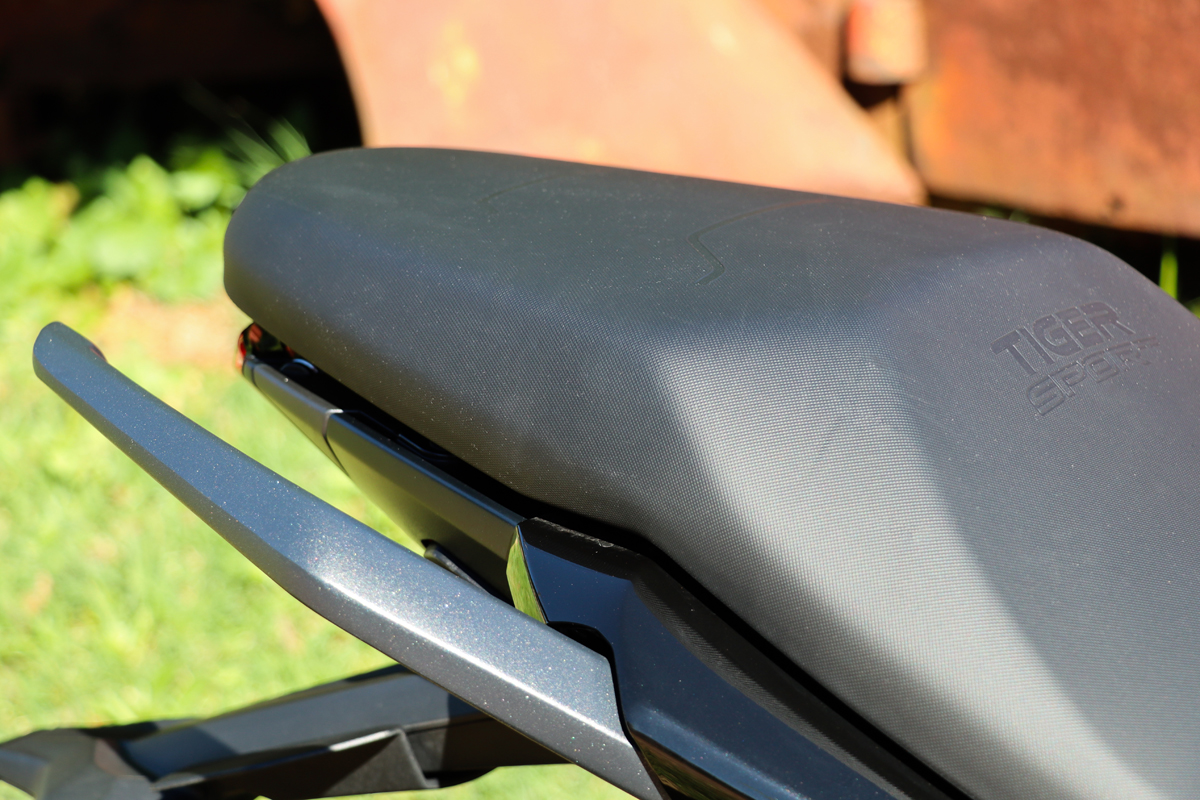
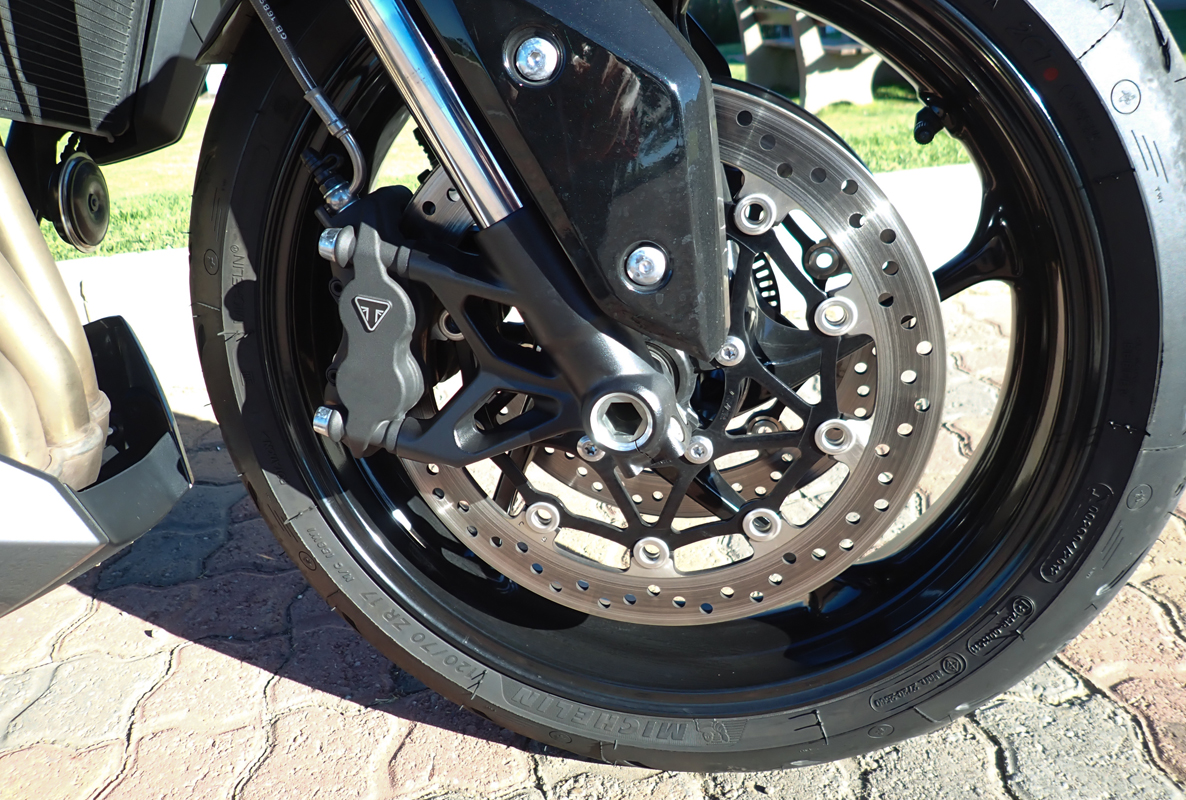
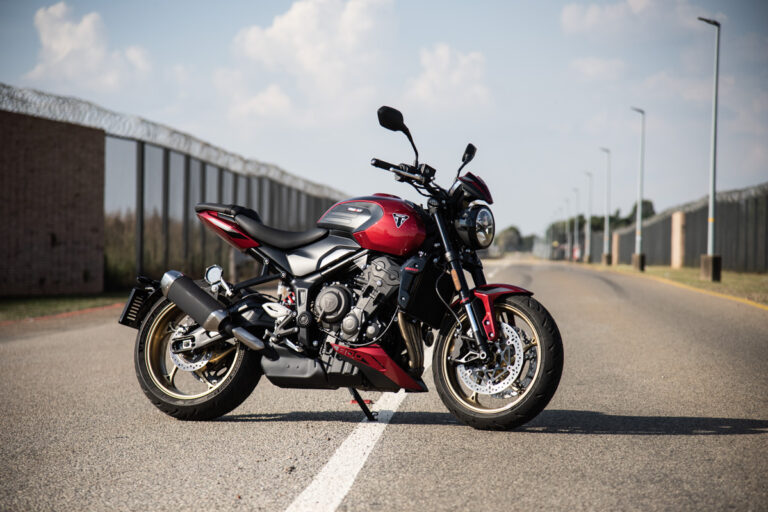
The Carnival Red test bike looked handsome with the gold five-spoke mag wheels. The seat, at 810 mm, is accessible to most and is nicely shaped to cosset your tail. The passenger accommodation is suitable for short hops to the local coffee haunt. The rider triangle is excellent, feeling natural and comfy. The bars are of medium width with a very comfortable bend and slight rise. The 120/70×17 front and 180/55×17 rear tyres are Michelin’s superb Road 6’s, which give great confidence and provide predictable neutral steering, complementing the Triumph’s steel chassis.

Photo credit: Bjorn Moreira / ZA Bikers

Interestingly, the Sport has a more aggressive head angle than the Trident by almost 1 degree; however, the Trident, at 1402 mm, has a 20 mm shorter wheelbase. With its 14-litre tank filled to the brim, it weighs in at 198 kg. Given the lower cruising speeds generally maintained on a naked bike, the tank should be good for 280 k’s plus.

Photo credit: Bjorn Moreira / ZA Bikers

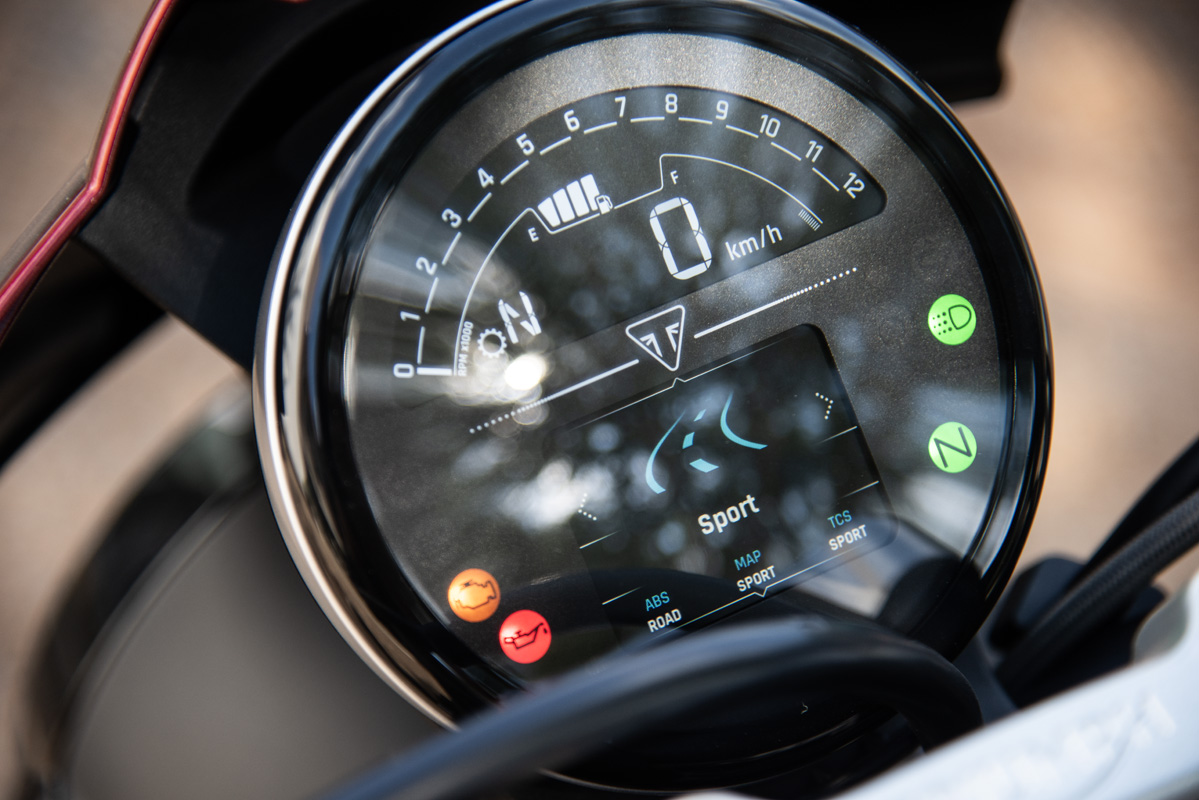
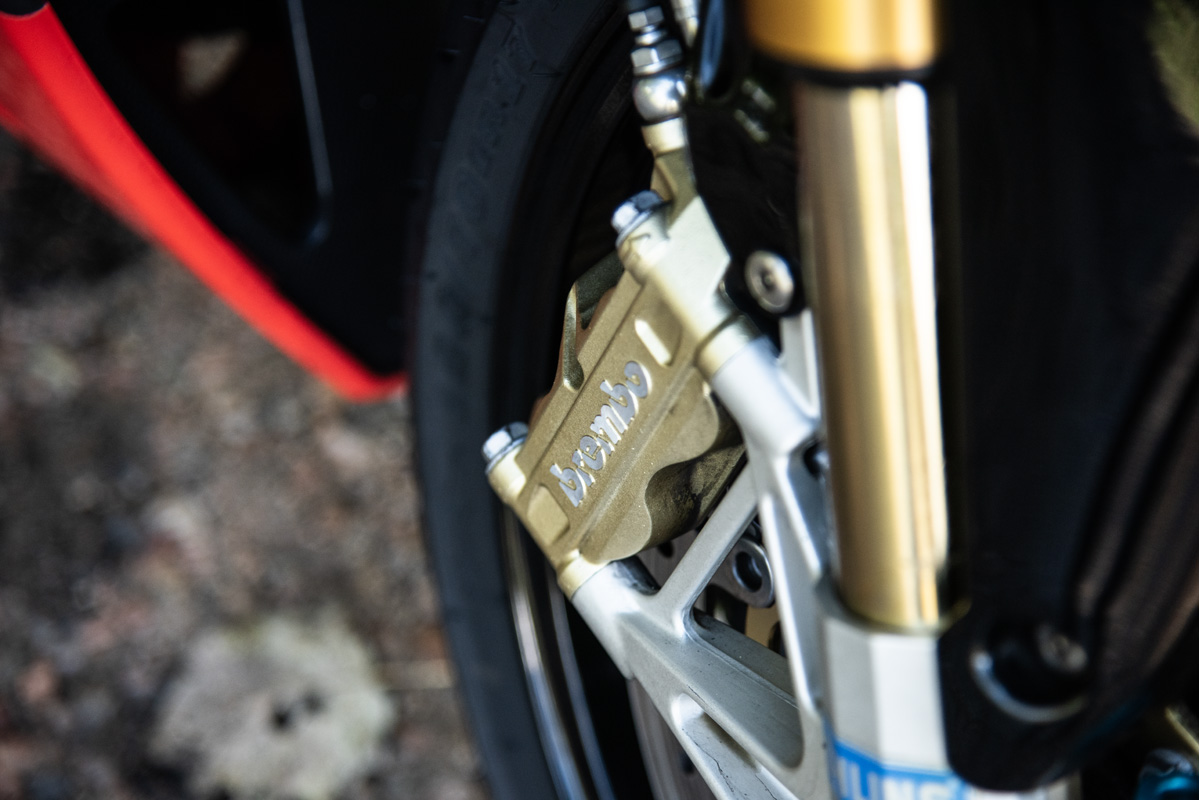
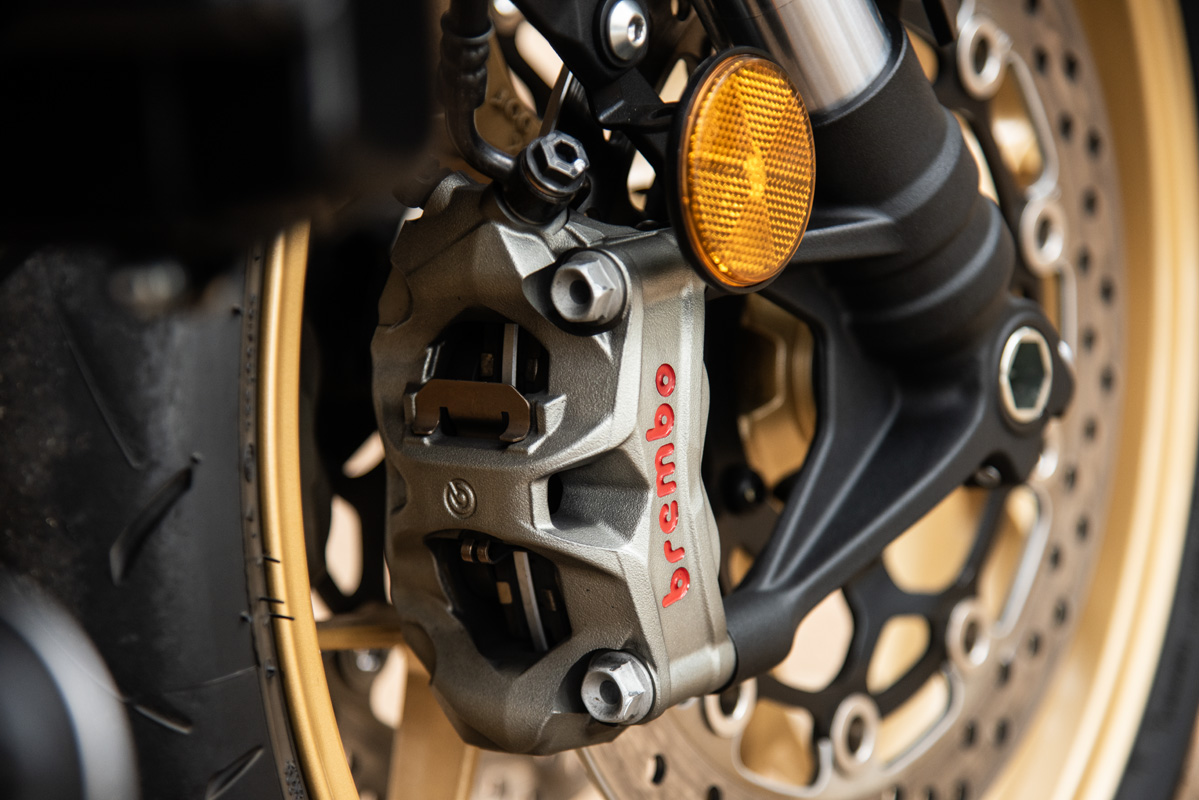
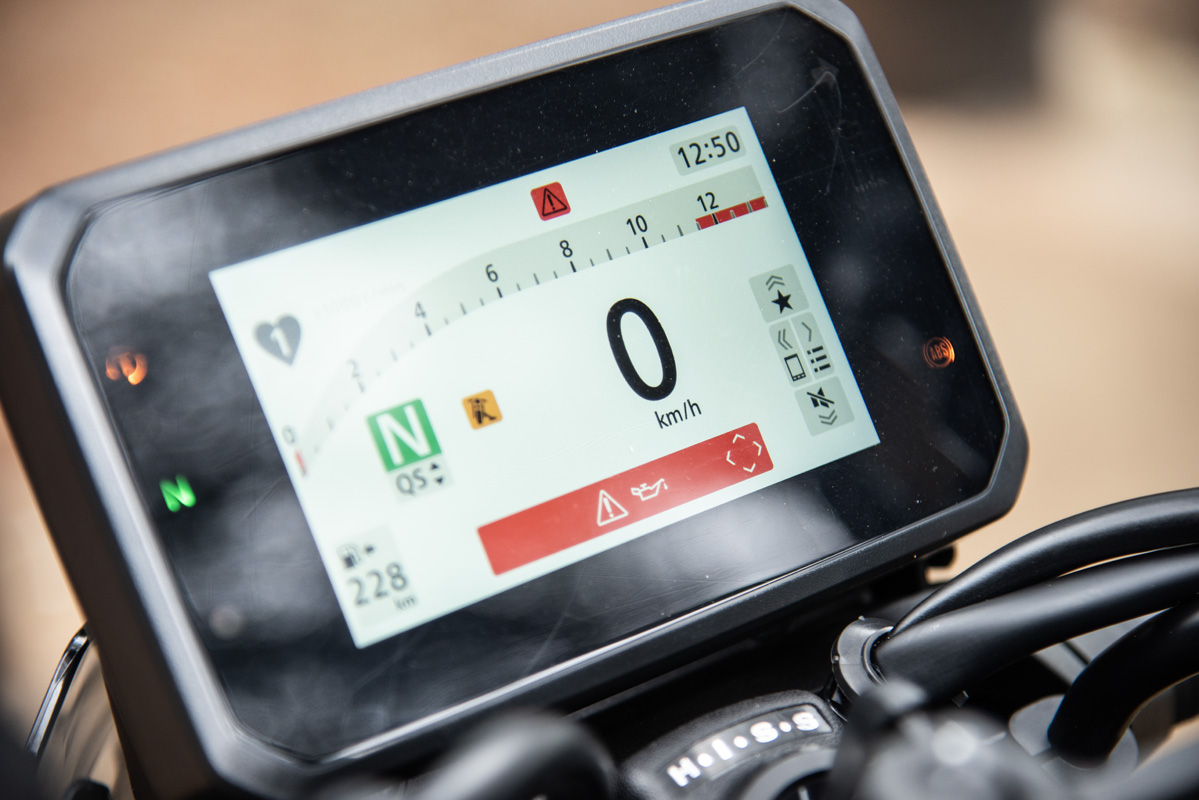
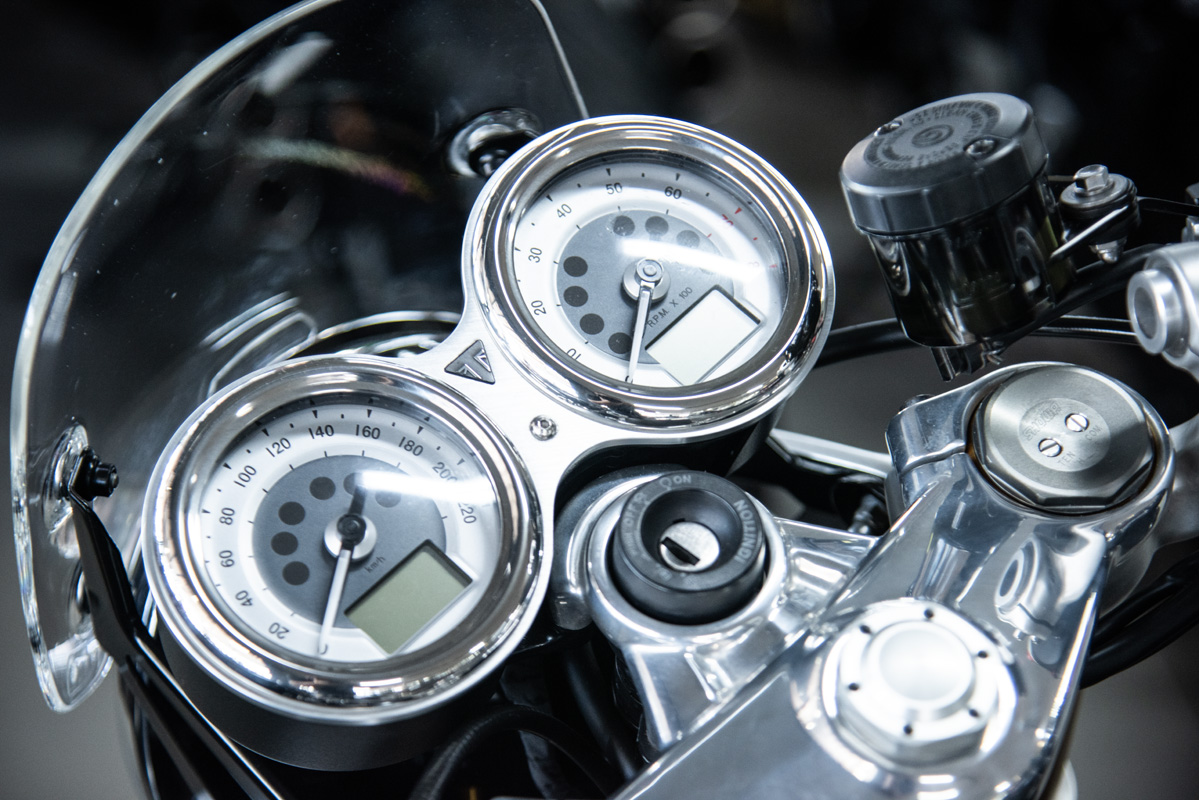
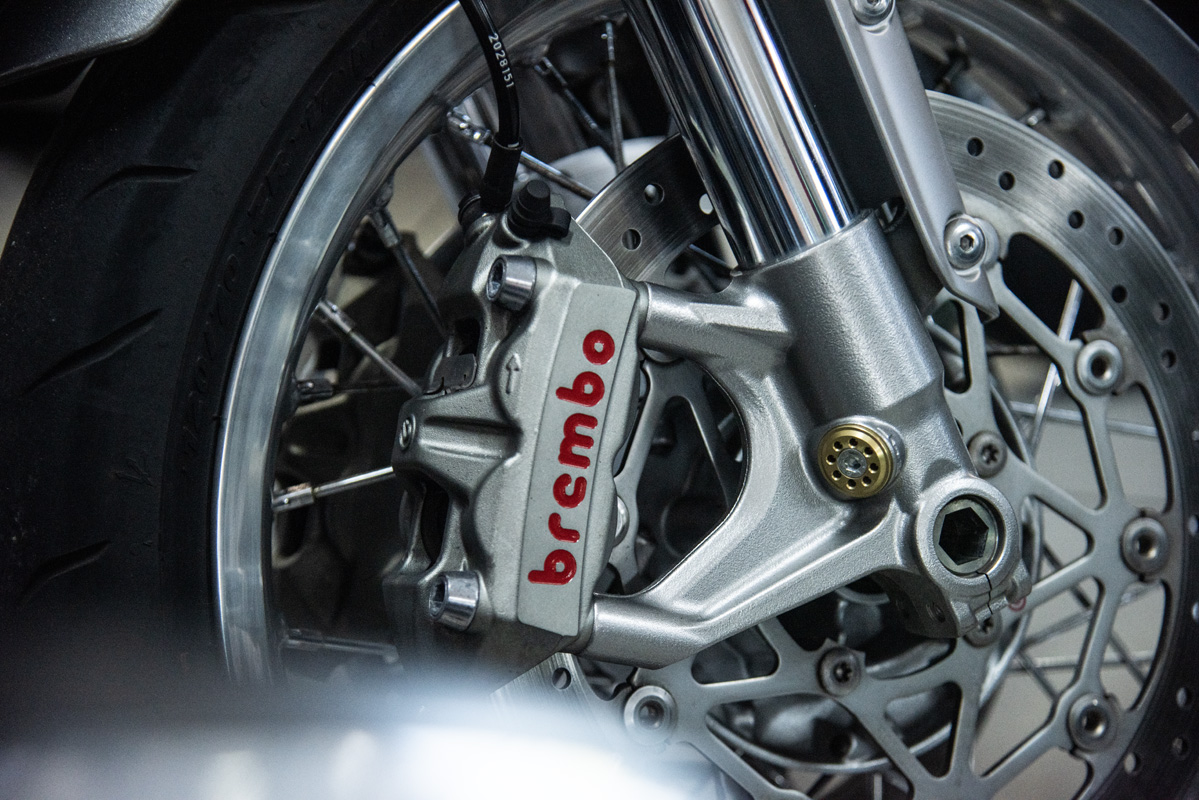
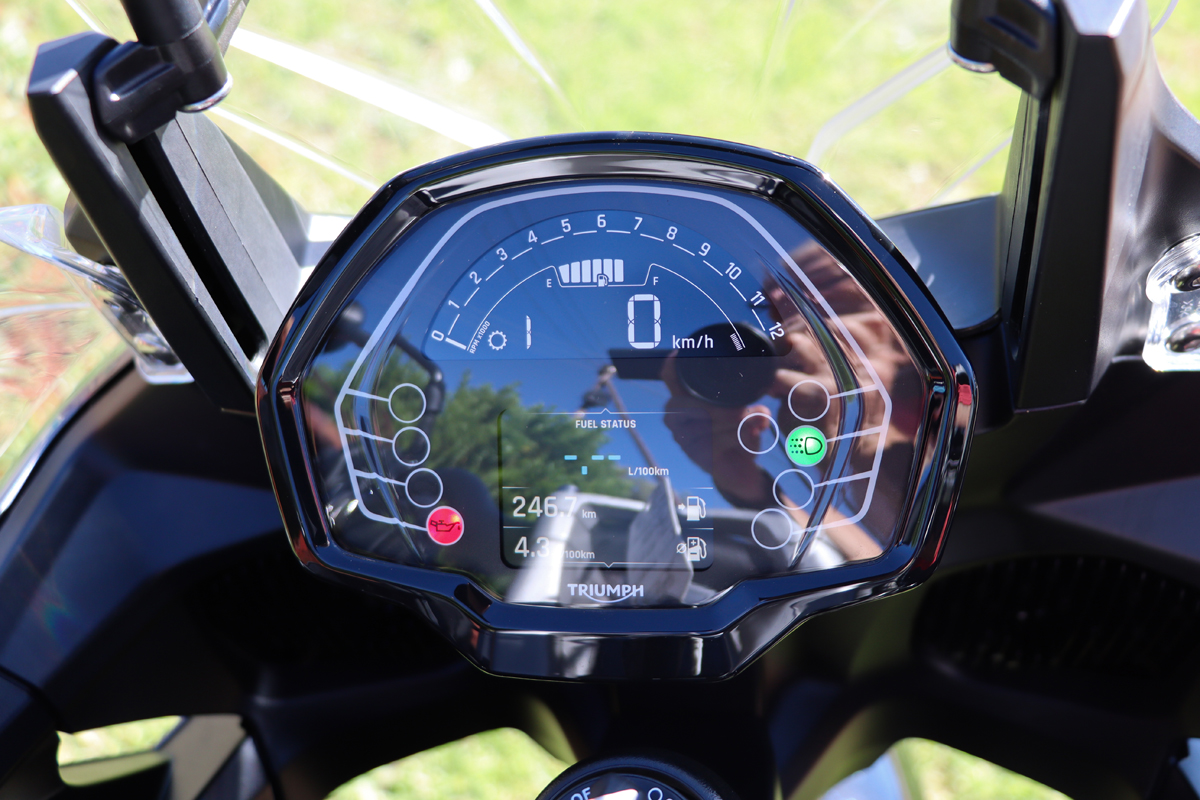
Front brakes are identical to the 310 mm doubles with 4 pot callipers on the Tiger Sport, but the rear disc is slightly smaller than that of the Tiger at 220 mm, with a 1 pot calliper. They combine to work seamlessly, giving total braking confidence. The dash is almost minimalistic by modern TFT standards, combining an oval TFT display with LCD information to keep you fully informed.

Photo credit: Bjorn Moreira / ZA Bikers

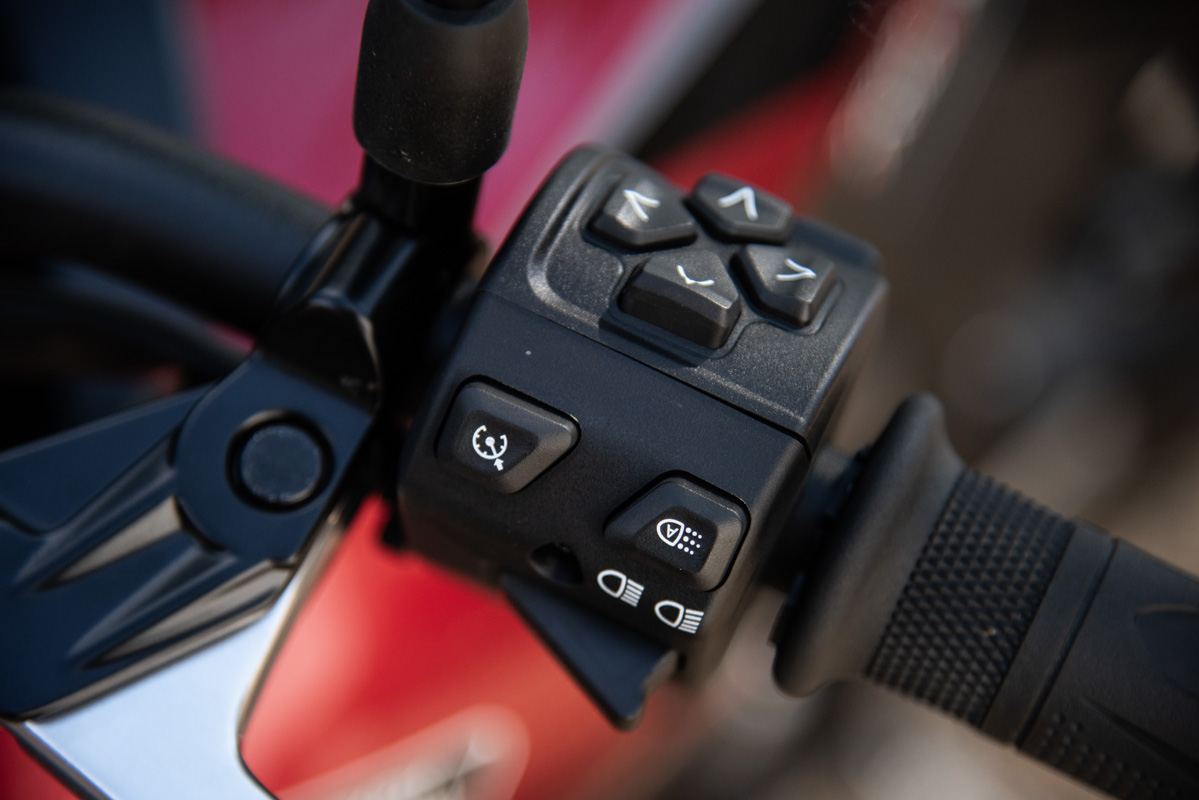
Triumph has carried the cruise control from the Sport over to the Trident, which is excellent given that hanging on to the bars of a naked can tire the hands somewhat, so it’s great to have some respite. Similarly, the Trident has three engine modes, Rain, Road and Sport to match road conditions and mood. Fuelling is spot on. In typical Triumph fashion, the finish on the bike is beyond reproach.

Photo credit: Bjorn Moreira / ZA Bikers

So, what is the final word on Triumph’s evocative new Trident? As naked bikes go, it offers the most exhilarating ride per rand spent. At a current price of R199,000, it is incredible value. Its closest rival, Yamaha’s MT-09, starts at R234,950. Excluding price, the Trident can slug it out with the best of them. Its biggest competition may well come from within. The faired Tiger Sport offers a plusher ride and wind protection, and starts at R209,000. But, if you like yours naked, then you need to ride this bike. Adrenalin-pumping fun never came at such a keen price!

Photo credit: Bjorn Moreira / ZA Bikers

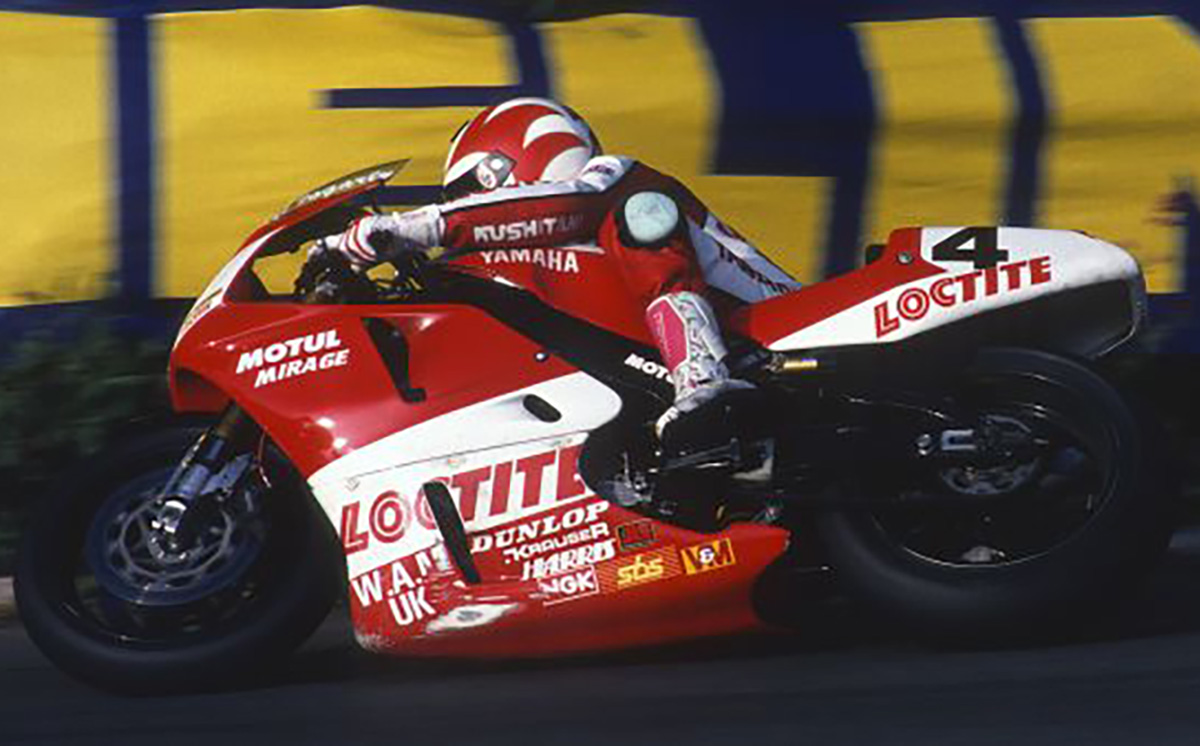
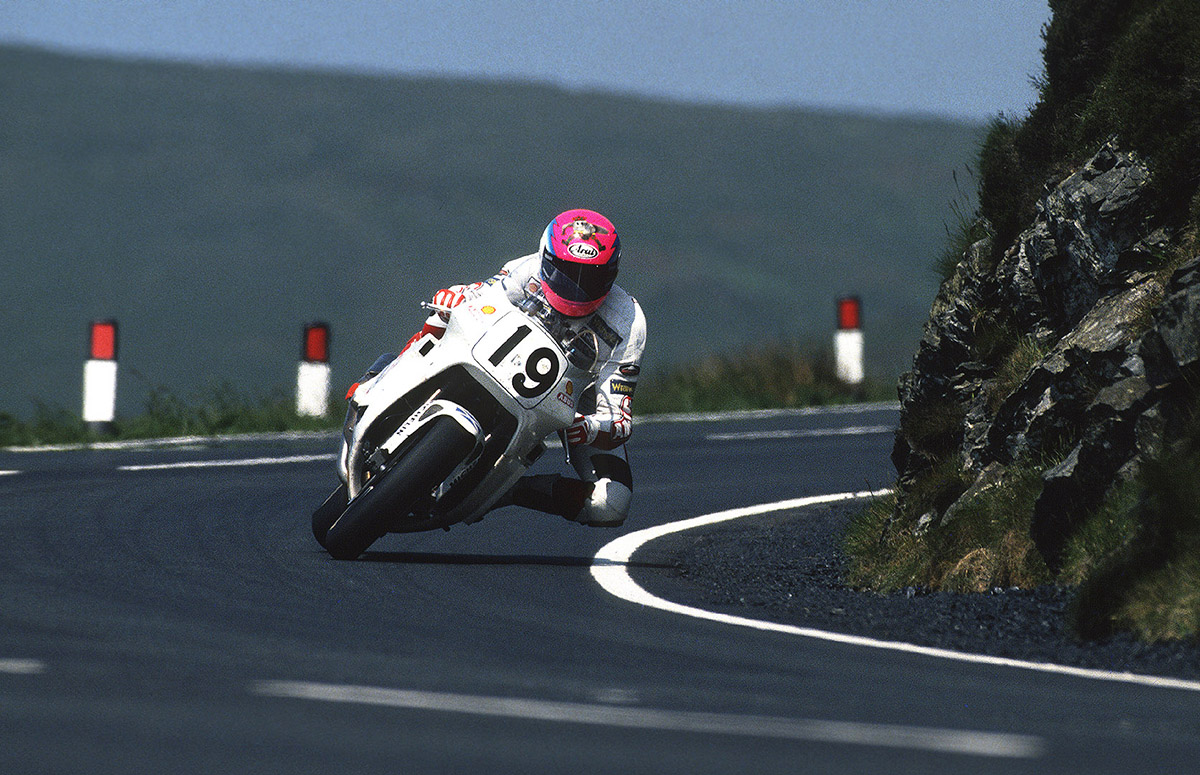
1992 Isle of Man – Foggy vs Hislop

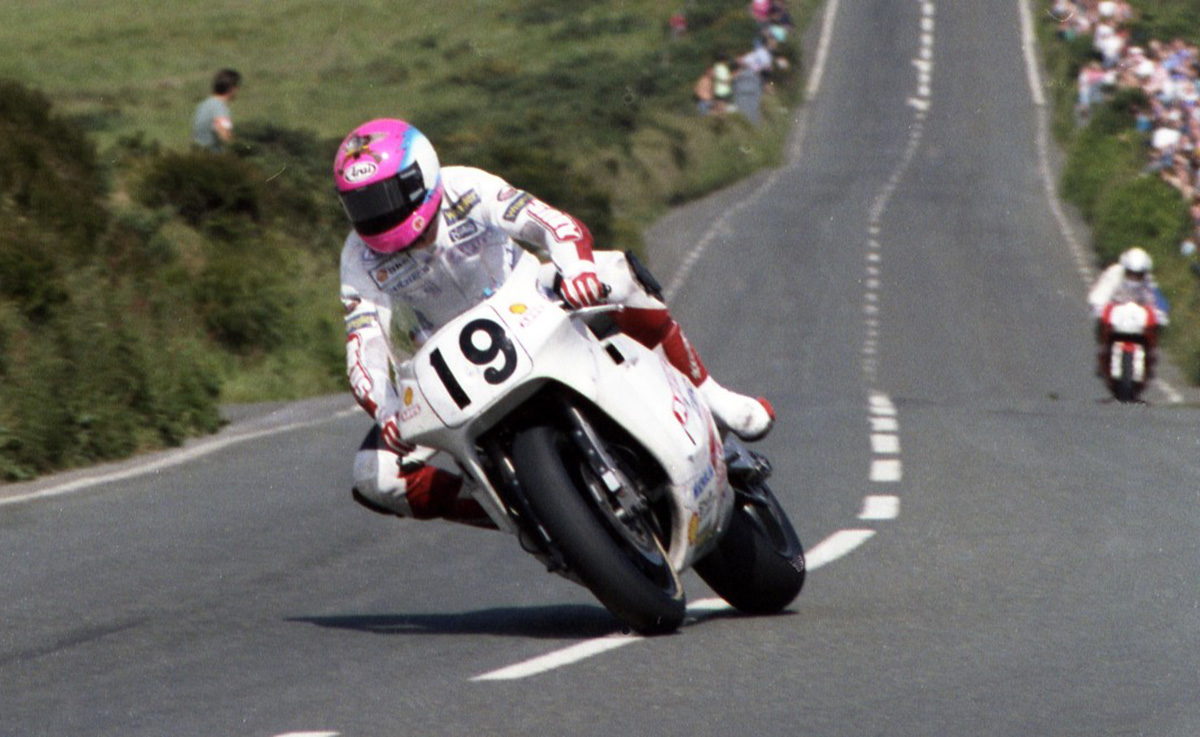
Image source: www.iomttraces.com

The Isle of Man TT races are unusual in that it is rare to see the top riders go head-to-head riding alongside each other and battling physically to the chequered flag. It is all done against the clock, often with the riders separated by several minutes on the road, even if they are mere seconds apart on corrected time. But that doesn’t mean that it can’t be fantastically exciting.

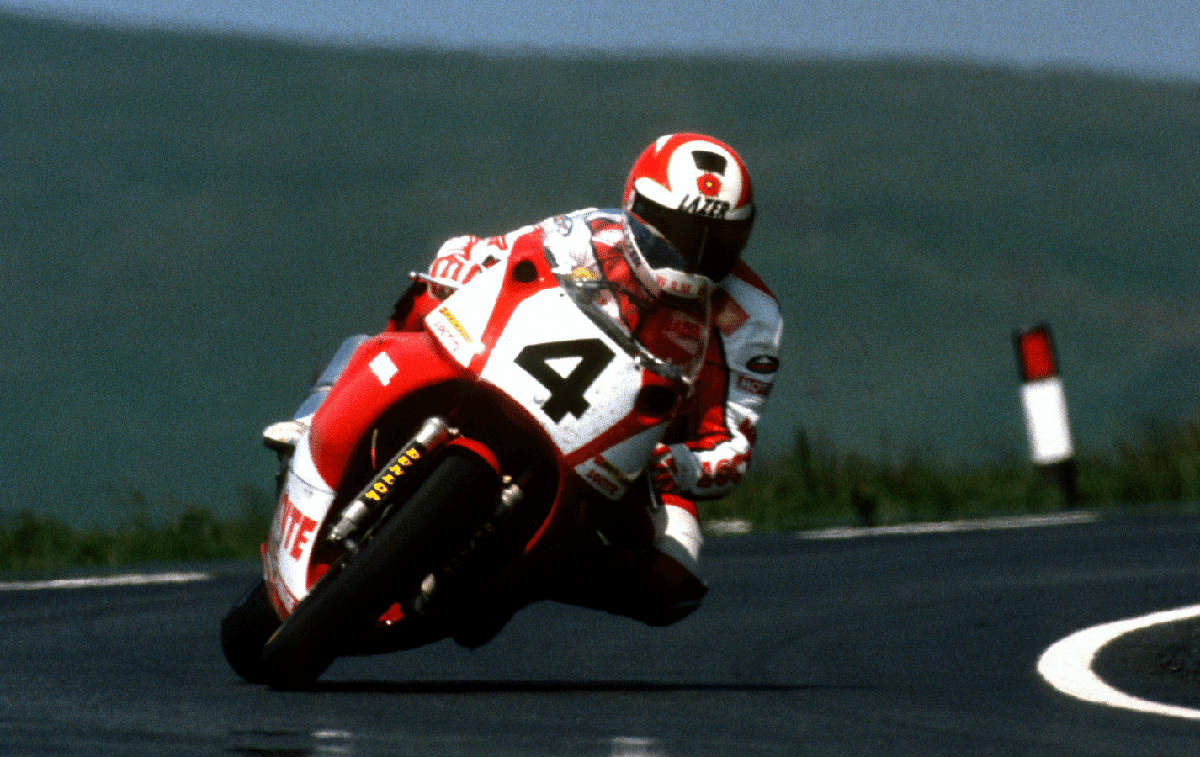
There are many TT races that lay claim to be the best ever – 1967 and the Agostini/Hailwood Senior TT; 1979 and the Alex George/Hailwood Senior TT – but the 1992 Senior TT can stand tall with both those races, while some call it the best ever. Throughout two hours of racing, the two main protagonists were never separated by more than eight seconds, and the outcome was an historic victory. As always, however, there was so much more to this race than what happened on the track.

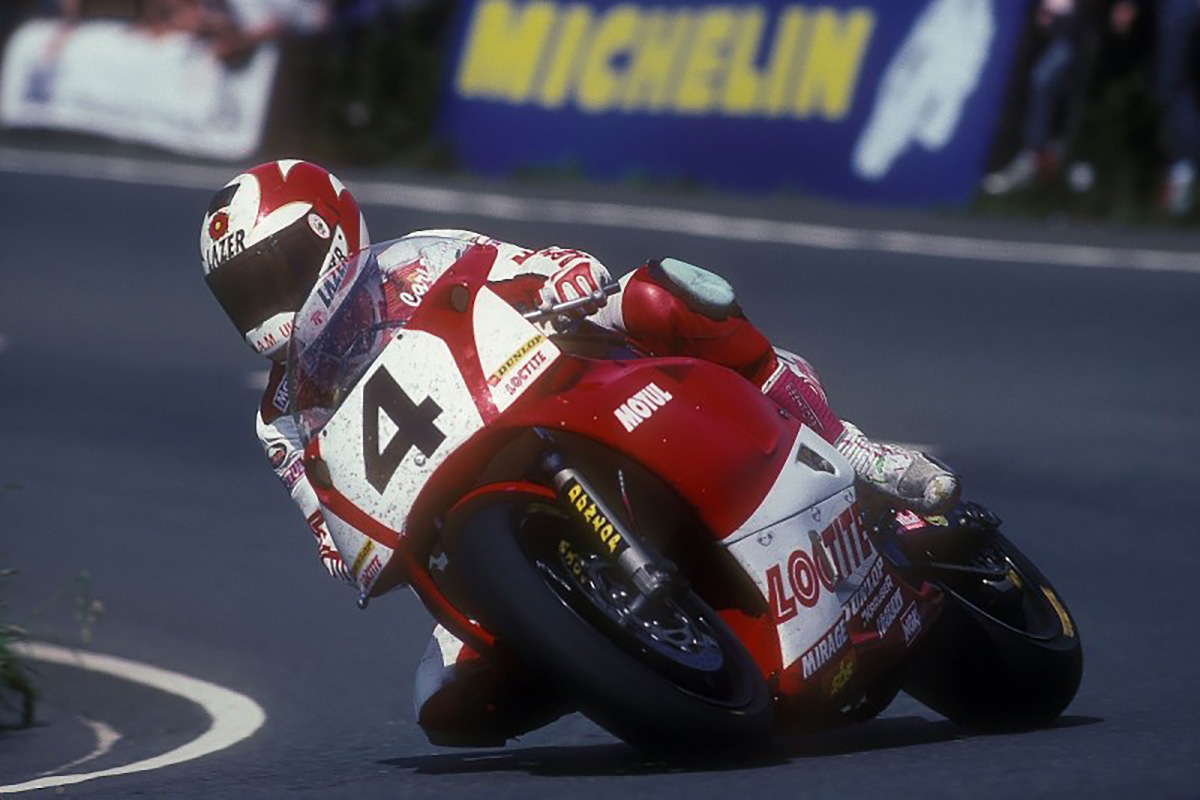
Image source: www.iomttraces.com

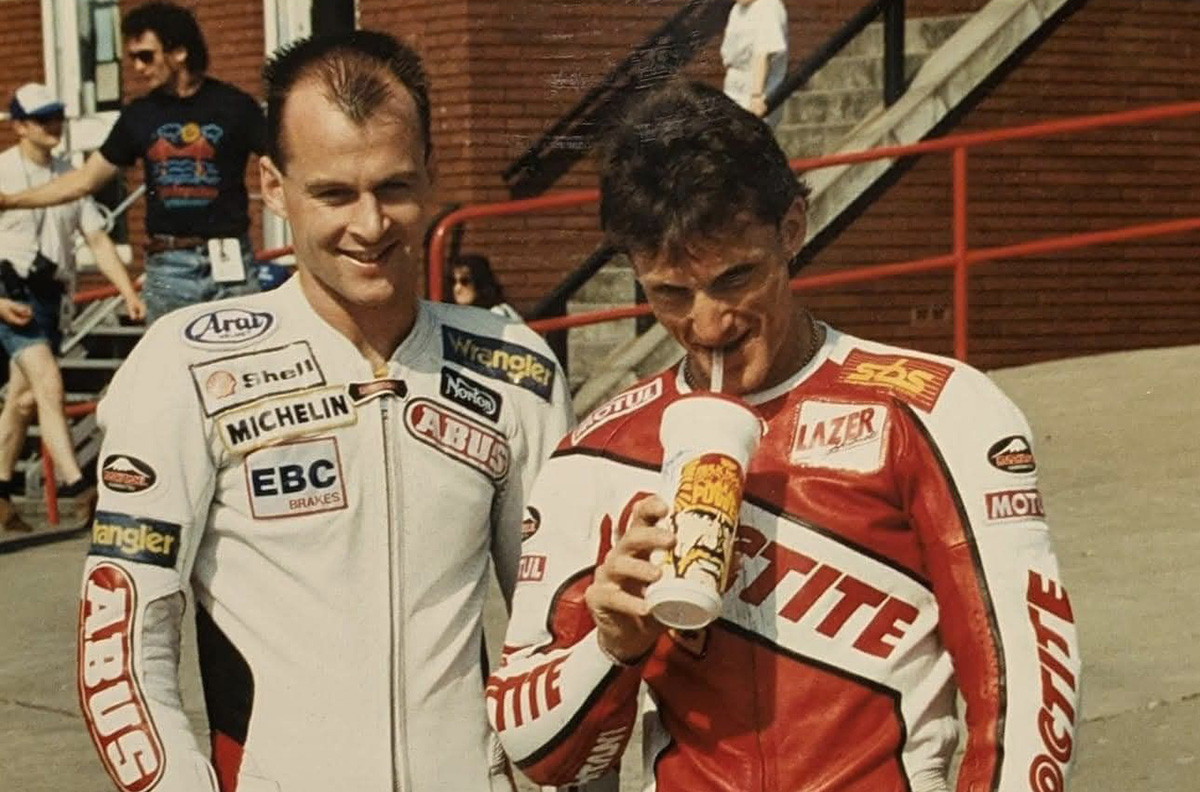
The two protagonists could not have been more different. Carl Fogarty would go on to become a four-time world champion in World Superbikes and never shied away from telling the world how good he was. Arrogant beyond belief, he made few friends on his way to the top and was possibly the fiercest competitor ever seen in racing. He would never acknowledge that a rider was better than he was because, obviously, they weren’t..!

Apart from, perhaps, Steve Hislop. Fogarty considered Hislop to be one of the finest TT racers of all time. He was a soft-spoken Scotsman who did all his talking on the track. Up to his unfortunate death in a helicopter accident in 2003, he won 11 TT’s and was devastatingly quick around the island.

Image source: www.iomttraces.com

In 1992, Foggy had been running a privateer entry into the World Superbike Championship and wasn’t expecting to head back to the Isle of Man, where he had been racing since 1985.

But he reckoned without a call from Yamaha, who offered him £7,000 to race, a sum matched by the Isle of Man tourist board. With a race team to fund, he couldn’t afford to ignore the offer.

Image source: www.iomttraces.com

Hislop’s route to the 1992 TT followed a predictable and disheartening path. Honda had offered him an RC30 to ride in the British Superbike championship and the TT. Then he found himself summarily dumped from the team, to be replaced by Simon Crafar (he of recent MotoGP commentary). Of course, this all happened at the last minute, leaving him precious little time to secure another ride.

However, he signed for Yamaha, who were keen to have a proven winner on their bike. £10,000 was offered alongside the chance to race in the British championship for Tillston’s Yamaha. What started out well, however, soon deteriorated when Yamaha gave preferential treatment to Rob McElnea’s Loctite Yamaha team. So Hislop offered an ultimatum: no equipment for the British championship, no Hislop at the TT. Yamaha called his bluff.

Image source: www.iomttraces.com

After the Oulton Park round on the Yamaha, Hislop turned up at Donington Park in Kawasaki colours. So, that really was the end of that! It was then that Yamaha reached out to Fogarty and made their offer, which he accepted.

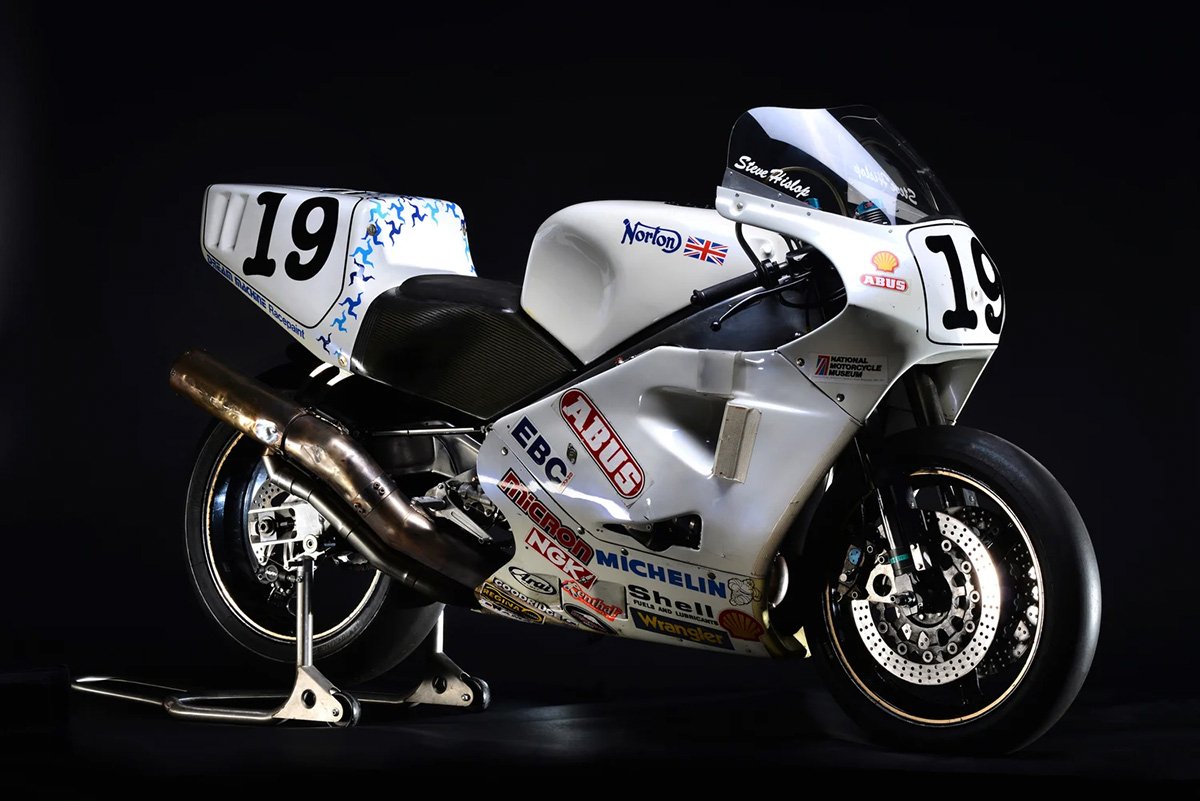
Hislop was out of a TT ride, but not for long. On hearing that Hislop was a free agent, Norton team boss Barry Symmons got a foot in the door and made him an offer. At this point, no one believed that the finicky Norton with its fragile (but powerful) Wankel Rotary engine could survive the intense mechanical strain of the TT. Hislop didn’t disagree with them, but he had no other option. He signed for Norton to ride the bike in the F1 and Senior TTs.

Image source: www.iomttraces.com

The F1 race came first, early in TT week. Fogarty took a commanding lead, with the Norton of Hislop suffering from its usual overheating. Nevertheless, he was running in third, unable to do anything about Fogarty’s stupendous pace at the front.

In fact, it was too fast; the Yamaha’s gearbox broke under the strain, and Foggy was out, absolutely devastated. Hislop eventually came home second behind Phil McCallen’s Honda.

Image source: www.iomttraces.com

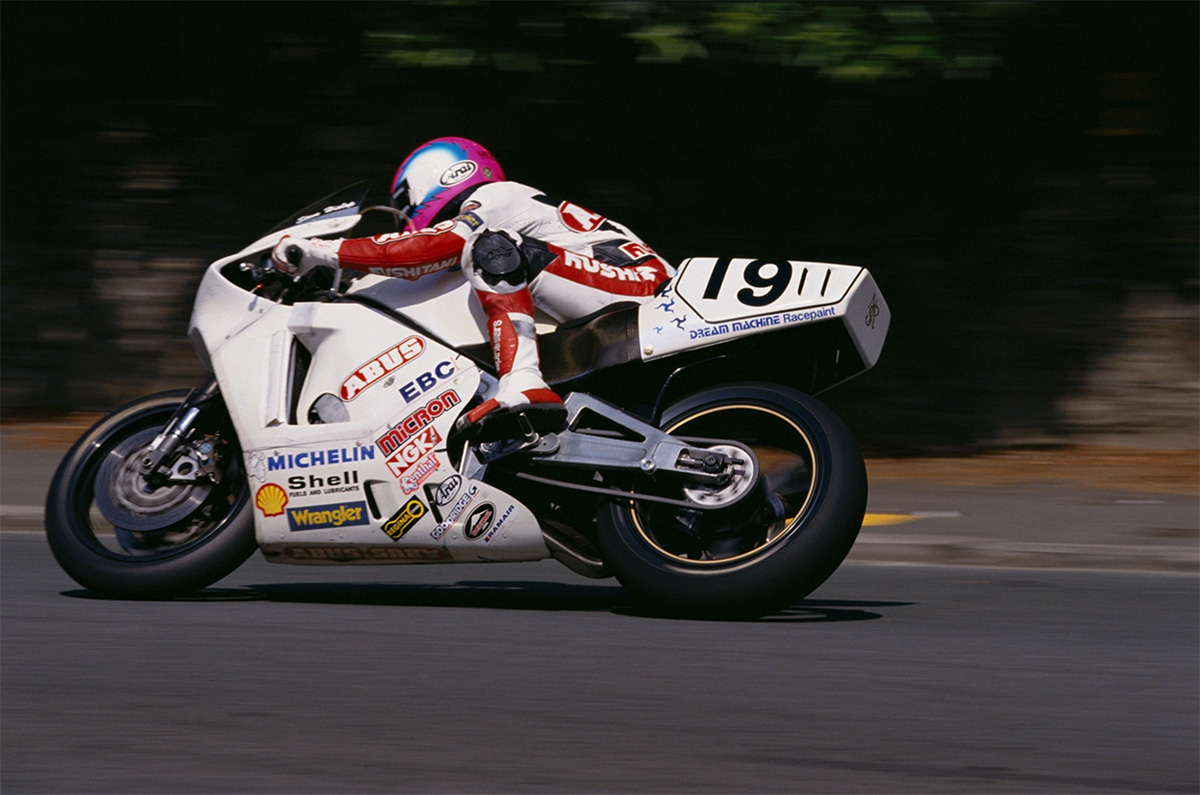
The overheating was a real problem for the Norton, not helped by the hot temperatures throughout the whole of TT week that year! But the team had no budget to significantly re-engineer the bike. So, they took it to Jurby airfield to make rudimentary modifications and try to find a solution. In the end, they found that removing the front mudguard aided airflow to the badly stressed and hot-running engine. But would it be enough? The team had already proved the bike could last a whole race, but was it fast enough against a determined Fogarty?

Also addressed were the physical elements of riding the bike. Hislop was a small guy, so a taller screen was fitted to stop him being pushed backwards by the wind flow over the bike. Wider handlebars were also fitted to improve stability, something that is badly needed at the TT. All the modifications were small, but proved vital, especially when the day of the Senior TT dawned bright and sunny and turned into a blisteringly hot day. The fans lining the course lapped it up, but it was the last thing the Norton team wanted!

Image source: www.iomttraces.com

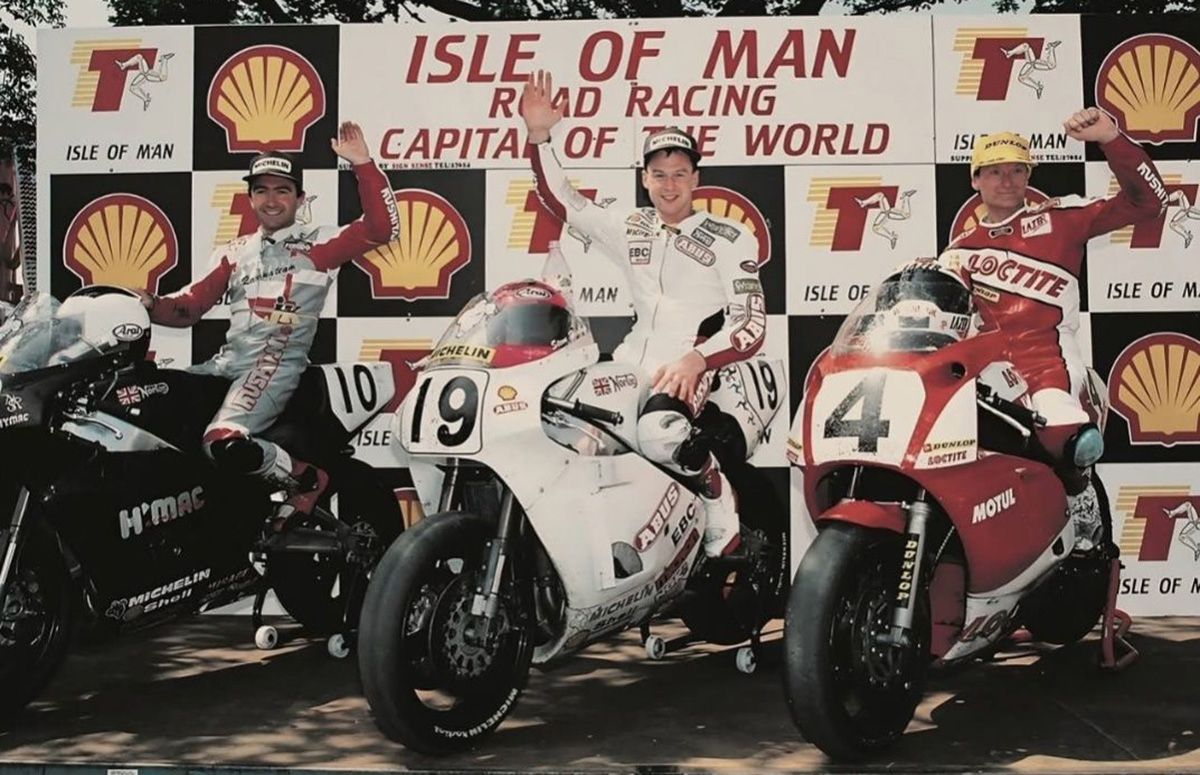
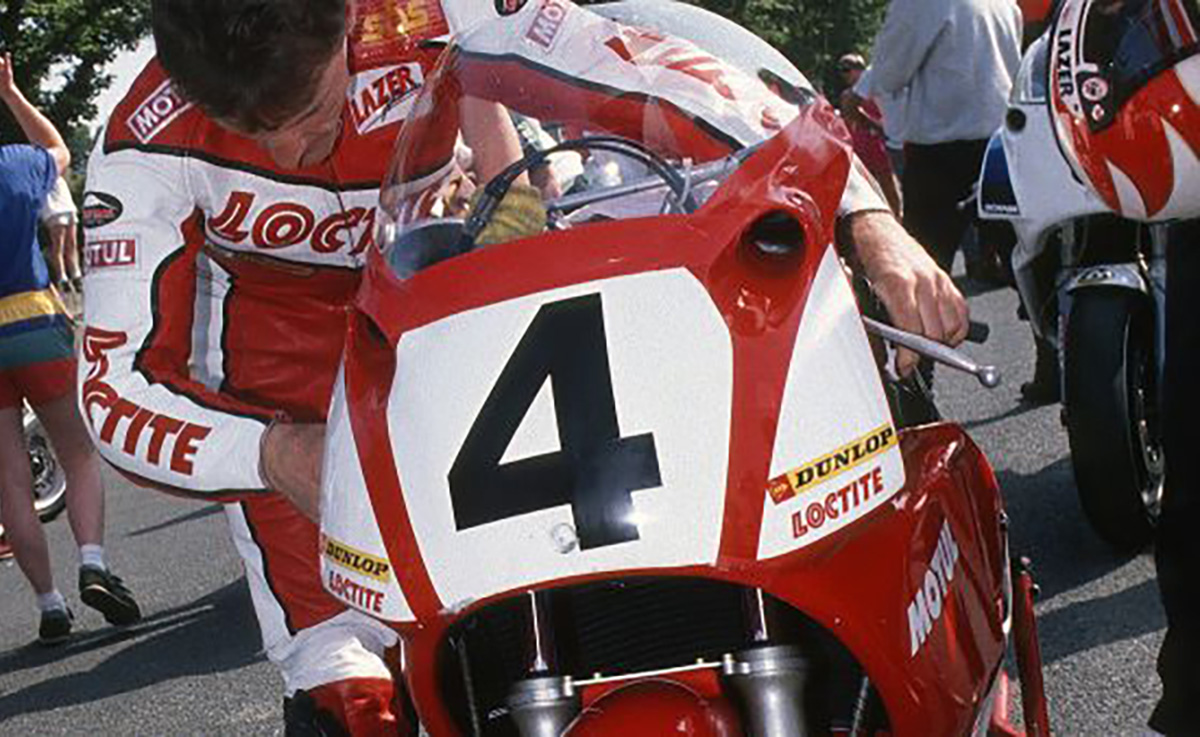
Foggy started 4th and Hislop 19th, two-and-a-half minutes behind (riders start at 10-second intervals), meaning he would have to battle his way past slower riders while Foggy had a virtually clear road in front of him.

The previous year at the TT, Hislop had adopted the tactic of maximum attack right from the start to try and demoralise Fogarty. But this was a tactic he could ill afford to try this year due to the fragility of the Norton in the stifling heat. He adopted a different tactic this time around, settling steadily into a rhythm. However, that didn’t stop him from leading Foggy by 2.8 seconds leading into the first pitstop at the end of lap two.

Image source: www.iomttraces.com

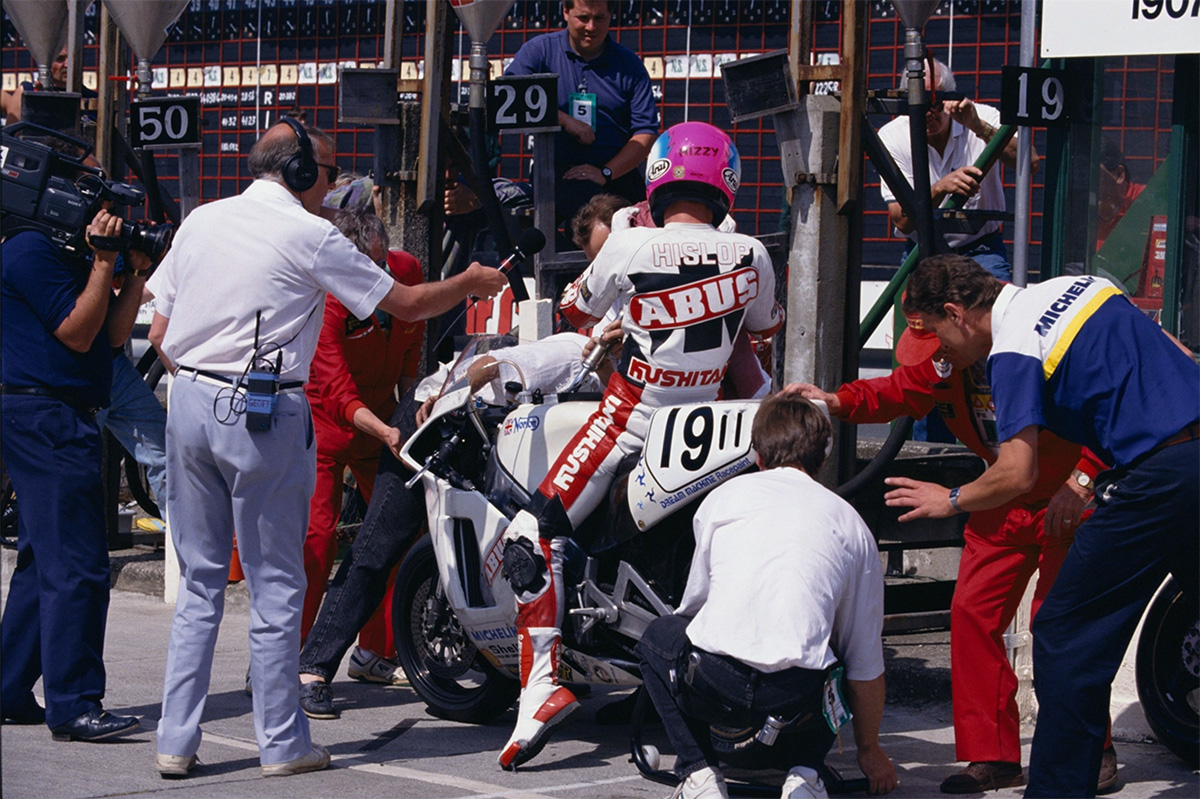
It was here that Hislop revealed his masterstroke. He opted to change his rear tyre, something that wasn’t necessarily the norm in those days. This, he figured, would give him an advantage in the event of a last-lap dogfight. With the power that the Wankel Rotary engine produced, Hislop would never have completed six laps on one rear tyre. Fogarty chose not to change his tyre in order to take the lead away from his rival.

Over the next two laps, the pair remained apart on the road but attached by an elastic cord on the time sheets. Hislop would master the first half of the lap to Ramsey, Fogarty would take the honours over the mountain. Hislop was smooth and calm, Fogarty fought his bike every inch of the way; in a way, their styles on the bikes reflected their personalities. But still they were inseparable on the time sheets.

Image source: www.iomttraces.com

By the time they stopped at the end of lap four for the second and last pit stop, Hislop had eked out a 7.4s lead. But a fumbled pit stop reduced that advantage to one second. Hislop remained calm and settled into his rhythm again and rebuilt the lead to 6.4 seconds heading into the final lap.

And what a final lap! Fogarty’s Yamaha was literally falling apart underneath him – blown exhaust, parts rattling loose, leaking fluid from who-knows-where at the front of the bike – but he pulled out a display of gritty riding, beating Hislop’s previous lap record by three whole seconds! It was a lap that matched his battling personality.

Image source: www.iomttraces.com

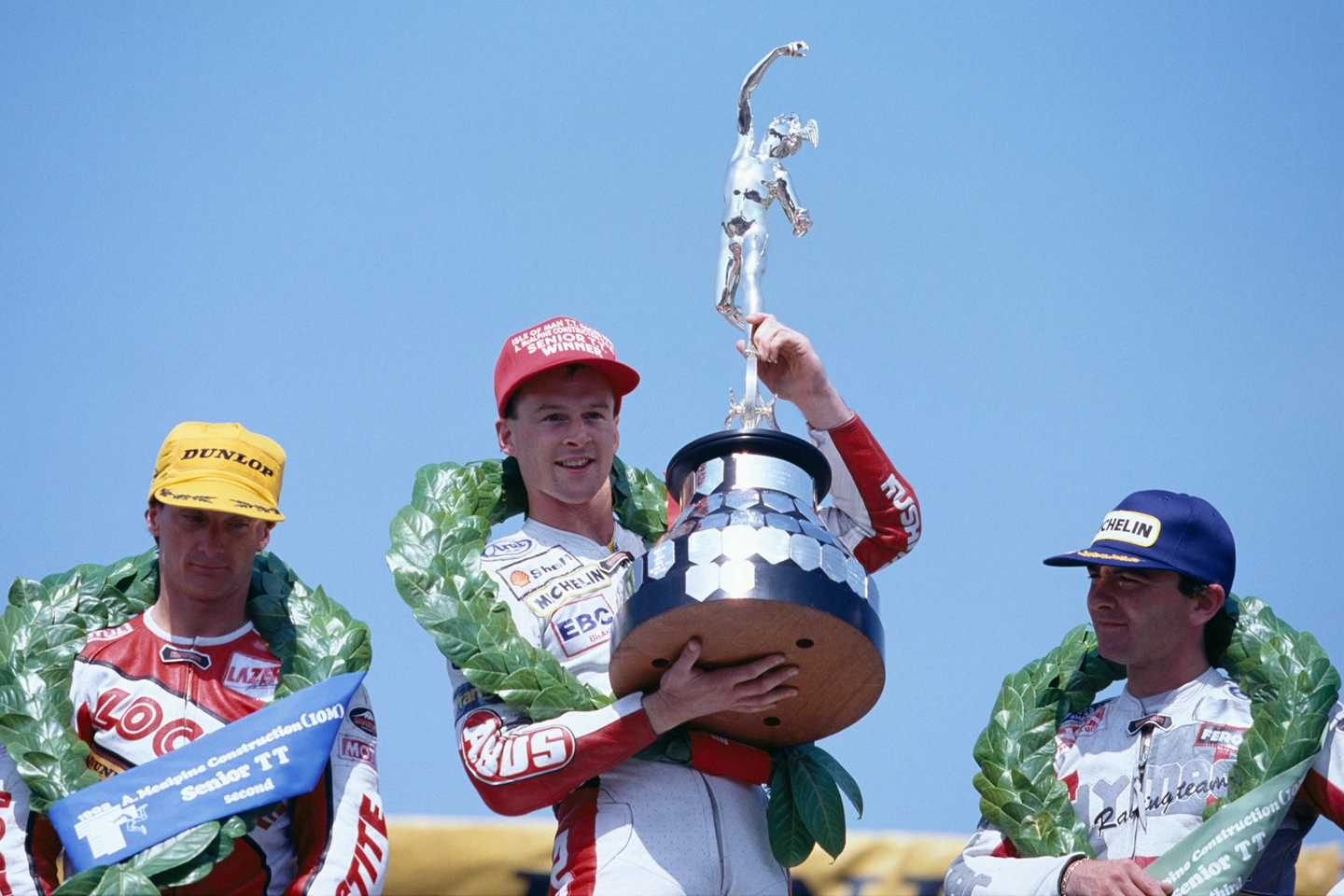
Despite the ferocity of Fogarty’s attack and without the luxury of backing off and cruising to the finish line, Hislop remained as calm and focused as few men could, and this proved crucial. Fogarty crossed the line, his Yamaha barely in one piece. Then the crowd had to wait for nearly three minutes for Hislop to cross the line, due to their respective starting positions. It was an agonising wait, but eventually, the Norton howled into sight and crossed the line, 4.4 seconds to the good.

It was an unbelievable and record-breaking end to a fabulous race. A new race record was one thing, but being the first rider to win the Senior TT on a British bike since Hailwood’s Norton victory in 1961 was something else.

Image source: www.iomttraces.com

For once, Fogarty didn’t belittle his opponent by making excuses for why he lost. There was a tremendous mutual respect between the two rivals, which nevertheless pushed them both to incredible feats in order to beat the other man.

Bikeshop Rivonia Head-to-Head: Aprilia RSV 1000 R vs Ducati 848

Photo credit: Bjorn Moreira / ZA Bikers

Hindsight is a wonderful thing. Or maybe I mean historic perspective? Are they the same thing? Perhaps, but I can honestly say that, personally, looking back, in terms of motorcycle engineering and development, holds more fascination than looking forward; we know what’s been and there’s a lot to learn about and from it, while at the same time, the future doesn’t always look all that rosy, if it is known at all.

That’s why I love walking through a large used bike dealership such as Bikeshop Rivonia. There you have the last twenty years (give or take) of bike development in front of you, and you can gaze upon machines that were once (and not, in the grand scheme of things, that long ago) hailed as the latest and greatest, only for them to be left behind in the relentless pursuit of power, speed, technology and, of course, cost. But does that mean that they are dinosaurs, mere relics of a bygone age, with nothing to offer the modern rider other than nostalgia?

Photo credit: Bjorn Moreira / ZA Bikers

That’s the thing, isn’t it? The subjects of this test might be 18 years old, but does that mean that they are no good? With virtually no electronics, they are beautifully analogue and pure; thumping great engines and stiff chassis, still with more power than you can realistically use on the road and possessed of dynamics that might need a bit more muscle than you are used to, but which, equally, still give thrills that will be remembered long after the price has been forgotten. And, when you finally hang up your riding boots, you can park them and simply look at them and wonder that there existed a time when such bikes were unleashed on the public.

It doesn’t seem that long ago that a classic bike meant a 1950s or ‘60s British bike; Triumph, BSA, Norton, Matchless; possibly an early ‘70s Ducati or Laverda; or one of the early Japanese efforts. More recently, the march of time has meant that much more modern motorcycles have become ‘classics’, in the legal definition of the word (25 years old or more). Have you any idea how many iconic bikes that includes? The first ‘superbikes’ of the 1990s are classics. So are bikes from 2001! And by that time, we were as far from the ‘traditional’ British classic bike as you could wish to be, and fully into the modern era of the Japanese and European superbike.

Photo credit: Bjorn Moreira / ZA Bikers

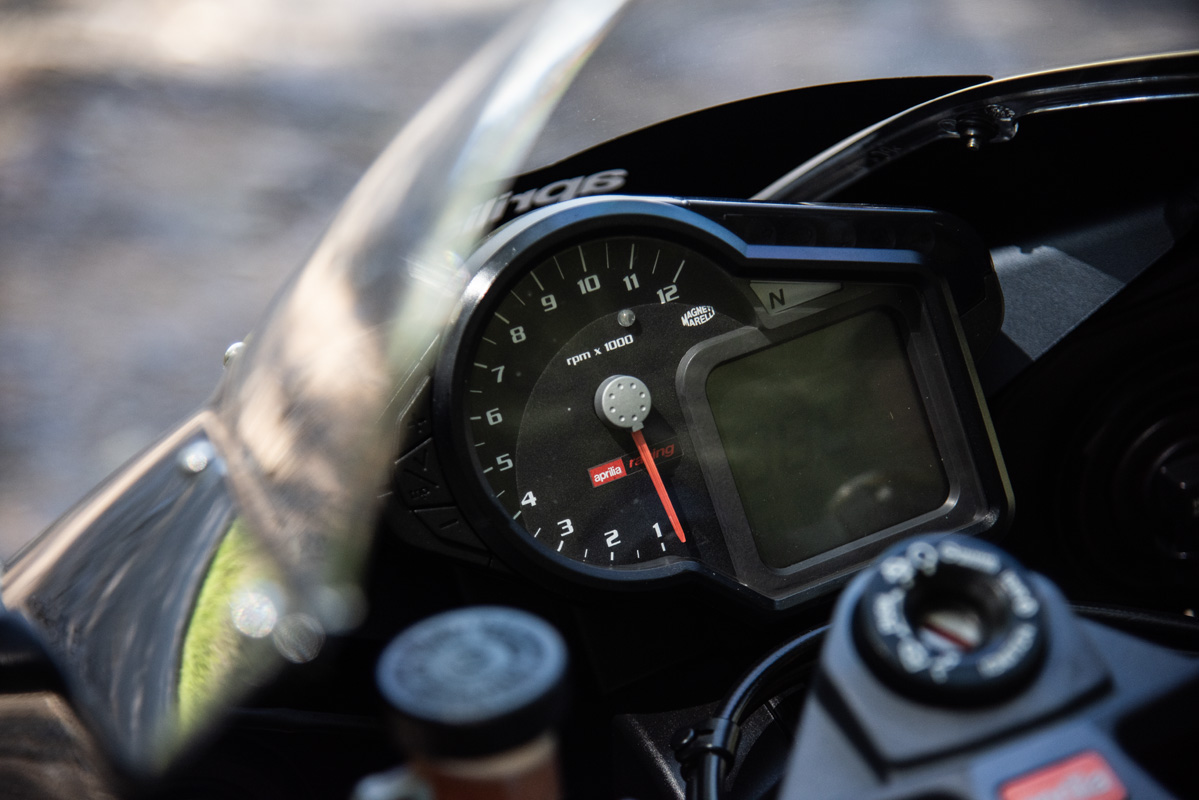
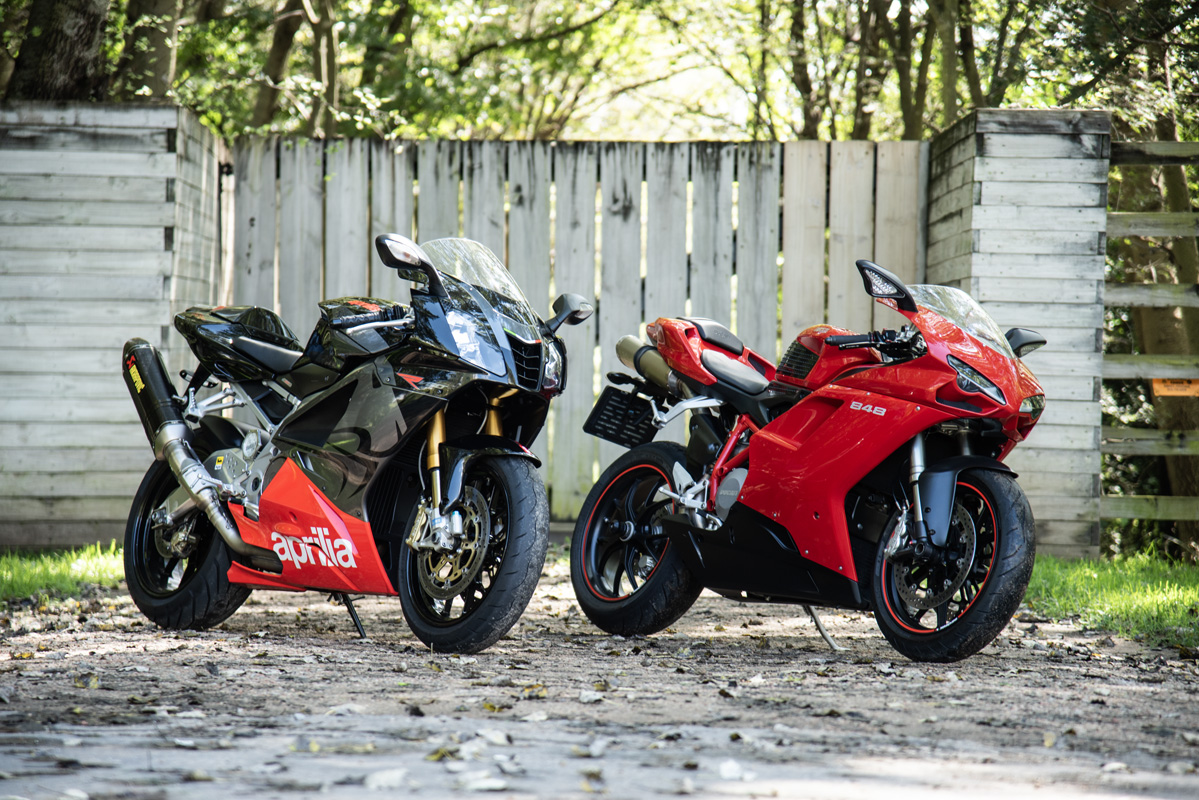
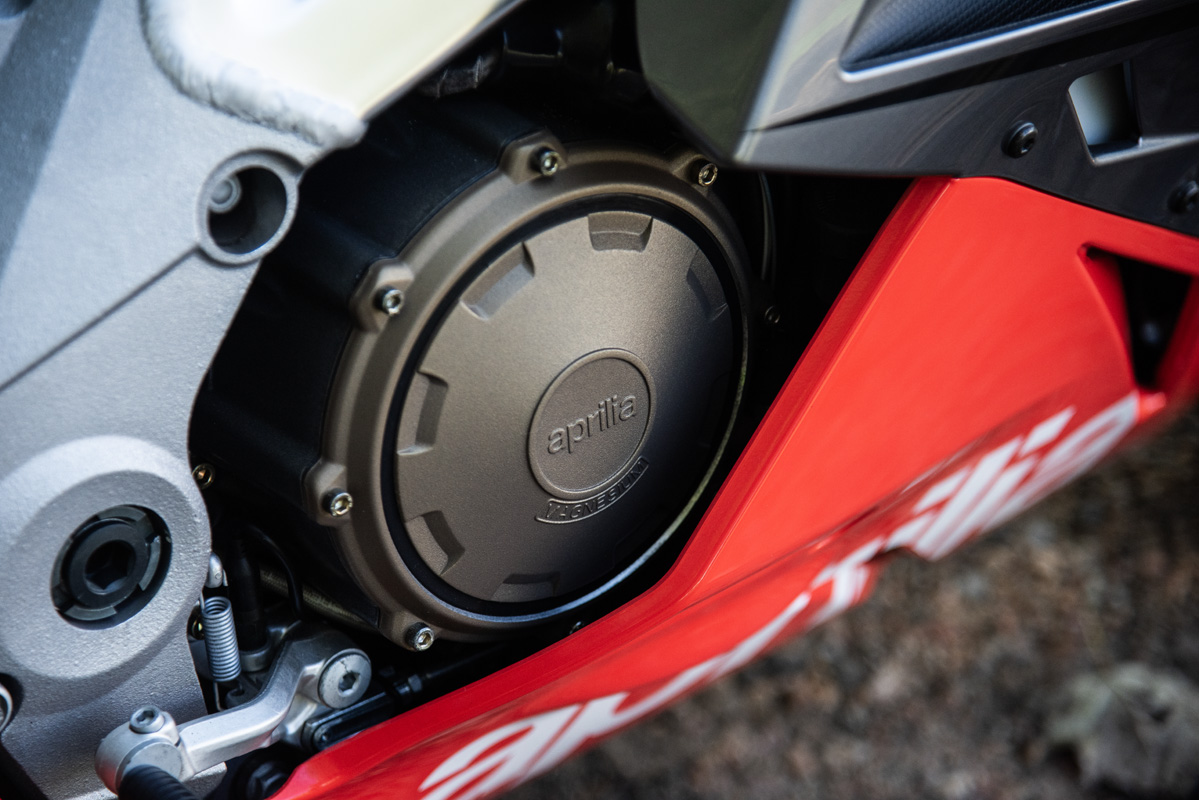
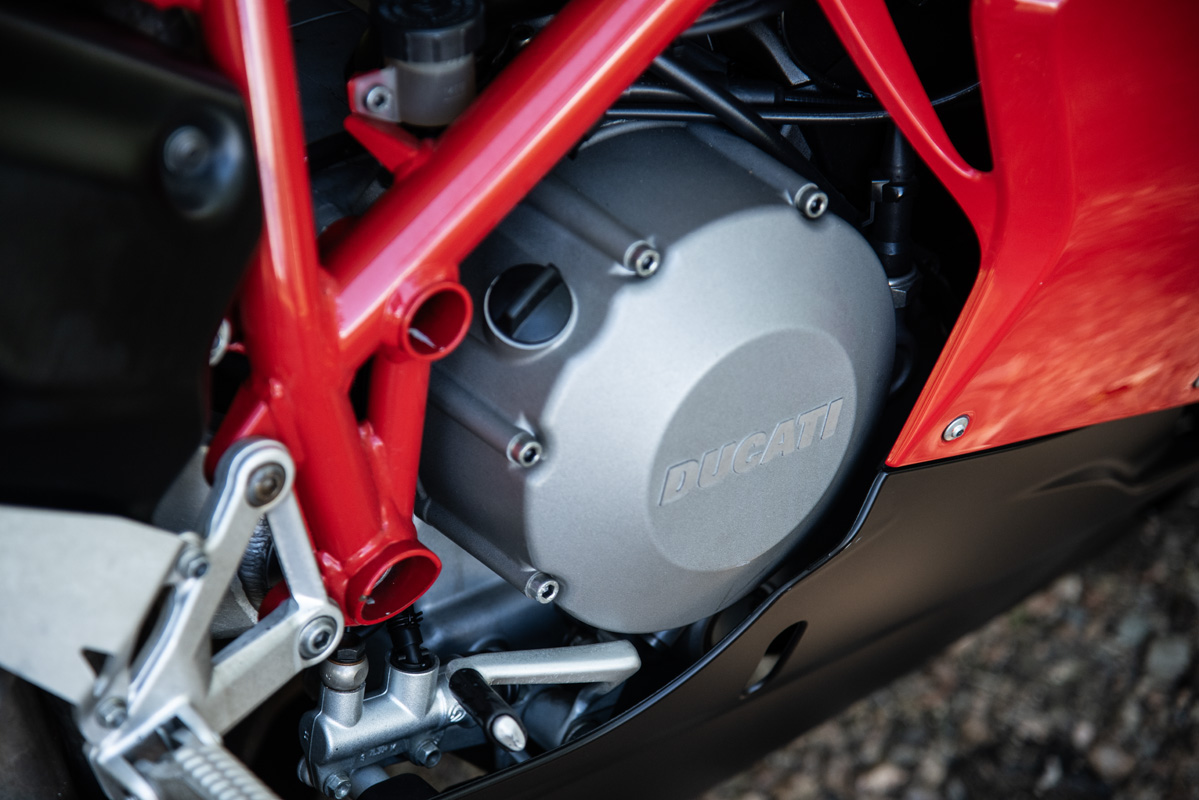
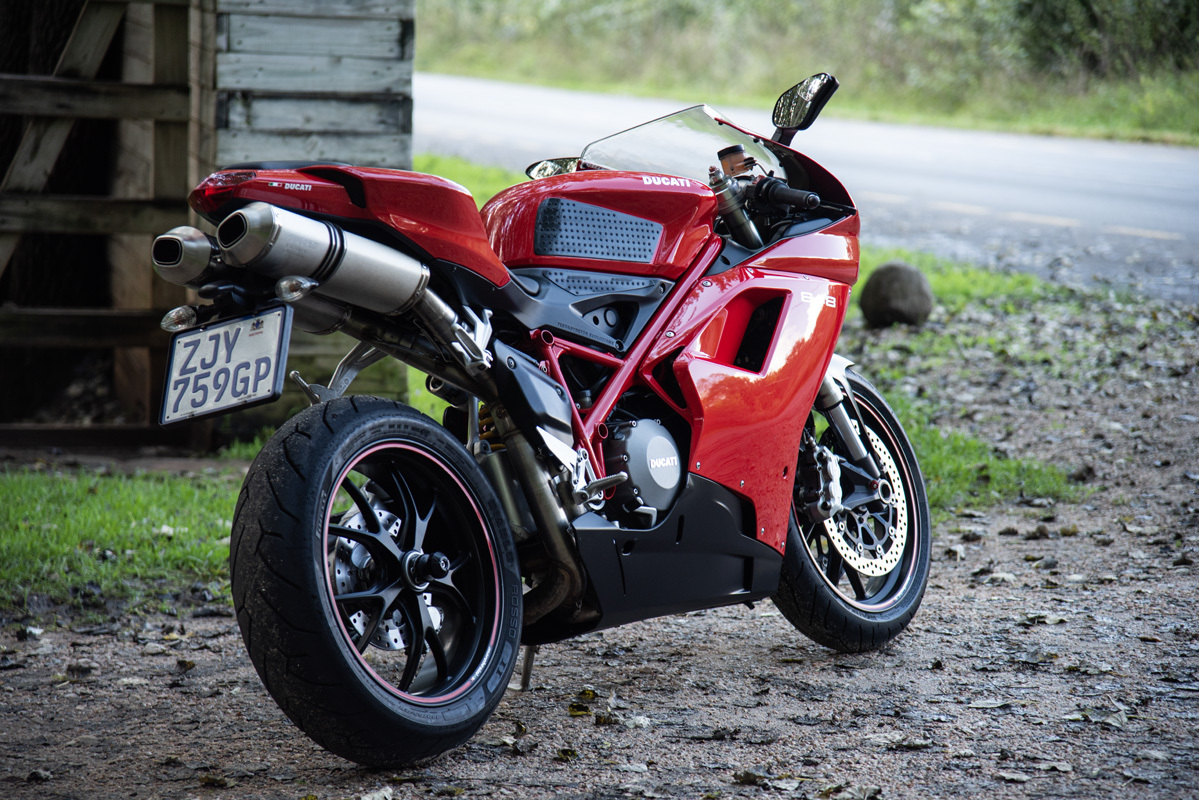
So, here we are with a pair of sports bikes from 2008. Not quite classics, just yet, but still from a completely different era to the one we know today and yet, somehow, still modern. Both Italian, both incredibly sexy, both stupidly fast and capable in the right hands, and both as pure as the day the motorcycle was first conceived; frame, engine, wheels, handlebars, and a huge dose of fun.

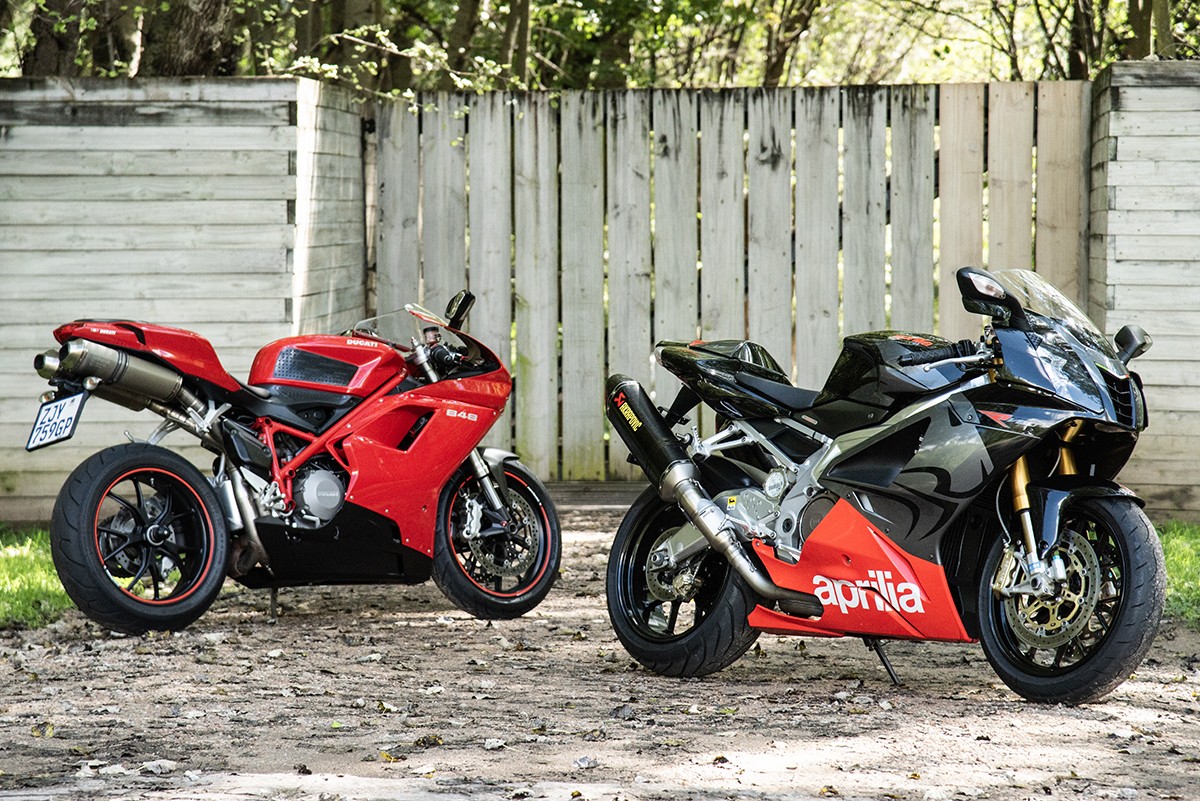
Before any of you start quibbling about the obvious disparity between the two bikes that are the subject of this test, allow me to offer the unfortunate disclaimer that we had a Ducati 1098 lined up as a rival, but that was sold right before we arrived at Bikeshop Rivonia. So it was that the Ducati 848 went head-to-head with the Aprilia RSV 1000 R.

Photo credit: Bjorn Moreira / ZA Bikers

Now, at first glance, this might seem to be a little unfair; how could the ‘junior’ Ducati compete with the larger Aprilia? Well, looking at the figures, they aren’t all that dissimilar on paper.

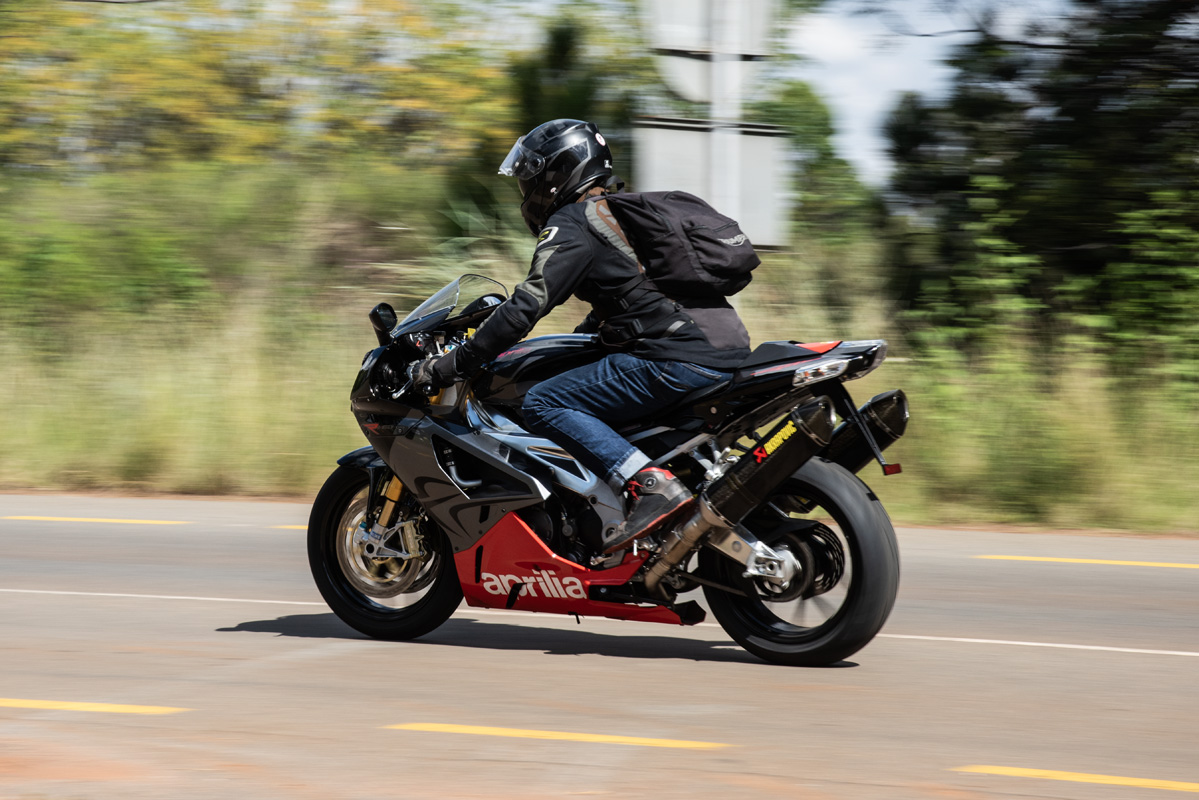
The Aprilia has a mere 149 cc more displacement than the Ducati, its V-Twin engine incorporating a cylinder angle of 60°, against the 848’s 90° angle. The Aprilia’s engine produces 143 horsepower, against 134 for the Ducati, but the Ducati has to propel 23 kg less weight. Torque figures are 107 Nm for the Aprilia and 96 Nm for the Ducati. The Aprilia is only 0.4 seconds faster over the quarter mile standing start sprint, and, although the Aprilia beats the Ducati on top speed – 277 km/h (172 mph) against 257 km/h (160 mph) – who today is brave enough to take them that far? On paper, therefore, they are very well matched.

But paper doesn’t count for much on the road, does it?

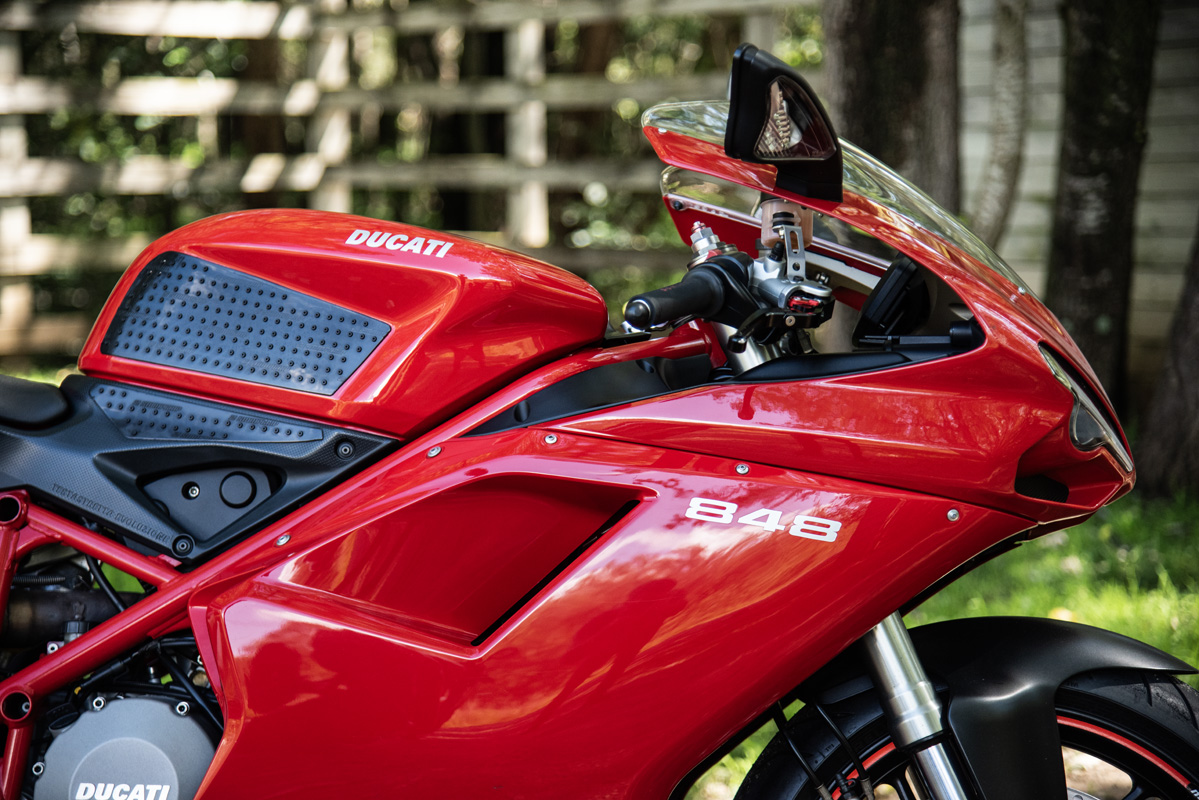
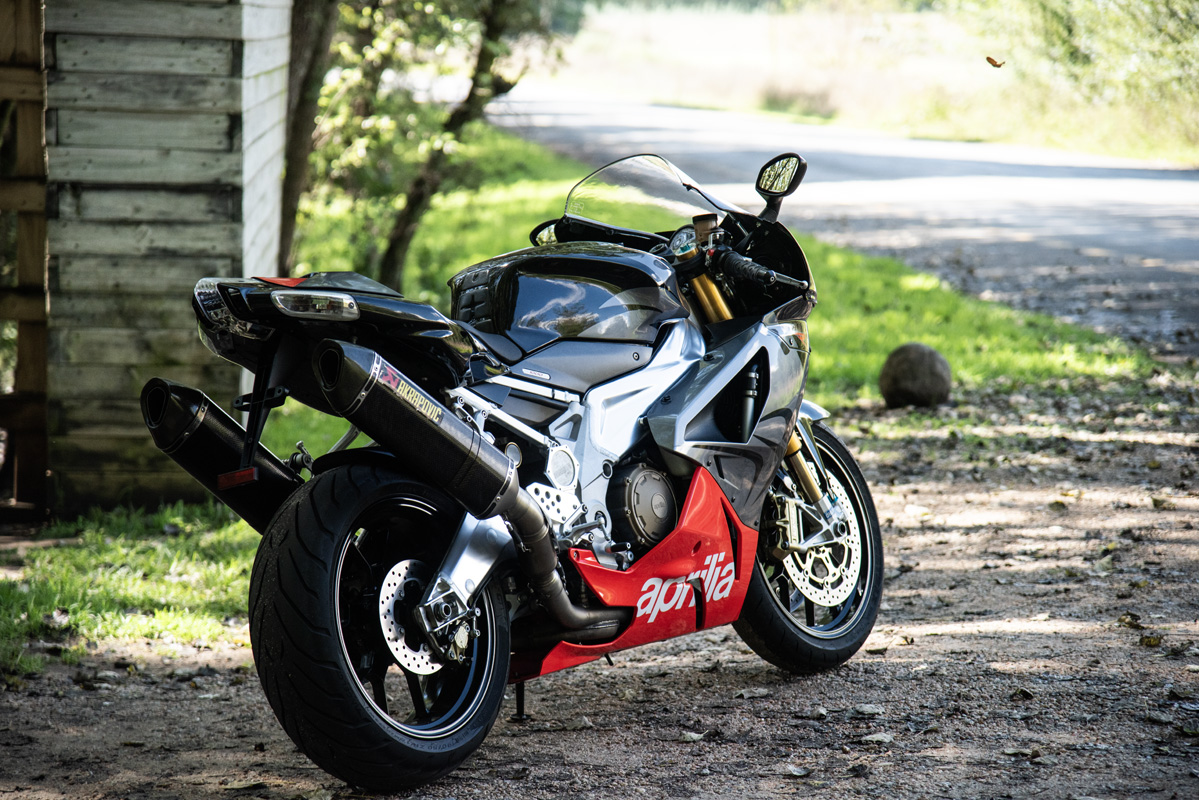
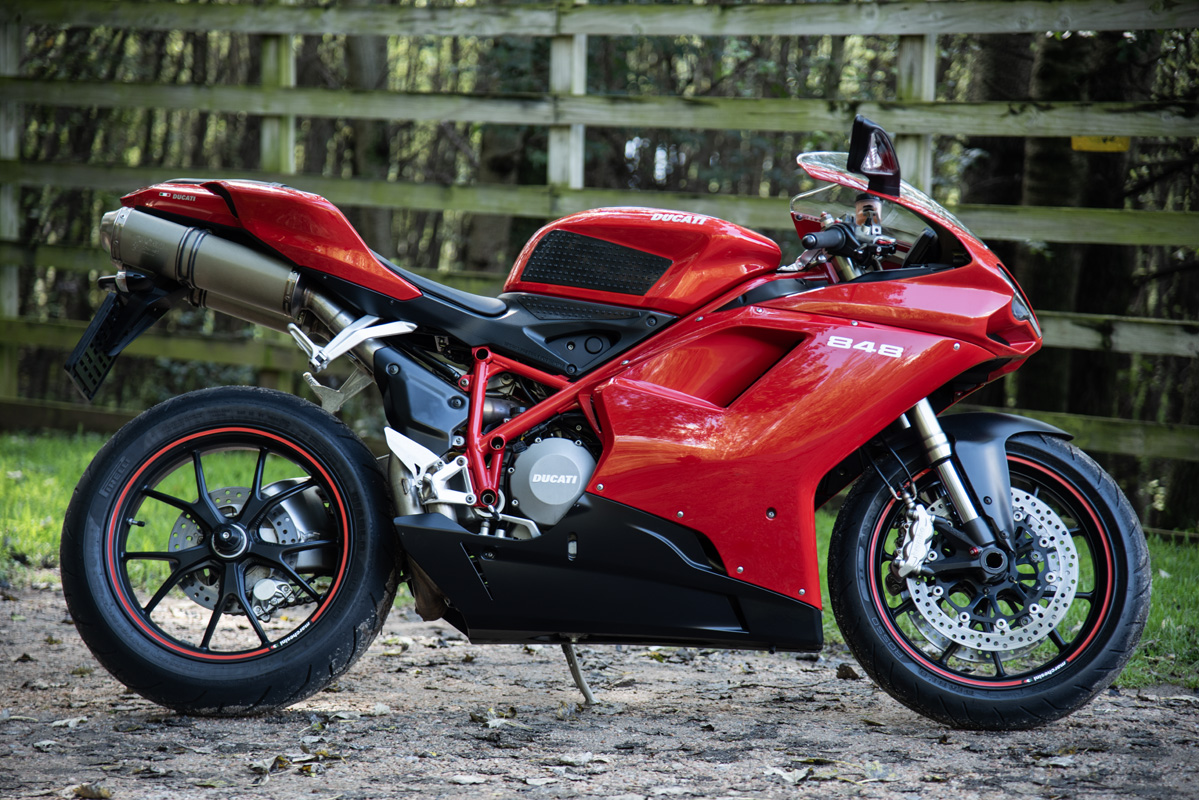
At a standstill, they are both beautiful but distinctive. They are both instantly recognisable as Ducati and Aprilia, for the obvious reason that one is bright red and the other is menacing in black, although you’d have to say that, were the colours reversed, you’d still know which one was which. That’s the strength of the design language that both companies have developed.

Photo credit: Bjorn Moreira / ZA Bikers

Both are uncompromising sports bikes, and this is evident once you swing a leg over. None of your namby-pamby pandering to an older sports bike rider who’s started to give at the seams and needs a more ‘relaxed’ riding position. These are the real deal and as uncomfortable as you remember. Normally, I’d be expected to tell you that, at speed, the riding position starts to make sense, but it’s as horrific at 180 km/h as it is at 50 km/h.

But somehow, once you start moving, none of that seems to matter. This is pure performance, and you’d better be ready for it. Nearly 20 years old, they may be, but it’s clear that none of the horses have lost much appetite for exercise. No, the performance isn’t as explosive as a current 200+ horsepower superbike, but it’s still intimidating, and perhaps this has something to do with the riding dynamics?

Photo credit: Harry Fisher / ZA Bikers

This is where it gets interesting. From the same year, they may be, but they might be from different eras. The Aprilia is almost a brute of a machine, while the Ducati almost feels svelte and demure.

Riding the Aprilia first, you are struck by how physical you have to be with it. Goodness only knows how the World Superbike riders of the day hustled these around a race track and didn’t end up looking like the Hulk. It takes real effort to tip it into a corner, although once there, it will hold its line like a limpet. Stable is too meagre a word for it; this is what the word ‘planted’ was coined for.

Photo credit: Bjorn Moreira / ZA Bikers

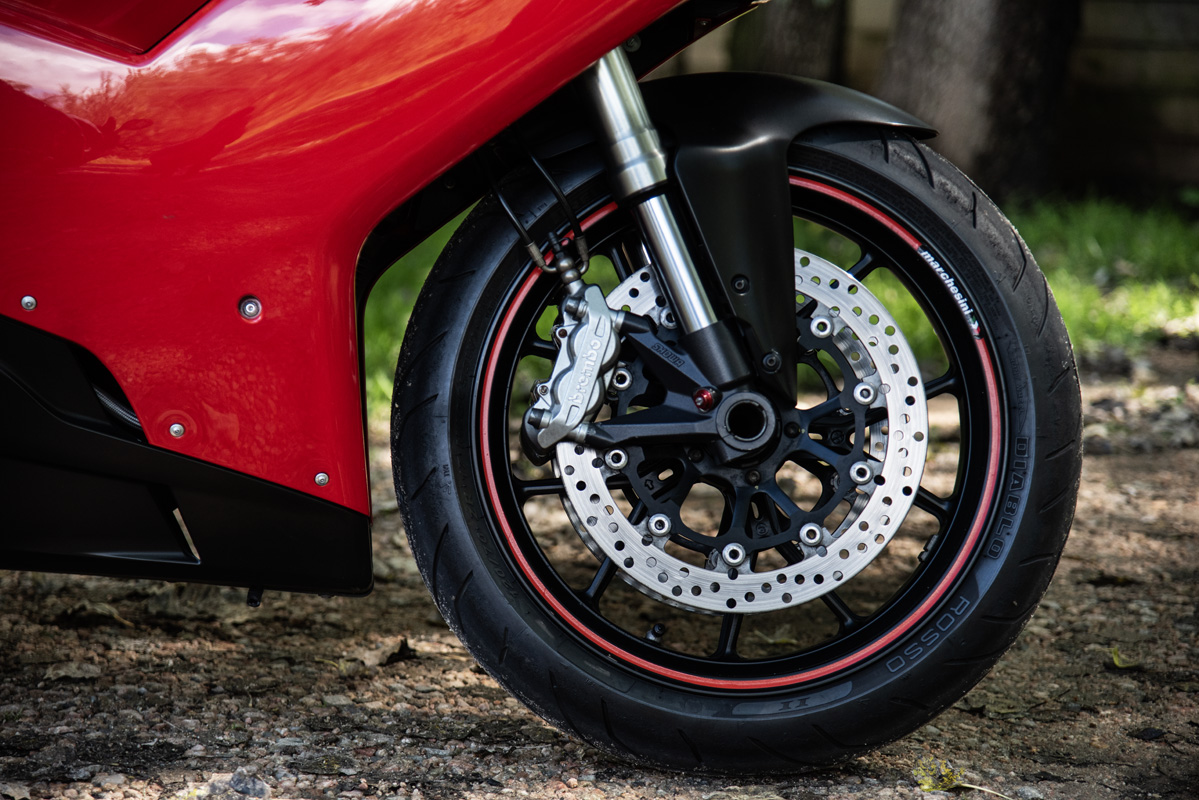
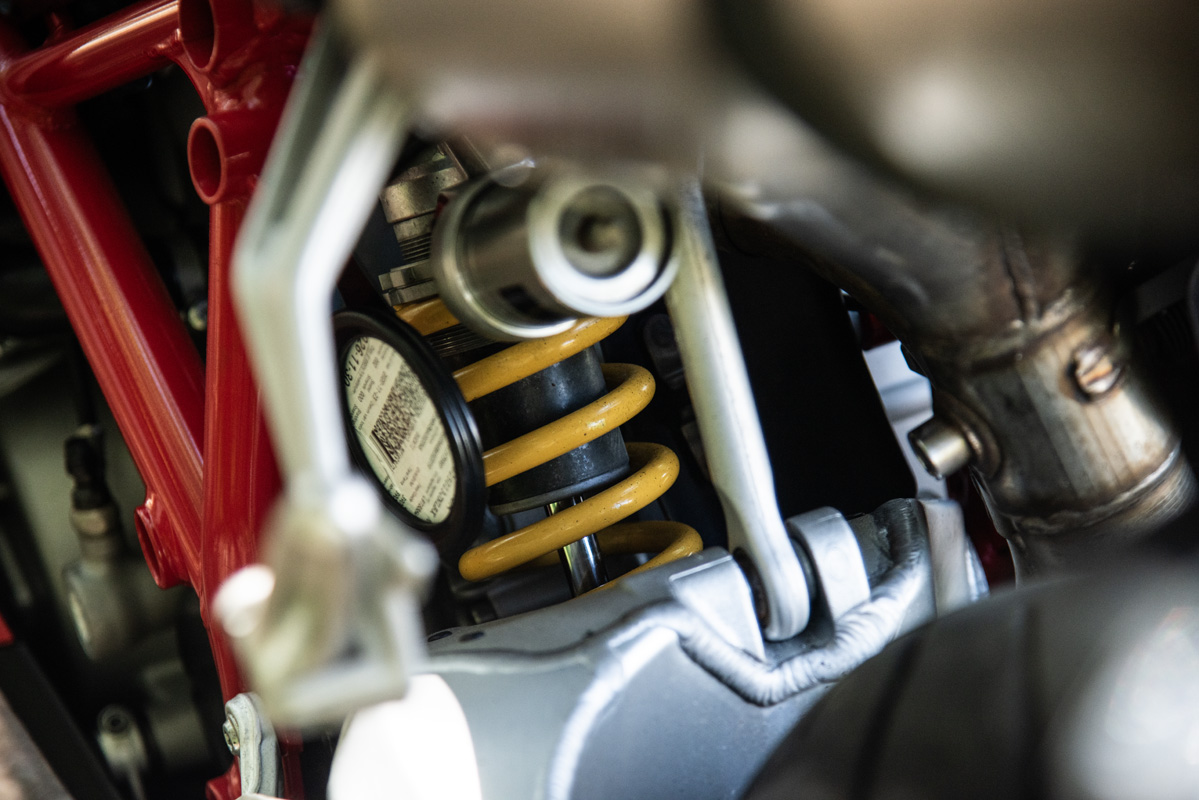
The Showa forks and Sachs shocks are of a quality that only a dedicated racer would find fault with, and it goes to show that suspension improvements in the intervening 20 years have been incremental and evolutionary and rarely revolutionary. Compared to the Ducati’s suspension, the Aprilia’s suspension seemed almost plush, soaking up road imperfections nicely, but it still felt taut enough to handle whatever was thrown at it.

You can feel the weight and bulk (for want of a better word), but I strongly suspect that, with a few thousand kilometres under your belt, this would cease to be a problem and you would have been able to delve deeper into the RSV’s depths, while still not getting to the bottom of them. This is a bike that would reward long-term experience, and I doubt it would ever disappoint.

Photo credit: Bjorn Moreira / ZA Bikers

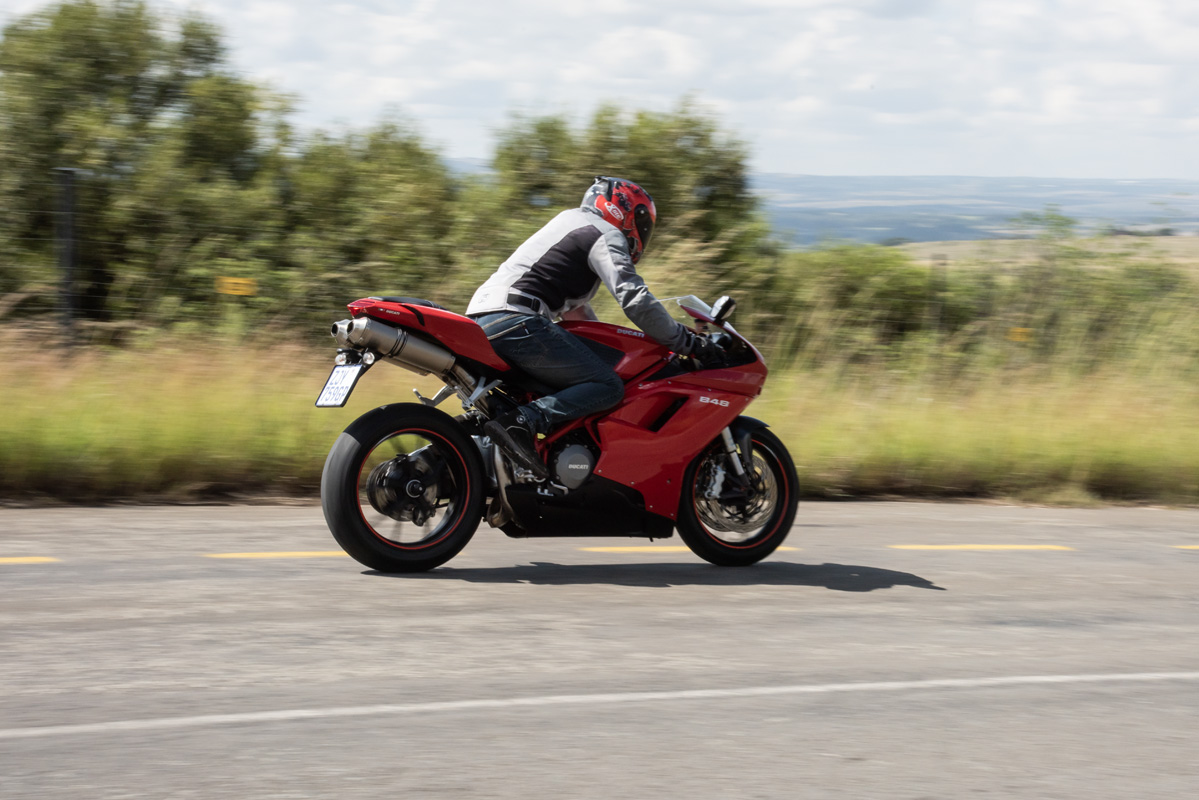
It is hard to believe that the Ducati is from the same year, although they were at different ends of their development. The RSV 1000 R, a development of the RSV Mille that had appeared in 1998, was produced from 2004 to 2010, when it was replaced by the RSV4. The Ducati 848 arrived at the same time as the 1098, and both were brand new in 2008, sharing a frame and bodywork. On the road, this modernity shows.

It’s not necessarily any more comfortable, but the sheer effort to ride it over a twisty road course feels so much less, and I doubt it would be any slower in the right hands than the Aprilia, which maybe is how it should be, given the relative development periods.

Photo credit: Harry Fisher / ZA Bikers

Where the Aprilia needs physical manhandling into a corner, the Ducati feels as if you merely need to think about the corner and it’s turning in, with a very sharp front end. You get the impression that you could ride harder for longer on the Ducati, which you would expect from a more modern concept, not to mention one that is lighter.

You need to stir the Ducati’s gearbox more than the broad torque-spread Aprilia; the gearchange on both bikes is light-switch fast and secure, so it’s no hardship to have no quick-shifter assistance, up or down the ‘box.

Photo credit: Harry Fisher / ZA Bikers

Neither bike is for the faint-hearted; you really need to know what you are doing to get anywhere near the best out of them, but, if you have the experience and skill, I could imagine them being very satisfying to ride fast and well. Both will catch out the timid and indecisive, but isn’t that the case for any sports bike in history, ancient or modern?

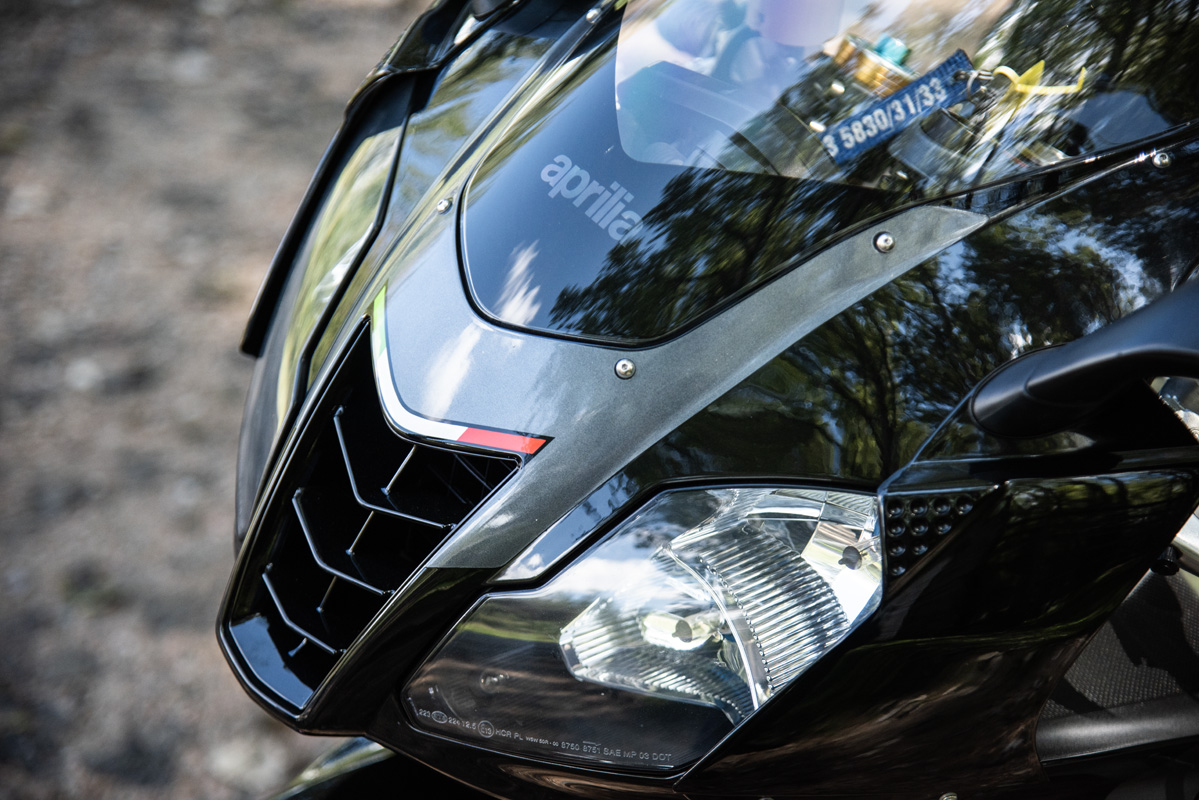
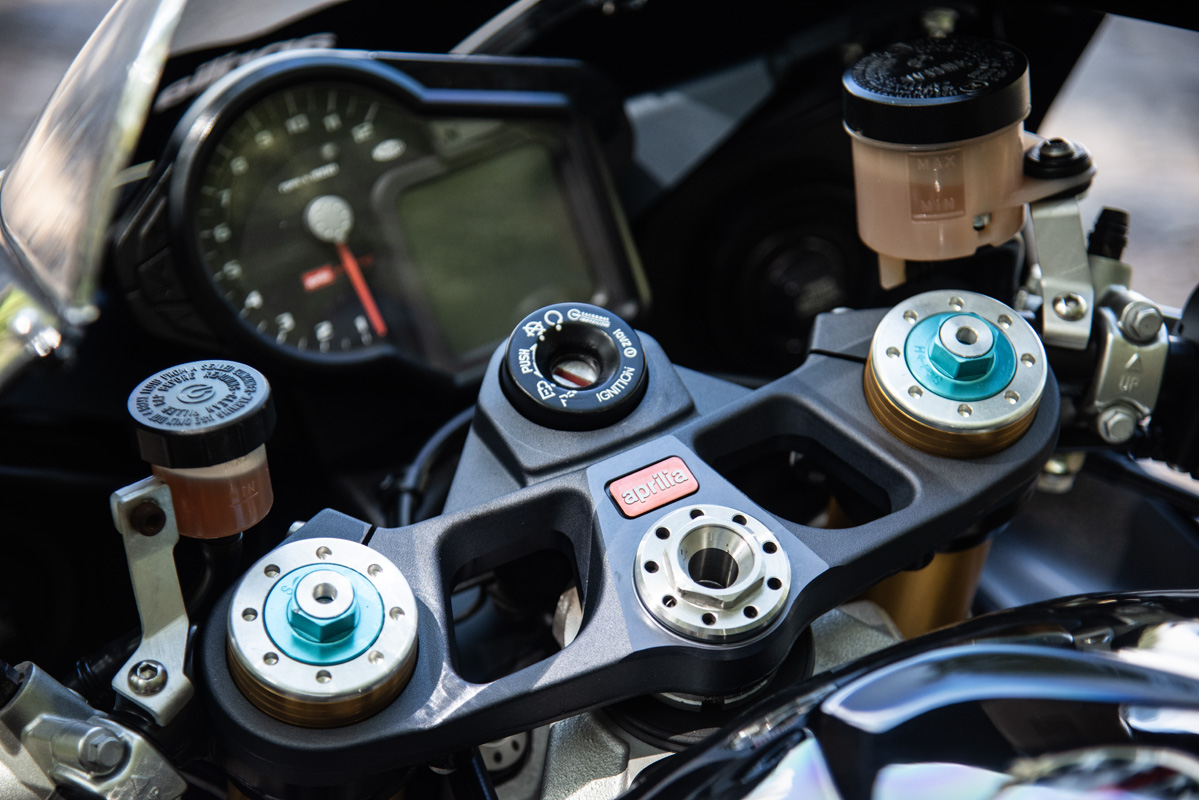
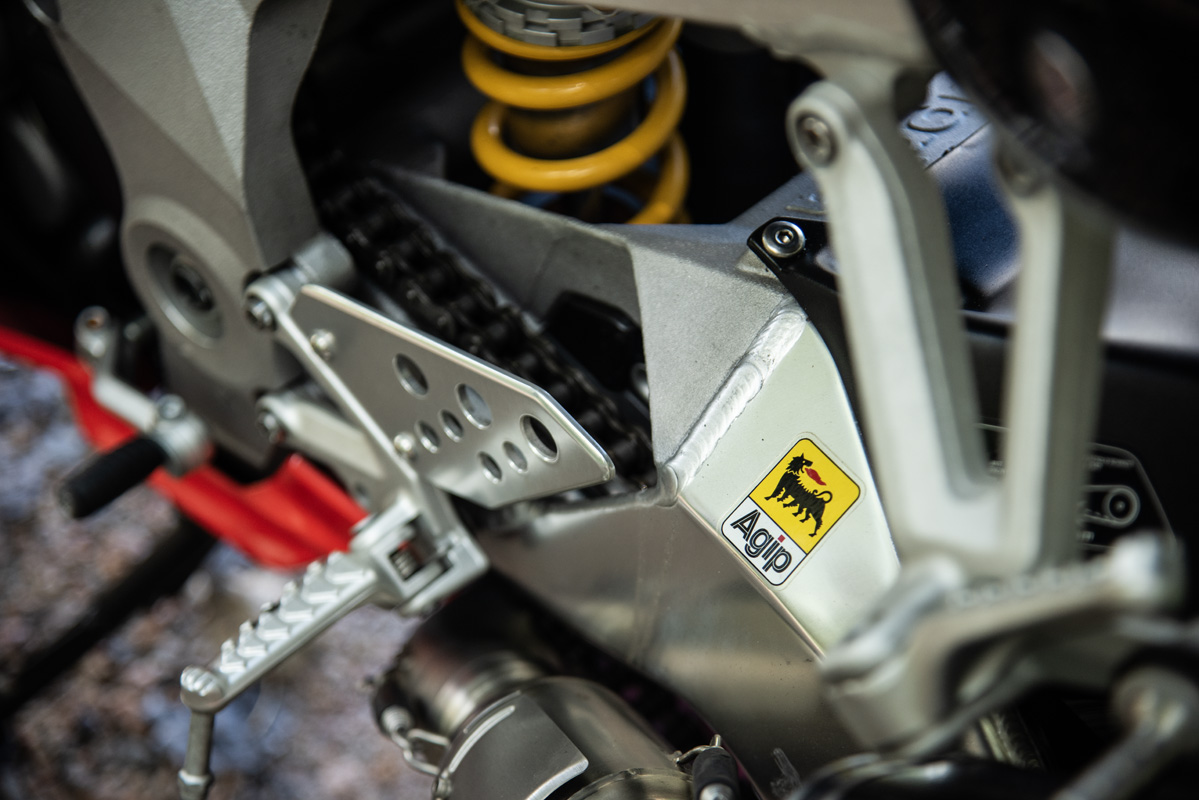
Look at the styling; both are utterly distinctive. You know which is the Aprilia and which is the Ducati. If anything, the Aprilia is the more immediately attractive; bold and brutal and some of the design features are sublime. Take a look at the aluminium beam underneath the tank; it’s pure sculpture, where the Ducati’s steel trellis frame is functional.

Photo credit: Bjorn Moreira / ZA Bikers

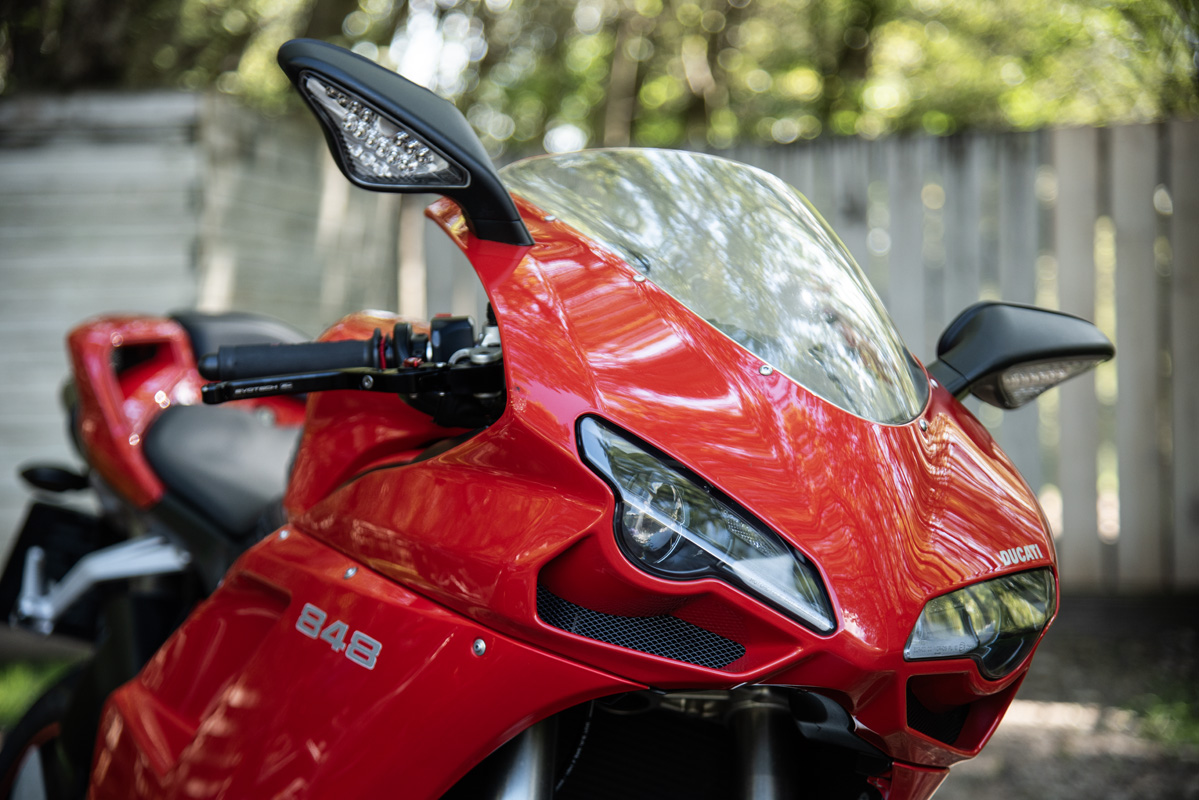
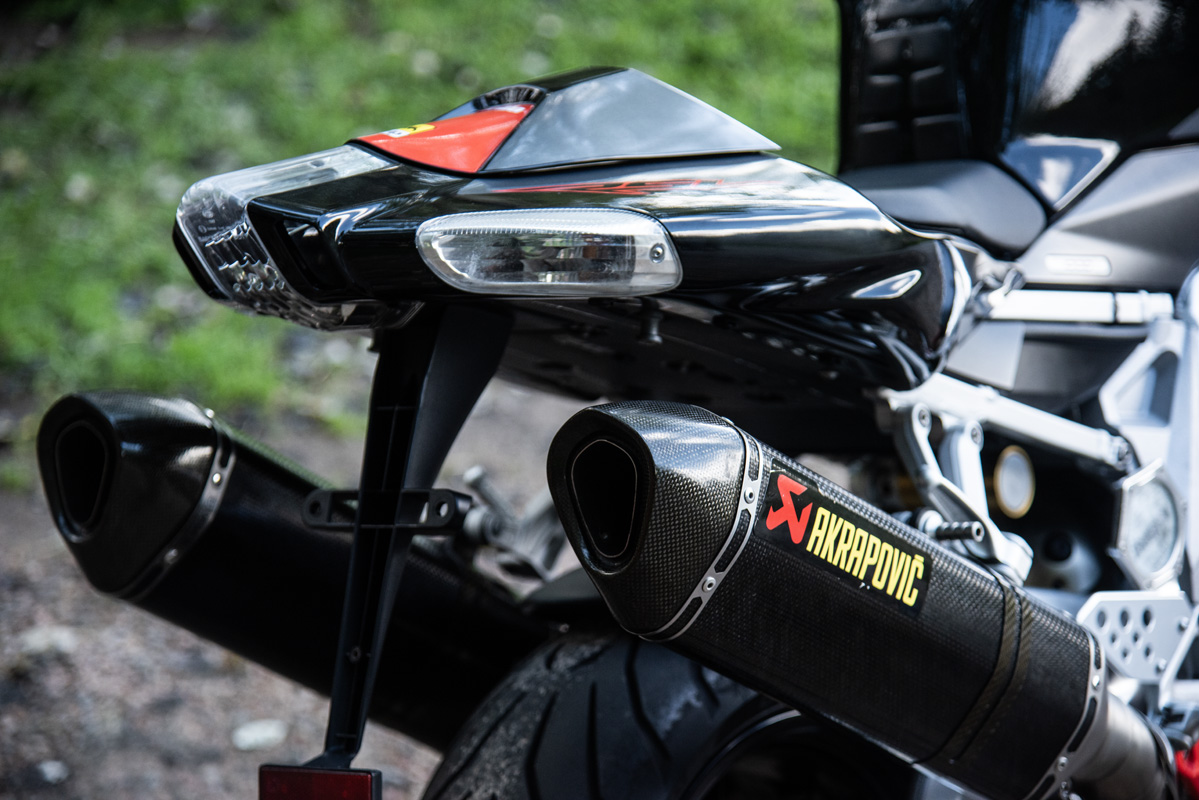
The Aprilia looks like a big bike, and it’s also menacing with the black paint. It’s a bike you could look at for a long time and never get bored. The Ducati, on the other hand, needs a bit of time to appreciate the lines. The shape is more angular from the side, and you need to move around it to get the full impact. The head-on view is spectacular; the headlight treatment is a beautiful progression of the original 916 concept, and it helps create the impression that the 848 is much more compact than the RSV 1000 R. The twin cannons that act as the Aprilia’s silencers might add to the sense of bulk and drama, but, boy, do they look fantastic; old school! You don’t need to ask how they sound….

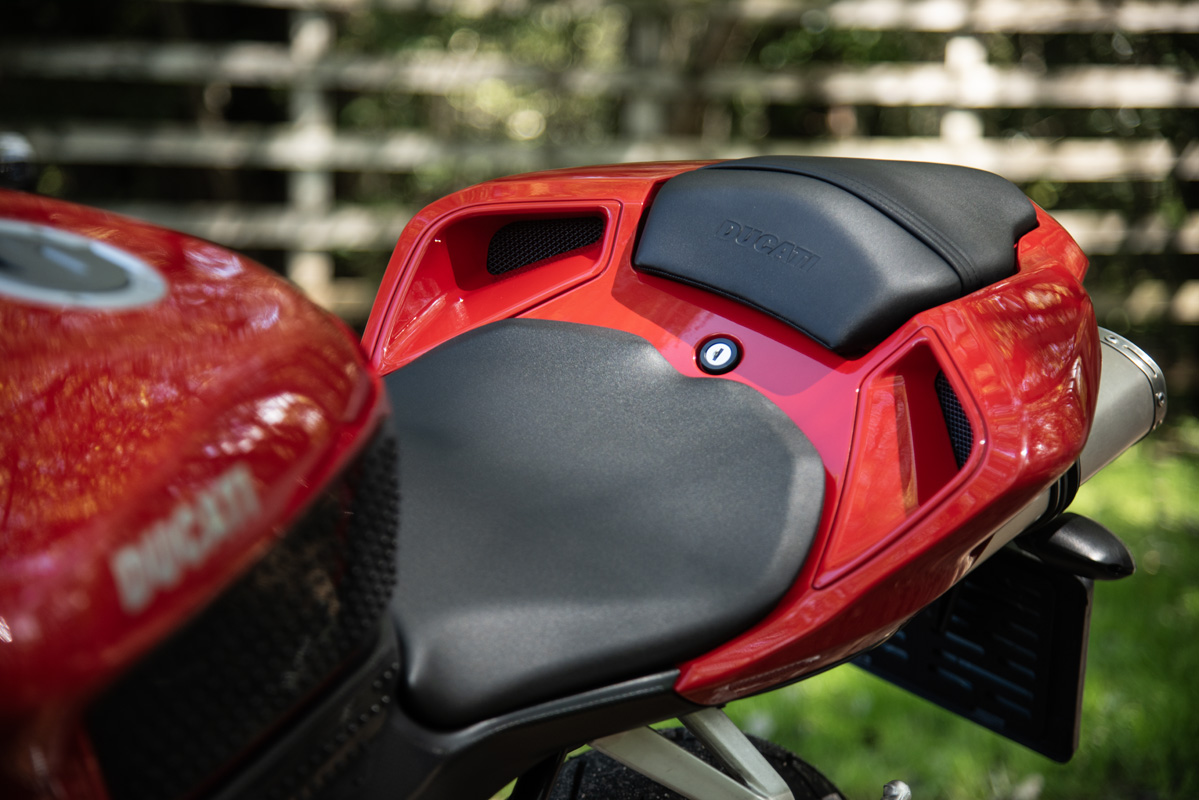
By comparison, the Ducati’s standard pipes aren’t nearly as deep-throated, and the under-the-seat silencers also look very old-fashioned all of a sudden, but no less gorgeous for all that.

Photo credit: Bjorn Moreira / ZA Bikers

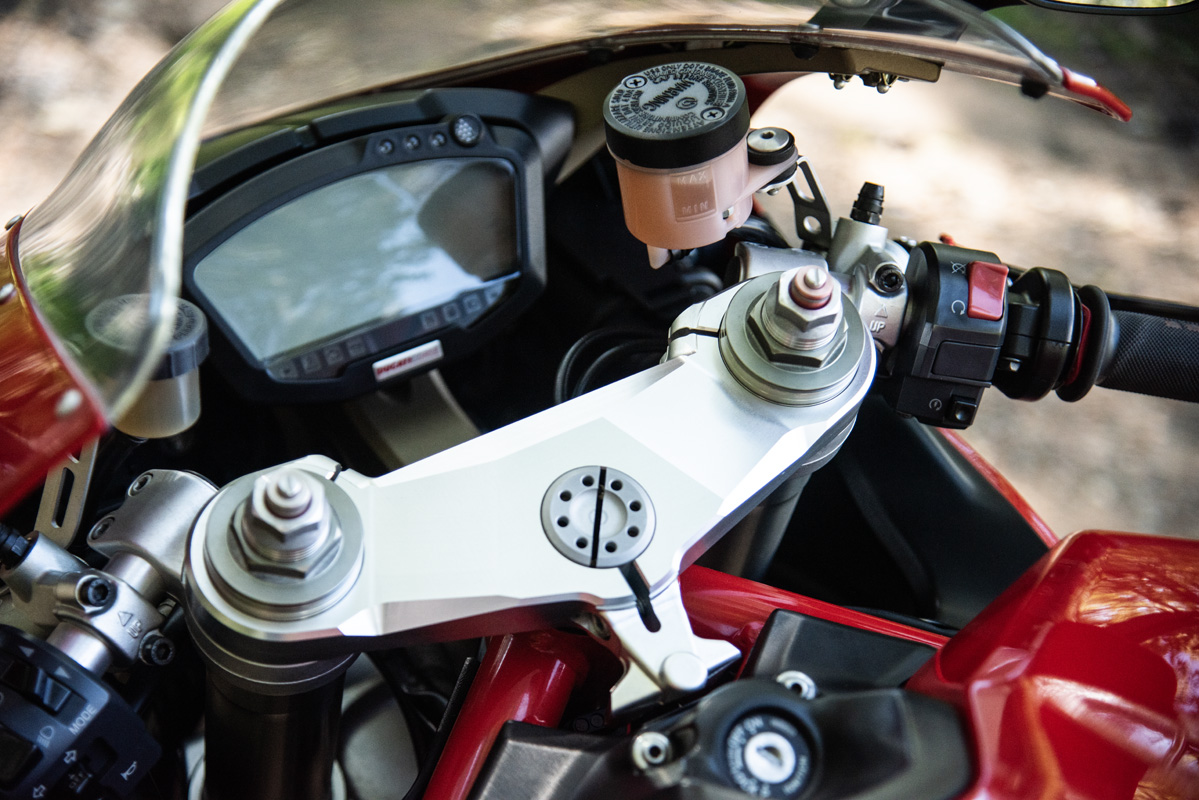
On board, as referred to earlier, the riding position is uncompromising; the Aprilia feels more aggressive and suits a taller rider, although the Ducati isn’t very much different, perhaps a little more relaxed, but only by fractions of degrees. At the end of the day, it’s a sports bike; what did you expect?

They are products of a design and engineering age that was a middle ground between the first true modern sports bike, the Honda Fireblade of 1992, and the increasingly electronics-laden superbikes of the 2010s and on. Were they the ultimate expression of the ‘analogue’ or, if you want to be fancy, the last ‘pure’ sports bikes, before electronics artificially raised the bar?

Photo credit: Bjorn Moreira / ZA Bikers

Maybe. But what they really are is obvious; not only future classics but still excellent sports bikes in their own right. In fact, they are also something else; they are the most incredible bargains.

What if I told you the Ducati is for sale at R129,990? That’s a lot of bike for not very much money. But then you notice that the Aprilia is for sale for R119,990. A hundred and twenty grand! That’s a ridiculous amount of bike for not very much money. When did something so desirable become so cheap? And it’s not as if either of them needs anything doing to bring them up to scratch, both cosmetically or, as far as we could tell, mechanically.

Photo credit: Bjorn Moreira / ZA Bikers

I get that looking back is not everyone’s cup of tea, and I agree that the motorcycles that are being produced now are marvels of technology and engineering. But when you need all the electronic gizmos to compensate for either ridiculous power outputs or excessive weight, haven’t we gone in slightly the wrong direction? Both the Aprilia and the Ducati are the perfect antidote to modern excess.

As always, our thanks to Bikeshop Rivonia for their help in putting this feature together. Both bikes were, at the time of publishing (April 22nd), for sale, the Ducati for R129,990 (10,004 km) and the Aprilia for R119,990 (13,188 km). There’s no guarantee how long they will remain available. Give Bikeshop Rivonia a call on 011 918 6666.

Mitsubishi Destinator – Now You Can Enjoy The Journey And The Destination

0
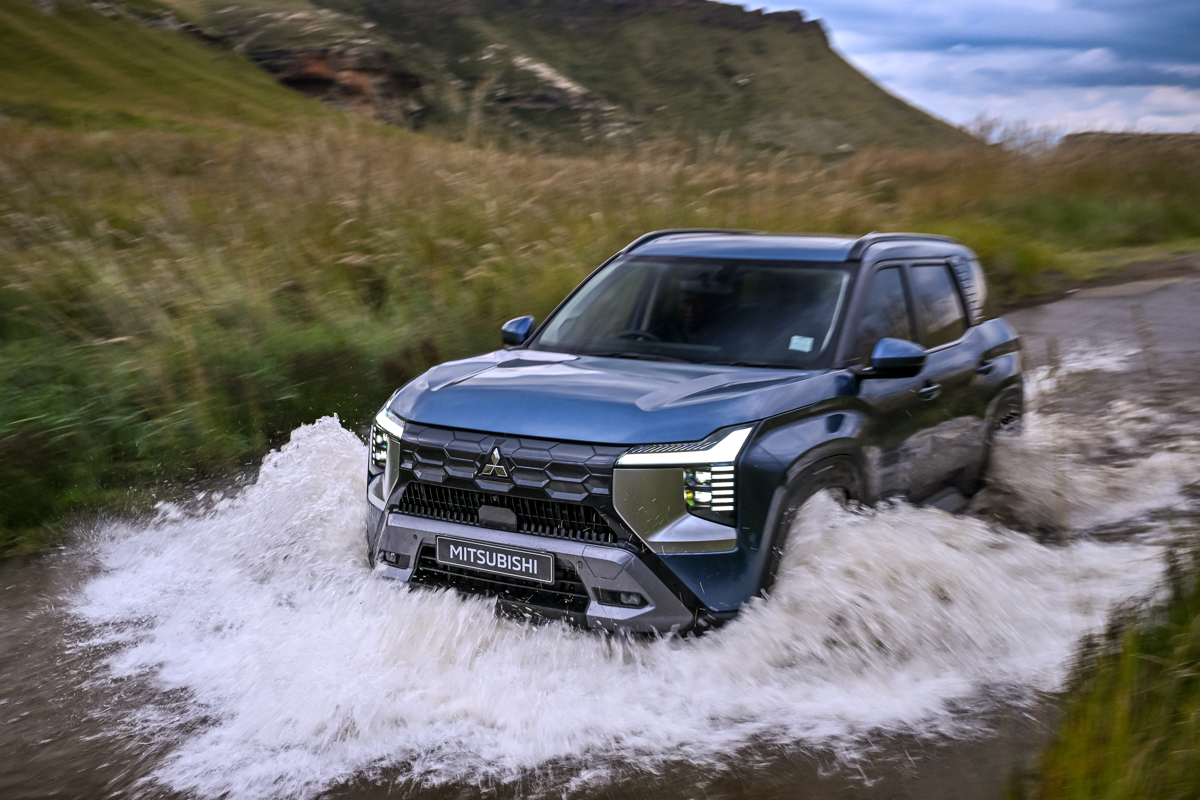
Image source: Rob Till / Mitsubishi Motors

If you ever played any rally simulation game on a PlayStation, two cars were always included by default: the Subaru WRX and the Mitsubishi Lancer EVO. So, to me, Mitsubishi have always been about the Lancer and the go-anywhere Pajero. Yet, Mitsubishi is more than these two icons. They have an extensive model line-up, including a brand new model that was launched in South Africa recently: the Mitsubishi Destinator.

Looking at its position in the range, I was not expecting the long list of standard equipment I was presented with. There are two models in the range, the GLS, starting at R489 900, and the Exceed, starting at R569 990. For the extra spend on the Exceed, you receive imitation leather seats instead of fabric, a larger infotainment screen, a larger instrumentation cluster, and an eight-speaker Yamaha sound system. The Exceed also features a panoramic sunroof and an electrically adjustable driver’s seat.

Image source: Rob Till / Mitsubishi Motors

Mitsubishi is certainly not a mainstream brand in South Africa, as the sales figures would suggest. However, they remain committed to the South African market. Loyal Mitsubishi customers will notice a slight reshuffling of the model range. As a seven-seater, the Destinator will replace both the Eclipse Cross and the ASX models. In this segment, the rivals are cars like the Chery Tiggo 8 and the more budget-friendly Suzuki Ertiga / Toyota Rumion.

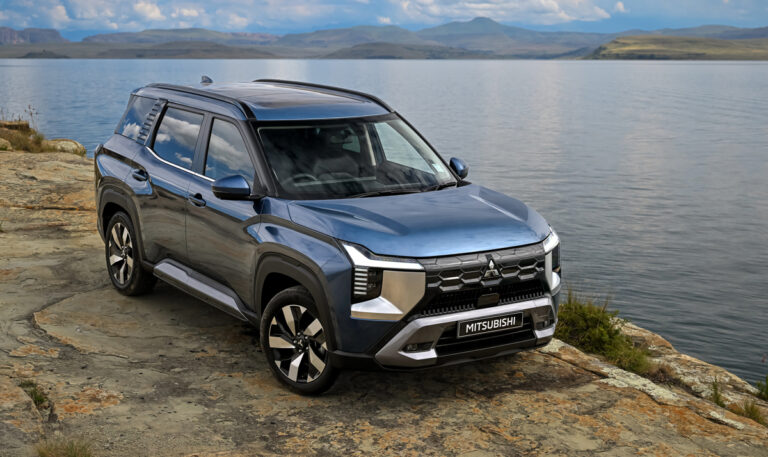
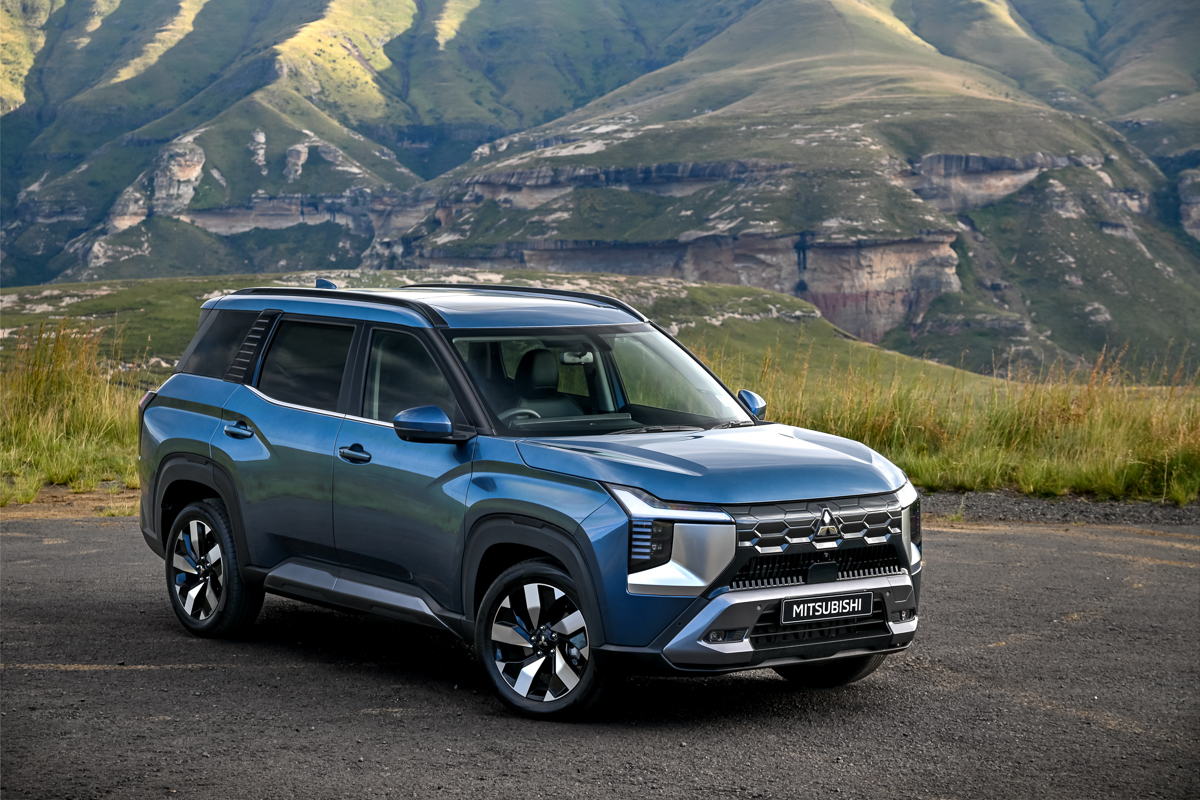
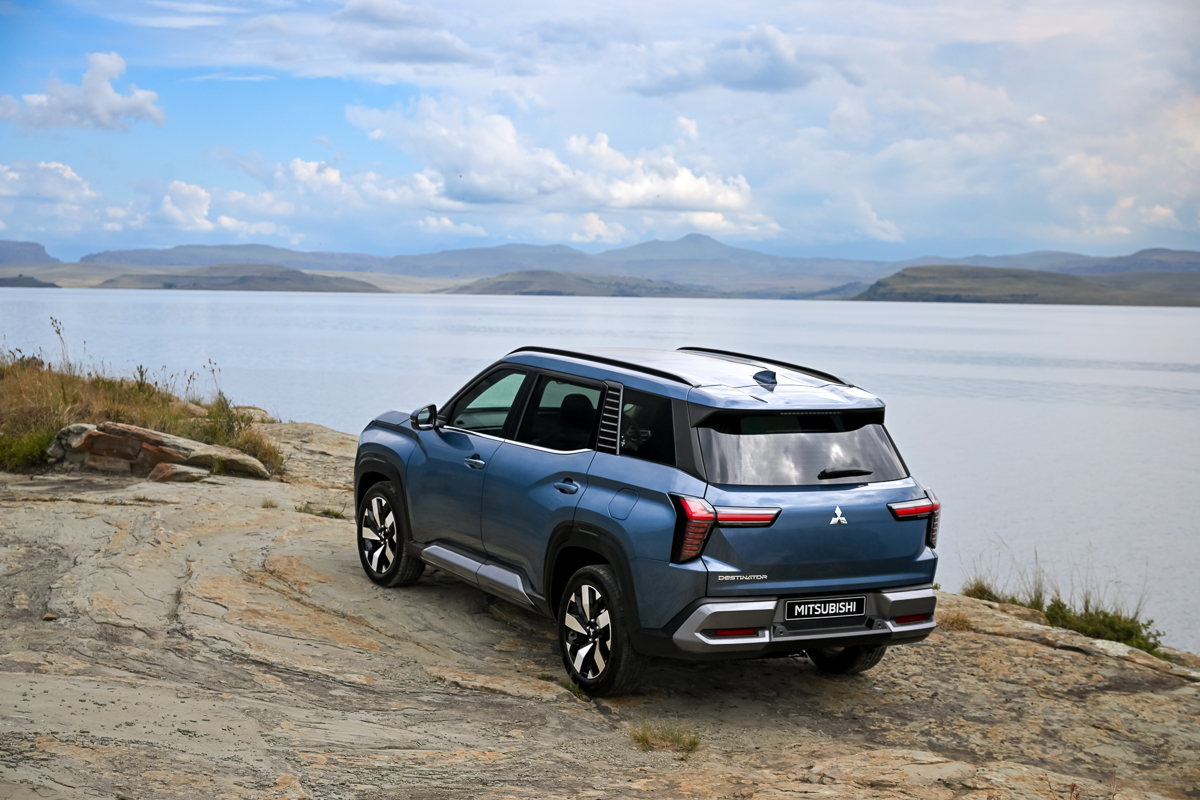
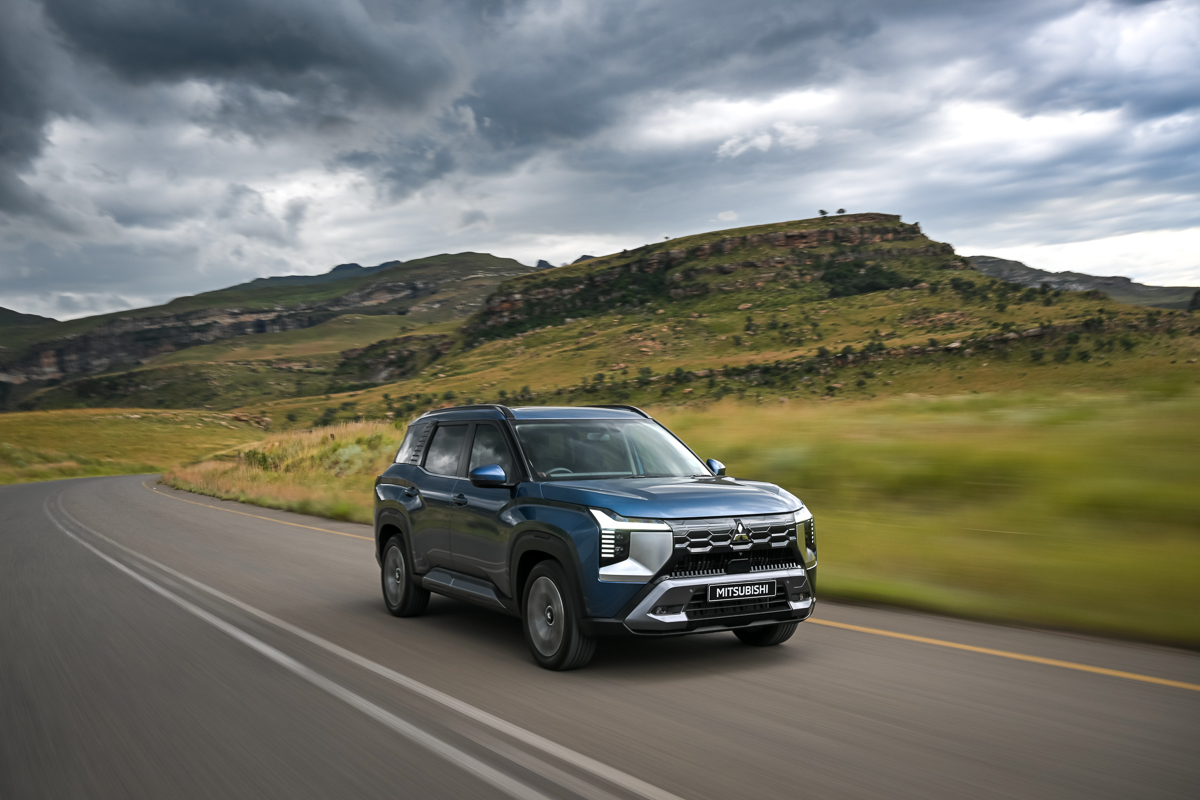
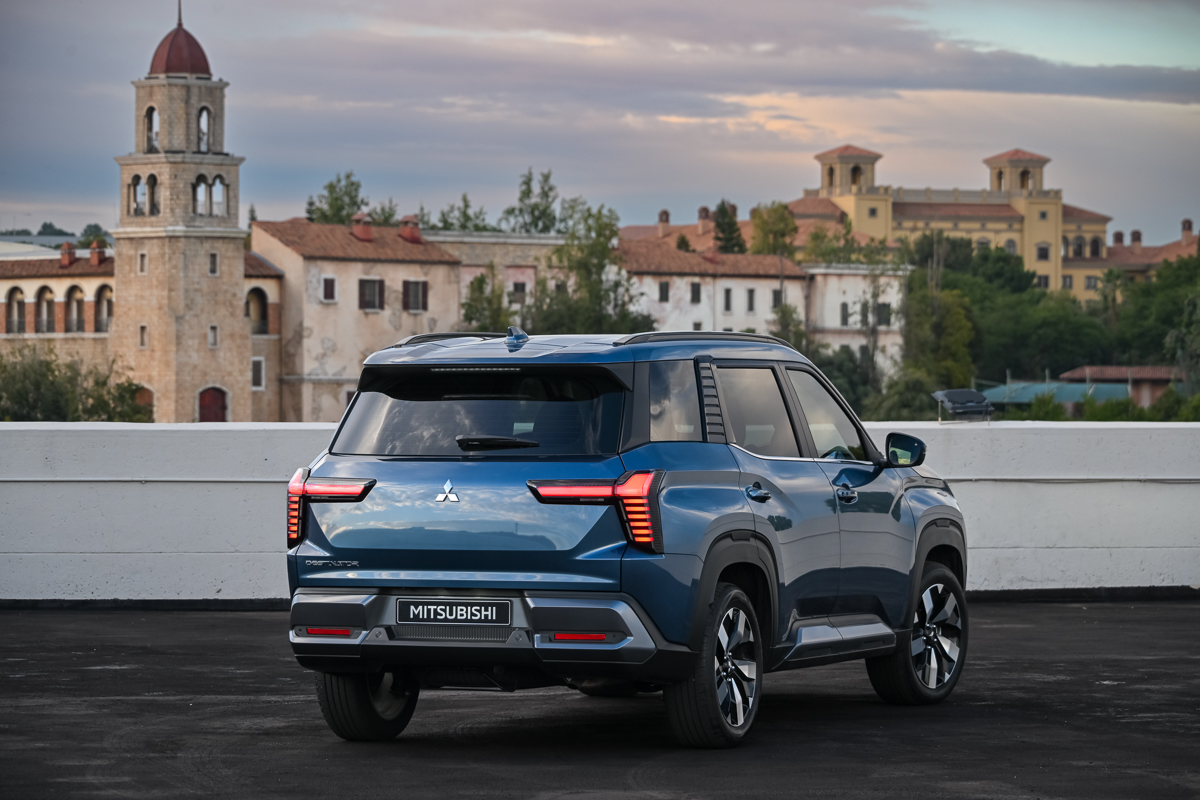
When the car was delivered, I was impressed with the overall styling of the vehicle. The flared wheel arches give it an aggressive stance. Most of the styling cues, like the T-shaped headlights, were borrowed from other models in the range to give the car a distinctive Mitsubishi face. The black cladding above the 18” alloy wheels gives it a hint of ruggedness. Although this is not an off-road vehicle, Mitsubishi actually claims a break-over angle of 20.8 degrees and approach and departure angles of 21 and 25.5 degrees, respectively. Hopefully, with these credentials, we might see an AWD version as well, but for now, the Destinator will be pulling with its front wheels only.

Image source: Rob Till / Mitsubishi Motors

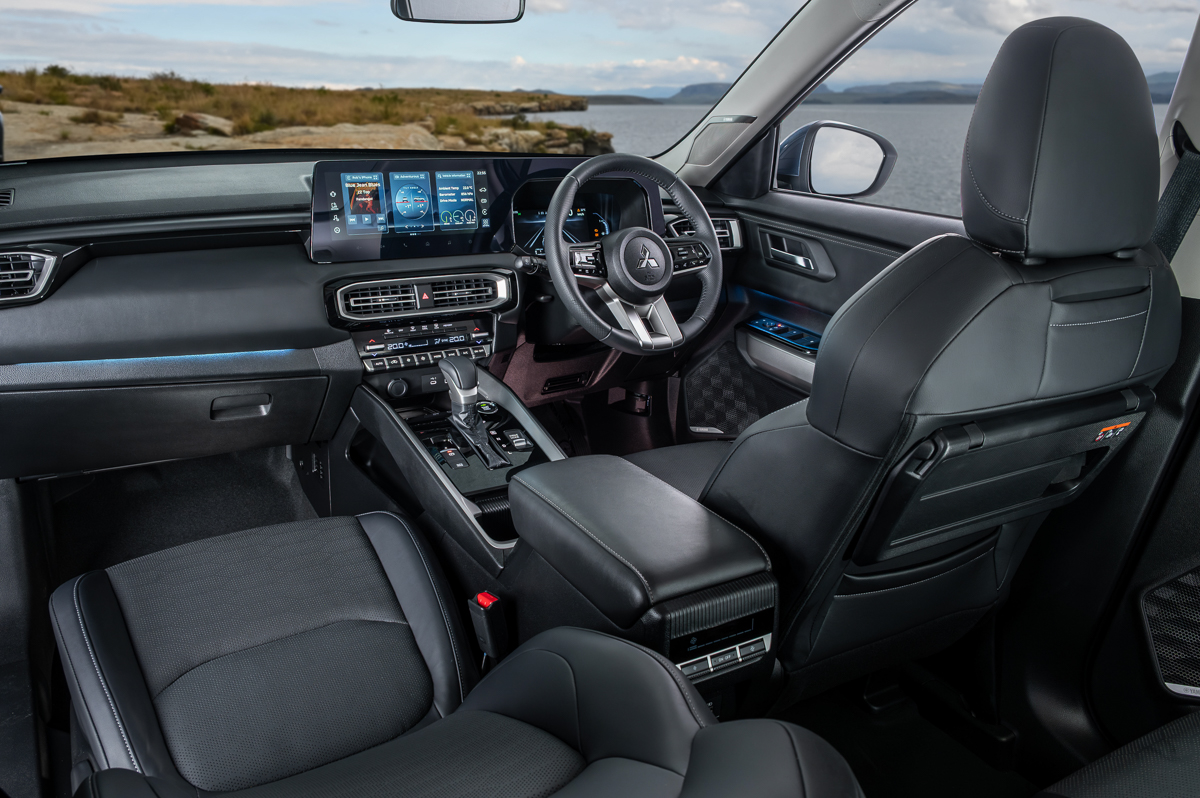
Stepping inside was where I was pleasantly surprised. The seats are incredibly comfortable, and the cabin feels more upmarket than the price would suggest. My only criticism of the interior would be the piano black panel around the gear lever. This surface will show scratches and smudges merely thinking about it.

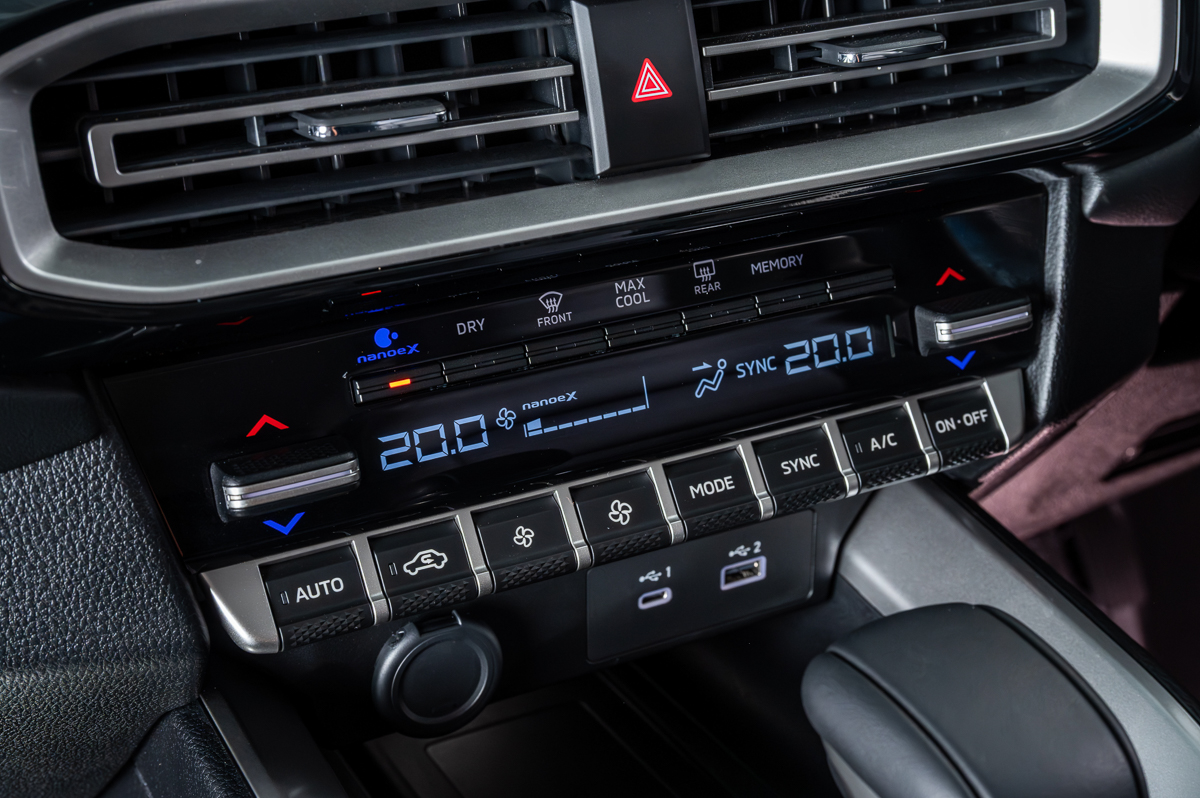
Other than that, the Destinator’s front pew is a very nice place to be. The steering wheel has all the controls you would need at your fingertips. I really appreciate the fact that Mitsubishi have resisted the temptation to put an oversized screen in the centre console as you see in most cars nowadays. The infotainment system is a 12.3” unit which, as I will get into in a minute, displays a wealth of information. Thankfully, most functions like the dual-zone climate control and fan speed are still traditional buttons with the set temperature conveniently displayed on the dash, rather than hidden in a screen somewhere.

Image source: Rob Till / Mitsubishi Motors

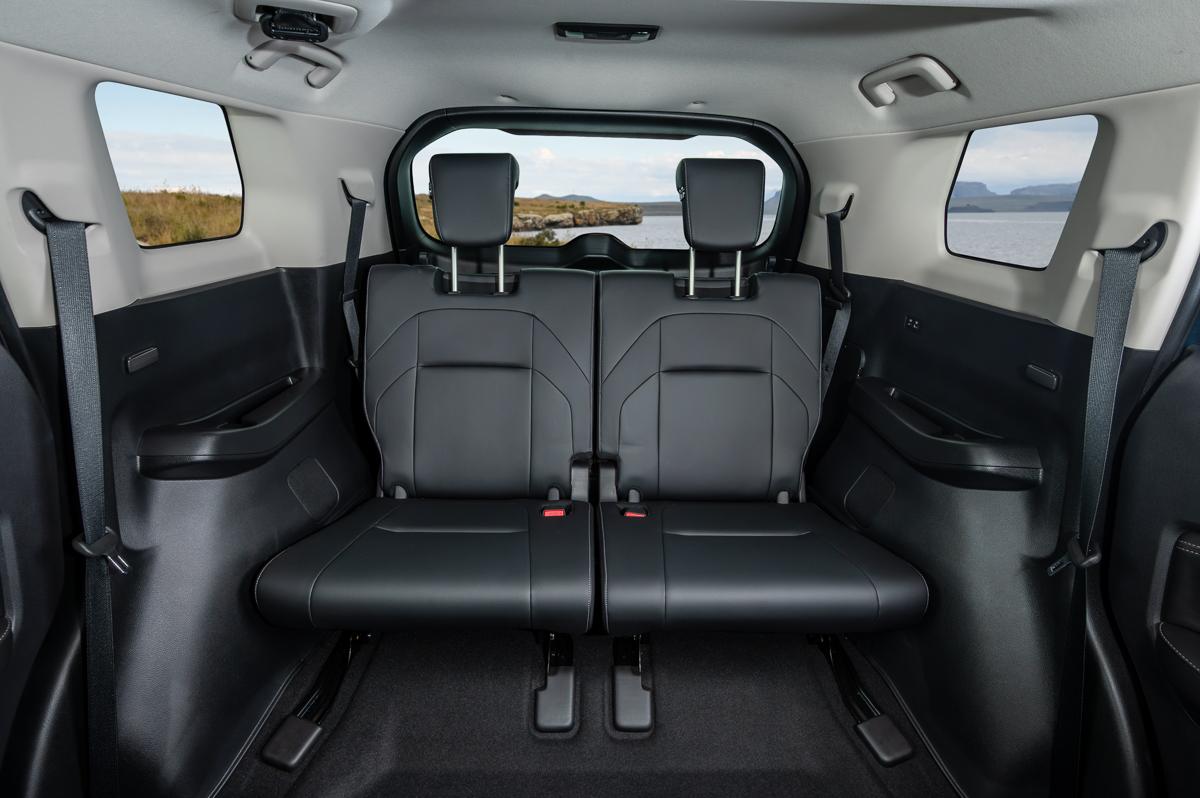
The second row of passengers is well catered for with air vents in the roof and a small fold-up table attached to the back of the front seats. The third row of seats is mostly reserved for kids and folds flat into the floor. Even back there, kids get an air vent and USB sockets. I did attempt to get into the back seats gracefully, and although successful, this will not be a pleasant place to be for someone of my height and list of historical injuries. For families with small children, this will be ideal, though.

Image source: Rob Till / Mitsubishi Motors

When the third row seats are folded away, the Destinator has a substantial boot. However, when equipping a car with a third row of seats, most manufacturers forgo the parcel shelf altogether. In South Africa, opportunistic theft is unfortunately a fact of daily life, and the Destinator also sadly lacks something to cover your luggage from prying eyes. Furthermore, once deployed, the boot space shrinks dramatically, so you will probably have to invest in a rooftop luggage solution. Fortunately, the Destinator comes equipped with roof rails.

Image source: Rob Till / Mitsubishi Motors

For a car of this size, I was a bit sceptical to see it being powered by a 1.5 litre engine, mated to a CVT gearbox. I am used to CVT gearboxes on scooters, and in the Destinator, it was the same feeling. You never feel the car engaging another cog as you would in a conventional automatic, unless you really plant your right foot. The revs and the speed just climb simultaneously.

The engine is turbocharged and produces 120 kW and 250 Nm of torque, which propelled the car forward with no fuss. During my week spent with the car, I used it as my daily drive. It involved city driving and some stretches on the highway. I never felt the engine lacking power to do what it was supposed to. Sure, it does not have the power of the Lancer EVO, but it was never designed to be that. It was designed to be a day-to-day people carrier, and in that role, I had no issues with either the engine or the CVT gearbox.

Image source: Rob Till / Mitsubishi Motors

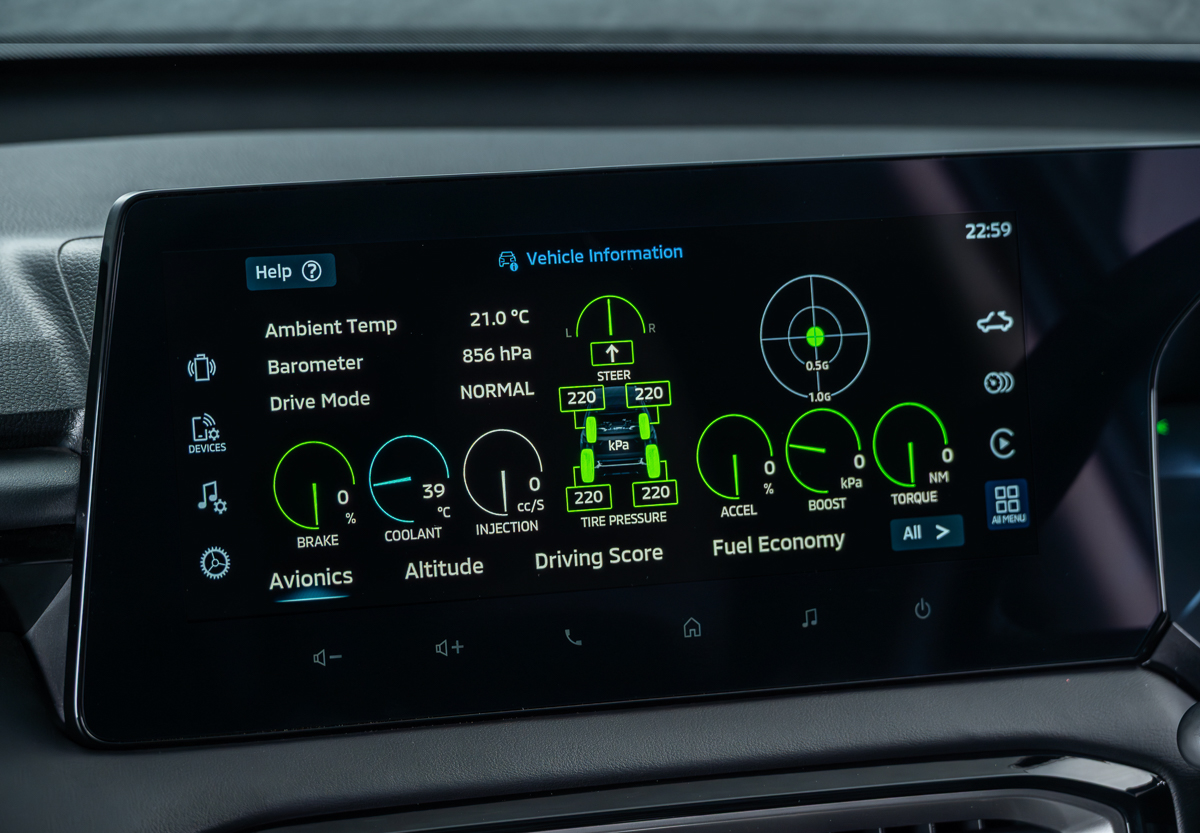
I mentioned the PlayStation in my opening paragraph, and the PlayStation generation will have an absolute blast with all the information that the Destinator can display on the centre console. I know that modern cars have all manner of sensors that measure everything about the car, but oh my word, I did not know just how much until I saw the Destinator’s dash. Every conceivable parameter you can think of has a graph or a needle to display its current status. There is even a GPS, a compass and a barometer built in! You can see the angle of the car, both pitch and roll, so that will be perfect for an AWD Destinator! You can spend hours customising this display to your heart’s content.

Image source: Rob Till / Mitsubishi Motors

The Destinator, then, is a car for long road trips to any destination. If the road gets a bit rough, that should pose no problem for this car. I find it baffling that a brand this capable goes almost unnoticed in South Africa. Although the car is manufactured in Indonesia, it still carries a pedigree of Japanese reliability. I hope that Mitsubishi’s restructuring of the model line-up and the introduction of the Destinator bring more sales to the brand. They really deserve better!

Image source: Rob Till / Mitsubishi Motors

Both the GLS and Exceed models carry a 5-year/unlimited kilometre warranty, and a 5-year/75 000 km service plan.

For more information, visit Mitsubishi Motors South Africa.

Budget Badge, Premium Bite: Big Boy Tracker 300 4×4

Photo credit: Bjorn Moreira / ZA Bikers

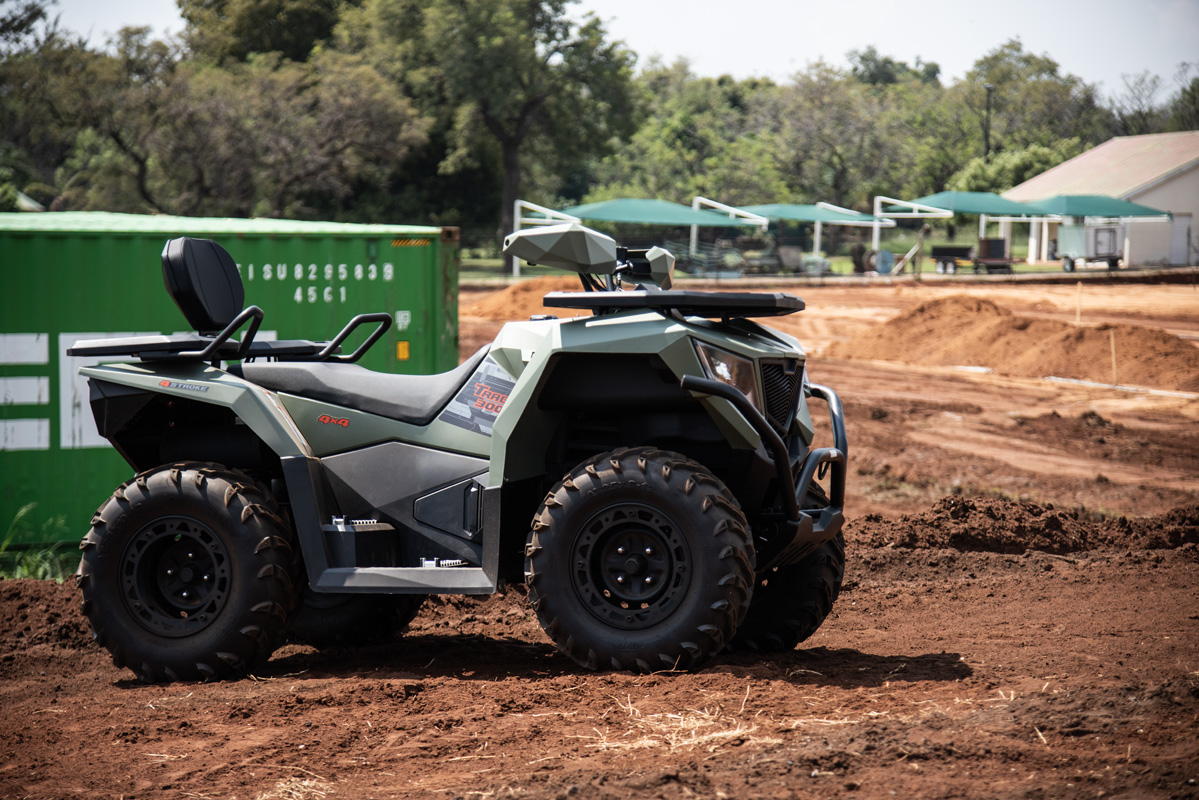
Quad bikes—ATVs—were everywhere in South Africa through the late ’90s and early 2000s. Weekend toys, farm workhorses, even racing machines. Our rugged terrain made them a natural fit, whether for adventure, tourism, or getting real work done.

Today, the landscape has shifted. Racing has faded, and ATVs now live mostly in the agricultural, tourism, and luxury spaces. That shift is reflected in pricing too—you can spend as little as R7,000 on a kid’s starter quad, or north of R460,000 on something like a Can-Am Outlander MAX. Yamaha still caters for thrill-seekers with the Raptor 700 and YFZ450R, but the real demand right now? Tough, practical 4×4 machines that can tow, carry, and handle proper farm duty—this is where the Chinese manufacturers have stepped up big time.

Photo credit: Bjorn Moreira / ZA Bikers

Build quality has improved dramatically, feature lists are generous, and pricing is aggressive. It’s a combination that’s putting serious pressure on traditional players. Enter the new contender: Big Boy’s Tracker 300 4×4.

This might just be the most complete—and compelling—machine Big Boy has ever produced.

Photo credit: Bjorn Moreira / ZA Bikers

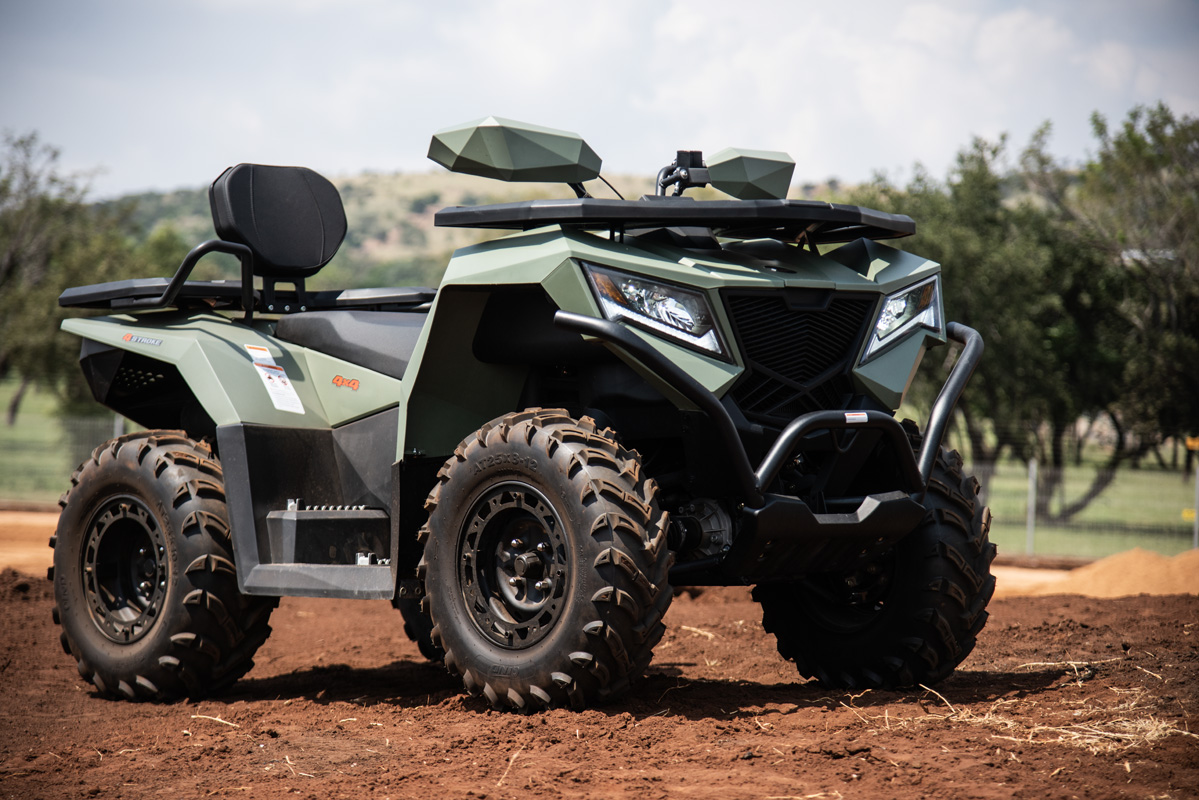
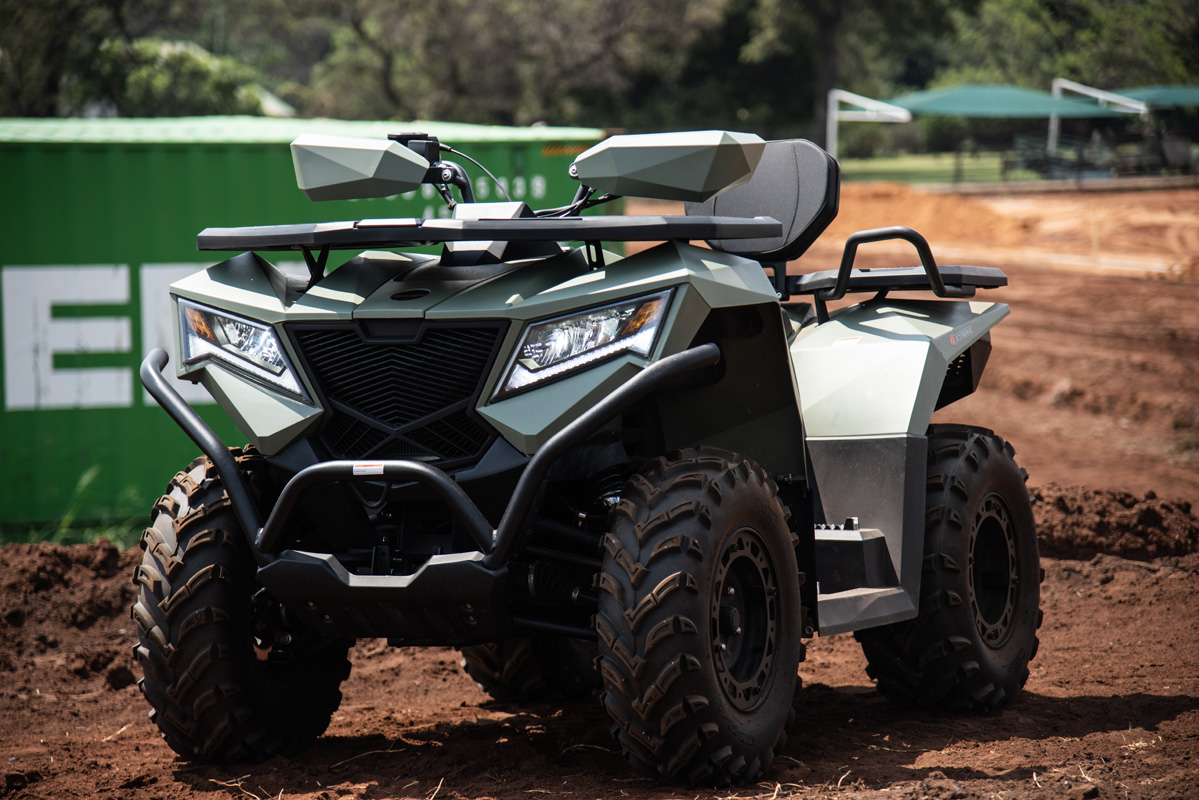
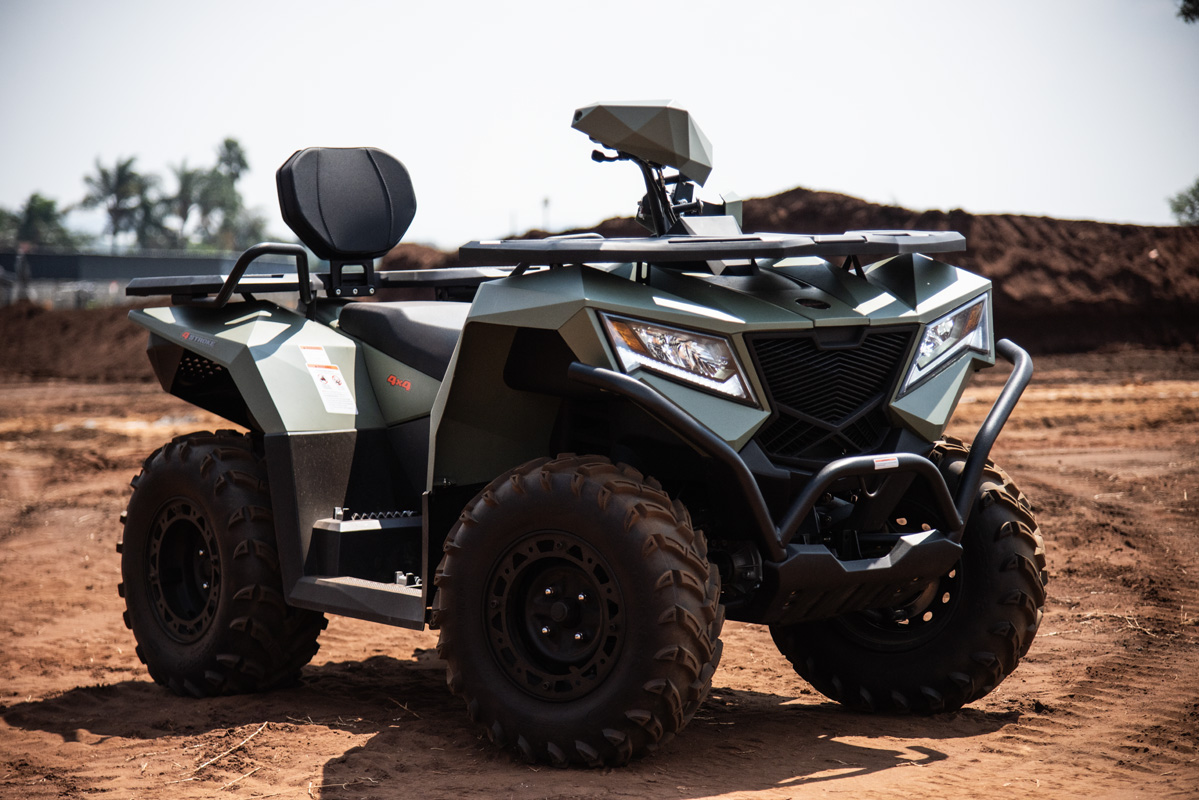
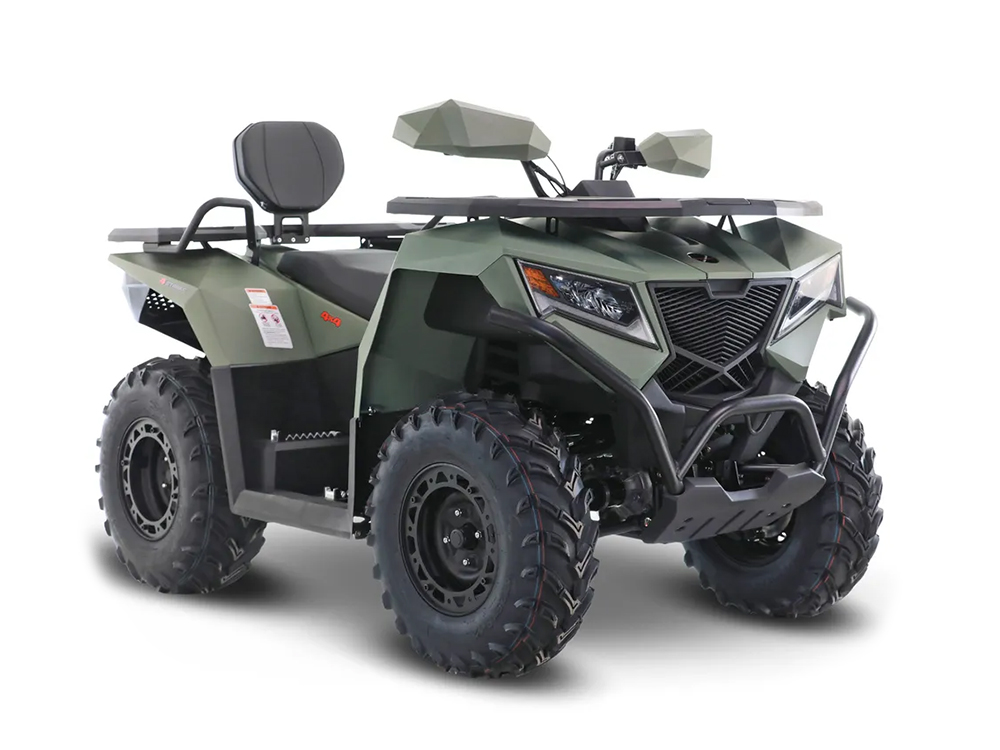
At around R80,000, the Tracker 300 punches well above its weight. It straddles two worlds: the no-nonsense farm quad and the more comfort-focused utility machine. You get the ruggedness you need, with just enough refinement to make long days in the saddle easier—all at less than half the price of many non-Chinese rivals.

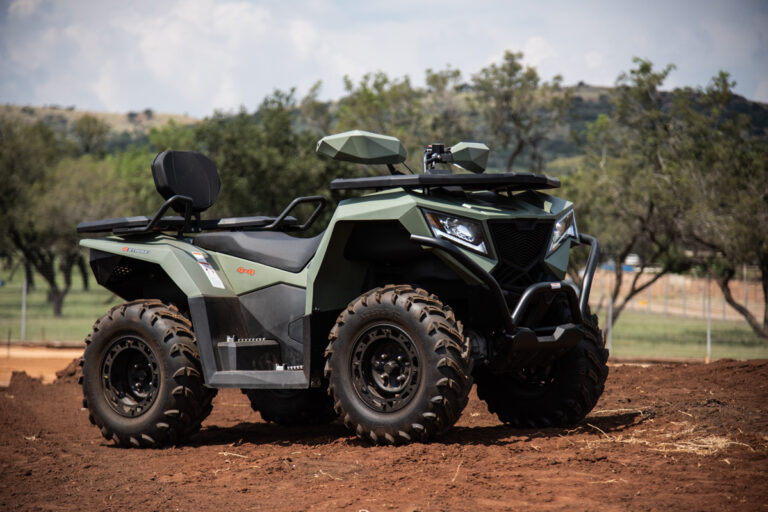
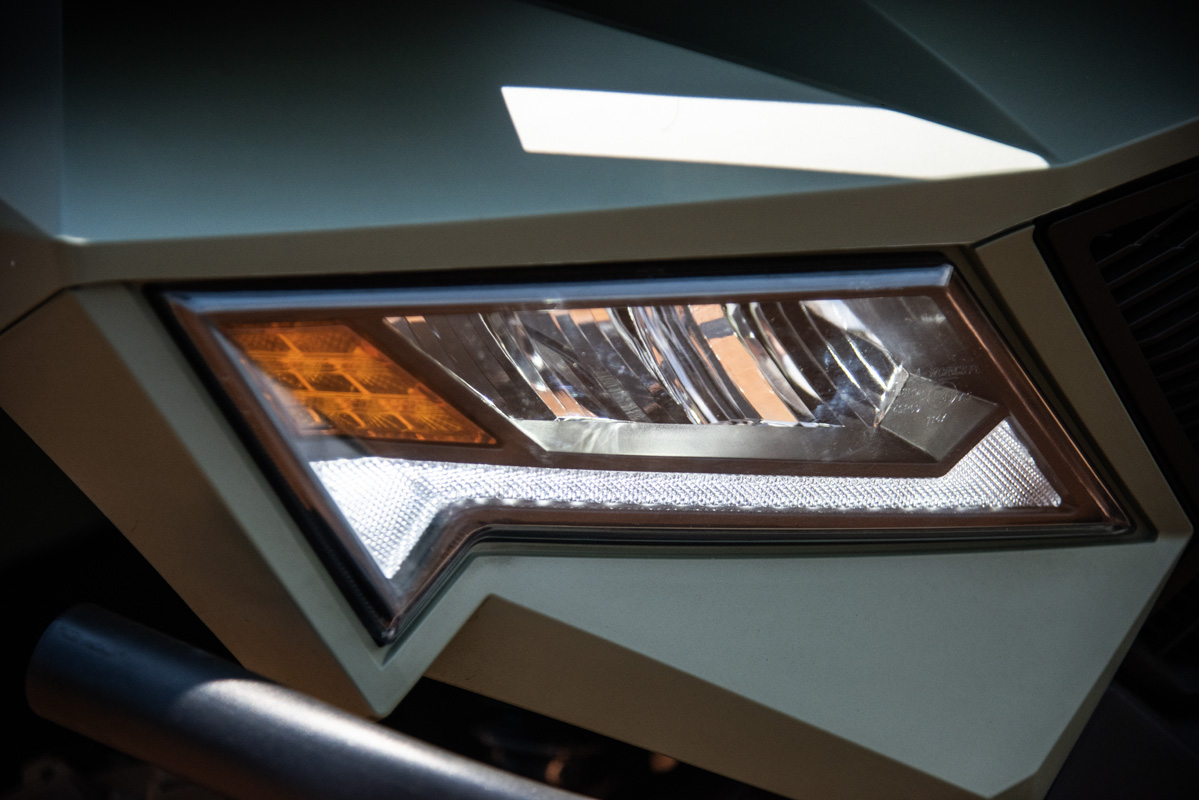
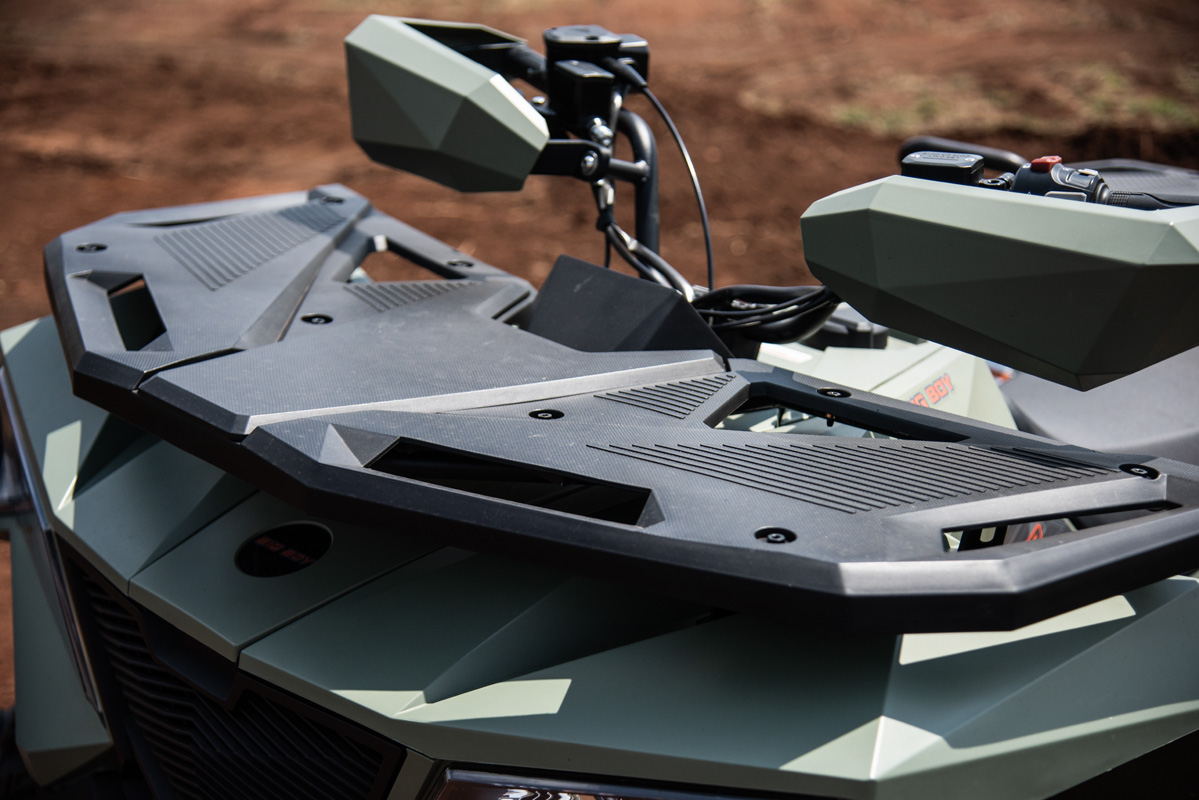
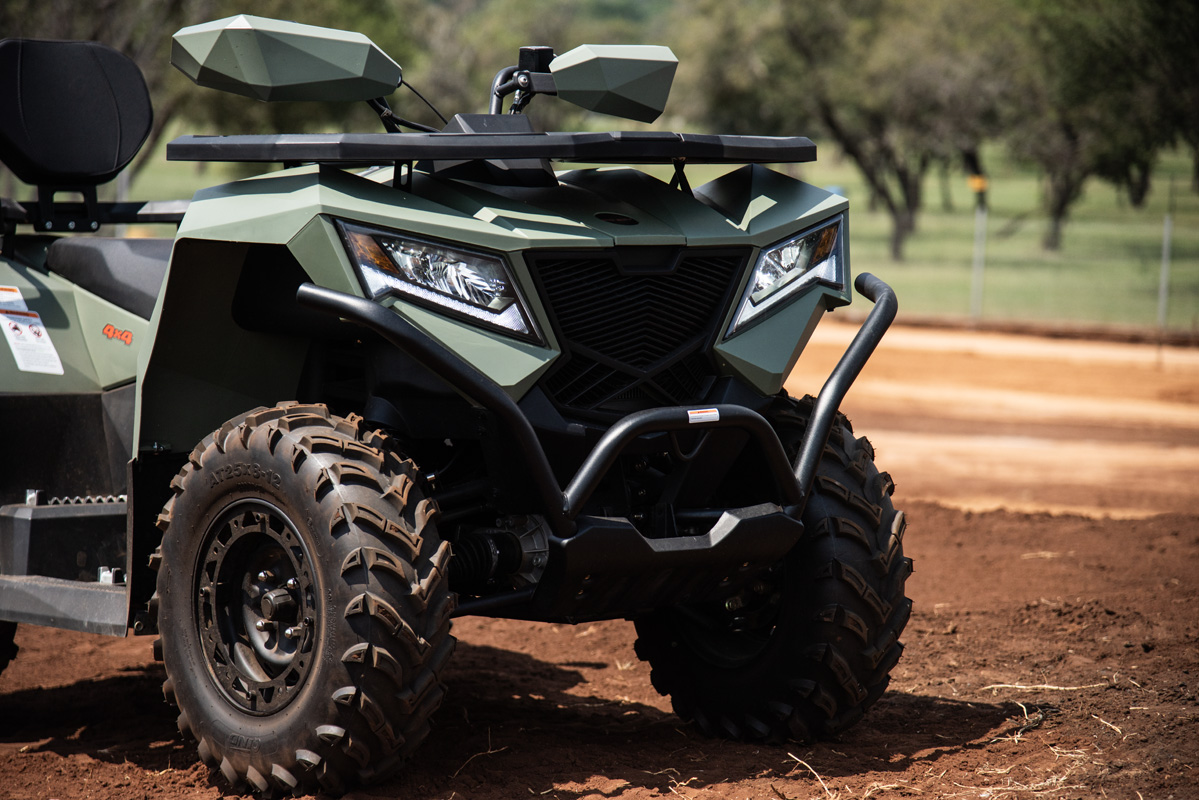
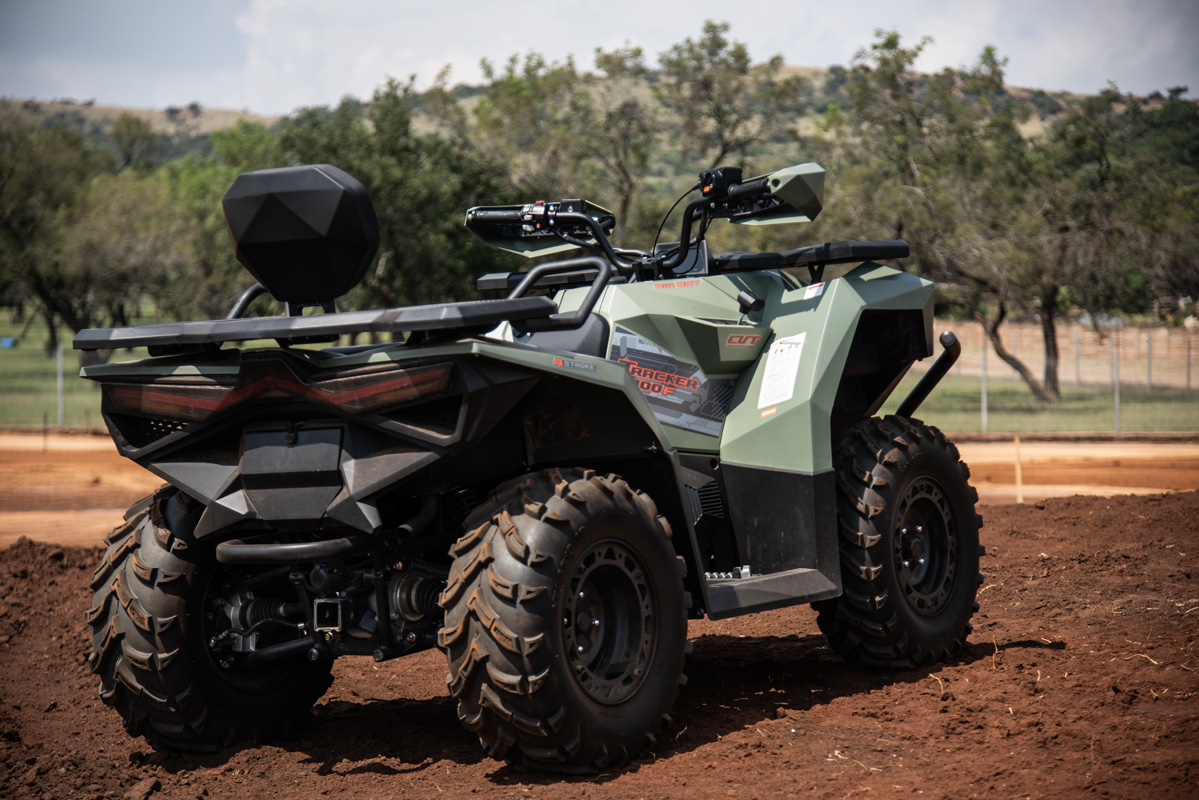
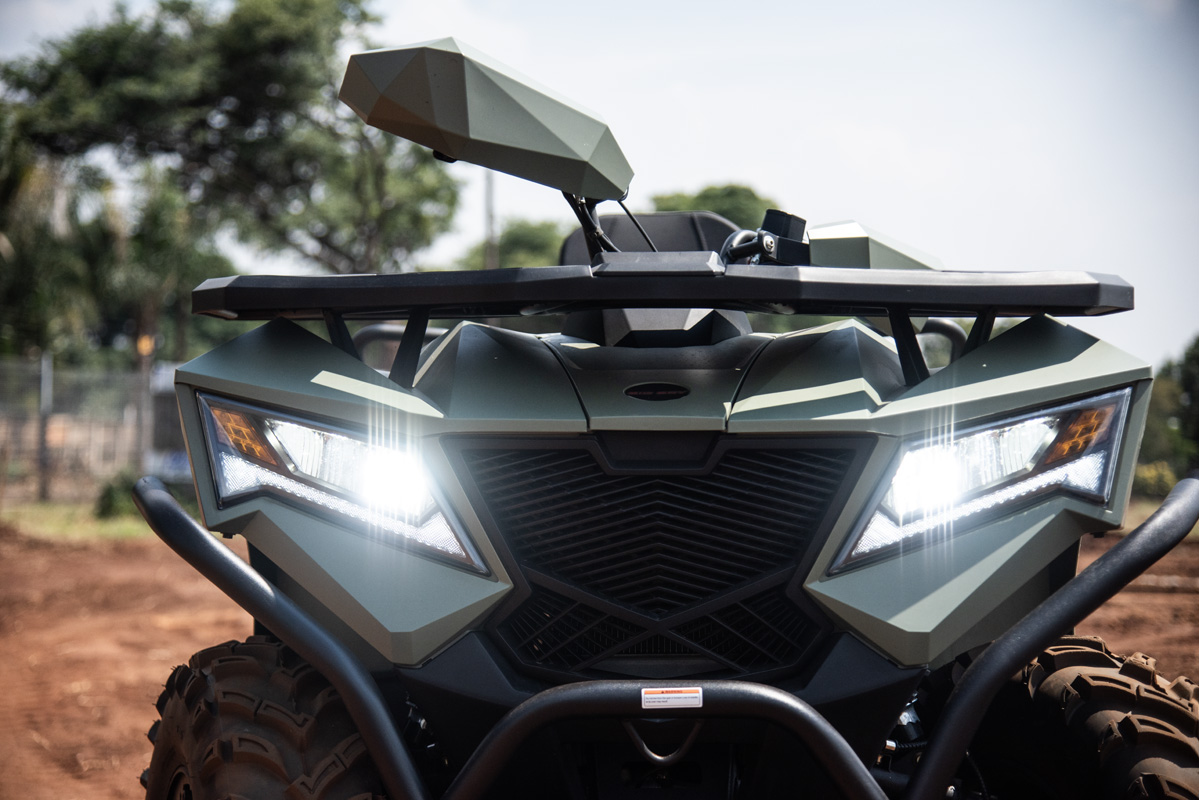
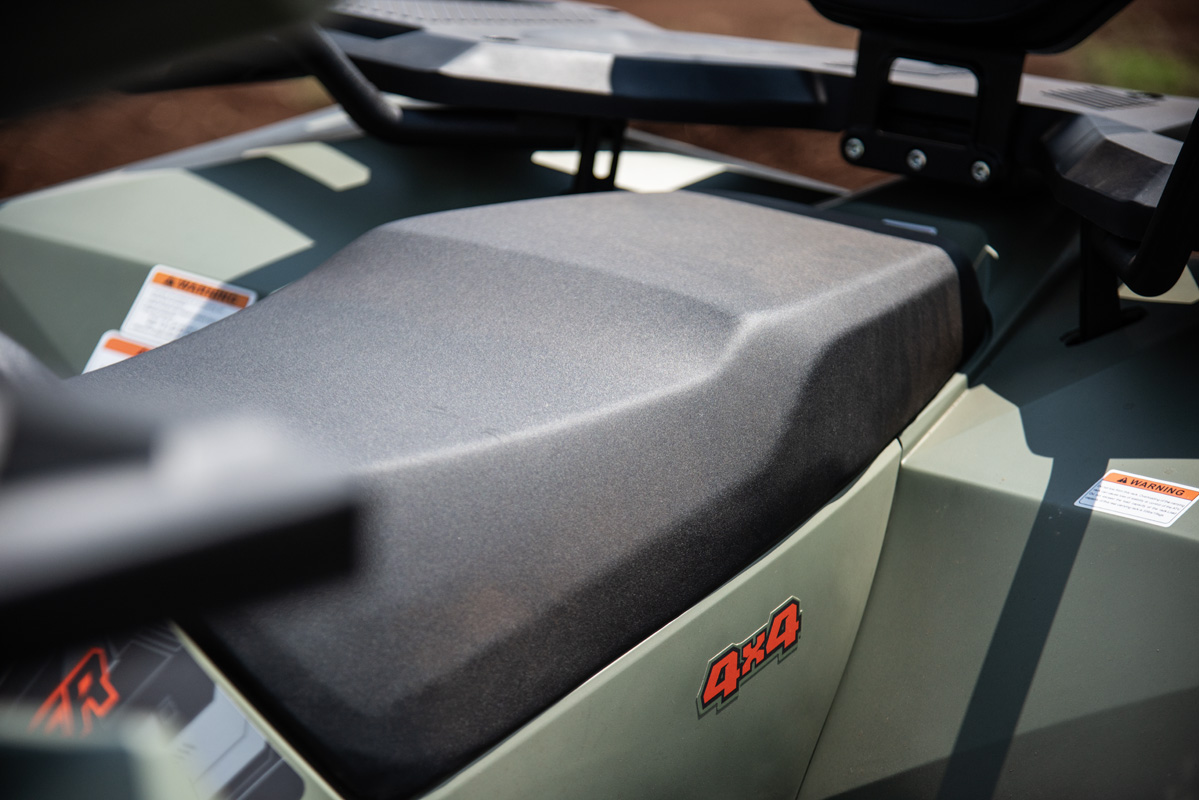
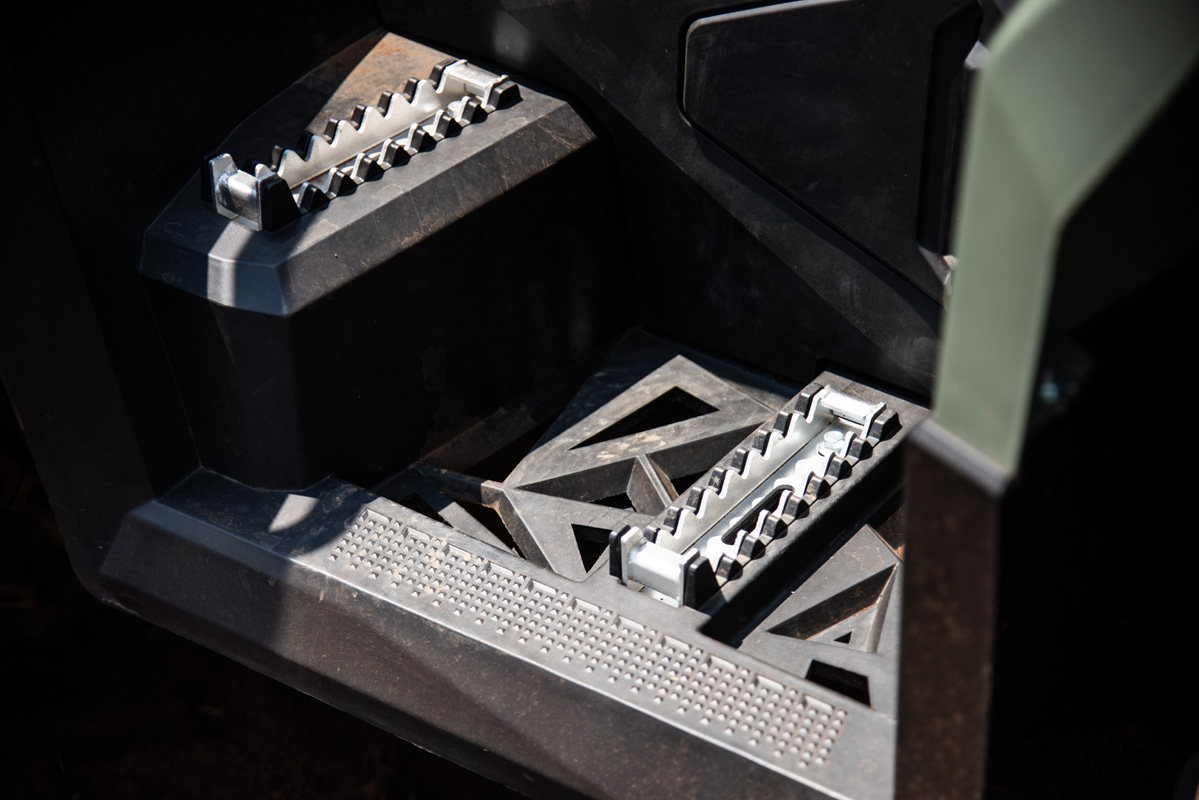
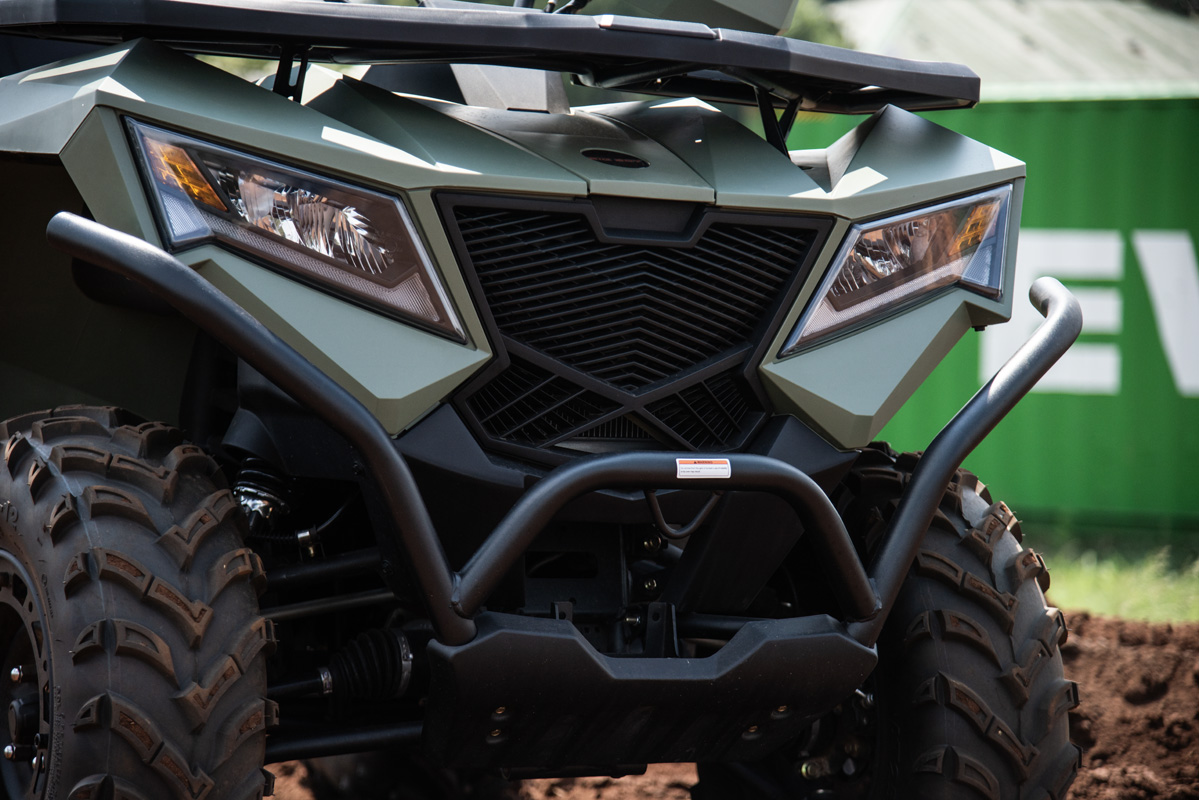
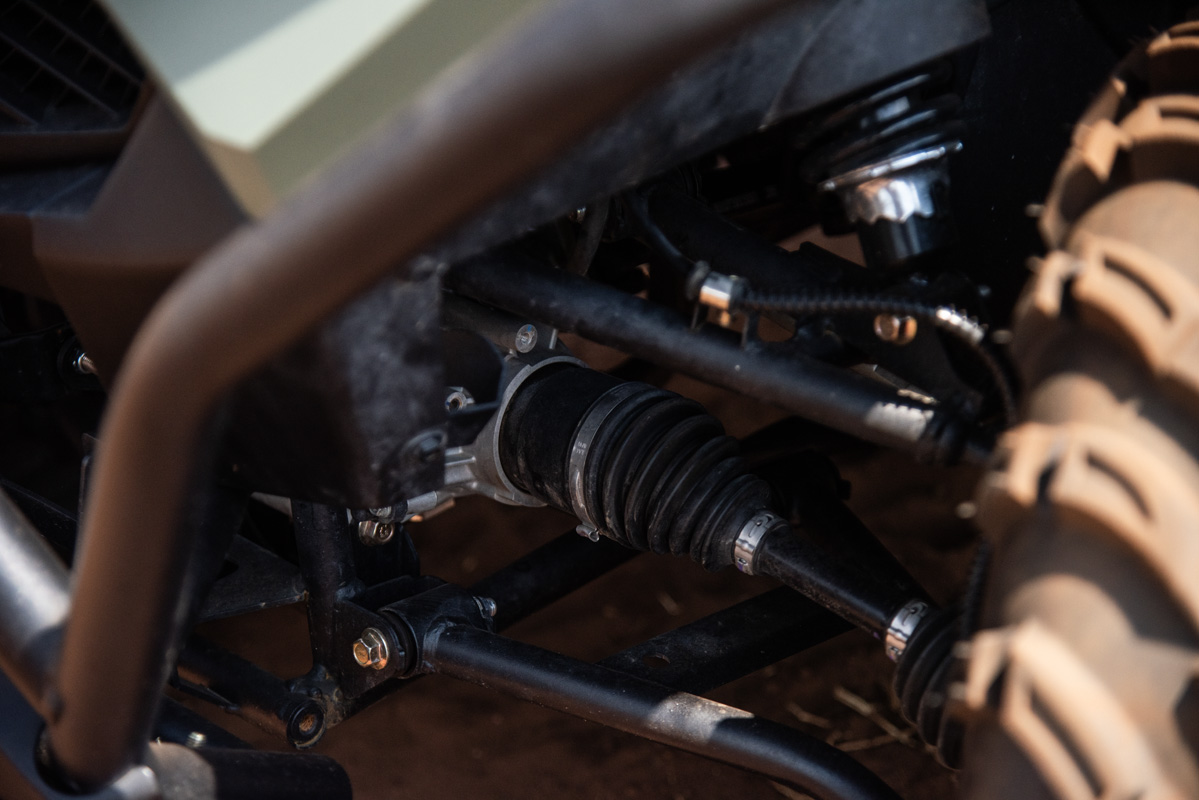
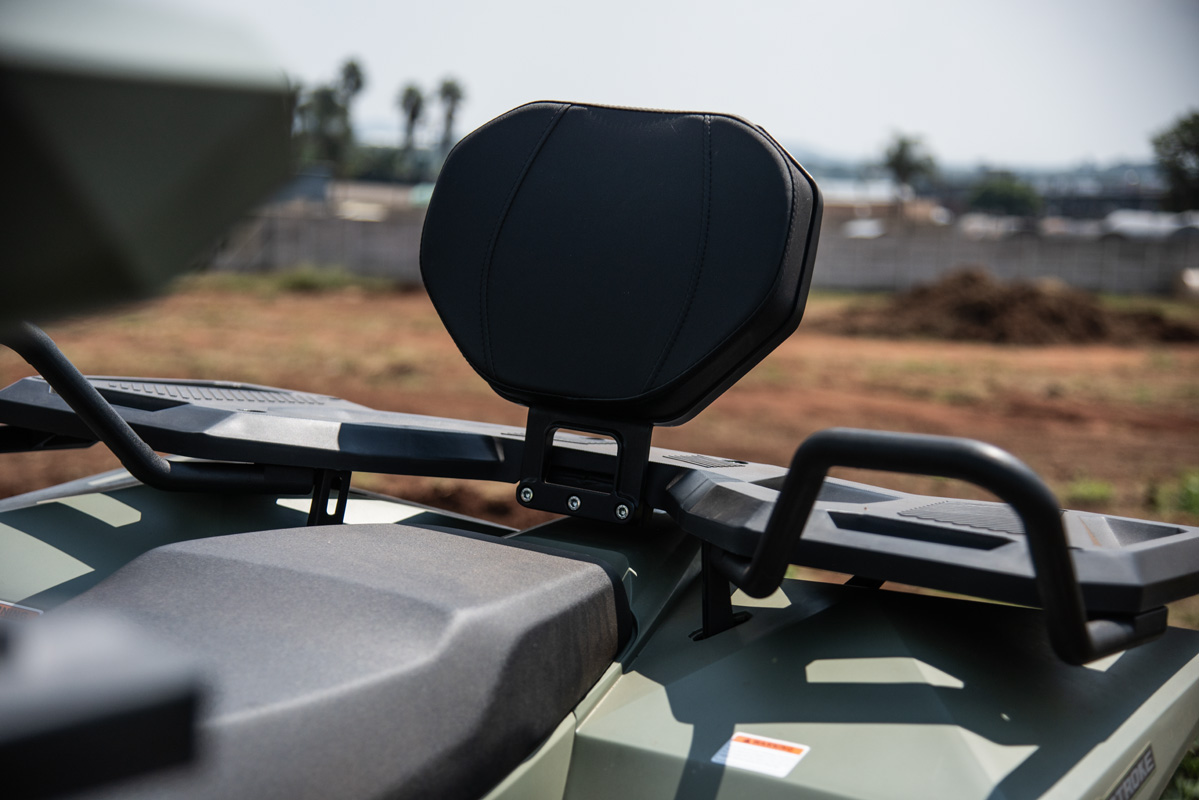
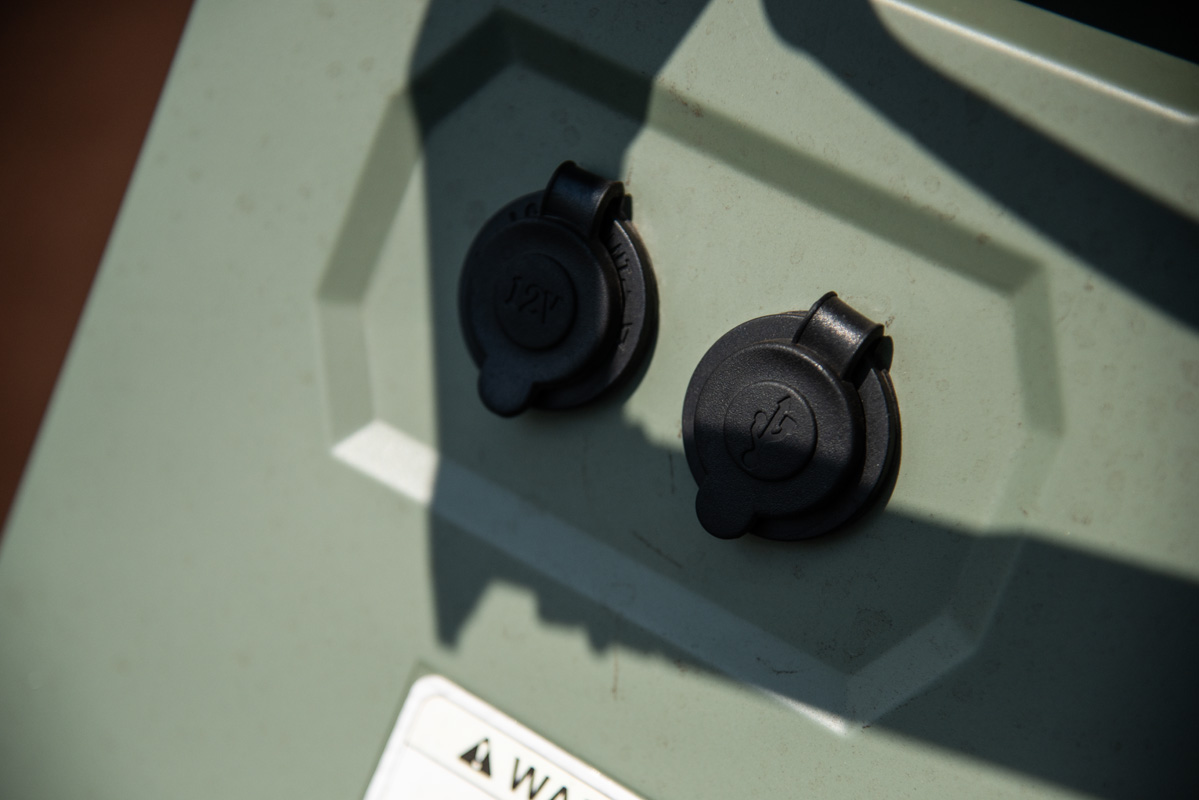
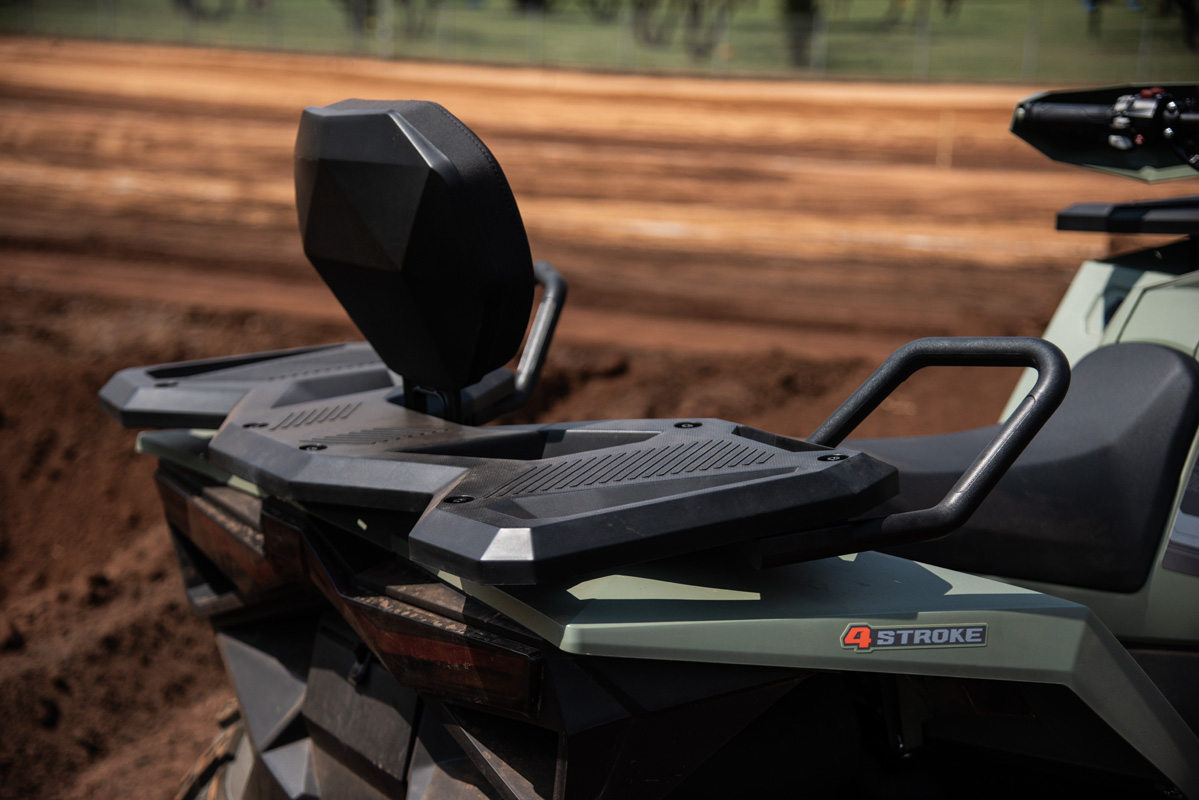
What’s surprising is how little feels “budget”. Big Boy has always leaned toward affordability, but here it’s hard to spot the compromises. The switchgear is on par with established competitors, and the spec sheet is stacked: crash bars, tow hitch, handguards, lockable front diff, low range, full LED lighting, LCD display, USB port, 12V socket, multiple storage areas, and a comfortable seat with a sissy bar. The only real omission? A winch—but it’s prepped for one. Strip away the badge, and you’d easily peg this as a machine costing twice as much.

Photo credit: Bjorn Moreira / ZA Bikers

So how does it perform where it matters—on the farm? Power comes from a simple, water-cooled 287 cc single-cylinder engine producing 23 hp (17 kW) and 28 Nm of torque. It’s not about outright speed (though it will nudge past 80 km/h), but about usable power. Throttle response is crisp, and there’s enough low-end grunt for towing, hauling, and crawling through mud or sand.

Speaking of work: the Tracker offers a combined rack capacity of 200 kg and a towing capacity of around 200 kg. It’s not class-leading, but it’s more than enough for tools, supplies, or hauling game—just expect to make a second trip for heavier jobs.

Photo credit: Bjorn Moreira / ZA Bikers

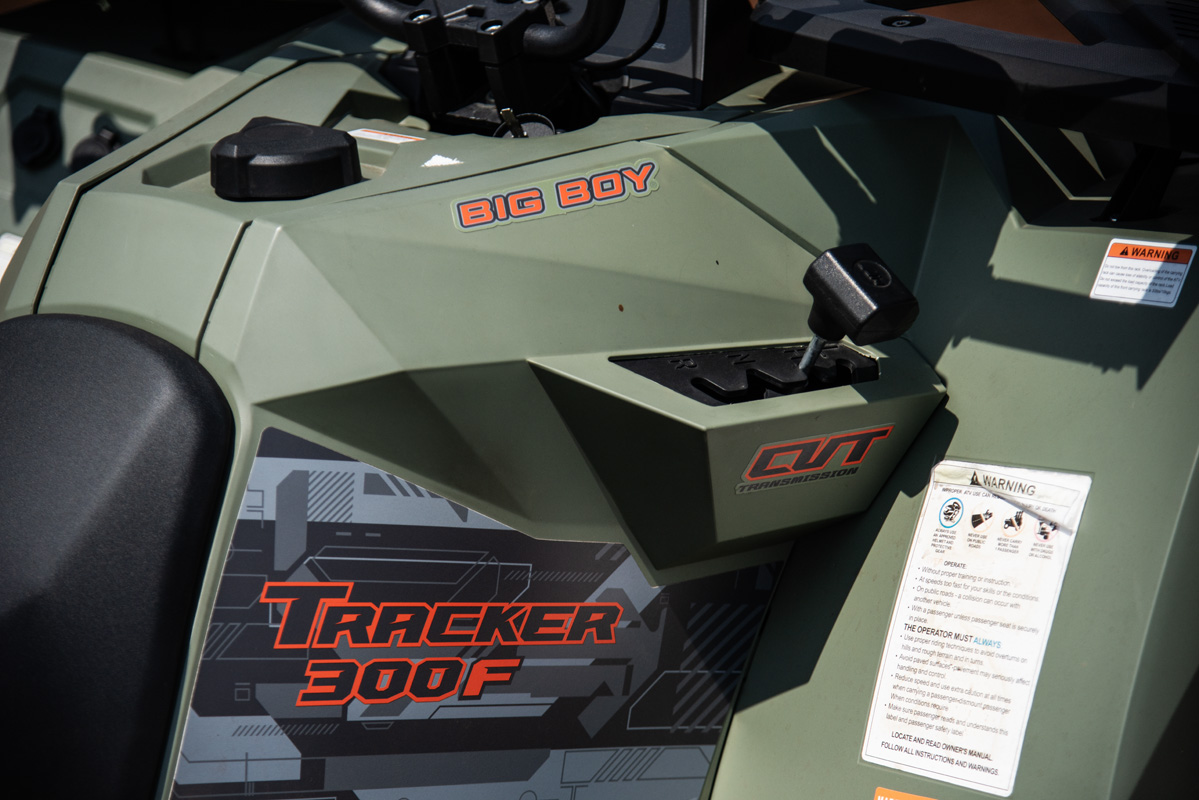
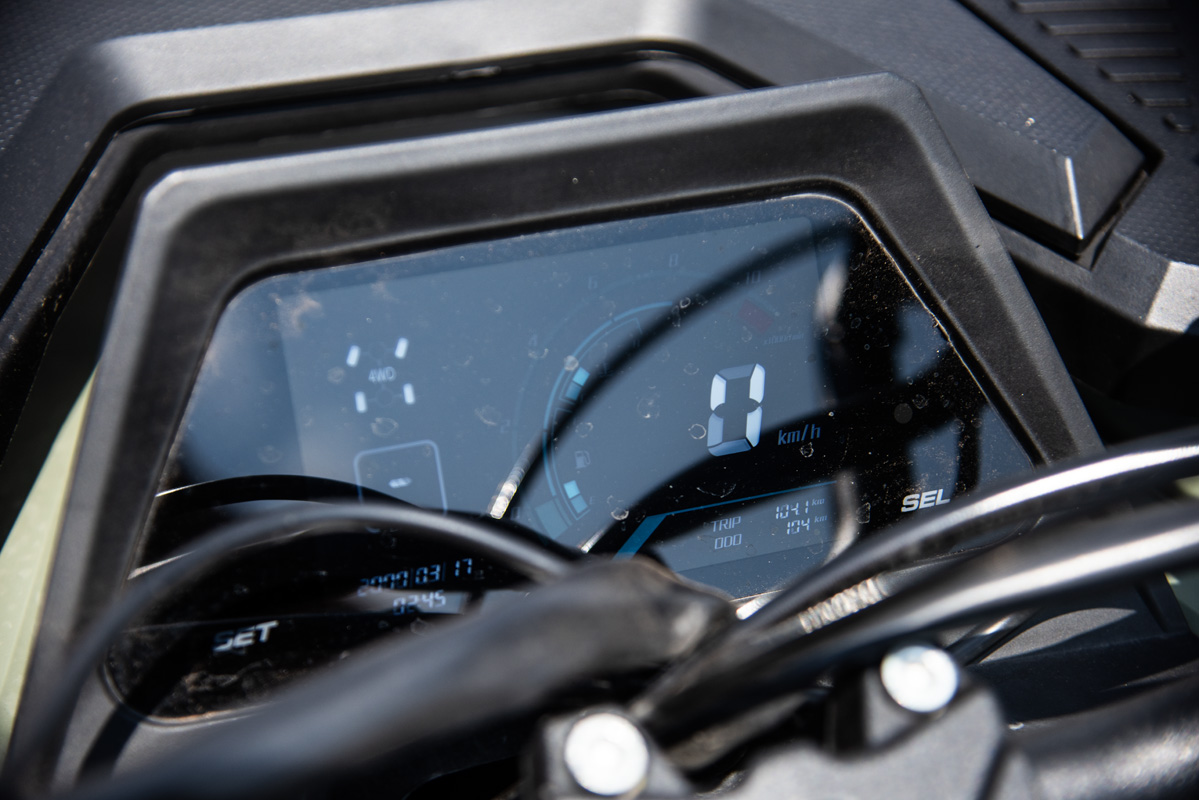
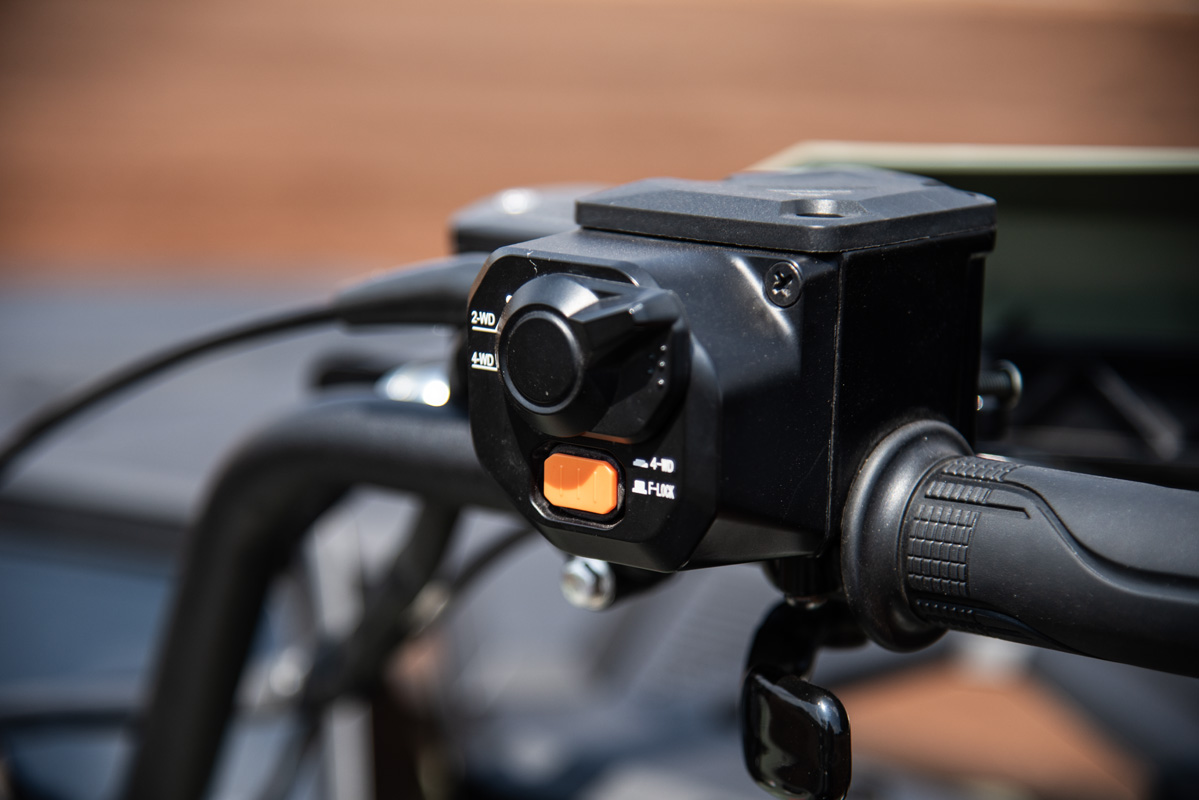
User-friendliness is another strong point. The drive selector is simple and intuitive—Neutral, Reverse, High, and Low—while you can switch between 2WD and 4WD on the fly, with optional diff-lock. The LCD display clearly shows your drivetrain setup, along with all the essentials: fuel level, temperature, RPM, trip data, and more.

Photo credit: Bjorn Moreira / ZA Bikers

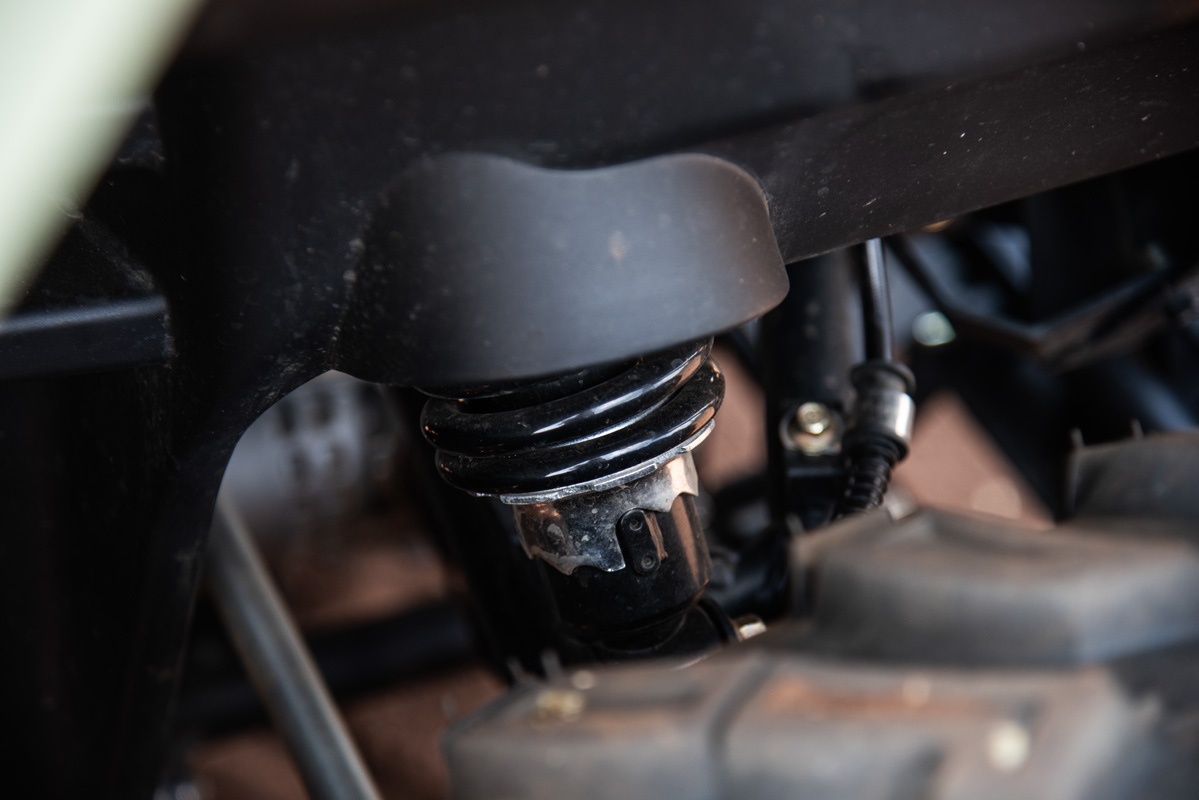
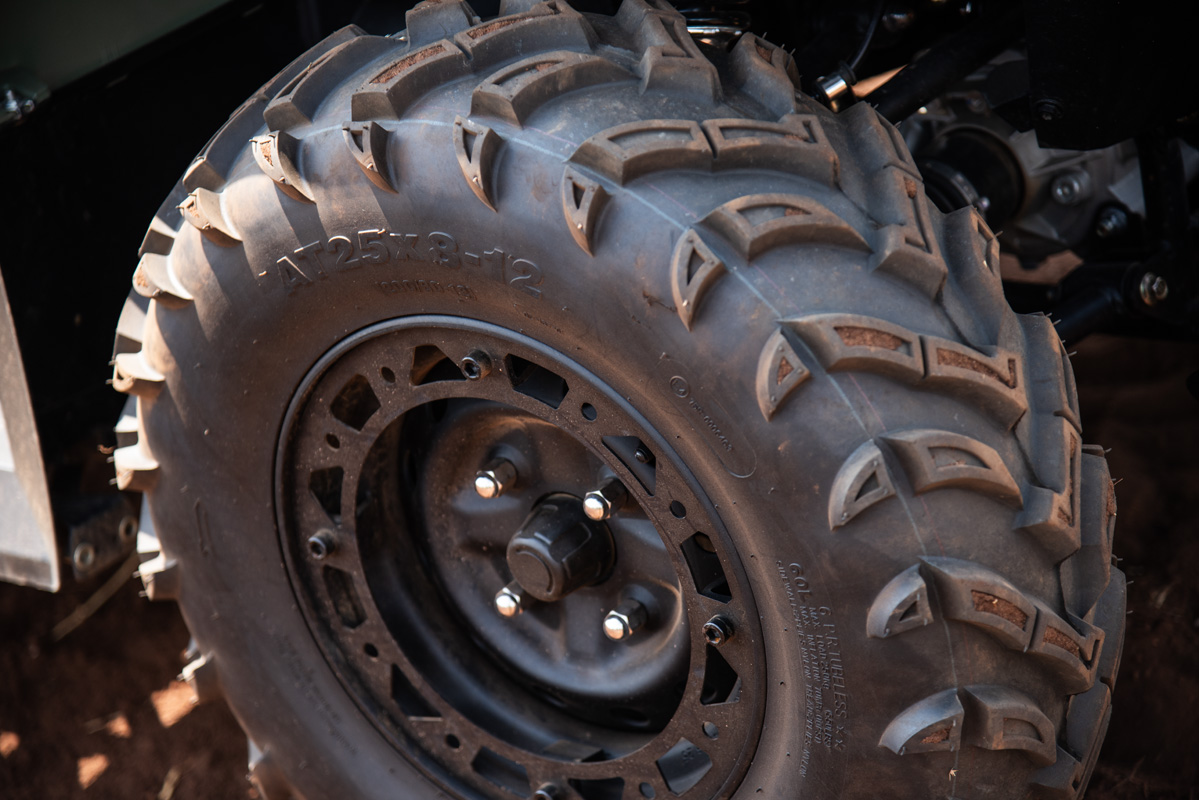
Out on the trail, the Tracker impresses! With 270 mm of ground clearance and adjustable preload (50 mm), it handles rough terrain with ease. The suspension is basic—coil spring shocks—but it’s firm, durable, and well-suited to load-carrying. Comfort isn’t its strongest suit, but the trade-off is simplicity, reliability, and low maintenance.

Photo credit: Bjorn Moreira / ZA Bikers

At 315 kg, it’s no lightweight, but it carries its weight well. It feels stable, turns in confidently, and only starts to feel heavy when diff-lock is engaged. In most conditions, you won’t even need it—the Tracker just keeps moving forward. When you do engage diff-lock, it’ll climb just about anything in its path.

Photo credit: Bjorn Moreira / ZA Bikers

The CVT transmission is smooth in operation, with a slight clunk when selecting gears—typical for this setup—but easily softened with gentle throttle input. Fuel range is solid too, thanks to a 14-litre tank, which is decent for a sub 400 cc quad.

Ownership looks reasonable: a 1-year / 10,000 km warranty and service intervals every 20 tanks or three months.

Photo credit: Bjorn Moreira / ZA Bikers

If you’re after a capable, good-looking 4×4 quad that blends workhorse practicality with surprising refinement, the Tracker 300 deserves serious attention. It’s easily the most premium machine Big Boy has produced—and one that comfortably punches above its price tag.

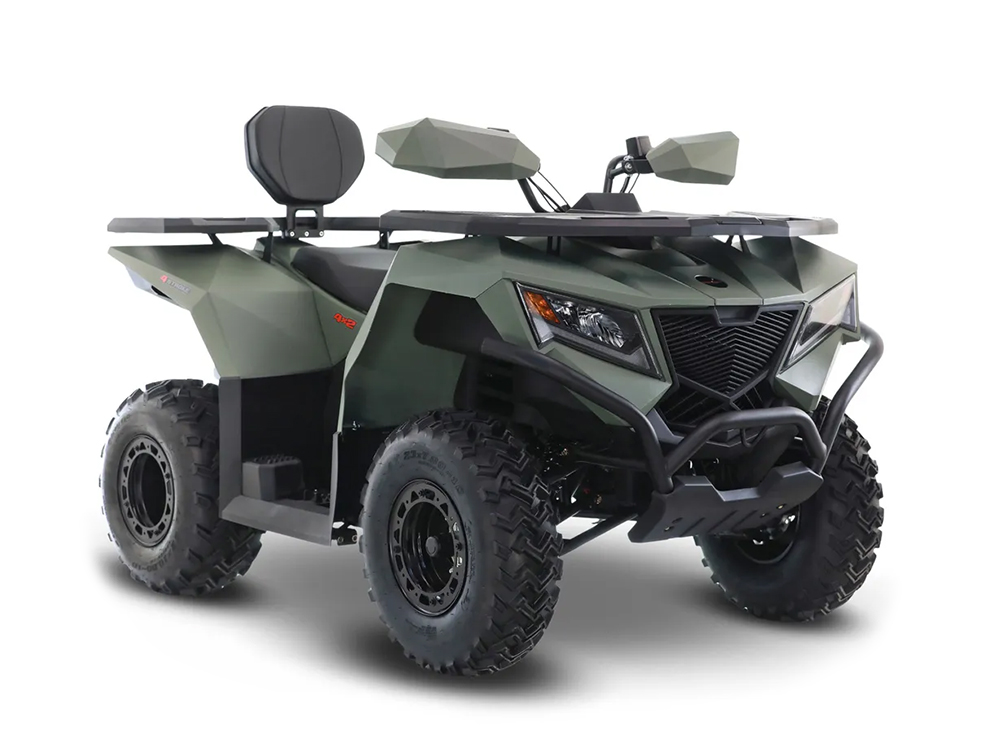
However, if having a 4×4 quad bike is overkill for the kind of work or use you have in mind, Big Boy does offer a simpler alternative in the form of a 4×2 Tracker. The 4×2 is a 250 cc machine that retains many of the same core features but adopts a more utilitarian, single-rider-focused setup with smaller wheels. It’s aimed at riders who want power, practicality, and simplicity without stepping into full 4×4 territory. Light, comfortable, and easy to handle, the Tracker 250 is ideally suited to farm use, yard work, quick trips across the property, and light adventure riding. Oh, and it will also save you 30k over the 300 Tracker, with the ‘250’ 4×2 coming in at an attractively low R49,999.

Don’t just take our word for it—go see one at your local dealer.

Big Boy Tracker 4×2 & 4×4

For more information on the quads that we tested in this article, click on the link below…

2026

Big Boy Tracker 300 4×4

Pricing From R79,999 (RRP)


Brand: Big Boy
2026

Big Boy Tracker 250 4×2

Pricing From R49,999 (RRP)


Brand: Big Boy

KTM RC 450 – A Chinese-Only Model? If So, Why?

Image source: KTM China

There have been many bikes that have been available in some territories and not in others, for many different reasons, perhaps the most common being one of homologation to a particular territory’s legal standards that have no chance of being matched by another.

It’s happened often in South Africa, which has adopted the European homologation standard, leaving SA’s importers powerless to bring in models that would otherwise be strong sellers.

Image source: KTM China

This causes mild outcry here, but it’s not often that there is a worldwide outcry concerning a model being unavailable. However, that is exactly what has happened in 2026, and the protagonist is a surprising one.

It’s not uncommon today for manufacturers to have close engineering and marketing tie-ins with other manufacturers; more often than not, it is European manufacturers linking up with Asian or Indian brands and, recently, Chinese manufacturers have found themselves in demand.

Image source: KTM China

Triumph has close ties with Bajaj Auto, BMW with TVS, while KTM is now majority owned by Bajaj Auto. The latter, however, also has close links to Chinese manufacturer CFMOTO, and it is the latest news from this pairing that has got so many countries’ knickers in a twist.

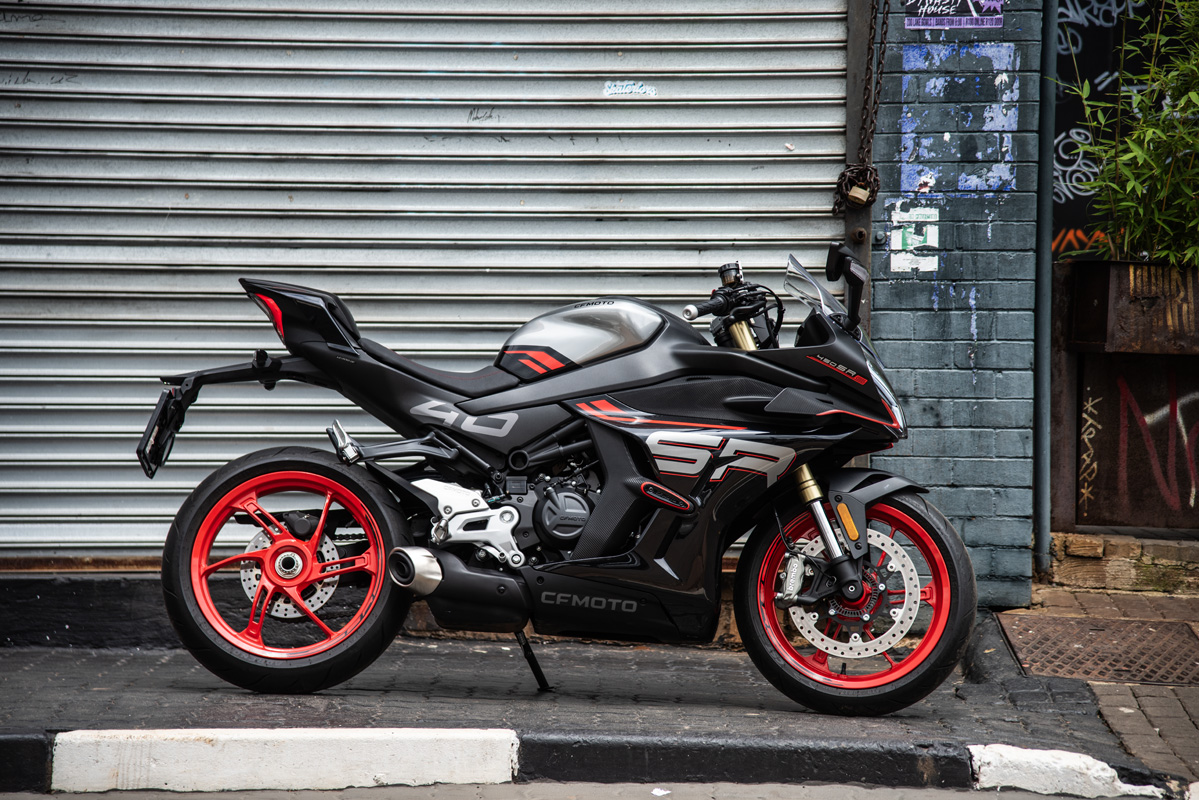
We’ve sung the praises of the CFMOTO 450 cc models before on www.zabikers.co.za, in particular the 450 MT adventure model and the fully-faired 450 SRS sports model.

Photo credit: Bjorn Moreira / ZA Bikers

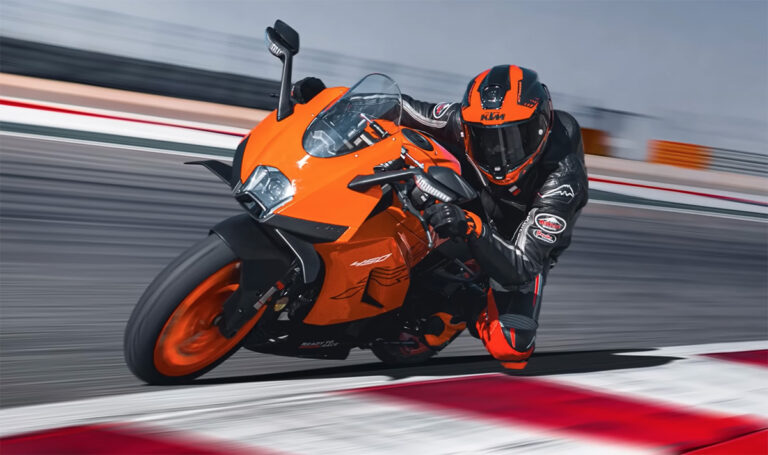
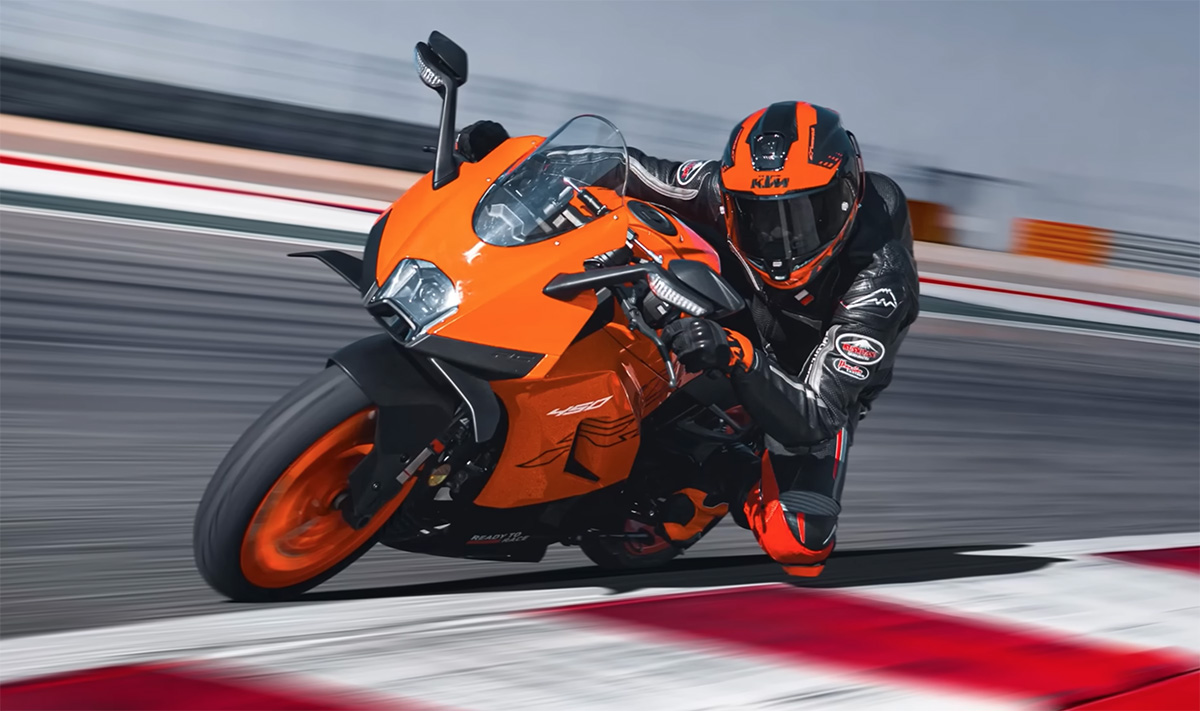
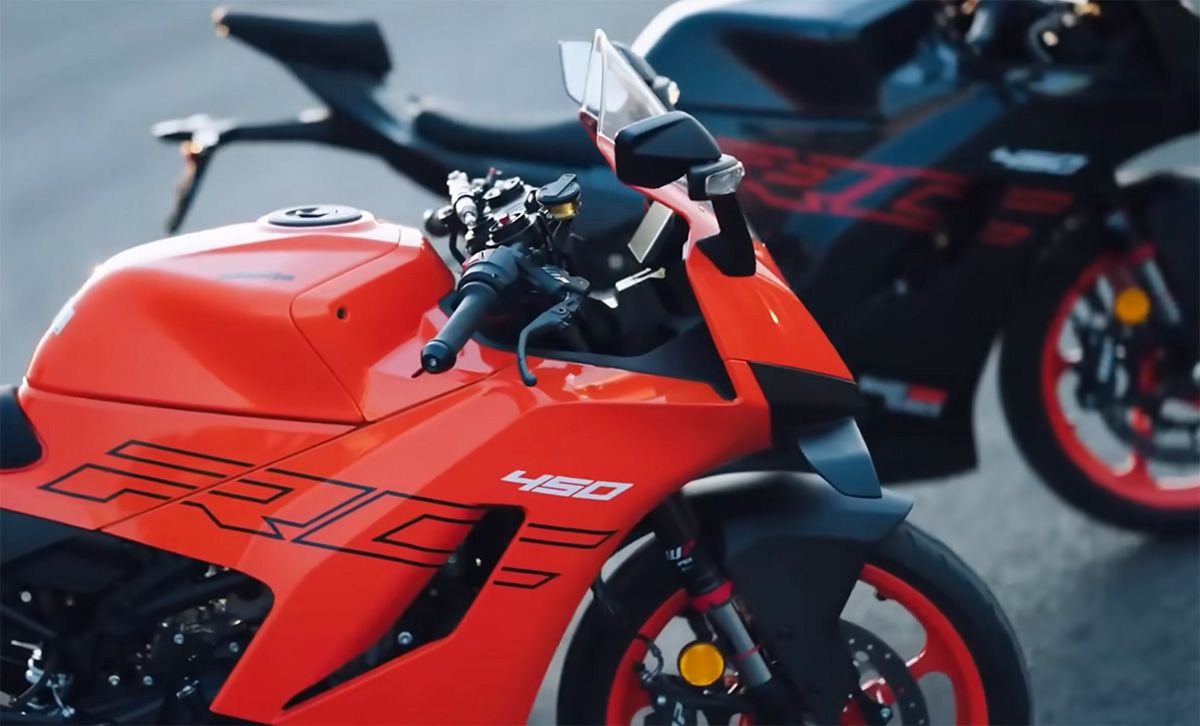
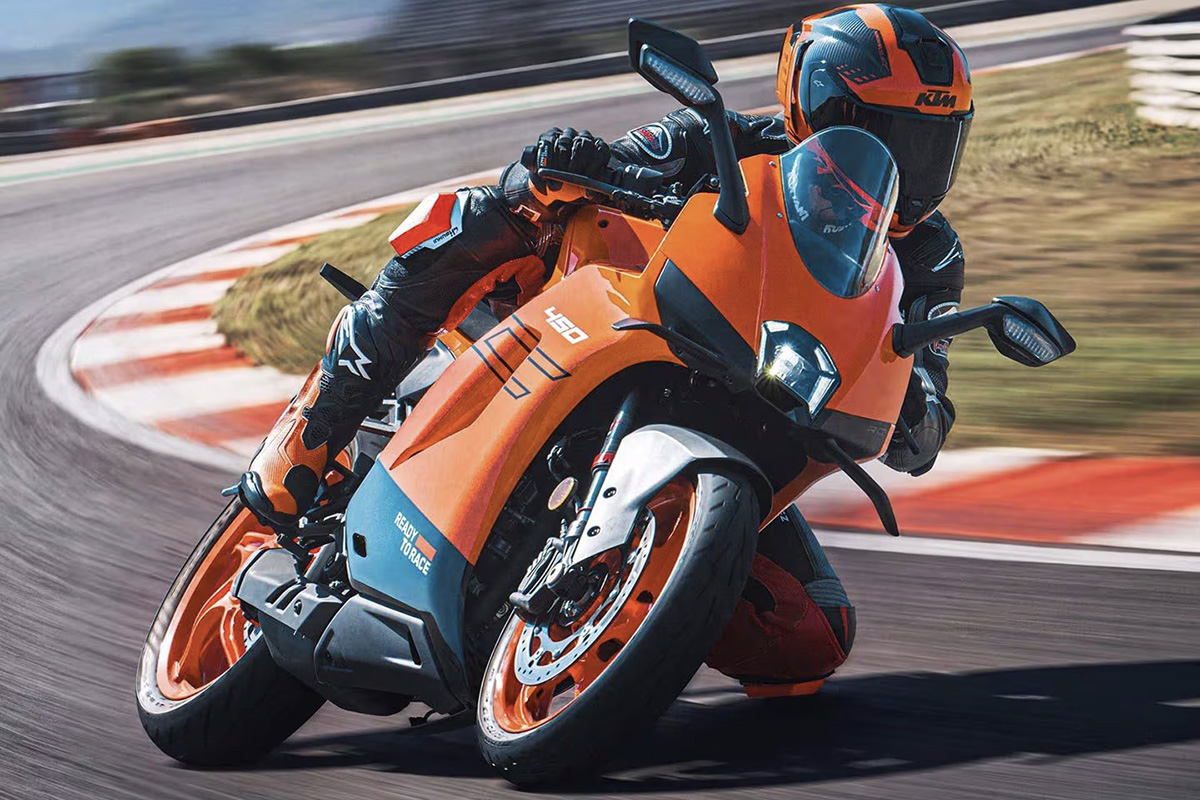
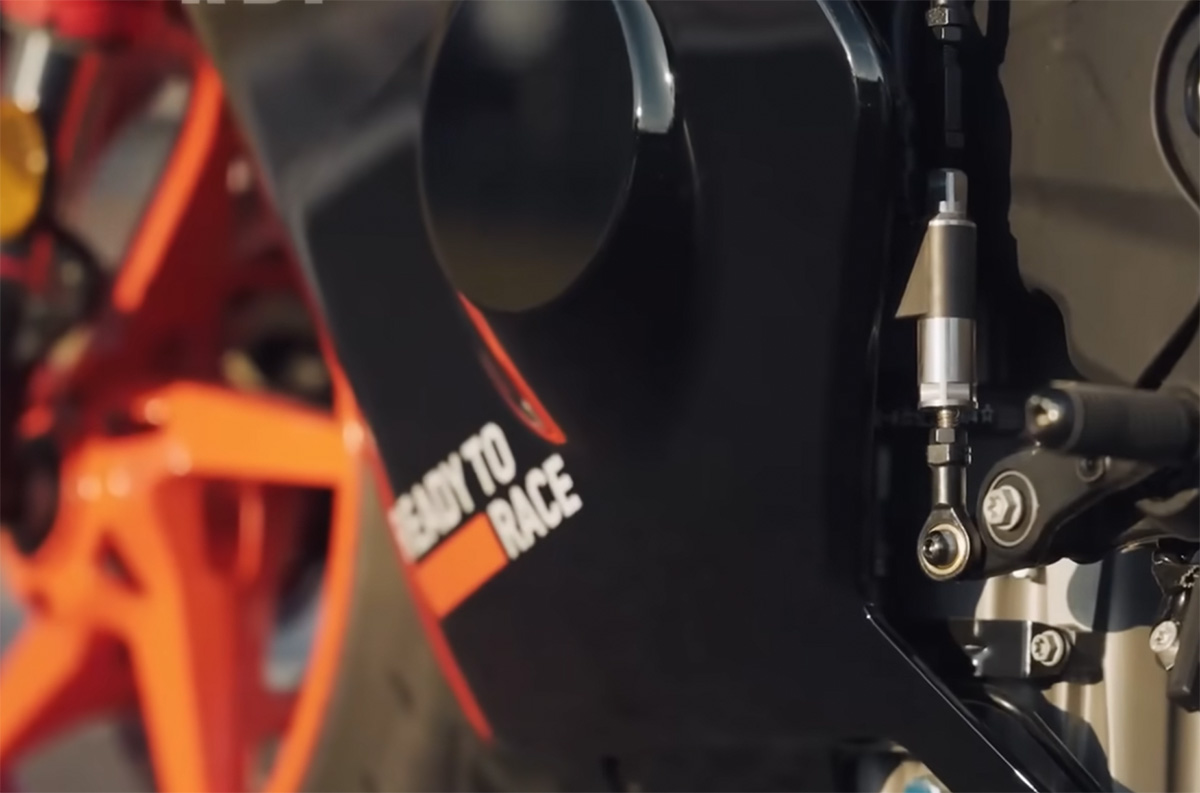
Now it appears that KTM is launching its own 450 cc sports model, the RC 450, but – and here’s the kicker – it’s only going to be available in China!

Let’s not forget that KTM already has the RC 390 in its stable, and that’s fine, but the RC 450 differs from the 390 in its use of a parallel twin engine configuration compared to the single cylinder engine in the 390. And this is something that a lot of markets have been crying out for.

Image source: KTM China

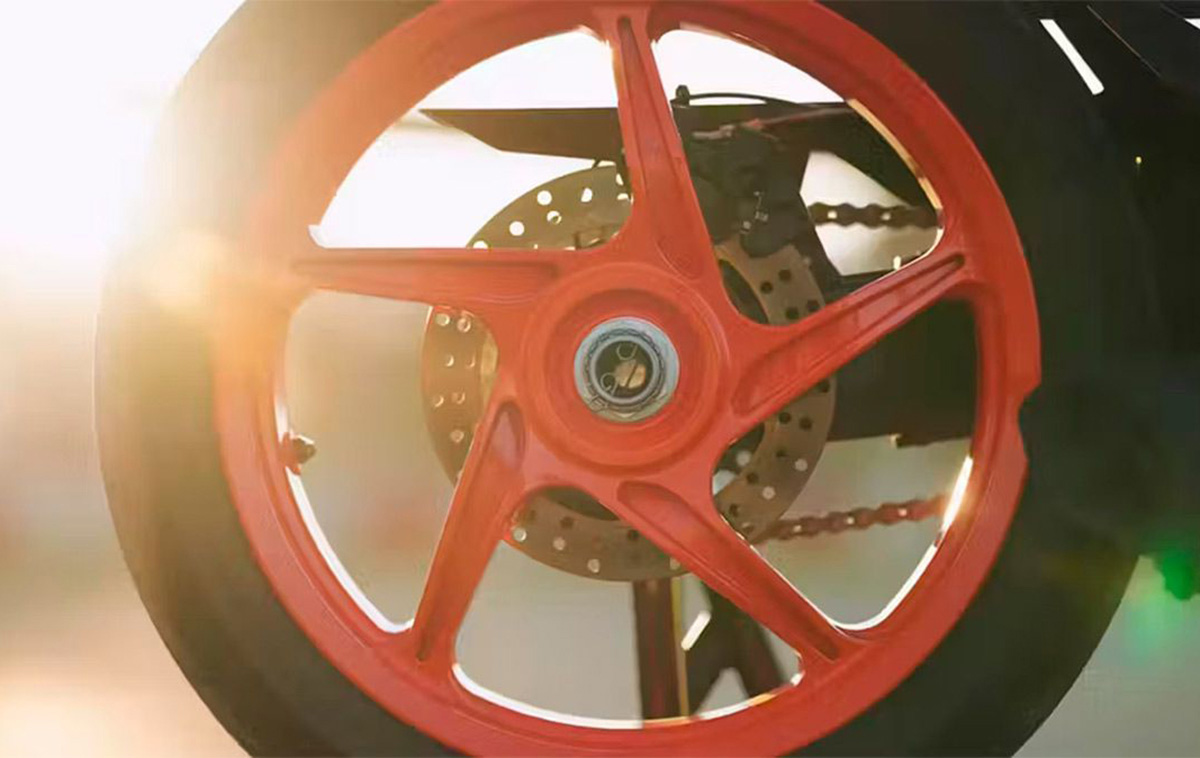
The KTM RC 450 and the CFMOTO 450 SRS share a lot of DNA, including the tubular steel chassis and single-sided swing arm. The engines might be the same, but KTM’s engine has been tuned to produce 56bhp, against the 450 SRS’s 52. The KTM is also lighter – 168kg against 171kg.

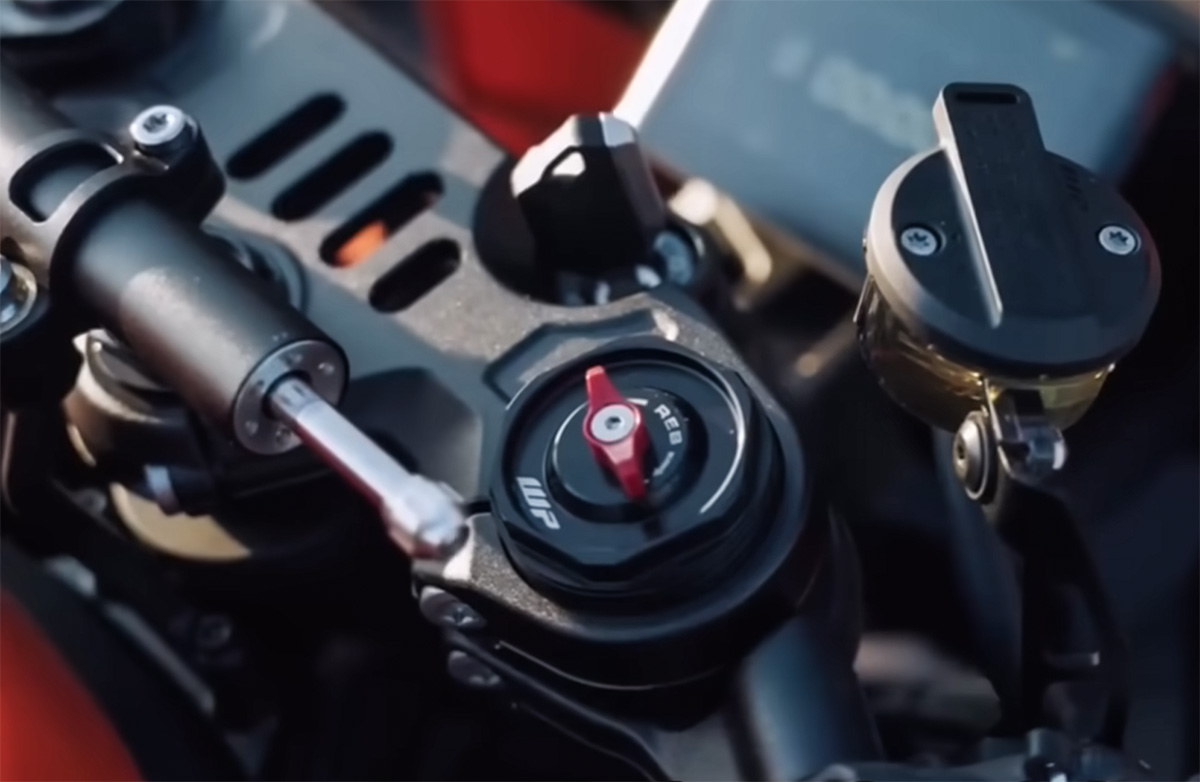
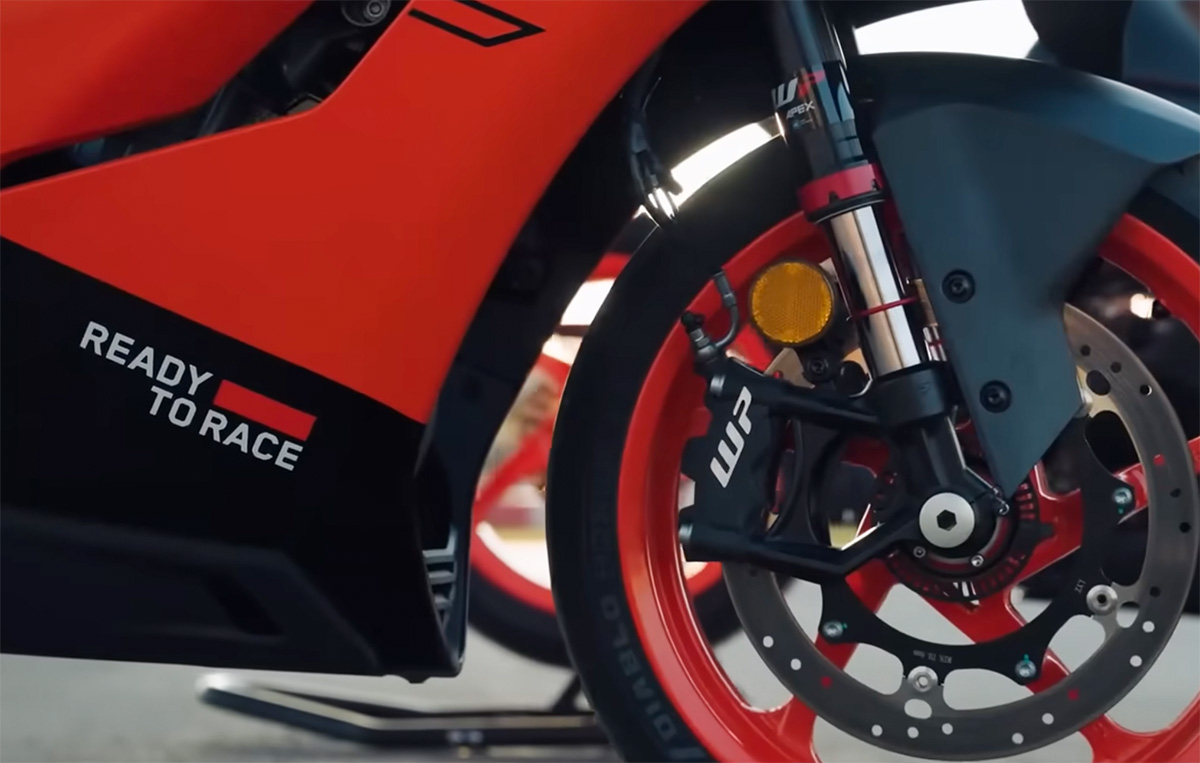
The KTM gets fully-adjustable WP suspension front and back, and the front 320 mm single disc is clamped by a brand-new WP calliper, WP having entered the braking market as well.

Image source: KTM China

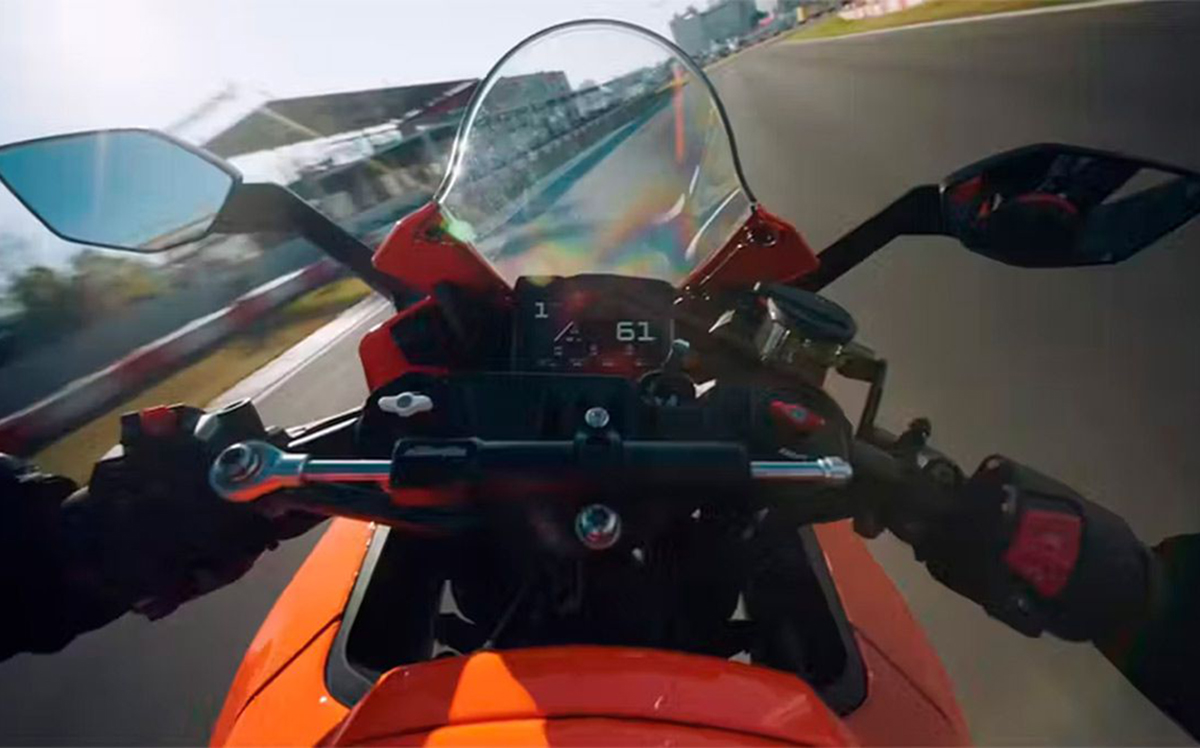
It also boasts a Bosch IMU, giving access to lean-sensitive traction control and ABS via a ride-by-wire throttle, which also enables three riding modes.

In short, it sounds fantastic and would be a sure-fire winner in any market KTM chose to enter. But, for now, it seems that only the Chinese market will be getting this new pocket rocket, and you have to wonder why?

Image source: KTM China

I mean, what is the point? Yes, I know that the KTM and the CFMOTO would be going head-to-head in terms of sales, but this is completely different to one manufacturer bringing out two essentially identical models, thereby shooting itself in the foot.

KTM does have a history of this in its off-road offerings. KTM owns both GasGas and Husqvarna, and all three marques have models that are essentially the same apart from colours and graphics and price tags. And, no, I can’t work that one out, either.

Image source: KTM China

There are a lot of people out there who would buy a KTM but would never contemplate buying a CFMOTO, conveniently ignoring the fact that Chinese-manufactured bikes are no longer the joke they used to be. So, there are sales lost at a time when KTM can ill-afford to lose them.

Perhaps CFMOTO is trying to gain a toe-hold in the international market and wants to give its models the best chance by eliminating as much competition as possible? Perhaps Bajaj Auto has put the kibosh on it, for reasons known only to themselves? Even that would be strange, as having made such a large investment in KTM, you would think they are as keen as anyone to return the Austrian brand to the black on the balance sheets. Then again, it is known that Bajaj is keen to increase production of KTMs in India, so that might leave CFMOTO out in the cold.

Image source: KTM China

Time will tell if restricting the RC 450 to the Chinese market alone will continue or if KTM will bow to public pressure. However, there is another factor to consider.

The middleweight motorcycle market, 400-500cc, is booming worldwide, and KTM is known to be developing its own parallel twin engine that will fit in that category; indeed, it has been spotted being tested in an adventure-style model. It doesn’t take much of an imaginative leap to see that becoming the 490 Adventure model.

Image source: KTM China

And there’s another clue; all KTM’s model names end with ‘90’ – 390, 890, 990, 1290, 1390 – so calling a model the RC 450 perhaps indicates that it is not intended to be seen in any territory other than China.

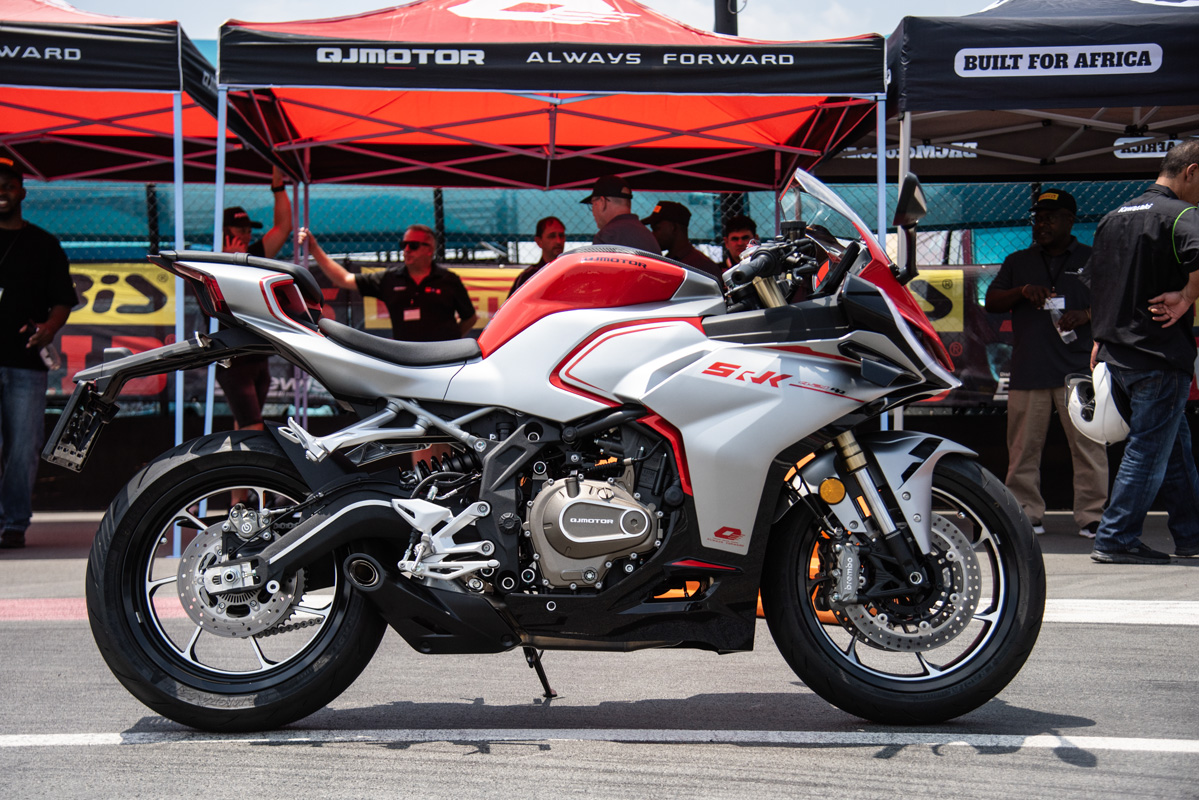
Whatever the reasons, we’ll just have to wait to see the 490 KTM models, as and when they appear. In the meantime, there are always the CFMOTO 450 cc models and, as we have found, they are very good and extremely well-priced. It’s also worth noting the emergence of exciting alternatives from China, such as QJMOTOR’s SKR 450 RR, a mini-supersport machine that stands out with its impressive high-power, high-revving inline four-cylinder engine—something rarely seen in this segment.

Photo credit: Bjorn Moreira / ZA Bikers

Motus Retail Expands Footprint with Opening of First Mahindra Dealership in Tygervalley

Image source: Mahindra

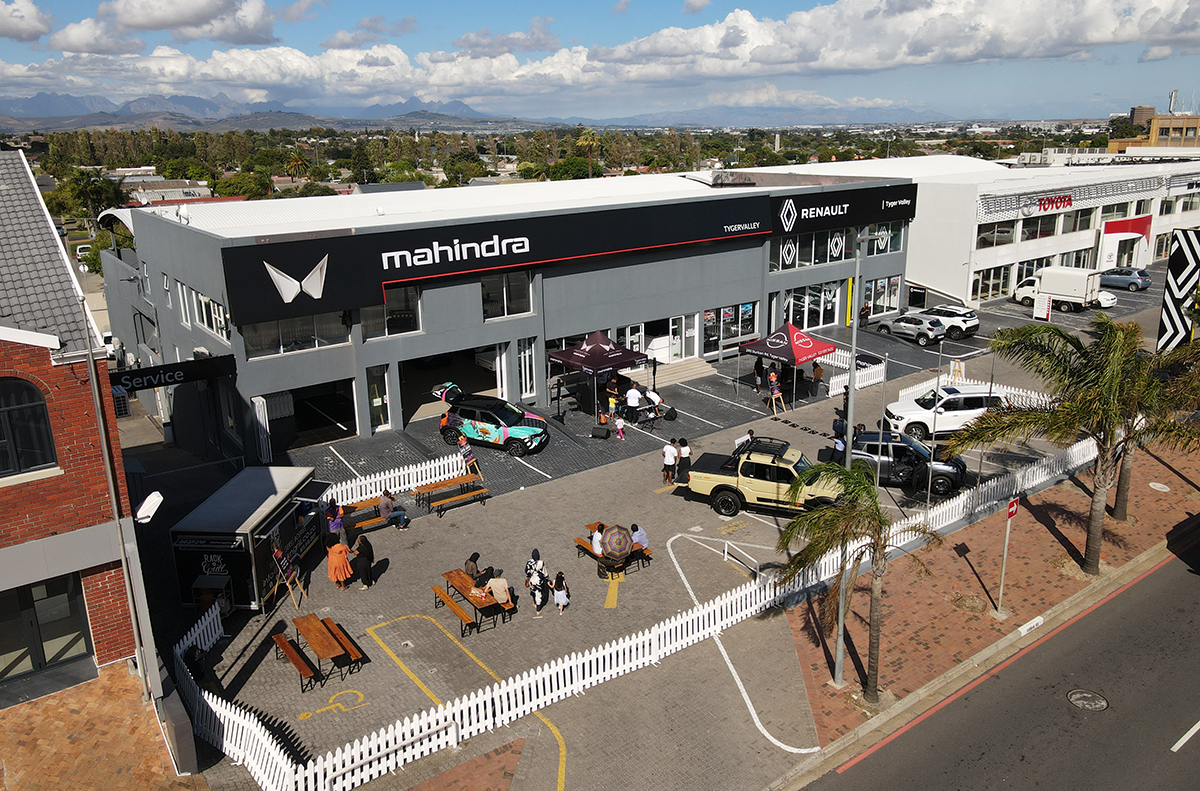
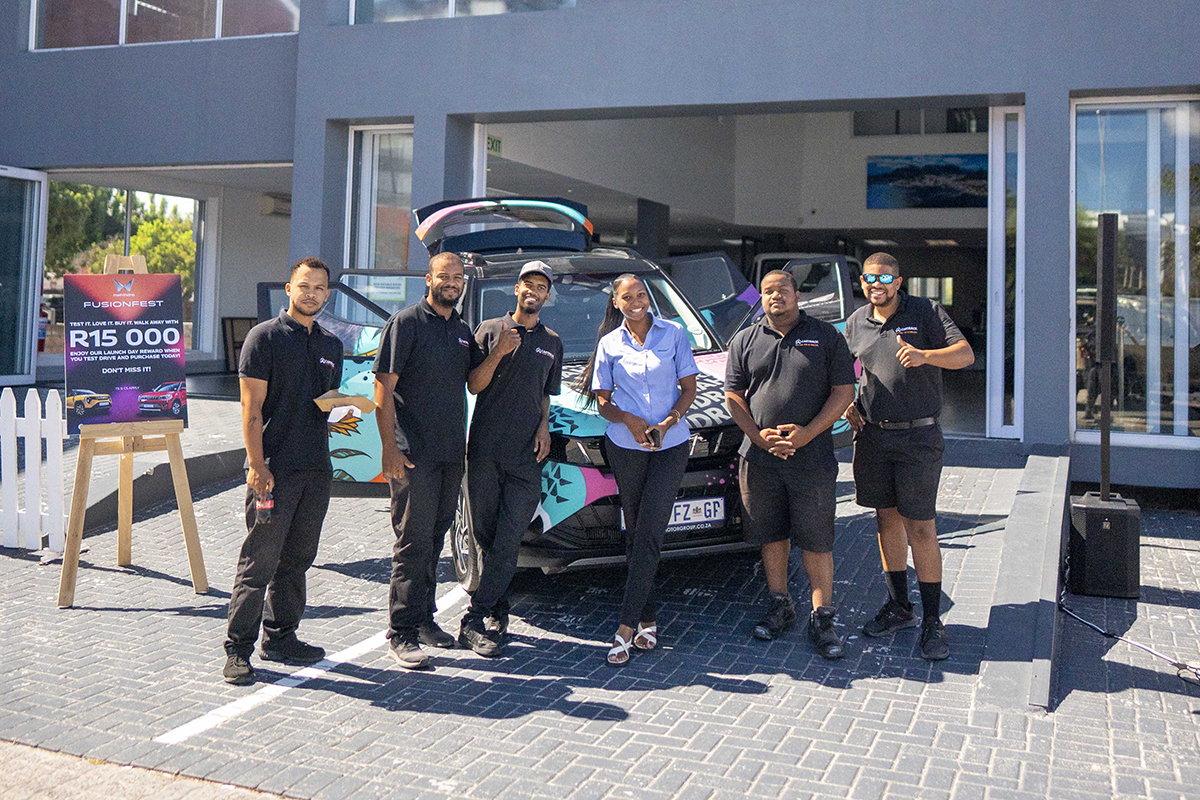
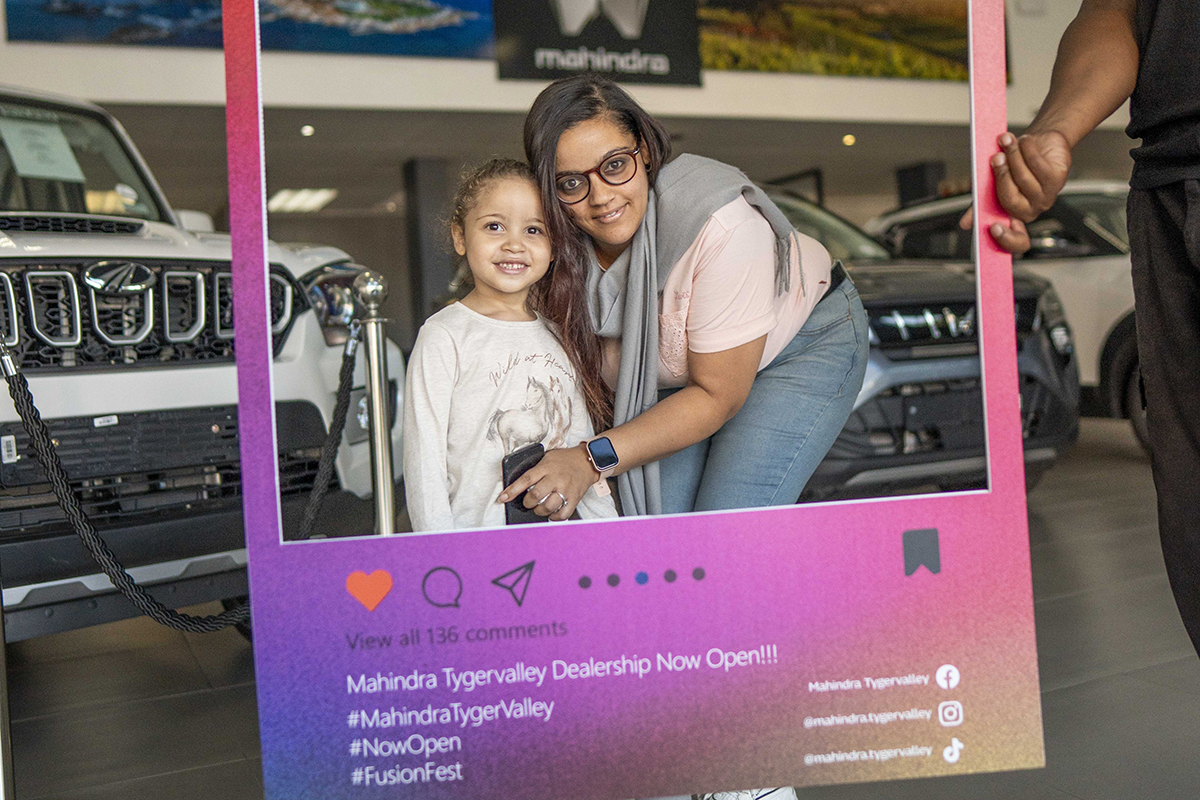
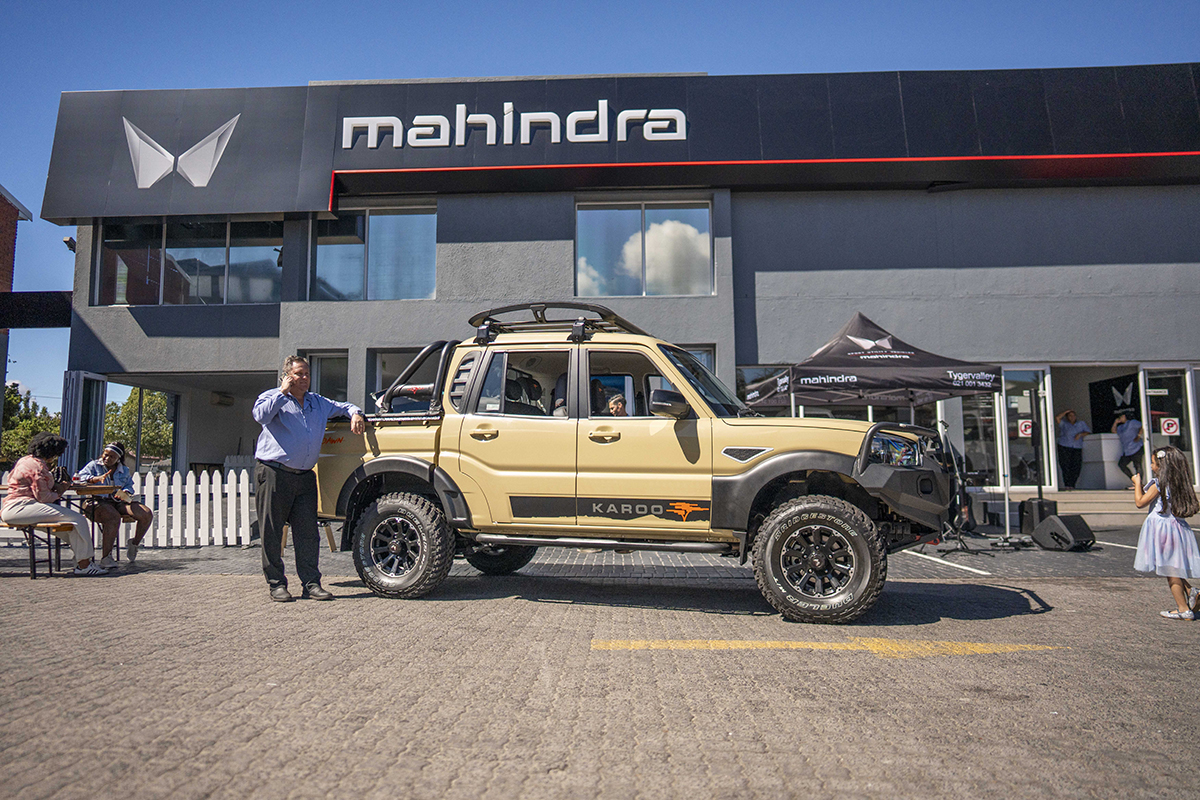
Motus Retail, a leading subsidiary of Motus Holdings Limited, has officially opened its first dedicated Mahindra dealership in the Western Cape, located in Tygervalley. The dealership opened its doors on Monday, 2nd March 2026, marking a significant milestone in Motus Retail’s strategy to expand its presence in high-growth automotive segments.

The launch comes at a pivotal moment in the global automotive landscape, where consumer preferences are shifting rapidly. Value-driven mobility is redefining what customers expect from modern vehicles. While much of the current narrative has centred on the rise of Chinese automotive brands, Mahindra’s steady ascent presents a compelling alternative, one grounded in durability, heritage, and proven performance across global markets.

Image source: Mahindra

“Strategically, this marks our first step in building a meaningful partnership with Mahindra,” says Riaan JV Rensburg, Western Cape Franchise Executive at Motus Retail. “We are aligning our portfolio to reflect where the market is moving, strengthening our OEM relationships and positioning Motus Retail as the partner of choice for high-growth brands.”

He adds that the timing is deliberate: “Mahindra has moved beyond ’emerging’ status and is now a proven, fast-growing brand. With strong product momentum and clear expansion plans over the coming years, this investment aligns directly with rising consumer demand in this segment.”

Image source: Mahindra

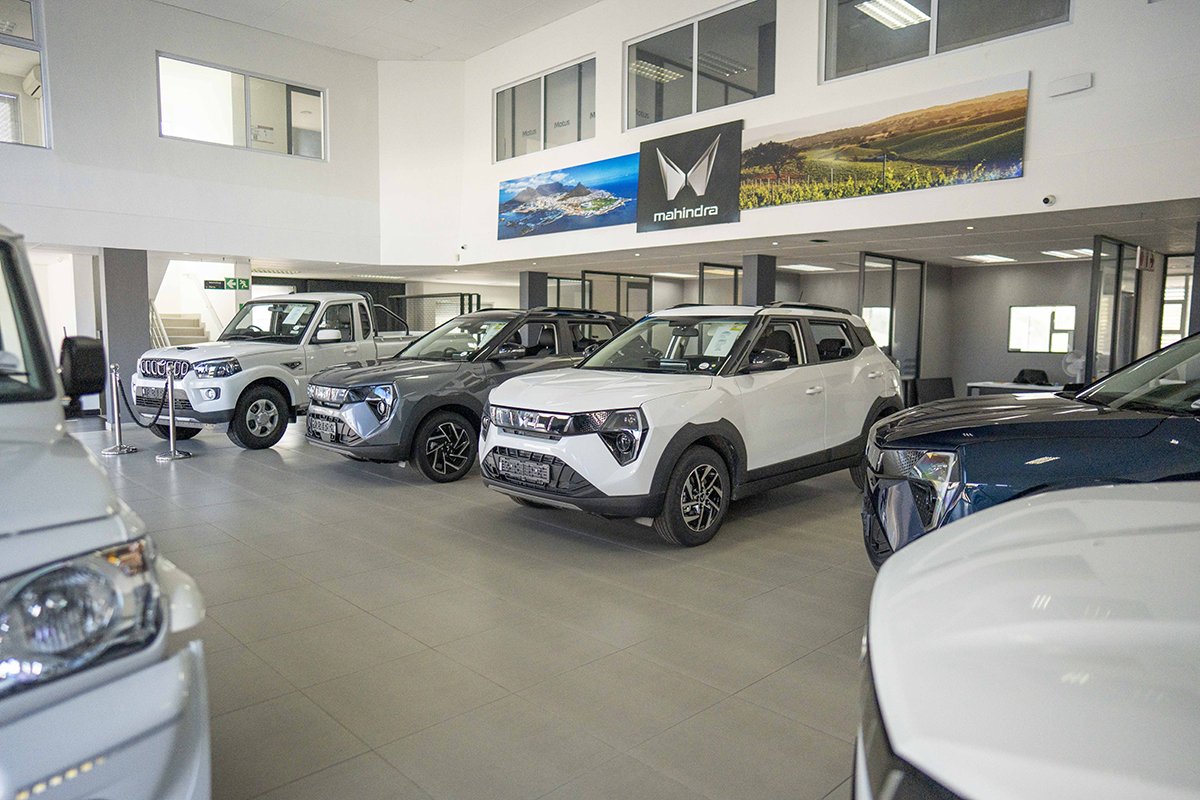
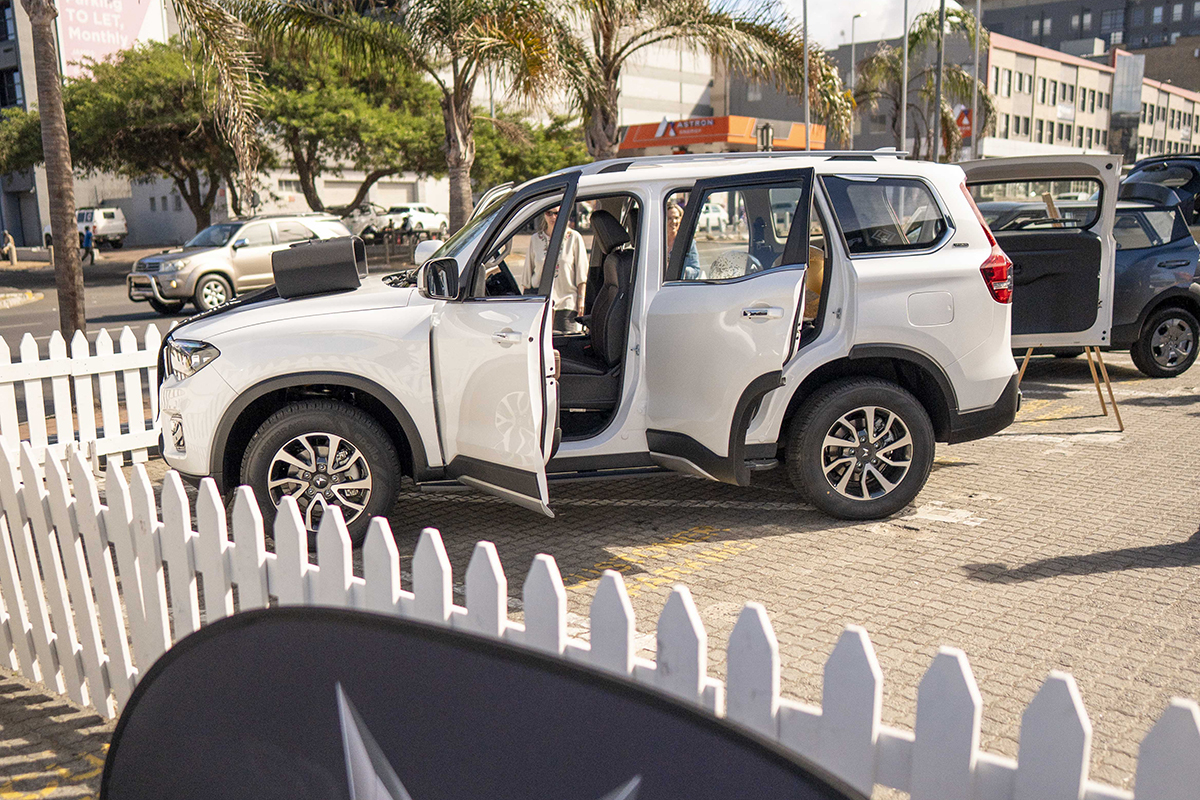
The new Tygervalley dealership has been designed to deliver a full-service, end-to-end customer experience, from sales through to after-sales support, reflecting Motus Retail’s commitment to operational excellence and customer-centricity. The showroom features Mahindra’s latest range of SUVs and bakkies, which continue to gain traction among South African consumers for their robustness, affordability, and growing brand confidence.

“Consumer expectations have fundamentally shifted,” Riaan continues. “Value remains critical, but so does the full ownership experience. Customers today expect high levels of quality, service, and features, regardless of price point. Mahindra is well positioned to meet that demand, offering a balance of affordability and specification.”

Image source: Mahindra

As competition intensifies, particularly with the influx of new entrants, Mahindra is carving out a distinct position in the market.

“New entrants have reset expectations around pricing and features, but Mahindra holds a unique advantage; it is not new, it is already trusted,” says Riaan. “The brand has taken a consistent, long-term approach to improving product quality and value, which allows it to compete strongly while maintaining credibility with customers.”

Image source: Mahindra

The decision to establish the dealership in Tygervalley reflects both market demand and strategic location planning.

“Tygervalley has evolved into a key automotive hub, supported by strong growth in surrounding areas such as Kuilsriver and Brackenfell,” he explains. “Our existing footprint was no longer sufficient to meet demand, making this a natural expansion point for the brand.”

Image source: Mahindra

Motus Retail anticipates that Mahindra will play an increasingly important role in its portfolio over the coming years.

“We see Mahindra becoming a top five-volume contributor within our portfolio,” says Riaan. “It offers strong upside across new vehicle sales, aftersales, and pre-owned, making it a highly complementary and strategic brand for our business.”

The opening underscores Motus Retail’s confidence in the evolving automotive landscape, as well as its commitment to bringing accessible, high-quality mobility solutions to South African consumers.

Image source: Mahindra

Powering The Adventure With OUTDO

Photo credit: Meredith Moreira / ZA Bikers

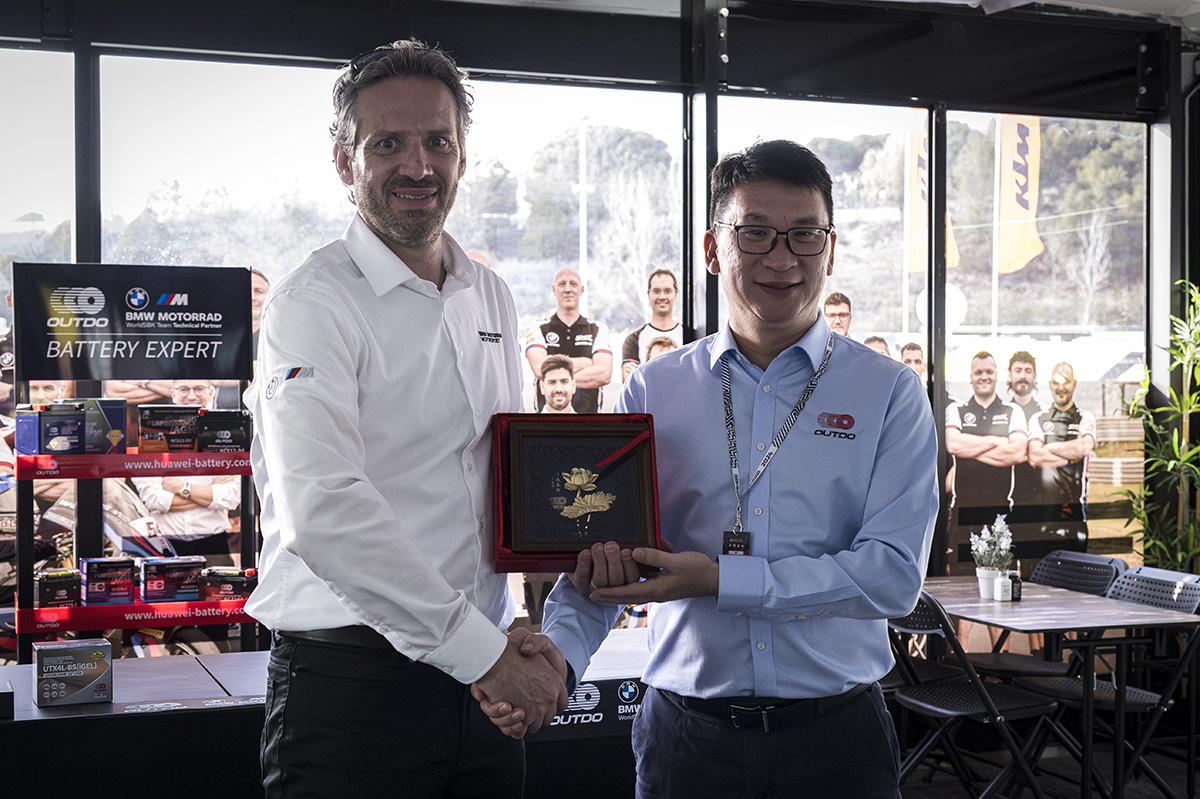
When it comes to motorcycle batteries in South Africa, OUTDO Batteries has steadily built a strong reputation. Imported locally by Forbatt SA, the brand brings with it years of global experience, backed by advanced manufacturing and a clear focus on performance and reliability.

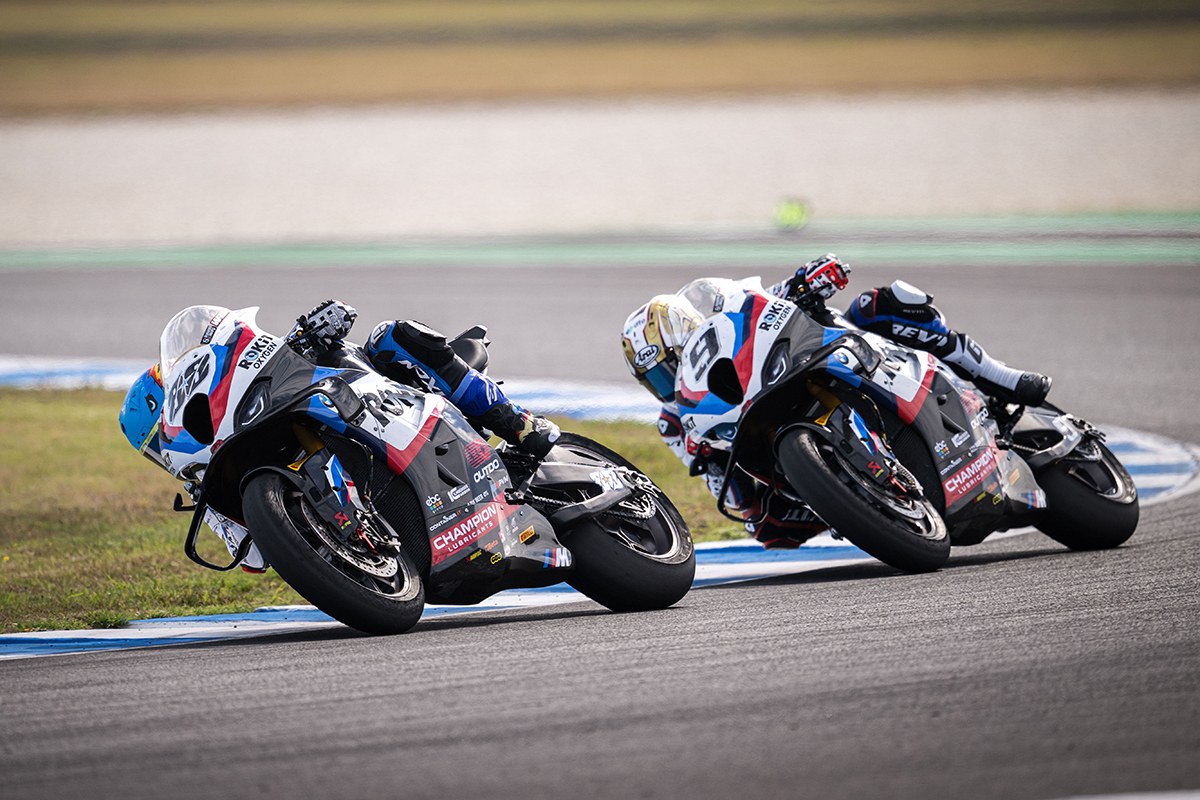
OUTDO isn’t just another battery manufacturer—they’ve proven their worth where it matters most: in motorsport and on the road. Their technology has been tested under extreme racing conditions, including endurance events where reliability is non-negotiable. This real-world testing has helped refine their battery performance, durability, and consistency.

Image source: BMW Motorrad

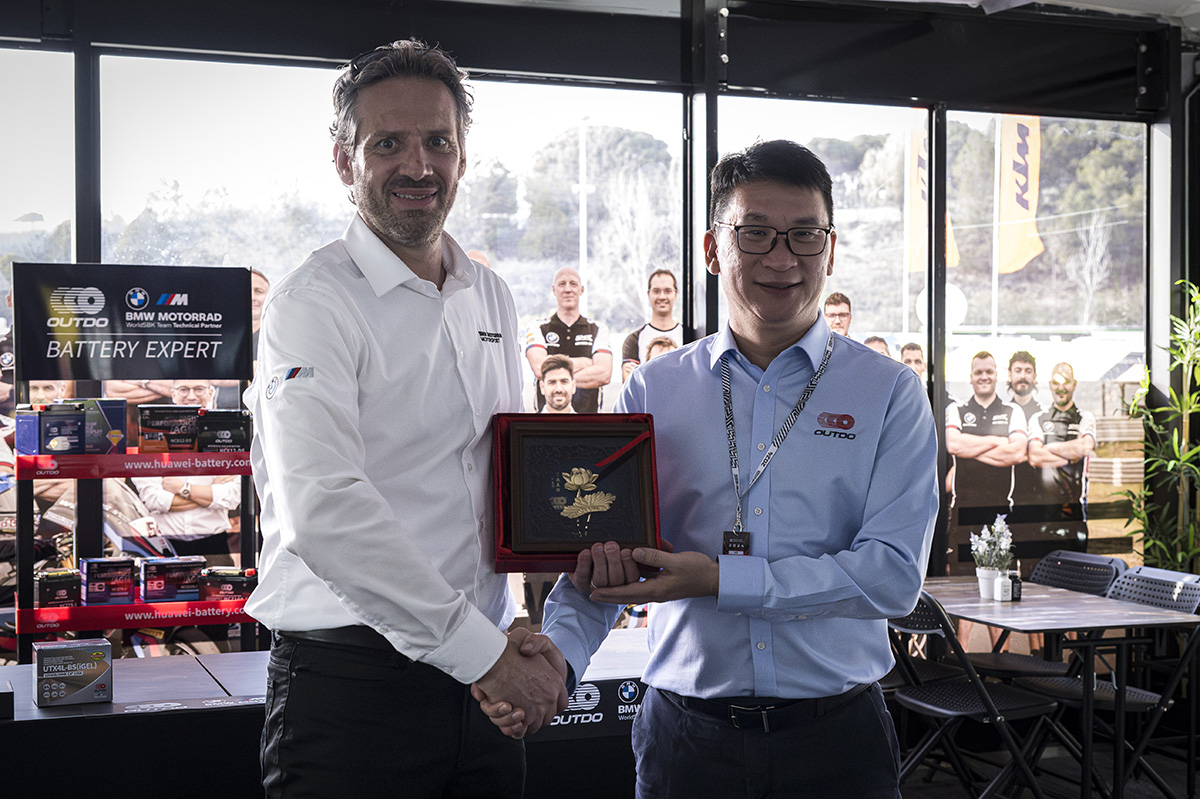
Adding further credibility is their association with BMW Motorrad, a partnership that reflects a high level of trust in the brand’s engineering and quality. When a product performs at that level, it naturally filters down into the everyday rider’s experience—whether on the track or out on the open road.

We all understand that racing—especially endurance racing—is one of the toughest environments to test any product. But what about the adventure rider?

Adventure motorcyclists push their machines in a very different way. Long-distance trips mean heavily loaded bikes, constant strain on suspension, braking systems, and engines—not to mention the rider’s own endurance. Yet one component often overlooked is the battery quietly working under the seat.

Photo credit: Meredith Moreira / ZA Bikers

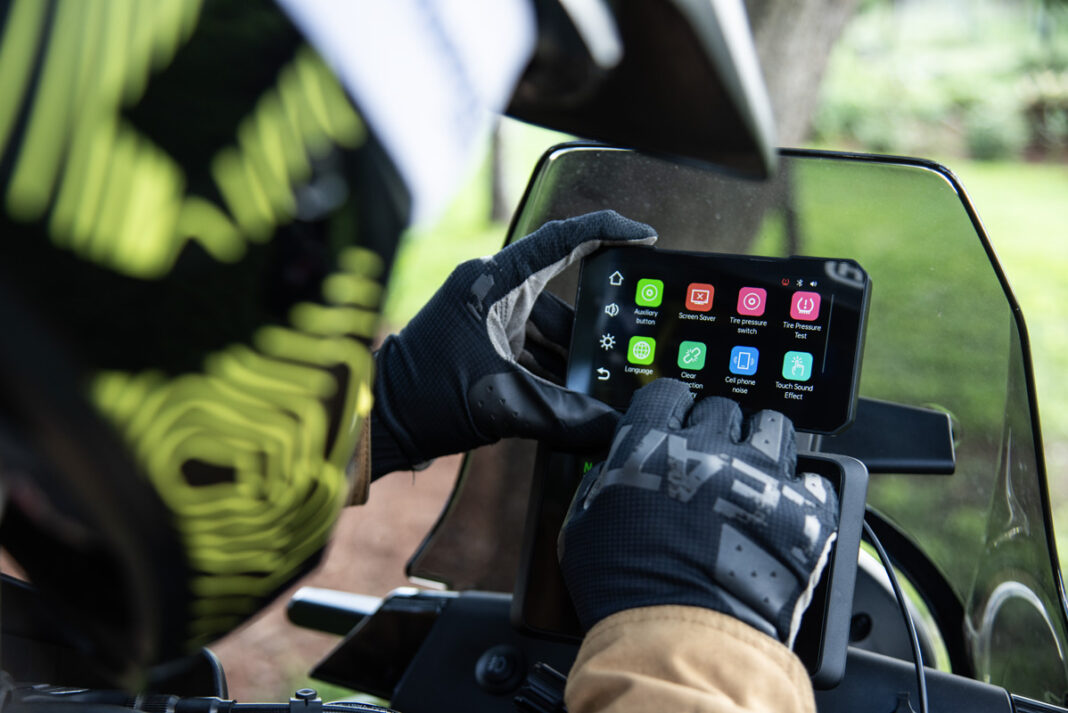
Modern adventure bikes rely on more electronics than ever before, and they get used in more remote places than usual. GPS units, auxiliary lighting, charging ports for phones and power banks—these all draw power. And like anything mechanical or electrical, there’s always a limit. In the case of a battery, that limit shows up as a voltage drop or overload.

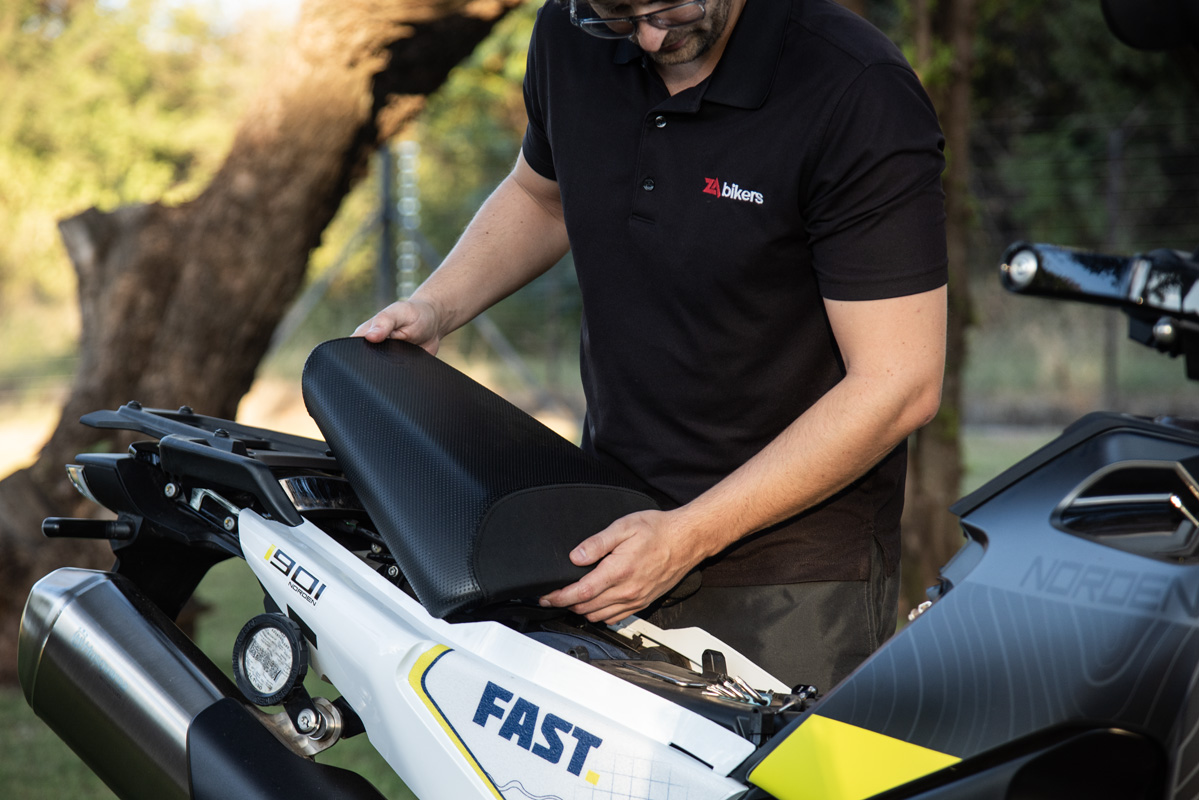
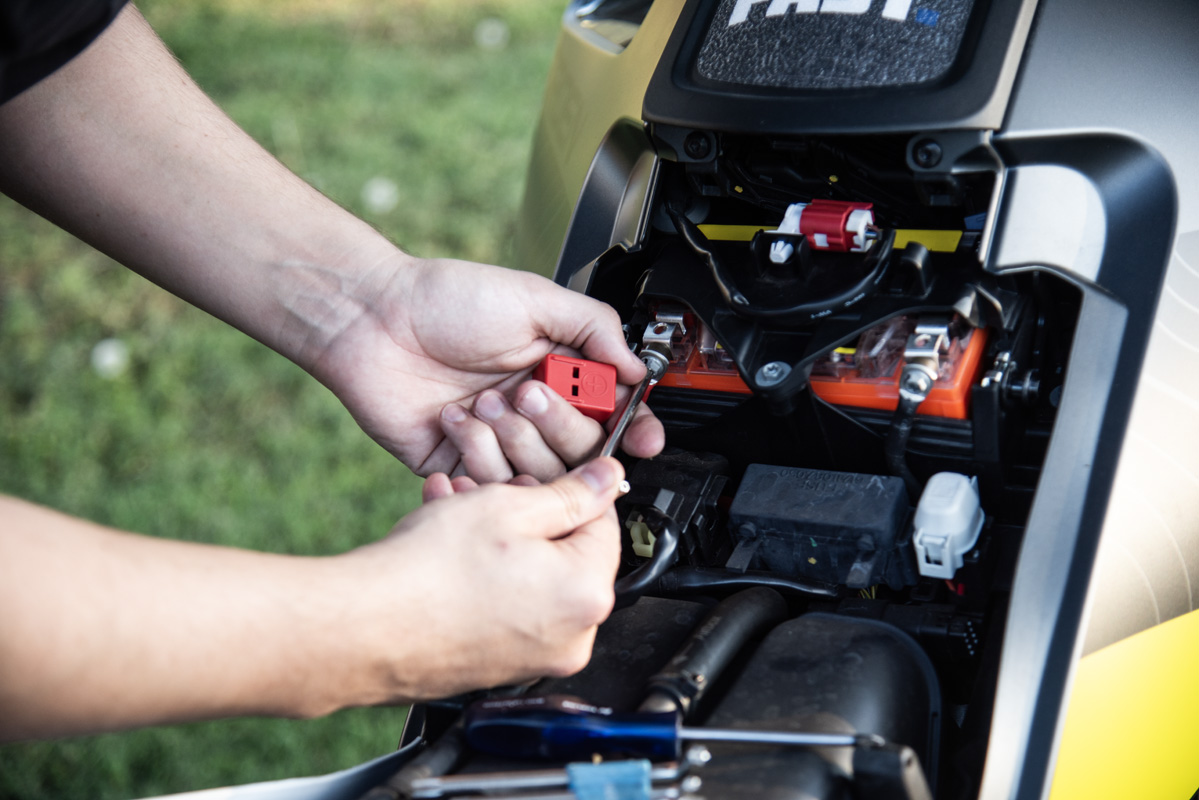
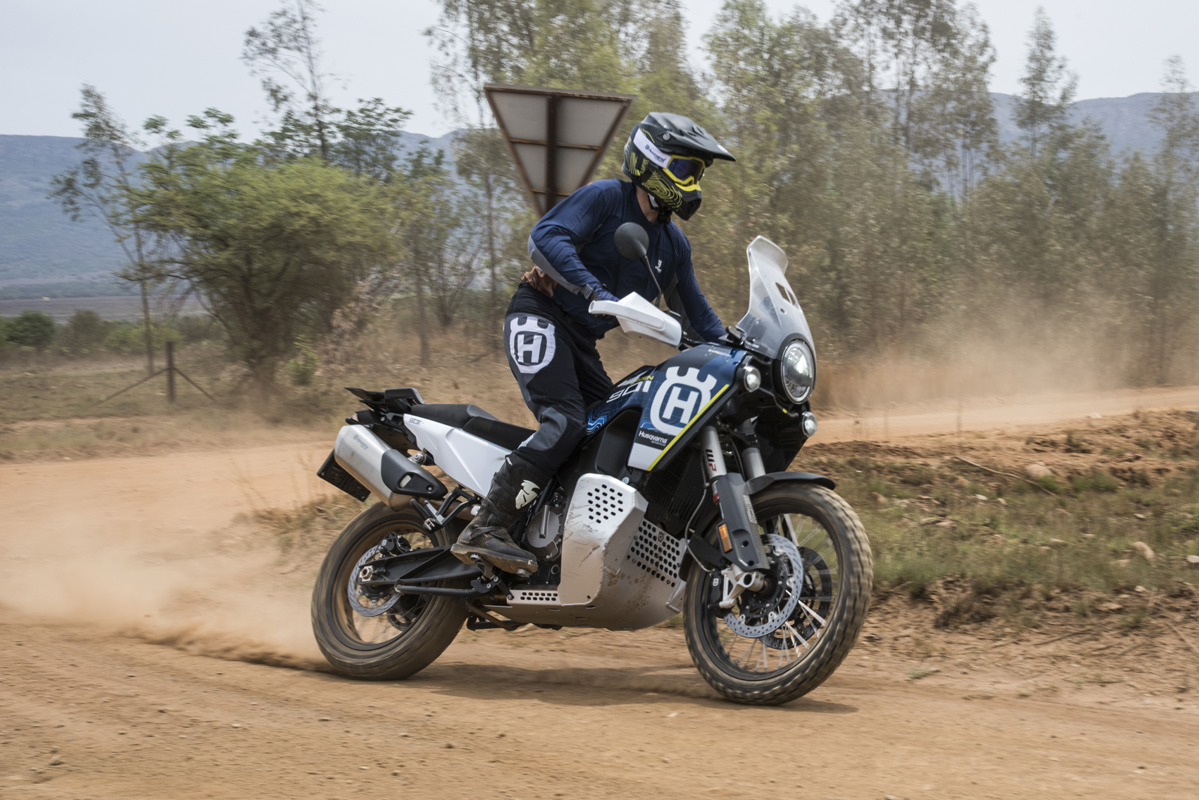
With plans to take on more serious adventure riding this year, I recently added a Husqvarna Norden 901 to the garage. As expected, it’s already running an aftermarket GPS and integrated spotlights, with more accessories planned—additional lighting, device charging, and other essentials for extended trips.

Photo credit: Meredith Moreira / ZA Bikers

That got me thinking: Is the standard battery really enough?

The goal was simple—find a battery that fits the OEM space but offers increased capacity (Ah). Look at it this way, a higher Ah battery is similar to having a slightly larger fuel tank—the bike will start the same, but you can run the lights or accessories with the engine off for a bit longer.

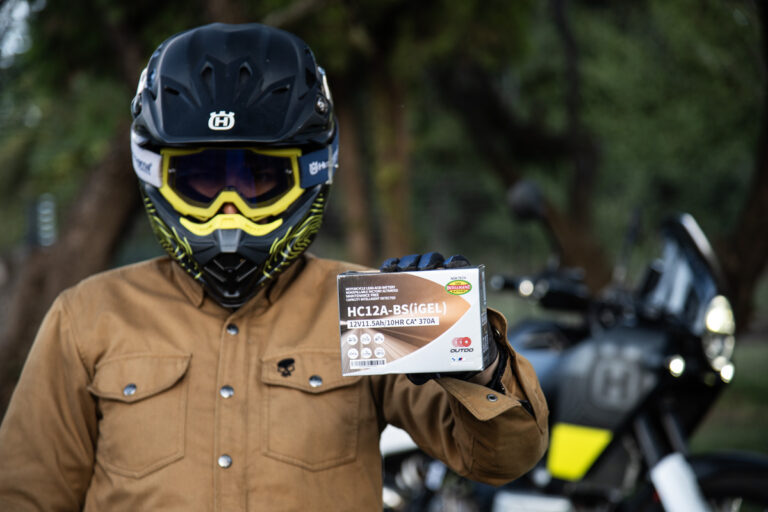
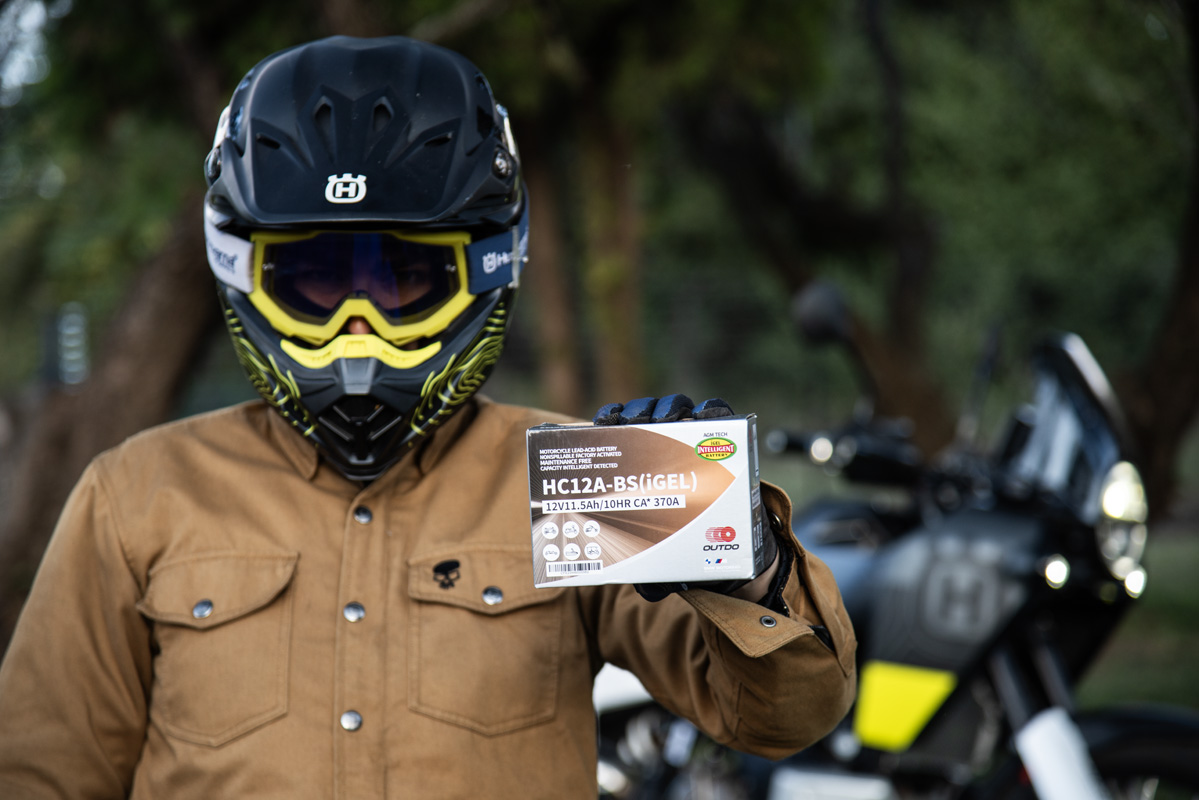
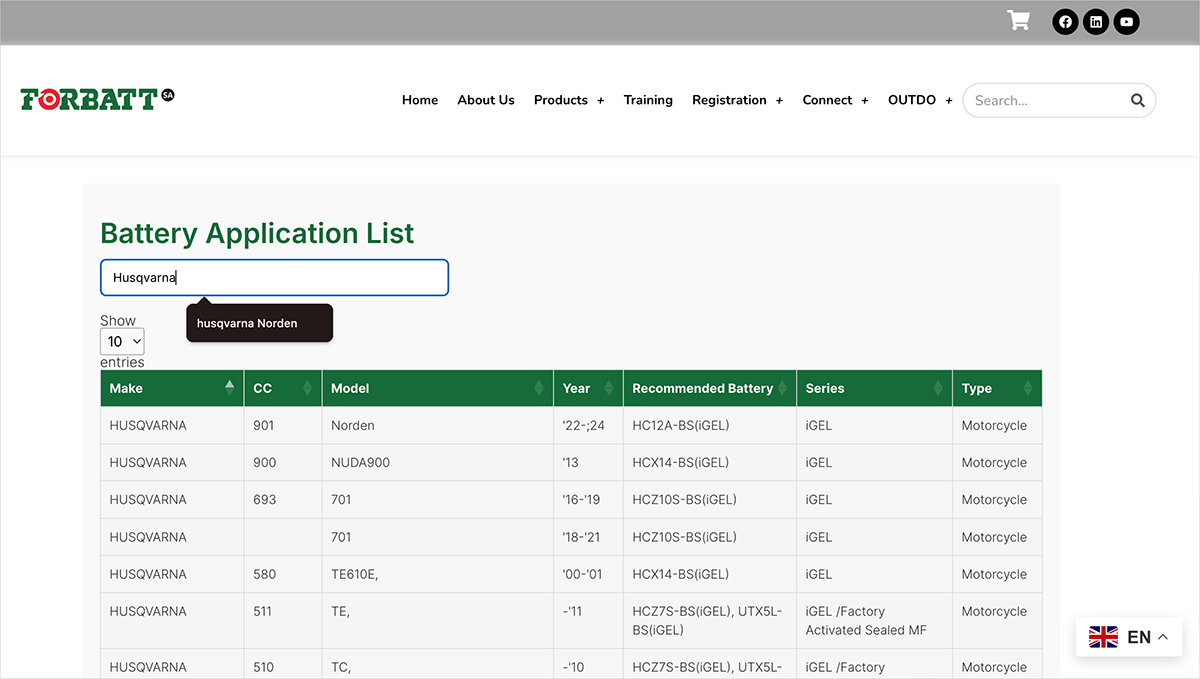
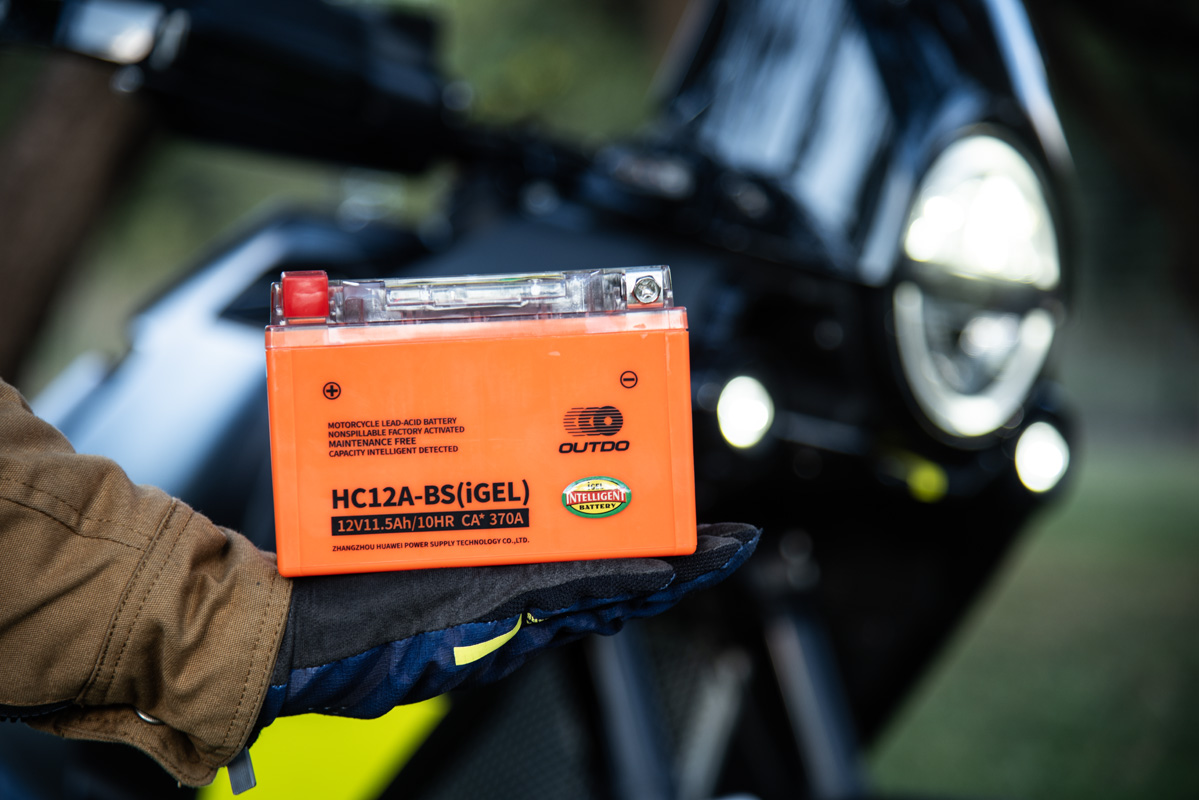
Fortunately, Forbatt SA makes this process easy. Their website includes a comprehensive battery search tool where you simply enter your motorcycle’s make and model. With over 2,400 battery options available, it’s clear they’ve invested heavily in covering the South African market. For the Norden 901, the recommended option was the HC12A-BS (iGEL)—a direct-fit upgrade.

Image source: Forbatt SA

Now, choosing between AGM, Gel, or Lithium batteries isn’t about which is “best”—it’s about application. Each has its strengths depending on how and where you ride. For adventure riding, conditions are unpredictable: rough terrain, constant vibration, and temperature extremes. That’s where Gel batteries stand out. They’re known for their durability and resistance to vibration, making them a solid match for this kind of riding.
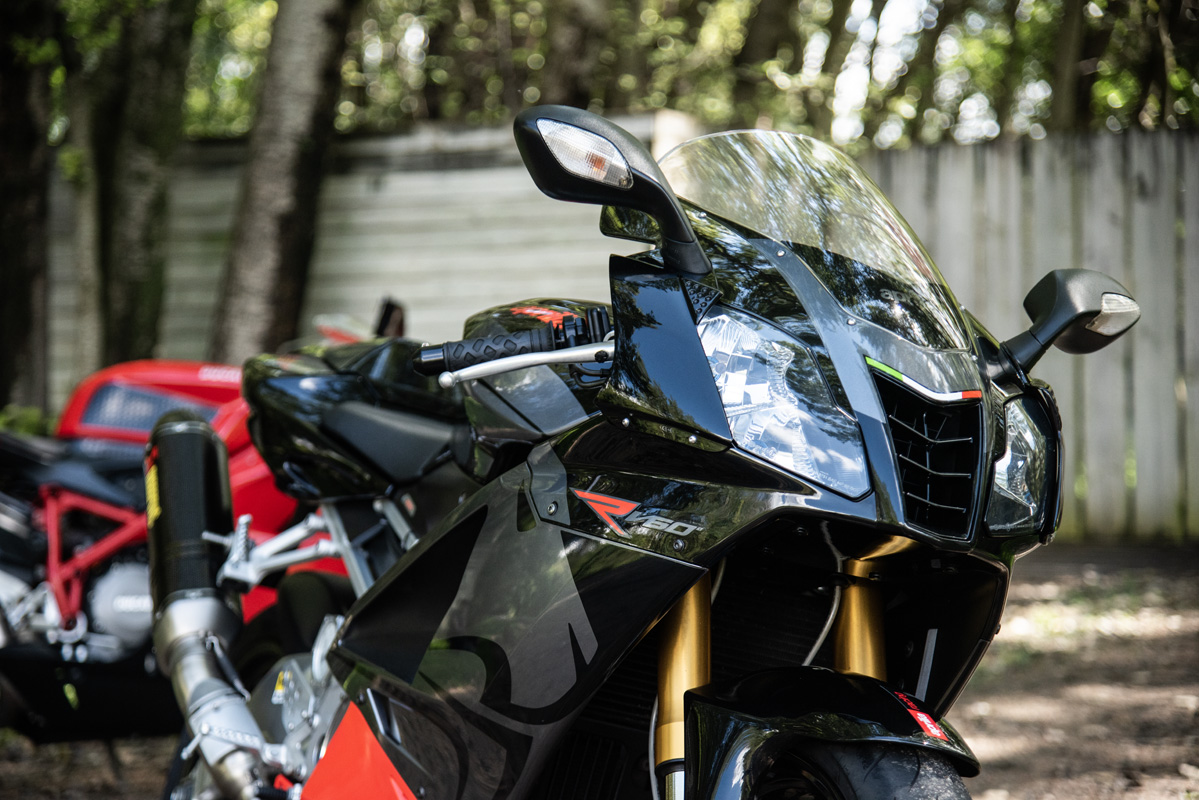
On the other hand, my road bikes tell a different story. Take my Aprilia RS 250, for example—it runs a lithium battery that’s incredibly lightweight, perfect for performance-focused riding where every kilogram counts. But that setup isn’t necessarily suited to the harsher demands of adventure riding.

Photo credit: Meredith Moreira / ZA Bikers

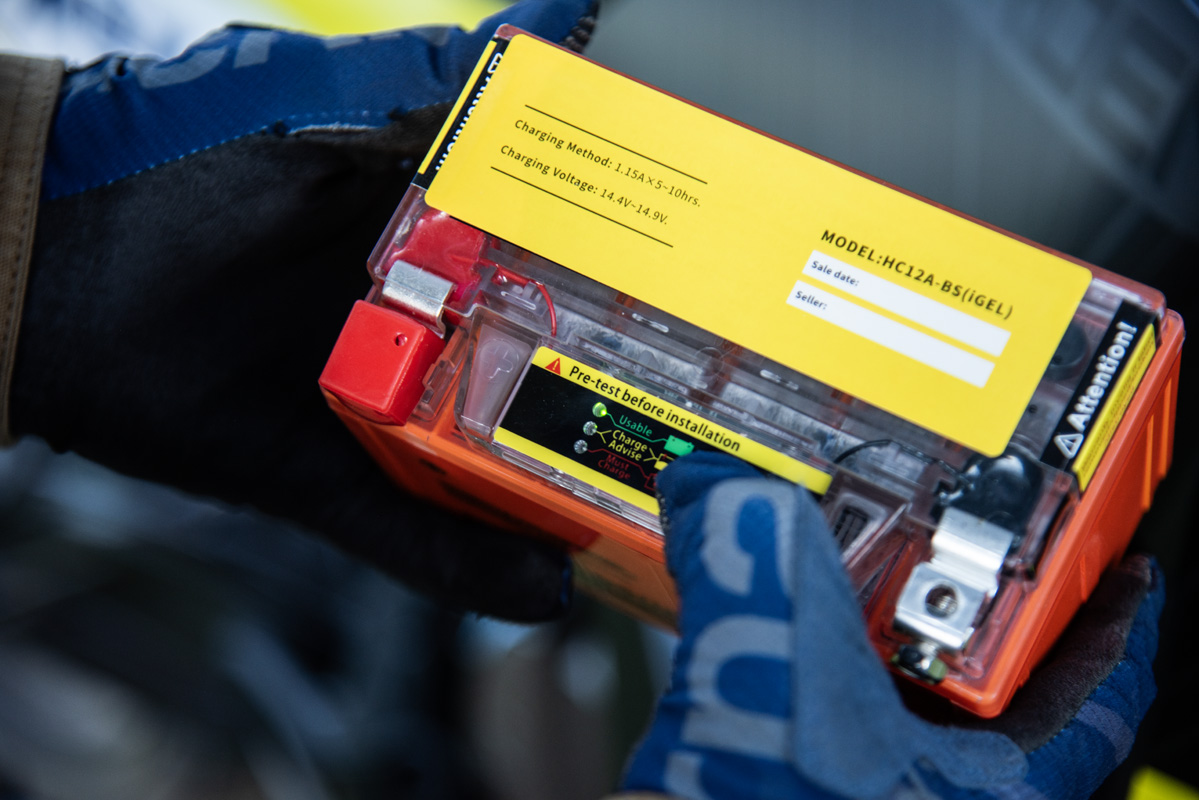
Out of the box, the OUTDO iGEL battery presents well, with its distinctive orange casing—a nice visual match for the KTM DNA beneath the Norden’s design. One standout feature is the built-in battery tester. It’s a simple but incredibly useful addition, allowing you to check the battery’s charge state without needing a multimeter or charger. For bikes that sit between trips, this is especially practical.

On the scale, the battery weighs in at around 3.7 kg (300 grams lighter than my current battery), which is standard for its class. OUTDO also claims impressive temperature resilience, with operating capabilities ranging from extreme cold (-30°C to -50°C) up to high heat (65°C and above)—ideal for the varied conditions riders can face.

Photo credit: Meredith Moreira / ZA Bikers

To round things off, Forbatt SA backs the product with a 1-year warranty, adding peace of mind for riders investing in reliability. At the end of the day, a battery might seem like a simple component—but for riders, especially those pushing boundaries in remote areas in Africa, it’s a critical piece of the puzzle.

Photo credit: Simon Morton / ZA Bikers

We, motorcyclists and adventurers, want products that have been tested properly, not just in theory but in the real world. Knowing that OUTDO batteries have been pushed to the limit in motorsport and trusted by brands like BMW Motorrad adds a level of confidence that’s hard to ignore.

Photo credit: Meredith Moreira / ZA Bikers

So, if you’re looking for a battery that’s built on proven performance and designed to handle the demands of real-world riding, it might be time to take a closer look at OUTDO.

Why We Ride – Riding With A Purpose

Photo credit: Dave Cilliers / ZA Bikers

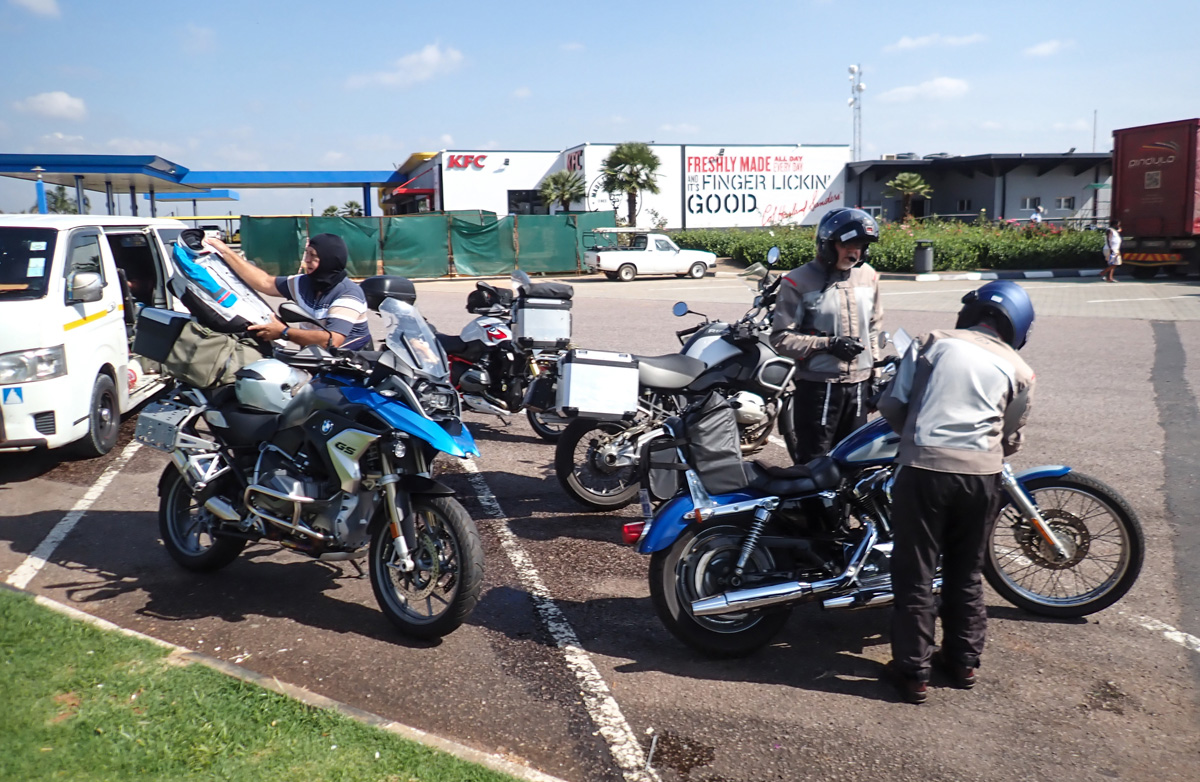
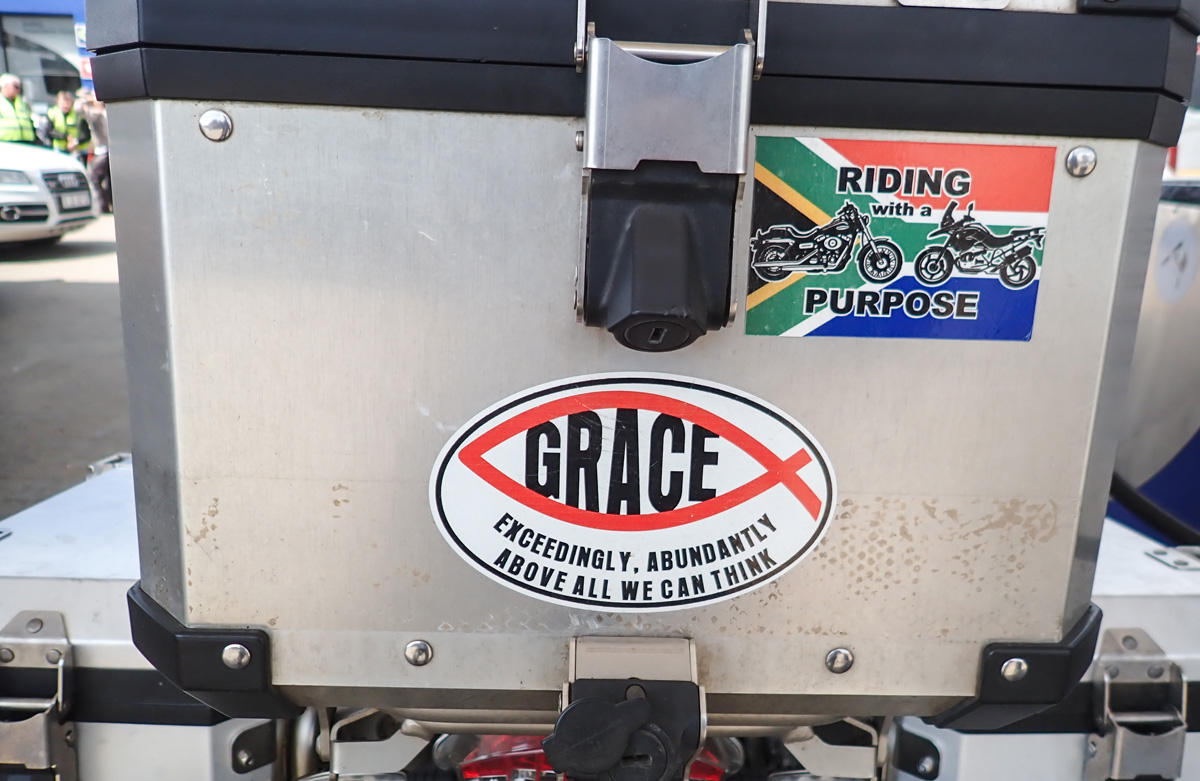
I met Chris and Hanli at church, where we park our bikes in the allocated motorcycle parking. We got chatting after a Sunday morning service, as bikers typically do. Chris had the top box on his BMW R 1200 GS Adventure open and was pouring coffee from a flask for the two of them, giving the post-service traffic a chance to abate. Chris’s BM is a well-used air-cooled model, and Hanli rides a Harley-Davidson 1200 Sportster on which she has done just over 100,000 km. It was obvious, given the significant km, that both bikes do a lot of open roads. Chatting some more, they shared that they had felt led to use their bikes as part of a ministry they started. “Come along on our next outreach, Dave, and see what it’s all about,” said Chris, and we left it at that before going our separate ways.

Photo credit: Dave Cilliers / ZA Bikers

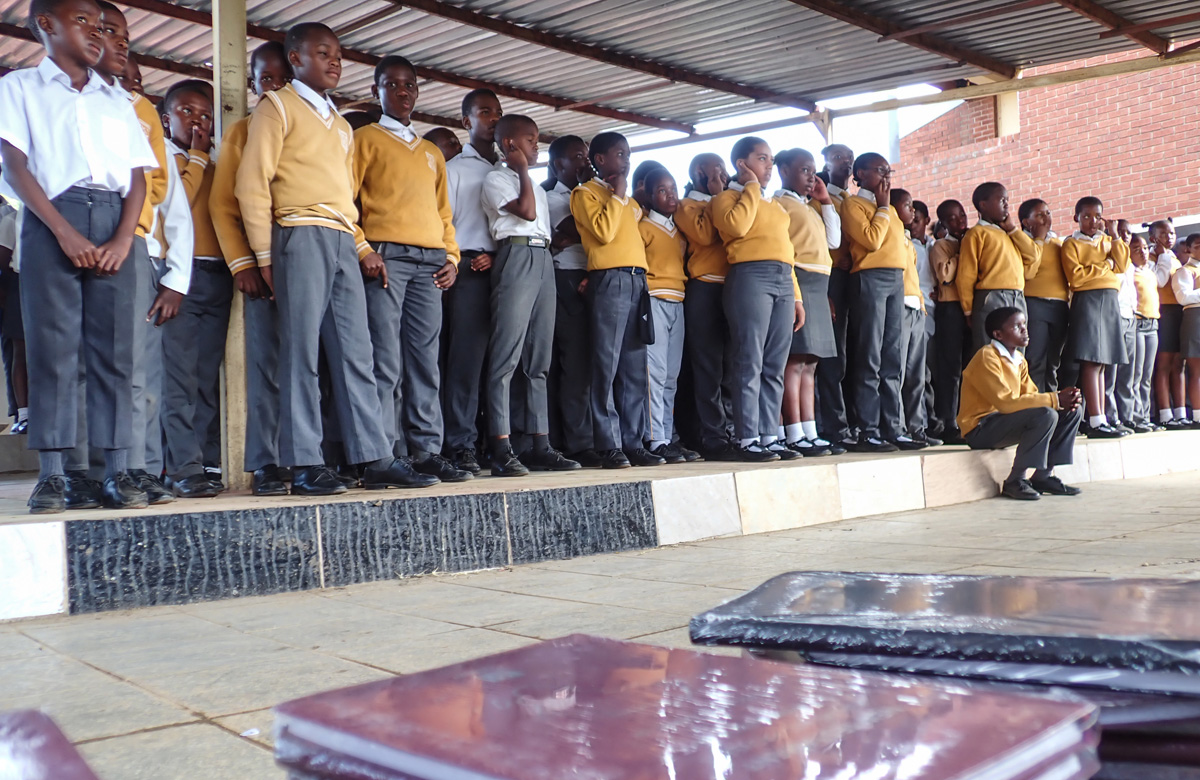
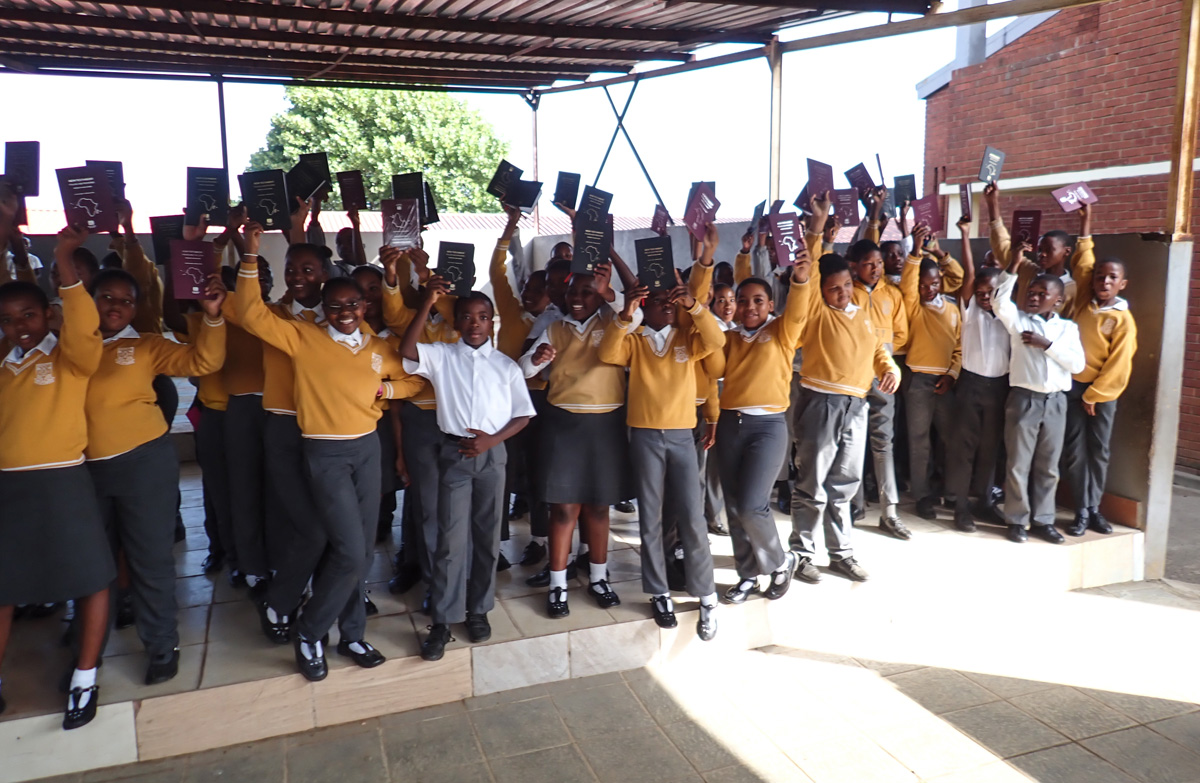
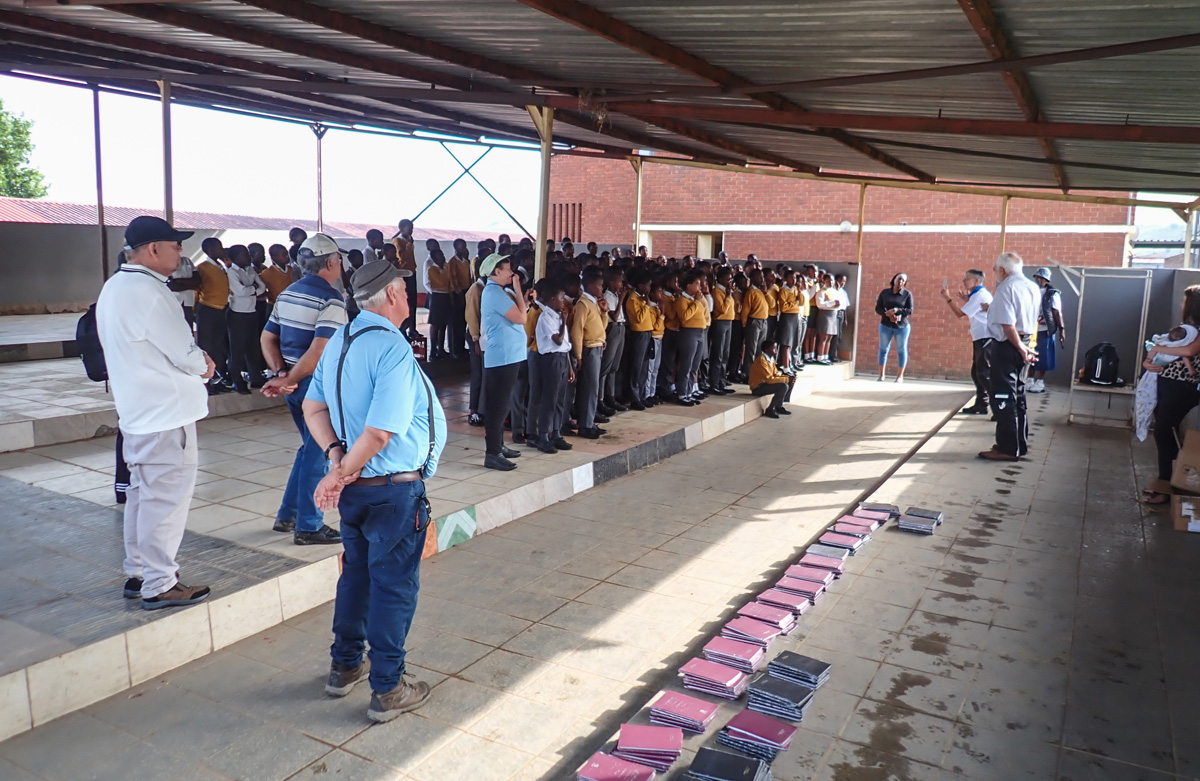
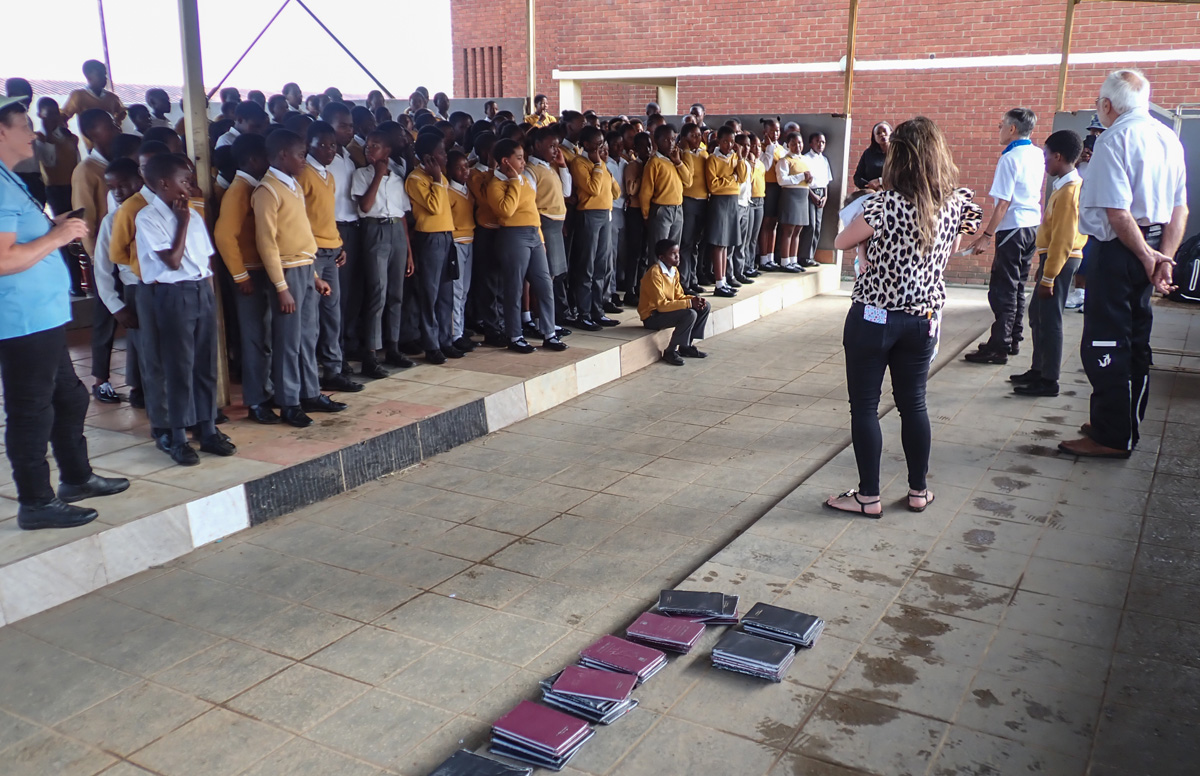
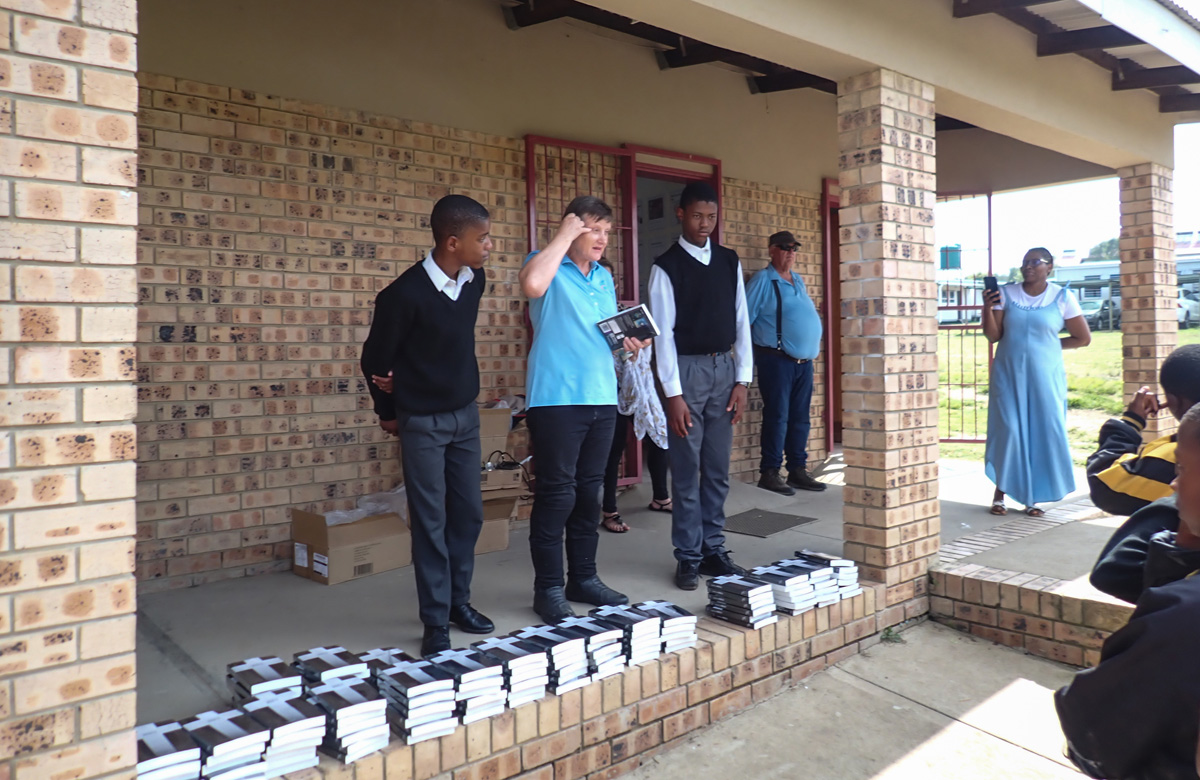
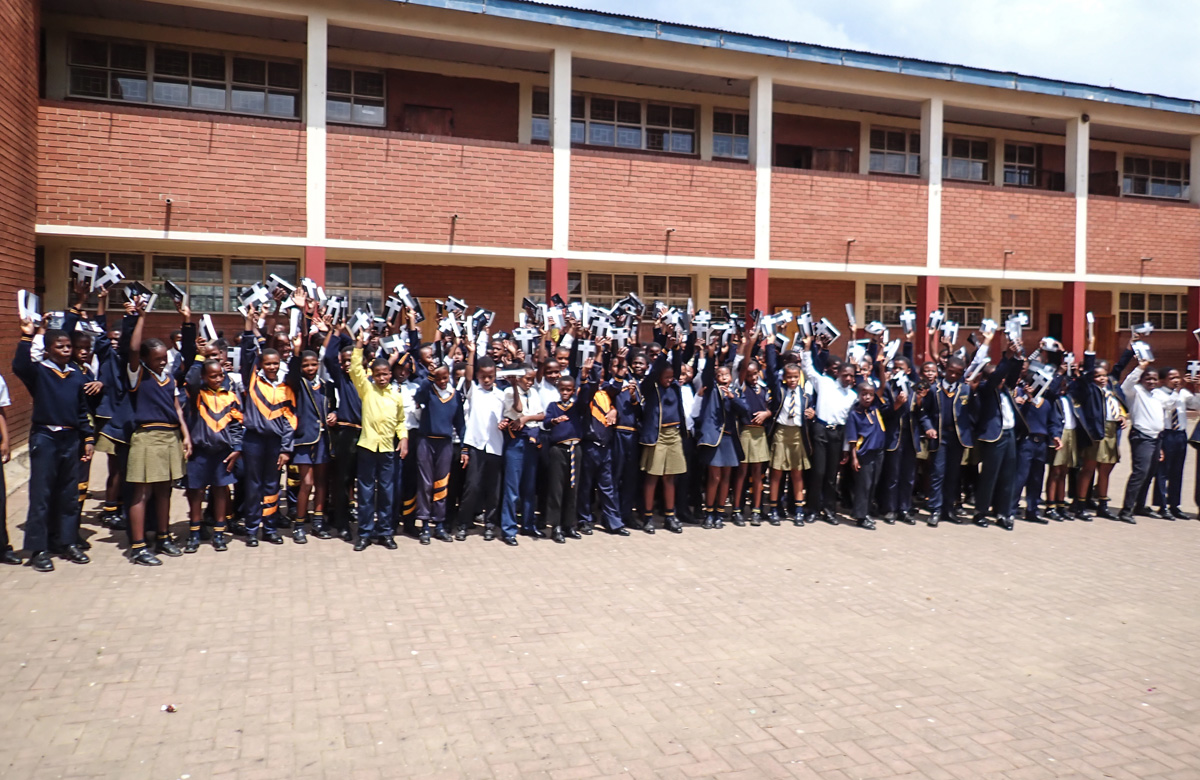
Fast forward a few months, and I indeed cracked an invite. We would meet up on a Thursday morning and ride to Wakkerstroom in Mpumalanga. We were booked into a very pleasant spot called Forellenhof, which we would use as a base for our activities: visiting three primary schools to distribute Bibles to the Grade 7 pupils.

The Bible says in Proverbs 22:6, “Train up a child in the way he should go; and when he is old, he will not depart from it.” It’s a powerful sentiment, and as we prepared for the trip, I couldn’t help but think about how much a steady hand and a sense of direction can mean to a young person navigating today’s often confusing world.

Photo credit: Dave Cilliers / ZA Bikers

So it was, on a pleasant Thursday morning, that we met up at the Rosehaven on the N4. I met up with Ewald, who had ridden through from near Bela Bela on a pristine BMW R 1250 GS, and Phil, who was in his SUV carrying a load of Bibles. Some had already been shipped to a church in Wakkerstroom, where we would collect them as required. I was riding my BMW R 1200 R LC. Hanli set the pace on her trusty Sporty, cruising at a healthy 120 “plus VAT.” We cruised past Middelburg and took the N11 turn-off to Ermelo and Volksrust. The first 24 odd k’s were a trifle dodgy, but then the road surface became splendid and made for brilliant riding.

Photo credit: Dave Cilliers / ZA Bikers

The bikes ran in a tight phalanx of rolling thunder, with the Sporty impressing me no end. Having owned a 1200 Sporty Custom myself, I enjoyed that torquey V-Twin a lot. The Harley plays nicely with the BMs; rolling up behind slower traffic, you just roll on the throttle in top gear and that solid wave of mid-range torque punts you past effortlessly. In no time at all, we stopped in Ermelo at a quaint antique shop and café called Hoeka Toeka for a brekkie.

Photo credit: Dave Cilliers / ZA Bikers

Back on the bikes, we dispatched the last 100-odd k’s and rolled into the rustic little village of Wakkerstroom. I found myself wondering why I had only been there once before when returning from Pongola via the ‘scenic route’ through Wakkerstroom. Like Dullstroom and Clarens, it comes alive over weekends when jaded city dwellers pull in, desperately trying to recharge before the Sunday afternoon rush back to the big smoke. Wakkerstroom is also a popular birding destination, endowed with vleis that attract various wetland dwellers.

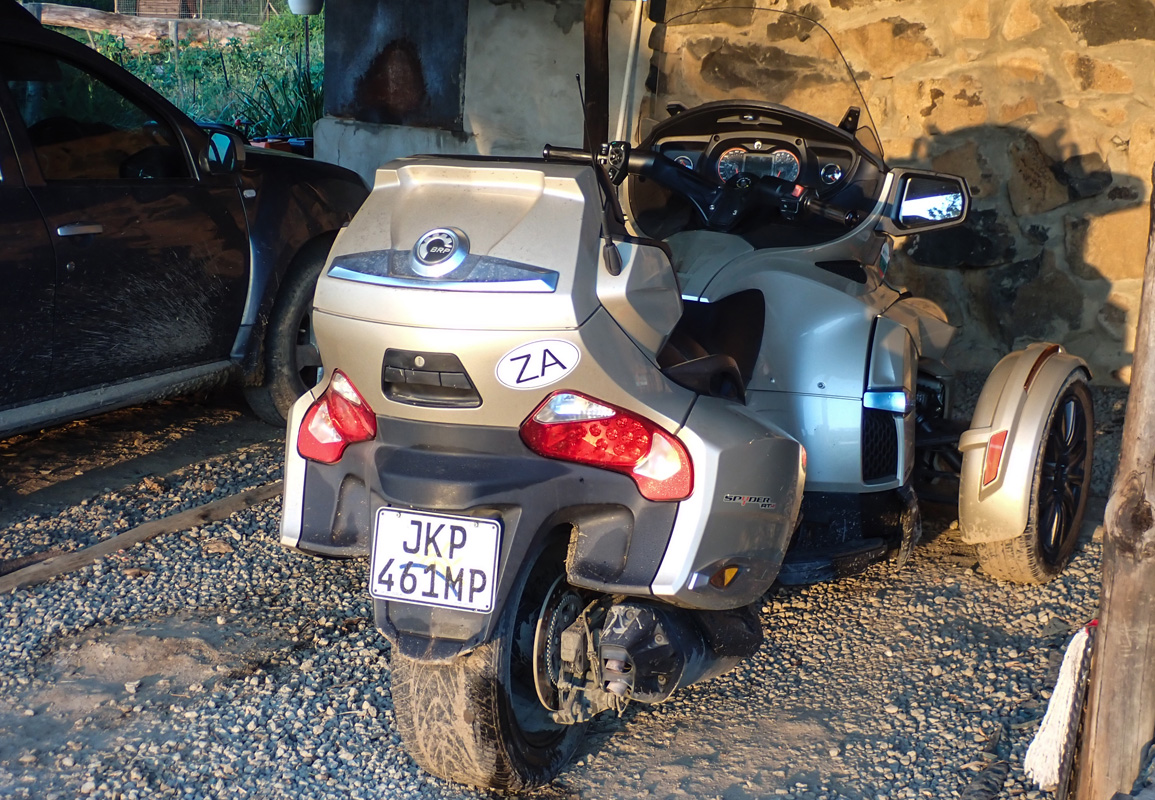
Photo credit: Dave Cilliers / ZA BikersForellenhof, where we were staying, is about 6 k’s out of town on a rain-eroded dirt road. Ideal for an Adventure bike, but not so much my R. Taking it easy, it was no problem despite some skating around on some particularly muddy patches. We got settled in and also met up with a couple from Nelspruit, Johan and Magda, who had ridden down on their very impressive Can Am Spyder three-wheeler, endowed with a 1330 cc Rotax motor. What a beast!

Photo credit: Dave Cilliers / ZA Bikers

We popped into Town for dinner at Thyme Out, an excellent local eatery where we got to know each other a bit better. Turns out a common faith and motorcycles make for good conversation. We had hitched a ride to town with Phillip in his Kia Sorento so as not to take on the mud in the dark, whilst Hanli hopped on the back of Chris’s Adventure. Watered and fed, we went back to our digs and bed, given that we had an early start the next day.

Photo credit: Dave Cilliers / ZA Bikers

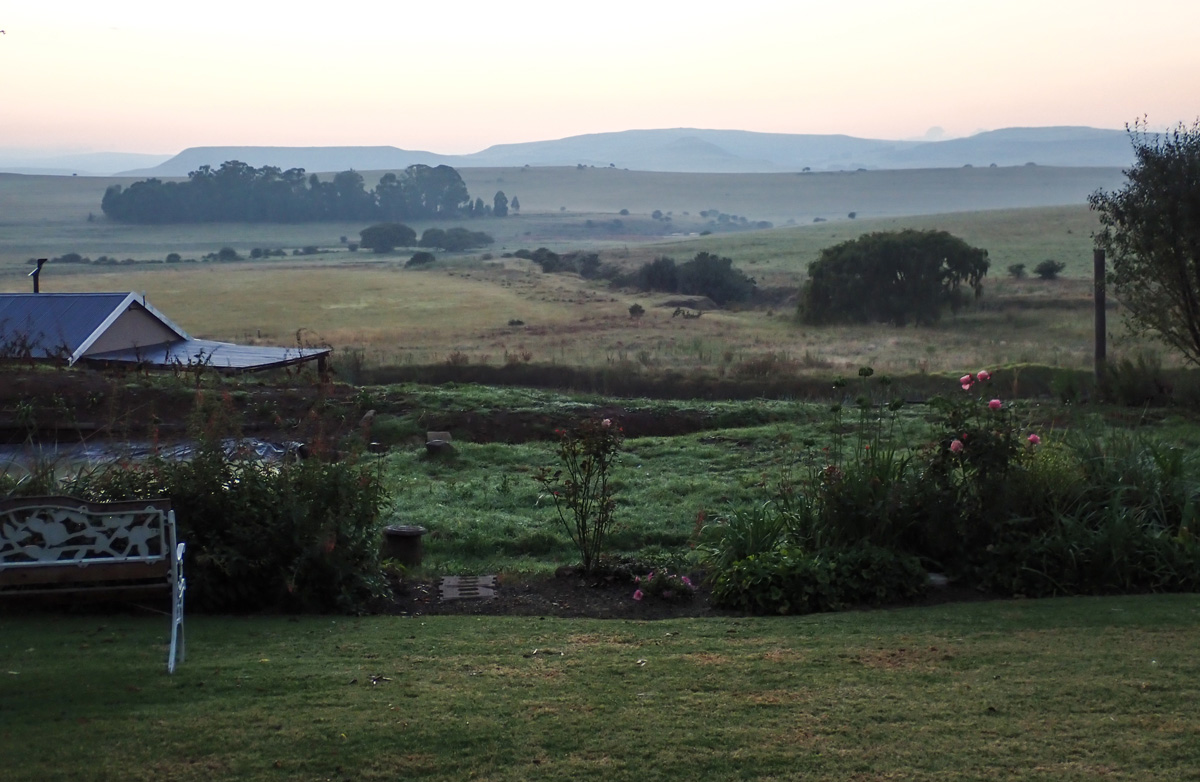
Up bright and early, I sipped on a coffee and watched the sun rise over spectacular countryside. I grabbed my camera, but as is so often the case, I ended up disappointed with the results. God does things on a grand scale that sometimes cannot be adequately captured through a camera lens. A quick breakfast, and we got on our way to town, where we collected more Bibles and then made our way to a school just outside town.

Photo credit: Dave Cilliers / ZA Bikers

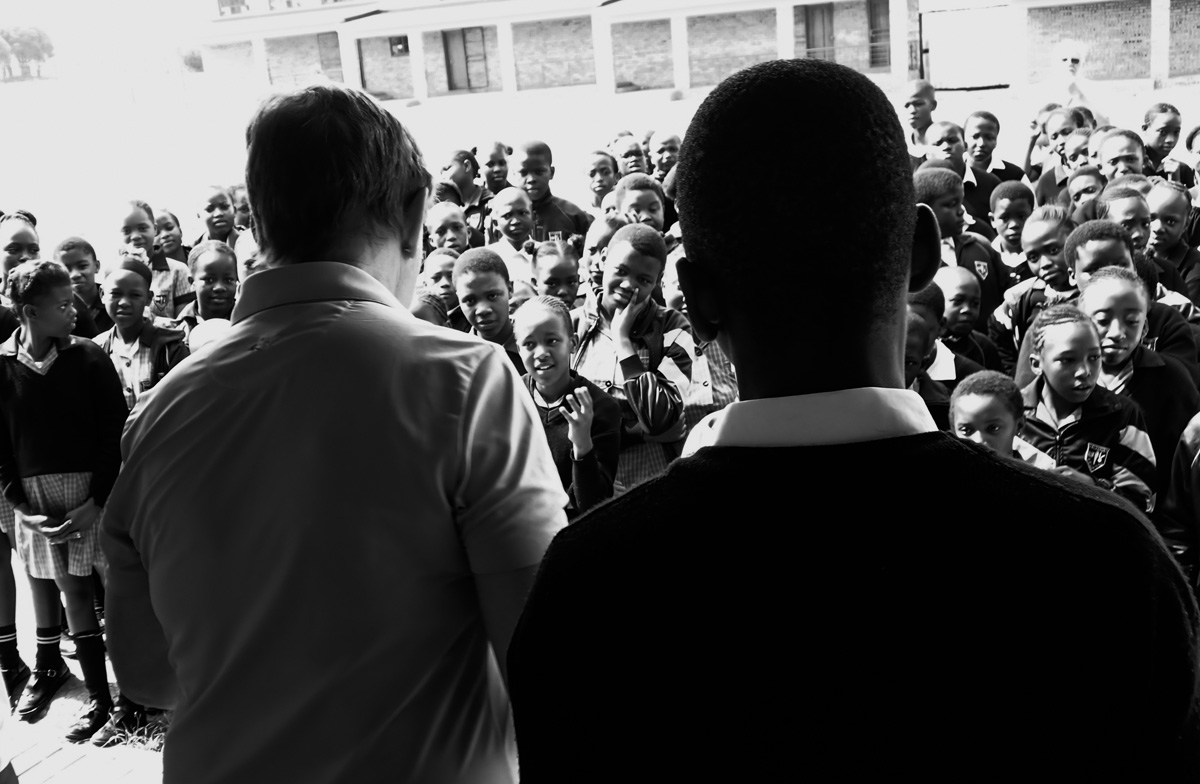
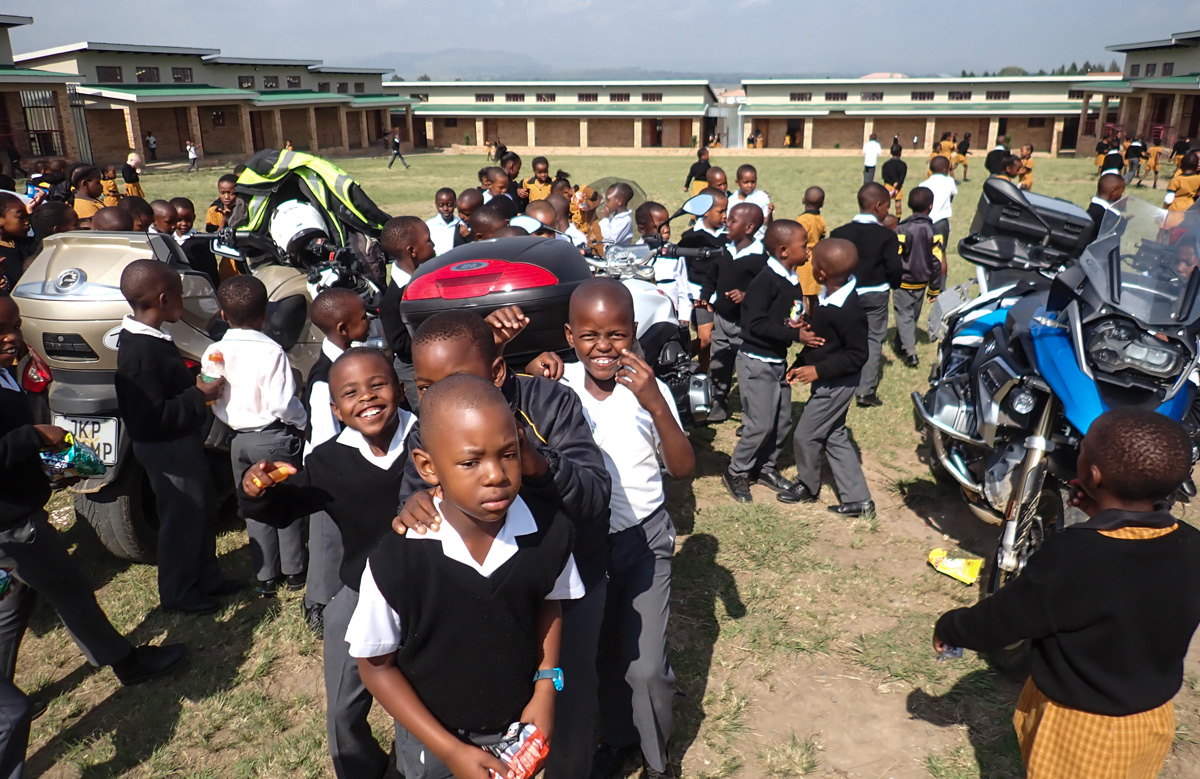
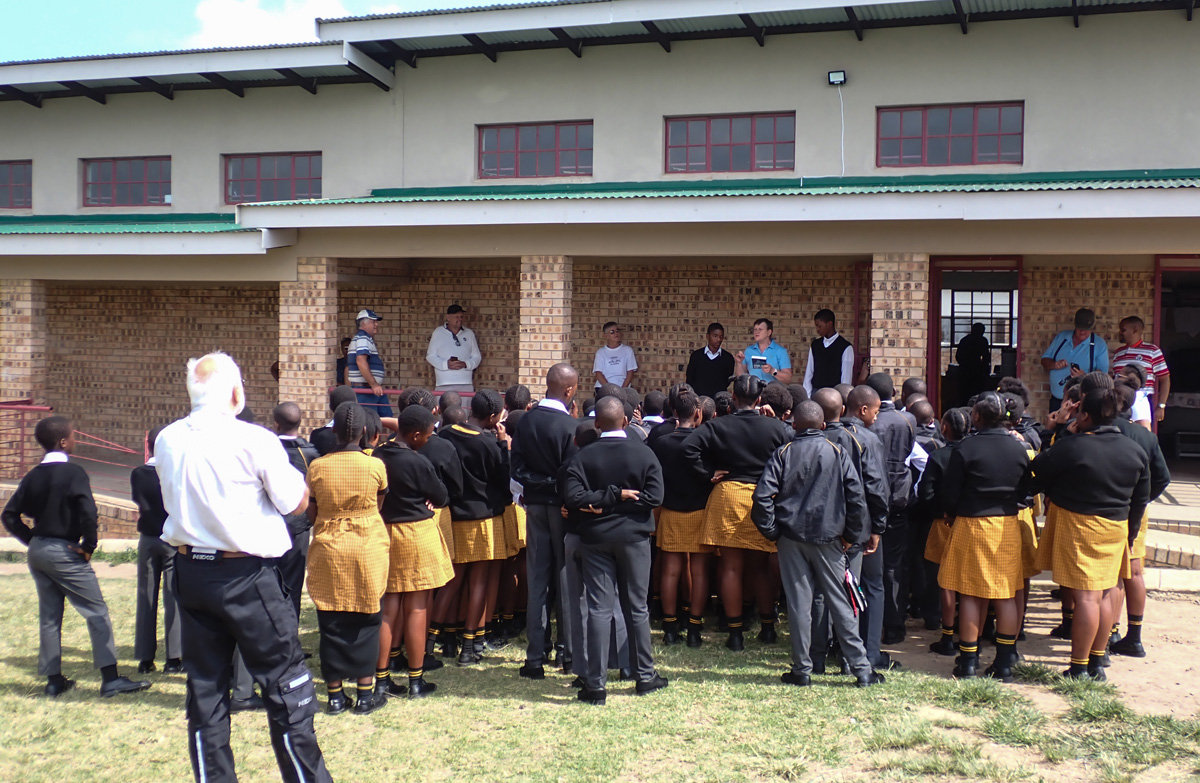
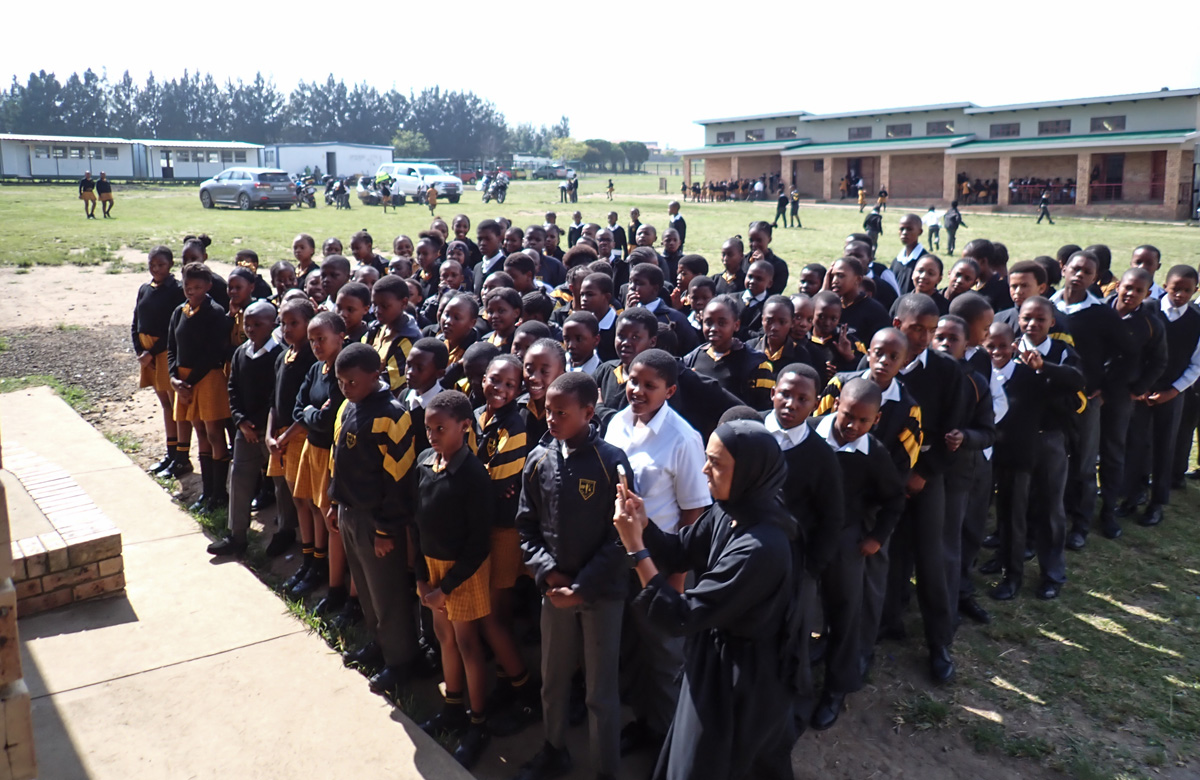
What ensued was an amazing and rewarding day. The learners soaked up the message of hope that we brought. Arriving by bike is an instant icebreaker; kids flock in their droves to see the machines, the excitement bringing a sparkle to their eyes. The Grade 7s listened intently as we shared our mission. At a cost of around R100, a Bible is simply not able to make it onto the priority list for a family eking out a hand-to-mouth existence. Chris and Hanli dig very deep to fund these themselves, and I stand in awe of people like this—people with such deep conviction that they will make personal sacrifices to live a life of purpose.

Deeply humbled and profoundly touched by the experience, I had much to ponder on as we rode back to Wakkerstroom for lunch, our mission completed. That evening, we braaied on the stoep of the guest house with rainstorms swirling all around us, then it was off to bed, given that we all needed to get an early start for home the next morning.

Photo credit: Dave Cilliers / ZA Bikers

We rode out of Wakkerstroom the next morning with low cloud and cool air that had the bikes running ever so sweetly. Chris and Hanli were going down to Ballito for some R+R, whilst Johan and Magda returned to Mbombela. Ewald and I “jumped on the mainjet” and squirted the two boxers back to Pretoria, revelling in a day that held the promise of rain. Ewald lives near Bela Bela, so we waved our goodbyes near Bronkhorstspruit, where I peeled off to ride backroads to Pretoria East.

I rode home reflecting on a brilliant couple of days riding, made so much richer by the purpose of the ride. A huge shoutout to those who gave of their time and resources to serve those less fortunate than themselves. I salute you!

ABSA Cape Epic – Perspective from the saddle by Samantha Sanders

Photo credit: Michael Chiaretta / Cape Epic

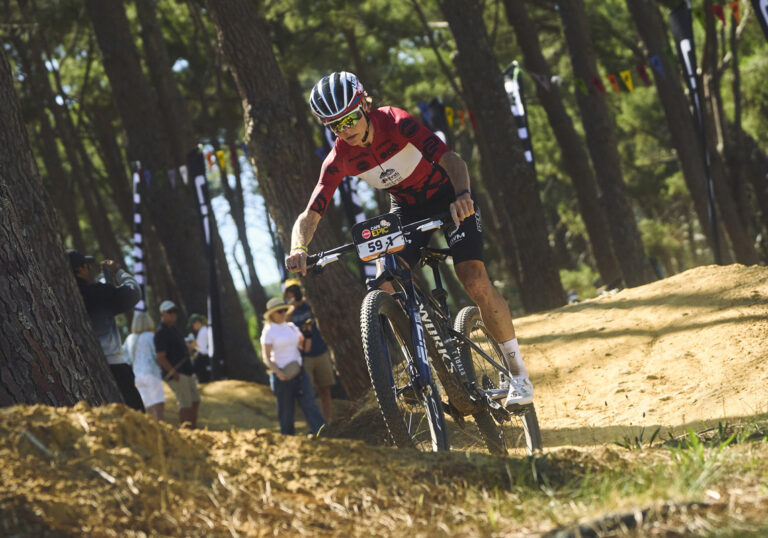
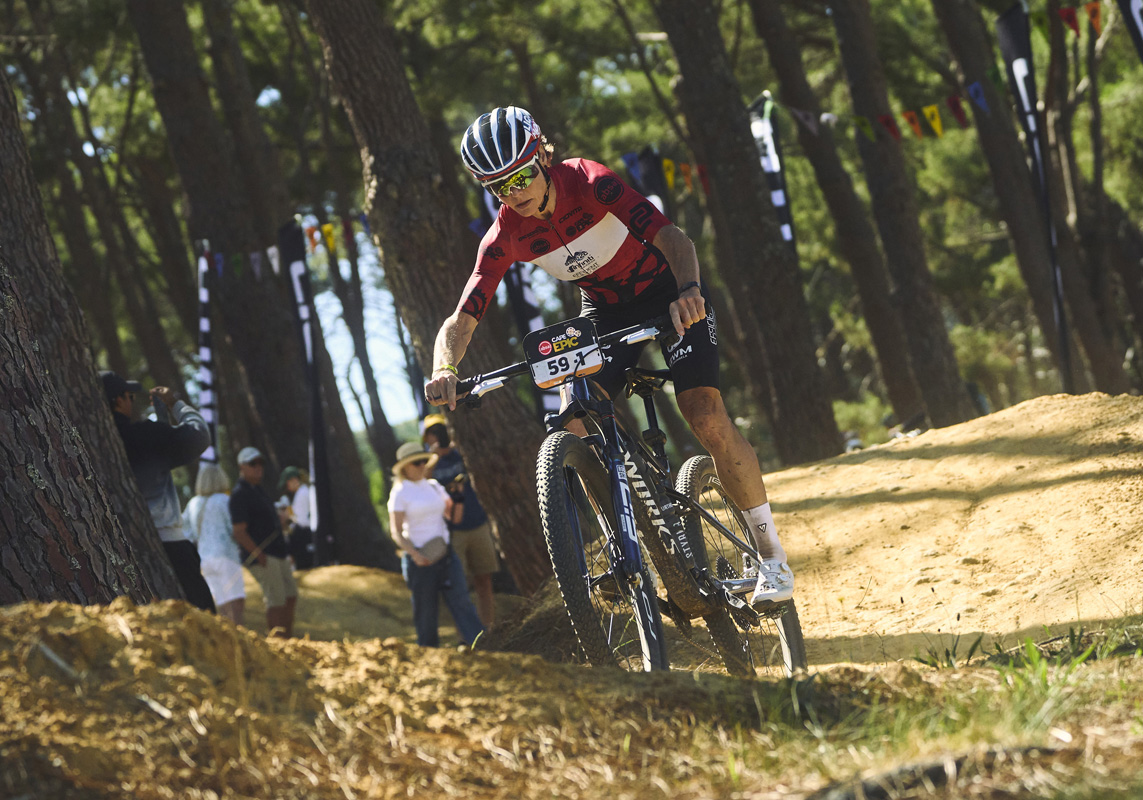
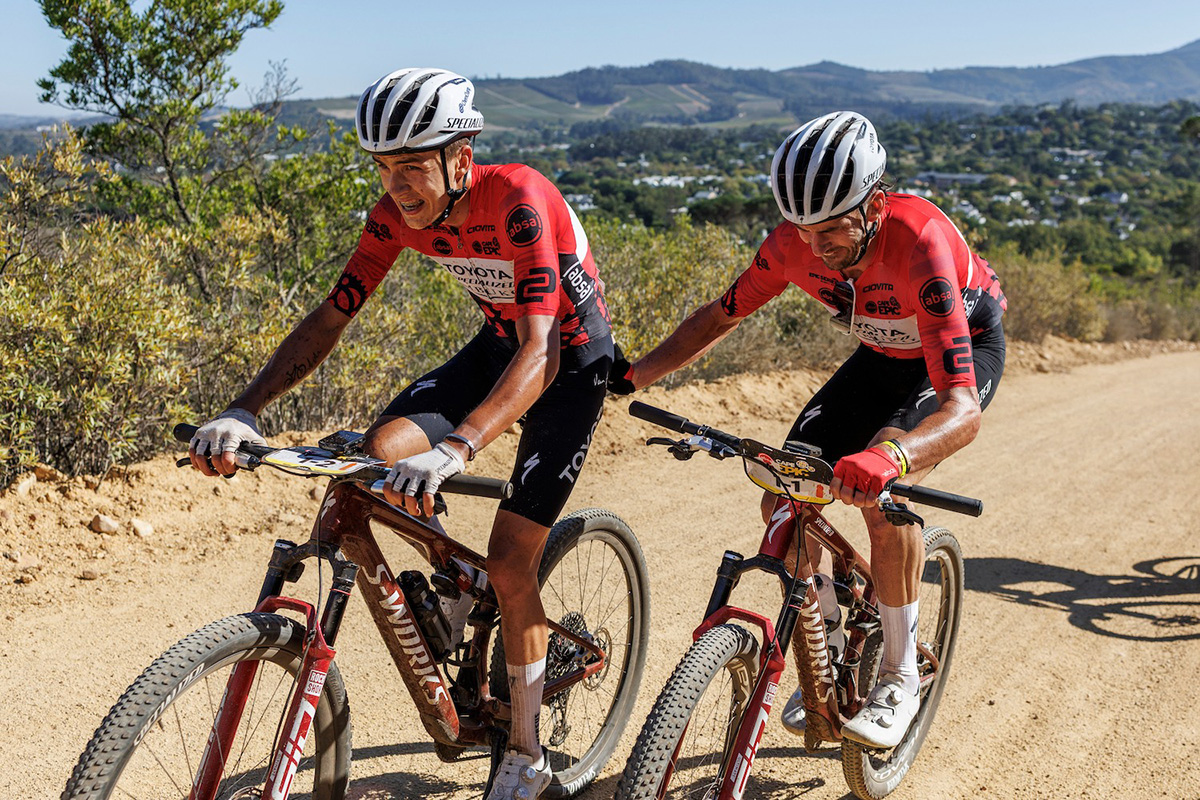
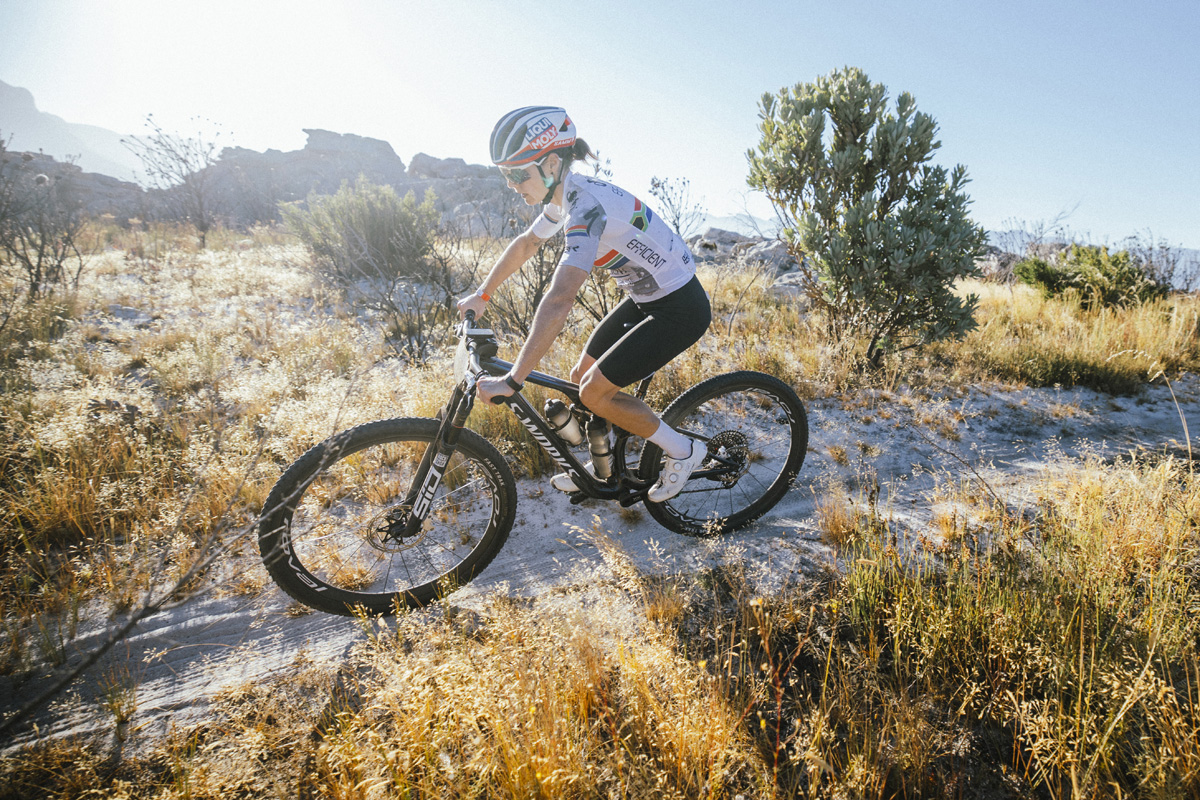
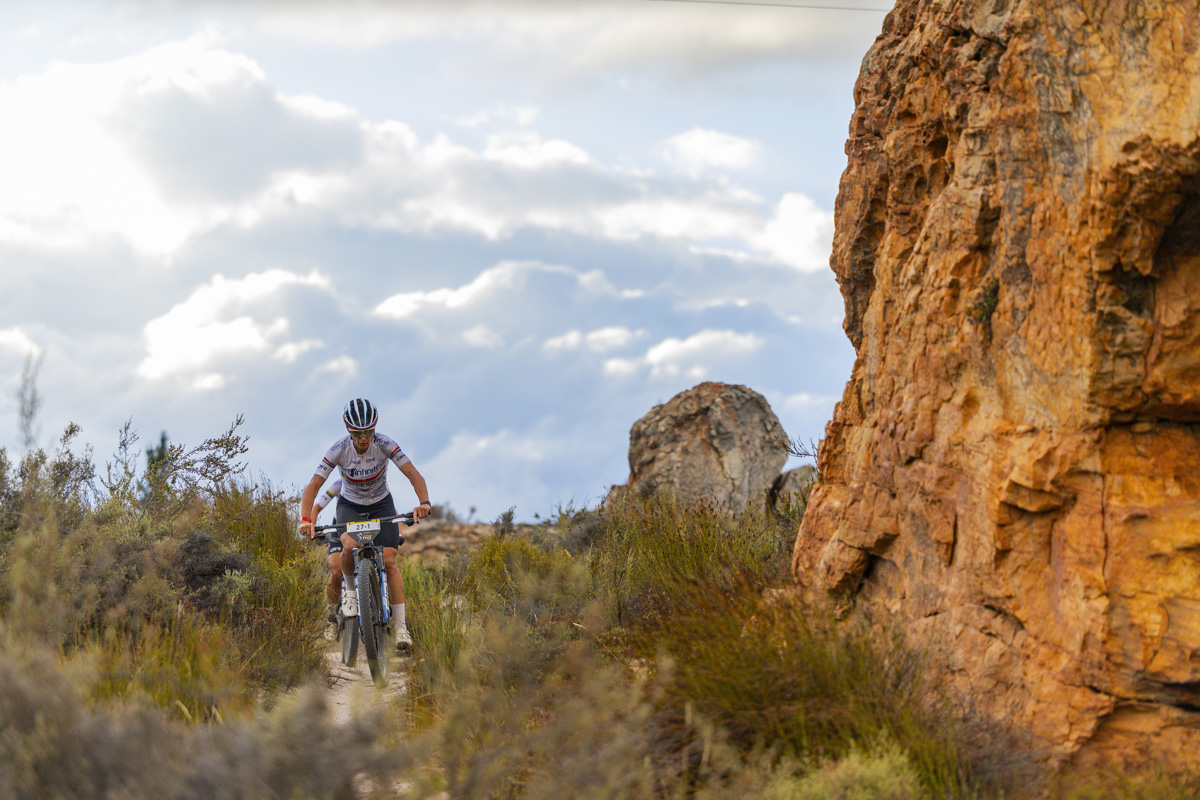
The “Epic” is epic by name and certainly epic by nature. If you have ever turned a pedal in anger, irrespective of what level, you will understand the ferocity of the competition. At the sharp end of the field, you get to witness the international cream of the mountain biking crop duking it out over seriously tough terrain in whatever the weather gods dish up. This year it was hotter than satan’s cats’ nether regions on occasion, and then it rained on two of the days. To have a South African pair, Matthew Beers and Tristan Nortje, win overall was spectacular to watch. Tristan Nortje’s emotion at the finish was serious lump-in-the-throat stuff. There is no stiffer job in mountain biking than to be drafted into partnering a guy like ‘Matt’ Beers in arguably the world’s toughest MTB stage race. I have it on good authority that Matt doesn’t shave. He hammers in the stubble with a 4 lb hammer, then chews it off inside! On the final stage, they pulled back a 13-second deficit and won by 1 minute and 4 seconds after eight days of racing!

Photo credit: Nick Muzik / Cape Epic

The Elite Women’s Field

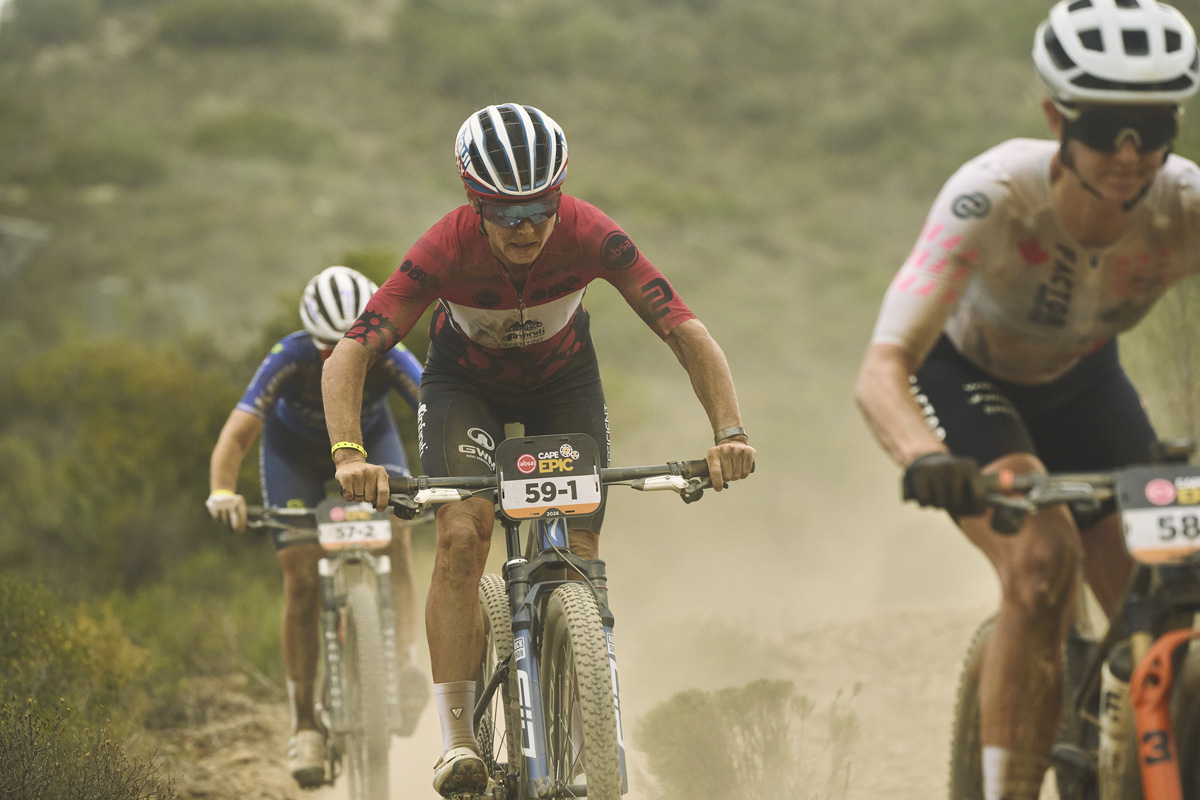
And then we have the Elite women. Watching the fairer sex getting down and dirty in a gruelling event like the Epic almost seems wrong on some level. I mean, ‘sugar and spice and all things nice’ doesn’t fit the Epic picture even remotely like the ‘frogs and snails and puppy dogs’ tails’ in the men’s category. In order to have the women finish in a similar time to the men, the women’s route was shortened, which perhaps favoured the Cross-Country athletes a wee bit over the diesel-engined marathoners. To try and get a handle on what makes a top women’s Pro cyclist tick, I caught up with veteran Pro, Samantha Sanders, the current SA Marathon Champion, who, with her teammate Bianca Haw, finished sixth overall and won the trophy for the top all-African ladies’ team home.

Photo credit: Michael Chiaretta / Cape Epic

From Moto to MTB

Sam’s story is fascinating. Born on the East Rand, she moved at an early age to Hoedspruit, where she grew up in what she describes as “an amazing childhood”. She got into cycling relatively late while studying at Tukkies. She describes her dad as “a petrol head,” so predictably she raced off-road motorcycle enduros with her three brothers from an early age. Yet another 4-year-old whose intro to dirtbikes was a Yamaha PeeWee 50! It was while at varsity that she decided to buy a mountain bike on which to keep fit. The salesman at Frits Pienaar Cycles must have done a proper job, because he persuaded her to enter ‘a race’ the next weekend on her new Merida Hardtail. Turns out the race was a National event in Groenkloof, where Sam, despite claiming to be really unfit, ended up winning her age group, and the rest, as they say in the classics, is history! Clearly, those technical motorcycle enduro skills worked! The bicycle bug bit properly, and an amazing career was launched.

Photo credit: RAYCOXMEDIA

The Path to Professionalism

Sam transitioned to the National team at 23 years old, racing Cross-Country Nationals and half-marathons. 2012 and 13 saw her racing in Europe and sponsored locally by Valencia Wholesalers, seeing Sam hit the trail on a Scott. It was there that she says she learned what being a Professional athlete was actually all about. In 2015, her coach got her riding on the road as well. 2016 saw her really in the crucible of pain, racing the 2016 World Road Champs as well as her first Absa Cape Epic, where she teamed up with Jeannie Dreyer, wife of adventure racing legend, Martin.

Photo credit: Calvin Janos

In 2017, she was signed to Dormakaba SA, a heavyweight SA women’s cycling team. This was another game-changer for Sam. She was introduced to an even more holistic approach to performing as a Pro Cyclist. Training, nutrition, cross-training, and and and… Sam adapted with reasonable ease to the life of a Pro. By nature, she is a creature of habit, methodical, focused, and disciplined. All the attributes that are essential for a Pro athlete. 2018 saw her teammate caught for doping at the Epic, so all her efforts were ultimately in vain. In 2019, her teammate Amy Wakefield was forced to pull out, which perversely and, in a way, fortuitously allowed Sam to focus on winning her first SA Marathon Champs.

Photo credit: Michael Chiaretta / Cape Epic

2021 was what she terms “a disaster”. While she had signed with a new team, Galileo Risk (now Team Efficient Infiniti Racing), her mother’s cancer diagnosis and the lingering disruptions of the global pandemic created too many distractions. Things got properly back on track in 2025 when she had a great year, clinching her second SA Marathon Championship with a dominant display at Karkloof, where she won with a 9-minute margin over her teammate at this year’s Epic. Whilst the format of the shortened women’s route may have favoured the Cross-Country athletes, Sam reckons the results would have been no different over a longer route. She says that despite the weather and tough nature of the route, she could ride within herself and enjoy the event

Photo credit: Michael Chiaretta / Cape Epic

The Epic Setup

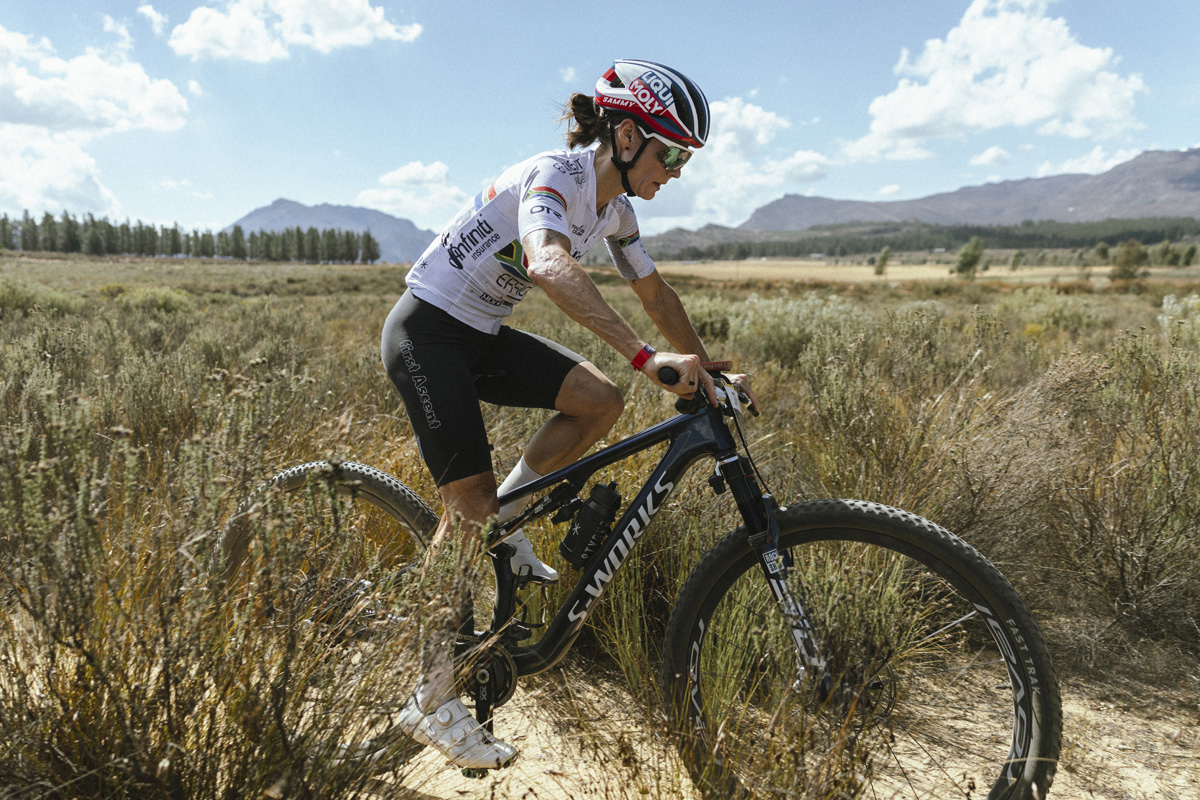
Sam rode a Specialized full ‘susser’ at this year’s Epic, the performance of which she says is next level. Electronic shifting and adaptive electronic suspension are just part of this package. She is a brand ambassador for Lynnwood Cyclery in Pretoria. Sam is exceptionally appreciative of her sponsors, whom she feels indebted to.

Photo credit: RAYCOXMEDIA

In no particular order of importance, as she values them all so much, they are:

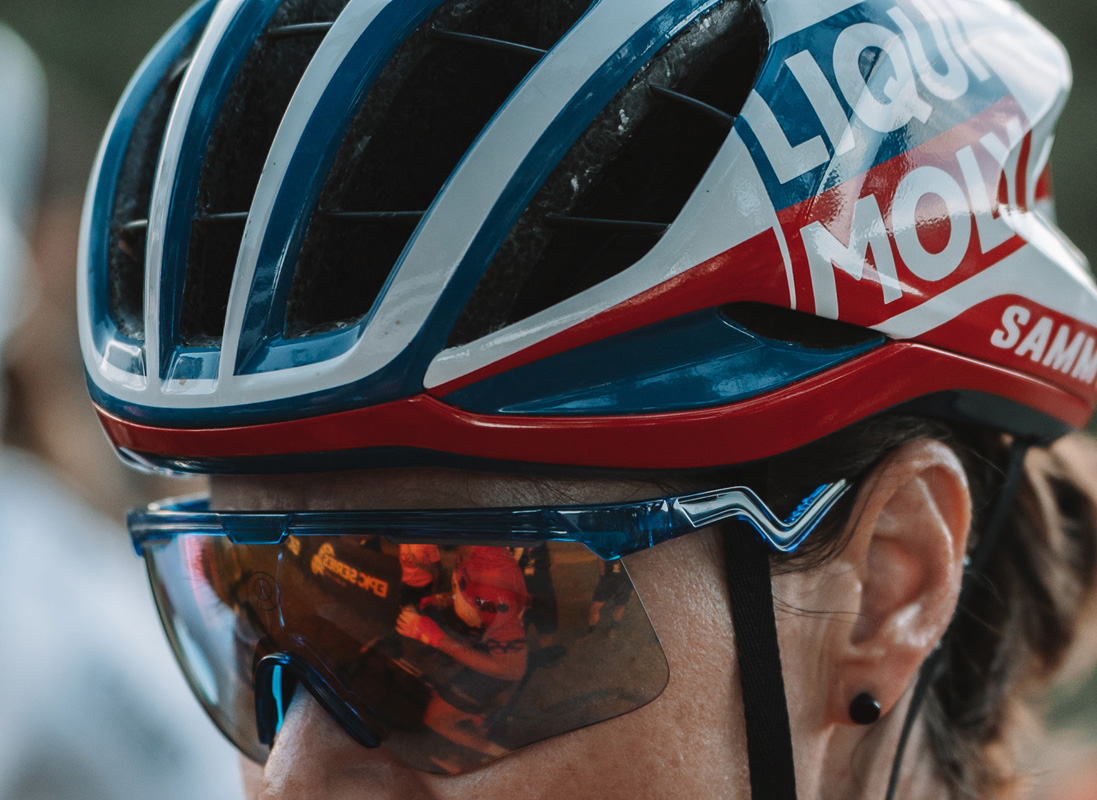
● Liqui Moly South Africa
● Efficient Insure
● Infiniti Insurance
● GWM Mbombela
● Lynnwood Cyclery
● OTR Designs
● Vivo Vita Sport

Photo credit: Michael Chiaretta / Cape Epic

Her immediate goals for the rest of 2026 are to defend her SA Marathon jersey and to make a serious impact on some of the ever-more-popular gravel races. Chatting with Sam gave me some rare insight into the life of a top Pro athlete. We see athletes standing on the podium or crossing a finish line with their hands aloft. What we don’t always fully appreciate is the amount of dedication, discipline, self-denial and just plain old-fashioned guts it takes to perform consistently at a top level.

Sam, to you and those of your ilk, I applaud you!

Photo credit: RAYCOXMEDIA

The KTM Adventure Rally Roars Back to the Drakensberg for 2026 — And It’s Bigger Than Ever

Photo credit: Justin Reinecke / ZCMC

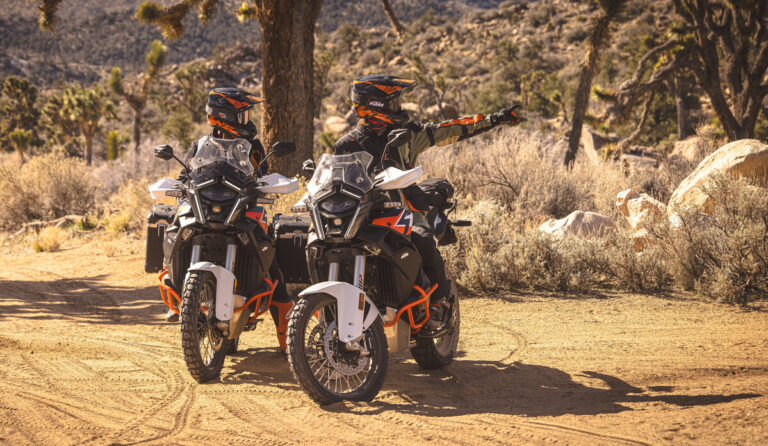
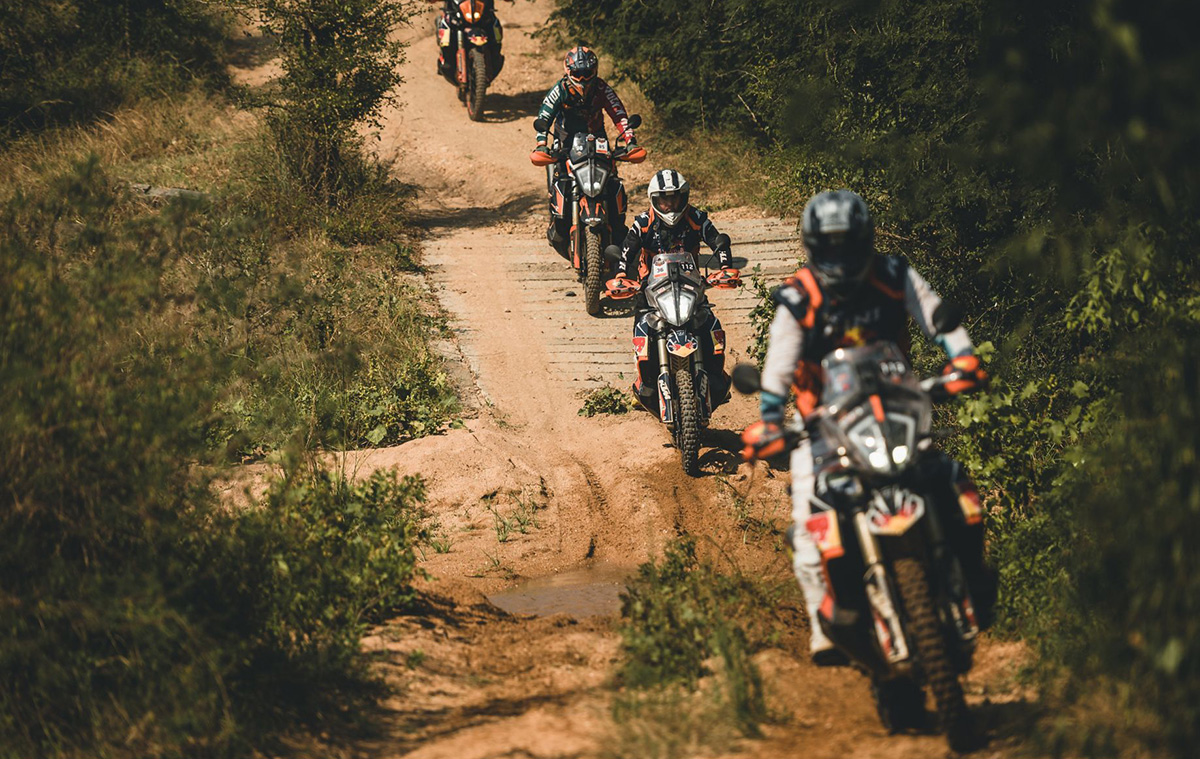
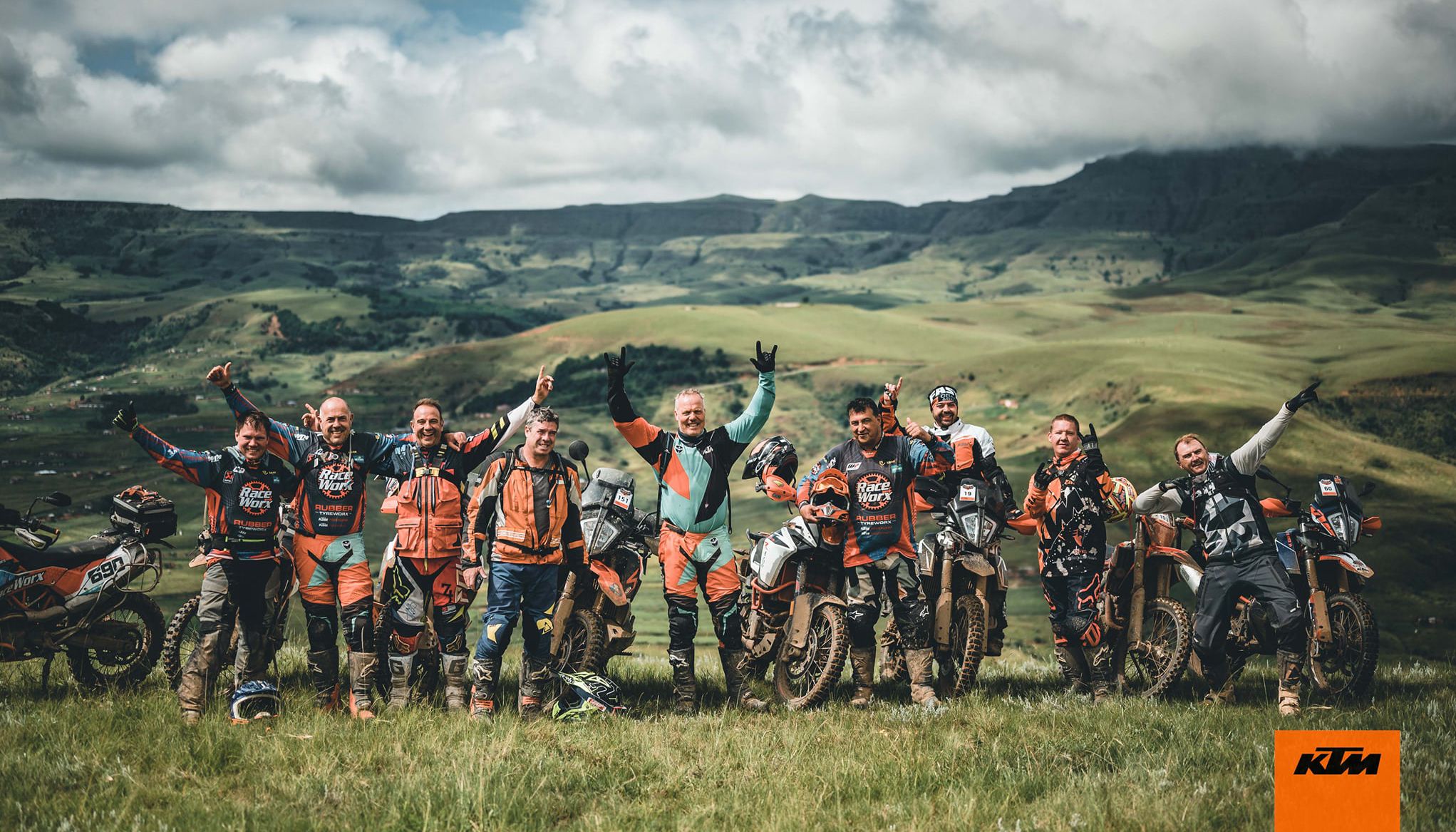
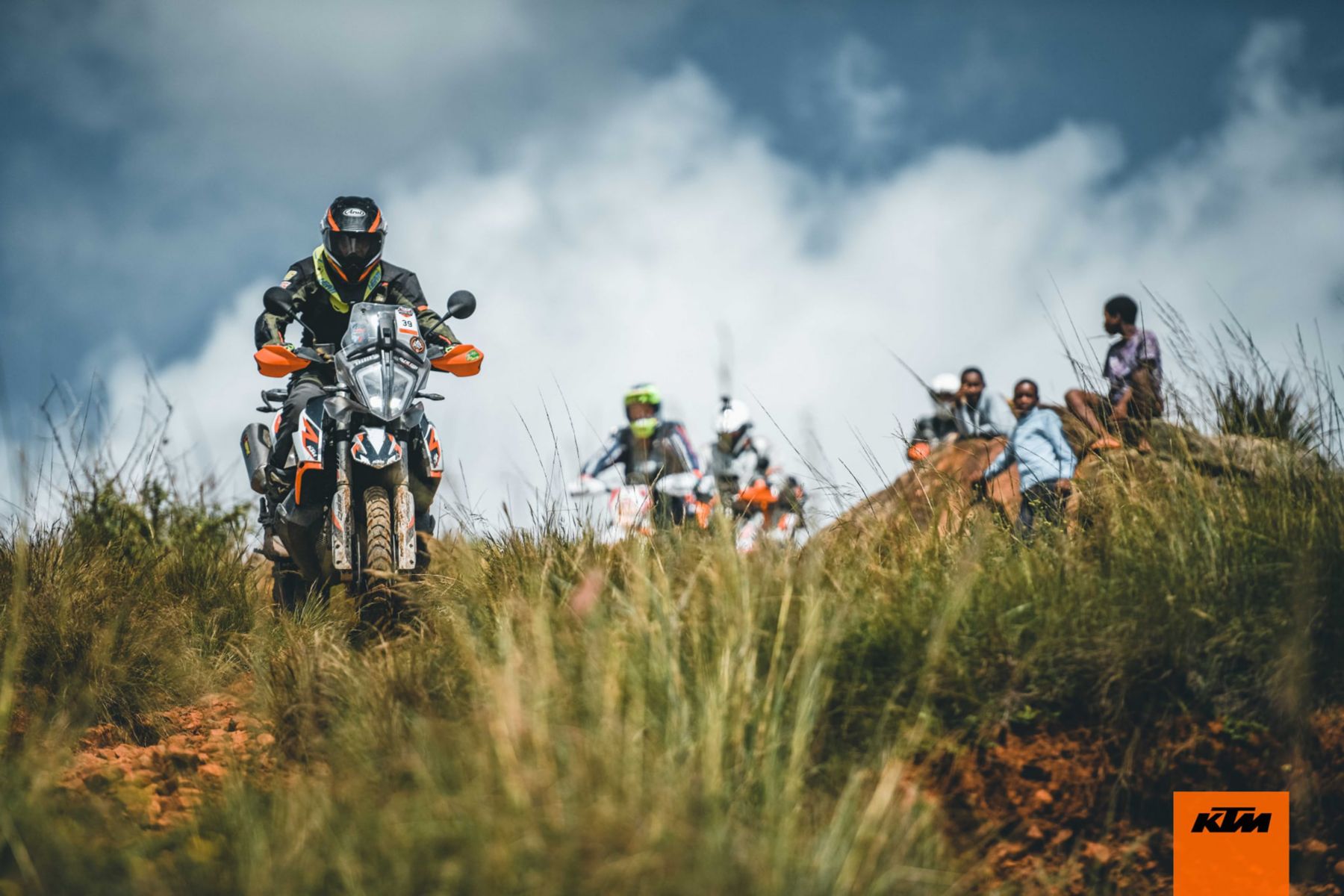
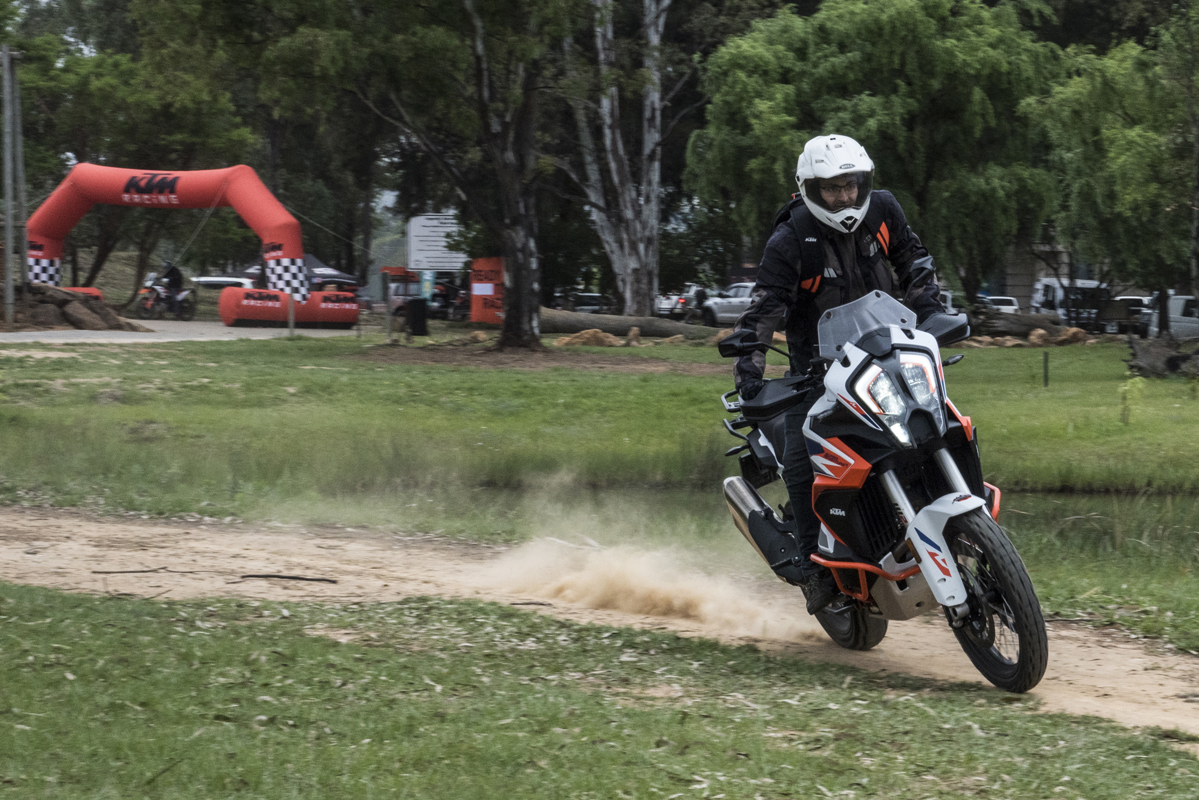
The KTM Adventure Rally returns to the Champagne Sports Resort in Drakensberg from 30 April – 3 May 2026, and honestly, there are few places in South Africa more fitting for an event built around pushing limits and chasing horizons. This is a landscape that feels purpose-built for adventure bikes—towering basalt cliffs, winding gravel passes, unpredictable weather, and views that stretch on forever. It’s raw, untamed, and endlessly rewarding, the kind of place where every kilometre ridden feels earned, and every stop reminds you exactly why you ride in the first place.

That’s what makes this rally more than just another date on the calendar. It’s an escape from the everyday, a chance to trade routine for something real. Out here, it’s just you, your machine, and a group of riders who understand the pull of the unknown. The KTM Adventure Rally has always been about that shared spirit—the connection between people who don’t just ride for convenience, but for the experience, the challenge, and the stories waiting on the other side of the trail and of course, the tip-overs along the way.

Photo credit: ZCMC

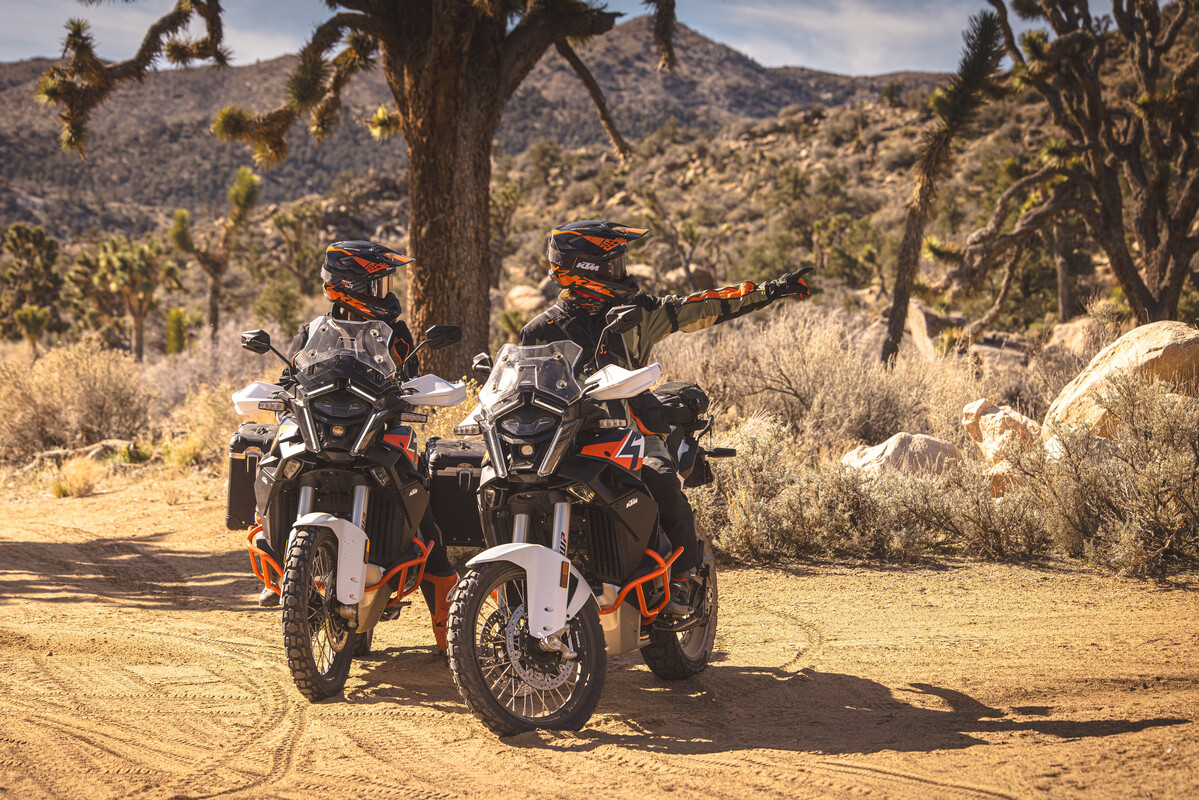
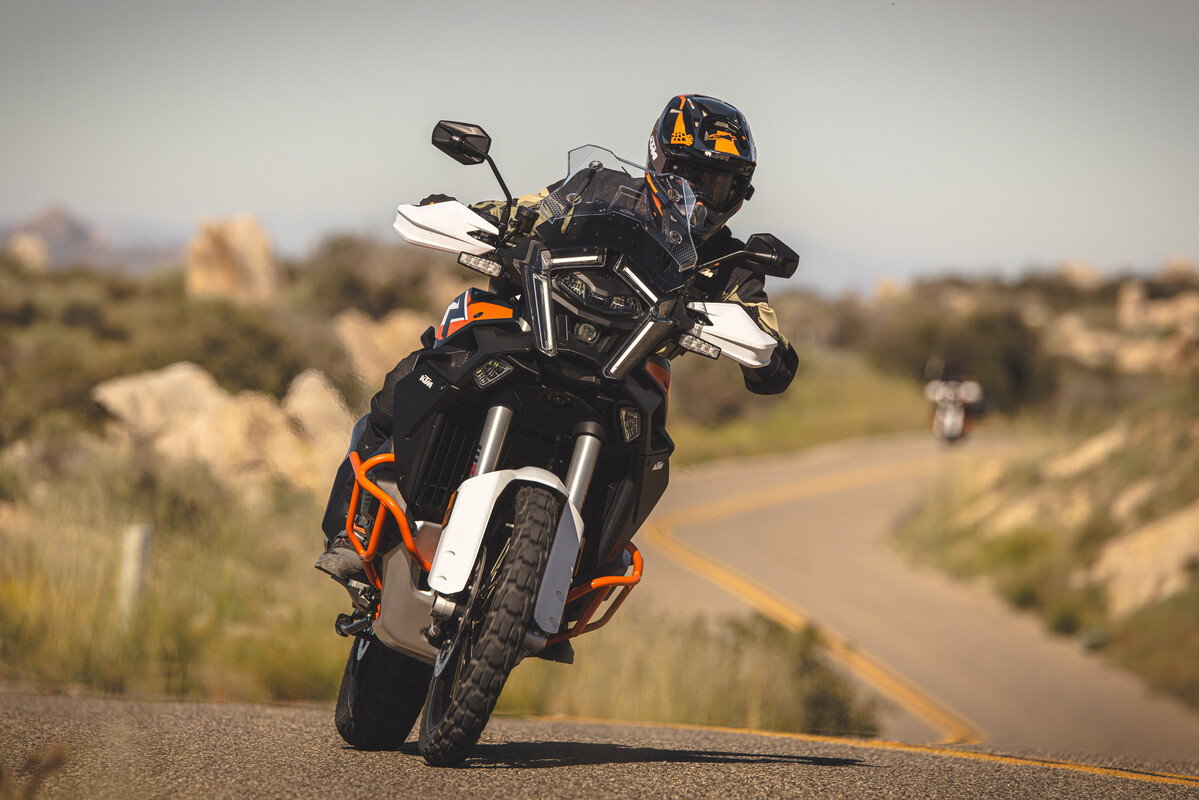
And this year, the experience is dialled up even further. Riders won’t just be carving through some of the most breathtaking terrain the country has to offer; they’ll also be among the first to get up close and personal with the all-new KTM 1390 Super Adventure R. It’s not often you get to throw a leg over a machine like that before the rest of the country even sees it, and it adds a serious sense of occasion to an already stacked weekend.

As if that’s not enough, every rider who enters will also stand a chance to win a brand-new 2025 KTM 390 Adventure X—the kind of prize that turns an incredible weekend into an unforgettable one.

Image source: KTM

What really sets the rally apart, though, is how effortlessly it brings everything together. The routes are carefully designed to suit a range of riders, offering just the right mix of challenge and flow, whether you’re looking to test your skills or simply soak in the scenery. There’s a full support crew keeping things running smoothly behind the scenes, leaving you free to focus on the ride itself. And when the day winds down, you’re not roughing it; there’s proper accommodation, great food, and that unmistakable KTM atmosphere where the day’s stories get told and retold around the fire.

Photo credit: ZCMC

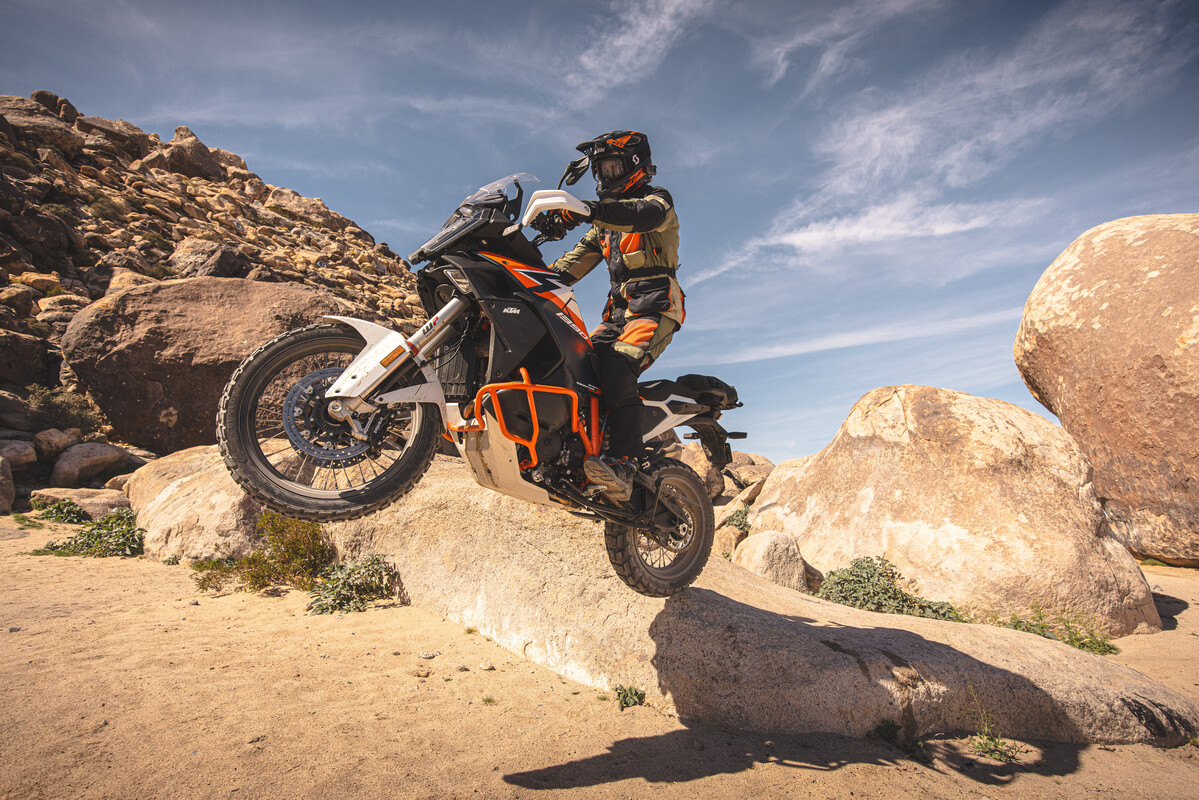
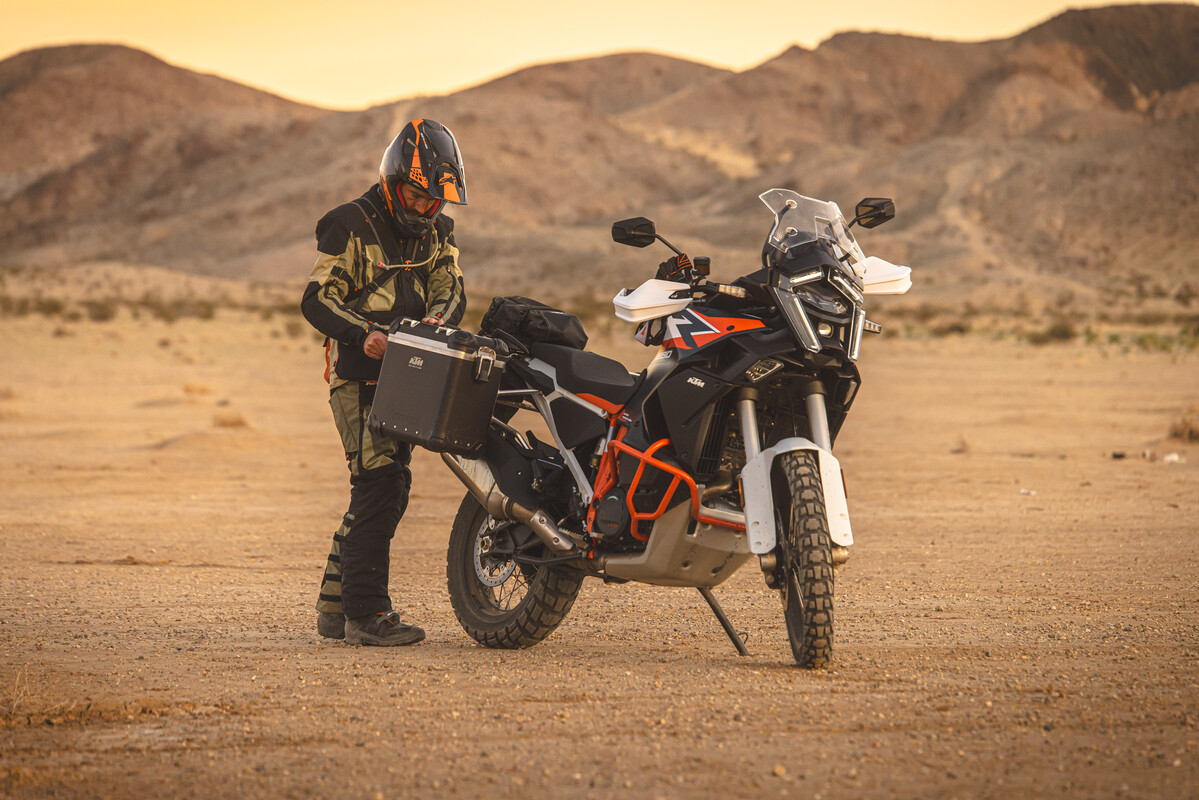
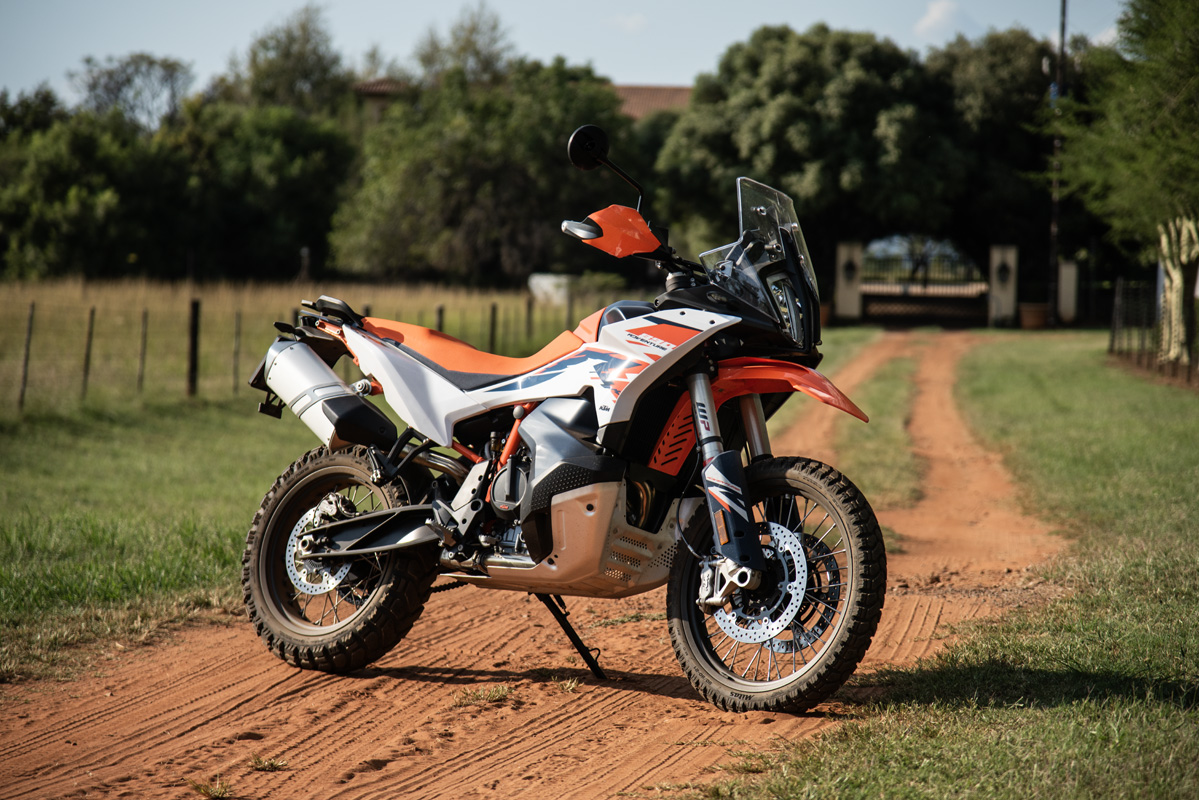
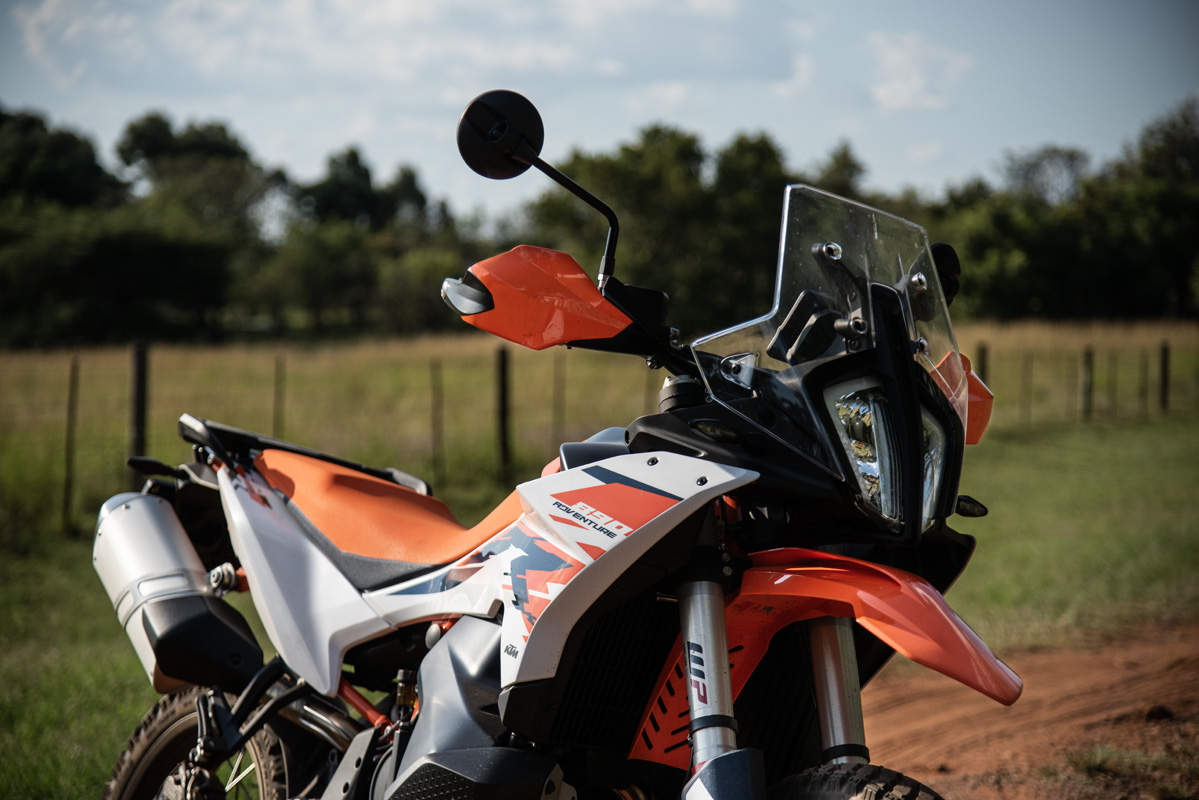
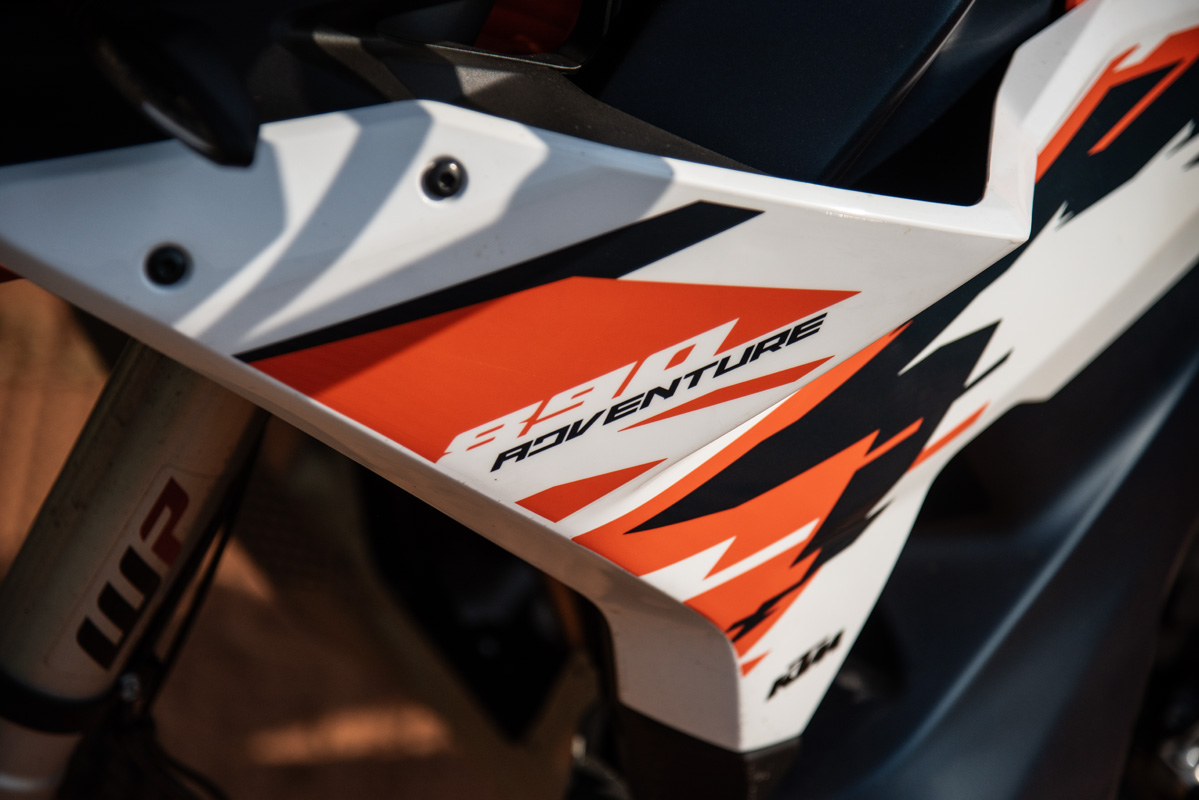
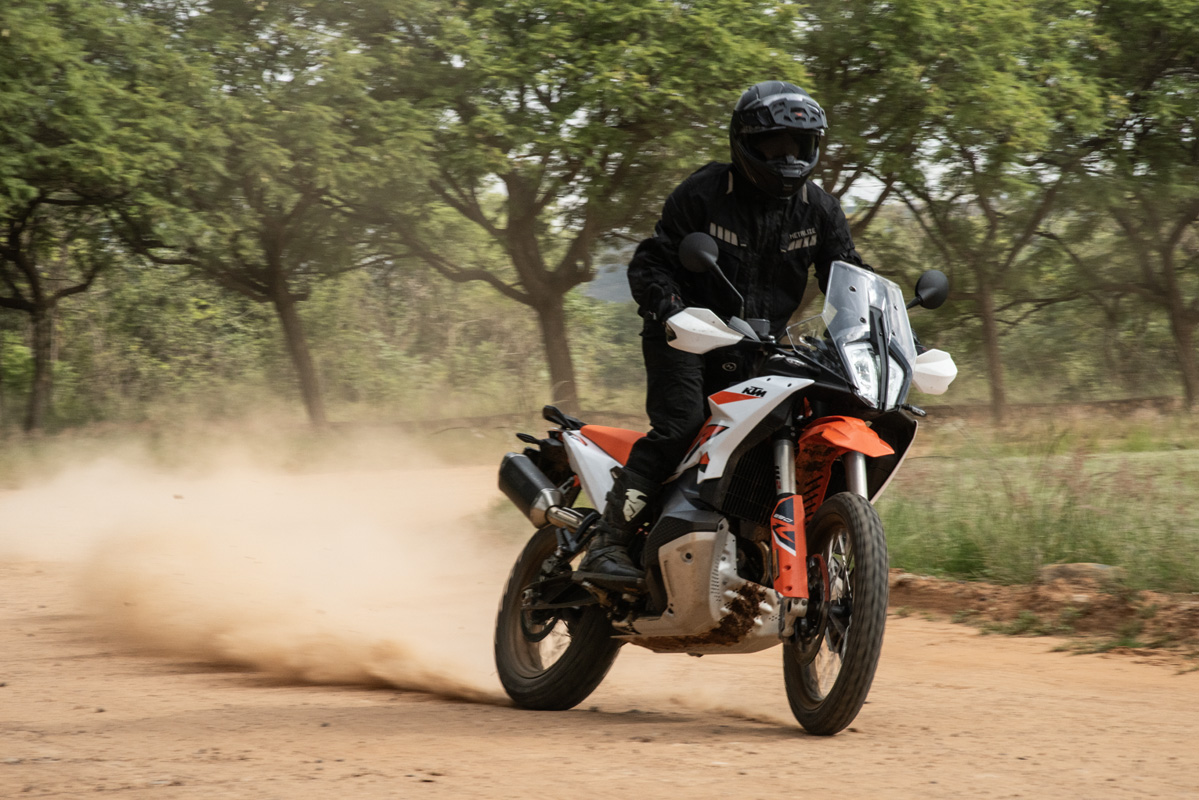
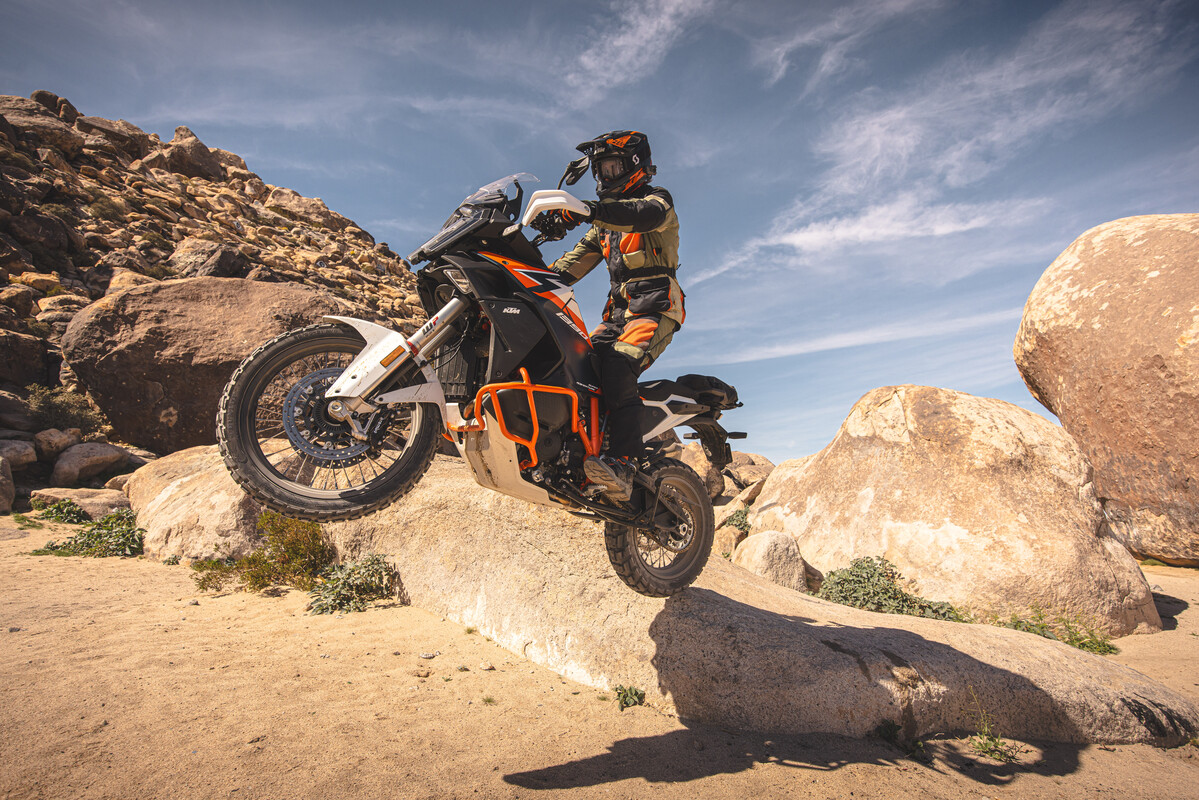
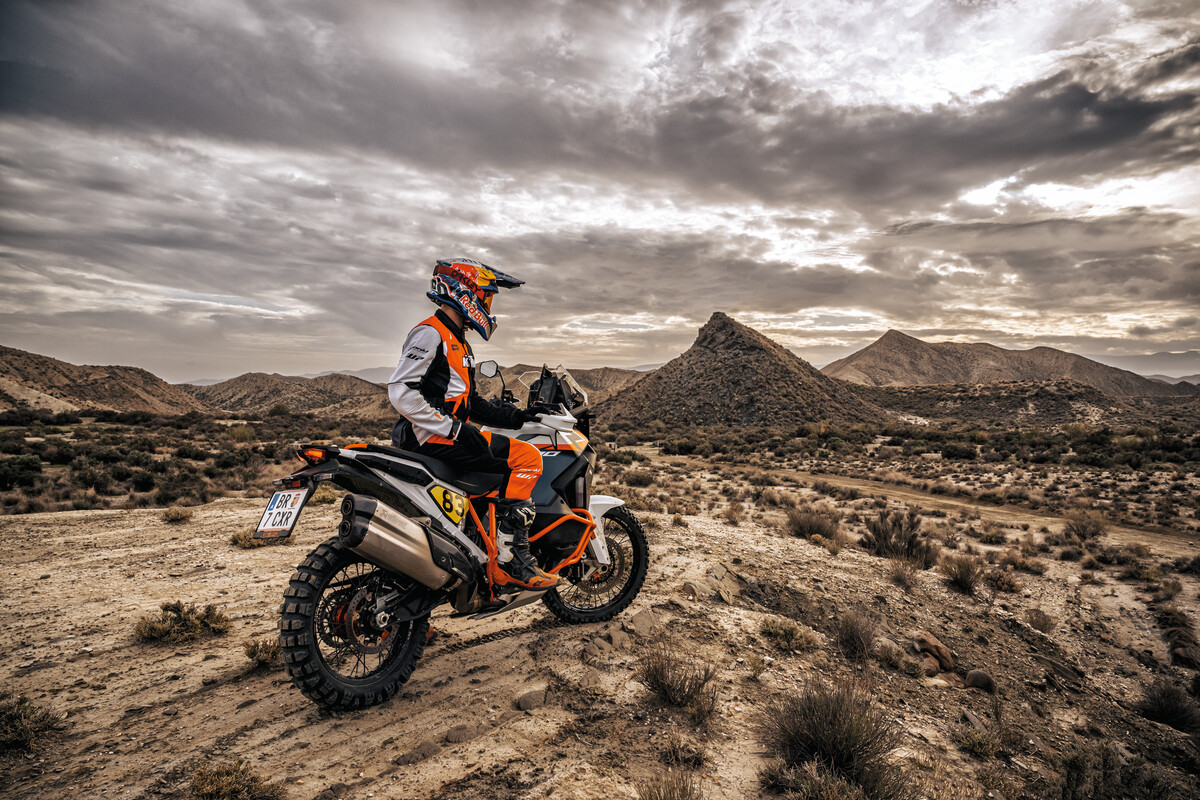
Of course, an event like this naturally shines a spotlight on the machines that make it possible, and right now KTM’s adventure line-up is giving riders even more reason to get involved. The KTM 890 Adventure R continues to stand tall as one of the most capable middleweight adventure bikes ever built. That’s just my opinion, but I stand firm in saying so. It’s the kind of bike that has earned its reputation the hard way, proving itself time and again in terrain where precision, balance, and confidence matter most. There’s a sharpness to the way it handles off-road, a sense that it’s always ready for more, whether you’re threading through technical sections or opening it up on fast gravel. It doesn’t just keep up—it leads.

Photo credit: Bjorn Moreira / ZA Bikers

Every time I swing a leg over one, I fall hopelessly in love with adventure riding, and that sometimes makes getting office work done tough—adventuring is so much more tempting and enjoyable. And with current offers including a free single-occupancy entry to the 2025 KTM Adventure Rally on 2025 and 2026 models (worth 14K), it’s a compelling package for anyone looking to step into that world. What a first adventure it could be!

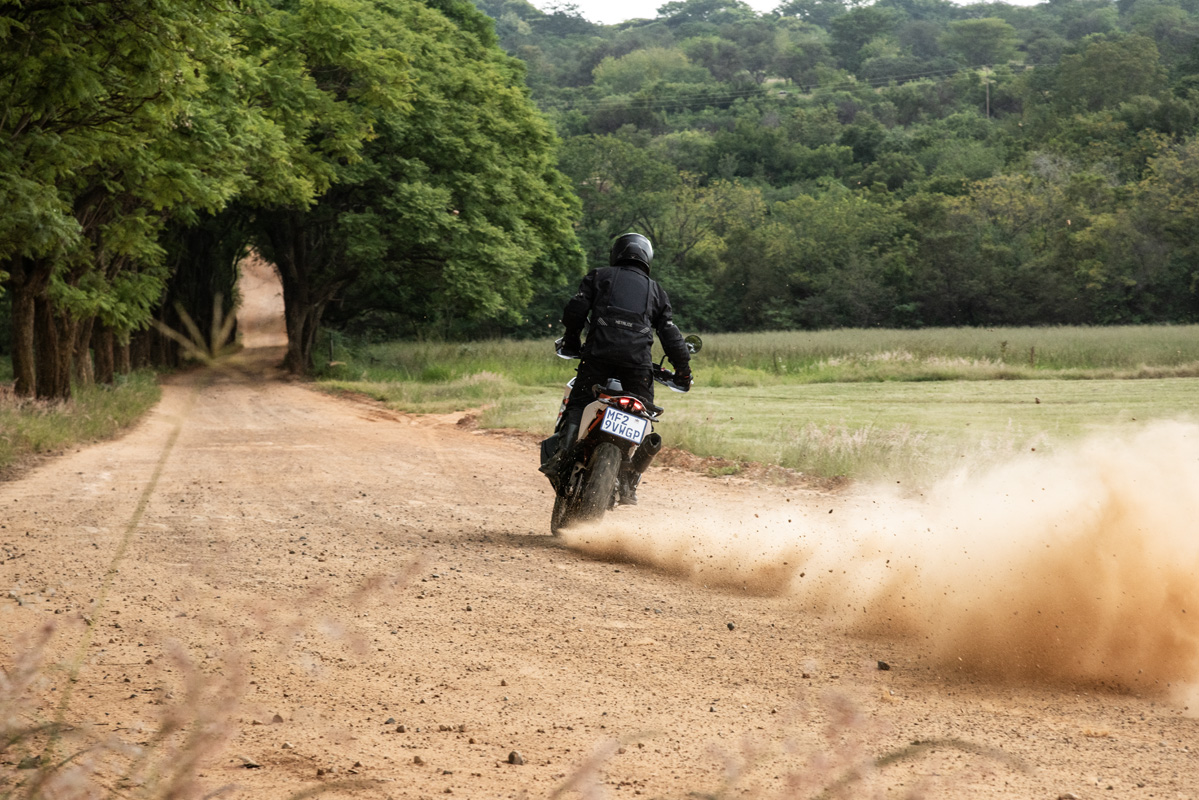
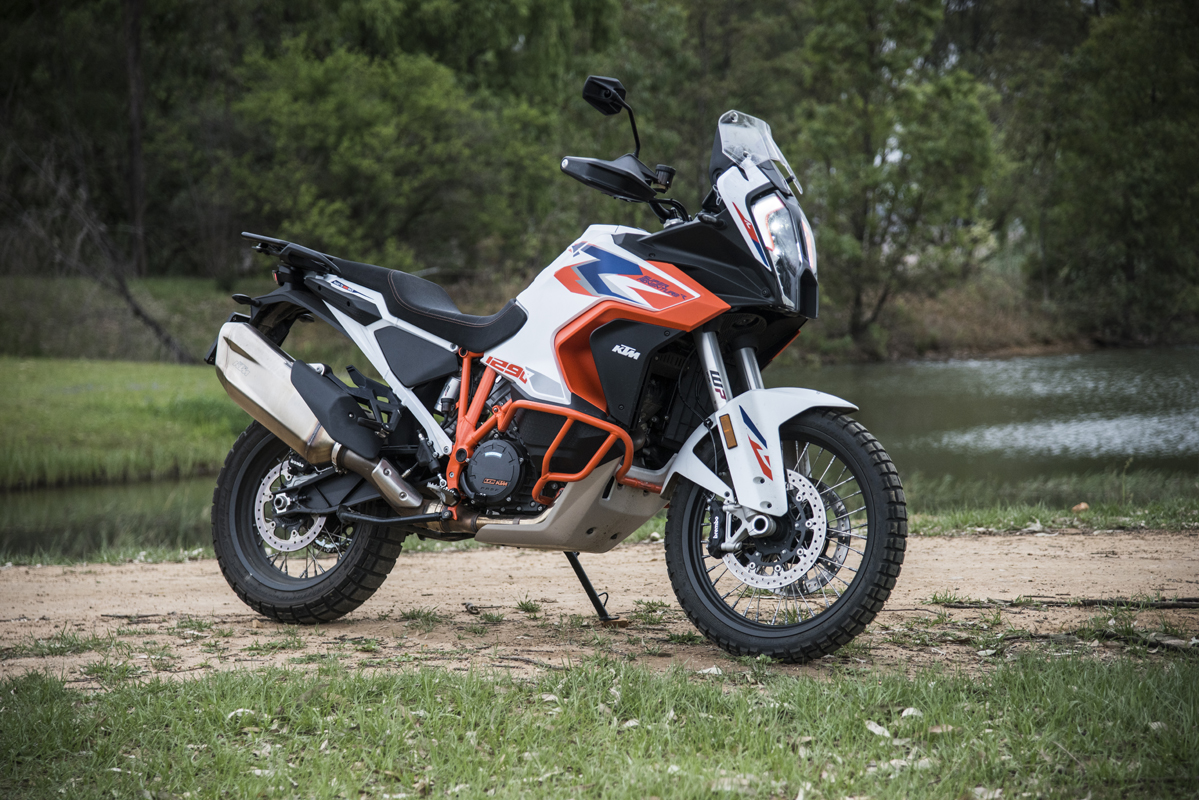
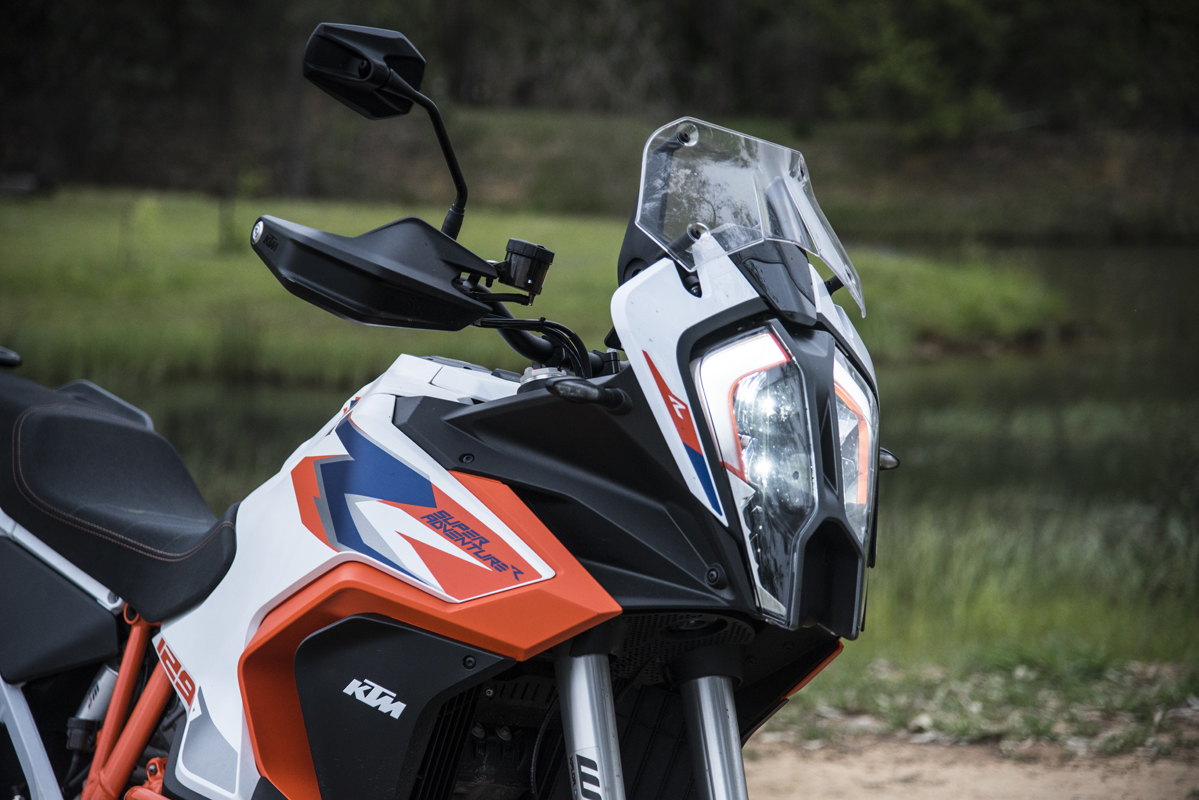
Then there’s the KTM 1290 Super Adventure R, a bike that, despite being around since 2021, still commands serious respect. In a class where size and weight can often work against you, the “1290 R” somehow turns that equation on its head. It’s powerful, yes,  brutally so when you want it to be, but it’s also remarkably composed off-road, with a level of control and capability that continues to set the benchmark in the big adventure segment. Even with the arrival of the 1390 Super Adventure, the 1290 hasn’t lost its edge. If anything, it’s a proven, refined package that riders know they can trust when the terrain gets tough. With R50,000 off the 2024 model, a free Tech Pack, and a free single occupancy entry to the 2025 KTM Adventure Rally included, it’s the kind of deal that’s hard to ignore.

All of this builds toward something bigger than just a weekend away. The KTM Adventure Rally in the Drakensberg is about rediscovering that sense of freedom that only riding can deliver. It’s about waking up to mountain air, spending your day chasing trails that challenge and inspire, and ending it surrounded by people who get it. The bikes, the scenery, the camaraderie, it all comes together in a way that sticks with you long after the dust has settled.

Image source: KTM

Spots are limited, and experiences like this don’t come around often. The Drakensberg is calling, the bikes are ready, and the adventure is waiting.

Register for this year’s KTM Adventure Rally here – www.ktm.eventpress.co.za

Urban Warriors: The TVS Apache RTR 200 4V & RTR 200 4V Carb

Photo credit: Bjorn Moreira / ZA Bikers

I don’t think it would be too far off the mark for me to claim to have more experience on TVS Apache motorcycles than anyone else in South Africa. It all started with the ‘Apache Indians Raid Victoria Falls’ in 2011, which was followed by the ‘Delta Dawdle’ a couple of years later. I led a band of ‘Apacheans’ on two epic, unsupported tours through Botswana, down the Caprivi, as well as to Victoria Falls and back down through Zimbabwe. The reliability, comfort and fuel economy of the Apaches blew us all away.

Photo credit: ZA Bikers

The good news for fans of the TVS brand is that there is now the financial muscle and security of the huge Bidvest Group backing TVS motorcycles in SA. I couldn’t wait to lay my hands on the latest version of the Apache, the RTR 200 – 4V. WOW! It is a very different beastie indeed. Bjorn and I picked up two versions of the RTR 200 at TVS South Africa in Sandton and spent a morning in and around Jo’burg to assess the bikes in their natural urban sprawl environment. We had the fuel-injected, as well as the carburettor version of the bikes. Cosmetically, there is almost no difference between the two models, and performance-wise, the fuel-injected bike is perhaps a wee bit quicker, but the difference, if any, is too small to feel through the ‘seat of the pants’ dyno.

Photo credit: Bjorn Moreira / ZA Bikers

The fuel-injected model has a few features that bump the price over the carb model significantly. It will be for individuals to decide on whether the extra spend is necessary or justified. The engine, gearbox and chassis specs are identical on both bikes, the only difference being in how the engines are fed. Starting the fuel-injected bike means literally pushing the start button, whereas the carb model may require lifting the manual choke lever before starting the bike. The carb bike is a little cold-blooded, whereas the FI bike runs smoothly from the get-go. Once warmed up, they are much of a muchness. Rider modes, adjustable levers and some cosmetic details also distinguish the FI bike from the carb version, but nothing for me of real consequence.

Photo credit: Bjorn Moreira / ZA Bikers

Let’s address the elephant in the room. Quality. There has, in recent years, been an explosion of small cc bikes entering the SA market on the back of extortionate fuel prices. Most of these have been of Chinese origin. Cheap and cheerful may be a kind way of describing them. It is not uncommon to see the same bike being sold by at least three different brands. It has you wondering just who to appeal to if something serious goes wrong with your bike.

Photo credit: Bjorn Moreira / ZA Bikers

What the Indian-built bikes bring to the market is something very different. Having visited India and the TVS factory in Hosur in particular, I was struck by the intense passion and pride with which these bikes are designed and built. Little wonder then that BMW Motorrad saw fit to have their 310 cc bikes built by TVS in a successful joint venture. TVS has established a brand which is synonymous with quality and reliability, generating tremendous peace of mind for potential customers.

Photo credit: Simon Morton / ZA Bikers (2010)

TVS have campaigned very successfully in the 200 cc class in road racing in India for just on 38 years. Much of what they have learned in the harsh cauldron of competition has found its way into the Apache. The latest version is testimony to that. The engine is an oversquare 197,75 cc 4-stroke single with an overhead camshaft and 4-valves. It is air/oil-cooled, sporting a decent-sized oil cooler in its nose. Power is a respectable 20,82 hp at 9,000 rpm and 17,25 Nm of torque at 7,500 rpm, driving through a slick 5-speed gearbox. The power output on the carb version is less than 1 hp lower, and maximum torque is identical.

Photo credit: Bjorn Moreira / ZA Bikers

The chassis is where the RTR 200 shines. Showa forks, which are adjustable for preload, grace the front, with a preload-adjustable mono-shock controlling rear wheel movement. The steel frame is taut, and this all combines to really decent handling, clearly a benefit of the racing heritage. The ride is firm yet supple and controlled, totally at odds with what you would expect from a bike in this segment and price point.

Photo credit: Bjorn Moreira / ZA Bikers

Brakes are by discs on both wheels and, whilst requiring firm lever pressure, provide decent linear stopping power with no grabbiness. Wheels are tubeless alloy mags (great for plug, pump and play roadside puncture repairs) with a 90/90×17 up front and a 130/70×17 on the back. Seat height is accessible to all at 800 mm. Speaking of the seat, the foam density is superb, providing genuine all-day comfort.

Photo credit: Bjorn Moreira / ZA Bikers

The RTR is equipped with both a side and main stand, which makes cleaning and chain maintenance a doddle. The side stand could be a bit longer though, with the bike leaning over at a serious angle when employed. It certainly won’t fall off the side stand in a stiff breeze! Function is essential, but it becomes all the more appealing when the ‘form’ is attractive too. The TVS Apache RTR200 4-V is a serious looker!

Photo credit: Bjorn Moreira / ZA Bikers

The test bikes were a stunning matte blue on the FI RTR and red and white on the carb model. Both bikes feature lovely Apache raised mustang logos on the tank. This is all packaged in totally modern lines complemented by LED lighting and daytime running lights. The exhaust is interesting in that it is black and slim with an expansion box attached to the underside, negating the need for the typical box underneath the bike, which robs ground clearance. It emits a surprisingly fruity burble on start-up.

Photo credit: Bjorn Moreira / ZA Bikers

Instrumentation is comprehensive, with all the typical info you need to know displayed in an attractive digital display. Allied to that is TVS’s Connect, an app by which you can access turn-by-turn navigation operating via Bluetooth to your phone. There is even a lean angle readout with which to claim bragging rights. Got to appeal to the PlayStation Generation after all. Taking all of this in and familiarising myself with the new Apache got me really looking forward to the ride.

Photo credit: Bjorn Moreira / ZA Bikers

Turn the key, and the dash tells you to Gear Up and welcomes you as an Apachean, this all before you press the start button. An immediate difference to my ‘old’ 180 Apache is the lack of a kick start as well as the immediacy with which the RTR 200 fires up and settles into a remarkably steady idle, all courtesy, no doubt to the new fuel injection. You have three rider modes on the FI RTR to choose from. Sport, Urban and Rain. Having experienced India first-hand, as well as seen the effects of the monsoon on the roads, these modes are not as gimmicky as you might think. Urban limits your top end to just over 105 km/h, so Sport is the obvious choice for SA. Fuelling is faultless in all modes. The lack of these rider modes on the carb bike is a non-event for me, but then again, I have often verbalised my preference for some time, about more engaging and simple analogue bikes. To each their own.

Photo credit: Bjorn Moreira / ZA Bikers

The brake and clutch levers are both adjustable on the FI model, so fitting the RTR to you is a doddle. The bars fall comfortably to hand with the rider in a slight forward lean, but without excessive weight on your wrists. Legs fit snugly into the recesses in the tank, and the pegs are mildly rear-set into what is a sporty yet comfortable riding position. The rearview mirrors give you a decent view of the traffic behind you and remain clear at all speeds. I literally pulled away and knew I was going to enjoy this little Apache. The motor is smooth, torquey and willing. Allied to the slick gearbox, it makes for decent progress. It is no problem at all to dispatch typical city traffic. The slim dimensions and nimble handling allow you to filter with ease.

Photo credit: Bjorn Moreira / ZA Bikers

It is not uncommon to see a family of four on an Apache in India. Highway speeds in India are also significantly lower than in SA due to sheer traffic volumes. In that scenario, a five-speed gearbox is just fine, as you will seldom need to cruise faster than 100 km/h, at which speed the TVS is totally chilled with a few thousand revs in reserve. In SA, we need to travel a bit faster. I went up one tooth on the front sprocket of my 180 and found that it performed better all-round. 4th became a better overtaking gear, and fifth was more relaxed, cruising with ease at 110 km/h. Long hills saw the 180 shedding speed, dropping from 120-ish to around 110 by the crest of the hill. Riding the same hill on the 200 was a totally different ballgame, with the RTR running all the way to the top at 129 km/h.

Photo credit: Bjorn Moreira / ZA Bikers

With the torque peak coming at 7,500 rpm, you are actually revving out of the torque. A tooth bigger on the front would drop you smack back into the maximum torque and give you a higher cruising speed, which is ideal. I believe that the already outstanding economy would get even better, too. On a previous ride on the RTR FI, I rode back from Jo’Burg I saw a huge storm approaching. In my endeavours to outrun the rain, I tucked in and gave the little RTR its head. I was gobsmacked to see that the top speed logger showed that I had nudged 148 km/h. It must have been revving into the red. I was too unnerved to repeat the run to see exactly what it was revving. The bike was so smooth and composed that it didn’t feel strained at all.

Photo credit: Bjorn Moreira / ZA Bikers

Generally, the TVSs run the highway with ease. I, for the reasons mentioned above as well as for sheer mechanical sympathy, would definitely recommend a tooth bigger on the front sprocket. A R200 mod that will transform the bike for SA conditions (watch this space for more on this). Despite this sort of robust riding, as well as thoroughly putting the excellent handling repeatedly to the test, the RTR 200 returned 33 km/L, which translates to 400 km on the 12-litre tank. Looking at independent Indian tests of the RTR, I saw figures of 47 km/L in the city and 49,81 km/L in the country. I have no doubt that I could improve massively on fuel consumption with more ‘normal’ town and around riding.

Photo credit: Bjorn Moreira / ZA Bikers

The TVS Apache RTR 200 4-V is considered the segment leader in India, and for good reason. It is a thoroughly modern, refined, comprehensively equipped, comfortable and sweet handling package which in many ways punches way above its weight. I actually gifted a friend of mine my Apache 180 as he was going through some very hard times, and I was trying to lighten his load. The RTR 200 made me realise how much I have missed an Apache in my life. It is quite possibly the urban dweller’s best friend. I definitely see an Apache RTR 200 4-V in my future. The allure of another Delta Dawdle on this brilliant little motorcycle is just too hard to resist.

Photo credit: Bjorn Moreira / ZA Bikers

At R44,999 (FI) and R34,999 (carb), the RTR is an absolute bargain. Become an Apachean and thumb your nose at the fuel prices. Your fuel saving will literally buy the bike for you and open up a whole new world of fun!

TVS Apache RTR 200 4V & RTR 200 4V Carb

For more information on the bikes that we tested in this article, click on the link below…

2026

TVS Apache RTR 200 4V CARB

Pricing From R34,999 (RRP)


Brand: TVS
2026

TVS Apache RTR 200 4V FI

Pricing From R44,999 (RRP)


Brand: TVS

For more information, visit: www.tvs-sa.co.za

KTM 890 Adventure R Rally – The Mostest Gets More!

Image source: KTM

In the unlikely event that the KTM 890 Adventure R is incapable of matching your off-road skills, KTM has announced the 890 Adventure R Rally, a limited-number model that is just, well, more!

KTM claims that the R Rally is purpose-built for serious off-road performance, with WP Xplor Pro suspension lifted straight from top-level competition, heavy-duty wheels, and a lightweight Akrapovic slip-on end can. There is also a “rally-bred” livery, which is really just another way of saying there is some Red Bull branding on the flanks. However, the styling has been inspired by the Dakar-winning KTM 450 Rally, and it looks super-cool, so who’s complaining?

Image source: KTM

Beneath the bodywork, there are forged aluminium brackets that stiffen the entire cockpit structure, making it much more resistant to the sort of punishment meted out by professional riders over unforgiving terrain.

The engine is the familiar twin-cylinder, four-stroke 889 cc parallel twin, pushing out 105 horsepower and 100 Nm of torque, so no complaints there. Overall weight is said to be “under 200 kg”.

Image source: KTM

But it is the suspension that really sets this model apart. The WP Xplor Pro is simply the best off-road suspension you can buy, delivering race-level control in the toughest terrain. There’s 270 mm of travel at the front, and control and sensitivity are second-to-none, while there’s vastly increased resistance to bottoming, which will be good for those who like to ride fast and hard, no matter the terrain.

At the rear, the Xplor Pro PDS monoshock offers precise damping, stronger traction and reduced rider fatigue when the stages are long and tough. Both forks and the monoshock are fully adjustable for fine-tuning.

Image source: KTM

KTM realises that not all riding can be on dirt, so, to enhance the tarmac performance, there is ABS and traction control and different riding modes, the former two naturally being fully adjustable and cancellable altogether.

Unusually for a dedicated off-road machine, the 890 Adventure R Rally comes with a four-year manufacturer’s warranty, which is valid as long as the service plan is adhered to by an authorised KTM dealer. This warranty is now available on all street-legal KTM models from the 2025 model year.

No pricing has been announced at the time of going to press, so we would advise you to contact your nearest/favourite KTM dealer for more information. Production has already started in Austria, but, as mentioned, numbers are strictly limited.

Image source: KTM

MotoGP 2026 America: COTA Delivers Chaos, Comebacks and Aprilia Domination

Image source: MotoGP

I get that not everybody watches MotoGP, or is even aware of its existence, and that includes those who are fans of Formula One, NASCAR, IndyCar, Australian Supercars, World Rally, Endurance Racing and so on. But, on the evidence of last weekend’s racing at the Circuit of the Americas (COTA), it amazes me that some won’t be aware or take the time to find out.

Of course, we’re all guilty; I rarely take notice of the American racing series although, if it’s on and I’m in front of a TV, I’ll watch it, but it’s not something that looms large in my life, no doubt much to the disgust of diehard fans who believe it to be the be-all and end-all of motorsport.

Image source: MotoGP

So, in fact, we just have to be satisfied with the fact that we like MotoGP and not worry too much about the rest of the world. Still, a weekend like the one we’ve just had makes me want to shout from the rooftops.

I might have to come clean and admit that. For me, COTA is the best circuit on the calendar. As soon as I think that, however, I then remember Portimao, Assen and Philip Island. But, no, I’m going to stick to my guns here.

Image source: MotoGP

COTA has everything: fantastically interesting layout (and long, at over 5km), lots of elevation changes (40m up to the first corner), that brilliant left-right-left-right-left-right-left sequence, plenty of very fast corners, the longest straight on the calendar (1.2km), lots of overtaking opportunities, and a seemingly endless triple apex right-hander. It is so different to the current generation of new and bland circuit designs that it’s hard to believe it hasn’t been around for decades.

Another thing it has is American TV producers directing the cameras, and they are some of the best in the business, maybe thanks to the sheer amount of home-grown racing there is in the U.S. for them to practice on. They were helped at COTA by having a lot of action to choose from, but I can’t help feeling that some European producers would have concentrated on watching Bezzecchi riding around at the front, by and large on his own, rather than the action taking place behind. This particular race was one of the best-covered races I’ve seen for a long time.

Image source: KTM

It remains an outrage that Sprint victories don’t count towards a rider’s official race victory tally. On the evidence of the COTA Sprint race, that has to change.

DiGiannantonio performed another miracle and took pole position, for the second race in a row, and he was joined on the front row by Bezzecchi and Acosta, with Bagnaia, Mir and Marquez on the second row. Right from the get-go, the action was frenetic, Bezzecchi dropping to seventh, while Bagnaia led, with Acosta second and Mir, amazingly, third, Martin right behind him.

Image source: KTM

Then came the controversy. Marc Marquez made a right hash of braking into the sharp left onto the main straight, careered past DiGiannantonio, lost the front end and took both himself and Diggia out. They both remounted but finished way out of the points, while Marquez got a long-lap penalty in Sunday’s GP for his troubles.

But this was yet another Aprilia weekend. Martin and Bezzecchi were running second and third by half distance, but Bagnaia was 1.4 seconds up the road. Then Bezzecchi did his now-common Sprint race trick of throwing it all away, with three laps to go, leaving Martin second to Bagnaia and closing the gap rapidly.

Image source: MotoGP

This is where Martin’s masterstroke came into play. He’d opted for the medium rear tyre while everyone else was on the soft. He had to be patient, waiting for the tyre to come to him but, once it did, Bagnaia, suffering with his soft rear, had no defence and Martin swept past on the final lap to take the win, Bagnaia second and Acosta third, although he would have that stripped away for a tyre pressure infringement, promoting Enea Bastianini on the Tech3 KTM onto the podium.

Brilliant stuff, but then we had the bizarre sight of Martin pulling a celebratory wheelie down the straight, only to lose it completely as he put the front wheel down, bike and rider sliding along the tarmac, thankfully with no injury to the rider. A classic race.

Image source: MotoGP

And then there was the Main race. As inconsistent as Bezzecchi is in the Sprint races, in the last four GPs, he has led every single lap; that’s a total of 101 consecutive race laps led, the all-time record belonging to Jorge Lorenzo, on 103 from back in 2015. Starting fourth, after a two-place penalty for impeding Marc Marquez in qualifying, gave everyone the impression that that run might well be over. Everyone except Bez himself, that is.

Well before the end of the first lap, he was past Acosta, after a hairy moment between the two coming onto the main straight, Bez losing some rear aero and lucky not to be off. From that point, he was never headed, increasing his winning streak to five races and 121 laps lead. That domination makes it all the stranger that he can’t get it together in the Sprint races.

Image source: MotoGP

Even more impressive was the fact that the Aprilia blitzed Acosta’s KTM on top speed, and that’s never happened before! Another factor was the rear tyre. Aprilia looked as if it had made best use of the stiffer-carcassed tyre as used in Thailand and Brazil to combat the heat. The Ducati doesn’t, as a rule, like this tyre and was expected to be back on form in Austin, with the regular construction tyre back in play. Well, that didn’t happen, did it? The two factory Aprilias ran away with the race yet again; the team’s second one-two in a row. Ducati is definitely on the back foot, and Marc Marquez’s slow recovery isn’t helping matters.

Image source: MotoGP

Even better than watching Bez and Martin running at the front was watching Ai Ogura’s Trackhouse Aprilia carve through the field, passing easily and looking as if he was on for a podium before the cruellest luck in the form of a mechanical or electronics failure took him out.

The good thing about Ogura is that he has the relative lack of attention and mental freedom to get on with his job and he’s doing an amazing job; he’s quick, always in the points – apart from this race, of course – and the Aprilia, looking like it suits many riders, means Ogura is a lucky fellow; right rider on the right bike at the right time. Just imagine if Aprilia had locked out the podium? Talk about rubbing Ducati’s nose right in it.

Image source: MotoGP

Up front, Acosta was powerless to prevent Martin from taking second place after being pressured into a mistake, but the real action was happening a bit further back. Marc Marquez and Enea Bastianini were having a right old ding-dong, the pair of them despatching Bagnaia and swapping places throughout the final laps, the result eventually going to Marquez.

Image source: MotoGP

The main thing to take from this, however, is that the KTM is looking rather handy. Well, in the hands of Acosta and Bastianini, that is! Poor Viñales sat out the race, a screw in his shoulder having come loose (yes, really), while Brad Binder could only manage twelfth. You can’t help feeling that he’ll have to do a lot better to justify his place in the team next year, no matter what is going on behind the scenes in the KTM garage. The fact that Acosta is making the RC16 work doesn’t mean that it’s any good, but still, Acosta is making it work, so Binder will be measured against his teammate’s performances.

Talking of next year, as we seem to do a lot in these articles, a surprising bit of news came over the wires in the days following the race. Spanish media reported that current Moto2 riders David Alonso and Dani Holgado will be riding for Honda and Ducati, respectively, next year. As with the Bagnaia/Aprilia, Acosta/Ducati, Quartararo/Honda and Martin/Yamaha rumours, nothing is confirmed or in any way official, but bringing these two youngsters into the MotoGP fold will have ramifications.

Image source: MotoGP

Alonso to Honda, alongside Quartararo, means no factory Honda seats for Mir or Marini, who may go to Yamaha, while Mir may go to Trackhouse Aprilia.

Holgado is reportedly off to Gresini, to replace KTM-bound Alex Marquez (allegedly), while Fermin Aldeguer is set to head to the VR46 team. Gresini was linked to a return to Honda machinery but will apparently stick with Ducati, while Bastiannini looks set to return to the team from Tech3 KTM. Oh, and on that note, there is no guarantee that Tech3 will remain with KTM for 2027 and beyond.

Image source: KTM

Confused yet? You’ve every right to be. But, thanks to the ongoing situation in the Middle East, the Qatar round has been postponed to November, and we’ve got an interminable month to wait for the next race—plenty of time to update your “Who Rides Where In 2027” wall chart.

As always, keep an eye out for all the news as and when it happens.

Image source: MotoGP

Suzuki DR-Z4S Review: The Cult Classic Returns

Photo credit: Bjorn Moreira / ZA Bikers

In the motorcycle world, words like iconic, legendary, and benchmark are usually reserved for machines that dominate on the racetrack or redefine entire segments. But not every memorable bike follows that script. Some never top podiums—yet still build fiercely loyal followings. These are the cult classics, and the Suzuki DR-Z400 is one of them.

Photo credit: Bjorn Moreira / ZA Bikers

Few bikes have managed to strike such a lasting balance between simplicity, durability, versatility, and most importantly, fun. Over time, the DR-Z has earned nicknames like “trail warhorse” and has built a reputation as a true do-it-all machine. Whether in supermoto form (DR-Z4SM), carving up city streets, or as a dual-sport (DR-Z4S) tackling single track, it’s a platform Suzuki has consistently shaped around what riders actually enjoy. And while the motorcycle world has surged forward with new tech and stricter regulations, the DR-Z has remained reassuringly familiar—which, for many riders, is exactly the point.

The landscape around it, however, has changed significantly. Modern dual-sports now range from lightweight entry-level machines to high-performance, race-bred singles, while small-capacity adventure bikes continue to fall out of the sky like hellfire into the segment—especially as big-bike prices climb. For South African riders, the DR-Z has also been a rare sight in recent years, making its return all the more significant. The question is: could the 2026 DR-Z4S be the sweet spot for dual-sport riders?

Photo credit: Meredith Moreira / ZA Bikers

For 2026, the legend returns with a meaningful update. There’s sharper bodywork, a new frame with an aluminium subframe, and a modern round LED headlight replacing the old 1980s square unit. Suspension comes from fully adjustable KYB components, while electronics now include fuel injection, ride-by-wire, and Suzuki’s Intelligent Ride System, adding riding modes, ABS, and traction control. Before I forget, the DR-Z4S also gets a fuel gauge. It sounds trivial, but it’s a genuinely welcome addition—especially when even high-end machines like the Ducati Panigale V4 S still go without one.

Photo credit: Bjorn Moreira / ZA Bikers

It’s a big step forward for a bike built on simplicity, but Suzuki has kept things intuitive, and most rider aids can be quickly disabled. At its core, this is still very much a DR-Z—just with a layer of modern usability added.

The DR-Z4S is available in two colour options: an understated grey and a bold banana yellow that taps straight into old-school Suzuki RM nostalgia. Our test bike came fitted with a few genuine Suzuki extras, including handguards, a front disc protector, and a rear rack—small additions that go a long way in making it more ready for proper dual-sport use. Out of the box, it remains fairly minimal, so these are worth considering if you plan to ride it as intended.

Image source: Suzuki Press

Fuel capacity remains at 8.7 litres, paired with a 5-speed gearbox with refined ratios. Many will argue that a sixth gear would have been welcome, but if the current setup helps keep costs down, it’s a compromise that makes sense.

Photo credit: Bjorn Moreira / ZA Bikers

Meeting Euro 5 regulations hasn’t come without trade-offs. The new DR-Z4S loses a single horsepower and gains 7 kg, bringing it to 151 kg. On paper, that might raise eyebrows, but in context, it’s hardly dramatic. A Honda CRF300L is around 11 kg lighter, while a KTM 690 Enduro R is roughly 11 kg heavier—so the DR-Z still sits comfortably in the middle of the pack.

Ergonomically, the DR-Z feels like a proper dirt bike, with a narrow motocross-style seat, forward-mounted pegs, and wide handlebars. At 176 cm tall, I just fit the 920 mm seat height, which is very much in line with a serious off-road machine. The narrow seat helps when getting a foot down, while 300 mm of ground clearance and generous suspension travel of 280 mm up front and 296 mm at the rear, reinforce its off-road intent.

Photo credit: Bjorn Moreira / ZA Bikers

Before heading out, there are a few electronic settings to get familiar with. The retro LCD display gives access to four riding modes—A, B, C, and G (gravel)—which adjust power delivery, traction control, and ABS. Traction control is switchable, and ABS can be disabled at the rear or completely turned off. Gravel mode offers a softer, more forgiving setup, while A mode with minimal intervention will likely suit more experienced riders.

Photo credit: Bjorn Moreira / ZA Bikers

Importantly, riding modes and traction control settings remain as you left them, while ABS resets when the bike is switched off. It’s a fair compromise, and switching it off again takes seconds. The tech is there if you want it, but it never gets in the way.

Photo credit: Bjorn Moreira / ZA Bikers

Once on the trail, the DR-Z4S feels completely at home. It thrives in tight, technical terrain, with a light clutch pull, strong low-down torque, and proper dirt bike ergonomics that make it easy to move around, weight the pegs, and place the bike exactly where you want it.

In slower, rocky sections, the suspension feels plush and well-damped in its standard setup (spot on for my 80 kg weight), giving the bike a planted, confidence-inspiring feel. It tractors along like a proper enduro machine, but it will stall if you push too far without clutch input—stay engaged, and it rewards you.

Photo credit: Meredith Moreira / ZA Bikers

As the pace picks up, the KYB suspension really starts to shine. It soaks up bumps and hits with ease while maintaining traction and composure, letting you carry more speed with confidence. The only real limitation when pushing harder comes from the standard IRC GP-410 dual-purpose tyres. They’re not bad, and they handle mixed riding and tar sections well, but the bike is clearly capable of more. If you’re leaning toward aggressive off-road riding, a more dirt-focused tyre will unlock that extra potential.

Photo credit: Bjorn Moreira / ZA Bikers

Taller riders might find the cockpit slightly forward-biased, so bar risers could be a worthwhile upgrade to improve comfort and reduce lower back strain. For me, though, the riding position felt natural, and the bike fits well straight out of the box.

If you’re carrying luggage or adding weight, the fully adjustable KYB suspension makes it easy to dial things in with a few clicks. In my opinion, as it stands, the DR-Z4S offers some of the best out-of-the-box suspension in the dual-sport segment right now.

Photo credit: Bjorn Moreira / ZA Bikers

The motor won’t grab headlines, but for DR-Z fans, it’s exactly what they want. It’s now smoother, more predictable, and far less temperamental—no choke, no warm-up fuss, just start and go. It retains its playful character, will still get a front wheel up on demand with a gentle clutch up and tug from the bars, and feels noticeably more composed at low speeds, especially in technical riding.

Photo credit: Meredith Moreira / ZA Bikers

On the road, it cruises comfortably at 120 km/h, with a top speed of around 148 km/h. It doesn’t feel overly stressed at those speeds, making occasional highway stretches manageable.

Photo credit: Bjorn Moreira / ZA Bikers

There are still a few compromises. The fuel range remains on the shorter side for a true do-it-all machine, and the 5-speed gearbox asks for a bit of patience on longer tar sections. On paper, the 398 cc single-cylinder engine doesn’t stand out either—but out on the trail, that matters a lot less than you’d think.

Photo credit: Bjorn Moreira / ZA Bikers

What strengthens the case is ownership. With service intervals between 5,000 and 6,000 km, a 2-year Suzuki warranty, and a price of R159,950, it sits towards the premium end of the segment. But the DR-Z has always traded on durability, and that counts over time.

Photo credit: Meredith Moreira / ZA Bikers

The absence of the DR650 is also worth noting. It once filled the gap for riders wanting more road bias, and without it, the DR-Z’s limitations in touring and range are more noticeable. If long-distance travel is the goal, you’ll either need to adapt the DR-Z or pair it with a more road-focused machine.

Even so, the DR-Z4S lands squarely in the heart of the dual-sport spectrum. It delivers genuine off-road capability with the kind of simplicity and dependability that make ownership refreshingly straightforward. No gimmicks—just a well-judged evolution of a formula that still holds up in 2026.

Photo credit: Bjorn Moreira / ZA Bikers

Suzuki DR-Z4S

For more information on the bike that we tested in this article, click on the link below…

2026

Suzuki DR-Z4S

Pricing From R159,950 (RRP)


Brand: Suzuki

Honda Hornet 1000 SP – Float Like a Butterfly, Sting Like a Hornet

Photo credit: Bjorn Moreira / ZA Bikers

You can have Honda’s potent Hornet in any colour you like as long as it’s metallic black! Which is not a bad thing because it is one handsome beastie, complete with fully adjustable gold 41 mm Showa SSF-BP USD front forks with 118 mm of travel, gold wheels and if you peep at the shock, it is a fully adjustable gold Ohlins TTX36 unit with 139 mm’s travel and complete with its signature yellow spring. My test bike also sported a beautiful and purposeful-looking SC Projects slip-on pipe. Even the steel twin spar frame is painted satin black, so the bike is essentially black and gold with only the passenger footpegs in aluminium. It looks purposeful in the way a F-35 Stealth Fighter looks built for form to follow function.

Photo credit: Bjorn Moreira / ZA Bikers

The SP has the inline 4 cylinder, DOHC 4-Valve per cylinder fuel-injected engine derived from the 2017 Fireblade but tuned for more midrange and a bit less top end, totally suited to its naked bike credentials. The motor churns out a healthy 157,2 hp at 11,000 rpm and 107 Nm of torque at 9,000 rpm. The gearbox is a typical 6-speeder with a bi-directional quickshifter. With a bore of 76 mm and a stroke of 55,1 mm, it is designed to rev and rev it does!

Photo credit: Bjorn Moreira / ZA Bikers

To haul up all that performance is a set of 310 mm front discs chomped on by radially mounted Brembo Stylema callipers with dual channel ABS, complemented by a 240 mm rear disc with a single piston calliper. The wheels are a 120/70×17 front and a 180/55×17 rear, slightly narrower than the 190 rear on the regular Hornet, to aid turning, no doubt.

Photo credit: Bjorn Moreira / ZA Bikers

The Hornet is approachable for a wide range of riders, given an 809 mm seat height and 212 kg wet weight. The tank holds a reasonable 17 litres, which should be good for around 270 km between top-ups, given consumption of just under 17 k’s per litre of motion lotion. The rake angle of 25 degrees complements the quick, but not flighty, steering of the SP.

Photo credit: Bjorn Moreira / ZA Bikers

Electronics are quite comprehensive, with 5 engine modes (Rain, Sport, Standard and two ‘user’ modes, which allow you to set the bike up to your preferences). The dash is a 5” TFT display, lights are LEDs, and the SP features Honda’s Roadsync connectivity system. There is a USB port under the pillion seat. I think it would be better situated in the cockpit area, but certainly better than nothing. Unfortunately, the indicators are not self-cancelling, which, quite frankly, I think should be standard on all motorcycles irrespective of price.

Photo credit: Bjorn Moreira / ZA Bikers

Let’s address the elephant in the room. Is a 157,2 hp naked bike relevant in a world where the hyper Nakeds make 25% to 30% more power and torque? We are talking the likes of the KTM Super Duke R Evo or Ducati Streetfighter V4S. Let’s ignore the cost of these bikes and focus on performance. Frankly and realistically, and I’m sorry to break it to you, cupcake, and I know what you are thinking, but there are very few of us mere mortals out there who can adequately wring the neck of a 200-horsepower motorcycle, pushing around 210 kg of weight alone. The torque is a problem all on its own.

Photo credit: Bjorn Moreira / ZA Bikers

Let’s take the KTM, for example. 140 kW at 10,000 rpm and 145 Nm at 8,000 rpm. Those sorts of numbers mean that just a hint of throttle gets the front wheel in the air. You now move into the lap of the electronic gods for survival. Wheelie control and traction control become your very best mates. In practice, you ride these bikes short shifting and leaning on their massive midrange to get the job done. Ridden like this, these bikes are blisteringly quick and highly entertaining. So, where does this leave the Hornet?

Photo credit: Bjorn Moreira / ZA Bikers

Right in the real-world mix, that’s where! The Hornet is a seriously quick motorcycle, but here’s the thing: You need to really ride it to access that performance. The Ducati and KTM are the cutlasses of the naked performance bike world, hacking their way with massive muscle and force. The Honda, by comparison, is a rapier, cutting and thrusting with poise and dexterity. It floats like a butterfly and stings like a…hornet! Out on the road, the Hornet responds best when ridden with finesse. Don’t get me wrong, like any Honda, it is incredibly easy to ride. You feel at home and in control from the moment you let the clutch out. Short shifting, you make decent progress, but the SP is almost underwhelming for a litre bike, until you feed it a healthy dose of revs. Then the front end gets seriously light, and it’s game on!

Photo credit: Bjorn Moreira / ZA Bikers

This is also when the quality of the chassis and suspension shines through. Everything comes together beautifully as you focus on becoming one with the Hornet and body ‘talking’ towards the limit. It is an extremely rewarding bike to ride fast. It feels light and agile at all speeds, allowing you to steer it with precision, yet that accuracy never comes at the cost of absolute stability. On the open road, its only limit is, as with other motorcycles in its genre, its nakedness. Riding fast tends to happen in ‘special stages’, because consistent high speeds take a heavy toll on your body due to the lack of wind protection.

Photo credit: Bjorn Moreira / ZA Bikers

The piece de resistance of the Hornet is its price. You get Honda reliability with a two-year warranty, 12,000 km service intervals, premier suspension and a potent and proven Fireblade-derived motor for R265,000. That, sports lovers, is a huge amount of bang for your buck. If naked sports motorcycles are your thing, then you should take a long, hard look at the Hornet. It could just be the start of a long and rewarding relationship!

Photo credit: Bjorn Moreira / ZA Bikers

Honda Hornet 1000 SP

For more information on the bike featured in this article, click on the link below…

2025

HONDA CB1000 Hornet SP

Pricing From R265,000 (RRP)


Brand: Honda

Taking A Detour With The Jetour T2

0
Photo credit: Brian Cheyne / ZA Bikers

Around 25 km from Dullstroom lies the little village of Tonteldoos. “Tonteldoos” is the Afrikaans word for a tinderbox, a small metal box containing kindling, flint, and a piece of steel. With this, you had everything needed to start a fire. It is believed the village was named after one of the local farms belonging to Samuel Smit. He named it Tonteldoos because a local weed, known as a tontelbossie, was found in the area. When dry, it is highly flammable. The area also had flint, which, when struck with steel, created sparks; thus, the land was a tinderbox in itself.

I visited Tonteldoos once when I still had my Ducati DesertX. However, when Jetour delivered the new T2 to my house, a plan hatched to take my wife to Dullstroom for lunch with a small detour through Tonteldoos.

Photo credit: Brian Cheyne / ZA Bikers

The Jetour T2 strikes an imposing figure. It is unashamedly aimed squarely at the Land Rover Defender. I heard someone call it the “Jetour Pretender”, but this car does more than just pretend. It offers all the luxury you could want at a price significantly lower than its British counterpart. The T2 comes in three derivatives with two engine options. First is the T2 Aspire with a 1.5 L turbocharged engine. This car is Front Wheel Drive only. The next two models in the range are the Xplora and the Odyssey, which offer different levels of trim. These models are powered by a 2-litre turbocharged engine that delivers 180 kW. They also have Jetour’s “XWD”, their intelligent all-wheel drive system.

All models include Level 2 ADAS safety systems, providing Adaptive Cruise Control and Lane Centring. In short, the car will accelerate, brake, and steer for you. I must admit, I have driven cars where the lane centring is quite aggressive. I usually switch this feature off as soon as I get in because, on our roads, you have to swerve for potholes—I don’t want to play tug-of-war with a car that bounds me from doing exactly that. Fortunately, in the T2, this feature stays off even after you restart the vehicle. However, it still has a small beeping fit if you stray over the centre line.

Image source: Jetour

All models are equipped with a massive 15.6” centre screen and a 10.5” instrument cluster. Thankfully, Jetour still retained physical buttons for the dual-zone climate control. A panoramic sunroof is also standard. What gave me the confidence to choose the slightly technical Tonteldoos detour was the 220 mm ground clearance and 700 mm wading depth. While there have been reports of the T2’s gearbox overheating when the going gets tough, the T2 doesn’t claim to be a conqueror of the Richtersveld. Its AWD system, though capable, is likely designed for the occasional snow or sandy track.

The cabin is incredibly spacious, and the materials feel premium everywhere you touch. The centre console is dual-level. The top level houses the gear lever, four functional buttons, and space for two phones (one with wireless charging). The bottom level is dedicated to storage with additional USB sockets. Under the armrest, there is another storage compartment that can direct air from the climate control to keep items cool on the go. Everyone in the car has ample space, and while I noticed a few fitment issues on the exterior, it didn’t detract from the overall feeling of a quality product. The seats are electrically adjustable, supportive, and perfect for South African conditions, featuring a cooling function.

Image source: Jetour

The rear tailgate houses the spare wheel and swings out to one side, revealing a decent-sized boot with a retractable screen to hide your belongings from prying eyes. The floor is flat, though it sits quite high, so lifting heavy items requires some effort. There is even more space under the floorboard. Neatly built into the tailgate are two cup holders for when you are relaxing in the bush. Oddly, the one cup holder has a Bluetooth sign on it! The T2 even has a bottle opener bolted to the tailgate, a very thoughtful touch for the local market!

Photo credit: Brian Cheyne / ZA Bikers

The T2 has several drive modes, where you can actually feel the difference in engine characteristics. Sport mode felt a bit too enthusiastic for city driving, while Eco-mode was a bit underwhelming. Normal mode is the sweet spot. It also features Rock, Snow, and Mud modes, along with an “X-mode” that acts like “Auto” on a camera, adapting to the terrain automatically.

We departed Pretoria early on Human Rights Day, heading towards Middelburg on the N4. With Adaptive Cruise Control and Eco-mode engaged, we sat back for the long haul. Just outside Middelburg, we stopped at the old Meijer’s Bridge, a beautiful sandstone structure from a time when practicality didn’t require a boring design.

Image source: Jetour

Near Stofberg, we saw the damage trucks can do to road surfaces, but the T2 soaked up the unevenness with ease. The Tonteldoos turnoff looked daunting after recent rain, but it was mostly just freshly graded soil. Even on a steep uphill with deep ruts and one deep mud patch, the T2 was unfazed, tip-toeing through without drama. Here, I appreciated the 520-degree cameras on the vehicle. Sometimes your vision is obscured by the bonnet, and it is reassuring to get a visual representation of the terrain in front of the car. This can also show you a bird’s-eye view of the car to ensure you are parked neatly within the lines in a parking lot.

Photo credit: Brian Cheyne / ZA Bikers

In the village of Tonteldoos, we grabbed something to drink and then headed to Dullstroom. This part of the road is in a better state, but you can see the effects of the rain everywhere. As we turned into Dullstroom, the T2 felt at home. With lots of SUVs around, the Jetour did not look out of place.

We grabbed some lunch and then embarked on the long trek home. We hit a serious cloudburst outside Dullstroom, and even the standing water did not faze the T2. All in, we did a 500 km round trip with an average fuel consumption of 8.8 l/100 km. But don’t let that fool you. We drove in Eco-mode for most of the trip, but if you swing the car into Sport mode and drive enthusiastically, that number will edge closer to 10 l/100 km.

Photo credit: Brian Cheyne / ZA Bikers

I was reading an opinion piece by Liezel Jonkheid, Founder and Director of the Consumer Psychology Lab, where she states that “Price matters. Value matters more”. The Jetour T2 asserts the notion that, compared to its rivals, buyers are starting to question the higher price they are paying for the established brands. The Jetour T2 comes with a 10-year / 1 million km engine warranty for the first owner, a 7-year / 200 000 km warranty and a 5-year / 75 000 km service plan. All this for less than R700 000! Small wonder it is also a finalist in the 2026 South African Car of the Year.

Photo credit: Brian Cheyne / ZA Bikers

If this style of car is what you are looking for, the Jetour T2 makes a compelling case for itself. It is spacious and can handle most terrain with ease. It also costs a lot less than the competition. Despite the fuel consumption being on the high side for some, I would certainly recommend it. Judging by how many of them I saw on the road, I am not the only one sharing that sentiment.

Image source: Jetour

If you want to find out more, you can visit: Jetour South Africa

Motorcycling: From Niche To Mainstream?

Photo credit: Bjorn Moreira / ZA Bikers

The arrival of a new motorcycle brand into the South African commercial segment always promotes a flurry of positive press releases about the state of the market and the socio-economic benefits of the industries that those motorcycles enable.

TVS, while not entirely new to the country, has nevertheless been given a huge boost thanks to the takeover by The Nexus Collective, under the Bidvest Group. The timing is perfect as the commercial motorcycle sector is booming and, under these circumstances, yet another brand can have a good chance of success.

Photo credit: Bjorn Moreira / ZA Bikers

A release from what appears to be TVS’ PR company suggests that, and I quote, ‘South Africa’s changing mobility dynamics shift two-wheeler demand from niche to mainstream.’

It goes on to say, “South Africa is entering a structural two-wheeler mobility shift, driven by urban congestion, rising transport-cost pressure, and rapid growth in on-demand commerce and last-mile delivery ecosystems. The macro shifts behind the mobility dynamics are increasingly clear.

Photo credit: Bjorn Moreira / ZA Bikers

“South Africa’s online retail market has expanded rapidly, with industry data showing the online retail market projected to pass R130 billion in 2025. That same research points to online retail’s share of total retail rising toward 10% by 2026. As e-commerce and convenience delivery scale, two-wheelers are becoming more central to last-mile operating models.”

Rahul Nayak, Senior Vice President, TVS Motor Company; “The continued expansion in South Africa’s on-demand delivery segment, including category expansion beyond food into high-frequency convenience retail, is in turn driving demand for agile, lower-cost delivery mobility. South Africa is following a pattern we’ve seen in other growth markets: two-wheelers move from being viewed as discretionary transport to becoming core economic infrastructure for commuting and income mobility.”

Photo credit: Bjorn Moreira / ZA Bikers

Robin van Rensburg, Managing Director of The Nexus Collective, under Bidvest Group Limited, the sole distributor of TVS Motor Company in South Africa, adds that for 2-wheeler brands in this sector, scale alone is no longer enough. Reliability, service depth, parts availability, and rider economics are what determine long-term relevance and reliability in a mobility market set for rapid growth.

“Local demand is being shaped by three converging realities – urban congestion pressure where commuters and working riders need lower-cost, time-efficient movement in congested corridors; income-linked mobility that is seeing delivery and micro-entrepreneurship ecosystems expanding the use-case for two-wheelers as productive assets; and affordability, where both individual riders and fleet owners are prioritising total cost of ownership, uptime, and service responsiveness,” explains van Rensburg.

Now, none of this is news; every road user in the larger metropolitan areas is fully aware of the mushrooming presence of small-displacement scooters and motorcycles being used as delivery vehicles, not to mention the increasing congestion. And yes, this is excellent news for the motorcycle industry as a whole.

However, the traditional motorcycle industry is suffering hugely, with ever-decreasing sales of the established brands, due in part to an ageing motorcycling community, but also to a sharp rise in prices.

Image source: TVS Motor

While it is pleasing to report growing commercial motorcycle use, what would make a much wider economic impact would be the growth of the private commuting motorcycle market, which has never had a chance to take off in this country, unlike other Africa countries; and let’s not even begin to compare ourselves with every Asian country and India and their tens of millions of sales every year.

The reasons for this are many, but we can count perception, opposition, apathy and lethargy among them. It’s hard to believe, when you experience the crowded urban roads and highways, that there are still millions of people who will never own a car, who rely on public transport, and for whom the ownership of a cheap-to-run motorcycle would transform their lives. Take the TVS King Cargo as a prime example; it’s a three-wheeled ‘business in a box’ that offers the load-carrying capacity of a small bakkie with the running costs of a bike. It’s a safe, sturdy solution for mobile food stations or last-mile retail—precisely the kind of ‘core economic infrastructure’ Nayak is talking about.

Image source: TVS Motor

If TVS wants to find sustainable growth, wouldn’t it be better to formulate a strategy to expand motorcycle use and not rely solely on the commercial market that surely has a saturation point?

This seems to be something that The Nexus Collective appears to realise, given the final paragraph of the press release:

‘For TVS and The Nexus Collective, practical utility and rider identity are central to their market approach in South Africa: supporting daily commuting, enabling entrepreneurial mobility, and building long-term rider communities around dependable ownership experience. “As South Africa’s mobility mix evolves, two-wheelers will play a larger role in how people commute, earn, and access opportunity, mirroring the trajectory already visible across comparable urbanising markets,” concludes van Rensburg.

Photo credit: Bjorn Moreira / ZA Bikers

Of course, they will be attempting nothing that hasn’t been tried before by the South African motorcycling industry but, perhaps, with a greater understanding by the general population of the role motorcycles can play in a society thanks to the sheer numbers we now see in everyday life, maybe more and more will be tempted to take the plunge and own their own bike?

TVS Motorcycle Range

For more information on the bike/s featured in this article, click on the links below…

2026

TVS Trak 150

Pricing From R19,997 (RRP)


Brand: TVS
2026

TVS Star HLX 125

Pricing From R18,999 (RRP)


Brand: TVS
2026

TVS HLX 150X 5G

Pricing From R19,999 (RRP)


Brand: TVS
2026

TVS Ntorq 125 RE

Pricing From R23,999 (RRP)


Brand: TVS
2026

TVS Raider 125

Pricing From R23,999 (RRP)


Brand: TVS
2026

TVS Apache RR 310

Pricing From R89,999 (RRP)


Brand: TVS
2026

TVS Apache RTR 200 4V FI

Pricing From R44,999 (RRP)


Brand: TVS

For more information on TVS Motor in South Africa, visit: www.tvsmotor.com

MotoGP 2026 Brazil – Aprilia Looking Menacing

Image source: MotoGP

The first trip to Brazil since 2004 and the first race at the Goiania circuit since 1989 was always going to be a joyous affair, given the Brazilians’ love of motorsport and, this year, with one of their own in the form of Diogo Moreira, to cheer on. But, despite this fever-pitched enthusiasm, the race very nearly didn’t go ahead for several reasons across the weekend.

Image source: MotoGP

Both the circuit owners and the FIM had obviously put in a huge amount of effort to bring the track up to international racing spec, including a lot of new building work and, not least, re-surfacing of the track. But, as so often happens, there wasn’t quite enough time for the new asphalt to cure, no doubt not helped by torrential rain that left huge puddles of water stubbornly refusing to drain away.

Image source: MotoGP

This is not the first time this has happened; remember Silverstone a few years ago, when the race was abandoned as the same issue with standing water was exacerbated by a new track surface that had just been laid? The Indonesian race at the newly resurfaced Mandalika track in 2022 was also shortened due to the track surface breaking up. It is still slightly baffling that it can happen in this day and age, with who-knows-how many years of experience.

Then, at Gioania, a sinkhole started to appear in the pit straight, although this was dealt with and, as it was nowhere near the racing line, didn’t affect proceedings.

The final indignity came with mere minutes to go before the start of the MotoGP Main race, when it was summarily announced that the race distance was to be cut by eight laps, due to the track surface breaking up at turns 11 and 12.

Image source: MotoGP

This naturally raised a few eyebrows, but it was all handled rather badly; the teams were informed from the front row backwards, meaning those at the tail of the field had no time to change their tyre strategy, while those at the front did. Most of the field had chosen hard front/medium rear, but could the soft rear have lasted eight more laps than the sprint race distance? Maybe, maybe not.

But why couldn’t the start have been delayed by thirty minutes, to allow a proper assessment of the conditions, with two or three riders taken out to look at the offending piece of track? Cancelling the race would have been very hard luck on the thousands of spectators who were desperate for their first look at MotoGP bikes for over twenty years, but surely the safety of the riders comes first?

Image source: MotoGP

The more you think about it, the more questions are raised. Race weekend was held towards the end of Brazil’s rainy season (for rainy, read tropically wet!), so why wasn’t the new track surface configured to handle that much water? True, drainage was impressive, but water was still pooling after a downpour, causing Friday practice to be delayed by an hour. Then there was another delay after MotoGP qualifying on Saturday for the sinkhole issue to be sorted out. It all smacks of a bit of a rush job.

Spare a thought for poor Michelin as well; the tyre company insists it was not consulted about the track conditions and subsequent reduction in laps, but there was plenty of speculation that the reduction was due to the tyres not being able to handle the heat, both ambient (30 degrees plus) and track (50 degrees plus). That’s never a good position to be in through no fault of your own.

Image source: MotoGP

Thankfully, the track degradation didn’t appear to affect the race, although many riders complained of stones being thrown up by bikes in front, and Marc Marquez suggested that his mistake at turn 11, which let DiGiannantonio through to third, was due to the broken track surface.

So, while the politics threatened to overshadow the on-track action, thankfully, that was not the case. It is becoming increasingly ironic that Sprint races are much more exciting than Main races, but still don’t count towards official race win statistics.

Image source: MotoGP

Marco Bezzecchi had had a torrid time of it in Free Practice and suffered the ignominy of taking part in Qualifying 1, but he soon banished this by making it through to Q2 and eventually taking P2 on the grid. Fabio DiGiannantonio took a sensational pole position, with Marc Marquez in third.

For the first half of the race, Diggia looked imperious, stretching out his lead to over a second. But if that looked secure, then it was to ignore the force that is Marc Marquez, who closed the gap and then forced a mistake from Diggia that gifted Marquez the Sprint win, the first time this year he has taken the chequered flag in first place. Even more significantly, Jorge Martin broke his Aprilia podium duck with a fine third, Bezzecchi and Ai Ogura making it three Aprilias in the top five.

Image source: MotoGP

In the Main race, it was yet another incredible performance from Marco Bezzecchi, who, for the fourth race in a row, led every lap from lights to flag. Not only that, but Jorge Martin made it an Aprilia one-two, while Ogura yet again sparkled to his second fifth place of the weekend. Ducati was certainly not looking down and out, but the consistency that took Marquez to his seventh MotoGP title in 2025, not to mention Alex Marquez’s second place in that title race, looks to have deserted the Bologna manufacturer for the time being.

Any hopes that Bagnaia’s fortunes had turned were slightly premature, as he finished a distant eighth in the Sprint and crashed out of the Main race. If 2026 continues to be as mentally bruising as 2025 was, then it will need a lot of hard work over the winter break to rebuild his love of racing, a (potential) new team notwithstanding. He was one of the riders who opted for the soft rear tyre after the distance reduction, and it simply didn’t work for him.

Image source: MotoGP

Slightly more upbeat was Fabio Quartararo, who dared to run as high as second for a few moments in the Sprint race before succumbing to the inevitable drop through the chasing pack. But that overtaking on Marc Marquez, after qualifying an incredible fourth, not to mention a losing deficit to the winner of half what it was in Thailand (seven seconds against 15 seconds), has to be encouraging, although we all know how MotoGP will pick you up one race and spit you out the next. Quartararo is one of the best riders on the grid, and it would be fantastic to see him fighting at the front in every race, not just here and there. Whether a “rumoured” move to Honda for 2027, complete with a new set of rules for everyone, will give him that boost is only a question that can be answered with time.

Image source: Yamaha Racing

After Pedro Acosta’s heroics in Thailand, it was a return to average for KTM in Brazil, even though Acosta was able to fight up front at the beginning after also opting for the soft rear. Still, he managed to finish seventh, while his teammate Binder crashed out, and the Tech3 KTMs of Bastiannini and Viñales finished 15th and 18th respectively.

Image source: KTM

Home hero Diogo Moreira narrowly missed out on a point in the Sprint race, finishing 10th (ninth is the last point-paying position), but scored three points for 13th in the Main race. Alongside Toprak Razgatlioglu, 2026 is going to be a learning year for the rookies.

Only a week’s wait until the next race at COTA in Austin, Texas. For many years, this has been Marc Marquez’s playground, and the prospect of an in-form Bezzecchi versus Marquez battle will be something to savour. If Diggia and Martin can also come to the party, then let the fireworks commence.

Image source: KTM

MotoGP 2026: Brazil Preview

Image source: MotoGP

Very few points awarded to MotoGP for making us wait three weeks between the first and second rounds of the new season; do they not realise how hungry we are for on-track action? It’s been made all the worse by the fact that the first Sprint and Main races in Thailand were both excellent, whetting our appetites for more of the same, as soon as possible.

Well, we are now finally at the beginning of MotoGP week, although, despite the wait, there has been precious little news coming out of the factories. Maybe they’re all sitting around with endless cups of tea, waiting, like the rest of us?

Image source: Ducati

It’s too early in the season to be getting any clear idea of how the 2027 850 cc bikes are going to perform, even though they have been seen sporadically on track, both in public and behind closed doors. The full reveal of these machines will likely only be around the middle of the season.

However, what we have had is Toprak Razgatlioglu riding a V4 Yamaha on Pirelli tyres at the most recent test in Jerez. This was a “private” test, meaning no media present, and Razgatlioglu was the only race rider allowed, due to the concessions Yamaha still enjoys for being largely useless in the past two seasons. KTM, Aprilia and Ducati were also present, with test riders only.

Image source: MotoGP

Mind you, there was literally no feedback from either team or rider on the performance of the tyres, and it was likely just a further development test for Pirelli, although perhaps the specification of the tyres is largely finalised and just requires tweaking now? At least it was more saddle time for Toprak, and he and fellow rookie Diogo Moreira will also have a slightly more level playing field at the next race in Brazil; no GP rider has raced there since the mid-1980s, so all will start equal, although Toprak still needs to understand fully how a MotoGP bike works compared to a WSBK bike.

Image source: MotoGP

Last week saw a MotoGP Hall of Fame dinner, with the likes of Rossi, Lorenzo, Pedrosa, Stoner, Agostini, Schwantz and Spencer present. Pedrosa telling Rossi that he learned how to race in the wet without crashing by riding a motard bike up and down a mountain road outside Barcelona in the wet – a public mountain road, at that – was one revelation. Don’t forget that he was at this time a fully-fledged Repsol Honda racer, not some rookie hoping for his big break!

More pertinent to this season was Rossi’s opinion that beating Marc Marquez on an inferior bike was just not possible. He was talking mainly about Marco Bezzecchi (one of Rossi’s protégés) on the Aprilia. Rossi acknowledged that Bezzecchi is the most in-form rider at the moment but that the combination of Marquez and the Ducati is the pairing to beat, even as Marquez himself has declared that he is not yet 100% fit after his accident at the tail end of last season.

Image source: MotoGP

Turning to the subject of Francesco Bagnaia, Rossi and Lorenzo confirmed that he seems a bit lost at the moment, with Lorenzo acknowledging that Bagnaia was very much like himself in terms of his riding style: smooth and polished. But both he and Rossi also noted that, if something wasn’t right, then Bagnaia wasn’t the rider to ride around the problem. Mind you, with the season only just begun, maybe Bagnaia will find his mojo with the GP26, and he’ll once again be a front runner?

Of course, the main news last week was the confirmation that the Qatar round would be postponed to later in the year, due to the ongoing conflict in the region. The good news was that this isn’t a cancellation, the new date being posted as November 8th, meaning it will form the last race of a triple back-to-back run, starting with Australia, then to Malaysia and, finally, Qatar.

Image source: MotoGP

This also means that the season will end later than originally planned, with Portugal moving later to November 22nd, and the final race at Valencia on November 29th.

Finally, there is still very little news regarding the rider market for 2027, following a huge amount of rumour and speculation before the season began. Marc Marquez looks to be close to re-signing for the factory Ducati squad, but that is about all.

Image source: Ducati

Mind you, did Jorge Lorenzo give a big clue when he said that reports that both Pedro Acosta and Pecco Bagnaia were heading to Ducati and Aprilia, respectively, were 100% accurate, saying, “I think they’ve made the right choice. Pedro made the right choice to go to Ducati. He will have the same package as the best, as Marc. I’m sure he will be very good.”

“And Pecco also needs to change, to start thinking positively. And in Ducati, with Marc in the box, he was not fresh; he was not positive. And Aprilia is not so bad! So he will make the right move, I think.”

Image source: Ducati

Lorenzo is a performance coach for Maverick Viñales, and he is tipped to replace Acosta at the factory KTM team..! Could this be news right from the horse’s mouth?

OK, that’s enough said for now. Let’s hold our breath for one more day as we head back to hot, sunny Brazil for a weekend of racing.

Image source: MotoGP

OUTDO Batteries: Technology Powering Motorsport

Image source: OUTDO-CORP

OUTDO is a globally recognised battery manufacturer and power solutions provider specialising in the research, development, manufacturing, and distribution of rechargeable batteries for transportation, industrial, and energy storage applications. The company has more than 28 years of experience in battery technology, supplying products to customers in over 100 countries worldwide.

In 2024, OUTDO strengthened its position within the global motorcycle industry through a strategic partnership with BMW Motorrad Motorsport. The collaboration was officially announced during a race weekend in the FIM Superbike World Championship (WorldSBK) in Barcelona, Spain, where OUTDO was introduced as the official technical partner for BMW’s WorldSBK project.

Image source: OUTDO-CORP

As part of this partnership, OUTDO provides high-performance battery solutions to the ROKiT BMW Motorrad WorldSBK Team and the Bonovo action BMW Racing Team. These batteries are engineered to meet the demanding conditions of professional motorsport, delivering reliable starting power, durability, and stable performance under extreme racing environments.

The collaboration highlights OUTDO’s advanced battery technology, including maintenance-free designs and specialised solutions developed for high-performance motorcycles. The partnership reflects a shared commitment to innovation, reliability, and engineering excellence within international motorsport.

Image source: BMW

Beyond racing, OUTDO supplies battery solutions for a wide range of global motorcycle manufacturers and industrial projects, while also supporting renewable energy and infrastructure initiatives worldwide. Through its manufacturing network in Asia and global distribution capabilities, the company continues to expand its presence across transportation, energy storage, and industrial sectors.

Together with BMW Motorrad Motorsport, OUTDO aims to showcase its technology at the highest level of motorcycle racing while continuing to develop advanced battery solutions for both motorsport and everyday riders.

Image source: BMW

In South Africa, OUTDO Batteries are exclusively imported by Forbatt SA—a respected leader in the local power solutions market. With a trusted legacy spanning over 30 years, Forbatt SA has built a strong reputation for delivering dependable energy products and technical expertise across a wide range of industries. The company’s commitment to quality, reliability, and customer support makes it the ideal partner to bring OUTDO’s world-class technology to South African consumers. Together, OUTDO and Forbatt SA are energising the nation—powering progress, performance, and innovation at every level.

Mini Aceman SE – A Bigger, Greener Cooper

0
Photo credit: Brian Cheyne

My car-buying history has always been based on needs rather than wants. Life started with a two-door hatchback, but when my kids were born, that configuration became impractical. So began a line of people-carriers, right up until the point they got their own cars, and my life simplified again. Currently, my wife has a small hatchback, and I drive a mid-sized crossover. If my choices were based purely on wants, I would probably have a completely impractical sports car in my garage. Something I cannot get into or out of without spraining something.

Image source: BMW Mini

With my wife about to go on early retirement, my needs are changing again. My personal choice would be a small electric vehicle that we can top up at home to serve as a daily run-around. Mini released the Aceman in South Africa last year, and I reached out to them to see if it would meet my requirements.

At first glance, the Aceman is unmistakably a Mini, positioned between the Cooper and the Countryman in terms of size. It retains the short overhangs of its siblings, giving it a purposeful look, and the characteristic Mini grille remains, flanked by LED headlamps.

Image source: EVs Unplugged

The interior is a visual delight for someone who studied art. Every colour and accent is carefully chosen to complement the others. The dash is covered in a coarsely wound cloth with ambient lighting underneath. That same cloth is present on the door cards, though I must admit the material is not very comfortable if you rest your elbows there. The leather-clad seats are very comfortable, and even here, the colour choices for stitching and piping are meticulous. However, the seats adjust manually, which I found odd for a car in this price range. You sit very low, and because the battery is located under the floor, the foot well space is somewhat limited. The beefy steering wheel reflects the sporty nature of the Aceman SE.

Image source: BMW Mini

The massive instrument dial sits in the centre of the dash, harking back to the original Mini design. Nowadays, it is an OLED screen that controls everything. The only physical button is for volume control, and pressing it mutes the radio. There is another button to toggle through various display modes; Mini calls “Experiences.” Once you find your favourite screen layout, though, I think you will hardly ever use this button again. Other physical toggles are used to start the car, select the drive mode, and put it in Park.

Image source: BMW Mini

My major gripe with this setup is that even basic tasks, like changing the fan speed, require paging through a menu. In one mode, the adjustment for the fan is at the bottom, in another, it is a vertical setting on the right. It is all a bit confusing.

While exploring the menus, I found an interesting icon for the parking assistant. Using twelve ultrasonic sensors and various cameras, the Aceman can identify a vacant space and parallel park itself. If you have a very tight spot, you can even park the car using your phone. When you return, you can ask the car to drive out of the space so that you can get in comfortably. I gave it a try while reversing out of my garage, and it was unnerving to hand over control to the car. It made some minor adjustments to the steering wheel, and once outside, it attempted to enter the road. At this point, I put a stop to its frivolity. I guess the more you use the system, the more comfortable you might become, but I was not going to risk any further shenanigans. I wanted to return the Mini in one piece and free of dents!

Image source: EVs Unplugged

The suspension is on the sporty side of firm, doing an amazing job of keeping the car in check during hard cornering. As with all electric cars, the effortless acceleration is what impresses most. To provide a sense of speed, the Mini emits various electric noises. At first, I thought they sounded great, until I realised the sound was coming from the speakers and everyone outside was completely oblivious to the electric whizzing I was hearing.

The rear seats have ample space, and the boot is large enough for most eventualities. While the rear seats split for more options, the standard boot space is more than adequate for a car of this size. However, one downside of the under-floor battery is the loss of a crucial item for South African roads: a spare wheel. The Mini only carries a tyre repair kit, which won’t help you in the event of a pothole strike.

Photo credit: Brian Cheyne

Charging presented no problem, as new stations are popping up frequently near me. While I prefer charging at home, it is painfully slow with the supplied cable. It is far more efficient to plug in at a mall while having lunch. In one Pretoria mall, I saw three cars charging while their owners shopped. The EV trend is clearly catching on. Of course, you still get the inconsiderate oafs who park their ICE cars in electric bays because they are too lazy to walk an extra 20 meters, but there will always be that one person.

Image source: EVs Unplugged

Ultimately, the Aceman will likely remain a second car. It isn’t quite a holiday car yet, not because of the Mini itself, but because of the unpredictable nature of the charging infrastructure. I don’t want the stress of planning stops only to find a station out of commission or occupied. For long trips, I’ll stick to internal combustion.

Returning to my “needs vs wants” list: I reviewed an Alfa Romeo recently, and that car spoke directly to my wants, though my bank account didn’t share the sentiment. At the other end of the scale is the BYD Dolphin Surf, which is available at a more agreeable price. If I look at needs, the BYD wins; if I look at wants, the Alfa takes it. However, the Mini Aceman SE is a well-thought-out car with incredible attention to detail. It might just be the perfect middle ground for both.

Image source: EVs Unplugged

There are two Aceman variants available: the E and the SE; however, South Africa will only see the SE version. Below is a table with the key specifications:

Mini Aceman SE

Battery energy content: 54.2 kWh
Power/Torque: 160 kW / 330 Nm
0-100 km/h: 7.1 seconds
Claimed consumption: 14.8-13.9 kWh/100 km
Estimated range: 382-406 km
Maintenance plan: 5-year / 100 000 km
Warranty: 2-year unlimited km on the car and 8-year/100 000km on the battery

Triumph Finance Offers; Bringing Style Closer to Reality

Image source: Triumph

There aren’t many of us who can afford to buy a motorcycle outright, and so we have to rely on finance in order to swing a leg over our dream bike. It’s not a bad thing; reducing what might seem like a formidable purchase price into much easier-to-digest bite-sized chunks brings all of our dreams that much closer to reality.

Image source: Triumph

If your dream is to own a Triumph, then there is some very good news. Triumph is offering deals on the 400 cc, Street Triple and Tiger 900 and Tiger 1200 models, all with an average of 3% below prime interest when financed over 72 months. That means you can get your hands on a Speed 400 for a measly R1,599 per month or, at the other end of the scale, a Tiger 1200 Rally Explorer for R5,199 a month, with many offers in between.

There’s never been a better time to buy into the magic of Triumph. Visit Triumph South Africa for more information here.

Toyota Gazoo Racing SA Reaffirms Commitment to South African Rally-Raid Championship

Photo credit: Dave Ledbitter / SA Rally-Raid

Toyota South Africa Motors (TSAM), through its high-performance arm Toyota Gazoo Racing South Africa (TGRSA), has officially reaffirmed its long-standing commitment to the South African Rally-Raid Championship (SARRC). This endorsement marks the continuation of a partnership that has spanned over four decades and has been instrumental in elevating local off-road racing to a prestigious international status.

A Legacy of Dominance

Toyota’s involvement in the sport is legendary, having produced an unequivocal number of Cross Country and SARRC champions. The brand is also synonymous with the iconic Toyota 1000 Desert Race, where they have secured numerous victories over the years. This dedication to growth and technological advancement has helped entrench the SARRC as one of the most competitive and respected series on the global motorsport calendar.

Photo credit: Dave Ledbitter / SA Rally-Raid

The depth of the sport was further highlighted recently during the 2025 Safari Rally. As the third round of the 2025 World Rally-Raid Championship (W2RC), the event delivered a world-class spectacle with the support of TGRSA, showcasing the stability and character of the South African racing structure.

Words from the Paddock

“Reconfirming the commitment with Toyota Gazoo Racing South Africa is a significant milestone for the SARRC,” says SARRC CEO Archie Rutherford. “It enables us to build on our solid foundation, develop new talent, and provide enthusiasts with a family-oriented global spectacle.”

Photo credit: Dave Ledbitter / SA Rally-Raid

Glenn Crompton, Vice President of Marketing for Toyota South Africa Motors, added:
“Motorsport is part of our DNA. Our commitment to the SARRC has contributed directly to the success of the legendary Hilux range. We look forward to another tantalising season and extending our proud history well into the future.”

The 2026 Calendar Kick-off

The new season is set to be a thriller, beginning in the scenic upper Langkloof Valley (between George and Uniondale) in the Western Cape on May 8–10. From there, the championship will traverse the North West, Free State, Gauteng, and KwaZulu-Natal, before reaching its climax in Limpopo.

Photo credit: Dave Ledbitter / SA Rally-Raid

Bikeshop Rivonia’s March Highlights & Easter Sale

Photo credit: Bjorn Moreira / ZA Bikers

We’re already into March, and for Bikeshop Rivonia, it signals another opportunity to spotlight some of the most exciting bikes on the showroom floor—each one waiting (not for long) for the right owner. If anything catches the eye, moving quickly is highly recommended. With Easter sales launching early this March and building momentum into April, the timing couldn’t be better to take advantage of some of the season’s standout deals.

Photo credit: Bjorn Moreira / ZA Bikers

First up, how about a 2006 BMW R1200 GS HP2? This was, if you remember, a hugely stripped-down and lightened standard GS, with few electronic frills. It was, in essence, a large enduro bike and sold in limited numbers, hence the current asking price of R263,990. However, it is a sure-fire collector’s model nowadays, and, if some of them have been used hard, this example seems exceedingly well-kept.

At the complete opposite end of the BMW scale is the mighty 2023 K1600 GTL Exclusive. Huge long-distance ability and comfort, excellent balance and that superb six-cylinder motor that has to be one of the finest pieces of engineering ever seen on a motorcycle. Priced at R319,990 with only 14,964km on the clock, it’s an awful lot of motorcycle for a very reasonable price.

If the GTL is too much for your taste, then there’s also a sea of K1600 GTs and in particular a 2015 K1600 GT model. The same engineering under the skin, but much more stripped back and a hard-to-beat price of R159,790.

Another wonderful piece of engineering exists under the skin of the Kawasaki H2 SX SE from 2020. This is the ‘civilised’ version of the lunatic H2 and H2R, complete with its 1000cc, supercharged engine. With comfort and dynamic handling, this is a long-distance tourer with unbelievable performance, all for R333,990.

If you want something a little more sporty and everyday usable, then there is a lovely pair of European sports bikes. First up is a 2017 Triumph Thruxton 1200 R, with just shy of 20,000km on the clock, selling for R159,990. To say that this is one of the most perfect sports bikes would be an understatement; impeccable chassis, suspension, brakes and engine, combined with drop-dead looks and exquisite detailing.

Then, from Italy, is the 2023 Ducati Monster 950SP. One of the hotter versions of this long-running model, the Monster remains one of the most pleasurable ways of getting from A to B. At R279,990, it’s not cheap, but it is glorious.

Right at the other end of motorcycling is the Harley-Davidson. Traditional to a fault, they offer a motorcycling experience like no other. This one is a 2008 CVO Softail Springer, with 64,418km on the clock and a price of R179,990 on the sticker. It’s a lot of bike for that money, and, if you’ve never ridden one, don’t dismiss it until you have.

Of course, this is just a taste of what’s on the showroom floor at Bikeshop Rivonia. With Easter sales already kicking off and more specials being added right through March into April, there’s never been a better time to make a move. There are literally hundreds more bikes to explore, whether you choose to walk into the showroom, visit the Bikeshop Rivonia website, or browse our ever-growing Bikes For Sale listings.

With fresh deals landing regularly and standout machines moving fast, it’s worth keeping a close eye—or better yet, getting there before someone else rides away with your next bike.

‘Little Willie’ – a Royal Enfield Hunter 350 tale

Photo credit: Bjorn Moreira / ZA Bikers

When I bought my Royal Enfield Hunter 350, a lot of my friends asked, “Why the Hunter 350, Dave, rather than the Himalayan or Guerilla 450?” On reflection, that was a fair question, given my motorcycling background, but also something I wrestled with before dropping my hard-earned loot on the Hunter. Let me try to explain.

I cut my teeth on sports motorcycles, given that at that stage of my life, our roads were billiard-table smooth and traffic volumes extremely low. Breakfast runs were literally a road race to ‘Stywe Lyne’ restaurant out at Hartebeespoort Dam, normally approached from the Krugersdorp Highway and then down the Lanseria road. On occasion, we extended the ride to descend Hekpoort at silly speed to Magaliesburg for breakfast. Initially, we rode hot 750 Hondas, Suzuki GS750s and Kawasaki Z750s. Over time, the manufacturers started building bigger bikes. The 750s made way for a crop of exciting 1000s and the odd 1100. Honda’s fabulous CBX 6-cylinder 1000, Suzuki’s functionally better GS1000, and the strong, but poorly handling, shaft-driven Yamaha XS1100.

Image source: Suzuki

If you didn’t bump the right guys on the way to the dam, you lined them up over breakfast. “See you at the bridge”, was the challenge thrown down. The word got out, and in no time, a huge entourage of bikes made their way to the Krugersdorp highway, where the dice were put on from bridge to bridge. Spectators lined the highway and stood on the bridge to see who and what would rule on the day. Occasionally, the cops would pitch up, and pandemonium would rule, with participants and spectators fleeing in every direction. Those were the days indeed! Working for a Honda dealership at the time, I was normally flying the flag for Honda between the bridges.

Given this history, also followed by a couple of years of Super Single and Endurance racing, it is only fair to wonder why I would be vaguely interested in a bike like the Hunter. The Hunter, with its 20-odd horsepower and 27 Nm of torque, is certainly no firebrand, with a top speed limited to around 115 km/h, achievable by a modern superbike in first gear! Well, specs never tell the full story. In addition, there is always the issue of “horses for courses”. I must add that the Hunter was never intended to be the only bike. I also own a BMW R 1200 GS LC Trophy and an NC 750 DCT Honda. The Hunter is my “soul” motorcycle.

Photo credit: Bjorn Moreira / ZA Bikers

The Hunter is reminiscent of motorcycles of yesteryear. Motorcycles that existed to provide simple and efficient transport. As is so often the case, these honest and simple motorcycles are so endearing that you find yourself riding them more and more, to the partial exclusion of the other bikes that you own. So, what is it about this bike that has crept into my heart? Firstly, the looks. It is classically and beautifully proportioned. The tank is shaped from a bygone era, and it has archetypal ‘roadster’ looks. It is not what it does per se, but how it does it. There is no feeling of stress whatsoever. It pulls off the line with a throaty burble, and short shifting through the gears, it gets to 5th in no time and rolls along, more on torque than on horsepower. The bike is the absolute essence of motorcycling simplicity.

At its heart is a 349 cc air/oil-cooled single-cylinder motor with a 5-speed box. Endowed with conventional suspension with 130 mm of travel at each end and 17” mag wheels, giving it light and quick steering, the Hunter is nimble and carves city traffic with aplomb. I must comment on Royal Enfield gearboxes. For me, they are becoming the benchmark motorcycle brand for seamless, light and accurate shifting. The motor is wonderfully smooth, without any irritating vibes to speak of. Whilst not quick, it holds 110 km/h both uphill and downhill without too much effort. Highway travel between Jo’Burg and Pretoria is dispatched easily, with even the occasional foray into the fast lane whilst overtaking.

Photo credit: Bjorn Moreira / ZA Bikers

The 13-litre fuel tank is good for way over 350 km. My last tank, predominantly all town and around, yielded over 39 km/L, good for an astounding 511 k’s per tank. Typically, the consumption is a bit heavier with open road riding, but even at 30 km/L, we are looking at around 400 km on a tank. I can’t wait to do a tiddler tour with Little Willy to see how that pans out. The riding position is relaxed and comfortable, even for my 6’3” frame. The seat shape and consistency are comfortable and cosseting. I have fitted a Puig screen, which makes open road riding effortless. The flattish handlebar has a pleasant bend which falls easily to hand and is narrow enough to slip through traffic effortlessly.

Photo credit: Bjorn Moreira / ZA Bikers

The little Hunter is such an honest motorcycle. It puts a smile on your face just looking at it, and the grin gets even bigger when riding it. I don’t often name my bikes, probably because they come and go so often (now over 350), but with soulful bikes like Royal Enfield’s, you almost feel obliged to give them names, and so it is with my Hunter. How he got his name, yes, he is most definitely masculine, is a wonderful story in itself. It harks back to an age that spawned bikes like my Hunter. A time when the world’s moral compass pointed true north, and people could be taken at their word. A time when the world as we know it faced a threat which could not be ignored. A time when ordinary men and women answered a call not because they had to, but because they felt compelled to play their part, no matter how difficult or life-threatening.

André, a friend of mine, knowing that I have a huge interest in military history, gave me a book entitled “The Memoirs of Willie Power”. When his grandfather, Willie Power, passed away, he ended up with typed and written memoirs, accompanied by a bunch of photos and faded letters from the front, documenting his grandad’s wartime experiences during the Second World War. Sifting through the material, André felt led to share the memoirs for posterity, so, with the help of his wife Melanie, who spent many hours digitising material from Willie’s files, he produced a limited number of coffee table books immortalising his Granddad’s story.

Image source: Dave Cilliers / ZA Bikers

I own many books that document this terrible time when the freedom of the world was threatened, but none come close to the wonderful, real-world way that these memoirs are compiled. Written after his retirement, 46 years after the end of the war, Willie shares his experiences as a young man, following in the footsteps of his own father, who “did his bit” and faced the same foe in the First World War. Willie, also feeling compelled to “do his bit”, volunteered for service with the Rand Light Infantry.

He documents the training, the friendships forged, the laughter and the suffering of a young man, small in stature but with a huge heart, who chose to risk his life for the good of us all. He shares the poignancy of his only true love, Lally, whom he met whilst on leave from the army. A love that endured through all his time away and resulted in a 53-year marriage that ended with Willie’s death in 1998. Letters home to his parents hint at an age of love and respect. He tells them how grateful he is for them and how deeply he cares for them. He signs the letters “Your loving son, Willy”. Willy saw action in the Western Desert, documenting being shelled by ‘88’s’, the brilliant, versatile German field piece that provided infantry support and also excelled as an anti-tank and anti-aircraft gun. Its high velocity shells had a distinct whine and shriek, easily distinguishable from other artillery pieces.
He tells of advancing under withering machine gun fire to a point where he would lob grenades before fixing bayonets and charging the German trenches. I cannot imagine the sheer guts of these fine men. Willie, small in stature but lion-hearted, went “over the top”, the term given for leaving the safety of your slit trench and charging the enemy across open ground. Willie suffered a severe hand injury when a truck on which he was travelling rolled over. The injury was so severe that it resulted in the eventual amputation of the little finger on his left hand. This gave him some respite from the fighting, but Willie, being Willie, played football and cricket for his unit, regularly scoring goals and runs and taking wickets. He clearly excelled as a sportsman.

The memoirs document a very dark time in human history, but at the same time speak of men with moral fibre, courage and plain human decency. Men who left the comfort and safety of their country to fight a deadly foe. Not because they had to, but because they chose to. Men like Willie Power. Ordinary men from ordinary families, but men who heeded a call when the world most desperately needed fine men of valour. The memoirs remind me of a world that, in ways, reflects what we are experiencing today. The rise of radical Islam threatens the core values that men like Willie Power fought so desperately to preserve. Perhaps battle lines are again being drawn, where good men will have to step up to defend their faith and their values for the sake of their children.

My Royal Enfield Hunter 350 reminds me of these simple values that are core to our way of life. It is all in. Happy to rise to any occasion and give its best. Its small stature is not a limitation, but rather a strength. You get the feeling that you can ride it around the block or around the world. The heart of a Willie Power that says, “I’m up for it, just bring it on!” So, my friends, take a moment to reflect on the sacrifice made by fine men and women who gave their all for our sake. Their story must never be allowed to dissolve in the mists of time. Willie Power, I salute you!

Photo credit: Bjorn Moreira / ZA Bikers

Royal Enfield Hunter 350

For more information on the bike that we tested in this article, click on the link below…

2025

Royal Enfield Hunter 350

Pricing From R79,500 (RRP)


Brand: Royal Enfield

Bikeshop Rivonia – Taking A Stroll Down Memory Lane, Or Is It A Walk On The Wild Side?

Photo credit: Bjorn Moreira / ZA Bikers

If you have even a passing interest in motorcycles and you have not yet been to Bikeshop Rivonia, you are doing yourself a disservice. Whatever your two-wheeled fancy, chances are they have “that bike” in stock. I have bought a number of bikes from them over the years and have always been chuffed with my purchases. Their bikes are exceptionally clean, and they stock a number of the major brands’ new bikes as well.

Photo credit: Bjorn Moreira / ZA Bikers

The peak of my motorcycling journey, in many ways, was in the early eighties. I was running a Honda dealership, racing an XR500 Honda Super Single in both sprints and 6-hour endurance races held on the short circuits, Zwartkops and Lichtenburg. My street bike was a tricked-out Honda CB900F with a Rickman double headlight half fairing, clip-ons and a Bassani 4 into one exhaust. Weekend breakfast runs were to ‘Stywelyne’ restaurant at Hartebeespoort dam, after which we would congregate at the bridge over the Krugersdorp highway to watch the dices. Man, those were heady days indeed!

Photo credit: Bjorn Moreira / ZA Bikers

Bikes to watch were Honda’s CB1100RC, Kawasaki GPZ 1100, Suzuki GSX1100 and Yamaha XS 1100. The production racing inspired Honda’s tended to rule supreme amongst the more standard bikes until the arrival of a new Suzuki, the radically styled and potent Suzuki GSX1100 Katana. Opinions were divided over the Suzuki’s styling, which was radical for the early 1980s. “Cool, Dave, but where are you going with this?”, you may ask. To Bikeshop Rivonia, that’s where!

Photo credit: Bjorn Moreira / ZA Bikers

Strolling around and wiping drool off various bikes that had me checking my bank balance, I came across two absolutely pristine examples of early ‘80s Suzuki Katana 1100’s. The bikes are essentially new. As yet, I have not found out how that is possible, but examining the bikes in fine detail, I saw nothing that suggested otherwise. The bikes are immaculate. To the modern trained eye, there is nothing to divide opinion over the looks. They are stunning! The Katana had real Café’ Racer styling, coming standard with clip-ons, rear-set pegs, and a fly screen which was only effective when you were tucked in, flat on the tank, testing top-end, which, I must confess, was a regular activity on the minimally traffic-infested roads of the ‘80s. Katana’s were built in 550, 650, 750, 1000 and 1100 variants.

Photo credit: Bjorn Moreira / ZA Bikers

The 1000 was a ‘special edition’ which may have only been available in SA, with spoked alloy wheels and, if I remember correctly, flat slide carbs. It was called the “Striker” and formed the basis for some seriously quick Suzukis in SA. The 550 and 650 (shaft-driven) were more a Katana styling exercise than performance variants. It was up to the 1000 and 1100 to fly the performance flag. Bassani’s four into ones worked extremely well on the Kats, bumping power significantly. In SA production racing, Wayne Heaseman on his Katana 750 soon fought for 750 class supremacy with the Petersen-piloted Ducati Pantah 600s. Keith Zeeman and Pierre Smuts took it to the all-conquering Honda CB1100 RCs with their 1100 Katanas, managing to podium on occasion.

Photo credit: Dave Cilliers / ZA Bikers

The USA never got the Katana, but rather the GSX1100EZ, which was essentially a Katana in less radical clothes. To get an idea of the performance, I dug out my April 1982 edition of Cycle Magazine. They hailed it as the “Undisputed Superbike King”, with a standing quarter mile in a rapid 11.33 sec at a terminal speed of 119.36 mph (193,3 km/h). Horsepower on the rear wheel, according to the Webco dyno, is a fit 92,62 hp with 59,86 ft lbs of torque (81.16 Nm). Given that we are talking rear wheel power, these are impressive numbers even by today’s standards.

Photo credit: Bjorn Moreira / ZA Bikers

The two 1100s at Bikeshop are stunning. The one is in the classic Katana silver paint scheme with a blue and silver two-tone seat. It also has the star-shaped silver mag wheels. The other is in a stunning red and white scheme, and it has the black wheels with polished highlights as offered on the American GSX1100EZ. The silver bike has the original exhausts, whereas the red Kat has a four-in-one fitted. This is an opportunity to own an incredible piece of motorcycle nostalgia.

Photo credit: Bjorn Moreira / ZA Bikers

These bikes provide an authentic, visceral riding experience which cannot be replicated in this digital age. In addition, you own a bike, which, if properly looked after, grows in value. To put this in perspective, the Katana cost R5,599 in October 1983. It is now worth R150,000 (or even more in the UK), which equates to a return of 7,5% pa. The Silver bike we see on Bikeshop Rivonia’s floor is a 70th anniversary edition and is worth a significant amount more at R279,990. Factor in the Sunday ride enjoyment, which is priceless, and these bikes make total sense. The older they get, the more exponential the return.

Right guys and gals, I have not only enlightened you to the existence of these two beauties but given you all the ammo to convince your significant other that you have to have one! Do yourself a favour, just go and eyeball these bikes. If ultimately a classic Katana is not your thing, there will be plenty of other eye candy to view. Happy shopping!

Suzuki Powers the Hill: Three More Years of Simola Hillclimb Action Confirmed

0
Photo credit: Meredith Moreira / ZA Lifestyle

If there is one event that perfectly captures the adrenaline-fuelled spirit of South Africa’s motoring scene, it’s the Simola Hillclimb. Each year, the hill above Knysna transforms into a playground for some of the country’s fastest machines and most passionate petrolheads—and fans have just received good news for the future of the event.

Suzuki Auto South Africa has officially signed a new three-year sponsorship agreement, securing its position as a Tier 1 Manufacturer sponsor of the hillclimb through to 2028. It’s a move that reinforces the strength of the event and the growing relationship between Suzuki and the festival that has become a highlight of the South African motorsport calendar.

Photo credit: Meredith Moreira / ZA Lifestyle

Suzuki has been a high-energy presence at the hill since 2021, bringing its adventurous brand spirit to the wider Knysna Speed Festival. Over the past five years, the partnership has helped the brand connect with an audience that thrives on performance, adventure and lifestyle — something that fits perfectly with the character of the event.

For Suzuki, continuing that relationship was an easy decision. Brand Marketing Manager Brendon Carpenter explains that the Simola Hillclimb has a unique appeal that aligns naturally with the brand. Its iconic location, dramatic course and electric atmosphere reflect Suzuki’s philosophy of turning every drive into an adventure.

Photo credit: Meredith Moreira / ZA Lifestyle

That connection becomes even more visible at the 16th edition of the event in 2026. Suzuki won’t just be supporting the event from the sidelines — it will also be putting cars on the mountain. The manufacturer plans to enter four vehicles into the prestigious King of the Hill challenge, allowing selected media representatives to experience one of the world’s most exciting hillclimbs from behind the wheel.

Fans will also get an early taste of the action during the traditional King of the Hill Parade at the Knysna Waterfront on Friday, 1 May 2026. The parade has become a fan-favourite part of the weekend, bringing drivers and their machines into the heart of town before the serious business of attacking the hill begins.

Photo credit: Meredith Moreira / ZA Lifestyle

For the organisers of the event, Suzuki’s renewed commitment is a major vote of confidence in the future of the festival. Ian Shrosbree, Managing Director of the Knysna Speed Festival, says the brand has brought a unique energy to the event through its high-profile presence and ongoing support. With the partnership now secured for another three years, organisers are looking forward to building on that momentum in 2026 and beyond.

Here at ZA Bikers / ZA Lifestyle, we’re particularly excited to see Suzuki extending its involvement with the Simola Hillclimb. Our team experienced the event first-hand during the 2025 edition, and as we highlighted in our feature “The Full Suzuki Lifestyle Experience at the 15th Simola Hill Climb,” the brand’s presence went far beyond traditional sponsorship.

Photo credit: Meredith Moreira / ZA Lifestyle

What stood out was how Suzuki embraced the full lifestyle surrounding the event—from the high-performance action on the hill to the broader culture of adventure that defines the festival. The experience connected different parts of the Suzuki world, bringing together cars, motorcycles and enthusiasts in a way that perfectly matched the spirit of the event.

That’s ultimately what makes the Simola Hillclimb special. It’s not just about lap times or horsepower—it’s about the shared passion for performance, machinery and the lifestyle that surrounds it. With Suzuki committing to the festival until 2028, fans can expect even more excitement, innovation and unforgettable moments on the hill in the years ahead.

Photo credit: Meredith Moreira / ZA Lifestyle

The 16th edition of the Simola Hillclimb takes place in Knysna from 30 April to 3 May 2026, and with Suzuki continuing as a major partner, it’s already shaping up to be one of the biggest and loudest editions yet.

Lambretta G350 – More Than Just A City Slicker

Photo credit: Brian Cheyne / ZA Bikers

In 1964, Bob Dylan wrote a song called ‘The Times They Are A-Changin’. It feels almost like I am entering a stage of my life now where things are changing as well. I have my first grandson on the way, and that makes you re-examine your life choices. I want to be around when he grows up. I want him to sit on my lap while I tell him stories about my fast days and my gravel days. I would, of course, be lying if I said I was ever truly fast, but hey, I felt fast! That does not mean that I will stop riding motorcycles. Far from it. It just means that I need to take fewer risks and take it easy.

So, when an offer from Corrie Moolman, importer of Lambretta motorcycles, came my way, I immediately accepted. The plan was to ride to Kaapschehoop on Friday, ride a loop to Graskop on Saturday, and head back on Sunday. All in, the trip was to be around 1,000 km. To sweeten the deal, he offered me the use of a new Lambretta G350 Series II motorcycle.

Photo credit: Brian Cheyne / ZA Bikers

The G350 is the flagship of the Lambretta range and pays homage to vintage Lambrettas. From the square headlight to the chrome accents and even the small intake over the front fender, these are all pointers to Lambretta’s rich heritage. But, even with all that retro styling, it still incorporates some modern touches like the small TFT screen. Depending on the time of day, the bike will greet you with a “Good morning” or “Good afternoon”. After that, it will remind you to “Stay Cool”. The TFT has a bright and crisp display. My only gripe is the fuel gauge, which is green on not-so-green. You really have to squint to see how much fuel you have left. The fuel tank holds 9.5 litres, which is more than any of the other bikes that joined the trip. That meant that I never had to worry about running out of fuel. We stopped every 150 km or so to fill up.

Photo credit: Brian Cheyne / ZA Bikers

The G350 has two storage compartments: one in front of your knees and another under the seat. Both are lockable, and both have USB sockets, so charging your phone is never an issue. There is also an entire catalogue of accessories you can fit to your bike to add more storage space.

We left Pretoria just before 9 am, which meant that we would spend a fair amount of time in traffic. This is, of course, where the Lambretta shines. The engine is a 330 cc unit that produces 19 kW and 25.5 Nm of torque. These are not earth-shattering numbers, but the G350 is about smoothness, and it pulls strongly from the lights. It is also nimble enough to weave through traffic and pokey enough to stay ahead of it.

Photo credit: Brian Cheyne / ZA Bikers

We stopped at Sergeant Pepper’s for breakfast, which gave us time to get to know all the riders. We came from all walks of life, but we all shared a love of scooters. After breakfast, we got on the N4 and headed to Middelburg. Long before we got there, we saw ominous rain clouds gathering. We made it to the Alzu petrol station before the rain really hit. We sought refuge near a coffee shop and waited out the storm. It looked like we were on the edge of a passing front, and we soon got going again. One thing about a scooter is the fact that the design shields you somewhat from the elements. Your feet stay dry, which is a major plus for me.

Photo credit: Brian Cheyne / ZA Bikers

At Milly’s, we regrouped. By now the rain had stopped, and we could revel in the long, sweeping corners before Waterval-Boven. Corrie was leading on a Lambretta X300 and was holding a steady pace. At one particular downhill, the extra weight of my bike meant that I passed Corrie. This inevitably resulted in a race! At the front, the G350 is equipped with a double-arm link system rather than telescopic forks. At the back, it is equipped with twin shocks. Both front and rear are adjustable for preload. Combined with a longer wheelbase than the X300, the G350 felt surprisingly planted. It runs on 12-inch Pirelli Angel tyres, which offer a lot of grip, though it did feel a bit skittish on uneven surfaces. The X300 stayed ahead of the G350, but only just. It was probably down to the fact that I carry a lot more weight around my middle than Corrie does.

Photo credit: Brian Cheyne / ZA Bikers

We filled up at Ngodwana again and then headed up to Kaapschehoop. Most of this pass is uphill, so we took a far more sedate approach. As we turned into the village, the heavens opened again. We were all assigned our rooms and went up to Die Nagkantoor for the obligatory cold one. We stayed at Angels Mist guest house, our go-to accommodation in Kaapschehoop. The owner, Abrie Visser, knows the area very well, and if you have a dirt bike, he can really show you the splendour of the area. We were not going down any gravel roads on the Lambrettas, though.

Photo credit: Brian Cheyne / ZA Bikers

The next morning, the whole of the village was shrouded in an eerie mist. After a hearty breakfast, we set off down the hill into Nelspruit. Again, Corrie and I went all in on the pass, with a few brave souls completing a snake of Lambrettas into Nelspruit. From here, we headed to Hazyview, and after a quick coffee, attacked the road to Sabie. The first section has been beautifully redone and was a pleasure to ride. I went ahead to take some photos, and on my route, I saw a falcon soaring free and effortlessly—I felt the same.

When we got to the section known as the 22, I wished I could say the same about the surface. Alas, the road is starting to crumble, and I sincerely hope that this section of road will one day be restored to its former glory.

Photo credit: Brian Cheyne / ZA Bikers

We decided to have lunch at Harrie’s Pancakes in Graskop and then headed back to Kaapschehoop. As we approached the start of Long Tom Pass, Corrie took the R37 in the direction of Sudwala, but I decided to head up to the Long Tom cannon. Two other riders followed, and we just had some quiet time at the site.

Photo credit: Brian Cheyne / ZA Bikers

As I sat there looking at the Lambretta, I realised that the times are indeed changing. I am enjoying this. It is much slower than my normal pace coming up here, but I am fine with that. It was quite fitting then that we all sat around a table on Saturday evening and listened to a tribute band play songs by Johnny Cash, Leonard Cohen, and Bob Dylan. The vocalist was on point, delivering the trio’s smooth songs, while I remembered a friend who so loved the melodies of Cohen. Dinner was a simple snack basket, prepared with care and simply delicious. While Corrie was organising the riders, his wife, Yolande, quietly arranged everything else: the food and the table. When was the last time you were with people who are so passionate about a brand?

Photo credit: Brian Cheyne / ZA Bikers

Sunday morning was again a misty affair, and we decided to go over Schoemanskloof Pass. There are some roadworks here as well, but the stop-go points gave us the opportunity to break clear of the trucks and just enjoy the bikes. This was truly a very special weekend with some very special people.

So, my fellow motorcyclists, the times they are indeed a-changing. Whether you are just starting off or on the outside looking in, a scooter brings a different vibe and a different crowd. If you are looking to sell your big brute because you can no longer manhandle the thing, please consider a scooter. But, for the love of all things two-wheeled, never stop riding! You are never too old or too young to own a Lambretta scooter.

Photo credit: Brian Cheyne / ZA Bikers

New KTM 1390 Super Adventure R Lands In SA

Image source: KTM

Just when you thought it was safe to head to your local KTM dealer, confident in the knowledge that there was nothing new to tempt you to get your wallet out, then a new model lands and you’re back to square one.

First indications came when a disguised – but still clearly Austrian – bike was spotted in the Karoo, being put through its paces across the region’s endless dirt roads, remote passes and towards the distant horizon. If that was going to be its natural habitat, then it must have been designed and built for serious adventure.

Image source: KTM

Fans who had their appetite whetted by this teaser haven’t had to wait very long, for a matter of a couple of days later came the official announcement that the brand new 1390 Super Adventure R was indeed in the country and would be officially launched at the 2026 KTM Adventure Rally, taking place from 30 April to 3rd May at the Champagne Sports Resort in the Drakensberg Mountains.

Image source: KTM

This way of launching a new model – directly to customers at a rider-focussed event – is also a first for KTM South Africa. The event has become an annual highlight for KTM Adventure owners, and it now has an added importance; attendees to the event will be the first in the country to see the new model and will even have the opportunity to experience it on a dedicated route. Now, that doesn’t happen often!

Image source: KTM

The 1390 Super Adventure R represents the next evolution in KTM’s adventure line-up, delivering increased performance, refined technology and uncompromised off-road ability.

Those riders interested in seeing and experiencing this breathtaking new model are encouraged to secure their spot on the rally and become part of this historic launch. Make sure to remember your wallet!

Image source: KTM

The Triumph Trident 660 Grows Up Into The Trident 800

Image source: Triumph

Triumph’s Trident 660 is that all-too-rare motorcycle in that it is near-perfect; a great chassis, sparkling performance from a smooth and characterful three-cylinder engine, compact dimensions that are neither too small for tall riders nor too large for those of a shorter persuasion, excellent build quality and just excellent all-round ability no matter the riding situation.

However, there will always be those who demand more, usually in the performance stakes and, to its credit, Triumph has listened, and the result is the new Trident 800.

Image source: Triumph

At its heart is an all-new 798 cc triple-cylinder engine, which continues the convincing argument that this configuration is the best of both worlds: in this case, the best attributes of a parallel twin and an inline four. There’s torque all the way through the rev range, a muscular, throaty sound from the exhaust at low revs and a screaming top end at 11,500 rpm.

Power is around 115 horsepower, and torque sits at 84 Nm at 8,500 rpm. If you really want to know, inside the engine, you’ll find a twist-forged crankshaft, a unique camshaft and balancer, forged conrods and high-compression pistons.

Image source: Triumph

Suspension is by Showa – big-piston separate function damping at the front, featuring full adjustability, with a fully-adjustable monoshock at the rear. Triumph-branded twin four-piston callipers gripping 310 mm rotors at the front, fed by braided steel pipes, giving it strong and progressive stopping power. Seat height is 810 mm.

Image source: Triumph

Technology is impressive, with lean-sensitive cornering ABS and traction control, three riding modes – Road, Sport and Rain, quick shifter, cruise control, full LED lighting and Bluetooth connectivity all come as standard.

Image source: Triumph

As with all Triumphs, it looks fantastic, with the right combination of subtlety and aggression in the styling and stance. Three colour schemes are available: Ash Grey with Diablo Red detailing, Carnival Red with Graphite accents, and Jet black.

The bikes are expected to arrive towards the end of March 2026. Triumph has informed us that there might be a homologation process to go through, but interested customers can send an enquiry form via the Triumph SA website. The price has been announced at R199,000.

Image source: Triumph

Subaru Crosstrek: Nostalgia Meets Modern Adventure

0
Photo credit: Simon Morton / ZA Lifestyle

Back in the 90s—as an 18-year-old who had just learned to drive—my father bought a 1998 Subaru Impreza Sports Wagon as a shared family vehicle. It was technically for my mum, but she didn’t use it much, so my brothers and I got to drive it on occasion. I grew up in Sheffield, UK, which is notoriously hilly; in winter, the roads become icy and treacherous. That was the selling point for my father. Back then, SUVs weren’t really a “thing,” but with Colin McRae dominating the World Rally Championship, my brothers and I (two of us being total petrolheads) convinced my father that the Impreza was the perfect car for Mum. We cited its market-leading safety features and its “class of one” Symmetrical All-Wheel Drive (AWD) system.

Image Source: www.autoevolution.com

Of course, we just wanted to feel like Colin McRae—but please don’t tell my father that! It wasn’t the WRX version for two reasons: insurance for an 18-year-old would have cost as much as the car itself, and the price tag was out of reach. However, it was the “Sport” model, featuring a 2-litre engine, alloy wheels, bucket seats, and a body kit. It lacked the turbo, bonnet vent, and gold wheels of the WRX, but for a young enthusiast in the working-class town of Sheffield, it was still quite the show pony.

In the early 2000s, my uncle took over the vehicle. He was in his late 60s at the time and drove it right into his early 80s—a true testament to the longevity of Subaru vehicles.

Fast forward to the last four years: I’ve been driving two different variants of Suzuki’s iconic Jimny (both the 3-door and 5-door). They have excellent ground clearance and ‘low-range’ 4×4 as standard, matching my adventure lifestyle perfectly. But, to be honest, I haven’t actually needed that full 4×4 capability all that often.

Photo credit: Bjorn Moreira / ZA Lifestyle

Fuelled by nostalgia and Subaru’s reputation for “legendary” AWD, I was keen to see what Subaru offered these days in their modern compact SUV lineup. Walking into Subaru Edenvale and chatting with the passionate staff, it became clear that Subaru still holds onto several “standout features” that make it unique in today’s “copycat” market.

These pillars include their AWD system (refined over 50 years), market-leading safety technology (with a goal of zero fatalities by 2030), class-leading ground clearance, and, of course, the unique Boxer engine.

The Crosstrek immediately caught my eye. It’s compact, stylish, and the most accessible entry into the Subaru family.

Image source: Subaru

Working in the vehicle media space has its perks. Last November, I arranged a Crosstrek for a weekend trip to the quaint, mountainous town of Kaapsehoop in Mpumalanga. It was my first real experience with adaptive cruise control and lane-centring functionality. Heading out of Johannesburg toward Benoni, I engaged both. The adaptive cruise control is impressive—you dial in the distance to the car ahead, and the car manages the gaps perfectly.

Photo credit: Simon Morton / ZA Lifestyle

What really blew my mind was the lane-centring function. As the road curves, the car automatically steers to stay within the lines. The display reminds me of the “bumpers” at a bowling alley that make it impossible to throw a gutter ball. I found this particularly reassuring when driving home through heavy rain and thick mist. Knowing the car had an extra “eye” on the road while I was protecting my loved ones was a massive plus. (Note: This is designed for highways; the system will promptly tell you to put your hands back on the wheel if you get too relaxed!).

Photo credit: Simon Morton / ZA Lifestyle

Protecting your loved ones shouldn’t be undervalued. In modern Subaru vehicles, Nader pins (also known as striker pins) are reinforced high-tensile steel pins integrated into the door frames. These pins serve a critical safety function during a side-impact collision by hooking into the door structure to prevent the doors from being crushed inward or shearing off, ensuring the passenger cabin maintains its structural integrity to protect those inside.

Photo credit: Simon Morton / ZA Lifestyle

On the mountain passes, the Crosstrek didn’t disappoint. It reminded me of driving that 90s Impreza through the South Yorkshire countryside—sporty, planted, and a hoot to drive.

Photo credit: Simon Morton / ZA Lifestyle

Yet, on the rutted dirt roads of Kaapsehoop, the suspension was plush, soaking up every irregularity. It’s truly the best of both worlds.

Photo credit: Simon Morton / ZA Lifestyle

Inside, the cabin feels more “Premium German” than Japanese 90s-chic. The seats are mounted directly to the unibody chassis, which is said to reduce car sickness, and I can confirm they are incredibly comfortable. Having driven automatics since the 90s, I found the CVT gearbox to be modern, smooth, and seamless.

Photo credit: Simon Morton / ZA Lifestyle

Even with the slanted roofline, there was plenty of room for a weekend’s worth of luggage and our two medium-sized dogs.

Photo credit: Simon Morton / ZA Lifestyle

In conclusion, I absolutely loved my time with the Crosstrek. It doesn’t have the low-range 4×4 I’m used to, but I realised I don’t actually need it for 90% of my travels. What makes sense for me is having off-road capability paired with the luxury and sporty “on-road” pleasure of a premium crossover.

Photo credit: Simon Morton / ZA Lifestyle

The only thing missing for me was the “adventure practicality” I’ve built into my Jimny. However, my Jimny didn’t come that way; I added the extras myself. To make the Crosstrek a true lifestyle tool, I’d look to outfitters like Front Runner or Thule for roof racks, luggage pods, or a roof-top tent.

As a regular reader of ZA Bikers / ZA Lifestyle, you know we love to tinker with our rides. So watch this space—we may just put this theory to the test in the near future.

The Subaru SA & LIQUI MOLY SA Giveaway

If you followed our journey over the last few months, you’ll know that we teamed up with Subaru Southern Africa and LIQUI MOLY South Africa to give one lucky reader a massive head start on their own adventure.

Photo credit: Bjorn Moreira / ZA Lifestyle

We ran a competition offering a premium hamper valued at R10,000, packed with high-performance LIQUI MOLY lubricants and exclusive Subaru lifestyle gear. It was our way of celebrating the partnership between two brands that live and breathe “Passion Drives Performance.”

The response was overwhelming, and we’ve spent the last few days sorting through the entries. We are excited to announce that we have officially drawn our winner!

Congratulations to our lucky winner!

We recently caught up with the winners of the Subaru SA and LIQUI MOLY South Africa Giveaway, Arvind and his wife, Shaleen.

Unfortunately, Arvind had a packed schedule on the day, but Shaleen happily stepped in to collect their prize—and what an arrival it was. Pulling into the parking lot at Vida e Caffè in Rivonia, Shaleen rolled up in their outgoing Subaru Forester Sport, still looking immaculate. It immediately became clear that this wasn’t just a lucky competition entry; this was already a proper Subaru household.

Photo credit: Bjorn Moreira / ZA Lifestyle

What made the moment even more special is that the giveaway itself was a pure lucky draw. We had no idea that Arvind and Shaleen were already part of the Subaru family, which somehow made the win feel even more fitting.

Naturally, curiosity got the better of them. The couple recently visited their local Subaru dealership to experience the latest 2026 Subaru Forester for themselves and took it out for a proper test drive. While the idea of upgrading is definitely brewing, they admitted it won’t be an easy decision—their current Forester has served them incredibly well and still holds a special place in their hearts. For now, they’ll be enjoying their prize and continuing their Subaru journey, one adventure at a time.

For more information on Subaru’s Crosstrek, visit: www.subaru.co.za

Suzuki Across Set To Shake Up the South African SUV Market

Image source: Suzuki Auto

There can be no doubt that Suzuki Auto is one of the success stories of the South African automotive market; the roads are chock full of their cars, and it’s not hard to see why; well-built, well-spec’d, attractive, reliable and supremely well-priced.

Not that Suzuki Auto is resting on its laurels; far from it. The latest model to arrive on these shores is the Suzuki Across, a premium SUV that has the added interest of being the brand’s most advanced SUV yet.

Image source: Suzuki Auto

The Suzuki Across combines all the traditional Suzuki attributes with cutting-edge technology in the form of an efficient mild-hybrid petrol engine drivetrain. For those who might not be conversant with the terminology, a mild-hybrid vehicle uses a small electric motor and battery to assist an internal combustion engine, improving fuel efficiency and reducing emissions, without the ability to drive on pure electric power.

On top of this, the Suzuki Across possesses all the family-friendly space and practicality we have become used to from the brand, as well as advanced safety features.

Image source: Suzuki Auto

The Suzuki Across, across the range (sorry!), comprises a 1.5-litre ‘K15C’ four-cylinder mild-hybrid powertrain available in three variants: the GL with five-speed transmission or a six-speed automatic, and the range-topping GLX with a six-speed automatic transmission.

Prices start at R349,900 for the GL manual, through R372,900 for the GL auto and up to R464,900 for the GLX auto. All models come with a four-year/60,000km service plan and five-year/200,000km promotional warranty.

Image source: Suzuki Auto

More details on the Suzuki Across will be revealed during the official media launch taking place from 17th to 19th March. At ZA Lifestyle, we’re looking forward to learning more about Suzuki’s newest SUV and hopefully getting the opportunity to spend some time behind the wheel to see what it’s all about. In the meantime, for more information, go to www.suzukiauto.co.za

Liqui Moly Joins The Annual CEO Wheelchair Campaign

Photo credit: Meredith Moreira / ZA Bikers

2026 marks the 9th annual “Ride A Mile In My Wheels” CEO Wheelchair Campaign, hosted by Little Eden Society. This facility takes immense pride in providing lifelong care for children and adults with profound and severe intellectual disabilities. Caring for roughly 300 residents, Little Eden provides more than just medical expertise; they offer a supportive community that ensures every individual receives the therapy, nutrition, and nurturing they require to feel truly at home.

Photo credit: Meredith Moreira / ZA Bikers

With that said, Liqui Moly invited us to join them at the Eastgate Shopping Centre in Germiston last week Friday, where they officially signed up for the 2026 Campaign. Liqui Moly’s very own CEO, Melicia Labuschagne, was the proud entrant. With a passion for people and making a difference, she dedicated one day of her life to being wheelchair-bound to raise awareness for the challenges faced by those living with disabilities.

Photo credit: Meredith Moreira / ZA Bikers

Melicia shared how grateful she was to be a part of this experience, and how important it is to put yourself in someone else’s shoes; in this case, ‘seat’. By experiencing life from a wheelchair, she gained a newfound admiration for the resilience these individuals show daily when facing the challenges unique to them.

Photo credit: Meredith Moreira / ZA Bikers

Guy Davis, a LIQUI MOLY-sponsored race car driver, travelled from Cape Town to support the event. He noted that with the right assistive aids and support, there is nothing stopping individuals with disabilities from competing or living at the same level as anyone else.

Photo credit: Meredith Moreira / ZA Bikers

The morning was filled with much excitement as all the CEOs learned the ropes of operating a wheelchair and met some of the residents from Little Eden. Following a hearty breakfast, they made their way to the starting line. The competitors faced a custom course through the mall. This “adrenaline-filled” race included speed tests, cornering skills, navigating inclines and lifts, and even a quick game of Uno before the dash to the finish line. In a close finish, Melicia took first prize, with MasterDrive CEO Eugene Herbert taking second.

Photo credit: Meredith Moreira / ZA Bikers

As someone who grew up with my grandad, who was wheelchair-bound all my life, I know on a personal level the challenges that disabled people have to face every day. Simple tasks like using a restroom that isn’t wheelchair-friendly, or the ramp to a mall entrance, not to mention the exit strategy from a building during an emergency (in case of a fire, use the stairs), are often overlooked by the able-bodied world.

Campaigns like this force us to acknowledge that while people with disabilities may move through the world differently, they are as ‘vital and important’ as anyone else.  Seeing the support from big corporations like Liqui Moly, MasterDrive, Mont Blanc, and many others gives the world hope that it can be a better place for people who don’t have the luxury of stepping over an obstacle.

If this story resonates with you, and you’d “like to make a difference”, click HERE.

KTM Namibia Renews Enduro Partnership With Four Time Champion QZ Van Rooyen For 2026


Image source: KTM Namibia

KTM Namibia has renewed its partnership with Namibian Enduro champion Quinton Z van Rooyen for the 2026 racing season, following a dominant 2025 campaign in which he won every round of the national championship.

Van Rooyen, a four-time Namibian National Enduro Champion, will again compete aboard the KTM 300 EXC Six Days, equipped with WP suspension components widely regarded as a benchmark in international Enduro racing. The renewal strengthens KTM’s presence in competitive off-road racing in Namibia while enabling van Rooyen to defend his title and expand his racing calendar beyond the country’s borders.

“Enduro racing is far more of a team sport than most people realise,” said van Rooyen. “Spectators see the rider on race day, but behind the scenes, there is constant testing, preparation and technical support. That level of backing from KTM Namibia and Central Cycles makes a massive difference during both training and race weekends.”

The demands of hard Enduro racing place significant pressure on both rider and machine, often requiring rapid mechanical repairs during a race.

Image source: KTM Namibia

“In a single race day, you can return from a lap with serious damage on the bike,” he said. “Your crew needs to fix it quickly, often with limited tools and parts. Having the right team and technical support is crucial.”

Van Rooyen said KTM’s suspension performance was a decisive factor in renewing the partnership.

“Suspension is the single most important component on an Enduro bike because you are constantly riding terrain you cannot predict. KTM’s WP suspension is widely regarded as the best in the sport.”

Image source: KTM Namibia

Looking ahead to 2026, van Rooyen’s immediate goal is to defend the Namibian National Enduro Championship, where he is chasing a fifth consecutive title.

“My focus is to protect the national championship this year,” he said. “There are some very talented young riders coming through, so there is definitely a target on my back.”

Beyond Namibia, he is also targeting major regional races, including the legendary Roof of Africa, with the possibility of competing in selected European events later in the season.

Image source: KTM Namibia

The 2025 season marked van Rooyen’s first full year on the KTM platform and proved decisive in building confidence and performance.

“As I became more comfortable on the bike during the season, I could relax more and really push both myself and the machine. That connection with the KTM platform has been key.”

With a championship defence ahead and an expanded racing calendar planned, the renewed partnership positions KTM Namibia and QZ van Rooyen for another competitive Enduro season in 2026.

MotoGP 2026 Thailand — Aprilia and KTM Lay Down Their Markers

Image source: MotoGP

A return to racing in what is to be the final season of the 1000cc era and it didn’t disappoint; fantastic action, incidents, penalties, crashes, equipment failures, a close-fought Sprint race alongside a runaway Main race victory, huge disappointments alongside first-time euphoria, one manufacturer living up to pre-season predictions, others throwing a surprise into the ring and still more flailing around at the back of the field.

At the final pre-season test, Aprilia was looking extremely confident and Marco Bezzecchi and the manufacturer duly translated this into pole position in Thailand, after showing the way throughout practice. If Bezzecchi blinked while leading the Sprint race, then he was majestic in the Main race, taking his and Aprilia’s first hat-trick of consecutive victories, Thailand adding to the victories in the final two races of 2025 (four out of five, if you count Philip Island). Not only that, but there were four Aprilias in the top five in the Main race and no Ducati on the podium for the first time in 88 races.

Image source: MotoGP

Not only no Ducatis, but a disaster for Marquez as he suffered a severely bent rear wheel rim and a subsequent deflated tyre as he was caught out by running wide over a kerb. This was after a Sprint race incident between him and Acosta that the stewards judged to be too aggressive, and resulted in him giving the place back, allowing Acosta into the lead with no time for Marquez to regroup and renew the challenge. Second place in the Sprint was in no way as bad as it could have been, and wasn’t it a brilliant race? The perfect way to kick off the season.

The KTMs looked very good, especially in the hands of Acosta, and he left Thailand with the championship lead, a first for the Austrian manufacturer. Whether this can be maintained will only be revealed in the races to come, some of which will suit the KTM while others will not, while the Ducati seems to enjoy an advantage at every track. Or, at least, they did last year. This year? Who knows?

Image source: MotoGP

As Aprilia has demonstrated over the last three races and especially in Thailand, the RS-GP is very close to, if not level with, the Ducati GP25/6 and, in Bezzecchi and Martin, not to mention Trackhouse Aprilia’s Fernandez and Ogura, all of whom had a brilliant weekend, there is an awful lot of talent. Getting all four bikes into the top five at the finish of the Main race was incredible; if Aprilia can maintain this performance, the season is going to be very interesting indeed. Throw KTM into the mix, and it could be the most open season for a long time.

If Marquez was fighting at the front, Bagnaia could only manage a brace of ninth places. In pre-season testing, he was looking much happier than throughout the 2025 campaign, but in Thailand, he missed out on a Q2 qualifying spot and struggled with rear tyre wear in the latter half of the race, complaining of wheel spin in fifth gear on the straights! How quickly has optimism been dashed from his demeanour.

Image source: MotoGP

There were some properly destroyed Michelin rear tyres after the race – Joan Mir had to retire his Honda towards the end of the race because the rear tyre had all but disintegrated, which led to cretinous armchair commentators demanding that Pirelli take over immediately, not in 2027.

What a ridiculous idea. Marquez’s tyre deflation had nothing to do with the tyre, and if the rear tyres of all riders looked bad at the end of the race, then that’s simply something they have to deal with as the professional racers they are. As it was, Michelin brought a special-carcass tyre to Thailand to cope specifically with the heat experienced there. It was this stiffer carcass that helped Aprilia and hindered Ducati, because the Ducati excels on corner entry and exit, where the GP26 needs the tyre to squish into the tarmac. In contrast, the Aprilia excels in corner speed, and there, the stiffness of the carcass is not an issue.

Image source: MotoGP

Any tyre supplier is damned no matter what they do; make the tyres hard enough to cope with every condition, from extreme heat, to abrasive track surfaces, to transmitting 300 horsepower over a full race distance, and the tyre will be all but unrideable. Make them too soft, and they won’t last a half race distance. It’s a balancing act that very few component suppliers have to face, and inevitably, sometimes the tyre supplier is going to get it wrong.

There is no doubt that it will take Pirelli some time to get up to speed in racing conditions; testing is one thing, but the thick of an in-race battle is quite another. Pirelli is also going to get it wrong on occasion and, inevitably, those same armchair idiots are going to start shouting that Pirelli is not up to the task and the powers-that-be should never have let Michelin go…! See what I mean; they’ll never win.

Image source: MotoGP

If Aprilia, Ducati, KTM and, to a slightly lesser degree, Honda left Thailand with smiles on their faces, then the same cannot be said for Yamaha. After the race, the factory and Pramac teams took the unprecedented step of stopping their riders from speaking to the media, preferring someone from senior management do the talking.

And it wasn’t pretty; “We are at a point where we see the difference that separates us from the fastest, and we have a mountain to climb. “It won’t be overnight, there’s no magic. Every time we go out on the track, we discover things,” said Yamaha chief Paolo Pavesio.

Image source: Yamaha

It’s hard to understand how Yamaha is messing up the development of its new V4 engine and the new M1 chassis so comprehensively. It’s not as if this is a new manufacturer on the MotoGP scene! If pre-season predictions are to be believed, all this stumbling has cost the team Fabio Quartararo, potentially on his way to Honda in ’27, while Jorge Martin has every right to wonder if his rumoured move to Yamaha from Aprilia is a good move.

That’s another strange thing; in the pre-season, there was a huge amount of noise about who-rides-where in 2027, with deals supposedly done and dusted and a lot of big-name moves slated to be confirmed before racing commenced. But that has all gone rather quiet, and the first race weekend has been and gone, and we are no clearer on the situation. Maybe wiser and cooler heads prevailed?

Image source: Yamaha

Of course, the game of musical chairs has another very interesting consequence; in June and September, teams will have dedicated test days for their 2027 machines, complete with 850 cc engines, Pirelli tyres and vastly reduced suspension and aero technology. But who do they entrust that testing to?

For example, look at Yamaha (although you can apply the same thinking to all the teams); both Quartararo and Rins look likely to be wearing different-coloured leathers next year, so does Yamaha allow them to develop the 850 cc, Pirelli-shod M1, only for them to take that development data to their new teams? Alternatively, does Yamaha allow Quartararo and Rins a leave of absence to test for their new teams in the middle of a season, potentially gifting an advantage to their rivals? The answer in any sane world has to be “no!”

Image source: Yamaha

Similarly, Yamaha’s new-for-2027 riders will have no experience of the new bike until the first post-season test, usually the day after the final race, by which time it will be very late to begin making modifications based on their feedback. The riders who are definitely staying with their current team into 2027- Marco Bezzecchi, Johann Zarco, Diogo Moreira and Toprak Razgatlioglu so far – will have a nice advantage here.

This is a scenario that is completely new for MotoGP; the biggest rules shake-up in decades alongside the biggest rider-market shake-up in the history of the sport, with 18 out of the 22 riders out of contract at the end of the year. Of course, there will be others who are likely to remain with their current manufacturer – Marc Marquez, Jack Miller and Fermin Aldeguer are likely to re-sign for 2027 and beyond – but, until that is all confirmed, the testing conundrum will be a thorn in every team manager’s side.

Image source: MotoGP

All of this just serves to make us realise how much we have missed MotoGP in the off-season; not just the on-track action but the minutiae and intrigue in pit and paddock that fill the gaps in between lap times. 2026 is going to be a 22-round journey of insane speed, surprises, races, chases, thrills and spills, euphoria and disappointment; if the first race is anything to go by, we’re going to be in for a real treat.

TVS Aims for a Stronger Foothold in the Small Bike Market

Photo credit: Bjorn Moreira / ZA Bikers

If the name TVS sounds familiar, then that should come as no surprise, given that the Indian company is the third-largest manufacturer of motorcycles in the world. Also, it has had a long-standing working relationship with BMW, producing engines for the German company, most notably the 310 cc single-cylinder unit as found in the G310 models.

Photo credit: Bjorn Moreira / ZA Bikers

At ZA Bikers, our history with TVS isn’t just based on showroom specs; it’s forged in the dust of the open road. Years ago, Dave and Simon took the Apache RTR 180 on an ambitious expedition to Victoria Falls—a journey that saw them ‘raiding’ the falls and pushing those small-capacity engines through some of the toughest conditions Africa has to offer. Having seen the brand’s reliability firsthand in the middle of nowhere, we were particularly keen to see how this latest evolution aims to sharpen TVS’s foothold in the modern small-bike market.

Photo credit: Dave Cilliers / ZA Bikers

TVS has had a small presence in the South African market before now, but that is all about to change as the business giant that is Bidvest has taken over the importation of the brand, with a solid vision to make a serious dent in the small-bike market.

Photo credit: Bjorn Moreira / ZA Bikers

Naturally, that includes a significant play for the delivery bike market, which should be no problem in terms of product, as the Indian market alone accounts for millions of such motorcycles every year, so the products have been well-developed and thoroughly tested.

Photo credit: Bjorn Moreira / ZA Bikers

The TVS model range is expansive, but for the South African market, this has been whittled down to seven models for the time being. This number breaks down into three models for the delivery market and four for what they call the sport/lifestyle/commuting market.

Photo credit: Bjorn Moreira / ZA Bikers

On the delivery side, there are the Trak 150, the HLX150 and the Star 125. The Star is the least expensive – R18,999 – and least powerful – 8.1kW. The HLX150 costs R19,999, and the power output is 9.0kW, while the Trak 150 also costs R19,999 with a power output of 8.8kW.

Photo credit: Bjorn Moreira / ZA Bikers

The Trak 150 comes as standard with a single seat and a heavy-duty carrier, onto which can be bolted a large box. All models come with USB charge sockets and are fitted with drum brakes.

Photo credit: Bjorn Moreira / ZA Bikers

On the sport/lifestyle side, there are, as mentioned, four models: one scooter and three motorcycles.

The scooter is the N-Torq 125 Race Edition, powered by a single-cylinder engine pushing out 6.9kW, driving through a CVT gearbox, so it’s twist-and-go. It’s not a bad-looking scooter at all and, at R23,999, it should appeal to those looking for something cheap and reliable for the daily commute.

Photo credit: Bjorn Moreira / ZA Bikers

The Raider is a naked ‘sports’ model, powered by a 125 cc single, pushing out 12.9kW and featuring a disc front brake and LED lights front and back. The dash is LCD, there’s a small storage space under the seat, and it costs R23,999.

Photo credit: Bjorn Moreira / ZA Bikers

The Apache RTR200 is a very funky-looking naked model, powered by an oil-cooled, four-valve single, pushing out around 20 horsepower. Brakes are disc front and back, and, especially in black, it really looks the part, which could hopefully attract younger buyers. There’s a choice of carburettor and fuel injection, the former costing R34,999 and the latter R44,999.

Photo credit: Bjorn Moreira / ZA Bikers

Finally, there is the Apache RR 310, which, as the name suggests, uses the engine more familiar in the BMW 310 range. Putting out 34 horsepower, the Apache RR 310 offers a top speed of 160 km/h. Twin discs have ABS as standard, suspension is by KYB, lighting is LED, and there’s even an onboard race computer! Price is R89,999.

Photo credit: Bjorn Moreira / ZA Bikers

So much for the bare bones; what about riding impressions? We only had a few kilometres on each model – full road tests will appear on www.zabikers.co.za in due course – and what we found was encouraging to say the least.

Photo credit: Bjorn Moreira / ZA Bikers

Build quality across the range is impressive for the price point, and there’s a little personality, even on the most mundane delivery models.

Photo credit: Bjorn Moreira / ZA Bikers

The Ntorq scooter has more tech and flair than rivals, while the Raider 125 costs less than a Honda CBR125R cost 15 years ago but has features you’d expect on premium European and Japanese brands.

Photo credit: Bjorn Moreira / ZA Bikers

The RTR 200 4V feels polished and refined. Adjustable brake and clutch levers are a nice touch. Fuel injection might add R10,000 over the carburetted model, but it is a worthwhile refinement for ease of everyday use.

Photo credit: Bjorn Moreira / ZA Bikers

The Showa suspension and Bybre callipers work as well as you’d expect, the motor is lively, lighting excellent, the seat is comfortable, and the styling is sharp. There’s even a centre stand.

Photo credit: Brian Cheyne / ZA Bikers

The top-of-the-range Apache RR 310 deserves its position in the range; sharp looks, respectable performance and a good chassis that gives easy but fun handling. Some details, such as the transparent clutch cover, might seem a bit gimmicky, but, in reality, it adds a nice touch.

Photo credit: Bjorn Moreira / ZA Bikers

Similarly, the TFT dash is loaded with features: riding mode indication, lap timer, and Bluetooth connectivity. Michelin Road 6 tyres are fitted, as are Bybre brake calipers and there’s even an optional quick-shifter.

Photo credit: Brian Cheyne / ZA Bikers

Even the commercial/delivery models offer excellent build quality and a solid feeling, not often experienced in bikes in this class. They might not grab headlines, but they are the reason that a brand such as TVS move serious volumes globally, not only in India.

As mentioned, we’ll bring you more in-depth assessments of the complete line-up in the near future. But for now, welcome to the world of TVS, a brand that looks set to shake up the small bike market in South Africa.

For more information, head to www.tvsmotor.com

Temptation, Bikeshop Rivonia Style

Walking into Bikeshop Rivonia is akin to walking into Aladdin’s cave; with so many bikes stretching in all directions, it’s hard to know where to turn first. As for choosing your next ride, you have to keep a firm hold on your original vision to avoid being swayed, such is the temptation at every turn.

Photo credit: Bjorn Moreira / ZA Bikers

Every motorcycle is special, but it is fair to say that some are more special than others. Discovering these gems is what makes walking through the ever-changing stock at Bikeshop Rivonia so rewarding.

For example—and this list is by no means exhaustive—how about a 2021 Aprilia Tuono V4 Factory with just 11,000 km on the clock, selling for R249,990? Or an Aprilia RSV4 1100 Factory, also from 2021, for R259,990? Both are rare in South Africa, will undoubtedly hold their value, and are quite possibly the best-sounding motorcycles on the planet.

Photo credit: Bjorn Moreira / ZA Bikers

If your budget allows for something truly exotic, there’s a glorious Ducati Panigale V4 25° Anniversario 916. This 2021 commemoration model, with a mere 2,200 km on the clock, is going for a not-insignificant—but totally worth it—R699,990. Think about it: one of the most iconic Ducati designs ever produced, celebrated by one of the finest superbikes available today!

Photo credit: Bjorn Moreira / ZA Bikers

The story of how BMW took the sportbike world by storm with the S 1000 RR is well known. Even an example a decade old can still provide massive thrills-per-Rand. In case the ‘standard’ RR isn’t enough for you, there is a 2014 HP4 version selling for R219,990; still one of the most efficient ways to lose your licence!

Photo credit: Bjorn Moreira / ZA Bikers

With the Japanese manufacturers having largely moved away from the 600cc Supersport class, clean used examples don’t often hit the market. To rephrase: used examples that haven’t been thrashed to within an inch of their lives are rare. That’s why the pristine 2018 Yamaha YZF-R6 sitting quietly in the corner is attracting so much attention. Priced at R239,990, it isn’t cheap—but boy, is it tempting.

Photo credit: Bjorn Moreira / ZA Bikers

KTM has built a reputation for producing track-ready, intoxicating motorcycles in small numbers, then standing back to watch their sales platforms light up like a Christmas tree as customers scramble to get their hands on them.

The RC8 was one such model, and the RC8 R is rarer still. Some estimates suggest that fewer than 1,000 RC8s were built globally between 2008 and 2015, making this 2014 RC8 R exceptionally desirable. Priced at a reasonable R199,990, don’t expect this one to linger.

Photo credit: Bjorn Moreira / ZA Bikers

And what’s that over there? A Triumph Daytona 765 Moto2 from 2020! Or a Ducati Monster 1200 R from 2016. Everywhere you look, there is something spectacular to behold.

Photo credit: Bjorn Moreira / ZA Bikers

If you can’t spare the time to visit the showroom in person, you can find full listings for all these bikes right here on ZA Bikers in our Bikes for Sale section. Alternatively, Bikeshop Rivonia has its own easy-to-navigate website with its full inventory listed.

Carshop Rivonia: Taking Car Dealerships to the Next Level

0
Photo credit: Bjorn Moreira / ZA Lifestyle

There are literally hundreds, if not thousands, of used car dealerships in Gauteng, catering to every budget, brand, and whim of the buyer. Then, there are those showrooms that just give you a “good feeling” the moment you walk through the doors. It’s not simply the breadth and quality of the cars on display, the style of the décor, or even the warmth of the welcome, but a combination of all those elements.

Photo credit: Bjorn Moreira / ZA Lifestyle

If you’re a petrolhead, there can be few more thrilling experiences than walking into a showroom and seeing several of your automotive dreams sitting there, glorious and waiting for you to take notice. That was exactly our experience when we walked into Carshop Rivonia, part of the Bikeshop Rivonia empire, sharing their landmark building at the top of Rivonia Road.

It was a case of “where do we look first?” Over here, a Rolls-Royce looking imperious; over there, a Porsche 911 Targa; and what’s that nestling in the corner? A 1960s Chevrolet Camaro alongside a modern Ford Mustang and a Nissan GT-R! Quite how you choose just one, we don’t know.

Photo credit: Bjorn Moreira / ZA Lifestyle

It’s not all exotics, though. During our visit, we saw pristine examples from Mini, Audi, BMW, Mercedes-Benz, Suzuki, and Ford. From sedans and bakkies to commercial vehicles—whether modern or classic—every car is beautifully presented with a clean bill of health from Carshop’s own workshops and fully trained technicians.

You can be assured that the care and attention every customer receives—whether simply browsing or seriously buying—is on par with the legendary service at Bikeshop Rivonia. It’s not just about selling a car; it’s about ensuring you find the right car at the right price, backed by the warranties and support that are so vital to every motorist.

Photo credit: Bjorn Moreira / ZA Lifestyle

Don’t just take our word for it. Spend an hour or two visiting the showroom to see for yourself, or if you can’t make it in person, view the extensive stock online at www.carshoprivonia.co.za.

Driven by Passion: DrivePlus Launches as South Africa’s First Liqui Moly Tier 1 Workshop

0
Photo credit: Bjorn Moreira / ZA Lifestyle

Over the years, we have watched Liqui Moly South Africa align itself with sponsored athletes, racing teams, and performance-driven partnerships. Yet beyond the branding and podium finishes, one thing has always stood out: Liqui Moly looks for passion. Passion behind the pedal. Passion at the gearshift. Passion in the precise pour of engine oil.

DrivePlus ticked many boxes technically, but what truly sets them apart is the people behind the name.

Photo credit: Bjorn Moreira / ZA Lifestyle

Co-founders Werner Wuethrich and CJ Roos exude an infectious energy that immediately fills the room. Their enthusiasm is not manufactured for launch day speeches; it is embedded in the culture of their workshop. It shows in the quality of work delivered and in the tightly knit team of equally passionate employees who share their vision.

Photo credit: Bjorn Moreira / ZA Lifestyle

This partnership is not simply the result of two entrepreneurs opening a workshop. It is a story decades in the making—a friendship forged in Grade 1, strengthened through car and motorcycle builds, and refined through years of shared ambition. The name “DrivePlus” itself was sparked in heavy traffic after a long day at work—a moment of inspiration that would grow into something far greater.

Photo credit: Bjorn Moreira / ZA Lifestyle

Werner and CJ lead from the front. They arrive first. They leave last. They even occasionally mop the floors. Their hands-on leadership sends a powerful message: no task is too small, no role is beneath anyone. Humility and commitment form the foundation of their success.

Photo credit: Bjorn Moreira / ZA Lifestyle

Technically, both founders bring deep knowledge and extensive experience, particularly with Mercedes-Benz vehicles. However, over the past seven years, DrivePlus has broadened its horizons and now works on virtually every make and model. Growth has not diluted their standards—it has strengthened them.

Photo credit: Bjorn Moreira / ZA Lifestyle

In the past year, Werner’s personal passion has expanded the business even further. A dedicated Liqui Moly motorcycle workbay, partitioned within the workshop, now also services two-wheeled machines. It is another example of passion evolving into action, and action turning into opportunity.

Photo credit: Bjorn Moreira / ZA Lifestyle

Tier 1 accreditation represents more than meeting technical benchmarks. It represents alignment—in values, in standards, and in heart. Expertise. Consistency. An uncompromising commitment to customer care. Because servicing is not just maintenance; it is protection, responsibility, and trust earned over time.

As the first Tier 1 Liqui Moly Accredited Workshop in South Africa, DrivePlus is not just setting a benchmark—it is raising it. And at the core of it all is a simple but powerful truth: when passion drives performance, excellence follows.

Liqui Moly Accredited Workshops | Drive Plus – Setting the Standard in Automotive Excellence

For more information, visit: www.driveplus.co.za

Honda XL750 TransAlp – is this the Quintessential Travel Bike?

Photo credit: Dave Cilliers / ZA Bikers

Let me address the elephant in the room right up front. Honda does not intend their XL750 Transalp to be their take on a Yamaha Tenere 700. Supremely reliable and capable when the tar ends, the Yamaha is built for off-road hard chargers, at a cost to its all-around ability. Honda’s Transalp is way more subtle than that and aimed at a much wider audience of riders. We are a strange bunch in South Africa. We all like to believe that we can wrangle 160-horsepower adventure bikes in the dirt and end up buying these bikes as an extension of our own egos rather than the best tool for the job, all things considered. We pay a massive premium in price, insurance cost and running cost. We do not always consider these things upfront when the allure of the bike makes these issues seem irrelevant. They come back to haunt us later when reality raises its often-ugly head.

Photo credit: Dave Cilliers / ZA Bikers

Enter the Transalp. First and foremost is the engine. Its 755 cc unit pumps out a potent 90.5 hp and 75 Nm of torque. I owned one of the first CRF1000 Africa Twins and can tell you categorically that, as regards engine performance, the ‘Trannie’ would blow it into the weeds. This is a stunning engine. Despite long gearing that allows relaxed, really high-speed cruising, the top gear torque allows easy overtaking at highway speeds. Redlined at 10,000 rpm, the Transalp cruises at 160 km/h at a relaxed 6,000 rpm. This has the additional benefit of effortlessly carrying a passenger and luggage without breaking a sweat. The passenger accommodation is also decent. With almost 25% more power than a T7, the Trannie is a real-world game changer for those who demand all-around ability from their Adventure bikes. Its road manners are impeccable. Whether in traffic, commuting, touring or carving a mountain road, the Transalp satisfies.

Photo credit: Dave Cilliers / ZA Bikers

The off-road ability has been massively improved by upgraded suspension. When the going got hard and fast, the 2025 Transalp got a bit ragged on the limit. The 2026 model has no such issues. Almost a trifle firm on rough tar, it comes together beautifully off-road. I took a ride to Henley-on-Klip near the Vaal and wanted to take a closer look at the old Boer War blockhouse that stands on a hillock adjacent to the freeway. The dirt road to the blockhouse was nice and loamy from recent rain, but was littered with rock lurkers that mar the surface like a teenager’s acne. The Transalp’s revised suspension shrugged off these bumps with disdain and maintained perfect control. It is playful and competent off-road, a marked improvement on the previous model. I mentioned in my ‘Sidetracked with Honda in the Cedarberg’ story how a Cape Town boytjie essentially smoked all-comers over varied terrain on a stock standard Transalp. On a 2026 Trannie he would be on his second beer before the rest of us arrived!

Photo credit: Dave Cilliers / ZA Bikers

With 200 mm of well-damped travel up front and 190 mm at the rear, allied to 210 mm of ground clearance, you can get properly down and dirty on the Trannie. It would be advisable to fit Honda’s excellent factory bashplate for extra peace of mind. My test Transalp had such a bashplate as well as crashbars, quickshifter, radiator guard, off-road pegs and hand protectors fitted. I would like a mainstand on my personal Trannie for ease of rear wheel maintenance. The looks of the bike have been sharpened with stunning graphics, colours and LED lighting. It is a seriously good-looking piece of kit, especially pimped out as mine was.

Photo credit: Dave Cilliers / ZA Bikers

The 16.9-litre tank is nicely proportioned, not splaying your legs when standing, but allowing proper grip between your knees. The footpegs felt a tad too far forward when seated on the bike, but standing, when charging off-road, they allowed me to get into a proper attack position over the bike, making rear wheel steering with the magnificent motor a doddle. The brakes, double 310 mm discs up front and a single 256 mm rear, don’t need comment because they are unobtrusive, just quietly getting on with the job with great feel and no fuss or bother.

Photo credit: Dave Cilliers / ZA Bikers

The 21” front wheel, shod with a 90/90×21 tyre, rolls easily across imperfections, and the 150/70×18” rear allows wide tyre choices, depending on how and where you intend to spend most of your time on your Transalp. Honda has thrown the electronic book at the Trannie, albeit with one notable page missing. There are 6 rider modes which offer varying degrees of more or less aggressive combinations of engine power, engine braking, traction control (with built-in wheelie control), and ABS combinations. Two of the modes are ‘user’ modes, where the bike can be set up to your own parameters. By my own experience, very few riders tamper much with these modes and tend to find one which they deem most suitable and then stick to that. I believe it’s more of a marketing exercise than real world usable, but it is what it is and symptomatic of the world we live in, where we answer questions that no one has asked. I would have dispensed with a whole lot of that and fitted the ‘missing page’, cruise-control, which would be a game-changer for a middleweight Adv bike.

Photo credit: Dave Cilliers / ZA Bikers

In the same vein, the 5” TFT display can be linked to Honda Road Sync for Navigation, phone and music purposes, especially for the GEN Z fellows who sadly aren’t able to get their jollies just from riding the Trannie. The windscreen is subtly reshaped and works a treat at all speeds. The seat feels on the firm side, but on my two-hour ride, it turned out to be supportive and comfortable. Cruising at 135 km/h with the odd ‘special stage’, the Transalp returned an average of 4,3 L/100 km or 23 km/L, good for almost 400 km on a tank. The general feel and weight of the bike is significantly less bulky and heavy than a litre plus Adventure bike. It feels light and flickable and is much easier to commit to a line or avoid a lurker off-road, making progress more fun and safer. An 850 mm seat height is also accessible to most, compared to some other bikes in the segment, which feel on stilts.

Photo credit: Dave Cilliers / ZA Bikers

So, how do I sum up the 2026 Honda Transalp? In a nutshell? Balanced. BMW’s GS has ruled the big Adventure bike roost for years, not by being the best bike in any one area, but rather by being the best all-round bike. Honda has achieved the same with the Transalp. It is literally good in every area. Fit cruise control, tubeless rims and a main stand, and it will be damn near perfect. It is the ‘GS’ of middleweights. That, my friends, is huge praise for an exceptional middleweight with litre bike engine performance. Add to that mix Honda’s legendary reliability, build quality and a purchase price of around R220,000, and you have a bike that deserves huge success.

Photo credit: Dave Cilliers / ZA Bikers

Honda XL750 Transalp

For more information on the bike featured in this article, click on the link below…

2024

HONDA XL750 TRANSALP

Pricing From R220,849 (RRP)


Brand: Honda

MotoGP 2026: Goodbye Phillip Island?

Image source: Ducati

Motorsport – and MotoGP in particular, in terms of this article – is constantly evolving, with very little remaining static from one year to the next, let alone one decade to the next. Technical specifications might be stable for several years, but the machines themselves and the technology are subject to constant development; riders and teammates are constantly in flux, and even the calendar itself is highly flexible.

Flexibility of the calendar is acceptable if it means moving a particular race to a different month in the year. But what is more worrying is when a historic circuit is removed completely.

Image Source: MotoGP

Rightly, some circuits have been removed from the calendar for safety reasons; street circuits, that were once an integral part of the GP calendar, are nowadays incompatible with the huge run-off areas required by the governing body and the riders, other than those who choose to compete in the Irish Road Racing series, in Macau, or at the Isle of Man TT.

Some circuits have fallen by the wayside for a variety of different reasons; financial, mainly, or simply because they have fallen out of favour for one reason or another.

On the flip side, there are some circuits that just have to be on the calendar for no other reason than they are iconic and provide us with great racing almost every time the circus visits.

Image source: MotoGP

One such circuit is Australia’s Phillip Island. There have been some epic races there over the years, and there is something about it that just stirs the soul. Maybe it’s the setting, with the ocean ever-present? Maybe it’s the fast, flowing layout with corners that really separates the men from the boys? Whatever the reason, there are a lot of fans who would hate to see the back of Phillip Island.

However, it looks now as if that’s going to be the case, and we’ll be saying goodbye to the windswept island circuit.

Phillip Island lies in the Australian region of Victoria, and the Victorian government were told they could retain the GP, but only if it moved the race to Melbourne, currently the venue for the Formula 1 Grand Prix. Quite rightly, the government refused, saying the city suffered too much disruption already with the F1 race; they would spend more money keeping the race at Philip Island, but were not willing to spend money taking the race to Albert Park in Melbourne.

Image source: MotoGP

That’s not good enough for Liberty. It seems that South Australia has put in a strong bid to host the race in Adelaide from 2027 and that it is a done deal.

Now, let’s get one thing straight: neither Melbourne nor Adelaide is a bad choice in terms of venues. If anything, they’re a hell of a lot better than many of the purpose-built ‘autodromes’ in emerging markets. But on Phillip Island, they are not.

Unfortunately, Phillip Island could never fit into Liberty Media’s vision for the sport; it’s too remote, and there’s no incentive to improve the infrastructure, even if it were possible. It doesn’t fit into the global profile for a race host; it’s hard to get to, the weather is often not conducive to racing, and, to put it simply, it’s just too low-rent! Camping? How gauche!

Image source: KTM

Relocating the race to a city provides not only more opportunities to grow the crowds, but also more facilities to satisfy that crowd; bars, restaurants, hotels, etc. It’s simply more glamorous.

It’s nearly 50 years since the top tier of motorcycle racing raced around a street circuit. Imatra in Finland was the last street venue, and it is remembered as a killer of racers; the track even ran over a railway crossing! OK, that was an era when rider safety was given appallingly little attention, despite the efforts of the likes of Kenny Roberts, and circuits would be lined with unguarded trees and all manner of everyday obstacles; all very good reasons why street circuits have been absent for so long

Image Source: MotoGP

Nowadays, with the massive performance of modern MotoGP machinery, a street circuit could be seen to be a suicidal choice, but it seems as if big business trumps the safety concerns. Don’t get me wrong, I’d love to see Marquez, Bagnaia, et al, giving it everything around a street circuit, with all the close-to-the-action views, but any incident doesn’t bear thinking about unless the run-off areas can be hugely increased, in which case it stops being a “street” circuit!

Actually, it’s only right to point out that the Adelaide track is more of a park track with more opportunity to engineer in run-off spaces and, of course, there is no question of Liberty Media or Dorna (now called MotoGP Sports Entertainment Group!) compromising on safety; thankfully, there would be no question of hosting a race there if there were any question of having to compromise in that area.

But the move is yet another indication that MotoGP, like Formula 1, is no longer a sport; this is big business, and while that business relies on the spectacle to perform, the bottom line will always be the almighty dollar. If that rules out the purists, well, it’s collateral damage.

Image Source: MotoGP

Triumph Thruxton 400 and Tracker 400

Image source: Triumph

It’s been two years since the iconic and brilliant Triumph Thruxton 1200 was discontinued, and it would be fair to say that it left a big hole in the Bonneville-based line-up. Which is why, when Triumph UK announced a new Thruxton model, excitement and expectations were high.

Image source: Triumph

Even the news that it would be a 400cc model, based on the current Speed 400 and Scrambler 400 X, failed to dampen enthusiasm, mainly because both those models have been very well received and deservedly so.

Image source: Triumph

The Thruxton 400 looks like the now-discontinued Speed Triple 1200 RR, complete with a bikini fairing and round single headlight, clip-ons and rearsets. Power from the 398cc single cylinder engine has been boosted slightly to 41.4bhp, thanks to some internal tweaking, and peak torque is available from 3000rpm. Pirelli Diablo Rosso Corsa lV tyres are fitted as standard.

Image source: Triumph

Unfortunately for South African riders, the Thruxton 400 won’t be heading to our shores anytime soon. For more insight into the local lineup strategy, one would need to check in with Triumph South Africa…

Image source: Triumph

What we will be seeing is the new Tracker 400 model. While it appears to be similar to the Scrambler 400 X, Triumph claims it has a wider ‘elbows-out’ riding position. It runs on Pirelli MT60 RS rubber, with 140mm of front fork travel and 130mm travel at the rear.

The Tracker 400 should be arriving towards the end of March, with pricing to be announced, and we can’t wait to take a good look at it in the flesh.

According to one source, in the flesh, the Thruxton disappointed, while the Tracker impressed. We’d love to hear your thoughts on whether these models would have found a home in your garage.

For more information on Triumph Motorcycles, visit – www.triumphmotorcycles.co.za

Ducati Formula 73 Limited Edition On Its Way…

Image source: Ducati

Motorcycling history is stuffed full of iconic colour schemes, from Kawasaki green, Honda red and white, and Yamaha blue, through to BMW red, white and blue and Ducati red.

Image source: Ducati

That latter manufacturer only really turned to the traditional Italian red in the 1980s; before that, the very best – and rarest – v-twin-engined Ducatis wore what are arguably the best colour schemes ever, silver-over-green, with the frame green and the bodywork silver. Most famously, it was applied to Paul Smart’s 1972 Super Sport Desmo 750 model, as raced at Imola, and later, it appeared on the road-going replica, the 750SS.

Image source: Ducati

Ducati has now resurrected the colours for its latest Scrambler model, the limited-edition Formula 73. Still using the air-cooled V-twin engine that can trace its history right back to the first Ducati v-twin (and which is likely to be on its last legs as more and more Ducati models switch to the liquid-cooled 890cc engine), the new model is all-Scrambler under the skin, the major changes being cosmetic.

Image source: Ducati

However, when something looks this good, who really cares if the beauty is only skin deep? Not that under the skin anything is lacking! The 803cc Desmodue V-twin pushes out a respectable 73bhp and 48 lb.ft. of torque, breathing through a Termigioni exhaust for the full Ducati rumble effect.

Image source: Ducati

The most obvious styling elements are the nose cowl with a single round LED headlight and not-too-extreme clip-on handlebars. The petrol tank graphics mirror the see-through strip in the glass-fibre tank of the original Paul Smart model, which was used to check the fuel level.

Image source: Ducati

Naturally, there are plenty of other details, including billet aluminium foot pegs, fuel cap and levers to try and justify what is likely going to be a hefty price tag, although you can be sure that, with only 873 examples available worldwide, the Formula 73, looking like a million dollars, will be snapped up very quickly.

For more information on Ducati models, visit: www.ducati.co.za

Beta South Africa Ignites The 2026 Season With Powerhouse Race Team Announcement

Image source: BETA South Africa

Beta South Africa is proud to announce its official 2026 Hard Enduro race team—a formidable blend of proven champions, explosive young talent, and icons of the sport.

Following a dominant 2025 season, Beta South Africa enters the new season with a core group of riders who delivered exceptional results last season. Building on this winning foundation, the team is excited to welcome four elite additions for 2026: James Moore, the reigning FIM Junior Hard Enduro World Champion and 2025 Roof of Africa winner; Travis Teasdale, a former National Enduro Champion and seasoned international competitor; Grant Burton-Durham, the 2025 Silver Roof of Africa winner; and Bevan Prost, a rising Junior star with a passion for Super Enduro.

Image source: BETA South Africa

The 2026 Beta SA Pro Team:

  • Will Slater: Multiple Gold Impi winner and reigning Impi Champion.
  • Kyle Flanagan: Multi-time Champion and reigning E2 National Enduro Champion.
  • James Moore: Reigning FIM Junior Hard Enduro World Champion & 2025 Roof of Africa Winner.
  • Travis Teasdale: Former National Enduro Champion with extensive international experience.
  • Thomas Scales: Former National Enduro Champion; 3rd in the 2025 Junior Hard Enduro World Championship.
  • David “Davo” Clark: Reigning High School National Enduro Champion and 2025 Senqu Gold runner-up.
  • Bevan Prost: The team’s rising star, currently balancing his professional racing career with his Matric year.

Beyond the Pro Team, Beta SA is proud to support a group of legends whose experience defines the spirit of South African Hard Enduro:

  • William Gillitt: An enduro icon with 19 Roof of Africa Gold finishes, hunting for his historic 20th Gold this year.
  • Alastair Fayrod: Multiple National Enduro Champion and “Silver” class legend.
  • Grant Burton-Durham: 2025 Silver Roof of Africa Champion.
Image source: BETA South Africa

James Moore, Tom Scales, Davo Clark, and Bevan Prost will also join the AG Beta Racing Team alongside Alfredo Gomez. Their primary international focus will be the Hard Enduro World Championship (HEWC), Red Bull Romaniacs, and the Red Bull Erzbergrodeo.

The team is powered by Liqui Moly, the global lubrication partner for Beta Motorcycles, providing the legendary reliability required to conquer the world’s most unforgiving terrain.

Image source: BETA South Africa

“We look forward to seeing our riders at various local and regional events, which remain as vital to our mission as the international circuit,” says the Beta SA team. “Ultimately, it comes back to the pure joy of riding. At Beta, we call that ‘Rideability’.”

Follow every hill climb, rock garden, and podium finish by following @betamoto_sa on Instagram and Facebook. For more information on the 2026 Beta Enduro range or to find your nearest dealer, visit www.betamoto.co.za.

Buffalo Rally: End Of An Era?

Image source: Buffalo Rally

There’s a specific kind of silence that follows the roar of thousands of motorcycles leaving a rally site, but the silence following the 2025 Buffalo Rally at ATKV Hartenbos feels different. It feels heavy. For those of us who measure our lives in miles and engine oil, the news that this might have been the final “Buff” is a bitter pill to swallow.

You see, the Buffalo Rally isn’t just an event; it’s a living piece of South African motorcycling history. It all started back in 1966 when Les Hayden founded the Nomads Motorcycle Club for men on British iron—500 cc and bigger, back when bikes had real character and even more oil leaks. The idea for a national rally was born during a camping trip at Silversands in 1969. Seventeen Nomads members, Edon Mendel, Tony Bayley, Peter Flor, Tony Ferguson and Ray Bergman, to name a few, scribbled their names onto a paper plate, which served as the official attendance register. From those humble, grease-stained beginnings, a legend was born.

Image source: Buffalo Rally

The first rally took place in the town of Bathurst, nominated by Hilary Watts (editor for Motorcycle SA at the time). Tony Ferguson took up the role of club chairman and led the rally, which drew 250 entrants.

The Buff has survived a lot over the years. It survived venue changes from Bathurst to Aliwal North, and even a nine-year “dark period” caused by government bans and council red tape back in the eighties, but it was Luderick, with the assistance of the late Mark Schreiber, who helped resurrect the rally in Oudtshoorn in 1993.

Image source: Buffalo Rally

For the last thirty rallies, the heavy lifting has been done by one man: Luderick Jacoby. Ably assisted by his wife, Helewese, Luderick has steered this massive ship through the highs and lows of the industry. He saw the glory years in Mossel Bay, where attendance peaked at over 7,000 riders, and he saw the club through the lean times of the pandemic.
After three decades in the saddle of event management—a job that takes a full year of logistical gymnastics to pull off—Luderick is hanging up his organiser’s hat.

Now, the question is whether the current generation of Nomads has the fire in their belly to keep it going. The club’s numbers were whittled down to just 70 members during Covid-19, but as any rider knows, it’s not the size of the dog in the fight—it’s the size of the fight in the dog.

Image source: Buffalo Rally

Unfortunately, the reality is stark: unless a member of the Nomads Club steps up to take the handlebars, the 45th Buffalo Rally will be the end of an era. It’s a voluntary gig, driven by nothing but pure passion and the kind of camaraderie you only find in the biking world.

If this truly was the last one, the 2025 gathering in Mossel Bay wasn’t just a rally; it was a wake for a giant. But I’d like to hope there’s someone out there with the grit to ensure the Buffalo keeps roaming.

Image source: Buffalo Rally

If you think you’ve got what it takes to carry the torch for the Nomads, you can reach Luderick Jacoby at 082 559 7729 or [email protected].

Let’s hope this isn’t the final chapter. South African motorcycling would be a much quieter, lonelier place without the Buff.

TRIUMPH Tiger Sport 800 – Another Tiger burning bright!

Photo Credit: Dave Cilliers / ZA Bikers

I was intrigued to get an opportunity to put Triumph’s exciting new middleweight Sports Tourer through its paces. Triumph touts this bike as their Swiss army knife road bike. Commute in the week, do a breakfast run or cross a continent, it’s all in a day’s work for this Tiger! Well, let’s see… I picked the bike up at Triumph’s Sandton store and headed back to Pretoria. It was 32-degree heat and bumper-to-bumper traffic. The Tiger was effortless to ride, with soft power off the bottom. The shift action at low revs is crisp and clean, albeit somewhat heavy. The bi-directional quick shifter is best used, as with all such systems, at higher revs. Irene asked my opinion on the Tiger when I got home, and I was non-committal; “it’s OK” was my response. “It certainly is handsome though!”

The Tiger, in my humble opinion, is a very good-looking motorcycle. From the front, it is slim and sleek, courtesy of Triumph’s new compact liquid-cooled, DOHC, 4-valve per cylinder triple motor. Especially striking are the bright ‘V’ shaped daytime running lights. The screen has single-handed adjustment by pulling up or down on an adjustment bar that is centrally located in the cockpit. Helping with airflow are side wind deflectors, which integrate beautifully into the fairing. The result is an adjustable bubble of still air which you can regulate in a jiffy based on ambient temperature.

Photo Credit: Dave Cilliers / ZA Bikers

An honourable mention must go to the exhaust work done on this Tiger. The main collector on modern exhausts is where most of the sound deadening takes place. In most cases, it is a welded industrial mass of stainless steel which the eye tries to treat as white noise. The rest of the bike is all bling and shiny, but then you have this abomination of a collector box ruining it all. Not so this Tiger. Triumph have shaped the collector in such a way that it complements the lower lines of the bike and painted it black. It now flows with the lines of the bike and is no longer an eyesore. In typical Triumph fashion, the fit and finish on the bike shows attention to detail and is beyond reproach.

The motor is unsurprisingly a signature Triumph triple; it is a 798 cc liquid-cooled DOHC unit pumping out 114 hp @ 10,750 rpm and 84 Nm of torque at 8,500 rpm. The bore of 78 mm and stroke of 55,7 mm, massively oversquare, hints at a rev-happy character, and so it is. Soft power off the bottom, morphing into a proper shove from around 4,500 rpm and beyond, getting stronger and stronger the higher it revs. When you lean on the throttle and use this motor as Triumph intended, it is most rewarding. You ask yourself why we are fed a diet of bloated, top-heavy and overweight behemoths that make huge amounts of generally excessive power which very few of us can use effectively. So why the non-committal comment to Irene? Let me explain.

Photo Credit: Dave Cilliers / ZA Bikers

Riding in heavy traffic back to Pretoria, I didn’t have the opportunity to in any way let the Tiger off the leash. Instead, I contended with a throttle that has a rather stiff return spring and a heavy shifting gearbox. I was hot and bothered and kind of ambivalent about the Triumph. It was only the next day that I got to sample the Tiger properly and in its natural environment. I had a 9:30 AM appointment in Barberton in the Lowveld. I left Pretoria with the glow of a rising sun in the east, bathing the landscape with the golden early morning glow that is instantly mood-elevating. The Tiger sipped on the deliciously crisp morning air, feeling taut and together as I made my way out of town, stopped for a quick sunrise pic, then headed to Bronkhorstspruit on the road from Bapsfontein. Slow early morning traffic was dispatched with disdain by the eager triple, which was at last being given an opportunity to strut its stuff.

Photo Credit: Dave Cilliers / ZA Bikers

Turning onto the freeway at Bronkhorstspruit, I set the cruise control on 134 km/h and settled down to assess the bike. The motor is smooth and the suspension firm but controlled. The front fork is a 41 mm upside-down Showa unit with damping adjustment for compression and rebound on alternate legs. The preload feels perfect, so no worries there. The back shock, also a Showa unit, has a handy remote preload adjustment knob for easy adjustment, and rebound damping adjustment too. It performed faultlessly. More on the steel tube chassis and suspension later. The seat is firm but nicely shaped and supportive. A seven-hour day in the saddle left me largely unruffled despite early morning cool and 33.5 degree heat on my return journey, testimony to the Tiger’s excellent overall comfort and effective heat management. Ergonomics are perfect, with an accessible 835 mm seat height.

Photo Credit: Dave Cilliers / ZA Bikers

The gearbox and throttle shortcomings that had been evident on the ride from Jo’burg where way less of a bother on the open road, largely negated by the quick shifter and cruise control. The cruise control does not have a resume function, but requires that you go back to your chosen speed, then engage it again. No issues there. The wind protection is top-class. In the early morning cool, I kept the screen in the highest position, creating a bubble of smooth air around me. In the heat of the day, I dropped the screen to its lowest setting, allowing more air to cool me. My body remained in smooth air, and my helmet was not tugged around at all, allowing comfortable progress despite the seriously hot weather. This bike will smash huge distances with minimum rider fatigue.

Photo Credit: Dave Cilliers / ZA Bikers

I topped up with fuel at MILLY’S and reset the trip meter to measure my consumption in a real-world touring application. What was already clear from monitoring the consumption readout on the combined LED and TFT display was the economy of the Tiger. With an 18,6-litre tank, it has a decent range. I will expand on that later. I turned off the freeway, rode through Machadodorp and descended the mountain to the T-junction with the Badplaas – Barberton Road. This is a beautiful piece of road which, over the years, has suffered huge storm damage, resulting in big sections of road being washed down the mountain. Thankfully, it has been repaired, albeit with some road imperfections. The traffic volume is extremely low, so it is the perfect place to turn up the wick a bit.
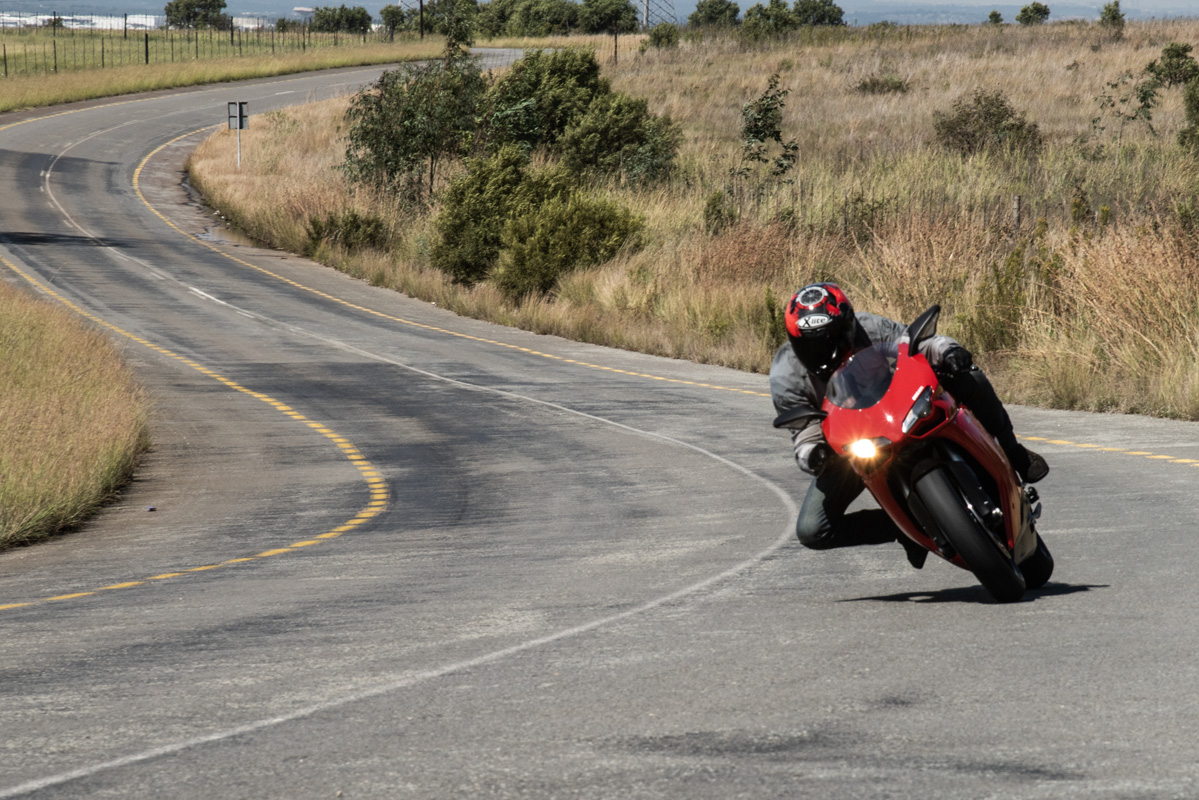
Photo Credit: Dave Cilliers / ZA Bikers

The Tiger is a fast motorcycle. Weighing in, fully fuelled, at 214 kg, it feels light and nimble and incredibly stable. So stable in fact that I looked for a steering damper, which I thought it must have, but no. Enter the chassis and suspension. When asked if the engine was the standout feature of the bike, my retort was “the engine is great, but the chassis and suspension are sublime!” The suspension boasts 150 mm of travel at both ends. Most bikes in this class have 120 mm of travel. I believe that the extra travel allows the wheels to stay connected in a way that is almost uncanny. Descending the Mkonjwe mountain pass to Barberton, I found just how good the suspension and chassis are. The road has been wrecked by heavy vehicles descending the pass on the brakes. Although repaired, it is extremely bumpy and resembles corrugations in places. The Tiger was absolutely awesome. It is so stable that it generates huge confidence. The agile handling and forgiving suspension allow rapid progress down a road that would tie most bikes in knots.

Photo Credit: Dave Cilliers / ZA Bikers

There are three power modes. Sport, Road and Rain. Sport has the most aggressive fuelling and is ok when you get on the gas in a hurry. Coming off the throttle feels as if the bike runs into toffee. On a twisty road, it is difficult to modulate the throttle for smooth and swift progress. Road mode to the rescue. Smooth and linear, it makes for a ride where you are not trying to compensate for an over-aggressive throttle but rather simply concentrate on the road ahead. Rain mode apparently makes for an even more allergic throttle response. Give me Road mode, delete the other two and drop the price. That would be my call, but the marketing powers have a different agenda. The same applies to the My Triumph Connectivity System with turn-by-turn navigation, Phone and music via Bluetooth. Enjoy it, Gen Z and others, I will leave it mute and enjoy the aural symphony of the triple motor singing its wonderful song, unbothered by the outside world, living in the moment, like it was before the world demanded that you be on call 24/7.

Photo Credit: Dave Cilliers / ZA Bikers

Speaking of the sound emitted by the beautiful and tidy exhaust tailpiece. At gentle throttle, the Tiger purrs along, totally below the radar. Lean hard on the throttle, and it becomes another beast. The purr grows into a bass wail, rising in pitch with the revs until it approaches redline with a banshee shriek. Intoxicating in the extreme! Sitting on a phone call, you would miss all that…imagine. Shut up, Dave, “methinks thou doth protest too much”. The brakes, two 310 mm discs with 4-pot callipers on the front and a single 255 mm 1-pot rear, are seamless in their operation. Powerful and predictable, they do the job at all speeds without fuss or bother. The five-spoke alloy wheels are shod with Michelin Pilot rubber, a 120/70×17 on the front and a 180/55×17 on the back. The superb tyres complement the chassis and suspension for unrivalled stability at all lean angles.
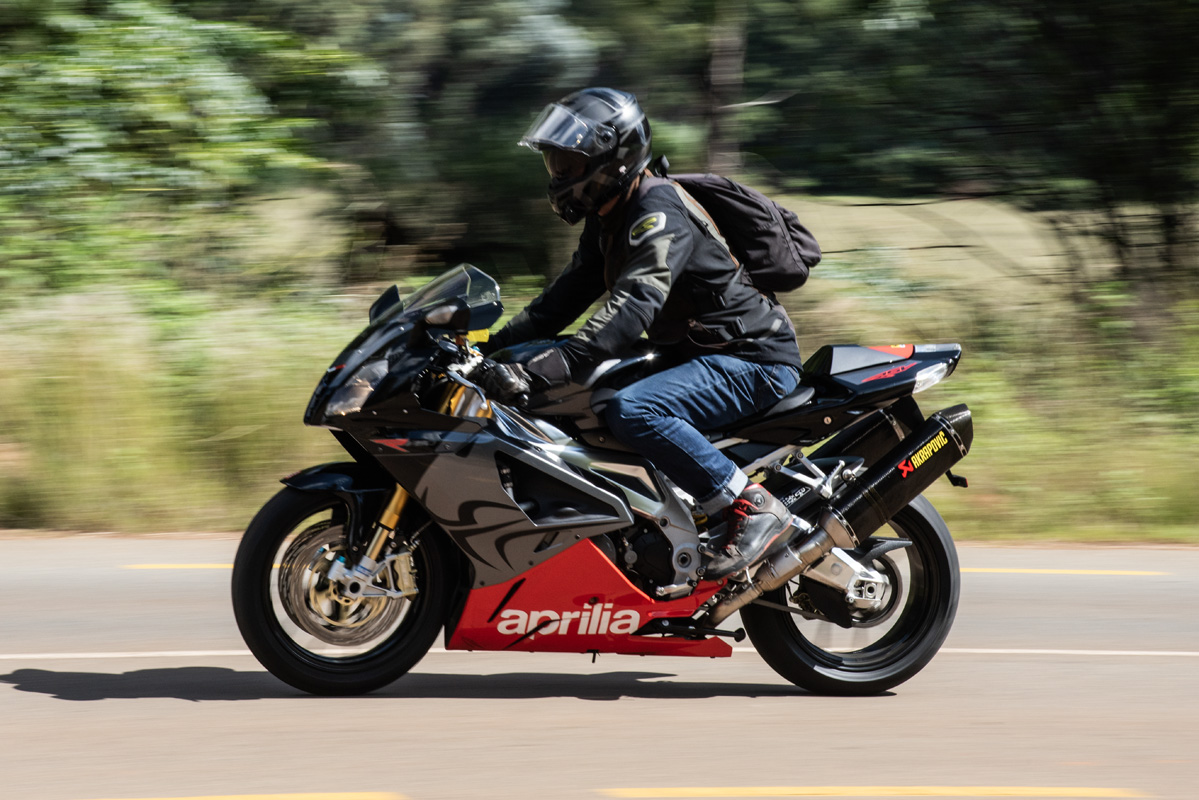
Photo Credit: Dave Cilliers / ZA Bikers

Let’s talk fuel consumption. After filling up at Milly’s, I blasted the Tiger down the mountain, with an easy 160 km/h on the speedo and a quick top-end blast on a totally level section of road, which saw 225 km/h on the speedo in no time. Settling back to cruising speed, I rode without consideration given to economy but rather revelling in the Tiger’s dynamic ability. The return journey was much of the same, until back on the freeway, where I re-engaged the cruise control at 134 km/h. My rationale is that it’s probably a true 129 km/h, which would let me off the hook in a speed trap where there is a 10 km/h grace. Luckily, my theory was never tested as I did not contend with any of the local constabulary. Filling up at the Ultra City, I was gobsmacked to note that despite my enthusiastic riding, the Tiger returned just on 21 km/L. Filling the bike after resuming the journey at cruising speed on the highway and before returning it to Triumph, it returned an amazing 24,8 km/L, good for over 440 k’s on a tank. Wow! Those are Honda NC 750 economy numbers! Wildly impressive!
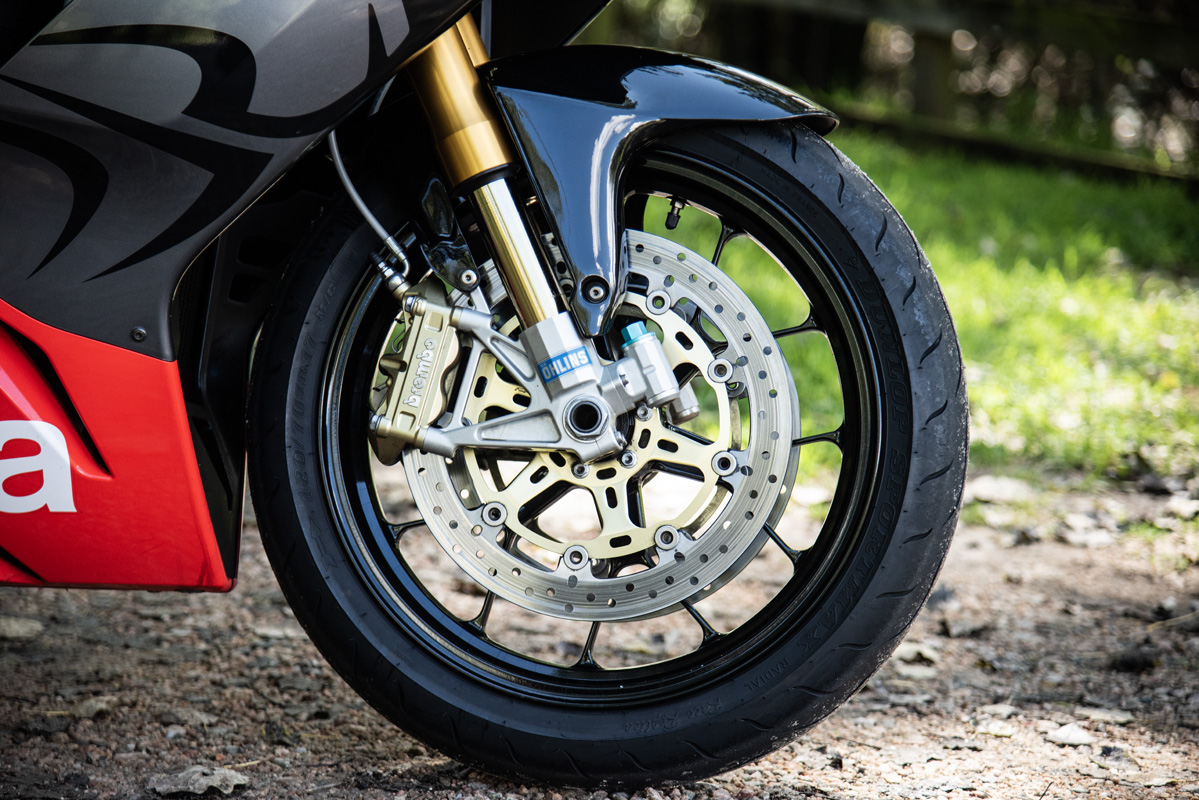
Photo Credit: Dave Cilliers / ZA Bikers

There is a host of factory accessories available for the Tiger, including panniers and a top box. The test bike was fitted with hand wind deflectors and very neat fall-over protection, which bolts to the engine. The bike has self-cancelling flickers, which every single motorcycle should have regardless of price, but unfortunately doesn’t come with a main stand, which I consider imperative for any touring motorcycle for rear wheel and chain maintenance. With a base price of around R205,000, the Tiger Sport 800 offers reasonable value for money. Comfortable, fast and endowed with way above average chassis and suspension allied to good wind protection, it does all it says on the tin and then some. If you are in the market for a middle-weight sports touring motorcycle, you owe it to yourself to take the Tiger Sport 800 out for a proper trundle. You will not be disappointed.

Photo Credit: Dave Cilliers / ZA Bikers

MotoGP 2026: First Test Done and Dusted

Image source: MotoGP

The first official MotoGP test has concluded, and the question is: did it tell us anything we didn’t think we were going to be told? The answer can only be: not really.

The Ducatis were fast; the Aprilias too. The KTMs were underwhelming and the Yamahas even more so, while the Hondas showed continued progress. So, shades of recent seasons.

Perhaps the most revealing thing was the speed of the Ducatis and, more specifically, the satisfaction of Pecco Bagnaia. It is, by now, well known that the 2025 Ducati Desmosedici engine was nowhere near as rideable as the 2024 version, unless you had the mercurial talent of Marc Marquez. Bagnaia simply couldn’t get it to work to his liking, while all the riders on 2024-spec Ducatis made hay.

Image source: MotoGP

In the latest test, the engines used by the Ducati riders were an amalgamation of 2024 and 2025 engines, much to Bagnaia’s pleasure; all the benefits of 2024 with the good bits of 2025, such as they were. This engine propelled Ducati to five of the top six final placings in the test, the only interloper being Bezzecchi’s Aprilia.

This all could make 2026 a very good season for close racing; all Ducatis on the grid – GP26s for the factory team, Alex Marquez and VR46’s Fabio DiGiannantonio and GP25s for Frankie Morbidelli and Fermin Aldeguer – will essentially be running the GP24 engine in the GP25/6 chassis, which is the best engine in the best chassis on the grid; if only that fact will promote close racing! Mind you, imagine what Marc Marquez can do with a better engine than the one he dominated 2025 with…?

Image source: MotoGP

While engine development is frozen for this final year of the 990cc formula, aerodynamic and ride-height tweaking continues apace, and it is this that could make all the difference in 2026, with bikes even less able to follow one another closely. Ducati were testing no fewer than four different aero packages, one of which, like the engine, has to be chosen before the first race, whereafter it is set in stone for the season.

Marquez appeared to favour the 2025 aero package, while Alex Marquez and Bagnaia were favouring the 2024 aero, which, for Bagnaia at least, gave the stability under braking he was so sorely lacking in 2025.

Image source: Ducati

Jorge Lorenzo was trackside throughout the test and made this observation: “In the corners, you can see that the Ducati is so smooth, so electric, especially in the exit of the corners, they are so smooth in the maximum lean angle with 20% throttle. But also, when they pick up, they keep this smoothness for a very long time. The other bikes look very nervous.” Not what the other teams want to be hearing, but it must be music to Bagnaia’s ears. Mind you, he took pole position and a Sprint race win at the same track last year, so he obviously likes this circuit. The only way to know if the testing smiles were a flash in the pan will be to wait for the next official test in Thailand, just before the first race at the same circuit.

At the other end of the performance spectrum was Yamaha; not only slow, but slow and unreliable was the new V4 engine. Unreliable enough to cause the manufacturer to cancel all of Wednesday’s running, thanks to an unspecified problem that was apparently solved, allowing the team to resume testing. It hardly mattered, as the fastest Yamaha by the end was Rins in 14th.

Image source: MotoGP

None of this will do Yamaha’s chances of retaining Fabio Quartararo any good. All parties denied that a deal had already been inked between Quartararo and Honda, just as Acosta and Ducati denied that any deal had been finalised, and you could always insist that there is no smoke without fire, but the simple fact is that we won’t know for a couple of weeks, before the first race of the season at the end of February.

Not that there is any guarantee that announcements will be made before that date, but it appears to be taken for granted that they will, as many riders want the issue out of the way before the campaign gets underway and want to bag the best seats ahead of everyone else.

Image source: MotoGP

A lot of eyes were on reigning World Superbike champion Toprak Razgatlioglu as he made his competitive debut on the Pramac Yamaha. Despite commentators claiming that he would be a revelation, he himself downplayed his chances in this, his first season, not only in MotoGP, but also on Michelin tyres. Next year, MotoGP switches to Pirelli, a brand that Razgatlioglu is completely familiar with, having ridden on them in WSBK for many years, and it is hoped that this will be his chance to shine, both in developing the Yamaha to work on them and in the races. Time alone will tell, but for now, he is desperately trying to adapt his riding style to the MotoGP prototypes.

“It’s not easy for me to see myself so low in the standings, especially after my time in Superbikes,” he said. “This morning, I followed Alex Marquez and saw him riding very smoothly, but I can’t do that. I’ll probably struggle in the first five races.”

Image source: MotoGP

The who-will-ride-where-in-2027 rumour mill continued to grind out stories, the latest being that Alex Marquez could be on a factory KTM, replacing potentially Ducati-bound Acosta. Mind you, he has a GP26 this year with Gresini and, should that continue to prove to be effective, would he want to leave? A factory ride is the holy grail of any rider, but when you have a winning factory bike in a small, familiar and friendly team, with an offer for 2027 on the table, would a factory KTM be enough? Again, we come back to the unknowable performance of every manufacturer’s 850cc bike in 2027; a move to KTM could be a masterstroke of opportunism, or it could be a disaster, as could staying with Ducati!

Forget risking it all on track; it’s in the boardrooms that the real danger lies!

Image source: MotoGP

A Passion For TREK

0
Photo credit: Bjorn Moreira / ZA Bikers

Our friends at TREK mentioned that they have a customer, or rather a member of their TREK family, in Johannesburg, with an amazing collection of TREK bicycles. My ears pricked up immediately. I love stories of people with a passion for two-wheeled vehicles, be they pedal or engine-driven. Ever since researching the TREK story, I have developed a deep appreciation for the brand. So it was that Bjorn and I rode through to Dainfern on a Friday morning to meet with Ian Gilley, the owner of the TREK bicycle collection.
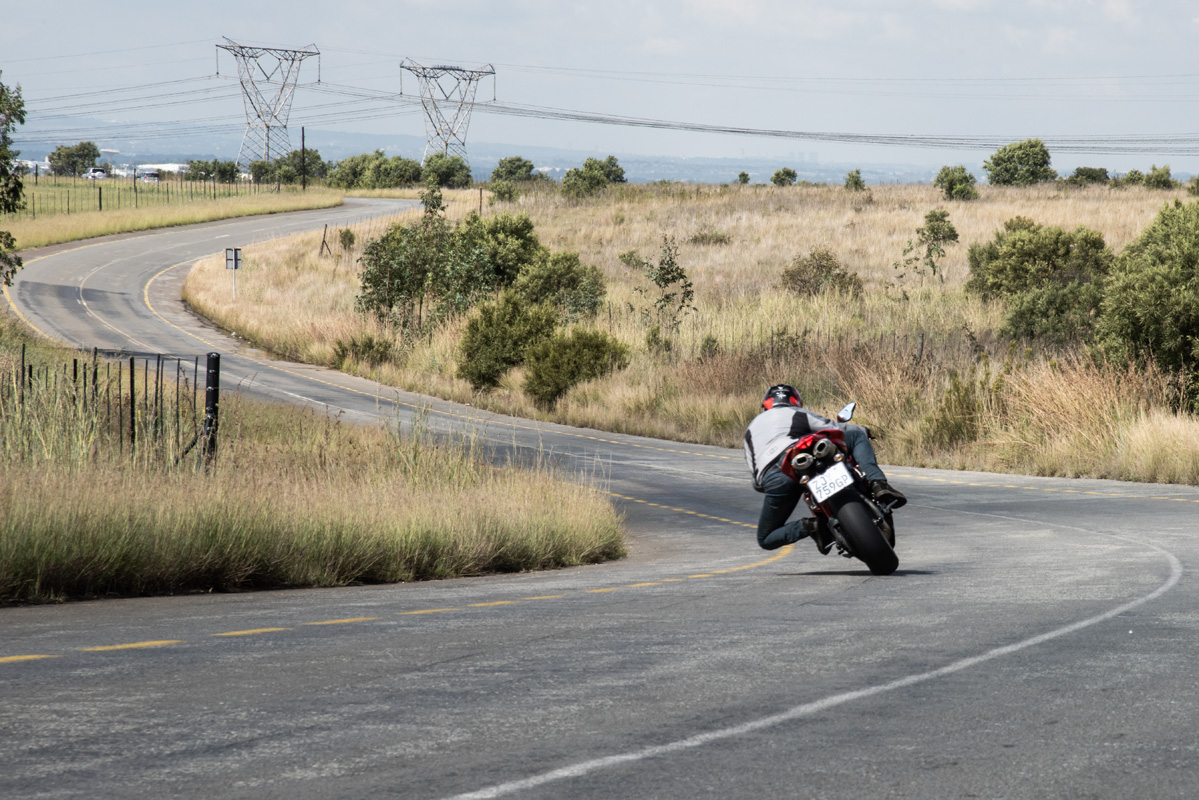
I was in no way surprised by Ian’s appearance. He has the lean and ripped physique of a top cyclist or athlete, confirming that his collection of epic TREKs is certainly not just for show. Following him into his entrance hall, it was immediately apparent that TREK bicycles are not his only interest. Arrayed on the floor were an assortment of sports cars and supercars that would make any petrolhead drool. I won’t go into detail lest I go off at a tangent and detract from the subject of this story. Maybe they should be the subject of another tale, together with the immaculate Honda Mini Trail parked at the front door. Note to self: This man likes collecting epic stuff!

Photo credit: Bjorn Moreira / ZA Bikers

In the world of bicycles, Time Trial bicycles are, for me, the “Formula 1” equivalent, being built with total focus on speed, but not suitable for general consumption. A Racing bicycle, as you would see the guys riding in the peloton of a Tour de France, is the “supercar” of the bicycle world. The perfect blend of form and function, lightweight and dripping with tech, but also allowing extended time in the saddle. Built to worship at the Altar of Speed. The Madone is TREK’s player in this space. Derived from the 5000, 5500 and 5900 series, which Lance Armstrong used in his years of Tour de France dominance, it is the result of years of being forged in the crucible of competition at the highest level.
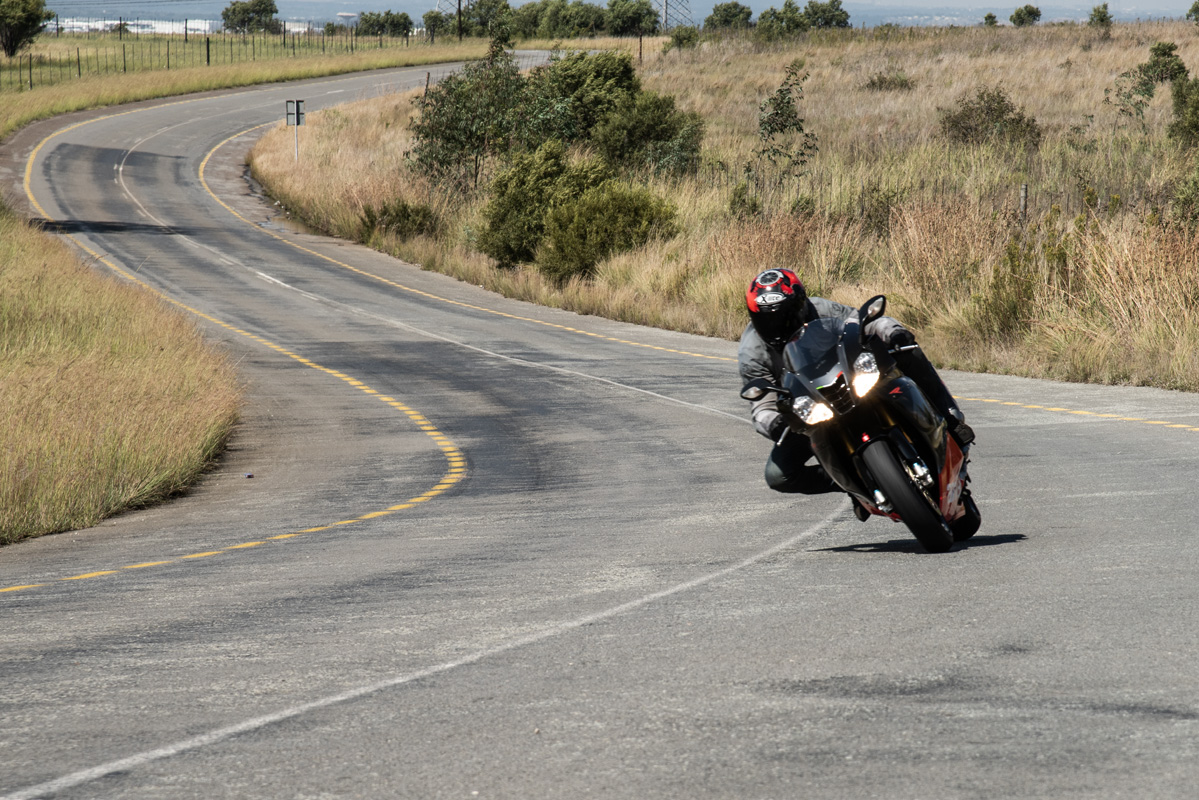
One of the things that makes Ian’s splendid collection of TREKs special is that he never endeavoured to “collect” a cool bunch of racing TREKs, but rather just kept all the bikes that he and his late dad rode over the years. The father and son history of Ian’s athletic journey resonates with the TREK story of co-founder Dick Burke and his son John, the current CEO of TREK. Ian, now 54 years old, grew up on the West Rand and, with the support of his dad, excelled at athletics, breaking age group records in the UK, as well as an age group World record, while competing under a pseudonym to disguise his South African heritage. He went on to study engineering, both Industrial and Mechanical, at WITS.

Photo credit: Bjorn Moreira / ZA Bikers

The passion for fast cars was born in motorsport with Ian competing in Karting and Group N. Ian’s next sporting success was in power lifting, which he enjoyed immensely and where he set a SA record in his weight class. He enjoyed cycling in high school but only revisited bicycles around 2000, riding a race in Knysna on a borrowed bike. The bug bit and has had its fangs in him ever since. He self-coached, using the renowned Carmichael training programme. He has raced several Argus Cycle Tours, as well as 94.7, with highly creditable results. An Argus best of 2h35min and a 2h42m at the 94.7. If you are even vaguely familiar with cycling, then you will appreciate how good those numbers are. 2008 saw him take to the dirt and ride the first of three ABSA Cape Epics, where a claim to fame was beating the SA cycling prodigy of that era, Burry Stander. 2012 saw Ian add a TREK Top Fuel Mountain bike to his stable.

He has also finished ‘The Munga’. If you don’t know what this is, let me fill you in. It is a 1000+ kilometre single-stage mountain or gravel bike race which crosses the Karoo during summer. Riders contend with excessive daytime temperatures and even really cold nighttime riding. As if that is not hard enough, headwinds are often hectic as well. To rank as a “finisher”, you need to complete the ride in 120 hours. There are 5 race villages for food and sleep along the way, as well as around ten water points.
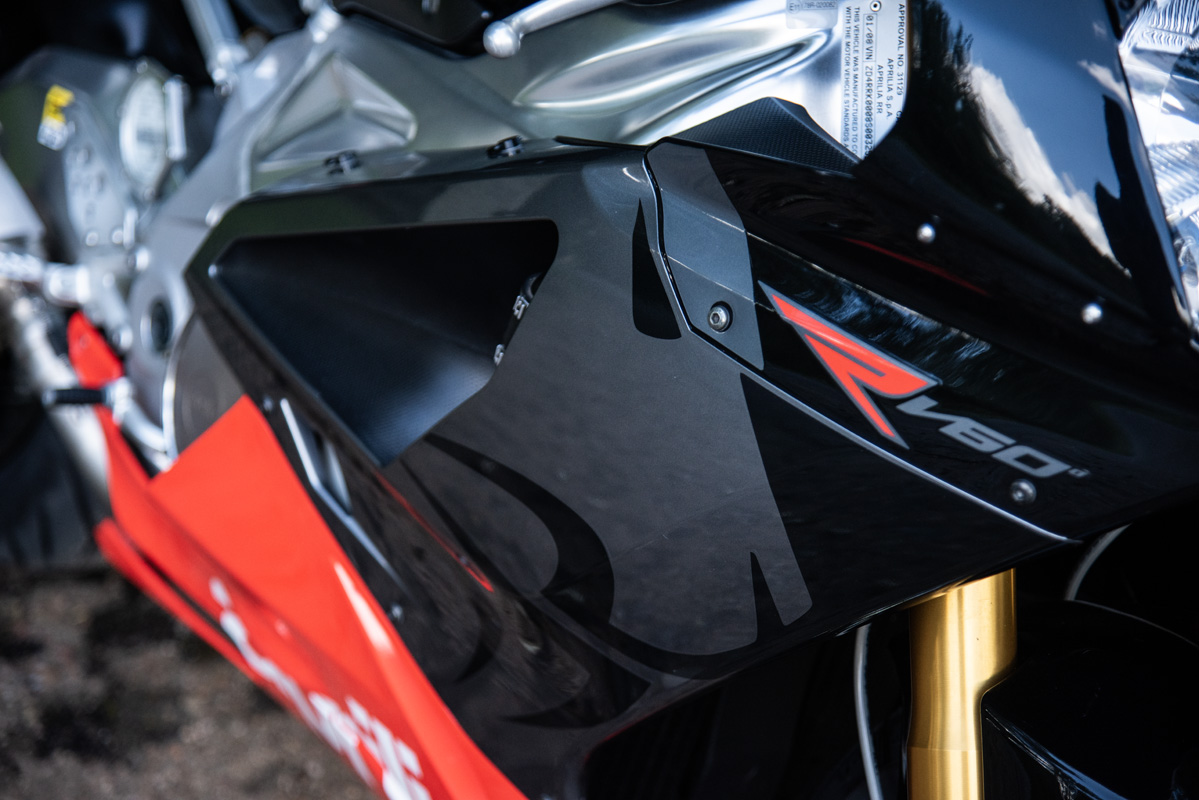
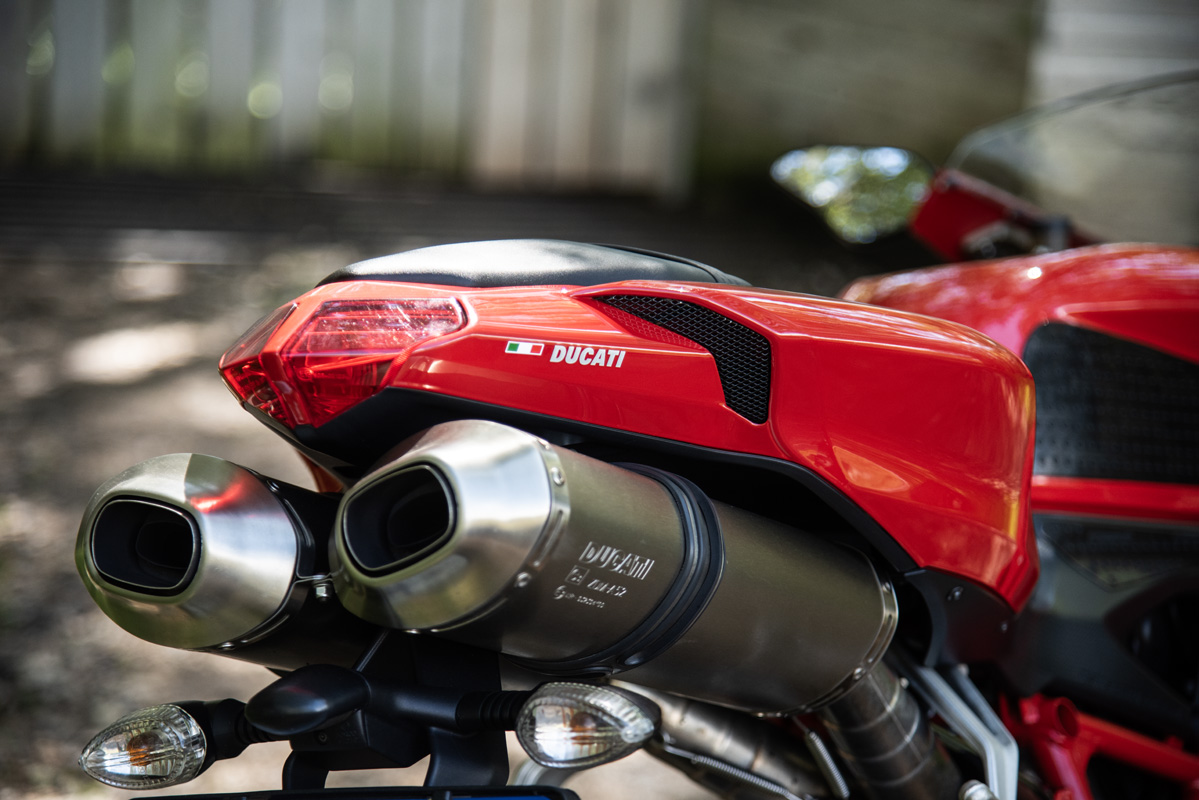
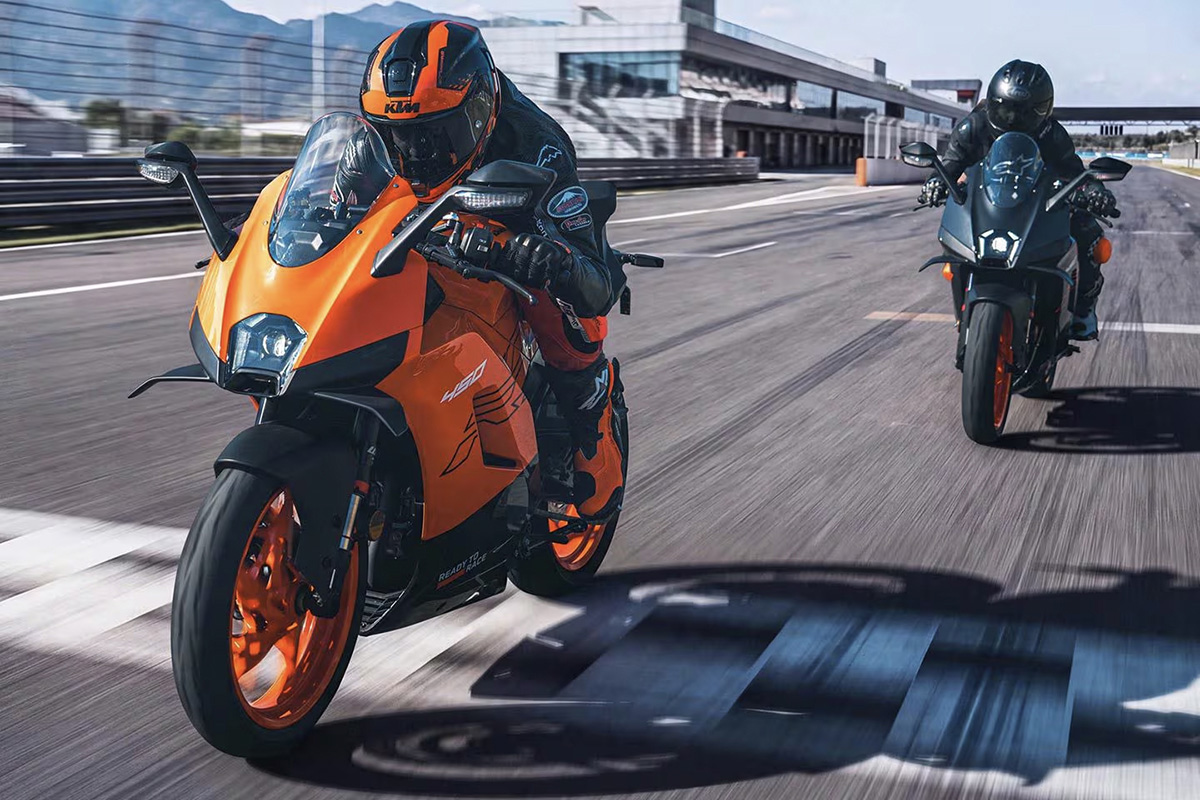
Photo credit: Bjorn Moreira / ZA Bikers

Ian reckons that whilst he is not a particularly spiritual person, the Munga was a deeply spiritual experience where he experienced every emotion known to man and then some. Both physically and mentally sapping, the Munga is considered by many to be the toughest cycling challenge on the planet. Participants ride dirt tracks from Bloemfontein to Wellington in the Western Cape. This is a next-level achievement not even considered by most mortals. You will learn things about yourself during a Munga that you could not have dreamt of. Respect!

Entering Ian’s bicycle room is something of a sensory overload for a bicycle enthusiast. The walls are adorned with Trek Team jerseys as worn by Lance Armstrong on the various teams on which he rode, as well as our own Darryl Impeys jersey, which he wore on the last day of the Tour de France. Other bicycle helmets and memorabilia are displayed on shelves. The centre of the room contains a whole bunch of Trek racing bicycles ridden by Ian over the years, as well as his dad’s bike. Every bike is spotlessly clean and beautifully displayed. At the end of the lineup of Madone’s is Trek’s superb Supercaliber mountain bike. Pride of place is Trek’s latest weapon, the Emonda, the lightest bike which they build. This purchase was prompted by having decent control and fade-free braking ability on Alpine descents. After his first time out on the bike, he felt compelled to ride past the Trek store where he bought the bike to say that, after riding the bike, he felt that the purchase price was totally justified. Well, as the old saying goes, “What you pay is what you get”.

Photo credit: Bjorn Moreira / ZA Bikers

Chatting with Ian, his passion for the brand is palpable. He rides some European cycling tours when time allows and, as such, really uses his bikes for their intended purpose. He clearly has impeccable taste when it comes to fast wheeled objects, and his Trek collection bears witness to just that. Still single and obviously eligible, he says that despite the odd close call, Mrs Right has still not come his way. Listening to his story, I have to say I get it. Doing what he wants when he wants has resulted in an incredibly fulfilling and achievement-filled life. After all, when you are part of a cycling family like Trek, you will never be lonely. Ride on and ride strong, Ian, and thanks for sharing your inspirational Trek journey.

For more information on TREK in South Africa, visit: www.trekbikes.com

STAY CONNECTED

74,000FansLike
10,500FollowersFollow