



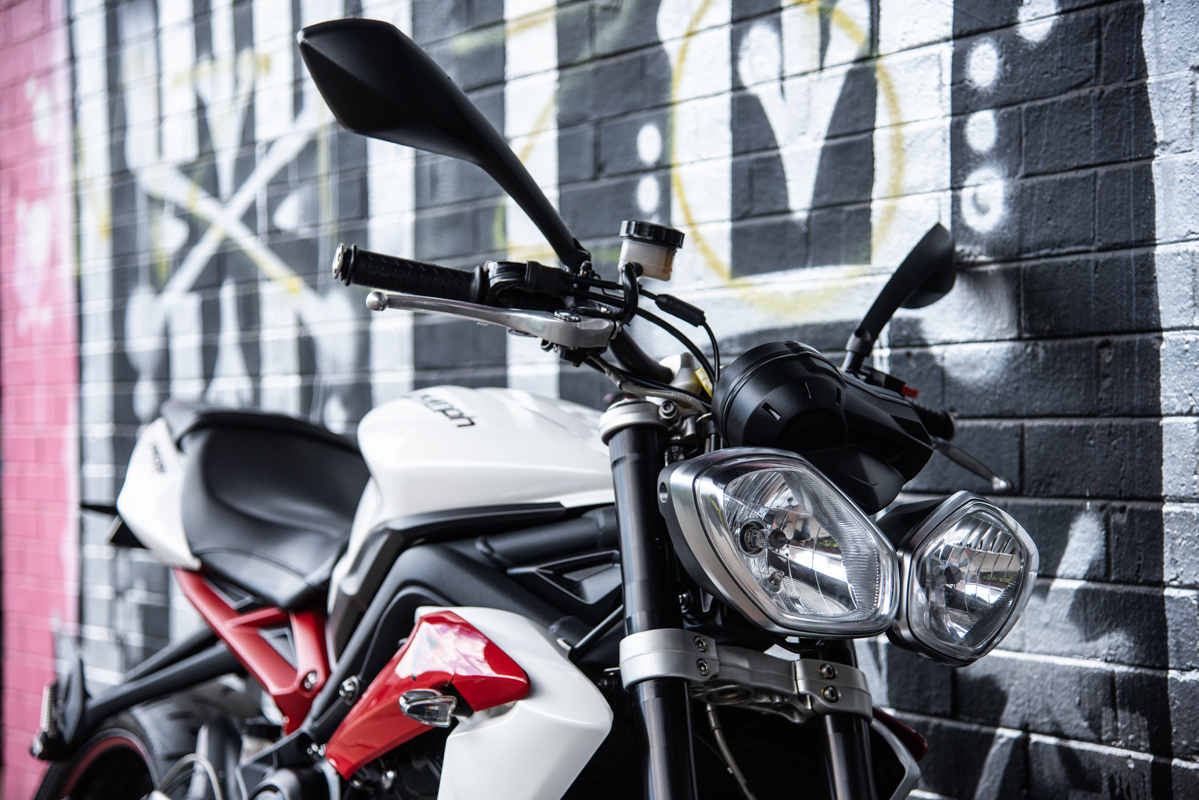
I’ve said it before, and I’ll say it again; it’s amazing how much bike you can buy for not very much money if you choose to go the used bike route. We should all count ourselves lucky that we live and are buying used bikes in South Africa and not the UK or any European country.
There are two main reasons for this. Firstly, bikes actually get used over there, as in used every day as a means of transport, so the mileage racks up. Secondly, European winters are not for the faint of heart, and, if it’s not raining, then it’s cold, and, to keep the roads clear of snow and ice, they put salt down, and salt, as we should all know, is the enemy of metal, whether it rusts or not, i.e., ferrous or an alloy.
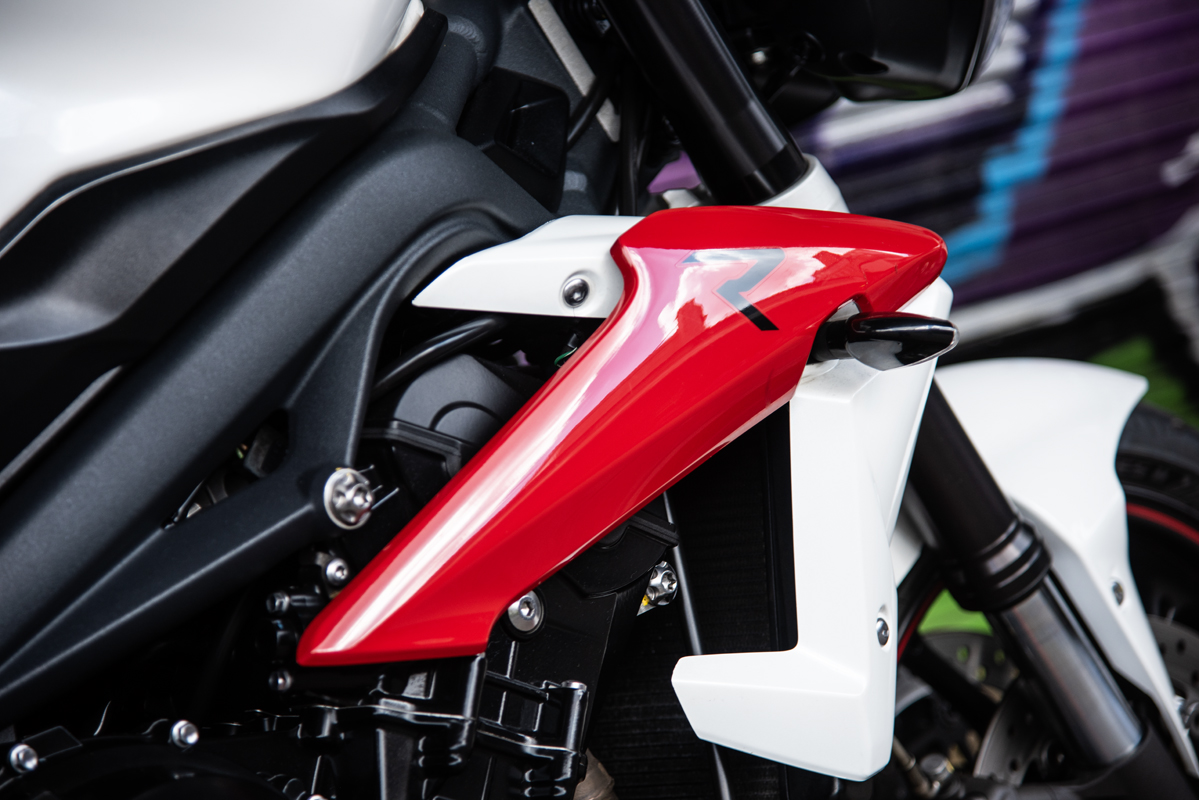
Here in South Africa? Plenty of low-mileage, leisure-use-only bikes that have never seen a spot of rain or a wet road, so are largely perfect both mechanically and cosmetically. The choice is, in fact, embarrassingly vast.
Just walk into Bikeshop Rivonia if you don’t believe me; row upon row of every type of bike imaginable, in near-perfect condition; so much so, that we often have trouble agreeing which type to choose for these articles.
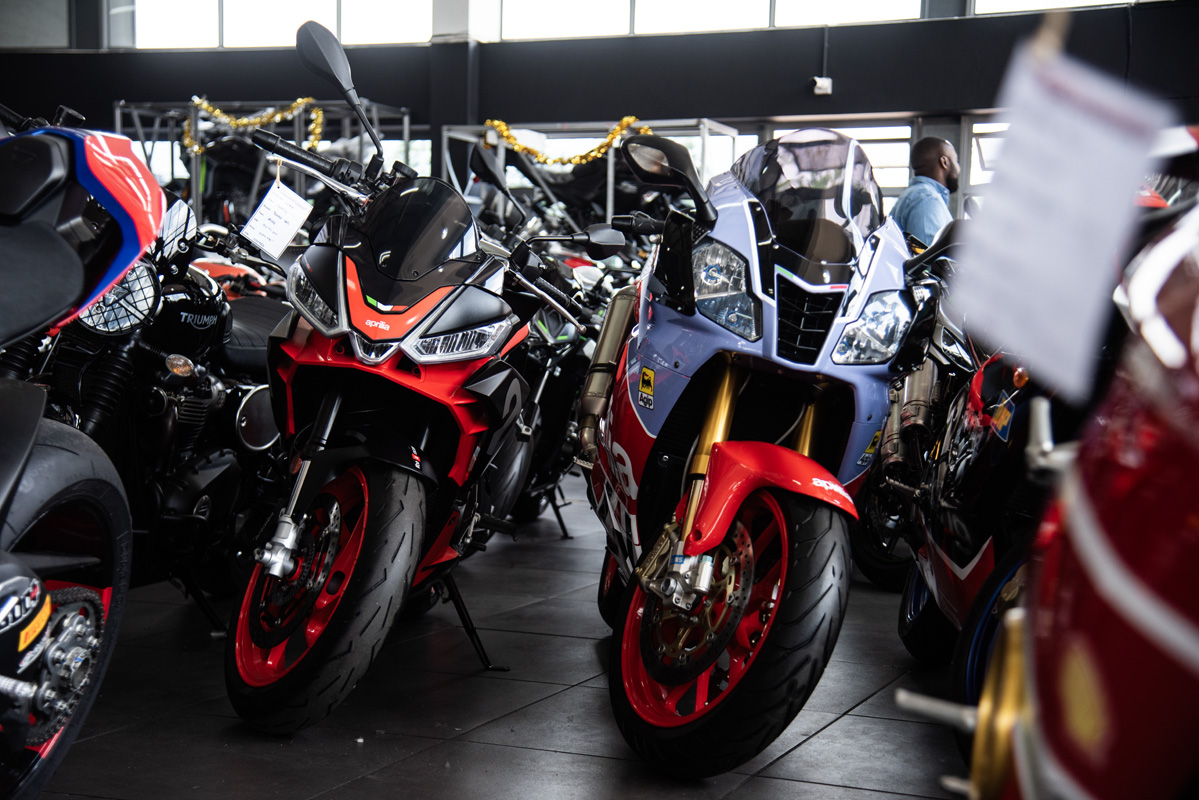
The other problem is that we see a pair of bikes one week and think, ‘they’ll be good for a head-to-head test,’ only to arrive the next week and find they’ve both been sold, which is, I suppose, the whole point of Bikeshop’s existence! That happened this time, although it was a fortunate negative, as it put the two bikes you see here into our line of sight, and I struggled to find anything wrong with that.
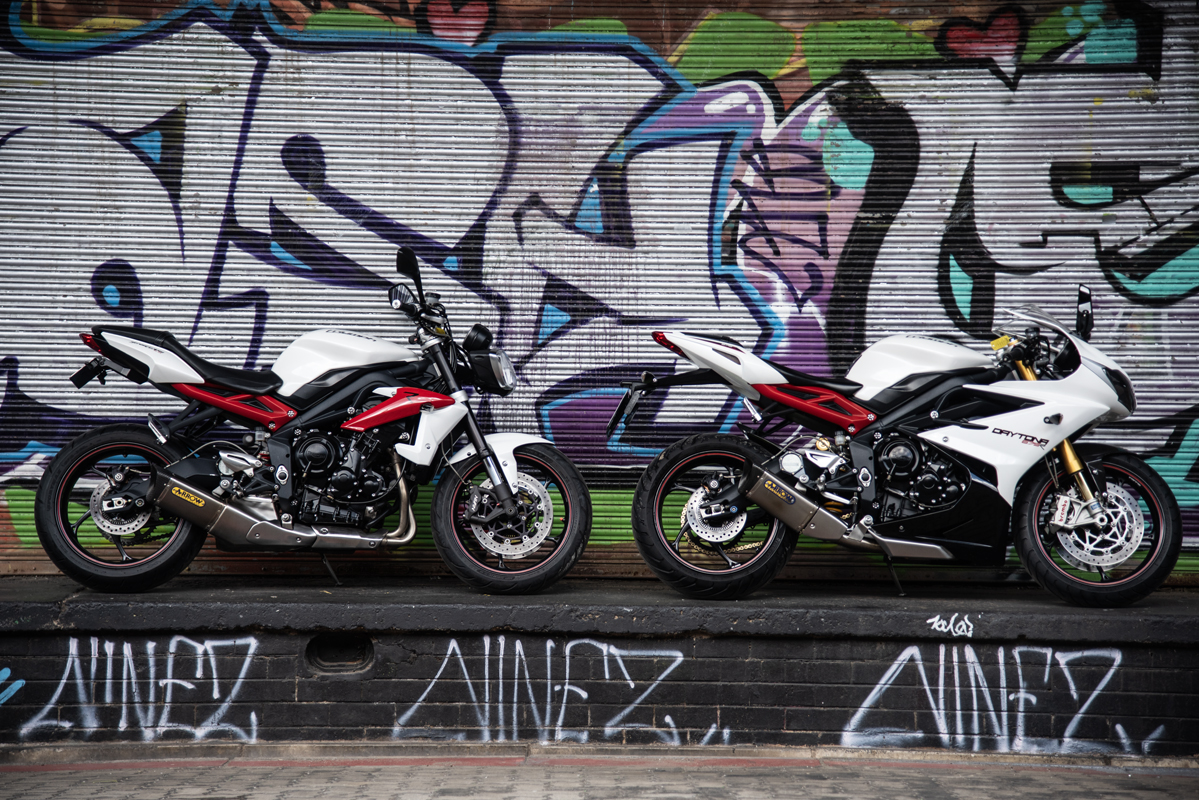
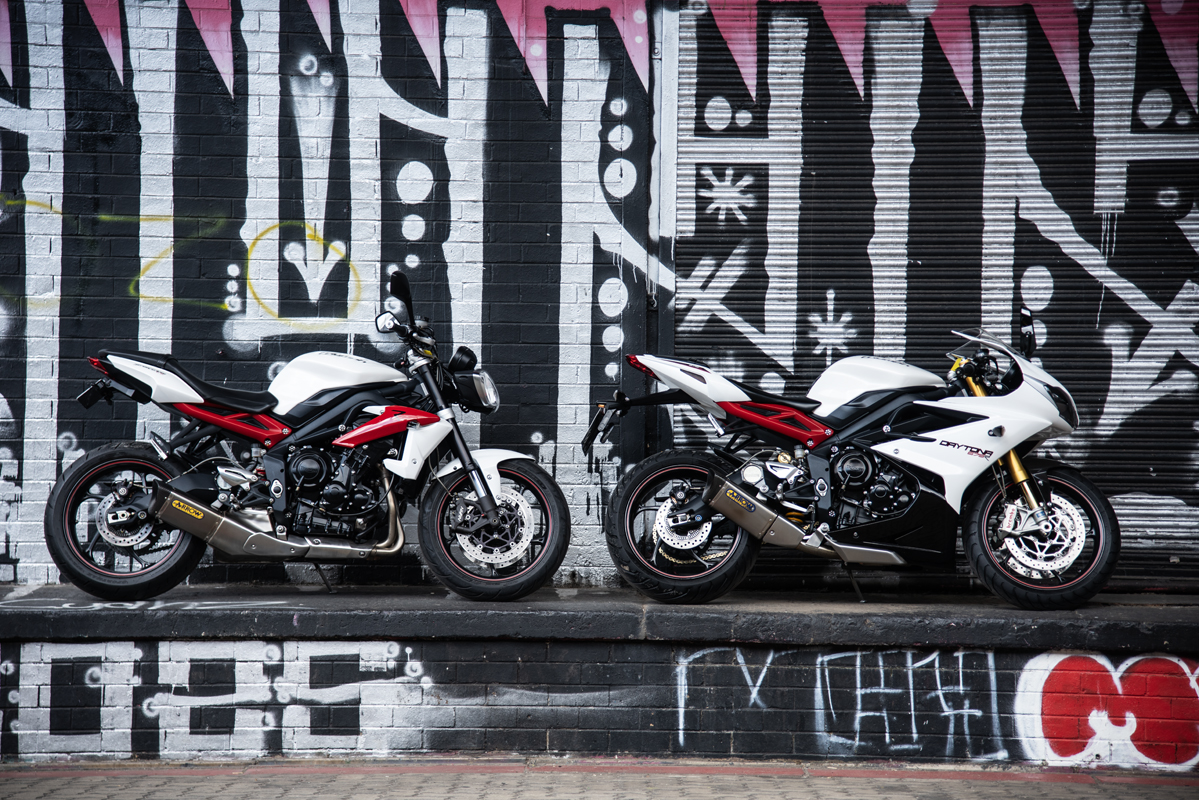
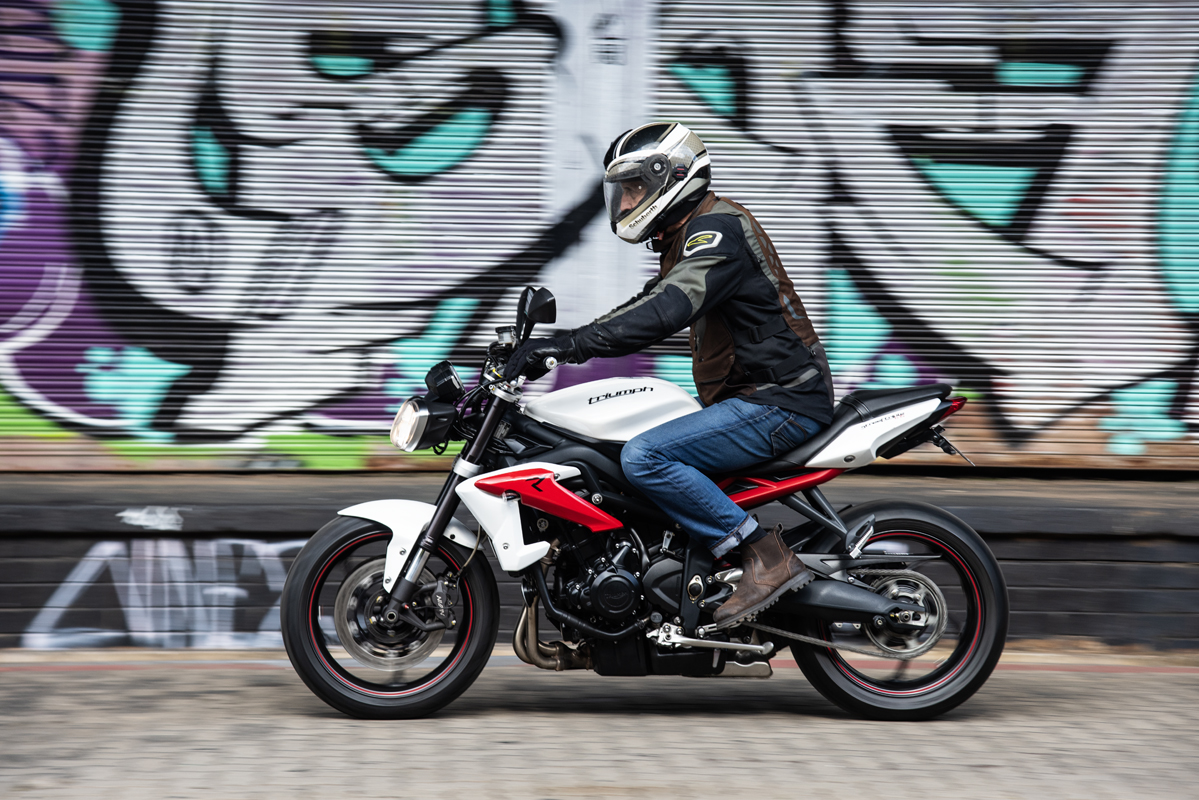
Triumph’s Street Triple has consistently been hailed as one of the best-handling bikes you can buy, right from when it was first introduced in 2007. It used a detuned engine from the Daytona 675, which was launched in 2006 and one of which, by happy coincidence, was sitting right next to the Street Triple on the showroom floor. What better pairing for a head-to-head.
Except, of course, can they really be pitted against each other? Aren’t they in essence the same bike, sharing as they do an engine and a frame; the same DNA, if you like?
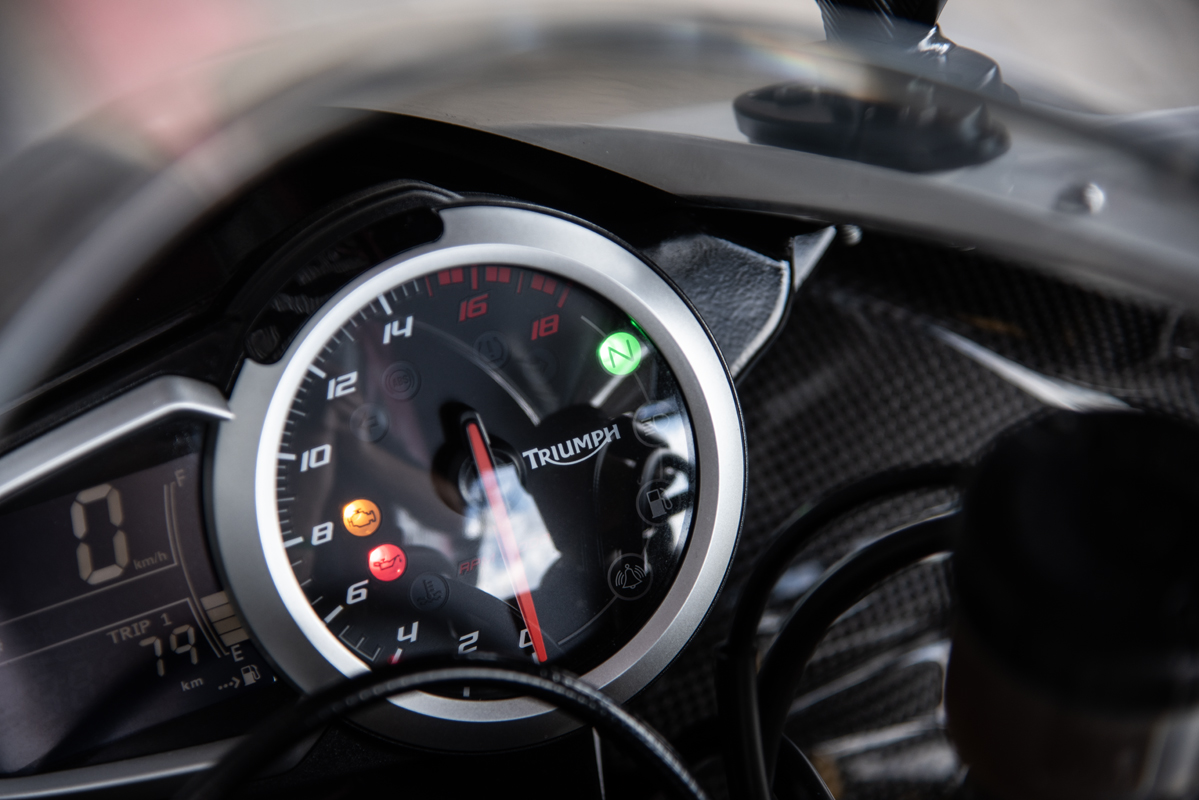
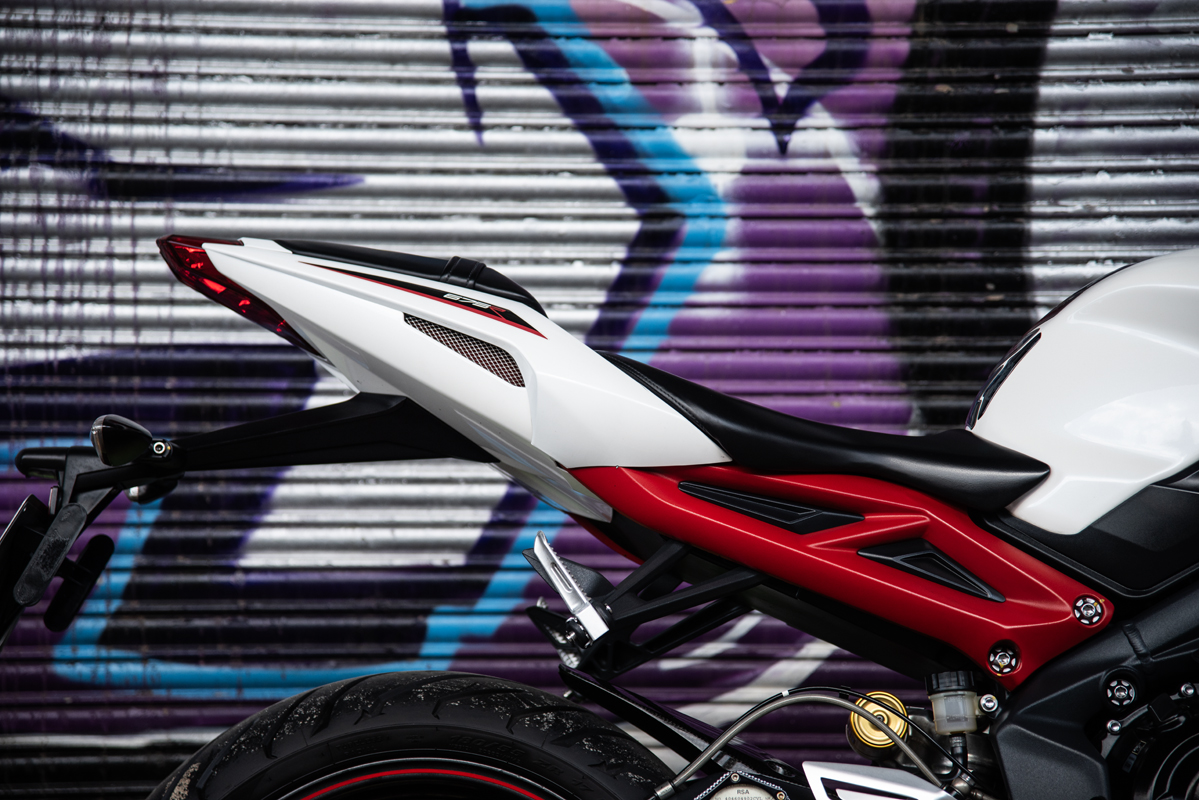
Well, yes, they are two variations on a theme, but they also both have their own distinct personalities, as well as their own particular areas of expertise. The obvious difference is that one is a naked bike and one is fully-faired, a supersport bike.
The Daytona 675R is from 2015, so it’s from the penultimate year of production and therefore, benefits from nine years of development. The Street Triple is from 2013, so it is from the beginning of the third-generation series, and the last of the 675cc models; in 2018, the engine displacement was increased to 765cc.
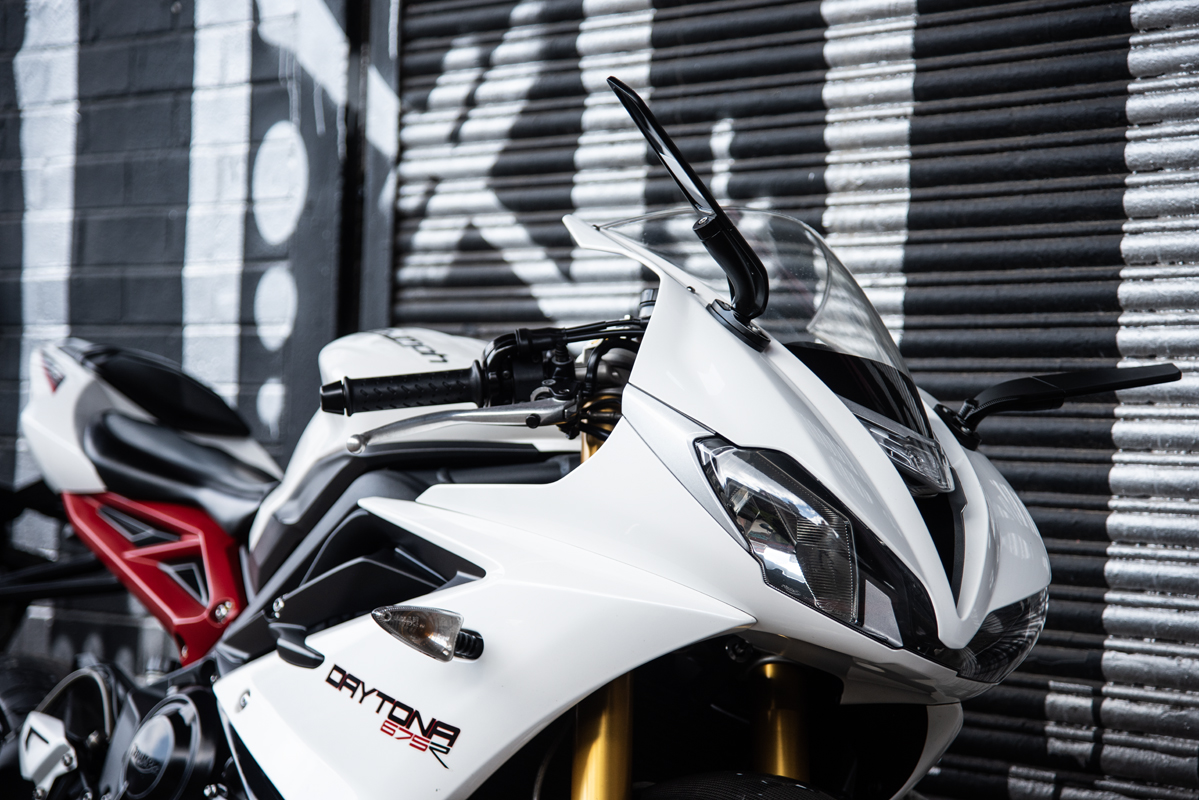
You can read all the development and different generation details elsewhere online, so I won’t bore you with that detail here. What is relevant is how 11- and 13-year-old motorcycles stand up to current similar models.
The answer is unequivocal; you can’t find or feel any difference. Going back to my starting point for this article, this pair has lived very easy and sheltered lives, and it shows; they feel as taut as they were the day they left the factory. But such is Triumph’s quality of engineering and construction, I wouldn’t expect them to feel any different had they another 30,000 km on their respective clocks.
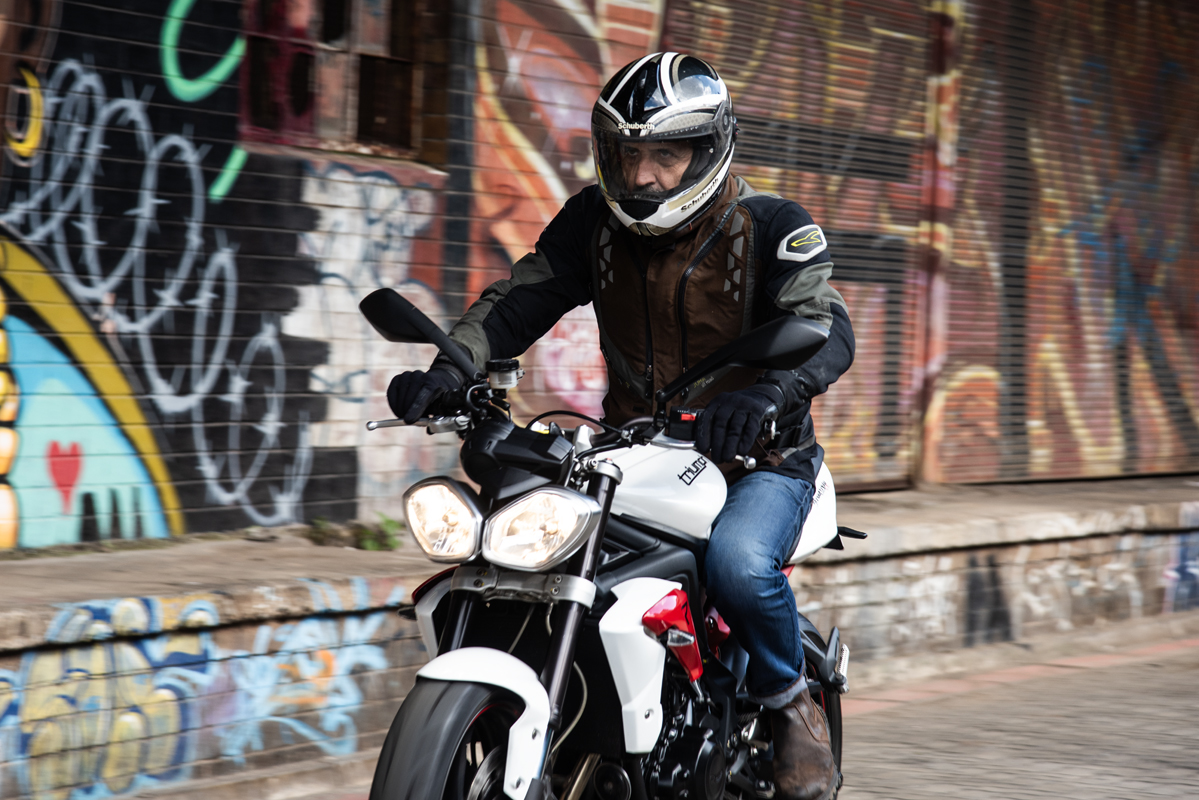
Of the two, the Street Triple is the more usable in everyday terms; the riding position is the relaxed side of sporty, and the more upright stance for the rider gives much better visibility. The Daytona, on the other hand, feels that bit more special because of its riding position, which is pure sports bike.
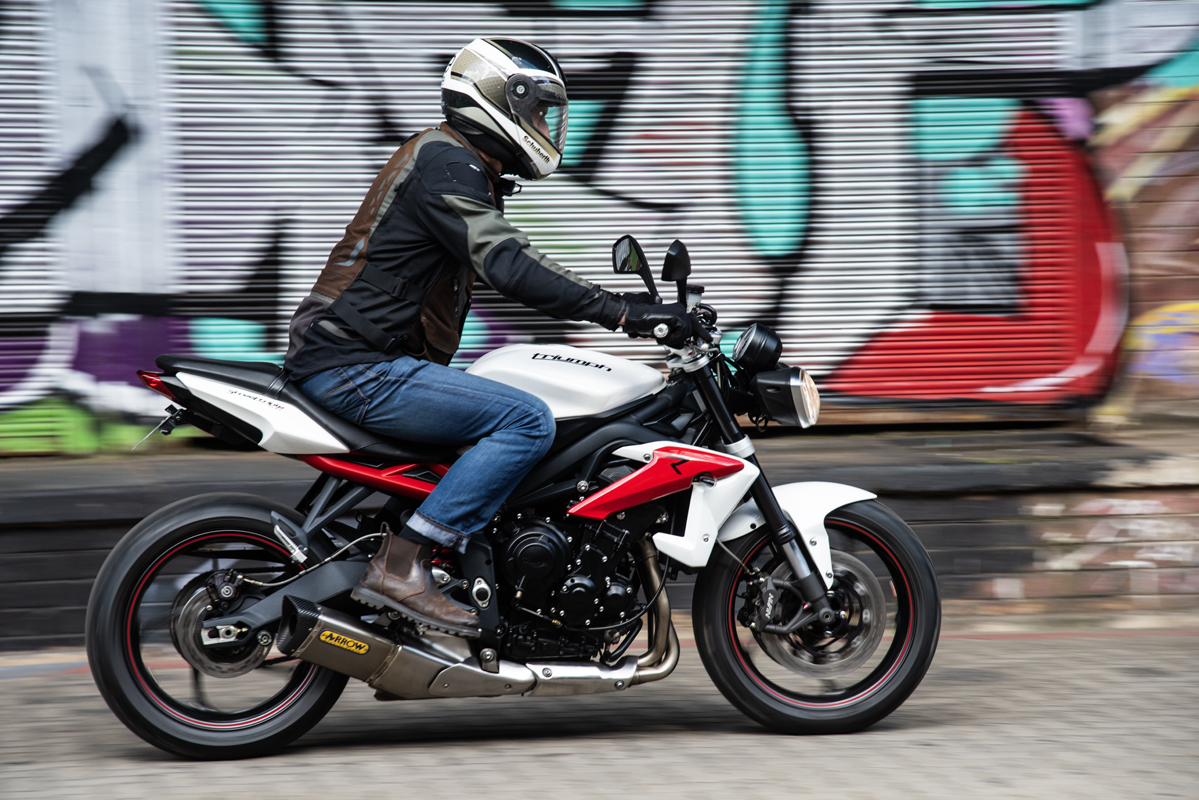
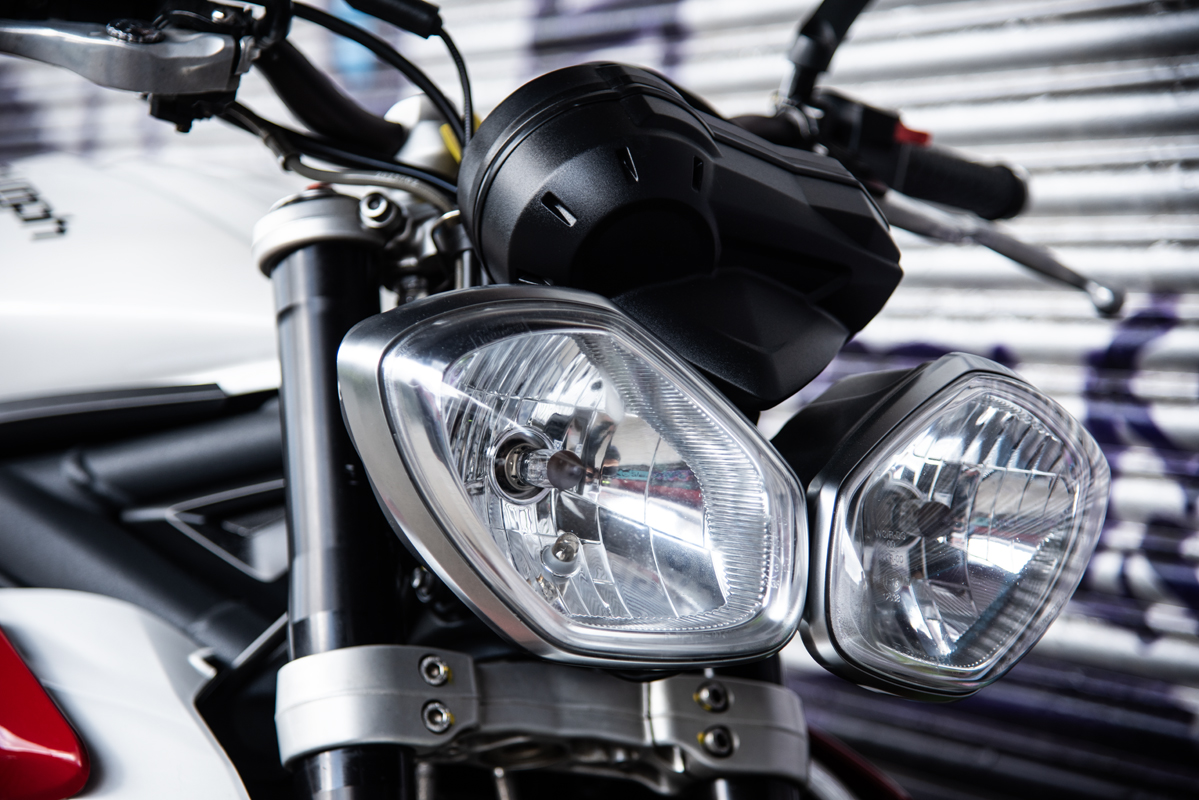
The Daytona might have 22 more horses to play with, but, in reality, the Street Triple’s 106 horsepower is more than enough for highly entertaining progress on any road you care to mention. In fact, I’d go as far as saying that this might well be the perfect motorcycle; light, compact, ultra-nimble, impeccable handling and chassis behaviour and stunning performance courtesy of one of the great engines of modern motorcycling, the Triumph triple; all the benefits of a twin-cylinder engine – low and mid-range torque – combined with all the benefits of an inline four – quick-revving and a screaming top end. Oh, and it just happens to be a beautiful bike as well.
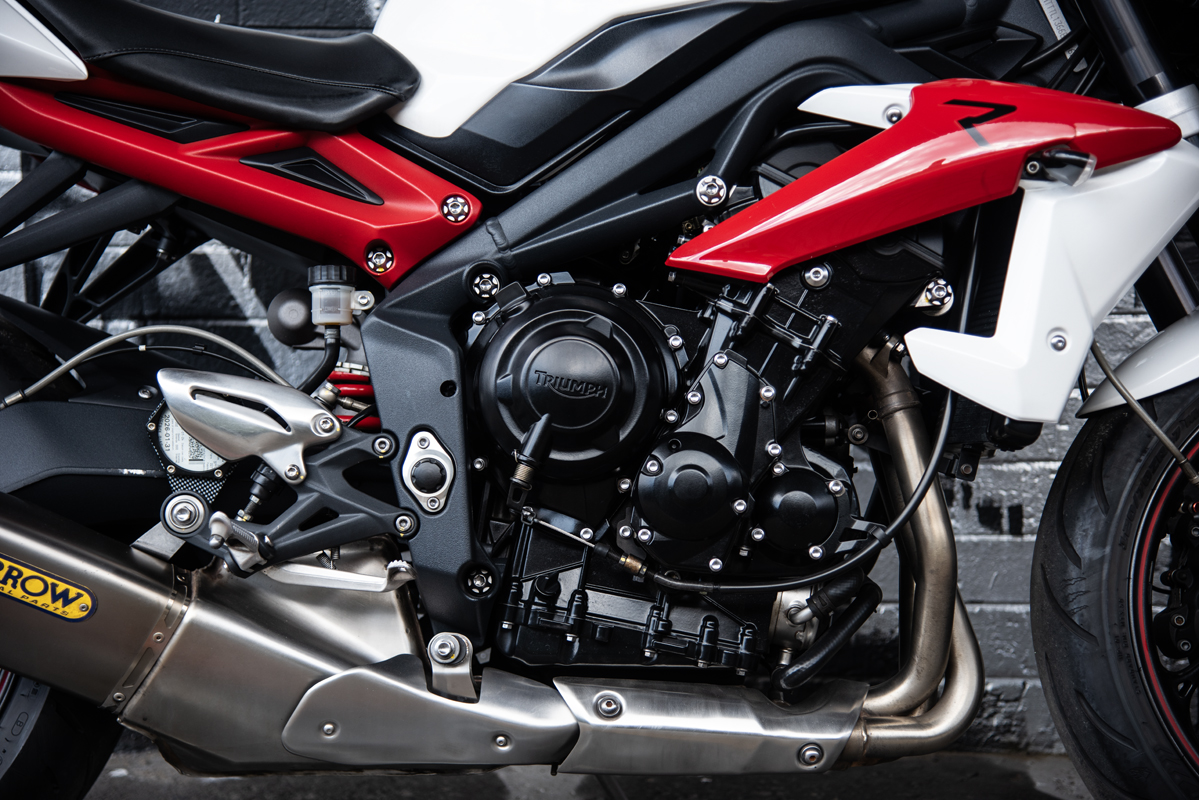
It just inspires so much confidence; think about where you want to go, and the Street Triple goes there and, once on a line through a corner, it feels stable and secure, like it is never going to surprise you. It never does, of course; that’s why it’s always so highly rated in any test you care to mention.
Even with essentially the same DNA, the Daytona succeeds in feeling completely different, and that has to be solely down to the riding position. It is no less secure and entertaining in either its handling or its performance, but it takes a different type of rider input to access it. Let’s face it, it’s a track weapon in the right hands, but the point is that the right hands belong to a much wider selection of riders than you might find with some supersport bikes.
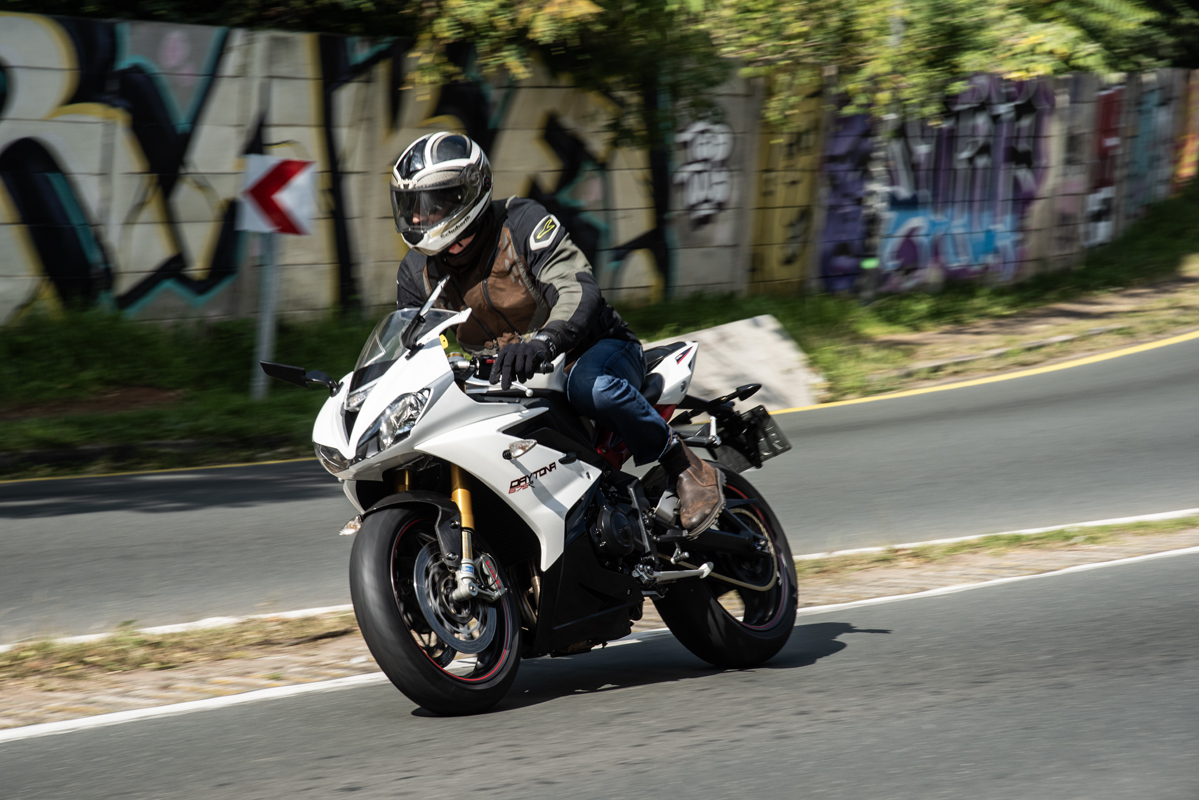
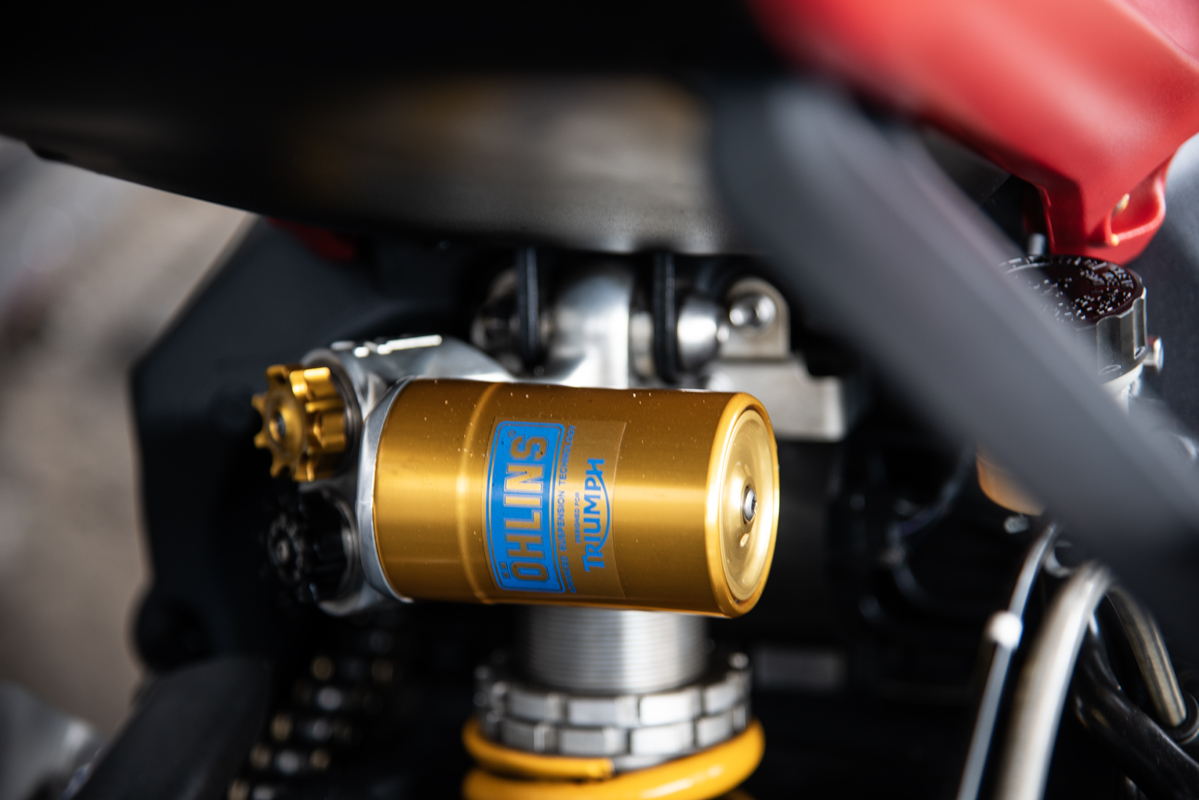
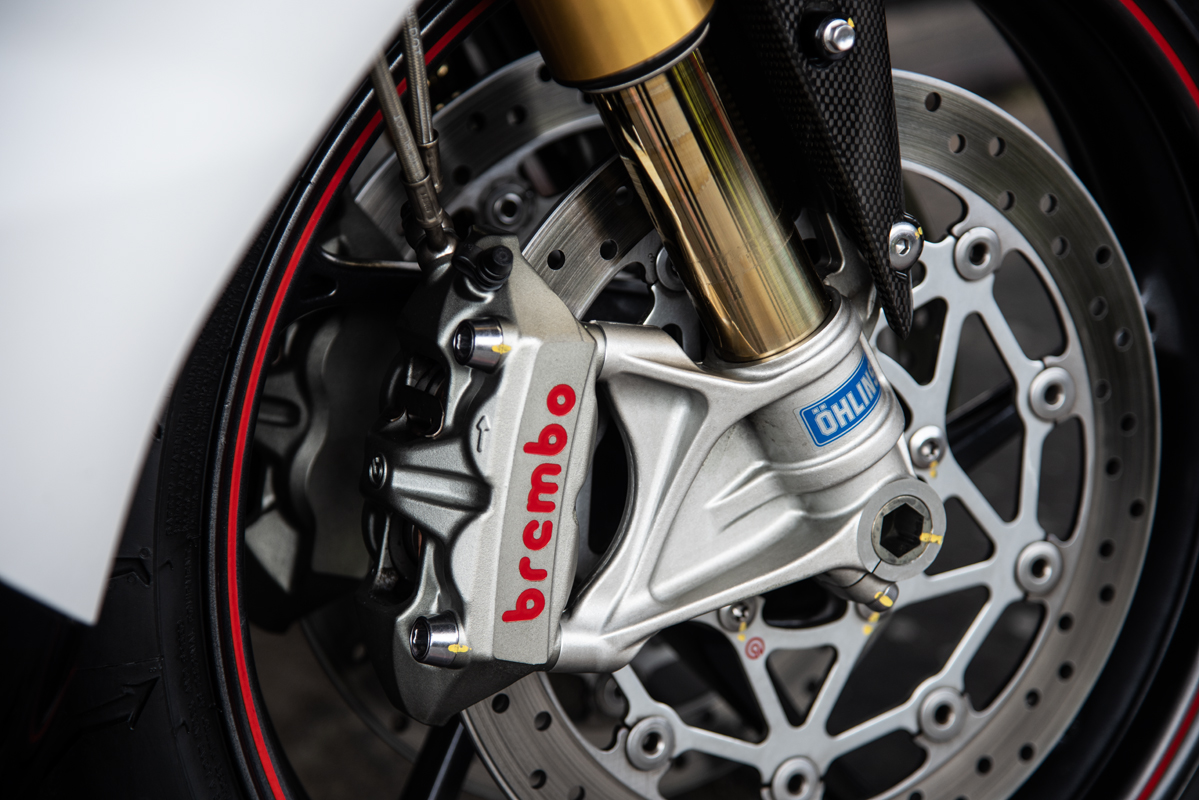
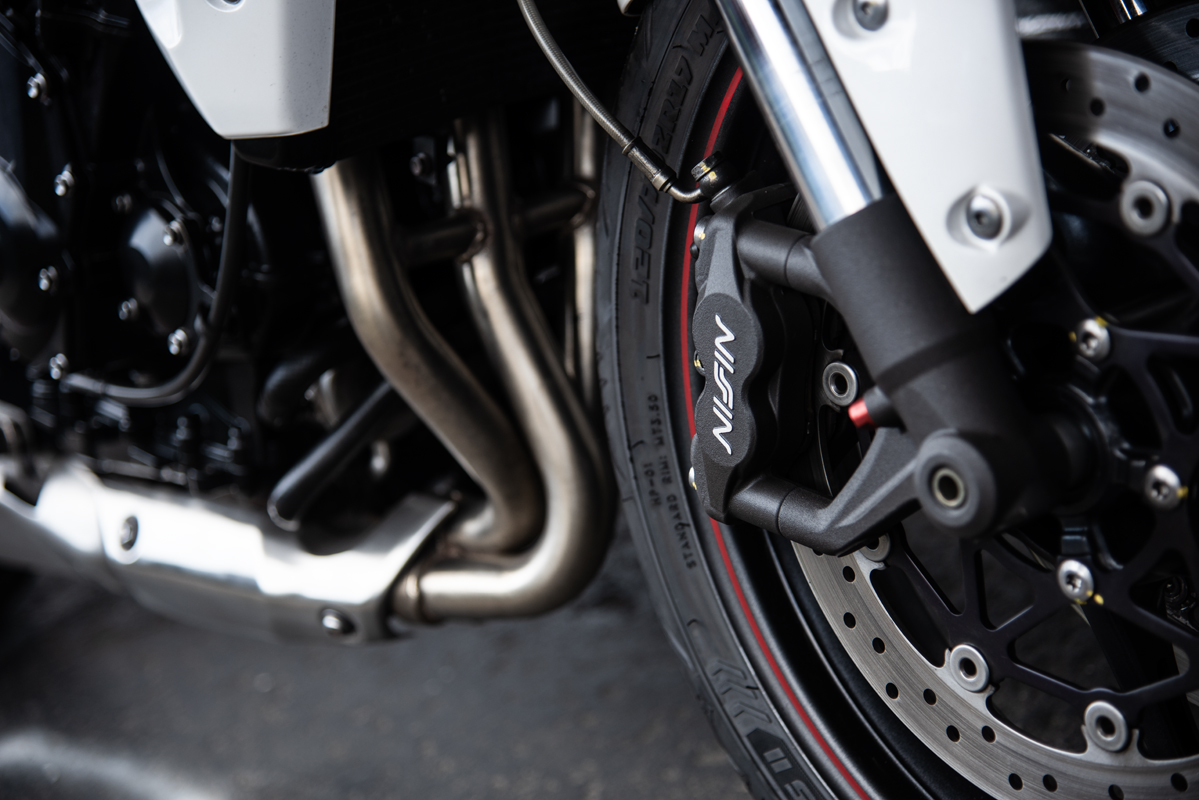
The Daytona has higher spec Showa suspension than the Street’s ‘no-name brand’ suspenders – later Street’s (RS models) got rear Ohlins units – but I really feel you’d have to be spending a lot of time at the track and riding both very hard back-to-back to really appreciate the difference. In everyday riding conditions, I very much doubt you’d notice anything.
This really is a perfect pair of motorcycles, all the more so for both having the same colour scheme, although I doubt that they’ll sell to the same person, which is a shame, as it would be lovely to keep them together.
What is certain is that, for R139,990 for the Daytona and R95,990 for the Street Triple, you will be getting one (or both!) of the best bikes, not only in their class, but in the world of motorcycling. But don’t expect them to be around for long. So, get down to Bikeshop Rivonia and find your next motorcycle before someone else rides it home.