


The lot of the modern forward engineer for motorcycles cannot be an easy one, for what remains to be developed? Engines have progressed from carburettors to fuel injection, and that’s where they’ve stayed (although the internal combustion engine itself is being challenged by electric motors, so there’s work for them to do there, I suppose); frames have progressed from tubular steel to extruded aluminium and stayed there; brakes have gone from drums to discs and – you guessed it – stayed there. Wheels remain round, front forks slide up and down, lights still illuminate, handlebars are still gripped by hands, mirrors still reflect.
Even the field of electronics, while still being a relatively recent development, has reached somewhat of an impasse, systems now being tweaked and refined rather than being revolutionary and game-changing.
The result is that there are a lot of brilliant engineering minds with little outlet for their creativity, at least on projects that are going to change the face of motorcycling, so they have to come up with something to justify their existence.
The Evolution of the Motorcycle Gearbox
In the case of Honda, perhaps the most respected motorcycle manufacturer in terms of innovative engineering, much of its recent thinking has been in the field of transmissions; gearboxes and clutches.
First came the impressive breakthrough of making the dual-clutch transmission (DCT) hardware sufficiently compact to work in a motorcycle. This, in essence, was an automatic transmission, with the option for a modicum of manual intervention if desired by the rider. Different to a continuously variable transmission (CVT) but performing largely the same function, with a commensurate reduction in rider effort.
It was technically interesting and beautifully engineered by Honda’s technicians, even if the absolute need for it was never quite fully explained. Small-displacement scooters have relied on “twist-and-go” CVT transmissions for decades, but such engineering never translated to larger-capacity bikes, possibly because it was never needed.
A motorcycle’s gearchange is nothing like a car’s, being sequential, meaning that each gear is selected in a linear pattern, one after the other, whereas a car’s is in an ‘H’ pattern (at the gear lever end, at least). This not only vastly reduces the movement required to switch between ratios, but also eliminates the need for synchromesh gears to smooth out the transition, while simultaneously allowing clutchless gearchanges with a partial momentary dipping of the throttle.
What that all adds up to is the fact that it takes skill and practice to change gear smoothly, and it is exactly that which makes riding a motorcycle so rewarding; the more effort you put in, the better it gets. Therefore, an automatic transmission for a motorcycle has often been seen as against the spirit of riding; a sort of cheat code, if you like.
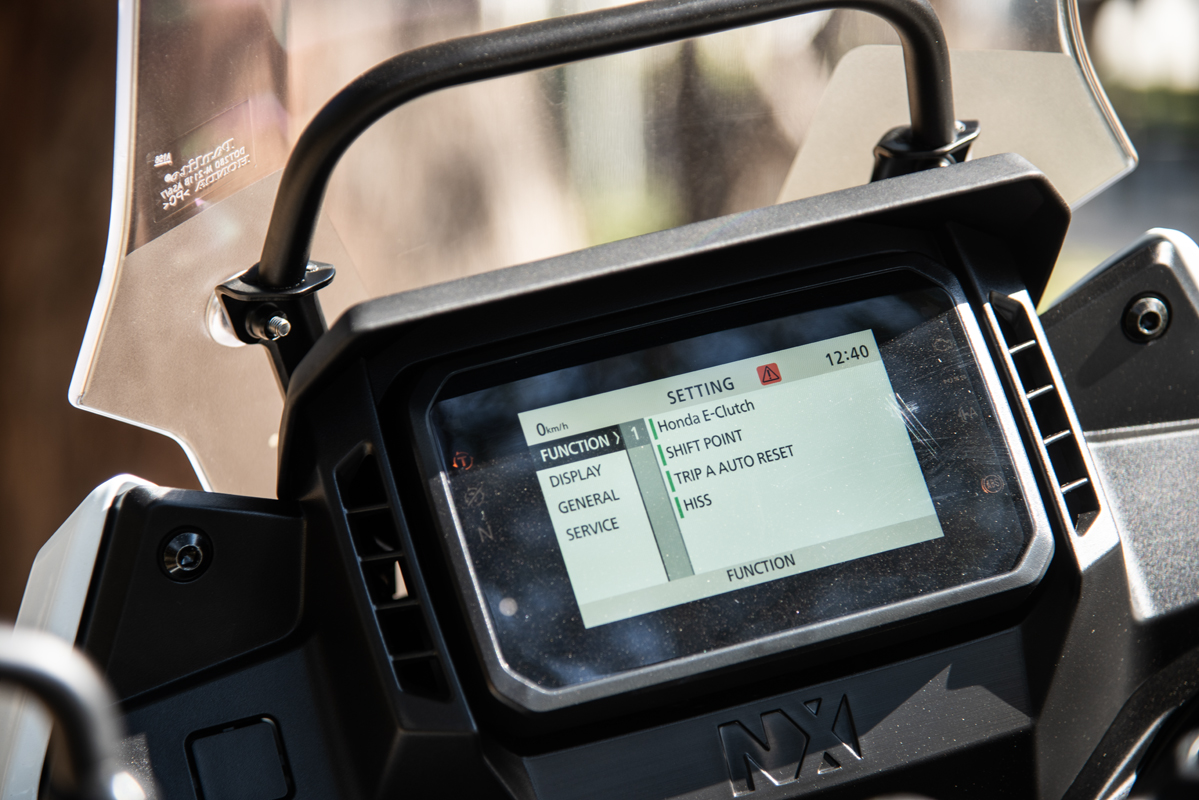
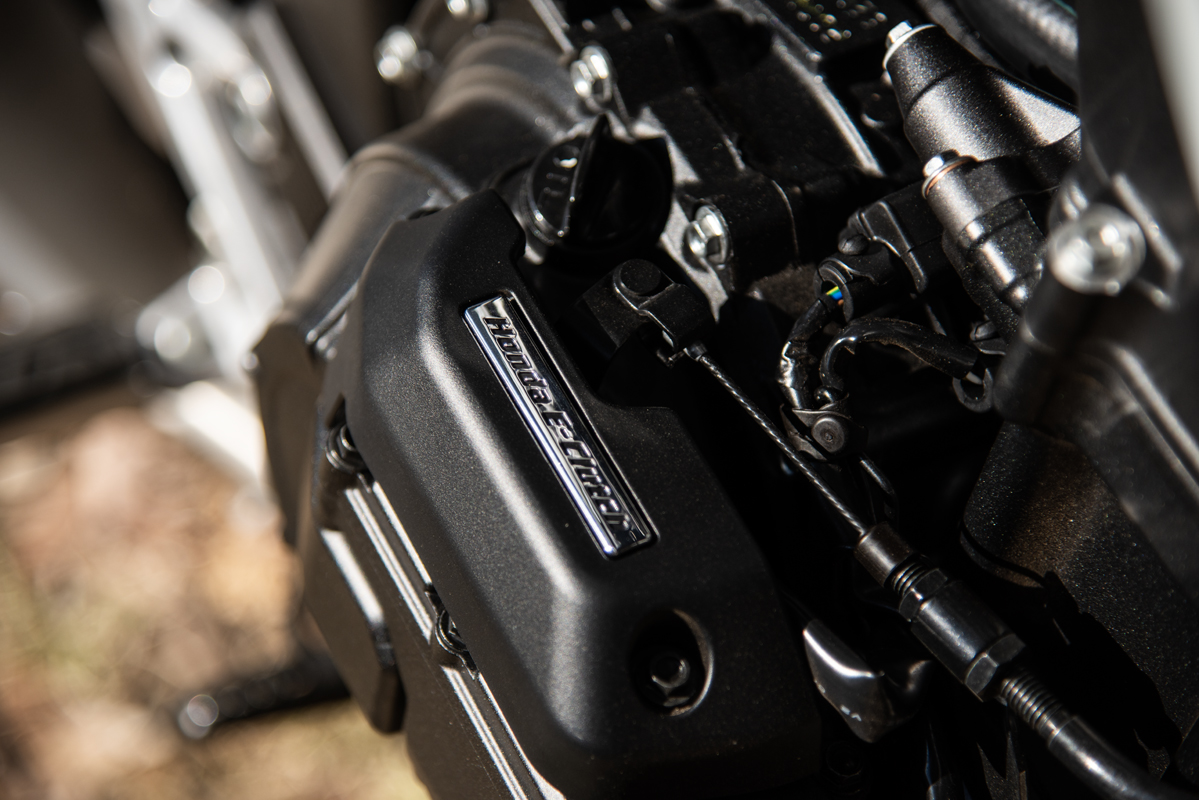
Clearly, Honda’s engineers don’t think like this and have been looking at the DCT gearbox, wondering how they can “improve” it in order to appeal to a wider audience. The result can be seen on the two models that are the subject of this test: the Honda e-Clutch. This is a combination of the best bits of both manual and automatic gearboxes, with a bit of quick-shifter thrown in for good measure.
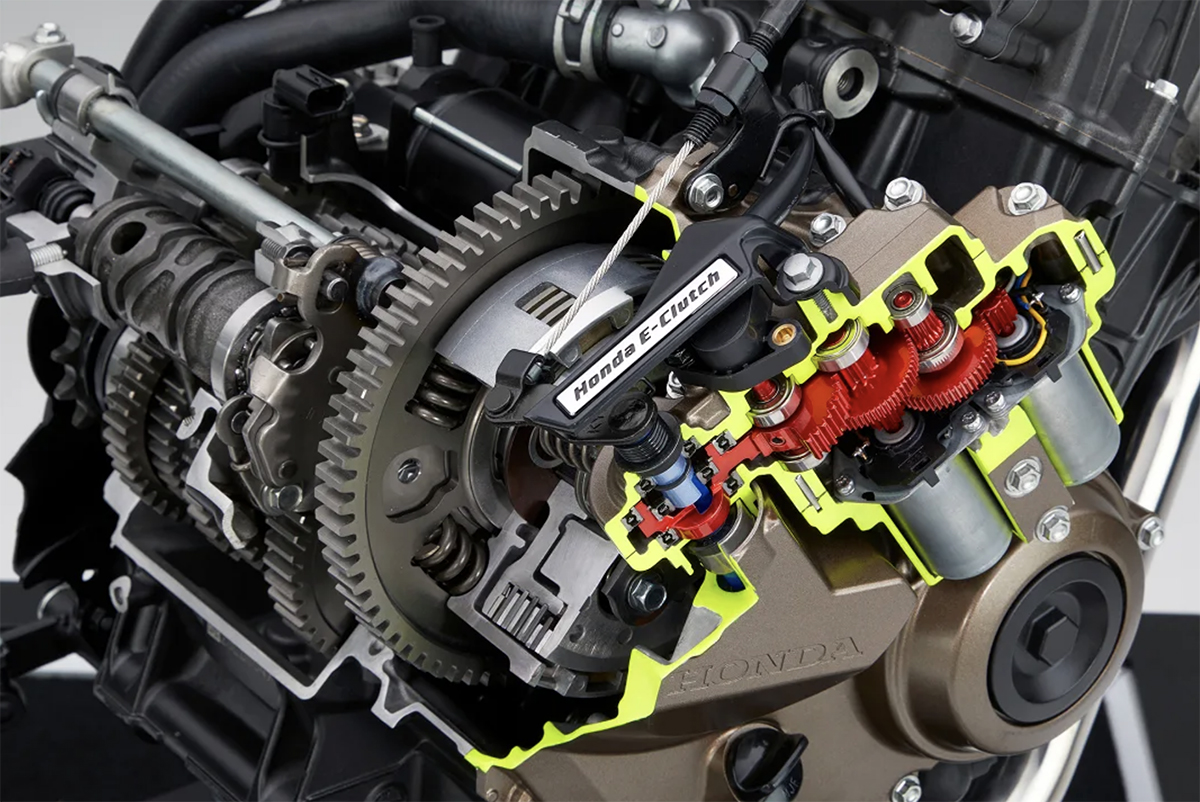
Essentially, the e-Clutch enables the rider to come to a standstill and set off again without troubling the clutch lever. However, once on the move, the gearbox works exactly as a normal motorcycle gearbox fitted with a quick shifter, requiring the rider to effect the up and down gearchanges with the foot.
Does Honda e-Clutch Make Sense?
Is there a point to this tech? In the official blurb, Honda claims the technology reduces rider fatigue and aids riding in congested conditions. Well, I have two arguments against that; firstly, I have never been tired through changing gear. Long days in the saddle, yes, but changing gear? No. Secondly, if the majority of your riding is done in congested city conditions, it is more likely that you will be riding a twist-and-go scooter, not a much larger bike. Yes, the e-Clutch does make it possible to have a bike that fills more than one role – commuter and weekend outride bike – but will anyone buy one for those reasons?
There is another potential “problem” with the e-Clutch; will it breed a new, less skilful type of rider, akin to someone who has only ever driven an automatic-equipped car? Give them a fully-manual motorcycle, and they’d be lost at sea; they’d be unable to progress from a Honda e-Clutch to another brand, or even another Honda, with no such technology.
OK, I might be sounding a bit negative here, and I don’t mean to be, for the very simple reason that it all works so well, once you have acclimatised to leaving the clutch lever well alone. Inevitably, at first, there are moments when you instinctively grab the clutch lever, before remembering that you don’t need to. By that time, however, the e-clutch system has temporarily deactivated itself while you, realising that you didn’t need to pull the clutch lever in, let it out again, only for the bike to lurch forward and stall, rather embarrassingly. You soon train yourself to leave the lever well alone, however.
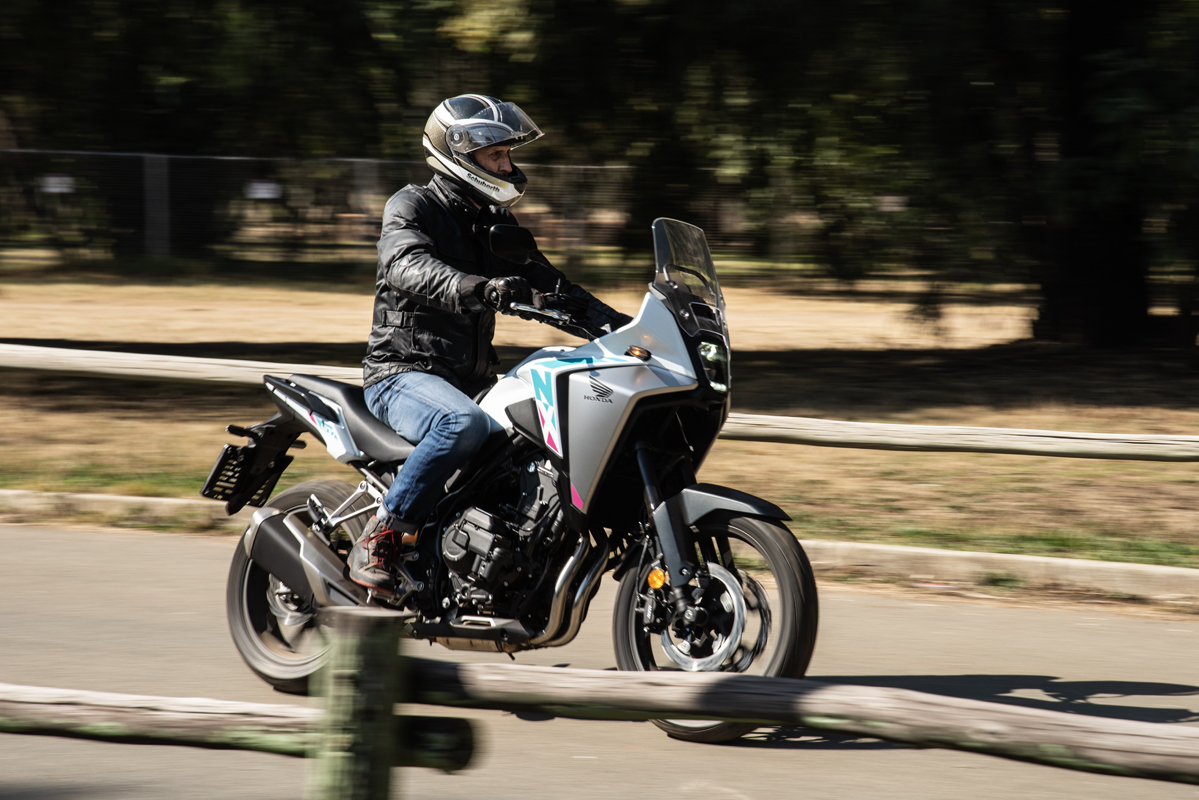
In use, it all works perfectly; from start-up, you stamp the gear lever into first without using the clutch, and twist the throttle to get moving, flicking up through the gears with your foot as normal. To stop, you simply brake, change down and roll to a stop in any gear, without recourse to the clutch. You can, should you wish, set off in any gear, although the higher the gear, the more you have to feather the throttle to get moving, although it will never stall.
The downshifts from speed were particularly impressive; rather than an instantaneous change to a lower gear, as would happen with a traditional quick-shifter, you can actually feel the e-Clutch feeding the clutch back in, giving a progressive feel to the gearchange. The system adds around 2 kg to the overall weight, which is no penalty at all, although the location of the mechanism seems a little exposed in the event of the bike sliding down the road. But, as a piece of engineering, it is very impressive.
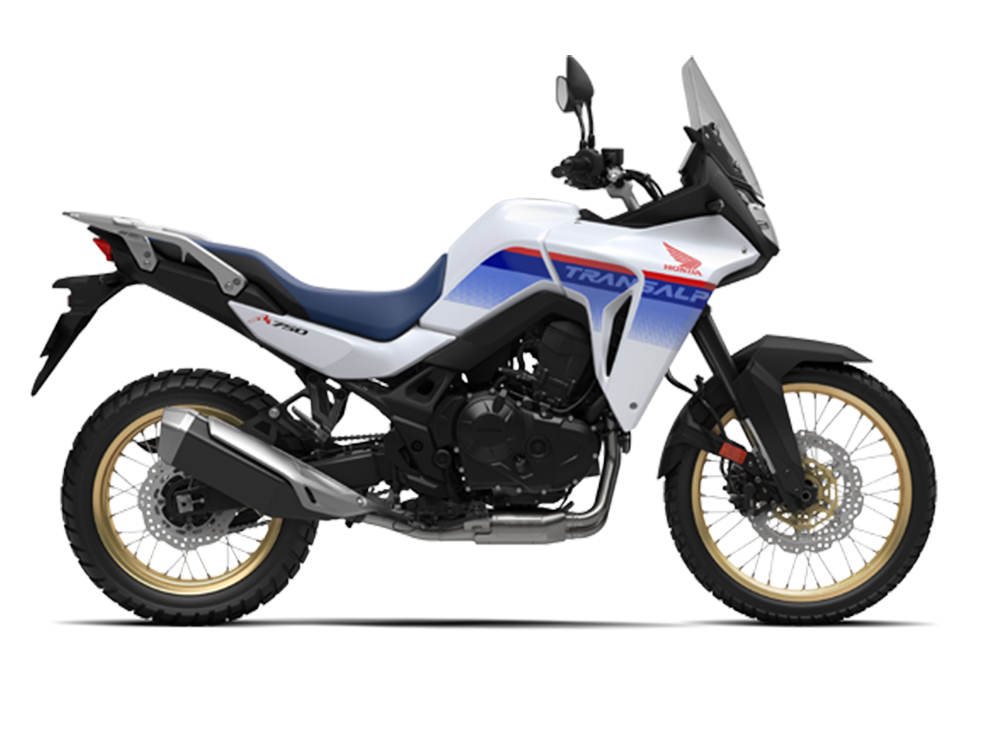
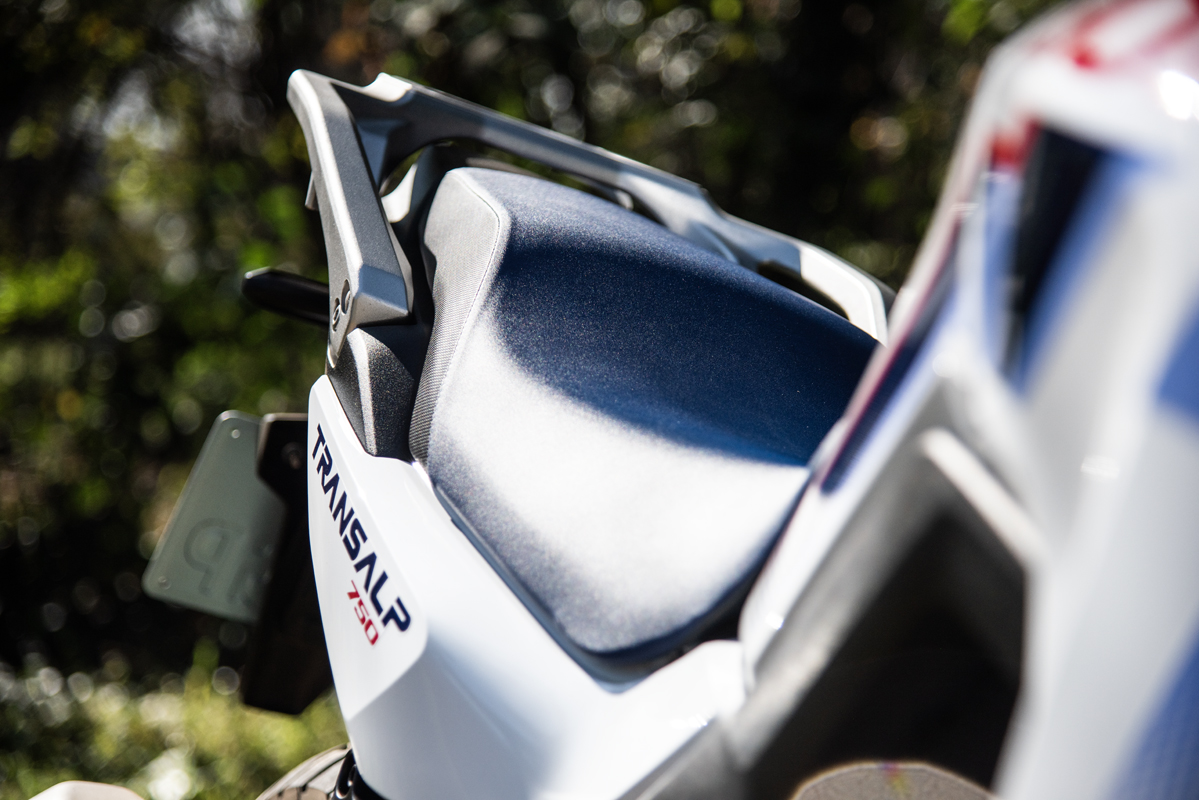
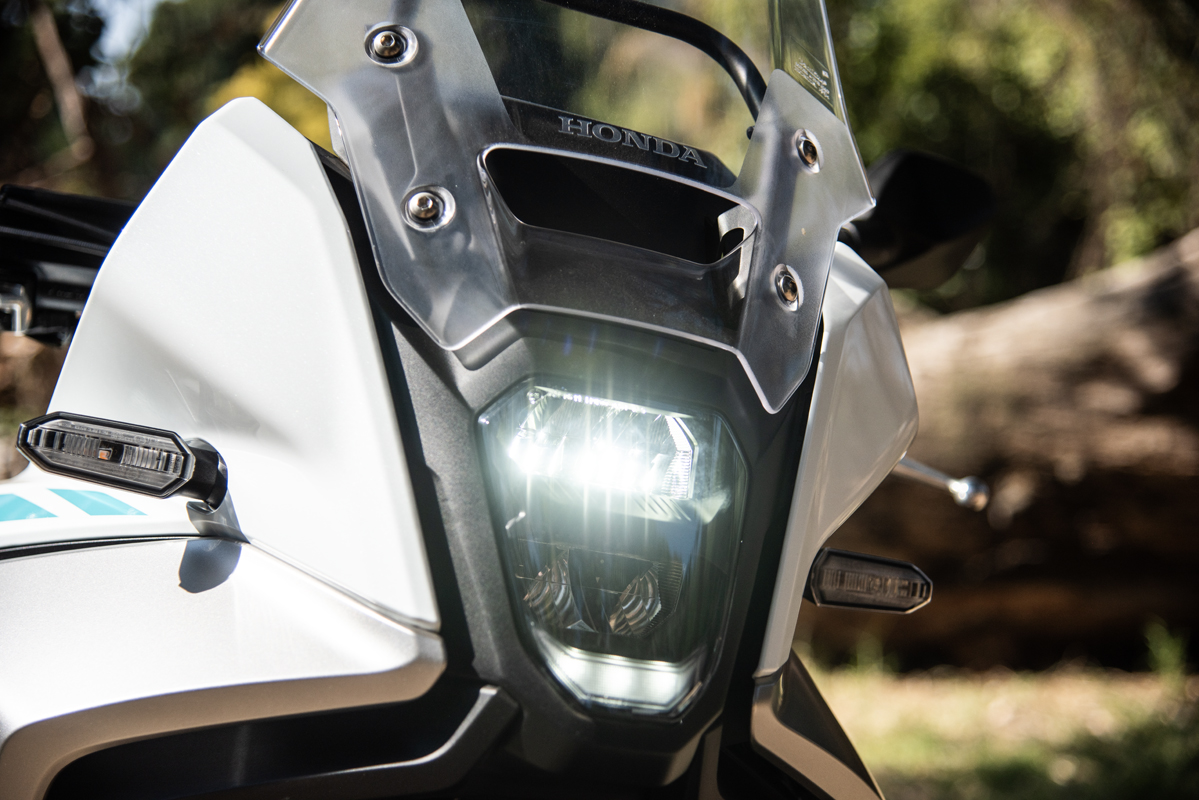
Honda XL750 Transalp
The two bikes we were loaned to test this new tech were the NX500 and the Transalp XL750, coming in at R141,399 and R230,849 respectively, the e-Clutch adding R10,000 to each over their normally-geared stablemates.
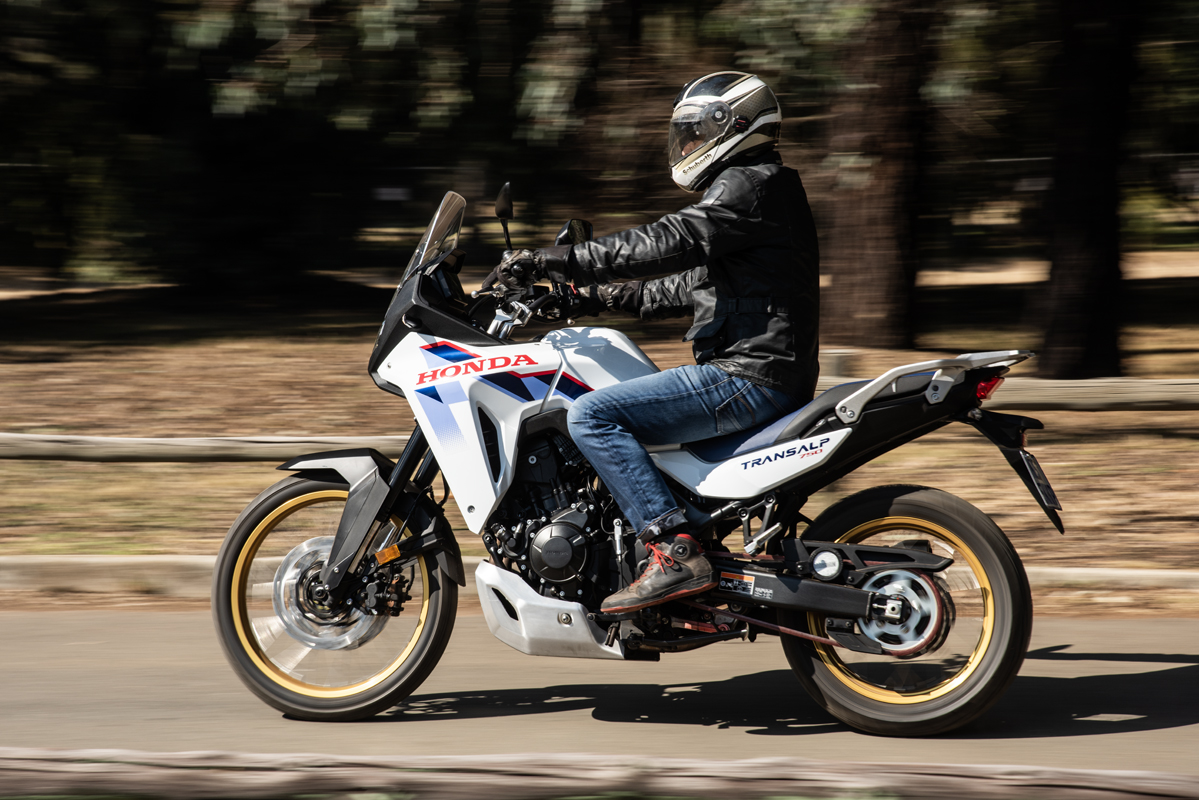
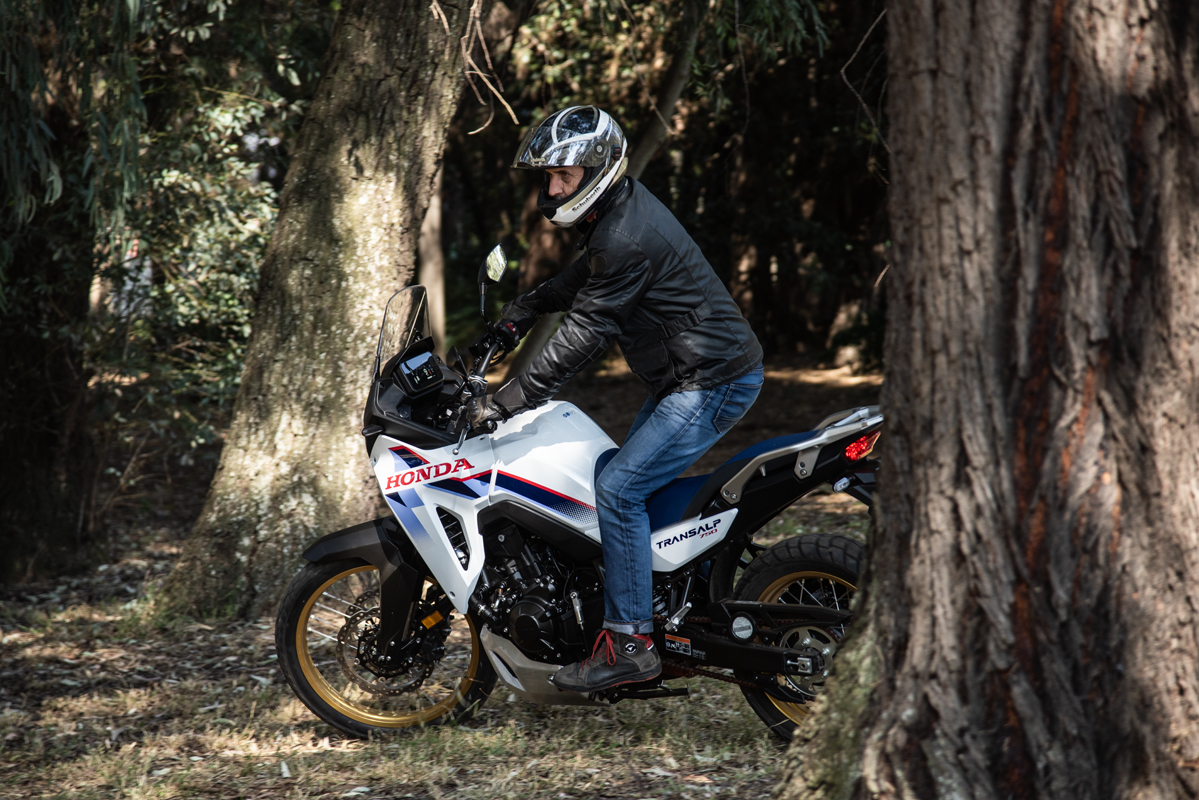
Despite it having been around since 2023, this was the first time I had swung a leg over the Transalp XL750. In a previous life, I had ridden the original Transalp XL600V and liked it, and the “new” model was exactly the same; beautifully conceived and built and very effective at doing what it was designed to do; the perfect Honda, in fact.
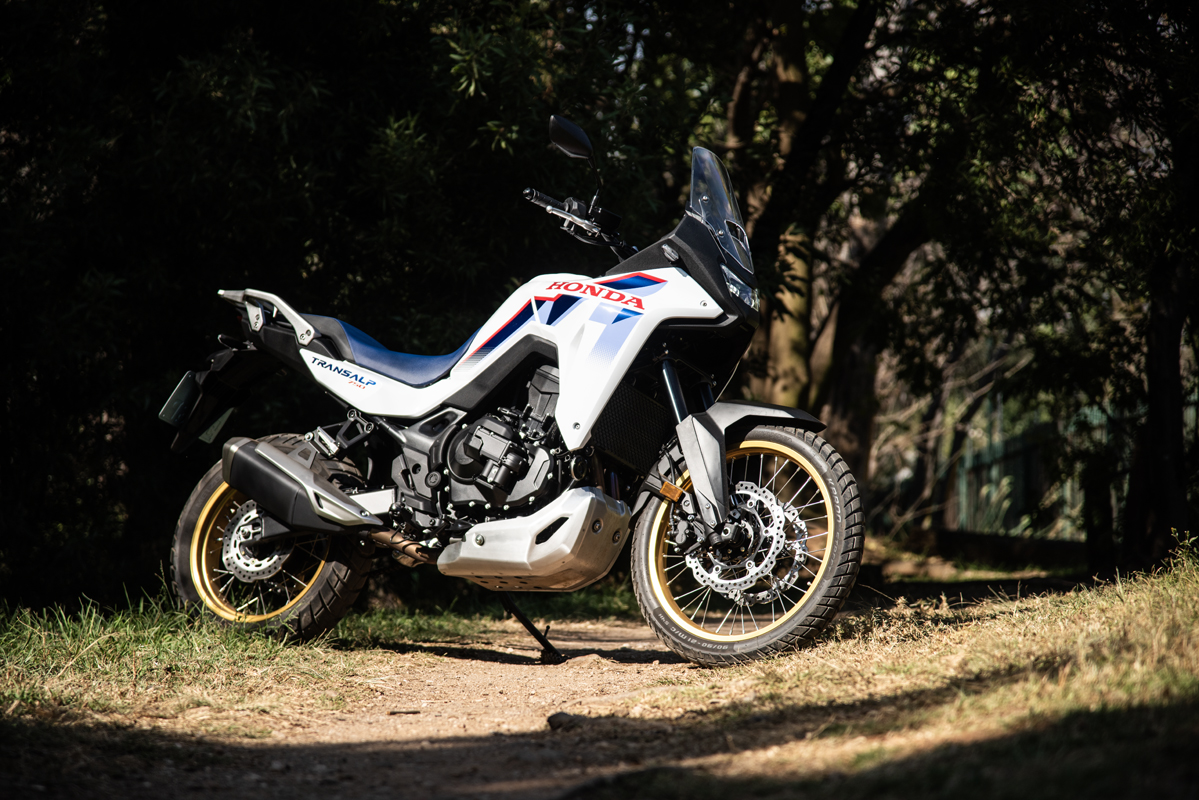
With 90 horsepower and 75 Nm of torque from the new 755 cc parallel twin engine, you are left wanting for nothing in terms of usable performance, in both city and open road riding, while the comfort is good and the reach to the floor never excessive, despite the 21-inch front wheel and off-road stance. Quite how effective the Transalp is off-road, I can’t say, not having the opportunity to try it out on dirt, but if what we read on the internet is to be believed, Honda has come up with an easy-to-handle model that possesses a good blend of road and off-road ability.
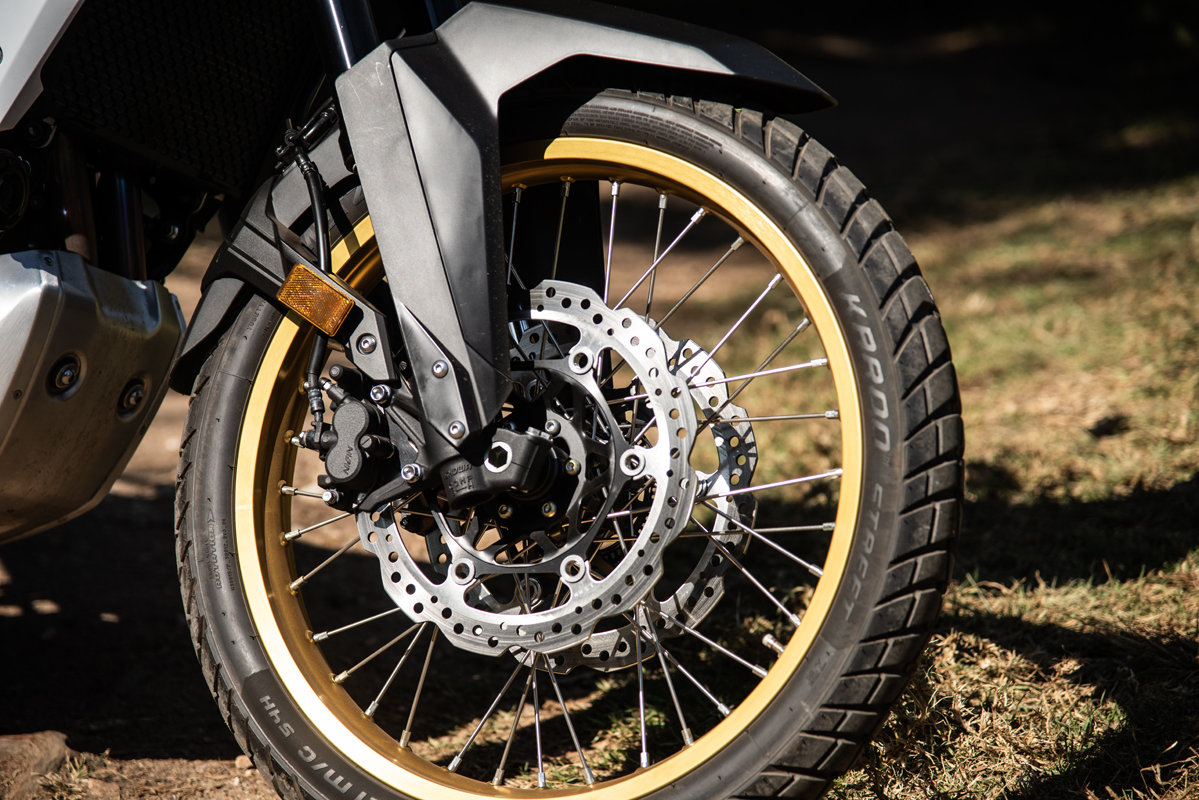
In general use, the Transalp was actually really good fun, but then again, I have always liked the adventure bike stance, riding position and handling dynamics. A 750 cc parallel twin is also just about the perfect displacement to give good power and torque characteristics for a broad spectrum of riding conditions; making town riding easy while also allowing for grin-inducing performance on the open road, without ever feeling intimidating. Honda has not always been known for building an excess of character into its bikes, seemingly preferring efficiency, but perhaps they forgot this mantra when designing the Transalp.
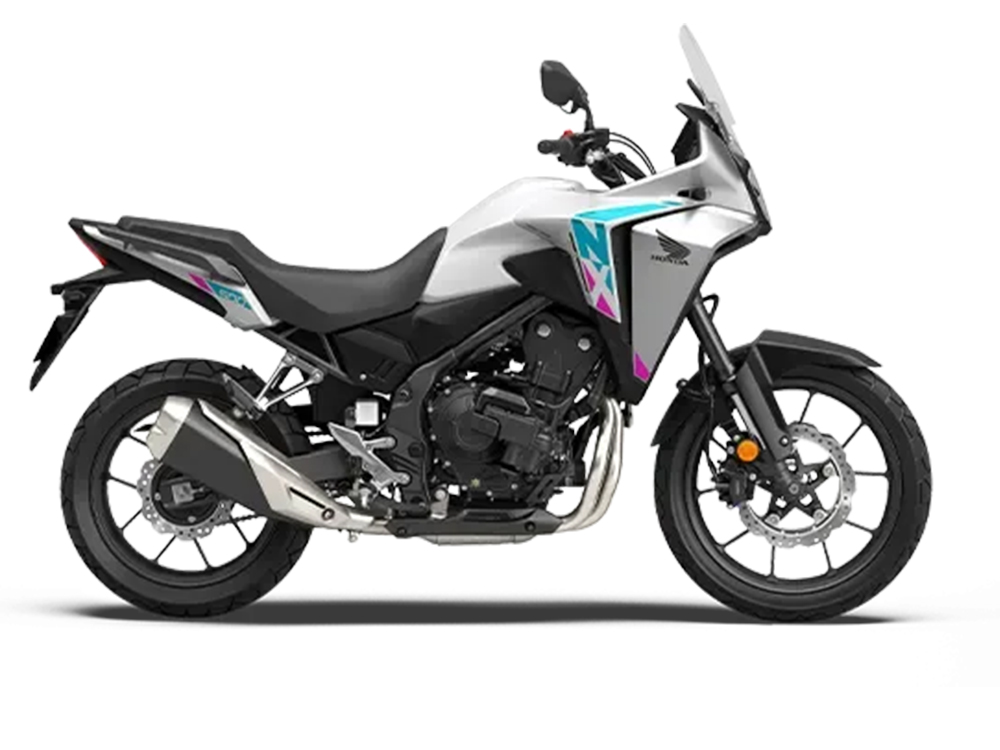
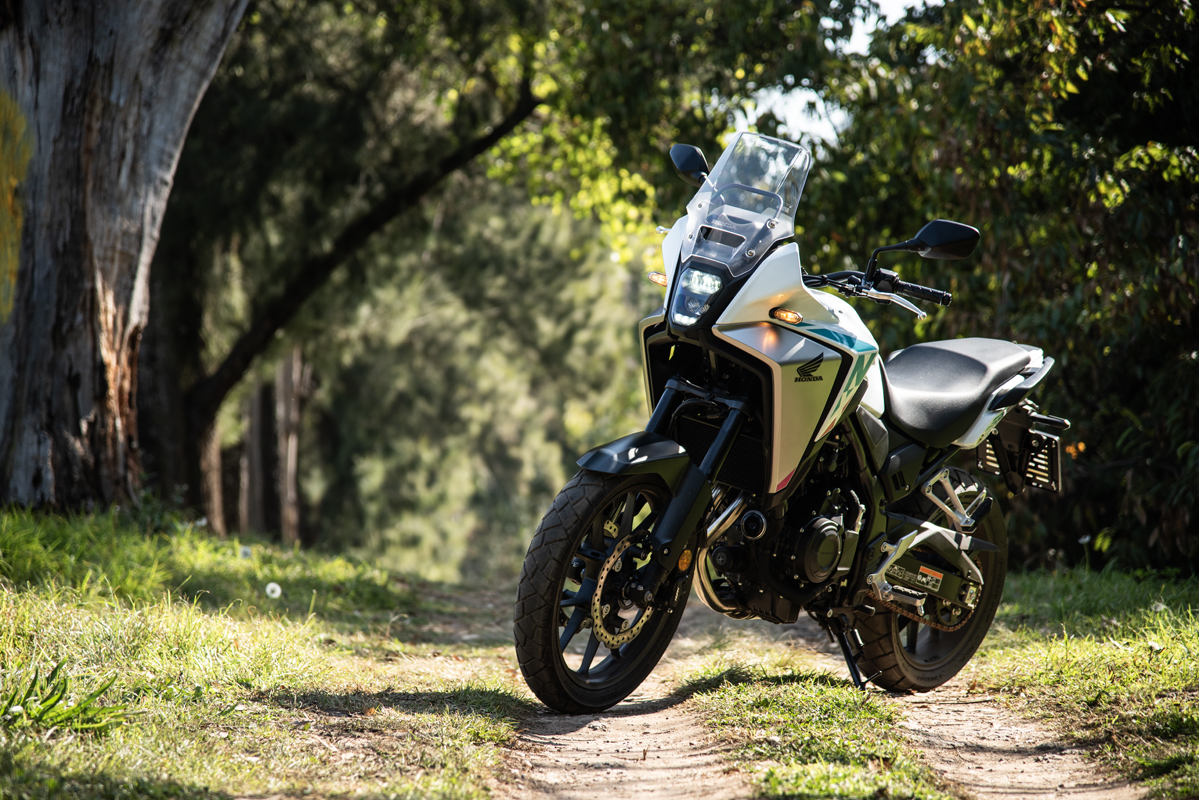
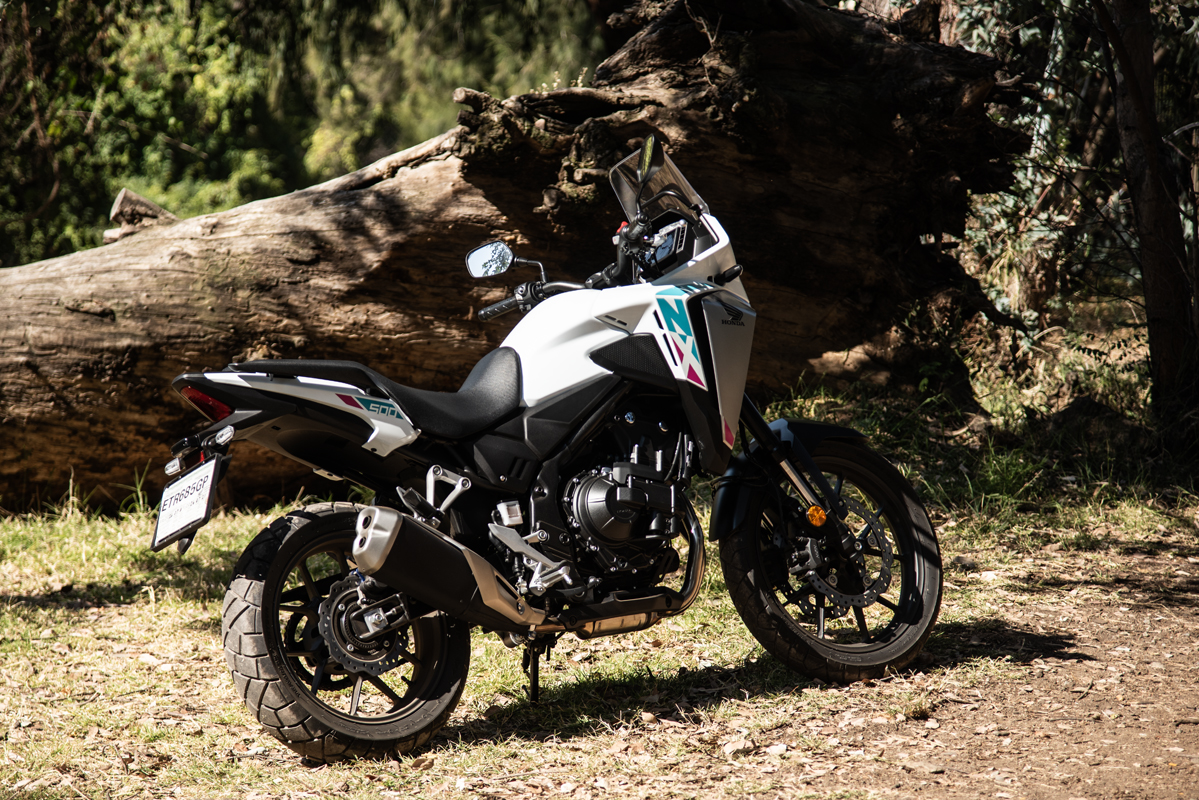
Honda NX500
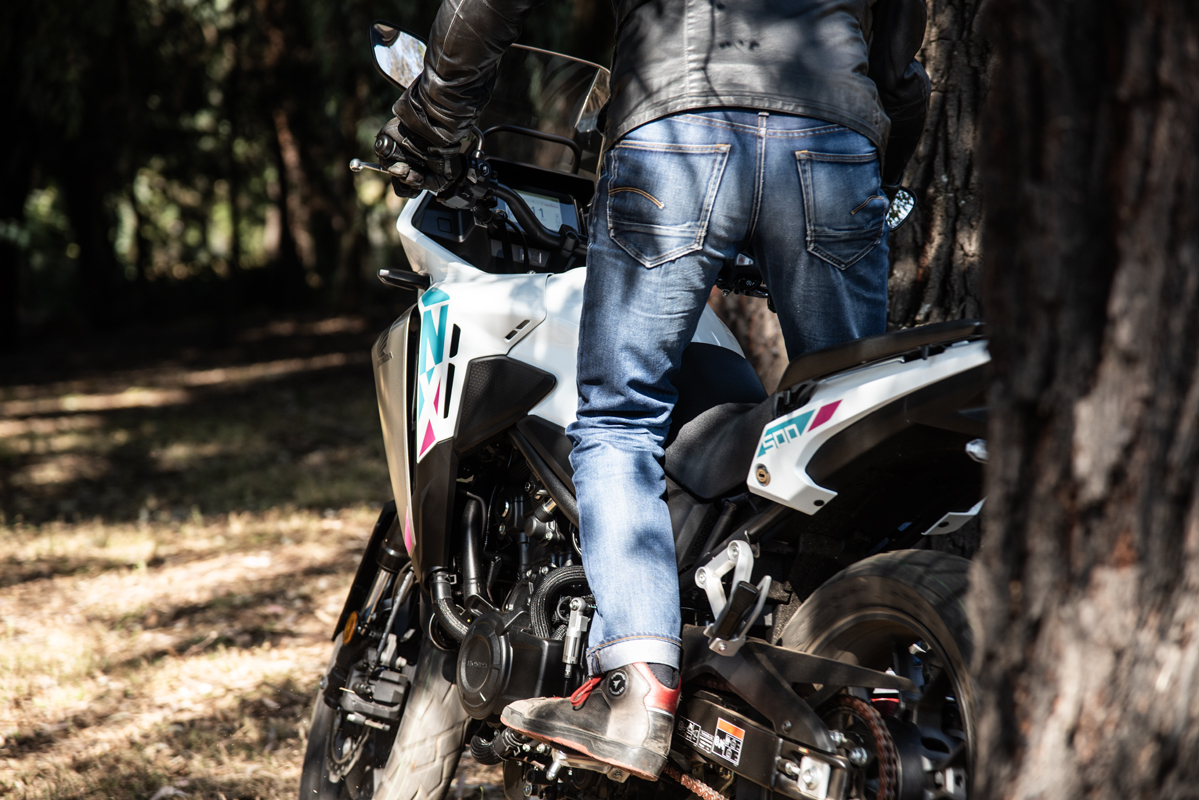
I’ll freely admit that the NX500 didn’t overly fill me with a sense of anticipation, which makes it all the more pleasing to put on record that it defied all my preconceptions and proved itself to have a lot more to it than the specification might suggest.
(It’s a funny coincidence but both the Transalp and the NX500, in their late ‘80s/early ‘90s first incarnations, were both bikes I lusted after, the NX500 in “Dominator” form.)
The NX500 in 2026 form has a 471cc parallel twin engine pushing out 47 horsepower and 43 Nm of torque. These aren’t figures to set the pulse racing on paper, but in the real world, this is a really lovely engine which has a willingness to rev freely with an unexpectedly fruity sound from the exhaust. Performance is exactly what you expect and what a lot of riders actually want. Honda has its flagship models that garner all the headlines for their performance and technology, but it is motorcycles such as the NX500 that lay the foundation for these two-wheel divas, by providing sensible, cost-effective and exceptionally well-made transport that is as versatile as it is value for money.
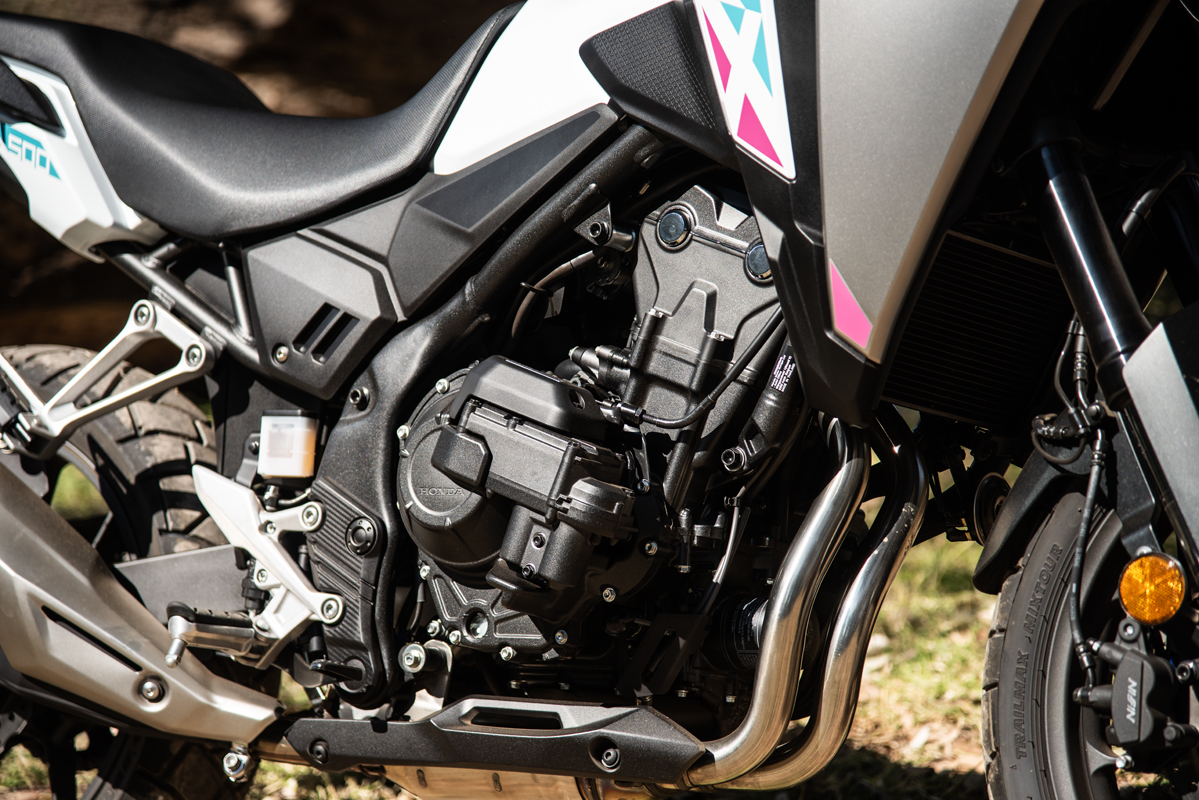
It is common for models in this price range to have the feeling that they have been built down to a standard. Not so the Honda, at least in the area of build quality. In terms of equipment and technology – the e-Clutch aside – the NX500 could be described as stark, but there can be no complaints at all about the quality of both the engineering and the way it’s been put together. This is something that Honda has always done, putting quality before the addition of shiny toys and, far from being something to criticise, it is so refreshing in this day and age of being dazzled by ever more meaningless technical add-ons.
In conclusion, here are two Honda models that are perfect for the roles for which they were conceived; beautifully made, comfortable, dynamically interesting, possessing good performance characteristics, not at all bad looking and technically interesting in e-Clutch form.
Honda XL750 Transalp E-Clutch & NX500 E-Clutch
For more information on the bikes that we tested in this article, click on the links below…