


Over the last year, we’ve seen a noticeable shift towards electric mobility in South Africa. Hybrid vehicles advertising over 1,000 km on a tank, electric hatchbacks are making a convincing argument for themselves through fuel savings alone, while the commercial and leisure electric bike sector is gaining momentum in coastal towns across SA. The extra cost of that sexy exhaust note that we petrolheads love so much is very quickly being dampened by the costs of modern life. But as EVs and hybrids become more popular, infrastructure and technology are improving for Monday-to-Friday use, potentially leaving us with a little more money to enjoy our petrol-powered vehicles on weekend rides and long-haul holidays. Well, at least that’s where I see things going.
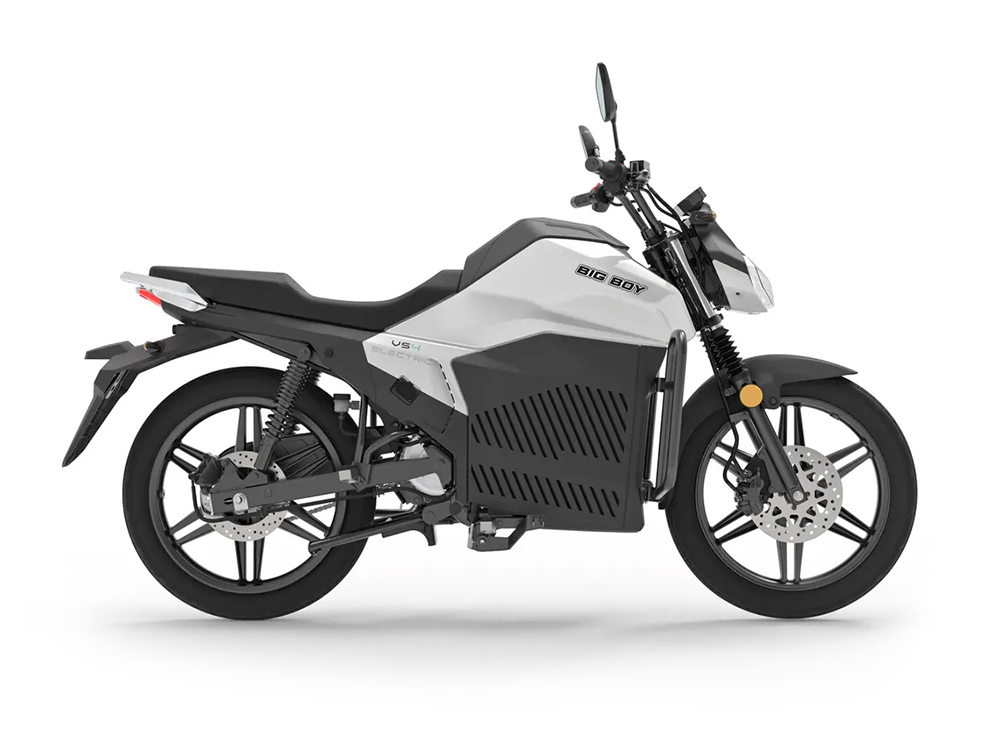
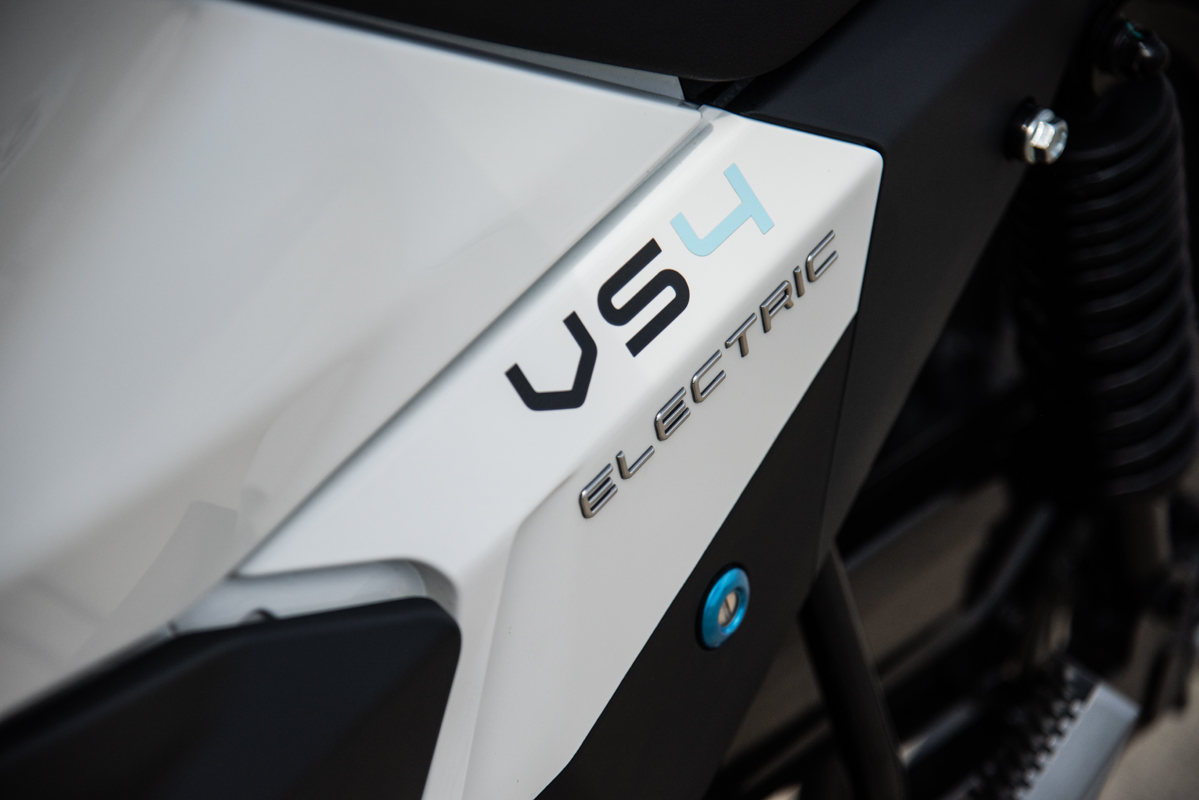
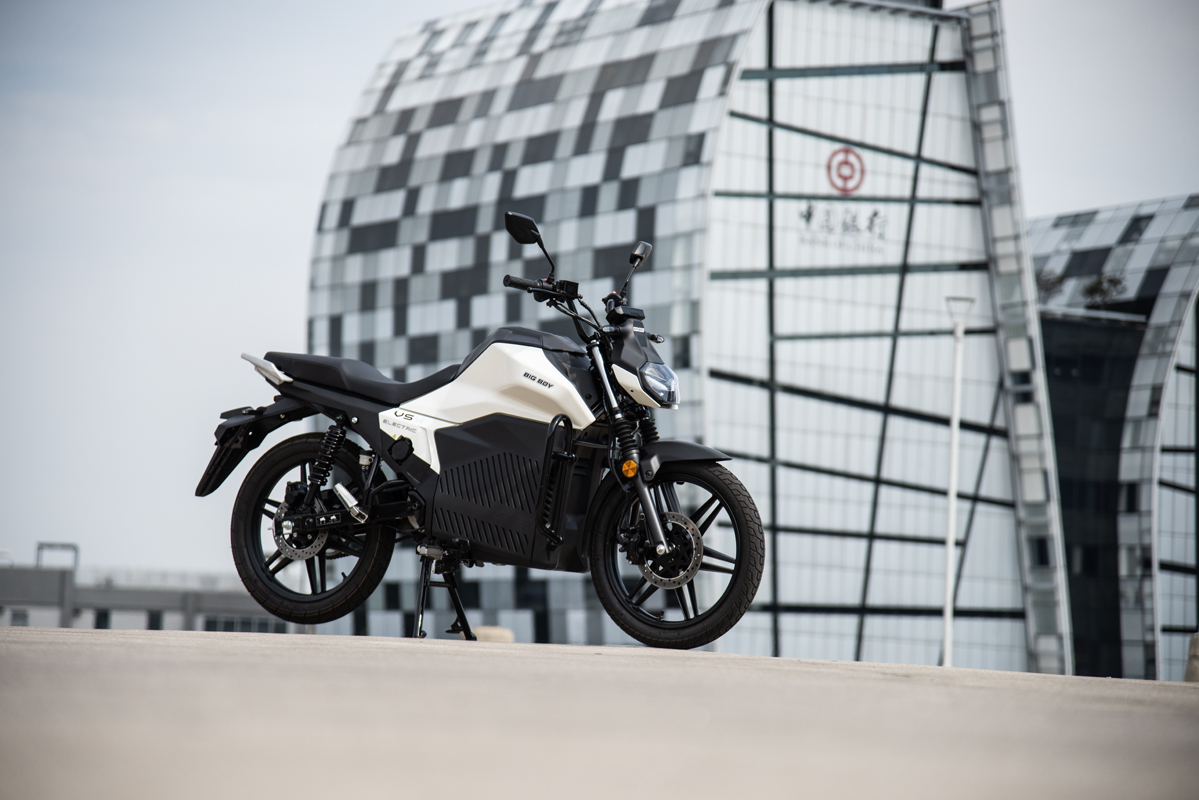
Behind the scenes, for the last 10 years, Big Boy and SAM (South African Motorcycles) have been testing the idea and technology behind electric mobility. Now, for the first time, they’re bringing something to the commercial and leisure market, giving commuters and business owners another means of transport. Big Boy calls it the VS4, and it’s a looker.
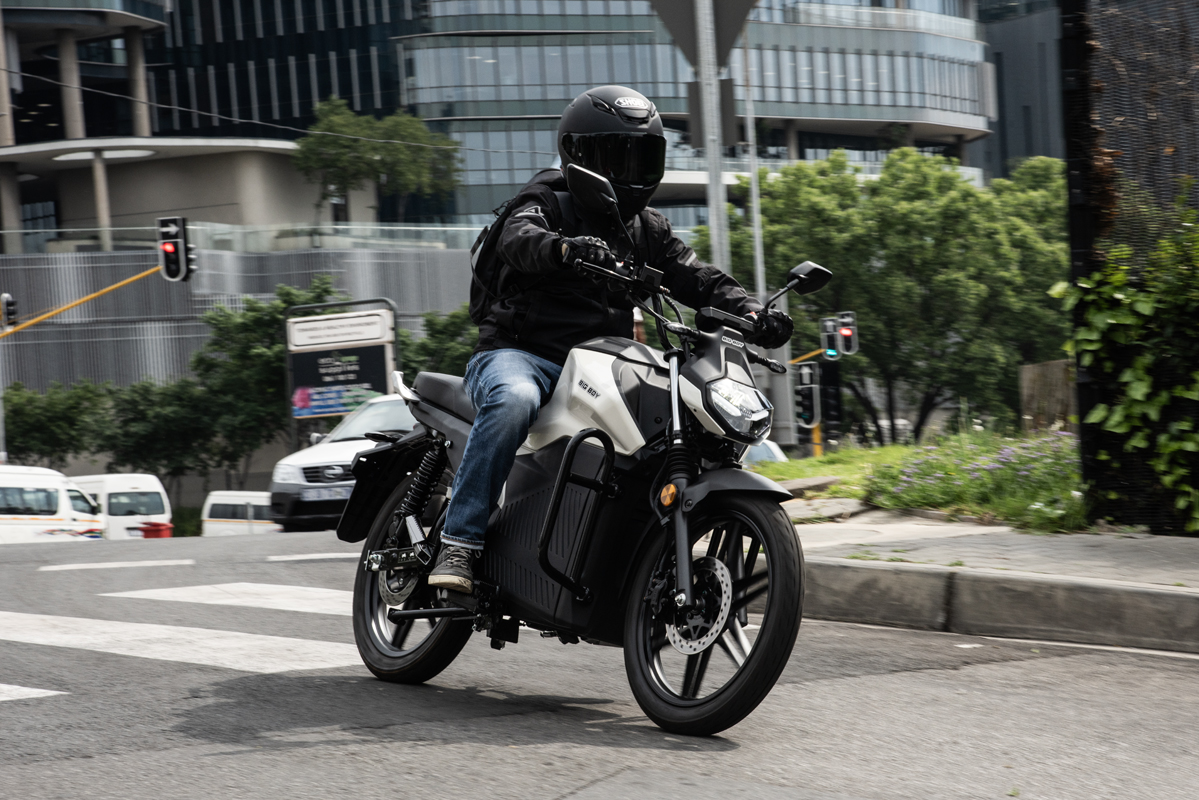
For the hawk-eyed amongst you, you might even recognise this vehicle already. “Isn’t that a VMOTO?” Well, you’re correct. Big Boy has struck a handsome deal with VMOTO, bringing a well-built motorcycle from a brand that has been around since the early 90s. Founded in Australia, manufactured in China and exported around the world, VMOTO has established a particularly strong footprint in Europe.
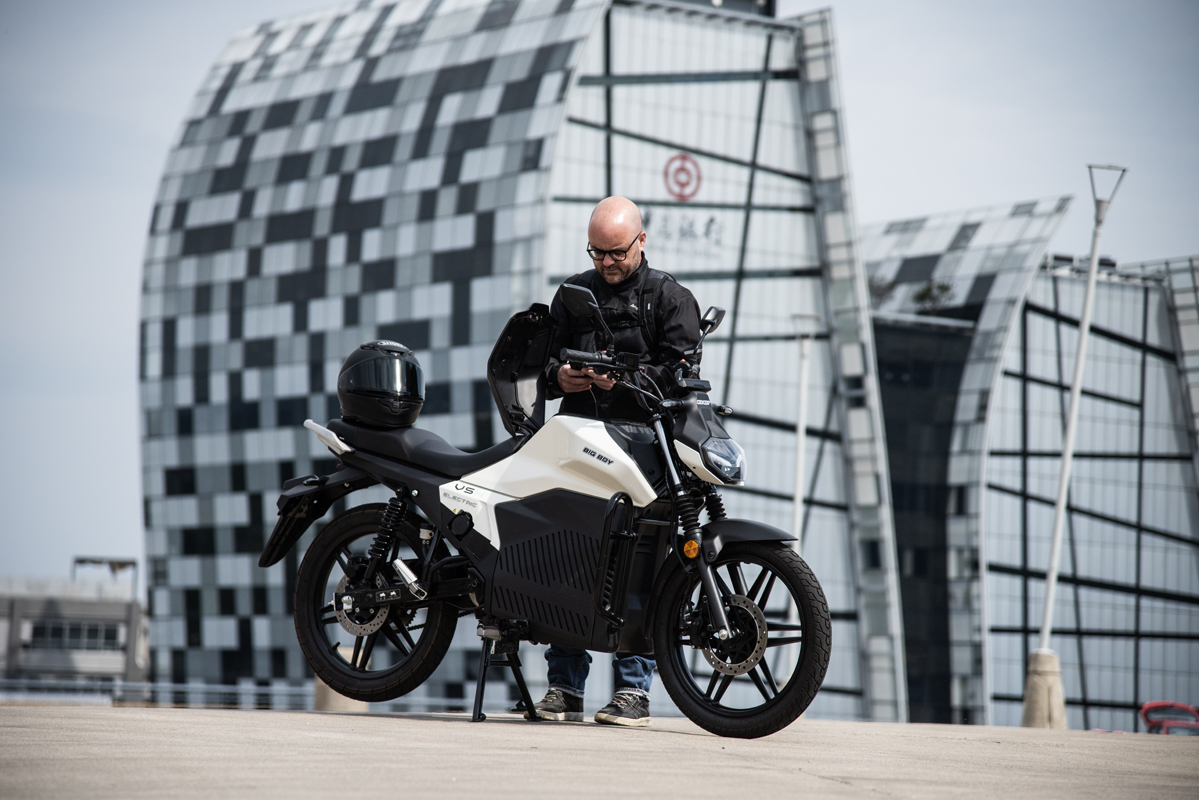
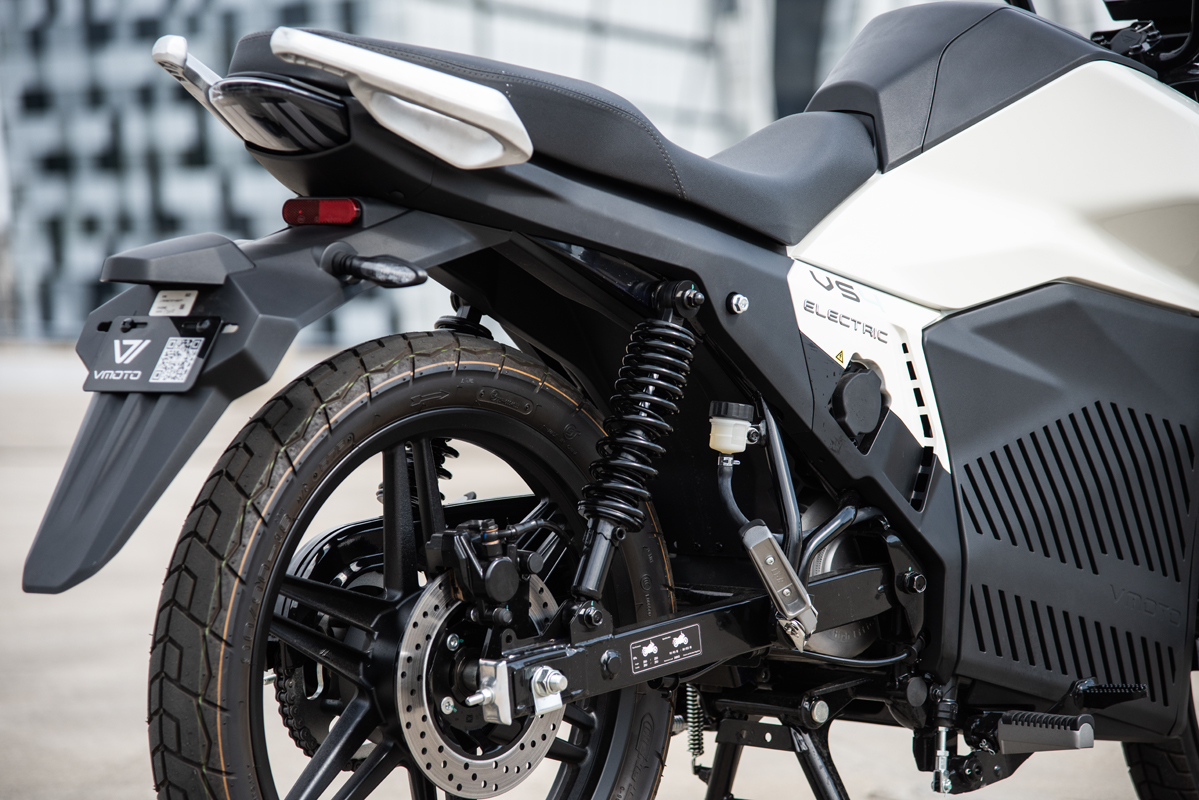
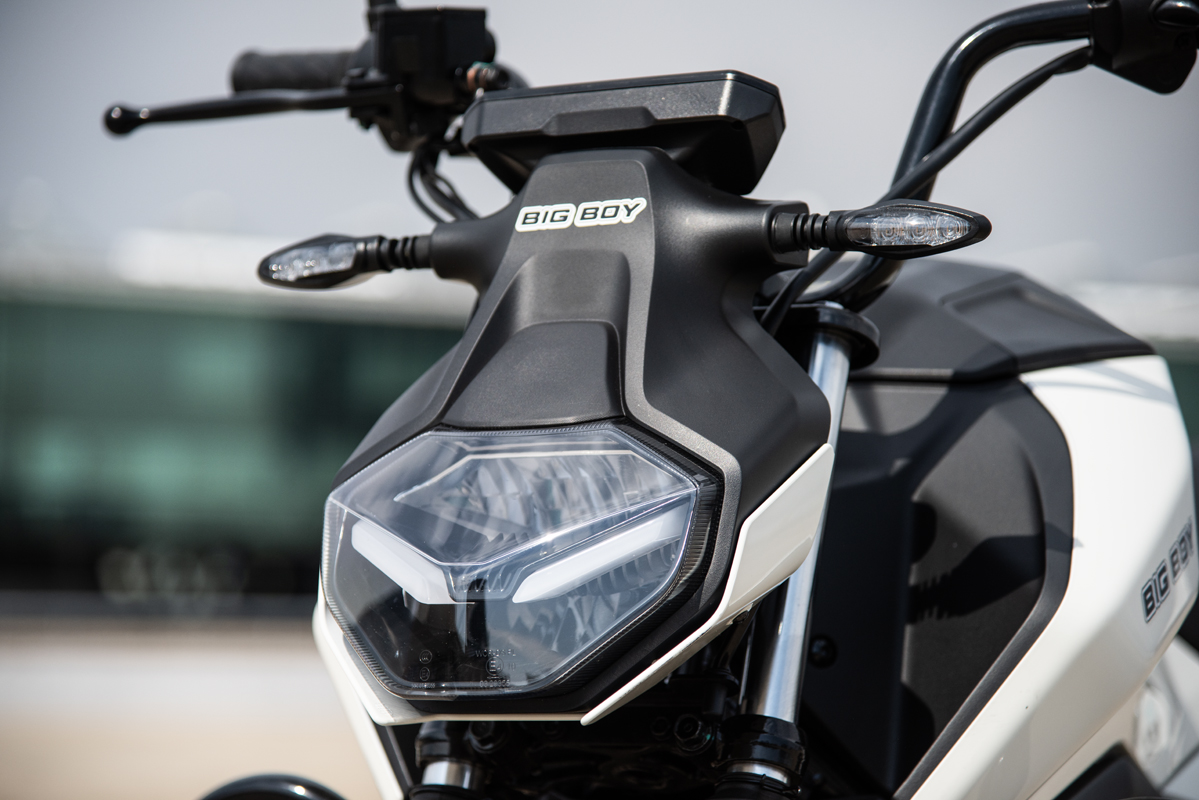
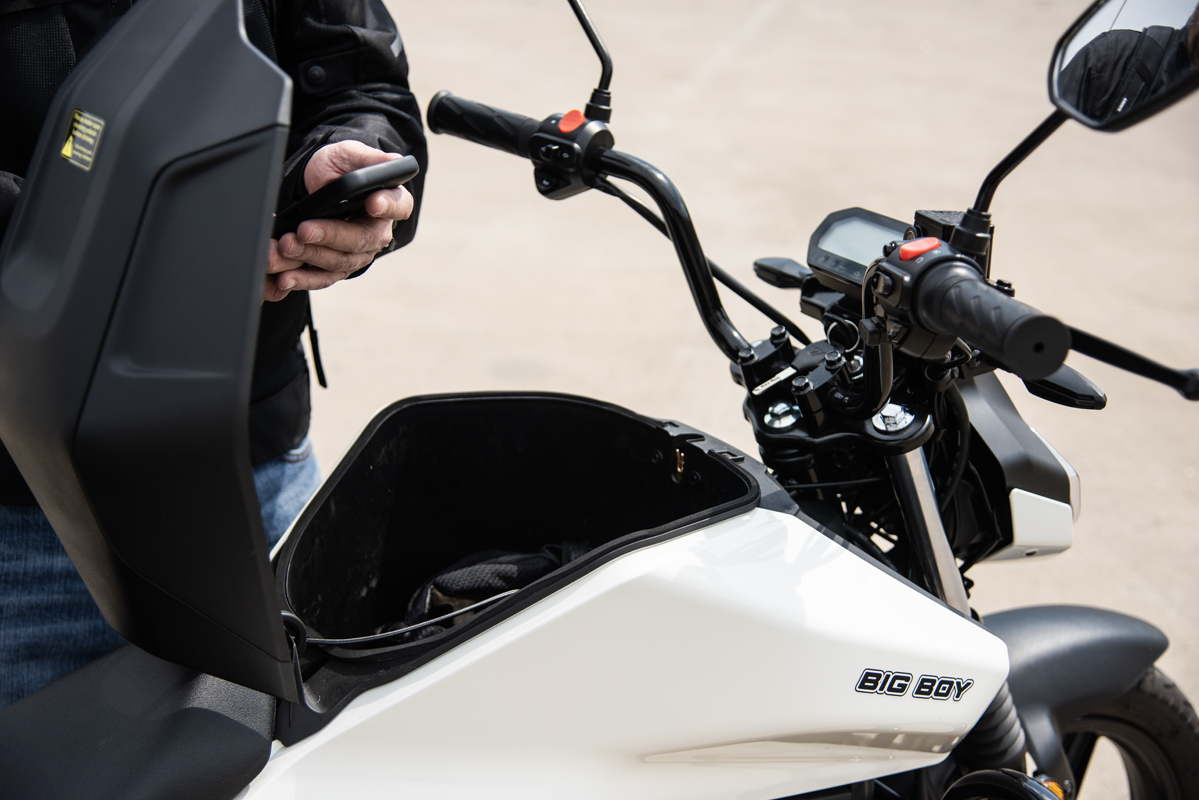
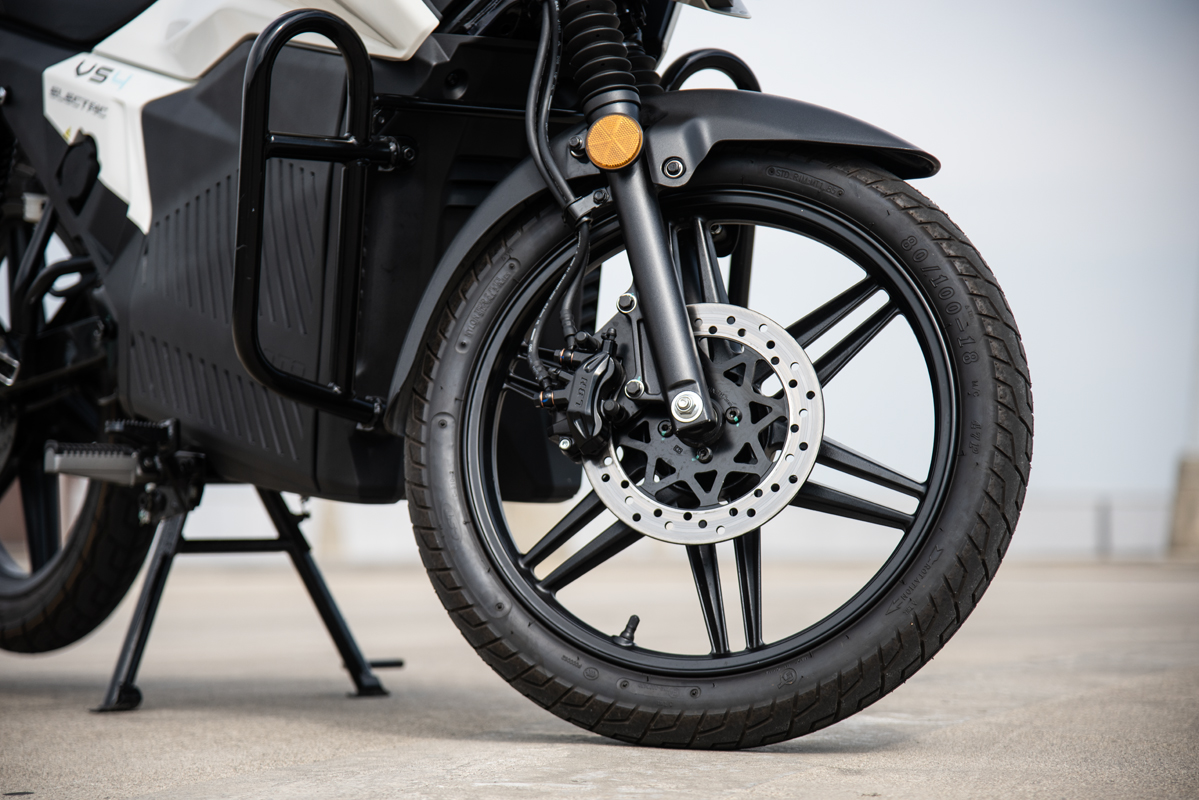
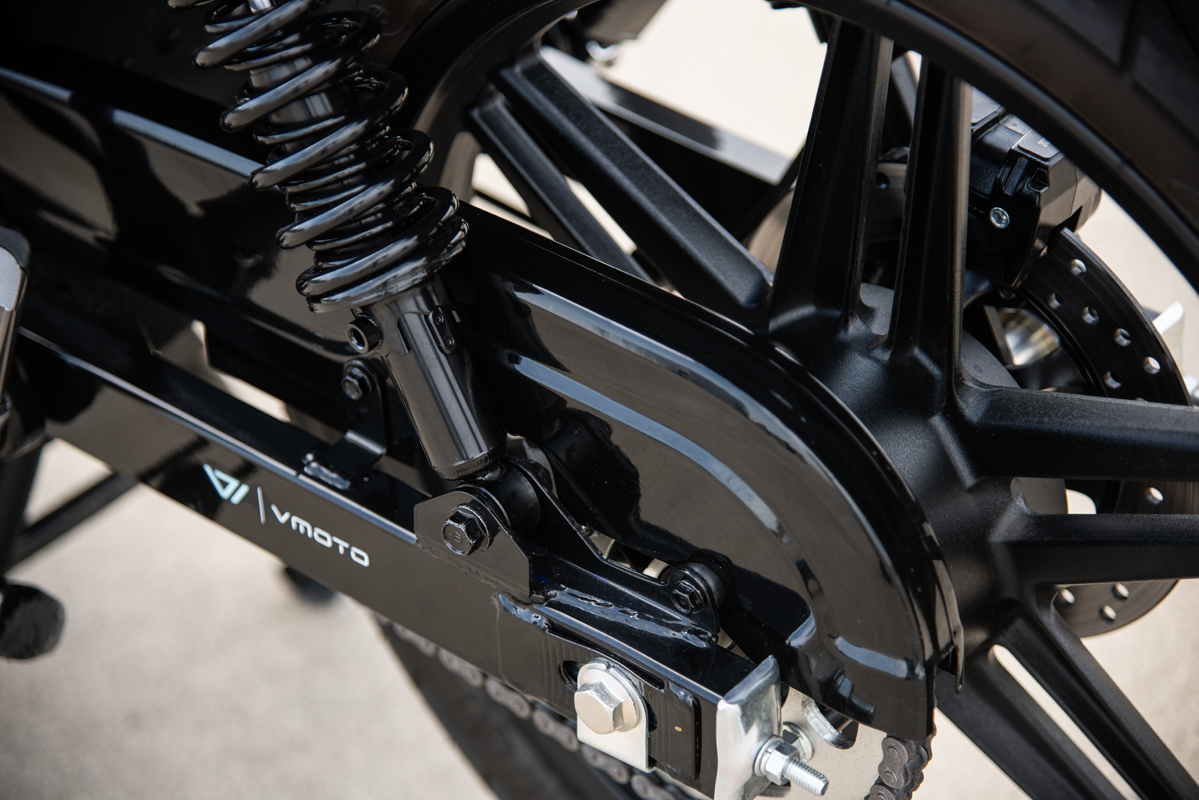
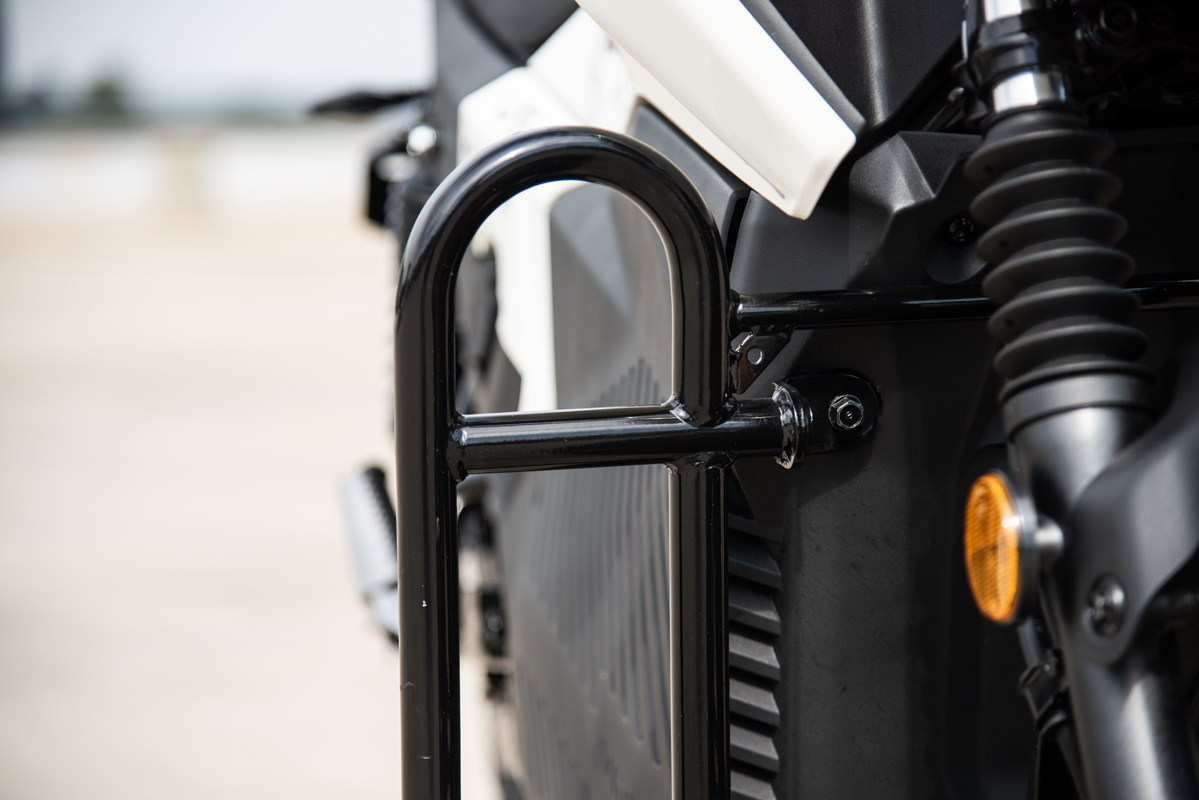
The Big Boy VS4 brings slick, modern European design to the table, almost BMW-like, with LED lighting, crash bars, tubeless alloy wheels, a centre stand, two USB charging ports, a storage compartment and front and rear disc brakes. These might seem like standard features, but on a bike that costs just under R30,000, they’re much appreciated. We’ll touch on the different pricing options shortly.
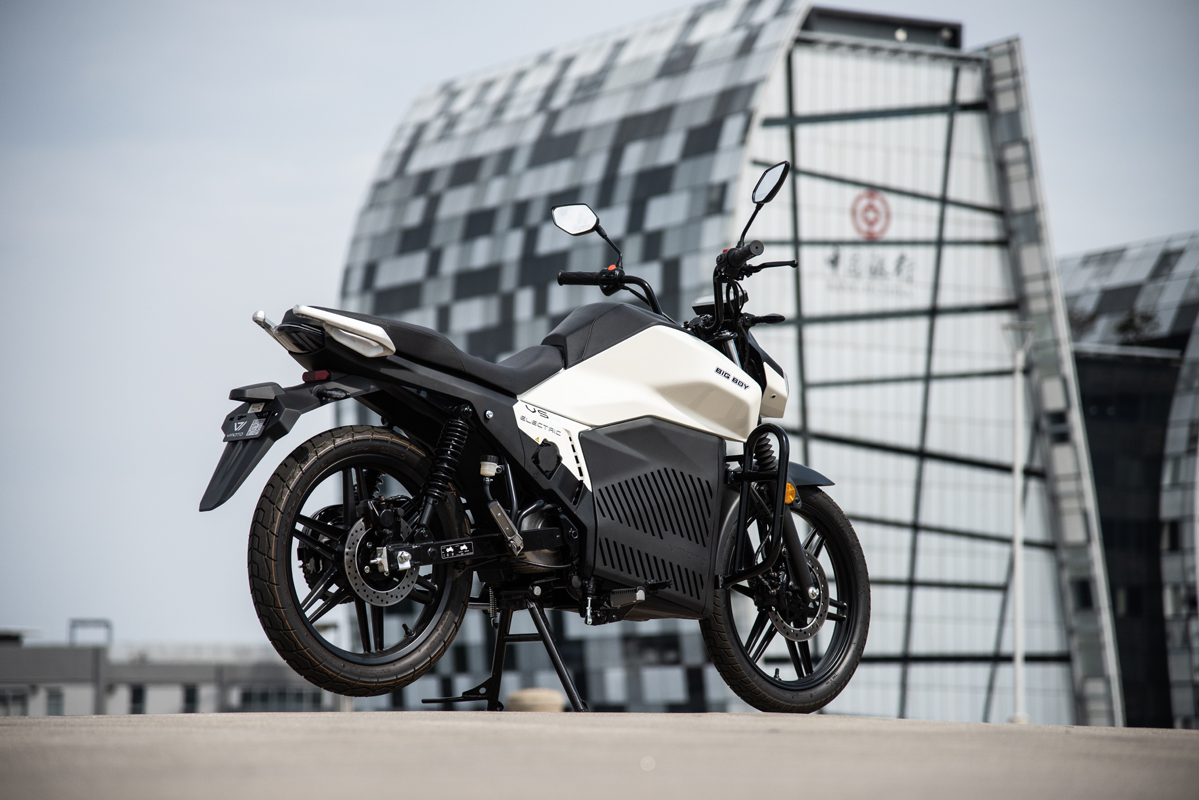
Let’s get into the electric side of things, shall we?
The VS4 puts out a maximum of 8 kW of power, 240 Nm of torque and has a claimed top speed of 90 km/h. Range and pricing are determined by two factors: how you ride and how many batteries you decide to purchase. As mentioned above, the VS4 comes in at R28,999, but that’s without any batteries. Each battery will set you back R13,999. The VS4 can run on a single battery, but for the claimed range of up to 110 km, you’ll need to purchase two.
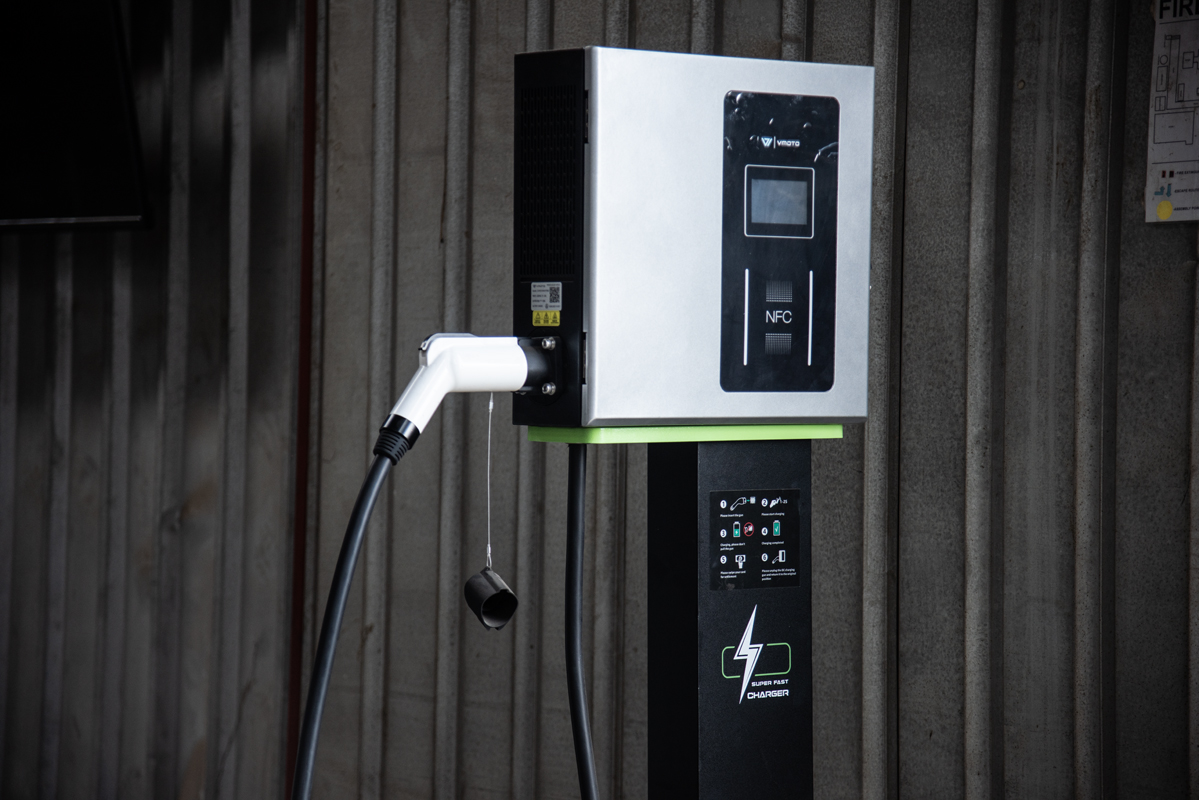
When it comes to the batteries powering the VS4, Big Boy offers a 74 V/45 Ah NCM lithium-ion battery, with a standard 74 V 10A charger. There are two optional charging upgrades available. The first is a 74 V 20A charger, reducing charging time from five hours to approximately two and a half hours per battery. Then there’s the optional 6.6 kW Super Fast Charger, which can take a battery from 0% to 80% in around 30 minutes.
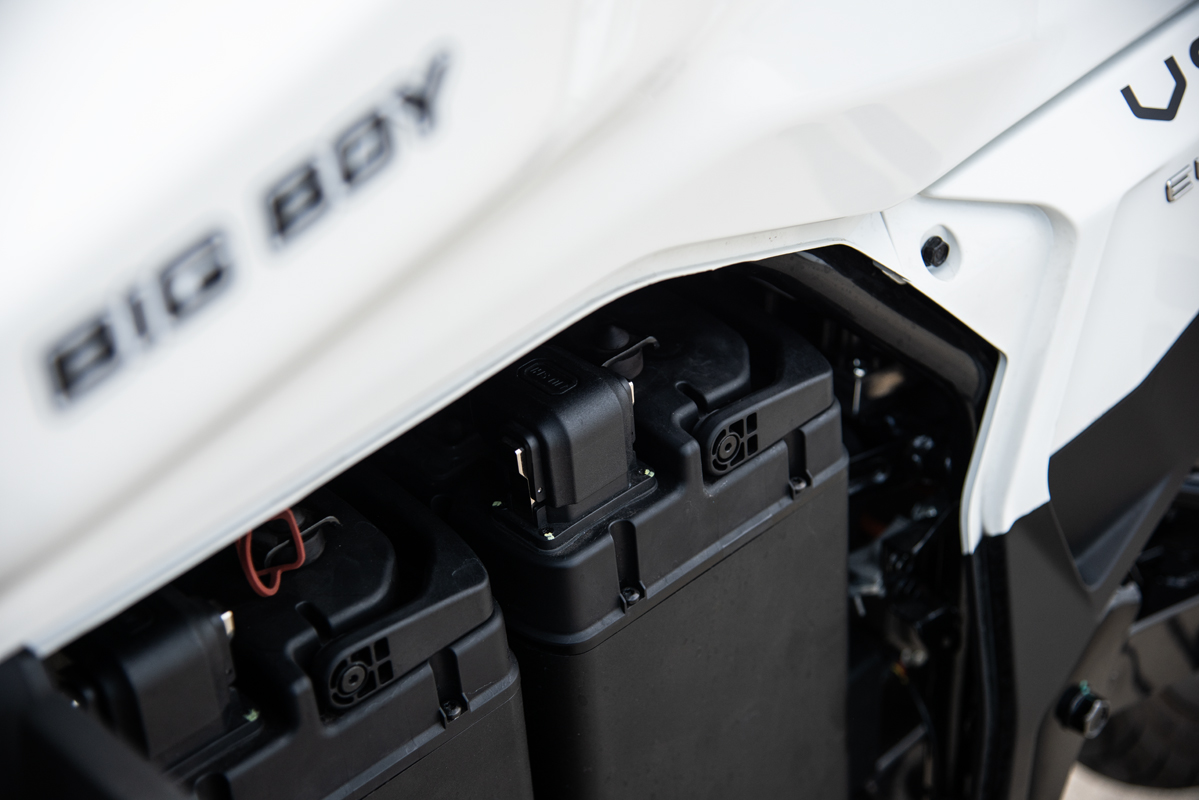
It’s worth mentioning that the standard 10A and optional 20A chargers charge one battery at a time, so if you’re running two batteries, you’ll need to charge them individually, or buy an additional charger (or just charge one on the 10A and the other on the 20A). It’s just something worth considering when planning your charging routine. The convenience in spending the extra loot on the Super Fast Charger is that you don’t have to remove the batteries from the tray to charge them, as there is a prong on the right-hand side of the bike.
Big Boy has really put the options in your hands. Short trips to work and overnight charging could mean running a single battery with the standard charger, setting you back R42,998 as an entry into electric mobility. With two batteries, you’re looking at R56,997 before any optional charging equipment. There is also the wider “Electric Mobility Solution” ecosystem, which includes battery-swapping stations, charging infrastructure and fleet management. Battery swapping is an interesting alternative, potentially taking the expense and responsibility of battery ownership out of the equation, although local availability is something worth investigating. There are plenty of ways of slicing the electric pie.
How does the VS4 function and ride?
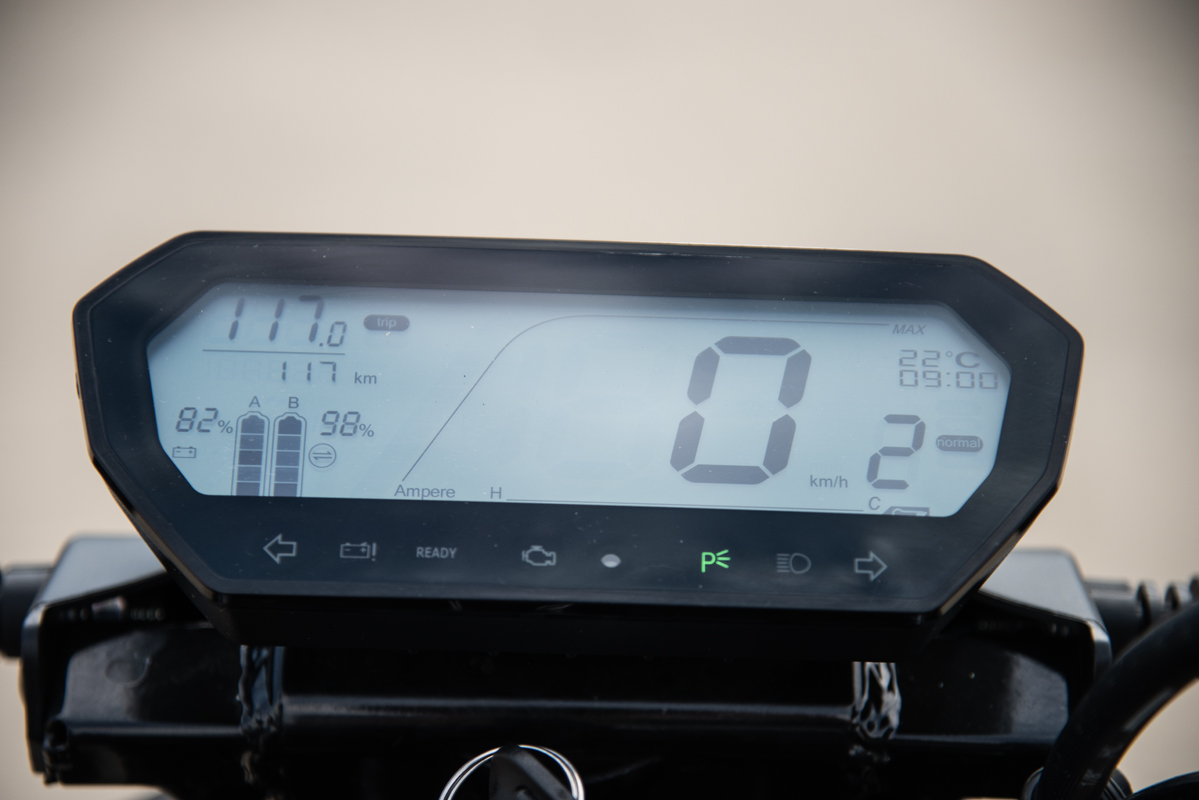
The VS4 is a simple machine. You’ve got an LCD display showing battery life, estimated range, live power output, battery temperature and riding modes. Speaking of modes, they make a lot of sense on electric bikes, and the VS4 offers three: Eco, Normal and Sport. Each limits top speed and adjusts throttle response. Eco is great for inner-city riding, with a 50 km/h top end and smooth power delivery. Normal and Sport are what you’ll use when commuting along country lanes, highways and quicker urban streets, with Normal taking you to around 70 km/h and Sport unleashing the bike’s full performance. I remember seeing just over 100 km/h on the display during my commute. For me, Normal was the sweet spot, only ever needing to bump things up to Sport when someone was sitting on my number plate or when a hefty hill threw itself at me.
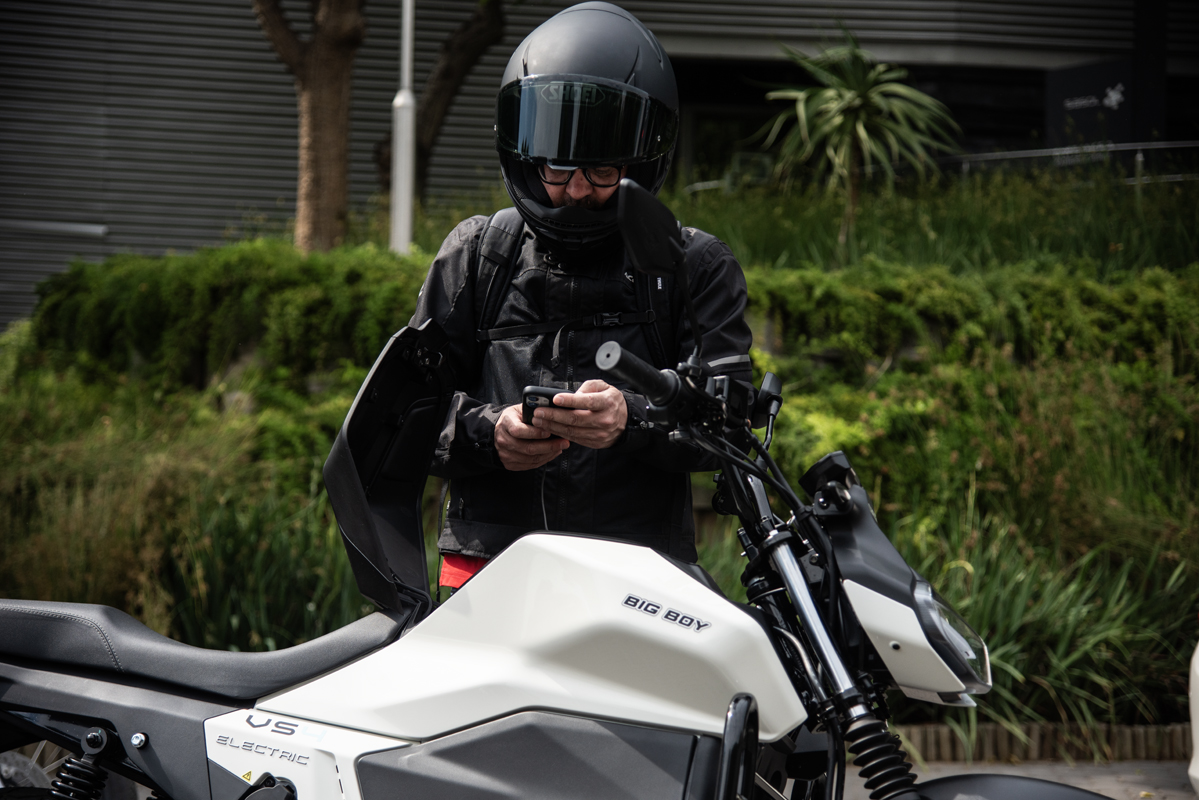
You also have access to the VMOTO app, which offers a host of features, from real-time vehicle status and tracking to app sharing and locating nearby authorised service points. This is something we’ve only really seen in the last five years in the premium motorcycle classes, so it’s great to see more manufacturers bringing this technology to the entry-level and business-oriented fleet side of motorcycling.
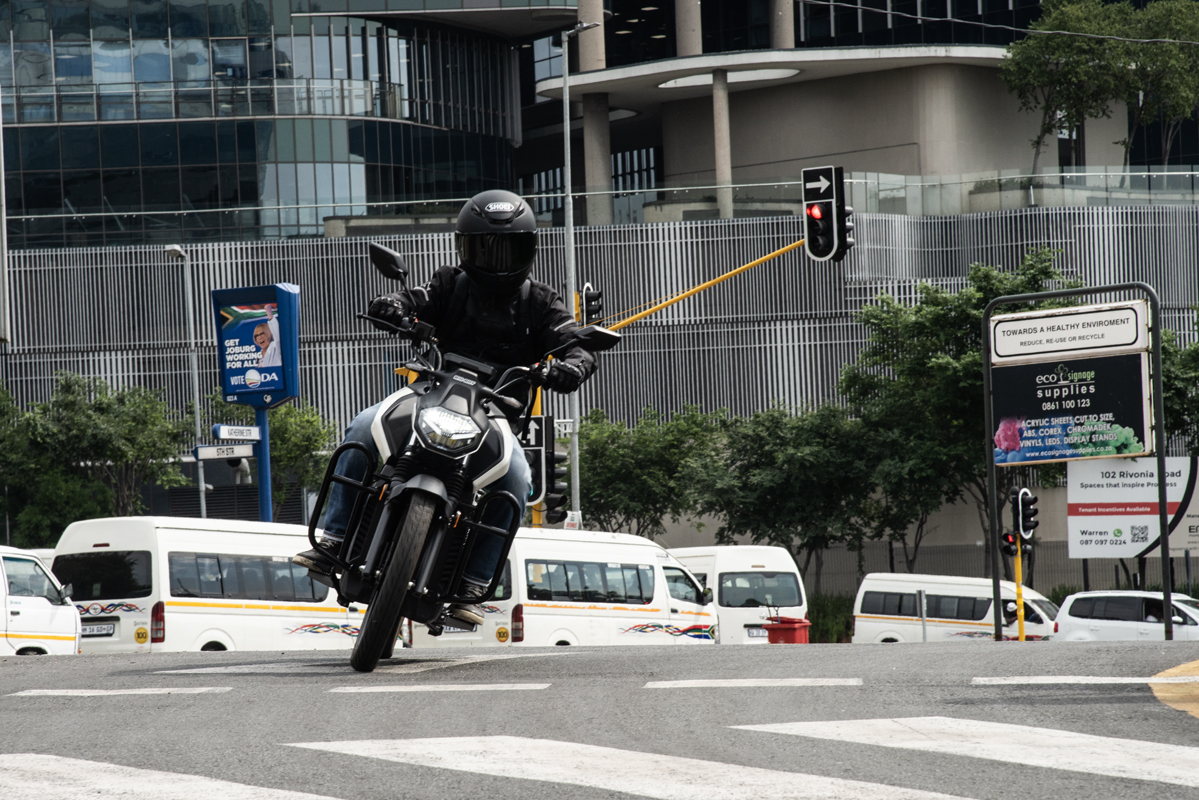
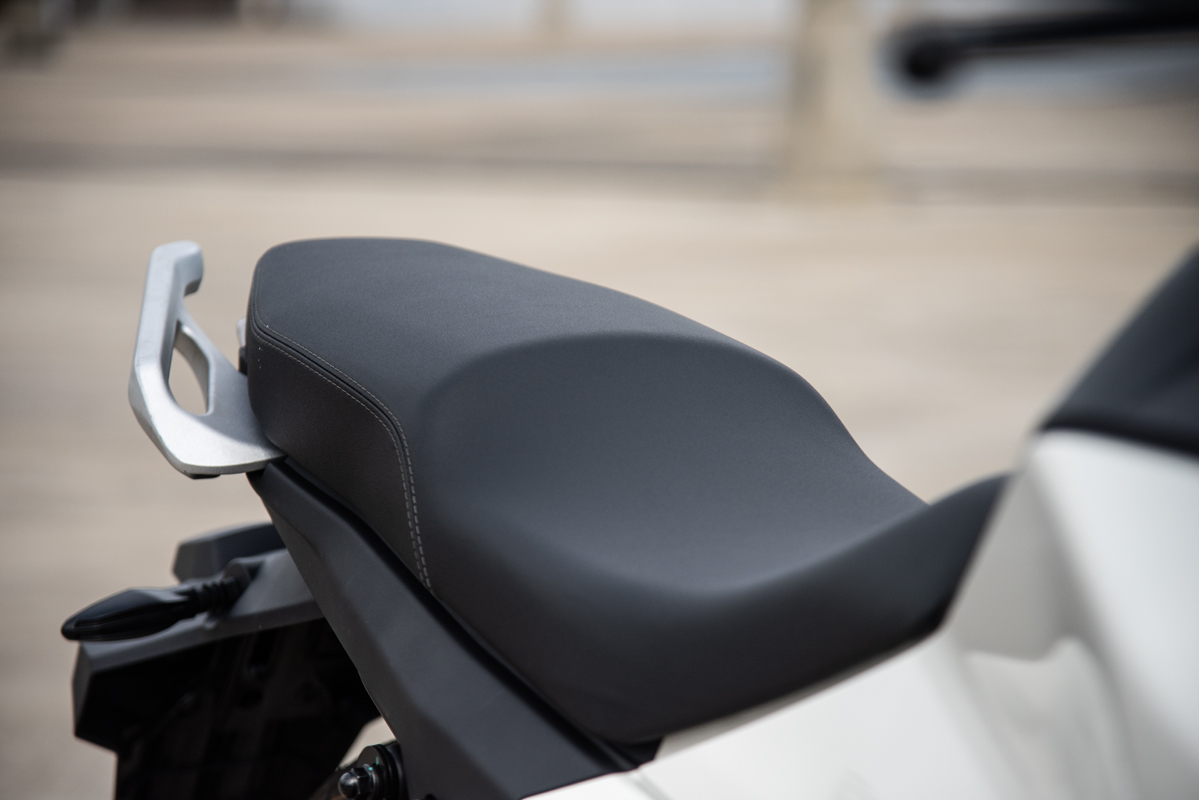
The VS4 is a comfortable place to be, very different from the fuel-powered commercial bikes in its class. It has a wider rider ergonomic fit, with a low footpeg arrangement, a decent seat height of 785 mm and a short reach to the bars, as you’d expect from a naked commuter. The bars are narrow, which helps with lane splitting, while the seat cups you in and is surprisingly comfortable.
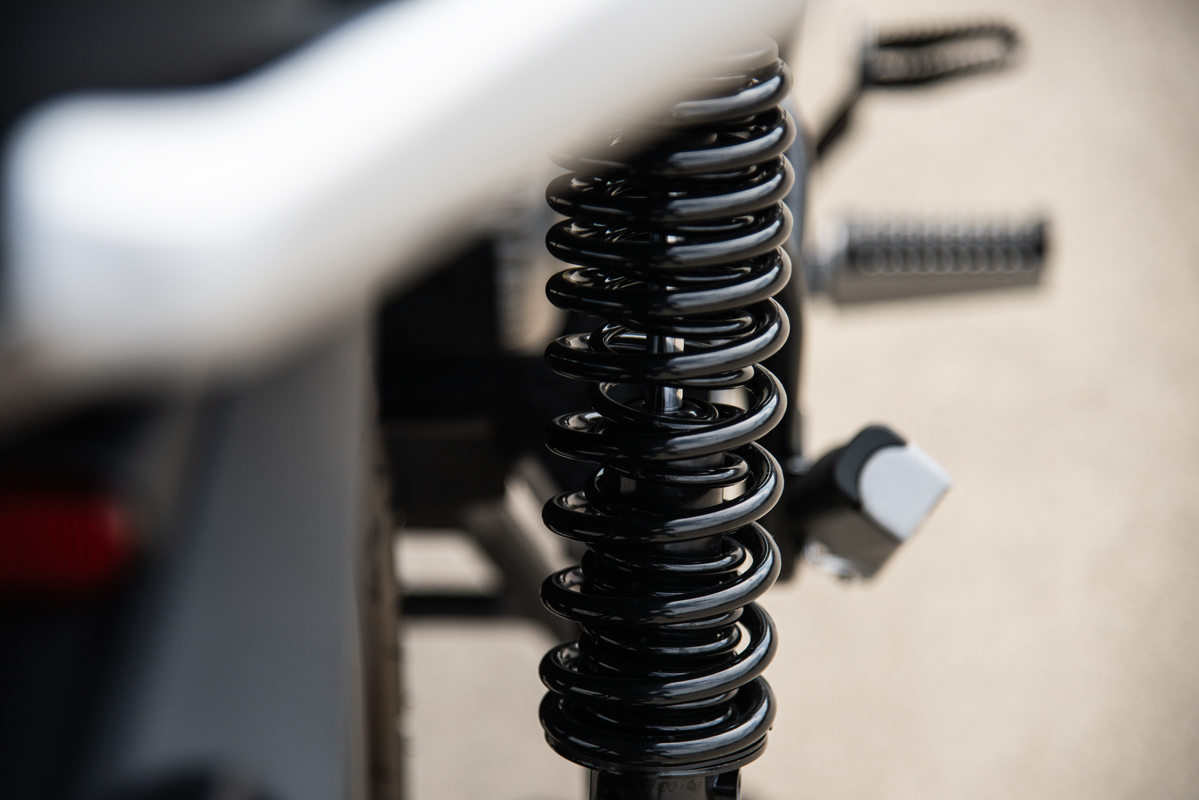
Now, I’ve ridden plenty of electric motorcycles during my time at the publication. Some have been absolutely incredible, like the Energica range and Harley-Davidson LiveWire, but of course those machines cost well over half a million rand, while others have simply felt like an electric motorcycle. Often, they have a strange centre of gravity, which affects their handling and gives you a heavy front-end feel. The VS4, although an entry-level machine, handles extremely well, thanks to its batteries being positioned further back in the frame. It sounds strange, but I promise you, it doesn’t matter how expensive your bolt-on suspension might be; if you get the weight distribution wrong or too far forward on an electric bike, it can feel very cumbersome to ride. Rambling aside, the simple suspension setup, with preload-adjustable rear shocks, gets the job done. It’s light on its toes and firm enough to carry some load without feeling like it’s going to mope about.
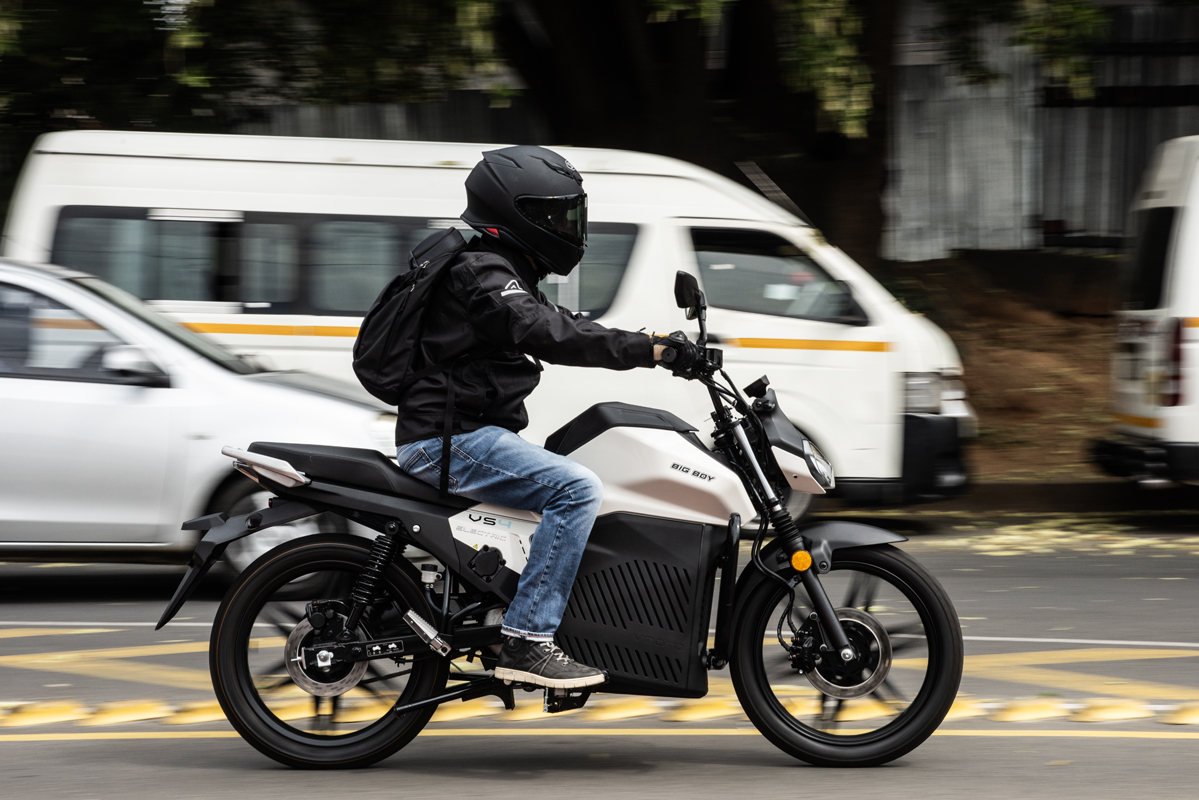
Seat time on the VS4 was spent riding in our usual fashion: visiting clients on the road, stopping for photos and grabbing some lunch and caffeine along the way. From Muldersdrift, we cruised through Randburg into Linden, from Linden out to Sandton City, all the way back towards Biker’s Warehouse and then back to the offices in Linden. That’s roughly 70 km, with a few photo stops in between, and when looking down, the VS4 still had approximately 30% battery remaining after switching between Normal and Sport modes along the way.
So, is 110 km achievable on the Big Boy VS4?
I’d say it’s certainly possible. Our test route included plenty of stop-start riding and some spirited stretches in Sport mode. If we’d slowed things down and spent more time in Eco and Normal, I think getting close to the claimed range would have been entirely achievable. As always, your mileage will vary depending on riding style, rider weight, terrain and conditions.
What does it actually cost to run?
Now, this is where things get interesting. Where I stay in the north of Pretoria, a unit of prepaid electricity costs around R3.75 per kWh when purchasing 100 kWh. Each VS4 battery has a capacity of 3.33 kWh, meaning two batteries give you a combined capacity of 6.66 kWh. Using the standard charger’s 74 V and 10A output over its five-hour charging cycle, we’re looking at approximately 3.7 kWh per battery, or 7.4 kWh for a complete charge of both batteries. At R3.75 per unit, that works out to approximately R27.75 to charge the pair, with each battery taking around five hours to charge individually.
Based on the claimed 110 km range, that’s roughly 25 cents per kilometre, or R25.23 for every 100 km travelled. Let’s put that into perspective. At the time of writing, 95 unleaded petrol in Gauteng costs R30.25 per litre. Even if we compare the VS4 to a particularly economical petrol commuter returning 2.5 litres per 100 km, you’re looking at approximately R75.63 to cover the same distance. The VS4, on the other hand, costs around R25.23 in electricity. That’s a saving of approximately R50 per 100 km, or R504 for every 1,000 km travelled.
Of course, this is only the cost of keeping the wheels turning. We haven’t factored in servicing, oil changes, filters and the other consumables associated with a petrol-powered motorcycle. Equally, we haven’t accounted for the eventual replacement cost of the VS4’s batteries, which is an important consideration when looking at long-term ownership. Big Boy does, however, offer a 12-month warranty on both the mechanical components and the lithium battery.
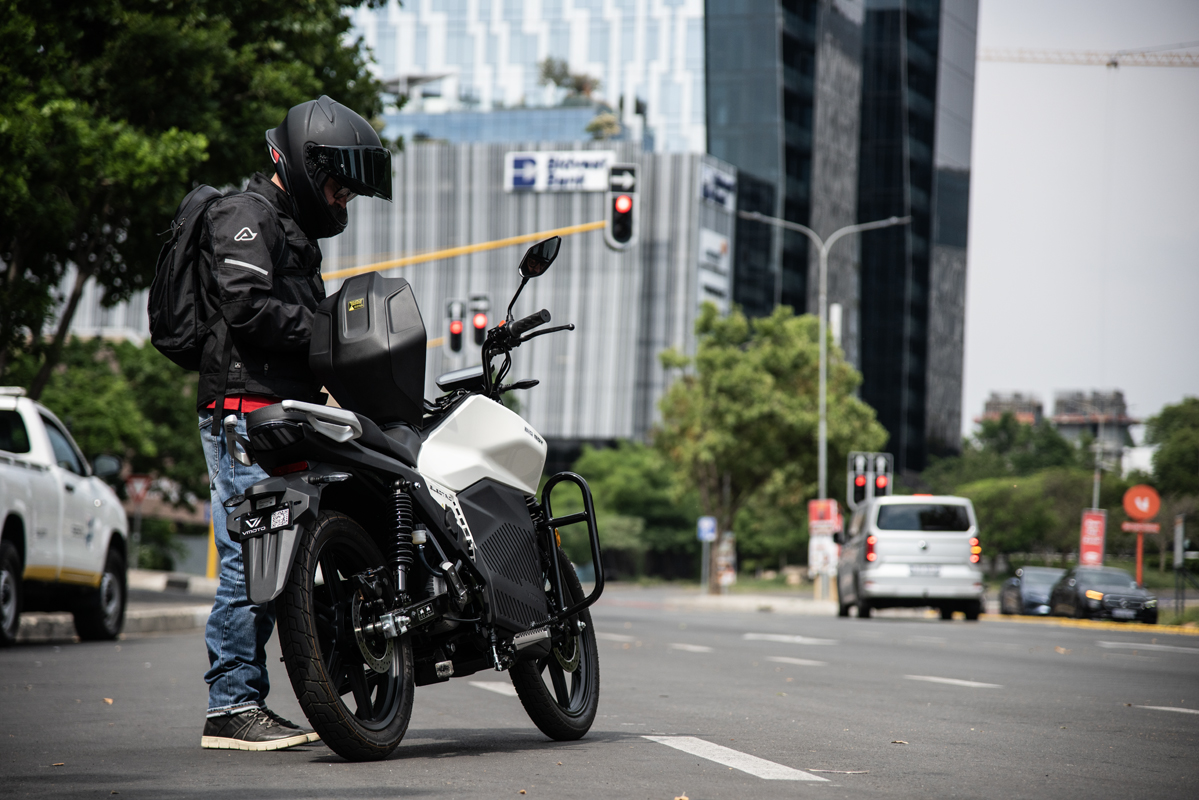
Perhaps the future isn’t about giving up petrol-powered motorcycles altogether. Maybe it’s about having the right tool for the job, saving a little money during the week and keeping the good stuff for the weekend. Otherwise, Big Boy has a very exciting model on the market right now, and we encourage you to pop down to a local Big Boy dealer to experience this great offering for yourself.
BIG BOY VS4
For more information on the bike featured in this article, click on the link below…