



We travelled to Iceland for the global press launch of the all-new Norton Atlas, a premium middleweight adventure motorcycle that blends road comfort, off-road capability, and classic British character. After a full day riding one of the world’s most spectacular routes, here’s our verdict.
A South African Connection
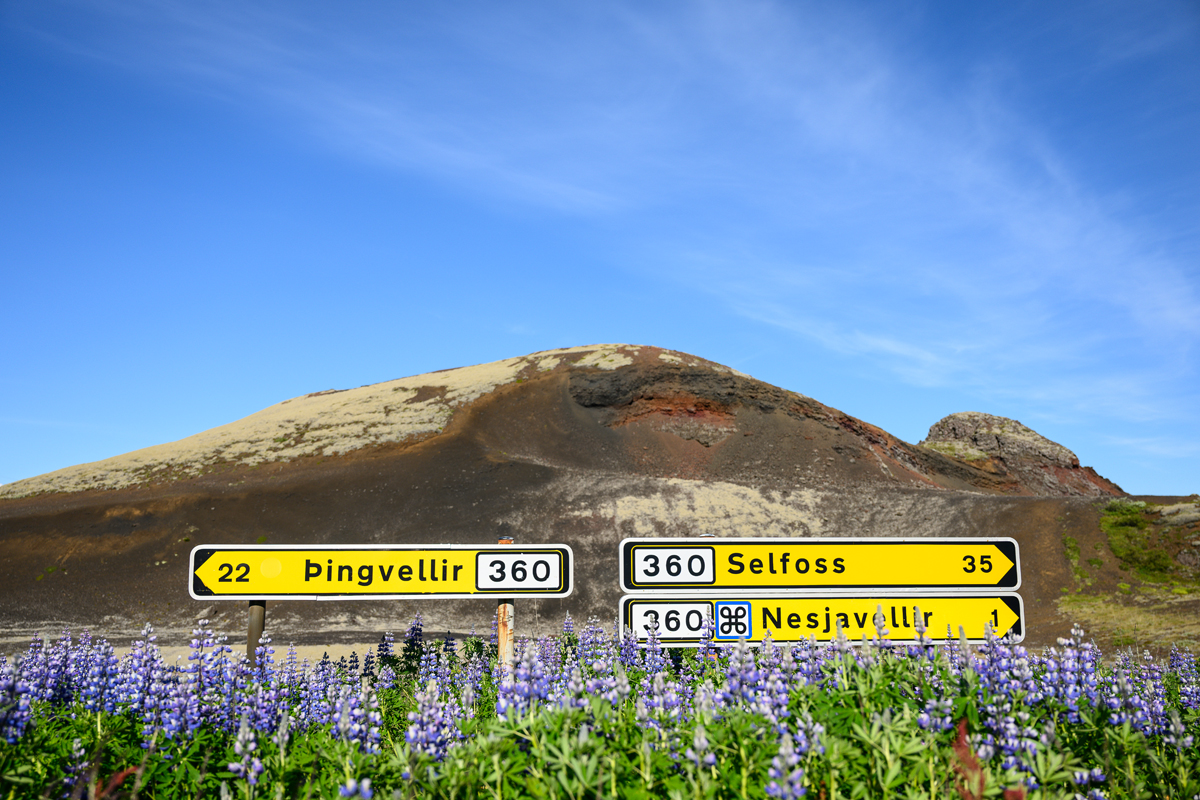
Iceland. Perhaps not the most obvious destination for a bike launch, especially if you grew up in sunny South Africa. Having said that, it is mid-winter in South Africa and mid-summer in Iceland, so maybe not so strange after all. For those of you who slept through geography lessons, Iceland is located northwest of Scandinavia, with its northernmost bit solidly in the Arctic Circle. It is a spectacular place with its scenery influenced primarily by past and present volcanic action, combined with wild and unpredictable North Atlantic weather. Weirdly, in midsummer, the sun only dips below the horizon for about three hours, and even then, it never gets dark as such.
Arriving in Reykjavik at midday on Saturday, I took in the local sights before dinner, after which we attended a presentation by the Norton team on their new Norton Atlas Middleweight Adventure motorcycle. I was intrigued to discover that South Africa has also featured in the Norton story. Christoph Hohmann, the Chief Marketing Officer at Norton, shared that innovation has always been part of the Norton DNA. The Norton Motorcycle Company was founded in 1902 by James ‘Pa’ Lansdowne Norton. In the 1920s, Pa Norton, aged 54, embarked on an adventure of note. He rode 4,800 kilometres around South Africa to visit his brother Harry, who lived in Durban. Pa rode from Cape Town, having arrived with his 633 cc Norton Big Four and sidecar by steamship.
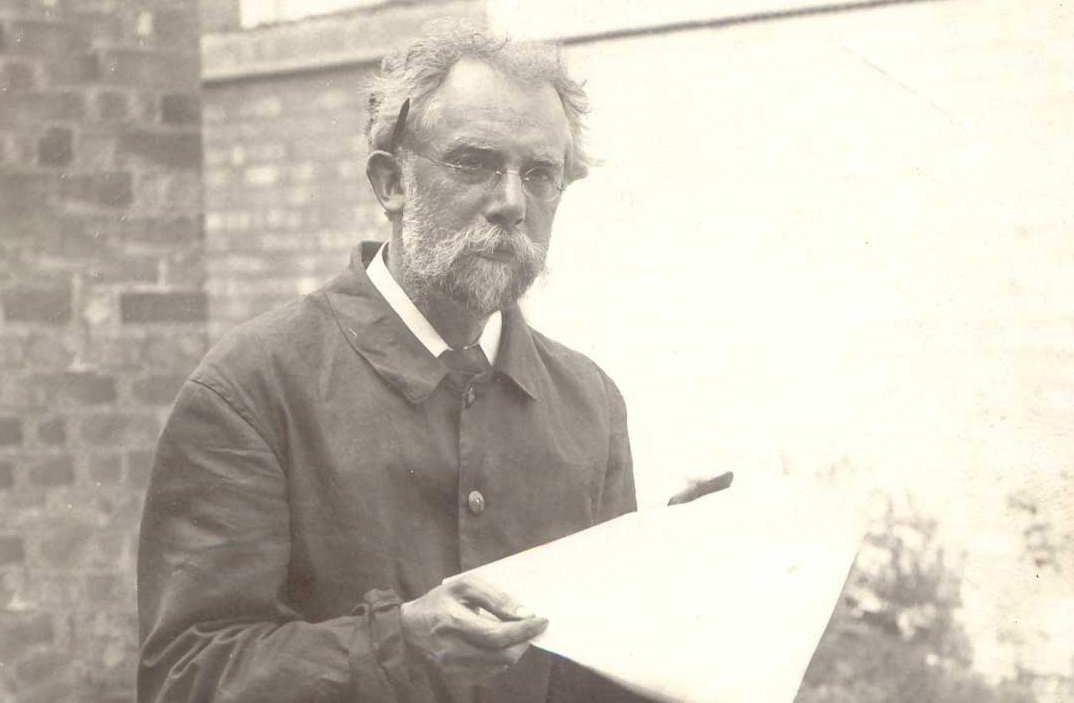
The Big Four is the stuff of legends. Built from 1907 up to 1954, it was powered by a 633 cc side valve single endowed with a ridiculously low compression ratio of only 4,5 to 1. The result was a bike that would run on dodgy fuel, had huge torque and was incredibly reliable. Testimony to the reliability is the fact that after 4,800 k’s of traversing 1950s South Africa, the only ‘mechanical’ was a broken sidecar bolt. Pa Norton made it back to Cape Town on schedule, despite an uncharacteristically wet summer where he struggled through much deep mud in time to catch the steamship back to England. Sadly, he passed away from cancer only two years later. This innovative and adventurous DNA still permeates Norton and is palpable when you chat to their people.
Meet the Norton Atlas
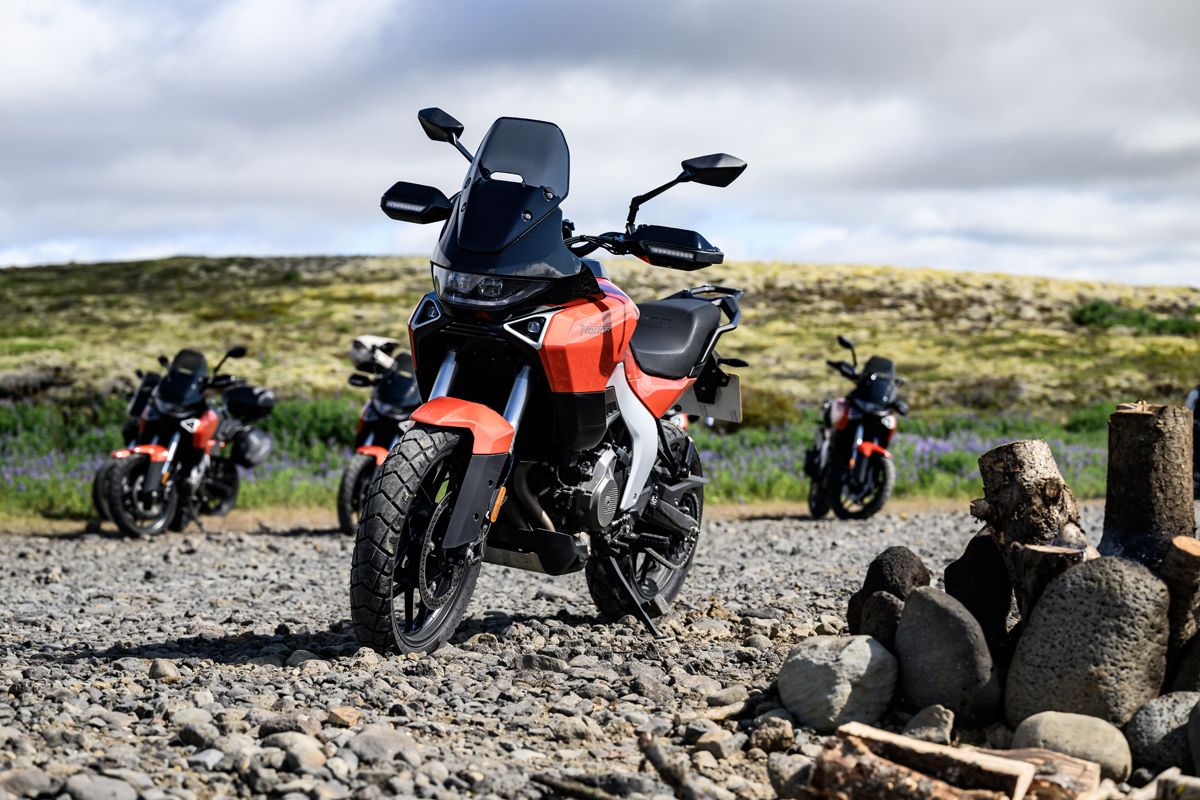
The Atlas name pays homage to the Norton of that name, harking back to the early 1960s. A 750 cc Twin, it was replaced in 1968 by the Commando. Simon Skinner, head of Design at Norton, tried to achieve a modern, “less is more” approach which would come across as rugged, yet modern. Ed Harris, Norton’s Concept and Integration engineer, filled us in on the “heart of the beast”, the 585 cc DOHC Parallel twin with a 270-degree crank, producing just shy of 70 hp and 57,5 Nm of torque, with a nice flat torque curve. Finger followers in the valve train allow higher reliable rpm, less friction and lower cost of adjustment. The cams are driven by a chain to one cam, which then drives the other cam by a gear. This shortens the Cam chain length, further enhancing reliability. Plasma-coated bores reduce weight, friction, and also benefit long-term durability. The gearbox has 6 speeds.
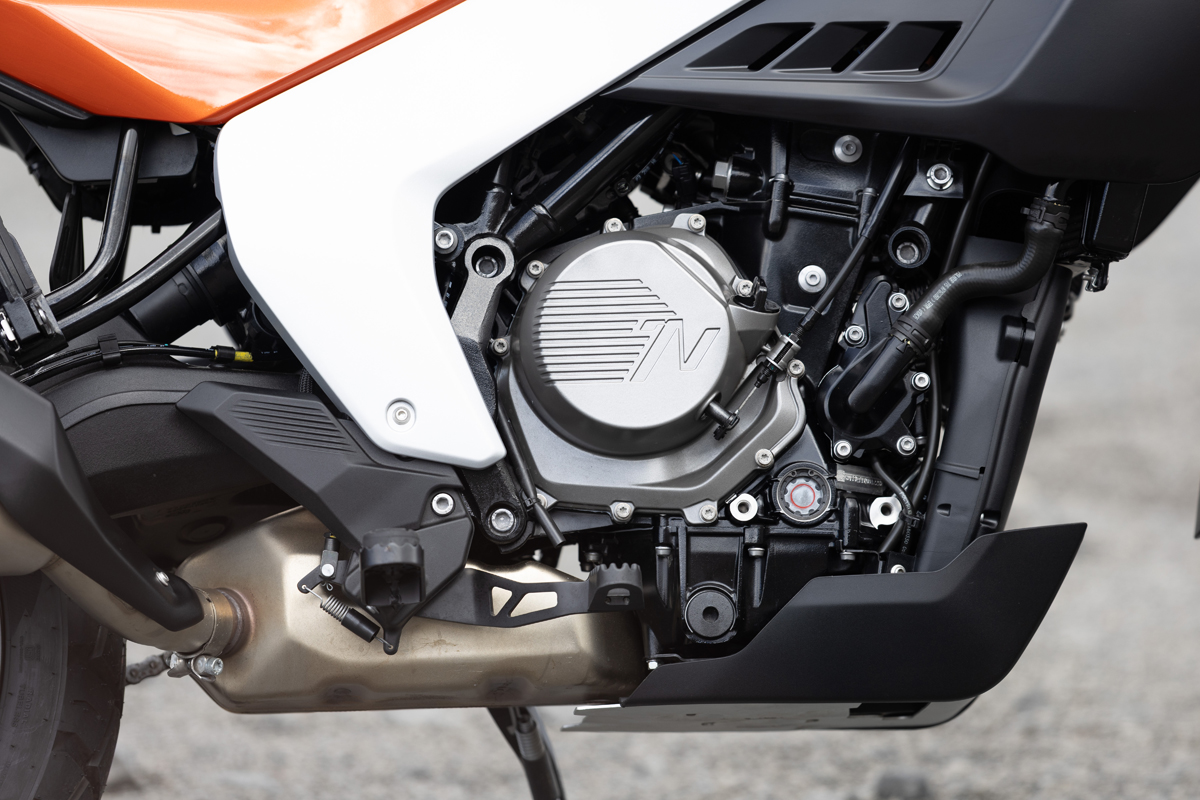
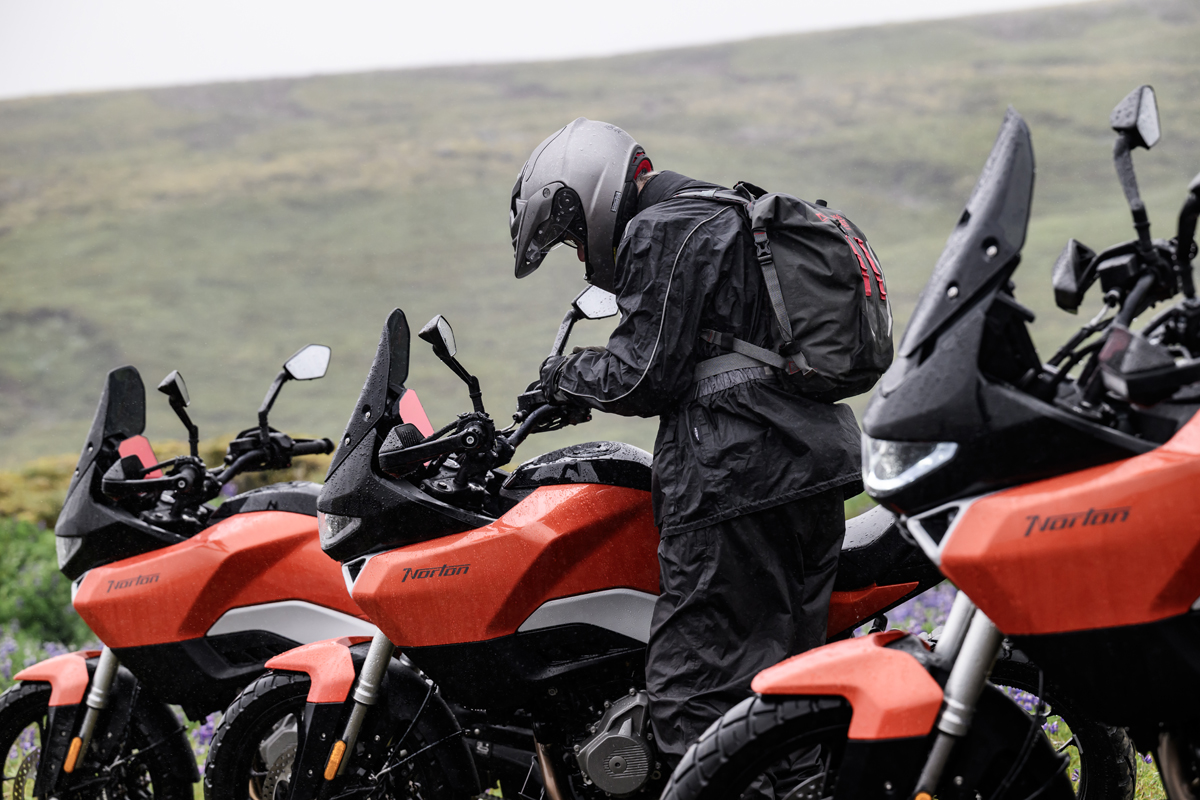
The air intake rides high under the seat, the radiator is curved for a greater surface area, and much effort has been made to centralise mass. With the 15.3 L fuel tank topped up, the Atlas weighs in at only 203 kg. I say only because it pretty much matches the current crop of 400s and 450s, weight-wise, yet pulverises them in real-world ability. Ergonomics were also designed for both long-distance seated comfort and when standing on dirt roads. Airflow was considered for heat management and flow over and around the rider.
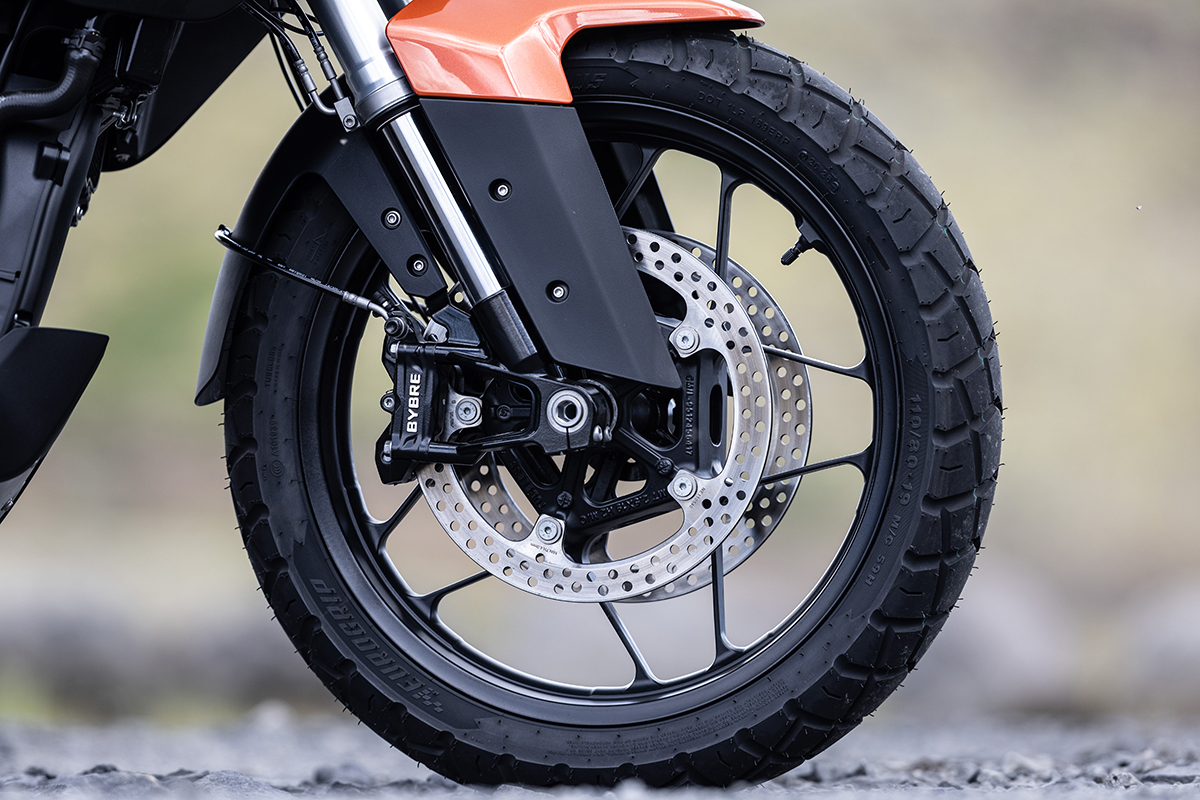
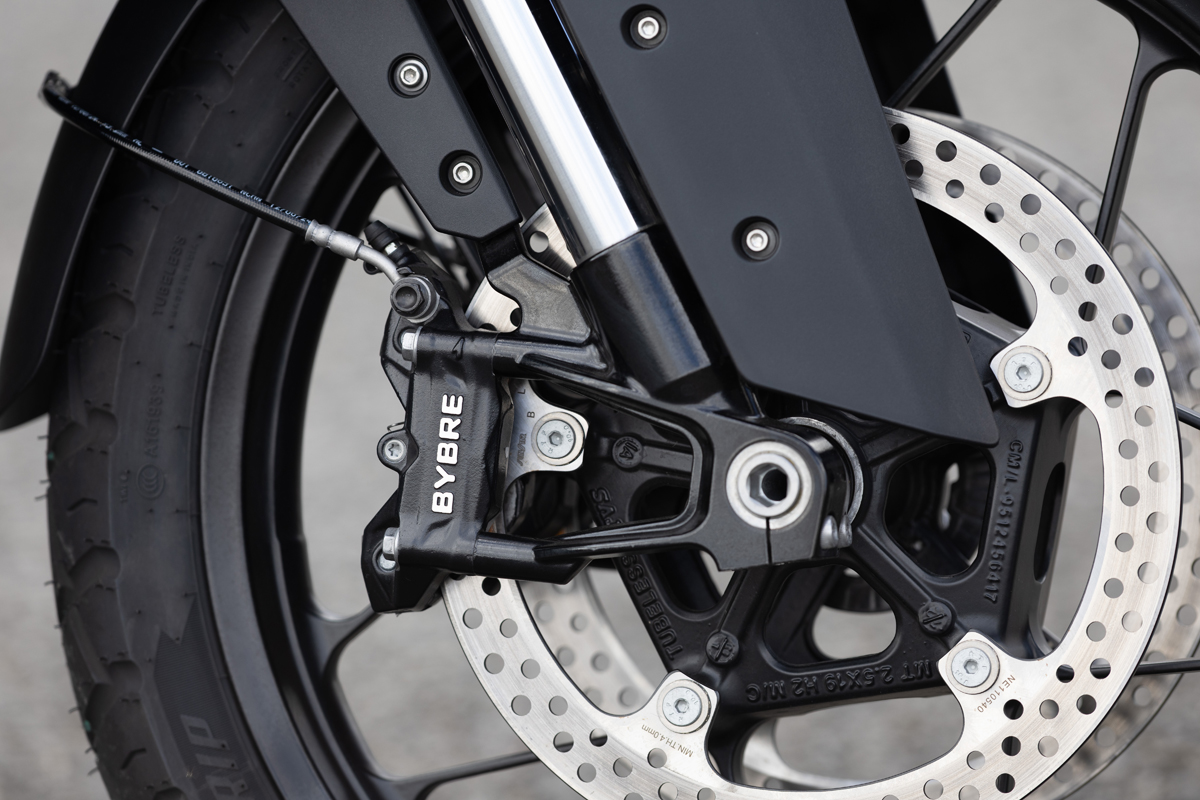
Suspension is by KYB, with fully adjustable 43 mm USD forks and a preload- and rebound-adjustable rear shock that mounts directly to the swingarm. A simple and effective design. Much attention was paid to damping, with it firming up at the bottom of the stroke to resist bottoming over rough terrain. Bybre radial callipers and steel braided hoses take care of braking, with twin discs up front and a customary single smaller rear.
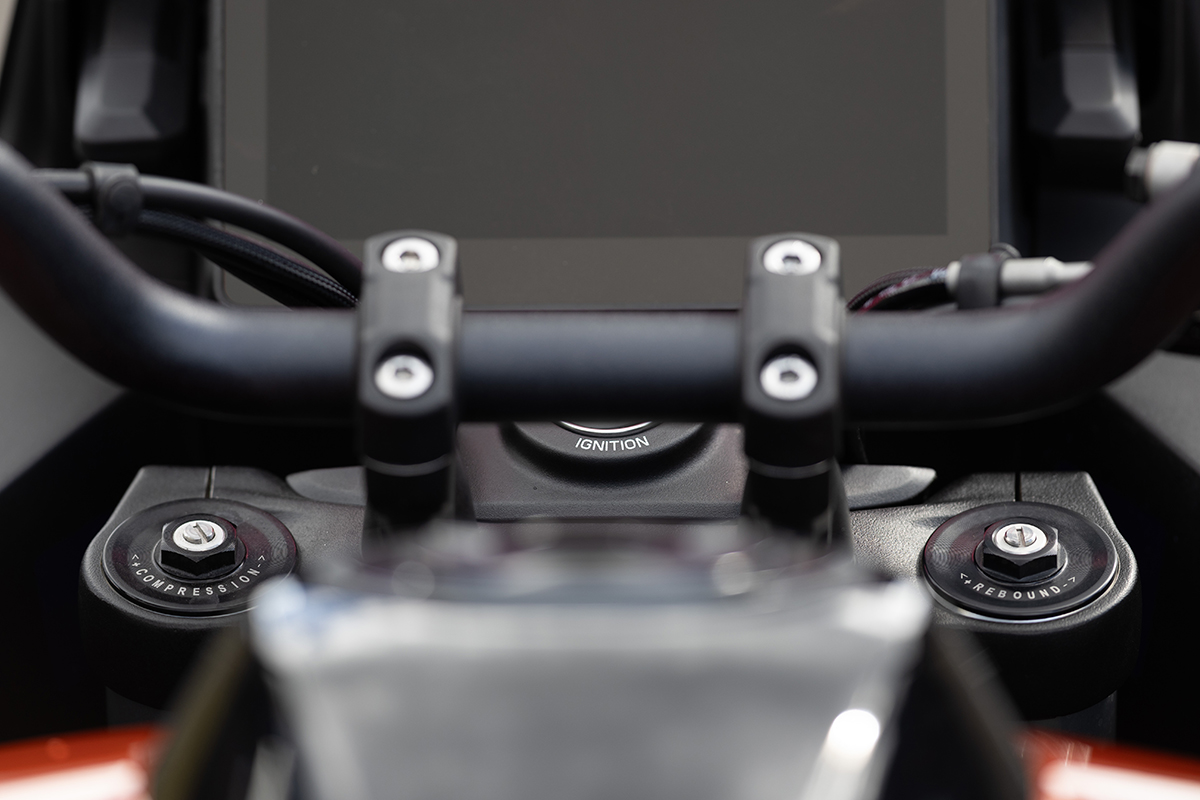
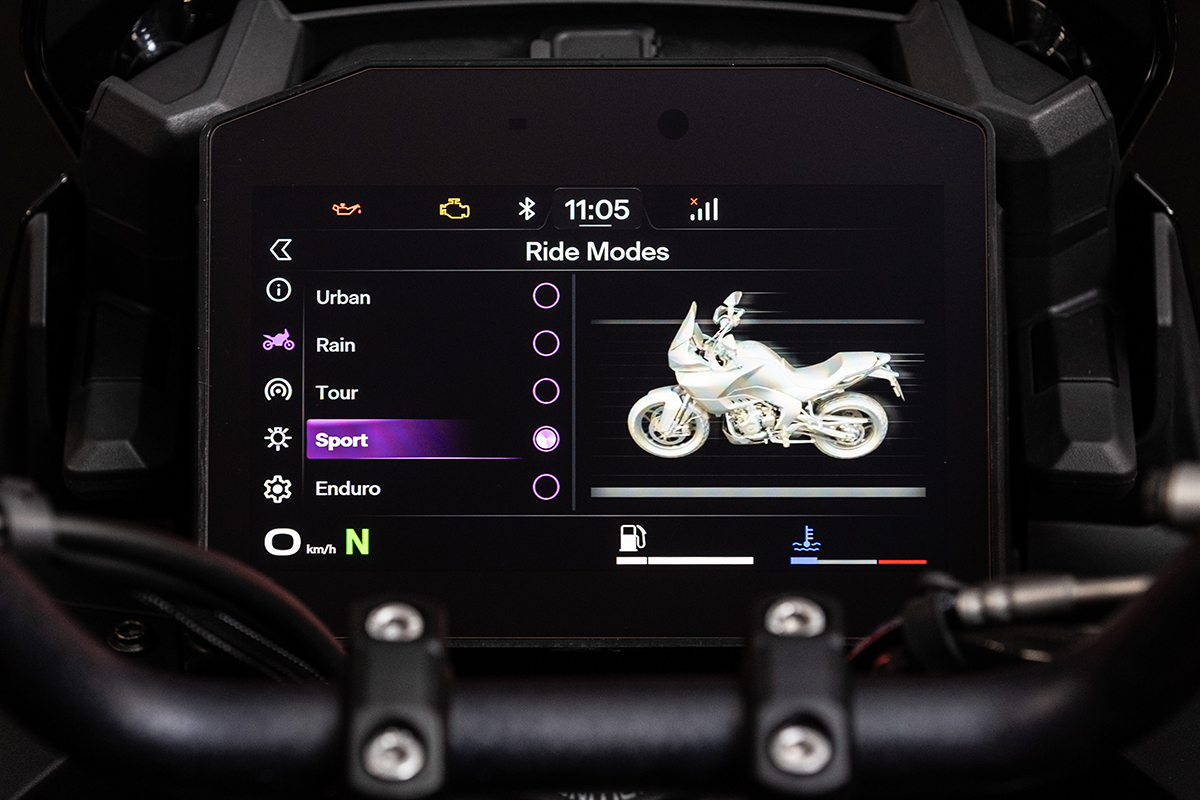
The top-of-the-range Apex version is extremely well equipped, with cruise control, keyless entry, an adjustable windshield, bi-directional quick shifter, heated grips, cornering lights and urban, rain, tour, sport and enduro modes. Factory luggage (panniers and top bag) is available, developed in conjunction with Givi. Wheels are 19” front and 17” rear. The bikes we rode were equipped with mag wheels, and tubeless spoked wheels will also be available very shortly. The tyres are TVS’s own design and compound developed in their own tyre factory for the Atlas. The instrument display is lifted straight from the magnificent Manx R and ticks all the boxes in keeping you fully informed and connected.
Norton’s approach to positioning the Atlas in the market finds some parallels with what they did with the Manx R in its segment. They did not try to reinvent the Sports motorcycle but rather reimagined it. They set out to build a bike that was real-world relevant rather than one that was built with the primary intention of being the basis for a race bike. With the Atlas, we see a similar approach. This bike is not built for Rally Raid wannabees. It is aimed at the rider who wants a premium riding experience with a broad range of talents. The fun shouldn’t stop when the tar stops and the dirt road begins. They wanted a dynamic, reliable and comfortable all-road motorcycle that satisfies the wanderlust in its rider. So how did it all play out? We spent a day on the bikes riding Iceland’s Golden Loop to find out.
Into the Icelandic Wilderness
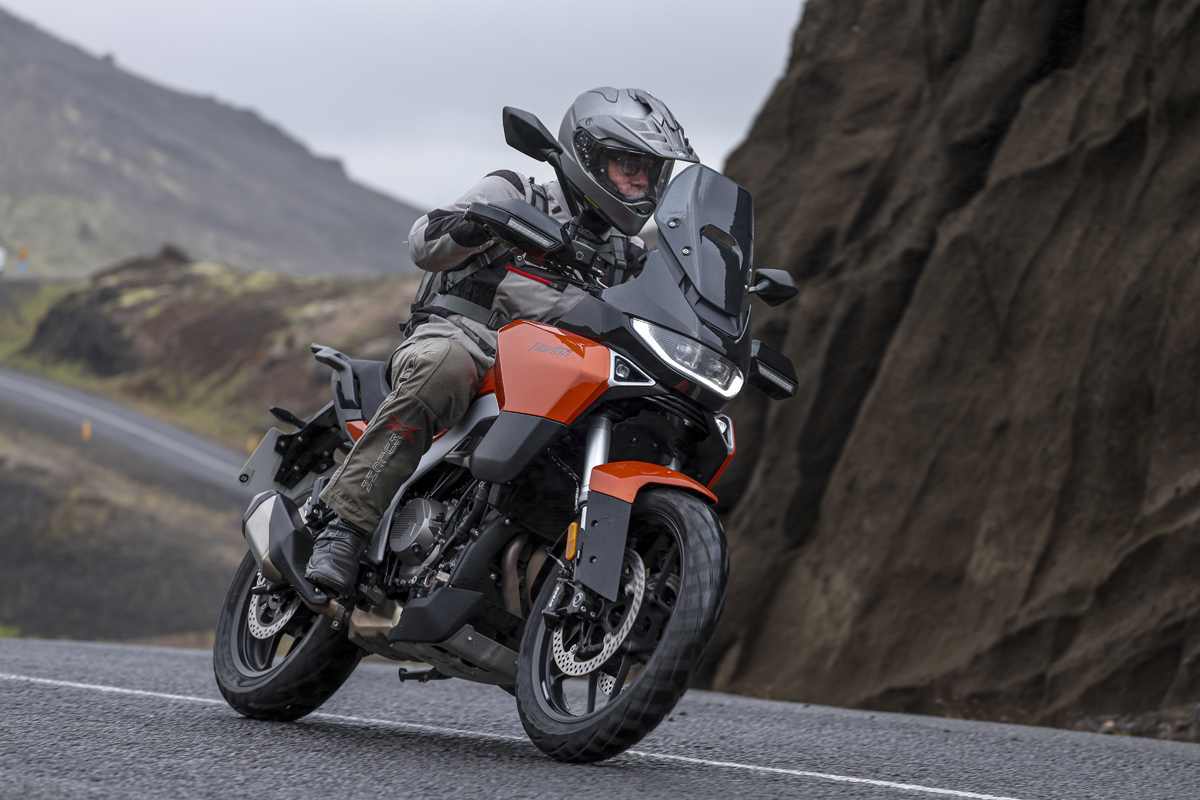
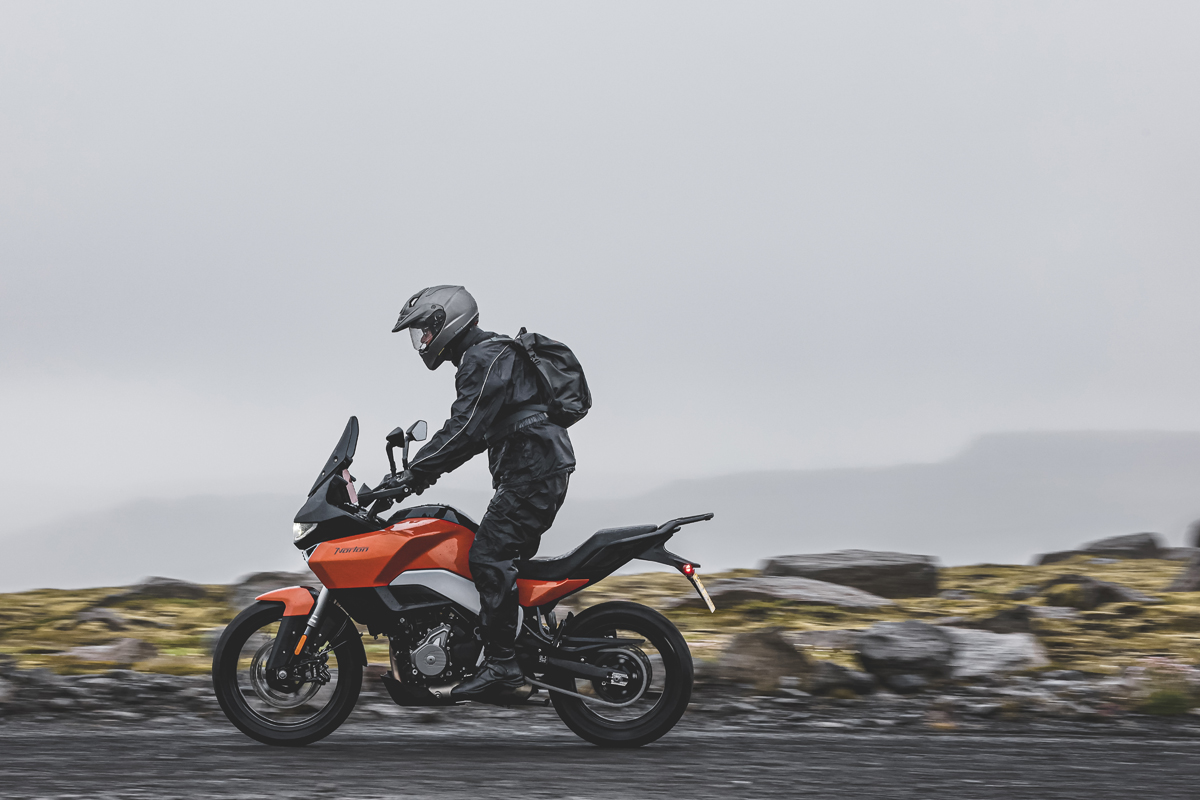
We had a rider briefing; Abishek from TVS ran us through the TFT display and settings, and then we were on our way. Iceland was delivering a challenging riding experience. It was 11 °C cold with intermittent misty rain driven by a wind that seemed to gust in all directions. Riding out of Reykjavik, what was immediately apparent was the light and nimble feel of the Atlas. You sit “in” the bike, and everything falls naturally to hand.
The motor was in Urban mode, which I felt was a bit lazy off the bottom, so I engaged Sport mode. The bike came alive, and the motor seriously impressed me. It loves to rev yet also feels torquey through the midrange. It is smooth all the way to redline and never feels stressed, but is willing and able. As is so often the case with engine modes, I settled on ‘Tour’, which was the “Goldilocks” porridge mode, neither abrupt nor lazy but just right. The Atlas stays in the chosen mode even when switched off and then on again. Well done, Norton!
Comfort & Ergonomics
The poor weather highlighted the good weather protection of the screen. It does require two hands to raise or lower, so it needs to be done when at a standstill, but is accomplished in a jiffy. Airflow is smooth and calm around the helmet with the screen in its highest setting. At 6’3”, I look over the screen and not through it. The riding position is good, feeling neutral and comfortable. Standing also feels comfortable without being too far forward, as is sometimes the case.
The tank and seat junction also allows seamless forward and aft movement when changing position on dirt. The mirrors provide crystal-clear images at all engine speeds. Some journos complained about the gearshift being notchy, but I think that was due to the lever angle not being ideal for Enduro boots. My Gaerne adventure boots are less aggressive, and I found the shift action light and precise. The quick shifter is excellent and doesn’t mess with the shift when changing with the clutch, as is the case with some bikes.
Brakes, Suspension & Handling
At the first coffee break, I overheard a journo suggesting that Norton should rebrand the Bybre brakes (Brembo’s Asian subsidiary) as they suggested a budget brand and were not in keeping with the premier image of the Norton brand. I got thinking about that, and it occurred to me that in so many ways we have become critical without justification, based on ‘spec’ rather than ability. The brakes on the Atlas are superb, offering loads of feel and excellent progression, making them ideal for use on both dirt and tar. They are every bit as good in all respects as the Brembo Stylemas on the Triumph Tiger Rally Pro, which I owned. Let’s give feedback on reality rather than preconceived perception.
The KYB suspension works well. Some of the Icelandic roads are a trifle bumpy, yet the KYBs took it all in their stride, remaining controlled and reasonably plush. I did not feel it necessary to fiddle with settings at all. The bike steers accurately and precisely, carving through sweeps with such aplomb that on a few occasions the little devil on my shoulder was whispering “faster, faster” even when we were progressing at a good clip. Off-road was a pleasant surprise, too. Labelled as a ‘Soft Roader’ by Norton, the bike feels sure-footed and composed on dirt.
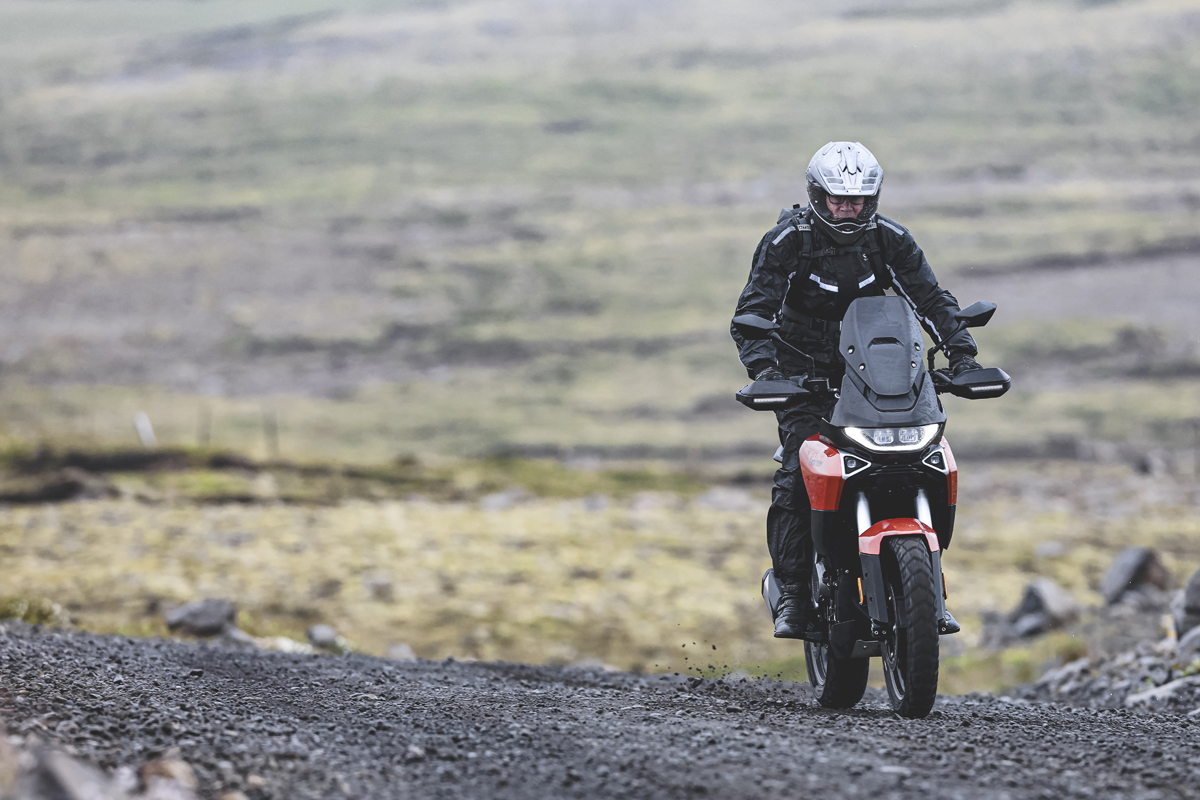
Engaging Enduro mode switches off traction control and ABS on the rear, allowing you to slide the rear into and out of corners. The bike feels light and balanced, and it is easy to change direction. The tyres also impressed. I must admit to initially being a tad cynical about a homegrown brand, but after riding slick as well as wet roads and feeling how well the tyres worked, I must concede that I was impressed. Some of the dirt roads are tricky, with volcanic ‘marbles’ strewn across the surface, yet the Atlas coped with it all extremely well.
Final Riding Impressions
Returning to Reykjavik after a fascinating lunch in an igloo, the roads had dried out, and we strafed some tar roads which undulated and swept across the unique Icelandic landscape. We then rode 19-odd k’s of good dirt into the outskirts of the city. I found myself enjoying the bike immensely. Taut and controlled, it really delivers. The motor is an absolute gem. It grunts out of slow corners and then rips to redline with authority, all without fuss or bother.
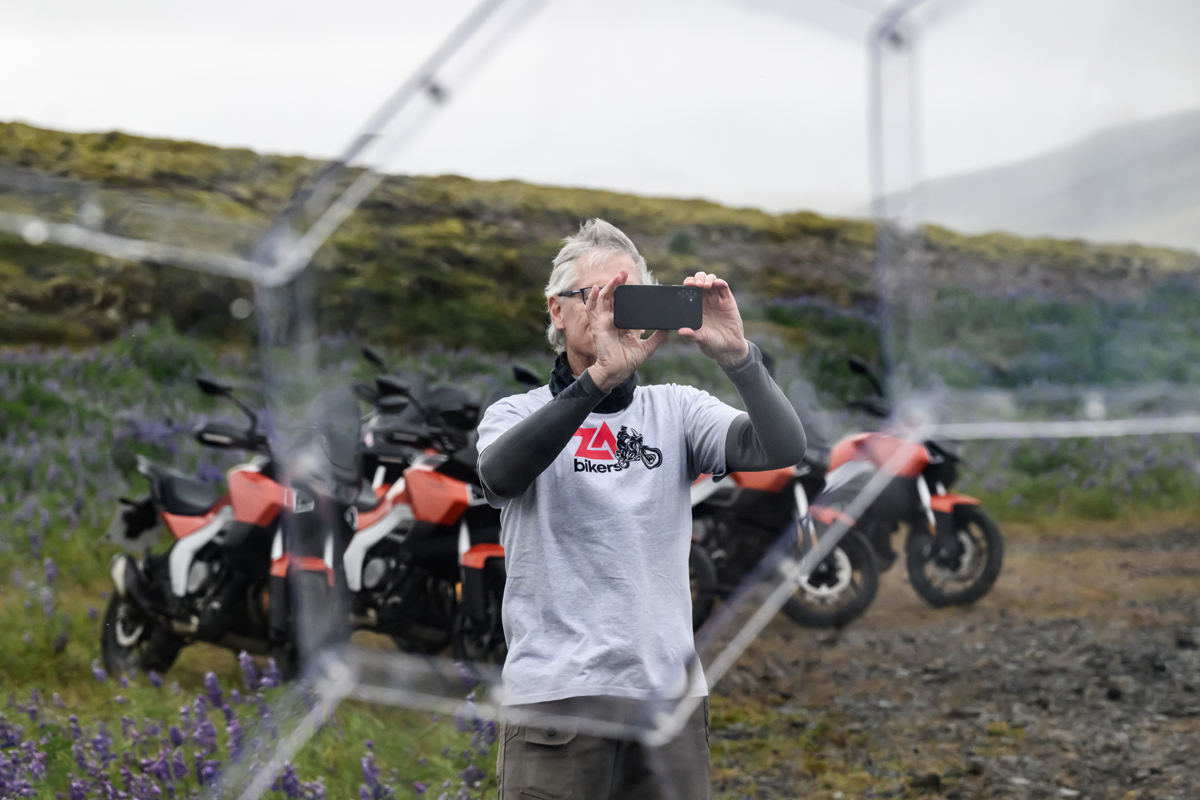
I found myself dispensing with the brakes as much as possible and rather trying to judge my speed well, prodding down on the quick shifter to retard my corner entry and then accelerate out of the bend, tapping the quick shifter as required. I did notice that downshifts needed the throttle totally closed, and upshifts needed positive throttle for the shifts to be seamless. When you get it right, the riding experience is sublime.
A Worthy Partnership
Back at our hotel, I didn’t want to give the bike back. Despite the grotty, cold weather, I had a ball on the Atlas. Reflecting on the Norton TVS marriage, I think it has contributed a lot to the success of the final product. I have had extensive experience with TVS bikes over the last 12 years and am an unashamed huge fan. I have visited the Hosur factory where the Atlas is built, and ridden my own TVS Apache in the company of other Apacheans over 6,000 km in brutal heat across Botswana and Zimbabwe. Everything I have experienced with the brand has been overwhelmingly positive. The way they have gone about the Norton project speaks volumes for how TVS respects this British icon. British engineering and design prowess, combined with Indian manufacturing expertise and financial muscle, has resulted in another excellent bike in the form of the Atlas.
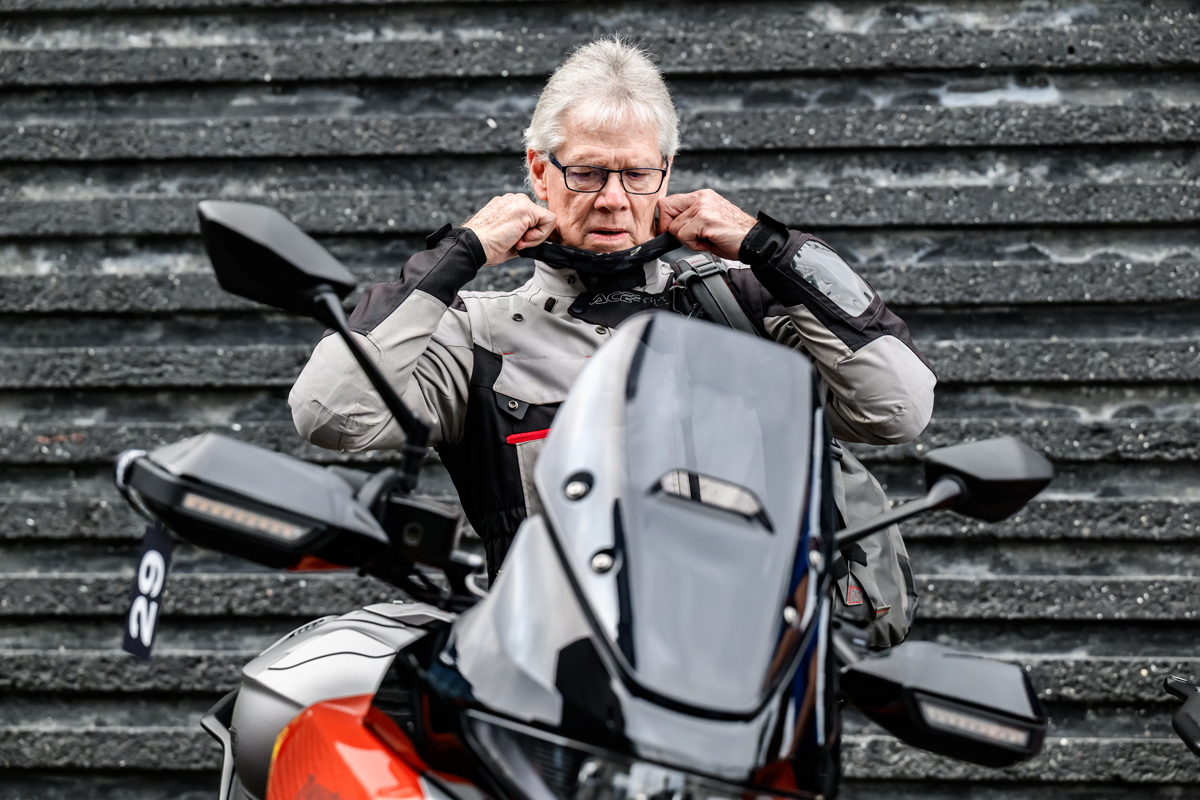
Verdict
The Atlas has wide appeal. Statistically, motorcycle riders worldwide are older, with many riders revisiting motorcycling or getting a bike for the first time significantly later in life. This phenomenon makes the Atlas and other middleweight offerings all the more significant. It hits the sweet spot where performance, manageability and cost meet. It can tour across continents, save you time, money and frustration on your commute to work, carry you to your favourite coffee shop with your significant other, and escape the daily grind in spectacular fashion. I have ridden bikes daily for the last 55 years and find myself gravitating more and more towards this genre of bikes, where the costs and physical demands are lower, and the fun factor is off the charts.
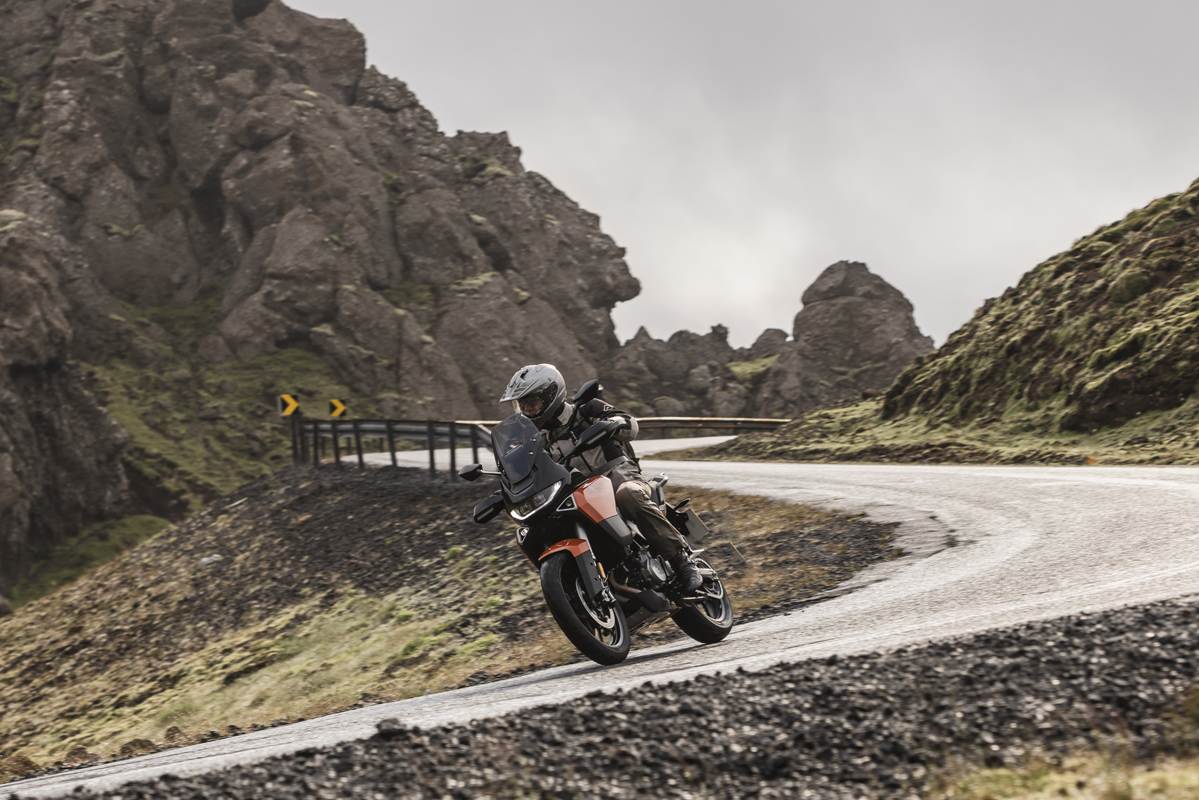
The Atlas is a bit of a “sleeper”. It looks suave and sophisticated, almost bordering on bland, yet ride it with intent, and its personality shines through. This gentleman can brawl! It deserves serious consideration by anyone in the market for a life-enhancing pastime. Thank you, Norton, for the opportunity to sample the Atlas in such spectacular, albeit challenging surroundings. It took it all in its stride and showed just how good and competent it is. Good job!
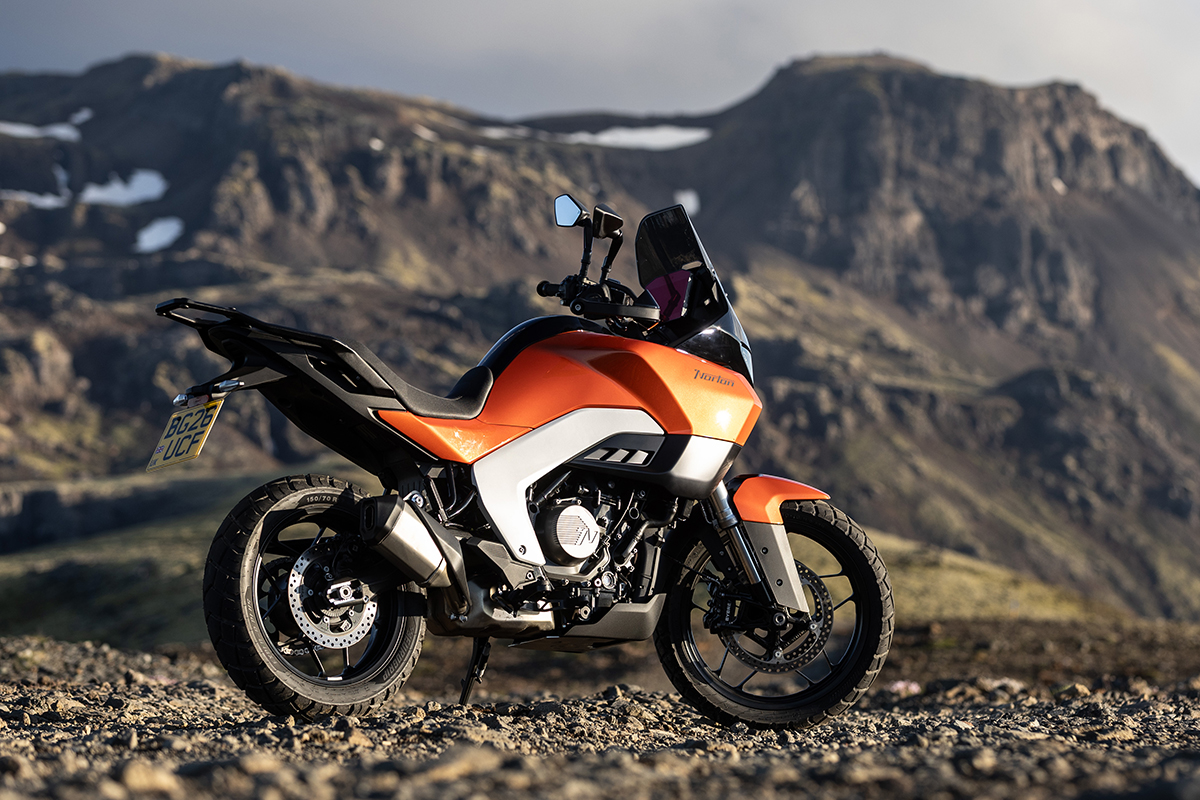
For more information, visit: www.nortonmotorcycles.com