


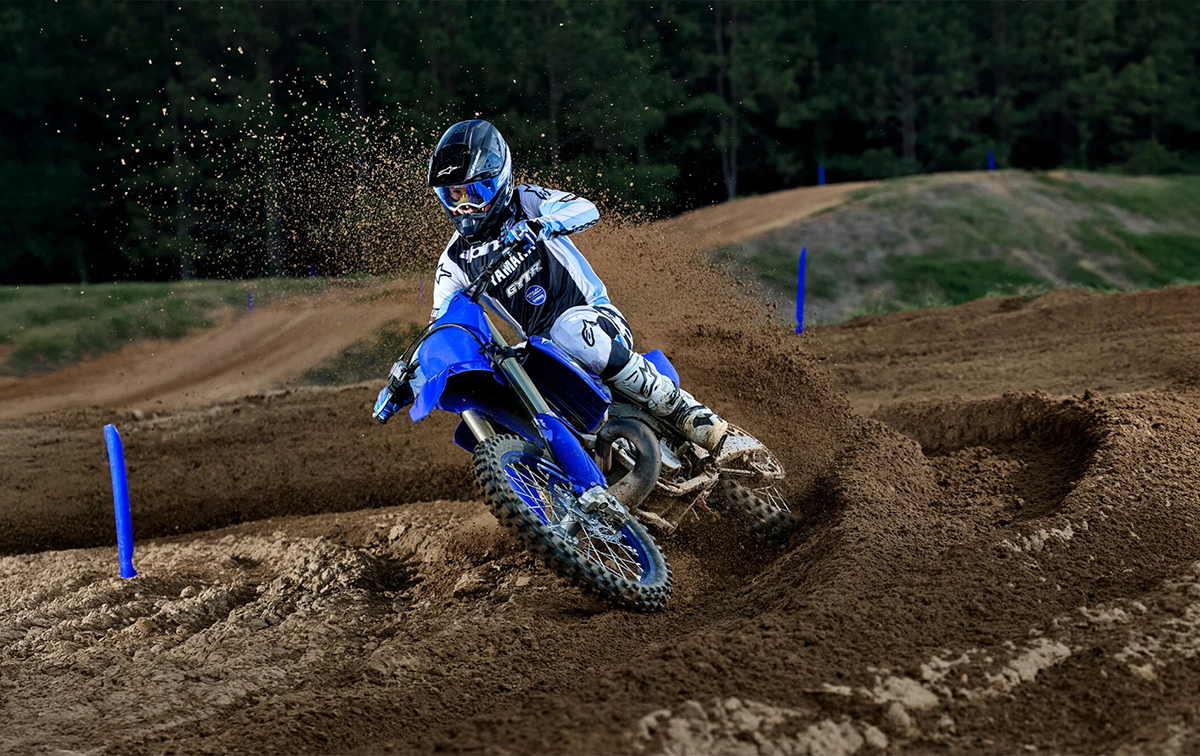
The modern motorcycle is so beautifully engineered, with performance and dynamics of both engine and chassis at incredibly high standards, that it is forgivable to ask the question, ‘how much better could it be?’
It’s a valid question. When manufacturers have spent millions of dollars developing a new model, the engineers must tremble with indignation when some oik with smelly breath dares to assume he can make it even better; isn’t it as good as it possibly can be already and, really, how much faster do you want it to go?
Of course, this is to ignore the financial side of building motorcycles; it’s all well and good selling a motorcycle, but we all know that the real money comes from the parts and accessories catalogue. Past masters at this are BMW and KTM, the latter with its PowerParts range of bolt-on and electronic update goodies.
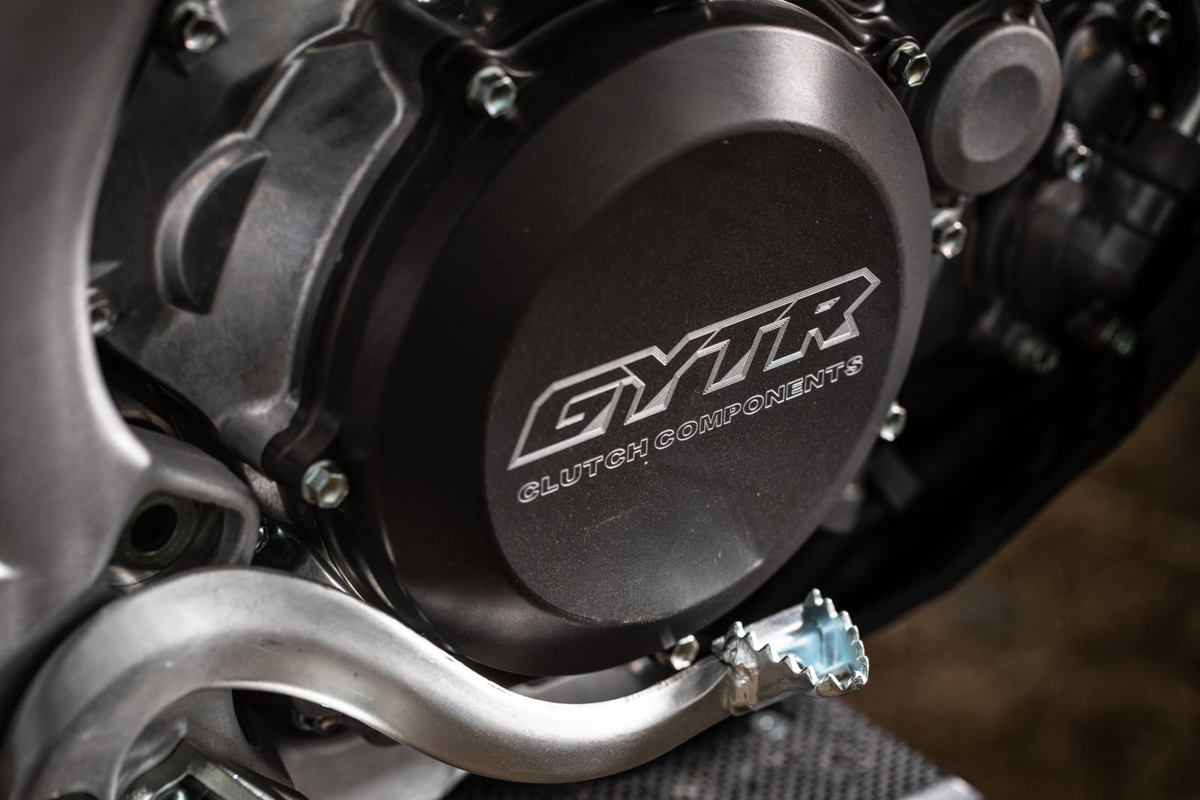
But they’re not alone. This may surprise you, but for over 40 years, you have been able to enhance and improve your Yamaha through that manufacturer’s Genuine Yamaha Technology Racing (GYTR) initiative.
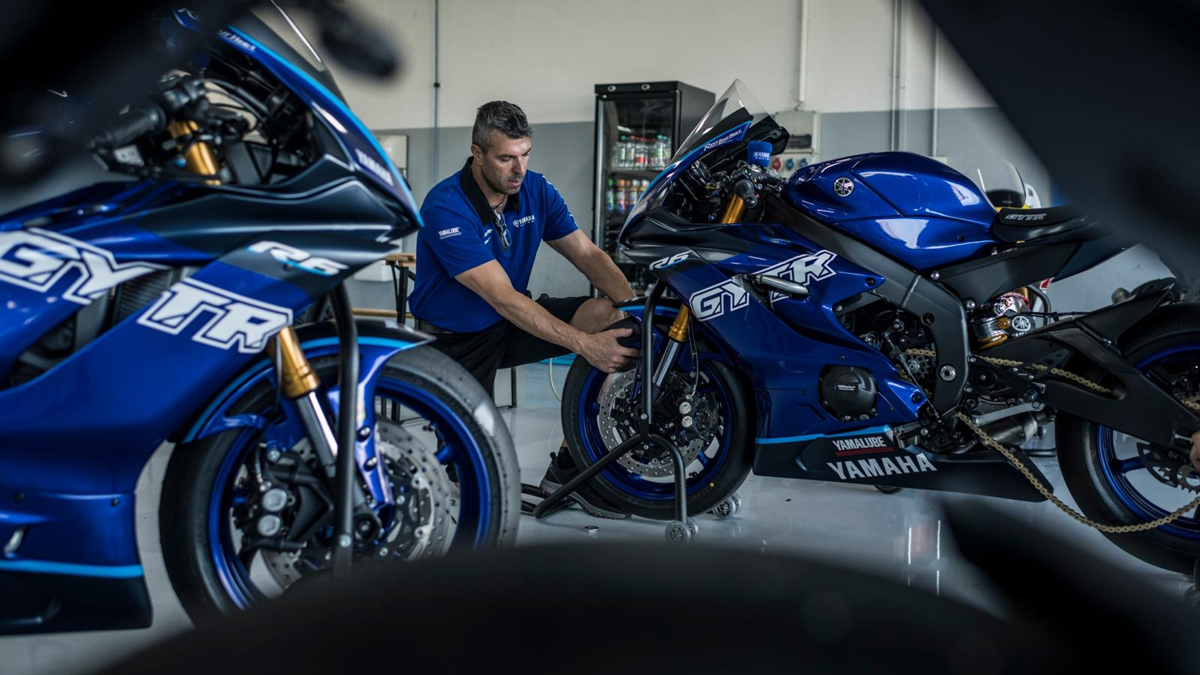
You’ll have seen those initials on race bikes from World Superbikes, MotoGP, MXGP, Rally, Hard Enduro events, motorcycle sport across the board, the emphasis being on developing race-calibre parts that can push Yamaha machines to the next level on the race tracks of the world; GYTR’s technology has helped to propel Yamaha Factory Racing Teams to more podiums than any other brand.
While GYTR has its roots firmly planted in Yamaha’s racing programme, the range is far broader than a few trick bits reserved for factory-backed race teams. Depending on the model and market, GYTR covers everything from Motocross and Enduro machines to Supersport, Adventure and even Yamaha’s four-wheeled offerings.
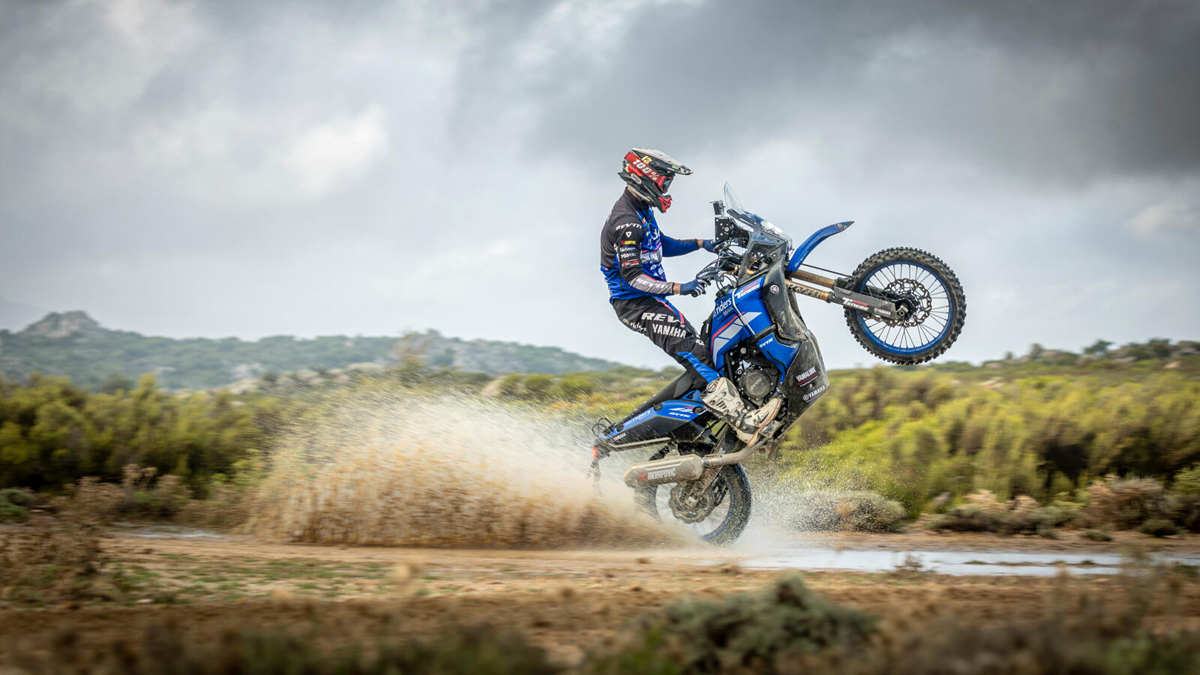
Here in South Africa, Yamaha’s current GYTR offering is particularly focused on the YZ and WR ranges, with Yamaha SA currently holding stock for 2025 and selected 2026 models. For riders who want to extract more performance from their motocross or enduro machine, that means access to genuine Yamaha-developed components designed with competition use firmly in mind.
But look beyond our shores and the GYTR catalogue opens up considerably. Adventure riders can turn a Ténéré 700 into an even more serious off-road weapon, while Supersport owners can take their R3, R7, R9 or flagship R1 further towards the race-bike end of the spectrum. In other words, whether your idea of performance involves attacking a motocross track, disappearing down a remote dirt road or chasing lap times, there is a good chance Yamaha has a GYTR solution for your particular flavour of riding.
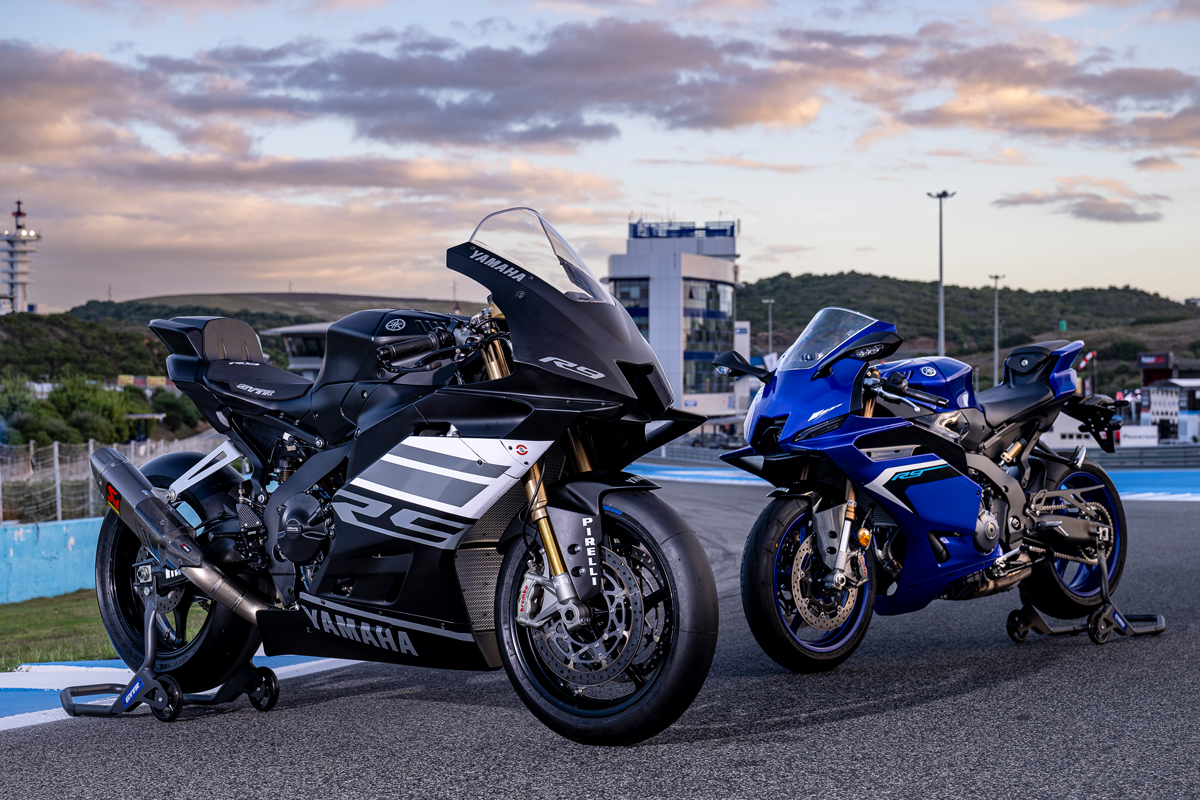
And let’s be honest, performance isn’t always the only reason for fitting aftermarket parts. There is something undeniably appealing about giving your Yamaha a little of that factory-race-bike attitude. Carbon fibre, lightweight aluminium, race-inspired components and those unmistakable GYTR details can transform the visual character of a motorcycle, even if you never intend to line up on a starting grid.
That is perhaps the biggest appeal of GYTR. You don’t necessarily have to be a racer to enjoy race-bred technology. Sometimes you simply want your Yamaha to look a little more special, feel a little sharper and stand apart from the one next to it in the parking lot.
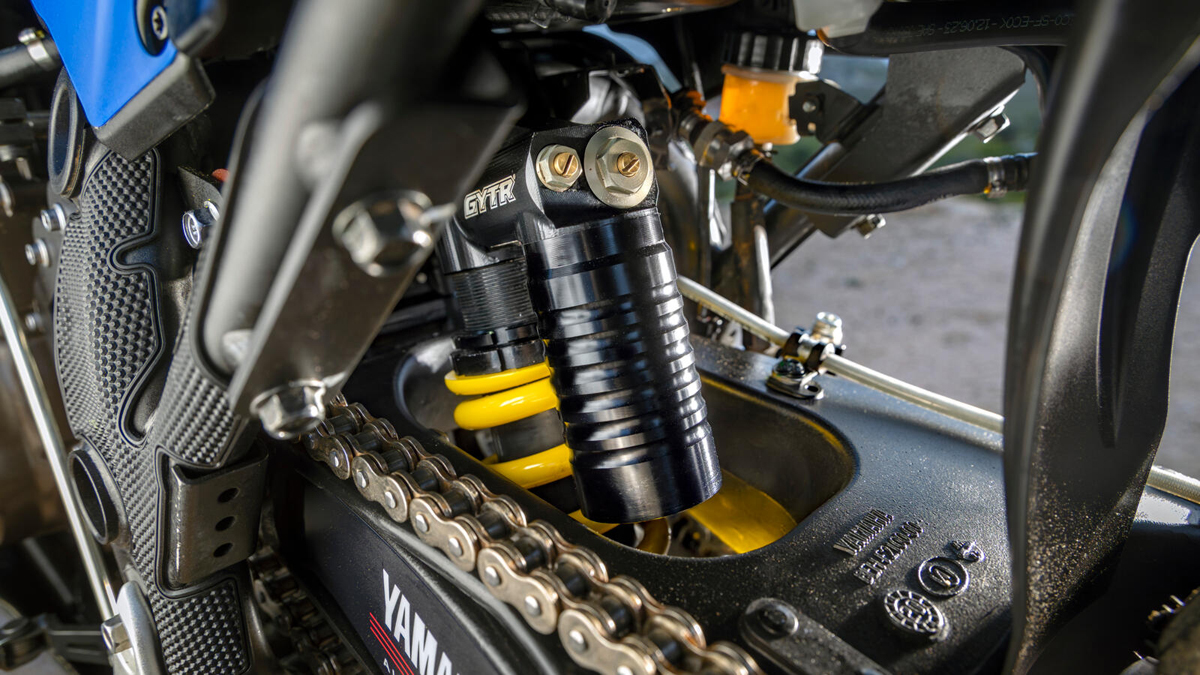
The GYTR catalogue is therefore well worth exploring, whether you’re building a serious competition machine or simply want to give your Yammie a little more personality. Speak to your local Yamaha dealer’s parts department and find out what is available for your particular model. You may be surprised at just how far you can take a motorcycle that you thought was already pretty damn good.