

There’s certainly an argument for sticking with the OEM battery specification. Motorcycle manufacturers spend millions on research and development, testing their products across a reasonable range of temperatures, conditions and applications. If the battery that came in your bike works, why mess with it?
Well, because we’re South African motorcyclists. We have a habit of taking perfectly good motorcycles and making them work harder. We fit crash bars, luggage, auxiliary lights, GPS units, heated grips, phone chargers and all manner of other accessories. Then, when the adventure bug bites, we point the front wheel away from the city and head towards places where the nearest dealer, fuel station and reception might be several kilometres away. I know I do…
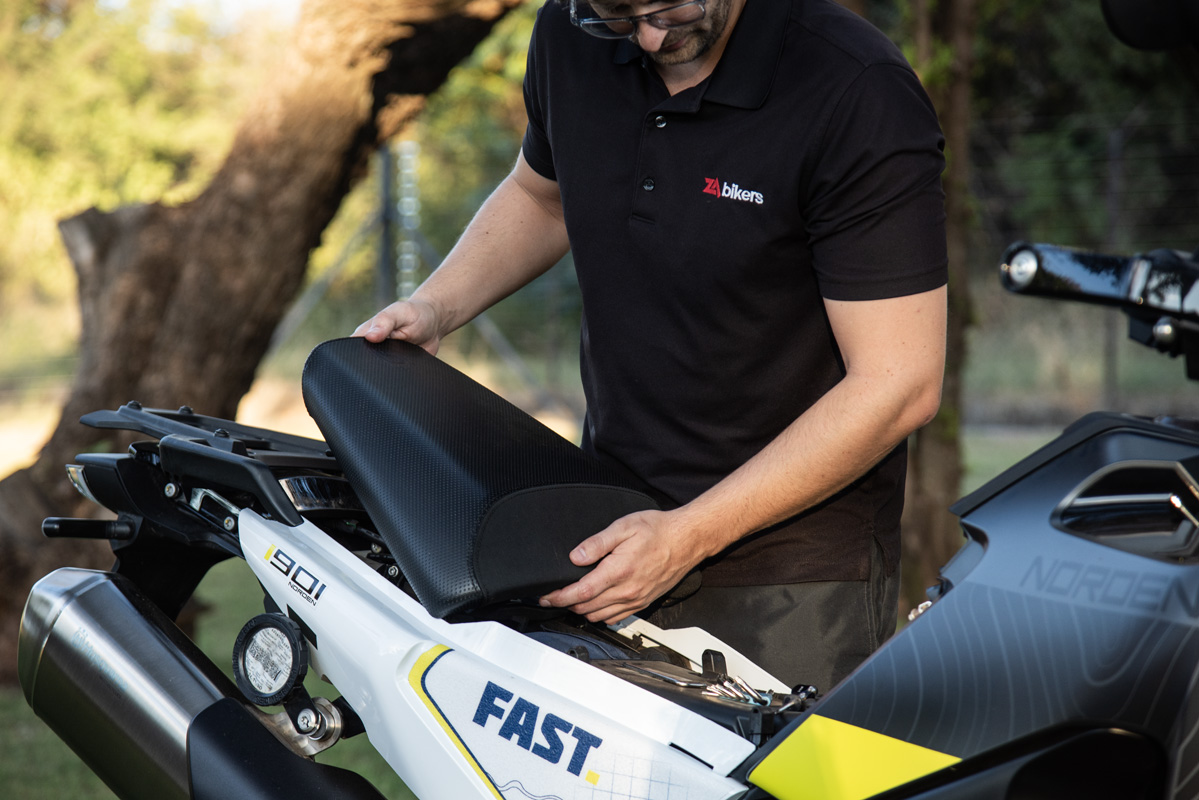
That changes the equation for me. For example, I recently looked at this when I replaced the standard battery in my own Husqvarna Norden 901 with an OUTDO iGEL battery. Rather than simply replacing it like-for-like, I could see what was actually available and choose a battery that better suited how I use the motorcycle.
Lead-Acid Isn’t Dead Yet
OUTDO’s focus in the South African motorcycle market is its maintenance-free iGEL range of lead-acid batteries. While lithium batteries have become increasingly popular, particularly where saving every last gram matters, there is still a good argument for lead-acid in adventure and touring applications.
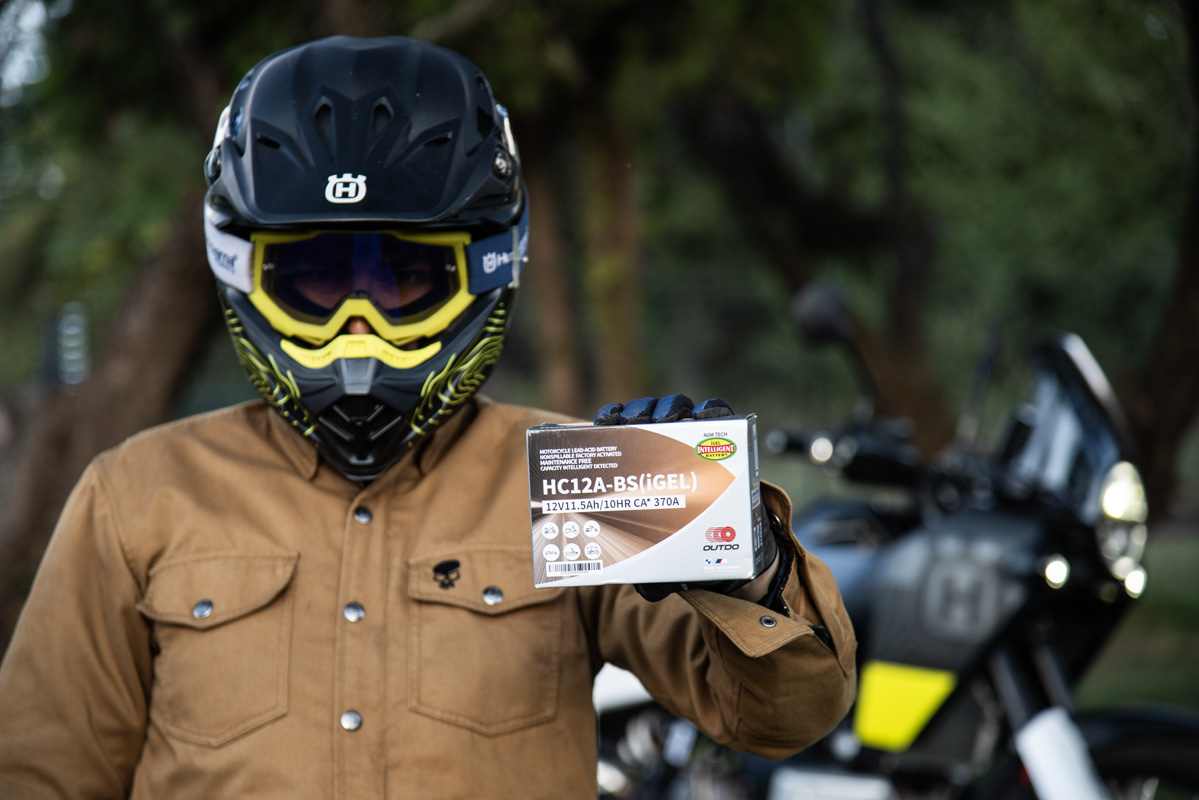
For many riders, starting reliability, usable capacity, and durability are more important than saving every last gram. I know this isn’t exactly the sexiest part of motorcycling, but it’s the nerdy stuff that matters when reliability counts.
Nonetheless, that was certainly part of my thinking with the Norden. I wanted a battery that suited the way I use the motorcycle, rather than simply replacing what was fitted at the factory. And you don’t need to become a battery expert to start making a more informed choice.
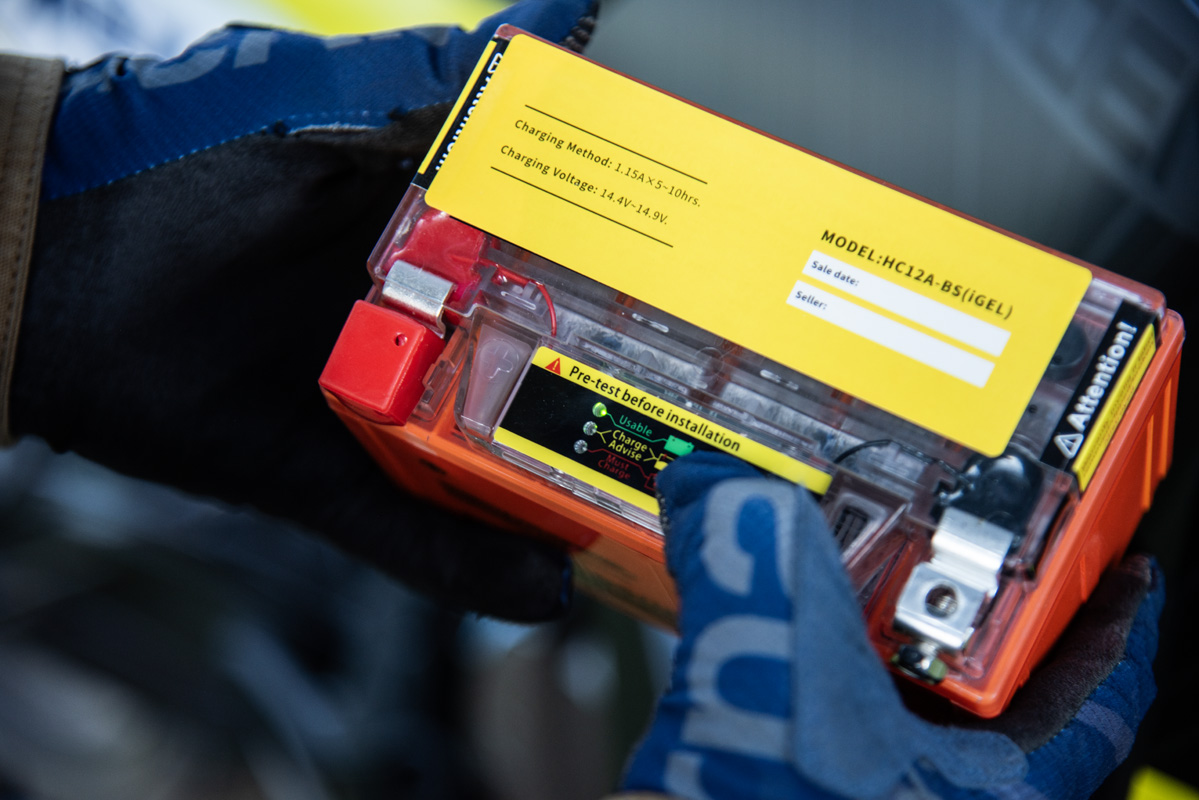
Forbatt SA has an OUTDO Battery Finder on its website, where you can enter your motorcycle and see which batteries in the range are compatible. That takes much of the guesswork out of the process. You don’t have to spend an evening comparing dimensions, terminal layouts and battery codes; they’ve already done the work for you.
Once you’ve established what fits, the more interesting question becomes: which one suits the way you ride?
What Do All Those Numbers Mean Anyway?
There’s another part of battery shopping that’s worth understanding: the numbers on the battery. Much like the numbers and letters on your motorcycle’s tyre, they aren’t there just to make the box or rubber look technical. They tell you important things about what the battery is designed to do.
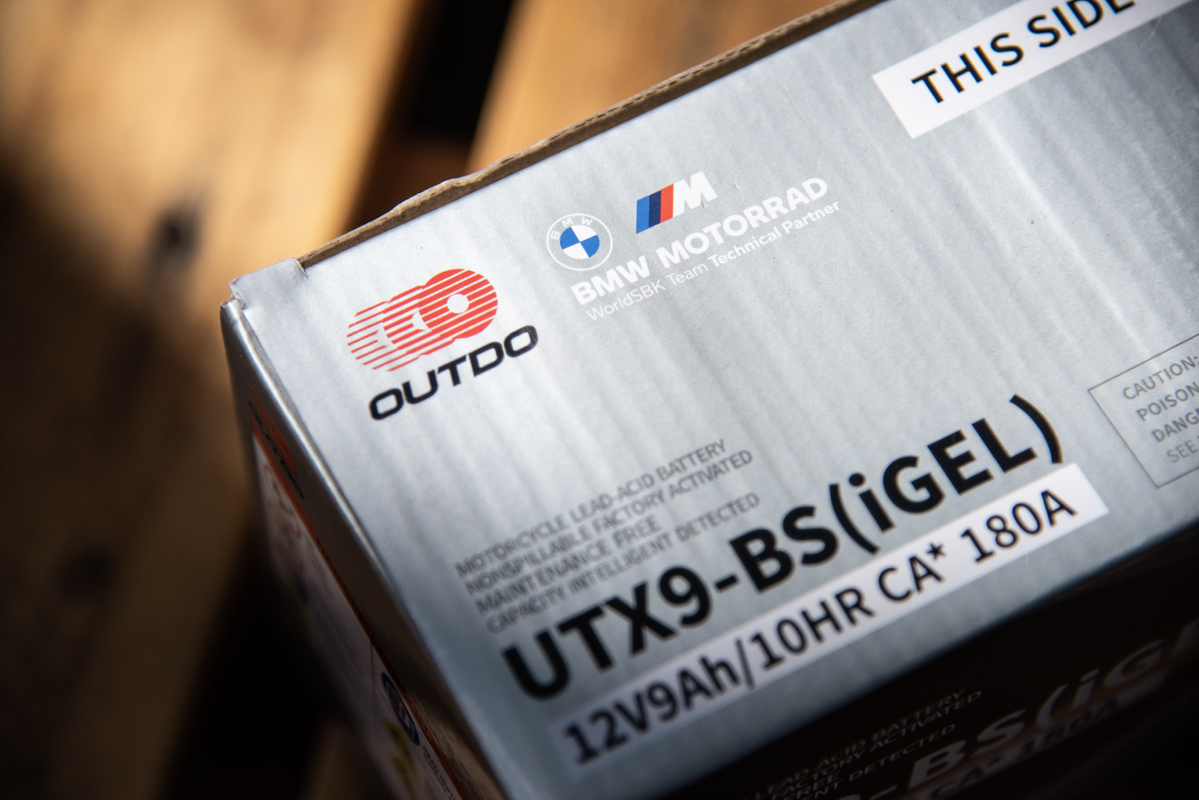
You’ll come across figures such as Volts (V), Amp-hours (Ah) and Amps (A). Volts tell you the battery’s electrical system rating, while Ah gives you an indication of its capacity. Current and cranking ratings tell you about the battery’s ability to deliver the power needed by the motorcycle, particularly when starting the engine.
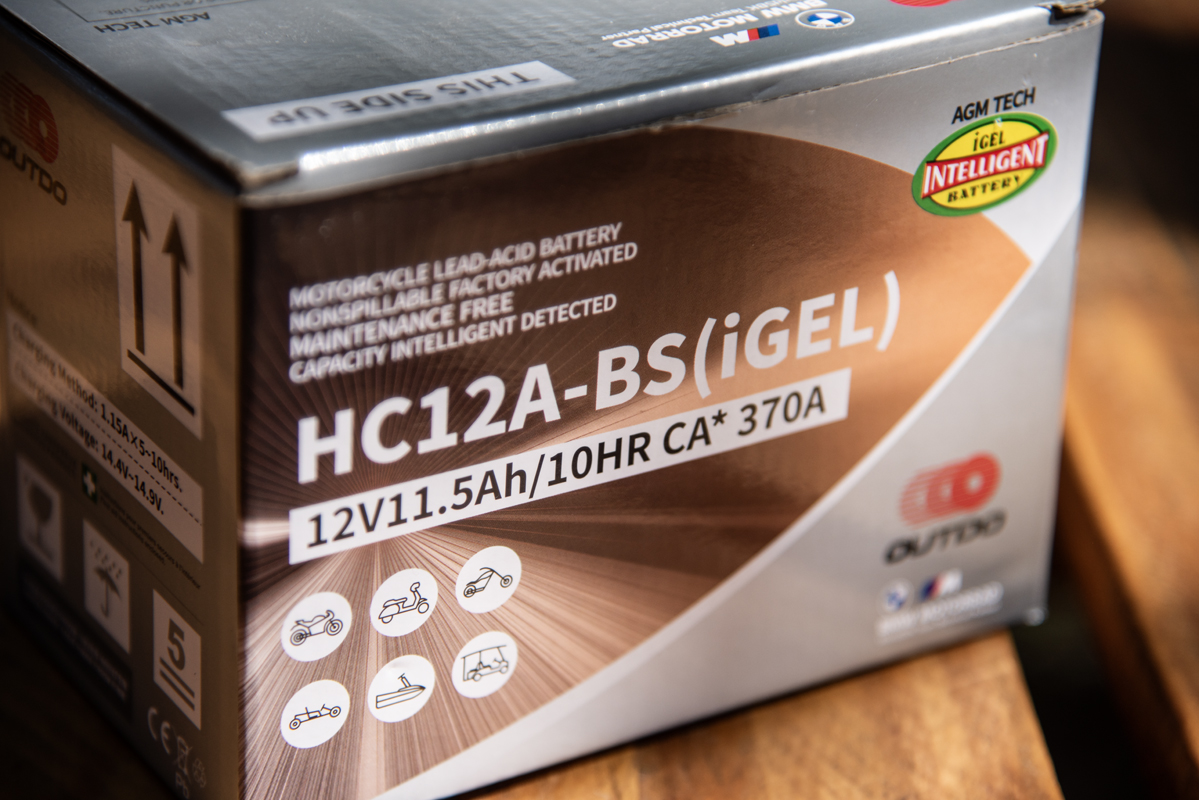
You don’t need an electrical engineering degree to understand them, but knowing what the basic numbers mean can help you make a smarter decision and potentially save you money. More importantly, it helps you choose a battery for the job you actually need it to do, rather than simply buying the most expensive or powerful-looking option on the shelf.
UT or HC?
This is where OUTDO’s UT and HC iGEL options come into the picture. Deciding between the two is simpler than you might think.
Think of the ‘UT’ series as the straightforward replacement. If your motorcycle needs a standard battery and you simply want a quality, maintenance-free replacement without specifically chasing higher cranking capability, UT is where you should look.
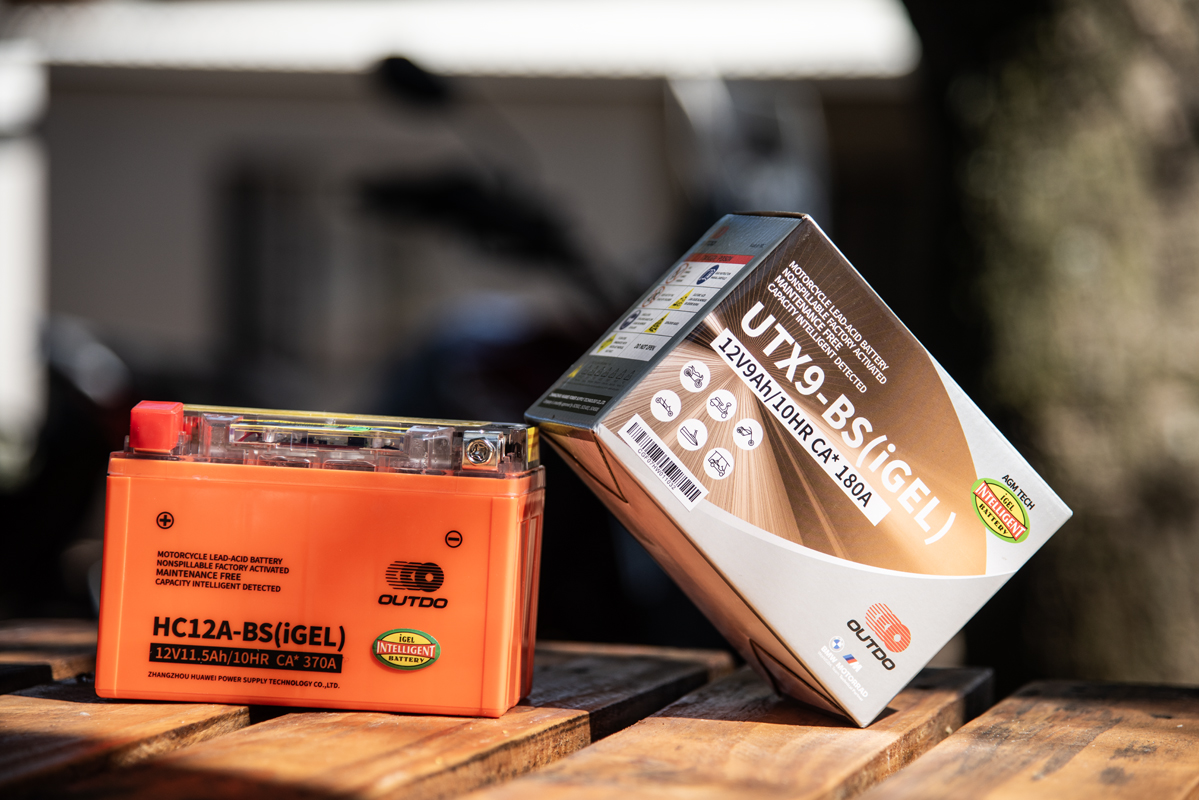
Then there’s HC. The clue is in the name: High Cranking. If your motorcycle has a high-compression engine or regularly needs to start in colder conditions, the HC range’s additional cranking capability may be useful.
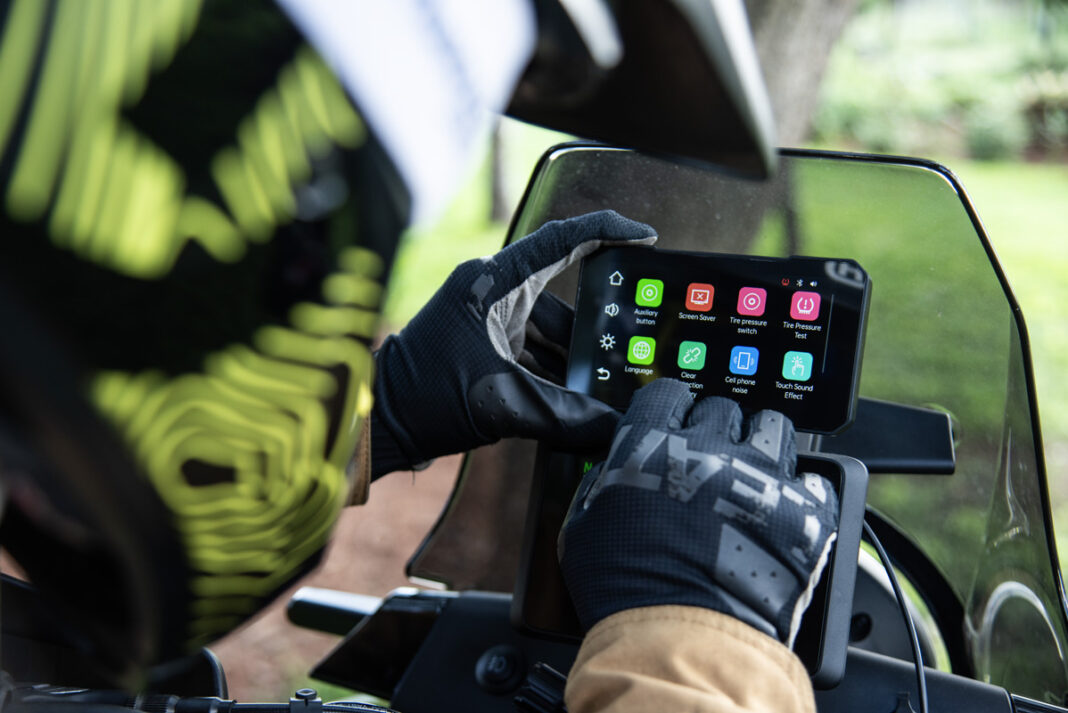
It’s also worth understanding what the battery is, and isn’t, doing when you add electrical accessories to your motorcycle. Auxiliary equipment used while riding places additional demand on the motorcycle’s charging system. Trackers and accessories used while the engine is switched off relate more to battery capacity and parasitic drain.
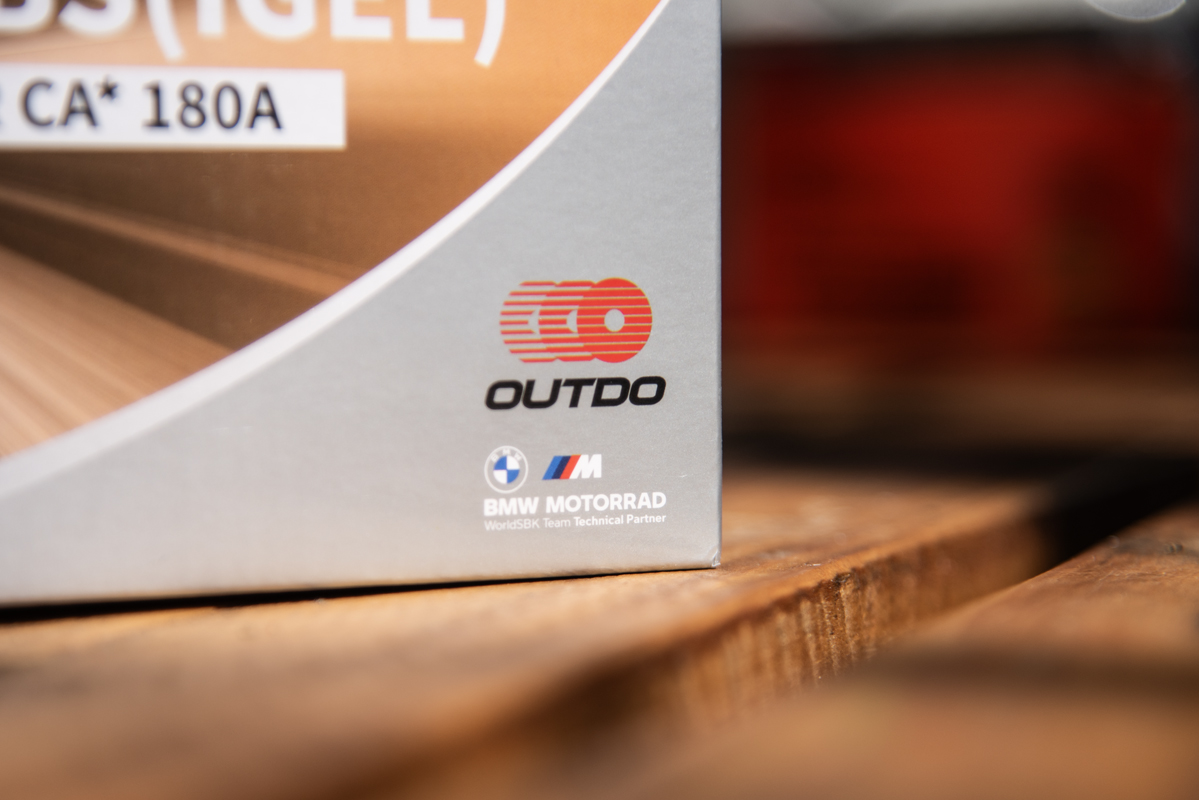
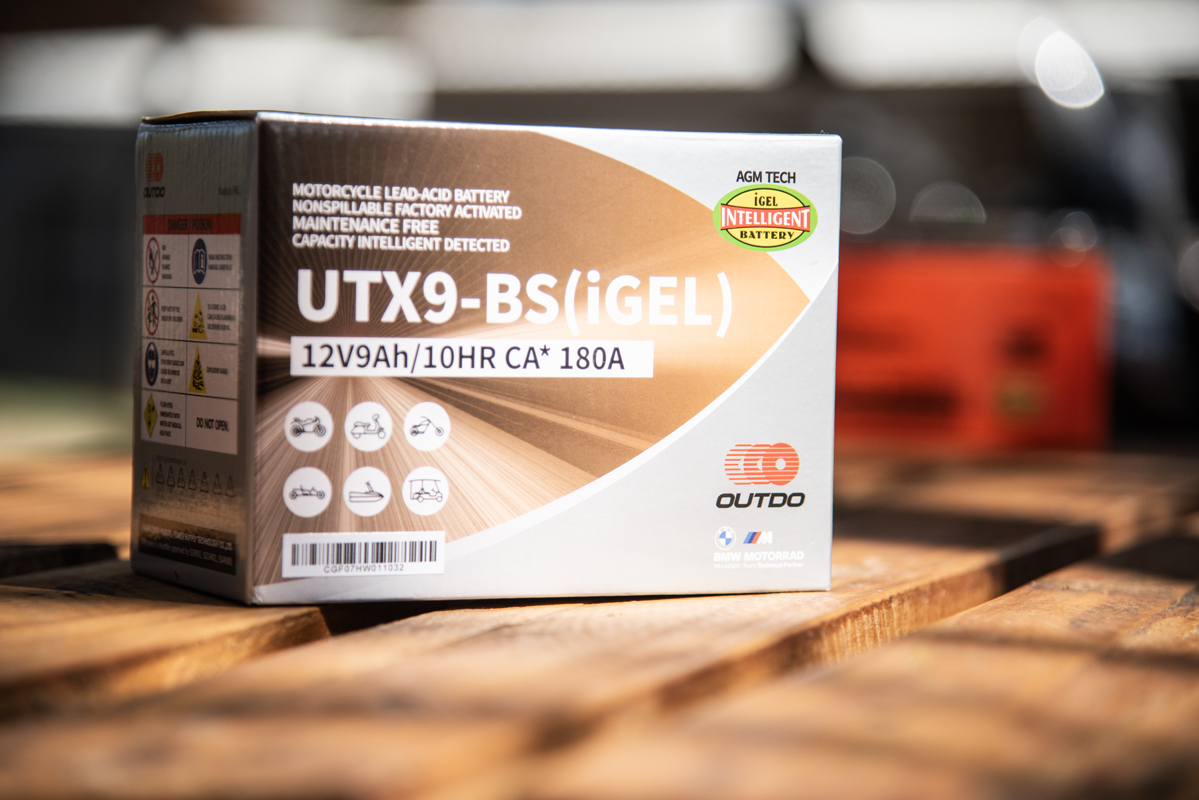
For example, OUTDO rates the HC12A-BS at 370 A CA, while the UTX9-BS is rated at 180 A CA. These figures are measured at 25 ± 5°C and should not be confused with cold-cranking amps (CCA), which are measured at -18°C. Both batteries are designed with different priorities in mind. That’s the important distinction.
Choose for the Way You Ride
The mistake would be assuming that more is automatically better. If you ride a relatively standard motorcycle, use it regularly and don’t have a long list of electrical accessories, a UT battery may be all you need.
But if your adventure bike has a collection of accessories, a tracker or other equipment that can draw from the battery while the motorcycle is parked, then capacity and parasitic drain become part of the equation. If that same bike also needs to start reliably in colder conditions, the additional cranking capability of an HC battery may be worth investigating.
That is what I chose for my particular setup and riding. The HC12A-BS suited my Norden 901, giving me the additional capacity and cranking performance I was looking for rather than simply replacing the original battery like-for-like.
So, the next time your battery gives up, or when your metal horse starts getting cranky, don’t simply ask, “What did the factory fit?” Start by asking, “What do I actually need?”
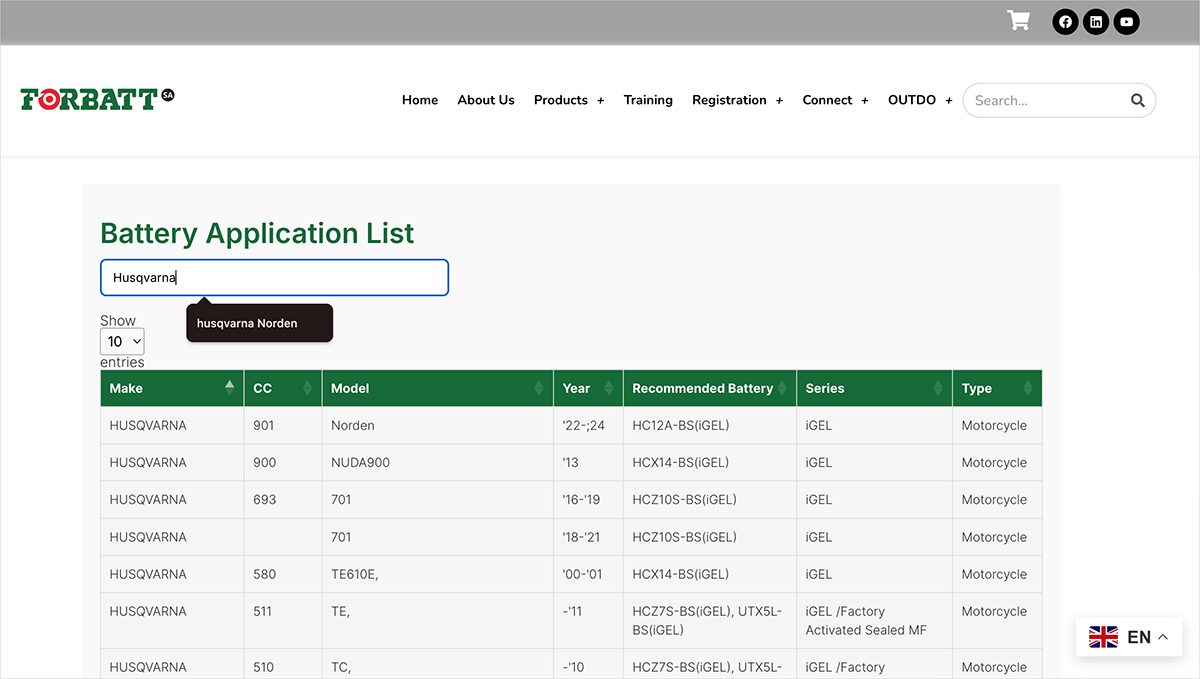
Find a compatible OUTDO battery for your motorcycle using Forbatt SA’s Battery Finder.