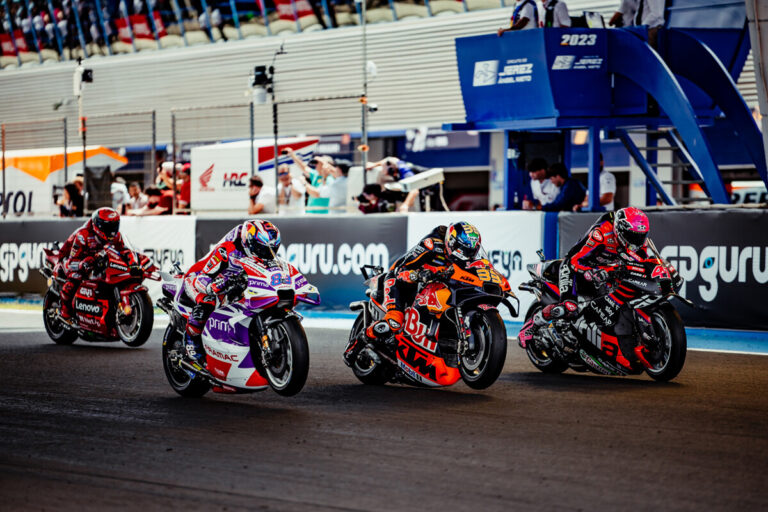
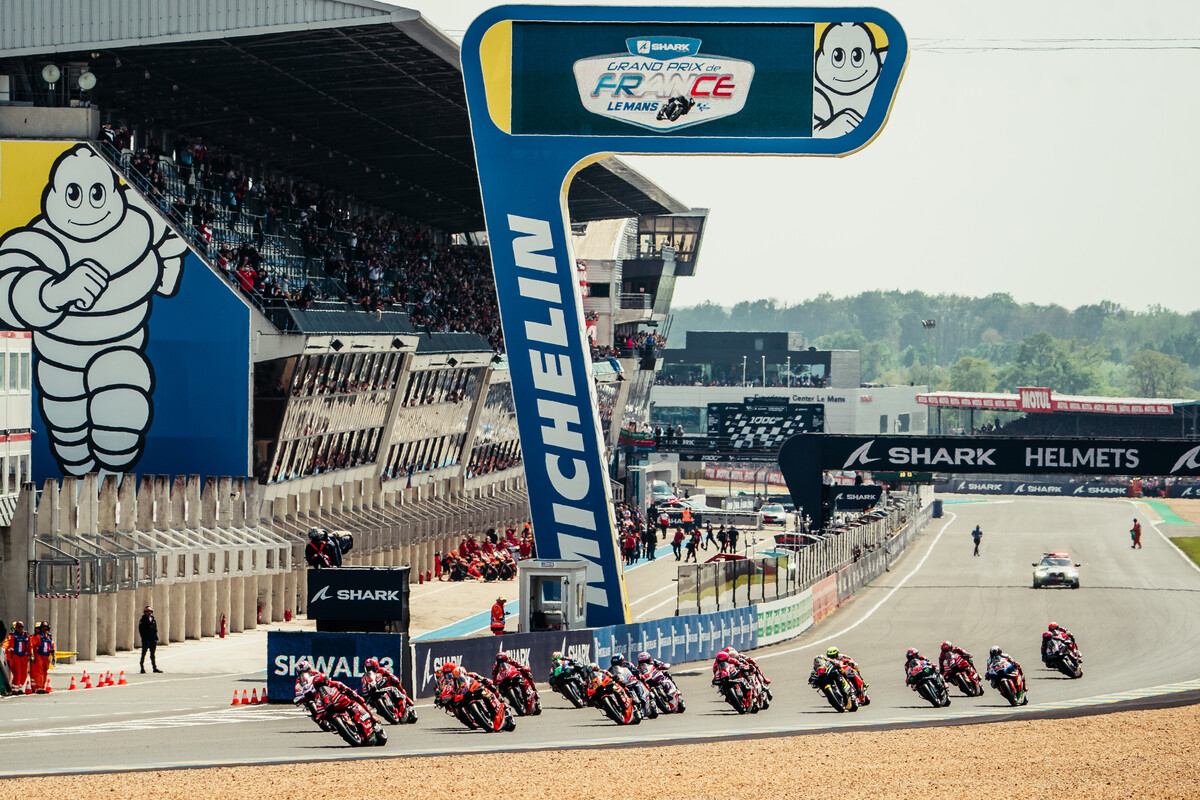
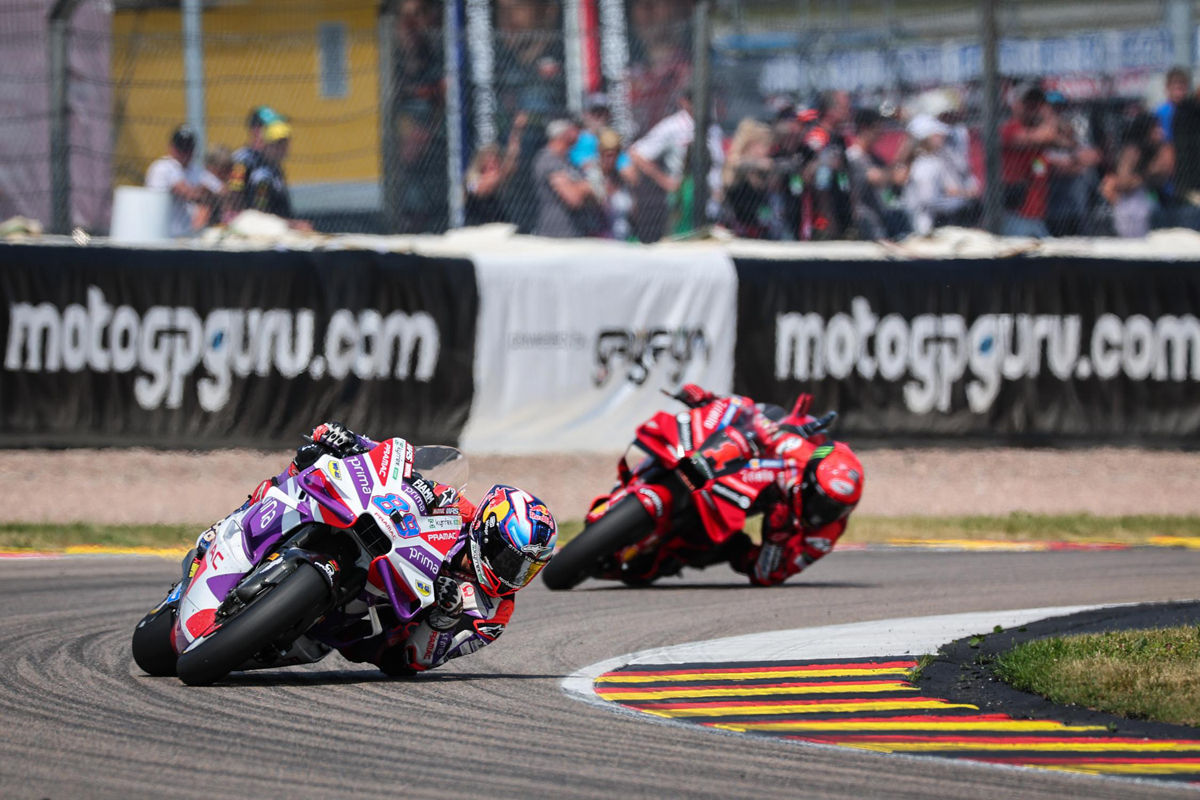
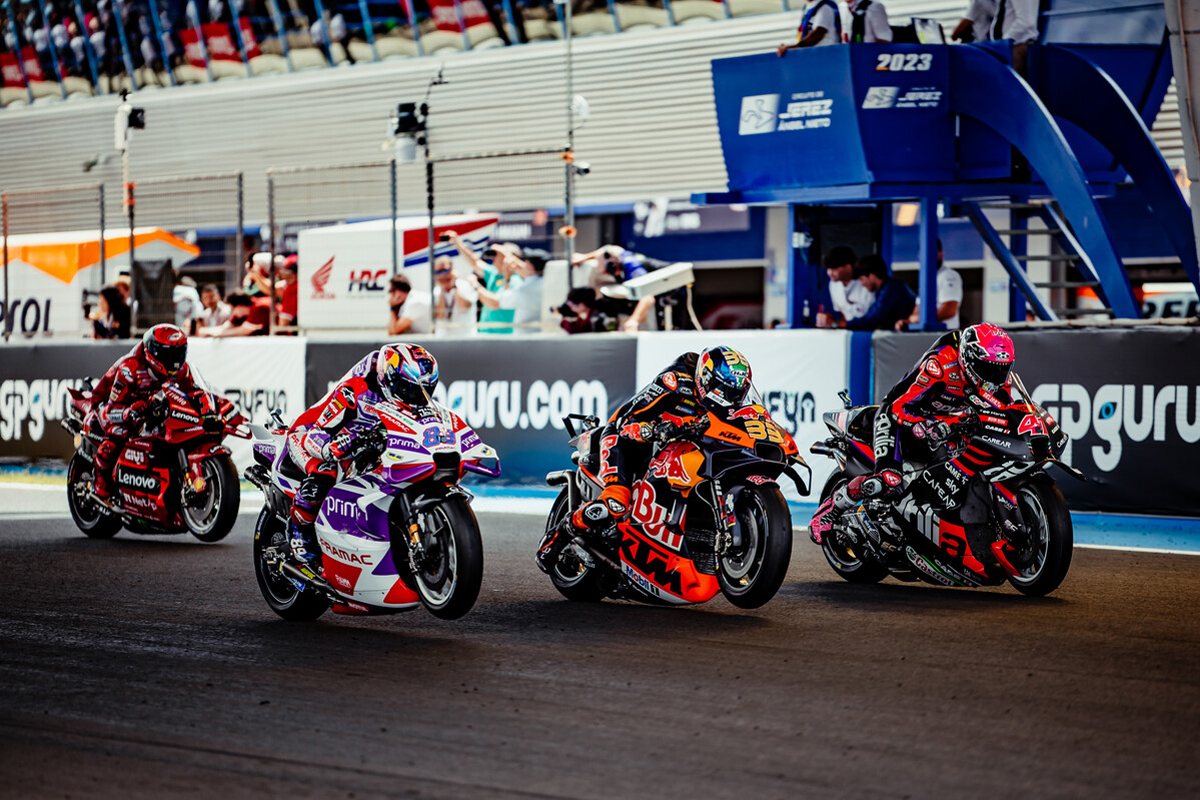
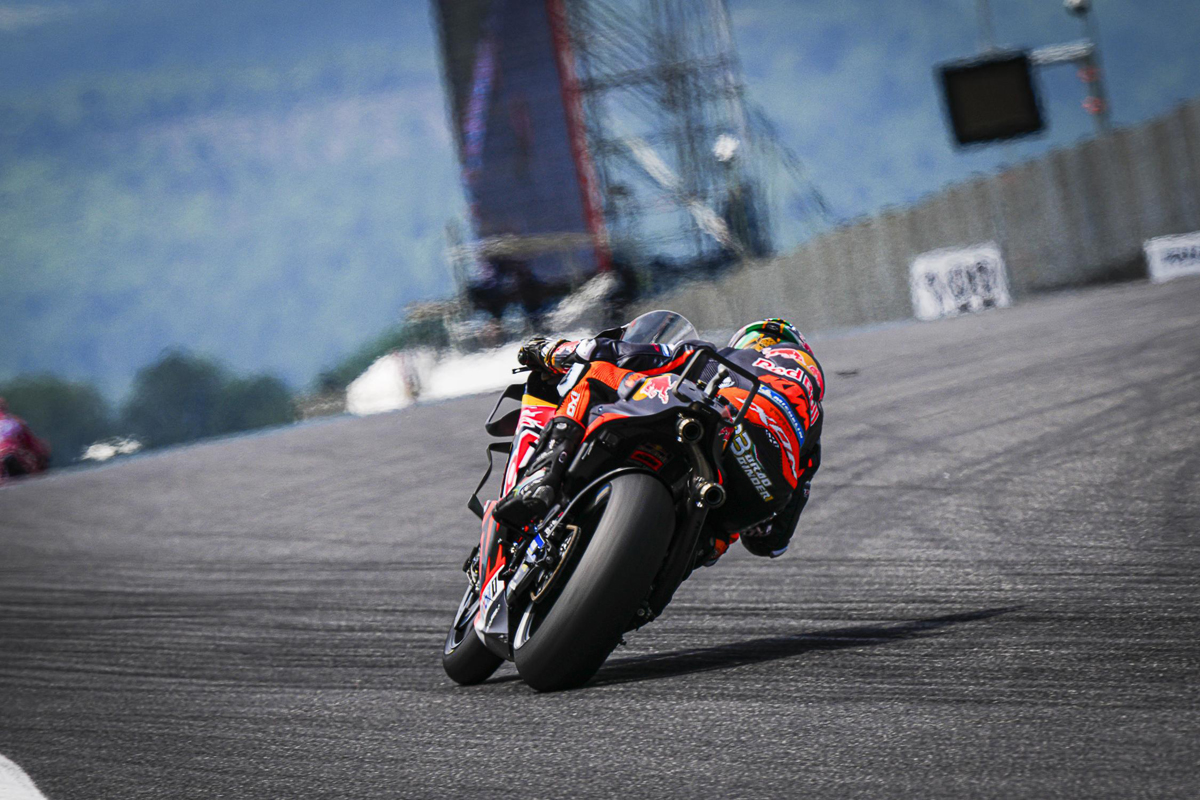
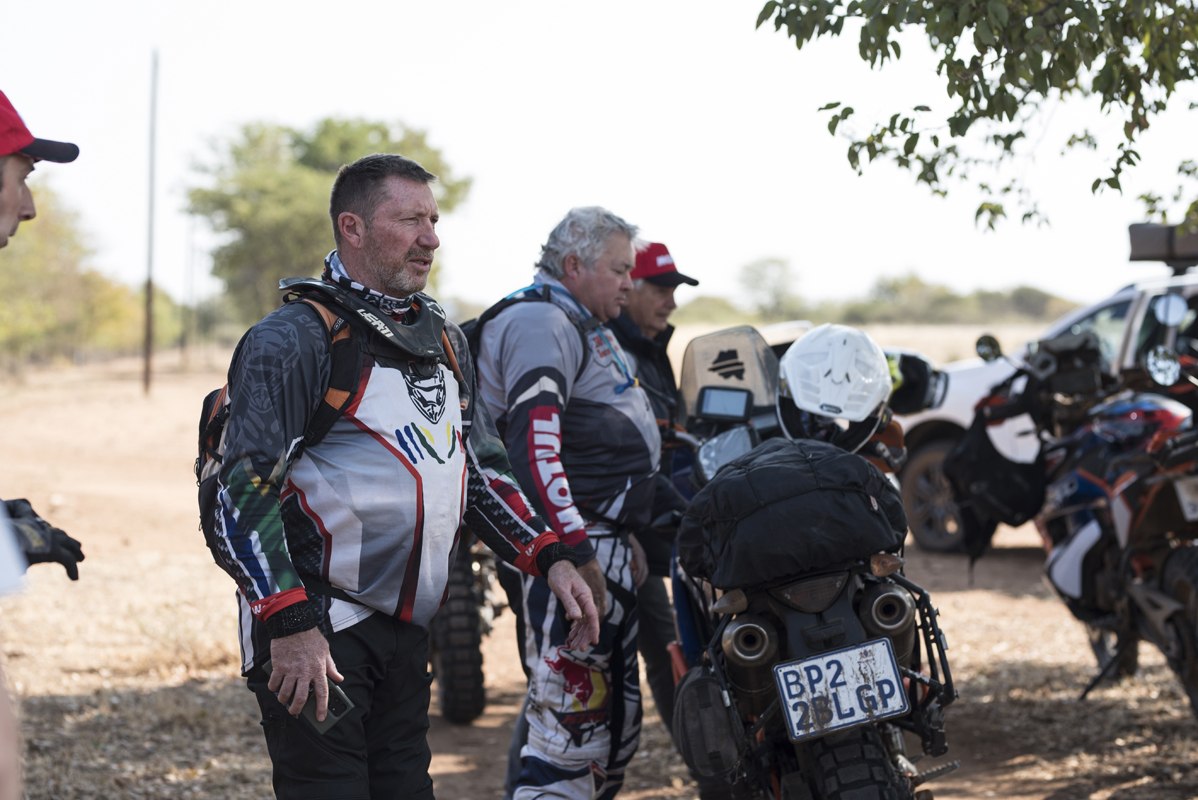
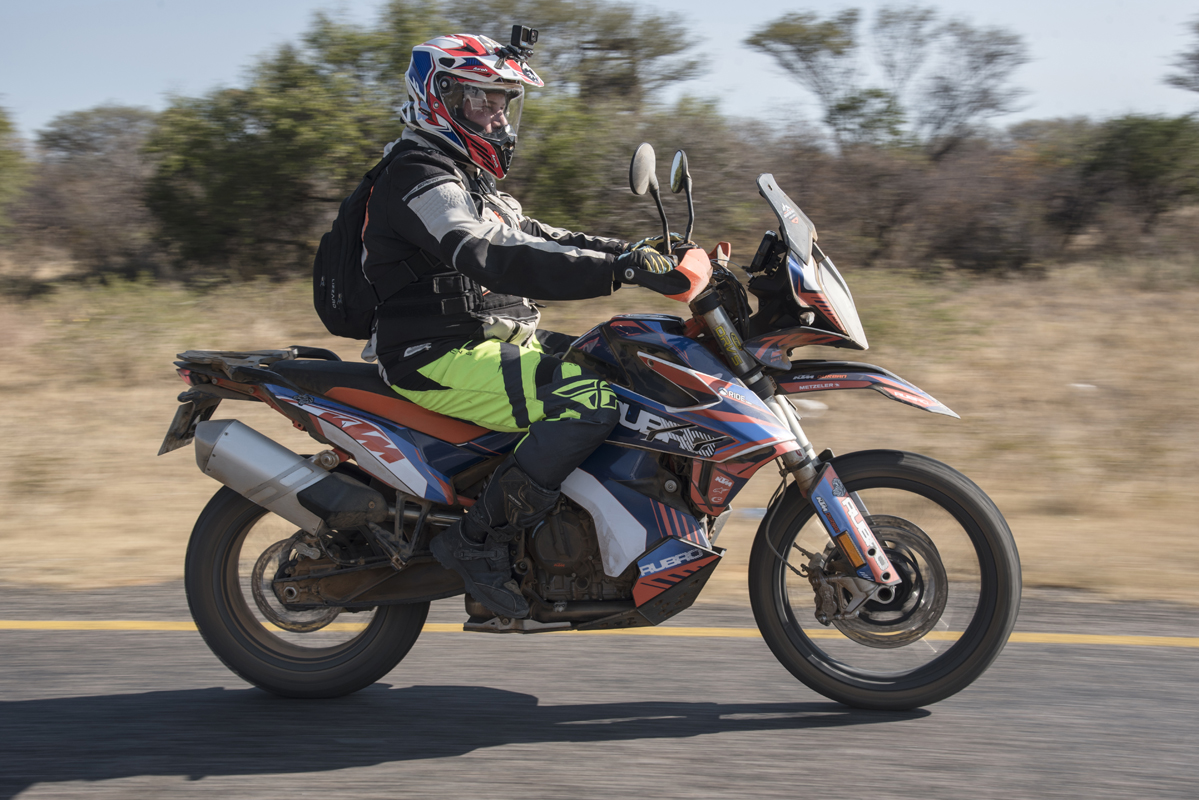
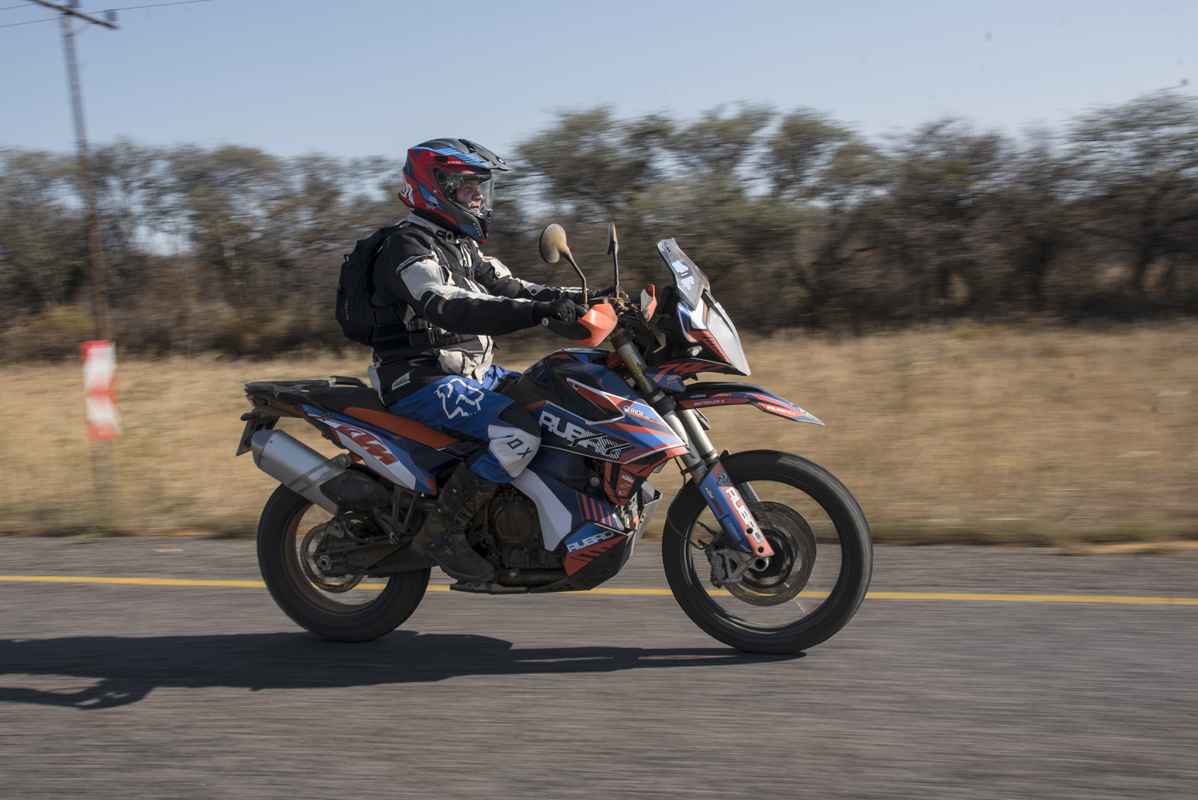
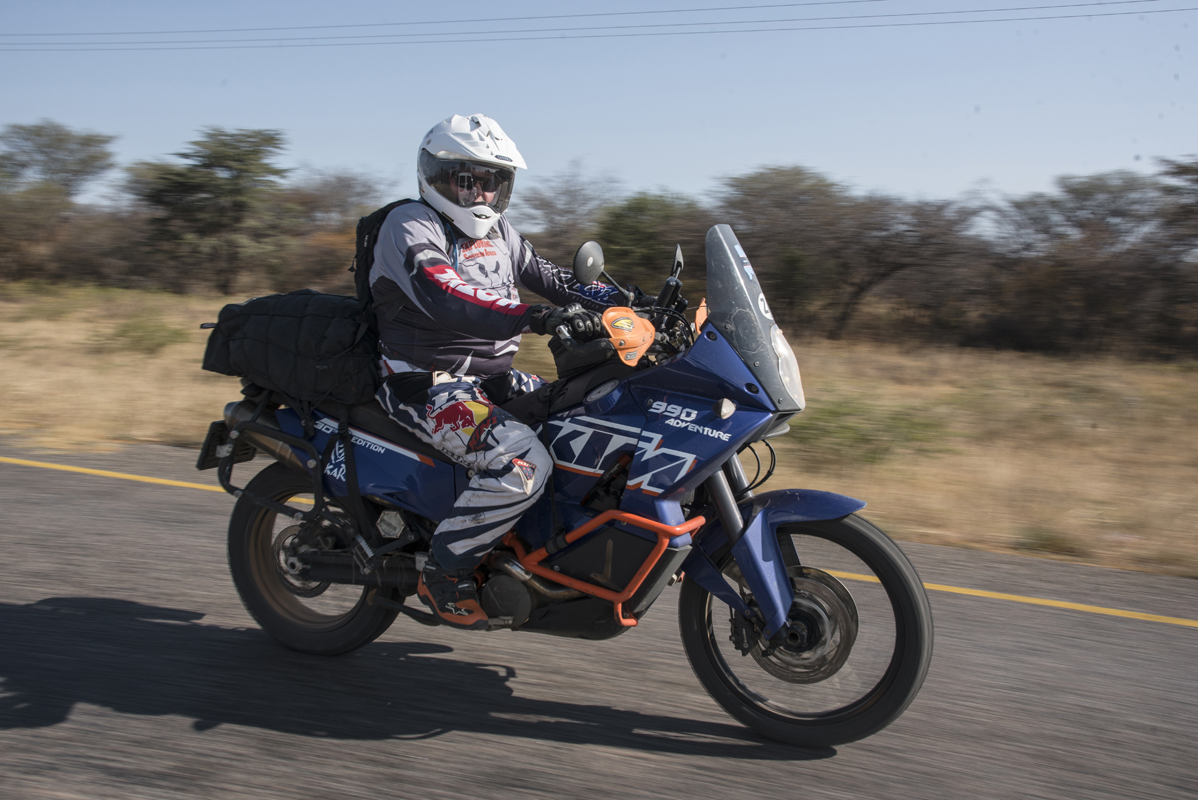
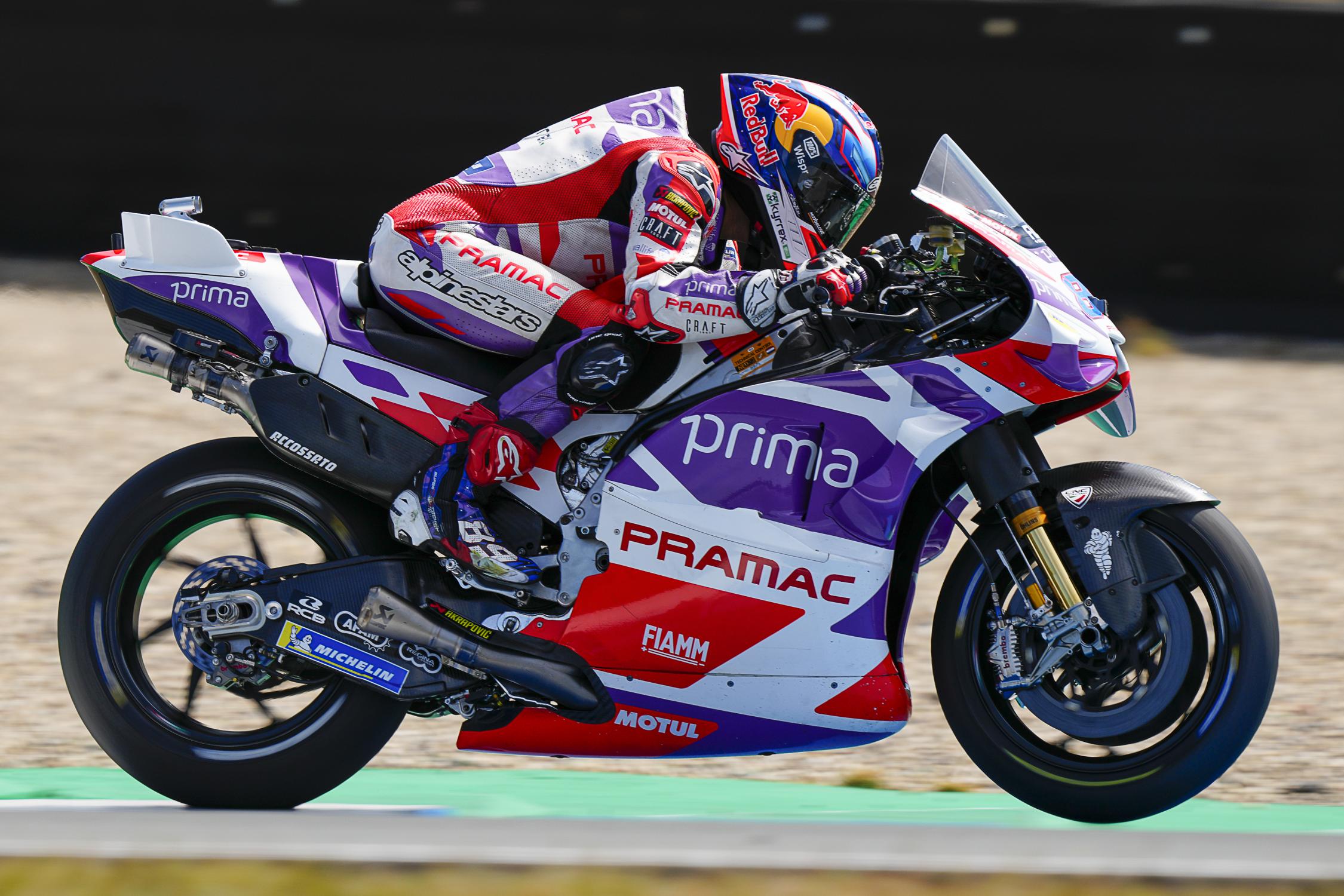
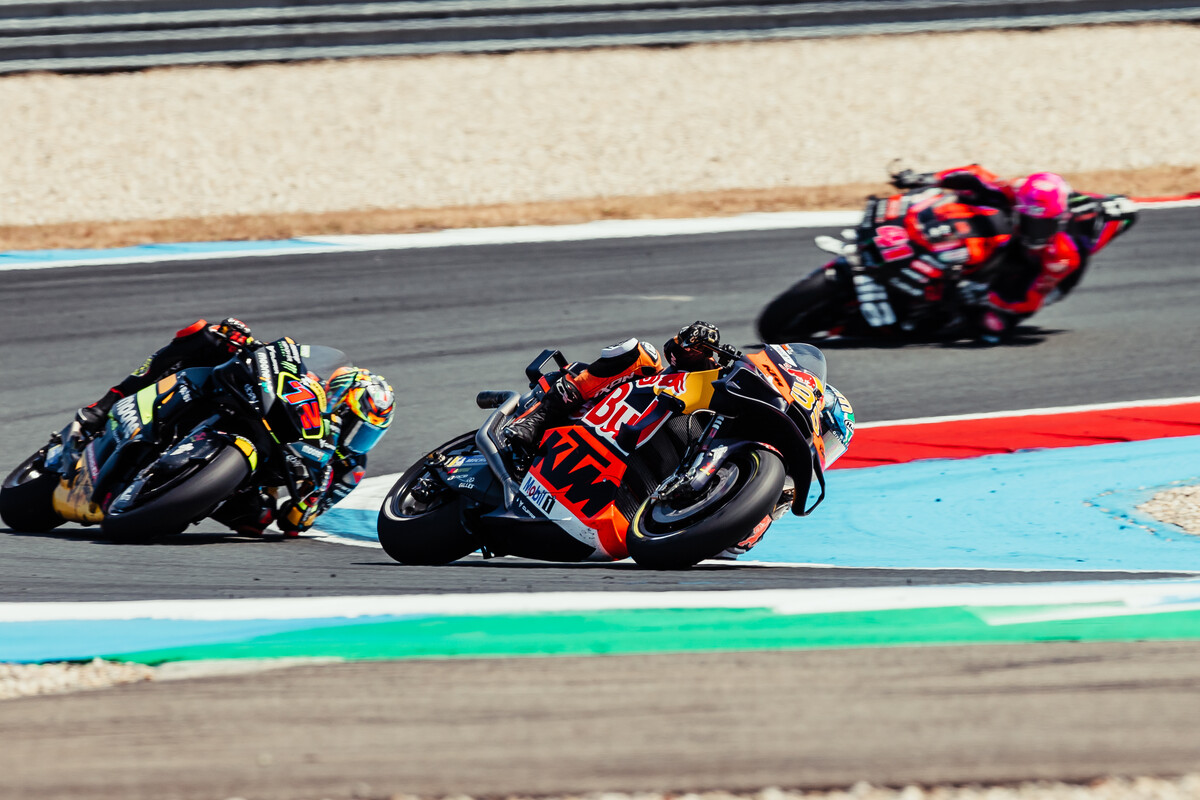
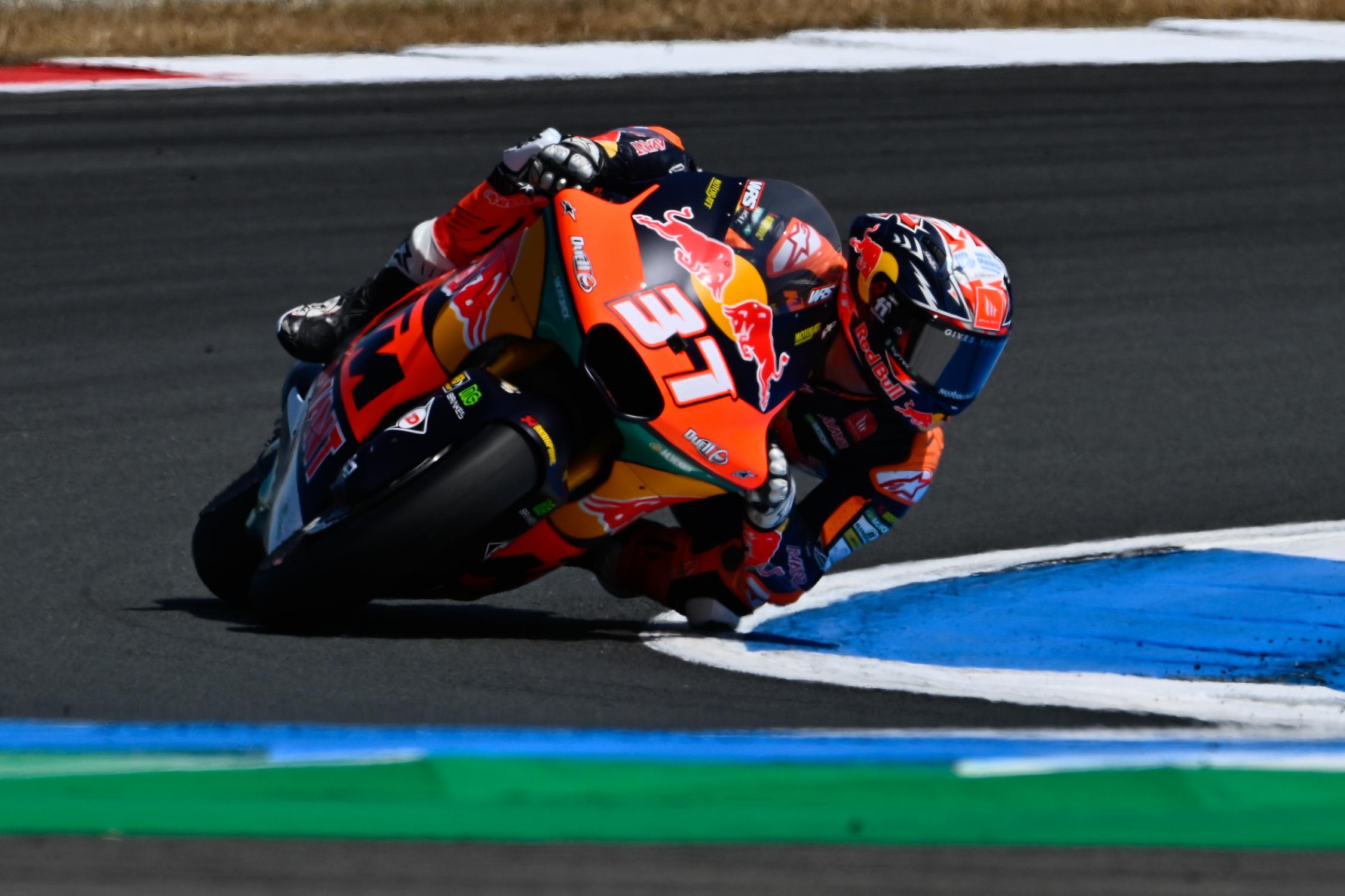
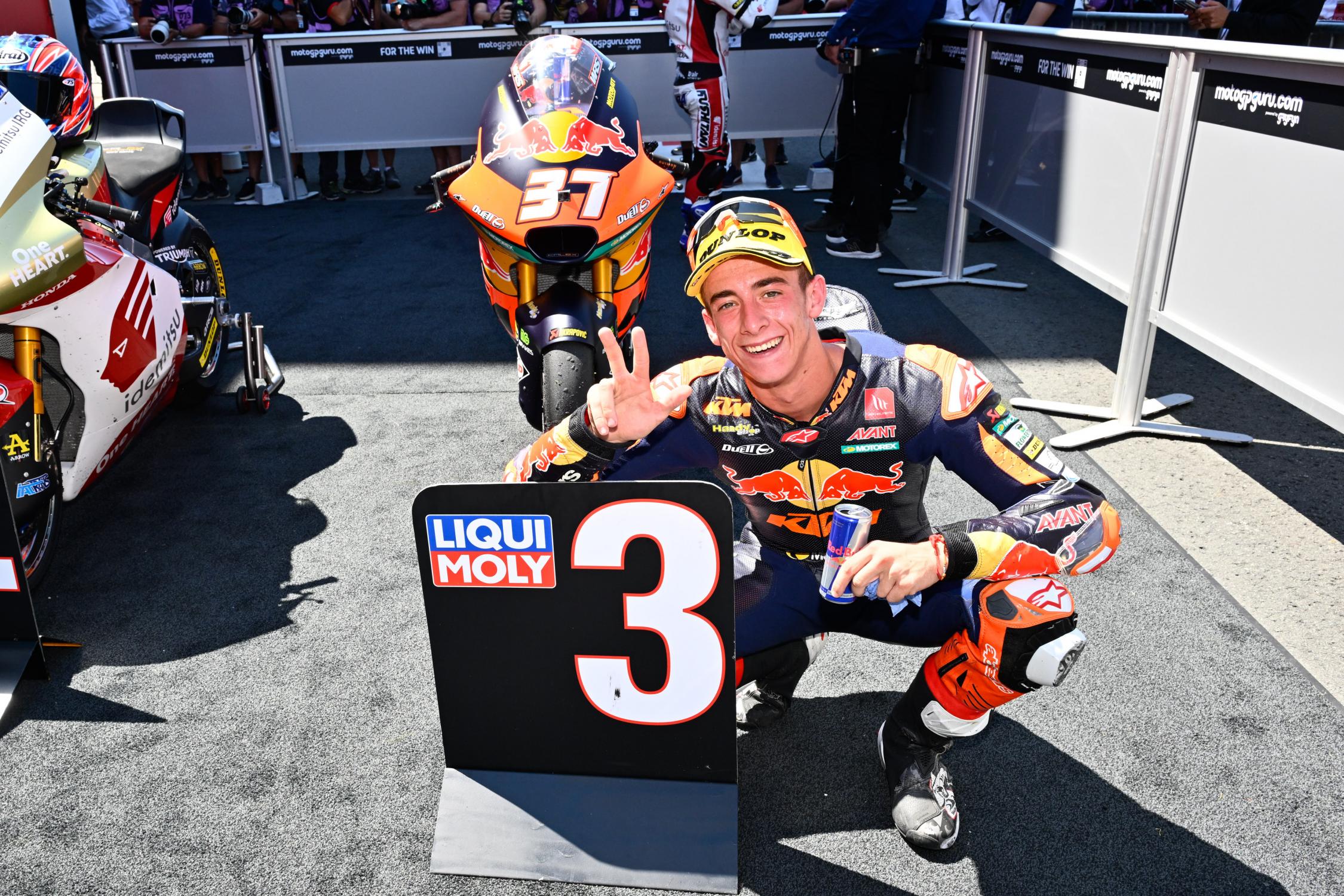
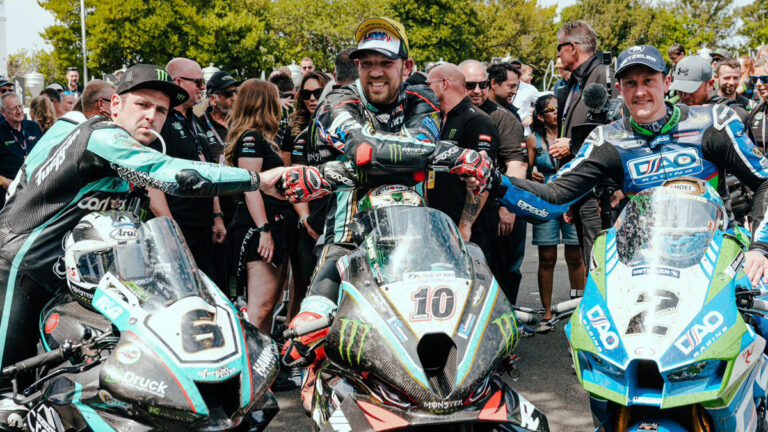
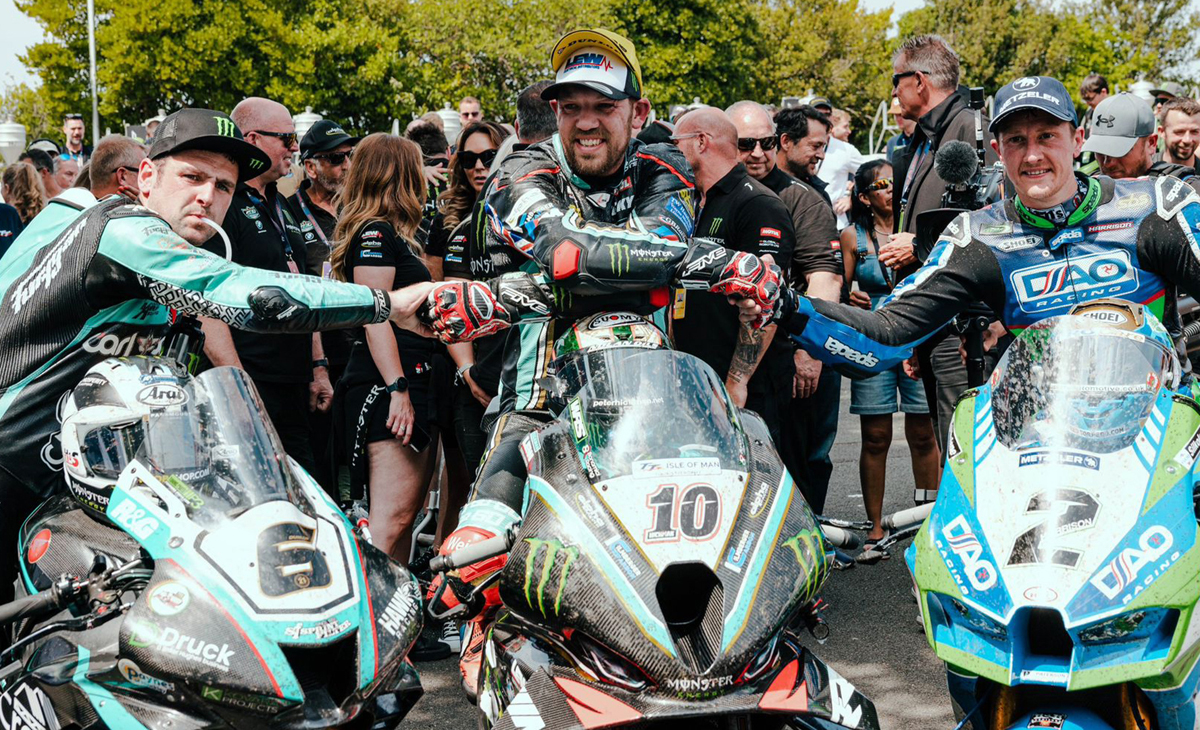
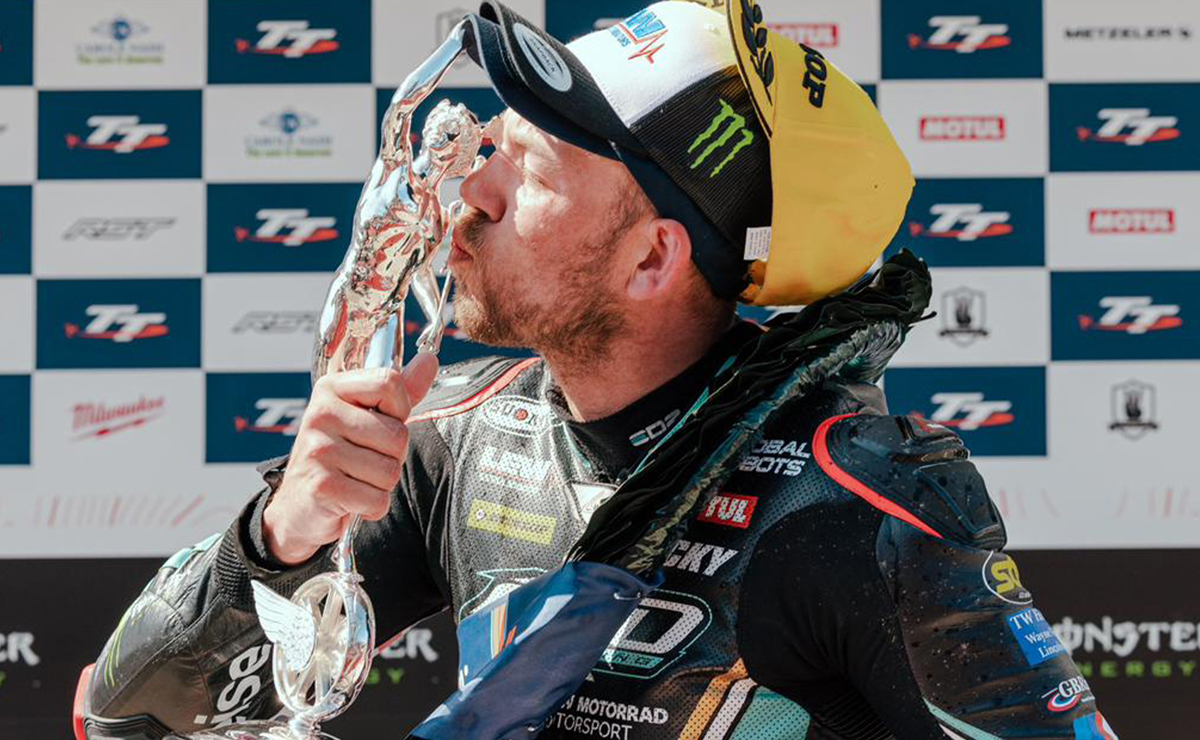
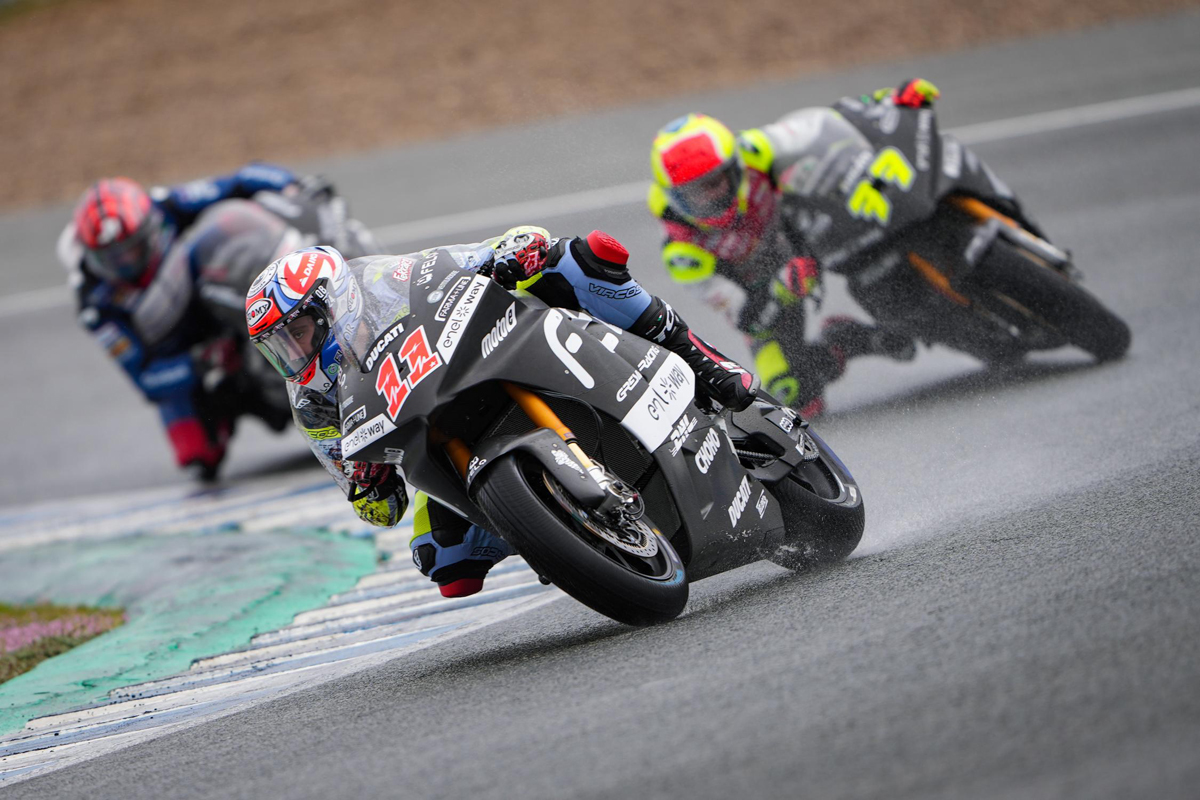
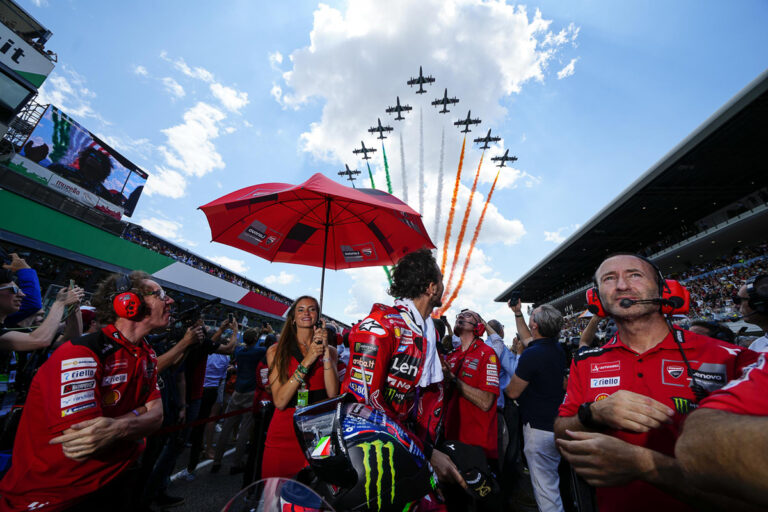
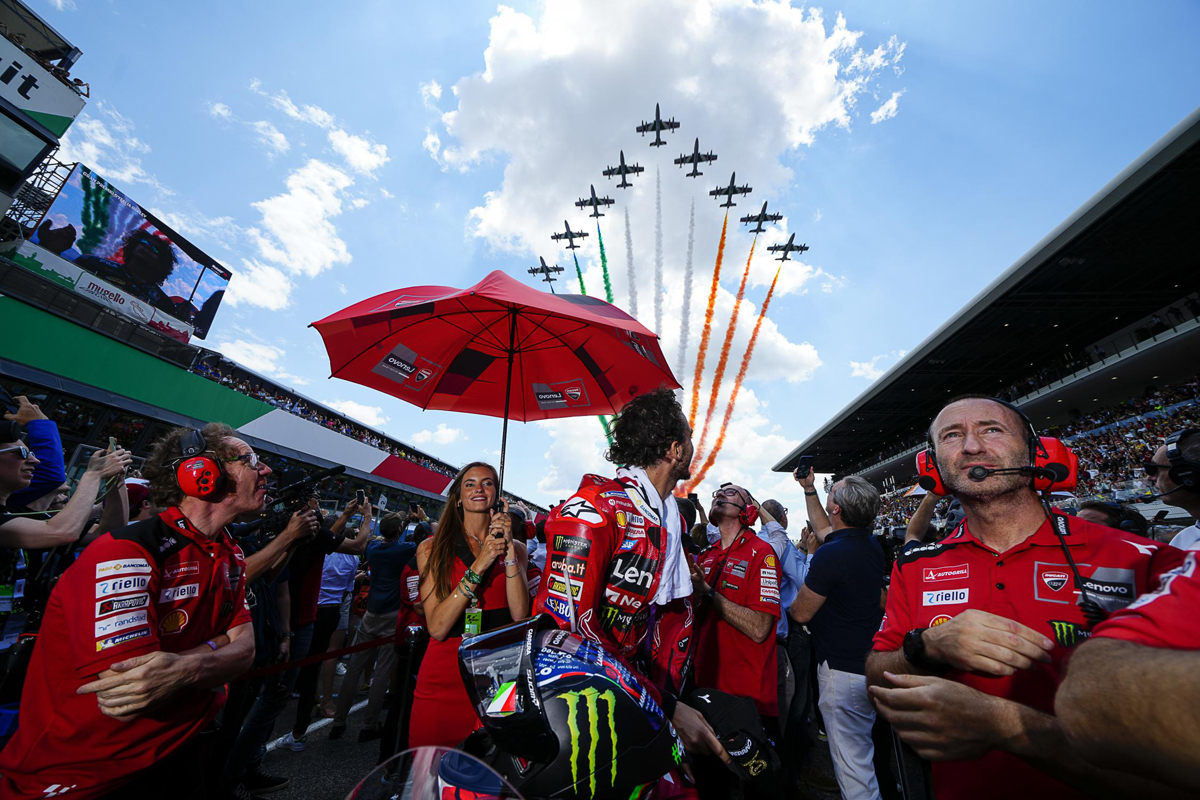
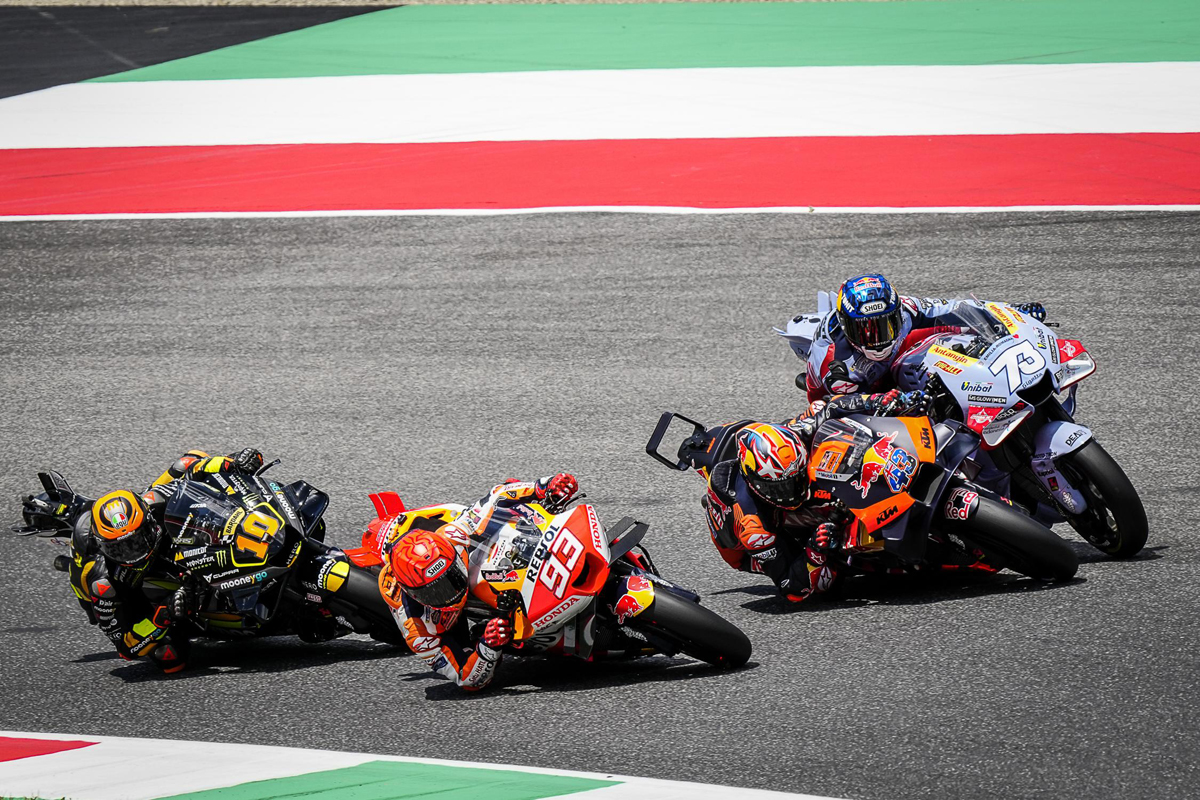
If the 2023 MotoGP season so far has stuck to the script written by commentators pre-season, which predicted a Ducati walkover, then they haven’t been far wrong in the general outlines of that script, even if the details have differed somewhat.
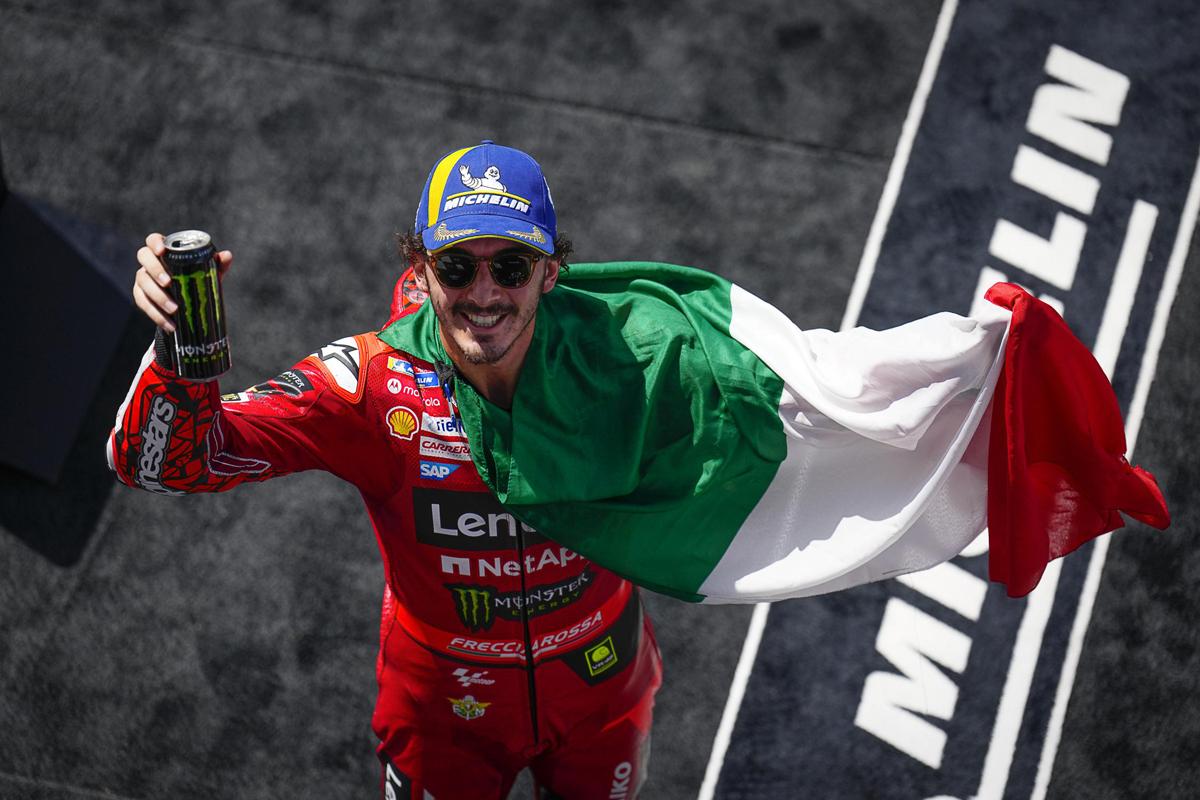
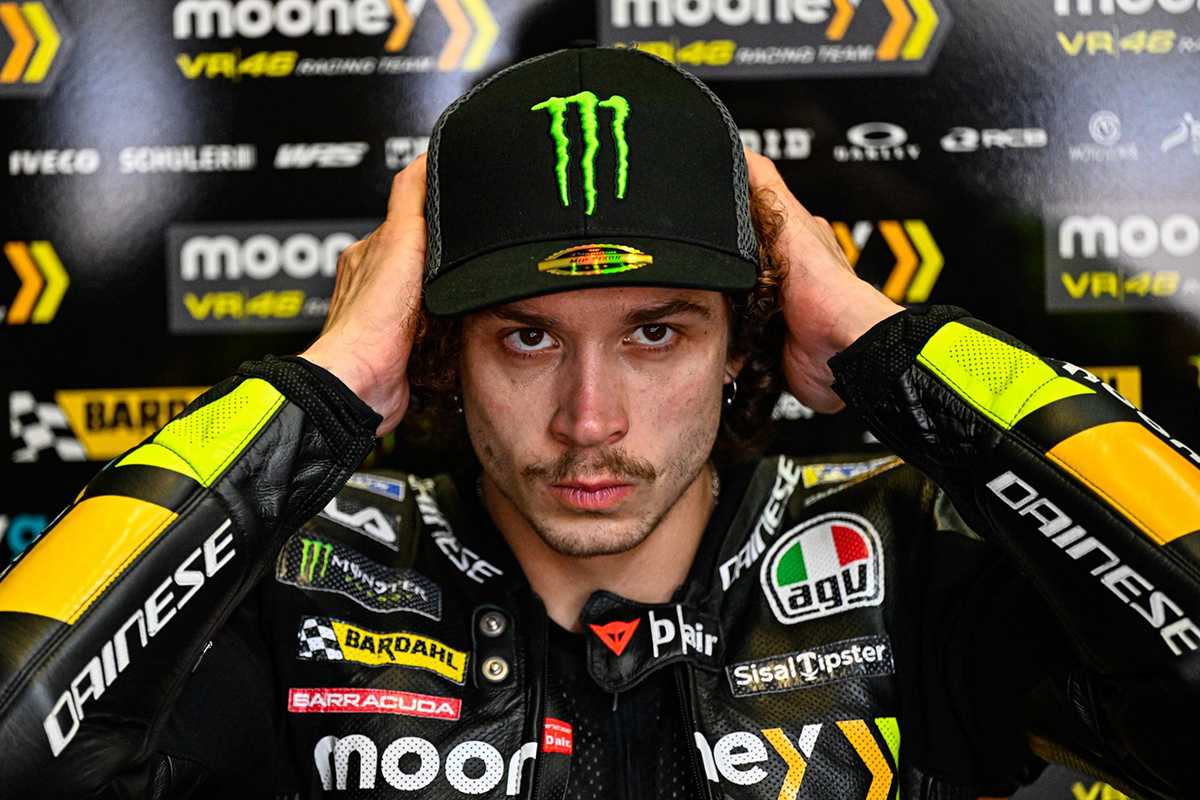
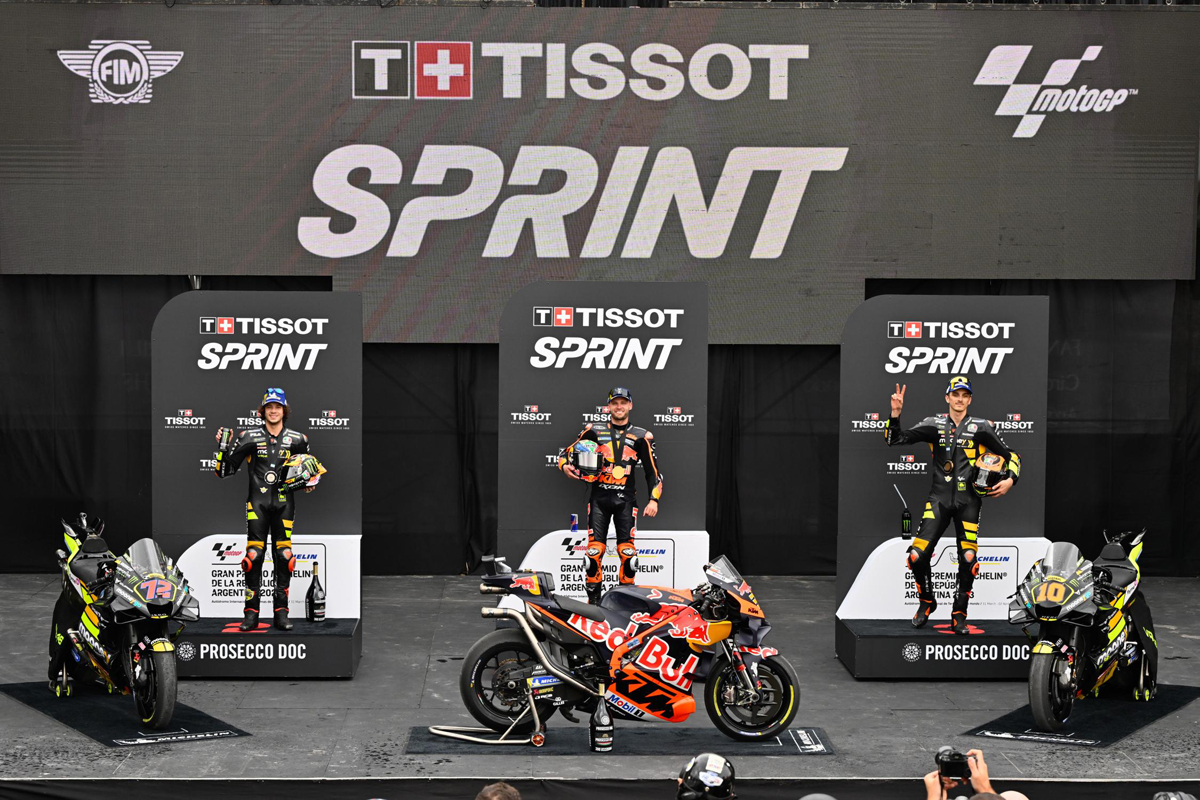
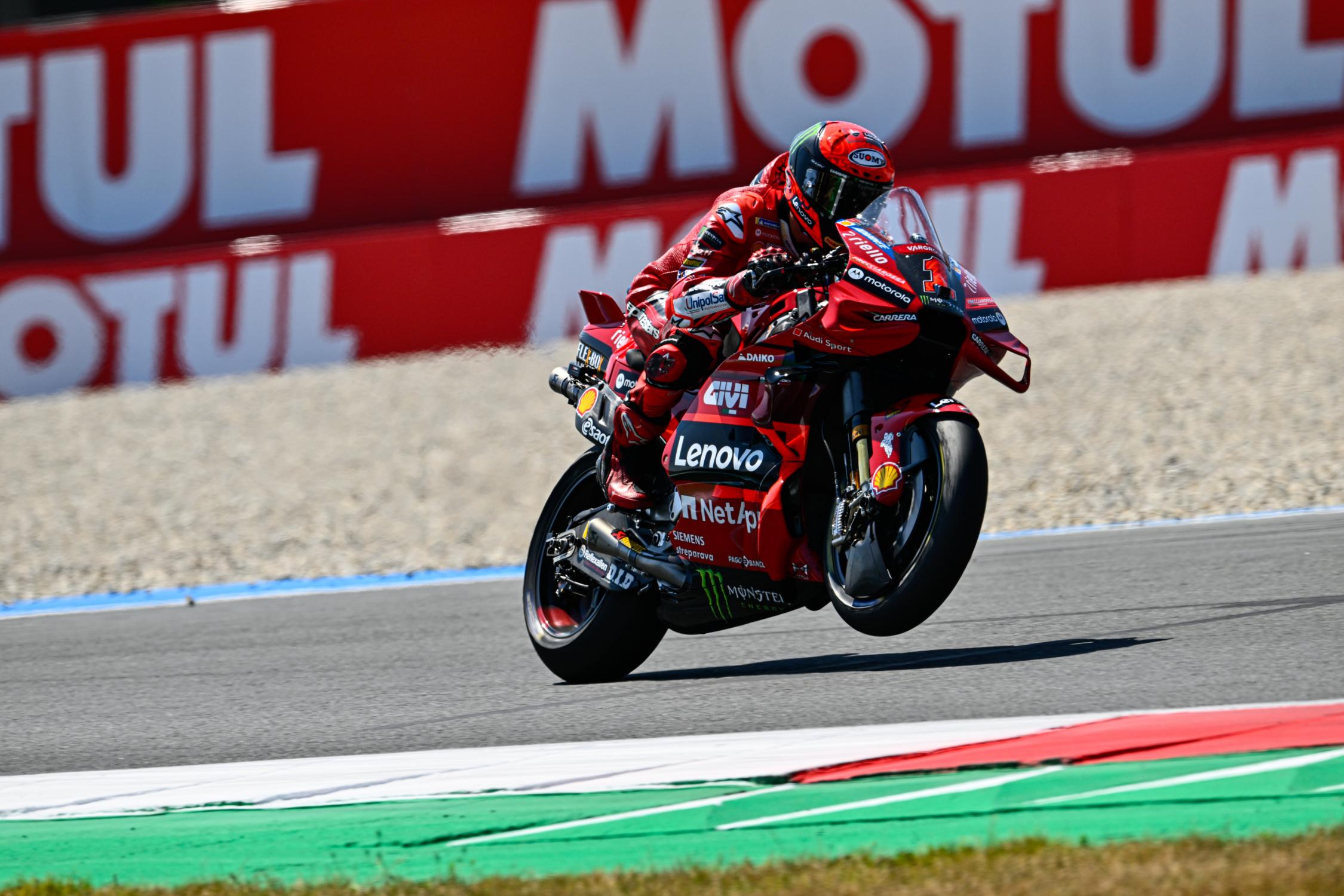
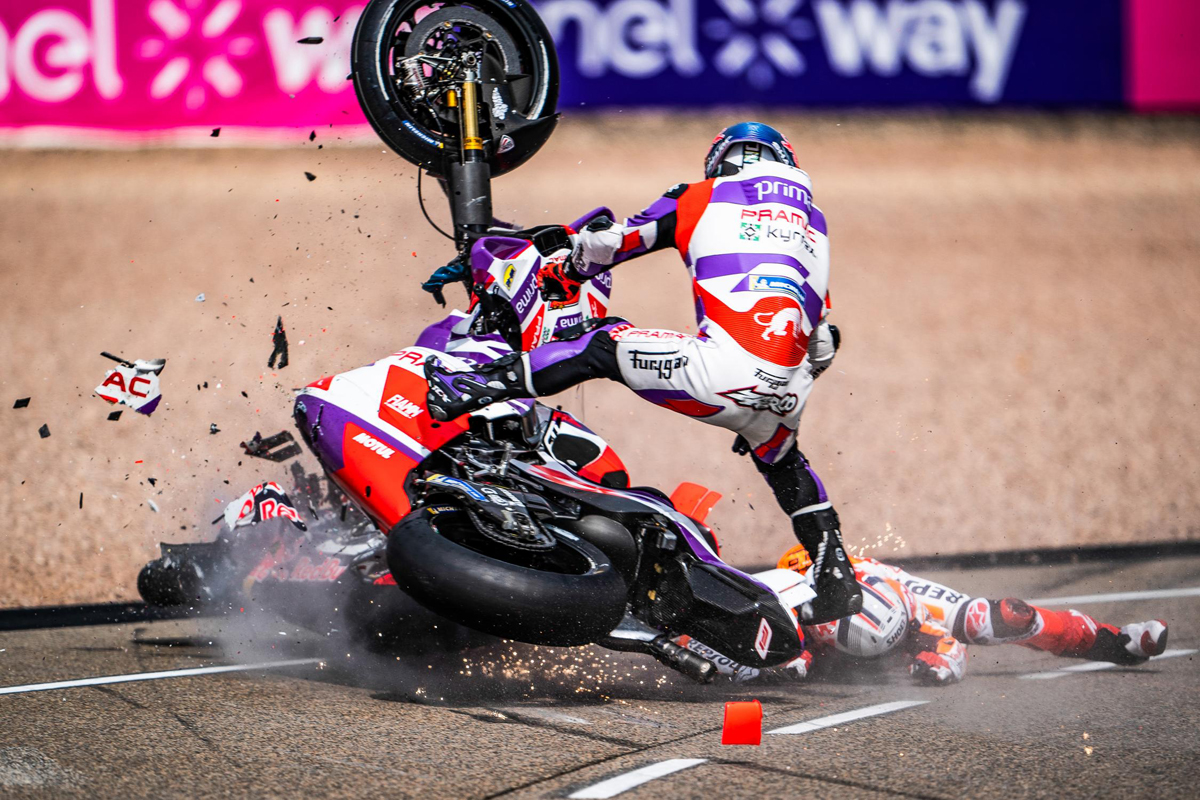
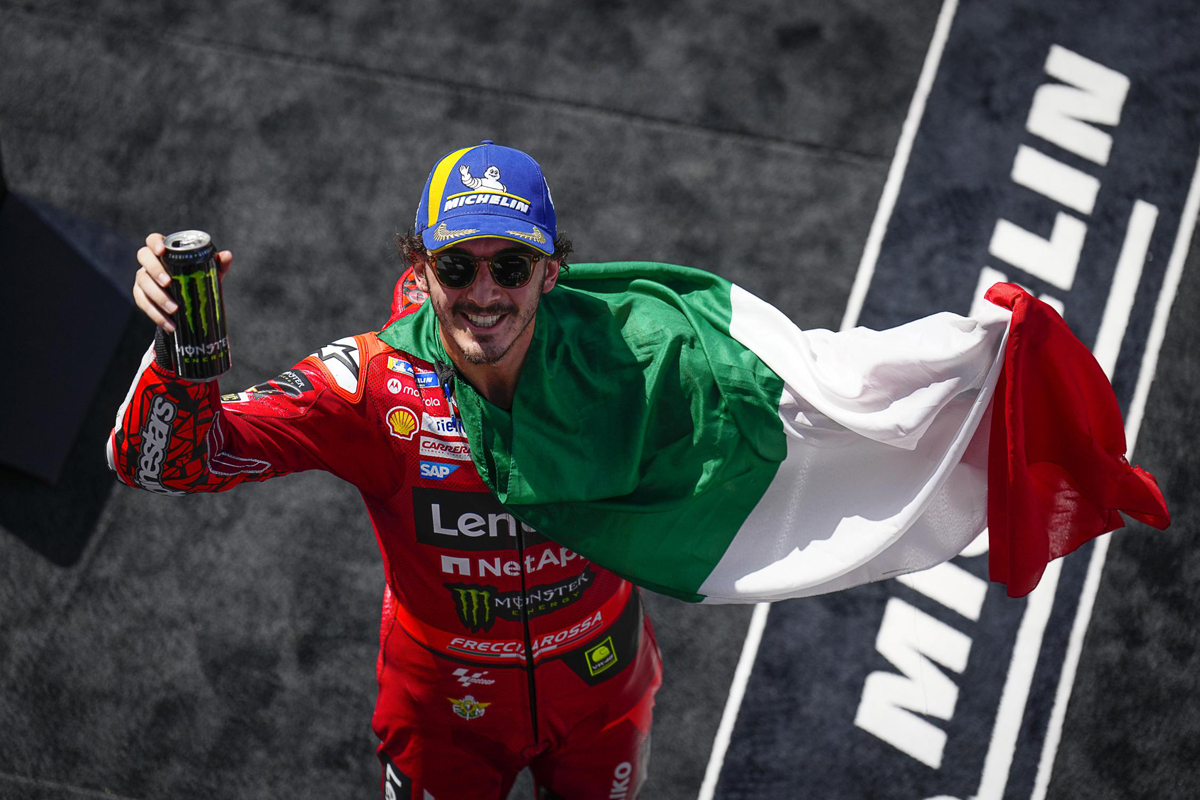
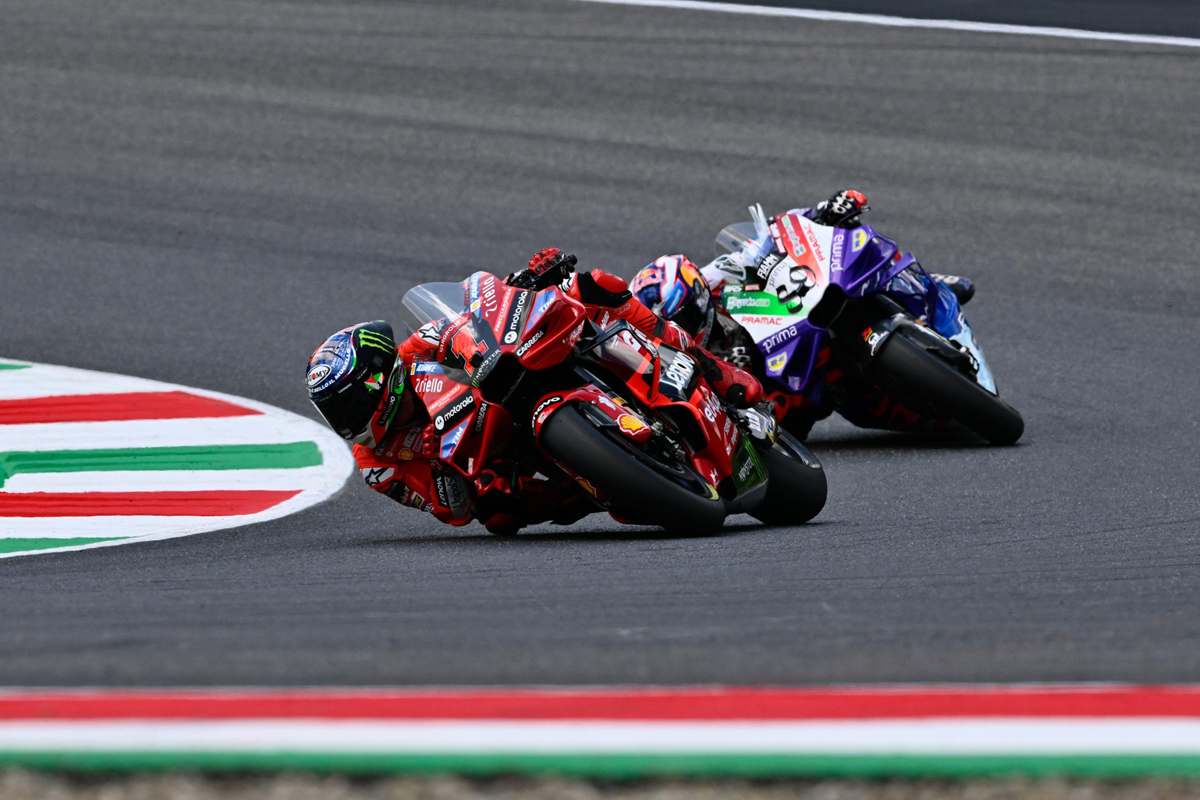
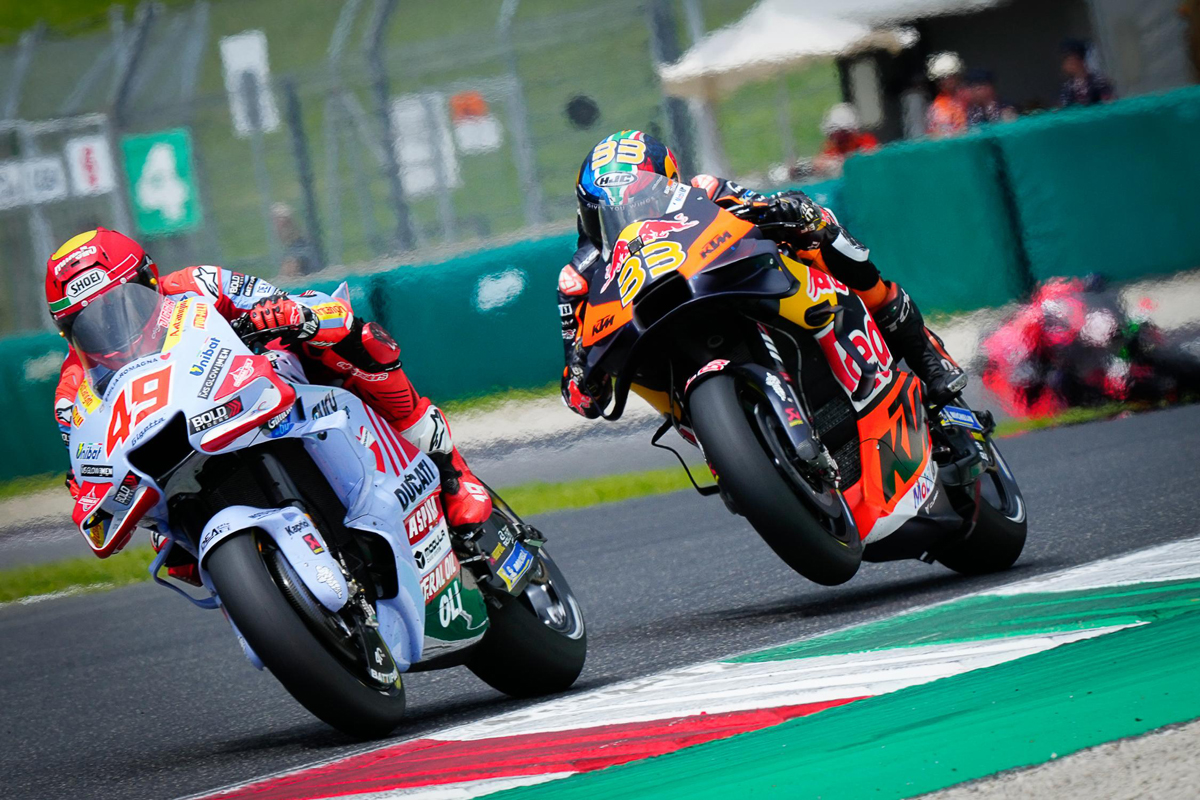
Yes, Ducati has proved to be the dominant force, with factory rider Francesco Bagnaia taking the lion’s share of victories in both Sprint and Main races and the likes of Prima Pramac Ducati and Mooney VR46 Ducati playing more than a supporting role, but the rest of the grid has by no means been relegated to bit-parts in the performance, even if outright success has largely eluded them.
Image source: MotoGP
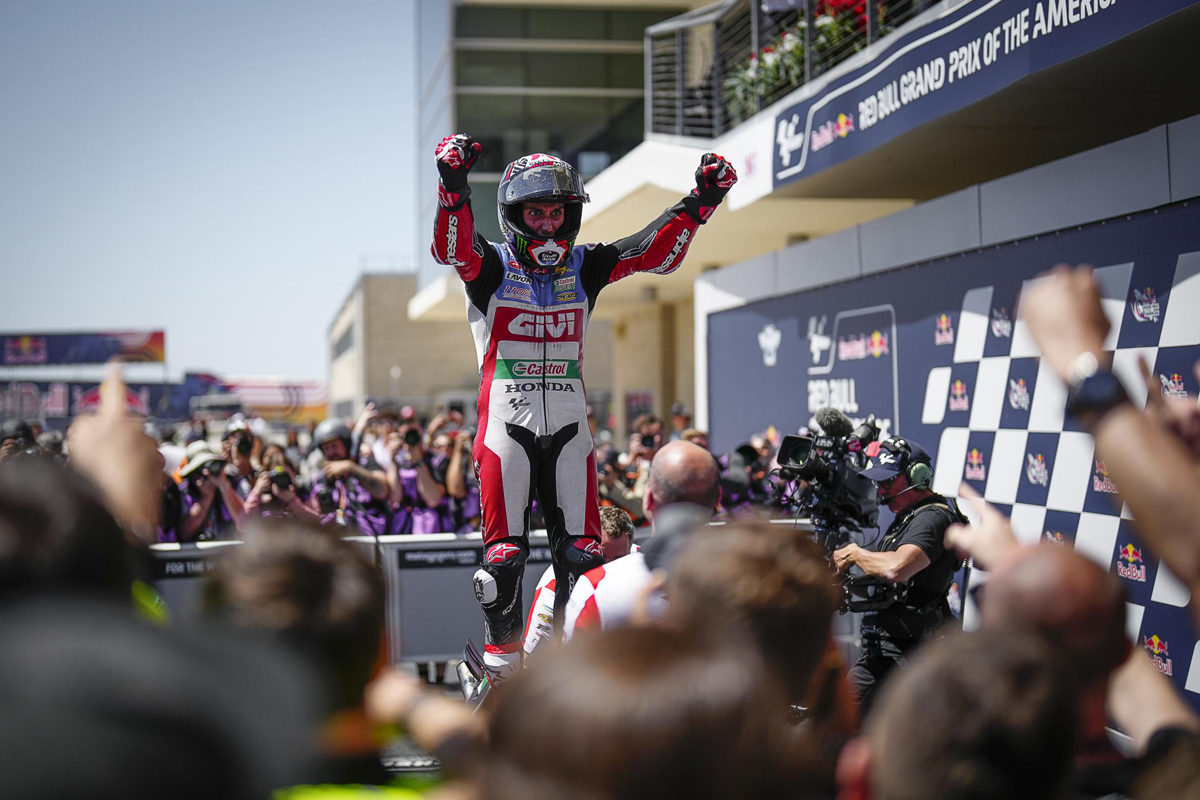
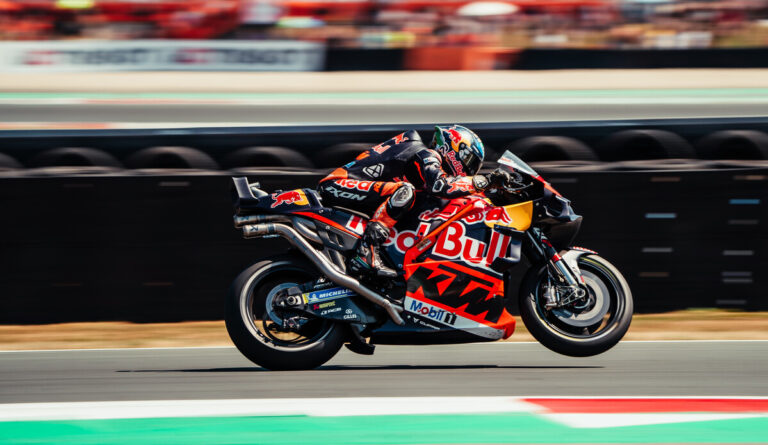
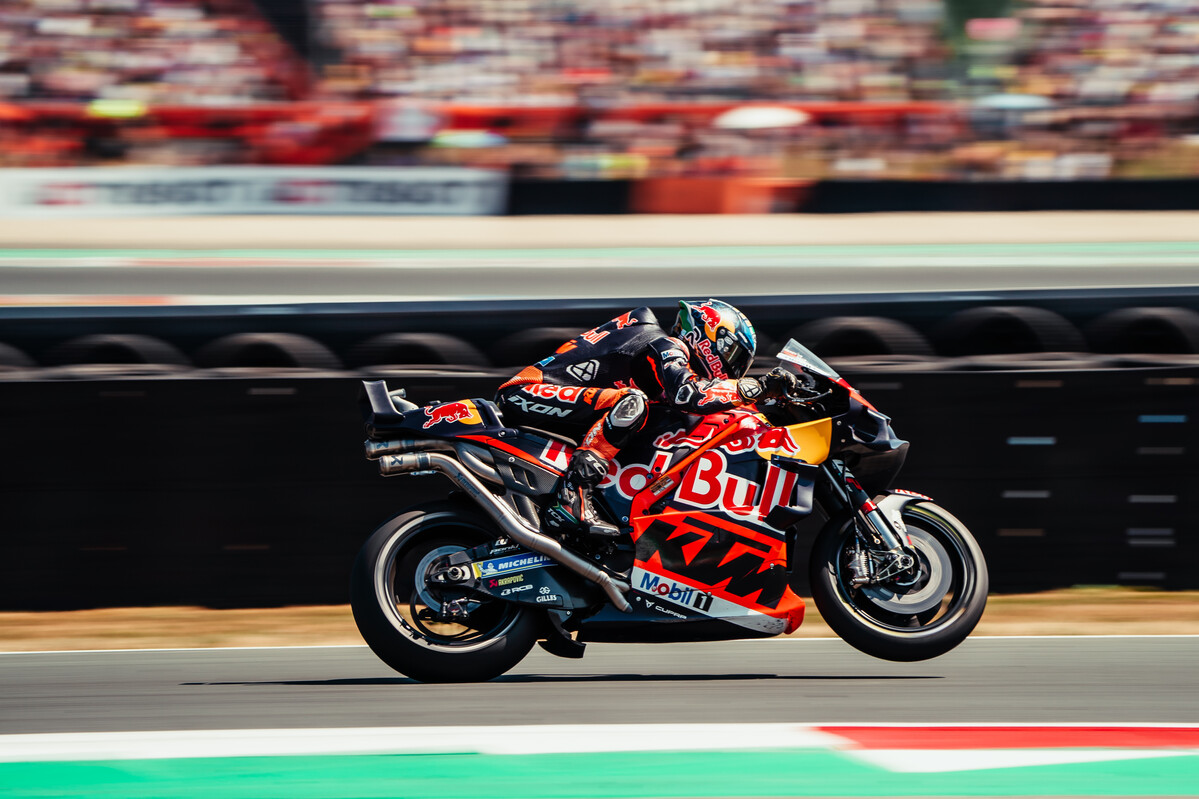
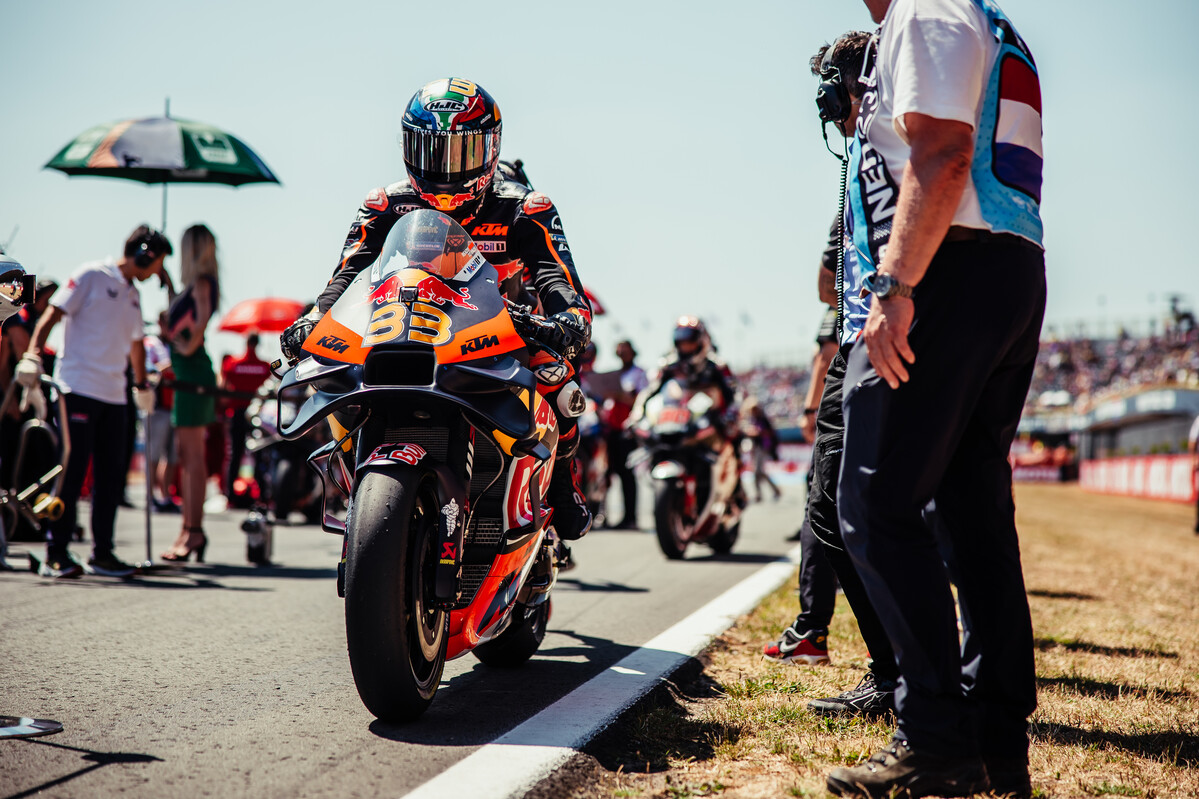
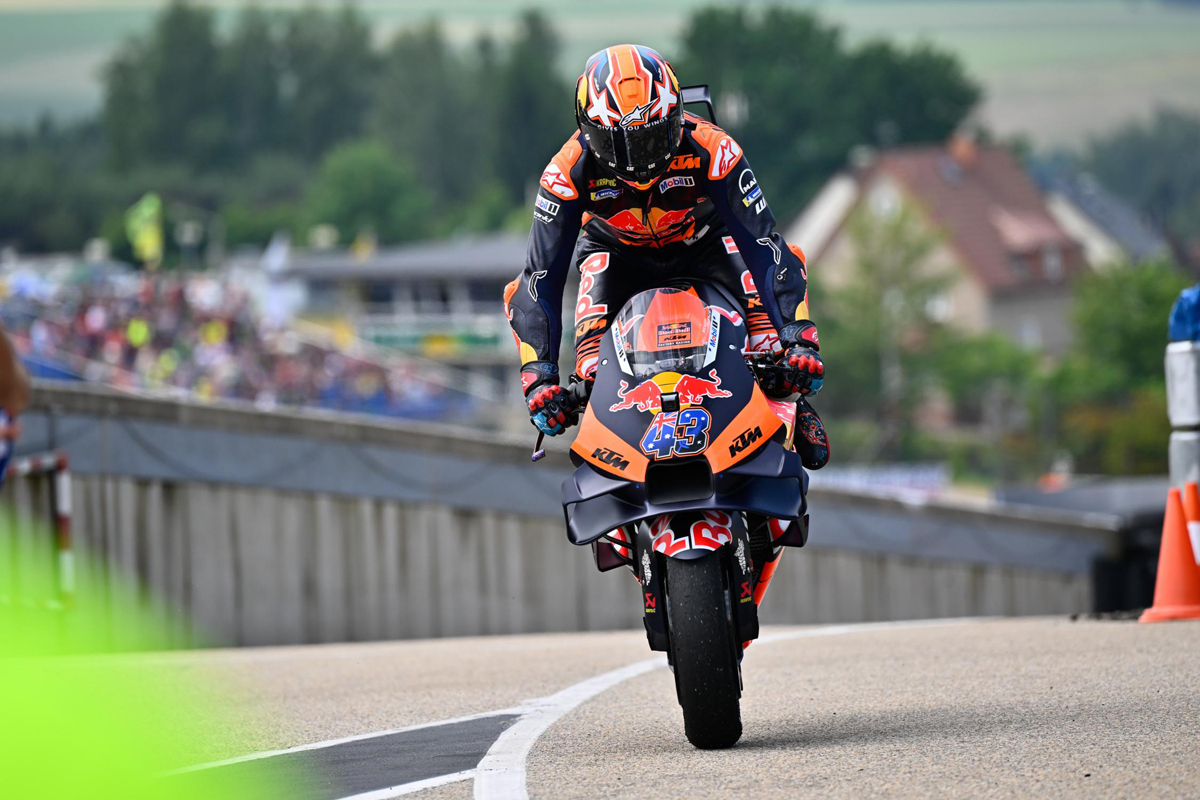
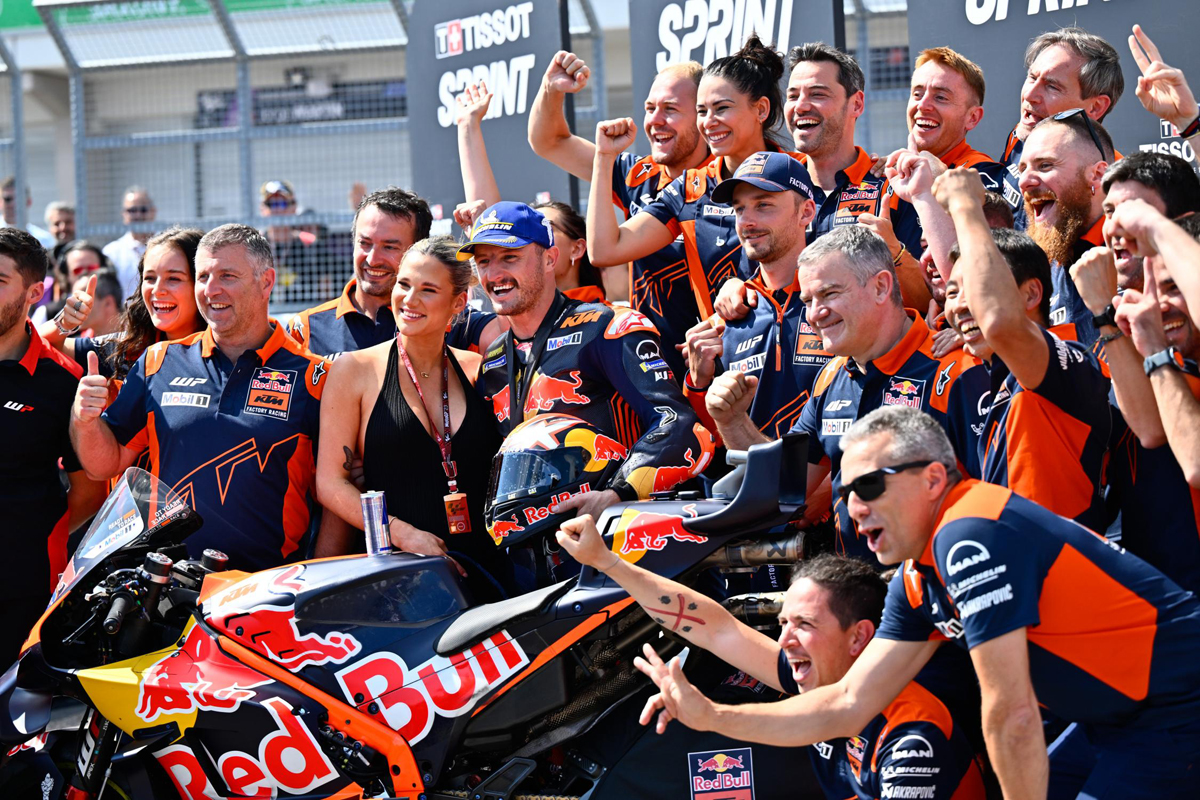
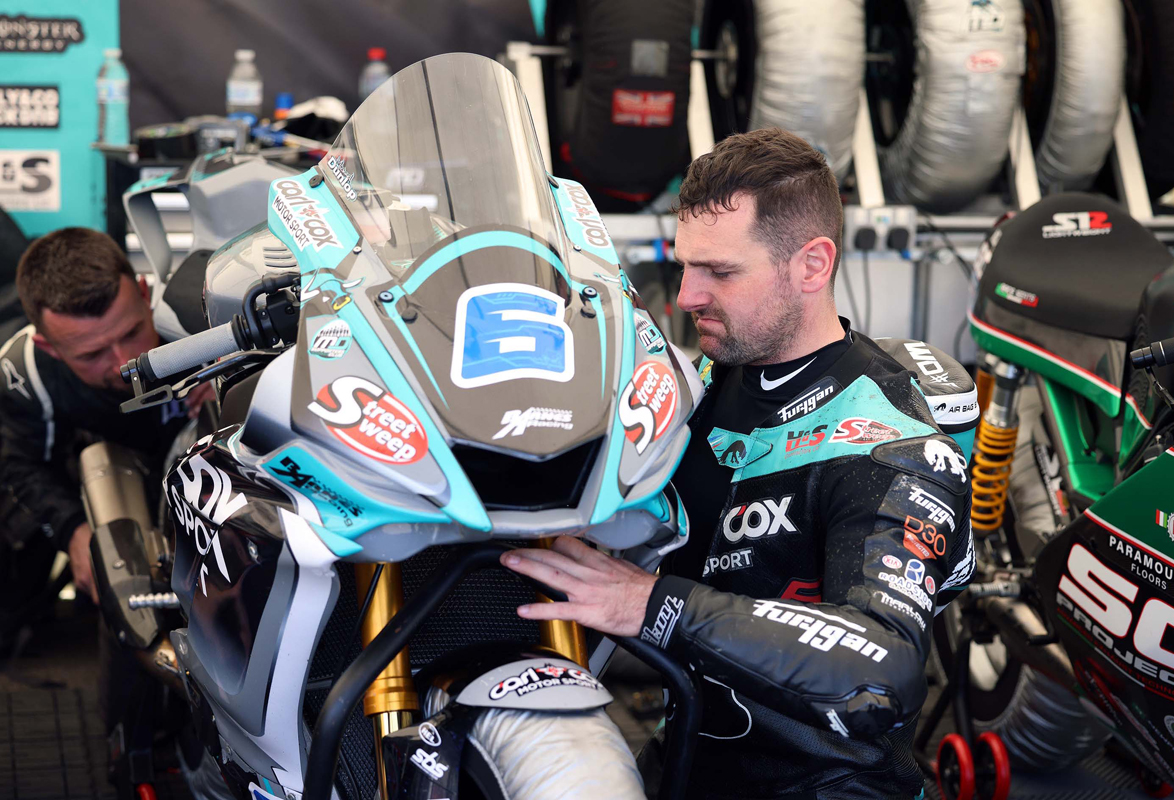
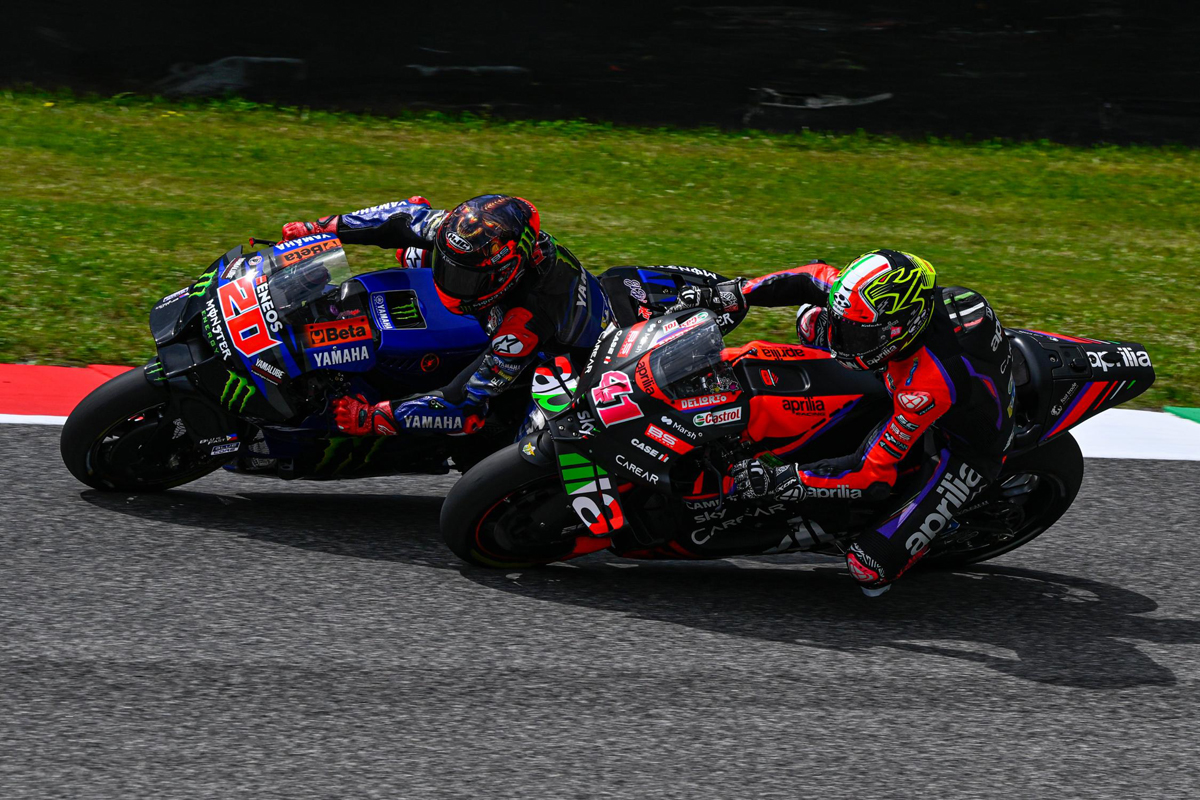
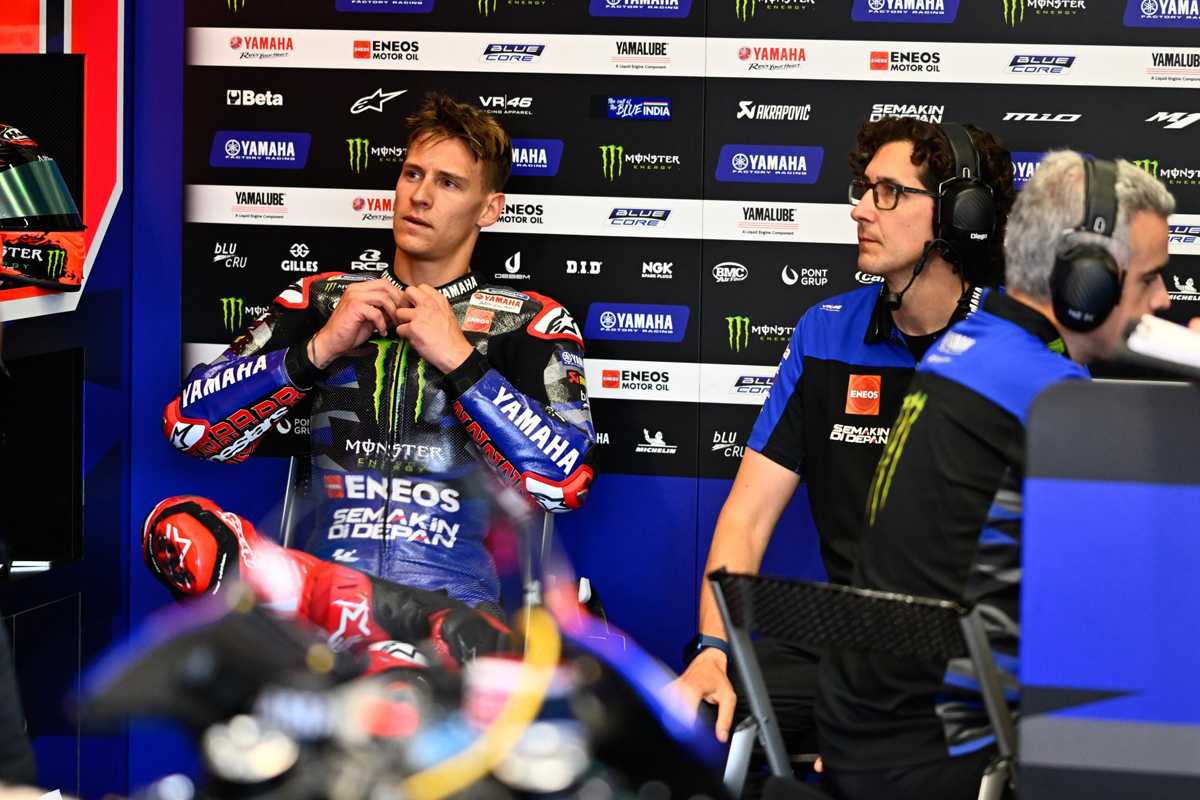
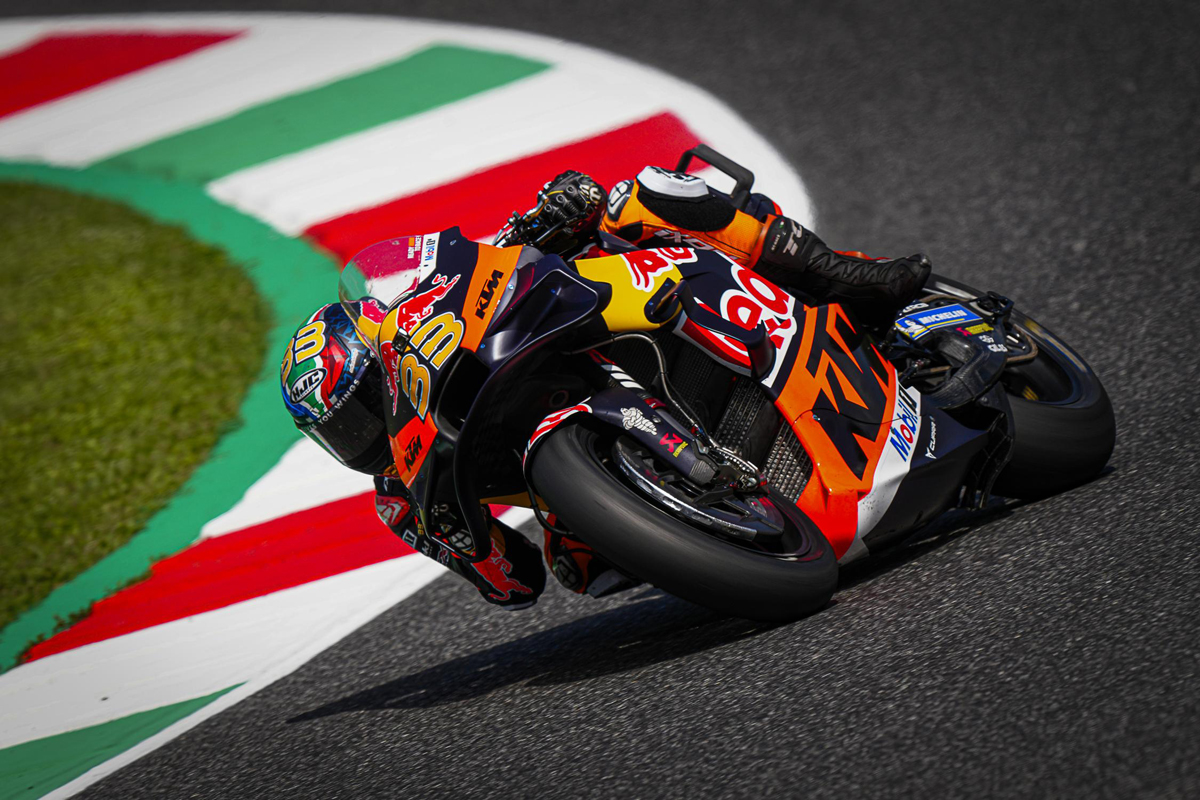
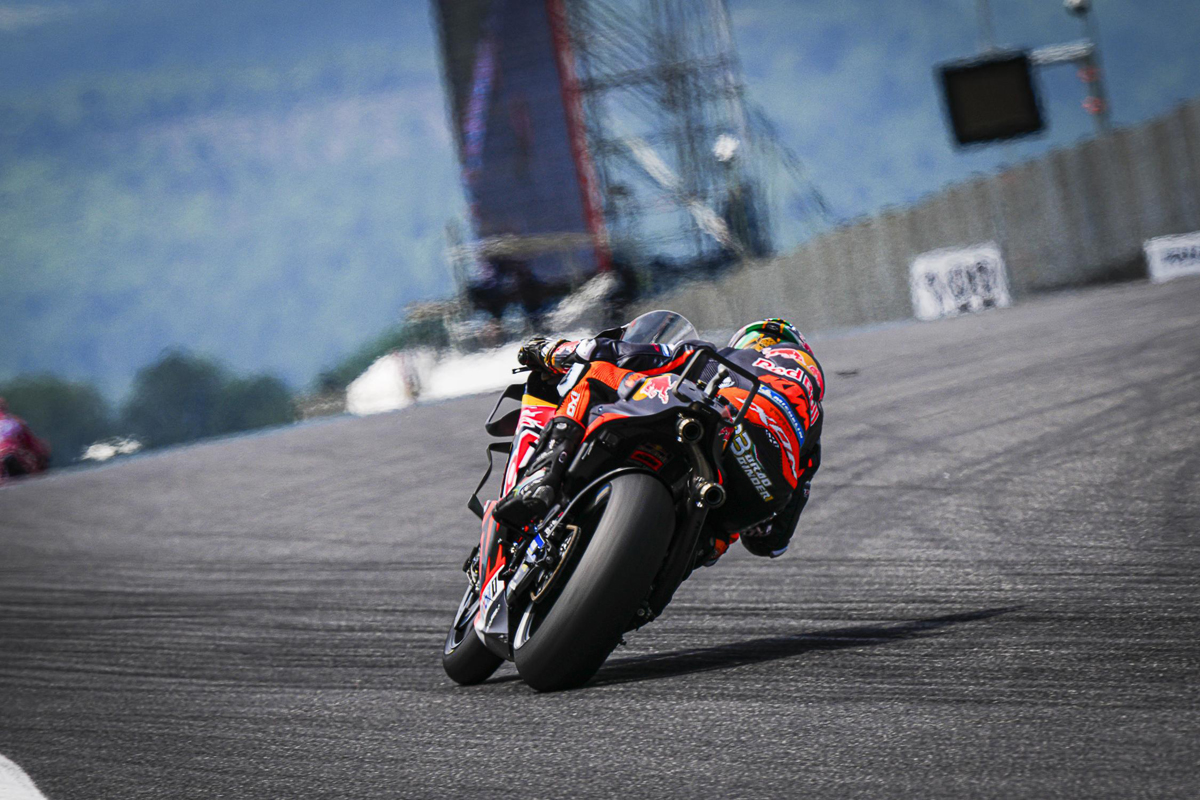
Well, that might not be true of KTM but it would be fair to say that Honda and Yamaha have failed to put up the fight to which they have become so accustomed, despite a win for Honda in America, courtesy of Alex Rins. In fact, so far have the two remaining Japanese manufacturers fallen off the top and the rapidity with which that has happened has had some both inside and outside the sport predicting that they might ‘do a Suzuki’ and withdraw to lick their wounds rather than ploughing endless millions into merely turning up each race weekend with the chance of very little reward.
Image source: MotoGP
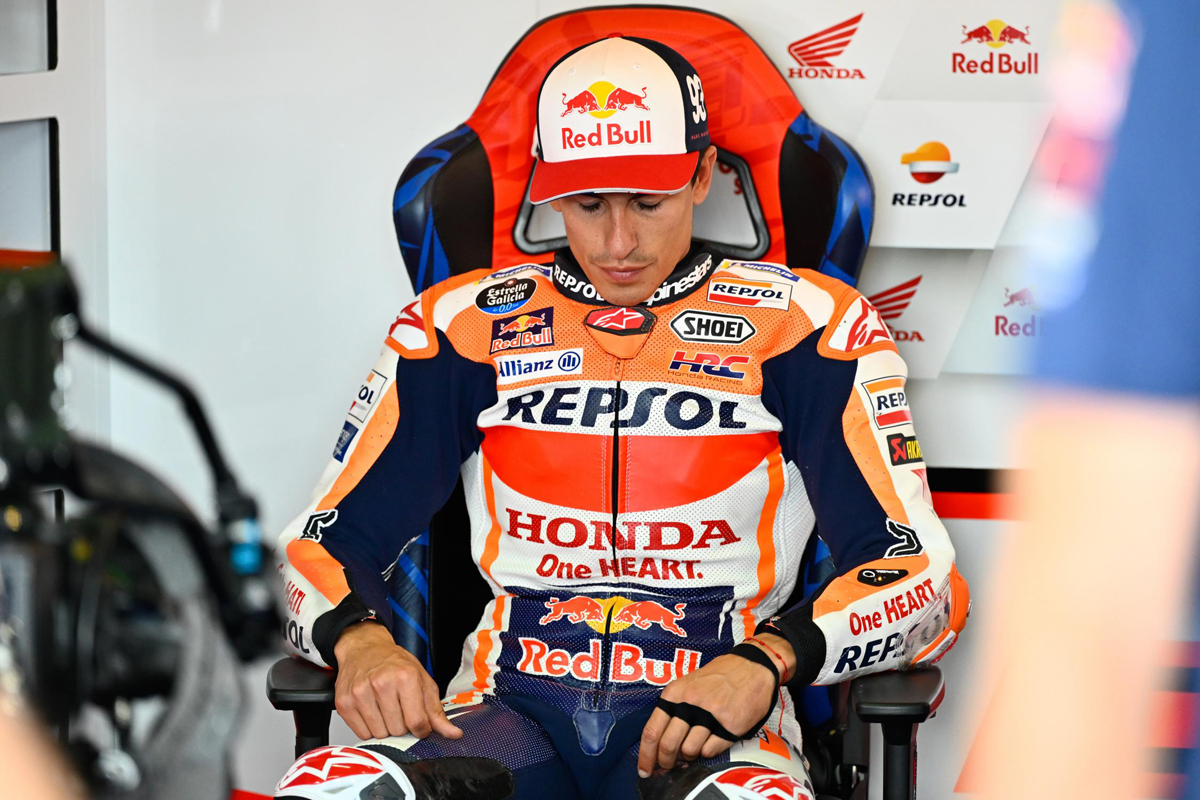
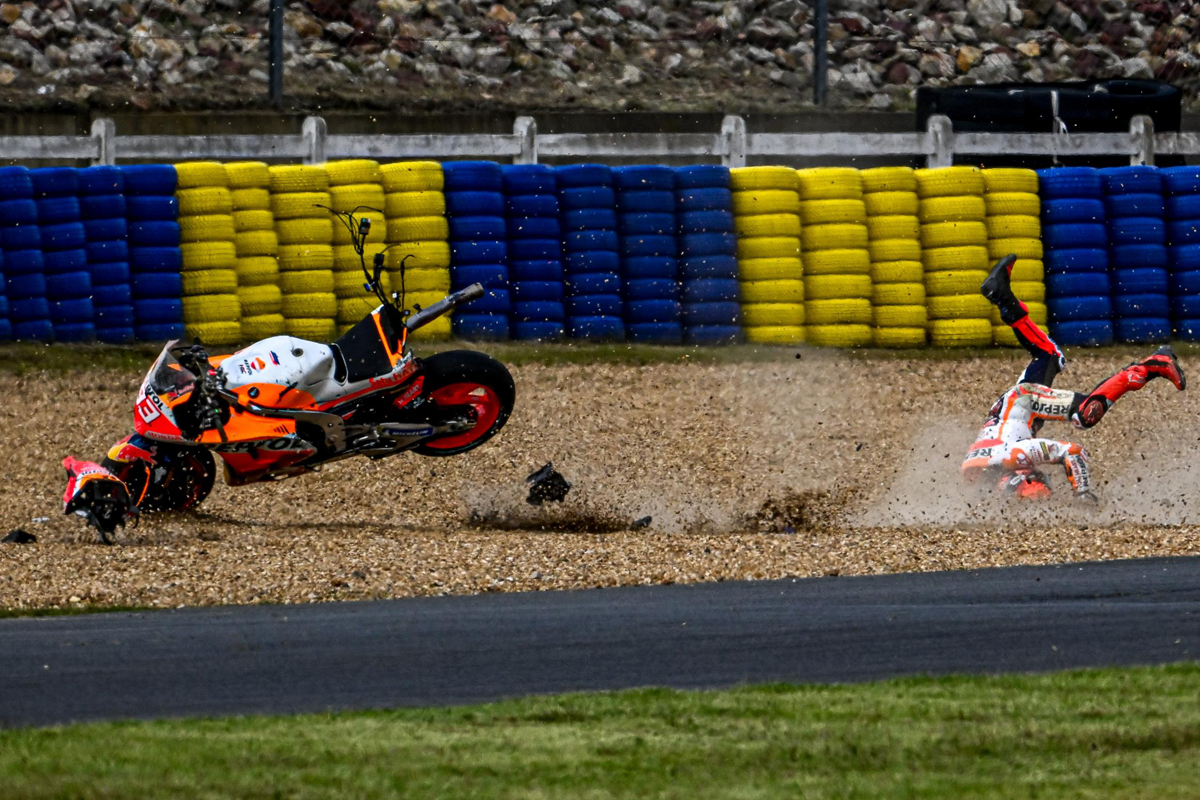
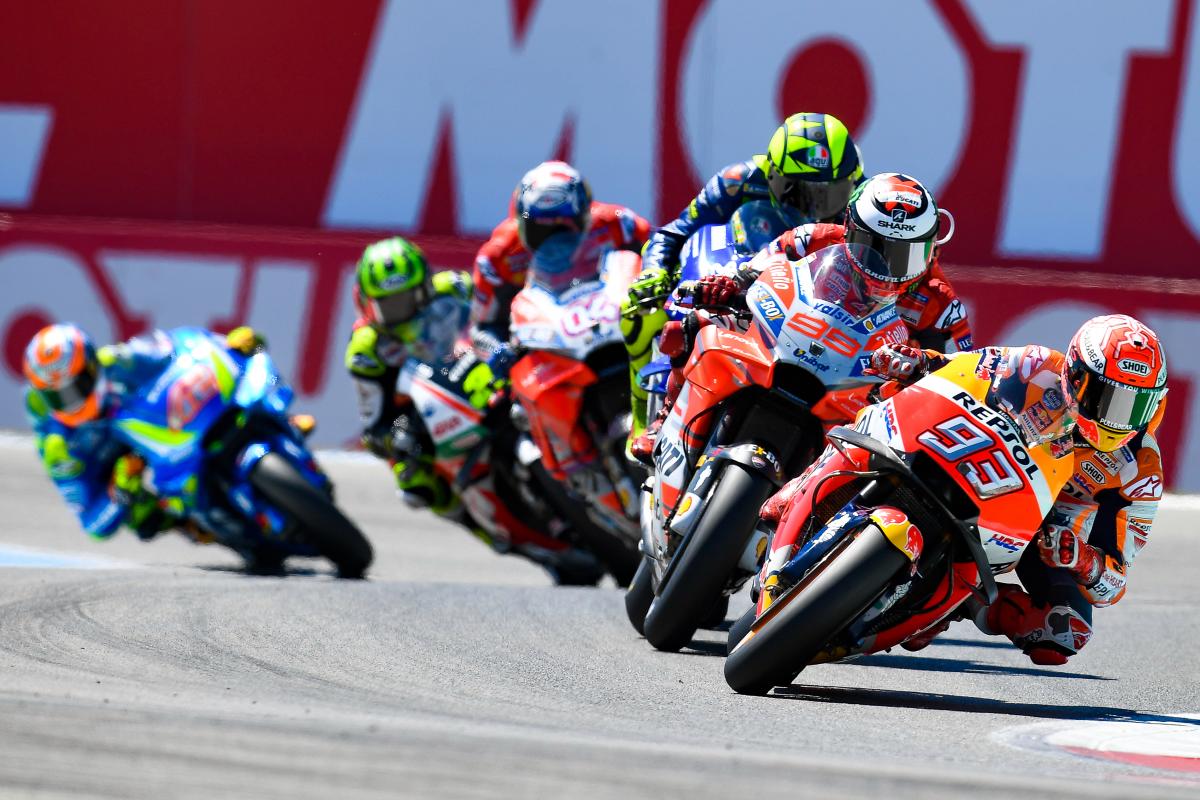
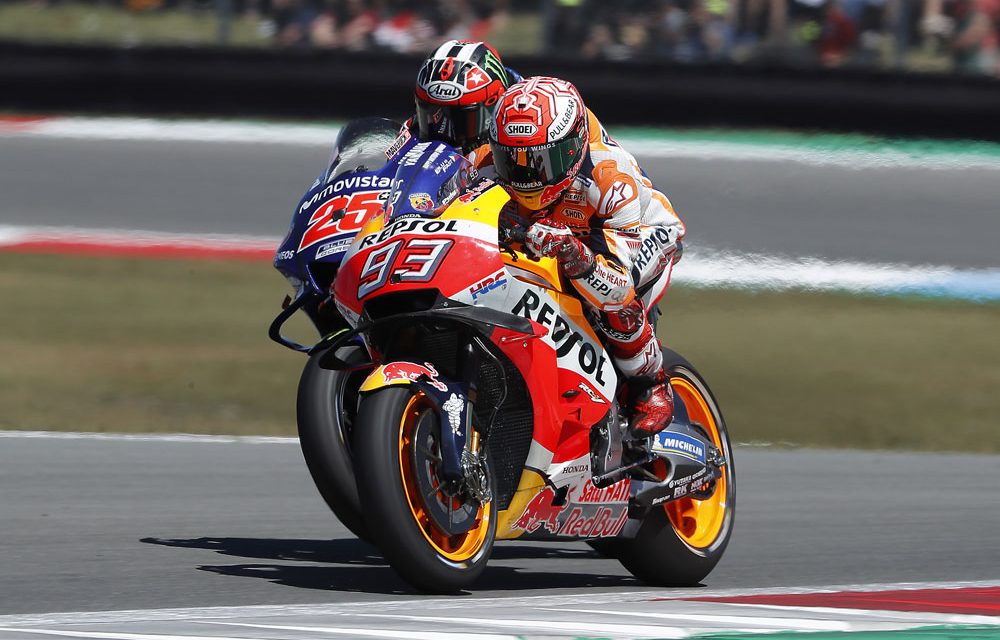
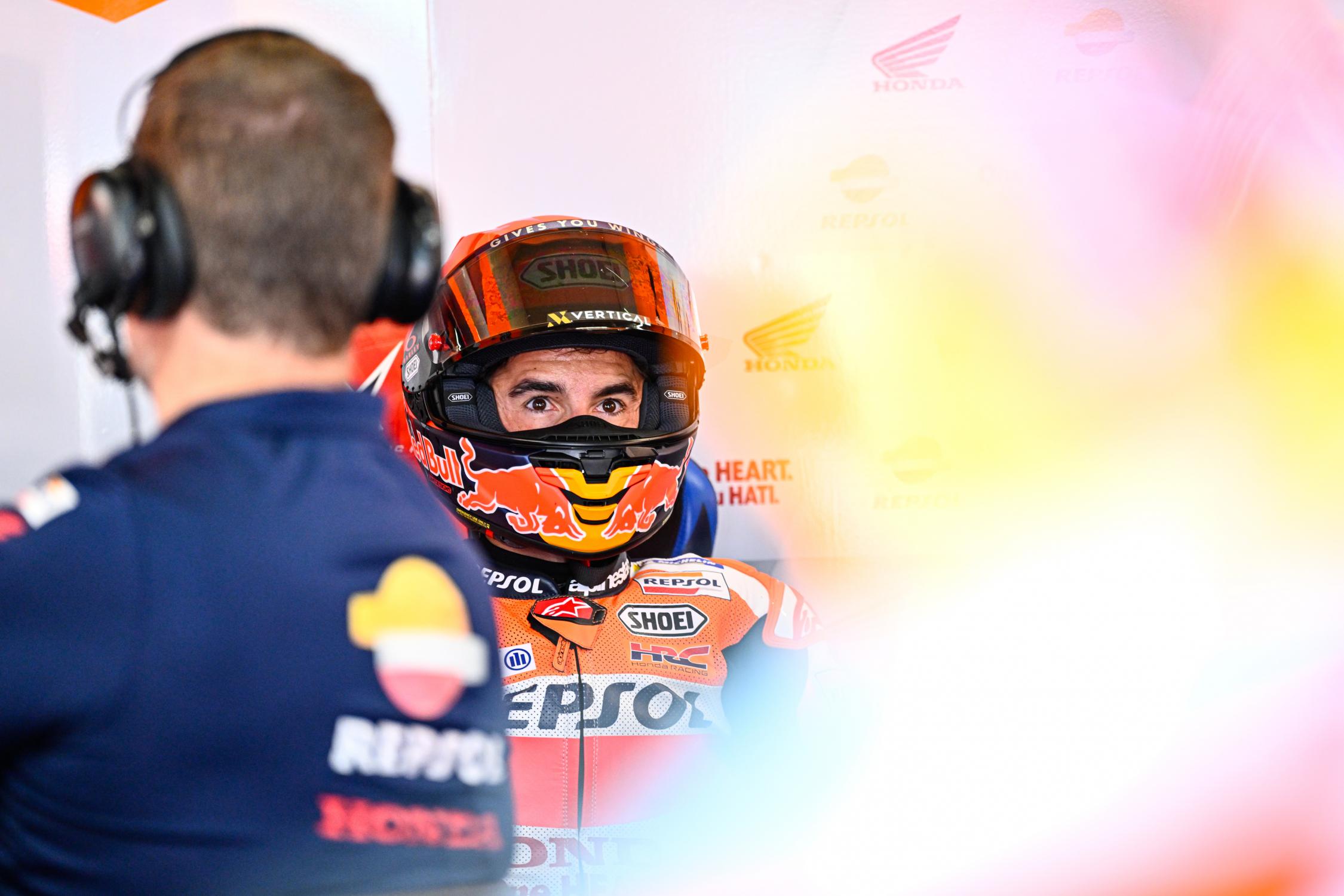
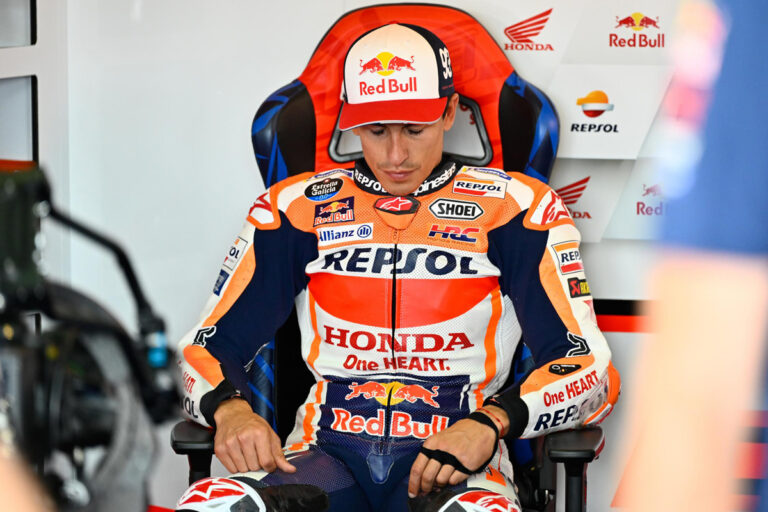
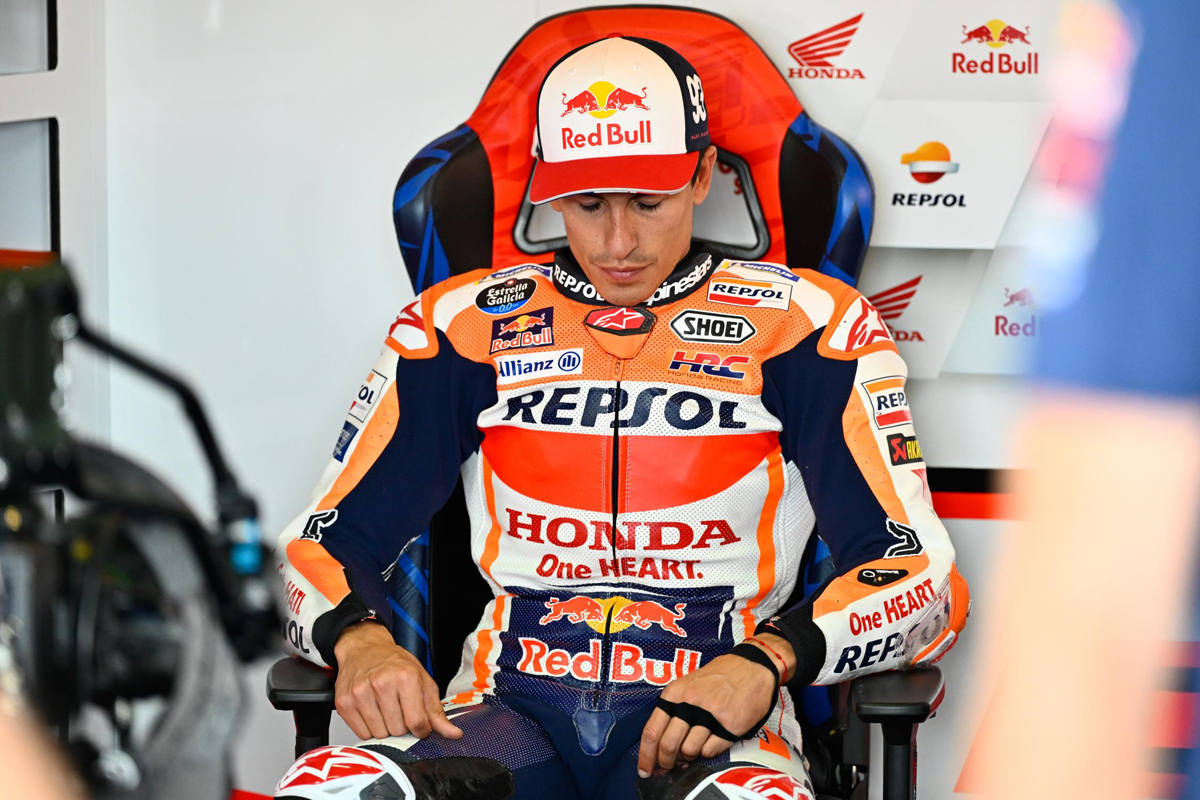
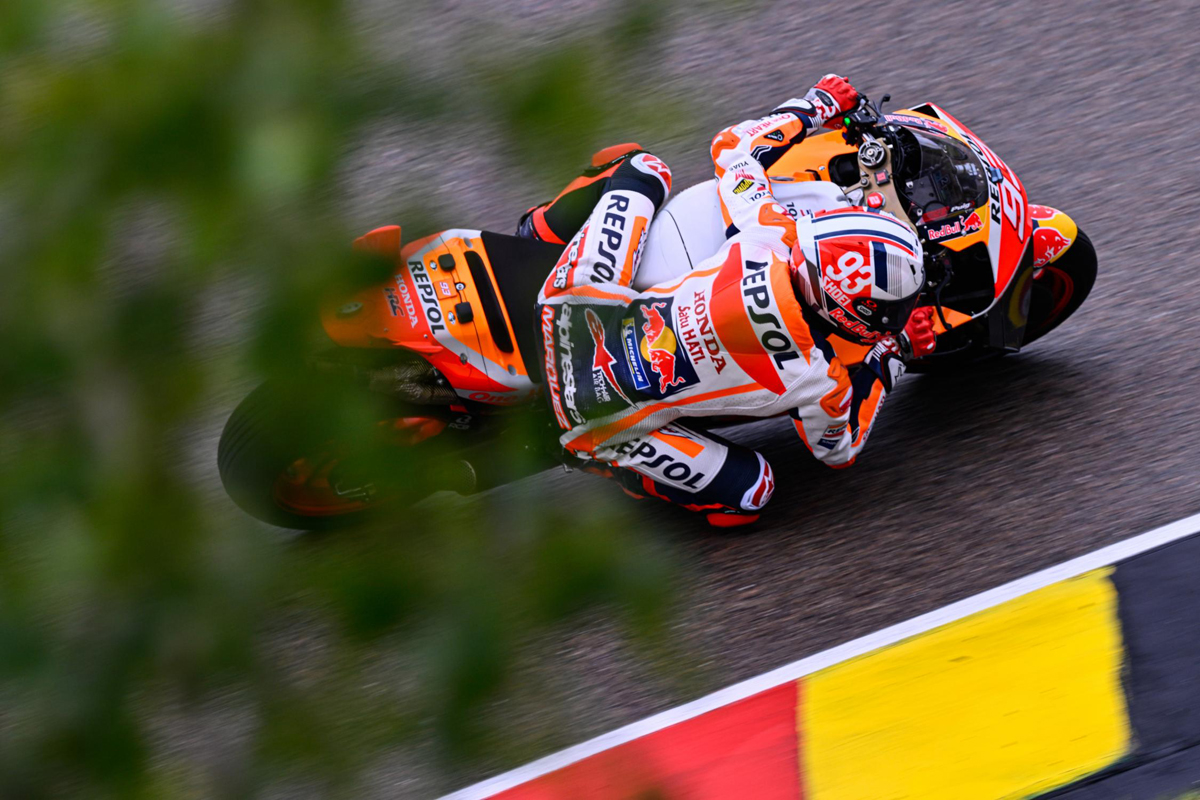
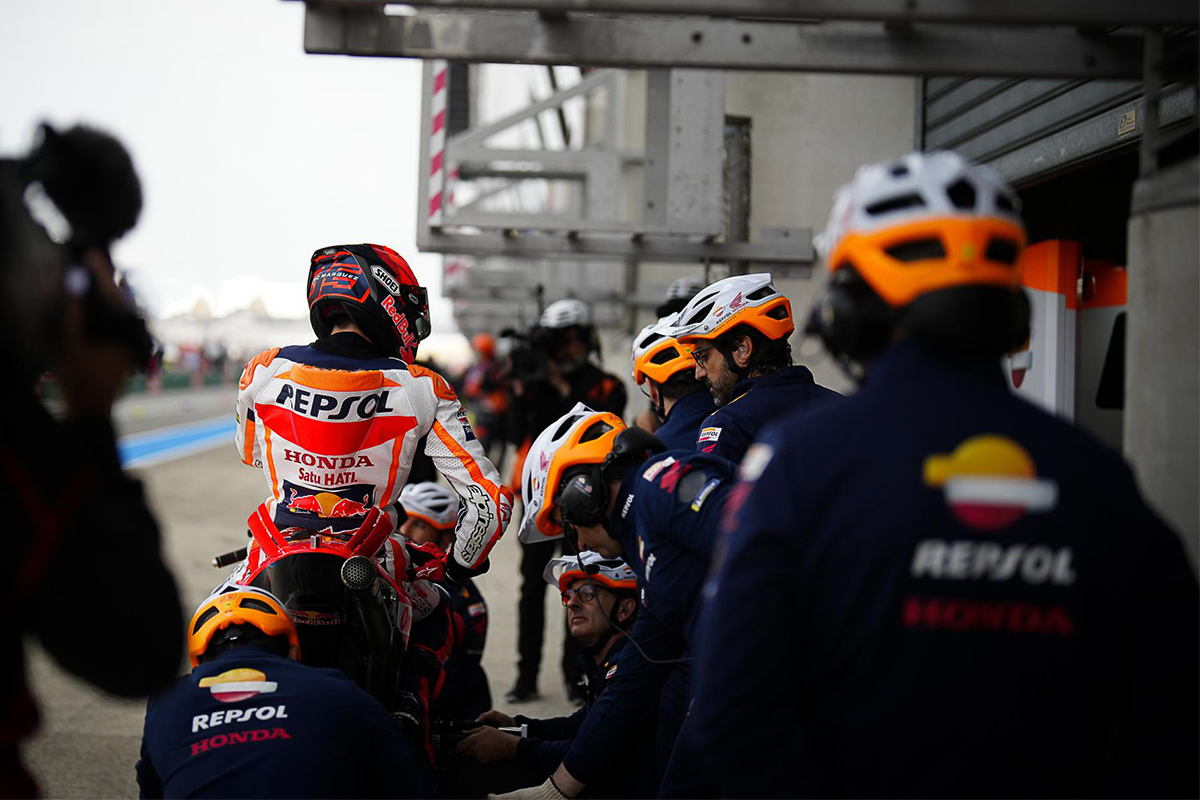
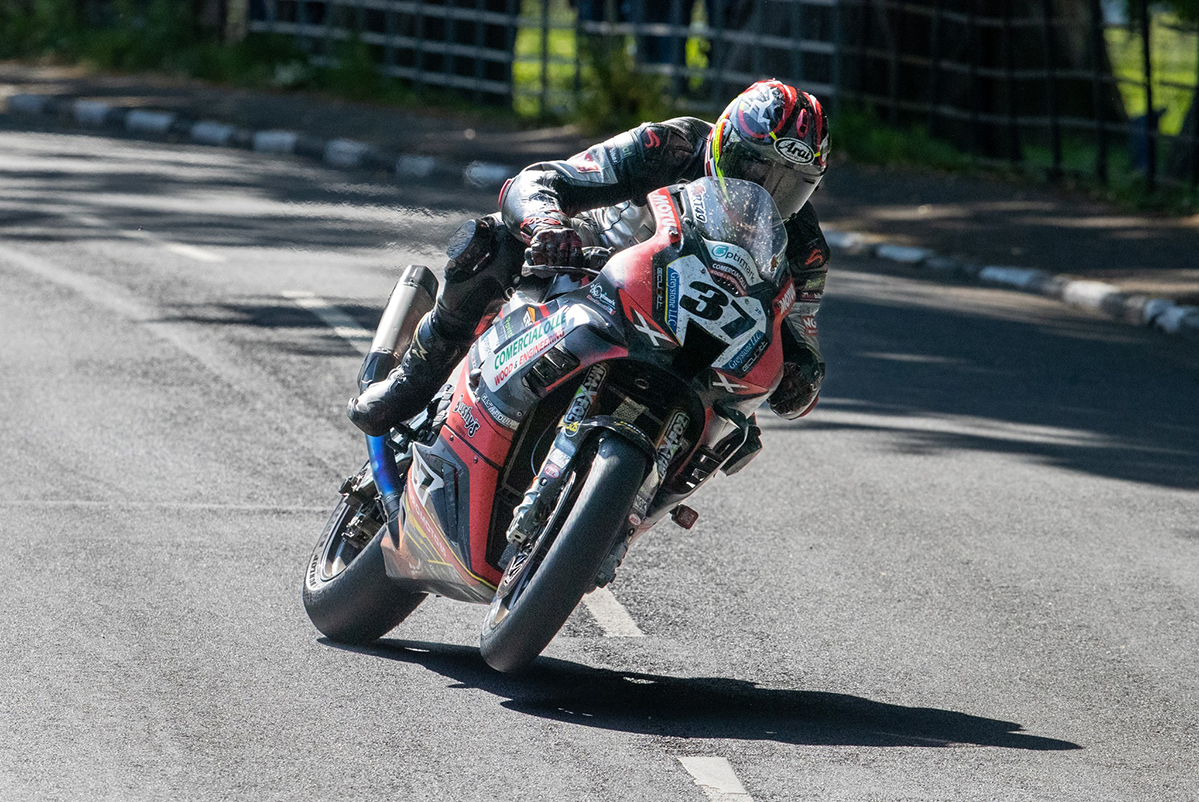
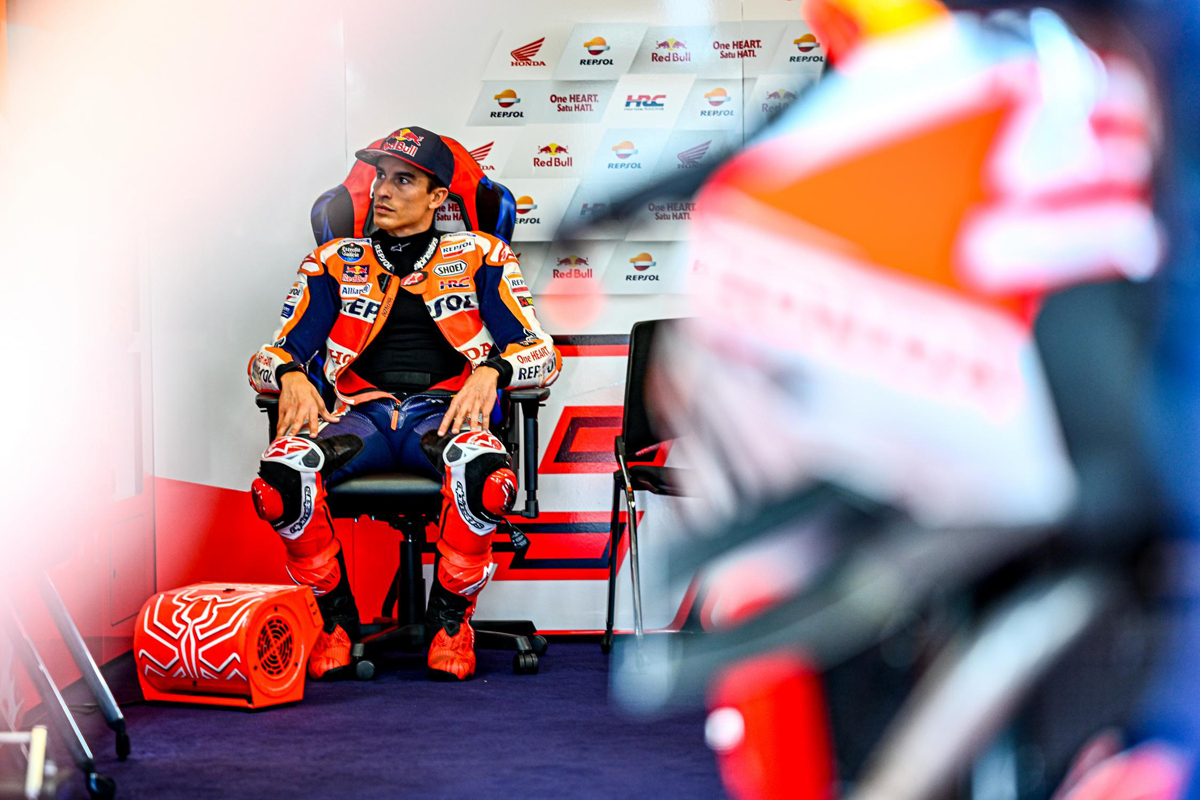
Honda, since Marc Marquez put himself out of action for effectively two whole seasons, is paying the price for basing the development of its bike around one rider and finding itself all at sea when forced to rely on its other riders. For most of the 2010s, this is the way Honda has done it and there can be no denying it has worked for their number one rider but its form since Marquez crashed in 2020 has given lie to the wisdom of doing that.
Image source: MotoGP
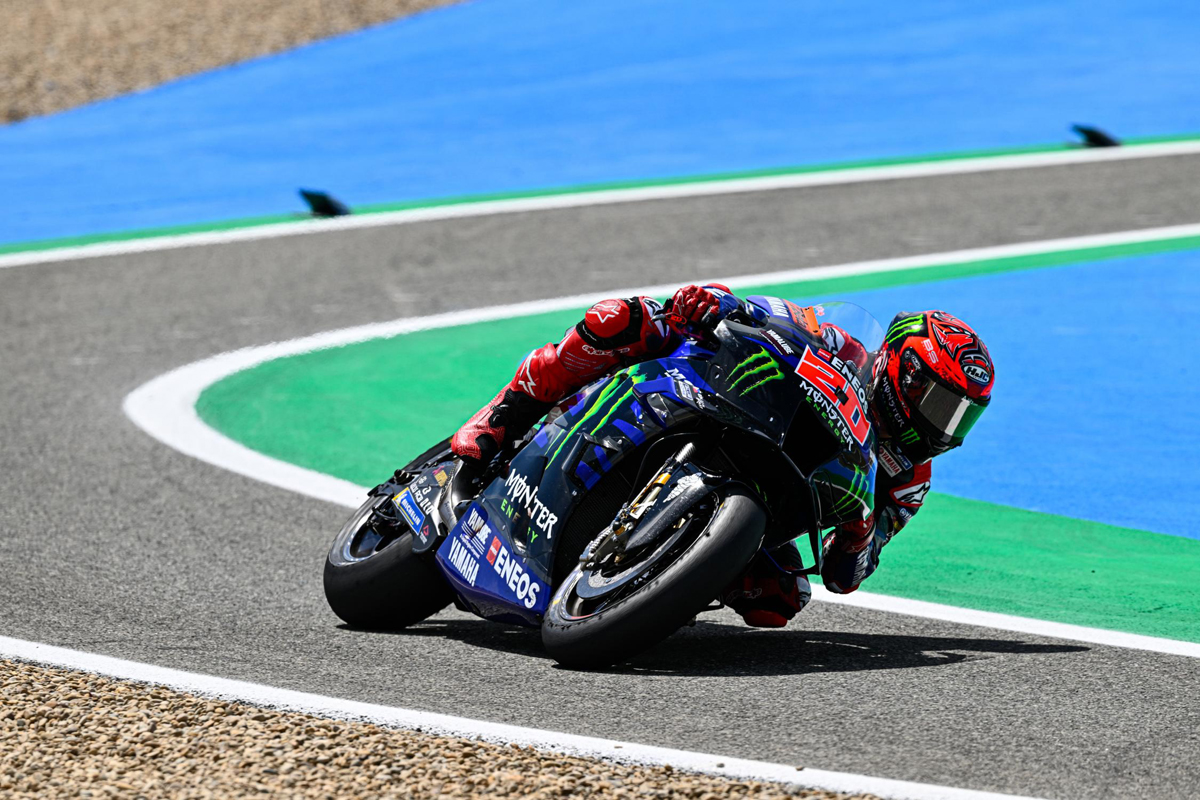
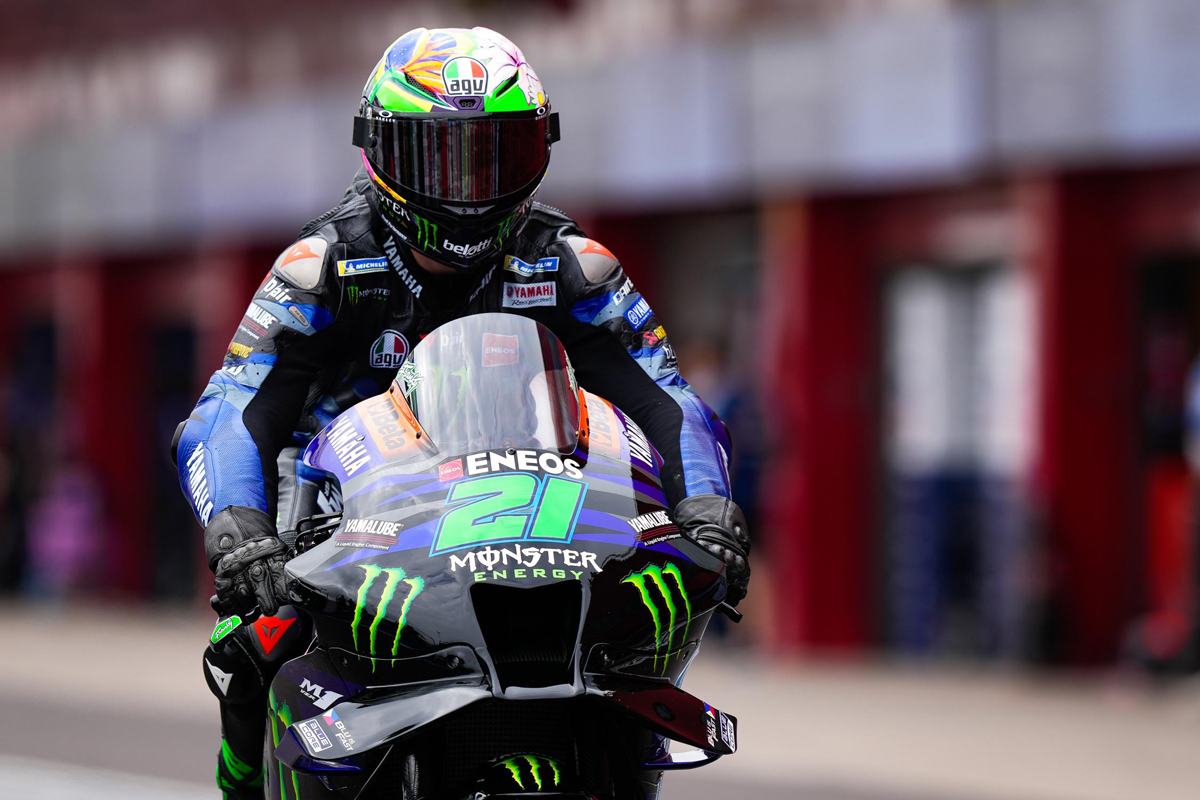
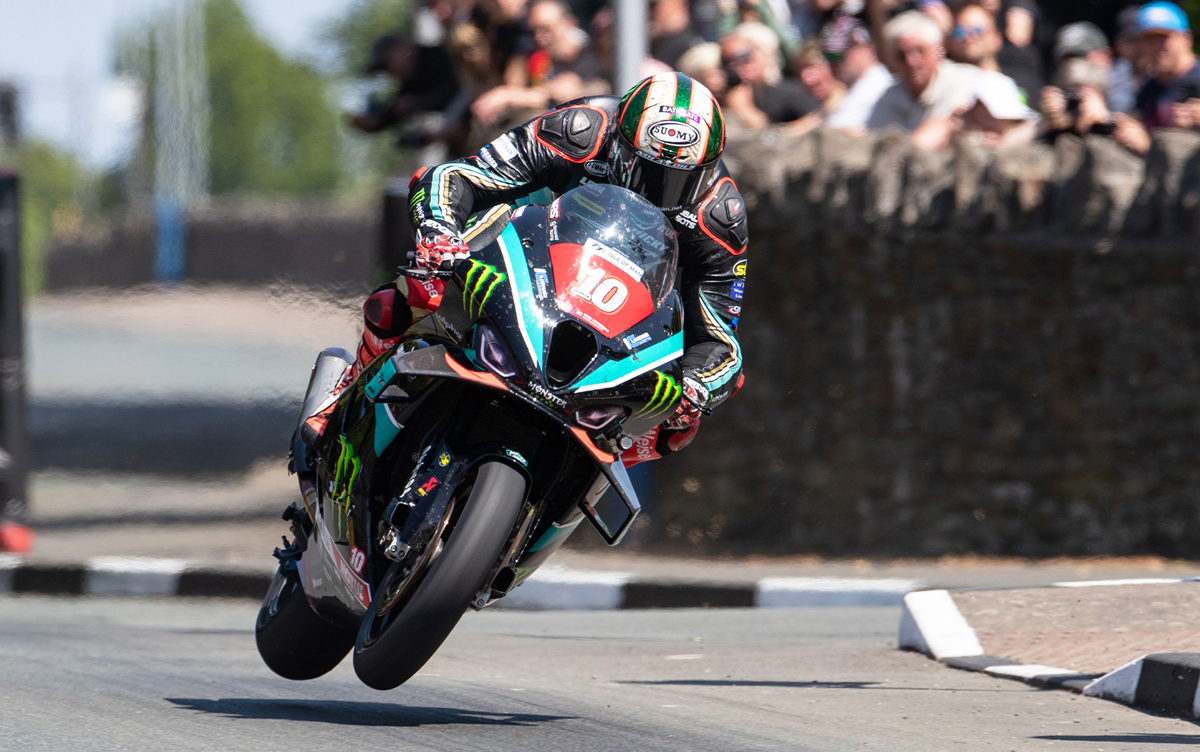
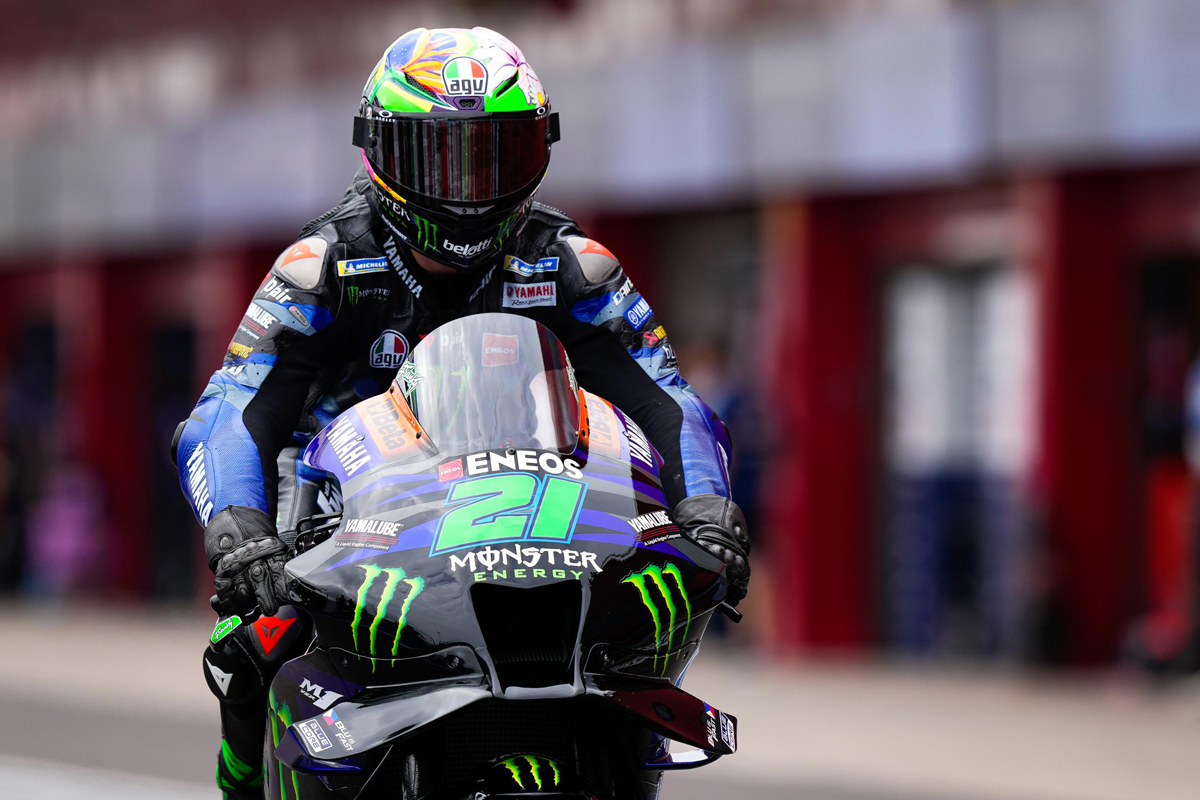
Yamaha, on the other hand, won the championship in 2021 only to find itself down power and unable to challenge Ducati in 2022. Its subsequent quest for more power has been successful but it has made the bike virtually unrideable in 2023: the power is there but it is tying the chassis in knots.
Image source: MotoGP
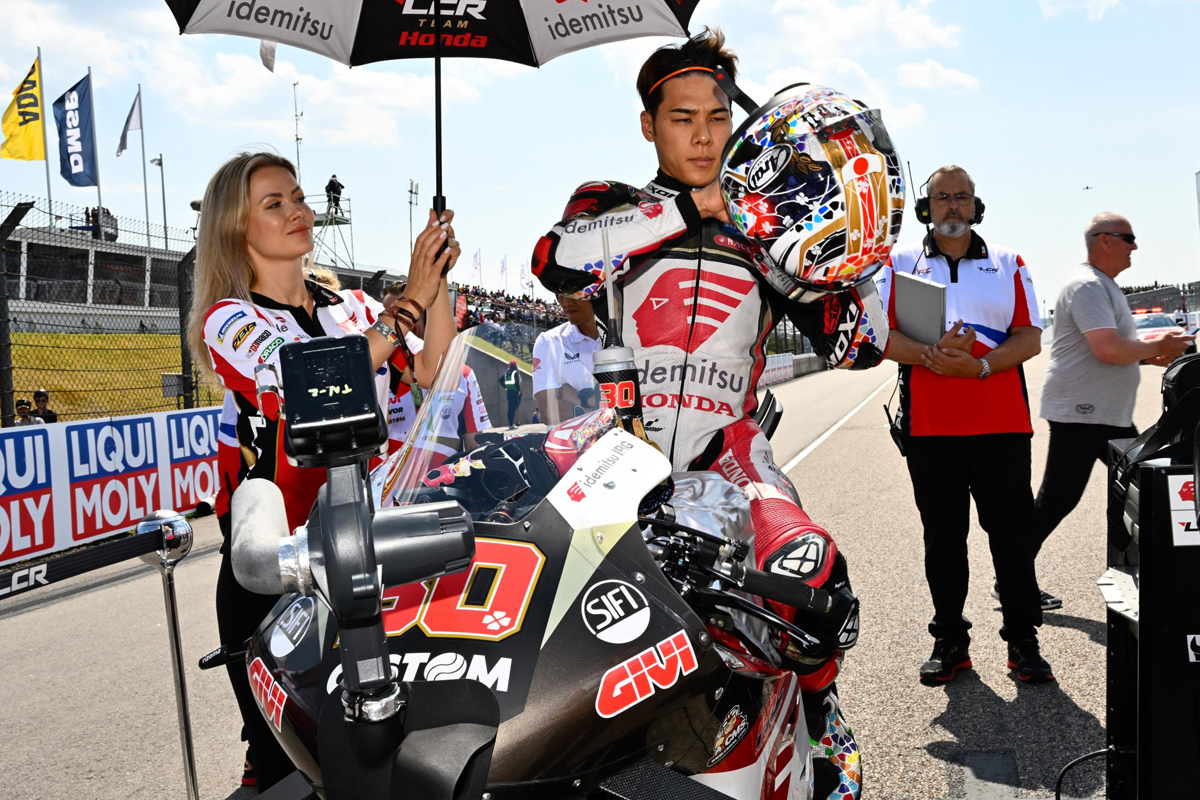
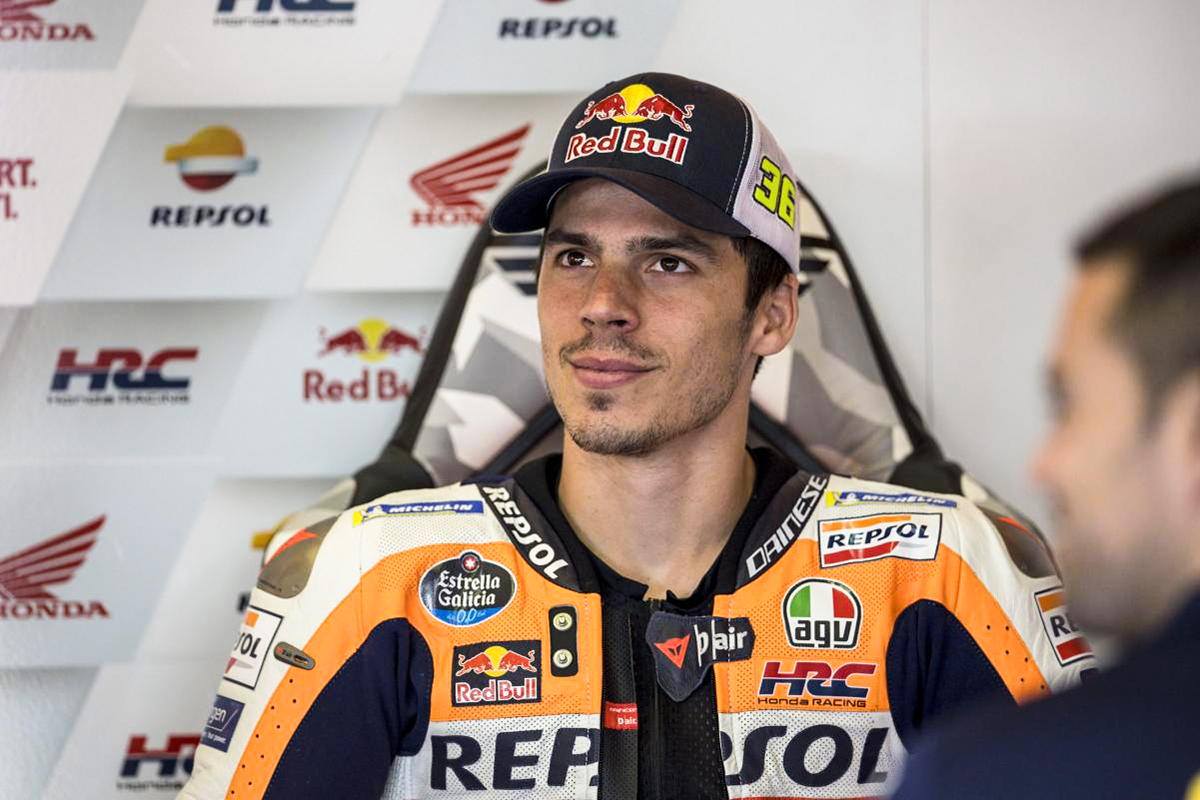
The frustrations of Honda and Yamaha are being seen not only in their respective standings in the championship – both riders and constructors – but also in the number of injured riders in the Honda camp: Mir and Marquez In the factory squad and Rins in the LCR team as they all try to bend the RC213-V to their will and keep up with the Ducatis. Add to that Pol Espargaro and Miguel Oliveira and the field is looking positively anaemic.
Image source: MotoGP
Nothing should detract from the incredible job Ducati has done in digging itself out of the hole it found itself in for most of the 2010s, or at least up to 2016, when it started finding its winning form once again, enabling Andrea Dovizioso to finish runner-up in the championship three times to Marc Marquez. Even 2022 didn’t look like a formality until Bagnaia overturned a huge points deficit to snatch the championship from under Quartararo’s and Yamaha’s noses.
Image source: MotoGP
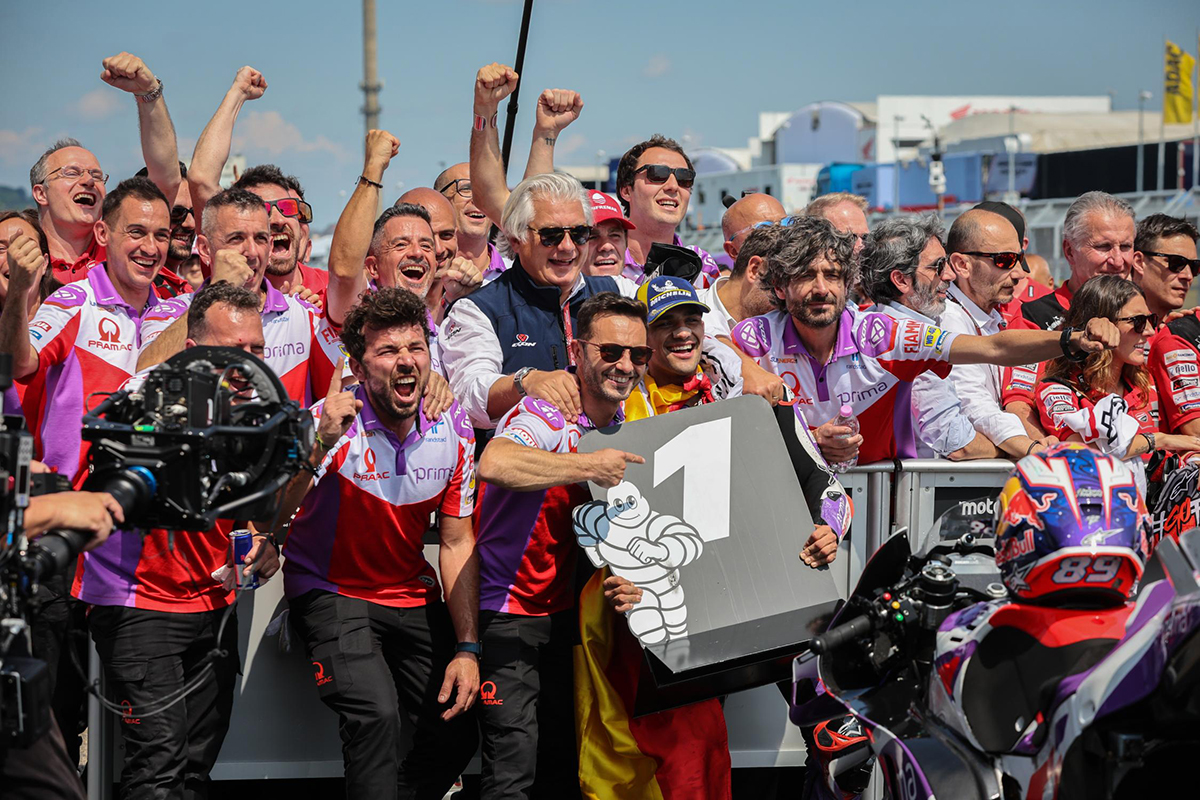
But, from that point onwards, Ducati has been utterly dominant and not all of that dominance can be laid at the feet of the fact that they have an unprecedented eight bikes on the grid. Where it can be laid is at the feet of Gigi Dall’Igna who has turned the Ducati GP bike from an also-ran into the best bike on the grid: a bike that every satellite team would give its back teeth to work with.
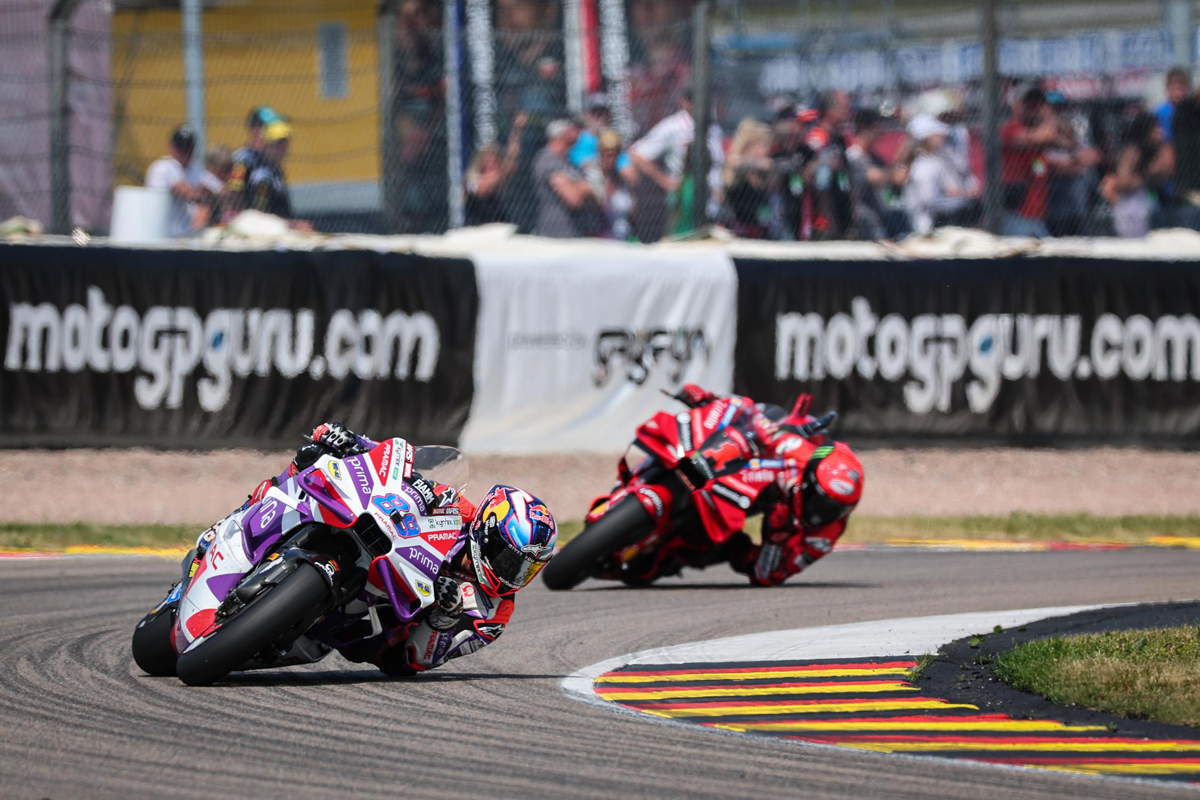
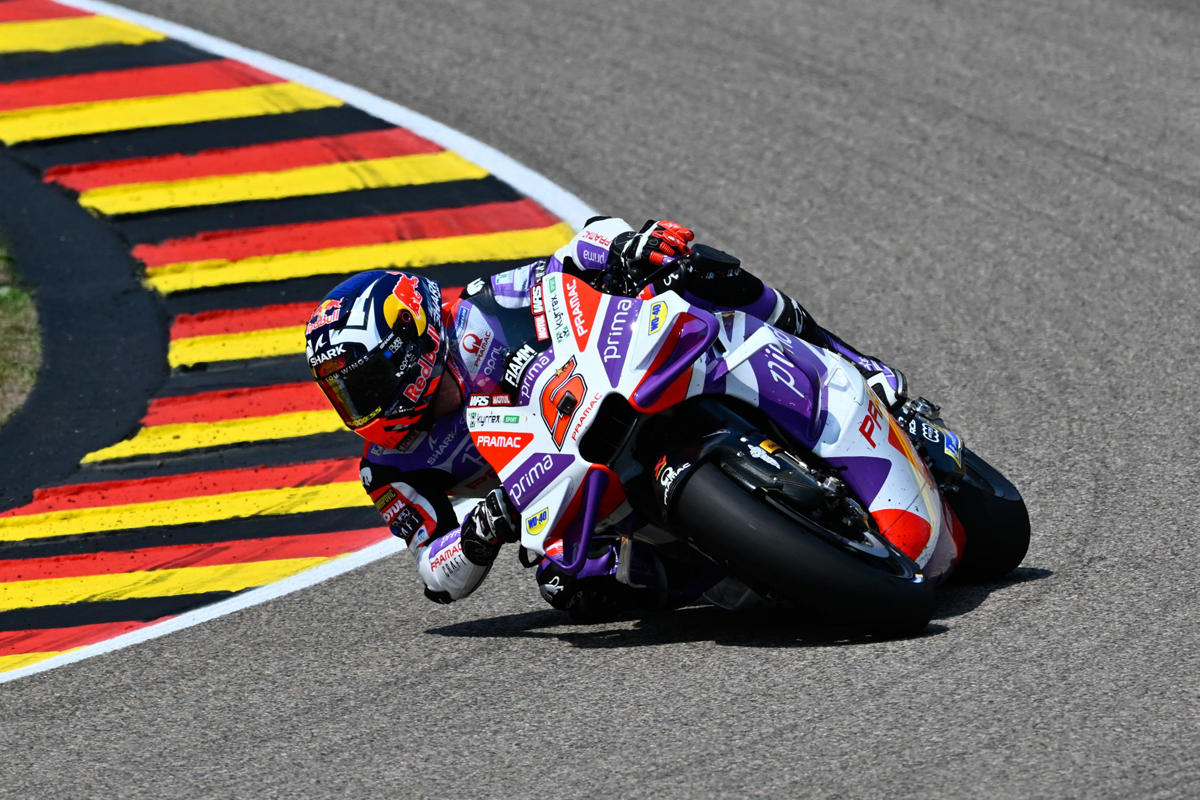
What is also helping is the quality of riders on the Ducatis. Bagnaia is a known force, of course, and we have not seen the best of Bastianini, due to injury, but the likes of Bezzecchi, Zarco and Marini have been on top form, Bezzecchi especially, with a sprint victory and two main race wins – not something you’d expect from a brand new team.
Image source: MotoGP
The new race weekend format has also proved to be a huge success, at least for those of us watching from the comfort of our homes. Whether the team personnel like it is another matter but there can be no denying that, for sheer entertainment, the Sprint races are often better than the main races.
Image source: MotoGP
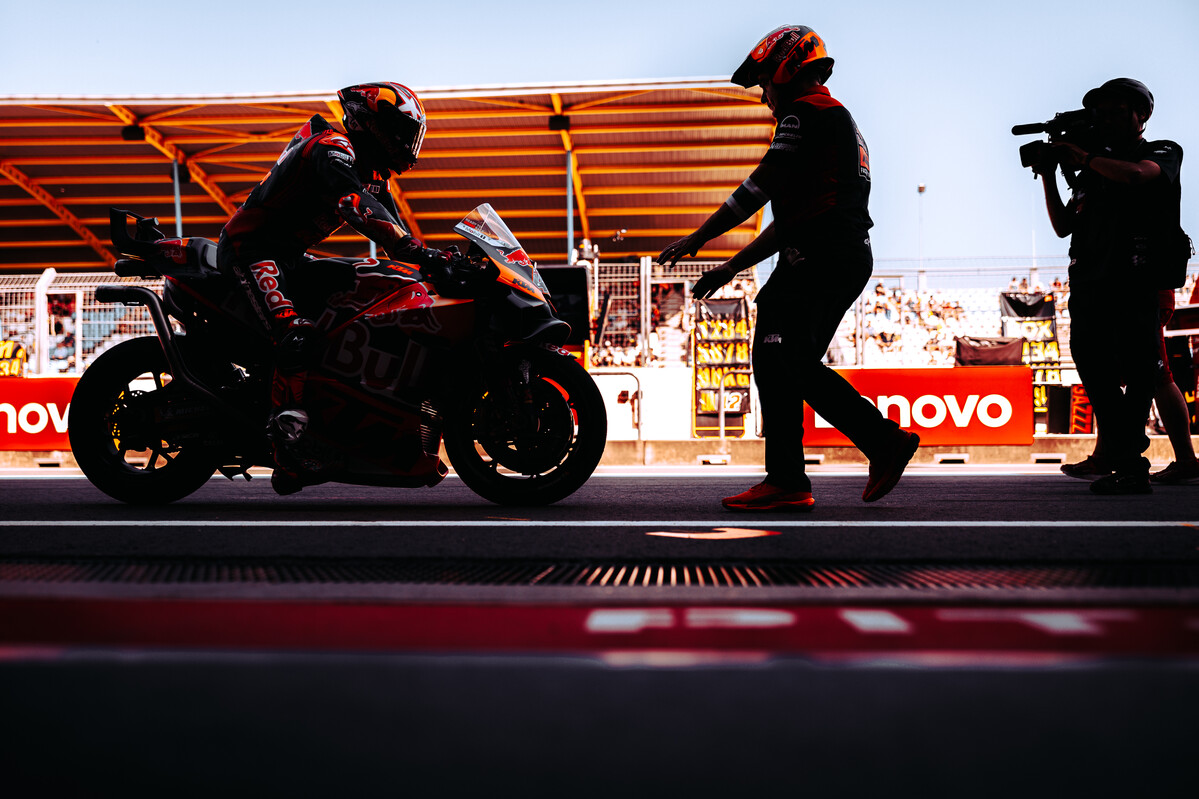
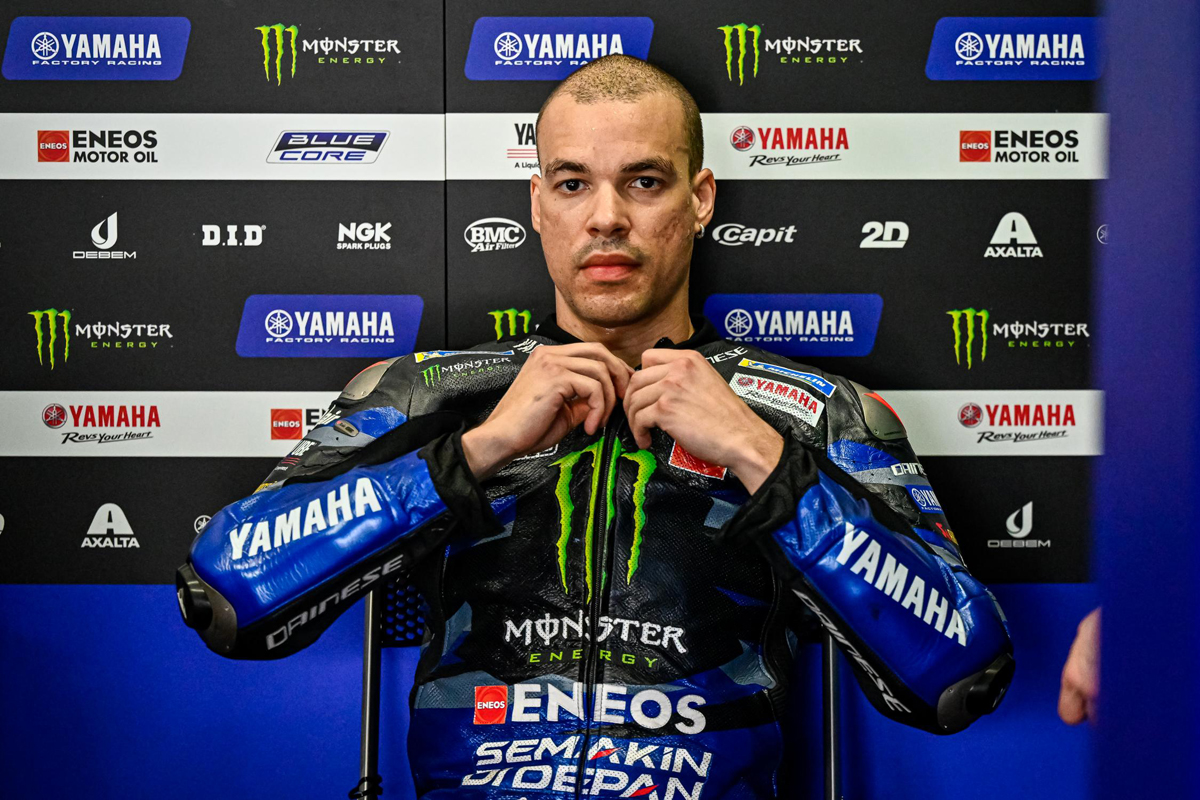
Thankfully, the summer break is almost over and we’ll see who has been working hardest over that break. In the downtime, the speculation-o-meter went into overdrive concerning who will be riding where next year. Will Marquez stay at Honda or find a KTM to ride? Where will Mir go? Will KTM find a seat for Acosta, who is brilliantly precocious and virtually holding KTM to ransom!? The only thing we do know for certain – and it is only half a story – is that Franco Morbidelli will not be a factory Yamaha rider in 2024. There is no news about where he might go but hot off the presses comes the news that Alex Rins will take his seat at Yamaha: a case of out of the frying pan and into the fire..?
What has also happened is that Casey Stoner has suddenly come out of the woodwork and is to be found quoted on every relevant motorsport website. He was always pithy good value while racing and he hasn’t lost any of it. In many ways, he is the one voice that is saying what many fans are also saying, regarding the bikes in particular. He always was against electronics making the bikes too easy to ride and he is especially outspoken about the direction the sports has taken recently, with the emphasis on aerodynamics and suspension lowering technology.
Image source: MotoGP
He recognises the vague possibility of Honda and Yamaha pulling out of the sport altogether and he had this to say: “I don’t think Honda and Yamaha are to blame for the current situation (in terms of the direction bike design is going),” he is quoted by Speed-week. “Rather, I think the rules have been changed to help European manufacturers with their aerodynamics.
“A few years ago it was actually decided to ban all aerodynamic aids, but then this plan was suddenly overturned again. That’s why Suzuki left MotoGP and I’m concerned that Honda and Yamaha will also leave because what we have now is not what they committed to. The bikes are now Formula 1 cars on two wheels. The last time I looked, it was still a motorcycle sport and not Formula 1! A few years ago it was said that it should go in a different direction, but now it has changed all of a sudden.
“Aerodynamics consumes a lot of resources and it is also the case that it is more difficult to develop something quickly in Japan than in Europe, but that is exactly what aerodynamics is about. It’s hard to tell what’s going on in the minds of the decision-makers at the Japanese manufacturers, I haven’t spoken to them personally. But the fact is that they are struggling and maybe they don’t want to follow this development.”
Image source: MotoGP
It’s not a happy interpretation but maybe it will take Honda or Yamaha threatening to make that move to finally force Dorna to act and put a freeze on development or actually grow a set and tell the teams that “these are the rules and if you don’t like them, tough,” and simplify things again. It’s a risky policy and it is likely it will never get to that – Honda and Yamaha are too important to MotoGP – but we have to hope that sane heads prevail.
In the meantime, there’s a race weekend to enjoy. Best we make the most of it, just in case…!
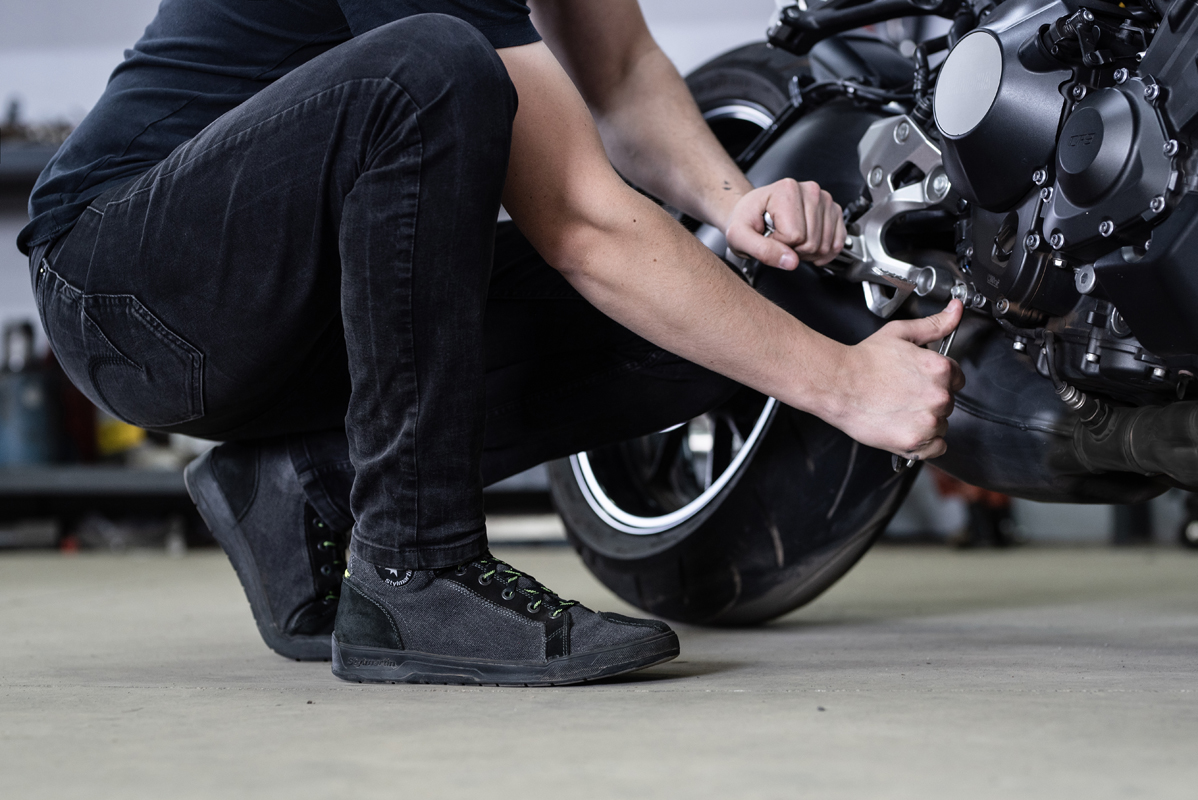
Over the past few years, casual riding sneakers have grown in popularity and for a host of good reasons too. Whether we’re able to admit it or not, most of us care about how we look around the people we know or when we are out and about doing non-motorcycle-related activities. No one wants to sound or look like a squeaky ‘RoboCop’ that needs oiling. The other major factor is, that full-out riding boots, track or adventure, are just so uncomfortable, heavy, and usually aren’t well-ventilated.
Photo credit: Meredith Potgieter / ZA Bikers
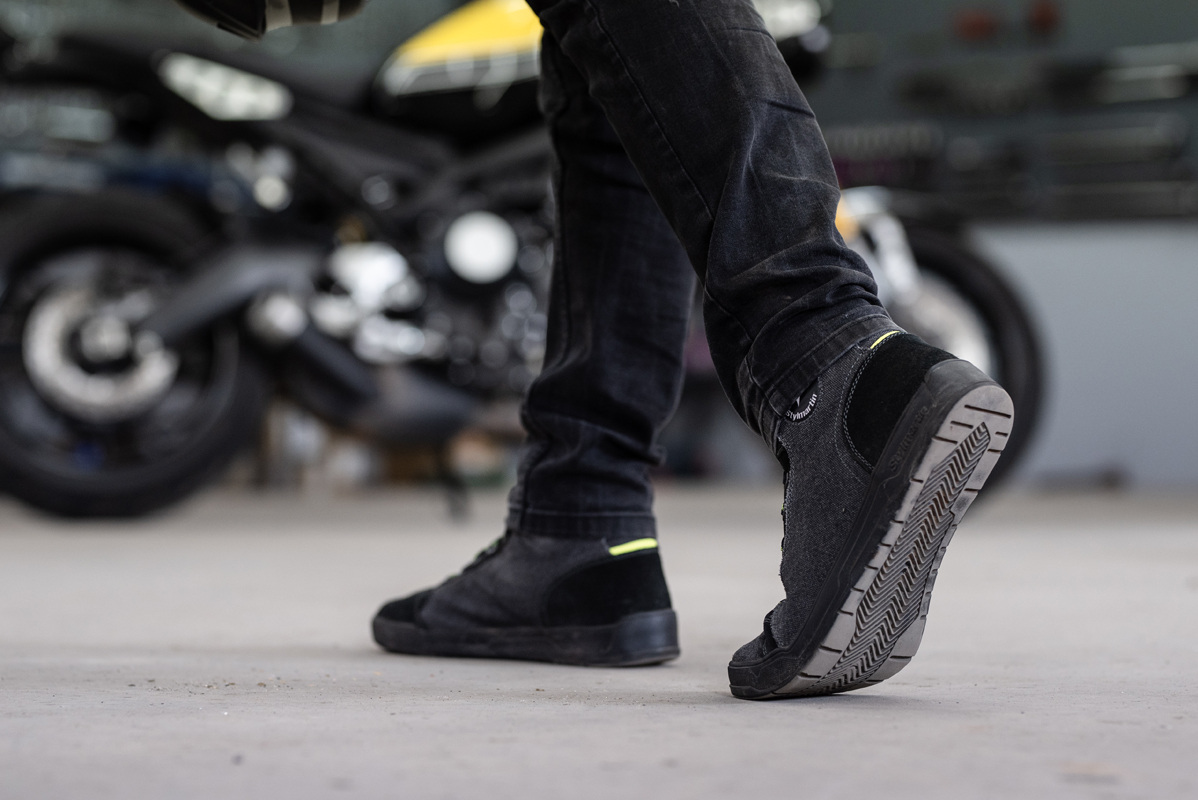
The number one and most obvious benefit to high-top riding sneakers is being able to climb off your motorcycle and walk around in comfort. I’ve been wearing riding sneakers on my daily commutes for the last 5 years and I don’t see myself commuting with anything else ever again. My last pair of riding sneaks basically acted as two extra limbs, hardly ever coming off. Whether it was working in the garage, going on date nights, family outings or office work, they did it all. They managed to last me two years, over 60,000 km of riding and considering that the average person walks 2000 km a year, we are looking at just over 4000 km of walking.
Photo credit: Meredith Potgieter / ZA Bikers
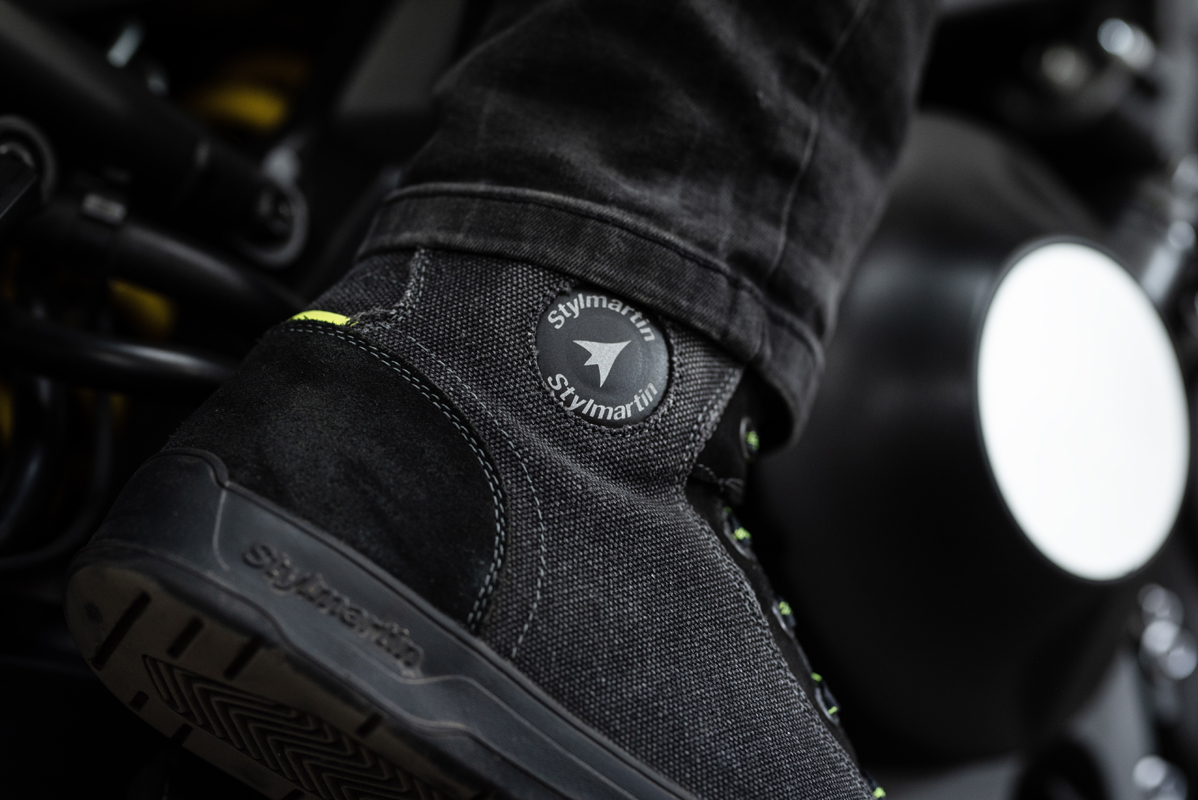
To argue the fact that these so-called “riding sneakers” cost an arm and a leg at prices (depending on the brand) varying between R2500 to R5000, when they offer so much more value than a focused boot, is just silly. To replace my knackered TCX riding sneakers, I slid on a pair of Stylmartin Shadow riding high-tops, now brought into South Africa by Sparx Distributing.
Photo credit: Meredith Potgieter / ZA Bikers
One of the top manufacturers when it comes to making riding boots is the Italian brand called Stylmartin. Stylmartin have been wrapping their boots around the ankles of many riders for the last forty years and they have made a name for themselves by kitting world-class riders like Eddie Lawson, Chad Trampas Parker, John Kocinski, Angel Nieto and Jorge Aspar Martinez. The brand, however, doesn’t only carry a rich heritage in motorsport, but in quality, design and research.
As for the Stylmartin Shadow, they are part of Stylmartin’s range of casual-style sneakers that promise both protection and an easy-to-wear-anywhere look. What makes these Italian shoes stand out for me is how many other brands have gone for a more skater-type shoe look, like Vans or Converse, but Stylmartin have stuck to their Italian routes and have a more mature Italian causal sneaker look—we all know an Italian shoe when we see one.
Photo credit: Meredith Potgieter / ZA Bikers
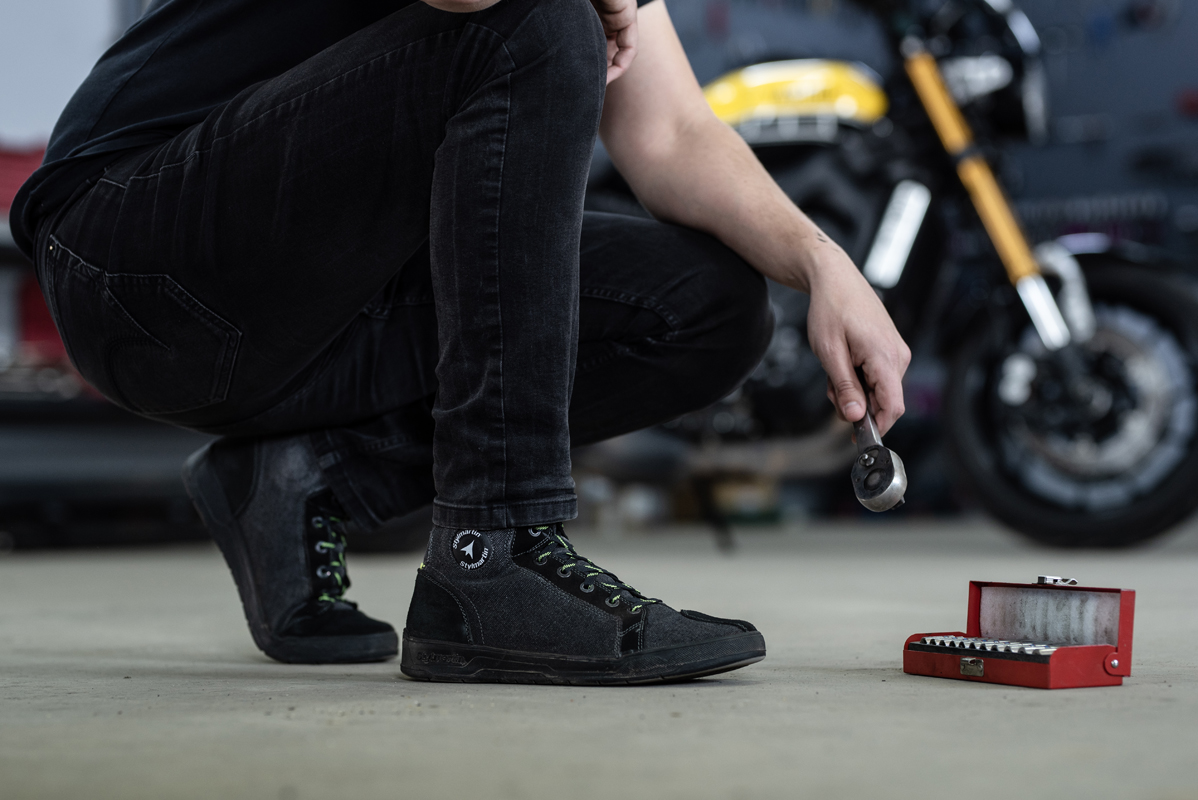
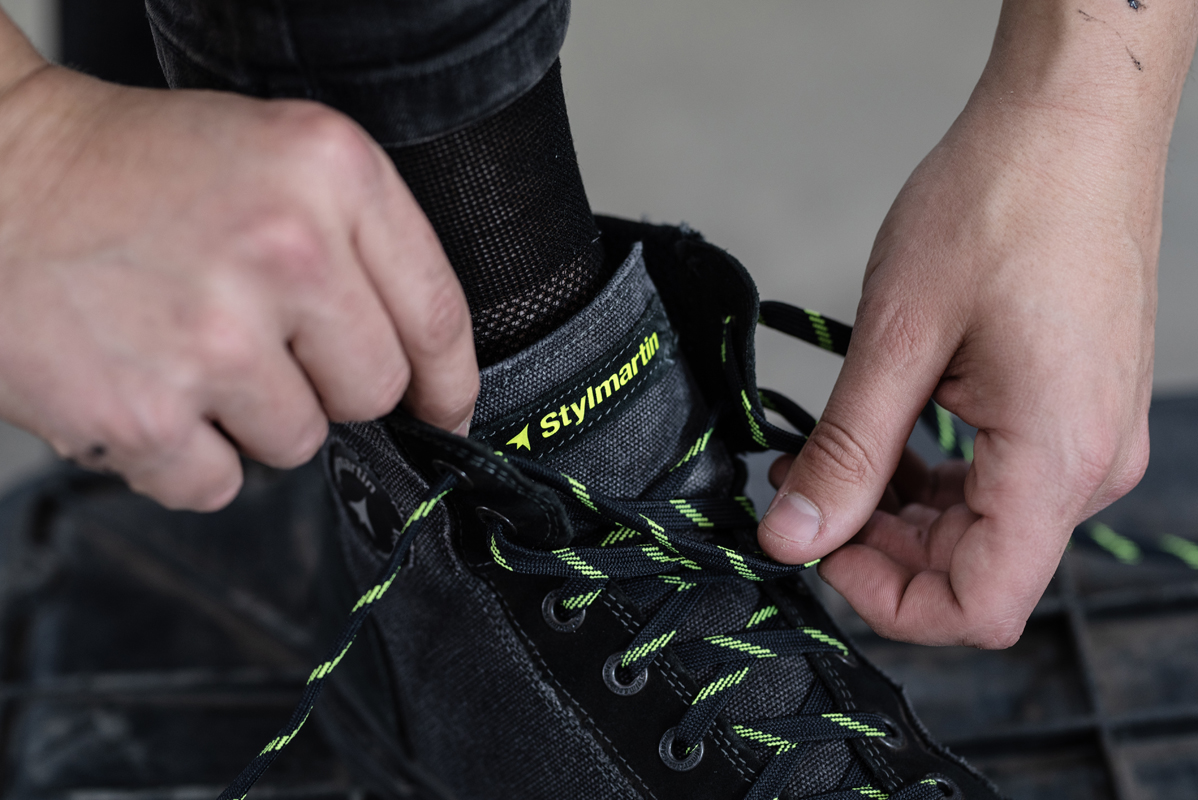
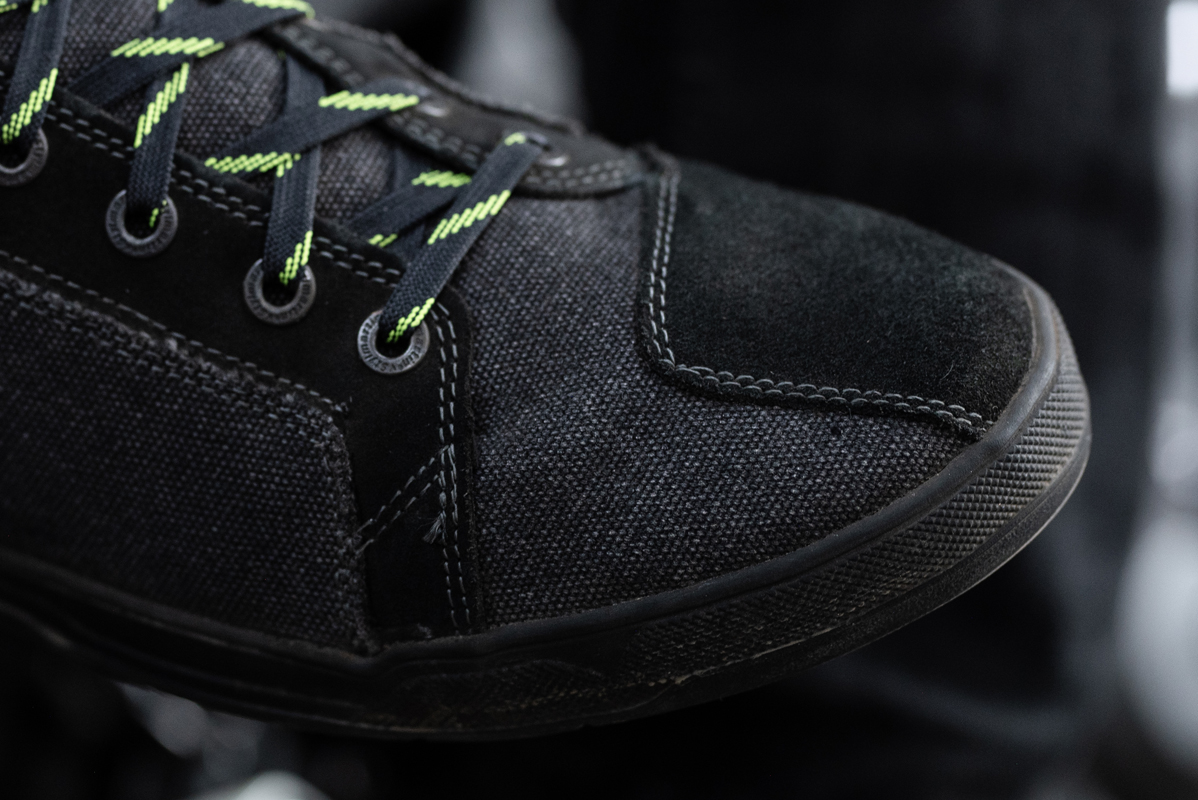
The Shadows are a full-black shoe, with lumo yellow details on both the front and back, with a mixture of breathable textile and high-quality leather inserts. They also come with two interchangeable laces for either a full “VR46” lumo yellow or the subtler black lace with yellow. The textile helps keep the sneaker cool in summer, but this also means it isn’t waterproof for those rainy days.
Photo credit: Meredith Potgieter / ZA Bikers
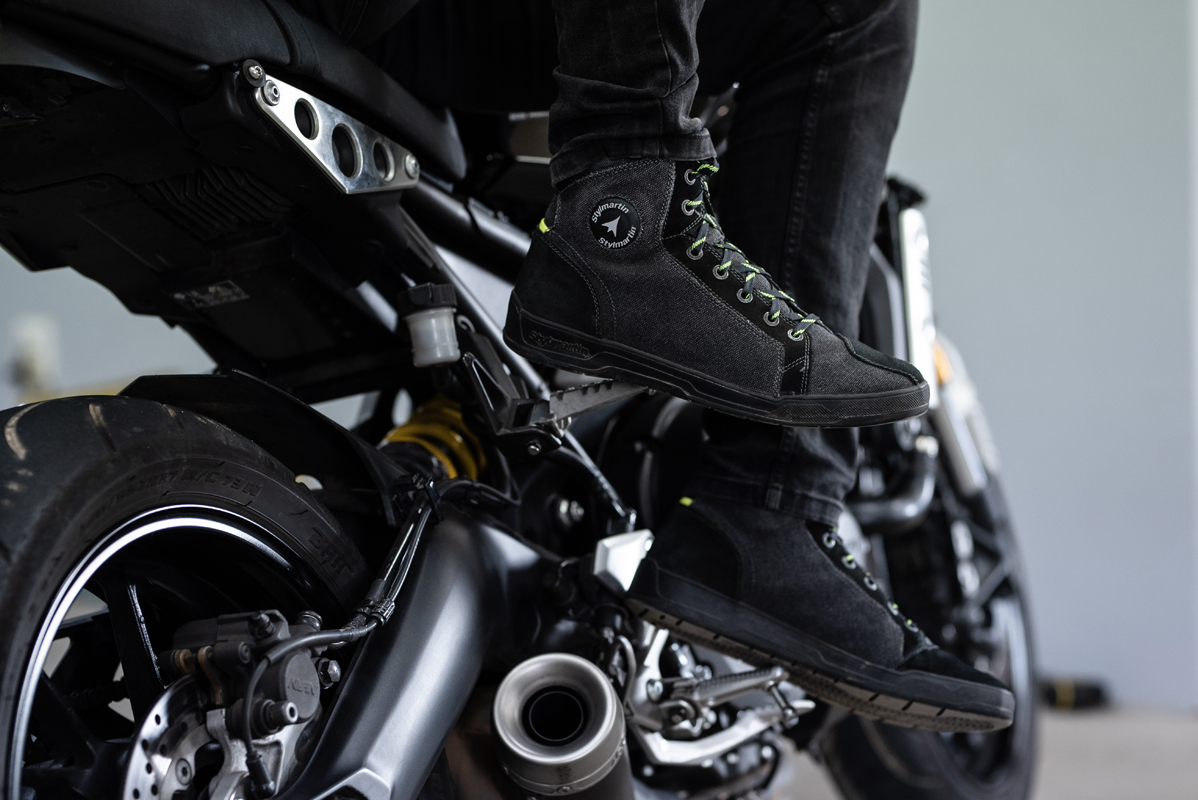
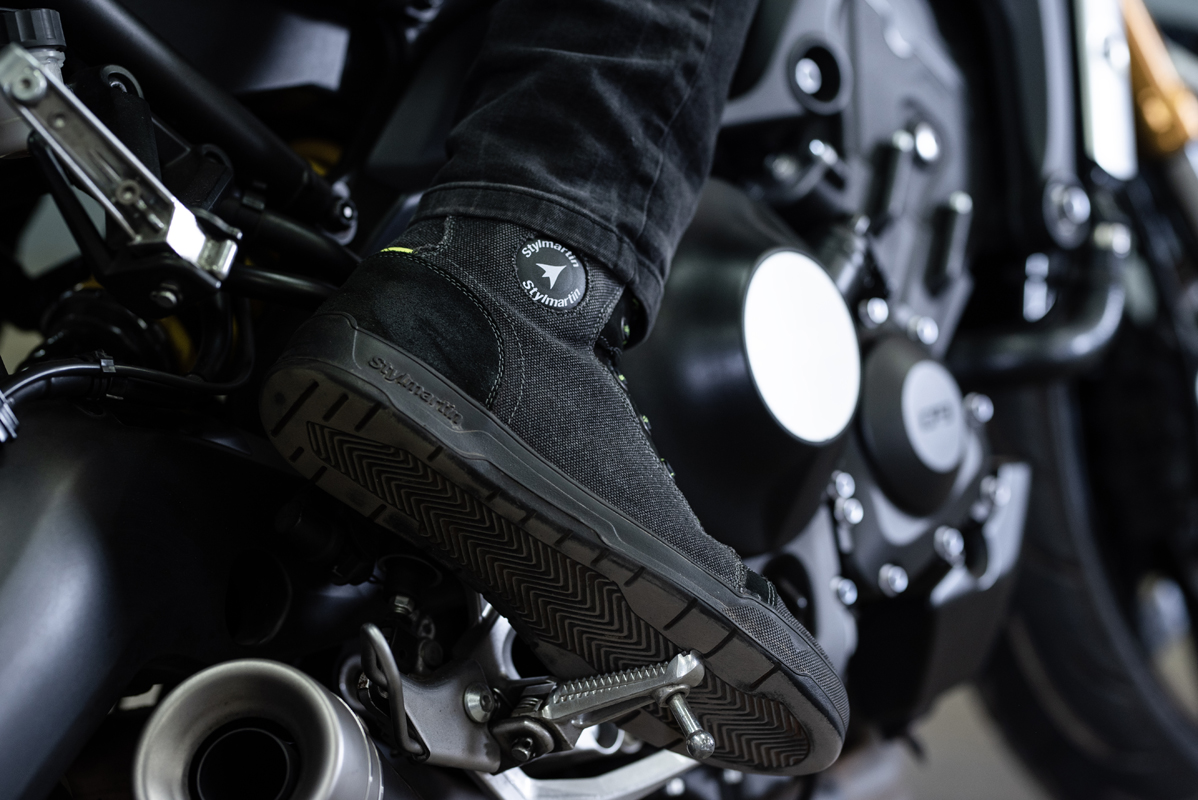
You’ll see leather protection around the heel, toe and around the shoelace area which helps make the shoe more durable. At first, I was worried about having suede leather on the toe shift pad, as I’ve had bad experiences in the past where my shifter would eat its way through the shifter pads for breakfast, lunch and dinner, but so far, the leather has held up. If like me, you want to keep your toes in your shoes, it might be worth buying an Oxford slide-on-toe shift pad.
Photo credit: Meredith Potgieter / ZA Bikers
What about safety? I know most hardcore bikers or newcomers will often comment, “Boots like these don’t look like they’re safe enough to be worn on a motorcycle”, but the CE (the legal requirement of all bike boots) certification gives confidence that the Stylmartins have been put together properly. It’s also good to know that they have reached the higher level 2 for impact abrasion resistance and impact cut resistance. At the end of the day, riding sneakers are jacks of all trades, but masters of none, so with their low cut they are never going to be as safe as touring, racing, off-road or adventure boots, but for town and around they pass in my book.
Photo credit: Meredith Potgieter / ZA Bikers
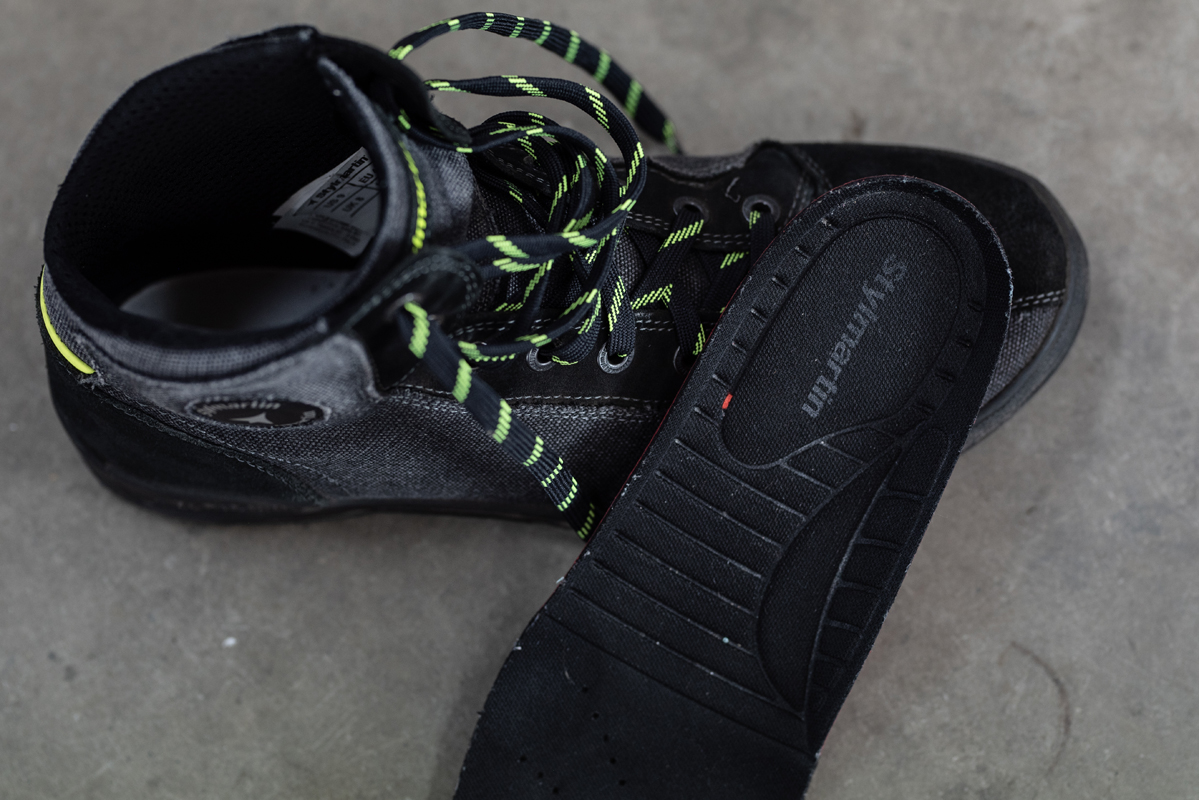
Comfort-wise, you are always going to have a winner with a riding sneaker, but the Shadows are now one of my favourites yet. Because they are so light and well-ventilated, I’m more than happy to spend the whole day in them. With the low cut and “U” shape at the rear of the shoe they are easy enough to put on and take off. The removable insole is comfortable and has perforated holes to help with ventilation. It’s probably one of the only sneakers/boots I’ve owned that don’t end up stinking.
Photo credit: Meredith Potgieter / ZA Bikers
What about sizes and pricing? The Stylmartin Shadow costs an affordable R3150 and is available in sizes 36 to 47.
At the end of the day, it ultimately comes down to what kind of riding you do and the level of protection versus comfort that you want to live with. For me it’s simple, save your focused riding boots for those special occasions and put on a pair of riding sneakers for the daily commute. As for the Stylmartin Shadow riding sneakers, they have helped prove yet again, that the simple recipe of a riding sneaker is all one needs for out-and-about rides—where less is actually more.
Stylmartin boots are available in an ever-increasing number of outlets. For details, call Steve Theron on 072 912 4658 or email him at [email protected]
Photo credit: Meredith Potgieter / ZA Bikers
Stylmartin Shadow
For more information on the product featured in this article, click on the link below…
Google’s dictionary tells us that the meaning of ‘endure’ is “to suffer (something painful or difficult) patiently.” OK then, but what’s that got to do with bikes? Well, as those that have ridden bikes in inclement weather for long distances will know, plenty.
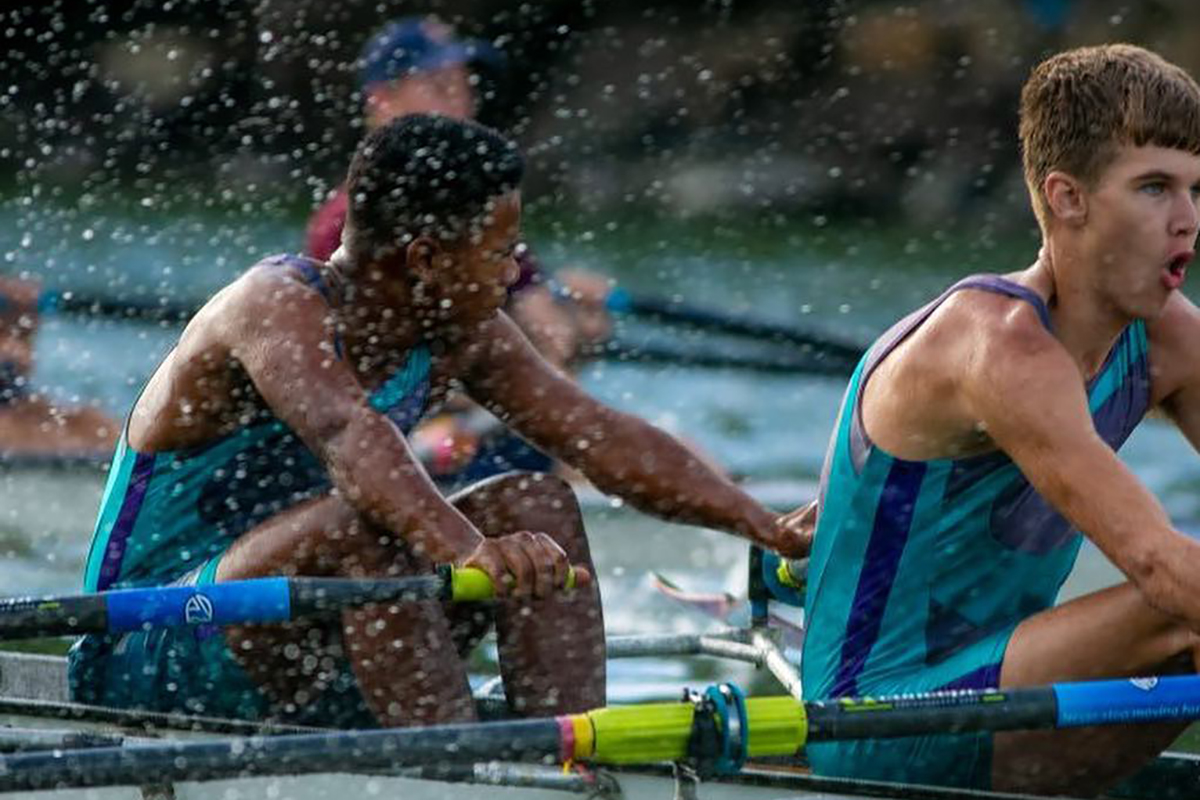
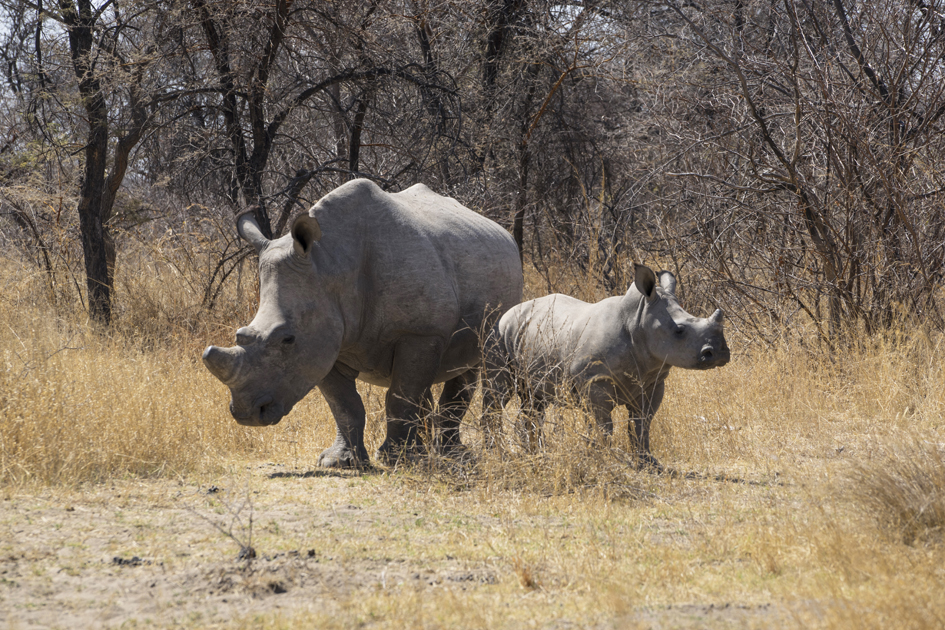
Let me get straight to the point. There is a Guinness World Record attempt at the Boardwalk Mall in Summerstrand, Gqeberha on the 4th and 5th of August where 21 rowers will attempt to row static row machines for 24 hours. The fund-raising beneficiaries will be primarily Rhino Conservation in the Eastern Cape with half of the funds raised, together with Grey College and the Redhouse Rowing Club sharing the other half. My daughter is participating as a member of one of the mixed teams. This got me thinking…
Image source: Redhouse Rowing Club
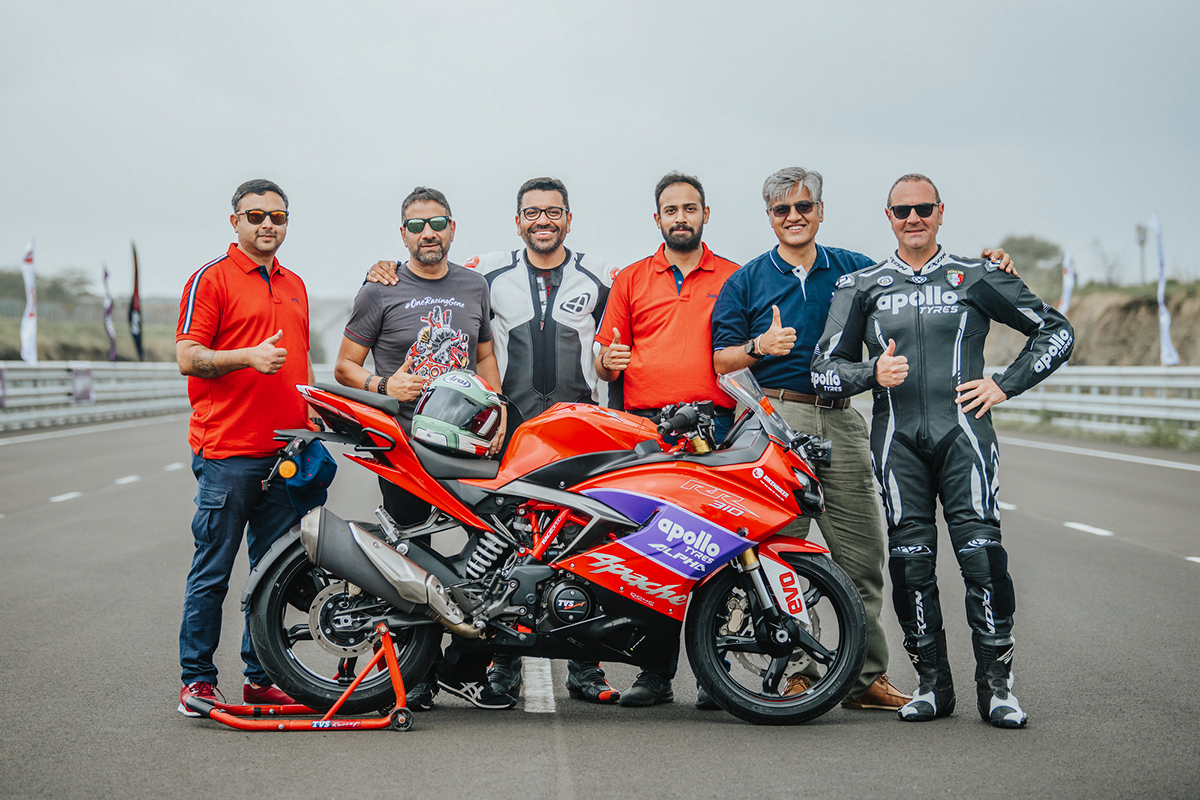
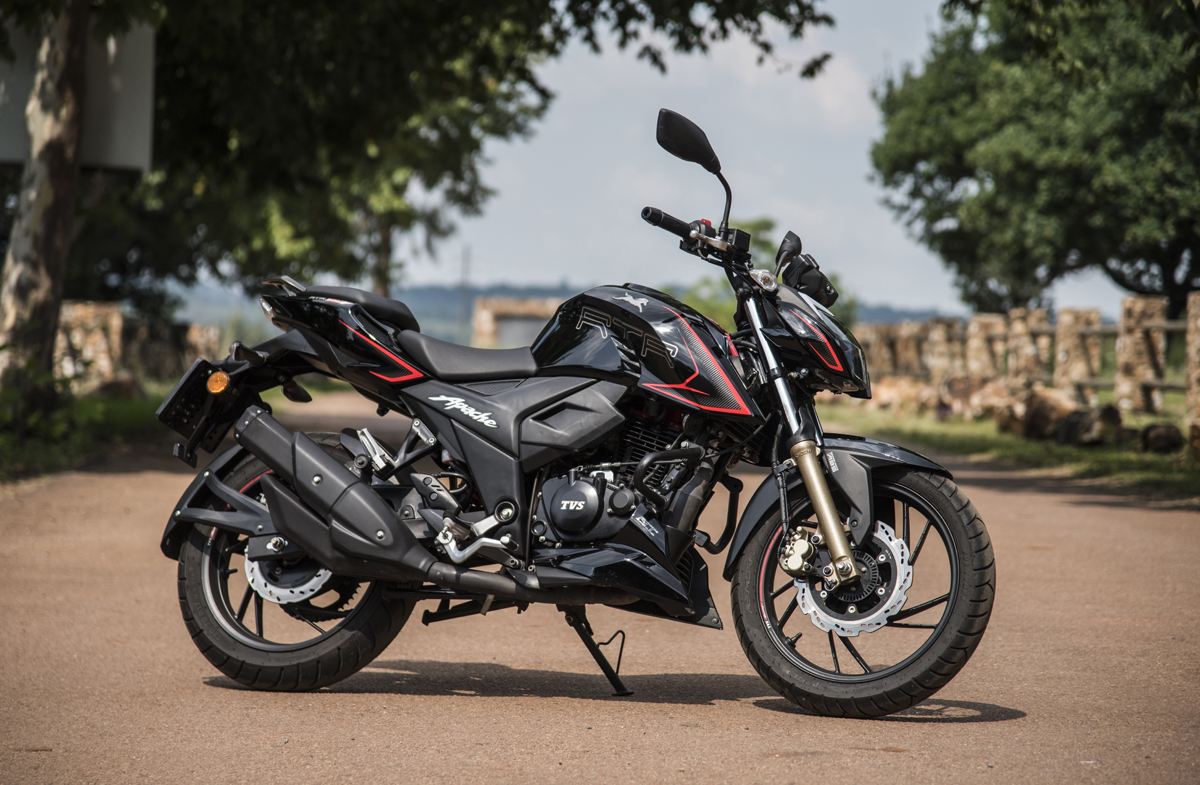
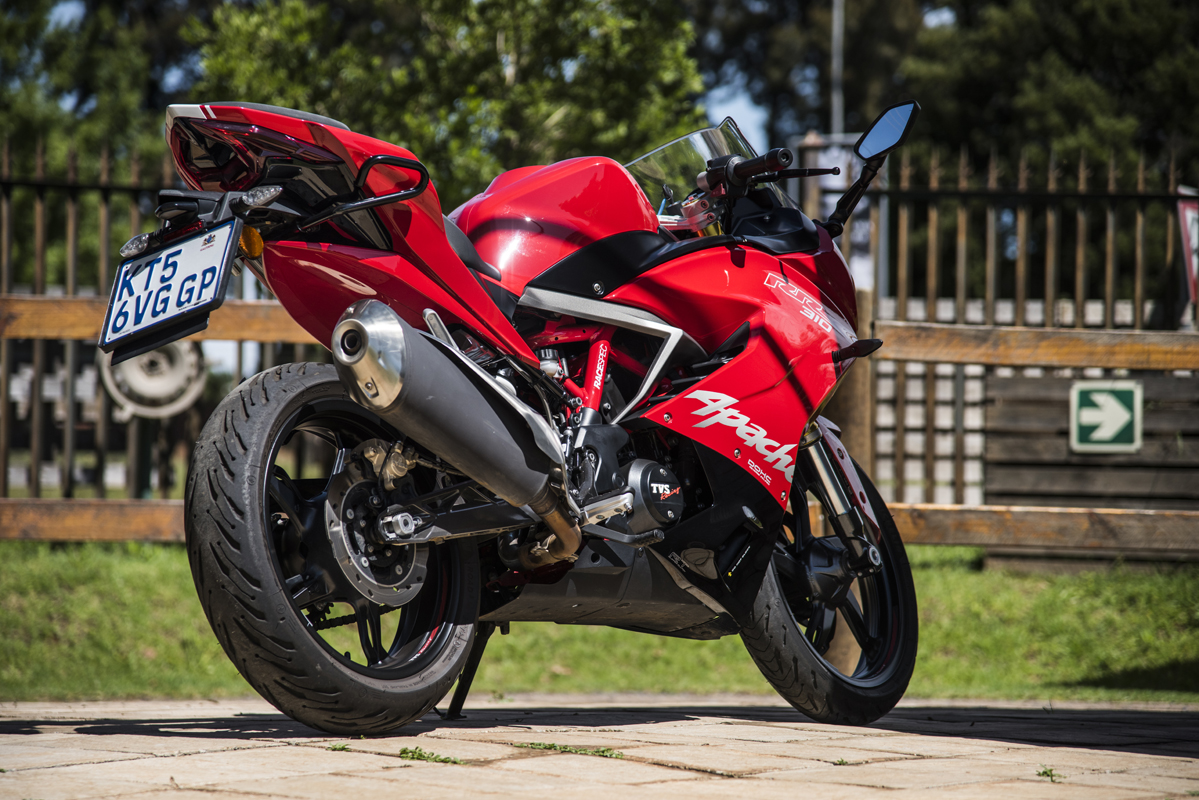
I have always tried to support my children in their sporting endeavours. I also fervently support Rhino Conservation, so I want to be part of this event, but how? Slowly a plan was hatched. Obviously, this plan must involve motorcycles. It just so happens that we have some recent 24-hour motorcycle record holders who have quite recently entered the SA motorcycle scene in force. I am speaking of TVS of course. The Indian National Speed Endurance Record, previously set at 3141 kilometres in 24 hours, was shattered by TVS with their gorgeous TVS Apache 310 RR, which covered 3657,92 kilometres in 24 hours at an average speed of 152 km/h, registering a top speed of 173 km/h! Quite an unbelievable testimony to the little bike’s speed and endurance.
Photo credit: TVS
I shared my harebrained scheme with TVS’s Hans Greyling and Francois Van Eeden. Why don’t I ride an Apache 310 RR down to Gqeberha, in one day, spectate at the event and let one 24-hour record holder support another team in their 24-hour attempt and then ride back again in one go? This will give the Apache a 24-hr ride of its own, covering around 2400 k’s at speed. It will be a bit of an endurance effort for me too. At this time of year, much of the journey will be in sub-zero temperatures, given the wind chill factor, which the TVS will love, but me, not so much! But dammit, I have always said rather live one day as a lion than a lifetime as a sheep.
So, guys and gals, that’s the plan. At 6:00 AM this Thursday the little lion-hearted TVS and I will leave Pretoria for Gqeberha. The plan is to keep stops to a minimum. Splash’n dash. It will be interesting to see the fuel consumption on the Apache running for hours at the National speed limit. Maybe 120 plus VAT, if you know what I mean…this is going to be Tiddler Touring at its very best. If you believe in this cause, please open your wallets and your hearts. Donate to help keep our national rhino heritage intact. An Africa without Rhinos roaming wild and free is inconceivable, but as the saying goes, “for evil to succeed, good men must just do nothing”…
For more information about Row for Rhinos download here.
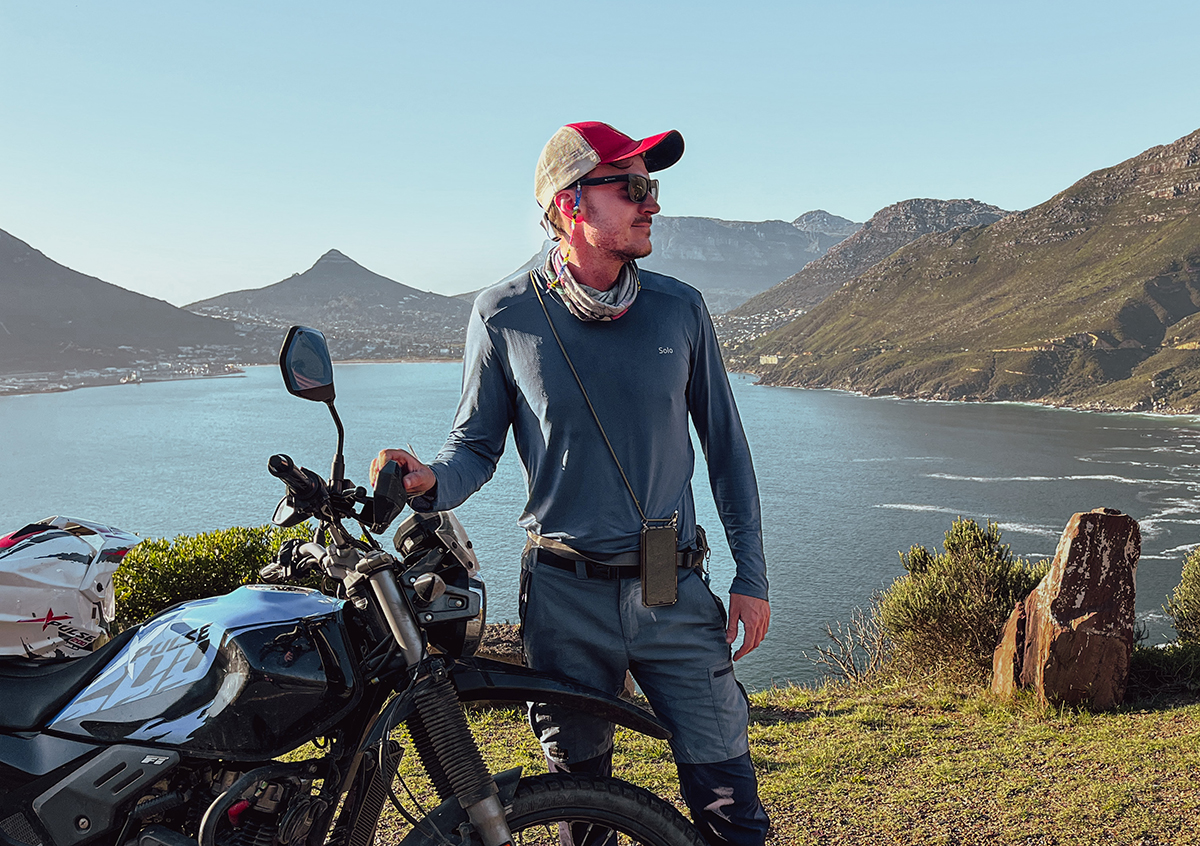
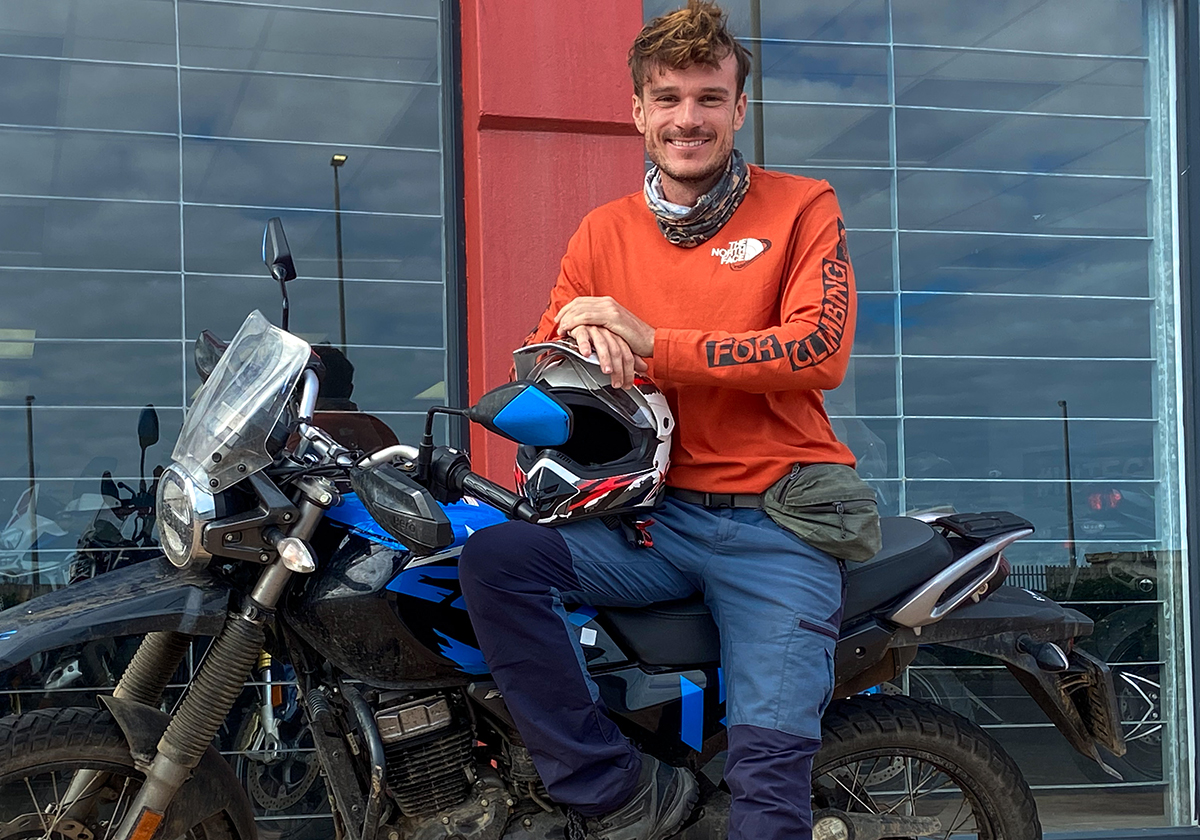
Gabriel Turano is a Brazilian traveller and adventurer. He is one of the lucky few who had the courage to leave a good job in order to pursue a more personal journey, a journey of discovery and, hopefully, change, not only for himself but for everyone he meets along the way. Having visited more than 50 countries on four continents, he is now travelling through South Africa on a Hero motorcycle and, from time to time, sends reports on his progress and experiences. Here is the latest submission. For more information on Gabriel, visit www.gabrielturano.com
The Journey with Gabriel Turano
It was February 21st, 2023, and after a little over 30 days in Brazil, it was time to hit the road again. Well, not exactly hitting the road with my feet this time, but with my wheels.
I was heading to South Africa, coincidentally exactly one year after my last visit to the country. During my previous stay, I hadn’t fully enjoyed it as I would have liked. There were two reasons for that: firstly, I volunteered in a small village on the famous Garden Route called Wilderness. Secondly, there were challenges involved in getting around the country.
This journey was different. Over the course of a year, I had been discussing a partnership with Hero SA, an Indian motorcycle manufacturer with a strong presence on the continent. Apart from having conditions to buy/rent a big motorcycle or even receiving offers from other brands, I saw in the XPULSE an excellent project in terms of addressing Africa’s needs with a reliable motorcycle. We will discuss it further, but qualities such as low weight, robustness, fuel efficiency, and easy access to spare parts have convinced me.
Image source: Gabriel Turano
My journey began with a gruelling 35-hour transit. Due to the pandemic, flights crossing the Atlantic between Brazil and Africa had been suspended, and the few remaining options forced me to head northwest towards Europe or the Middle East before pointing south. To Africa!
I arrived at Johannesburg airport, which, although not the capital of the country, is one of the main cities due to its historical importance in mineral exploration, especially gold. The city is situated at an altitude of almost 2000 meters, and fortunately, I arrived during a season with more pleasant temperatures, although still facing challenges with rain.
It was late afternoon, and I made a brief visit to the Hero dealer in JHB. I had the opportunity to meet the entire team that would support me with any possible needs in the following weeks, and most importantly, meet my beautiful Lucile, the name I gave to my XPULSE. Following the tradition of boats, to avoid bad luck during my journey, it was forbidden to give my faithful companion a male name.
Summing up the expedition, it lasted for 45 days, covered three countries, and encompassed over 5500 km in this initial journey. The first few days of riding through the northwest were challenging. South Africa was facing heavy rains that left parts of the country in disarray, making my motorcycle ride through flooded and pothole-ridden roads more exciting, but also more dangerous.
Image source: Gabriel Turano
In the first few days, I passed through Groblersdal, Tzaneen, and Graskop. Unfortunately, I couldn’t enjoy the scenic routes of these destinations due to the rain. However, things started to improve from Graskop, near the border with Eswatini. I crossed the border on February 27th, six days after the start of this journey. I used the Jeppes Reef border at the suggestion of the locals, and from the first few kilometres, I could already tell that I was indeed in a new country, although paradoxically still “within South Africa.” It was a little over 120 km from the border to my accommodation, and the roads I travelled on were envied by many motorcyclists. Mountain ranges loomed on my horizon, and the higher I climbed in altitude, the fiercer the wind became, and the temperature dropped.
My accommodation, also suggested by the locals, was located within a nature reserve, teeming with abundant wildlife. As I rode my motorcycle through, I encountered zebras, impalas, warthogs, wildebeests, and various other animals. The BIG 5 (lions, elephants, rhinoceroses, buffaloes, and leopards) were not present there, so it was allowed to go on a bush walk and explore the savannah autonomously. And that’s exactly what I did! I even had the chance to admire crocodiles in the nearby lake.
After a few days of enjoyment, it was time to move on. I entered Eswatini from the north and exited from the far south. My intention was to reach a city called Mtunzini, located on the Eastern Cape coast, still bathed by the Indian Ocean. Due to the distance involved, I took a rest stop in Hluhluwe. It’s a region with a high concentration of game reserves that offer safaris to visitors. The weather in this region continued to be moody, and I had to navigate through flooded areas. It was also there that I saw giraffes for the first time on this expedition, albeit through fences.
Image source: Gabriel Turano
I continued my journey to Mtunzini and had to face the dreaded N2, packed with trucks carrying coal to the port of Richard Bay. The traffic was so intense that I drove on the shoulder for almost the entire route, avoiding the wrath of the drivers. Mtunzini is located 140 km north of Durban, one of the major cities in the country. Also based on recommendations from locals I had received days earlier, I found a camping site within a national park (Umlalazi Wildlife). I was the only one staying there. The beaches in the area are wild and not suitable for swimming. I contented myself with walking along the extensive stretches of sand and admiring the beautiful landscapes. On one side, a vast ocean; on the other, dense forests and rivers flowing into the sea.
Image source: Gabriel Turano
From the coast, it was time to head back inland. One of my plans was to visit the famous mountain range known as the Drakensberg (Dragon Mountain). It stretches into the Kingdom of Lesotho, which was also my destination as I planned to cross the iconic Sani Pass (a mountain pass leading to Lesotho). The distance was once again quite far, so another stop was necessary. I chose Mooi River via R614, avoiding major cities like Durban. The road was also quite scenic, despite dark clouds accompanying me throughout the journey.
I found accommodation outside the city, where the owner was working hard to recover from the recent rains. The river located a few meters below the accommodation had flooded and destroyed part of its structure. The next day, after researching access routes to Underberg, the base town for the famous Sani Pass, I opted for Nottingham Road. It was 100% off-road and quite deserted along the entire route. I had difficulty crossing it due to the mud and especially the flooded areas. I rode for dozens and dozens of kilometres without encountering any signs of life. I spent the day on the road, and I remember the fear I felt during this particular episode. Riding in desolate, flooded, and muddy places, with no support in sight if anything were to go wrong. But the fear that kept me responsible, cautious, and clear-headed throughout the journey eventually turned into pure happiness.
The Underberg region has so many merits that it’s hard to put into words. There are scenic roads that wind through the mountain ranges of the area. I found a retreat just 7 km from the South African border, very close to the Sani Pass.
Image source: Gabriel Turano
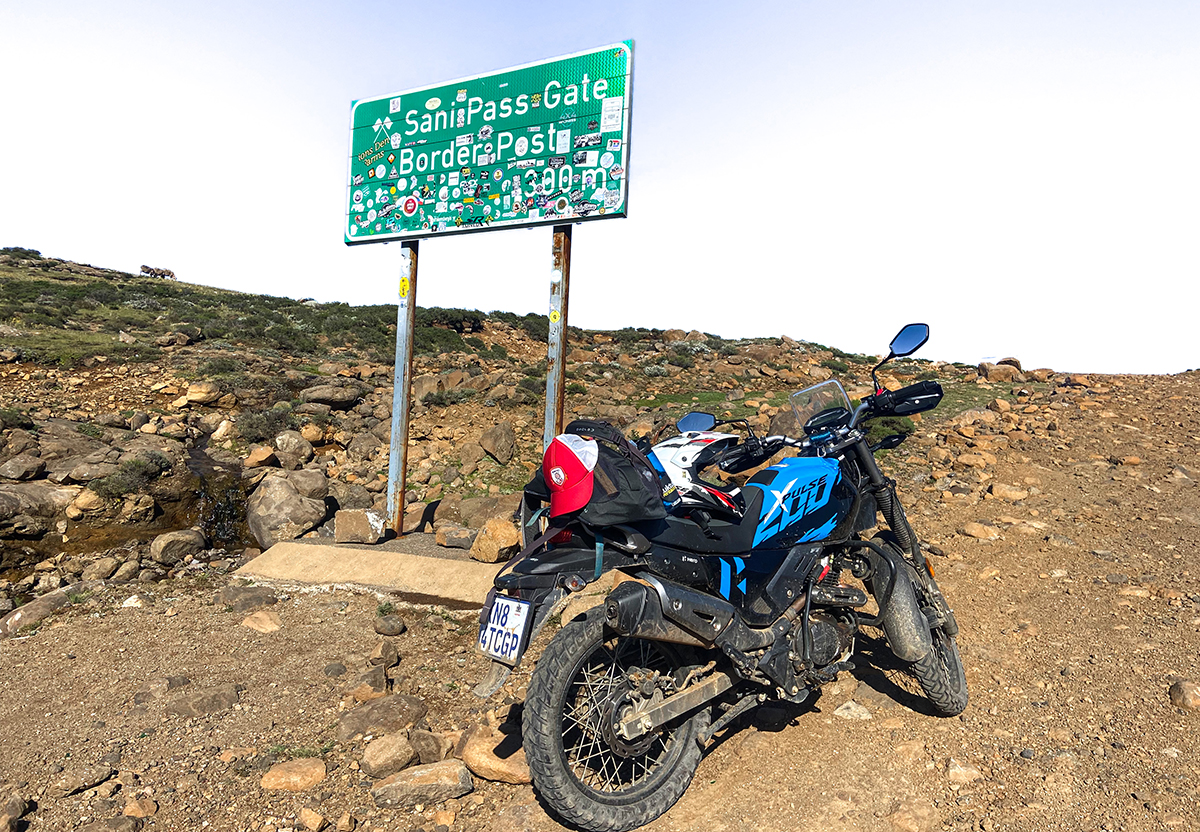
It is essential for the ascent to occur on favourable days to avoid any complications. The next morning, I woke up in the dark, left all my belongings at the accommodation, had a nice breakfast, checked the weather forecast again, and set off to finally face the long-awaited Sani Pass. After getting my passport stamped, it was a 9 km climb on a gravel road to Lesotho. Due to the challenging and somewhat dangerous nature of the terrain, only 4×4 vehicles and organized tours are allowed to proceed. And there I was, on a motorcycle, climbing the place I had been eagerly anticipating.
Image source: Gabriel Turano
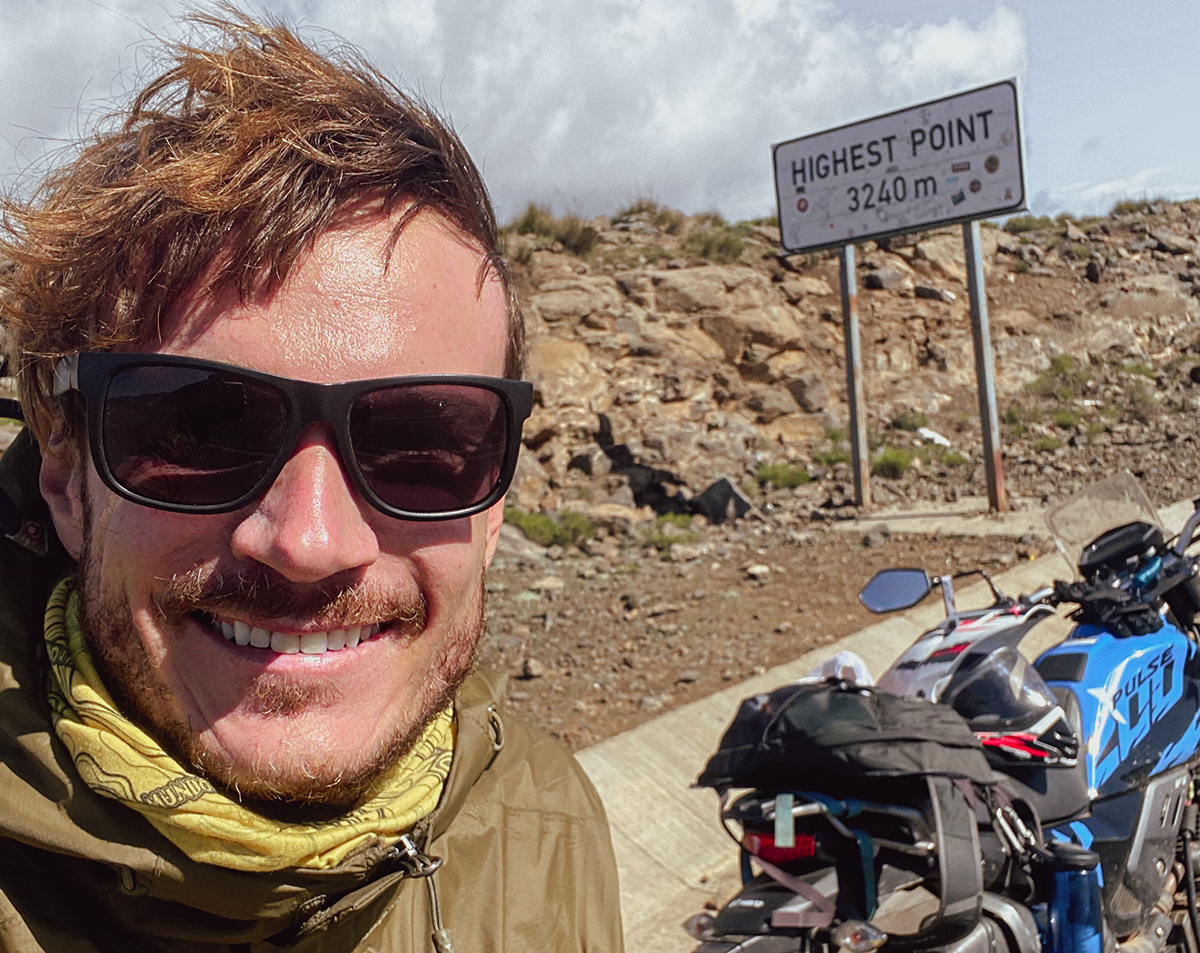
It took just over an hour to complete the 9 km and get my passport stamped at the Lesotho border. I entered the country and was captivated by its natural beauty. I reached the highest point at 3240 meters above sea level and felt the power of the thin air not only on myself but also on Lucile. I spent the day exploring, talking to locals, and covering some kilometres within Lesotho.
Image source: Gabriel Turano
The cloudy sky soon replaced the blue that had accompanied me. I decided to begin the journey back to Underberg. And so, I descended the steep 9 km of the Sani Pass.
Once again, my decision to acquire a lightweight motorcycle for the adventure I set out to do proved to be the right one. It would have been overly challenging to climb the Sani Pass with a heavy and unwieldy vehicle.
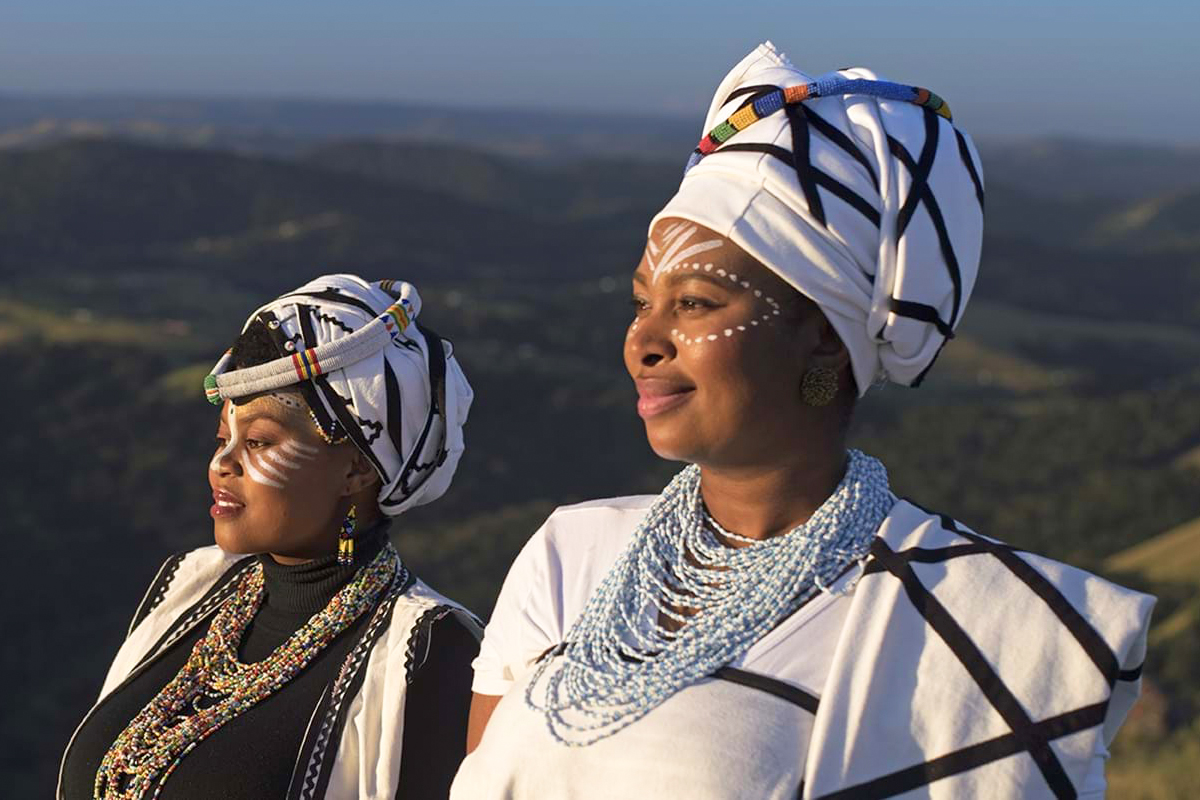
The following day, I headed back to the coast. I had heard a lot about the Wild Coast, located on the eastern coast of the country and home to one of the most prominent tribes, the Xhosa. In fact, it’s the same tribe that Mandela belonged to.
Image source: SA Tourism
I must confess that it wasn’t a pleasant journey. I had concerns about passing through Mthatha, a city known for its high crime rates. Just a few kilometres before entering the city, I was stopped at a police checkpoint, and their intention to alert me only heightened my worries about passing through the inevitable city.
With due caution and benefiting from the agility that Lucile provided me, I quickly crossed the city and finally reached the last stage to Coffee Bay, the destination I had chosen on the Wild Coast. Although tired from the trip, I had fun on the terrible roads that connect Mthatha to Coffee Bay. Much more agile and faster than buses, cars, and trucks, I made up for lost time on the highways.
Unfortunately, paradise, as Coffee Bay is known, had turned into a scene of destruction. Just days before my arrival, the region experienced heavy rains and strong winds, causing trees to fall and bringing a lot of debris from the sea onto the beach. I even found a shipping container on the beach near my accommodation. I lamented the suffering of the locals, but I couldn’t help but enjoy the beautiful landscapes that the place still offered.
Image source: Gabriel Turano
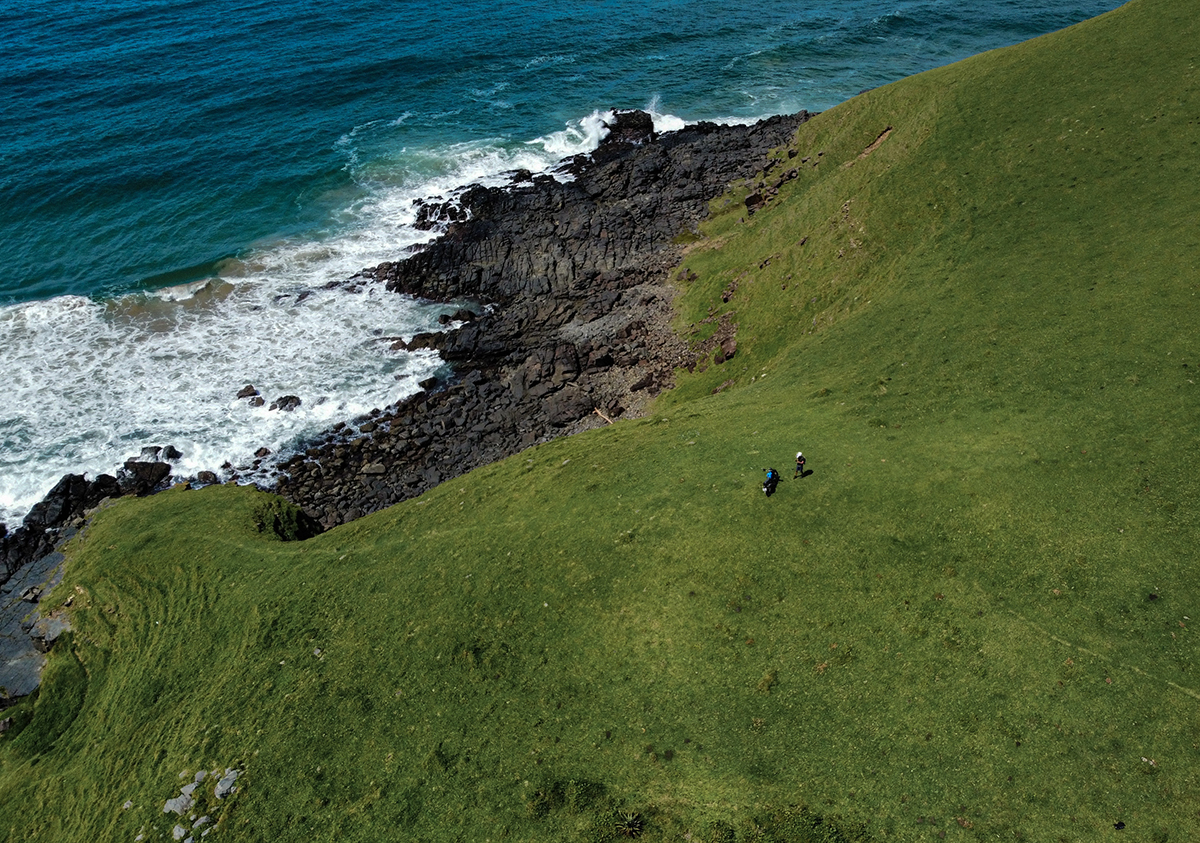
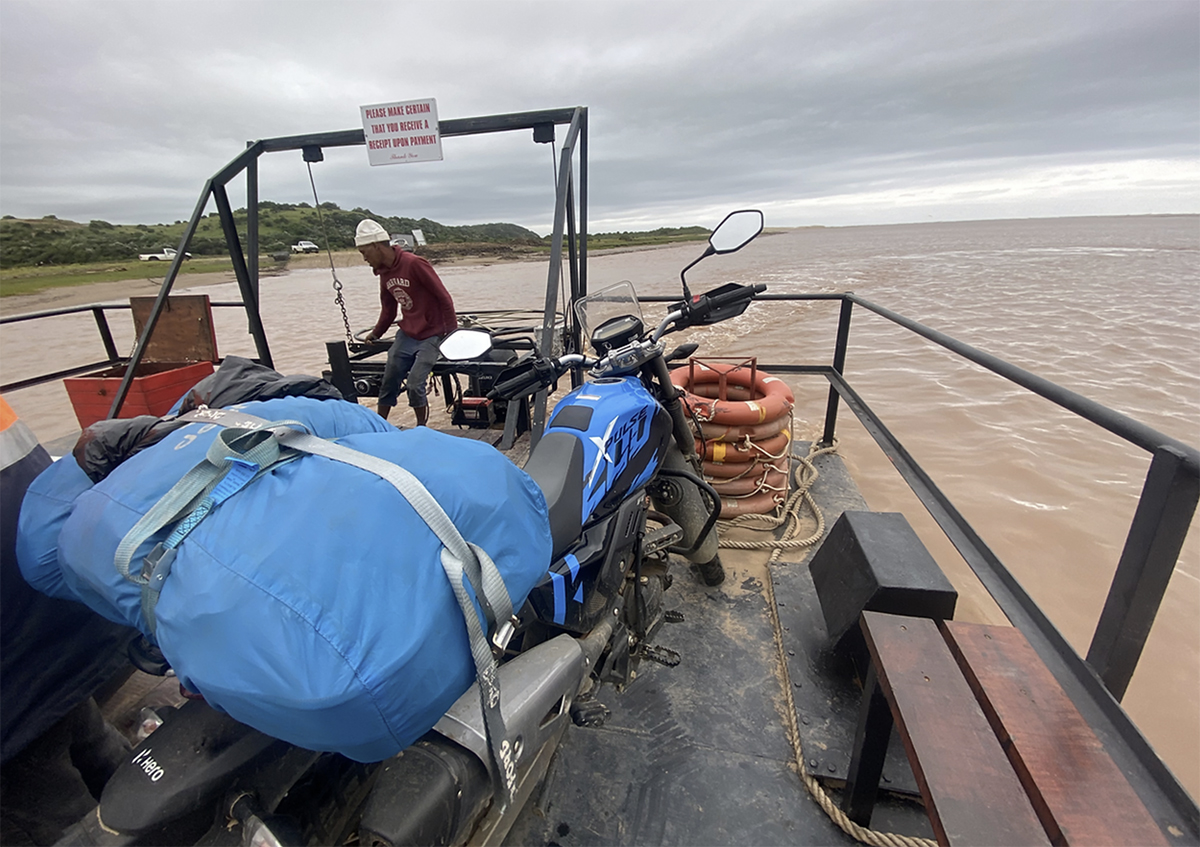
I decided to take a few days to rest before hitting the road again. My goal was Addo National Park. I’m passionate about the largest land mammal on the planet and couldn’t miss the chance to visit the home of elephants in South Africa. It would be quite a long journey, so I decided to make a stop in Morgans Bay. The town isn’t popular among foreign visitors to the country. Since there are no roads connecting the coast in this region, it’s necessary to ride a few kilometres inland before heading west. The bad weather continued to accompany me, but fortunately, I managed to avoid the rain. The South African coastline is wild and known for its strong winds. To reach Morgans Bay, I had to cross the Great Kei River, which runs for 320 km before flowing into the Indian Ocean. In the absence of a bridge connecting the mainland, I made the crossing on a small ferry.
Image source: Gabriel Turano
Although my stay was short, it was extremely enjoyable. There are various cliffs around the town that are worth a visit to appreciate the surrounding sea. In the presence of local residents, I witnessed low tide fishing. As my goal was to visit Addo, the next morning I hit the road again towards the national park.
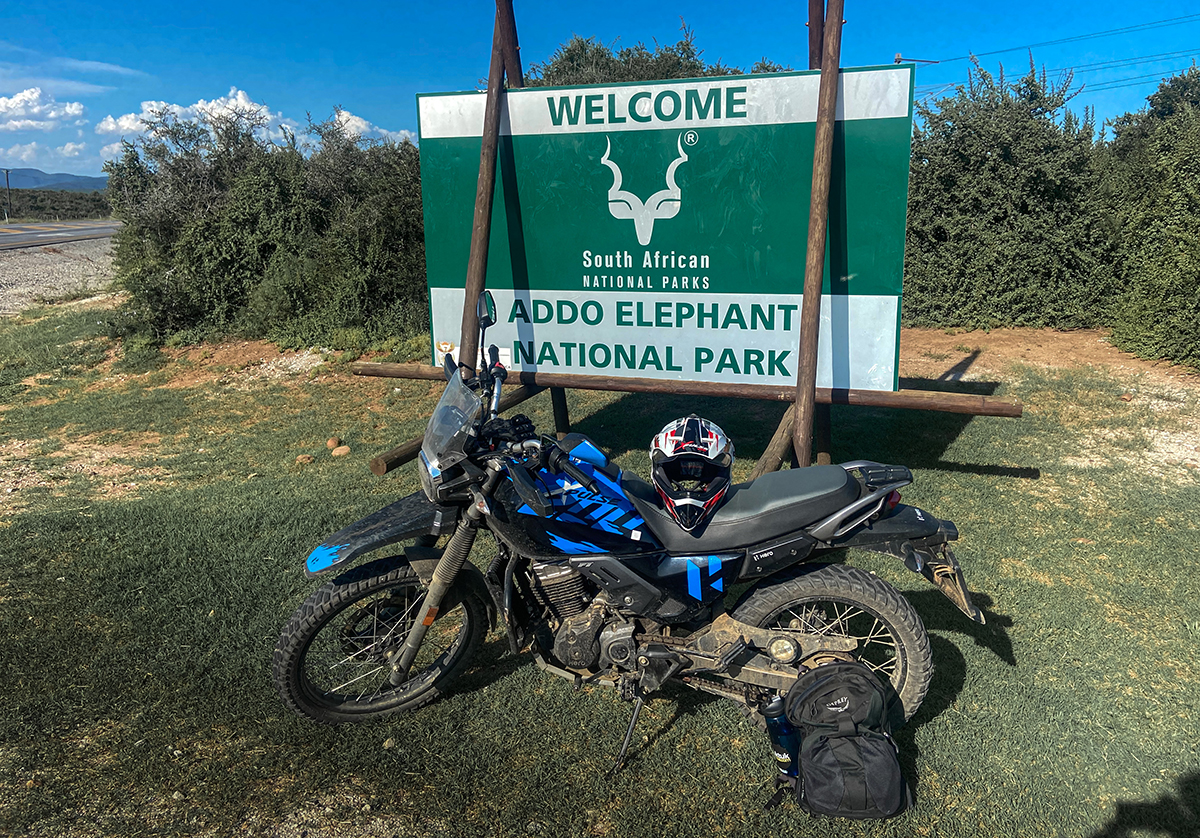
I found accommodation a few kilometres from the Addo entrance gate and took advantage of the proximity to book a sunrise game drive. Later, I realized that it was a mistake as elephants tend to be shy during sunrise.
On the night before my visit, the accommodation host invited me to a South African braai. In Brazil, as we know, barbecue is quite popular, but the quality of South African meat is impressive, even to us Brazilians. Before the first rays of the sun, I was already riding in the freezing morning towards the park’s main gate.
Image source: Gabriel Turano
Unfortunately, I didn’t manage to spot any elephants among the 500+ that inhabit the park. It would have been comical if it weren’t tragic for someone who had been looking forward to this encounter. But that’s precisely the beauty of a safari: its unpredictability.
It was time to head to more pleasant temperatures and explore a region well-known not only to South Africans but especially to foreign visitors to the country. Jeffreys Bay was my next destination.
Just over a hundred kilometres connected Addo National Park to this coastal town. It was a rewarding journey, passing through small towns and roads with lush vegetation. I was entering a region that I had been eager to visit and had little opportunity to enjoy during my previous trip to the country.
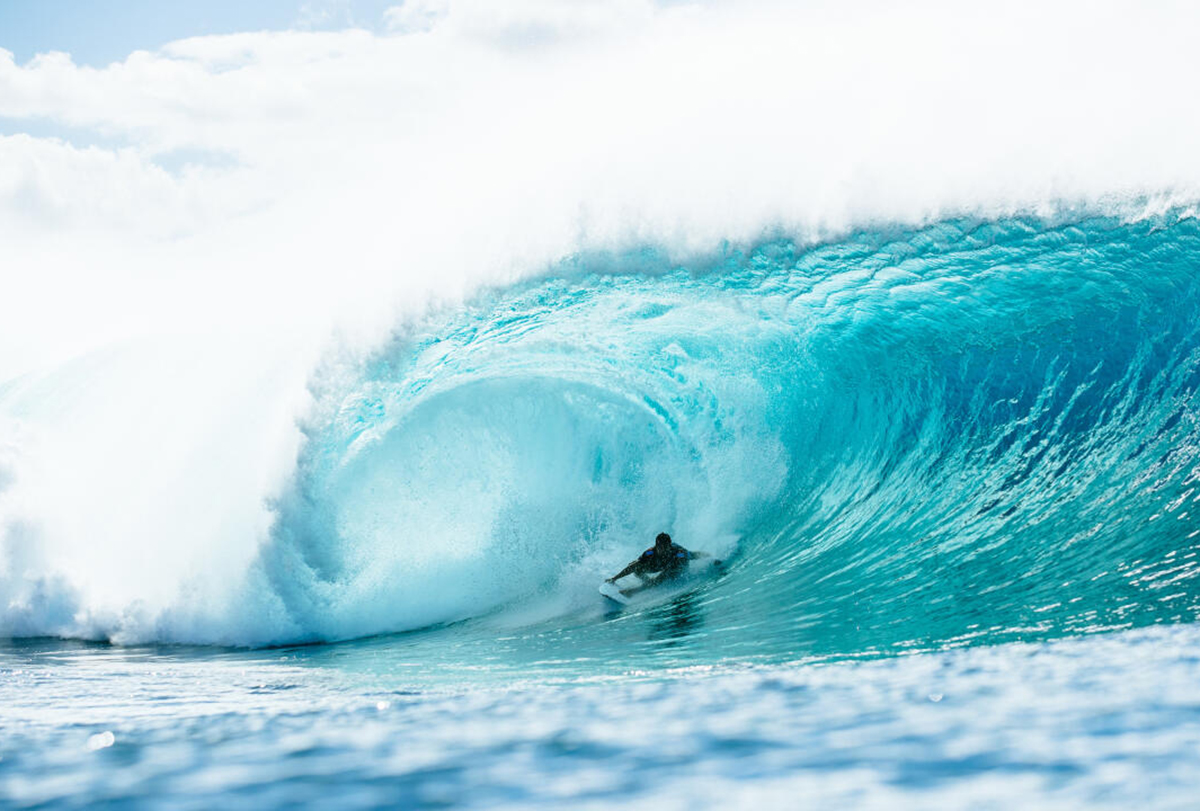
Jeffreys Bay breathes surf. It is home to one of the World Surf League (WSL) stages, and the beach is known for its tubular waves. During the championship, you can get close to all the professional surfers who travel the world in search of the best waves.
Image source: World Surf League
Although the place is known for its powerful waves, the beaches are also beginner-friendly. Many foreigners visit Jeffreys Bay to learn to surf.
It was time to slow down and enjoy the journey more. I spent a few days in the town, soaking in the vibe, enjoying a cold beer, and connecting with other travellers. It was a well-deserved rest for someone who had faced challenging roads and dealt with bad weather for long, long days.
From Jeffreys Bay, I continued heading west towards Nature’s Valley. In my opinion, one of the most beautiful regions along the Garden Route. Since I had already visited Tsitsikamma National Park, I decided to spend only one day in the region before continuing my journey. I was eager to return to Wilderness, a small town that had been my home for just over a month a year earlier in 2022.
Image source: Gabriel Turano
Wilderness is a welcoming town and a paradise for nature lovers. I stayed there for almost a week, enjoying all the activities the region has to offer, including Wilderness National Park. I also visited the Map of Africa, two mountains resembling the African continent, and observed dolphins on the town’s beach. It’s also possible to have fun exploring the various off-road and gravel roads.
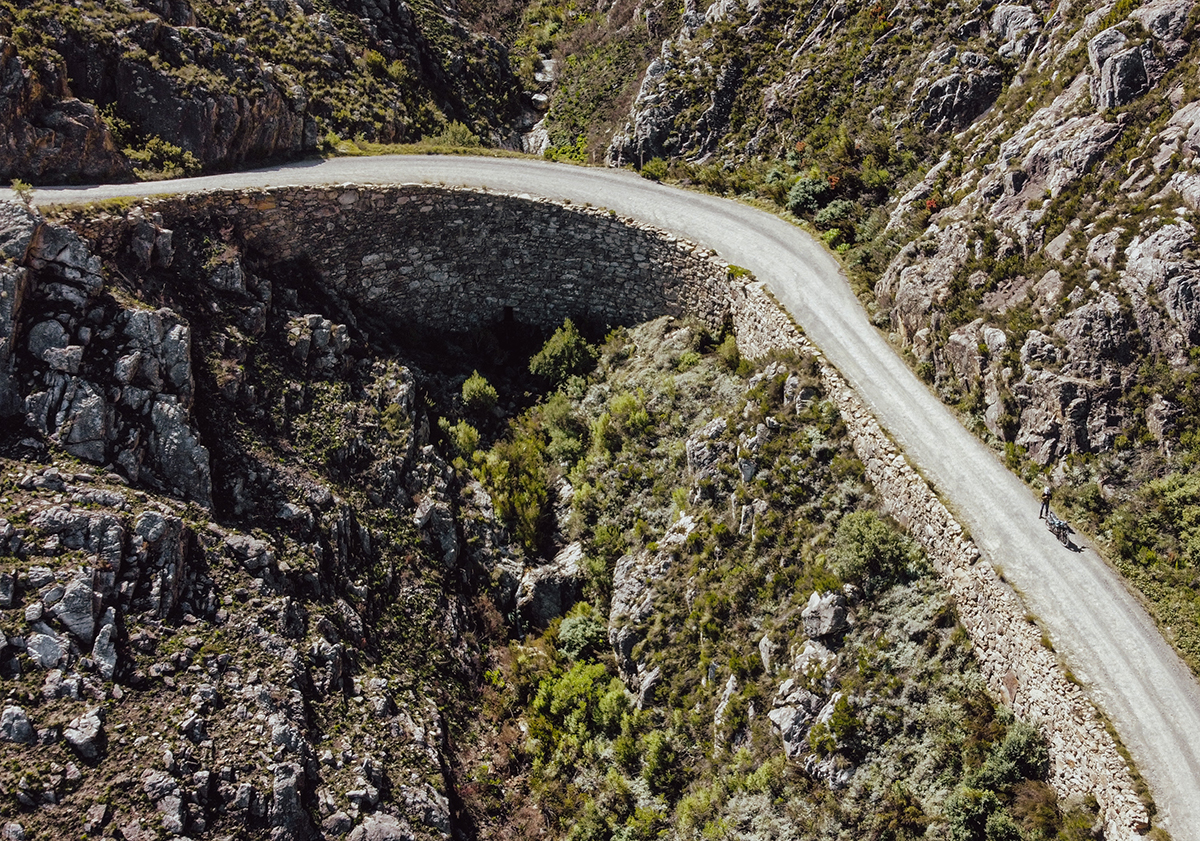
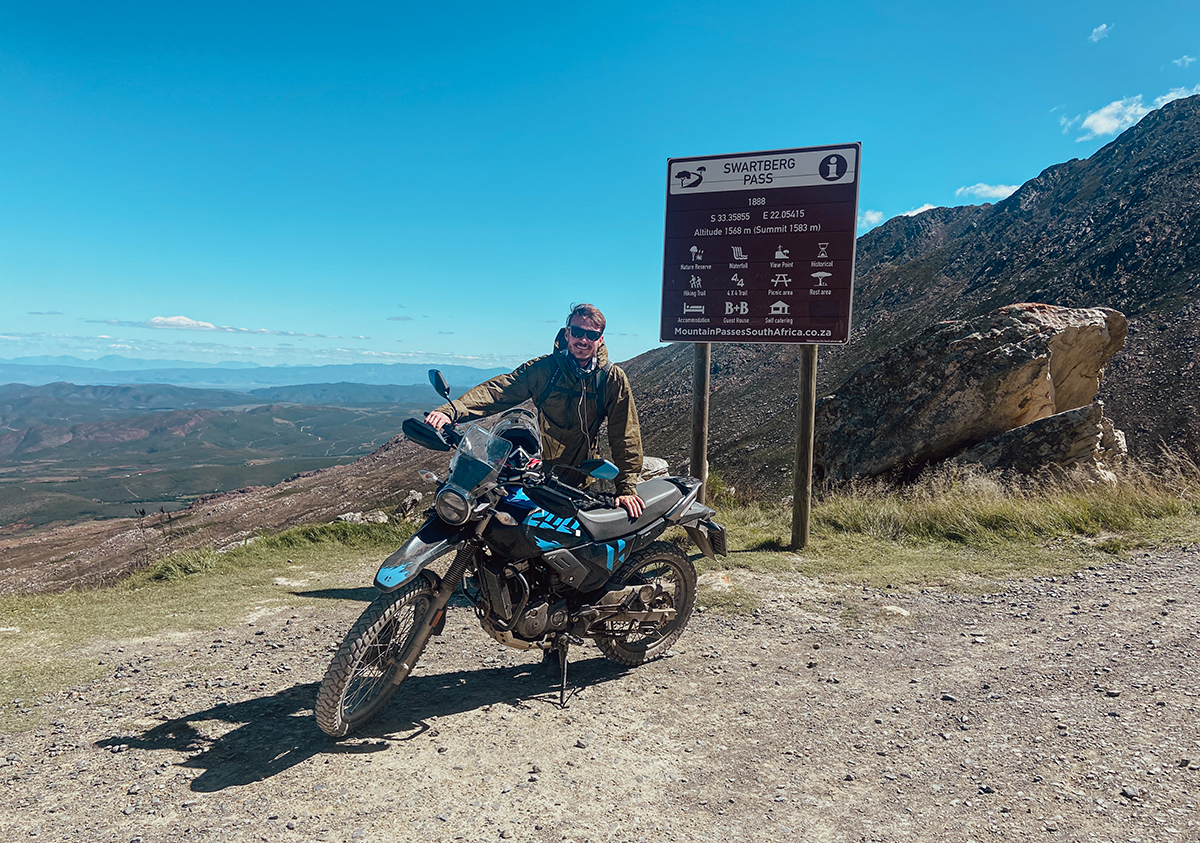
From Wilderness, I rode two passes that I had been looking forward to Montagu Pass and Swartberg Pass. It’s difficult to choose the best adventures on this journey, but these two passes were undoubtedly memorable. Along with the Sani Pass and another adventure that I will tell later, they may have been the most epic places I visited with my Lucile.
Image source: Gabriel Turano
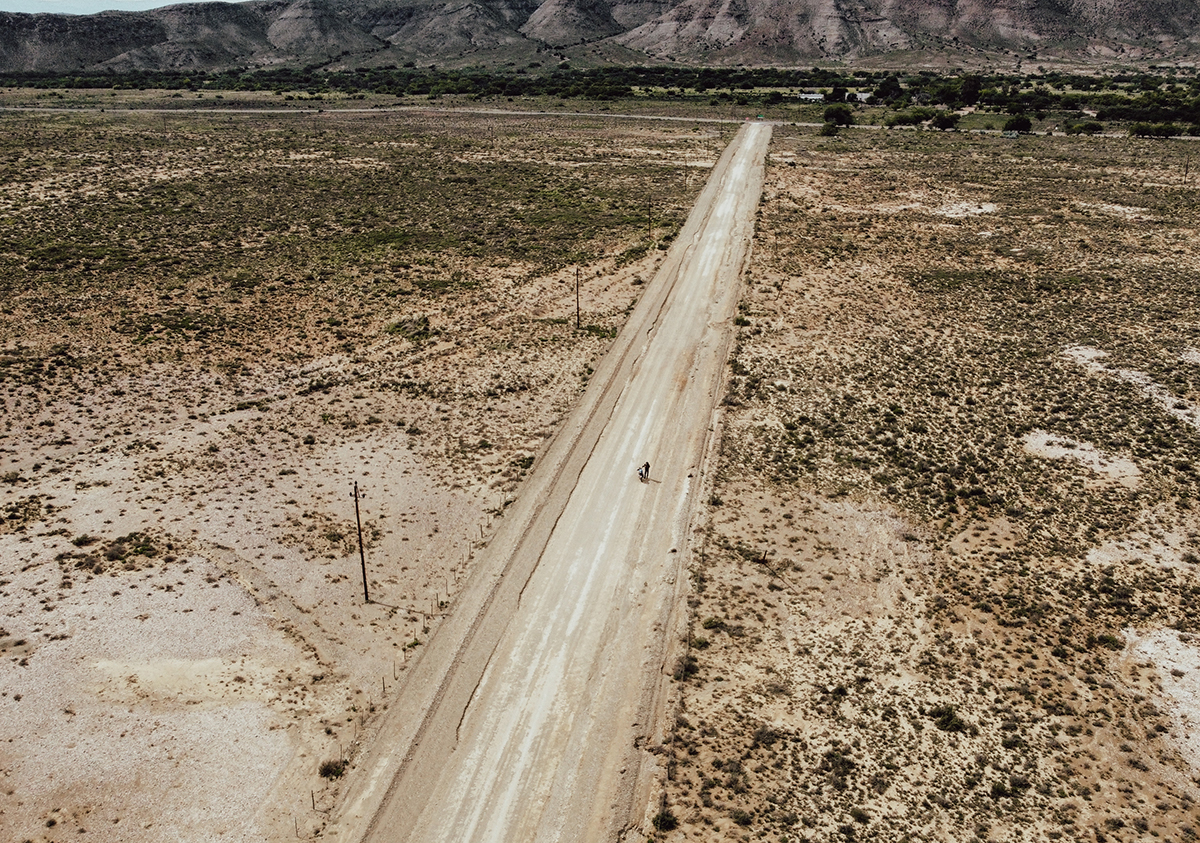
I chose to stay in Oudtshoorn as I planned to continue to the Karoo via the famous Route 62, a semi-desert region. As I mentioned before, it’s hard to pick the most epic places on this journey, but Route 62 is certainly one of them. Here, the feeling of “nothingness” is present with every kilometre ridden. The area is extremely remote but shines brightly with the beauty of the desert. I knew there was a campsite with hot springs a few kilometres from Barrydale, so I decided to spend two nights there, enjoying the hot water pools. As always, I was warmly welcomed by South Africans, who were always curious about my journey.
Image source: Gabriel Turano
From Barrydale, I continued along Route 62, passing through iconic towns like Montagu and Robertson. Here, I was heading to my final destination in South Africa: Cape Town. My heart was already feeling a bit heavy, but I knew there were still great adventures ahead.
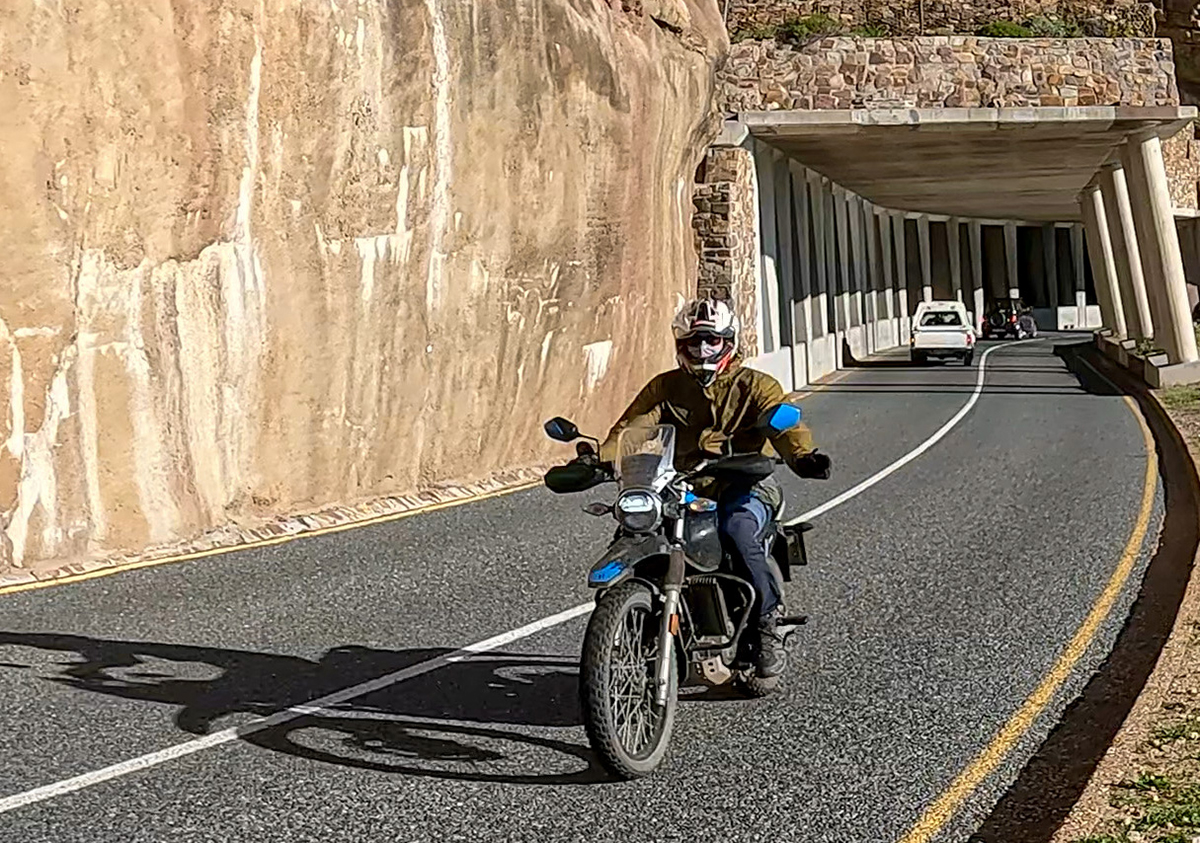
Cape Town is a paradise for adventurers and nature lovers, and it’s one of the most beautiful cities in the world that I’ve ever visited. I took advantage of the city’s infrastructure to give Lucile her first check-up, as she hadn’t given me any problems so far. I drove several times along Chapman’s Peak, a scenic route that connects Cape Town to Simon’s Town, home of penguins. The same route also leads to Cape of Good Hope, discovered in the 15th century by the Portuguese explorer Bartolomeu Dias.
Image source: Gabriel Turano
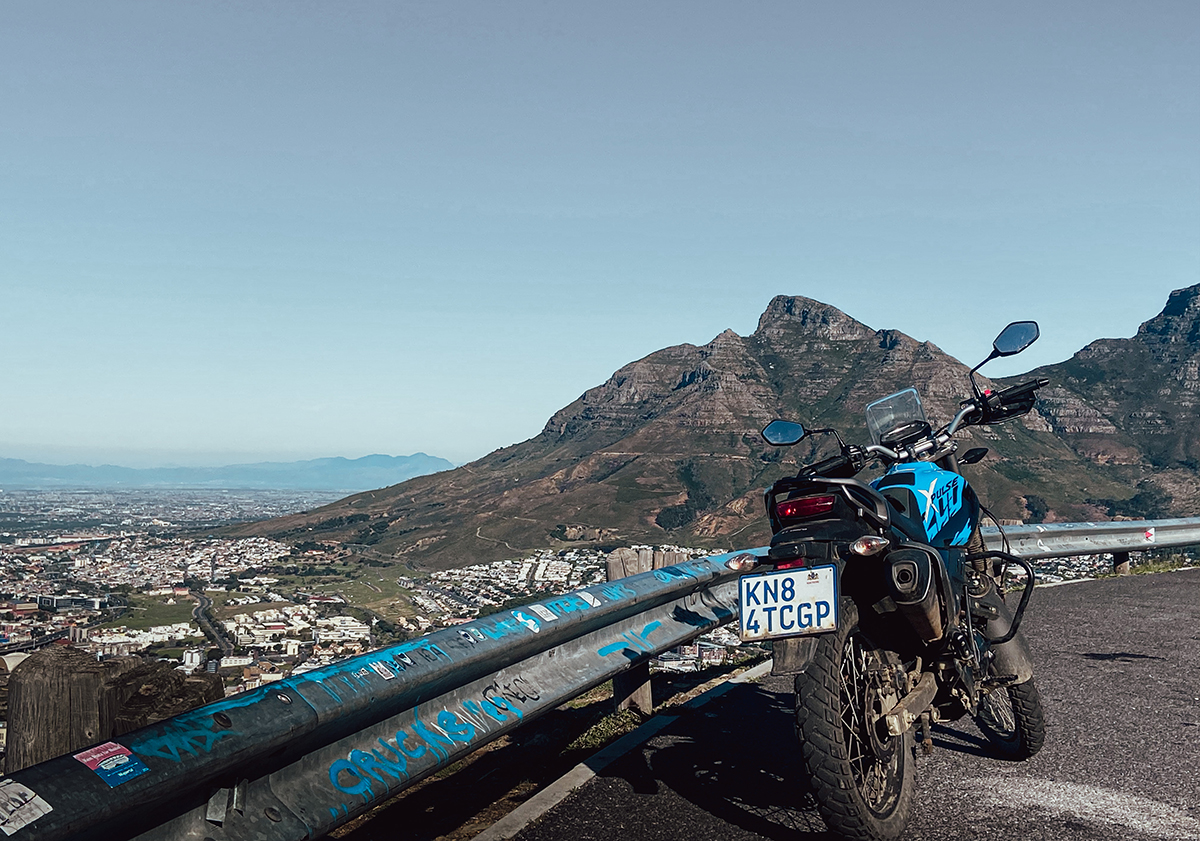
During my visit, I took the opportunity to climb Table Mountain and Lions Head multiple times. I admired the sunset from Signal Hill, Sunset Rock, and Camps Bay. I enjoyed the bohemian vibe of the city and interacted with other travellers.
Image source: Gabriel Turano
And here, in one of the most beautiful cities in the world, I concluded the first phase of my journey with Lucile. I couldn’t be more grateful for all the epic places she led me to, always resilient, fuel-efficient, and reliable. I ventured into many remote locations, far from civilization, and having a dependable companion like Lucile made my adventures much more enjoyable.
Until next time, fellow adventurers. Gabriel Turano
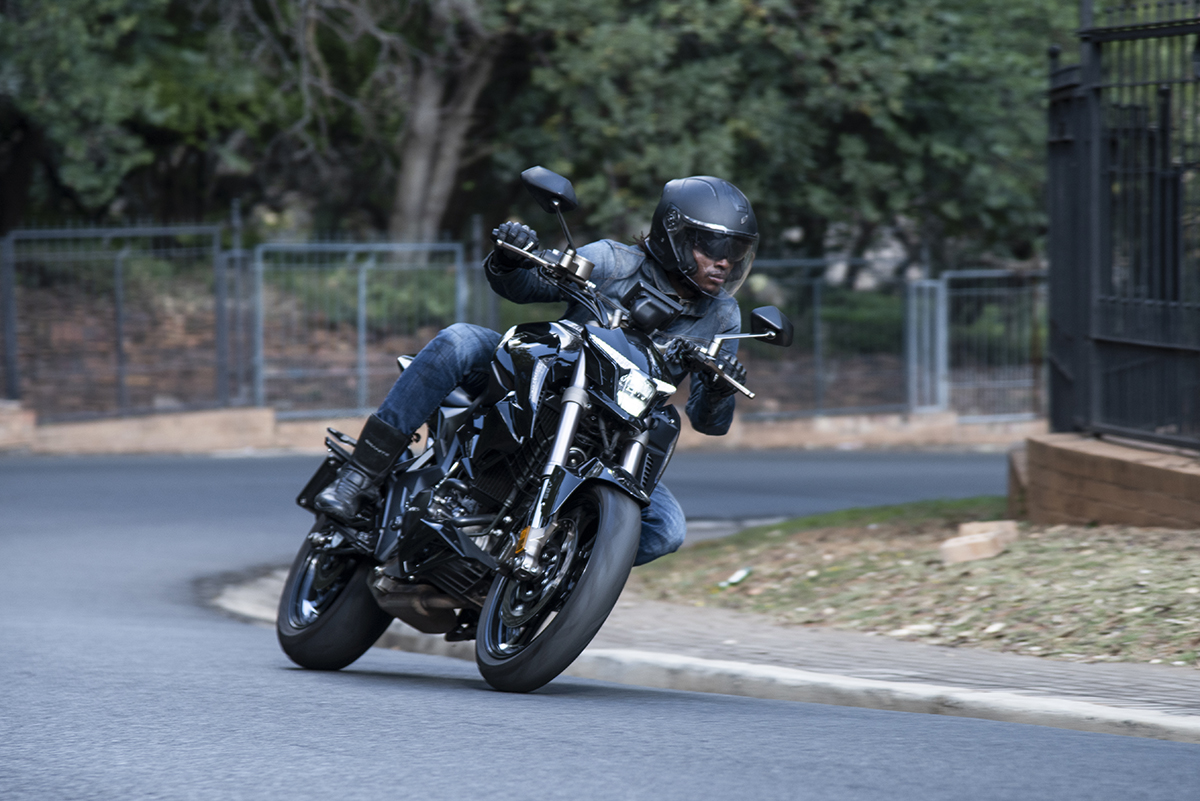
If ever there existed a motorcycle that embodied the “stealth” appeal, it would undoubtedly be synonymous with the Zontes ZT310-R2. It is the latest model offering since the R310 that was originally introduced in 2019. I am not just attributing its stealth to the glossy near all-black finish. The word “stealth” lends itself to a body that is deliberate, secret in action or a character with intent.
The Zontes and all it has to offer stands not readily apparent. It is the sort of motorcycle that grips your gaze while simultaneously piquing your curiosity about the potential riding experience achievable.
Photo credit: Bjorn Moreira / ZA Bikers
The Zontes brand, Chinese in origin, is just one of many under Guangdong Tayo Motorcycle Technology Co Ltd. Their main focus lay in developing and producing motorcycles of medium to large discharge capacity. By their own core philosophy and mission, they embrace innovation and the development of new technologies from the manufacturing process right up to the features embedded within their motorcycles, bringing about maximum functionality and added convenience to the rider.
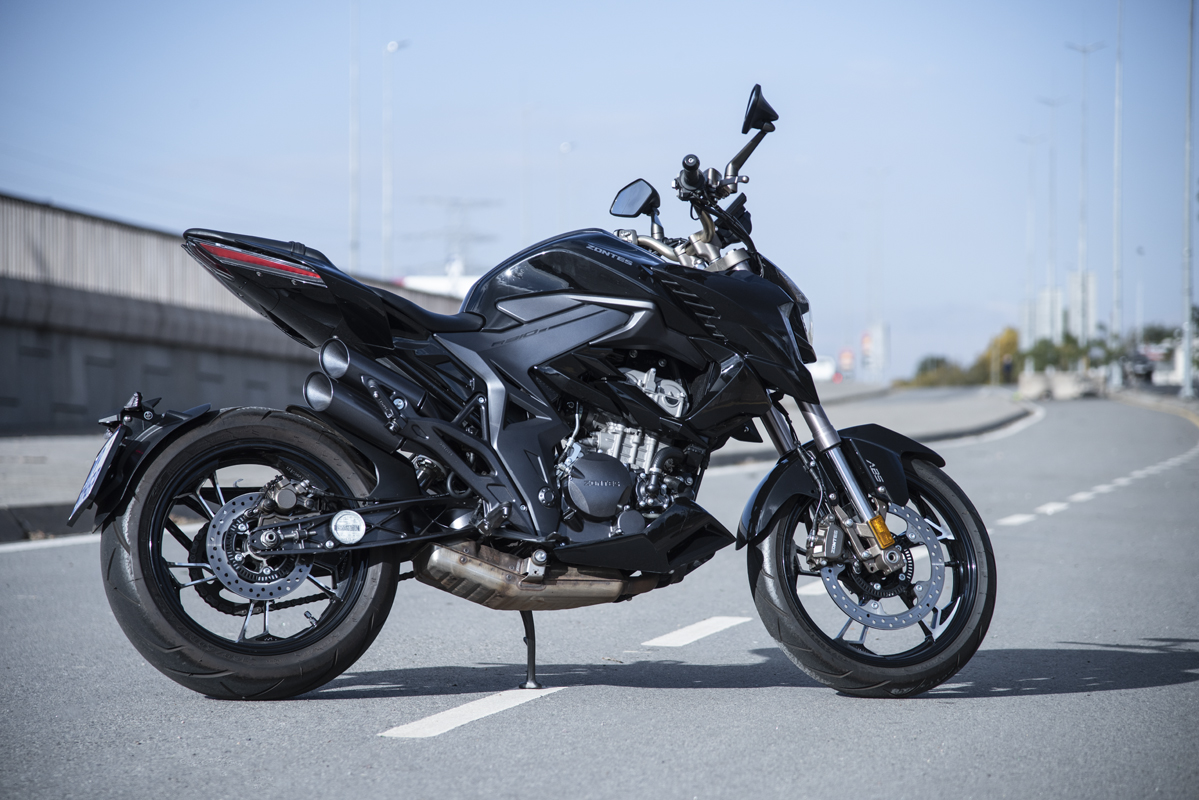
From afar, this naked sport bike is as aggressive as it is sleek in its overall design. Off the bat, it does indeed look like a carbon copy of the former model. The frame is designed with sleek and sharp edges along its aluminium alloy body. It has a neat tail tidy, finished with a swingarm-mounted number plate holder and a distinctly fused LED tail light situated right under the length of the pillion seat. Along its frame, the twin exhaust pipes do not go unnoticed. Up front, you are met with an aggressively stylish headlight, reminiscent of a Transformer Decepticon when lit up.
Photo credit: Bjorn Moreira / ZA Bikers
As the end rider, the question posed then is, “Does Zontes actually live up to its own core philosophy?”
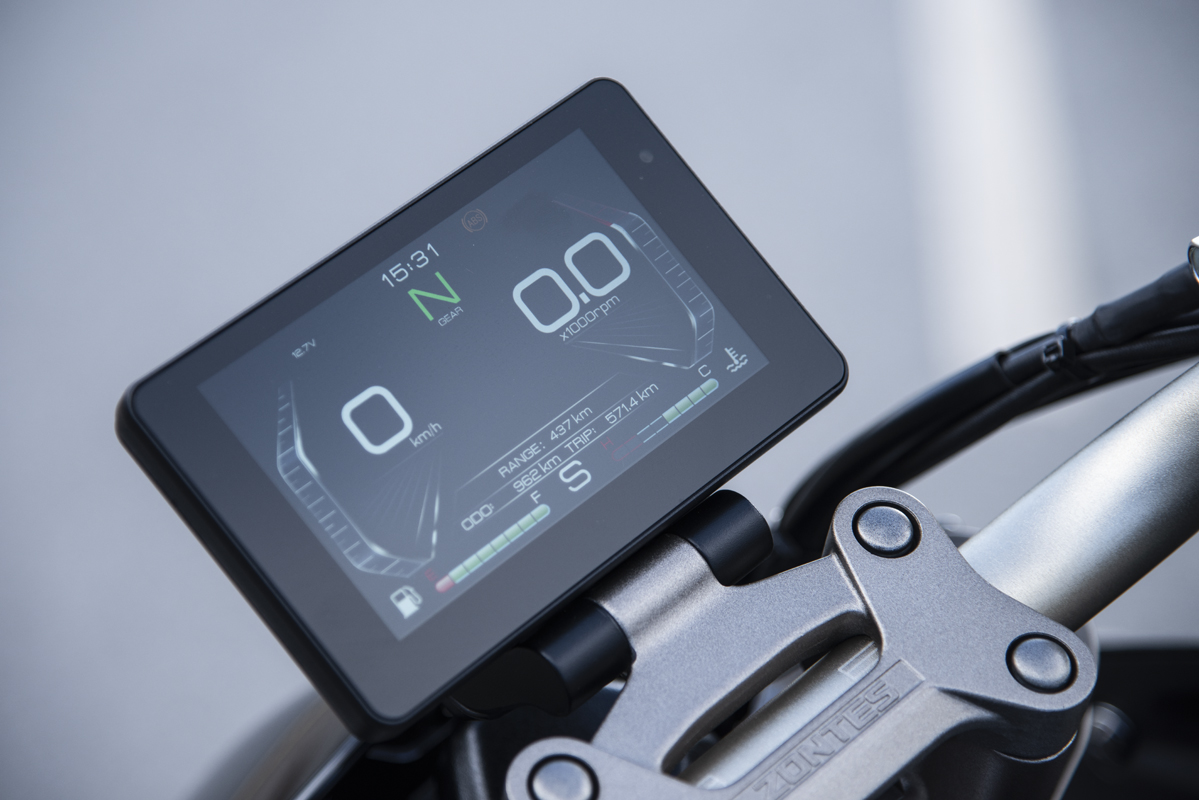
Once mounted, the very first unique tech feature was handed to me. A simple almost weightless carry-on transponder, like a fit bit watch, initiates the exciting reality of a keyless control system. A feature you do not find all too often with modern-day motorcycles, let alone smaller cc sports bikes. Upon ignition, you are met with the unique Zontes ‘Decepticon’ zooming out from the centre of the bold TFT screen.
Photo credit: Bjorn Moreira / ZA Bikers
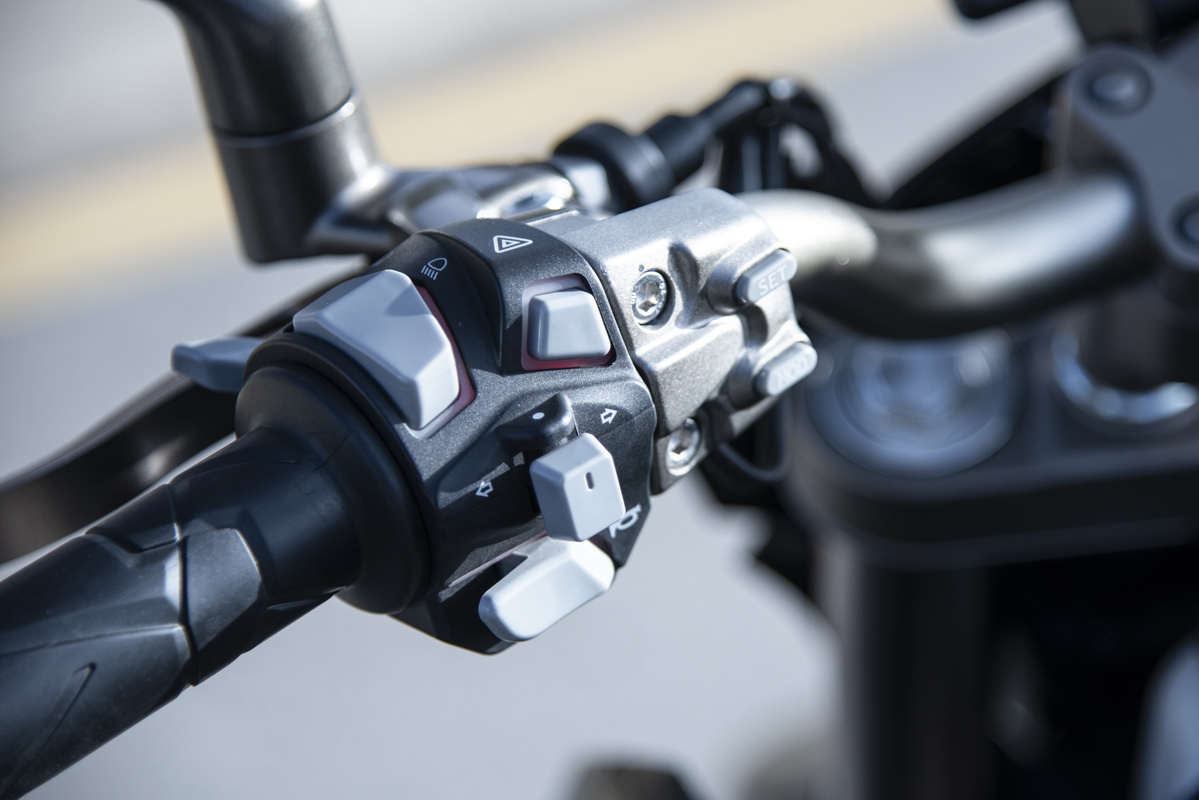
Before riding out, the TFT dash houses a number of functions and key information. Initially, you’ll be welcomed into a riding mode from which you have four options to select (Casual, Street, Simple and Race). All the above will be intuitively laid out on the screen. And yes, each of the four has a layout that visually respects its criteria. All of this is accessible through 2 buttons on the left side that helps you simply navigate the menu and make your selections.
Photo credit: Bjorn Moreira / ZA Bikers
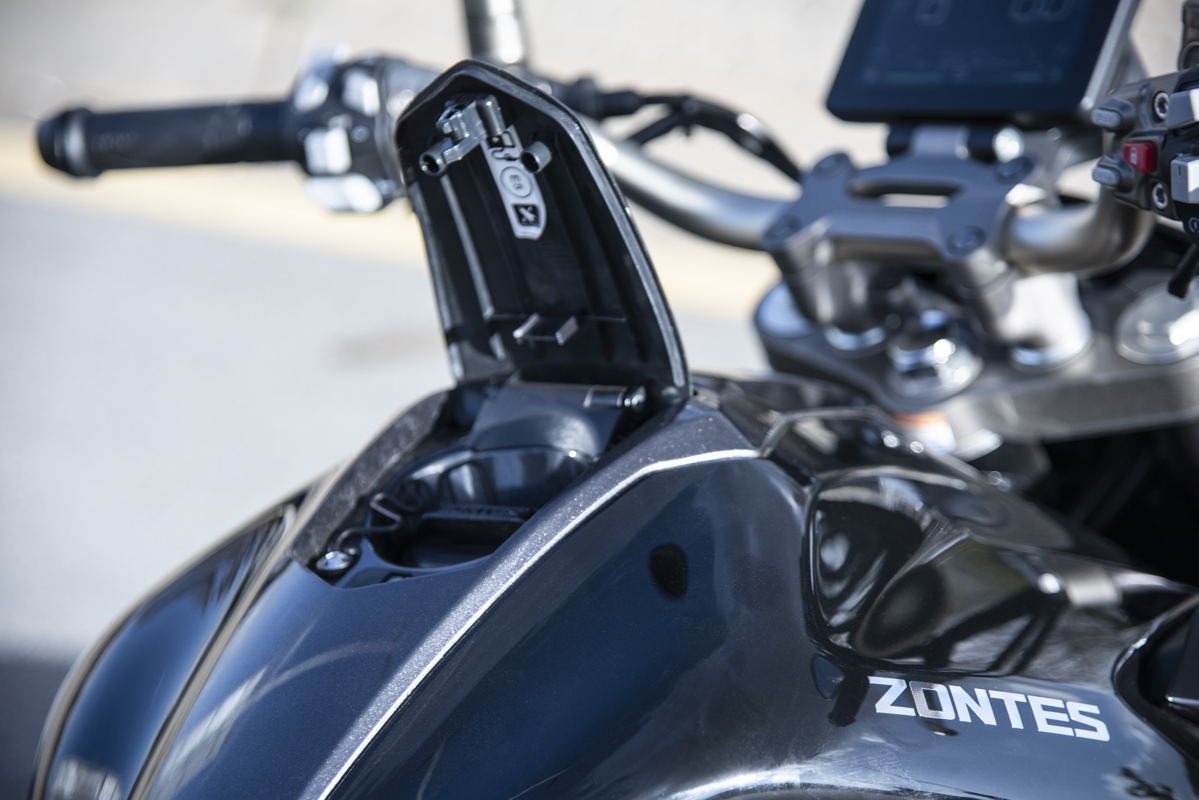
To your right, you have an electric flip-up fuel cap and seat button. All the information possibly required is readily accessible as you surf through the menu, everything from ride modes, odometer, speedo, voltage, fuel capacity and range as well as tyre pressure and more. Above and beyond that, it has GPS/Bluetooth connectivity.
Photo credit: Bjorn Moreira / ZA Bikers
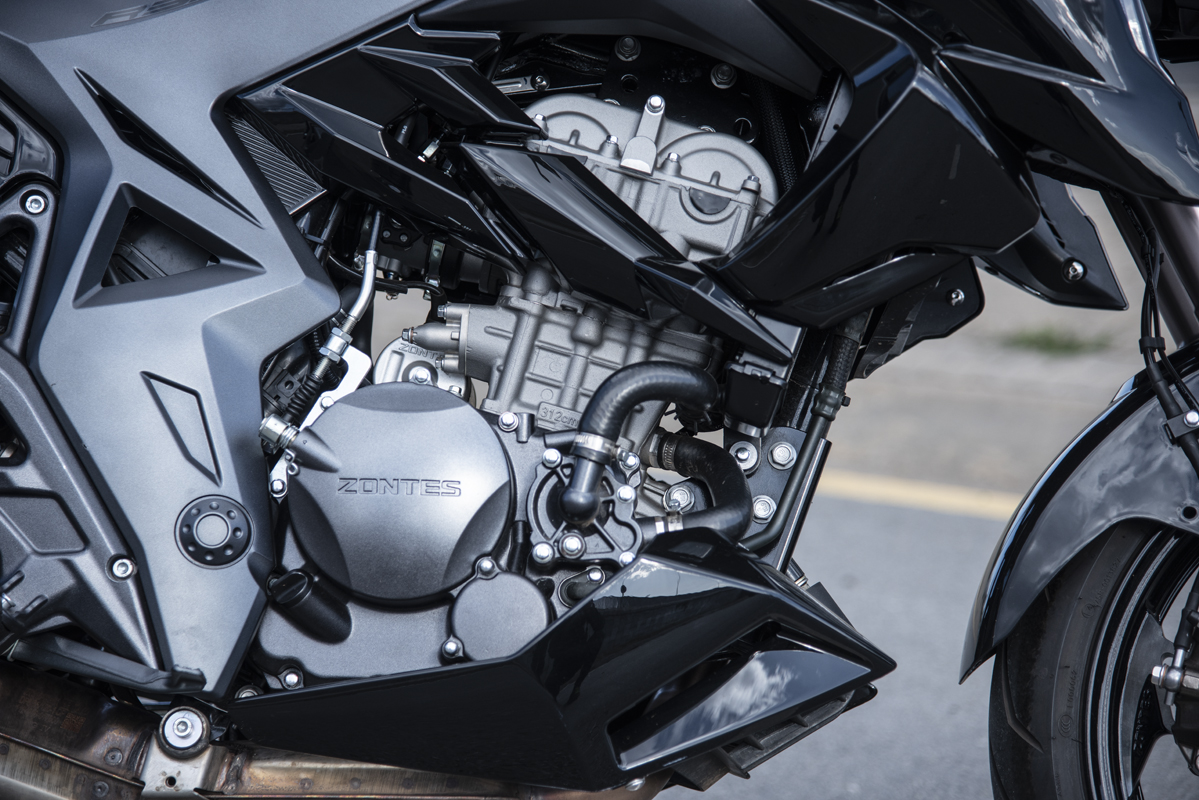
The Zontes is backed by a 312cc single-cylinder engine which produces around 34hp. It is water and oil cooled with a fuel injection system. It is sparked by means of electric ignition, running an O-ring drive chain system with a 6-speed constant mesh transmission accelerating you up to a top end of 160km/h.
Photo credit: Bjorn Moreira / ZA Bikers
Truly, one of the highlight features of this Zontes model is its fuel consumption and efficiency. It has a 15-litre tank, from which it delivers an astounding 3.2l/100km. When you do the quick maths, that translates to a 468km total range. I won’t claim to have successfully reached that exact number, but I can confirm that after every fuel top-up, the Zontes is indeed incredibly light on fuel as though you were riding a scooter. It is just as easy to ride but above and beyond that, it is honestly an impeccable commuter. You will not, at any point, feel as though you don’t receive your money’s worth. As long as you remember to have it on Eco mode for maximum range.
Photo credit: Bjorn Moreira / ZA Bikers
For a 300cc, the Zontes certainly has decent acceleration under the engine. You pull away effortlessly from the stop and get up to cruising or even highway speed in no time. From one rider to another rider, it is best ridden with either dedicated bike boots or at least harder compound shoes as I did find the gear lever on the harder side for casual shoe riding.
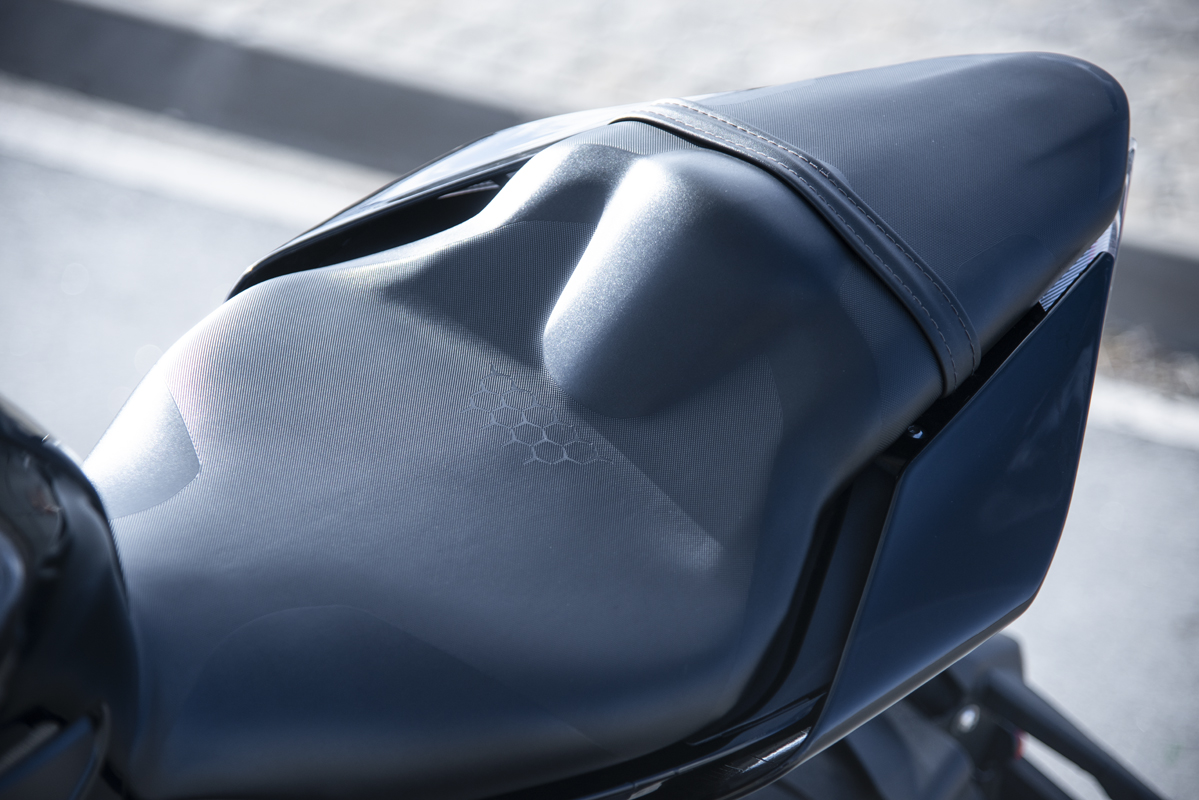
The ride itself is a relatively comfortable one. The seat is 795mm low, with the bars right within reach. Considering it weighs just 145kg, it makes for enhanced and easier handling as you ride slightly forward in the typical naked bike riding position. Both the front and rear are disc brakes, with an integrated Bosch ABS system. I was thoroughly impressed with the suspension and handling abilities of the Zontes with both myself and a pillion on board. It kept up easily on the highway, especially when that little extra burst was required here and there. At no point did it feel unstable or unsure. However, the seats are not ideal for longer-distance riding.
Photo credit: Bjorn Moreira / ZA Bikers
There has always been a hush-hush stigma around Chinese-built motorcycles. However, Zontes has clearly made some serious advancements in its motorcycle production line. Ensuring that what makes way to the end rider, is a motorcycle that is both reliable and functional whilst not neglecting quality and of course, their unique technological feature integrations.
Now, after all those considerations of the new Zontes ZT310-R2, it would be fitting to say they certainly are on track to fulfilling their philosophy.
Photo credit: Bjorn Moreira / ZA Bikers
Zontes ZT310-R2
For more information on the bike featured in this article, click on the link below…
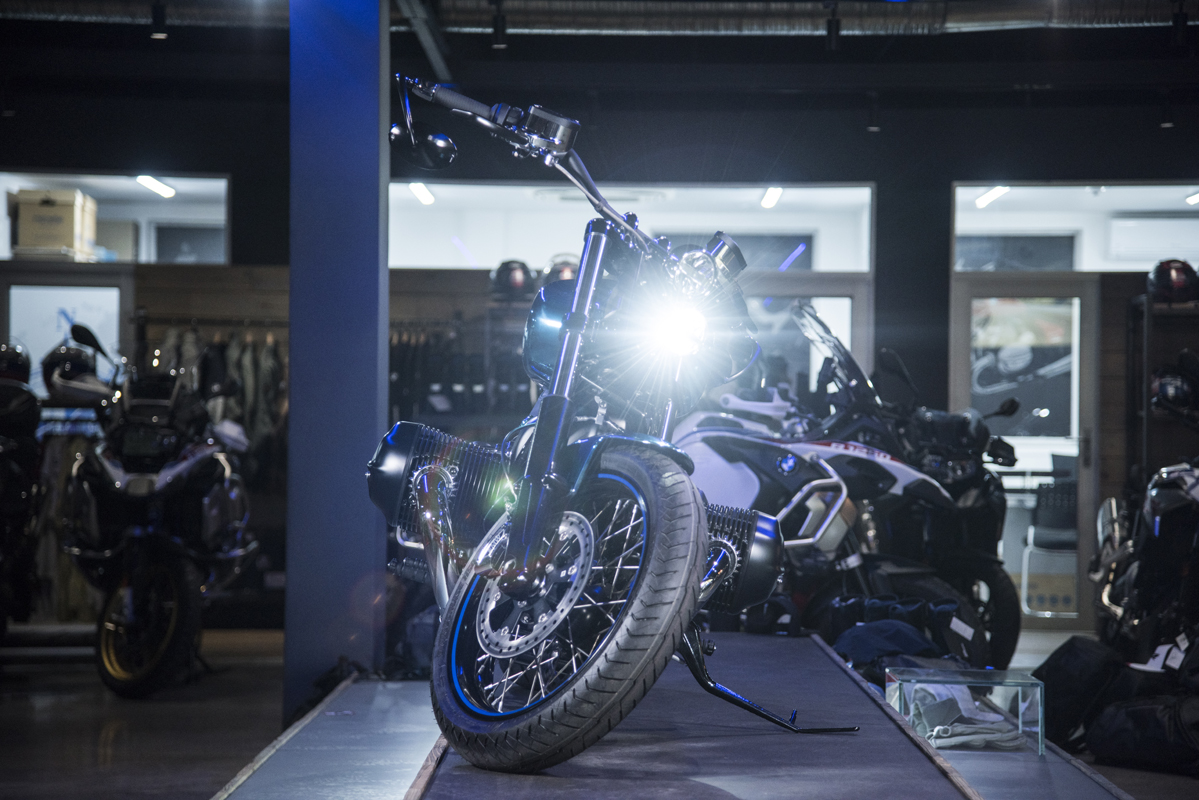
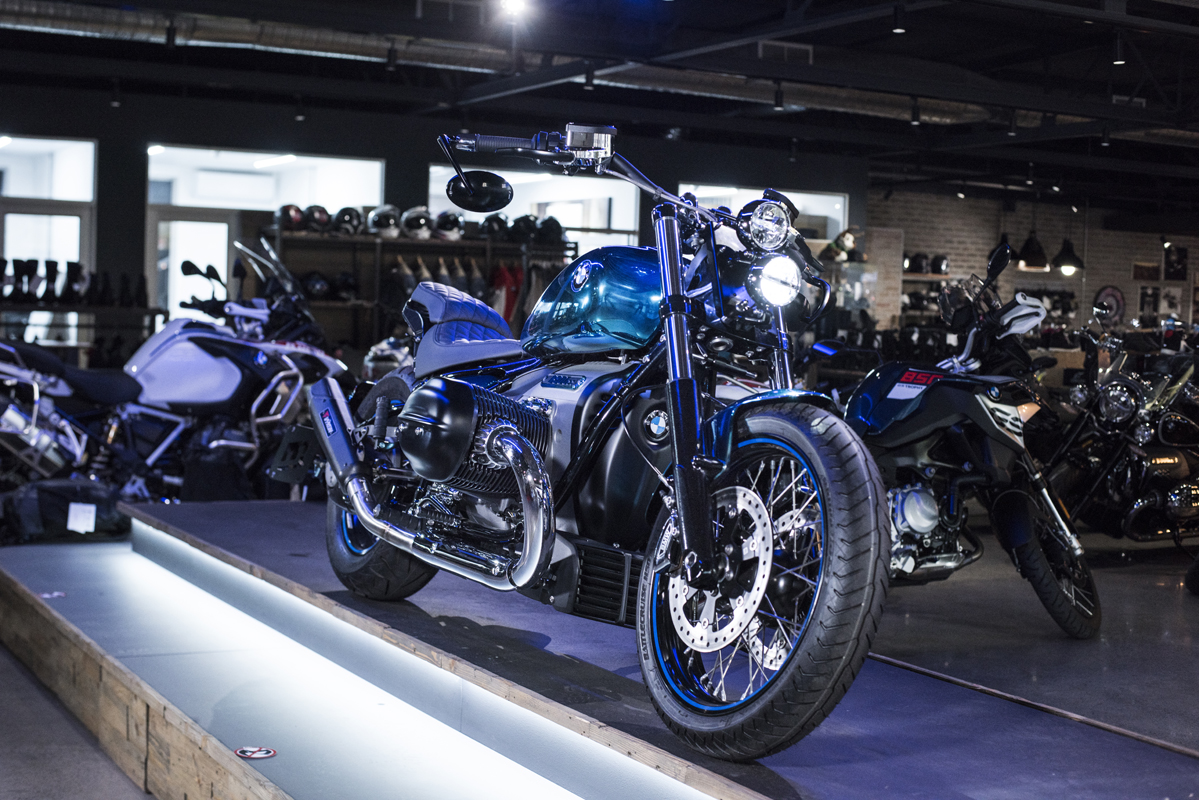
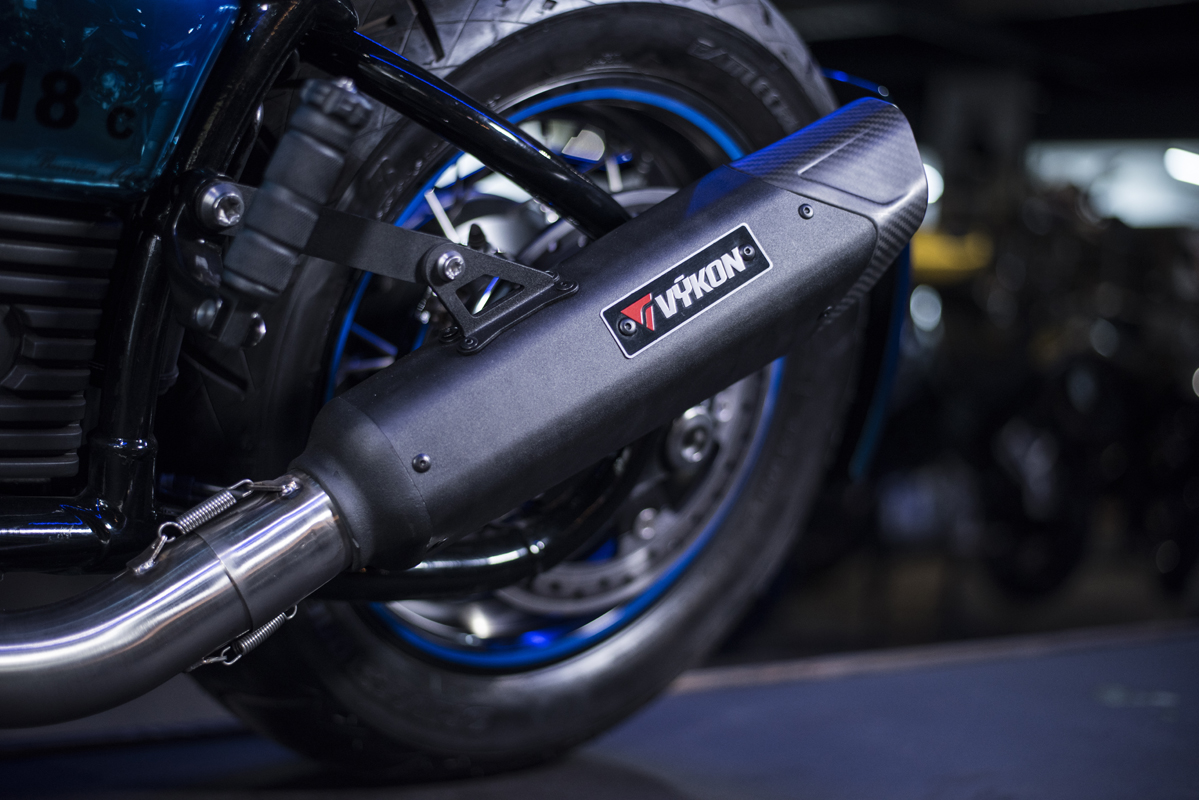
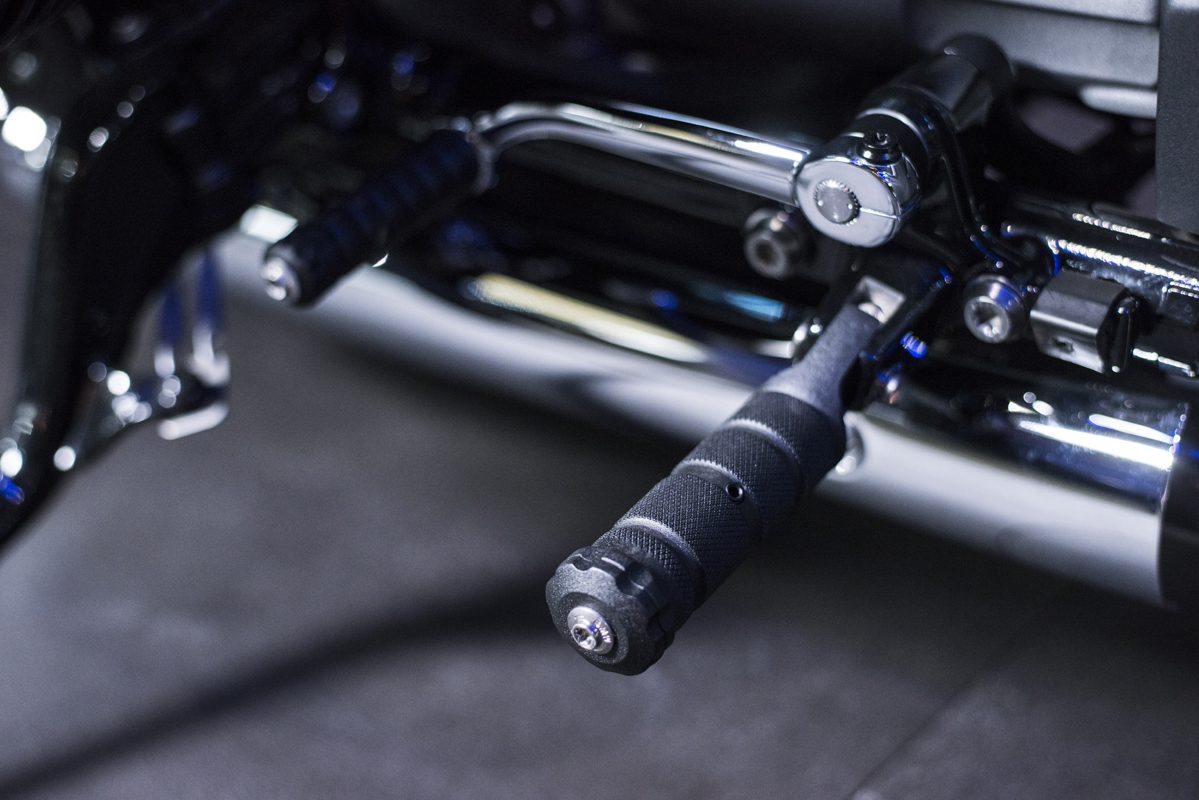
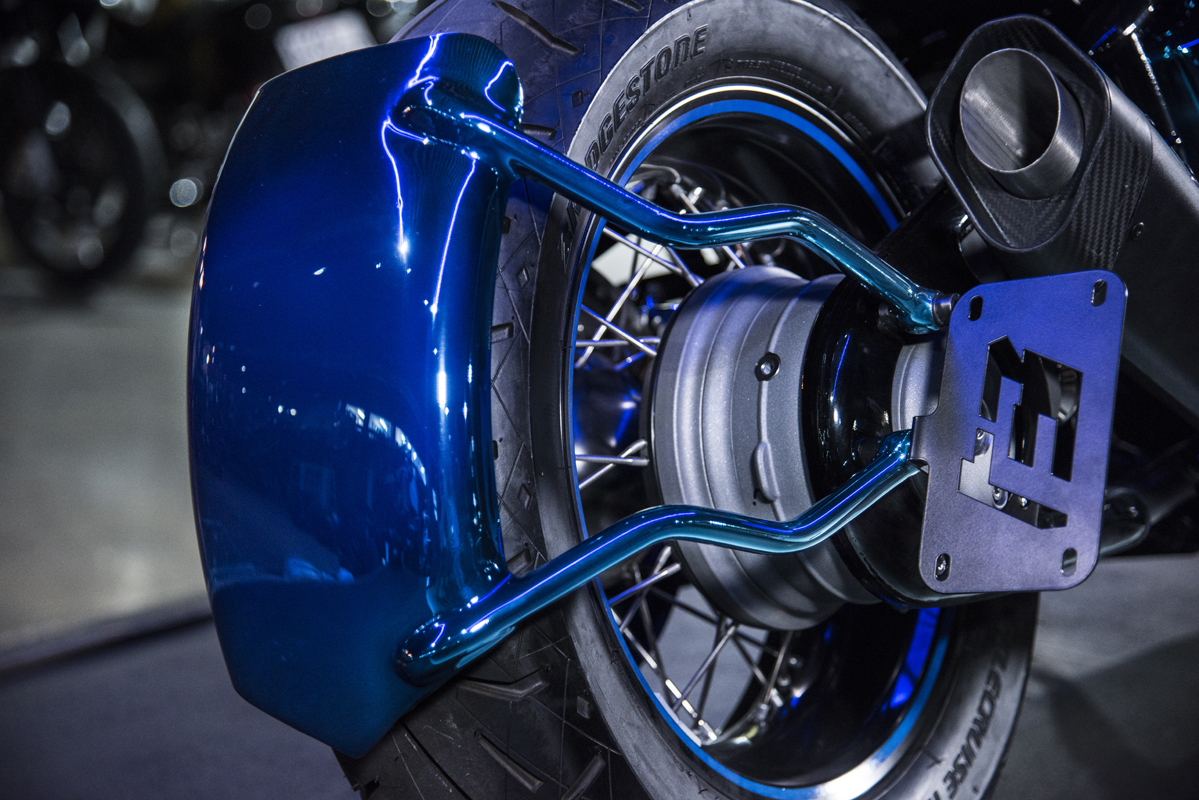
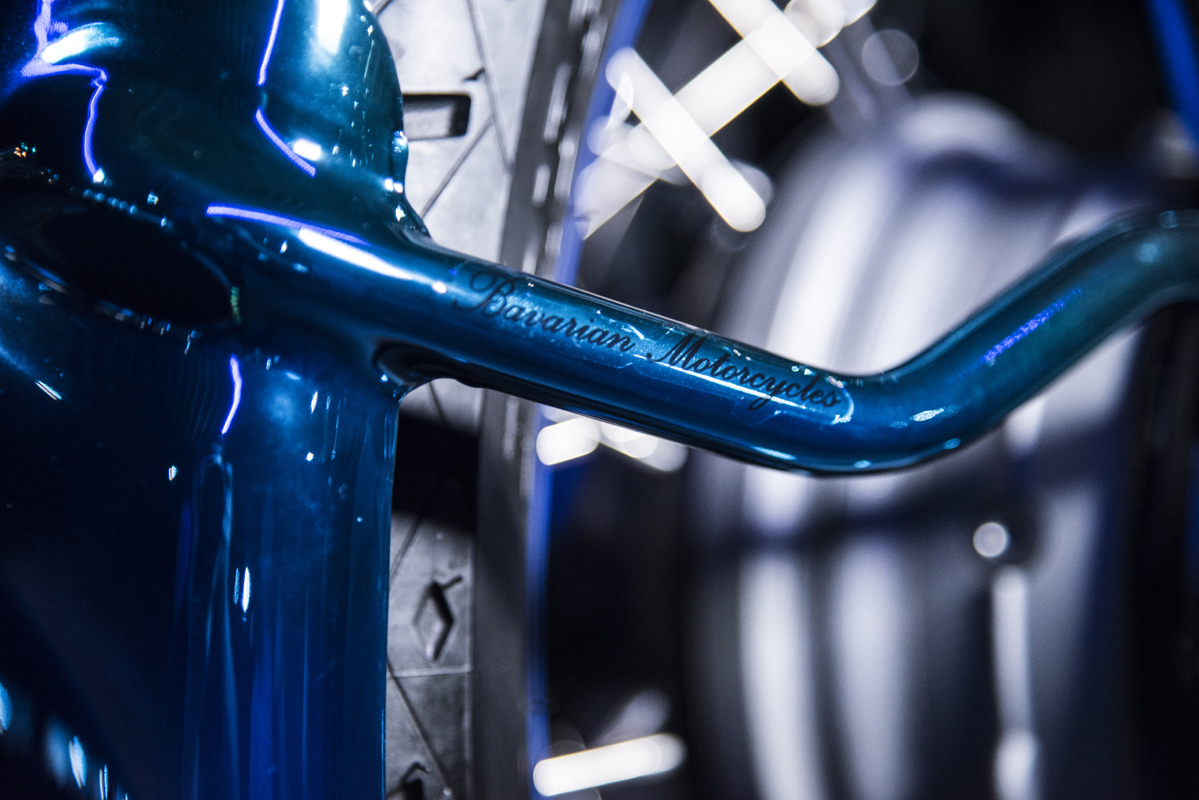
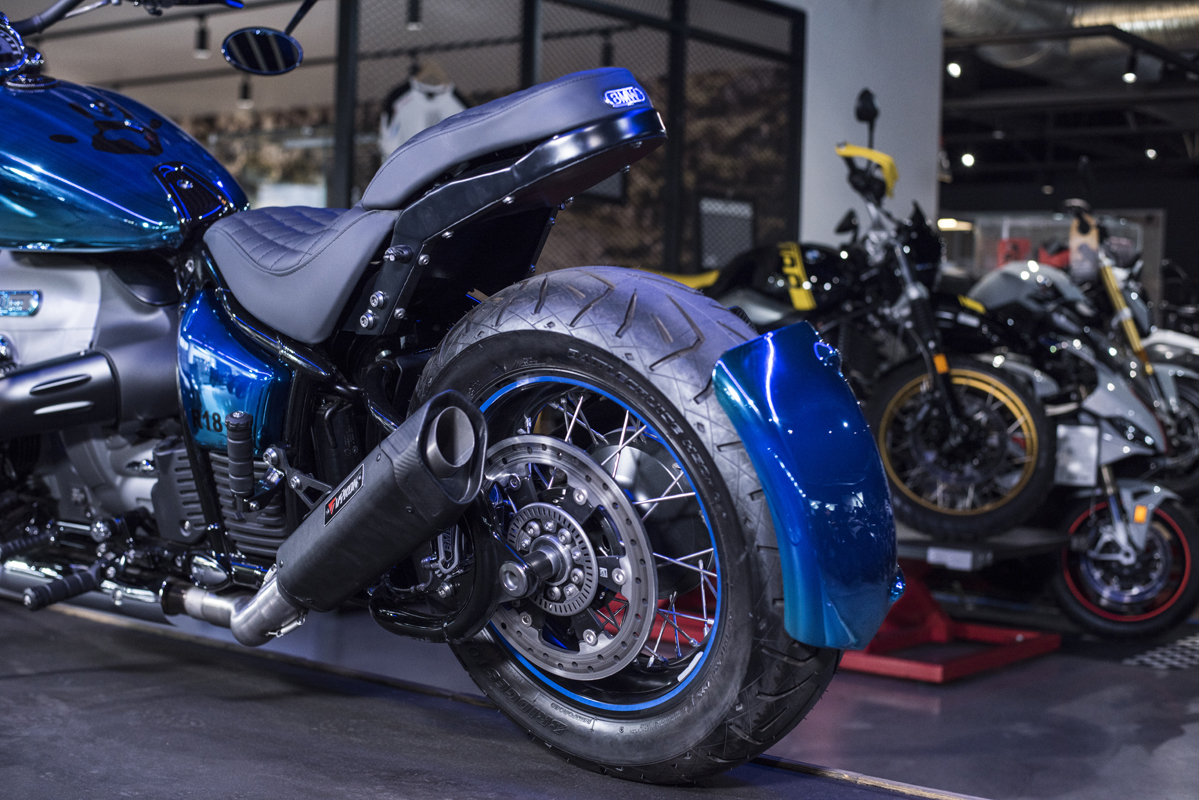
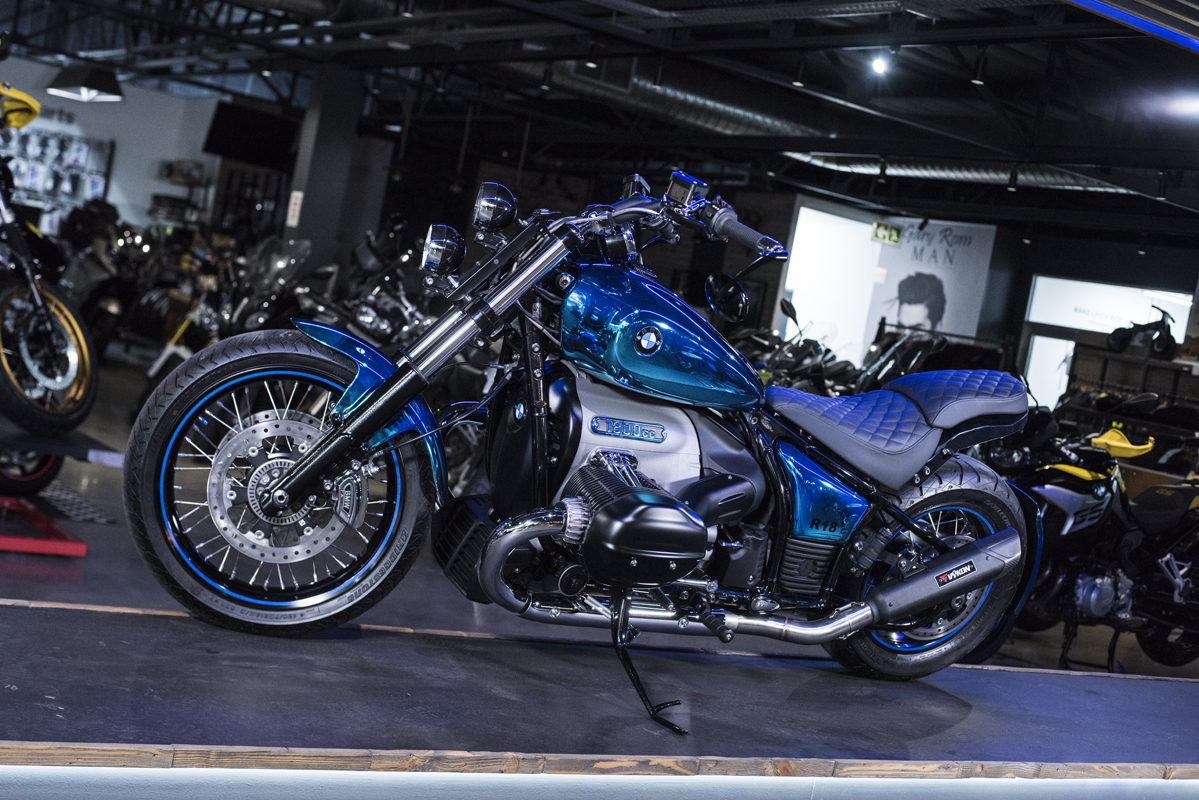
When a company such as BMW is initiating custom build competitions, then you know that custom bike building has moved out of private garages and workshops and into the mainstream. BMW has made a big thing of the fact that models such as the R nineT and R 18 were designed to be blank canvasses onto which customizers can paint their own broad strokes and the 2023 BMW Motorrad Customizing Competition is further evidence that BMW is shaking off its staid image and actually having a bit of fun.
Photo credit: Bjorn Moreira / ZA Bikers
The competition is open to any BMW Motorrad dealer from around the world and, so far, 150 dealers from 18 countries have already confirmed participation. What is significant about this is that two South African BMW Motorrad dealers have accepted the challenge, these being Umhlanga and Bavarian Motorcycles in Centurion. Two dealers from each country will be accepted, which means that both Umhlanga and Bavarian will automatically go through.
Photo credit: Bjorn Moreira / ZA Bikers
The process is simple: design, create and build a custom BMW R 18 and submit photos and videos to BMW headquarters in Berlin by August 21st, 2023. Then, a jury of internationally respected and recognised custom builders will pick the best six custom R 18s, with one more being picked by public vote, and these will travel to Berlin for the final event on September 27-29.
Photo credit: Bjorn Moreira / ZA Bikers
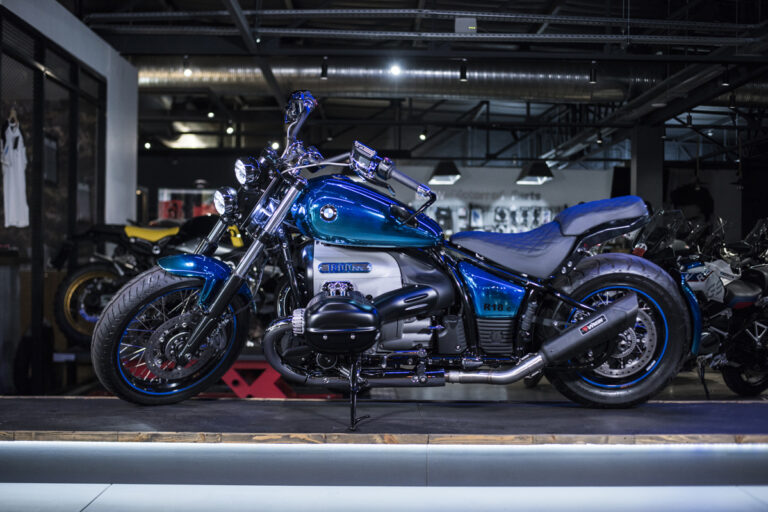
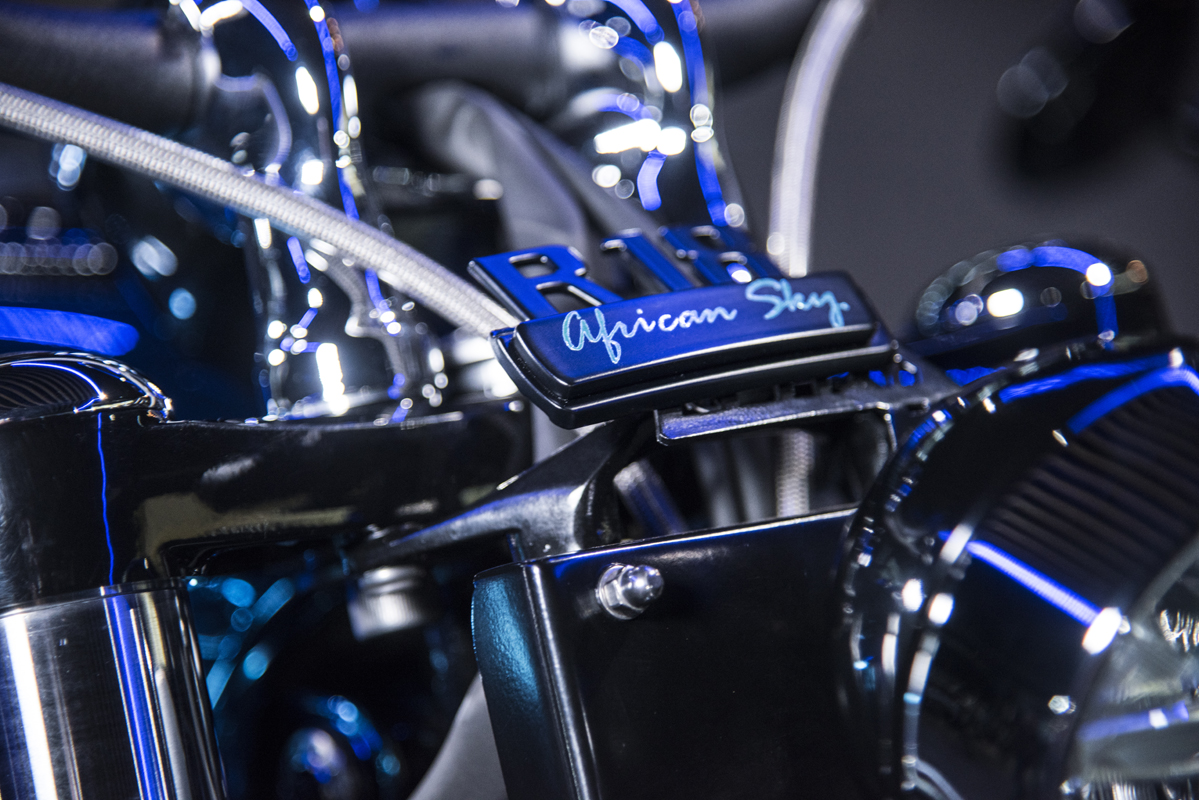
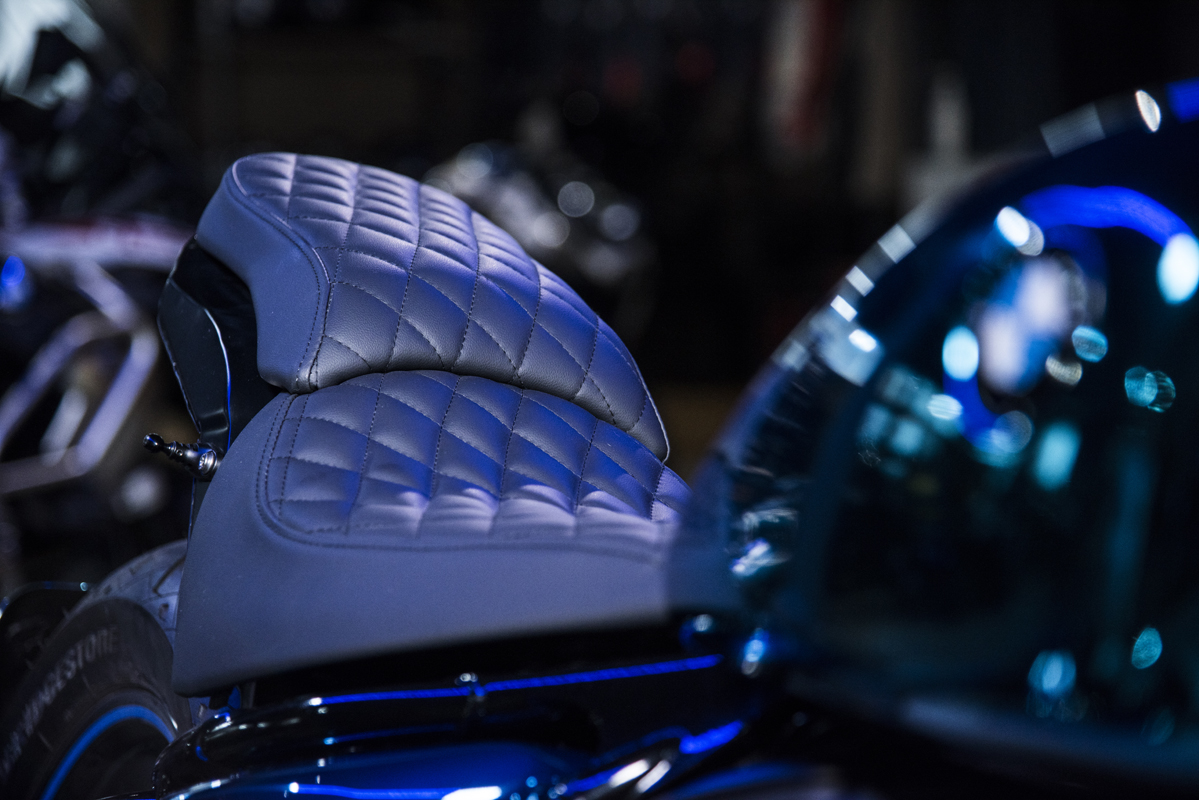
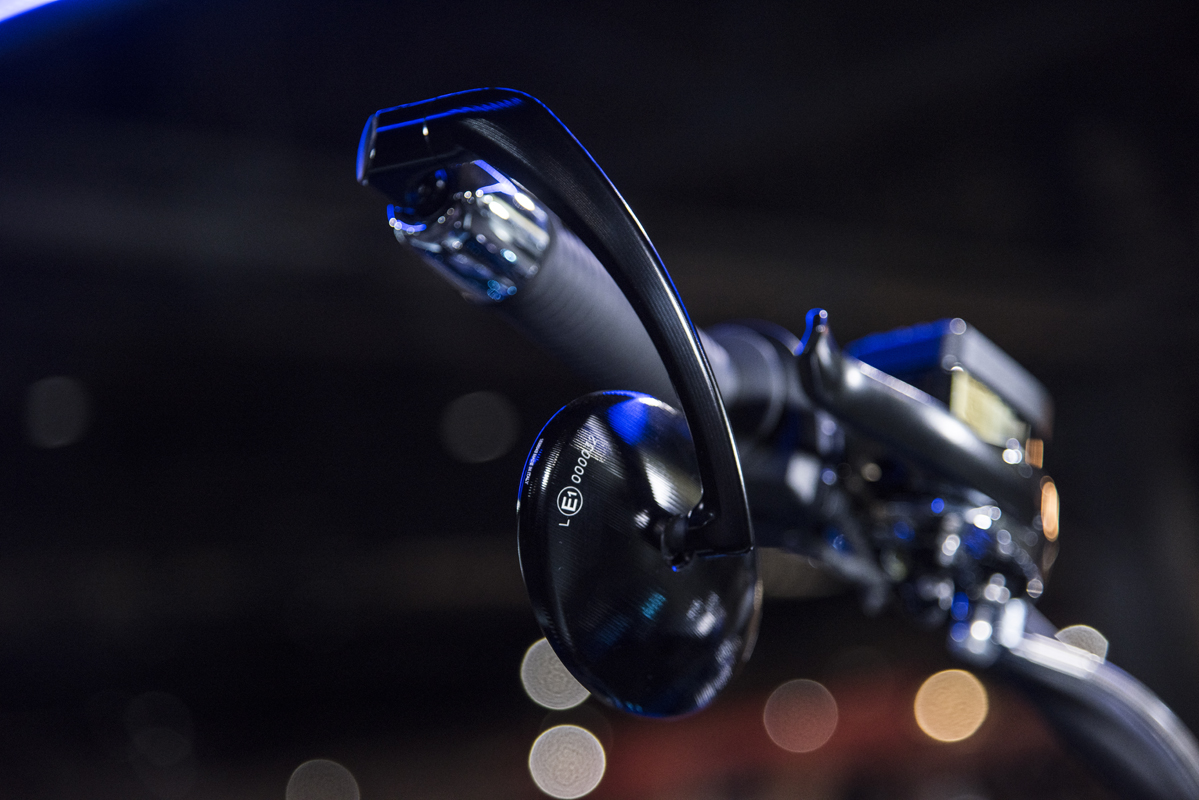
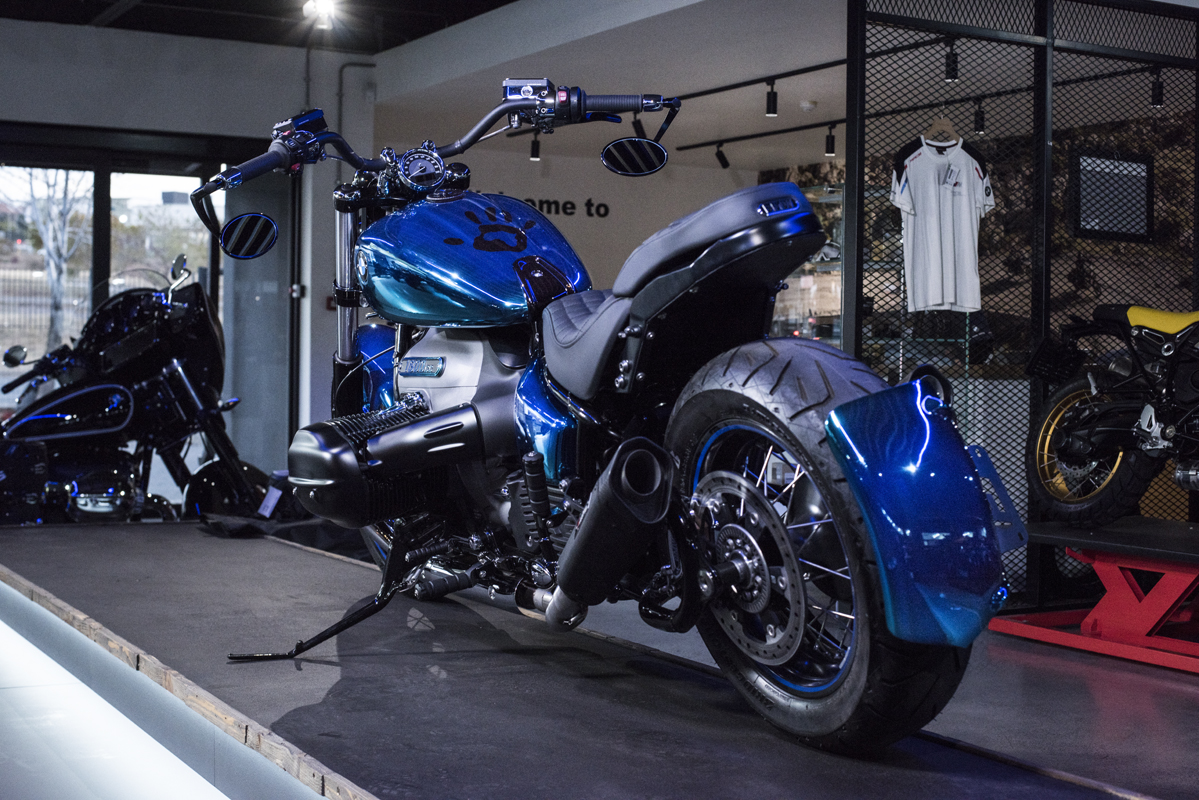
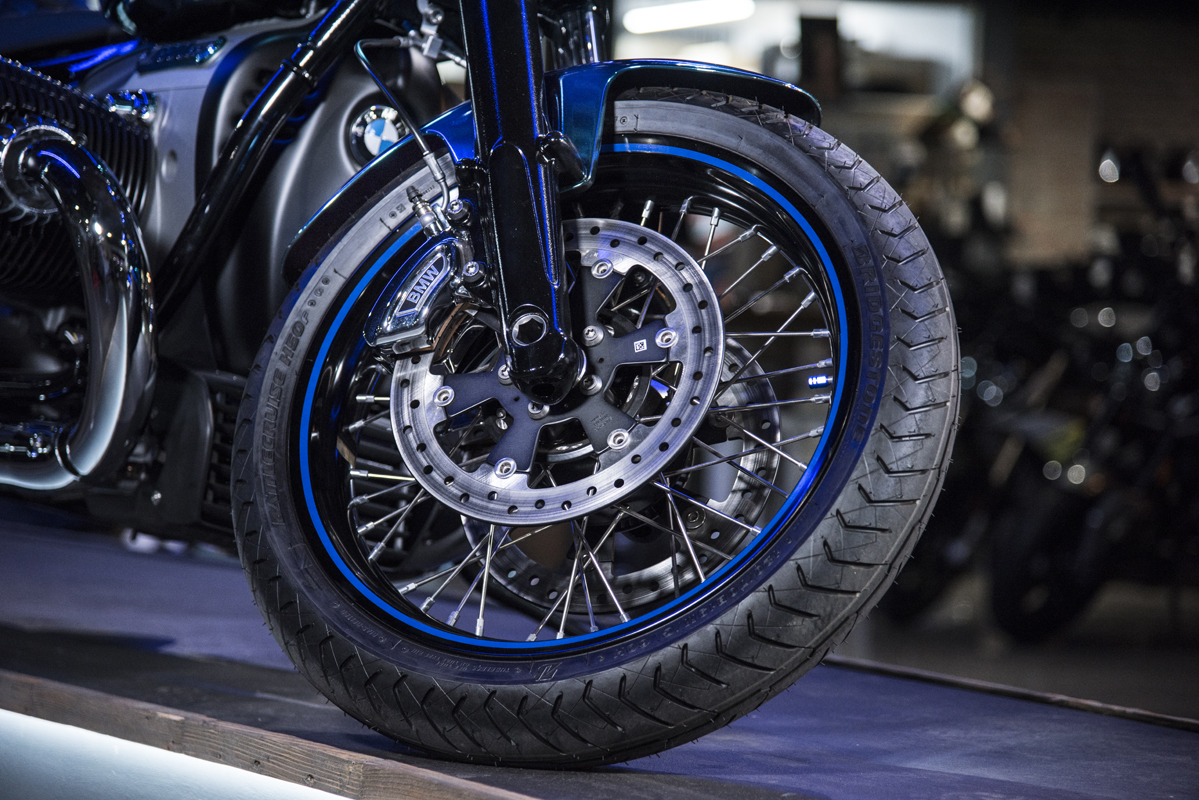
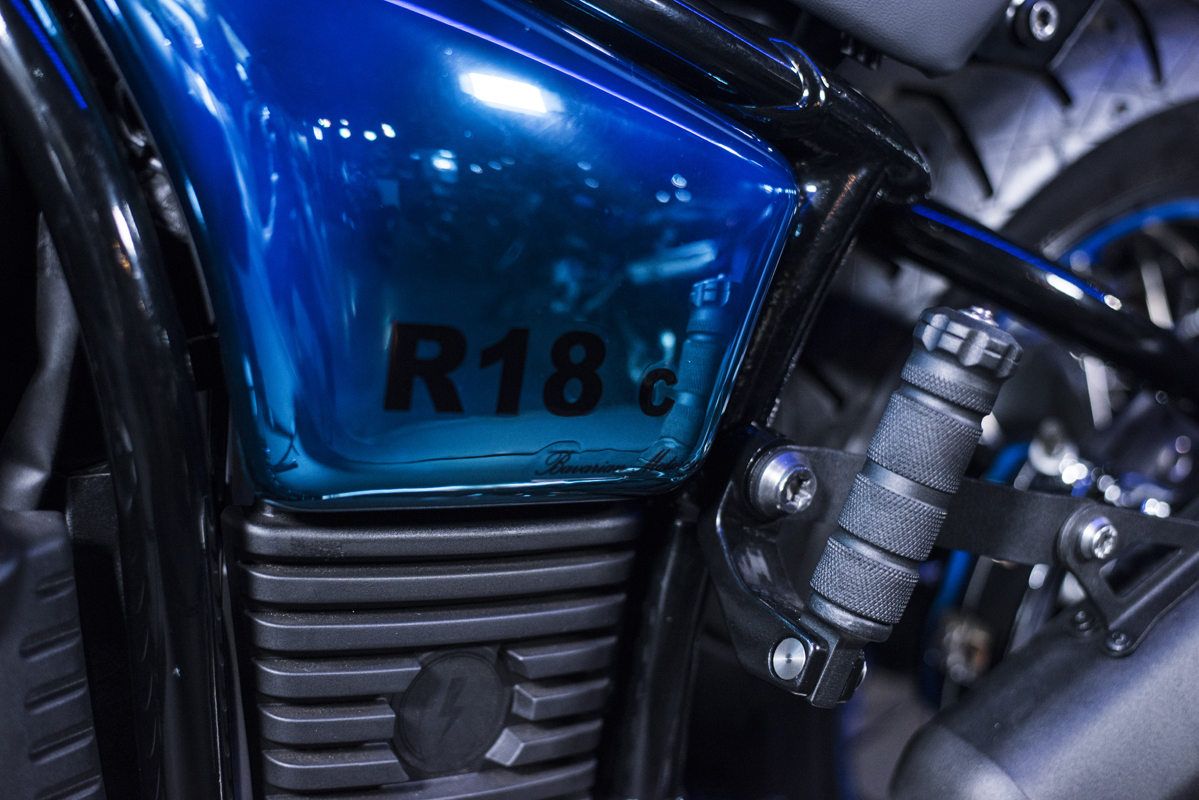
ZA Bikers had the chance to get a close look at the Bavarian entry and the level of workmanship and design is breathtaking. They have called it African Sky and it was a group effort between Bavarian staffers Grant, Dominic, Lenny and Gerhard. The only rule they imposed on themselves was that as much local talent should be utilised and so people and businesses within the Centurion community were involved in supplying parts for the build.
The Customizing Championship is a way for dealers and enthusiasts to show creativity in a freestyle format. Participants will have the opportunity to customize their motorcycles using their own unique designs and ideas, as well as the extensive range of high-quality parts and accessories offered by BMW Motorrad.
Photo credit: Bjorn Moreira / ZA Bikers
“We are thrilled to launch the first-ever BMW Motorrad Customizing Championship,” says Stephan Reiff, Head of Customer, Brand, Sales BMW Motorrad. “This competition is a celebration of the passion and creativity of the BMW Motorrad dealer network and motorcycle enthusiasts, and we can’t wait to see what new members of the R 18 family the participants will come up with.” The winners of the BMW Motorrad Customizing Championship 2023 will receive a range of prizes, including the opportunity to showcase their custom motorcycles at major motorcycle events around the world.
Photo credit: Bjorn Moreira / ZA Bikers
BMW Motorrad dealers from the following countries are confirmed for the Customizing Championship 2023: Australia, Austria, Canada, China, Czech Republic, France, Germany, Italy, Japan, Mexico, Poland, Portugal, South Africa, Spain, Switzerland, Ukraine, the United Kingdom and the USA.
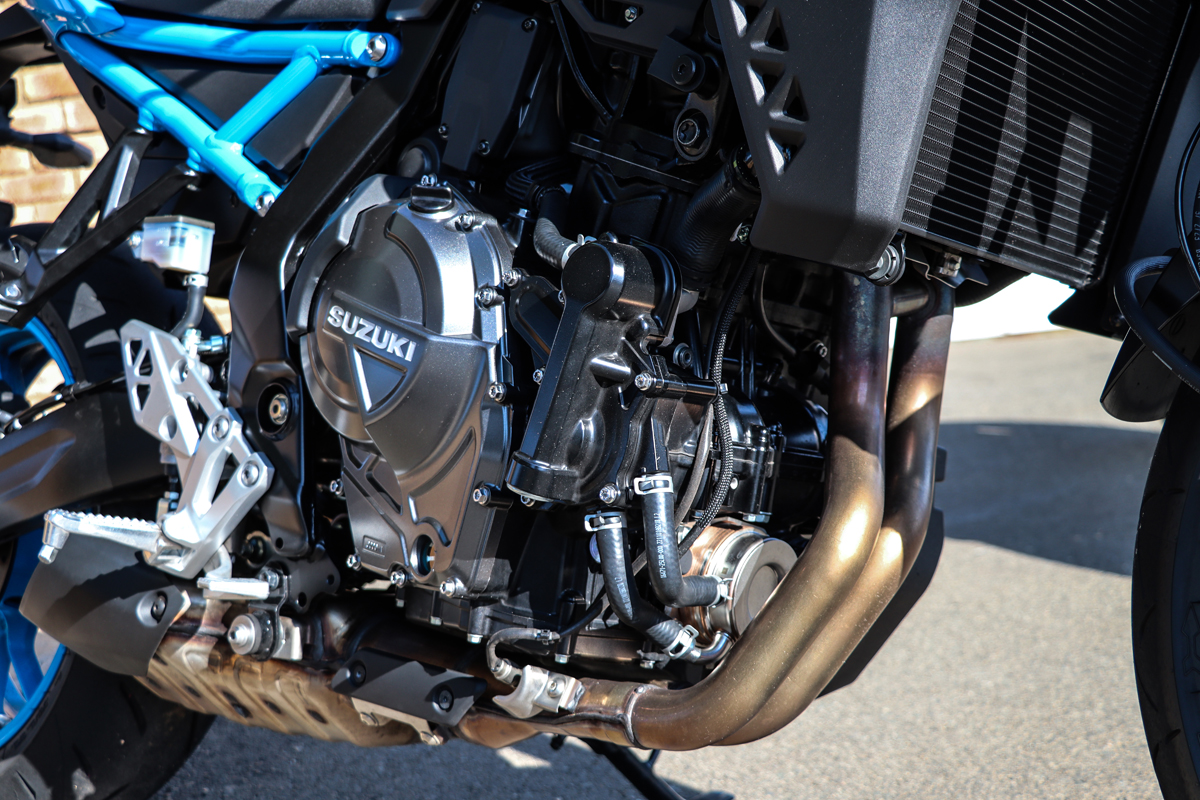
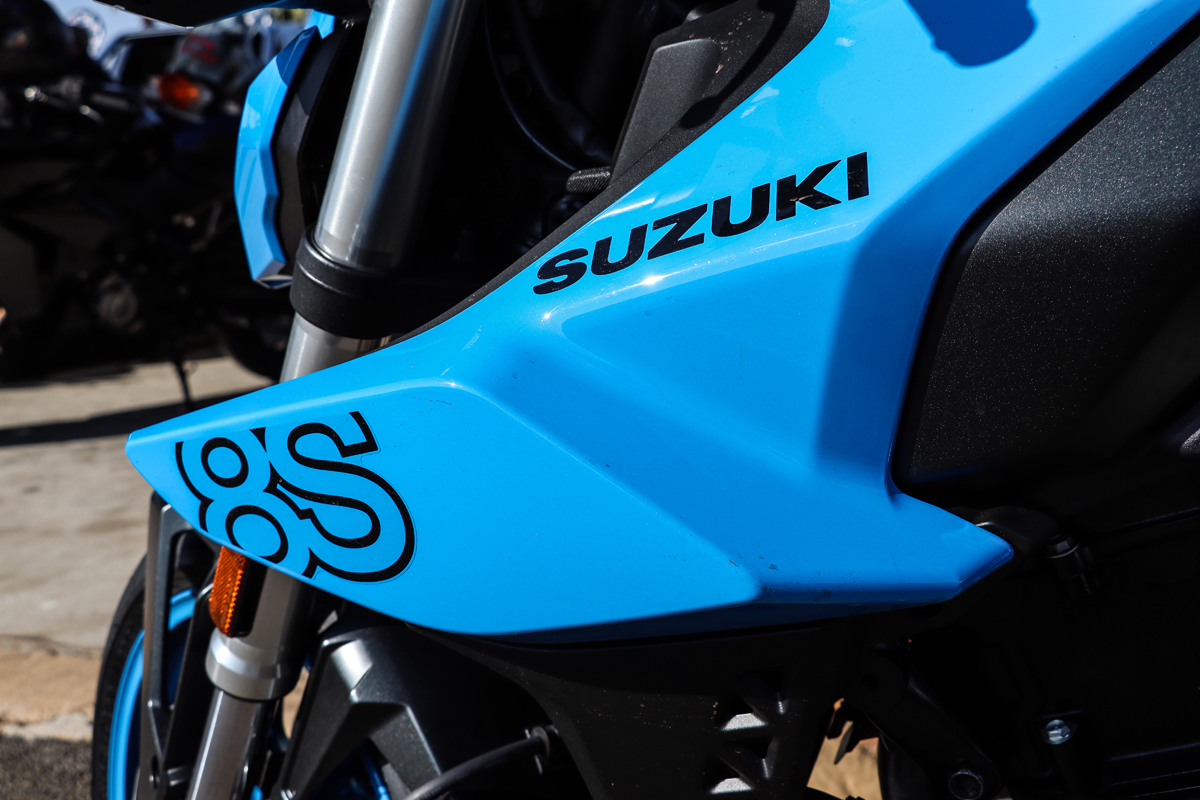
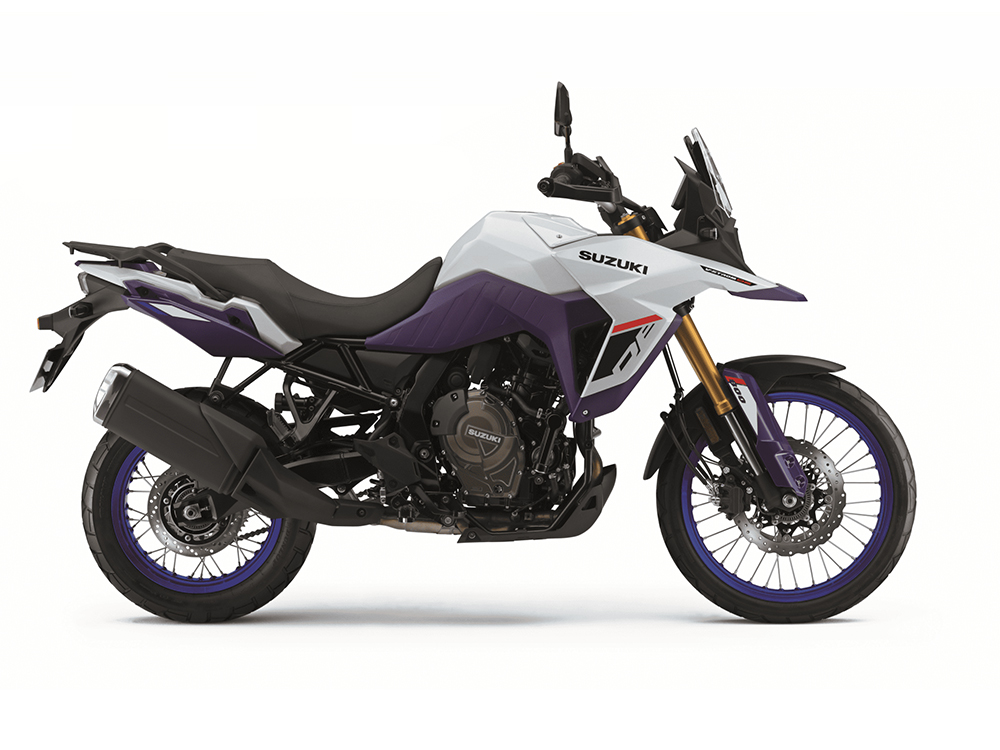
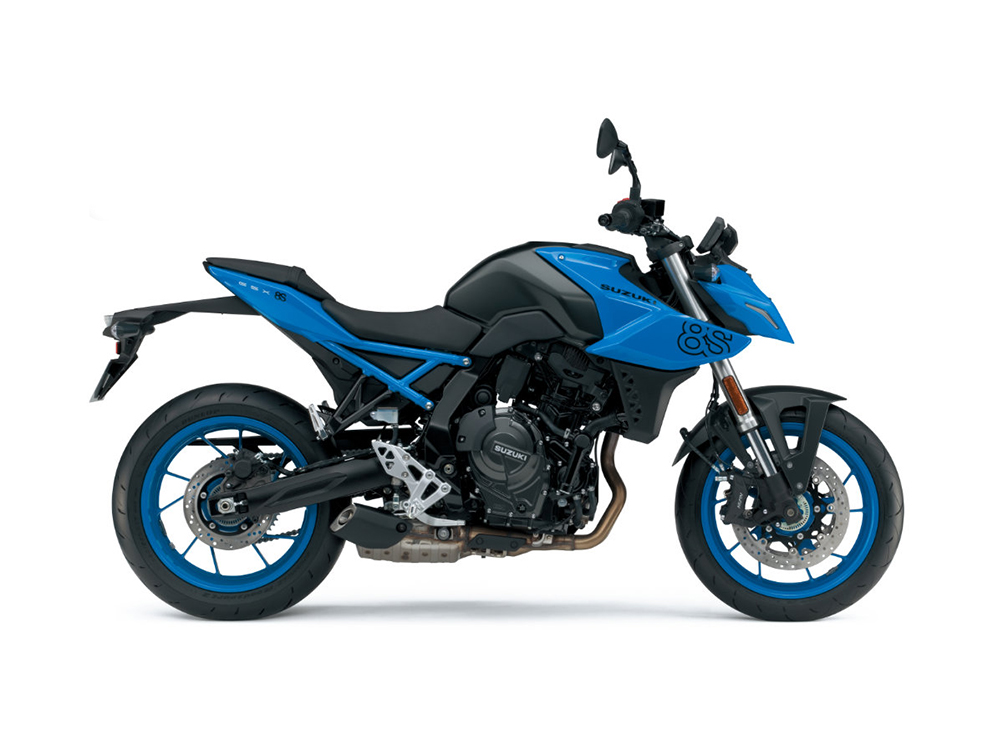
I heard through the grapevine that Suzuki would have their two new 800s at their Red Star track day held on the 22nd of July. For me, these bikes are big news. They have not been officially released or launched in SA by Suzuki yet as they are still waiting for their bulk stock. These bikes come in the wake of the launch of Honda’s Transalp and Hornet. Looking at the spec sheets we see that the Honda’s are lighter, and make more power, but the Suzuki’s boast a higher spec and more torque. I have realised that bikes do not compete on spec, they match up in the real world where the specs all translate into a riding experience. Having ridden the Hondas, I was very keen to eyeball the Suzuki in the flesh and maybe, just maybe, get to swing a leg over them.
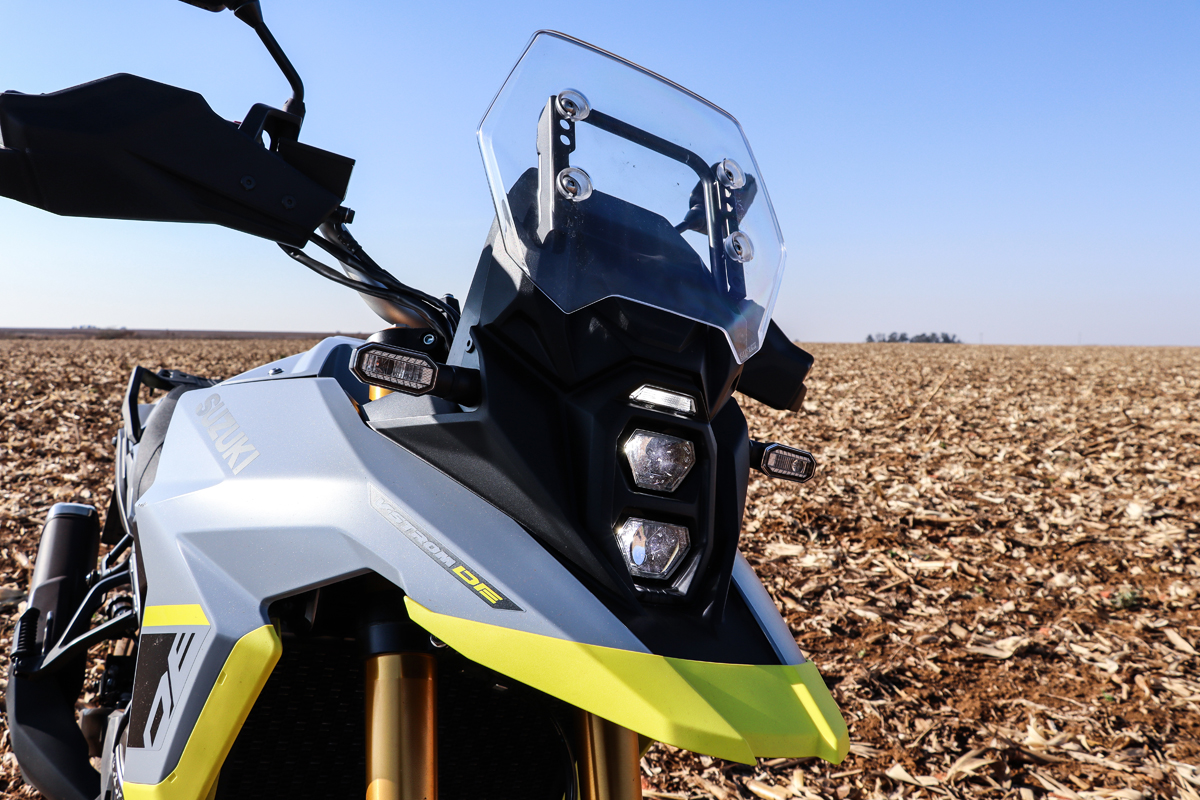
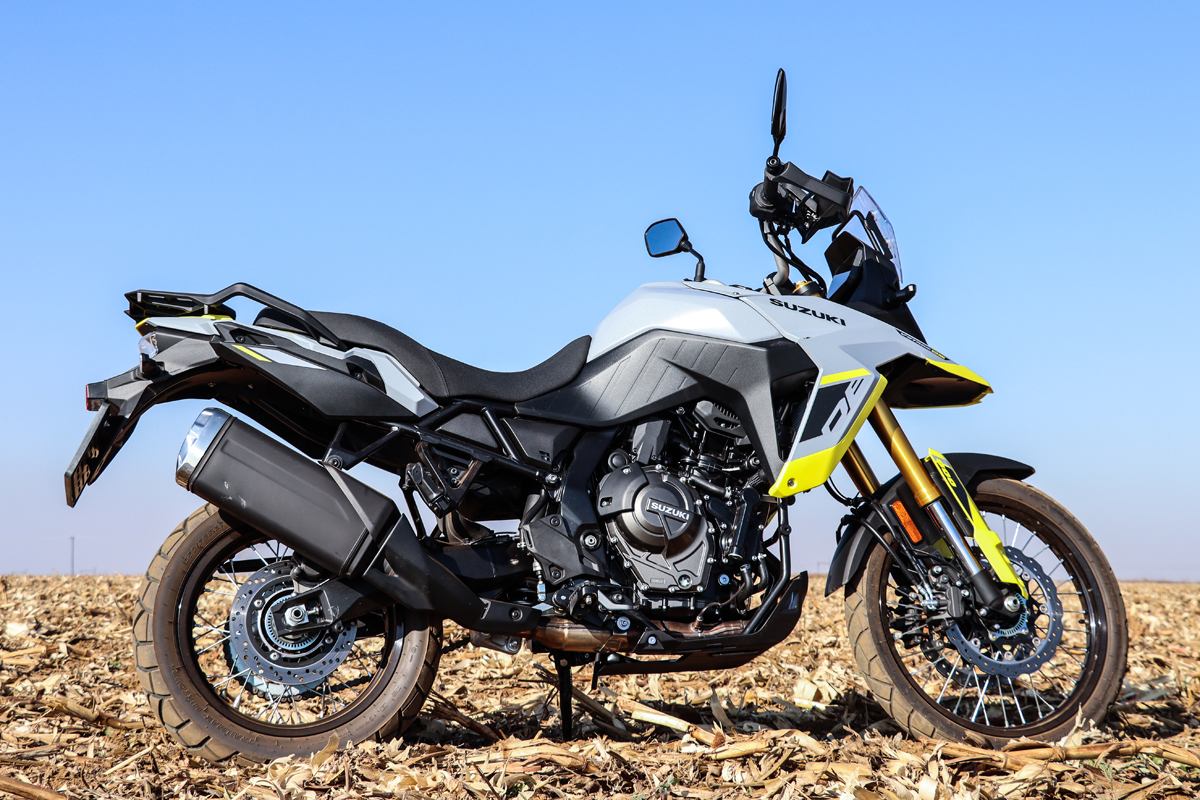
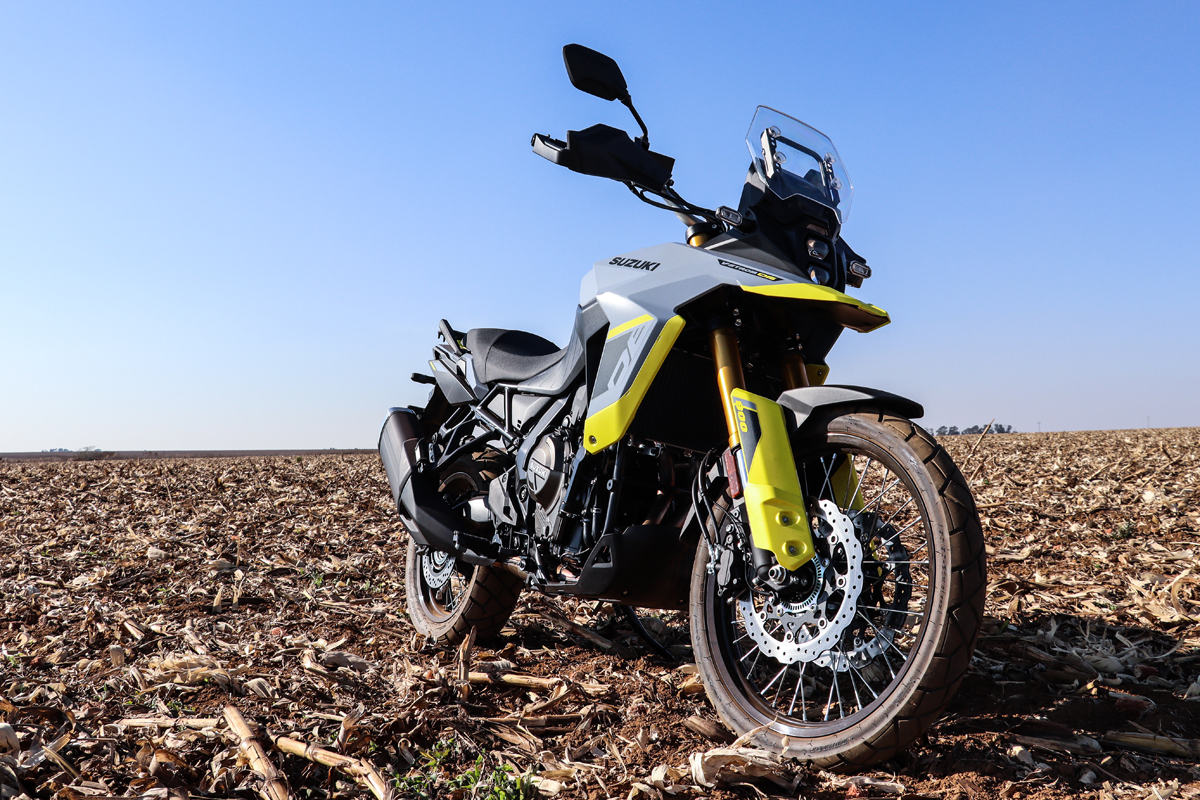
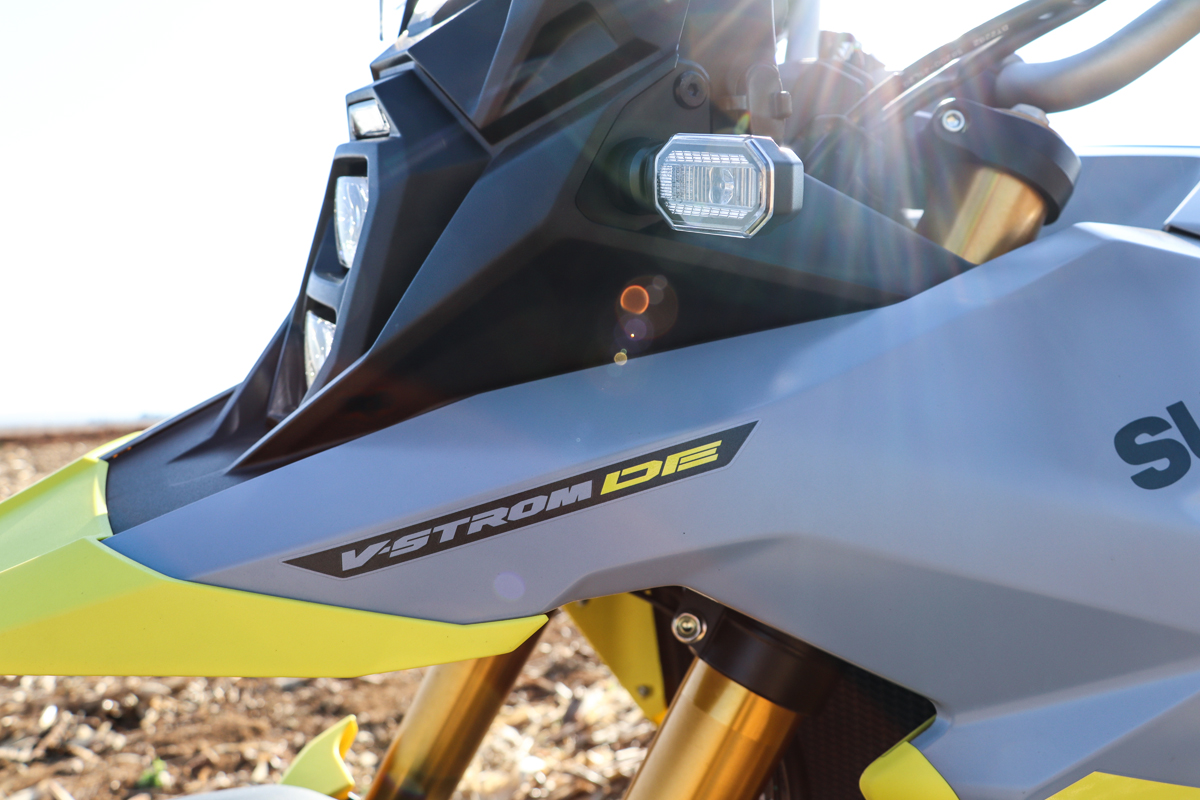
Saturday was chilly, but thankfully when I got to Red Star Raceway just after lunch the sun was out, and it was less frigid. Let’s talk about the V-Strom first. The bike that Suzuki had at Red Star was the grey and yellow version. It is almost an industrial grey with yellow highlights and looks great, once again emphasising that photos do not always do the looks of a bike justice. Suzuki’s Stuart Baker allowed me to take the DE for a quick spin down a dirt road to get a feel for the bike. Wow, what a pleasant surprise!
Photo credit: Dave Cilliers / ZA Bikers
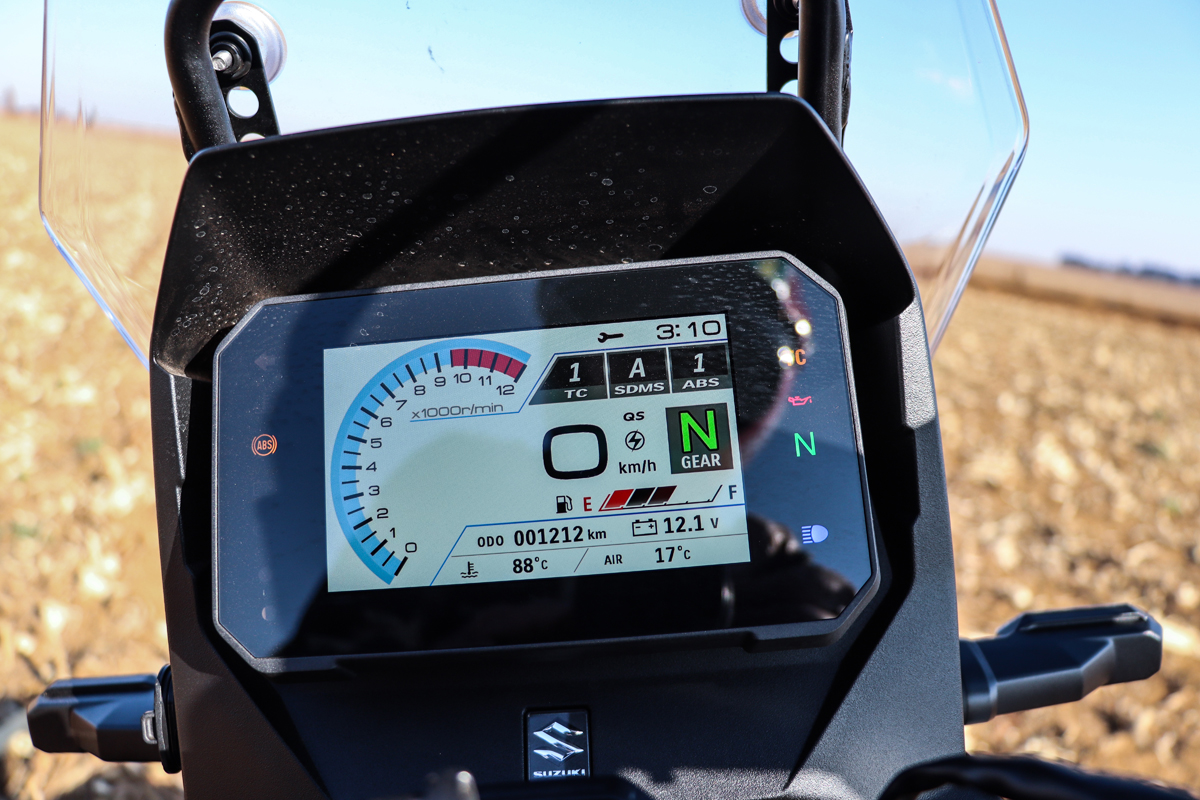
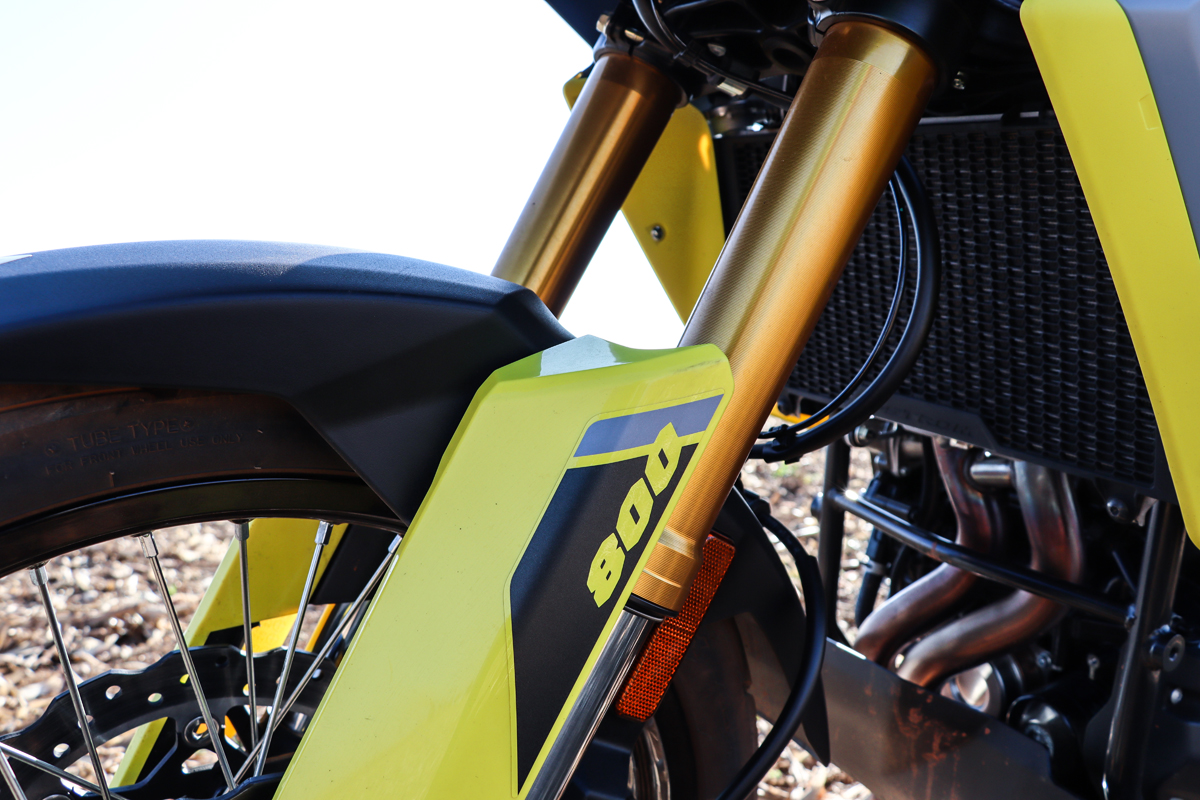
The DE sports KYB suspension with fully adjustable USD front forks and 220mm of travel. Brakes are by NISSIN with radial callipers biting on 310mm discs. A TFT dash is logically laid out and clear with a circular tachometer on the left of the screen and a digital speed readout and other info on the right. Simple and effective.
Photo credit: Dave Cilliers / ZA Bikers
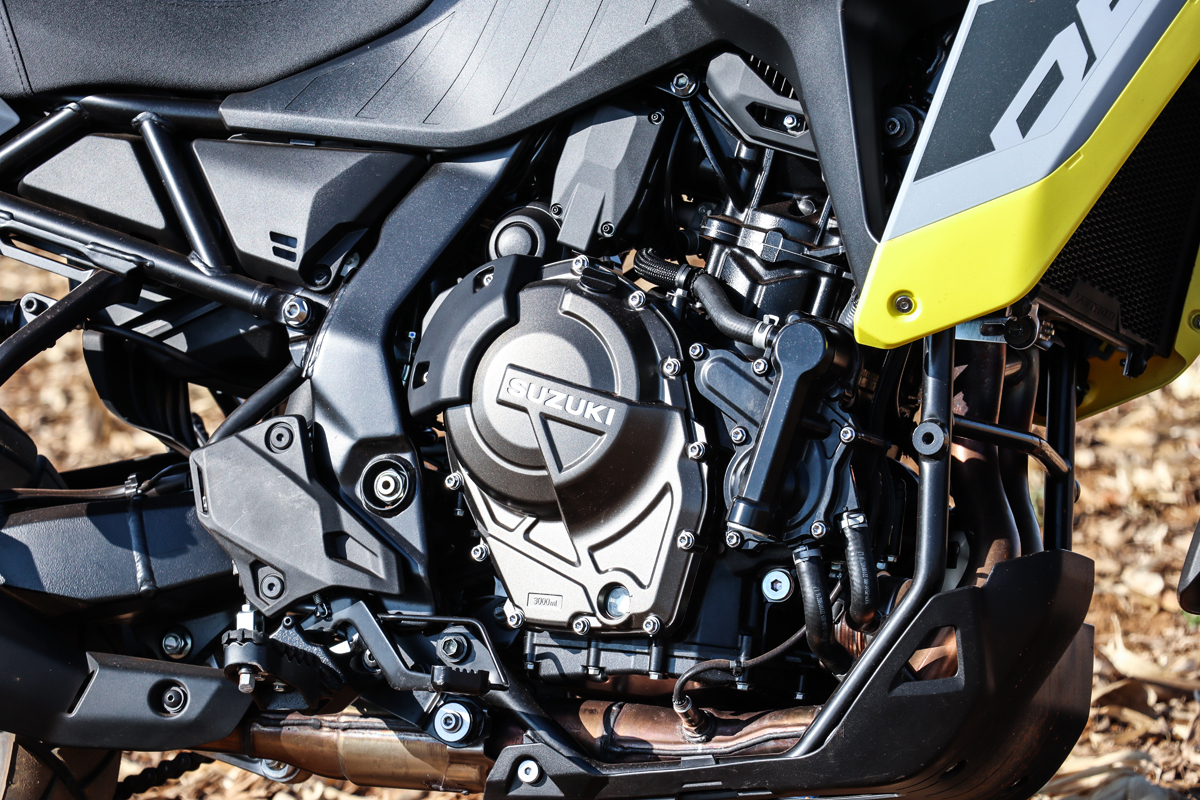
The motor is a spanking new 270-degree crank parallel twin with two balance shafts which make it almost eerily smooth. A quick-shifter comes standard, as does Suzuki’s now familiar ‘easy start’ and ‘low RPM assist’.
Photo credit: Dave Cilliers / ZA Bikers
New for 2023, and a game changer and shot across the bows of the opposition, is a 21” front wheel. Suzuki, for the first time, has signalled clear offroad intent with the medium-sized ‘Strom. The 650 was capable of good gravel road travel but was never truly dirt worthy in a Pukka adventure bike sense. This ‘Strom is a whole different story. Suspension geometry, ground clearance, suspension spec and travel all scream “Bring it on”!
Photo credit: Dave Cilliers / ZA Bikers
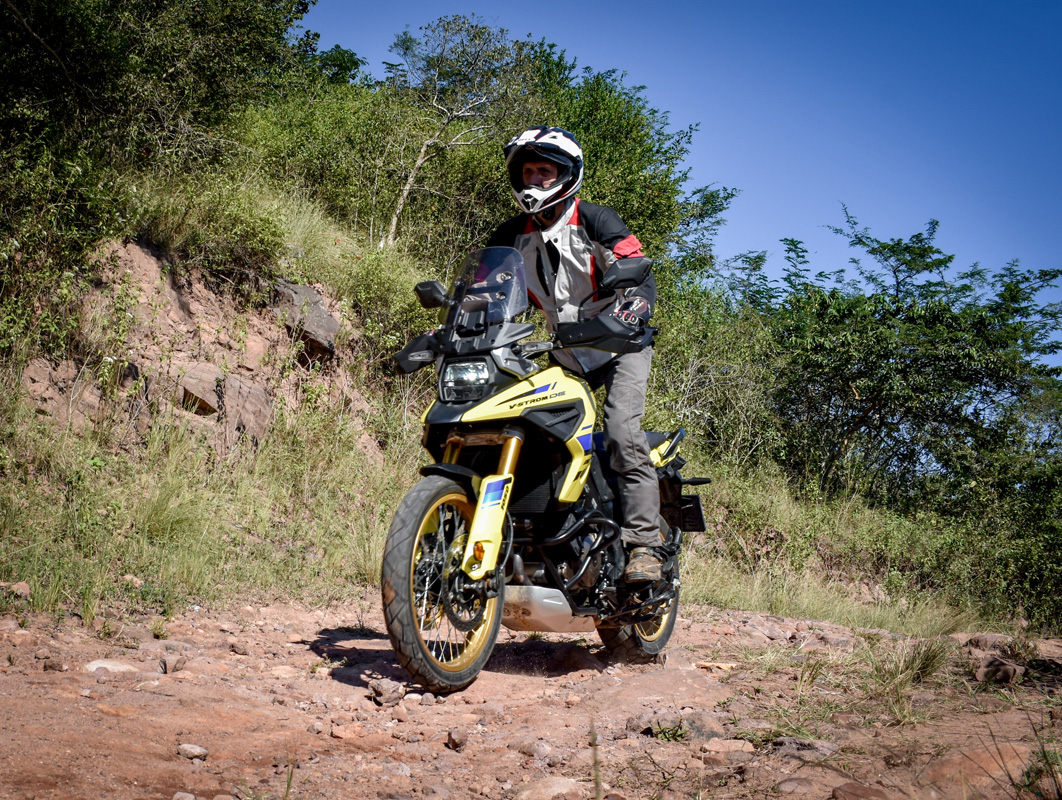
Riding the bike immediately dispels the ‘spec’ myth that it is heavy. Granted, it is 230kg which is at the top end of the middleweight class, but you would never ever say so. The bike feels manageable and composed on the dirt. Interestingly, the additional weight seems to give the bike a more settled feel over bad corrugations and on loose surfaces and sand.
Photo credit: Dave Cilliers / ZA Bikers
The motor is rheostat smooth and, aided by the superb quick-shifter, allows you to punt the bike along with vigour. I did not have time to play with modes, but Stuart ran me through the options available, and essentially you can set it up the way you want it. Comfort feels top-notch in typical ‘Strom fashion. This bike may just find that sweet spot between the dirt-biased Yamaha T7 and the more road-biased Honda.
Now for the real kicker. In the UK and other European markets, Honda undercuts the Suzuki by almost 1000 pounds. That, suffering Saffers, is an approx R22,000 premium over the Honda. But not here! Stu Baker assures me that without any fancy financial engineering, and applying their standard retail markup, Suzuki brings the 800 DE V-Strom to market at R195,000! Almost R20,000 less than the said T7 and undercutting the Transalp by R15,000. Given the significantly higher spec than the T7 and Transalp, and off-road ability now getting into T7 territory, Suzuki have a winner on their hands. Welcome to the thinking man’s adventure bike option.
Photo credit: Dave Cilliers / ZA Bikers
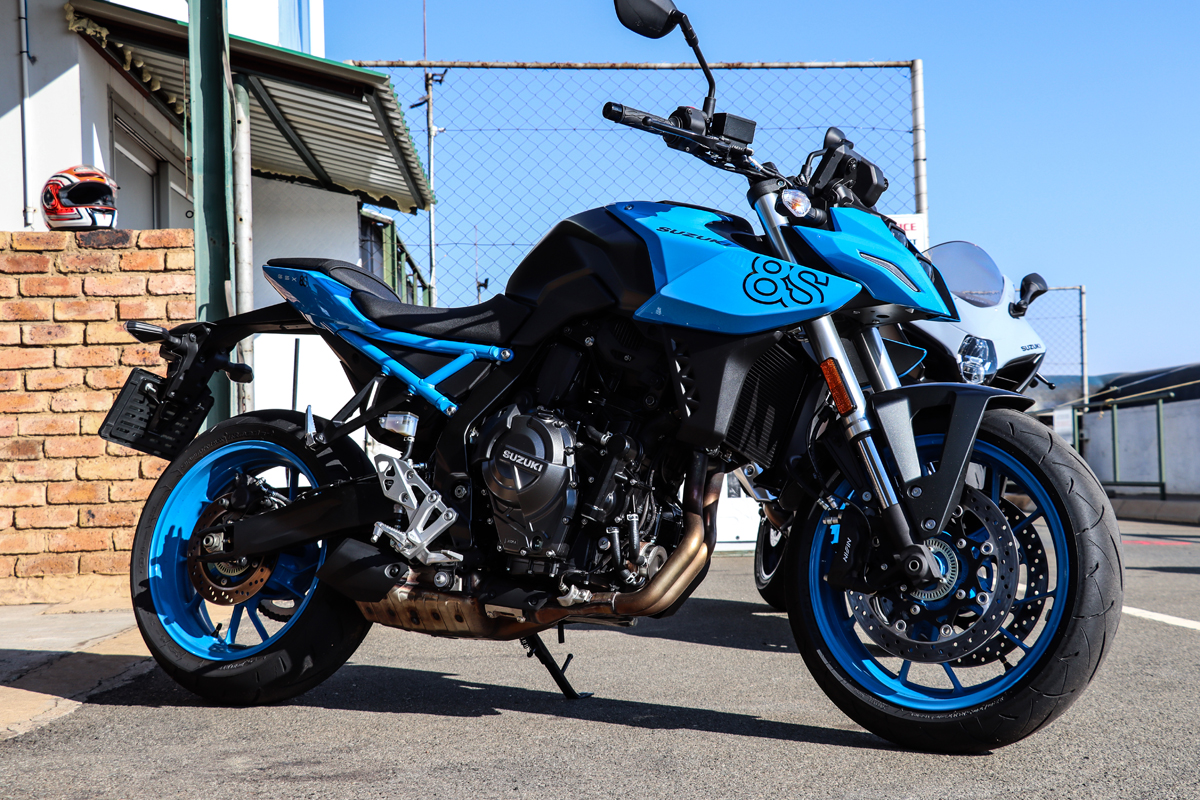
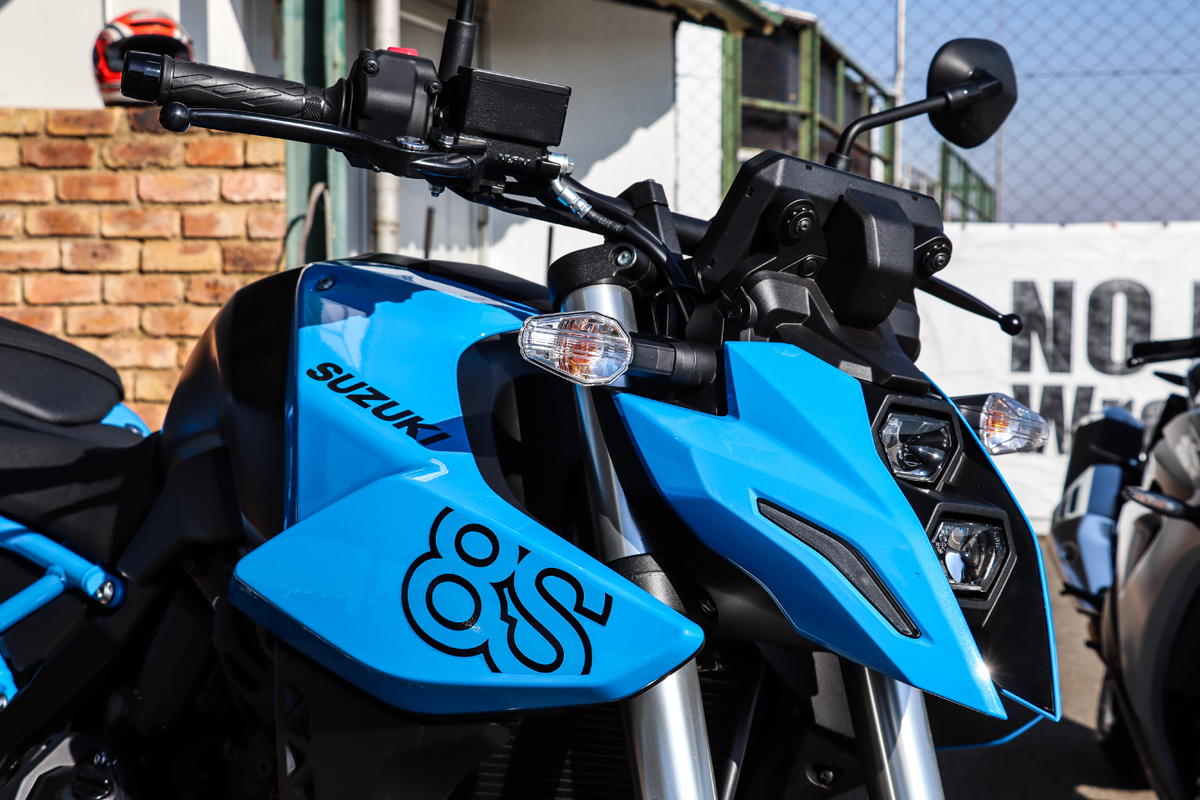
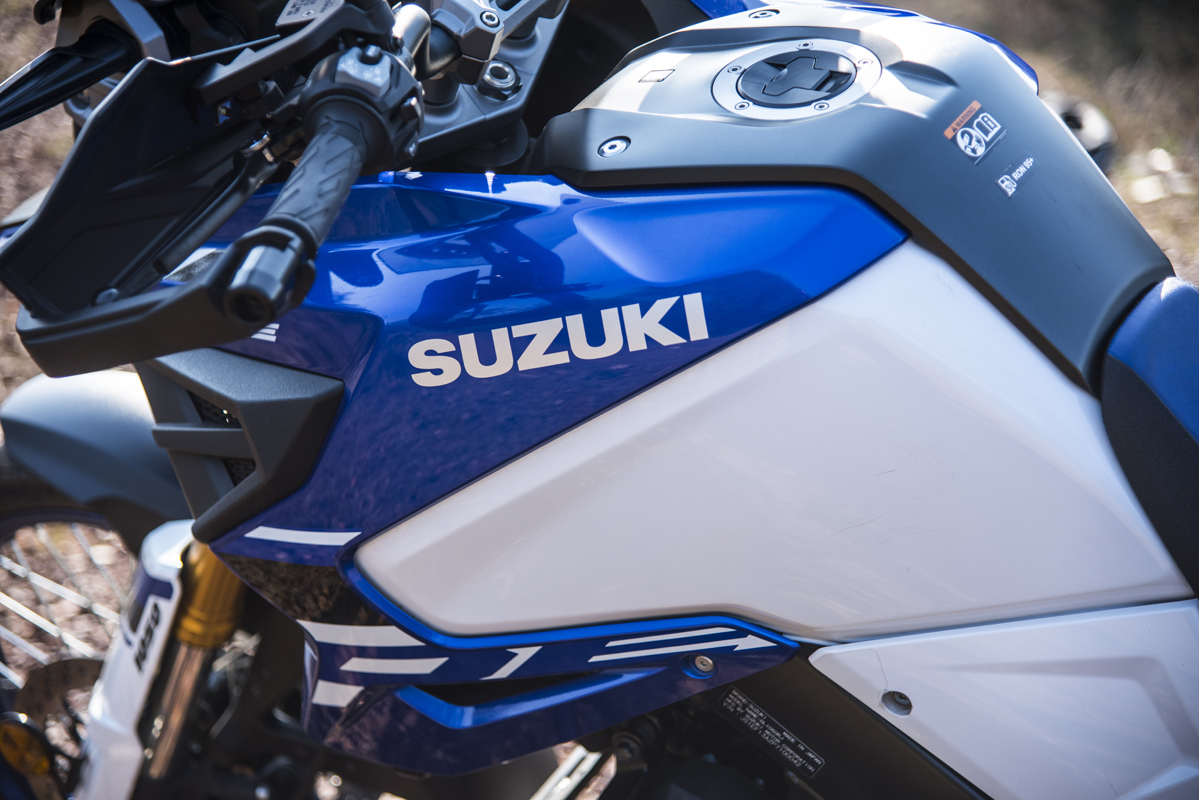
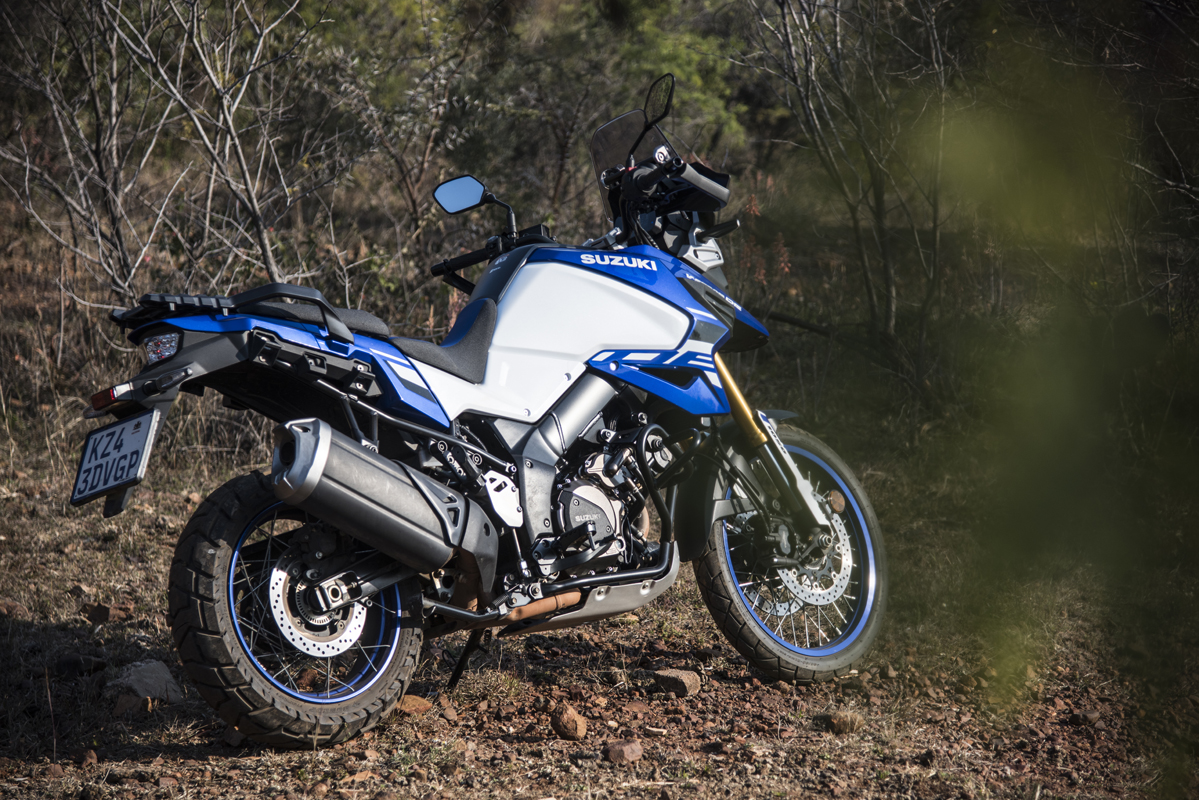
I literally parked the DE and hopped onto the GSX-800 S for a couple of laps around Red Star. On the Honda Hornet Red Star experience, we lapped clockwise. On the Suzuki, we rode the more conventional anti-clockwise track. The 800 S is a looker! The blue bike with matching blue wheels and stacked headlight flanked with slit daytime running lights combine to look thoroughly modern and sweet.
Photo credit: Dave Cilliers / ZA Bikers
This is a bike that again hits a sweet spot amongst its naked peers. Having ridden the GSXR 1000 S for quite a few k’s recently made me realise how beautifully balanced the GSX 800 S package is. The new parallel twin is powerful and engaging but in a more easygoing way than the 1000. Similarly, the 202kg 800 is flickable yet planted and composed.
Photo credit: Dave Cilliers / ZA Bikers
It will obviously go head-to-head with the Hornet, which I enjoyed immensely around Red Star. The Suzuki does not feel dissimilar. The Honda motor is more of a firecracker, whilst the Suzuki drives out of corners with a smidge more authority, aided by a standard fitment quick-shifter. The Suzuki feels like a more spacious and less frenetic Hornet. Maybe a tad more ‘mature’.
Photo credit: Dave Cilliers / ZA Bikers
Again, Suzuki have nailed it price-wise, bringing the GSX 800 S to market at an astoundingly good R165,950, undercutting its Honda rival by almost R15,000. We will have to see how the market reacts to these new bikes once they are freely available. At this point, Suzuki have more comprehensively specced bikes at significantly better pricing.
Photo credit: Dave Cilliers / ZA Bikers
Brand loyalty can only go so far in a market that is under a financial cosh. If you are in the market for a middleweight road or adventure bike, then it has never been a better time to go shopping. May the games begin!
Suzuki V-Strom 800 DE and GSX-800 S
For more information on the bike featured in this article, click on the link below…
The Yanks have a saying, “If it ain’t broke, don’t fix it”, which is perhaps really appropriate when talking about the big V-Strom. It was over 20 years ago when the first ‘Strom broke cover. What has transpired subsequently is an evolution rather than a revolution of the big V. The 2023 model certainly breaks new ground in the ongoing Saga of the ‘Strom, but in essence, it is the same solid and sensible bike that we have come to know and love over the years. So, what is new you will no doubt ask?
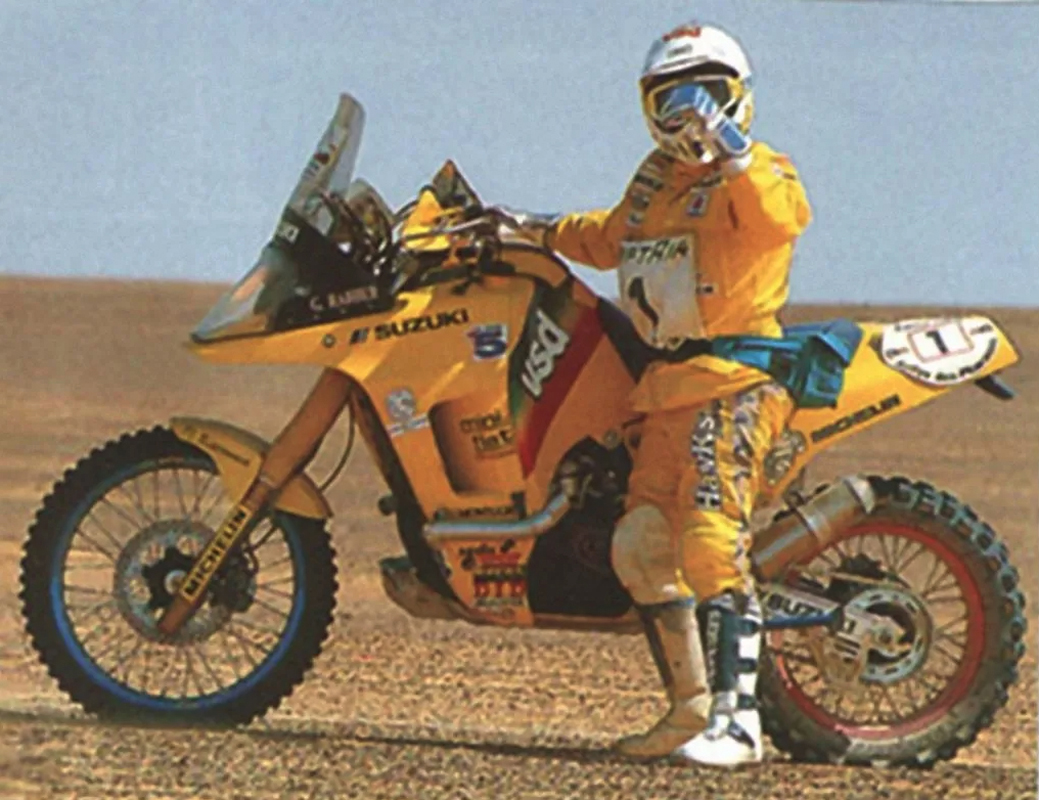
At the heart of the beast remains the 107,4bhp 90-degree V-Twin producing 100Nm of torque at 6000rpm, fed by two 49mm throttle bodies. Styling is unmistakably Suzuki, with a beaky and bulky look that harks back to the Dakar DR-Z800 ridden in the 1989 Dakar by Gaston Rahier.
Image source: Dakar
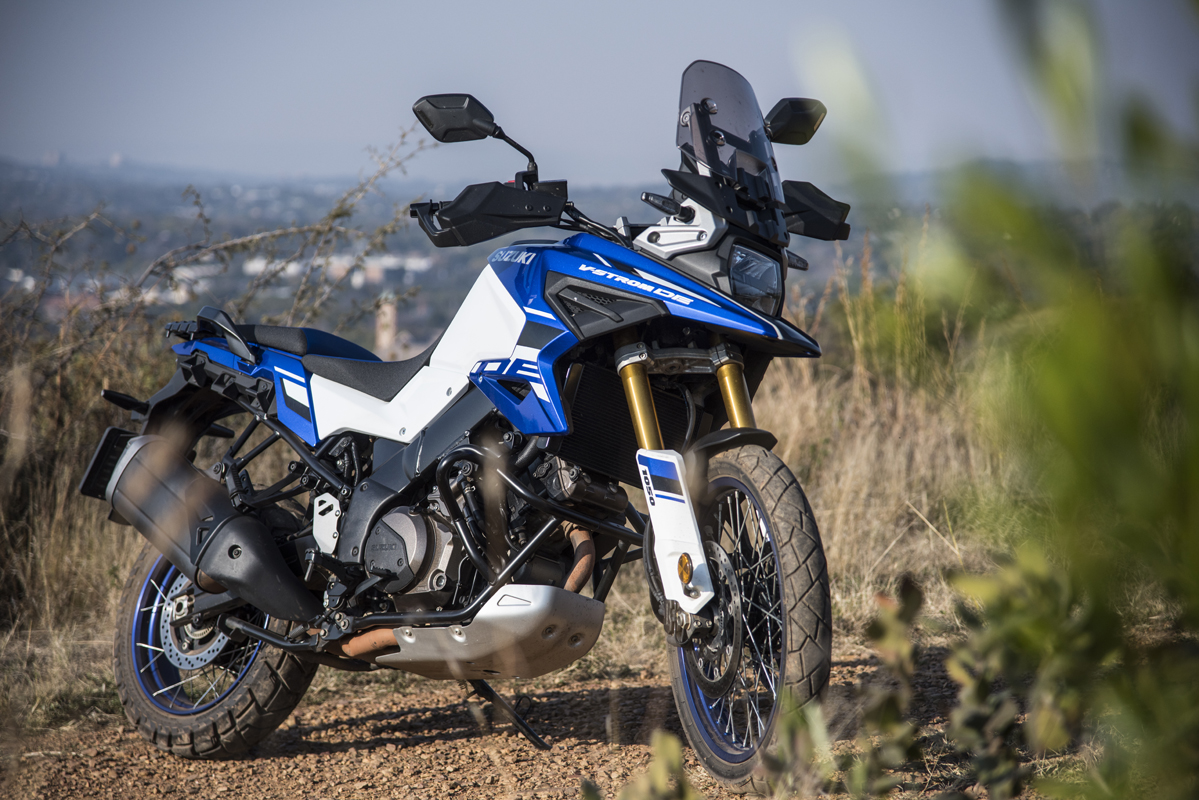
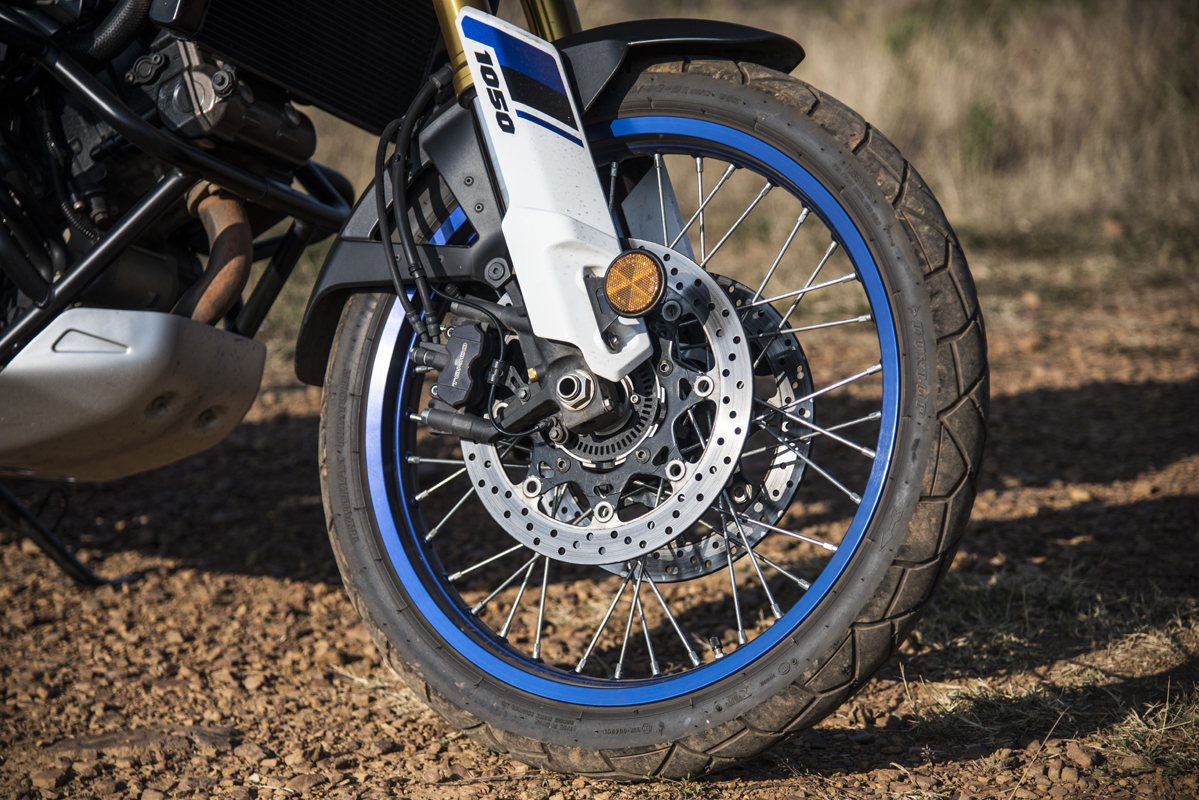
The big news for 2023 is that the DE version which we get in SA is endowed, for the first time ever on a V-Strom, with a 21” front wheel. Suzuki seems to have been at sixes and sevens in the past as to which way to go with their big ‘Strom. This year they offer a road-biased version with a 19” wheel, and the one we get, with the 21” front hoop. A 90/90×21 does duty up front with a 150/70×17 in the rear. Both wheels are dirt-friendly spokes.
Photo credit: Bjorn Moreira / ZA Bikers
The DE has a 50mm longer swingarm and bars that are 40mm wider, substantial off-road pegs, and a non-adjustable, lower screen than its street focussed sibling. This is thus the first ‘Strom that is unashamedly dirt biased. Is that a collective “Hooray” that I hear from the adventure boys?
Photo credit: Bjorn Moreira / ZA Bikers
A 5” inch TFT display keeps you informed of engine and peripheral functions in a clear and concise way that is in stark contrast to the instrumentation of the last generation bike, which was cluttered and fussy. Good job! Electronics offer 3 stages of traction control, with a ‘Gravel’ setting which retards ignition timing to prevent wheel spin. Similarly, three fuel maps, and Road and Off-road ABS allow you to tailor the bike to your riding environment. A six-speed gearbox works seamlessly, in typical Suzuki fashion, to lay the power down. It is aided by a damn good bi-directional quick shifter.
Photo credit: Bjorn Moreira / ZA Bikers
The chassis is a customary alloy unit that has characterised the V-Strom since its inception. Bolted to the frame is KYB suspension with fully adjustable USD forks up front and a preload adjustable shock in the back. Travel is in the region of 200mm at each end. The suspension works well and seems to be well-sprung and damped to cover a wide variety of riders and riding styles. Having said that, at a wet weight of 259kg, the big DE will have the most appeal to those that want a totally dependable go-anywhere tourer, rather than the racing snakes who serve at the Altar of Speed.
Photo credit: Bjorn Moreira / ZA Bikers
The DE is endowed with an 880mm high seat which is comfy for both rider and passenger. Interestingly, the rider triangle places your feet a tad further forward and about 2cm higher than on bikes like Ducati’s DesertX or Triumph’s Tiger 900 Rally Pro. 2x 310mm front discs and a single 260mm rear are chomped on by Tokico callipers which haul the big Suzie up quite decently. They are controlled by a Suzuki Intelligent Ride System which senses the load on the bike and adjusts the braking power accordingly. OK then…Lean-sensitive ABS and Hill Hold Control as well as ‘slope dependent control’ which maintains rear wheel traction under braking, are all benefits of a 6-Axis Bosch IMU.
Photo credit: Bjorn Moreira / ZA Bikers
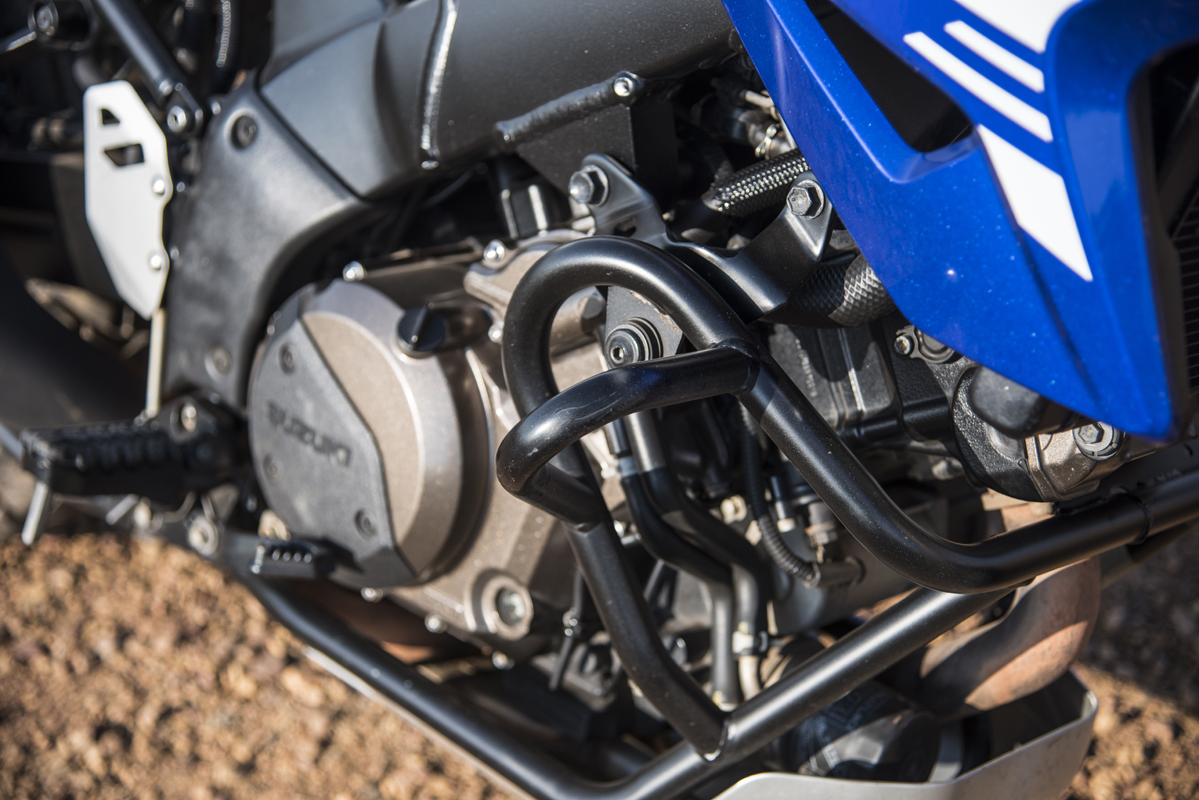
The DE comes standard with a bash plate, main stand and crash bars. The handlebars have the typical wind-deflecting guards which serve no purpose other than deflecting wind from your hands. Sooner or later a manufacturer will fit protection for the levers as well as our hands…we live in hope.
Photo credit: Bjorn Moreira / ZA Bikers
Kudos to Suzuki for the other items, which should be standard fitment on all adventure bikes. Bear that in mind when comparing new bike prices. The DE sports a 21-litre fuel tank which should be good for 350+ k’s if ridden with some restraint. Speaking of riding, the DE does not disappoint. The motor produces perfectly linear smooth and strong go right off idle. There are no peaks or troughs in the power and torque curves. Allied to perfect fuelling this makes for good progress across any surface.
Photo credit: Bjorn Moreira / ZA Bikers
The bike is reassuringly stable and predictable across all surfaces, a huge asset on an adventure platform. I would not want to attack overly technical terrain on the ‘Strom, given its size and heft. Having said that, I have always advocated choosing the right weapon for a particular fight. If you want to smash technical trails, buy a lightweight dual sport or full plastic. When you want to cross continents with your missus and gear, consider the big ‘Strom or something similar.
Photo credit: Suzuki SA
The Suzuki 1050 V-Strom DE is at last ticking the off-road box properly. It does not come at the cost of poor road manners. The DE is a bike that you can use day to day in general riding, and which can then take you on your weekend or holiday adventures. It will do that in its well-mannered no-fuss way. It remains the labrador of the adventure bike world. At R259,000, it is worthy of serious consideration.
Photo credit: Bjorn Moreira / ZA Bikers
Suzuki V-Strom 1050 DE
For more information on the bike featured in this article, click on the link below…
South Africa’s biggest Dirt Bike Festival will be back this year at Legends Adventure Farm between the 1 & 3 of September 2023. Supported by Motorsport South Africa and FIM, this is one of the most exciting events on the racing calendar, spanning three days and featuring a multitude of racing categories including motocross, freestyle, enduro and cross-country events.
Seasoned organiser, Guy Henley of Out of Africa Group, says he believes the Festival, now only in its second year, will be bigger and better than the inaugural event and is looking forward to attracting participants across the various disciplines as well as a much bigger spectator crowd this year. “This is the ideal opportunity for families who are involved in the sport or who have a passion and interest in competing to really experience the thrills and spills of dirt bike racing.
Photo credit: Action In Motion
Spectator tickets are now available and can be purchased through TicketPro. “We’ve kept the entry fees affordable for spectators at just R85 for a day pass and R140 for a weekend pass (Friday – Sunday). Children under 10 can enter free of charge.”
The festival is also a great showcase for brand partners and vendors involved in the sport to showcase their wares as well as some of the newest and most exciting racing merchandise on view. “There will be a live band on Saturday afternoon for great family entertainment together with a gin bar and kiddies play area. We have also confirmed some of the sport’s best brand ambassadors like Jesse Wright, and Cameron Durow for MX and Lourens Mahoney, Kerim Fitzgerald and Charan Moore for Cross Country. “These dirt bike heroes will be participating on the day and available for autographs from the fans. Watch this space to see who else will be available on the weekend,” says Henley.
Photo credit: The Black Sheep Agency
With just over two months to go until the commencement of the Festival, Adrian Scholtz, Chief Executive Officer of MSA says, “Racing dirt bikes is one of the most challenging, exhilarating and rewarding things you can do on two wheels, but it is easy to get overwhelmed on where to get started. To an untrained eye, dirt bikes all look the same but that couldn’t be further from the truth. If you already have a specific type of dirt bike, that might determine which type of racing you want to try. If you haven’t bought one yet, then the Dirt Bike Festival could be the ideal place to make that choice,” he says.
We are truly living in a golden age of motorcycle design and engineering, where the vast majority of new motorcycles in any category are incredibly polished and competent, easy and satisfying to ride. Yes, I know that that could be said for every era of motorcycle development, when looked at from within its own era – from the growing popularity of the parallel-twin engine giving unprecedented levels of performance (which is being repeated today), to the advent of the inline four-cylinder engine and disc brakes, through the eras of the superbike and adventure bike and electronics. But, have any of those eras given us so many impeccable and thoroughly supremely competent and brilliant motorcycles to ride as we have now?
The 1950s and ‘60s are held up as a high water mark of the British motorcycle, while the 1970s, ‘80s and ‘90s belong to the Japanese. However, even in those times, there were plenty of really bad motorcycles and even the good ones weren’t always 100% good for a variety of reasons: they often went well in a straight line but show them a corner and things got quite hairy very quickly, because of chassis, suspension and brake performance, let alone the issue of reliability.
Photo credit: Bjorn Moreira / ZA Bikers
No, no matter how rosy your tinted spectacles, we are currently in a period of motorcycle engineering that has vaulted so far ahead of what we think is possible that we are in danger of not realising how good we have it because we simply cannot keep up with everything that is happening: motorcycle development is taking place at an incredible rate at the moment.
Today and in any class of motorcycle, there is not one model from any manufacturer that is inferior to another similar model from a different manufacturer. There are differences, naturally, and different solutions to similar problems but none of the models are inherently worse than any other: none of them have defects that are patently dangerous and all of them are as good as each other if you look at it dispassionately. Having said all of that, however, there are still some bikes that stand out head and shoulders above the rest.
Photo credit: Bjorn Moreira / ZA Bikers
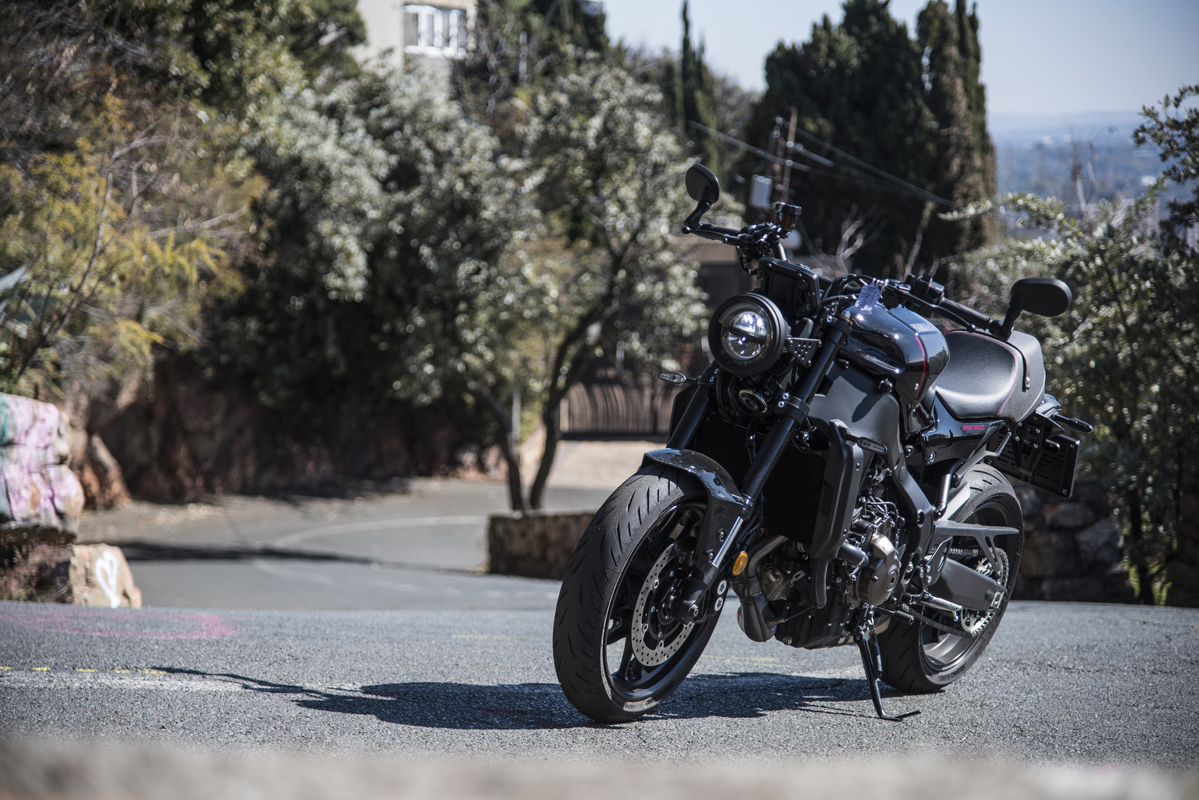
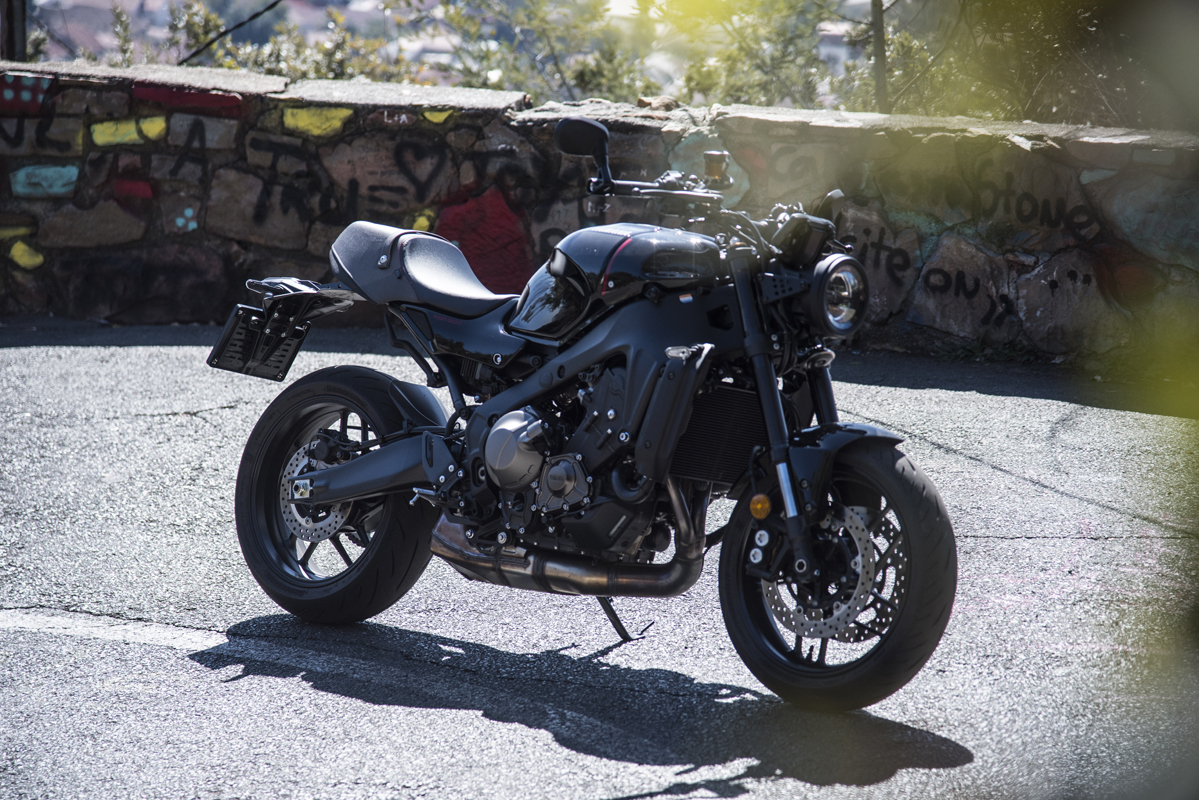
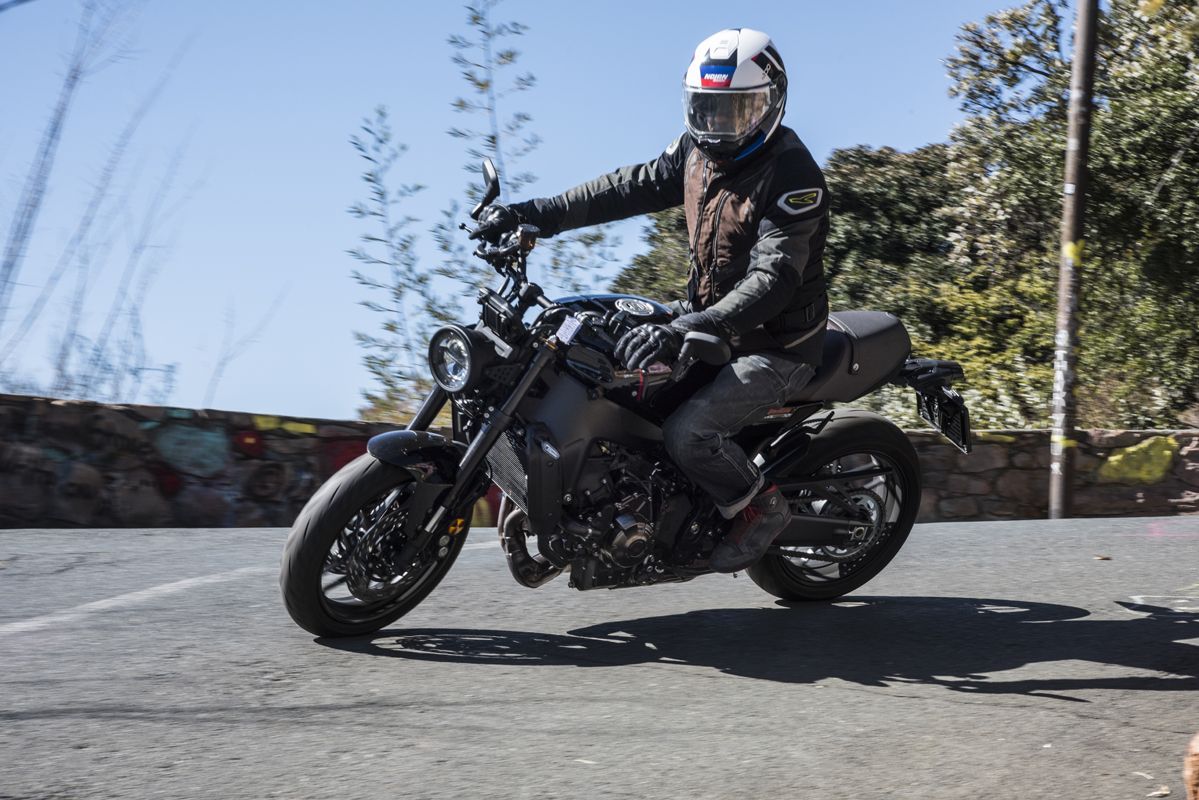
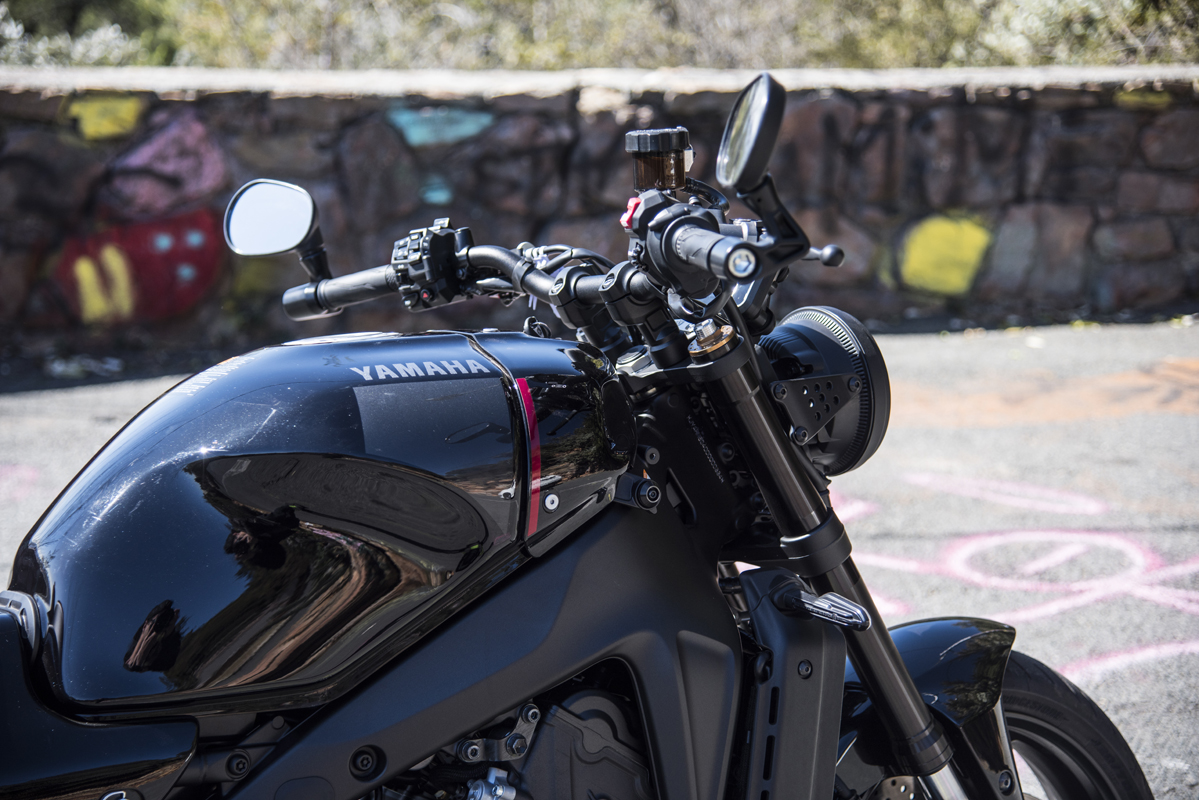
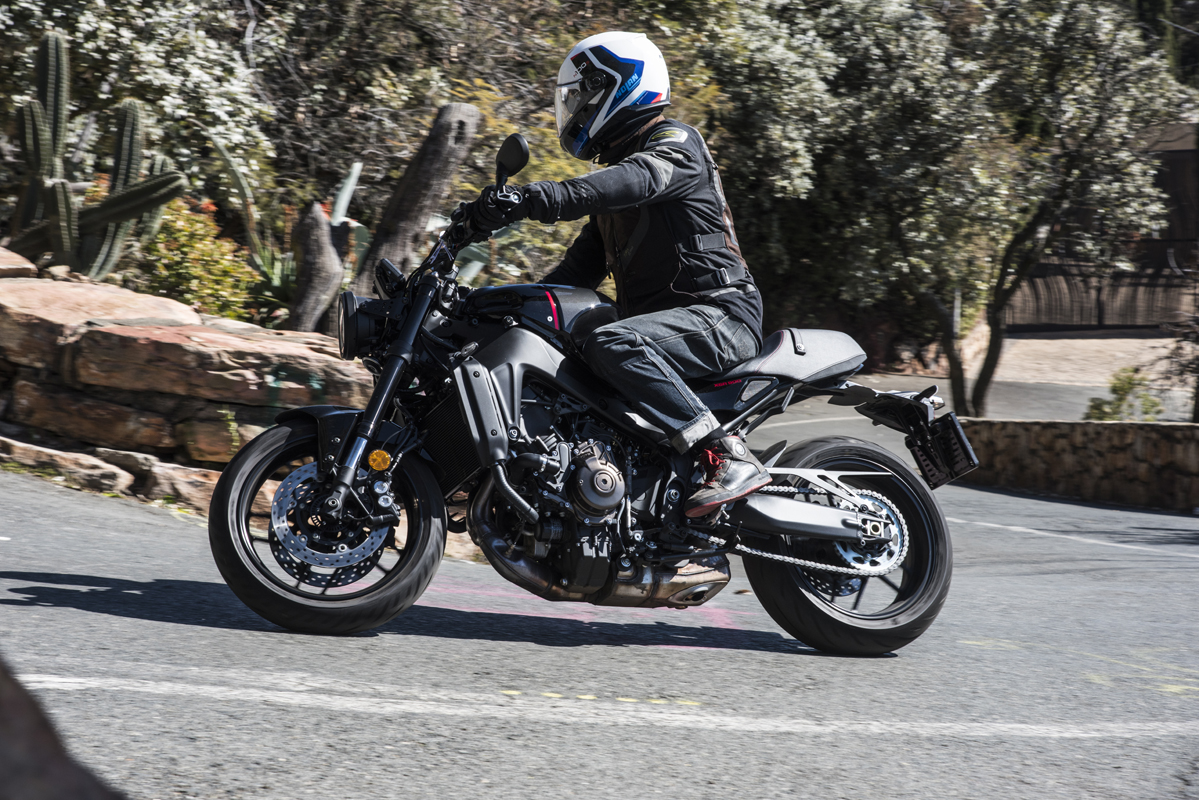
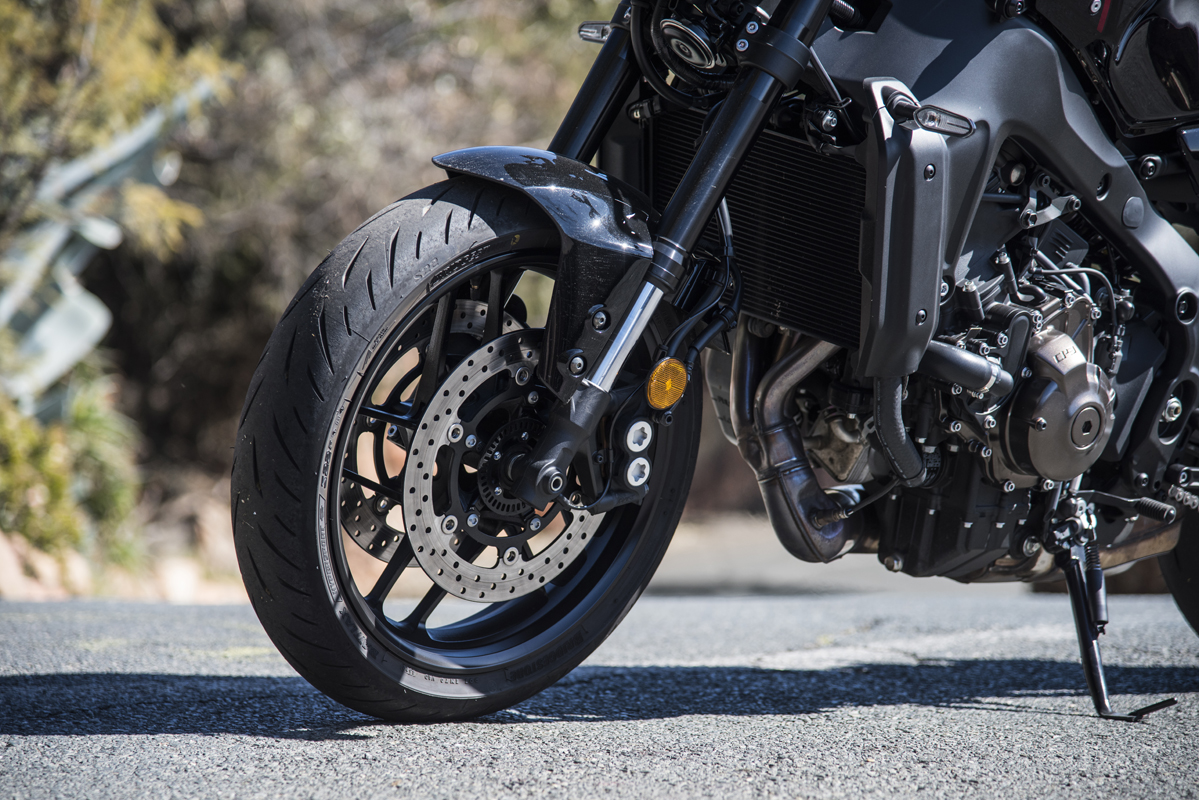
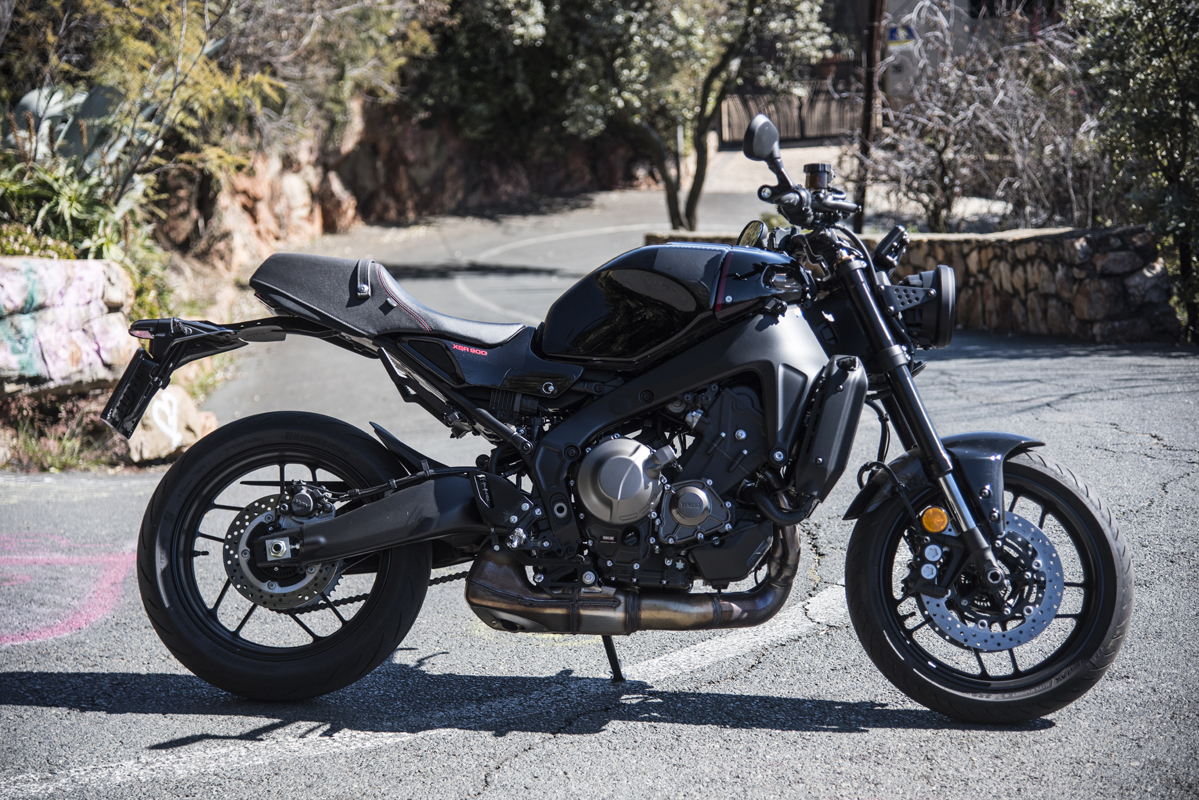
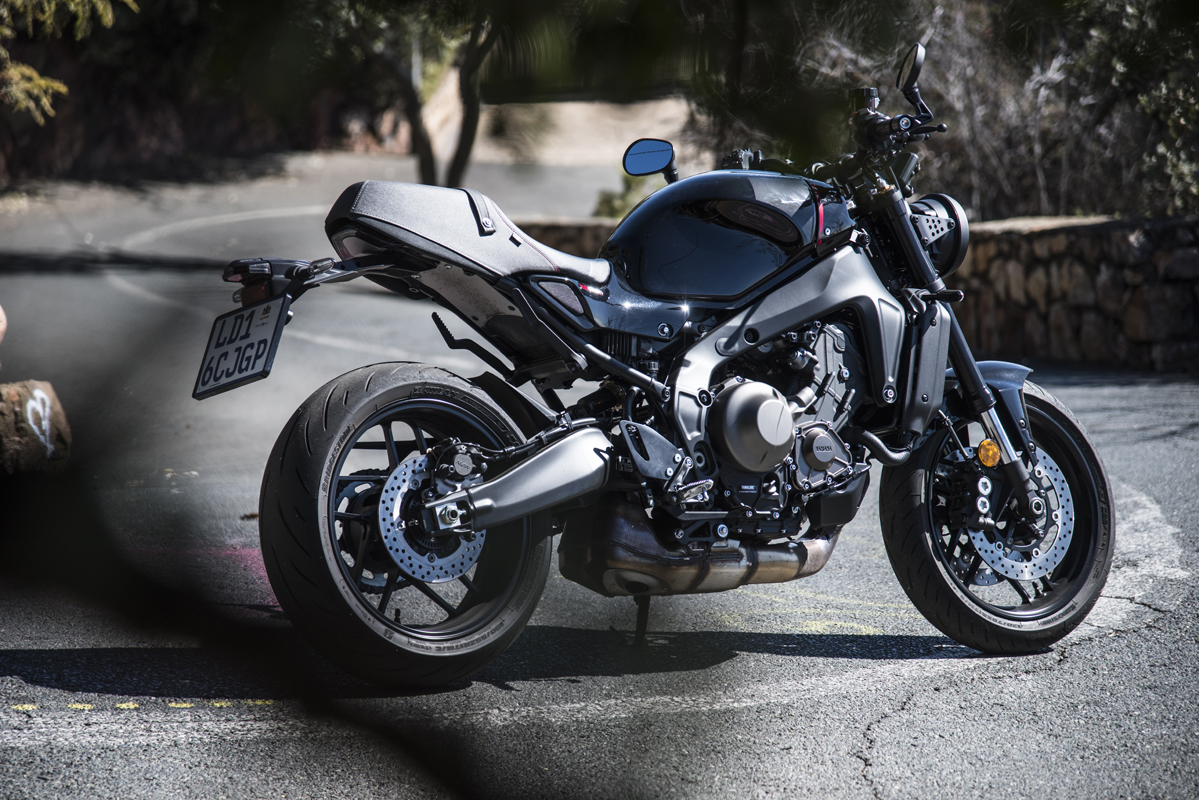
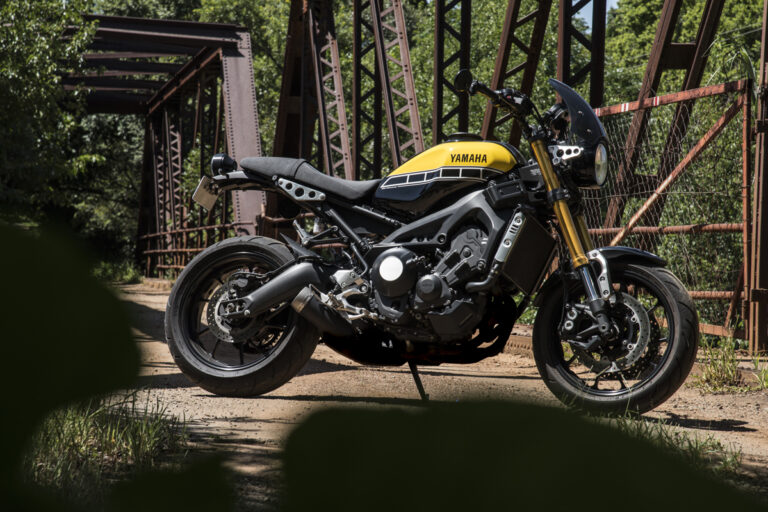
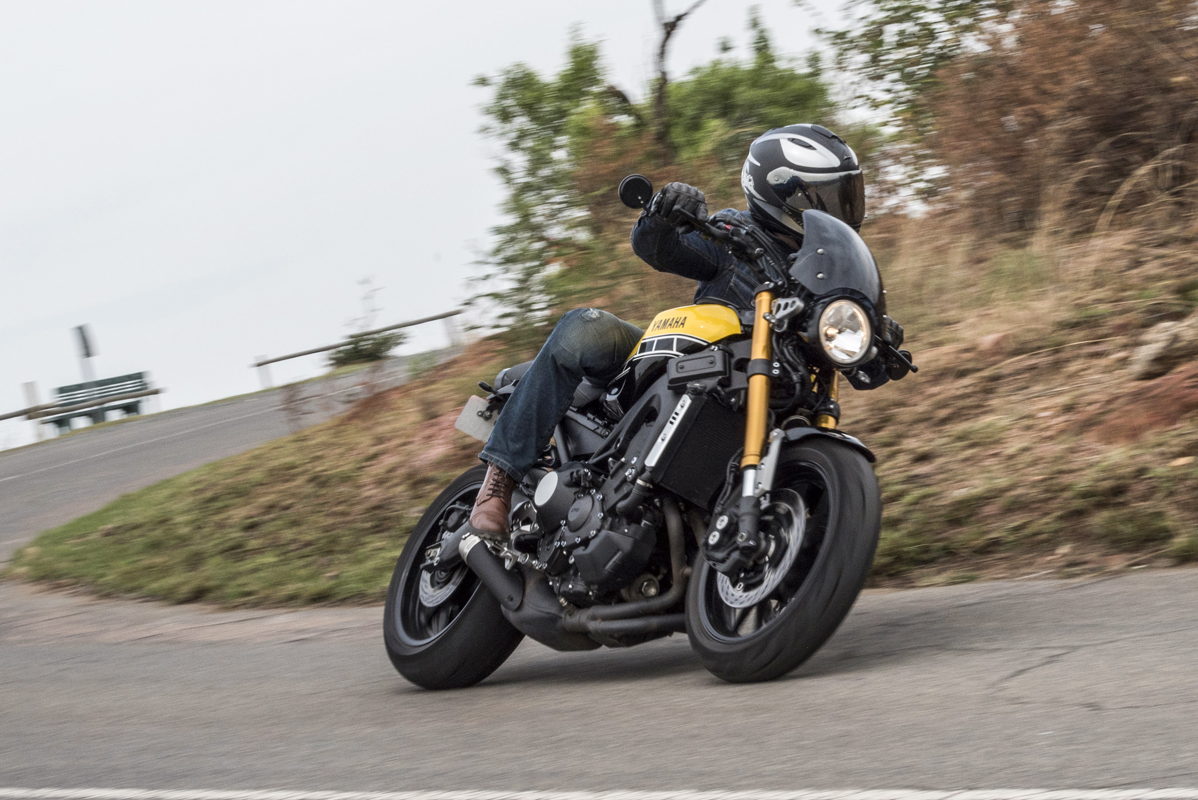
The motorcycle that has prompted this lengthy introduction is the latest version of the XSR900 from Yamaha. Nominally, it is their retro or ‘modern classic’ model, although really, it is an MT-09 with a more café racer feel to it and not as convincing a retro recreation as anything that has come from Triumph in this class, although the shape of the petrol tank is slightly reminiscent of ’ ’80s/’90s FZRs.
Photo credit: Bjorn Moreira / ZA Bikers
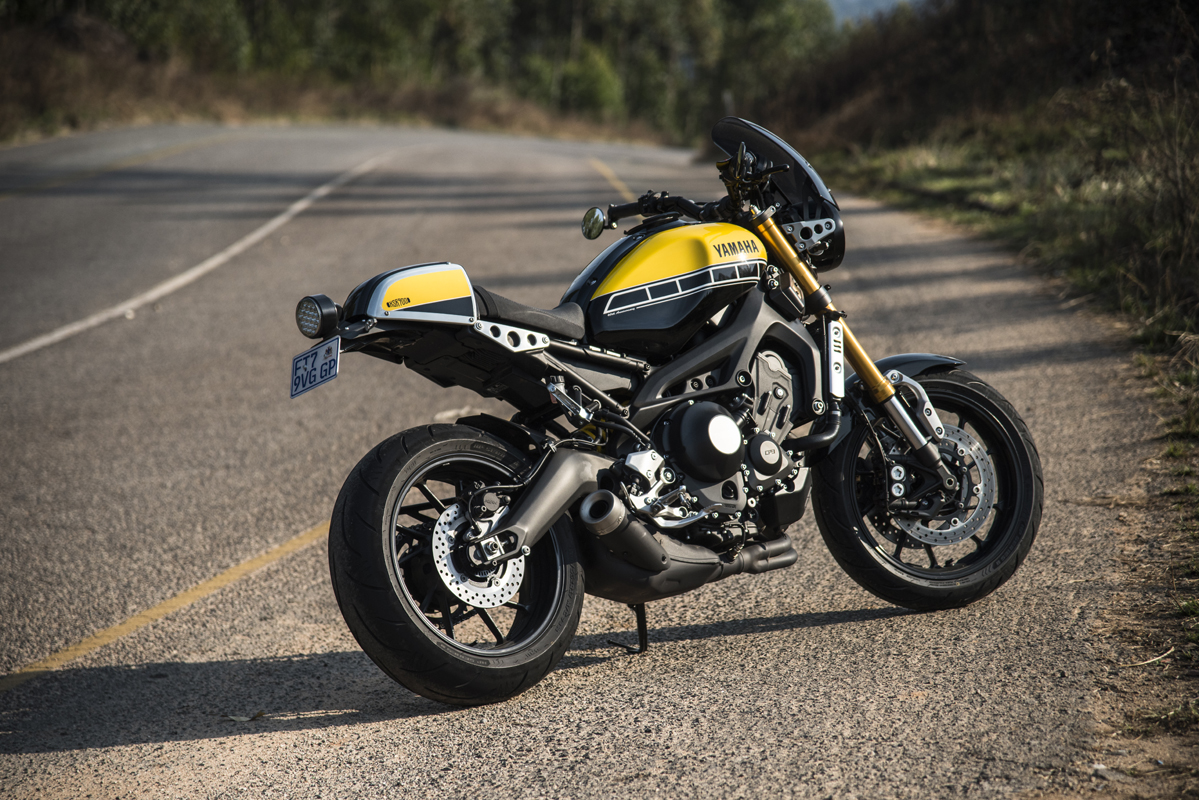
But, to try and pigeonhole the XSR900 into the retro class is to completely miss the point: it’s not trying to be retro. The only thing that convinced us that it was trying to be retro is the yellow and black paint job it gave one of the earlier XSR900 models, aping the GP race bikes of Kenny Roberts.
Photo credit: Bjorn Moreira / ZA Bikers
And, if it’s a modern interpretation of a café racer, then that’s just a style of motorcycle that’s back in vogue and as far from anything Yamaha produced in the 1970s and ‘80s as the Ténéré 700 is.
Photo credit: Bjorn Moreira / ZA Bikers
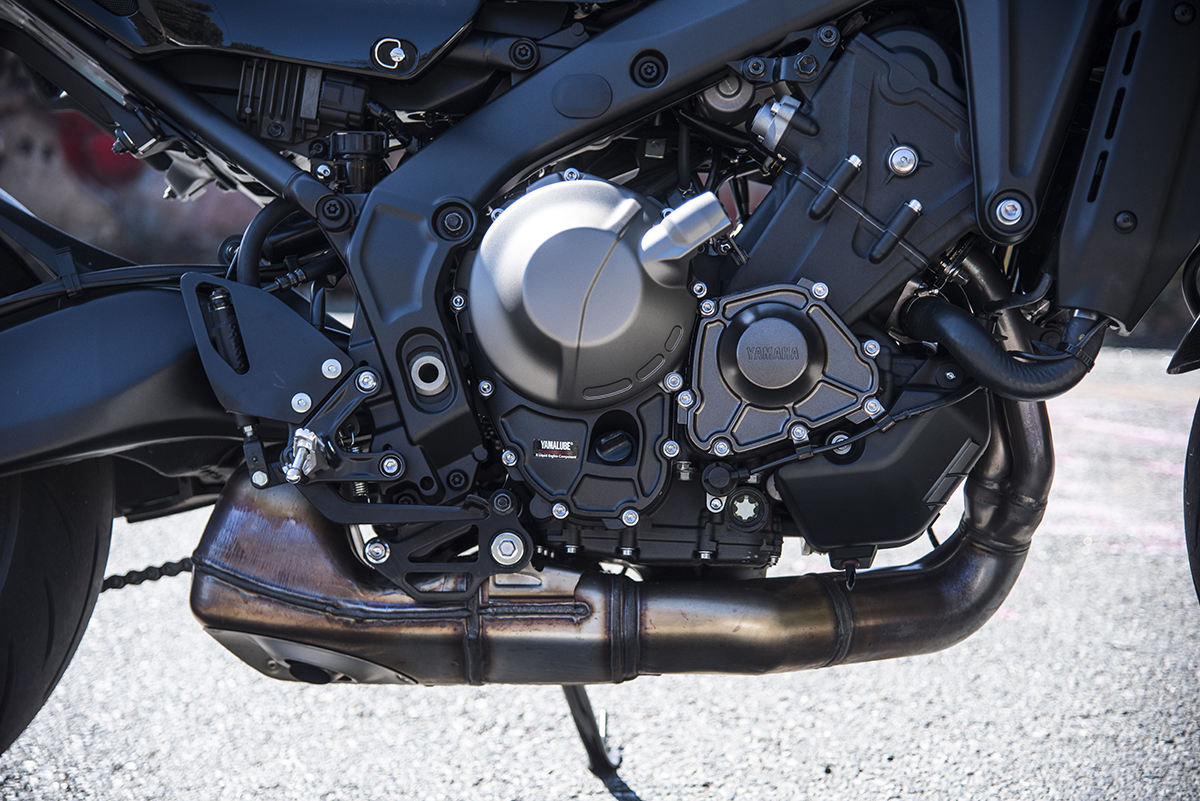
Look past the retro appeal, however, and this is a fantastic road bike. The CP3 engine is just lovely, full of power and torque and character, with a great soundtrack from the exhaust. If only the exhaust looked as good as it sounds but more of that anon.
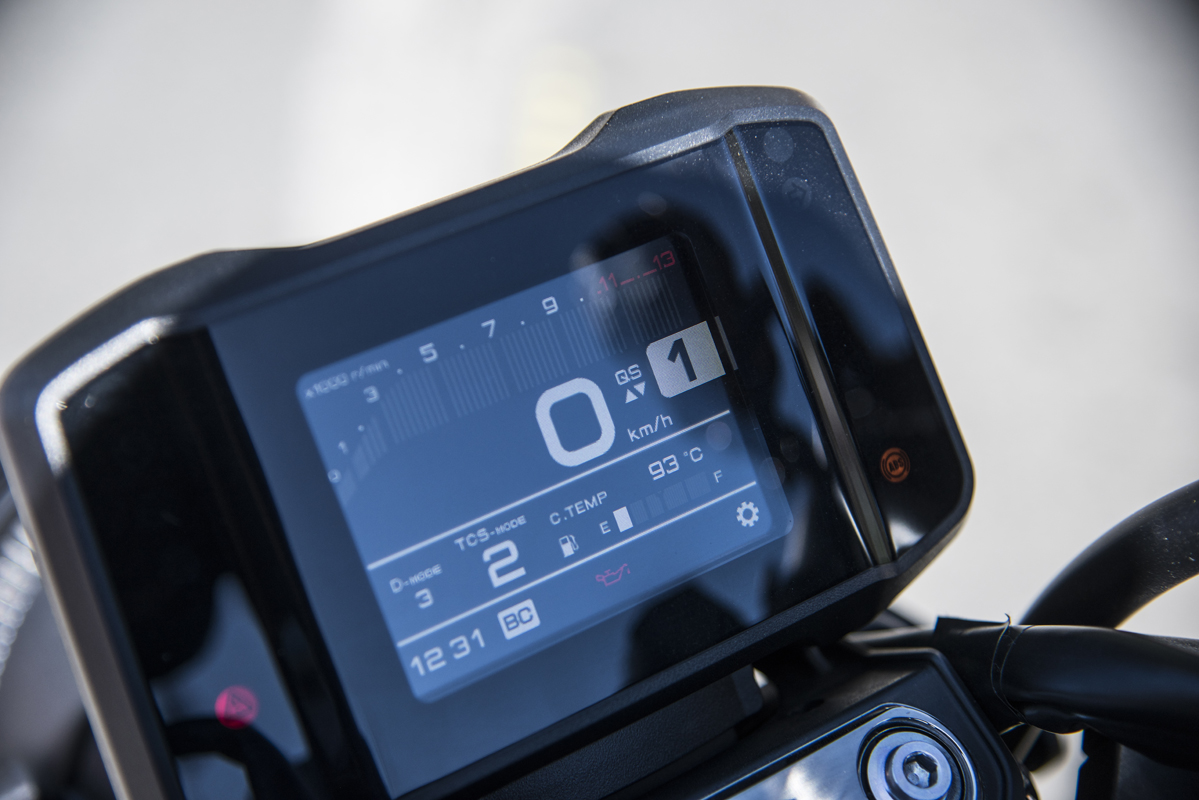
The electronics have been upgraded to Bosch cornering ABS, there are four power modes and three riding modes, the sportiest of both making the throttle a little sharp, especially around town in traffic, but knocking it back a step or two smooths things out nicely. The twin four-piston brakes up front have a superb feel allied to huge power when called for. There is a bidirectional quick shifter and, if the TFT dash is a little small, then it is still legible and, really, it’s perfectly big enough for practical purposes and it is well positioned for quick glances. There is even cruise control.
Photo credit: Bjorn Moreira / ZA Bikers
The riding position is absolutely spot-on, even for tall old me: you are leant forward into an attacking position but there never seems to be too much weight on the wrists and it manages to be at once both racy and comfortable, no matter the riding situation. Hell, it’s even great on the highway. There is a lot of adjustment built into both the handlebars – vertical and rotated fore and aft – and the footpegs – up and down and backwards.
Photo credit: Bjorn Moreira / ZA Bikers
117 horsepower is more than enough, especially when the power is delivered with a creamy smooth urge from anywhere in the rev range all the way up to the limit: the midrange is punchy and that punch continues all the way to the top. It’s massively impressive and so easy to tap into.
Photo credit: Bjorn Moreira / ZA Bikers
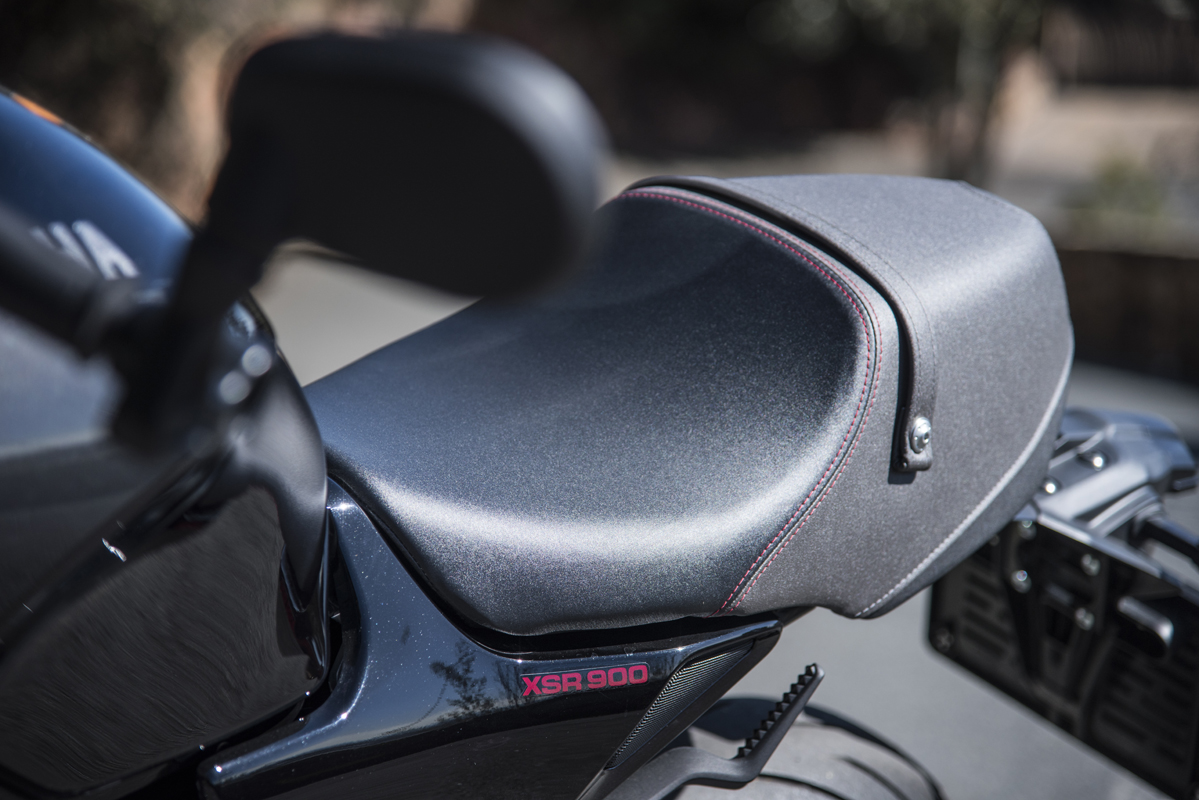
Yamaha has done a lot of work on the chassis, which is now 2.3kg lighter and an incredible 50% stiffer, as is the swing arm, which is also 59mm longer, increasing the wheelbase and allowing the rider to be positioned further back, improving the weight distribution. The seat is 20mm lower than on the previous XSR900. The stability is impressive, the steering pin-sharp but never too quick to make progress jerky.
Photo credit: Bjorn Moreira / ZA Bikers
The upshot of all this is a motorcycle that is so completely easy to ride and get the most out of. Getting on and riding away, you immediately feel comfortable and at one with the bike and encouraged to push the performance envelope. The forks are fully adjustable but, if I were you, I’d leave them well alone and simply concentrate on riding, letting the bike’s dynamics do all the work for you.
Photo credit: Bjorn Moreira / ZA Bikers
I’ve left the looks to last for one specific reason and that is to allow the important factors to shine, although I realise that leaving my one criticism to last might leave the reader with the wrong impression. Let me reiterate that this is a fantastically brilliant bike, with absolutely no vices whatsoever and a completely engaging character.
Photo credit: Bjorn Moreira / ZA Bikers
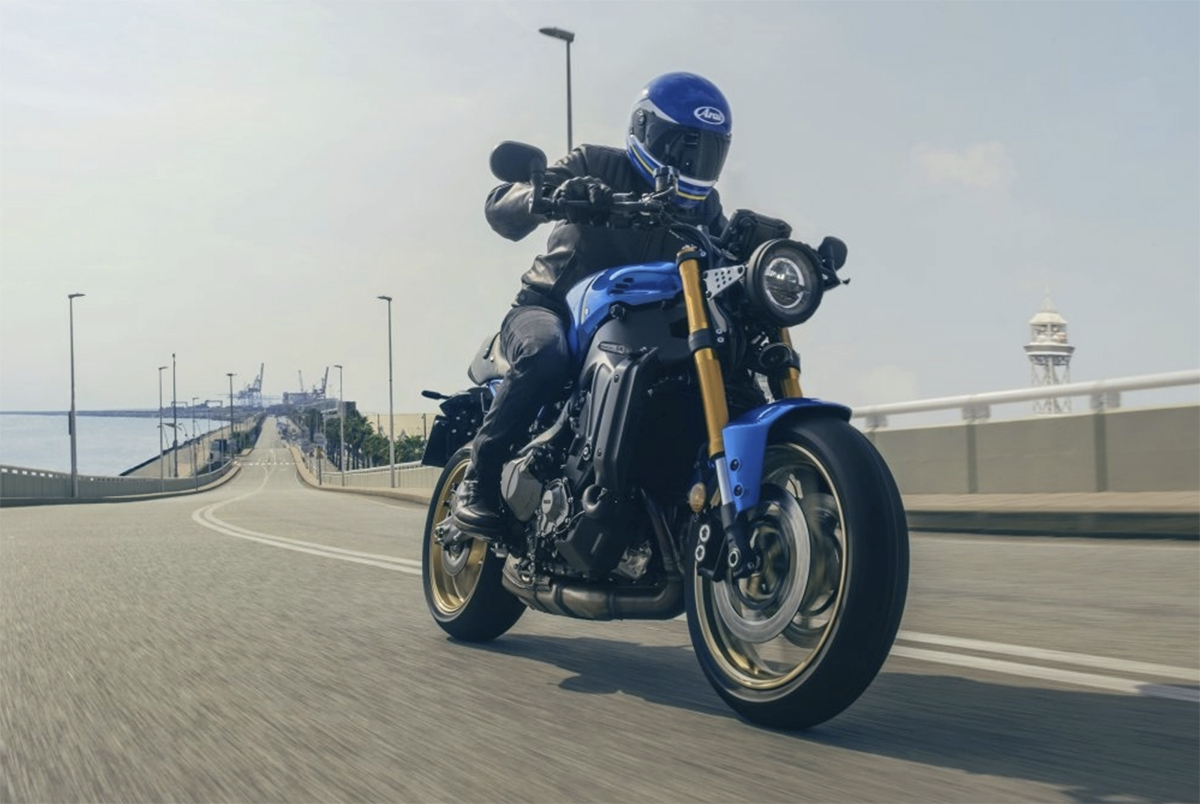
Overall, I like the looks. The test bike was the black version which suits the bike but, to my mind, the blue and gold version really takes the laurels. Of course, it changes nothing about the riding experience but it really matches the character of the bike.
Image source: Yamaha
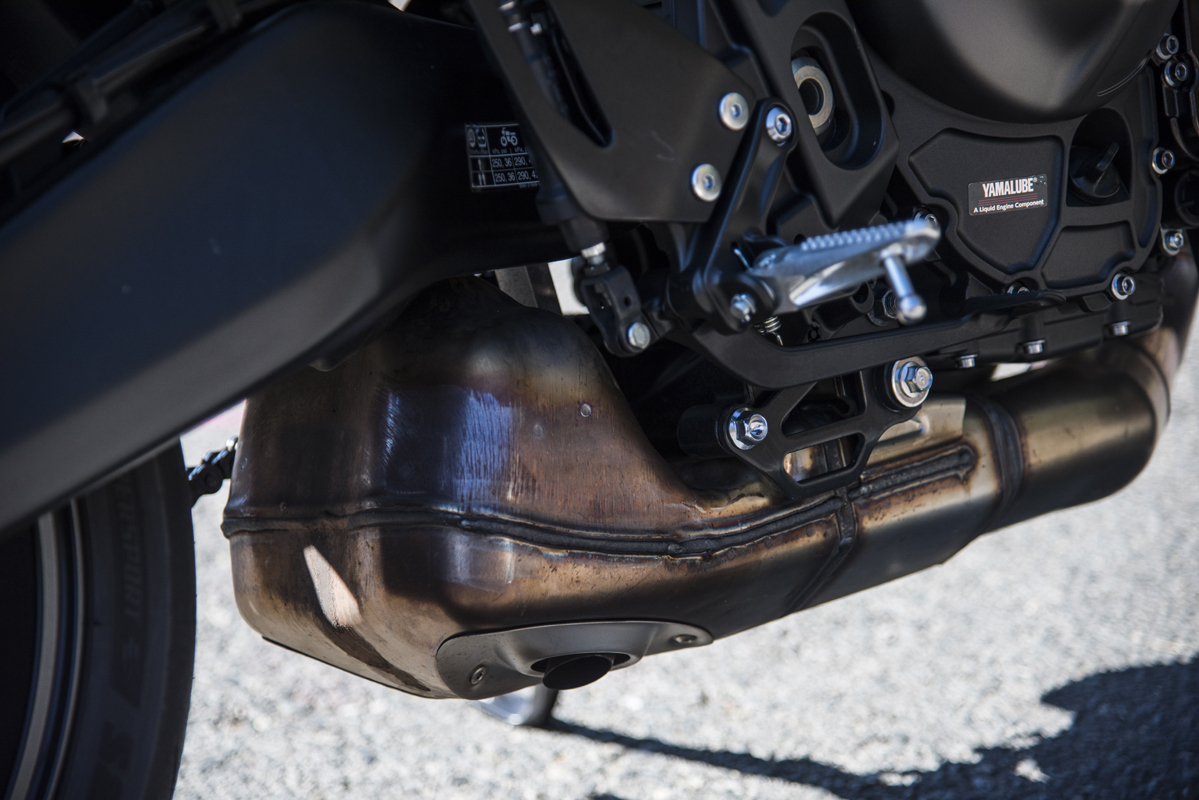
The one blot on the landscape is the exhaust. Three slender header pipes emerge from the engine, converging on a surprisingly large diameter collector pipe. From there it goes into what has to be one of the largest and ugliest catalytic converter/silencer boxes I’ve ever seen on a motorcycle. With the bike on the side stand and looking at it from the right-hand side, it is just huge and really unsightly and Yamaha has made absolutely no effort to disguise it, which I find really surprising and a little disappointing.
There are no silencers in the conventional sense at all, the exhaust gases exiting from the bottom of the box, which is a neat enough solution and it certainly makes all the right noises but, boy, is it unsightly. If it was my bike, the first thing I would do is fit an aftermarket full system exhaust.
Photo credit: Bjorn Moreira / ZA Bikers
Is it enough to cross this bike off the want list? Of course not: the XSR900 is too good everywhere else to let something you can’t even see when riding it have the casting vote. And, believe me, it is good. No, it’s better than good: it’s brilliant, and it was one of those bikes that I was completely reluctant to give back. I just can’t see a time when I would be bored of it or need anything else in the garage.
Photo credit: Bjorn Moreira / ZA Bikers
Yamaha XSR900
For more information on the bike featured in this article, click on the link below…
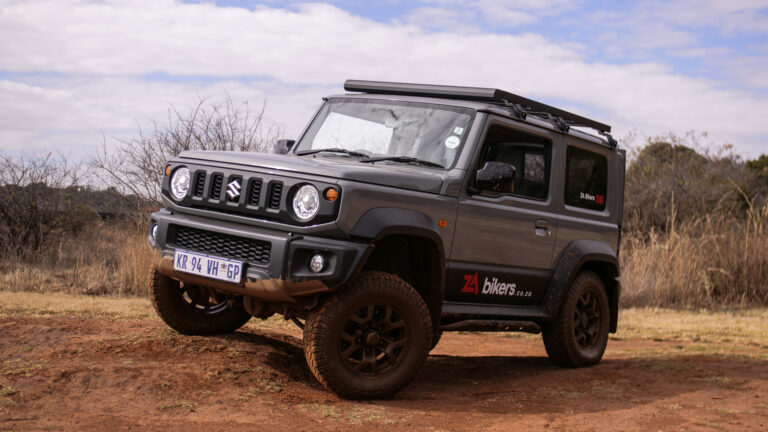
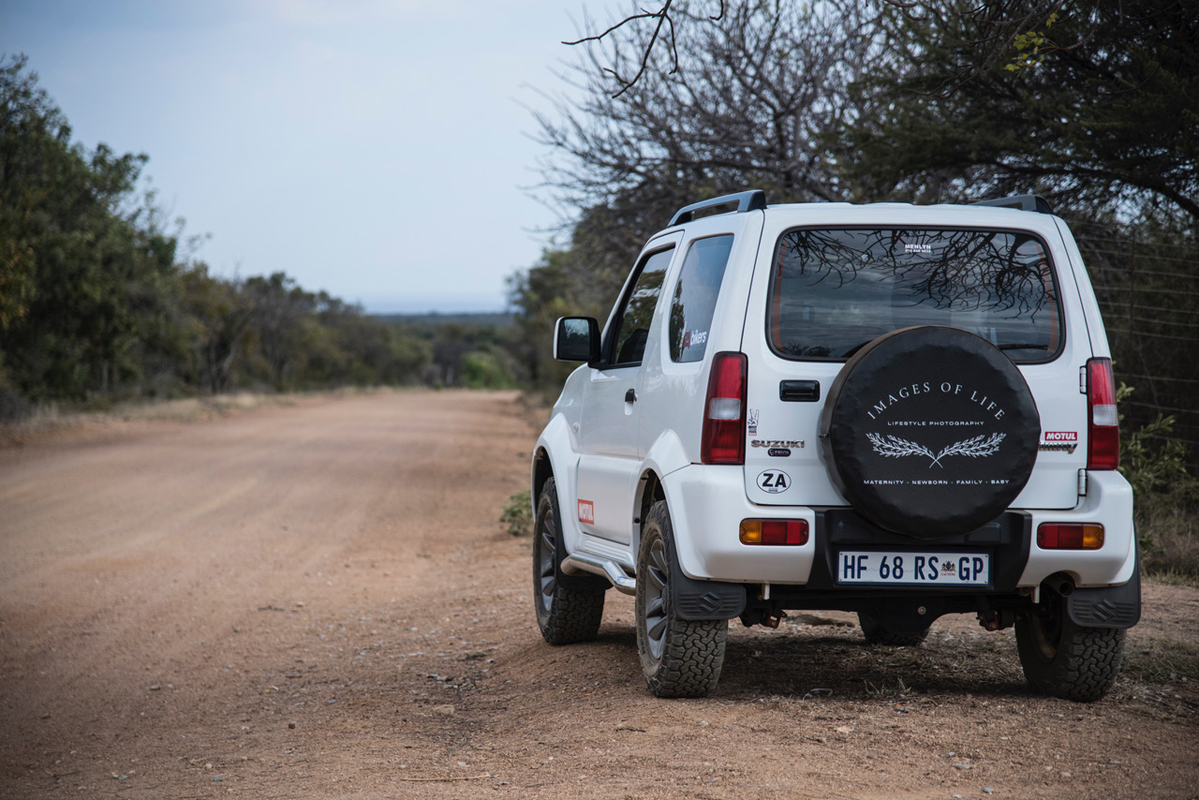
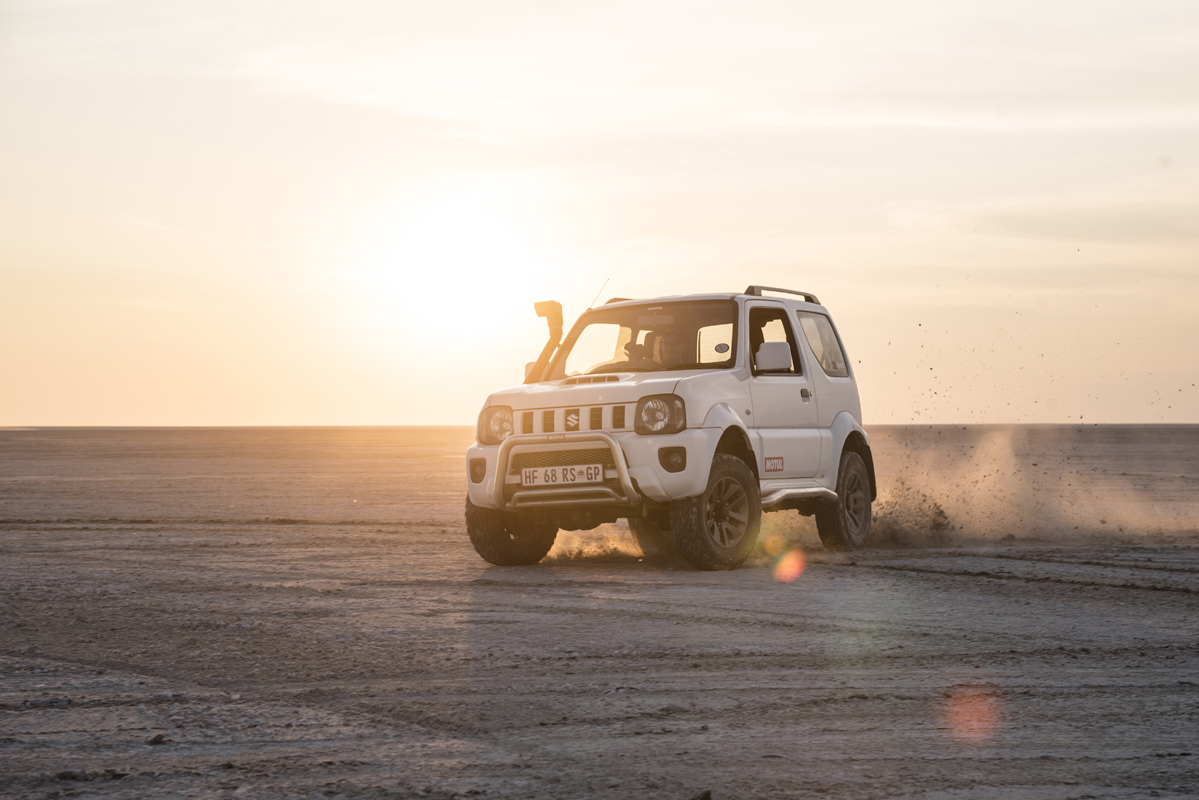
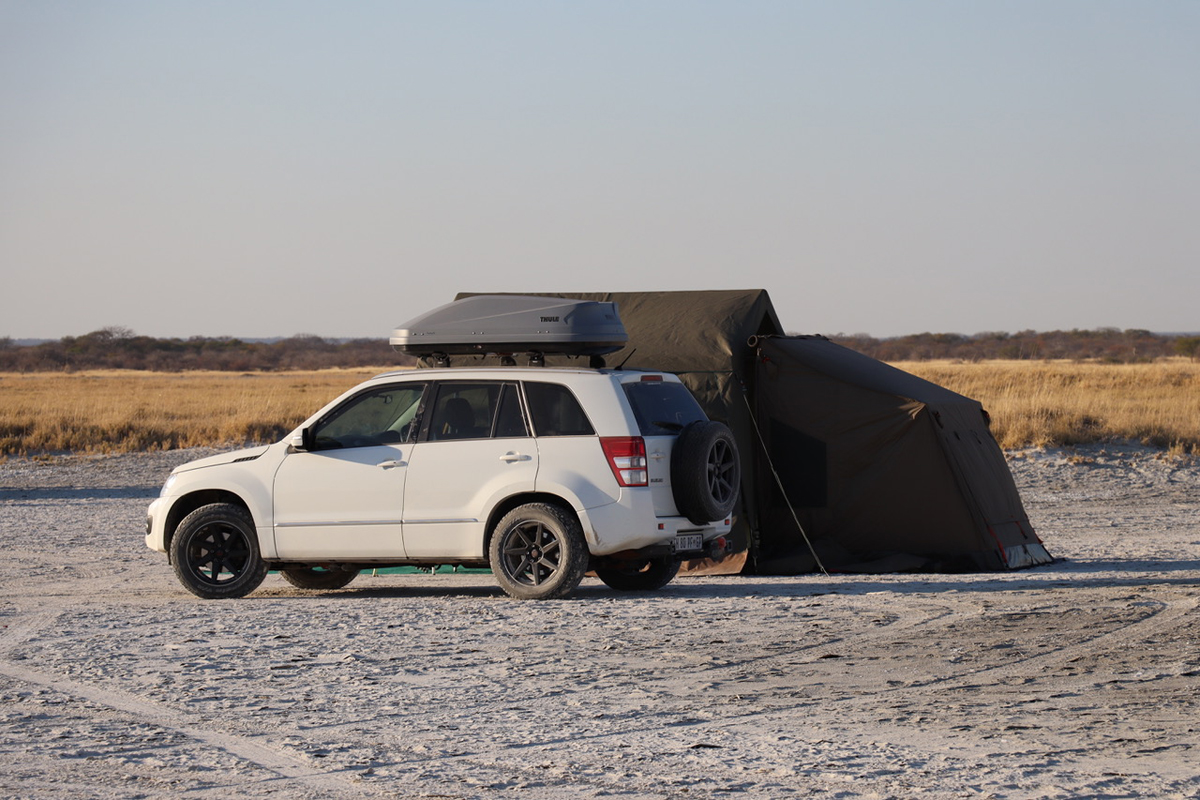
We’ve had our Jimny now for almost 1 year and during this time, it has fulfilled its role as a go-anywhere backup vehicle. With a few key upgrades, we’ve taken this already very capable off-roader to a completely different level…
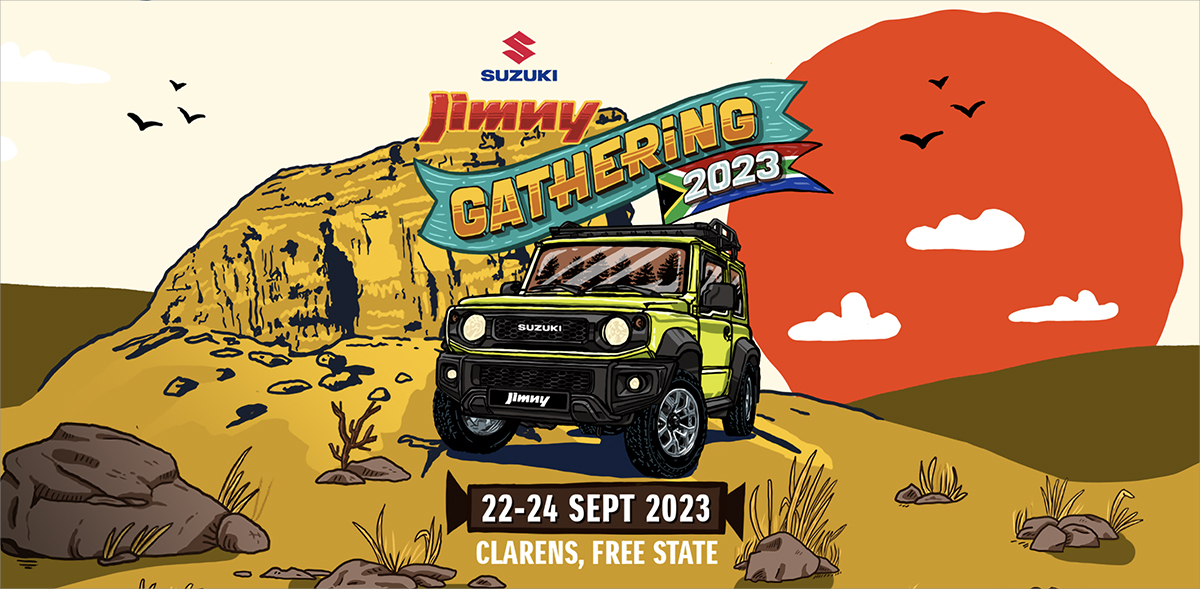
Jimny Gathering (22 to 24 September 2023)
THE COUNTDOWN HAS STARTED FOR THE LARGEST SUZUKI JIMNY GATHERING IN THE
SOUTHERN HEMISPHERE… AND POSSIBLY THE WORLD.
Scheduled for 22 to 24 September 2023, the Suzuki Safari Town Festival and Jimny Gathering will bring together hundreds, if not thousands of Jimny owners and fans to set a record for the largest number of Jimnys on one site.
We will most certainly be there, and we hope to see you there too—it’s going to be epic!
It can be no surprise that the motorcycle dealers in South Africa that are doing the best business are those who go the extra mile to involve their loyal customers in extra-curricular activities, bringing like-minded enthusiasts together to do what they love best: riding their motorcycles.
These dealers have realised that it’s not simply about selling more motorcycles or apparel or accessories but creating a community where individuals and groups feel at home, where the staff become friends and there is a mutual feeling of trust and, as a consequence, loyalty. Also, it is always good to remind people that the dealers and their staff are also enthusiasts who just love to ride, anytime and anywhere and simply look out for each other.
Image source: Biker’s Warehouse
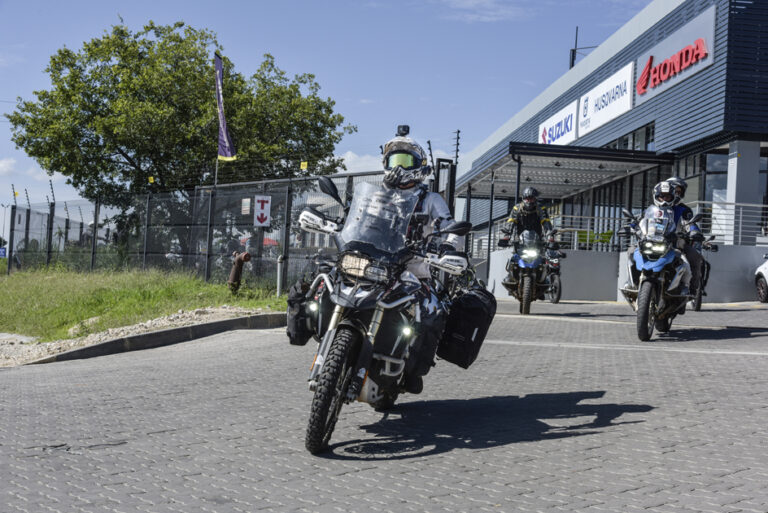
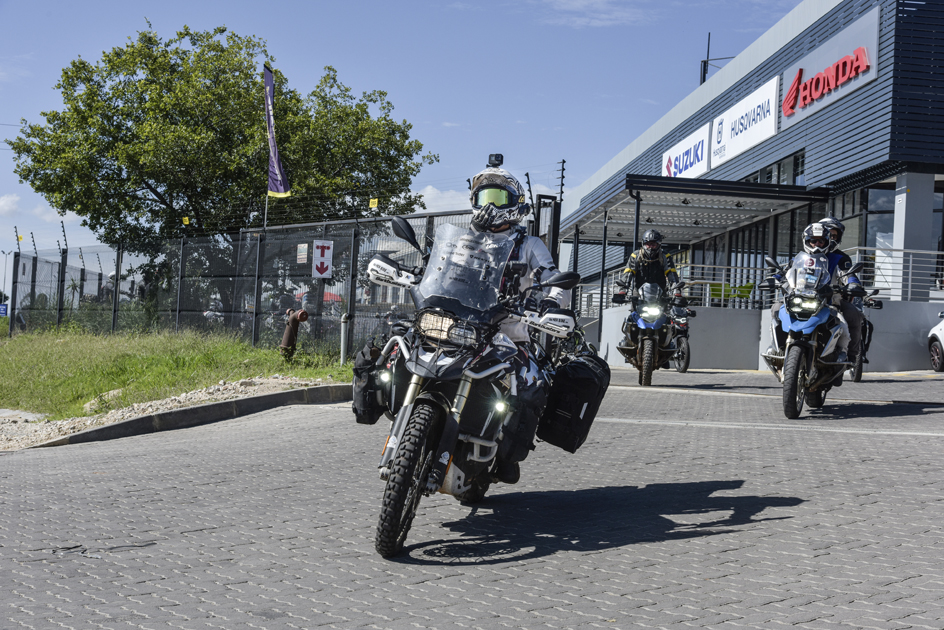
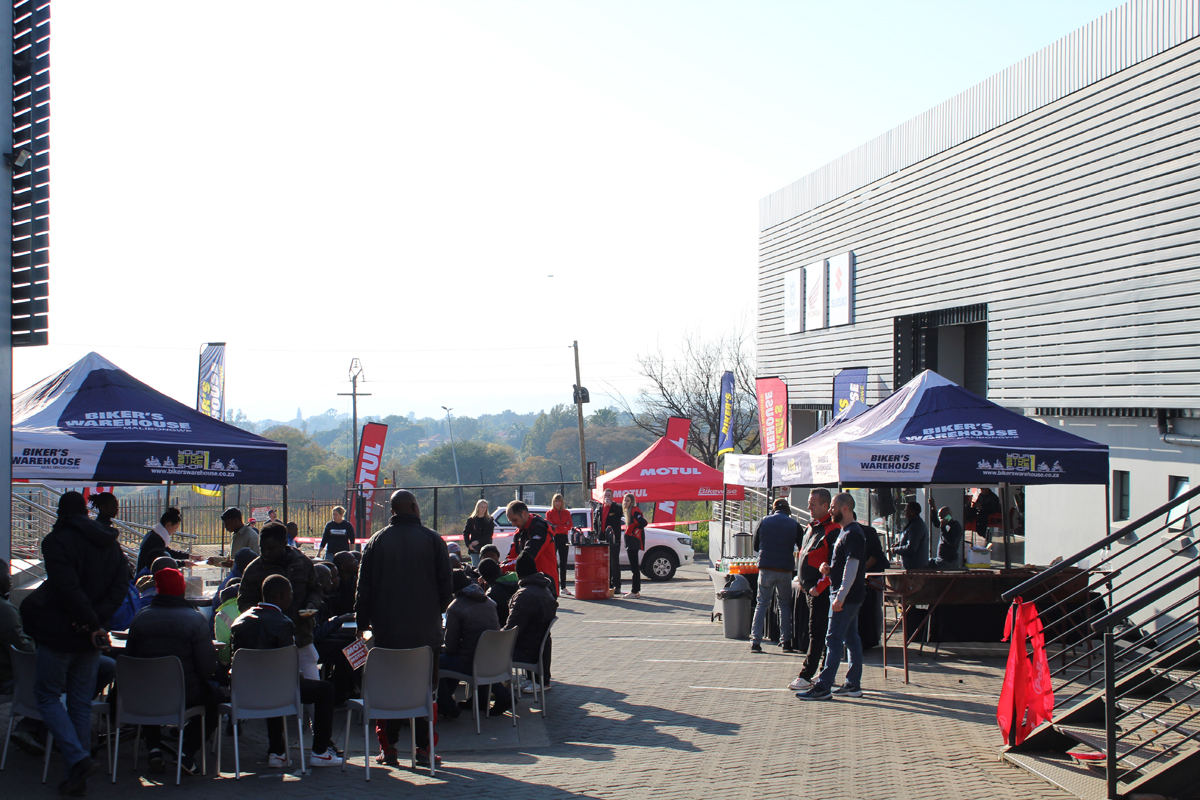
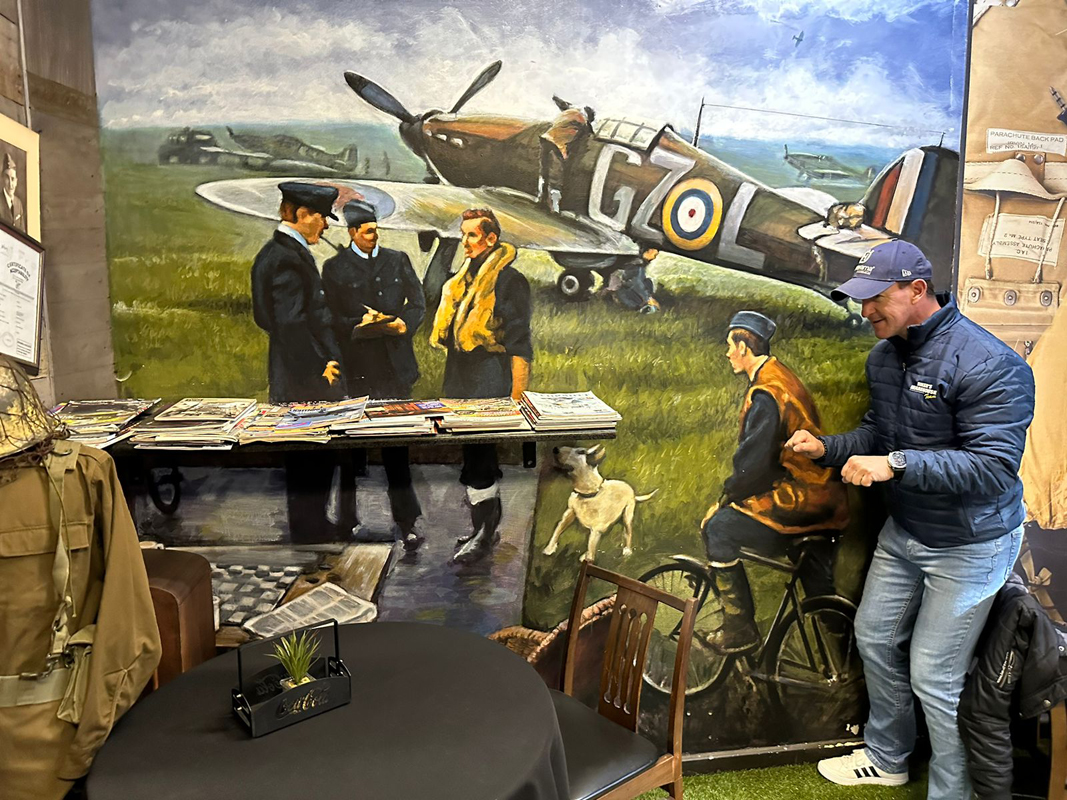
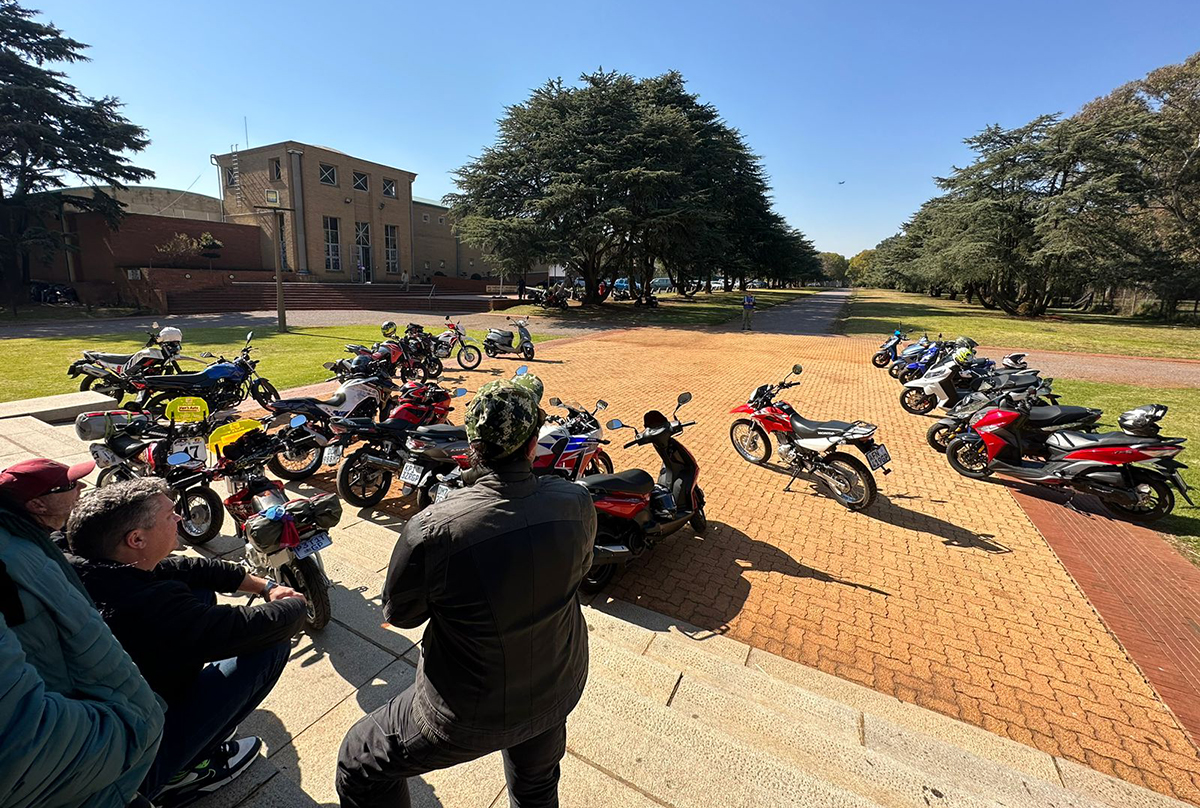
Biker’s Warehouse, home to Honda, Suzuki, SYM, Kawasaki and Husqvarna in North Riding, has had a busy June, with three events. On the 25th, there was an urban ride from the store to the National Military Museum in Saxonwold, with a stop at the War Store in Rosebank along the way. Over 40 riders braved the early-morning chill for an excellent ride through the quiet Sunday morning streets of Johannesburg, surely the best time to experience this incredible city. If you haven’t visited the museum, it really should be on your to-do list.
Image source: Biker’s Warehouse
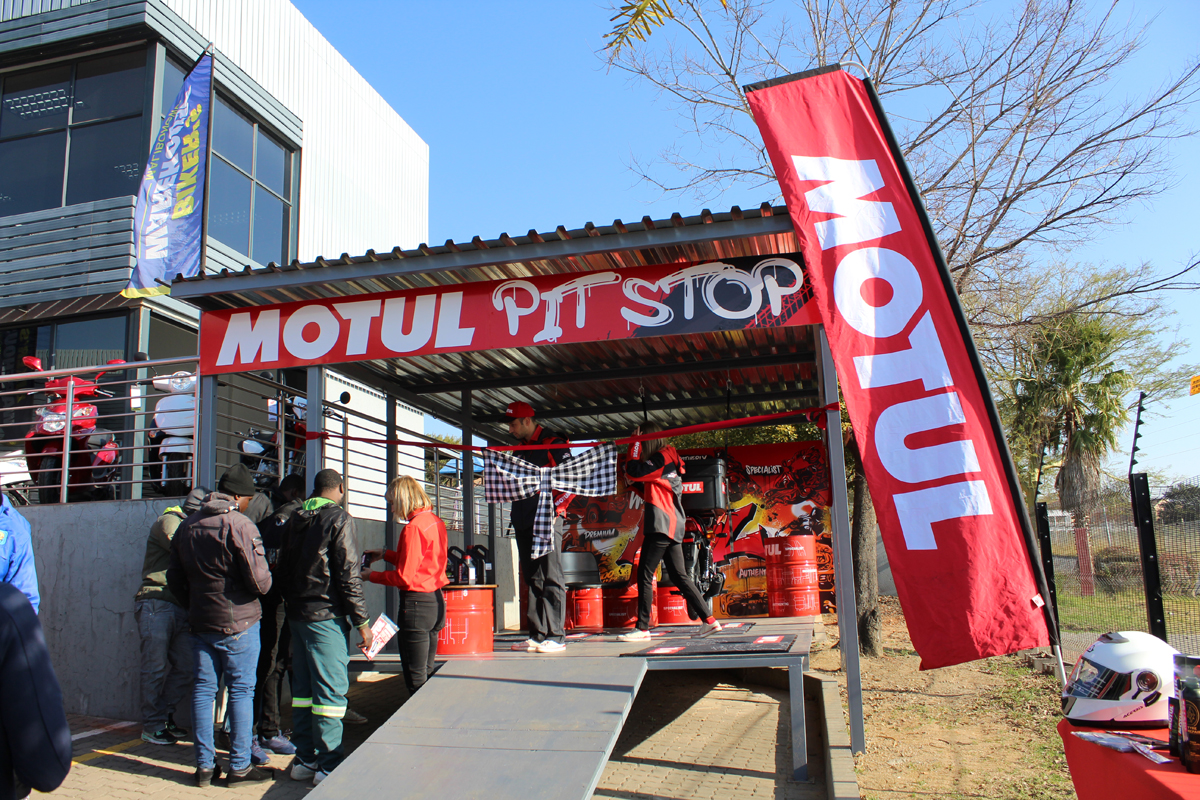
An important innovation by Biker’s Warehouse is the Motul Pit Stop bike repair station. This free-to-use area is open to any Biker’s Warehouse customer who wants to quickly make an alteration or small repair to their bike with a cosy seating area protected from the elements. The official opening date was the 26th of June and registrants on the day enjoyed a boerie roll and warm drink before the draw with Motul SA and BikeWise supplying some great prizes. The Motul Pit Stop station is open every day and Biker’s Warehouse customers who want to find out more should contact the store.
Image source: Biker’s Warehouse
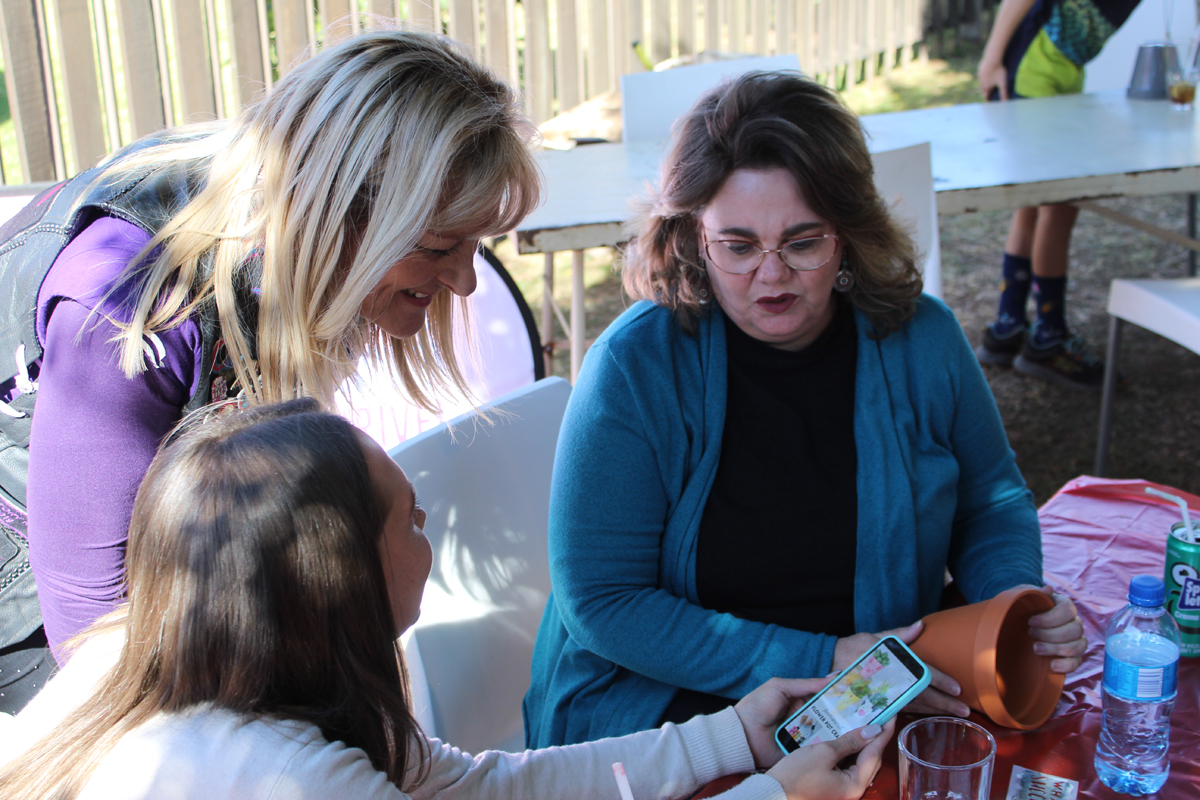
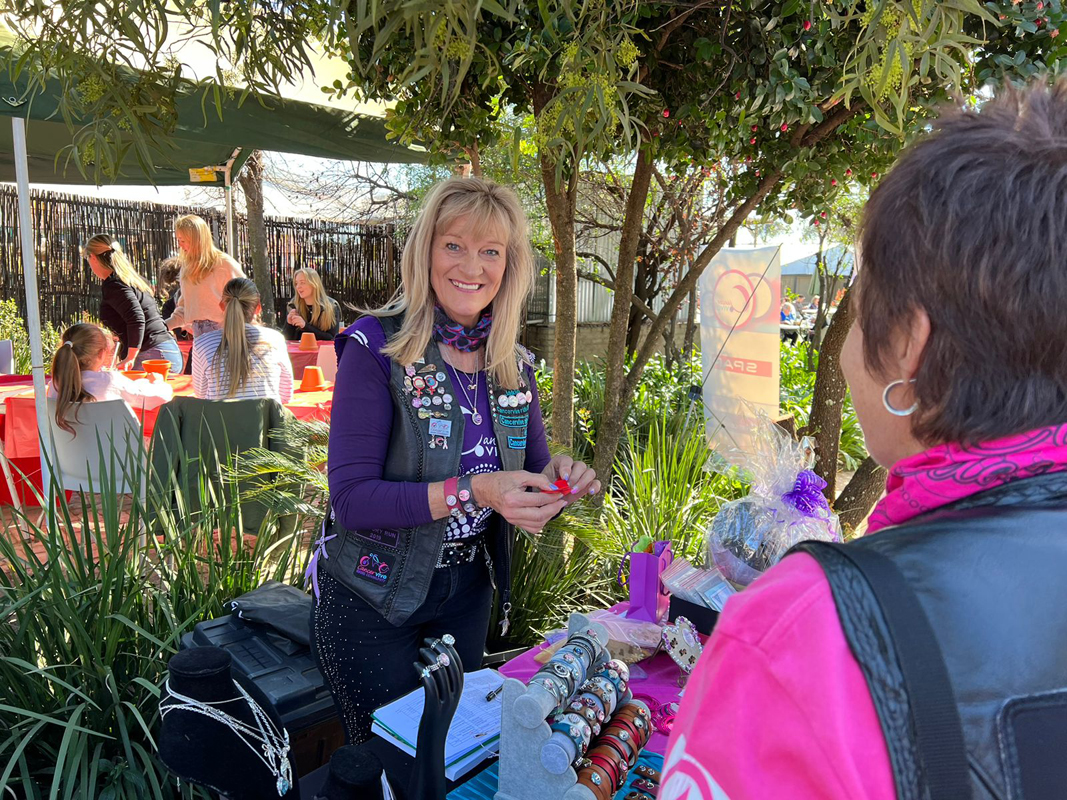
Those lovely people from the Cancervive cancer awareness initiative and Biker’s Warehouse have a long-standing relationship. On Saturday 8th July, a Paint-a-Pot event was held at the Syringa Café in Bromhof and was supported by an enthusiastic group of people.
Image source: Biker’s Warehouse
Marlene Nortje, CEO of Cancervive explained what Cancervive does, being an NPO made up of cancer survivors, supporters and warriors that dedicate their time educating schools, farms and companies about Early Detection of Cancer and all the myths that surround it, especially in rural areas. Furthermore, they do caring events at hospitals and oncology centres, sharing love and handing out care boxes and blankets where needed. In addition to this, Cancervive hosts community events at retirement centres, churches and community centres, educating, caring and providing meals.
Jackie Ludick, a Cancervive Supporter working at Bikers Warehouse, shared her story about being involved with Cancervive, having lost a number of loved ones to Cancer.
Image source: Biker’s Warehouse
All this fundraising is an essential part of the group’s responsibility. Each Team Member has to achieve a fundraising target of R25,000 to be part of the main ride once a year. For more info on how you can support this great initiative, contact Jackie on 082 555 1401.
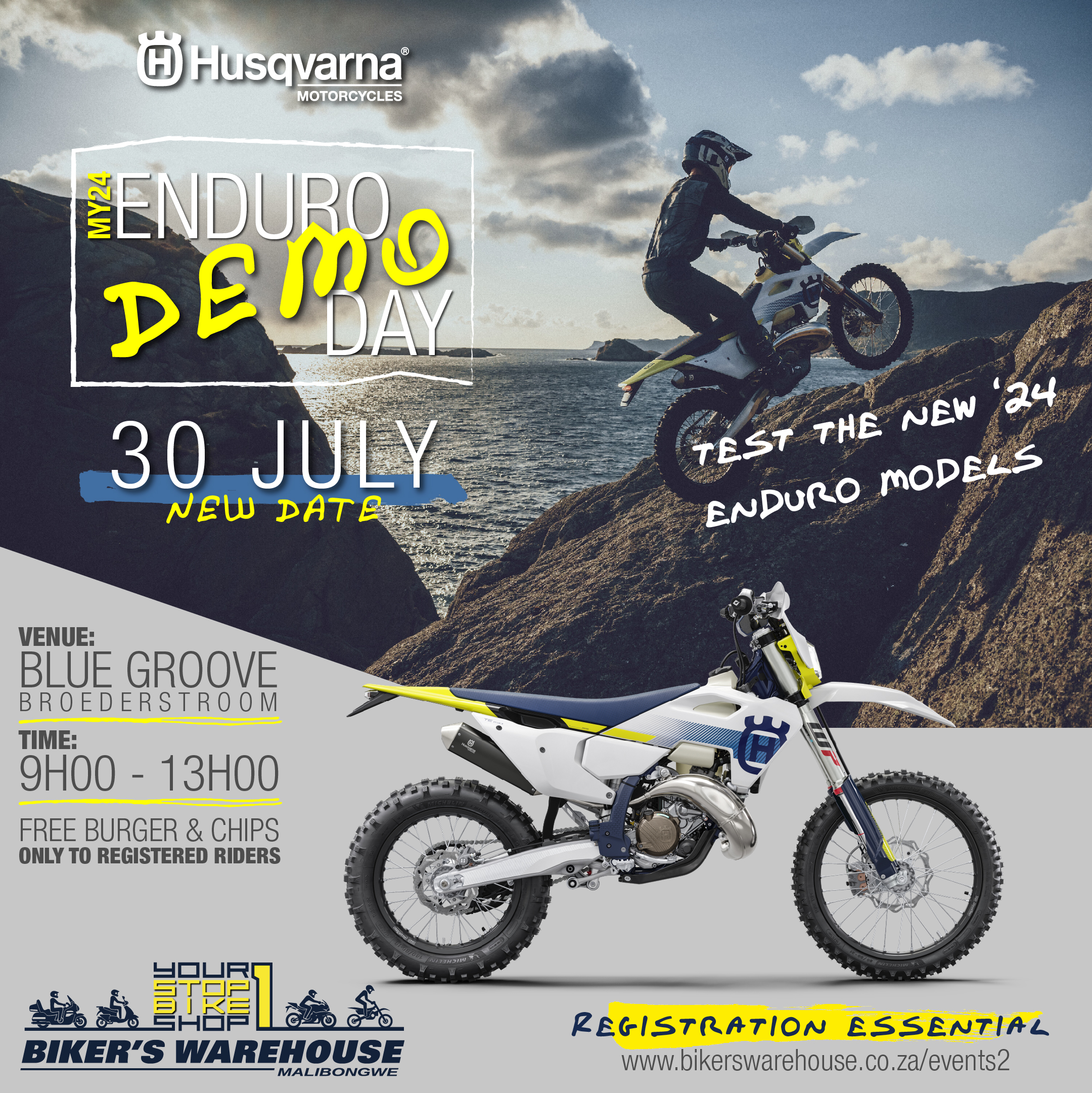
Coming up in July is another great event that you simply don’t want to miss, even more so if you are a fan of Husqvarna Enduro bikes. On this date, Husqvarna, in association with Biker’s Warehouse, will be launching the complete 2024 enduro range at Blue Groove Café & Adventure Park Broederstroom, Hartbeespoort.
Image source: Biker’s Warehouse
From 09h00 to 13h00 on Sunday 30th July, everyone who has registered will be first in line to test ride the 2024 Husqvarna Enduro models. In addition, everyone who registers with Biker’s Warehouse will receive free burger & chips on the day.
Registration is essential and closes on the 27th July. For more information, visit Biker’s Warehouse and follow the prompts. Please also feel free to contact Joe Siedentopf on 082 490 4612 for any other info needed on this and any other Biker’s Warehouse events and activations.
It is without a doubt that the Big Boy brand holds a well-established rapport amongst the biking community in South Africa. It matters not whether it is within the delivery, commercial space or personal use, the sentiments remain consistent.
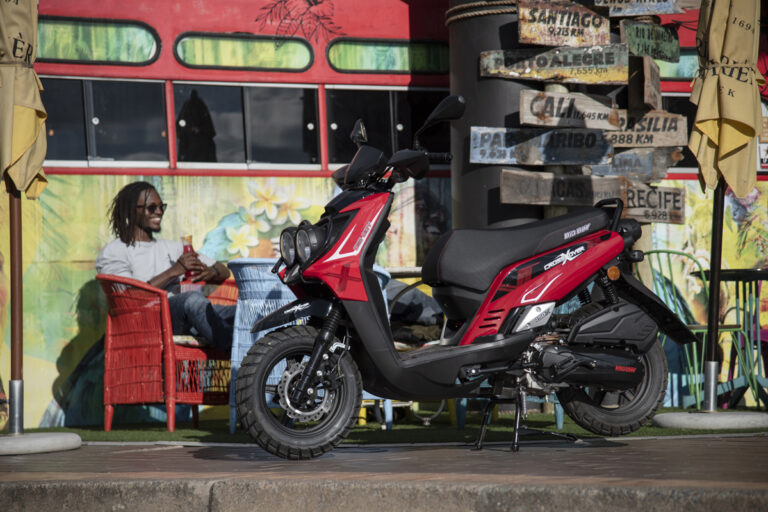
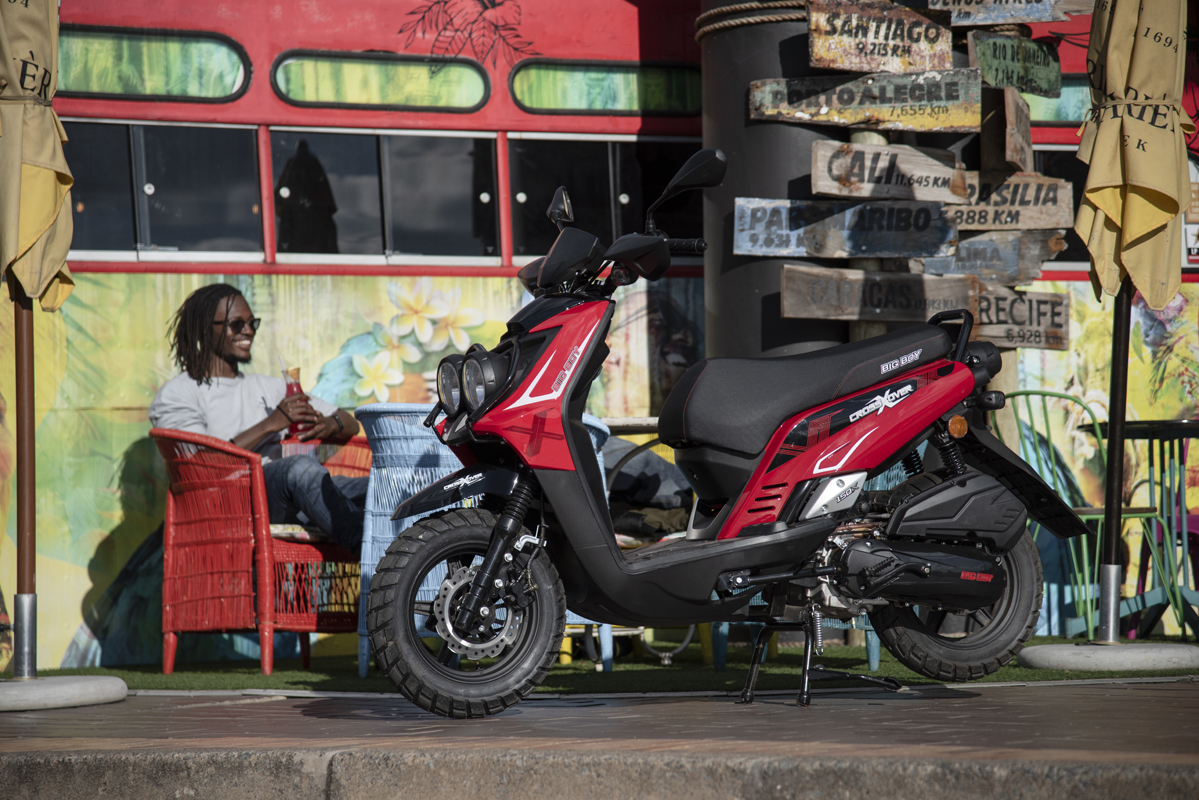
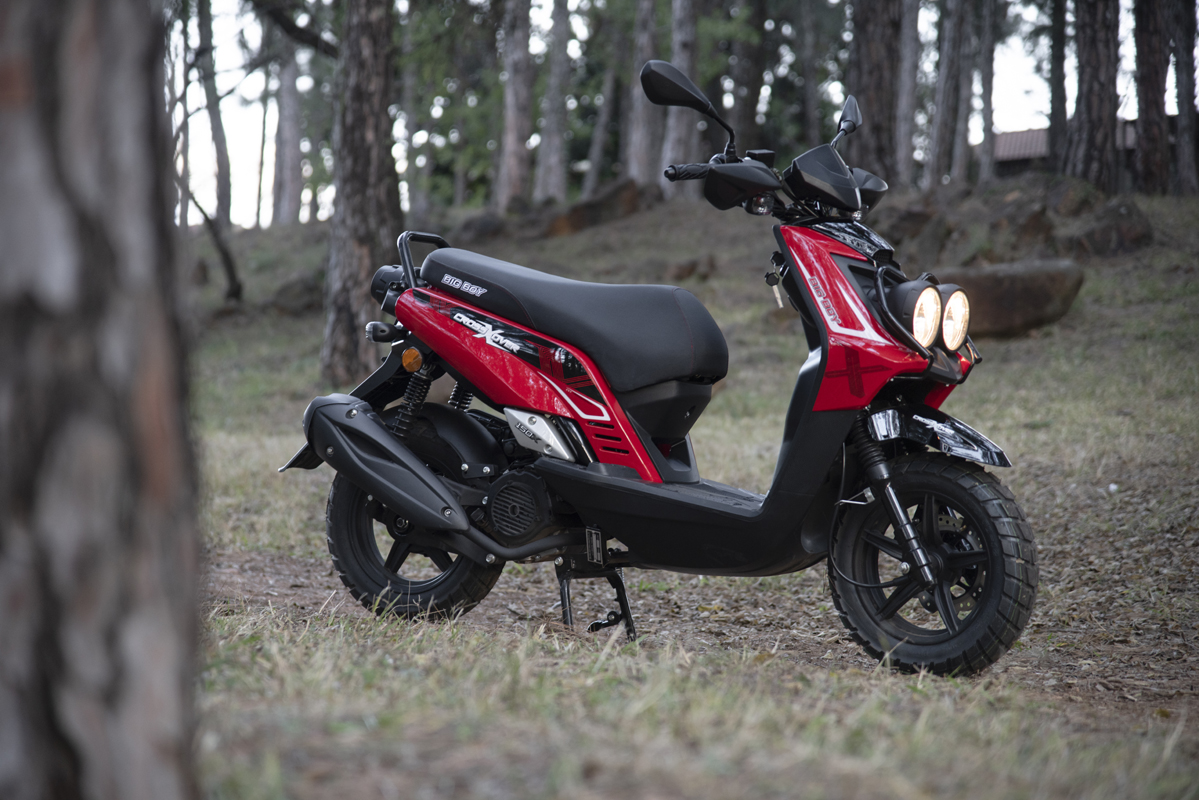
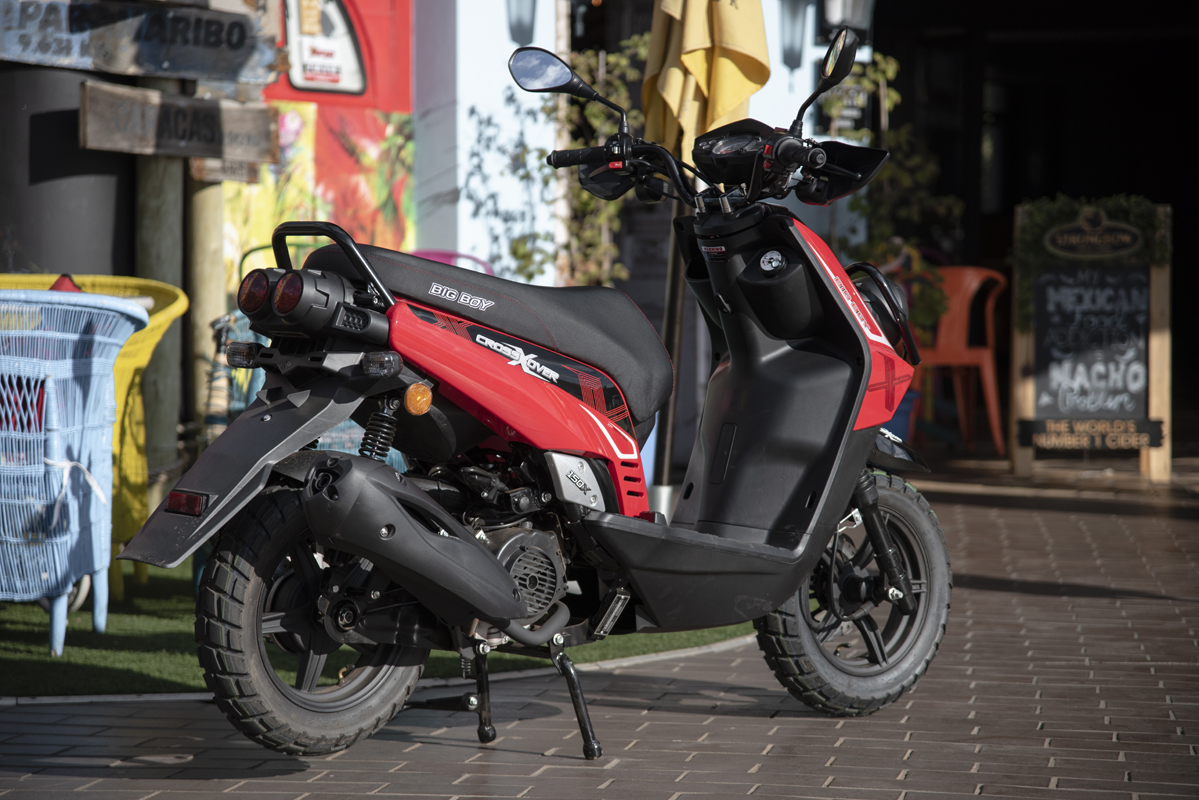
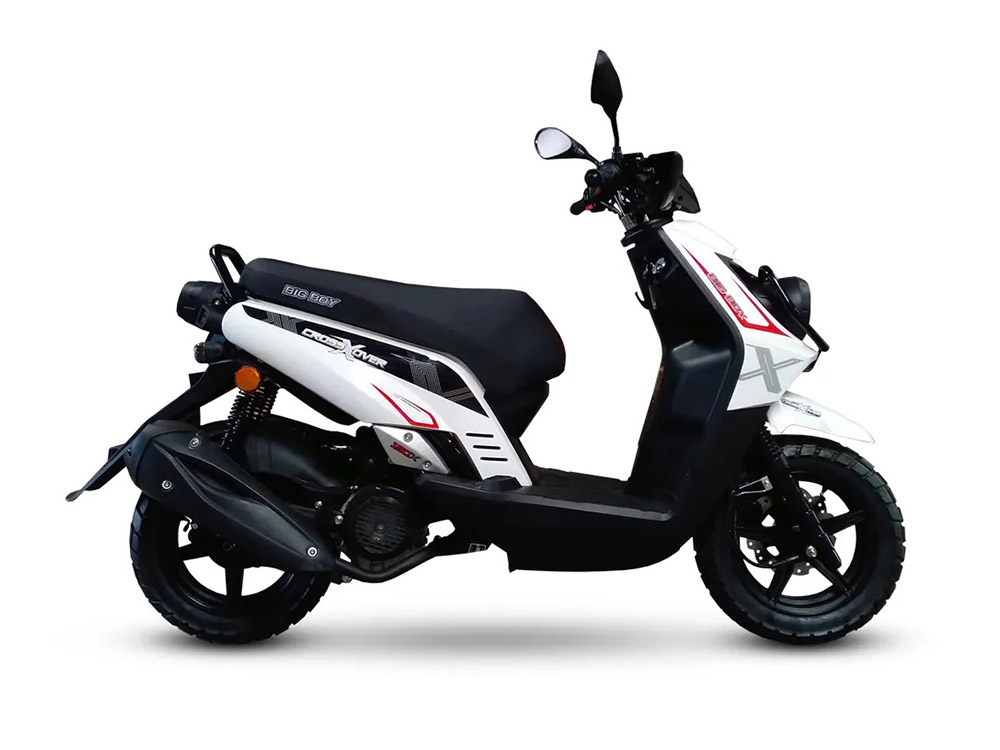
Big Boy as a powerhouse brand and name constantly delivers functional bikes off their factory line that accurately caters to their end consumers. The Big Boy Crossover 150X is no exception. The ‘Crossover’ is adapted with off-road riding capabilities, making it the ideal go-anywhere commuter scooter.
Photo credit: Bjorn Moreira / ZA Bikers
The Crossover 150X is the new and latest iteration of the former Crossover and Yeti models. It is a mixed-purpose all-rounder sports scooter that can be praised for its reliability thanks to brand familiarity and historically excellent fuel efficiency.
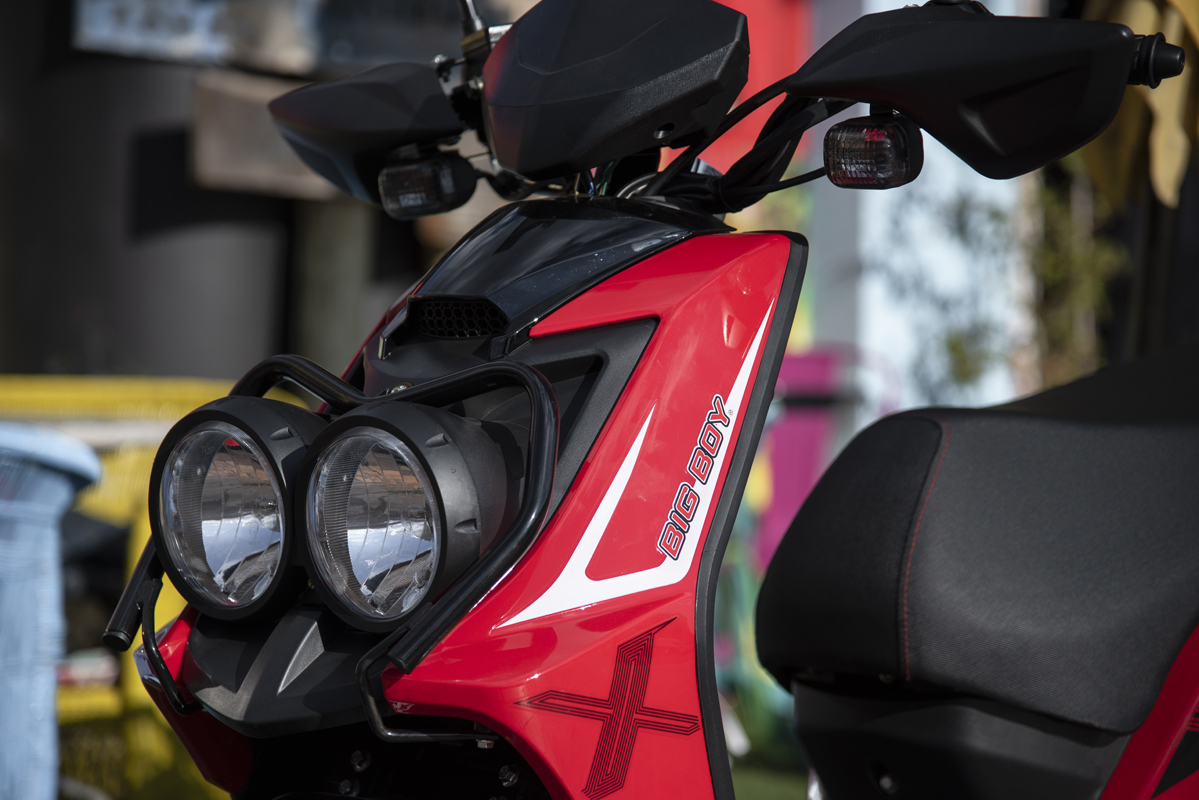
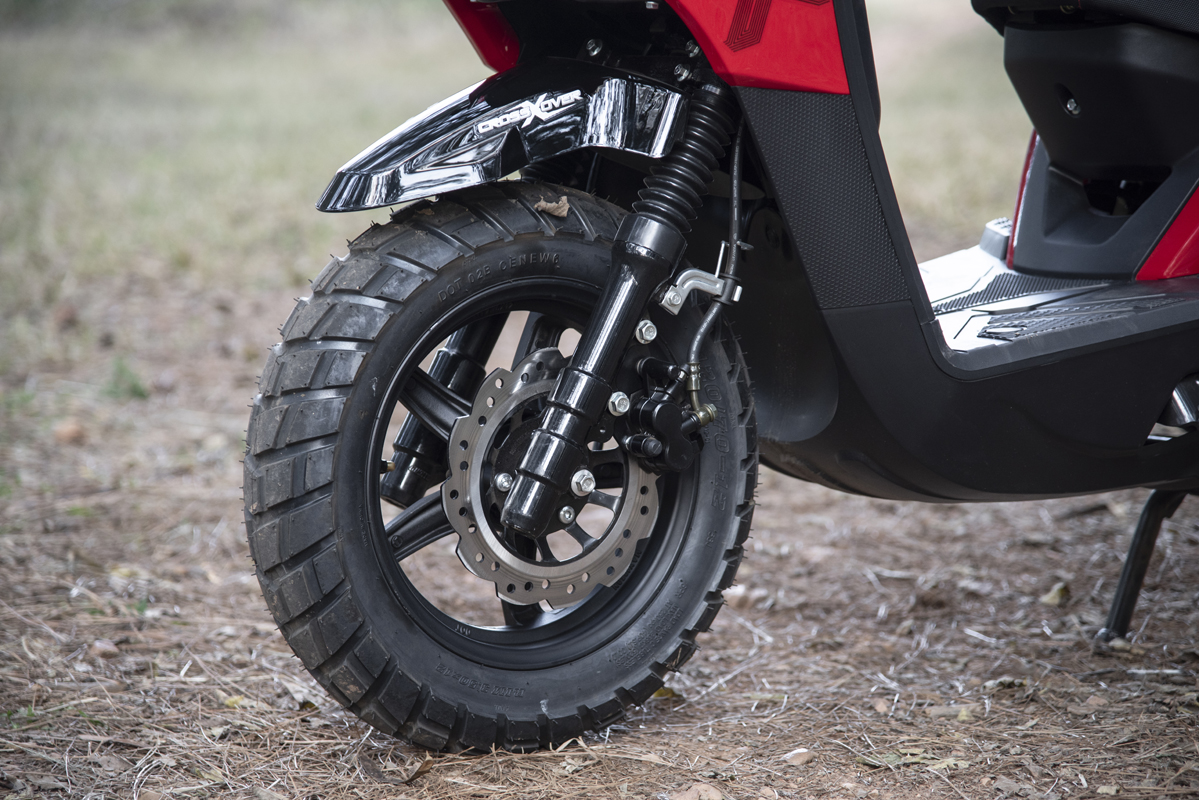
This model comes in either a red or white glossy finish with the typical Big Boy graphics on the side panels. From afar you will immediately notice the boldly round twin headlights, tail lights and of course the 5-spoke 13’’ mag wheels with their on and off-road tyres.
Photo credit: Bjorn Moreira / ZA Bikers
Additionally, you will observe fitted protective hand-guards and a rear grab rail stemming from an elongated plush seat for both rider and passenger.
It houses a 150cc 4-stroke air-cooled GY7 motor that offers a low-down torquey acceleration that gets you off the line rapidly enough to remain out of harm’s way, especially amidst mid-city riding. The Crossover has both an electric and kick-start system.
Photo credit: Bjorn Moreira / ZA Bikers
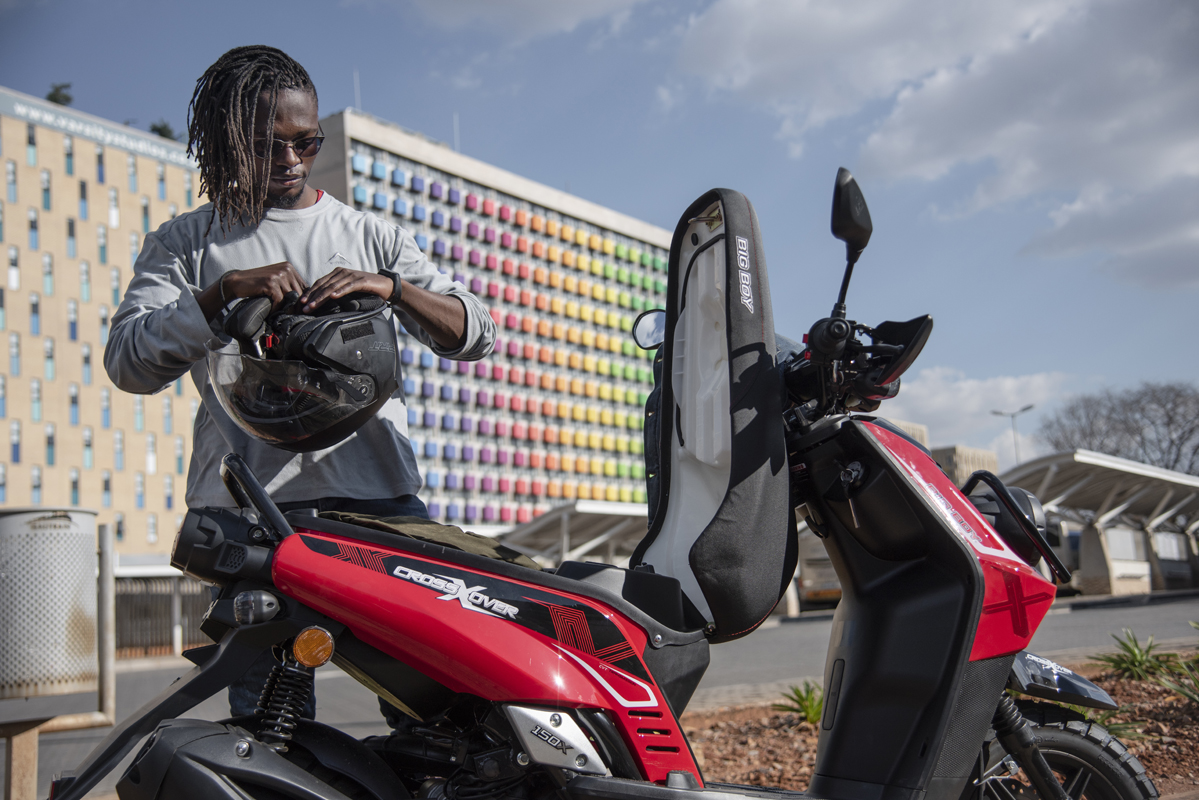
The seat height of 780mm and foot placement allows you to be seated in an upright position with the handlebars situated within close reach. The seat comfortably sits both the rider and passenger. Underneath, it fits a full-face helmet with additional room to spare. Of course that proves ideal for either an additional helmet or even a grocery bag after a quick shopping stop.
Photo credit: Bjorn Moreira / ZA Bikers
One of the highlight features is the fuel efficiency of this little stylish scooter. It has a 5.3L tank capacity and is capable of achieving a consumption rate of 2.8 litres/100km at a 70km/h average speed.
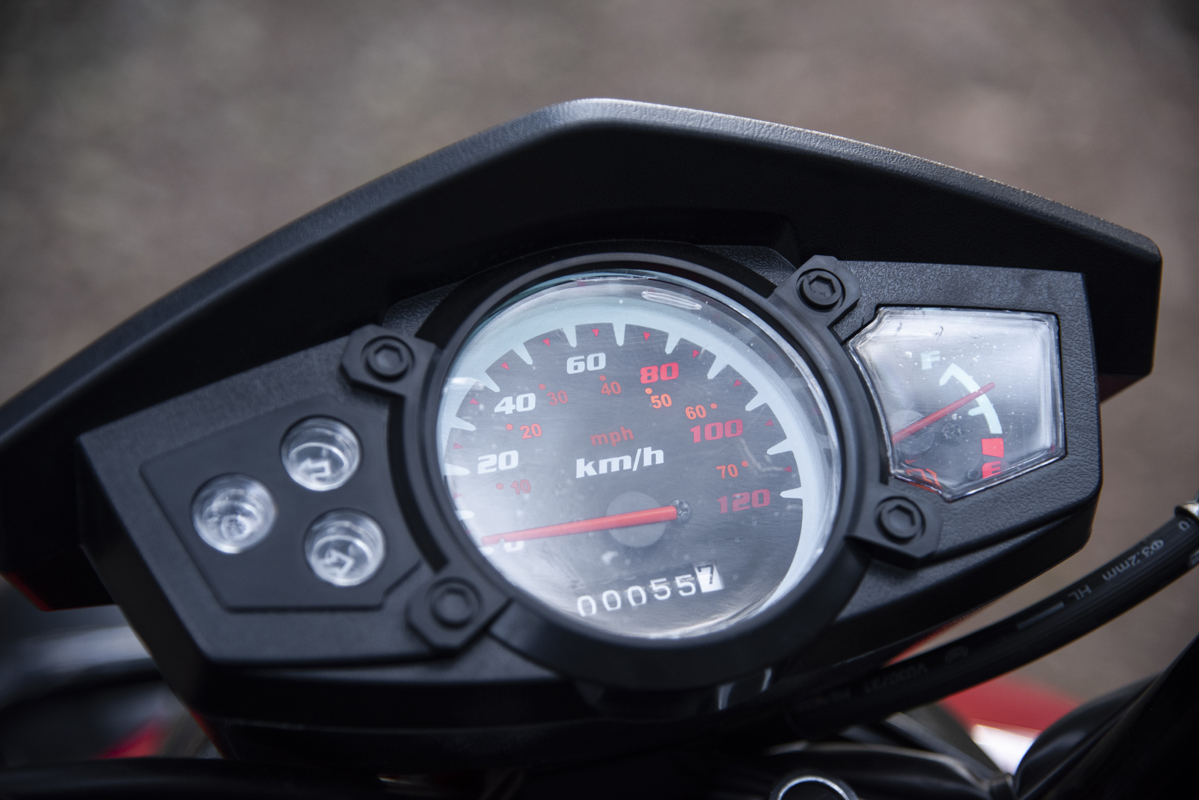
With respect to its handling, it is a light and very nimble scooter. At any point in time, you never lack confidence in pulling off necessary and tight manoeuvres with ease. It brakes sufficiently well thanks to its front disc and rear drum brake. All you need to know pertaining to fuel limit, odometer and speed is encompassed by a basic analogue dial.
Photo credit: Bjorn Moreira / ZA Bikers
As mentioned above, this is a dual-purpose scooter that transcends the usual on-road riding. It is an ideal purchase for any rider that finds themselves venturing off-road once in a while. That certainly gets a pass from a functionality point of view but the icing on the cake really lay behind its fuel consumption, giving you that extra assurance that you can get to pretty much any location within 180km on a full tank—a multi-purpose commuter of note.
Photo credit: Bjorn Moreira / ZA Bikers
Head on over to the Big Boy to find out more. The Crossover 150X is purchasable with a 3-year SAM (Southern African Motorcycles) factory warranty in place for the consumer’s peace of mind.
Big Boy Crossover 150X
For more information on the bike featured in this article, click on the link below…
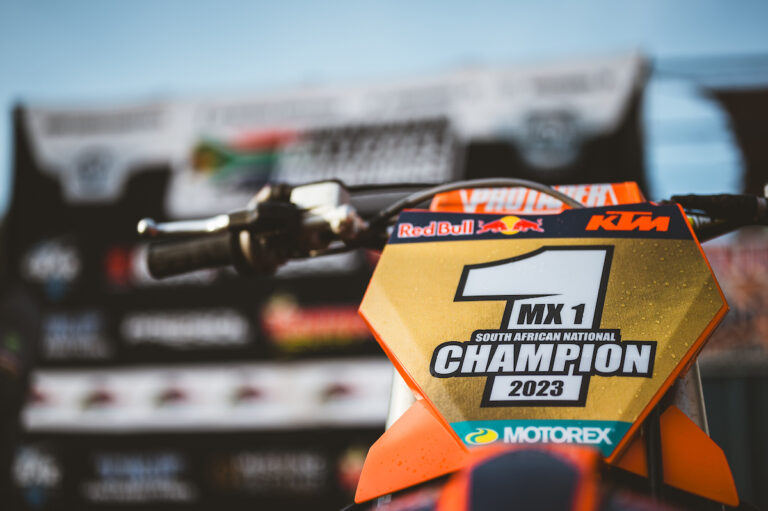
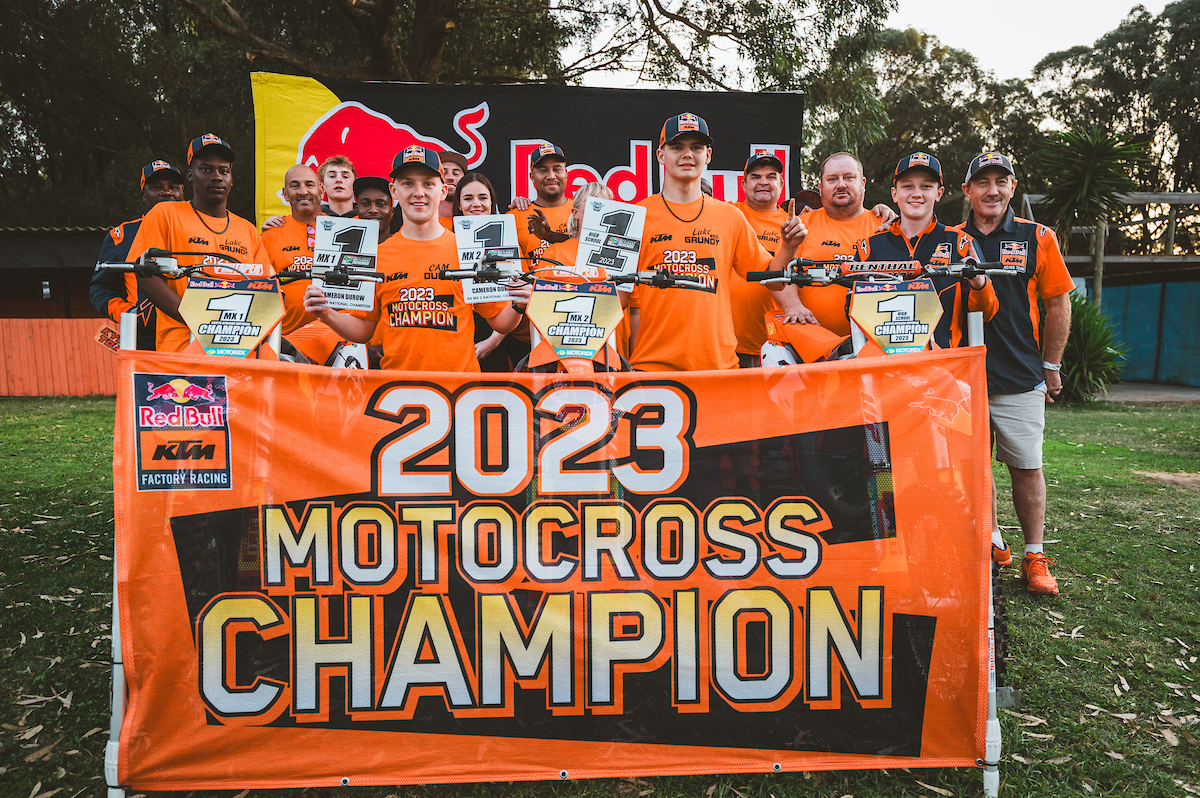
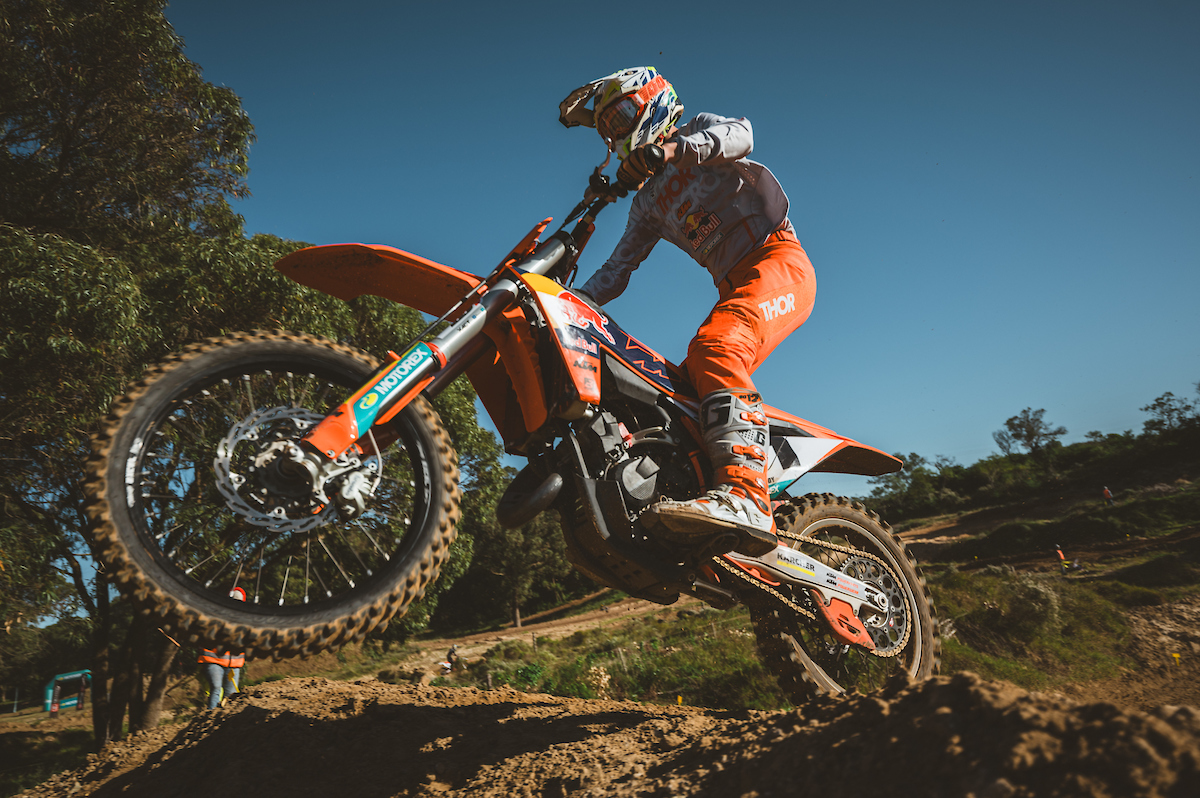
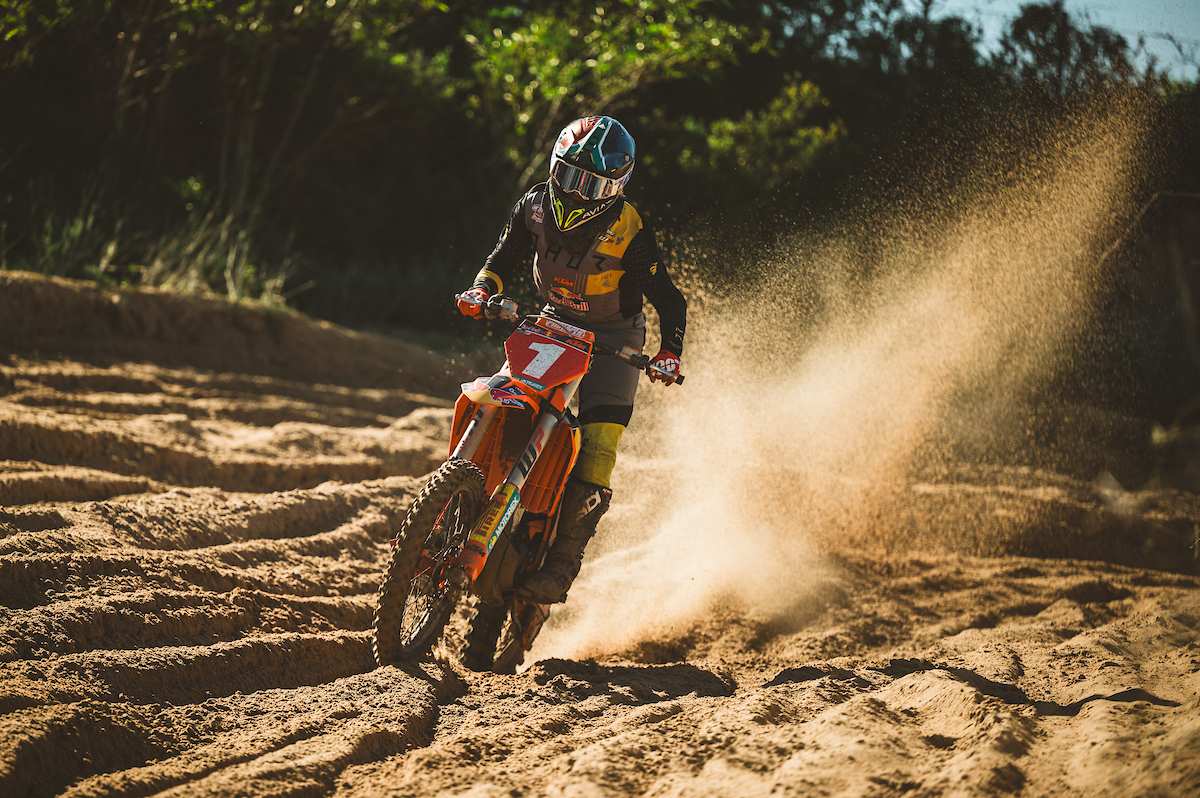
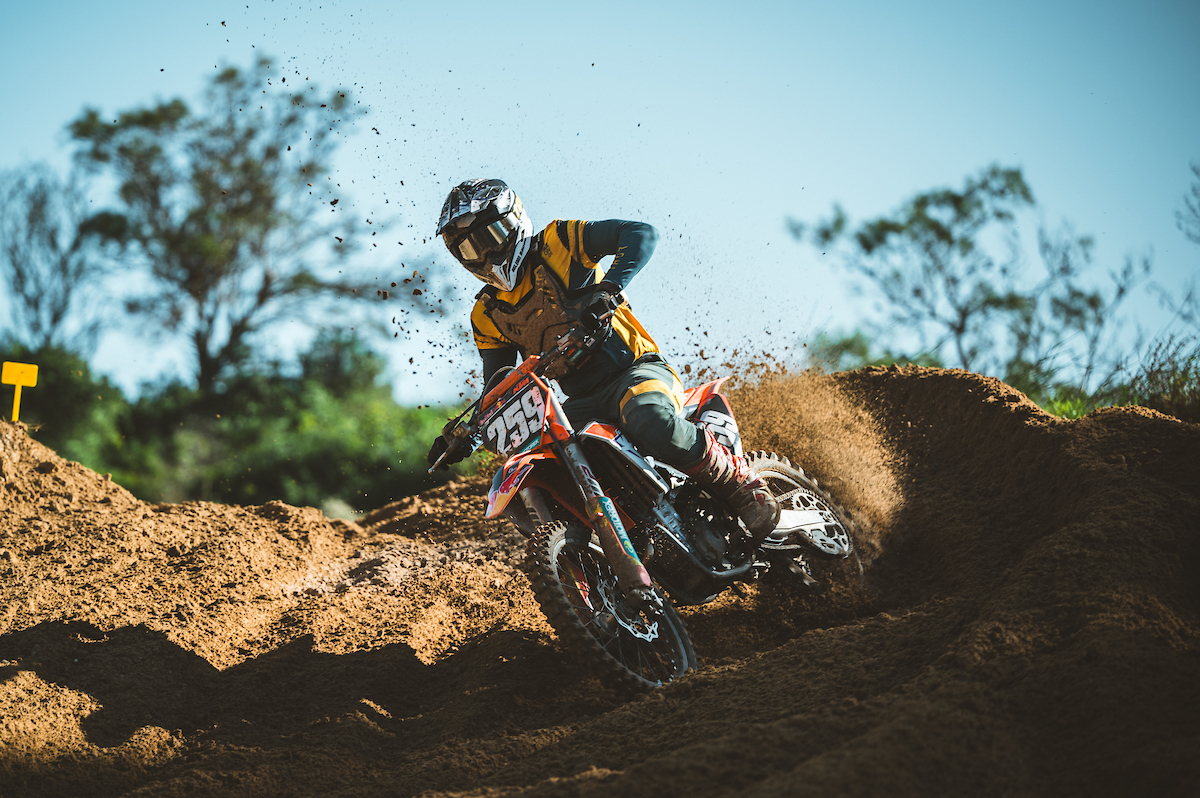
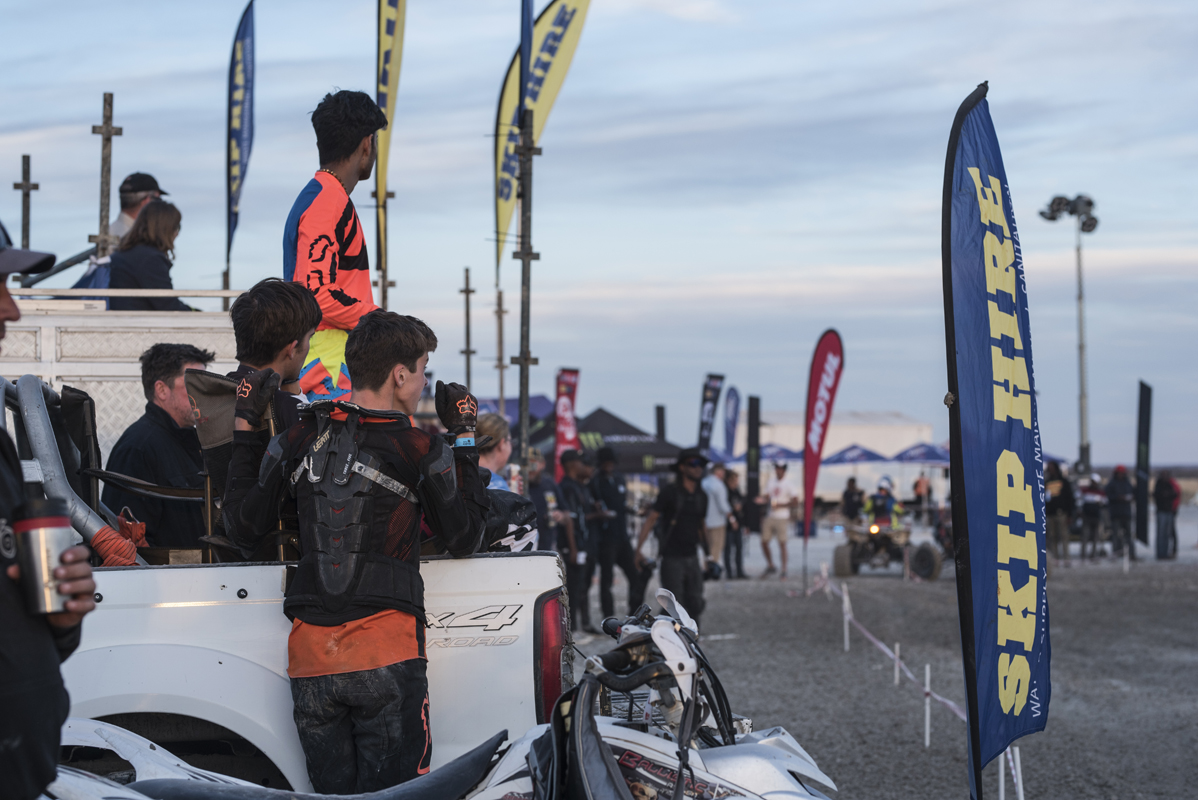
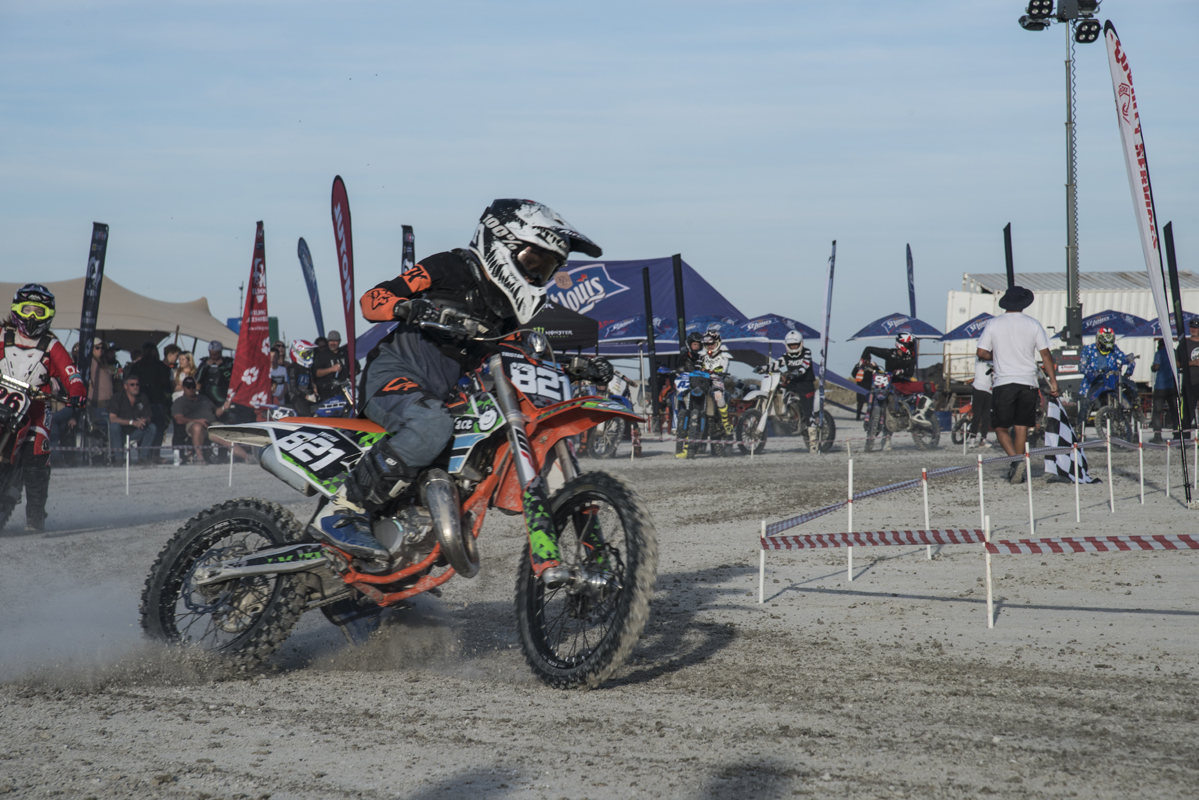
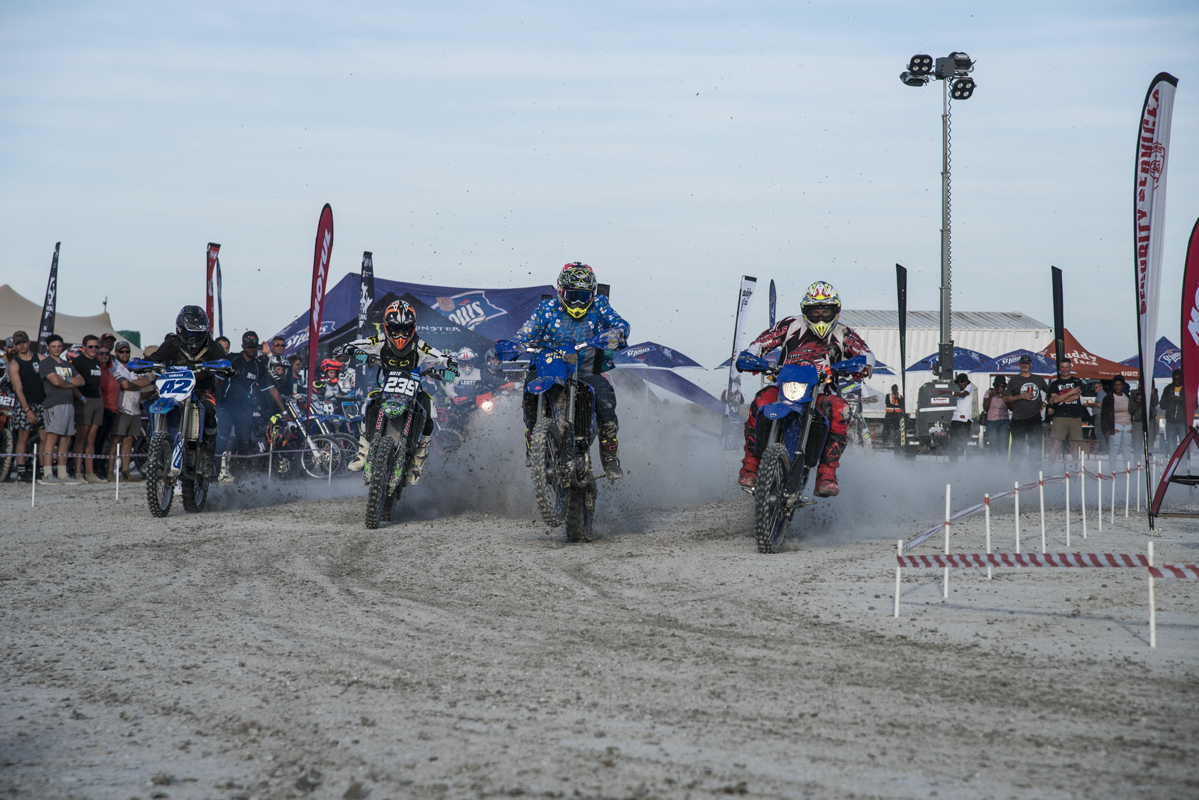
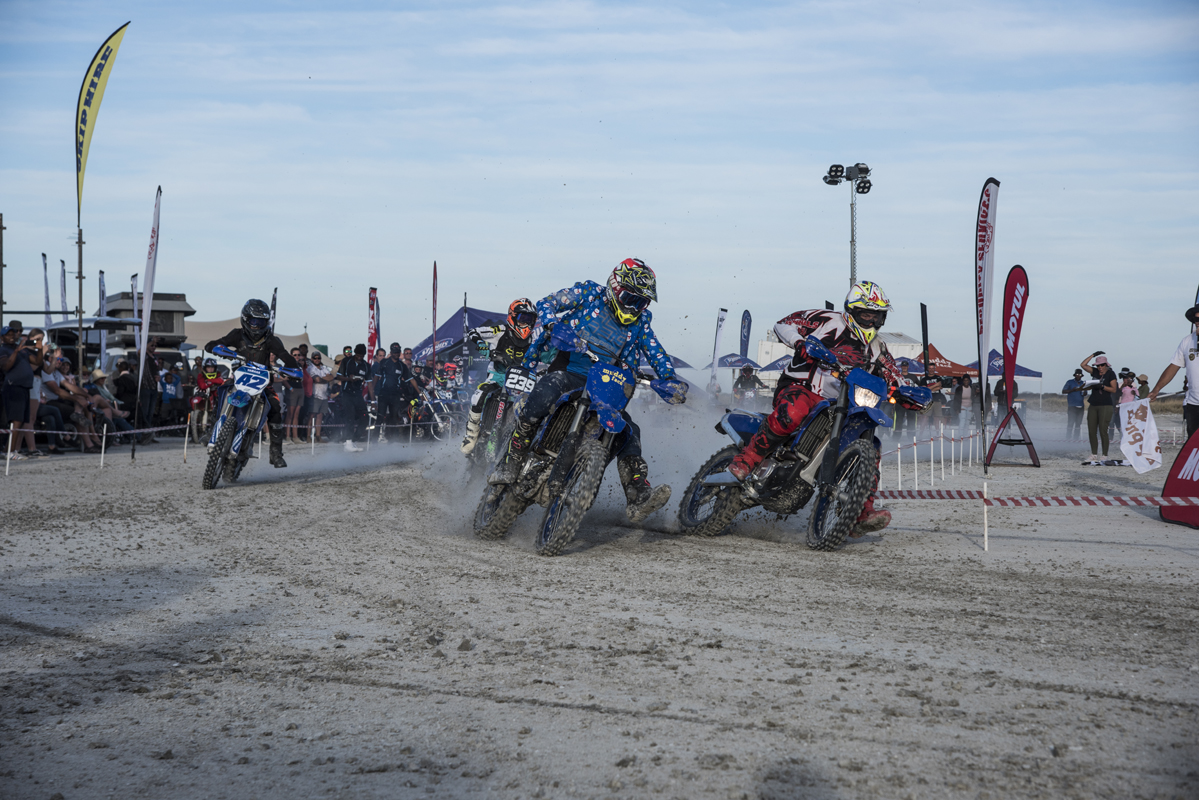
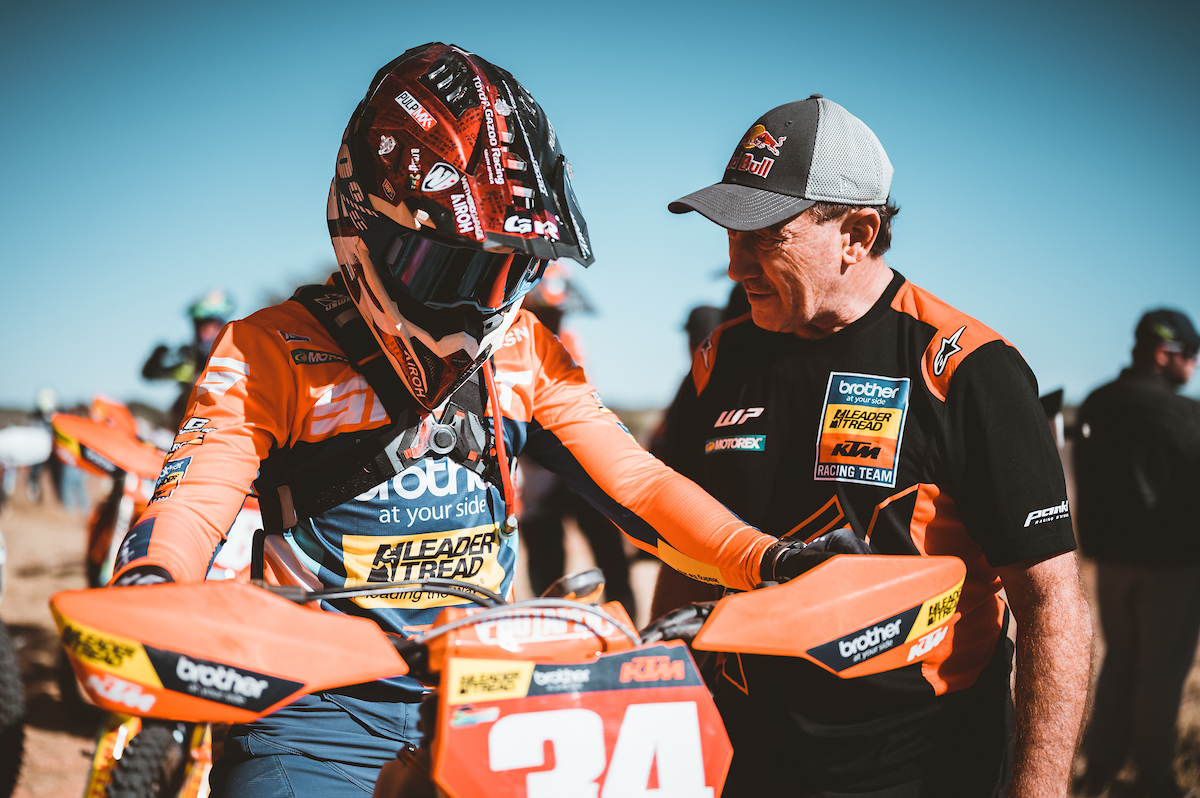
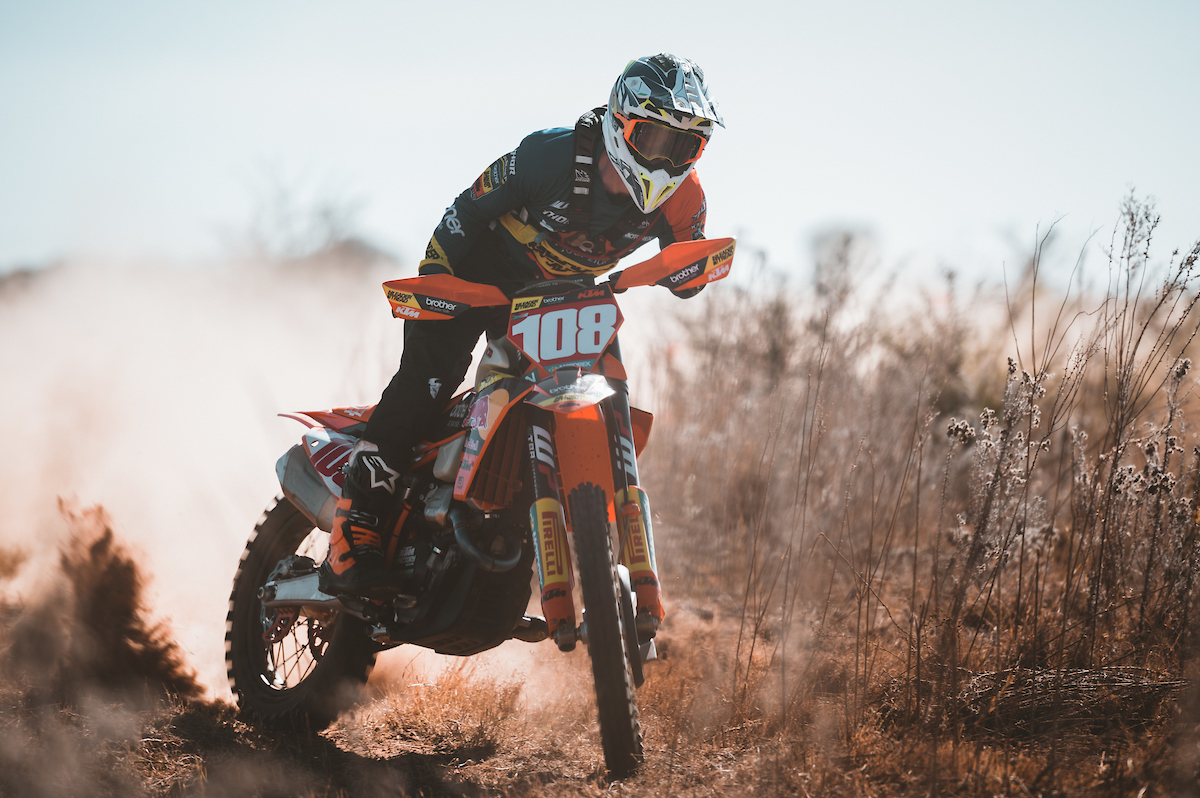
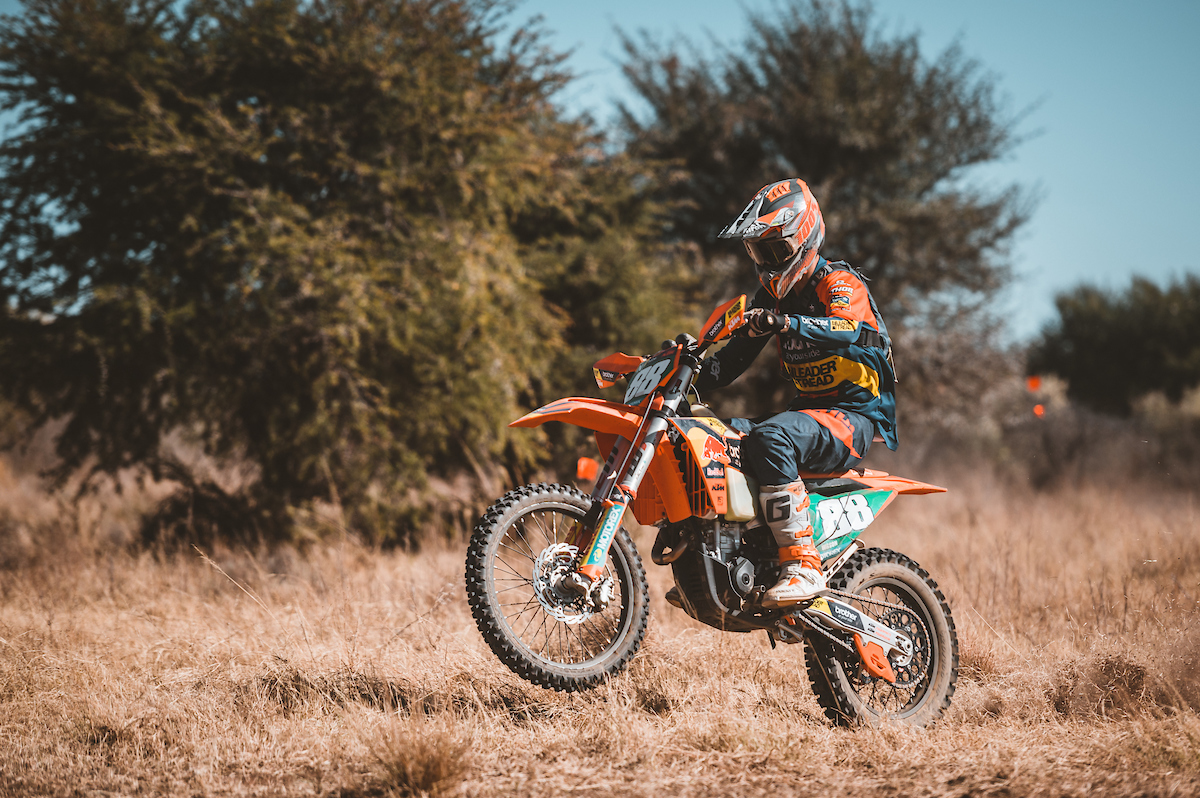
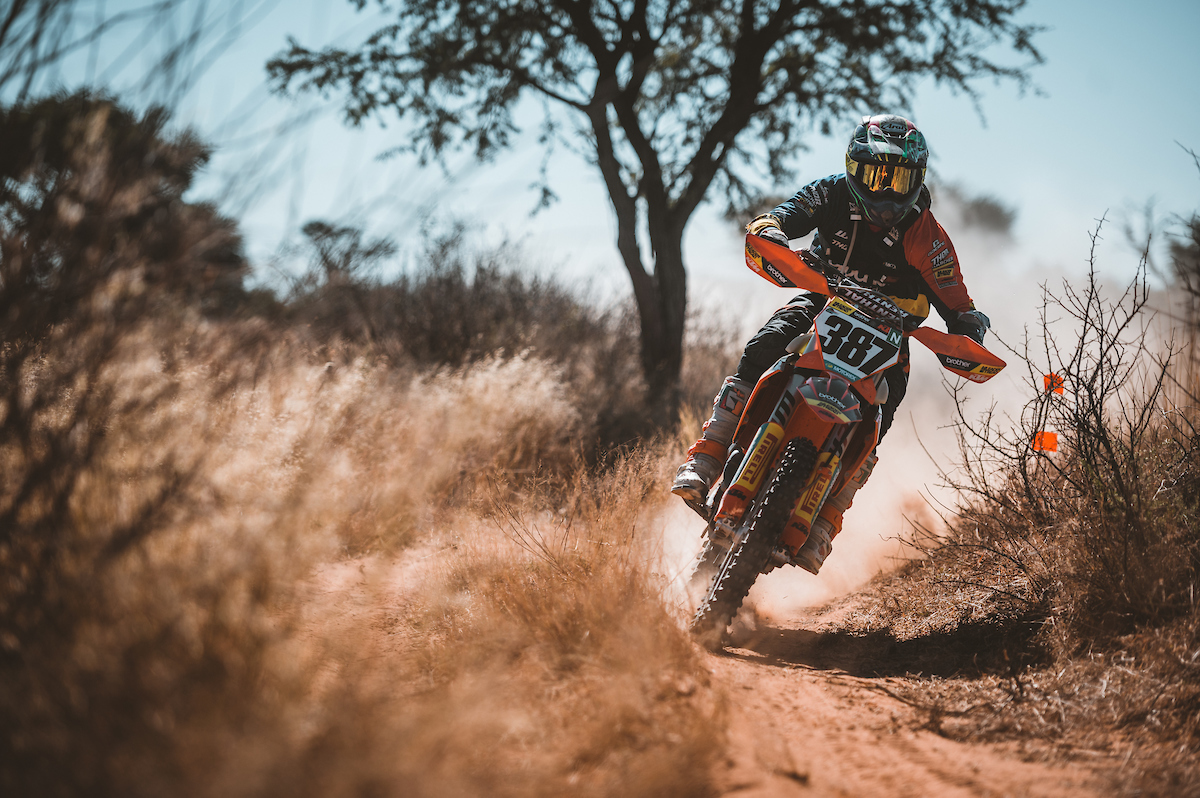
It was a weekend of guts, grit, and glory for the Red Bull KTM team as they left everyone in a trail of orange roost in Port Elizabeth. Reigning supreme in the MX1, MX2 and Highschool classes, it was star riders Cameron Durow and Luke Grundy who came to steal the show snatching up the top step in their respective classes.
Image source: KTM
As a favourite on the calendar, the Rover MX track served nothing but quality racing over the two rounds. With a comfortable lead and one hand on both the MX1 and MX2 Championships, Durow put on one of his best performances of the season to secure the prestigious MX1 title for the very first time and claim the MX2 title for the second consecutive year.
A visibly stoked Durow commented: “My very first MX1 title and a back-to-back MX2 title! I am so excited and can’t be happier with how the weekend went.” He went on to say, “I managed to get 7 out of 8 wins for the two rounds coming close to a perfect double-header weekend. I’m so excited for the last round and to end this year off on a high note.”
Image source: KTM
In yet another stellar performance, Luke Grundy took a clean sweep to win the High School Championship. All the rider had to do was put the finishing touches on the 54-point lead that he’d established at the doubleheader. With yet another double win, Grundy takes the honoured title for the second year in a row.
“I had such an amazing weekend! Even though I didn’t have perfect starts this weekend and had to work myself back up from being stone last in the second heat in round 7, I still managed to fight for my championship and climb onto that top step for myself and the team. It was absolutely unreal, and I am back-to-back 125 Highschool class champion for 2023.”
Image source: KTM
Rounding out the squad was Jono Mlimi, who had another tough day in the saddle. The rider found himself having yet again a couple of mechanical issues. “My results weren’t great, but the track was so nice in the 6th round and quite rough in the 7th round which I also really enjoyed. I just tried to get out of the weekend safe and will give it my all in the last round to wrap up the year positively.”
Group manager Grant Frerichs had the following to say about the team’s remarkable performance, “It’s a great feeling wrapping up these championships with the team knowing the pressure is off completely for the final round. At the end of the day, we race to win and Cameron and Luke have done a lot of winning this year and they deserve everything that comes along with these championships. I am proud of both and their work ethic and dedication towards their craft.”
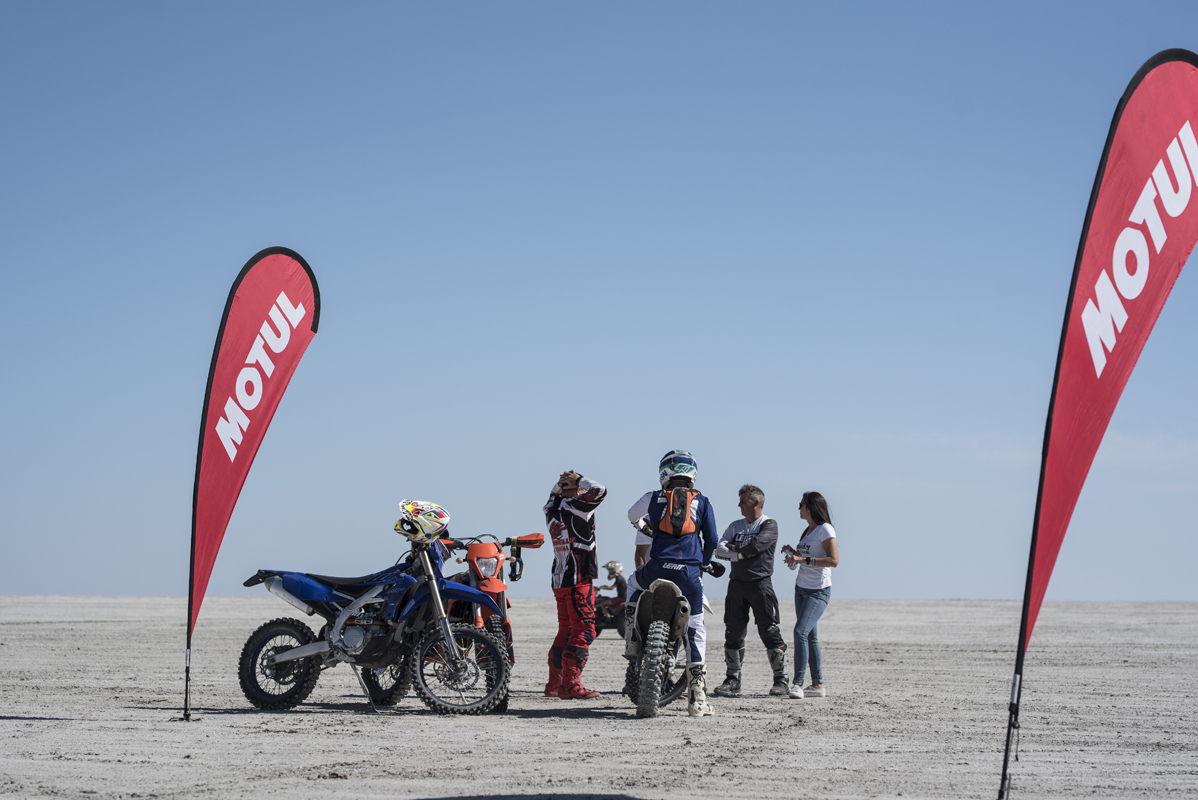
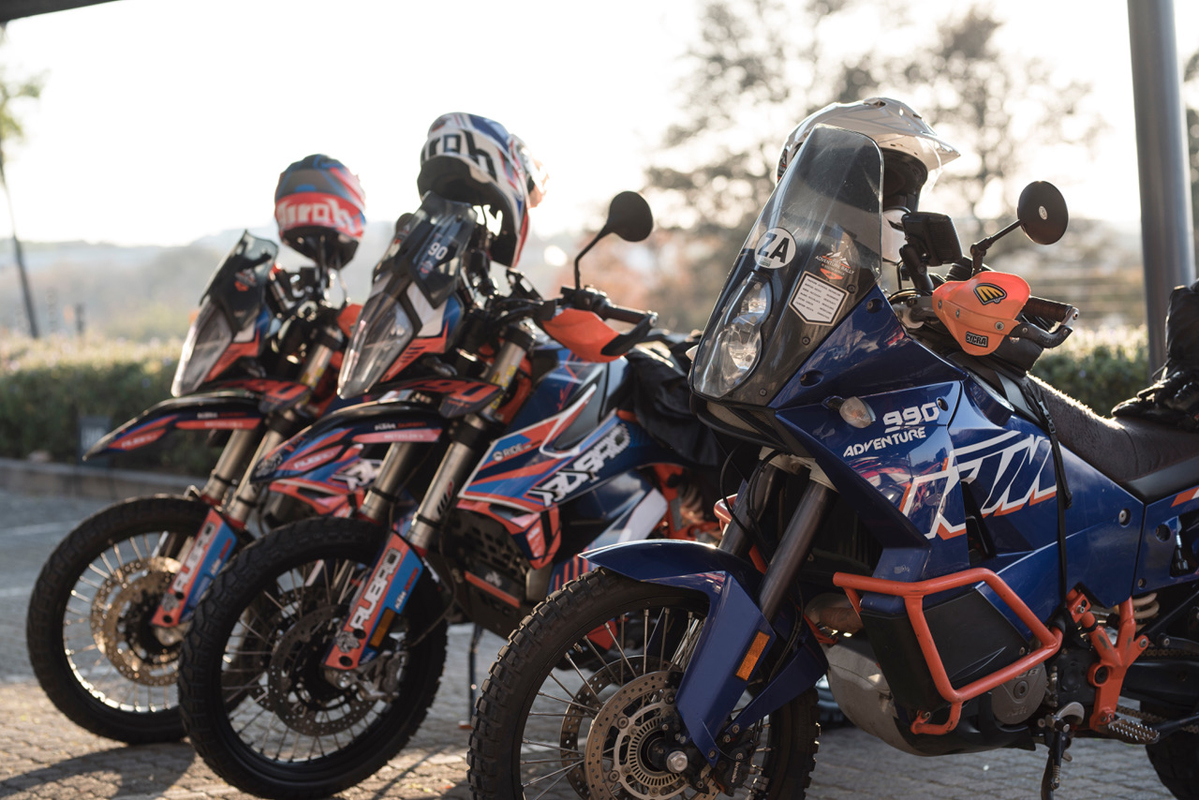
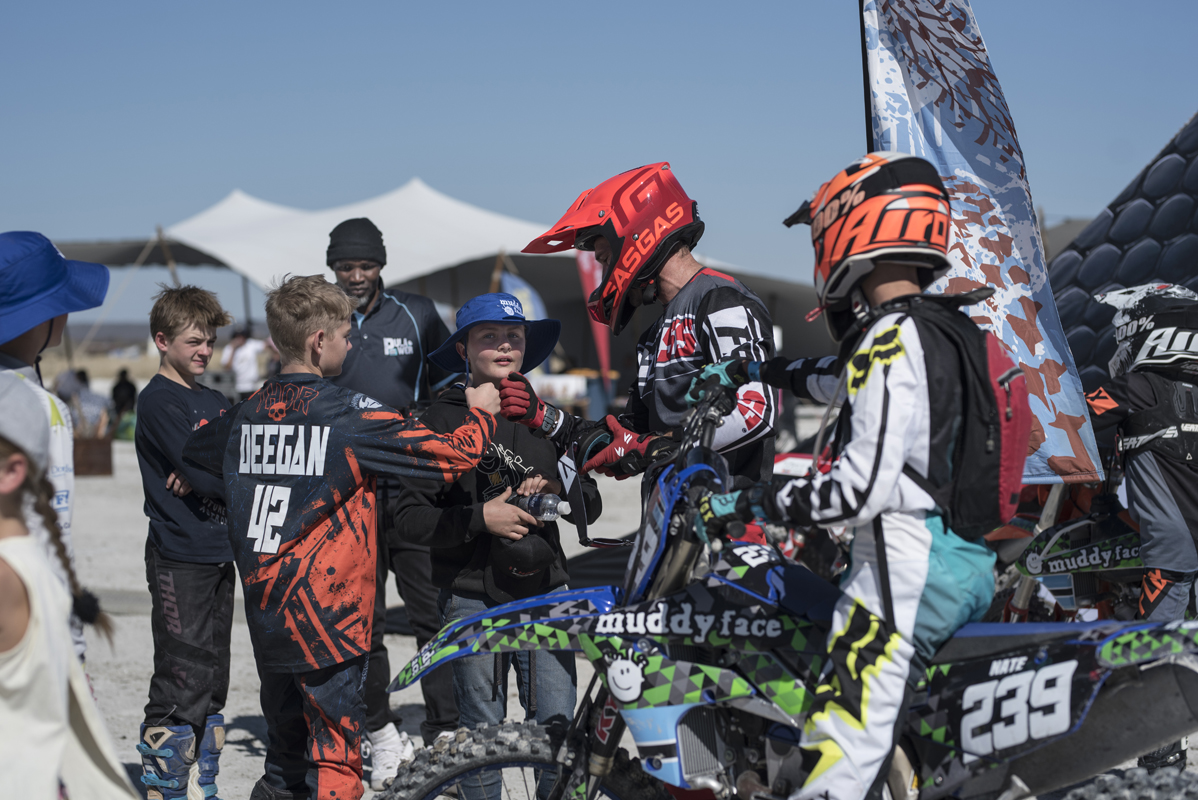
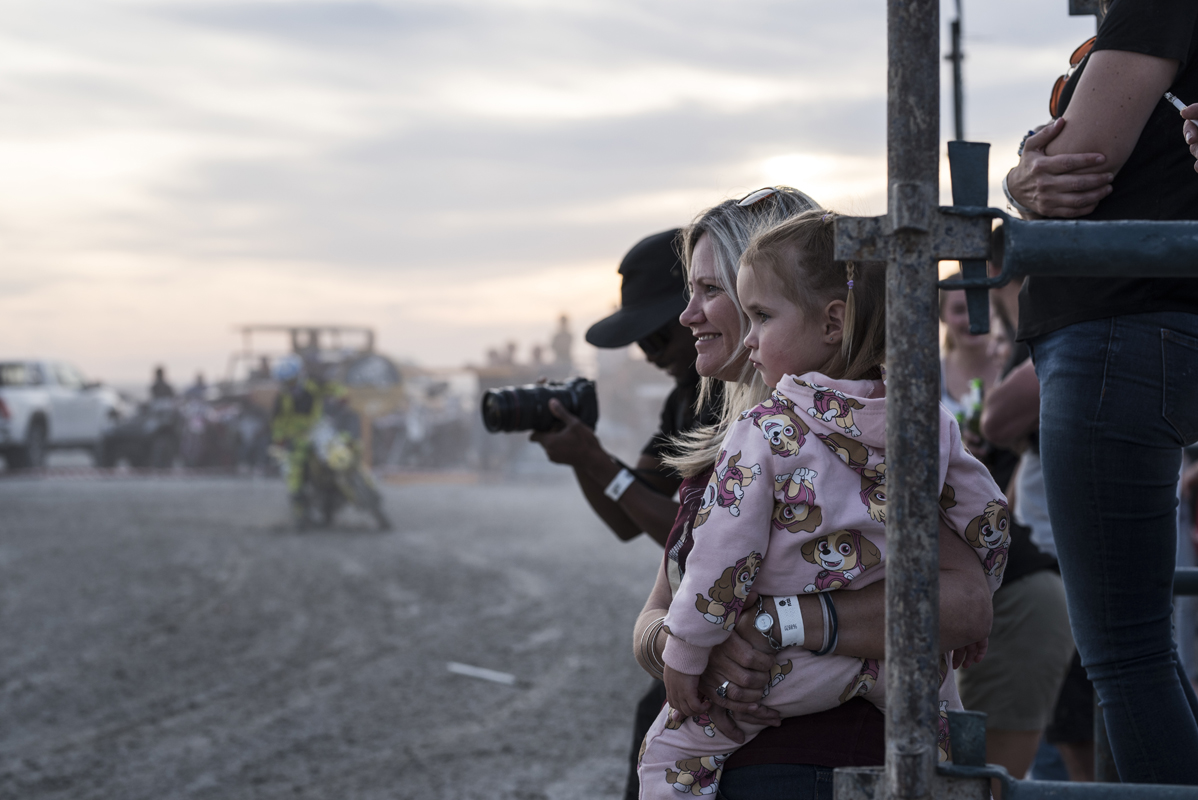
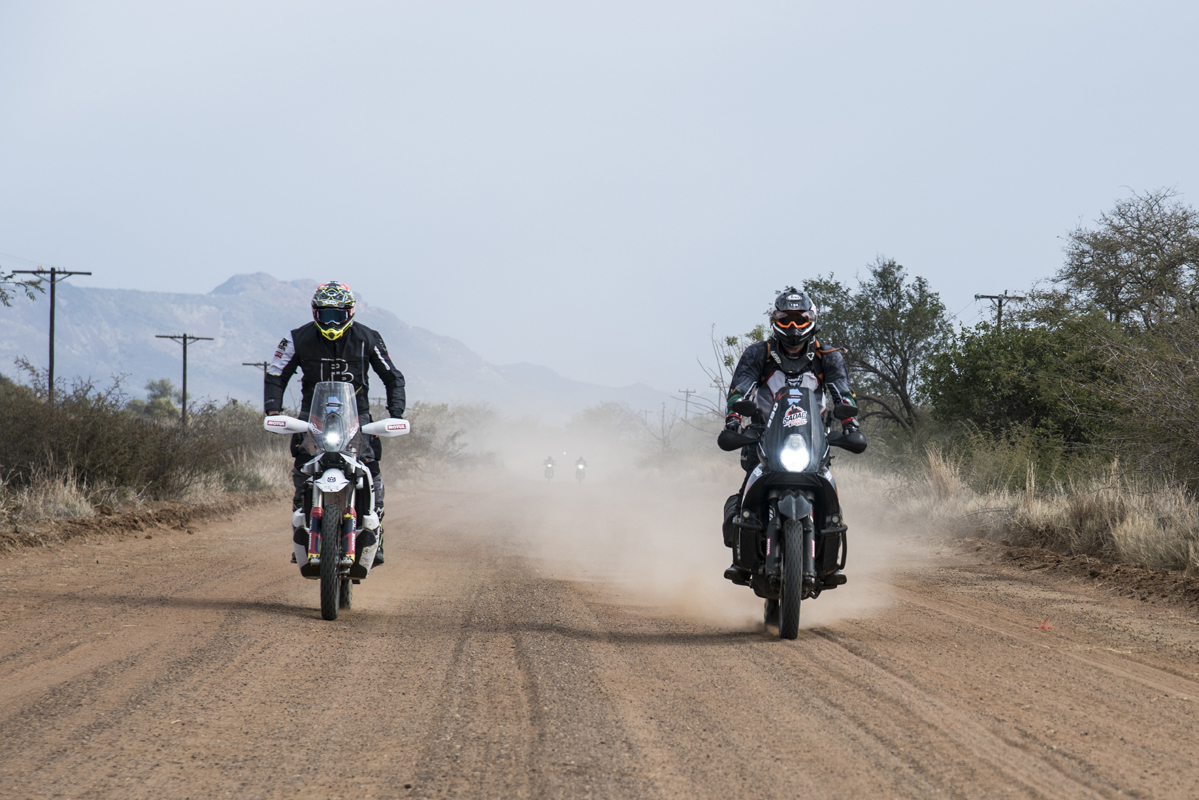
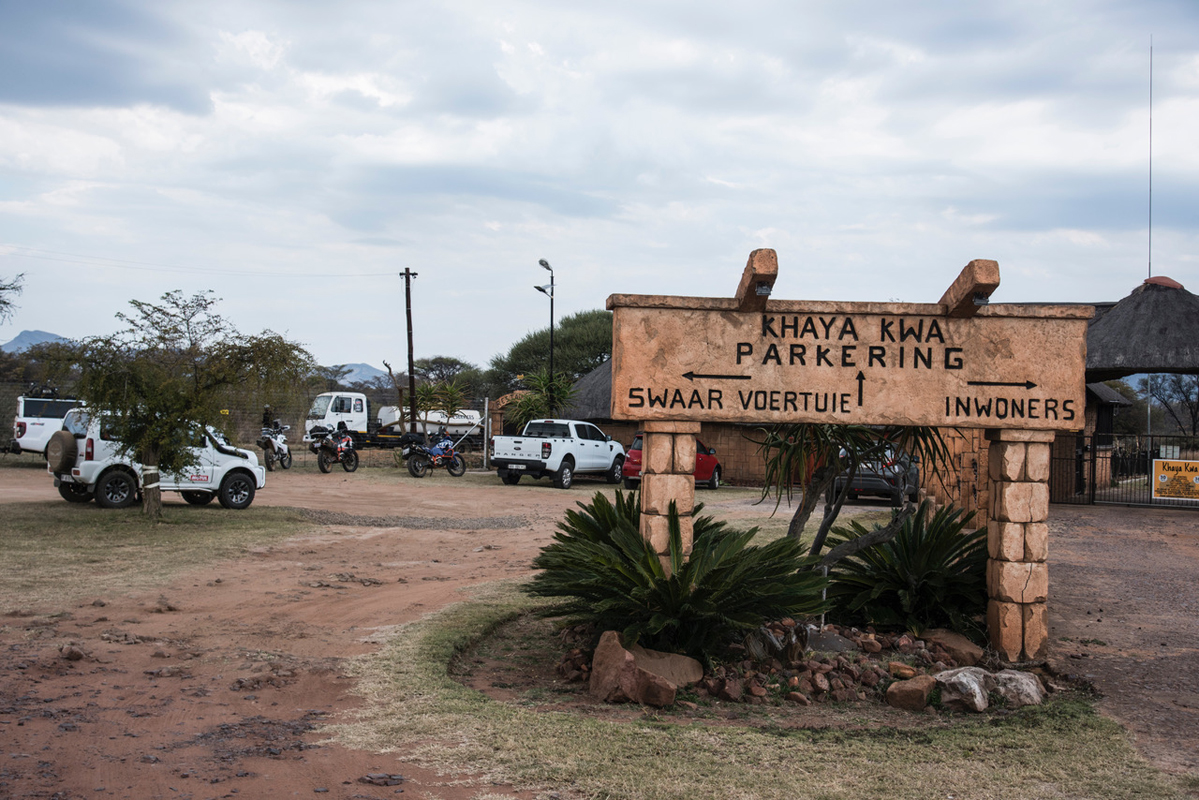
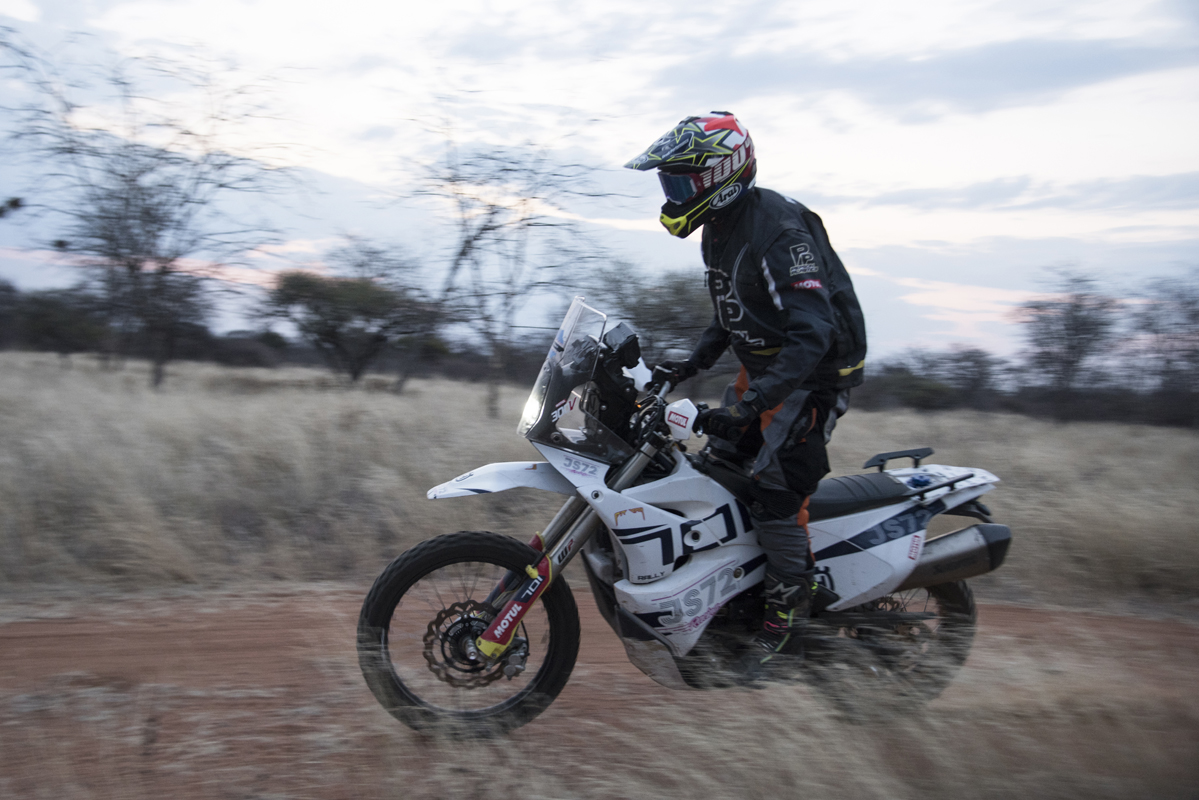
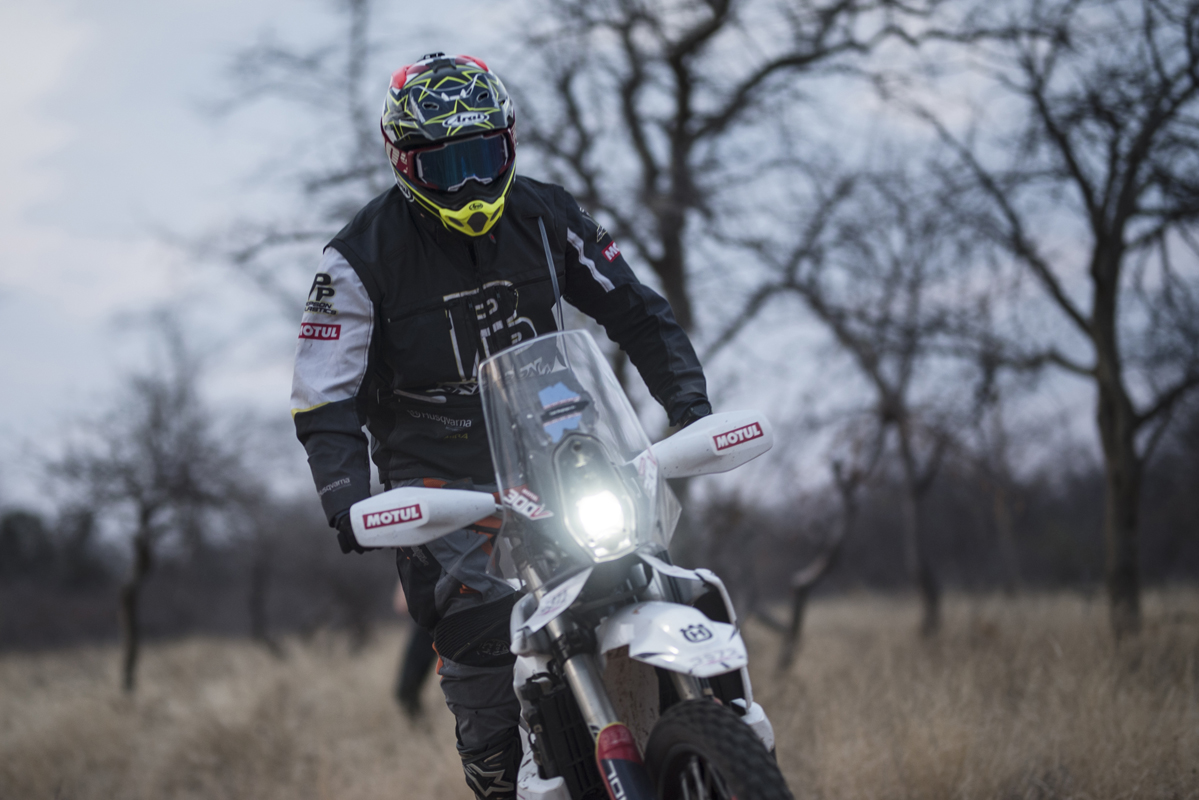
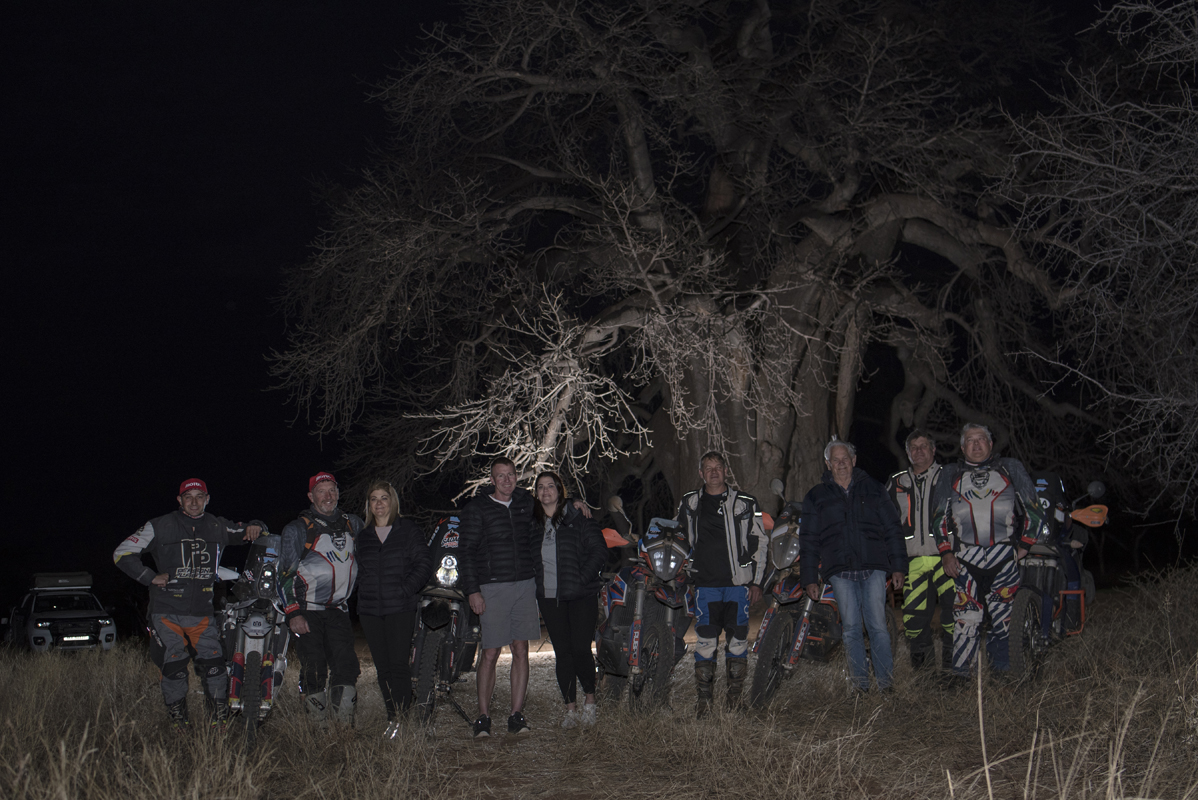
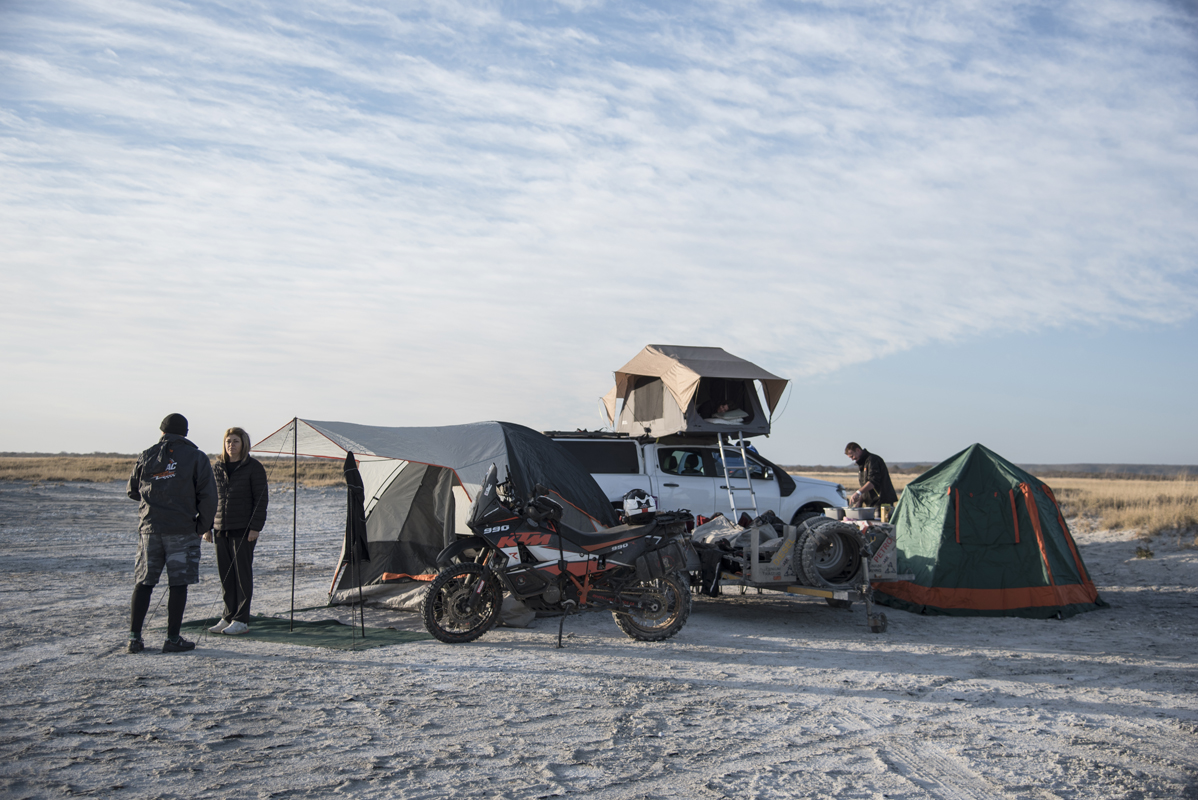
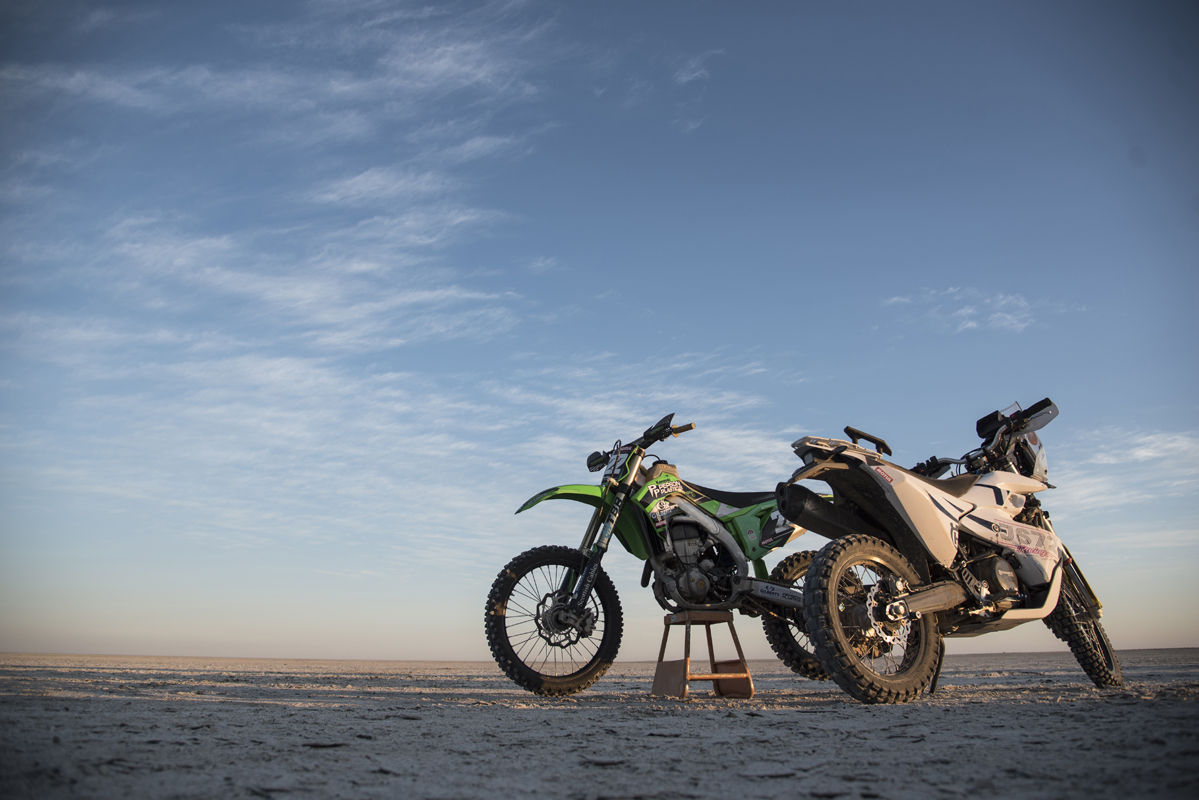
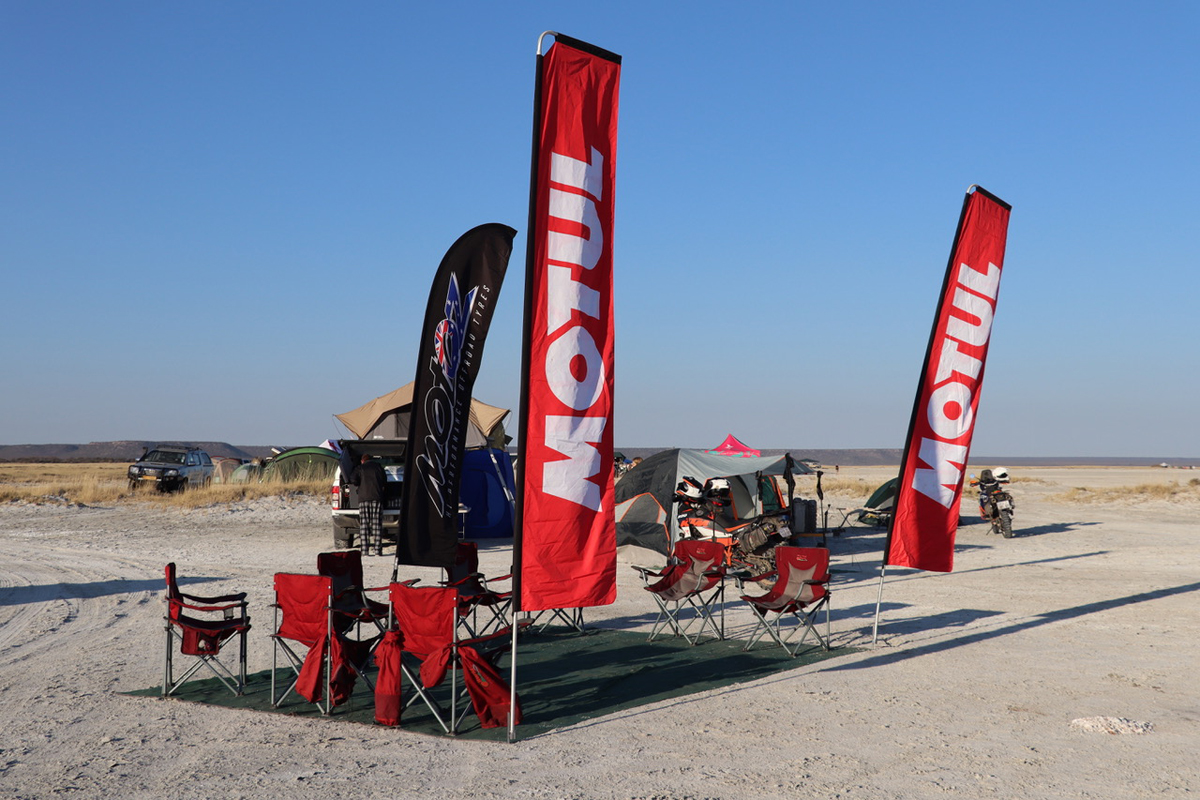
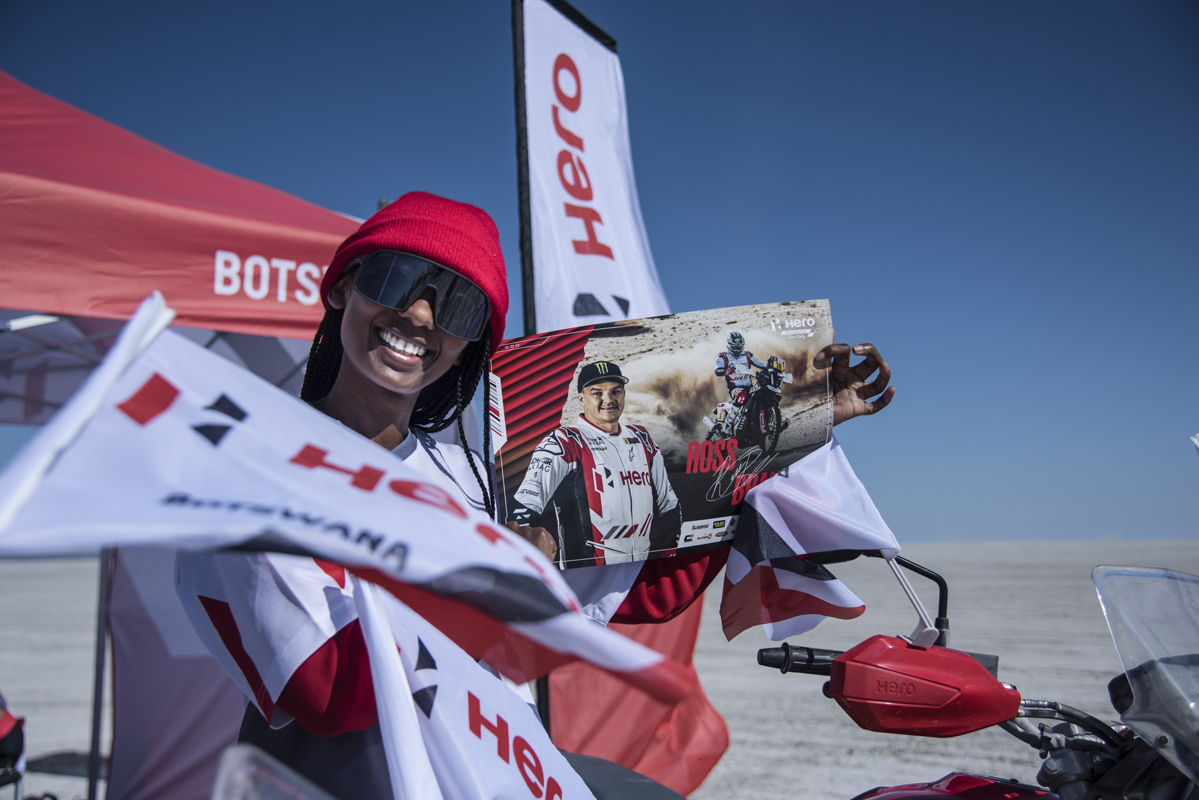
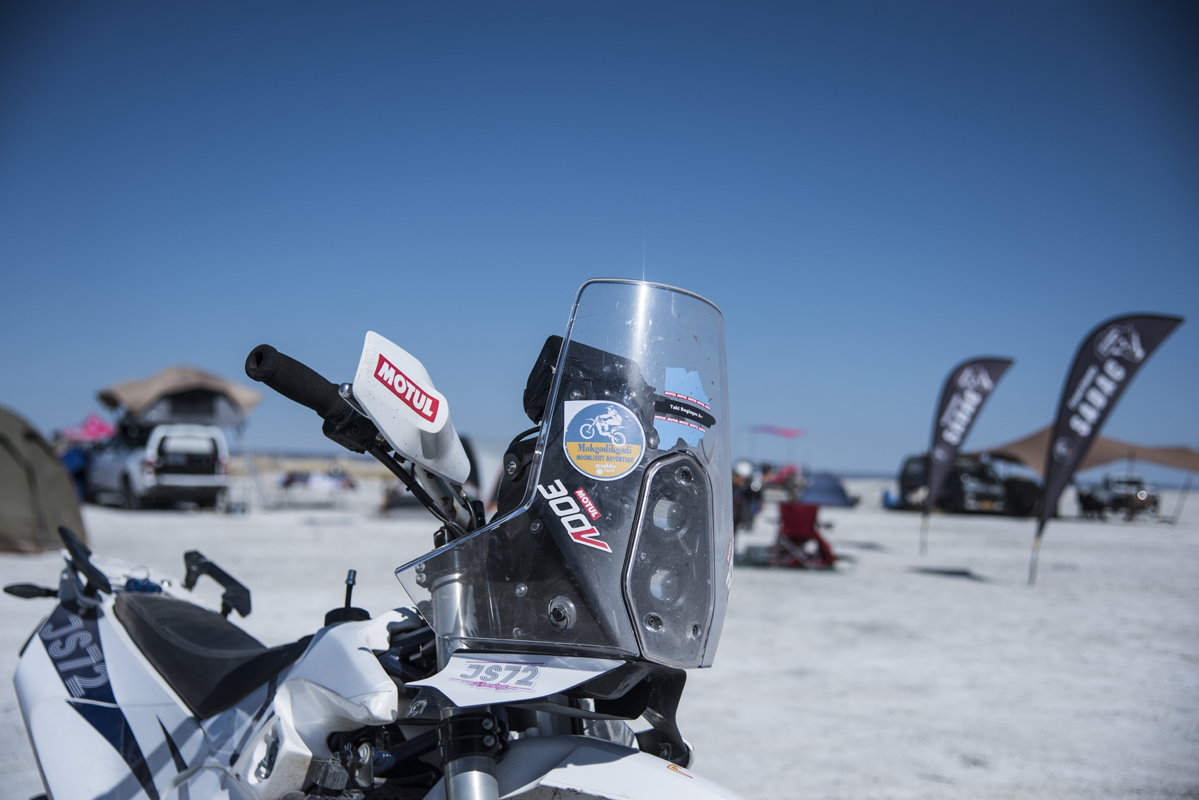
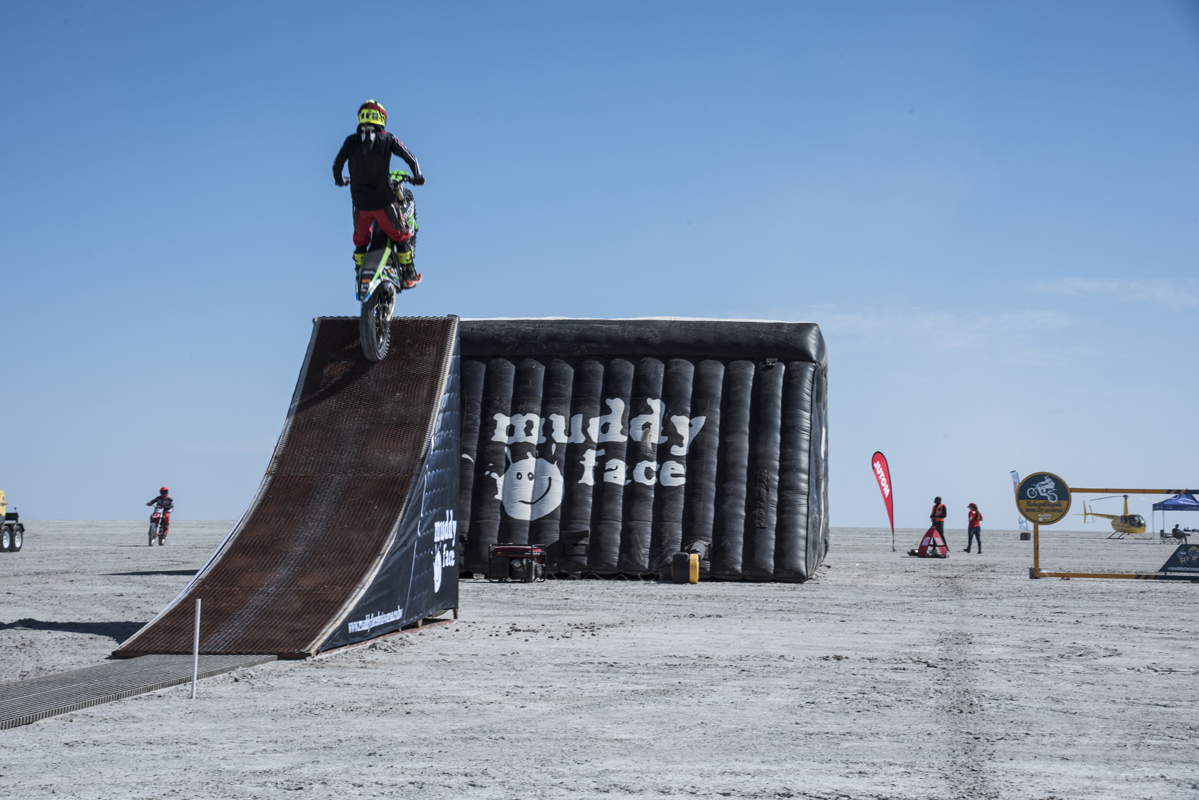
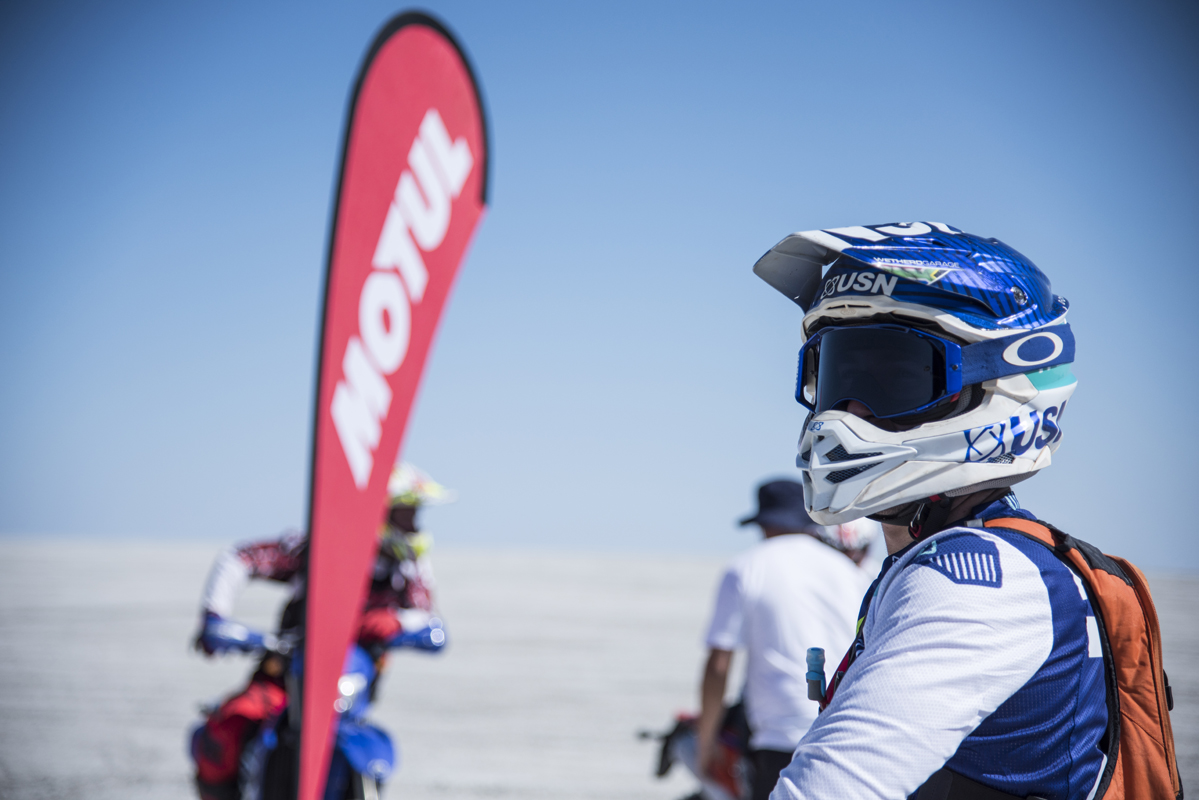
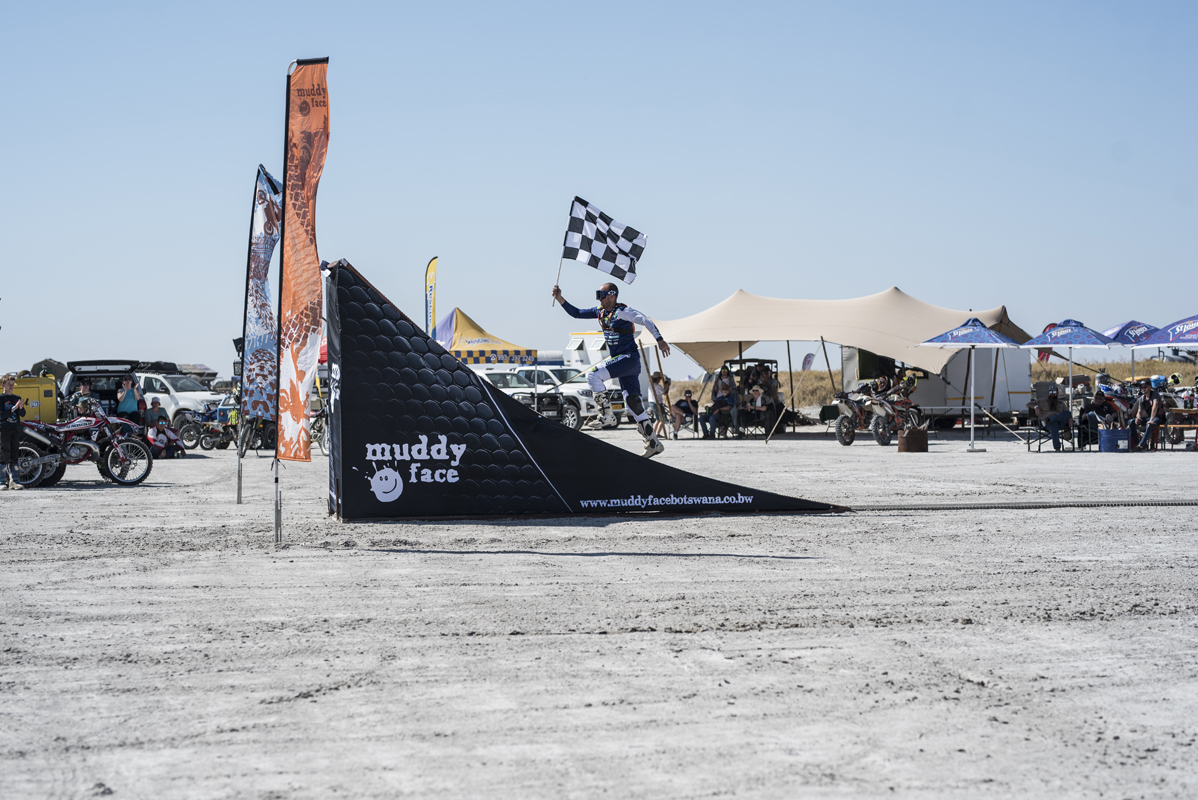
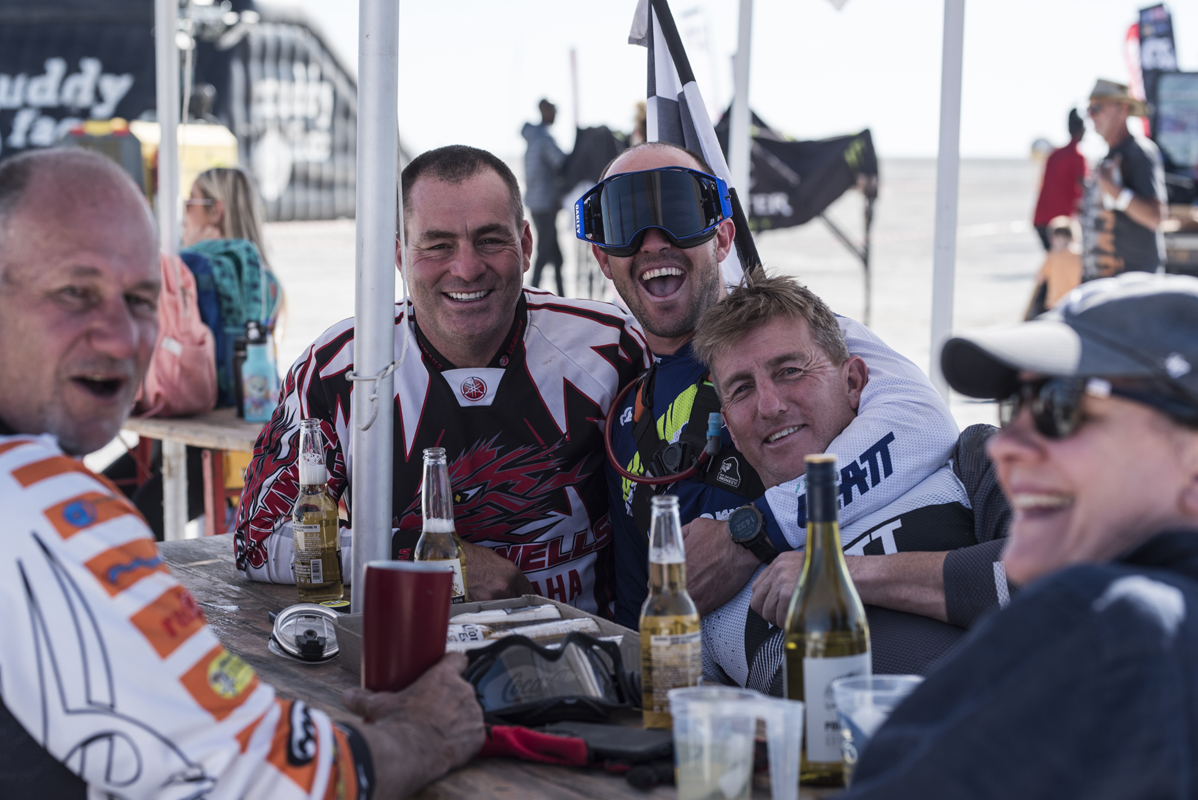
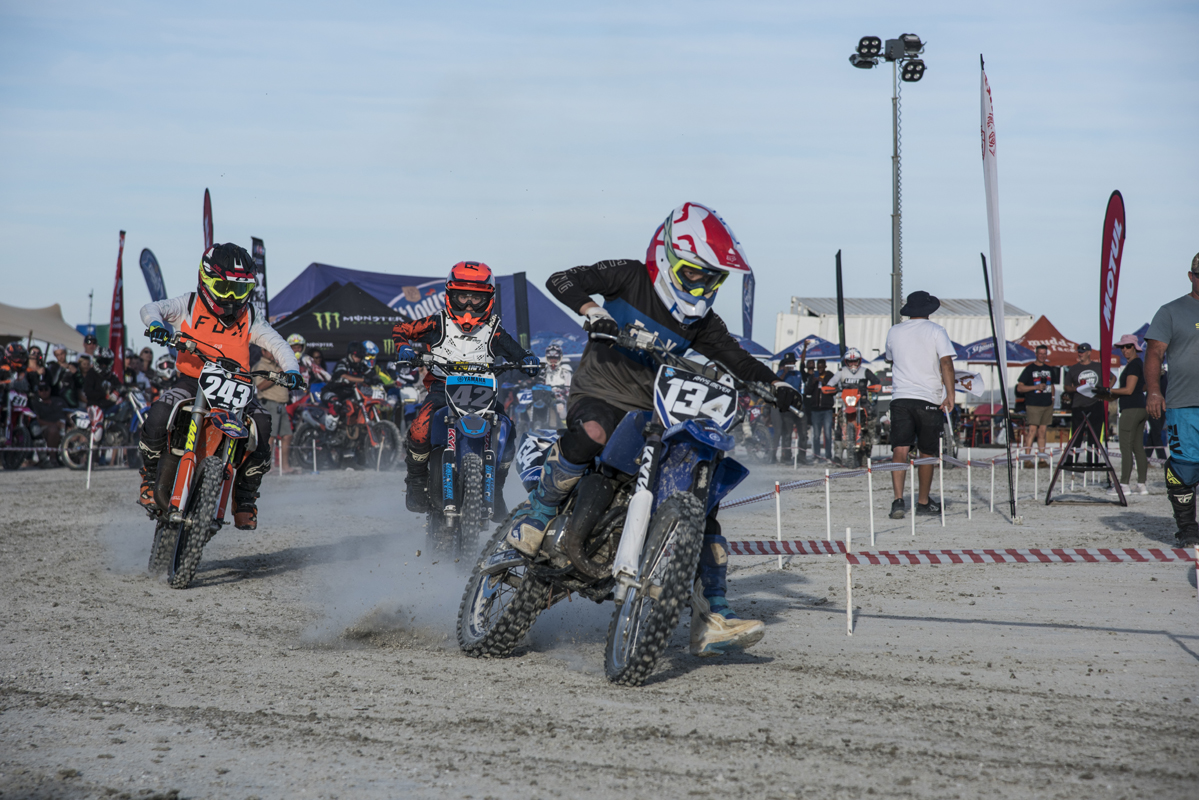
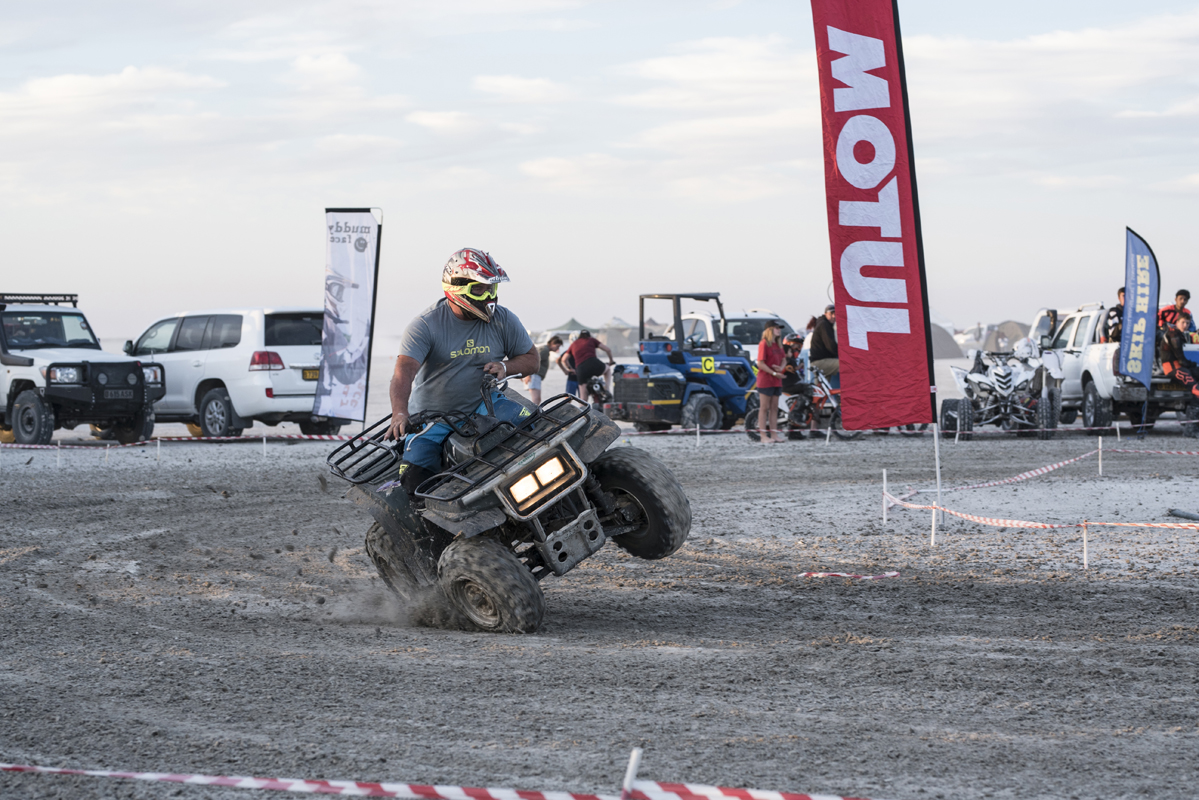
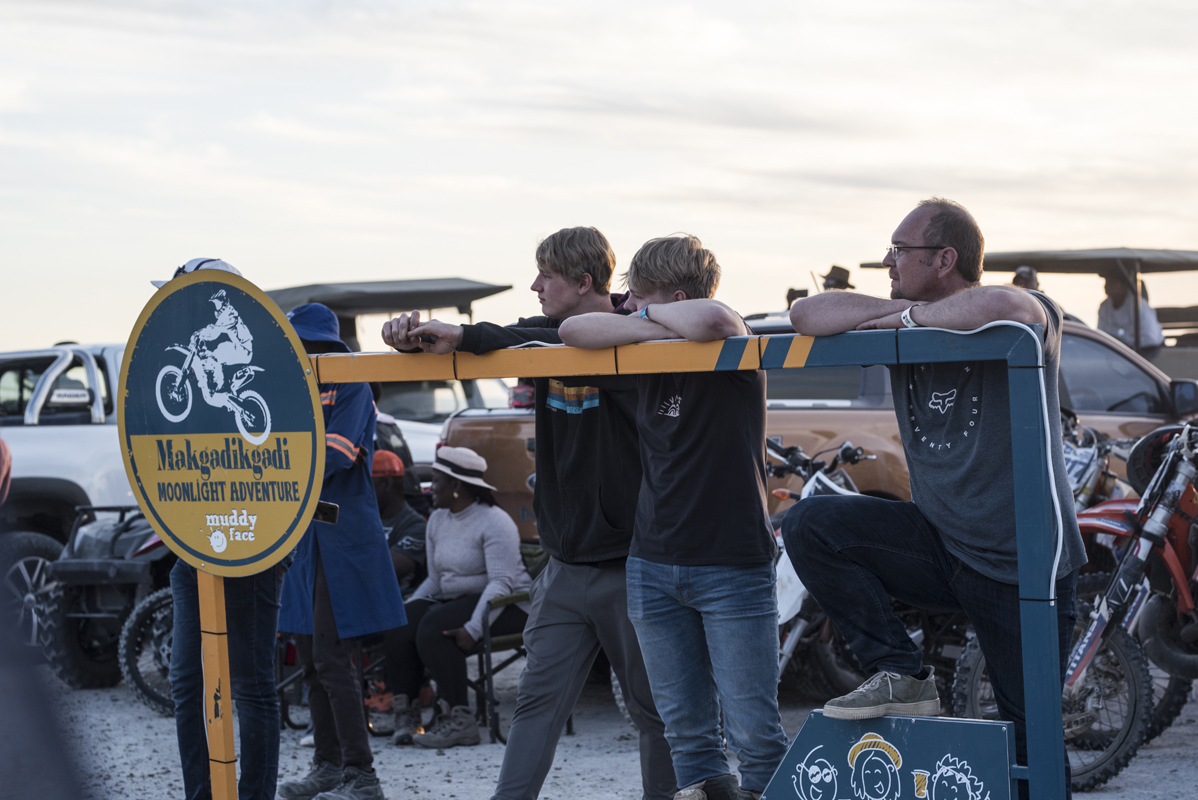
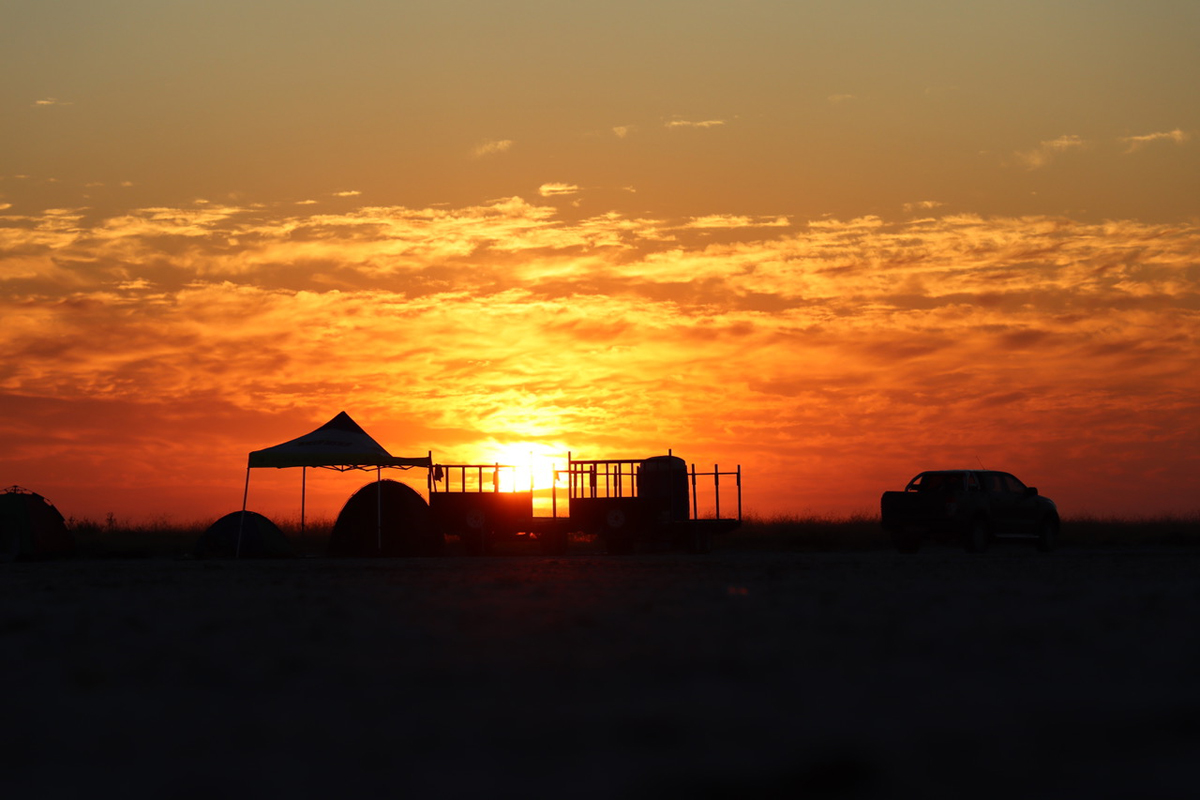
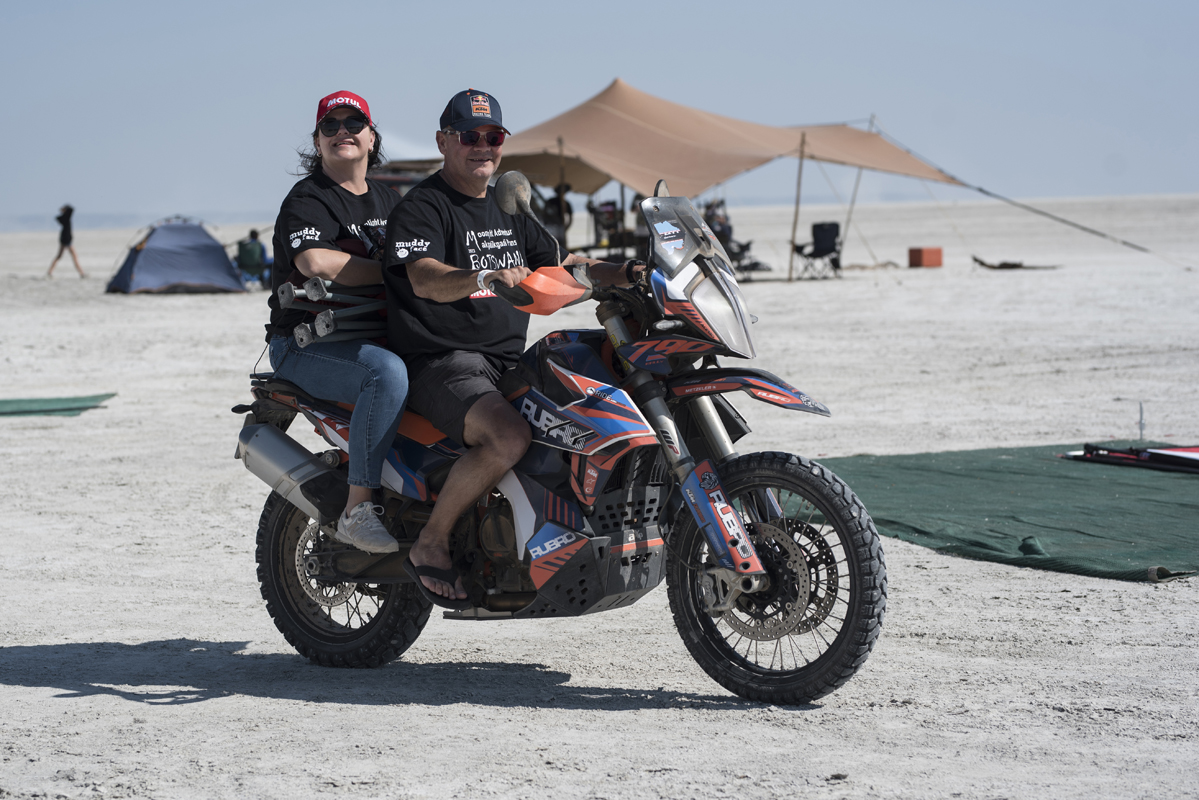
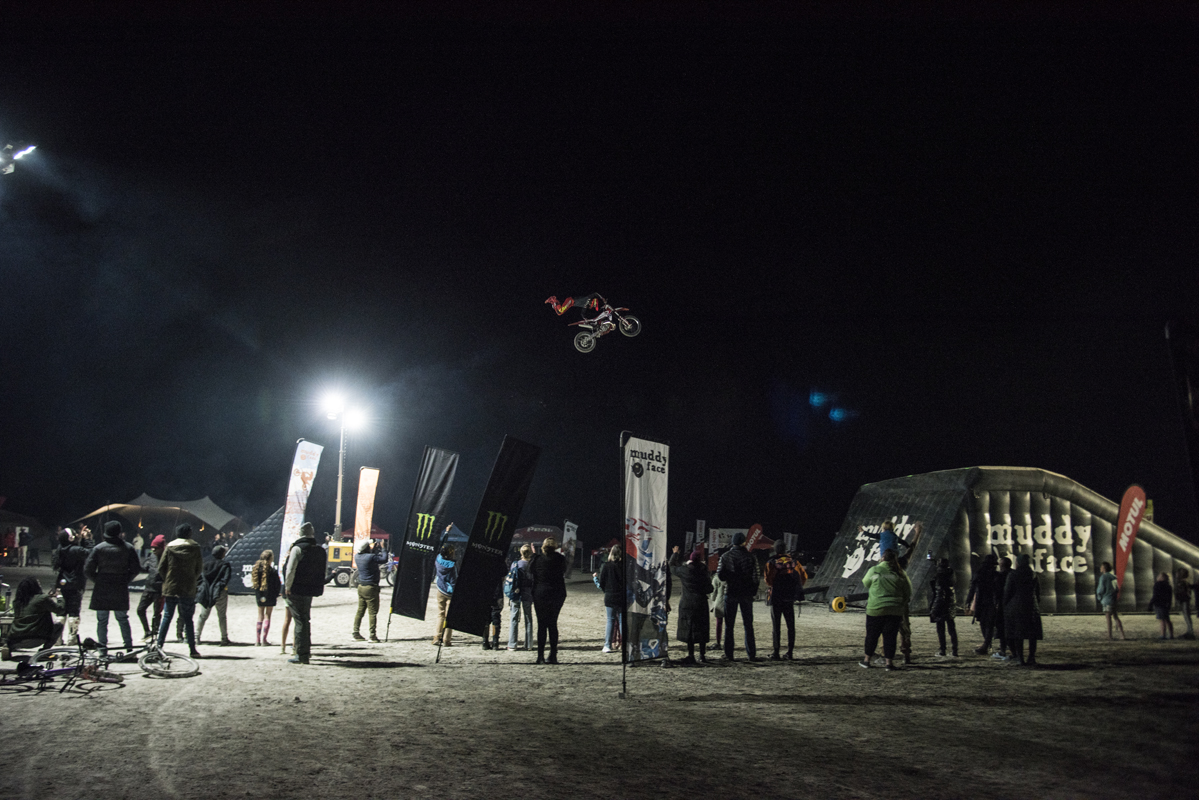
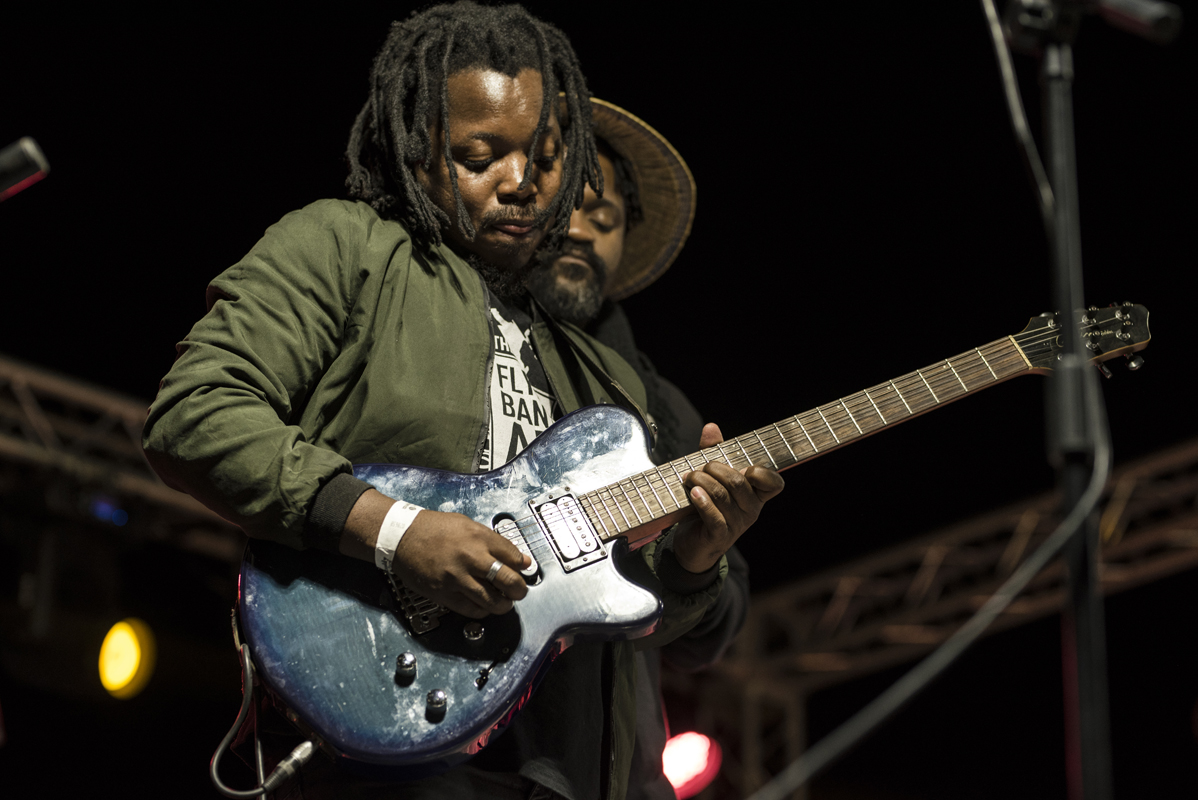
We recently got to attend Motul’s On the Move Moonlight Adventure to Botswana. Bjorn and Meredith accompanied the Motul and SADAC crew to capture the moments in images as only they can, whilst Irene and I went along just to support Muddy Face and spend time in our favourite neighbouring country. Here is our story…
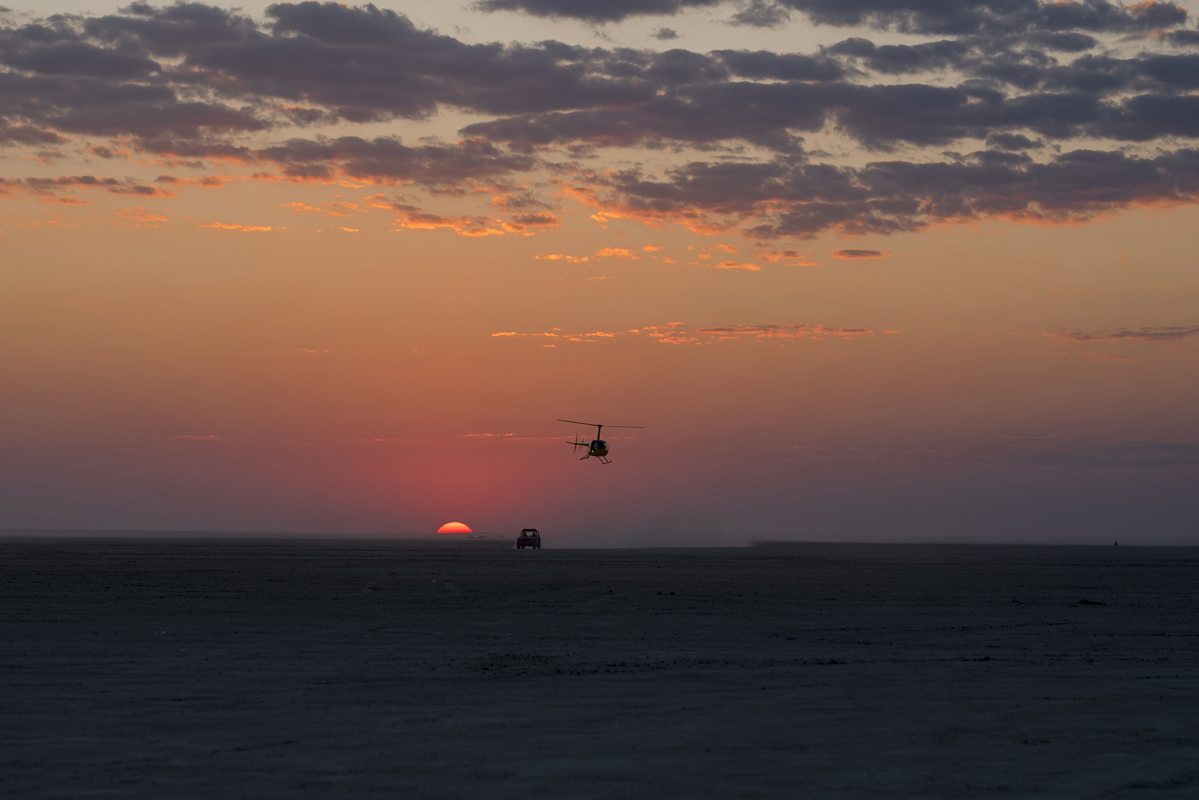
Adventure is something our inner souls long for in this busy world, a respite from our everyday cares and commitments. Whether it’s cruising your way to a new destination on a map or trekking to a faraway spot, we adventurers love chasing the sun towards new horizons—sometimes the chase is just as fulfilling as the end destination. Mmmm, this sounds just like the Motul On The Move Moonlight Adventure.
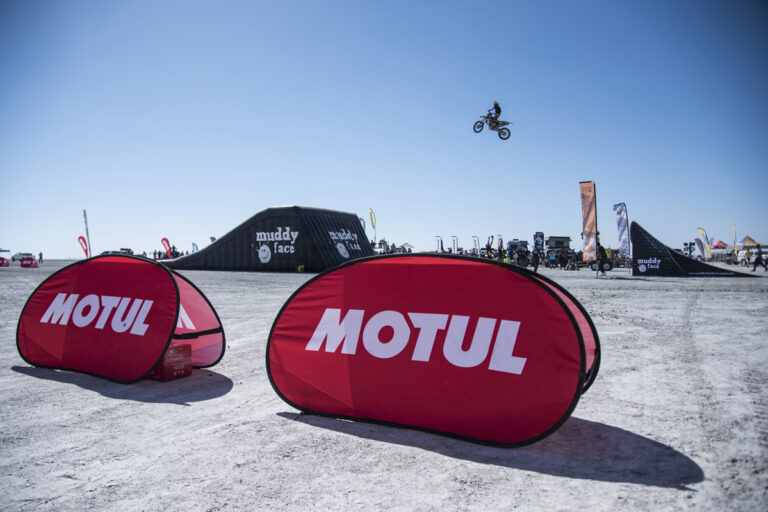
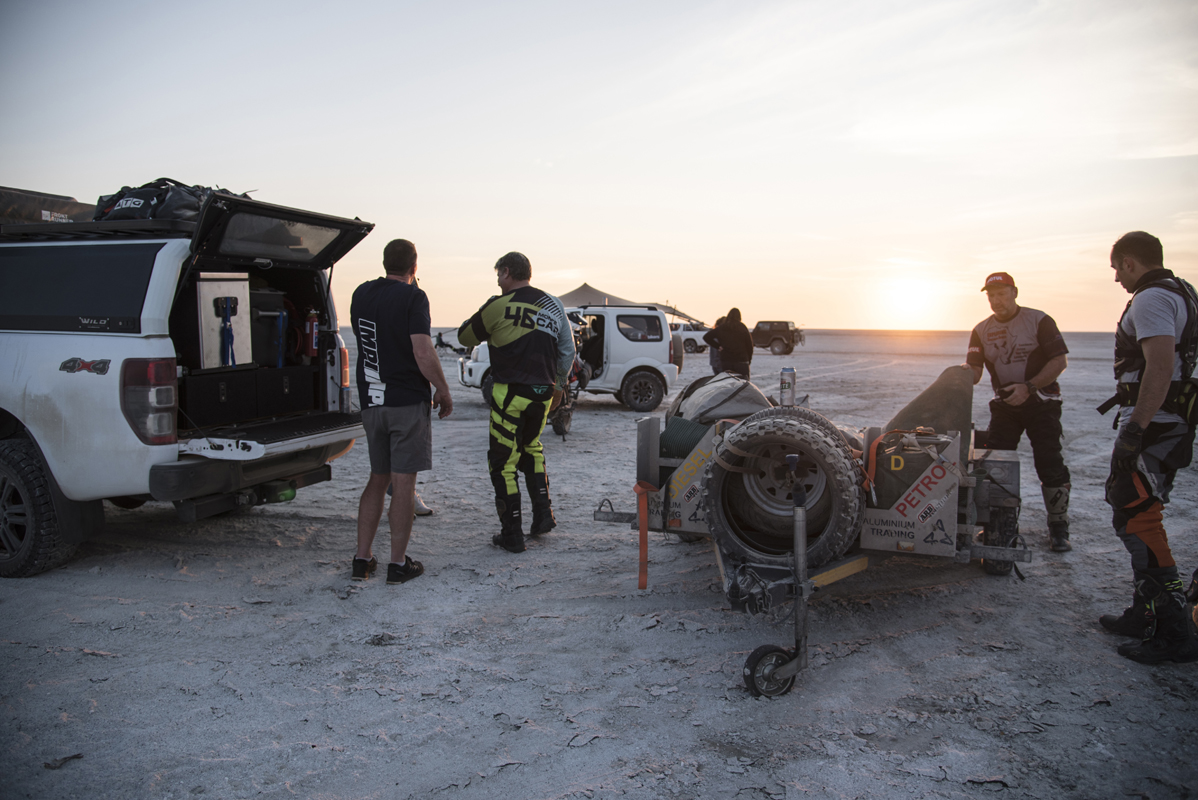
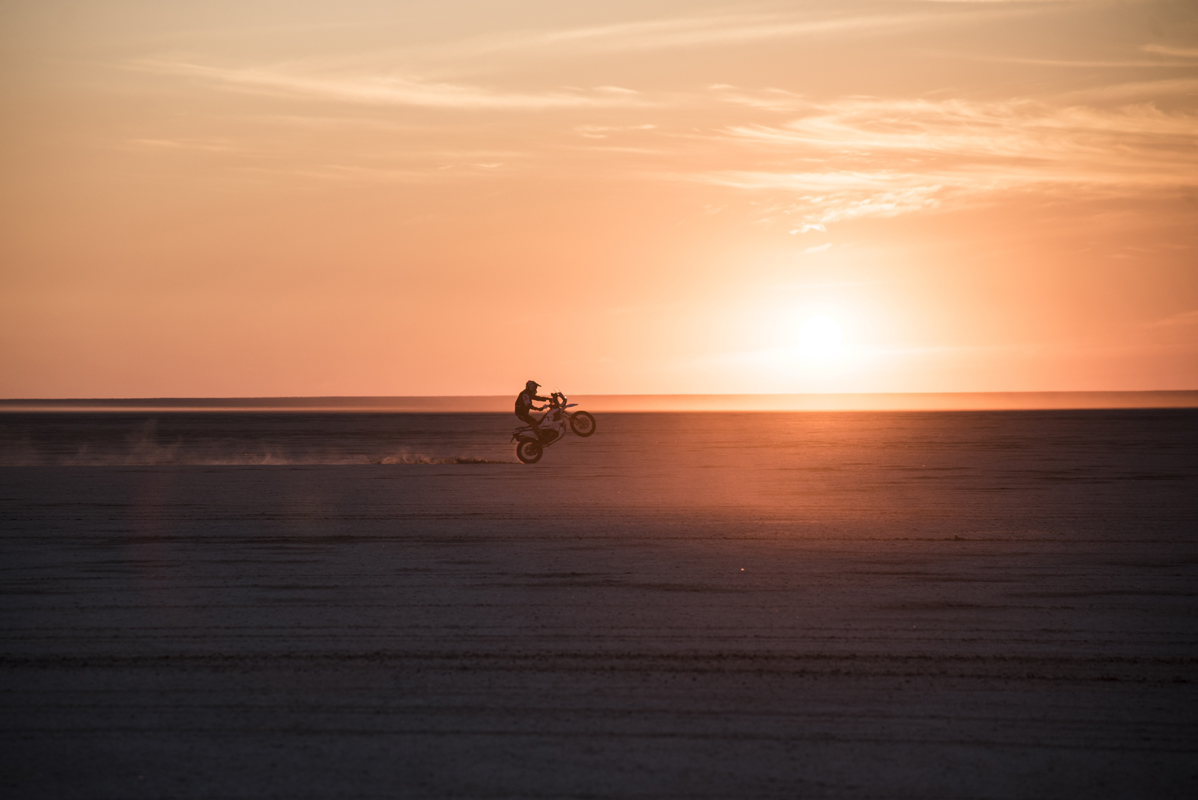
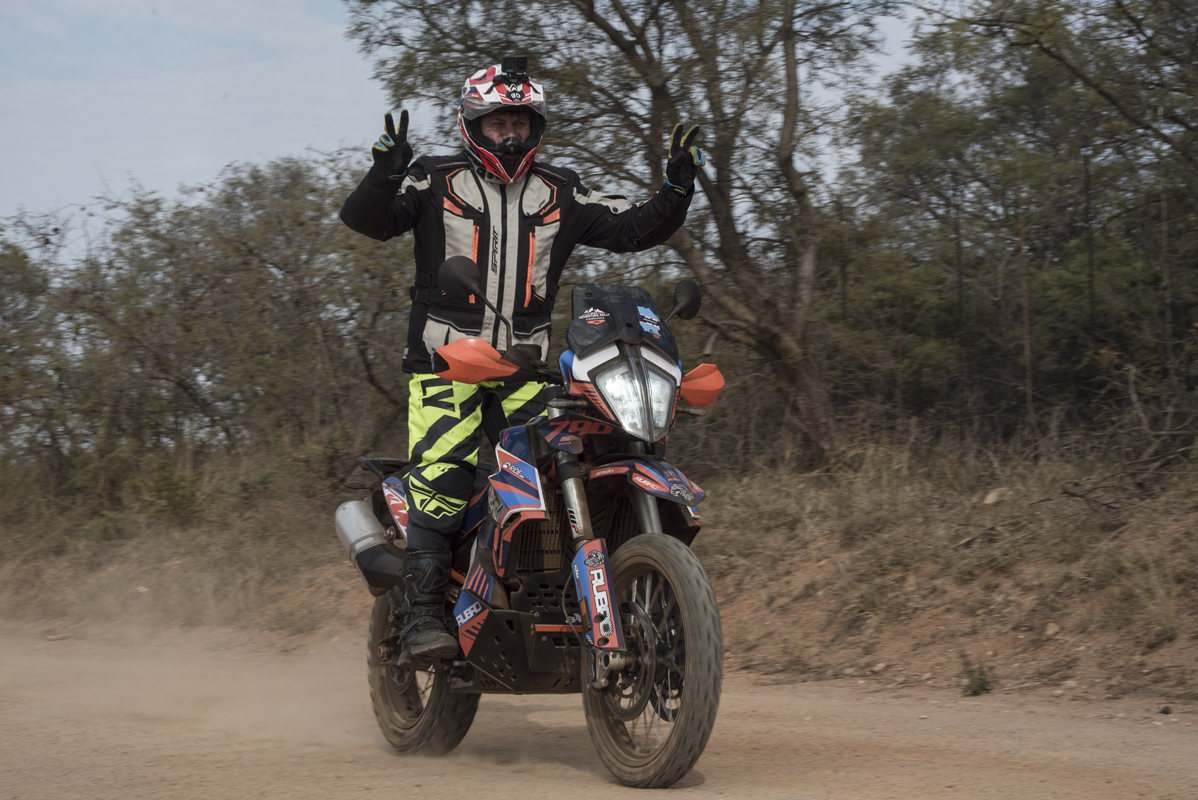
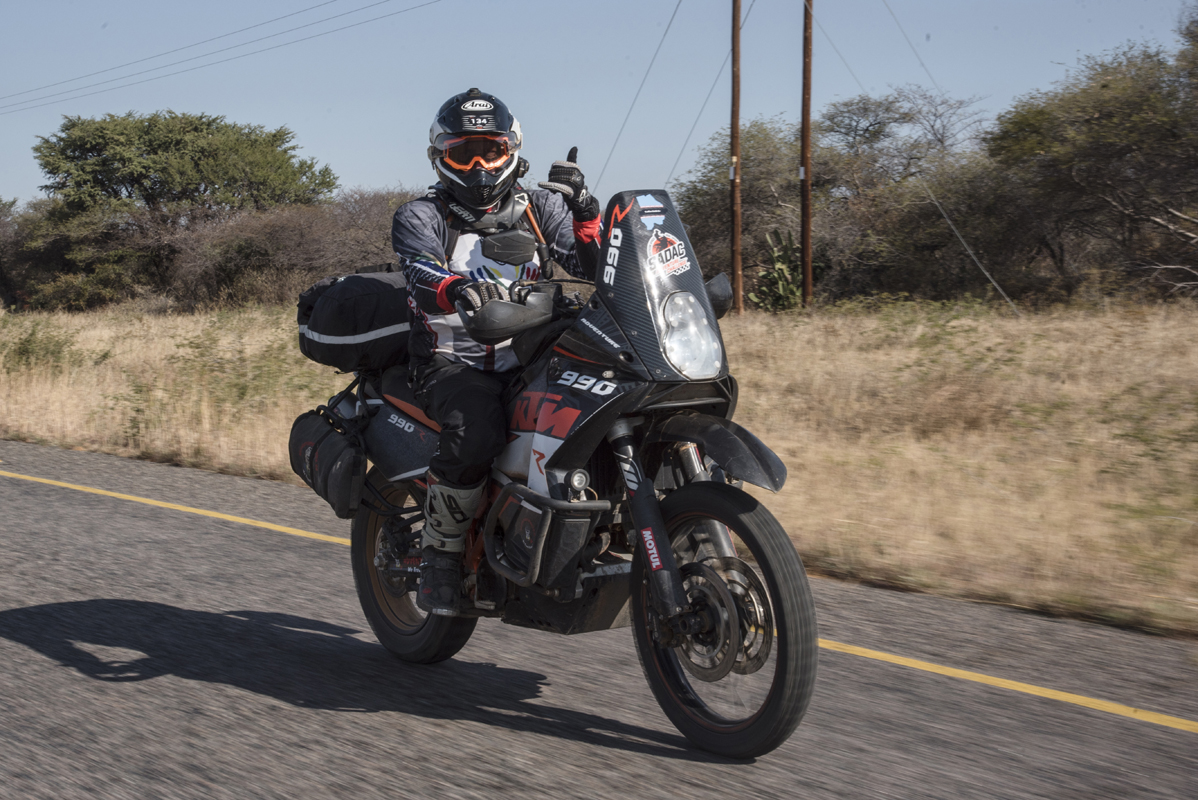
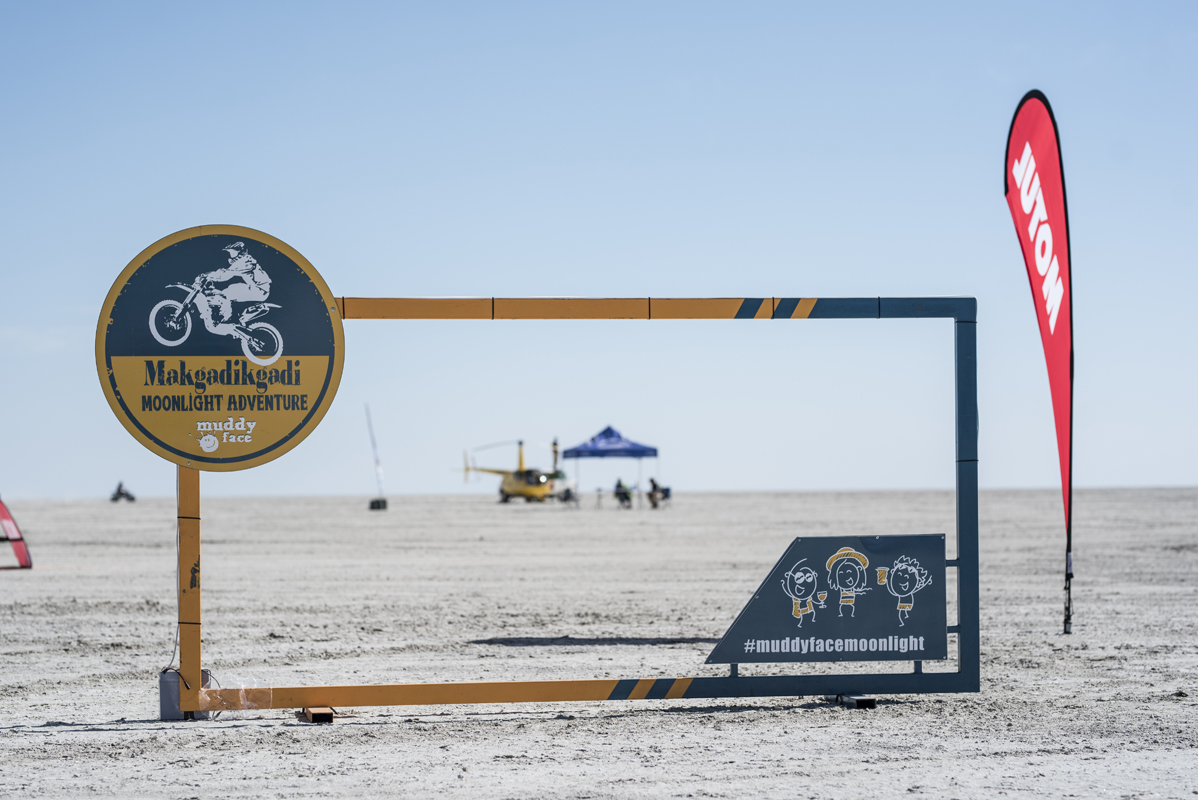
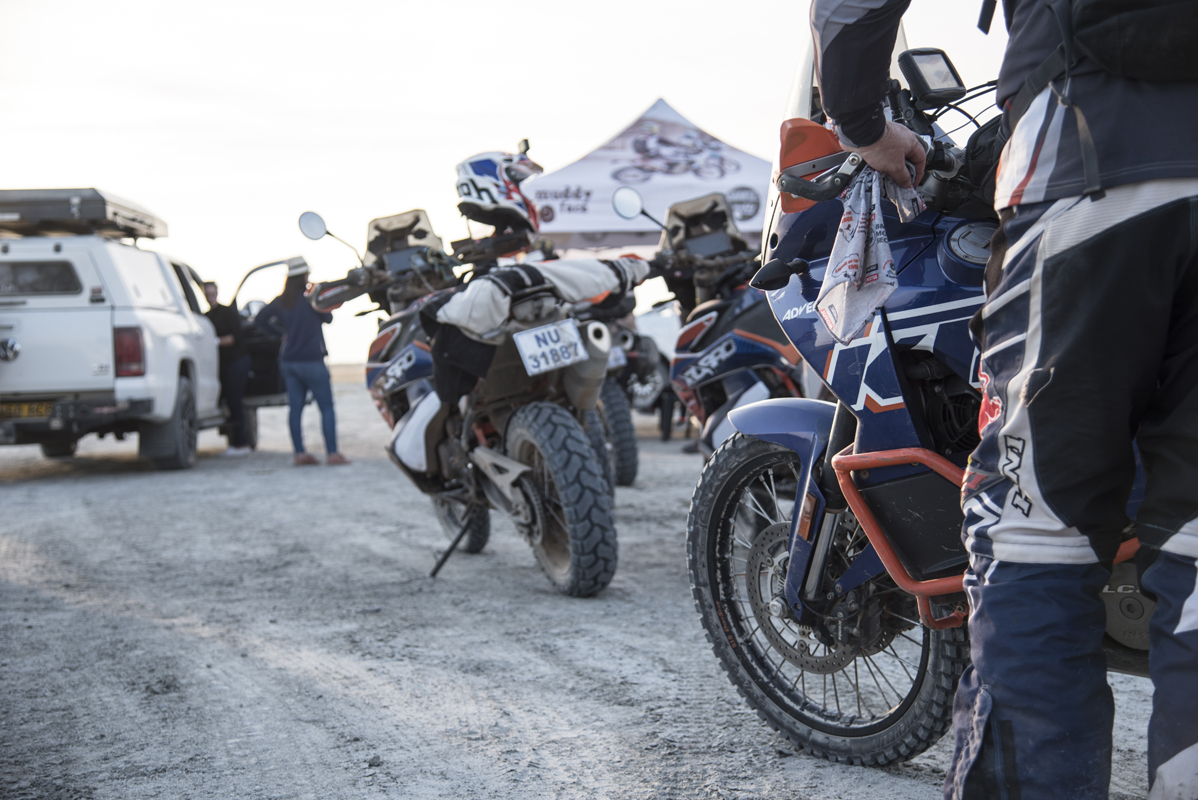
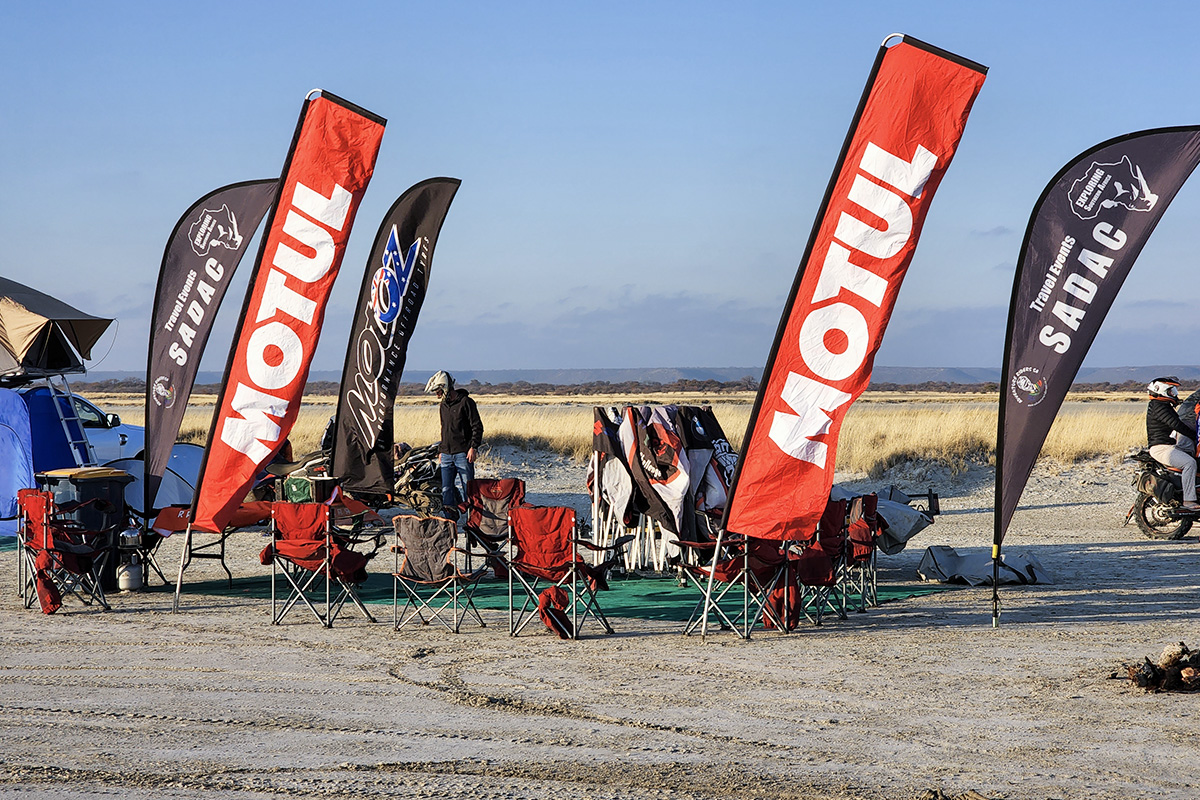
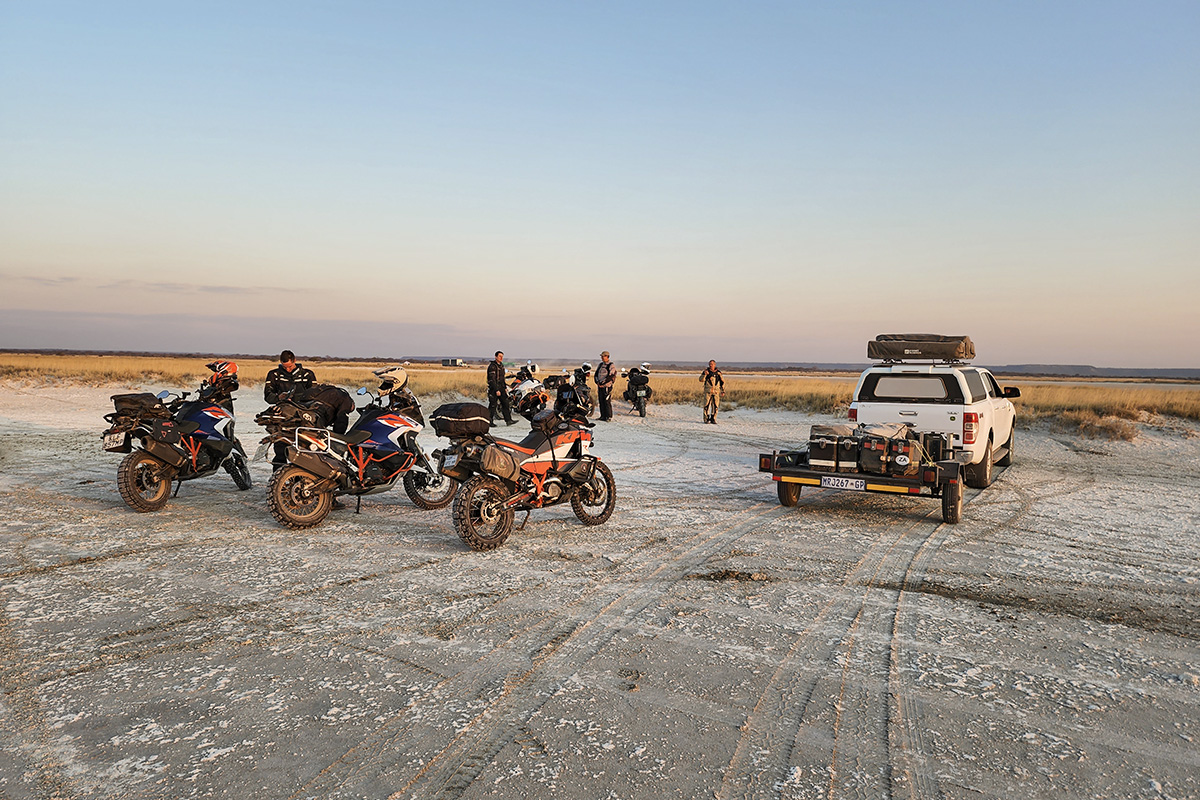
The Motul on the Move Moonlight Adventure is one of those trips that gets tattooed into that deep part of the brain where bucket list memories live. This year, Southern Africa Dual-Sport Adventure Challenge (SADAC) supported Botswana-based Muddy Face Adventures to give riders a unique opportunity to experience riding their adventure bikes under the light of a full moon over the Pans. Yes, you heard correctly, the Motul On The Move Moonlight Tour (proudly sponsored by Motul) saw riders head from Motul’s Johannesburg HQ, on tar and dirt roads, to Botswana’s iconic Makgadikgadi Salt Pans.
Photo credit: ZA Bikers
The trip would see us ride just under 2000 km of tar and dirt. The first two days would be spent enjoying typical adventure riding to the Pans, and the next 3 days would be spent enjoying the Muddy Face event.
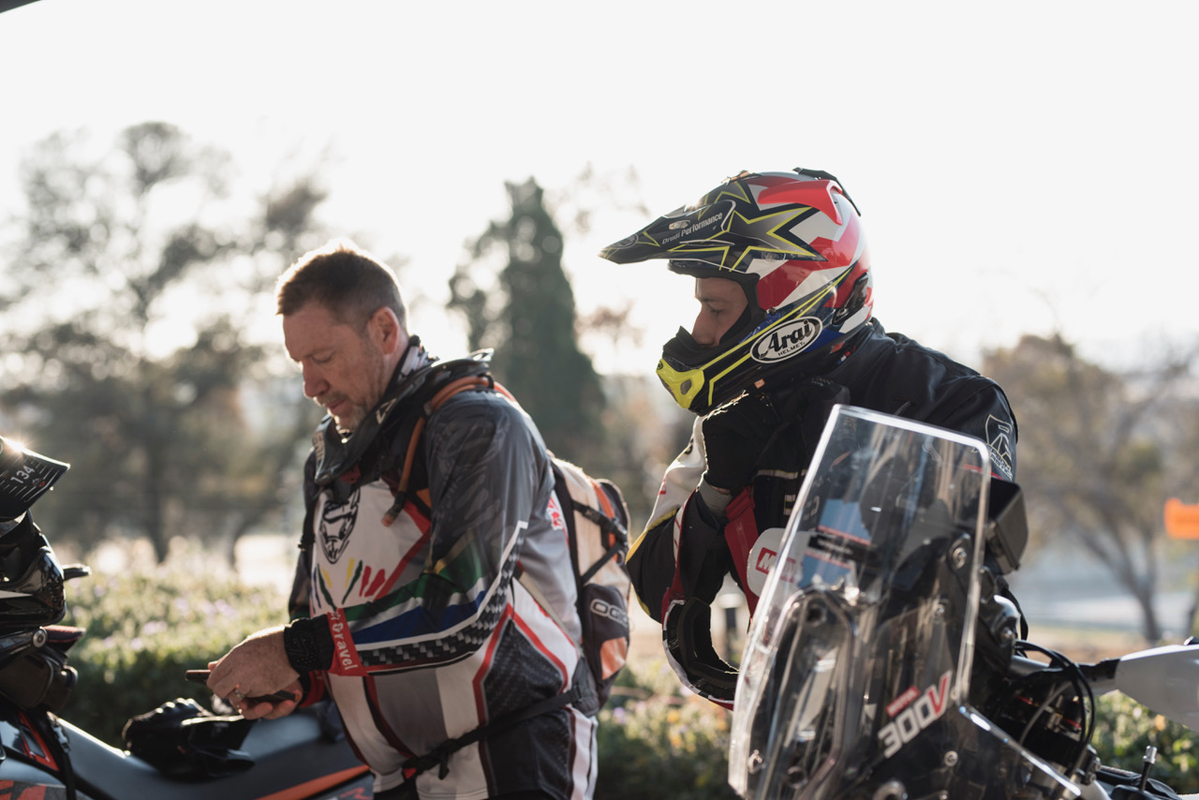
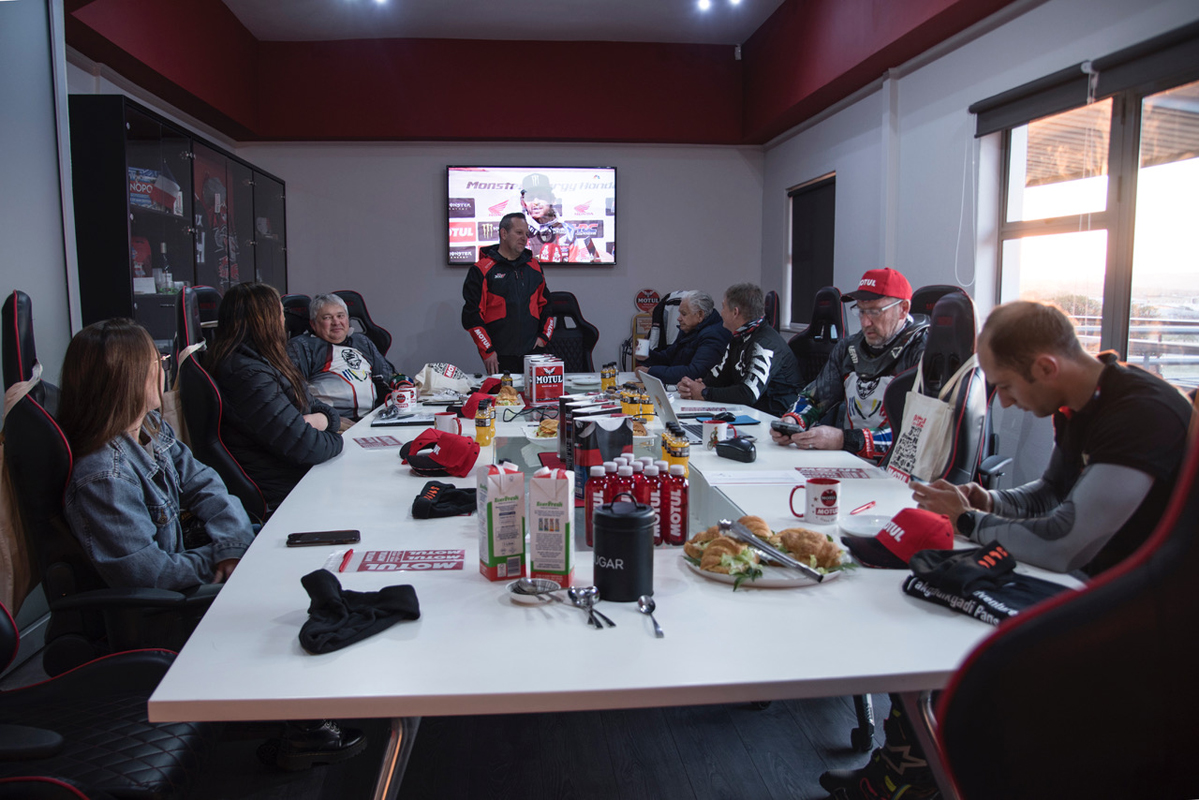
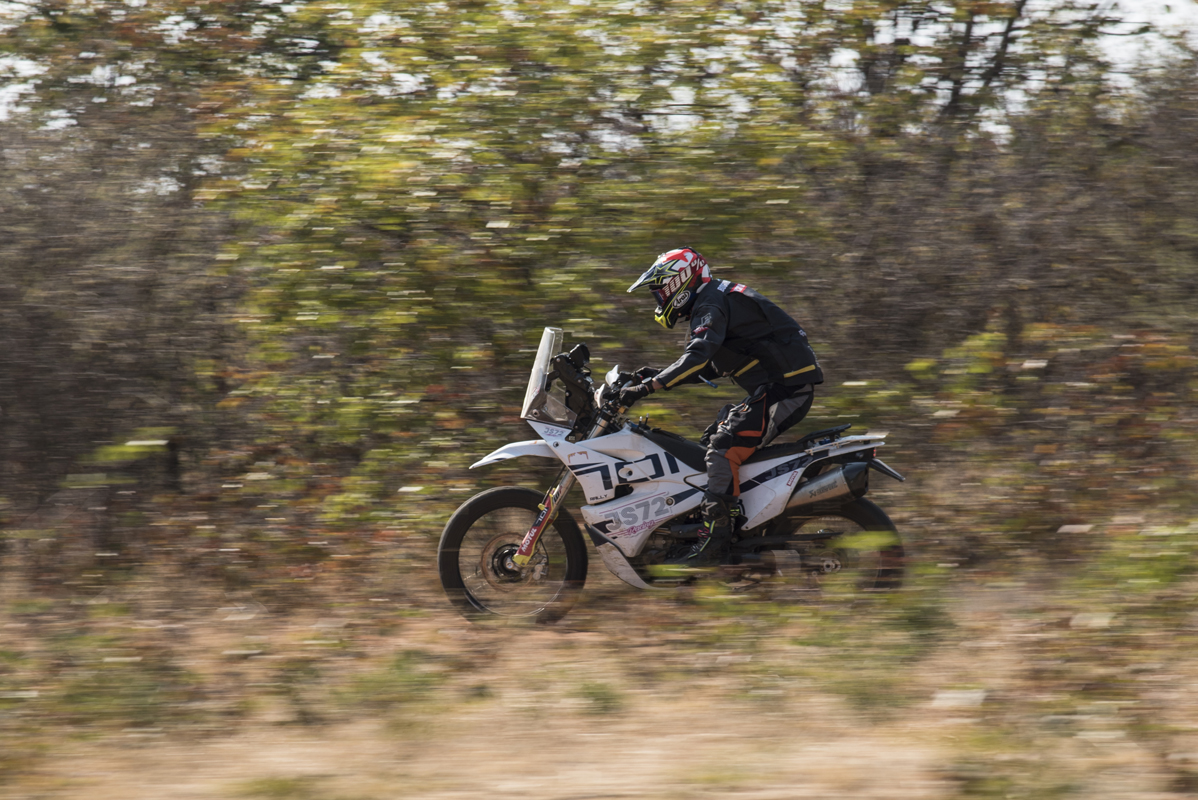
Day one started off with an early bird coffee and snack, kindly laid out by Motul SA. Treffon Smith from SADAC then led the riders through a briefing, set up the GPS devices on each rider’s motorcycle and got the baggage fastened on the recovery vehicle, before hitting the road at 8:00 AM. Joining the group on his first-ever adventure ride was Motul’s oil maestro, Taki Bogiages, on a Rally-kitted Husqvarna 701 Enduro.
Photo credit: ZA Bikers
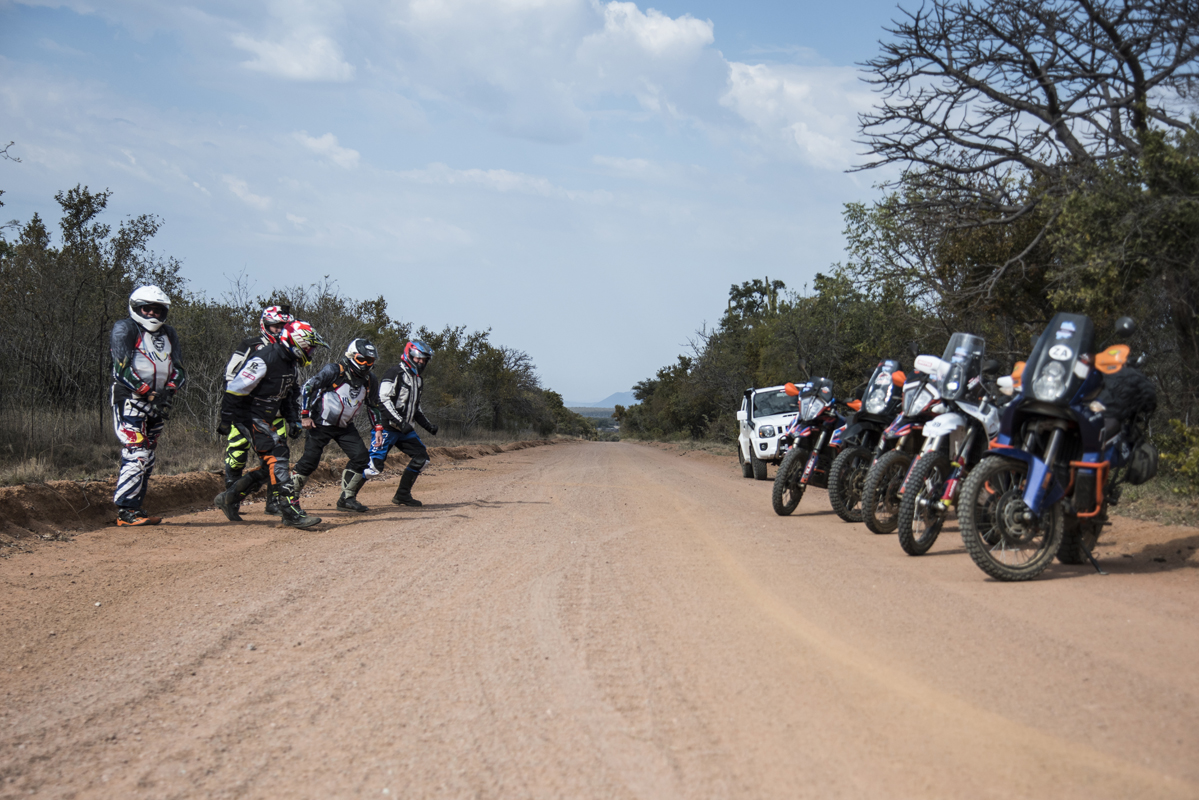
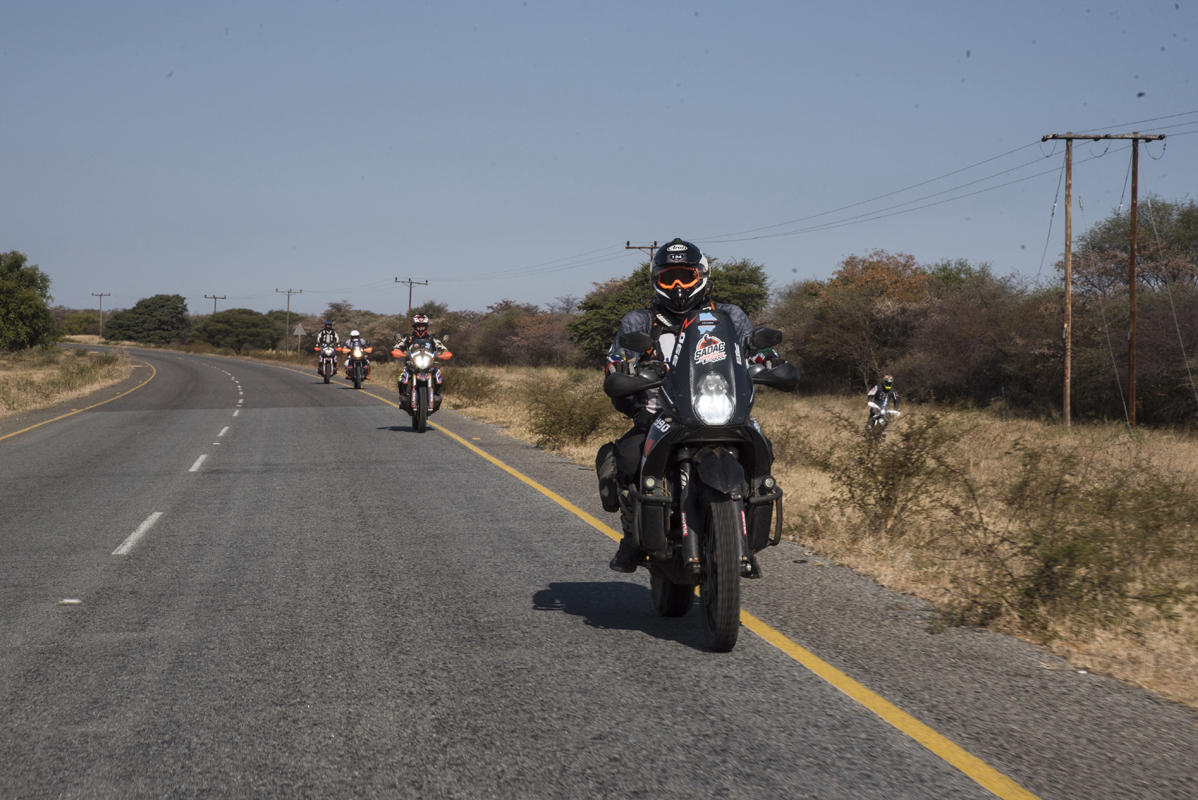
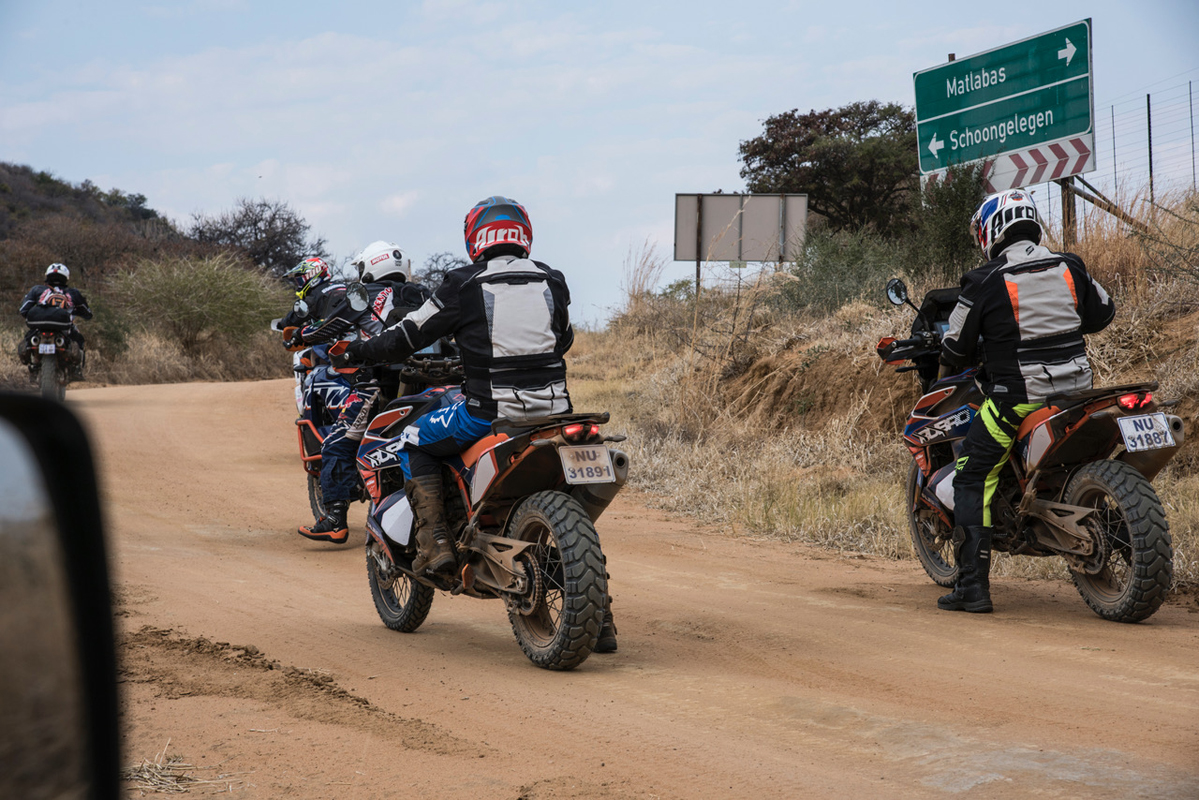
We rolled out of busy Kyalami towards Hartbeespoort, taking dirt roads past Brits towards Thabazimbi. Riders soon shook off their adventure cobwebs and began to smile their way into the sunny and warm weather. Thanks to Carl (support vehicle), Anke and Tracey, the riders were kept well hydrated and fed, whilst Treffon kept the smiles going with his humour.
Photo credit: ZA Bikers
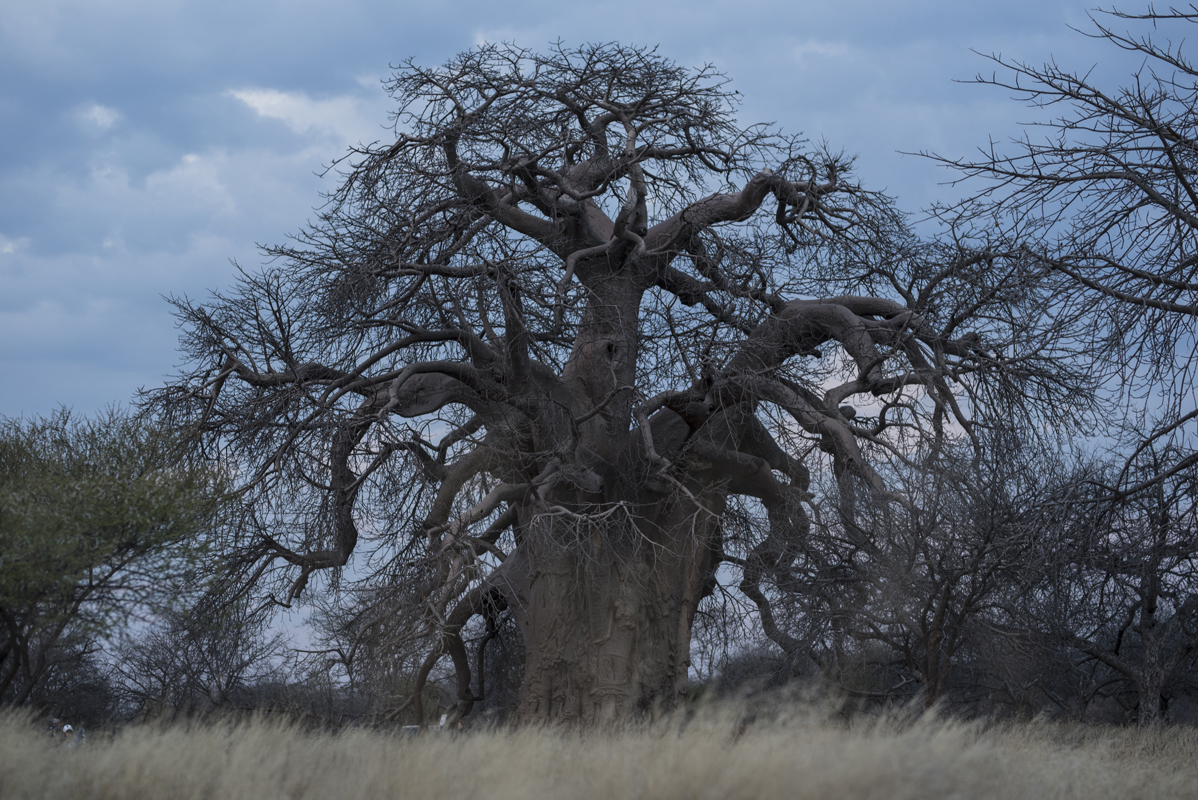
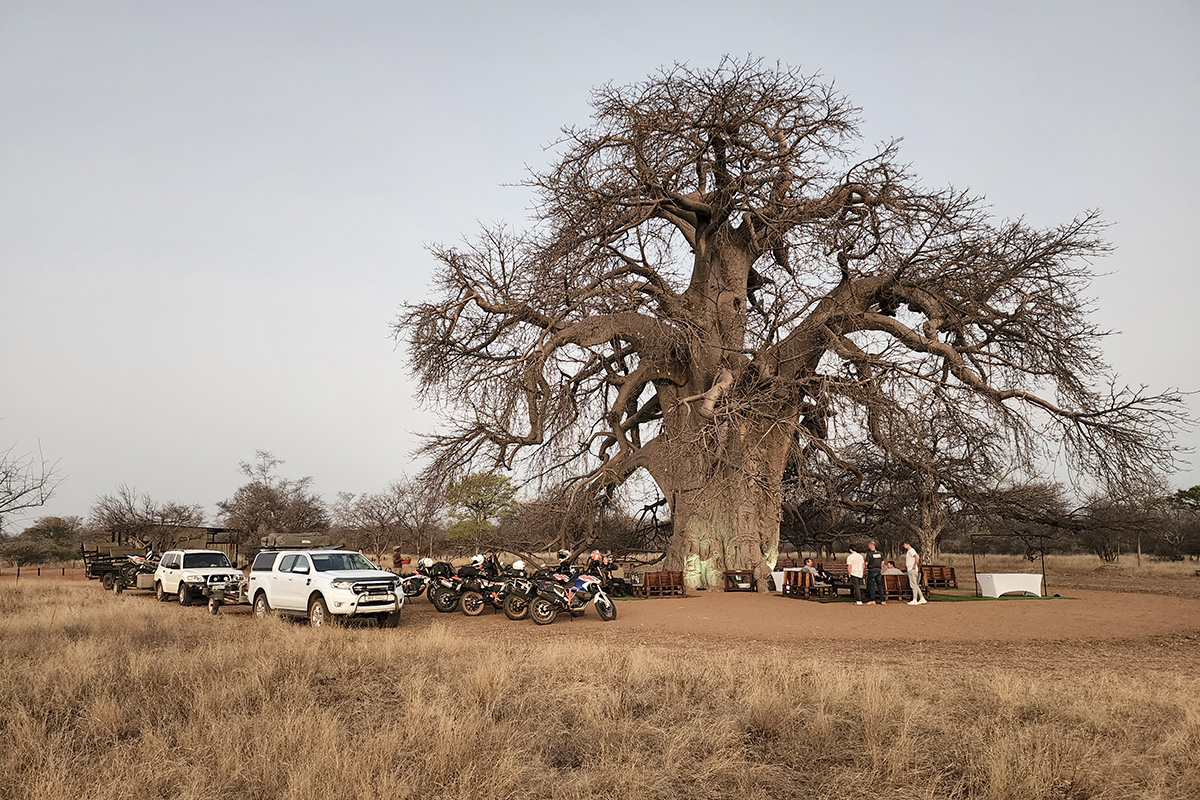
On reaching Thabazimbi after a couple of hours of riding, the tummies were grumbling for some refuelling. A quick lunch and rest set us up for a ride in the afternoon cool to our night’s stay over at the Buffalo Thorne Safari Lodge. We arrived as the late afternoon sun heralded in a typical awesome African sunset which we enjoyed with a sundowner underneath a magnificent baobab tree. Another perfect day in Africa…
Photo credit: ZA Bikers
There’s just something about waking up in the bush, its freshness and tranquillity soothe the soul and recharge the mental batteries. A hearty breakfast drew our stay to a memorable close and then it was back on the bikes for day two of our adventure. A short 100 km ride found us at the Grobler’s Bridge border post into Botswana. A few stamps later we hit the road towards our lunch stop at Khama Rhino Sanctuary. Our final stop before heading to the Makgadikgadi Pans was in Letlhakane, for a few supplies.
Photo credit: ZA Bikers
Turning off the tar road between Letlhakane and Francistown, at the sizeable village of Tlalamabele, we had 20 k’s of dirt road and 30 k’s of ‘twee spoor’ to negotiate before arriving at the Muddy Face Adventures campsite on the southern fringe of Sowa Pan.
Seeing Ellie poo on the roads reminds you that you are back in Botswana and just adds to the sense of wildness and adventure. Some had opted for a touch of glamping in Safari tents, whilst others pitched their own tents before settling in for a relaxed evening, chilling around a campfire under the moonlight on the Pans.
Photo credit: ZA Bikers
We experienced our first unique sunset on the pans. We watched the sunset in a huge red orb below a dusty horizon. Just when you imagine the spectacle is over, the last rays of the day paint the few scattered clouds blood red, which then soften to pink before fading into purple and finally bidding the day goodbye. The skies do indeed “declare the Glory of the Lord!” Turning around, we were greeted by the huge pale rising moon, soon to cast its light in an eerie glow over the white of the pans.
Photo credit: ZA Bikers
Muddy Face Adventures is the brainchild of Botswana’s Dakar star, and factory Hero rider, Ross Branch, the “Kalahari Ferrari”. Ably assisted by Lola Berry, they organise a few unique adventures in Botswana. It is a logistical exercise of note to set up a ‘village’, given that everything must be trucked onto the pans. The Botswana dirt bike fraternity pitched up in force, as well as a few ‘imports’ such as us, soon dotting the fringes of the pans with all manners of camps. Muddy Face set up a stage, drumming circle and chill zone, with a bar and food vendors and sponsors like Motul and Hero arranged in a large semi-circle around a freestyle motocross ramp, flat track and enduro course.
Photo credit: ZA Bikers
Ross was the MC for the weekend. His racing buddies, both past and present, showed up to support his event. It became a bit of a who’s who of dirtbike racing, with the likes of Darryl Curtiss, Gray Dick, Taki Bogiages and Charan Moore all strutting their stuff. You realise what a close-knit bunch these boys are. They race with no quarter given or asked, but when racing is done, they play equally hard.
Photo credit: ZA Bikers
Over the course of the weekend, we were treated to Freestyle Motocross, with guys sailing many metres into the Makgadigadi air before landing on a Muddy Face emblazoned inflatable ramp. Flat track catered to littlies, intermediates and the aforementioned pros. Racing was all about fun, but racers will be racers and when the flag dropped the action was electric! Watching the quad boys strut their stuff was also hugely entertaining.
Photo credit: ZA Bikers
It was the pros who provided the biggest spectacle. Lining up against some Botswana hotshots, it was game on. Elbows, knees, and lots of sideways roosting action. The boom and braap of 450cc dirt race bikes echoed across the pans as the boys went at it. Gray Dick showed the talent that won him many a title, as he smoked the field in the ‘final’.
Photo credit: ZA Bikers
There was live music, drumming and DJ-induced music late into the night. A glowstick ride on the pans was well-supported as well. It is not a weekend to experience the quiet and solitude of the pans, that’s a fact! A dude camping near us decided to take a blast on the pans at around 3:30 AM. He fired his 450 up and blasted past our camp on the rev limiter. C’EST LA VIE! You wake up to glorious red sunrises as the sun greets a new day. It really is a unique place that should be on every nature lover’s bucket list to visit.
Photo credit: ZA Bikers
Early mornings were fresh but not highveld cold. By mid-morning, we were sporting T-shirts and basking in the Botswana sunshine. It is brilliant waking up with nothing that needs your attention. Camping is cool because there are always little things to do, so you never get bored. The ritual of boiling water for coffee, or putting a simple meal together is almost therapeutic.
Photo credit: ZA Bikers
Taking a stroll and taking in the sights around the ‘village’ was fascinating. A large refrigeration truck which had brought supplies to the pans was stuck in the mud, serving as a warning to all of the fickle nature of the pans. Late summer rains have resulted in the pans being a bit wetter than is typical for this time of year. A heavy vehicle can roll along merrily yet as soon as it stops for a while the weight breaks through the firm crust of the pans into a glutinous mud which sinks it onto its chassis. Getting it free is a mammoth task requiring hours of digging and placing objects under the wheels to give it traction. A rescue tow truck eventually got the truck free. Bikes are light so they don’t generally have a hassle, but cars should take extreme care. Turning sharply on the pans can break through the crust, pull a tyre from the rim, and roll the vehicle.
Photo credit: Dave Cilliers
It was impressive to see how this little ‘village’ sprang up from nothing. Motul had a cool chill zone under a Bedouin tent with inflatable bean bag recliners. In fact, the Motul branding made the village look like a Dakar bivouac. Very cool.
Photo credit: ZA Bikers
A row of his and her showers made up with shade netting worked well, with guys keeping a ‘donkey’ going for plenty of hot water. Toilets were rows of typical portable loos with a trailer born ‘glamping’ flushing chap for the really fastidious. All in all, it was pretty comfortable. It was lovely to see kids playing on the pans and having a ball without a smartphone in sight. Our children don’t even know how compromised their city life has become.
Photo credit: ZA Bikers
Although the majority of folk were obviously involved in offroad motorcycling there were a number of outdoor enthusiasts just making a family outing of the weekend. The cost of attending the Moonlight Adventure was dirt cheap, with the whole weekend fee at around R1000 per adult. Granted you set up your own camp, but to enjoy the infrastructure provided, as well as the entertainment, was a bargain of note!
Photo credit: ZA Bikers
The bulk of attendees were Botswana residents with a few SA ‘imports’. We really need to change that next year. If you are into adventure or dirt bikes, or just enjoy the wide outdoors, you need to make the effort. Botswana is one of the few unspoilt places where you can still roam far and wide under awesome African skies. Take yourself out of your comfort zone for a few days and have a truly memorable experience. Look at the brilliant images captured by our ZA Bikers team, and you will get a good sense of what an amazing and memorable event it was.
Photo credit: ZA Bikers
Huge thanks to Motul, SADAC and Muddy Face Adventures for putting together a great event. God willing, we will see you on the pans next year.
Even when I worked for Ducati way back in the ’80s, Ducatis had a kind of mystique. I had previously spent time with Honda and was a huge fan of Big Red. In a way, I considered Ducati as just too unique and sort of out of reach. I just didn’t attach the everyday versatility of a Honda to the Bologna bullets.
Considering the Ducati’s of the day that feeling was probably justified. Mike Hailwood Replica 900s and 900 Supersports were just too exotic for that. Their desmo valve gear also contributed to that mystique. This is probably why I never bought one back in the day. There was also the little issue of affordability. Duc’s sold for a considerable premium versus the top-of-the-range Japanese bikes of the day. Fast forward 40 years.
Parked in my garage is Ducati’s first attempt at a production adventure bike, the Desert X. Ducati has re-invented itself as a mainline motorcycle manufacturer. Gone are the financial rollercoasters of the past. Ducati now build bikes for damn near everyone, at prices that are generally competitive. If you are paying a premium for a particular model, it is because you are genuinely getting something special.
Photo Credit: Dave Cilliers / ZA Bikers
The Desert X tickled my fancy from the first time that I laid eyes on the concept bike. Reminiscent of the Dakar-winning Cagiva Elefant, it just looked the part. The response that the concept bike elicited from the riding public was so positive that Ducati started planning a full production model. The biggest change from the concept to the production bike was using their magnificent 937cc Testastretta motor rather than the archaic, albeit soulful, air-cooled L-Twin from the monster.
Paris Le Cap 1992, controversial edition, Edi Orioli on Cagiva Elefant ranks in 7th position overall / Image source Dakar
The styling of the Desert X is, for me at least, a huge part of its appeal. It looks magnificent from absolutely every angle. So, the form was sorted, but how about the function? The Desert X plays in serious territory. KTM 890 Adventure R, Husqvarna Norden Expedition, Honda Africa Twin 1100, Triumph Tiger 900 Rally Pro and Yamaha’s T7 Tenere, to name a few. The styling immediately makes the X stand out, given its Dakar heritage.
Going through the spec sheet shows that Ducati was serious about this bike. From front to back, it is properly specced and executed. You feel that as soon as you ride it, this is no Italian show pony. It is a purpose-built adventure weapon that need not stand back for any of its opposition. My question was how well it would stack up as a long-term keeper. Unlike my feeling about Ducati in the ’80s, can this bike work as a day-to-day ride as well as fulfilling its multi-function role as a modern adventure bike?
Photo credit: ZA Bikers
I have now put a thousand k’s on my Desert, so I am in a better position to start providing some answers. I am also now able to lean a little harder on that soulful motor. It has taken an uncharacteristically long time for me to get the ‘running in’ done. A Botswana 4×4 trip, supporting a friend at her first Comrades Marathon, and life, in general, have intervened, not giving me the desired saddle time on the X. I can give you some feedback though.
Photo credit: ZA Bikers
Firstly, the X is the kind of bike that you genuinely yearn to ride. You want to see sunrises on it, and you want to ride it into the cool of the evening. Pull into a cool coffee spot and park it where you can ogle it as you sip on your flat white. The bike is geared quite short, so, allied to the 110 Italian stallions begging to be liberated from that lovely Testastretta motor, the X does not lack go. It is an exciting and invigorating bike to ride.
Photo credit: ZA Bikers
Ducati have endowed the bike with decent, firm Kayaba suspension. The ride is on the firm side for an adventure bike with 230mm of wheel travel. This hints at being built for go as well as show. The relaxed head angle and longish wheelbase give extreme stability, and this translates into a confident and composed ride. Like Triumph’s Rally Pro, you would never say that this bike runs a 21-inch front wheel. It turns and steers with typical Italian accuracy.
Photo Credit: Dave Cilliers / ZA Bikers
Whilst the Desert X is full of character, it is not of the kind that is wearisome to live with. The overall package is so well integrated that it simply makes for an engaging riding experience. This is a bike that would serve seamlessly as an only bike. With the right tyres, you can bait sportbikes on racer roads and smash the dirt if you please.
Now we all know the sonic delights that a decent pipe liberates from a performance V or L-Twin. Whilst Termignoni and Ducati go together like peaches and cream, it is not achieved without some significant pain in the wallet area. In fact, that gives rise to a tiny rant around the premier brands from both Bavaria and Bologna.
Image Source: Ducati
Cool merch from these manufacturers is eye-wateringly expensive. Given that you become a walking advertisement for their brand I think it is a bit shortsighted to price accessories so extortionately. I know that import duty is partly to blame, but flip guys cut us a little bit of slack!
So, what appropriate premier slip-on pipe could I fit that would not require a second mortgage on my home? To cut a long story short I settled on a slip-on from Vykon. I am going to tell their story soon, expanding on how this proudly South African outfit is turning out a world-class product and making significant inroads internationally.
Photo Credit: Dave Cilliers / ZA Bikers
The Vykon pipe is a doddle to fit and looks spectacular. I was surprised to find an immediate riding benefit too. In ‘Sport’ mode the X has an almost imperceptible fluff, off idle, as you open the throttle on take-off. It never really impacts the ride by stalling or anything, but to someone who rides bikes daily it is ‘there’.
With the Vykon fitted, the fuelling is absolutely crisp right off idle. It looks and sounds superb. Not too loud at all, just liberating that iconic L-Twin staccato aural symphony. It is interesting how an exhaust done right just changes the demeanour of a bike. The Desert X is now complete! As with any slip-on versus the stock muffler, there is a significant weight saving too. Given that the end-can rides quite high it helps to lower the overall centre of gravity, making the X even more of a weapon. As mentioned, I plan to do a feature on Vykon, the brand, and its origins, so let’s leave it there for now.
Photo Credit: Dave Cilliers / ZA Bikers
So now that the Desert X is serviced, I can plan a proper trip and use it for its intended purpose. Hopefully, we are getting to the end of the wickedly cold temperatures and can look forward to some great riding weather. I cannot wait! Watch this space for the next chapter in the X – Files story.
Ducati Desert X
For more information on the bike featured in this article, click on the link below…
Within the KTM 1290 Adventure range, there are two models: the ’S’ and the ‘R’. The 1290 Super Adventure R is the full off-road version, while the 1290 Adventure S is more road orientated, equipped with alloy wheels – the front being a 19-inch item – not to mention a lower seat height, electronic suspension and radar-assisted cruise control.
Photo credit: Bjorn Moreira / ZA Bikers
It is commonly accepted that, for true off-road ability and practicality, a wire-spoked wheel is preferable but owners who want the best of both worlds – the off-road ability of the ‘R’ with the road attributes and equipment of the ’S’ – have so far been disappointed.
Photo credit: Bjorn Moreira / ZA Bikers
That’s where RAD KTM has stepped up to the plate, in response to feedback from customers. RAD KTM is now offering the 1290 Adventure S with spoked wheels – 19-inch at the front and 17-inch at the rear – from the KTM Powersports catalogue at no extra cost over the purchase price of a standard 1290 S. Bought separately, they would set you back around R17,000.
Photo credit: Bjorn Moreira / ZA Bikers
RAD KTM will be throwing in a few more tasty items, including both hardware and software upgrades, to add even more value but you’ll have to contact RAD KTM to get all the details.
This one is for the gents. The first ever of its kind. It doesn’t matter whether you ride or don’t, whether you own a motorcycle or not, NOD is an engaging storytelling event geared towards the fellas, the okes and the lads.
Too often, our focus and attention remain captured by the grandeur of motorcycles. It is a burning passion and an undying love that no one can take away from us. Too seldom, do we uncover the story behind the man in the helmet. Unlike our fellow man behind the wheel, none can dispute the halo of mystery and mystique every rider wears underneath that helmet.
Photo credit: Bjorn Moreira / ZA Bikers
A mystery that comes encapsulated by a plethora of stories, compiled and collected over years and years spanning the precise distance of the open road.
That’s exactly what NOD is about. That’s exactly what Room 206 intends to pioneer. A means to an end to get in touch with real stories, from real individuals who have experienced real-life situations, told as raw and as sure as the men themselves. The sort of stories that remind us that we are, in the end, living beings with very real feelings and emotions. Stories that remind us, that we are not alone in experiencing the unspoken pressures that we as men face in the reality of modern-day society.
Photo credit: Bjorn Moreira / ZA Bikers
The storytellers that have been announced thus far are Daniel Bungay, Thabang Khatide and Natasha Fracchiolla. Daniel, aka “Viking”, is an exceptional thought leader who’s set on impacting people’s lives through thoughtful pattern shifts and unearthing our internal dialogues. Thabang, a polymath of note, from riding to writing and a whole lot more but most notably now, an ambassador for the country having placed as a Top 3 Mr South Africa finalist who has taken a stand to champion the men’s mental health conversation far and wide. Natasha, the founder of Room 206, is an impactful businesswoman and leading storyteller who is a firm believer in the sheer power of the written word not only for healing but for transformation.
Photo credit: Bjorn Moreira / ZA Bikers
This is a call out to gather the bros for a night of inspirational storytelling over some delicious burgers and bikes all around, as this event will be hosted at the World of Yamaha on the 20th of July.
Photo credit: Bjorn Moreira / ZA Bikers
Be sure to secure your tickets and arrive by 6 pm. Proceedings should wrap up around 9 pm. See you there.
The long hiatus is almost over – Stofskop, the ultimate social motorcycle event, will be returning to the Randfontein Raceway in Johannesburg on Saturday, 12 August 2023.
This is a motorcycling event like no other; it’s a day that’s all about being a non-conformist and combining the thrill of the dirt track with that special feeling you get when you dress up as a superhero, a rhino, a unicorn or whatever else takes your fancy.
Photo credit: ZCMC Media
“We’re delighted to confirm the return of Stofskop Powered by Motul,” commented chief organiser, Chris Shelvey. “With over 40 registrations already received, including a record number of ladies, we’re certain that this will be the biggest, best and most inclusive Stofskop ever,” he added.
Photo credit: ZCMC Media
It’s not a race in its traditional format – instead, it’s a chance for riders to get their eccentric, eclectic and unusual motorcycles to go sideways on a dirt oval.
Photo credit: ZCMC Media
To kick up some dust and not only impress with their wacky dress sense but also with their motorcycle handling skills. For spectators, the thrill of watching these machines sliding around on the flat track and overcoming all manner of mechanical and wardrobe issues, where anything can and usually does happen, means it’s guaranteed entertainment for the whole family.
Photo credit: ZCMC Media
Expect the air to be filled with the sounds and smells of every kind of two-and four-stroke engine, more than a little dust, enticing aromas from food trucks, cheering and laughter. It’s a place to dress up, be a little silly, and experience the wackier side of motorcycle culture.
Photo credit: ZCMC Media
There are only two serious aspects to Stofskop: safety, and the prizes on offer in the Grand Prize Draw. Just like a confirmed rider entry, a spectator ticket (R50 per person at the gate; free for under-12s) is also an entry into the Draw.
“For the Motul team, Stofskop is one of our favourite events,” commented Mercia Jansen, Motul Area Manager for Southern and Eastern Africa. “We love the fact that it’s so welcoming, and we’d encourage anyone who loves bikes – or who’s simply looking for a very different kind of Saturday – to register their Stofskop special, or come along and cheer,” she added.
Photo credit: ZCMC Media
So whether you’re a Stofskop veteran or a rookie rider, here is your chance to show SA’s motorcycle community what you’ve been hiding in your garage, your shed or even in pieces under your bed. With classes including Inappropriate Road Bike, Moped Mash, Chops & Bobbers, Scrambler & Tracker and Plastic Pigs, it’s hard to imagine a kind of bike that isn’t eligible to take part in Stofskop. Indeed, the philosophy of Stofskop has always been to ‘run what you bring’.
Photo credit: ZCMC Media
Anyone who is 18 years and older and wants to add to the colour, charisma and barely contained chaos of Stofskop Powered by Motul, should email a picture of their motorcycle to [email protected] before 04 August 2023. They will then receive a link to the entry form and all the additional details.
Check out the official Stofskop Facebook page for more info about the event and to see some of the fantastic motorcycles that have already been entered.
Photo credit: ZCMC Media
Learn more about Motul’s product range and their commitment to supporting the motorcycling and automotive communities, by visiting the website.
It was a weekend to remember for Brother Leader Tread KTM’s William Slater as he flew the orange flag high, taking the overall win, and was crowned IMPI King! The racing took riders deep into the mountains of Bergville where enduro riders were treated to a weekend of thrilling racing pushing them to their limits.
Photo credit: ZCMC
Placing himself on the top step for the weekend, Will Slater, put on a spectacular show in the Drakensberg mountains. Having a fast time trial and putting the hammer down and giving it his all to claim first place. He commented, “I had a really good time in the mountains this past weekend. From time trial the pace was fast.”
He went on to say, “I just paced myself and looked after the bike till the gold section each day then emptied my tank completely, leaving nothing on the table. Thankfully it paid off and super happy to come home with some good points and the overall win.”
Photo credit: ZCMC
Giving a solid performance throughout the weekend was Dylan Jones coming home with a commendable P5 overall after three days of intense racing. Geared up with his KTM 250 XCW and feeling strong, Jones had a great start to the event coming in P4 in time trial setting him up for a good start for the two days ahead. Jones said, “The 2023 Impi Hard Enduro was an incredible event like always. Three days of serious riding in the Drakensberg was outstanding riding with amazing trails.
Struggling to find his groove and making a couple of mistakes the rest of the time Jones was still feeling good and went full throttle to come back and snatching up fifth overall. Jones closed off saying, “I’m very happy with my ride over the 3 days. I just want to say a big thank you to Kevin for all his help over the 3 days and for making the job easier and to the whole KTM South Africa team for all their help over the event, I couldn’t have done it without them,”
Photo credit: ZCMC
Young gun, Matthew Stevens had a creditable weekend behind his name as well riding his KTM 150 XCW well inside the top 15 gold classification. A confident Stevens had the following to say about the event and his bike, “I am very happy with 2 strong Gold Finishes and am closing the gap to the older guys race by race. IMPI and National Hard Enduro was an awesome event, super tough! My XCW 150 and set-up worked well even at altitude and the WP Suspension and Metzeler combination was perfect for the terrain. Looking forward to the rest of the season.”
Photo credit: ZCMC
Grant Frerichs, group manager commented, “William Slater showcased some exceptional riding this weekend and we look forward to what he has in him for the rest of the year as we build up to the Roof of Africa. I am proud of the team and look forward to getting the riders onto the all-new 2024 Enduro bikes in the near future to showcase what they can do.”
The second and third rounds of the National Hard Enduro took the Husqvarna Racing riders to the chilly surroundings of the Drakensberg mountains for the IMPI Hard Enduro. It was a noteworthy weekend for the team as power duo Travis Teasdale and Heinrich Aust were firing on all cylinders throughout the race weekend.
Photo credit: ZCMC
Teasdale onboard his Husqvarna TE 300 described time trial as always being his favourite to get his eye in and to get used to the conditions for the weekend ahead. He stormed to victory on day one of the race weekend leaving no stone unturned. Unfortunately, due to mechanical issues caused by treacherous rocky conditions left Teasdale fighting for valuable championship points on the second day ending up in P8 overall for the IMPI event.
Teasdale commented on the race saying, “It was a cold and early start to the first day. There was a big train of us just trying to navigate our way through the new terrain. I broke away from the pack in the gold loop and onto bronze home I broke away from William and pulled a decent size gap on the way home to take the win.”
Photo credit: ZCMC
He went on to say, “I pushed to break through the group on the second day, unfortunately, I heard a leak in my radiator which had the mechanics at DSP sorting it out super quick for me. Coming down the big pass I dropped off a step and the wall collapsed, bending my sprocket after losing about 2 hours it was a matter of bringing it home safe and steady to get some good points in the bag for the National Championship.”
Young prodigy Heinrich Aust started the weekend off on a good note on his Husqvarna TE 250 and gave an impressive performance ending well in the top 5 gold classifications on the first day of the IMPI. Staying focused on the end goal and leaving it all out on the field, Aust went on to snatch up second place on day 2 giving him second place overall for the IMPI event.
Photo credit: ZCMC
Aust said, “I started off fairly slow on day one but I managed to do what I needed to do in order to stay in contention and then I pushed hard on day 2 to bring home second overall which I am really happy about. I am now looking ahead to the next round of enduro which is back to the traditional series.”
Photo credit: ZCMC
Grant Frerichs, group manager commented on the teams’ performance saying, “It was a bittersweet weekend for the team with Travis winning day one and then having numerous issues on day 2 while Heinrich showed great progression confirming his abilities as a hard enduro rider.
The plucky little Hero XPulse has been in my possession for three months now and it has provided simple, effective and cheap transport in that time, displaying no foibles or quirks and being utterly reliable. Of course, that last feature should not come as a surprise in this day and age but, given the bad reputation that motorcycles not from Europe, Japan or America tend to be saddled with, it is refreshing to report that a motorcycle that costs half as much – or less – than its Japanese or European equivalents lack none of their mechanical soundness.
Photo credit: Bjorn Moreira / ZA Bikers
The XPulse could fairly be described as an ‘adventure’ bike, in that it has long-travel suspension, dual-purpose Metzeler tyres, crash bars and hand guards. While many KTM/BMW/Triumph/Suzuki/Yamaha/Ducati adventure riders might scoff at its diminutive stature and meagre power output, let alone a dearth of electronic trickery, there is really nothing an adventure bike costing R200,000+ (often a lot of +…!) can do that the Hero can’t also do, while depleting your bank balance by a mere R49,900.
Photo credit: Bjorn Moreira / ZA Bikers
No, you’re not getting to Cape Town in a (long) day on the Hero and neither, are you getting anywhere else in a huge hurry but, as reported in the story of my New Year trip, going somewhere slowly or, rather, slower, seems to be much more in the spirit of adventure riding: taking your time to notice what you are riding through and past rather than rushing to get to the next place. You might need to plan to take three days rather than two for a particular trip but, if you can afford the time and you can’t afford a big adventure bike, then what else could you possibly need?
Photo credit: Bjorn Moreira / ZA Bikers
Given that most of my riding on the Hero has been in and around Johannesburg (as reported here), the editor told me that I really needed to do something a little more adventurous before we, reluctantly, gave the Hero back. Even pointing to my 3,000-kilometre trip at the beginning of the year, which included a good proportion of off-road riding over various passes, held no sway and so, the wheels of the XPulse were pointed towards whatever dirt trails we could find.
I can’t really tell you where we went as I was simply following some friends and I really wasn’t paying much attention to where we were going, just enjoying the ride. But I can tell you that we rode on flat dirt roads, through some mildly hilly terrain, through a mine dump, over hill and dale and to a pub.
Photo credit: Bjorn Moreira / ZA Bikers
And it was at that pub, while drinking a cold, refreshing ale, that my riding companions were forced to admit that there might actually be something to riding a small, light adventure bike. True, none of the routes was particularly technical or difficult, nor did it require any of them to dip into their arsenal of electronic rider aids or surfeit of power. However, they had no more fun than I did while, conversely, I was never left behind. In fact, there were one or two sections that gave me a lot less trouble than they encountered and it was by no means down to skill, of which I possess little.
Photo credit: Bjorn Moreira / ZA Bikers
I am under no illusion that my musings on the Hero XPulse 200 will convince owners of the current crop of large adventure bikes to give them up unless age or infirmity forces them to downscale. But, for anyone who is thinking of taking up the adventure riding challenge and is intimidated by the size of offerings from the major manufacturers, while being put off by the cost of even their smaller-displacement models, I can find no reasonable argument against the Hero. As the brand gains an ever-increasing presence in South Africa, any concerns about servicing and spares availability are rapidly disappearing.
If we can put aside our preoccupation with desirability and image and look only to the practical, then the Hero XPulse scores highly in every measurable parameter.
Photo credit: Bjorn Moreira / ZA Bikers
After three months, the Hero XPulse 200 is due to go back to Hero South Africa and I’ll miss the cheery dependability and utter practicality. Exciting it may not be but as an everyday workhorse that is right at home in the urban environment, it is near perfect. That it can also tackle off-road adventure riding and long touring trips is the icing on the cake.
Veiled hints from Hero SA suggest that there will be a ‘family of XPulse models’ coming to South Africa soon, with various upgrades. If one of those upgrades is a bit more power from the 200cc, single-cylinder engine, then I’ll be first in line to add to my Hero experience but we’ll have to wait and see.
Photo credit: Bjorn Moreira / ZA Bikers
For more information on the full Hero range, visit Hero South Africa.
KTM is continuing its customer-involvement commitment by encouraging its dealers to make use of the demo fleet of MX and Enduro models the head office holds for just this purpose. The latest dealer to take up this offer was RAD_KTM, who invited the media and various other interested parties to the Titans Racing Enduro Park in Hartebeespoort.
Anyone who registered to attend had the opportunity to swing a leg over the entire 2024 range of KTM enduro models, while food and drinks were expertly braai’ed by the RAD team, including boss Miguel.
Photo credit: Bjorn Moreira / ZA Bikers
The day was a scorcher and with the new lineup boasting 95% new components, 50 registered riders from all walks of life showed up READY TO RACE. There were possibly more than 50 riders on the day, as most just showed up without booking a slot… RAD laid out a route with orange marker points for both the experienced and new enduro riders.
Photo credit: Bjorn Moreira / ZA Bikers
Riders traded feedback with each other and with the KTM staff, who presumably just sat back and smiled at the knowledge that, yet again, KTM has moved the goalposts for those trying to keep up. Just like we experienced at the Lesotho launch of the same bikes, every rider had their favourite and this year it was across the board, whereas in previous years it would be the king of hard enduros, the 300 XC-W 2-stroke or the do-it-all-well machine, the 350 EXC-F 4-stroke. With all the new advancements and new 2-stroke technology (TBI), KTM really has built a hard-charging class of Enduro machines for 2024.
Photo credit: Bjorn Moreira / ZA Bikers
Every KTM dealer has the opportunity to host their own enduro demo day, as these motorcycles belong to the head office and are making their rounds. RAD_KTM hosted a perfect event and we have to say that this is an awesome initiative, completely persuasive in a situation where the customer didn’t realise there was a need for a new KTM enduro bike in their garage! Clever marketing from KTM.
As I stood on top of Furka Pass in Switzerland, I could see the road snaking into the valley below. It then crosses a small bridge and starts the upward climb of Grimsel Pass. I could still not believe I am finally here. The only sounds around me were from cars and bikes going up and down the pass. I wanted to stay in that spot and not return to my hotel. To be here was a blessing.
Photo credit: Brian Cheyne
But, let me rewind a little so you can understand what a journey it was until this very point. Back in 2019, I undertook a tour of the northern parts of Italy and the Dolomites on a motorcycle. I did it all through Edelweiss Bike Travel, and my son accompanied me at the time as a pillion.
On returning to South Africa, I immediately started planning the next one, as there were still a few outstanding passes in Europe that needed riding. I had it all planned, booked and paid to commence in September 2020. And then the world stopped. In 2021, there were still travel restrictions, and by 2022, I was not sure I wanted to do this anymore. But, as time went by, I realised that I needed to do this while I was still in good health, and could somehow still afford it. I then started planning my tour for the first week of June 2023.
One pass that was still on my bucket list was Stelvio Pass. I posted a photo of Stelvio on my Facebook page, and then I got a curious message from Riaan Neveling, Head of Global Marketing for KTM. It simply read: “Your bike is waiting.” I rode with Riaan and KTM through Lesotho and around Kyalami, so it was only natural that if I was going to tour Europe, I do it on a KTM. At the time, there was still no indication that KTM was due to launch the KTM 890 SMT, so I was lucky to have planned my trip not long after the international launch of the SMT. Riaan had one ready for me in Mattighofen, the home of KTM.
Photo credit: Brian Cheyne
Day 1 – Mattighofen to Zell am See
I flew into Vienna and took a three-hour long train ride to Mattighofen, where I was collected by another South African, Gareth Davidson. He took me to KTM’s impressive House of Brands building. Here I saw the prototypes of many of the Pierer Mobility group’s products and even got up close and personal with Pol Espagaro’s GASGAS MotoGP bike. I had to tear myself away from all the eye candy, as I still had a way to go today. I planned to do a short ride on the first day, just to get away from Salzburg and get myself acquainted with the bike and riding on the other side of the road.
Photo credit: Brian Cheyne
I was introduced to my steed for the week and transferred seven days’ worth of luggage into the bike’s panniers. The panniers are remarkably spacious, even if the right side pannier is compromised as it has to wrap around the exhaust. They attach and detach with ease and they mount on a frame that has a small amount of movement. Apparently, this makes the bike more stable at high speeds.
I set my route for Zell am See to avoid all toll roads and highways, and took the scenic route south. As it happens, there are very strict speed limits in Austria, so progress was painfully slow. I was starting to doubt whether my planning for this trip was done right. Fortunately, during the summer, the sun sets very late, so I still had some time to take a walk down at the lake. On my way back to the hotel, I saw a very unique Vespa. As it turns out, this Vespa belonged to Markus Mayer who took 80 days to travel around the world on small-capacity Vespas. I wish I could have chatted to him. I turned in early to officially start my journey the next day.
Breakfasts in Europe are normally cold meats and various types of bread. Fortunately, my hotel made a proper breakfast with bacon and eggs. I was feeling good as I pushed the KTM out of the garage. The weather was playing along as well and I headed towards my first pass: the Grossglockner high alpine road. Even though this pass was one I rode in 2019, I wanted to get as many passes in to really enjoy the SMT.
KTM deems this bike to be a sports tourer, and what better place to test this than in the spectacular alpine passes? Grossglockner is a toll road, and at €30, it had better deliver. And deliver it did! Because I left early, I had the pass mostly to myself. This pass does have a few switchbacks but is mostly long sweeping curves, and the SMT was the perfect bike for this stint. With snow-capped mountains all over, I really had to concentrate as I did not want to make any mistakes at this early stage of the tour.
Photo credit: Brian Cheyne
I stopped a lot and was eventually joined by Gary on his Triumph 1200. We stopped at the top of the pass and had a quick cup of coffee. What is it about bikers that can chat as if they had been friends for life? From the top of the pass, I said goodbye to Gary as I was heading to Italy and he was planning to spend most of the day on the Grossglockner. As I crossed into Italy, I am forever grateful that Europe does not have border posts anymore. You simply pass a sign that tells you that you are now in Italy. I spent the night on a working wine farm in the town of Trento. The owner of the establishment, Matteo, had some interesting suggestions for the next day.
Photo credit: Brian Cheyne
Day 3 – Trento to Tirano via Strada della Forra
Not far from Trento lies Lake Garda, a large expanse of water, with some amazing roads hugging the shoreline. What Matteo suggested though, is a very short inland road called Strada della Forra. Even though it is a mere 5 km long, this was the most rewarding road I had ever ridden. It is a narrow road, snaking its way through tunnels and massive cliffs. The cool, fresh smell was only beaten by the spectacular scenery.
Photo credit: Brian Cheyne
I stopped at a Pizzeria at the end of the pass for some coffee and as I headed back, I was told that the road has now become a one-way. It only allows two-way traffic through Strada della Forra till a certain time. Slightly bemused, I headed back and then got completely lost on yet another spectacular mountain pass that spat me out on the road next to Garda.
Photo credit: Brian Cheyne
Being in traffic is never pleasant, as I did not know whether I could lane split or not. Soon, some two-stroke Vespas showed the way and I followed the fumes out of the bustle to a small country road. The KTM performed as it should. This bike is seriously comfortable as a tourer, crawling through traffic and also proved that you can really hustle it on tight twisty roads. My next overnight stop was the in the town of Tirano.
Photo credit: Brian Cheyne
Day 4 – Tirano to Disentis
Tirano, Italy is the starting point of the famous Bernina Express train. This train takes passengers along a very scenic route into Switzerland. It also crosses a few bridges that link tunnels carved into sheer cliff faces. I had the privilege to ride this train back in 2018, and this time I was going a similar route, but by road.
Photo credit: Brian Cheyne
You are barely out of Tirano when you cross into Switzerland. I was not even up to speed when the beauty of Switzerland took my breath away. I was raving about yesterday’s trip when Switzerland said: “Here, hold my beer. Let me show this Saffer something.” I rode the Bernina pass slowly, taking in the amazing views. Somewhere along the pass, motorhomes were parked and I wondered what it must be like to just park next to the road and know you are safe.
Photo credit: Brian Cheyne
As I approached St. Moritz, I was behind a family on two bikes. Father and son on a BMW K 1600 and mom on a Ducati Streetfighter. I just followed them all the way, and as they turned off into town, I headed to Maloja Pass. I thought I asked a lot of the KTM through the twisties but soon realised that my skill level is way below what this bike is capable of. Even with two fully loaded panniers, the SMT just stayed true and planted. At the bottom of Maloja, I stopped at a ruin of the church, turned around and headed back up the pass. This time with more enthusiasm.
Photo credit: Brian Cheyne
As Riaan pointed out, the SMT can be ridden as a tourer or in full attack mode. Either will deliver satisfactory results. Next up was Julier Pass, also a very rewarding road to ride. At the kiosk at the top, the lady behind the counter wore a Sharks apron. Turns out she was born Swiss but lived in South Africa for 30 years. We had a chat and I could not help noticing the heavy German accent. Why do foreigners living in South Africa for years, not lose their accents, but a South African has a 3-hour stopover in New York and they come back with a Yankee twang and interject the word “like” after every two spoken words? The mind boggles. I reached my overnight accommodation around lunchtime, and by now I was tired from all the riding. I decided to call it a day, even though the other passes were not far from where I stayed.
Day 5 – Disentis
The day started with a drizzle. I was regretting not going out the previous day because I was not looking forward to wet roads. The KTM is fitted with Michelin PowerGp tyres, and they are nothing more than slick tyres with a few shallow grooves. Not what I needed now. I went for breakfast, and thankfully the weather started to clear. The KTM was now free of its luggage, so I headed out on fast-drying roads in the direction of Gotthard Pass. But first, I had to traverse Oberalp Pass and soon realised that I needed to watch out for some really exotic cars in my rear-view mirrors.
Photo credit: Brian Cheyne
Every so often a Lamborghini or McLaren will loom large in my mirrors. I let them pass and they provided aural delight, crackling and burbling their way to the top. I stopped next to the road where a BMW K1600 was admiring the view. The rider was a local named Roger and we chatted about all things biking. I felt sorry for him as these roads were only accessible for around six months of the year. The rest of the time they are covered in snow.
From Gotthard Pass, I headed to Furka Pass. At the top, you can see the pass cascading into the valley, only to meet up with Grimsel Pass which takes you up the other side. From here I wanted to circle back to Disentis via Susten Pass, but this pass was still closed because of snow.
Photo credit: Brian Cheyne
As I said in my opening paragraph, here it dawned on me where I was, and how incredibly lucky I was to be standing here. I became rather emotional and I did not want to leave. I wanted to stay here, listen to the bikes and cars and just sniff two-stroke fumes all day. To say this is riding heaven would be underrating Furka and Grimsel. It must be one of the most beautiful pieces of tarmac I have ever seen. But, back in Disentis, I saw the mangled wreck of a Yamaha XSR900, and it just reminded me that this beautiful road can bite you if you are not careful.
Photo credit: Brian Cheyne
Day 6 – Disentis to Bormio
I left Disentis on a Sunday under the chiming of church bells. I wondered if going to church was still a thing in Europe. The streets were quiet and the roads were empty. Even though I was sad to leave Switzerland, my credit card rejoiced. Switzerland is not for the thin-of-wallet. I rode in the direction of Davos because I wanted to ride a specific piece of road that is one of those hidden gems.
Photo credit: Brian Cheyne
On the way there I stopped at a place called Solisbrüke. As I sat down for coffee, a friendly ginger cat saddled up to me. I heard birds chime notes I have never heard before. This was solace. This was peace. This is what I ached for. Switzerland was simply a sensory overload and it felt almost like I could not take in any more.
I crossed another two passes, the Albula and Fuorn Pass and then onto Umbrial Pass. This pass goes straight to the top of Stelvio, yet the road was quiet and I could once again revel in the stunning views and utter enjoyment of the KTM. Where Umbrial Pass connects with the Stelvio road, I had to turn right towards Bormio where my accommodation was booked, but instead, I headed to the top of Stelvio. Big mistake. This time of day the pass is a traffic jam of note. On top of that, it started to rain. I turned around to go check into my hotel in Bormio.
Photo credit: Brian Cheyne
The road from the top of Stelvio towards Bormio was yet another breathtaking road. Long sweeps and gentle hairpins meant I could wind the SMT up a bit. I am not a fast rider by any stretch of the imagination, but there were some seriously slow riders there. Decked out in leathers and very fast bikes, the SMT with me at the controls made light work of them. But on the flip side, there are also some very fast riders there. I was overtaken by a 790 Duke, the rider waving at me, giving the SMT a nod of approval, and then he was gone. I tried keeping up, but his pace was terrifying and I decided to back off and roll gently into Bormio.
After freeing the SMT of its luggage once again, I headed up to Stelvio later in the afternoon. The roads were still damp from the rain, but the rain did chase away most of the traffic. The view over Stelvio is certainly magnificent, and as I looked down at one of the hairpins, a rider was picking up his Honda that tipped over. I decided not to risk it and rather went back to Bormio to tackle Stelvio the next day.
Photo credit: Brian Cheyne
Day 7 – Bormio to Vipetino
The penultimate day broke, and today I was going to ride the infamous Stelvio pass. I left early, so I could miss the traffic. As I rolled out of Bormio, a trio of bikers lead the way at a brisk pace. I felt comfortable staying behind them. As I crested Stelvio, the endless curios shops and overpriced souvenirs lured me in. So, I got the T-shirt. Stelvio is truly an engineering marvel, and with more than 40 tight hairpin bends to contend with, this pass is not fun. Especially near the top.
People were dropping their bikes, Ferraris were getting stuck because the corners are too tight, and all the while, I was just trying to make my way down in one piece. I don’t know what was sadder, my slow pace or the guy on a SuperDuke duck-pedalling his bike around a hairpin. Stelvio is definitely not what I had pictured. Fortunately, the sensory onslaught continued on my way to Vipetino with the beautiful Jaufen pass, and by the time I reached Vipetino, my entire being called: “Enough now! Enough!” There were still sights to see and passes to ride, but I was totally content to call it a day.
Photo credit: Brian Cheyne
Day 8 – Vipetino – Mattighofen
Just as I left Italy, Brenner Pass offered me two more hairpins as a last hurrah as I pointed the SMT north to Mattighofen. I chose the highway this time, and for a brief moment, I was on the German Autobahn. I tentatively urged the SMT on and it delivered. But even at high speeds, I simply had to retreat to the slow lane as cars were passing me. I covered over 1800 km in the 8 days, and the bike returned a respectable 3.8 l/100 km. KTM launched the SMT to be a sports tourer and I must admit, they got it just right. This bike gives you the performance and agility of the 890 Duke but with the comfort of the 890 Adventure. The KMT 890 SMT was the perfect companion for this trip.
Photo credit: Brian Cheyne
For anyone who is even thinking about doing something similar: beg, borrow, save or get a government tender, but whatever you do, touring through Europe on a motorcycle is one thing you have to do!
Even though I covered all the costs of the trip myself, I am eternally grateful for the South African connections heading up the marketing of the KTM brand. To Riaan Neveling, Diete Engelbrecht and Gareth Davidson, thank you from the bottom of my heart for trusting me with your bike. One day I might forget my name, but I doubt I will ever forget this trip!
I was watching a video of the 2018 Assen TT the other day. If you remember, that was the race in which we had four teams – Honda, Yamaha, Ducati and Suzuki – all at the top of their game, in addition to eight riders – Rossi, Lorenzo, Marquez, Dovizioso, Rins, Crutchlow, Zarco and Viñales – all similarly at the top of their game, fighting at the front in one of the most intense battles ever seen in MotoGP. It was mesmerising and infinitely exciting, even if you know who won before you watch it.
What got me most of all about Assen 2018, especially in light of what we witnessed this year at the same track, was how many times riders strayed, however momentarily, into the green paint outside the rumble strips on the exit of a corner with no penalty given whatsoever: nothing to dilute the incredible action we were witnessing on track.
Image source: MotoGP
What I’m getting really bored of in MotoGP at the moment is the emphasis on mistakes rather than concentrating on the great racing we’re witnessing. Even if nothing in 2023 has yet to match what happened at Assen in 2018, it’s still been a great season of racing.
But all we seem to be talking about at the moment is the bloody race stewards and their penalties which naturally include the seemingly arbitrary manner in which they are handed out and the inconsistency. If the racing has been good, it has largely been forgotten in all the furore about penalties.
Image source: KTM
Now, before you all start getting hot under the collar about ‘unfair’ treatment meted out to home hero Brad Binder, let’s be realistic: he made the same mistake twice and took a penalty both times, unfortunately dropping him off the podium both times. Did he deserve the penalties? Under the letter of the law, yes. Did he gain an advantage from either discretion? Well, only Brad can tell us that but at the end of the main race, he was struggling with the soft rear tyre and he simply ran out of road defending against a threatening Aleix Espargaro so you have to say that he gained an advantage by carrying too much speed through the corner and running wide in the successful defence of his position, even if it was by mere millimetres.
Of course, many will point to Jorge Martin doing exactly the same thing at the same corner on the same lap, metres behind Binder so why didn’t he get a penalty? Because, say the stewards, dropping a place is one thing, but penalising a rider by more than ten seconds – the gap to Alex Marquez behind Martin – by dropping a place is a bit harsh. It all goes to show the pressure the stewards are under to apply common sense in some situations and the rule of the law in others. I wouldn’t have their job for anything.
Image source: MotoGP
It was a real shame for Binder, who had made a lightning start – something the KTM is proving rather good at – and ran comfortably in the top three all race, masterfully protecting his soft rear tyre and performing a remarkable defence against first Bezzecchi and then Espargaro while never letting up the pressure on Bagnaia, throughout the race.
Image source: KTM
The weekend’s biggest transgression occurred in the Moto2 race. Pedro Acosta, that incredible talent, saved a crash at the final chicane and ran wide onto the green paint. He gained a chunk of time on fellow lead-battlers Ai Ogura and Jake Dixon and, even though he slowed, he didn’t slow enough and was given a long-lap penalty for gaining an advantage.
Fair enough. But what wasn’t fair was that he then ran onto the green while taking the long lap penalty, which should mean an automatic long-lap penalty which wasn’t given by the stewards. Eh?
Image source: MotoGP
Did some of the stewards think that giving him a penalty for saving a crash was too harsh and so persuaded the others to ignore the second transgression? Again, rules are rules and, if in the old days of grass run-off areas, the penalty would have been that he crashed, then it is only right that he gets a penalty for running onto the green paint today. And it should have been two long-lap penalties because he did it twice. What if Acosta had been followed into the long lap section by another rider and came out further ahead because he was going faster and, by going faster, meant that he crossed a line and touched the green?
Image source: MotoGP
As I’ve written before, it was partly at the riders’ instigation that there was to be a stricter interpretation of the rules to curb some of the excesses that were being perpetrated. But has it gone a little too far the other way? How much more of this inconsistency can we take? Nothing spoils a race more – for the participants or the fans – than watching a racer take the chequered flag in a podium position, only to have it taken away because of a late penalty. I’m not saying they should be allowed to get away with whatever they want and it must be near impossible – and dangerous – for the stewards to make snap judgements without looking at all the angles first and in-depth. And to penalise one rider and not another for the same discretion but in different circumstances would be an impossible tangle to get into.
This brings us to the other bone of contention: the Michelin front tyre. As we are all only too aware, a following rider can’t stay close to the guy in front because the front tyre will overheat and prevent a late lunge overtake. Looking at Assen 2018 again, there were dozens of late lunge overtakes into almost every corner on the track, fast or slow, and no one fell off!
Image source: MotoGP
Aerodynamics were in evidence in 2018 but nowhere near as drastic as we have today and it isn’t hard to watch MotoGP going down a route in the ensuing five years that has ruined close racing in Formula One for even longer: an over-reliance on aerodynamics. I know the riders like to have every performance advantage they can get but why aren’t they standing up and complaining about the current rules that prevents close racing, not to mention making the bikes more dangerous to ride on the limit? It always amazes me that the governing bodies in either F1 or MotoGP don’t have the balls to say, ‘the racing is sh*t and this is what is going to happen to make it better: like it or leave it.’
Dorna has done an amazing job of making the racing closer but it is now allowing all that good work to be undone by permitting the teams to develop technology that is ruining the racing. If you want to take it one step further, what relevance do aerodynamics and shape-shifting technology have to road bikes?
Image source: MotoGP
It always makes me laugh when someone who owns a BMW S1000RR or a Ducati Panigale V4 or such like, boasts that the wings on the front generate 30kg of downforce at 300km/h, like he knows how that feels and really needs it. I mean, I often reach 300km/h on my daily commute or breakfast run. And the day I see someone activating the rear ride height device on his Superbike while waiting for the traffic light to go green…..Stupid knows no bounds.
Yes, MotoGP is the pinnacle of racing and should be a no-holds-barred exercise in technical excellence but not when it heads down blind alleys. Is winning by any means possible a blind alley when winning is the reason they are there in the first place? Not necessarily, but give the factories a set of rules and they will always find ways around them, so it’s not as if their technical prowess would be stifled: they’d just find new ways to go fast but within a set of different parameters, so we’d still be at the pinnacle.
Image source: KTM
We now have an interminable five-week wait for the next MotoGP round, which will be at Silverstone. That’s a long time and enough for the bored sports websites to start the rumour mill regarding 2024 and who will be riding where. In actual fact, it’s really boring but it’s a ritual that they go through every year.
Will Marquez stay at Honda or is he fed up to the back teeth? The problem is, where would he go? I can’t see neither KTM nor Ducati booting one of their factory riders aside to make room for him. Will Acosta, whose avowed intention is to be in MotoGP in 2024 one way or another, be on a KTM or something else? There’s nothing at the factory team until 2025 but could KTM put him on Augusto Fernandez’ seat just to make sure they keep him? Will Morbidelli stay at Yamaha and, if he does go, where will he go and will Rins crawl away from Honda to take the seat at Yamaha?
Image source: MotoGP
Of course, it’s all conjecture and surmise and there might even be a grain of truth in some of it. Personally, I’d rather wait for the action to start again on the 6th August: let’s hope 2023 Act 2 is as good as the first act.
It’s a market that ‘new’ Triumph (when do you think we can stop calling them ‘new’?) has never tackled but one that is assuming increasing importance not just in Asia but around the world. The market is the sub-500cc market and Triumph has finally committed to it after a couple of false starts over the past ten years.
The new Speed 400 roadster and Scrambler 400 X models fit into Triumph’s ‘modern classic’ range and are, in effect, ‘baby’ versions of the Speed Twin 900 and the Scrambler 900.
Image source: Triumph UK
They are powered by a brand new DOHC, four-valve, fuel injection 398cc, liquid-cooled single cylinder engine, called the TR-Series, developing 39.5bhp and 37Nm of torque, figures that put it on a par with KTM’s 390 models. Wet weight is 170 – 179kg, depending on the model chosen. Service intervals are an impressive 16,000km.
Image source: Triumph UK
The Speed 400 features large 43mm big-piston upside-down front forks, mono-shock rear suspension with an external reservoir, lightweight 17-inch wheels and roadster-specific geometry and wheelbase. Four-piston radial front brakes with a 300mm front disc handle stopping duties up front.
Image source: Triumph UK
The Scrambler 400 X features a longer wheelbase, longer travel suspension, a larger 19-inch front wheel, a larger cast steel brake pedal and high-grip foot pegs that are positioned lower and wider also make for a more natural standing riding position when riding off-road, with a larger 320mm front brake disc.
Image source: Triumph UK
Electronically, there is a ride-by-wire throttle, traction control and ABS: TC is switchable on both models, while the ABS can be turned off at the rear on the Scrambler. The dash is a combined analogue/digital affair, while all lighting is LED.
Image source: Triumph UK
They look exactly like their larger stablemates and, if previous practice is adhered to, quality promises to be at the premium end of the market, with little concession to budget constraints. Having said that, expect the two models to be competitively priced.
Image source: Triumph UK
This class of motorcycle is largely aimed at the Indian and Asian markets but should find ready acceptance in other territories. They have been developed as part of Triumph’s partnership with Indian giant Bajaj, but they will be built in Triumph’s factories in Thailand and Brazil, while Bajaj will build the bikes that will go on sale in India later this year. The rest of the world will get them in early 2024.
If your dream has always been to attend a MotoGP race but the financial reality hasn’t quite lived up to the expectations, then let Liqui Moly step in and give you the chance to fulfil your dreams.
Liqui Moly is offering you the chance to win an all-expenses paid trip to the season-closing Valencia MotoGP round at the Circuit Ricardo Tormo on the 26th of November 2023.
How do I enter?
There are various ways you can enter. The easiest is to head to Liqui Moly and register your name to stand a chance to win not only a VIP race experience but also R20,000 of spending money and two leisure days in Valencia all to yourself to explore this fantastic and vibrant city.
Another way of entering is to purchase any Liqui Moly product from your local stockist. Then, download the Liqui-Moly Advantage App onto your phone, capture your receipt using your camera on the app and you will be automatically given 20 entries into the draw for the amazing prizes.
Image source: Liqui Moly
But there’s more! Like the Liqui-Moly Facebook page, take a picture of yourself and your favourite Liqui-Moly product and post it on your page, making sure to tag Liqui-Moly and you will get a further 20 entries into the draw.
Image source: Liqui Moly
There is also a second prize of R50,000 Liqui-Moly/Husqvarna/Intact, a limited edition hamper and a third cash prize of R20,000!
The competition is open to anyone over the age of 18, the prize cannot be exchanged for cash and entries close on 31st August 2023.
The Red Bull KTM team had an exhilarating race down in Richards Bay at the fifth round of the National Motocross Championship at the breathtaking Teza motocross track this past weekend with Cameron Durow and Luke Grundy leaving a trail of triumph in their wake claiming the top step in their respective classes.
Photo credit: ZCMC
Taking centre stage was Cameron Durow, who tightened his grip on the championship lead in the prestigious MX1 and MX 2 Class. Taking both the holeshots in the MX 2 class, and second around the corner in MX1, Durow kept his eyes on the prize and hands tight on the handlebars to bring both class wins home.
Durow commented on the weekend saying, “Really technical track but I enjoyed it a lot. I kept it smooth and consistent throughout the day and managed to tick all the boxes to get all four moto wins!”
Photo credit: ZCMC
Adding to Red Bull KTM’s winning streak was yet another High School Class victory from Luke Grundy. Showcasing his unrivalled grit who after a slower start by his own high standards had to fight his way back and control the race from the front lines. He said, “Really stoked with the day getting both heat wins even though I had a bad start but the day went really well. Going into the next round with a 40 points lead and couldn’t be happier.”
Photo credit: ZCMC
Jonothan Mlimi racing in the MX2 class didn’t have the day he had planned out. Having a good start in the first heat but the day soon went south after another rider fell in front of him putting him in the back of the pack but he managed to put his head down and charged to 5th in the first heat. Mlimi made good headway in the second heat but couldn’t finish the race and was forced to retire from the race due to technical issues.
Mlimi commented, “My day didn’t go as planned for me. Unfortunately just as I got my flow in the second heat I started having a few technical problems, and I didn’t finish the race, but we will come back for the double header even stronger and ready for action.”
Photo credit: ZCMC
Coming back from a shoulder injury after the Welkom National and not racing for three months, is young gun Trey Cox showing his determination to put up a fight in the Highschool class. Despite having a minor crash in each heat, Cox still managed to come back and take a step on the podium for Red Bull KTM this weekend.
Cox commented on the weekend saying, “Really stoked to be racing again. Overall a really good day for my first race back, just happy with my performance and my team. They did everything they could to help me and my bike was on point.” He went on to say “I am very excited for the doubleheader in PE and what the races will have in store.”
Photo credit: ZCMC
Group manager Grant Frerichs commented on the team’s performance saying, “We are still looking really good championship wise and look forward to some battles in the sandy conditions down in Port Elizabeth in a few weeks time for round 6 and 7.”
The fifth round of the National Motocross championship took the Husqvarna Racing team to the highly esteemed racing track on the calendar, Teza in Richards Bay. Adding some flavour to the team is fill-in rider, Micheal Docherty, who is known in the racing scene after rising talent Barend du Toit had an unfortunate injury. The Husqvarna Racing team had a tough day in the saddle but still made up for some valuable points on the board.
Photo credit: ZCMC
Representing in the MX1 class, Josh Mlimi, had a good day in the office. Being a bit frustrated with the way he started the day, Mlimi found his flow in the second moto but unfortunately had a crash which placed him just off the overall podium. Commenting on the day Mlimi said, “I had a good day out on the track, had a challenging start to the day but I found my flow and really enjoyed the race.” He went on to say, “I gave it my everything but crashed in the last lap of the second moto and ended up just missing a spot on the podium.”
Photo source: ZCMC
Filling in for the team in the MX1 and MX2 class was Micheal Docherty who came fresh from the Cross Country race last weekend in Ganyesa. Being back at the Motocross racing after Bloemfontein last year, Docherty showcased his determination and maintained some good speed claiming a solid overall P7 in the MX1 and a credible P5 in the MX2 while nursing a nagging wrist injury sustained at this year’s Dakar Rally.
Docherty commented, “Overall I had an enjoyable day, was a good day out racing again, been a while since I’ve raced MX since last year. I just tried to get back in the riding, getting my wrist all healed up and getting bike fit again.
Photo credit: ZCMC
Young talent Davin Cocker had a challenging day on his FC250, having a couple of crashes setting him back in the pack but managed to come back in the second moto enjoying the track a lot more and ending up with a commendable P8 in the MX2 class.
He said, “I didn’t have the best of days out on track with multiple crashes putting me on the back foot. I managed to come back in the second moto and work my way up to sixth where I really enjoyed the track but overall happy with my result and excited to build on coming back better and stronger for the next round.
Photo credit: ZCMC
Group manager Grant Frerichs commented, “The challenging track at Teza bit our riders a few times which results in multiple crashes. We will re-group and come out swinging in a few weeks’ time as we look to finish out the year strong.”
I have owned north of 350 bikes over my 55 years of riding. The truth is I have enjoyed every single one of them, albeit often for very different reasons. It got me thinking about our motivation for buying certain bikes. For some, motorcycles are simple efficient transport tools, negating traffic and saving on fuel. For others, it is weekend recreation, whether touring, track days, or riding offroad with your mates. And then there are the ‘lifers’ like me.
For some inexplicable reason, motorcycles just got under our skin and became an intrinsic part of us. We engage with motorcycles with the fervour of Muslim fundamentalists. We are all in. I have huge admiration for folks who buy their bikes and keep them for years. I have the intention of making each new bike a ‘keeper’ but then another facet of biking looms and I am convinced (or convince myself) that motorcycling Nirvana looms. And so it goes on and on. Irene is no doubt right. For me, bikes are an obsession.
Photo credit: Bjorn Moreira / ZA Bikers
Thinking back on some of the bikes that I have owned and about bikes in general, there are some bikes that are really characterful and just have ‘soul’. Exactly what constitutes soul in a motorcycle is open to debate. Looking at definitions of soul or soulful, there is a reference to having appeal, evoking emotion, and deep and sincere feeling. OK, but lifers will know it’s more than that. It is that indefinable something that just does it for you.
Let me give you an illustration from my own personal experience. Back in 1999, Yamaha brought their first R6 to market. It was designed with World Supersport racing in mind, a class dominated at that time by Honda CBR 600s. Yamaha planned to change all that with a little 600cc weapon. It had all the attributes. Needless to say, I bought one and really enjoyed it. The time came for the 8k service. I took the bike to Linex Yamaha where I had bought it, and booked it in for service, then took a stroll through the showroom, which is typical of us lifers, “just to see what’s new” you know…
Image source: Yamaha
And there it was, in all its beautiful red glory—an ‘as new’ Honda VFR800, with a mere 800 K’s on the clock. I had previously owned a VFR750 F and loved the V-Four motor. With the VFR800, Honda had outdone themselves. The attention to detail and level of finish was typically Honda. The engine had gear-driven overhead cams, just like the legendary RC30 and RC45. I was smitten! To cut a long story short, a deal was done, and the VFR moved into my home and into my heart. ‘Big Red’, as it became known, stayed in my garage for years. The look, the motor sound and feel, and the small block Chevy exhaust note were totally intoxicating. Soulful! This was the start of a love for V-4 Honda 800s that endures to this day. They are, for me, bikes with soul.
Photo credit: Bjorn Moreira / ZA Bikers
Bikes with soul take on many forms. You may think that it would be reserved for big and bold bikes only, but that is definitely not so. Ask any ‘Vespisti’, they will get misty-eyed when they extoll the virtues of their Vespas. They go on runs, gather for meals, and even do Vespa Culinary Tours to Italy. Their enthusiasm knows no bounds. It is not even that Vespas are the best scooters out there. Some would argue that there are better options at more affordable and better value for money. But that matters not at all to the Vespisti. Their Vespas have soul!
Photo credit: Bjorn Moreira / ZA Bikers
Similar story to the Harley Sportster boys. I owned a 1200 Sporty Custom for a while. I did a trip to Cape Town via Route 62, and then down the Garden Route, up to Port Alfred, before heading back home. The Harley loped along with a V-Twin rumble that was both endearing and intoxicating. I was Easy Rider and Harley-Davidson and the Marlborough Man rolled into one. Exploiting the Harley’s torquey and smooth rumble under a big blue sky through a vast land on a bike that was basic and uncomplicated was indeed soulful. I totally get the allure of this classic American Iron.
Photo credit: Meredith Potgieter / ZA Bikers
Then we have bikes like the Triumph Bobber. For me, the whole Bonneville range reeks with soul, but none more so than the Bobber. What it lacks in practicality it makes up in soul. I recall having the Bobber Black on review and taking it out on a chilly winter’s day for some late-afternoon photos. The sun was low in the sky as I snapped the Bobber. Shots done, I rode home at a leisurely 110km/h, revelling in the sublime torquey smoothness of the magnificent motor. The crisp air, dry winter landscape, perfect light and throb of the Bobber combined to create a timeless moment that remains forever etched in my memory. Soulful.
Photo credit: Dave Cilliers / ZA Bikers
Modern Classics tend to lean toward the soulful side of things. Think of bikes like the Bonnies, BMW’s RnineT and Ducati’s Scrambler range. Definitely some soul in all of those. Talking Ducati and soul, maybe the most soulful sport bike of all time has to be the original 750 and 900 SS with its bevel-driven overhead cam desmodromic motor.
Image source: www.classicdriver.com
The sculpted tank and half fairing, Conti exhausts and big Dellorto pumper carbs. Paul Smart won at Imola on one of the race-prepped 750s. To my eye, these bikes are so iconic you could park one in your lounge just to ogle it. Other bikes vying for soulful status from the Ducati stable would doubtless be the 998 and perhaps the Panigale for its sheer beauty and supreme ability. The perfect blend of form and function. So too the DesertX, with its Dakar heritage looks and modern-day functionality brings soul to the adventure bike space probably last seen with the original Honda Africa Twin.
Photo credit: Bjorn Moreira / ZA Bikers
The Japanese struggle in the soulful stakes, tending to build bikes that are functionally superb but a bit lacking in soul. Notable exceptions would be the original Honda CB750, CB1100RB and RC, and the legendary RC30 and RC45. Perhaps the CBX Six should be in there too. Of late, the little Honda Grom has achieved cult status. Yamaha’s XT500 definitely has soul despite being functionally inferior to the Honda XR of the day.
Having said that, the multiple Baja-winning XR600 would probably pull on the heartstrings of many a desert racer. Yamaha’s XSR900, with its modern retro styling and soulful CP3 triple, especially in the heritage yellow ‘Roberts colours’, is a soul contender too.
Photo credit: Bjorn Moreira / ZA Bikers
Kawasaki’s Z900 RS also harks back to the days when Z1 ruled. Yamaha’s giant-killing RD350 2- stroke definitely has soul, especially in the hearts of those that owned them. Suzuki has built many functionally excellent bikes over the years, but not many with that indefinable soul ingredient. Perhaps the K5 GSXR 1000 would be a contender?
Photo credit: Bjorn Moreira / ZA Bikers
BMW fans would no doubt nominate the original GSs like the R80 and R100 as soulful in the sense that they opened the way for countless world travellers who crossed continents on their GSs as trusty mechanical companions. As previously mentioned, the RnineTs are full of Teutonic soul. Funkiness sometimes translates into soul, as is the example of the Honda Grom. So too the C50 and C90 Honda ‘postie’ bikes. Bikes like Moto Guzzi, with their transversely mounted V-Twins, also score high on the soul scale.
Photo credit: Bjorn Moreira / ZA Bikers
What I’m trying to do with this is to get you guys and gals thinking about bikes that have touched your lives in a special way. I would love to hear you make your case for that special bike in your life. I’m all ears…
One word. Iconic. No better title would suit this immaculate Indian Scout. As a hand in a glove, so fitting were we ahead of this year’s Distinguished Gentleman’s Ride. Nothing quite intrigues me more than riding modern motorbikes with a long-standing rich history and heritage. Indian Motorcycles are no exception.
As a youthful African rider, the gap to the motorcycling world was bridged by one name, Harley-Davidson. From my township of Mamelodi, that was the name that echoed through our humble streets. And yet, all this time, lay a sleeping giant that hadn’t roamed our homelands yet. A suitable and competitive brand name, one that had not yet met our utterances.
Photo credit: Bjorn Moreira / ZA Bikers
The history of Indian Motorcycles spans over a century. Originally known as the Hendee Manufacturing Company. In the year 1901, the first motorcycle was produced. That year now serves as a special date in the hearts of many Indian riders and even more so amongst the owners. The first Scout was birthed in 1920, equipped with a 600cc side-valve V-twin engine with the transmission securely bolted to the engine casing.
Fast forward to the present day, the Indian Scout maintains a sleek modern cruiser design that still accurately pays homage to the pilot model. This is visually evident by means of the curved rear and front fender, as well as the engine, elongated sculpted tank, headlights and stylish wheel components.
Photo credit: Bjorn Moreira / ZA Bikers
At first glance and feel, it can be described simply as ‘solid’. No part of this motorcycle felt ‘plasticky’. Every rider appreciates that reassurance, that what is under them is a machine that is reliable. The sort of reliability that aids a sound purchase decision even when considering the niche aspect of the Indian Motorcycle brand. Not only does the Indian Scout form the perfect intersection of old-school meeting new-school, but they have also adapted to the times and incorporated key technological features.
The Scout encompasses a 1100cc V-Twin engine which produces 100 horses of power (70Kw) and 97Nm of torque. It’s worth noting that irrespective of a slightly more relaxed throttle response, it certainly gives enough go from the crack of the throttle. It features modern elements such as electronic fuel injection, liquid cooling and ABS. It runs on a drive belt and hosts a smooth-shifting 6-speed gearbox ideal for both in-city or open highway cruising.
Photo credit: Bjorn Moreira / ZA Bikers
Aesthetically, one of the first things you will notice is the low seat height, pulled-back handlebars seating you more upright and of course the typical forward foot controls which position you in a stereotypical semi-aggressive cruiser riding position. The plush seat design comfortably contours to your rear, providing a snug and secure fit ideal for solo riding.
Photo credit: Bjorn Moreira / ZA Bikers
From afar, the matte white smoke colour scheme definitely catches the eye especially when you factor in the finer chrome and black design elements. With the Scout, the devil really is in the details. Carrying so much history it ensures that you not only look but really pay attention to the intricate detailing design.
Photo credit: Bjorn Moreira / ZA Bikers
It encapsulates an analogue speedo housing all the essential information, digital tachometer, odometer, trip meter, engine temperature as well as the low fuel lamp. The bike itself weighs a muscular 256kg and holds a 12.5L fuel capacity.
From the onset, with the above rider ergonomics in mind, the Scout lacks nothing in performance, accelerating gradually and swiftly up and out the lower to mid-rev range allowing you to enter into a comfortable cruising pace. It is only at much higher speeds when you feel unsteady, with unsettling vibrations felt through the handlebars. This however doesn’t take away from its overall well-established handling capabilities thanks to the lightweight aluminium cast frame and low seat height allowing easy accessibility and control.
Photo credit: Bjorn Moreira / ZA Bikers
The Scout’s suspension performed well across bumpy roads and made the ride sufficiently bearable. The Scout certainly sticks in and through the corners with riders having full confidence to commit, within Bobber lean angle stipulations of course. One thing is for sure, this is the sort of cruiser that is best suited for the long open road. For an even more enhanced riding experience, fitting a saddle bag or luggage rack would do the trick for really special and memorable road trips.
Photo credit: Bjorn Moreira / ZA Bikers
In recent years, it seems that the sleeping giant sleeps no more (since its rebirth with Polaris Industries in 2011). Indian Motorcycles has historically experienced various ups and downs over the years. Barring all such aside, no one can dispute the quality of motorcycles produced today by the Indian brand. A motorcycle brand that keeps the end user in mind right from the design process up until those rattling keys meet the owner’s hand. You don’t just ride an Indian, you embody it. You don’t just own an Indian, you own a piece of insurmountable history and heritage. And that my fellow rider, is my Scout’s Honour.
Back in October last year Bjorn got to ride Kawasaki’s Z900. It was a bike that hugely impressed me when I rode it a while back. I have also recently had a flirtation with naked bikes so I was dead keen on revisiting the Zed. For some inexplicable reason, the Z900 offers perhaps the best value in the whole of motorcycledom. I’ll expand on that later. My test bike was resplendent in ‘Metallic Spark Black’. Oh my soul, what a looker.
Kawasaki kind of coined the phrase “Sugomi styling”. In essence, it is specifically aimed at naked bikes and it signifies something that is awe-inspiring energy and intensity, akin to a feline predator preparing to strike. It is something of a philosophy too. Kawasaki purposefully avoided throwing a bucketload of electronics at the bike, choosing to rather make it so good dynamically that electronic interventions would detract from the pure essence of Sugomi. OK then. The powerful ‘shoulders’ and lean hindquarters of the Zed certainly get the message across. This is a bike that means business.
Photo credit: Dave Cilliers / ZA Bikers
Let me throw it straight out there. This is an astoundingly good motorcycle. Let’s start with the heart of the beast. We are living in times where a UJM (Universal Japanese Motorcycle) is no longer endowed with an inline four-cylinder engine, but rather a parallel twin. The inline four-cylinder, liquid-cooled, DOHC, four-valve-per-cylinder motor in the Zed is a thing of beauty. Fed by four 32mm Keihin throttle bodies it is smoother than a smooth thing and pumps out 125hp @9500rpm and a grunty 99Nm of torque @7500rpm. If you lean hard on the throttle, it buzzes ever so slightly through the seat and pegs. When you settle at speed everything goes uncannily smooth. With the Sport mode engaged, it has minimum traction control or other electronic intervention. The throttle response is perfect, and it simply hauls in the horizon with a turbine-like shove. Airbox honk mutates into a banshee shriek from the exhaust which makes the hair on your arms stand to attention.
Photo credit: Dave Cilliers / ZA Bikers
The raw speed of which this bike is capable needs to be contained, so two 300mm discs with four-pot Nissin callipers retard the front wheel, aided by a 250mm rear disc and single pot calliper doing a similar job on the back wheel. Braking is powerful, full of feeling and reassuring, slowing the bike with confidence-inducing ease from all speeds. The chassis is a steel trellis affair which is painted the same metallic green as the mags shod with a 180/55×17 rear and 120/70×17 front tyre. 41mm USD forks with preload and rebound adjustment and 120mm of travel work superbly, as does the back shock with similar adjustment and 140mm of travel. The bike is firm and planted yet wonderfully supple over crappy surfaces.
Photo credit: Dave Cilliers / ZA Bikers
An all-in weight of 212kg, allied to a 1455mm wheelbase and a 24,7-degree head angle, make the Zed a doddle to turn, yet it is remarkably stable at speed. The handlebar bend is comfortable and the bars are not too wide, hitting the perfect balance between leverage, comfort and stability. You sit in this bike, making speeds of up to 140km/h a doddle, which makes the naked Zed up to all-day brisk touring. The rider perch is comfortable too and despite a sporty rider triangle, the bike feels effortless to ride for hours on end. A 17-litre tank capacity aids in the touring stakes, with a decent fuel range between refills.
Photo credit: Dave Cilliers / ZA Bikers
A TFT display is neat and tidy and legible in all light conditions. It gives all the vitals and can be scrolled through via the left handlebar-mounted toggle switch. It has cell phone connectivity for those dumb enough (sorry) to want to take or make phone calls rather than indulge in the pleasures of the Zed. Engine modes are selected the same way. The lighting is all LED. The Zed is so user-friendly that you feel instantly at home and in control the moment you let out the assisted slipper clutch.
Photo credit: Dave Cilliers / ZA Bikers
I am far more demanding than your average weekend warrior rider for whom motorcycling is a sport. It is akin to dating versus being married. If you see the hottie in your life a couple of times a week her shortcomings don’t get under your skin. It is a whole different story when she moves in with you. Suddenly those cute little quirks become real irritants. I marry my bikes. I only drive cars under protest. I need bikes that are complete and easy to live with. The Z900 is such a bike. It is not the fastest thing on two wheels and maybe you will ride something with a little sharper handling. The strength of the Zed is the overall package. It has absolutely no rough edges. It is the consummate smoothy, yet it has that Ninja soul in its DNA which is so rewarding.
Photo credit: Dave Cilliers / ZA Bikers
Riding this bike fast is so rewarding. It snicks through its six-speed box with total accuracy, harnessing the torque of the amazing motor. The turbine smoothness launches you to the next bend with a shriek from the pipe. Squeeze the excellent brakes, scrub off the excess speed, and turn in with pin-point accuracy before getting hard on the gas to do it all again. This is what we ride bikes for. A quick shifter is not available as an option and that is a pity because that would make the whole process I have described a little bit more seamless. The super slick gearbox almost compensates, but not completely.
Photo credit: Dave Cilliers / ZA Bikers
The Kawasaki Z900 ABS is a true rider’s bike. If you are even vaguely considering a naked bike, then you simply have to take the Zed for a trundle. There is another issue to consider, and this is the real kicker. When you find as complete a package as this Zed, you expect to pay a premium. This is not a bike that requires any aftermarket spend because something is not up to scratch. It is sorted and perfect for its intended application. Kawasaki manages to bring this bike to market for a mere R184,500. Up until last year, the Zed could be had for as little as R165,000. Its rivals will cost you at least R20,000 more! Do your sums and don’t delay. Bargains of this magnitude don’t often come our way.
Photo credit: Dave Cilliers / ZA Bikers
Kawasaki Z900 ABS
For more information on the bike featured in this article, click on the link below…
South Africa’s next great Motocross star, Tristan Purdon, is poised to embark on a new chapter in his racing career. Following an impressive tenure as a KTM Red Bull team rider in Mzansi, Purdon faces his biggest challenge yet: competing in the prestigious MXGP series in Europe. The talented rider’s exceptional skills and determination have earned him this remarkable opportunity to compete against the world’s best in one of the most fiercely contested championships in the sport.
Purdon’s motocross journey began in East London. Nestled atop the Nico Malan Pass, a farm in the picturesque Cathcart district became his playground from the age of three. It was there, amidst the rolling hills and endless possibilities, that his passion for riding was ignited. At age five, Purdon’s father took Tristan to a local Motocross track, an experience that, in time-honoured tradition, sparked a passion for the sport.
Photo credit: ZCMC
The years that followed were marked by steady progression for the young rider, with unwavering support from parents Lynne and Roger: from his inaugural race in 2003 and securing second place at the regional Border Championship in 2004, all the way to 2018, where he clinched two coveted National Pro Mini championship titles. Then, during his rookie year in the arduous MX1 National championship, he clinched yet another title, solidifying his place among the elite in this cutthroat category.
Now, Purdon is moving confidently into the big leagues, competing in select rounds of the MXGP series, the premier championship of motocross racing, as well as the British Motocross Championship. “It’s a huge and scary step, but it’s that next step that every rider wants to make,” said Purdon. “Going from being the big fish in the small pond, I quickly became the tiniest fish in a huge ocean, but it’s all about learning to swim! It’s exciting seeing all the room for progress too!”
To prepare for the increased level of racing in the MXGP, Purdon is shifting his training into high gear. “I’ve been focusing a lot on my fitness and nutrition, as well as my headspace, which is something I didn’t really focus on back in SA,” he explains. “What I was doing was working back in SA, but again, big fish – small pond. The intensity of the training and racing is just next level here, so you need to be in tip-top shape, mentally and physically! I’m working closely with my trainer to make sure I’m 100% fit and ready.”
Image source: Red Bull
Aside from his parents, Purdon attributes much of his support to his sponsor: “Being a part of the Red Bull Family is every athlete’s dream, and it was always a driving force for me,” he explains. “I knew that if I made it into the family, then my hard work would have paid off and I would have the support I needed to chase even bigger dreams! Red Bull’s involvement has taken a lot of the stress away, the support is unlike any other. I know that if I’m lacking anywhere, physically or mentally, the guys over at Red Bull know just the combo to help sort it out.”
Carrying the weight of representing your country on the global stage is not easy for any athlete, but the young star is taking it in his stride: “I’ve got to be honest, it’s a bit intimidating,” admits Purdon, “especially coming from one of the smallest towns in South Africa. Sometimes, I feel like it’s all eyes on me. It’s a big deal and a lifelong dream, and all I want to do is make everyone proud! I hope to encourage all the other kids like me, who didn’t come from much and show that your wildest dreams are possible if you just have the passion and dedication to achieve them!”
The modern motorcycle chain is truly a thing of wonder. It certainly has not always been so. Those like me that have done a significant number of laps around the sun can attest to that fact. In 1975, when my mate Willem and I did an extended tour of Rhodesia (back then, Rhodesia was the World’s third largest producer of maize on the planet, behind the US and Canada, and the top tobacco producer bar none), Willem had no chain issues as he was riding a brand-spanking new Honda GL1000 Goldwing.
On this trip, I was on my Honda CB500 Four, which I had bored out to 605cc, gas-flowed the head and fitted a Yoshimura 4 into 1 exhaust. The big bore kit turned the little Honda into a 750 eater; however, the chain took serious strain with the big torque increase of the hopped-up motor. I fitted a new DID chain to negate chain issues on the trip and reduce the need for frequent chain adjustment.
Photo credit: Dave Cilliers
To no avail. I ended up having to adjust the chain daily and on some long days, twice a day. This was due to two factors. Firstly, the advent of O and X-ring chains were still many years away, and secondly, gear oil was the best we had to lube our chains. The result was that the spinning sprocket would deposit the oil everywhere, but keeping it on the chain. Real bikers were distinguishable by their greasy ‘chain side’ pants leg. My, isn’t progress just peachy!
Today we only need to adjust our chains when they are giving notice that they are on their way out, and no one would know that we are bikers by scrutinising our pants! This is thanks to modern chain design and the superb chain lubes that we are blessed to have these days. Up at the top of the pile are the various chain lubes from French giant Motul. I am sure that Motul’s history of supporting motorcycle endurance racing has been a big contributing factor in the development of its quality chain care products.
Photo credit: Bjorn Moreira / ZA Bikers
Motul have no less than three chain lubes, each designed and engineered for a specific application. ‘Road‘ is for broad spectrum tar road travel, ‘Off Road‘ I suppose rather obviously is for those who like to venture off the beaten track, and then we have ‘Factory Line‘, for Road Racing. Before I get into the specific lubes and their application, I would like to chat about general chain maintenance dos and don’ts.
Number one in chain maintenance is to start your care regimen by cleaning the chain. By getting your chain properly clean before lubing it you are allowing the lube to have unimpeded access to all areas of the chain. It is vital that you clean your chain using a solvent that does not damage the O or X rings of your chain. These rings are seals on the sides of each individual chain link which trap bespoke grease inside every link. This has contributed massively to the reduction in overall chain wear enjoyed by modern-day bikers.
Photo credit: Meredith Potgieter / ZA Bikers
Motul makes a ‘Chain Clean’ spray which gets all the accumulated crud off your chain without harming the sealing rings. It is vital when choosing a lube that it too is 0-ring friendly. So, first up is applying the cleaning spray liberally to your chain. Leave it for 5 minutes and, if really dirty, scrub the chain lightly with a soft brush. I then rub the chain up with an old rag, leaving it clean and crud free. A clean chain just looks the business too!
Photo credit: Bjorn Moreira / ZA Bikers
Now we can get down to lubing the chain. This is always easiest achieved if the rear wheel can be rotated, which is why main stands rock! Race bikes and dirt bikes will ideally need a paddock stand. While the back wheel is rotated by engine or by hand, you apply the lube of your choice to the inside run of the chain. In other words, on the bottom run of the chain between the rear and front sprockets.
Photo credit: Meredith Potgieter / ZA Bikers
Centrifugal force then moves the lube through the link to the outside, completing the lubrication process. Spraying it on the chain where it goes around the back sprocket encourages the lube to fling off without totally penetrating the chain links. I have found that it is best to allow the lube to dry and settle before riding off. When touring, if I stop for a coffee and see that my chain needs lube, I lube the chain first, then have my coffee. By the time I ride off the lube is all cosy on the chain.
Photo credit: Meredith Potgieter / ZA Bikers
Motul’s Factory Line is designed for the extreme conditions of road racing. It is white in colour and contains solid additives that best meet the needs of racing motorcycle chains, limiting wear and rolling resistance for maximum performance. It has phenomenal adherence qualities which is a huge benefit to the chain of racing motorcycles. This does make it harder to get the overspray off your back rim. As the old saying goes, “no pain no gain”.
Photo credit: Meredith Potgieter / ZA Bikers
The colourless ‘Road’ lube is a broader spectrum. It does the lubricating thing, resists flinging off and inhibits rust and corrosion. More in line with the everyday requirements of road riders.
Photo credit: Meredith Potgieter / ZA Bikers
Last up is the ‘Off Road’. It is a funky greeny yellow in colour, more in keeping with the countryside where you ride, I suppose. It protects the chain in extreme wet and muddy conditions, also inhibiting rust. It is less ‘sticky’ so that it doesn’t attract dirt.
Photo credit: Meredith Potgieter / ZA Bikers
So, there you have it, Motul have a specific lube to meet your particular need. But, as they say in the Classics, “That is not all”. New, and common to all these products, is a rather clever spray nozzle. Previously, the cans came with a cap which you removed to expose a short, detachable spray nozzle, and a loose, longer pipe nozzle which could be substituted to reach more inaccessible areas.
Photo credit: Bjorn Moreira / ZA Bikers
Typically, the cap got mislaid, and the long pipe nozzle kept detaching and losing itself, leaving you frustrated and irritated. Well guys ‘n gals, that ship has sailed thankfully! Motul now has super funky nozzles on their cans which has a permanently attached long tube which can bend at 90 degrees, allowing it to fold up for storage.
The spray can be used with the long pipe folded in, mimicking the short old pipe, or folded out for the long pipe access. Storage is a cinch as the pipe lies flush with the side of the can when folded. No more caps or pipes to lose. Brilliant! Form and function in harmony.
Photo credit: Meredith Potgieter / ZA Bikers
For more information on the Motul products featured in this article, click on the links below…
The name Van Breda is famous in South African motorcycle racing circles. Les Van Breda not only had a stellar career in South Africa, but he was also one of the talented few who was able to make the transition from national racing to international racing – which was no mean feat in the late 1970s.
Having started racing – and winning races and championships – in the 1960s, it was the following decade that brought the most success for Les, including 500cc SA National Champion in 1971, ’73 and ’76. This gave him the confidence to travel with compatriots Kork Ballington and Jon Ekerold to Europe to race on the international Grand Prix circuit. While Ballington and Ekerold competed in the 250cc and 350cc classes, Les Van Breda raced in the 350cc and 500cc classes. As a privateer, he found himself up against the likes of Barry Sheene, Kenny Roberts and Mick Grant, the top racers of their day, all racing factory bikes.
Les Van Breda at Ron Herring’s house in Brackley just fetched our bikes from the docks after they arrived from S A 1977 (Image source: Peter Labuschagne / Facebook)
The late 1970s were the highlight for the privateer racer who was eligible to race at Grand Prix level. Les acquitted himself brilliantly, often finishing as top privateer in Grands Prix and podiuming at non-Grand Prix international races. Les raced on both closed circuits and also in Irish and Dutch road racing, at events such as the North West 200 – to survive that, was an achievement in itself. Les managed all this while travelling with his wife and two young children. It couldn’t have been easy for the family, but their presence went a long way to enabling Les to compete at the top level.
Image source: Springs – History of a Gold Town / Facebook
Les retired from competition and returned to South Africa to concentrate on his Suzuki dealership in Springs and raising his family. He helped to manage and nurture the next generation of South African racing teams and riders, and also found great success in preparing racing motorcycles for customers. In this role, he was a Motul pioneer, being one of the first people to use the company’s products once they became available in South Africa in the early 1990s.
Sadly, Les passed away in 2022, but his son Graeme has taken over the reins of the business. He is also an experienced racer and, to prove that racing runs in the family, his son Jason is already on the first rungs of the ladder to his own successful racing career.
Graeme is currently racing in the Kawasaki Masters ZX10 Cup as the reigning champion and 2023 championship leader. His father would undoubtedly be proud, and it’s clear that Graeme holds dear the memories he has of the time spent alongside his father:
“Times with my dad are some of my fondest memories,” said Graeme. “He taught me everything I know. I almost stopped riding when he passed away last year as I was totally lost without him, but decided that that’s not what he would have wanted, so I went out and won the championship in his honour.”
Looking at Graeme with his son Jason, who is 11 years old and reigning 85cc champion and was runner up in the 150cc championship last year, it is clear, that the apple has not fallen far from the tree and that, in the years to come, Jason will have his own fond memories of racing with his father. Indeed, before his passing, Les acted as a mentor to Jason so the youngster will have had the benefit of two generations of Van Breda to guide him. It was his Grandpa who taught him maybe the most valuable lesson of all:
Image source: Graeme Van Breda
“One of my favourite pieces of advice I got from my Grandpa was: ‘If someone passes you, you must pass them straight back.’” Sound advice and it’s clear that Jason has taken it to heart.
For the Van Bredas, racing always has been, and remains, a family affair. “Racing is very much the whole family being there and involved but practice and testing is very much dad and son time,” says Graeme. “My dad is a very special person who always tries his best in everything he does. He is my best friend,” replies Jason. It is reassuring to know that the Van Breda legacy is in good hands.
Both Graeme and Jason are Motul athletes, believing fully in the quality of Motul products, be they essential lubricants for the hard-working engines and gearboxes or the extensive range of cleaning and maintenance products. Oil technology has come a long way since Les’ time racing in the ‘60s and ‘70s and Graeme knows as well as any other racer that anything that can give you the slightest advantage, is a weapon to be used in a racer’s armoury. Motul gives him that advantage.
Photo credit: Meredith Potgieter / ZA Bikers
“Well, I use all of the Motul products, and it would be difficult to choose a favourite or, rather, a most important one but, if I had to choose, then it would have to be the Motul 300v engine oil as I have never had a blown engine while using it.” He makes it sound so casual but, to finish first, first, you must finish and blowing an engine isn’t part of that equation. Also, anything Graeme can do to reduce the maintenance between races leaves more time for preparation of both the bikes and the riders which, in the Van Bredas’ case, means squash, tennis and many hours on the MX track.
Image source: Motul France
For Motul South Africa, supporting local racing is an important element of their commitment to excellence. The global lubricant manufacturer understands that involvement in racing is an important factor in the development of new and relevant products.
“We are delighted to have been a partner to three generations of the Van Breda family – just one of our enduring relationships and further proof of Motul’s commitment to motorcycle racing in general,” said Mercia Jansen (Motul Area Manager for Southern and Eastern Africa).
Image source: Motul South Africa
“We relish the chance to engage with riders and motorsports enthusiasts from across South Africa as we’ve always believed in growing motorsports from the ground up and encouraging more people to get involved through our support of the industry. In particular, we focus on youth – the next generation of motorsport competitors and fans,” she added.
As long as there are the Van Bredas of this world supporting and taking part in motorcycle racing in South Africa, not to mention the support and expertise provided by Motul, we can be assured of its continuing health and growth.
The most startling moments at the Sachsenring were not the sprint or main races, not the practice or qualifying sessions, but Marc Marquez’s five crashes in qualifying and the warm-up practice, the last one not only leading to a fracture in his right hand but also his withdrawal from the race: a race, let’s not forget, that he has dominated for more years than any other rider cares to remember.
Image source: MotoGP
When Marquez, who was passed as fit for the race, declines to take his place on the grid, then you know the situation has become desperate and completely unacceptable. These riders are not unaccustomed to crashing but the problem is that the Honda is letting go with absolutely no warning and probably at a speed where they are not expecting anything to happen. The RC213V-S has not only failed to keep up with the development curve of rival manufacturers’ bikes but also resents being forced to go faster than it wants to. Even a rider of Marquez’ skill is coming off second-best.
Nakagami had a front-row seat for the last of the crashes: “Honestly, before he had the crash I was behind him,” he said. “I couldn’t see anything wrong with his riding. The speed was good. I didn’t see, from behind, that he did anything wrong. But he lost the rear. The bike doesn’t stop that spin. I saw a massive high side. I was scared because we use the same bike! I had the same feeling that the corner was really tricky. It’s going downhill and I was losing it, a couple of times, having the same feeling. It was difficult to manage. The bike had less grip. We need to find a solution for a safer bike.
Image source: MotoGP
“We are normally four riders, four bikes. But today I was the only one on track for Honda. I wish them (the other riders) a speedy recovery to be strong. As you can see, it is a really, really tough moment. At least I feel OK. It’s difficult, but I’ll try to not give up. I believe HRC have ideas to improve, to change, the bike or to be more competitive. I don’t want to fight for a point or to fight for 15th. All I can do is keep pushing, and not take any big risks.” But that is exactly what the Honda is forcing them to do, especially in light of the speed of the Ducatis and KTMs.
Image source: MotoGP
Racing is full of examples of one team being the dominant force, only to fall away and another team take over. Look at Mercedes in Formula One: winning everything for several years and then getting the design of a new car wrong and being nowhere, with a mountain to climb to catch up. But Honda’s and Yamaha’s precipitous fall in MotoGP is something else again and the problem is that the bikes are hurting the riders. For too long this season we have not had a full grid of unbroken riders and that is just not sustainable.
Image source: MotoGP
Of course, the other depressing feature was Fabio Quartararo’s failure to even dent the top ten in either race, a race that he won last year. Quite how Yamaha has managed to fall so far off the pace is anyone’s guess but fall they have, completing a Japanese-manufacturer failure to prevent the lock-out of the top ten for the first time since, well, forever (54 years, if you want to be precise!) In the Sprint race, Marquez was the best Japanese manufacturer rider in 11th. In the Main race, Morbidelli was the top Japanese rider in 12th place. They will get it right in due course but which rider will have the confidence to risk their career by riding one?
Image source: MotoGP
The thing is, the Yamaha M1 hasn’t got any slower since last year. Morbidelli: “We were able to make a very similar race time to what Fabio (Quartararo) did last year winning the race. The problem is this year is a completely different story and we’re doing similar performances than last year, but everybody else was able to improve so much,” said Morbidelli. “And here we are. This is a… we can call it a crisis. We can call it a Japanese crisis. Something got lost along the way. And the Europeans were able to work better, especially the Ducatis and the KTMs.”
Naturally, Jack Miller had a refreshingly blunt and forthright opinion: “We’re (KTM) the only ones not complaining about our motorcycles and we’re actually trying to do something about it, to fix it. Everyone else, all they do is throw their toys out of the cot and say that “My bike’s shit”. It’s as simple as that,” Miller said.
Image source: MotoGP
Responding to a comment that ‘some bikes’ are clearly worse, he added: “But why are they (some bikes) shit? Because it’s their own doing. They kicked out 99% of the engineers, to get his (the rider’s) engineers. His guys are in there. And now they are f**ked and he (Marquez) can’t even make it past a lap.
“So it’s their own doing. Everybody wants to complain about their own bikes, nobody wants to do anything about it. Shut the f**k up and get on with the job. You’re paid to ride a motorcycle not to be a f**king princess and complain about your bike!”
Image source: MotoGP
Entertaining but perhaps a little harsh. There can be no doubt that both riders and teams in Honda and Yamaha are doing everything they can to find a solution but, as everyone knows, in today’s racing world, there is no such thing as a quick fix, especially when the problems are more fundamental than simply set-up. If I were Marc Marquez or Fabio Quartararo, champions both, I would also be calling a spade a spade, knowing that I was doing everything alongside the team to fix it.
Image source: MotoGP
Gigi Dall’Igna came out and said what everyone has been thinking for a long time: “Their strategic mistake was to follow just one rider, to base the development of their bikes on the results and feedback of the leading rider of each brand. Often what the top rider, the champion tells you, isn’t the truth because his talent covers the problems the bike suffers from. Paradoxically, to develop a project well, you have to listen to all the voices, all the riders.”
Of course, that is easy for Ducati to say, having eight riders on the grid. But that is a position they have engineered themselves into: it hasn’t happened by accident but Ducati has been intelligent enough to realise that all of their riders have something to say that is worth listening to. Of course, that could be a nightmare as the engineers are pulled in eight different directions with regards to development and set-up but that is where a genius like Dall’Igna comes into his own: knowing how to sort the wheat from the chaff and finding a good average.
Image source: MotoGP
That the approach is working, with the democratic way that Ducati shares the information among all the four teams, has been demonstrated by the consistent top-running of the satellite Prima Pramac, Gresini and Mooney VR46 teams. Marini, Bezzecchi, Zarco, Alex Marquez and, of course, Martin, have each and every one shown that, given the right bike, they are capable of running at the front and, if we are right to be happy about Martin’s debut MotoGP victory, we can only hope that it will be Zarco’s turn soon: 19 podiums is a poor reward for his talent and late-race pace.
Image source: MotoGP
In all this, it is important to salute the brilliant job done by Jorge Martin in Germany. For him to win the sprint race was great and something he has managed before this year. But everyone knows that the real measure of a rider is to win a proper Grand Prix and that is exactly what Martin did on Sunday, holding off a determined Pecco Bagnaia, which is no mean feat. If the Ducati challenge is too much for everyone else on the grid, bar perhaps the KTMs, then at least we’ll have a four- or five-way fight for the title.
I’m not suggesting for one minute that we’re all fair-weather riders, but a bit of sunshine goes a long way to lifting the mood and encouraging us to get on our bikes and ride. Not only that, but sunshine is a blessing for any events that have been painstakingly organised.
Photo credit: Bjorn Moreira / ZA Bikers
Last weekend saw perfect weather to complement the Motorcycle Appreciation Show, organised by Pat and Beverley of V-Customs Motorcycles in Centurion. Taking place at the Royal Elephant Hotel in Eldoraigne, this second edition of the show expanded its programme to include not only some of the tastiest custom creations from V-Customs and others but also representation from all modern motorcycle brands and a selection of classic bikes as well as apparel and accessory suppliers and food and drink stalls.
Photo credit: Bjorn Moreira / ZA Bikers
The main hall was given over to a huge variety of custom creations, from incredible scooters to jaw-dropping customs, based on all manner of bikes. The level of craftsmanship displayed throughout the hall was hugely impressive and served as a heartening sign of the existence of some seriously creative builders in South Africa.
Photo credit: Bjorn Moreira / ZA Bikers
Outside, in the blazing (and hot!) sunshine, visitors were treated to some fine live music, displays of new motorcycles from all the major manufacturers, excellent food and drink, ample undercover seating and just the best atmosphere, with a lot of new and familiar faces among the crowd.
Photo credit: Bjorn Moreira / ZA Bikers
Over 4000 people came through the gates over the course of the three-day event, which is encouraging, given the number of conflicting events taking place as well as it being Father’s Day on the Sunday. Last year, pet food and supplies were collected but the distribution of the nearly six tons of produce to animal shelters proved to be too difficult and time-consuming, so this year a cash donation will be presented.
A huge thank you is deservedly given to Pat and Beverley for all their hard work on behalf of the motorcycling community of Gauteng. This is an event that is going to grow and grow in the coming years and deserves our support.
I recently bought a 1998 Honda VFR800. I bought the bike sight unseen, taking the seller at his word. When the bike arrived from the Cape I was pleased to see that it was sound, with no ‘scars’ of any sort. It was simply that the seller’s idea of clean and mine were poles apart. I eventually got a weekend spare and removed fairing lowers to access the cruddy bits. Clearly, this was going to be a job for Liqui Moly’s finest.
Photo credit: Bjorn Moreira / ZA Bikers
The front of the motor was so cruddy that I decided to use Liqui Moly’s Rim Cleaner (comes in a 1-litre bottle). I was going to ‘perm’ the motor (the Rim Cleaner smells just like perm lotion when you spray it on). I gave it time to work its magic after agitating it with an old paintbrush.
Photo credit: Bjorn Moreira / ZA Bikers
After letting it all set for a while I got out my Karcher and blasted the offending bits, taking care not to use the high-pressure spray on seals or bearings.
Photo credit: Bjorn Moreira / ZA Bikers
Oh, my Sainted Aunt! As the water washed, the crud rendered defenceless against Liqui Moly’s cleaner—a whole new shiny beast emerged. A huge tribute to Honda’s build quality and the effectiveness of Liqui Moly’s products. It is simply insane that a 25-year-old bike can look this good.
Photo credit: Bjorn Moreira / ZA Bikers
You just got to love the Germans. I mean they are world-renowned for doing things properly. Thorough research, proper manufacturing quality and attention to detail. But there is another thing that I really enjoy about them. Their names for things. An exhaust on a motorcycle for example is an ‘Auspuff’. I mean that is just so right! When I got Liqui Moly’s new motorcycle-specific Detailer, I was tickled pink to see that the German name for Detailer is ‘Lackschnellplege’. That is just so cool! So, you may ask, what do you do with Lackschnellplege? You make your ride look spectacular, that’s what.
Image source: Liqui Moly
I then took to the engine cases with Detailer, again working it into cracks and crevices with the paintbrush. You can see in the photo below that the engine casing was really grimy before using Liqui Moly’s Detailer.
Photo credit: Bjorn Moreira / ZA Bikers
Liqui Moly’s new motorcycle-specific Detailer comes in a handy 500ml spray bottle which emits a fine spray of detailer when the trigger is pulled. What exactly is ‘Detailer’ you may ask? It is a quick shine spray which, when rubbed up leaves a deep protective gloss on your bike whilst removing surface dust or watermarks. It is super easy to apply in that it does not leave a ‘bloom’ like conventional polish. You simply spray it on and rub it up with a microfibre or other soft cloth.
Photo credit: Bjorn Moreira / ZA Bikers
Using it on the engine casing not only cleaned off the grime, but, it also restored a ‘like new’ lustre when I rubbed it up.
Photo credit: Bjorn Moreira / ZA Bikers
The detailer has a pleasant fruity aroma, so not only does your ride enjoy the protection and good looks, but it smells good too. Think of it as an aftershave for your bike. A really handy kit to have in your bike care arsenal. Oh yes, and the Detailer gives good bang for your buck in that the coverage is excellent and a little goes a long way.
I then got to work on the swingarm, chain and back hub, as well as the footpegs which were covered in accumulated road grime.
Photo credit: Bjorn Moreira / ZA Bikers
For these bits, I used Liqui Moly’s Chain & Brake Cleaner (which comes in a 500ml can). Once applied, I climbed in with a paintbrush and then rubbed up the chain with an old rag. The hub got pressure washed. Again the results were spectacular. Goodbye crud, hello shiny aluminium.
Photo credit: Bjorn Moreira / ZA Bikers
The other product from Liqui Moly that I am evaluating is their new Ceramic Chain Spray. Now I must add that this spray is primarily aimed at bicycles and e-bikes, however, ceramic is amazing stuff. I want to see how effective it is in a motorcycle application.
Ceramic is known for its low friction properties and hardness. Ceramic has high resistance to wear and heat as well as anti-corrosive properties. It is used for heat-affected parts such as cylinders, piston crowns and high-performance brake discs, as those used in MotoGP and on some Supercars and Formula 1 braking systems. This kind of makes sense to me, to use ceramic as a component in chain lube (considering what a chain goes through) as it reduces friction, lowers operating temperatures, reduces corrosion, enjoys great ‘creep’ over moving parts and great adhesion strength.
Photo credit: Bjorn Moreira / ZA Bikers
The spray comes in a handy to-pack 200ml can with a funky nozzle design which allows the spray nozzle to fold down flat against the can. My initial findings are pretty positive, but I will report back when I can comment on longer-term use in all weather conditions. Needless to say, I am using it on my mountain bike too, so I will give you feedback on that as well.
Having cleaned countless bikes over the years, I reflected on how lucky the current crop of bikers are, to enjoy the benefits of motorcycle-specific cleaning and care products from companies like Liqui Moly. Not only does it make the cleaning effort way easier, but it also gives a vastly better end result.
Photo credit: Bjorn Moreira / ZA Bikers
For more information on the Liqui Moly products featured in this article, click on the links below…
Triumph’s Street Triple takes me back to my high school days, it reminds me of how obsessed I was over the 2012 fox-eye headlight Street Triple 675 R, and ICON Motorsports videos of sponsored rider Ernie Vigil definitely made matters worse—feeding my teenage soul daily with 11,750 rpms of Triumph’s three-cylinder brawl. Just like its bigger brother, the original hooligan, the Speed Triple, Triumph’s Street Triple brought back that hooligan nature from the late 90s and early 2000s stunt bike culture to the streets.
Unlike its classmates, the Street Triple started its life with sports bike heritage, namely, its track-focused chassis derived from the Triumph Daytona 675—was and probably still is, one of the best handling chassis in Supersport history. Just like myself, the Street Triple has matured since 2007 and with 16 years of R&D, the fourth-generation Street Triple and updated RS has become the highest specced, most focused and in my opinion, the best well-packaged Street Triple ever. Let me explain…
Photo credit: Bjorn Moreira / ZA Bikers
For 2023 Triumph’s Street Triple 765 RS receives enhancements in technology, chassis, styling and the ‘biggie’ being the motor. We are looking at the most powerful Street Triple RS to date, with a class-leading 128 hp—all thanks to the race engine development that takes place in Moto2. To suit these changes, we also see Brembo Stylema brakes, and revised geometry for enhanced stopping power and agility.
With all the improvements on the fourth-generation Street Triple, this begs the question: has the latest gen become more of a “Track Triple” rather than a Street Triple? To find out we rolled onto Johannesburg’s slick city streets…
Photo credit: Simon Morton / ZA Bikers
Rolling out of Triumph JHB’s floor on the Cosmic Yellow RS got my brain cogs meshing with ideas of where to go. Johannesburg reminds me of that clean-cut corporate working dude/dudette, that rolls their business sleeves up at the end of the day to one clean arm, and the other to a full sleeve tattoo. In many ways this reminds me of the new Street Triple, sophisticated but man can it party. So, off we went for a full-sleeve ride downtown!
Downtown, the Triumph fitted perfectly into Joburg’s colourful sleeve. This Triple is a stunner, compared to last year’s model the RS has gotten sharper styling and the attention to detail has been levelled up once again. The headlight has also received some attention with aggressively sculpted LED headlights, a new headlight finisher that also incorporates the air intake and back to the details, stunning daytime running lights. From the front cluster onwards, we see a smaller 15-litre fuel tank (2.4 litres smaller), angular integrated side panels, sharper radiator cowls and then we see the finer details like the new silencer shape, colour-coded seat cowl and belly pan.
Photo credit: Bjorn Moreira / ZA Bikers
After swinging a leg over the RS one quickly starts to get comfortable with the rider triangle. The 12 mm wider handlebars, wide/deep seat and mid-mounted footpeg height really do make this Street Triple more accessible to a wider riding audience and it also puts the rider into a commanding riding position.
As a daily commuter myself, I would give the RS a green tick ✅ in the riding comfort box. For the shorter riders the RS does have a tall seat height of 836 mm, but Triumph dealers can additionally lower the seat by a further 10 mm if required through the implementation of a dedicated rear suspension adaption, which when delivered in combination with the accessory low seat provides a very accessible height of 798 mm.
Photo credit: Simon Morton / ZA Bikers
When twisting the throttle on the updated RS, you can immediately feel a massive difference in throttle response and way more torque in the lower rpms than before. This is probably the stand-out for me, as I was never a major fan of keeping the RS spinning in the higher rpms for town and around, although it can put a massive smile on your face when done right on a twisty road.
What Triumph have done is lengthen 1st gear and shorten the rest, which makes the Triple almost pull like a torque-rich inline four when being lugged around in town. I lugged it a few times to test the theory and in top gear at 60 km/h the RS sits at just over 2,000 rpm and with the throttle cracked open it pulls well enough to overtake, where before it would dive into a deep black hole.
Photo credit: Bjorn Moreira / ZA Bikers
When ‘Track’ mode is engaged and you are ready to rock n roll, the RS is ready to play with 128 hp @ 12,000 rpm and 80 Nm @ 9,500 rpm. With the longer first gear, you can now launch the bike harder and sail into second gear with the quick-shifter and Showa front forks allowing for a soft landing once tapping into third.
After having a lot of fun in Track mode, I then played around in the four other modes and, all I can say is that all the modes still allow you to benefit from the same usable torque low down in the rev range and through the 7,500 rpm mid-range hit. All that really changes throughout the modes is the throttle response and the increase of riding aids, whilst ‘Rain’ mode limits the bike to around 100 ponies and dials up the level of ABS and Traction Control intervention.
Photo credit: Bjorn Moreira / ZA Bikers
Just like the motor being friendlier to the road user, so too is the Showa and Öhlins suspension setup. Complementing the Street Triple’s legendary chassis, Triumph has equipped the RS with top-quality suspension components that are fully adjustable for preload, compression and rebound. With myself weighing only 80 kg fully kitted, most stock suspension setups work reasonably well from the word go.
The RS is stiff yet planted and both ends of the suspension worked well for both fast and slow city riding, I also felt that the damping of the suspension worked well enough out of the box. Although, I could have probably dialled down the rebound on the rear shock for a comfier ride around town. Otherwise, another green tick ✅.
Photo credit: Bjorn Moreira / ZA Bikers
The diehard hooligans used to complain about motorcycles coming equipped with ABS and TC in the earlier days, and nowadays we complain about bikes not having cruise control or heated grips. Boy are we spoiled these days! For those who want to tailor their RS to their needs, Triumph offers more than 50 genuine accessories with cruise control and heated grips being two of them.
Photo credit: Bjorn Moreira / ZA Bikers
So, is the latest RS more of a “Track Triple” rather than a Street Triple? I don’t think so, I think a lot of the updates could definitely benefit the RS on track, but in the same token, I think it has made the latest Triumph Street Triple 765 RS a better all-round motorcycle.
The DNA is definitely still here and right now I think the competition has a tough competitor to compete against this year, with the likes of the Yamaha MT-09 SP, the KTM 890 Duke R and the Ducati Monster all playing ball. In my honest opinion, whether you’re looking for a track tool, daily commuter or weekend hoon, you can’t go wrong with Triumph’s Street Triple 765 RS.
Aaannnnnd, breathe! I can never totally relax through TT week – two weeks, actually – because, even though all the riders know what they are doing, the nature of the course is such that you have to expect the unexpected and experience counts for nothing when the track or the machinery is against you.
It’s difficult to know how to look at TT 2023: are we fortunate that ‘only’ one rider was killed – infinitely better than last year’s tally of six – or is that still too many? Do we concentrate solely on the top ten riders – after all, it is they on whom the media concentrates – or do we remember that there are many riders for whom simply competing is enough and for whom exposure in the media is unlikely? Do we celebrate loudly those victories or do we dial down the euphoria and doff our caps in memoriam of he who won’t be going home?
Image source: IOMTT
It’s a conundrum many people struggle with year after year and yet, the riders will still go back and we will still watch, listen or read about it. Perhaps that is the right way: acknowledge the skill and dedication while being realistic about the risks that are inherent in any form of motorsport and at the Isle of Man especially and understand the reasons why the riders do it.
For the record, the rider killed was Raul Torres Martinez who was not, as you might assume, a newcomer: the race in which he was killed was his 21st TT race. When asked what his ambitions in road racing were, he has said “to have fun with the bike, and to be able to fight for a top-20 finish at the TT in a 1000cc class”. You see: doing it not for the glory but for personal satisfaction. That sums up the TT.
Image source: RAUL TORRAS RACING
TT 2023 was about two men: Michael Dunlop and Peter Hickman: race wins, lap records and speed records fell to these two elite athletes throughout the two weeks. Peter Hickman won four races and set both the fastest recorded speed on the Sulby Straight of just over 200mph and the fastest outright lap record, at 136.5mph, or around 16 minutes and thirty seconds. If you can make any comparison between the past and the present, it is interesting to note that Stanley Woods’ fastest lap in 1922 was 40 minutes and 50 seconds.
Image source: IOMTT
Actually, that first race for Woods – who would go on to win ten TTs in the 1920s and ‘30s – was not unusual for the time. Just think about his race: stopped to pick up spark plugs that had fallen out of his pocket: fell off at Sulby and re-mounted: hit a curb and lost part of his exhaust: fire in the pits while re-fuelling, which he helped put out: hit the curb again: stopped on the course to replace an inlet valve with only the tools he carried with him (!): lost all brakes: fell off again: finished fifth. Makes today’s sub-17-minute laps look easy by comparison!
Image source: www.silodrome.com
But I digress. Michael Dunlop had every chance of not only matching his uncle Joey’s tally of 26 wins, but surpassing it. He came within a whisker of achieving that, taking his 25th win and retiring while leading the next race, putting him second on the all-time victories list and there is nothing to suggest that next year he won’t be able to finish what he started this year. For the record to fall to another Dunlop will be fitting, for the family has given everything and their lives to the sport. Watching Michael race the TT course is to watch a man visibly wrestle and fight his bike every inch of the way, while others, such as John McGuinness, make it look so smooth and effortless. Well, as effortless as racing at the Isle of Man can ever be. They might not look like the fittest blokes on the planet but make no mistake, you can be nothing but super fit to endure one lap at racing speed, let alone three, four or six, sometimes twice in one day.
Image source: IOMTT
If the TT riders lack the svelte PR-friendly build and attitude of their MotoGP or World Superbike counterparts, they more than make up for it in other-worldly skill and a no-nonsense, no bullshit approach to what they are doing.
Asked in an interview what suspension adjustments he had made to his Superbike which prevented him from challenging for the win in the week-ending Senior TT race, he refused, replying: ‘Would I ask you what kind of knickers your wife is wearing?’ We need more like him.
Image source: IOMTT
Dunlop started the week off well, winning the first Supersport race and the Superbike race. He’s not always as comfortable on the big 1000cc bikes as he is on the 600cc Supersport bikes (he set a new lap record for the Supersport class of just over 130mph) but he proved that, with the right set-up, he is capable of winning on anything. He was robbed of a fourth-of-the-week and record-equalling win in the Supertwins race by mechanical failure.
That in itself is amazing. The punishment meted out to the race bikes over the course of a race is incredible – quite how many more engines don’t simply give up the ghost is incomprehensible and is testament to the quality of not only the base product as it left the factory, but also the skill of the engine builders and mechanics. To finish a race is incredible: to run at the front and possibly win is something else again.
Image source: IOMTT
What a week for Peter Hickman. Four race wins, taking his tally to thirteen, top speed record and an outright lap record. As with Michael Dunlop, this is but a temporary step on the road to more wins, which will surely come. Of course, the barriers to achieving that are many, including injury and mechanical failure but, as was demonstrated this year, once you are on a winning roll around here, it’s difficult to stop the momentum. Remember Ian Hutchinson? Won all five races in one week, back in 2010 (as documented in that excellent documentary TT: Closer to the Edge), only to break his leg badly shortly afterwards in a circuit race in England, suffer two or three years and thirty operations of recovery. But he came back and continued winning: he now has 16 wins to his name and sadly missed this year’s event through yet more injury. But he’ll be back and most likely he’ll win again.
Image source: IOMTT
One notable absence this year was the TT Zero for electric bikes. Sadly it has died through lack of interest, which is surprising given the noise everyone is making about electric power for cars and bikes. I would have thought that, with the increasing urgency to develop viable electric solutions, the cauldron of racing would be the perfect place to try out and showcase new technology.
The general lack of interest in electric motorcycle racing – when did you last see a MotoE race on TV? – gives some indication of the public’s antipathy towards the electrification movement. If it is inevitable, then the manufacturers and lawmakers need to come up with some way of making it more attractive to those of us who will inevitably be supporting their efforts by buying them.
Image source: MotoE
Back to the present day, if you are not moved by the sensations the Isle of Man TT week imparts, then I suggest a visit to your doctor, because you are clearly not firing on all cylinders. I’ve said it before, but MotoGP racing looks like a children’s playground compared to the TT so watch MotoGP by all means but take the time to really understand the TT and you will find your eyes opened wide.
Franchise Co Tork Craft Honda Wing Racing came back from Ganyesa’s South African Cross Country desert doubleheader over the weekend clutching multiple wins, podiums and even a 2023 Trademore South African championship.
“Franchise Co Tork Craft Honda Wing Racing enjoyed another exceptional weekend in the third and fourth round desert doubleheader in the Northwest,” team principal Harry Grobler explained. “Not only did young Murray Smith take a double Junior win to come away as the 2023 South African 85 cc champion, but Mike Pentecost won Sunday’s OR1 race, Kobus Jonck took Masters honours, and several riders delivered podium finishes with great performances across the board.
“Most significantly, we have a National Champion in Murray who wrapped it up in style with a double victory at Ganyesa. That was a legendary effort all season long that took so many hours of training and dedication. Now it’s paid off with such a greatly deserved title. Well done Champ, you have made us so proud!”
Mike Pentecost was another rider to deliver a stunning performance with second in OR1 and fourth overall on Friday, before the class win and a fine second overall on Saturday. “Mike really came out of his corner fighting on Saturday to bring home a brilliant open-class victory,” Grobler pointed out. “He has been on point all season and was right in the fight for the overall win all day Saturday. Mike’s class win is a great reward for a solid effort.”
Image source: Motorsport Media
Honda’s pot also flowed over in the senior classes, as Kobus Jonck delivered a fine Masters win on Saturday following a solid ride to fourth on Friday on his maiden outing for the Franchise Co Tork Craft Honda Wing Racing. Lourens Mahoney and Wynand Delport meanwhile rode home second and third in Seniors on both days, but Mahoney’s Saturday performance was most notable. “Fifth overall in this company is big news,” Harry Grobler admitted. “This is surely a sign of great things to come from the legend Louwrens!”
Franchise Co Tork Craft Honda Wing Racing’s 250 cc gang also enjoyed a great outing at Ganyesa. Class championship leader Haydn Cole was the best of them on Friday as he rode home fourth in OR3 and 11th overall with Tyron Beverley and John Botha fifth and sixth in class. Tyron then went one better with a podium third overall on Saturday in an impressive ninth overall, while young gun Noah Maartens and Haydn Cole came in fifth and sixth with John Botha eighth.
“All in all, Franchise Co Tork Craft Honda Wing Racing enjoyed an excellent outing in the Trademore South African Cross Country championship’s Ganyesa desert doubleheader National,” Harry Grobler concluded. “We are so proud of our new champion Murray, our race winners, podium finishers and every single member of our incredible team. Our next national is the season finale in Bloemfontein, where we will wrap it up with pride. Well done team!
The Brother Leader Tread KTM Racing Team went down to Ganyesa this past weekend where they triumphed all of their representing classes during the exhilarating weekend of racing leaving an orange cloud of dust behind. Kerim Fitz-Gerald and Matthew Wilson were the stars of the team, dominating both rounds and securing the top step of the podium.
In the OR1 class, Brad Cox showcased his exceptional riding abilities throughout the weekend. Cox emerged triumphant in the third round, securing the top spot in his class, and finished a commendable second in the fourth round. Reflecting on his performances, Cox said, “I had a solid weekend overall and really happy with my results. Despite some challenges and fatigue, I am stoked to have secured a spot on the podium and extended my lead in the OR1 class. I am excited for the upcoming final round in Bloem.”
Image source: ZCMC Media
Kerim Fitz-Gerald, competing in the seniors class, delivered an exceptional performance, clinching victory in both rounds. Fitz-Gerald described his experience, stating, “Day one was quite good, although the track was dusty. The time trial went well, and I managed to maintain my position throughout the race. I finished third overall but claimed the victory in the seniors class.”
He went on to say, “Day two proved to be challenging, as fatigue set in after the second lap. Despite the long and demanding day, I finished fourth overall and secured another win in the senior’s class. Overall, it was a successful weekend, and I’m eagerly looking forward to the next round.”
Image source: ZCMC Media
Young gun, Matthew Wilson, soared to new heights as he dominated the OR3 class in both rounds. Wilson’s exceptional riding skills were on full display as he secured victory with confidence. Reflecting on his remarkable performance, Wilson shared his excitement, saying, “The two days went super well. The first day presented rough and tight sections, but I enjoyed it immensely. My KTM 250 XCF performed exceptionally well, allowing me to clinch the win in the OR3 class. I couldn’t have asked for a better day. The second day featured a fast track spanning 55 kilometres, and I thoroughly enjoyed it. My bike and the team supported me so much, and I’m incredibly proud of my results.”
Image source: ZCMC Media
Scott Heygate, competing in the OR2 class, faced adversity but demonstrated resilience and determination. Heygate secured an impressive second place in the third round. Unfortunately, due to a broken thumb sustained during a crash on the previous day, he was unable to compete in the fourth round. Heygate expressed his gratitude, stating, ” It was still a good day overall and managed to snatch the second spot on the podium as well as 5th overall for the day. Unfortunate to have lost a bag of points for the fourth round but will look forward and hopefully be back for the final round and give it my all when I get there. So grateful to the team and everyone that has backed me, really blessed with everyone and the team in my corner.”
Image source: ZCMC Media
Group manager Grant Frerichs commented on the team’s performance saying,” The team put on a great display of race tactics and meritorious through the 2 days of dust in Ganyesa. There is 1 more round left in the championship with 3 class championships at our fingertips and we will do everything in our power to wrap them up!”
The Husqvarna Racing Team showcased their exceptional skills and determination at the thrilling double header event in Ganyesa this past weekend. The team’s OR2 class rider, Davin Cocker, emerged as the standout performer, securing victory in both rounds and clinching the prestigious OR2 championship title. Despite facing challenges, the team demonstrated resilience and a commendable fighting spirit throughout the weekend.
Cocker illustrated his prowess as he dominated both rounds three and four. With remarkable skill and strategic riding, Cocker emerged victorious, leaving his competitors in his dust. Reflecting on his exhilarating race weekend, Cocker expressed his gratitude, stating, “It was an incredible race, and I’m thrilled to have secured the OR2 championship win. The team’s dedication and support have been instrumental in my success, and I can’t thank them enough.”
Image source: ZCMC Media
In the OR3 class, Ryan Pelser faced a challenging weekend. Despite the rough and tight track conditions in Round 3, Pelser demonstrated his unwavering passion for the sport, finding joy in the thrilling experience. The track conditions improved on the second day, allowing Pelser to push harder and make progress resulting in an impressive fourth-place finish in his class. Reflecting on the race, Pelser commented, “I had a good time overall, despite the challenges. Racing is all about overcoming obstacles, and I’m looking forward to pushing myself even further in the upcoming rounds.”
Image source: ZCMC Media
The Husqvarna Racing Team welcomed two fill-in riders, Michael Docherty and Charan Moore, who exhibited their talent and dedication throughout the weekend. Docherty delivered an outstanding performance in the third round. However, his previous wrist injury gave him trouble after the demanding first day forcing him to make the difficult decision to sit out the fourth round.
Docherty expressed his satisfaction being back at the racing: “It was a great weekend, and I enjoyed being back on the track after Dakar. I faced some challenges with the bike setup and my wrist, but overall, it was a positive experience, and I’m grateful for the opportunity to race.”
Image source: ZCMC Media
Charan Moore encountered a series of unfortunate events during the doubleheader event. In the third round, Moore’s race was marred by a collision that damaged his radiator. With the help of supportive local farmers, he managed to make it back to the pits and go out for a few more laps after his radiator was fixed. In the fourth round, an unexpected fuel shortage forced him to retire from the race. Reflecting on the weekend, Moore stated, “It was a bit of an unlucky weekend, but I was so stoked to be back riding. My FX450 performed amazingly, and the team was fantastic. I look forward to building on this experience and coming back stronger for the final round.”
Image source: ZCMC Media
Team manager Grant Frerichs commented, “Another up and down weekend for the team in Ganyesa but Davin Cocker managed to prove once again how dominant he is in the series.”
It might not have been one of the better MotoGP weekends, in terms of the quality of the racing, but you can’t deny the clinical efficiency of Pecco Bagnaia’s weekend: pole position, first in the sprint race and first in the main race, barely headed in both, maximum points on the board, leaving Italy with a 21-point lead over Marco Bezzecchi.
Image source: MotoGP
What was equally in line with the pre-season predictions was the utter domination of Ducati, KTM and Aprilia, with an emphasis on Ducati. Or, to put it another way, the abject failure of either Honda or Yamaha to prevent it from happening. Marc Marquez scored a seventh place in the sprint race and crashed out of the main race. Morbidelli and Quartararo managed a tenth place apiece, while Rins crashed out in the sprint race, breaking a leg and Mir crashed in Friday’s afternoon free practice session, damaging his hand. Both missed the main race and will miss at least one more race. Have we had a race this year with all protagonists taking part?
Image source: MotoGP
Honda fans will point to the lack of Marc Marquez’s input into the design of the 2023 RCV213V for Honda’s dire results so far this season. But that’s to do a disservice to his teammates over the past three seasons. None of them are muppets and you have to wonder if Honda has ever really listened to anyone other than Marquez regarding the development path of its bike. It’s biting them badly and it’s difficult to see a way out of the situation. Of course, the rumour mill is going ballistic connecting Marquez with either Ducati or KTM and despite their protestations that they have enough riders currently or waiting in the wings to not have space for him, if he became available, what would their response be? Honda will fix its problems, but only if Marquez stays fit enough for long enough to mould the bike to his liking for next year.
Image source: MotoGP
Of course, racing is full of stories of riders or drivers heading to a team that is on the crest of a wave, but we’ve seen it all too often that any team, no matter how successful, will always inevitably fall off the top and it is the luck of the draw as to whether a move will take a rider/driver to a team that is static, on the way up or about to start the long drop to uncompetitiveness. It’s happened to George Russell with Mercedes in Formula One and it’s happened to who-knows how many riders heading to Honda. The last teammate to a Honda world champion that has consistently done anything is Dani Pedrosa and even he couldn’t win a championship.
Joan Mir might have been world champion in 2020 but it was an inconclusive victory, a product of consistency as opposed to outright race victories. It’s one of those quirks of fate that neither Morbidelli nor Quartararo, riding satellite Yamahas and with three wins apiece, could mount a sufficiently consistent challenge to Mir’s seven podiums, including a single victory. Mir always looked less convincing than Alex Rins in their time at Suzuki and yet you have to feel sorry for Mir, rescuing himself from the fire of Suzuki’s withdrawal, only to find himself in the frying pan of a coveted factory Honda that has chewed up and spat out Marquez’ teammates with impunity.
Image source: MotoGP
Whatever Honda’s, Mir’s and Marquez’s woes, it’s nothing compared to Yamaha. The 2021 champions are completely at sea and it is clear that both Quartararo and Morbidelli are fed up to the back teeth. When it was pointed out to him that his good performance there would be beneficial to him, Morbidelli could only reply, “To do what?” The interviewer elaborated and replied, “To stay at Yamaha.” Morbidelli’s reply? “Do I want to secure another year with Yamaha?”
Image source: MotoGP
Bloody hell! That’s not mincing your words and, if Yamaha is capable of being honest with itself, the team has to admit that that was the only reply Morbidelli could give, even if it sours relationships between him and the team. Yamaha’s progress in the last two years has been woeful and, as much as people like to say that Ducati has the advantage with eight bikes on the grid and the resulting mountains of rider feedback, well, that’s just poppycock. Ducati are where they are because, for the past several seasons, they’ve been improving race-by-race to the point where the bike is the best on the grid. Ducati would be winning even with only the two factory riders on the grid.
Image source: MotoGP
No, this is a problem all of Yamaha’s own making. The team has dragged more power from the engine but at the expense of being able to control the power: “So we wanted more top speed. We have more top speed, but unfortunately we lost some ride-ability along the way, and that’s killing us,” said Quartararo. In short, the way the engine produces its power is overwhelming the chassis. It’s such a precipitous fall: Quartararo’s 2021 championship-winning season saw him take five victories and five further podiums. Even 2022 wasn’t terrible: three victories and five podiums, although his challenge faltered just as Bagnaia’s hit its stride.
Image source: MotoGP
This year, however, has seen Yamaha plummet, which is such a shame as the prospect of four (or five with Honda) teams fighting at the front, every race, is one to relish, especially when three of the teams comprise more than half the grid, all with riders capable of winning a race. If Yamaha and Honda could join in, what a season we would have.
Of course, that all depends on the race stewards. Despite assurances that things would be more consistent, they seem to be just as bad as ever. Of course, the South African fans have been howling ‘unfair’ after Brad Binder was penalised with a long lap penalty for allegedly – and completely inadvertently – causing Alex Marquez to crash but he was by no means the only one to fall foul, while others seemingly could ride as they wanted and get away with it. It’s not just the inconsistency, although that is bad enough: it’s the fact that it getting out of hand. It wasn’t all that long ago that penalties weren’t handed out like sweets at a kids’ party, so who has decided that things needed to be brought into line?
Image source: MotoGP
Actually, the riders have only themselves to blame. In their opinion, too many riding infractions were going unpunished so they asked for more vigilance and action from the stewards, a viewpoint that Dorna completely agreed with, and so it was done.
However, it’s hard not to think that it has gone a bit too far the other way. It’s impossible to criticise the stewards: they have been given a mandate and they are fulfilling it but still, the inconsistency rankles. The riders can’t be left with no consequences for their actions, otherwise, it would be carnage out there, but there has to be a happy middle ground. And this, let’s not forget, is before the tyre pressure rules are fully enforced! Oh joy.
Image source: MotoGP
Brad Binder’s top speed record of 366 km/h (227 mph) was one highlight of the weekend, made all the more remarkable when Binder admitted he hadn’t even reached the rev limiter! That Yamaha has made strides in straight-line speed was evidenced by Quartararo’s own top speed, which was only 6 km/h slower on the straight. Now, they just need to find ways of preventing the chassis from tying itself in knots as soon as it sniffs a corner. Power is nothing without control.
Image source: MotoGP
After the enforced break between Le Mans and Mugello, we’ll be back in action again this weekend, at the Sachsenring: Marquez’ favourite hunting ground. Love him or hate him, it would be excellent to see Marquez take the fight to Ducati, KTM and Aprilia without crashing out, if only for a bit of variety!
ETG Logistics, distributors of the range of TVS motorcycles, scooters, and 3-wheelers in Southern Africa, has improved the warranty and service terms for their local model range which now improves the value for money proposition and reduces the risk for users, without an increase in the retail selling price.
The range-topping TVS Apache RR 310 now comes with a three-year unlimited kilometre warranty for engine and transmission (excluding wear and tear parts) whereas previously owners only had a two-year unlimited kilometre warranty. Service intervals on this model have now been extended from 5,000 kilometres or six months to 10,000 kilometres or six months.
Next up in the TVS model line-up is the Apache RTR 200 which now benefits from a two-year unlimited kilometre warranty for engine and transmission (excluding wear and tear parts) and service intervals of 6,000 kilometres or six months. At a retail selling price of R 41,999 including VAT, and considering the digital connectivity on this naked sports bike which is unmatched in its segment, the Apache RTR 200 offers class-leading value for money.
The TVS 125 NTorq scooters, Raider 125, Trak 150, HLX 125 and 150 models all now have improved warranties of three years or 50,000 km (excluding wear and tear parts) which is a significant improvement over the previous three years or 30,000-kilometre warranty. Service intervals have also been extended to six months or 6,000 kilometres for the NTorq and Raider models, and six months or 4,000 kilometres for the Trak 150 and HLX range.
Hans Greyling (Business Head for TVS South Africa): “After extensive consultation with buyers in the sport bike and delivery motorcycle segments, we realized that an improvement is required on the warranty and service aspects of owning and operating a TVS motorcycle. We are confident, that the improved warranty and service terms will be well received by the target market as we have now improved the value for money offering from TVS without increasing the selling price of our models” said Hans.
ETG Logistics has an established Automotive and Farm Equipment Distribution business in selected African countries and has a TVS dealer network of 15 dealerships in South Africa, Botswana, and Zambia. Plans are well advanced to appoint more dealers locally and in neighbouring Namibia and Zimbabwe.
Photo credit: Bjorn Moreira / ZA Bikers
For more information:
Hans Greyling, Business Head TVS South Africa
E-mail: [email protected]
Mobile: 0833770077 Website Facebook
As we all know, motorcycling in South Africa needs a bit of a kick up the backside if the industry is not to slump further, despite the best efforts of everyone involved and those efforts need to not only maintain the relationship with existing motorcyclists but also encourage new riders into the fold.
Luckily there are many players in the industry who go the extra mile to do just that and two of the unsung heroes are Pat Draper and his daughter Beverley of V-Custom Motorcycles in Centurion. For many years, Pat and his team have been turning out some of the most incredible custom bikes – I was fortunate to be able to ride his completely faithful re-creation of Easy Rider’s Captain America Harley-Davidson chopper on last year’s Distinguished Gentleman’s Ride – and Pat remains a tireless promoter of everything motorcycling, be they standard off-the-showroom-floor bikes or one-of-a-kind custom creations.
Photo credit: Bjorn Moreira / ZA Bikers
Pat is always determined to give back to motorcycling what he has gained from it – as if he doesn’t give enough already! – and his latest gift is the Motorcycle Appreciation Show, a celebration of everything motorcycling that takes place Friday to Sunday this coming weekend – 16th-18th June, at the Royal Elephant Hotel, Cnr Willem Botha & Wierda Rd, Eldoraigne, Centurion.
Photo credit: Bjorn Moreira / ZA Bikers
The first such show celebrated the art of the custom motorcycle builder but this year, Pat and his daughter Beverley have determined that the show will be a celebration of all motorcycles.
There will be displays of not only some of the best custom creations in South Africa but also a line-up of classic bikes to help you kick yourselves for selling yours back in 1982 for about R50…! For the first time, all the major manufacturers will be present with displays of their current models, with staff on hand to give you any information you might need.
Photo credit: Bjorn Moreira / ZA Bikers
Naturally, there will be food and drinks available on all three days, and there will be live music from Reborne on Friday, Anton Van Rooyen and Johan Fourie on Saturday and The Morning After on Sunday to keep you entertained.
The Royal Elephant Hotel will be selling drinks and burgers and there will be additional food vendors: Mucho Nacho, Stripcheez (chicken and wraps), Graces Corner (Shawarmas), Shana’s Indian Delight, Pronto Pizzas, Wowwee Waffles, Game Changers boerewors rolls and Toulas Greek food.
Photo credit: Bjorn Moreira / ZA Bikers
The Motorcycle Appreciation Show runs from 10 a.m. to 5 p.m. Friday and Saturday and 10 a.m. to 4 p.m. on Sunday. Bring the family. Bring friends. Bring your neighbours – maybe they’ll begin to understand why you wake them up every Sunday morning as you set off on your breakfast ride! Bring anyone you can think of and let’s make this a weekend to remember.
Photo credit: Bjorn Moreira / ZA Bikers
The cost of entry will be R100 per person if you book in advance via www.thecustombikeshow.co.za or www.tickets.tixsa.co.za or R150 on the door, with proceeds going to various animal welfare shelters in the Pretoria area.
Last year, pet food and supplies were collected but the task of distributing nearly six tons of food proved to be too much. A cash donation might not be so romantic but it will be of more use to the charities involved. The generosity of South African motorcyclists is legendary and we know that you’ll all support this fantastic effort.
Photo credit: Bjorn Moreira / ZA Bikers
We all have a responsibility to make sure that motorcycling in South Africa continues to grow and, with the help of people such as Pat and Beverley of V-Customs and shows such as the Motorcycle Appreciation Show, not to mention your support, we can hopefully give it a boost and inspire more people to take up this fantastic sport.
Yes, you heard correctly, the Moonlight on the Move Adventure (proudly sponsored by Motul) will see riders head from Johannesburg to Botswana’s iconic Makgadikgadi Salt Pans, a lunar landscape in northern Botswana that’s so flat and so empty, you can see the curvature of the Earth.
Photo credit: SADAC
Treffon Smith (SADAC Adventures) shares some of the highlights to look forward to en route to the Makgadikgadi Salt Pans:
“The lunch spot en route to the pans is enjoyable and has some animals to view, the giraffes are super tame. The route to the border is along several game reserve fences, so game spotting is a given. At the first night’s stopover, we are welcomed by the most spectacular baobab tree on arrival and our welcome drinks under its branches as we watch the sunset is truly magical”, said Treffon.
Photo credit: SADAC
The planning stage starts to build anticipation. Work out a route. Check the distances. Invariably we feel the pull of Botswana, like that of a moth to a flame. The vastness, the emptiness, the friendly people, the wildlife. We always say that for us, Botswana starts when we see the first Ilala palms.
We yearn for wide-open vistas. The sun shimmering off the Makgadikgadi Salt Pans. The silhouette of a Baobab, painted pink by the setting sun. The intoxicating, unforgettable smell of a “hardekool” fire.
Photo credit: ZA Bikers
The ritual of erecting our tents, sorting out our bedding and getting coffee water on the boil. Ladling ground coffee into our Coleman plunger and savouring the rich coffee aroma. The glug from our hipflasks, to put that “renoster” into our coffees. Sitting back, sipping slowly as harsh daylight softens to a pastel glow. Listening as the jackal announces his presence to the creatures of the night. The guinea fowl and pheasants, clucking and screeching their way to their roosts. The onset of another African evening, seemingly unchanged since time began.
Photo credit: ZA Bikers
Now, is the time to start getting our motorcycles prepped and our packing checklist ready…
As motorcyclists, we love riding our bikes and when a bucket list trip comes about, it’s so easy for us to get excited and sometimes overlook things when checking over our vehicles or when packing our travel bags. We would argue that making sure that your motorcycle is in tip-top shape is just as important as packing and the trip itself.
Photo credit: ZA Bikers
Treffon Smith (SADAC) shares with us tips for first-time visitors to the pans:
“The weather is extreme, from beautiful warm sunny days when you’ll need a hat, to chilly nights when a beanie is definitely needed, especially whilst sleeping. A power bank to charge your phone is important as you’ll want to take pictures on the pans to remember your experience for many moons to come. Having the correct ‘adventure’ tyres on your bike is crucial as you will encounter sections of sand riding to-and-from the pans”, said Treffon.
Photo credit: ZA Bikers
The Makgadikgadi Salt Pans are beautiful, however, they are a harsh environment. So, to make sure that our rides and kit stay in tip-top condition, regular maintenance is necessary, therefore, we suggest packing the following Motul products that we have tried and tested…
Recommended Motul MC Care products to pack in your backpack:
Nothing ruins a perfect horizon like a dirty visor or pair of goggles, so to the rescue comes Motul’s compact 250 ml Helmet & Visor Clean—a must-pack item for the open and dusty road. This bottle of magic is environmentally friendly and is a simple spray-on/wipe-off task—a no-water-needed job. The best part is, it’s a two-in-one non-aggressive cleaner for the visor and helmet, which works really well and leaves no streaks behind. Another backpack buddy is Motul’s Tyre Repair, it works on all motorcycle tyres with or without inner tubes and the best part is, it can repair and re-inflate your tyre instantly without disassembly or tools. Quick and easy!
Photo credit: ZA Bikers
The last item to have in your backpack is Motul’s Hands Clean. Whether you’re adjusting a chain or working on something that takes a lot of dirty fiddling on a trail, “Hands Clean” works like a bomb, with a cream paste that turns into a rubber substance that is biodegradable, leaving you with clean and dry hands when out on an adventure.
Recommended Motul MC Care products to pack in your luggage:
As mentioned above, the Makgadikgadi Salt Pans are a harsh environment to be in, and even if your motorcycle is in good condition on day one, these listed lubricants & dry cleaners will keep your motorcycles working at their optimal before and after each ride—allowing you to focus on the adventure with peace of mind.
Photo credit: ZA Bikers
For a bucket list motorcycle trip like this, it’s better to be over-prepared rather than underprepared. Although this may be overkill for the hardcore adventurers out there, whether you are planning to ride solo or drive with a few mates and family members, below is a downloadable “What to Pack” checklist with a few suggestions to help you plan your adventure…
It is, in our opinion, so important to do these big adventures as often as time, and circumstances, allow. Nothing quite recharges the world-weary batteries like an adventure trip.
Photo credit: ZA Bikers
If you are reading this, and you are interested in going on the Motul on the Move Moonlight Adventure then not to worry, as there are a few spaces left, but hurry, as they are likely to sell out quickly…
How do I book my spot?
Simple, all you need to do is contact SADAC and book your spot today – www.sadac-travel.co.za
You might know Clinton Pienaar as an accomplished motorcycle racer, and track instructor, or as an ex-motorcycle mag editor. But these days, he’s been holding down a different nine-to-five—as the dealer principal of FAST. KTM Cape Town.
Photo credit: ZA Bikers
You’ll find FAST. KTM Cape Town at 46 Marine Drive in Paarden Eiland, right next to the gear and apparel store, Bike Kings, and a stone’s throw from Metalheads, Trac Mac and Flying Brick. A mere 15-minute drive from the CBD, and less than half an hour from the Northern suburbs (traffic-depending), the area is fast becoming something of a motorcycling ‘golden mile.’ And FAST. KTM Cape Town is all too happy to be at the centre of it.
The dealership has been under the ownership of FAST. KTM—the same crew that runs Alberton’s KTM dealership—since September 2021. Nathaniel Do Amaral and Dave Griffen (the guys behind FAST. KTM) brought Clinton on a while later as he had already relocated to the Cape Town area, therefore, making him a prime candidate for the job.
Photo credit: ZA Bikers
Leonie Naude, who has been with the company for seven years, sits at the centre of the business as its accountant, HR department, company nurse and all-around mother hen. Luca and CJ head up the sales department, while Armand and Jamie take care of service bookings and follow-ups.
“We pride ourselves on having one of the best-equipped workshops in the Western Cape, with arguably the most qualified team of technicians,” says Clinton. “We’re striving to get all of our technicians up to Gold Level qualifications, and it’s our goal to work towards zero comebacks. It’s either 100% or nothing at all.”
Photo credit: ZA Bikers
Clinton’s wealth of motorcycle industry experience makes him well-suited to running a motorcycle shop. He not only thinks like a manager, but like a customer too. Or, more aptly, like a motorcycle enthusiast.
Photo credit: ZA Bikers
We’ve known Clinton a long time, and he’s never been one to mask his passion for two wheels. Touring the shop with him, he gushes over the various KTM, Husqvarna and Gas Gas bikes that fill the showroom like a kid in a candy store, rather than like a salesman trying to make targets.
And yes, you read that right—FAST. KTM Cape Town sells and services all the brands that fall under KTM’s umbrella. So if you want to get up close and personal with the new Husqvarna Norden Expedition, you know where to find them.
Photo credit: ZA Bikers
It’s also not lost on Clinton that KTM is pushing the GasGas brand hard in Rally and MotoGP racing, but he’s ready for it.
Photo credit: ZA Bikers
“The E-bikes are destined to arrive here in November already,” he tells us, “and I can’t wait to get into this new direction for this company, on top of all our biking activities. Our technicians are being trained up to work on E-bikes, as well as all the GasGas and Husqvarna bikes, so we are already servicing them with factory guarantees in place.”
As for the building itself, FAST. KTM Cape Town’s showroom is a warm and inviting space. The brand’s usual orange branding pops, juxtaposed against the rustic, stony walls of the building that houses it. The ground floor of the double-storey building is dominated by bikes and gear (including a smorgasbord of Brad Binder fan merch), while a staircase leads to the parts department.
Photo credit: ZA Bikers
The place feels cosy rather than crammed, but Clinton is quick to add that FAST. KTM has some serious expansion plans on the cards. By the time summer hits, they would have incorporated the building next door, effectively doubling both their showroom and workshop spaces.
They’re also putting the finishing touches on an upstairs lounge, with a stunning view of the bay, and a big screen to catch MotoGP racing on.
1 of 27
Photo credit: ZA Bikers
“We look forward to creating such an awesome customer experience that clients just want to come back over and over again,” Clinton adds. “We’re placing emphasis on building long-term relationships with our client base, sharing our passion by spending time with our clients on bikes, and focusing on the details.”
The amount of load-shedding we’ve had this year has been intense, the loss of power either at home or in the office is one thing, but what’s also annoying, is the havoc being caused daily at most intersections, travelling around the city, either by car or big bike, has become a real painful experience.
So, I decided to reevaluate my vehicle setup as owning a small motorcycle for me right now makes more logical sense.
I do enjoy the research that goes along with any new purchase, as my father always says… “The hunt is better than the kill”.
Photo credit: Bjorn Moreira / ZA Bikers
Looking at our ZA Bikers Buyers Guide, was an excellent place to start this research.
I was looking at bikes between 300-400cc because I would mainly be using the bike in and around town, however, if I need to go on the highway occasionally, then I can do so—the fuel economy is also typically good within this cc range. My budget was approximately around the R100k mark, and there are a lot of good options available in SA within this search criterion, which gave food for thought…
First to go from my list were the mini adventure bikes, as I have no dirt requirements, and I prefer a bike with road tyres for better handling. Next were the supersport bikes as they are just not my cup of tea. I must admit, high on my list was Yamaha’s X-Max, I am a big fan of maxi-scooters in general and in particular ones from Yamaha. They are just so practical, with great under-seat storage, and the ease of an automatic twist-and-go throttle, making the riding experience very simple. At the time, there was no stock available, ruling this out as an option for me. This then left me with a few naked bike options.
After serious consideration, and please understand that these are all excellent bikes in their own right, it came down to my personal preferences, a preference that I may have had for a while…
Back in 2017, I bonded with a certain naked bike at the local media launch, what stood out to me at the time was; the styling of the bike, the ergonomics/comfort and the fun factor, which reminded me of why I started riding.
Photo credit: BMW Motorrad South Africa
After much thought and research, this then pointed my riding boots to my local BMW Motorrad dealer in Sandton, to revisit an old Kindle, the BMW G 310 R.
The latest 2023 model has several styling updates which have improved the overall wow factor since its entry into the market back in 2017. My eyes were drawn to the Passion Red colour scheme option, as it looked stunning! It also matches our ZA Bikers brand’s colours to a tee.
Photo credit: Bjorn Moreira / ZA Bikers
Another factor as to why I really like the BMW G 310 R, is that it doesn’t look like a youth’s bike, it has a mature look to it, which matters to me as a 43-year-old rider. Also, it doesn’t look out of place within the BMW Roadster lineup.
I made my decision on the spot that this is the right bike for me.
Special mention needs to be made to the guys at BMW Motorrad Sandton, their assistance in helping me with the purchase process, made the whole buying experience seamless. It was such a pleasure dealing with these guys, they were very professional indeed.
Photo credit: Bjorn Moreira / ZA Bikers
I have now owned my bike for approximately two months, and it’s very close to its first service, so I would like to share with you my initial impressions of the G 310 R.
Updated in 2021, is the new LED headlight, which gives the bike a premium look over its predecessor, the daytime running light is proper and the vision at night is excellent. The overall build quality is very good, it feels like a BMW even though it’s made in India (by TVS – which is a very good brand in its own right). For example, there are no flappy clutch/brake leavers, which isn’t always the case with entry-level bikes. The attention to detail on this entry-level bike from BMW Motorrad is commendable.
Photo credit: Bjorn Moreira / ZA Bikers
Another nice touch is the mounting points on the rear grab handles. They have been conveniently placed, for strapping down a small bag onto the rear seat. In the rainy season, I will likely strap my waterproofs down here, I might even endeavour to overnight trip somewhere when it gets warmer, just strap a 10L tail bag to the rear and I am all set for a tiddler trip.
Photo credit: Simon Morton / ZA Bikers
I am not a big fan of modern-day TFT displays, so the simple LCD screen is perfect for me, it gives me all the relevant information that I need and the buttons work intuitively.
Photo credit: Bjorn Moreira / ZA Bikers
Riding around town is so much fun, it reminds me of when I started riding many years ago, I often find myself (when it’s quiet) riding around the streets of Sandton, just for fun. The ergonomics for me are spot on, the seat is very comfortable, there’s no sliding forward onto the tank, footpegs and bars are in a neutral position, and everything just feels right—there’s no discomfort whatsoever.
Photo credit: Bjorn Moreira / ZA Bikers
The design of the motor is very clever, basically, the cylinder head has been turned around with the inlet facing forwards and the exhaust pointing backwards. This means the air flows directly into the inlet, with the exhaust already pointing out the back, there’s no need for any U-turns in the plumbing, giving a more efficient flow, resulting in more power.
Photo credit: Bjorn Moreira / ZA Bikers
Power figures are 25Kw @9250rpm and 28Nm @7500rpm, the motor is very smooth throughout the entire rev range and is very punchy down low. For a single-cylinder bike, around town, there are not many vibrations from the pegs or controls, I have only noticed this increase when revving higher on the highway (more on that later).
The tyres are Michelin Pilot Street Radial (Front: 110/70 R17 Rear: 150/60 R17) these are great little commuter tyres and are known for longevity (tyres are tubeless). The bike handles through the bends really well. Brakes are from Brembo’s sister company Bybre, with single discs on both ends, the stopping power is adequate for a small cc bike with a good feel.
Photo credit: Bjorn Moreira / ZA Bikers
Up front, the suspension boasts upside-down gold anodised forks, which give the bike a real premium/sporty look. Although none-adjustable, the setup works just fine. The rear shock is adjustable for pre-load only. The overall ride is very plush, which is a highlight for me, as I have ridden some other bikes in this class which feel way too firm, this makes the G 310 R very easy to live with daily.
Photo credit: Bjorn Moreira / ZA Bikers
The fuel economy is welcomed, with an 11L tank I am getting approx 300km of range, which works out at an average of 28km/L.
With any bike, there’s always a gripe or two. With the G 310 R, the same gripe I had in 2017, is still present—it’s not a significant issue, but rather a personal preference.
Let me explain…
Photo credit: Bjorn Moreira / ZA Bikers
Currently, I am riding on the highway at 7,000rpm as this is the motor’s sweet spot (the bike redlines at 10,000rpm – max speed 143kph). The rider (me) and motor are relaxed at these revs.
The issue that I have is that the speedometer indicates 112kph, which is below the national speed limit (120kph), ideally, I would like to be travelling at the same pace as the traffic flow. If I ride the little Beemer to say 7500-8000rpm then I am travelling at 120kph, but, because of my mechanical sympathy, I don’t want to be riding my bike high in the rev range for long distances—the rider (me) and motor are not as relaxed at these higher revs.
Photo credit: Bjorn Moreira / ZA Bikers
Changing the front sprocket to a 17T (currently 16T) should drop the engine revs when travelling at 120kph to around 7000rpm.
I will endeavour to research this further, and I might ‘possibly’ change the front sprocket to a 17T if there are such options available. What I also might consider doing, as part of fine-tuning the G 310 R to suit me, is to fit a slip-on exhaust pipe and air filter, just to give the bike a bit more oomph!
I’ll report back in a follow-up article, as and when…
Photo credit: Bjorn Moreira / ZA Bikers
Overall, although there are no stand-out features on the G 310 R, everything works very well, and therefore, I am very happy with my decision. Travelling around the city now during load-shedding is no longer a painful experience, in fact, it’s actually a lot of fun.
Team Orange seem to have hit the golden buzzer once again this year and has somehow taken not just their range of dirt bikes, but dirt bikes in general, to the next level. To showcase their new 2024 Enduro range, KTM invited the local and international media to the promised land, “the Mother of Hard Enduro,” the mountains of Lesotho. With a nod from myself and our test rider Zandre de Klerk, we hit the wide open road from KTM HQ in Kyalami with Bruce behind the wheel and Kevin Sanders (Disruptive Intent Media) riding shotgun.
Photo credit: Bjorn Moreira / ZA Bikers
As always, the long trip seemed much shorter thanks to the bike banter and questions we had about the new range of Austrian mountain goats. Every few years KTM do a complete refresh of their models, which shocks both the media and other manufacturers. What happens after the refresh is a continuation of updates each year to polish the overall package before starting all over again on a new canvas. This mentality has earned KTM 126 World Enduro titles and they continue to give us petrolheads, two-strokers and dirt riders so much hope going forward into the future—knowing that KTM is riding with us all the way to the end.
Photo credit: Bjorn Moreira / ZA Bikers
Arriving at the Thaba Bosiu Cultural Village in the late afternoon, saw us make our way to KTM’s presentation and reveal of their three new two-stroke and four new four-stroke Enduro machines. Diete Engelbrecht and Grant Frerichs then talked us through what is essentially a 95% new Enduro range. Yes, it’s easier to talk about what hasn’t changed, in fact, all that’s left from the old bikes are the wheels, brakes and handlebars. Just when we thought the 2023 models were going to be hard to replace, KTM blow the 23s, mid-year, out of the water with major advancements. The new livery and purple highlights also pay tribute to KTM’s hard charge in the early 1990s.
Image source: ZCMC Media
We are talking about a new hydro-formed, laser-cut, and robot-welded frame, revolutionary closed-cartridge suspension, refined bodywork, LED headlight, all-new lightweight 2-piece subframe, new Red Bull KTM Factory-inspired bodywork, new front fender design featuring mud-repelling fins, wider footpegs, new triple clamp, lighter swingarm and a totally independent OCU, which replaces the use of electronic fuses and relays.
Image source: KTM
Lastly, we see TPI fall away to TBI on the two strokes, which now allow for two different engine maps, selectable via an optional Map Select switch. On the EXC-F models, we now see an optional addition of traction control and for the first time ever on an enduro machine, a quick-shifter function.
Image source: KTM
KTM’s tech gurus really dove into the detail of the all-new 48 mm WP XACT Closed Cartridge fork and new electronic “Throttle Body Injection” technology on the two strokes called TBI. You really could write a full article on these two items alone! To dumb things down for us non-rocket scientists, the forks now feature a new mid-valve piston concept that optimizes oil flow within the cartridge. The biggy is the new hydro stop in the last 68 mm of the stroke, this helps when sending it off major drops. We also see the fork length increase from 928 mm to 940 mm, while the stroke has increased from 292 mm to 300 mm.
Image source: KTM
Hearing about new two-stroke technology and development really gets the hairs on my arms standing, it’s just so awesome to see a manufacturer taking a closer look at these high-performance motors when the rest are thinking EV. The new throttle body injection technology provides carburettor-like smooth power delivery while eliminating the need for re-jetting at different altitudes. Contributing to smoother power delivery and increased power is the electric power valve, which is controlled according to the throttle position and engine RPMs.
Photo credit: Bjorn Moreira / ZA Bikers
As the presentation drew to a close, we woke up the following day to a spectacular 360-degree view of Lesotho’s landscape at 1400 meters above sea level and a line of 8 Enduros, all calling each rider by name. An 85 km route was planned for the day with a bit of everything thrown in—even a 2 km lunch stop Enduro X forest track. To give you an overview of the latest crop, we hand it over to Zandre.
Photo credit: Bjorn Moreira / ZA Bikers
Side note: Zandre grew up riding dirt bikes and has no idea what tar even feels like. With 12 years of enduro riding experience and a Roof of Africa under his belt, Zandre set about jumping onto the two-stroke range first.
KTM 150 XC-W
Having spent a lot of time on my EXC 200 and having ridden the previous gen 150 XC-W TPI, I was very keen to ride the new TBI bike. The first thing that you always notice when riding the 150 is how light the bike is, making for a really fun and confidence-inspiring package to push really hard on. With all the frames and suspension components across the range receiving some serious upgrades, I felt myself riding more on the balls of my feet than before, which made a massive difference when riding technical on the 150. A very natural riding position.
Photo credit: Bjorn Moreira / ZA Bikers
Power-wise and I don’t know if it has to do with the altitude, but it didn’t feel like the 150 performed any better than before. However, considering that the piston is as small as a baby’s fist, it has a decent bottom end for a two-stroke. If you have the skill to keep the little motor singing, it is hugely rewarding to ride. But, this has to be your riding style otherwise you and the 150 will not be best mates on an enduro. With myself weighing just over 85 kg, I think the younger and lighter riders will suit the 150s power-to-weight ratio better than myself.
KTM 250 XC-W / 300 XC-W
In love! The 300 is and always has been the hard enduro rider’s first choice, I mean we look at riders like Wade Young on the world stage for example. The 250 and 300 XC-W share a lot, not just chassis-wise but engine internals too, like the clutch and gearbox. Although the 300 has been the king of enduro, I really enjoyed and actually preferred riding the 250. The reason for this is, the 250 is just so much more forgiving and lighter, especially when you are in the more technical sections.
Photo credit: Bjorn Moreira / ZA Bikers
On the 250, the power is just enough and more controllable. However, what I do like about the 300 is how you can ride in the technical sections between second and third gear, while on the 250 you’d have to be in first and second. A stand-out feature for me on both the 250 and 300 XC-W is the suspension, which works exceptionally well, allowing for some hard-charging without feeling like you’ve left the rest behind.
During the test, I hit some pretty wild things on both of these two bikes. The suspension absorbed everything that Lesotho had to throw at them. For the weekend warrior, free rider, or racer, you can’t go wrong with either of these two options.
The 250 EXC-F as an entry-level bike is good, it’s a bike you can just jump on and ride. However, I did feel that the peak torque rpm range was higher than I’d like, which again, like on the 150 XC-W TBI, means you need to get the bike high in the RPMs for it to do what you’d like. This isn’t a significant issue though, I just personally prefer low-down torque, especially for enduro.
I did play around with the map switch and found that, if I set the bike up in the least aggressive map setting, and then, rode in a gear lower, this would result in a smoother climb. The more aggressive maps help to feed the power quicker, but then it makes for a messier climb.
Photo credit: Bjorn Moreira / ZA Bikers
The light weight, agility and high rpm hit, make the 250 EXC-F a good all-rounder for beginners and riders who are looking to ride the more flat kind of terrain.
Just like the 250 and 300 XC-W two-strokes the 250 and 350 EXC-F four-strokes share a lot, but in my opinion, they couldn’t be any more different. The extra 100 cc really does make all the difference, those extra ponies for the up-and-coming riders give you a bike you can be competitive on and also grow into.
Speaking to the other guys at the launch, a lot of them (including me) would choose the 350 EXC-F out of the range. It’s just a dirt bike that makes logical sense.
Photo credit: Bjorn Moreira / ZA Bikers
It’s got the power, it’s nimble, it can keep up with the 450 and even the 500 EXC-F with a good rider on the pegs, and it feels as light as the 250 EXC-F. On the technical climbs, the 350 tractors along everything in second and third with no effort at all. If you want a fun bike and a bike that you can go racing competitively on, then go 350 EXC-F.
The new 450 EXC-F seems to be more tame than last year, the general consensus from the other riders was that the 450 is more like last year’s 500, less aggressive and more tractable. I must say, I spent some proper seat time climbing some crazy stuff on the 450 and it did it with ease, something that most wouldn’t even begin to attempt on previous models. Again, just like the 350 EXC-F, the 450 idles over everything and is almost impossible to stall. It was definitely a firm favourite to many of the other test riders, picking it over the 500 EXC-F.
Photo credit: Bjorn Moreira / ZA Bikers
Although the 450 is an awesome machine, I found myself making heart-shaped eyes towards the 500. I found that the 500 is such a capable do-it-all dirt bike, I’d go as far as to say that, I’d feel confident and comfortable enough to do the “Roof” on it. The 450 and 500 just make sense for the guy that wants a good all-rounder. Add flickers, mirrors and luggage, and you have the perfect adventure riding setup, or if you enjoy the flat-out desert type of riding, they do-it-all. By the same token, they are still very light-capable enduro machines.
I found the traction control to be amazing, obviously, it’s only available on the four-strokes, but I found myself riding much quicker and having way more grip with it switched on. It also works very seamlessly to the point where I couldn’t really feel it kick in that often. Another standout on the four-strokes was the quick-shifter. I found that it worked extremely well on the faster, more open sections and again, it was very smooth, especially on the 450 and 500 models. Towards the end of the day, I started getting some really bad ‘arm pump’, so having the quick-shifter coming out of the technical and onto the open stuff really helped with that.
Photo credit: Bjorn Moreira / ZA Bikers
So there you have it guys. Obviously, these are just riding impressions gleaned from a day riding in proper dirtbike country, but believe us when we say that these 2024 KTM Enduros do not disappoint! The all-around technical and real-world brilliance of these bikes shines through.
For more information on the bikes featured in this article, visit: www.ktm.com