

Thursday, June 25, 2026

MOTORCYCLES • MOTORING • LIFESTYLE

Home Blog Page 18

Kawasaki Z650 RS – A Z650 In Bell Bottoms

Photo credit: Bjorn Moreira / ZA Bikers

Kawasaki’s Modern Classics have huge boots to fill. The Z900 RS harks back to the mighty Z1, a bike that rewrote the standard for big street bike performance in its day. The Z650, in like fashion, rocked the bike world in 1976, when it delivered 750 cc performance in a much lighter and more agile package. The bike had a 652 cc 4-cylinder DOHC motor with 2 valves per cylinder. The motor churned out 66 hp at 8,500 rpm and made respectable torque of 57 Nm at 7,000 rpm. This was done without stressing the motor too much. It ran a conservative, by today’s standards, 9,5 to 1 compression ratio. It had a 5-speed gearbox, as was the norm in the ’70s.

Dudley Crammond, who regularly spanked the 750s, regularly spun the little Kawi to 10,000 rpm without ill effect. Unlike the 900, Kawasaki fitted the shims under the cam buckets. Although this required removing the cams to set the valve gaps, it allowed the motor to rev high without spitting a shim through the head, as was sometimes the case with the 900s when the redline was ignored.

Photo credit: Bjorn Moreira / ZA Bikers

The little Kawi ran to 194 km/h, only 6 km/h slower than Suzuki’s GS750 and a mere 3 km/h slower than Honda’s CB750 F1. It gave nothing away on acceleration and the shorter wheelbase and overall stability made it a track weapon in the right hands. Internationally it also claimed the World 750 cc 1000 k record, averaging an incredible 208 km/h. The World 24hr endurance record for 750 cc machines was also broken by the Z650 at an average of 189,8 km/h. This illustrates the speed and reliability of the little Z.

Many modern-day buyers will be blissfully unaware of the illustrious history of this little Kawi. Still, for me, the Z650 RS brings back very fond memories. So, how much of the original Z650’s DNA is evident in the new Z650 RS? Well, it looks a lot like it’s Grand Pappy but that is really where it ends.

Photo credit: Bjorn Moreira / ZA Bikers

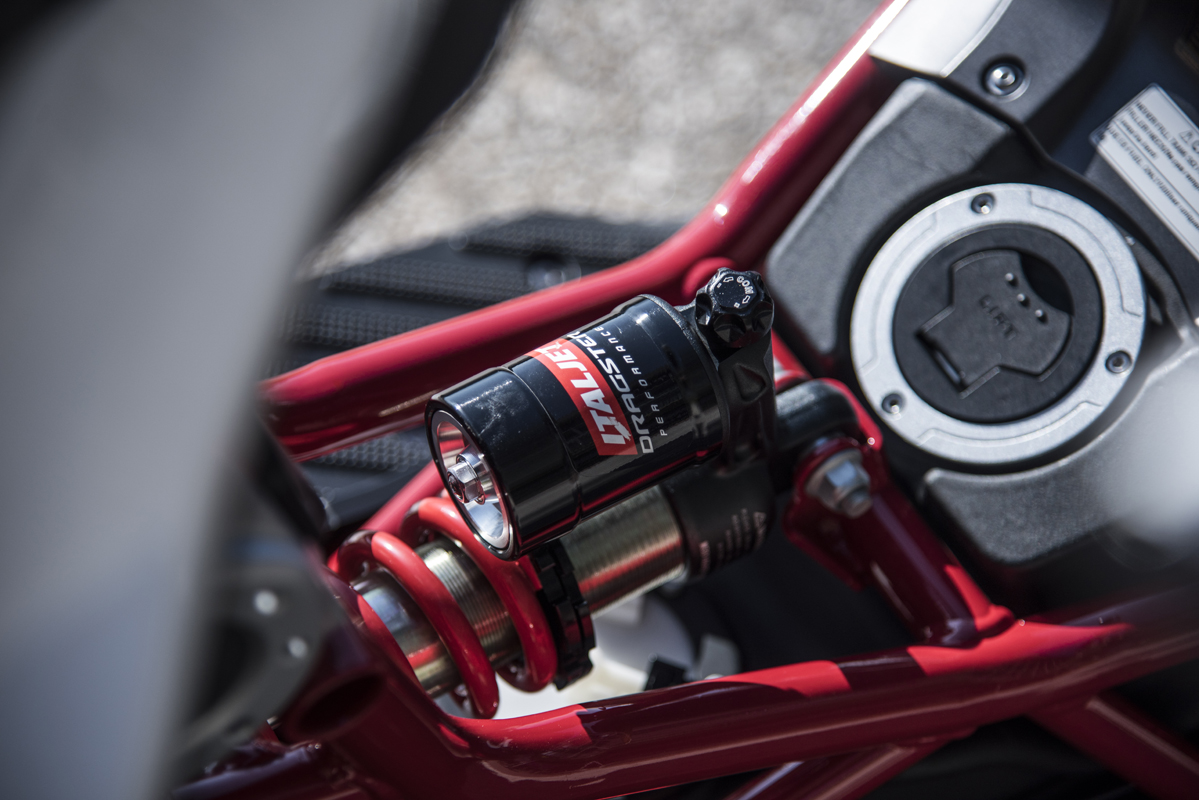
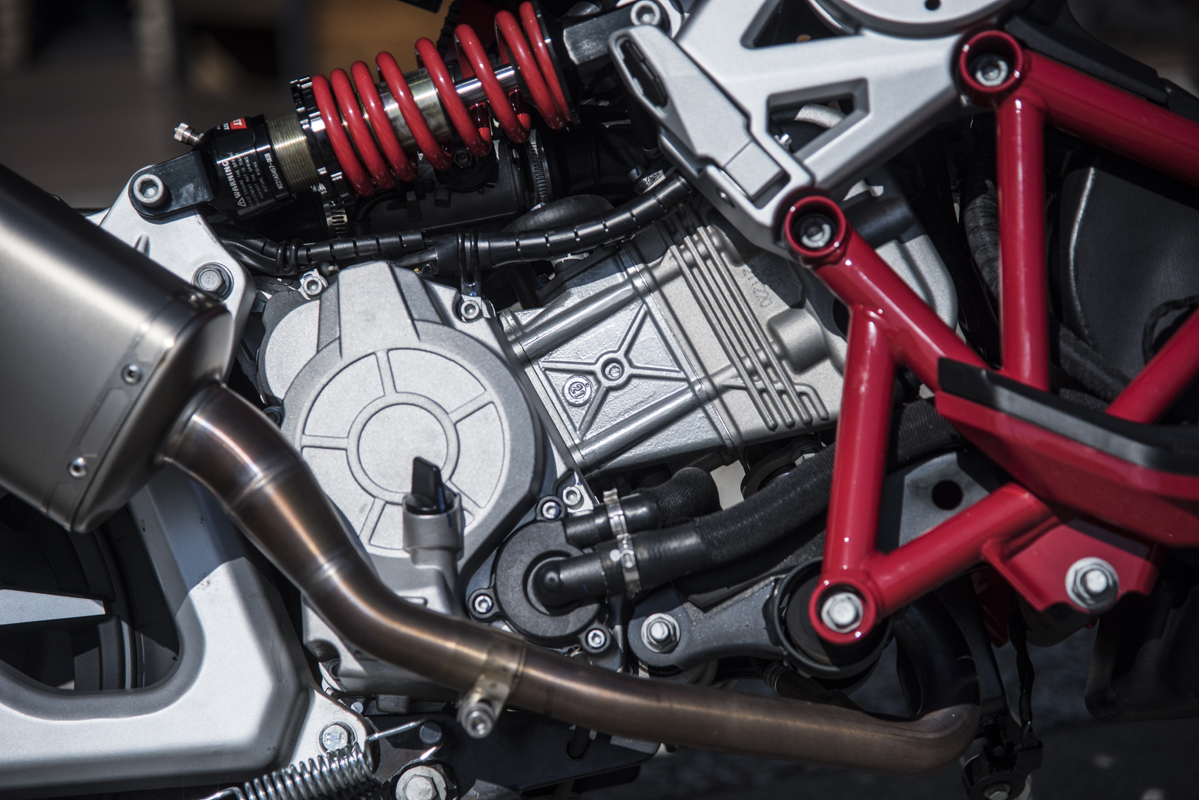
The Z650 RS has a lot more in common with the Sugomi-inspired Z650 and 650 Ninja. The motor is the familiar DOHC, 4-Valve, liquid-cooled parallel twin with 36 mm Fuel Injection throttle bodies. The 6-speed gearbox is light and crisp and a pleasure to use. Interestingly the motor is only marginally more powerful than the original Z with 67,3 hp@8000 rpm and 64 Nm@6700. The trellis steel frame uses the motor as a stressed member. The right-side-up forks have no adjustment and are 41 mm with 125 mm of travel. The rear shock is adjustable for preload only and gives 130 mm of travel.

Photo credit: Bjorn Moreira / ZA Bikers

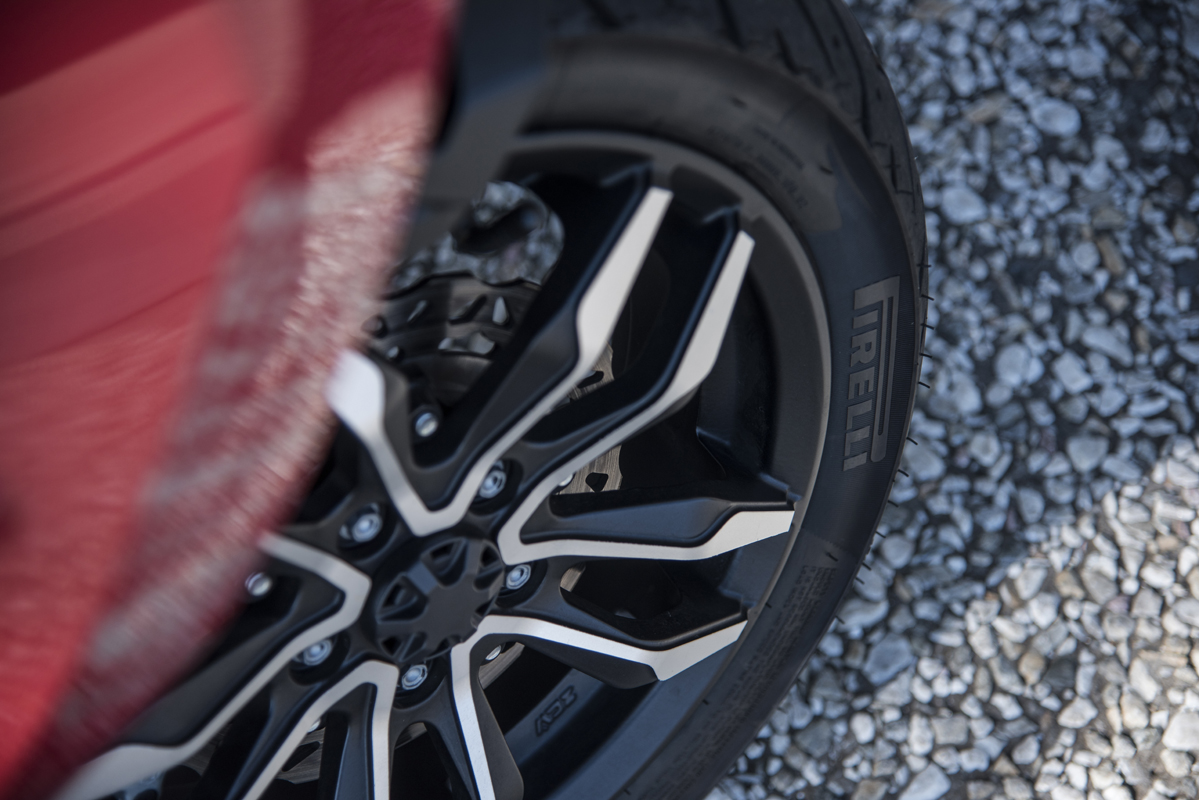
Brakes are light years ahead of the old Zed with its single 275 mm 1 pot disc and rear drum setup. Here we have twin 300 mm rotors with 2-piston callipers and a single 220 mm rear. The wheels are both handsome 17” gold alloys with a 160/60 at the back and a 120/70 in front. Seat height accommodates most riders at 820 mm. At 187 kg wet, with its 12-litre tank topped up, the RS is much lighter than the old Z which, although a lot lighter than the 750s of the day, was a porky 220 kg wet. It did, in fairness have a bigger 16.5-litre tank. So how does it ride?

Photo credit: Bjorn Moreira / ZA Bikers

I remember the original Z650 being significantly smaller than the 750s. it was more comparable to a 500 Four Honda than a 750. The test bike was finished in a lustrous green metallic paint job with subtle pin striping. Very reminiscent of the old Zed. The silhouette is very similar, barring the fact that the silencer on the new 650 is tucked neatly under the motor whereas the original Z had twin exhaust cans bracketing the back wheel.

The motor is black, and the radiator is not too visually intrusive. The tank, seat, side covers, and tailpiece integrate nicely into a handsome and appealing modern classic package. As with its big brother, the clocks are analogue in the familiar ’80s fashion but with a digital panel between them achieving the best of both worlds. Handlebars are black with a slight rise.

Photo credit: Bjorn Moreira / ZA Bikers

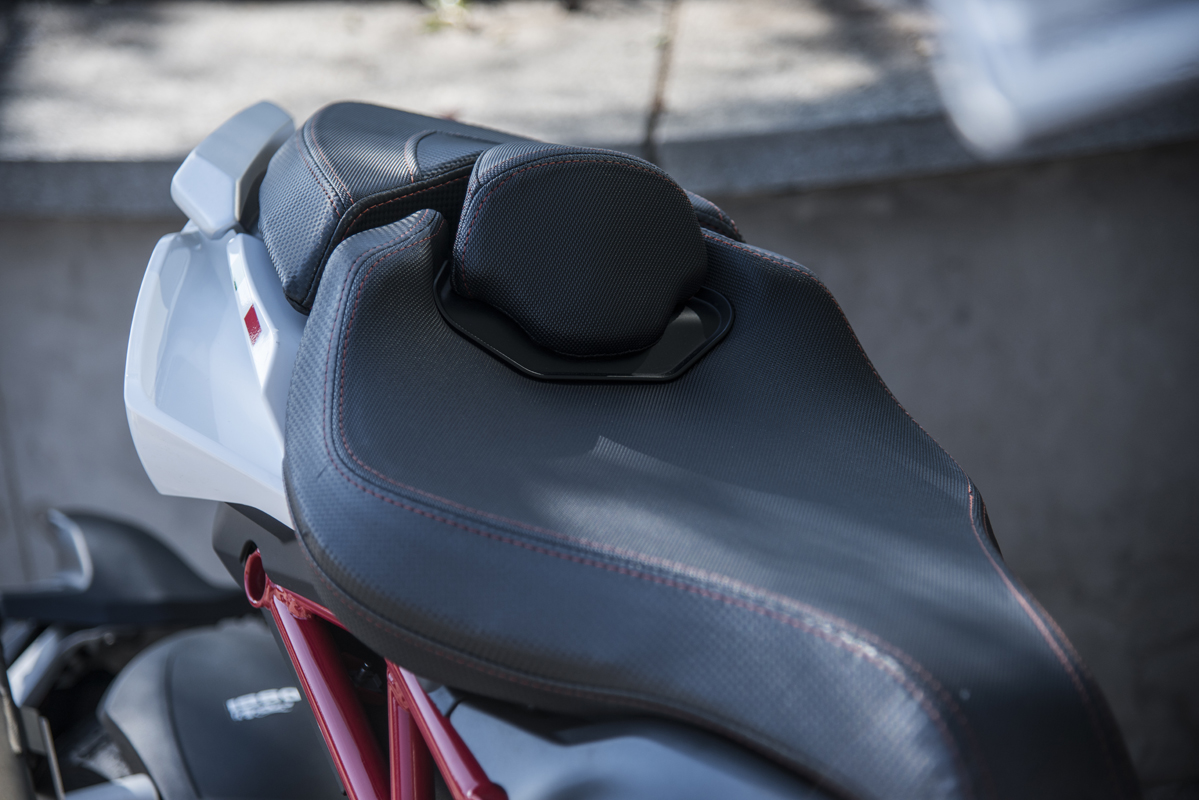
Sling a leg over the new Zed and it feels instantly comfortable. The seat is comfy, both in shape and foam density. I could smash huge days on this beastie without a numb bum. The bars encourage a slight forward lean without being at all “wristy”. As with any naked bike, the wind factor decreases comfort as speeds rise. Up to 120 km/h is a doddle. Perfect for inter-city commuting and in the urban sprawl. The lightweight and the lowish seat height of the bike make it effortless to negotiate traffic, aided by a tight turning circle. The torque off idle makes acceleration instant and the motor, with its over-square design, spin up keenly. You never feel a lack of go. Get hard on the gas and there is an audible honk from the intake as the Kawi lifts its skirt and runs. Vibes are pretty much unobtrusive right throughout the rev range just being at a level that reminds you that this is a proper bike and not some electric appliance, nudge nudge wink wink.

Photo credit: Bjorn Moreira / ZA Bikers

On the highway, the RS does not disappoint. It holds speed up the longest and steepest of hills whilst always still having something in reserve. Open a little more and off she goes. Overtaking is therefore a non-event. I must mention the suspension. Essentially there is no adjustment other than preload on the back shock, but this is a non-issue. Preload adjustment allows you to compensate for a passenger or to jack up the back a little to achieve better turn-in. The factory has dialled in the suspension superbly. It is soft and plush yet not wallowy.

Our roads put the suspension through its paces with many less-than-perfect surfaces. The Kawi manages to keep its composure over all these surfaces and yet still gives an excellent ride. Perhaps a racetrack would expose some suspension limitations, but that is ‘definitely’ not this bike’s natural environment. High-speed sweeps are negotiated with confidence. When suspension works this well you start to wonder if all the adjustment available on some bikes is a big deal. I don’t know many riders who fiddle with their shock settings other than the track day boys.

Photo credit: Bjorn Moreira / ZA Bikers

So what do we have in the Kawasaki Z650 then? A very good, thoroughly modern motorcycle. It looks amazing, works well for its intended application and we know from its Z650 and Ninja siblings that it will be reliable and economical. I thoroughly enjoyed my time with the Z650. The only reservations I have, and this is just old school Dave talking, is first that it is not a four-cylinder. This would properly pay homage to its phenomenal Grand Pappy. I get it though, that would not necessarily be as economically viable. The second issue is the price. Whilst not necessarily out of the ballpark. At R174,995, it is R10K more than the identical running gear Z650 Ninja which has a fairing and arguably should be the more expensive bike. Kawasaki did a superb styling job and some minor tweaks to an existing bike. So, it will be for each ‘individual’ buyer to decide if he is prepared to pay a premium for a Z650 in bell bottoms.

Photo credit: Bjorn Moreira / ZA Bikers

Kawasaki Z650 RS

For more information on the bike featured in this article, click on the link below…

2023

Kawasaki Z650 RS

Pricing From R169,990 (RRP)


Brand: Kawasaki

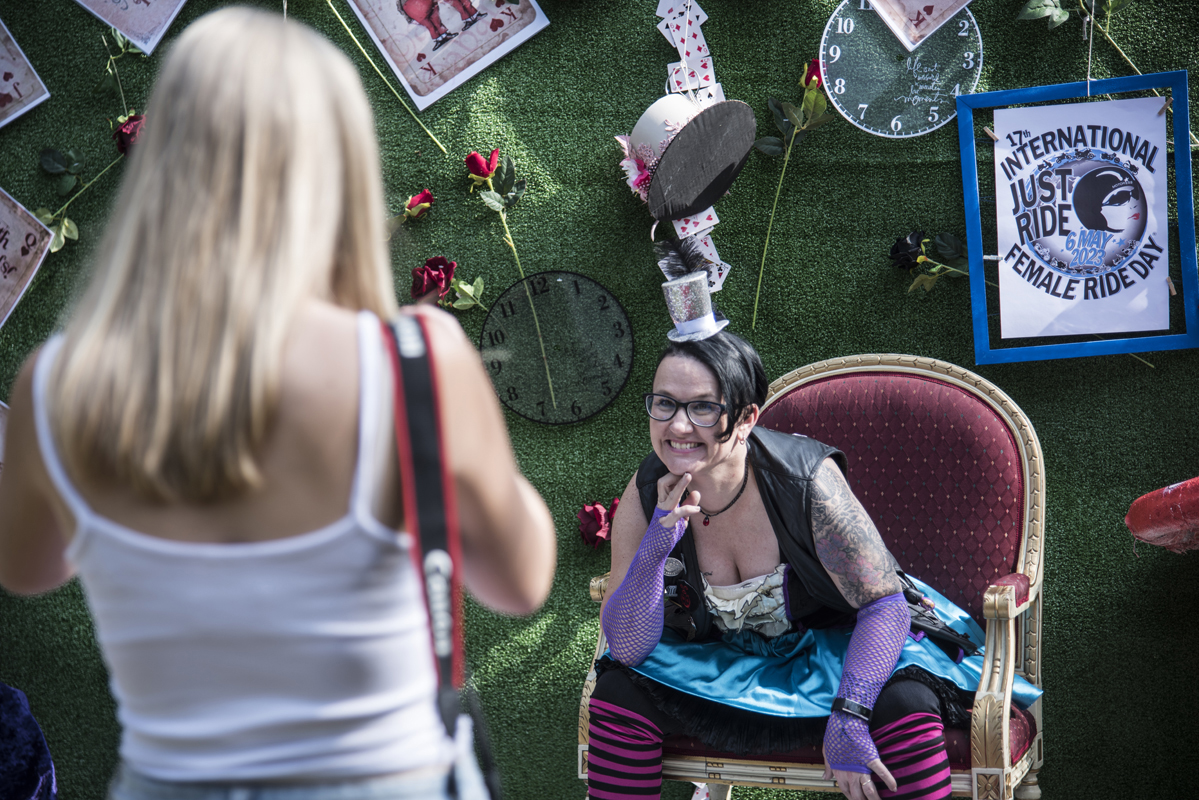
An International Mass Ride to Celebrate International Female Ride Day

Photo credit: Meredith Potgieter / ZA Bikers

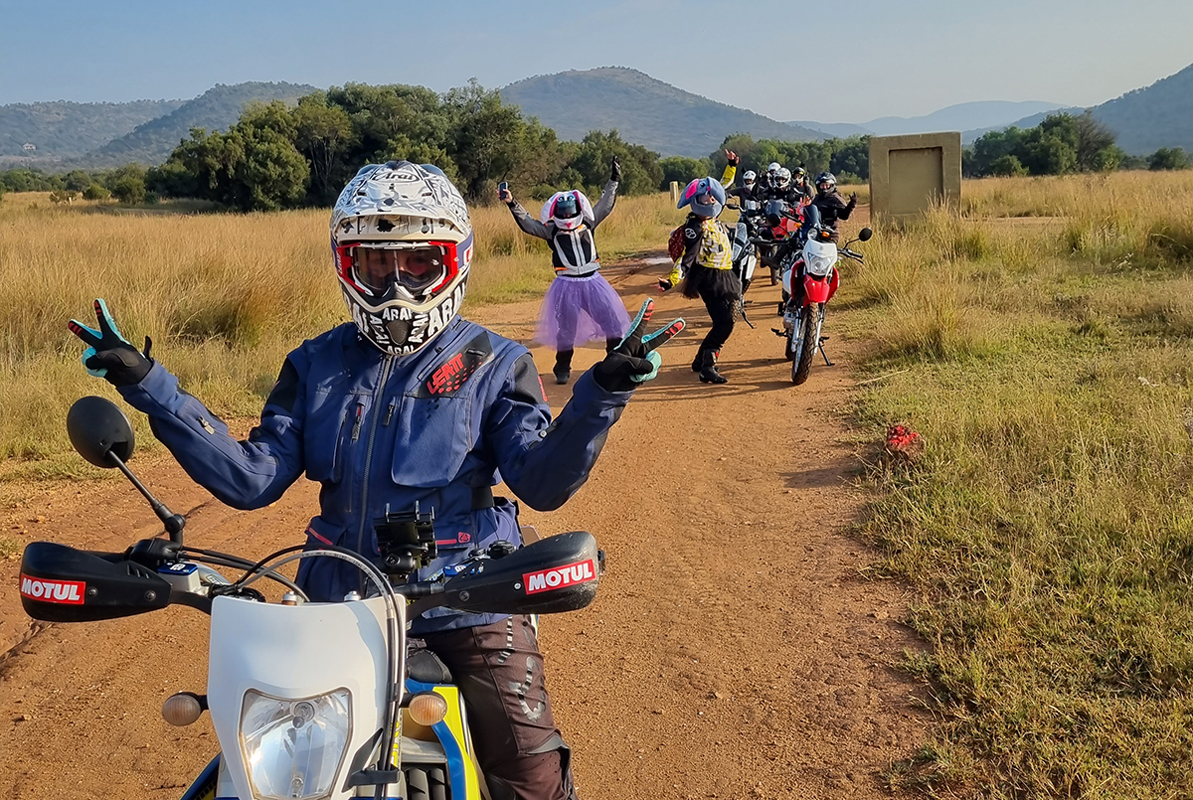
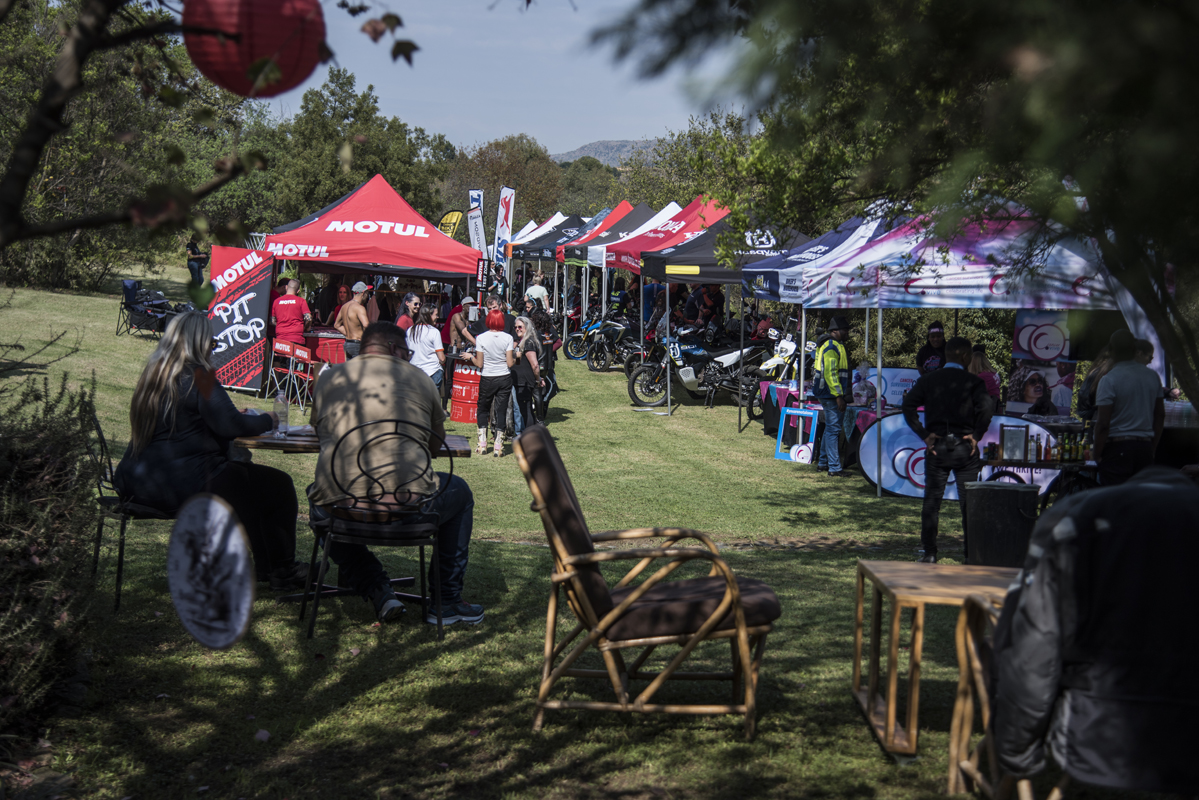
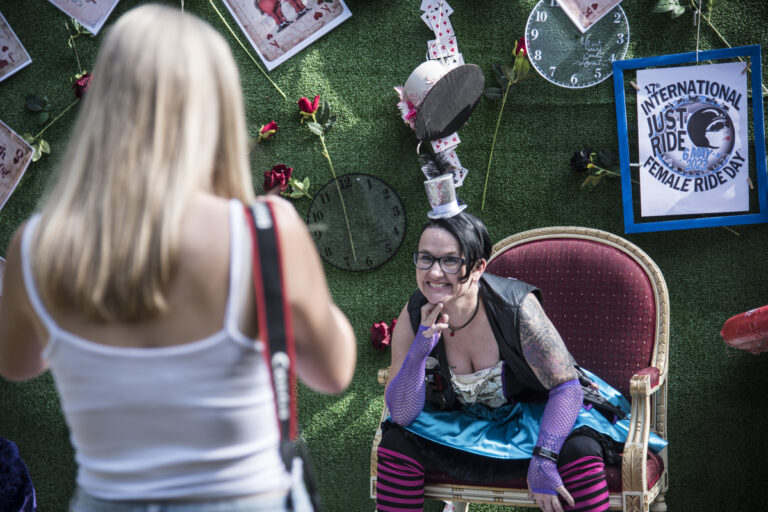
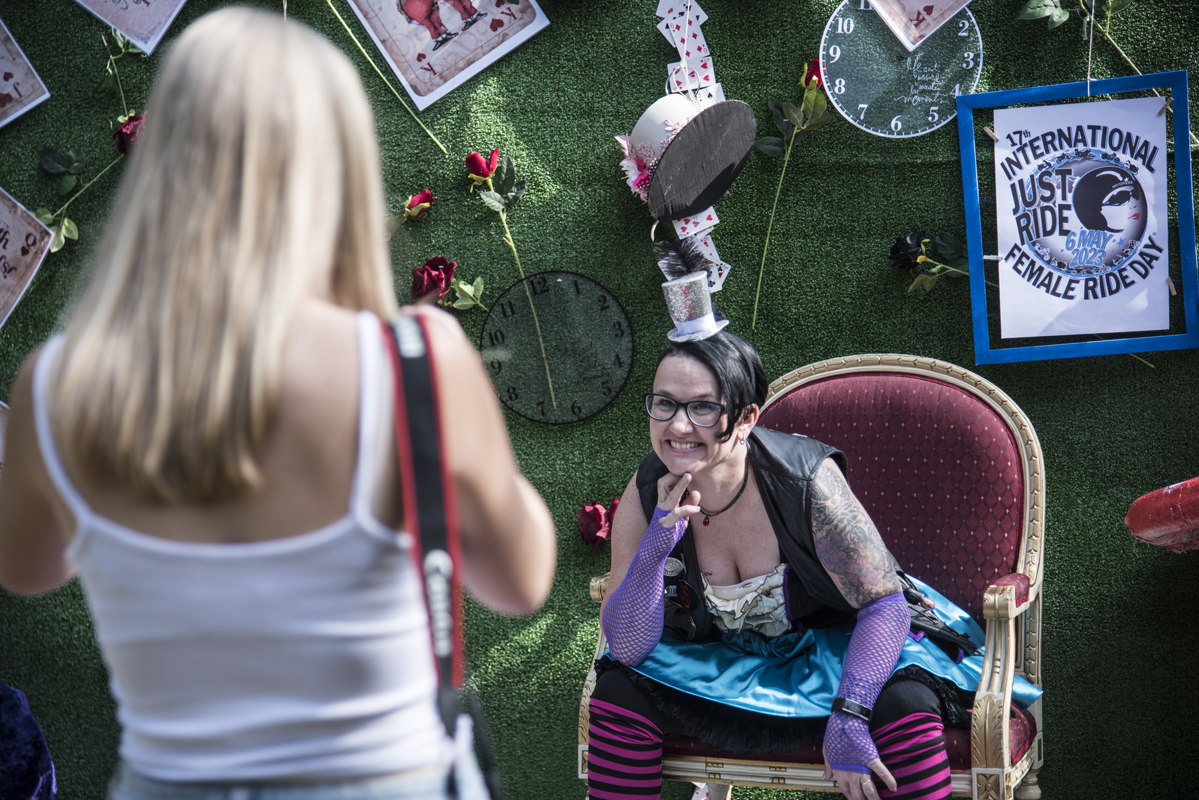
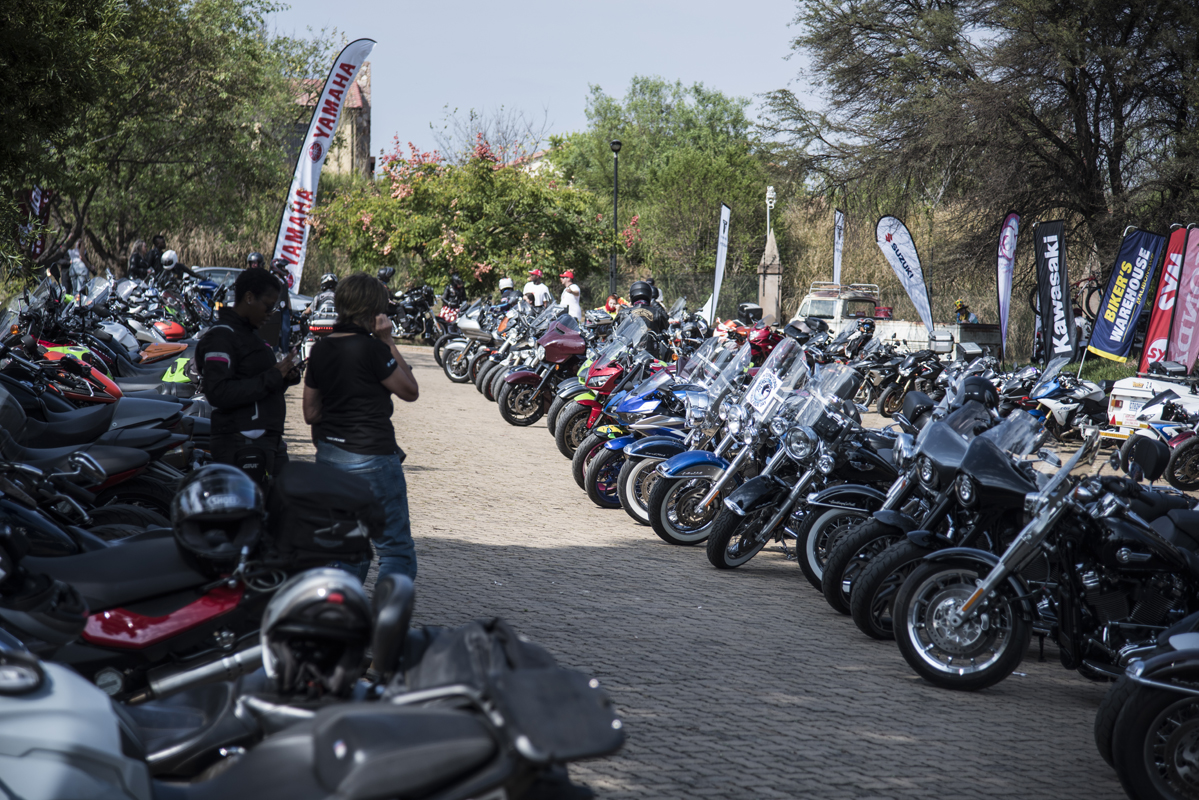
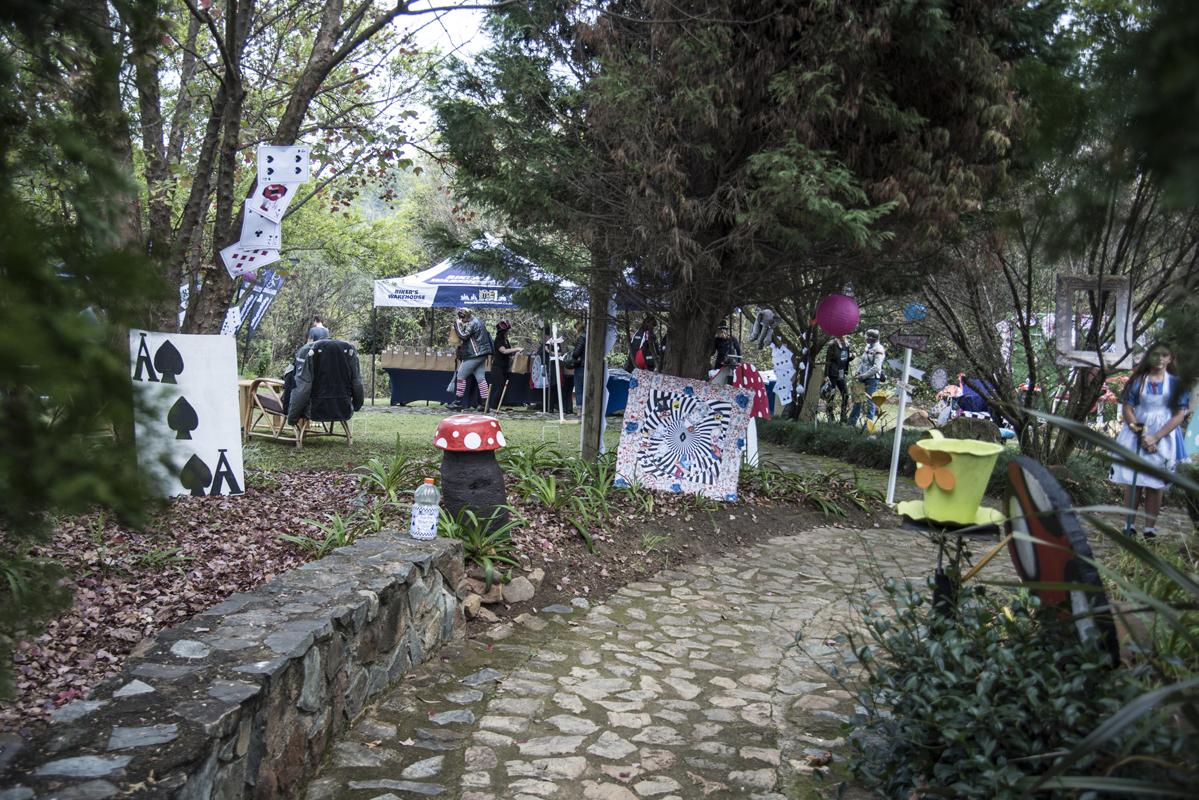
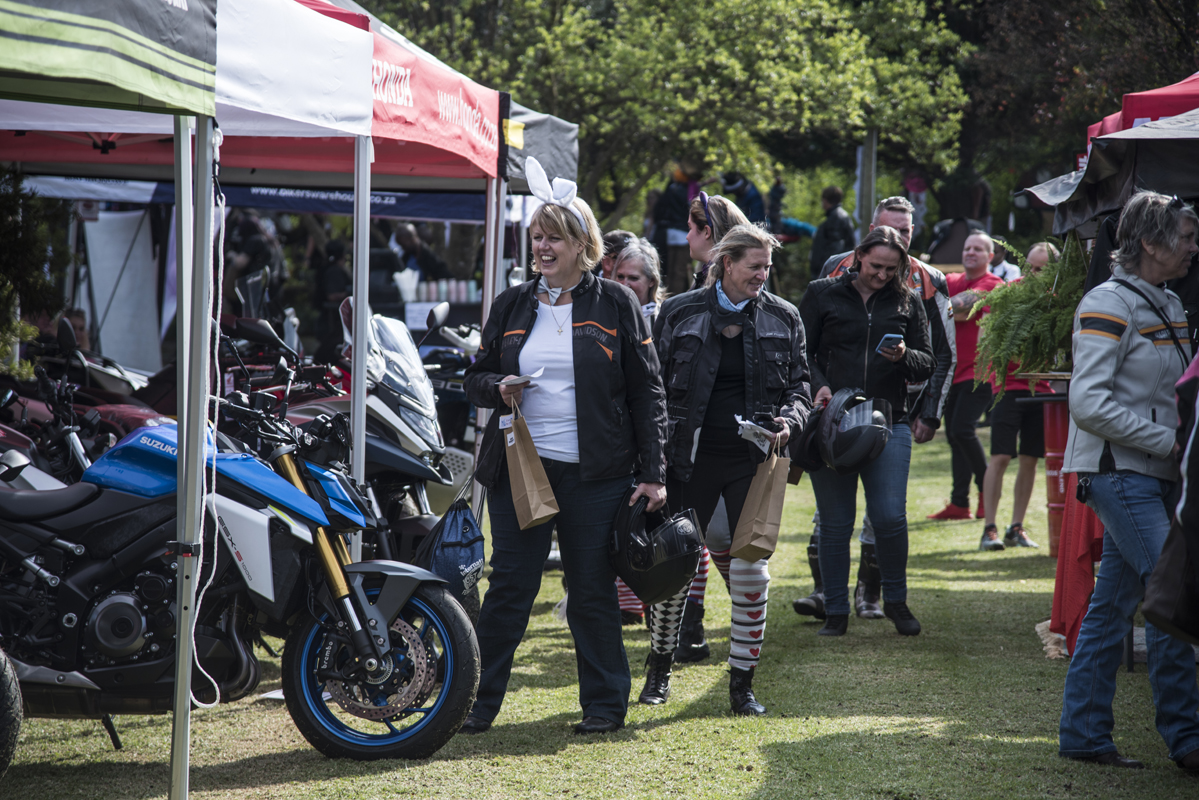
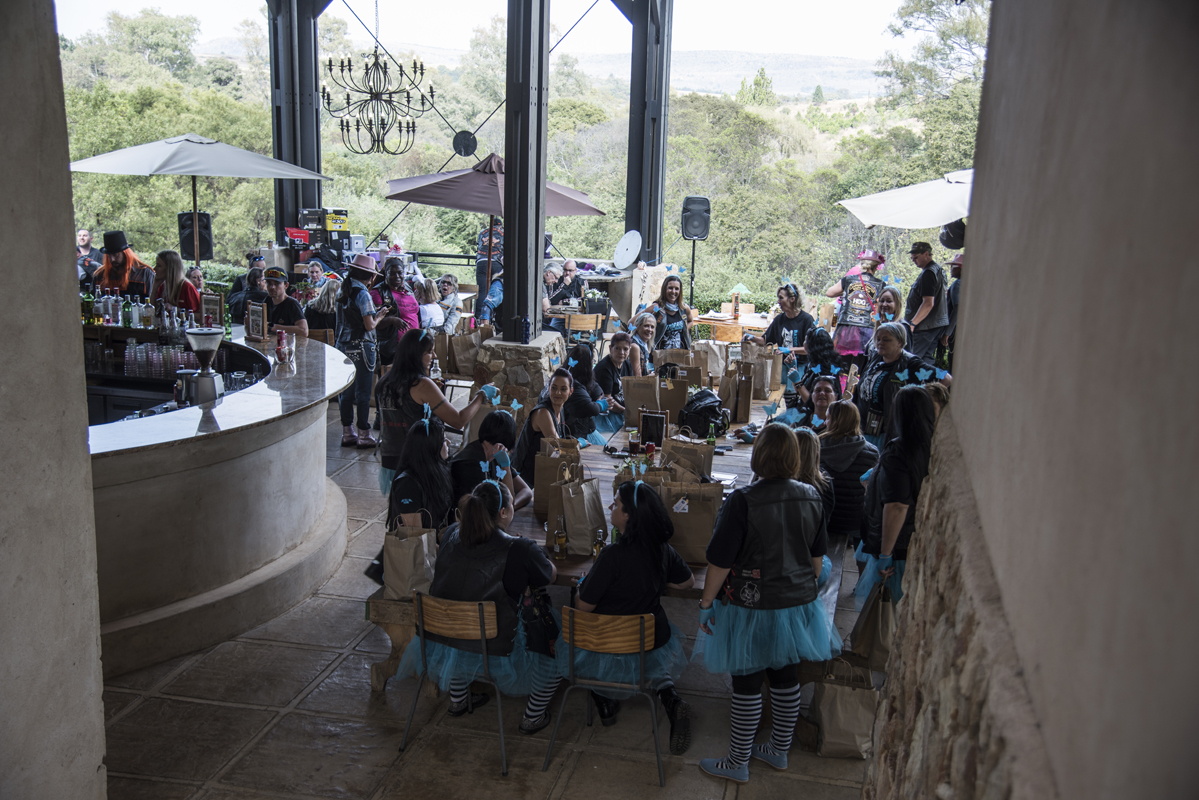
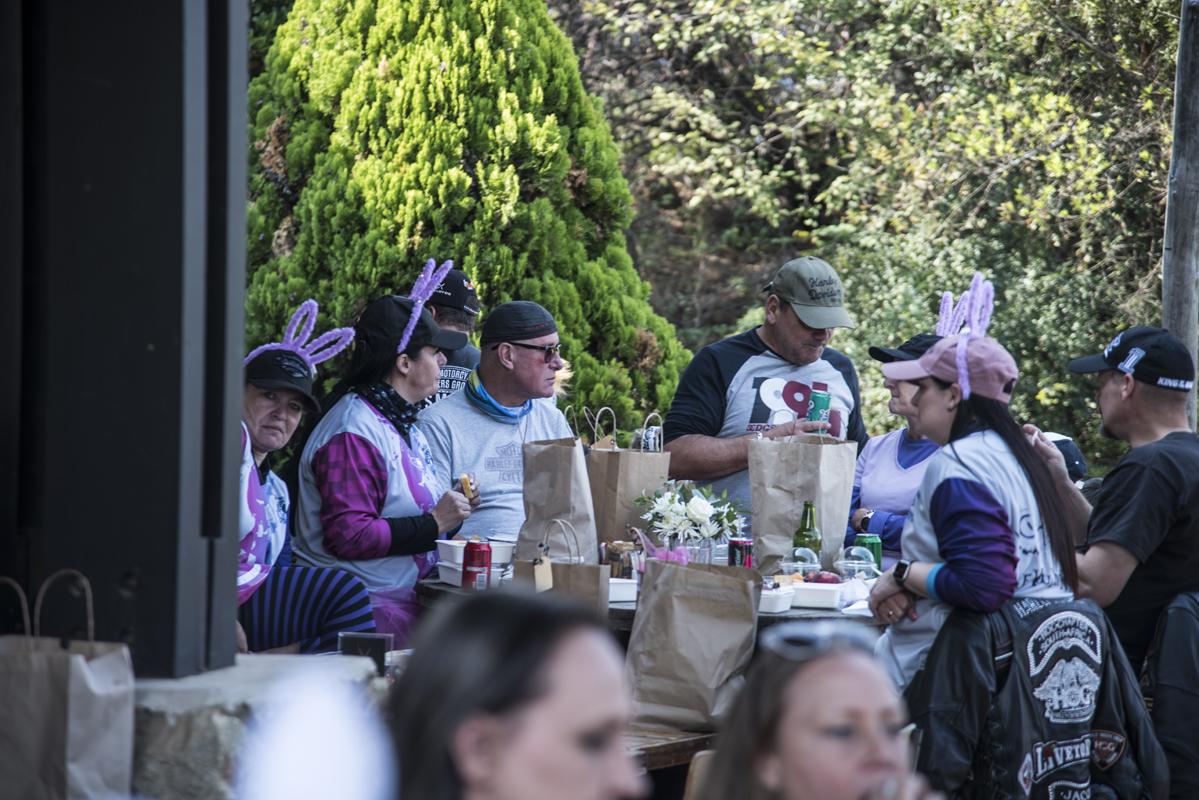
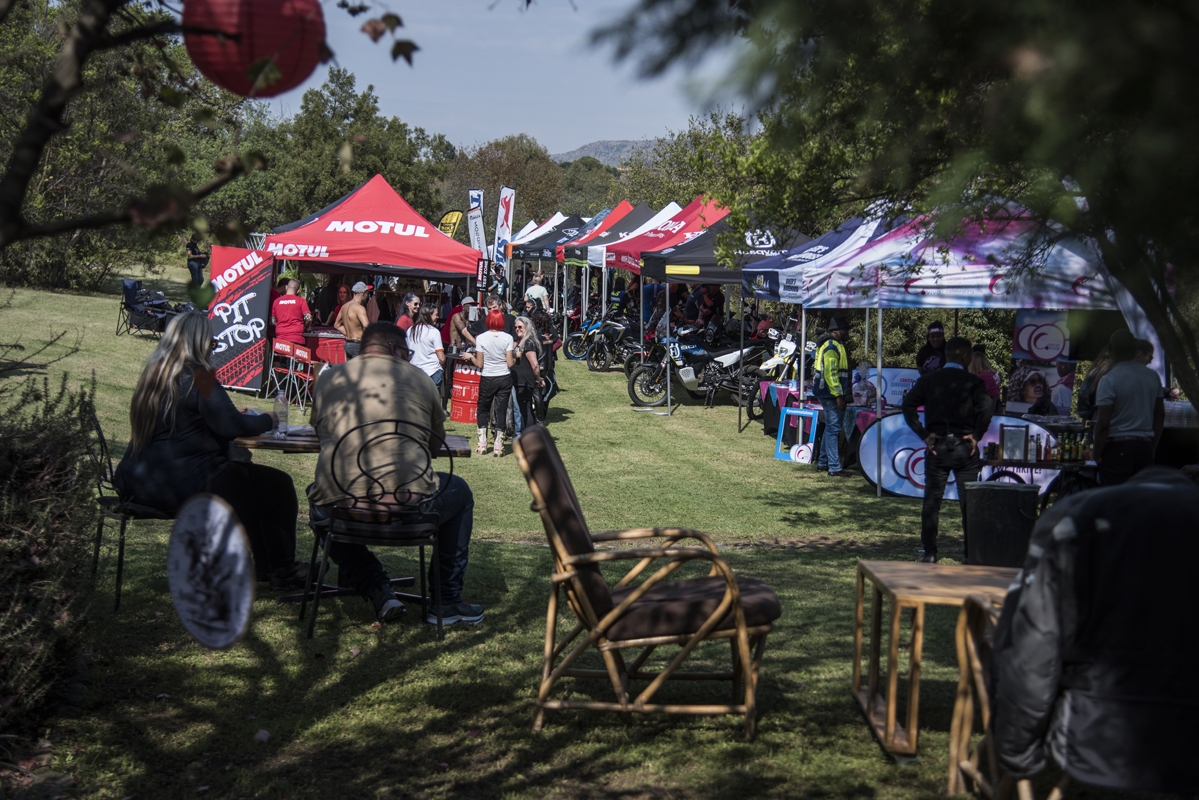
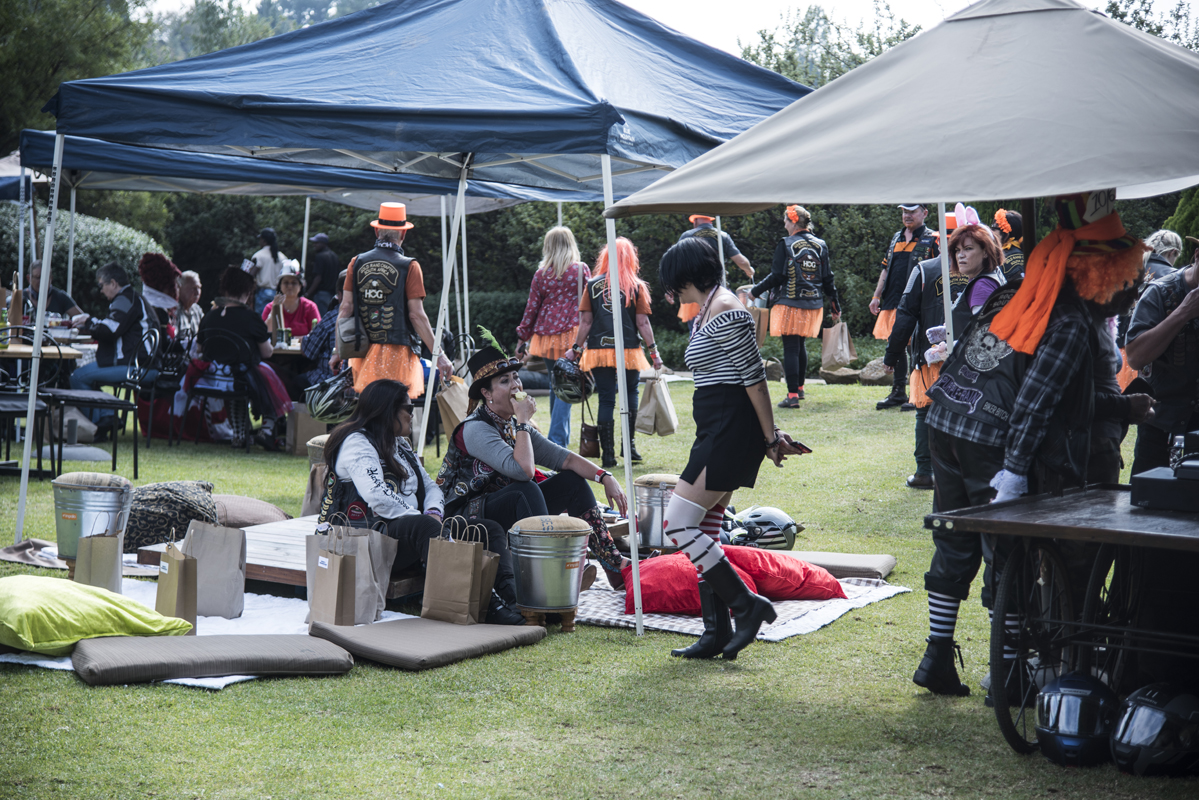
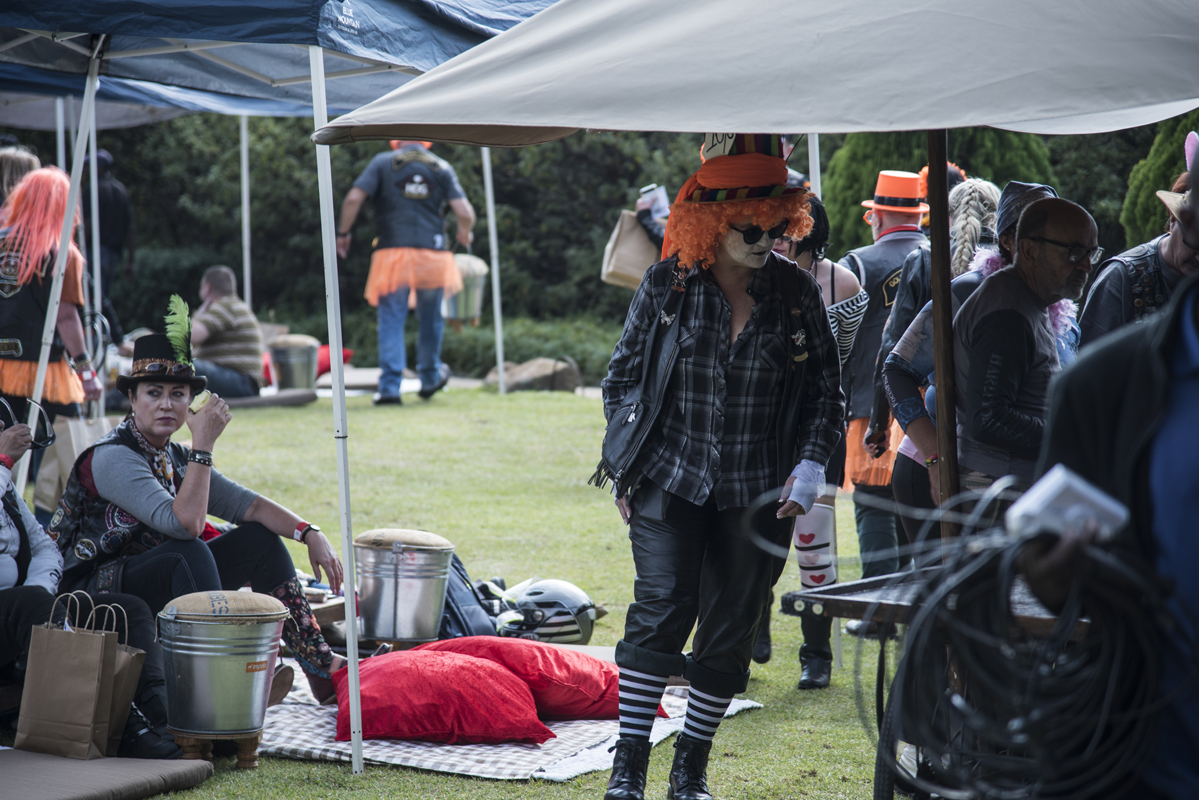
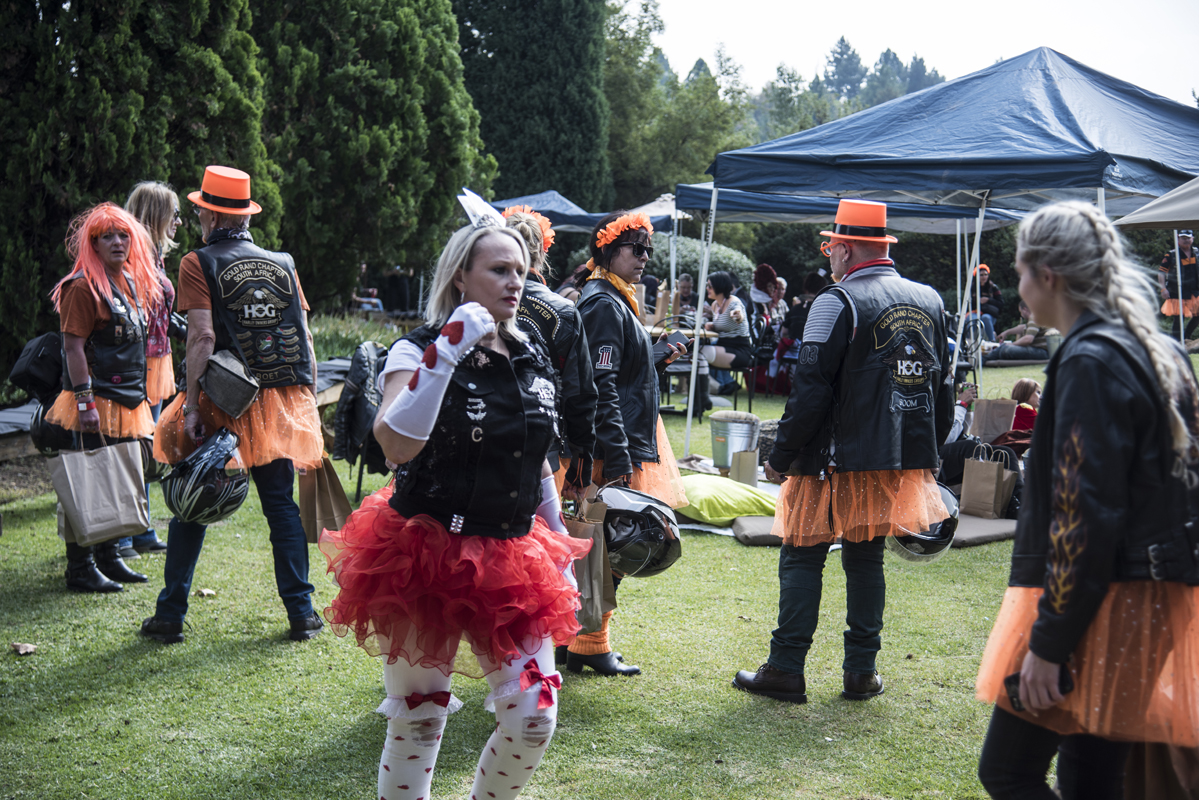
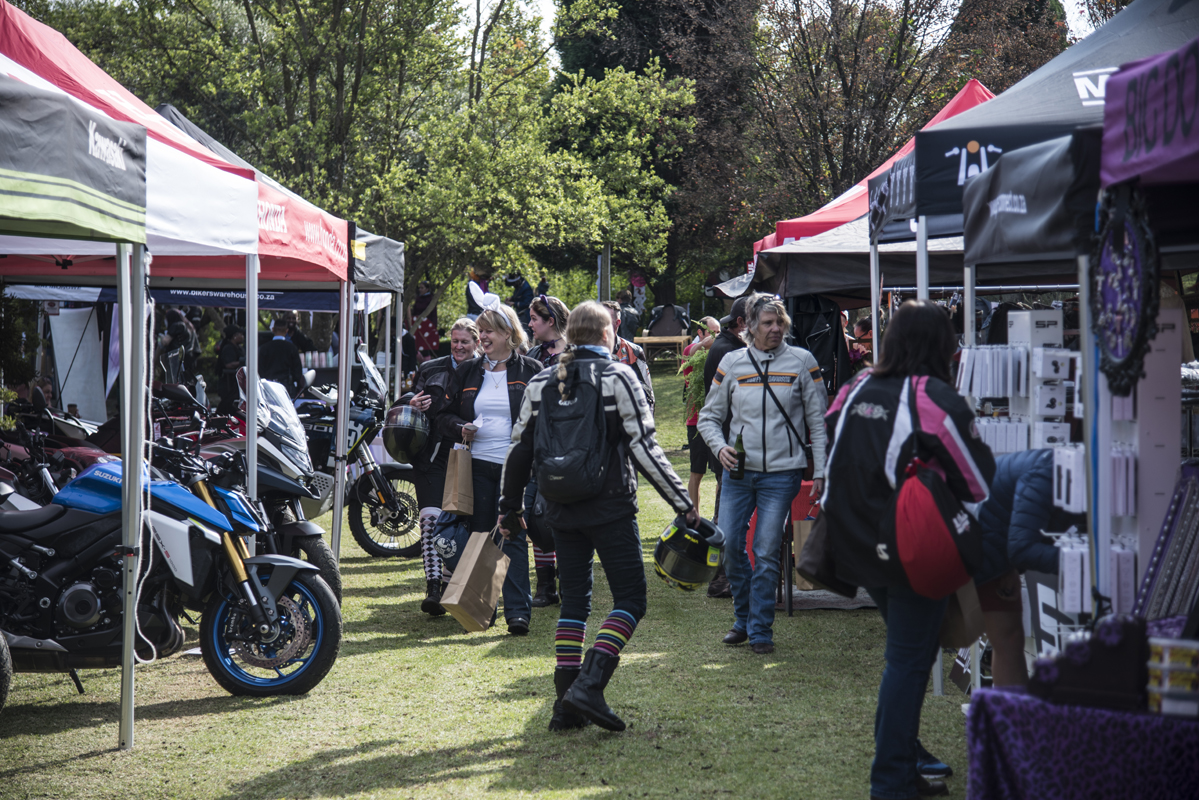
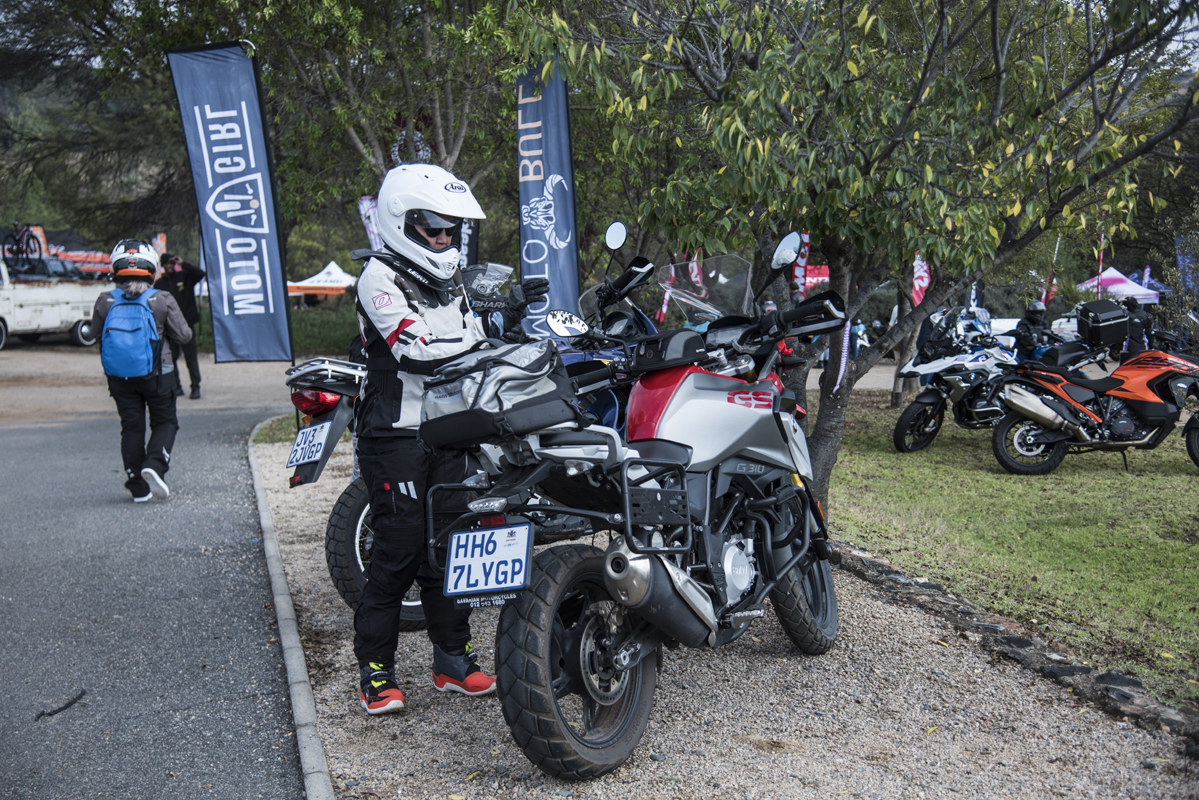
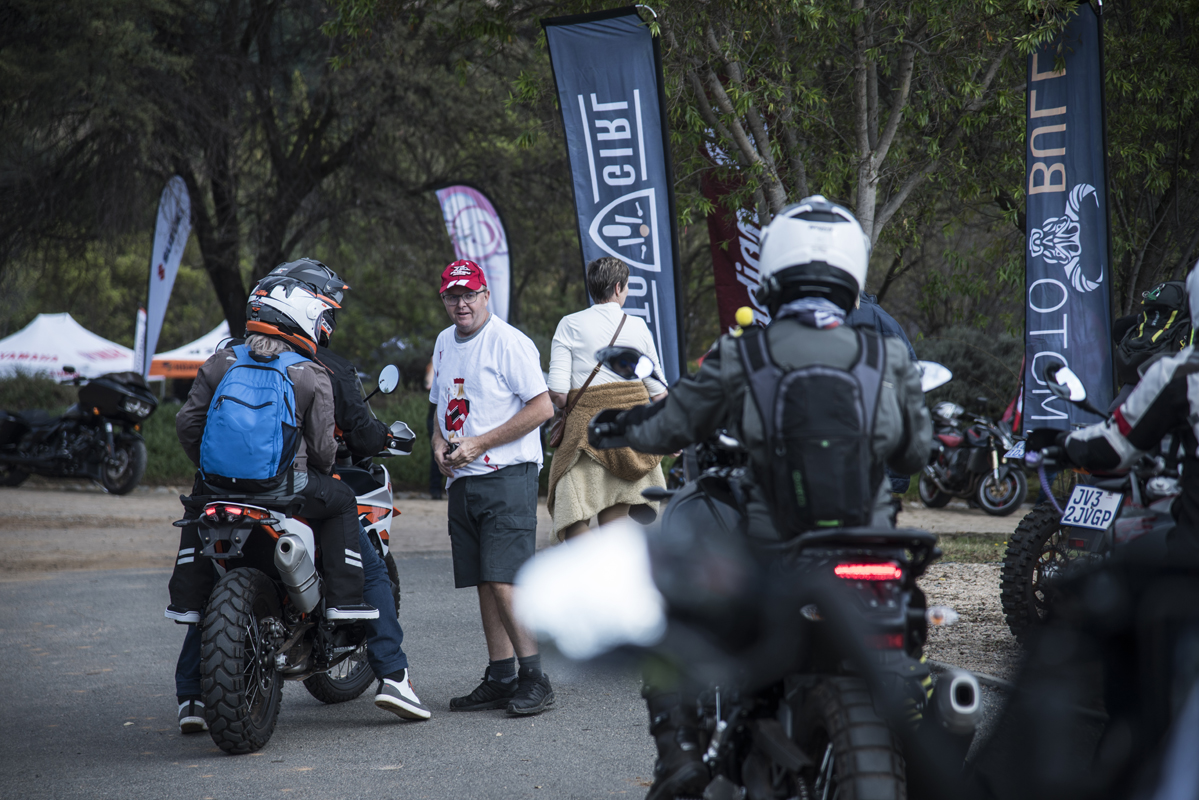
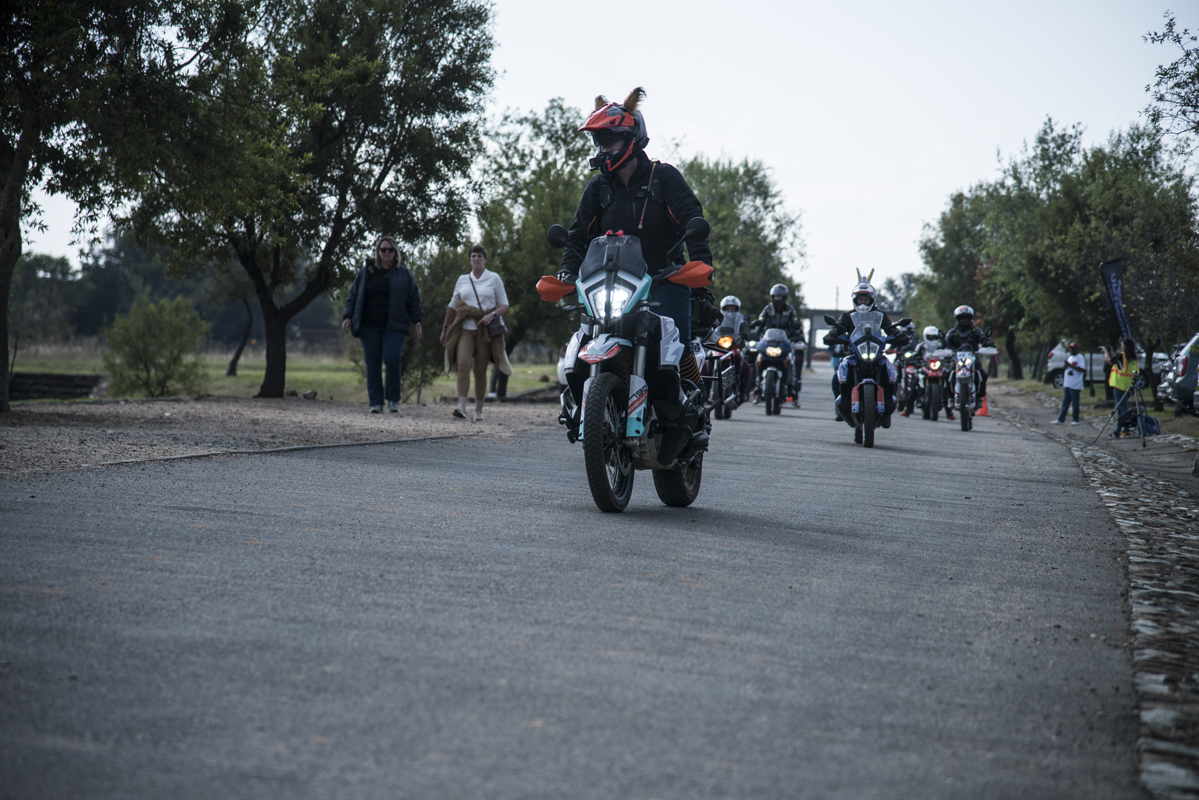
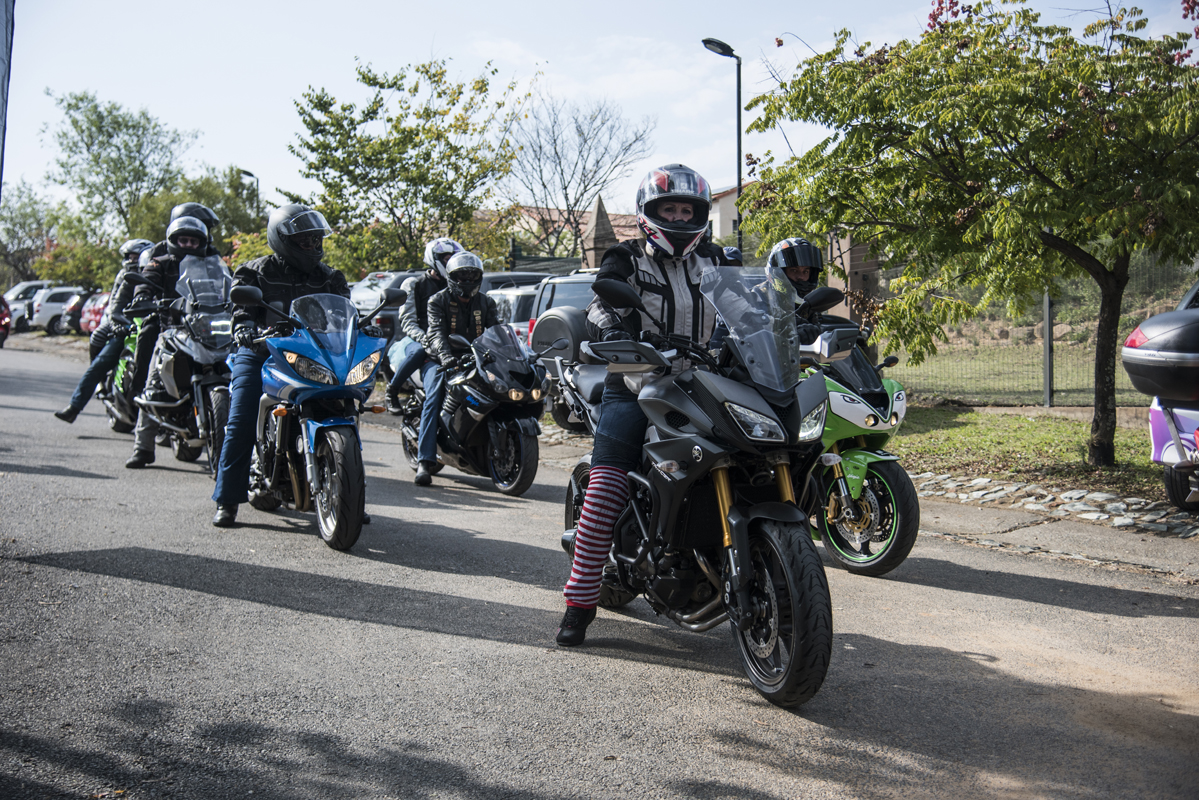
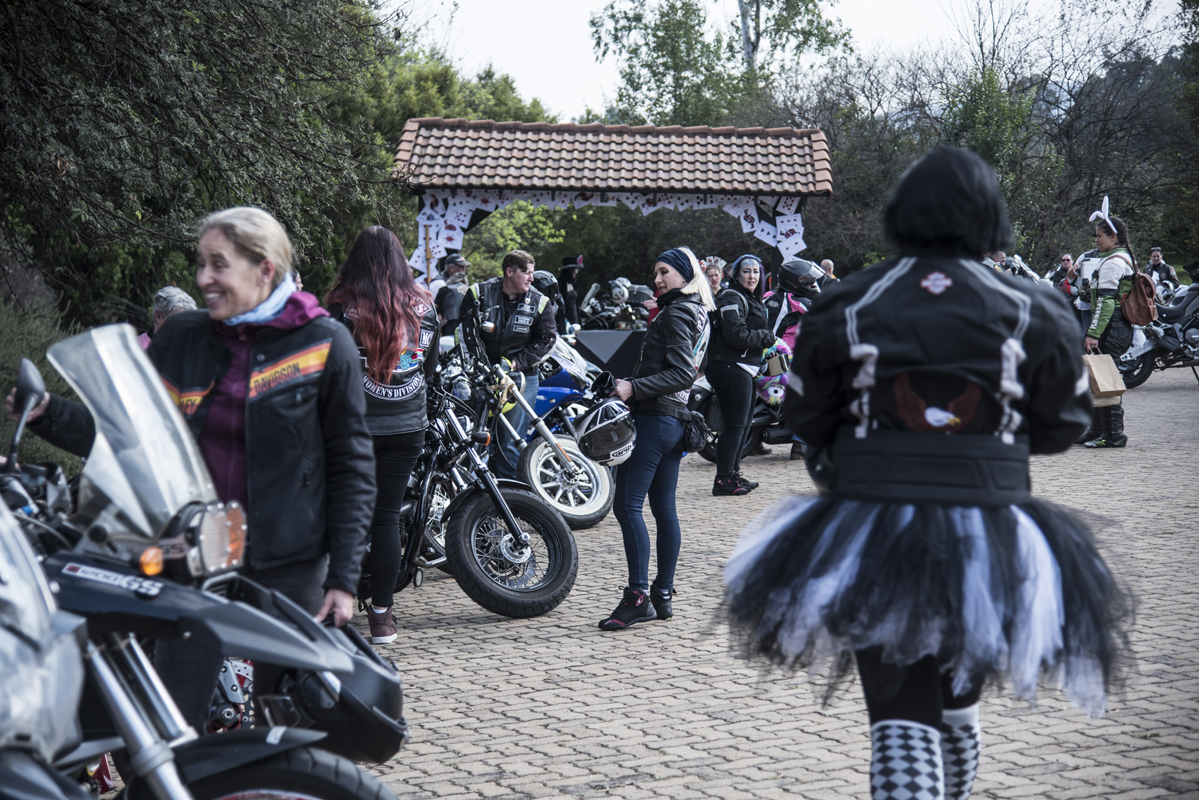
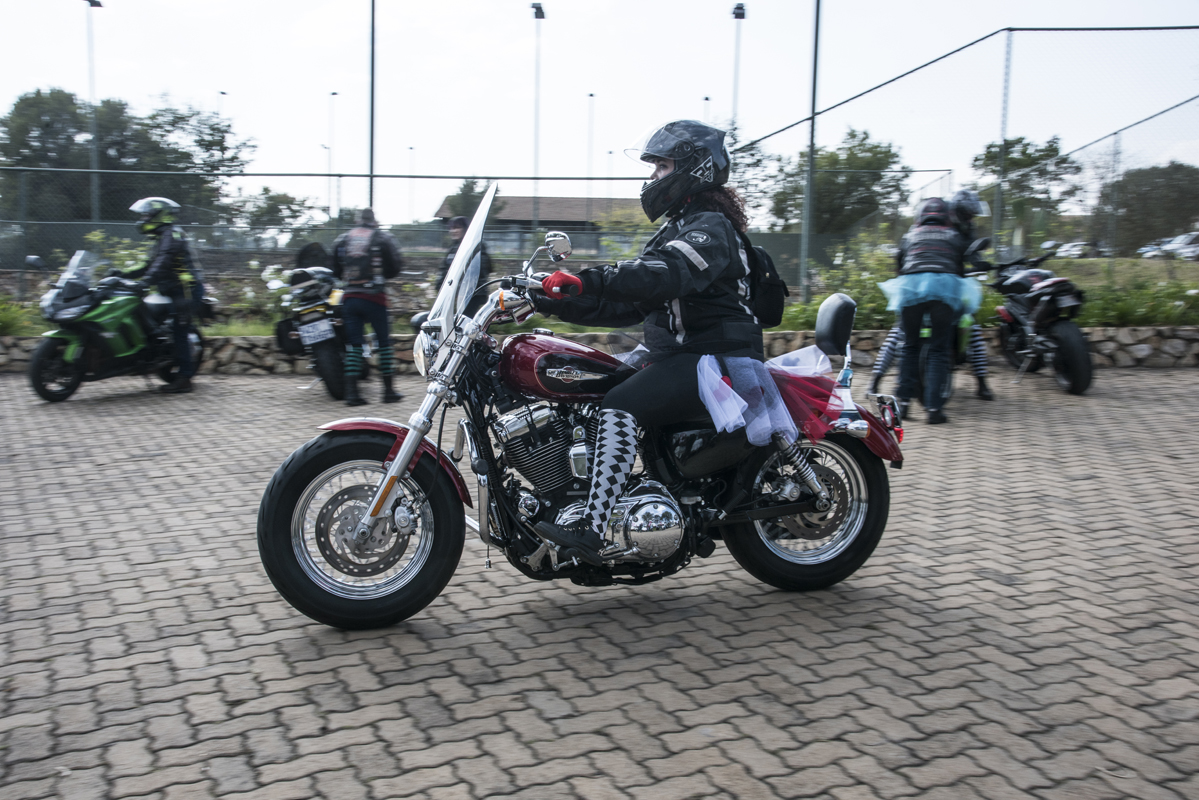
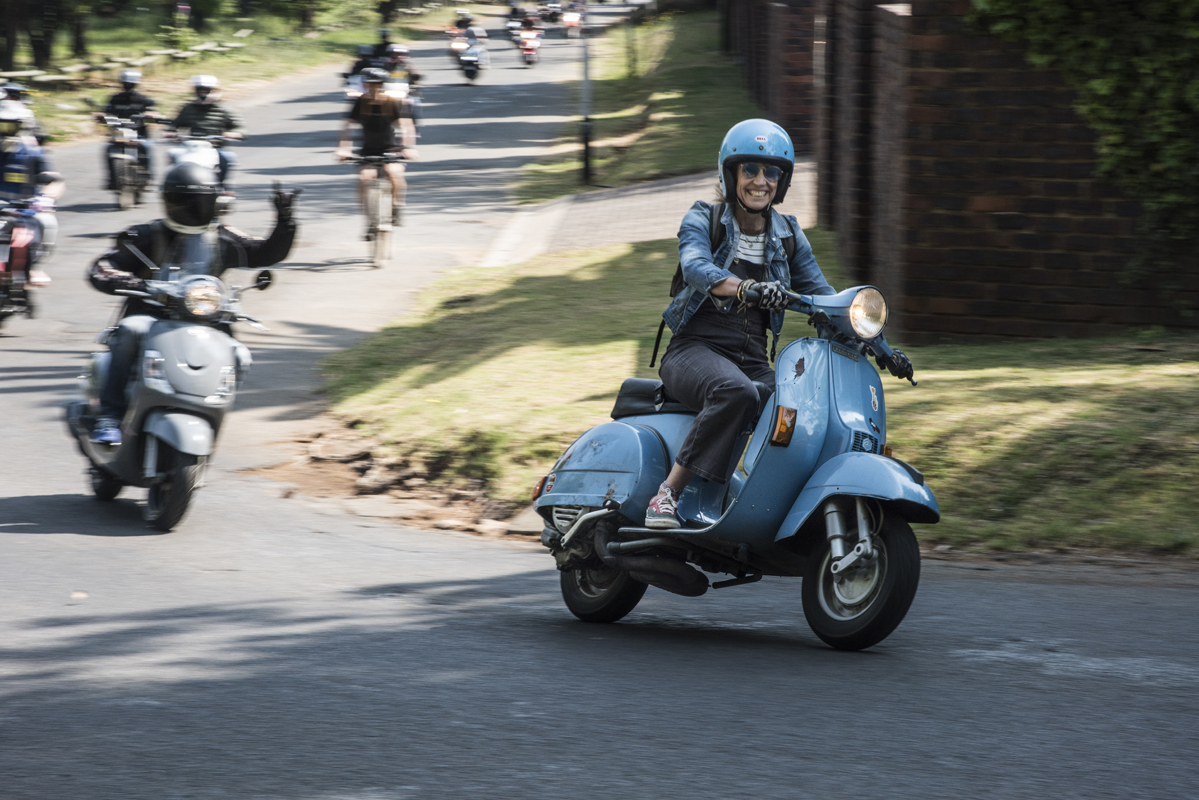
Unlike Alice, you don’t need to believe six impossible things before breakfast to enjoy an International Mass Ride on Saturday, 06 May 2023. The ride is in honour of International Female Ride Day (IFRD) and will end with an Alice in Wonderland-themed picnic at the Avianto Clubhouse in Muldersdrift, Gauteng.

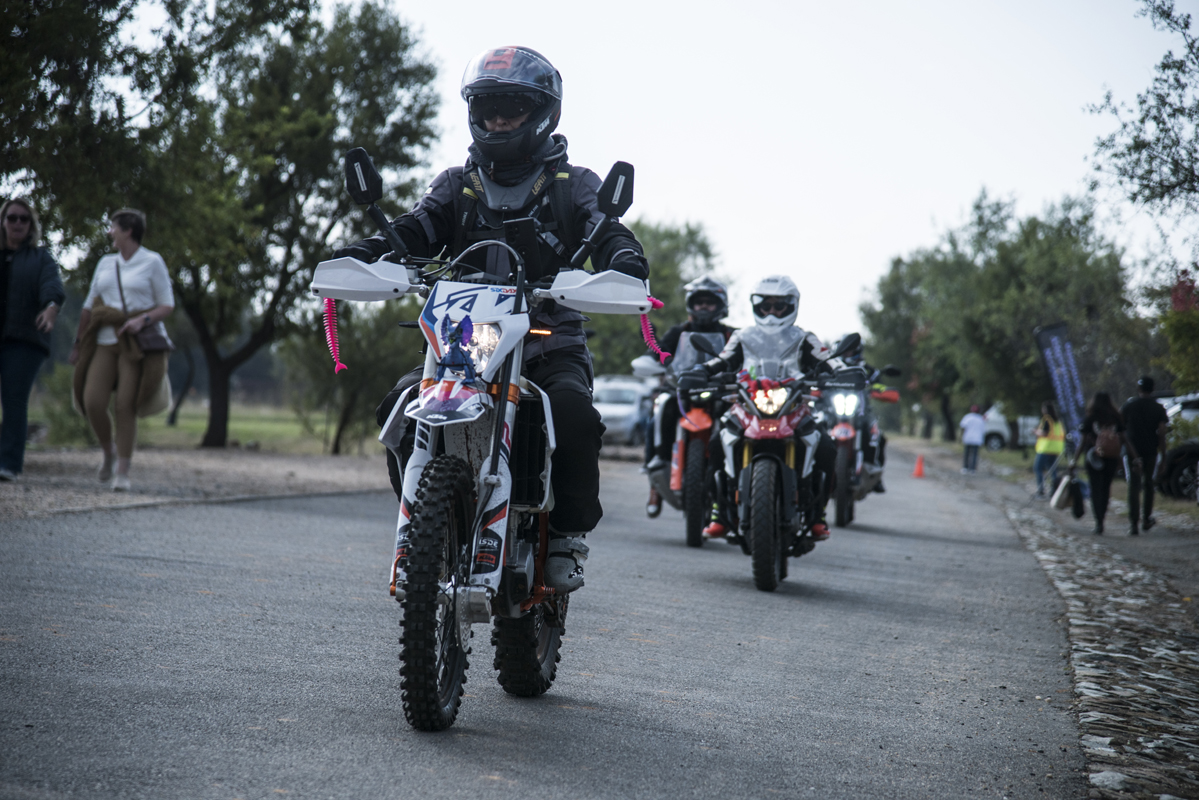
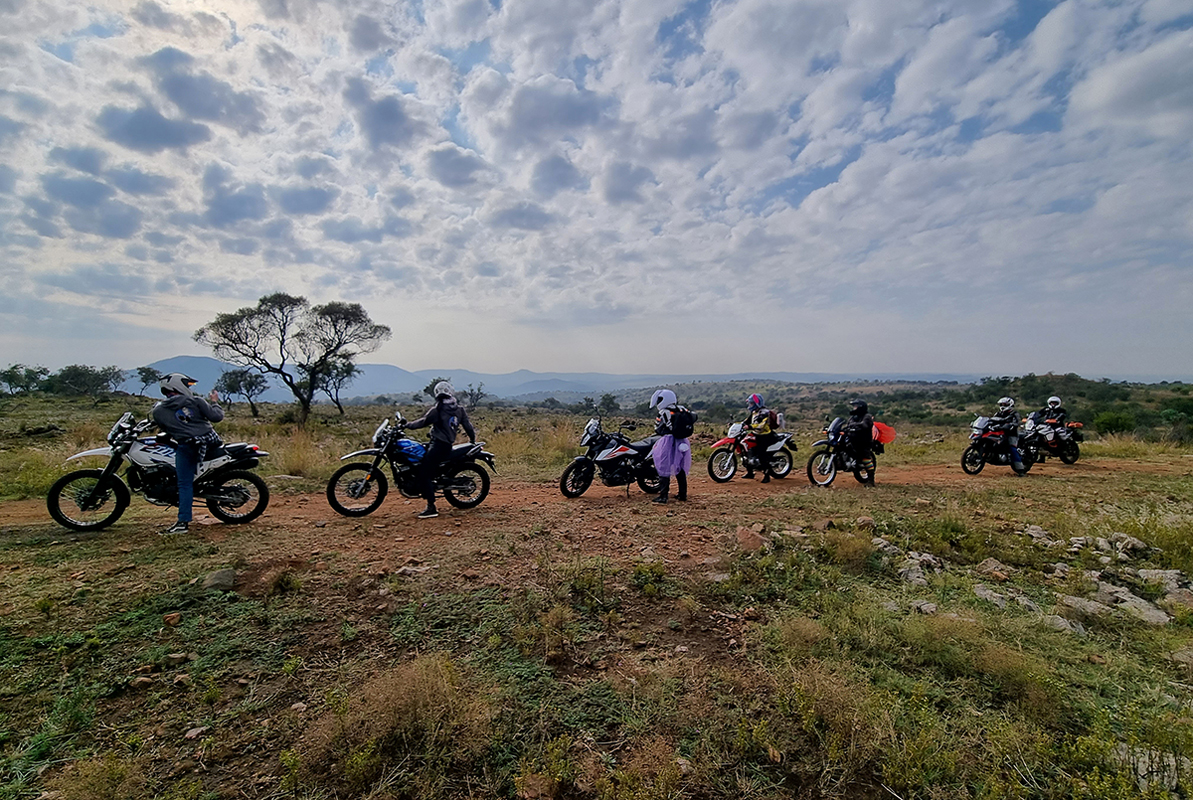
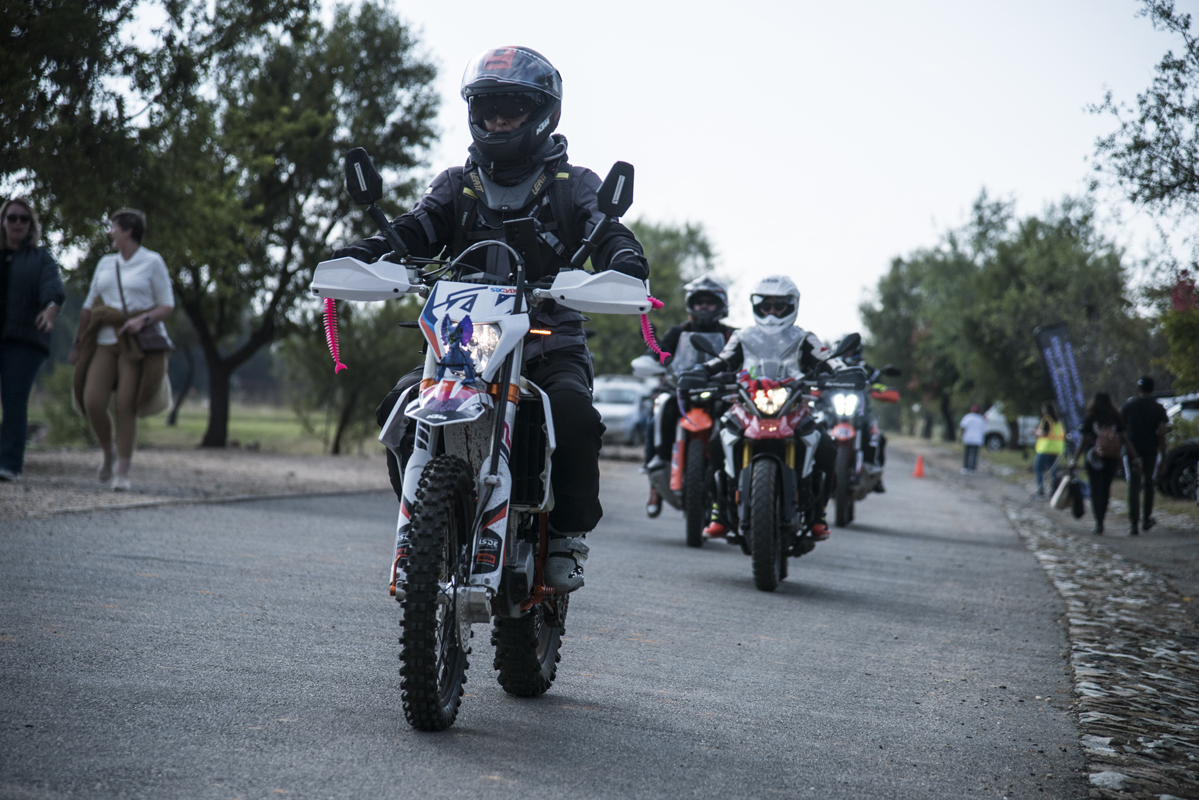
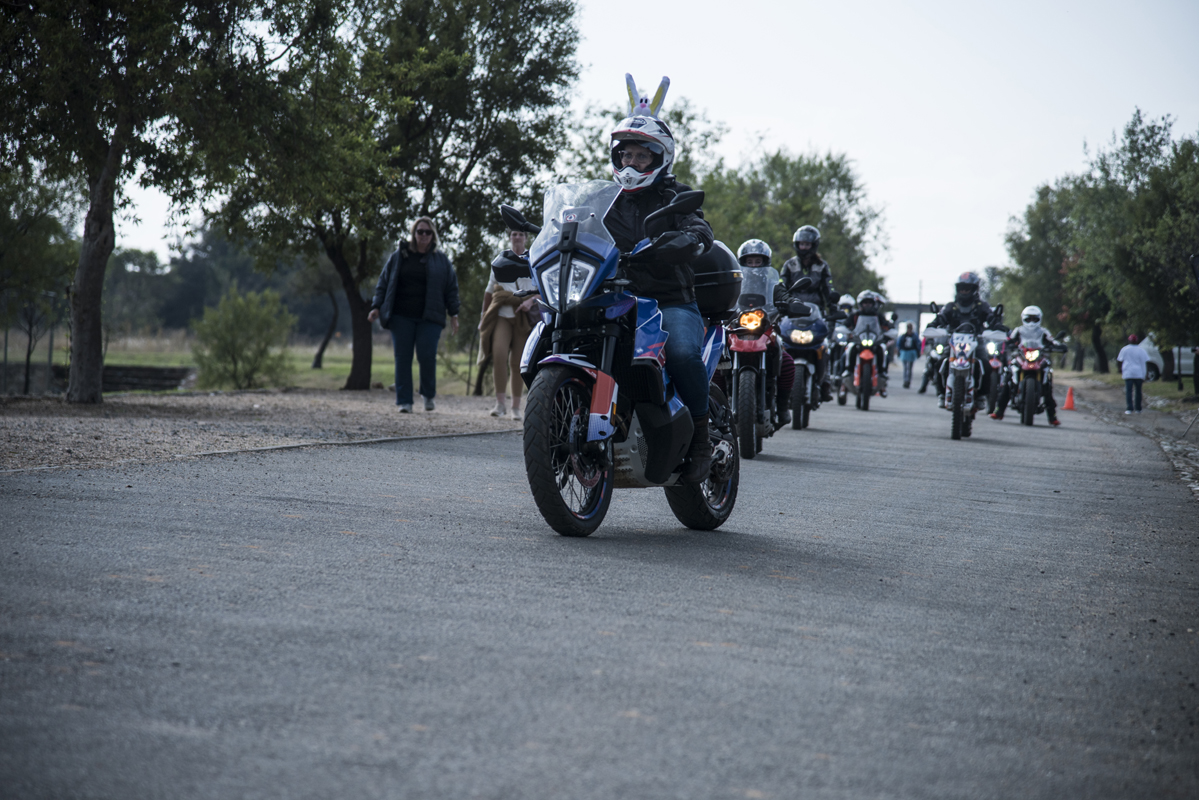
Join in for a safe, smooth-riding and fun event, with various departure points all around Gauteng and each group led by an experienced lady rider.

The IFRD first took place in 2007, with this year being the 17th edition. The aim of the IFRD is to stage a globally synchronised motorcycling and scooter ride for women that encourages all women to ‘JUST RIDE’.

Photo credit: Meredith Potgieter / ZA Bikers

It provides the ideal opportunity for women to act as role models to the global community of women who ride, to raise awareness of the growing numbers of women who own or ride motorcycles, and to celebrate the achievements of women in motorsport.

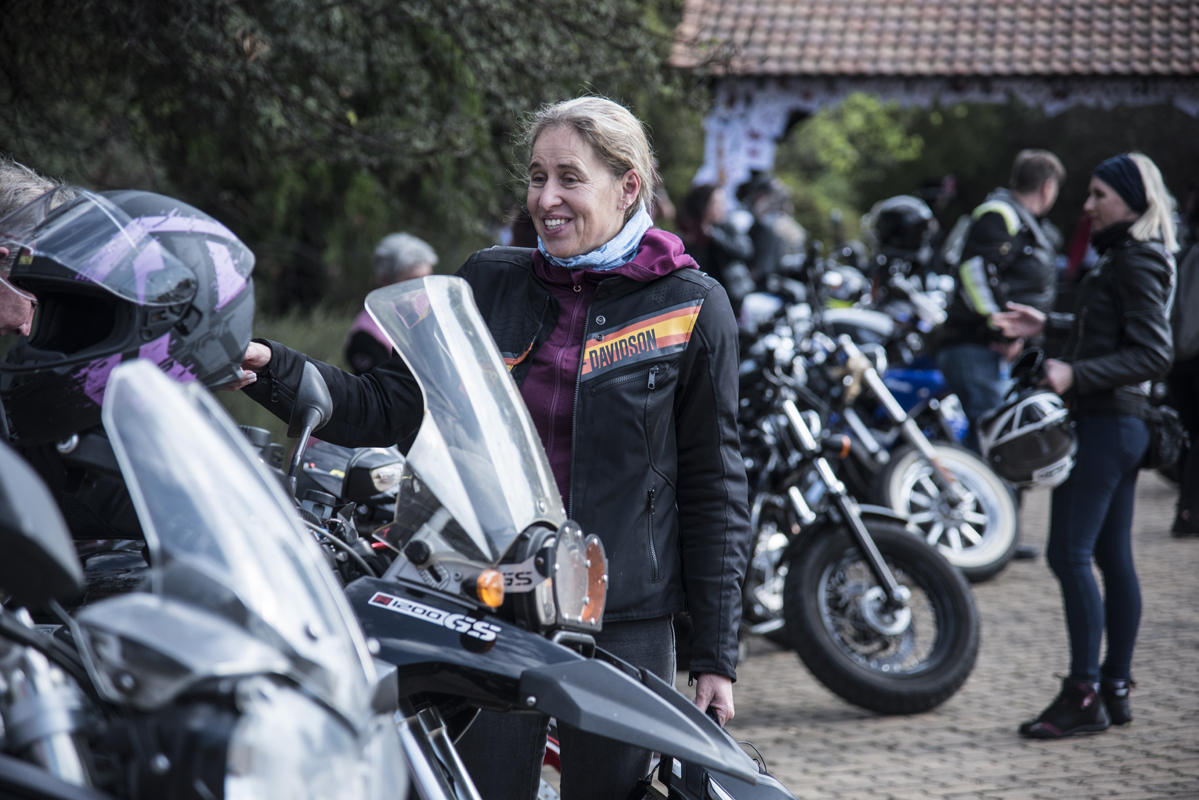
The International Female Ride Day has a successful track record of unifying women across 120 countries around the world. In addition to these serious goals, the IFRD is also about having fun and making friends in a relaxed, enjoyable atmosphere.

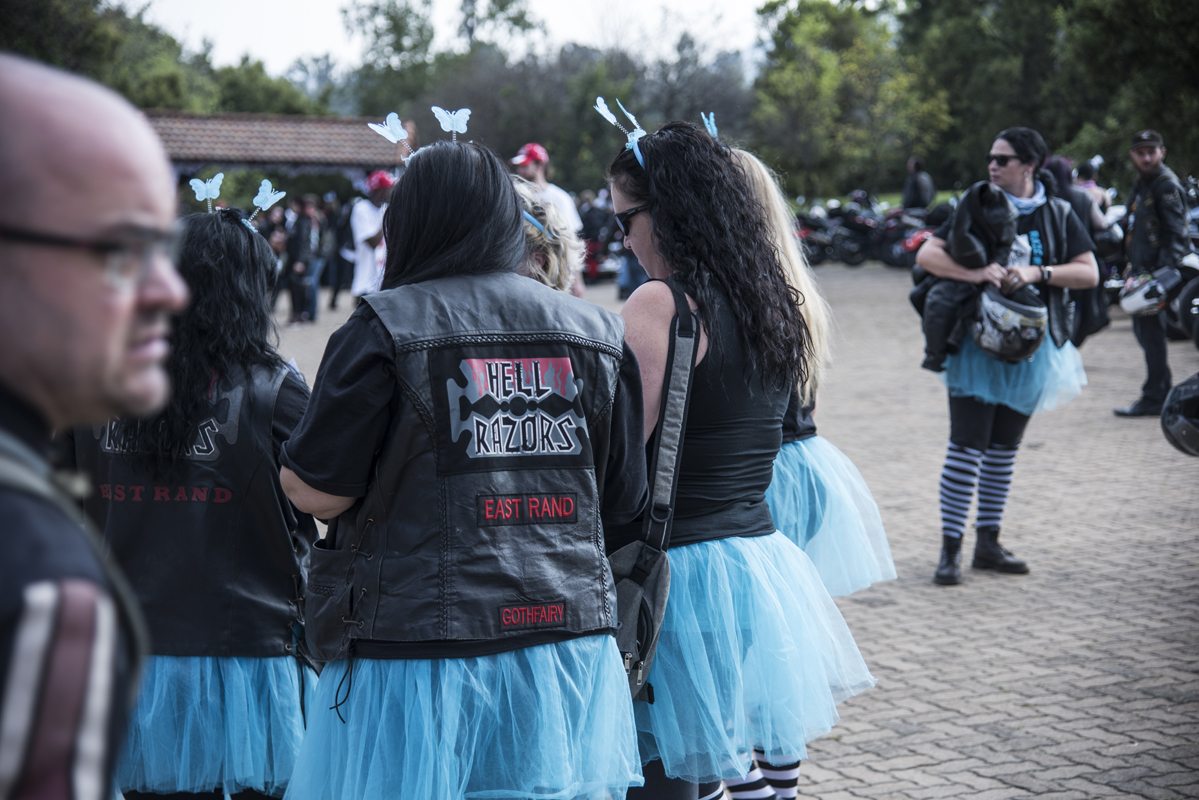
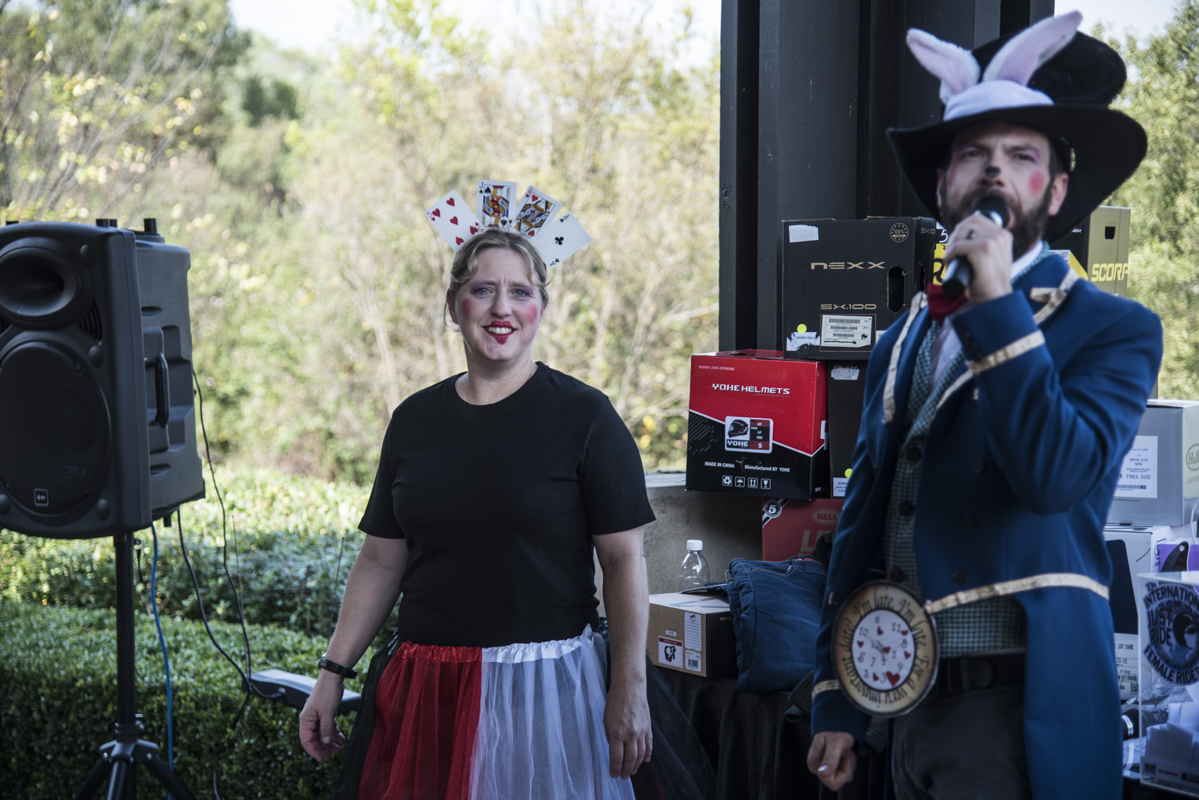
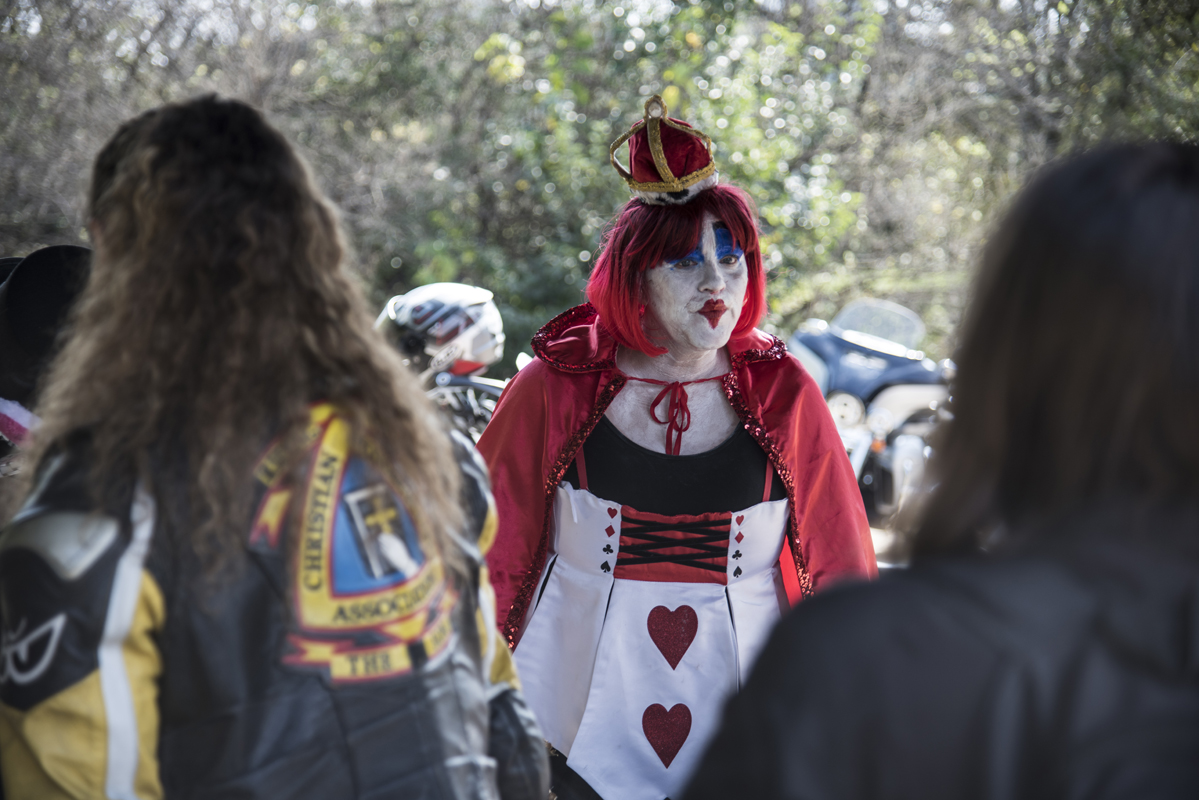
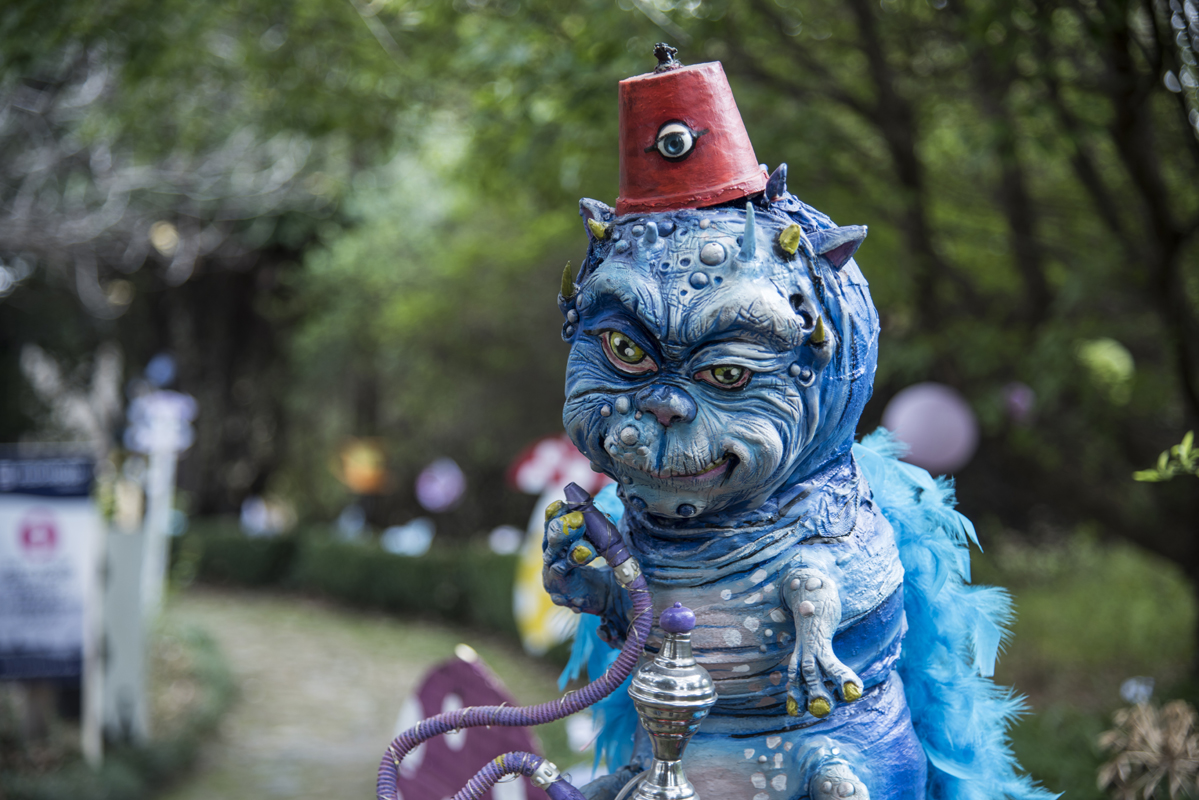
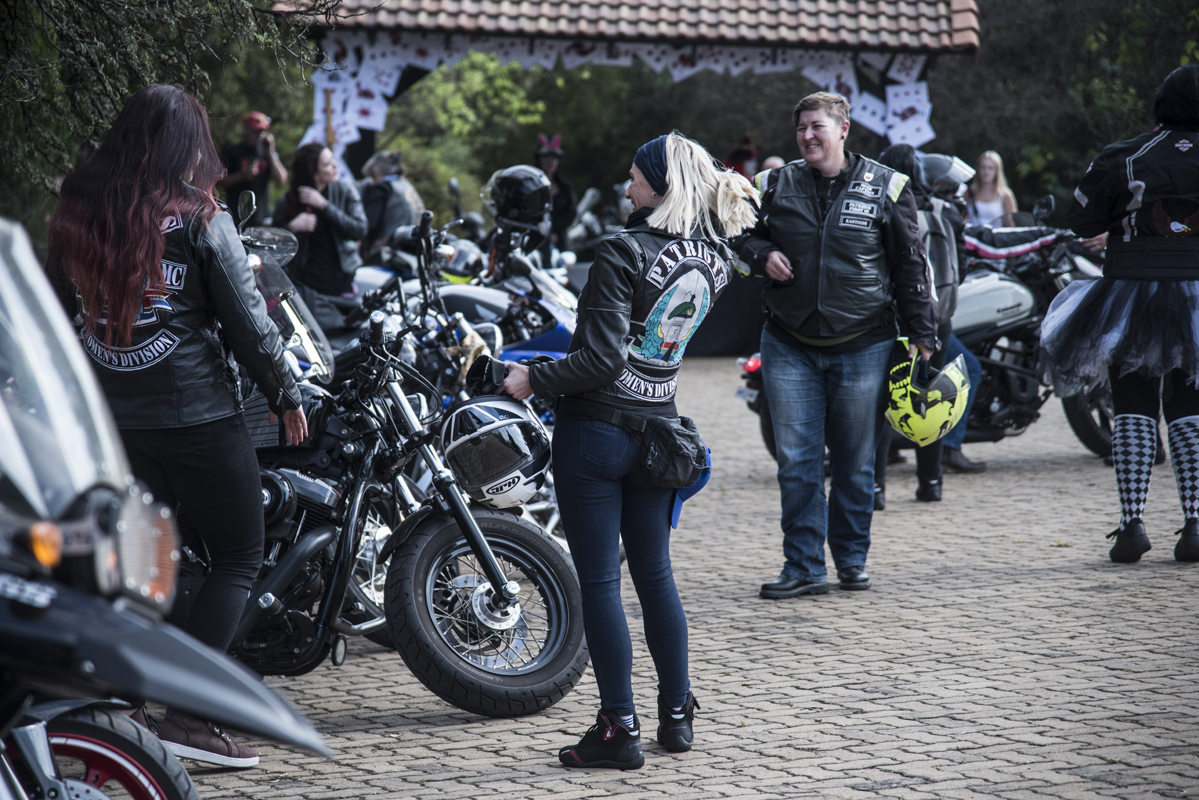
That’s where the Alice in Wonderland theme for this year comes in. The Muldersdrift picnic will be hosted by Alice and her friends, including the Mad Hatter, the March Hare and the Queen of Hearts.

“We’re all about encouraging women to find more reasons to ride, and what better opportunity than a fancy-dress picnic?” commented Kerry Puzey of Biker’s Warehouse, one of the organisers of the IFRD Mass Ride.

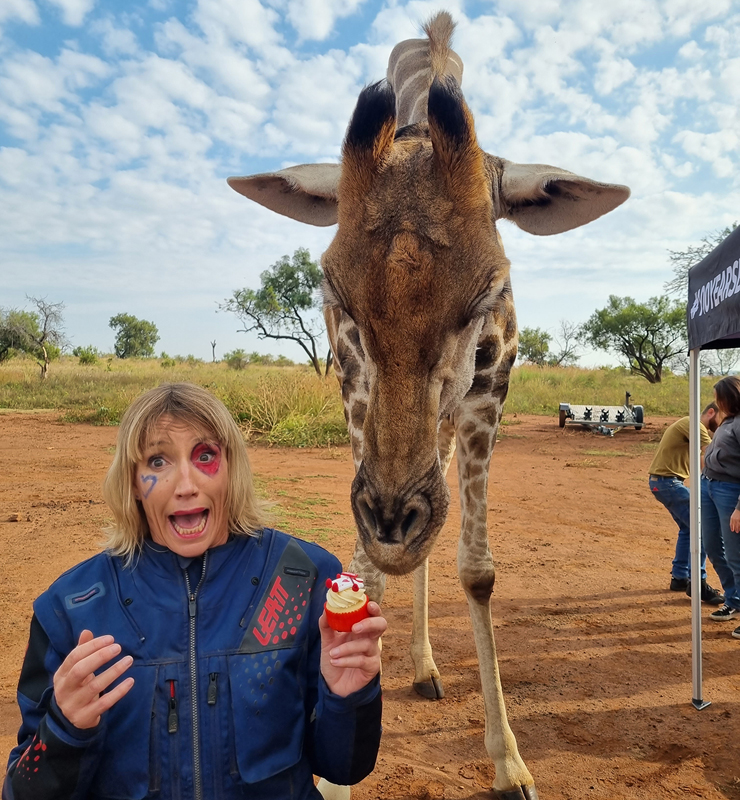
Photo credit: Meredith Potgieter / ZA Bikers

Registration is essential and the R50 fee affords riders participation in the Mass Ride, entrance to the wonderland ‘after-party’, a goodie bag and a picnic hamper. Once you have registered all the details will be shared including route and start point information and you can pre-order awesome IFRD merchandise and your picnic hamper.  If you’re not in the mood for a picnic you can grab a pizza on the day from the Avianto Clubhouse. A cash bar will also be available to quench those parched from the ride.

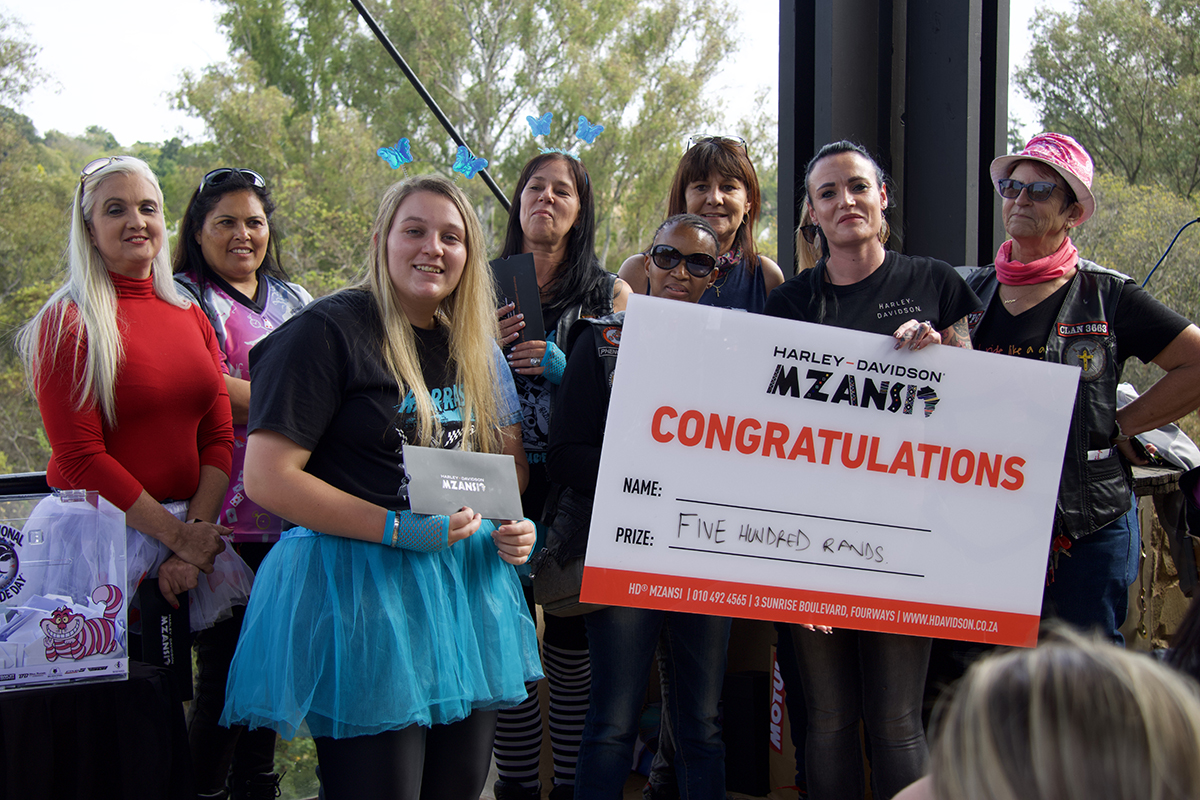
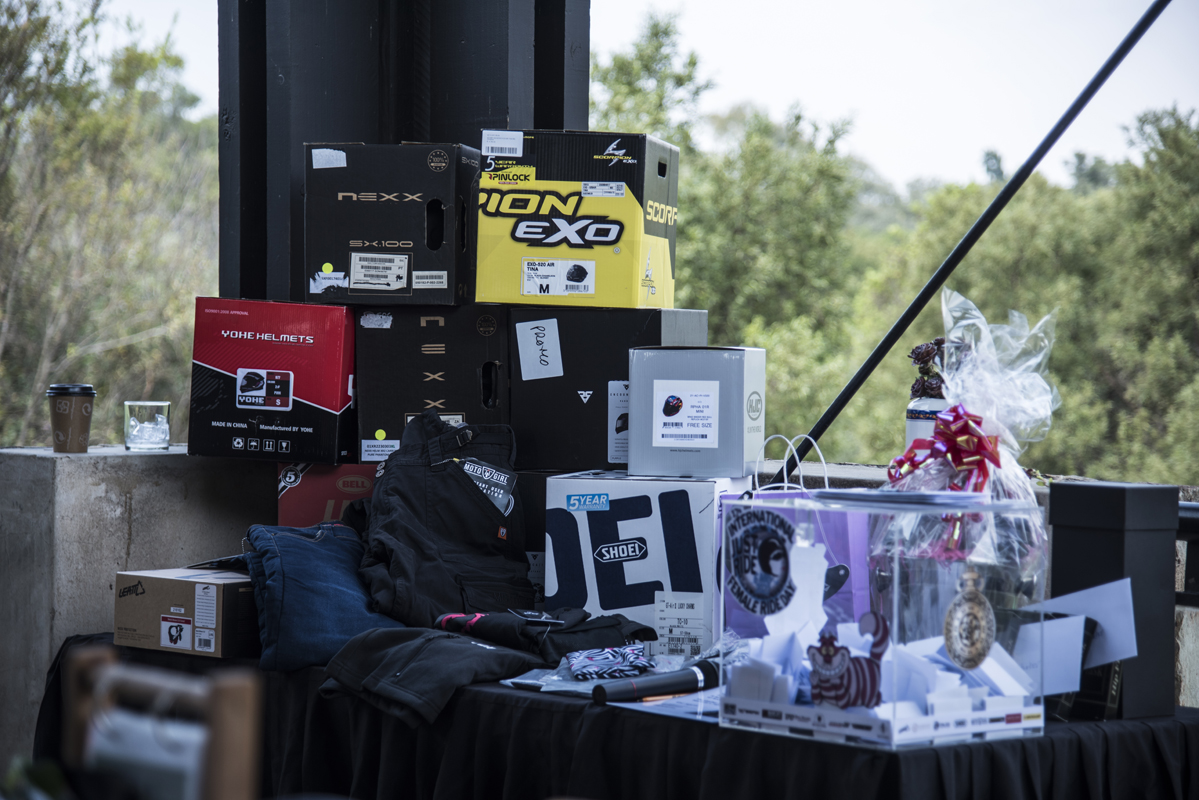
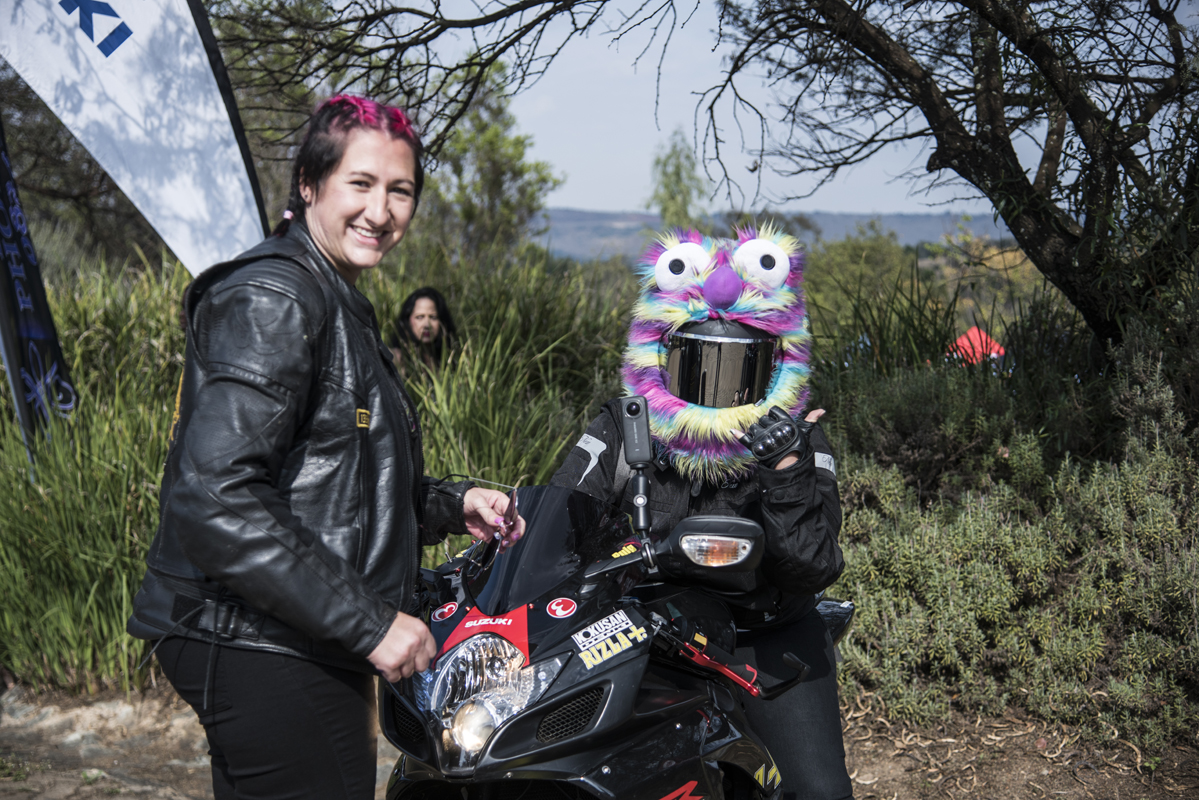
Partners are welcome to participate and dressing up is definitely encouraged, with prizes for the best outfit. There will also be lots of chances to win lucky draw prizes.

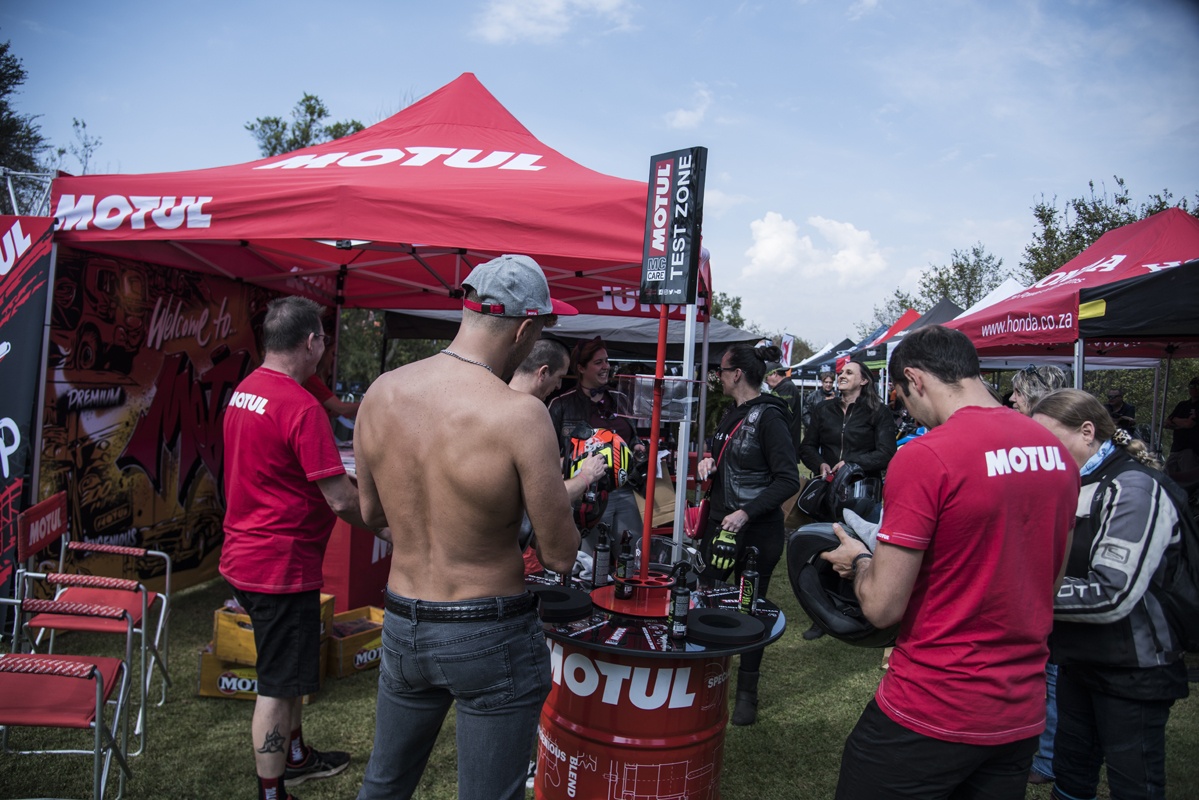
“International Female Ride Day is all about celebrating the growth in female motorcycling, keeping the momentum going and encouraging more women to ride motorbikes and scooters,” commented Mercia Jansen, Motul Area Manager for Southern and Eastern Africa. “I’ll be leading one of the offroad groups myself and doing my bit to encourage ladies to take part. I’m excited for this chance to demonstrate the passion, fun and camaraderie that can be found on two wheels,” she added.

Photo credit: Meredith Potgieter / ZA Bikers

To register for the IFRD Mass Ride and picnic or to learn more, visit www.ifrd-sa.co.za

Share and follow all the fun on social media using #FemaleFocusForward  #IFRDSA and  #IFRDGauteng

To learn more about the IFRD, visit International Female Ride Day – Women’s Motorcycle Ride Day (motoress.com)

To learn more about Motul’s product range and their commitment to encouraging more women to ride motorbikes, visit www.motul.com

Nostalgia – Racing In The 80s

0
Photo credit: Bjorn Moreira / ZA Bikers

Maybe it’s just an age thing when you find your mind wandering back to times gone by. It’s just that living through the bike scene in SA in the late 1970s and early 1980s was truly special. To such an extent that it is hard to even imagine or visualise what it was like. Bike sales were booming. Dealers had the full range of bikes built by their factory on display, so we were spoiled for choice. Roads were billiard table smooth, traffic volumes were virtually non-existent by today’s standards, petrol was 47c/litre and weekend trips to “ET” were regular occurrences. With the industry booming, sponsors were falling over themselves to get a piece of the action. The race scene, for both road racing and off-road racing, was absolutely rocking.

Take a stroll with me back through time as we go back over 40 years and relive one of the great road racing events in SA that played out in 1982. You may then better understand what it was like to ride bikes in the ’80s.

Image source: Superfiets Magazine

It would not be fair to even talk about motorcycle racing in 1982 without honouring a man who was a driving force and made an absolutely massive contribution to motor racing in SA over that period. Bruce Joelson, MD of Elna, the sewing machine manufacturer. Bruce pumped huge funding into motorsport and motorcycle racing in particular. He was the title sponsor for the Elna Superbike International, held at Kyalami on the 3rd of October 1982.

The day’s programme was across five classes. Formula 1 (Modified Superbikes), Unlimited Superbikes, 750 Class, 550 Class and 250 and 125 Racing Class. The International Unlimited Superbike riders team was comprised of Peter Clifford (Britain-Suzuki), Kork Ballington (SA-Kawasaki), Joey Dunlop (Ireland-Honda) and Ron Haslam (Britain-Honda). 750 Class International riders were Gustav Reiner (Germany-Yamaha), Jeff Sayle (Australia-Kawasaki), Jon Ekerold (SA-Yamaha). 550 Class International riders Mick Grant (Britain-Ducati Pantah).

Image source: Superfiets Magazine

Local aces taking on the International stars were, in Unlimited Superbikes, Mike Crawford, the newly crowned SA Superbike Champion (Honda), Rod Gray (Honda), Dave Petersen (Suzuki), Brett Hudson (Kawasaki). 750 Class riders were SA Champ, Ant Fourie (Kawasaki), Roy Minster (Honda), Frans Maritz (Suzuki) and Keith Petersen (Ducati). 550 Class was Kevin Hellyer (Kawasaki).

Taking a closer look at the bikes. The Superbike Honda’s were the CB1100Rs, which were really factory-built production race bikes. The Honda came standard with a half fairing which, whilst great for the road, actually slowed the bike down as it was not great aerodynamically, so they got chucked off for racing. Honda later fixed this with the fully faired RC and RD models. Kawasaki responded with their Moriwaki-tuned KZ1100 JR, a wickedly quick modified successor to the Eddie Lawson Replica.

The Suzuki of the day was the 1100 Katana, enjoying its first race outing. The big Kat came in two variants. One with cast wheels and cv carbs, the other a homologation special with special light wire wheels and smooth bore carbs. We knew how to bend the rules in the ’80s, haha. 750s were Honda CB750Fs, Suzuki GSX 750s and Yamaha XJ750s, the only shaft-driven bike in the field. The giant killer of the 750 class was undoubtedly the strong and good-handling Ducati Pantah 600. Suffice it to say no street Pantah could run with a Jap 750. On the racetrack, it was a different story. Ricardo Frisoli, the Chief technician at Continental Motorcycles, the Ducati Importer of the day, prepared the Pantahs. Ricci knew just how to make those little Duc’s work.

Image source: Superfiets Magazine

Formula 1 gave you the freedom to pretty much mod to your heart’s content with the only restriction being not increasing engine size. Joe Van Altena, or JVA as he was known, dominated this class on a bike that he prepared himself. Known as “the JVA Special”, it was a fully faired 1100 Kawasaki which had a serious turn of speed. The Formula 1 race was first up, with the field spiced up by some of the international riders on their Superbikes. In truth, it was a one-horse affair, with JVA clearing off from the start and disappearing into the distance, setting a new lap record of 1 min 33,56.

This event ran on the “old” Kyalami circuit. The track ran clockwise as opposed to Kyalami as we know it today. “Leeuwkop” was the corner which was at the highest point of the circuit and preceded a run down a straight, through “the kink” and over the start/finish line and downhill to “Crowthorne” corner, a right-hander. To get some perspective on speed, a well-tuned Kawasaki Z1 would run around 200 km/h, at best, down the straight. JVA’s “Special” by comparison, blitzed the straight at a phenomenal 253,06 km/h during the Formula 1 race.

Image source: Superfiets Magazine

The bike obviously made wicked power but was also aided by a comprehensive full-fairing. Not too shabby for 1982! The bike was immaculately turned out in Kawasaki factory racing green and blue livery. Dave Petersen’s spanking new Shell Suzuki Katana finished in second spot, with the big Kat managing a respectable 239,79 km/h top end. Blue Stratos rider Brett Hudson, who started the race from pole, slotted his Moriwaki Kawasaki Z1100 into third after a race-long scrap with Dave. The Kawi howled down the straight at an impressive 238,02 km/h. Dave Wooley, on his stock Honda CB1100R, finished in 4th, with the Honda clocking a respectable 237.40 km/h.

Image source: Superfiets Magazine

Other interesting entrants were Keith Zeeman, on a fully faired Laverda Jota. The Italian triple sounded very different to the triples we have today, sounding almost “off-song”. It had a decent turn of speed though, clocking 246,6 km/h, right up there with the best of them. Keith brought the Jota home in 5th place.

Now here is another interesting thing about racing in the ’80s. The fields were huge, indicative of a booming motorcycle industry and a vibrant economy. 32 motorcycles lined up for the Formula 1 race. In fact, numbers had to be restricted by only allowing riders who qualified within 110% of the man in pole position to be able to enter the race.

Image source: Superfiets Magazine

The International Unlimited Superbike class had 24 riders line up for the start, the 750 class 34 and the 550 class 24. Even the 250 and 125 Racing classes had 15 bikes entered. A variety of Yamaha TZ 250s and 125s as well as a couple of Honda 125s and a solitary Spondon Rotax. The faster TZ 250s and the Spondon were good for over 226 km/h, with the fastest 125 by far, at 183,55 being Curly Elliot’s Honda. Not surprising perhaps considering that Curly was the technical boss at Honda SA.

Next up was the 550 cc Class and what a cracker it was! Robbie Petersen on his Kawasaki GPz550 smoked off the line and into an early lead. It quickly became a family affair as his big brother Keith soon assumed the lead on his debut ride on a Ducati Pantah 500. Making the most of the superb handling and braking ability of the little Bologna Bullet, Keith simply disappeared out of sight. It wasn’t long before the podium got closed down as a Ducati benefit, with the two Richards, Porter and Prince moving into second and third respectively. John Sneesby on a Laverda Montjuic finished in fourth, making the first four bikes an Italian affair ahead of “the Italian Dutchman” Mario Rademeyer, on a Yamaha XJ550. Kevin Hellyer on a GPz550 edged Robbie Petersen into the 6th spot, with the first International rider, Mick Grant, finishing 8th on his Ducati Pantah.

Image source: Superfiets Magazine

The 750 Class race was keenly anticipated, with some top International riders in the fray. Two laps into the race and it was again the star of the day, Keith Petersen on a 600 Pantah who smoked the field. To best understand how handling and braking trumps horsepower, is to note the top speeds recorded by the leading riders. Australian Jeff Sayle, who finished second to the flying Petersen, recorded a top end of 212,89 km/h on his Kawa Z750, whereas Keith could only coax the Pantah to 202,07 km/h. Despite this top-end deficit, Petersen managed to ride away from the field and clinch a convincing win. Another Aussie, Rob Phyllis, bagged 3rd on his GSX 750 Suzuki, pipping local ace Rod Gray into fourth.

The 250 and 125 Racing class would probably have gone to Keith Petersen, had he not sold his TZ shortly before the race to Robert Larney, who brought the ex-KP TZ home in 3rd. The rampant winner was Kevin Hellyer, also a race bike specialist, ahead of Mario Rademeyer in 2nd. Curly Elliot beat all the 125s and a few TZ 250s to win the 125 class and record 8th overall. Now it was on to the big race, the Unlimited Superbike race with the top Saffers lining up against some of the best riders on the planet. Would Mike Crawford, who had already clinched the SA Champs in this class prevail, or would the likes of “Rocket” Ron Haslam or Joey Dunlop strut their stuff and show him the way around?

Image source: Superfiets Magazine

Rod Gray led for the first three laps on his big Honda CB1100R, despite Brett Hudson passing the Honda down the straight, only for Gray to out-brake the Kawasaki Z1100 JR into Sunset, resuming the lead around the back of the circuit. Dave Petersen on the new Katana, which was literally only uncrated two days before the race, was giving an incredible account of himself. He was circulating in third ahead of Dave Wooley from Mike Crawford, who was, in turn, struggling to hold off Brit Mick Grant on a quick JR Kawi. Dave Woolley was having the ride of his life. On around lap 8, he assumed the lead and it was game over. The two Natal boys, Woolley and Gray took their Honda’s home in 1st and 2nd with Brett Hudson on his JR in 3rd. Dave Petersen brought the Katana home in a very creditable 4th with the National Champion Mike Crawford in 5th. The best of the International riders was next, with Ron Haslam on his Honda ahead of Mick Grant on his JR.

All of this excellent day’s racing played out before a crowd of around 60 000 cheering spectators. Can you imagine the buzz around the circuit as drama upon drama unfolded? For weeks before and after the race every biking conversation was dominated by this spectacular event. I am certain that many sales followed these races as “what wins on Saturday gets bought on Monday”.

Image source: Superfiets Magazine

Standout performances, with the wisdom of hindsight, were that of Keith Petersen and his brace of Ducati’s and obviously the SA boys who thrilled their fans by dominating the International and showed the International stars a clean pair of heels. Looking back at these results from 1982, I am gobsmacked to see how rapid the bikes of that era actually were. True speeds in excess of 235 km/h, as recorded by the quicker 1100s, are really fast considering that they would be indicating around 250 km/h, on a racetrack and that on “naked” bikes. I remind you guys that this was 41 years ago!

Ducati was serving notice of incredible race results to come, especially in the hands of Robbie and Keith Petersen (who incredibly sadly would lose his life racing a Pantah at Kyalami). Again, with the wisdom of hindsight, we see how the Italian factory has dominated World Superbike racing for years and now is doing the same in MotoGP. It is hard to imagine what the motorcycle racing landscape will look like in 40 years time, but I cannot imagine that it can in any way trump the amazing ’80s.

Image source: Superfiets Magazine

As a parting shot, consider for a moment what we paid for bikes back in 1982. I know that our salaries were a fraction of what they are today, but somehow bikes seemed so much more affordable back then. A Honda CB1100 R could be had for R6 500, a Kawasaki GPZ1100 GP – R4 795 and a new Suzuki 1100 E a mere R4 399. At the other end of the spectrum, a C50 Step-through Honda would set you back R595. The most expensive BMW was their R100RT at R6 650. The legendary Yamaha XT500 retailed for R2 385. Given what good examples fetch today, it would have been worth buying a few as an investment to sell still crated. Boy, is it not great to dream? Those were heady days indeed!

Image source: Superfiets Magazine

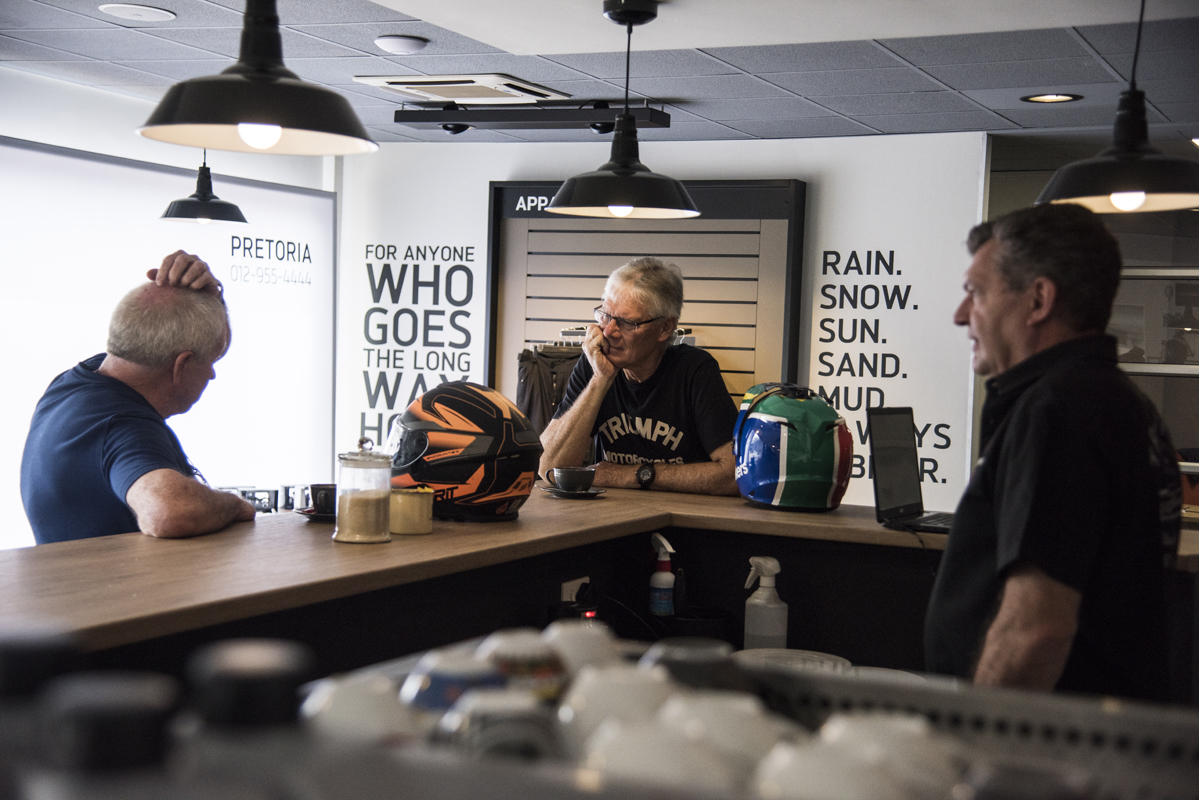
Triumph Cape Town lifts the curtain on their new Triumph Black showroom

Photo credit: Wes Reyneke / ZA Bikers

I’ve just bought a pre-owned Triumph Bonneville; a 2011-model with frighteningly low mileage and a price tag I could afford. As is customary with any bike purchase, the process of buying it was rife with visits to the place I bought the bike from: Triumph Cape Town.

Why does that matter? Because it means that I was one of the lucky few to bear direct witness to the process that any shop (or home) owner dreads—renovation. I saw the floors ripped up, walls knocked down, and owner Jörg Vogel’s tangible dismay at having to constantly battle an unending stream of dust.

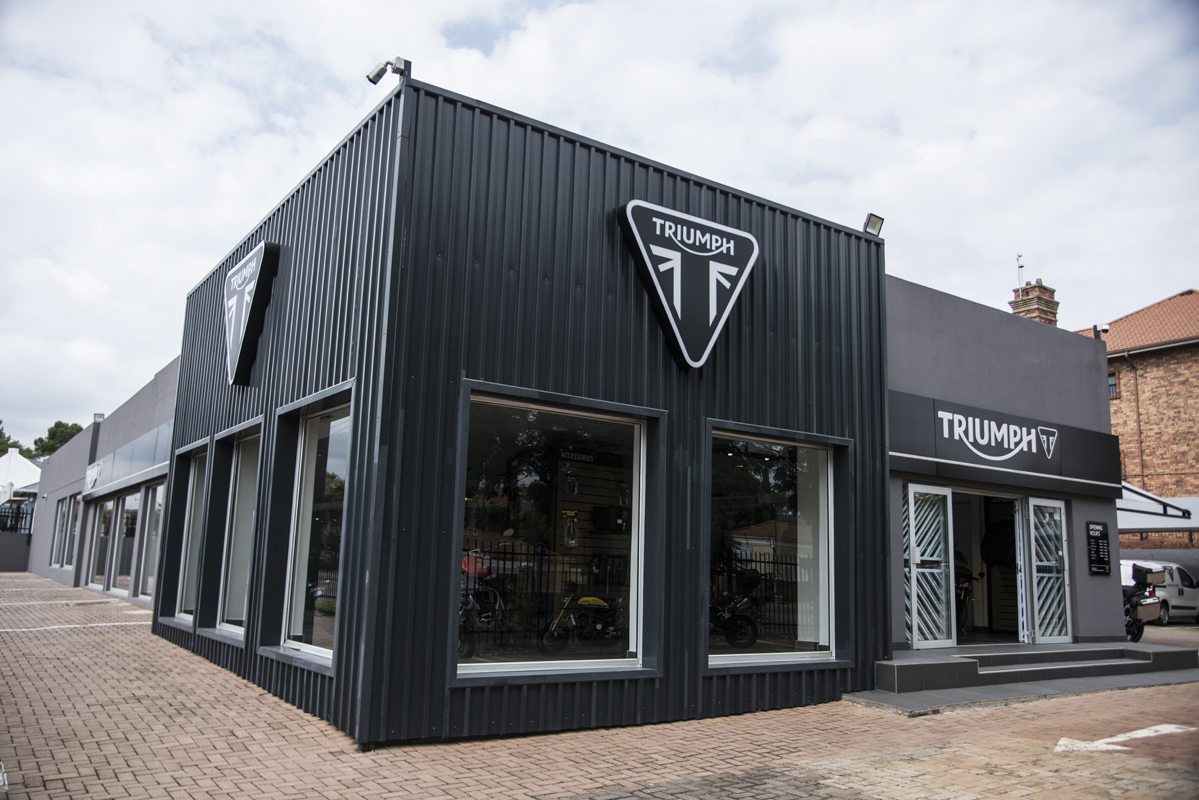
But it was all worth it in the end. Triumph’s new Cape Town showroom is slick and spacious, but also sort of warm and homely. And it’s doubled in size, too.

Photo credit: Wes Reyneke / ZA Bikers

Let’s rewind for a second. Triumph Cape Town’s story really starts in 2005, when German-born Jörg realised that the best way to see South Africa is from the back of a motorcycle. That prompted him to launch Cape Bike Travel—a motorcycle rental company that’s still in business today, 18 years later.

But by 2012, CBT had become too big to run out of a garage. That’s when Jörg moved the company to a new location, at 125c Buitengracht Street in the Cape Town CBD. Business continued to go well, and Jörg eventually took over the shop next door as well.

Meanwhile, Triumph did exist in Cape Town—but under the stewardship of the importer at the time, Kawasaki Motors South Africa. Anyone around back then remembers Mike Hopkins, and his cosy Triumph/Kawasaki shop in Bree Street.

Photo credit: Wes Reyneke / ZA Bikers

Mike Hopkins Motorcycles had a journey of its own. Mike eventually sold the business, which then moved to a prime location in Harrington Street, just off Roeland Street. The shop moved a couple more times, merged with another dealership, and now resides in Cape Town’s Northern Suburbs.

But in 2017, Triumph UK decided to tighten up their global branding directives—and putting their bikes alongside other brands in showrooms was off the table. KMSA were an unfortunate casualty of the changeover, and so Triumph UK needed a new custodian of the brand in South Africa.

The newly formed Triumph South Africa officially launched on 1st of March 2018, headed by Bruce Allen. I can say with confidence that Bruce is one of the most genuine human beings in the South African motorcycle industry today. It’s a little-known fact, but he only started riding motorcycles when talks first began to take over the brand (his rationale was that he can’t very well sell motorcycles if he doesn’t ride them himself). Now he rides daily.

Photo credit: 2 Jacket Productions

The handover wasn’t without its wobbles. Bruce knew he had to start small to re-establish the Triumph brand, so he distilled the operation to one showroom, located in Johannesburg. The existing Triumph dealerships were kept on as official service centres for a period, and some of them held demo fleets—but any new business was being done in Jozi only.

Cape Town-based customers could still get their bikes serviced at MHM, and could order new bikes from the mothership upcountry. But that’s not the same as having a dedicated dealership in your home town.

That’s where Triumph and Cape Bike Travels’ stories collide. By 2020, Bruce could no longer put off the idea of opening a Cape-based dealership. After much searching, he realised that Jörg’s shop was the perfect base of operations, and the two struck a deal.

Photo credit: Wes Reyneke / ZA Bikers

Jörg converted half of his premises into a Triumph showroom, and dedicated the other half to the workshop and his rental business. But there was a catch—as soon Triumph Cape Town reached a steady annual sales figure of 75 bikes a year, the showroom would need to be upgraded to conform to Triumph’s global ‘Triumph Black’ identity.

Bruce and Jörg estimated that this would take three or four years to achieve… but two years down the line, Triumph Cape Town were already 20% over the mark. And that brings us to their recent renovations.

After three months of dust, sweat and tears, the new Triumph Cape Town ‘Black’ showroom officially opened this past Friday. It’s no longer a split shop either—since the CBT rental fleet is now all-Triumph, Jörg decided to break the dividing walls down and reconfigure it as one big shop. And it paid off.

Photo credit: Wes Reyneke / ZA Bikers

The new showroom is a stunner, and a far cry from your typical dingy bike shop. The branding is clear and crisp, and the finishes are modern without feeling stale or clinical. Black and wooden finishes are sprinkled throughout, while the few closed offices there are enclosed in glass.

A boardroom table sits at the centre of the shop, right next to a coffee counter that’s adorned with historic Triumph imagery. The coffee is free, as is the WiFi. It’s surrounded by sales desks, motorcycles, clothing and accessories, and an easily accessible parts and service counter.

Photo credit: Wes Reyneke / ZA Bikers

To celebrate the opening, Triumph Cape Town hosted a little shindig for customers, friends and the press. It was a typical food-and-drinks affair, punctuated by speeches from Bruce and Jörg. But what really stood out, was the sense of pride and excitement exhibited by both men.

Jörg was so emotional, in fact, that he actually pre-recorded his ‘thank you’ messages to Triumph, his family and his eight-strong team, because he wasn’t sure he’d be able to get through them otherwise. I’m not sure he imagined when he first opened his rental business, that he’d still be doing it nearly two decades later—while also representing a brand that’s 120 years old.

Photo credit: 2 Jacket Productions

As for me, I know where I’ll be getting my Bonneville serviced in the future.

Adventure Demo Day with TRAX MOTO

Photo credit: Bjorn Moreira / ZA Bikers

We are starting to see more of these types of events, possibly more than ever, with most motorcycle dealers beginning to host their own events, outrides and get-togethers. With KTM arguably growing into one of South Africa’s top lifestyle brands we have seen how the orange rider is now spoiled for choice, especially when faced with the decision of where and what to ride. We think the biggest positive that comes with it, is that riders have never had it this easy to join an orange group on the weekend or during the week. This is thanks to an array of KTM dealers spread across the country, sharing their passion and driving their own events.

Photo credit: Bjorn Moreira / ZA Bikers

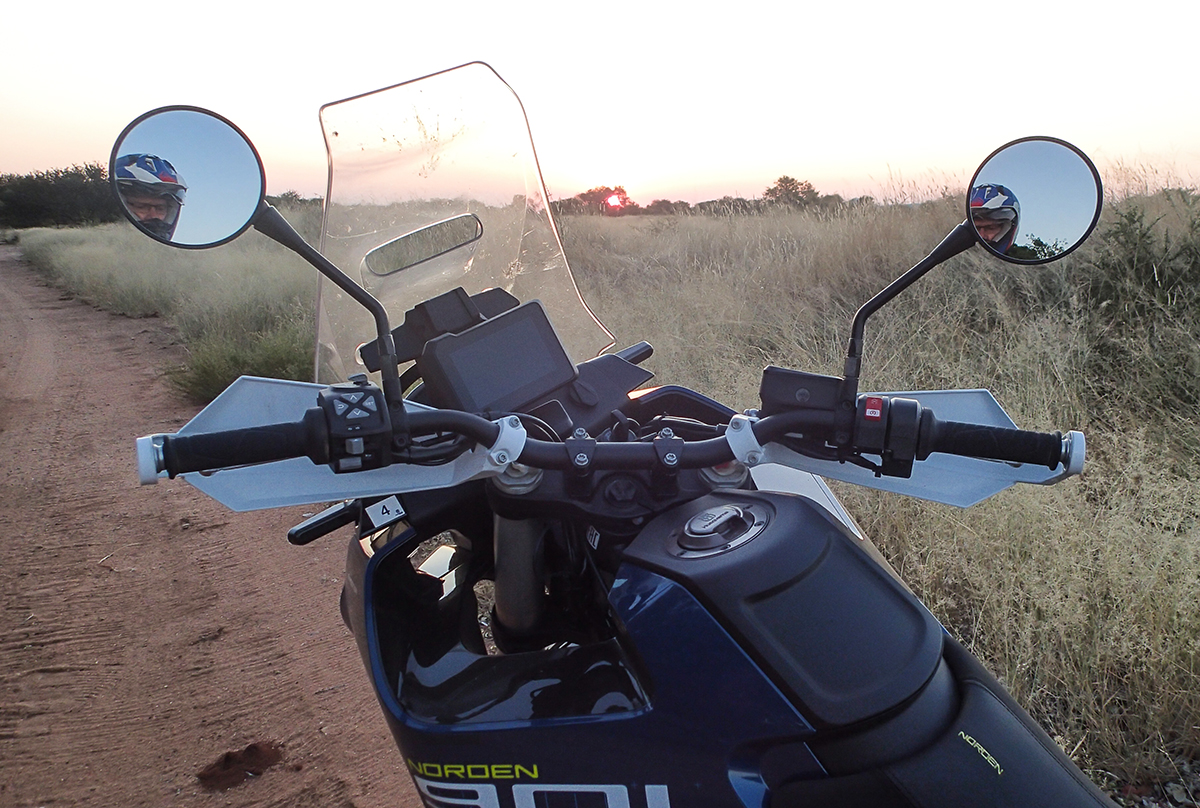
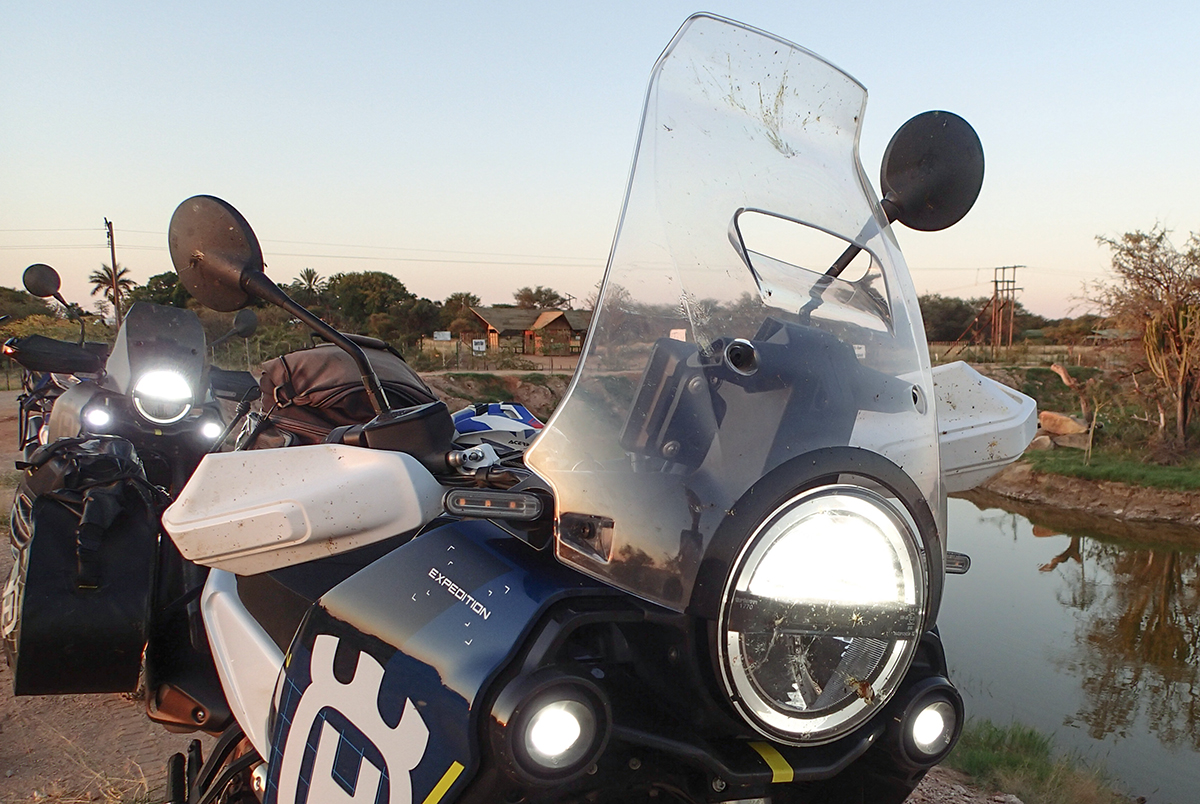
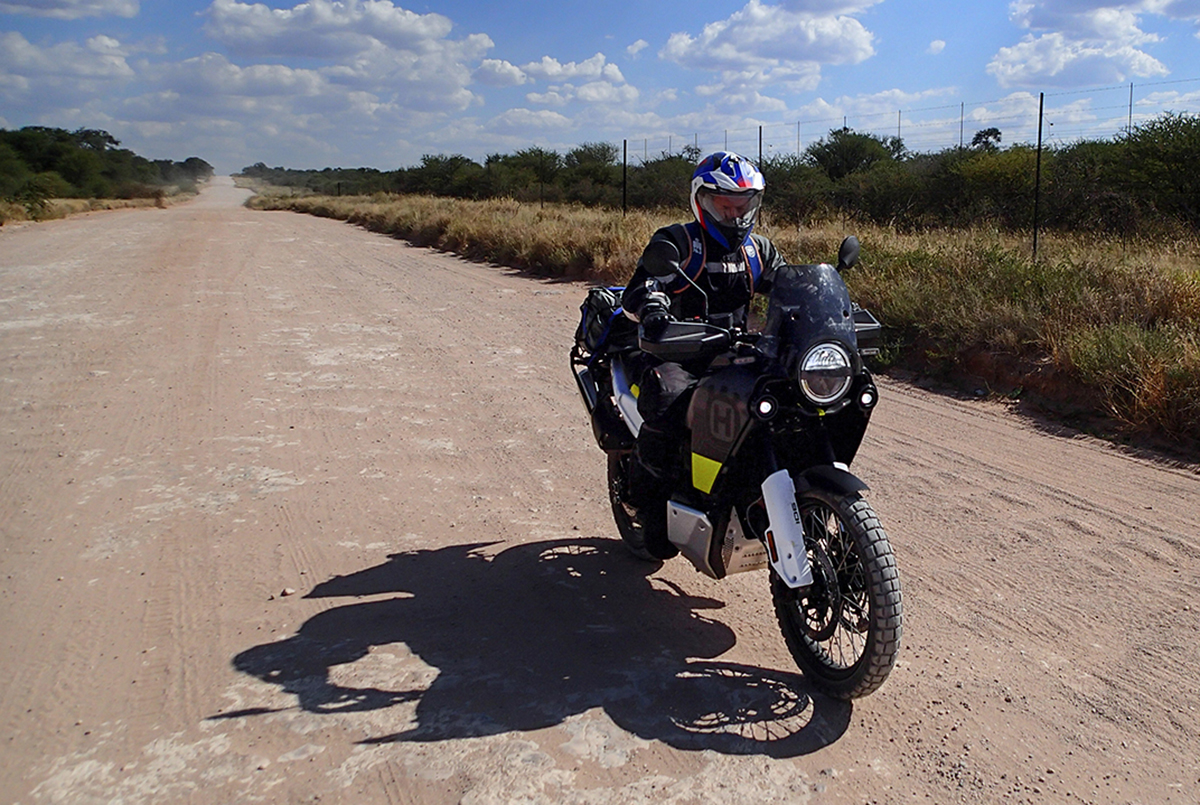
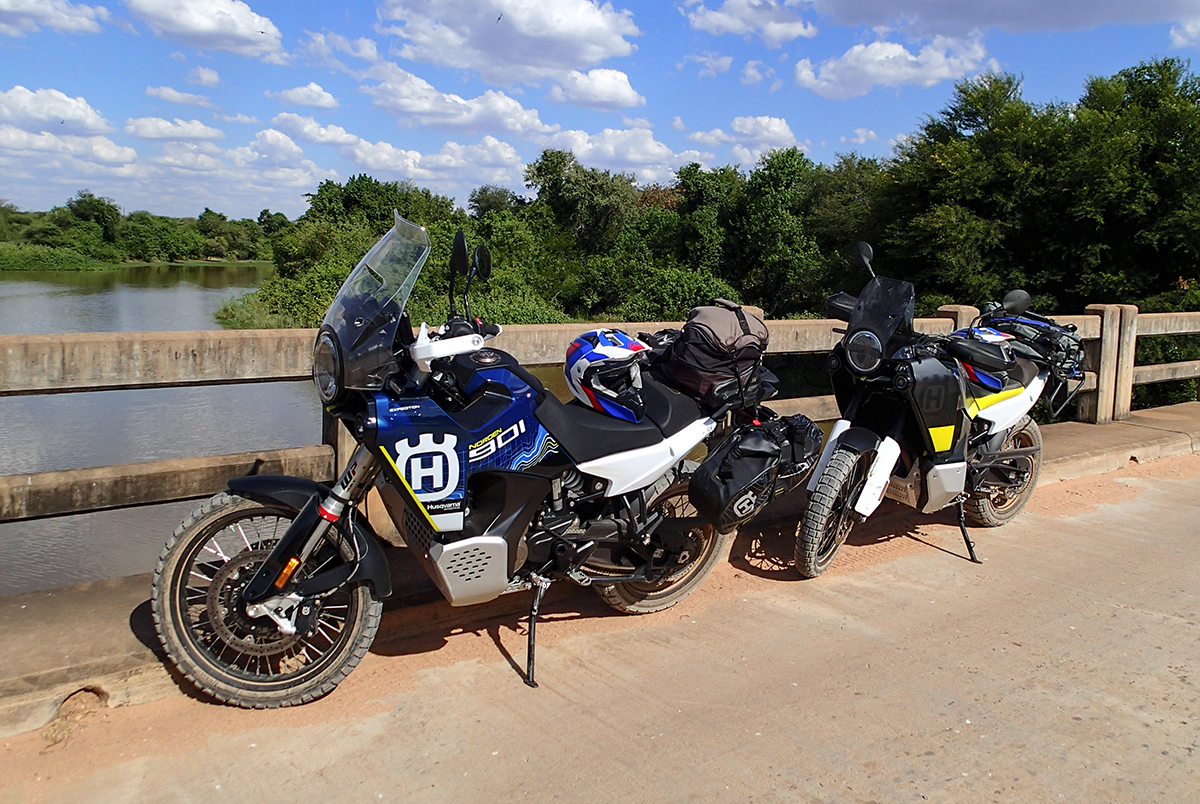
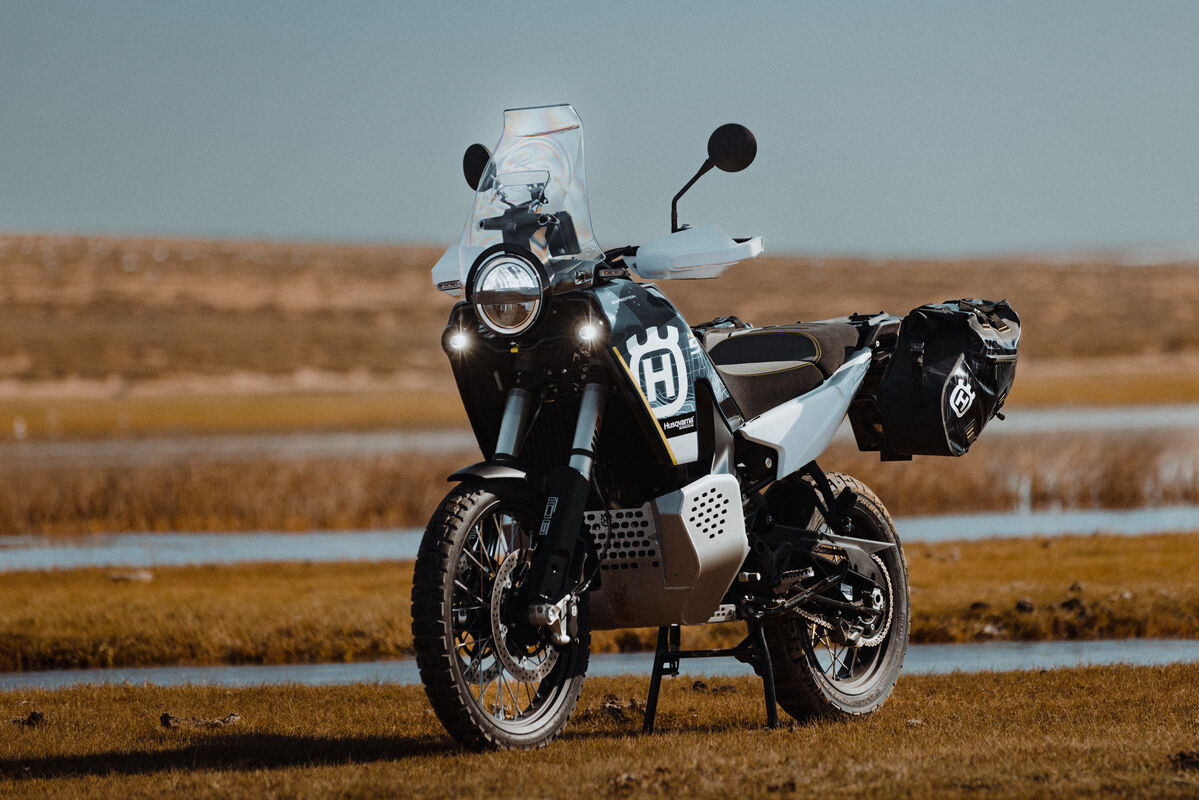
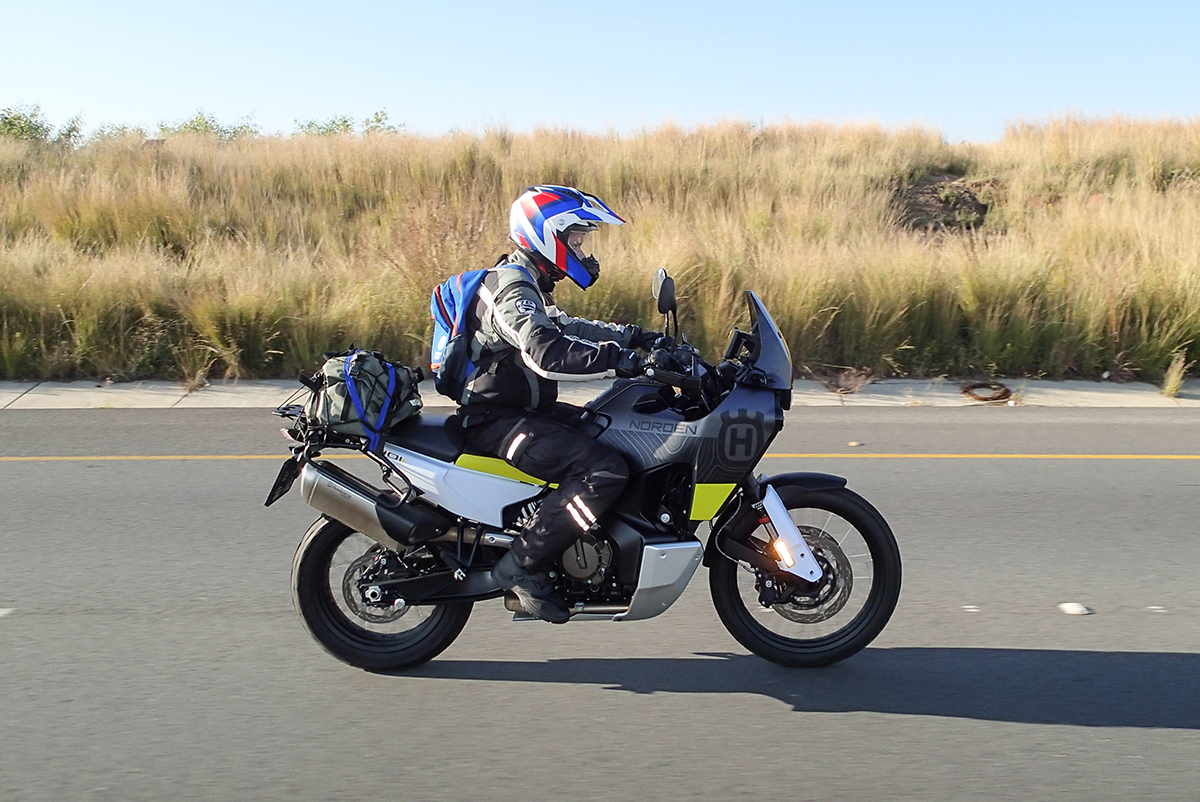
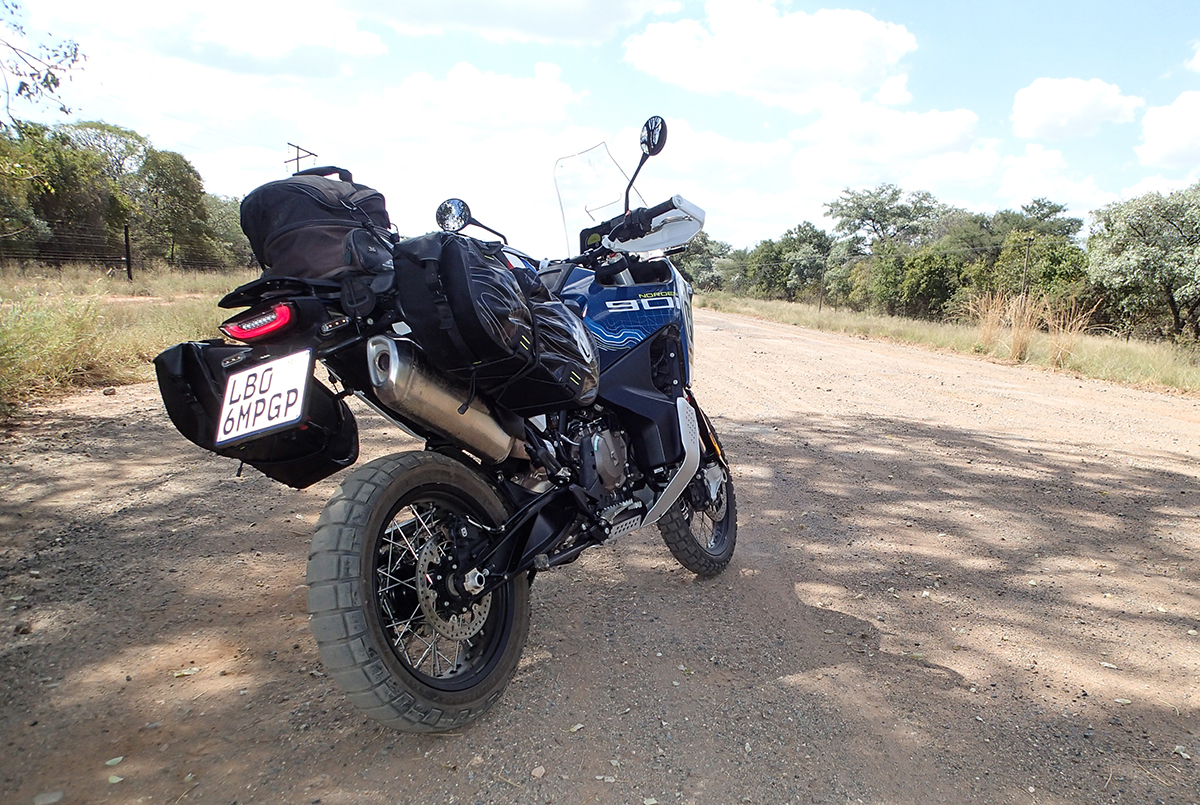
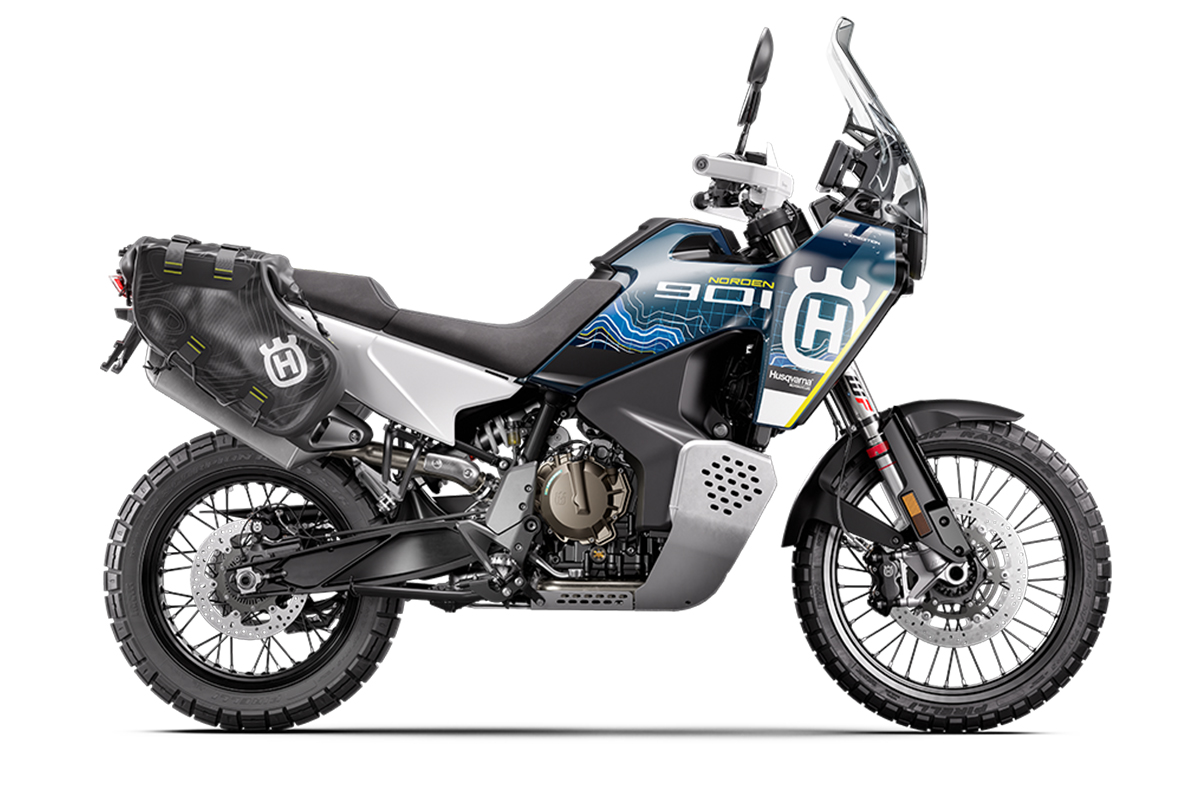
With orange, red and blue blood flowing through their veins and with the craving to ride already set within their DNA, TRAX MOTO organised an adventure demo day for their loyal customers and adventure riders to experience some of the bikes only buyers and the lucky press get to ride. When you’ve got an adventure range starting from the all-new KTM 390 ADV, 690 Enduro, 890 Adventure R, 901 Norden and the 1290 Adventure R, what more could you ask for? Riaan Koen (Owner of TRAX MOTO) wanted to go one further. Let me elaborate…

Photo credit: Bjorn Moreira / ZA Bikers

After Husqvarna’s recent international and local Norden 901 Expedition launch, Riaan and Jeff (head of sales) decided to finish up early with the dealer conference and got their demos back before anyone else. Yes, before we as journos could even give you the lowdown, TRAX had them on demo this past Saturday. This is typical of Riaan and his team, a passionate bunch of riders who want the local market to get their food while it’s still hot.

Photo credit: Bjorn Moreira / ZA Bikers

Even with the rain being present on Saturday, this did not stop the majority (21 odd riders) from showing up on the day, to tease their wallets with the line-up of motorcycles. Their range really suits a wide demographic of riders and that was seen this weekend with young, middle age and legends all smiling and getting their knees dirty whilst eyeing all that’s new for 2023. With ignitions constantly turning on, riders were met with a typical warm V-twin, Parallel-twin and big bore thumper welcome, before going on a short route out and around the Silver Lakes area.

Photo credit: Bjorn Moreira / ZA Bikers

With riders pulling in after their demo ride, they were greeted with some warm cups of coffee, cold drinks, boerewors rolls and good old bike talk. As mentioned above, there were just over 21 riders on the day, but with that came many spectators. Most had their eyes on the newcomer dressed in its blue and white livery, a bike born to head up north. Talking about “north,” one of TRAX’s clients just purchased a new Expedition and is planning on riding up north through Africa to arrive at his final destination in Sweden called Huskvarna, the birth town of Husqvarna motorcycles. How cool is that!

Photo credit: Bjorn Moreira / ZA Bikers

Sometimes all it takes is visiting your local dealer, going on a demo ride, chatting with mates or even just catching a whiff of adventure like the trip through Africa, to ignite your future adventure—that’s what it’s all about.

So, there you have it, if you find yourself twiddling your fingertips and don’t know where to ride or what to do, keep an eye on your local KTM’s events page or follow our Biking Events calendar as we try to update you on all the local rides and events that are taking place throughout the year.

MotoGP 2023: Portimao – the Beginning of a New Era

0
Image source: MotoGP

There is little that can compare to the anticipation and excitement that accompanies the beginning of a new season of MotoGP. From the moment that the very first wheel turns in Free Practice 1, the clouds lift, the sun comes out and all is right with the world. At least it is in our – the spectators’ – world. I’m not so sure it is the same for the competitors or the team personnel.

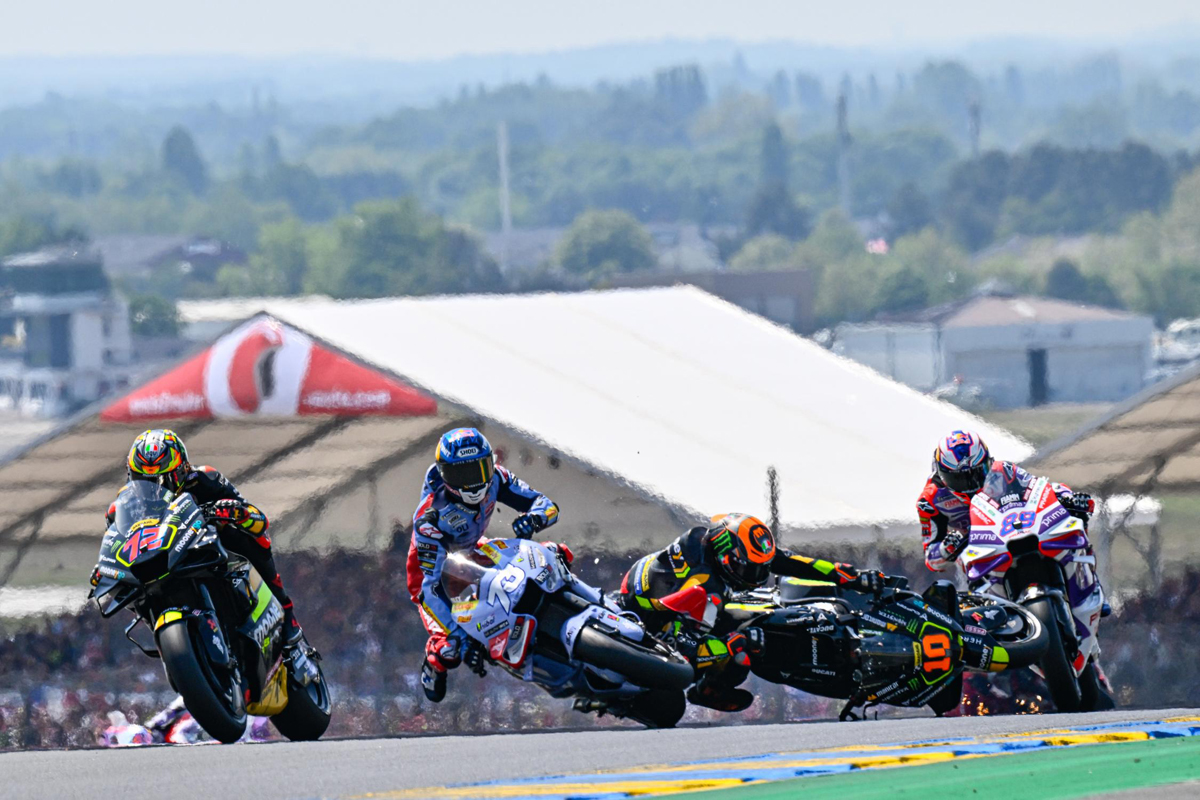
While the Sprint Race format is destined to give us more race entertainment, it also gave us a lot more action than we have been accustomed to seeing over a race weekend in recent years. Such was the no-holds-barred action in those frantic twelve laps at Portimao, which is likely to be repeated at other rounds, that it is easy to fear for the general health of the riders: when they are fighting that hard, well, that’s when things happen and there’s no time to see how a race is developing before attacking: they’re doing that from lap one. This time it was Bastianini who was in the wrong place at the wrong time as he was skittled out by Luca Marini, suffering a broken shoulder blade and forcing him to miss the main race and, in all likelihood, the next round in Argentina.

Image source: MotoGP

Ironically, despite the intense action, it was the race on Sunday that proved to be the more dangerous, leaving two further riders – Marquez and Oliveira – out of the race in Argentina in a week’s time, to add to Pol Espargaro who suffered a horrendous crash in Free Practice, leaving him with a lot of healing to do.

But the pressure on teams and riders is becoming intense from the moment the pit lane opens for FP1. With the gaps between riders so close, every minute advantage must be sought and there’s no longer time for getting your eye in or waiting for the track to come up to temperature or even be swept clear of a dusty coating. Because there are now only two practice sessions that count towards deciding who goes into Q1 or who jumps straight to Q2, no one can afford to take it easy.

Image source: MotoGP

The practice sessions are also shorter and this certainly won’t help riders and mechanics sort out the hugely complex motorcycles and it won’t allow the riders to ride at anything other than 100% from the second they head out onto the track. Under those conditions, is it any wonder that crashes are not going to be simply more frequent, but also potentially more serious?

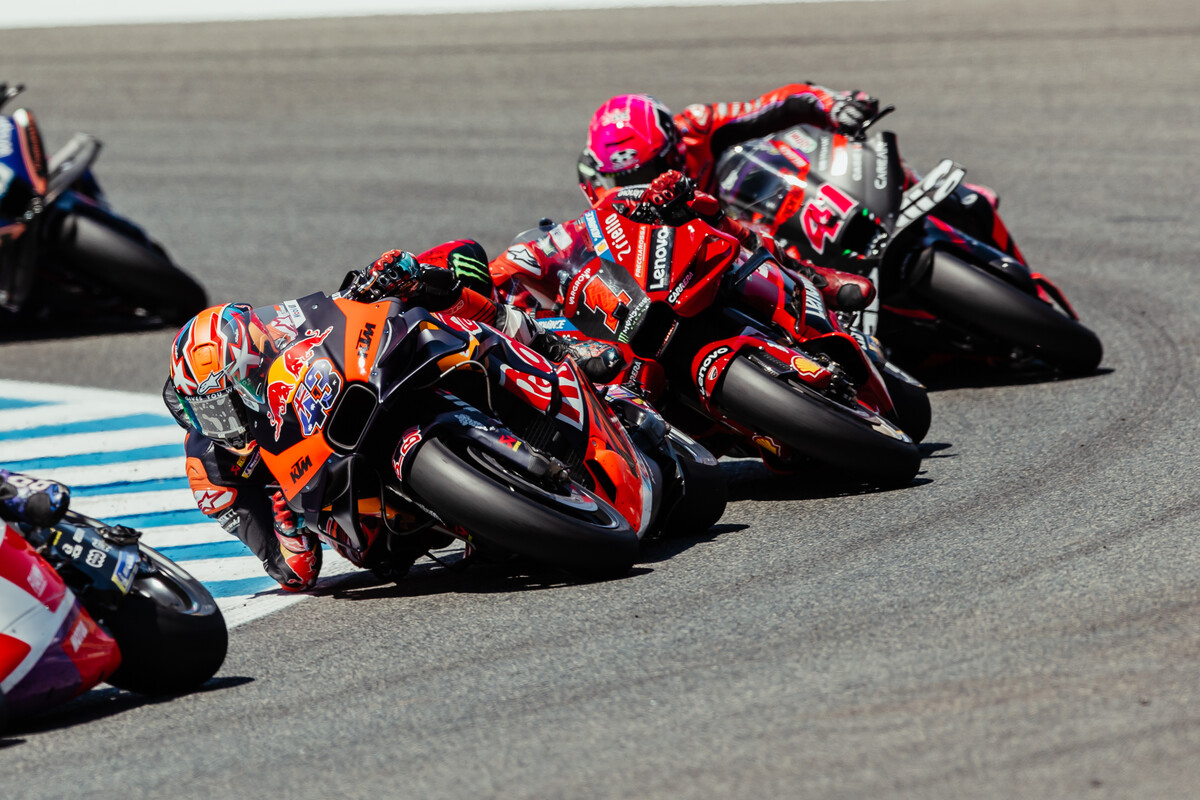
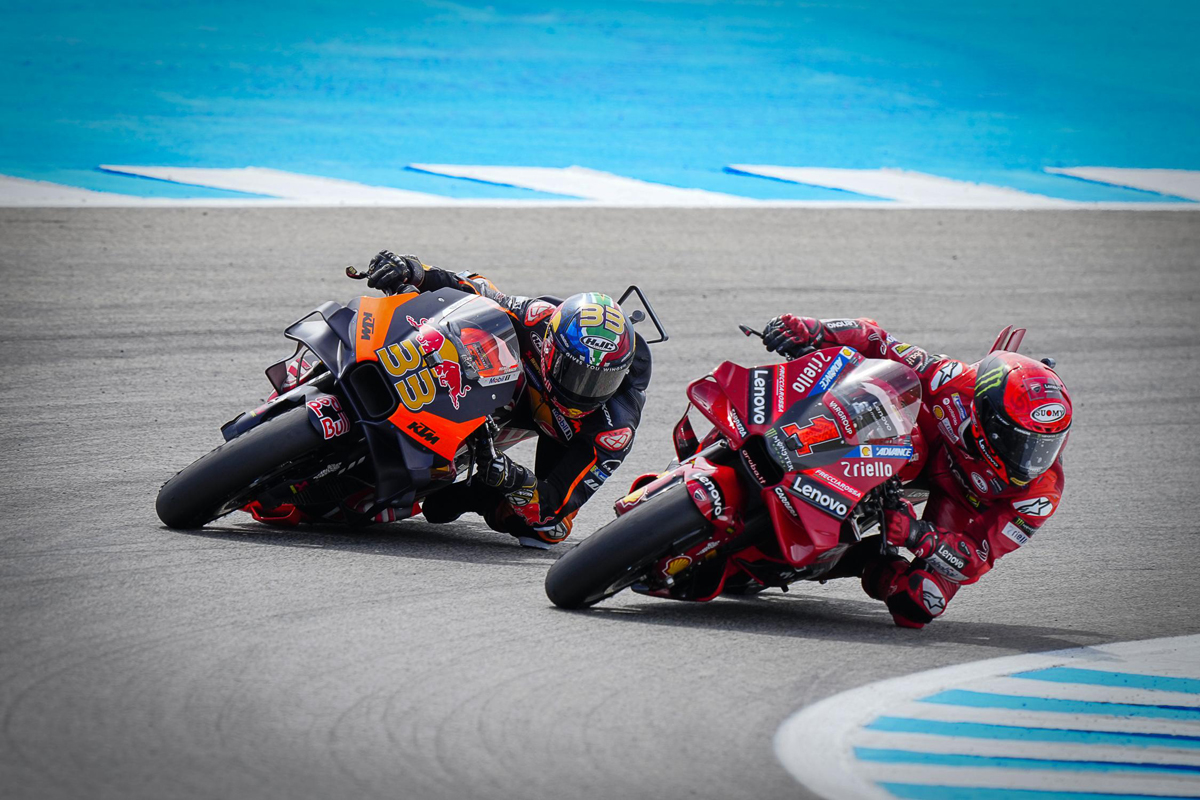
If we leave the doom and gloom behind for a moment, there was a lot to show us that 2023 might not be the cakewalk for Ducati that everyone predicted. Look at the sprint race: sure, Bagnaia won, but there was a KTM in the lead for a short while. Not only that but it was being ridden by Jack Miller, a new boy to the team and one who suffered a torrid time in testing. Then there was Marc Marquez leading for the first lap or two before the power of the Ducatis swamped him on the start/finish straight.

Image source: MotoGP

We had Jorge Martin giving Bagnaia the strongest challenge, although it was unfortunate that Bastianini was prevented from showing what he is capable of. As it is, he’ll be the fourth rider to miss the Argentine round: one race in and the field is already depleted. At this rate, it will be a case of the last man standing who will win the title come year’s end.

If Marc Marquez showed that he has lost none of his fighting spirits by staying in contention in the top five and then taking advantage of a mistake by Oliveira and Miller to finish on the podium in the Sprint Race, then he also showed a weaker side when he took out Oliveira in a crash in the main race that left them both injured and missing the next round. If Marquez was widely condemned – apart, of course, from Honda team manager Alberto Puig who never seems to see anything that the apple of his eye does as in any way wrong – then the incident was also indicative of the need for the non-Ducati riders to push as hard as possible if they are to not be left way behind as soon as the end of the first lap.

Image source: MotoGP

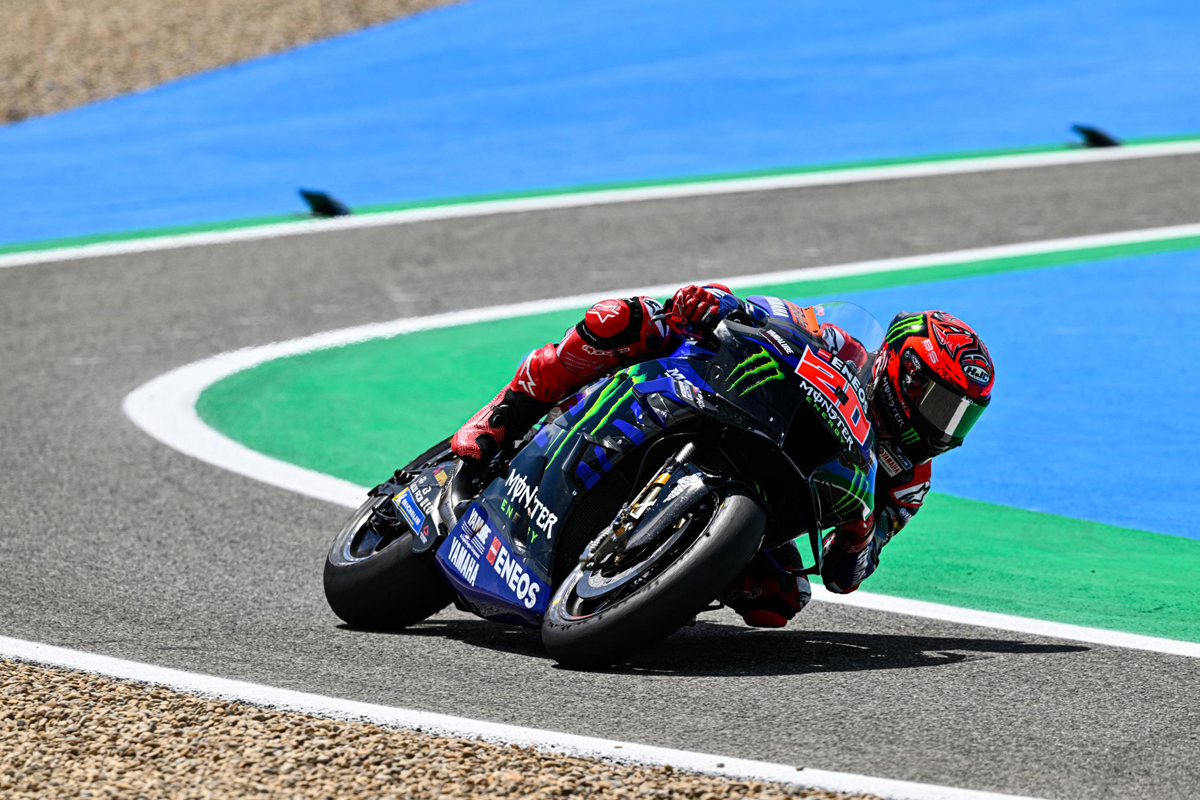
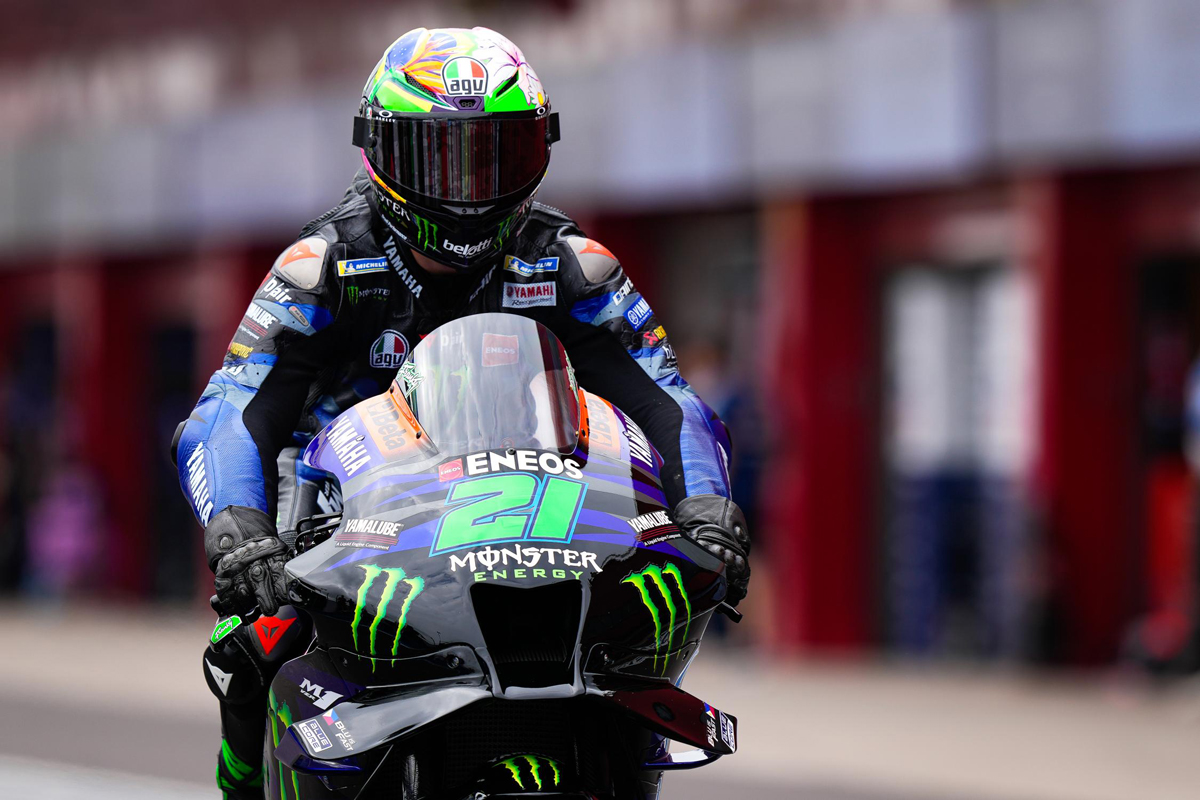
Another rider who realises the truth of this all too well is Fabio Quartararo. Simply put, the Yamaha M1 is not a weapon that Quartararo can take into a race day fight and hope to come out anywhere near on top: even being in the points will be an achievement. Not only is he lacking top speed but the manner in which the Yamaha corners is completely different to the V4-engined bikes which means, of course, every other bike on the grid!

With a clear track ahead, the Yamaha can use its smooth, sweeping lines work to its advantage. However, with a Ducati in front, the Yamaha will be baulked by the point and squirt lines they take, effectively making any corner into a point. Now that the Ducati is excellent under braking, it can dive at the apex, square it off, pick the bike up and bullet off into the distance. Against that, the Yamaha has no defence.

Image source: MotoGP

While we may welcome the return of racing, it is not without a shadow of a cloud hovering overhead, not only for the safety of the riders but also for the health of the sport as a whole. Dorna has made huge efforts to close up the racing in recent years which, by and large, have worked, even if races can be a bit processional: for 19 laps at Portimao, Viñales was able to stay with Bagnaia but at no point did he look like he might be able to get past and nether did Bezzecchi look like he could do the same to Viñales. Not all bad news, however as, behind this, Binder worked his way up to sixth from 15th on the grid, while Johann Zarco snatched fourth on the last lap with passes on Binder and Alex Marquez after having dispatched the Aprilia of Espargaro only a lap or two before. In fact, there was plenty of action, just not up at the front which, let’s face it, is where it’s needed most.

Image source: MotoGP

However, beyond the pressure of intense race weekends – 21 of them, don’t forget this year, including the last six taking place over seven weekends – there is also the worry that technology and aerodynamics are starting to make a mockery of Dorna’s attempts to simplify things – spec electronics and one tyre manufacturer are great but the unchecked methods the manufacturers are finding to gain the advantage is spoiling racing. It’s not solely about one manufacturer having an advantage: it’s the inability of one bike to follow another – of any make – without the front tyre melting or their aerodynamics not working properly.

Image source: MotoGP

Then there is the matter of eight Ducatis on the grid. How long will the likes of Yamaha and Honda continue if they can’t win a race? Of course, that argument is dangerous as, in racing, there have always been eras of dominance by one team and it is simply up to the others to do as good a job in order to beat them. But when the quality of the racing suffers, then it’s time for the governing body to step in and make decisions that might be unpalatable to one particular team but good for the sport as a whole.

But then, if Ducati gets the hump at being picked on by the headmaster and decides to take its ball home, that leaves a big hole in the grid and who will fill that? I doubt it’s likely but these things have to be considered if we are to continue enjoying MotoGP in 2030 and beyond.

Image source: MotoGP

LIQUI MOLY SHOOTERS – Are they in the liquor business as well?

0
Photo credit: Bjorn Moreira / ZA Bikers

Of course not, but if they were, I’d take a closer look! To date, I have not used a single Liqui Moly product that I was not impressed with. The latest two are a bit more difficult to assess. Liqui Moly makes two motorcycle ‘Shooters’. A Speed Additive Shooter and a 4T Additive Shooter. Let’s look at them individually.

The Speed Additive Shooter grabbed my attention immediately. Let me explain. Saying “Speed” to a motorcyclist is like saying “Sex” to a student. You have their attention instantly. The 80 ml of additive comes in a seriously funky little tin with a screw-top lid. The instructions on the tin direct adding the 80 ml contents to 10 litres of fuel for best results.

Photo credit: Bjorn Moreira / ZA Bikers

It is alleged to remove deposits from valves and combustion chamber, maintain the integrity of older petrol and give more consistent engine performance. This improves acceleration and fuel economy and long-term reliability. It can be used at each refuel. This does suggest that you would best see results if you used it on a motor with reasonable kay’s on it, with some fuel deposit build-up.

I have two newish bikes, so perhaps they are less ideal test mules. I emptied the contents of the tin into my Scrambler Ducati Icon. To be properly scientific we probably need to run the bike on a dyno, use the additive for three or four tanks and then run it again to measure the gain, if any. For the object of this exercise, we will use the old “seat of the pants dyno”. I added the tin, topped up with ten litres of fuel and off I went. You want to hear that as I cracked the throttle, the Scrambler hoiked the front wheel into the air and lengthened my arms by at least a centimetre. Truth is, that would be a fib! Maybe it’s just in the mind, but the Scrambler felt particularly sharp. That could also be because it was still early in the day and it was enjoying the cool dense air.

Photo credit: Bjorn Moreira / ZA Bikers

The other Shooter was the 4T Additive Shooter which keeps the fuel system, from carbs, injectors and combustion bits clean and reduces oxidation of the fuel system. It is catalytic converter friendly and can also be used at each refill. This tin went into my Triumph Tiger 900 Rally Pro. With 8000 k’s under the belt, I thought that a cleanout was not a bad idea. The Triumph pulled like a train. A very smooth and refined train. But then again, it always does, but guys and girls, here is the thing.

We pay a bucketload of cash for our bikes. We owe it to ourselves and our bikes to keep them in the best possible nick. When an excellent company like Liqui Moly develops a product designed to enhance the performance and maintain the reliability of my bike, I’m all in. Putting a couple of tins a month through the motors gives me a warm and fuzzy feeling. When I pimp my ride with their detailing products and lubricants it gives me the same satisfaction. Secure in the knowledge that I am doing the absolute best I can for my bike. An R90 tin of fuel system enhancer will not break the bank and will most likely keep my beasts as sweet as the day I got them. I am totally cool with that. How about you?

Photo credit: Bjorn Moreira / ZA Bikers

Liqui Moly Shooters

For more information on the products featured in this article, click on the links below…

Big Rig Rundown: An On-Road Review Of The Triumph Tiger 1200 GT Explorer

Photo credit: Wes Reyneke / ZA Bikers

There’s a well-worn South African proverb that goes, “I’m not planning to go off-road, but I want to know that if I do want to go off-road, I can.” It’s the reason that the suburbs are crawling with squeaky clean snorkel- and roof rack-equipped Land Rovers, and it’s the reason that adventure bikes sell so well.

If you resemble that comment, don’t fret—there’s no judgement here. If your adventure bike hasn’t covered even a metre of dirt, it just means that you know something that many others don’t; adventure bikes are great road bikes. Case in point: the Triumph Tiger 1200 GT Explorer.

Photo credit: Wes Reyneke / ZA Bikers

“It’s a very underrated motorcycle,” says Michael Romeo at Triumph Cape Town of the Tiger 1200 GT Explorer. Unsurprisingly, most people that wander into the showroom gravitate to the GT’s gnarlier sibling, the Rally, with its bigger wheels and longer suspension. But if they’re honest about their needs, the GT might just be the better option.

To demystify the nomenclature for a second, ‘GT’ stands for ‘Grand Touring,’ and ‘Rally’ means ‘full send on dirt’. The Tiger 1200 comes in GT and Rally models, each of which comes in ‘Pro’ and ‘Explorer’ variants, totalling four bikes in the range. Phew.

Photo source: Triumph Motorcycles

Planning to split your on- and off-road riding down the middle? Love to go full send when the pavement ends? A sucker for wrestling a big rig through sketchy terrain? By all means, throw your wallet at Tiger Rally Pro or Rally Explorer. I’ve ridden them both on and off the asphalt, and they are highly capable bikes in almost any scenario.

But if you’re going to spend most of your time on the tarmac, with short stints on well-manicured gravel roads, the GT series is where it’s at. And if you like to cover major mileage on two wheels, the GT Explorer is really where it’s at.

Photo credit: Wes Reyneke / ZA Bikers

I’ve sampled all four Tiger 1200 variants—but when Triumph Cape Town offered me a choice for some one-on-one time, I picked the GT Explorer and pointed it towards the countryside.

On the open road, the Tiger 1200 GT Explorer is a beast. With 200 mm of suspension travel at both ends (versus the Rally’s 220 mm), and a 19F/18R wheel pairing (versus the Rally’s 21F/18R), it has a planted feel that suits blacktop riding, without sacrificing all of its dual-sport ability.

Photo credit: Wes Reyneke / ZA Bikers

Triumph have made noise about the new and improved Tiger 1200s significantly reduced weight and sharpened chassis, and both are a tangible improvement over the outgoing model. But the real magic here—particularly for long days in the saddle—is the semi-active electronic suspension. It adapts to the road surface and your riding style, conjuring metaphors about magic carpet rides.

Am I gushing a little? Yes. But I’m also telling the truth; it really is that good. When I was handed the keys to the GT Explorer, the suspension was already set to ‘automatic’… and I didn’t touch it once during my tenure with it.

Photo credit: Wes Reyneke / ZA Bikers

My regular test ride routes (a couple of which I mashed together for an extended ride on one particular day) combine some of the Western Cape’s best mountain passes with some of its most scenic backroads. The GT Explorer’s semi-active suspension smoothes out road noise on long stretches, but it also helps this big rig rail corners harder than it has any business doing. It works without you having to worry about it, which is why it gets 10/10 on my scorecard.

The fully-loaded test unit I was riding also came stacked with heated grips and seats (yes, plural)—a must on any self-respecting touring bike. Also fitted was the standard-issue adjustable screen that adorns the entire Tiger 1200 range. I love how easy it is to slide up and down with one hand, but an extra inch or two of height wouldn’t go amiss. The Explorer adds little deflector screens on either side, which are welcomed.

Photo credit: Wes Reyneke / ZA Bikers

Other creature comforts include Triumph’s optional modular luggage system. My bike was fitted with a top box that looked suspiciously like a pannier set on its side—because that’s exactly what it was.

The lockable unit, available in various sizes, is designed to fit either onto a top box base plate or luggage side racks. Handy if you don’t feel like buying a full set of pieces, and want to adapt your bike’s carrying capabilities to suit your riding plans. Although not as deep as some ‘regular’ top boxes, it sports enough space to carry a day’s worth of riding essentials (a helmet won’t fit though).

Photo credit: Wes Reyneke / ZA Bikers

Add these all up, along with the GT Explorer’s whopping 30 l fuel tank, and you have a bike that, if I’m being honest, I’d probably pick for long-range touring over most purely road-focused road tourers. But that’s also because I’m a tall dude, measuring in at about 1,86 m with a wet weight to match. So I’m generally the most comfortable on adventure bikes, with their longer pegs-to-seat-to-handlebar proportions.

As an added bonus, the Tiger 1200’s seat is adjustable between two different height settings. And it’s an easy adjustment to make, too, requiring a grand total of zero tools.

Photo credit: Wes Reyneke / ZA Bikers

Oh, and it would totally be remiss of me not to mention the Tiger 1200’s engine—which is both its greatest asset and one of the few niggles I have with the bike. The 1,160 cc triple-cylinder mill feels and sounds absolutely bananas when you get on the gas. And with 148 hp and 130 Nm on tap, it’s more than powerful enough for most riders’ needs.

Triumph have done well to balance a predictable throttle feel and smooth fuel mappings with all the character and vibe that we’ve come to expect from their triples. But that signature ‘vibe’ is also a drawback. Point-and-squirt riding is buckets of fun—but on the open road, there’s a very palpable tingle through the grips.

Photo credit: Joe Fleming / Triumph South Africa

On the upside, there’s little to no vibration through the pegs, even with the removable rubber inserts out. And the seat is couch-like in its cushiness. But if it were my money, I’d ask Triumph to experiment with better grips or rubber-mounted risers.

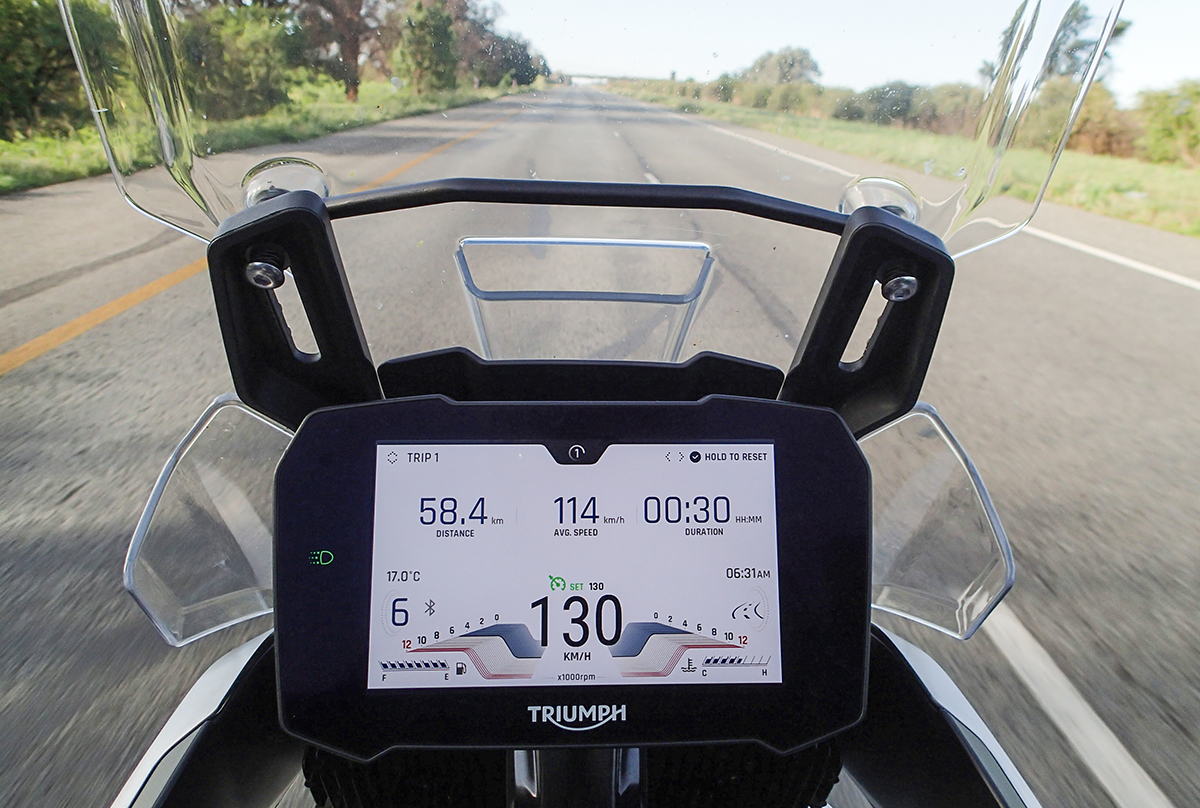
Other long-road-friendly amenities include cruise control, LED lighting with a daytime running light and fog lights, and a TFT display with Triumph’s full suite of Bluetooth-enabled snazzery—including turn-by-turn navigation. I’m not the biggest fan of Triumph’s TFT displays (I find the design a bit cluttered and busy), but once you get used to the buttons, joysticks and menus, finding what you need is a breeze possible.

Photo credit: Wes Reyneke / ZA Bikers

It also took me more than a few tries to get my phone and the bike to actually talk to each other, mostly because Triumph’s app is very particular about how you need to pair things up. But once I had it connected, the onboard nav system was particularly handy for navigating a part of the backcountry that I regularly get lost in.

So, would I take the Triumph Tiger 1200 GT Explorer on dirt? Absolutely, but within reason. But I didn’t on this outing… and in the process, I reminded myself just how good big, stonking adventure bikes are as road tourers.

Photo credit: Wes Reyneke / ZA Bikers

Keeping the Lights on with Hagenz’s Portable Power Station

0
Photo credit: Meredith Potgieter / ZA Bikers

By now most of you will know of the importers called SAM (Southern African Motorcycles), the team that has stirred the South African commercial market with brands like Big Boy, Jonway, Voge and Gomoto. What many people don’t know, is that SAM bring in a host of non-motorcycle-related products too and one of these products is the Hagenz portable power station.

SAM’s philosophy when it comes to business, is all about bringing in a product that the end user really needs, not wants, but needs! With Hagenz we are looking at a product with massive market potential in SA, not just for powering entertainment at home or powering up the wifi and kettle on a camping holiday, but to help those who would like to work remotely and keep their Starbucks coffee intake at a low.

Photo credit: Bjorn Moreira / ZA Bikers

The last case mentioned above is the exact reason why the Hagenz 1000 portable power station (PPS) is my perfect match. Like many other office-bound employees, I was given the opportunity to work from home, but with this came many obstacles, like broken internet connections and the lack of money to set up a good backup system. After spending months commuting to the solar power office in JHB and working remotely at coffee shops, the monthly costs started to rise in an unsustainable fashion.

So, with loads of research and a plan to get out of the electricity race, the business bought a portable power station from SAM…

Photo credit: Meredith Potgieter / ZA Bikers

First of all, what is a portable power station? In layman’s terms, it’s a rechargeable battery that provides off-grid electricity. Haha, this dude is trying to sell me a battery, you say. Well, it’s a bit more complex than you think. For instance, they’ve got more in common with a power bank than a battery, but are much larger in size, have a higher output power, and have AC outlets that can power anything from office to home appliances.

Just by taking a deeper read of the Hagenz PPS, I certainly noticed that there are a number of components and technologies that send stored energy safely and efficiently to appliances, which a normal battery just couldn’t do. The Hagenz in particular has tech that makes the battery recharge faster, an LCD screen that indicates input, output and time till empty in hours—more expensive ones have apps for remote energy management.

Photo credit: Bjorn Moreira / ZA Bikers

On the front of the Hagenz PPS, we’ve got two USB ports, type-c, car charger, 12V and 5A DC output. These functions are divided into two separate boards with their own on/off switches. On the back of the PPS, we see two three-prong sockets with their own on/off switch. For charging you are really spoiled for choice with a car charger, DC charger, PV charger and you can also charge through type-c. One thing to note is to have a habit, if time allows, to charge the PPS at 50 per cent battery life in order to prolong the PPS’s lifespan of 1200 charges—it usually takes 4.5 hours to charge from 50 per cent to full.

My typical setup consists of all of these devices being connected to the PPS: iPhone, wifi, laptop, monitor and sound bar. With all these devices connected, I average 100W, which works out to 10 hours of battery life and that’s if all these devices were to be connected for the full 10-hour period. Obviously, my laptop and phone wouldn’t need to be connected for so long, which means the battery life on the PPS would go up after charging those devices. Your typical MacBook only needs 30min of charge from 50 per cent battery charge and so too an iPhone, therefore bringing the 100W down to around 38W to run just the wifi, monitor and sound bar.

Photo credit: Bjorn Moreira / ZA Bikers

All this electrical talk might sound like gibberish, but it’s the current times we live in, get used to it. What’s interesting to me is with the current stage 3 and 4 load-shedding schedules in my area, I typically have 4 hours out of my 8-hour working day in the dark. After some careful math, my daily average watts work out to 50W a day which means the PPS working at this average over the 4 hours will last me exactly one week. This is very good because these PPS systems have a recharge limit of around 1200 charges, which in my case would only be reached in 11 years if I were to charge it twice a week. Yes, this is near impossible because I’ll end up using it for more than just work, but that just puts things into perspective.

I’ll go one further, just bear with me for a minute. This is painful and embarrassing to say, but for research purposes, it rocks. Last year my accountant (girlfriend) had a look at my monthly expenses and worked out that I was spending R3,200 on coffee and breakfast a month, just in order to charge and connect to wifi during load shedding. This is without adding fuel, so with the Hagenz only costing R13,000, it would have saved me R38,400 last year. Eish!

Photo credit: Bjorn Moreira / ZA Bikers

So, if you want my opinion on the Hagenz portable power station, I think it’s a must for those who want to work remotely or from home on a tight budget. Yes, it’s not going to run your house, but it will help you keep all things businesswise sorted. It’s easy to maintain, it’s noiseless and all it requires is a ventilated area to function.

For more information visit: www.takealot.com

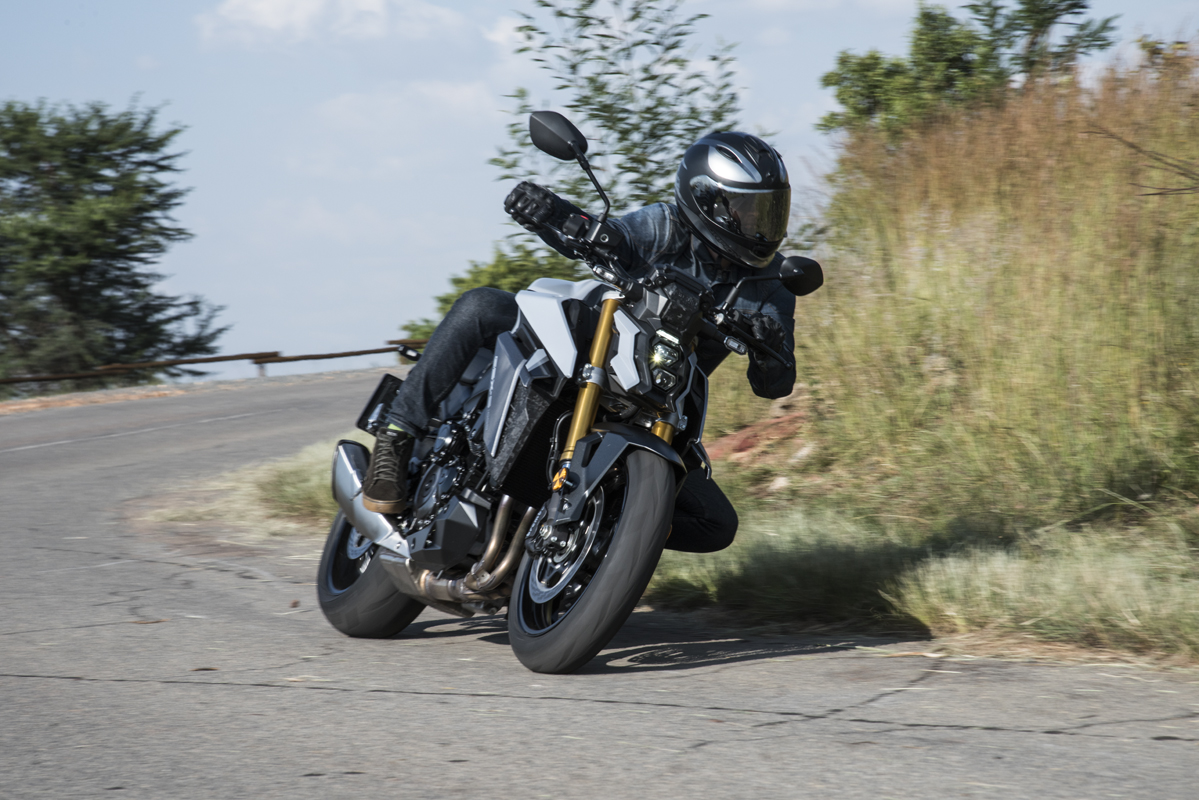
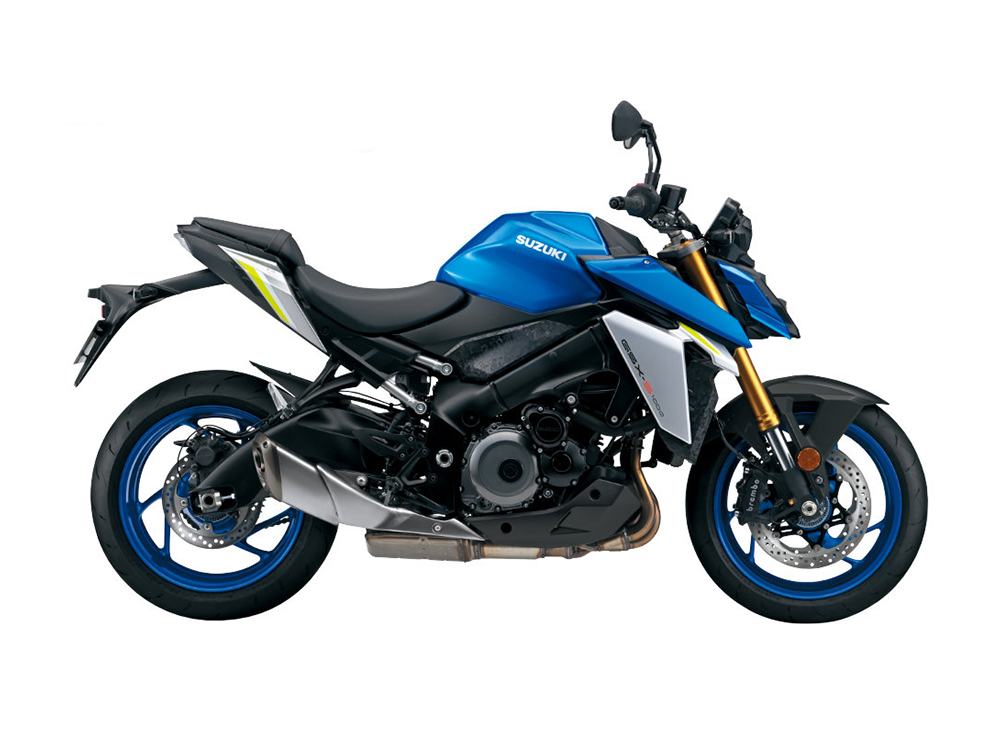
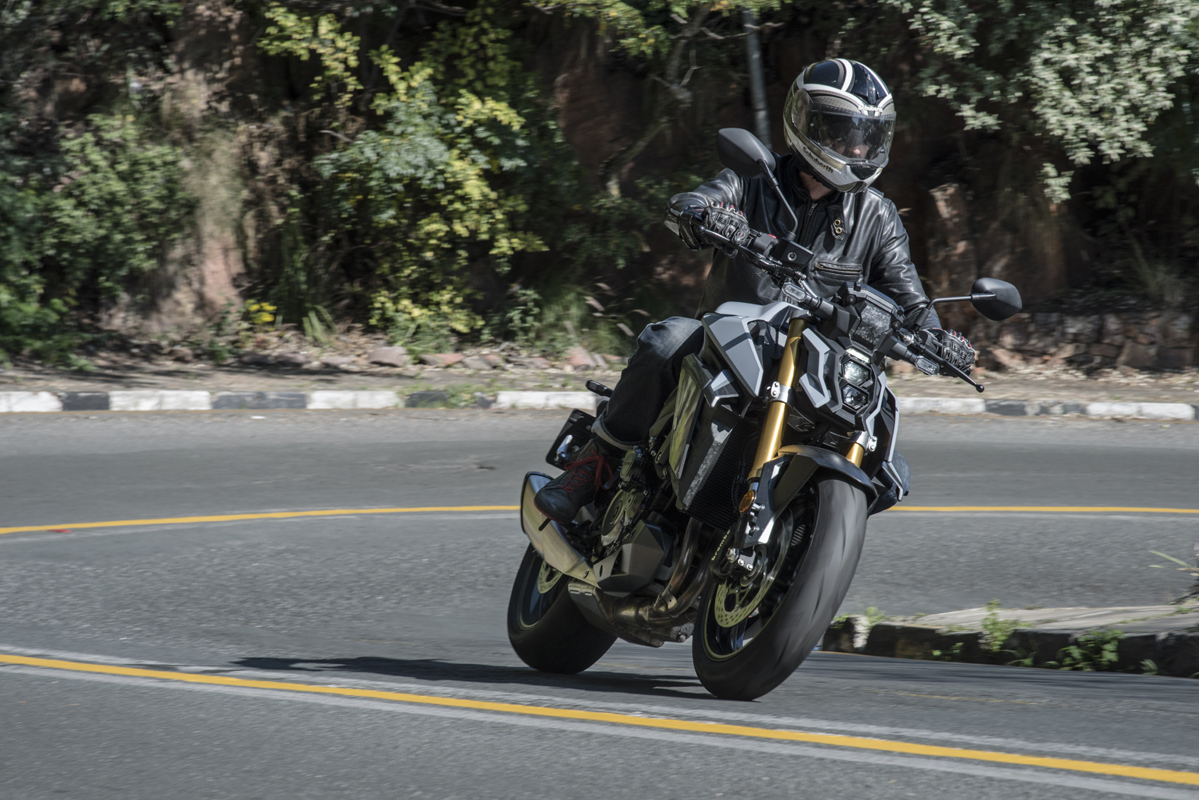
SUZUKI GSX-S1000 – It’s A Gixxer At Heart

Photo credit: Bjorn Moreira / ZA Bikers

So I got first dibs at riding the GSX-S1000 that Harry and I got to put together in our victorious fun build-off against our buddies from Dirt & Trail. I don’t think that Harry and Bjorn were showing me any kind of undue respect by giving me the first go on the naked Gixxer. On reflection, it was probably a nagging doubt as to whether we had tightened everything up adequately. They didn’t want to be the ones singing the old song, “You picked a bad time to leave me Loose Wheel”. Well, the fact that I am typing this is proof of the exemplary job that Harry and I did.

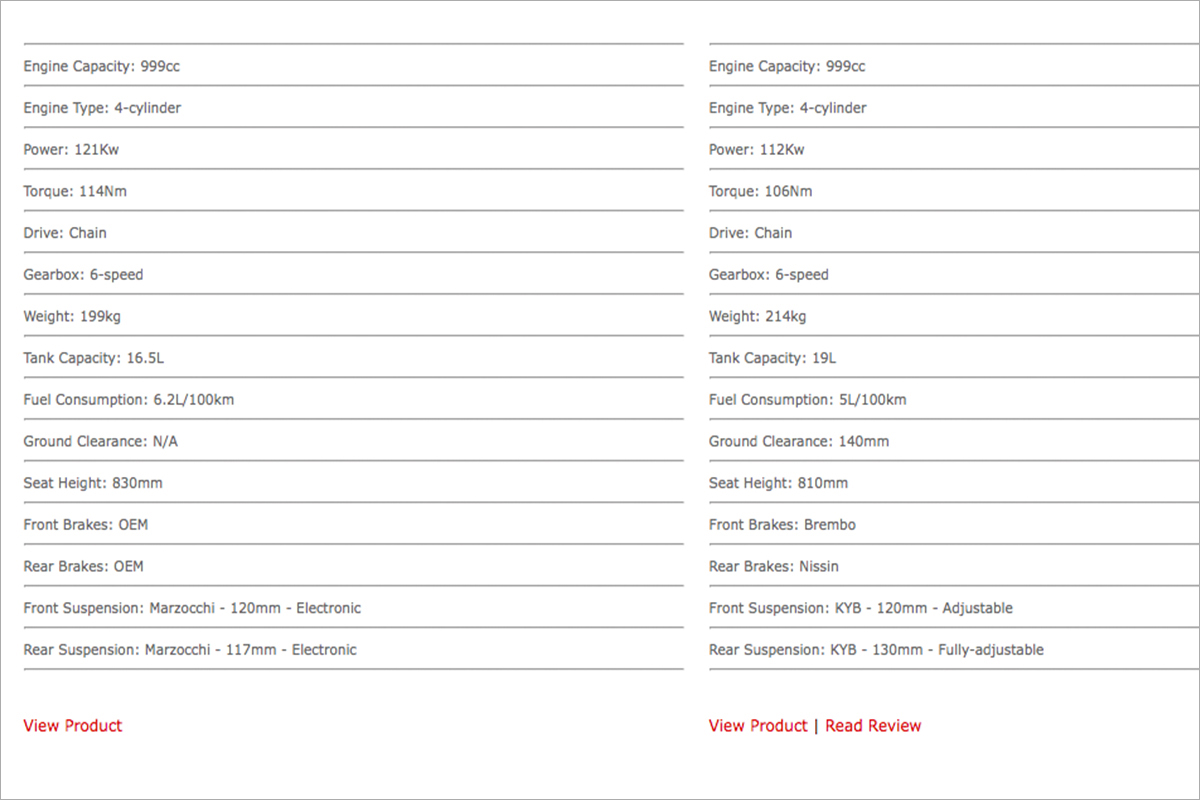
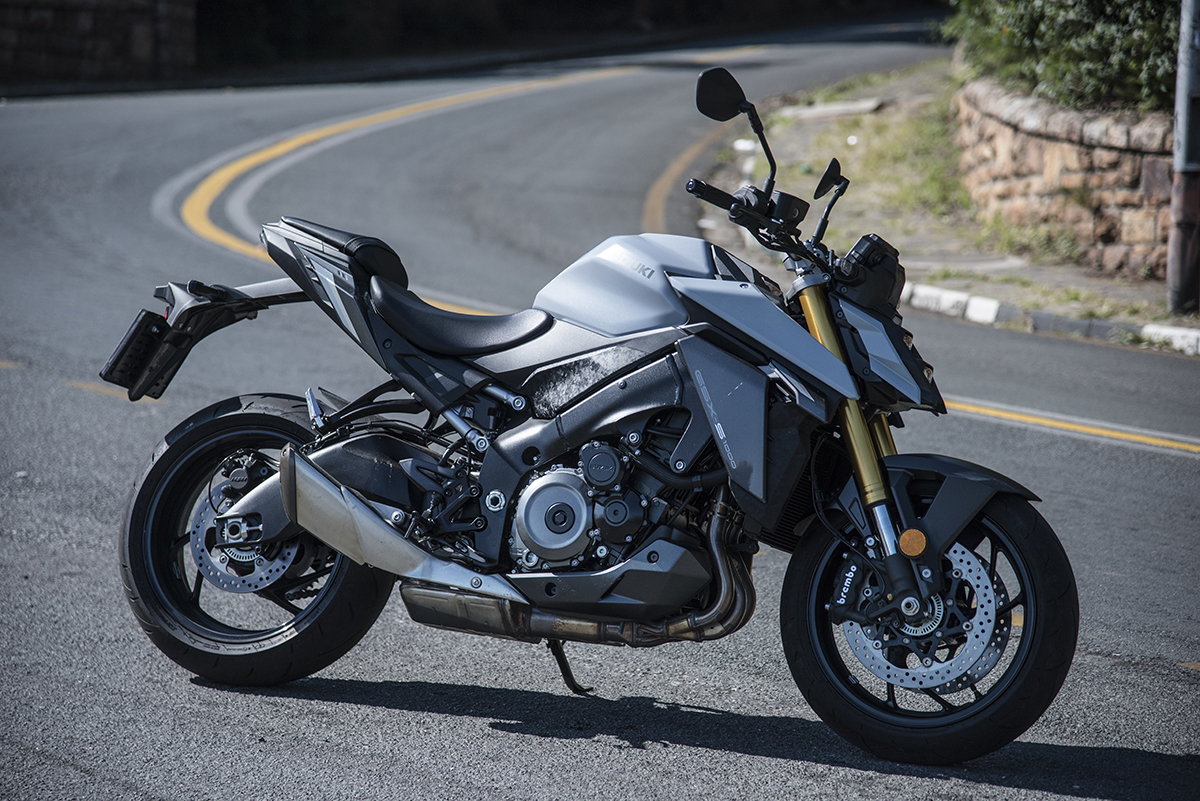
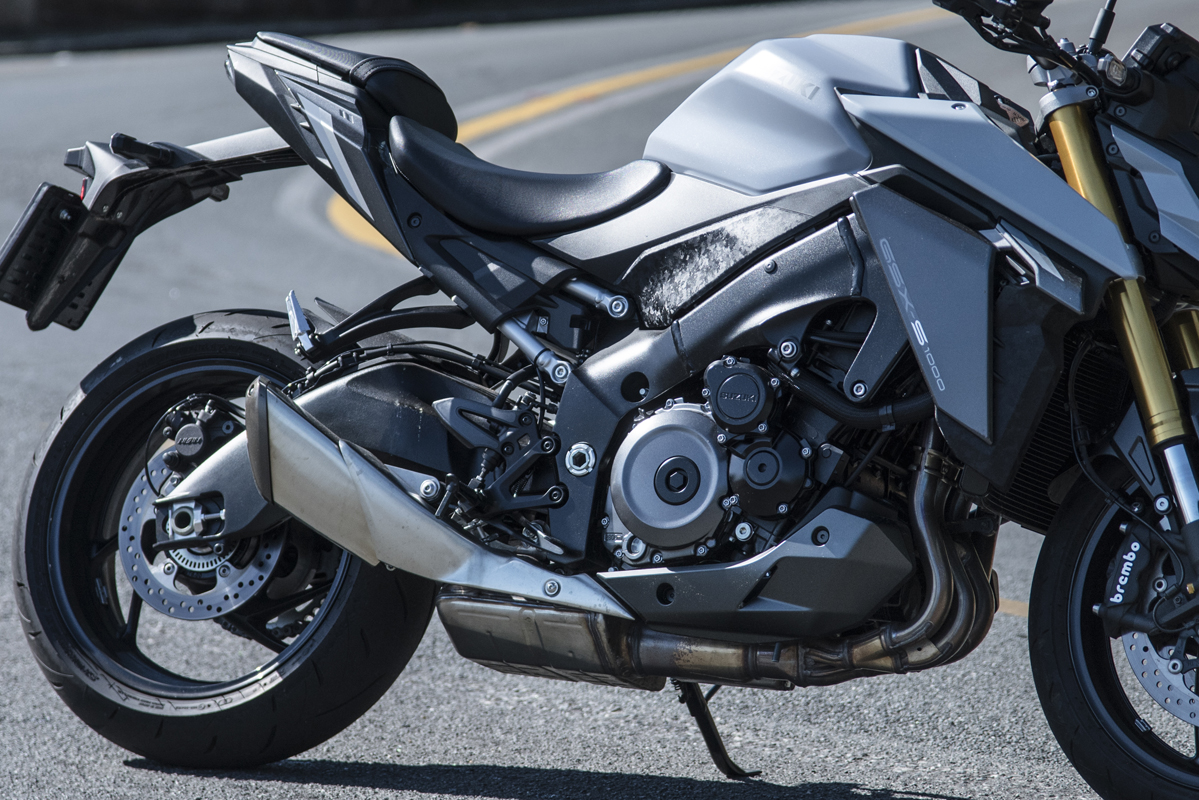
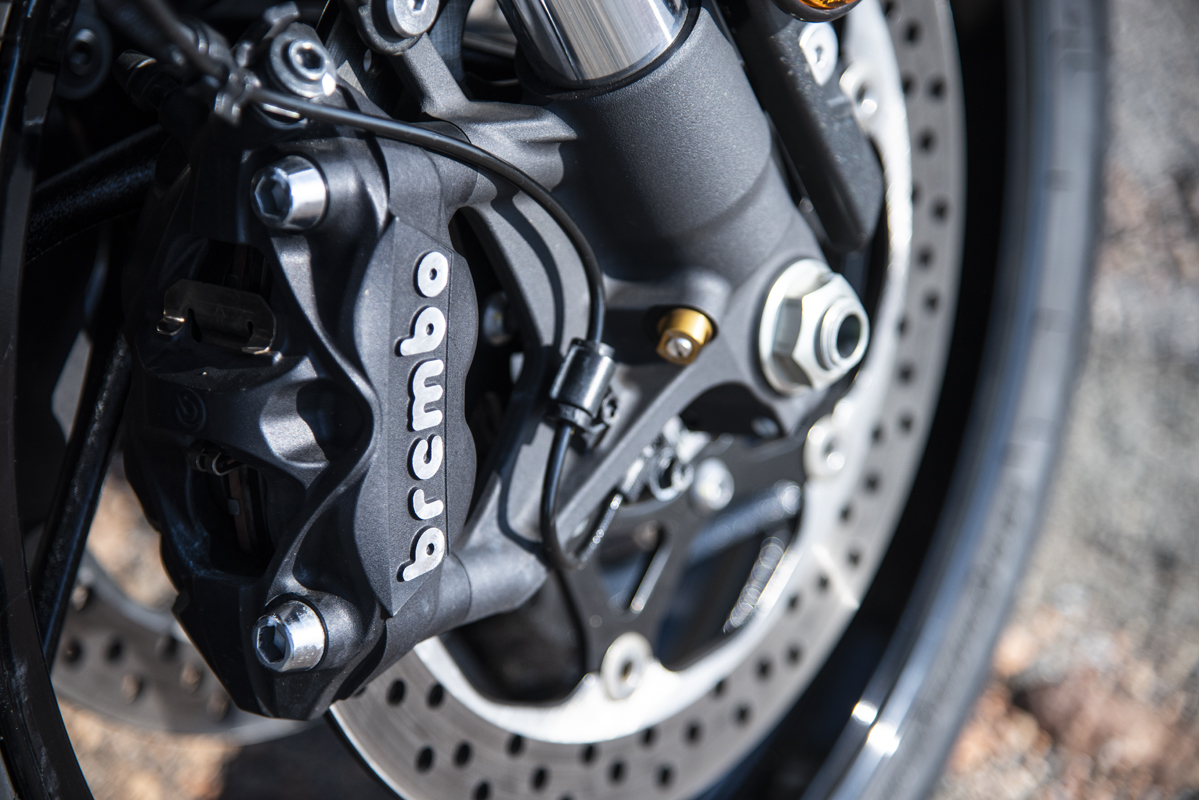
The heart of Suzuki’s naked litre bike is the tried, tested and much loved DOHC, 4-valve, 4-cylinder 4-pot motor that originally did duty in the legendary GSX-R K5. Riding the bike you are instantly reminded of what all the hype was about. Despite running the bike in, the benefits of the lovely K5 motor shine through.

Photo credit: Bjorn Moreira / ZA Bikers

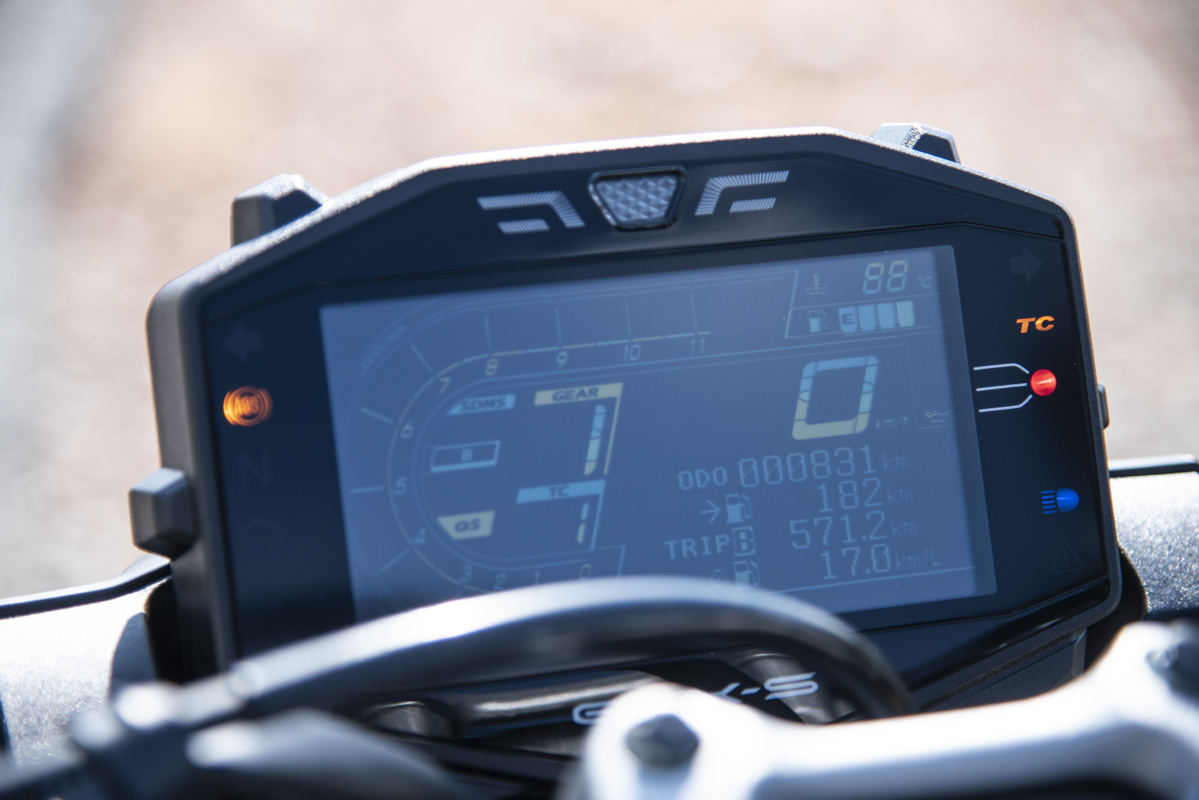
150 hp and 108 Nm of torque, 70% of which is available from 3,000 rpm, endow the bike with a seamless silky shove from the moment the clutch is out. Having also subsequently ridden the GT version of this bike for over 2,000 k’s, I can confirm that the fun continues all the way to redline. The three ride modes give varying degrees of urgency to the fly-by-wire throttle response. ‘A’ is just too snatchy, ‘C’ a tad lethargic but ‘B’ is the bee’s knees!

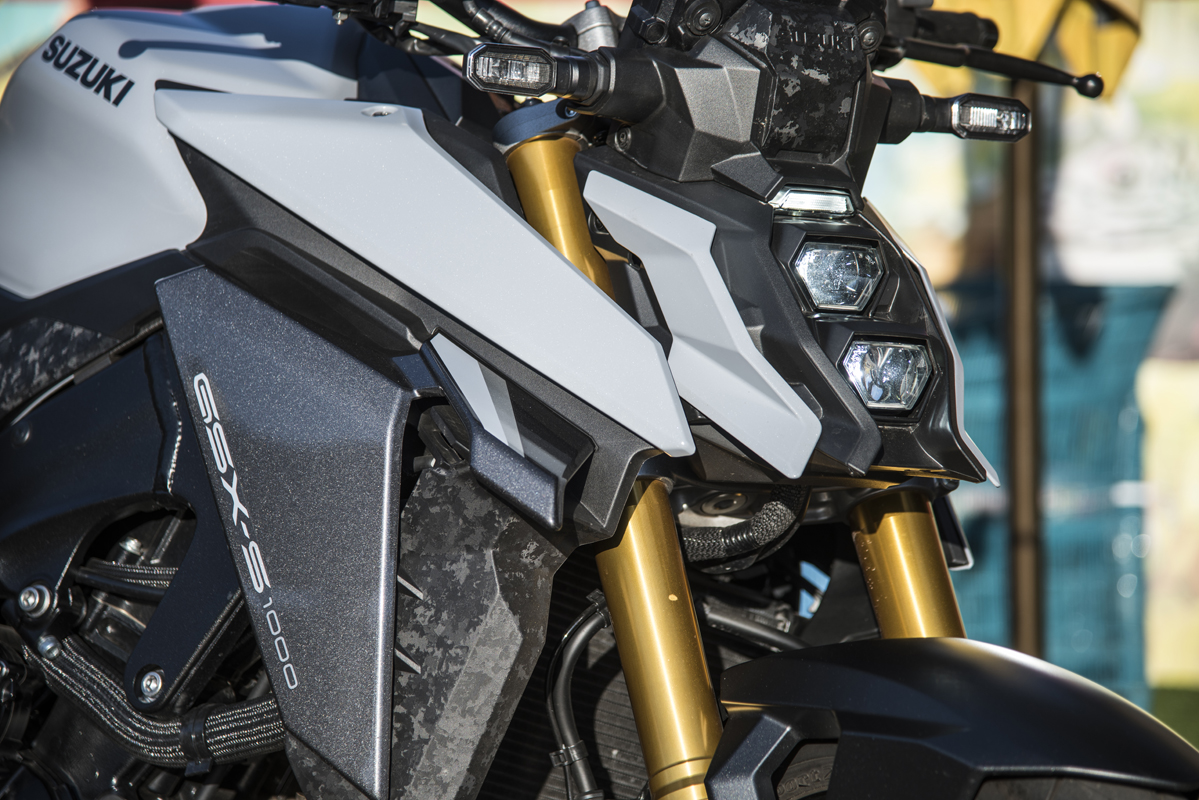
The chassis, as with the motor, is perfectly matched to the performance potential of the bike. Not overly stiff, which is a boon on our way less than perfect roads, it is well-damped and perfectly up to the task of containing the power. 120 mm of travel from the fully adjustable KYB USD fork is complimented by the 130 mm travel on the preload and rebound adjustable back shock.

Photo credit: Bjorn Moreira / ZA Bikers

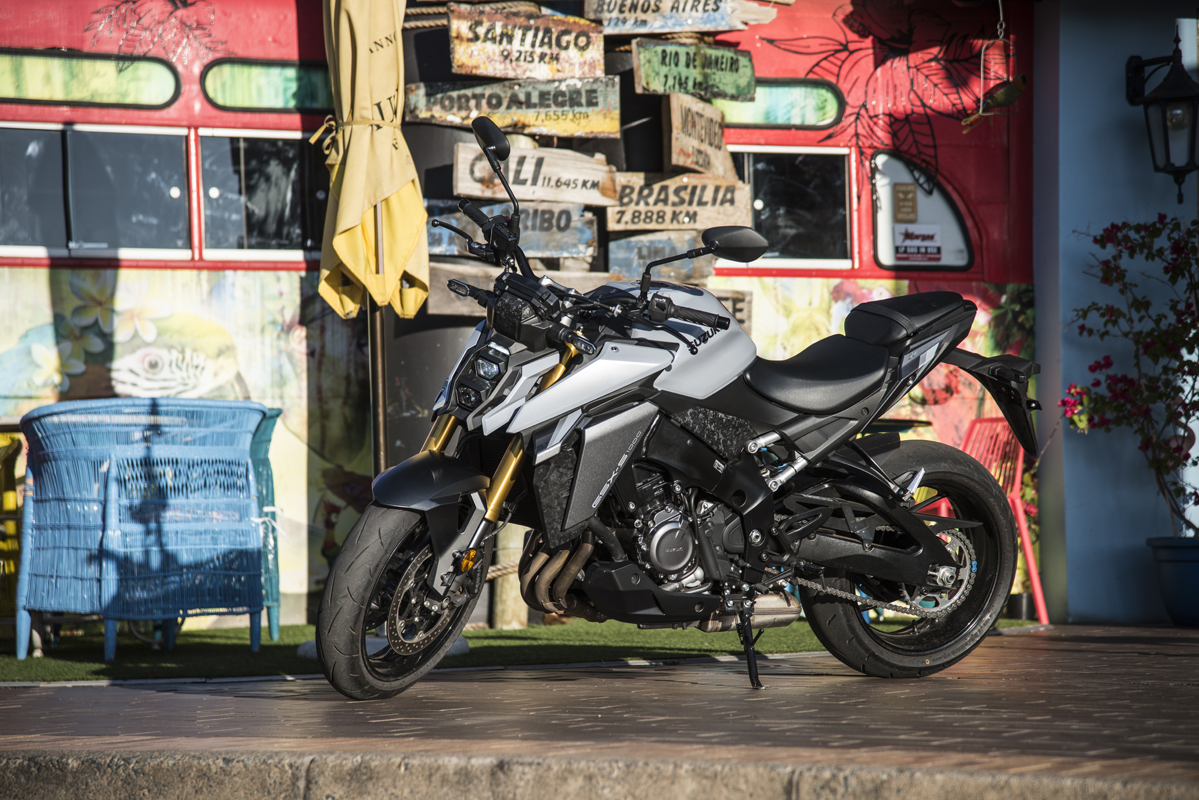
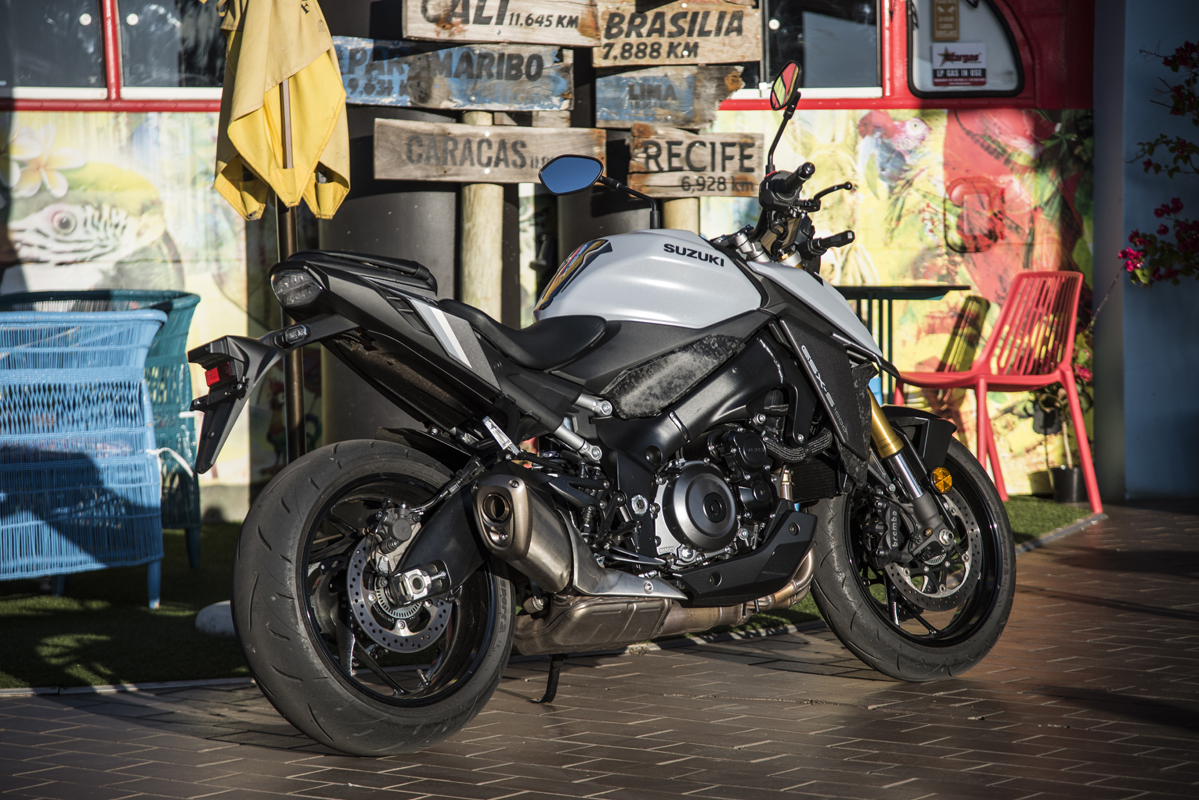
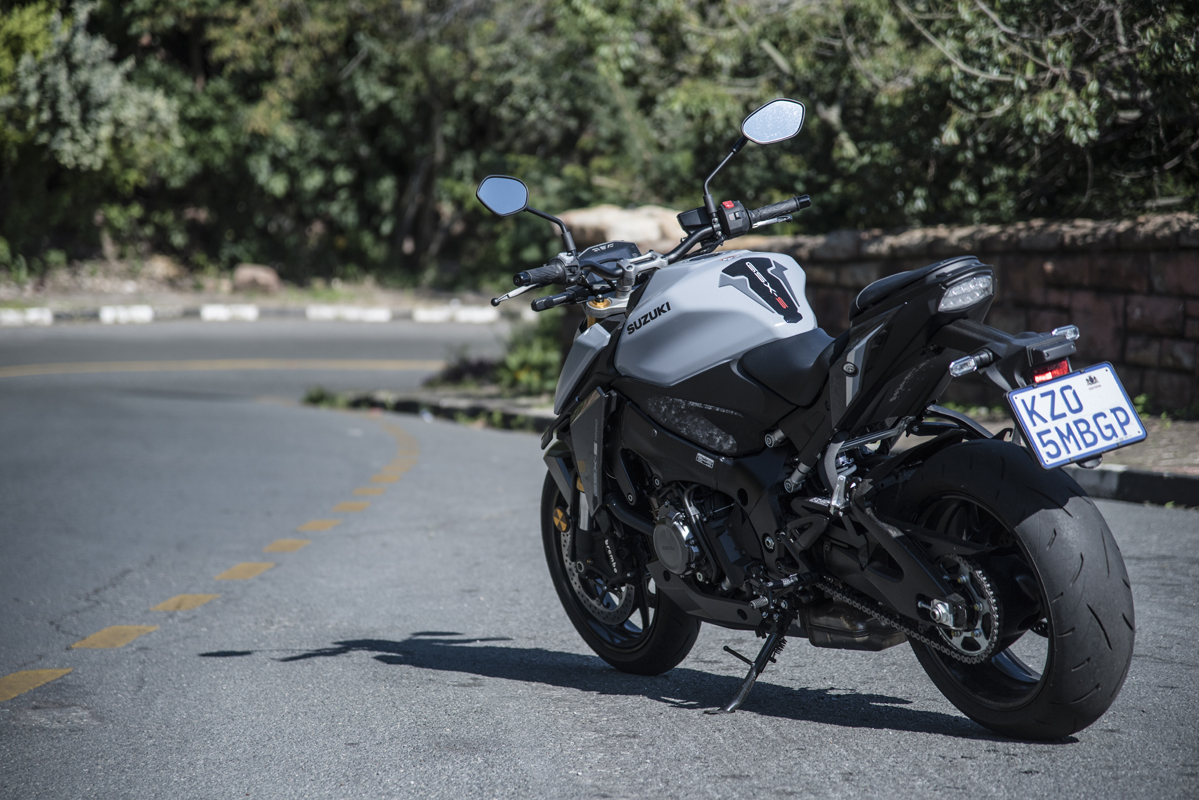
Naked bikes need ‘pose value’. They are the prize fighters of the bike world. All their talents are bare and naked for all the world to see. The Gixxer S certainly looks the part. Broad shouldered around the 19-litre tank and narrow-hipped in the seating area, it has the street cred to go with its performance potential.

Photo credit: Bjorn Moreira / ZA Bikers

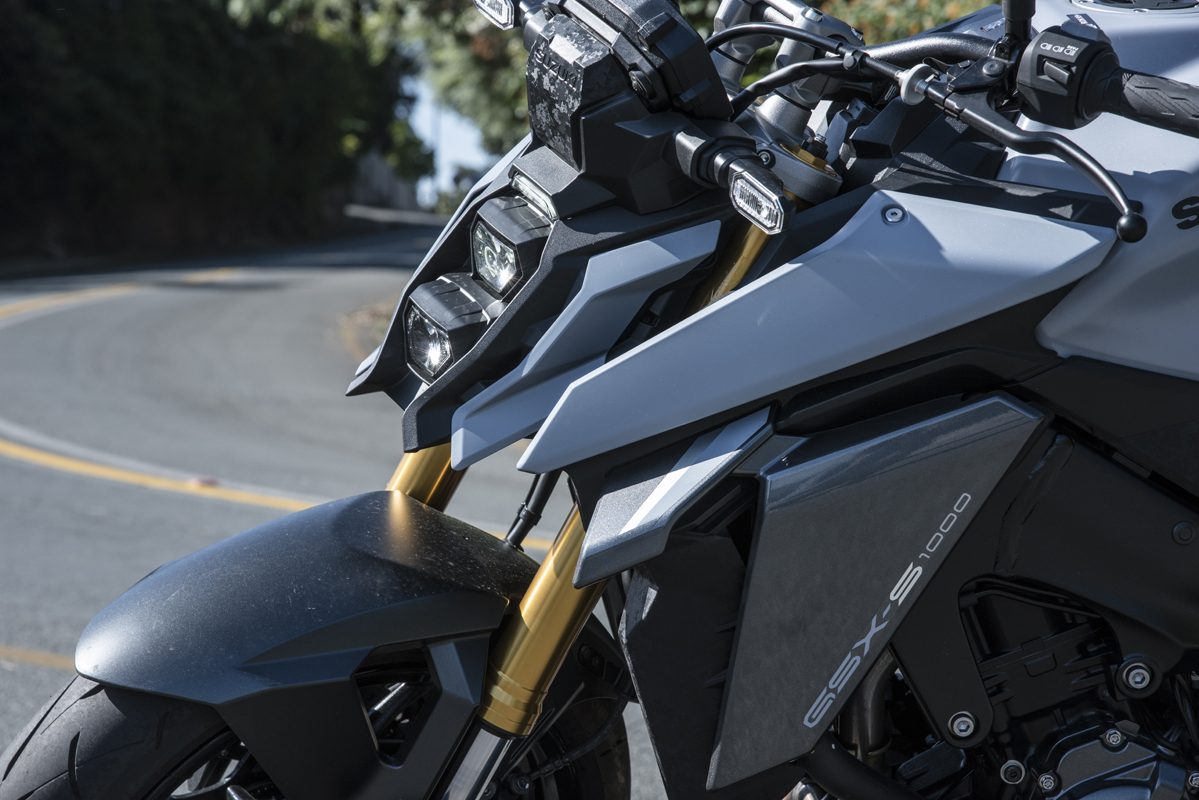
The 190/50×17 back wheel and 120/70×17 upfront compliment the muscular look, unlike the fellow that spent all his time in the gym on his upper body at the expense of his spindly pins. Completing the rakish look is a stacked LED headlight assembly, complimenting both form and function. The exhaust is a 4 into 2 into 1 which is beautifully integrated into the bike, exiting into a stubby and tidy tailpipe.

Photo credit: Bjorn Moreira / ZA Bikers

The riding position is sporty but comfortable, with adequate leg room as well as a not-too-hectic amount of lean to the wide and comfortable flat handlebars. This is a naked bike, so obviously, the ability to sustain high speeds is compromised. Having said that, it also makes it easier to stick to speed limits till the twisty fun bits start. Unlike sport bikes, you will not need the duties of your Chiropractor after extended saddle time.

Photo credit: Meredith Potgieter / ZA Bikers

Speaking saddle, the rider is on a reasonably comfortable, albeit firm perch. The same cannot, in all honesty, be said for the passenger accommodation. The tiny seat is made even tinier by the grab strap across the front. The fact is no one is likely to buy this bike for its long-distance two-up touring ability. A breakfast run blast or cruise to a local coffee shop is more what it is about.

Photo credit: Bjorn Moreira / ZA Bikers

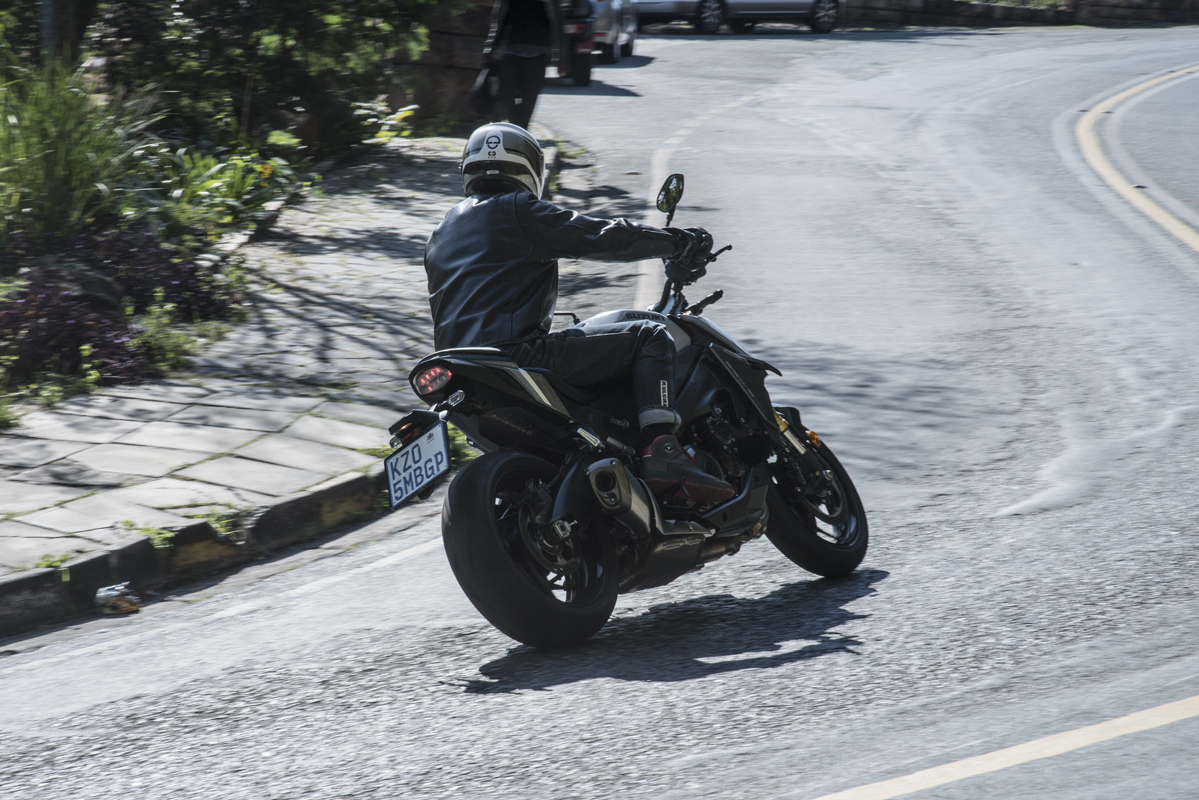
Our bike is Glass Matte Mechanical Gray. We are so conditioned by traditional Gixxer blue, that any other colour needs some mental adjustment. As I have spent more time around the bike I have grown fond of the mechanical, almost industrial gray. This bike is a real urban brawler. Strong motor, good chassis and kick-ass looks. I am really looking forward to putting some quality kays on this beast! It makes an excellent cool summer commuter, giving plenty of airflow and sneaking through the traffic effortlessly. Even at running in revs, it dispenses with Boy Racer in his hot GTI without even trying.

That kind of sums it up for now. What we have here, in essence, is a naked GSX-R with a more usable riding position and generally more suitable demeanour for everyday duty. When you ride a bike daily, as opposed to as a “weekend warrior”, it needs to be pretty foible free. Really minor irritations can become a big deal for the everyday rider. On that score, the Suzuki GSX-S1000 has acquitted itself admirably to date. Let’s get the running-in done with so we can lean a bit harder on that brilliant motor. Watch this space…

Photo credit: Bjorn Moreira / ZA Bikers

Suzuki GSX-S1000

For more information on the bike featured in this article, click on the link below…

2024

Suzuki GSX-S1000

(POA)


Brand: Suzuki

Ducati Family Day At Red Star Raceway

0
Photo credit: Brian Cheyne

The man at the helm of Ducati South Africa, Jos Matthysen, sure knows how to promote the Ducati brand. He also knows how to give back. Not only to Ducati riders but also to the community at large. With the fourth Ducati Mystery Ride, most riders contributed to helping out with a local care home that was close to Jos’ heart: the JJ Watson home in George. The Mystery Rides themselves were not a small undertaking and yet he does them with enthusiasm and a glint in his eye. The fifth Mystery Ride is due to kick off in May.

Towards the end of 2020, Ducati hosted a family day to thank the Ducati owners for their loyalty, and I was there to cover the event. I arrived by car but packed my rider gear just in case an opportunity presented itself to ride on the track. True to Jos’ nature, when their demo bikes were all spoken for, he pointed to his own personal bike and said: “Take my Scrambler!” This sense of belonging and feeling like family is what makes the Ducati family here in South Africa so special. It was an easy decision the day Jos informed me that I am buying a Ducati Supersport 950.

Photo credit: Brian Cheyne

My Supersport was approaching the 10 000 km mark when Ducati announced that they will be holding another family day out at Red Star, so this time I would be riding my own bike, and not have to wait for my turn on a demo unit. There was no cost involved in the day, but you did have to register beforehand.

I left home early to get to Red Star so that I would have time to take some photographs. With about a kilometre to go to the Red Star turnoff, I was passed by an immaculate Ducati 900 SS. The rider waved at me and I instinctively twisted the throttle so that I could ride behind this bike and listen to that sublime V-twin soundtrack!

Photo credit: Brian Cheyne

I rolled into the pits just as my bike hit the 10 000 km mark, and got ready for the formalities. At the rider briefing, we were introduced to local racer Dorren Loureiro and asked to be on the lookout for him on his white Panigale V2. Jos made it abundantly clear that there was to be no racing, just good-natured family fun. Everyone nodded in agreement, knowing full well that when hand met throttle, things will be viewed differently.

Photo credit: Brian Cheyne

There were quite a number of new riders that have never ridden on a track before and the wind was really pumping. So, to give the rookies the best chance of making it around safely, Jos sent out the intermediate classes first to gauge the condition of the track. As mentioned, this is not to be a white-knuckle balls-to-the-wall track day. It was meant to be an outing with the family and a personal training day. Except for Dorren of course. Watching him slide his V2 into a corner was a thing of beauty!

Image source: Beam Productions

As I walked through the pits, I realised that the 900 SS I saw earlier was not the only older bike there. There were some older Monsters, as well as a beautiful yellow 748. To see the 748 lined up next to a Multistrada and a Panigale V4 really shows that owning a Ducati becomes a lifelong affair. These bikes age gracefully and can still hold their own on a track. The same can be said for the 80-year-old George Couperthwaite who was there on a brand new Ducati Monster. Once that helmet went on, his age disappeared and all we could do was try and keep up!

Photo credit: Brian Cheyne

After circulating a few tentative laps on my own Supersport, it confirmed what a remarkably easy bike this is to ride. It inspired so much confidence that my pace increased with each lap. Jos also brought a few demo motorcycles, and I was curious to see what the new DesertX was like in an environment that it was certainly not made for – a track. It wants to be out in the wilderness, blazing new trails. Well, what a revelation it turned out to be! It handles extremely well, even with the knobblies, and certainly surprised many riders when a slow rider on a dual-sport bike passed them. Seeing the bike in the hands of experienced track riders makes you realise that this bike has been properly thought out!

Image source: Beam Productions

While we were enjoying ourselves on the track, the Ducati team were preparing our lunch. Jos’ right hand, Lida, and a few Ducati regulars prepared tasty Prego rolls. We all gathered around the pool for lunch, sharing our experiences with our fellow riders. While I was making my way back to the pits, I walked past a beautiful, 1936 Velocette 250. The owner just completed the DJ rally that we reported on earlier and still had to make it to White River. He just popped into Red Star for a quick rest stop. Bikers never cease to amaze!

Photo credit: Brian Cheyne

If you own a Ducati, keep a close eye on their Facebook page for the next family day. And if you are not part of the Ducati family yet, then go talk to Jos and his team. I’m sure they will be generous enough to inform you what bike you are buying!

Image source: Beam Productions

Sixty60 & Brad Binder Deliver Dream To 14-Year-Old Fan

Image source: Shoprite Group

On the eve of the 2023 MotoGP, Checkers Sixty60 has partnered with South Africa’s fastest man on two wheels, Grand Prix motorcycle racer Brad Binder, to deliver a dream to an up-and-coming young biker, Oratilwe Phiri.

Ora, as he is fondly known, is a talented 14-year-old South African superbike racer from the West Rand in Gauteng, who aspires to be a MotoGP world champion. With more than 62 podiums already achieved, he is well on his way. He did, however, have one more dream – and that is to meet his hero, Brad Binder.

One of only three South Africans to ever hold the title of motorcycle grand prix world champion, 2016 Moto3™ World Champion Brad Binder (27) also started out in this sport at a very young age. First taking to the track in karts, he claimed the title of national champion at the age of eight. Two years later he moved on to two wheels and hasn’t looked back.  He is currently in his ninth season as part of the Red Bull KTM Factory Racing Team and is recognised as one of the most determined and efficient racers on the MotoGP grid.

Image source: Shoprite Group

When Brad heard about Ora’s dream, he was all fired up to pay it forward to the next generation of racers.

Working closely with Ora’s parents, the young fan was brought to the Red Star Raceway in Delmas under the guise of a media interview. At the right moment, Brad, escorted by a team of Sixty60 drivers, made his way down the track.

“Ora had no idea I was there, and it was incredibly humbling to witness his surprise. I look forward to seeing this young man make his name locally, and globally, in years to come,” commented Brad.

“Sixty60 delivers groceries to tens of thousands of customers every day. For Ora, we wanted to deliver a moment of magic. His story and his keen ambition certainly resonate with our business, as we, too, strive for standout performance,” says Neil Schreuder, Chief Strategy & Innovation Officer for the Shoprite Group.

“We look forward to witnessing Ora’s journey ahead and we’d like to wish Brad all the best with the upcoming MotoGP season.”

Image source: Shoprite Group

With delivery in 60 minutes, at a fee of just R35, Checkers Sixty60 is the country’s number one on-demand grocery delivery service. The app has been downloaded more than 3.1 million times and the service now delivers in more than 400 locations nationally.

The 2023 MotoGP season kicks off at the Algarve International Circuit in Portugal from 24 – 26 March.

Deep Mud, Deep Ruts, Deep Trouble – An Off-Road Odyssey In Zambia

Editor’s Note:

This article was submitted to us by Ryan Ellis who writes about his adventures on a recent off-road trip that he did with his wife Nora on their two KLRs through Zambia.

An Off-Road Odyssey In Zambia (Photo credit: Nora Richards)

The brief was simple. On the first day of a long weekend, my wife, Nora, and I would ride out of Solwezi, in North-Western Zambia, and make our way East. The first 150 km would be on tar, before we turned to the road less travelled, and completed a 700 km off-road loop around three provinces of the country. We’d forge rivers, climb mountains, and most importantly, escape for a while.

For weeks I’d been plotting our route. I’d used satellite images, open-source maps, and even some phone calls to tap into local knowledge. In spite of this, I still knew very little about the remote roads and trails we’d be riding on. Satellite imagery in one area hadn’t been updated in a decade, and in other areas, the various online maps couldn’t agree where there was a road and where there wasn’t. It was what I refer to as Eskom research: it barely illuminates.

To make things even more interesting, hurricane Freddy had sent a platoon of clouds inland, and our weather forecast had turned from sunny skies to flood warnings. Did it occur to us that we might cancel or postpone our trip? Not a chance. We packed our flimsy plastic rain jackets and pronounced ourselves ready.

Day One: Solwezi to Chingola
150km: 100% tar

Blissful tar, before our battles began (Photo credit: Nora Richards)

Day one was smooth if a little wet. From Solwezi to the adjacent city of Chingola, we rode 150 km on smooth tarmac, through a few heavy but brief rain showers.

As we sat down to dinner that night, we felt calm and confident. The next day would be our longest: 450 km, all of it on dirt, through many unknown areas. The dirt roads we’d passed on day one were damp, but not soaked. They’d dry out overnight, and we’d blast along them the next morning, chasing each other like Dakar Rally leaders. Our calm, though, was about to meet a storm.

Freddy arrived in the middle of our main course: a rumble coming down from the restaurant roof. Each time it seemed to have reached its climax, it found another pitch and rained harder. I walked to the hotel lobby and peered outside. A river flowed across the lawn. I do not mean a stream. I mean a river.

Water gushed from the roof, pouring out of the gutters. Trees swayed and strained, losing their leaves and even some branches.

I leaned across to Nora and, over the cacophony of the storm I said, “I think it might be muddy tomorrow.” This is the sort of statement for which the word understatement was written.

Day Two: Chingola to Mulungushi
450km: 95% dirt, 5% sludge

A golden hour picture in the puddles (Photo credit: Nora Richards)

The storm had cleared when we rode out of Chingola that morning. Mist rose from the soaking wet soil, and the air smelled fresh and clean. A few kilometres out of town, we pulled to the edge of the tarmac and looked down a muddy gravel road. This would be our farewell to tar: our farewell to traction, control, and average speeds above those of recreational cyclists. We pointed our bikes right into the muddy unknown and set off for a journey into the sopping-wet centre of Zambia.

At first, all seemed well. We wove our way between puddles and splashed through the odd one. We even stopped to take pictures in the golden morning light. As we set off again, a man on a bicycle rode past with a queen-size mattress folded and strapped to the carrier rack.

About 20 km into the dirt we entered the tribal lands, and the maintained gravel ended. Our tires encountered wet clay, and both of our bikes went sideways. Ahead of me, Nora cross-rutted and went down harder than South Africa’s credit rating.

I came to a less-than-controlled stop, dropped my kickstand, and climbed off my bike to help her. As I did so, my kickstand embarked on a journey towards the centre of the earth, and my bike toppled over.

With the sun now shining, the temperature had risen significantly, and the humidity sat firmly at 100%, so picking up the two loaded bikes was a sweaty affair. While we were at it, I heard the jingle of a bicycle bell, as the man with the mattress trundled on past.

It took us four hours to complete the next forty kilometres. The man with the mattress passed us, and we passed him, and he passed us again. Every now and then, grasslands gave way to beautiful indigenous forests, with trees towering perhaps forty metres high, and beautifully grippy jeep tracks on the forest floor. Then we’d emerge into clay grasslands again, and every inch would be a battle.

At one point, an old man came along on a Chinese 125 cc farm bike. Rather than try to avoid the mud, he rode right down the middle of the deep ruts made by logging trucks. He seemed to find traction down there, so we tried it too.

I wouldn’t say that what we found down there was traction, but as our wheels were at the bottom of the ruts the bikes stayed somewhat straight, and our rate of progress improved just a little.

Picking up my bike for the sixty-third time, I’d got it about halfway up when my feet started to slide one way, and both wheels slid the other. Slowly I slid back down until both the bike and I lay flat in the mud.

I contemplated putting rocks beside the wheels to hold them in place while I picked up the bike, but there were no rocks: there was nothing but mud. Fortunately, the man with the mattress appeared once again, and set aside his ambitions of victory in our tortoise-hare derby to help me up. The two of us slipped and struggled, and basically ran in place as we pushed the bike up to its balancing point.

When we stopped for brunch, around ten in the morning, we’d been riding for four hours and had done 58 km out of 450. The going got no easier for another fifteen kilometres.

Muddy, bruised and exhausted, we finally pulled onto a major gravel road around lunchtime. Part of me wished we’d been on enduro bikes, but I doubt they’d have been any easier to control: just easier to pick up.

On the smooth and grippy gravel, we picked up our pace and were able to sit quite comfortably at 80 km/h for a few hours. We crossed into Zambia’s Copperbelt province, and then into the central province, and there it was dry enough that our bikes even kicked up some dust.

I was not just relieved but genuinely surprised when we finally arrived at Mulungushi Dam at four that afternoon.

Mulungushi is a curious attraction in Zambia. The dam stretches 20 kilometres at its longest, three at its widest, and is cut off from Zambia’s abundant crocodile population by a 100-metre-high waterfall. At its southern bank, a series of rocky ridges make for great hiking and enduro riding, and there’s even a cave that runs into one of the hills and right out the other side.

Day Three: Mulungushi Out & Back
80km: 80% twin track, 20% singletrack

An underwater road at Mulungushi (Photo credit: Nora Richards)

According to the map, a twin-track road winds its way through the villages south of Mulungushi, and then off the edge of the Muchinga escarpment. In just three kilometres, it drops 500 metres to the valley floor below. This sounded like fun riding, and we planned to check it out.

We woke on mission day, aching but undeterred. This day’s trip would be out and (hopefully) back, so we carried nothing but our water packs. Feeling extra optimistic, and tired of picking up a heavy bike, I even decided to leave my tool pack behind.

Zambia’s tribal lands are open to anyone, and they cover more than half of the country’s area. Footpaths and twin-track roads crisscross through the forests and hills, and in theory, you can use them to get from anywhere to anywhere in the country.

We rode out on another misty morning, winding our way along smooth trails towards the edge of the escarpment. For the less masochistic adventure rider, this section was bliss. Footpaths the width of small roads wove through the forests, smooth and fast. It felt like an adventure rider’s Isle of Man TT, as we leaned into each slightly sandy corner and let the big thumpers blast us out at full throttle.

After about forty kilometres of this, the paths dipped down, and we crossed a turquoise-coloured mountain stream. After the crossing, the path turned steep and rocky, pointing up to the top of a wooded hill. We kept our weight back for traction on the loose stones, and let the low-end torque of the KLRs drag us up to the top.

As we wound our way down the other side, the path got steeper and more technical. Eventually, we found ourselves in all-out enduro territory. A steep erosion gully brought us into a river bed, and the climb out the other side was a rut so deep that it came up to our handlebars, and so narrow that we couldn’t keep our feet on the pegs. I rode out with my feet on top of the fuel tank!

The old KLRs are heavy, but good fun on enduro terrain (Photo credit: Nora Richards)

Another kilometre of tough trails brought us to the edge. Quite suddenly, the land dropped away ahead of us, revealing a 500-metre-deep valley a hundred kilometres wide. The view was stunning but frustratingly difficult to see through the trees. This is both the best and worst thing about travelling in Zambia; its tourism is not man-made, and not made for man. Getting to the country’s best parts demands the genuine struggle of adventure. It is a genuine adventure.

Because the last kilometre was so steep and technical, it took us a while to notice that Nora’s bike was stuck in first gear. I had ridden it through the most technical sections for her, and in one of them, I’d slammed the crash bars against a rock. This had moved the left crash bar back, and wedged it against the gear lever. With only a Leatherman available, we had no choice but to bend the lever by hand until it could move freely.

We spent a while at the edge and tried to find the waterfall where the turquoise river dropped into the escarpment. This turned into an adventure of its own, as we abandoned the goat paths and rode along the forest floor. Eventually, though, the descent became so steep that I had to lie my bike down just to stop its momentum, and I was very worried about how I’d get back up the hill.

A lesson here about adventure bikes: they have the power to ride up almost anything, but are often too heavy to control when riding down.

I picked my bike up again, and let that dependable big piston pull me up the hill.

Day Four: Mulungushi to Nsobe
240km: 100% off-road

Blasting across a river (Photo credit: Nora Richards)

We were too exhausted to leave early, so we slept in and hit the gravel at about nine in the morning. We covered the first fifty kilometres in forty minutes, cruising along well-maintained gravel. Traveller’s tip: the country is crisscrossed with such roads, but on the maps, you can’t distinguish them from unrideable, rutted bush tracks. The gamble is all a part of the fun.

For the second fifty kilometres, we wound along a fantastic jeep track. We hit the 100 km mark in under two hours, and I remember thinking to myself, we’ll be there for lunch!

We barely made it in time for supper. Halfway through the day, we turned onto another ridiculously muddy track, and our progress ground to a near halt. I had a crash when I rounded a corner and hit a patch of clay slicker than Jacob Zuma’s cronies. Fortunately, it was so slippery that I just lay down and slid along, and nothing broke or hurt.

Nora crashed a bit harder when a patch of mud proved softer than expected. Her front wheel dropped into the mud, caught an invisible edge below the surface, and threw her over the bars.

I won’t dwell on how slow and painful our progress became, because we’ve had enough of that already. What I will say is, in Zambia, it does not rain at all between April and November. Plan your off-road trips for this window.

We enjoyed a few deep river crossings, where what we thought was a foot deep turned out to be three feet deep, and we had no choice but to hold on and throttle out. I do enjoy a good river crossing.

As we approached Nsobe, we found ourselves once again on a very well-maintained piece of gravel, doing 100 km/h. We pulled into Nsobe Nature Reserve as the sun went down, and enjoyed a supper of impala chops in our filthy, wet kit.

Day Five: Nsobe to Solwezi
300 km: 50% dirt

A morning game ride (Photo credit: Nora Richards)

Our final day featured less of the unknown, so we decided to kick it off with some extra riding.

Nsobe Nature Reserve is free of large carnivores, which sounds like a bad thing, but it does mean that you can take yourself for a self-guided motorbike safari, and see the animals.

We cruised along more wonderful jeep tracks and saw large herds of Eiland, wildebeest and zebra. Then we got even luckier. As we rounded a corner in the forest, a clearing opened up ahead of us, and there stood a herd of six giraffes. The three babies hid in the trees, while the parents stepped toward us, as though standing guard. We killed our engines and sat quietly watching the giraffes as they watched us. We could have spent all morning, but with 300 km still to do, it was time to clip our panniers on and hit the road.
The final day proved uneventful; good gravel gave way to even better tar. I’m a passionate off-road rider, but after the weekend’s ordeal, I was overjoyed to see miles of perfect tarmac stretching out ahead of me.

Early that Monday afternoon, our bikes and bodies all battered and our thirst for adventure thoroughly quenched, we rode into our house in Solwezi. We unclipped our panniers and returned to what most of what our species refer to as planet Earth, with only one question on our minds; where next?

Ryan Ellis
[email protected]

Zontes Teases New Triple-Cylinder Engines

Image source: Zontes

The Chinese Zontes brand has built up an excellent reputation in South Africa for stylish, well-built and well-priced single-cylinder motorcycles. Now, however, apparently stung by criticism that the range doesn’t include a twin-cylinder engine in the increasingly popular 500 cc capacity in its range, the company has released details of a brand new three-cylinder engine that is in the late stages of development.

Since that announcement, more details have been released and it seems that the triples will come in two displacements – at least initially – of 650 cc and 1000 cc. According to the company, the 1000 cc version will have superbike levels of performance, a claim that is backed up by the 13.5:1 compression ratio, which comfortably beats current similar engines from Yamaha, MV Agusta and Triumph.

Image source: Zontes

Responding to criticisms that the new engine bore a striking resemblance to Yamaha’s CP3 triple, Zontes then released images of three complete engines, as well as components including cylinder blocks, cylinder heads, crankshafts, camshafts and balancer shafts. Naturally, there are going to be some similarities between all the three-cylinder engines on the market today, but the new engine from Zontes really does seem to be a unique design and not simply a note-for-note copy, a reputation the Chinese seem to be working hard to dispel, at least for markets outside China.

A sketch of the ‘new’ model was released last year and shows a naked sports bike, complete with a single-sided swing arm, although it is likely that a modular concept will be used, which can be configured to create several distinct models, such as a sports tourer, adventure bike, cruiser (or muscle bike in the mould of the Ducati Diavel) and even a fully-faired sports bike.

Image source: Zontes

If – or when – the three-cylinder Zontes models appear, they will be fascinating additions from an established manufacturer that already has a good toe-hold in both South African and international markets.

At the same time, Zontes has revealed a new range of 350 cc single-cylinder bikes to replace the current 310 cc models.

Photo credit: ZA Bikers / Meredith Potgieter

What do you think? Would you be tempted to consider a Yamaha MT-09 rival from China? The local importer of Zontes is keen to hear your opinions: continue with the 310/350 cc single-cylinder models or move into the premium market with the new triple-cylinder models.

Feel free to voice your opinions on the Facebook post or contact Zontes South Africa directly.

Suzuki GSX-S 1000 GT – The Secret Lies Beyond Six

Photo credit: Dave Cilliers / ZA Bikers

In recent years Adventure motorcycles have become such competent all-rounders that they have overshadowed traditional Sports Tourers. They also come with a variety of luggage options, decent wind protection and good passenger accommodation, all features that score points for touring motorcycles. But here is the thing… not all of us are Dakar wannabees.

If you cut your teeth on a sports bike rather than a dirt bike, then sleek and fast is what gets your pulse racing. The relatively spindly and ungainly look of long travel suspension Adventure bikes just does not float your boat. This plays out in the riding experience too. Dirt-oriented wheel sizes can feel vague in comparison to sport bike wheels. A sporting chassis just feels sharper on tar roads. Period. Enter Suzuki’s GSX-S 1000 GT. A thoroughly modern Sports Tourer.

Irene and I were planning to ride down to PE to spectate at the Ironman triathlon. While I was busy with our bike build-off competition with Dirt & Trail, I could not fail to notice the sleek and purposeful Glass Sparkle Black GSX-S 1000 GT parked off to one side. On the spur of the moment, I asked Suzuki’s Chris Kuun if I could put it to a “proper” touring test, sharing my plans for my PE ride.

Photo credit: Bjorn Moreira / ZA Bikers

Typical of Suzuki’s management, Chris’s answer was immediately in the affirmative. Suzuki, in their international marketing statement for the bike, has this to say: “Suzuki is thrilled to unveil a high-performance motorcycle with a soul of a champion that delivers features and technologies enhancing any long-distance sport tour”. “A high performance, yet comfortable Grand Touring motorcycle”. Valid claims? We would find out in due course.

So let’s have a look at what the GSX-S 1000 GT is exactly. Firstly, it looks thoroughly modern, with unmistakable sporting origins. The riding position has been relaxed to make for long-distance comfort and general ease of use. At the heart of the beast is a K5 GSX-R motor. Hailed as one of the best, most robust and most reliable sporting four-cylinder engines to ever come out of Japan, the 999cc liquid-cooled, 4-valve DOHC motor has been mildly reworked with revised camshafts and other minor tweaks to make it suitable for its GT application. It pumps out a healthy 152 PS (110 Kw) and 105 Nm of torque, 70% of which is available from 3000 rpm.

Photo credit: Dave Cilliers / ZA Bikers

It is also sweet and smooth throughout the rev range, encouraging the rider to really use the power on tap. Especially when mated to a typically slick, quick-shifter equipped 6-speed box. More on that later. There are three riding modes with varying degrees of throttle response. ‘A’ is just crazily abrupt, ‘C’ is lethargic but ‘B’ is baby bear’s porridge – just right! 5 stage traction control is there to save your ass if you are ham-fisted or simply hit a small patch of slippery stuff.

A tank capacity of 19 litres makes for a decent range between fill-ups. The suspension is by Kayaba, with 120 mm of fully adjustable travel from the upside-down front forks, complemented by 130 mm of shock travel from the preload and rebound adjustable rear damper. The spring rates are spot on, giving a firm but supple ride which coped well with the road surfaces encountered on our trip. Braking is another strong feature of the GT. The twin 310 mm front discs and Brembo monobloc 4-pot callipers provide good power and feel, assisted by a 240 mm rear disc with Nissin 2-pot calliper.

Photo credit: Dave Cilliers / ZA Bikers

The frame is a typical Suzuki alloy twin spar. The end result of all this chassis work is a bike that is relaxed and easy to ride yet superbly stable at all speeds over all the road conditions that you are likely to encounter when tar road touring. Even violent direction changes to dodge a pothole do nothing to upset the splendid stability of what is a tried and tested chassis.

The dash display is, as one would expect in this day and age, a TFT which provides easy access to all the information that a touring rider would require, and then some. Suzuki’s mySPIN connectivity app integrates with your Smartphone for those who have that bent. I personally enjoy the solitude of undisturbed helmet time when I ride long distances, so I did not put this feature to the test.

Photo credit: Dave Cilliers / ZA Bikers

A brilliantly effective cruise control takes the pain out of long-distance open-road riding. Roll up behind slower traffic, gently use one finger on the front brake to disengage the cruise control, overtake then hit the resume toggle. The resume can be a trifle lethargic, but I prefer that to a violent throttle-on which can be a little unnerving from a powerful litre bike. It is seldom necessary to drop a gear, as the decent torque lets the GT punt past all traffic without breaking a sweat.

When touring two-up on a bike various aspects come into play that would not be an issue when one-up. Take packing space for one. Strapping a stuff bag on the back seat pretty much sorts you out one up. This is not an option when two up, especially when the passenger is of the fairer sex, as you have to cater to wants, not just needs. Irene always says I just need spare jocks and socks and I’m sorted. With her, not so much. Different shoes and clothes for different occasions, some ‘in case’ clothes, and then let us not forget the ‘body putty’. Panniers, be they soft or hard, become essential, with a top box making it even easier.

Photo credit: Dave Cilliers / ZA Bikers

Suzuki gives you the option with the GT of factory panniers of around 28 litres each. Their shape is such that they pack well and we managed fine for the stuff we needed for a 6-day trip. The bike is designed to accept hard luggage without having to fit full frames. This makes the bike look sleeker when the panniers are off, however, I found the fitting and locking system just a little ponderous as compared to what I have become accustomed to with Givi luggage.

The same can be said for the Suzuki tank lock tank bag with which the bike was also equipped. A tank bag is a marvellous thing on a touring bike, giving you easy access to stuff like wallets and cameras and a visor cleaning kit. The locking system on the Suzuki factory bag was a little hit-and-miss. It doesn’t engage with the reassuring click of a similar Givi system, which is so good it really is a one-handed operation to pop the bag on. To access the tank cap you need to take the bag off and on. At times it went on sweetly, but at others, I wrestled with it a bit. There is definitely a difference between the occasional user versus someone who uses it daily. The more you use it the easier it becomes for sure. Once in place, the factory luggage sits perfectly and does the job well.

Ok, so how was the ride? Well, let me just say, we were planning on putting the GT through the comfort wringer on the trip down to PE. My wife Irene is no newbie when it comes to long pillion rides. Just recently we did a 1360 km day ride from Pretoria to George in the Western Cape and she was still properly chirpy when she hopped off the bike. I suggested that we would set off and see how we faired. If necessary we could overnight at Gariep, or maybe Cradock.

We got away at 5:30 AM on a Thursday and made good time to Kroonstad, our first fuel and breakfast stop. The bike was running sweetly in the crisp and cool morning air. I used the cruise control with good effect and found that we could cruise at 135 km/h, utilising less than 50% of the available revs. The motor is silky smooth and relaxed at this speed. Fuel consumption was settling at around 19 km/L. As we do when we have spent a couple of hours on a new bike, we have a bit of a de-brief, assessing the various aspects of the bike.

Photo credit: Dave Cilliers / ZA Bikers

We agreed that the absence of vibes was great. What we were not so sure about was the aerodynamics. Let me explain. The bike was fitted with the optional taller touring screen which makes for effortless riding, negating wind blast on your body. The riding position for both rider and passenger is excellent. I am 6’2” and Irene is 5’ 7”. We both felt perfectly comfortable ergonomically. Irene missed the security of a top box as she is well known for shooting some ZZZ’s on long boring sections of the road. Easily remedied.
What was more apparent was helmet buffeting. Wind passing my helmet was tugging her head around and that was causing my helmet to be tugged around too. This effect is exacerbated by the prevailing wind direction. I suspect that it could be negated by using a wind deflector on the taller screen. Riding the bike at speed one-up is not an issue at all.

Photo credit: Dave Cilliers / ZA Bikers

We suspected that the gel seat that I fitted to her seat also had an effect. The passenger seat is significantly higher than that of the rider and puts the passenger’s helmet in the ‘dirty air’ from the rider. We whipped it off for the next leg of the journey to see if the now slightly lower passenger seat would negate the dreaded head wobble, but to no avail. Irene, as did I, found the seat foam unnecessarily firm. One other omission is a main stand. When you need to do chain maintenance the lack of a main stand is a pain. Period.

Speaking passenger seat, it is not only significantly taller, but it also narrows to the top, giving the passenger very little leeway to move around to any great degree. The rider has a far wider and larger perch, enabling some movement, however, the passenger seat also slopes forward which shifts the passenger onto the rider, somewhat negating their ability to move too. A flatter more level seat and the more yielding seat would be a massive comfort enhancement for really long days in the saddle.

Don’t get me wrong, sport bike riders will think the GT is seat comfort heaven, but then again they seldom demand 1000 km plus days from their bikes. Tail comfort is also directly proportional to the ambient temperature as well as the road that you are traversing. Droning along in 34°C heat down an arrow straight Karoo road puts way more stress on your butt than strafing through sweeps over a mountain pass. You have nothing to divert your attention from the discomfort that you are experiencing.

Bloemfontein and Colesburg came and went. Coffee in Bloem and ice-cream cones in Colesburg allowed some recuperation for tired tushes. It is then a more entertaining 200-odd kay squirt to Cradock for a final refuel. Cradock was properly hot. Getting off the bike while we refuelled, Irene looked at the GT and declared “Suzuki 1, Irene 0!, I’m not sure I can go any further”. The next 250 k’s are way more entertaining and I knew that if we got going she would manage. I did a bit of a sales job along those lines on her and she reluctantly said “Let’s do it then!”. I suggested an old trick I’ve employed in some endurance events I’ve tackled like the Comrades and endurance cycling events, where the pain is part of the deal. Irene drank a bottle of water and washed down a Grandpa powder. Then we were back on the bike.

My daughter lives in PE and had made a booking at an Italian restaurant for that evening at 6:30. We rolled out of Cradock at 4:05 PM with 255 kays to do. This is the best part of the trip. The road undulates and sweeps through the countryside then traverses a mountain pass before dropping down to the coastal plain and onto PE. This is where the GT shines and clearly shows its reason for being.

Photo credit: Dave Cilliers / ZA Bikers

Catching a hurry-up I started exploring the later part of the rev range more often. Pitching the big Suz on its side and getting on the gas, reeling in the next straight and then playing ‘repeat’ through the next sweep or bend. The GT’s GSX-R credentials shine through in this sort of riding. Stable and accurate steering, it rails through the mountains effortlessly. Any butt pain was forgiven and forgotten as we enjoyed the sporting prowess of the bike. We rolled into the drive of my daughter’s house in Summerstrand at 6:15 on the dot. What an awesome ride! Got to say that the first ice-cold frosty enjoyed with dinner went down singing hymns!

PE is a great place to be over an Ironman weekend, with healthy, positive athletes everywhere. Despite some rain on the day, conditions were great for the event and it made for quite a spectacle. Visiting with family is also always special, so it was with happy hearts that we hopped on the GT for the journey home 4 days later. With the wisdom of hindsight, we bit off a more palatable first-day ride, overnighting at a B&B in Gariep.

The psychology of knowing that you don’t have to go all the way home in one go eases discomfort and we really enjoyed the day’s ride. We caught an afternoon nap before enjoying dinner on the deck of a cool little local restaurant called Tjaila Tyd. The next morning we got going early, getting to Bloem for coffee by 7:00 AM. Riding out of Bloem we saw some serious cloud formations rolling in and it was inevitable that we would get to asses the weather protection on the GT for the first time on our trip. And so it was!

Just past the Verkeerdevlei toll plaza, the heavens opened up properly! Realizing that the storm was localised, I jumped on the main jet and once again realised the GT’s reason for being. Spin that fantastic motor up past seven grand and it gets a real hurry up. At 180 km/h two little green flashes start flashing on the TFT display as if you need reminding that you are hauling! In no time we dispensed with the rain and motored through to Kroonstad for breakfast.

Similarly, the last 240 k’s to Pretoria were over in no time. The GT deals with slower traffic with disdain. What our return journey showed was the intended purpose of this machine. This is a ‘Sports Tourer’ in every sense. Much more comfortable than the typical sports bike, but less so than a dedicated tourer. You really cannot have it all. It is 500 km comfortable, not 1130 k’s… There is always an area of compromise.

Checking the numbers ‘post trip’ showed 2395 kilometres covered over three days at an average of 17,5 km/L per litre. Not bad fuel economy for a sports tourer “two-up” in my opinion.

Photo credit: Dave Cilliers / ZA Bikers

If you place a higher value on all-day comfort than on the sporting nature of a bike, then the 1050 V-Strom may be a better fit for you. If, on the other hand, you want sporting prowess, and unlike me, you don’t plan to ride 1130 k’s in a day, then Suzuki has built just the bike for you. It’s called the GSX-S 1000 GT.

Suzuki GSX-S 1000 GT

For more information on the bike featured in this article, click on the links below…

2024

Suzuki GSX-S1000GT

(POA)


Brand: Suzuki

Honda Wings Centurion – Demo Rides & Prizes!

Photo credit: Bjorn Moreira / ZA Bikers

When it comes to organising events and connecting with clients, Honda Wings Centurion has always made an effort to play in this space—with events like the Honda Quest True Adventure build-up and special rides like the Lion and Safari Park adventure. To uphold their sales and client relations Honda Wings Centurion have welcomed Albie Eager to the family, a legend who eats, sleeps and bleeds Honda motorcycles.

Photo credit: Bjorn Moreira / ZA Bikers

With an exciting year ahead for Honda as a whole, the team in Centurion organised a demo day with a host of prizes to showcase some of Honda’s new and revised models for 2023.

Photo credit: Bjorn Moreira / ZA Bikers

With the demo day kicking off at 9:00 AM this past Saturday, some riders just couldn’t wait and started queuing behind the Honda CRF1100, NC750X and the lightweight adventure bike that we’ve all been waiting for, the CB500X. I can’t remember the last time I saw a Honda dealership this busy, and I mean busy in all senses.

Photo credit: Bjorn Moreira / ZA Bikers

If you weren’t riding you were eyeing the kitted-out Honda Quest Africa Twins, chowing a boerewors roll or taking part in some good old bike talk. It was great to see so much red on a weekend but just as good to see a lot of non-Honda riders giving “wings” a try for once. I really see 2023 and ‘24’ treating Honda well, not only due to the CB500X and CRF1100 bringing forth new adventure riders and experienced, but a possible migration of riders wanting to ride a Honda again, with a full line-up of adventure bikes thanks to the addition of Honda’s Transalp.

Photo credit: Bjorn Moreira / ZA Bikers

There is so much excitement over Honda’s new models, not just from the Honda riders but the whole adventure bike market. With Honda South Africa opening their doors to new models like the CB500X and Transalp, I truly hope we see more bikes making their way across the waters in the future.

As for Honda Wings Centurion, we think Gauteng has a real powerhouse of a Honda dealership on its hands. Yes, Centurion now caters to the Honda riders looking to service and keep their machines maintained from the north of Pretoria, east and of course Centurion. So, next time you think about buying, researching or servicing a Honda make sure you pay the boys and girls at Honda Wings Centurion a visit.

Honda CRF1100, NC750X & CB500X

For more information on the bikes featured in this article, click on the links below…

2025

HONDA NX500

Pricing From R131,399 (RRP)


Brand: Honda
2024

HONDA NC750X (DCT)

Pricing From R157,699 (RRP)


Brand: Honda

MotoGP Preview: Portimao Testing

0
Image source: MotoGP

If there isn’t long to go until the start of the 2023 MotoGP season, we might be wishing it was longer by the time the first race has been and gone, if the fears of a Ducati walkover are to be realised. The grid will look largely the same as 2022, with no fewer than eight Ducati GP22/23 bikes on the grid and, if pre-season testing is to be believed, the Hondas Yamahas, KTMs and Aprilias will be trailing in their wake.

We’ve said it before: that little can be accurately deduced from testing, with all the teams trying out this and that before settling on a final specification, so that no team is really showing their full pace, either over one lap or full race distance. But the problem is that Ducati has eight bikes’ worth of data to draw on and as many different riders’ feedback and that is something that everyone else can only dream about.

Image source: MotoGP

It’s not even as if Ducati has six average riders to back up the factory pairing of Francesco Bagnaia and Enea Bastianini. Out of the eight, all of them are capable of winning or being able to challenge for the win and it would be a fool who would think otherwise, especially with the machinery they all have at their disposal. The only hope is that all the Ducati riders will take points off each other and, perhaps, allow another rider to sneak through and snatch the title.

Image source: MotoGP

Is this an untenable situation? Will it be the death of MotoGP? Will other manufacturers ‘do a Suzuki’ and leave in the face of such odds? That, of course, is impossible to say. It is also impossible to imagine Dorna, the rights holder of MotoGP, saying to Ducati, “four bikes only in 2024: no more”. The grid, without Suzuki, is already looking depleted and it doesn’t look likely that any of the other manufacturers will step up to the plate and replace the four lost Ducatis. So, it’s up to the others to take the fight to Ducati as best they can, despite the lack of data and feedback.

The other problem is that the Ducati is just getting better and better. Its traditional strengths of braking stability and corner exit speed have always been good and now it is adding corner entry and mid-corner performance to the mix and all that taken together is pretty much how you win races. Oh, and let’s not forget the Ducati’s devastating top speed, which it can reach easier because of its corner exit speed, which will be higher because of its speed through the corner… Oh, dear!

Image source: MotoGP

The factory is not infallible and its rivals have not given up and stopped working as hard as they know how but they do need to stop making mistakes, otherwise, Ducati will be far ahead after race one, let alone the last race. Honda seems to be in a bit of a pickle but that could also be them sorting out their armoury and discarding what they thought won’t work before we get to the business of actually racing. They have to make sure they have got all their work done if they are not to hand Ducati more of an advantage by being uncompetitive for the first few races.

Image source: MotoGP

Even more ominous for Ducati’s rivals is that they – Ducati – claim to be 100% ready this year. This time last year, they weren’t fully ready but Bagnaia still overhauled a 91-point deficit to Quartararo when the GP22 came on song. It’s already on song in 2023 and the season hasn’t started yet!

Elsewhere art Portimao, Yamaha won the prize for the most ridiculous and ugly rear wing yet seen on a racing motorcycle. Even the mechanics were heard to express the hope that it didn’t work so they wouldn’t have to despoil the YZR-M1 for too long. Luckily it didn’t work and Yamaha had to look backwards to 2022 settings to get Quartararo close to Ducati in overall lap times. Increasingly, however, the Yamaha is looking very lonely with the last remaining inline four-cylinder engine on the grid, fighting a rearguard action against the V4s.

Image source: MotoGP

It’s not like it’s much more hopeful for the other non-Ducati teams. Brad Binder dragged a good lap time out of the KTM, while Miller is feeling ever more comfortable on the second factory KTM. The Aprilias seem to be fast and everyone is heading down the rabbit hole that is aerodynamics, likely to the detriment of close racing. That the same thing happened in Formula 1 many years ago and still hasn’t been addressed properly isn’t good news for MotoGP and it is likely things are going to get worse before they get better.

Image source: MotoGP

Dorna needs to grow a set of balls and start telling the teams what they can and can’t do. As much as it would be against the ethos of prototype racing, things need to be reined in before they get much worse.

And on that rather depressing note, let’s look forward to a good season of racing, as unlikely as that might sound possible right now.

Image source: MotoGP

Mike Ward Takes Second Win In DJ Rally For Classic Motorcycles

Photo credit: DJ Rally / Nigel Cosway Photography

Mike Ward, riding a 1936 Velocette 500, scored his second win in the iTOO-sponsored Durban-Johannesburg (DJ) rally for classic motorcycles, which started in Durban on 10 March and finished the next day in Benoni. He was not only presented with the magnificent, silver Schlesinger Vase floating trophy but, for the first time in many years, he received a miniature of the trophy as a valuable keepsake.

This was the 51st running of this famous regularity trial which commemorates the annual race between the two cities which was held from 1913 to 1936 before the authorities withdrew permission due to safety concerns. It is for this reason that participating motorcycles must have been made prior to 1937.

Photo credit: DJ Rally / Nigel Cosway Photography

Ward had a winning score of only 663 seconds error at the various timed control points on the 700 km route which was similar to that used in the road races. There was a total of 76 controls – 38 each day – so these low scores are amazing. Ward, who is always a strong contender for victory on these regularity trials, scored his first DJ Rally win as far back as 2004. He had the lowest score on Day 1 this year and was fourth on Day 2. This was Ward’s 24th DJ and the 15th time he had ridden his Velocette at this famous event.

Martin Kaiser, at 31 the youngest rider on this year’s rally, took second place overall with 672 seconds of error and had the lowest score on Day 2. He rode a 1934 Sunbeam Model A 500. Third overall was five-times winner Gavin Walton (1936 AJS 500) with a score of 844, which was 20 seconds better than his brother, Kevin, who placed fourth on a 1931 BSA S31 Sloper 500.

There were 67 starters out of an original entry of 90 riders and 57 qualified as finishers. The weather varied from overcast, misty and damp to very hot. There were, unfortunately, two riders who crashed and had to be taken to hospital for treatment.

Photo credit: DJ Rally / Nigel Cosway Photography

Other previous winners who completed the route were Kevin Robertson, a seven-time winner, who placed eighth and three-time winner Martin Davis who took 13th place.

Eighty-seven-year-old Neville Smith was the oldest rider to complete the 2023 DJ, finishing 55th on his 1935 Rudge Rapid Touring 250, carrying the number 35 that refers to 1935, which is the year Neville was born and the year his Rudge was made! The oldest motorcycle to be classified as a finisher was a 1920 ABC, ridden by Peter Gillespie, which took 18th place.

Photo credit: DJ Rally / Nigel Cosway Photography

Gavin Walton, who rode his trusty AJS for the 17th time on a DJ Rally, said it was a tough event for both motorcycles and riders this year due to deteriorating road surfaces very few competitors had the benefit of rear suspension on their old motorcycles.

Photo credit: DJ Rally / Nigel Cosway Photography

OVERALL RESULTS

  1. Mike Ward (1936 Velocette 500) 663 seconds error
  2. Martin Kaiser (1934 Sunbeam Model 9A 500) 672
  3. Gavin Walton (1936 AJS 500) 844
  4. Kevin Walton (1931 BSA S31 Sloper 500) 864
  5. Ryan Duncan (1934 Norton Model 18 500) 932
  6. Keith Kendall (1935 Velocette MAC 350) 1 187
  7. Gawie Nienaber (1935 BMW 12 750) 1 450
  8. Kevin Robertson (1936 Velocette MSS 500) 1 611
  9. Dave Pitchford (1929 Sunbeam Model 9 500) 1 612
  10. Neville Nicolau (1936 Norton Model 18 500) 1 626

Teasdale Nearly On top For Husqvarna Racing

Image source: ZCMC Media

The heat was on this weekend as the season Hard Enduro National Championship had its opening leg take place in Heidelberg. Not only was the podium hotly contested by the heat combined with an intensely challenging route made for tough going, but it was Travis Teasdale from Husqvarna Racing that nearly triumphed but eventually had to succumb and settle for second to the sheer class of Wade Young.

Teasdale mentioned he had to settle a few niggles in the early stages of the event but settled and began to push from the second lap. The heat was a major factor and tested even the toughest and fittest riders to the maximum. “I’m content with second but would obviously have liked to be able to fight harder in that first lap that set me back quite a bit but it is a good start to the season and I’m happy with my fitness and the new bike” Teasdale commented after his debut race for Husqvarna Racing.

Image source: ZCMC Media

Teasdale’s teammate Heinrich Aust had a mare of a day not being able to come to grips with the terrain. “This track had a bit of everything ranging from hardcore uphill, riverbeds, gullies and gut-wrenching downhill which made for an extreme day out as it says on the label” Aust commented. He mentioned he took a lot of learnings out of the event and had to settle for P7, but already has his eyes set on the next event now the season is open.

Image source: ZCMC Media

Slater Pushes To Podium For Brother Leader Tread KTM

Image source: ZCMC Media

Hard Enduro National Championship season is officially underway and the Brother Leader Tread KTM team got their first taste of the podium when Will Slater managed to push through what was widely described as a hectically hot and harsh route. Slater’s P3 is a strong position for the team who are always on the hunt for glory.

Image source: ZCMC Media

When asked about his day Slater did not mince his words: “Rocks, heat and some hell, this was my first National with the KTM family and the fact I managed to put the KTM on the podium makes me happy.” He went on to say: “Wade and Travis were here today so we had our work cut out for us and we knew that from the start on top of that, the track was super demanding as always.” “It was generally a good tough day and I was in the lead initially but I just faded off towards the end of the race which isn’t like me,” he said and continued “we will work on that during the weeks to come but all in all happy with my performance.”

Image source: ZCMC Media

His teammates Dylan Jonker and Matthew Stevens had their challenges and respectively finished P9 and P12. Jonker indicated his main goal for the day was to put some points on the board which he succeeded in. Both riders learnt a lot from their mistakes and will take the learnings into the next round and continue improving as the season progresses.

Image source: ZCMC Media

Yamaha YZ450F 2023 – Blue has never looked so damn good!

Photo credit: Bjorn Moreira / ZA Bikers

For those who bleed blue, this latest YZ450F has been a highly anticipated motorcycle, a motorcycle that the Yamaha boys and girls have been begging Yamaha to build. So, what has Yamaha brought to the table for 2023? In short, their new model brings riders a lighter, slimmer, sharper and faster ride. Yamaha has stepped out of their comfort zone in order to get this right for ‘23’, and that’s by building a brand new YZ450F from the ground up.

With a globally high demand for the latest YZF, we were surprised to find out that Yamaha South Africa had managed to sneak in a few bikes for 25 lucky clients—who made sure they camped in line to get their YZ450F before anyone else. So, with one on the floor at Linex Yamaha Lynnwood, we made a turn to take a closer look.

Photo credit: Bjorn Moreira / ZA Bikers

Walking through the doors at Linex Lynnwood confirmed all the American and European hype over Yamaha’s new blue pill. It’s almost too good to be true, for the first time in something like five years, the Yamaha YZ450F has been given a complete revamp. What immediately strikes the eye is the more exotic plastic design—slimmer and cleaner lines. We then see ergonomic changes with a taller and flatter seat, wider footpegs, a narrower fuel tank, increased legroom between the seat and footpegs and revised handlebar positioning.

Photo credit: Bjorn Moreira / ZA Bikers

You could literally stare at the YZ450F for hours and find something new every time, just ask Justin Boniface (CRM manager at Linex Yamaha Lynnwood and national MX racer). From the design of the engine covers, aluminium bilateral beam frame, slimmer intake, updated power tuner app, hand-adjustable KYB suspension and new motor, you can just tell that Yamaha is ready to take on all championships this year. But, what is most clear is that Yamaha is listening to their rider’s feedback and in turn have taken this latest YZF to the next level.

Photo credit: Bjorn Moreira / ZA Bikers

Engine-wise, we are looking at major changes! The redesign sees a 500 rpm higher rev limit, new exhaust and intake port shapes, larger diameter titanium intake valves, new piston, cylinder, crankshaft and balancer assembly, and a switch from the wet sump to dry sump lubrication. In summary, this means the YZ450F offers more power across the entire rev range in a lighter and more compact engine.

Photo credit: Bjorn Moreira / ZA Bikers

Another new and interesting thing I heard Justin explain to a client, is how the rider can now adjust the new traction control and the updated launch control setting through the Yamaha Power Tuner App. Yes, riders can now select between three levels of TC, high, low or off and launch control now features an rpm limiting setting, which can be adjusted in 500 rpm increments between 6,000 rpm and 11,000 rpm. If you don’t get the holeshot after all this, then you’re doing something wrong.

Photo credit: Bjorn Moreira / ZA Bikers

There are a host of other smaller changes to run through, but without making it too long-winded here are a few standouts:

• Advanced fuel injection through a 44 mm Mikuni throttle body
• New Compact Lightweight Clutch
• Strong, Lightweight Wheels
• New Five-Speed Transmission
• New Air Intake
• Updated Rear Brake
• All-New Aluminium Bilateral Beam Frame

After a long hard look at the latest YZ450F, it is clear that Yamaha is looking to cater to a wider riding audience. Before the YZF used to be a required taste due to its riding ergonomics, which was either loved or hated, but for 23, I think we’ll start to see a migration from riders across the board because of these changes.

Photo credit: Bjorn Moreira / ZA Bikers

Previous YZF riders will enjoy these changes too, who wouldn’t prefer a light, slimmer and faster bike at the end of the day? One of these lucky riders was Riccardo Hill, rolling his YZ450F predecessor into Linex Lynnwood for his all-new 2023 Yamaha YZ450F.

Photo credit: Bjorn Moreira / ZA Bikers

We think Yamaha has a very competitive alternative to what rolls out of the European factory line. We hope to find out more about this latest blue beast throughout the year as more local riders get to rip them around our local tracks. The latest YZ450F will set riders and parents back a compelling R159,950 (R15,000 more than last year’s model), that’s if you get in line before the next shipment is all sold out.

Yamaha YZ450F

For more information on the bike featured in this article, click on the link below…

2026

Yamaha YZ450F

Pricing From R169,950 (RRP)


Brand: Yamaha

Indian Challenger Limited – The Ultimate American Plains Animal

Photo credit: Dave Cilliers

The Native Americans refer to “spirit animals” or “totems”, which are indicative of what kinship group you are part of or best suited to. There is no doubt in my mind that the Bison or American Buffalo is the spirit animal of the Indian Challenger Limited. This is a bike for wide-open spaces. I must admit to being just a tad intimidated at the prospect of trying to negotiate Friday lunchtime Jo’ Burg traffic on a behemoth Indian touring bike, complete with substantial fairing and panniers. Especially when that bike comes with a R650,000 price tag!

You certainly get a lot of bike for that amount of loot. The test bike was finished in a deep and lustrous black metallic paint job, set off with chrome pipes and subtle adornments. It has a huge visual presence which is a comfort when you are in traffic. I got a number of approving thumbs up from motorists while waiting at traffic lights. And wait you will, as there is no way you would or could even consider filtering on the big Challenger.

Photo credit: Dave Cilliers

The Power Plus 1768cc V-Twin motor is an absolute peach. Indian have gone for over square bores on the Challenger which makes it surprisingly revvy for a big bore twin. Methinks the “Battle of the Baggers” race class that has been so popular in the States may just have had something to do with this engine design. Endowed with typical big bore twin torque, albeit at higher rpm (3,800), the motor pumps out a healthy 128 ft-lbs of twisting force. It feels strong right off idle.

Photo credit: Dave Cilliers

The bike revs out to 7,500 rpm with remarkable smoothness. Not that you ever need to rev the bike hard. Satisfying go is available at all times. The 6-speed gearbox is clunky but positive. You are just aware that there are big cogs being swapped in there! Once out on the highway, you discover the big Indian’s reason for being. It lopes along with a muted V-Twin rumble with absolutely no fuss whatsoever.

The aerodynamics of the fairing is perhaps the best I have experienced on a full-dress cruiser. It is almost eerie how quietly the Challenger cuts serenely through the air. The analogue speedo is calibrated with 0 to 120 being marked by numbers which then get progressively smaller as the speed rises to 160 and beyond. Almost as if Indian expect their riders to spend most of their time below 120.

Photo credit: Dave Cilliers

That would negate a whole lot of fun though. When you crack the whip the big Indian responds wonderfully. The motor revs up smoothly and punts the 381 kg bike down the road with vigour. Peel into the first sweep and you are impressed by the perfectly neutral and stable steering. This is helped by the fact that the fairing is frame-mounted, contributing to the light steering. The bike remains a handful in the traffic, but as I started telling you, this is a “plains” animal.

Get out of town and let the 122 bhp Indian off the leash and revel in the smooth and fast progress. The seat is nicely shaped and comfy for the rider and reasonably sumptuous for the passenger, although a sort of grab loop projects from the front of the passenger seat which may restrict passenger movement somewhat.

Photo credit: Dave Cilliers

ABS Brakes are by Brembo and are predictably superb. Twin 320 mm rotors up front, with 4 pot callipers are complemented by a 298 mm rear disc and 2 pot callipers. Powerful with a good feel, as we have come to expect from premium Brembos. The tyres are Metzeler Crusetec, with a 130/60×19 up front and a 180/60×16 rear. They give good feedback and all round grip, complimenting the 130 mm of front-end travel on the USD Forks. The rear wheel travel is controlled by an excellent Fox shock which does the job superbly. Ride quality is excellent over all surfaces. It is uncanny how good a job the suspension does to keep things tidy but not at the cost of comfort.

Photo credit: Dave Cilliers

As you would expect at this price point the instrumentation is comprehensive. A 7” touchscreen TFT display rides below a set of analogue gauges which look just right, mounted as they are in the fairing. A trigger on the left switchgear as well as dash-mounted switches allows you to scroll through the screens, giving a GPS function or information screen with all the typical info regarding fuel levels, odo, tacho, battery health, oil pressure, clock, ambient temperature, weather and the like. It is Apple Carplay enabled.

Photo credit: Dave Cilliers

Speaking of temperature, it was around 32 degrees C when I rode the Indian. It gets properly hot behind the fairing in town and at low speeds, however, as speeds rise on the freeway, things cool down to satisfactory levels. The screen adjusts up and down via a switch on the right handset. I did not spend enough time with the bike to suss out the radio, way preferring listening to the rumble from the pipes anyway. There is a neat 12V charging point conveniently located in the fairing.

Photo credit: Dave Cilliers

Riding back to Indian, I got to thinking how typically American the Indian Challenger Limited is. It has a real hewn-from-billet feel. It is fast, comfortable and sweet handling, but all in an American way. It will get you cross country with style and a minimum of fatigue.

It will also make a bold statement about the rider. Someone who likes his bikes big, bold and a little brash. Someone who wants a two-wheeler to keep his Rauch Mustang company. A bike where he can pack the spacious saddlebags and just disappear into the wild blue yonder, just chilling out as he chases distant horizons. Grooving to the rumble of that big soulful V-Twin. It is a unique ride for the type of well-heeled rider who wants to stand out from the crowd.

Photo credit: Dave Cilliers

Indian Challenger Limited

For more information on the bike featured in this article, click on the link below…

Brother Leader Tread KTM Off To Flying Start

Image source: ZCMC Media

The offroad racing season is officially open and the boys in orange made sure they came home with plenty of points for the Brother Leader Tread KTM team following round 1 of the National Cross Country Series. The event was held at the all too familiar Legends Adventure Farm just outside of Pretoria.

It was a big test for the team with three riders coming back from injury and they did not disappoint. Brad Cox who crashed out of the infamous Dakar Rally early this year made amends and walked off with a classy win in the OR1 class as well as securing 3rd overall. “I’m really happy to be back racing considering my start to the season and looking forward to building on this” Cox commented still caked in dust and sweat.

Image source: ZCMC Media

Teammate Scott Heygate also on the mend after a significant knee op said it was a demanding route “I took it one lap at a time and enjoyed being back on the bike” he added. Heygate has his sights set firmly on the rest of the season and expressed his gratitude to the team for supporting him throughout and is looking forward to raking in some solid results. Heygate eventually finished 2nd in the OR2 class bringing more points into the fold for the team.

Image source: ZCMC Media

Matthew Wilson, who had surgery on his shoulder in December, knew he was in for a long day. “I knew my fitness was going to be under fire here but I felt pretty happy with my pace, the third lap the fatigue was starting to become a factor so I pushed up until the fourth lap before calling it,” he said knowing the season is still long and won’t be won or lost in a single race.

Image source: ZCMC Media

Stalwart Kerim Fitz-Gerald has his sights set on the overall victory once more even though he is riding in a new class this season tackling the competitive senior class. “Overall has always been my goal” Fitz-Gerald exclaimed. Fitz-Gerald had a roller coaster of a day suffering a small crash but thankfully he didn’t damage anything on the bike or himself. “There were some moments out on the route, I love the twisty stuff so pushed hard there,” he said and added that all in all he had a good day on the bike. “Taking the win in seniors is a good start but I look forward to the rest of the season to try to bring home the overall win,” he said.

Image source: ZCMC Media

Megan Prinsloo from KTM South Africa said the team is content with two 1st places and a 2nd for a flying start to the season laying an excellent foundation to only improve on as the season progresses.

Solid Start To Offroad Season For Husqvarna Racing

Image source: ZCMC Media

The Husqvarna Racing team lined up two riders strong for the National Cross Country Championship season opener just outside Pretoria on the weekend. Megan Prinsloo from Husqvarna South Africa reflected on the race saying it was a strong start to the season for the team. Taking the overall in OR2 and securing P3 in OR3 is promising looking ahead at the rest of the season and secured some much-needed points early on for us as a team.

Image source: ZCMC Media

Davin Cocker was racing like a bat out of hell and tore up the route on his way to not only securing the overall win but also P1 in OR2. “This was my first overall win at a National Championship and I cannot wait for the next event” a visibly enthused Cocker commented. Cocker went on to say the track was a good challenge dishing up some diverse terrain that kept him engaged and focused throughout and it showed in his result.

Image source: ZCMC Media

New signing, Ryan Pelser, had as he put it “a proper” day out on his debut race for the Husqvarna Racing team. “This route was super demanding but I loved it, it was tight and loads of fun,” he said having finished P3 in OR3 and still in the top 10 overall which is commendable.

Image source: ZCMC Media

Double Legends Victory For Kawasaki

Image source: Motorsport Media

Pepson Plastics Scottish Cables Motul Factory Kawasaki Racing enjoyed a winning start to its 2023 Trademore South African Cross Country Racing campaign. Wian Wentzel took the 250cc OR3 victory on his class debut, while teammate Pieter Holl won the Master’s class.

The team also starred across the board, as Cross Country debutant Ryan Angilley was an impressive fourth in OR3, Jaycee Nienaber a strong fifth in OR1 and Brian Bontekoning seventh in Masters after a promising start. In the Junior classes, Nathan Sinclair was seventh in 85 IPC, while Jake Pretorius had few issues but still almost cracked a National 85 top ten.

2022 SA 125 High School champion Wian Wentzel took a four-minute debut 250cc OR3 victory in a splendid sixth overall aboard his little Pepson Plastics Scottish Cables Motul Factory Kawasaki KX 250 X. “What a day!” Wian beamed. “It started with a good qualifying result and I felt comfortable from the get-go.

“The track was very demanding and consisted of various terrains, but I kept it smooth and consistent throughout the day. “My Pepson Plastics Kawasaki handled perfectly and I am very happy to walk away with the win and sixth overall! “Huge thanks to the whole team for the slick pitstops and all the support. “Now let’s keep the momentum rolling!”

“My nerves at the start of a National are difficult to describe, but it was especially exciting to be starting my first National in almost 2 years,” Pieter reflected. “That’s what makes the Nationals different! “So great thanks to Iain and the Pepson Plastics Kawasaki crew for all his experience, and a team that keeps calm and collected, no matter the outcome.

Image source: Motorsport Media

“All in all, it was a great day out racing. “Riding a Japanese bike is always exciting and I also truly appreciate all my rivals, Wian and the GXCC team who made sure everything ran smoothly, and tough, just the way we like It. “It’s also great to see our sport growing in numbers, so let’s hope that we see even more sponsors and teams join in on the fun.”

Former five-time SA motocross champion Ryan Angilley made an impressive Cross Country debut on his Pepson Plastics Kawasaki in fourth in OR3. “This was my first cross-country race, so I was still unprepared. “It took a little time to understand how to read the track markings in the time trial, which led to mistakes and overshooting turns, so I ended up 26th!

“I started to get the hang of it by lap 3 and felt strong in the rocks. “That was strange, as I’d never ridden rocks before! “So I pushed there but had a crash which gashed my elbow. “It was sore, so I just rode for the finish and ended fourth in class and 11th overall.” I am really enjoying Cross Country racing and I will definitely be back for more and fighting for wins!”

Image source: Motorsport Media

“The opening Legends Cross Country round was a bit of a mixed bag for us,” Pepson Plastics Kawasaki team principal Iain Pepper concluded. “The guys showed incredible speed and determination, Wian won OR3 and Pieter took the Masters’ victory. “Ryan ended a brilliant fourth in OR3 on his Cross Country debut and Jaycee delivered a strong top-five in OR1.

“Brian was seventh in Masters’, Nathan seventh in the 85cc IPC class after running in second and Jake Pretorius had few issues but still almost cracked a top ten finish. “It’s a pity our High School rider Jayden Boyce retired and we wish our OR1 man Taki Bogiages a quick recovery after his tumble after a great fifth in the time trial.

“We are more than proud of our strong start and Pepson Plastics Scottish Cables Motul Factory Kawasaki Racing is already looking forward to the next race at Jolivet in KZN on 15 April. “Bring it on!”

Image source: Motorsport Media

*Pepson Plastics Scottish Cables Motul Kawasaki Factory Racing salutes Gilberts Mining & Engineering, the Reinhardt Transport Group, Michelin, Arai, Bikewise, Acerbis and Renthal handlebars for their support.

Top Results All Round For Honda

Image source: Motorsport Media

Franchise Co Sleepover Tork Craft Honda Racing came home from the season-opening Trademore South African National Cross Country season opener at Legends Park with a bag full of trophies and top results on Saturday.

Michael Pentecost led the charge in fifth overall and second in open class OR1, with teammates Gareth Cole and Hayden Louw third and fourth in class, both also in the overall top ten. Wynand Delport and Warrick van Schalkwyk added two more silver medals in the Seniors and Masters classes, all of the team’s four OR3 riders were in the 250cc top ten, and its junior riders starred too.

“Wow, that was a tough, hard race so I’m happy to have opened the season with a strong result and a good points haul,” Mike Pentecost explained. “My bike was not set up for this extremely tight and rough terrain, so I kept my cool and rode as fast as I could in the conditions. “My Franchise Co Sleepover Tork Craft Honda was still tip top throughout, the pitstops were seamless and my team was on point all the way. “Now for Jolivet – bring it on!”

“The track was really rough and demanding and it never quite suited my style, so it was a long day in the saddle and I had to stay focused,” Gareth Cole reflected. “I had a slow start with two silly falls early on, so I had to play catch up. “Still, all things considered, I’m happy to salvage third in class and seventh overall. A good result for the team and for the championship. “I’m also happy to come away ready to race the next one! “

Image source: Motorsport Media

“That was a decent start!” Hayden Louw admitted. “My great team put a huge effort into this first race as always, but my time trial never went as planned. “I started 24th, so I had a lot of work to do. “I pushed where I could and paced myself on the harder bits and in the dust and got into a good rhythm. “I’m chuffed with ninth overall and fourth in class with a long year of racing still ahead of us.”

Franchise Co Sleepover Tork Craft Honda racing also had a great day with two seconds in the elder classes “It was very rough and the Legends track was demanding,” Wynand Delport reported after a fine second in the Senior category. “My team did great and my equipment was better than par on a tough day. “I need to work on a few little things before we head out to Jolivet in KwaZulu Natal for the next national Cross Country race. “I love racing in KZN!”

Image source: Motorsport Media

Warrick van Schalkwyk doubled up with an epic and close second in Masters. “My shoulder spasmed last week and my chiropractor did what she could,” Warrick explained. “My bike was great, and I led early on, but I had to pick it out of a rut and manage the pain after that. “Then I felt better on the last lap and passed Pieter Holl but I collided with my teammate John Botha in the dust near the end. “I got up and rode home a surprised and sore second.”

Image source: Motorsport Media

Four Franchise Co Sleepover Tork Craft Honda CRF 250 RF finished in the OR3 class top ten. Haydn Cole came home fifth, Tyron Beverley eighth, Noah Maartens ninth, and John Botha in tenth.

Haydn Cole was happy with a positive start to his season and some decent points in the bag. “That’s a top-five finish in the very competitive OR3 class, so all good!” Haydn confirmed. “I struggled a bit early on but got to grips with a very demanding and rough track as the race progressed. “I’m also happy to come away in one piece after a few crashes on the day.”

Image source: Motorsport Media

Tyron Beverley fought back to eighth in OR3 after hitting a rock and breaking a few spokes on his machine’s front wheel early in the race. He was forced to return to the pits to change wheels. “My Franchise Co Sleepover Tork Craft Honda had amazing pace and felt good, but a bit of bad luck cost me some positions,” Tyron explained. “No matter, there’s plenty of racing left in this championship and I’m ready for the next one!”

“Legends went well despite me making a bit of a dodgy start,” Noah Maartens pointed out. “It went better as the race progressed and I was happy with my fitness, while my bike ran like a beast from start to finish. “I’m really keen for the rest of the season, so huge thanks to Uncle Harry Grobler and the Franchise Co Sleepover Tork Craft Honda team for making it all possible”.

Image source: Motorsport Media

“My first National of the year turned out to be a super rough day,” John Botha admitted. “I struggled with my setup and I really can’t say much about it, but that’s racing, so onwards and upwards! “Big thanks to my Franchise Co Sleepover Tork Craft Honda team, Uncle Harry, and my family for all the support. “I will be back and ready at the next one!”

It was also a good day for Franchise Co Sleepover Tork Craft Racing in the junior classes as Murray Smith took National 85 cc honours with Jaden Els sixth and Liam Scheepers seventh, while Johandre Vermaak came home 13th in the hugely competitive 125cc high school class.

“All in all, that was a rough, tough and difficult season opener,” Franchise Co Sleepover Tork Craft Honda Racing team boss Harry Grobler wrapped it up. “We scored three-second places, a pile more podium positions and top ten finishes and our juniors also scored well. “That’s a great start to our national racing year and well done one and all, it’s just going to get better and better from here!”

Image source: Motorsport Media

*Honda Racing salutes its partners, Tork Craft Tools, The Franchise Co, Sleepover Motels, CIT Accessories, Motul Oils, Mitas, Leatt Protectives, Pollisport, TNT Nutrition, Galfermoto brakes & Nitro Mousse

Husqvarna Norden 901 Expedition Revealed

Photo source: Husqvarna

Husqvarna is tweaking the Norden 901 to increase its touring potential and broaden the appeal of the model. The new Norden 901 Expedition has upgrades to the suspension, rider comfort and storage over the standard model.

The Expedition gets long-travel WP XPLOR suspension, fully adjustable for compression, rebound, and preload settings to create a personalised set-up based on individual preferences.

Photo source: Husqvarna

Heated grips and rider seat, and a larger Touring Windshield increases the comfort on cold mornings and long trips and the package is completed by the fitment of soft panniers, offering 36 litres of capacity.

The mechanical architecture remains the same, with an 889 cc parallel-twin engine producing 105 hp and 100 Nm of torque. It is housed inside a steel trellis frame, which provides exceptional agility, rider feedback, and comfort throughout the longest of riding days.

Photo source: Husqvarna

Completing the build and improving ease-of-maintenance and protection, a new centre stand, engine guard, and Connectivity Unit are fitted as standard. With the Ride Husqvarna Motorcycles app installed onto a smartphone, and with the device paired to the motorcycle’s Connectivity Unit via Bluetooth, riders will benefit from downloadable maps, Turn-by-Turn+ navigation, Call-In, Call-Out, and view real-time traffic information, music selection and volume using the handlebar-mounted buttons.

Photo source: Husqvarna

The media launch for the new Norden 901 Expedition is later this month so we’ll bring you our impressions as soon as we’re back. In the meantime, contact your nearest Husqvarna dealer for more information.

Spotlight: Dirt Bike Apparel from AMP

0
Photo credit: Simon Morton / ZA Bikers

For those of you who aren’t familiar with the importer AMP (After Market Products), they are the company behind some of the brands that we all drawl over at our local motorcycle accessory shops and Linex Yamaha dealers. AMP strives to bring in motorcycle apparel that holds a certain reputation across the waters for unmistakable design and quality—brands that serve everyone from weekend riders to professional athletes. We are talking about brands like Shoei, UFO Plast, RK Chains, Progrip and a list of other fantastic motorcycle accessories and marine products.

With a host of products at hand, we turned a fine eye to AMP’s Shoei VFX-WR and Progrip goggle range.

Photo credit: Bjorn Moreira / ZA Bikers

The name Shoei needs no special introduction, they are a cherry on the cake helmet manufacturer who is known for their feature-packed, supremely safe, comfortable and stylish helmets. Yes, Shoei is known for well-built helmets that sit at the top end of the market and we think the all-new Shoei VFX-WR is no exception.

Just when the dirt lovers thought they had it all, Shoei takes the VFX-WR to a whole new level. This new lid is fully loaded with next-level performance, safety, style and progression. Shoei has been able to do all of this without sacrificing any of the qualities that have made their motocross and off-road helmets the top pick for many championship-winning riders in the last decade.

Photo credit: Bjorn Moreira / ZA Bikers

What Shoei prides itself on, is safety, and for 2023 the VFX-WR gets their latest safety technology called M.E.D.S (Motion Energy Distribution System). In short, this is a very advanced system with a double inner shell. How it works is, the primary layer of the EPS shell is optimal impact absorbing, while an extra middle layer of the EPS liner reduces rotational acceleration energy to the head—offering riders that extra bit of security.

Photo credit: Bjorn Moreira / ZA Bikers

The front of the helmet has also been updated with a more aggressive look, fitting perfectly within the segment of high-end dirt helmet designs. Working with the aero of the helmet, Shoei has placed a plethora of ventilation points to make sure their riders are kept cool on the trail and track. I’m really not lying, you can find vents and extraction points on the brow, upper head, chin, rear and neck—plenty to keep the rider cool.

Photo credit: Bjorn Moreira / ZA Bikers

When it comes to comfort and general fit, the VFX-WR comes in four outer shell sizes (XS-S/ M/ L/ XL-XXL), a super soft 3D Max-Dry centre pad and cheek pads. The helmet fits snugly and if it is a tiny bit loose, you’ve got a selection of cheek pad thicknesses (31, 35, 39, and 43 mm) to help create that perfect fit. We think the Shoei VFX-WR is probably, if not the best Dirt bike helmet you can buy, but when buying the best it comes at a price and this price is R10,500.

Photo credit: Bjorn Moreira / ZA Bikers

What a top-tier helmet deserves is a good set of goggles and in this case, we’re looking at Progrip. Progrip products have been around for over 45 years, with their racing DNA continuously striving to produce high-quality products used and tested by world champions. Progrip’s product range is as diverse as you can imagine, but in our case finding a set of goggles for the Shoei VFX-WR was the challenge. We opted for the Progrip 3205 and 3300 goggles.

Photo credit: Bjorn Moreira / ZA Bikers

Many people think choosing the right goggles is left to personal preference, but actually, it is firstly dependent on your helmet’s shell shape. With Progrip we know it fits the Shoei just right, but which one should you go for? Budget wise and if you like the more traditional look, you should slide on the 3300.

Photo credit: Bjorn Moreira / ZA Bikers

Although more traditional the 3300 goggles lose nothing in quality. Right out the bat, you’ve got two choices when it comes to these goggles, you could go for the clear or the fluorescent lens—both are equally spec’d. The goggles are spec’d with a 1 mm thick lens that is both anti-UV and scratchproof. Additionally, you’ve got pins incorporated into the lens for tear-offs.

Photo credit: Bjorn Moreira / ZA Bikers

The goggles are soft to the skin with a dual-density sponge and on this pair, you’ve got an awesome red-coloured water-repellent velvet material on the rim. On the bands, you’ve got a triple silicone strip which helps secure the goggles onto the helmet in dusty and wet conditions. The 3300 offers great value for money at R575 for the transparent and R675 for the fluorescent.

Photo credit: Bjorn Moreira / ZA Bikers

Then we get the stylish Progrip 3205 magnet lens goggles, which are hands down the best-looking of the bunch. For many, these will remind you of slopestyle skiing goggles and yes, you either love them or you don’t. Fortunately, I think they are the dog’s bollocks of goggles (super cool).

Photo credit: Bjorn Moreira / ZA Bikers

So, what sets these goggles aside from the rest? For me at least it’s the wider field of vision, allowing you to worry less about turning your head and using your eyes instead. The wider field of vision is thanks to the magnetic lenses and on top of this Progrip has thrown in some new technology in the form of fog proof lenses—this lens technology patented “NO FOG” holds the best performance on the market. Additionally, they come equipped with anti-UV and are scratchproof.

Photo credit: Bjorn Moreira / ZA Bikers

Interior wise they are similar to their more affordable siblings with the same dual-density sponge with water-repellent velvet and triple silicone strips on the elastic band. Overall, the fitment is tighter, they fill more surface area on the face of the helmet, which in turn allows less dust to enter. We see the 3205 competing with the best in the market for a very competitive price of R1,175.

Photo credit: Bjorn Moreira / ZA Bikers

Shoei VFX-WR & Progrip Riding Goggles

For more information on the products featured in this article, click on the links below…


It’s DJ Rally Time Again! This Time Under The iTOO Banner

Image source: DJ Rally Facebook / Nigel Cosway Photography

Can you just imagine a bunch of bikers sitting in a pub in 1913 and someone coming up with the idea of a race? Now with bikers, there is nothing strange about that. Rumour has it that motorcycle racing was birthed when the second bike was built! This was not just going to be a quick squirt down a local road. This would be a PROPER race! Like from Durban to Johannesburg!
To understand the enormity of it all, just consider the roads back in 1913. There were no highways, just dirt roads and virtual goat tracks between the towns en route. Add to that the fact that bikes were still in their infancy and required serious attention to keep them running with any semblance of reliability. The ‘DJ’ proved so popular that it became an annual event. It was a race up until 1937 after which the authorities decided that it was too dangerous. It then became a regularity Rally.

Image source: DJ Rally Facebook

2023 is the 51st running of the DJ. It was almost a non-event as funding is tight in our current economy. That is until SA Motorsport stalwart Paolo Cavalieri came to the rescue. Best known for piloting fast racing BMWs and supporting various race endeavours, Paolo, the boss man at Hollard, stepped up with a sponsorship for the DJ by iTOO, a special risks Insurer in the Hollard stable. There are 90 entrants for this year’s DJ which starts from the Hillcrest shopping centre on the 10th of March, overnights in Newcastle and finishes at the Benoni Northerns Sports Club on Saturday the 11th.

The route tries to stick as close to the original 700-odd km route as possible. Needless to say, the roads are radically different today! Who knows, if our roads keep deteriorating contestants may be back on gravel in years to come. Entrants compete for the Schlesinger Vase, made in London in 2014 and awarded to the winner by the then Chairman of the Johannesburg motorcycle club, Issy Schlesinger.

Image source: DJ Rally Facebook / Nigel Cosway Photography

A number of previous winners will participate in this year’s event. Gavin Walton will be chasing his 6th victory, Kevin Robertson his 8th, Martin Davis his 4th and Mike Ward his 2nd. Ralph Pitchford, also a previous winner and top contender is taking a breather this year. Trevor Binder, father of MotoGP stars Brad and Darryn, will again turn out on his 1934 Indian Scout.

Image source: DJ Rally Facebook

The oldest rider who entered is Neville Smith at 87 years young, on his 1935 Rudge Rapid Tourist. The bike carries the number 35, which is the year that both rider and bike were birthed. How cool is that?

At the other end of the scale, the youngest rider is Martin Kaiser 31 years old on a ’34 Sunbeam 9A 500. The oldest bike in the field is a belt-driven German-built Durkopp 500, dating back to 1910. Not many of us, if any, will still be ‘running’ in 113 years! The fairer sex is represented by Benita Palmer riding a 1934 Coventry Eagle 250 and Bev Jacobs on a 1935 Triumph 250. Benita is one of nine first-time DJ entrants. There are 3 sidecar rigs entered as well.

Image source: DJ Rally Facebook

Wayne Harley, who is the curator of the magnificent Franschhoek Motor Museum, will again ride the DJ on a 1923 AJS Model D 750 from the museum. Bears asking why he is not on a Harley, doesn’t it? Leo Middelberg, a past winner and vastly experienced rally organiser, is the Clerk of the Course. Several local motorcycle clubs assist with the organising under the auspices of the Vintage and Veteran Club of South Africa.

Image source: DJ Rally

Kudos to iTOO for standing in the gap and ensuring that this event, with such a rich history in South African Motorsport, takes place and prospers. To all the bikers out there who are looking for a cool event to support, pop into the Benoni Northern Sports Club and welcome these intrepid bikers home. Riding these old bikes is not for the faint-hearted, requiring considerable mechanical finesse to keep these old bangers running. The fact is, we owe it to these pioneers of motorcycling for establishing an industry that gives us so much joy.

Image source: DJ Rally Facebook / Nigel Cosway Photography

FOOTNOTE ON iTOO: iTOO operates as Hollard’s preferred underwriter of speciality products, which cater to the unique needs of the modern world, ie, art and collectables, cyber, digital products, entertainment, sports & events, financial lines & crime, liability & special risks, professions, schemes & binders, trade credit & bonds. iTOO partners with 650 brokers in South Africa and other African countries in taking their speciality products to market.

Custom As Standard: The 2023 Indian Sport Chief

Image source: Indian Motorcycle

Indian Motorcycle knocked it out of the park two years ago with the new Indian Chief. Powered by the company’s 1,890 cc Thunderstroke 116 V-twin motor, the updated Chief combined minimalistic styling with modern tech and even threw in twin rear shocks to entice the Dyna crowd.

Now the American marque has expanded the Chief line further, with the addition of the 2023 Indian Sport Chief. The Sport Chief takes the base model Chief, and upgrades it with some key performance tweaks and a hefty dose of West Coast ‘club’ style. In short, it’s an out-the-box performance cruiser that gets its inspiration directly from the custom cruiser scene.

Image source: Indian Motorcycle

“In 2021, we celebrated the 100-year anniversary of Indian Chief with a lineup that pays homage to the glory days of American motorcycling,” says Indian Motorcycle’s design chief, Ola Stenegärd. “With Sport Chief, we wanted to maintain the same care-free attitude and American muscle, but elevate it even further with componentry that not only delivers a style and attitude that exudes performance, but raises the bar entirely for performance cruisers.”

Image source: Indian Motorcycle

To better match the Thunderstroke engine’s 162 Nm of torque, Indian started with the Sport Chief’s suspension and brake package. The front end wears the upside-down KYB forks from the Indian Challenger, with a pair of piggyback Fox shocks which raise the rear by 25 mm over the base model Chief. Extra travel equals extra lean; the Sport Chief’s good for 29.5 degrees on each side.

Image source: Indian Motorcycle

A pair of four-piston Brembo brake callipers do duty up front, gripping 320 mm discs. The Sport Chief sticks with the Chief’s 19F/16R wheel size combo but features more aggressive-looking alloy hoops. They’re wrapped in Pirelli Night Dragon rubber.

The biggest visual hit comes from the Sport Chief’s new quarter fairing. It’s a dead ringer for the many aftermarket options you’ll typically find on ‘club-style’ bikes, with air scoops on the side adding to the bike’s performance vibe. Taller and short windscreens are on offer too.

Image source: Indian Motorcycle

Just behind the fairing sits a set of moto-style handlebars, mounted on extended 6” risers—another common mod. Combined with the deeply-scooped ‘gunfighter’ seat, the whole setup creates a purposeful riding position for more spirited riding.

Image source: Indian Motorcycle

Modern amenities include the Chief’s fully-connected 4” touchscreen dash, a keyless ignition, ABS, three rider modes, a USB charge port and full LED lighting. The Sport Chief comes in matte black, matte red and gloss grey.

Image source: Indian Motorcycle

It’s hands-down the best-looking Chief in the range, and should be a total hoot to ride, too. If you feel like it needs more tweaking, aftermarket accessories include even swisher Fox shocks (that are also adjustable), longer 10” handlebar risers, and various seat, luggage rack and luggage options. But the only thing we’d really want to change is the exhaust.

Image source: Indian Motorcycle

For more information on Indian Motorcycles in South Africa visit: www.indianmotorcycle.co.za

The Great Suzuki Bike Build-Off – The Beginning Of The GSX-S1000 Saga…

0
Photo credit: Chris Kuun / Suzuki SA

There isn’t a motorcycle importer in South Africa who isn’t always trying to think up new ways of promoting their products in a new and interesting way. Giving new models to journalists is one thing (and not completely ineffective) but that’s the easy way out; trying to come up with something that’s not been done before is slightly more difficult.

Suzuki South Africa put their collective heads together recently to come up with a way of reinforcing the news that the new GSX-S1000 is here and available in Suzuki showrooms countrywide. It’s not a new model but it is one that deserves a bit of trumpeting about, being a valuable entry into the naked sports bike class.

Photo credit: Bjorn Moreira / ZA Bikers

So, what was this novel idea? Basically, it was the decidedly worrying idea of letting journalists loose on two brand new GSX-1000s, still in their shipping crates, and instructing them to get them ready for delivery. Two two-man teams were formed, being from Dirt & Trail/Ridefast magazines and ZA Bikers and we both had a bike to prepare before we would ride them off into the sunset on an extended test.

Photo credit: Bjorn Moreira / ZA Bikers

The bikes were in an as-delivered from-the-factory state, which means they were crated virtually complete and needed only the final assembly of handlebars and switchgear as well as various adjustments and checks, such as ensuring the correct torque had been applied to wheel spindle nuts, brake calliper bolts and so on. The battery had to have a quick charge, number plates and licence disc attached, the engines run and then stopped to check the oil level and topped up if necessary. Basically, the process comprised lots of small steps in order to ready the bike for delivery and, according to Doug Lang of Suzuki, should take us no longer than 45 minutes. Easy for him to say!

Photo credit: Bjorn Moreira / ZA Bikers

As delivered, the bikes are encased in a framework of steel strips bolted together and a large cardboard ‘lid’. A box nestles within containing assorted nuts, bolts and other small components.

With the clock running, the first task was to remove the cardboard ‘lid’ and disassemble the steel structure encasing the bike. The battery was removed to put on quick charge and then assembly could begin. There was nothing particularly challenging but common sense had to be used and teammates had to coordinate with each other in order to stay out of the other’s way as much as possible.

Photo credit: Bjorn Moreira / ZA Bikers

All the handlebar switchgear was hanging loose and had to be assembled on the handlebars before the latter could be bolted to the top triple clamp. The clutch lever was already attached to the ‘bars, but the front brake/master cylinder assembly had to be attached. Affixing the two switchgear pods to either end of the bars proved to be tricky, with two lengths of screws and no indication of which hole took which screw. Trial and error followed: more error than trial, it has to be admitted!

The key thing was to not rush: more haste, less speed, I think the saying goes. Also, as each team was to keep ‘their’ bike for a couple of months, we needed to get it right if we weren’t to inadvertently kill one of our colleagues. Even though it was a race, care had to be taken to get everything right.

Photo credit: Bjorn Moreira / ZA Bikers

The rear number plate carrier had to be fitted and even the licence disc had to be cut out and clear-taped to the top of the fork stanchion. Handlebar mounting bracket bolts had to be torqued down to the right setting and the torque wrench was also applied to the front brake calliper bolts and the wheel spindle bolts. The brake discs had to be wiped clean with petrol.

Photo credit: Bjorn Moreira / ZA Bikers

With the bikes together, we could now fit the batteries and fire the bikes up to check the oil levels, as well as the function of lights, indicators, etc. Setting the time and date on the dash was a bit of an issue as we tried to suss out how the mode and adjustment toggle switch worked. Both bikes needed a slight oil top-up.

We got hung up with our dash setup – will any owner ever have to endure the pain of trying to adjust the time and date? Both teams were virtually neck and neck but a tactical move on ZA Bikers’ part pulled back our slim advantage over our rivals. Realising that we could do final adjustments while our bike ran through its start-up sequence, we hit the starter and our bike idled as we finished our final adjustments. The bike needs to idle till the fan comes on at 105 Degrees C, then runs till the engine cools and the fan switches off. If the rest of the assembly is complete and in ship shape, the team that has the fan turned off first wins the shootout. And so it was.

Photo credit: Bjorn Moreira / ZA Bikers

Dirt & Trail/Ridefast were in our slipstream, but with wild jubilation and fist pumps (well, a dignified ‘well done, old chap’) ZA Bikers’ fan cut off literally seconds before theirs! ZA Bikers had prevailed! From start to finish, it had taken an hour and fifteen minutes to assemble and PDI (Pre-Delivery Inspection) the bikes. Doug burst our bubble by telling us that the factory allocates 45 minutes for this task and he did not consider us worthy of employment. 45 minutes sounds reasonable once you know what you have to do before you have to do it.

Photo credit: Bjorn Moreira / ZA Bikers

Personally, I would have loved to have been given a deconstructed engine and told to get on with putting it together but presumably, Suzuki wants to sell the bike without a small bag of left-over nuts and bolts that were ‘obviously’ superfluous… As it was, the minimal ‘assembly’ required to prepare the bike for delivery to a lucky customer was a fascinating insight into the logistics facing motorcycle importers, not to mention getting us closely acquainted with what was due to be ‘our’ bike for the next three months.

During this time we will use them as daily rides and give you all the feedback on living with these beauties on a day-to-day basis.

Our thanks to Suzuki SA for a fun and novel introduction to the GSX-S1000. Visit your local Suzuki dealer for more information.

Suzuki GSX-S1000

For more information on the bike featured in this article, click on the link below…

2024

Suzuki GSX-S1000

(POA)


Brand: Suzuki

A new era for The Roof of Africa

Photo credit: Black Rock Studio

Lesotho Off-Road Association (LORA) would like to address the understandable concern and speculation around the future of the Roof of Africa event. As the long-term custodians of the ‘Mother of Hard Enduro’, LORA is conscious of its obligations to the local and global Hard Enduro communities, the people and government of Lesotho, Lesotho Tourism, local businesses, and of course the sponsors, and would like to assure all stakeholders that the event will indeed continue.

The riding community at large will be aware that Live Lesotho has taken the decision to terminate their involvement as organisers of the event, with immediate effect. This follows the breakdown in renewal negotiations between LORA and Live Lesotho at the end of their 4-year contract period. LORA is dismayed that this is the ultimate decision made by Live Lesotho, but we want to assure all interested parties that we will now begin the process of vetting a suitable management partner, in order to ensure that the bar that has been set for The Roof is upheld and taken to new heights.

“On behalf of everyone at LORA, I’d like to express my thanks to Charan Moore and his team at Live Lesotho for their hard work over the 4-year duration of our contract with them,” commented Koo Lemeke, Chairman of LORA. “We regret that a mutually agreeable resolution to our negotiations was not arrived at, but would like to assure everyone who loves the Roof that the Roof will continue, starting with the 2023 event,” he added.

LORA recognises that planning and organising an annual event of this scale and calibre is no small undertaking. This awareness will guide the selection process and ensure that future partners are able to build on the awesome legacy of the Roof, and continue to elevate the status of the race through innovation and a determination to give back to the riding community and people of Lesotho.

“The Roof is bigger than any one organisation, including ourselves, and we are determined to see it continue for the benefit of everyone who loves Lesotho, and loves Hard Enduro,” he added.

Since its inception, the Roof of Africa has helped to raise Lesotho’s international profile and attracted a great many visitors to the country and the Maluti Mountains. LORA remains 100% committed to the future of the Roof, and to ensuring that this race remains a fixture on the Hard Enduro calendar for many years to come.

“We have already contacted the organisers of the World Enduro Super Series (WESS) regarding their criteria for both promoters and events, and will issue regular updates on any developments,” concluded Lemeke.

More details about the new Roof management partners and any changes/updates to the event itself, will be released in due course.

For any queries, please contact: [email protected]

Giving it Gears with South Africa’s Top Female Enduro Racer – Kirsten Landman

Photo credit: Red Bull Content Pool

The much awaited third episode of Red Bull’s Giving It Gears features professional off-road and hard enduro rider, Kirsten Landman. The comedic motorsport series, hosted by Jason and Nick Goliath, continues to document their journey as they travel the country in a minibus taxi in search of elite athletes and adrenaline-pumping challenges. This time, the duo’s adventure will launch them full-throttle into the sun-scorched Atlantis dunes as they attempt to recruit the best of the best to join their Red Bull Box Cart race team.

Hailing from Cape Town, South Africa, Landman grew up on dirt bikes starting at the age of eight and launched her professional career at the age of 22. Just last month, Landman took on the toughest challenge of her life, as she competed in the most difficult class of the Dakar rally, the original category known as Malle Moto. The race required riders to repair and maintain their own bikes after hours of racing each day, battling against the elements of intense cold and heat. Through grit, skill, and sheer determination, she finished the gruelling race in 67 hours, 37 minutes, and eight seconds.

In Jason’s search for the perfect partner for the Box Race, he knew he needed someone who’s had their mettle repeatedly tried and tested and came out on top. “Working with Kirsten Landman is like working with Clark Kent and you had no idea he has superpowers,” he jokes. “She is humble, unassuming, and when you see her do what she does, she can only be described as a superhero.” But, to earn the respect of the dune-crusher, he’ll first need to prove himself in a 1-on-1 race across the cape sands.

“Jason trying to beat Kirsten in the dunes was wonderful, because he believed in himself, but everyone knew it was never going to happen…SHAME,” says Nick Goliath. Landman took the opportunity to make the most of her off-road-to-box-cart switcheroo, recalling the experience as filled with “lots of laughs and memories banked for a lifetime! It was something I always wanted to do, and I loved every second of it.” The Goliath brothers highlighted how Landman was living proof that it’s not about how you fall, but how you get up that matters – an invaluable quality for a hard enduro racer.

Photo credit: Red Bull Content Pool

The only thing longer than Landman’s track record is perhaps her endurance races themselves. The rally-racer has already made history as the first female to finish races such as Red Bull Romantics, Red Bull Sea to Sky, Red Bull Megawatt 111, Red Bull Braveman, the Roof of Africa, and in 2020, she was the first African woman to finish the Dakar Rally in Saudi Arabia.

To catch Landman in her element and Goliath out of his, as they hurtle through Cape Town in a hilarious Red Bull box cart race, stream the latest episode of Giving It Gears on Red Bull TV on 24 February 2023 here: www.redbull.com

Big Boy Decisions: Riding two of Big Boy’s latest models

Photo credit: Bjorn Moreira / ZA Bikers

The motorcycle manufacturer Big Boy holds a significant place in the South African commercial segment. Yes, Big Boy has created a massive stir in the market—they’ve built a good reputation and have been labelled “the brand that offers more ride for your rand.” What this means, is that in the current rand rolling downhill times, start-up companies, major players and independents can all keep the ball rolling with affordable, reliable, and well-backed motorcycles from Big Boy.

Big Boy has made many business decisions easier, but also run a whole lot smoother. One of the freshest hotcakes Big Boy sell, is their Velocity 150. Now, the Velocity does so well because it looks good, it rides well, it comes with a three-year/20 000 km warranty, it’s backed by SAM’s (South Africa Motorcycles) great after-sales support and it’s priced to go from R16,799.

Photo credit: Bjorn Moreira / ZA Bikers

So, with arguably the best-selling commercial bike in the country and a host of Big Boy models following suit, what is there left to offer? That’s where the updated Velocity 150 Cargo and Legend 125X come into the picture.

2023 brings a new Velocity into town, the Velocity Cargo—engineered to carry even more than before. Although the Cargo rolls on the same chassis and motor, we see a softer and thicker seat, an 11.5 L tank, a wider box bracket, and stiffer rear shocks. In all honesty, the standard Velocity never lacked the essentials and if it did to some, it was always justified by how affordable it was compared to the rest. But, what the Cargo does is uplift Big Boy into a new playing field where riders don’t need to justify the price, because the Cargo isn’t just good for its price but just good, period.

Photo credit: Bjorn Moreira / ZA Bikers

On the rear of the Cargo, we see four mounting points for the luggage rack, two on either shock and two on the elongated mudguard bracket. It’s such a simple thing, yet with the design of most motorcycles the majority of brackets cover the rear seat relieving all functions of the rear seat and in turn putting a lot of weight over the rear axle. On the Cargo, you see almost an equal weight distribution with the weight being moved more mid rather than to the rear.

Photo credit: Bjorn Moreira / ZA Bikers

On the road the Cargo handles the urban commute as it did before, but with a stiffer double spring setup on the rear, which allows more weight and also better handling. The 2.4 l/100 km (41 km/L) fuel economy is greeted with an 11.5 L tank which is 3 L more than the base Velocity—allowing riders to go further with peace of mind.

In summary, the Cargo offers more bang for your buck than before with a longer range, more cargo space, stiffer suspension and a comfier ride. This sounds like a big price increase is about to get mentioned. That’s what I thought too! However, in typical Big Boy fashion the Cargo will cost you R17,299, that’s just R500 rand more and a no-brainer at that.

Photo credit: Bjorn Moreira / ZA Bikers

With the Cargo stealing the spotlight in the first half of the piece, we take a closer look at Big Boy’s Legend 125X. So, what, where and who is the Legend 125X built for? Well, we think the Legend cruises on the hybrid line of commercial and agricultural—a bike that can do them both.

Photo credit: Bjorn Moreira / ZA Bikers

When paying attention to the looks of the Legend we start to see a more off-road bias design. We see spoked wheels, a dirt bike mudguard, straight bars, a flat seat, handguards, a centre stand and dual-purpose tyres. Along with the hardware, Big Boy has gone with the smaller air-cooled, single-cylinder 125 cc motor and has coupled it to a 4-speed box. To further enhance its agricultural and commercial potential Big Boy has fitted a USB charge port, engine protection and a luggage rack.

Photo credit: Bjorn Moreira / ZA Bikers

On the road, the Legend feels agile and stable, even with its dual-purpose tyres. One thing you do need to get used to, however, is the ‘one up’ and the ‘rest down’ shifting order on the Legends gearbox. Once that has been embedded into the back of your mind, the little legend really is an easy and comfortable lane splitter. The 4-speed box is more suited for low-speed applications in the thick of town, but in the same sentence, you can sit at a comfortable cruising speed of 75 km/h, with a top speed of just over 90 km/h.

Photo credit: Bjorn Moreira / ZA Bikers

The Legend really comes into its own once it is pointed out of urban sprawl and into the more rural areas. The suspension soaks up all the acne scars our b-roads have to offer and its low gearing allows you to manoeuvre around obstacles at lower rpms. Tipping the scales at just over 100 kg the Legends 9.5 Nm and 6.2 Kw are more than sufficient to help you get from point A to B.

Photo credit: Bjorn Moreira / ZA Bikers

With its good power-to-weight ratio, you can expect to see an economy of 1.7 l/100 km. This economy figure is manageable at lower speeds of 60 km/h and with a medium to light load. So, with some decent road manners, you should be able to get just over 500 km out of the 10L tank, that’s 500 km for R216! If there were any reserves about the Legend because of its 4-speed gearbox, I think the good fuel and cruising speed figures might change your mind.

Photo credit: Bjorn Moreira / ZA Bikers

All in all, the Big Boy Legend 125X is a bike you could comfortably use as a delivery or farm bike, where the terrain is less suited for road-going machinery. The Legend will set you back R21,999 and comes with a 3-year/20 000 km factory SAM warranty. With all that said, we think SAM have got two winners in hand, whether you’re looking for a commercial workhorse in the Velocity Cargo or a go-anywhere do-anything workhorse in the Legend 125X, you can’t go wrong.

Photo credit: Bjorn Moreira / ZA Bikers

Big Boy Velocity 150 Cargo & Legend 125X

For more information on the bikes featured in this article, click on the links below…

2023

Big Boy Velocity 150 Cargo

Pricing From R17,299 (RRP)


Brand: Big Boy

Official Statement – Live Lesotho

Image source: Live Lesotho

Live Lesotho would like to announce that we will no longer be involved with the organisation and management of the Roof of Africa and the Retro Roof, with immediate effect. After successfully completing a 4-year contract with LORA (Lesotho Off Road Association) to organise the Roof of Africa, our contract was up for renewal at the end of Jan 2023. Despite the best efforts of all parties, over an extended period of time, the negotiations concluded on the 26th of Feb, and have unfortunately not been successful. As a result, Live Lesotho will no longer be involved with the Roof.

We are aware of premature statements and opinions that are circulating around our negotiations with LORA and our involvement with the Roof of Africa. However, these are not our official statements, nor our position on this matter.

“This event has always had the competitors and the riding community at its heart, and we’d like to thank each and every one of them for their determination, courage and spirit to take on the Roof!” says Charan Moore, Founder of Live Lesotho.

“We’d also like to thank everyone that has supported and contributed to making the Roof of Africa the success that it is today including the sponsors, the Basotho people, the government of Lesotho, the media, LORA and our team at Live Lesotho, your commitment is appreciated,” Charan concludes.

Wheels up Wednesday – Courtesy of Triumph Pretoria

0
Photo credit: Bjorn Moreira / ZA Bikers

Damian and Elle at Triumph in Hatfield Pretoria have come up with a cool initiative to build lasting relationships with their customers. They have been hosting a series of rides for riders who feel like and are able to go for a mid-week spin. Elle puts out the venue and date for the next event on their social media and chat groups. Damian asked if I would like to host a couple of “Wheels up Wednesday” rides. Absolutely! What is better than riding and shooting the breeze with like-minded souls?

Photo credit: Bjorn Moreira / ZA Bikers

We met up at the dealership at 9:30 AM for a coffee and meet and greet. The prospect of midday rain was pretty real keeping some prospective riders away so it was just four of us that rode out. I took a chilled route out of town on the old Bronkhorstspruit road.
Photo credit: Bjorn Moreira / ZA Bikers

Turning right on the Rayton road we cruised past Diamond Hill and Rhino Park before turning onto the Boschkop road. The countryside looked magnificent after the good rains. Green, lush and verdant. We turned left onto Lynnwood road extension, riding east to the T-Junction where we hung a right before turning back towards Pretoria east.
Photo credit: Bjorn Moreira / ZA Bikers

The beauty of a small group is that it was easy to keep tabs on one another as we rode. A midweek ride is like playing hookey at school, all the sweeter, like biting into forbidden fruit! We pulled into Urban Fields, a rustic little eatery out in the country. I always enjoy meeting fellow riders and hearing how their biking journey has unfolded. Manie, riding a new 1200 Tiger, is a retired SAAF pilot. Trained as a ‘vlamgat’, or jet jockey, he spent most of his career flying choppers. With a bike as his sole transport during his time at flight school, he ended up selling it when he married and ‘life’ happened. After retiring he bought a Triumph Bobber to fill the bike void in his life. Planning to do some touring prompted the move to the Tiger, which he is really enjoying.

Photo credit: Bjorn Moreira / ZA Bikers

Cecil found himself semi-retired after Covid, filling his time with writing technical manuals. Like Manie, he is a long-term biker and also needed to scratch the biking itch. This happened in the most wonderful way. His son, who understands his passion for bikes, gifted him a Triumph Speed Twin. Cecil for obvious reasons loves the bike, riding it at every opportunity.

Photo credit: Bjorn Moreira / ZA Bikers

We dined on Ostrich burgers, one of Urban Fields’ specialities, with Cecil smashing an omelette before hopping on the bikes for what looked increasingly like a blustery wet ride back to Triumph PTA. And so it turned out to be. We took a roundabout route, trying to navigate between the darkest clouds, but to no avail. Riding back into town on the N4 the heavens opened up and dumped on us properly! A damp but upbeat bunch arrived back at Triumph PTA before going our separate ways. Despite the inclement weather at the end of the ride a good time was had by all.

Bring on the next Wheels up Wednesday!

Photo credit: Bjorn Moreira / ZA Bikers

Husqvarna Scalar WP Adventure Riding Gear

0
Photo credit: Bjorn Moreira / ZA Bikers

If you are a motorcycle manufacturer, an obvious direction is to create a range of apparel bearing not only the company logo but also the corporate colours. If such a direction limits the sales of said apparel to owners of the brand, it also creates a company identity that many owners are all-too-ready to invest in.

With the launch of the Norden 901, Husqvarna has entered into a new phase of motorcycle production – the adventure market – and this is a market that, while being similar to off-road and enduro riding, demands its own style of apparel.

Photo credit: Bjorn Moreira / ZA Bikers

Adventure apparel has to perform several different roles: it has to be tough and hard-wearing, have built-in armour, good ventilation, sufficient (waterproof) pockets, be either waterproof or have zip-out waterproof – and thermal – linings and be attractive and comfortable. Not easy, then, and certainly requiring a level of expertise that many motorcycle manufacturers simply do not possess.

For the recently introduced Scalar jacket and trousers, therefore, Husqvarna turned to Rev’It, the renowned Dutch apparel manufacturer. What Rev’It doesn’t know about riding gear isn’t worth knowing and it has put all its expertise in the Scalar range.

Photo credit: Bjorn Moreira / ZA Bikers

Mirroring the Husqvarna corporate colours, the textile jacket and trousers are finished in two shades of practical grey with fluoro yellow highlights on the zips. The outer shells of both garments are waterproof so there is no need for a zip-out waterproof lining and there is a thermal zip-out liner which, in truth, might be a little too effective for South African riding conditions, except for the depths of winter.

The jacket as tested was slightly large for me and, while that is no reflection on the quality of the garment, I find it preferable as it permits several layers to be worn underneath, with the attendant fine-tuning of the temperature inside the jacket.

Ventilation is excellent, the two chest panels fold back to be held in place by a magnetic button which is a neat touch and extremely easy to use.

Photo credit: Bjorn Moreira / ZA Bikers

The sleeves feature full-length zips with a mesh pleat behind and the back of the garment has further zips to create through-flow.

Photo credit: Bjorn Moreira / ZA Bikers

The collar proved to be comfortable and has a handy popper fixing, one piece of which is housed in a sliding mount, enabling it to be adjusted to fit any neck snugly or loosely, according to preference: a nice touch.

Photo credit: Bjorn Moreira / ZA Bikers

Of course, motorcycle apparel’s main function is to protect – against weather, impact and abrasion. The weather test was no problem as I wore it through the wettest week so far this year: it performed perfectly with no unpleasant leaks, while the pockets remained watertight except in the heaviest of downpours I happened to get caught in. Even then, they were damp, not swimming in water.

Photo credit: Bjorn Moreira / ZA Bikers

The impact and abrasion tests are slightly more difficult to perform with conviction as they usually involve actually falling off a moving motorcycle, not something to be undertaken lightly. Not only is there the risk of personal injury but also the prospect of returning a once-pristine set of apparel in noticeably second-hand condition is to be avoided, in the interests of continued cooperation between manufacturer and media outlet.

Photo credit: Bjorn Moreira / ZA Bikers

However, putting all personal considerations aside, I contrived to fall off the Husqvarna Norden 901 that had been kindly lent to ZA Bikers along with the apparel. As the bike skated merrily up the road on its side (suffering remarkably little damage, I might add), I did the same, making sure I tested each and every panel of the jacket as I did so: I’m nothing if not thorough…!

That I am sitting here at my desk writing this is entirely down to the protection offered by the Husqvarna Scalar riding pants and jacket. I suffered nothing more than a few bruises, while the apparel bore the full brunt of the abrasion, without wearing through to my skin. Of course, it didn’t look quite so smart once I had finished my exhaustive test but it had done the precise job it was designed to do and, if a couple of ventilation zips on the back were damaged, the main front zip retained its integrity and didn’t pull apart.

Photo credit: Bjorn Moreira / ZA Bikers

So, full marks to the Scalar range, for appearance, fit, comfort, ventilation, practicality, waterproofing and impact and abrasion resistance. The jacket retails for R8,482 and the trousers for R5,937. Contact your nearest Husqvarna dealer for more details.

My profound thanks to Husqvarna South Africa for the opportunity to properly test the Scalar apparel and emerge in one piece. Also, my profound apologies for returning it in less-than-pristine condition.

SCALAR WP PANTS & JACKET

For more information on the products featured in this article, click on the link below…

Back To The Drawing Board After Drenched Season Opener In Welkom – National Motorcross Round 1

Image source: ZCMC Media

The familiar blue and white of Husqvarna Racing showed some promise at the soaking-wet season opener in Welkom this weekend. The trio of Josh Mlimi, Davin Cocker and, a newcomer to the squad, Barend du Toit had a wet welcome to the 2023 Motocross National Championship season.

Image source: ZCMC Media

Mlimi who was quite happy to have the first race of the season out the way after wading his way back into competitive racing last season is slowly coming to grips with his FC450 Husqvarna machine. “I’m super happy to be back racing again and especially walking away from a brutal race, both healthy and safe is awesome,” a relieved Mlimi said. The track was described as brutal by Mlimi who made a few mistakes seeing him hit the deck in each of the races. “I know I could have done better but the season is still long and full of promise” he continued.

Image source: ZCMC Media

Cocker found it hard to pass in the single rutted track as a result of the muddy conditions but enjoyed the battle out there. “I really didn’t expect the mud to be that bad, I felt comfortable and ran some decent times but made too many mistakes in the end,” he said.

Image source: ZCMC Media

The new addition to the team du Toit realised a dream of his by starting for the Husqvarna Racing team. “I had a blast and really just tried to soak it in that I was actually racing for the team, I learnt a lot and cannot wait for the next round in Cape Town,” the youngster said.

Image source: ZCMC Media

Husqvarna South Africa’s Grant Frerichs said the team showed promise speed-wise and said that the team was held back by some small errors. “I am happy with the riding of the 3 athletes under the Husqvarna pit. All three riders still showed some promising speed but were hampered by mistakes. We will go back to the drawing board and eliminate the mistakes to ensure we come out swinging at round 2” Frerichs said in closing.

Image source: ZCMC Media

Bullish Start To the 2023 Racing Season For RED BULL KTM – National Motorcross Round 1

Image source: ZCMC Media

The first race of the season saw the fresh Red Bull KTM team kick off the season with some inspired championship wins. The first round of the National Motocross Championship took place at the familiar Phakisa MX track just outside the capital Welkom. KTM South Africa’s Grant Frerichs summed it up by saying “The Red Bull KTM boys really kicked off the new season with a bang and put on a superb show picking right up where we left off in 2022.” “We are already looking forward to rounds 2 and 3 with the doubleheader taking place in Cape Town with some red plates on the start in all our classes” he mused.

Image source: ZCMC Media

Young Trey Cox had a round he’d rather forget even though he came off what felt like a really good off-season he said. “I got so excited when I heard it was going to be muddy,” he said. “I qualified P5 and was off to a very average start in the first moto but on the very first jump I collided with another rider and went down hard on my shoulder” Cox lamented. The result was a dislocated shoulder and the end of his outing and shifts the focus a couple of rounds ahead to his hometown race in Pietermaritzburg where he is sure to bounce back.

Image source: ZCMC Media

Jono Mlimi had some fun in the testing conditions and it showed in his results picking up 3rd overall. “Welkom has always been good to me and I enjoy the track, it was way different in the wet though with some deep lines and bumps throughout,” he said. “You can’t help but have some fun in these conditions and really had to show some bike skills, that said I had two silly falls that cost me the chance at the top step but we fight on” he added.

Image source: ZCMC Media

“The off-season was spent in the trenches”, said a visibly enthused Cameron Durow after really putting in the hard yards work. Durrow who has also been prepping for an international stint set the soaked stage alight with a flawless performance in both classes. “I really enjoyed the track even though it was drenched, qualifying was solid, I managed holeshots in both MX2 motos and managed the race from there by staying cool and calm to take wins in both and the overall” he recalled. He went on to say “MX1 I really made life harder with two bad starts fighting back from 8th at one point in Moto1, but I managed to claw it back each time and take the win in both motos to take the overall in MX1 as well,” he said smilingly.

Image source: ZCMC Media

In the High School class, it was Luke Grundy who sone for the orange outfit. “I learnt a lot out there and I’m happy with how I rode,” Grundy said. “I loved the mud and getting a 1-1 in Welkom on my 2023 KTM 125 made it a real special weekend” he added.

Image source: ZCMC Media

Suzuki Katana: The Legend Lives On

Photo credit: Bjorn Moreira / ZA Bikers

Where does one even begin…? To articulate into mere mortal words, what it is like to have under you, a modern reimagined legend of the old days past. The strikingly edgy Suzuki Katana. An unapologetic legend in its own right.

I was privileged enough to have the Suzuki Katana in my care for a week. Sufficient time to experience true riding bliss and pleasure, and yet too much time for any rider not to fall head over heels in love with this sports naked phenomenon. From the onset, it was an ideal bike to have used throughout the 7th Annual Africa Ubuntu 2023 Run.

Photo credit: Bjorn Moreira / ZA Bikers

One thing I certainly observed from the Run, was the constant turning of heads in my direction as we eased on into the Biker’s Warehouse parking lot. I knew beforehand that the Katana carried more than just its 1000cc 110kW engine and a plethora of exceptional modern features, it housed something more, something grander, a history to it that I was hellbent to uncover.

Photo credit: Bjorn Moreira / ZA Bikers

A name functions not only to identify, but to go as far as to signify character and individuality. Suzuki assigning the “Katana” name was no mistake. The Katana is a Japanese sword that is characterized by a single-edge curved blade with a long grip, ideal for a firmer double-handed hold.

Photo credit: Bjorn Moreira / ZA Bikers

The Japanese warrior class evolved from just having swords as class symbols, and with the birth of the Katana, the sword doubled up as a weapon too. How fitting…how we, as modern-day riders have evolved to be graciously equipped with mighty weapons of finely engineered motorbike masterpieces. The Katana is no exception, rather, it is the benchmark.

Photo credit: Bjorn Moreira / ZA Bikers

I was fortunate enough to bear witness to the sheer nostalgic effect the Katana had on a particular passing gentleman. Whilst waiting out the rain, out the corner of my eye, I watched as a 68-year-old man’s eyes lit up like a child being handed over their favourite lollipop as he came within close proximity of the sleek matte midnight blue Katana. Having owned the initial Katana himself, it’s as if every glance across its sharp Japanese aesthetic design, struck forth memory after memory of each ride taken. This was the most memorable, unscripted and candid rider-to-rider moment I have ever experienced. A moment reminiscent of a grandfather revealing the endless tales of past escapades.

Photo credit: Thabang Khatide / ZA Bikers

I heard straight from the horse’s mouth, what a true soul catcher the 1981 Katana was. And now, in a design that pays homage to the GSX1100S Katana and featuring one of the most praised engines from Suzuki, the K5 GSX-R 1000cc motor, Suzuki has introduced their latest iteration of the well-acclaimed Katana.

The new Katana is fitted with a neat digital dash with figures pertaining to gear selection, trip meter, fuel indicator and consumption as well as range. It has 3 levels of traction control, allowing you to adjust the throttle response to your riding palette. Additionally, the ECU works seamlessly with Suzuki’s Low RPM Assist and Easy Start features.

Photo credit: Bjorn Moreira / ZA Bikers

Whether it was in town or on highway trips, riding comfort scored high in my books. When it comes to its conservative 12L fuel tank, “legend” has it that one should be able to get a 230+km range out. Fortunately or unfortunately, I am one-of-a-kind. I mean, put yourself in my leather boots for a second. Under you, the iconic Katana with the esteemed inline-four engine that dominated the 05-08 GSX-R1000 era, producing 150hp released smoothly through Suzuki’s advanced throttle control system. Add on the comfortable and optimised riding position, and it becomes the making of a fast and fun riding pleasure experience.

Photo credit: Bjorn Moreira / ZA Bikers

Agility and manoeuvrability are meals all served with absolute splendour at no further expense thanks to a compact lightweight chassis. Whether it be a quick short or windier ride, the Suzuki Katana is equipped with a convenient Clutch Assist System (SCAS) which essentially acts as a slipper clutch on the downshifts.

Photo credit: Bjorn Moreira / ZA Bikers

The 2023 Suzuki Katana not only stays true and consistent to the original bike, with top-quality perfectionist-like Japanese design and refined craftsmanship but has also been able to successfully usher in a new era of exciting modern-day technology, incorporated ever so innovatively and conveniently into their bikes. All mentioned elements come together harmoniously to serve the masses with absolute pleasure riding experiences through and through.

As the “bonfire’’ dissipates and the last tale slips through the aged lips of my long lost rider grandfather, he summed it all into one simple phrase, “I have lived a good and exciting life”. At this point, time had stood still, I even forgot about the rain. At this moment right here, I knew to be fully present and take it all in. As we bid farewell in a cheerful embrace, he walked away with that exact same twinkle in his lived eyes, I knew then, what riding truly does for the spirit as one ages. The Suzuki Katana was undoubtedly a catalyst for such fulfilment.

Photo credit: Bjorn Moreira / ZA Bikers

Suzuki KATANA

For more information on the bike featured in this article, click on the link below…

BMW Motorrad presents the R 18 IRON ANNIE

Image source: BMW

When BMW launched the R 18 cruiser, the German company continued further down the path it started with the R nineT, which was to provide a blank canvas for customizers to create their own motorcycling visions. With the R 18, Californian Roland Sands showed the world what was possible and many other custom builders showed off their creativity using the low-slung model as a base.

Now it is the turn of BMW partner VTR Motorrad AG & VTR Customs in Schmerikon, Switzerland, to create a very special customised version of the BMW R 18 – the R 18 IRON ANNIE.

Image source: BMW

The build takes its inspiration from the Junkers Ju 52, the legendary three-engine commercial and transport aircraft from the 1930s. One particular Ju 52, with the aircraft registration D-AQUI in the Lufthansa colour scheme grey-black from 1936 became particularly well-known worldwide. During its time in the USA from 1970 to 1984 under the American aircraft registration N52JU, it was christened “IRON ANNIE” for short by its then owner Martin Caidin.

Image source: BMW

As you would expect, there are a lot of aviation-style elements incorporated into the design, for example, the dial of the speedometer integrated into the tank, which is intended to be reminiscent of old cockpit instruments, and access panels with quick-release fasteners, as found on many aircraft. And of course, the builders had to borrow from the Ju 52 the characteristic corrugated aluminium planking. At the same time, the seat was to be reminiscent of a riding saddle and, of course, only the “IRON ANNIE” colour scheme in grey and black was to be used for the paintwork.

Image source: BMW

The cockpit trim was pulled back as narrow and flat as possible to emphasise the streamlined shape. The 7 cm shorter fork and a height-adjustable Wilbers shock absorber emphasise the crouched stance of the motorcycle. “To make the bike look smaller and give it a more filigree appearance between the wheels, we had large 18 and 21-inch wheels made by Kineo,” adds Daniel Weidmann, Owner & Managing Director of VTR Motorrad & VTR Customs.

As a further technical feature, racing-style HC3 pumps from Magura were fitted in place of the standard R 18 brake and clutch fittings. The dial of the customised speedometer also received a hand specially made by watchmaker Zeitzone Zurich.

Image source: BMW

“One of the big challenges with the R 18 IRON ANNIE was the replica cooling fins in the area of the rear silencers. Shaping these parts into parallel and beautiful radii and at the same time still fastening them harmoniously took a number of attempts,” says Daniel Weidmann about the aluminium sheet metal work.

Image source: BMW

This consumed countless hours of work, as the fuel tank, the tail with the suggested tail fin of an aeroplane, the side panels and the cockpit were artfully hand-formed from aluminium sheet. Reminiscences of traditional metal aircraft construction are also provided by the numerous lens-head rivets.

Image source: BMW

“What almost pained us a little when we saw all the handmade, bright aluminium sheets shimmering and shining was that they would have to be painted. However, we are extremely satisfied with the result because the R 18 IRON ANNIE differs even more clearly from our well-known SPITFIRE, which is also designed in aviation style,” Daniel Weidmann continued.

Image source: BMW

Any custom build is a very personal vision and, as the old saying goes, “beauty is in the eye of the beholder.” With so many custom creations based around the R 18 having been built, only you can decide if the R 18 IRON ANNIE is to your own personal taste. One thing is certain, however: it certainly is striking and is a brilliant example of the custom builder’s art.

Image source: BMW

RAD_KTM: Building A Lightweight Adventure Bike

0
Photo credit: Bjorn Moreira / ZA Bikers

Over the years the ever-so-popular adventure bike market has grown in all directions, in technology, safety, engine capacity and most noticeably, weight. What most riders forget or do not know, is that the origins of the adventure motorcycles were based on dirt bikes—mud slingers that just met the minimum requirements by law to pass roadworthy. So, what happened? Well, to put it in layman’s terms, the word “adventure” took up a whole new meaning, drifting away from the hard-core skilled riding to gravel travel. This meant bikes like your Honda XR 500 and Yamaha XT 500 would later be replaced by BMW’s R 80 G/S, weighing 186kg compared to the Honda’s 123 kg and carrying 19.5 litres of fuel versus your 12 litres in the Honda and 8.8 in your Yamaha.

Image source: Honda

Fast forward to today and many manufacturers, if not almost all of the top dogs, have got a heavyweight and middleweight adventure motorcycle in their line-up. What most manufacturers have come to realise, is that the original adventure bike formula needed to change, thus the middleweight and lightweight adventures were introduced. With middleweights being introduced into the market, we started to see a shift. Riders began to understand how much more they could see on the gravel path, how much easier it was to get there and how much more fun there was to be had on a lighter bike.

Photo credit: Bjorn Moreira / ZA Bikers

With a teaspoon of light-ish adventure travel down the throat, we are starting to see a shift once again. Your heavyweight adventure bikes have started taking up the touring bike role and light off-road travel. For those who have tasted true adventure, they are either downscaling to the middle class or keeping the big bike and buying a lightweight adventure. You can’t be serious? Indeed, we are seeing older and young generations moving towards the lightweight adventure bike, either for a more dirt-worthy ride or a more manageable means to get to the end destination.

Photo credit: Bjorn Moreira / ZA Bikers

So, what is a lightweight adventure bike in this modern world, is it your bare-bone XR, XT kind of bike or is it the road bike chassis adapted motorcycle, like your KTM 390 Adventure, Honda CB500X and BMW 310 GS? Miguel Lage (Dealer Principal at RAD_KTM) along with a whole plethora of adventure riders seem to think it’s a KTM 500 EXC-F. With two work colleagues already having been convinced by RAD_KTM’s creations, I thought I’d take a ride to find out for myself…

Photo credit: Bjorn Moreira / ZA Bikers

The 500 EXC-F has been the go-to for rally riders, world travellers, desert racers and now the adventurer. This special EXC has been around since 2012 and just like a fine wine it has gotten better over time, and for 2023 we see major updates making their way from the latest MX models. Yet, the 500 stays true to its simple nature and does away with any rider modes or gizmos, aside from an optional TC and map switch. This is the blank canvas that RAD_KTM start their work on and just like the 500, for the last few years, RAD has been developing and testing all of the upgrades to make the 500 EXC-F that much more capable of adventure.

Photo credit: Bjorn Moreira / ZA Bikers

With my adventure kit on and a host of local d-roads at my disposal, I set off to find out what makes the RAD_KTM adapted 500 EXC-F the adventurers’ dream. My first proper day on the 500 saw me travel 150 km of 90 per cent dirt, starting from home, down the tarry stuff towards Graham Road past Silverlakes and right onto my favourite d-road that winds its way over the mountain towards Rosemary Hill, just before you turn onto Boschkop road. This route allowed me to ride up some rocky technical single trail before connecting to the dirt highway that passes Hazeldean Trails and Rosemary Hill. It’s also worth mentioning that we had torrential rain that whole week, so we were dust-free but given slushy mud in return.
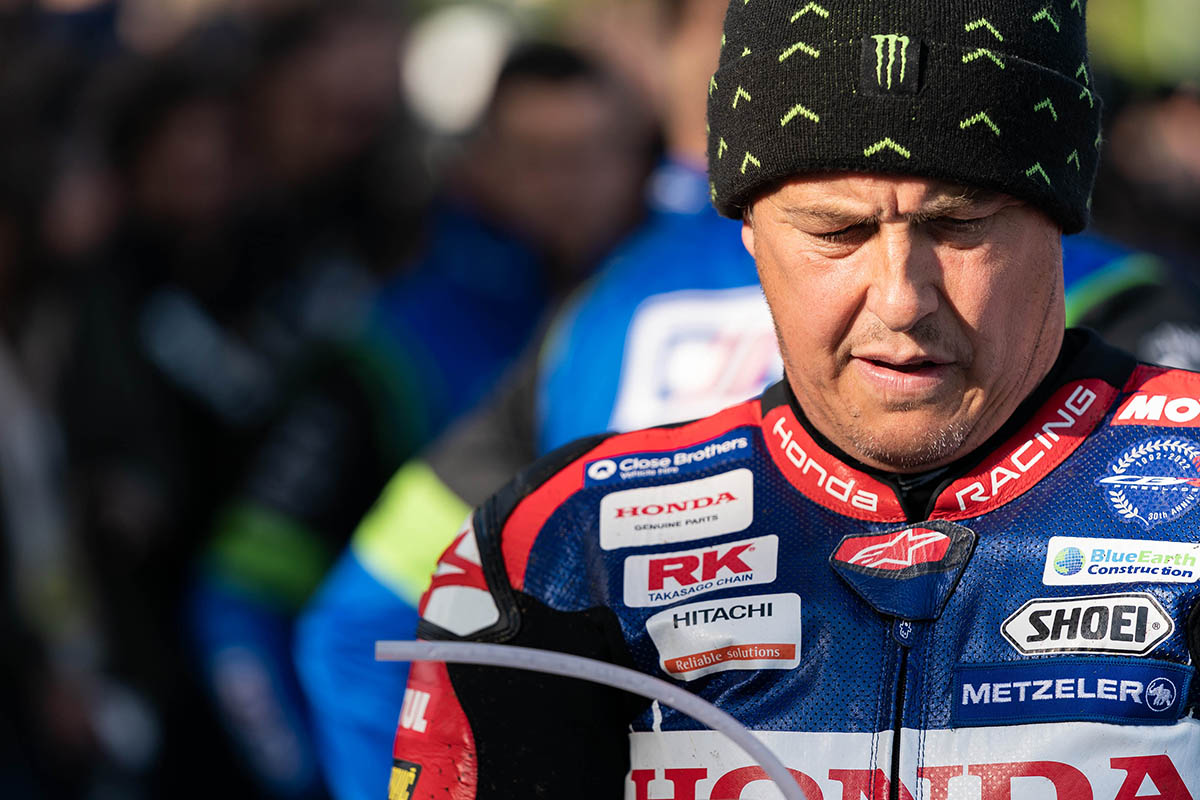
Photo credit: Meredith Potgieter / ZA Bikers

With a short water break, I sat on a rock and took in all of what the RAD team had done. What first appears to the eye is how the EXC still looks like an EXC, meaning no rally-styled tower and no rear fuel tanks to mess with the weight or look of the machine. Instead, RAD has focused on the finer details of this particular build that keeps the bike light but enhances the already factory-ready package.

Photo credit: Bjorn Moreira / ZA Bikers

The eye then wanders towards all the Acerbis aftermarket parts, starting at the top with the 15 L tank which replaces the standard 9.2 L engine covers and skid plate. The Acerbis parts further enhance the look, adding to the factory-fitted protection, and the fuel tank takes the 500 into a new world of range—especially if you can get 20 km/L on a good day.

Photo credit: Bjorn Moreira / ZA Bikers

We see some local accessories also being selected by RAD, like the Adventure Addicts soft luggage frame assembly and a Seat Concepts comfort seat. As far as functional accessories go we also have a 7-way steering stabilizer, fly screen, front disc protector, both a USB charge port and a 12V power outlet. These are just a few key upgrades that stand out from the flood of extras put onto this RAD_KTM machine. What must be said, is that a customer can sit down with the team and make a selection from the RAD menu, which we will touch on shortly.

Photo credit: Bjorn Moreira / ZA Bikers

With my water break over, I blasted through some muddy trails, connected with Mooiplaas road and opened up the 500 on a well know train line route called Spoorweg. It was here where I got to see how comfortable the 500 sits at speed, seeing the adjusted 14-48 sprocket allowing the bike to hum at 120 km/h and comfortably accelerate up to 160 km/h. I have to say, the Bridgestone Battlax Adventurecross AX41 tyres were the perfect combo in my opinion, along with the steering stabilizer for this type of terrain. Along with this came a well-damped WP suspension, providing enough grip and travel on the trails and on the rain-drenched tar.

Photo credit: Bjorn Moreira / ZA Bikers

For the rider who needs to spend a little more time on the black stuff, RAD do recommend their 14-45 sprocket conversion which allows the bike to cruise comfortably at 140 km/h and almost reach the 200 km/h mark for you crazy desert riders. Another thing that becomes apparent is how the 500 still feels like a fire-breathing EXC-F! The bike is still light enough to ride like a plastic, and comfortable enough for the long haul thanks to the well-damped suspension and seat. It really does feel like the jack of all trades and the master of fun—a bike you could still take part in an enduro or cross-country race and ride back home on.

Photo credit: Meredith Potgieter / ZA Bikers

Here’s the biggie! A lot of you share concerns about the service intervals which are essentially on a race-built motor. My answer to this is to just read or see what Aaron Steinmaan has done on his personal KTM 500 EXC-F. This legend spent three years and 140,000 km riding around the world. He started off babying the bike as he says, with 1500 km oil services and progressed to 3000 km intervals before only opening the motor at 870hrs/67,000 km. What Miguel recommends is sticking to a 30hr service interval, but at the same time, it all depends on how hard and where you ride.
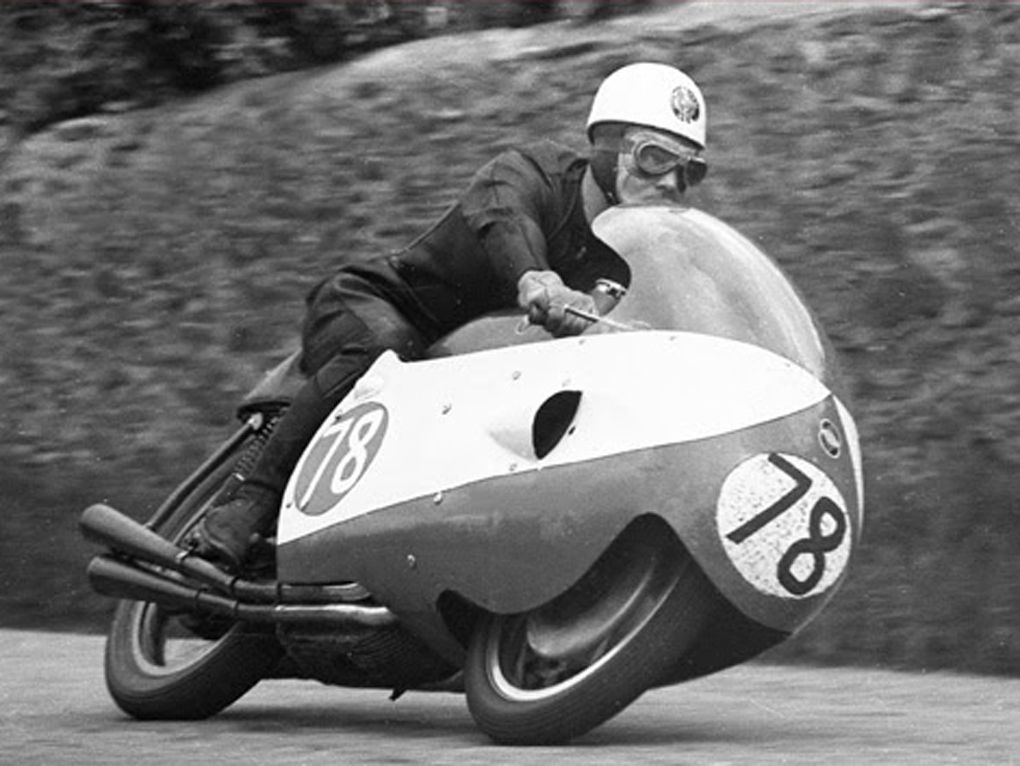
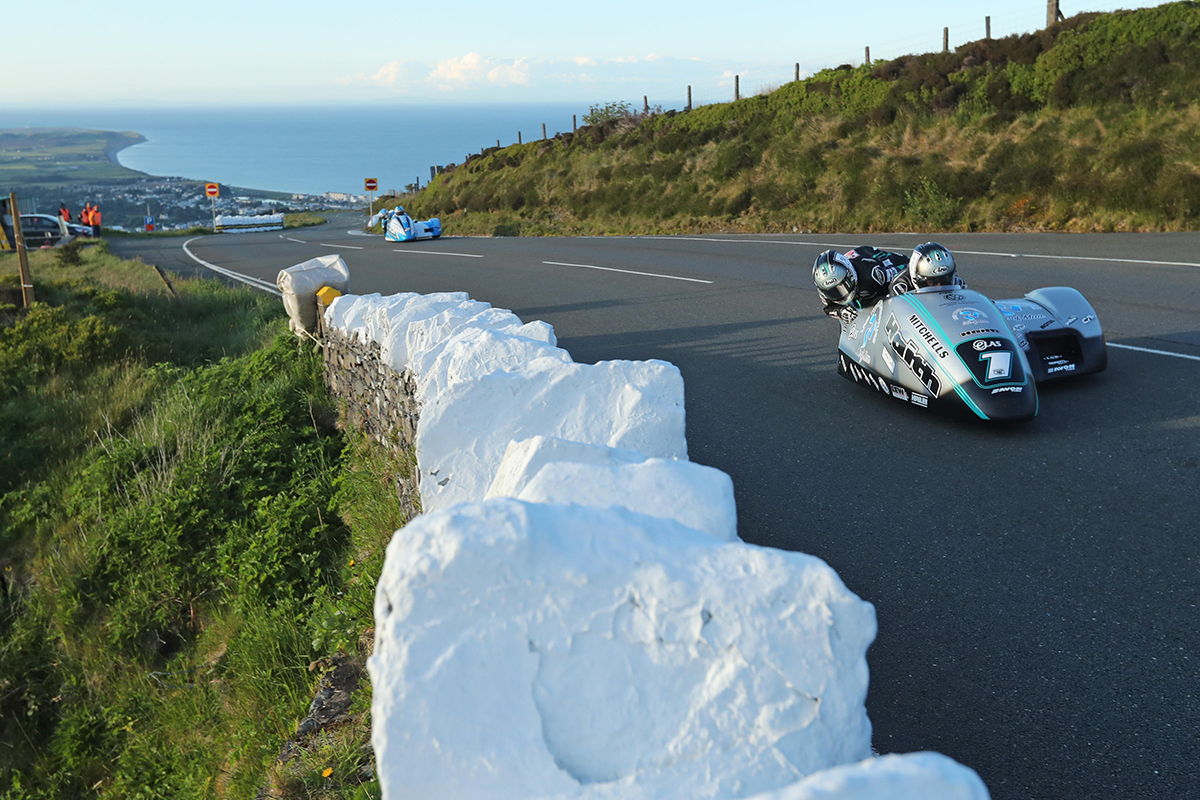
So, what is one of these creations going to set you back? There are a host of factors, but let’s start with the first obstacle. You could opt for a standard 500 EXC-F which will cost you R161,999 or you could opt for the SIX DAYS version for an extra 10k which gets you a few bling orange bits up front. The kit that makes the EXC-F truly adventure worth comprises a: 15 L tank, engine covers, skid plate, seat, steering damper and soft luggage frame assembly. This will set you back 42K in addition to the price of the motorcycle. RAD also offers a 20k trade assistance on the current 2023 models for all these upgrades for added value.

Photo credit: Bjorn Moreira / ZA Bikers

At the end of the day, the 500 EXC-F which pays tribute to the adventure bikes of old, has been taken to new heights thanks to RAD_KTM. The phenomenal off-road capability of this bike will broaden the landscapes of all adventure motorcyclists, leaving you with zero excuses not to ride. So, pay RAD a visit, speak to Miguel or the RAD team and they will take you through the steps of building your dream adventure bike, built to your particular specifications. A converted 500 EXC-F lover… that’s me!

2023 BMW S 1000 RR Arrives In SA

Photo credit: Bjorn Moreira / ZA Bikers

It seems that reports of the death of the superbike have been greatly exaggerated! While the class is suffering a rapid and seemingly inevitable decline in South Africa, that has not stopped BMW Motorrad from making a big splash about the arrival of the 2023 S 1000 RR.

Every BMW Motorrad dealer hosted an unveiling on Saturday 11th February and ZA Bikers was present at both BMW Sandton and Bavarian BMW in Centurion to get a first glimpse of the new kid on the block.

Photo credit: Bjorn Moreira / ZA Bikers

And what a glimpse! The new model is simply stunning and somehow manages to make last year’s model look completely out of date.

The news that the engine remains largely unchanged should not deter anyone, although to satisfy the bar braggers, there is a little more power, even though, when you have 205 horsepower (151 kW) and 83 foot-pounds of torque (113 Nm), there aren’t too many arguments in favour of needing more! But more there is: three more horsepower!

What BMW has also done is make enhancements to the chassis, suspension, aerodynamics and electronics. These are the salient points of the upgrades:

Photo credit: Bjorn Moreira / ZA Bikers

Dynamic Traction Control DTC with new Slide Control function using a steering angle sensor.

The new feature of Dynamic Traction Control DTC is the Slide Control function. It allows the rider to select two preset drift angles for the traction control system when accelerating out of bends. Technically, this is achieved using a steering angle sensor. Up to the respective leaning angle, the traction control system allows slippage at the rear wheel when accelerating out of a bend, thus enabling rear wheel drift. When the preset steering angle value is reached, traction control intervenes, reduces slip and stabilises the motorcycle.

Photo credit: BMW Motorrad

Advanced “Flex Frame” and newly defined chassis and suspension geometry.

The heart of the chassis of the new RR is still the aluminium bridge frame, which is a welded construction of four gravity die-cast elements and integrates the engine, which is inclined forward by 32 degrees as before, as a supporting element. With the aim of optimising flexibility laterally, the main frame of the new RR was given several openings in the side areas. The focus was also on further increasing riding precision when developing the new chassis of the RR. The steering head angle has been flattened out by 0.5° and the offset of the triple clamps reduced by 3 mm. The new chassis geometry is accompanied not only by even better riding precision, but also by increased accuracy and clearer feedback from the front wheel.

Photo credit: BMW Motorrad

ABS Pro with new Brake Slide Assist and ABS Pro “Slick” setting functions.

The new Brake Slide Assist function is an important and very helpful innovation for race track riders. As in the new DTC Slide Control function, this new system is also based on steering angle sensors and allows the rider to set a specific drift angle for so-called braking drifts while sliding into corners at a maintained speed.

Photo credit: Bjorn Moreira / ZA Bikers

Winglets – redesigned front and rear sections

As with the M RR, winglets on the new RR now ensure the best possible contact of the front wheel with the road – especially when accelerating. They generate aerodynamic downforce and thus additional load on the wheels. The advantages are that the bike’s tendency to do a wheelie is reduced, you can brake later and cornering stability is increased.

Photo credit: Bjorn Moreira / ZA Bikers

There are three new colour schemes Black Storm (metallic), Passion in Racing Red (non-metallic) and the racing-oriented Light White/M Motorsport (non-metallic).

Talking to the staff at BMW Sandton, it seems the price range for the BMW S 1000 RR will be from R360,000 up to about R460,000. For more details, contact your local BMW Motorrad dealer here.

Photo credit: Bjorn Moreira / ZA Bikers

2023 BMW S 1000 RR

For more information on the bike featured in this article, click on the link below…

2025

BMW S 1000 RR

Pricing From R396,400 (RRP)


Brand: BMW Motorrad

Beeline Moto Navigation Device – The Essence of Simplicity

0

When my mate Corrie Moolman phoned me and told me he had some kit that he wanted me to test, I was quite intrigued. When we met over a coffee and he handed me a small box containing the Beeline Moto Navigation Device I chuckled inwardly. Let me explain. I am the world’s original BC fellow! (Before Computers). I endeavour to stay pretty much in an analogue world. I have generally found that what computer geeks and I find as ‘intuitive’ are very different things. My previous experience with GPS devices has not really altered my view. Both the Garmin and TomTom devices that I have used have left me unconvinced.

Photo credit: ZA Bikers

In fairness, I must say that “intuitive” to me means being able to suss it out with minimal study. I accept that complex route planning will require some training and I’m cool with that. What gets my goat, is when I want to simply type in an address and hit GO, the device cannot find the particular place I want to go. Over and above that, the typing process on my Garmin required moving between screens to get to all the letters of the alphabet. Google Maps was a revelation to me. It seldom fails to find the address that you type in and mapping the route is super cool. The little blue line gives a clear indication of the route. It relegated my two GPS devices to my bottom drawer.

Enter the Beeline Moto Navigation Device.

Photo credit: ZA Bikers

At first glance, it is almost so insignificant that you tend to be almost dismissive. It is small (5 cm in diameter) and round. It is very neat though. I read through the start-up instructions and just did as it told me. In no time I had loaded the Beeline App on my Android smartphone and charged up the device itself, which was fully charged in about an hour. The Beeline comes with two mounting options. There is a 3M stick-on mount that can permanently attach to a flat part of your bike where it will be clearly visible when you ride.

Alternatively, if you have more than one bike, you can use the mount that fits effortlessly to either handlebars or slimmer bars like a GPS mount or mirror stem. It uses silicon rubber bands of various lengths to attach to your preferred mounting spot. The beauty of this method is that it seems impervious to vibration, bumps or whatever. The mount is essentially a docking station to which the SatNav attaches or detaches with a mere twist. The charger works the same way. It is thus easy, once reaching your destination, to just twist it from the mount and stick it in your pocket.

Photo credit: ZA Bikers

So how does it work? You download the Beeline App and pair it to your phone using Bluetooth. Guys, I did it! It’s that easy. The App utilises Google Maps accessed via your phone. You open the Beeline App, hit the Plan Ride icon, enter the address, which it always seems to find and with your device itself switched on just press the GO icon.

Photo credit: ZA Bikers

The screen on the device shows an arrowhead with a dot on its perimeter. The arrow indicates the direction you should ride and the dot moves to the side of the arrow that you will turn to next.

Photo credit: ZA Bikers

The distance to the change of direction appears in K’s or Metres at the bottom of the screen and in the middle of the screen, it shows the type of intersection. Circle, onramp or whatever. As you get to the change in direction the arrowhead swings in that direction. It sometimes waits till the last moment to indicate with the arrow but if you pay attention to the distance it is soon intuitive to follow the arrow seamlessly.

The white-on-black display, which is lit at night is legible in all light conditions. I find that because it is ‘turn by turn’, you spend less time trying to suss out the route as with Google Maps and learn to trust and obey the arrow. Dare I say it… I am hooked! It just goes to show that if properly harnessed technology can make our lives less complicated and not the converse. Because I move the unit between bikes I use the mirror stalk as the mounting point making it very easy to follow without distracting my attention from the road for more than a millisecond.

Photo credit: ZA Bikers

Your smartphone remains safe and secure in your pocket. When you get to your destination you just terminate the ride on the app and stick the unit in your pocket when you park the bike. Done! easy peasy! On the top of the display is a journey progress indicator, showing how far you are relative to when you set out.

You can also put in waypoints as you plan your ride and import or export from or to other Beeline devices. Brilliant for group rides or sharing routes. This is done by downloading and sending a GPX file. Battery life is excellent, lasting for around 30 riding hours. Standby time does not erode much battery life either. So essentially what you get with the Beeline Moto is a neat little device that is shockproof, waterproof, small and lightweight, easy to mount and has great battery life. Believe me, if I say it is easy to use, then ANYONE can use it!

Photo credit: ZA Bikers

It is available in three finishes. Basic Black @ R4 350 Incl, Moto Metal Edition in Gunmetal Grey @ R5 125 Incl and Moto Metal Edition Silver @ R5 125 Incl. The metal finishes will look super cool on a modern classic. So, does it get a thumbs up from me? Absobloodylutely!, I want one…the plain Jane basic chap will do me just fine thanks. For its ease of use and functionality, it is an absolute bargain when you look at the crazy prices of bike GPS these days.

New Adventure Models From KTM

Image source: KTM

It seems that, for 2023, things are staying pretty much the same at KTM, with no major updates of existing models which is no surprise as how do you improve on the already near-perfect?

Having said that, there are one or two pieces of news that have come through that will be of interest to South African motorcyclists.

Image source: KTM

The first concerns the fantastic little 390 Adventure, a bike that punches way above its weight and further strengthens the argument against large and heavy adventure bikes. When launched, it was equipped with cast alloy rims which many adventure riders will happily tell you, are inferior to spoked rims for serious off-road work.

Image source: KTM

KTM has obviously been listening as the 2023 390 Adventure is now available with spoked rims, making it just that little bit more practical off-road. Alloy rims are great but, hit a rock and there is the chance that the rim can crack or chip, making further progress difficult, to say the least. A steel rim will bend and can be bent back with little risk of cracking, while with spokes there is just a lot more give in the wheel as a whole.
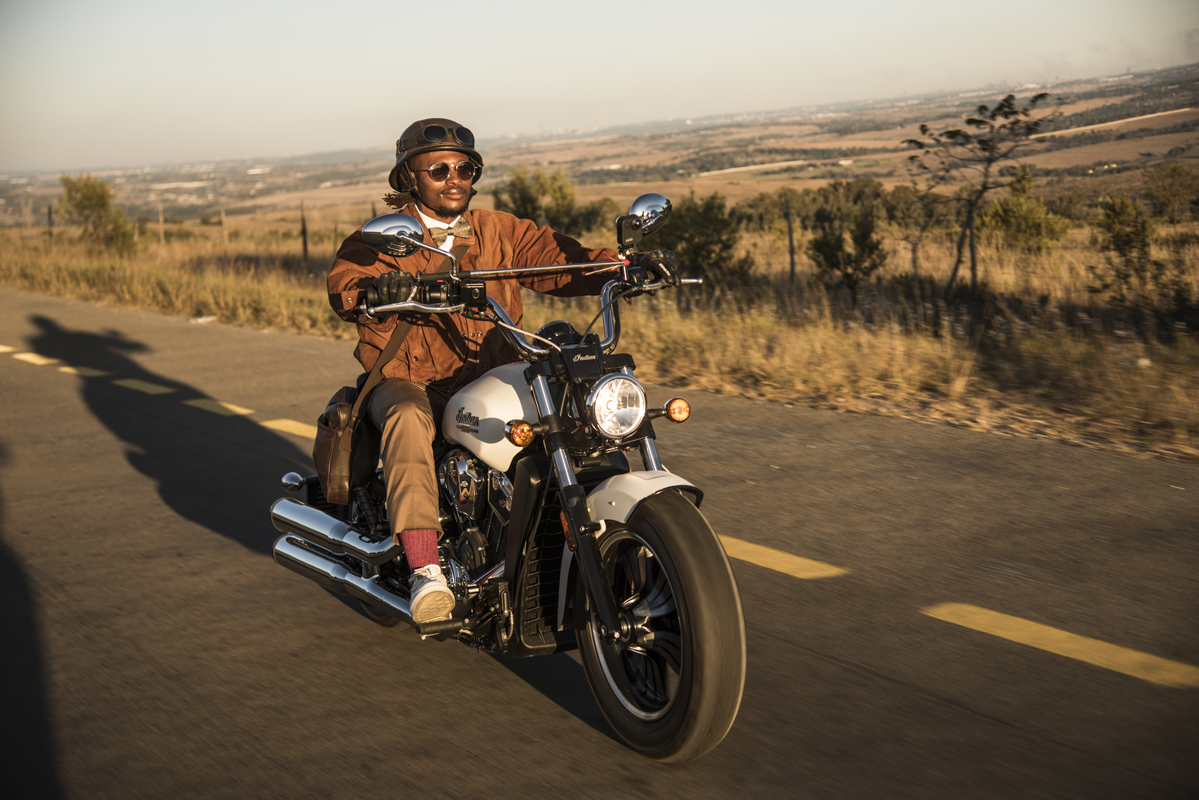
Image source: KTM

The KTM 390 Adventure with spoked rims will cost R123,99 and the alloy wheel version is still available for R114,999.

2024

KTM 390 ADVENTURE SW

Pricing From R131,999 (RRP)


Brand: KTM

A surprising – and welcome – piece of news is the return of the 790 Adventure. Quite where this fits into the range with the presence of the 890 Adventure is not clear but KTM has obviously been listening once again and has determined that a gap in the range had appeared when the 790 was quietly dropped. Perhaps customer demand was high enough to justify bringing it back?

Image source: KTM

The bike differs very little from the 890 Adventure, which will make it a formidable off-road tool in any hands. Where there is a big change – a most welcome change for many customers – is in the asking price for the 790 Adventure. Would you believe that KTM is pitching it at a frankly unbelievable R53,000 less than the base 890 Adventure? As far as we can make out, there is little or no difference in the electronics package and the engine loses a marginal amount of peak horsepower – 70 kW down from 78 kW.

Image source: KTM

This is a huge move for KTM and an acknowledgement that they recognise that people just don’t have as much money swilling around as before.

2023

KTM 790 ADVENTURE

Pricing From R199,999 (RRP)


Brand: KTM

For more information contact your local KTM dealer.

Husqvarna Racing Acquires Some New Faces In The Quest For Championship Glory

Image source: Husqvarna

The Husqvarna Racing teams are looking to make waves in 2023 across the 3 disciplines of racing.

Barend Du Toit joins the team to compete in the volatile MX125 class onboard the brand-new TC125. Joining him on the Motocross front is Davin Cocker who will once again compete in the MX2 class and looks to add to his podium finish from 2022 before he sustained a season-ending injury. Last but certainly not least is Josh Mlimi who will take on the MX1 class onboard his FC450.

Image source: Husqvarna

The Cross Country team also sees Ryan Pelser joining the stables who will take part in the OR3 class, after finishing in the runner-up spot last year. Ryan looks to improve his position and compete for Championship Honours. Team veteran, Davin Cocker has moved up to the OR2 class to put him into a position to fight for overall wins as well as class glory.

Image source: Husqvarna

Travis Teasdale, a well-known name in racing, has joined the Husqvarna Enduro team onboard his TE300 and will take up the challenge in the E2 National Enduro and Extreme Enduro championship. Joining him on the Enduro scene is young gun Heinrich Aust. The likeable youngster has returned from injury and is hungry to get back to his winning ways of the past and prove himself in the ever-competitive Enduro championship.

Image source: Husqvarna

Team manager, Grant Frerichs, was struggling to keep his smile back when commenting on the team for the year’s challenge ahead. “We have made some vital changes in the team for this year and the excitement from the new athletes has added to the enthusiasm of the other riders. We are going racing with championship competitors across the board and I look forward to lots of success in 2023 with the Husqvarna racing squad.”
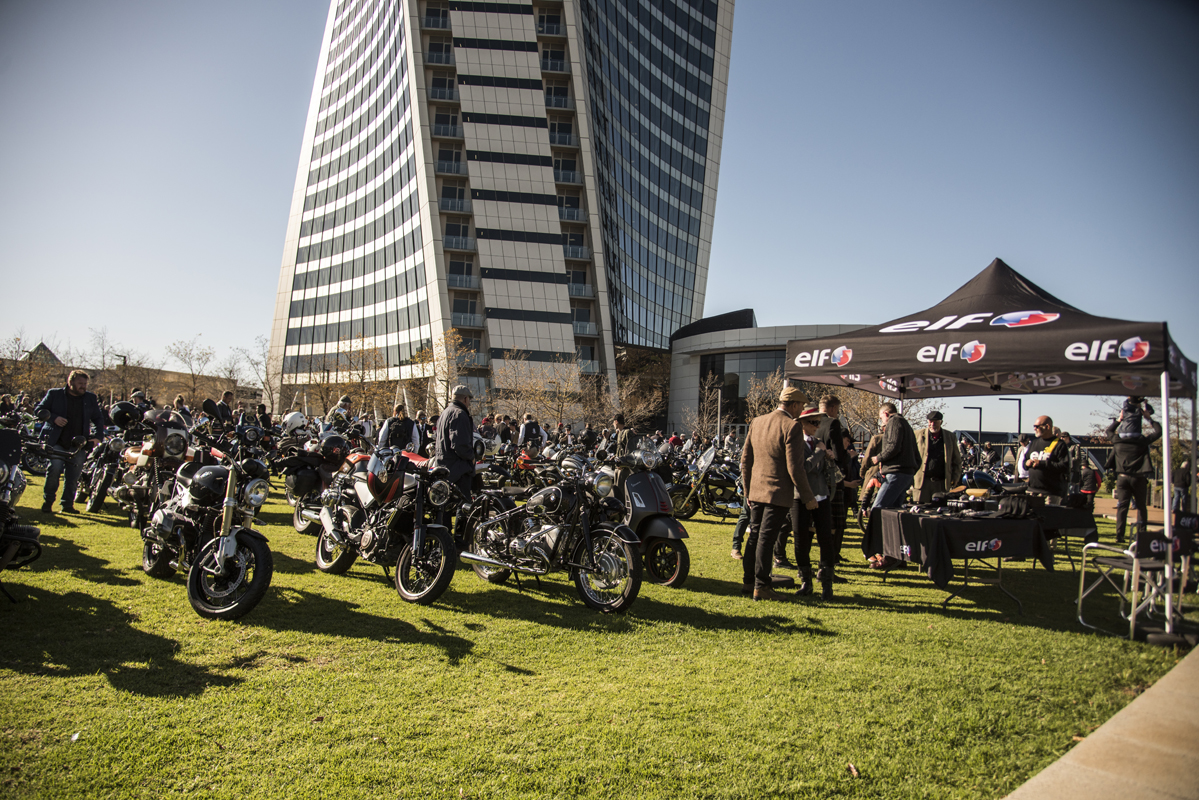
Big Boy Fourways: From Humble Beginnings to Success

Photo credit: Bjorn Moreira / ZA Bikers

Big Boy Fourways started their journey during the tail end of 2011, with what started off as a steady canter then turned into a gallop. Those days saw Big Boy enter the pit bike craze, bringing forth a whole new era of young riders into the dirt scene and likewise with their urban scoot, the Big Boy Revival. What became apparent to Conrad (owner of Big Boy Fourways) was that he didn’t struggle to get wheels off his floor and this is what led him to focus heavily on servicing his client’s needs and machinery.

Photo credit: Bjorn Moreira / ZA Bikers

After sticking to their working formula of getting bikes on the road and keeping them on the road, 2016 crawled in. 2016 was perhaps the most significant turning point for BB Fourways with the likes of Uber Eats and Mr Delivery popping onto the scene. With the anchor out of the water and a winning formula in hand, BB Fourways raised their sails and have never turned back.

Photo credit: Bjorn Moreira / ZA Bikers

With numerous awards spread out across its walls, that same humble dealership from back in the day takes pride in what they do and it’s because of this passion that they are so well recognised, not only in Johannesburg but in the whole Gauteng region. If you are ever in JHB and you spot a delivery rider, nine times out of ten there will be a Big Boy Fourways sticker on the back of their top box. I’m not joking, they average 120 motorcycles a month, not a year, a month.

Photo credit: Bjorn Moreira / ZA Bikers

So, what has become of Big Boy Fourways in 2023? Twelve years down the line sees the dealership relocate into a new stunning premise in the same business park as before, but with a more visible presence from the main road and a bigger showroom. One always needs to adapt to the constantly changing markets and BB Fourways has done so by adding additional brands to its megastore.

Photo credit: Bjorn Moreira / ZA Bikers

Yes, they have their foot in the agricultural market with both Linhai and the American juggernaut, Polaris—BB Fourways has a bronze dealer award for Polaris. The commercial and alternative transport segment is covered by Atul (Tuk-Tuk), Jonway and Gomoto. And lastly, when it comes to road-going leisure rides, they’ve got Voge motorcycles.

So, there you have it, an impressive mega store run the right way. If you don’t want to take my word for it, have a read of their four-star google reviews.

For more info visit: www.bigboyfourways.co.za

KTM Racing Mounts Another Championship Onslaught

Image source: KTM

The KTM racing teams are set to continue their winning ways from 2022 with many familiar faces returning to the Ready To Race stables again in 2023!

The Red Bull KTM team consists of 4 familiar faces and will field two number 1 machines in the form of Luke Grundy in the MX125 class and Cameron Durow in the MX2 class. Durow is the stand-alone MX1 rider and after his runner-up finish last year in the championship he is definitely the person to beat in both these classes. Joining Grundy in the MX125 class will be last year’s MX 85 National Champion, Trey Cox who looks to wet his feet and prove his worth in the highly competitive 2-stroke 125cc class. Jonothan Mlimi rounds off the team in the MX2 class, returning to the class after his maiden outing last year. Mlimi is hungry to get back to his winning ways of the past and add to his, already impressive, championship tally on his 250 SX-F.

Image source: KTM

The Brother Leader Tread KTM Cross Country team remains unchanged in the rider line-up but will field Kerim Fitz-Gerald in the seniors class for the first time. Matthew Wilson will return to defend his 2022 Championship in the OR3 class while Scott Heygate fights for his first championship in the OR2 class. Bradley Cox heads up the OR1 class and looks to regain his number 1 plate again in 2023.

Image source: KTM

The Brother Leader Tread KTM Enduro team has had an injection of new blood in the form of Dylan Jones in the E1 class. William Slater will return to the team, after a successful first outing for the team at the 2022 Roof of Africa. Although the youngest on the team, Matthew Stevens is the longest-standing member and steps up onto the 150 EXC this year to compete in the high school class.

Image source: KTM

Grant Frerichs, the team manager, commented, “We are looking forward to another great year of racing with the team. We have competitive riders across all the racing facets and the vibe across the entire team is unrivalled. We kick off the season next weekend with the first round of Motocross and we are definitely ‘Ready to Race’!
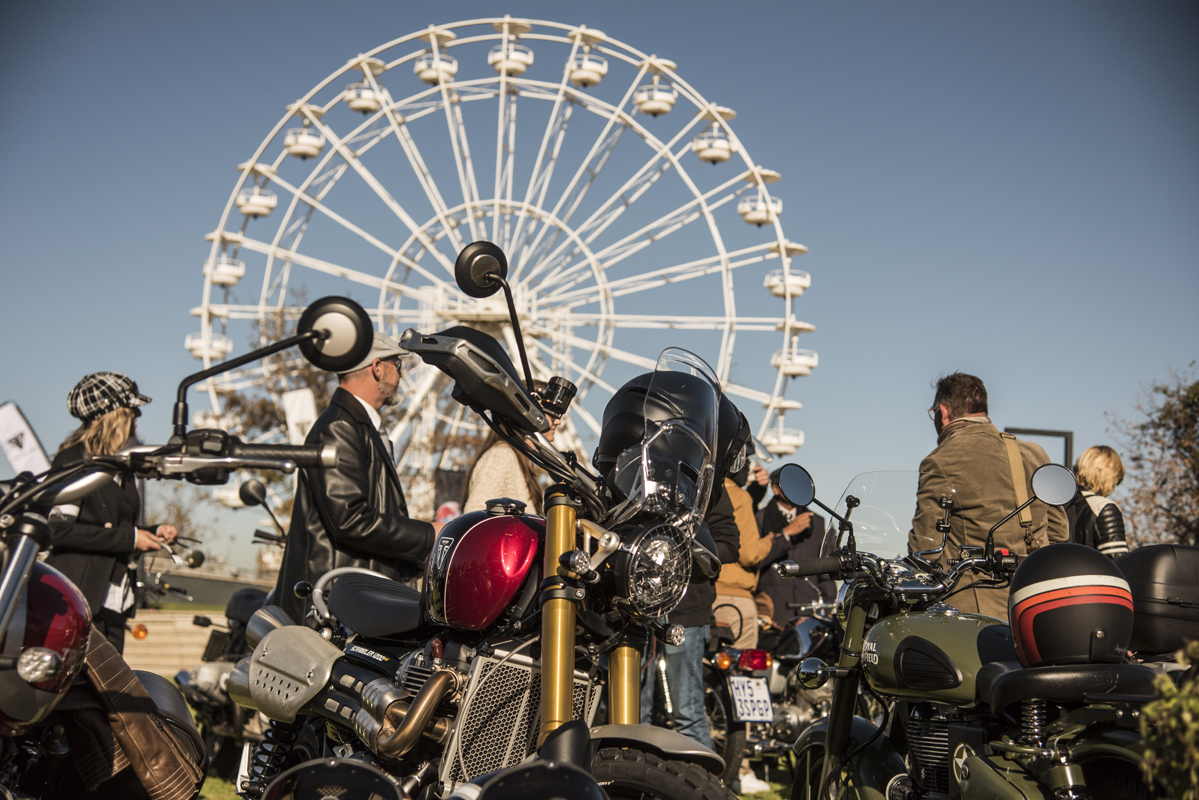
Celebrating In Style: Harley-Davidson’s Limited Edition 120th Anniversary Models

Image source: Harley-Davidson

Every five years, Harley-Davidson celebrates another half-decade in business with a slew of special anniversary models. For their 120th birthday, they’re painting the town red with a series of commemorative paint jobs—and adding a few new models to the mix.
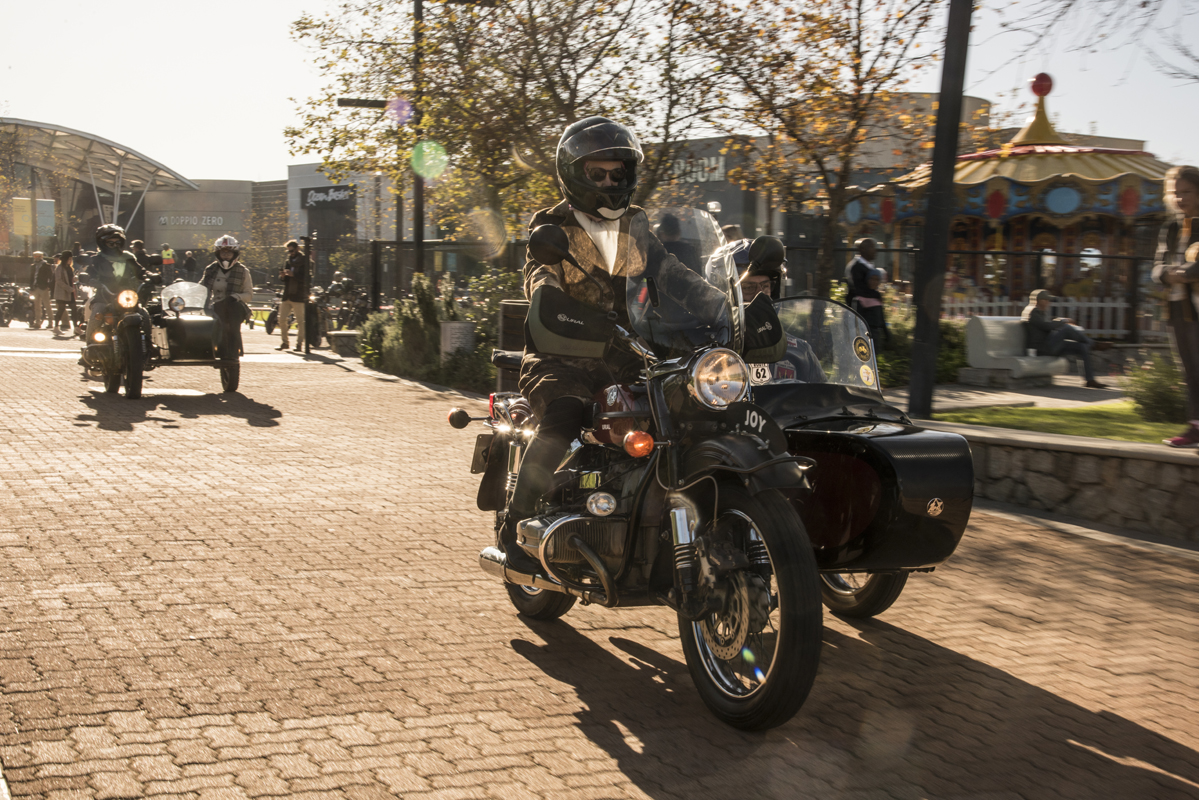
Leading the charge for the anniversary editions is the ultra-exclusive Harley-Davidson CVO Road Glide Limited Anniversary model. If you don’t speak Harley, CVO stands for ‘Custom Vehicle Operations.’ CVO models are based on existing models—but with every last bell and whistle imaginable fitted as standard.

Image source: Harley-Davidson

The CVO Road Glide Limited Anniversary gets The Motor Co.’s punchy, 166 Nm Milwaukee-Eight 117 power plant, along with a full suite of electronic rider aids like cornering ABS and traction control, hill hold control and tyre pressure monitoring.

Image source: Harley-Davidson

It’s also packing Harley’s proprietary Boom Box GTS infotainment system, with a full-colour TFT display and Rockford Fosgate speakers. A rider backrest, fully kitted top box, crash bars and auxiliary speakers; if Harley offers it, the CVO Road Glide has it.

Image source: Harley-Davidson

Limited to 1,500 numbered units, the CVO Road Glide Limited Anniversary is wrapped in Harley’s 2023 120th anniversary livery. It’s an intoxicating mix of various shades of red and black, punctuated by bright red pinstripes and hand-applied gold details. Look closely, and you’ll see a ghosted eagle motif spread across the fairing and tank; a design that’s echoed in the gold eagle wing-style tank badges.

Image source: Harley-Davidson

Harley-Davidson have six other limited edition 120th anniversary models lined up, all wearing a slightly altered version of the CVO Road Glide Limited Anniversary livery. The emphasis shifts from gold to red here, with red inserts on the bikes’ air filters and engine covers, and red panels on their seats.

The commemorative model list includes the Ultra Limited Anniversary (1,300 units), Tri Glide Ultra Anniversary (1,100 units) Street Glide Special Anniversary (1,600 units), Road Glide Special Anniversary (1,600 units), Fat Boy 114 Anniversary (3,000 units) and Heritage Classic 114 Anniversary (1,700 units).

In addition to their 120th-anniversary quiver, Harley-Davidson has announced three more model updates. The first is good news for fans of the marque’s defunct muscle cruiser, the Breakout; it’s back, and a lot more badass.

The 2023 Breakout features the same long and lean, chopper-esque styling that its fans love, but it’s now a whole lot meatier, thanks to its new Milwaukee-Eight 117 drivetrain. It also sports new wheels, a bigger fuel tank, higher handlebars and a smorgasbord of chrome accents.

Image source: Harley-Davidson

It’s flashy—but also sort of to the point—which has always been the Breakout’s charm.

Next up, H-D adds another model to their next-generation Sportster range with the Nightster Special. It’s effectively a dressed-up version of the existing Nightster, which uses Harley’s new Revolution Max 975T liquid-cooled V-Twin engine.

Image source: Harley-Davidson

The Nightster Special adds a passenger seat and pegs to the base model’s solo setup, along with revised risers and bars for a less aggressive riding position. A round 4” TFT display sits up front, complete with Bluetooth functionality and selectable rider modes.

The Nightster Special also gets its own cast aluminium wheel design, with a tyre pressure monitoring system. Brembo brakes, ABS and traction control, cruise control, LED lighting and a USB charge port are all standard equipment.

Image source: Harley-Davidson

Moving to trikes, H-D have restyled their Freewheeler model for 2023. Powered by a Milwaukee-Eight 114 engine, it’s had all its chromed bits swapped out for blacked-out bits. It’s also traded its 18” rear wheels for a pair of 15” hoops, which are tucked under a pair of bobtailed mudguards. Matched up to mini-ape bars up front, the overall aesthetic is something between a bobber and a hot rod—and somehow, it works.

Image source: Harley-Davidson

The Freewheeler also features a weather-proof ‘boot’ at the back, dual mufflers with slash-down tips, an electric reverse gear, and a full set of trike-specific electronic rider aids. Harley are also rolling out a bunch of electronic aids to existing models this year. The Fat Boy, Fat Bob, Breakout and Low Rider S will all get cruise control as standard, while an optional (and switchable) traction control system will be available for the Breakout, Low Rider S and Low Rider ST.

Image source: Harley-Davidson

And if you’re not in the market for a new motorcycle, fret not. Harley will naturally be rolling out some anniversary-specific apparel too… so you can at least look the part.

For more information visit – www.hdavidson.co.za

Biker’s Warehouse Mini Quest In Association With Honda

Photo credit: Bjorn Moreira / ZA Bikers

By now, Honda hopes that you have all heard of the Quest True Adventure event. While the event has been a dark horse in terms of exposure in previous years, Honda is determined to rectify that in 2023. To that end, over the past few months, the Quest road show has been making its way around South Africa, visiting Honda dealers with a fleet of Africa Twin adventure bikes, inviting anyone to come along and try out the bike and find out more about the event, entries to which are open to anyone, irrespective of their adventure riding experience.

Further to this initiative, Biker’s Warehouse, itself a Honda dealer, organised a Mini Quest event at the A.D.A. training facility near Hartebeespoort recently. To understand what this entailed, an understanding of the Quest event itself is required.

Photo credit: Bjorn Moreira / ZA Bikers

The Honda Quest is not a race, even though teams of two riders compete together against other teams. It is more of a challenge, not only for the bike but of the participants. It’s not how many times you fall, but how many times you pick yourself up again: how you handle the pressure: how many times you will put others before yourself: how much empathy you have for your surroundings, of the culture of this amazing country, its people and nature. Of course, it is also a test of skill, endurance, mechanical sympathy and knowledge and riding ability but, over everything else, it is a test of teamwork.

With this in mind, various challenges had been set up at A.D.A. and a fleet of Africa Twins was supplied on which to complete them. Paired off into teams, the participants had to complete the following tasks: pushing the bike around a pre-determined course (not as easy as it sounds): riding along a tight trail through woodland, counting hidden cones along the way: picking up cones with your feet and placing them in a receptacle: towing your teammate around a coned course: removing and replacing a front wheel: picking up two bikes (two picking up one bike and then one picking up the other bike) and removing a screw from a tyre and plugging the hole successfully.

Photo credit: Bjorn Moreira / ZA Bikers

All sounds simple, doesn’t it? Yes, some of the tasks were easier than others but all required a level of skill that you either possessed or had to learn quickly. Most of all, however, it was fun with a capital F. We all got to know new people, laughing with them and cheering them on. And that is the key to the Quest: as much as it showcases the abilities of the Honda Africa Twin, the Quest is about people. We’re all from different walks of life, have different issues to deal with but, at the end of the day, we all share a love of motorcycling and there is a strong sense of community. The perfect Honda Quest participant is someone who is confident in him- or herself but just as ready to recognise faults and work on them, open to new experiences and influences, ready to push the boundaries, ready to help others and be grateful for everything we have in this incredible country we call home.

Photo credit: Bjorn Moreira / ZA Bikers

In the half-day the Mini Quest took up, we experienced but a fraction of what the full Quest entails but there was not one of us who left there without hoping that we might be one of the lucky few who get through to the final selection of participants.

The Honda Quest is open to anyone to enter. You don’t need your own bike – Honda supplies Africa Twins for every participant – just your own protective riding kit. All you have to do is look out for the notification on the Honda SA Facebook page that entries are open. You’ll have to write a short justification as to why you should be considered and answer a few questions. 200 entrants will be selected and will attend regional qualifying events. From there, 28 entrants will be selected to attend a three-day boot camp which will whittle the number down to fourteen finalists who will go on to take part in the ten-day Quest event in October.

Photo credit: Bjorn Moreira / ZA Bikers

To give you further insight into the qualities required, I can do no better than to quote from the Quest website – regarding the 2021 Boot Camp qualifier:

“The selection panel had the arduous task of eliminating 14 of the 28 hopeful semi-finalists by conducting theoretical and practical tests that varied from adventure-related general knowledge questionnaires to African geography quizzes. The semi-finalists were also asked to perform various practical and mechanical tasks with the added pressure of time limits per task.

Photo credit: Bjorn Moreira / ZA Bikers

“The individual tasks also included the assembly of adventure essential accessories to the CRF1100 Africa Twins, one of the finest adventure motorcycles, and the bike they will be using to compete in the Honda Quest 2021 competition. Additional tasks over the 3 days included the assembly of a camp, motorcycle maintenance, tyre and tube repairs among others.

“The selection panel were constantly on the lookout for individuals who demonstrated the competitive spirit and determination to complete the necessary tasks that would stand them in contention to compete in the final of Honda Quest 2021. Individual interviews were also conducted with each of the 28 semi-finalists which gave the panel insight into the behavioural responses of each semi-finalist.”

Photo credit: Bjorn Moreira / ZA Bikers

As you see, riding is almost the least of the challenge and it is this that makes the Quest unique. It is the most comprehensive test of adventure riders yet devised and, should you be one of the lucky ones, you will experience an adventure beyond your wildest dreams and which will only serve to increase your hunger for adventure.

To keep up to date with Quest developments, follow the Honda Wing SA Facebook page and website.

Hope to see you at the starting line!