



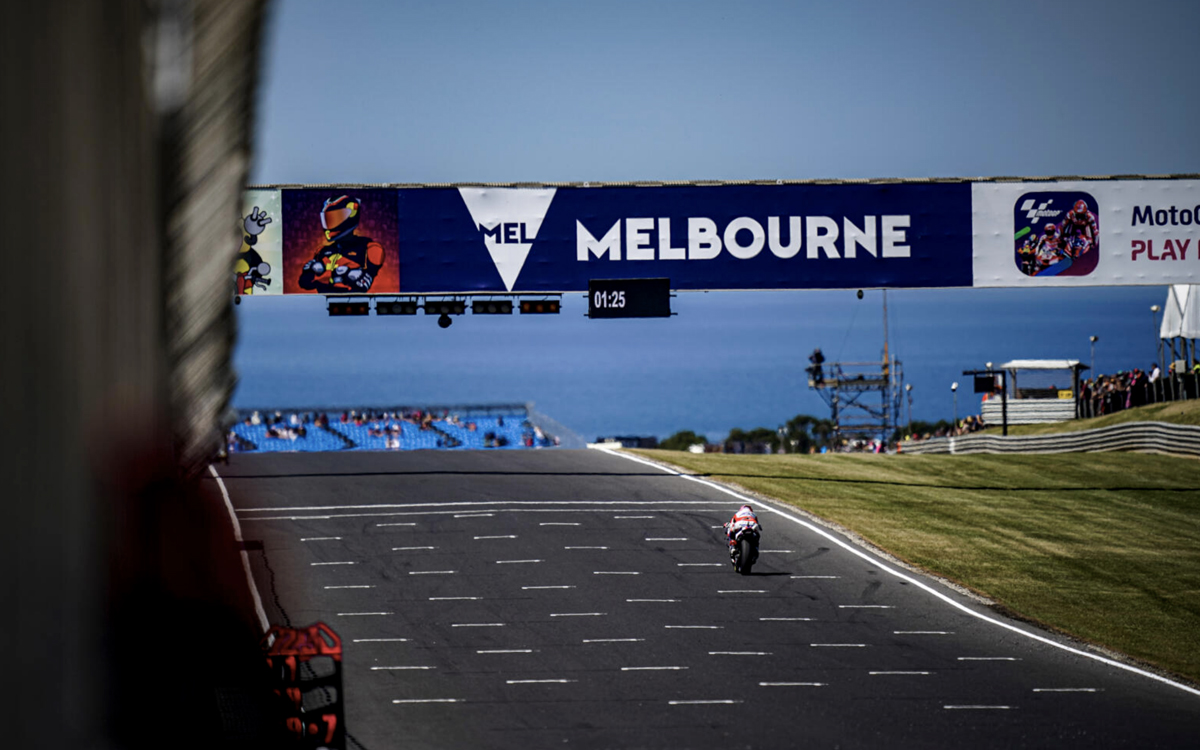
There is a trend that has been spreading through motorsport for many years now, and it goes along these lines: bigger/more means better. More countries, more races, bigger attendance figures, more entertainment, more points on offer, more exposure, more media duties, more razzmatazz, more money! It’s a long time since there were any entries in the “less of” column.
The announcement that the Australian Grand Prix would be moving from Phillip Island to a “street” circuit in Adelaide produced a predictable amount of wailing and gnashing of teeth, and rightly so. One of the great racing circuits in an age of ever-more anodyne circuit designs was being sacrificed at the altar of “more”.
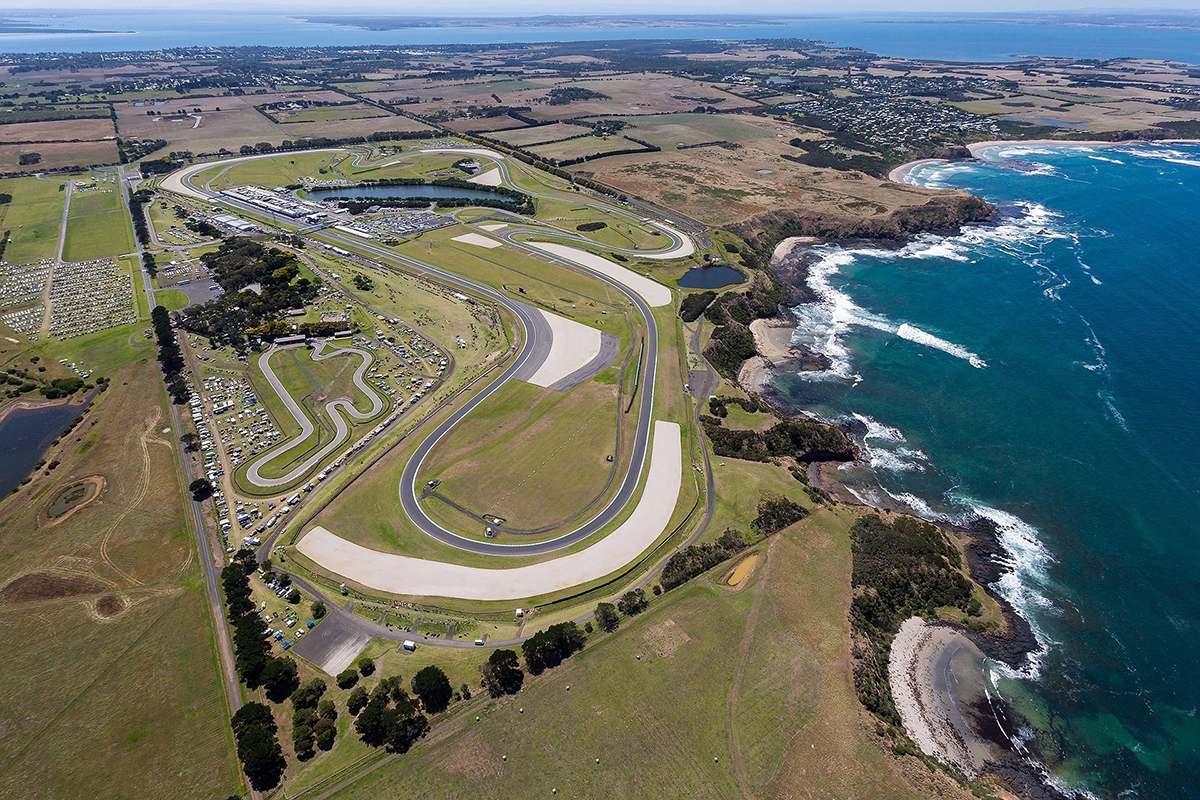
Adelaide, it was claimed, would allow more people to attend, meaning more money for Dorna and Liberty, co-owners of MotoGP, while Adelaide itself would benefit financially, thanks to increased tourism. Never mind the fact that MotoGP hasn’t raced at a street circuit for many decades, nor the fact that most of the riders would prefer to race at Phillip Island. Never mind the fact that street circuits and MotoGP are not exactly a match made in heaven, thanks to the safety concerns.
And there’s a thing. Dorna/Liberty are always keen to stress that safety is uppermost in their minds (and, to be fair, it almost always is), but here they are promoting something that is inherently inappropriate for 300 horsepower, 350 km/h racing motorcycles.
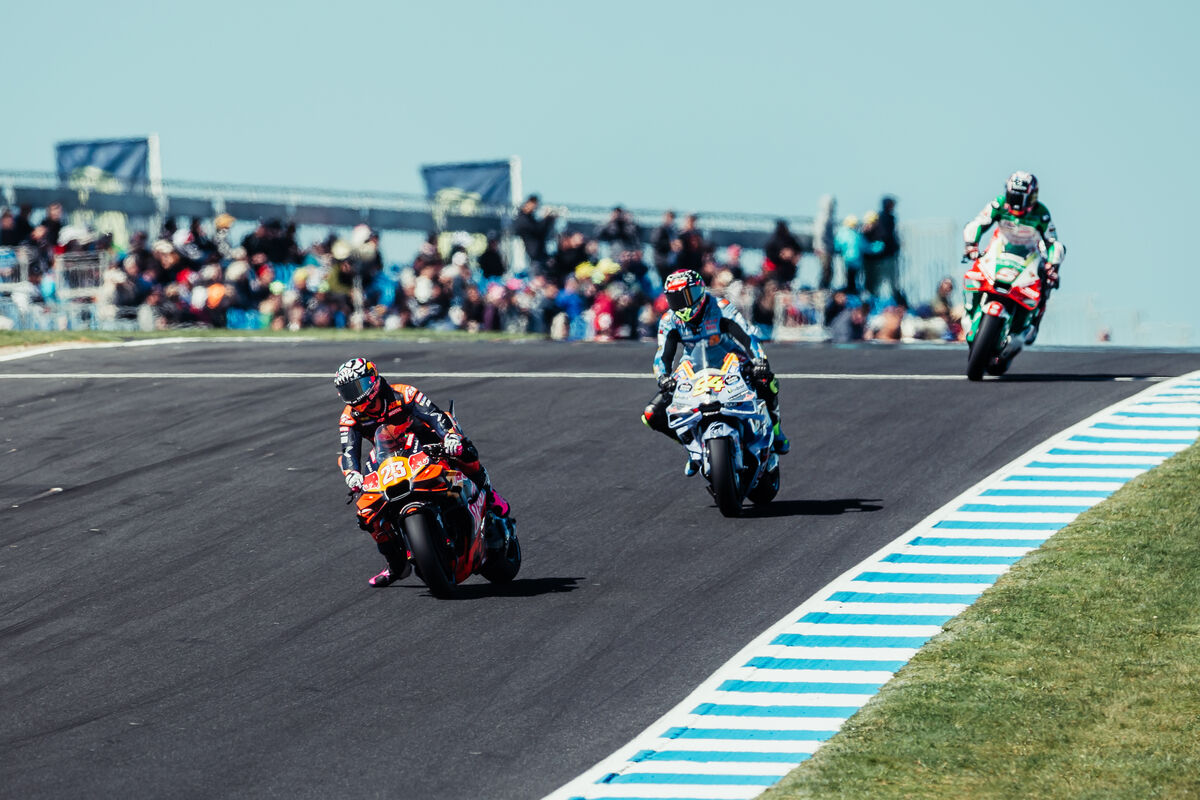
Then more details started emerging; the circuit was not strictly a “street” circuit but one that would be built in a park in Adelaide. So, hang on, let’s get this right: leaving Philip Island, with its parkland-based circuit, to go and race at a track set in a park, because it will make more money? Sounds about right!
The parklands around Adelaide were laid out in the 1830s, creating a green belt around what was then the city. What has got residents so worked up is the fact that creating the circuit would mean the felling of at least 400 trees, quite a step up from the originally promised 45. To make matters worse, alterations to the northern parklands golf course, to bring it up to international standards and, hopefully, attract the LIV golf tournament, mean the felling of a further 600 trees.
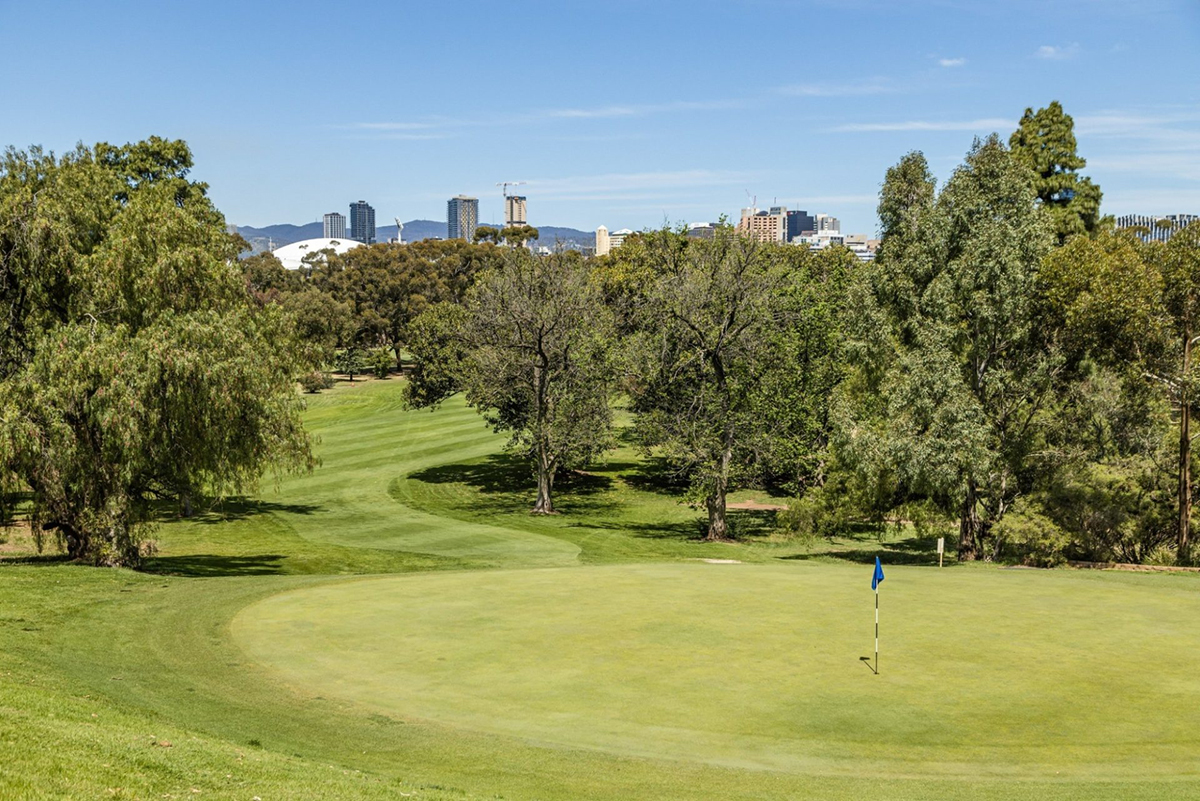
Now, I’m no tree hugger, but it does seem to me that land that was set aside for the benefit of all residents should not be sacrificed at the altar of capitalism. It’s not as if Australia doesn’t have quite a bit of unused land dotted around the continent…
To date, tens of thousands of Adelaide residents have signed a petition against the development, and this is enough to trigger a formal parliamentary inquiry which, it is hoped, will force the organisers to change their plans. The golf course project is also the subject of a federal court case.

What might trip the organisers up is the fact that the project falls foul of the F.I.M.’s (Fédération Internationale de Motocyclisme, motorcycle sport’s governing body) own code of environmental practice.
A letter sent by those opposed to the circuit reads as follows:
“We wish to alert you specifically to the fact that the construction of the proposed Adelaide MotoGP infrastructure, and the event itself, is in breach of the FIM Environmental Code 2026 and the FIM Sustainability Policy.
“The proposed MotoGP street race will be conducted in Adelaide’s nationally heritage-listed Park Lands – one of the world’s finest surviving nineteenth-century “city in a park” landscapes. “Approximately 40% of the circuit will be situated within the Park Lands itself, where large amounts of new hard surfacing will permanently replace existing green space and protected habitat.
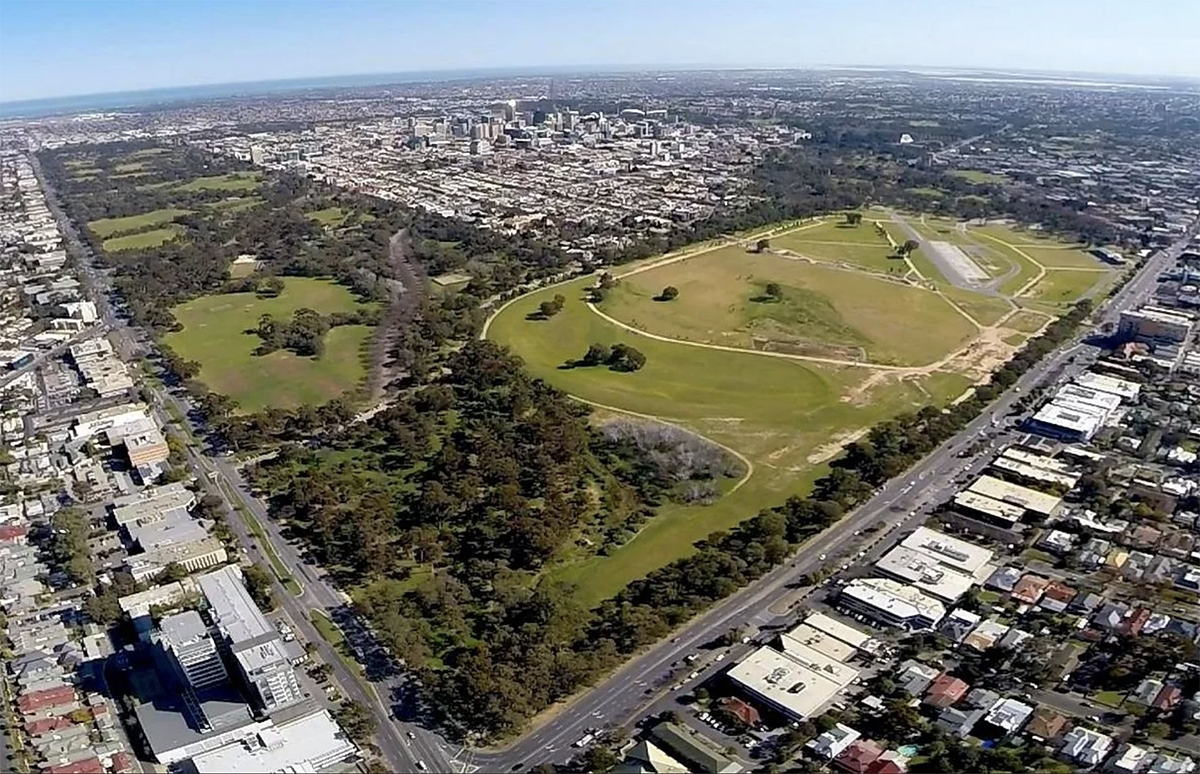
“The racetrack will cut through a stand of 100- or more years-old Eucalyptus trees and a 150-year-old olive grove. It will encroach on a protected Key Biodiversity Area, which includes a nationally endangered woodland and grassland, a conservation area for the rare Chequered Copper butterfly (Lucia limbaria), a complex wetland ecosystem and a 130-year-old closed woodland.”
There will be those who will argue that losing a bit of parkland and a few trees pales into insignificance in the face of the economic benefits to the city. What this ignores is the fact that, surely, the parkland isn’t the only space available in and around Adelaide for such purposes. Are there no run-down industrial areas that could be regenerated and utilised? Or, maybe, keep the race at Philip Island?
I’m certainly not saying that MotoGP must never progress and develop, adapt and reinvent, but do the powers-that-be have to be so blatant about the fact that this is a business now and not a sport? Is there no room at all for a bit of sentimentality and nostalgia?
Sadly, it would appear not.