



The Art of the Motorcycle
Back in 1998, an exhibition was held at the Guggenheim Museum in New York. Nothing like it had been seen before, and there was a huge amount of controversy and backlash from snooty art aficionados, as there always is when one dares to challenge their self-awarded superiority.
However, the exhibition was an enormous success, attracting the largest crowds ever at the museum, and would be transported across the Atlantic to appear at the Guggenheim Museum in Bilbao, Spain, as well as two further venues in the U.S.
The exhibition was titled, The Art of the Motorcycle, and featured 114 bikes spanning the history of the motorcycle, from the 1894 Hildebrand and Wolfmüller to the 1998 MV Agusta F4. According to contemporary reports, the idea of the show was ‘to use motorcycles as a way of surveying the 20th century, exploring such themes as mobility and freedom in a way that cars can no longer do because they are too commonplace and utilitarian, while motorcycles retain a unique romance.’
For those of us who appreciate motorcycles, calling them ‘art’ is no exaggeration. Maybe not an epithet that can be applied to every bike that has ever been produced, but there are those creations that transcend mobility and enter into the realms more commonly inhabited by painting, sculpture and even architecture.
The rise of the ‘modern classic’ has enabled manufacturers to revisit the aesthetics of the past; that the models they create are also right up to date in terms of engineering is attractive, but it is the aesthetics that are the real selling point, and some manufacturers have done it more comprehensively than others, while other manufacturers have barely acknowledged it.
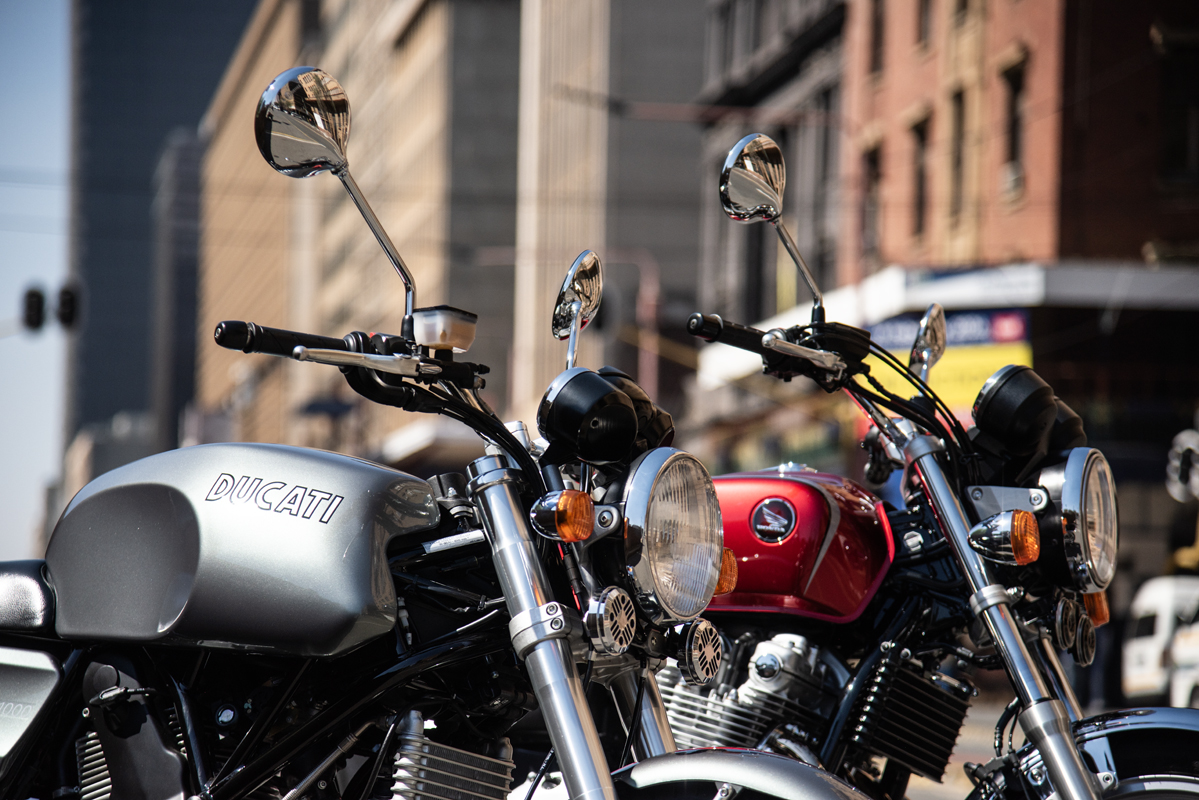
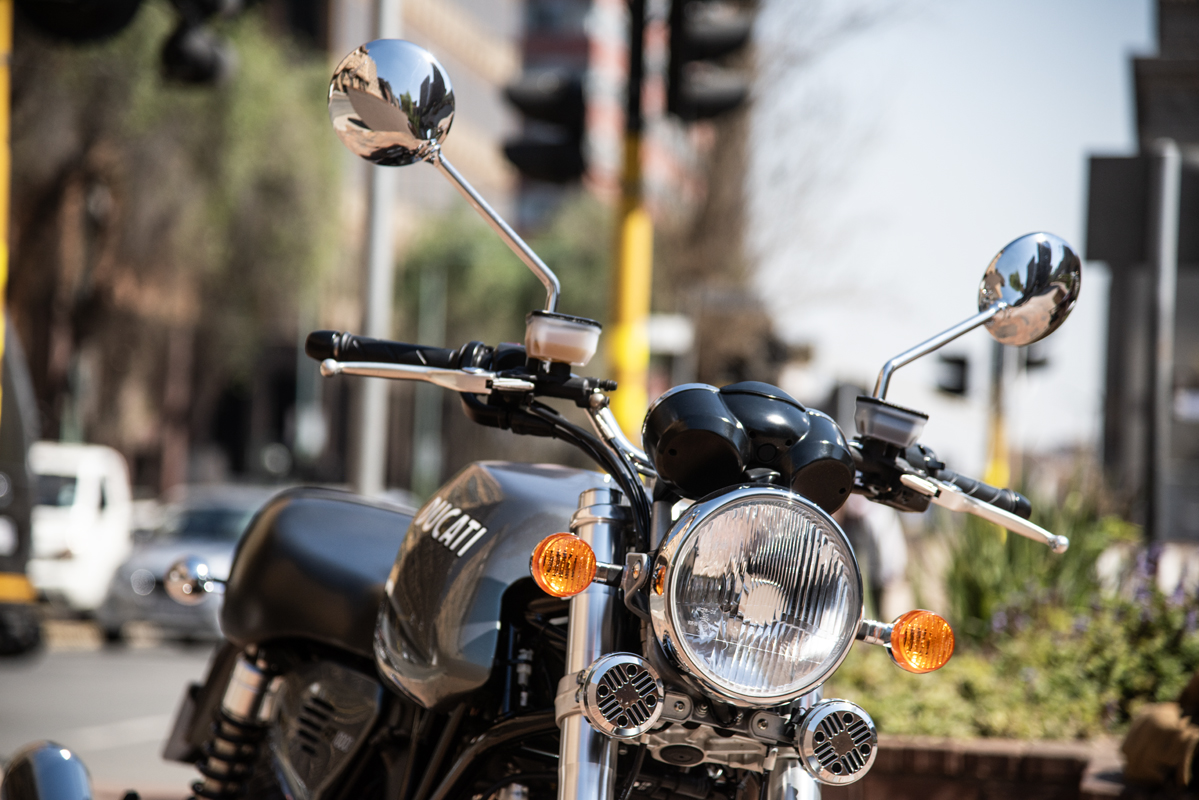
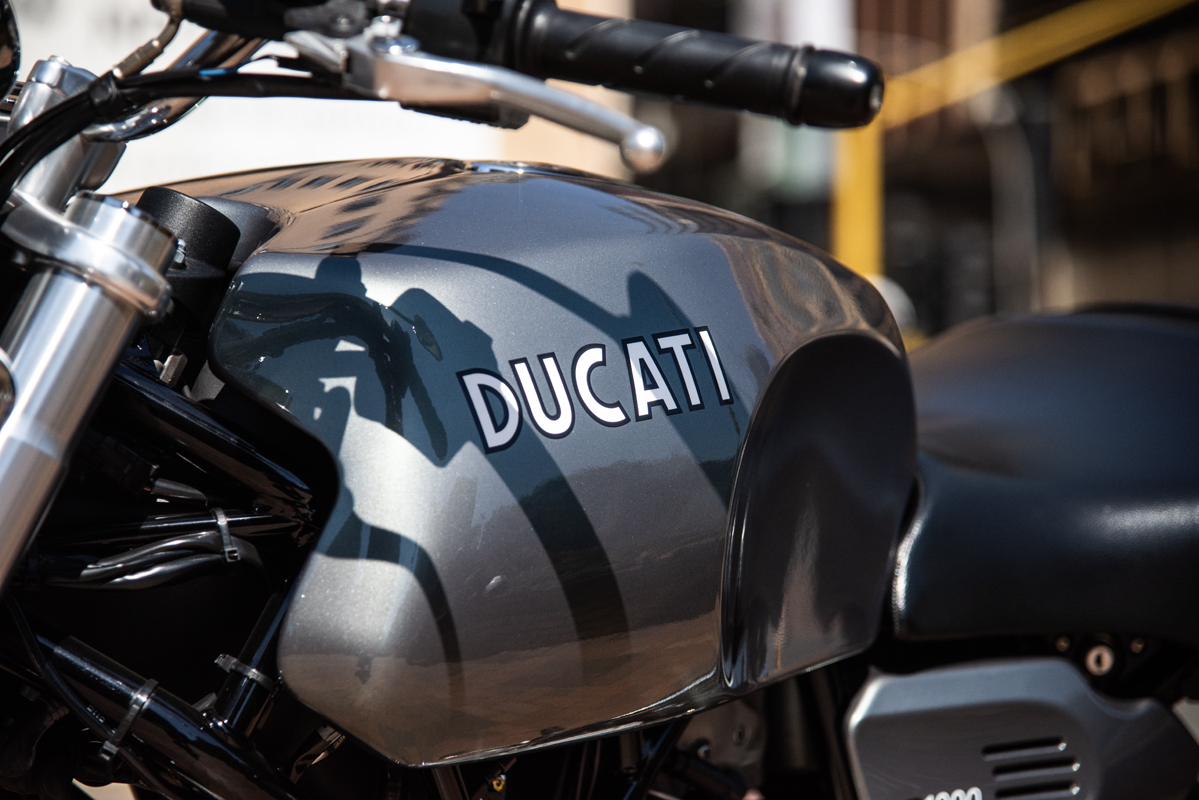
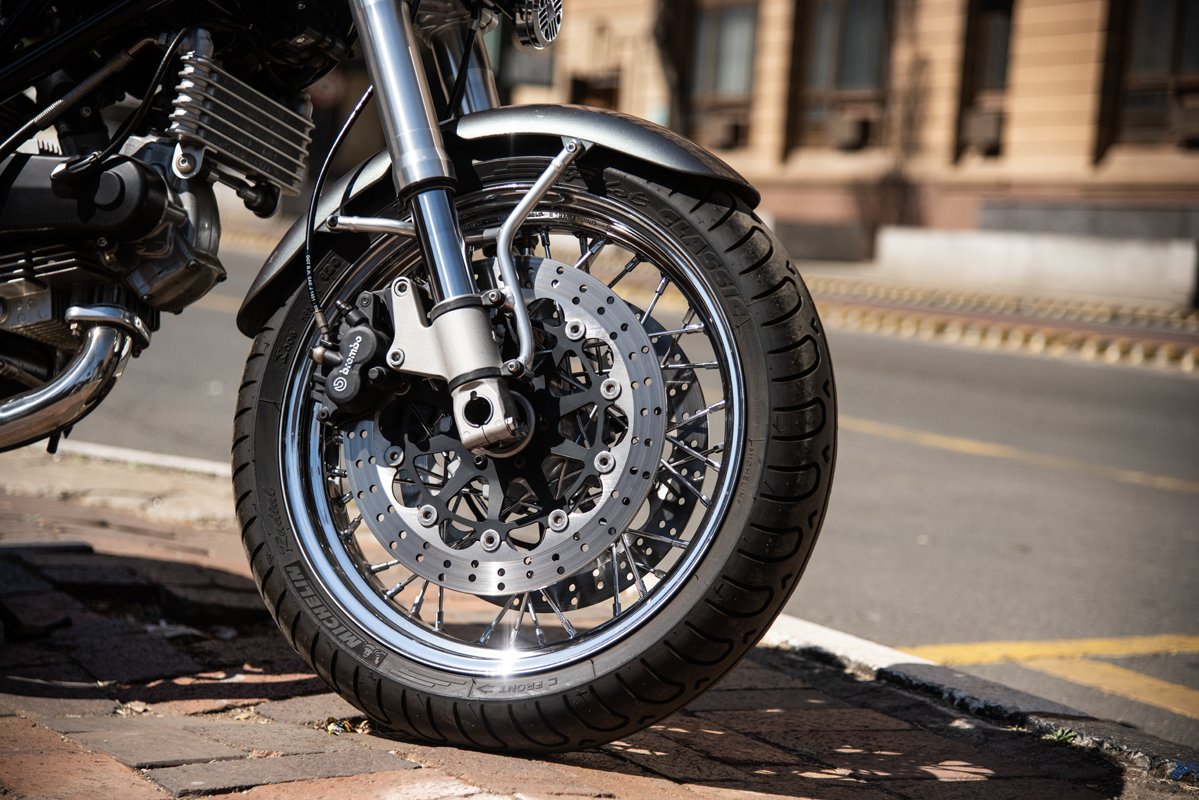
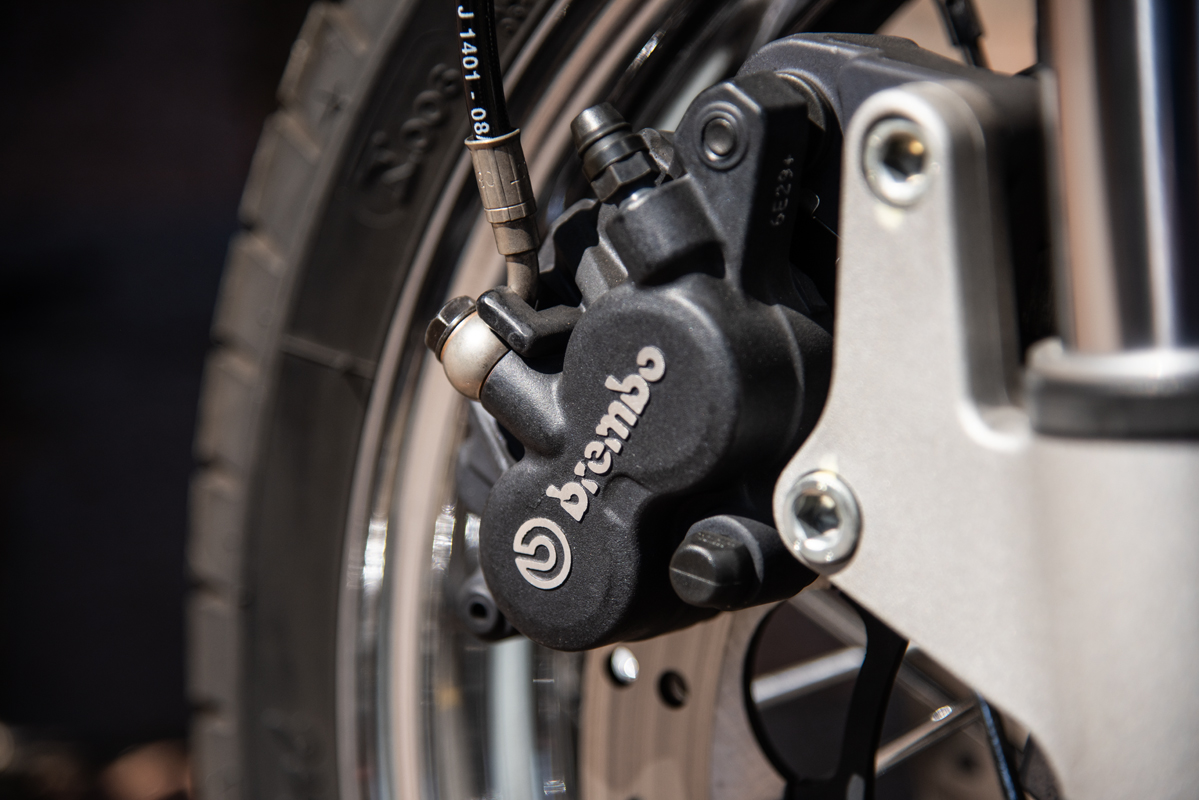
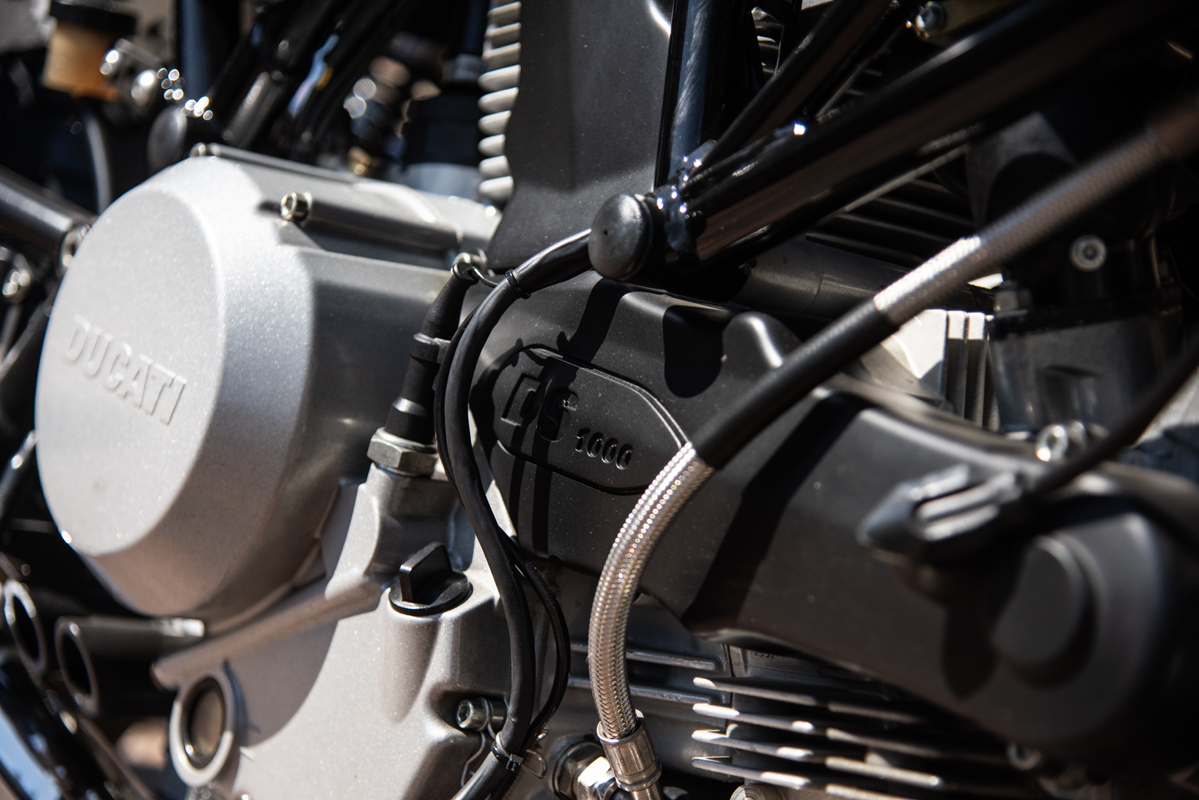
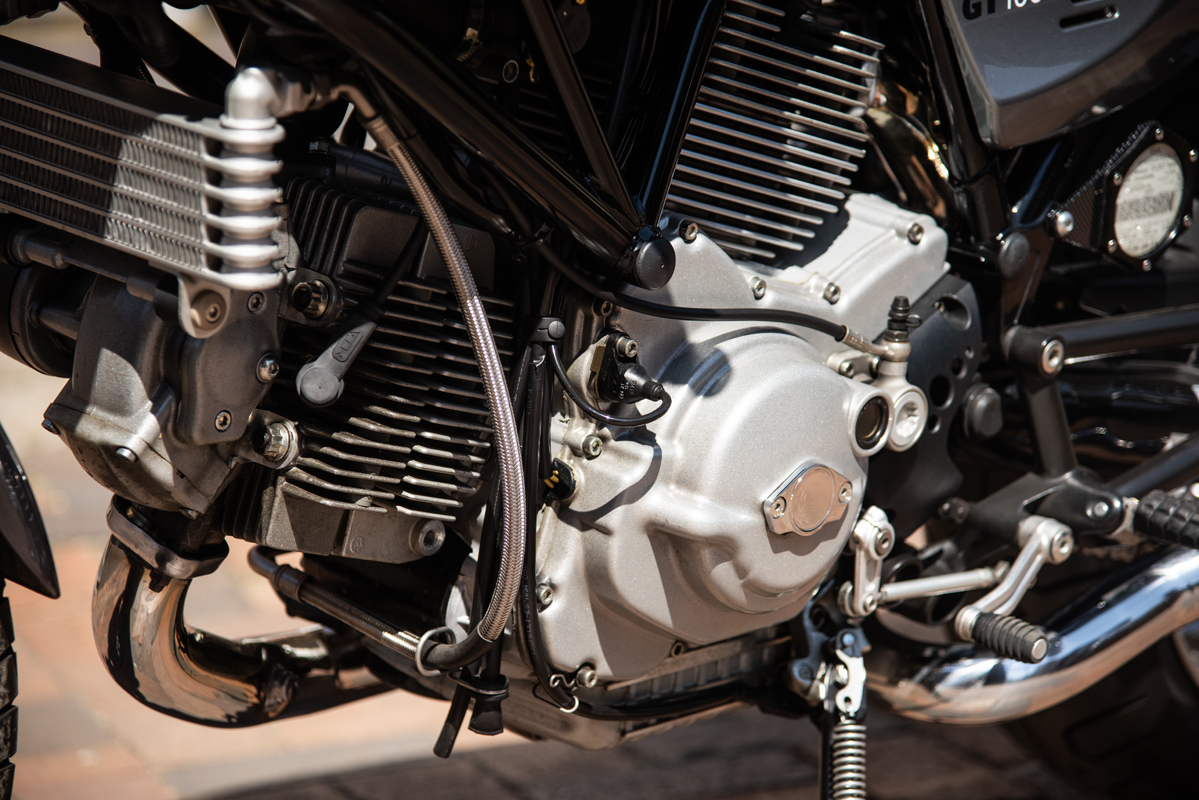
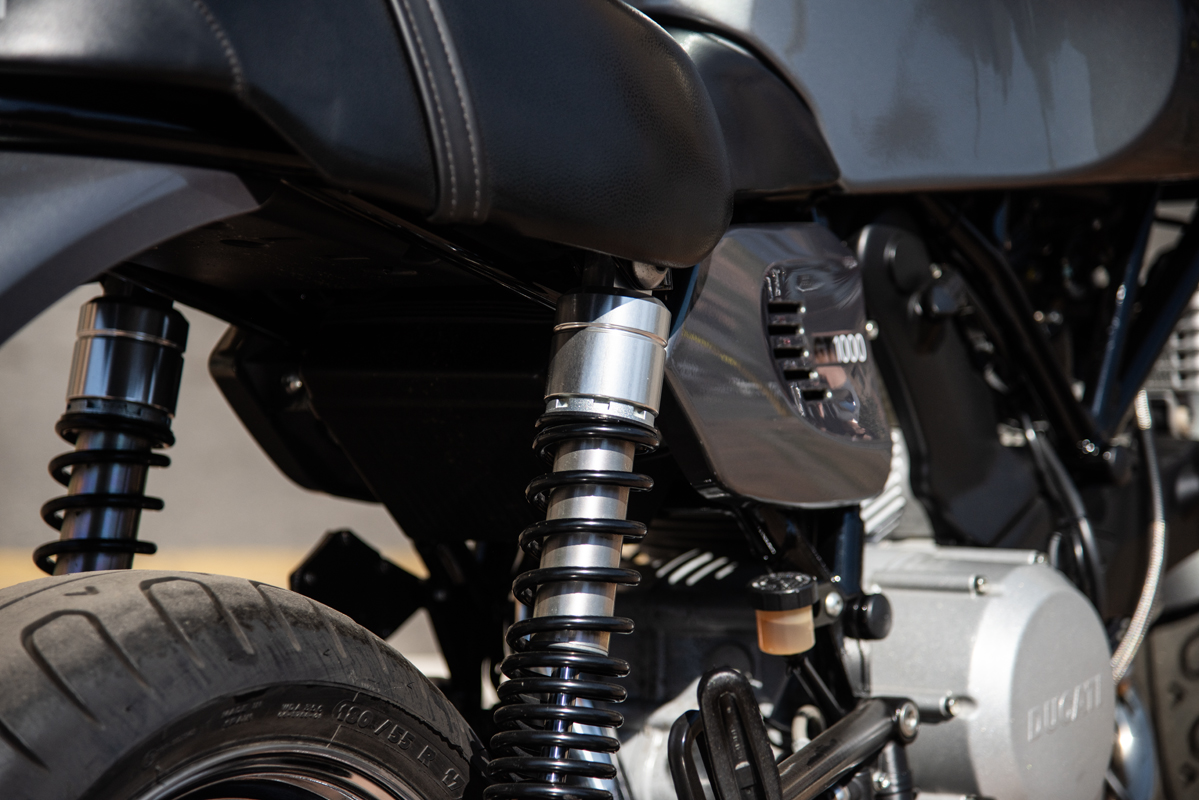
Here we have a pair of bikes at the rarity end of that spectrum. On one side, there is the near-perfect Ducati GT1000, which isn’t a replica of any particular Ducati model, but rather a beautiful array of 1970s Ducati design cues, skilfully curated into a harmonious whole.
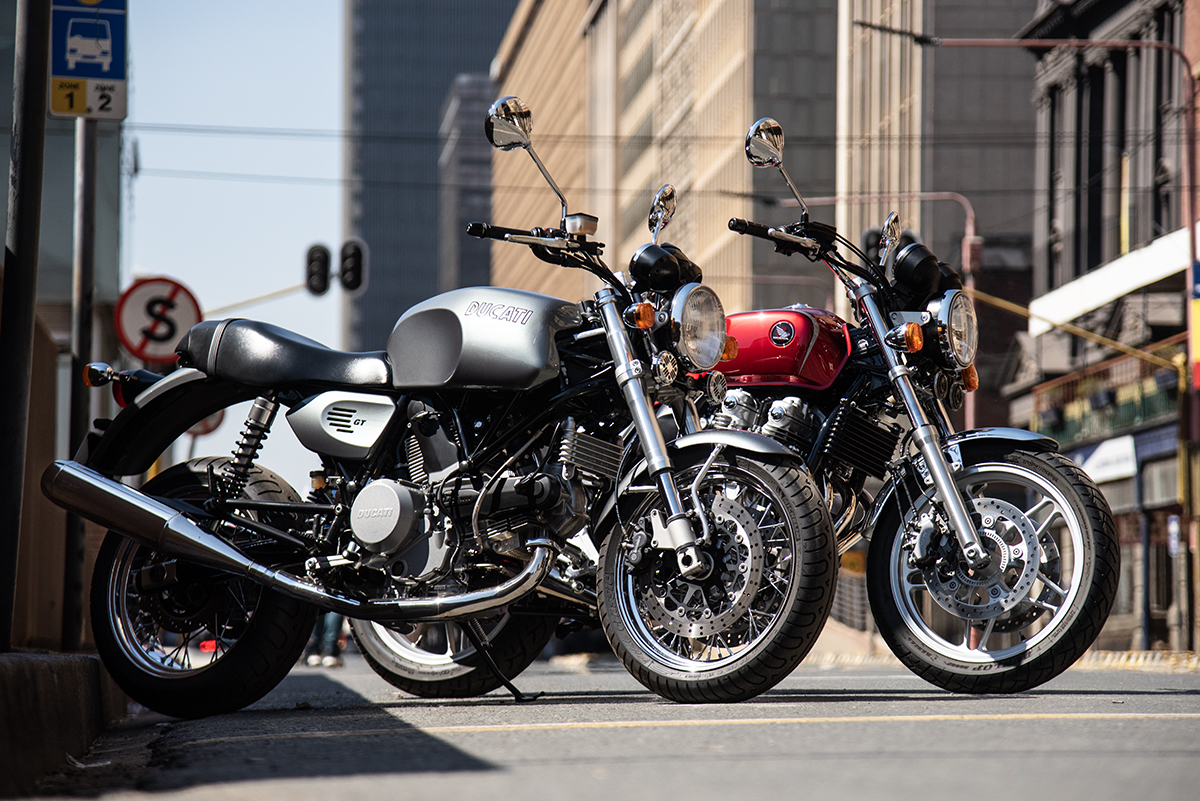
On the other is Honda’s sole attempt (so far) at entering the retro frame, a faithful replica of the CB750, which is, possibly, the most faithful recreation of an historic model outside of the Triumph Bonneville.
Beauty vs. Brilliance
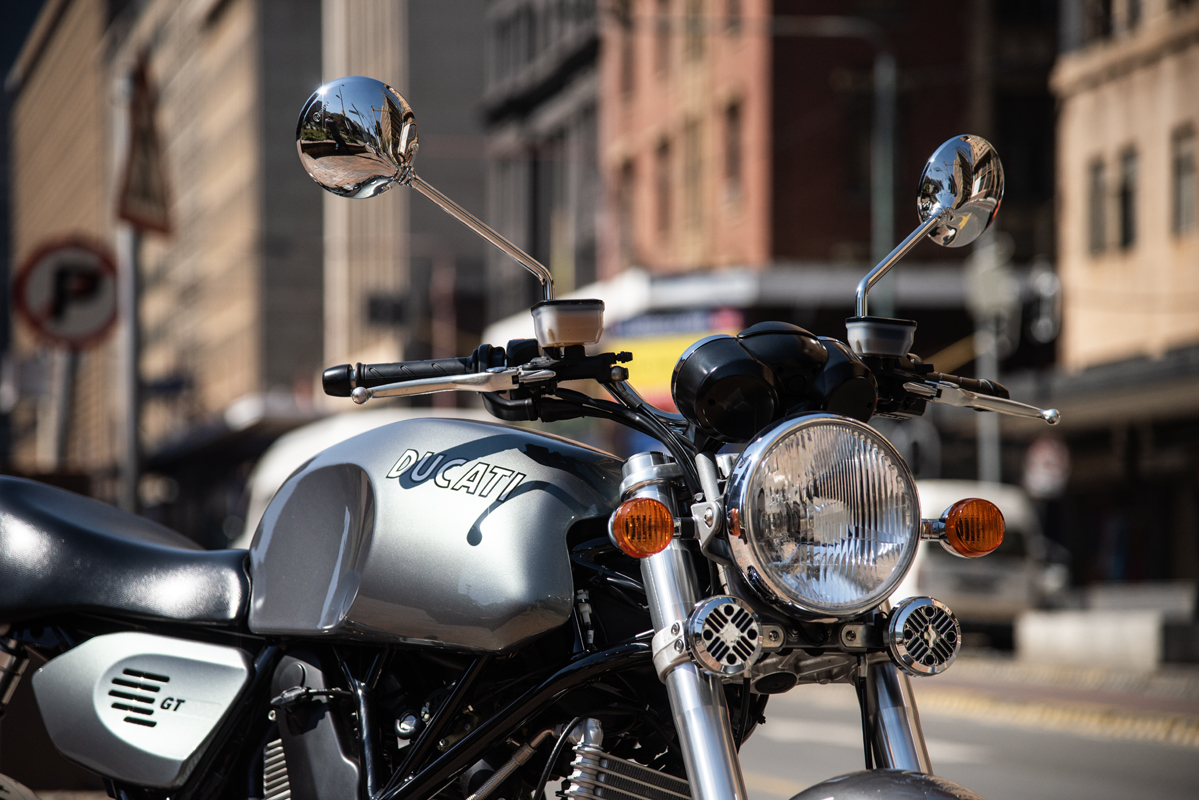
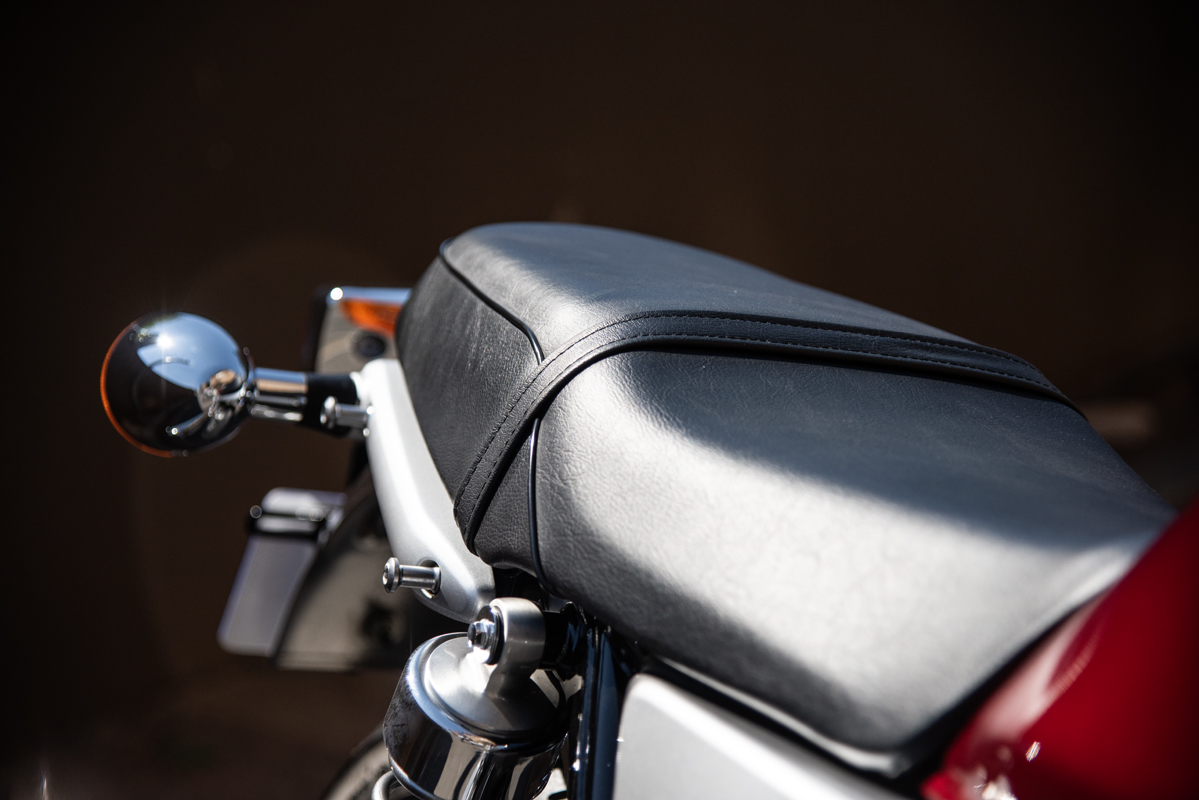
The Ducati can rightly be described as Art. Introduced in 2005 for the 2006 model year, the Sport Classic range comprised the Sport1000, the Sport1000S, the glorious Paul Smart LE and the GT1000, as seen here.
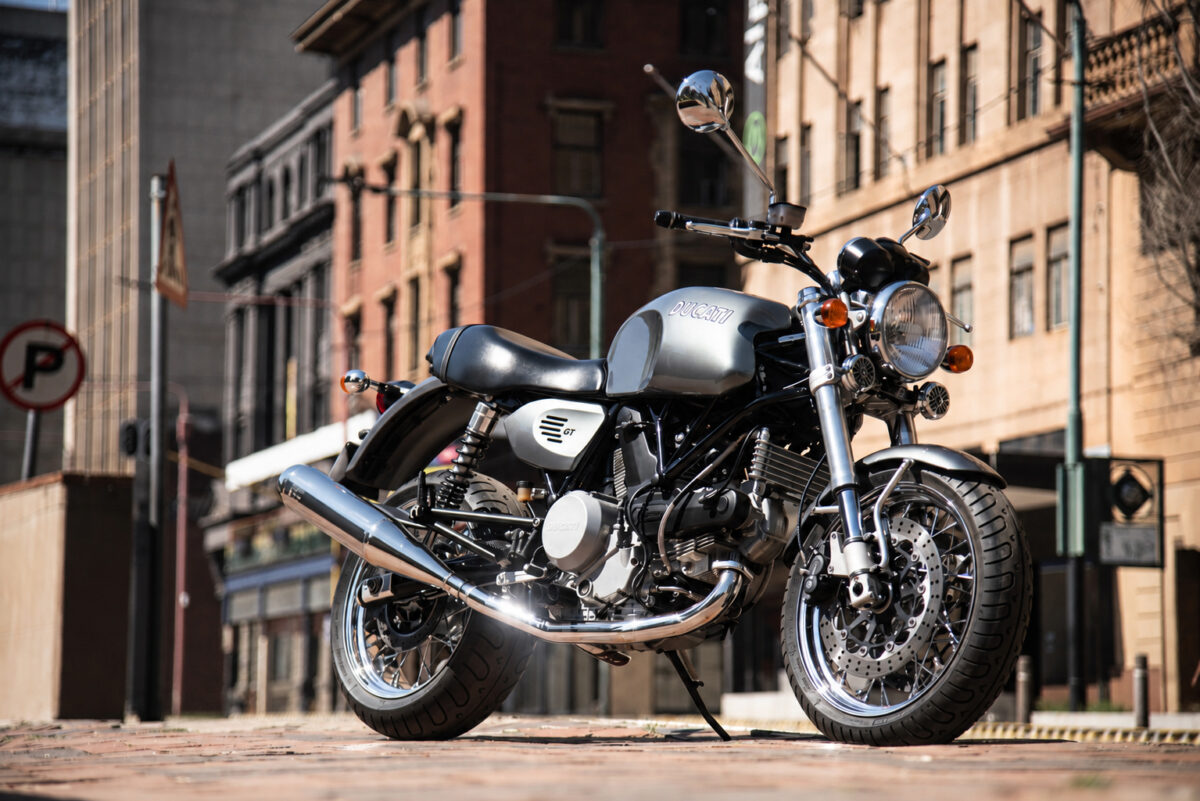
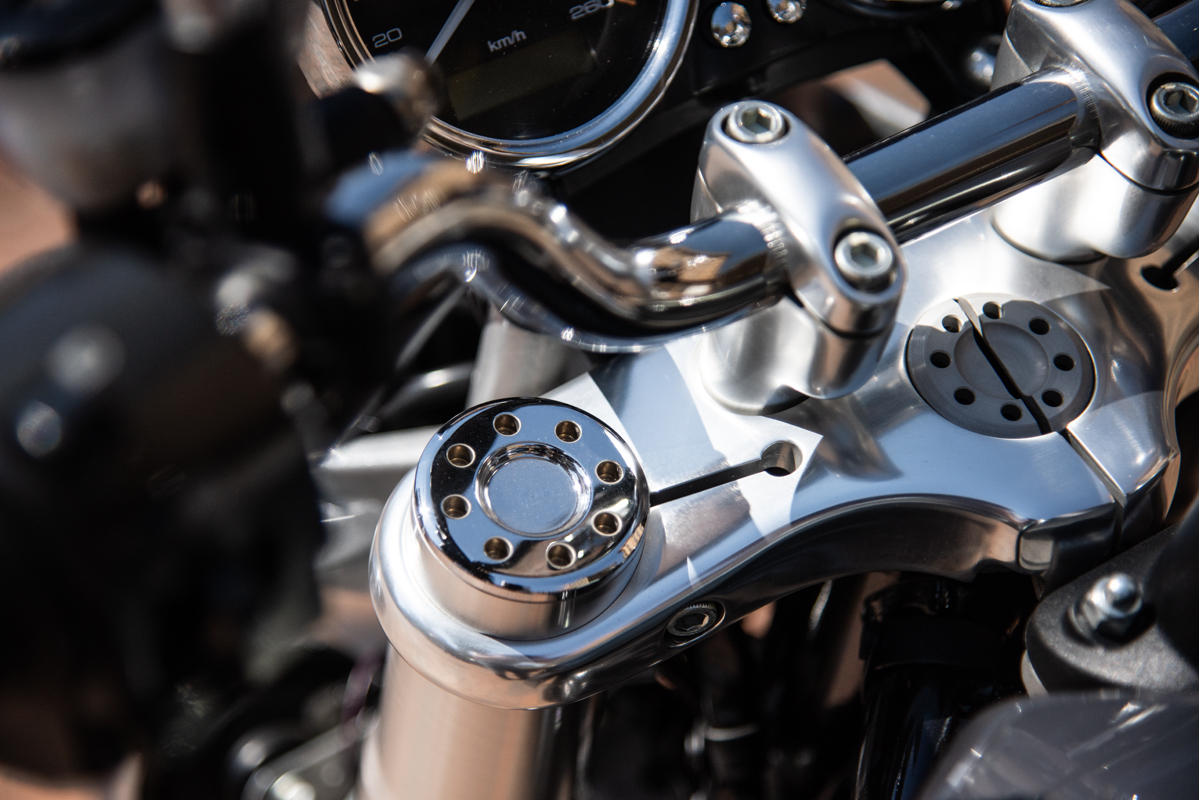
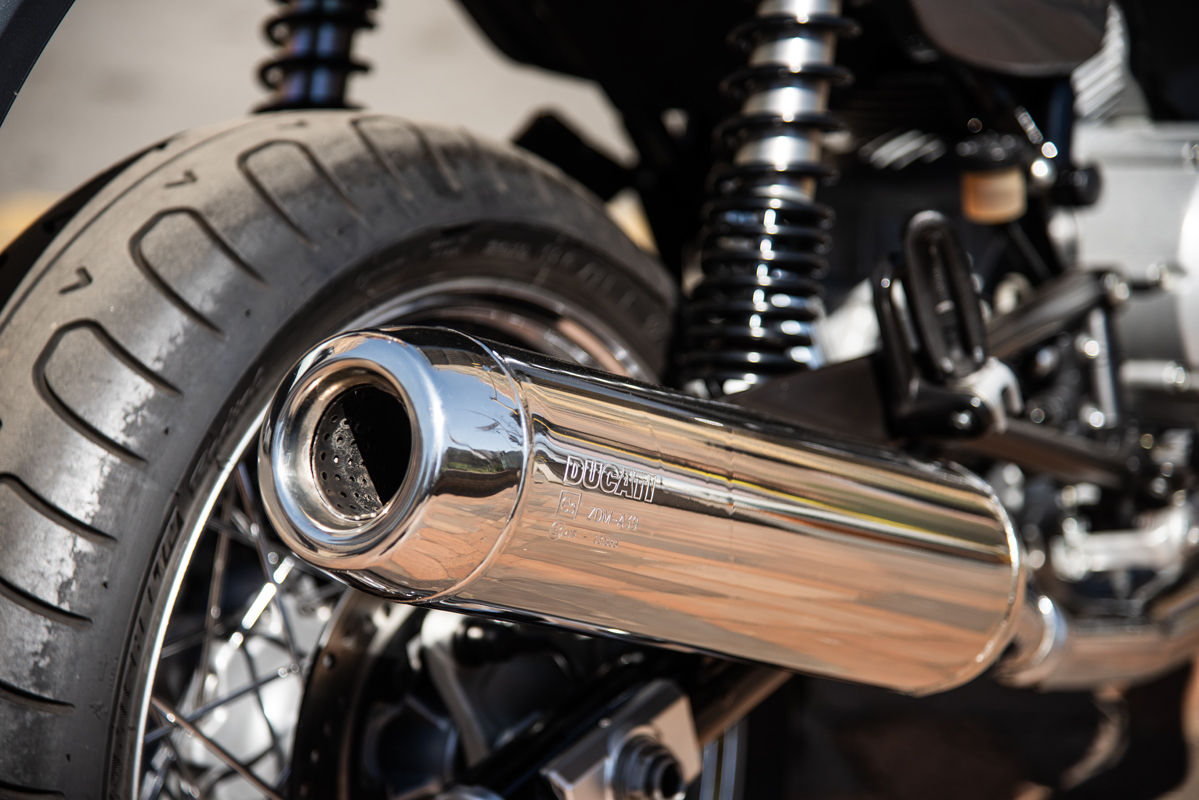
The first named took inspiration from the 1973 750 Sport; the Sport1000S added a bikini fairing to the mix; the Paul Smart was a tribute to the 750SS ridden by that rider to success in the Imola 200 in 1972; and the GT1000 added a dash of practicality to the Sport1000S by adding a dual seat and touring handlebars. All used the 992cc, 1000DS two-valve V-Twin engine, producing around 90 horsepower, accompanied by the familiar Ducati exhaust bellow.
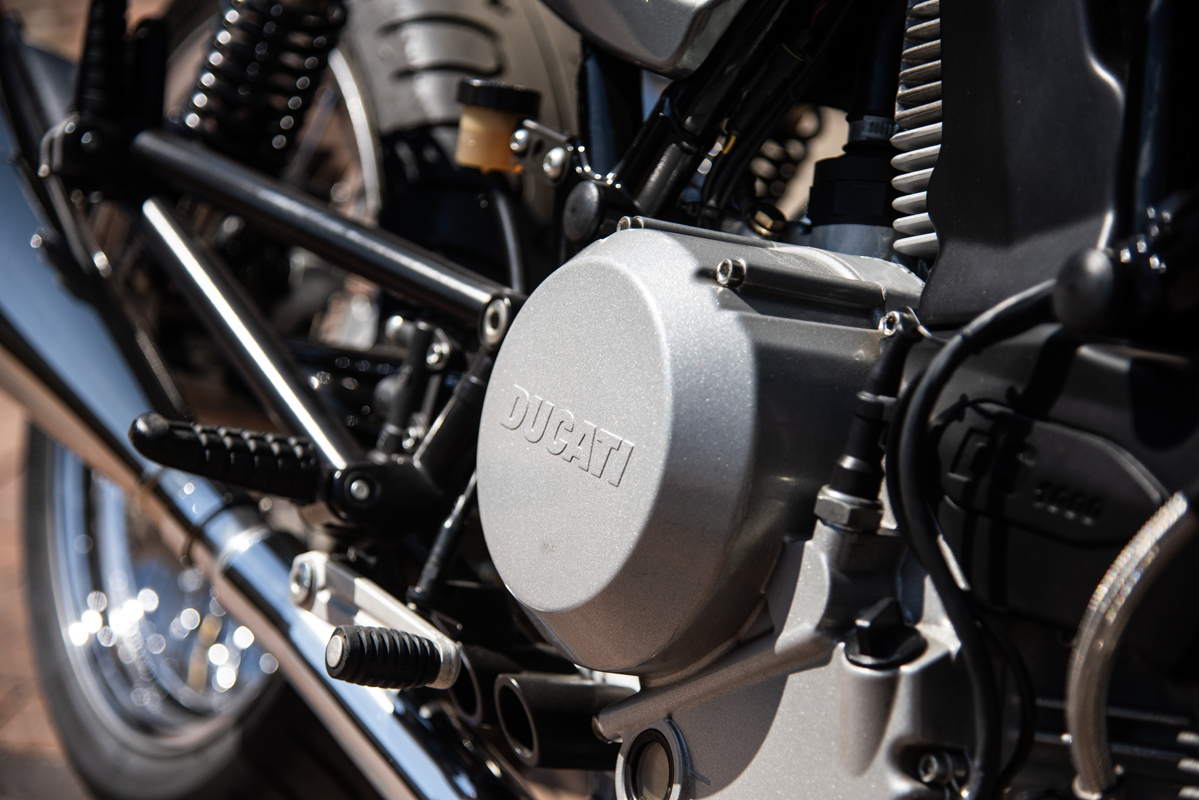
Production lasted until 2010 and, for whatever unfathomable reason, they didn’t sell all that well, so production figures were relatively low, adding to their rarity and desirability today. Quite why they weren’t all that popular is a mystery, given their beauty, pedigree and performance but the net result is that they command very good prices on the used market as and when they come up for sale.
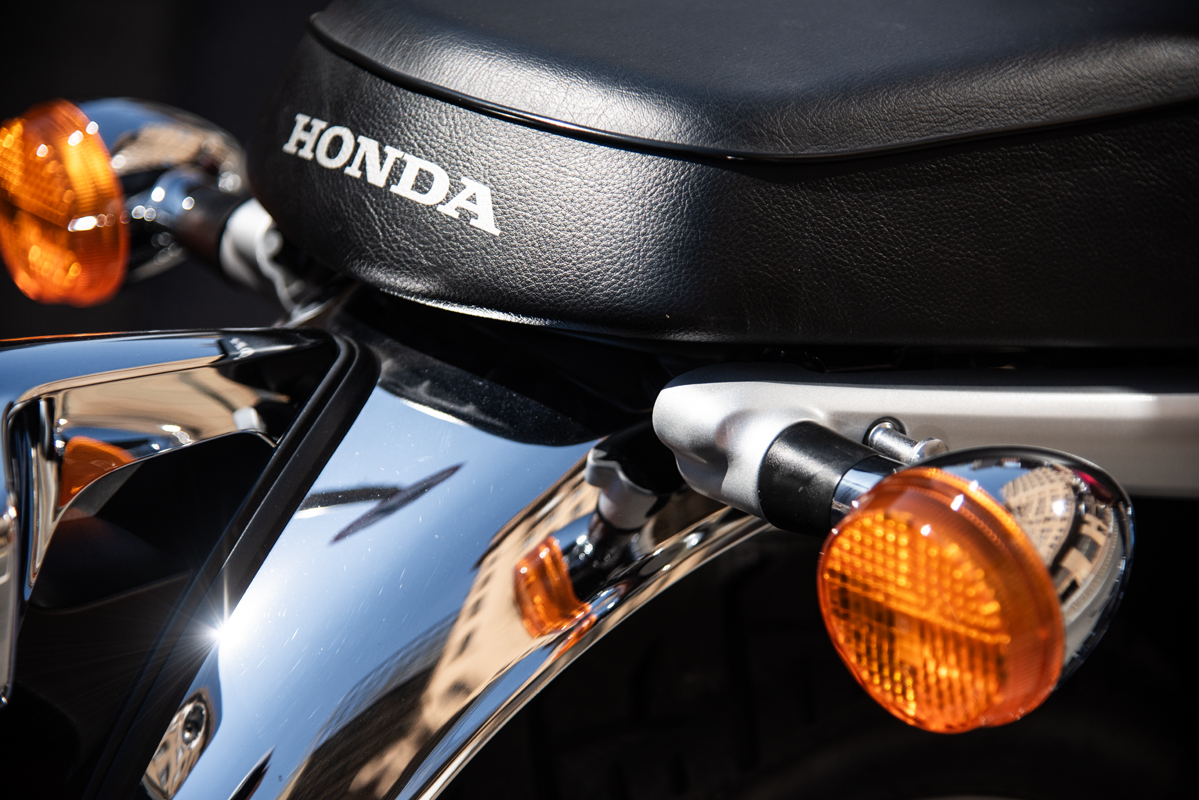
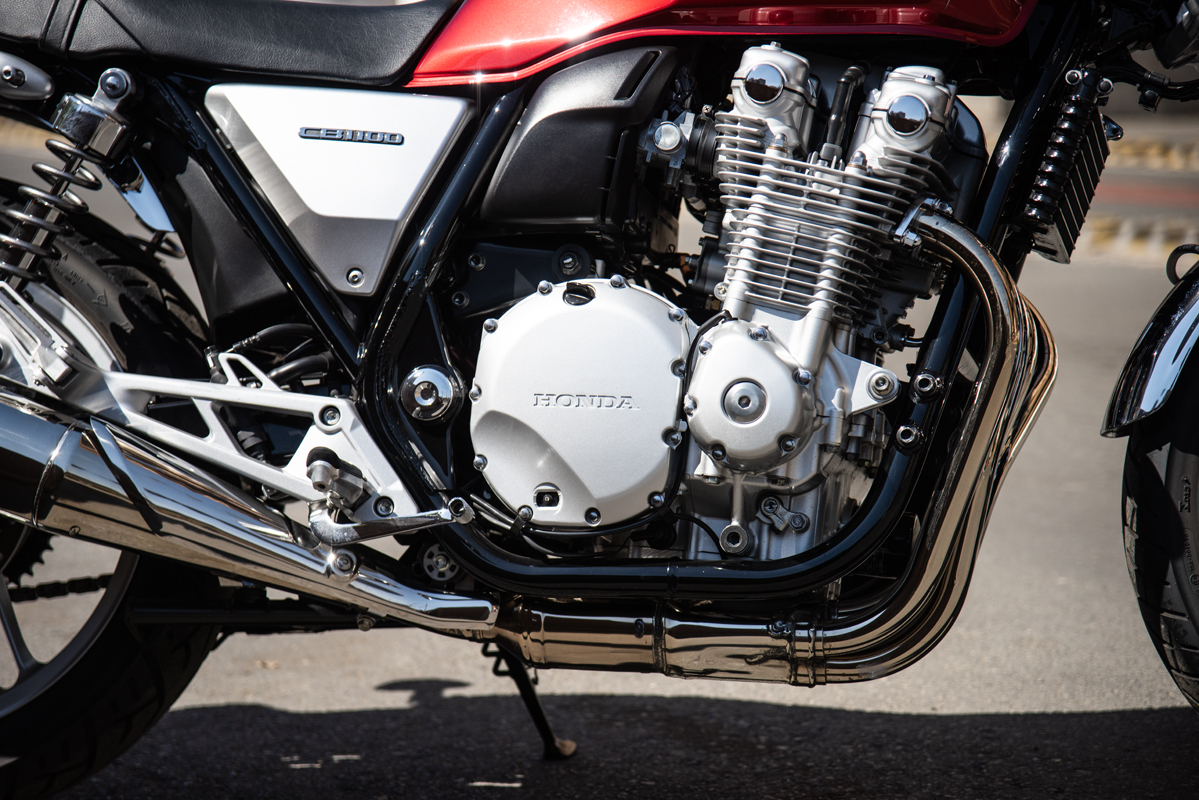
The Honda is a completely different animal; production started just as the Ducatis were drawing to a close – 2010 – and continued to 2022 but, somehow, it never set the modern classic world alight and it’s hard to see why. In style and appearance, it was a faithful replica of the CB750 of the 1970s and had all that model’s easy-riding charm and efficiency. The CB750, let’s not forget, is a vital link in the history and evolution of the motorcycle, ushering in, as it did, the modern motorcycle concept that sets the bar for every motorcycle, even today; the CB750 was the first Universal Japanese Motorcycle.
One for the Heart, One for the Head
It’s hard to put a finger on it, but perhaps the Honda CB1100 lacks a bit of soul and character? As a motorcycle, it is beautifully conceived and executed and riding it gives a real throwback sensation, albeit brought thoroughly up to date in terms of performance, handling and braking. The engine is super-smooth, as are the clutch and gearchange and it is as easy to ride as a twist-and-go scooter. Performance is good, thanks to the 88 horsepower, 1,140cc air-cooled inline four engine and the chassis holds no vices.
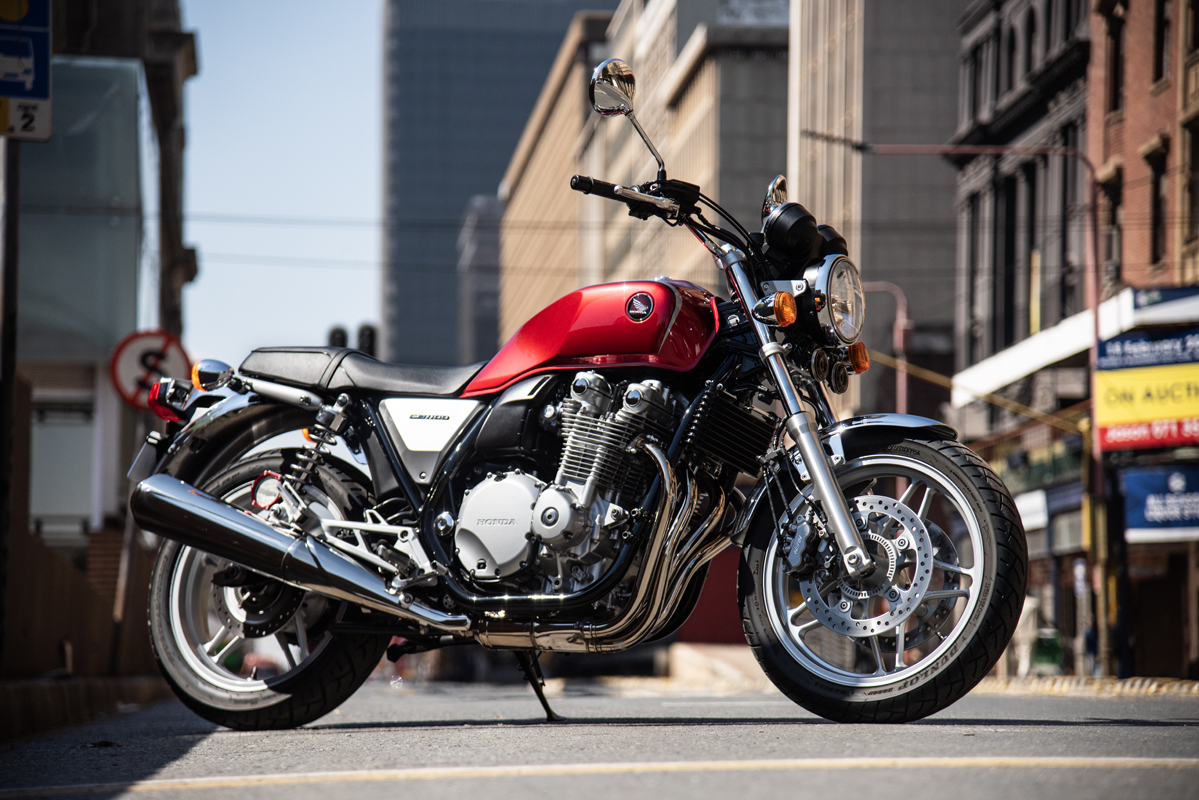
Maybe it didn’t succeed because Honda itself wasn’t particularly enthusiastic about it; you always felt Honda did it to show that they could and because it was the done thing at the time but, really, they rather wished they could get on with building modern bikes and not bother with looking backwards.
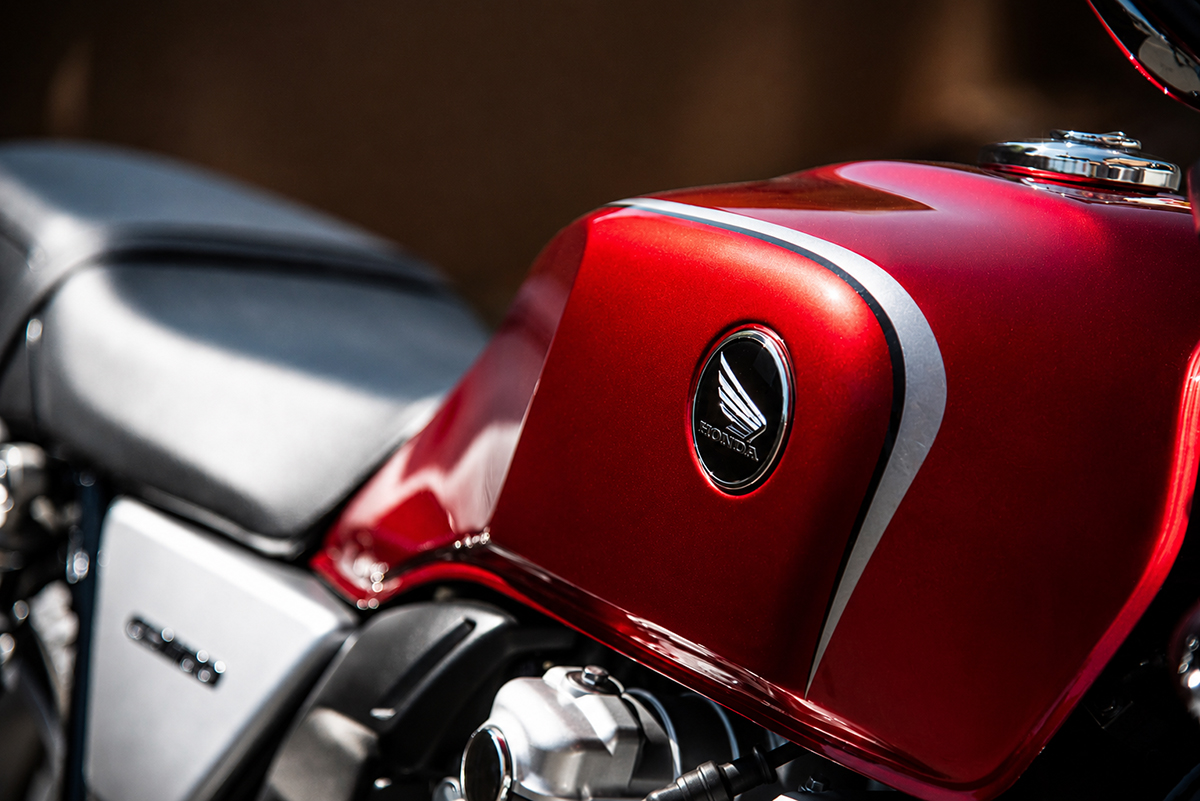
Which is a shame, because the CB1100 is very good, in a UJM way. Is it only me who sees the irony of the Triumph Bonneville and the motorcycle that replaced it as the ‘next big thing’ in motorcycling going head-to-head once again and the Triumph (possibly) coming out on top this time?
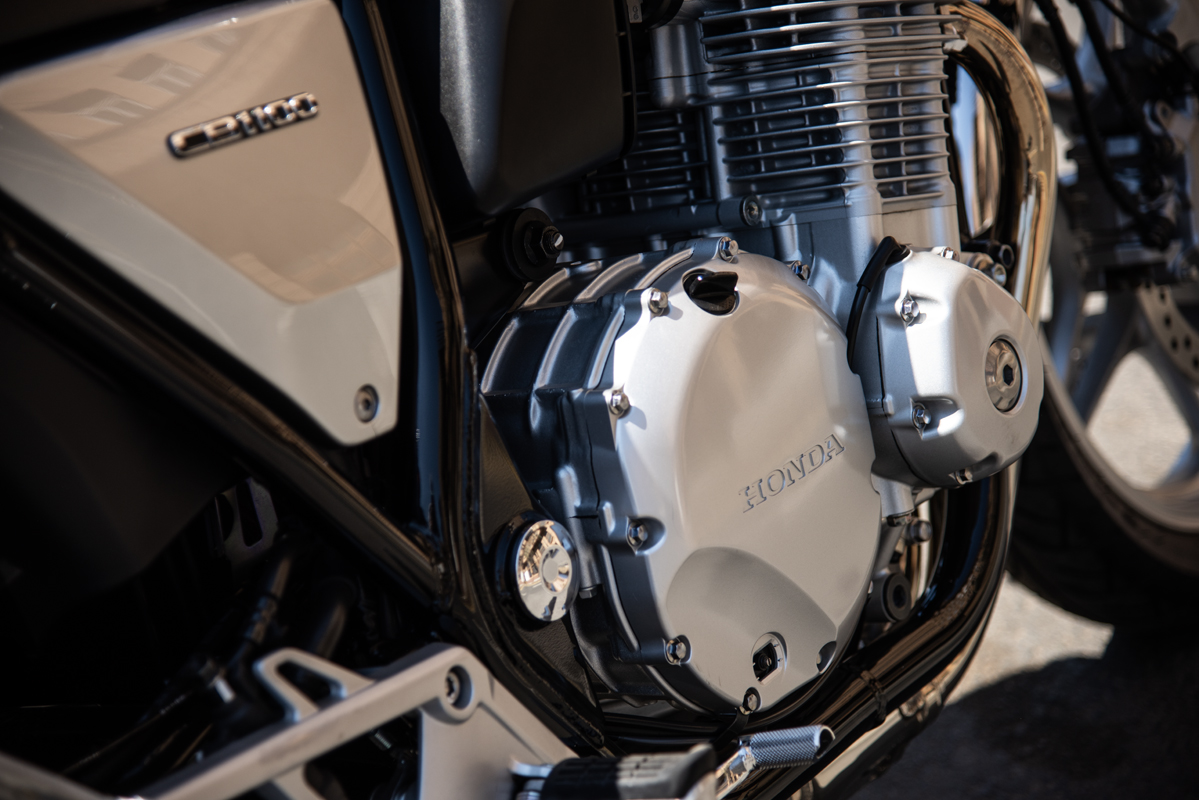
As contemporaries of a sort (let’s not forget that the 750 Sport/SS and Honda CB750 were also contemporary rivals when new), the comparison between the Ducati and the Honda is fascinating. Now, as then, the Honda is the sensible, affordable option, the Ducati the expensive and exotic. One you buy with your head, the other with your heart.
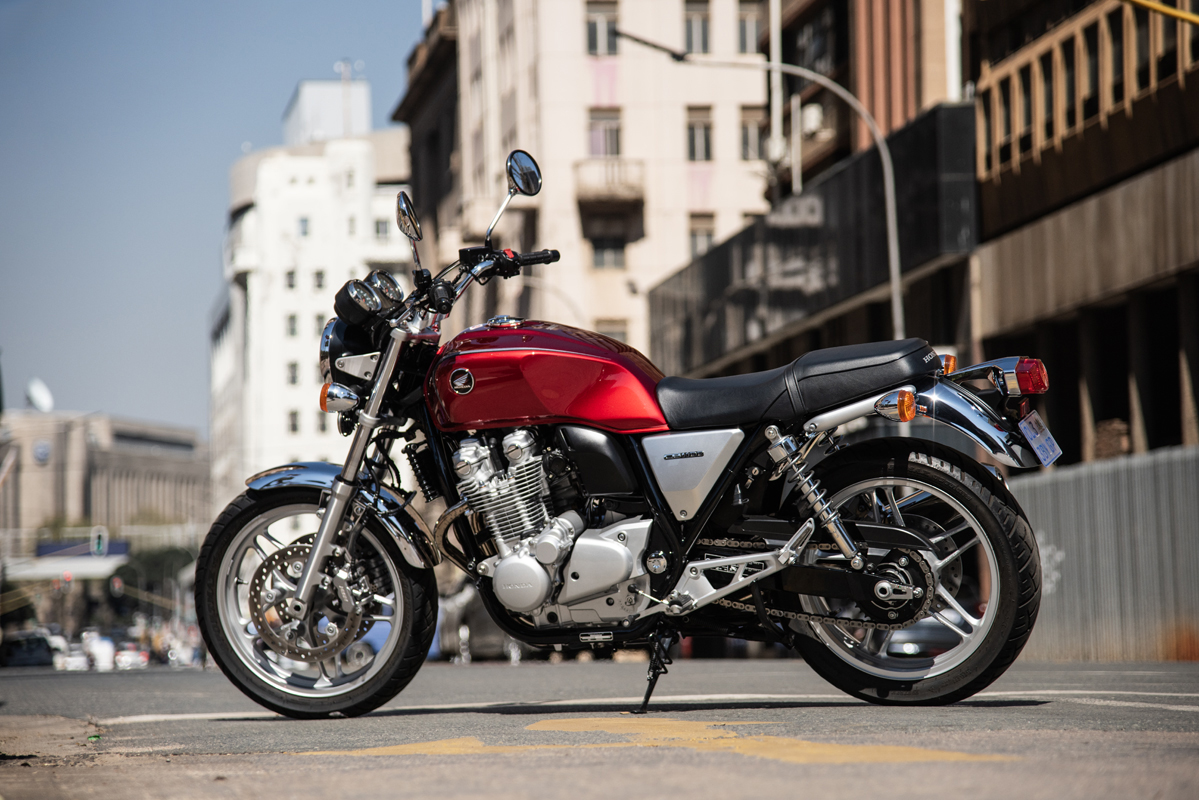
The Ducati Demands. The Honda Delivers.
The Ducati has another, different ‘quality’ over the Honda; it takes effort to ride well. Ride the Ducati first and then jump on the Honda and you have jumped from the early 1970s to the 2020s in one swing of the leg. The Ducati has heavy controls – the clutch, the throttle, even the handling is heavy (but never inaccurate or difficult) thanks to impressive straight-line stability; it needs to be physically ‘steered’ into corners, rather than ‘thought’ through them – while the Honda is lightness and pure Japanese ease-of-use. Just as it was back in 1972, when the Ducati 750 Sport appeared and the Honda CB750 was in full swing.
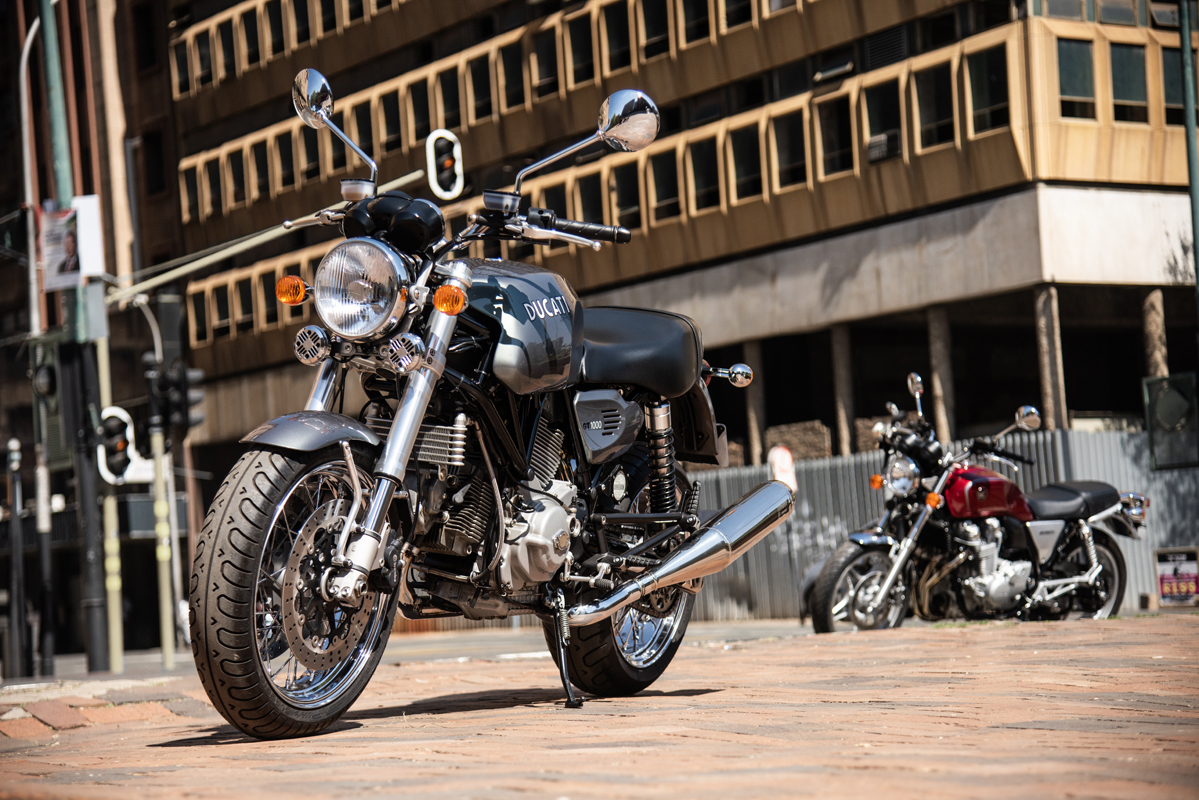
But it is this lightness that makes the Honda less satisfying to ride. It certainly is the better every-day ride because it is so easy, but the Ducati lets you know it needs to be ridden with a firm hand and is, therefore, so much more involving. You’ll ride the Honda around town without a second thought, but you’ll start cursing the Ducati after an hour or so, even should you consider subjecting it to such treatment in the first place; here is a thoroughbred, straining for the open road and long, sweeping bends. On these, the Ducati is magnificent, that ‘heaviness’ translating into a fluid riding experience that few motorcycles can match.
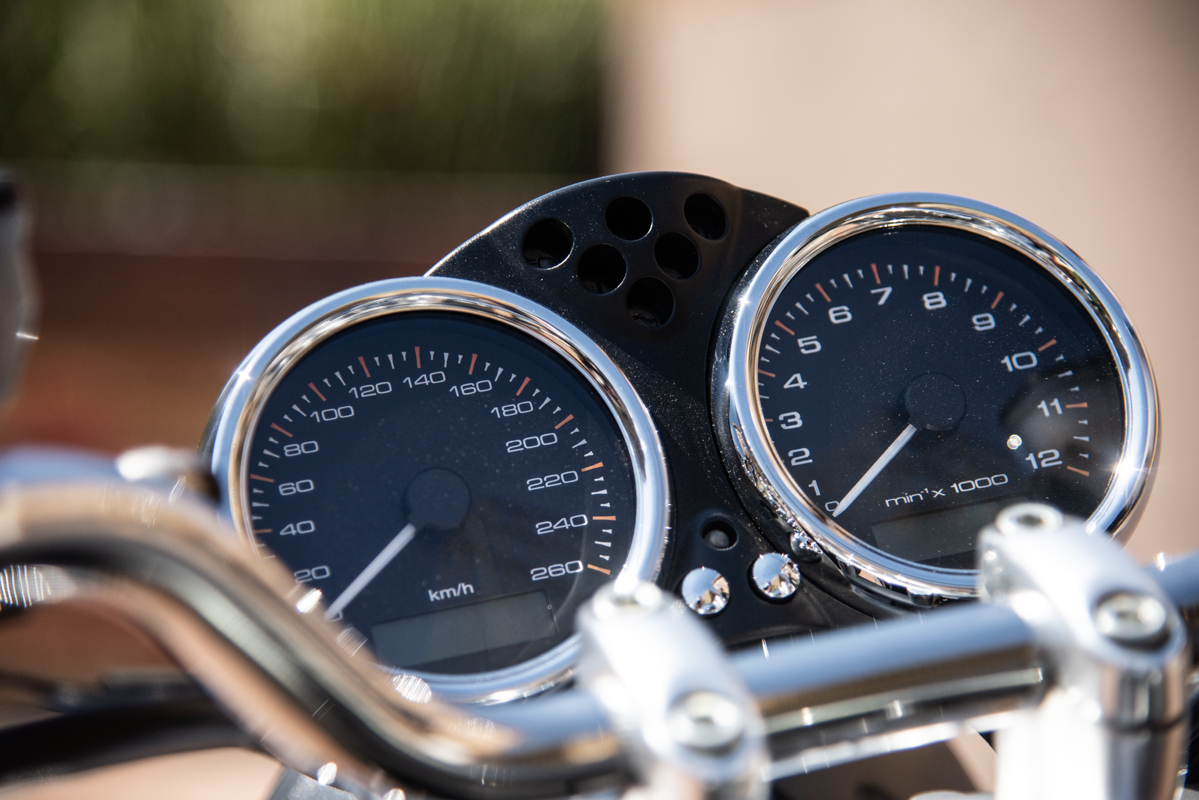
Both modern examples of these iconic models are interesting chapters in the ‘modern classic’ or ‘retro’ motorcycling scene; rare (unsuccessful?), great to ride, beautiful to behold, possessing completely different characters, with values at opposite ends of the scale, and never, ever bikes that you would regret owning.
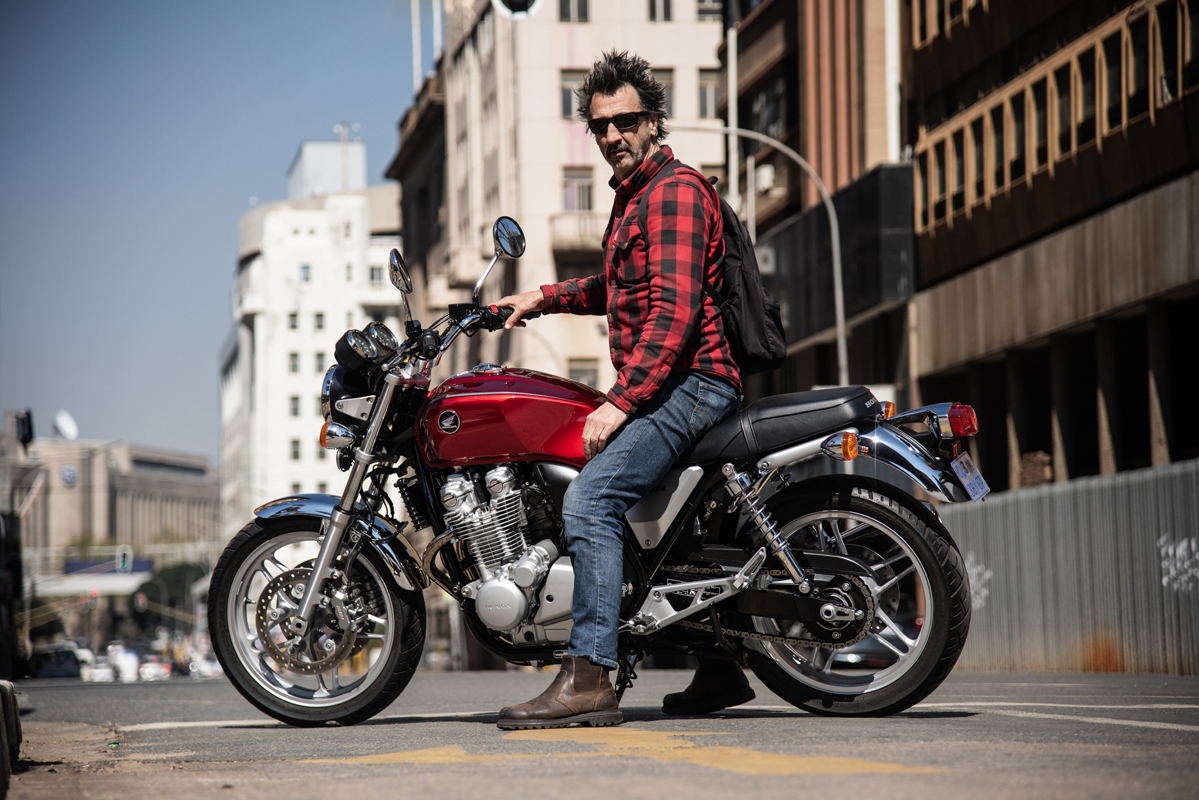
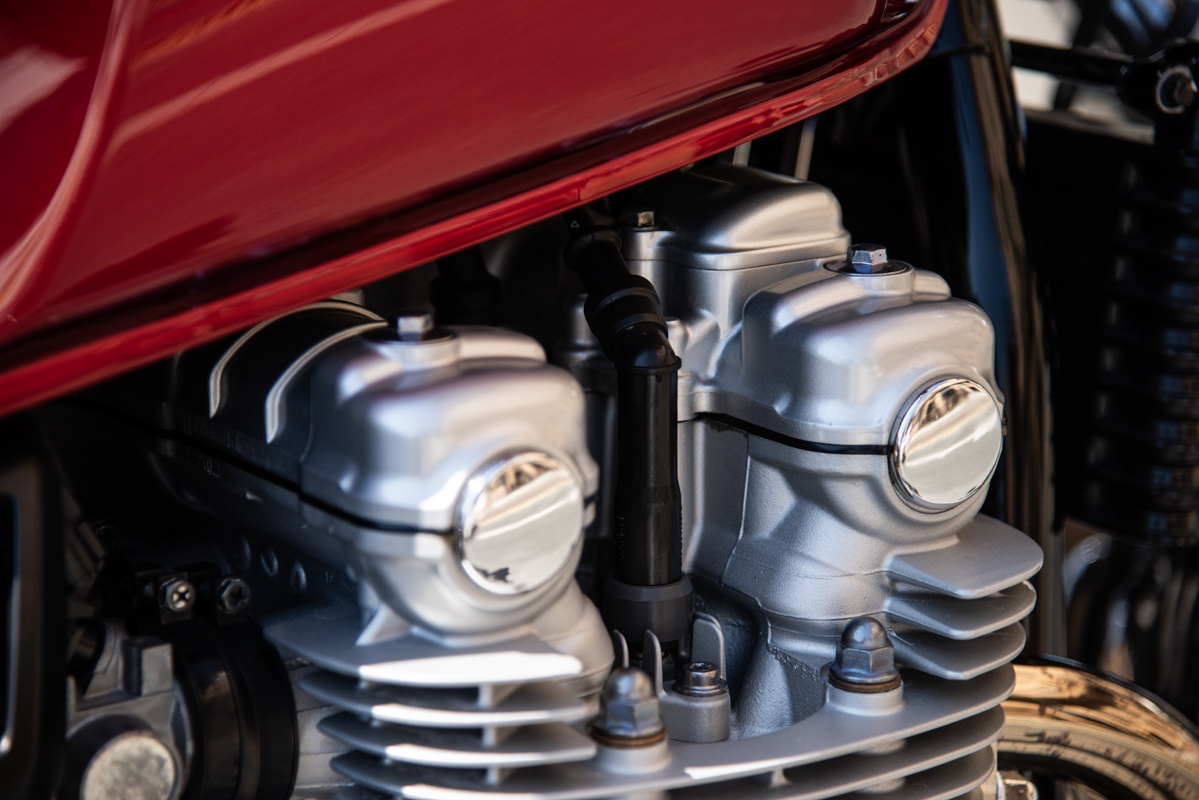
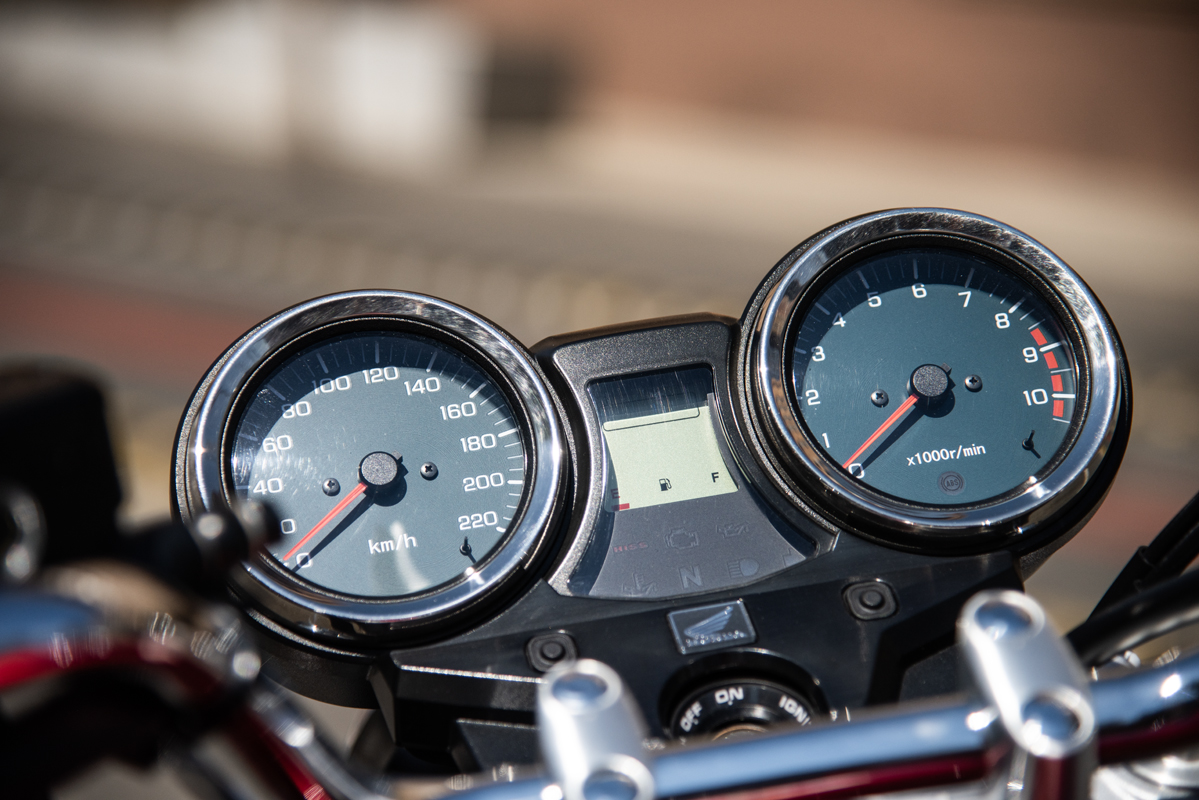
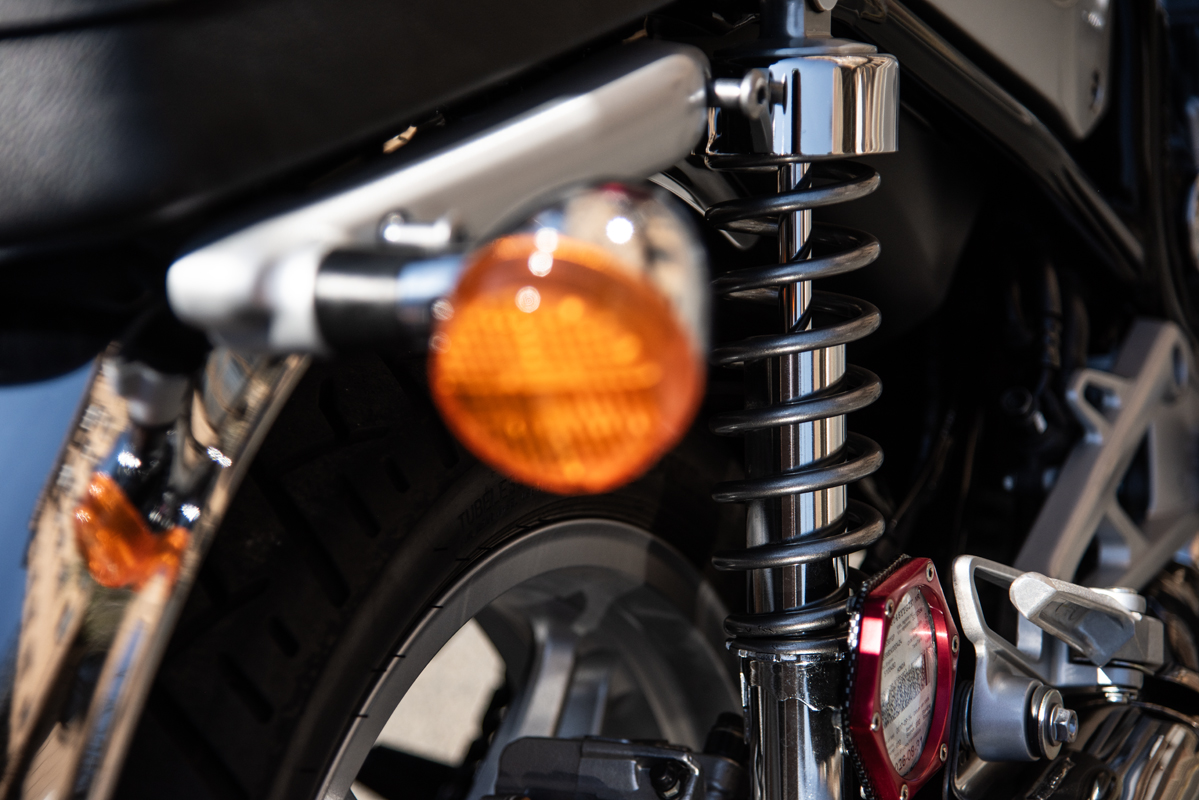
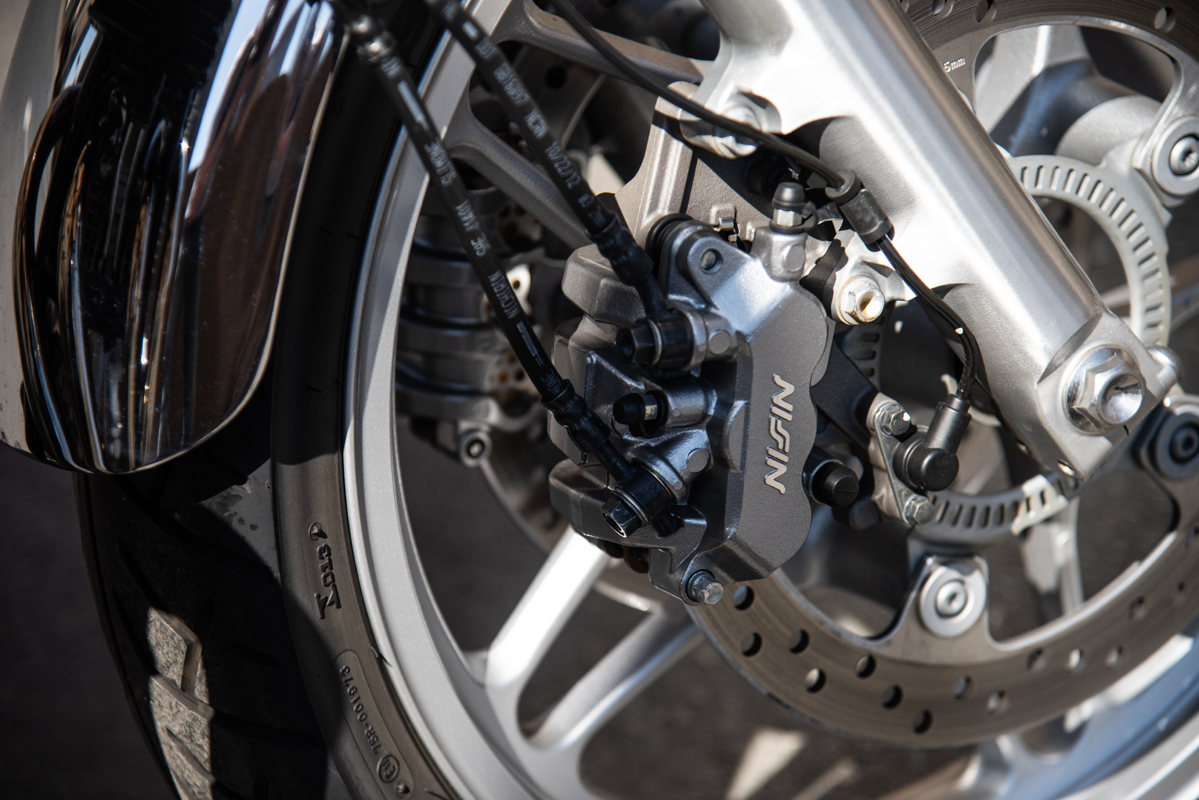
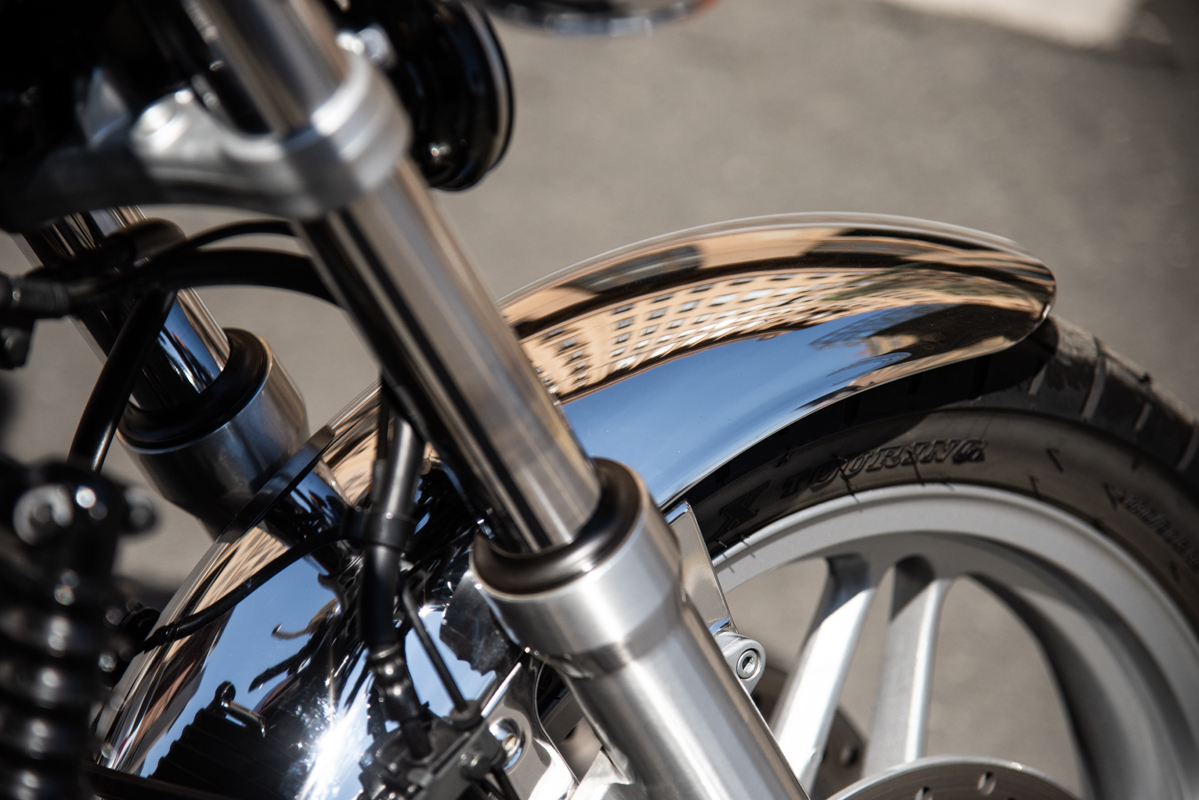
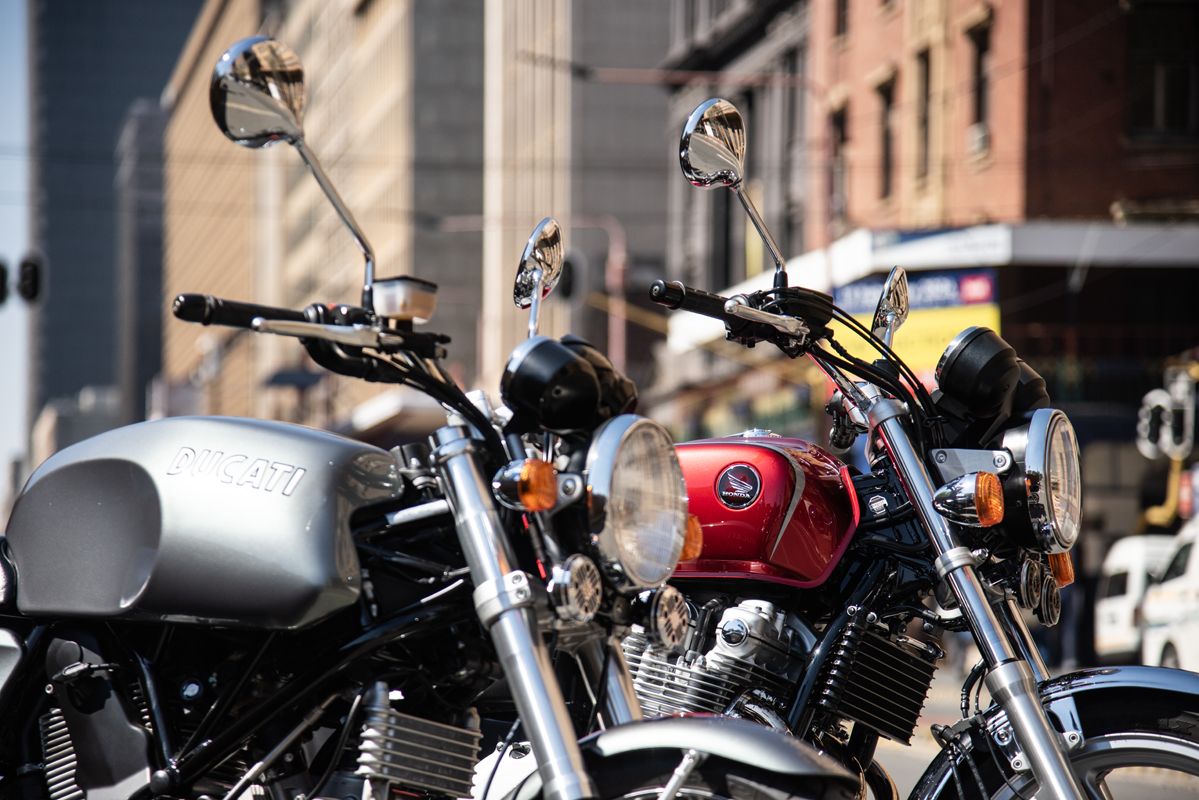
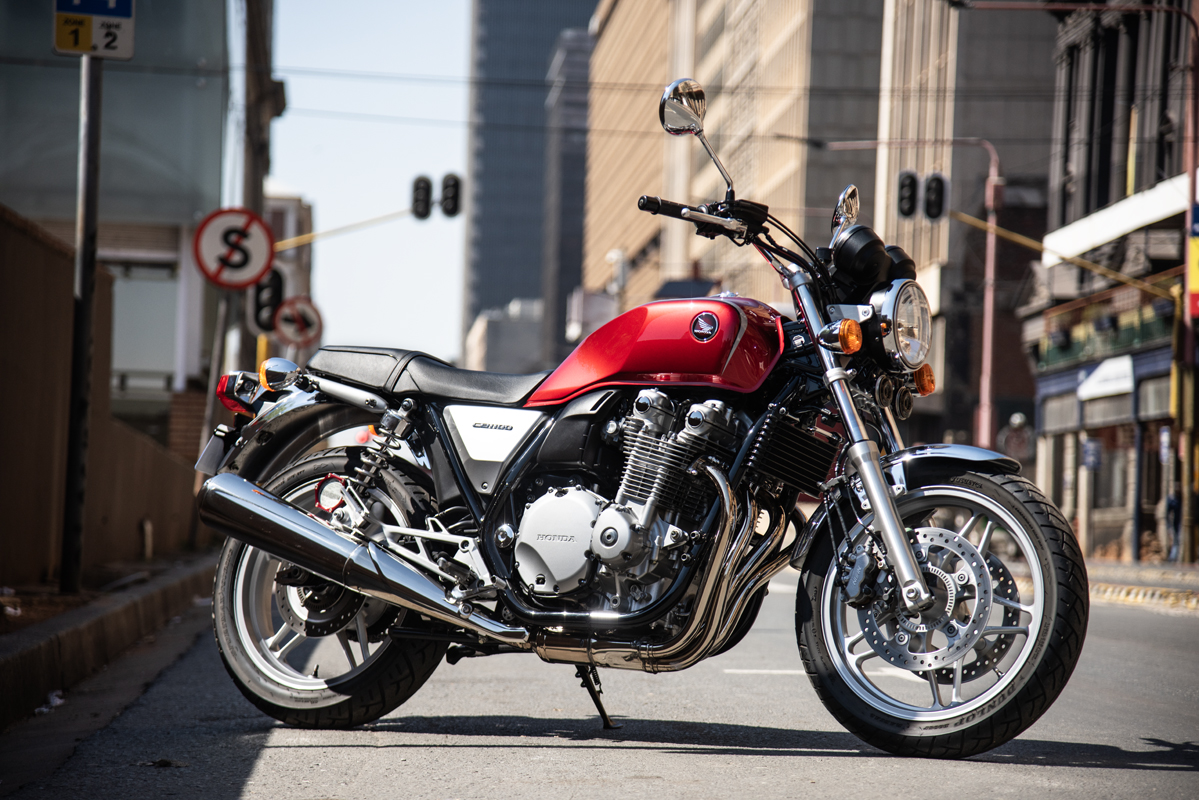
Both bikes are for sale at Bikeshop Rivonia at the time of writing. The Ducati is selling for R339,990 and has 7,556 km on the clock. The Honda could be yours for R139,990 and has covered 6,040 km. If I had the choice of either? I have to say, I’d take both; completely different to ride but both absolutely beautiful and marking important milestones in motorcycle design. Neither would disgrace any museum!
View more Bikes For Sale from Bikeshop Rivonia – HERE