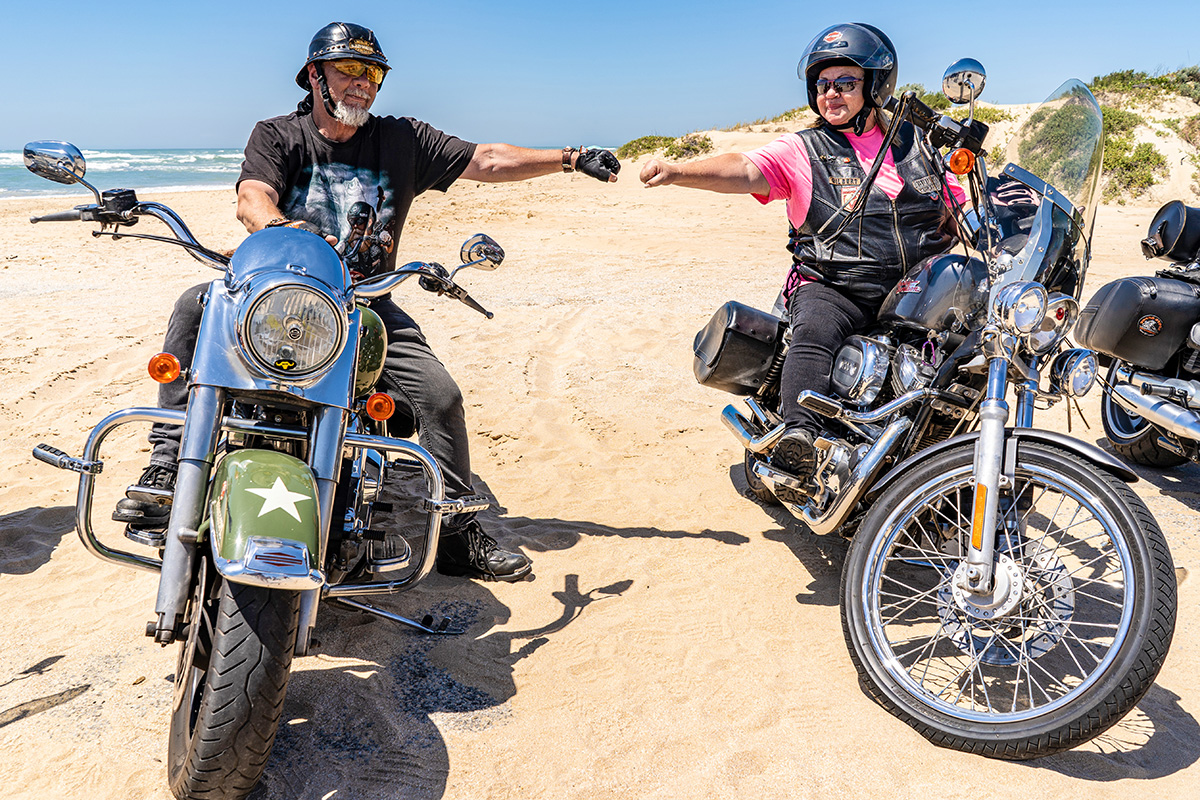
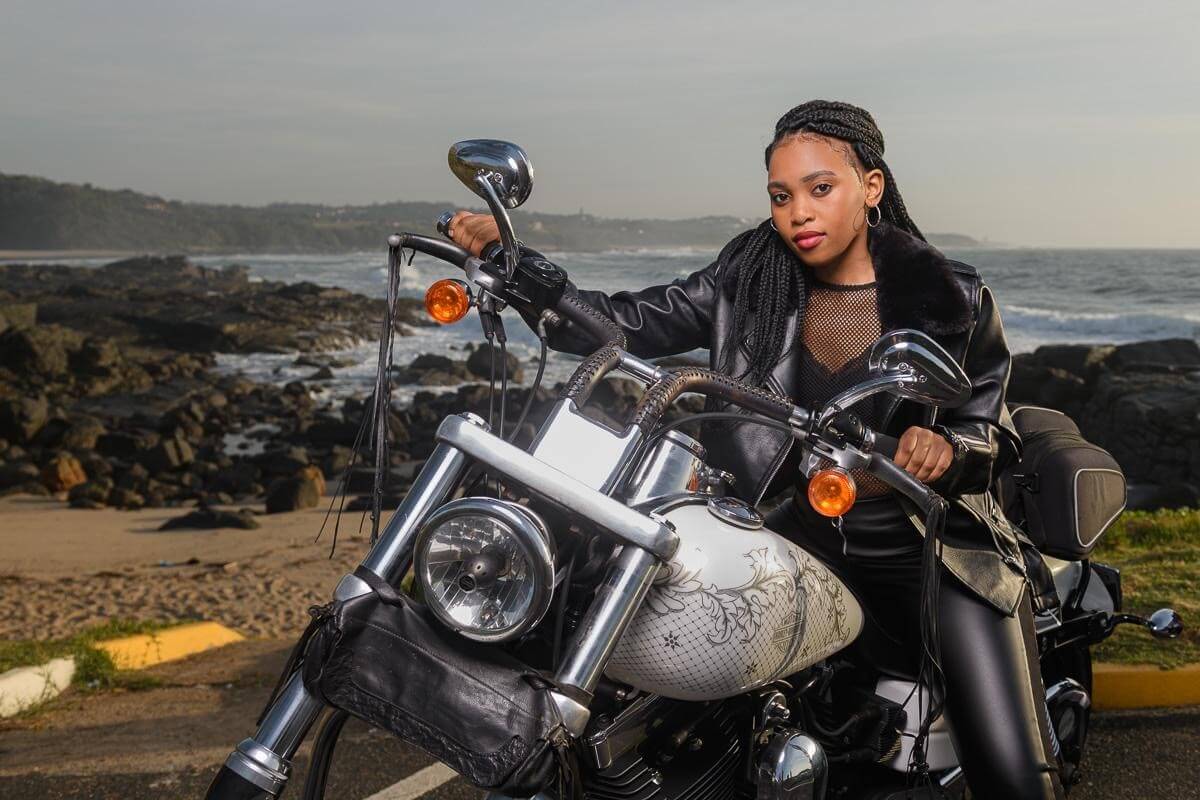
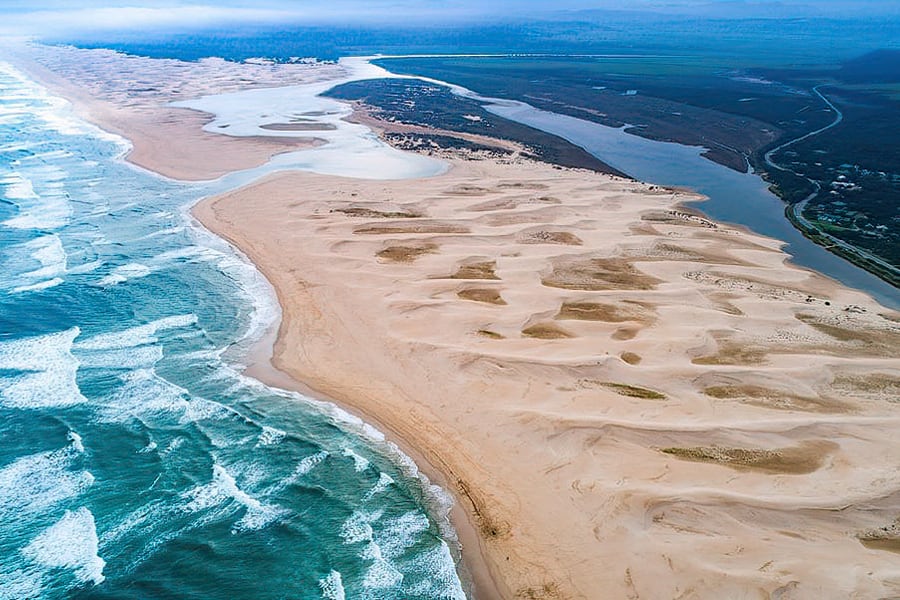
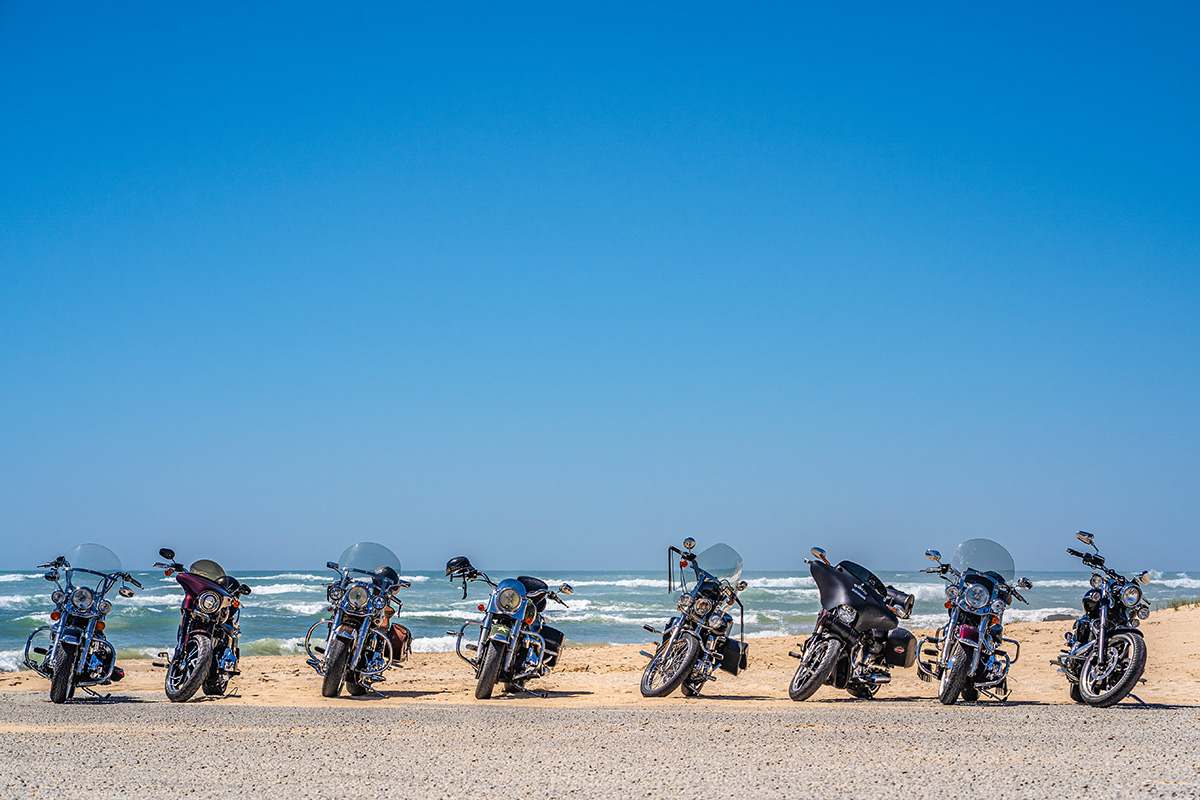
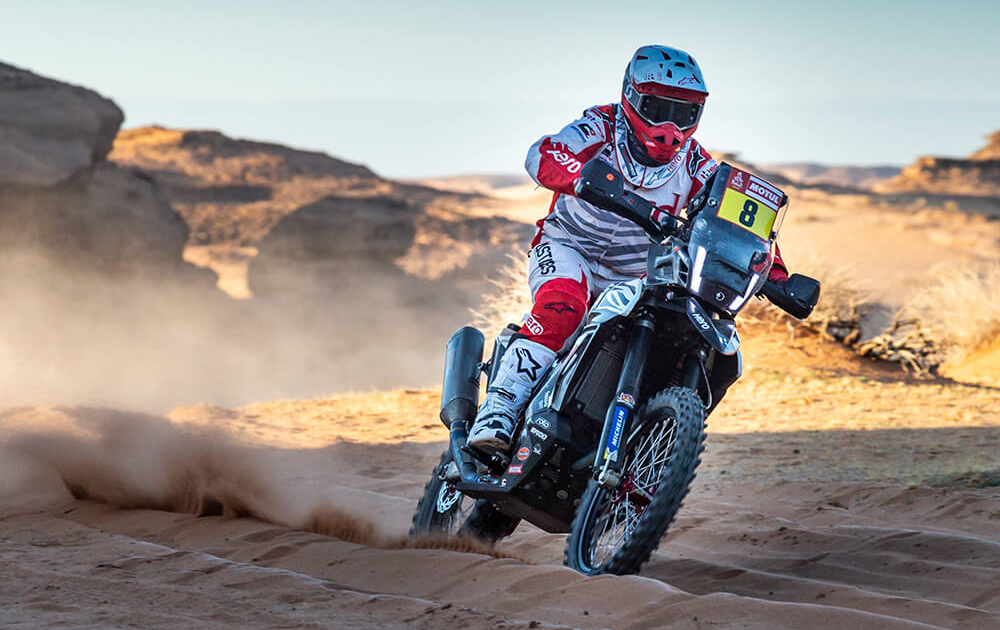
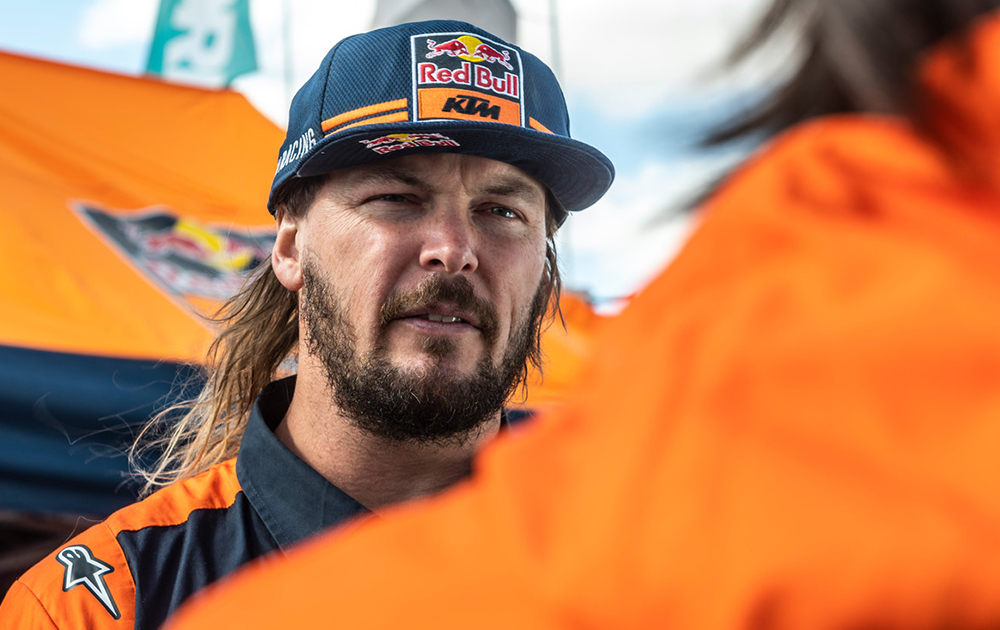
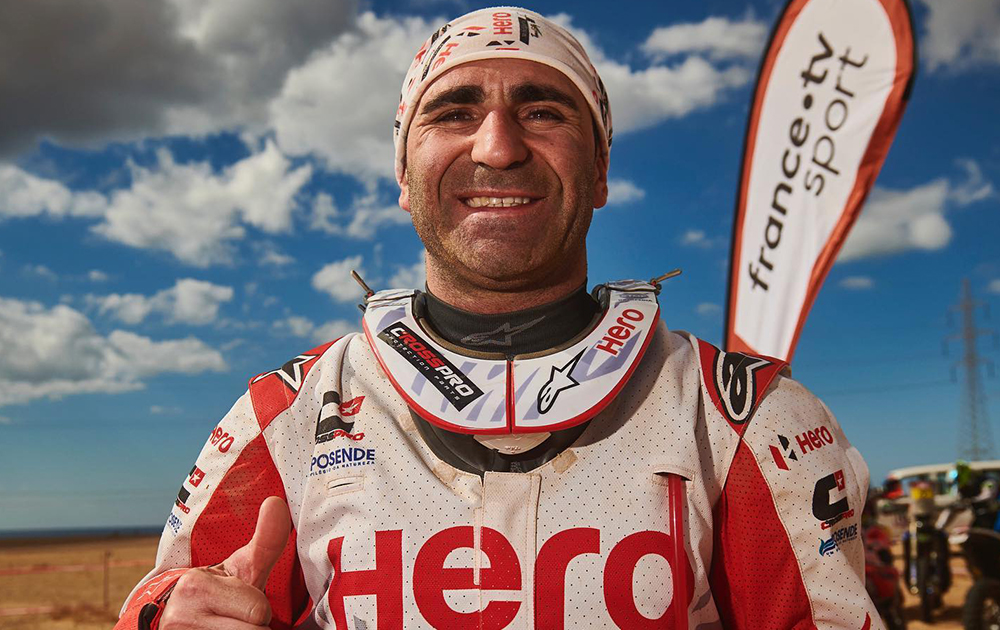
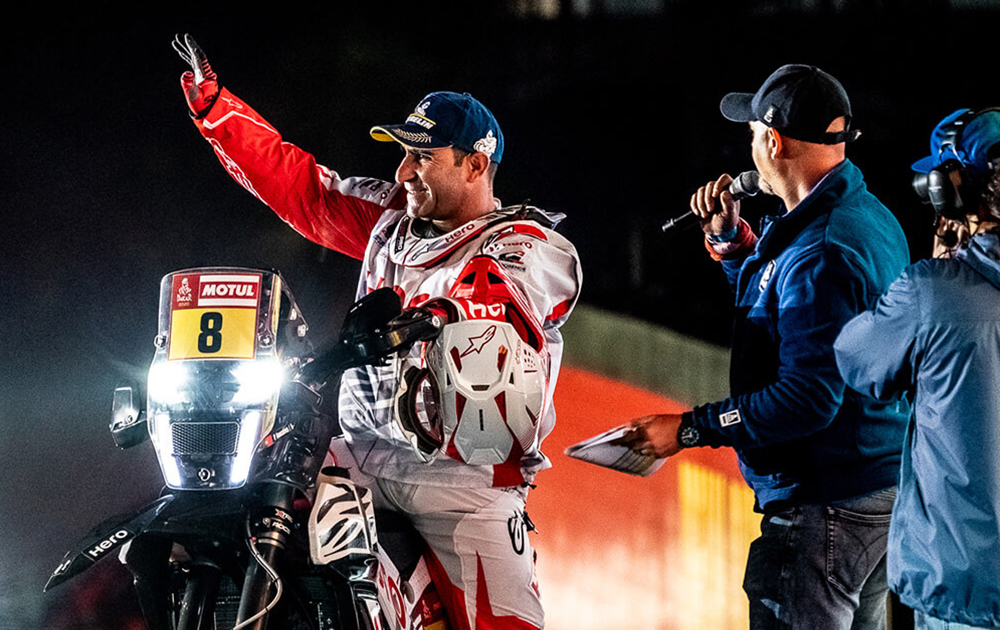
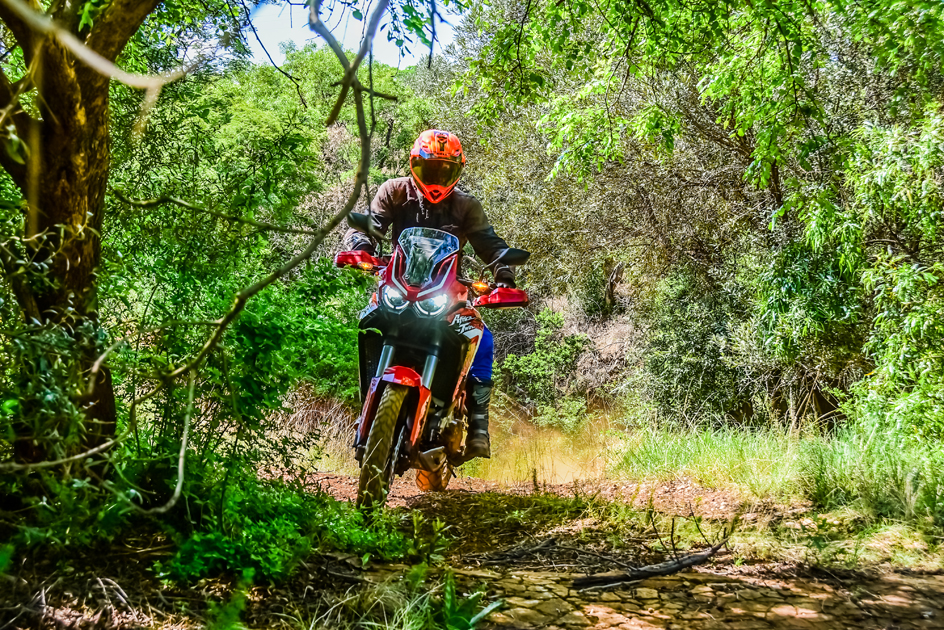
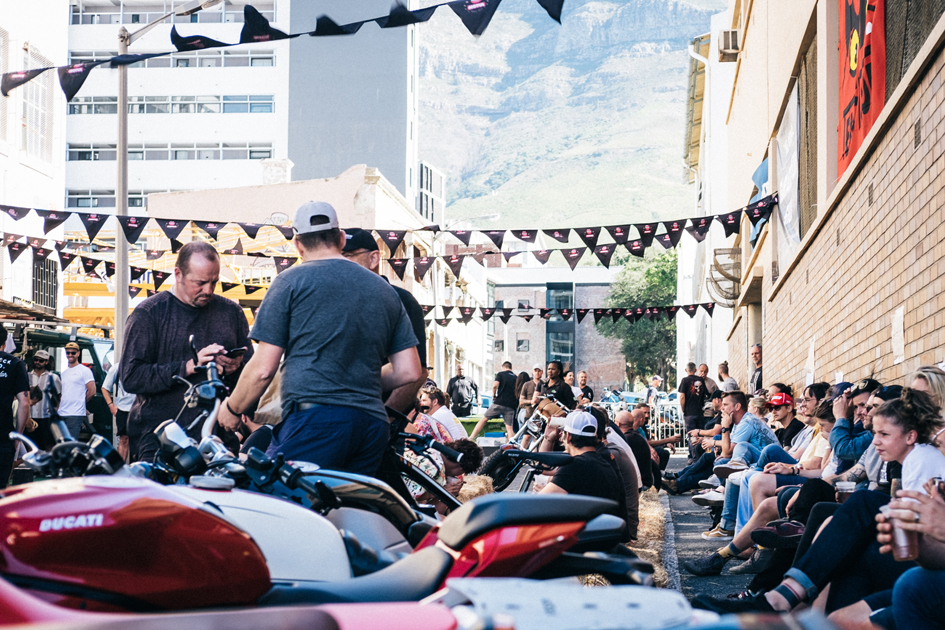
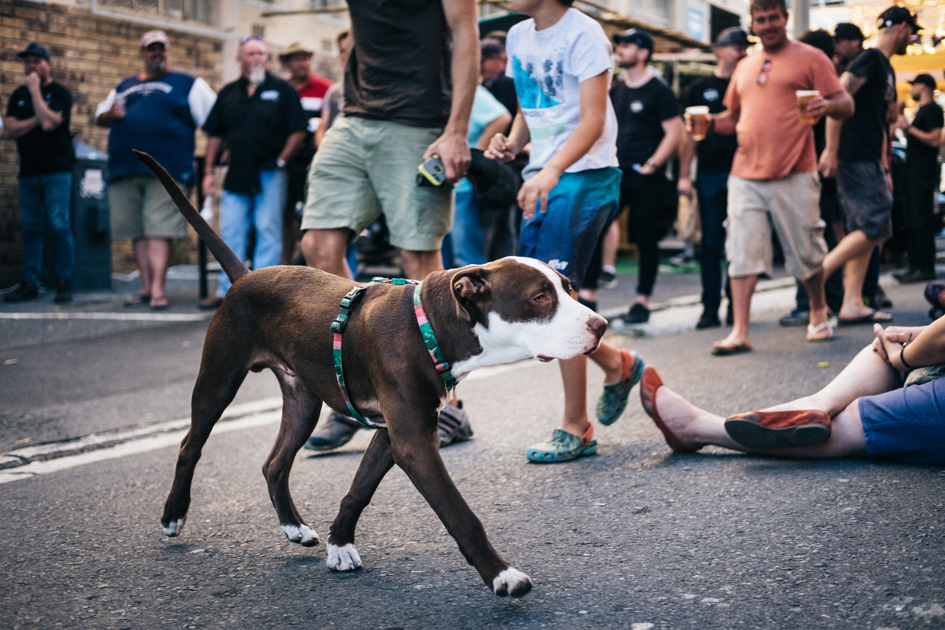
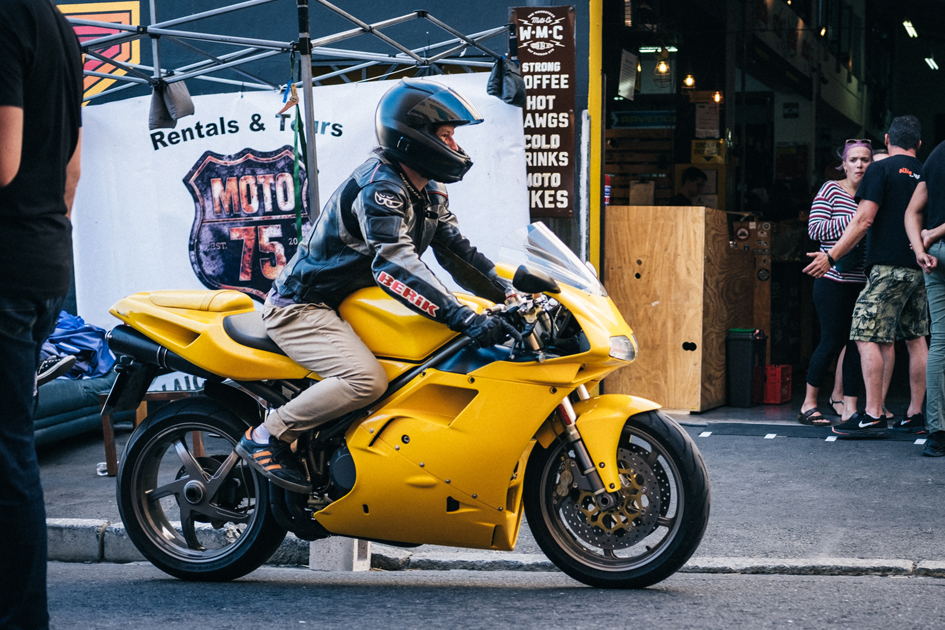
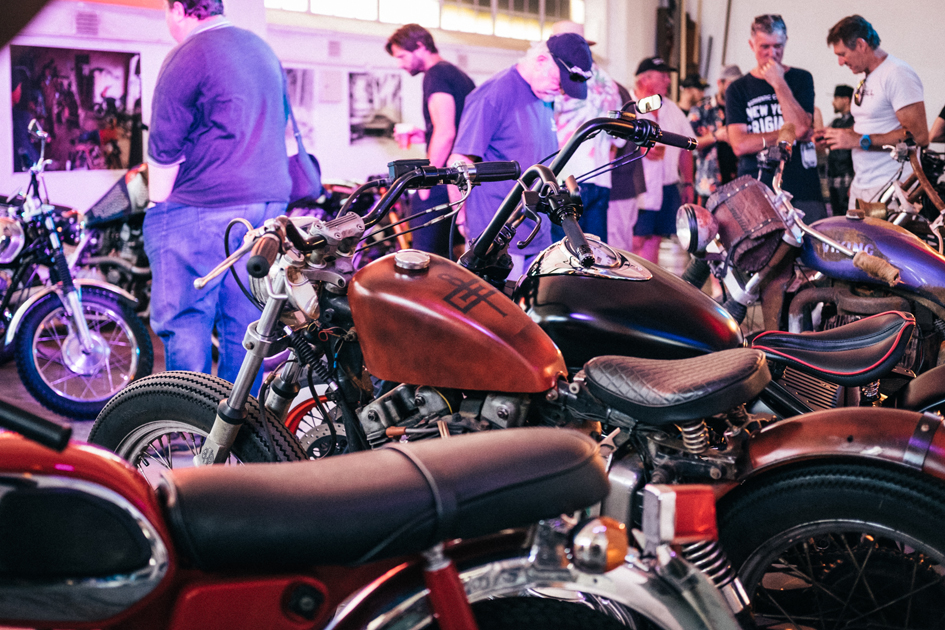
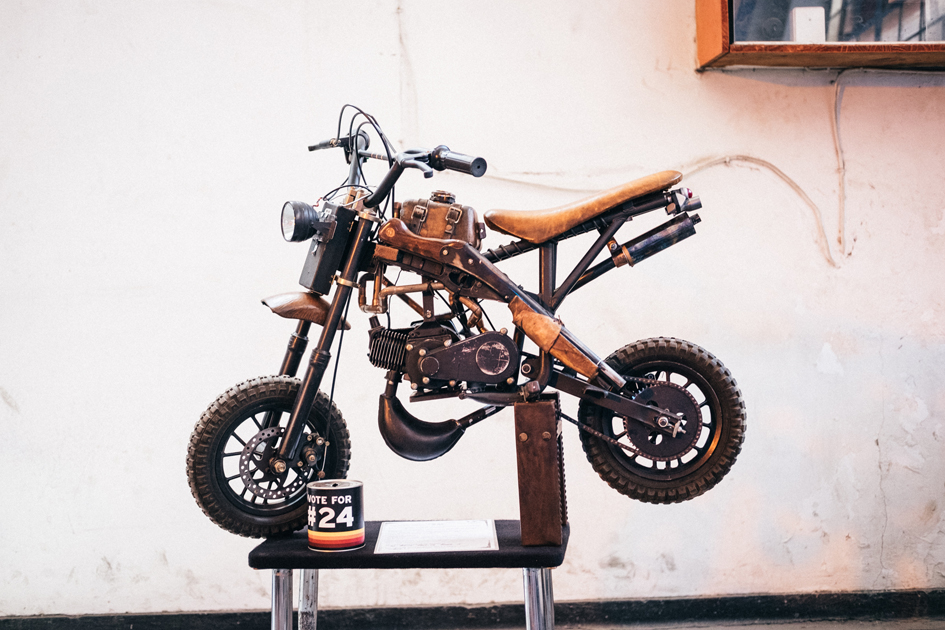
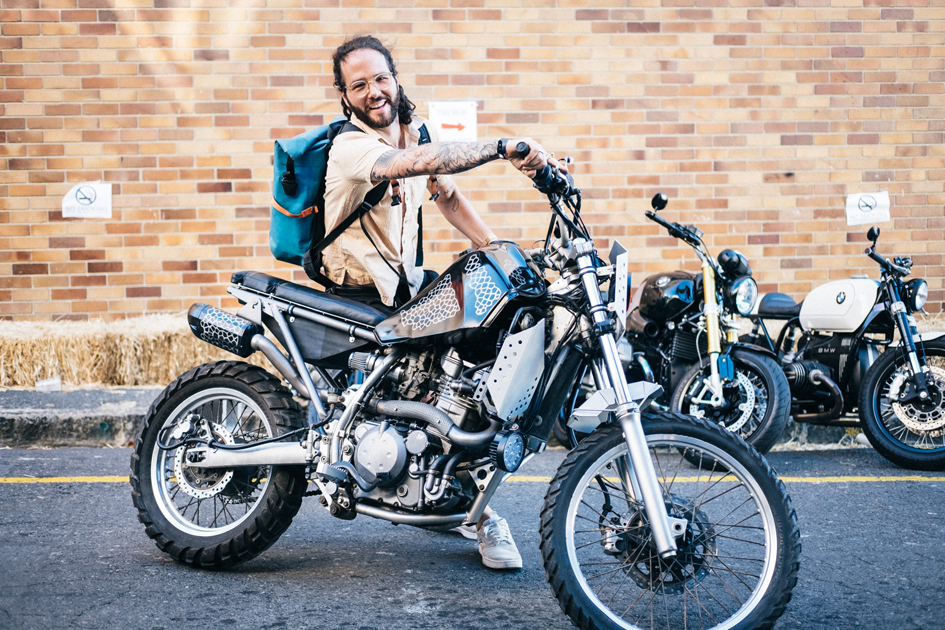
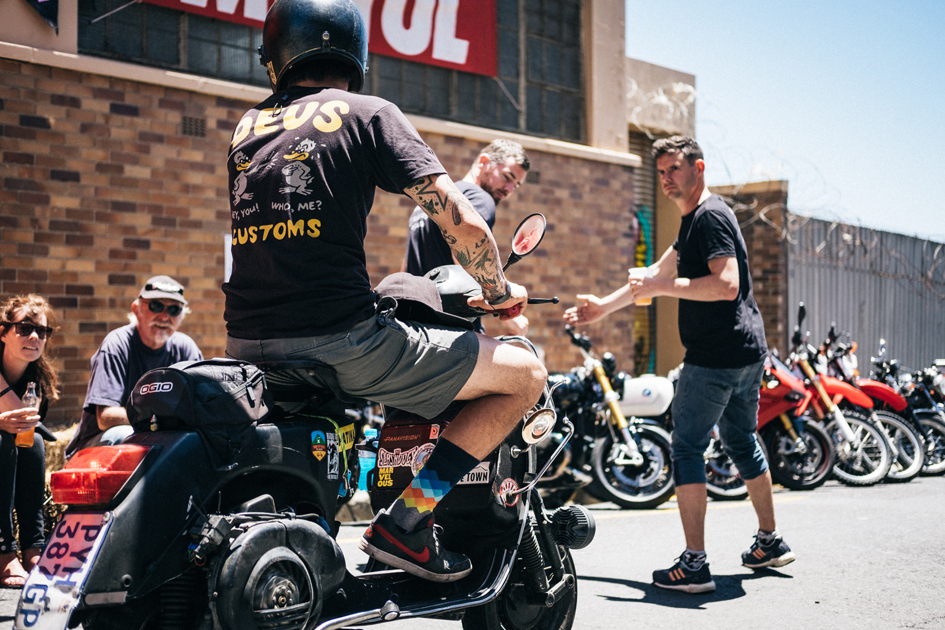
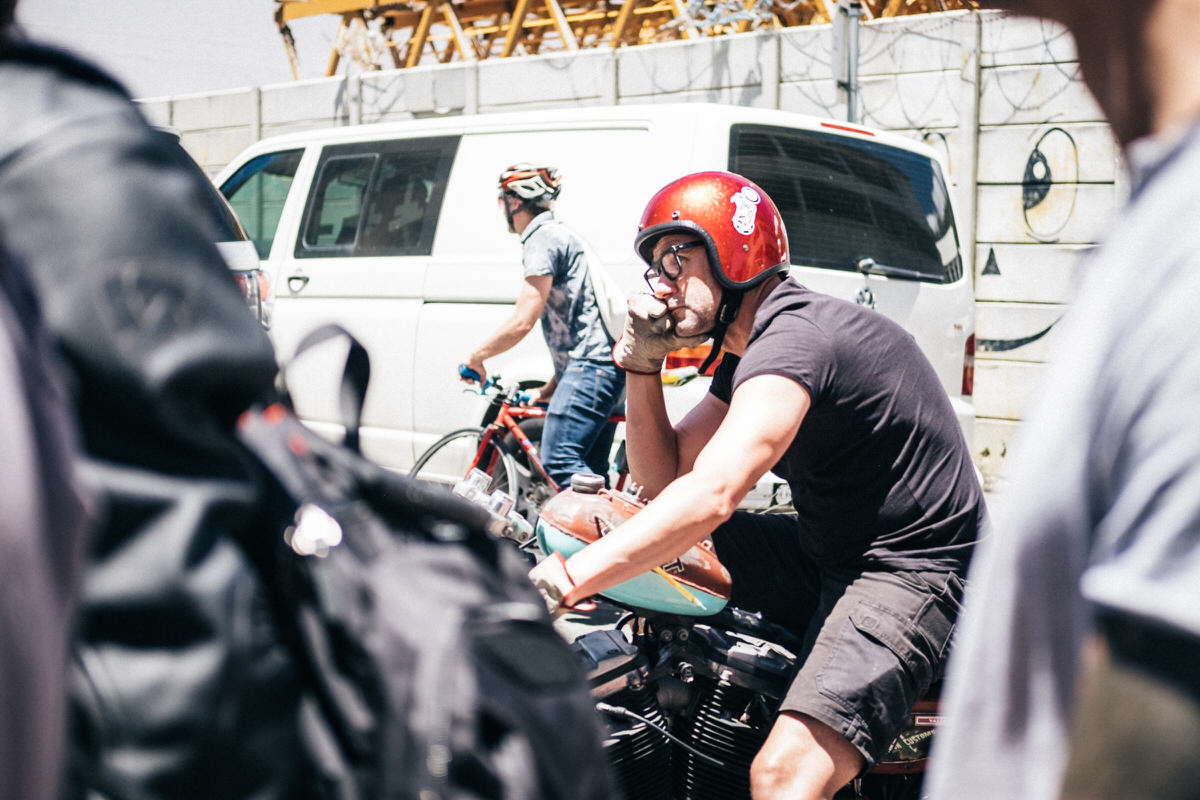
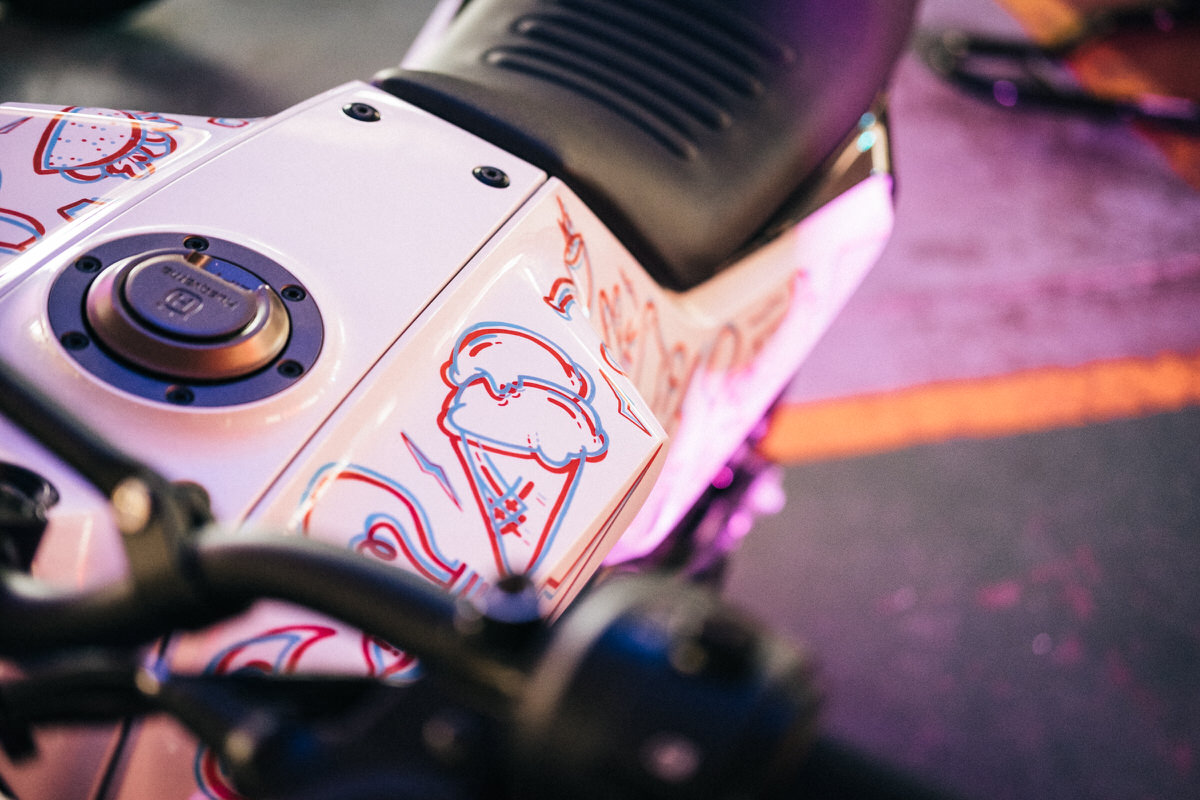
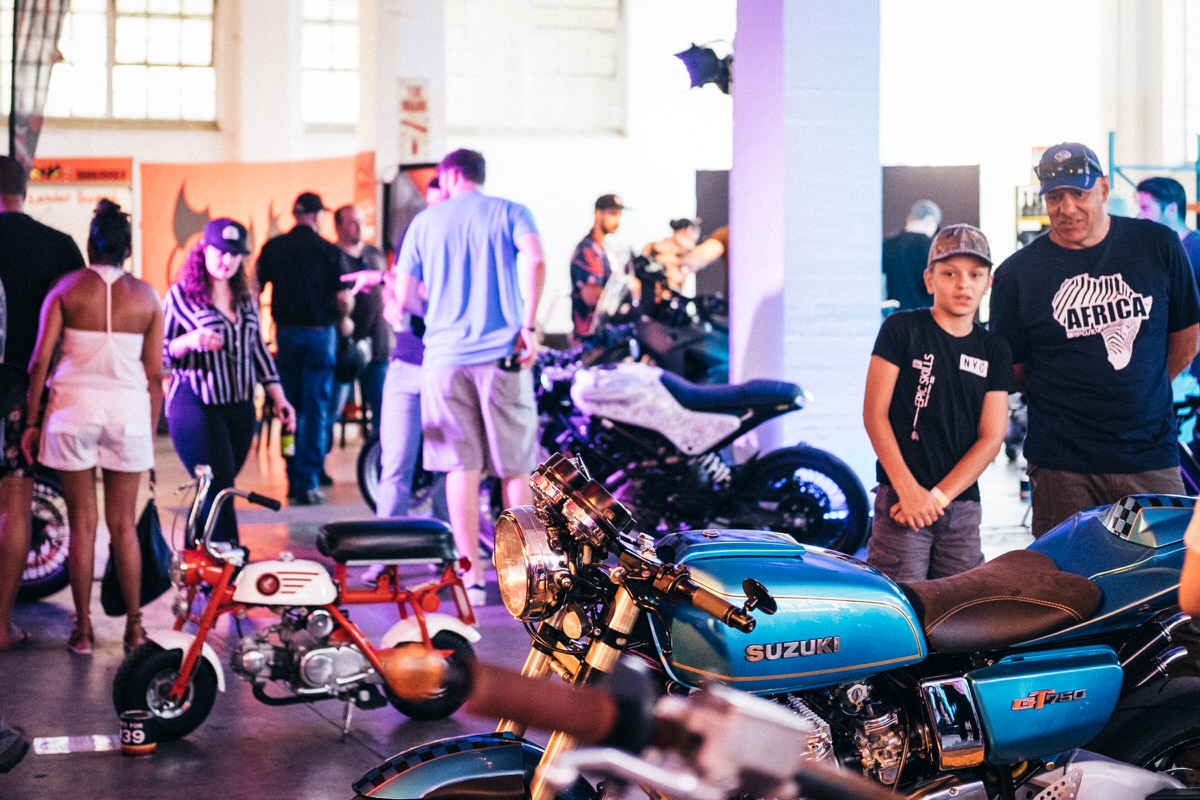
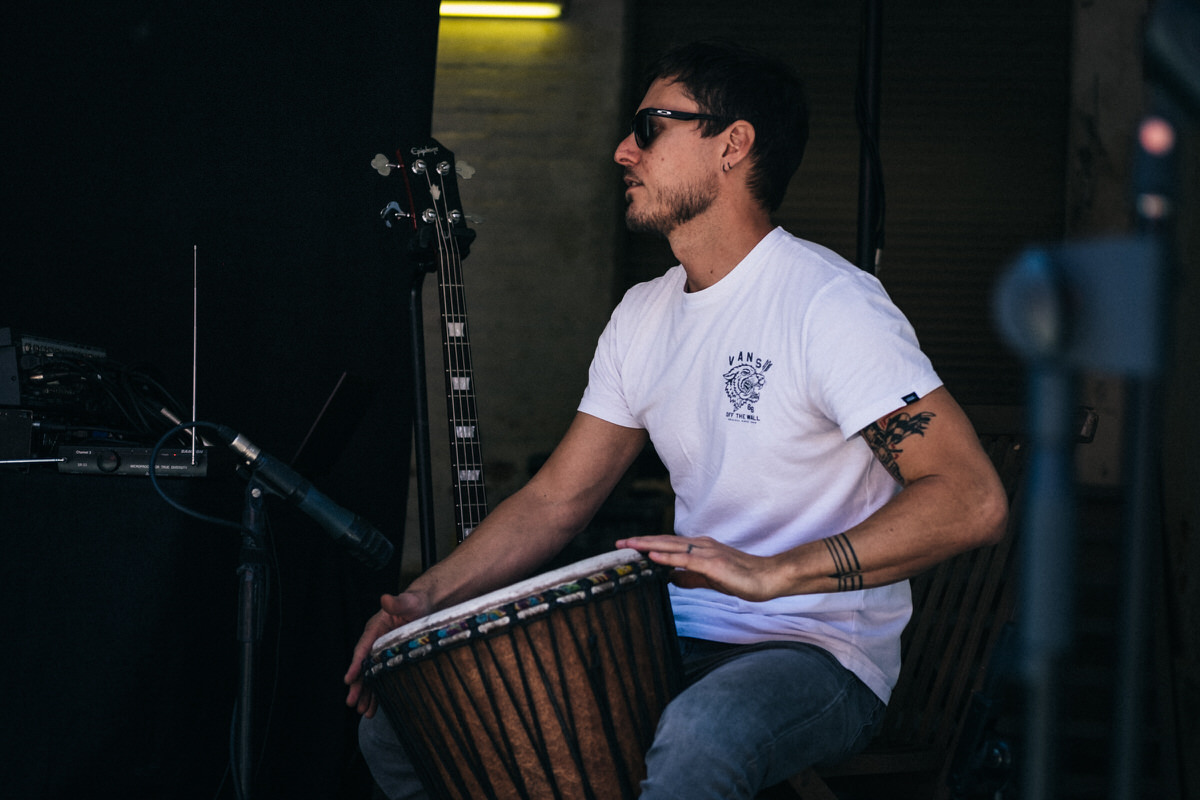
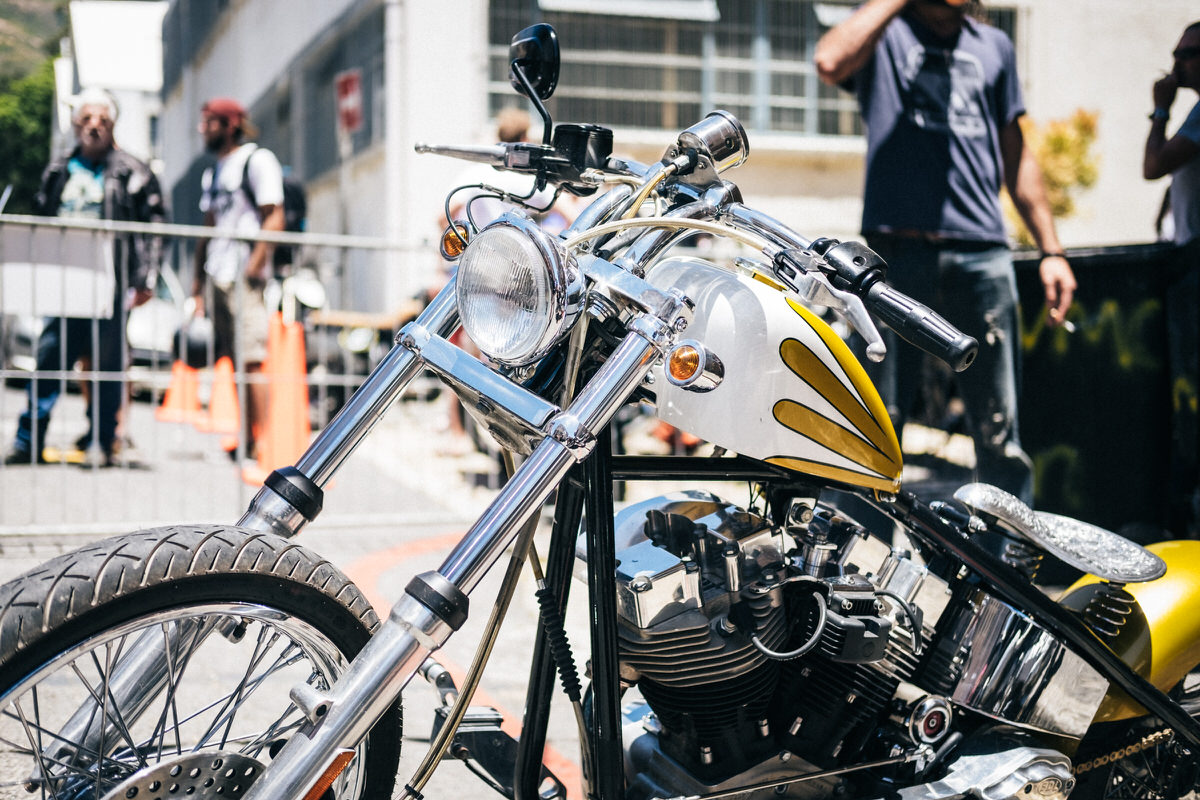
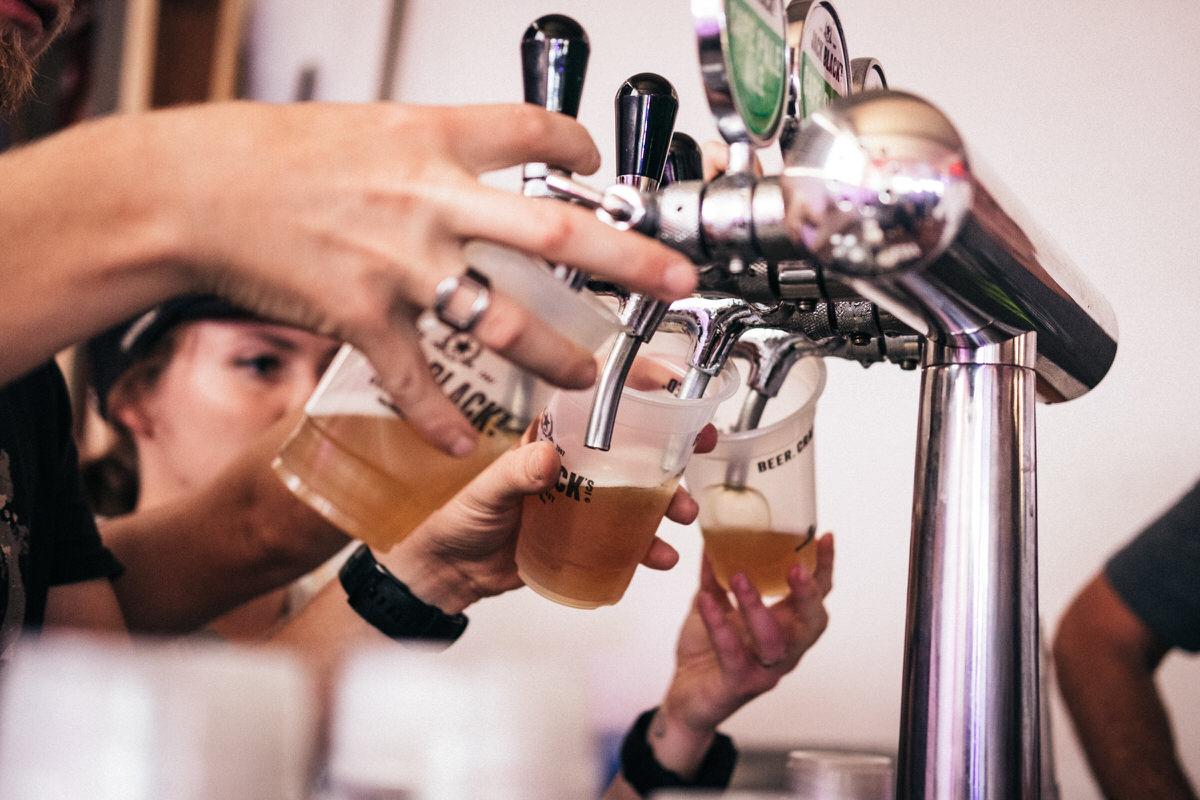
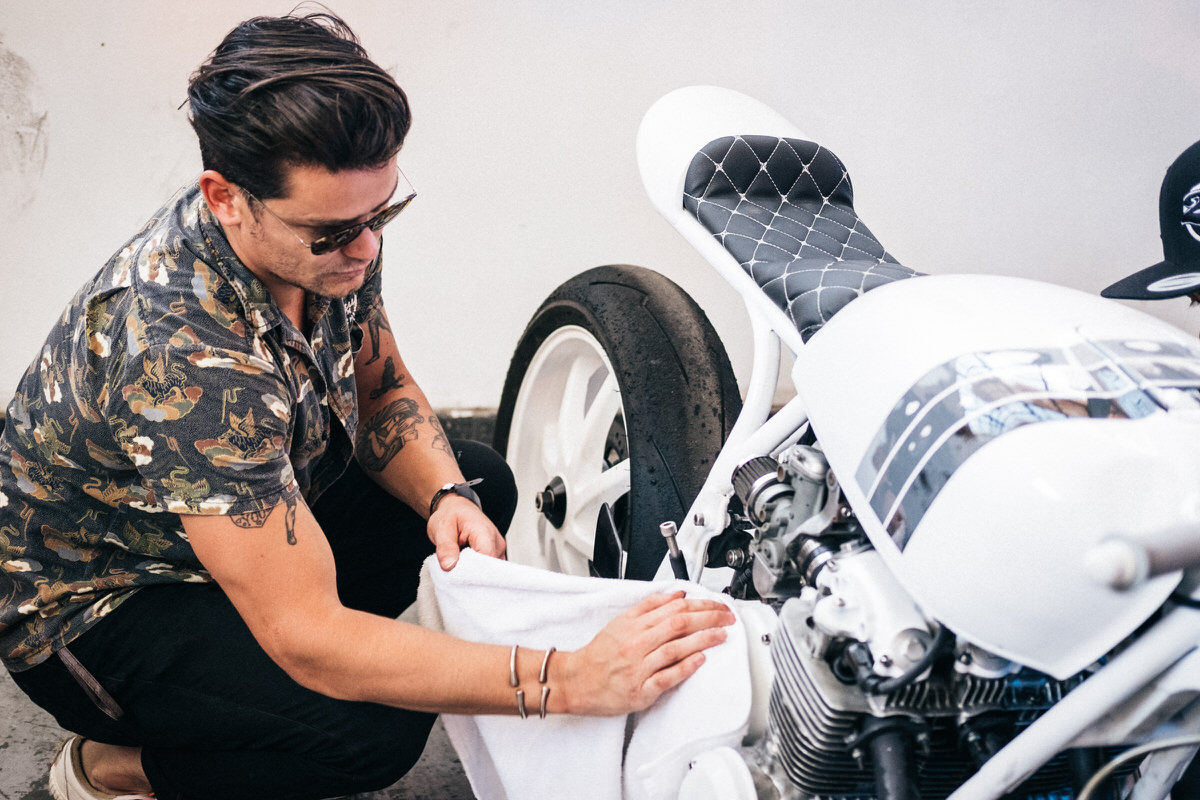
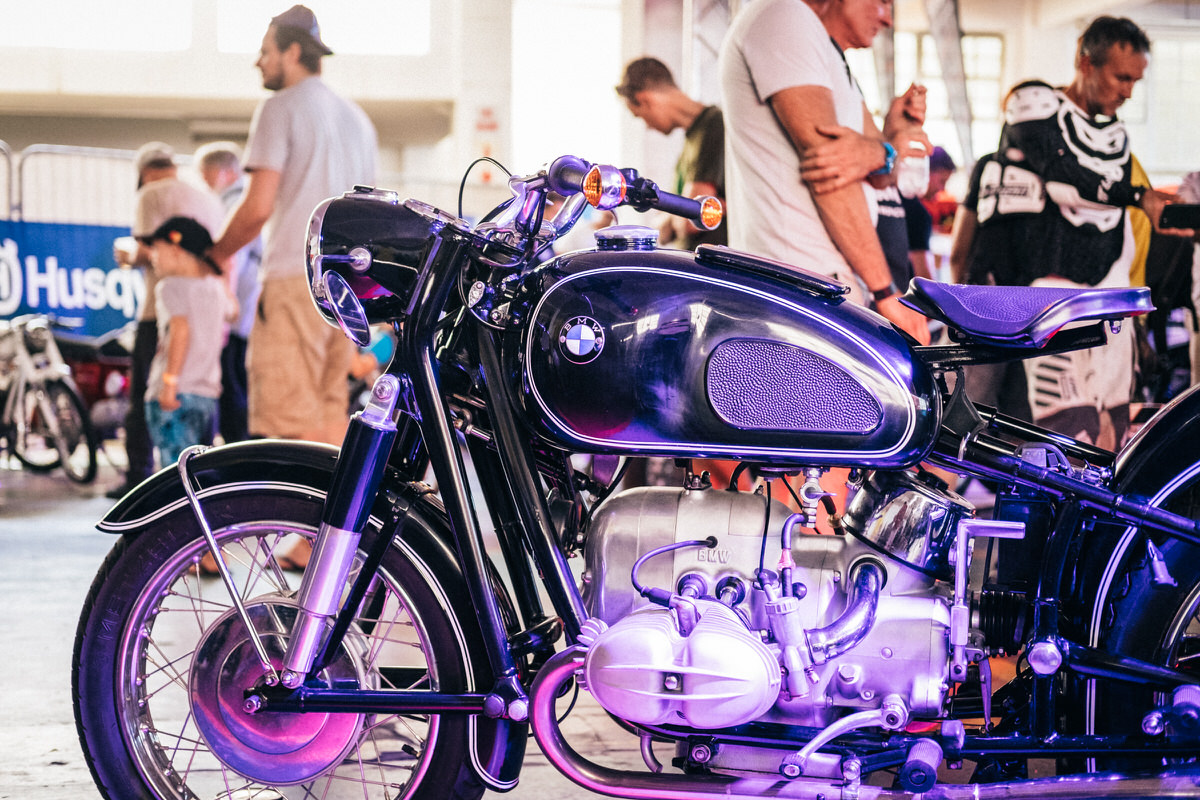
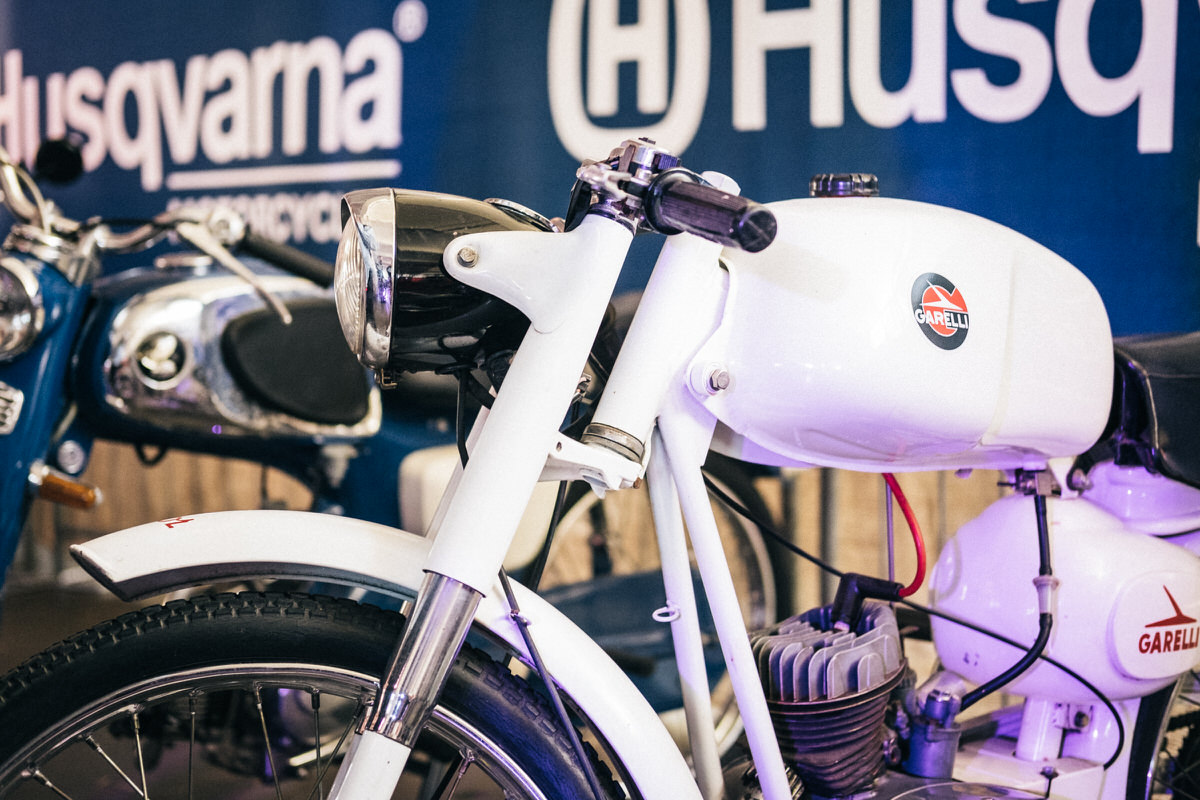
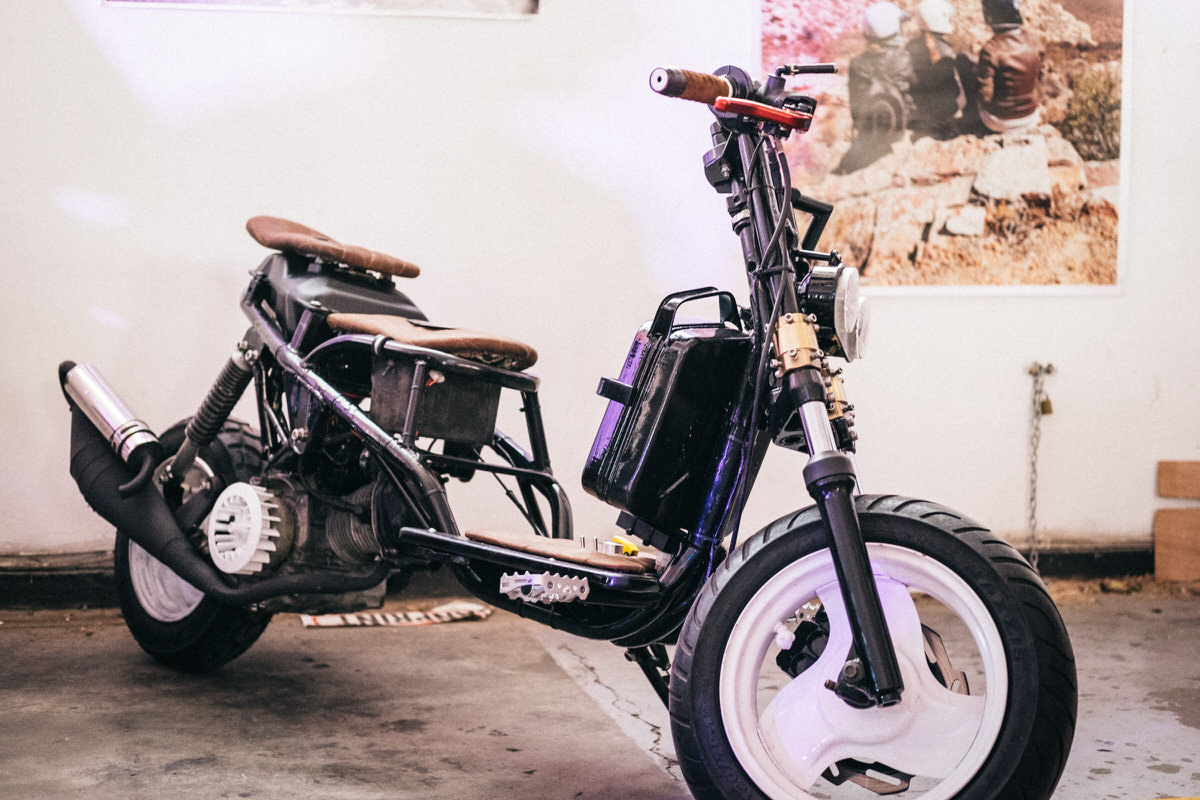
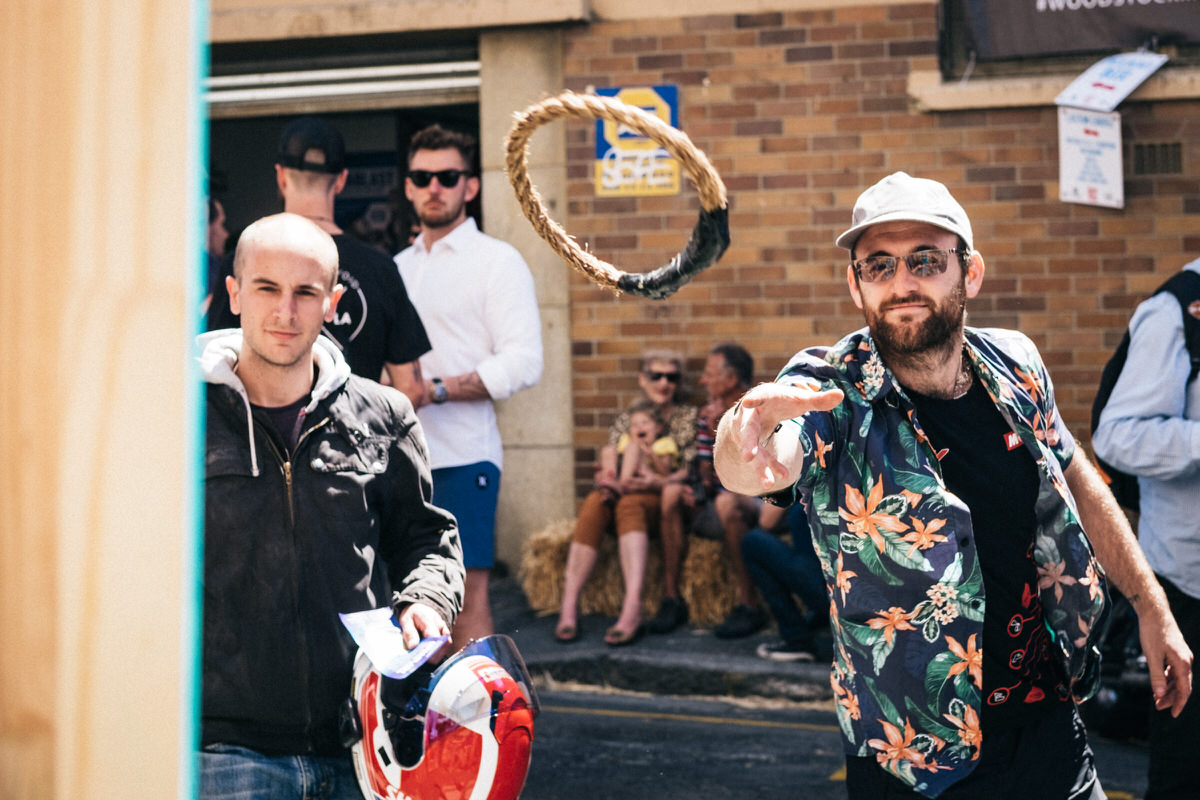
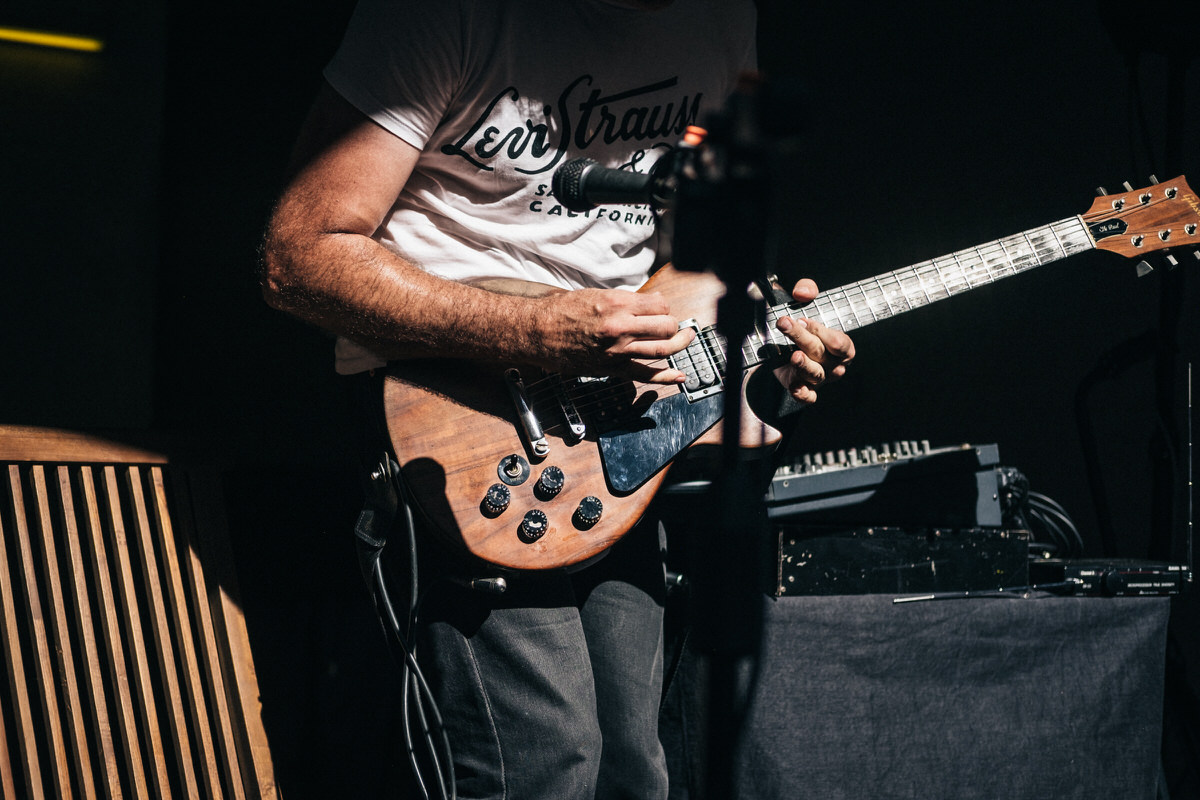
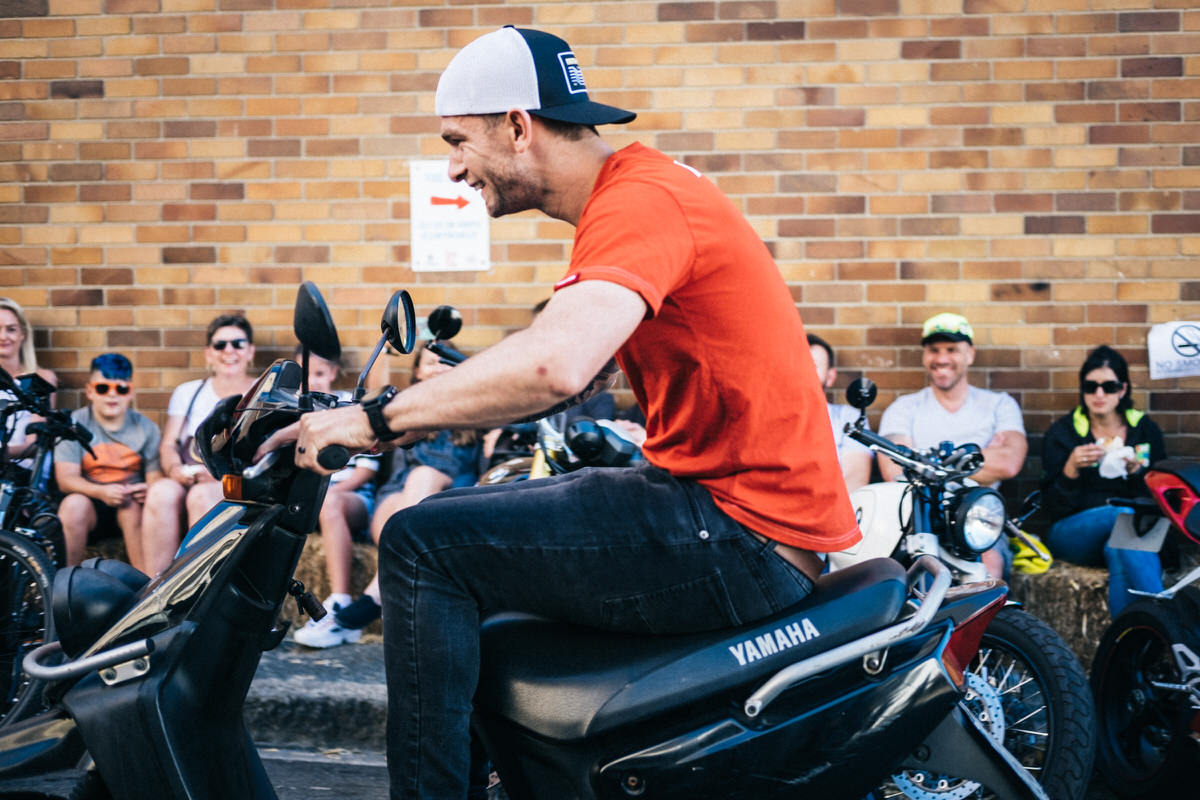
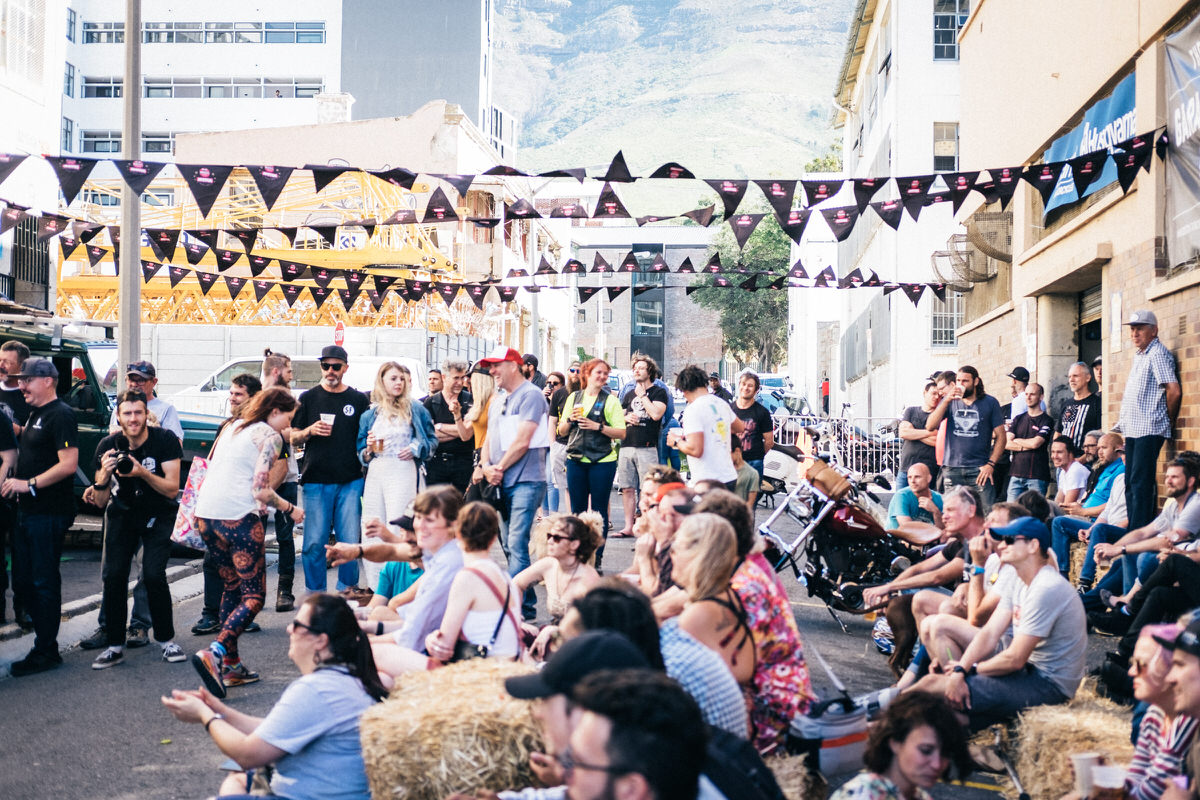
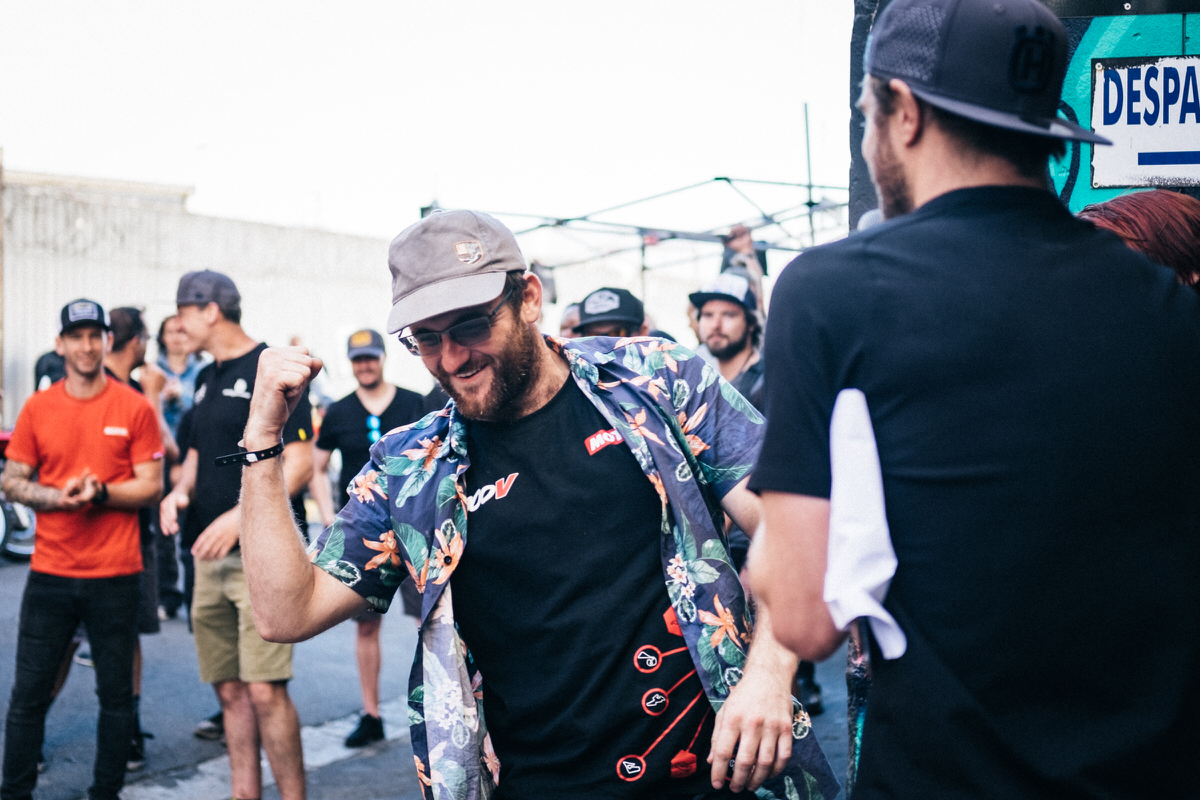
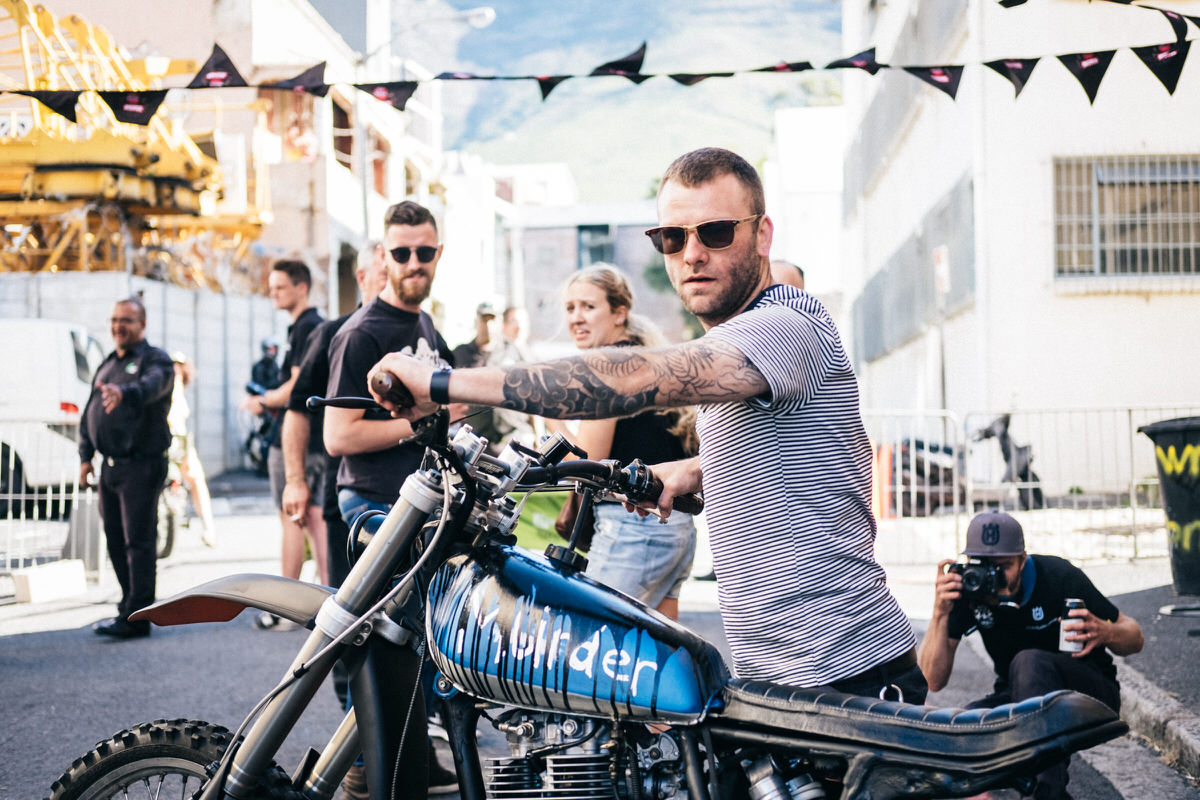
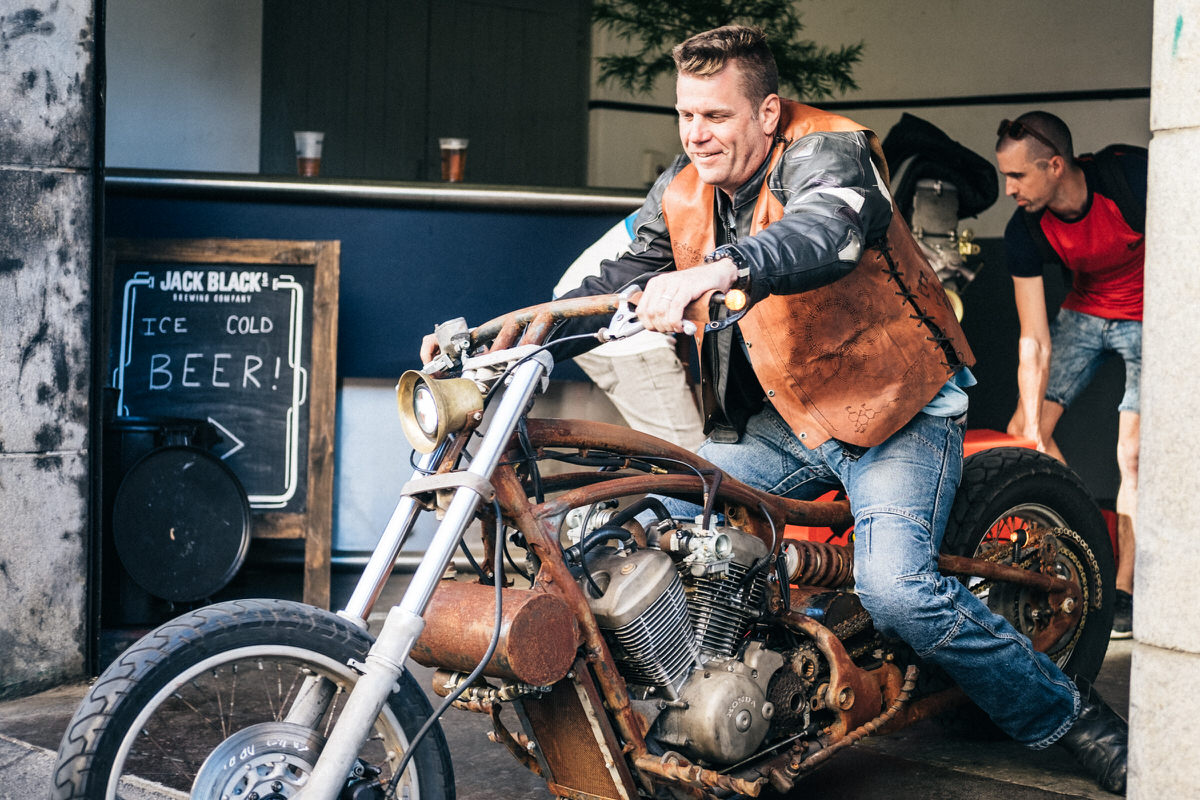
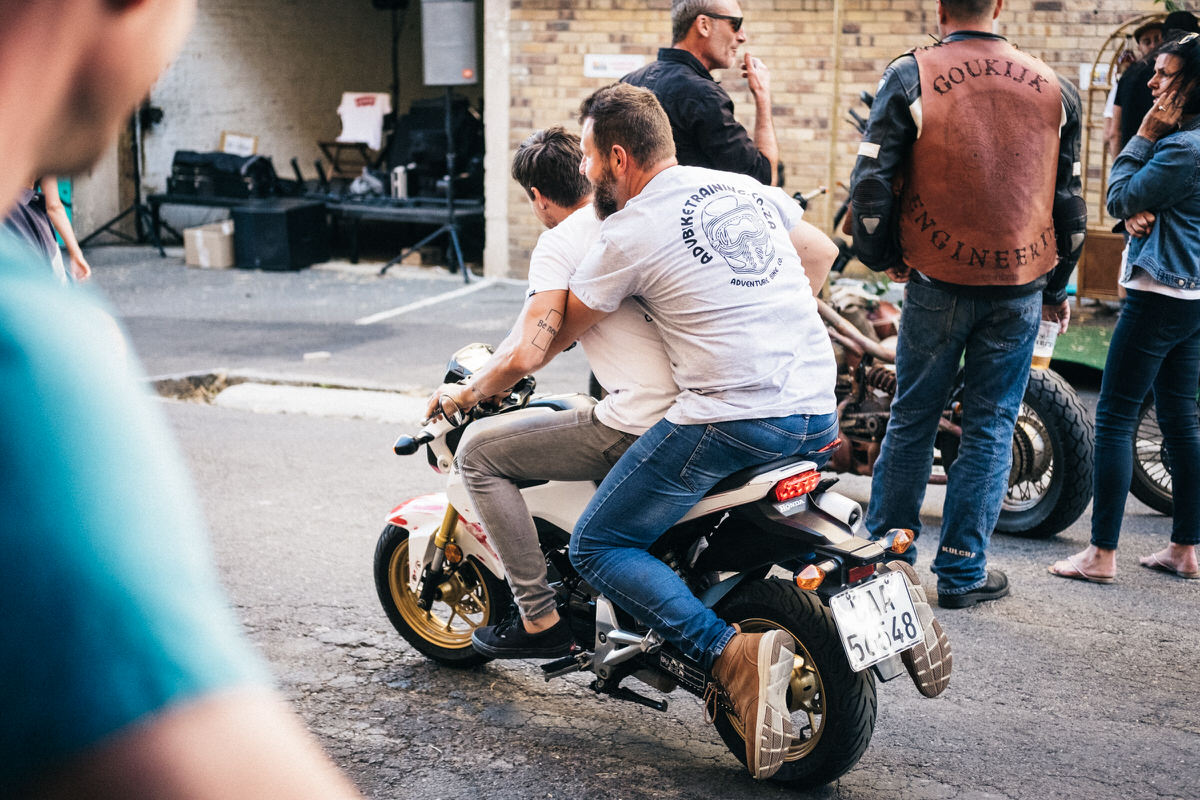
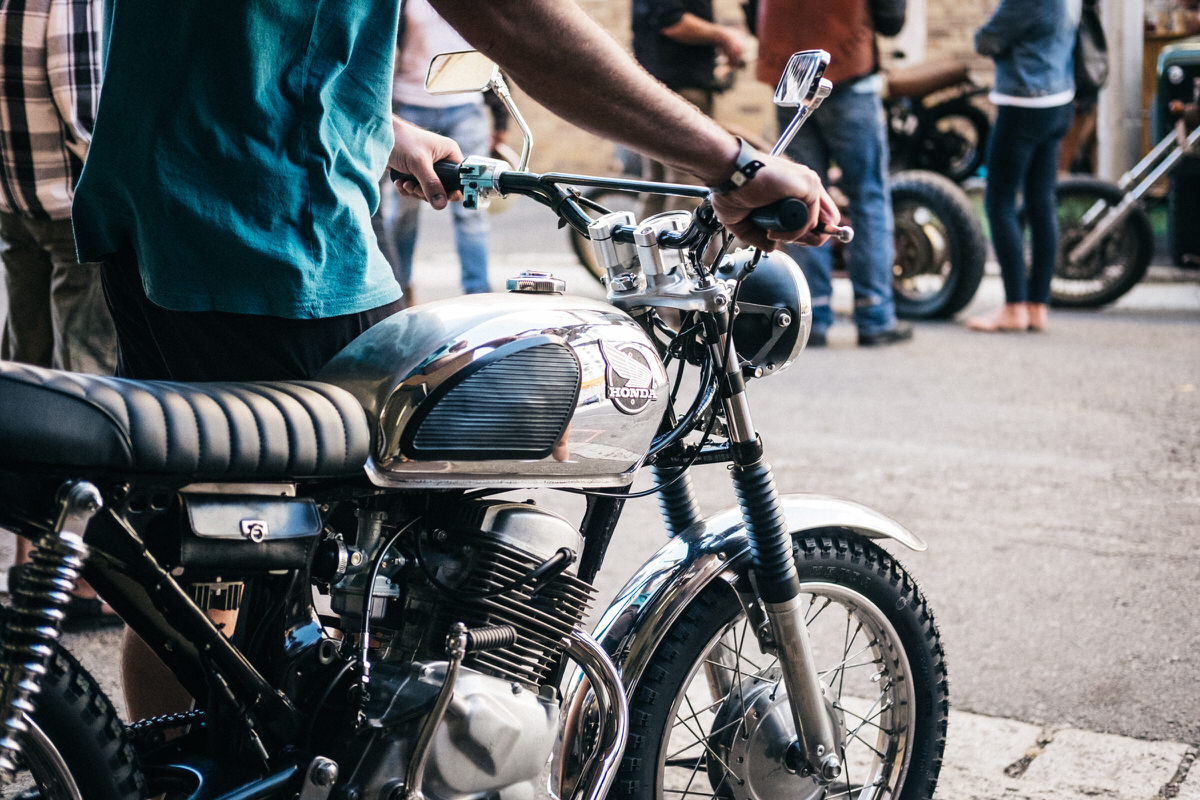
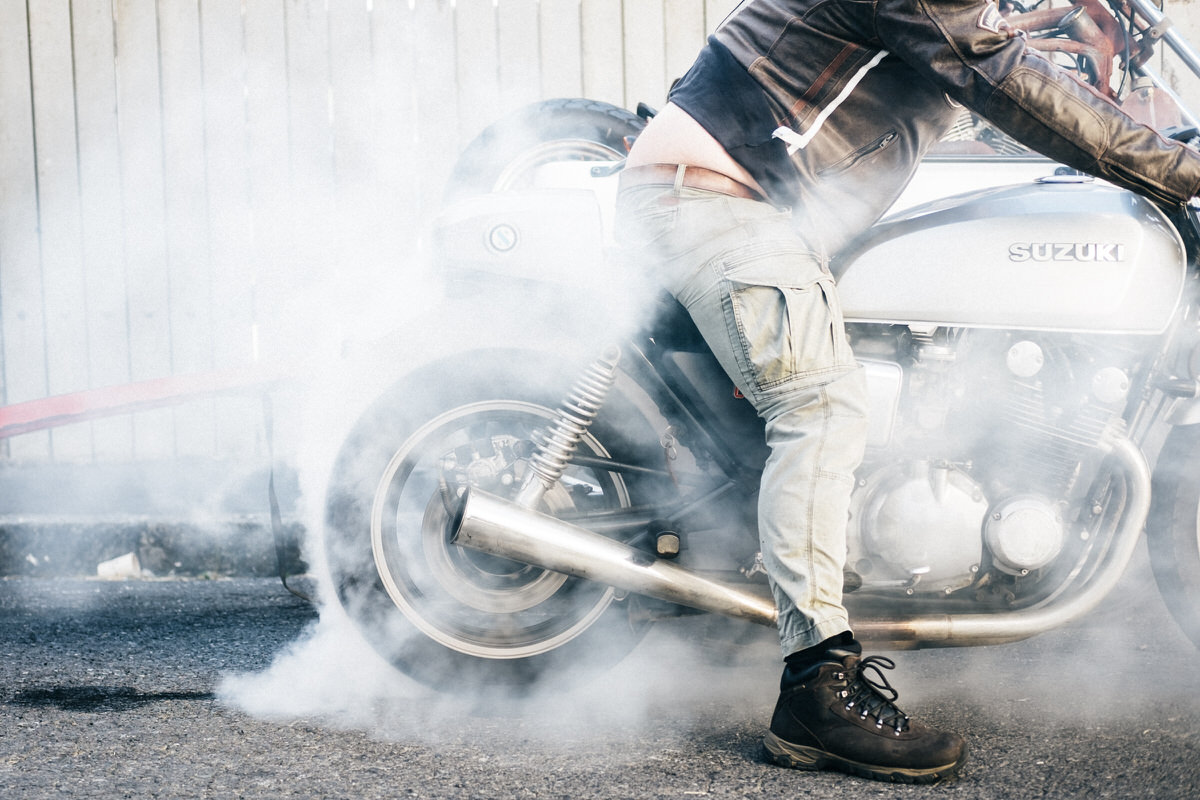
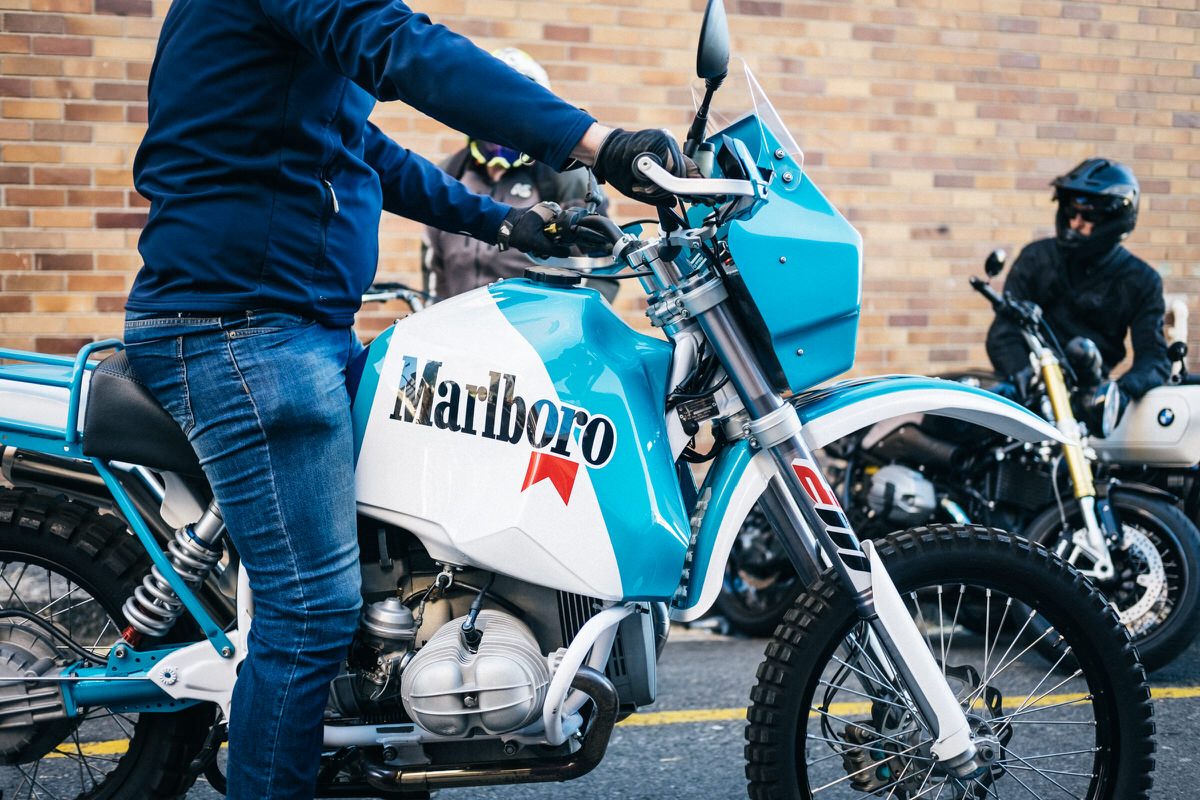
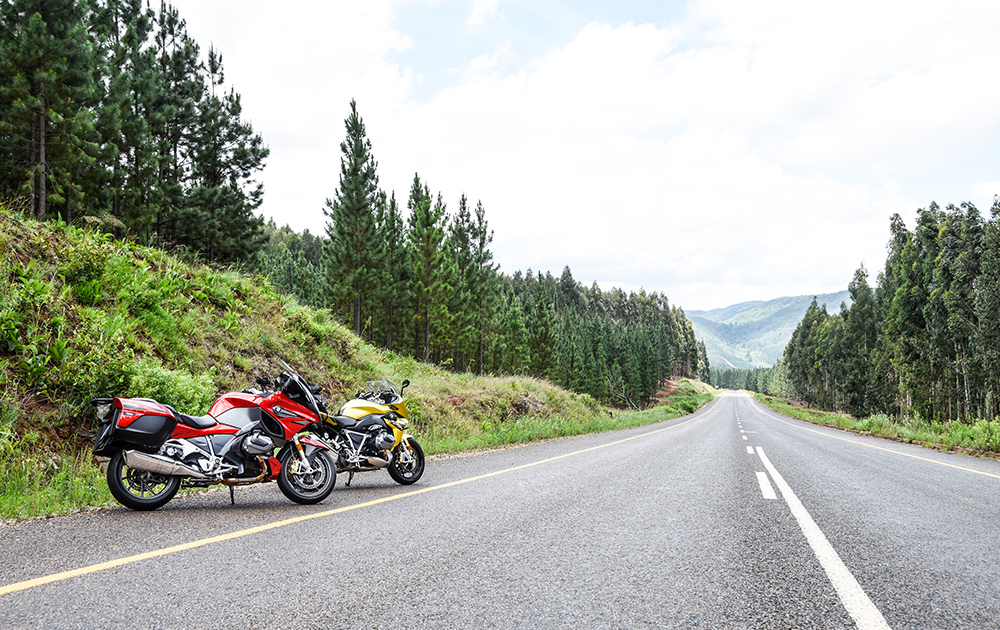
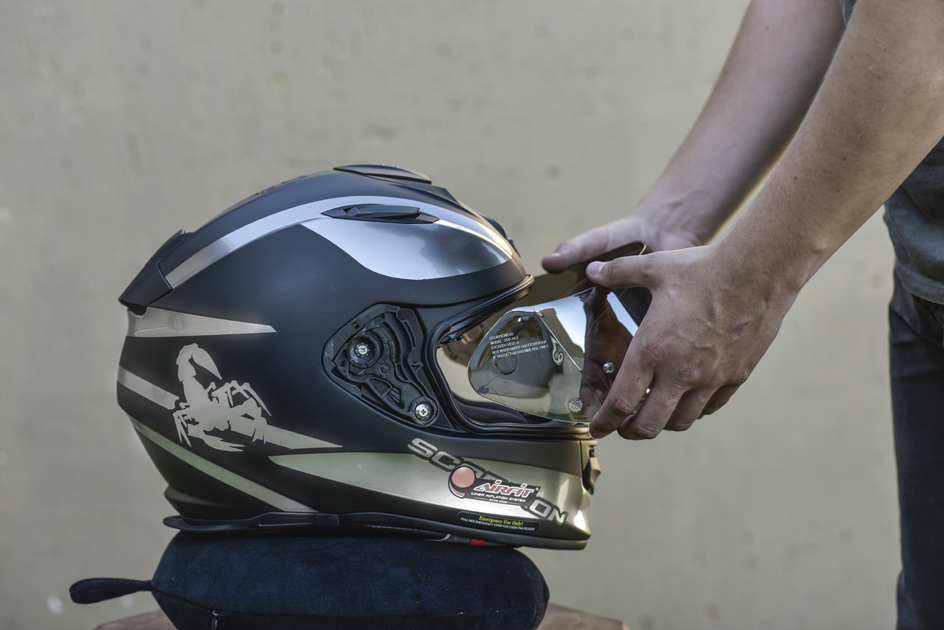
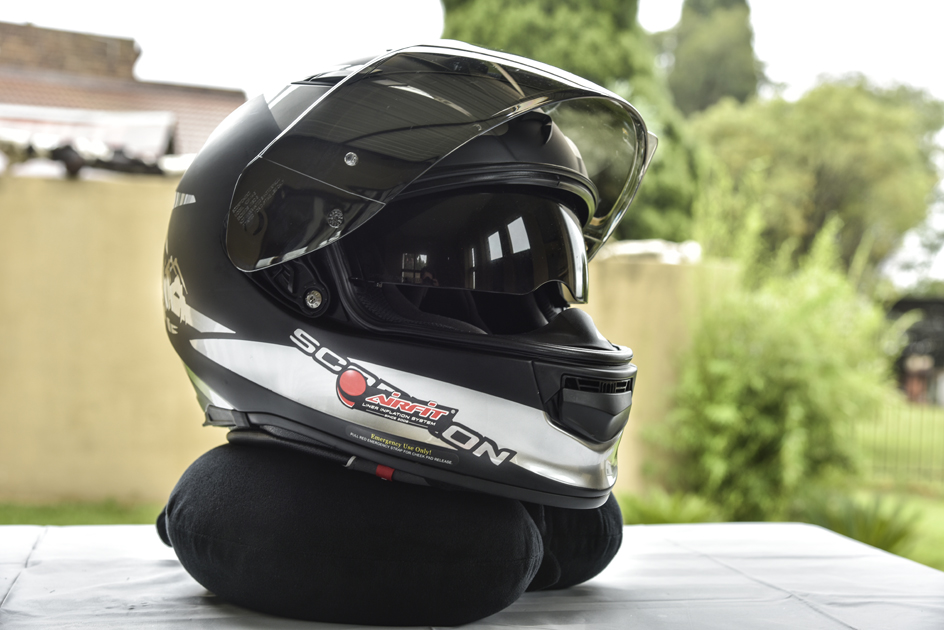
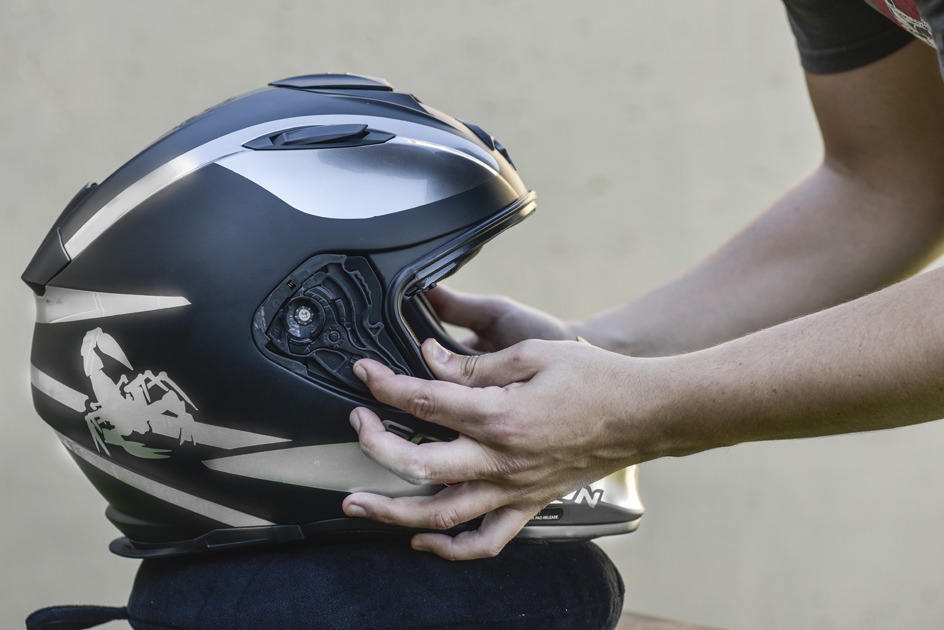
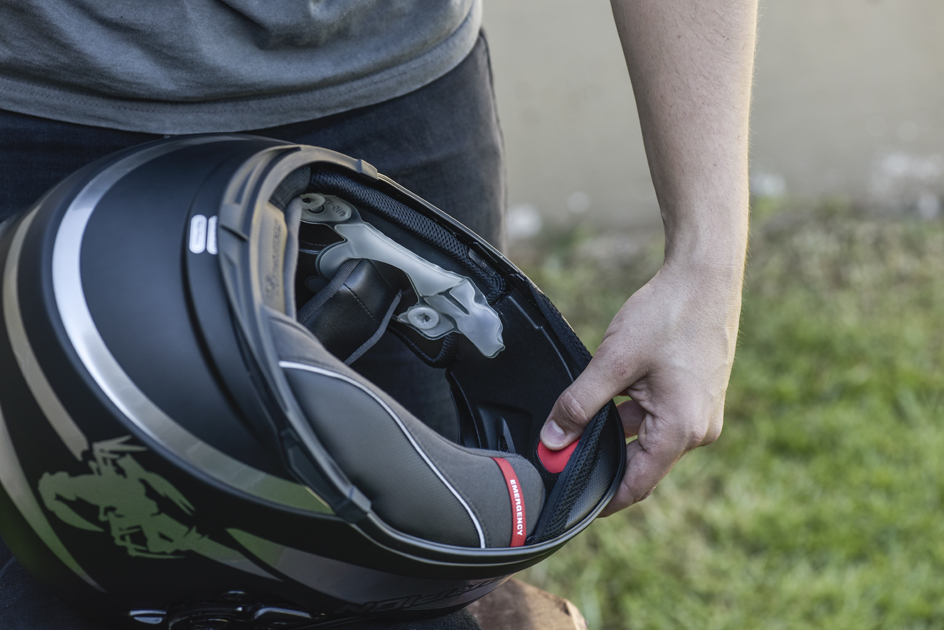
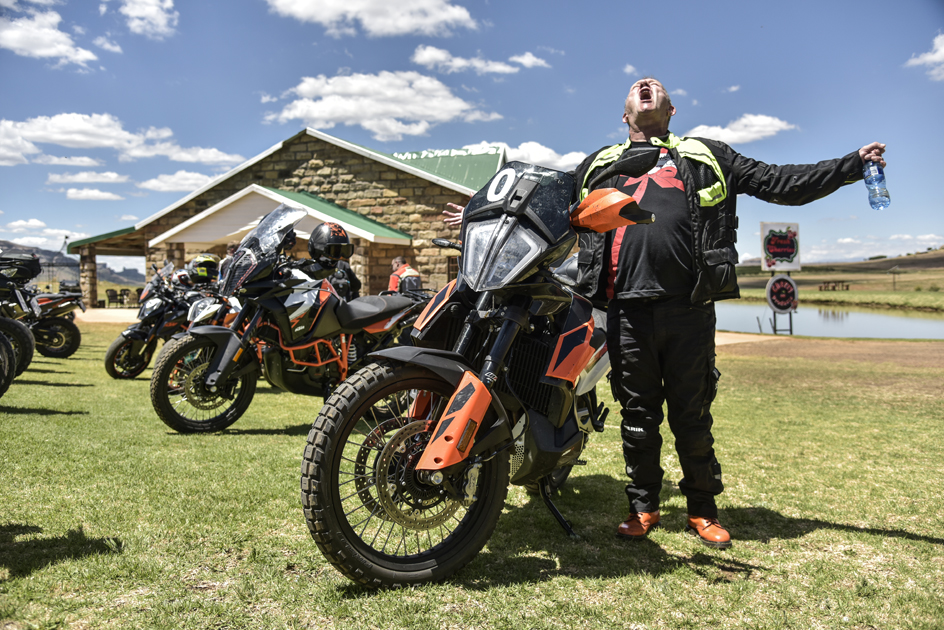
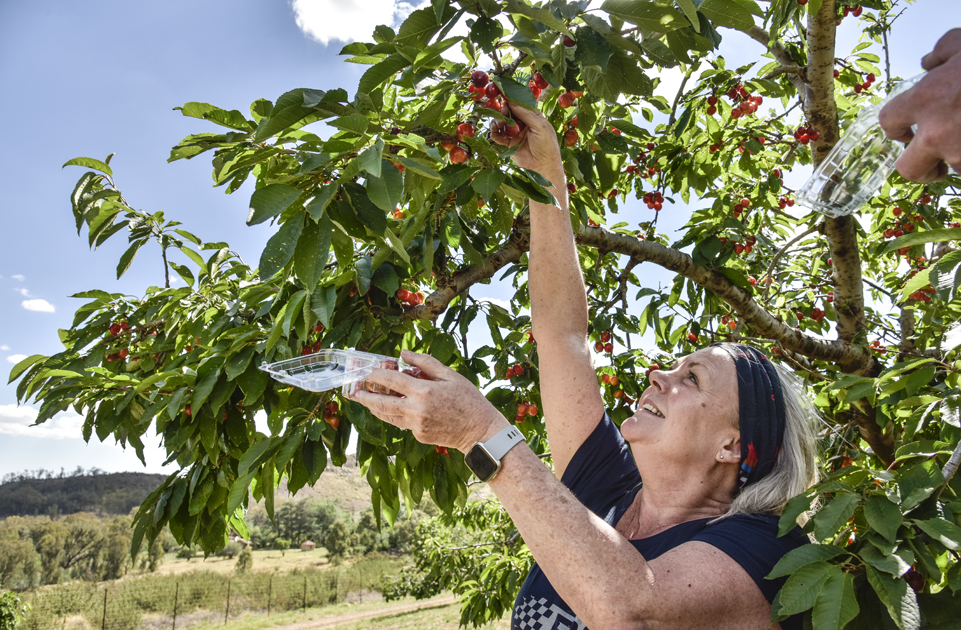
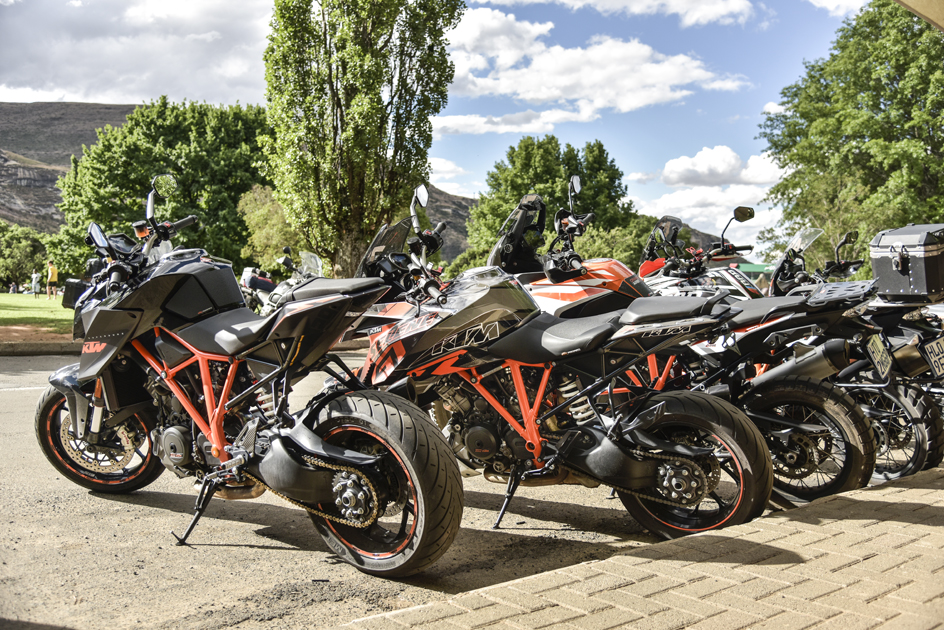
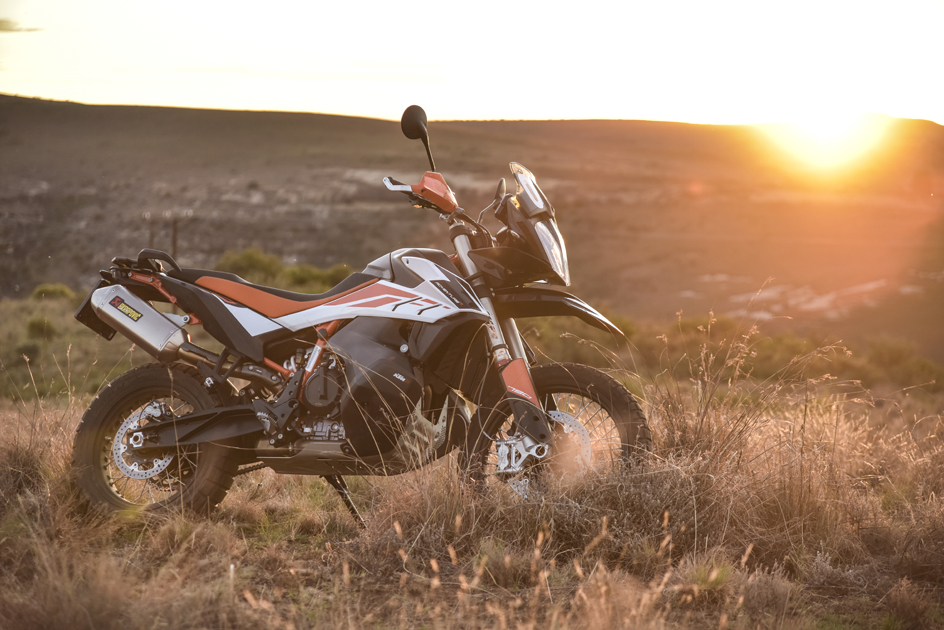
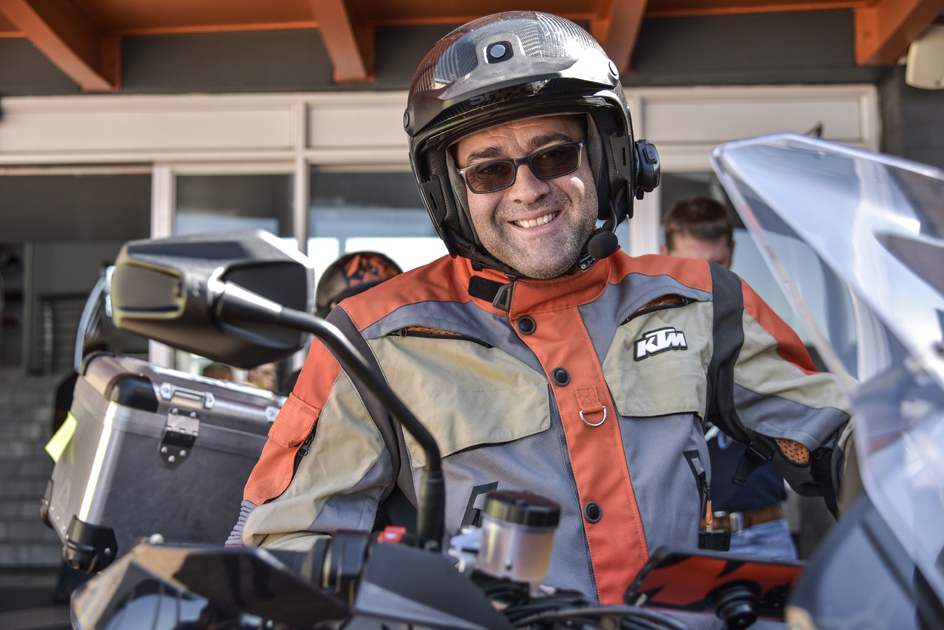
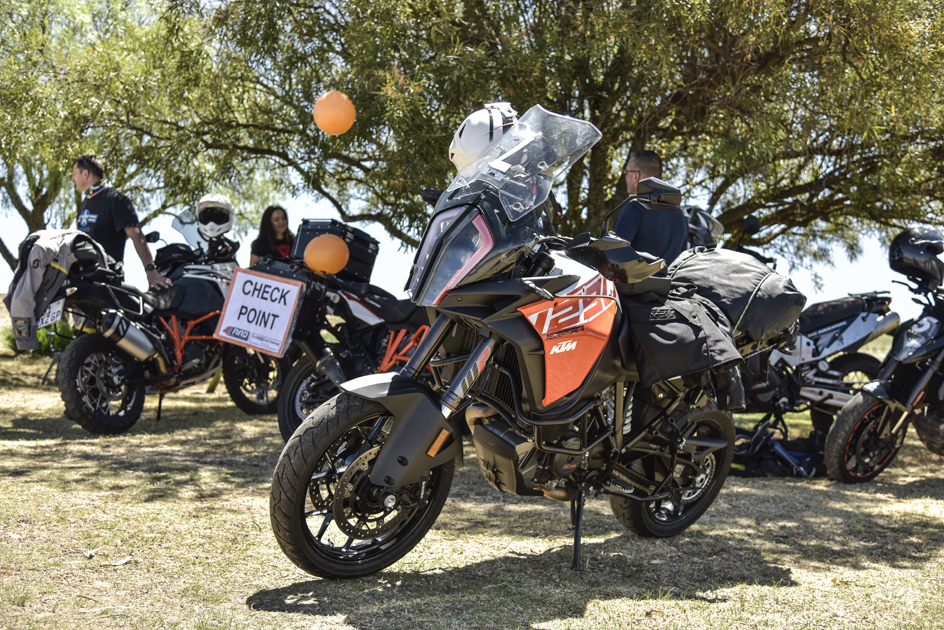
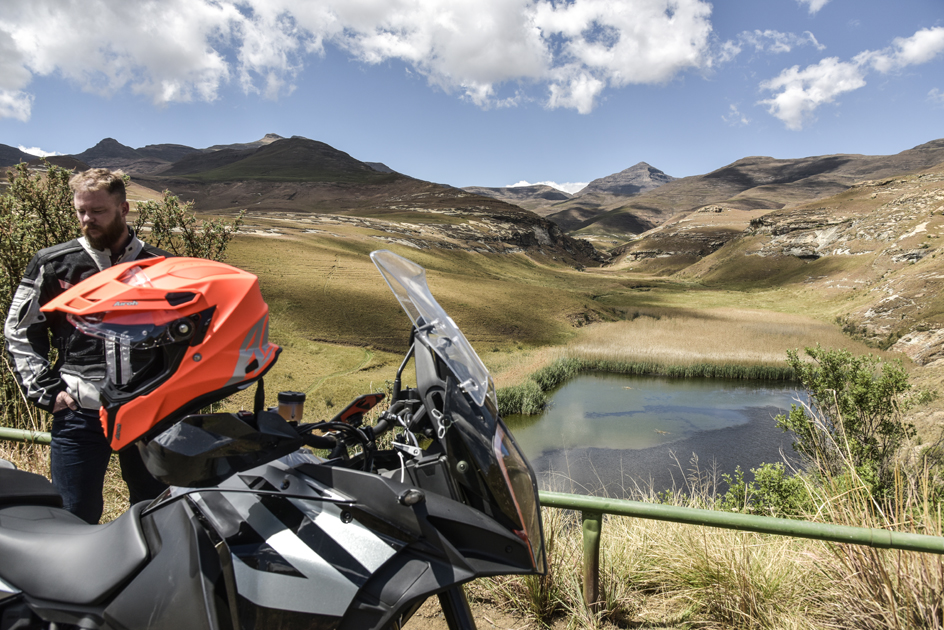
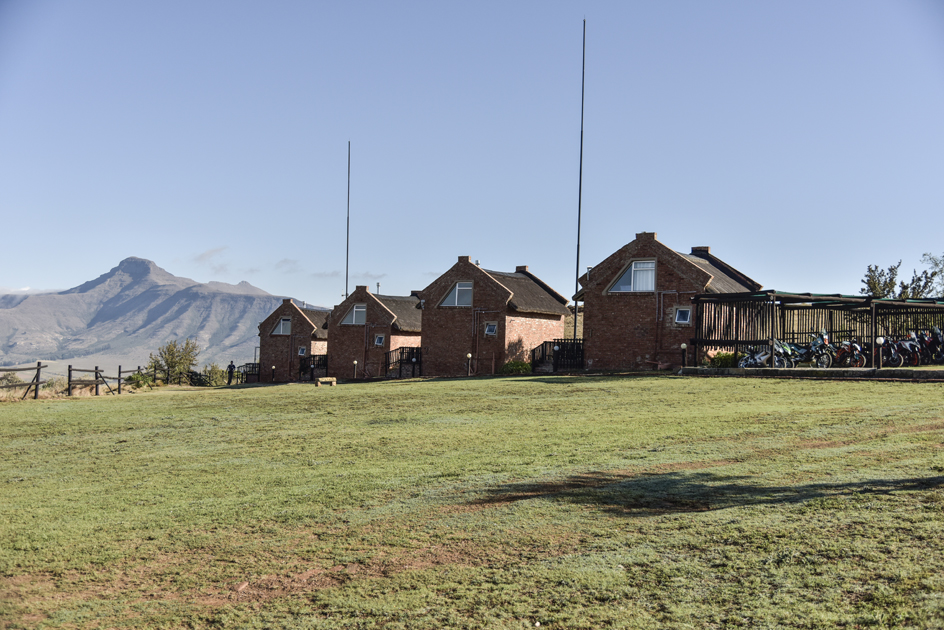
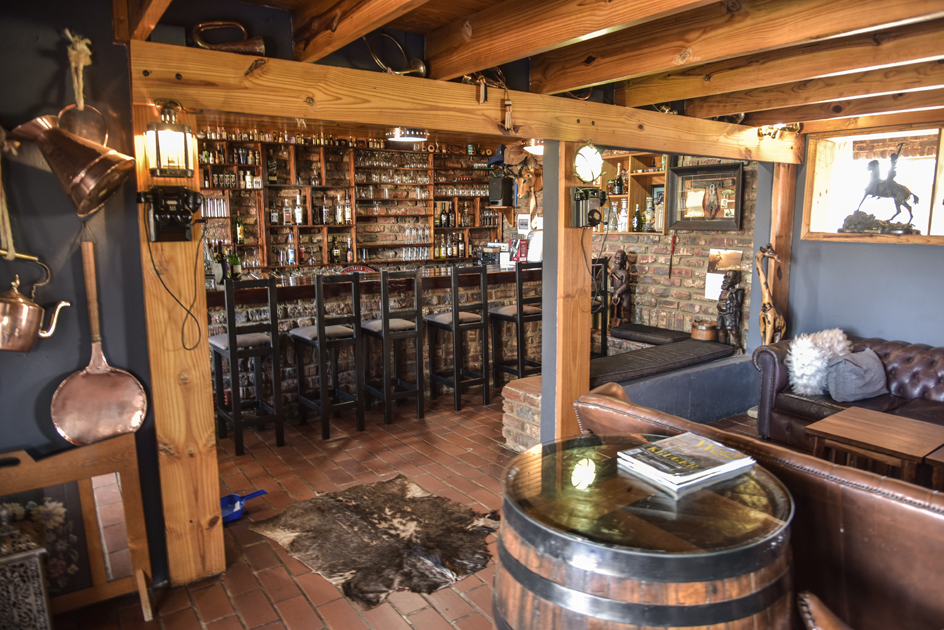
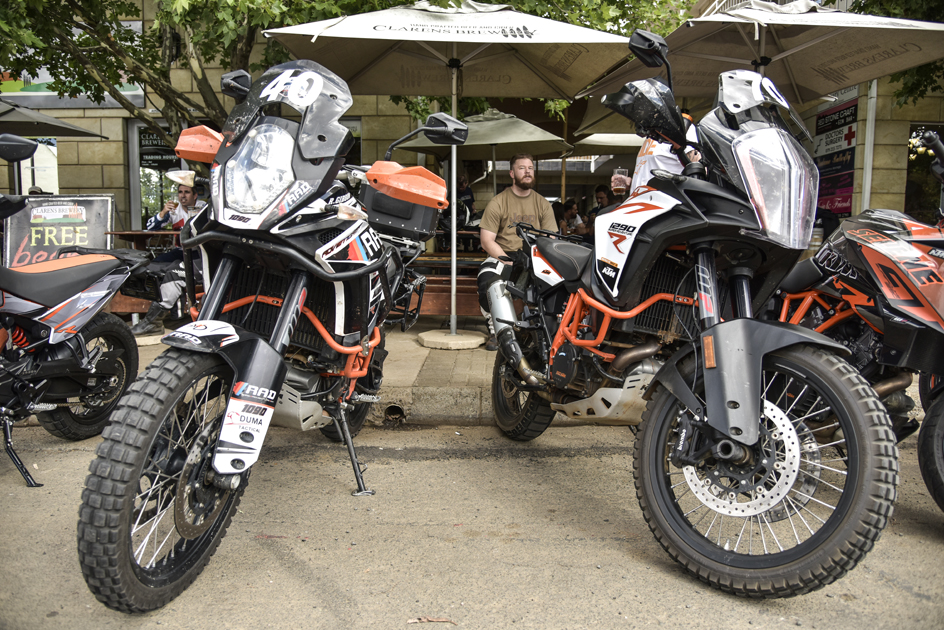
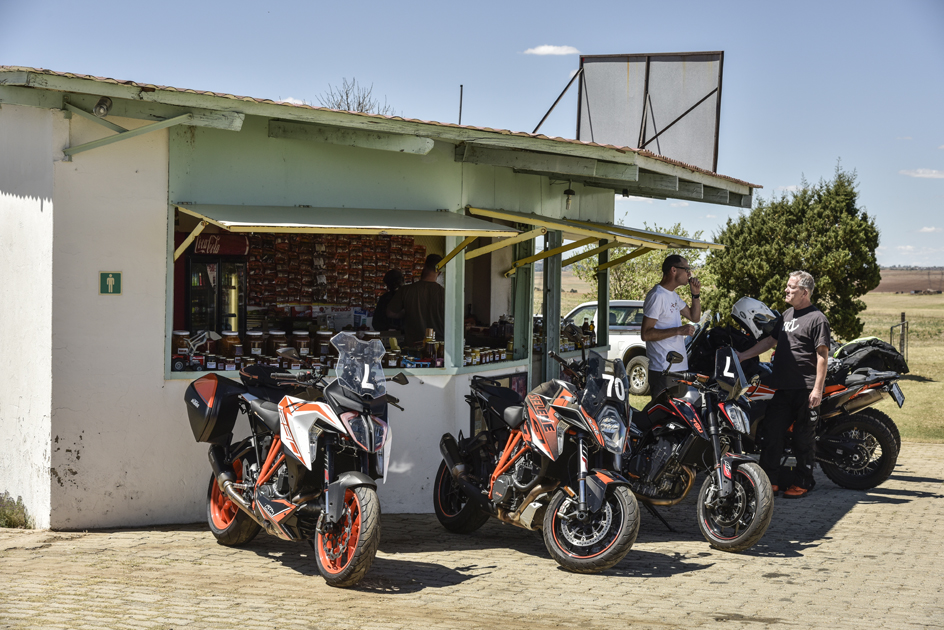
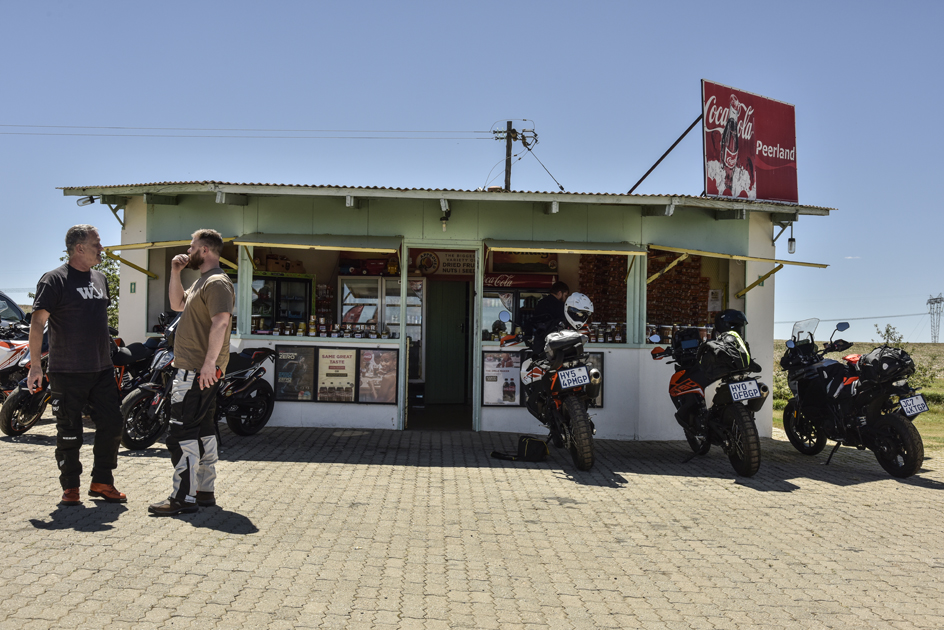
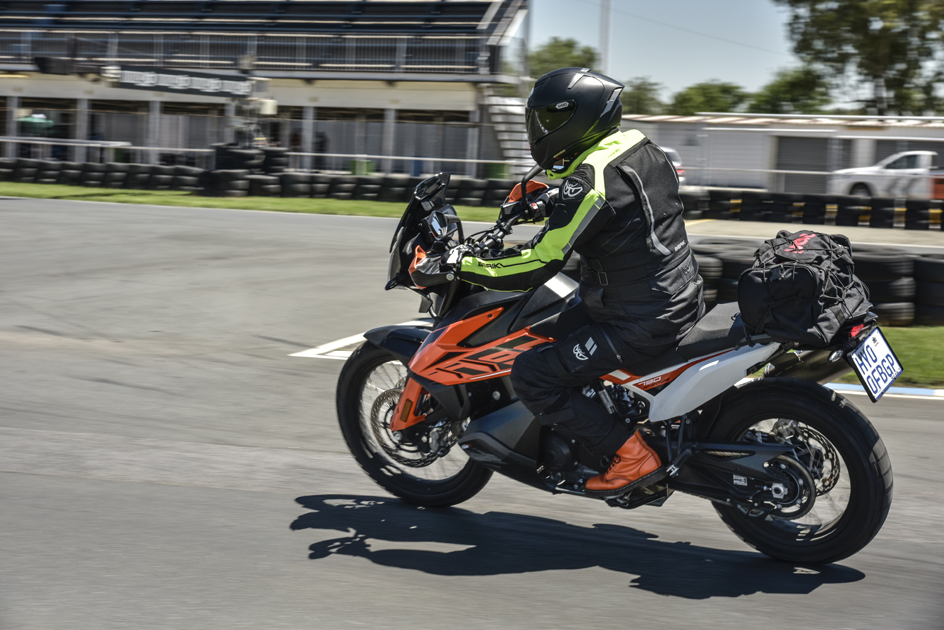
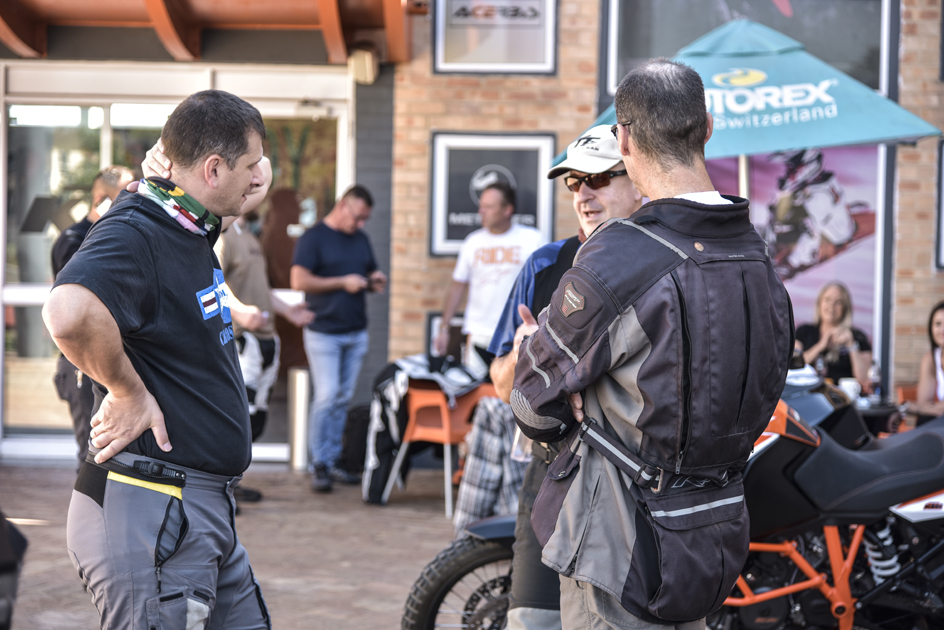
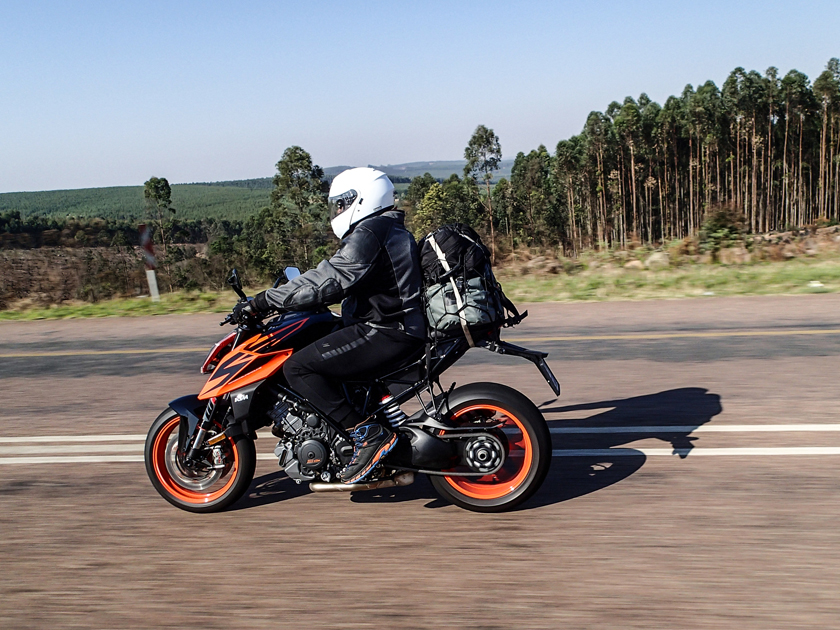
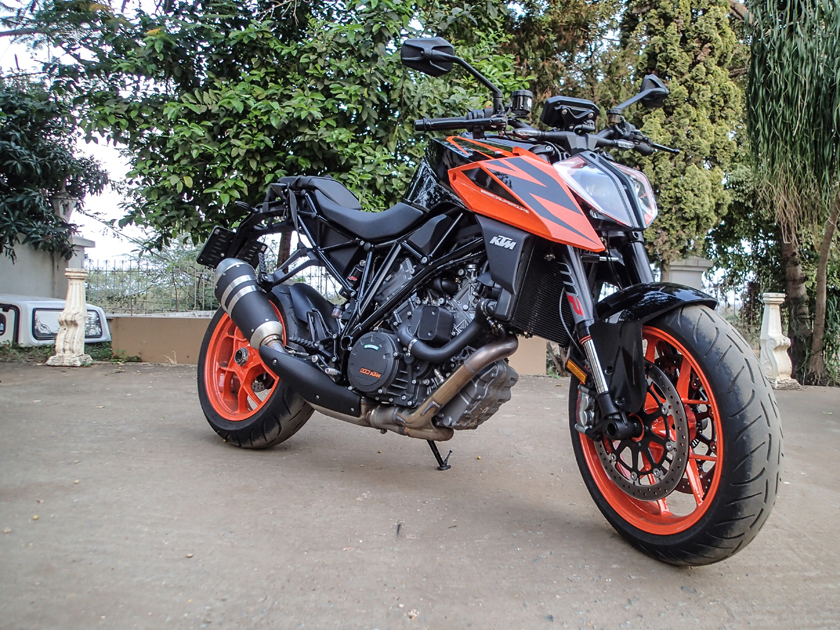
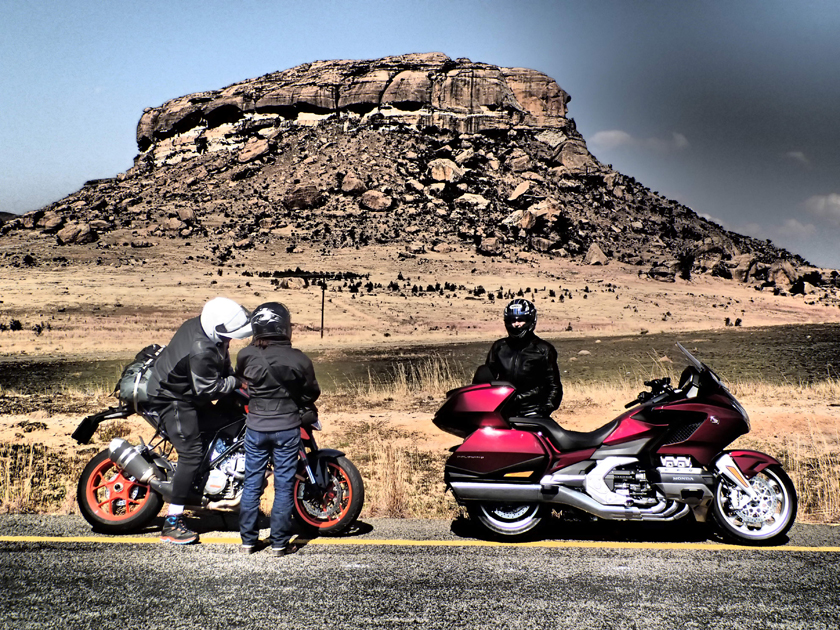
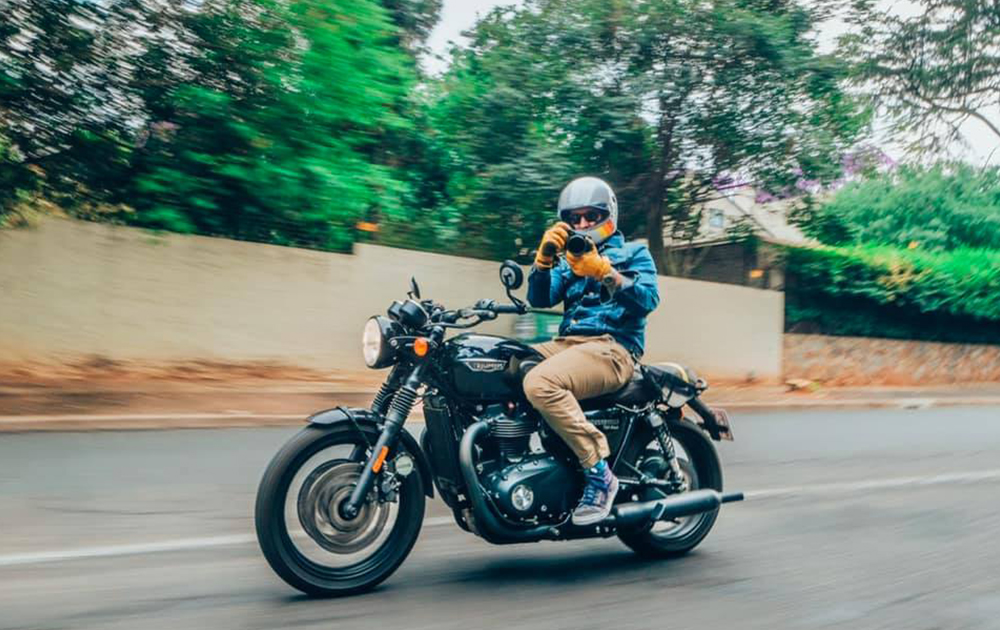
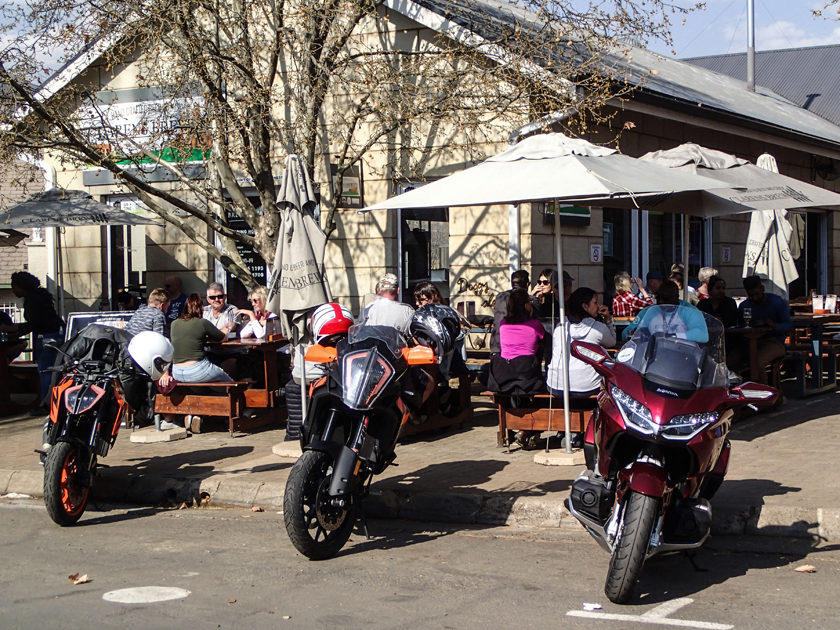
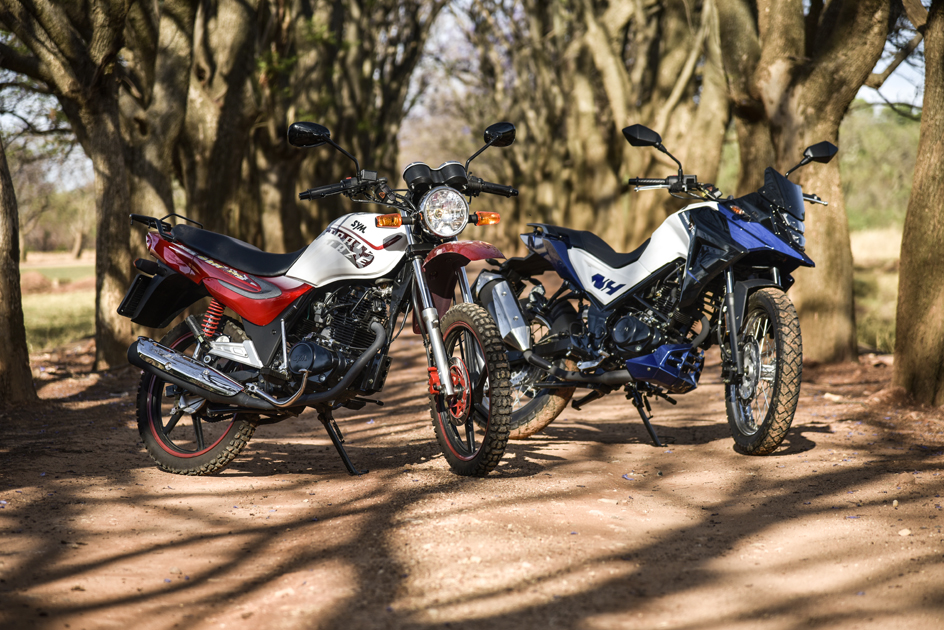
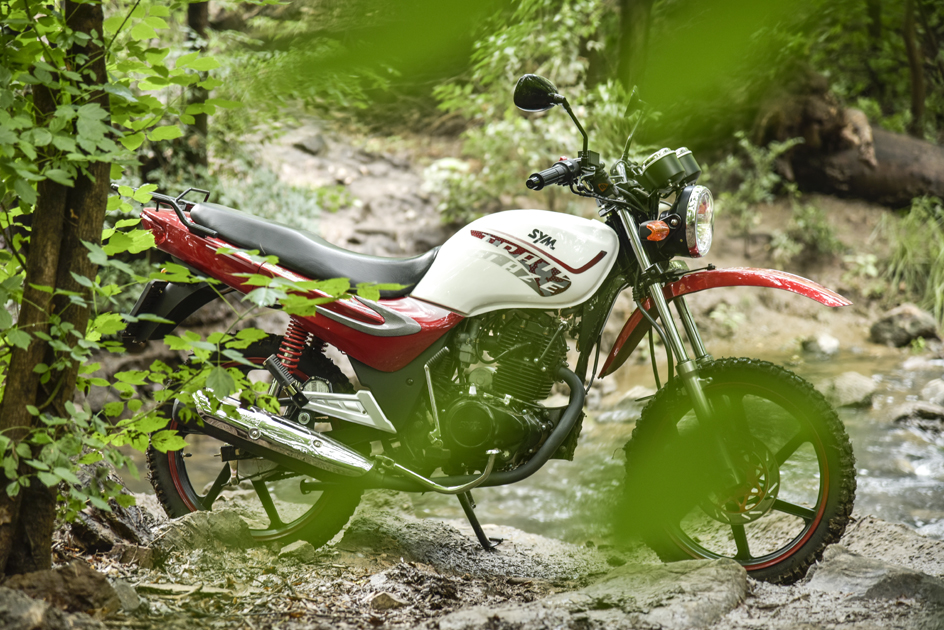
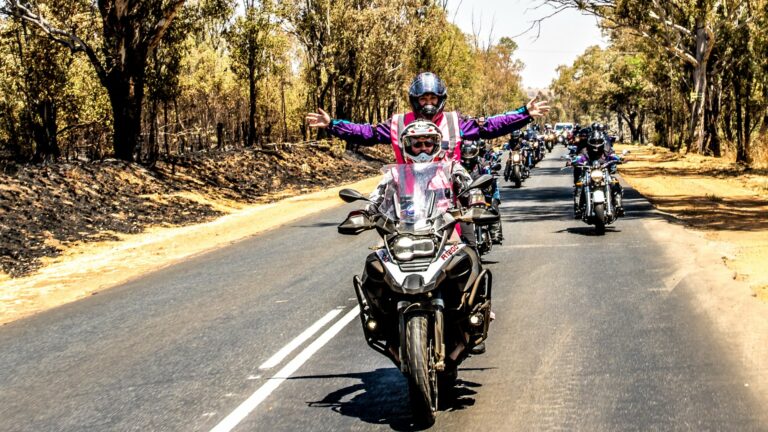
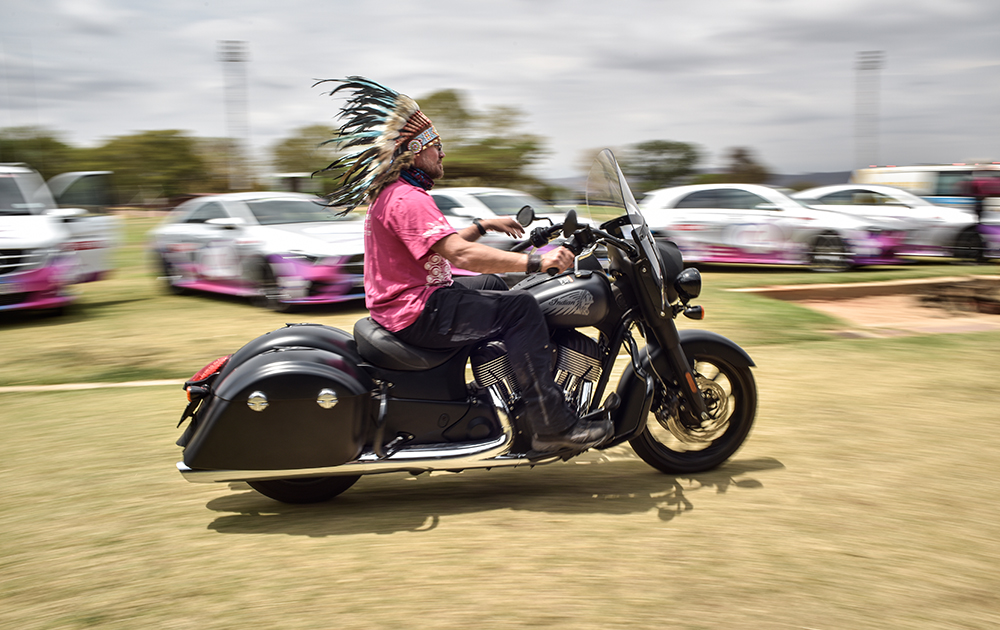
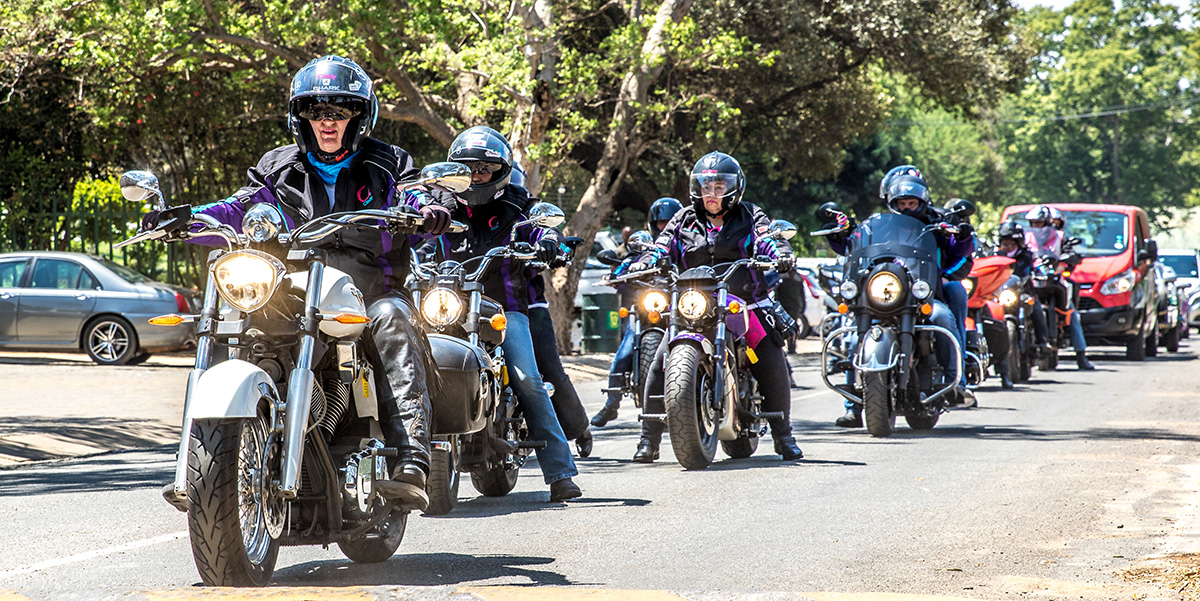
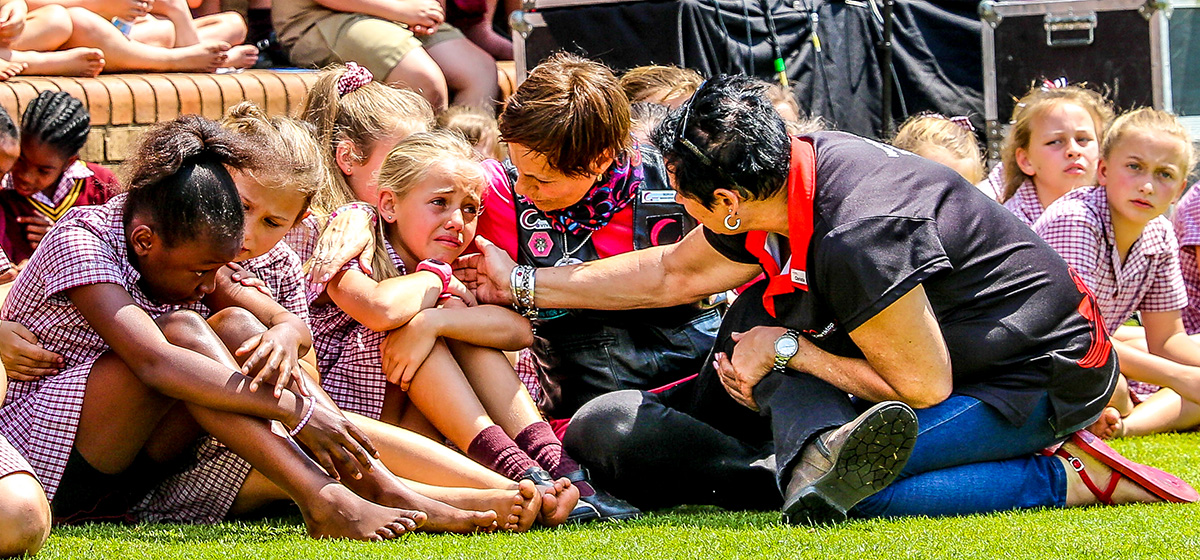
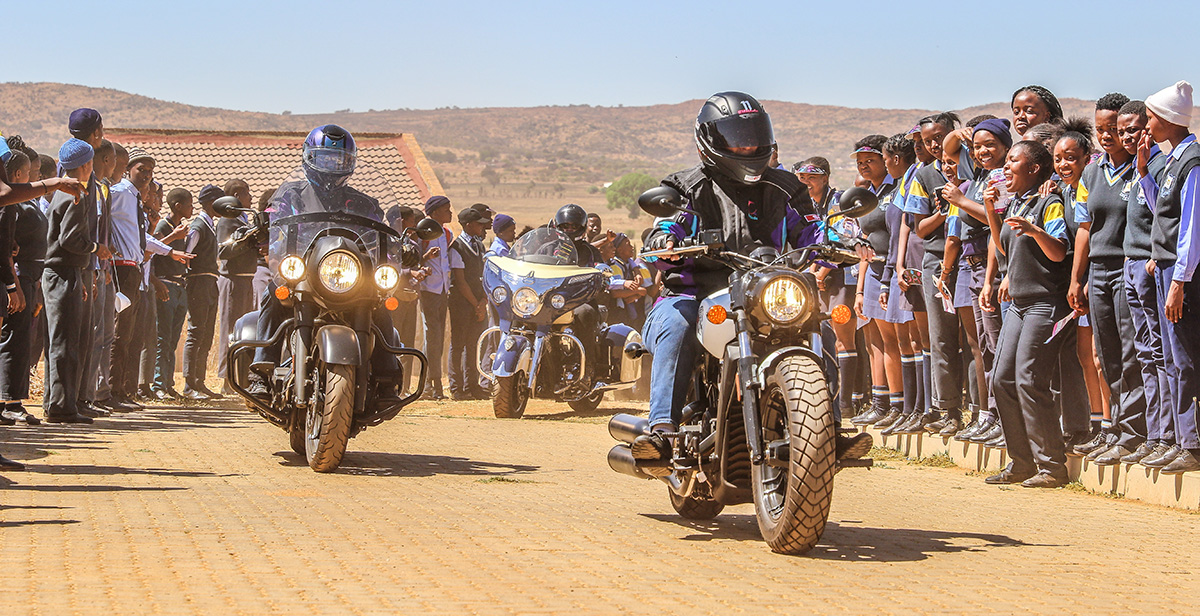
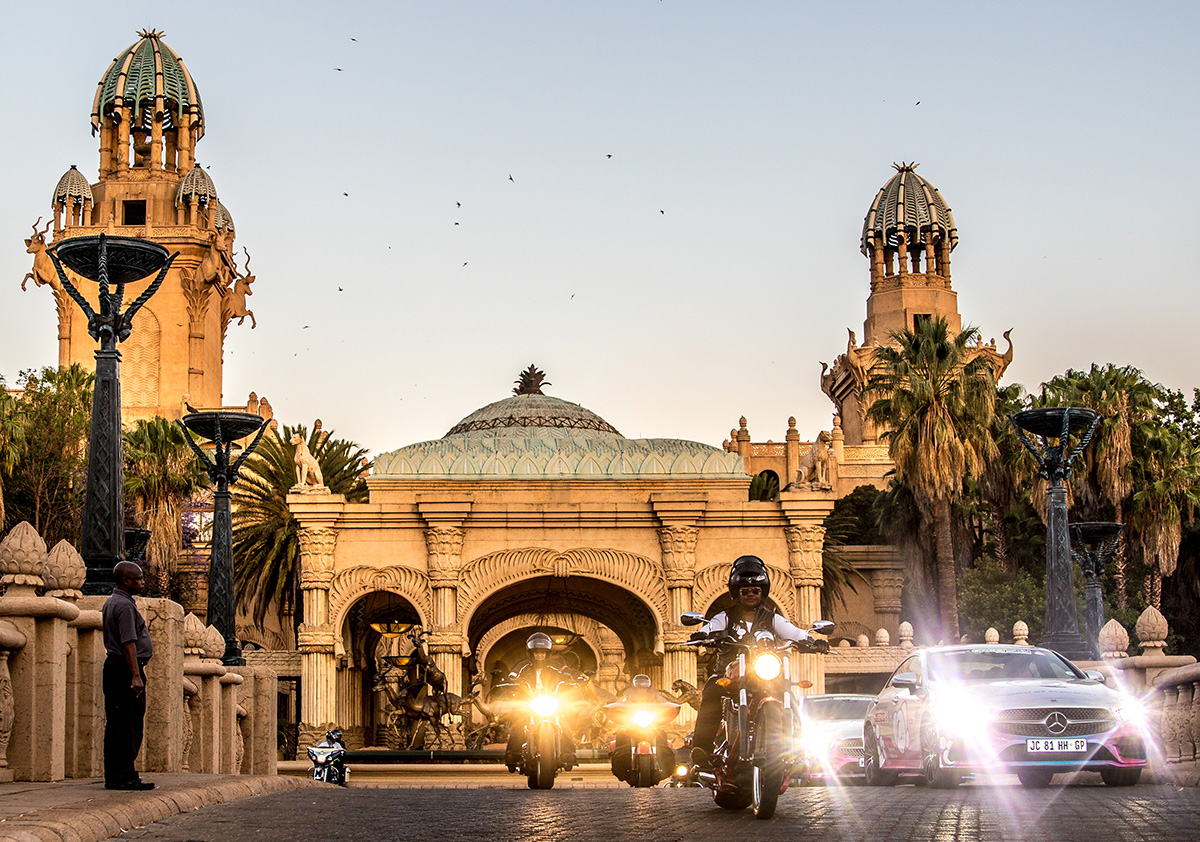
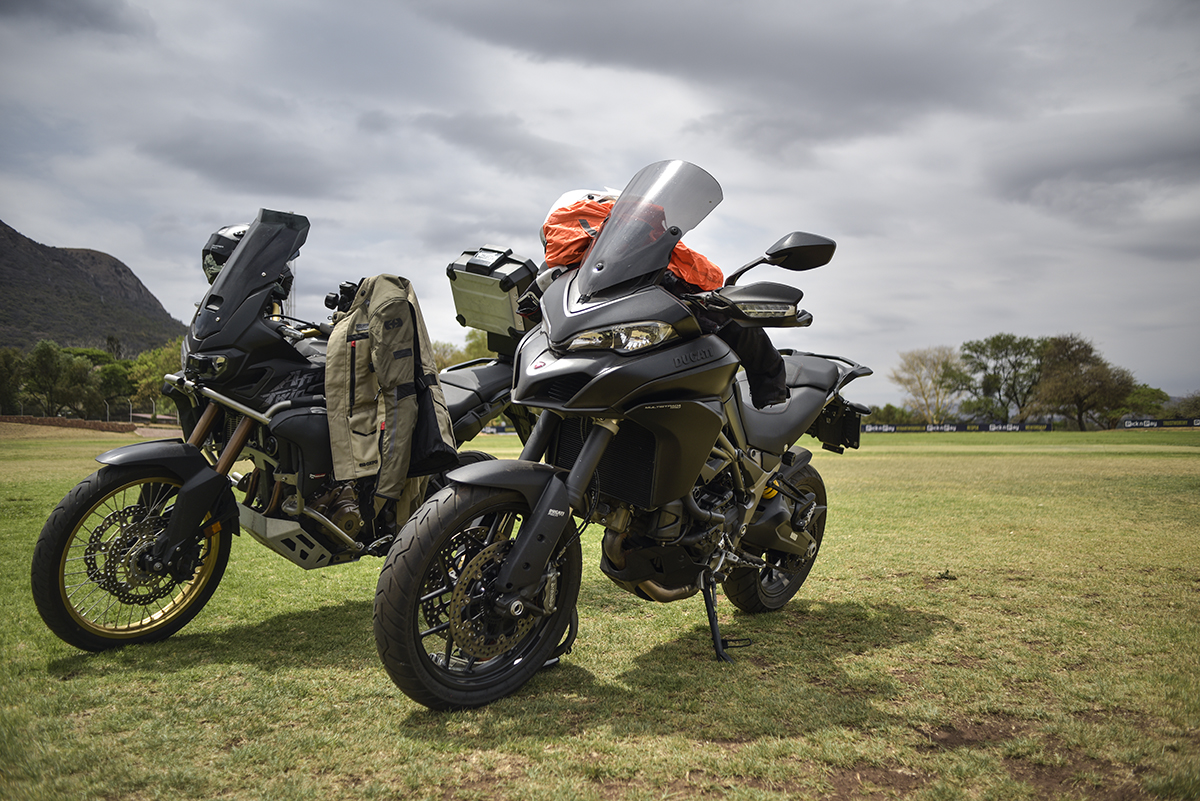
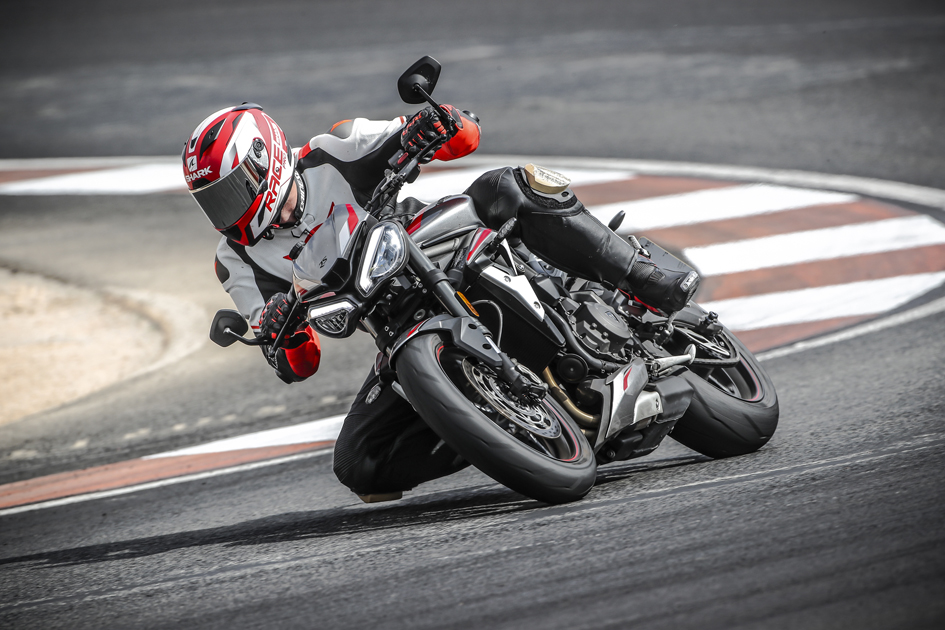
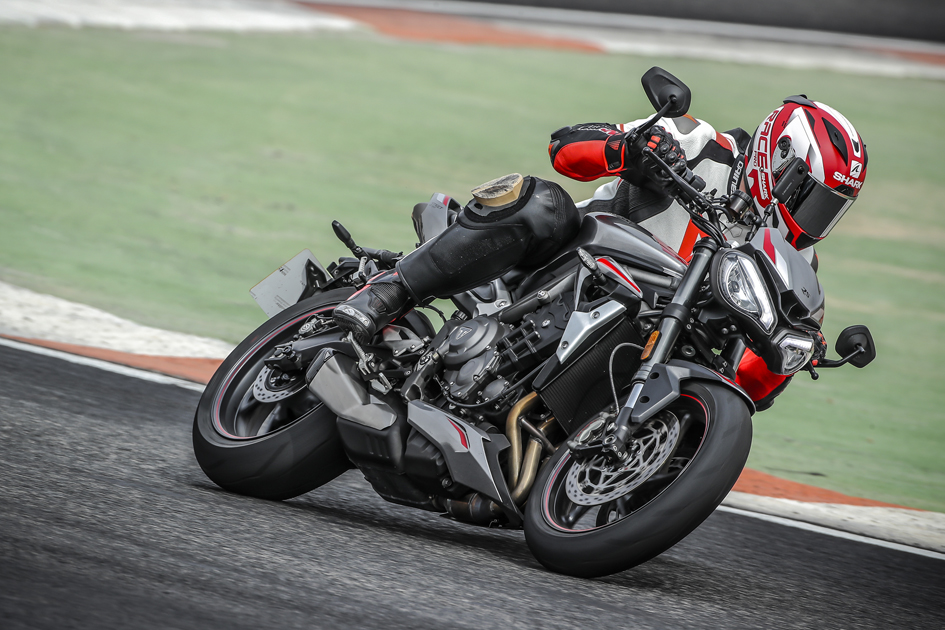
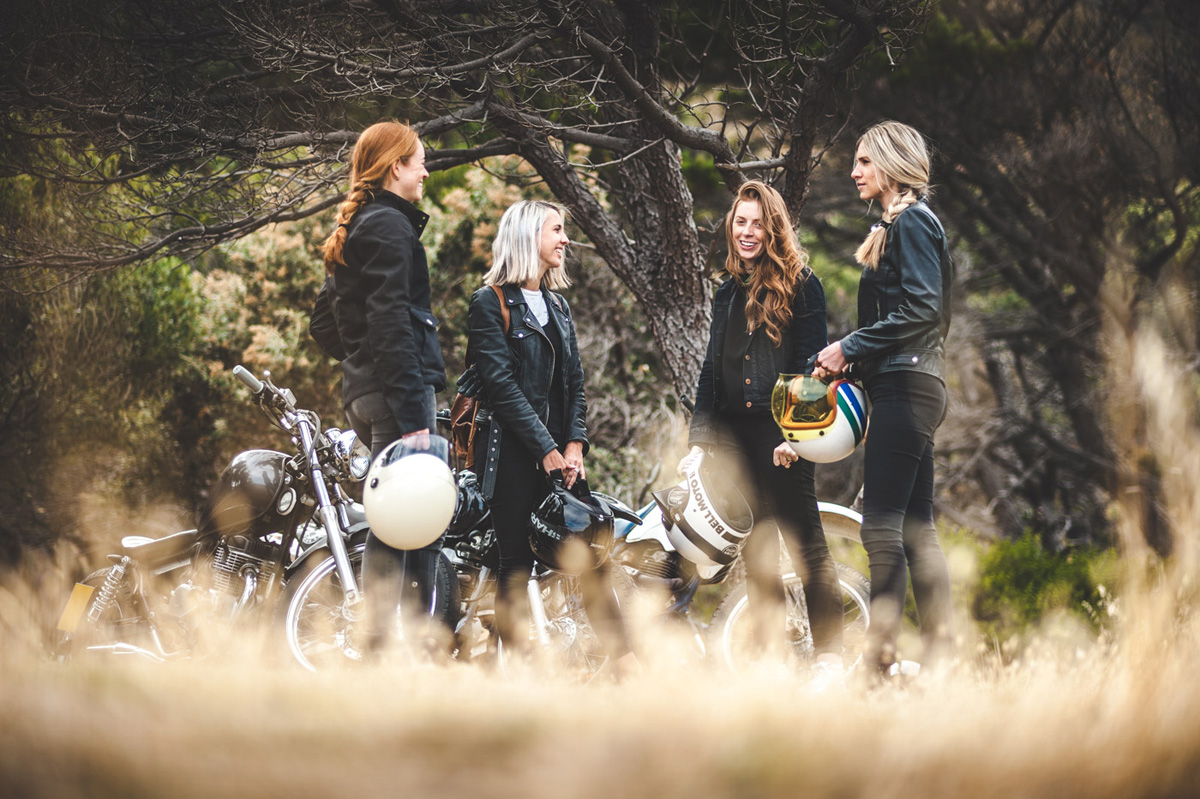
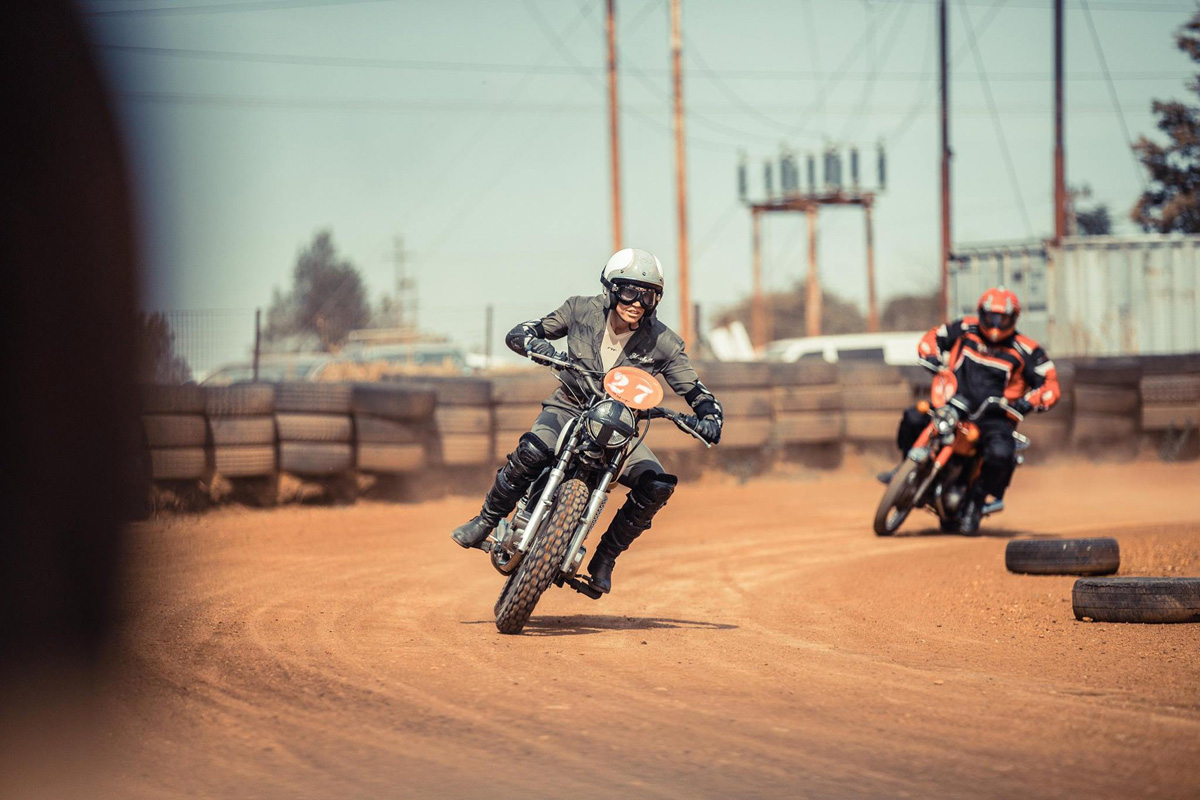
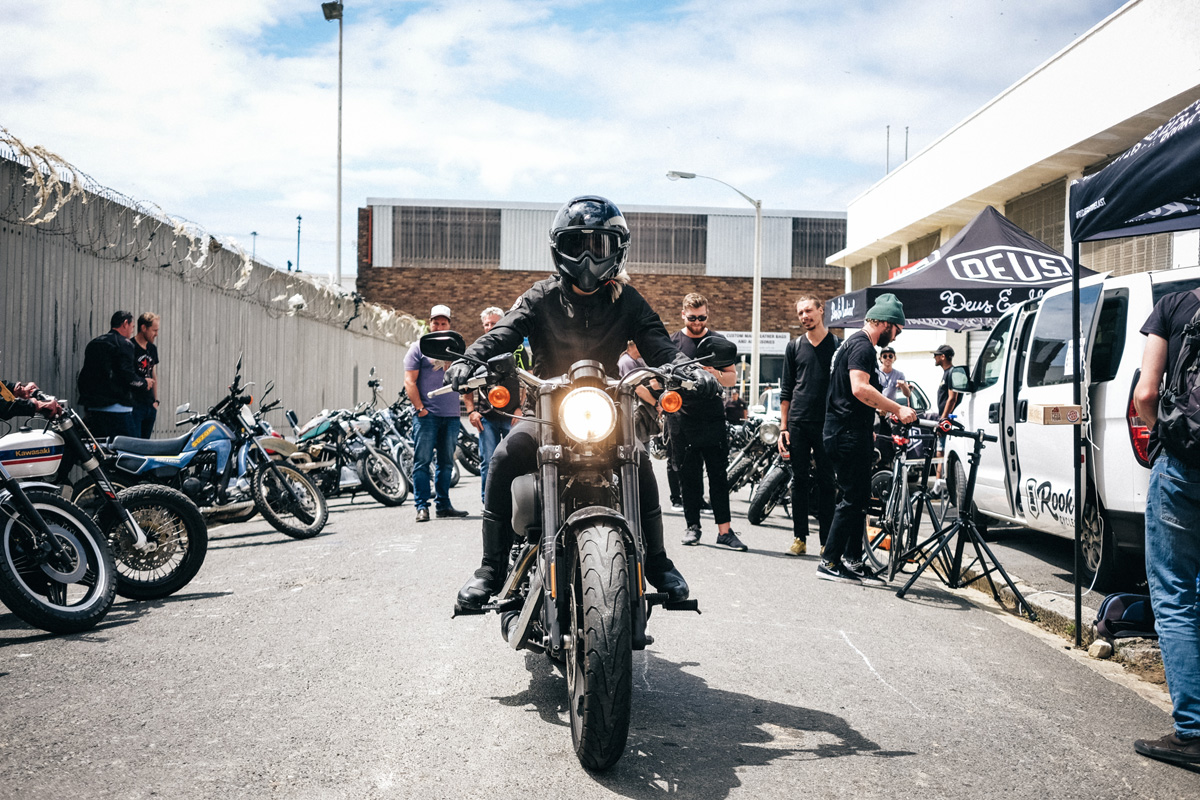
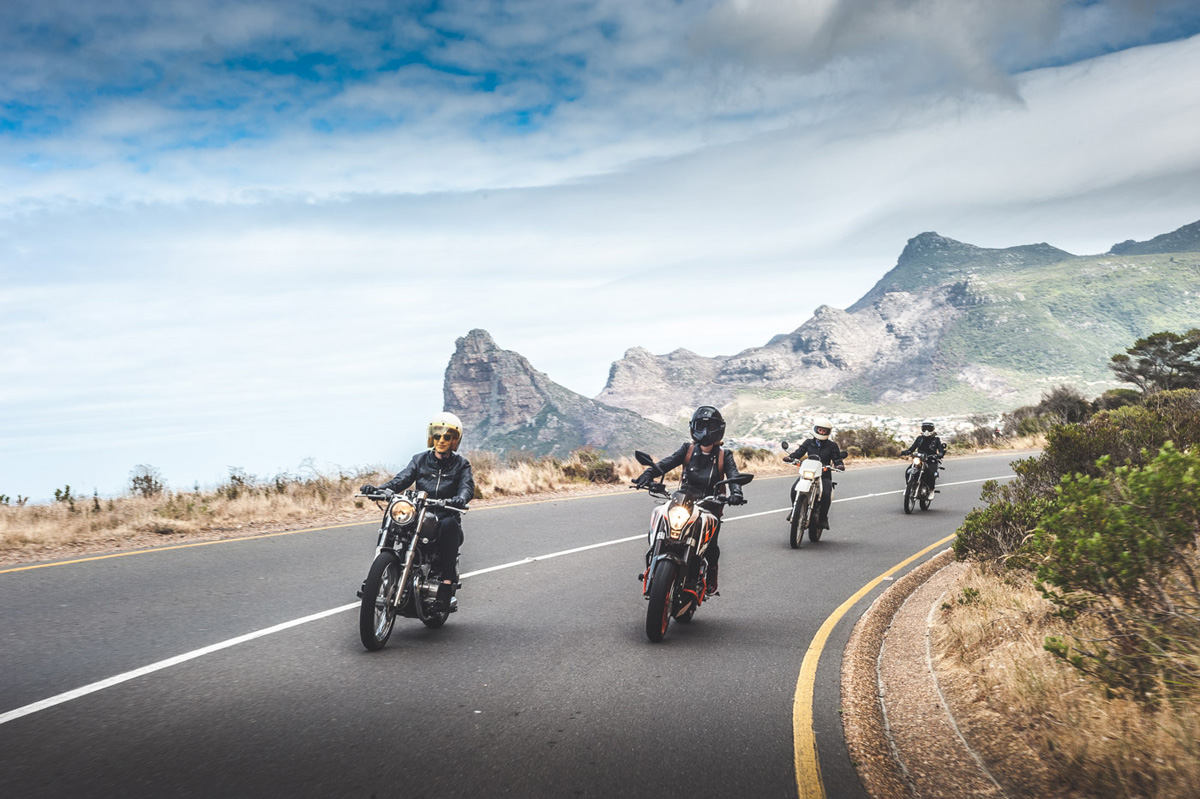
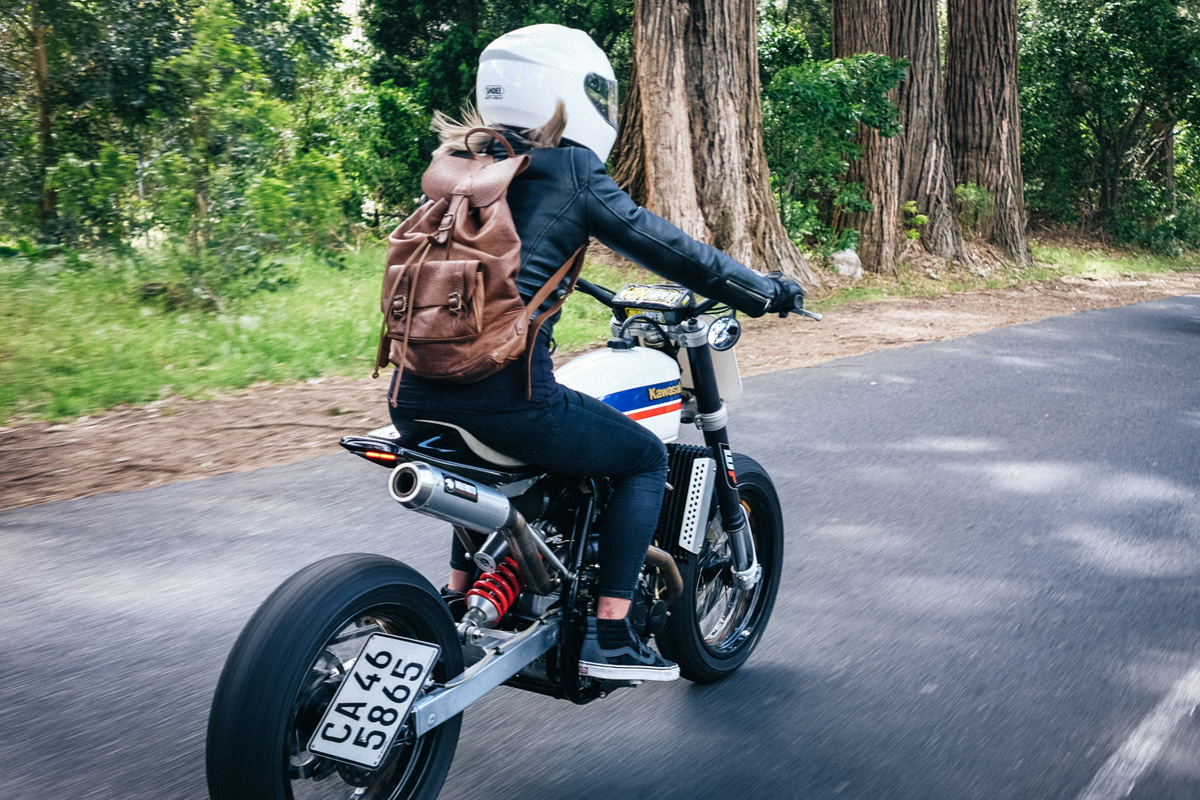
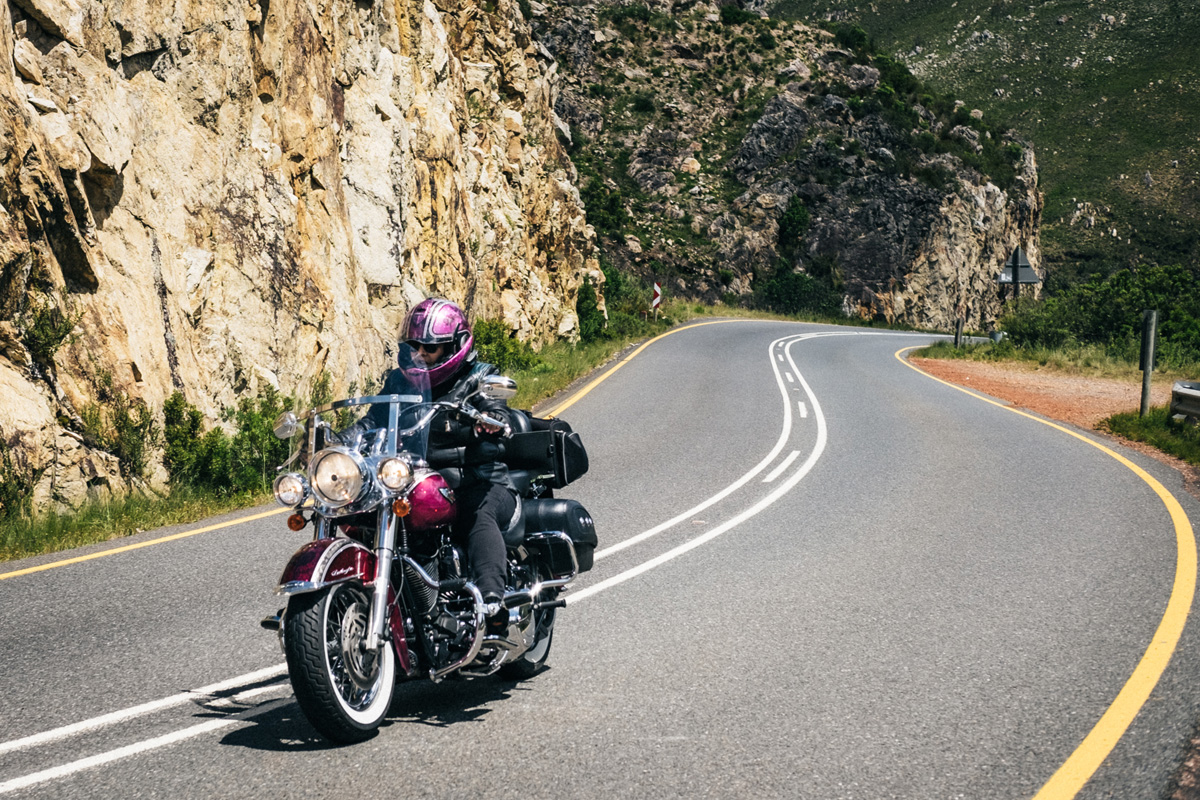
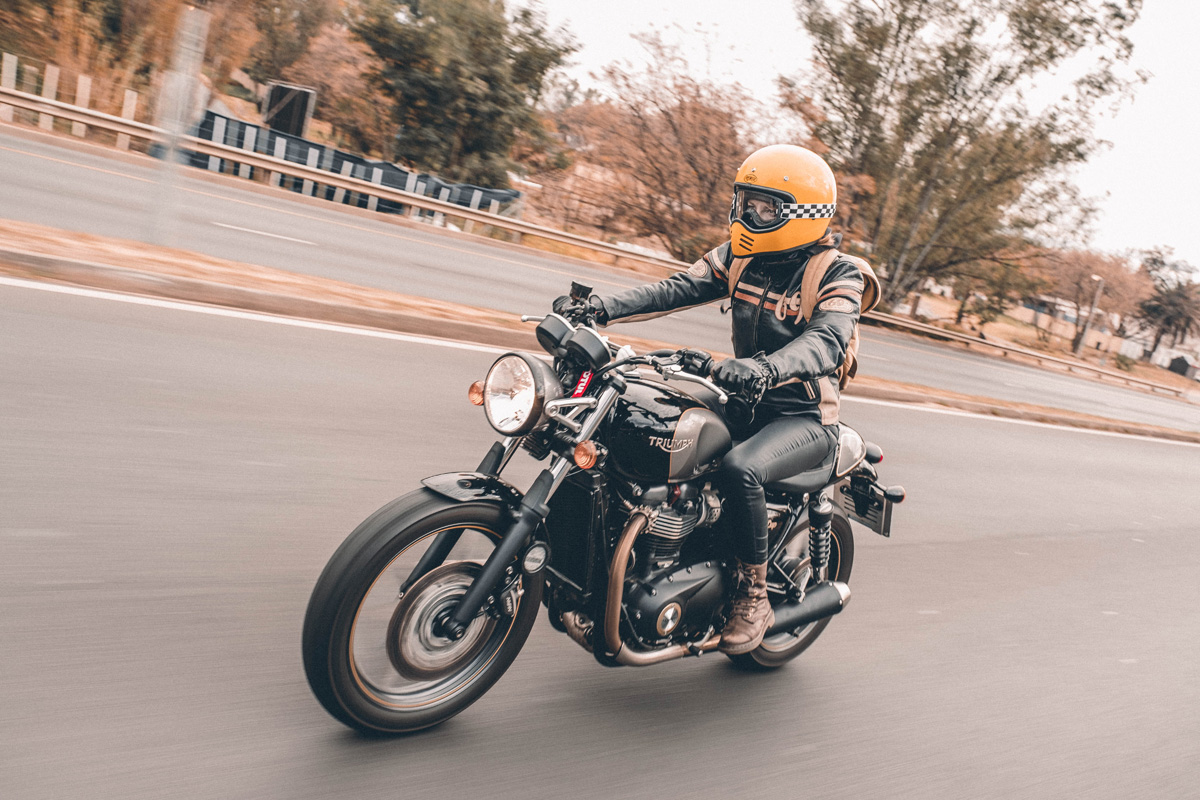
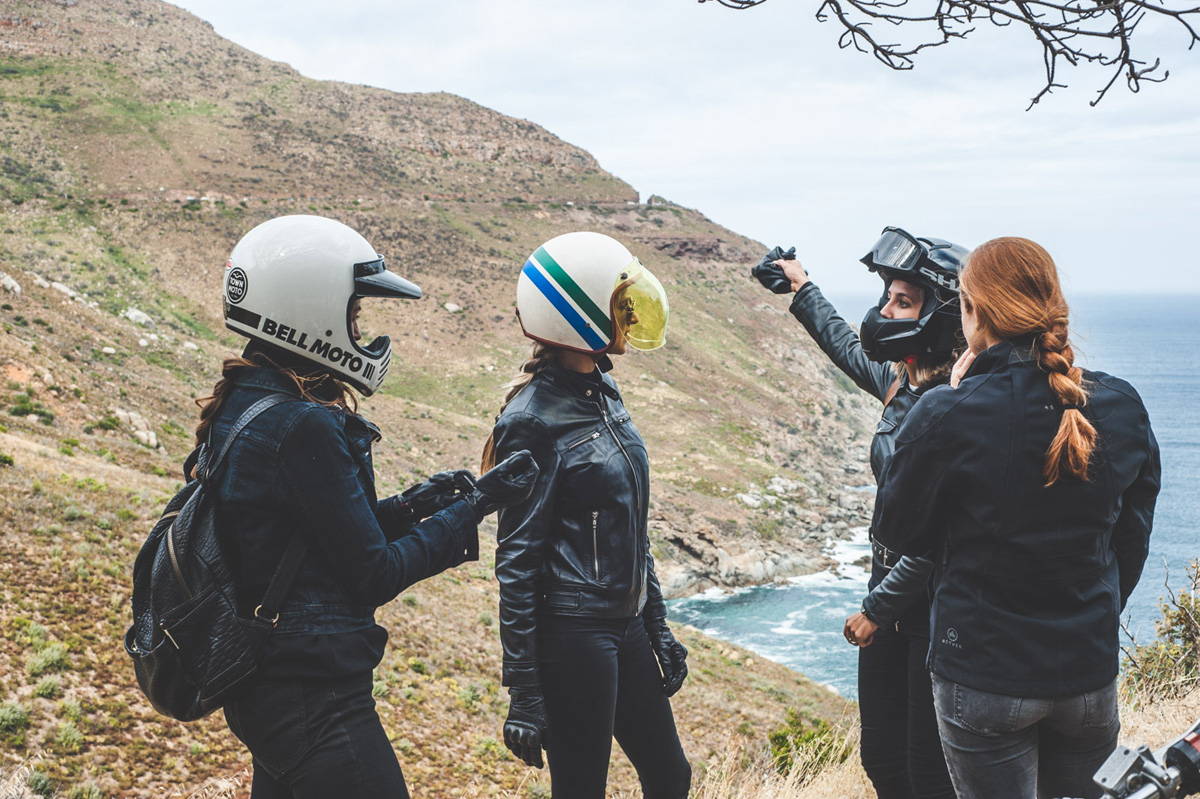
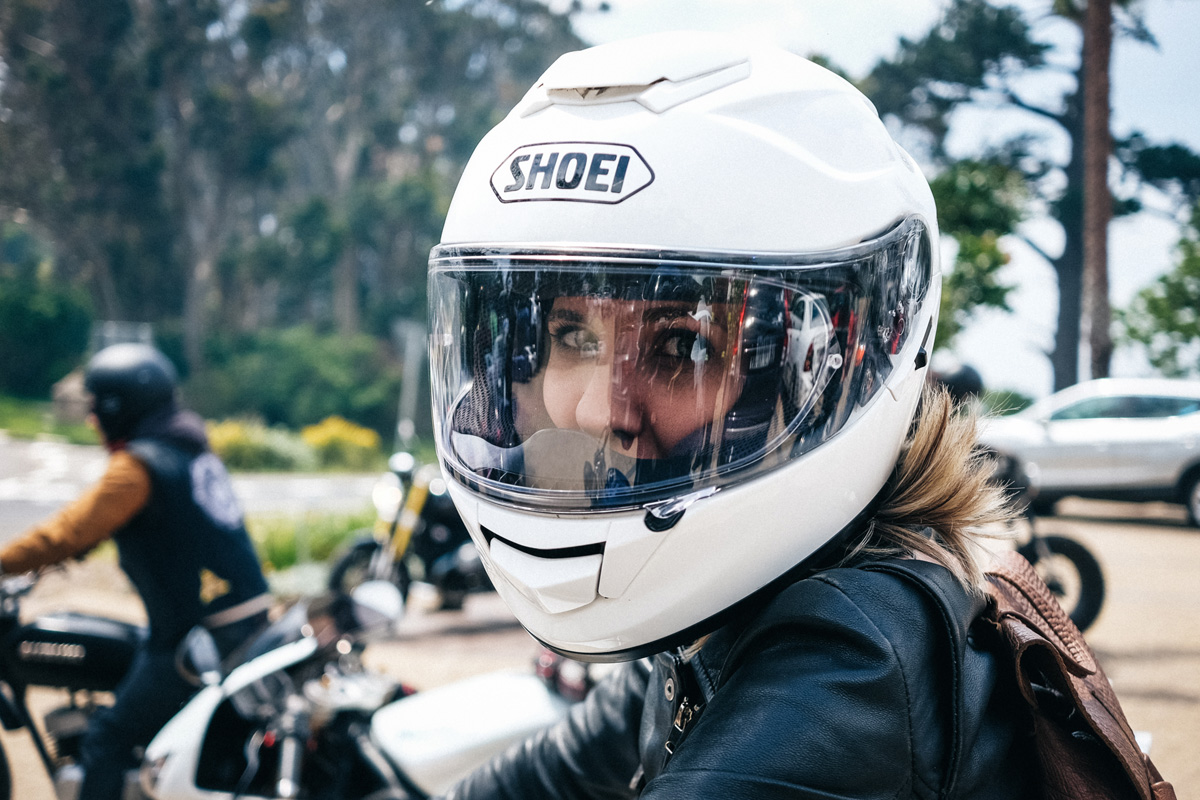
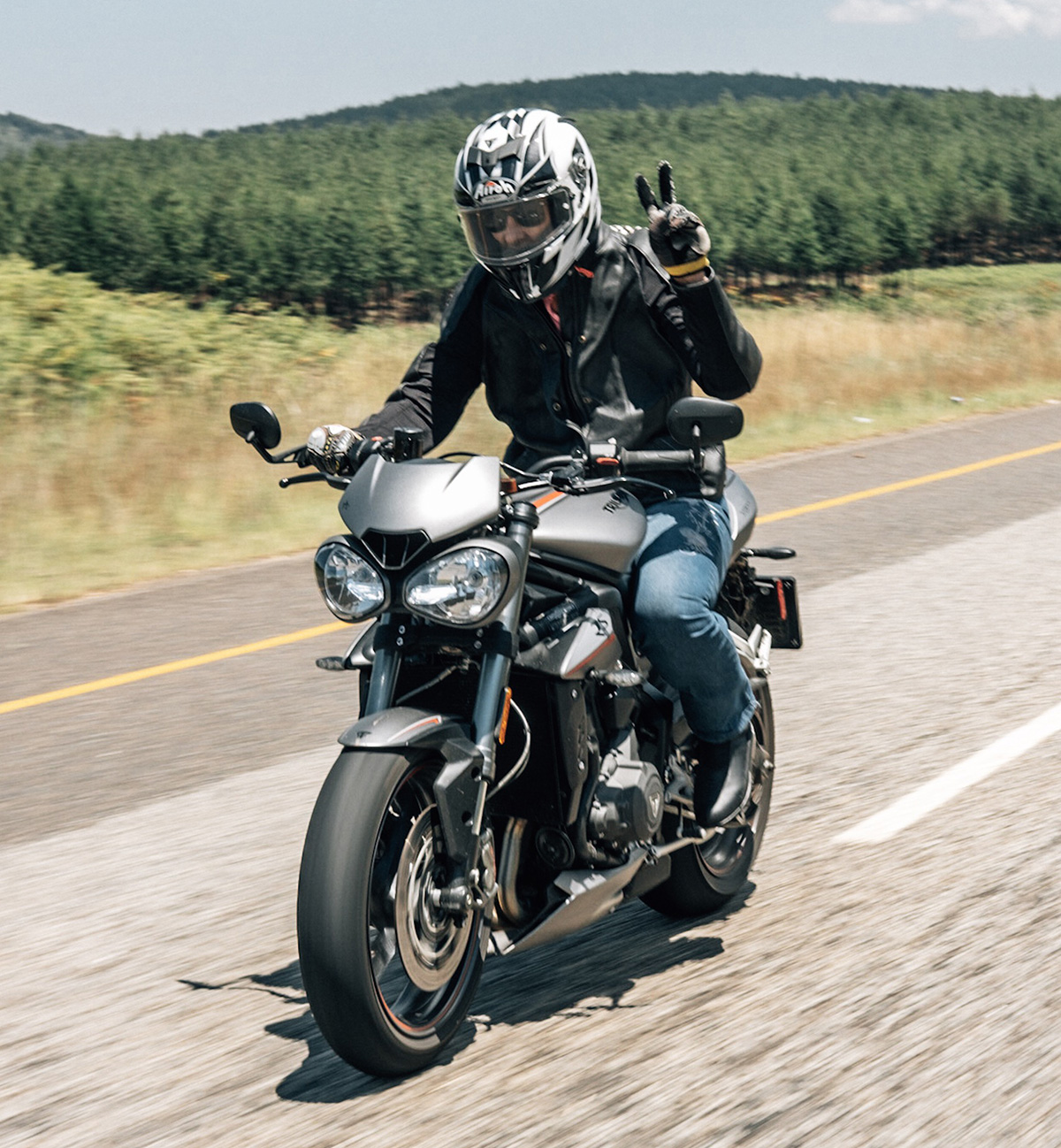
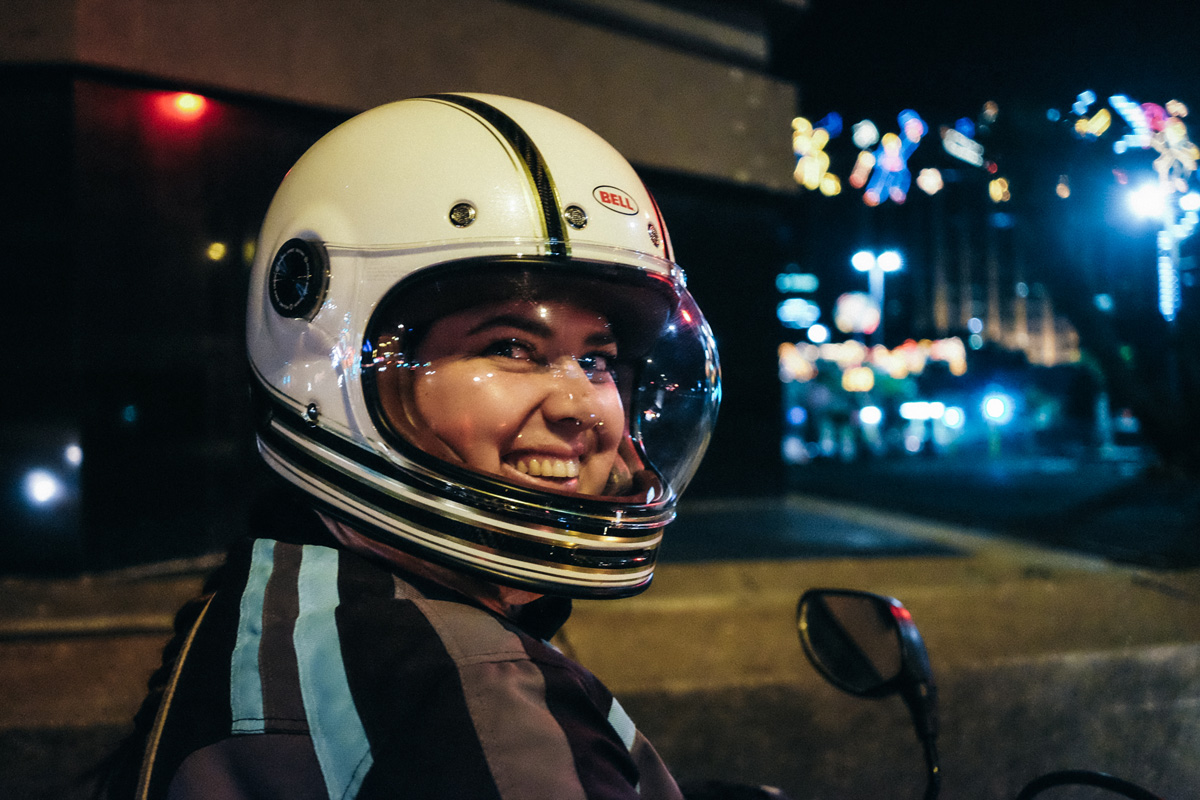
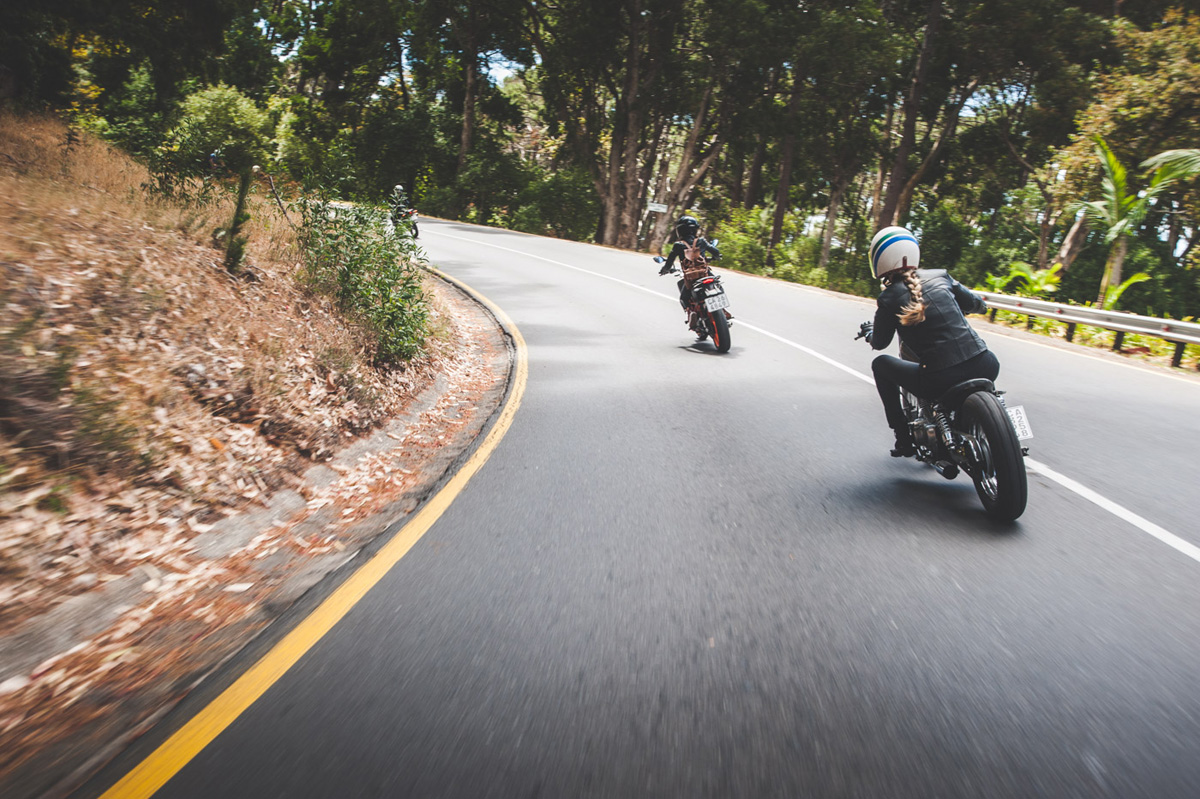
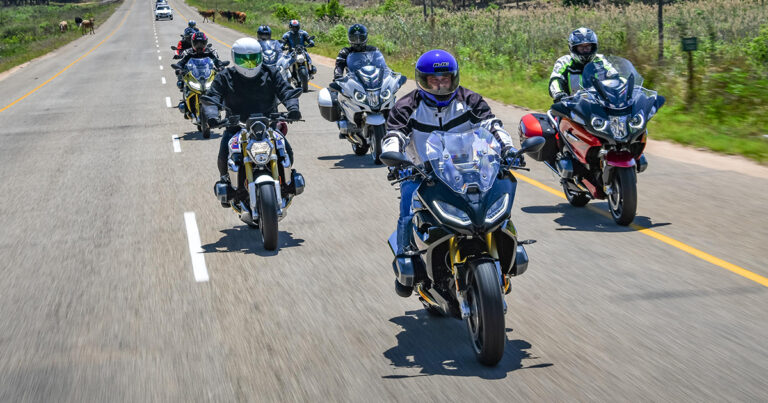
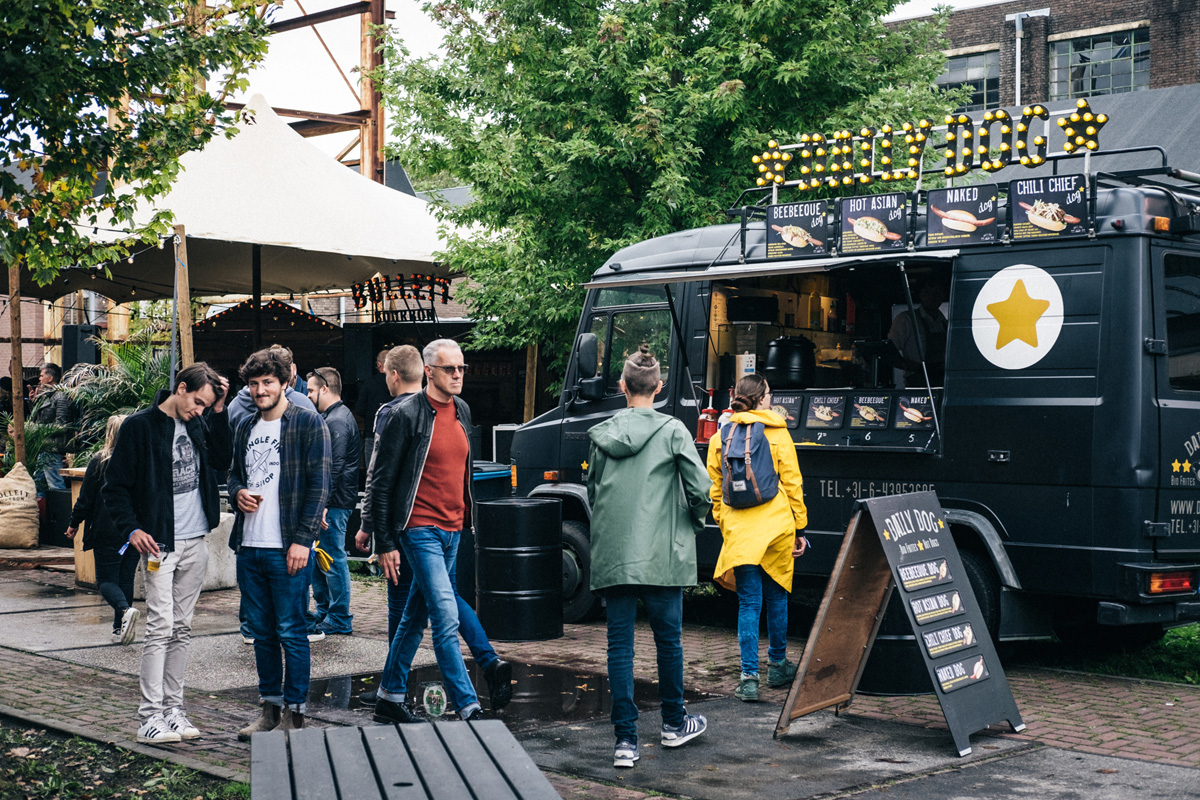
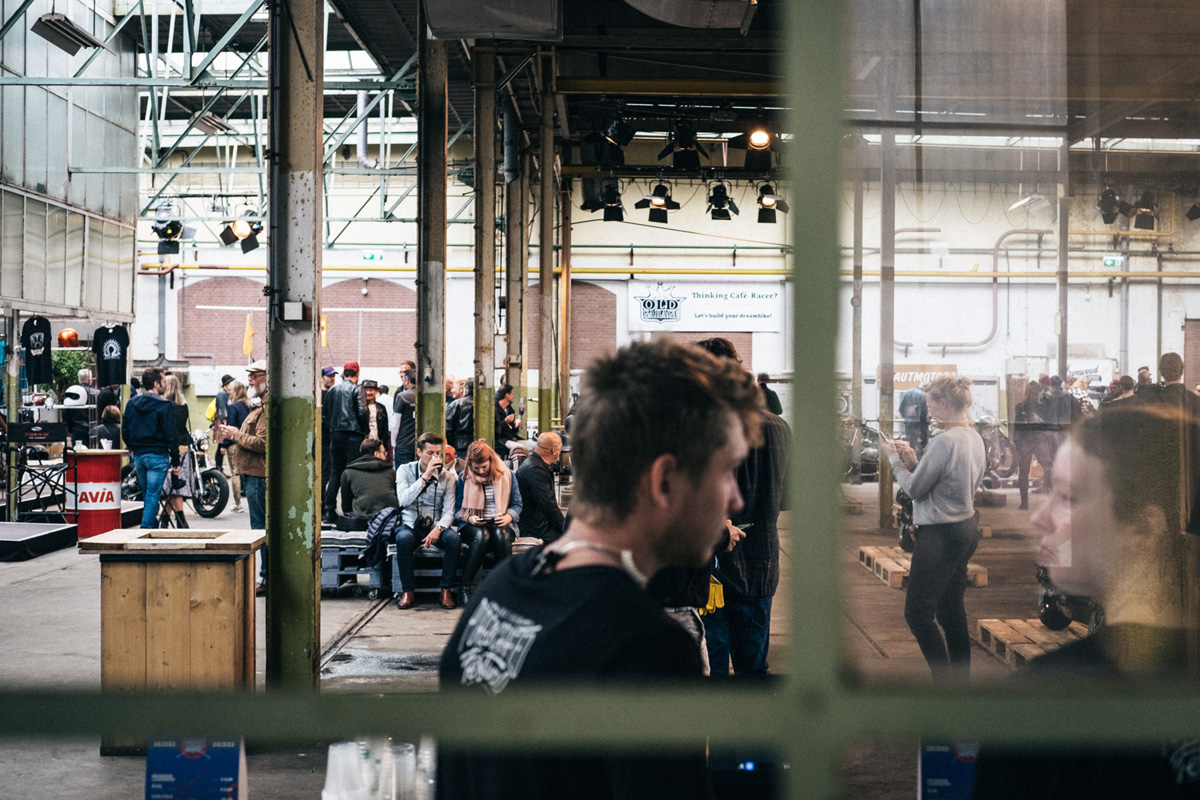
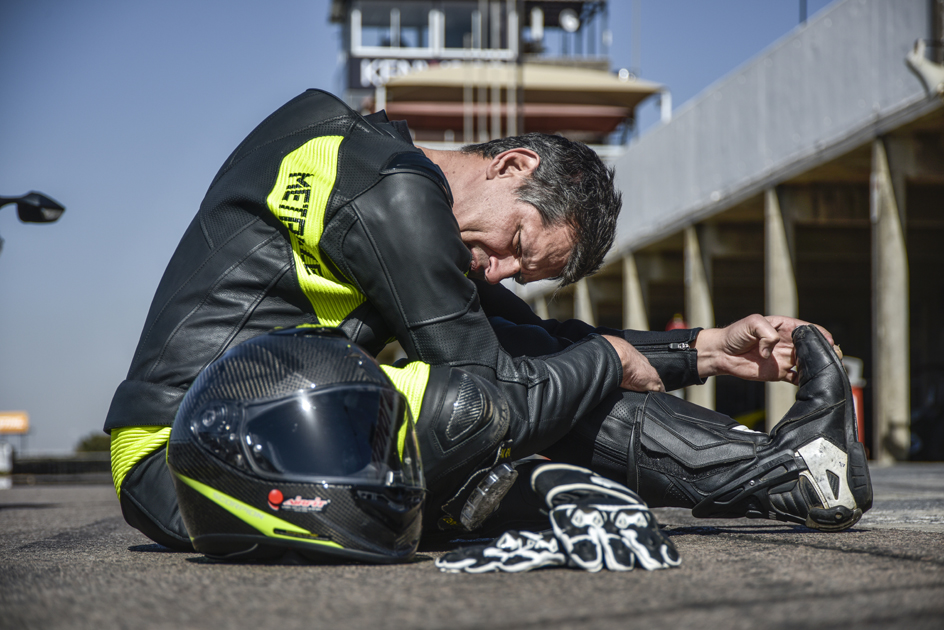
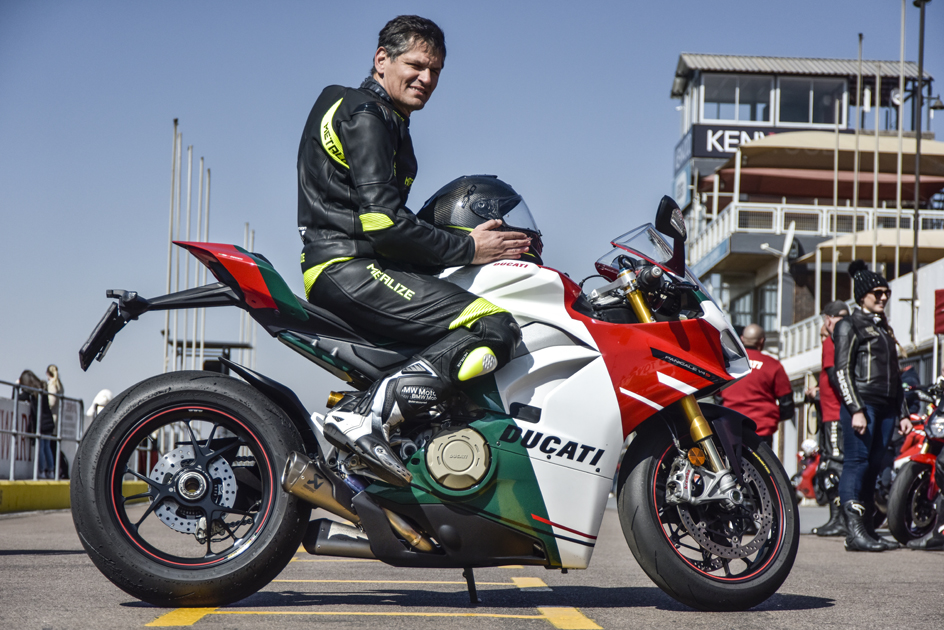
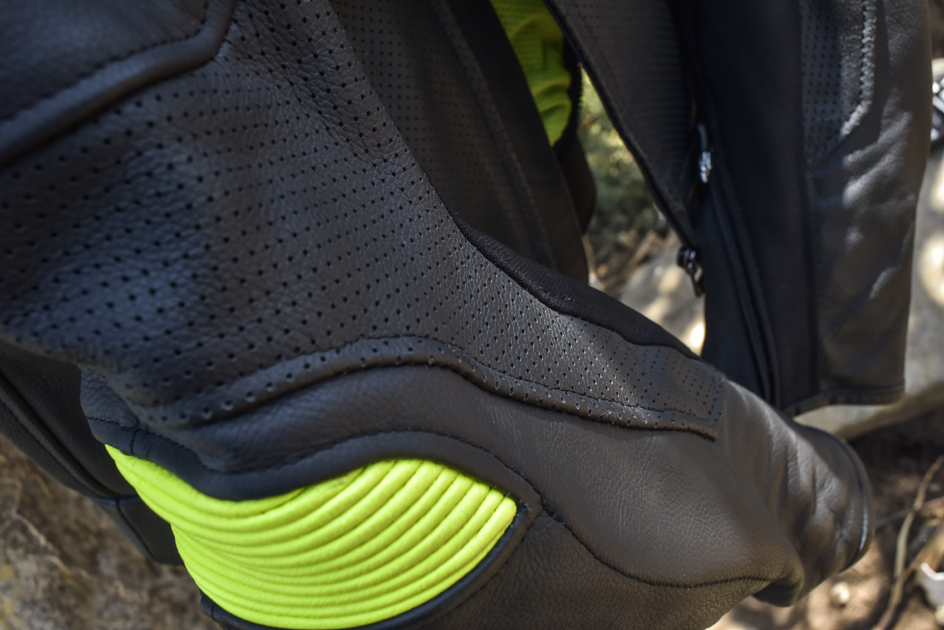
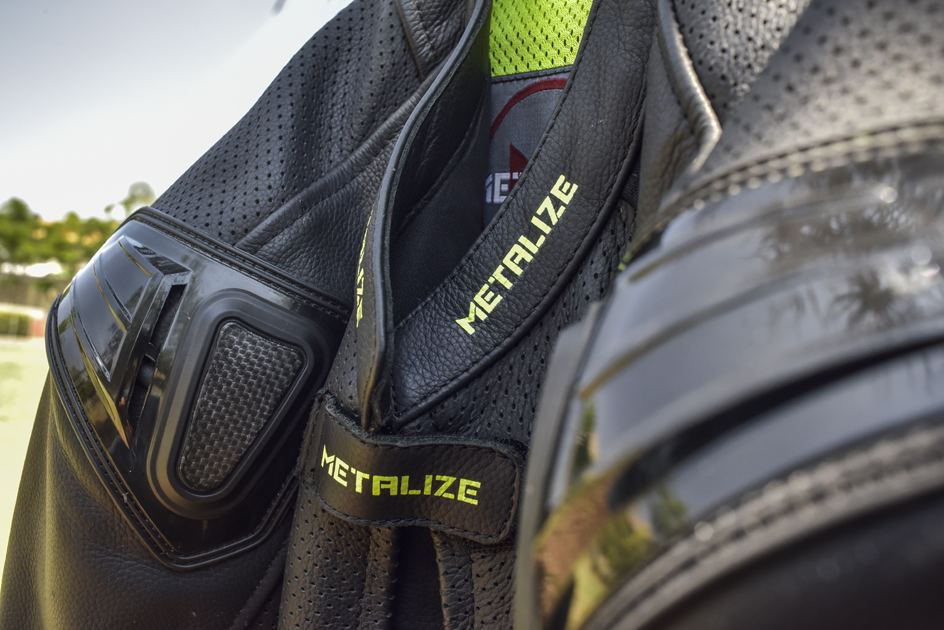
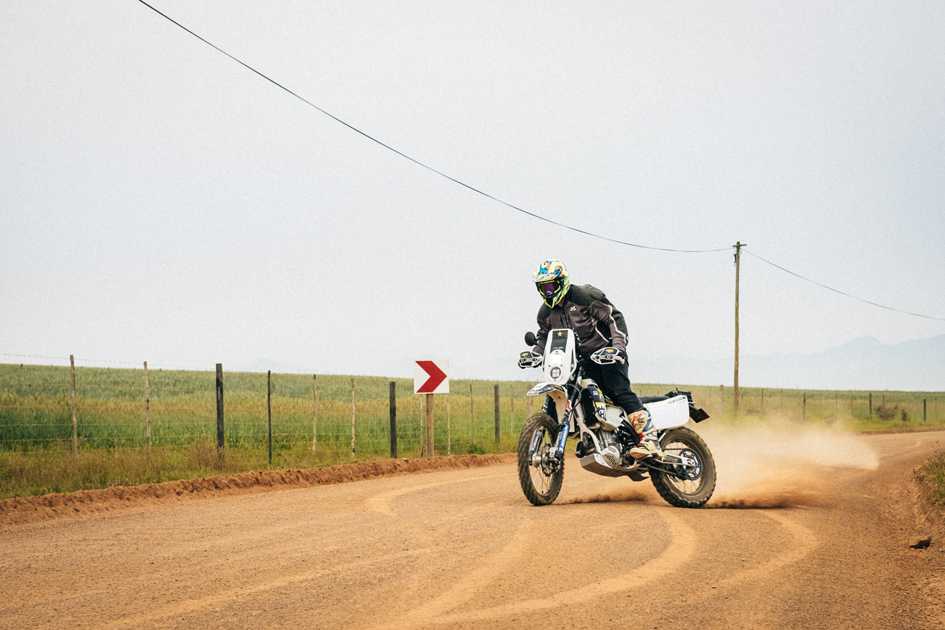
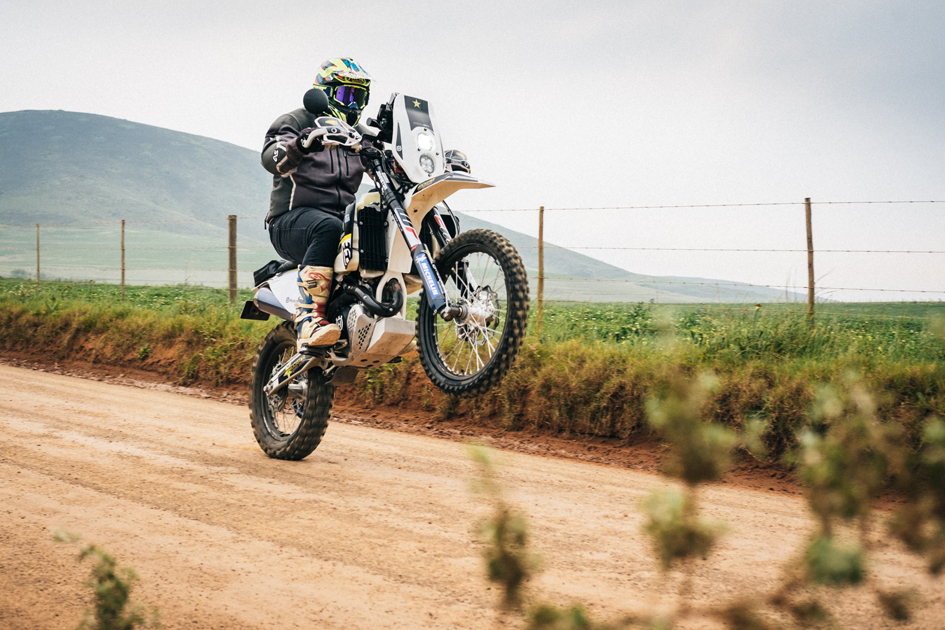
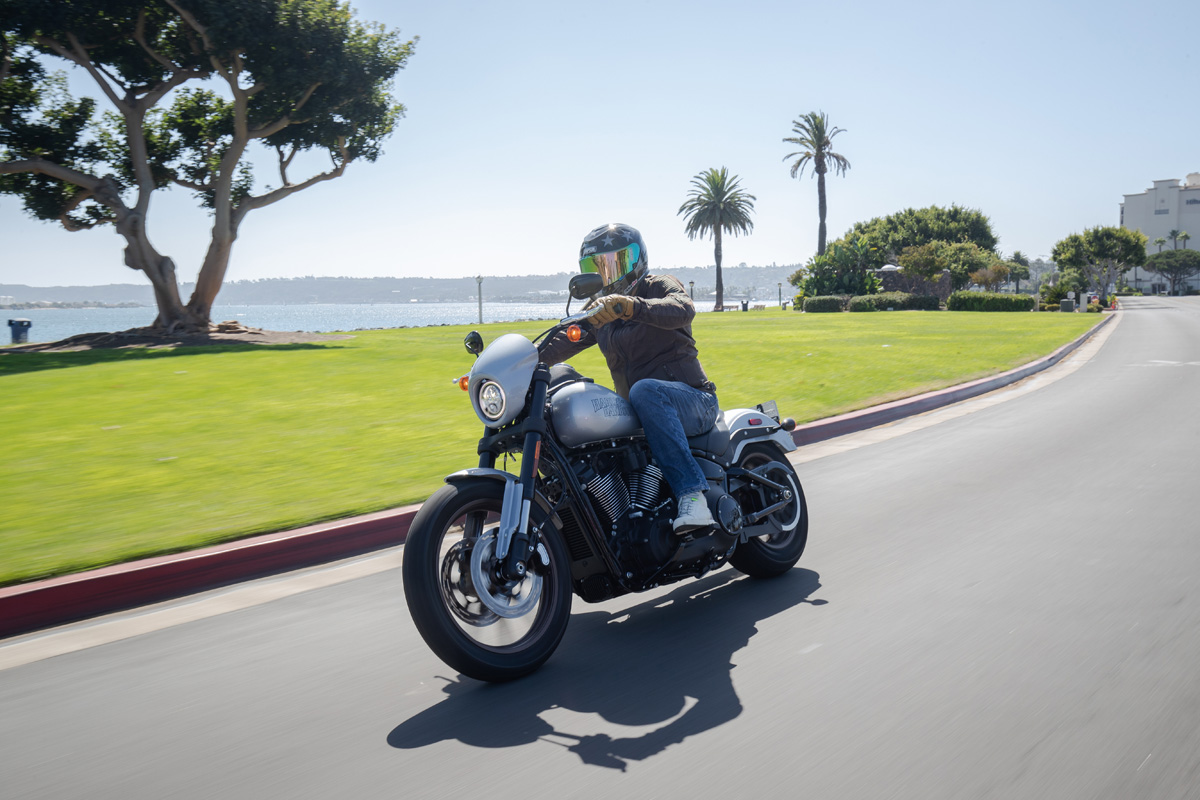
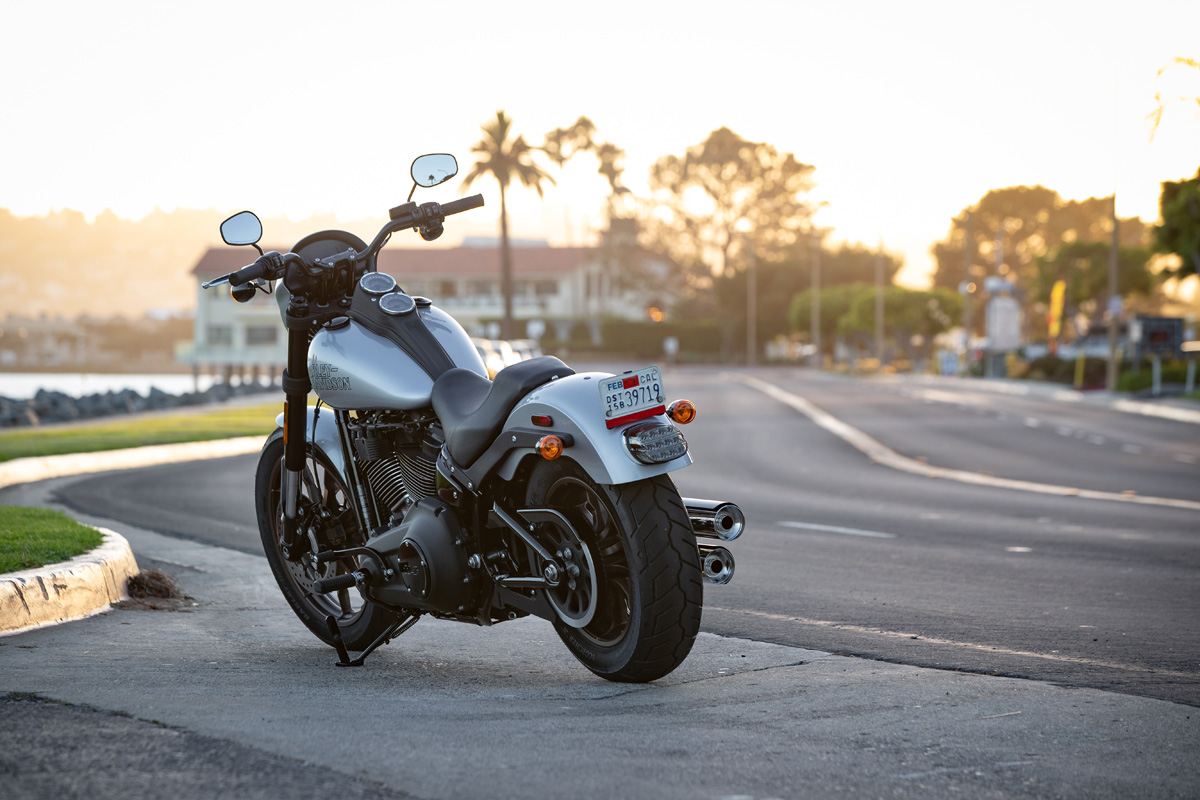
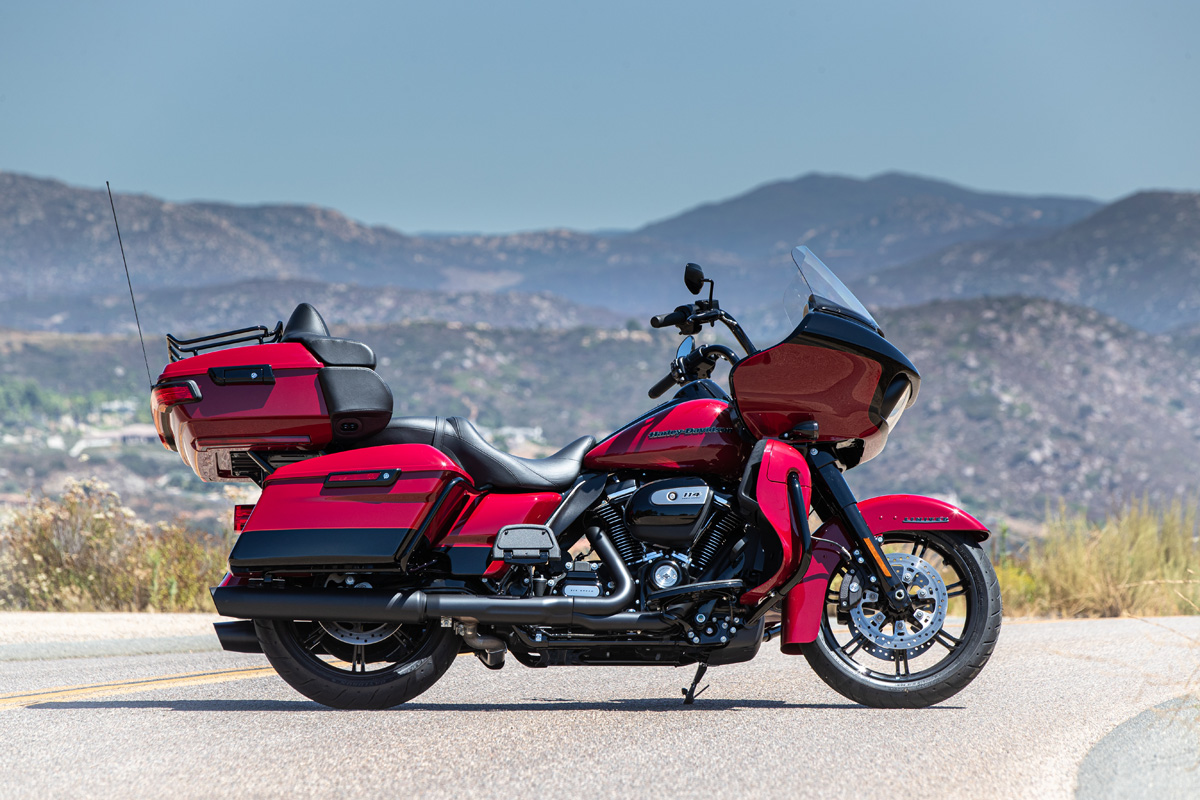
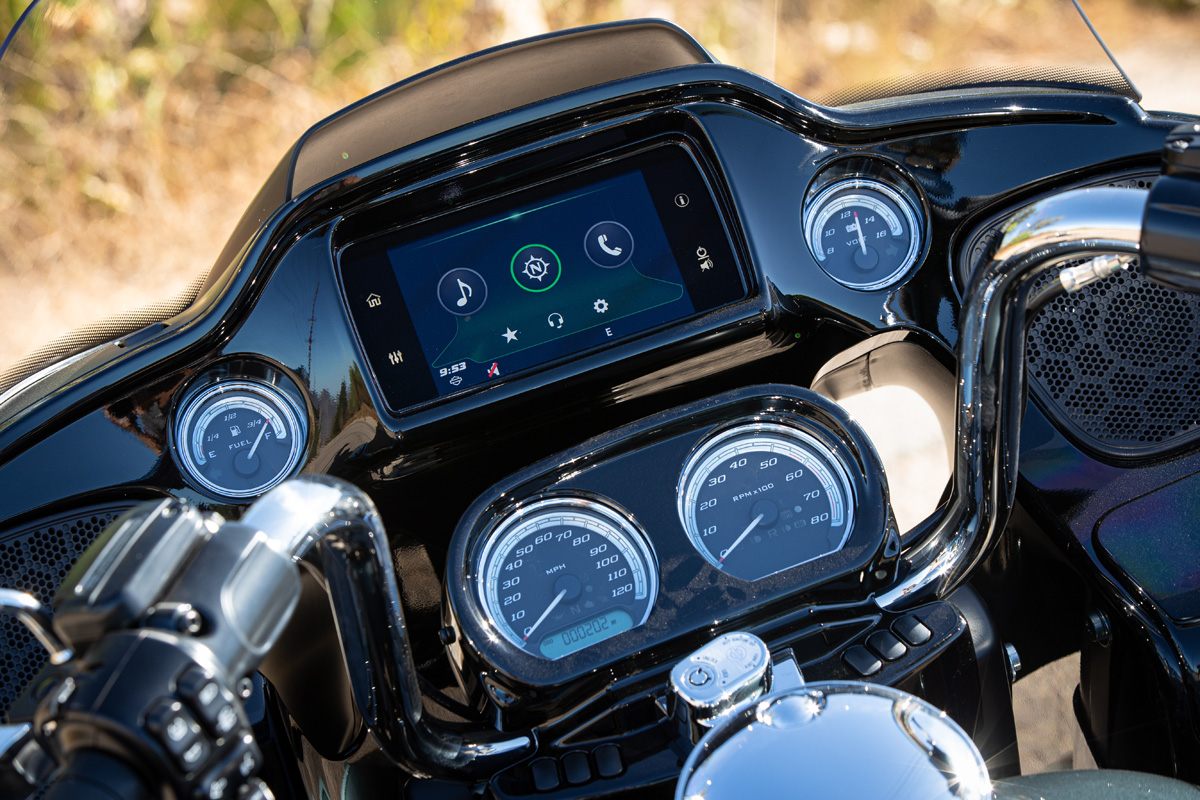
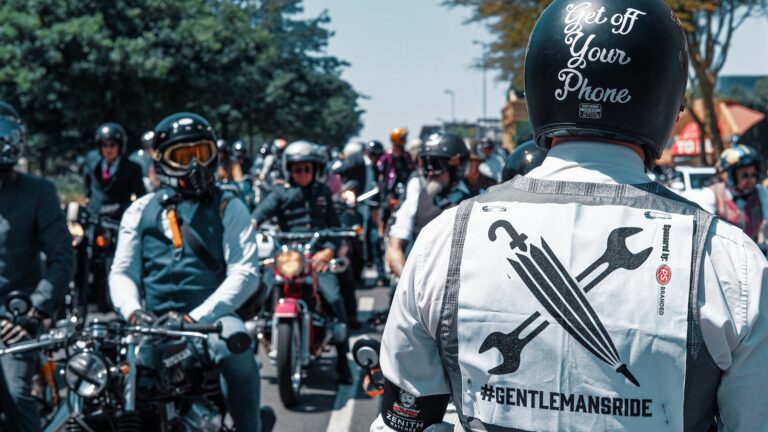
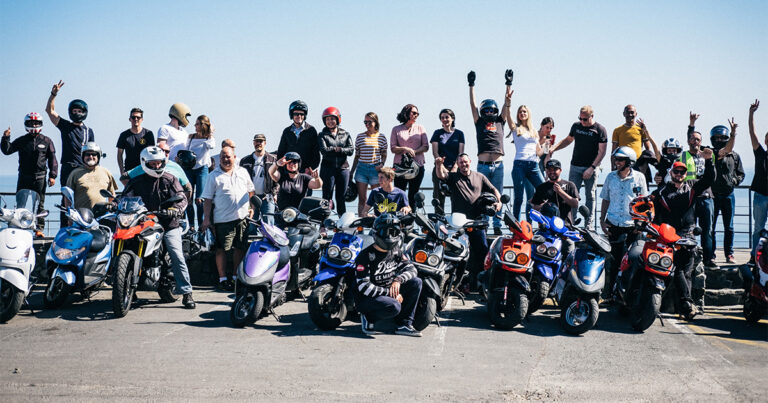
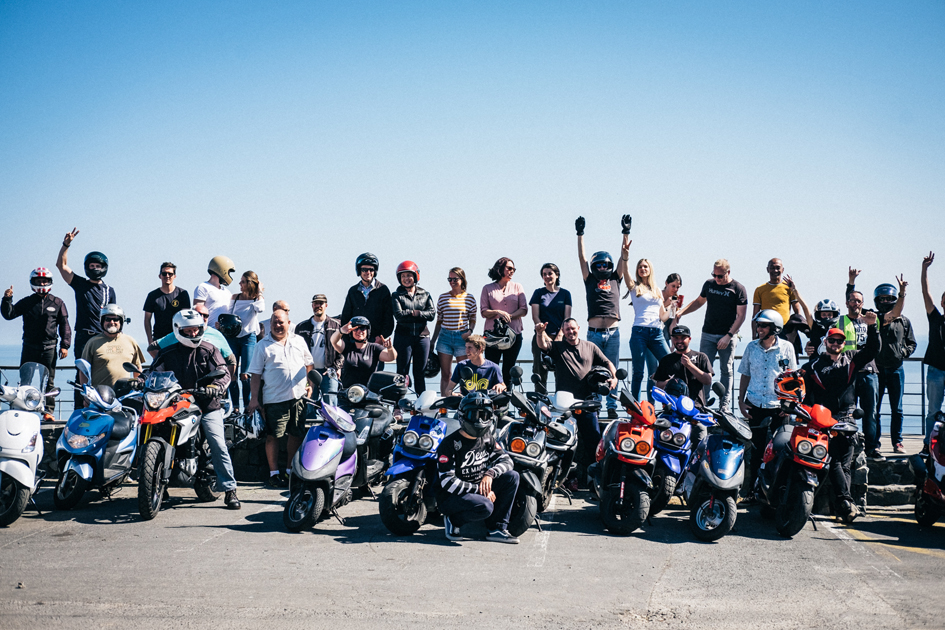
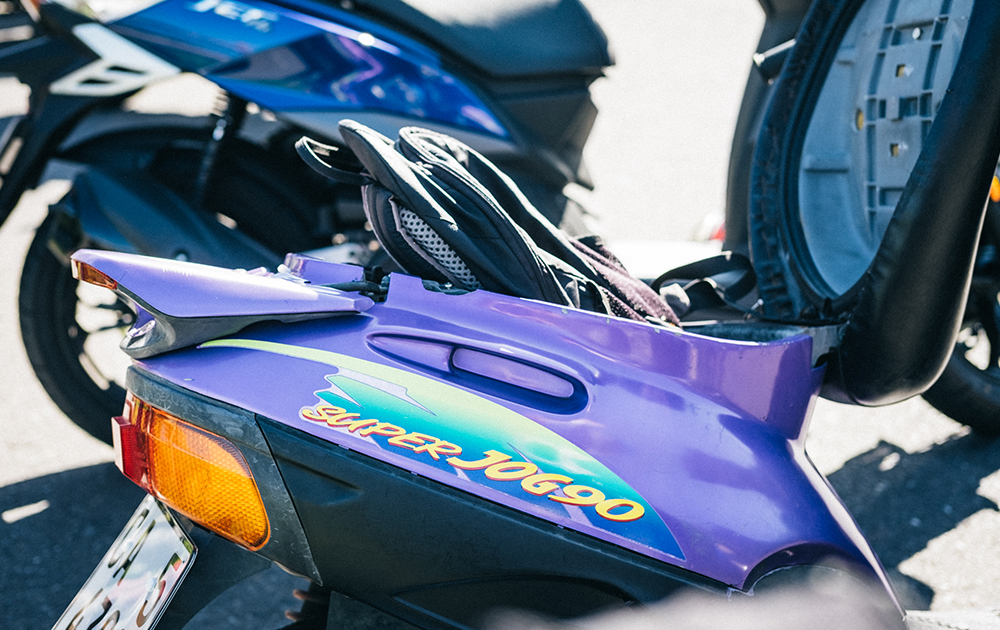
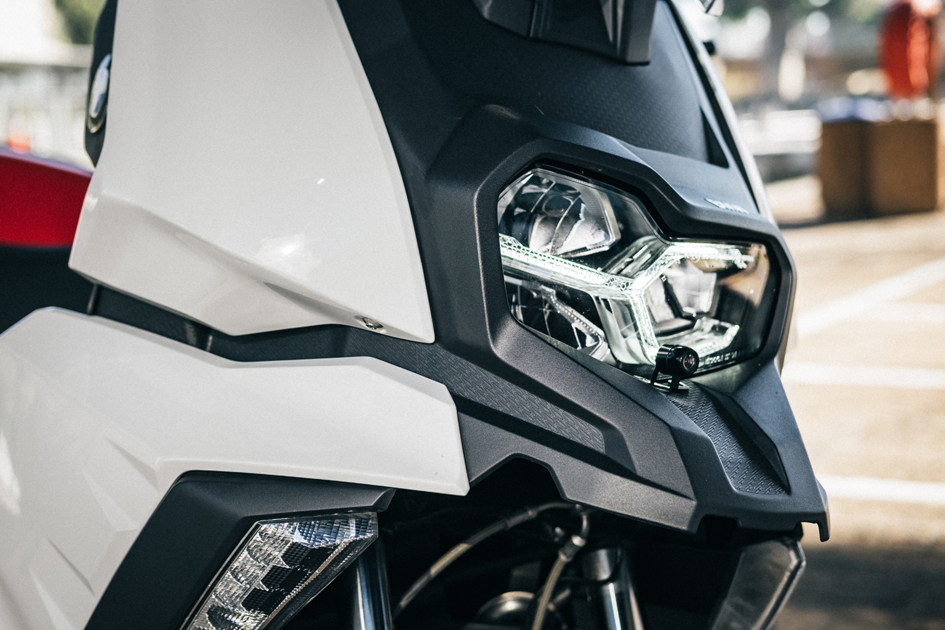
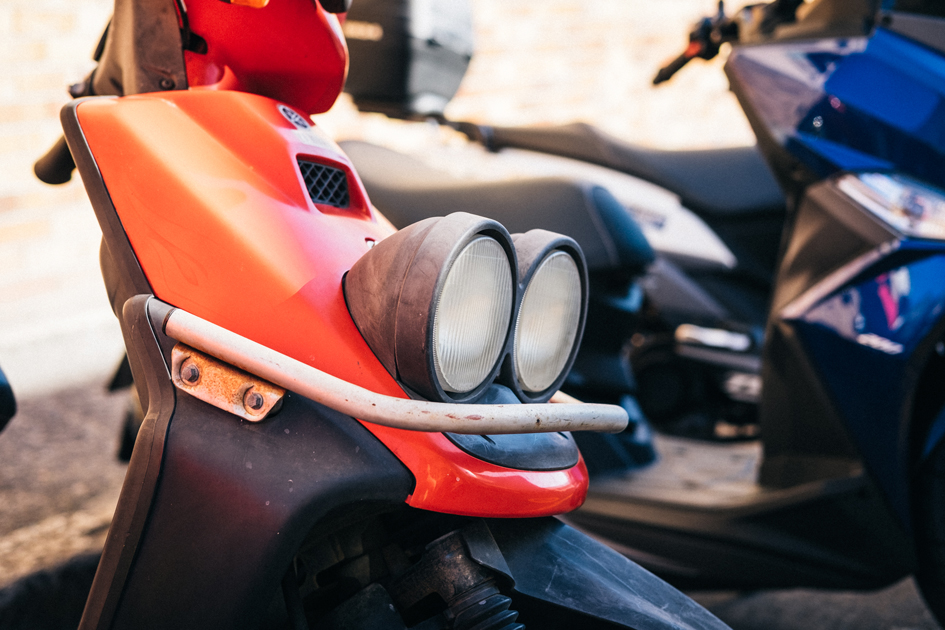
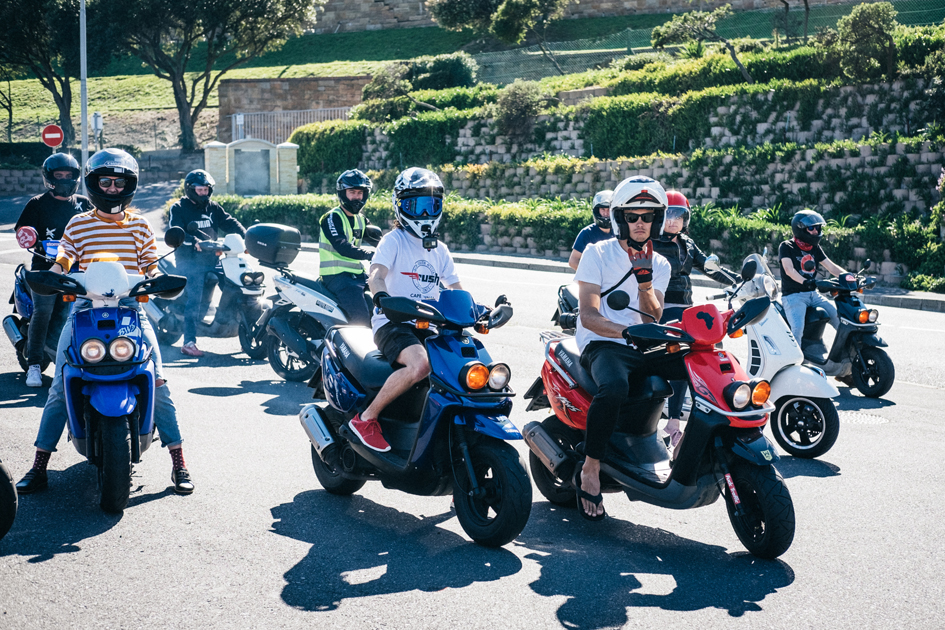
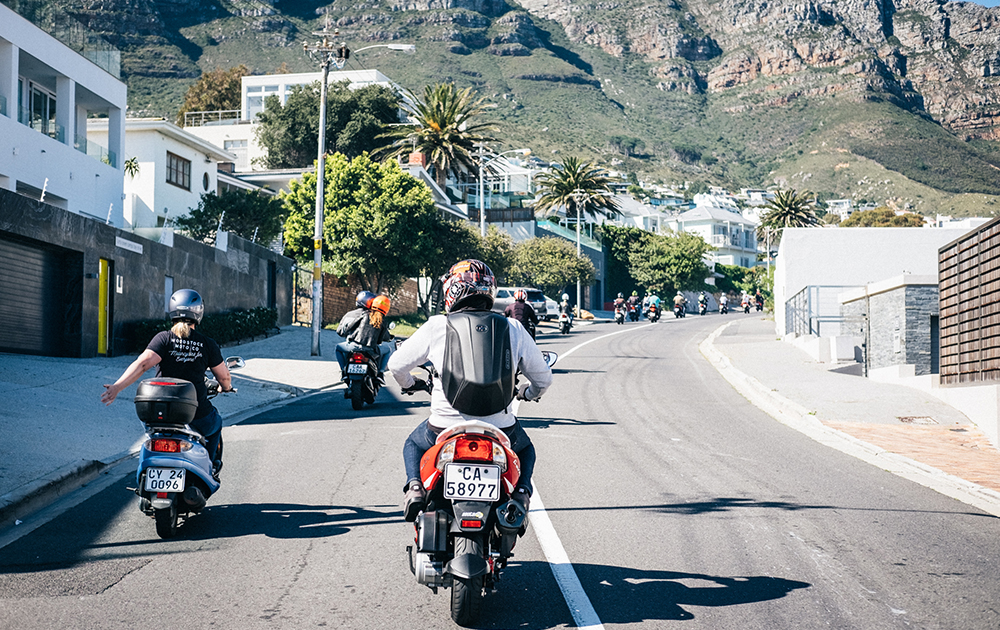
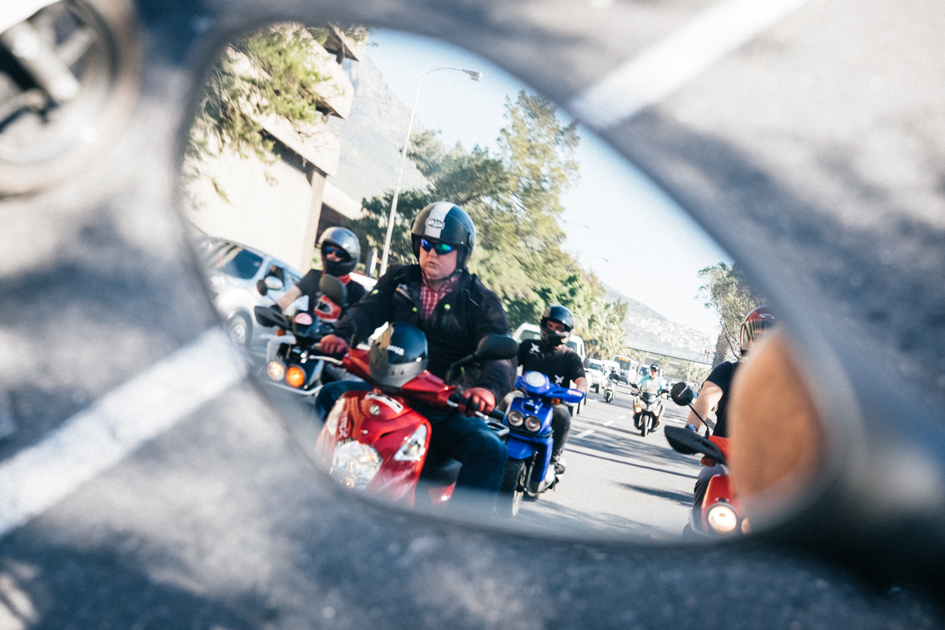
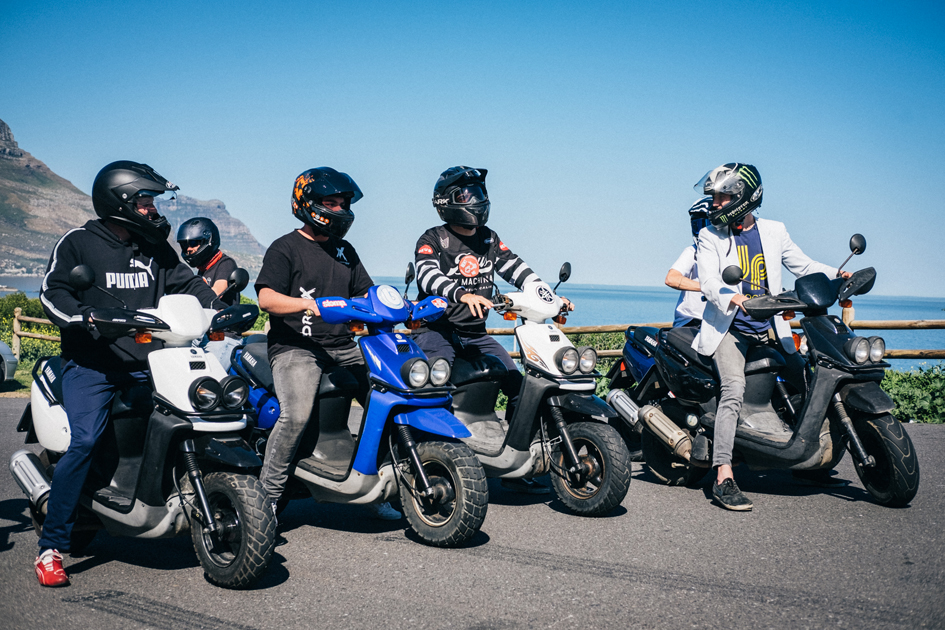
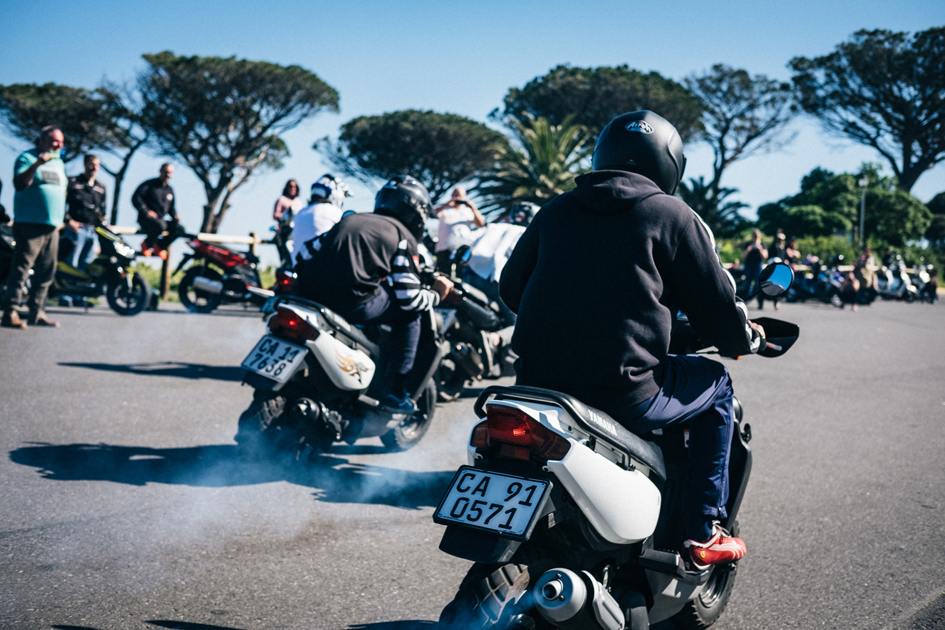
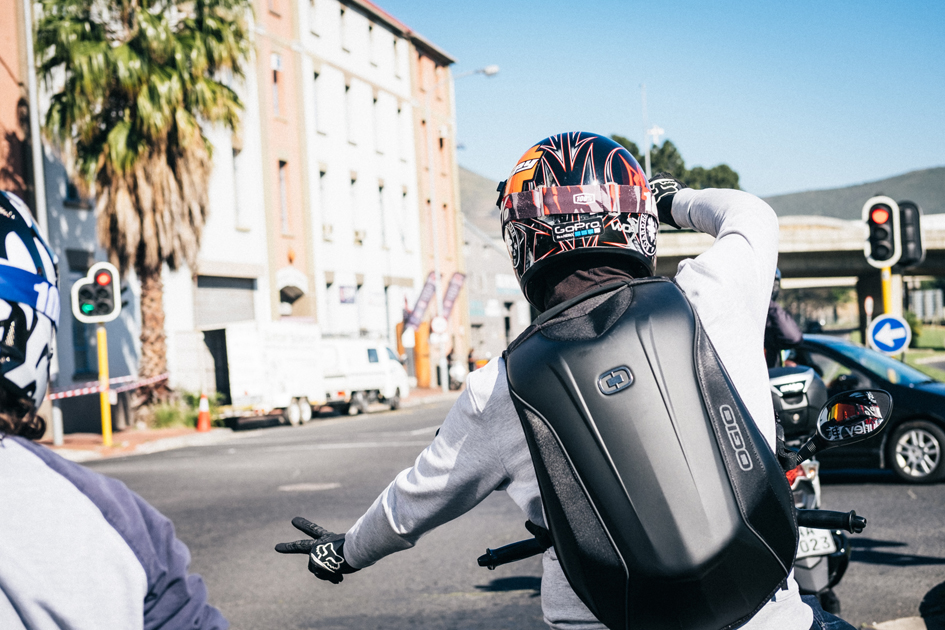
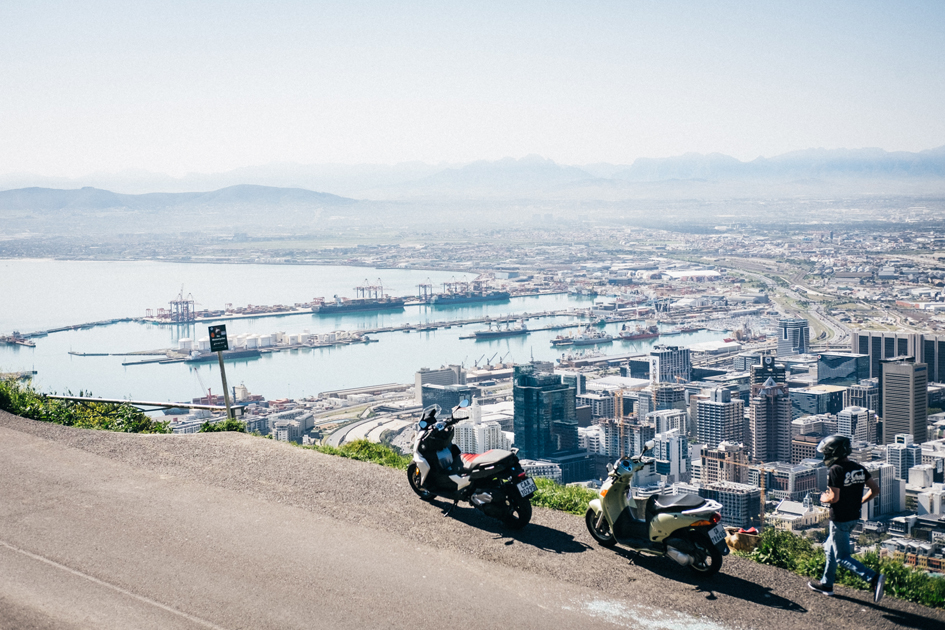
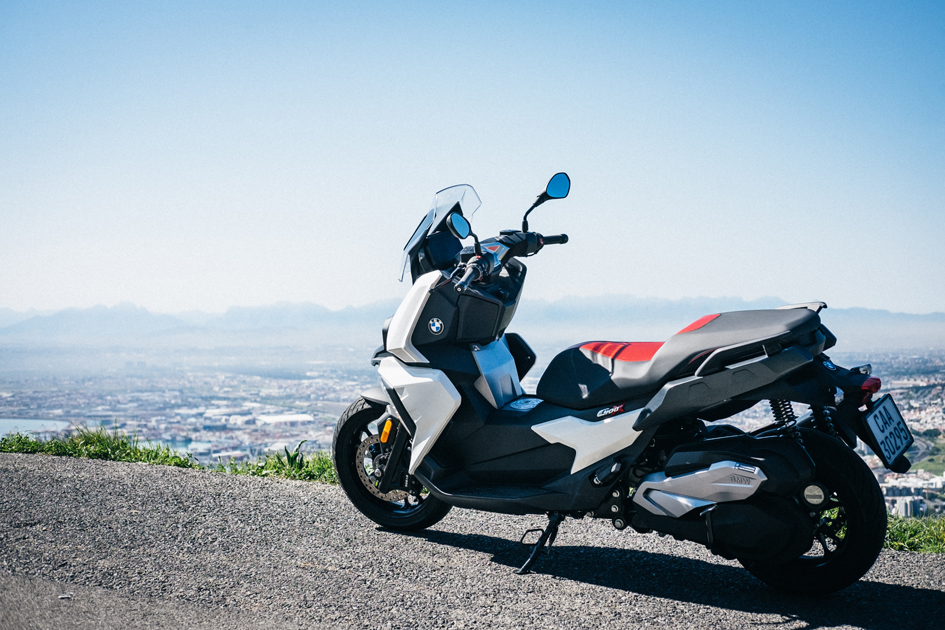
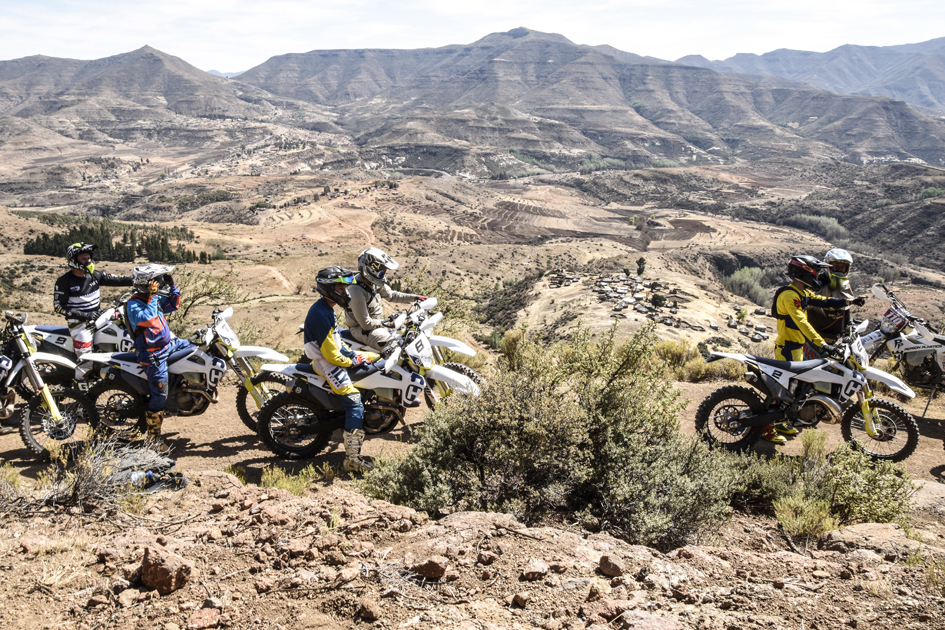
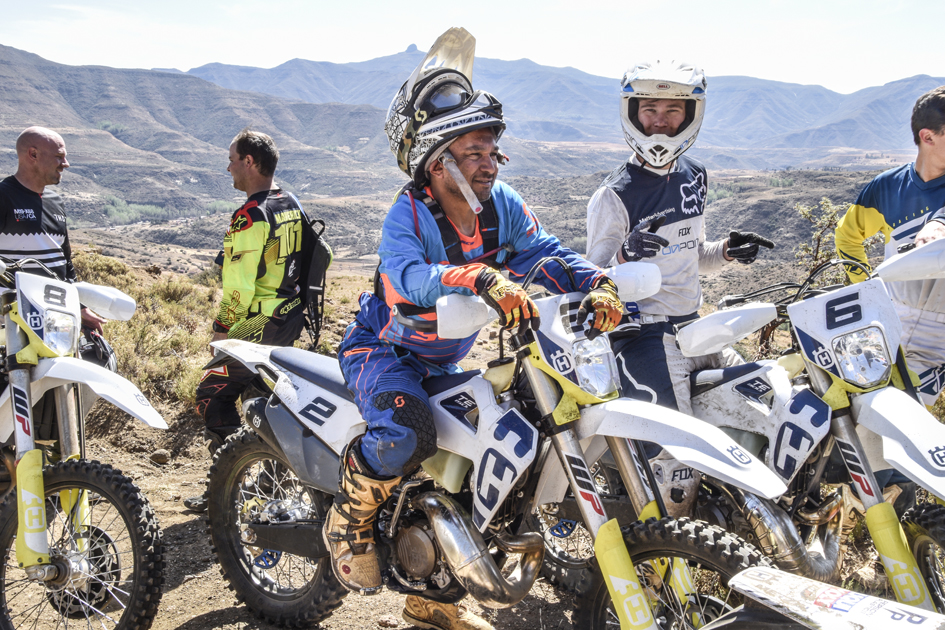
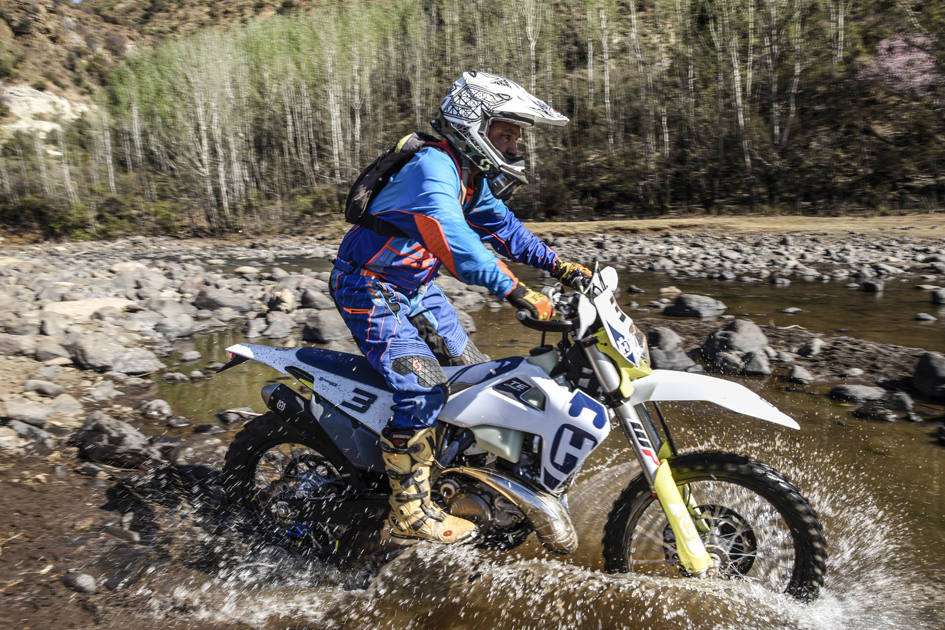
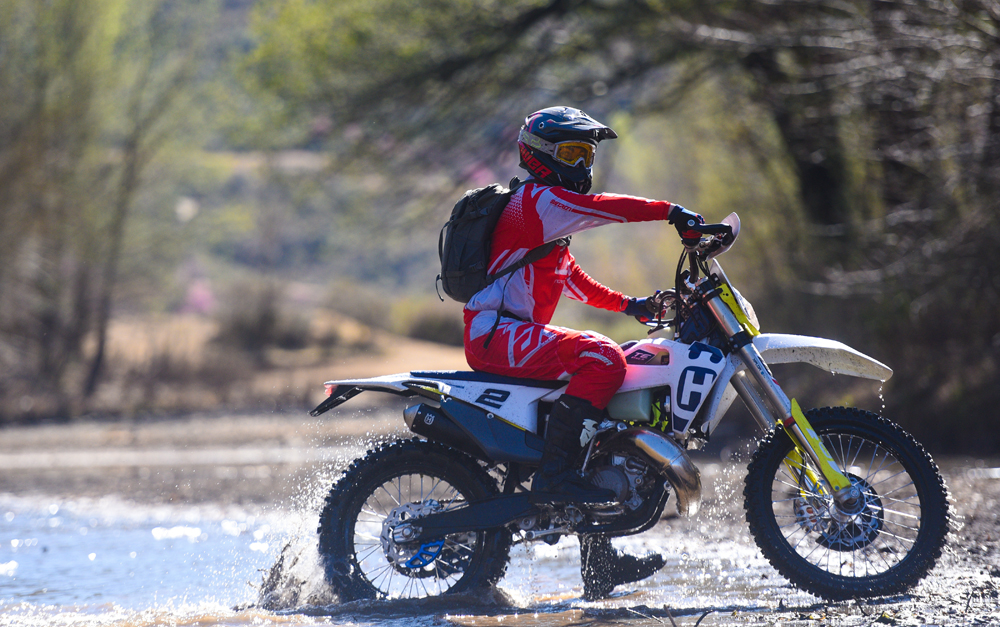
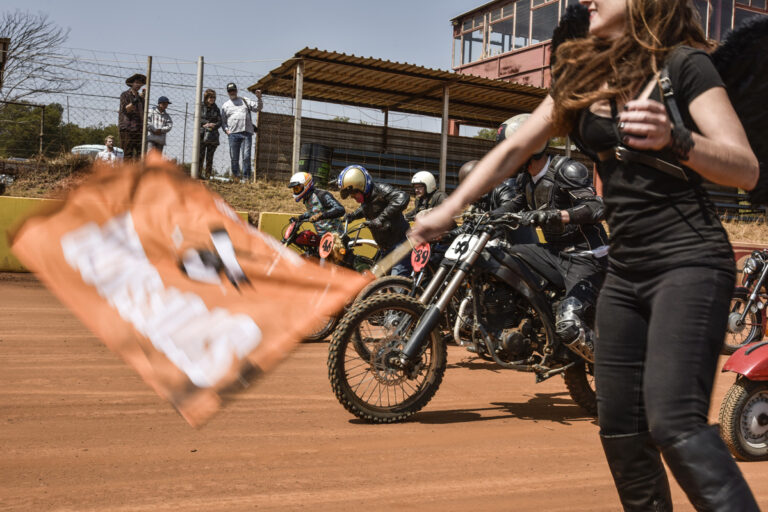
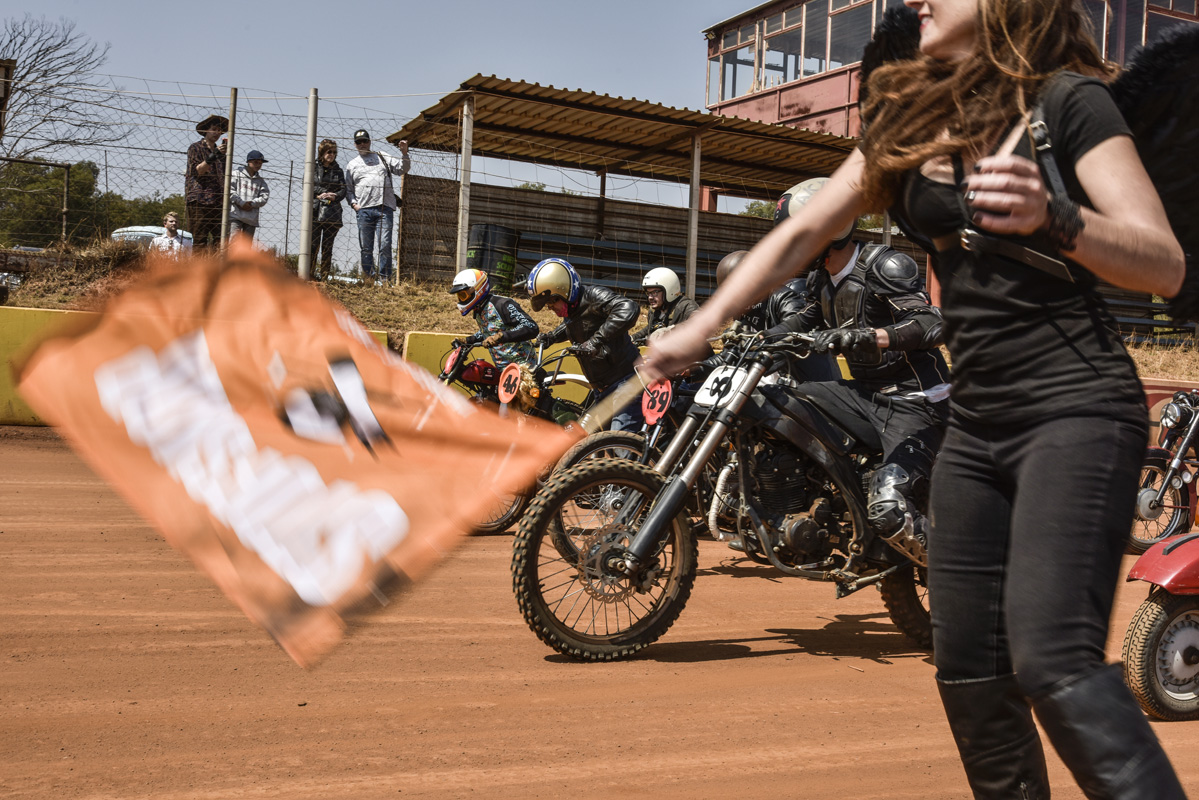
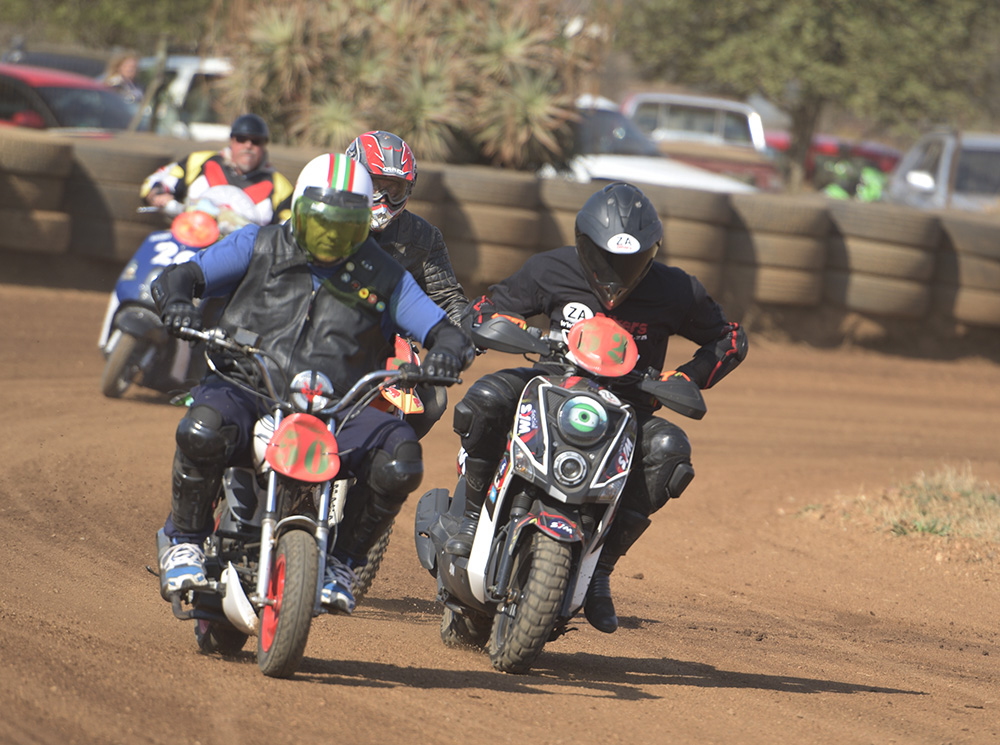
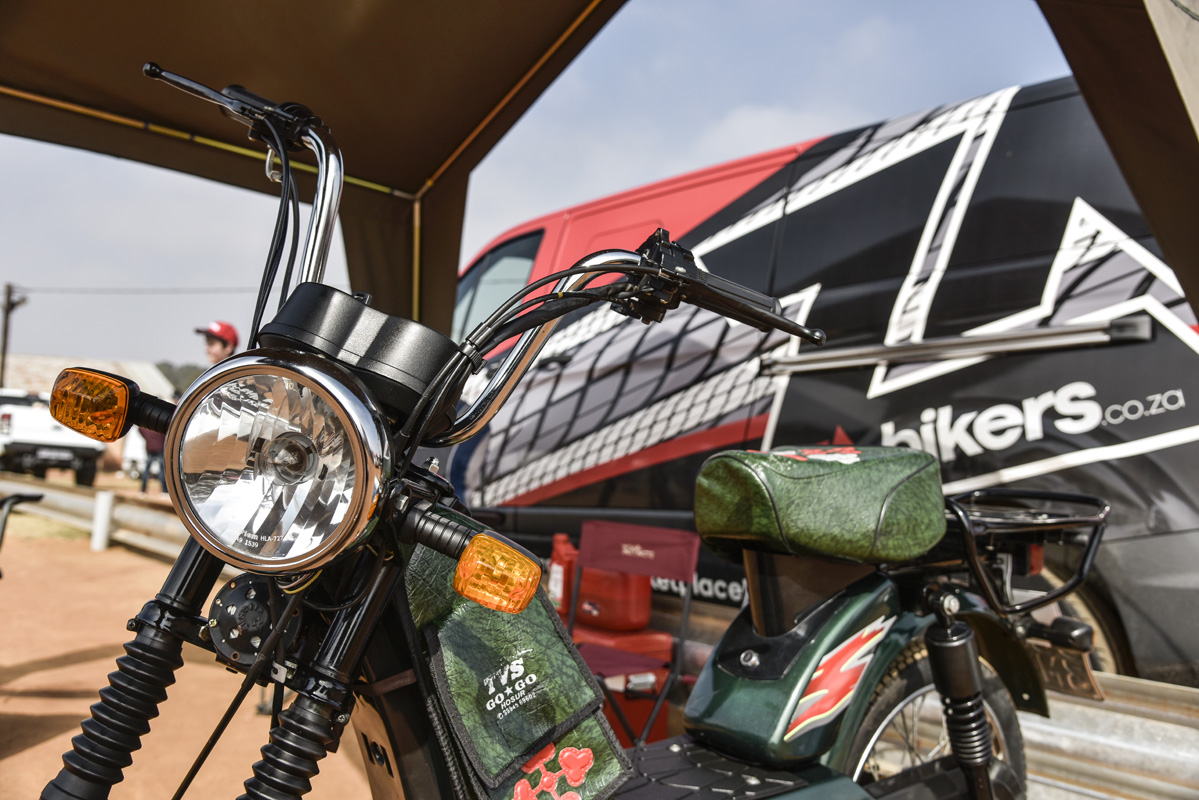
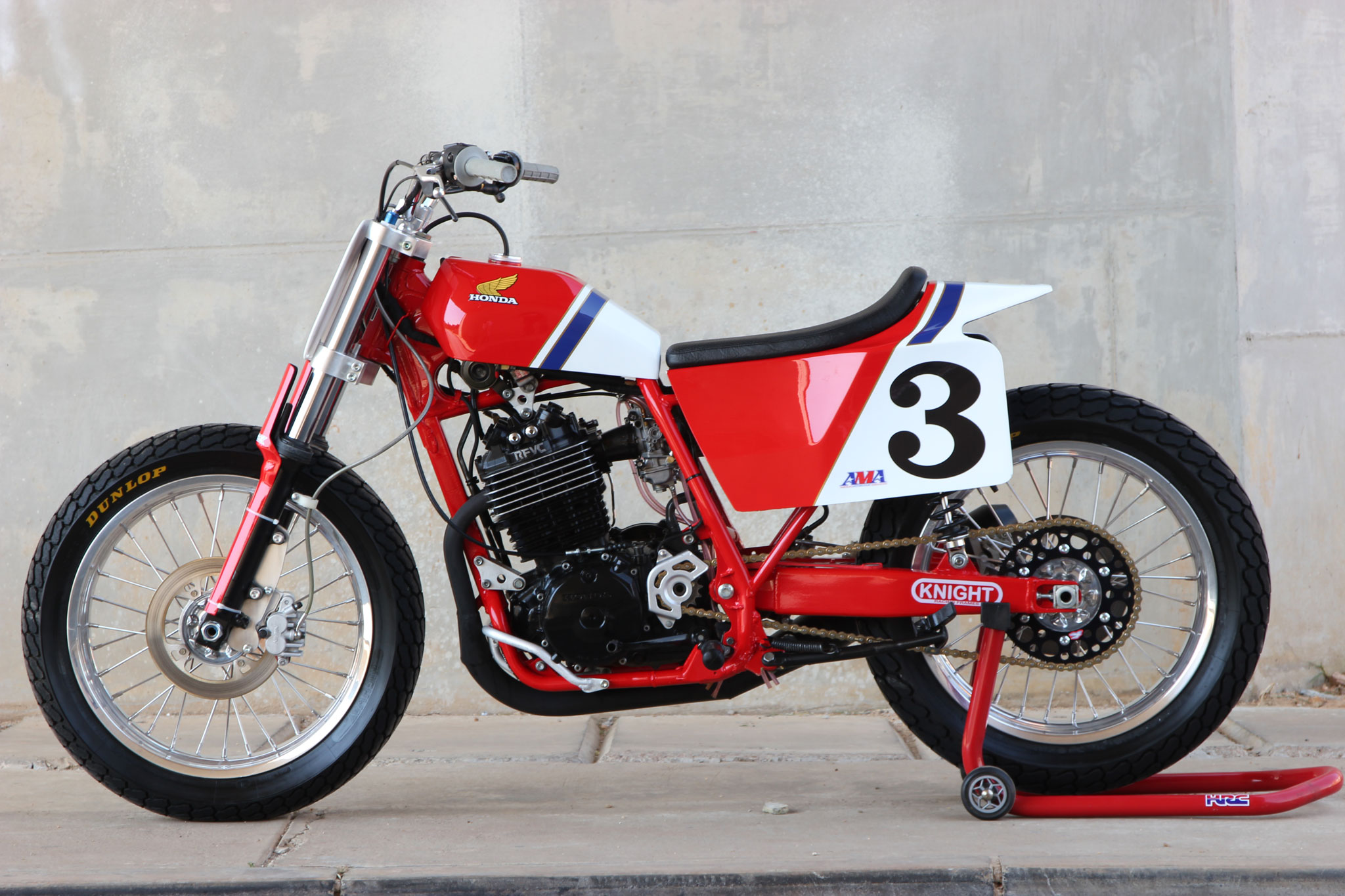
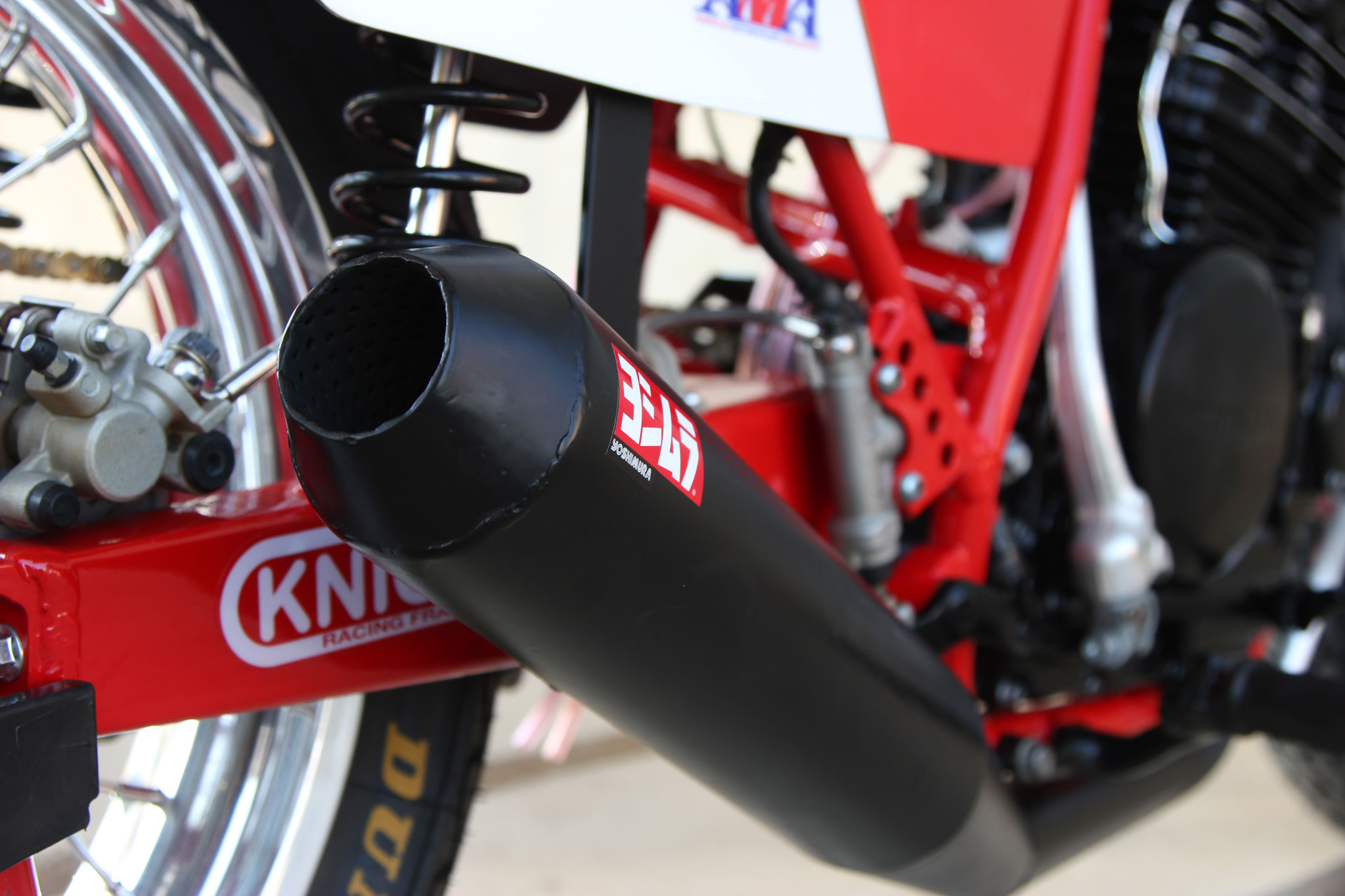
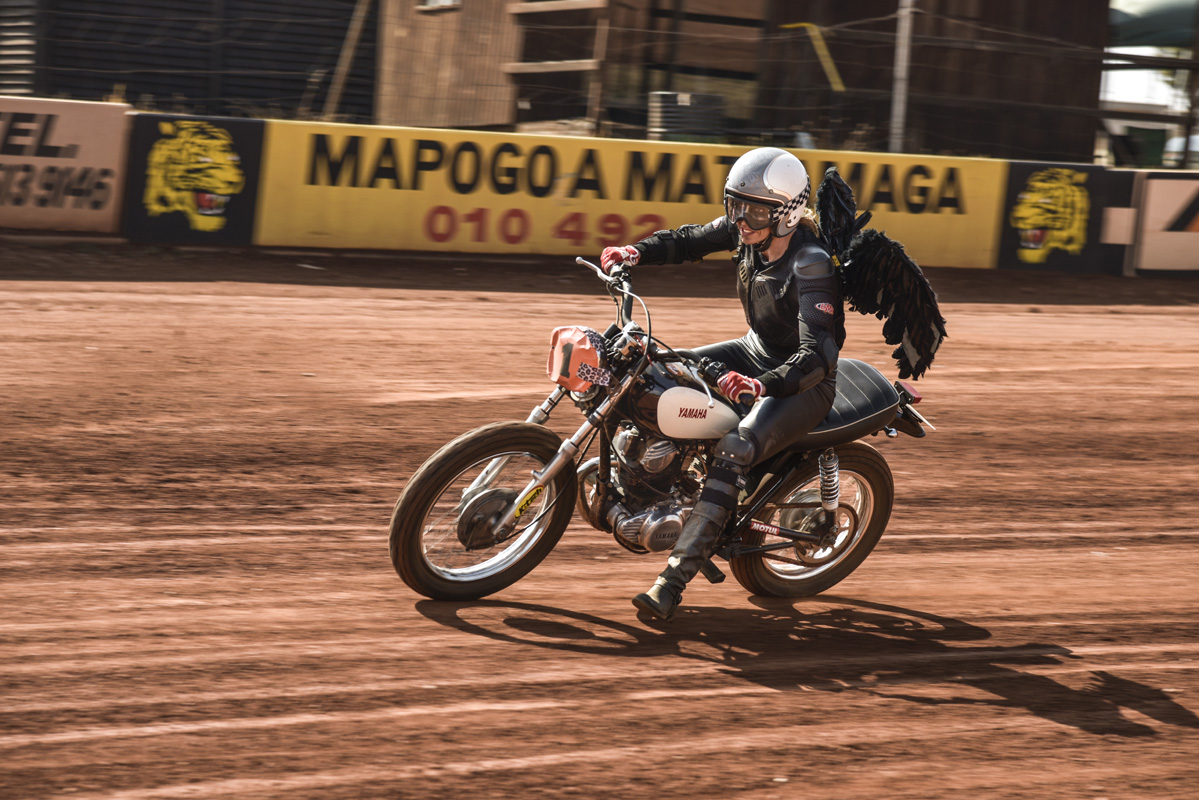
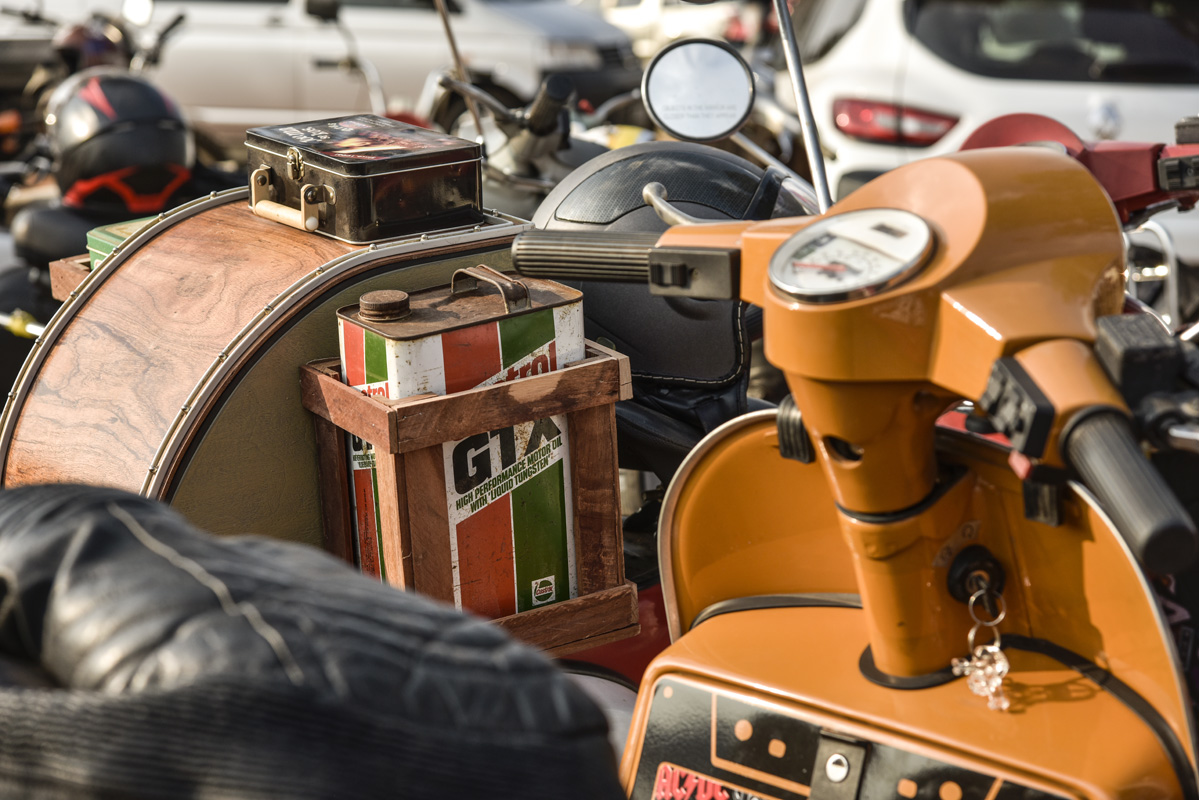
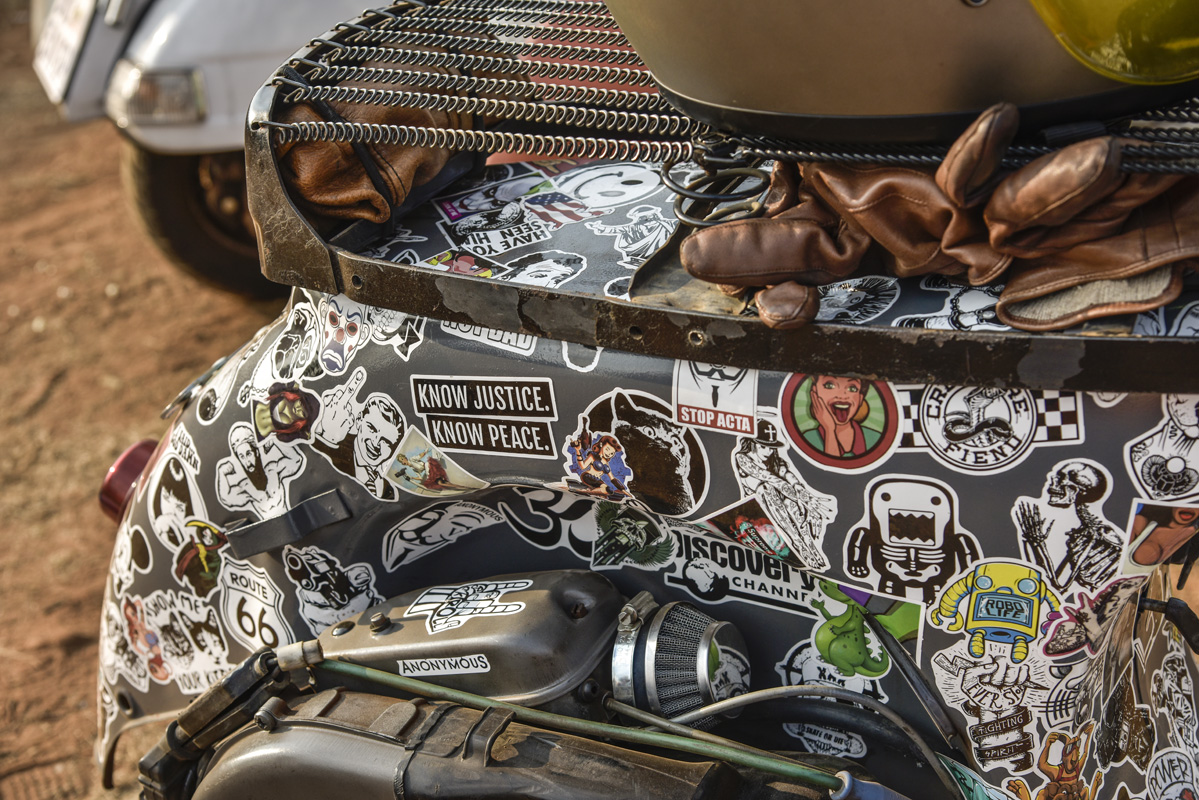
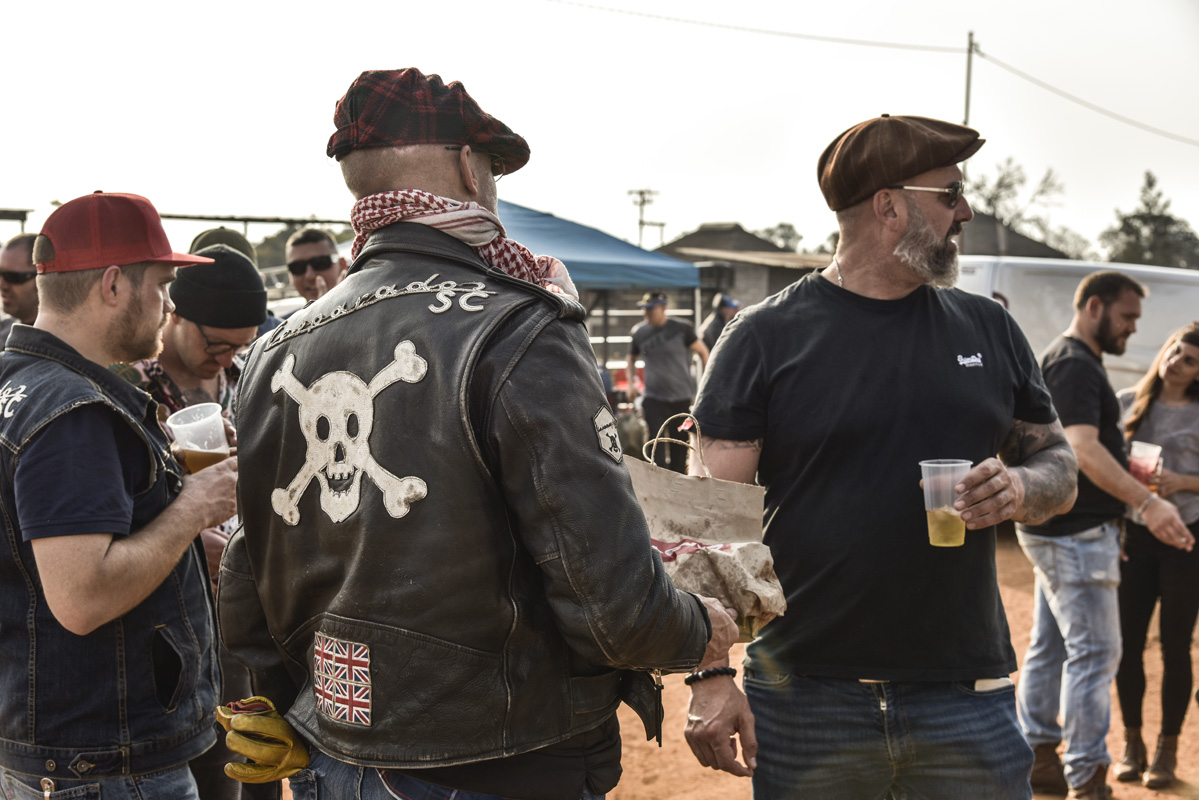
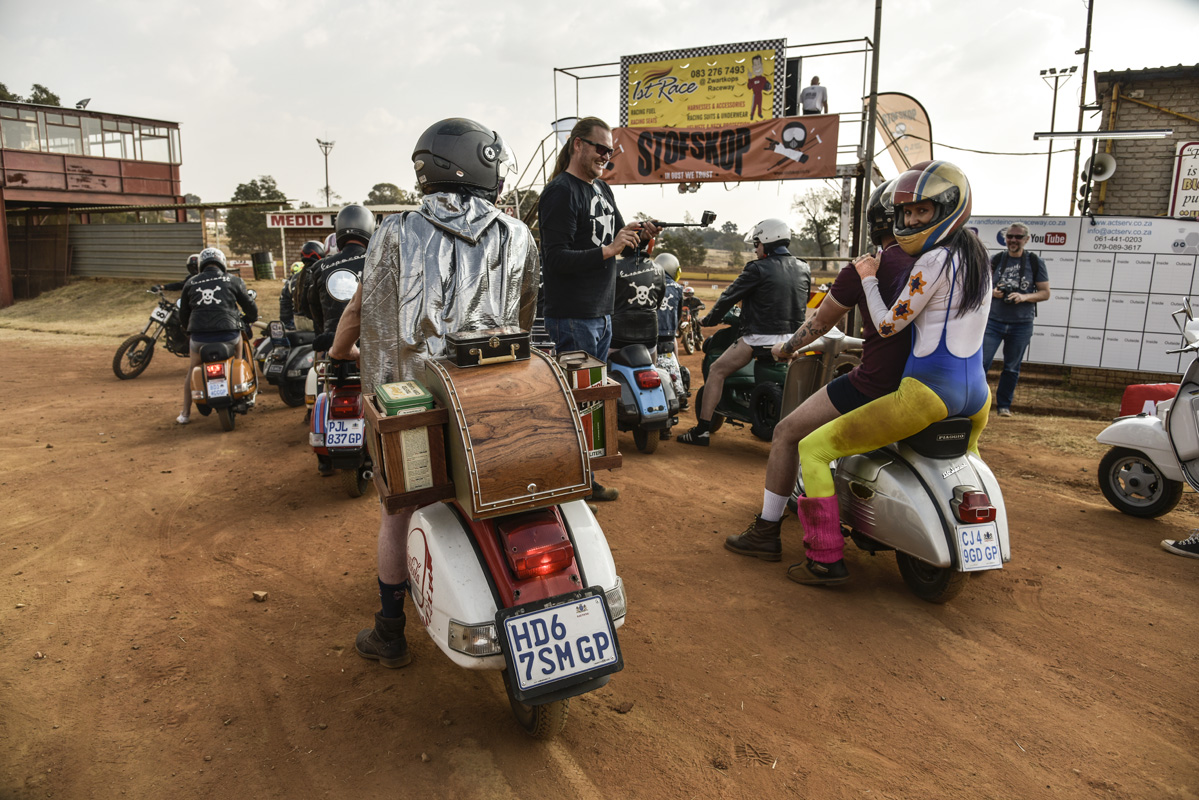
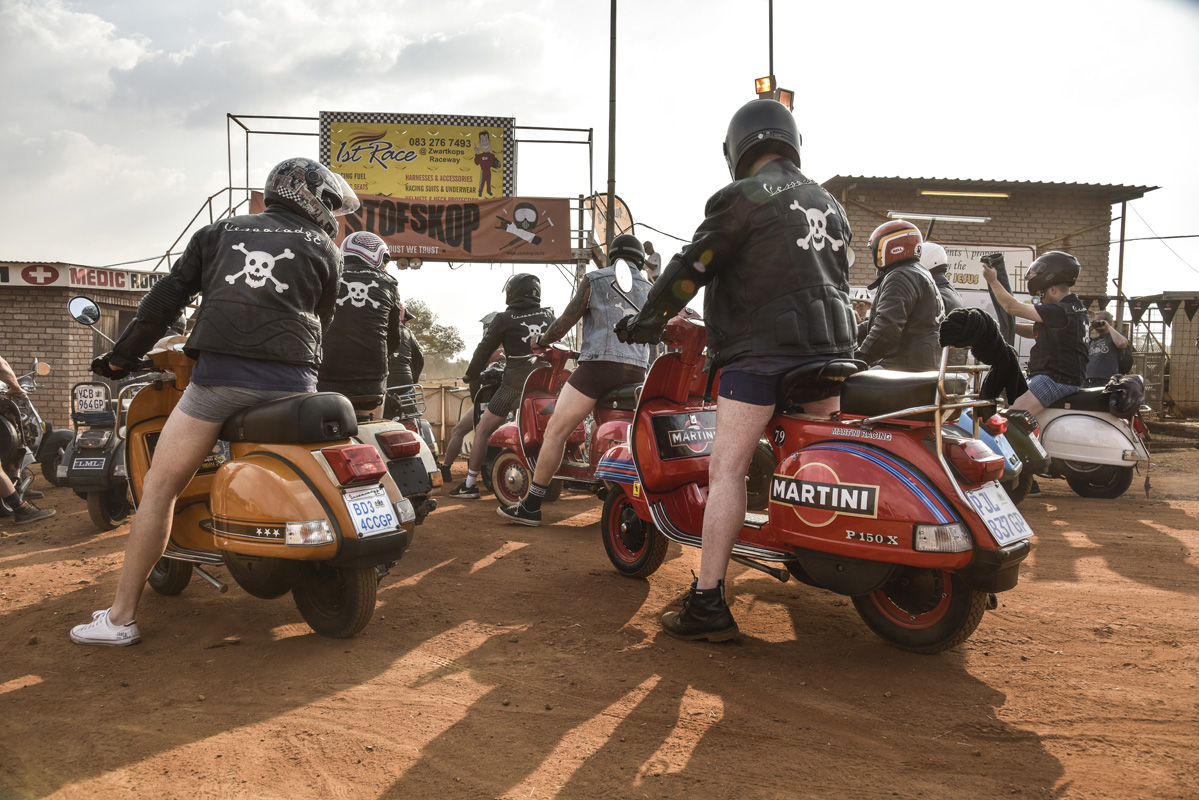
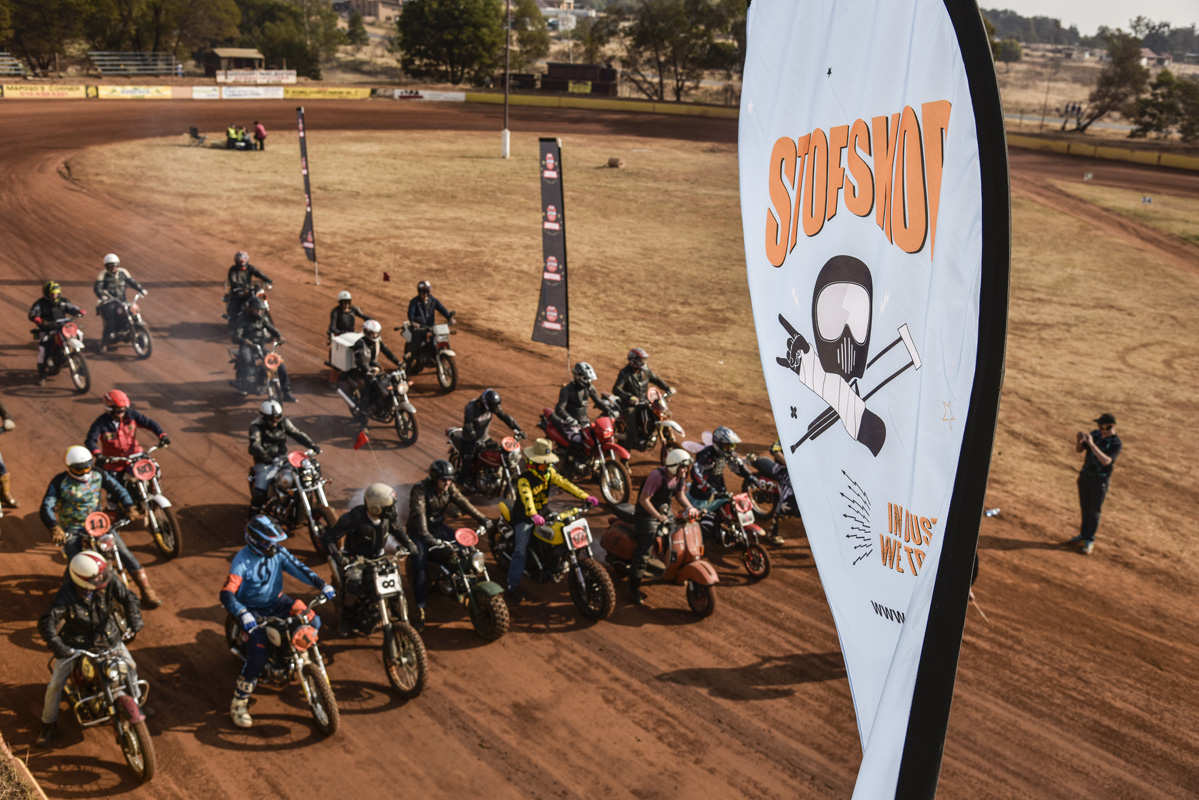
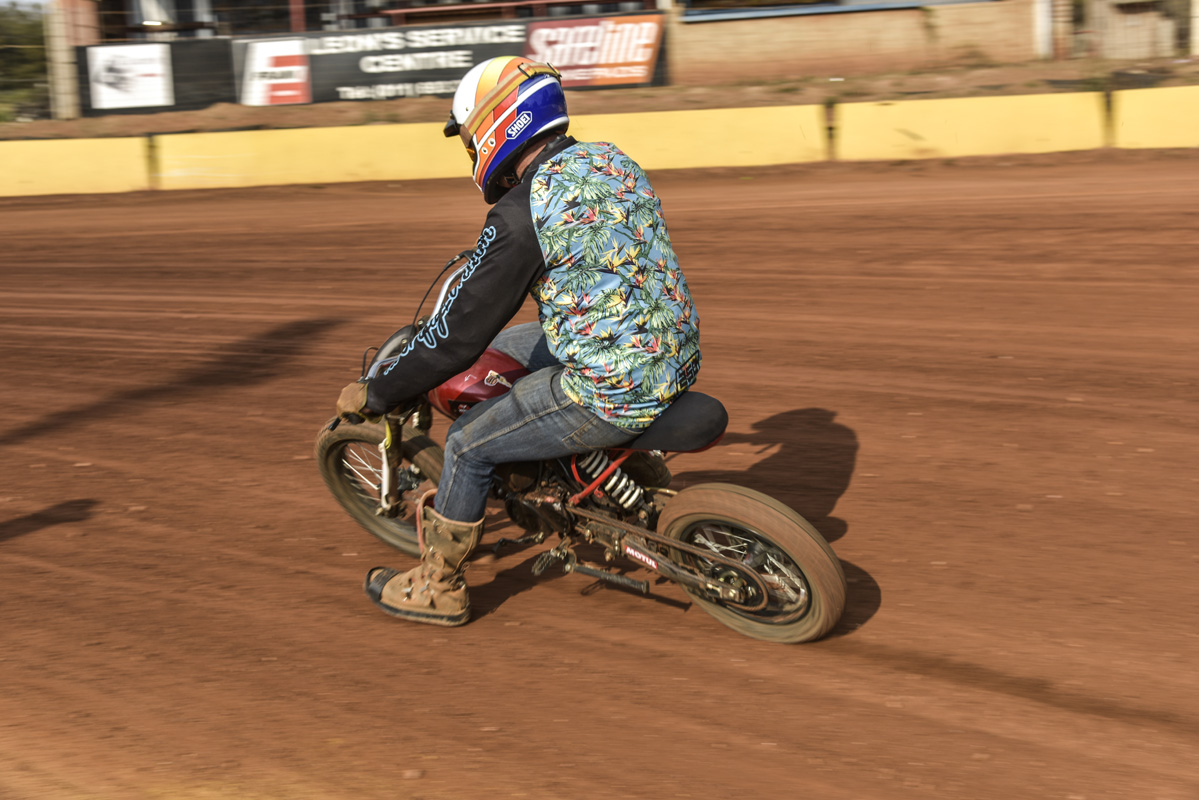
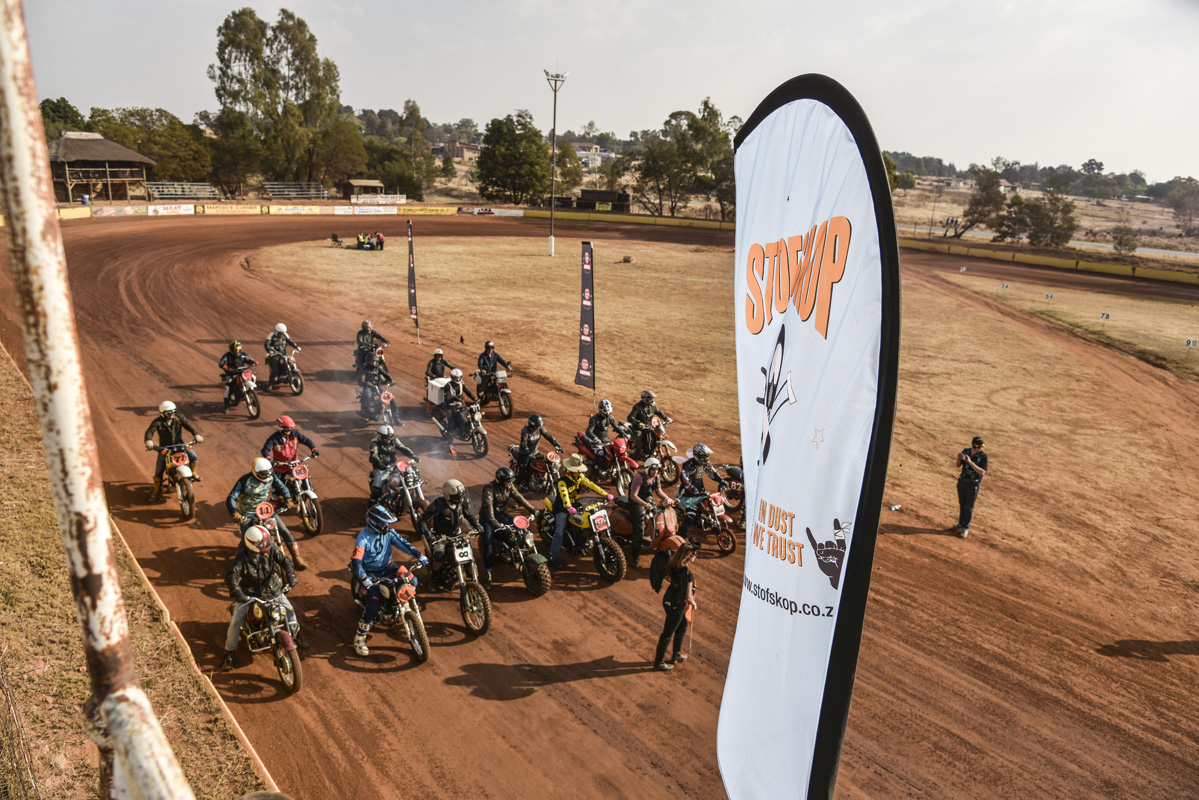
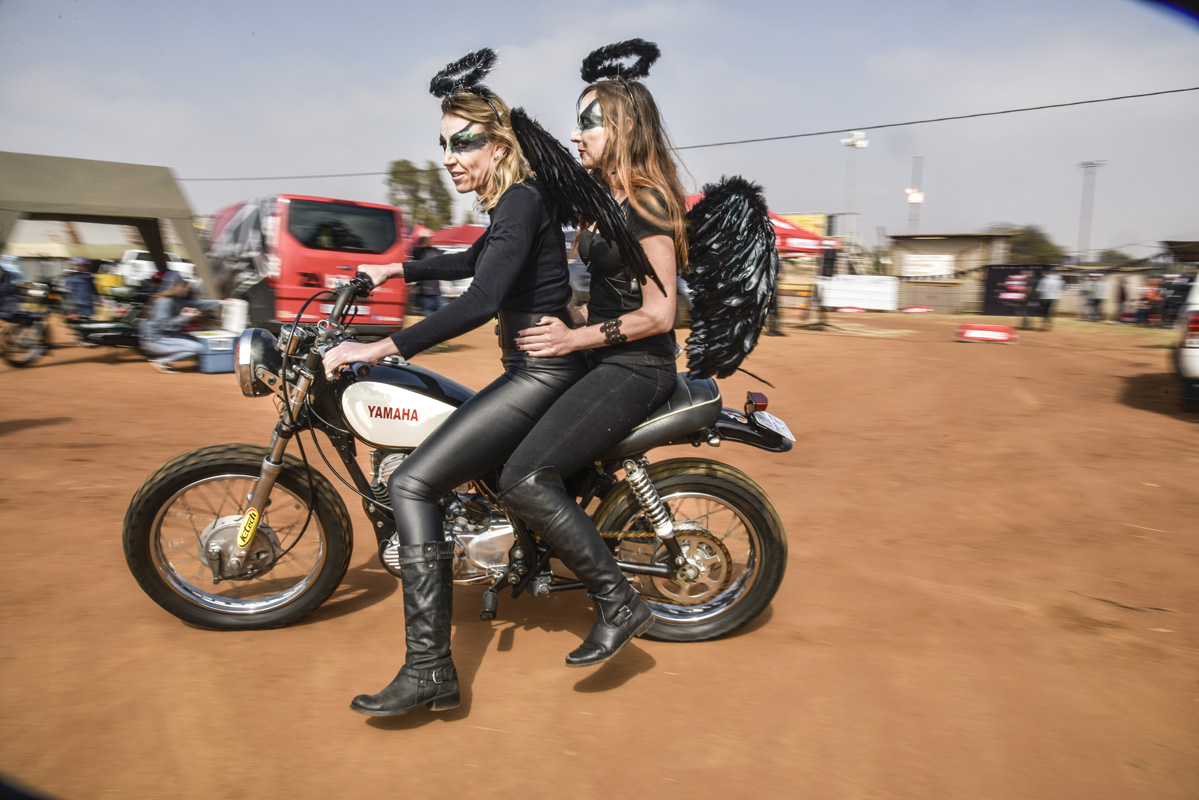
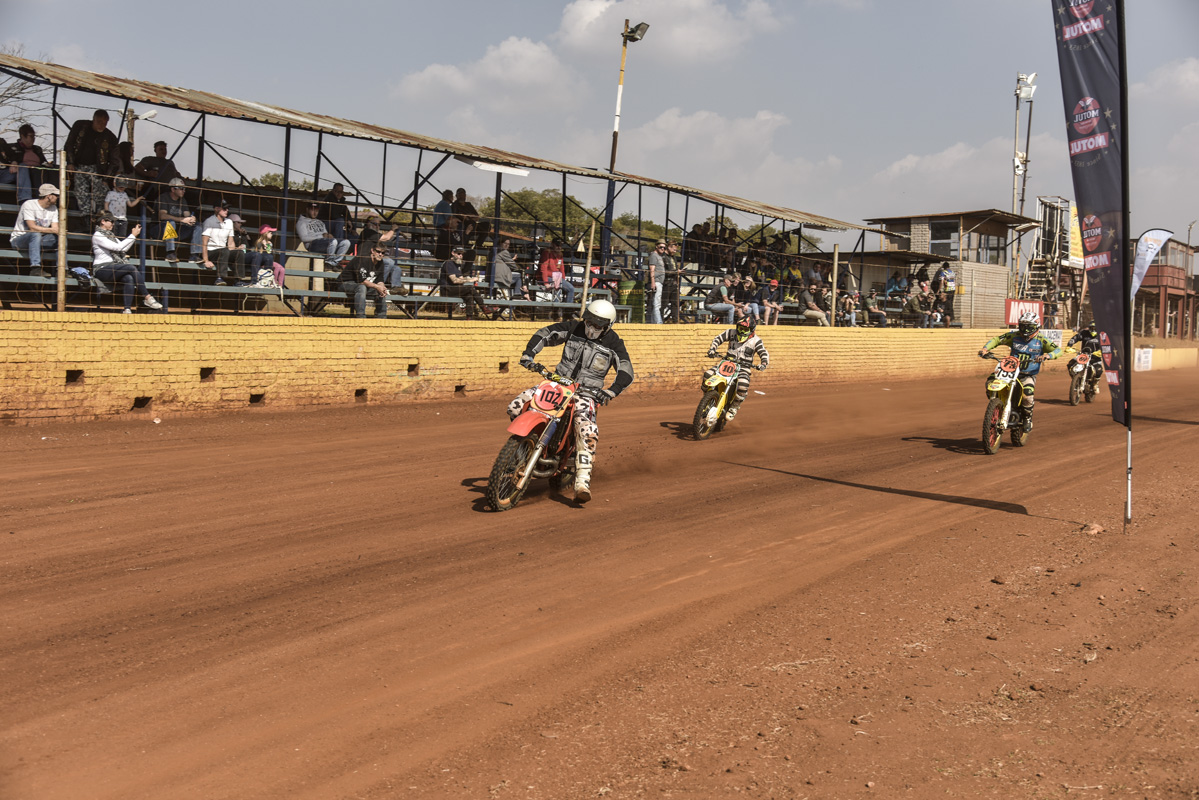
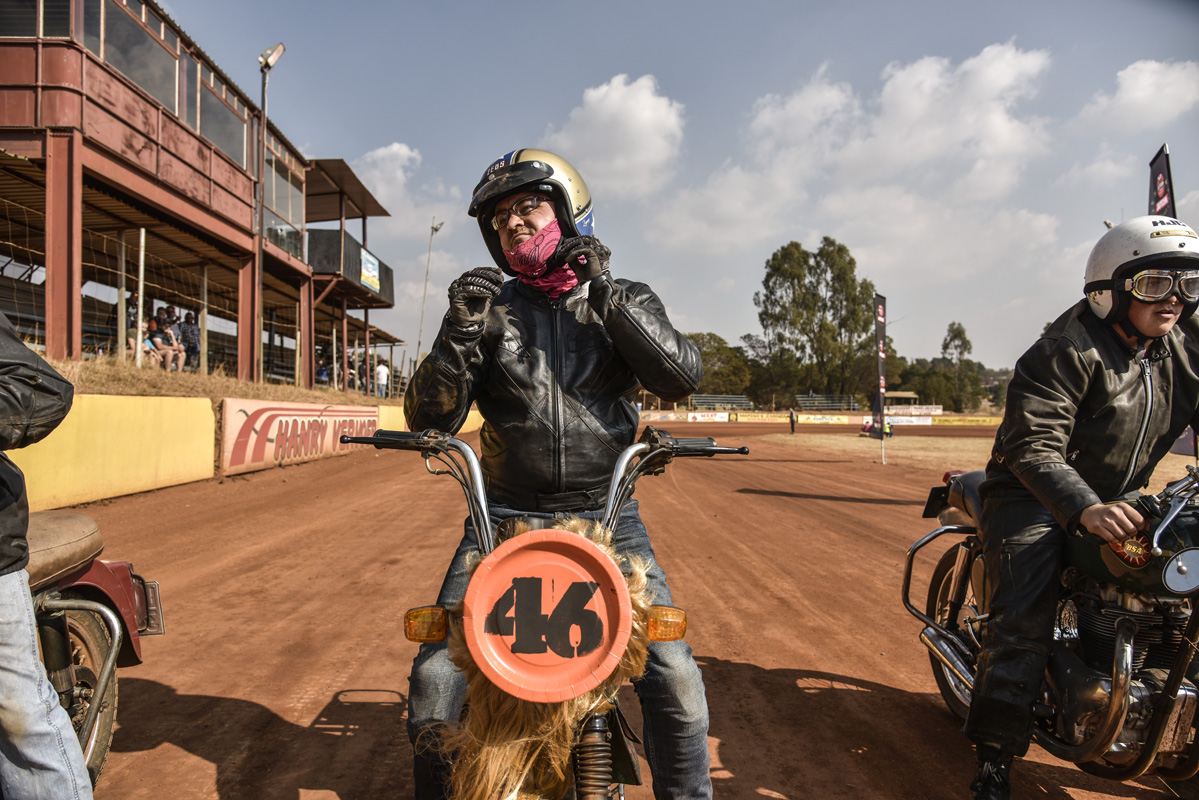
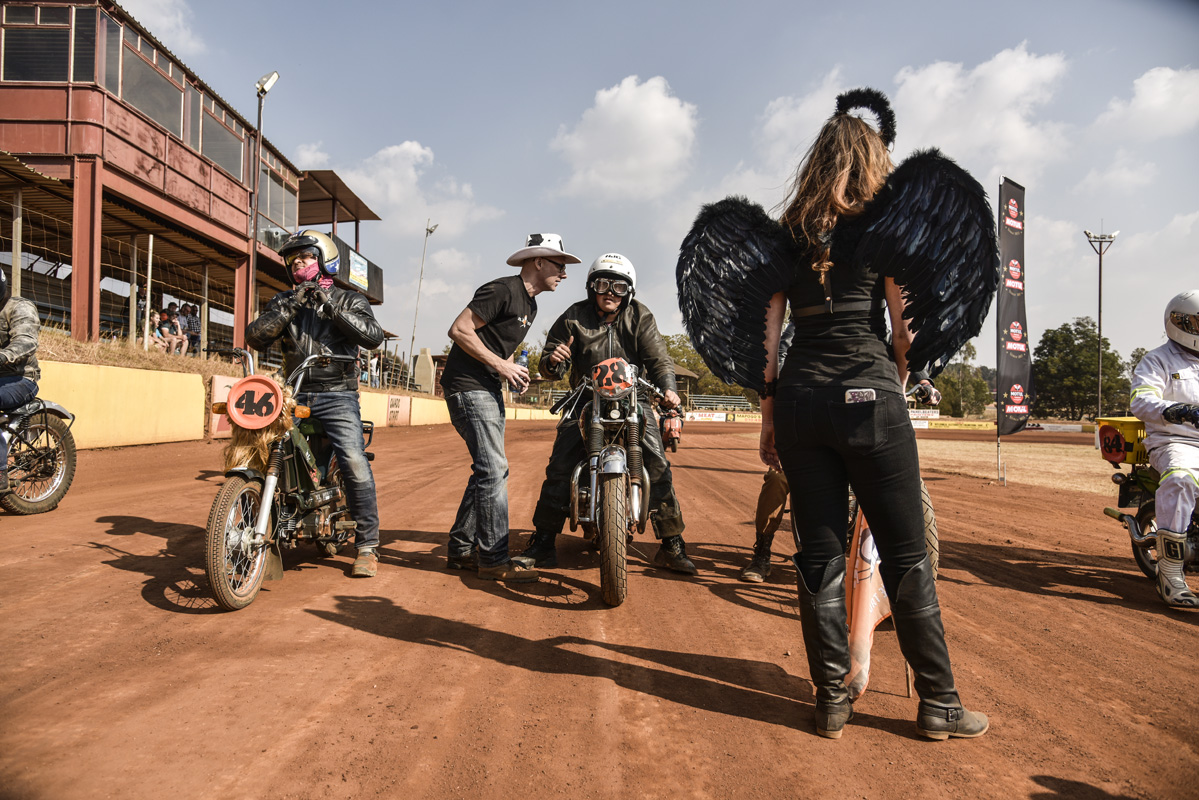
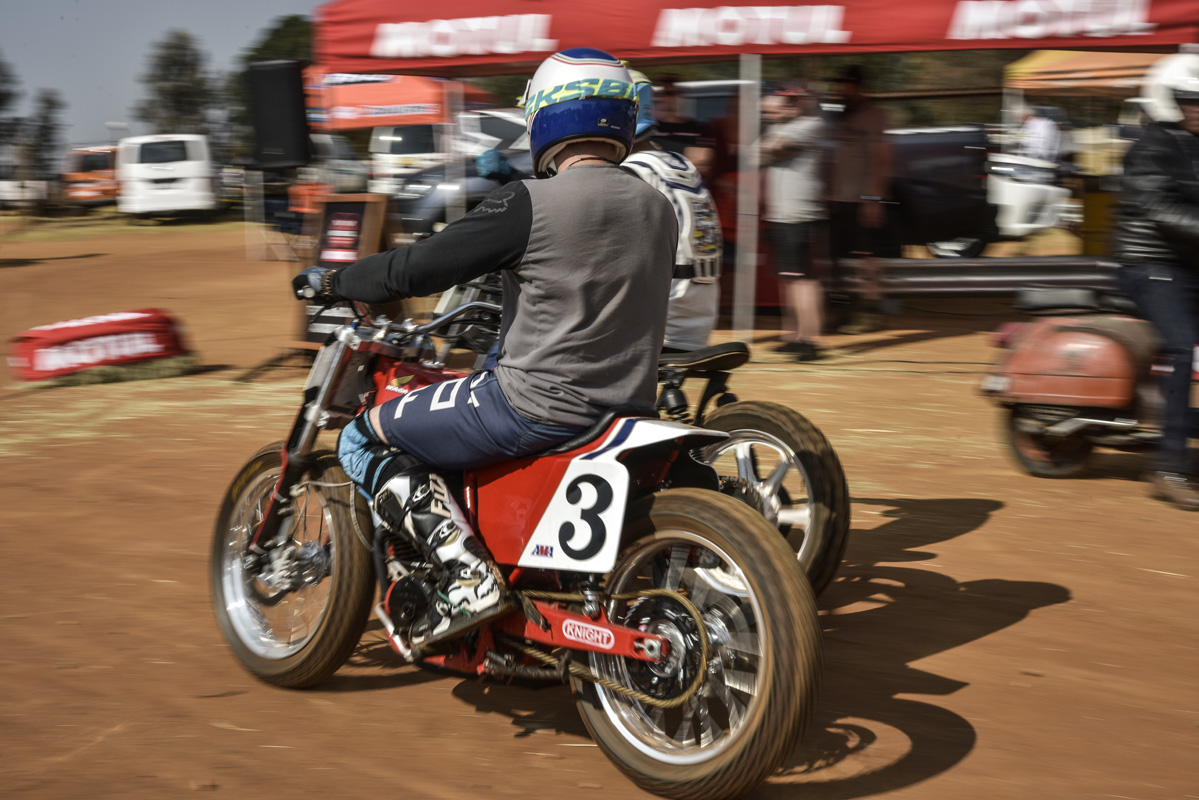
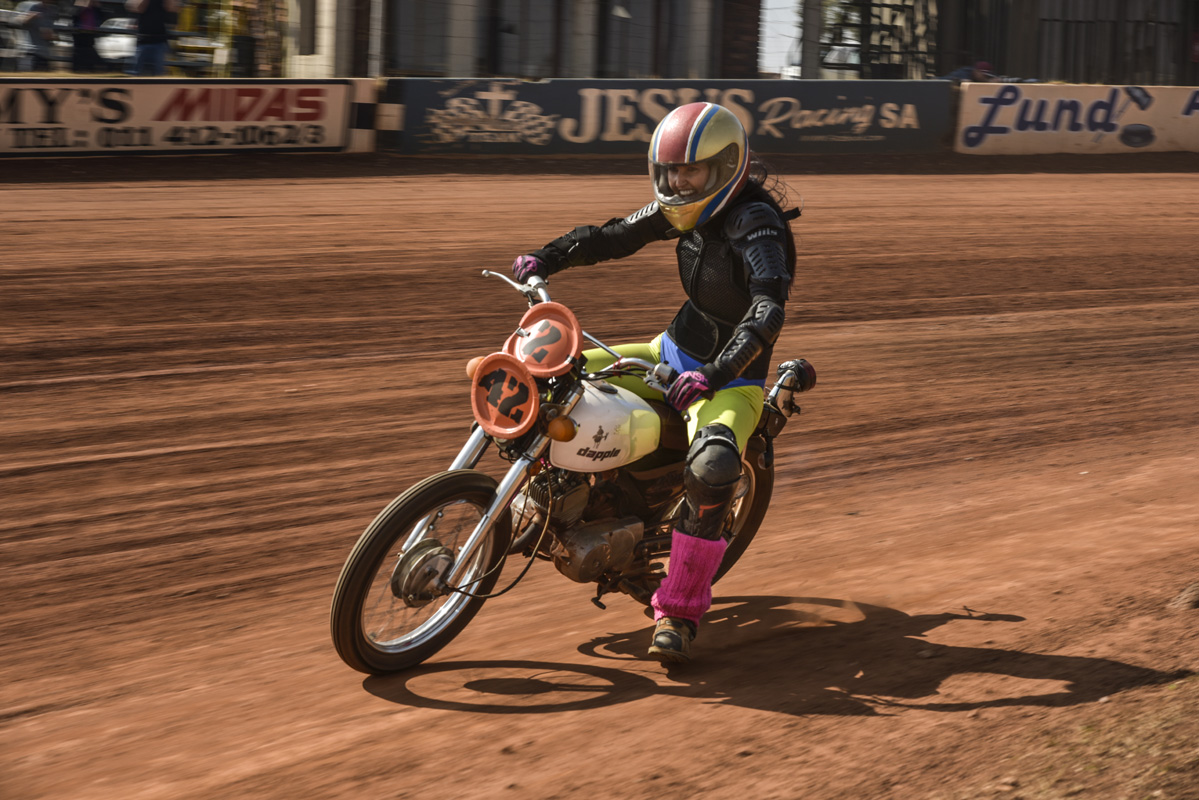
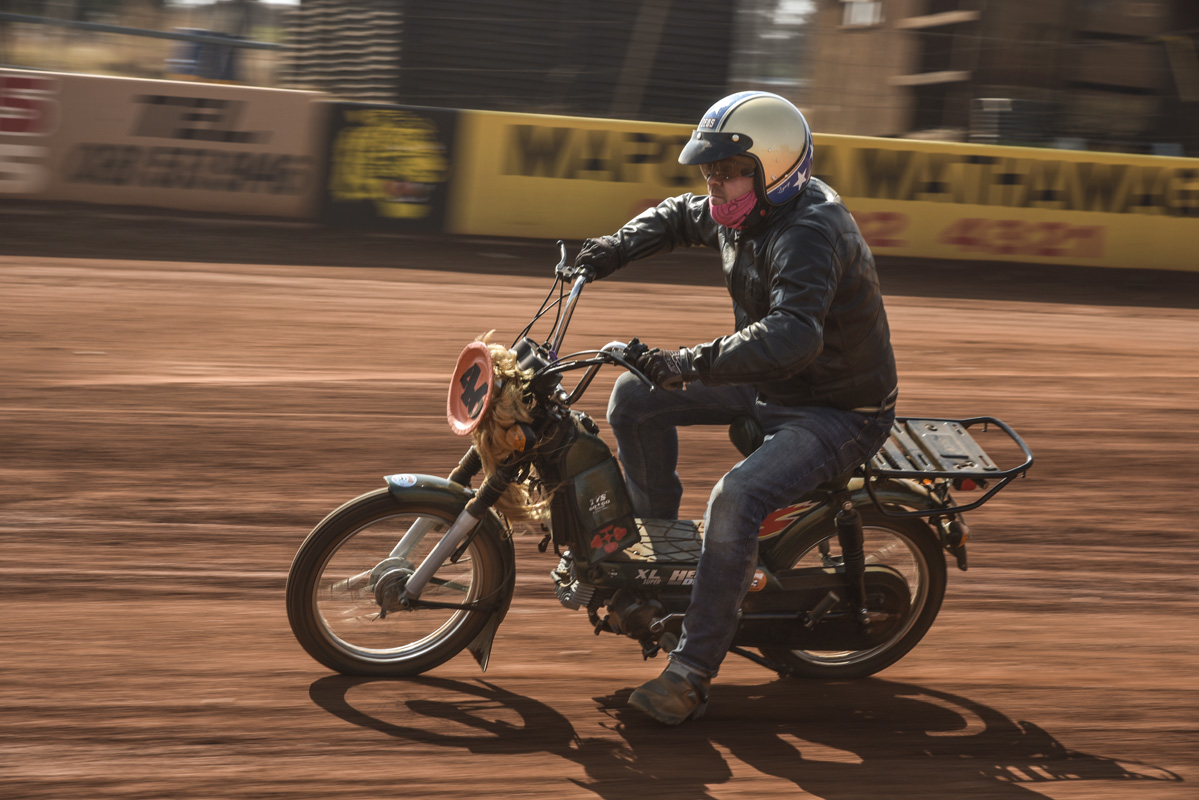
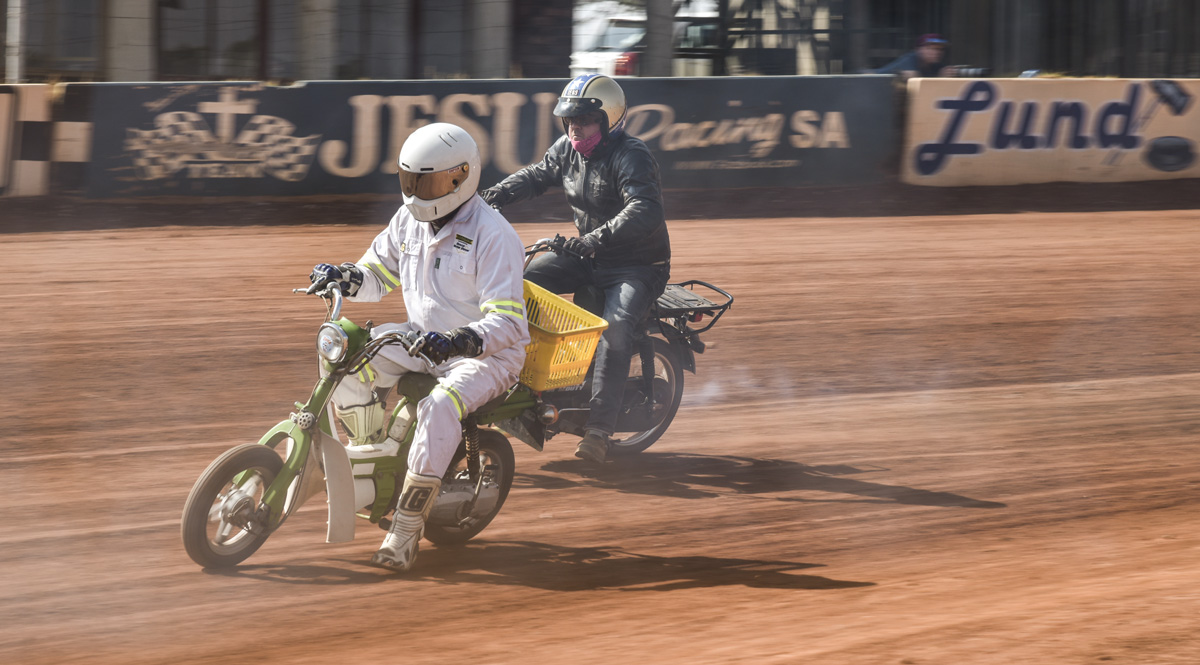
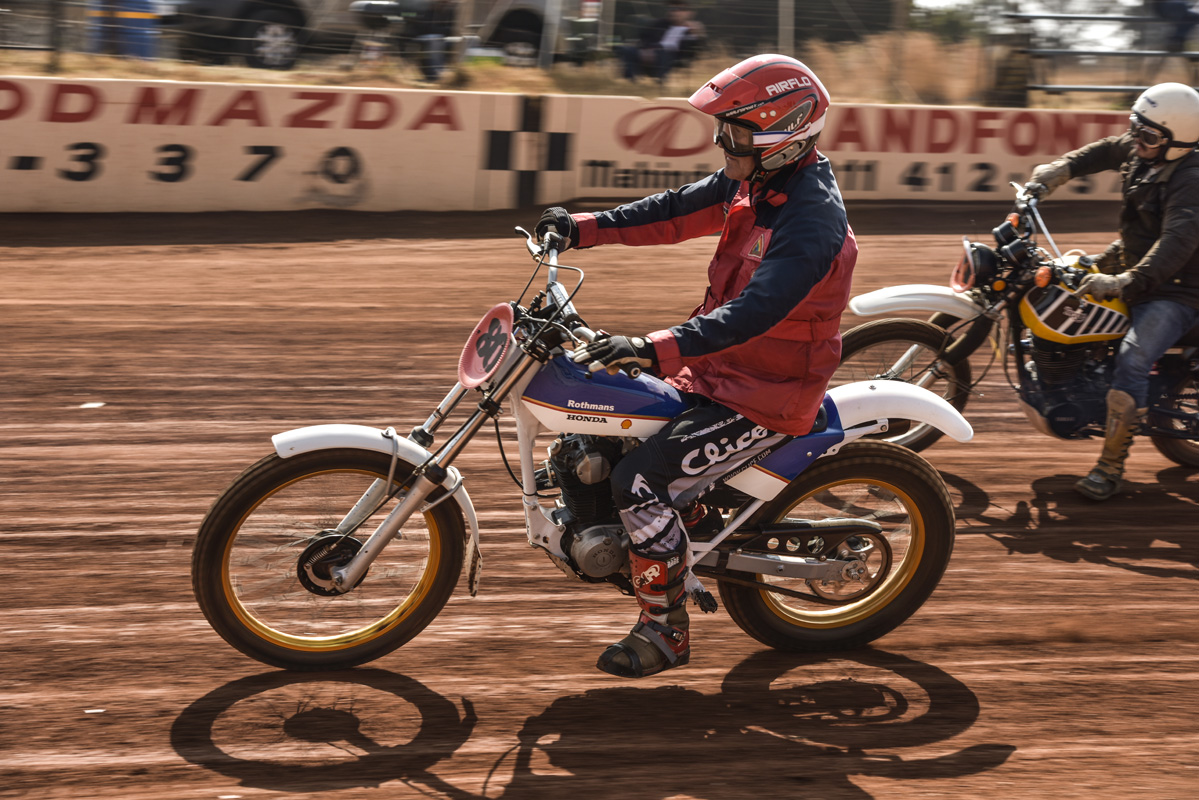
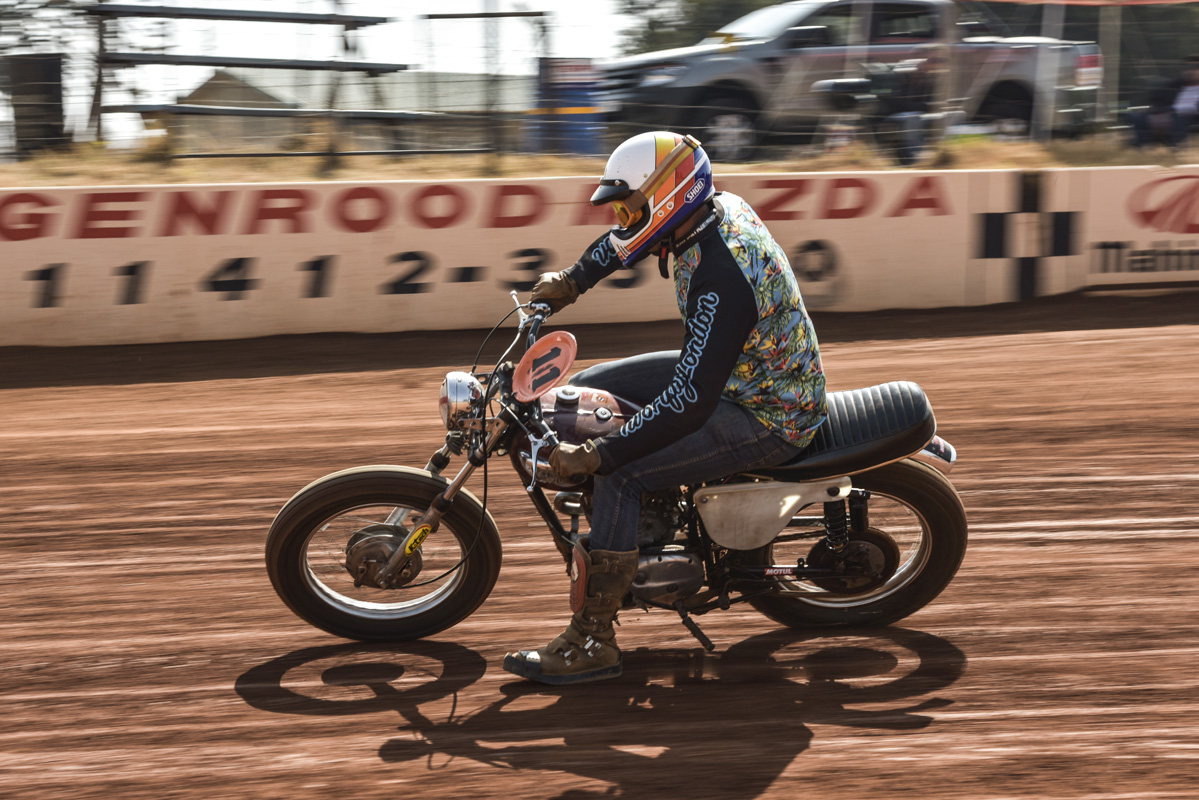
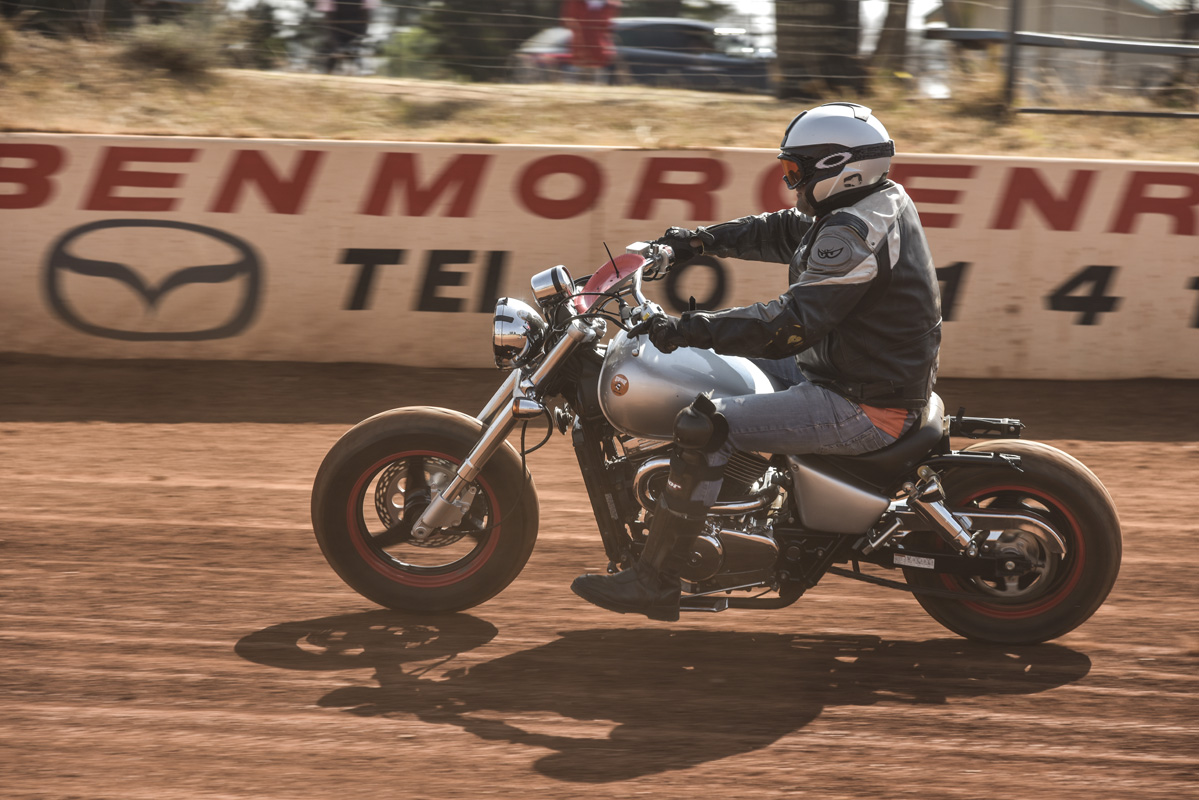
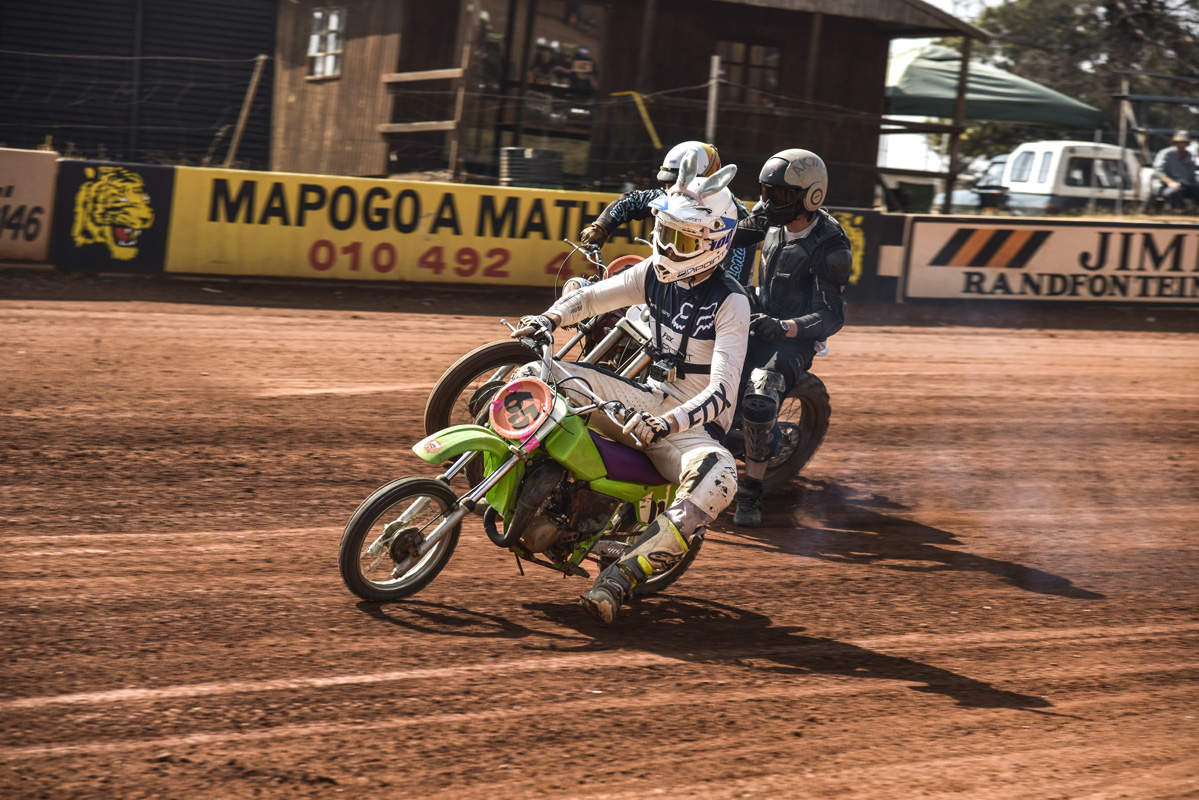
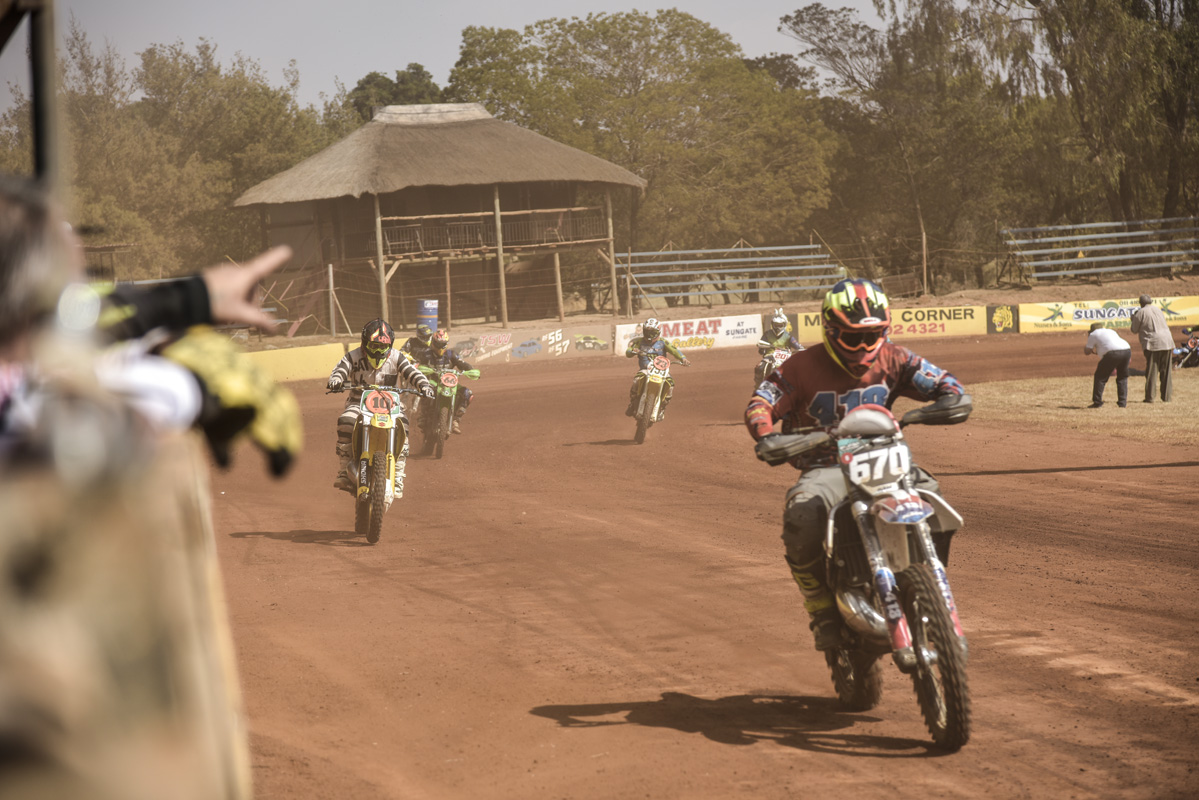
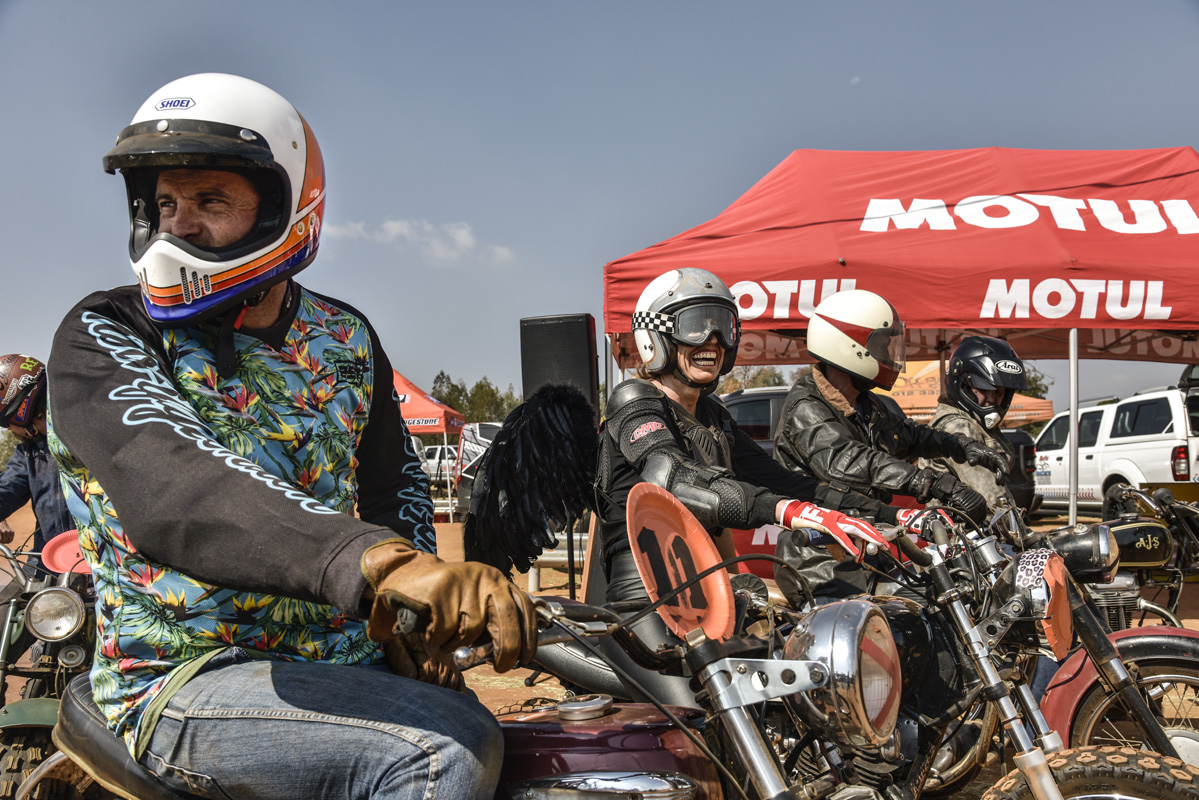
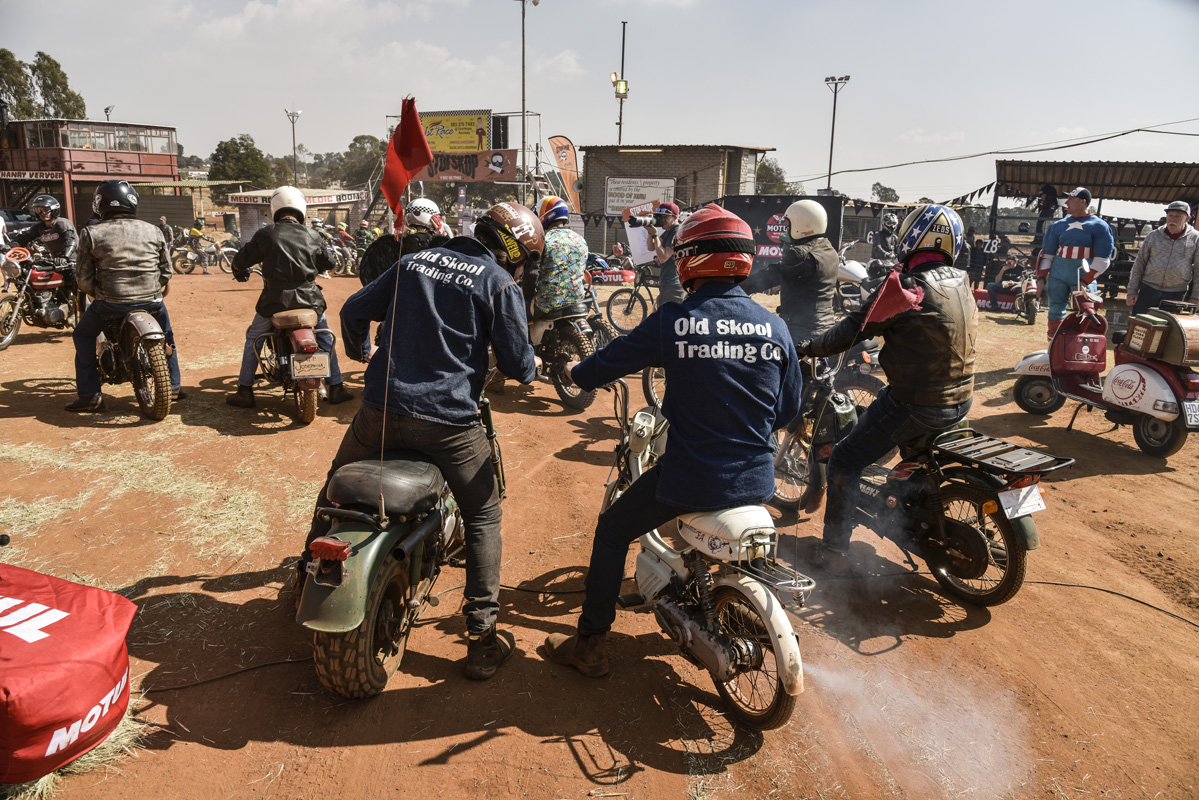
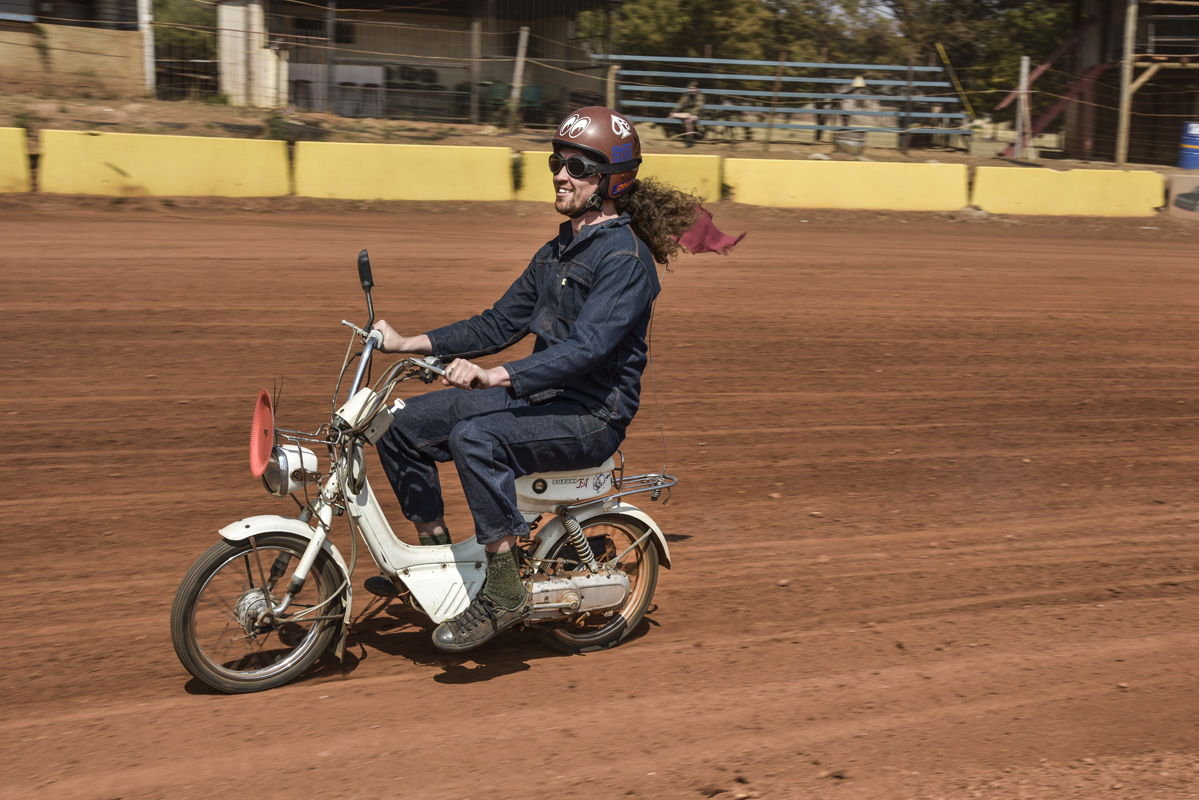
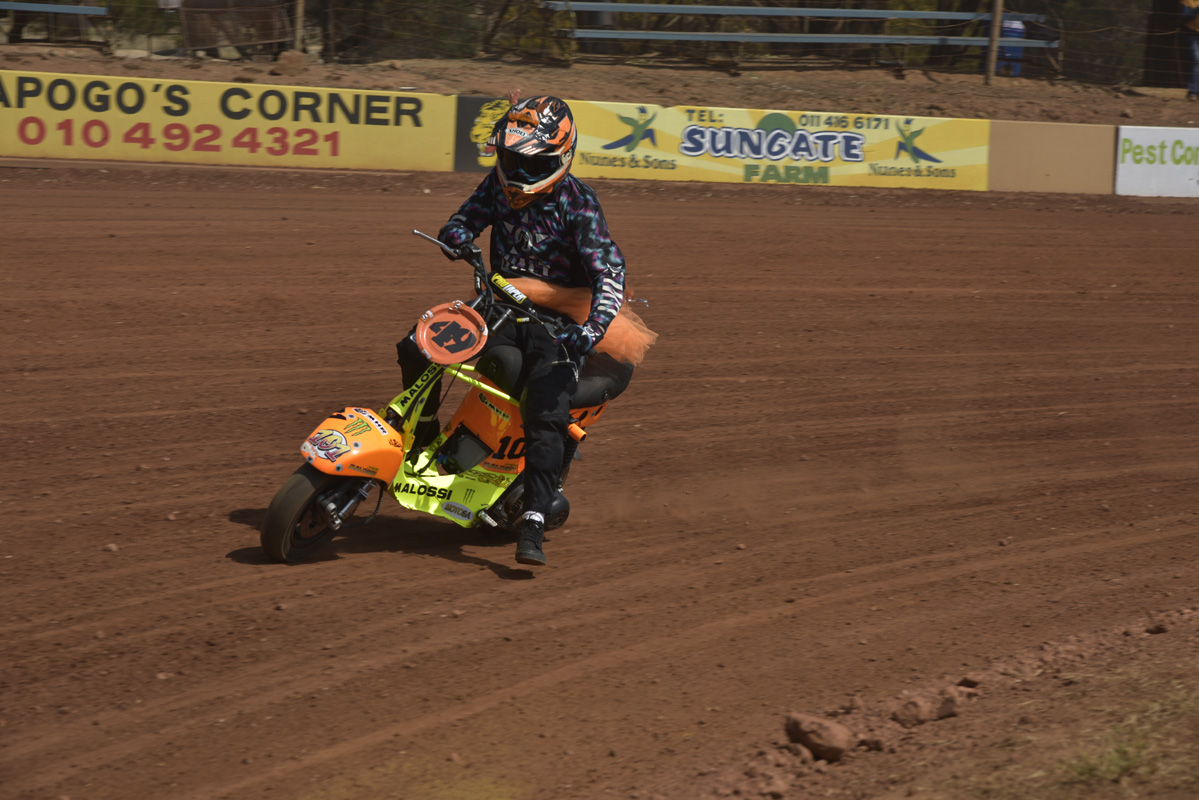
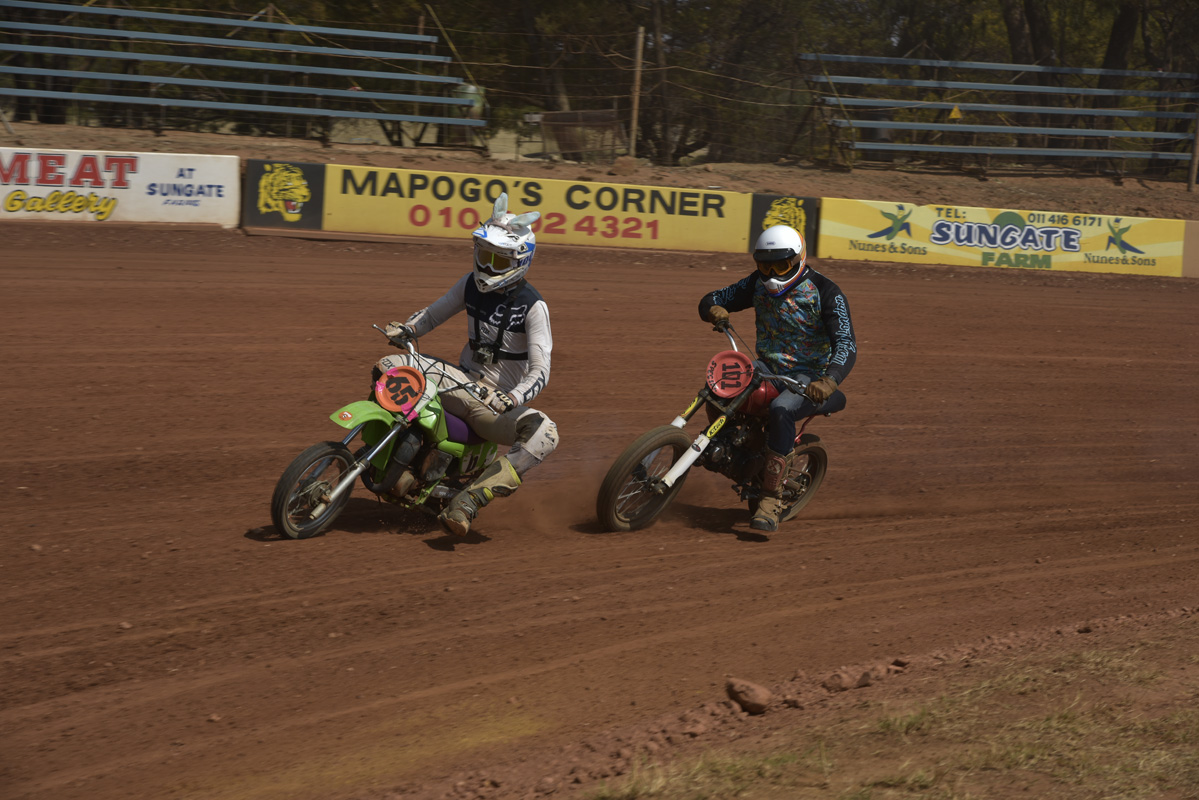
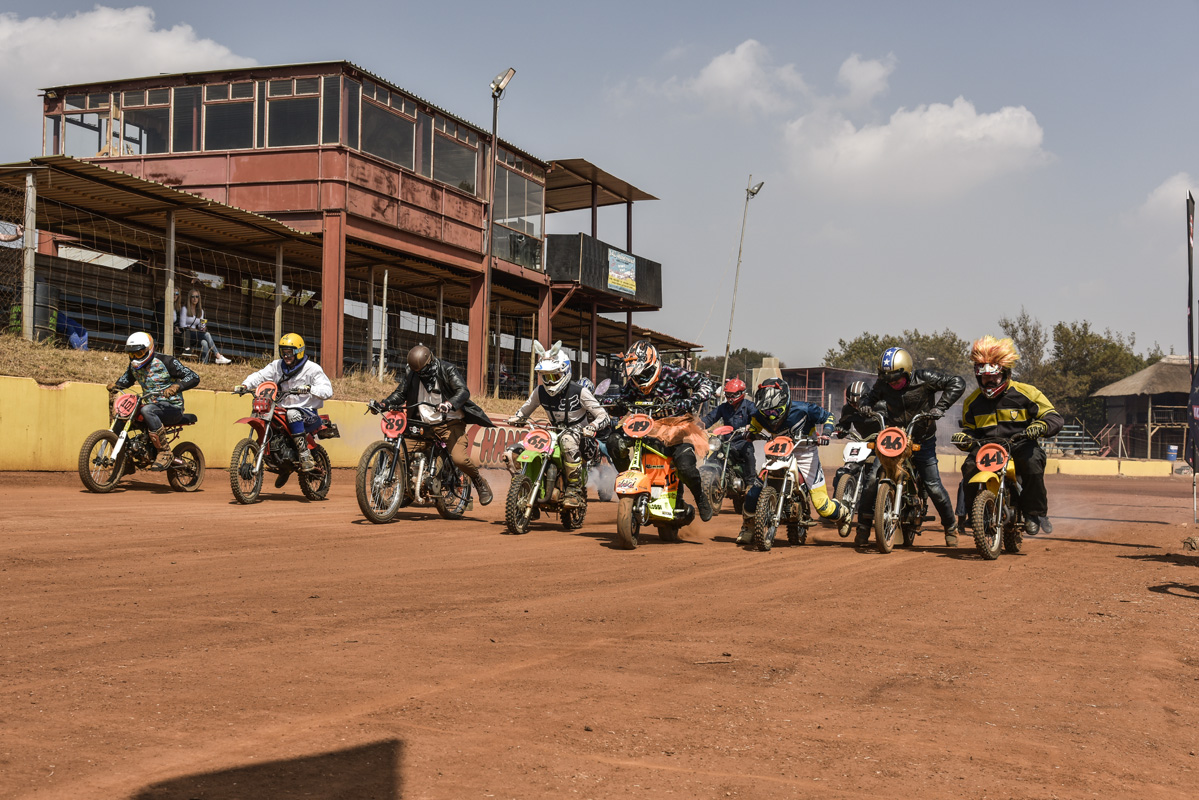
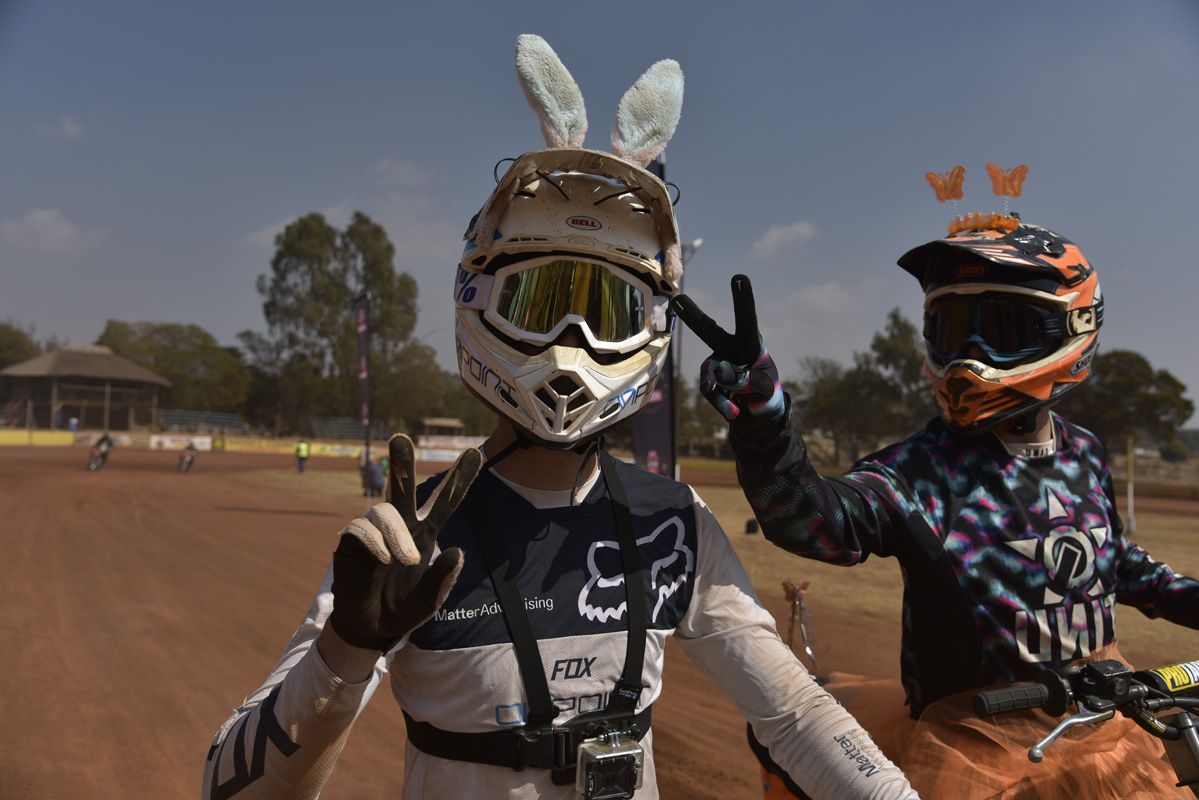
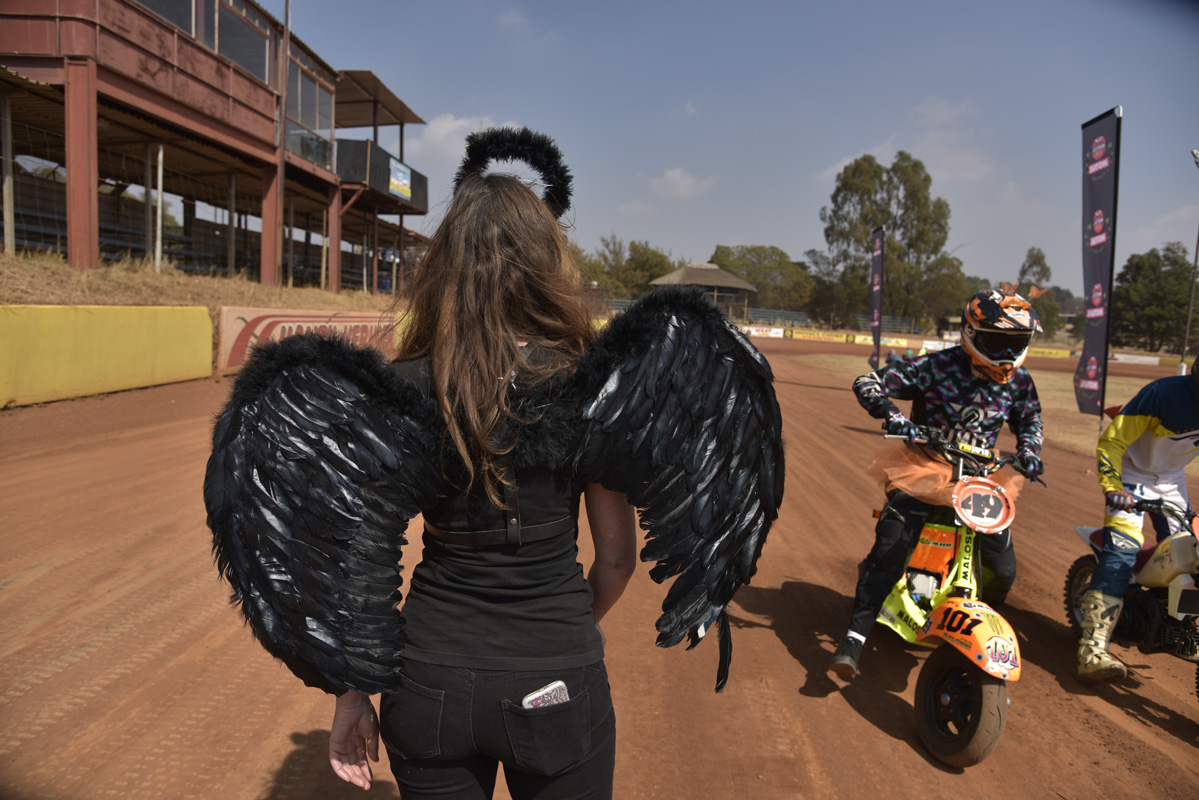
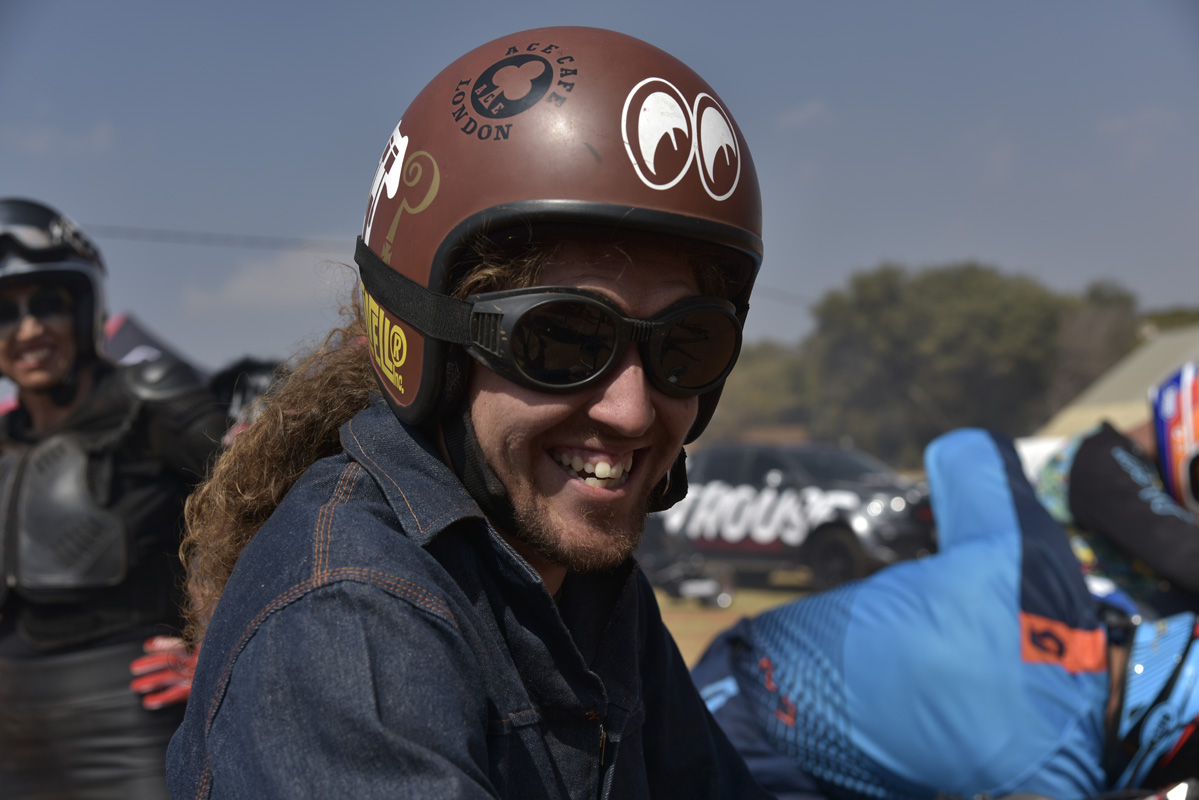
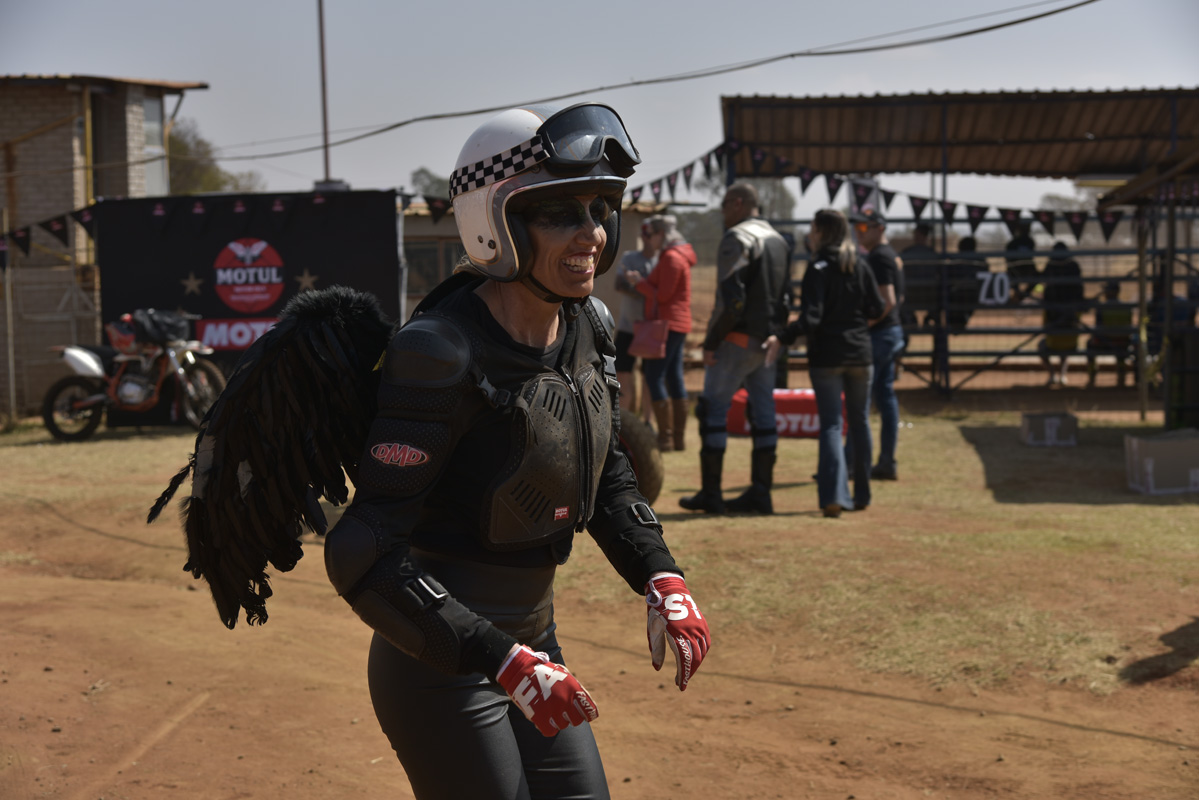
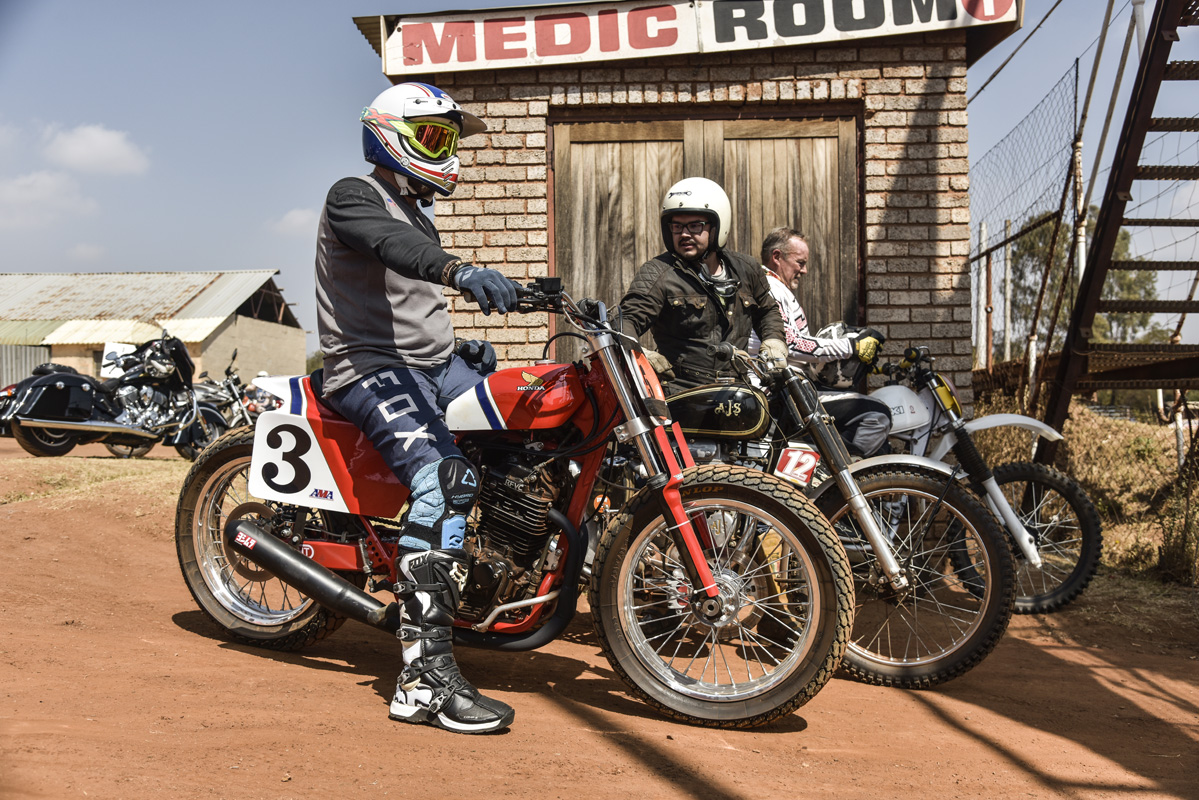
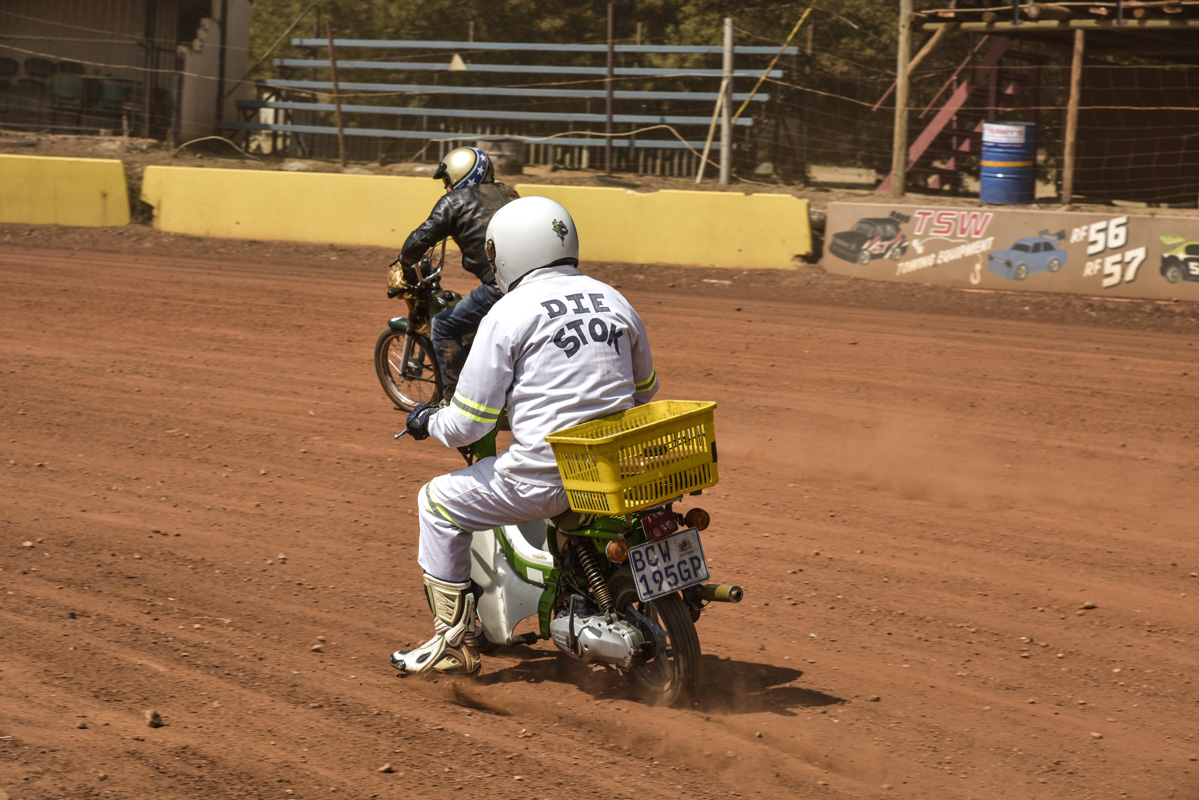
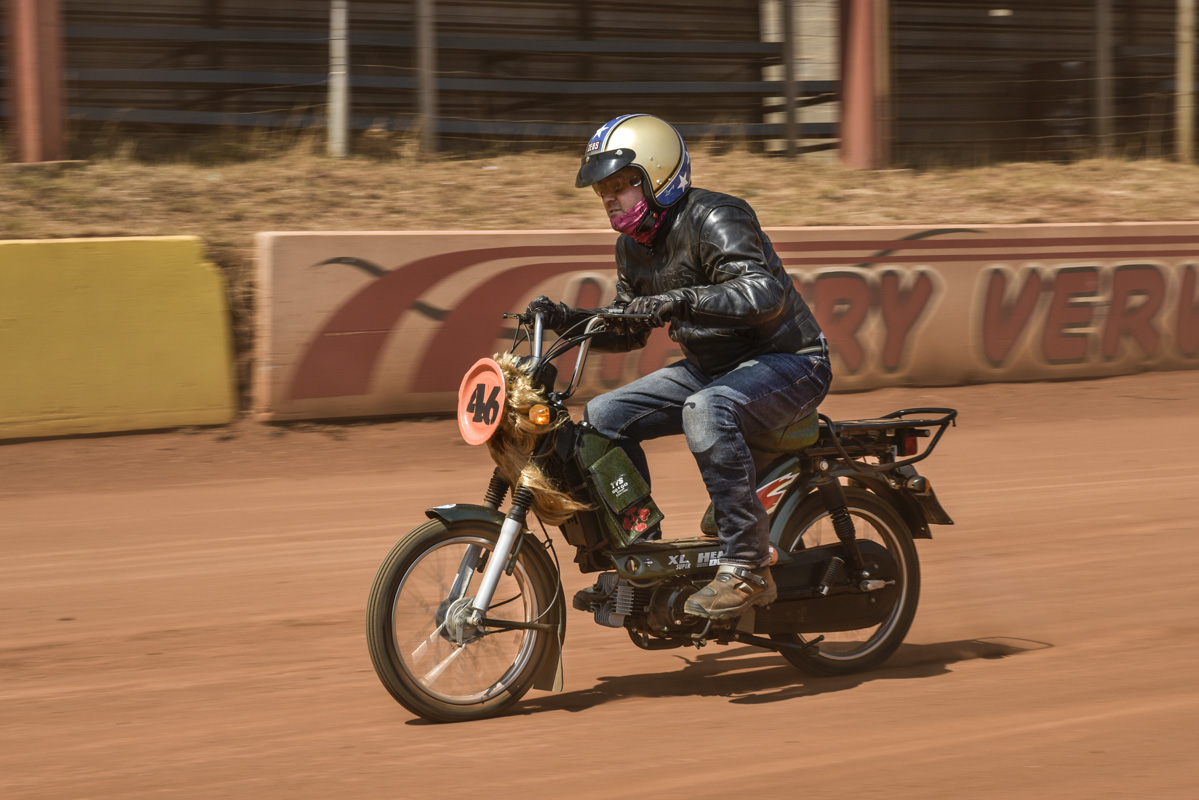
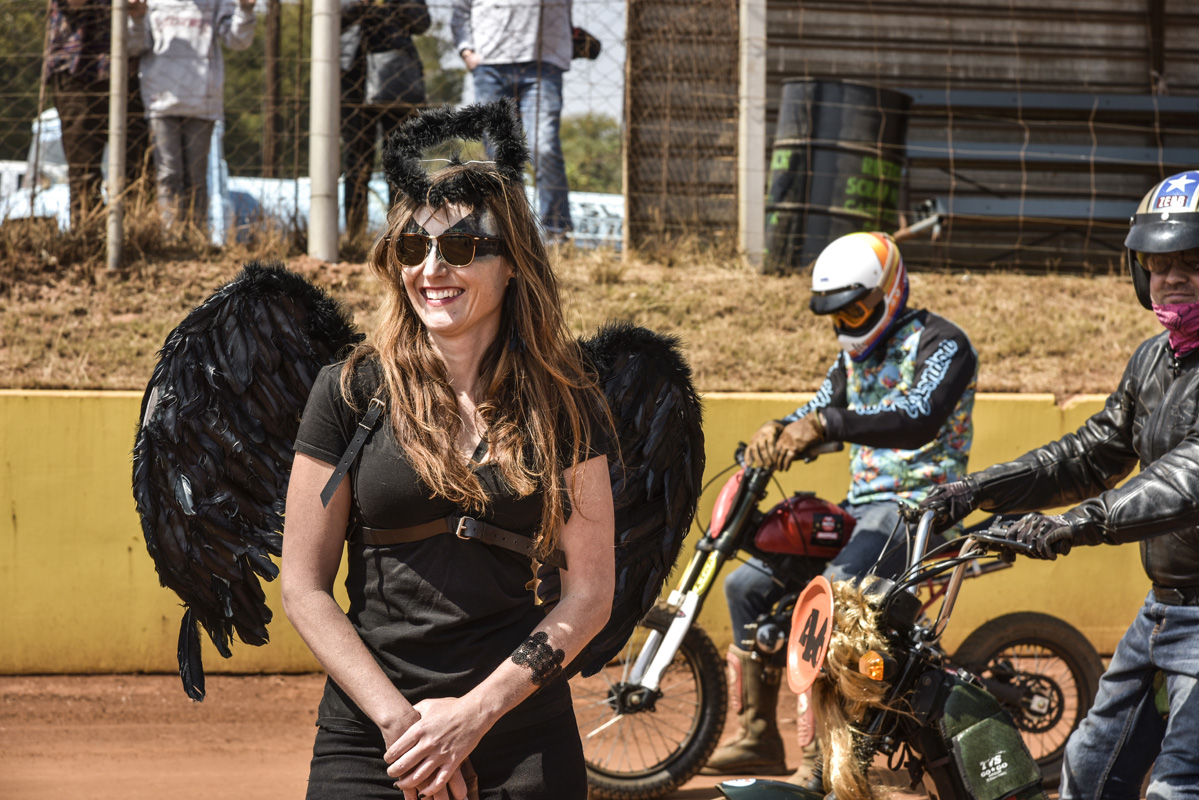
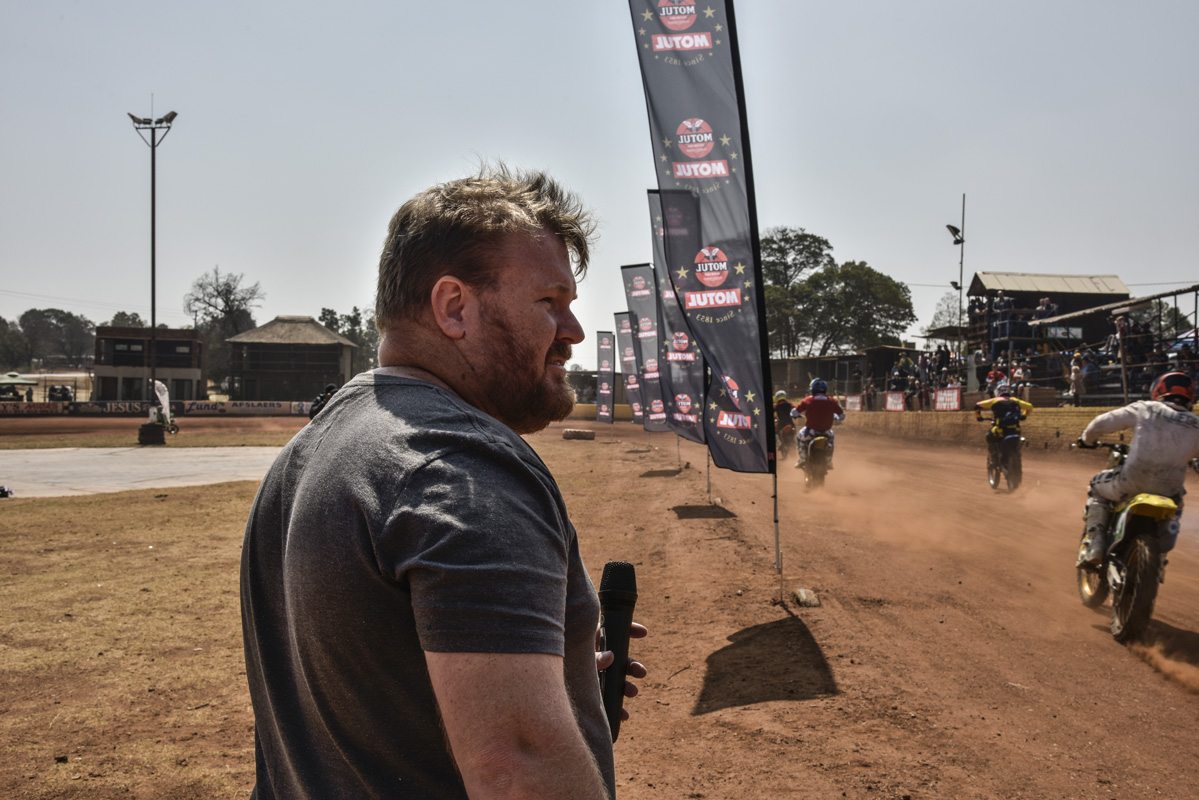
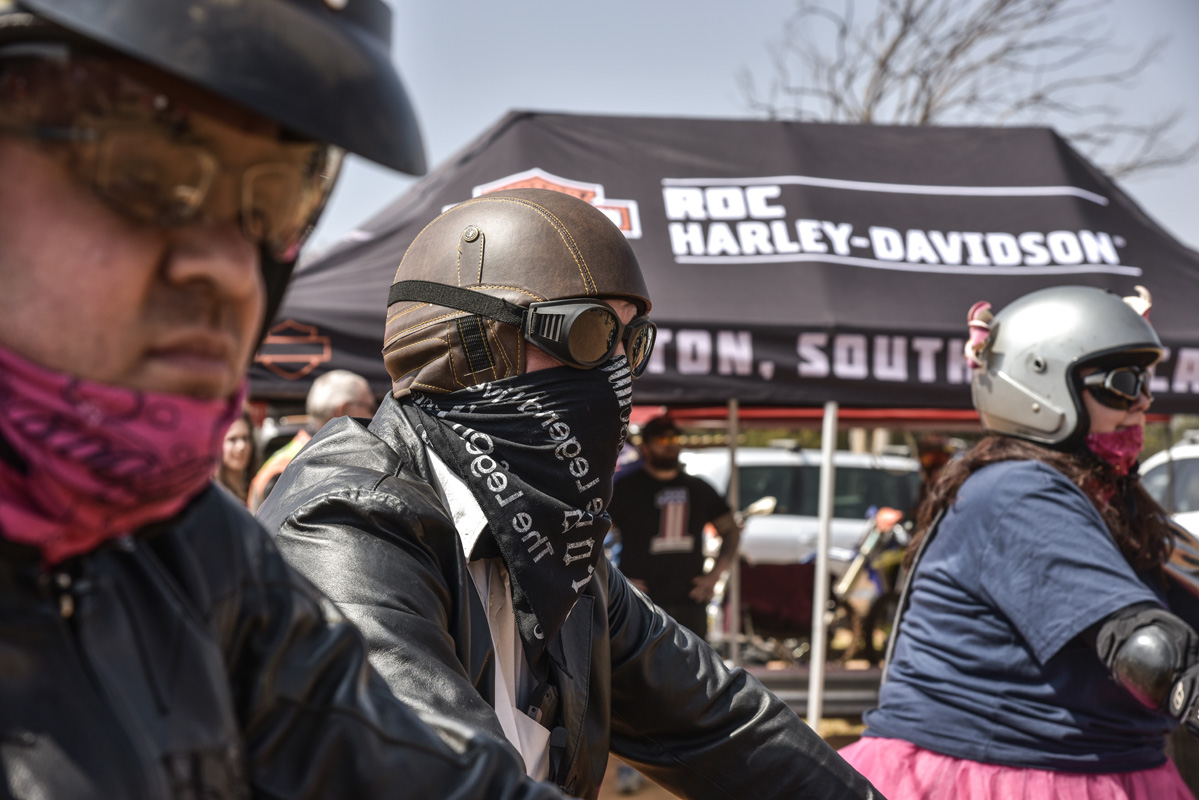
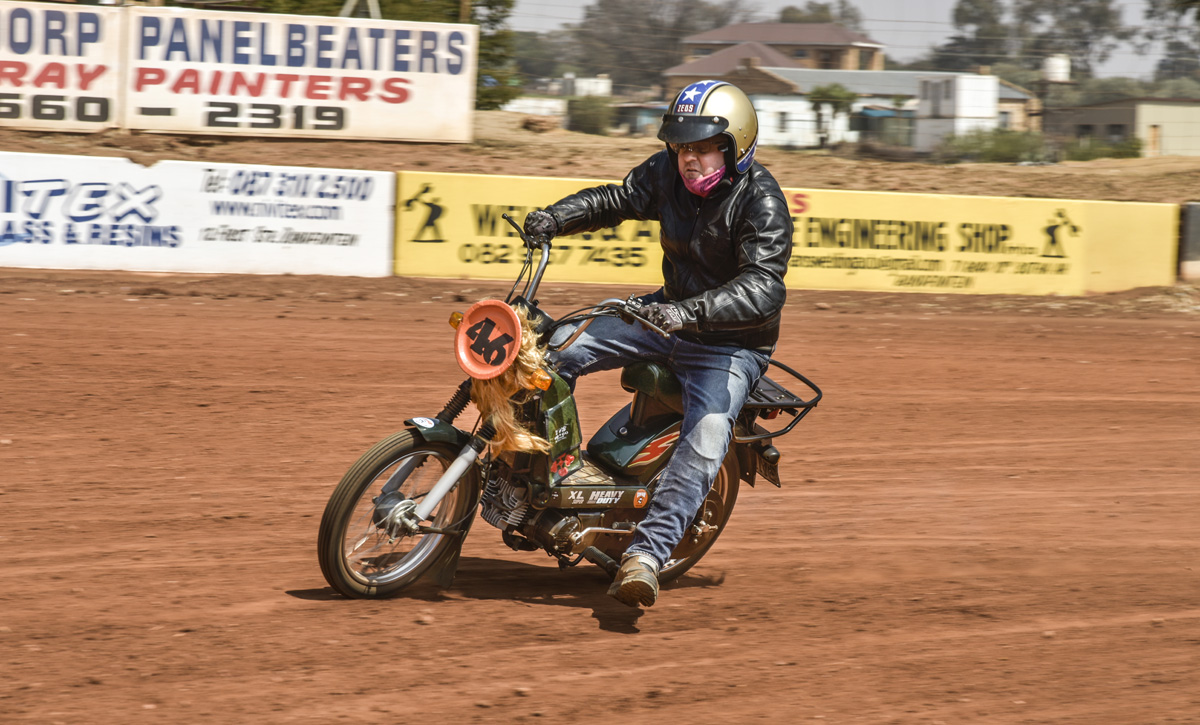
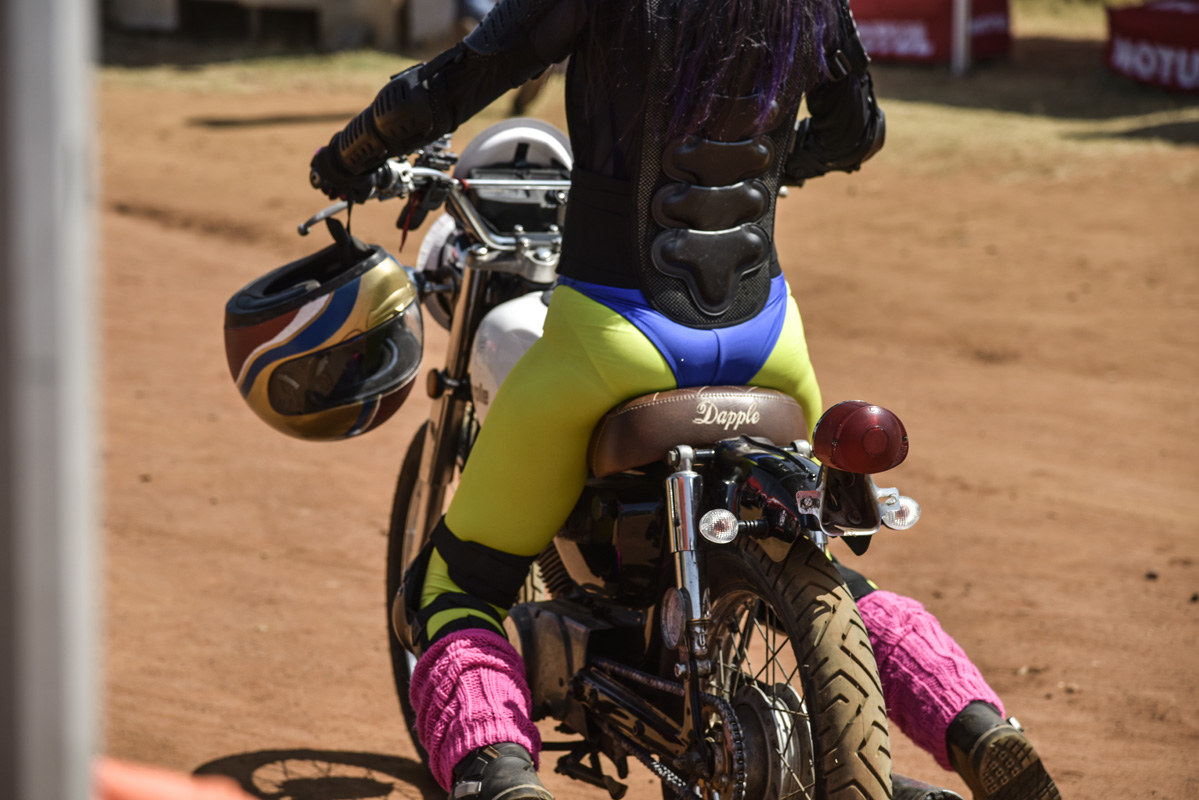
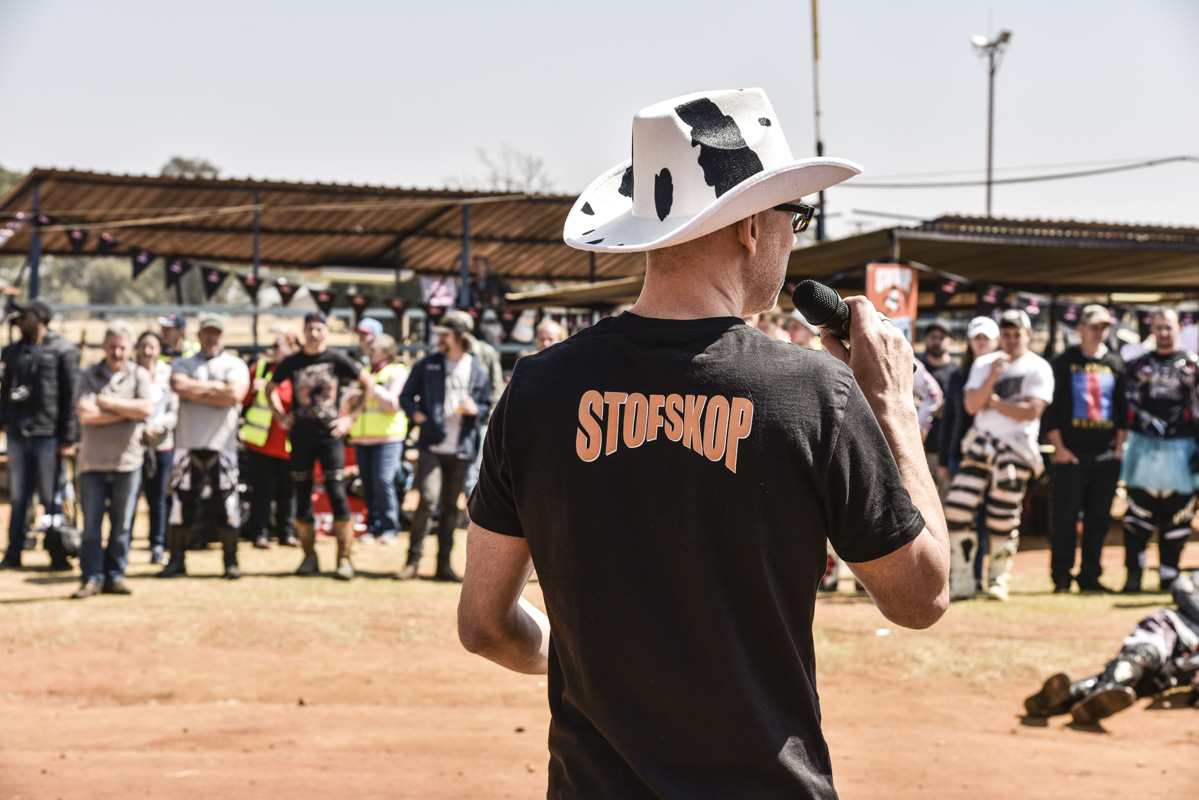
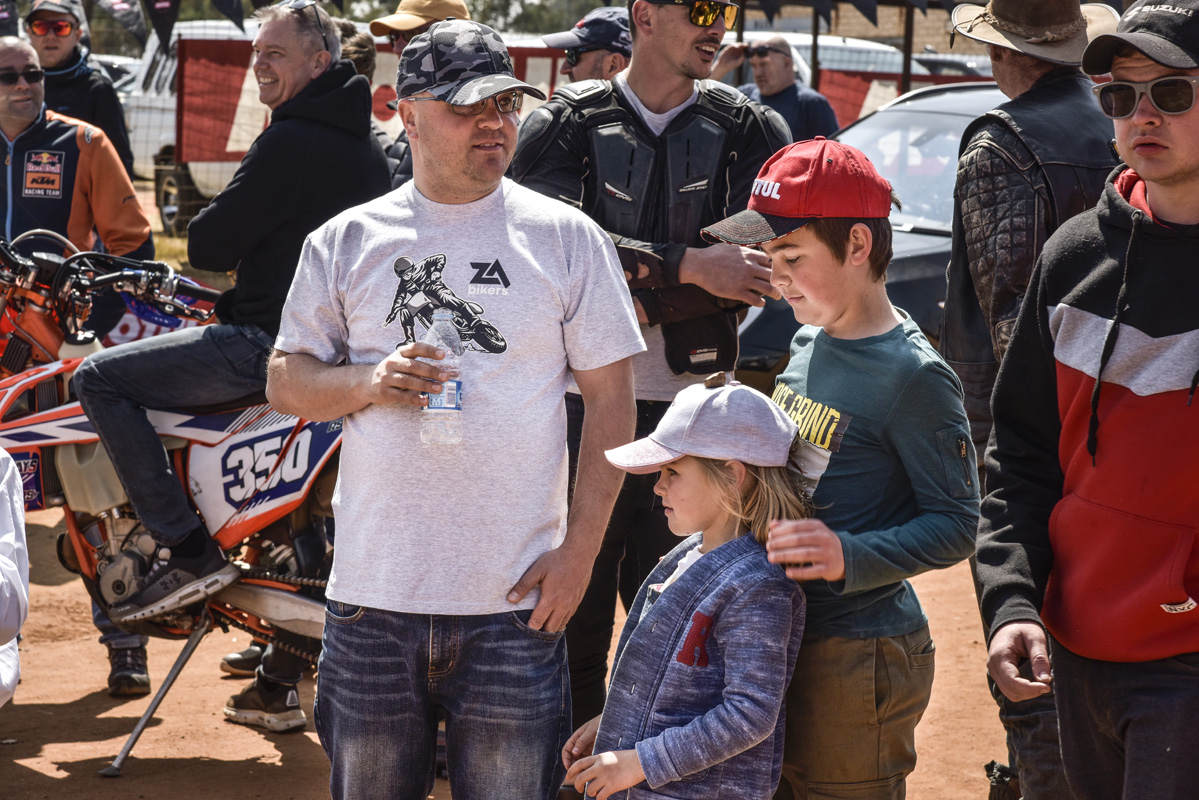
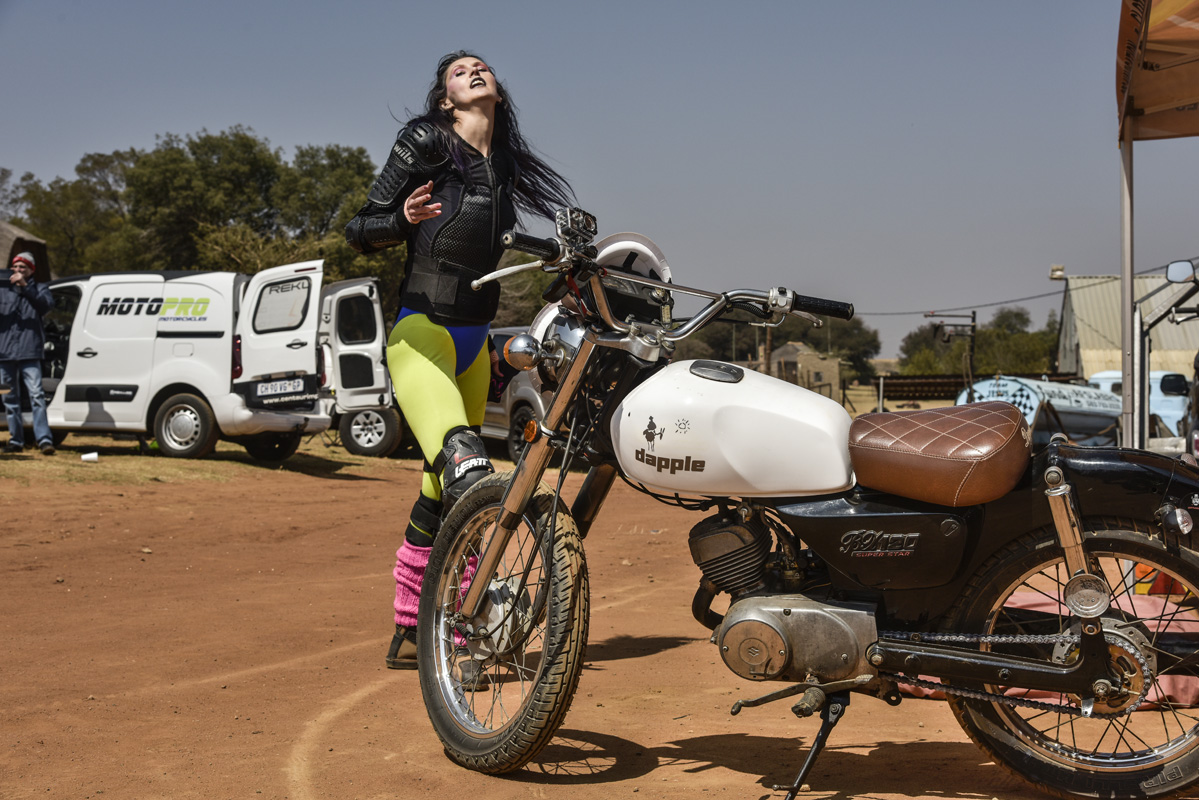
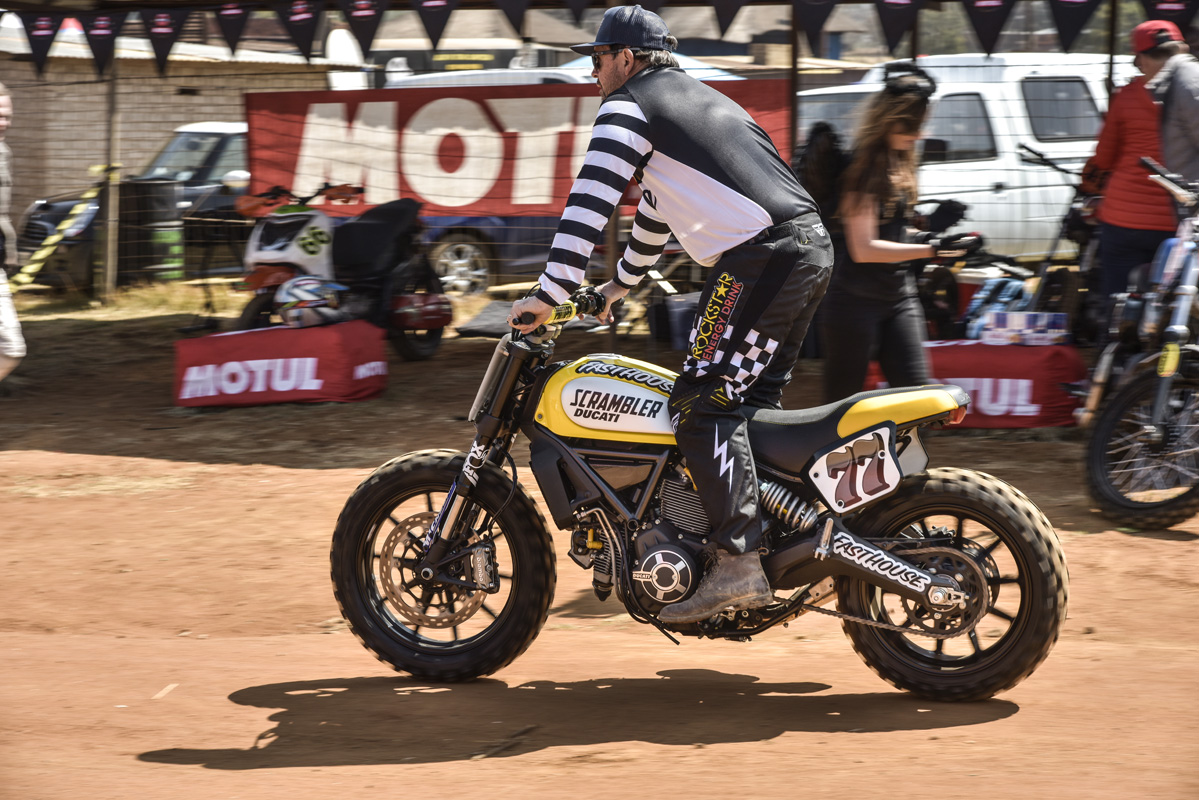
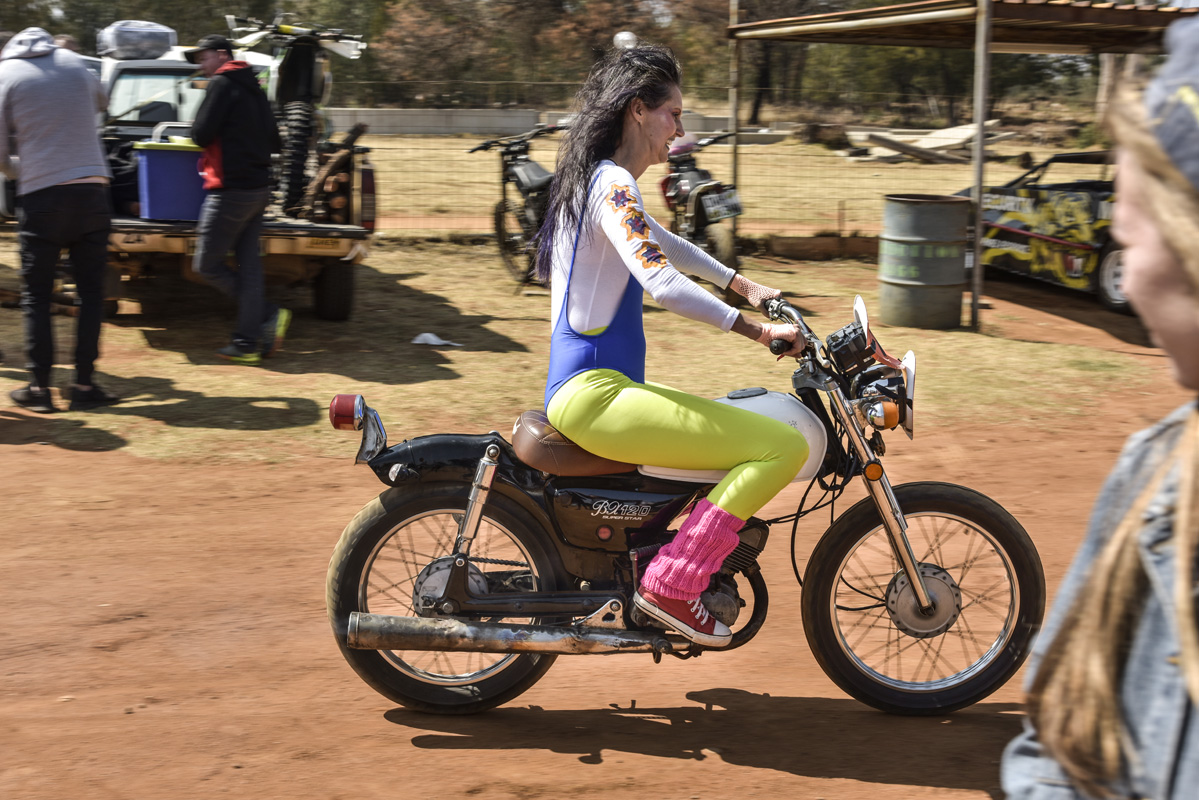
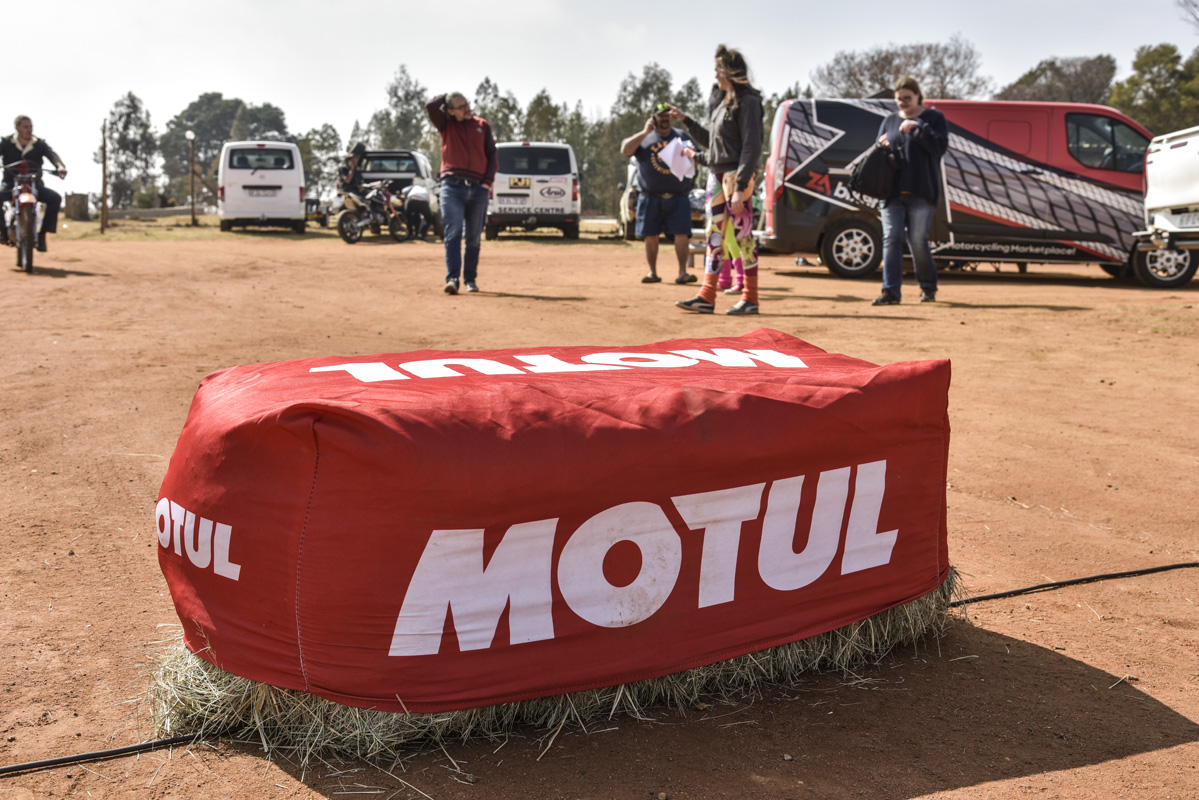
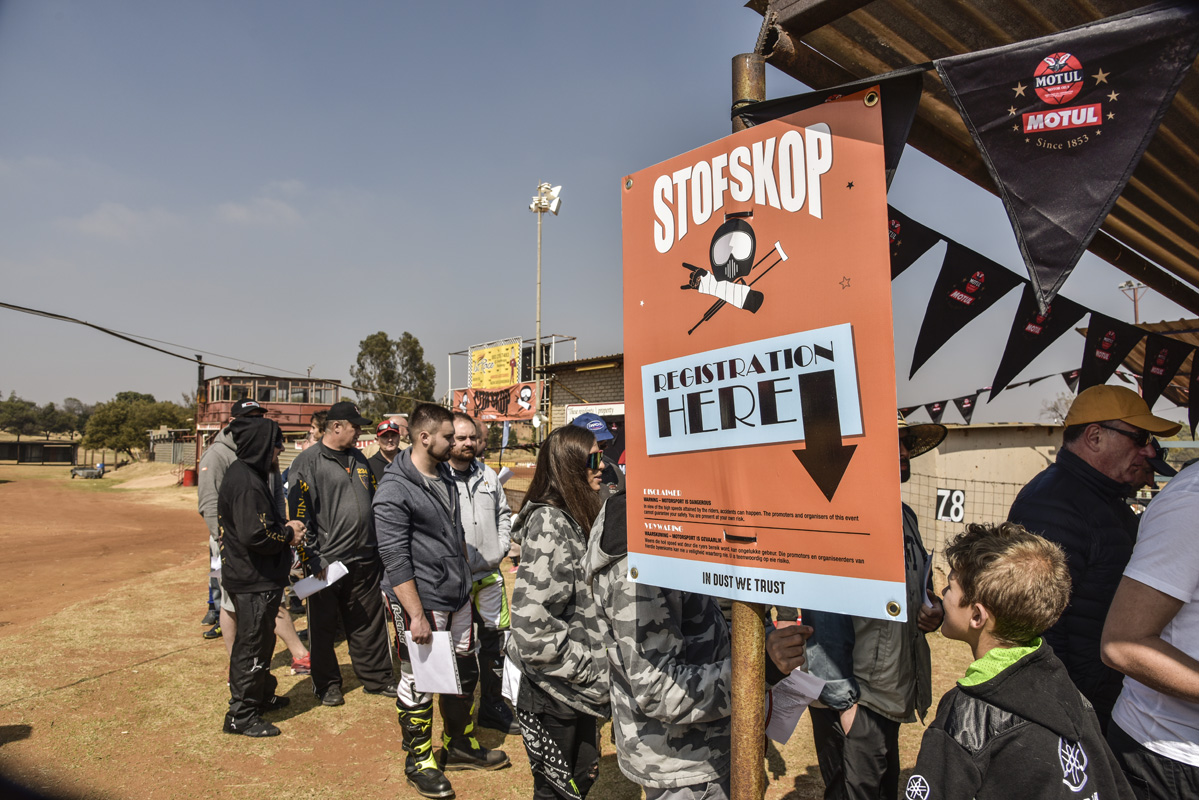
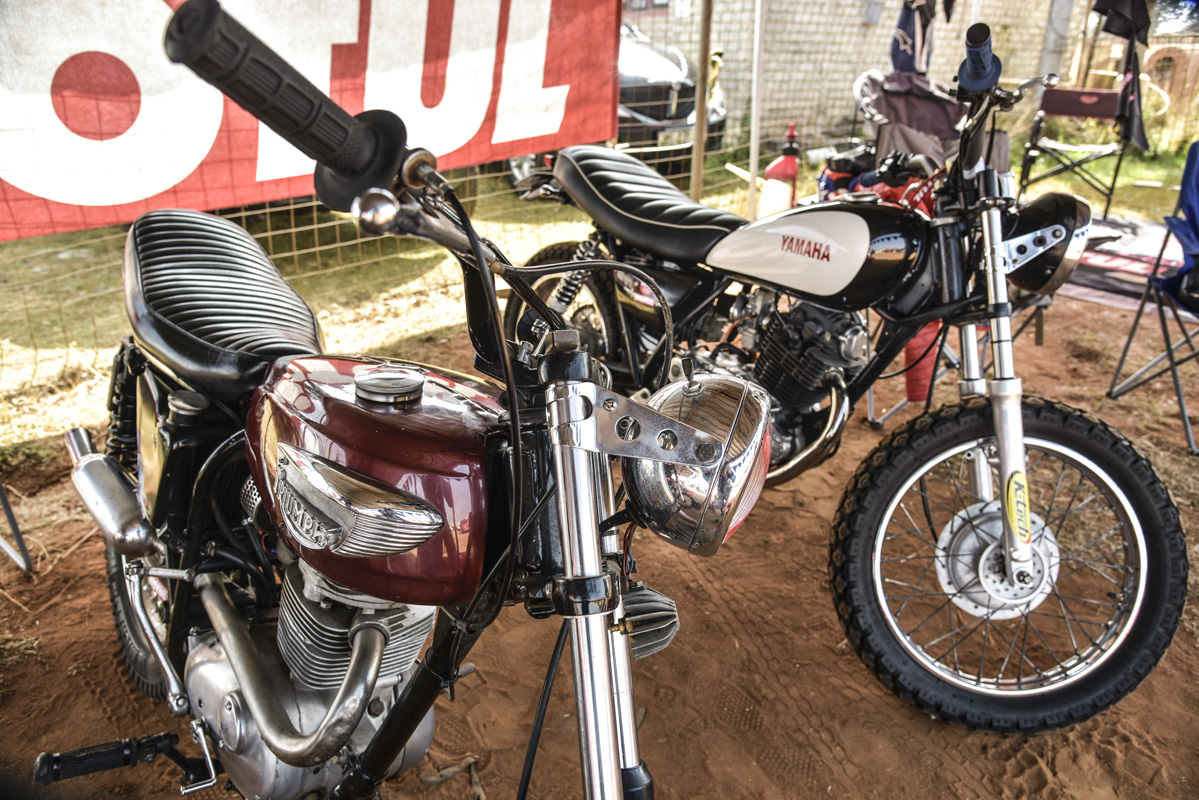
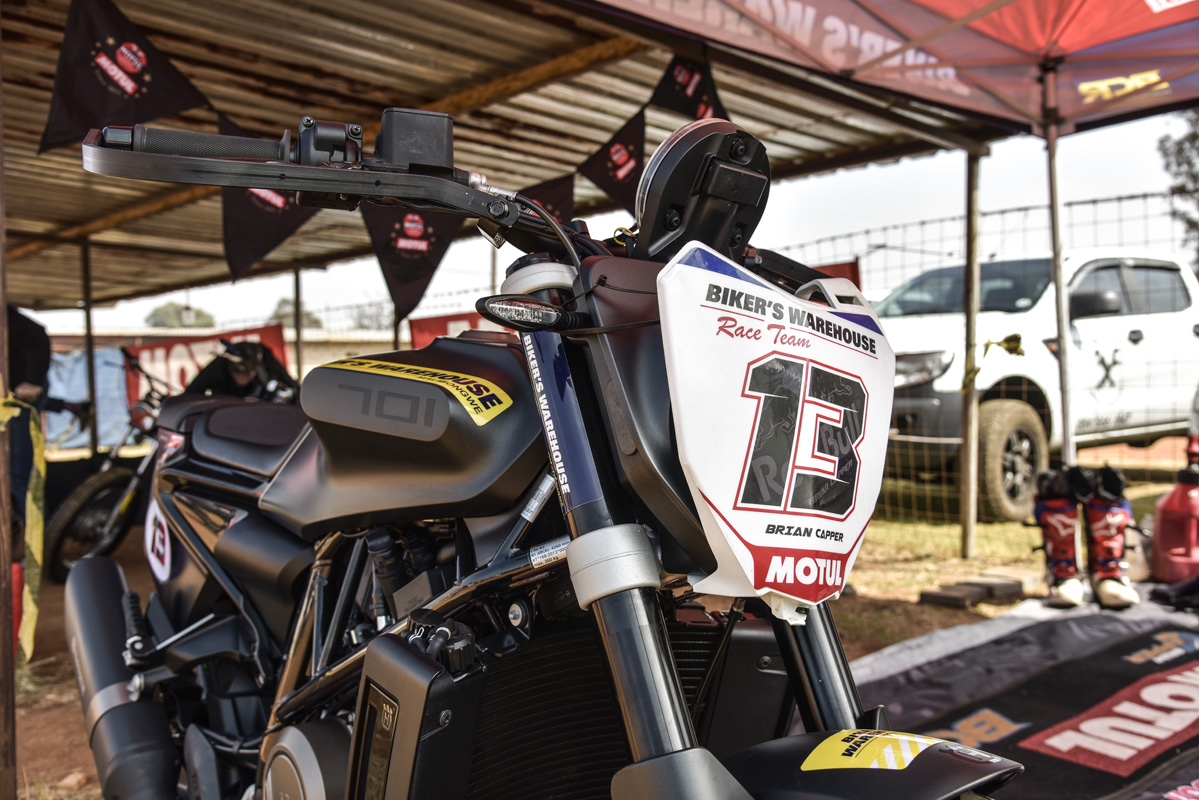
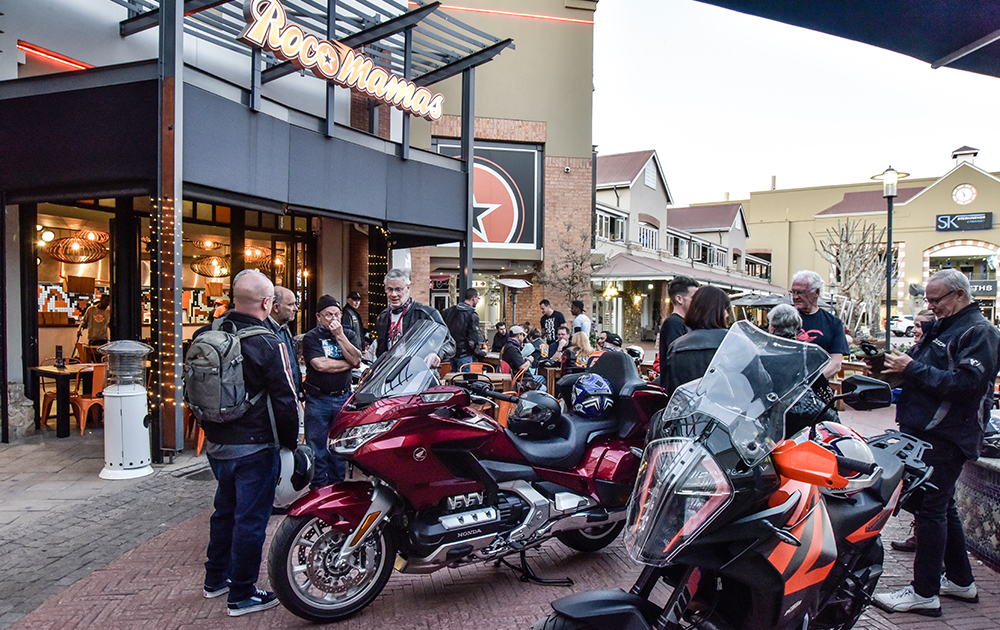
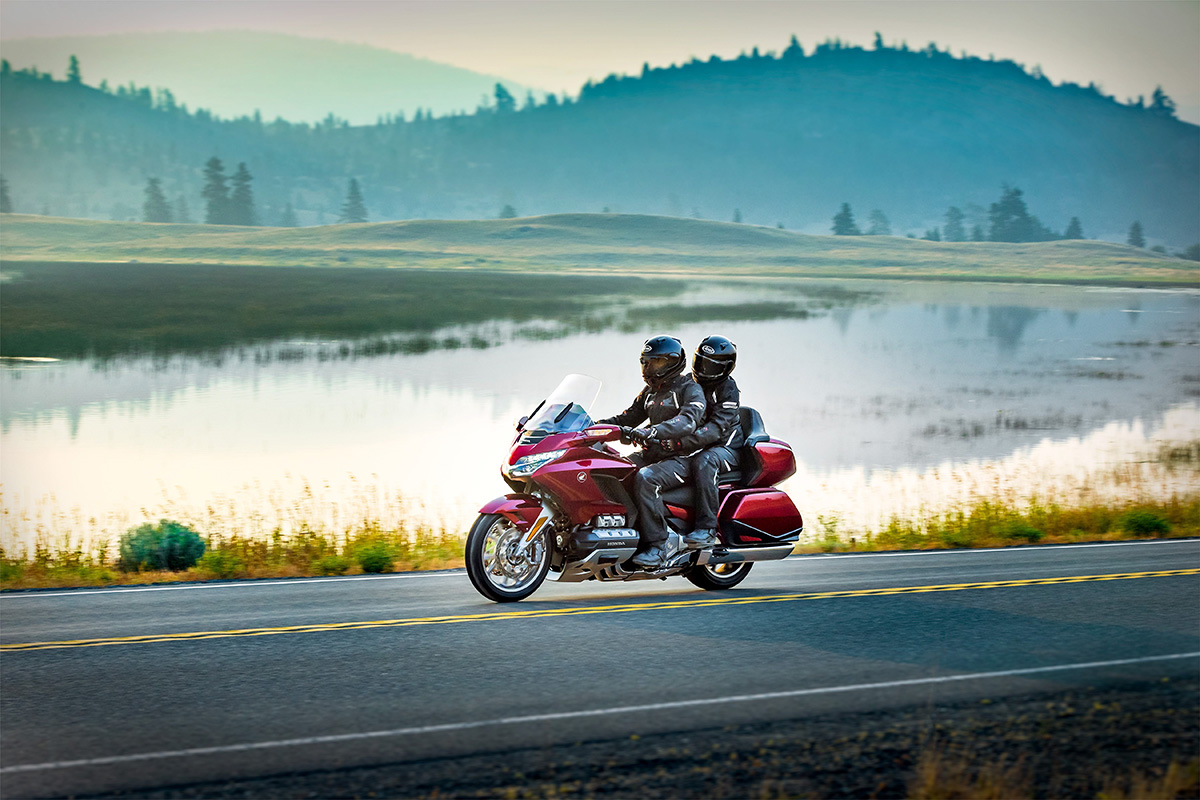
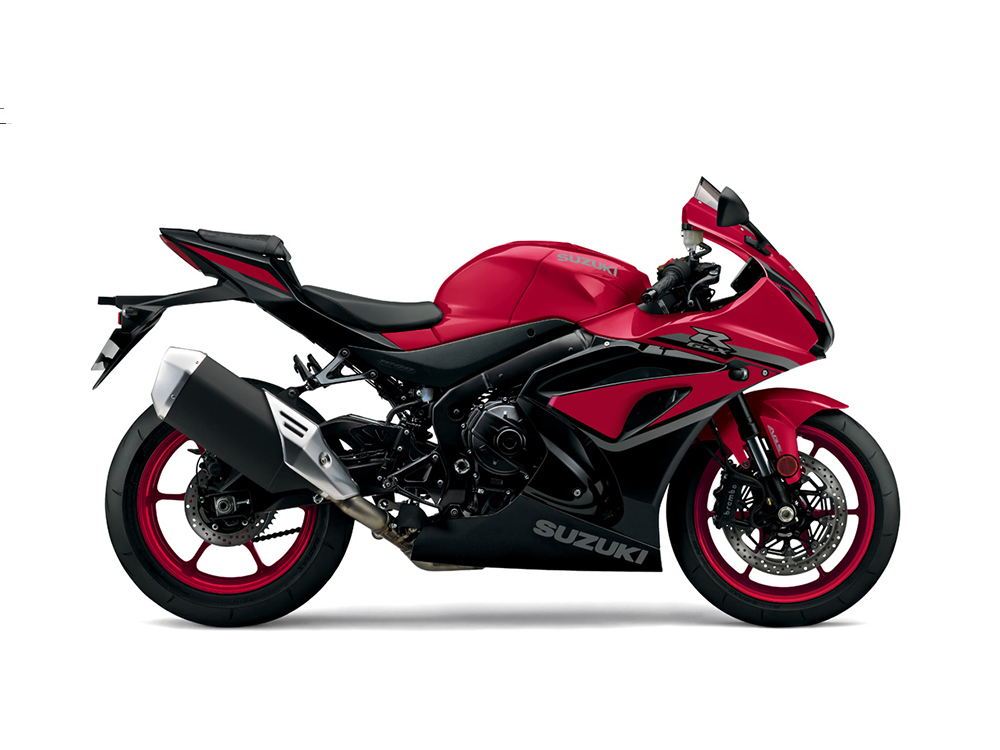
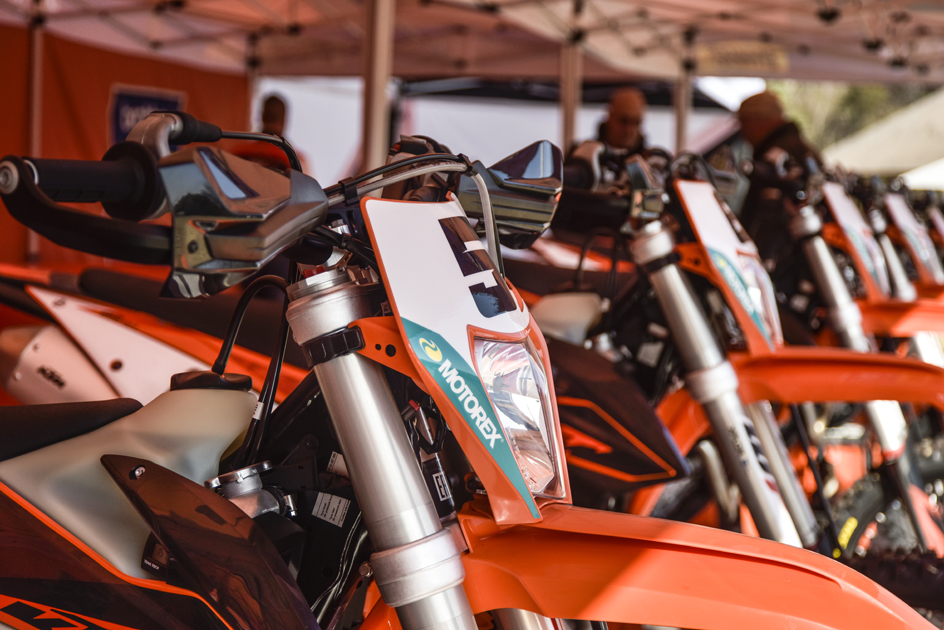
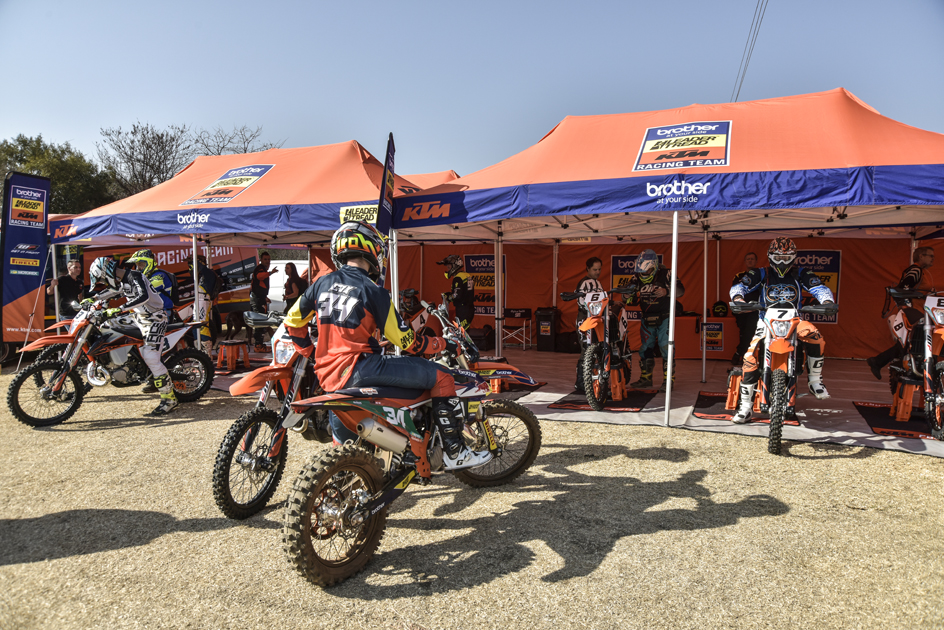
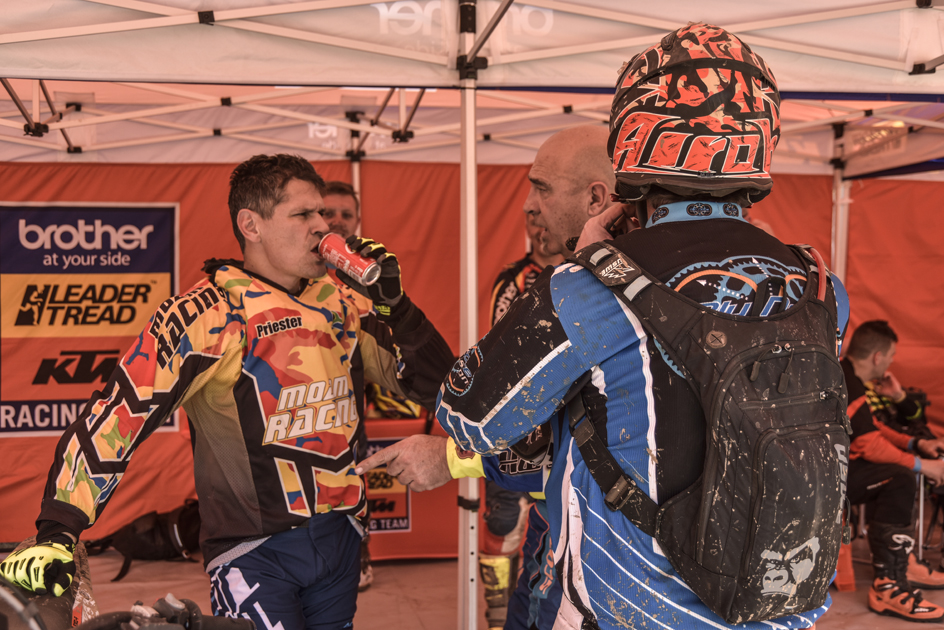
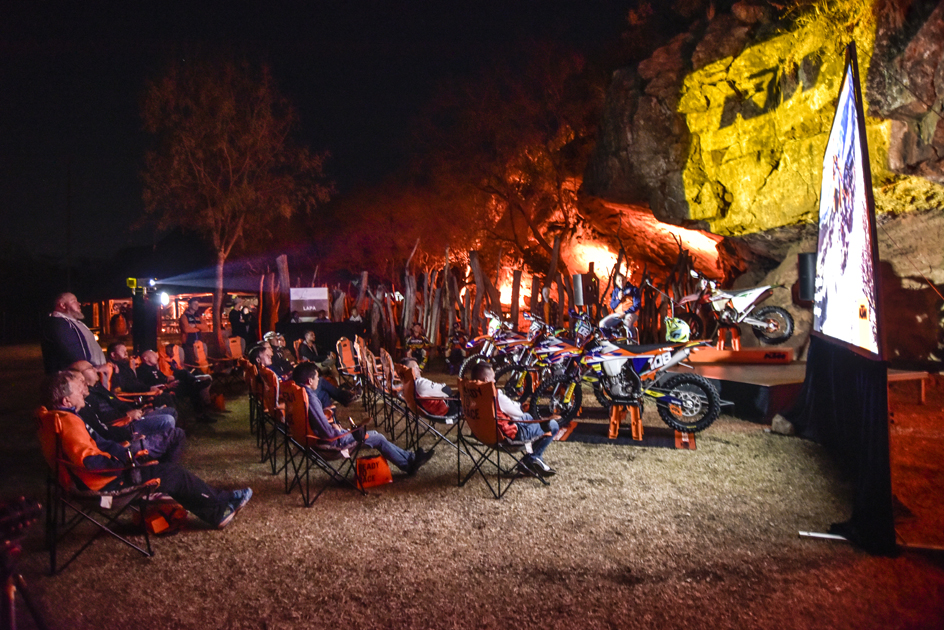
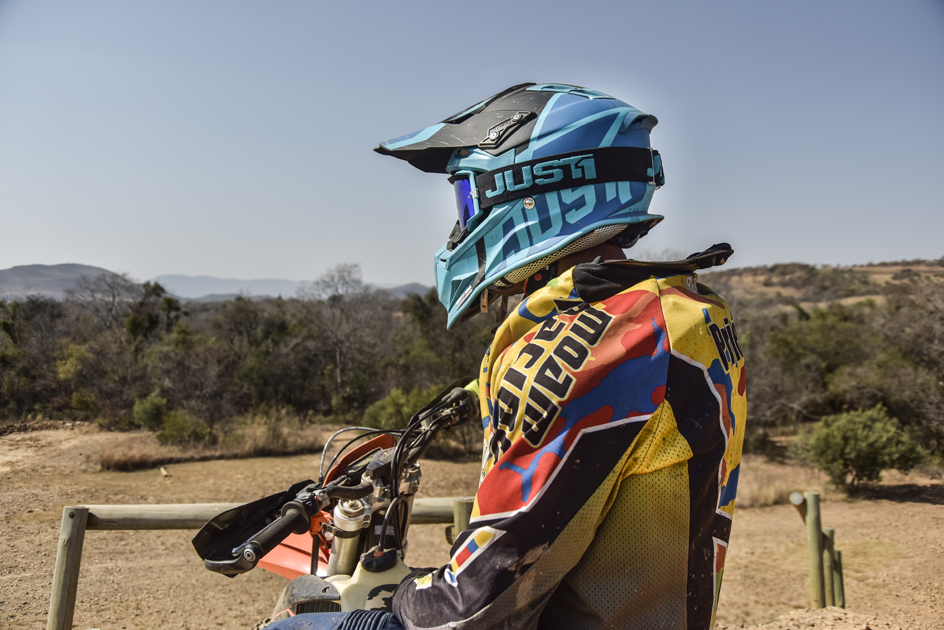
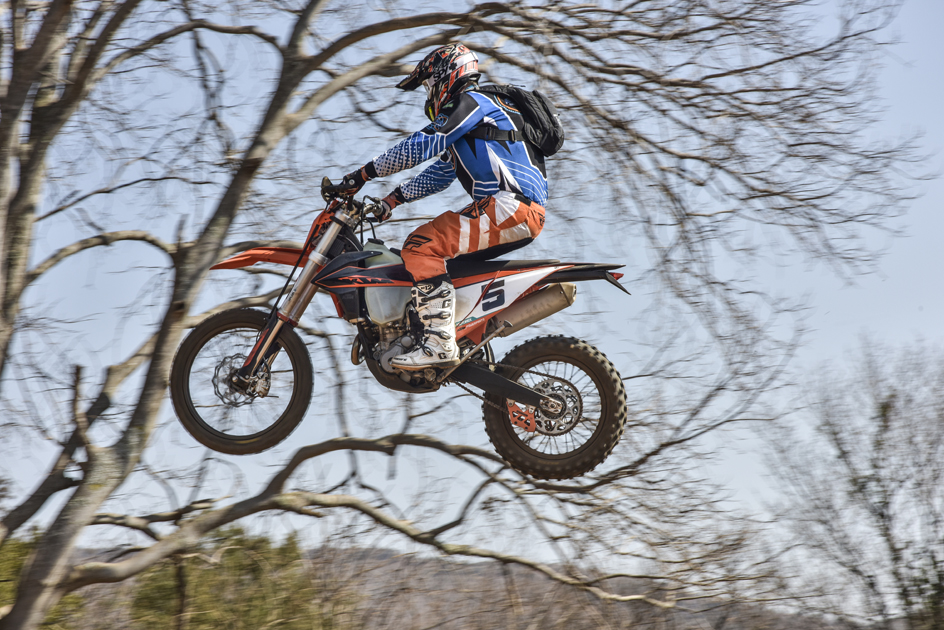
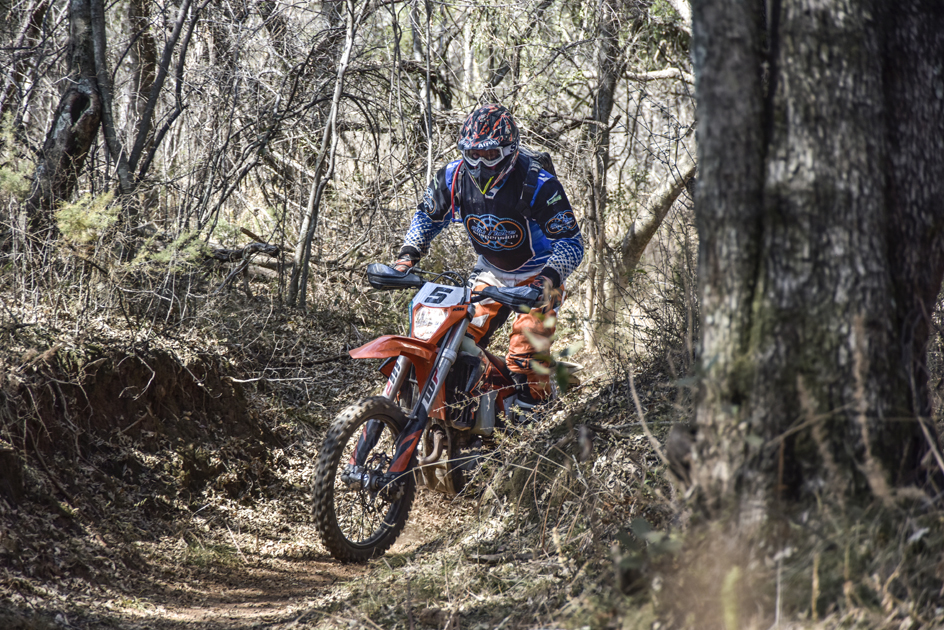
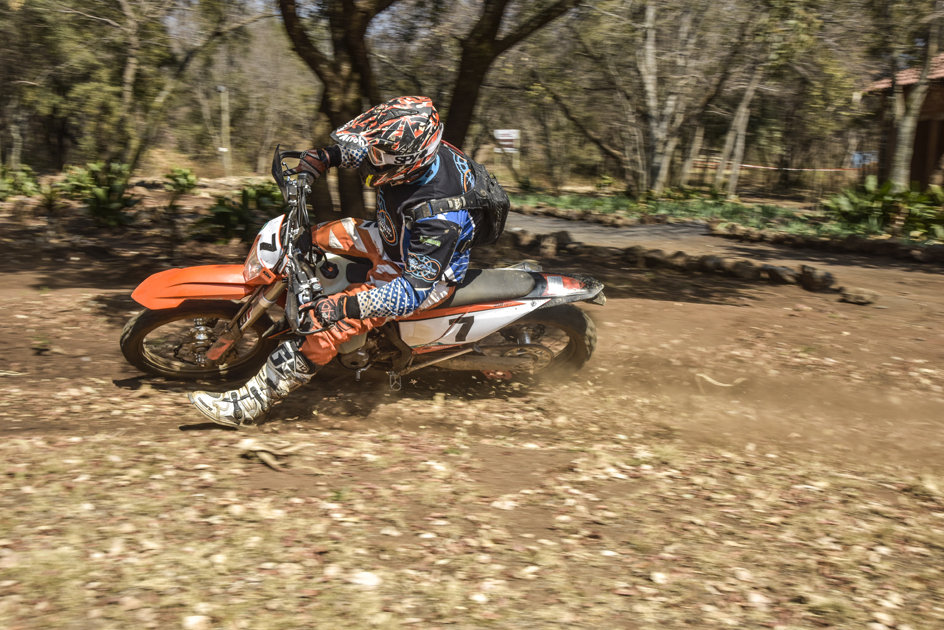
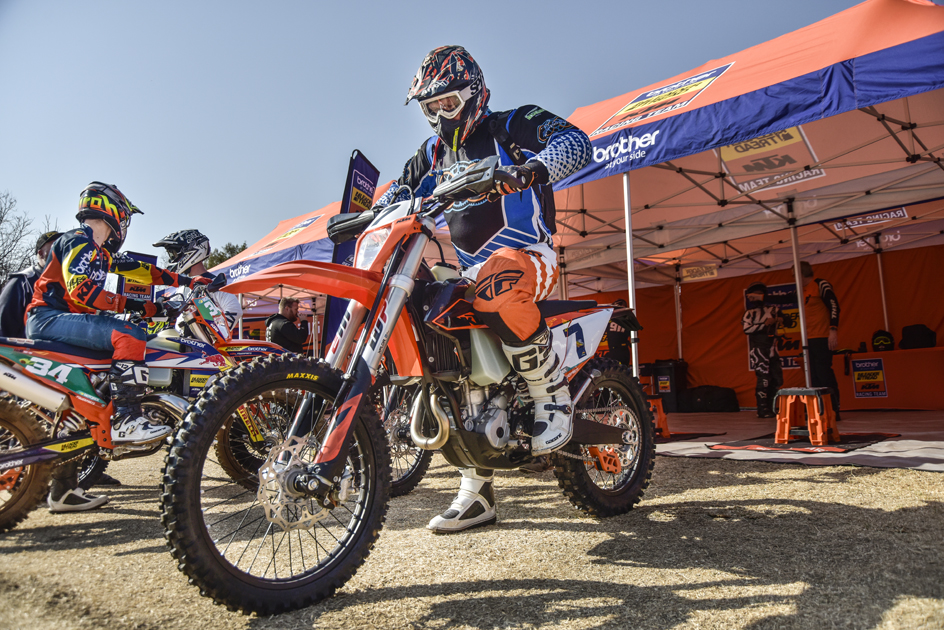
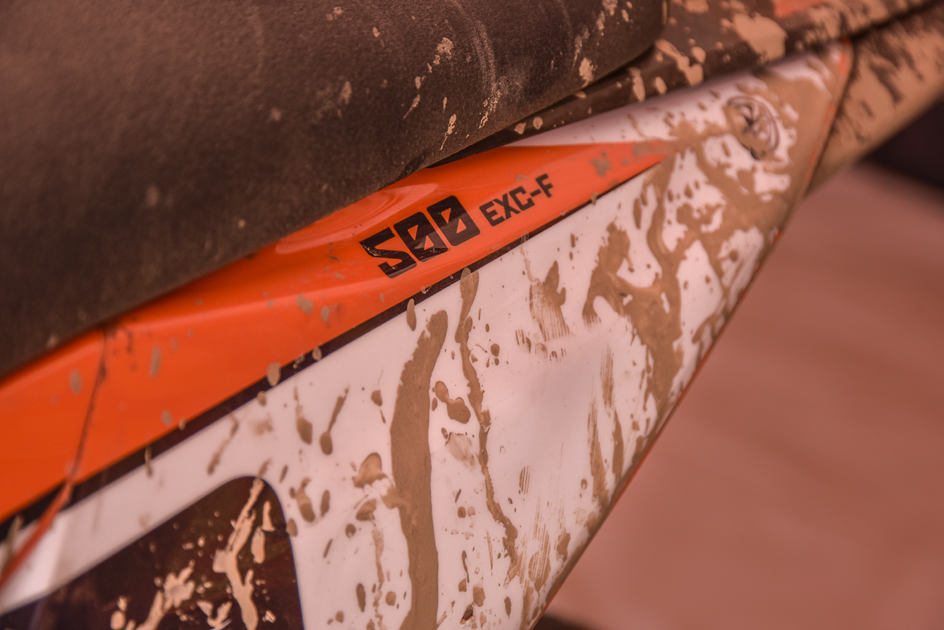
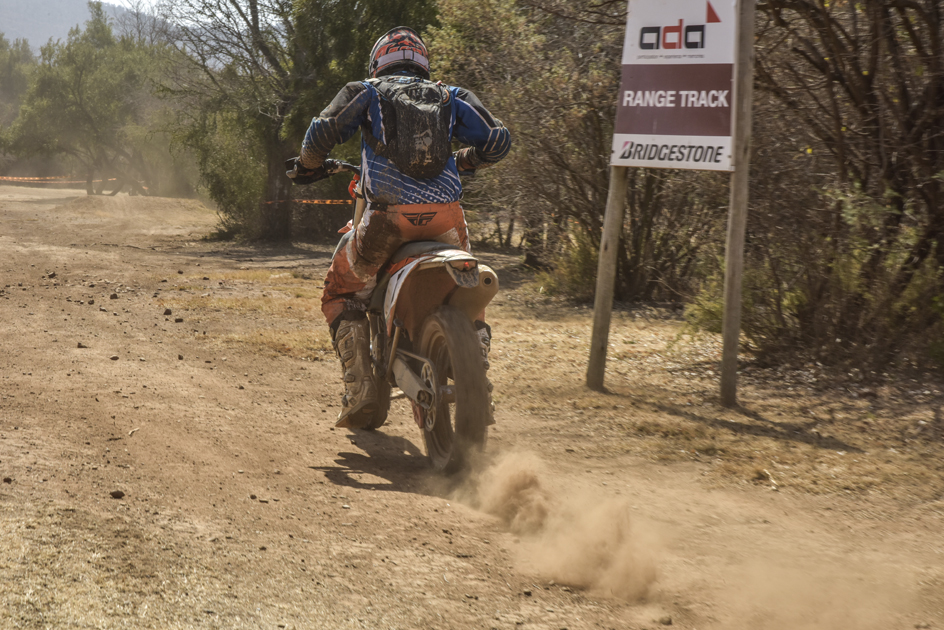
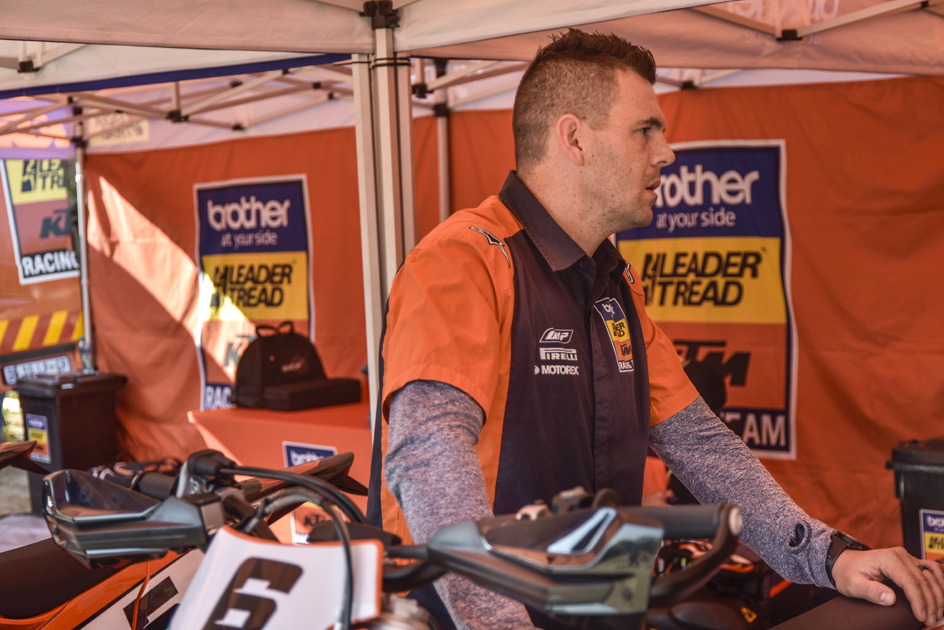
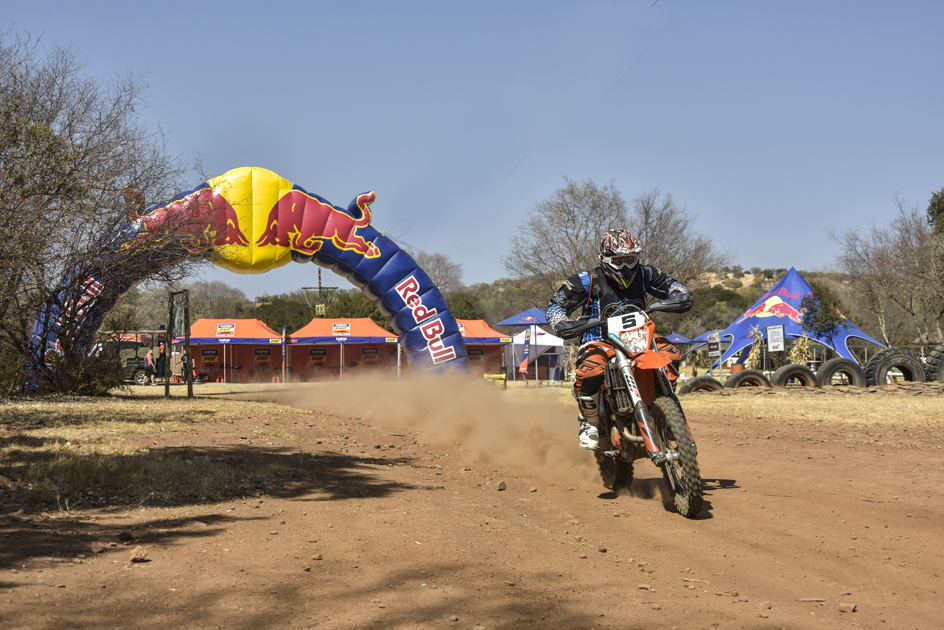
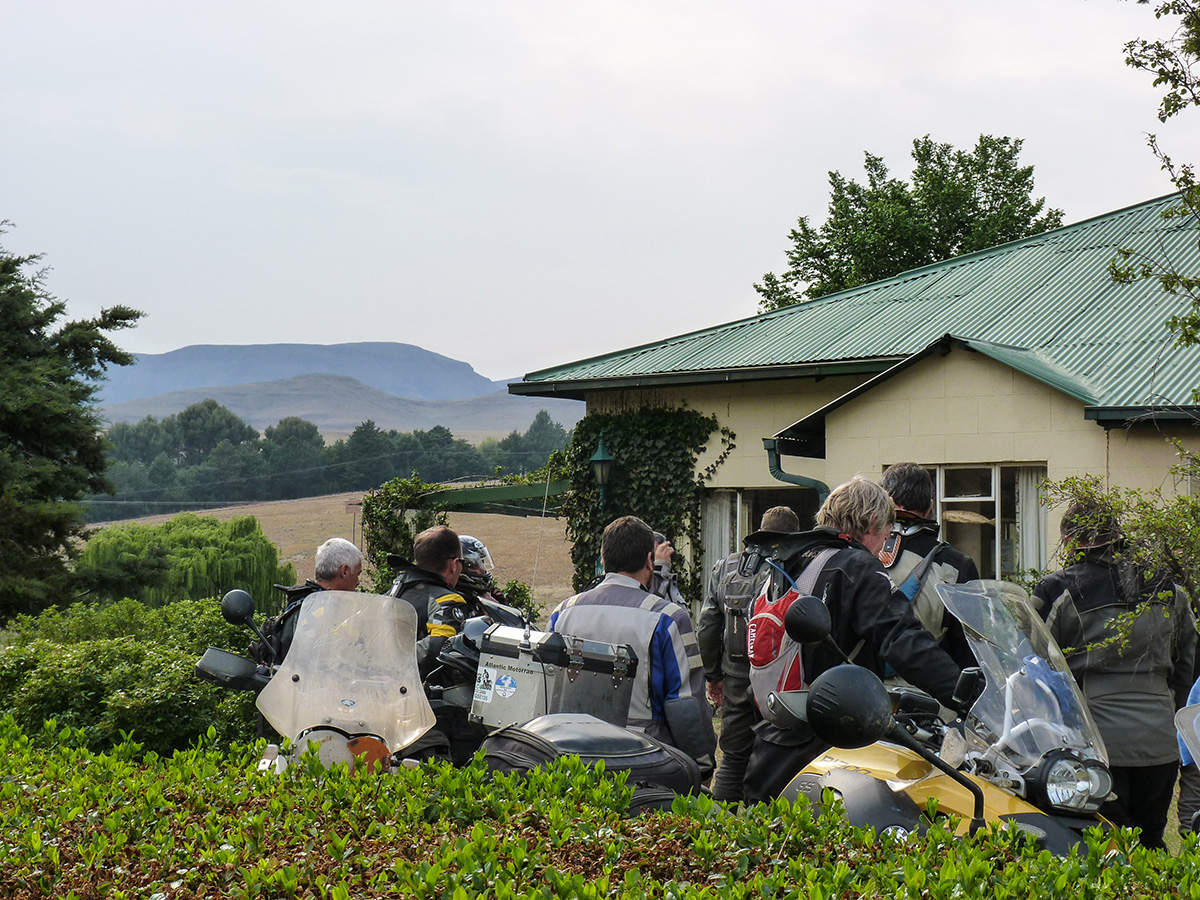
Africa’s biggest motorcycle, music & lifestyle festival will now be extending its reach across South Africa with Bike Fest SA™ 2020 taking over five rocking venues. Bike Fest SA™, working in conjunction with SA’s favourite motorcycle brands, will kickstart this thrill-seeking biking journey with the Jeffrey’s Bay Bike Fest™ in the Eastern Cape from 28 February to 1 March 2020.
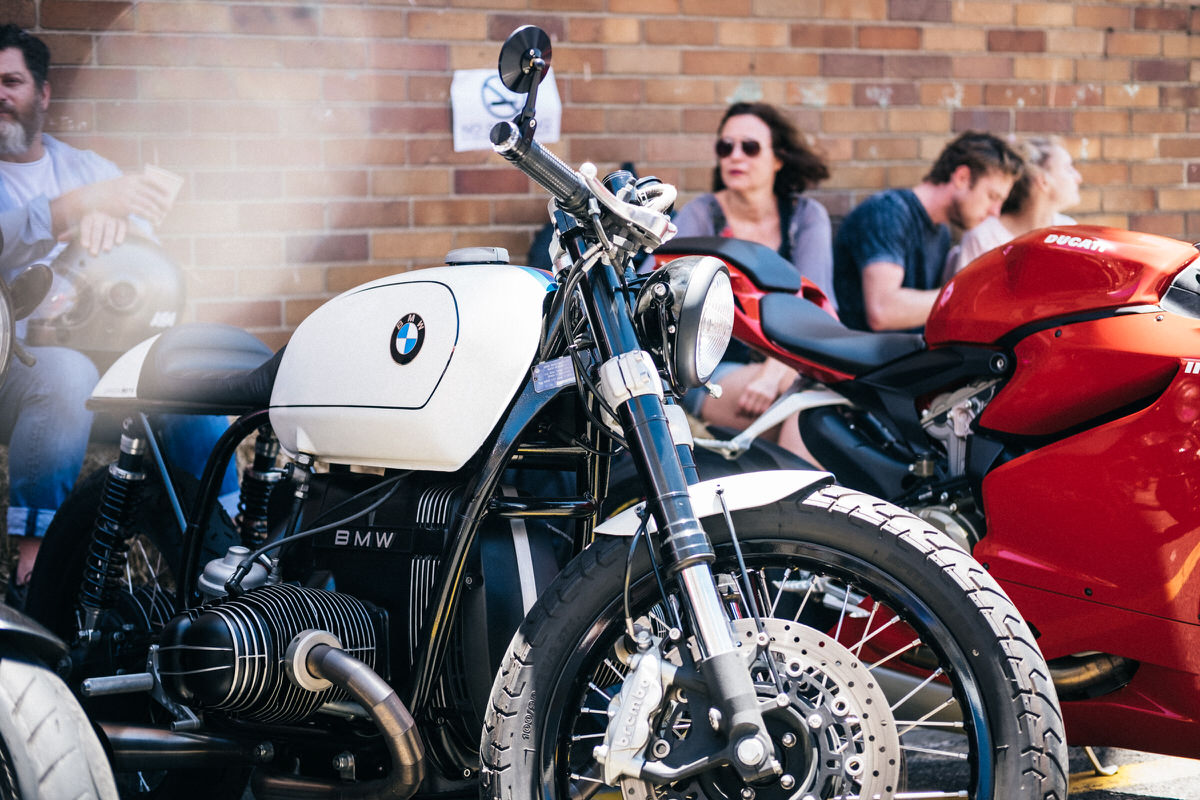
Photo credit: BikeFest SA
“The annual Bike Fest, which originated on the KZN South Coast, has proved so popular that we are responding to market demand and taking the festival to another four locations across the country,” said event organiser, Vicky Wentzel – owner of Wozani Africa Events and co-founder of Africa Bike Week™ & South Coast Bike Fest™.
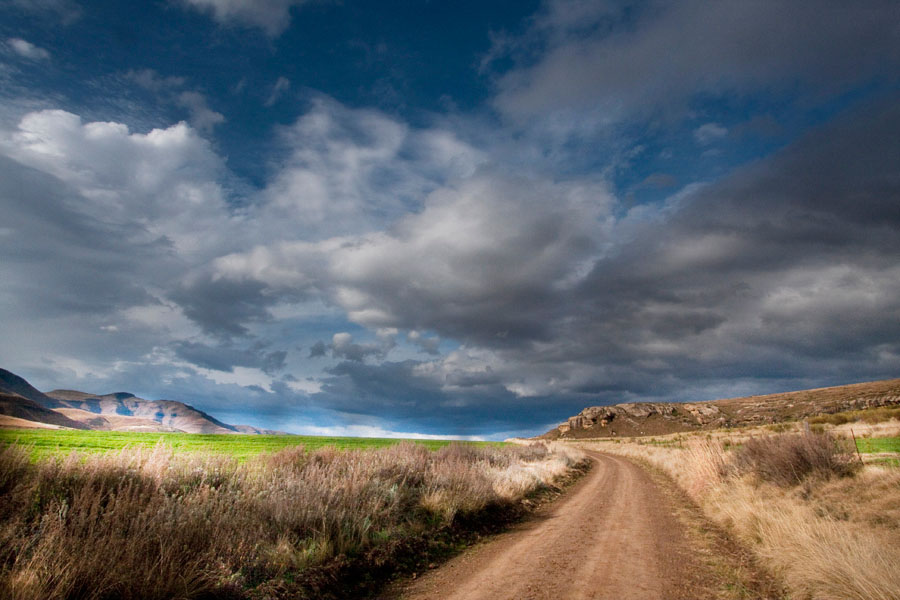
“The festival destinations selected will showcase some of South Africa’s most incredible towns – inland and seaside destinations – and the dedicated event programme will ensure all ages and interests are catered for. From the die-hard biker fans through to the musos and foodies, everyone will find something to enjoy at any of the Bike Fest SA™ 2020 Festivals!”
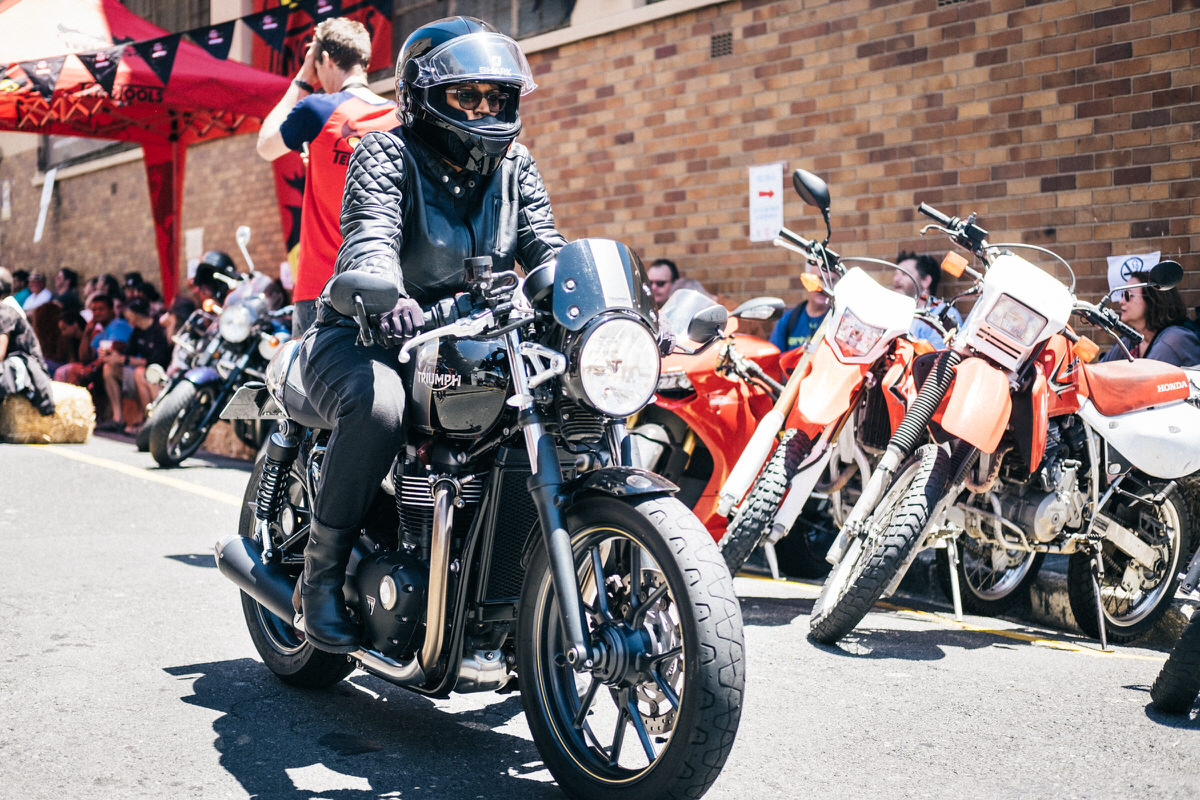
Photo credit: BikeFest SA
Bike Fest SA™ 2020 is a celebration of the modern biking experience while also retaining its connection to the traditionally explorative soul of ‘old school’ bikers. These family-friendly events are also the perfect destination for those seeking quality music, food and retail stores with a line-up of great biking displays planned throughout the festival. This collective five-series festival will be marketed on international platforms positioning South Africa as a motorcycle destination.
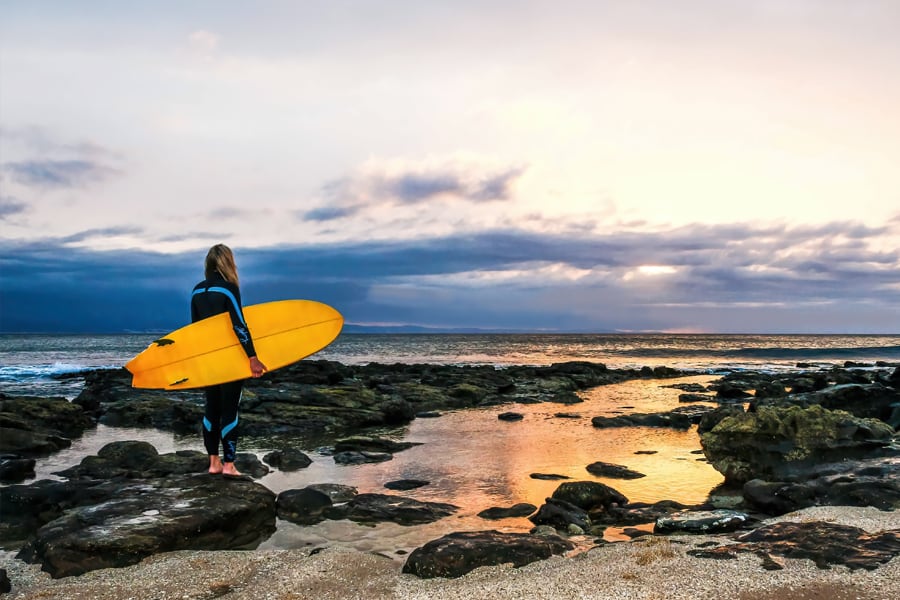
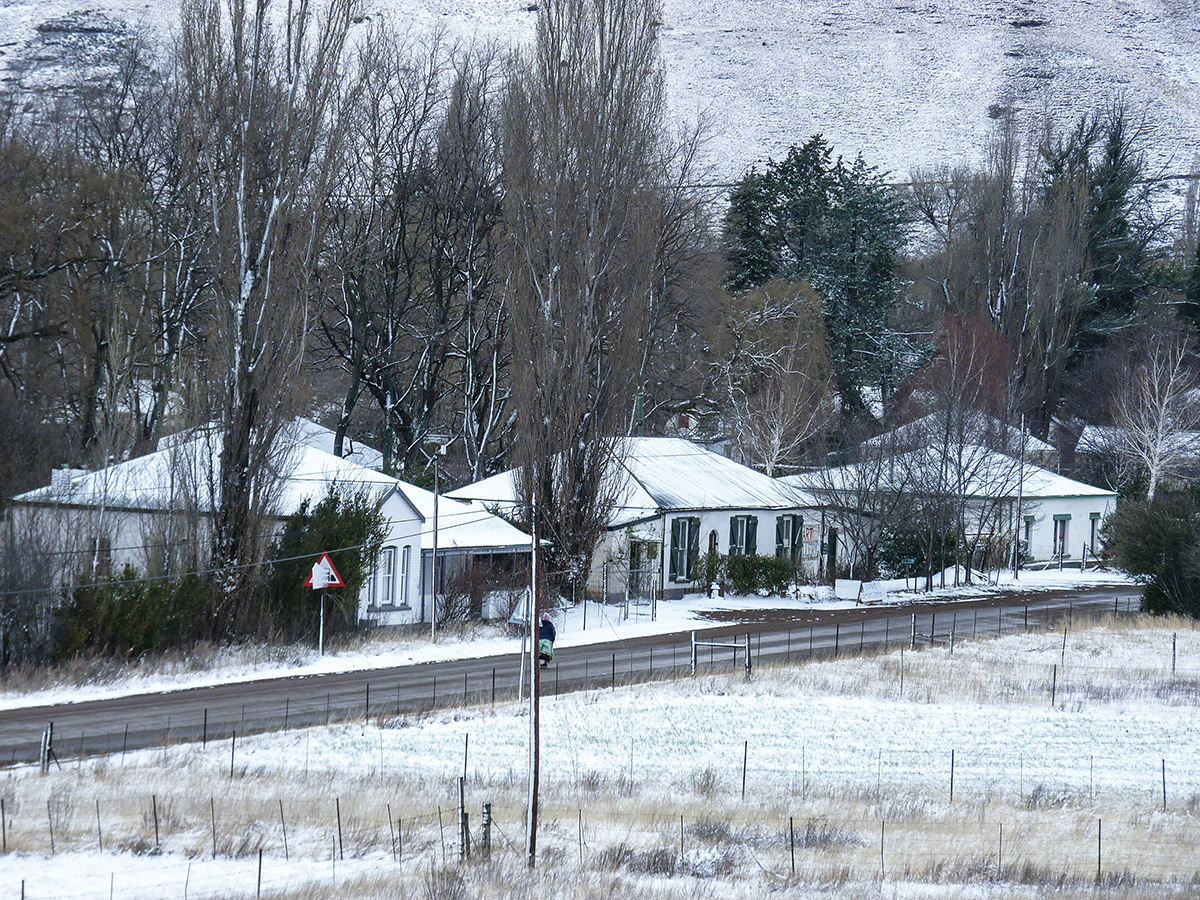
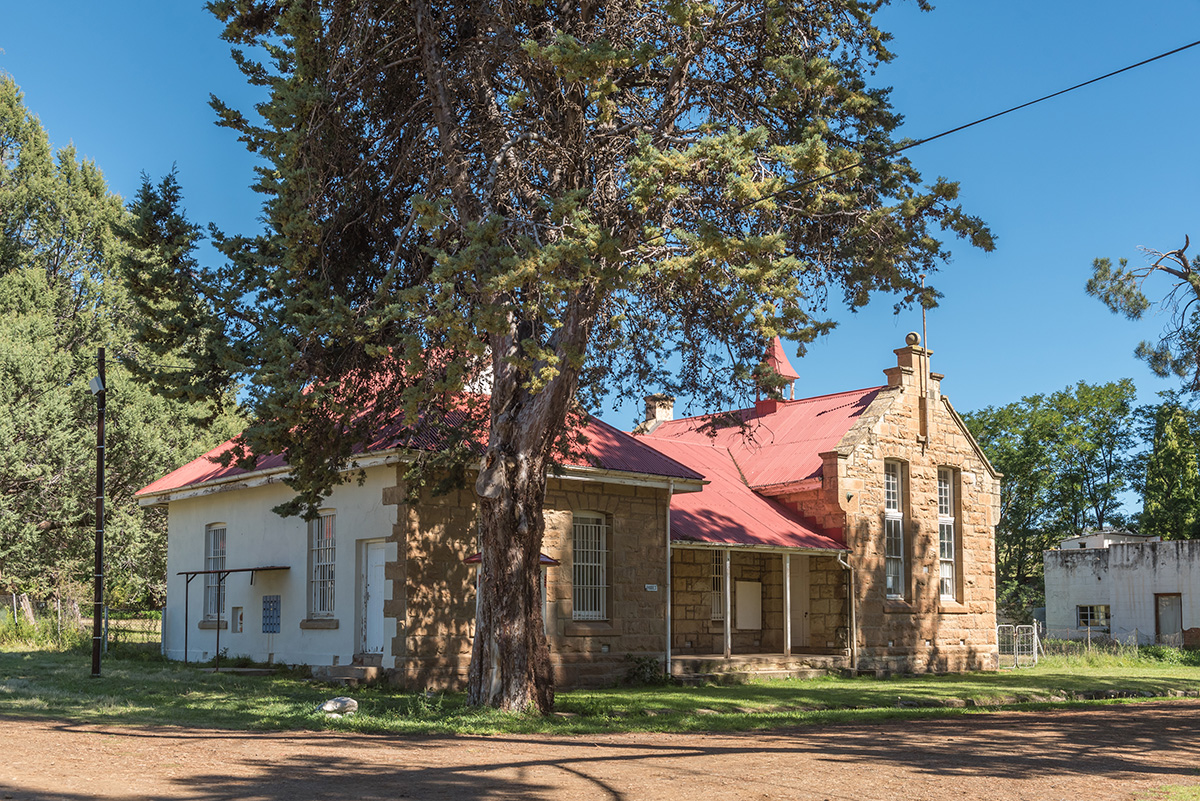
Charl du Plessis of Kouga Municipality said they were positioning Jeffrey’s Bay as a top travel and tourism destination in South Africa: “This region is an iconic surfing location – the second most famous worldwide – but we have extended the tourism experience beyond this. Our pristine Blue Flag beach is wonderful for swimming and relaxation, while the many seaside cafes, retail offerings and nature reserves make for an idyllic coastal getaway.”
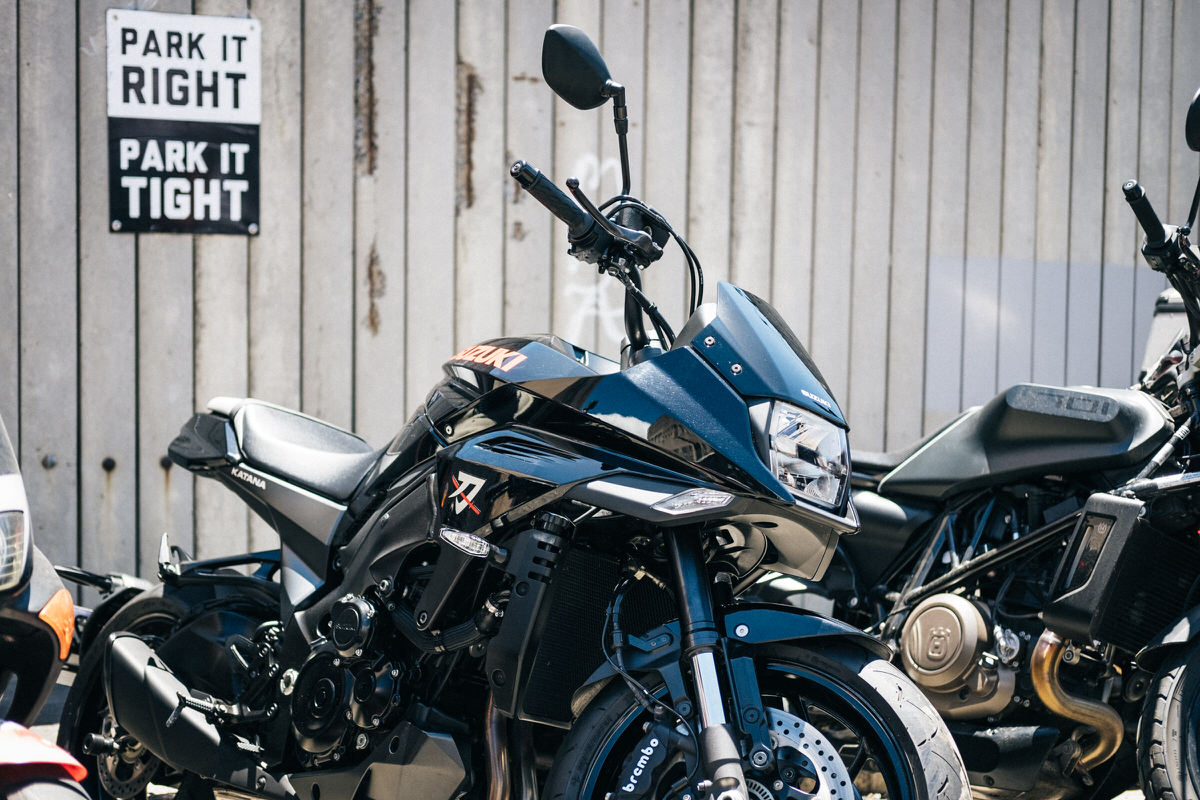
Photo credit: BikeFest SA
He said the inaugural Jeffrey’s Bay Bike Fest™ worked alongside the municipality’s mandate of extending the tourism footprint: “We are looking forward to welcoming many new visitors to this beautiful part of the world. The Bike Fest programme is really packed with a wide variety of entertainment suited to bikers, music lovers, foodies and thrill-seekers.”
Local biker, Dean Gilbert, who is involved in the on-ground event organisation, said the Jeffrey’s Bay Bike Fest™ was set to be a ‘motorcycle wonderland’: “Stopping in a small town, like Jeffrey’s Bay, and being greeted by the friendly locals is what makes riding so great! We encourage everyone to get their gear ready and experience the amazing biking, beautiful people and attractions we have on offer at the 2020 bike fest.”
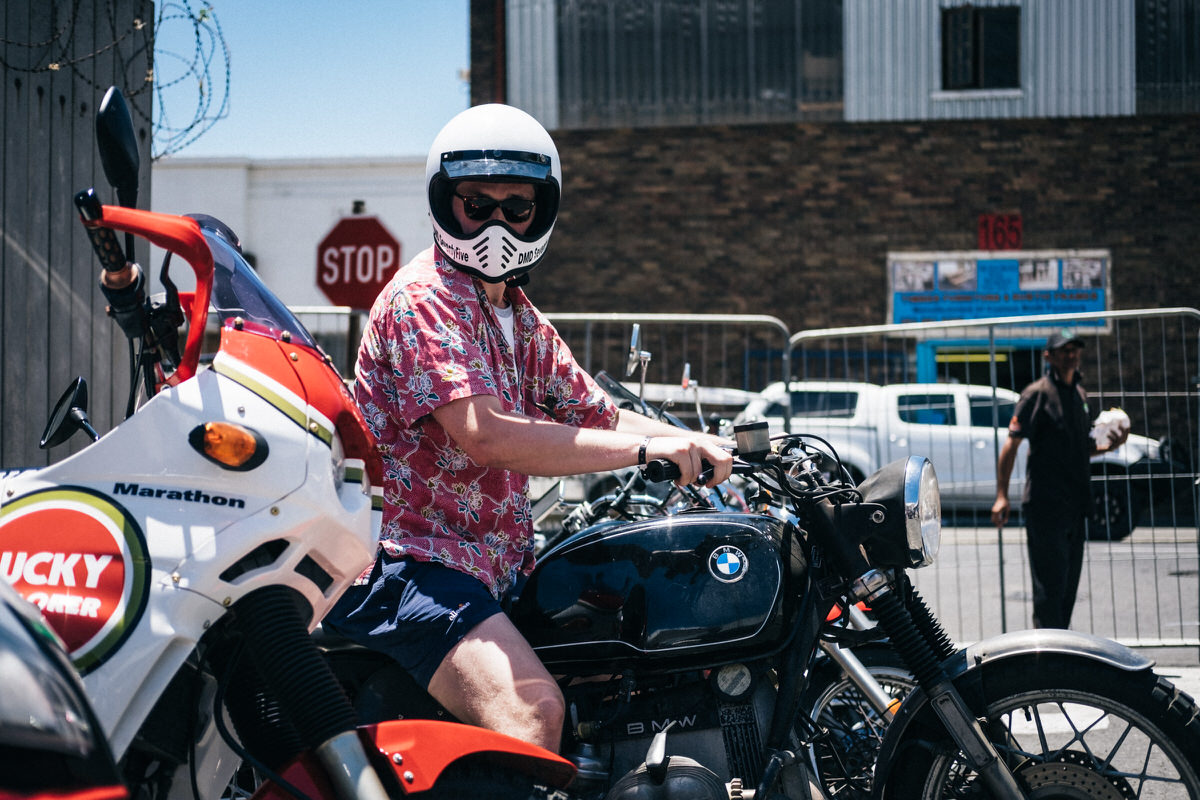
Photo credit: BikeFest SA
Jeffrey’s Bay Bike Fest highlights:
Biker and beach bars
Power Play featuring Wheely Machines, an Arm-Wrestling Power Table, and Virtual Reality Bike Racing
The Kouga Talent Search on Friday, 28 February with R15 000 for first place
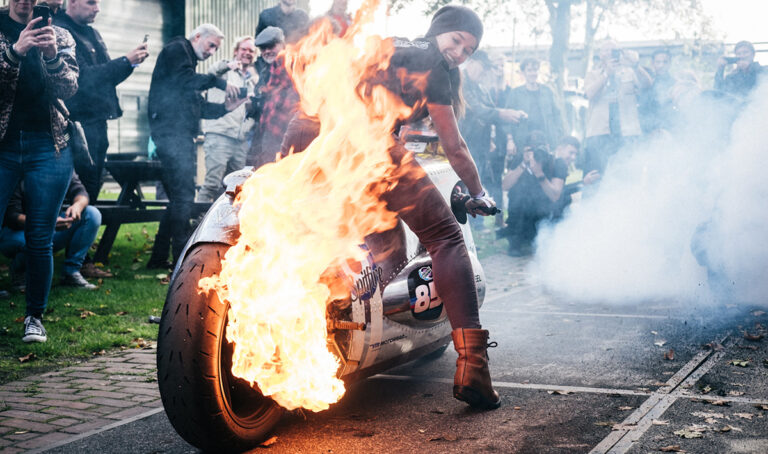
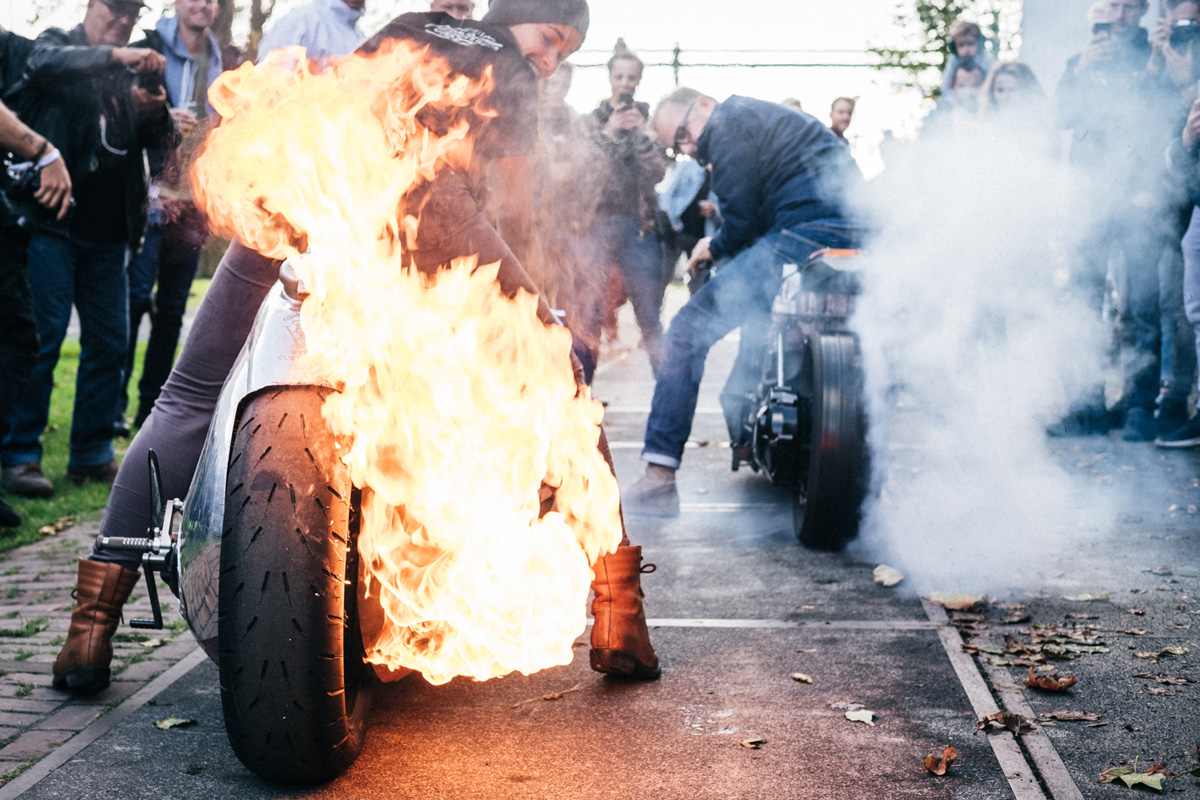
Experiential Energy Zone with a Burnout Pit, Le Riche Brother Stunt Riders, King Donut
Bike Rocker Stage featuring top DJs and artists including Mean Mr Mustard, Koos Kombuis, Early B, Fatman, Bigggy, Wonderboom, Ghapi, Anton Botha, Roan Ash and Jo Black, as well as the Bike Fest SA™ Fashion Show & Battle of the Bands
Street Vibes featuring Street Dancing, Busker Alley, Marching Brass Bands and Scottish Pipe Bands
Custom Bike Show
Outrides including the J Bay Explorer Bike Route
Benevolent Fund charity initiative raising funds through the Mayoral Mass Parade on Sunday morning
Photo credit: BikeFest SA
Get ready to rock and ride at this premier biking festival! Check out – www.bikefestsa.co.za to book your tickets and accommodation now, or visit the ‘Bike Fest SA’ Facebook and Instagram pages for all the latest updates.
Writing about motorcycles for a living skews your perception. When your job includes a revolving door of the freshest new models, you get jaded real quick. Bikes are instantly judged on how fast they are, how well they handle, and how much electronic gadgetry they’re loaded with.
There’s one aspect that often gets glossed over though: pricing. As a reviewer, a bike’s price is hypothetical; you can note it, compare it to other models in the same market segment and even judge it expensive. But you never actually have to spend the money.
Photo credit: Wes Reyneke / ZA Bikers
For the average motorcyclist, that one number is a make or break factor. They’re not necessarily looking for the cheapest bike—just the opportunity to get the most motorcycle for their money. After all, stretching your Rand is par for the course in our current economic climate.
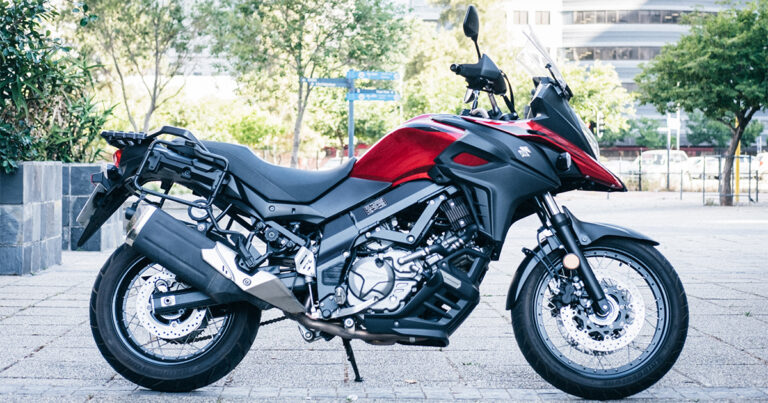
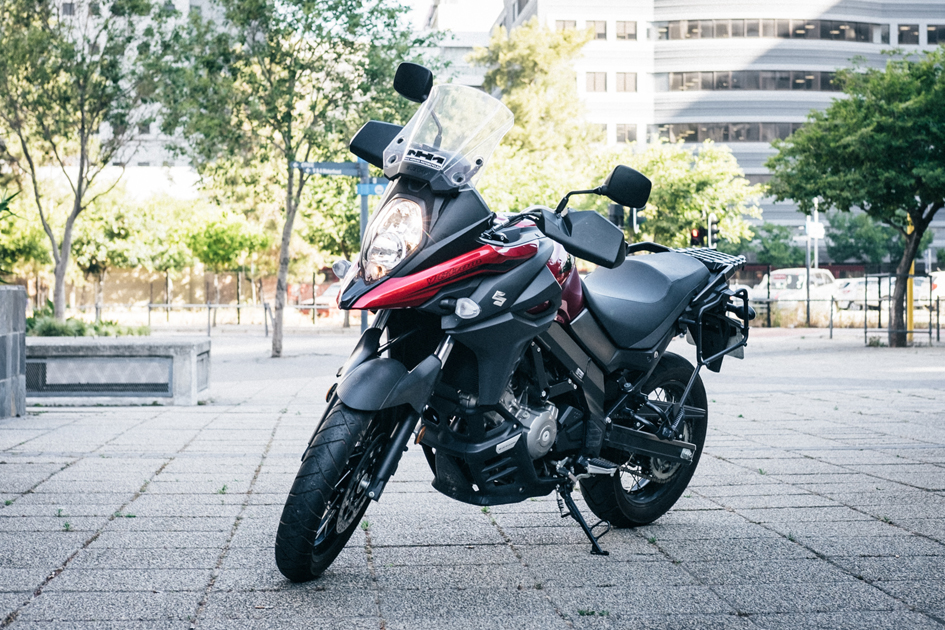
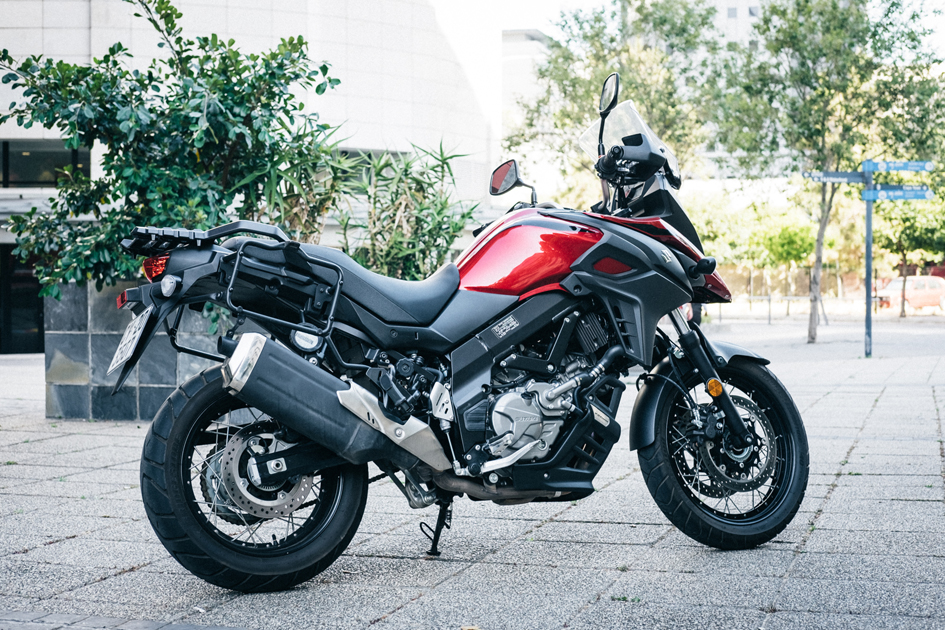
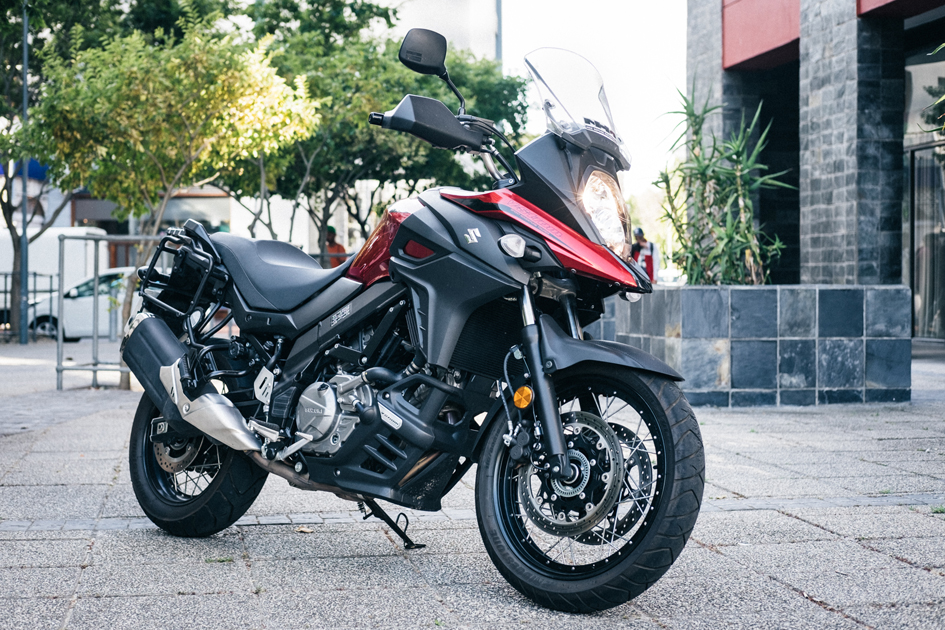
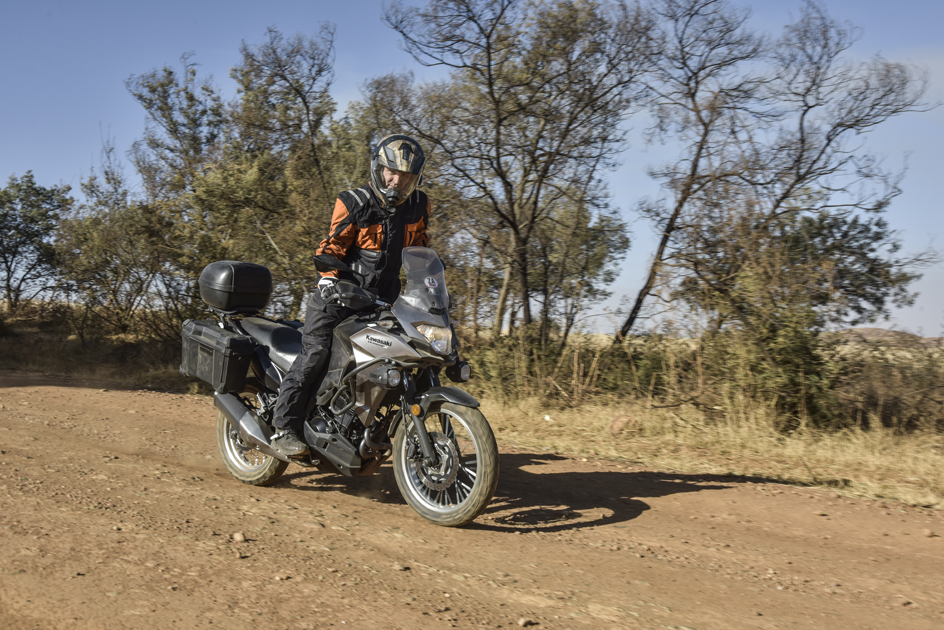
So for this review, I’m looking at a tried and tested motorcycle that’s such good bang for buck, it’s built an entire reputation on it: the Suzuki V-Strom 650XT.
Photo credit: Wes Reyneke / ZA Bikers
There’s no getting around it—the V-Strom is undeniably vanilla. Its looks don’t inspire, and while it makes respectable numbers, it’s not going to blow your socks off. But it does have one major thing going for it: it’s the quintessential Jack of all trades.
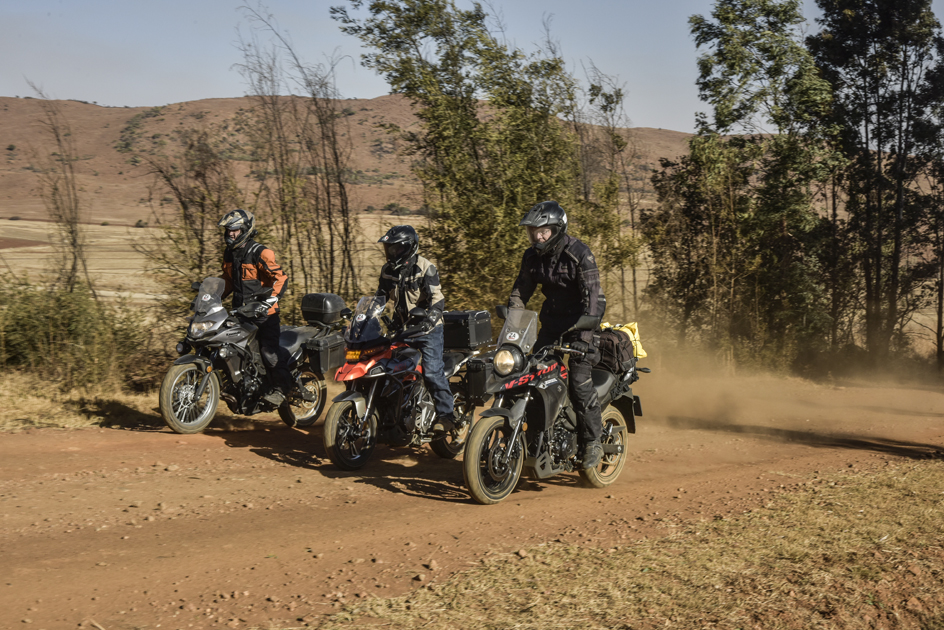
Commuting daily? Check. Got some touring planned? No problem. Want to tackle some light off-road? The V-Strom will do it all.
Photo credit: Wes Reyneke / ZA Bikers
And it won’t cost an arm and a leg either. The V-Strom 650XT currently starts at R 127 900—that’s a bit more than Honda’s wildly popular NC750X, but a big margin less than BMW’s fully kitted F 750 GS. As mid-sized, twin cylinder adventure bikes go, it’s pretty damn reasonable.
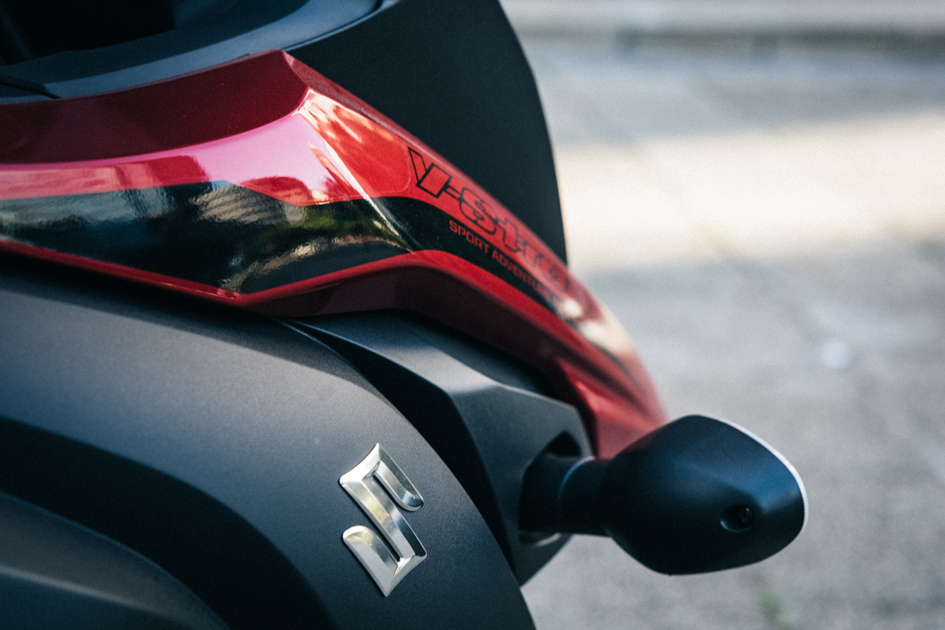
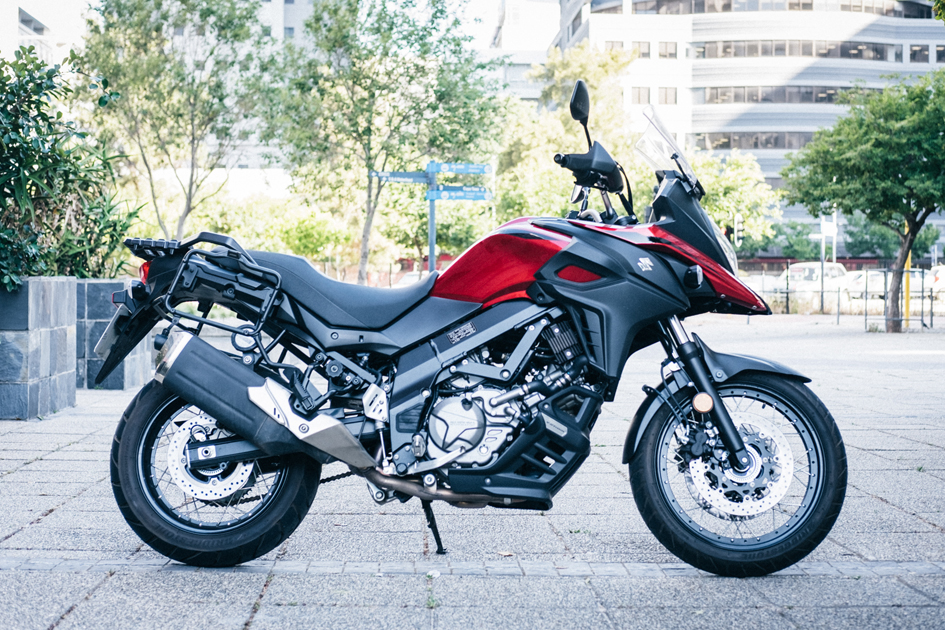
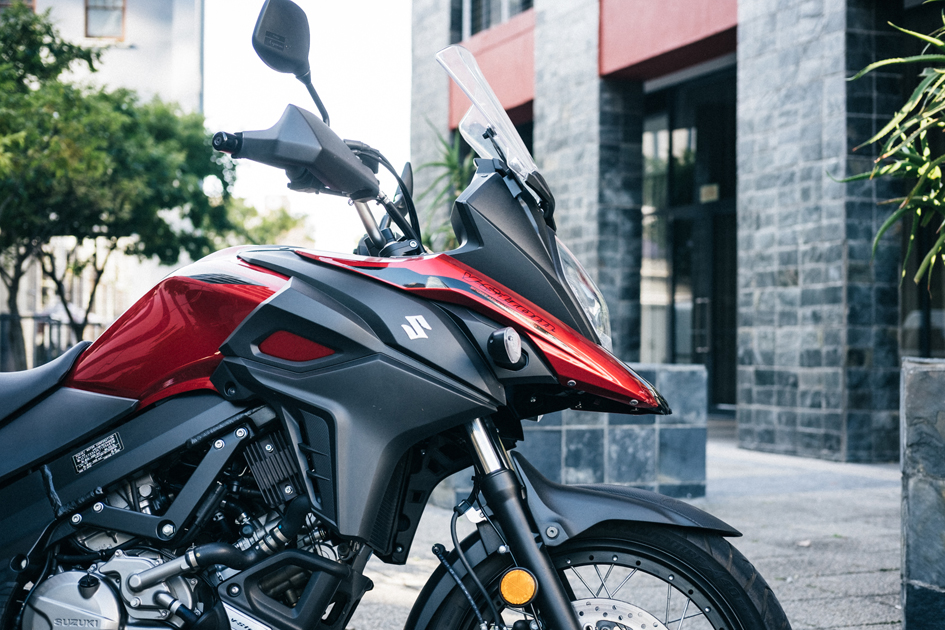
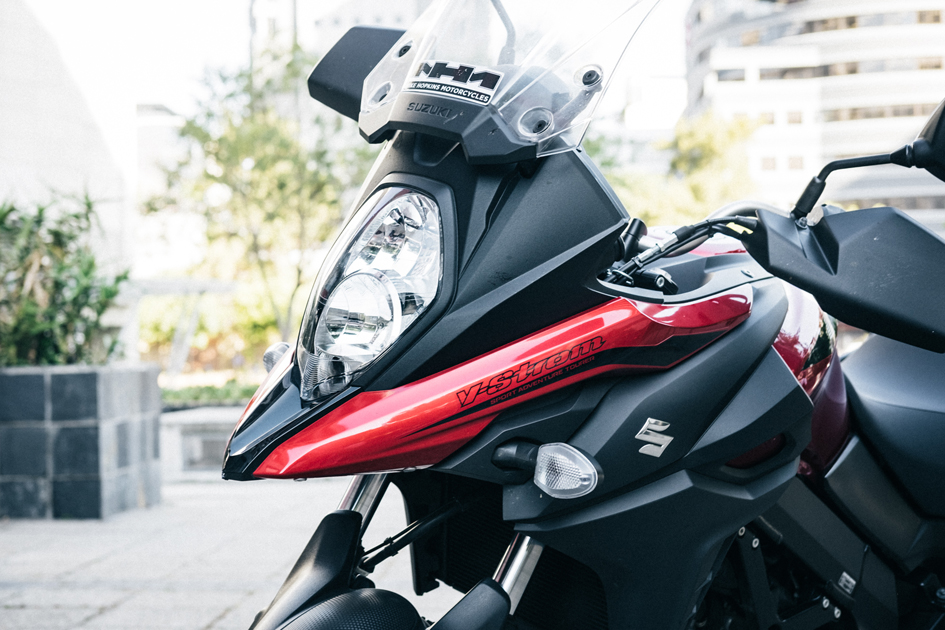
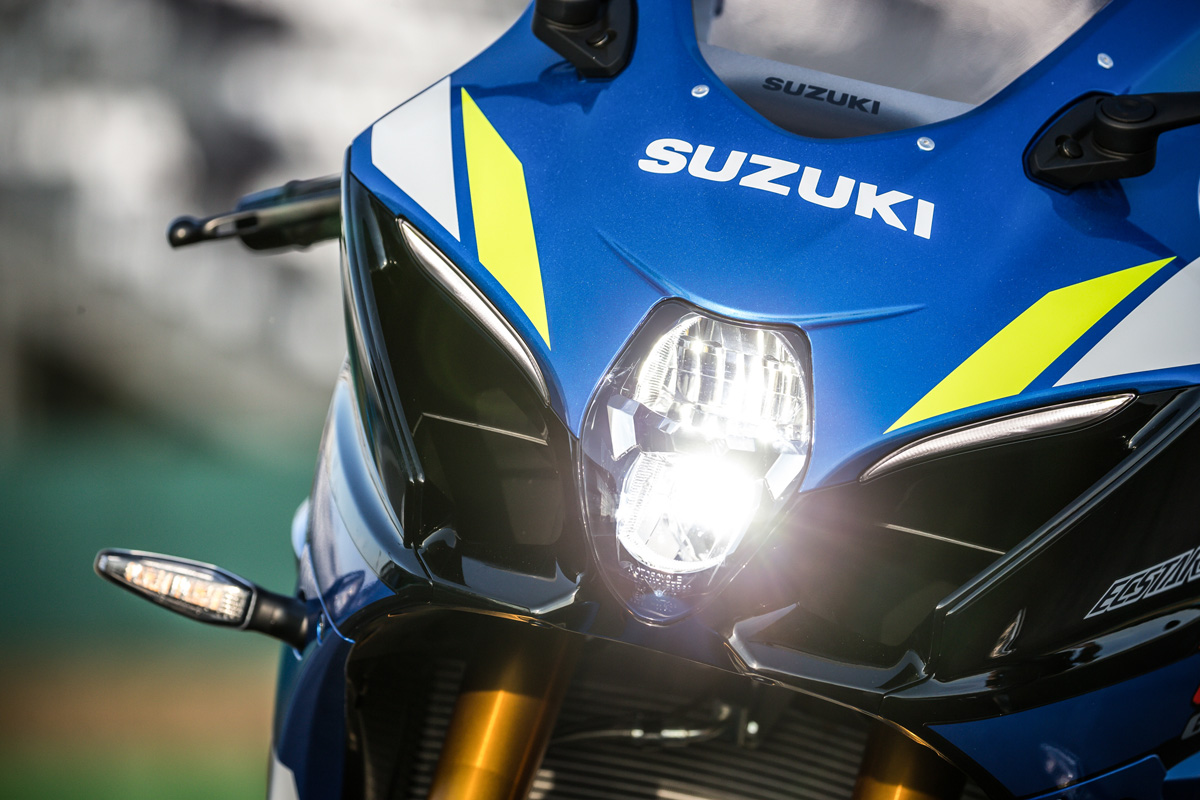
The V-Strom 650XT isn’t entirely charmless though. Depending on your point of view, it’s either an aesthetic disaster, or sort of cute in an off-beat way. The double-stacked headlight and frontal plastics seem like total overkill, but the sculpted line from the tank to the scooped seat is actually quite elegant.
Photo credit: Wes Reyneke / ZA Bikers
The V-Strom’s upright posture hints at one of its biggest strengths: it’s really comfortable. The relatively tall seat height (830 mm) and high bars are great for everything from navigating traffic to bumbling along dirt roads. The seat’s well padded for longer rides, and it actually has a decent-sized passenger seat too.
With 150 mm of travel up front, and 160 mm at the rear, the V-Strom has enough ground clearance for curb hopping and gravel travelling. There’s no adjustment on the 43 mm conventional forks, but you can set the rear rebound and preload via an easily-accessible hand dial. Wheel sizes are standard ADV fare: 19” front, 17” rear.
Photo credit: Wes Reyneke / ZA Bikers
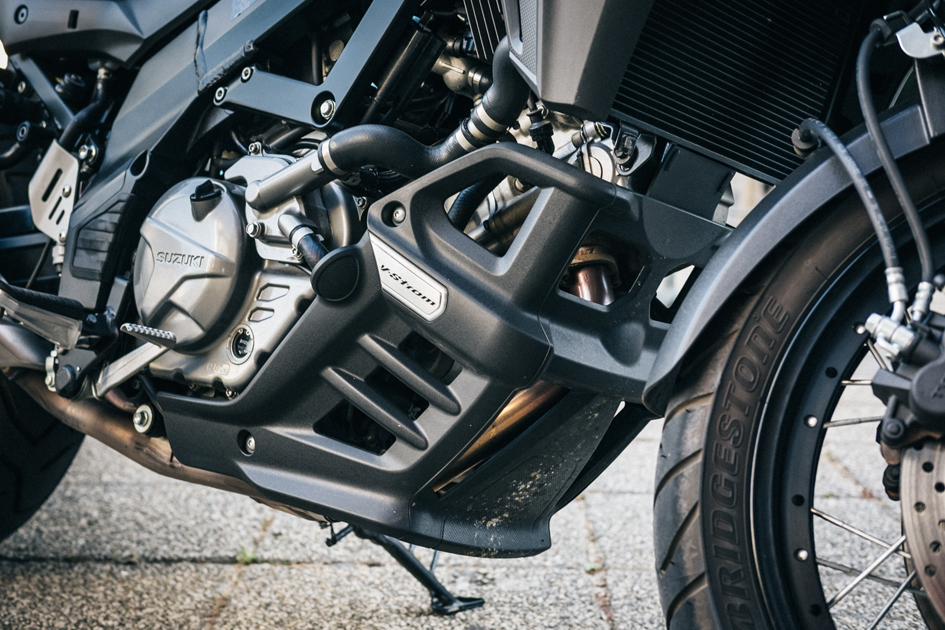
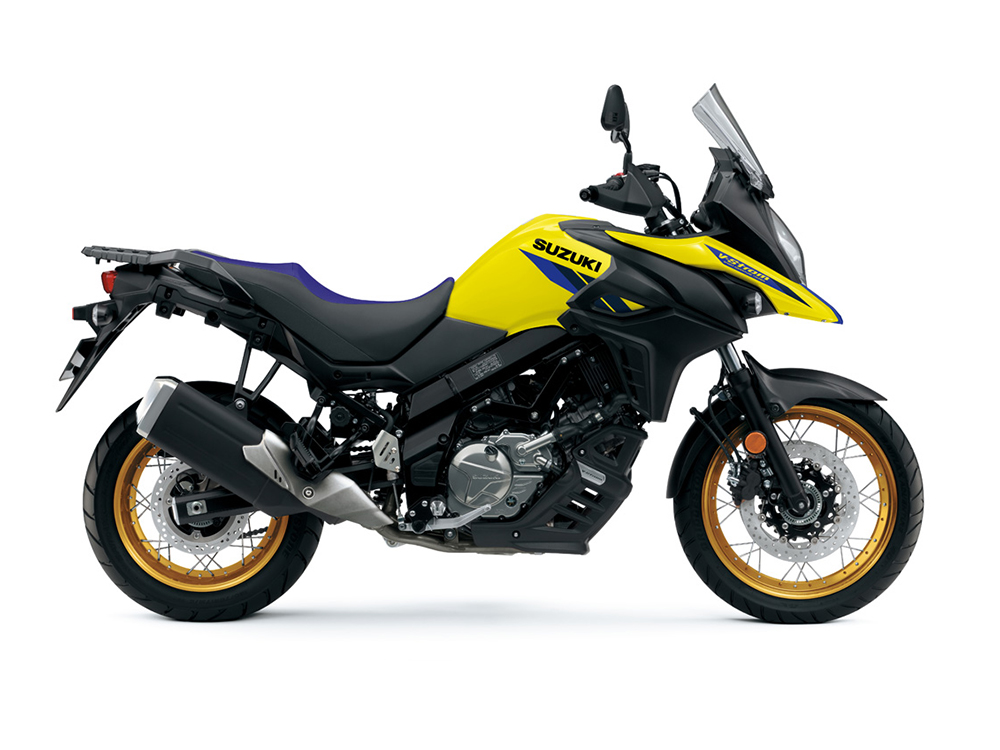
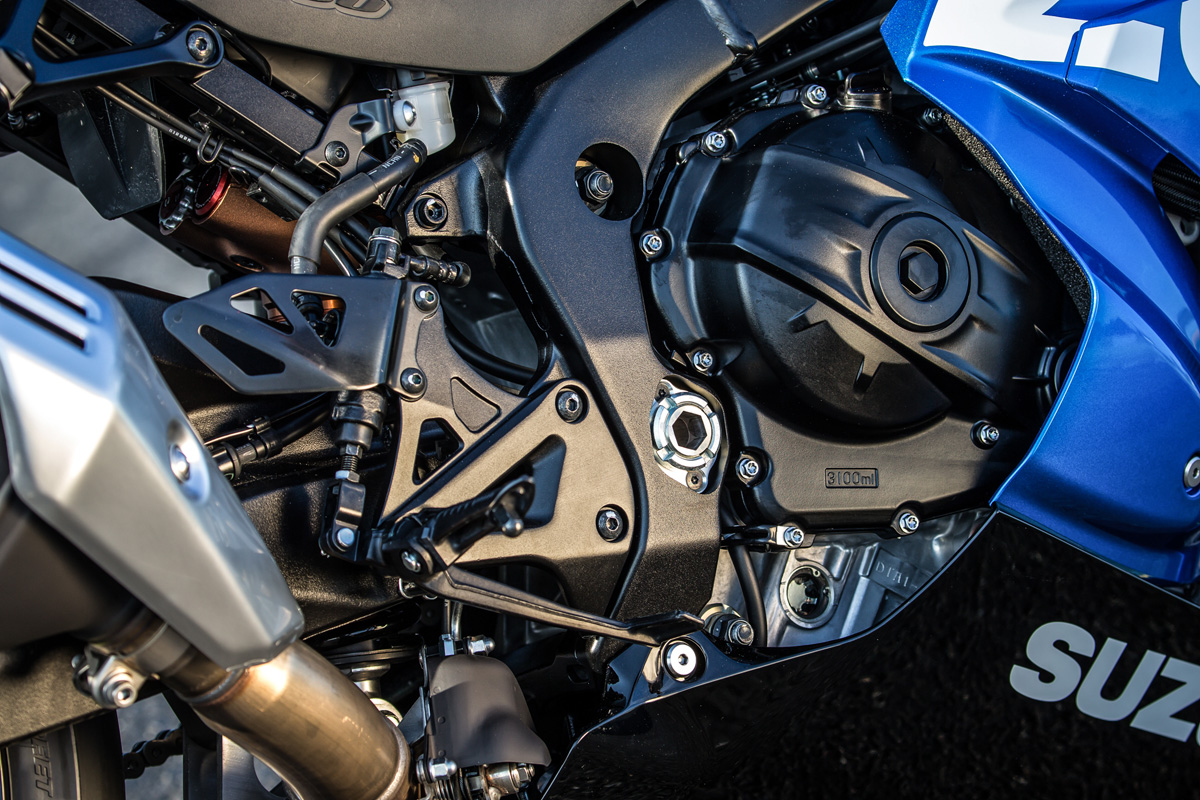
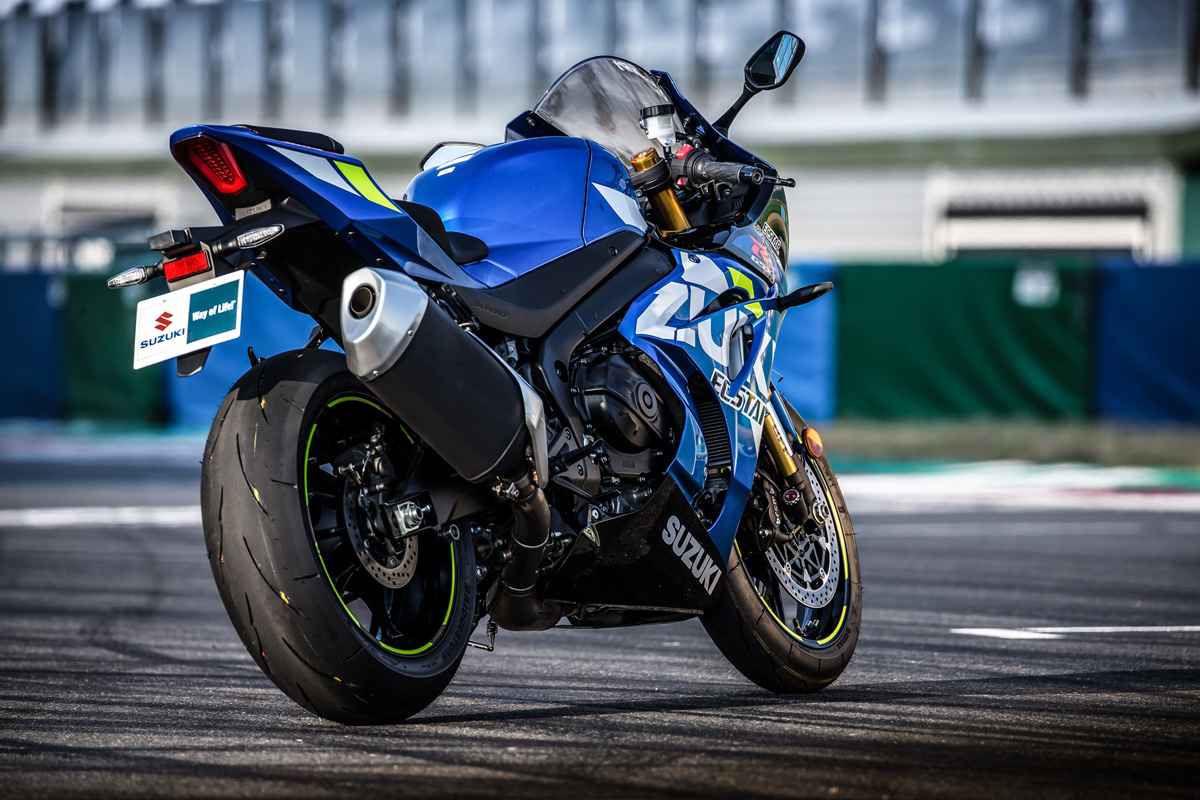
Suzuki South Africa currently only imports the ‘XT’ model (shown here). It comes from the showroom with a few practical upgrades; a sump guard, tubeless spoked wheels and handguards.
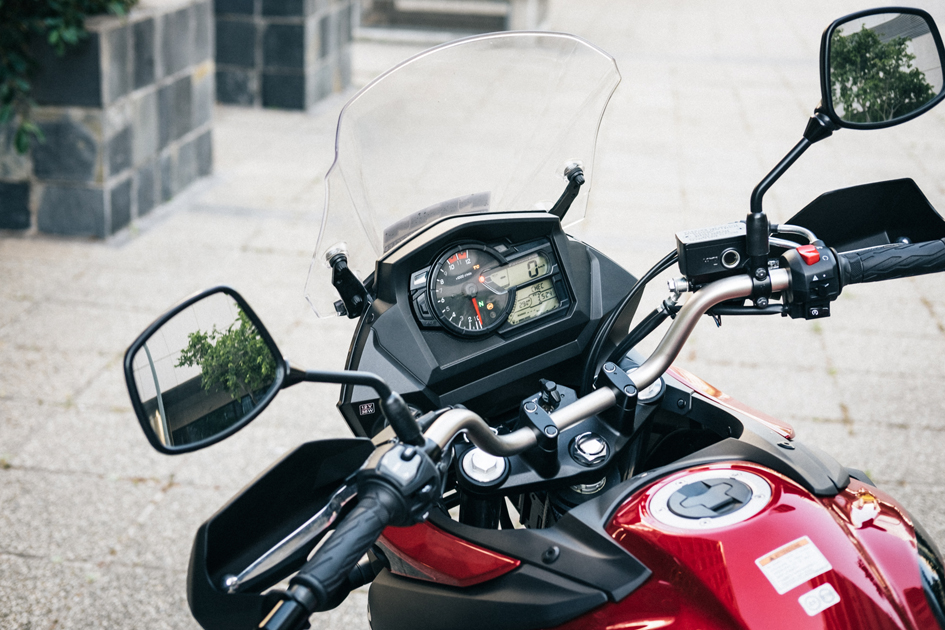
The V-Strom’s screen is adjustable between two positions—but not on the fly. (You need to unbolt it, and re-attach it at the desired height). Behind the screen, Suzuki have tucked in an easy-to-read dash that crams in a ton of info. Sure, it’s no fancy TFT display, but it lists everything from your fuel level and range, right down to temperatures and your gear position.
Photo credit: Wes Reyneke / ZA Bikers
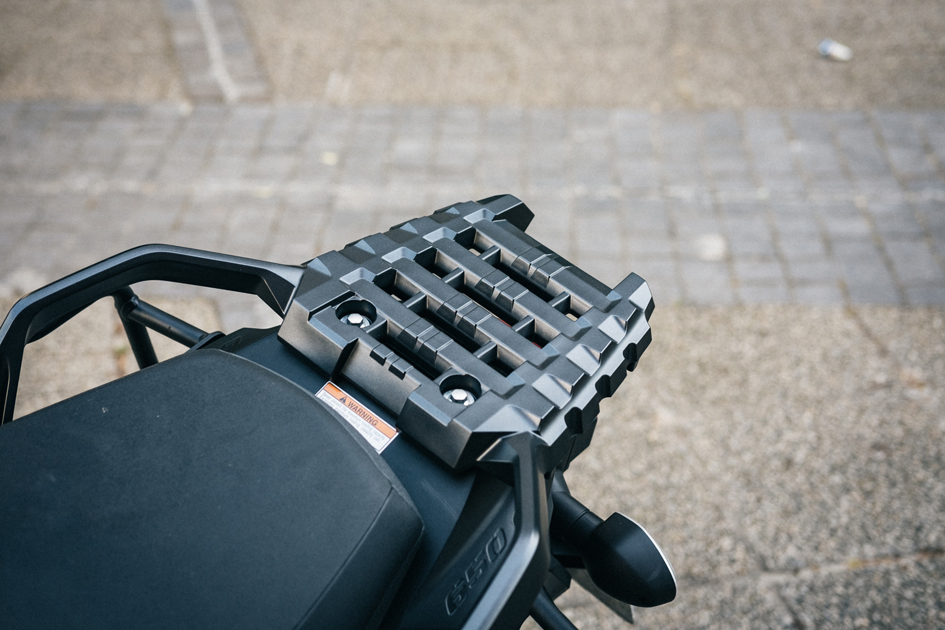
That substantial rear rack is standard issue on the V-Strom 650, but the luggage rack pictured here are aftermarket extras. They do illustrate another one of the V-Strom’s talents—with the right add-ons, you can pack it to the nines. And with a 20-litre fuel tank, it can go far too.
Photo credit: Wes Reyneke / ZA Bikers
So what’s it like to actually ride the Suzuki V-Strom 650XT? In a word: easy. Its 645 cc V-twin mill makes 69 hp and 69 Nm—so whilst it’s not outright fast, it’s no sloth either. The throttle does feel a bit light off the mark, but rev it into the mid-range and it comes alive. And the overall power delivery and throttle feel, along with the positive feel from the clutch and six-speed box, all add to the V-Strom’s versatile nature.
Rider aids are basic at best. There’s traction control with three settings (two levels of interference, and off), but to be honest, I couldn’t really feel any difference between them.
Photo credit: Wes Reyneke / ZA Bikers
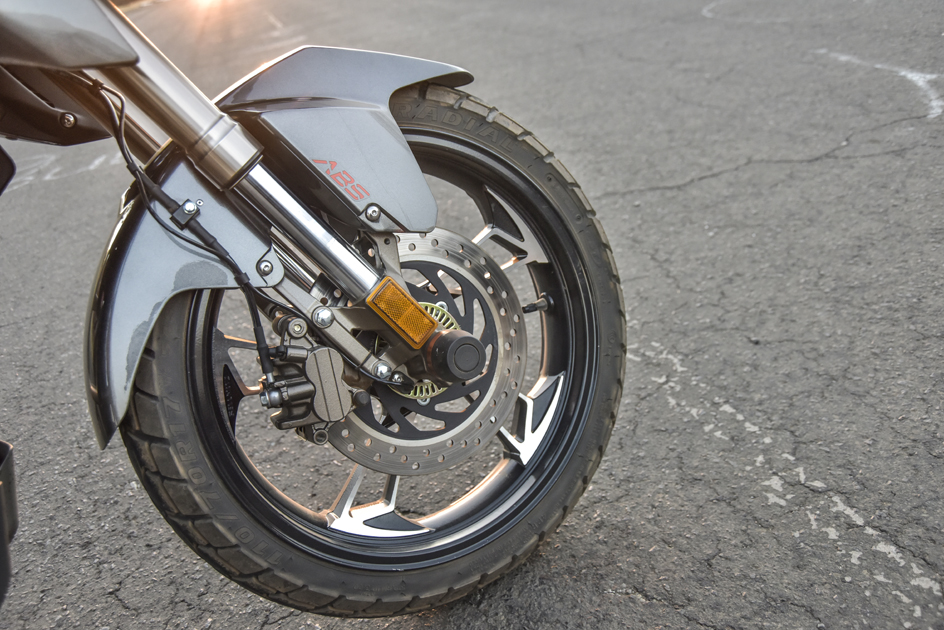
There’s ABS too, but it’s a pretty rudimentary system. It works well enough on tarmac, but lacks finesse—and that becomes apparent quickly on dirt roads. It’s not a problem under sedate riding and braking, but it’s jarring when you need to stop in a hurry. And it’s no good for advanced off-road riders that like to lock up the back and get aggressive.
As an overall package, the 650XT gets on with the job admirably. As a daily runner, it’s light enough on its feet to negotiate Cape Town’s traffic and renegade pedestrians. At 216 kilos wet it’s no lightweight, but it’s far from being a handful. Out on the backroads, it’s plenty comfortable for all-day mile munching.
Photo credit: Wes Reyneke / ZA Bikers
Sure, it won’t keep up with pukka sportbikes in the twisties—but if you give the V-Strom enough encouragement, you’ll be having fun in no time. And the ergonomics, ride height and power delivery are all on par for light to medium off-road jaunts. (Frankly, it’d be an even better adventure bike if Suzuki would just add a switch to disable the ABS.)
It’s a no frill, do it all machine, with quirky looks and a palatable price tag. That’s exactly what gained the previous generation V-Strom its cult following, and it’s why this iteration of Suzuki’s versatile dual sport will probably turn out just as popular.
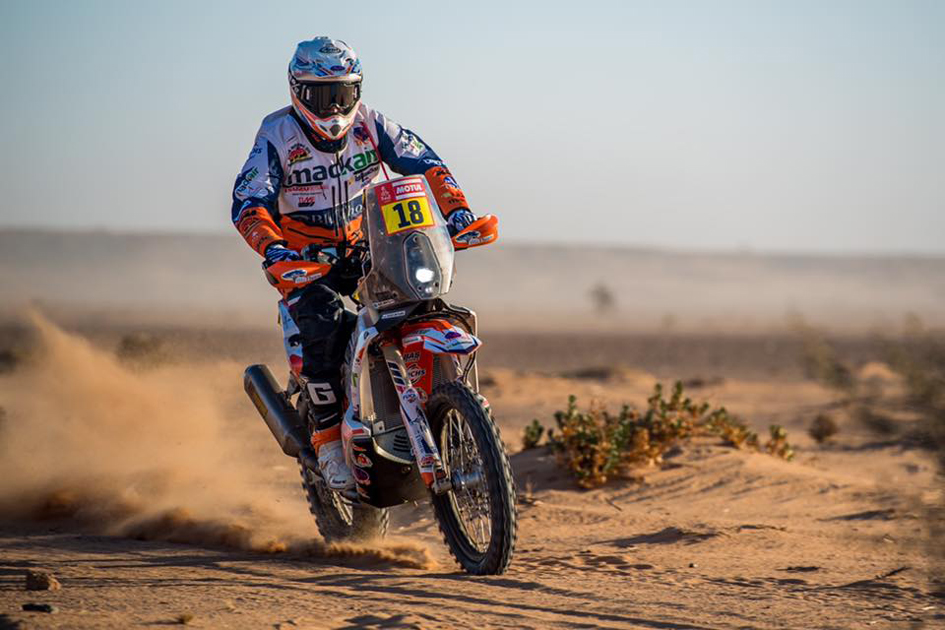
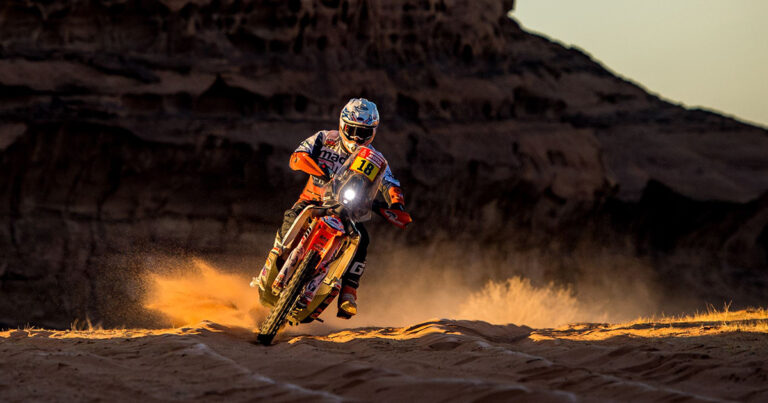
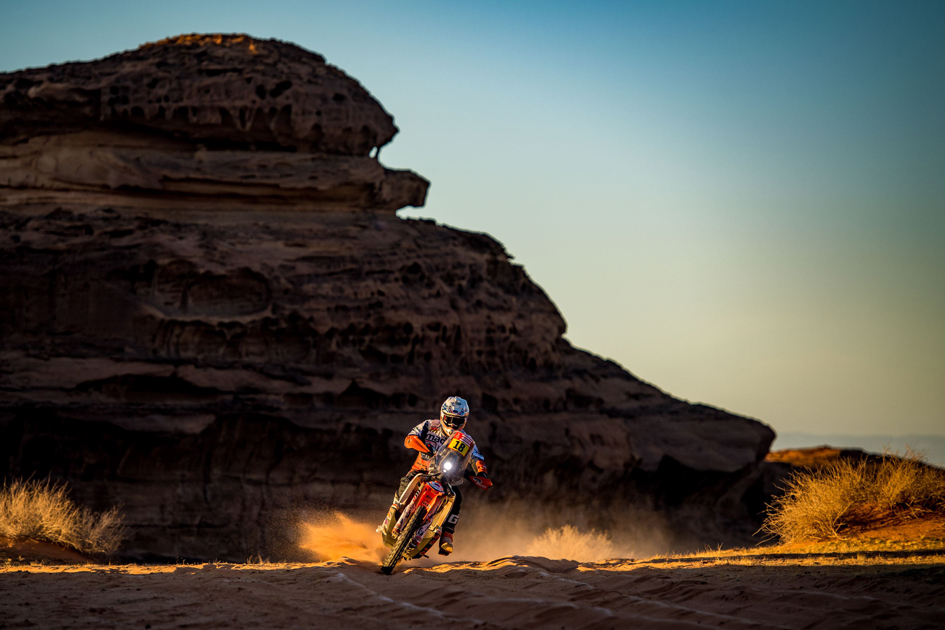
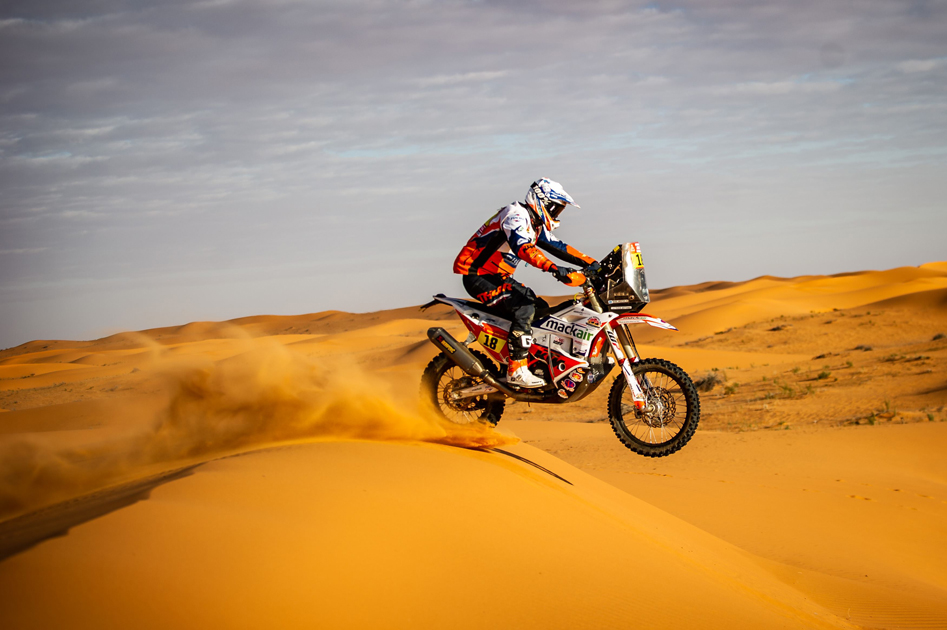
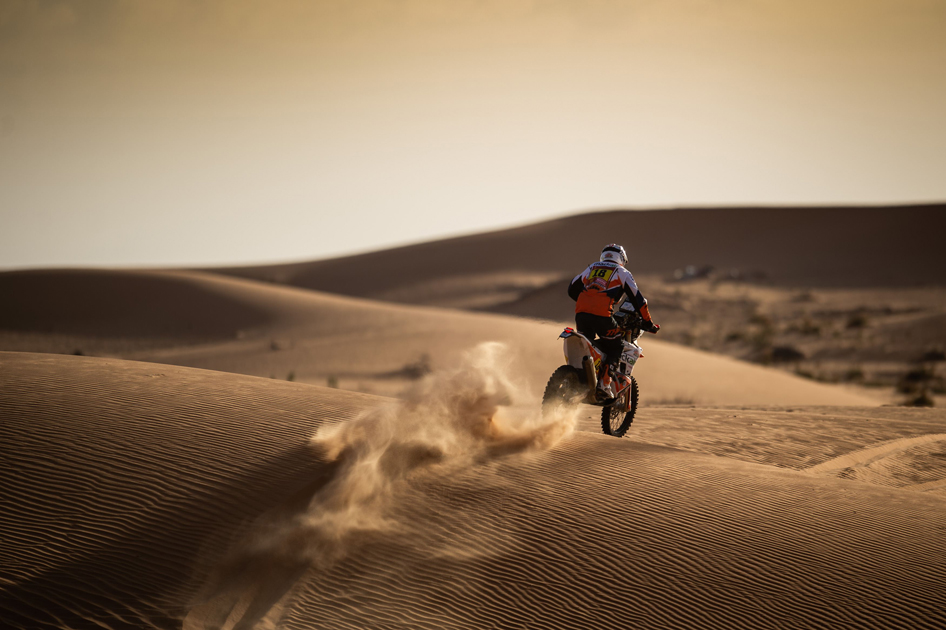
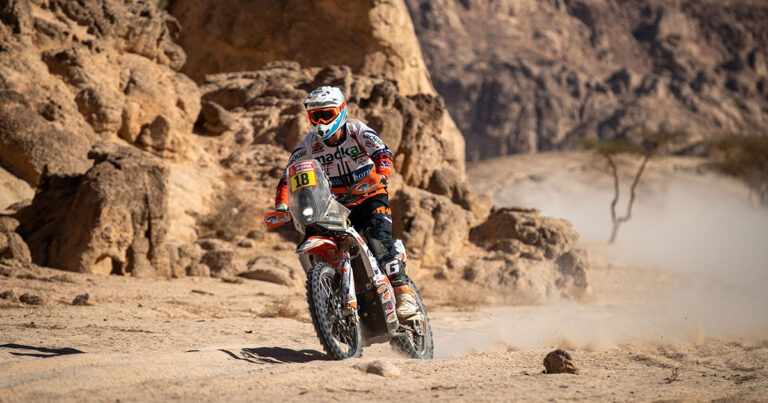
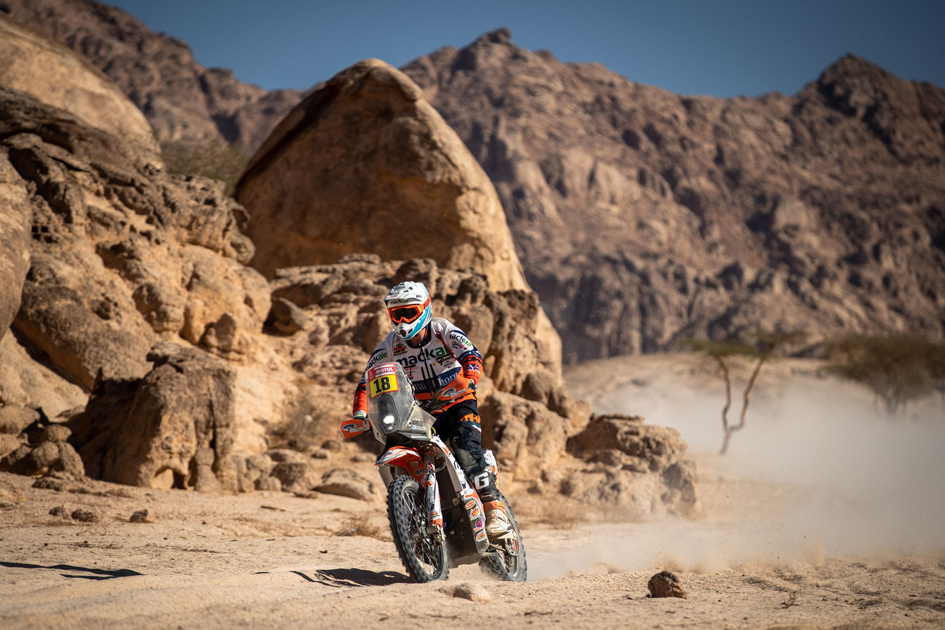
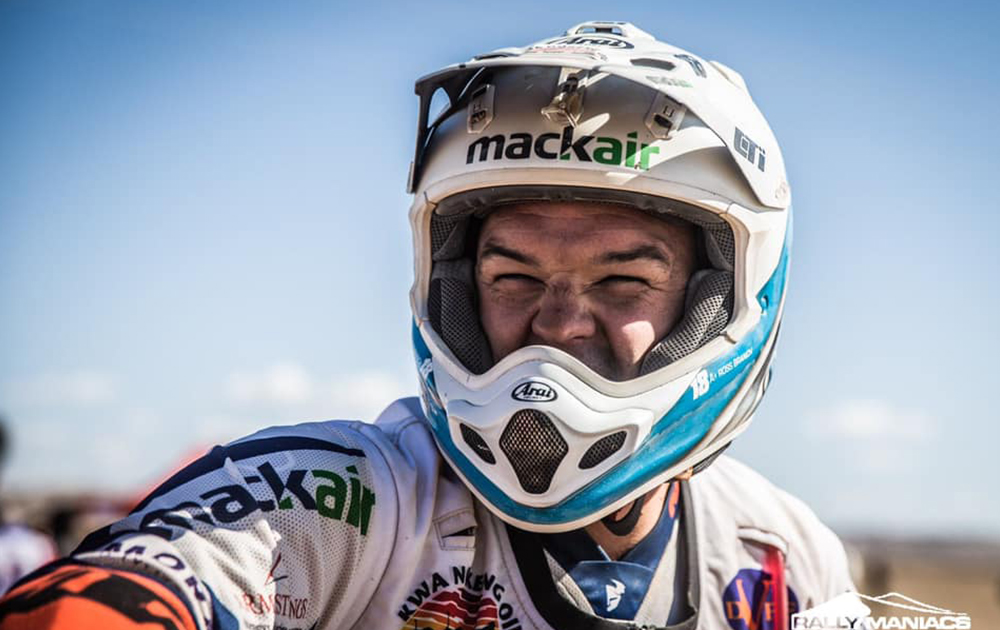
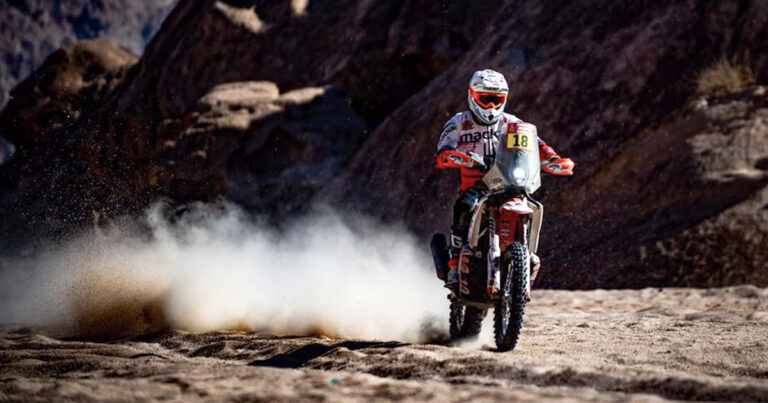
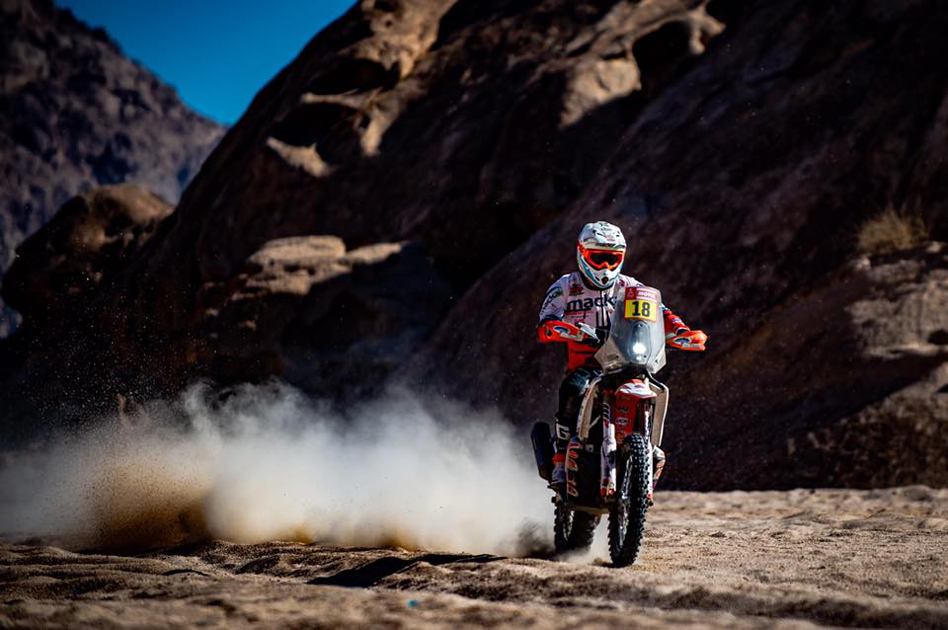
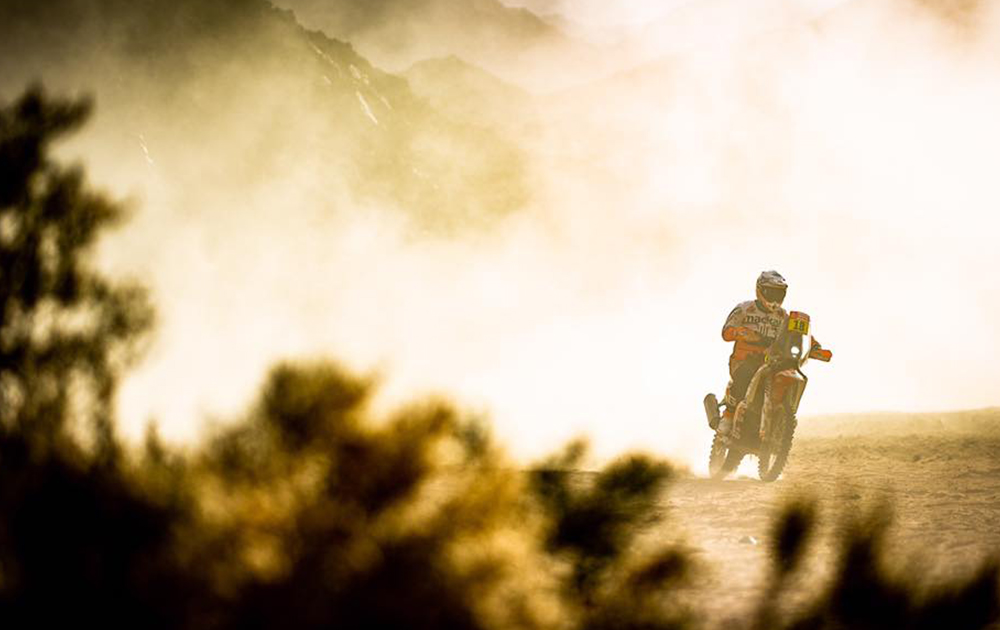
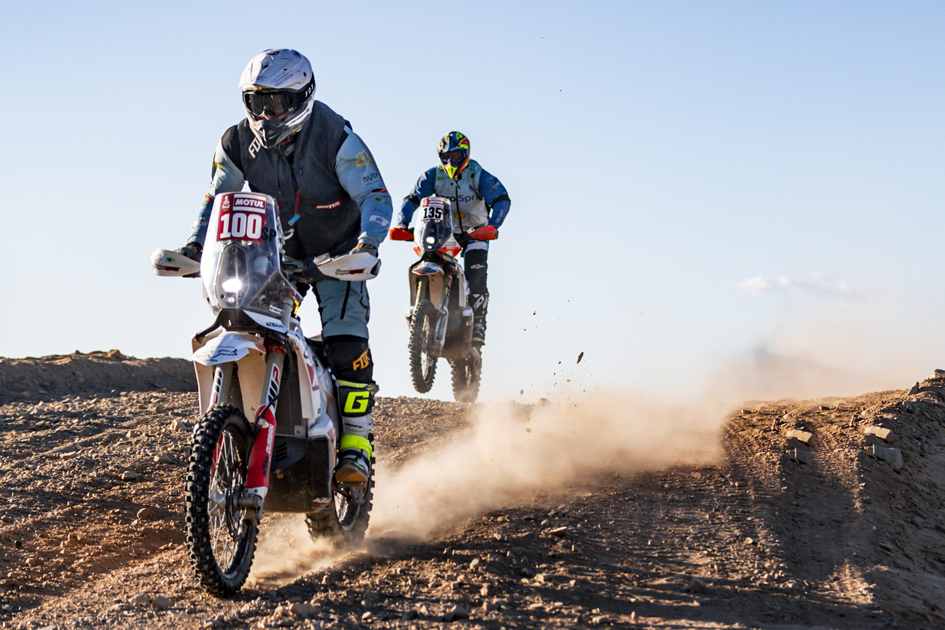
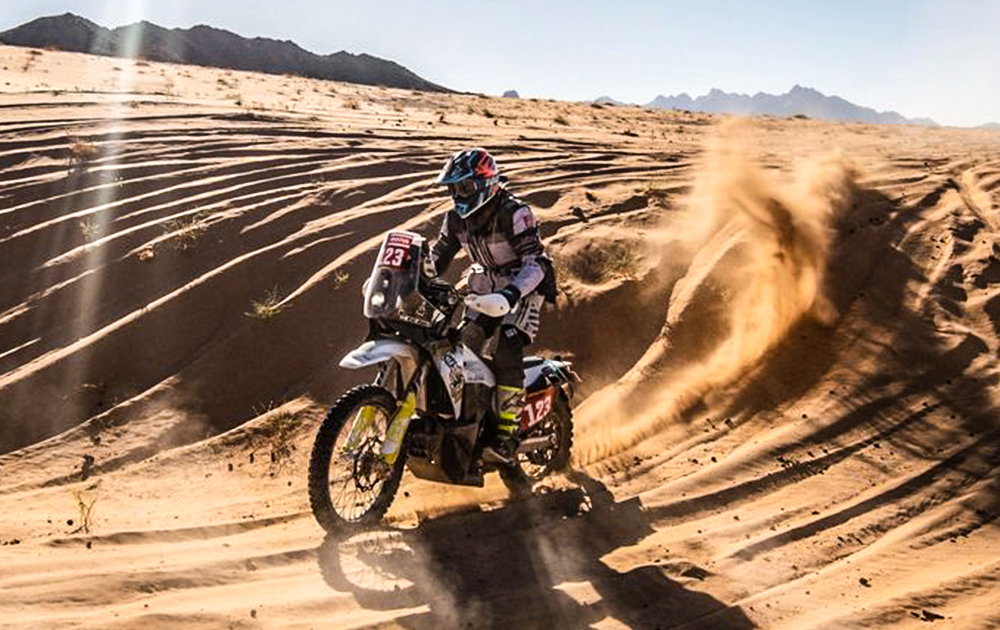
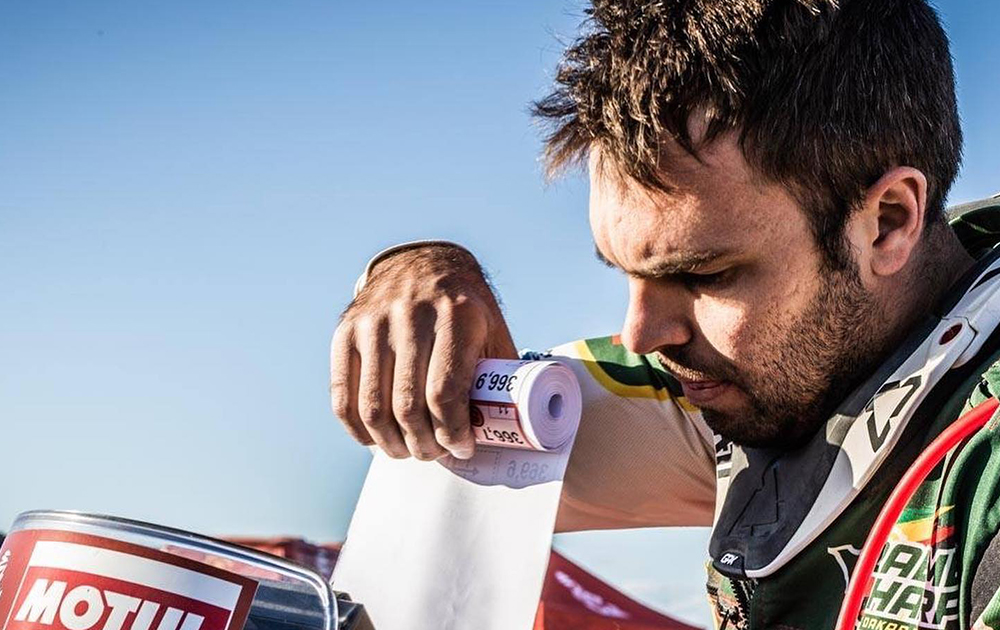
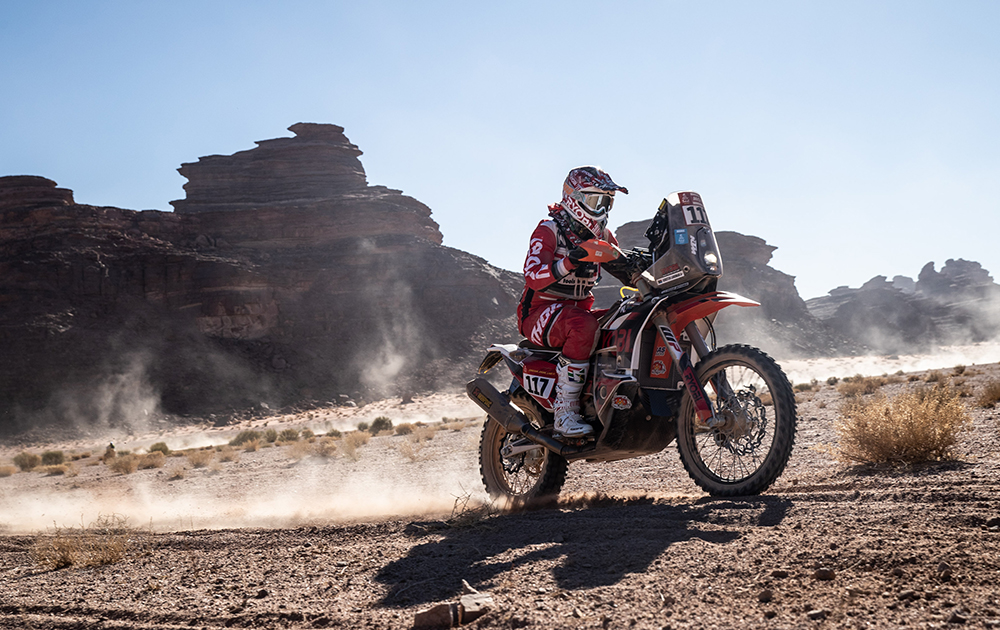
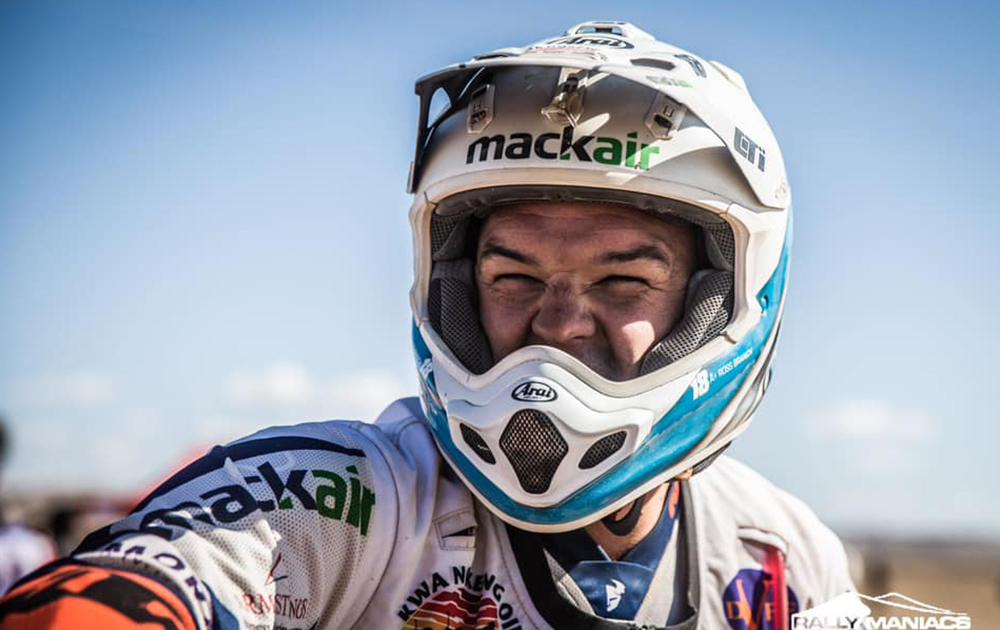
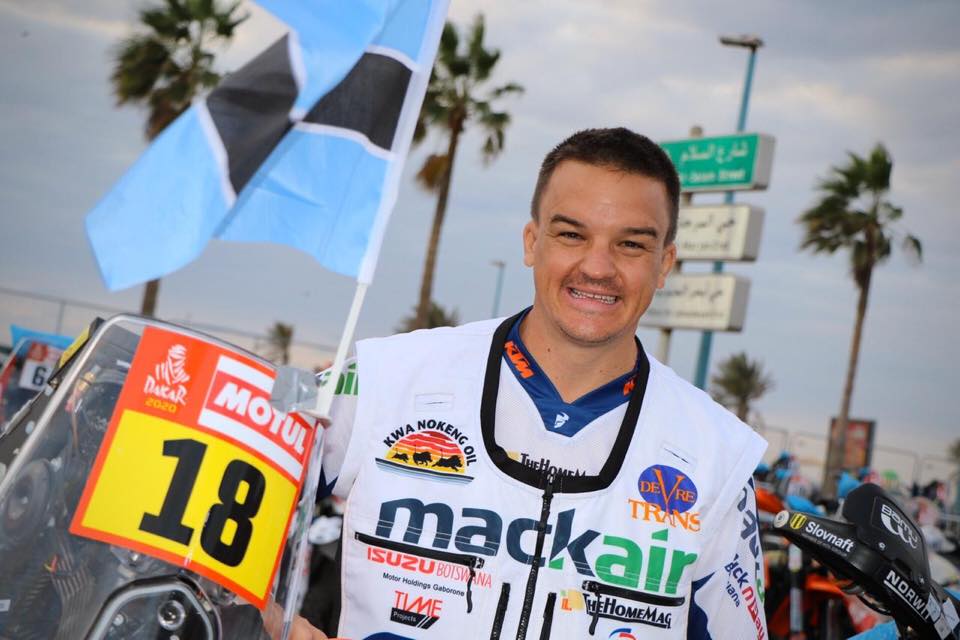
For the bike and quad competitors, the Dakar fast-forwarded to stage 9. Some of the bruised and battered riders no doubt benefitted from the extra day’s rest. None more so than Botswana boytjie Ross Branch. Still, in pain from his separated shoulder, he has soldiered on regardless confounding one and all with his speed. Having won stage 2 and then crashed in stage 3, his goal was to try and run in the top twenty consistently and see how his injured shoulder held up. He promptly finished in a blistering 5th place! Slowly he started to claw back places lost after a back wheel mousse collapsed on the longest stage of the first week. He rode almost 200 km’s on the back rim before the destroyed tyre broke the chain, literally 500 metres from the finish.
Photo credit: FotoP
A fellow competitor passed him, finished, and then came and helped Ross push his bike through thick sand to the finish. Spent from hundreds of km’s of riding his ailing bike, he was so near and yet so far. Graeme Sharp and Kirsten Landman then towed him another 600 odd metres to the beginning of 170 odd km liaison to the bivouac. This meant another 170 km tow before he could relax until the following stage. To bounce back from this sort of setback and record a 5th place on the next stage shows the iron will of this amazing man. He holds 18th overall with two stages to go.
Photo credit: FotoP
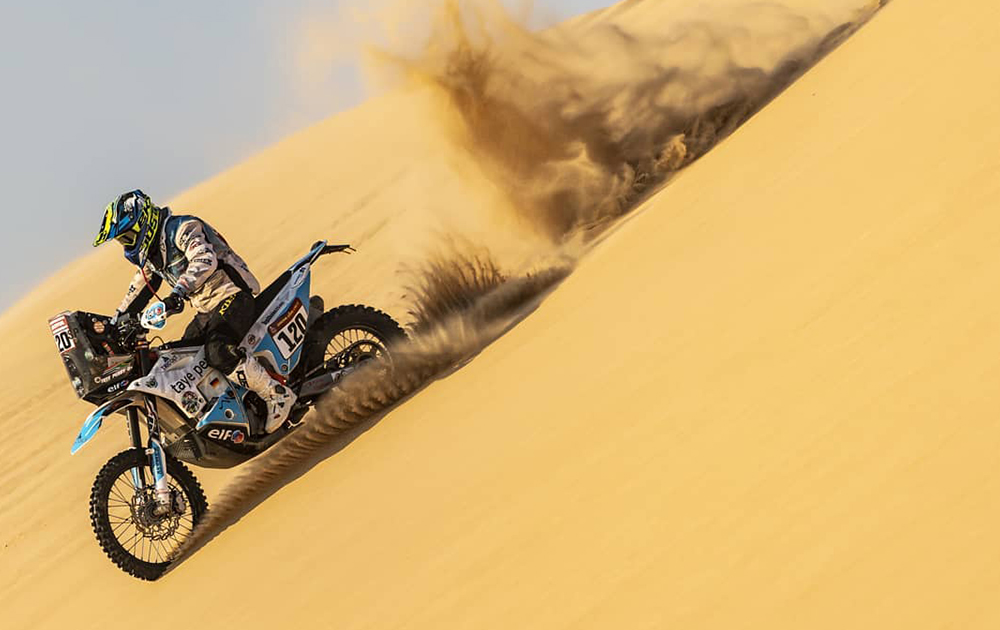
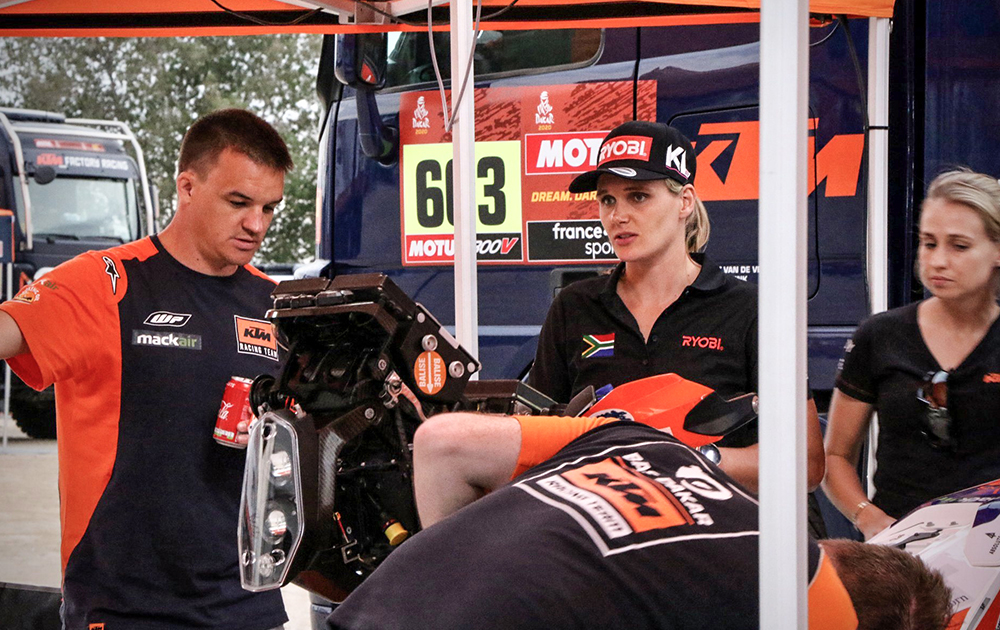
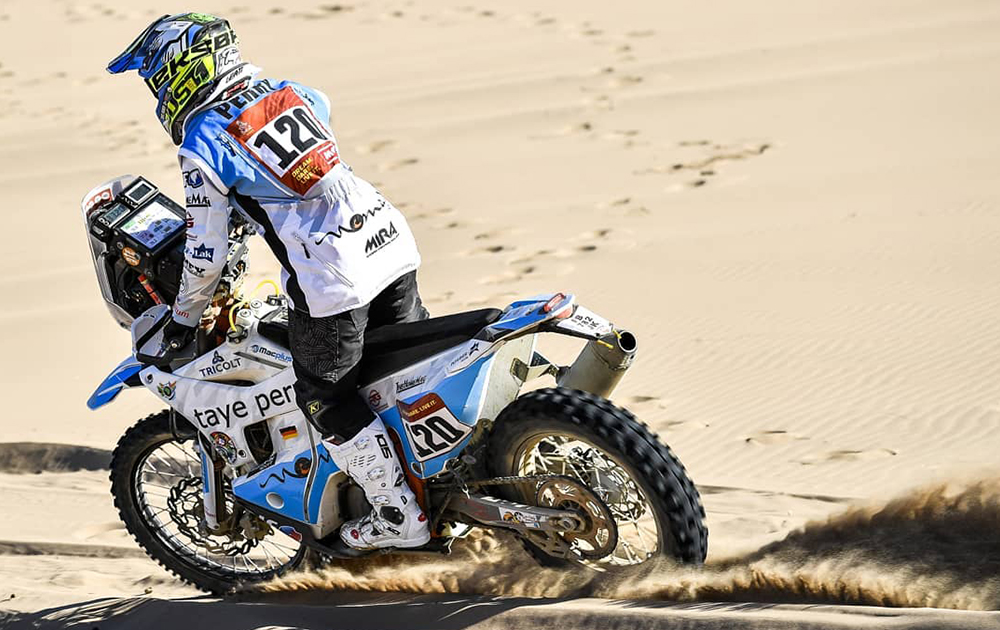
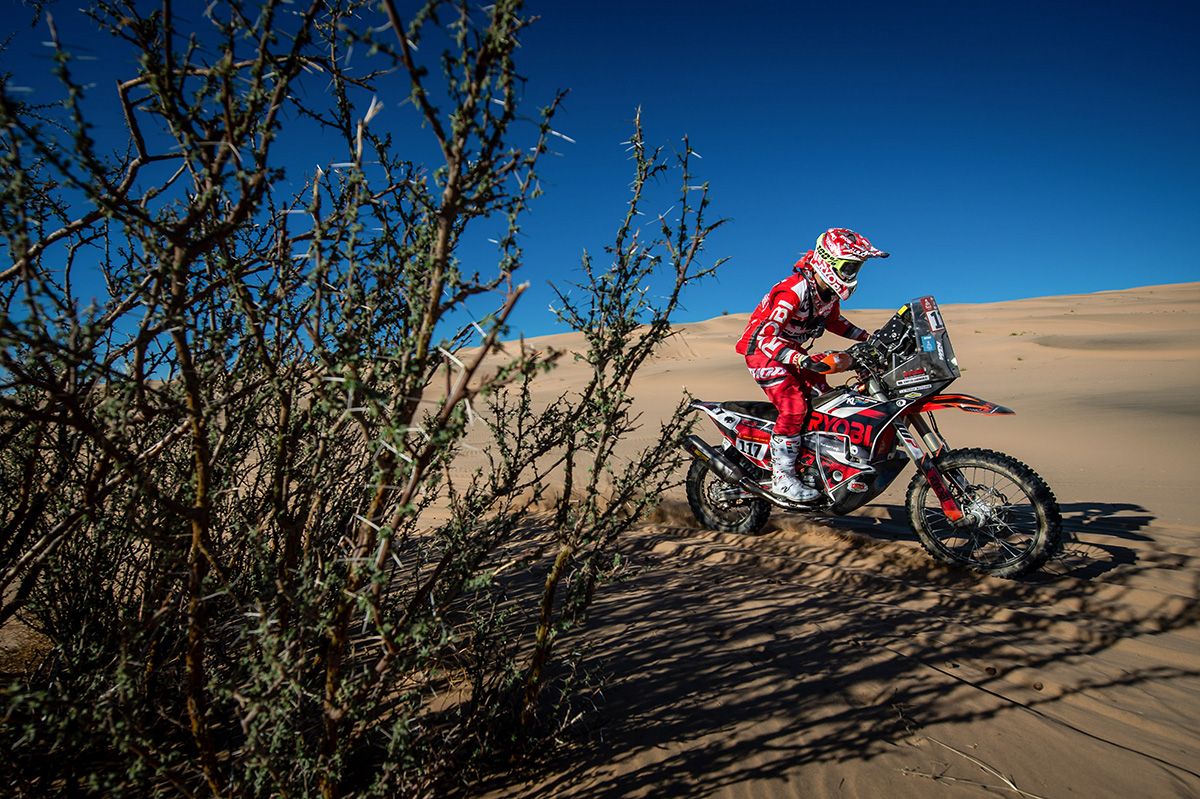
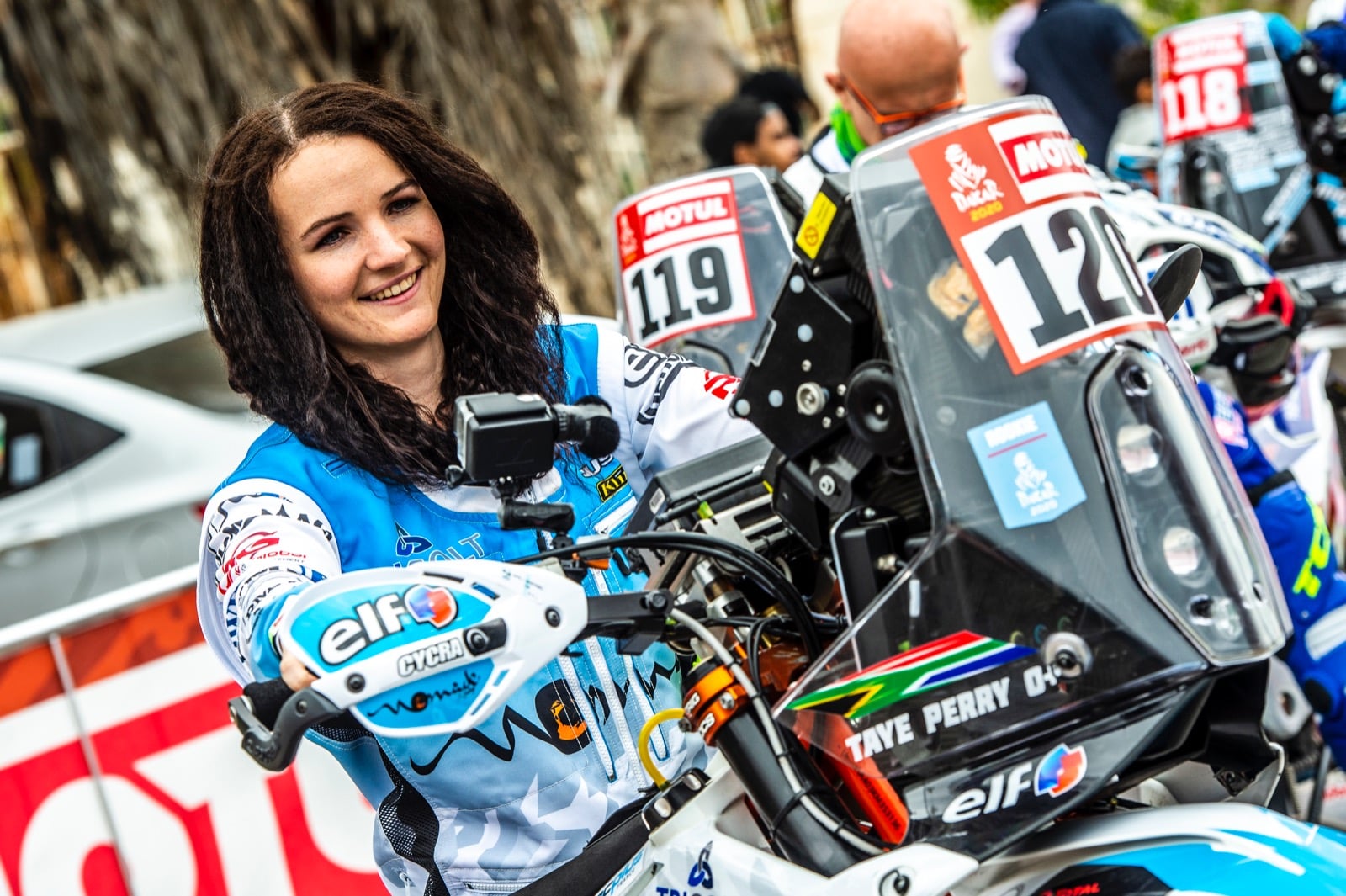
All the while our two ladies, Taye Perry and Kirsten Landman continue to do us proud. Riding with a maturity that belies their rookie status they have both been constantly climbing the overall standings. By the end of stage 10, Taye has moved up to 49th place. Kirsten gained around ten places by finishing the stage 44th overall. A fantastic achievement for the Ryobi sponsored rider. She holds 55th place overall with two stages remaining. Taye is the third lady behind the legendary Laia Sanz and Mirjam Pol.
Photo credit: Rallyzone
Kirsty is in fourth. Incredible! Stuart Gregory, riding in the Original by Motul class [Malle Moto] is in a solid 65th place with super consistent performance. To ride these long, fast and challenging stages, often preceded and followed by hours of liaison back to the bivouac and then still prepare your bike and yourself for the next stage is to me simply mind-blowing. Stu, I salute you, sir!
Photo credit: FotoP
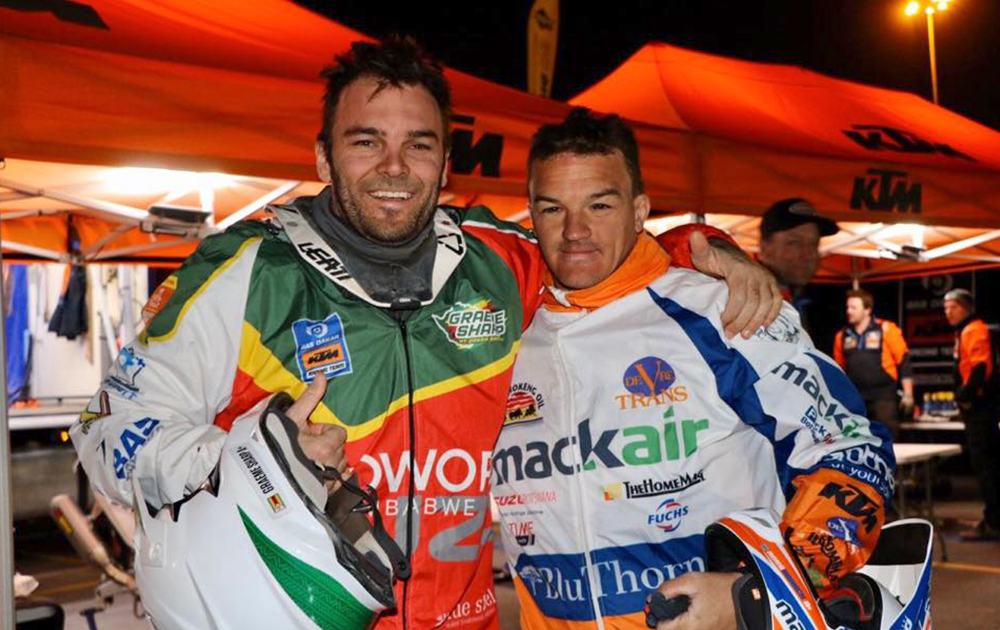
Graeme Sharp, our Zimbo buddy, showed his mettle by risking time barring to tow Ross Branch back to the bivvie. The rally gods were smiling and they got in in time but he never hesitated to put his race on the line to help a mate. What can you say to that kind of selflessness? With two stages left and lying 74th overall, he is within grasp of realising his dream and writing his name in the Dakar finisher record books. Go for it G, we are with you all the way!
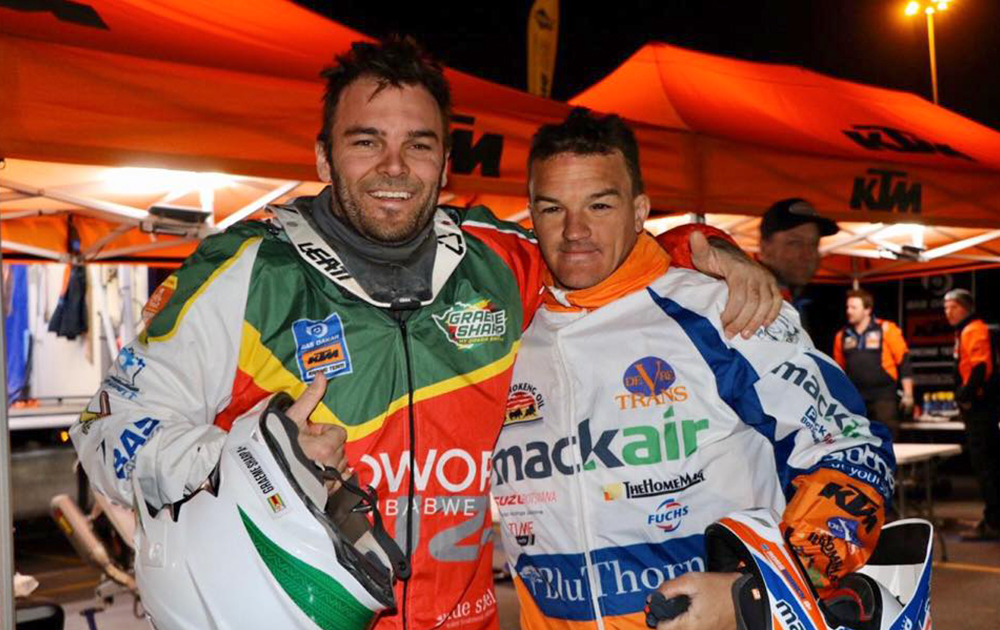
Graeme Sharp – BAS Racing
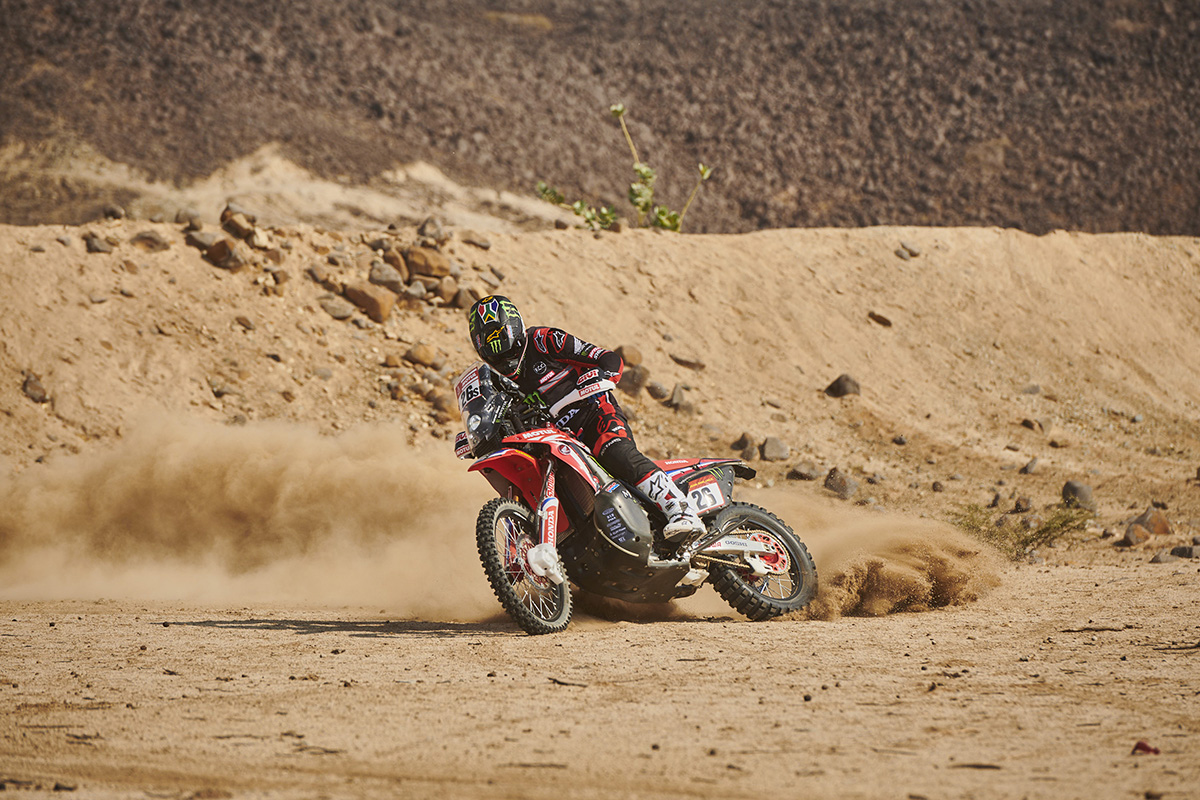
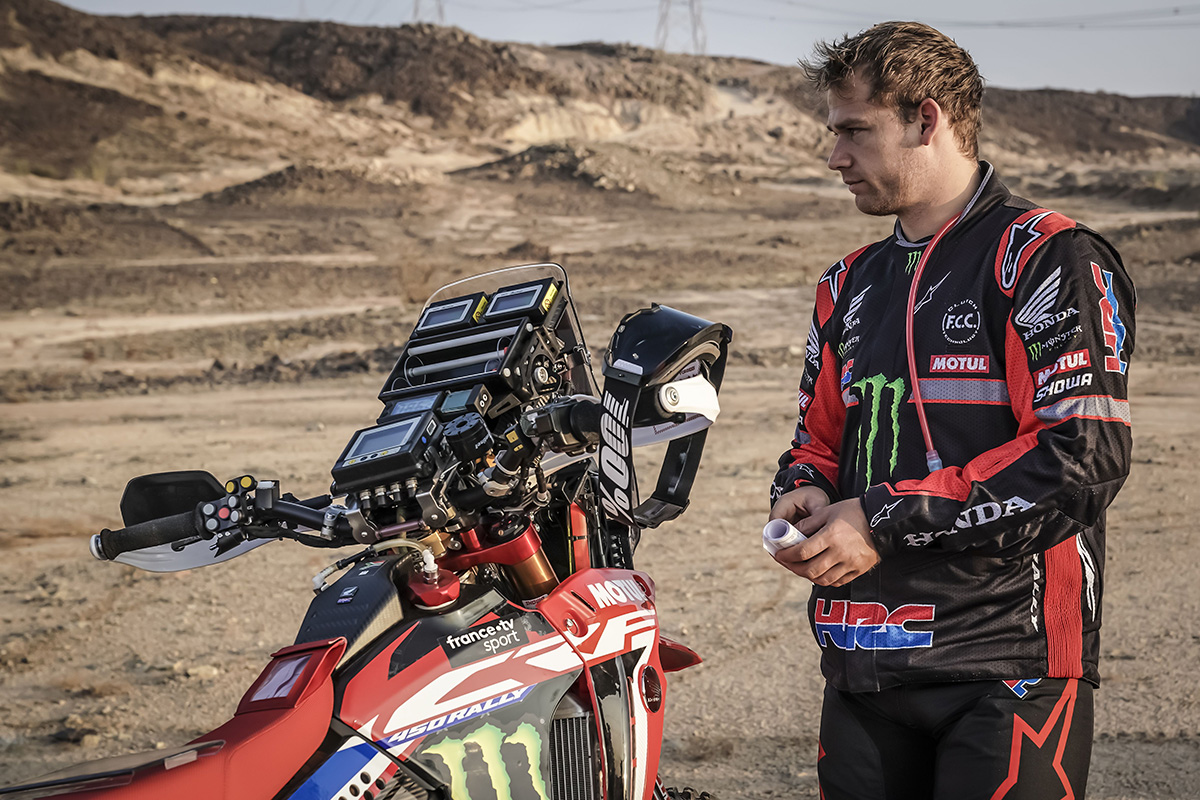
At the sharp end of the race, it seems that Honda, and the USA, for that matter may well have cause to celebrate in two days time. Ricky Brabec leads the race by around 25 minutes from Pablo Quintanilla, on his Husky. He, in turn, is less than two minutes ahead of a charging Joan Barreda, also on a Honda.
Photo credit: HRC
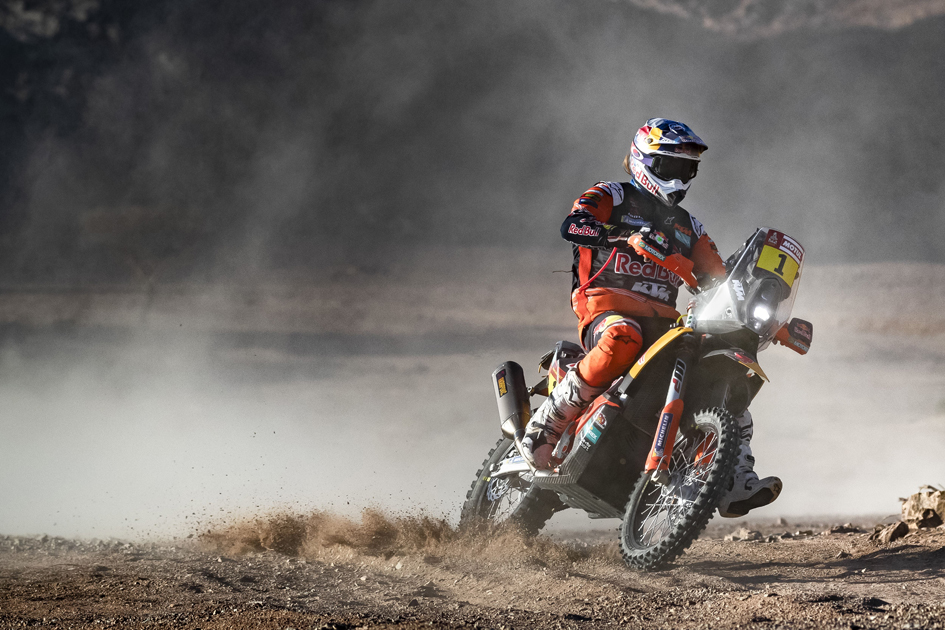
Toby Price, on the leading KTM, is racing for a podium spot a scant minute and a half astern. All I can say is that we are set for an incredible climax to what has been a dramatic Dakar in Saudi. Bring it on!
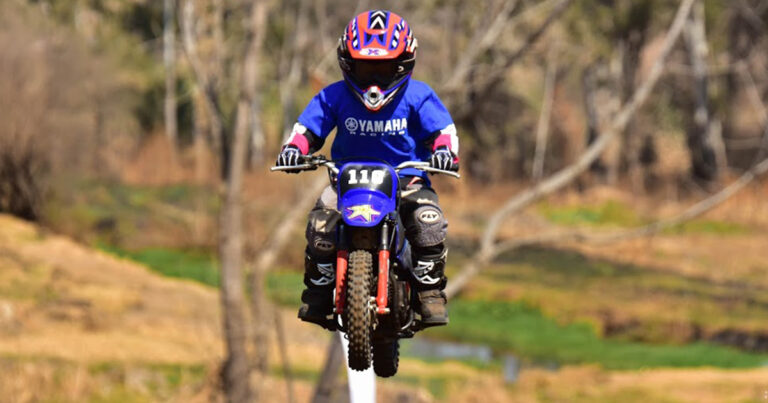
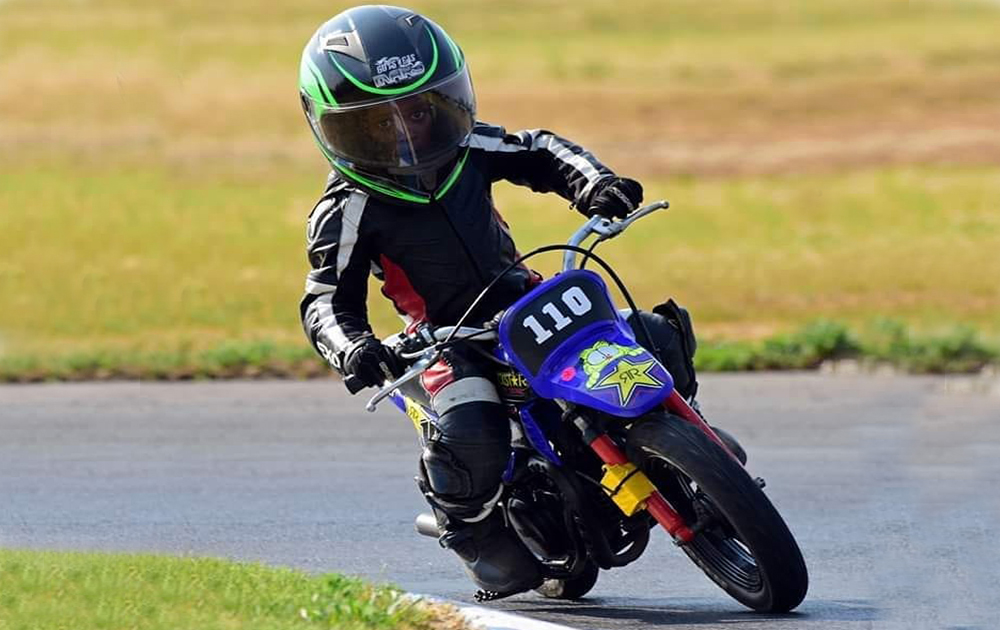
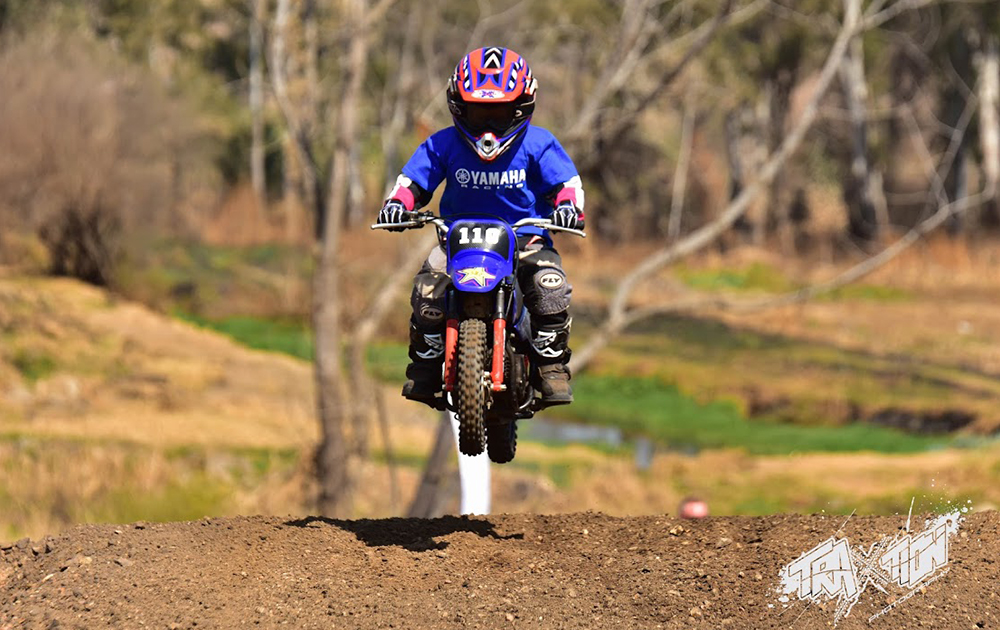
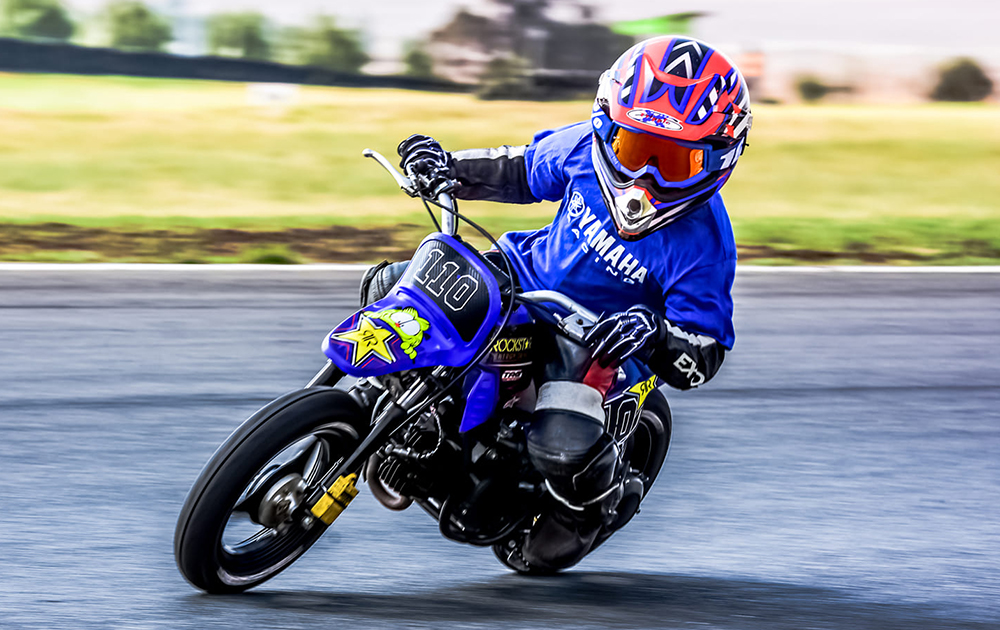
Yamaha Motor South Africa is proud to announce the appointment of its newest and youngest brand ambassador Bohlale Mafokate.
Bohlale, also known as ‘Little Man’, is currently five years of age and has rapidly made a name for himself in the short circuit racing scene, beating the pack on his Yamaha PW50. Little Man first picked up his enthusiasm for riding motorcycles from his father Zenzele, a former racer himself, when he took Little Man for a ride on his motorcycle at the time and saw how happy it made the youngster. Bohlale would attend various races form the age of two years old with his father, quickly developing a love for everything that is racing.
Photo credit: Yamaha South Africa
“We are excited for the partnership with Yamaha SA, it is a dream come true. Little Man’s performance and exposure will be boosted as a result of the support that we will be receiving from the Yamaha SA Family” says Zenzele Mafokate. Little Man will be racing the short circuit series as well as various Motocross events through the 2020 season in order to hone his young skills further, with the help of the Yamaha SA family.
“We are constantly on the lookout for future talent to be developed and Little Man is the perfect candidate. He is a wonderful young man, with great character, and we look forward to seeing what he achieves with our support” says Robin van Rensburg, Managing Director of Yamaha SA.
Photo credit: Yamaha South Africa
Little Man hopes and dreams to one day line up on the MotoGP grid-like his heroes, Valentino Rossi and fellow South African, Brad Binder.
Wrapping up the first half of the Dakar Rally with Southern Africa’s Ross Branch and Kirsten Landman. After six demanding stages, a long-awaited rest-day at the Dakar Rally was welcomed by local riders Ross Branch and Kirsten Landman.
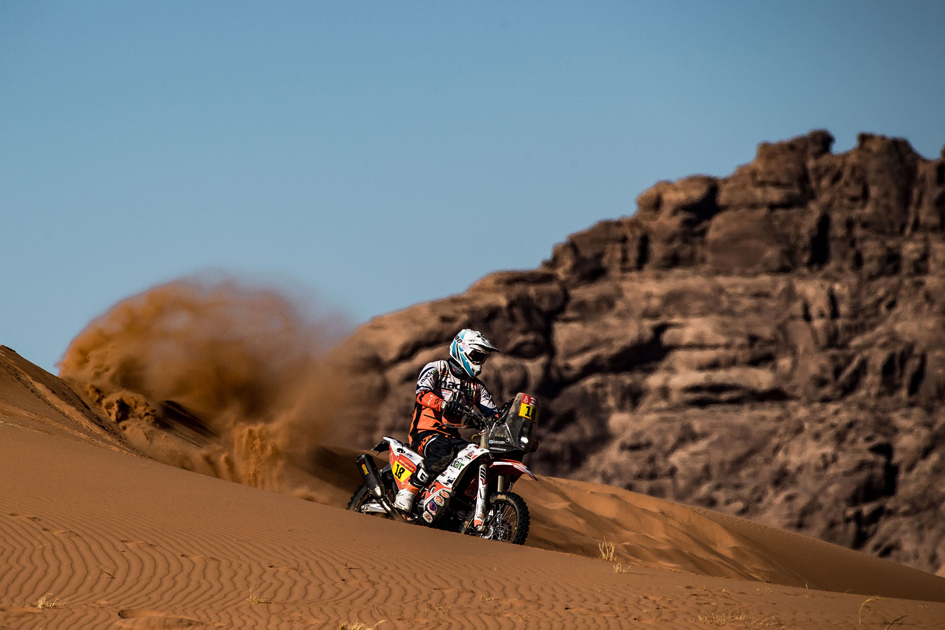
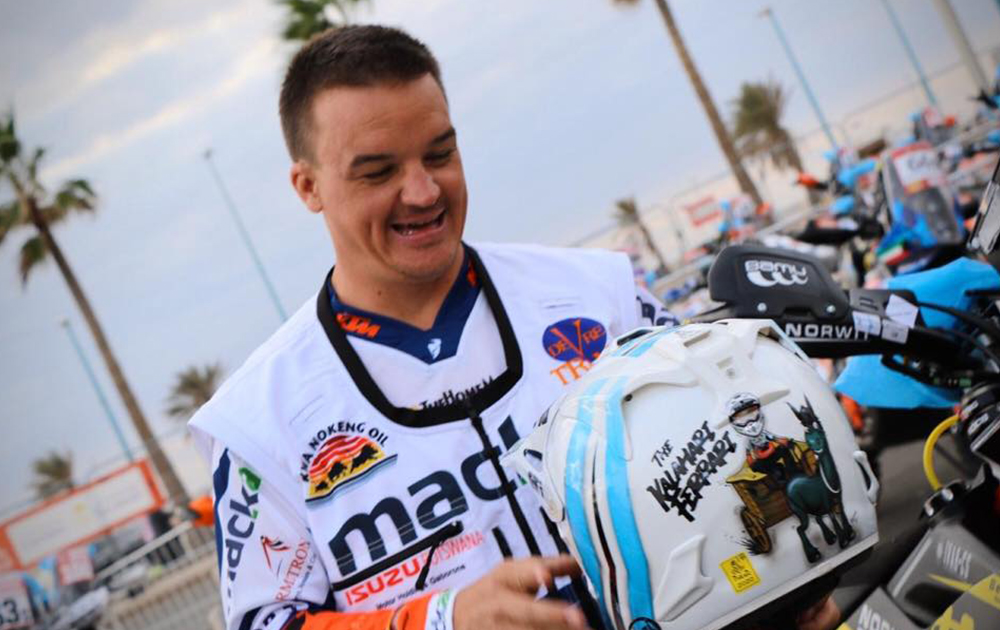
It’s been a whirlwind week of ups and downs for KTM South Africa’s Branch – the rider fondly known as Southern Africa’s “Kalahari Ferrari”. He entered the event as the reigning Dakar Rookie, a title he picked up when he crossed the finish line as the fastest first-time rider in the 2019 edition. Determined to shake off his rookie status this year, Branch made headlines on Monday as he stormed to the stage two victory.
Photo credit: FotoP
It was a monumental moment for the Botswana-based athlete, who made history by becoming the country’s first ever rider to win a stage at the Dakar. His excitement was short-lived, however, when he crashed early into stage three and sustained an injury to his shoulder.
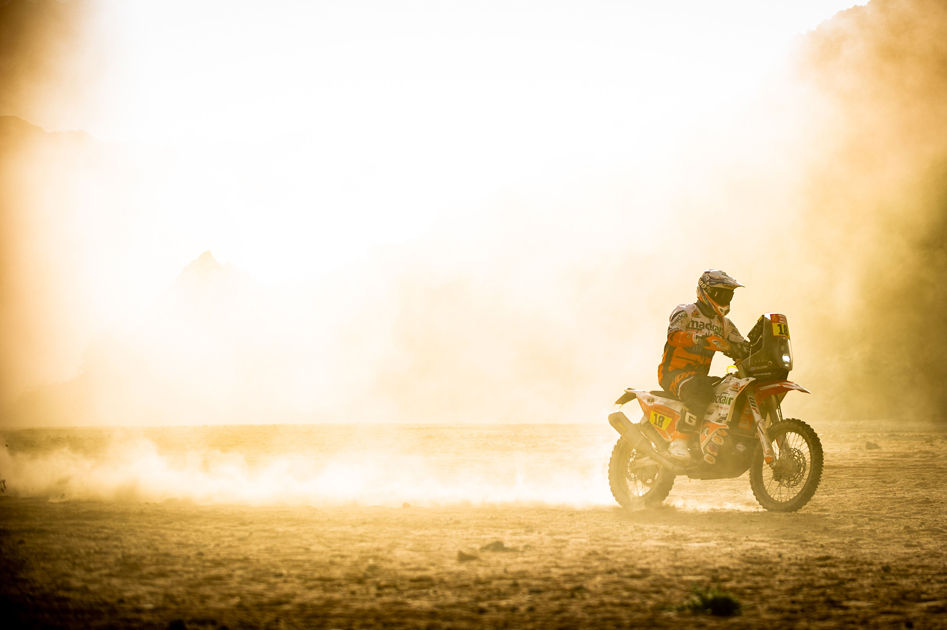
He defied the odds by making an impressive comeback the following day, finishing the stage in third and working his way back up to 18th overall. His steady progress continued, but unfortunately encountered another streak of bad luck when he discovered a hole in his rear tyre early into stage six. As his tyre deteriorated, Branch was forced to drastically slow down with the hope of nursing his bike back to the bivouac.
Photo credit: FotoP
Around 500 meters from the finish, Branch could no longer ride his motorcycle to the end of the stage. Fellow Dakar rider Fausto Mota from Portugal, who had never met Branch, ran back to him after finishing himself to help Branch push his bike in extremely thick sand. With great relief, Branch finished the racing stage in 84th position.
Bas Dakar KTM Racing Team teammates, Phil Wilson, Kirsten Landman and Graeme Sharp, helped tow Branch through the liaison and he returned to the bivouac in the dark.
Graeme Sharp – BAS Racing
Despite facing some heart-breaking disappointments, the ‘Kalahari Ferrari’ holds 25th place in the standings overall and is ready to race into stage seven.
“This isn’t how I had hoped the Dakar would go for me this year, but that’s racing. Not only my country, but the entire continent is supporting me – there is no option other than to keep fighting until the end! There are still so many stages ahead of me and I’m going to give them my best shot,” said Branch.
Photo credit: FotoP
Kirsten Landman has spent the past two years working towards her dream of finishing the Dakar Rally. As South Africa’s leading female enduro rider, Landman has conquered some of the world’s most unforgiving terrain. Having completed most of her goals as a technical rider, she decided to challenge herself by stepping into completely unfamiliar territory.
Landman was involved in a high-speed accident six-years ago, and has since spent her career avoiding any races that require her to ‘open up the throttle’. With a strong determination to overcome that fear of speed, she signed up to become the first South African woman to finish the Dakar Rally. Not only has she completed six stages, but currently holds 65th place overall.
Photo credit: FotoP
“The greatest challenge of the Dakar for me has definitely been the speed we go out there. I expected it to be fast – but not this fast! My goal from the start has been to finish, so I’m riding at a pace I’m comfortable with and not willing to take any risks in the dust. As hard as this event is mentally, I’m just trying to take in every second of the incredible opportunity I’ve been given to be here,” said Landman.
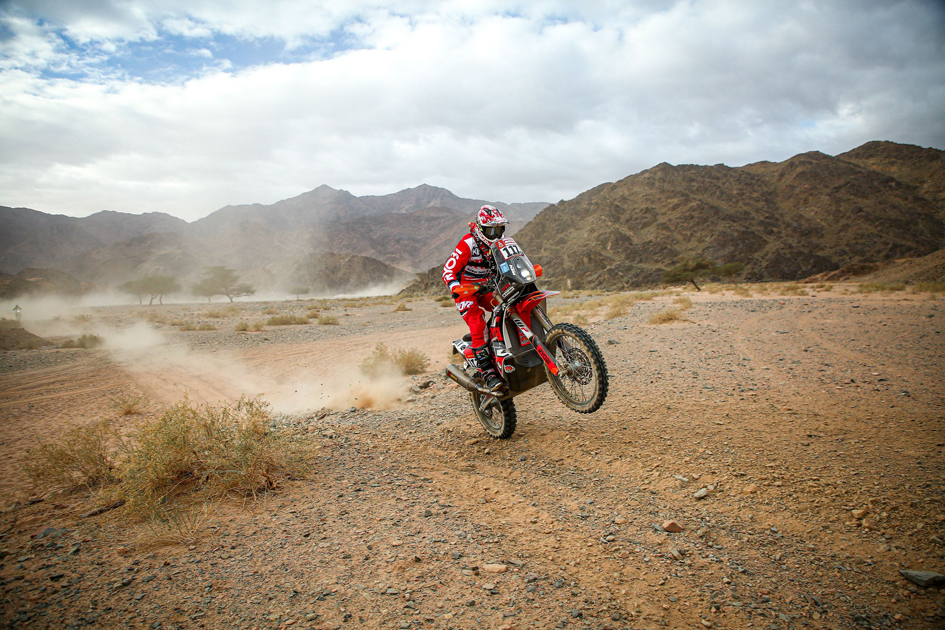
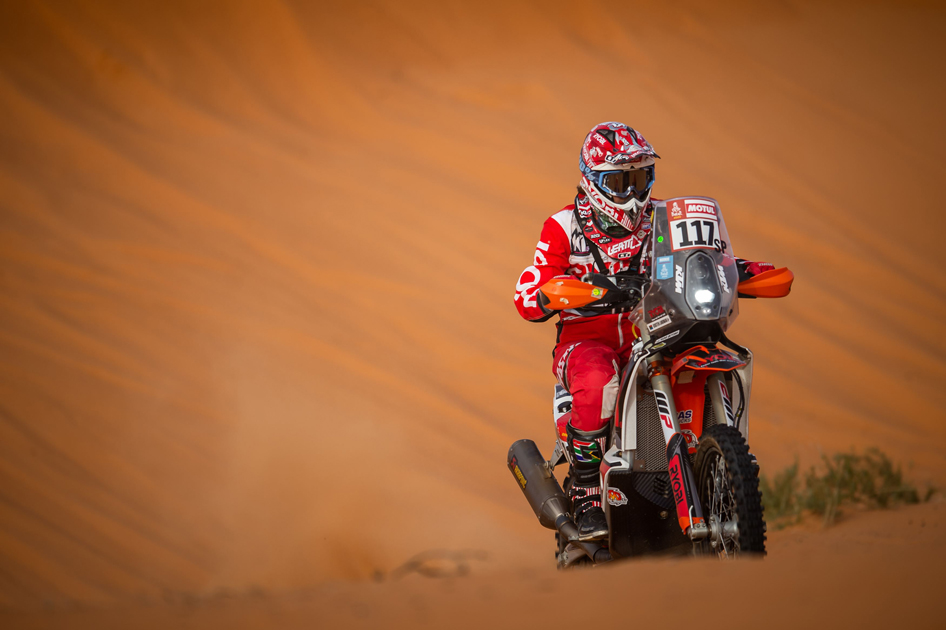
The start of the second half of the 2020 Dakar Rally has been overshadowed by the death of Paulo Goncalves – the experienced rally racer who for many years has competed shoulder-to-shoulder with Red Bull KTM Factory Racing and its riders. To give riders a day to mourn the loss of their friend, stage 8 has been cancelled.
Rest In Peace Paulo. Our thoughts are with his family and friends.
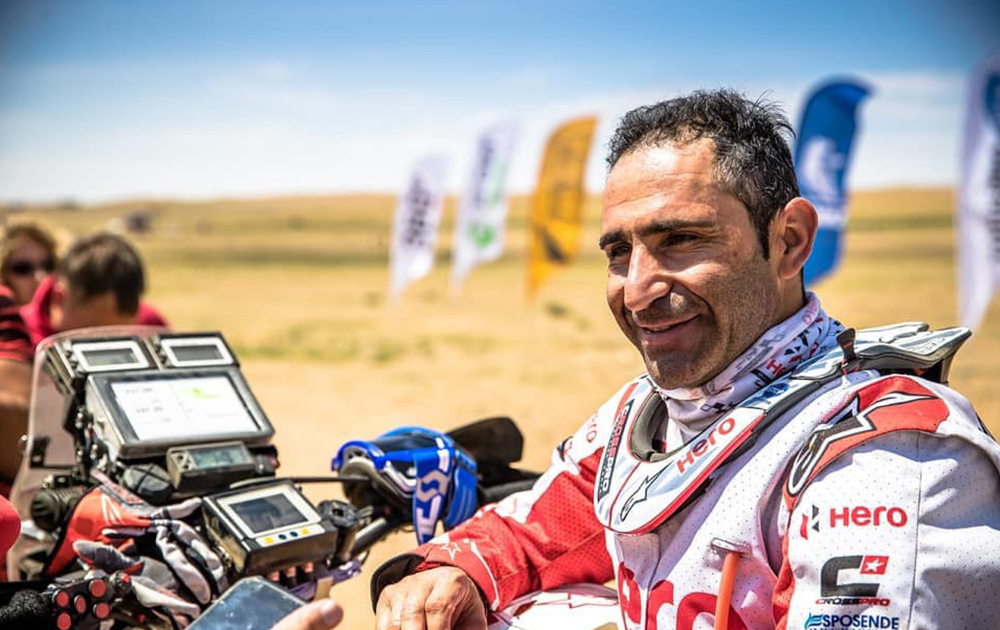
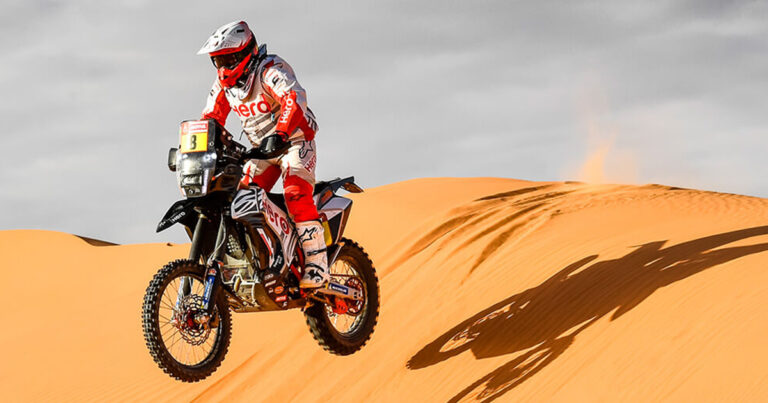
Stage seven of this years Dakar rally had a really long special stage of 546 km. The winner, Kevin Benavides, highlighted the extremely high speeds in this year’s event, with an average speed over the stage of over 130kph. This high speed, unfortunately, contributed to the death of Dakar legend, Paulo Goncalves, who crashed his Hero Rally bike 276 km’s into the stage. First at the scene of the crash were last years winner, Toby Price and stage winner Kevin Benavides, who tried desperately for a long while to assist and revive Goncalves, but to no avail. Benavides remounted and blitzed the stage, winning from Joan Barreda, also Honda mounted. A fitting tribute to their former Honda teammate, Goncalves. Toby Price was visibly gutted by Goncalves’s passing.
Photo credit: KTM Official
Goncalves was a long-time stalwart of Rally Raid racing, taking part in his 13th Dakar. He was runner up to Marc Coma in 2015 and won the 2013 cross-country world championship. Whilst we understand that Paulo Goncalves understood the risks of Rally racing better than most, as a long-time participant, it remains incredibly sad when a rider dies during an event. Our thoughts go out to his family in this sad time.
Photo credit: Hero MotoSports
In solidarity with the participants, the Dakar organisers have cancelled stage eight for motorcycles and quads, allowing riders to mourn the passing of one of their own. Ricky Brabec has consolidated his lead to over 24 minutes over Husqvarna mounted Pablo Quintanilla, followed by Jose Ignacio Cornejo, also on a Honda. KTM’s Toby Price is the first KTM rider in contention.
Photo credit: Hero MotoSports
With just over half the race run, Honda seems to be tightening its grip on this years event, however, it is still a long way to go in an incredibly unpredictable race.
For the past four days, Dakar Rally fans have been glued to their screens as they watch riders take on the world’s toughest motorsport event. Joining the list of Elite athletes that are currently racing across the Saudi Arabian dunes is Southern Africa’s very own Ross Branch and Kirsten Landman.
Photo credit: Franziska Brandl
The Botswana-based Branch steps into the 2020 edition as the reigning ‘Dakar Rookie’ champion. Having gained a wealth of experience over the past year, Branch set his sights on reinstating himself as a force to be reckoned with amongst the world’s top riders in this sport.
Monday was not only a monumental day for Botswana but for all of Southern Africa when Branch stormed to the stage two victory. This was the first time in Botswana’s history that a rider has managed to win a stage at the Dakar Rally.
Photo credit: FotoP
Expectations were high as Branch set off pushing the pace up front for the third stage of the event. Fans were left heartbroken, however, when news broke that Branch had crashed 88km’s into the grueling route.
After doing some damage control, Branch managed to return to the bivouac having completed the stage. He was treated by doctors who confirmed that his shoulder had separated and tended to his injured finger.
Photo credit: FotoP
“I hit a rock and went over the handle-bars, destroying my navigation tower in the process. For 350km’s I had to follow people in the dust and hit every single danger that I could no longer see in the roadbook. Having just come off the stage win, this is not what I wanted. But that’s racing, and all we can now do is carry on,” said a disappointed Branch.
Photo credit: FotoP
As he prepared to take on stage four this morning, he added, “It’s been a really tough night, and today will be one of the toughest days for me. I’m in a lot of pain, but I’m not about to give up. Thank you for all the support – I went through all the messages last night and it helped me keep my chin up. Keep them coming! I’m going to reach that finish line.”
As the sun sets on the Saudi Arabian dunes, Branch has not only soldiered on but finished today’s stage in third place. He is currently ranked 18th overall.
Photo credit: FotoP
“When we found out that Ross had a bad crash early on during Stage 3 we were not sure whether he would be able to continue. With an injured shoulder and on top of that a broken navigation tower it was not just painful, but also extremely difficult to navigate back to the end of the Special Stage by purely relying on following other competitors. Ross was in a lot of pain when he arrived at the bivouac in Neom and also this morning before heading out onto Stage 4. Today’s results are mind-blowing, to say the least and he as dug very deep and once again shown his never-give-up-attitude. He will be taking this Rally day by day and we are excited to see what tomorrow brings,” says KTM South Africa’s Managing Director Franziska Brandl.
The Dakar always serves up a fair share of drama, but this year seems to be particularly crazy given the early stage of the event. Thinking about it after watching the first three stages, I am of the opinion that Rally Raid motorcycle racing is the toughest and scariest form of motorcycle competition on the planet. To date, we have seen rough, unyielding terrain and very high average speeds. Problem is, when things go pear-shaped, the riders crash really hard with a high risk of damage to both bike and rider. Kirsten Landman summed it up with her feedback after the second stage. She says that hanging dust makes spotting lurkers very difficult when riding fast, demanding extreme concentration on where you are going. Here is the kicker. As soon as you neglect paying attention to your roadbook you have a better than average chance of missing a waypoint. So how has the race gone so far for the South African riders and overall?
Adrien Van Beveren – Monster Energy Yamaha
Aaron Mare’ saw his Dakar hopes obliterated when he had an off in the very first stage, injuring his hand and dislocating a shoulder to the extent that he had to withdraw from the race. Gutting for him and Team Monster Energy Honda.
Aaron Mare’ – Monster Energy Team Honda
Ross Branch, the Kalahari Ferrari. What a boytie! Ross served notice of intent by finishing in 14th spot on stage 1 and then, get this, winning stage 2! He then had the daunting task of “opening the road” on stage three. Advantage? – no dust, disadvantage?- trying to go as fast as possible whilst navigating the route. 88 km’s into the stage he hit a rock with his rear wheel and crashed really hard, separating his shoulder, losing the point of a finger and destroying his navigation tower. Crying with pain, he remounted and nursed himself and the bike to the end of the stage. Medically cleared to continue, he is staying in the race, determined to finish despite huge pain and discomfort. My prayers go with you my bud!
Ross Branch – BAS Racing
Stuart Gregory, riding in the Original by Motul category, has progressed steadily, lying in 71st position overall at the end of stage 3.
Stuart Gregory – Original by Motul
Wessel Bosman “the Adventurer”. Wessel’s dream of a Dakar finish ended in a hole after being forced to take evasive action form a truck on stage 2. Forced to jump a huge hole, Wessel broke his ankle on landing. Kept the bike upright but did his ankle! How is that for a bummer?
Wessel Bosman – Original by Motul
Graeme Sharpe is keeping things tidy and is in 82nd spot after the first three stages.
Graeme Sharp – BAS Racing
Kirsten Landman beautifully turned out in her sponsor Ryobi’s race kit, is riding with brilliant restraint. Fast and smooth and as safe as possible, given the high speeds and harsh terrain. Currently, in 75th position, she is preparing meticulously for each stage and trying to control the controllable. Great ride from Kirsty!
Kirsten Landman – BAS Racing / Ryobi Africa
Taye Perry is having an absolute blast at Dakar. Tiny Taye seems to have found her mojo totally and is living her dream. “Dakar Portrait” footage shows her riding hard and fast! Every interview has her bubbling with enthusiasm. A great ambassador for SA. She is currently in 68th overall.
Taye Perry – Nomade Racing
As for the sharp end of the race, things have really ebbed and flowed. Yamaha star, Adrien Van Beveren crashed out of the event leaving Franco Caimi to fly the flag in 12th spot overall. Honda on the other hand have factory riders Ricky Brabec, Kevin Benavides and Jose Ignacio Cornejo Florimo in the top three positions overall. The first KTM rider is last years winner Toby Price in 4th. Sam Sunderland, also on a Katoom is 5th with Pablo Quintanilla 6th on his Husqvarna.
Toby Price – KTM Factory Racing
It is still early days but things are boiling upfront. Honda is desperate for a win and KTM is as desperate to stay unbeaten for another year. Provisional results for stage 4 suggest that Ross Branch, separated shoulder and all, came home in third place for the stage. What do they feed these guys? Respect! Ross must be seriously knocking on the door for a full factory ride. He has proven that he can run with and beat, the best of them.
Ross Branch – BAS Racing
The terrain seems perfectly suited to the Baja boys as well as our very own [sort of] Kalahari Ferrari. Ricky Brabec and his Honda compadres are going to take some beating, that is for sure, yet it would be a brave man to rule out the orange tide. The drama continues….
“The Dakar”. The very name conjures up visions of rally vehicles and even high tech off-road racing trucks battling it out for days on end over barren and often hostile terrain. This year the Dakar takes on a new look having moved from South America and Peru in particular, to Saudi Arabia in the Middle East. The reason for the move is essentially centred around money. The major teams are based in Europe and have their resources stretched to compete in South America. As for Saudi, they pump lots of that black slippery stuff out the ground there, which means they have a buck or two to blow on hosting a world spectacle and placing themselves on the world stage despite a rather chequered human rights record.
Aaron Mare’ – Monster Energy Team Honda
We at ZA Bikers are obviously primarily interested in the two-wheeled race within a race. There is an unprecedented high number of Southern African riders contesting this year’s event. We thought we would give you a quick rundown on who’s who.
Aaron Mare’ – Monster Energy Team Honda with full HRC support. Yes folks, a South African on a full factory Honda. Aaron cut his teeth as a Junior MX85 rider in SA back in 2008. He built on his riding CV racing in Europe and then the States where he competed in the AMA Outdoor Nationals until 2015. Itchy feet took him to Dubai and his introduction to desert racing to which he took like the proverbial duck to water. Over the next few years, he recorded wins in Rally Raids all across the desert regions, notably Merzouga and Morocco. With the Dakar moving to his back yard, HRC snapped him up, considering his desert racing experience a huge asset to their team.
Aaron Mare’ – Monster Energy Team Honda
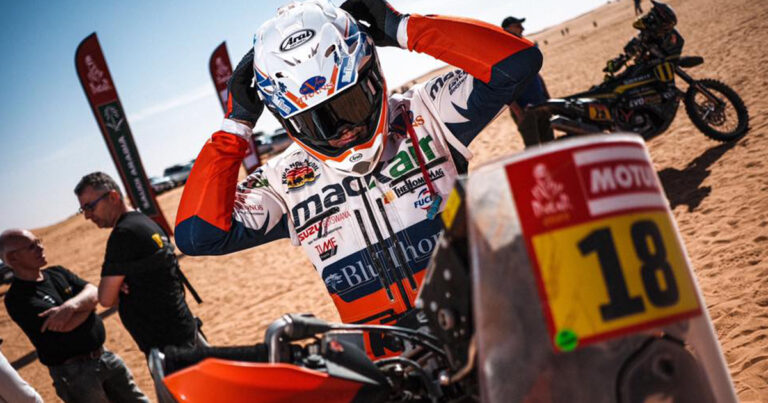
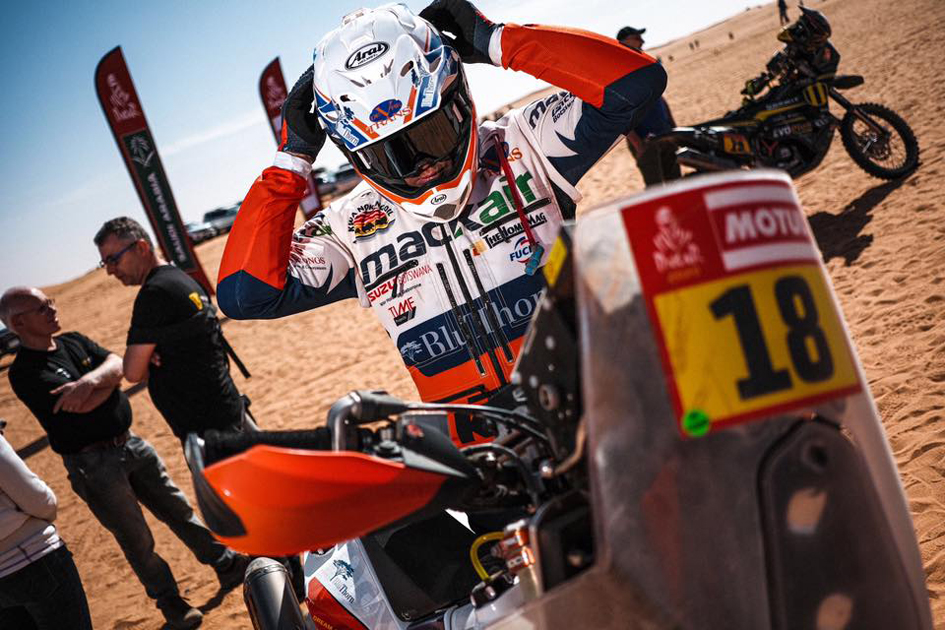
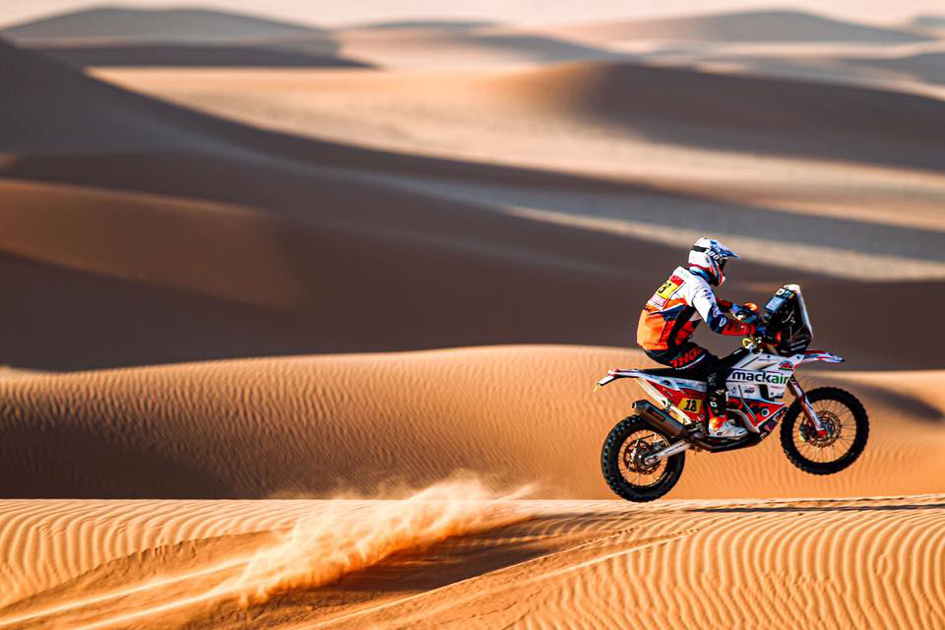
Ross Branch – BAS Racing KTM 450 Rally Replica, “the Kalahari Ferrari” needs little introduction, having raced to 13th overall and top rookie in last years Dakar. The likeable Botswana boytie likes them tough and sandy, so expect him to kick some serious butt in Saudi. I spent some time chatting to him at the KTM 790 launch in Morocco last year and believe me the Mack Air pilot is one hell of a nice humble guy. I for one am rooting for him big time. Ross would love to secure a KTM factory ride by showing what he can do against the world’s best.
Ross Branch – BAS Racing
Stuart Gregory – the 42-year-old macadamia nut farmer from KZN is back for a second crack at Dakar after suffering engine failure on the eighth stage of last years event. He is competing in the extremely tough “Original by Motul” class where you have no support and do all your own work on the bike. Must be nuts! [sorry] he is on a KTM 450 Rally Replica.
Stuart Gregory – Malle Moto
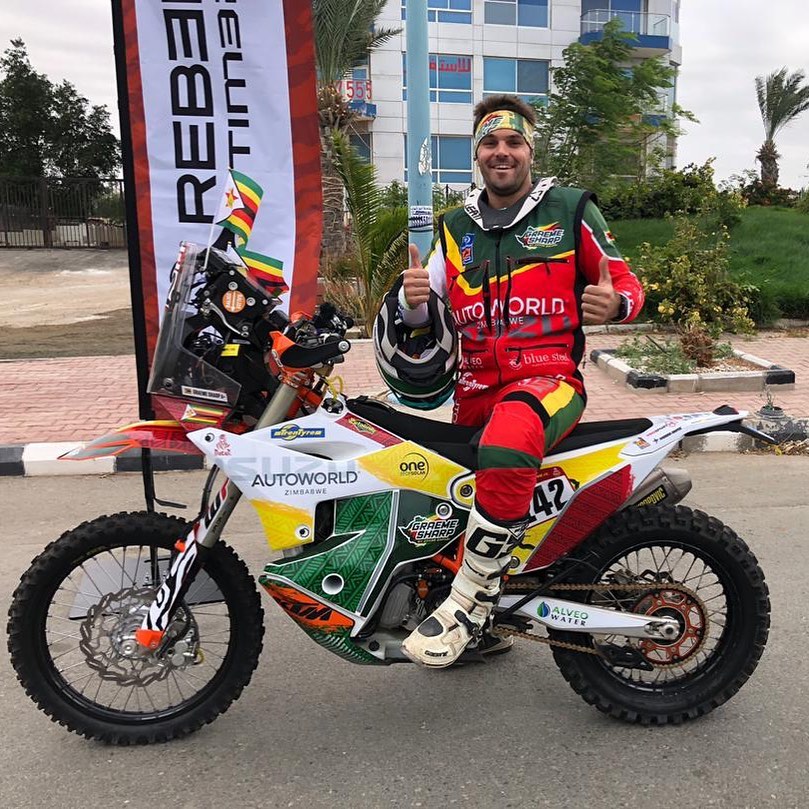
Graeme Sharp – riding on the BAS Racing team, he is the first Zimbabwean to tackle Dakar. With finishes in the Merzouga and Morocco rallies, he has served notice that he is both tough and capable.
Graeme Sharp – BAS Racing
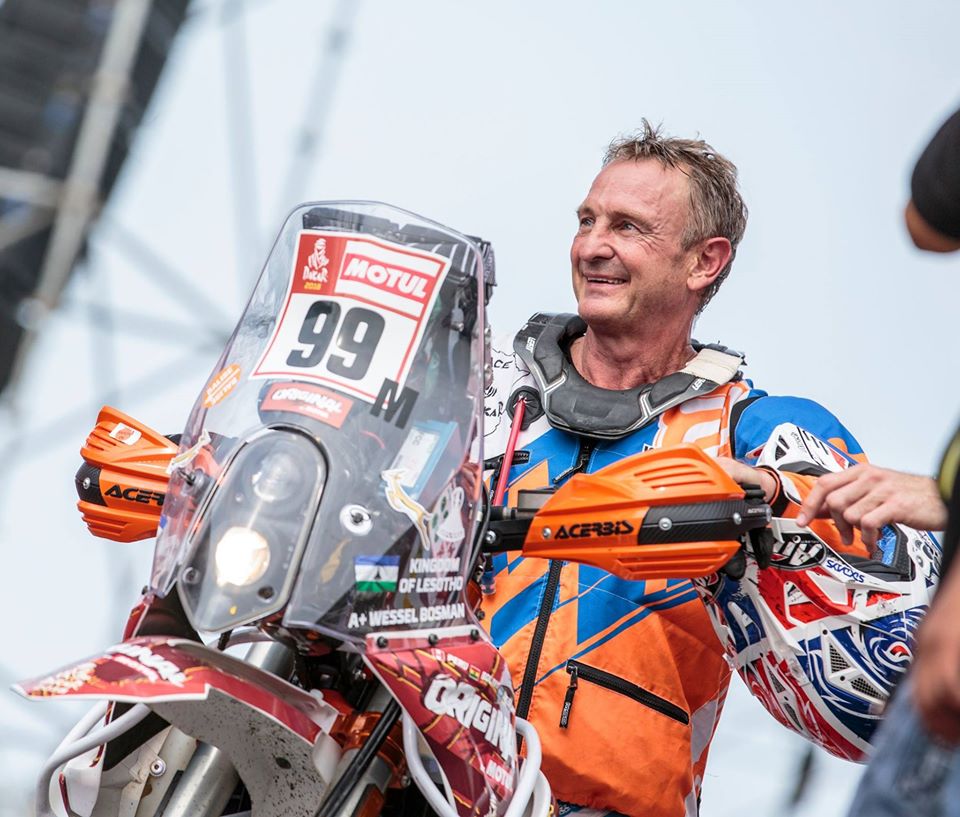
Wessel Bosman – “The Adventurer”. Wessel, at age 60 is no stranger to international competition, having raced successfully as a top international hurdler in his youth. By his own admission, he is not the best rider, but with three previous Dakar starts and no finishes, he has unfinished business with this race. He is riding his self prepared Husqvarna FE 450 and will be competing in the “Original by Motul” class. As a committed Christian, he feels he will never be riding alone in this event. Good on you Wessel, take it to the finish, brother.
Wessel Bosman – Race 2 Dakar
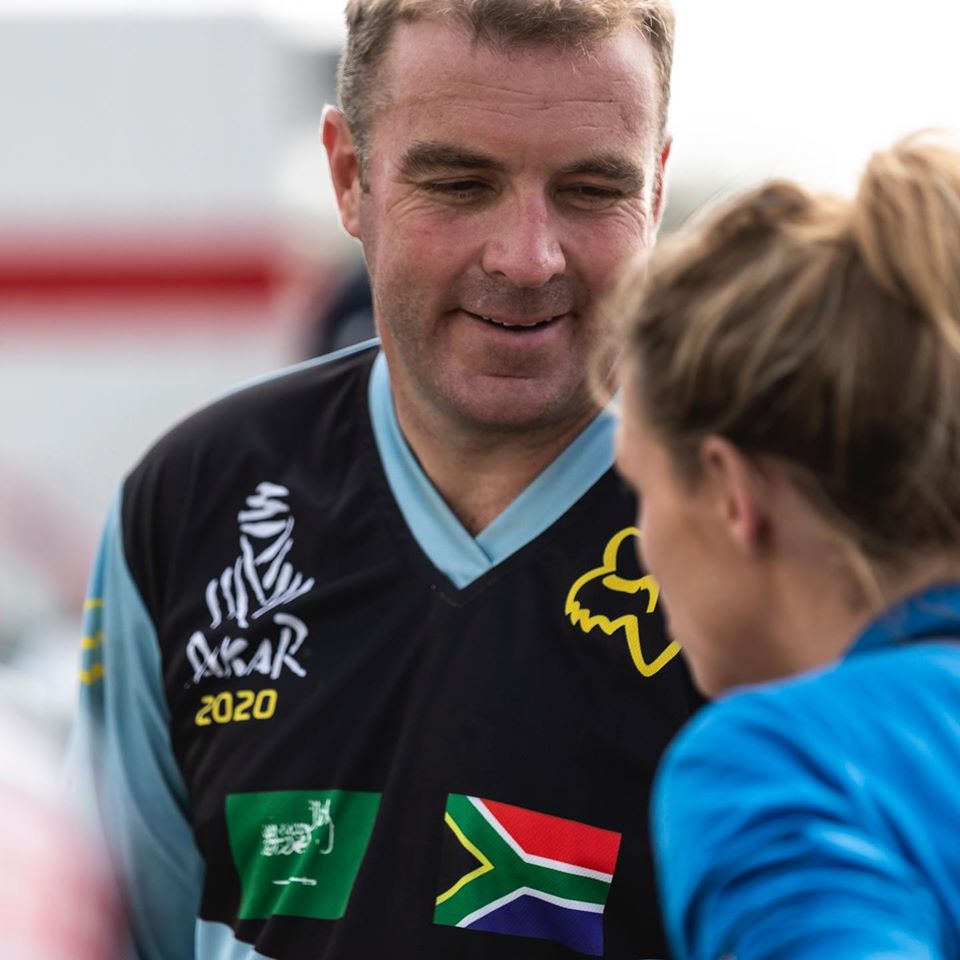
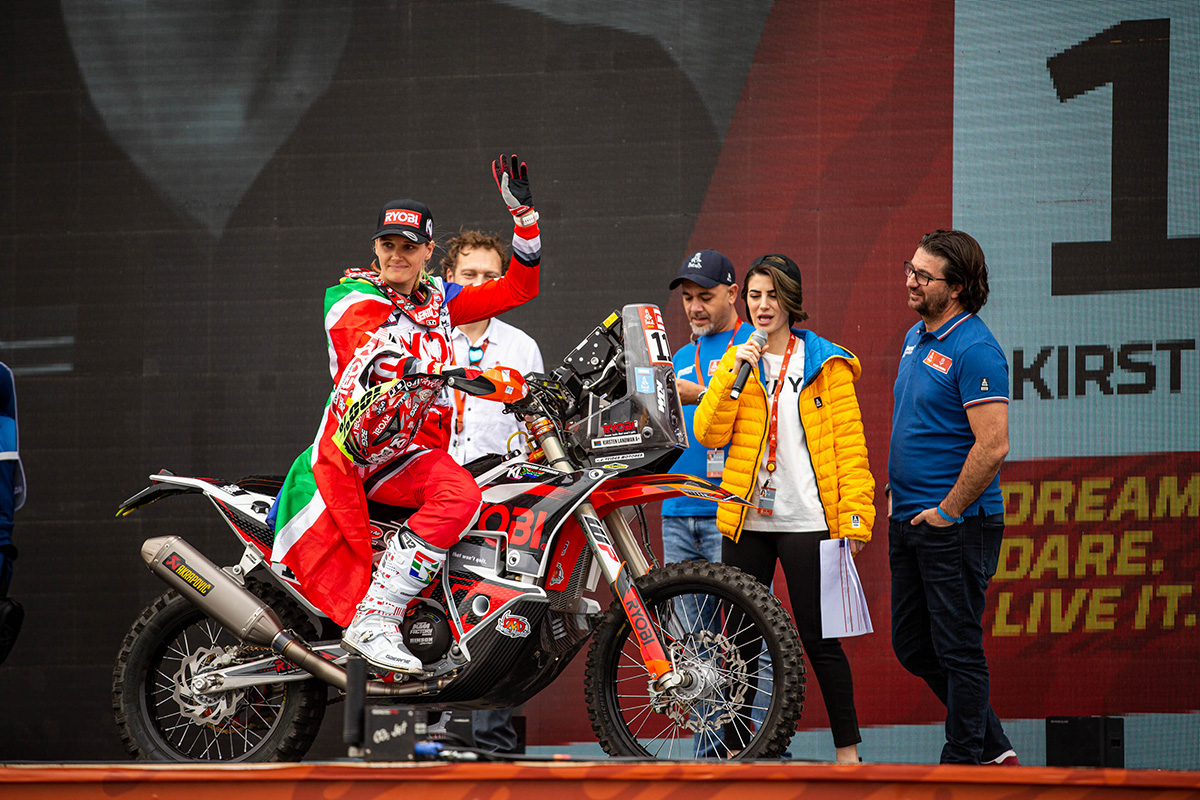
Kirsten Landman – Kirsty has paid her dues in hard enduros and got to Dakar the hard way. Even 11 days in a coma after a high speed get off in a desert race in Botswana could not blunt her enthusiasm for off-road racing. A talk with Joey Evans [From Para to Dakar] inspired her to take on the Dakar and be the first SA women ever to finish Dakar. Sponsorship from power tools specialists Ryobi helped get Kirsten to the start line on her KTM 450 Rally Replica. Kudos to them for getting behind her Dakar quest.
Kirsten Landman – BAS Racing / Ryobi Africa
Taye Perry – Tiny Taye, standing only 1,58m tall makes her KTM 450 Rally Replica look huge but she certainly can peddle it! As SA women’s off-road champion she plans to be the top SA lady at Dakar. She is on the Nomade Racing team. Small in stature but huge in heart, she is the definitive pocket rocket!
Taye Perry – Nomade Racing
As I pen these words the first stage of the Dakar is being run. 7500 km’s in total with 5000 km’s of Special Stage racing in the world’s greatest off-road racing spectacle.
Sjoe, what a year! Like most of you, we’re more than ready for 2019 to wind down. So to help us do that, here’s a look at ten bikes we’re looking forward to seeing in the new year.
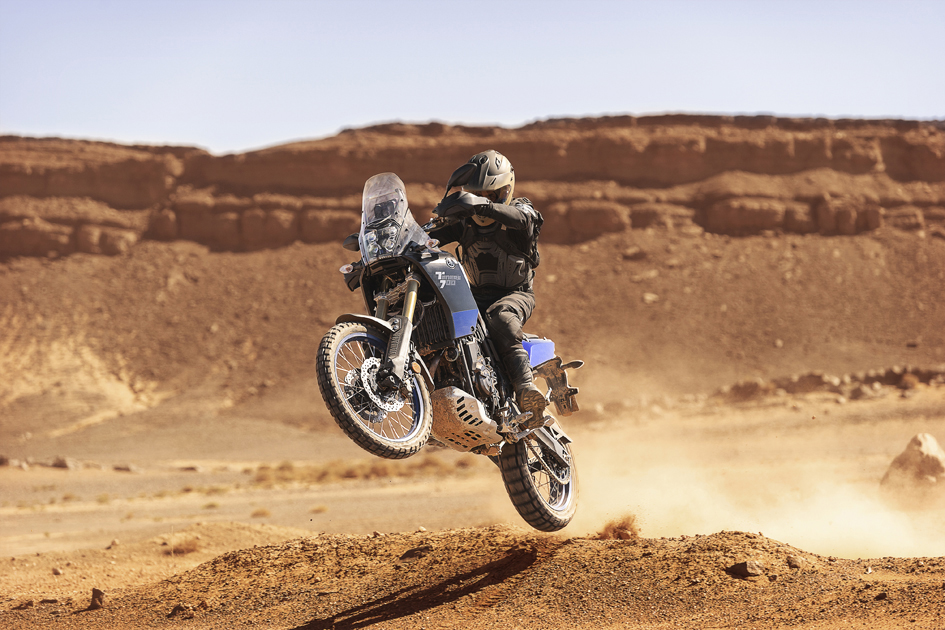
Yamaha Tenere 700
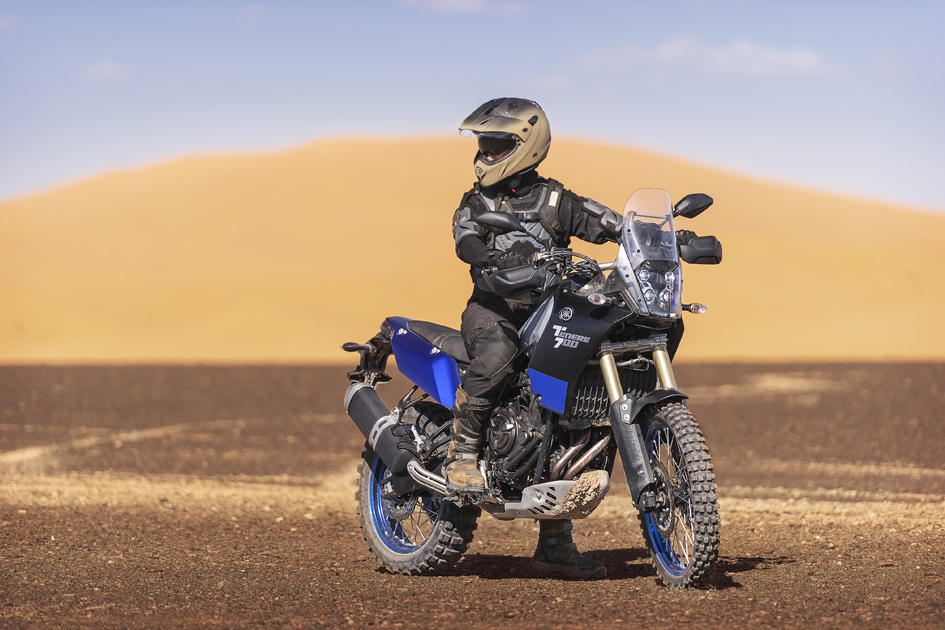
Yamaha take the cake for the longest time any manufacturer has teased a new model. From the moment we laid eyes on the T7 concept (it feels like a lifetime ago), we were hooked. That fantastic MT-07 parallel twin motor in a dual sport bike with big wheels and pseudo-Dakar looks… what’s not to love?
Photo credit: Yamaha
In 2018, Yamaha told us the Tenere 700 was a ‘2019 model.’ Now we’re days from 2020, and we’re still waiting. On the upside, it’s out in Europe already, so we’re almost certain it’ll hit our shores soon. Hopeful, even.
Photo credit: Yamaha
And considering Yamaha have priced it under the $10k mark in the US, and it’s just out-sold the mighty BMW GS in Germany, things are shaping up nicely.
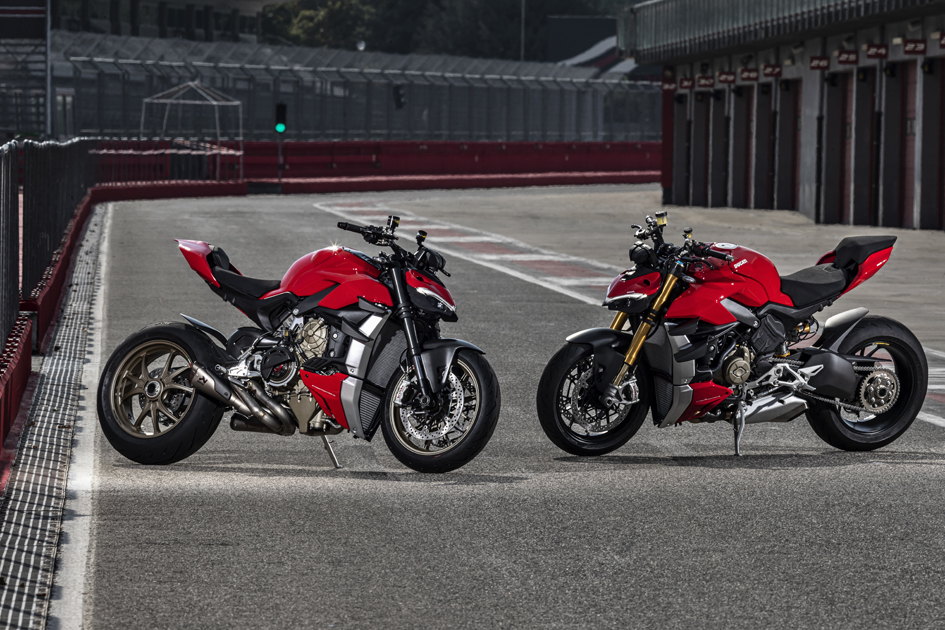
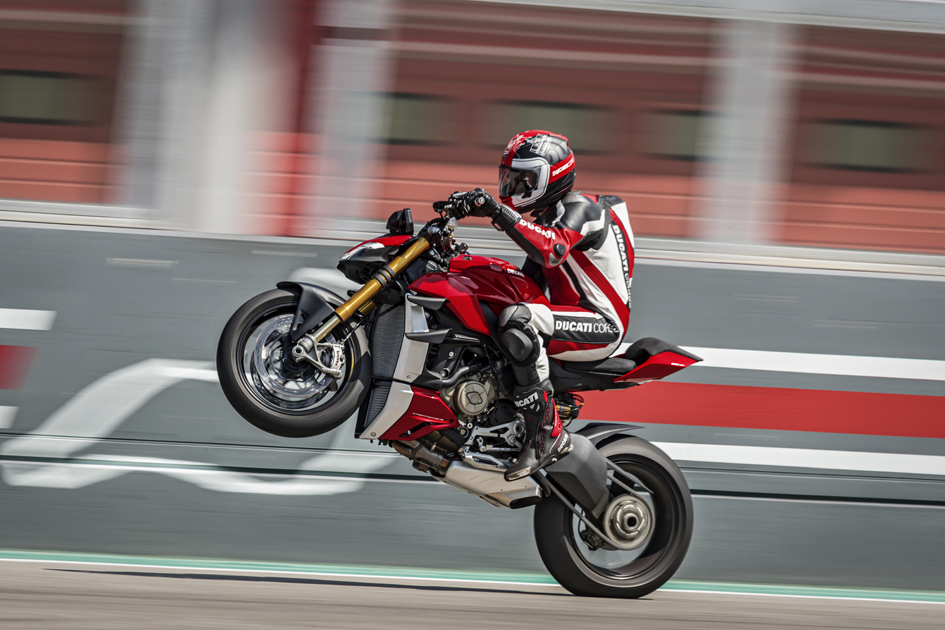
Ducati Streetfighter V4
In the simplest terms, the Ducati Streetfighter V4 is sort of a Panigale without a fairing. It’s quick, it looks nuts and it should handle like a dream. And that’s why it’s our most hotly-anticipated performance naked of 2020.
Photo credit: Ducati Italy
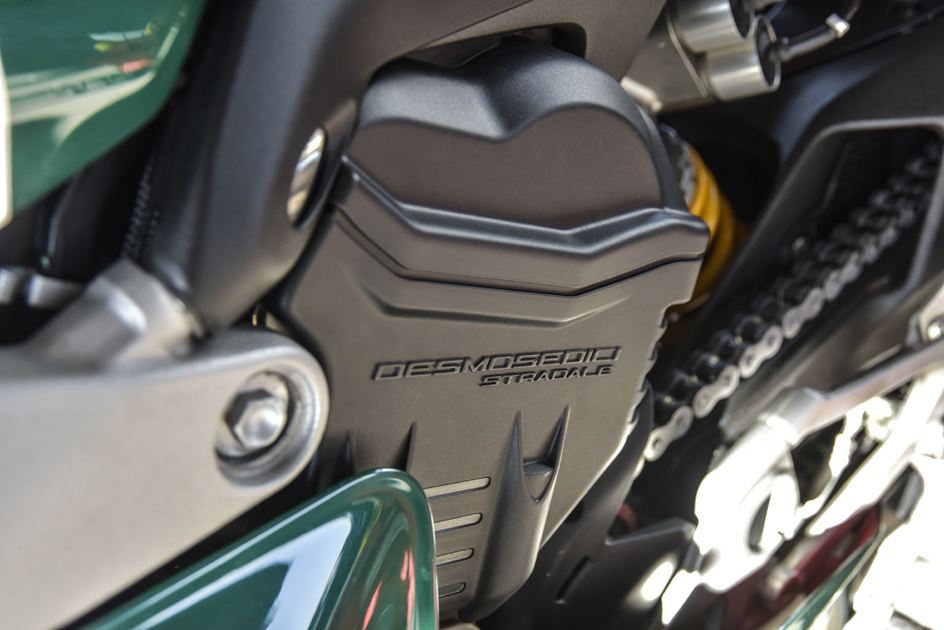
Do the math. The V4’s 1,103 cc Desmosedici Stradale power plant makes 208 hp at 12,750 rpm and 123 Nm at 11,500 rpm, and it weighs 178 kg. And if you pick the ‘S’ model, you get top-shelf Öhlins suspension, too.
Photo credit: Ducati Italy
We’ll take one in red, please.
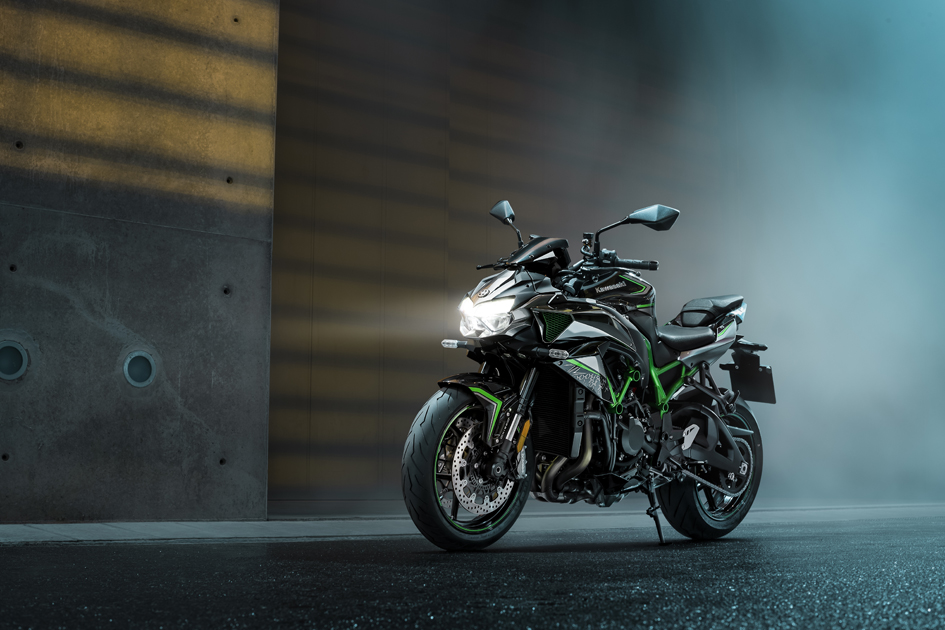
Kawasaki Z H2
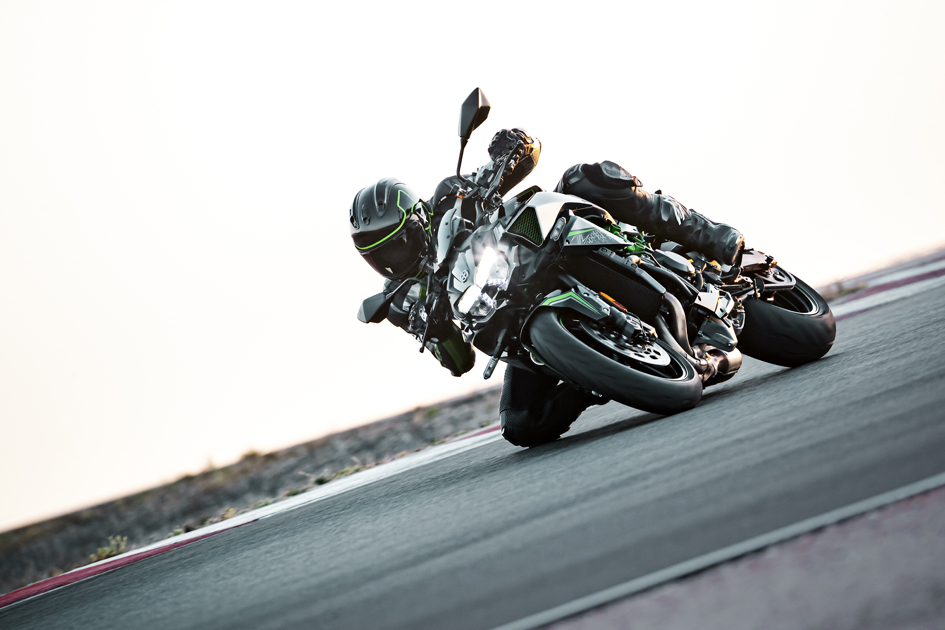
If Italian streetfighters don’t tickle your fancy, Kawasaki have something equally mental coming next year: the supercharged, naked Z H2. Yip, that’s right… supercharged.
Photo credit: Kawasaki Japan
The Z H2 doesn’t make quite the same power as the Ducati Streetfighter V4, but the difference is negligible (and besides, 197 hp is nothing to scoff at). But the combination of Kawasaki’s typically futuristic Z styling, and what we assume is a retuned version of the H2’s motor, looks like it’ll be absolutely mental to ride. We’re certainly keen…
Photo credit: Kawasaki Japan
Honda CBR1000RR-R Fireblade
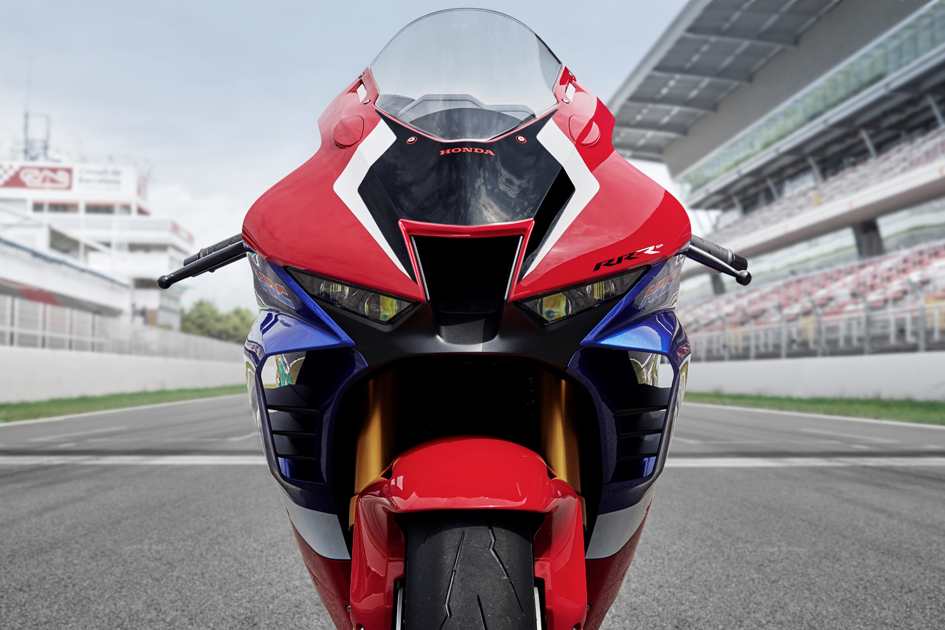
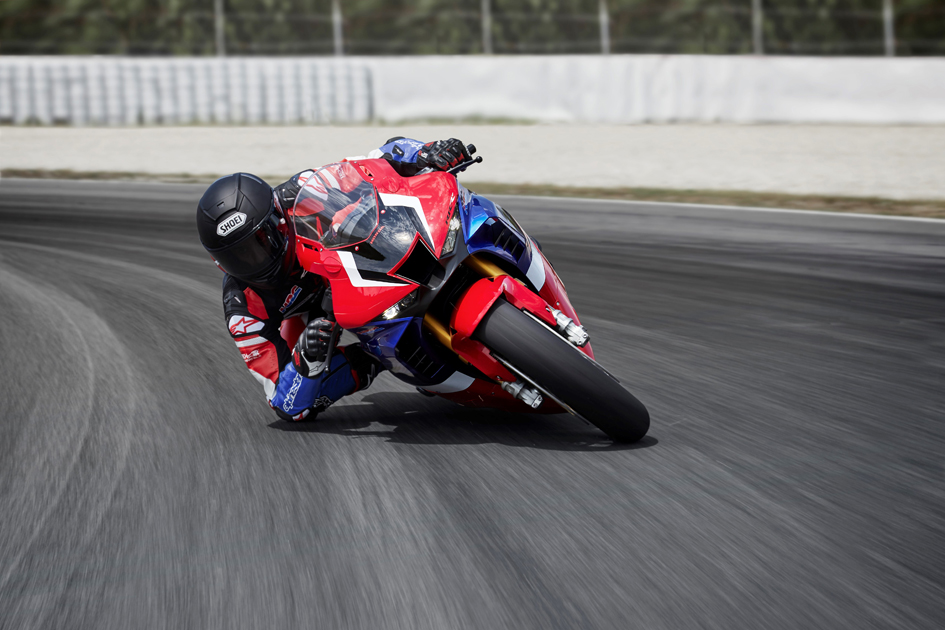
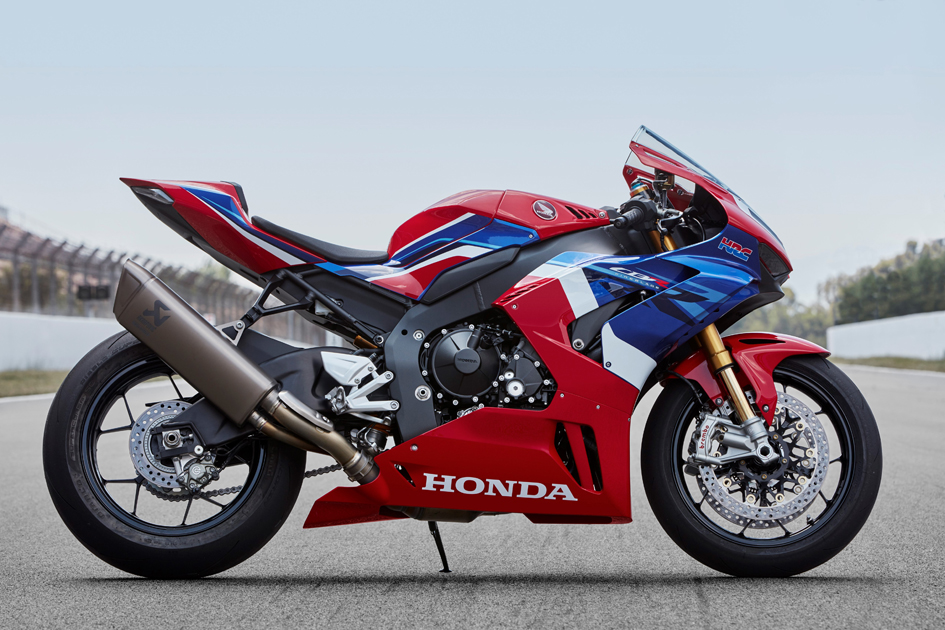
Cramming all the Rs they can into its model name, Honda’s intentions with their new Fireblade are clear: yes, it’s a street legal motorcycle, but it’s been designed to dominate on the track. And as if to drive the point home, Honda’s release video even featured Marc Marquez thrashing it around the track.
Photo credit: Honda Japan
Resplendent in HRC colours (you can get it in black too), the new Fireblade borrows tech from the RC213V-S MotoGP bike and even comes in a higher spec SP model too. We’re sure it’s going to be a hit with the superbike faithful, and it’ll make one helluva sharp track day weapon.
Photo credit: Honda Japan
KTM 390 Adventure
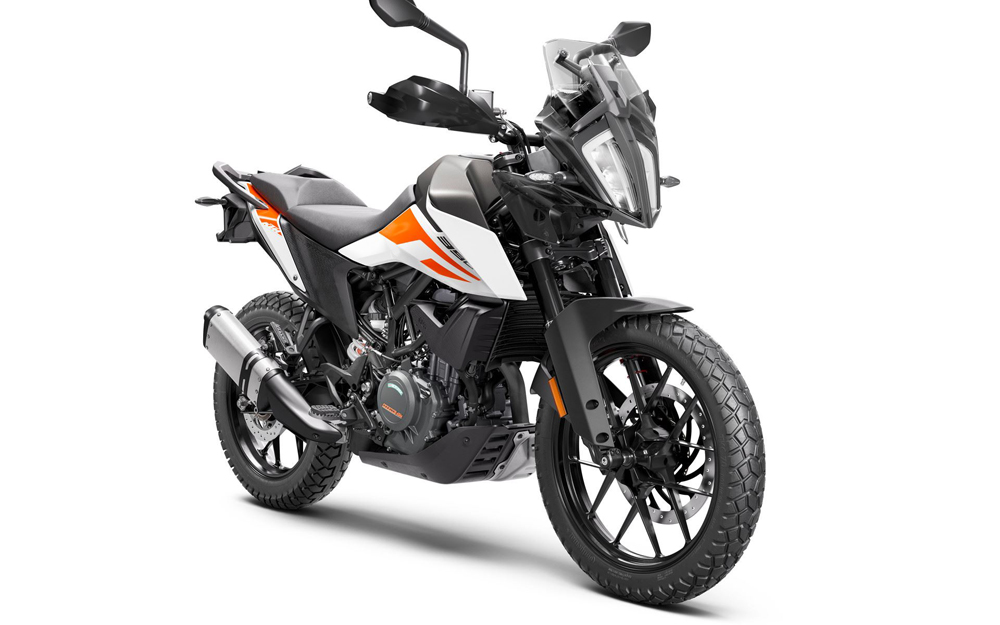
Little bikes are big fun, and little adventure bikes are even better. And we can’t think of a better platform for a small-capacity dual sport, than KTM’s wildly popular 390.
Photo credit: KTM Austria
When the new KTM 390 Adventure lands next year, it’ll be going head-to-head with bikes like the BMW G 310 GS and Kawasaki Versys 300. And you can bet it’ll be giving them a run for their money. It might not be rolling on big wheels or have a ton of suspension travel, but that 390 motor is a peach. As a weekday commuter and weekend dirt traveller, it’s going to be really tough to top.
Photo credit: KTM Austria
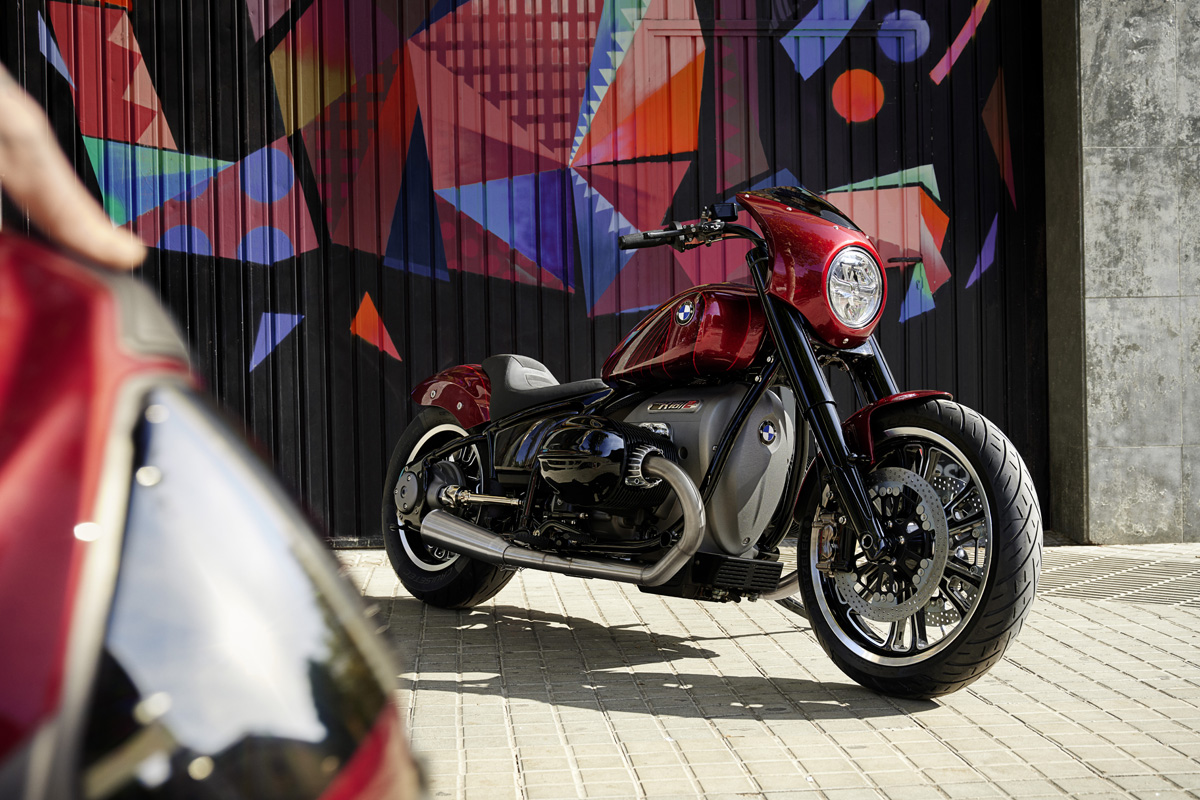
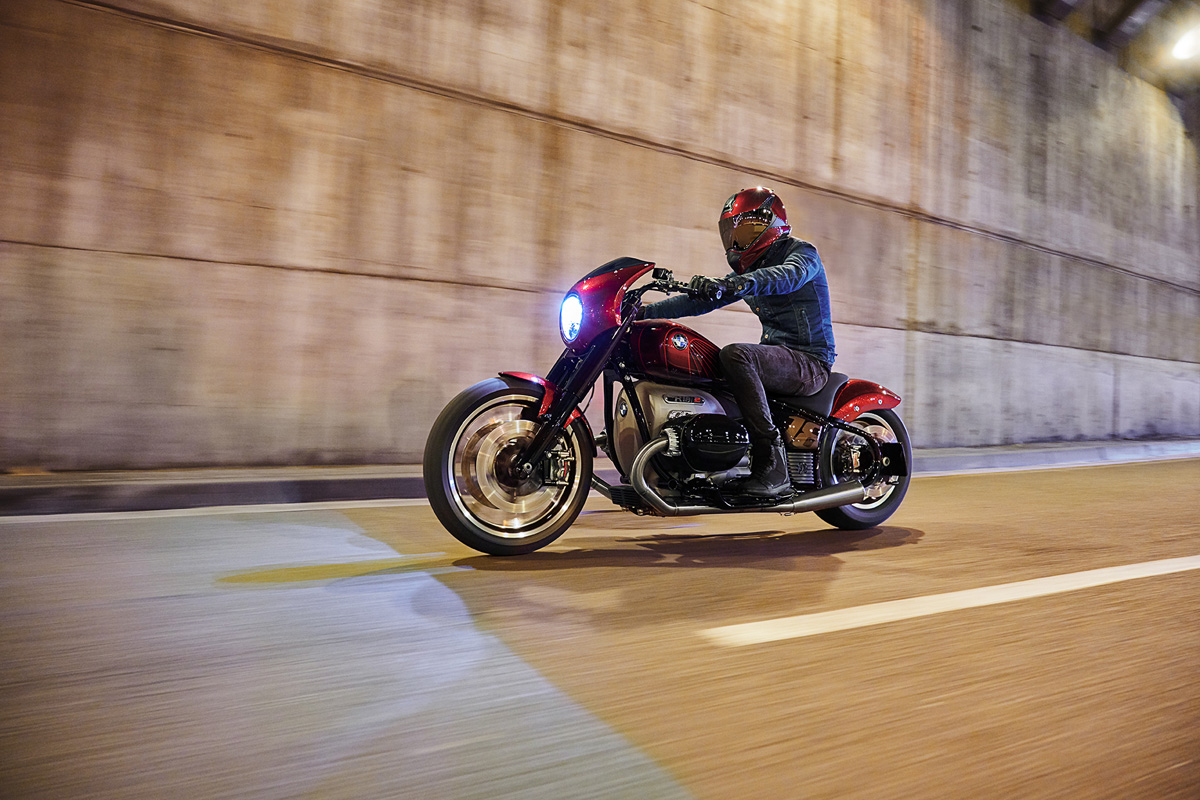
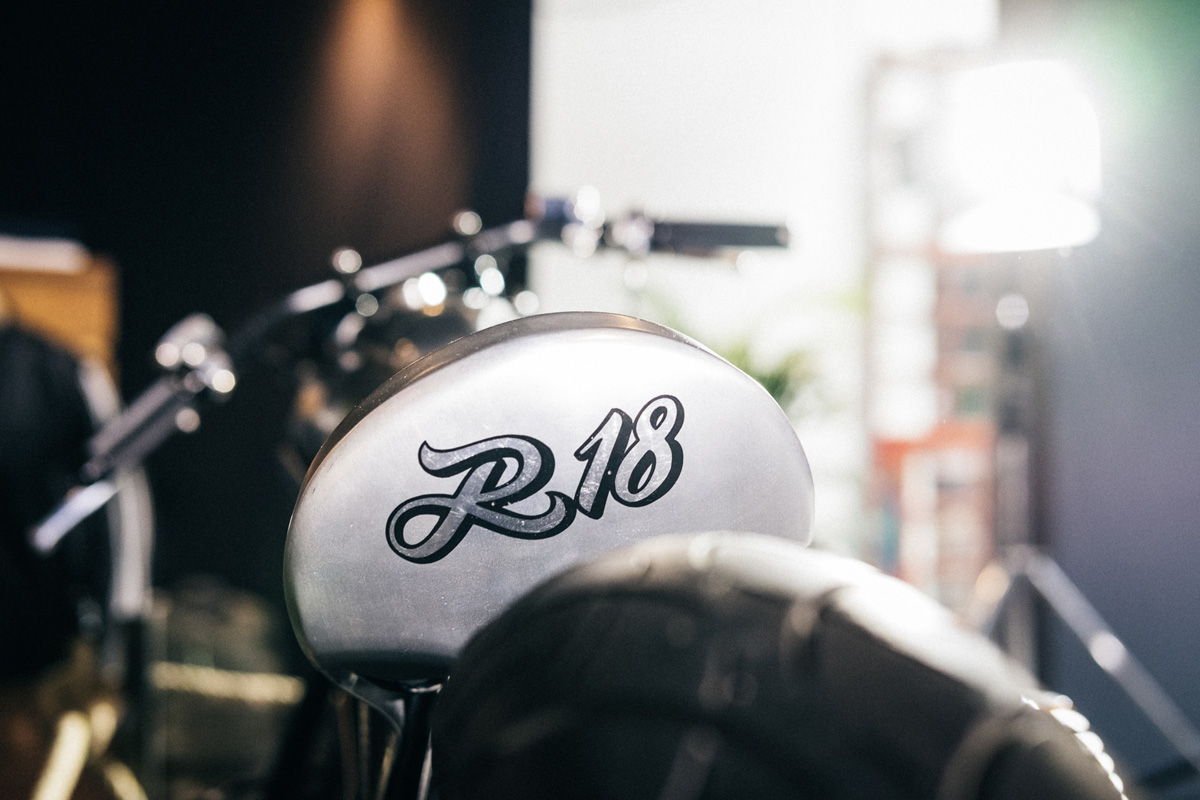
BMW R 18
BMW dropped a bomb on us at the Concorso d’Eleganza in Italy earlier this year, with their 1,800 cc boxer-powered Concept R18. With shades of vintage BMW’s in the design, it was a shoo-in as a large-capacity bobber. But then they followed it up with a second concept—the Concept R 18/2, a clear stab at Californian cruiser culture.
Photo credit: BMW Motorrad
The R 18/2 was sprinkled with clues about the final production bike—like the fact that it has a functioning air box. But we’re still unsure about what the factory R18 is going to look like. Are BMW making a classic bobber, or a Dyna-style cruiser? All will be revealed next year.
Photo credit: BMW Motorrad
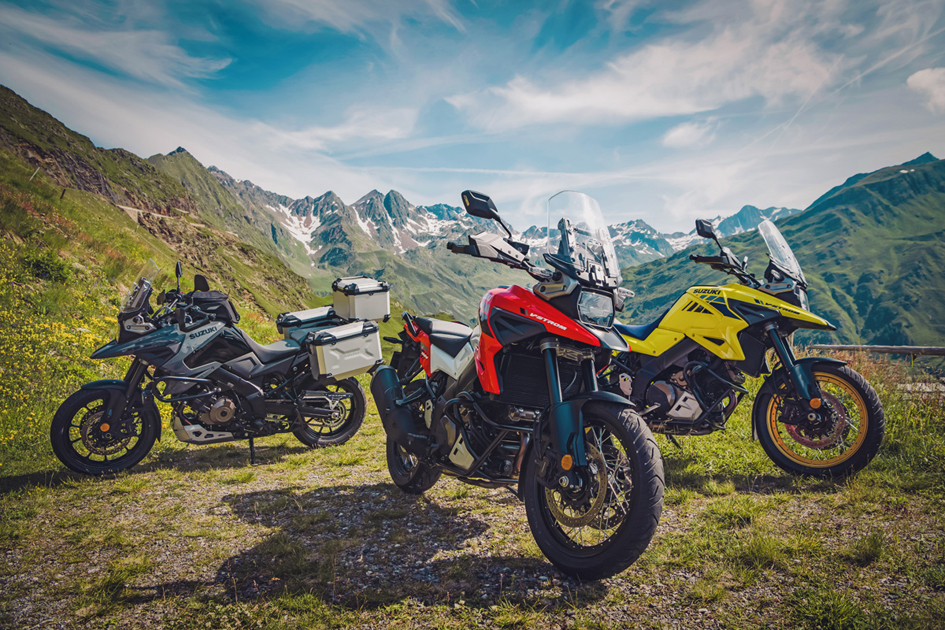
Suzuki DR Big, err, V-Strom 1050
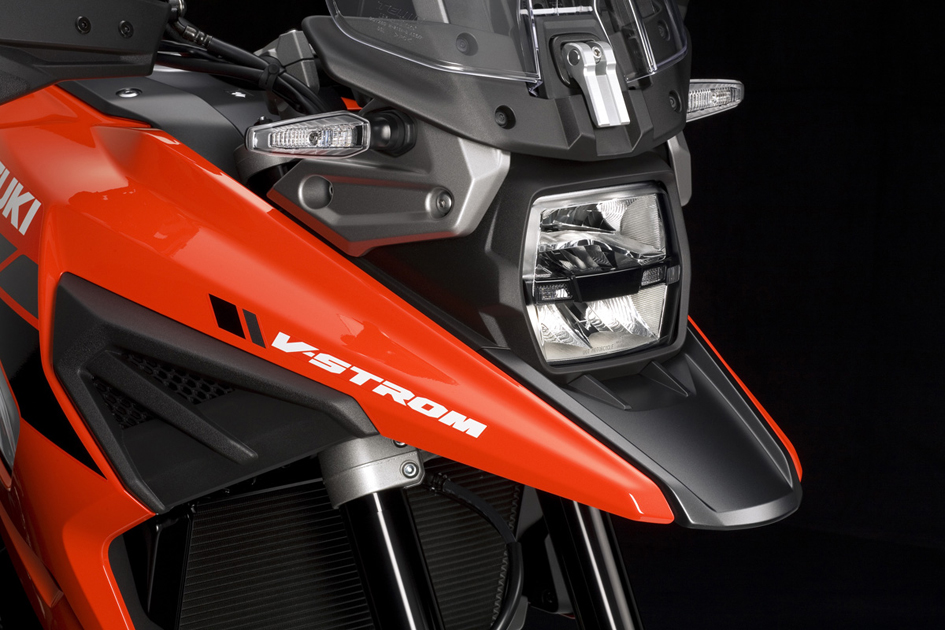
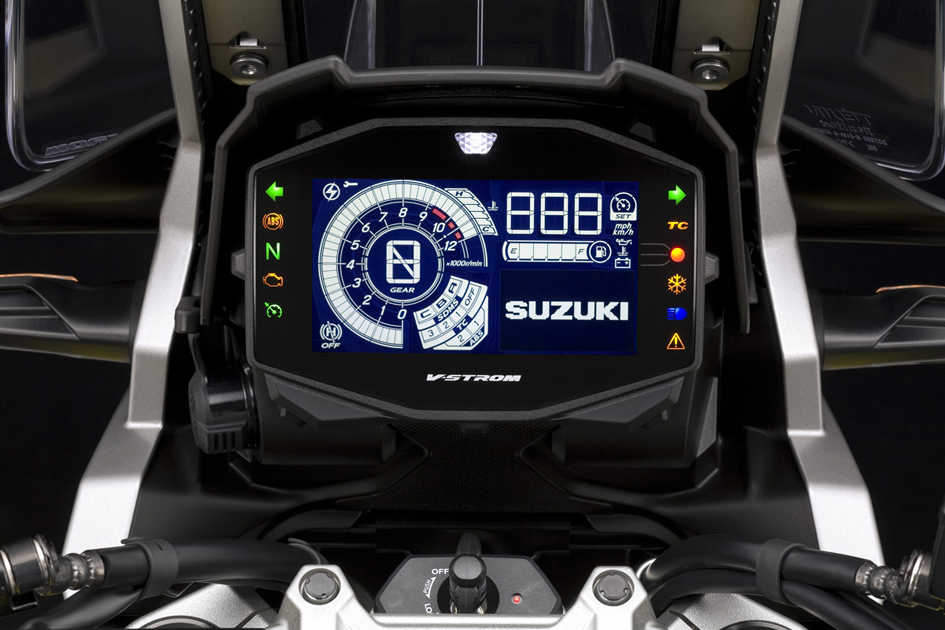
The Suzuki V-Strom is dependable and practical—but it’s also ugly. Really ugly. Thankfully, next year’s V-Strom 1050 (available in both regular and ‘XT’ versions) is a huge leap forward.
Photo credit: Suzuki International
How did Suzuki manage this? Simple, they gave the V-Strom a dose of nostalgia, by pulling styling cues from the 1980s DR Big. All it took was a few sharp angles, a new beak and a square headlight, et voila—one of the adventure markets ugliest ducklings is now retro cool.
Photo credit: Suzuki International
With a bump in power and an upgraded electronics package included in the revisions too, we reckon this’ll make a lot of riders look at the V-Strom with new eyes. We’ve certainly taken notice
Photo credit: Suzuki International
Harley-Davidson Pan America
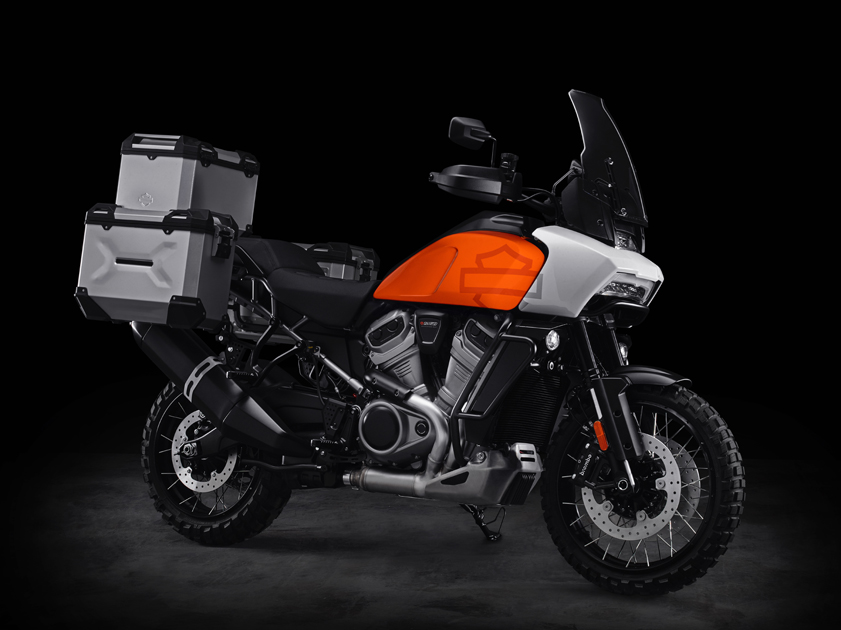
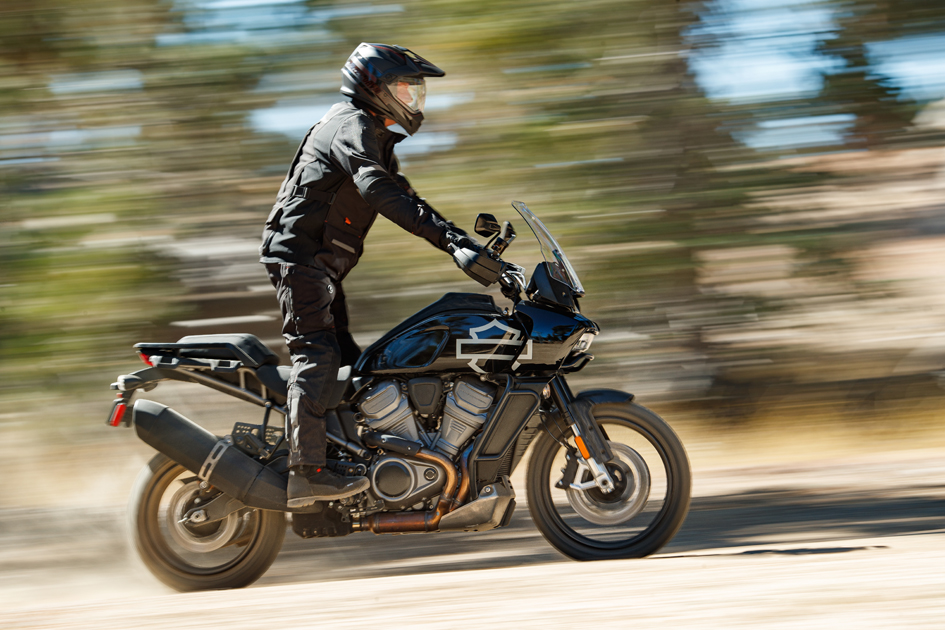
Harley-Davidson’s first entry into the dual-sport market, the Pan America, should hit dealers late next year. But we’ll probably get to ride it before that, and we can’t wait.
Photo credit: Harley-Davidson
The Pan America’s been one of the most polarising bikes to hit the airwaves this year. Some die-hard H-D fans feel like it’s too much of a departure for the brand, and some die heard adventure bros think H-D have no business playing in the dirt.
Photo credit: Harley-Davidson
We just find it intriguing. Harley-Davidson have proven lately that they’re serious about improving and expanding their model range (the new Softail range and the Livewire are proof of this). If the Pan America ticks all the right boxes, doesn’t weigh a ton and doesn’t cost the world, it could shake things up.
Photo credit: Harley-Davidson
Triumph Tiger 900 Rally Pro
Triumph’s Tiger 800 adventure bike has been a hit for the British company, but it was long overdue for an upgrade. The new and improved Tiger 900 Rally Pro is set to hit our shores next year, and it ticks every last box we want ticked.
Photo credit: Triumph UK
It looks nuts, makes more power and torque than before, and even has a new firing interval. Triumph’s triples are known for having oodles of character, and this one ramps that up even more. With a new chassis, lower weight, miles of suspension travel and narrower rider ergonomics, it should be more than capable in rough stuff.
Photo credit: Triumph UK
You can bet that ZA Bikers’ road testers are going to have words over who gets to ride the new Tiger 900 first.
Photo credit: Triumph UK
Husqvarna Norden 901
Husqvarna are killing it right now. Their Svarpilen and Vitpilen models are some of the best looking street bikes you can buy right now, and are top performers too. So when they announced that their jaw dropping Norden 901 concept (unveiled at EICMA) would actually go into production, we were giddy with excitement.
Photo credit: Husqvarna
The Norden 901’s design harks back to some of our favourite classic adventure bikes, but it’s clearly been designed as a usable off-road performer. We know that Husqvarna are really good at translating their concepts into production models, so we’ve got high hopes that the Norden 901 will still look killer when it hits showrooms.
Photo credit: Husqvarna
And considering it’ll be powered by parent company, KTM’s new 890 motor, it should be a wild ride too.
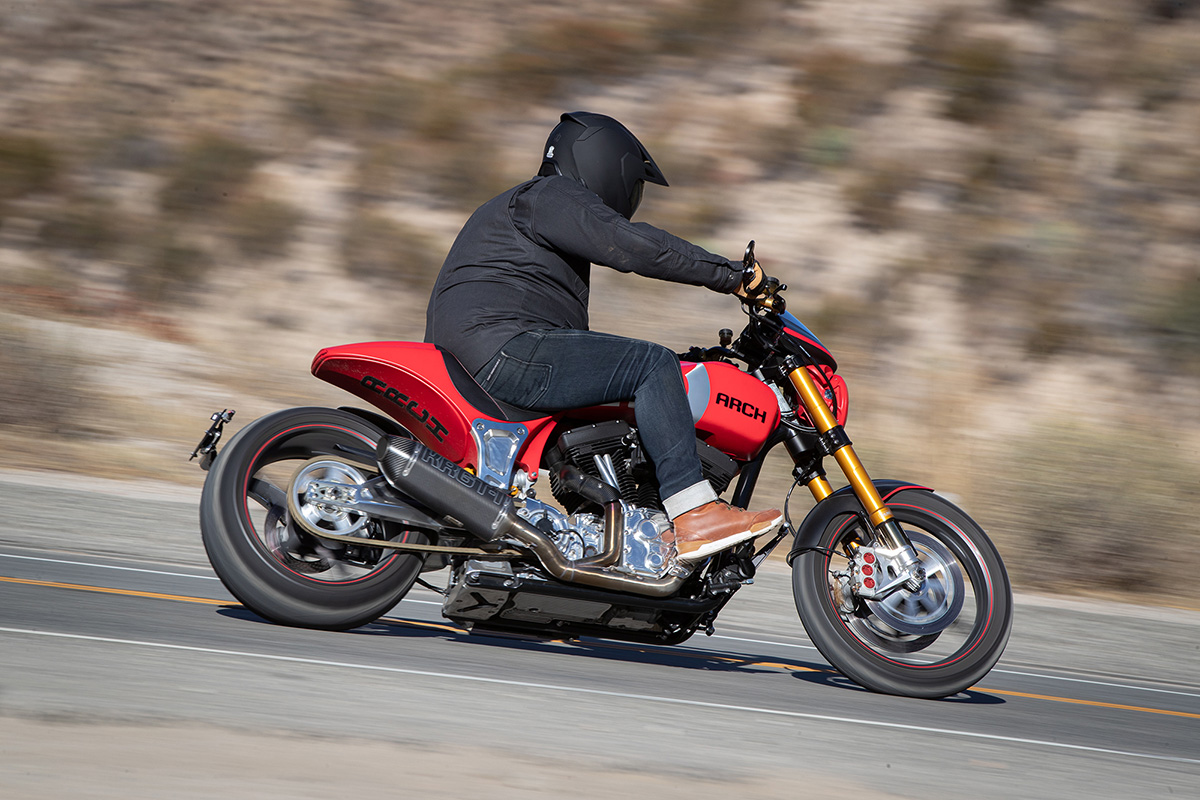
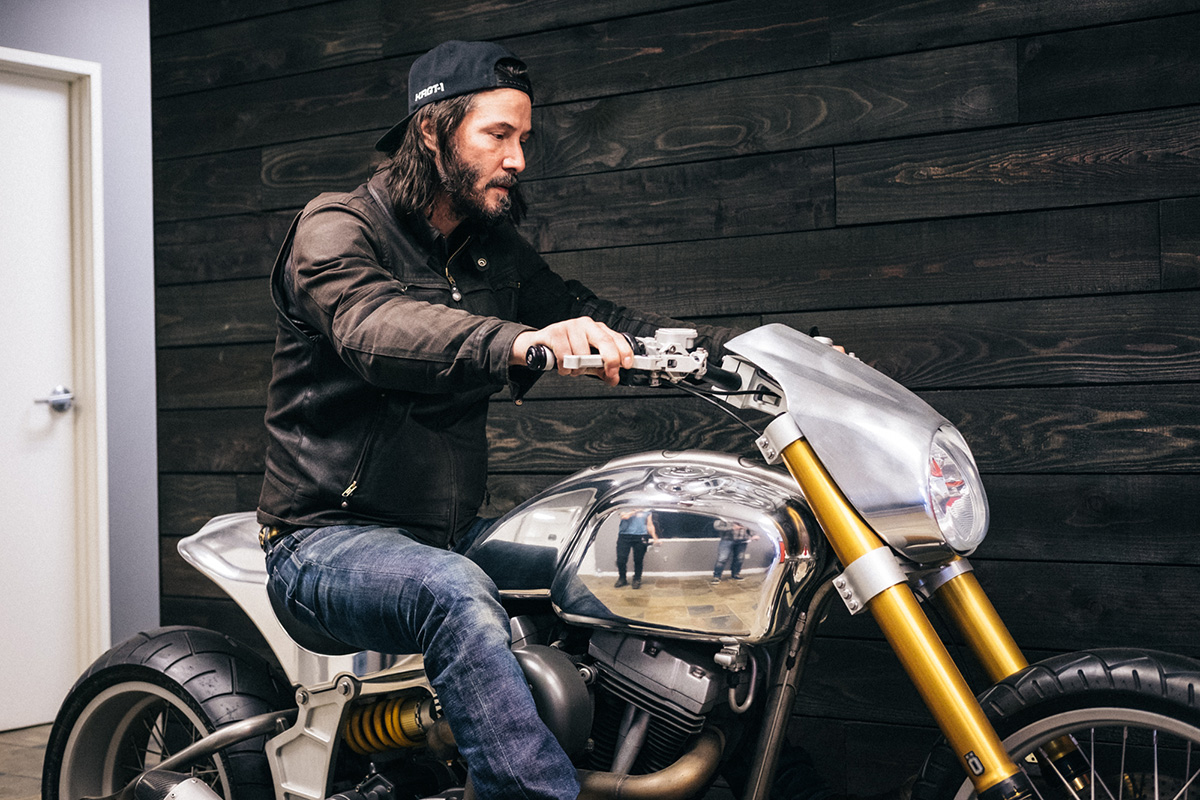
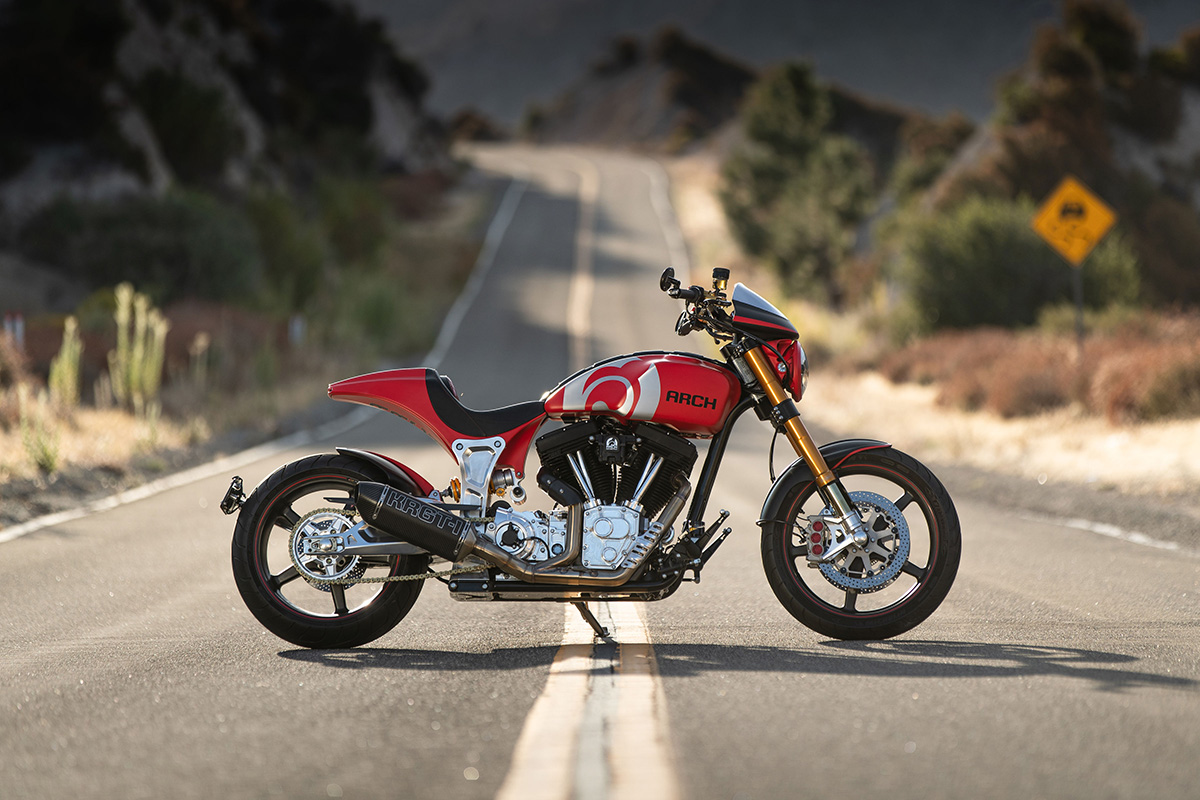
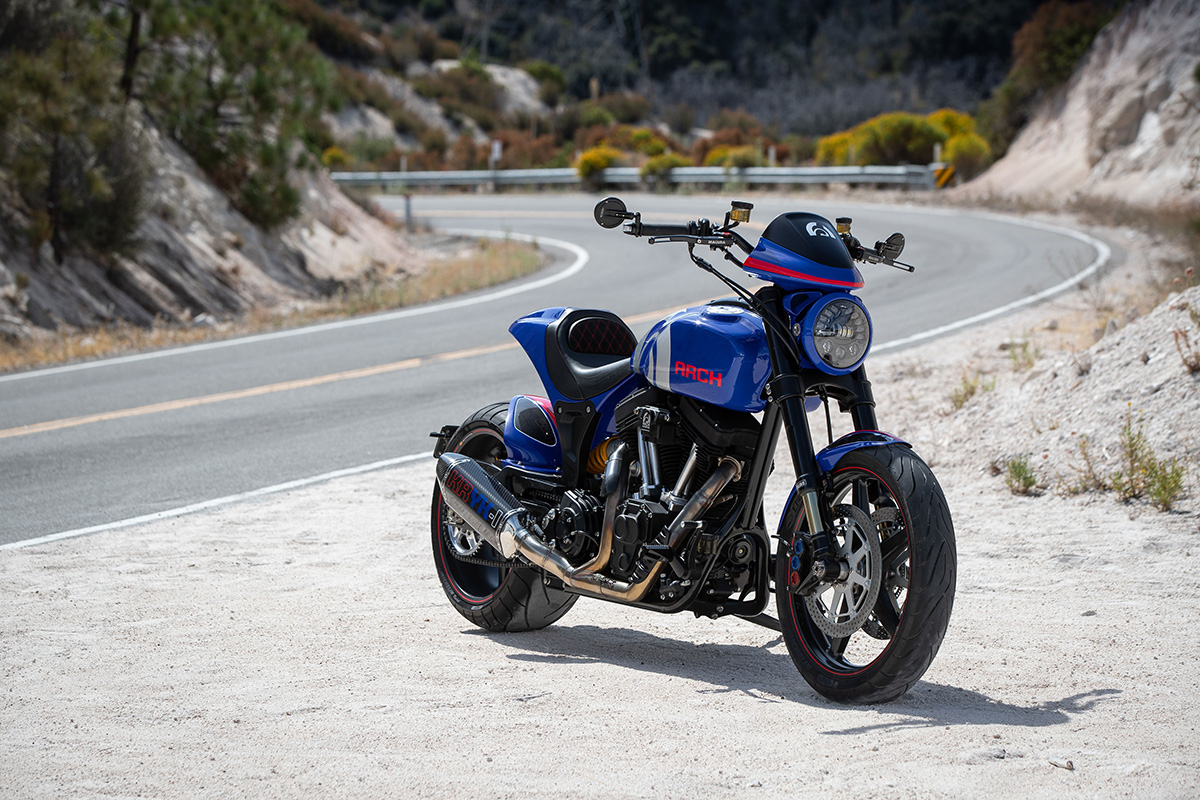
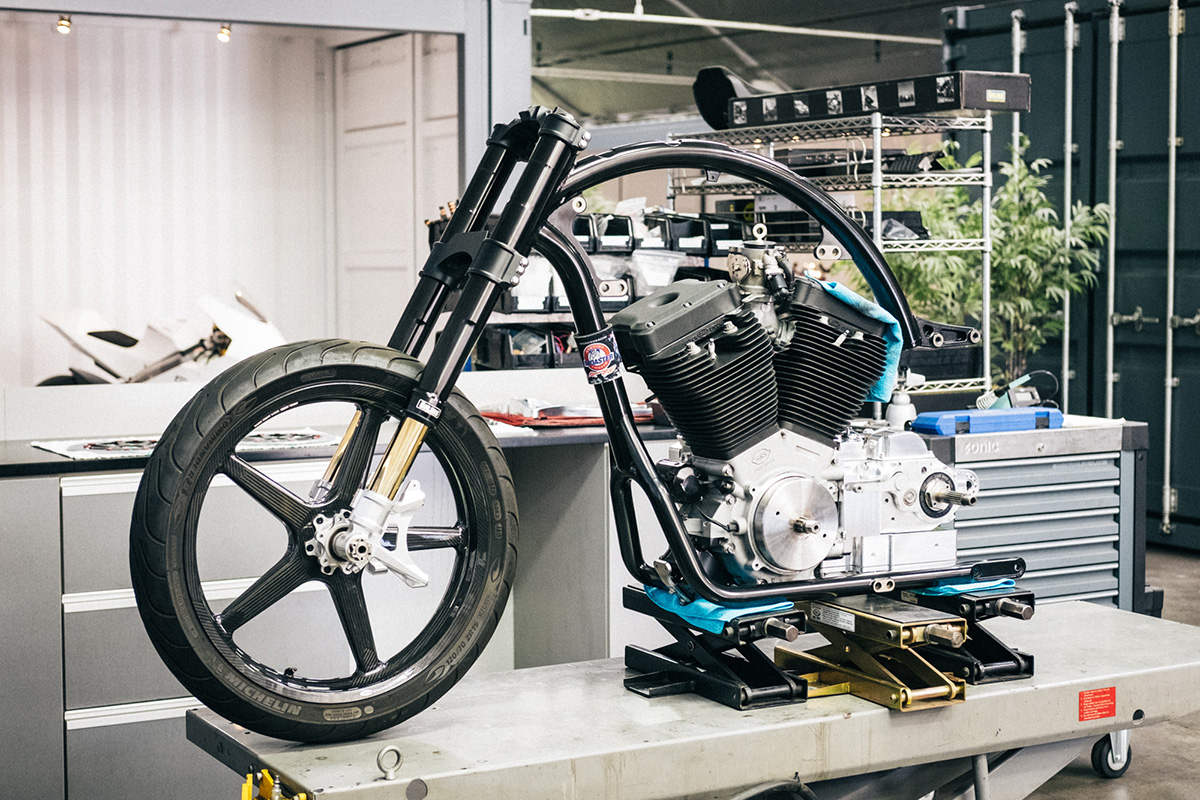
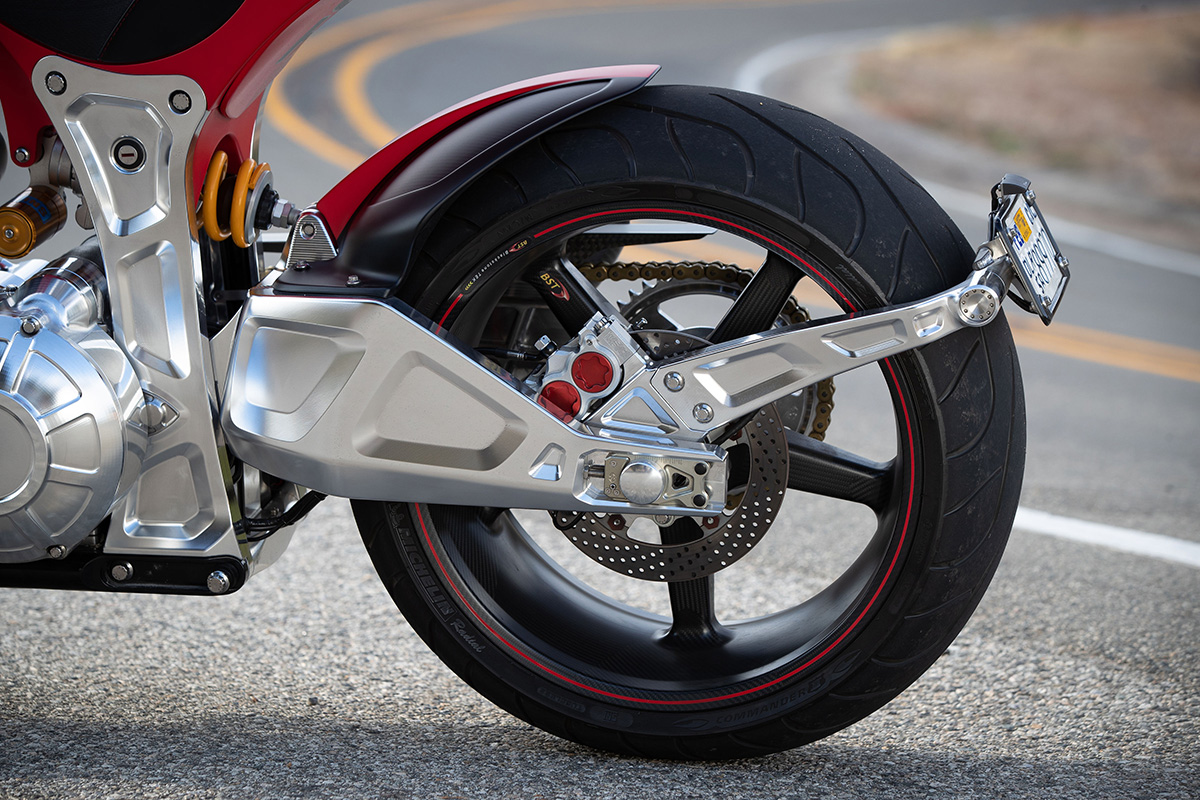
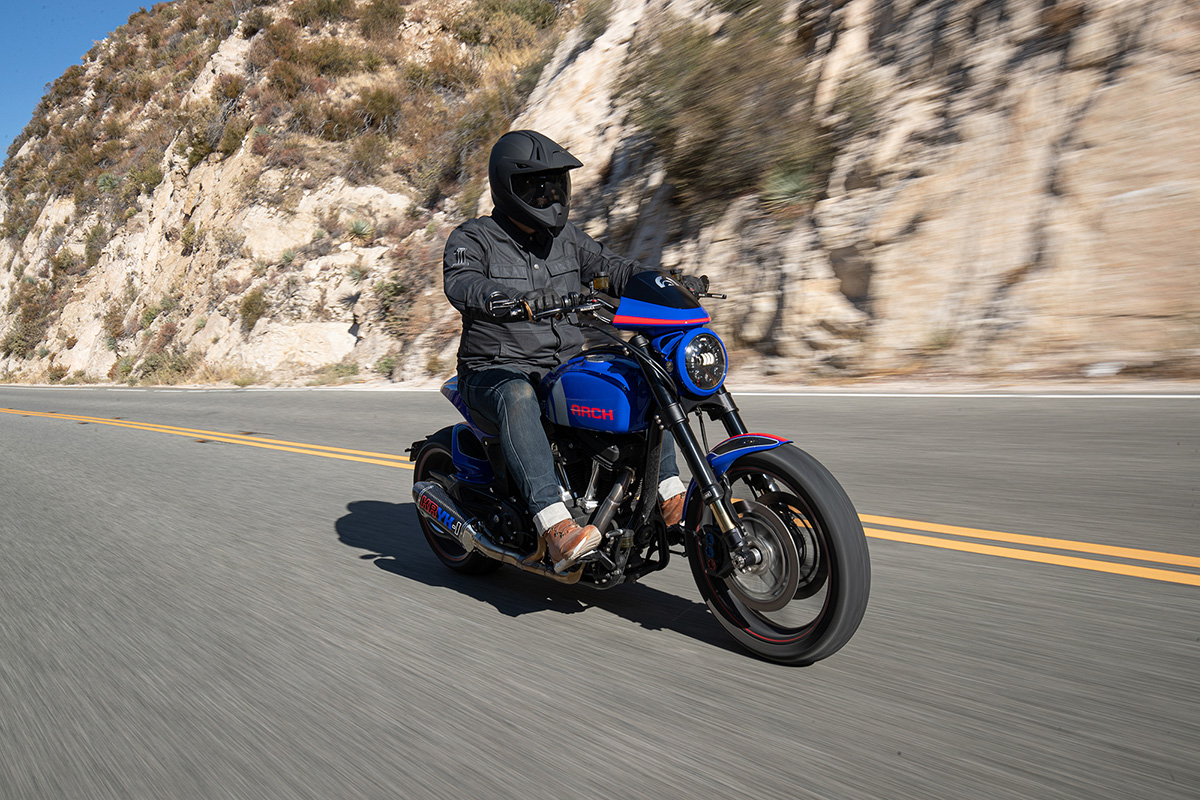
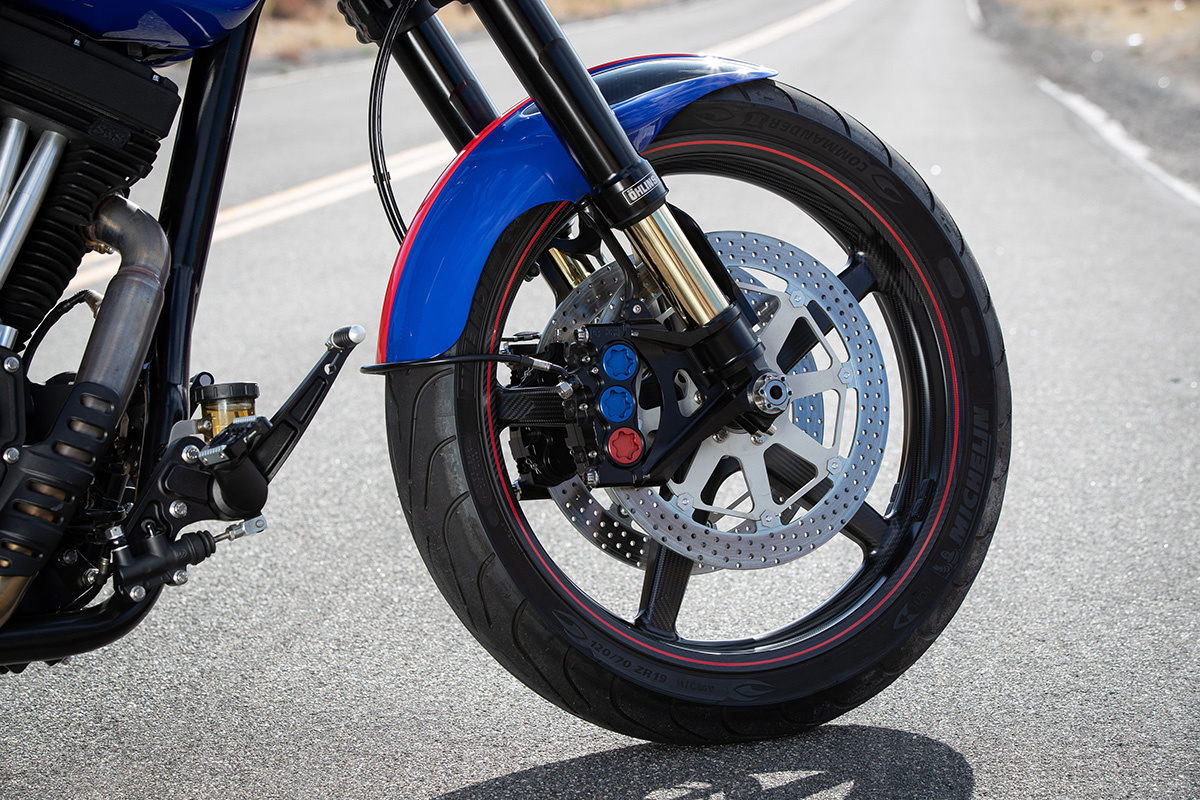
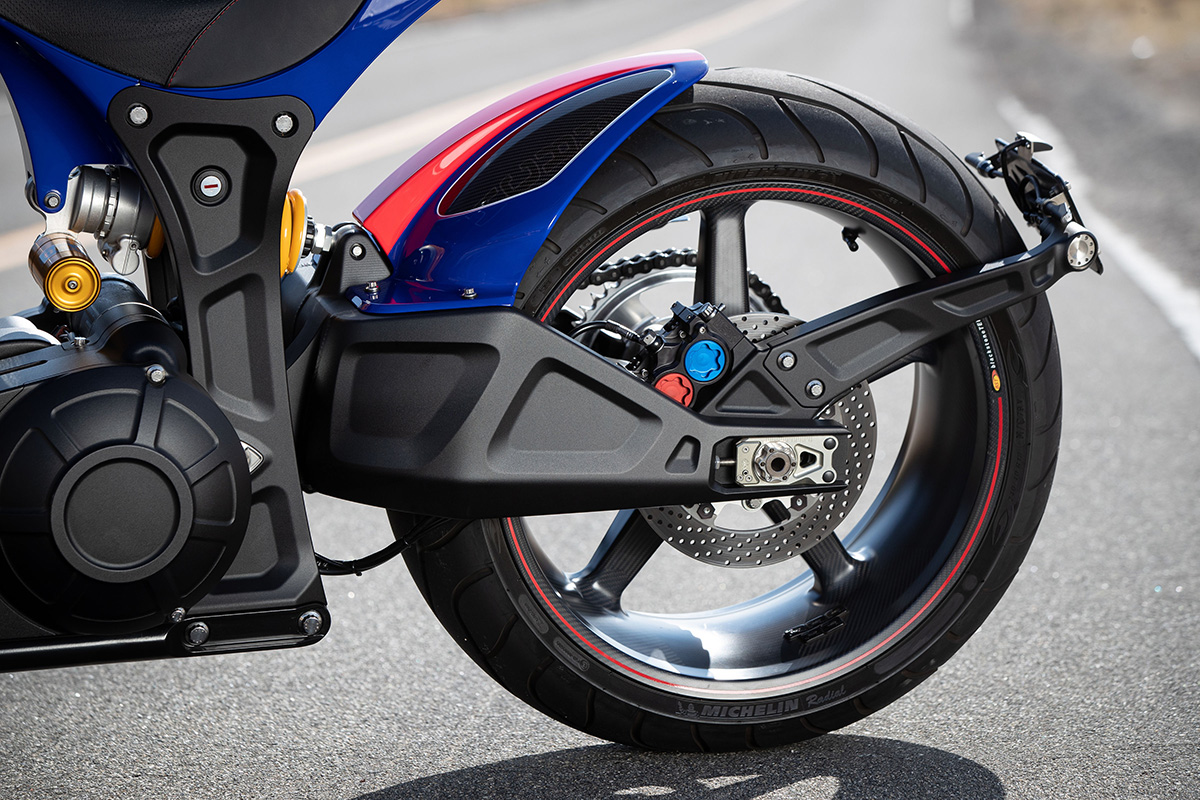
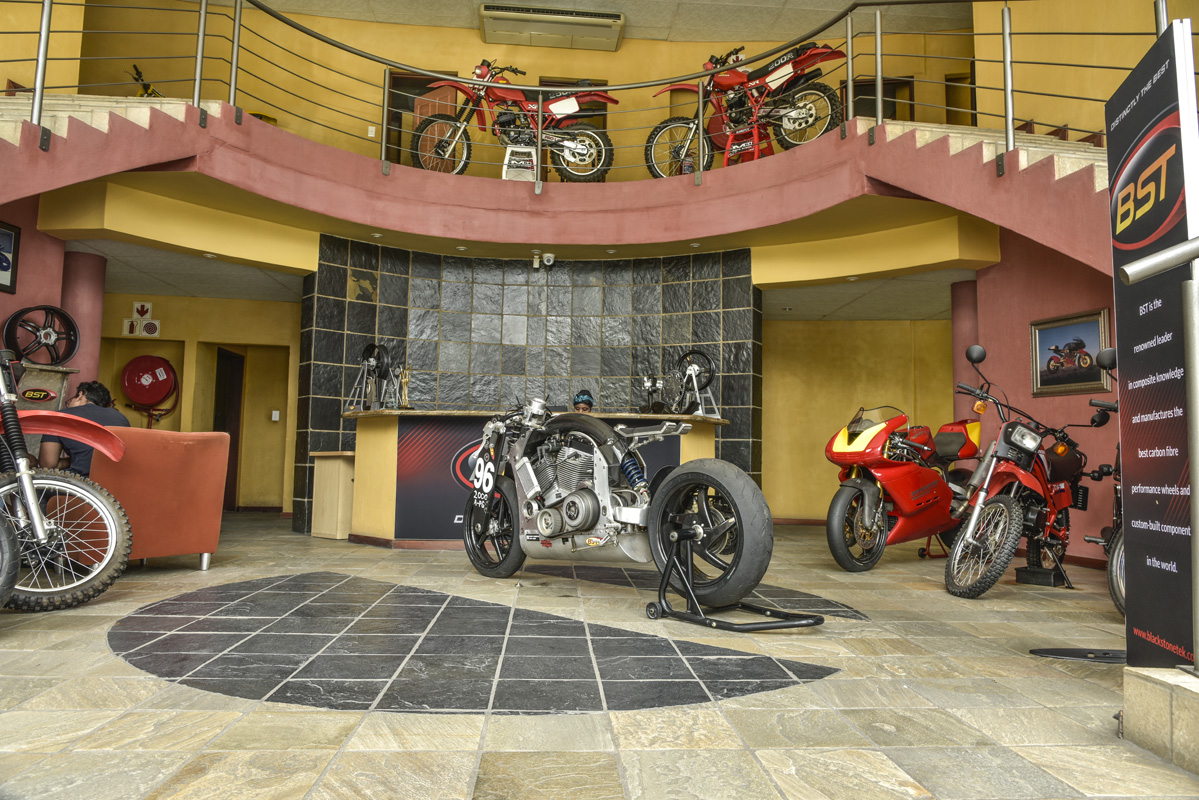
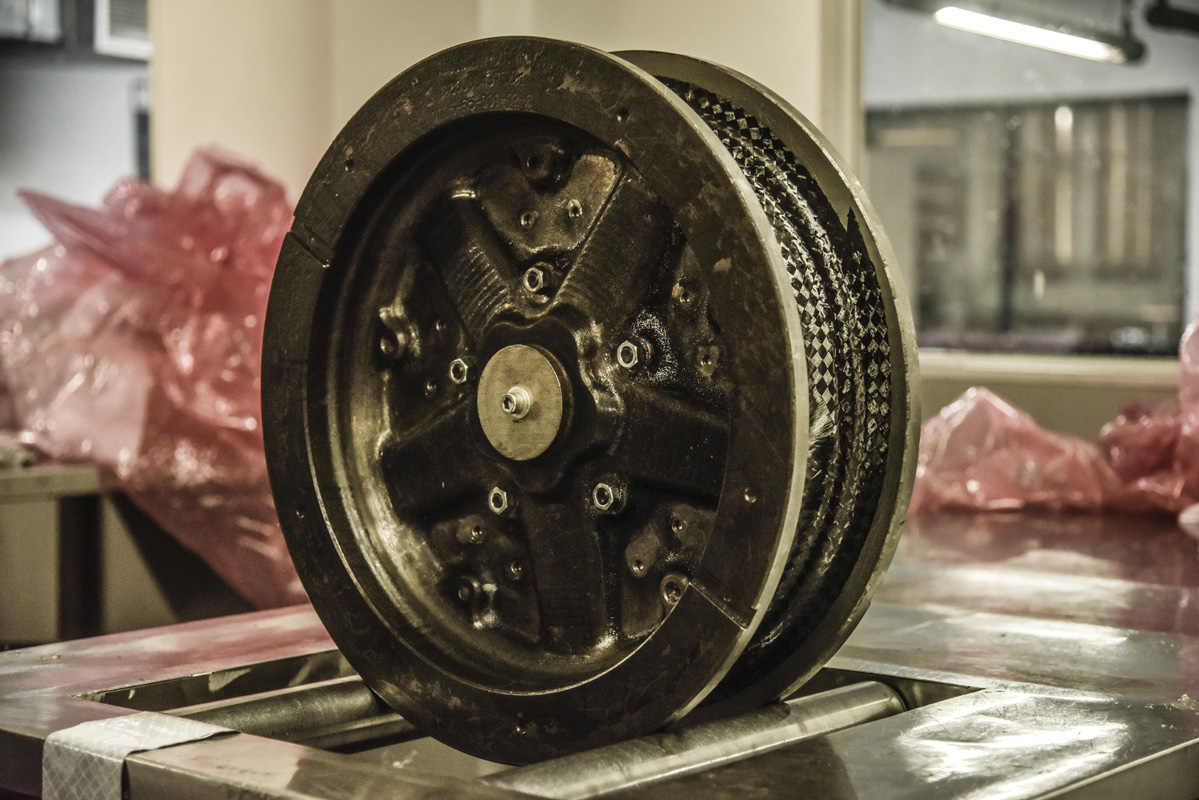
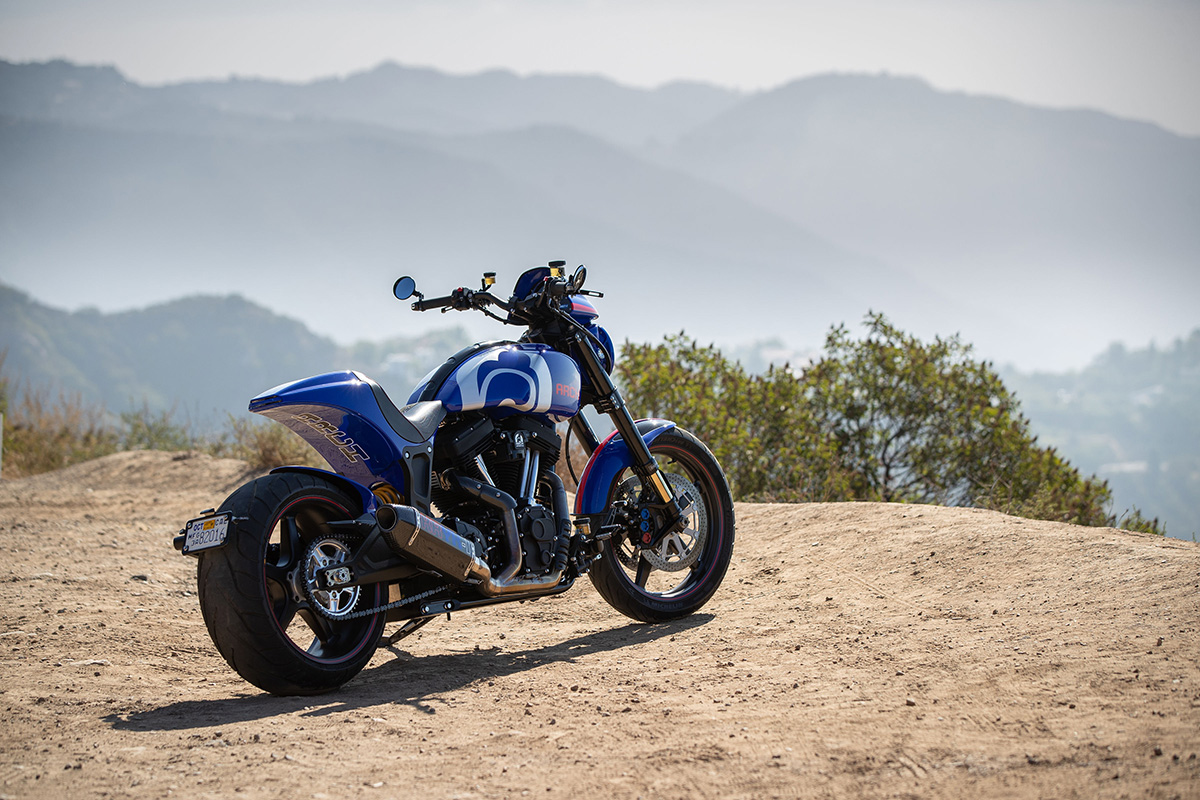
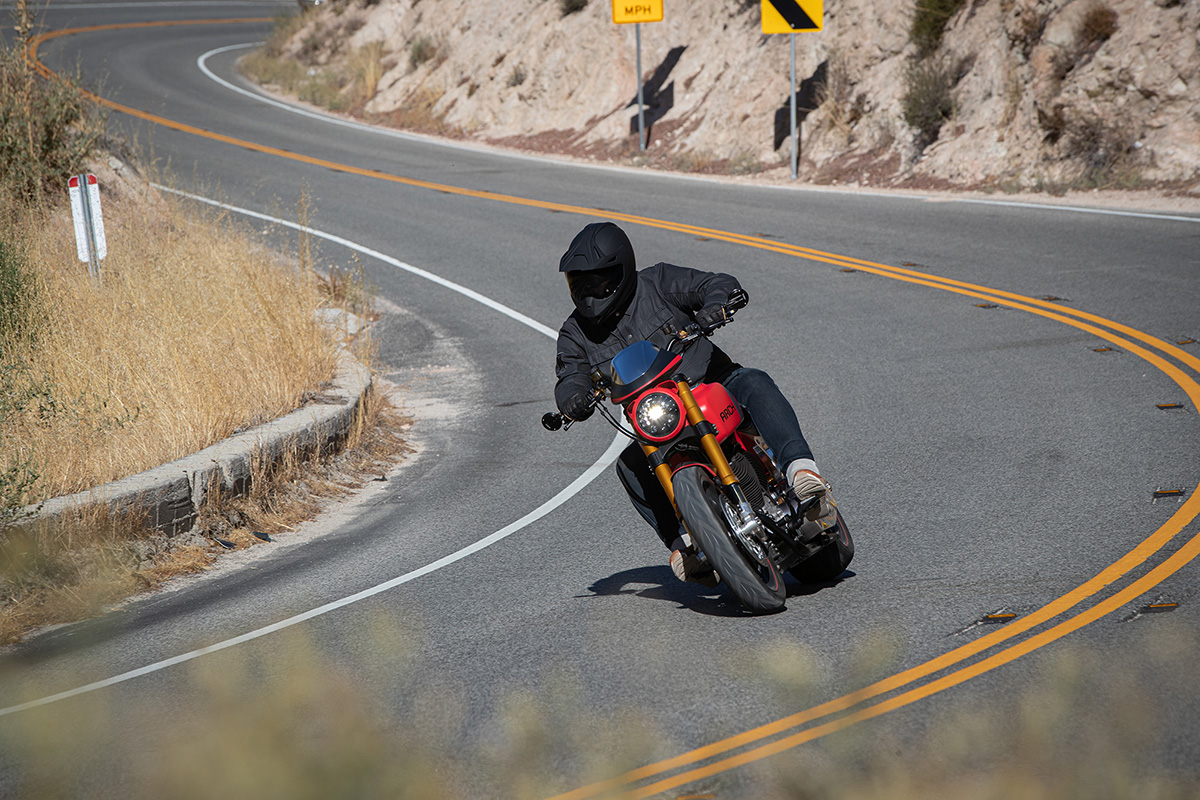
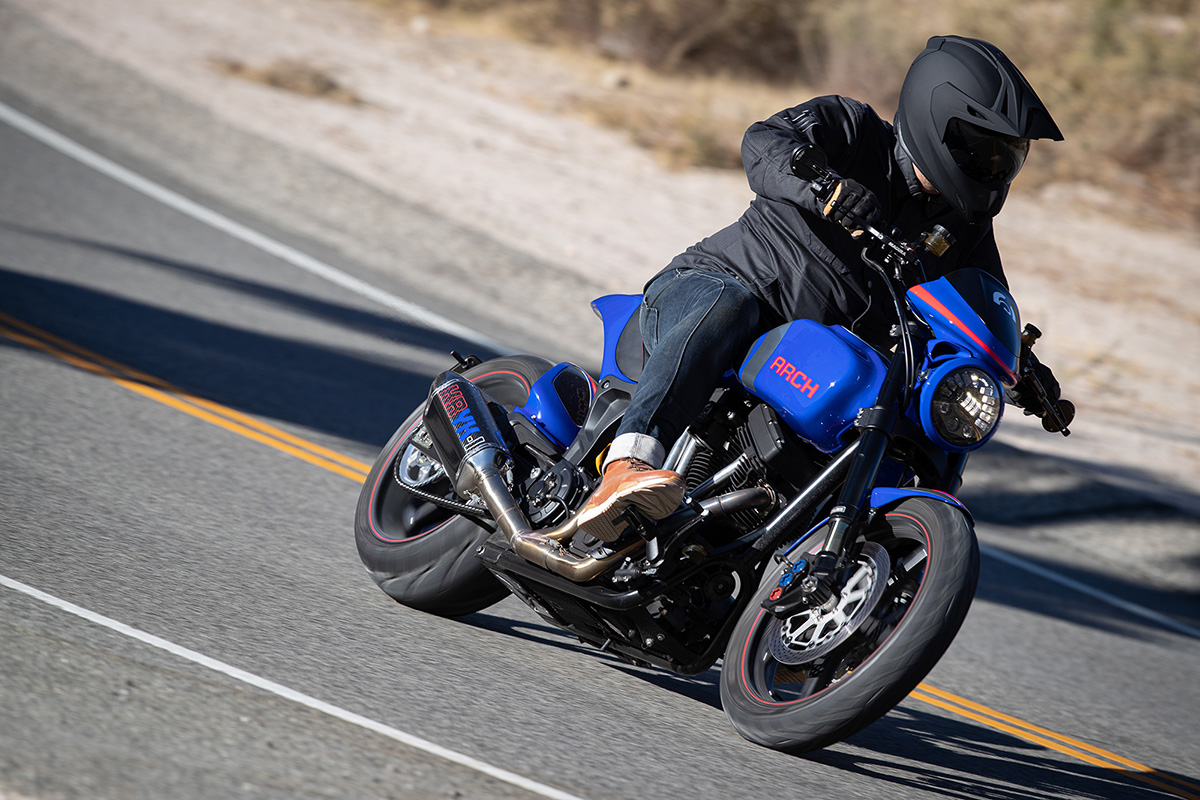
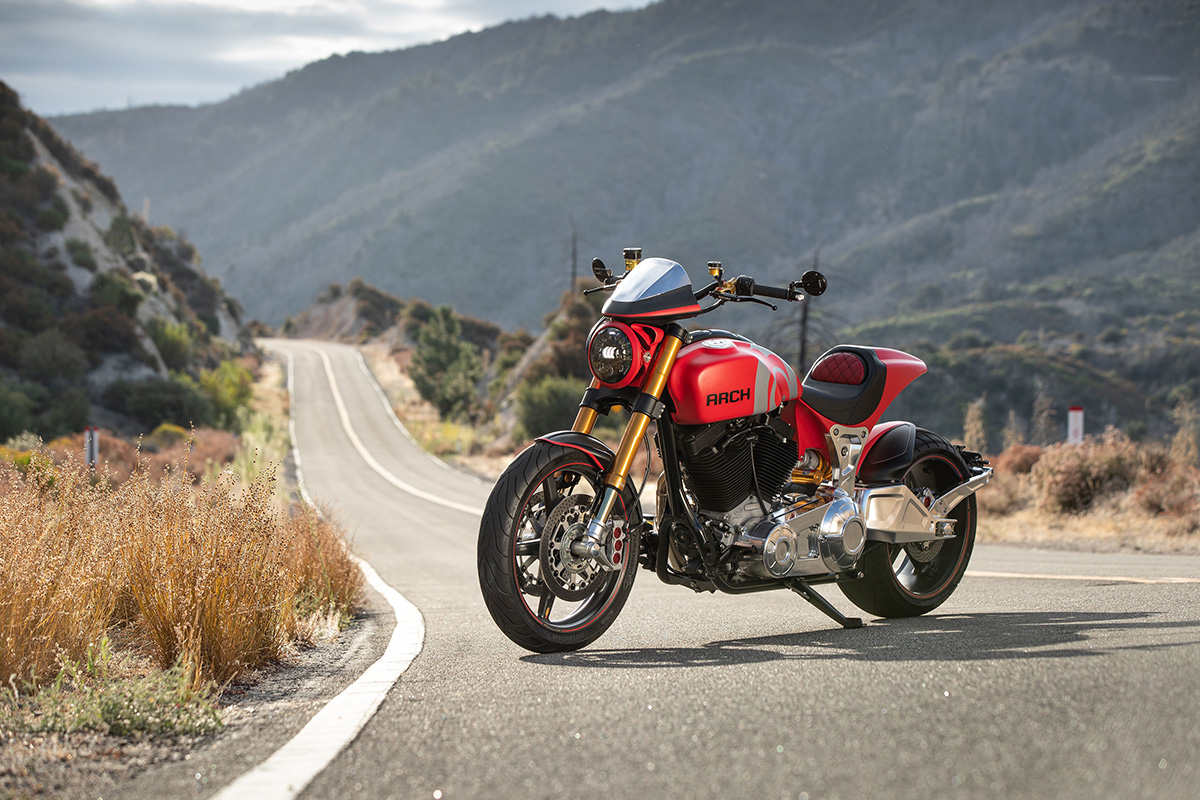
The Arch Motorcycle KRGT-1 is an $ 85,000, made-to-order performance cruiser that looks bananas, goes like stink and handles better than any cruiser deserves to. It also has a drool-worthy list of parts—including a set of stunning carbon fibre wheels, made right here in Mzansi, by Blackstone Tek (BST).
Photo credit: Bjorn Moreira / ZA Bikers
It’s a cross-continental collaboration. BST’s 5,000 m2 facility is right here in Randburg, with a workforce of about 85 people. Arch are based in Los Angeles, California, USA, a stone’s throw from the famed Crenshaw Boulevard.
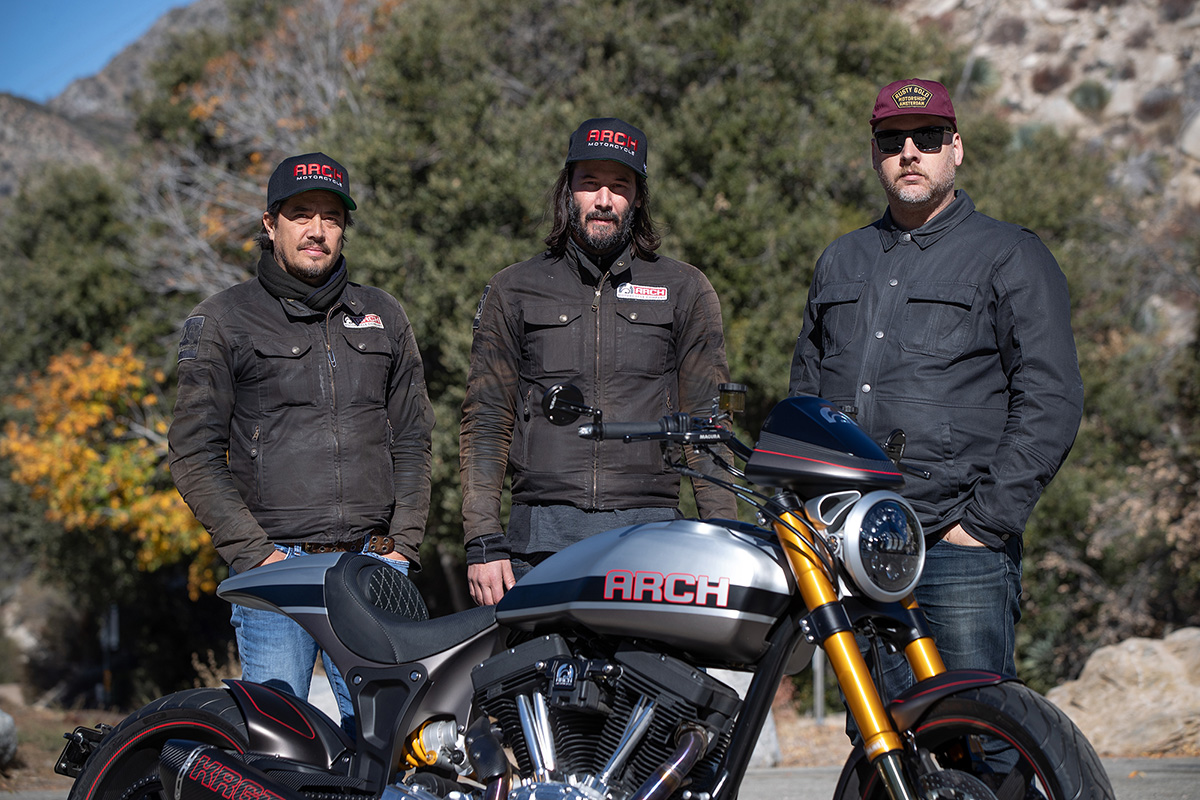
Arch Motorcycle is owned by experienced bike builder, Gard Hollinger, and the guy that plays John Wick, Neo and Ted ‘Theodore’ Logan, Keanu Reeves.
Photo credit: Wes Reyneke / ZA Bikers
The company was conceived when Reeves contacted Hollinger to customize his Harley-Davidson Dyna. A simple custom job turned into a ground up rebuild, and eventually, all that was left of the Dyna was the motor.
Reeves pushed Hollinger to put that bike into production, and so the Arch Motorcycle KRGT-1 (Keanu Reeves Grand Tourer 1) was born.
Photo credit: Arch Motorcycle
But BST’s relationship with Hollinger pre-dates the KRGT-1. He first contacted the company twelve years ago, while he was running his custom shop at the time, Chop Rods. He was building a drag bike for a Discovery Channel show and needed carbon fibre wheels.
“I literally had to fly the wheels to him in LA for everything to be on time,” says BST’s managing director, Gary Turner. “I still see the bike in the Arch facility. Ever since then Gard has used BST for all his and Arch’s composite work—with of course the wheels being the main product.”
Looking at the Arch KRGT-1, it’s clear where your $ 85,000 (that’s about 1.2 million ront) goes. Each KRGT-1 is made-to-order, with a parts spec that’ll make your eyes water.
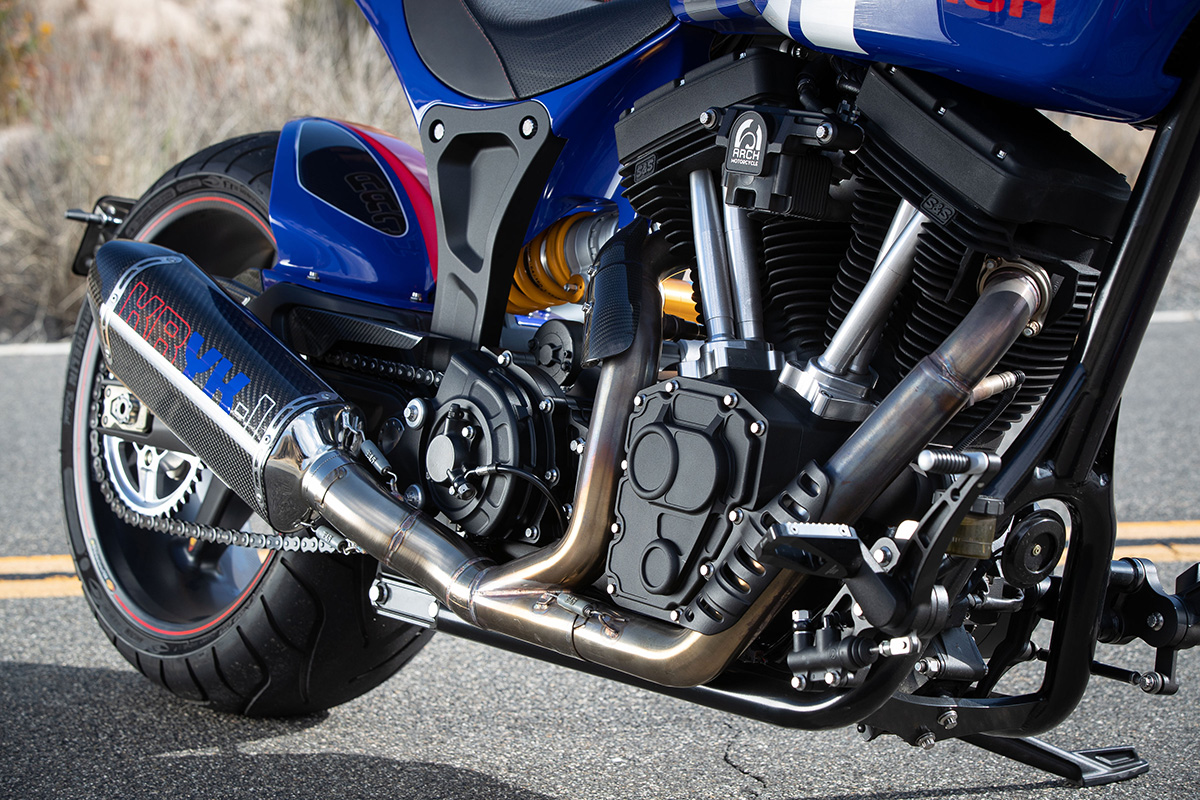
The bike is built around a proprietary frame, and powered by a beastly 124 ci 45 degree V-twin from performance powerhouse, S&S Cycle in Wisconsin. The setup includes a custom six speed gearbox, a special high torque main shaft, a hydraulic clutch and a final chain drive.
Photo credit: Wes Reyneke / ZA Bikers
Nothing on the KRGT-1 is a simple off-the-shelf affair. The motor has a special downdraught intake and a custom K&N filter setup, so that there’s no clunky air filter hanging off the side of the bike. And the exhaust is a combo of custom-made headers, and a muffler built in-house using Yoshimura components.
Photo credit: Arch Motorcycle
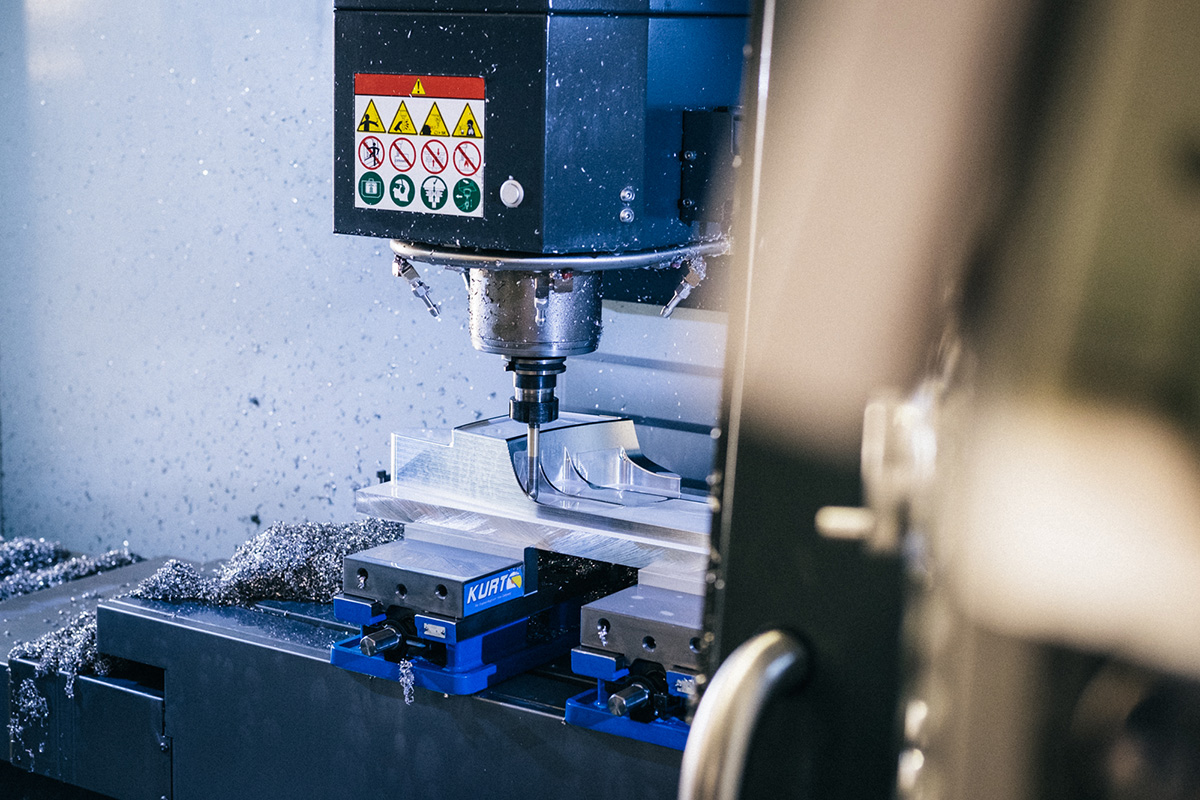
Much of the KRGT-1’s construction consists of aluminium parts that are designed, machined, welded and finished in Arch’s facility. The sheer scale of Arch’s CNC operation, and their engineering prowess, is staggering. It takes about 540 kg of aluminium billet to produce one bike, but 90 % of that ends up as scrap shavings. (Don’t fret—Arch are big on recycling.)
Photo credit: Wes Reyneke / ZA Bikers
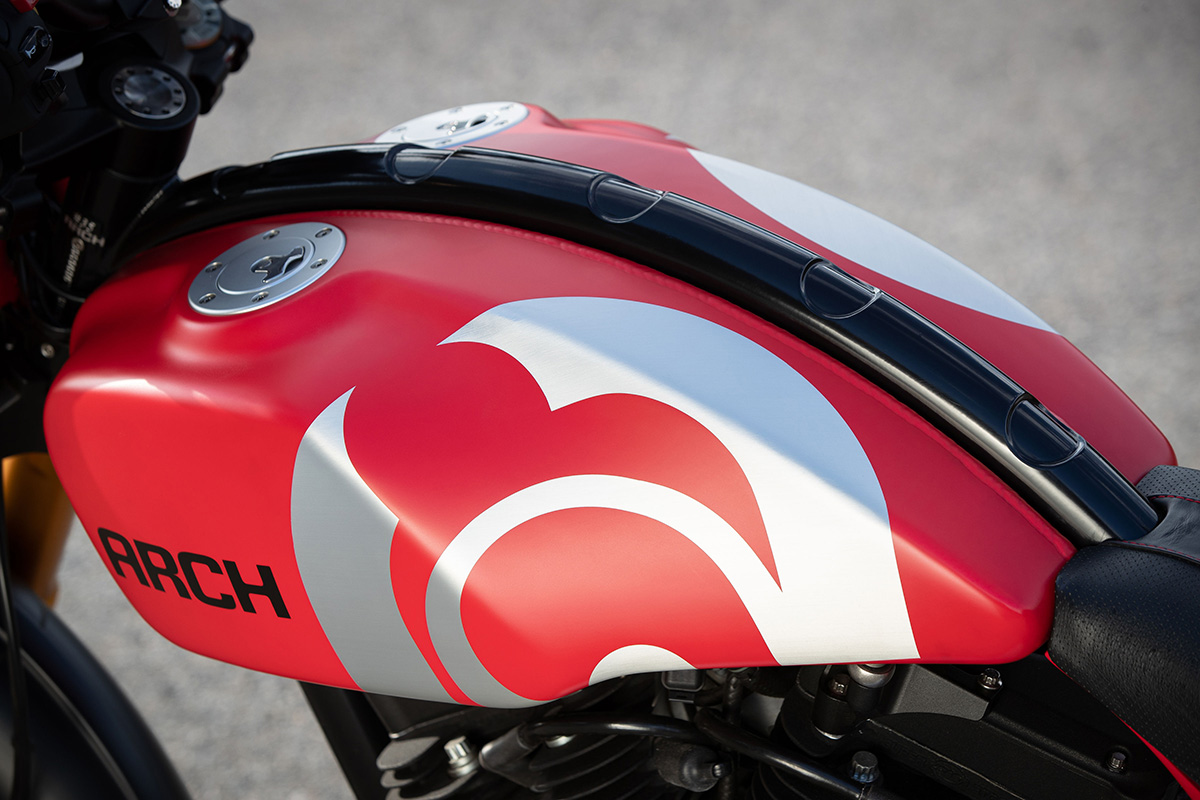
Just the fuel tank alone, which consists of two halves and has multiple cutouts for various other components to fit into, takes 40 hours to make.
Photo credit: Arch Motorcycle
Then there’s the swing arm, which has tooling marks and welds so stunning, it’ll make any engineer or bike nut weak at the knees.
Photo credit: Arch Motorcycle
Arch’s process is akin to building a Meccano set. They make a small amount of each part to keep stock on hand, and then assemble each bike to order, with a 90 day turnaround time. Each KRGT-1 is tailored specifically to its new owner—from ergonomics to the final finishes. So no two look, or feel, the same.
Photo credit: Alessio Barbanti / Arnaud Puig
They use the same list of performance parts each time though, with components from Öhlins, ISR, Magura, Motogadget and Rizoma. And, of course, carbon wheels from BST.
Photo credit: Arch Motorcycle
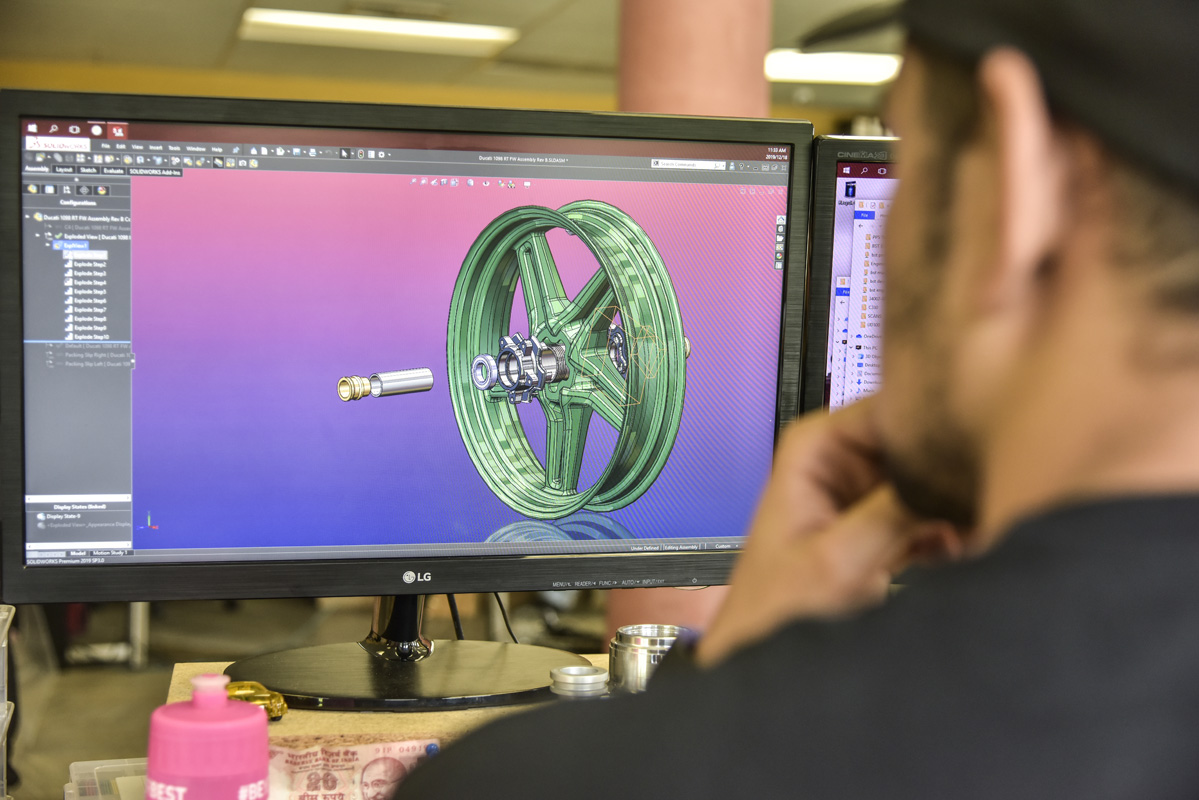
“They use our standard Twin Tek wheels,” Turner explains, “with Arch-specific hubs. A nice simple clean straight spoke design that we developed for the American V-twin market, so they have the correct load rating for that market segment and are standards compliant.”
The Twin Tek is as elegant as it is desirable. It has a slick five-spoke design that’s almost reminiscent of classic Morris race wheels. They wear a 120-wide 19” tyre up front and a 240-wide 18” at the back.
Its simple design belies just how hi-tech it is. Turner’s experience with carbon fibre dates back to before starting BST, with business partner Terry Annecke, in 2002. We’ve toured BST’s factory, and it’s true kid-in-a-candy-store stuff; not just because of the company’s high end manufacturing process, but also because of Turner’s enviable collection of motorcycles.
Photo credit: Bjorn Moreira / ZA Bikers
As for their wheels, BST use prepreg carbon sheets that need constant temperature management to maintain their integrity. Their process is a delicate ballet of laser-cutting components, using silicone inserts to keep the spokes ‘hollow’ and baking everything in pressurised ovens.
Photo credit: Bjorn Moreira / ZA Bikers
But other than looking really cool, do carbon wheels actually offer any benefits? Yes indeed. For starters, they’re extremely light, with the Twin Teks weighing less than eight kilos for the pair.
“Most people know that un-sprung weight is the holy grail of weight saving on a motorcycle,” says Turner, “so wheels are the holy grail of un-sprung weight.”
Photo credit: Bjorn Moreira / ZA Bikers
“Remember, when you hit your brakes you are actually stopping the wheel, when you hit the throttle you are actually accelerating the wheel. The wheel is what is directly working against your suspension, so the lighter the wheel, the easier time your suspension has, and it tracks the surface much better.”
On the KRGT-1, that unsprung mass is paramount. Arch’s goal was always to build a performance cruiser that would handle really well, and a big part of that was weight management. So the KRGT-1 weighs in at 244 kg—about 50 kg less than the Harley-Davidson Fat Bob.
Photo credit: Arch Motorcycle
You can feel it out on the road. I was fortunate enough to travel to Los Angeles to visit Arch and, most importantly, ride the new KRGT-1. Our route covered the most excellent Angeles Crest Highway—a never-ending string of corners, and a perfect proving ground for any motorcycle that claims to have good handling.
Photo credit: Alessio Barbanti / Arnaud Puig
With forward pegs and a scooped seat, you wouldn’t expect the KRGT-1 to perform well in corners. But it does, and it does it so well, that it’s unnerving at first. With just the slightest motivation from the rider, it dips into turns almost intuitively. And once it’s pitched over, it holds the line like it’s locked into a Scalextric track.
Photo credit: Alessio Barbanti / Arnaud Puig
Part of that’s also down to the KRGT-1’s design. Yes, it has a long wheelbase and a far rear tyre—but it’s worth remembering that this motorcycle’s been designed from the ground up. Every component, from the front axle to the back axle, works in perfect harmony.
Photo credit: Arch Motorcycle
That whopper of a motor generates masses of torque (121,77 Nm at the wheel) along a flawless torque curve, the ISR brakes (with ABS included) offer high levels of feel, and the Öhlins suspension does a stellar job of holding the road.
So sure, the KRGT-1’s abilities are thanks to more than just a fancy set of carbon fibre wheels. But you can bet it wouldn’t perform as well without those BST hoops.
Photo credit: Alessio Barbanti / Arnaud Puig
And besides, how often do you get to travel halfway around the world to ride one of the world’s most exclusive motorcycles, rolling on a proudly South African product?
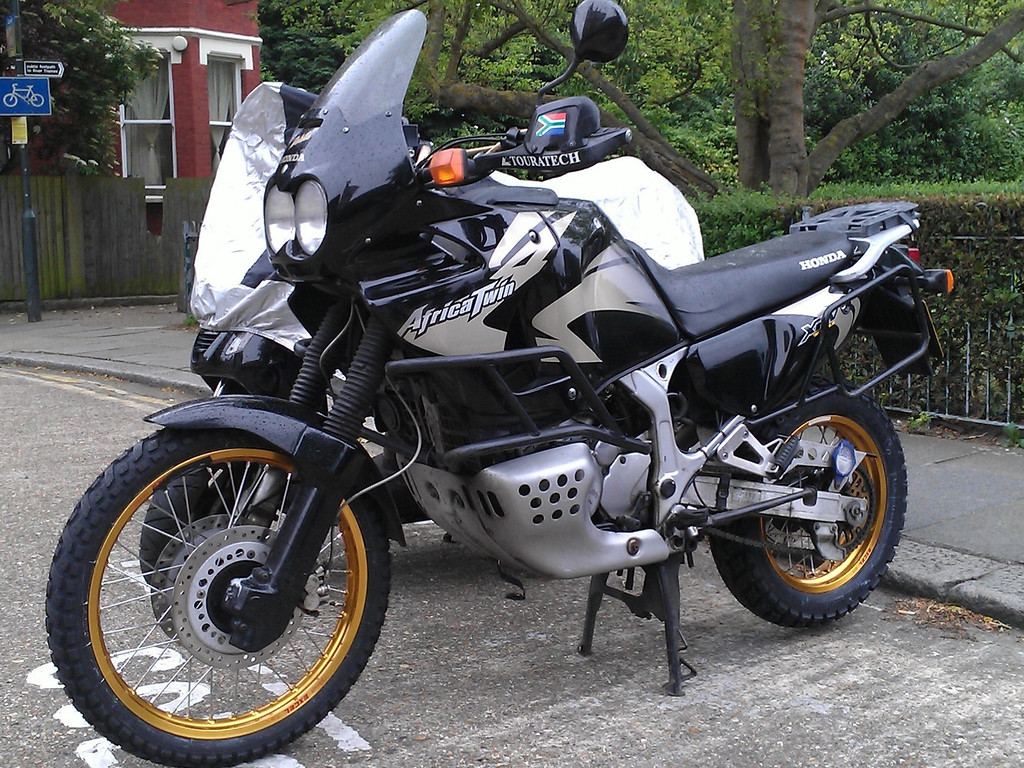
The Honda Africa Twin has always tickled my fancy. The first time I had a serious look at one was way back in the ’90s when I was seriously into Sportbikes and Adventure bikes were not really on my radar. I met a couple of guys who had just ridden down through Africa from England. One was on a R80 GS BMW and the other was on an Africa twin. I was captivated by the stories of Adventure travel. Early in the 2000’s I bought my black and gold XRV 750.
Photo source: XRV.ORG.UK
It was the last of the iconic XRV line and I loved it. In the fullness of time, it gave way to other bikes. It was thus with great excitement and anticipation that we awaited the arrival of the “new” Africa Twin in 2016. My order was placed when the bike was really just a rumour, but I was adamant, I wanted one of the first batch. CRF 1000 L! Flip, it had such a cool ring to it!
Photo credit: Honda Japan
I ordered a basic model, ‘cause I didn’t want the new-fangled “DCT” gearbox or any of the electronic trickery. I wanted the simple model. I remember the excitement when my buddy Albie Eagar from Menlyn Honda ‘phoned me to say my bike had arrived. Like in the old days, I watched as the bike was uncrated. The silver bike with magnesium coloured engine casings looked the business. The bike was a pleasure to ride. I ran it in to Mpumalanga and marvelled at how the suspension soaked up poor road surfaces. The power delivery was torquey and smooth.
Photo credit: Simon Morton / ZA Bikers
In the fullness of time, as is often the case when the honeymoon is over, a few weaknesses emerged. The suspension, which had initially impressed me with its suppleness, was just too soft. Two up with luggage the bike would, despite maximum preload, hang its backside like a smacked puppy. The gearchange was a trifle iffy and the power, which was so perfect when riding offroad, was just a wee bit underwhelming on the road. Despite being a litre bike it felt like you had to use the gearbox to row the bike along to get a hurry up. A couple of years later and we got the Adventure Sport. Bigger tank, more suspension travel, but the extra weight exacerbated the relative lack of power.
Photo credit: Bjorn Moreira / ZA Bikers
Move on a couple more years and Honda has looked to address these shortcomings.
Photo credit: Honda South Africa
We cracked an invite to the South African launch of the new 2020 CRF 1100. We had a press briefing where we got the details of the new models followed by the unveiling.
Photo credit: Honda South Africa
Oh, my soul! The old saying goes that you only get one opportunity to make a first impression, so let me tell you that there are faster and more powerful adventure bikes but I can also tell you categorically that there are no better-looking ones.
Photo credit: Honda South Africa
The Adventure Sport tank is resculpted and makes the bike more waspish in the middle, allowing your legs to grip the tank without being splayed too wide. You also sit more “in” the bike. Resplendent in HRC colours, with gold front forks and rims, it is truly a magnificent looking beast.
Photo credit: Honda South Africa
The “small tank” CRF1100 on the other hand, looks almost petite by comparison, but in a purposeful way. Slim and trim, it flaunts its new bolt-on subframe by painting it in red, which looks stunning on both the red and black as well as the charcoal bike. Speaking of the frame, it is completely new on the CRF 1100.
Photo credit: Honda South Africa
The next day we gathered at Gerotek, the Armscor vehicle testing facility to ride both models. I rode the offroad course first. Both the Adventure Sport and regular CRF’S are really capable off the beaten track. The Adventure Sport DCT has electronically adjusted Showa suspension, whilst the manual has regular manually adjusted suspension. Both versions work a treat. Some serious lurkers were swallowed up without fuss or bother. The DCT impressed me no end. This latest version has really come of age. It is now seriously refined. It snicks, rather than clunks into gear, and is seamless in operation, whether in touring or either of the Sport modes.
Photo credit: Honda South Africa
The manual gearbox has also lost its “iffyness”, with shifts being light and positive. The new bikes are both equipped with TFT displays which keep you fully informed on all the bikes vital signs.
Photo credit: Honda Japan
Let me just say that modern electronics require significant sussing out. To make full use of the various functions and benefits it is actually imperative that you are trained in its use. For example, the new Twin has both traction and wheelie control. Now we know from past experience that steep rocky inclines are best attacked with traction control off. When the bike detects wheelspin it cuts the power, when you actually most need it. No problem. So why does the 1100 still cut the power, even with TC off or minimised? Enter wheelie control. As the gradient increases the bike thinks that you are popping a wheelie, so it cuts engine power. Same result. Hill 1, Africa Twin 0. Switch off the wheelie control and the hill ascent is a non-event. As a “safety-critical” feature it, unfortunately, resets when the bike is switched off and on again. The new Twins also have “custom” setups where riders can set them up and store the settings to suit their preferences. Electronics have thus brought a new level of complication to bike set up. Obviously this is not unique to Honda, but for me personally, it is a bit of a pain. TFT screens are great, being legible in most conditions and look really cool when you switch the bike on. The downside? They take quite a while to light up. Fancy graphics appear, then a disclaimer of sorts, asking you to say OK to a warning that stupid use of the bike can hurt you and only then should you hit the starter button. Oh, and you can even connect your smartphone via something they call “Apple CarPlay” whatever that might be? You can bring back the ‘Simple’ analogue/digital display as far as I am concerned.
Photo credit: Honda Japan
When you have learned the intricacies of the setup, the bike is splendid. The Adventure Sport is for me a bit like Papa Bear’s porridge. A little big, a little heavy, and still a little underwhelming power-wise. Honda positions this bike as your long-distance go-anywhere tourer and in this role, it is hard to fault. With its good ergonomics, 24 plus litre tank and manually adjusted screen it will smash distance effortlessly. The DCT version makes that proposition even more effortless.
Photo credit: Honda South Africa
For me, the star of the show is the DCT “Small Tank” CRF. What a bike! It feels small, light and agile. The manual suspension is now spot on. It handles everything with a “is that the best that you can do”? It is, and feels, much lighter than the Adventure Sport. Riding it around the hillside dynamic handling course at Gerotek was brilliant. “G” button engaged, DCT in Sport 2 and engine in “tour” mode, it was sublime. Perfectly composed and punchy, it handled steep inclines, declines, decreasing radius bends and sweeps with playful disdain. It is now everything the CRF 1000 promised but didn’t quite manage to deliver. This same composure translates to phenomenal offroad prowess.
Photo credit: Honda South Africa
Honda can be justifiably proud of there latest Africa Twins. Whatever your need may be, there is now an Africa Twin to do the job. The extra five horses and enhanced midrange torque brings a punchiness to the party which makes the ride so much more engaging. Do not buy an Adventure bike without riding an Africa Twin. You owe it to yourself.
Photo credit: Honda South Africa
We know they are utterly reliable. I would suggest that they now have a level of excitement to match. We look forward with keen anticipation to bringing you a full and comprehensive review of these splendid bikes in the near future. Honda dealers have stock, so go and have a whirl. It may just be the start of a long term love affair.
“There are three logical reasons to get a bike: petrol, parking and traffic. But then there’s the most important reason: fun!” That’s how Woodstock Moto Co. proprietor, Devin Paisley, signed off the sixth annual WMC Garage Built Show.
In just six years, the Garage Built Show has become a staple of Cape Town’s motorcycle scene. This year, over 750 visitors descended on the Woodstock Moto Co.’s own Barron Street in Woodstock to attend the one-afternoon event.
Photo credit: Wesley Reyneke / ZA Bikers
This was my fifth time attending the show, and it was hands down the best edition yet. The Woodstock Moto Co., if you haven’t been there yet, is a communal DIY garage at 7 Barron Street—right on the border of Woodstock and Cape Town’s CBD. Their motto is ‘Motorcycles for Everyone,’ and that ethos is fully embodied in the Garage Built Show.
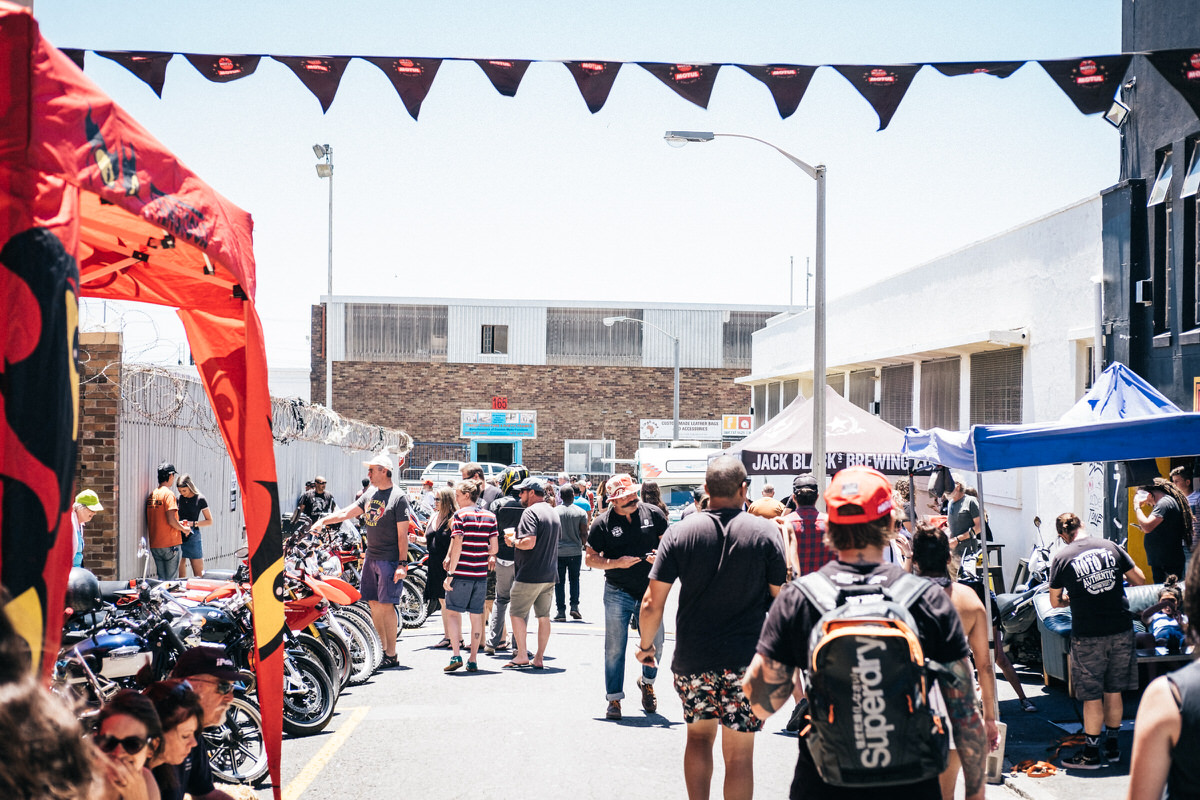
Basically, it’s a big moto-themed street party. The small WMC crew, aided by a long list of volunteers, shut off their street and take over the neighbourhood with a range of things to see and do for motorcycles—and for those that are just bike-curious.
Photo credit: Wesley Reyneke / ZA Bikers
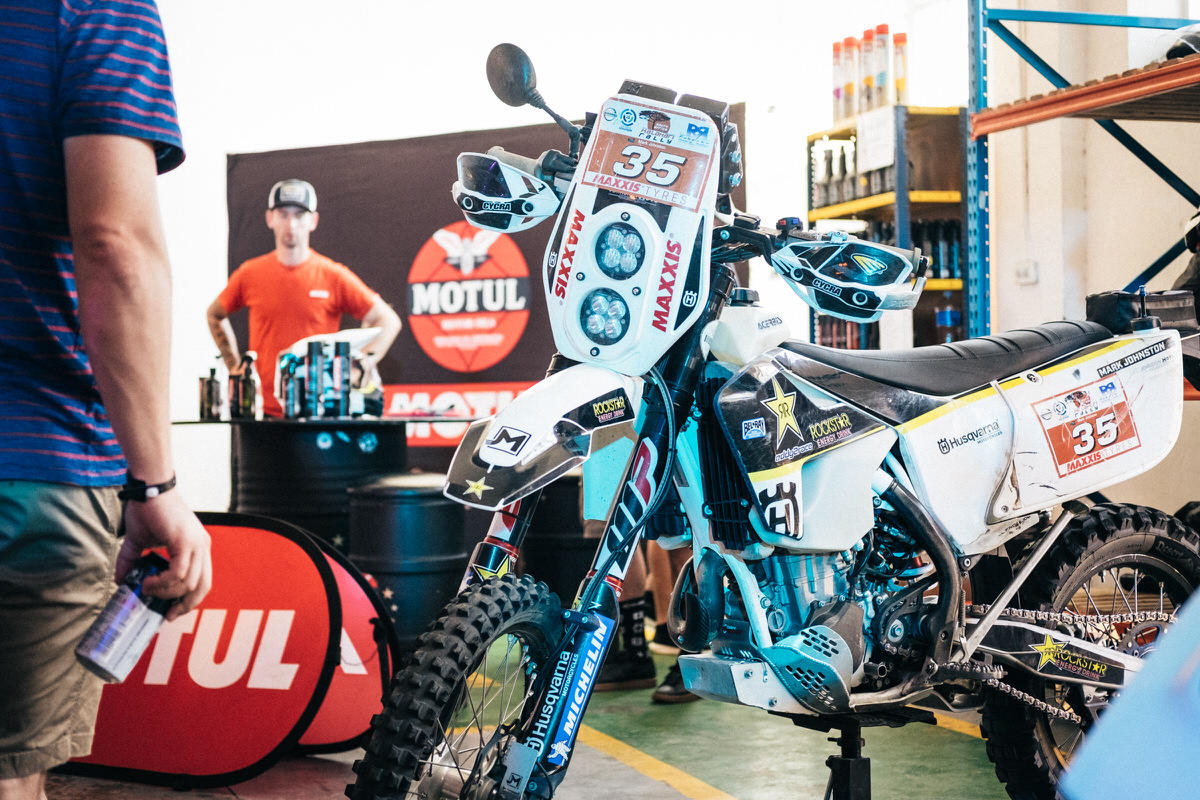
Title sponsors for this year’s show included Husqvarna South Africa (represented on the day by local dealer, Eddy2Race), Motul South Africa and Teng Tools. Their wares were on display in a spacious parking garage across the street from the WMC’s warehouse-like venue.
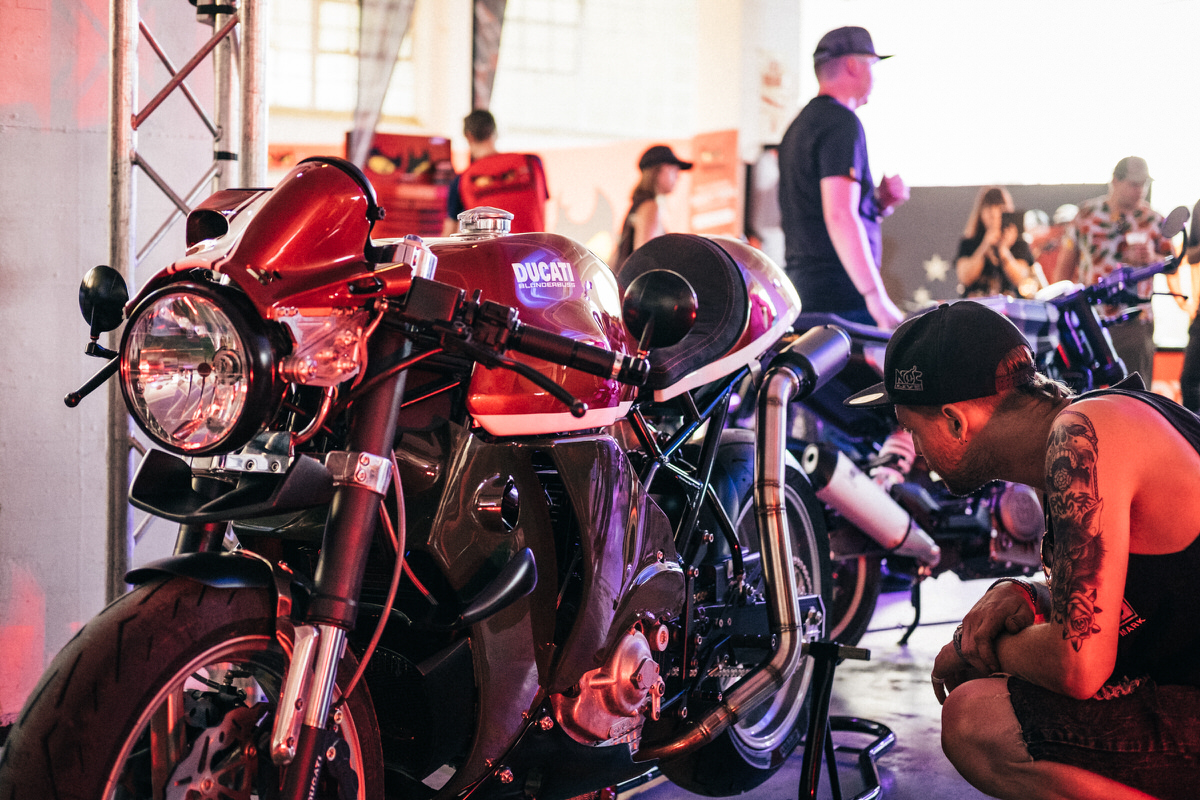
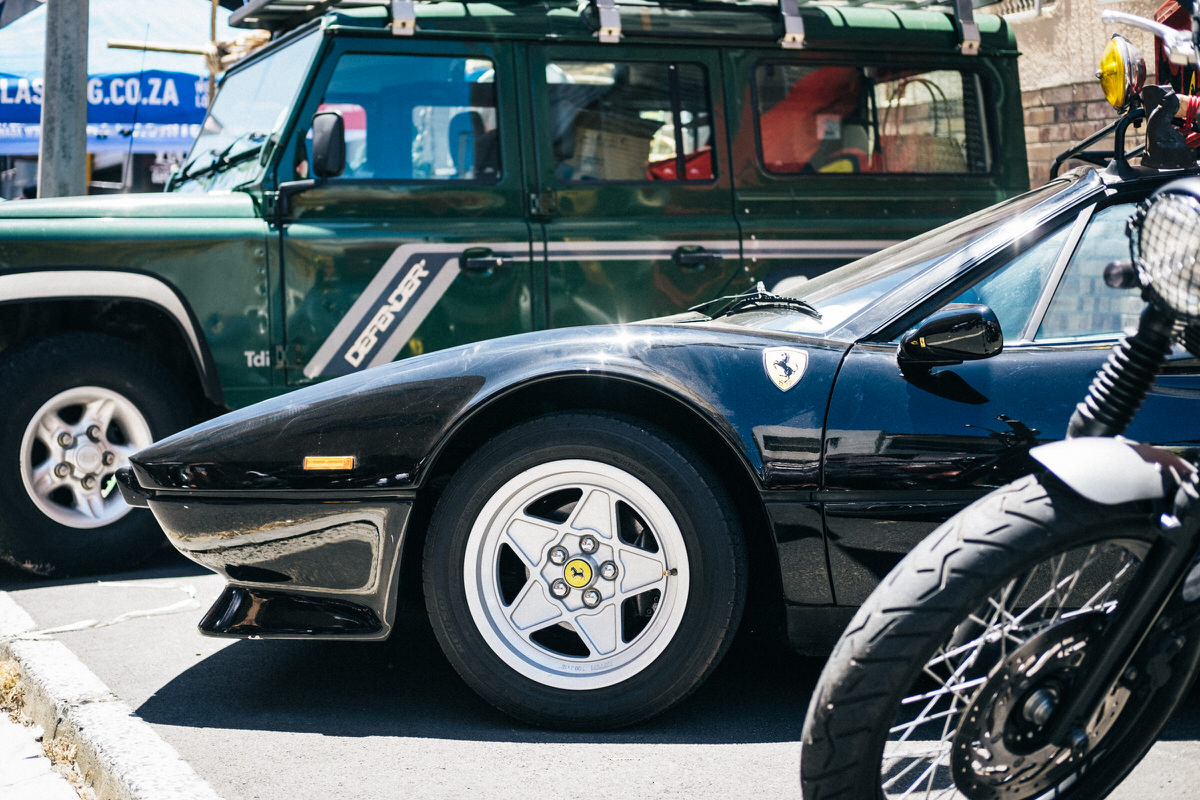
That parking garage also acted as the main bike display zone. The GBS isn’t strictly a custom bike show—Paisley and his team kept their selection eclectic, and included thirty-six bikes that mixed it up with customs, classics and anything eye-catching.
Photo credit: Wesley Reyneke / ZA Bikers
“It’s pretty tricky choosing bikes to put on show,” he explains, “as everyone feels that their bike is the best… and I really have a hard time saying no to people.”
“So I look for bikes that make me feel something. Whether that is an incredible respect for the time and technical skill that someone has put into building an international level bike, or whether it’s just a crazy ‘what the hell were you thinking’ bike that makes me laugh.”
Photo credit: Wesley Reyneke / ZA Bikers
“I also try to find bikes that have a great story behind them—usually a story of perseverance and determination by someone in their tiny garage building against all odds. And then I always find some good old classics that take the older generation back to their childhood and remember the good old days.”
Photo credit: Wesley Reyneke / ZA Bikers
Highlights included a wild 1970s Suzuki GT750 with a GSX-R front end and a Ducati swing arm, a 1971 Yamaha YG-5 built by a 17-year-old and a ratty, but lovable, 1966 Harley-Davidson XLCH. Local builder Johnston Moto brought a few bikes—including a stunning BMW R 80 G/S and his rally-spec (and race-proven) Husqvarna FE501. And Ian Ketterer from BlackSilver Customs had a stripped-down BMW boxer bobber on show.
Photo credit: Wesley Reyneke / ZA Bikers
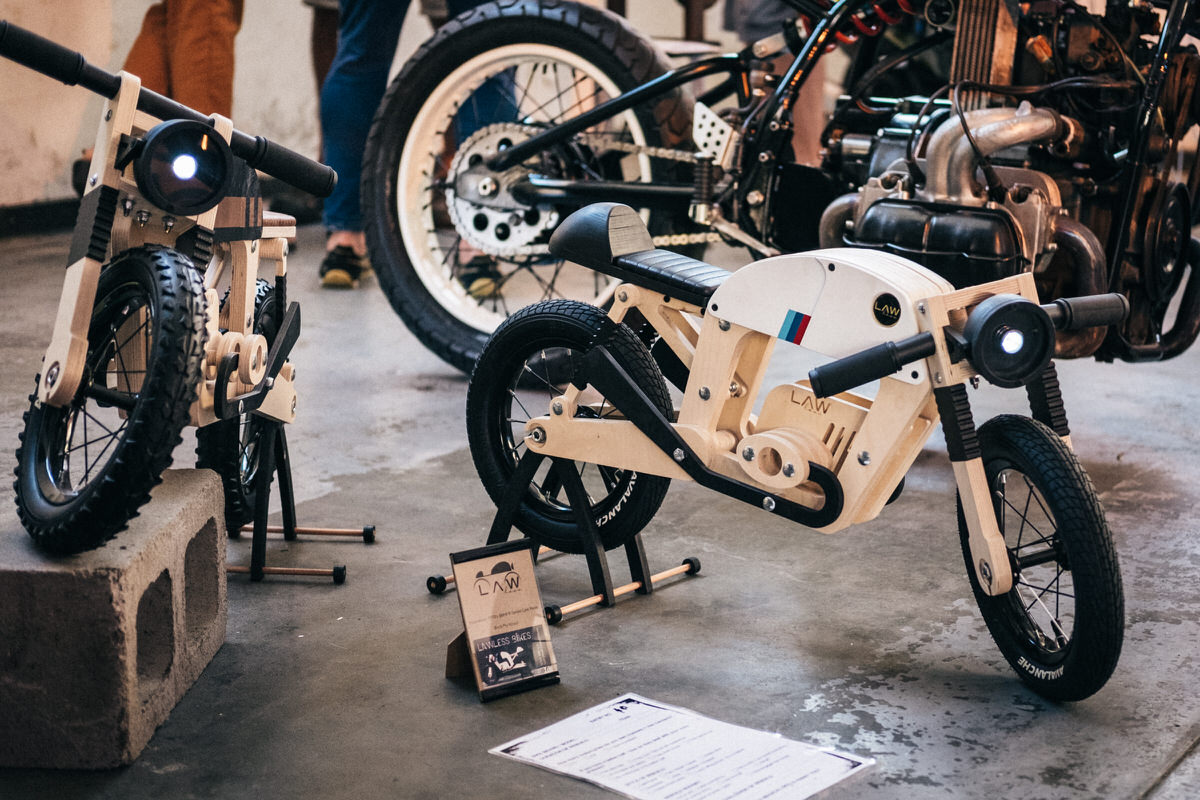
Hiding between the regular-sized bikes were a Honda Monkey Z50M, a bizarre custom pocket bike, and Lawless’ pint-sized wooden kiddies balance bikes. Cape Custom Motorcycles brought a stretched PGO scooter fit for a Mad Max film, and Josh Rowe brought a Kawasaki KLR650 nicknamed ‘Lipstick on a Pig.’
Photo credit: Wesley Reyneke / ZA Bikers
The people’s choice on the day was something pretty special: a cafe racer powered by a VW Beetle motor, meshed to a helicopter gearbox. It was built by Enrico Marais, who brought it down from Oudsthoorn especially for the show.
Photo credit: Wesley Reyneke / ZA Bikers
The ‘Garage Built’ pick of the show went to Andrew Liebenberg, for a cheeky Honda CBX250 that he built for as (very belated) wedding present for his wife. And the ‘Pro Built’ prize went to Wayne Buys at Fabman Creations, for his spectacular KTM 950 SMR custom.
Photo credit: Wesley Reyneke / ZA Bikers
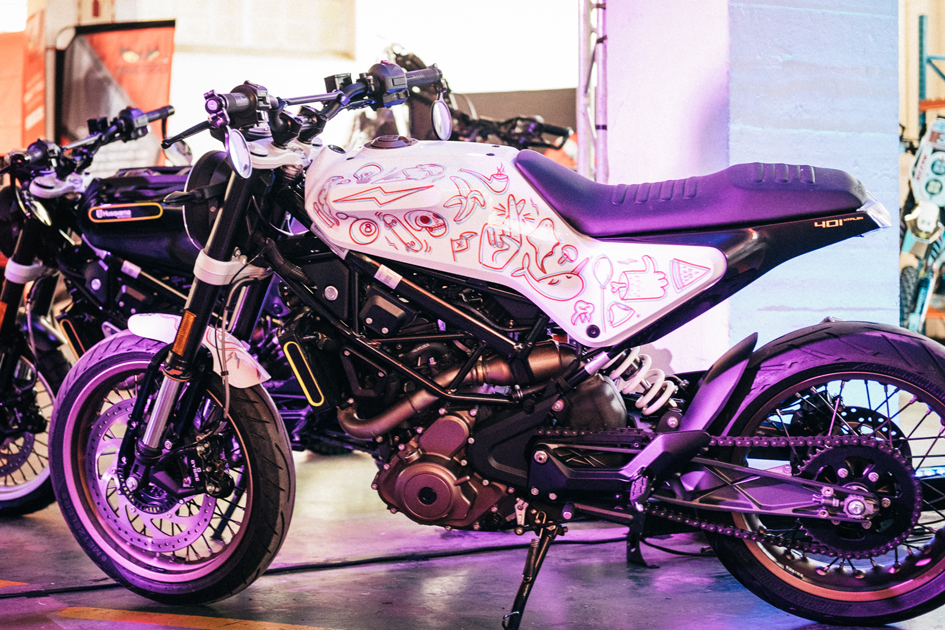
Husqvarna had their 701 and 401 Vitpilens and Svarpilens on show too, including two lightly customized examples. One was a Vitpilen 701 with a slick graphics kit from designed Riaan Mostert, the other was a Vitpilen 401 covered in illustrations by Megan Elliott.
Photo credit: Wesley Reyneke / ZA Bikers
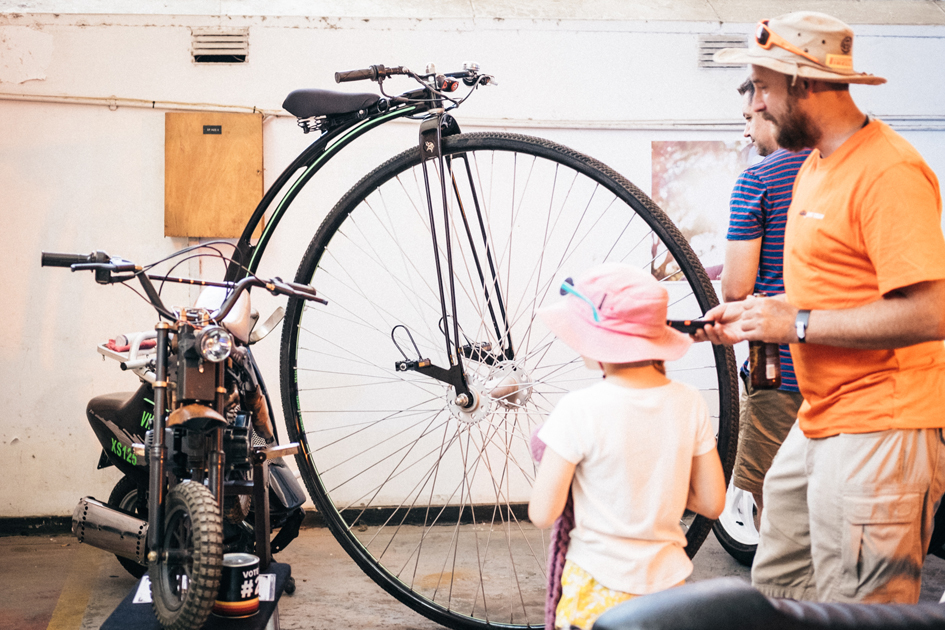
The WMC even included a partially stripped Honda that’s been untouched for a year, to prove that sometimes projects don’t go according to plan. But the most bizarre machine on the day was a Penny Farthing, powered by the back half of a Vuka scooter. (Yes, really).
Photo credit: Wesley Reyneke / ZA Bikers
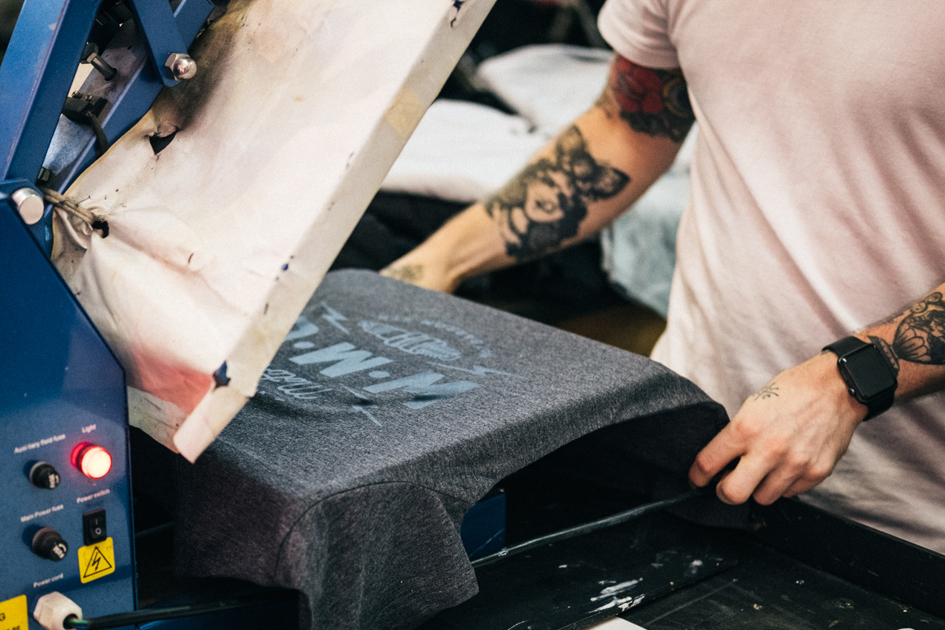
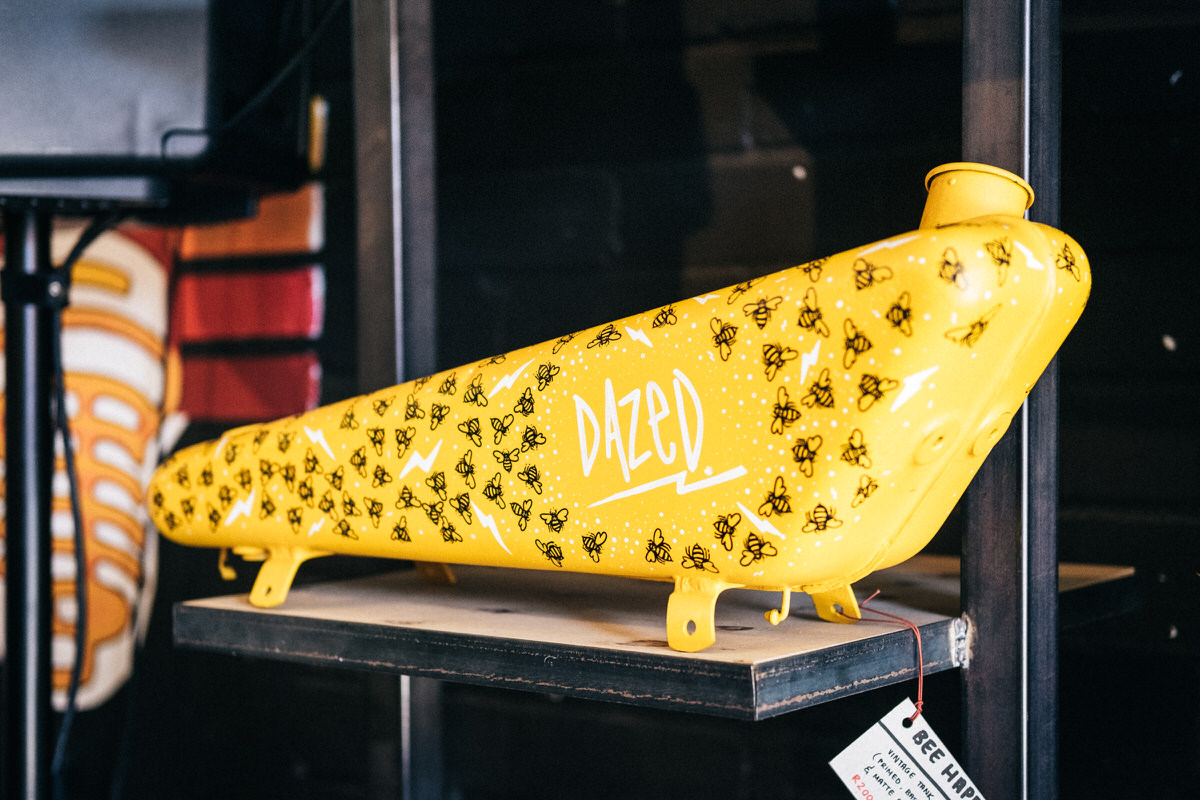
But the bikes on display were only part of the festivities. Elliot also had an exhibition of hand-illustrated helmets, denim vests and wood panels (plus a fuel tank) set up inside the WMC’s main shop. The walls were plastered with photography from some of Cape Town’s best moto-graphers, and Fittees and I Love Screenprinting teamed up to screen print T-shirts on order.
Photo credit: Wesley Reyneke / ZA Bikers
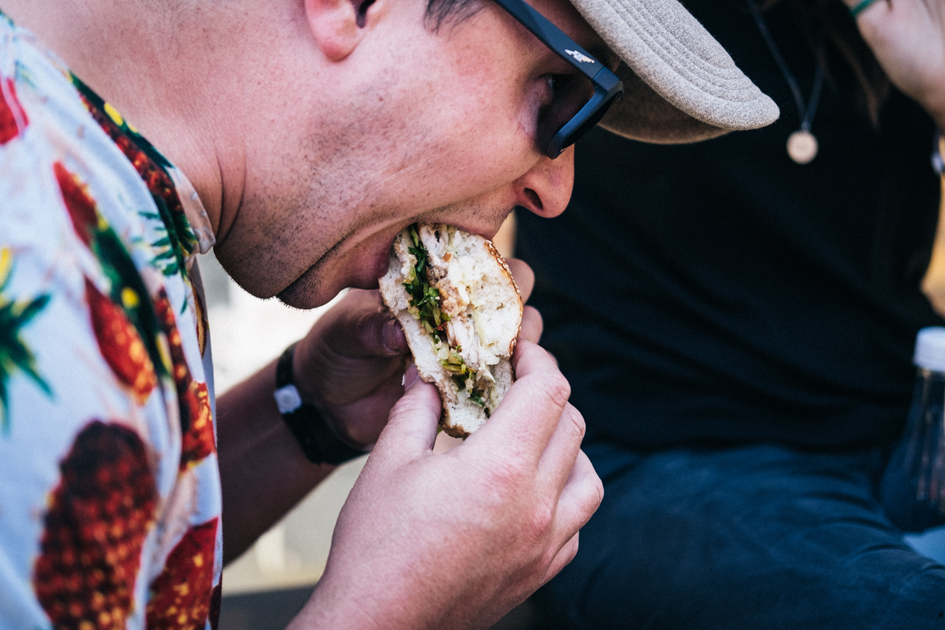
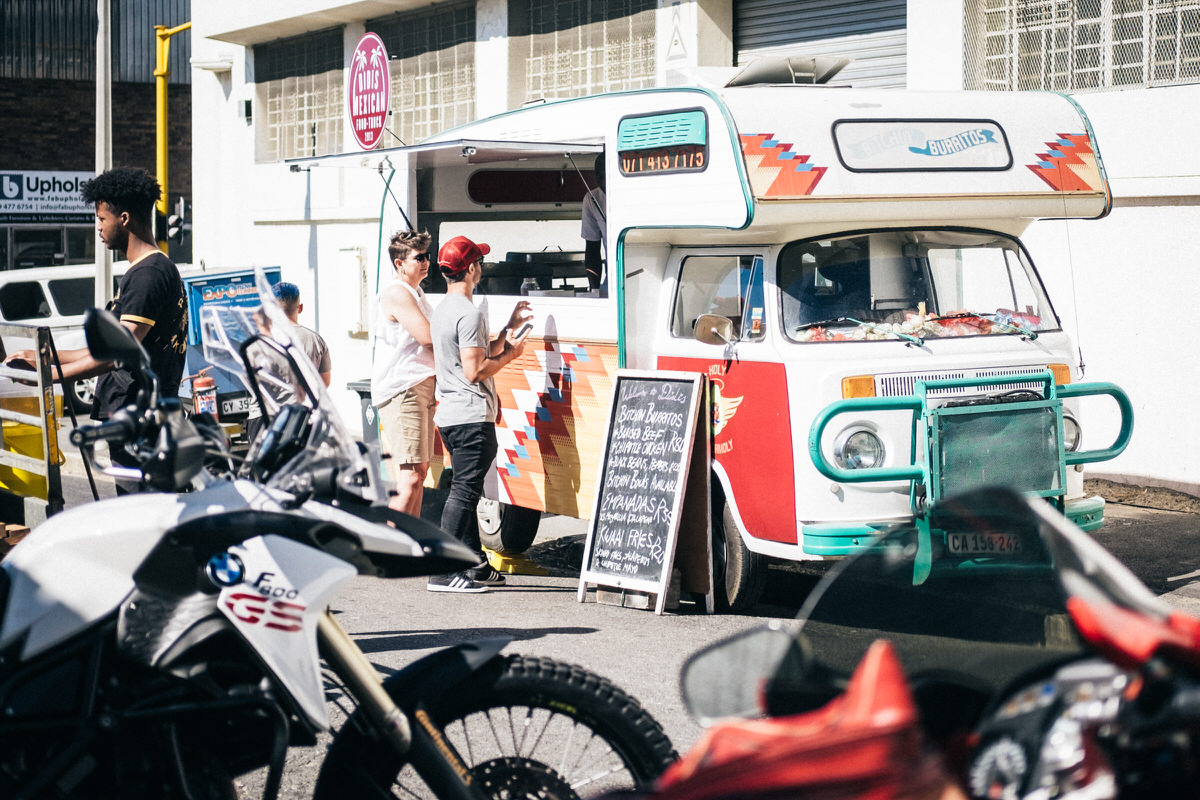
Out in the street, Jo Martin kept the crowds entertained with his own unique bluesy and indie spin on popular hits. Suncamino rum and Jack Black kept everyone hydrated, while Didi’s Mexican food truck and Redemption Burger rolled out the food.
Photo credit: Wesley Reyneke / ZA Bikers
As with previous years, bikes were allowed to park in the street. As in, in the actual street where the show was happening—in between vendors and the crowd, creating a sort of controlled chaos.
Photo credit: Wesley Reyneke / ZA Bikers
That vibe of motorcycles rolling in and out all day between show-goers is one of the Garage Built Show’s many trademarks. It’s a show that attracts a killer crowd too. From crusty old bikers to people that don’t even ride, everyone feels welcome and no-one feels out of place. Add to that the wide range of bikes on display, and you have one of the most unique shows on the circuit.
1 of 35
You can bet I’ll be back next year… see you there?
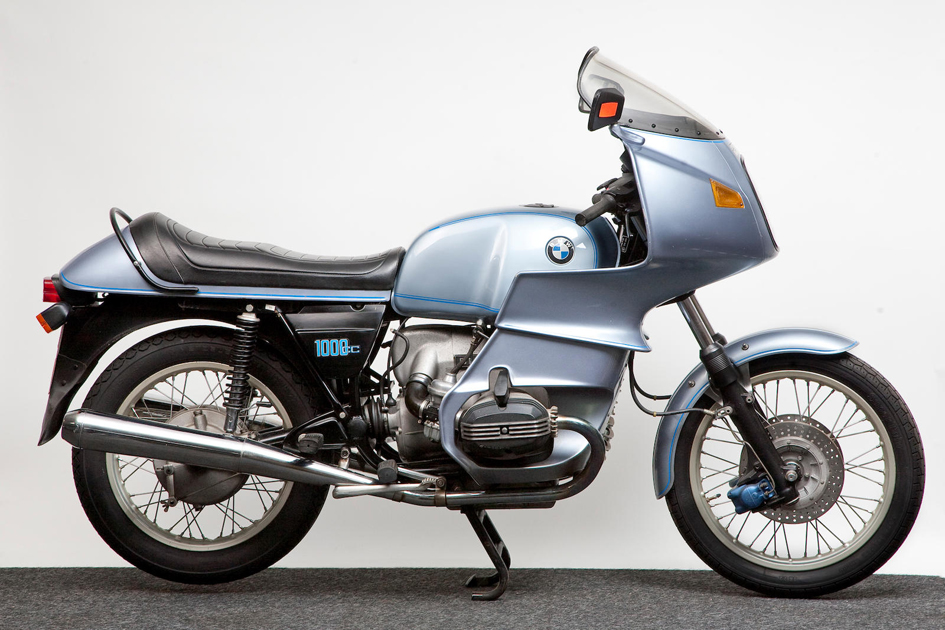
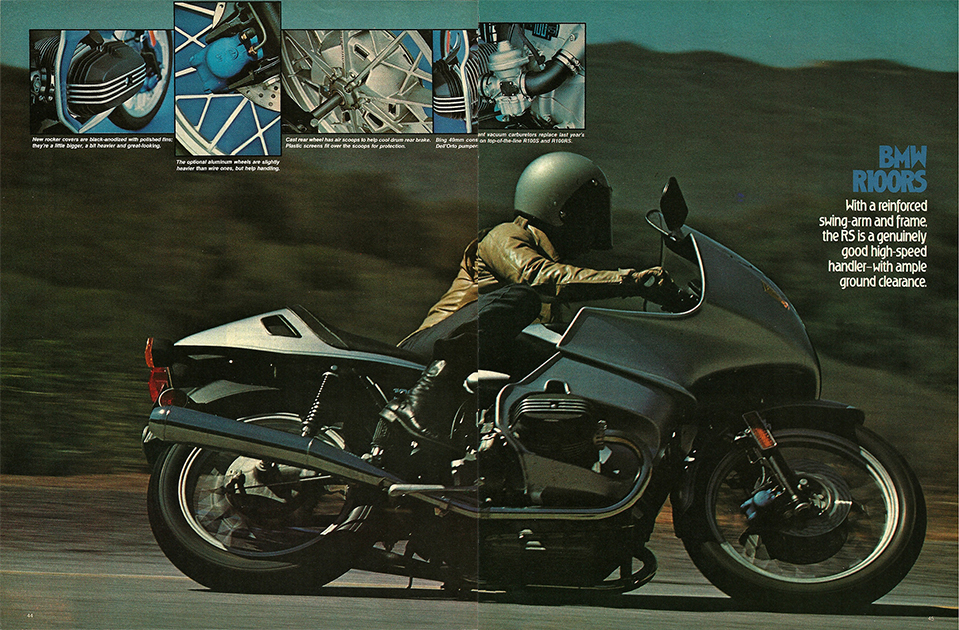
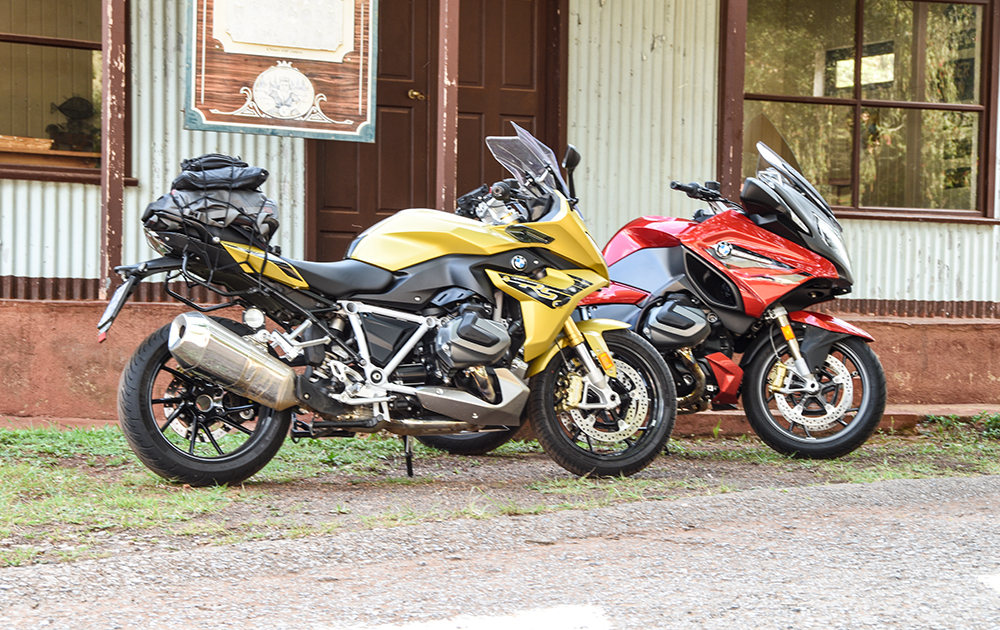
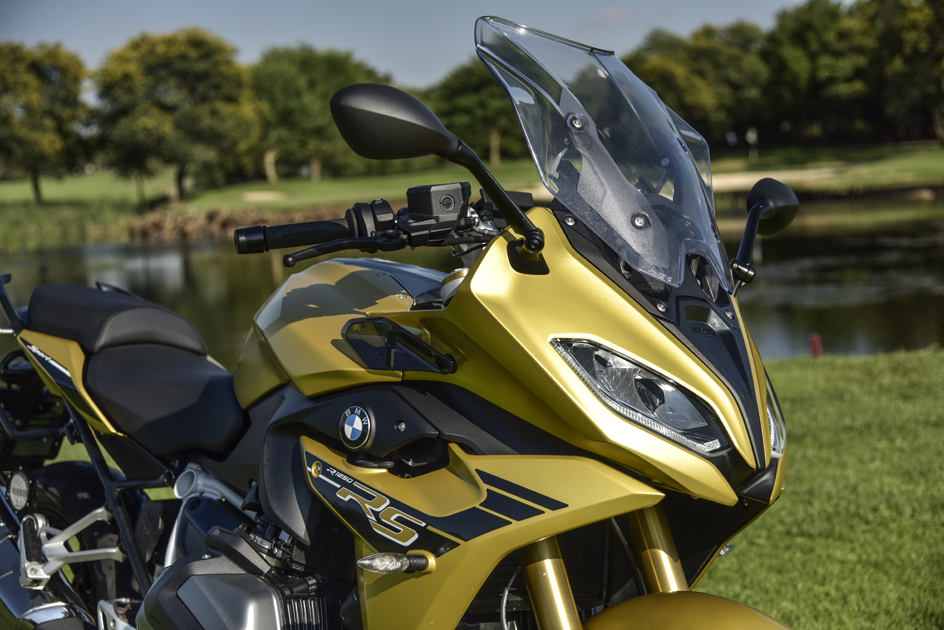
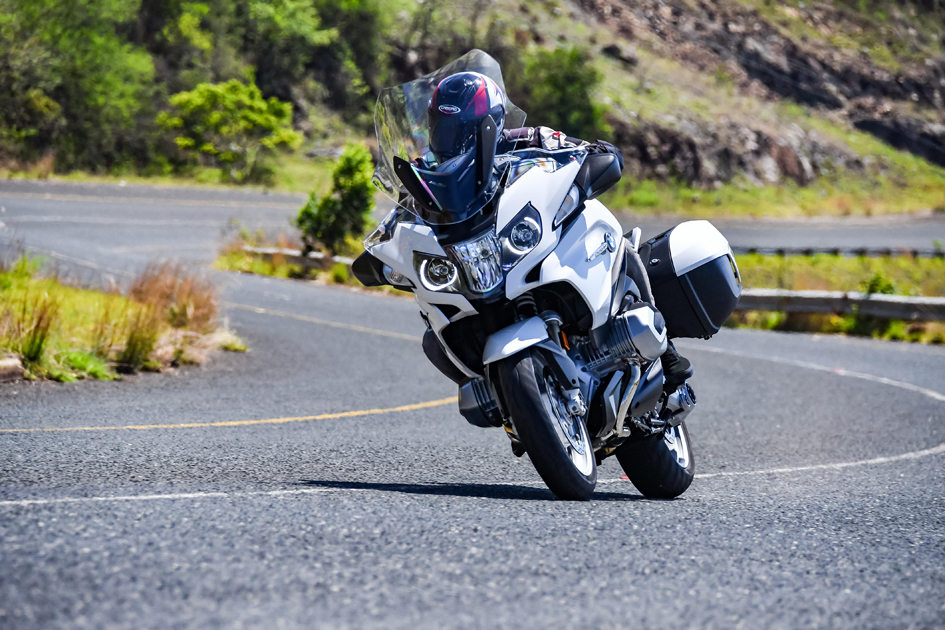
I am going to deal with the RS first in this account. Fact is, BMW’s RS and I go back a long way. Right back to the bike’s beginning. In 1976 I worked at Club Motors in Pretoria. The Ludwig family, owners of the Club Motors Group, were the original importers of BMW and Kawasaki motorcycles into South Africa. I worked at their Honda dealership. When I laid eyes on the first R100 RS to arrive on SA shores I had to have it. Despite being a Honda man through and through, the fully-faired, silver-blue Bee Emm, with spoked wheels with subtle blue pin striping matching that on the mudguard, tank, fairing and “one-and-a-half” seat blew me away.
BMW Motorrad
No other bike available in 1976 was fully faired. The bike, despite its 980cc motor, was slower than a 750F Honda, but the torque more than made up for the performance deficit. It was the 1976 roll on king. Not even Kawasaki’s Z1 could match the big BM twin when you rolled on the throttle in top gear. Real-world performance was impressive, especially with the fairing which allowed sustained high-speed riding. What was an endurance event for riders of other bikes was a doddle for the RS. I remember riding to Salisbury for a weekend to visit my buddy Mike Taylor. Leaving Salisbury at 5 am, I reeled off the 1100 odd kay’s back to Pretoria, including topping up the 24-litre tank three times and a border crossing at Beit Bridge, in 8.5 hours. I pulled into Club Motors at 1.30 pm. Half that ride was in the pouring rain. I found that if I cruised at 180 plus, the wind blast over the top of the screen would keep my visor clear enough to see. The RS handled well enough to make sustained high speed comfortable.
BMW Motorrad
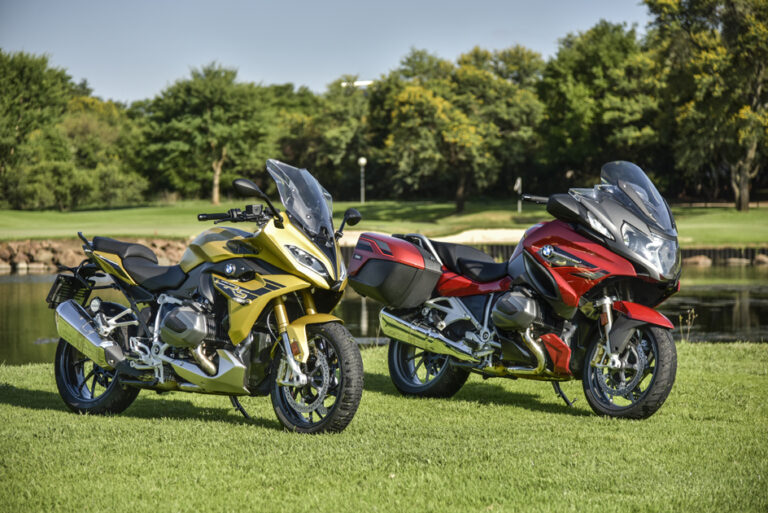
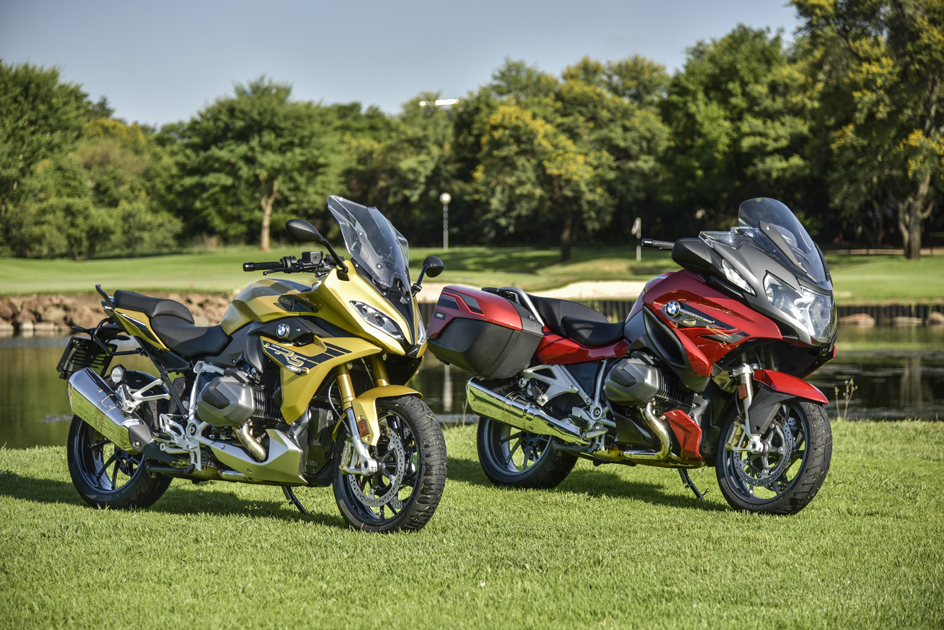
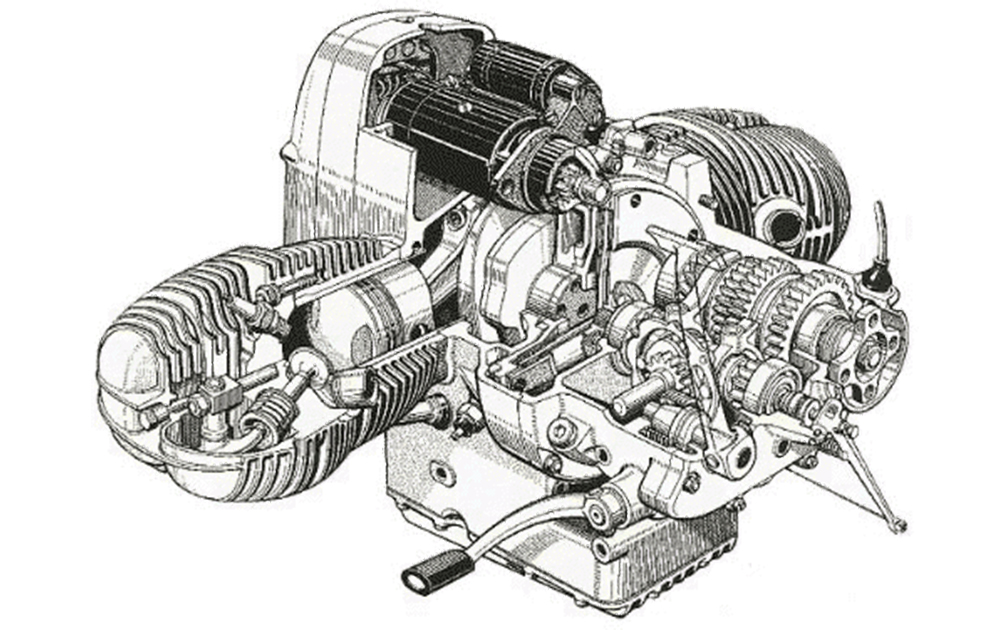
In 1976, the R100 RS was the flagship of the BMW motorcycle range. Things are a little different today. Riders are so spoiled for choice, with every manufacturer trying to build bikes across a broad spectrum to cater to all tastes. The 1976 Boxer motor actuated its valves with aluminium pushrods. 43 years of technological advancement has transformed the RS to levels that were not even a twinkle in the eye of the designers of the ’76 model.
BMW Motorrad Boxer 1970
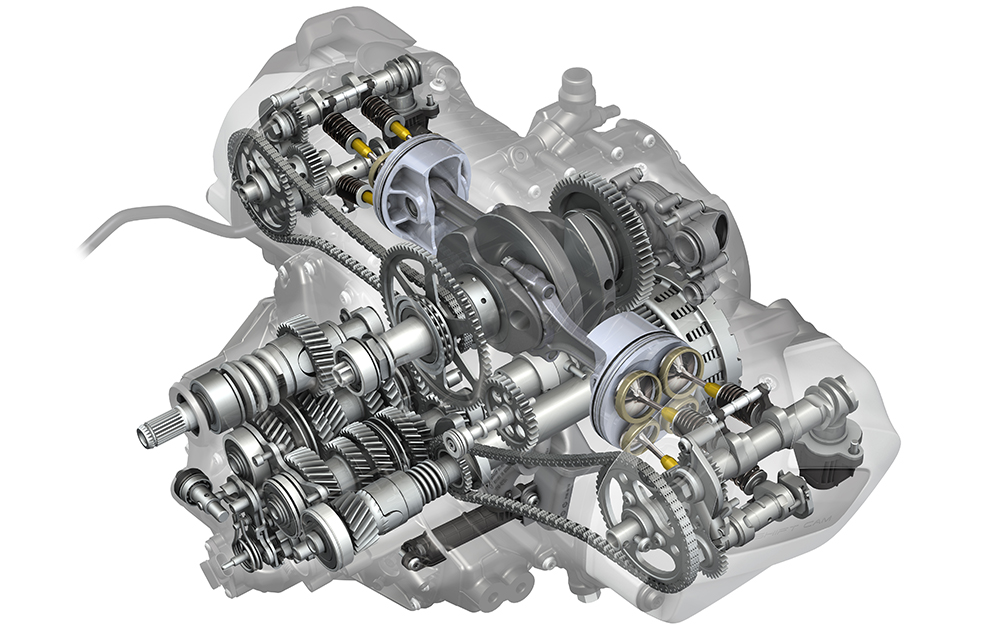
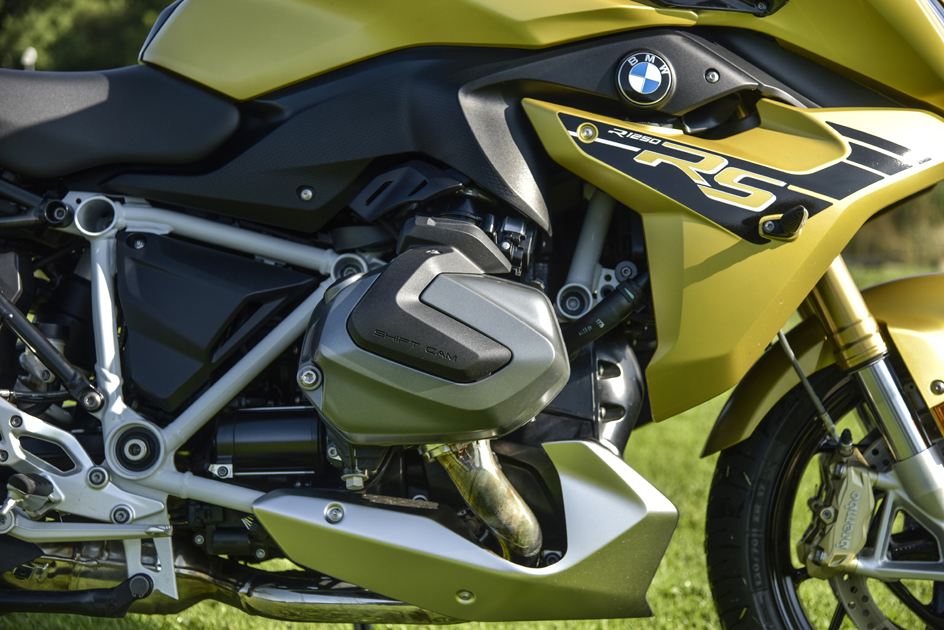
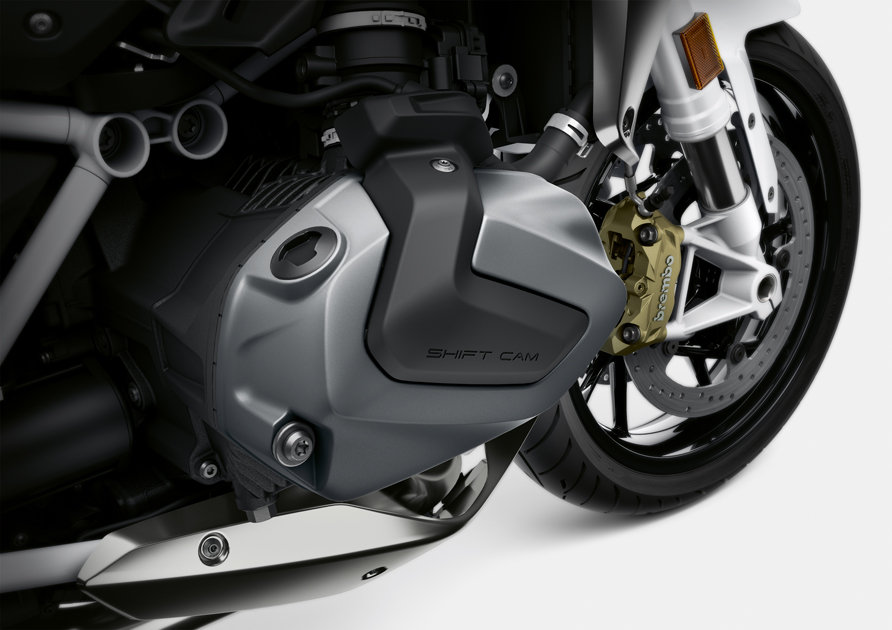
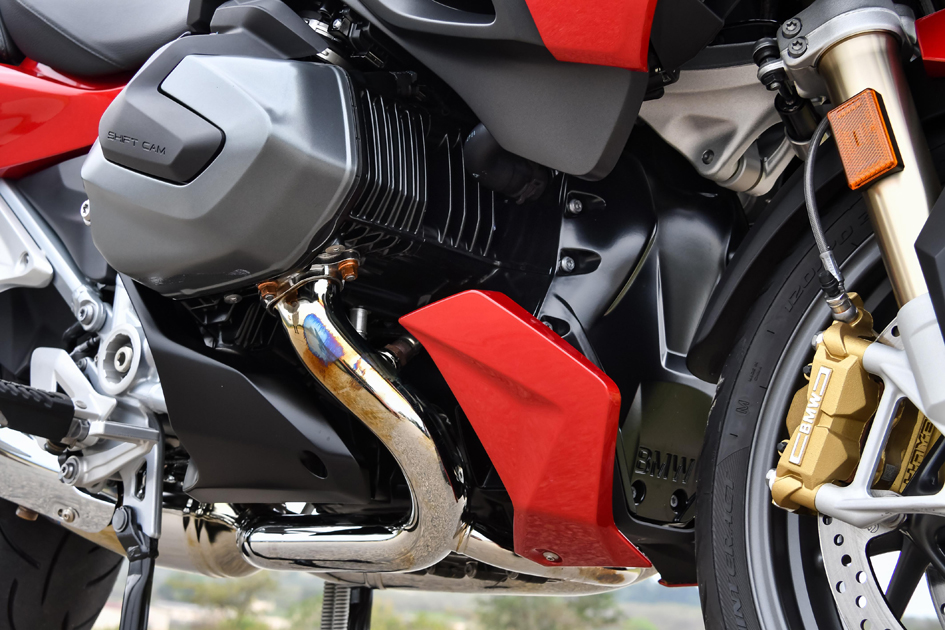
The new R 1250 RS has it’s cam in the head and is endowed with the latest ShiftCam technology. The electronic revolution has transformed modern bikes. Innovations like ABS, engine modes, traction control and keyless operation have transformed the way modern bikes work. I must say, that having lived through both eras, I personally feel that we have lost some of the simplicity which was part of the “man-and-machine” appeal of motorcycles. We have tried to idiot-proof bikes. We now want to compensate for a lack of skill with advanced technology.
BMW Motorrad New Boxer 1250
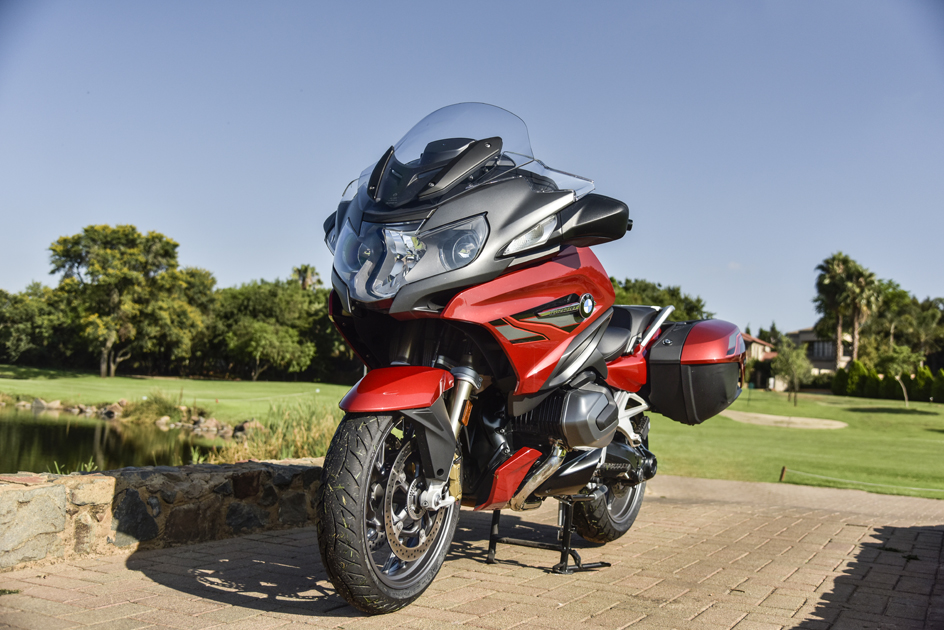
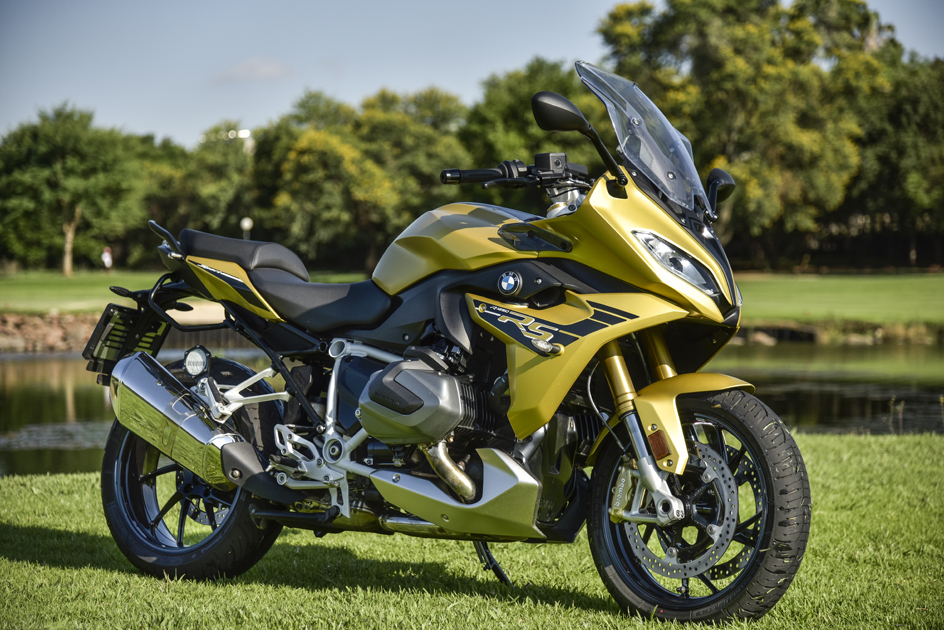
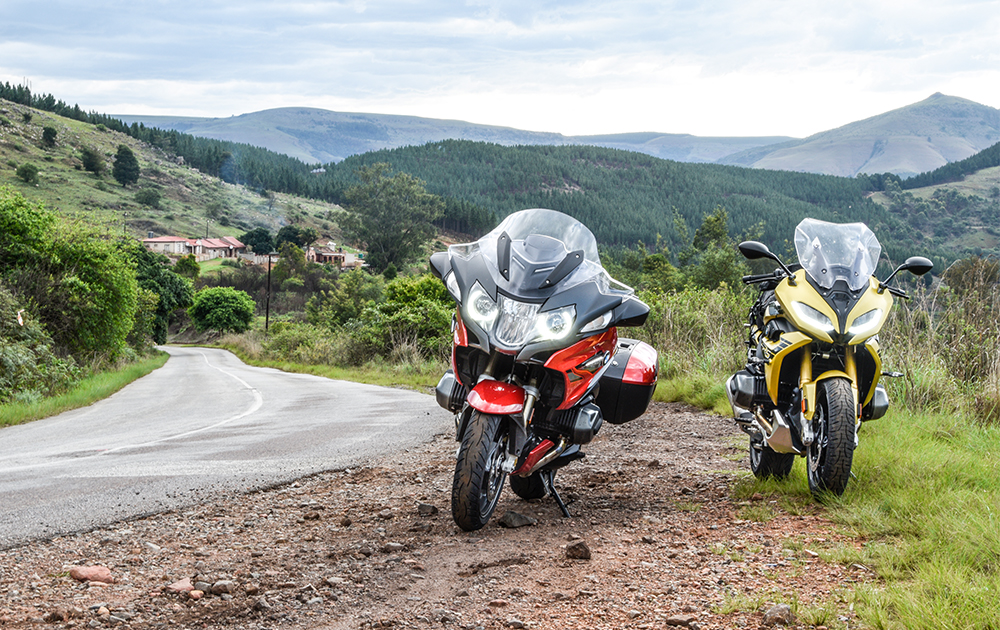
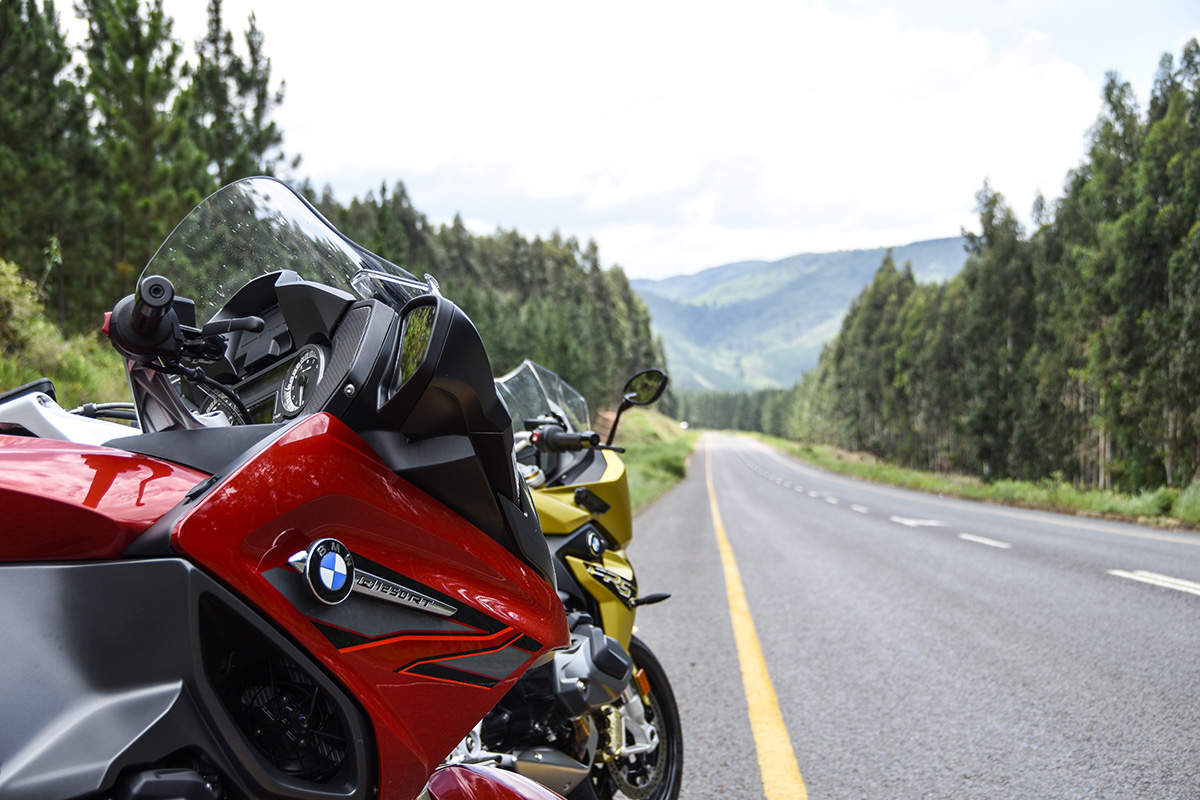
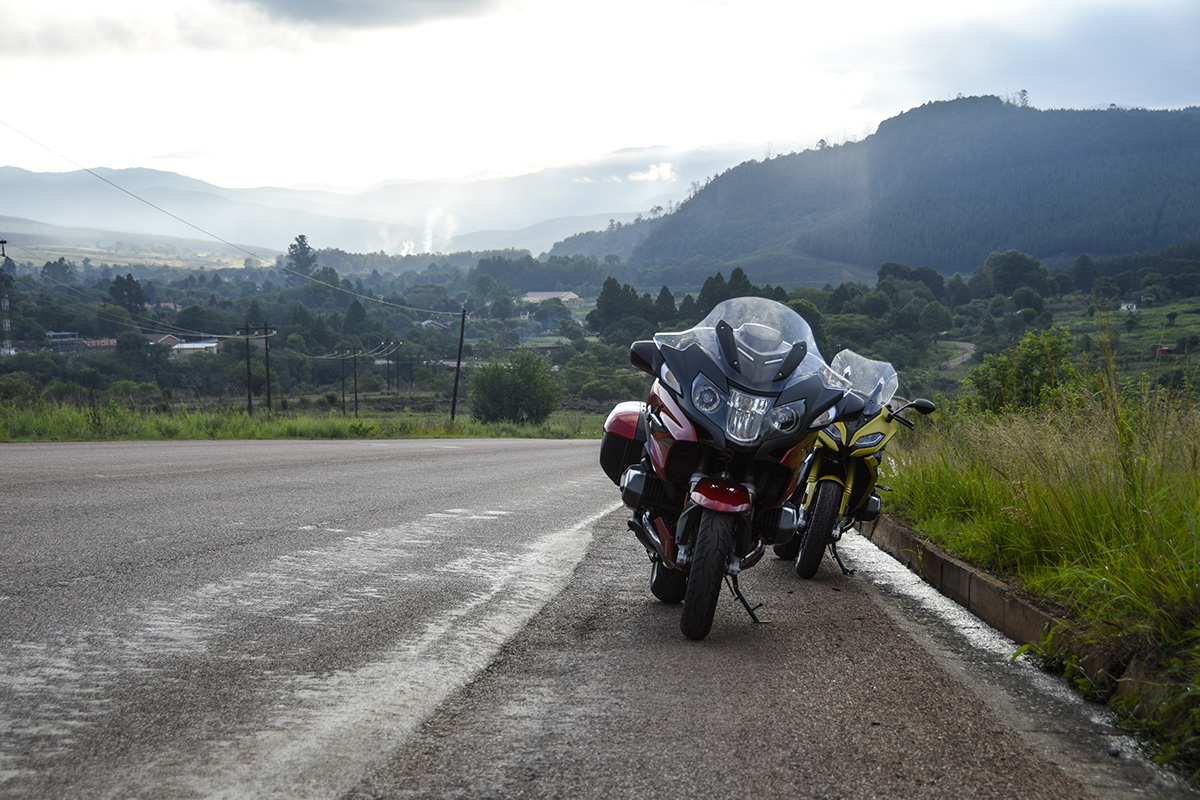
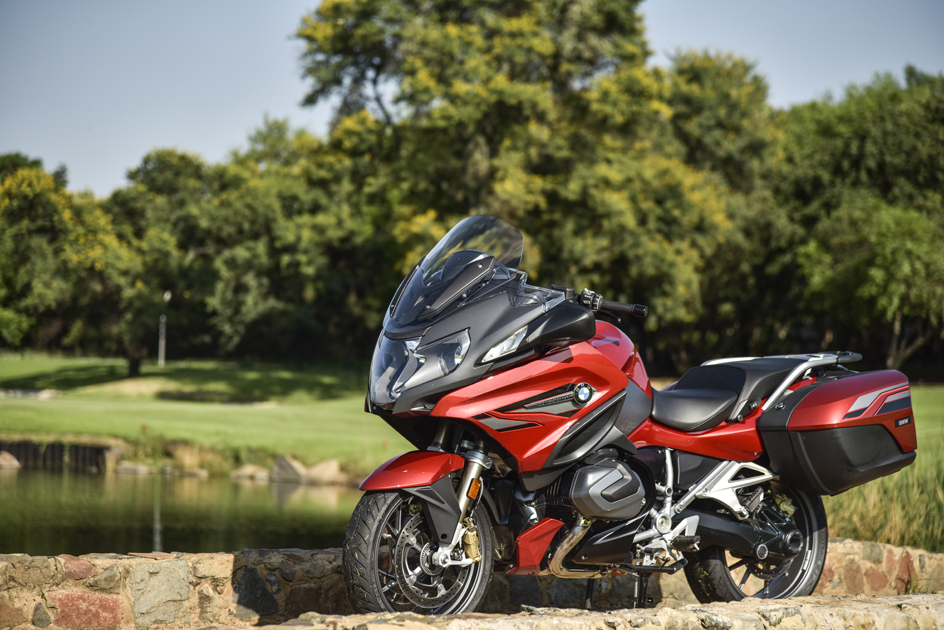
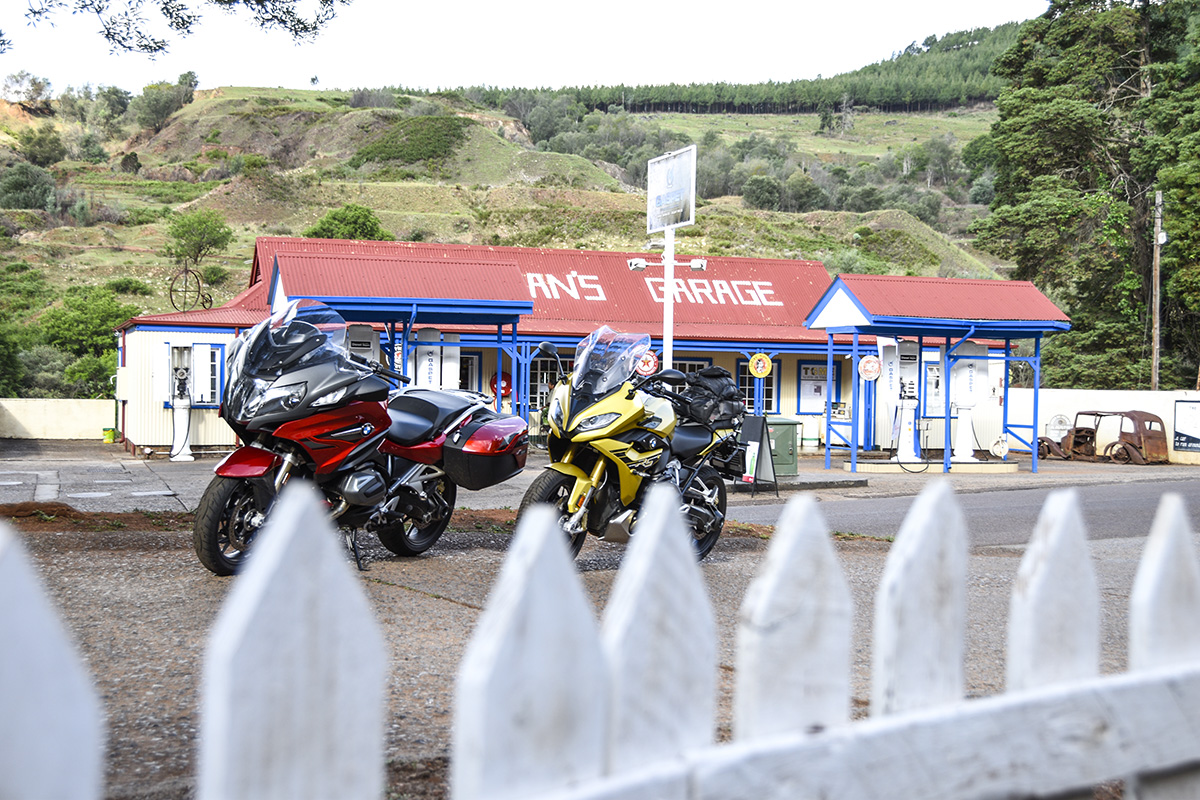
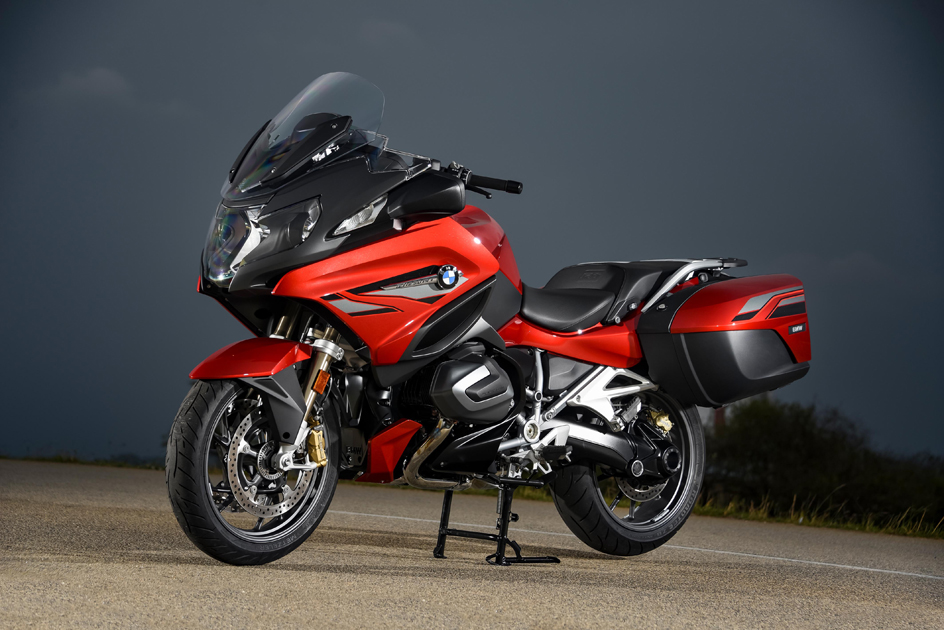
Simon and I rode the new R1250 RT and RS to Mpumalanga to see how well they work in their respective roles. This was a big Deja’ Vue moment for me. Back in the ’70s, we rode in “ET” at every opportunity. Here I was retracing my steps once again on an RS BMW.
Photo credit: Simon Morton / ZA Bikers
It is not only the bikes that have changed in 43 years. In ’76 the highway went as far as Middleburg, whereas today it takes us all the way to Mbombela. [That be the Nelspruit of days of yore] We also now contend with hazards like Toll Gates, traffic and dodgy road surfaces. As if those issues are not enough, we have “Crime Hotspots” too. In the ’70s, criminals were in jail or, if their crimes were severe enough, terminated. Humans had rights, not criminals. Back in the day, we rode flat out all of the time, because we could. Goods moved by train, so you seldom saw trucks on the road and occasional cars were the odd moving chicane, but never an impediment. Consider that the roads were 43 years younger and as smooth as anything.
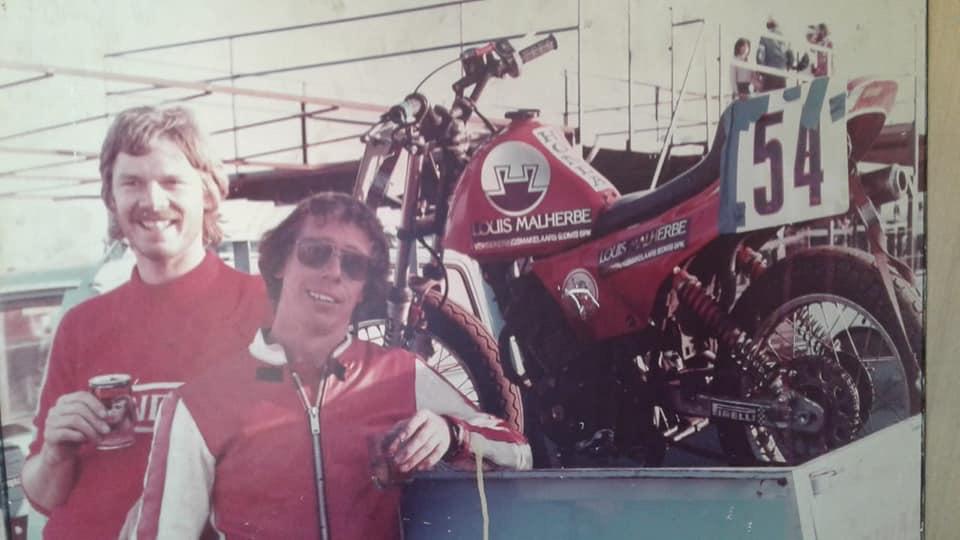
The handsome fellow on the left with the mullet and moustache is yours truly.
The legendary “22” was immaculate all the way to Hazyview, not just for the current 22 less than perfect kays that we still strafe today. The surfaces were so good that our riding seriously challenged the ground clearance of our bikes. My RS’ tappet covers took strain as did the Stator covers on our 750 Hondas. I remember buying Pratley’s Putty to stop oil seeping from holes ground into these bits by zealous, or realistically, stupid riding. Only in the eighties did we take that enthusiasm to the track, where it belongs. Thinking back, it was around the second half of the 70’s that bikes started to handle half decently, once suitably modified, that is. No mods needed on the modern versions of the RS and RT.
Photo credit: Bjorn Moreira / ZA Bikers
We rode straight down the N4, then took the stunning Schoemanskloof road till it re-joined the N4 at Montrose. This road undulates and sweeps through the mountains and into the valley on smooth tar which highlighted the impeccable high-speed handling and stability of both bikes. The RS, with it’s more aggressive riding position, puts you in a wonderful position to attack bends. My legs fitted neatly into the recesses in the tank, with feet on the rear-sets and a comfy reach to the narrow bars.
Photo credit: Bjorn Moreira / ZA Bikers
The screen is two way manually adjustable and takes all the blast off your chest. A perfect sports touring perch. The seat is plush enough for 300 kays on a tank stint in the saddle. The suspension is electronically adjusted and I found that set on the sportiest dynamic setting, it was excellent for pretty much all the road surfaces that we encountered. Firm yet compliant, even over the bumpy road down into Pilgrim’s Rest.
Photo credit: Simon Morton / ZA Bikers
The RS sports conventional front forks, as opposed to the Telelever setup on the RT. The RS turns intuitively and holds a line perfectly. The RT, with it’s touring bias, also handles well. The suspension leans a little more to comfort, yet you can ride it really fast down a mountain road. The back suspension felt slightly underdamped when really pressing on, not settling immediately when hitting bumps at warp speed. The RS, on the other hand, just begs you to “bring-it-on”. This is not a criticism of the RT, as it performs way beyond what a tourer of its ilk should be expected to. The RS, in the right hands, will give a Sportbike the willies over a bumpy mountain road.
Photo credit: Simon Morton / ZA Bikers
The ShiftCam mill is a revelation. It is honestly one of the great motors of this age. Refined, smooth and sweet at all points of the rev range, it has huge torque and a respectable top-end hit when you lean on it. It is as comfortable when you short shift and lug the motor on a wet road [who needs “rain” mode?] as when you rev the nuts off it. It suits the nature of the RS perfectly.
Photo credit: Bjorn Moreira / ZA Bikers
This bike is sublime to ride on real-world roads. You find yourself entering a zone where you feel completely one with the bike and it allows you to focus all your attention on the road. On reflection, I realize that this has always been the strength of BMW’s Boxer engined motorcycles. They combine their talents to provide a superb all-round package which is way greater than the sum of all their parts. We traversed wet, winding and sometimes bumpy roads and the bikes handled it all with total composure and control. We kept them both in “Dynamic” engine mode and found the fuelling absolutely perfect.
Photo credit: Simon Morton / ZA Bikers
We left Sabie at 6.30 am. It had rained in the night, but the morning was deliciously fresh and bracing. As you all know, motorcycle motors love that cool dense air.
Photo credit: Simon Morton / ZA Bikers
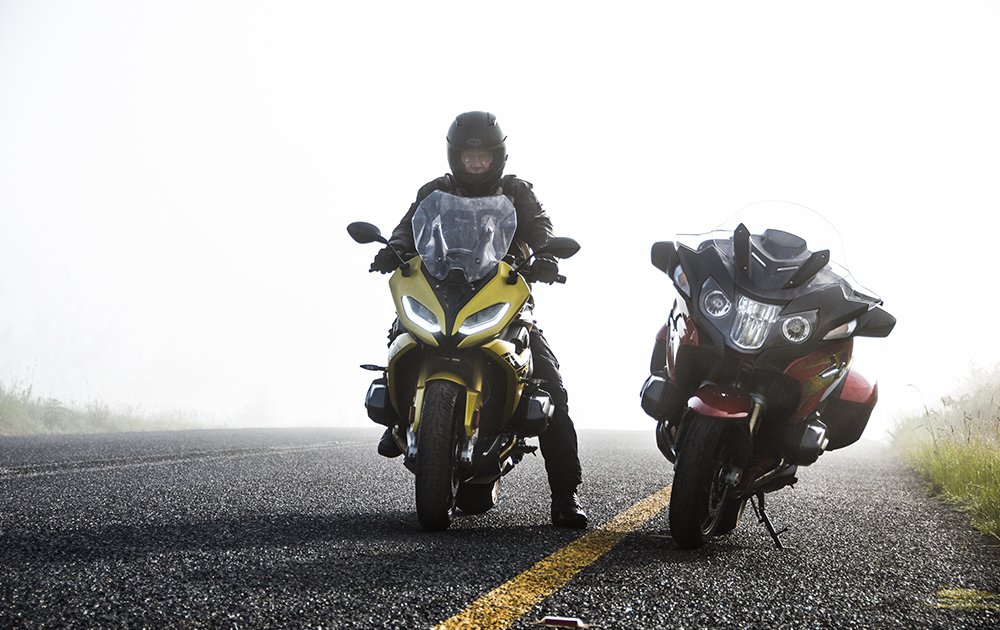
The bikes felt alive and oh so sweet as we rode onto Long Tom pass. Brief patches of mist kissed our visors but never seriously slowed our progress as we guided the two 1250’s through the bends.
Photo credit: Simon Morton / ZA Bikers
We focussed on riding immaculate lines, not using the brakes, but rather just rolling on and off the throttle and occasionally dropping a gear to control our speed. I love riding like that. Using your skill to hustle the bike along as smoothly as possible. In no time at all Mashishing came and went and we rolled into Dullstroom, bathed in bright sunshine, for breakfast.
Photo credit: Simon Morton / ZA Bikers
Talking of change, in the 70’s Dullstroom was a tiny hamlet, with a solitary “General Dealer”, almost like a Spaza shop, called Tonteldoos. Today, of course, it is a booming little tourist trap. Back on the road, we topped up our tanks at Alzu Petroport. The RS had covered 325 kays with a range of 15 kays left from its 18L tank. Both bikes returned just shy of 20kpl. The RT with its big 25L tank had at least 120 kays of range left. The RT is geared a bit longer than the RS for relaxed cruising ability.
Photo credit: Bjorn Moreira / ZA Bikers
Sitting at 6000 rpm the RS is humming along at 175kph and feels super sweet. The rider sits in a bubble of still air and your progress will only be limited by your need to refuel. In true RS style, this bike is a mile muncher of note. The RT even more so. You adjust the screen electronically to suit, then jump on the main jet to whatever speed you want to cruise at and the RT obliges.
Photo credit: Bjorn Moreira / ZA Bikers
We pulled into the slipstream of a BMW X6, using him to run speed trap interference for us. The driver decided to drop the hammer and I tucked in behind him. At around 225 he started pulling away from me. To my surprise, Simon was riding line astern, perhaps 300 metres behind me. The RT is an amazing motorcycle, capable of a more than decent turn of speed without ever compromising on comfort.
I reckon the RS will shade it on top end, but not by much. The X6 was sucking all the detritus off the road like a giant Hoover and throwing it at me, so I rolled off the gas and re-engaged the speed control at 130. The willing nature of the ShiftCam motors in these bikes is really addictive. They feel eager to be let off the leash for a serious run.
Photo credit: Bjorn Moreira / ZA Bikers
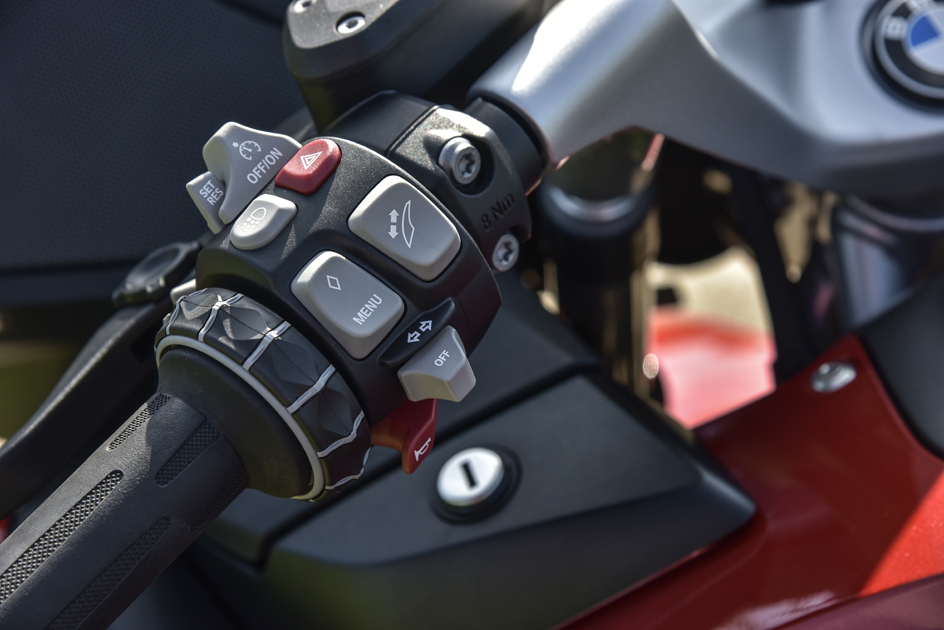
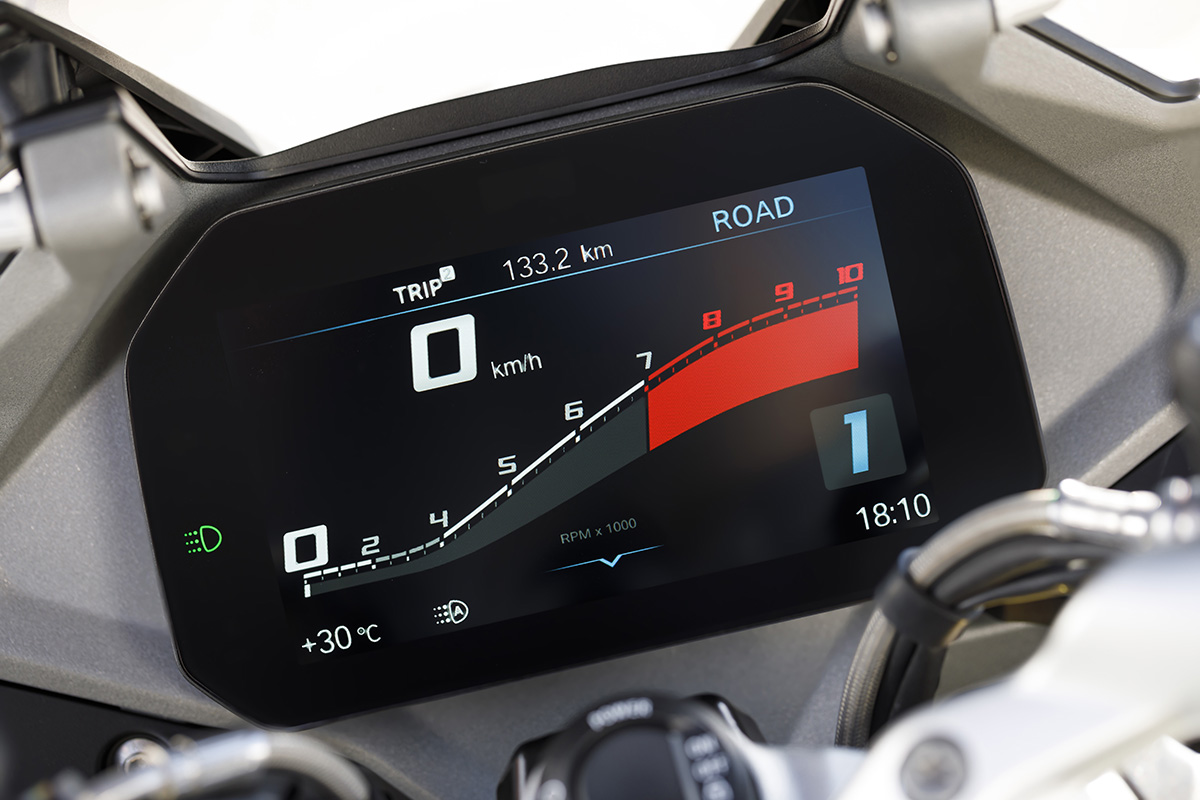
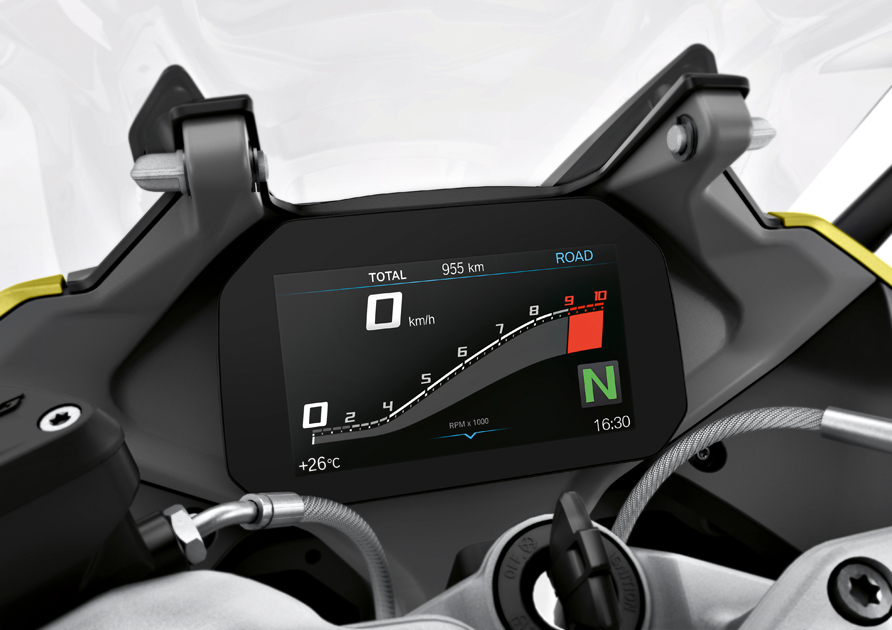
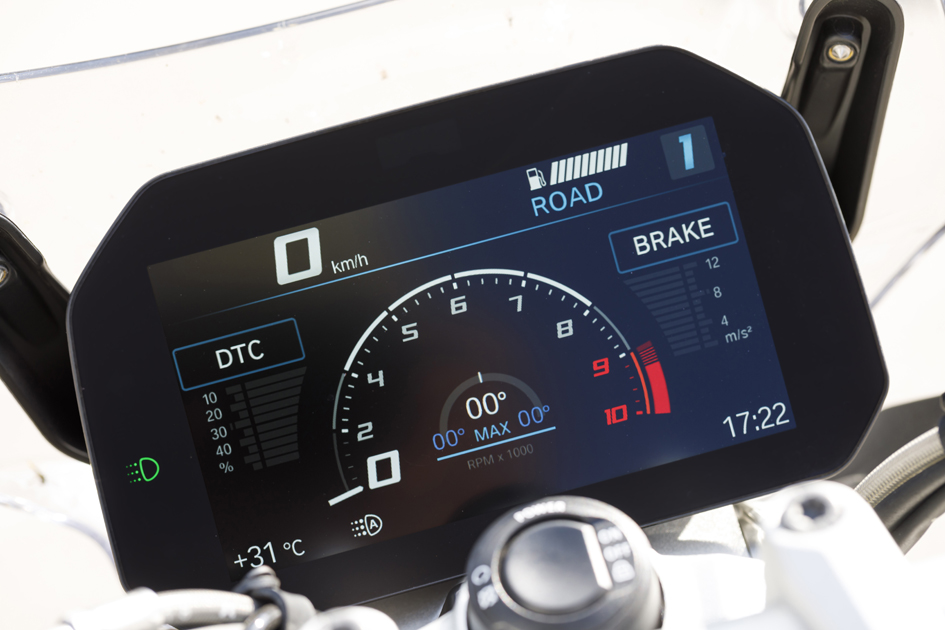
The jury is still out with me as regards to the electronics on the RS. A TFT screen is easy to read in any light and gives you all the info you need. What irritated the crap out of me was not being able to reset the trip meter after filling up. It seems to be a convoluted process which neither Simon or I could easily figure out.
Photo credit: BMW Motorrad
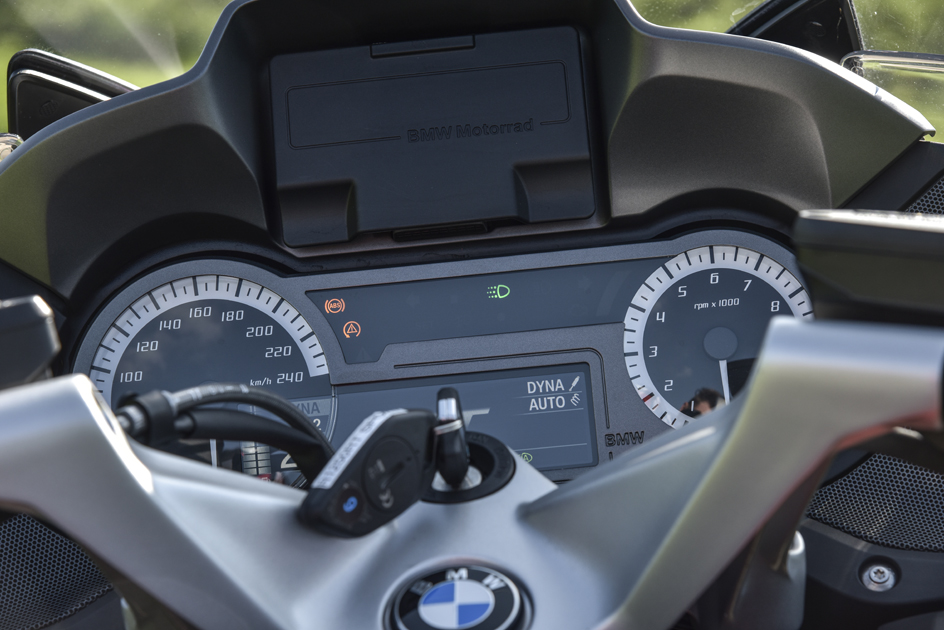
The RT on the other hand, with its classic analogue gauges, is way more user-friendly. Fact is, none of the latest TFT equipped bikes are intuitive enough to be able to access information without studying the manual. The RT, with its classic and easy to read and operate layout, does it for me, period.
Photo credit: Bjorn Moreira / ZA Bikers
Ford Motor Company suggest that 35% of the cost of their new cars is devoted to the electronics. I don’t think bikes are much different. In fact, with there lean-sensitive dynamics they are probably even more costly to develop and produce. Could it be that sanity will one day prevail and the stupid one-upmanship between companies will get put on hold? Build us simple bikes with intuitive instrumentation. Perhaps Yamaha’s new T700 Tenere’ will lead that charge.
Photo credit: Simon Morton / ZA Bikers
In summary, BMW’s RS and RT have evolved over time into excellent motorcycles that are both at the top of their games. Both Simon and I loved our time in the saddles of these two beauties.
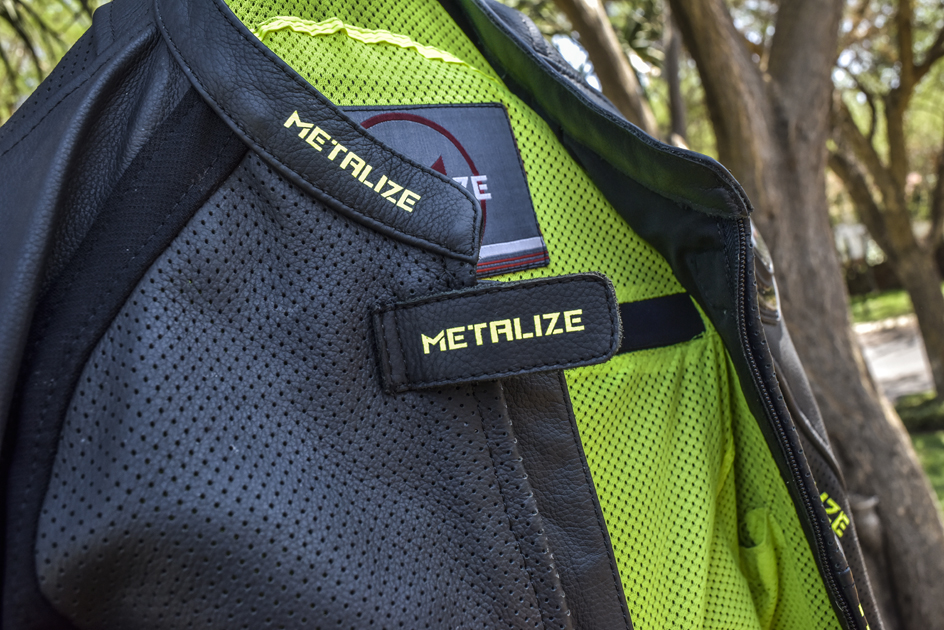
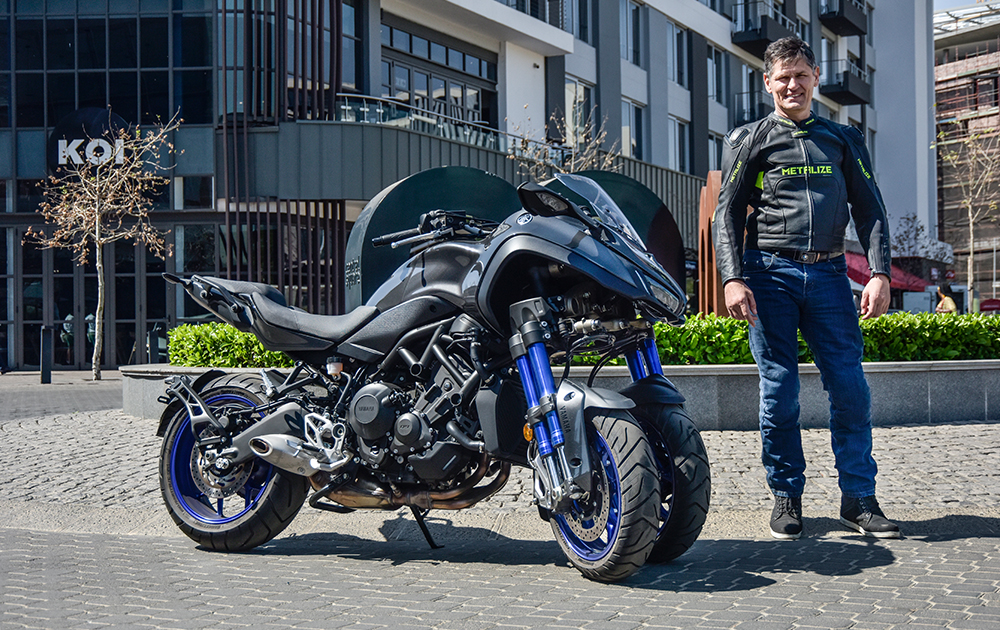
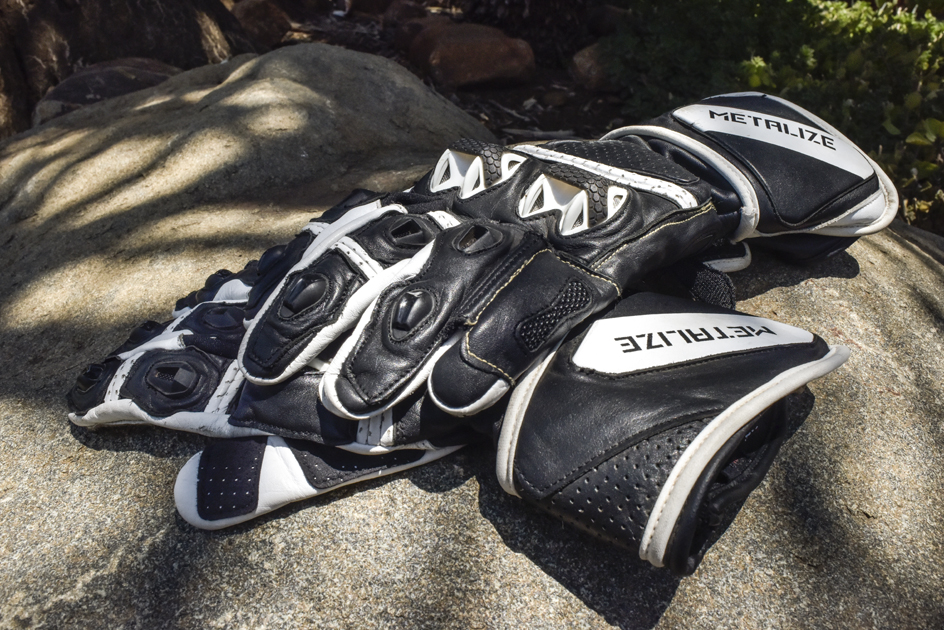
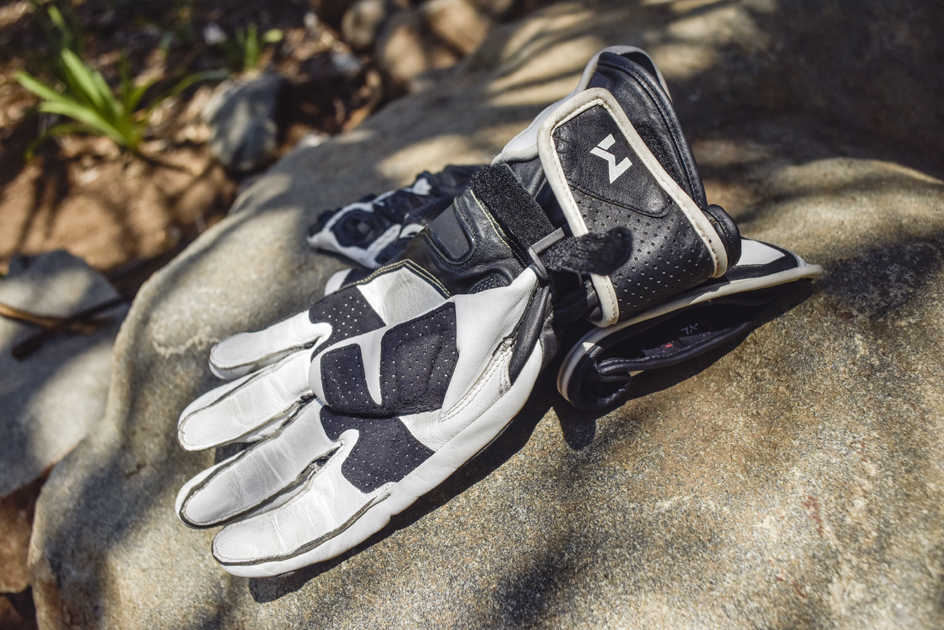
I was recently in the market for an everyday riding helmet which led me to Mark Henderson [owner of Henderson Racing Products]. Henderson Racing Products was founded back in 2005 and they now currently bring in a whole host of quality motorcycle products, such as; Scorpion, Metalize, Just1, Cycra, Dunlop, to name a few.
Photo credit: Meredith Potgieter / ZA Bikers
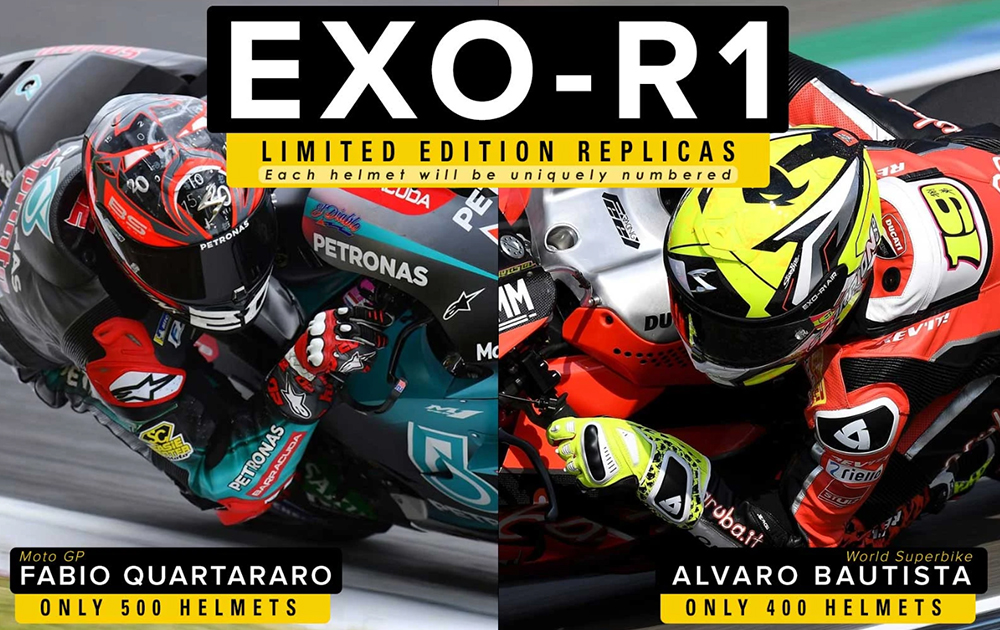
If you’re a big fanboy, like me when it comes to motorsport then maybe you’ve noticed a Scorpion lid on a rider or two in recent times. Scorpion draws R&D [Research and development] from some of the top riders in the world, from WSBK, MotoGP and even the Dakar. With top riders like Álvaro Bautista [Former 125cc World Champion and Superbike World Championship contender] and Fabio Quartararo [MotoGP Rookie of the year], you can assure yourself that Scorpion is a top-quality helmet worn by top quality riders.
Scorpion Helmets
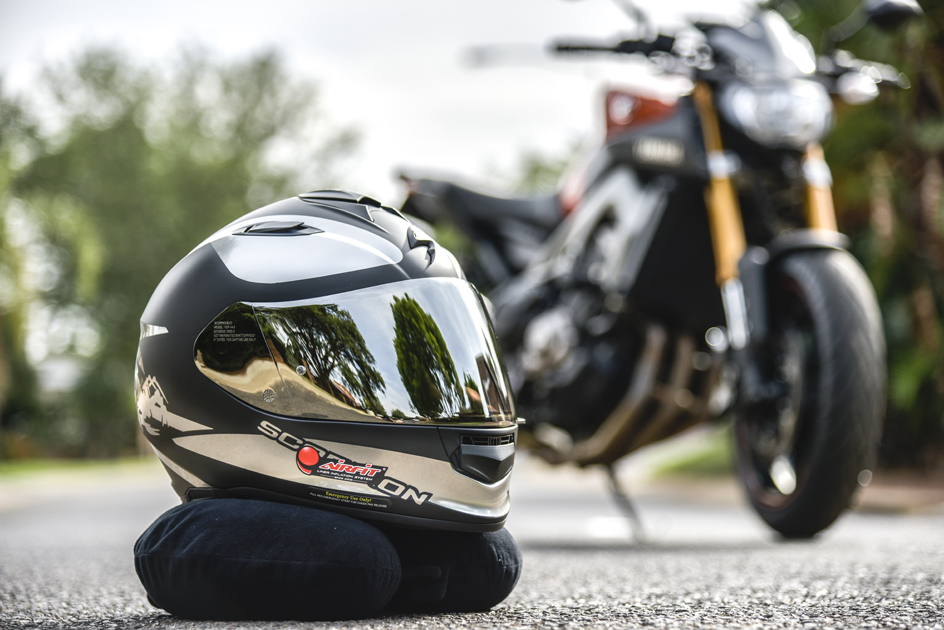
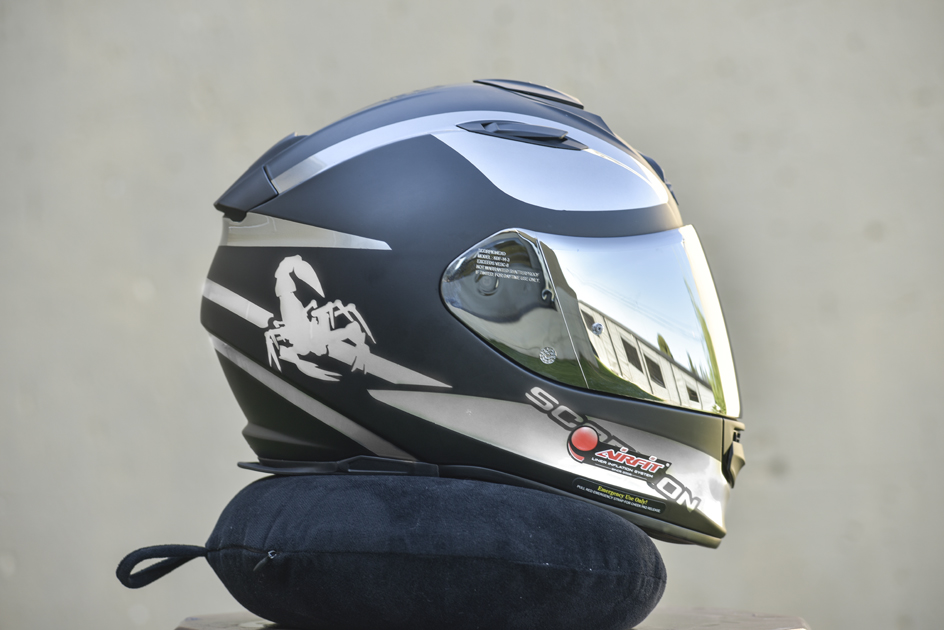
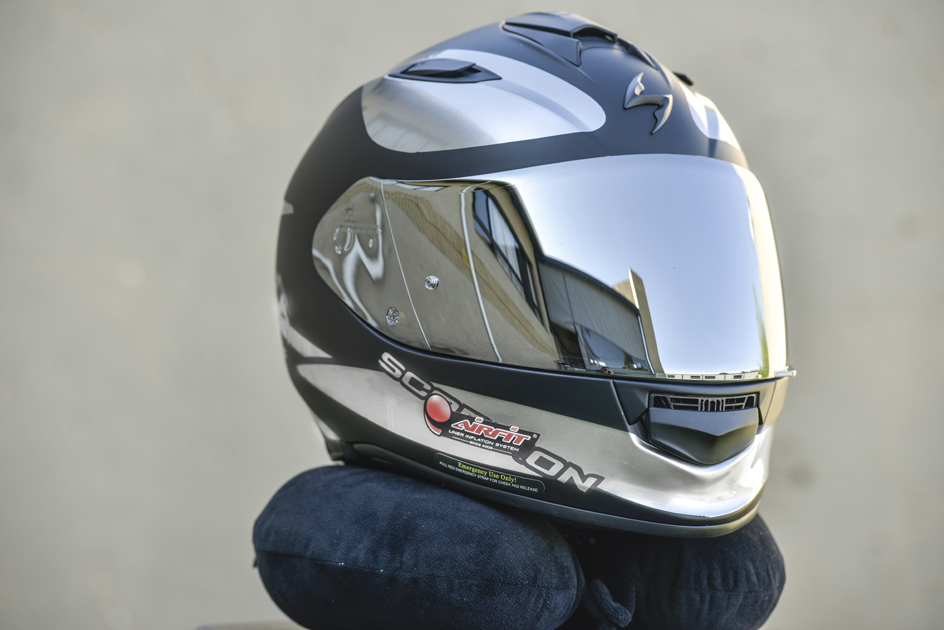
After having a good chat about helmets with Mark, and the type of riding that I do on a daily basis, Mark got up and said; let’s look at some Scorpion helmets that we have. As a commuter rider, I was looking for a helmet that was both comfortable and quiet for that long haul so a racing helmet was out of the question. Mark introduced me to the EXO-510 Air range, which in theory was the perfect shell for me. After locking in on the 510 range, I then needed to choose a design or colour that tickles my fancy. Mark and I both locked eyes on the EXO-510 Air Sublim Matte Chrome. It’s a helmet that just screams out badass, with the unique chrome/matt black finish and even more so with the added chrome visor Mark kindly suggested.
Photo credit: Meredith Potgieter / ZA Bikers
The EXO-510 Air was designed primarily for daily commutes as well as touring, with that said the 510 did handle the odd exuberant twist of the wrist too. She’s an all-rounder as they say! When it comes to weight the EXO-510 Air is pretty average with both my scales rounding it off to 1.55 kg’s [medium size helmet]. But with that said it does come with a lot of extra features that place it on the top step of the podium in its class. Another factor that plays a role [in the overall weight] is the shell material, Scorpion uses polycarbonate on the EXO-510 Air, which increases the safety of the helmet as well as strength. This does however also increase the weight.
Photo credit: Bjorn Moreira / ZA Bikers
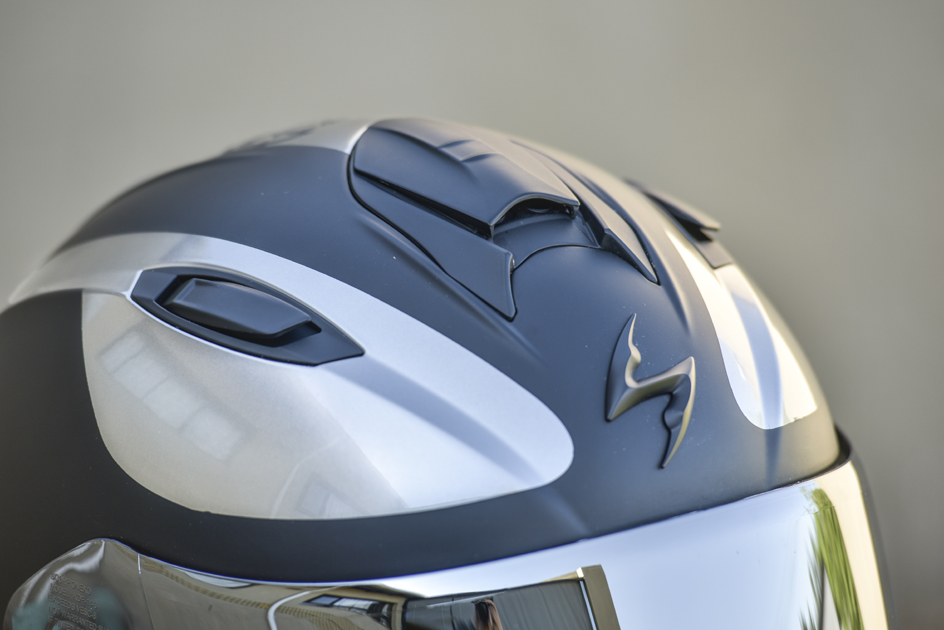
When touring and doing some seriously slow commuting through rush-hour traffic, ventilation becomes very important. Located on top of the helmet you will find three vents. The main scoop really works well and has three different opening positions [semi-open, half-open, fully-open] with two additional smaller vents for added airflow. As far as I am concerned the more air the better.
Photo credit: Bjorn Moreira / ZA Bikers
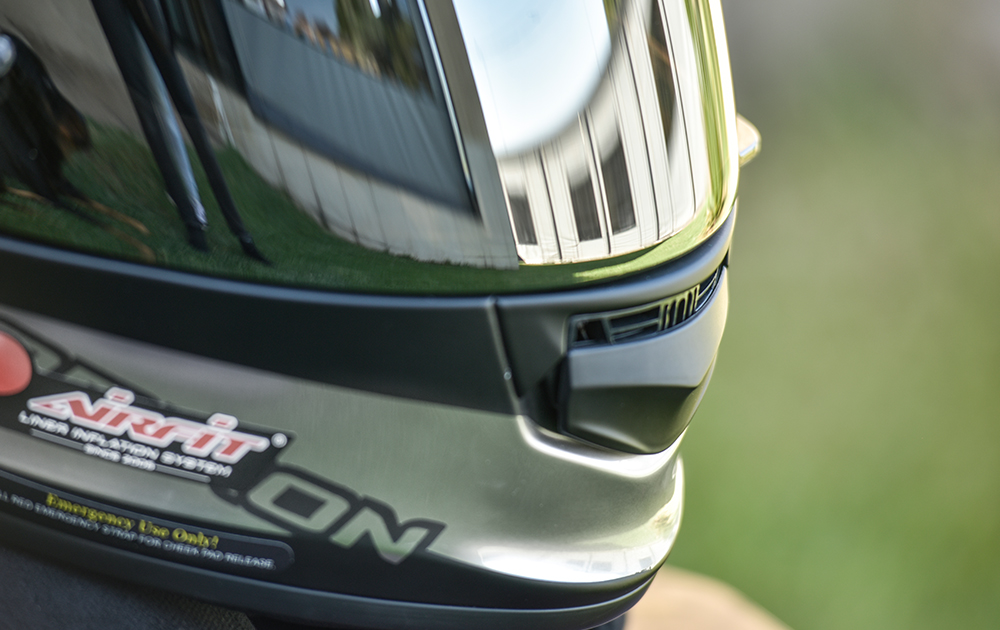
The chin vent works well too and sports the same 3 opening positions, which allows the air to flow in and around the front area of the helmet. I certainly had no complaints about airflow and found the flow-control that I had to be a nice feature.
Photo credit: Bjorn Moreira / ZA Bikers
I also found that this helmet is extremely quiet in touring conditions [with the vents closed] and when the vents are opened the helmet was still surprisingly very quiet compared to other helmets that I’ve owned.
Photo credit: Bjorn Moreira / ZA Bikers
Life is pretty much fog-free with the EXO-510 Air as it comes fully “Pinlock” prepared straight out of the box. I have tested this on a few accessions where I rode in mild to full-on rainstorms, and I can confirm that there were no issues at all.
The visor is super easy to take on-and-off which makes cleaning this helmet super easy [especially if you go for the chrome visor]. The high-speed visor lock works very well and is situated on the left-hand side of this lid for easy access whilst riding.
Photo credit: Meredith Potgieter / ZA Bikers
One super cool party trick is the integrated sun visor adjustor. I will admit that I am one of the guys that never uses a sun visor because I’m just not a fan of the “Top Gun” look. For those of you that don’t want to spend additional cash on a tinted visor then this will come in very handy indeed.
Photo credit: Bjorn Moreira / ZA Bikers
The adjuster allows you to adjust the height settings of the visor to your preferred height in order to get that perfect fit you want.
Photo credit: Bjorn Moreira / ZA Bikers
One thing that stands out for me with this Scorpion helmet of mine is how well it fits my pip. Scorpion is all about perfection, they want you to pick up a helmet of theirs put it on and Voilà a perfect fit each and every time.
So how do they achieve this?
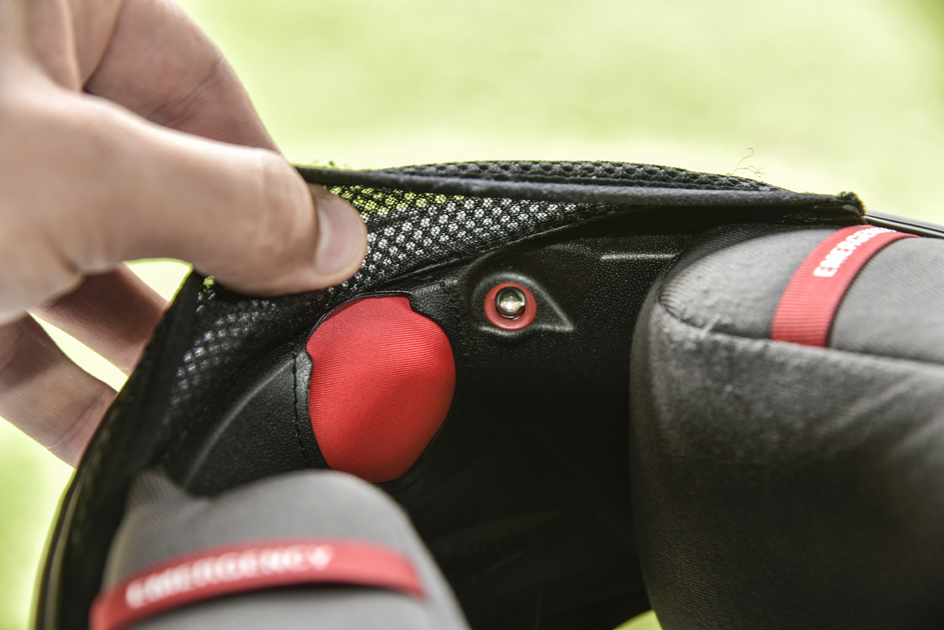
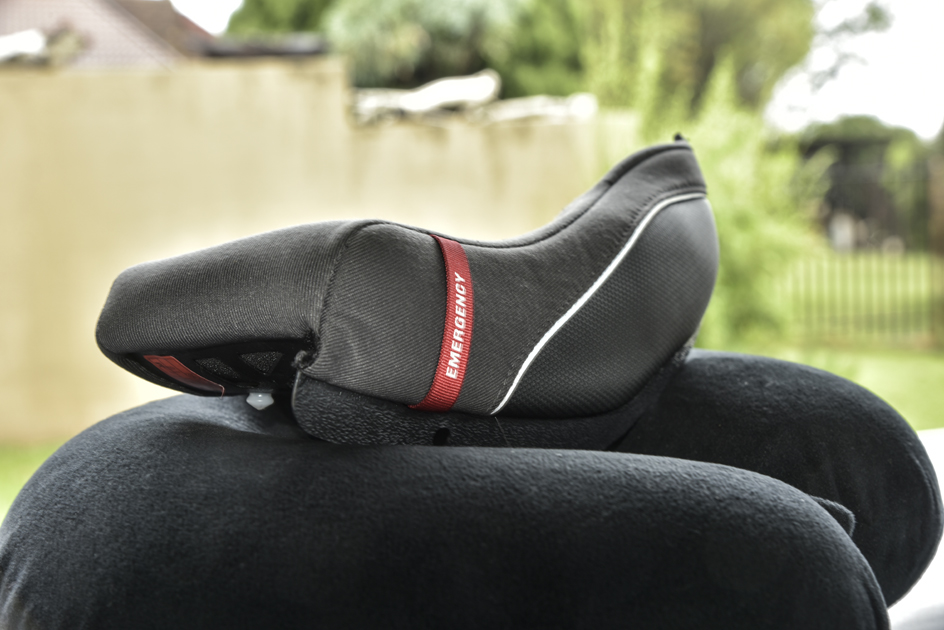
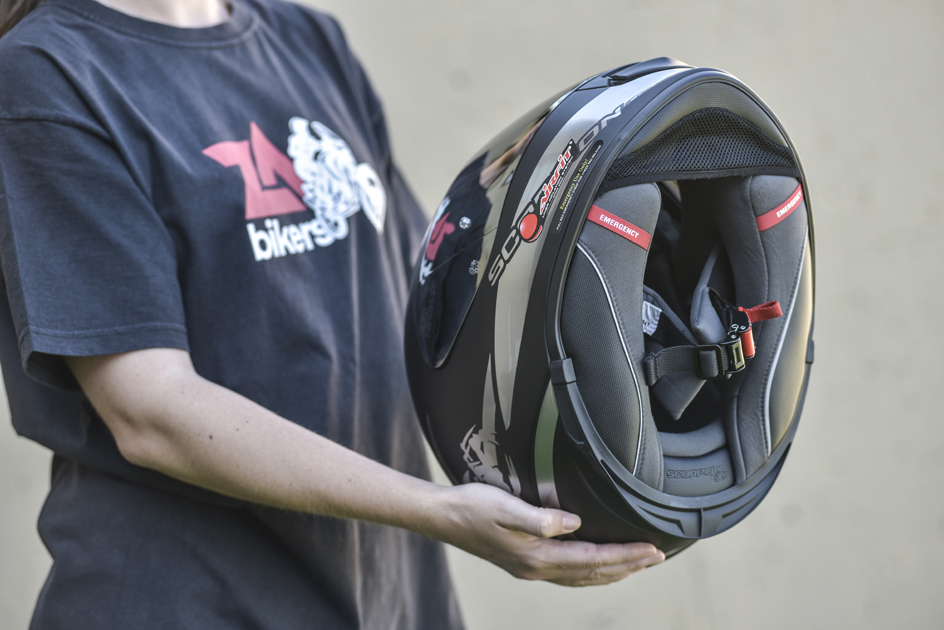
They achieve this with a very clever fully integrated inflatable cheek pad system which is operated by a hand pump, meaning; you can simply adjust the fit to your heart’s desire.
This fully integrated inflatable cheek pad system fascinated me so much that I decided to take a closer look inside. You’ve got two plastic bladders on either side of the helmet that are both operated by a red button situated in front of your chin. This system gets a massive thumbs up from me because I have never found a helmet before that fits me so perfectly once adjusted.
Photo credit: Meredith Potgieter / ZA Bikers
Once all the fun and games are over you can deflate the cheek pads by pressing the small chrome button located again by your chin.
Photo credit: Bjorn Moreira / ZA Bikers
Another great attribute is the quality feel of the interior liner. As soon as you put on this helmet, it oozes high-end manufacturing, you just know that you are wearing a quaily brand of helmet.
Photo credit: Bjorn Moreira / ZA Bikers
Oh, and one last thing on the subject of the interior, it’s super easy to remove in emergency situations too.
Photo credit: Bjorn Moreira / ZA Bikers
The Scorpion EXO-510 Air Sublim Matte Chrome is an excellent, well-rounded, practical helmet and for a recommended retail price of only R 5 500, it is simply a no brainer. This helmet is such great value for money [and comes with a 5-year warranty which is the case with all Scorpion helmets].
Photo credit: Bjorn Moreira / ZA Bikers
You are spoiled for choice with the EXO-510 Air range, there are plenty of colours available that will suffice just about anyone. Oh, and replacement parts are readily available from this very hospitable distributor.
Final thoughts?
I have now been stung by the venom of the Scorpion Brand.
Wikipedia describes a “Mustang” as a “free-roaming horse of the western USA”. The very word Mustang conjures up images of a lean, powerful animal with a free spirit, roaming far and wide across the American plains. Ally this image to that of the Native American, or “Red Indians,” as these indigenous people were known and once again you get an image of a free-spirited people, living simply with a spiritual respect for the land. This imagery always bounces around in my head when I consider Indian motorcycles. With a heritage going back to an era when life was, in fact, simple. One of the last Indian tribes to be subjugated and forced onto a “reservation” [smacks of homeland, doesn’t it?] was the Nez Perce, under Chief Joseph, as he was named by the US government intent on expropriating his land without real compensation. Chief Joseph’s Nez Perce name was Hin-ma-too-yah lat-kekt, [try saying that after a few lemonades!]. OK, so here is the relevance to the Indian FTR 1200 S Race Replica which is the subject of this piece. His name means “Thunder rolling down the mountain”. Ride the FTR and I guarantee that you will agree that it is the Chief Joseph of the range!
Photo credit: Bjorn Moreira / ZA Bikers
I have always maintained that a huge part of the appeal of a motorcycle is the way it looks. The FTR so smacks of Mustang. Lean and muscular, it promises performance from every angle. Now here’s the thing, what sort of performance is it built to emulate? Is this an American take on a Ducati Monster, or perhaps a Scrambler Ducati? Is it a gauntlet thrown down to team Orange’s Duke? Triumphs Scrambler or Speed Twin? After much consideration, I think none of the above. Why not, you may ask? After all, it sports a strong oversquare performance motor designed to rev. It has decent ground clearance and puts the pegs where God intended, [for sportbikes anyway] under your bum. It has quality Sachs suspension, fully adjustable on the RR [Race Replica], together with performance engine modes, lean-sensitive traction control, stability control and proper Brembo radial brakes.
Photo credit: Bjorn Moreira / ZA Bikers
Surely, these are the attributes of a weapon with serious sporting pretensions? You are spot-on, but for me, the answer lies in the detail and the sports heritage which Indian has as a brand. Indian rules American flat track racing in the 750cc twin class. You know that what wins on Saturday sells on Monday, so what better model to bring to the fans than a Replica of what is kicking butt on the big dirt ovals all around the States. In fact, you can go one better. You aren’t constrained by homologation rules, so why not make it a 1203cc with proper power?
Photo credit: Bjorn Moreira / ZA Bikers
So there you have it, the worlds first street-legal flat track racer! Now the 150mm suspension travel and 18” rear, 19” front wheel size, shod with deeply grooved flat track Dunlops, makes total sense. Toss in a slipper clutch, chain vs belt drive and upswept Akropovic megaphones exiting on the right-hand side and Voila! The picture is complete. And what a picture! The bike is pure flat track styling with a short stubby seat which rides atop a 13-litre fuel cell, keeping weight low and making the bike “tossable” considering the 225 kg weight.
Photo credit: Bjorn Moreira / ZA Bikers
Maroon, black and cream, vintage Indian colours are combined for real visual clout. The only criticism and this is a personal opinion, is the metallic fleck in the black paint which is a little coarse and, for me, detracts ever so slightly from the classy overall look. The other issue is the BMW GS style remote rear mudguard which encompasses the number plate, taillight and indicators. Obviously this is to keep things legal, however, I have no doubt that the aftermarket custom boys will come up with a solution that does not detract from the overall look.
Photo credit: Bjorn Moreira / ZA Bikers
The FTR is an absolute hoot to ride!. The motor is a peach. Strong linear power is ever-present and it pulls with authority all the way to the 9000 rpm redline. Having said that, I most enjoyed short shifting the seamless gearbox to drink from the deep well of creamy torque that this mill pumps out. You will never tire of the top-end hit.
Photo credit: Bjorn Moreira / ZA Bikers
Sitting in sixth you just whack the throttle and the FTR bolts forward with a willingness that really entertains. Hot weather does make you aware of significant engine heat which washes over the bottom of your thighs. In the early morning chill, it is rather pleasant, but as mentioned, it can be an issue on a really hot day. Vibes are of the rumbly mellow kind, not intrusive and never increasing as revs rise. A reassuring thrum reminding you that there is a big lusty V twin doing duty.
Photo credit: Bjorn Moreira / ZA Bikers
The FTR is a fast motorcycle, yet remains super stable at speed and the suspension, whilst firm and controlled, is surprisingly supple over bumpy surfaces. The tyres will always be a limitation when it comes to all-out performance. Their block patterned tread squirms under hard acceleration, especially if the bike is canted over. Somehow this is in keeping with the tracker nature of the bike, so rather than detract from the riding experience it almost enhances it. Prospective buyers need to understand what this bike is about. If you are buying it to bait Sportbikes and Super Dukes on racer road it is going to come up short, despite the stonking engine performance. 17” wheels shod with Pirelli Super Corsas will give you levels of grip with corresponding handling that the Indian can’t match on its rubber.
Photo credit: Bjorn Moreira / ZA Bikers
For me, this is a big plus for the Indian because you don’t have the racer image to live up to. Kind of like the racing bicycle vs the mountain bike fraternity. The lycra-clad racing snakes just don’t get the baggy shorts boys and vice versa. What the Indian comes with is an element of cool that has its origins in a rider with a steel shoe strapped to his left boot, pitching a 120 horsepower behemoth sideways on dirt and body talking it to the limit! This is allied to the aural assault from a big booming V twin at full chat. If you get that, then this may just be the only bike for you.
Photo credit: Bjorn Moreira / ZA Bikers
Prices range from around R210000 for a more basic model, to the Race Replica with all the bells and whistles at a smidgen under R270 grand. Here you get fully adjustable suspension, Akro pipes, a full touch screen TFT display giving you everything short of your underpants size. The tootie.
Photo credit: Bjorn Moreira / ZA Bikers
Accessories allow you to equip your bike for touring or whatever. Smooth dirt roads will be well within its ambit. The 13-litre fuel tank may be a challenge for touring but not a show stopper. The seat is firm but nicely shaped hence reasonably comfy. Getting my head around the price of the RR, it brought to mind the review that Wesley Reyneke has just done for Bike EXIF: www.bikeexif.com/arch-motorcycle-review.
Photo credit: Bjorn Moreira / ZA Bikers
The bike reviewed is the creation by Keanu Reeves called the ARCH. It is a power cruiser, yet not unlike the FTR in application. It features a big cc S+S motor in a capable chassis. Whilst obviously low volume, unique and exclusive, it sells for around $85000. If the riding experience is the thing for you rather than the bragging rights and you are intrigued by the rich heritage of bikes like the Indian FTR 1200 S Race Replica, then the FTR is a bargain and a rewarding and extremely enjoyable one at that! Get your butt down to Melrose Arch to that Mancave of note that is the Indian motorcycle dealership and ride an FTR. It may just be the start of a new chapter of freedom that you never dreamed existed.
Photo credit: Bjorn Moreira / ZA Bikers
Reflecting on the FTR and bikes in general, a quote by Winston Churchill concerning horses, but so applicable to bikes, comes to mind – “No hour of life is wasted that is spent in the saddle”.
We were invited by RADMoto to attend their first annual RADical Challenge event. For those who aren’t familiar with RADMoto, they are a KTM powerhouse of a dealership in Sandton and they offer a one-stop-shop for all of your orange needs.
Photo credit: Bjorn Moreira / ZA Bikers
The RADical Challenge kicked off at RADMoto’s dealership and headed out towards the beautiful Eastern Free State where clues and challenges were awaiting us along the way. If this was an episode of wacky races, Bill Hunter and I would be Dastardly and Muttley [Team 00 known for cheating and causing havoc], but luckily Amorette [Marketing Manager at RADMoto] assigned another teammate to join our team and his name was Brent Cramer [Thor for short].
Photo credit: Bjorn Moreira / ZA Bikers
How does the challenge work? Each team starts off with 100 pts and penalties cause you to lose these points throughout the day. A clue card is given at every checkpoint, you are then allocated 15 minutes to figure it out. If you cannot figure it out you are given a massive penalty and the next destination is provided to you.
Photo credit: Bjorn Moreira / ZA Bikers
After the ridiculous three were acquainted, we then got handed the first clue of five for day one’s proceedings. After figuring out the first clue we jumped onto our orange beasts, both myself and Bill riding 790 Adventures and Thor had his hammer, the 1290 Adventure S. Thor had the navigation on and all we needed to do was follow, but follow is easier said than done. Bill and I shot ahead and piggybacked off of Arnold Olivier [Accessories Manager at RADMoto] and his lovely lady Christina May, who was policing the event [so yes, cheating was taking place].
Arnold quickly noticed two 790’s on him like two annoying flies and tried to shake us by pulling over at an off-ramp. Boy did we look stupid! Lucky Thor showed up and we stuck behind him till we arrived at our first destination [Vereeniging Kart Circuit].
Photo credit: Bjorn Moreira / ZA Bikers
Bill and I looked at each other in utter pleasure because familiar terrain was in front of us. A track! Again this is the RADical Challenge, nothing is how it appears. Strict rules were in place and that being, two full laps around the track, styling the gear in with which you leave pitlane and no braking whatsoever, otherwise points would be deducted. I left pitlane on a 790 Adventure R with all sorts of battle scars from previous journos and no knee sliders unlike the majority of the Duke riders. I managed to set the top time around Vereeniging after pushing the Adventure R nearly to its max in the bends.
Photo credit: Bjorn Moreira / ZA Bikers
Our next clue was a riddle that, once answered would lead us to our lunch spot. Bill gave up and Thor and I kept pushing till a destination of sorts was found. A thumbs-up was given and before we knew it, we were having a good lunch at OJ’s in a little town called Heilbron.
Photo credit: Bjorn Moreira / ZA Bikers
During lunch, we developed a strong bond within our team, with some good old banter taking place. Brent was really enjoying the event, he was very relaxed, not in a typical KTM “Ready to Race” mindset. I was also enjoying the team side of things and at the same time looking forward to the upcoming challenges.
Photo credit: Bjorn Moreira / ZA Bikers
The next checkpoint was just so interesting, a family-owned Jam shop on one of the quietest roads that I have ever come across. The owners were extremely happy living the simple life and they were ecstatic to see us all at their corner shop. The next challenge was an obstacle course in which we had to walk over soft tyres before blowing a balloon until it popped.
Photo credit: Bjorn Moreira / ZA Bikers
With zero reception, Thor and I were having a tough time figuring out the next clue and before giving up, the inconceivable happened. Bill figured it out! When I say he figured it out, he just asked the locals. High-fives all round and off we were to a Church of sorts located in a town on the banks of the Vals River. We had to take a selfie in front of the Church before moving onto the next and final clue for day 1.
Photo credit: Brent Cramer
The final clue was super easy for the three of us. Well, that’s what we thought at least. We had to ride into the heart of Clarens to find this little brewery and our clue card clearly stated R76 and 707 = danger. Well, we went down the 707 and then onto the R76 and then overshot our turnoff by a long way. We ended up getting to the brewery last with an extra 50 odd kays added to our journey. Day one was looking great until our 50 odd kay slip up. We did not care too much though, as we hit some sick roads and had a rather sporty ride into Clarens. After a cold one, we headed up a 5km + – dirt road to Miguel Lage’s [Owner at RADMoto] family-owned private game lodge.
Photo credit: Bjorn Moreira / ZA Bikers
What a stunning venue for a two nighter in Clarens. It felt as if we were at the summit of Clarens with no mountain range being as high as we were. Oh man, seeing the wildlife roaming was amazing too. Miguel greeted all of us and gave us a tour of his premises, showing us where we would be staying and where we would be having a bit of fun in the evenings.
Photo credit: Bjorn Moreira / ZA Bikers
The first night over, I decided to take it easy and headed to bed right after dinner because I didn’t know what these RADical okes had planned for us tomorrow. I was to bunk with two RADical racers from an opposing team and man were these two dudes great company. Mark and Robert decided they were going to do the opposite and go all-out and all-out these two went.
I went looking for the room key, first asking Robert, who said that Mike had the key. I looked extensively for Mike but he could not be found. I thought, maybe he passed out in the room with the key because we couldn’t find this dude. Bill and I headed to the room and saw there were lights on but no one was answering, so through the bathroom window I went, with a kind kick up the ass from Bill. Robert eventually came back during the early hours of the morning. He pretty much face-planted straight to bed and counted sheep till breakfast.
Photo credit: Bjorn Moreira / ZA Bikers
Day 2 of the RADical challenge was ready to kick-off and 6 more challenges were on the cards. Bill had a lot of motivation and wanted to take the lead in the RADical Challenge standings. We chowed down breakfast, nailed the first two clues and were nearly the first team on the road. The first destination was Golden Gate Highlands National Park located in the mountains with spectacular scenic views. The second destination was the Basotho Cultural Village.
Photo credit: Bjorn Moreira / ZA Bikers
We hit the road, Thor took the lead down the stunning R712 and before we knew it we were carving corners. Bill had dropped off, being team 00, we shrugged off the fact that he was lost and carried on hanging cable to the next checkpoint. We stopped at the checkpoint and waited for Bill. After a while, Bill came hurtling down the road, we could not quite make out what Bill was trying to tell us, we just saw hand signs and some not so nice language coming from Bill’s mouth. Jip! We had overshot the first destination and we were now at the second checkpoint instead so we headed up to see if we could negotiate not going all the way back.
Amorette instructed us to head back to checkpoint one, to which Bill wasn’t having any of it. So, Thor and I headed back without Bill, completed the selfie and bubble-gum popping challenge and then roared down the R712 back to Bill. We thought that would have decreased the chance of getting a penalty, but we ended up finding out much later that this would be the reason for our downfall in the overall standings.
Photo credit: Bjorn Moreira / ZA Bikers
The R712 was calling once again with checkpoint 3 being at the Vulture Hide at Golden Gate. After being acquainted with this lovely road and knowing exactly where we were going, I gave those corners some loving. Our challenge at the Vulture Hide was eating a lovely roasted mopane worm. Thor helped himself, whilst Bill and I were ready for our penalties because we weren’t up for such activities. Luckily we scored our points back by answering a few questions correctly in a quiz.
Photo credit: Amorette / RADMoto
After checkpoint 4, we were then ready for our lunch and a rest. Luck was seriously against us on the way to Ionia Cherry Farm our lunch stop and checkpoint 5. Thor was in front and we were on a steady cruise until a Suzuki GSX-R came past. If any of you know Bill Hunter’s history on Suzuki motorcycles and how he has raced them for years, then you would understand why he shot off and challenged this Suzuki to a street race. After overshooting our stop by several kilometres [trying to locate Bill], we took a short nap on the side of the road whilst waiting for Bill to return. At this point, we were all just looking forward to lunch and we headed back like a steam train with no brakes.
Photo credit: Bjorn Moreira / ZA Bikers
Ionia Cherry Farm was yet again a stunning venue and RADMoto had booked us on a tour and a cherry-picking session in the lovely hilly countryside. After picking some cherries and taking part in another hilarious challenge where we had to spit a cherry pip as far as possible, we then went and had lunch.
Photo credit: Bjorn Moreira / ZA Bikers
A divine lunch led to the last clue of the RADical Challenge. The last checkpoint was a military historic site where the English fought against the Boers back in the 1900s. After being timed in a questionnaire we were off to Clarens brewery for a cold one before heading to Miguel’s place.
Photo credit: Bjorn Moreira / ZA Bikers
Mark was snapping away at an amazing sunset and it got me thinking about parking the 790 Adventure R in front of it. We then started chasing daylight by wanting more pics and getting Mark’s stunning Adventure S into the shot too. What a great way to end this great adventure with some familiar Portuguese spices coming from Miguel’s braai.
Photo credit: Bjorn Moreira / ZA Bikers
I would like to say a big thank you to the RADMoto team for organising such an awesome event and for keeping us all in check. I think it’s fantastic to see a dealer organising such an event because it makes owning a KTM that much more worth it.
Meeting new people that become long term friends, as well as forming friendships with your KTM dealer really makes the entire experience of owning a motorcycle worthwhile. Keep an eye on our events section for more RADMoto social / riding events.
Those of you that read my Goldwing review recently will know that we covered over 3000 kay’s of tar road travel. Fact is, I was not travelling alone. Irene and I were on the Goldwing, with our American friends, Bill and Tammy Snell on a KTM 1290 Adventure S. Also along for the ride was Pastor Joseph Thomson on a KTM 1290 Super Duke. Long days in the saddle give one plenty of time to mull thoughts around in your head and reflect on these incredible “pandemonium’s” that we call motorcycles.
Photo credit: Dave Cilliers / ZA Bikers
A bit like coffee actually. Let’s consider for a moment a good strong espresso. A blast of steaming water through finely-ground premium Arabica with perhaps just a smidgen of Robusta. Categorically the purest coffee experience that you can get! Love it or hate it you will never forget the experience. Kind of sums up the Super Duke. Pure, strong and undiluted. In a world of multiple-choice, it will appeal to a handful of purists that can appreciate its virtues. Raw and muscular. 1301cc’s of V – Twin power churning out around 180 horses and 144Nm of torque, propelling a mere 189 kg’s. An upright riding position with wide flat bars, seat you in, rather than on the bike. Pegs are rear set giving you plenty of ground clearance. Crack the throttle and you are battling a speed induced force 10 gale almost instantly. Remember what I said. Undiluted!
Photo credit: Dave Cilliers / ZA Bikers
Our trip threw almost every kind of weather at us. Cruising through Swaziland in 34-degree heat, Joseph may well have been the coolest of the lot. In two ways. Firstly, the lack of wind protection is a blessing in really hot weather as it allows the maximum airflow over your body. Secondly, because the KTM Super Duke makes such a cool statement. Joseph’s bike was black with orange detailing on the tank and gorgeous orange wheels. [That is to look at, not to try and keep clean]. The huge back gumball is accentuated by the single-sided swingarm. Typically, as with most Katooms, the suspension is WP and brakes Brembos finest. The sloped, triangulated headlight, also trademark KTM, completes a muscular aggressive and purposeful stance that screams “bring it on”. The upswept two into one pipe can also get surprisingly vocal when you jump on the main jet, so to speak.
Photo credit: Dave Cilliers / ZA Bikers
Cold and rainy weather brings obvious unpleasant challenges to riders on naked bikes. So it was on our ride from Durban to Notties Hotel near Mooi River. Sleet like drizzle and eight degrees cold, with a 120kph chill factor thrown in, saw a sodden, teeth chattering Joseph climb stiffly from the bike and seek solace in front of a blazing log fire whilst quaffing hot coffee. Can’t argue that he had the purest experience though. As you bikers know, it is the hottest, coldest, darkest, gnarliest rides that sit longest in the memory bank, to be told over and over again in the company of our wonderful band of brothers who all nod knowingly.
Photo credit: Dave Cilliers / ZA Bikers
To give a Super Duke it’s head through the twisties is to get a glimpse of motorcycling Nirvana. A monster engine in a really good chassis which is as happy pitched on its ear as it is up straight. The ride to Himeville the following day put a smile on Joseph’s face that you would need surgery to remove. We have so many decent luggage options these days that riding one-up you can just cinch a bag to the pillion and go. Luckily bags don’t complain, ‘cause the pillion perch on the big Duke is somewhat minimalistic. We tend to be so spoilt for choice these days where we have a purpose-built bike for every application. Sometimes though, there is a lot of satisfaction to be had in using what you have, to do whatever. A sort of “Run what you brung” approach. My mate, Richard Harper of “Ride motos take photos” fame, reminds me of this simple philosophy. No matter where the boys go, Richard and his faithful T120 Bonnie follow [and sometimes lead]. One bike does all. But then again, he’s a purist, you see!
Photo credit: Joe Fleming
OK, we done with the espresso riders, so let’s get on to the Cappuccino crew. This has a shot of espresso but it’s tempered by the addition of steamed milk and dense milk froth spooned on top. This is the most popular form of coffee on the planet. Kinda the GS of coffees, if you will. In the context of our trip it was the KTM 1290 Adventure S that I’m talking about. Bill and Tammy were Adventure S mounted. Also 1301cc’s, but retuned to 160 hp and similar torque to the Super Duke, the 1290 Adventure is more of a double shot cappuccino than your mainstream adventure bike. The “S” variant has shorter suspension travel [and a 19-inch front wheel] versus the more dirt focussed “R” version. What we have here, like with cappuccino, is the most widely used genre of bike around, and for good reason. They are hugely versatile.
Photo credit: Dave Cilliers / ZA Bikers
KTM’s S makes an incredible road bike whilst still maintaining a high degree of offroad prowess. The Snell’s found the bike comfortable. The screen adjusts to attain a high degree of wind and weather protection. Handguards deflect wind from the hands and one can add optional heated handgrips too. Seating is firm, yet surprisingly comfortable for both rider and pillion. The bike has factory luggage options galore. In our case, we strapped two stuff bags to the ample rack and that worked perfectly for our week-long tour. At 215kg’s it is light for a big adventure bike however it does carry the weight a trifle high. Once on the move, everything comes together sweetly and you can make the most of the ample, almost excessive, [did I really say that], power. A 23-litre fuel tank and frugal consumption gives a 400 kay range at a lazy 140 kph.
Photo credit: Dave Cilliers / ZA Bikers
Adventure bike riding positions are ergonomically excellent, so they can belt out huge distances without wasting the rider and pillion. Ally to that a brilliant motor, albeit a tad vibey, a really good chassis and suspension and once again the bike rocks in every application. KTM’s unique “Ready to Race” DNA is evident in every model that they produce. This adds a hard to define element to the mix that makes them a touch too hardcore for some but hugely more appealing to others. Worrying for other manufacturers is how they adapt to the demands of their followers like few others. This is winning them an ever-increasing fan base and corresponding market share. They can be criticised for many things but “boring” will never appear on that list.
Photo credit: Dave Cilliers / ZA Bikers
And then we have the punters who want nothing short of a Mochaccino. It kind of wallows in it’s excess. The base espresso is still there but hidden by thick, creamy frothed milk stolen from a Latte’. Add to this some chocolate powder, or syrup and top it with fresh whipped cream. Enter the Goldwing that carried Irene and me serenely across the landscape. In the immortal words of Sheriff Buford T Pusser, who, aghast at the behaviour of his son, muttered “there ain’t no way you could have sprung from my loins”, it is hard to imagine that there is any common DNA between the excessive Goldwing and the minimalistic, pure KTM Super Duke 1290. Yes, they are undeniably both motorcycles and hugely competent and accomplished in what they do, yet they are as different as a full Arabica espresso is to a decadent and delicious Mochaccino.
Photo credit: Dave Cilliers / ZA Bikers
Consider, just for a moment, how blessed we are in this day and age. When my grandfather traversed this land on his Indian Scout to see if farmers crops were right for threshing, he set up camp and brewed strong black “moerkoffie”. He had no other options. So too with his ride. Now we pull in to a boutique coffee roastery and take our pick. The Barista does his thing and Voila! Espresso, Cappuccino or Mochaccino at your command. So it is for us today as bikers. Whatever your taste may be, it’s yours for the taking. With two wheels there really are no bad choices so, whatever your ride, be sure to sip and savour every mouthful!
Photo credit: Dave Cilliers / ZA Bikers
A huge word of thanks to Riaan Fourie at Honda for entrusting me with their magnificent Goldwing and so too to Riaan Neveling [now promoting team Orange in Austria] and Franziska at KTM SA for your always accommodating, can-do attitude. Your bikes absolutely blew the Americans away. They went home somewhat enlightened and with more than a touch of orange in their blood!
Yamaha’s Tracer has been around a while. Endowed with their wonderful CP – 3, 847cc three-cylinder motor, it hits something of a sweet spot for me. It is big enough to be comfortable two up and has enough poke to be able to take the “Sports” part of its name seriously. Let’s just expand on the merits of the motor. This mill has done duty in a number of MT-09 variants and has gained a deserving fan base over time. Triples are soulful at the best of times, with a torquey nature yet decent top-end hit. There is a delicious gruffness about Yamahas triple that I particularly like. Sweet as a nut off idle, it is happy to doddle around in the traffic, yet crack the whip and it unleashes all of its 115 horses in splendid fashion. Let me just say that these are not Shetland ponies but rather fiery Arab Stallions! It just seems way more potent than 115 horses would suggest.
Photo credit: Bjorn Moreira / ZA Bikers
Early MT-09 models suffered with iffy fuel injection which in “A” mode was way too on-off switch like, yet in “B” mode had a built-in flat spot off the line. “B” mode hasn’t improved much, but it doesn’t matter ‘cause now you can just leave it in “A” which is perfect. A slipper/assist clutch keeps that side of things tidy and gear changes are accurate, aided by a standard quickshifter. All very good in the drivetrain then.
Photo credit: Bjorn Moreira / ZA Bikers
The Achilles heel of the previous generation Tracer, as well as the rest of the MT-09 range for that matter, was suspension that was either too hard, too soft, but never right. The Tracer suffered from high-speed instability that was disconcerting, to say the least, as well as frustrating, as you could never properly extract the potential from the stellar engine. I am ecstatic to report that the GT is totally cured! Yamaha has gone to great lengths to sort out the handling issues.
Photo credit: Bjorn Moreira / ZA Bikers
Fully adjustable KYB suspension, with 130mm plus travel at both ends, works well in a new frame with a longer swingarm and a new sub-frame. Suffice to say all is now well with the handling. This elevates the Tracer to a whole new level. Dive into bends with great feel and adequate power from the familiar unchanged brake setup, then pitch it on its ear and drive out of the bend using the rich midrange from the triple. Steering is pin-point and easy. Damping is decent too, giving a firm yet supple and controlled ride. The combination of wide flat bars and overall lightweight, allied to a good chassis, makes the new GT a weapon on a windy road.
Photo credit: Bjorn Moreira / ZA Bikers
Ergonomics for both rider and passenger are good, however, I favour putting the ball of my foot on the peg when pressing on a bit and found that the back of my size 11’s would bump the front of the passenger pegs. The passenger peg hangers on the GT are longer than before to improve passenger comfort. This is the culprit for the clash of feet. I hope the suspension upgrades filters down to the rest of the MT-09 range, as they will be all the better for it. [I speak under correction, but I believe that the standard Tracer has lower spec suspension].
Photo credit: Bjorn Moreira / ZA Bikers
The GT has mounts integrated into the sub-frame for a brace of 22-litre panniers. The seat has new multi-density foam which cushes the tush quite comfortably. The seat narrows towards the tank to allow for a flat-footed stance at traffic lights. There is provision for around a centimetre and a half of height adjustment on the seat.
Photo credit: Bjorn Moreira / ZA Bikers
The windscreen is now one hand adjustable with a system similar to Ducati’s Multistrada. Nice. The screen remains on the small side and is an area where aftermarket screen suppliers will have an opportunity to strut their stuff. I found the screen OK, but not great. A TFT display is also unique to the GT and gives you all the info that you need. It is more legible in sunlight than the old setup.
Photo credit: Bjorn Moreira / ZA Bikers
Other very nice to haves on a Sports Tourer, are cruise control, heated grips and a main stand. All bikes in this class should be so equipped! Indicators are still not self-cancelling. Again, all bikes should have this feature, which must be available in this day and age for a minimal extra cost. A 19 odd litre tank, allied to decent consumption at touring speeds, should equate to a range of over 300 kilometres plus.
Photo credit: Bjorn Moreira / ZA Bikers
In GT guise the Tracer has finally come of age. Yamaha have ironed out the flaws in what was already a good bike to create a really excellent package. I have always liked the “form” of the Tracer with its “Transformer” like styling. They have now brought the “function” up to speed too. Yamaha have built an enviable record for reliability over the years. This is so important, especially on a bike on which you intend to range far and wide.
Photo credit: Bjorn Moreira / ZA Bikers
The Tracer GT deserves serious consideration given its depth of talents. Take off the panniers, leave your Missus at the guest house in Sabie, while you go strafe the 22 with the boys in full leathers, then go pick up the significant other for some sightseeing. The GT Tracer will revel in all roles. Not too many bikes that can really play in that space. Bit of a bargain then for just under R180 grand hey?
SYM understands that there are different strokes for different folks, so on that note, they have just launched their new Trail Blaze 200 which is the new sibling of the Blaze 200.
The Trail Blaze 200 is by far the most rugged model in SYM’s line up and what it offers, is not only value for money but versatility. The Blaze 200 was and still is one of the top commercial bikes in the South African delivery bike scene, due to the fact that it is very economical to run, impressively reliable and practical too.
Photo credit: Julio Moreira
So why build the Trail Blaze 200? Well SYM wanted to build a go-anywhere motorcycle that is not limited when it comes to routes and in South Africa, we’ve got loads of potholes and plenty of people staying way out on the gravel paths. Their answer to this was to take their proven, reliable Blaze 200 and dial up the versatility and fun factor which they certainly have achieved with the all-new Trail Blaze.
Photo credit: Brian Cheyne
The all-new Trail Blaze 200 is equipped with tubed knobbly tyres, longer travel suspension, straight dirt bike inspired handlebars and an MX inspired mudguard. With these stonking upgrades added to the Blaze 200, I was keen to test the Trail Blaze on various terrains as well as commute daily for an entire month.
Daily Commute
My daily commute to the office and back is approximately 30 km and on this journey, the Trail Blaze is faced with main road speeds, tight back road bends, and a gnarly Solomon Mahlangu uphill. Although little, the single-cylinder, 200cc, Carburetored power plant, pulls me along with all my luggage just fine. After all the upgrades the Trail Blaze still rides well on the road with the suspension soaking up all the bumps with ease. The tyres aren’t a big fan of the black stuff and they seem to get a bit squirrely through the bends. Whilst riding at highway speeds, I did experience a tiny bit of headshake but nothing too serious to put me off the overall package.
Photo credit: Bjorn Moreira / ZA Bikers
Compared to the standard Blaze 200, the handlebars provide way better control over the bike as well as a more natural riding position. Your bacon is greeted by a soft comfy seat that is ready for long-distance commutes and I can vouch for that after riding nearly 250 km on a single days ride.
Photo credit: Bjorn Moreira / ZA Bikers
Cockpit wise the Trail Blaze is as simple as it gets, two round analogue dials indicating speed, rpm, fuel and a manual adjuster for your trip. The switchgear is nice and bulky, making it easy to use with thick gloves and there’s a choke lever on the left. I actually never needed to use the choke once. The little Trail Blaze always starts first go.
Photo credit: Bjorn Moreira / ZA Bikers
The brake callipers are painted in a sporty red finish and they worked really well on the dirt. They could, however, be a little bit stronger for road use. The gearbox is nice and smooth and with a heel-toe shifter, gearing up was a breeze. As far as the motor goes, you’ve got a 170 cc power plant that boasts 12 hp and 12.2 Nm and with these figures, you can manage to reach a top speed of 110 km/h.
Photo credit: Bjorn Moreira / ZA Bikers
I found that the Trail Blaze cruises just fine at 90 km/h and on my sporty commutes I managed to get 374 km out of the 16L tank [23 km/L]. With a lighter wrist, 400 km + can be achieved but out here in GP we need to keep up with the traffic which means flat out for the most part.
Photo credit: Bjorn Moreira / ZA Bikers
One thing that I really like about the Trail Blaze 200 is the fact that riders still give you the nod. Meaning that the Trail Blaze with all its ruggedness doesn’t seem to appear too much like a delivery bike but rather an old school XR kind of scrambler.
Photo credit: Bjorn Moreira / ZA Bikers
Off the beaten path
With the word Trail being mentioned, it wouldn’t make any sense for me not to do some Trail Blazing. I will admit that I did go a little overboard with my off-road test by throwing some water crossings, berms, jumps and flat out sections into the mix. So how does the Trail Blaze cope off-road? The Trail Blaze feels at home off-road with the tyres suddenly making sense, the longer travel suspension coped with nature’s obstacles and the mudguard kept my vision focused on the trail whilst the mud was just flung aside.
Photo credit: Brian Cheyne
The Trail Blaze and I had a blast together and even some of my buds were laughing at first whilst they were sitting on their EXC KTM Enduros on our ride out to Harties on the backroads. After seeing that the Trail Blaze could follow and go down the same routes, their respect for SYM’s off-roader offering was at a high.
Photo credit: Brian Cheyne
I seem to have been bumping into a lot of friends and fellow riders on my Trail Blazing. I met up with Brian Cheyne on another one of SYM South Africa’s test bikes, the “NHT 125”. We went on a photo-ride on some B roads and Brian managed to capture the Trail Blaze in action.
Photo credit: Bjorn Moreira / ZA Bikers
I can see the Trail Blaze catching on as an affordable “go-anywhere” motorcycle, whether it’s used as a commercial motorcycle, a first motorcycle or as an inexpensive daily runabout. SYM has hit a six with the Trail Blaze 200 selling at R19 995 and I can’t wait to see more of them riding around with muddy wheels and big smiles all round.
Photo credit: Bjorn Moreira / ZA Bikers
I can honestly see myself going on a long-distance bike trip to Botswana on the Trail Blaze, maybe I should have a little chat with Dave Cilliers and Simon Morton who are always up for a challenge.
SYM Trail Blaze 200
For more information on the bike featured in this article, click on the link below…
For the past 2 years, we have joined the Cancervive initiative as their official biking-media-partners. For 2019, we got even more involved as we formed part of the Cancervive media crew, capturing video footage, helping to make the official 2019 Cancervive video.
Photo credit: Bjorn Moreira
What is Cancervive? The idea was birthed 11 odd years ago by a small group of woman who had their lives affected by a skirmish with cancer. I deliberately use the word “skirmish” because, firstly, they survived to fight another day, and secondly, they decided to take the fight to this silent killer.
How did they go about it? By not staying silent, but rather spreading awareness as well as the importance of early detection.
Photo credit: Bernice Burke
This disease goes in stages, and if detected and treated early, it is very curable. Quite a few of the people affected started riding motorcycles after their skirmish. When your life is threatened and you emerge carrying the scars of your battle, you often have a heightened sense of how precious life is. You make a decision to take life by the horns and make every day count. As bikers, we know what that entails. Ride more if you already ride, or start riding if you currently don’t.
Photo credit: Bernice Burke
So, between the 5th–12th October 2019 we travelled in a huge convoy around Gauteng, Mpumalanga and North West province [approx 1200 km], where we visited towns and rural communities spreading the message that early detection of cancer can save lives.
Photo credit: Bernice Burke
This years ride was extremely HOT and when in Rustenburg we hit temperature highs of 38 degrees. This did not faze the cancer warriors one bit and from early morning till early evening, they visited schools, and communities, telling their story with compassion and sincerity. Regardless of the heat.
Photo credit: Bernice Burke
We visited the oncology wards at Steve Biko, Pinehaven and Job Shimankana hospitals, bringing love and care to the suffering and afflicted. The whole trip is an emotional rollercoaster of note. No matter where you go, lives have been affected by this disease.
Photo credit: Bernice Burke
To single out any one personality would be an injustice to all, as everyone contributed to the success of the event in their own inimitable way. The bikes seem to build on the comradery of the whole exercise. Riding from one location to the next in formation requires serious concentration. Despite the hectic schedule, everything went down perfectly. Being part of an initiative like Cancervive reminds us that it is way more rewarding to give than to get. It is easy to give money if you have it, but to give of your time to selflessly serve others is the real deal.
Photo credit: Bernice Burke
The motorcycle sponsors for 2019 were, as last year, Indian motorcycles. In our tough economy, it takes someone really special to take on sponsorship of this magnitude. Clearly, a decision was taken with the heart. Thanks for all the support guys.
Photo credit: Bernice Burke
The other really notable new sponsor this year was non-other than Sun International. Brett Hoppe and his team really went “All-Out” in providing us with amazing hospitality both at Times Square and Sun City resorts. Looking into the future, Cancervive is certainly very blessed to have as massive a sponsor as Sun International onboard – what a huge difference this will make.
Photo credit: Bernice Burke
Bjorn and I were given bikes from Ducati SA and Honda SA to use as our work-horses, capturing footage along the way. We were reminded of what wonderfully versatile bikes the Multistrada and Africa Twin really are! Thanks guys, for helping us at such short notice, much appreciated!
Photo credit: Bjorn Moreira
And finally to ABSA, SPAR, Mercedes-Benz SA, Meadow Feeds, the SABC Foundation and Netcare 911 and to the amazing logistic/management/marshalling team at Cancervive… You guys Rock!
Photo credit: Bernice Burke
If your life or the life of someone you care about has been affected by cancer, and If you would like to learn more about the Cancervive movement, visit: www.cancervive.co.za.
2020 is going to be hectic for Triumph, with plenty of appealing new models. A new Tiger is on its way, a Thruxton RS is already announced and the mighty Rocket III will set new standards for bikes with character! But for now, the funky Street Triple 765 RS is showing its 2020 improvements. ZA Bikers went to Spain, on the Cartagena roads and racetrack to find out how good it was.
Photo credit: Triumph UK
Caution: this is a tricky question. What if the Triumph Street Triple was just the best middleweight naked bike of all times? I’m saying that because mid-sized nakeds are more often than not really what they are cracked up to be. I’m not mentioning the Honda CB 500 or Kawasaki ER-6, aka Z650: they offer more than decent value for money. But what if you want to feel the wind in your face and enjoy the extra performance, what can you get? More often than not, you get a “big” bike with a two and half decades old detuned superbike engine. Sometimes, it goes along with a build quality and fit and finish that would suit Chinese toys. Sometimes, as well, OEM rear shocks and tyres are the cheapest on the market… As I’m going to be shot if I mention names, I propose that you, dear reader, go find out for yourself!
Photo credit: Triumph UK
March 2007, Laco di Garda, Italy
I’m old enough to have attended plenty of bike launches and in March 2007, while working for the now-defunct SA publication, Topbike magazine, as the only “local” journo, I came back from Italy with a story and the cover page on a bright green bike, the first Triumph 675 Street Triple.
Photo credit: Triumph UK
The Street Triple opened a new era for mid-sized naked bikes. It was light, fun, powerful, and packed with modern technologies. Of course, the standard shocks (especially the rear) could have been better.
Photo credit: Triumph UK
Triumph then made the Street Triple R in 2008, the bike had a facelift in 2012, got an RX version in 2015 (basically a naked Daytona) and got a serious 765 upgrade in 2017.
Photo credit: Triumph UK
Triumph decided to offer the Street Triple to every kind of customer: the A2 660 cc version was offered in some markets, whilst the 765 RS simply had some features that bigger bikes would envy: not only was it the lightest in its class, but it had some serious hardware. Brembo M50 brakes, Pirelli Diablo Supercorsa SP’s, Showa BPF USD fork, Öhlins rear shock: how many bigger bikes would have loved to be treated that way?.
Photo credit: Triumph UK
As the 765 Street Triple RS was nearly close to perfection, Triumph faced some difficulties to make it really that much better. A decision was taken to improve it on the edge. A bit of design, a bit of equipment, a bit of engine range, a bit of extra whizz, that’s how to define the upgrades to the new 2020 Triumph Street Triple 765 RS.
Photo credit: Triumph UK
October 2019, Cartagena, Spain
Twelve years after the first bike launch, I’m here in Spain, to sample the new machine. The first feeling is about the design: no doubt the strong DNA is still present, and, as is the case with recent Triumphs the fit and finish and build quality is just stunning. The first noticeable aesthetic change comes from the light, with a new DRL LED signature.
Photo credit: Triumph UK
A closer look shows that the fairing, seat cowl and exhaust are also new. Talking about the exhaust, it’s where some of the biggest engineering work has been done for the 2020 model: work on the gas flow (new exhaust cam and duct) made it Euro-5 compliant. Moto2 expertise not only helped Triumph build more power into the motor but has made it more user-friendly.
Photo credit: Triumph UK
The maximum power remains at 123 hp, but there is 9 % extra power at 8000 rpm, and the torque is also stronger, with 79 Nm at 9350 rpm compared to 77 Nm at 10800 rpm. Engine inertia has also been reduced by 7 % and, to enhance the riding experience, an up and down quick shifter is now standard. On the new TFT dash, you can select five different riding modes with a greater variance between modes than before.
Photo credit: Triumph UK
Euro 5 regulations mean that Triumph had to work on a new and heavier catalytic exhaust, but the extra weight is compensated for by the work done on a new gearbox, from which 1st and 2nd gears have now a shorter ratio. As a result, the overall weight is still at 166 kilograms dry, which is a class record.
Photo credit: Triumph UK
The Street Triple 765 RS is a compact machine, but as a tall rider, I still feel at ease and comfortable riding it. The limited weight and the perfect natural balance makes it a phenomenal all-rounder, and despite its sporty inclination, the quality suspension (it is the same as the previous model, meaning 41 mm USD Showa BPF fork and Öhlins STX40 rear shock) still delivers an unexpected level of comfort. The inline-three has always been super refined and tractable, so in both cruising or urban use, the Street Triple 765 RS is still extremely pleasant.
Photo credit: Triumph UK
Our lead rider on the mountain roads near Cartagena, Spain, is Joe Aykroyd, a five-times Isle of Man TT racer. That means we shouldn’t have troubles to find the proper pace where the Street Triple RS reveals all its potential! It is so good that you simply cannot find its limits on the road. In the chassis compartment, the only real new stuff are the tyres, now Pirelli Diablo Supercorsa SP V3’s, with a new compound which warms up even quicker than before. Confidence is instantly there, and the lightweight machines never get wide in a corner, neither make you feel out of sorts…
Photo credit: Triumph UK
And here comes the magic
Later, as I find myself entering the racetrack, I remember how all the Street Triples and Daytonas I’ve ever tested evoke the same sense of wonder. A kind of magical effect which makes you feel that all of a sudden, you’ve become a better rider. The engine hasn’t got superbike-like kind of power, but it always works for you, it’s never too much or scary, and the power band offers more than enough from 8 to 12000 rpm to have plenty of fun. The playful character of the Street Triple 765 RS makes it a kind of hooligan companion, always ready for an extra lap, always precise to the apex, always as fun and forgiving.
Photo credit: Triumph UK
The power and weight package mixes performance, fun and forgiveness, add the excitement coming from the inline-three soundtrack and you can only have a great time. Small downfalls come from ground clearance which could be better during track days (you need to place the ball of your foot on the footpegs to avoid excessive scraping), the ABS is slightly sensitive under hard braking (once again: track use only) and a rev-counter which is hard to read irrespective of which dash is selected (there are four options with four main colours of which none seem that easy to read, however, the engine feel and sounds are such that you can all but ignore the instrument information). These are small cons compared to the huge amount of fun that the bike provides.
Photo credit: Triumph UK
Not only is the Street Triple RS better than its bigger sibling, the Speed Triple RS (less weight, more fun, and nearly the same level of performance), but of all the many, many bikes I’ve tested, I can tell that this package is incredibly hard to beat.
Motorcycling has traditionally been a world dominated by men—but, thankfully, that stereotype is changing. Sure, the female sector of the market is still smaller than the male side, but more women are taking to two wheels now than ever before.
To celebrate this, and to gain a fresh perspective on how the scene is evolving, we chatted to some of our favourite motorcyclists (that also happen to be women). We threw some questions about what it means to be a women in motorcycling to our Cape Town friends—Lauren, Sanela, Sunette, Teresa and Zöe; and to our Joburg friends—Ashleigh and Mercia.
Here’s what they had to say…
What got you into riding motorcycles in the first place?
Ashleigh: My passion for motorcycles comes from my father, Bill James. He was the mechanic for the late Gary Hocking—a MotoGP racer back in the 60s. My riding started as a teenager back in Bulawayo. Our family now has three generations riding motorcycles.
Sanela: I started riding a scooter in Miami in 2007 while living there. It was the only way to commute in that humid heat with the wind blowing in your face, and obviously the easiest way to club, hotel and beach hop, those days! My husband is a petrol head, so he was definitely the main reason for learning how to ride a real bike in Cape Town.
Photo credit: Devin Paisley
Zoë: I got into riding because I was bored of riding pillion. My boyfriend is pretty obsessed with motorbikes in all forms, so it was either get on board or get left behind. And I hate being left behind.
Sunette: I used to ride off-road when I was younger. I started riding again in 2012, on a Harley-Davidson Sportster 883, because my husband rode. I now ride a H-D Softail Deluxe—I wanted to move to a bigger bike and love the way it handles.
Photo credit: Wes Reyneke
Mercia: I have always wanted to ride. My dad rides bikes so I grew up with it, but life happened and just never did it. So five years ago I decided ‘it’s now or never,’ and I bought a Yamaha SR250 and went for lessons, and it literally changed my life. I found my true passion.
Photo credit: Richard Harper
Teresa: I had never been on a bike, so when I met my husband, it was all new to me. But I love adventure and new things so I wanted to learn how to ride one myself. We got a little two-stroke Yamaha RX100 for me to learn on. I got the hang of it pretty quick, but because of the small capacity engine, I could never go anywhere to really build my confidence on it. Every time there was a ride-out, I would be pillion.
Woodstock Moto Co. in Cape Town became our hangout, and they organized an easy dirt ride out. I was determined to ride it solo with some other ladies. So I got my husband to kick-start his XT500 for me and we did a 200 km loop with over 50 other riders. I was in love! It was then that I started to actively look for a dual-sport bike and came across the Honda CRF250L.
Photo credit: Wes Reyneke
I attended a night where a British lady, Steph Jeavons, visited Cape Town to talk about her travels on her CRF250 across seven continents. It was so inspiring, looking at this tiny lady in her 40s, her bike all kitted out, travelling alone all over the world on her bike. There was simply no stopping me from that point on.
Why do you love riding?
Teresa: I love it because in that moment there is just nothing else. It’s you, the bike and your environment. I ride past places I’ve seen every day and it’s just different on a bike. A completely new perspective. It frees up something inside your soul.
Mercia: It’s my happy place, stress relief and therapy. Where my mind is quiet and I just get to enjoy the moment. When I am on bike nothing else matters. I have also met some incredible people through a common love of motorcycles and been to some cool places. Riding is a perfect way to explore and discover.
Photo credit: Marike Cronje
Zoë: I love the freedom riding gives you but, for me, its mainly about the places you can go on a bike. We have been on some incredible adventures since living here, exploring the country’s back roads on bikes and making new friends.
There is nothing better than a challenging day of riding through beautiful scenery, which you feel so connected to, and then setting up camp and building your fire for the evening. Tired and happy, you feel like you’ve accomplished something.
Lauren: Because I destroy traffic! it takes me six minutes to get to work and back—you never get time back, so why waste it sitting in traffic? It’s also the thrill and excitement.
I also love testing my abilities, seeing how I can ride better, faster, more skilled and, of course, bashing down those gender stereotypes. Some meetings I’m arriving in a corporate dress and high heels, in others I’m arriving in my riding jacket, boots and helmet in hand.
Photo credit: Wes Reyneke
Motorcycling is traditionally a male-dominated pastime—what’s it like being a woman in that world?
Zoë: I take issue with being called a lady biker if I’m honest. I think bikes used to represent a whole bunch of male stereotypes and the danger is for men to inherently be condescending about female riders. But I honestly don’t pay it much attention and just try to get on with it.
We came across a farmer at a dead-end road in the Cederberg the other day, and he caught my eye and asked the guys we were with if the two ‘ladies’ could keep up OK… That sums up the problem!
Photo credit: Devin Paisley
Lauren: I’m often the only female rider on the monthly group rides, and for me, there is more pressure for me to ride better because I’m female. I feel like I have to prove to them that I deserve to be there just as much as every other guy.
In the back of my mind and whenever I see someone in my mirror, the first thing I think of is ‘don’t f— it up.’ The best thing is, none of the guys are actually waiting for me to make a mistake—in fact, there is always a compliment or two on my riding ability.
Photo credit: Wes Reyneke
Teresa: I’ve always been the girl with more male friends than female friends since I can remember. So I don’t find it intimidating at all.
It was so funny when we went on our first breakfast ride with the Sunday Brunch group… it was all boys. It was their ‘man cave’ morning and here was the wife insisting on coming along. There were a lot of semi-hostile glances during the first hour but they soon realised that I was just like them. I had the same passion, the same love and the same interest in bikes.
Sunette: I think that I ride better than most of the men in our group. I am an active H.O.G. marshal and love doing it. The guys definitely respect me, as most of them won’t marshal themselves!
Photo credit: Wes Reyneke
Mercia: I have always been treated with respect and I think it’s because I just get on with it and go with the flow. If you want to be in a traditionally male-dominated world you need to realize you have to just fit in and not be a princess.
I was the first girl to join the Sabie Bubble Run in December 2015 and was fully accepted as one of the guys, and it inspired more women to join in later years. Guys do tend to check on you a bit more just to make sure you are OK, but they soon let you just get on with it.
Photo credit: Richard Harper
What’s your take on riding gear?
Sanela: I’m all about ‘All The Gear All The Time.’ If you bail or get hit, it’s the gear that will most likely save your life! We really do lack gear options for women in SA, most likely due to the exchange rate and the small industry of women riders. Being a woman, we like things to fit well, and yes, look decent too! No one wants to dress in chunky leathers—the stereotypical image of woman riders in the past.
Photo credit: Devin Paisley
Lauren: I ride in a Shoei helmet (or sometimes a Shark), a riding jacket and some Vans high tops, but that’s as far as I go. If I ever gear up fully, I look like a little Oompa Loompa and actually land up rendering myself immobile.
Photo credit: Wes Reyneke
Teresa: My helmet, gloves and jacket are always on. I always wear thick leather boots as well—no flats or tekkies.
In South Africa, finding good gear is a nightmare. I don’t know why manufacturers think we all like pink and frilly designs, and none of the women’s gear in South Africa is flattering at all. I’m also not small so most gear makes me look like a stuffed sausage, as the designs are still based on men’s gear.
Photo credit: Wes Reyneke
Zoë: I used to wear an open face helmet and an old Barbour waxed jacket, but my grandmother intervened and now it’s a full face, goggles, boots and an amazing armoured jacket by Aether. I think all the gear is important, but the heat in South Africa can sometimes make that a very sweaty affair.
Photo credit: Wes Reyneke
Do you think the Instagram boom of women that ride creates an accurate picture of the average female rider, or do you think social media distorts reality?
Lauren: Social media completely distorts the idea of female riders. We do not and cannot all look like goddesses on a bike wearing cheeky shorts, bikini tops and strappy vests. What looks good on Instagram is not reality.
Yes, I like to upload rad photos of myself riding—I’m proud to ride and I’m prouder to be able to ride like one of the boys and yes, I want to celebrate that. Dudes want cool photos of themselves riding and so do girls! But I’m not going to pretend my life is something that it is not, and I’m not going to stop my ride to take fifty million scenic selfies of me on my bike just to get a thousand likes.
Photo credit: Wes Reyneke
Sanela: Everything on social media is distorted, unfortunately. It’s about being open to an idea from a personal interest. Where there’s woman involved, there will always be some that are seeking attention.
Mercia: I think it’s a bit of both. I think it has broken the stereotype of woman bikers. There are some truly inspirational real women riders on Instagram, but there is the distorted reality too. Helmet hair is a real thing, bugs hitting your face is a real thing. Very few girls get off a bike with perfect hair and perfect makeup… but they always have a smile on their face.
Photo credit: Marike Cronje
Ashleigh: The majority of social media only shows us the good side of riding. Like anything in life, there is good and bad, with safety being paramount. You have those rides where suddenly here comes the rain, and by the time you get to your destination, you look like a drowned rat, with every inch of you soaking wet. Not glamorous at all!
Photo credit: Joe Fleming
What do you wish people would realise about women who ride?
Teresa: That we don’t do it for the hype. We do it because we all experienced that insanely freeing moment of doing something no one thought you ever would or could. I also think female riders are more careful, we think ahead. We plan the route out in our minds, where are we going to park…well that’s what I do.
Photo credit: Wes Reyneke
Sanela: We are not doing it to be different or to be noticed, we are doing it for the love of the feeling!
Photo credit: Devin Paisley
Sunette: That we actually ride our own motorcycles. Whenever I am in my riding gear I am asked, ‘do you ride with your husband?’ Most people think that women cannot ride their own motorbikes.
Ashleigh: I find women riders are not competitive (excluding the ladies on the track)—we all ride at our own pace and we make sure all are comfortable.
Photo credit: Joe Fleming
Mercia: We can wear lipstick and ride well.
What’s your advice to any women out there curious about riding?
Zoë: There are a lot more barriers to entry to motorbiking for women but do not be intimidated; people are really willing to help out. Find a local motorbike garage, club or social meet up and ask for help. Check out what’s happening on social media and head along. If you’re in Cape Town, the WMC and The MotoSocial are the places to go to.
Photo credit: Wes Reyneke
Lauren: Start off by riding pillion. I really do believe that being a pillion rider has given me the riding ability to progress as quickly as I have. It allowed me to take the risks where needed and ride without fear because I was able to do the same on the back of a bike. Then, get a bike that fits your frame and you feel confident on when stationary. Lastly, practice, practice, practice.
Sanela: Just do it! You won’t regret it and will thank me later!
Photo credit: Wes Reyneke
Sunette: It will be the best thing you ever do for yourself.
Photo credit: Wes Reyneke
Ashleigh: It is extremely liberating to be in control of your own motorcycle and not be a pillion where you have absolutely no control. Time in the saddle is your best friend, as this is what builds confidence.
We were privileged to be invited to BMW Motorrad South Africa’s media launch of the new Boxer Street range. My day started with a short flight from Johannesburg with a few familiar journos to the scorching yet beautiful mountainy Mpumalanga. We were then escorted by the friendly faces from BMW South Africa to an appetizing café nearby, where our breakfast and briefing was awaiting us. Chris Modise, National Sales Manager at BMW Motorrad SA, was to kick off the rider/product briefing.
Photo credit: BMW Motorrad South Africa
Our planned route consisted of a wide variety of road conditions, to suit each of the individual motorcycles strong points. Thus, we were to head out on a 300 km ride, which meant an average of 100 km of saddle time per bike before handing over the key to the next sensible gentlemen. With our brains filled with knowledge and our stomachs filled with a good breakfast, it was now time to suit up and meet our first ride of the day.
Photo credit: BMW Motorrad South Africa
Before jumping upon our German steeds, I couldn’t help but notice a few similarities between the three Boxers – these similarities are as followed:
Engine: Undeniably the same 1254 cc ShiftCam Technology beast of a motor, which pushes out 136 hp at 7 750 rpm and 143 Nm at 6 250 rpm is used throughout the new boxer range. The motor has a wider bore, longer stroke and ShiftCam Technology, which in English means an increase in power across the entire rev range, a smoother running motor, a better fuel consumption, reduced emissions and increased refinement.
Photo credit: BMW Motorrad
Riding Modes Pro: Riding Modes Pro, features the additional riding modes Dynamic, Dynamic Pro and Dynamic Traction Control [DTC], these modes are all configurable. DTC enables even more efficient and safer acceleration, especially when on the edge of the tyre. You also get the additional riders aids ABS Pro, Hill Start Control Pro and Dynamic Brake Assistant [DBC]. Riding Modes Pro is now available as an optional equipment item.
Suspension: Dynamic Electronic Suspension Adjustment [DESA], is now available on the entire Boxer range providing you with on the fly adjustment. You get 2 suspension options and adjustability within them. For instance, you are provided with Dynamic and Road and within Dynamic and Road, you can select min and max which will adjust the preload on the suspension spring to a much softer or stiffer setting. You also get an auto mode which adjusts the preload automatically in line with the different road surfaces.
Photo credit: BMW Motorrad South Africa
Brakes: The new Dynamic Brake Control [DBC] provides additional safety when braking, and it comes in handy in difficult braking situations. Drive torque is reduced during braking in order to make full use of the rear wheels braking power. By doing so this shortens the braking distance as well as making it more stable.
Display: On the R 1250 RS and R 1250 R you get a 6.5-inch full-colour TFT screen and equipment feature Connectivity as standard. The R 1250 RT seems a bit outdated with its 5.7-inch TFT colour screen alongside its analogue speedometer and rev counter.
Photo credit: BMW Motorrad South Africa
Enough tech-talk, let’s get down to my riding impressions of each individual bike.
The BMW R 1250 RT
I started my day on BMW’s pure tourer the R 1250 RT and I quickly got comfortable on this majestic beast. The seating arrangement is of a tourer yet still focused on the sporty side of touring with a short peg to seat ratio and a very comfy rounded off seat. On our route, we got to do some touring on the R40 before heading past White River and turning onto the twisty R37. Touring on the R40 made me realise how comfy the R 1250 RT is and the reason being, its got so many little trinkets. For starters, its got an electric operated screen, heated grips, heated rider and pillion seat, electric panniers, cruise control, and a GPS. What more could you want!
Photo credit: BMW Motorrad South Africa
The screen on its highest setting deflected pretty much all of the wind and at stages, I felt like I was in a car. It’s definitely not a bad thing but when your in Mpumalanga and the dash is reading 38 degrees, you need to anchor that screen down. During our stop and goes when slower riding was the case, I could really feel a difference in the lower revs when the ShiftCam came into play. In the lower revs, the motor uses a smaller ShiftCam making the motor torquier and smoother and when the R37 comes singing and the revs come ringing the motor switches to the HighLiftCam which gives you more top-end power.
Photo credit: BMW Motorrad South Africa
With a curb weight of 279 kg, the R 1250 RT is definitely not a lightweight but surprisingly it didn’t need much muscling around in the twisties. The low centre of gravity and the electronically adjustable suspension really made life a treat whilst riding the twisties. With my engine mode and suspension mode on dynamic, I was ready to ride those long sweepers. I found the suspension a bit choppy when on the max dynamic setting, this was probably due to my weight [being quite light] and bumpy road conditions. When in dynamic min, the bike handled very predictably and had a few journo’s scratching their heads when being overtaken by an RT.
Photo credit: BMW Motorrad South Africa
The brakes on the RT are manufactured by Hayes and are branded BMW, as opposed to the traditional Brembo’s we’ve seen in the past. I felt that the brake feel was really good and modulation was easier on the Hayes brakes. With BMW’s telelever suspension, braking really hard was not a problem due to not much dive, leaving you with plenty of confidence when braking into a corner. The BMW R 1250 RT is available in three variants, Full Spec R252.400, Style Exclusive R260.900, Style HP R262.900. This bike is perfect in every instance when considering touring. If you going to buy a tourer, just buy this one.
The BMW R 1250 R
We stopped off at an engine garage for a fill-up and a bike swap before heading to our coffee stop-off in Sabie. I was greeted by a familiar style of bike that tickles my fancy, a naked. The BMW R 1250 R is a gentleman’s naked. I mean roadster. A naked is usually aggressively styled and super brash and that is exactly what the BMW R 1250 R isn’t. The R is classy looking, a super refined bike and a hoot to ride. From a looks perspective, the R 1250 R doesn’t look much different to the older R 1200 R but that’s no problem because it’s damn good looking and all it needed were a few updates. I was on the Black storm metallic R 1250 R, with my head outward and no screen or massive bars obstructing my riding pleasure. From the get-go, you can feel the performance gains on the R by being 40kg’s lighter than on the RT, not that they should be compared in any sense.
Photo credit: BMW Motorrad South Africa
Nonetheless, back to some curvy roads from heaven. The cockpit on the R is by far the most minimalistic/attractive cockpit on any street bike, that I have ever seen. It may mean nothing to most but when riding in a sporty manner, the fewer distractions the better. All you see is an attractive floating TFT that displays everything one needs to know and in the screen option I had it set to, it displayed lean angle and boy did that make me wanna lean that puppy.
Photo credit: BMW Motorrad South Africa
The R munches corners for breakfast and I was comfortable at a max lean of 44 degrees indicated on the lean sensor. I found that the suspension worked perfectly in Dynamic on its max setting and I suppose this is due to telescopic forks having a bit more movement compared to the telelever on the RT. There were moments where I knew I could push harder on the longer sweepers but without wind protection I found myself holding on tighter then I would have liked too.
Photo credit: BMW Motorrad South Africa
We’ve got Brembo’s on the R and they work as they should, progressively and more than enough bite to slow this puppy down. I played with the traction control settings and out of the two, I found myself enjoying the lower setting more, allowing you to have a bit of slip coming out of the tighter second and third gear corners. We had Metzeler Sportec Street tyres on both the R and RS and I thought they were worthy sports touring rubber for the type of riding we were doing. We didn’t do much urban/city riding but you just know for a fact that the R 1250 R will be the perfect urban commute and in saying that there have been many guys who have fitted taller screens and panniers on these city slickers to make them a bit of an all-rounder.
Photo credit: BMW Motorrad South Africa
The R 1250 R is available in four colours and that being black storm metallic, option 719 Stardust Metallic, Style Exclusive Green and Style HP. You will find your BMW R 1250 R on your local BMW dealer’s floor for R212.000 for the full spec, R220.500 Style Elegance and R222.500 Style HP.
The BMW R 1250 RS
After our coffee stop in Sabie, I jumped upon the infamous R 1250 RS to head for a sporty ride to our next destination in Hazyview called Summerfield’s Rose Retreat & Spa. The brand-new fairing design and LED headlamp really uplifts the beauty and sporty character of the RS with a meaner and sharper front end.
Photo credit: BMW Motorrad South Africa
Swinging my leg over the RS and then reaching towards the bars instantly gave me the sports tourer feel. The peg to seat ratio was very similar to the R 1250 R but the reach to the bars was a bit further, putting you into a more hunched over pukka possession for not only a sporty tuck but rather a comfy long-distance tour. The RS provided a very comfy cockpit, I didn’t experience any strain on my wrists and the wind protection on the long open roads was phenomenal, thanks to the new front spoiler and cockpit cover.
Photo credit: BMW Motorrad South Africa
The tarmac was reasonably smooth so I left the bike in dynamic on max and when the roads became a bit unpredictable, I stuck it into auto and let the suspension take care of me. In auto mode the damping was perfect all of the time on the different road surfaces, I placed full confidence in the suspension to a point where I wasn’t thinking about it anymore. I was just enjoying my ride. Thanks to BMW for making the switchgear so user-friendly and easy to adjust on the fly, this really made life so much easier and more engaging at the same time.
Photo credit: BMW Motorrad South Africa
The RS is equipped with the same shinny Brembo’s as the R and worked well enough to stop for our lunch break and tour of Duke Gin’s distillery. The R 1250 RS is available at your local BMW Motorrad dealer in three price variants. The Full Spec goes for R227.000, Style Elegance R234.000 and the Style HP can be yours for R236.000.
So which BMW would I take home with me?
Well here’s the thing, I sort of made up my mind before the ride back to the airport but when they said I could choose any bike to ride back on. I swung my leg over the R 1250 RS, I guess the sensible grownup part of me made that decision. Knowingly my self-conscious mind loves the R 1250 R full-heartedly in the HP Style with the option 719 wheels and HP Sports silencer – Oh boy, I just love this setup!
Photo credit: BMW Motorrad South Africa
Saying this, however, I am in my early 20’s, and having had the opportunity to ride the RT made me see possibly in my future touring the country with my future missus on the back, the RT ticks all the boxes as far as comfortable sports touring goes.
Photo credit: BMW Motorrad
BMW has seriously done an outstanding job with the new Street Boxer range. A truly versatile range of motorcycles that I think will sell like hotcakes. Not only because they make fantastic motorcycles but because BMW offers more individuality, allowing you to trick out your new ride with extra’s that just personify your personality. Another bonus is BMW has a new three years warranty for you and your new bike, allowing you to ride on & on & on.
Thanks, to BMW Motorrad South Africa for allowing me to ride these beautiful machines in such stunning surrounds.
Amsterdam is known for many things: canals, tulips, bicycles, stroopwafels, and cafes that sell more than just coffee. And even though The Netherlands’ topography is pretty unexciting, it has a pretty rad motorcycling scene too.
It’s a small scene, but it’s chock full of wonderful misfits and moto-zealots that know how to party. So it was the perfect city for BMW Motorrad to stage this year’s edition of Pure&Crafted.
Photo credit: Wes Reyneke / ZA Bikers
Pure&Crafted is a one-day event that throws motorcycles and music into one big melting pot. The focus is on ‘new heritage’—so you’ll find custom motorcycles, indie and alternative music, small batch apparel and goods, and craft food and drink. So even though it’s sponsored by one of the world’s biggest motorcycle manufacturers, it’s eclectic enough to pull a bigger crowd than just bikers.
Photo credit: Wes Reyneke / ZA Bikers
BMW held the first three editions of Pure&Crafted in Berlin, then took the show on the road before moving it to the Dutch capital. With an invite from BMW Motorrad to hang out and attend the festival, I landed at Schiphol and did something I hardly ever do: headed for the exit instead of just dashing to catch a connecting flight.
BMW picked an epic venue for this year’s show. They held it at the Taets Art and Event Park—a compound of sorts that used to be a munitions plant, and is now a heritage site. Located about 15 minutes out of the city centre on the banks of the Amsterdam North Sea Canal, the site has an industrial, well-worn vibe.
Photo credit: Wes Reyneke / ZA Bikers
The event festivities were spread throughout the venue, with the vibe changing from building to building. There were two dedicated music stages, a ‘Wheels’ area that was packed with custom motorcycles, and a couple of indoor market spaces. Spread in between the main buildings was a food and drink alley, lined with bars and food trucks.
Photo credit: Wes Reyneke / ZA Bikers
As the main sponsor for the show, BMW Motorrad took the opportunity to debut their upcoming range of heritage-focused riding gear and apparel. So they set up a lounge to showcase the gear, and a handful of stunning custom and vintage BMWs
The gear itself is low-key and classy, and a far cry from the technical apparel the brand is known for. The range’s flagship riding jacket caught my eye—a horse leather number with classic styling, a lush bronze-coloured lining and heavy-duty construction.
Photo credit: Wes Reyneke / ZA Bikers
The surrounding bike decor included the ‘R5 Hommage’ concept, from Sweden’s Unique Custom Cycles, and a jaw-dropping custom based on the upcoming R18, from Japan’s Custom Works Zon.
Photo credit: Wes Reyneke / ZA Bikers
There were more BMW-based customs in the ‘Wheels’ building too, setup in their own little glass window-lined foyer. These included a couple of wild race bikes, all of which compete in the zany Sultans of Sprint 1/8th mile sprint race series in Europe.
One was VTR Customs’ ‘Spitfire’—a BMW R 1200 R wrapped in a fuselage-looking structure, that actually shoots flames.
Photo credit: Wes Reyneke / ZA Bikers
Another was ‘Achilles’—a crazy R 1250 RS built by Kraftstoffschmiede and Man and the Machines. I also saw the ‘Type 18’ R nineT from Auto Fabrica, and a totally over the top C Evolution scooter from Krautmotors.
Photo credit: Wes Reyneke / ZA BikersPhoto credit: Wes Reyneke / ZA Bikers
About halfway through the day, Spitfire pilot Amelie ‘Amy’ Mooseder and Rolf Reick from Krautomotors treated us to an open air flame and burnout show. Nothing revs a crowd up as much as two whacky custom motorcycles taking turns to spit fire and smoke rubber. (And nothing wrecks a T-shirt quicker than standing too close to a rear wheel mid-burnout.)
Photo credit: Wes Reyneke / ZA Bikers
It wasn’t all BMWs though. Inside the main floor of the ‘Wheels’ area, Dutch builders Ironwood Custom Motorcycles, Pancake Customs and Cool Kid Customs all had bikes on show. I also saw a Royal Enfield from Rough Crafts in Taiwan, a pair of Hondas from Motoism in Germany.
Photo credit: Wes Reyneke / ZA Bikers
Krautmotors had a few more bikes on display inside too, and I saw work from Deathwish Company and ROOK too.
Photo credit: Wes Reyneke / ZA Bikers
The indoor markets were packed full of small independent apparel brands, gear retailers and craftsmen. There was everything from barbers slinging razors, to the Movember crew slinging gin and tonics.
Photo credit: Wes Reyneke / ZA Bikers
Tattoo Lenny was dishing out art on the day, and one of my favourite moto shops on the planet—Rusty Gold Motorshop—had their wares on offer too.
Photo credit: Wes Reyneke / ZA Bikers
Outside, my travel companions and I kept ourselves well fueled with Mexican pulled beef burgers, freshly baked pizza, out-of-this-world Dutch fries, craft beer and hearty bourbon.
Photo credit: Wes Reyneke / ZA BikersPhoto credit: Wes Reyneke / ZA Bikers
And then there was the music—a mixed bag of local and international indie, rock and alternative acts. English punk rockers Bad Nerves lit up the 2nd stage in the afternoon, with London’s own Swedish Death Candy tearing the main stage’s roof off in the evening. Dutch acts Indian Askin and Blaudzun also delivered standout performances.
Photo credit: Wes Reyneke / ZA Bikers
Pure&Crafted also gave me the opportunity to tick something off my bucket list: witnessing an honest to goodness wall of death show. Seeing, smelling and hearing the famed Ken Fox Troupe roar around a giant wooden cylinder on vintage bikes (and one go kart) will go down as one of my top moto-memories.
Photo credit: Wes Reyneke / ZA Bikers
Pure&Crafted’s recipe of tunes, wheels and revelries isn’t entirely unique—but its alternative vibe sets it apart from most motorcycle festivals.
Photo credit: Wes Reyneke / ZA Bikers
Add in a healthy dose of rad people that know how to get down, and there’s plenty of motivation to go back next year.
I have always wondered how it was in ancient times, being in the Egyptian army. If you were fortunate enough, you would be aboard a horse-drawn chariot, carving your way through sand and rocks meeting your enemy head-on. This must-have given some sort of psychological advantage and the awe factor must have been off the charts. Point being, riding a chariot would certainly get you noticed!!
It is the exact same thing when boarding the Yamaha Niken for the first time. When the call came from our Editor in Chief, I was more than willing to give it a go. The Niken gives you a modern-day feel of how it must have been riding a chariot back in the day. Of course, this is just my opinion and I could not find anyone from the ancient Egyptian army to confirm my findings, but that’s okay.
Photo credit: Bjorn Moreira / ZA Bikers
The Niken leaves onlookers speechless! I had so much fun watching the rearview mirrors of traffic about to be passed on the highway. I had so much fun watching reactions at the traffic light and yes, wherever else we displayed this peculiar beast.
Yes, I said “peculiar beast”. The Niken’s visual appearance, or should I rather say presence, makes quite an impression! At first glance, it looks massive and sinister with its high riding front end. Dual, single-sided front forks on either side, strikingly anodised in blue, draws your attention to something truly different and unique.
Photo credit: Bjorn Moreira / ZA Bikers
Trust Yamaha for making something unique. There have been many examples over the years, where companies like Yamaha have pushed the boundaries of design. Sometimes in such simplistic ways as could be seen on the TW200, with its fat wheels, way back in the nineties, all the way to their much more complicated, sporty 3-wheeler, which is the subject of this review.
The Niken, simply translated as “two swords”, has been around for some time now. Introduced at the 2017 Tokyo Motor Show, first deliveries commenced to the world markets in the latter part of 2018. I remember seeing this specific bike at “World of Yamaha” for the first time earlier this year, pondering what it must be like to ride.
Photo credit: Bjorn Moreira / ZA Bikers
The idea with the dual front wheels being to offer more stability and traction as it leans into a corner is something even I have thought about on many occasions in the past. Needless to say, front-wheel grip is not negotiable on any motorcycle. Just the thought of losing the front end around a bend leaves many a rider with cold chills! Maximum lean angle is around 45 degrees and one could argue that many an accomplished sportbike rider would find the bike’s limits quite soon.
This leaves us with the next important question; who was this bike intended for? Is this a sportbike? Perhaps a touring bike? Or is it intended for the safe option of being called a sport-touring bike? And the term “bike” is even technically incorrect….
Photo credit: Bjorn Moreira / ZA Bikers
My take on this is quite simple. For the foreseeable future, sportbikes should remain quite conventional and so will those drawn to them. On the touring front, there are literally hundreds of options for those who are that way inclined. The Niken, to me at least, is probably more suited to the extroverted sport-touring customer who wants something that can deliver the thrills as well as being the very thing that gets you noticed. And yes, most of us don’t mind being noticed, being different.
Photo credit: Bjorn Moreira / ZA Bikers
To save costs, Yamaha used the proven, conventional 847cc, triple power plant found on their popular MT09 naked bike, amongst others. This is a very exciting engine that has been responsible for making many smiles in the last few years. I even get a smile on my face as I figure that a three-wheeled bike probably warrants at least a three-cylinder engine if that makes sense.
Photo credit: Bjorn Moreira / ZA Bikers
Riding the Niken actually feels very conventional. The Yamaha engineers succeeded in making the handling resemble that of a normal motorcycle. I could not feel a vast amount of feedback from the front when attacking the corners, which made me wonder how far she can be pushed. There was the odd occasion where I actually felt a slight drift from the front end with a more spirited riding style. Talking of which, the front wheels being 15-inch arrangements, tyre choice could be quite limited for sportbike riders that would perhaps want to take full advantage of the two-wheeled front end.
Photo credit: Bjorn Moreira / ZA Bikers
This innovations on the Niken does come at quite a hefty price tag of around R275 000. Many will argue that there is better value to be found elsewhere and they would certainly have a valid point. Another penalty pertaining to these innovations is the wet weight of around 263kg. On my urban stints, the weight was not much of an issue, but I can imagine it becoming apparent with repeated, hardsports riding in the twisty mountain passes that we so regularly frequent.
Photo credit: Bjorn Moreira / ZA Bikers
When all is said and done, it simply boils down to the Niken’s uniqueness. Yes, the price is quite high. Yes, the weight could be quite noticeable. But those buying the Niken, would not consider these factors as much as the chance of riding something so unique, so visually appealing and so different. Those buying the Niken will buy it because it makes a statement of individuality, rather than an argument for future sportbikes. I know I would not mind getting my hands on one from time to time….
By now, it’s generally accepted that any new motorcycle labelled a ‘scrambler’ is simply a modern classic that’s styled like a vintage dirt bike. Sure, when we were all kids a scrambler was a Yamaha DT or a Honda XR… but those are called ‘enduros’ now. Try to keep up.
Scrambler is now an aesthetic thing—a homage to the Californian desert sleds of the 60s. And most modern scramblers only have a tiny measure of off-road capability. Tiny in the sense that, if you put the right tyres on one, you can cruise along a gravel road at a moderate pace.
Photo credit: Wesley Reyneke / ZA Bikers
But the Triumph Scrambler 1200 XE walks a higher path. With it, Triumph have done something extremely gutsy—they’ve built a modern classic with pukka dirt bike chops. In fact, it’d be more accurate to call the Scrambler 1200 a big-bore dual sport with vintage styling, than a ‘scrambler.’
The Scrambler 1200 XE ticks a whole lot of boxes straight out the gate. Styling is on point, with a classically-shaped steel fuel tank, bench seat, and high-mounted twin exhausts that look good enough not to want to replace right away. Take note of the long travel suspension, the generous ground clearance and the tubeless spoked wheels, and it’s clearly more than just a show pony.
Photo credit: Wesley Reyneke / ZA Bikers
There’s also a dirt-friendly 21” front wheel (with a 17” out back), a sump guard, and a pair of really burly hand guards. The rear frame loop and fender scream ‘vintage,’ while the feature-laden TFT display and LED lighting add modern touches. Everything feels premium to the touch, and there’s even an aluminium swing arm to give it even more of a purpose-built vibe.
Under the hood, the Scrambler’s powered by the same 1,200 cc motor as the rest of Triumph’s ‘1200’ range. It’s a peachy parallel twin with a 270-degree firing order keeping things lively. It makes 89 hp at 7,400 rpm, but more importantly, it puts out 110 Nm of torque at just 3,950 rpm.
Photo credit: Wesley Reyneke / ZA Bikers
Power’s handled by a hydraulic clutch and a six speed box, but more importantly, you get four different rider modes onboard—including an off-road specific one. ABS and traction control are standard, and the brakes are from Brembo, with twin 320 mm discs up front.
The ‘XE’ designation denotes a spec aimed at off-roading, and it shows in the Scrambler’s suspension setup. The forks are 47 mm upside-downs from Showa, and the rear shocks are from Öhlins. There’s 250 mm of travel at both ends, along with full adjustability. Triumph don’t list a ground clearance measurement, but the seat sits at a lanky 870 mm.
Photo credit: Wesley Reyneke / ZA Bikers
So it sure looks like it means business—but does it have the chops to back it up? Oh yeah. The Scrambler 1200 XE pulls off a massive hat trick. It’s good both on-and off-road, blends modern and retro superbly, and is simply just a well-rounded motorcycle.
As Triumph have already proved with the rest of their 1200 classics range, that twin motor really is sweet. The Scrambler has its own engine tune, and its output that sits between the Bonneville T120 and Thruxton R. But like the Bonnie, it makes its torque low down—which is perfect for this style of bike. It launches off the mark and pulls strong through the rev range.
Photo credit: Wesley Reyneke / ZA Bikers
Triumph’s nailed the fueling and various rider modes too, although (as with most Triumphs I’ve tested), the Scrambler is jittery for the first couple of minutes in the AM. It picked up another niggle during my test too: after a while, it wouldn’t let me change rider modes while riding any more. (Hopefully, this is something a dealer could sort out with a software update).
With the Scrambler, you get ‘Rain,’ ‘Road,’ ‘Sport,’ ‘Off-Road’ and ‘Rider’ modes. Those last two are customisable, which is especially awesome if you like to tailor your bike’s behaviour to suit your riding style, particularly on dirt. The standard ‘Off-Road’ mode has a measure of traction control and front wheel ABS. But for riders that prefer full manual control (like me), it takes a minute of fiddling with the TFT display’s menus, and you can turn all that off.
Photo credit: Wesley Reyneke / ZA Bikers
It’s worth mentioning that the Scrambler’s TFT display really is a masterstroke. Rather than using a typical rectangular housing, it looks like a regular set of clocks from a distance. On-screen, everything is really neatly laid out and well-designed, and once you’re used to cycling through the various screens, there’s a ton of info at your fingertips.
You can dive deeper into menus to change various configuration settings, and you can even punch your name in so that the Scrambler greets you whenever you turn it on or off. And it automatically flicks between light and dark modes for day and night time use (or you can pick your mode manually).
Photo credit: Wesley Reyneke / ZA Bikers
It’s a high-tech setup, but there is one let down. That weather-sealed plug between the handlebars and dash is actually the steering lock—and not a USB port, which would have been an extremely handy addition.
Any dual-sport bike cuts a compromise somewhere, but the Scrambler gives very little away. On the road, its longer travel suspension and 21” front wheel do make it feel a little vaguer than its road-focused stablemates, but it’s still very planted. And with a tall seating position and wide bars, throwing it from corner to corner is stupid fun.
Photo credit: Wesley Reyneke / ZA Bikers
That skinny seat is more comfortable than it looks, but between its lack of bulk and the mid-sized 16 l fuel tank, you’re not likely to tour on the Scrambler.
Head off the beaten track, and the Scrambler 1200 really comes into its own with a surprising level of capability. That low down torque is good for chugging through slower sections, and the predictable throttle roll is great when you need to uncork it.
Photo credit: Wesley Reyneke / ZA Bikers
It handles well too. Not only are the tapered bars wide, but they’re set high too, and complemented by a set of chunky serrated foot pegs, with removable rubber inserts. So you’ve got maximum leverage when you’re into the saddle, and a good mix of control and comfort when you’re standing.
As you’d expect, the high exhaust headers do get in the way on the right side. But you get used to working around them, and they’re extremely well-insulated too, so it’s unlikely that you’ll burn your leg. The burly bash plate and hand-guards add a level of confidence in rougher terrain too.
Photo credit: Wesley Reyneke / ZA Bikers
Adventure riders that love to tinker might not like the hand guards too much though—they’re mounted in such a way that they’re difficult to swap out for aftermarket units. (Not that you’d need to upgrade them—they’re plenty tough.) At least you can remove the passenger peg mounts, if you want a more focussed and lighter setup.
The tubeless spoked wheels are a good balance of tough and practical, and the Brembo brakes have plenty of bite and enough feel for advanced riders. The Showa and Öhlins suspension components are more than up to the task, and even though I didn’t get around to adjusting them the ability to do so is a huge plus.
Photo credit: Wesley Reyneke / ZA Bikers
At 207 kg it is a big bike though, but it’s not excessively heavy. (For reference, that’s about the same weight as the Tiger 800 XCa, and lighter than a BMW R 1250 GS). That weight only really becomes apparent when you’re wrestling the Scrambler 1200 through really tight and tricky stuff, like mud or sand.
I’m not a huge fan of the Metzler Tourance tyres it comes with though, especially in really slick mud, where I managed to (very gently) lay the Scrambler down on its right side. Dropping a bike as premium as this is scary, but I was relieved that it took the knock well, with hardly any damage. Because let’s face it, adventure bikes get hurt… a lot.
Photo credit: Wesley Reyneke / ZA Bikers
Plus it’s no fun going down with a motorcycle that costs R 209,000 *. That’s right—the Scrambler 1200 is the most expensive modern classic Triumph has in their range. But it’s also, hands-down, the most capable and best-equipped.
It’s likely that most customers will buy the Scrambler 1200 just so that they can be the coolest kid at their local Saturday morning hang. But I’ll bet good money there’s a small contingent of riders out there that want an adventure bike, but are put off by the style and over-built nature of modern dual-sports.
Photo credit: Wesley Reyneke / ZA Bikers
And for those riders, the Scrambler’s authentic nature and retro styling—plus the fact that it can actually hold its own off-road—are sure to hit the sweet spot.
* Triumph are currently running a promotion where you get R 15,000 worth of accessories when you buy a new Scrambler 1200 XE, which should take the sting out of the price a little.
Ever so often an amazing opportunity comes our way and our job is to seize it with both hands. This happened to me recently, when I was fortunate enough to sample the Ducati Panigale V4S and the new Kawasaki ZX10R in the time span of just one week. These are proper Superbikes, which we gave proper reviews.
Photo credit: Bjorn Moreira / ZA Bikers
With that said, it was also time to revisit my riding gear closet and take a long, hard look at my requirements for the upcoming months and years. Upgrading my superbike riding gear had taken the back seat of late, as most of the action in my life was devoted to adventure and enduro riding.
Photo credit: Bjorn Moreira / ZA Bikers
So whenever I find myself in need of proper answers on most things rider gear related, I call on one or two experts. In this instance, I dialled the number of Mark Henderson, owner and custodian at Henderson Racing Products. Mark himself is an experienced, enthusiastic rider and harbours more knowledge about rider gear than I care to mention. He is the developer and mastermind behind the “Metalize” range of rider gear. This range is developed specifically for South African conditions and requirements.
He welcomes suggestions and has a few high profile local test pilots [such as Rob Portman – Ridefast Magazine] that help with feedback in the development process. He evaluates this feedback with an open mind and makes changes on an annual basis, where necessary. It is a pleasure to engage with this passionate, entertaining business owner, as there is always something new to test whilst he works tirelessly behind the scenes.
Photo credit: Bjorn Moreira / ZA Bikers
Henderson Racing Products is also the official importer for the helmet brands “Scorpion” and “Just1”. Before long, I was endowed with a large amount of information and some solid options. We will cover some of these in the paragraphs below.
Photo credit: Bjorn Moreira / ZA Bikers
Scorpion EXO-1400 Carbon Pure
I needed a premium specification road helmet for applications ranging from full-on track riding to high-speed naked bike riding and anything in between. My requirements included a sun visor at the flick of the button, because I am very negligent when it comes to carrying my sunglasses with me. Furthermore, I needed a helmet that was relatively quiet, although that seems to be a very controversial subject.
Photo credit: Bjorn Moreira / ZA Bikers
The Scorpion EXO 1400 Air must be one of the most beautiful road helmets I have seen to date! Personally, I do not like race-replica helmets that resemble comic book graphics. I prefer a plain-looking arrangement, where the helmet styling, rather than colourful graphics win me over. The oval shell was specifically designed for aerodynamic stability at sustained high speeds. Needless to say, the helmet complies with the stringent ECE 22.05 safety standards.
Photo credit: Bjorn Moreira / ZA Bikers
This gorgeous, lightweight helmet comes standard with the patented “Airfit System” which houses a thumb-operated air pump for inflating the cheek pads to the desired comfort levels. This, in turn, makes the cheek area a perfect fit for the wearer’s specific jaw shape. It also filters out wind noise, to some extent. There is an air release valve, also operated by the thumb, that deflates the cheek pads upon removal. As far as I know, this is a first on helmets.
Photo credit: Bjorn Moreira / ZA Bikers
The general fit and comfort matches just about any competitor in the premium segment. Small touches like titanium double-ring fasteners, pinlock maxvision clear visor, as well as the tinted visor, complete in the scratch-free sleeve, all come as standard. It also features an emergency release system for the side pads, in the event of a crash. The helmet bag is also made of high quality, bump proof material. These are small things, but they matter to folks like me.
Photo credit: Bjorn Moreira / ZA Bikers
During my research, I found an interesting comparison test between 8 of the lightest road helmets, commercially available. The EXO-1400 Carbon Pure was pipped into second position by the X-Lite X-803, by only 11 grams! Having said that, to my knowledge the X-Lite has no sun visor or air fit system, which makes the Scorpion a clear winner in this department.
Photo credit: Bjorn Moreira / ZA Bikers
But how does it perform?
During my testing, which ranged from full-on track use to super silly high-speed street use, the aerodynamics was tested thoroughly. I also used it on my daily commute, where it gets tucked into my top box and stuffed into my work locker on a daily basis. In all these instances, the helmet delivered as promised!
Photo credit: Bjorn Moreira / ZA Bikers
I found that the wind noise varies according to the type of motorcycle I am using. So not much to report on here. A Principal I abide by is to fit earplugs whenever my ride exceeds 50 kilometres, so wind noise becomes a low priority for me personally.
Photo credit: Bjorn Moreira / ZA Bikers
The aerodynamics on this lid, lends excellent stability at high speeds, just as promised. Peripheral vision was also spot on with a wide, uninterrupted angle of view. I did find the top part of the lid to be slightly intrusive on my vision when tucked in low around the race track. But then again, only in extreme situations.
Photo credit: Bjorn Moreira / ZA Bikers
What impressed me the most, however, is the general fit and feel. The helmet fits as good as anything I have become accustomed to and the general feel of quality is certainly there. After many hours in the saddle, the interior still feels as plush as the first day I fitted it. At a price tag of around R 8 500, it certainly goes onto my shortlist of things to buy this Christmas, which is approaching fast!
Metalize Techno 2 Piece Leather Suit
I have been eyeing the Techno leather suit ever since the first time I saw it. I liked how it looked and the sinister matt black colour scheme, trimmed with Valentino Rossi yellow in the right places, makes this one very soft on the eye.
Photo credit: Bjorn Moreira / ZA Bikers
So, as we all know by now, seeing leads to desire, which in turn, leads to ownership! The heavy, quality feel of a proper leather suit will always put my senses on alert whenever I get dressed. I have suited up like this in anger on so many occasions and the adrenalin is always there. It was no different when I first tried on this arrangement. Mark and I scampered for size until we found the perfect fit.
Photo credit: Bjorn Moreira / ZA Bikers
Surprisingly, at the first opportunity to test the suit properly, it was a perfect fit right from the word go. As luck would have it, that first time came aboard the previously mentioned Ducati V4S on a very cold winter’s morning. When you ride a motorcycle of this magnitude for the first time, there must be very little distraction. It becomes serious business, right from the word go. This highlighted a comment Mark made during the sales process; “get ready to own the most well-ventilated suit available in SA!”
Photo credit: Bjorn Moreira / ZA Bikers
Whether this is true or not is certainly irrelevant. What is relevant though, is how well the ventilation works. The cold, crisp air certainly drew my attention to this fact. It was almost uncomfortably cool. As the morning progressed, session after session on the race track, it became just another hot day in Africa, which made me smile over and over every time the cool air breezed right through the myriad of perforated holes on offer. This, to me, is probably the biggest selling point pertaining to this fine piece of kit.
Photo credit: Bjorn Moreira / ZA Bikers
Other noteworthy features, apart from the stunning looks, include the well proportioned cut and construction quality. It fitted my average size, slightly overweight body just perfectly. The aerodynamic hump on the upper back is not too large and at no time did it interfere with my head movement. Another nice touch is that the inside lining is coloured in the same Valentino neon yellow, mentioned earlier.
Photo credit: Bjorn Moreira / ZA Bikers
A word of advice to prospective buyers is to always choose the 2-piece option, rather than one-piece designs. Why you may ask? The reality is that very few of us will become full-on racers, most just enjoy the occasional track day or superbike weekend. The 2-piece arrangement makes it possible to unzip the jacket and use it with the protective casual jeans, also offered by Metalize, or just any normal jeans for everyday use.
Photo credit: Bjorn Moreira / ZA Bikers
In isolation this makes for the perfect casual riding jacket, offering both function and form. One-piece arrangements are superior only in the case of ultimate, race-pace protection and are therefore mostly limited to that purpose. So remember to ask yourself what exactly you need from your chosen piece of kit. The recommended retail price of this suit is around R 8 700 which is competitive with regards to its peers. This suit could serve you for many years to come and when all is factored in, is well worth a look.
Metalize Leather Race Gloves
Metalize also offer a large range of gloves for many applications. The gloves I chose for my stints on the track, is what they simply call the “Race Gloves”. Nowadays, gloves offer as much technology as any other piece of kit and all those features are offered on this occasion.
Photo credit: Bjorn Moreira / ZA Bikers
The gloves are well ventilated, offer knuckle protection as well as armour around the forefingers. Palm protection is addressed with double layering on the critical areas as well as armour for the outer palm, which usually takes the most flack in the event of an abrasion slide. Sadly the black and neon yellow colour of the suit could not be matched, but the black and white combination looked just fine.
Photo credit: Bjorn Moreira / ZA Bikers
I enjoy the feel offered at the fingertips, which makes controlling the motorcycle more intuitive. The construction seems to be quite durable and I used them on adventure bike training to break them in properly. After a few days, the gloves stretched in all the right places and comfort became top-notch. As mentioned, there is a large range of gloves on offer, to suit all tastes. This specific specimen retails for about R900.
Conclusion
In conclusion, all that remains to be said is that my superbike wardrobe is now complete for at least another few years. I am happy with my acquisition and look forward to many days of adrenalin in the saddle. My thanks go out to Mark Henderson for making it his business to understand my business of riding, racing, touring and general outdoor fun under the African sun. So get those wallets out, revisit your sports bike needs and use the excuse that Christmas is fast approaching…
Rally bikes have come a long way since the 80s. Mark Johnston knows this all too well—he built a stunning BMW R 80 G/S Paris Dakar resto-mod last year, and now he’s turned his hand to prepping a modern, race-ready rally bike.
Photo credit: Devin Paisley
Mark hasn’t set his sights on the Dakar Rally…yet. Instead, he’s taken the pragmatic approach for now: choose a bike, turn it into a competitive rally racer, and then tackle progressively larger local races.
With a fully kitted Husqvarna 701 Enduro in the garage already, Mark figured he’d keep it in the family. So he hunted down a 2017 Husqvarna FE 501 with 40 hours on the clock as a donor.
Photo credit: Wesley Reyneke / ZA Bikers
“I chose the 501 because I like the Husqvarna brand, and the motor characteristics suit me better than the 450,” he explains. “The 501 has more low down grunt and doesn’t need to be revved as hard.”
“I also bought another 501, purely to take with me for spares. It makes it easier than having to buy individual spares, and at least this way I have spares of everything.”
Photo credit: Wesley Reyneke / ZA Bikers
Mark wrenches out of his frighteningly tidy home workshop in Cape Town’s Northern Suburbs, where he wrenches on bikes as Johnston Moto. But prepping a thumping enduro for racing is a little different to restoring classics and building cafe racers.
“Most of it is driven by requirements,” he says. “For example, you have to have navigation, and be able to ride a certain distance.”
Photo credit: Wesley Reyneke / ZA Bikers
The navigation system is probably the most complicated part of this build. Mark started with a few off-the-shelf parts—like a Highway Dirt Bikes Rallye Lite tower, Baja Designs LED lights and Migtec roadbook system. But since he’s a perfectionist, it took a lot of fettling to make everything work just the way he wanted.
For starters, the tower’s top mounting bracket sits under the handlebar risers, and had raised the bars too much. So Mark machined it down, then machined up an additional support to reinforce it.
Photo credit: Wesley Reyneke / ZA Bikers
He then fabricated his own roadbook mount, specifically designed to house not only the roadbook, but also the 501’s clocks and indicator lights, a Garmin Etrex handheld GPS, and a trip meter and cap unit from RNS.
Here’s a rundown of how it all works: “The unit on the left gives me my trip distance and cap (compass) heading. The unit on the right, my speed. Then I have my 501 original clock as backup speed and trip meters. It’s all controlled from the three button switch, located on the left handle bar.”
Photo credit: Wesley Reyneke / ZA Bikers
There’s a lot of hidden stuff too. Mark built a custom loom for the nav tower, running off a relay so that it turns everything off when the bike is off. There’s double insulation on all the wiring, a custom fuse setup with a waterproof box, and an extra pickup on the front wheel with a one-off shield to protect it from damage.
Mark’s attention to detail is nothing short of obsessive. Peek behind the tower, and you’ll notice that he’s even made little spacers from cable ties and tubing, just to keep wires from rubbing up against each other.
Photo credit: Wesley Reyneke / ZA Bikers
To give his Husky the range it needed, Mark installed a 15 l primary Acerbis tank, and a 5 l auxiliary Rebel X tank, mounted at the back left. The tanks plumb into each other via quick-release fuel connectors, so that the bike can be torn apart quickly. And there’s a switch that controls which tank drains first.
Photo credit: Wesley Reyneke / ZA Bikers
The seat’s been reshaped with extra foam, and some extra width at the back. “It just helps with the long days in the saddle,” he says. It’s sporting a new gripper cover too.
Photo credit: Wesley Reyneke / ZA Bikers
There’s a small tool bag out back, but there’s also some clever tool storage lower down too. Mark bought an Enduro Engineering bash plate, then added a hand-built tool case to the front of it. He also reshaped the bash plate for easier access to the oil filters, so that he could perform fast swaps without having to remove it first.
Photo credit: Wesley Reyneke / ZA Bikers
Other add-ons include a tough set of Cycra hand guards, a single folding mirror to keep the bike street legal, rally pegs from IMS, and a Carbonteck exhaust header guard. Mark’s running Michelin Desert Race tyres, with Michelin BIB mousses inside. As for his sprockets, those switch between 14/50 and 14/48, depending how tight the course is.
Photo credit: Wesley Reyneke / ZA Bikers
Mark’s naturally upgraded the 501’s suspension too, with WP Suspension Cone Valve forks up front, and a WP Trax shock out back. “In my opinion, suspension is one of the first things you should upgrade on your bike,” he says.“I’m taking any advantage I can get to smooth out the ride for my body.”
Photo credit: Wesley Reyneke / ZA Bikers
Mark’s already taken his rally spec 501 out for his first outing: the Tankwa Rally, where he finished fourth in his class. (There were 15 competitors in total, and eight DNF’ed.) “Not too bad for my first ever rally race,” he says, “and also my first ever bike race.”
So what’s next? Mark’s just wrapped up an extensive service on the 501, and is about to head off to the substantially tougher Kalahari Rally.
Photo credit: Wesley Reyneke / ZA Bikers
“I want to see how this goes,” he tells us. “Although at the time I was swearing away in my helmet during the Tankwa, I quite enjoyed it. If it’s the same for Kalahari, which is a much longer event, then I’ll look to do an international event, hopefully.”
We’re rooting for you, Mark. Please bring yourself—and that stunning machine—back in one piece.
The futuristic LiveWire is not the only new model coming from Harley-Davidson in 2020. The Moto Co. is still taking care of their core customers and ZA Bikers went to San Diego, California, to test ride some of their new 2020 models, the Low Rider S 114, the new Road Glide Limited and the Tri Glide CVO 117, just to find out that the big V-twin is as meaningful as ever!
Photo credit: Harley-Davidson USA
Petrolheads, be happy! The era of electric-only vehicles might be upon us, but until then, motorcycle manufacturers still know how to indulge us with big-capacity engines, good vibrations and motorcycles that maintain tradition whilst being open to modernity. This is the case with the new 2020 model year line-up from Harley-Davidson. Whilst their Touring bikes might look the same as before (new painting scheme aside), and whilst we’ve also seen a Low Rider S and three-wheelers before, there are plenty of reasons to enjoy these new 2020 machines.
Hurrah, the Low Rider S is back!
Remember when, in early 2016, the Moto Co. launched that new Low Rider S 110? That was a kind of bad-ass motorcycle, low, long, dark, powerful, in one word: mean. The aim was to create somehow a reborn version of the first-ever “performance and blacked-out” Harley motorcycle, the 1977 XLCR with a modern appeal, coming from the gold rim colour scheme (like the ones fitted on the Nascar and the F1 cars during the 70’s) contrasting with the deep black paint and finishes, as well as the rather aggressive K+N type “breather” air filter.
Photo credit: Harley-Davidson USA
The Low Rider S 110 had the most powerful unit of the time: the 1801 cc mill produced 94 hp and 156 Nm of torque. Harley also fitted a pair of exclusive rear shocks, with preload settings and nitrogen-emulsion foam.
I can remember being invited to the world launch, which was in Provence (France), and I can recall having a bloody good time riding what I then considered being the best Harley-Davidson of all time. The Low Rider S 110 was powerful, fun, great to ride with first-class handling and proper rear suspension (not a usual complement for Harley-Davidson). On top of that, the engine characteristics were just so addictive: these two big pistons were delivering it all with a unique mix of strength and smoothness, great sound and a thrilling riding experience.
However, the whole Dyna range passed away when Harley-Davidson redesigned its offering two years ago, with the launch of a new comprehensive Softail family. The Low Rider S had been alive only for two years, but the machine then became a bit of an icon, dropped from the range, with some second-hand models selling for more than their initial value.
Photo credit: Harley-Davidson USA
It was a wise decision for Harley-Davidson to think about a revamp of that Low Rider, and inside the Moto Co’s secret R&D doors, the name of the project was simply “Anarchy”.
In proper Harley-Davidson tradition, everything changed but they tried hard for the bike to be pretty much the same. Same look, same performances, same spirit.
The new Low Rider S is no longer a 110ci but a 114ci. It’s no more a 2-valve engine, but a proud member of the Milwaukee-Eight family. Despite that evolution (and thanks to the emissions rules), the 1868 cc engine figures are pretty much the same as before: 93 hp and 155 Nm, which is not a big issue as the weight is also very similar (293 kg dry for the 110, 295 for the 114).
Photo credit: Harley-Davidson USA
In terms of design, the Low Rider S spirit has survived the move from the Dyna to the Softail range. The two rear shocks have disappeared (the new mono-shock unit is now located under the seat), but the Low Rider S 114 now features a brand new 43 mm upside-down Showa front fork, whilst the low seat (690 mm instead of 685), the compact and aggressive design and the small headlight fairing has nearly the same charisma as before.
Once on-board, the riding position is a bit singular, the seating position is low and your legs are in a rather high position. You quickly get used to it, whilst the extraordinary low-speed balance of the machine makes urban riding a real pleasure.
Photo credit: Harley-Davidson USA
Hence, with 155 Nm and 93 hp, the open road has some charms too, and this is at a moderate speed, with occasional pull-offs’ and in not-too-slow-not-too-fast corners, that’s when the Low Rider S 114 delivers its best. I’m thinking about the roads near Clarens, or also the backroads from Durban to Himeville.
Photo credit: Harley-Davidson USA
To be honest, I was slightly more addicted to the “old” 110 two-valve charm than the 114 perfection, but as the new one offers nearly three degrees more of ground clearance (33,1°, compared to the 29,5 right and the 30,5 left of the former model), I’ll take it too!
The Touring range getting safer
As before, the Touring range is composed of Street Glide, Road Glide and Limited, to mention the bikes with fairings, alongside the Road King. Whilst they look similar to before, the changes are much more subtle than you would imagine.
Photo credit: Harley-Davidson USA
The first one comes from HD-Connect. This is not a motorcycle: it’s a smartphone App. HD-Connect gives you the possibility to know every stat of your riding (road, speed and so on), to know the bike status (fuel range – and battery level on the LiveWire), as well as safety issues, like the bike being bumped, or worse, being moved. You can check all that from your smartphone, and also deal with and organize service issues.
Photo credit: Harley-Davidson USA
On top of that is the RDRS, for Reflex Defensive Rider System, which is an innovative feature on an American tourer. The RDRS relies on a Bosch 6-axles IMU: there is an ABS dealing with a cornering function; there is a traction control with 3 levels (on, off, rain – which features a small blue cloud on the speedo) and also a hill-start assist.
To be honest, riding in sunny California did not give me the opportunity of feeling the benefit of traction control. But I surely know by experience it can be your guardian angel one day when the road is damp and the weather is horrible and your tyres are used and your bike a bit overloaded coming back from a long trip. Then, the traction control can help you to keep on your wheels on that long, heavy and expensive motorcycle.
Photo credit: Harley-Davidson USA
For test purposes, I was trashing the throttle exiting some slow corners in the Cuyacama Lake National Park, one hour away from San Diego, nothing happened on the hot and sticky tarmac. But for sure, one day, it can help you.
Photo credit: Harley-Davidson USA
Alongside the new range, is the new 2020 Road Glide, and I’ve always had a thing for Road Glides. The Road Glide now has a new spec: Limited. Not less than 12 colour schemes are available, half of them with a “blacked-out” scheme, where the engine, exhaust, and some other parts are all black.
Photo credit: Harley-Davidson USA
With the 38 cm tall windshield and the frame-mounted fairing, the Road King delivers the best mix of wind protection and front-end lightness and feeling. No doubt why it’s still the favourite with Harley riders who are the biggest mile-eaters.
An exhilarating CVO!
The CVO (Custom Operation Vehicles) brand was born 25 years ago, to deliver limited quantities of the Harley-Davidson performance, fit-and-finish and state-of-the-art accessories.
Photo credit: Harley-Davidson USA
Here, the 2020 news comes from the CVO Tri Glide: for the first time, a CVO machine has three wheels. The 117 (1923 cc) engine delivers a mighty 106 hp and 171 Nm of torque, which, relating to the 563 kilos dry in car terms would make for an 1100 kg car with 212 hp and 340 Nm. Anyone would call that a sports car!
Photo credit: Harley-Davidson USA
The Tri Glide CVO has some top of the range features, such as the Daymaker LED lamps, an RDRS with some special three-wheels settings. And look at it: from the special painting to the brand new 19’’ front wheel and the pair of 18’’ “Tomahawk” rear wheels, the Tri Glide CVO has some serious presence on the road.
How is it to ride? Somehow, easy. Just put your foot on the panels, release the clutch and there you go. You’d be surprised, somehow, to see that the Tri Glide CVO, thanks to the rear tire grip and the 171 Nm of torque, can wheelie easily in first and second gear. Then, riding it is a bit like a quad-bike. Your body moves to get into the corner and, for the pillion, it’s not as comfortable as it is supposed to be. But the 117 engine will make your day: with a shorter gear ratio than the Touring bikes, it’s strong, willing, expressive.
Photo credit: Harley-Davidson USA
As they say in the USA: nothing replaces displacement! The 2020 MY Harley-Davidson range has all it needs to tickle your fancy…
The Johannesburg Distinguished Gentleman’s Ride seems to be growing each year that we attend, it’s so nice to see approximately a thousand classic bikes on the streets of Johannesburg supporting and raising funds for men’s health.
Watch our highlights video to see how it all went down.
In many ways, the Africa Twin story is one filled with success, drama and irrational decision making, to say the least. Allow me to explain;
The year is 1990 as Honda launches the delectable XRV750 Africa Twin, in celebration of their “Paris-Dakar Rally” success between 1986 and 1989. This package was presented in a 742 cc, 6-valve, liquid-cooled V-twin configuration and was an instant sales success. The evolution of this model is well documented and will not be the focus of this story.
1990 Honda XRV750 Africa Twin
For some weird reason, Honda discontinued production in 2003, amidst the unprecedented rise of the BMW GS. The Africa Twin went “missing-in-action” for the best part of thirteen years, leaving a lot of disgruntled fans in its wake.
This all changed in 2016, with the launch of the new Africa Twin, now designated the CRF1000L. To say this was the most anticipated Honda model in recent history is an understatement. This latest incarnation had grown in capacity to 998cc and is a parallel twin, rather than a V-twin, as has become Honda custom over the last few decades. These were exciting times and gave the power of choice back to Honda fans.
2016 Honda Africa Twin
A significant bit of technical information is that the new parallel-twin mill sports a 270-degree firing order. In layman’s terms, this is known as the “big-bang” firing order. The same configuration is to be found in BMW’s F850GS/A, Yamaha’s XT1200Z and the highly anticipated Yamaha T7. You cannot write and comment about the Africa Twin without talking about this glorious engine. We will elaborate on this briefly, as the story unfolds.
Adventure Sports Option
In 2018, a further evolution of the species called the “Adventure Sports” saw the light of day. This model has a larger fuel tank, higher windshield, crash bars, bash plate and longer travel suspension among other features. The seat was also altered for more sporty riding, increasing the ride height to 900mm in the standard position, or 920mm in the high position.
Photo credit: Simon Morton / ZA Bikers
The new paint scheme on the Adventure Sports makes it one of the most photogenic adventure bikes out there. It certainly is soft on the eye and the camera lens.
Photo credit: Simon Morton / ZA Bikers
Gliding into the sunrise
So the time came for another magical travel adventure. On this occasion, we were aboard a pair of these fine Honda Africa Twins. Just to spice it up a little, Riaan Fourie, Head of Motorcycles at Honda SA, organised us an Africa Twin DCT model and an Adventure Sports manual.
Photo credit: Simon Morton / ZA Bikers
Simon and I made our way down the N4 highway, heading East from Pretoria towards Belfast. This gave us the perfect opportunity to get a feel for the Twins cruising capability. It must be mentioned, that both these bikes are truly comfortable at highway speeds. Both have the ability to put the rider in a relaxed, comfortable state of mind as you see the miles roll by on the smooth tarmac. To me, this is a very important quality! Adventure touring is all about beating the rush of modern-day living, experiencing the unknown on a machine you can trust and rely on. The Africa Twin certainly awakes this mindset.
Just outside Belfast, we transitioned onto gravel for the first time. I had many gravel loops planned as an option, with escape routes back to the main roads, should the need arise. Both Simon and I have a keen eye for photography and this caused regular stops and leisurely traversing, just the way it should be.
Photo credit: Simon Morton / ZA Bikers
As my good friend Stefan Boshoff always says; “a plan is merely a basis for change”. This is very true about adventure biking and we soon had to amend our plan by cutting out a few loops of gravel. This is a usual occurrence on my trips as there is always another option, another road less travelled and moments to be captured.
It was a trip of firsts, in so many ways. Simon Morton, our editor in chief is a self-proclaimed adventure bike rookie. He is more of a “naked bike”, “modern classic” fan, lured into crossing over to the dusty side of biking, by a few close friends. His input during the trip was very valuable and I will relay, as best I could, with what he had to say every time we stopped for a water break or photo opportunity.
Photo credit: Simon Morton / ZA Bikers
He has had a very busy time in the office and was keen to burn some daylight hours on the bike, far away from modern-day distractions. I smiled every time we stopped, as I listened to how much he was enjoying himself. When he didn’t elaborate about adventure biking, he was busy telling me how much he enjoyed the Africa Twin DCT.
Photo credit: Simon Morton / ZA Bikers
But what is DCT?
A quick note to those readers who are not familiar with the term DCT, it simply means “Dual Clutch Transmission”. This is Honda’s version of an automatic gearbox. I can remember Simon’s scepticism before he had his first go on this arrangement. Here, was a motorcycle with a parking brake instead of a clutch lever and the complete absence of a gear lever. On the right-hand side is a switch that selects neutral, drive and sport mode. Sport mode has three different aggression settings which caters for just about anybody.
Photo credit: Simon Morton / ZA Bikers
There is also an auto and manual selector on the same side as the switchgear. When selecting manual mode, you can shift up and down via paddle shift on the left thumb and forefinger. The DCT arrangement adds about 10kg of weight to the motorcycle and a price hike of around R12 000. Needless to say, most owners to be, opt for the DCT version.
It was the first time I had straddled an Africa Twin for more than just a spin around the block. I had been invited to ride them on so many occasions, but for some reason, life just got in the way. This is a good thing, for I was to evaluate these two specimens from a brand new, fresh perspective.
Summit Lodge
It was also the first time we were to stay at Summit Lodge, in the biking haven of Graskop, Mpumalanga. This fine, biker friendly establishment has catered for the biking fraternity for many years now.
Photo credit: Simon Morton / ZA Bikers
The spacious rondavels allow for more than needed on any biking adventure, complete with en-suite bathroom, shower, TV and coffee station. They also offer good food and a jovial bar for freshening up and making new acquaintances. The bar area also has a central fireplace that caters for the unpredictable weather in this area.
Photo credit: Simon Morton / ZA Bikers
We met up with managers Wentzel and Alicia for some good conversation and many laughs. This stop-over is certainly recommended for any weary traveller who needs a time of rest and rejuvenation. Rates at the time of writing are around R500 per person, per night including breakfast, but please confirm on the link below, as I am sure rates change from season to season.
If you have not been to Mpumalanga proper, then you are simply missing out! The province offers a highly distinguished list of landscapes and activities. Embark on a three-hour journey from Gauteng and you are rewarded with a parallel universe of mountains, lakes, woods and farmlands. Mpumalanga is also the doorway into the wild, untamed Limpopo Province for those who want to wander further. It offers world-class “travel-and-play” opportunity for all disciplines of motorcycle riding. Also, a very popular Superbike destination, with endless twisty mountain passes in every direction.
Photo credit: Simon Morton / ZA Bikers
Adventure and dirt bike enthusiasts can play in a network of trails so diverse that it will take most of a lifetime of exploration. And then you speak to the locals, only to find out that even more closely guarded secrets beckon. It is a fascinatingplace, to say the least!
Photo credit: Simon Morton / ZA Bikers
On day two, after a hearty breakfast offered by the Lodge, we had an open canvass. We eventually decided to make our way to Sabie and from there find our way into the woods. We were hoping to reach Misty Mountain via a diverse network of dirt tracks, which proved to be virtually impossible without local knowledge. I was also concerned about Simon’s fitness and off-road skills but was soon to realize that there was little to worry about. We never made it to our intended destination, but that was okay. We had a great time in the woods, traversing track after track of thick, lush green bush and crystal clear mountain streams. Simon just got stronger and more enthusiastic, the further we travelled.
Photo credit: Simon Morton / ZA Bikers
It was at this point that I received the most valuable input from him. According to Simon, the Africa Twin was an effortless motorcycle to ride, offering soft, flexible, smooth power off idle with a useful punch of midrange torque where and when needed. This must be one of the Africa Twin’s greatest strengths, as I can concur his thoughts.
The motor makes no more peak power and torque than its peers, yet the way in which it is delivered makes a very compelling argument. The exhaust note is like an ear massage and I could listen for hours as the heavily wooded area translated this beautiful, mellow sound right back to your senses. Music to the soul.
Photo credit: Simon Morton / ZA Bikers
During and after our trip, we could not help but post a lot on social media, as we had some stunning photos and worthwhile comments. What surprised me was the amount of interest shown by so many owners and interested parties. We were bombarded with comments and quotes. This made me realize how much of an impression the Africa Twin has left on local shores. It seems to find its way into many hearts in a quiet, understated way.
Photo credit: Simon Morton / ZA Bikers
That evening we had so much to talk about, sharing a beverage around the fireplace, while enjoying local company and conversation. We had found what we were looking for.
Photo credit: Simon Morton / ZA Bikers
The next morning after breakfast, we said our final goodbyes and decided on the long way round, back to Gauteng. We travelled from Graskop to the forgotten village of Pilgrims Rest and from there we went down Robbers Pass to the T-Junction, turning left to Lydenburg. From Lydenburg we travelled on the all too familiar roads back to Dullstroom and Belfast. Exiting Belfast, we joined the N4 Highway, to finish off where we started.
Over the last few years, I have come to enjoy the last boring bits of the road back to Gauteng, or the “Big Smoke” as I so often call it. This gives me time to reflect, to gather my thoughts and to just simply express gratitude for the marvellous world we live in. I never get enough from the cockpit of a motorcycle, watching the rolling, living landscapes that resemble a thousand possibilities, a thousand reasons to be grateful. And as far as the Africa Twin is concerned, you may ask about my concluding thoughts?
Photo credit: Simon Morton / ZA Bikers
Final interpretations
Over the last few days, I experienced two motorcycles that blew me away on so many levels. I was almost “blind-sided”, so to speak. I jumped onto the Africa Twin with no predetermined thoughts, no hopes and certainly only mild expectations, leaving myself wide open to being blown away by what I experienced. What I found is a gem of an engine, plush and calm suspension on the Adventure Sports and a very useful DCT gearbox on the few occasions I was fortunate enough to pry it from Simon’s hands.
Photo credit: Simon Morton / ZA Bikers
On one occasion, Simon and I went to a secluded, crystal clear waterfall for a refreshing swim. Afterwards, while kitting up, I remember just standing and staring at the Adventure Sports for some time, amidst the tranquil sound of falling water in the background.
Photo credit: Simon Morton / ZA Bikers
I have many moments like this in my life, many moments that formulate my thoughts. Those who know me well, know that when I climb off a bike, step back a short distance and stare without saying a word is usually a sign of affirmation and approval. I found myself doing this on more than one occasion during this trip to wonderland.
Photo credit: Simon Morton / ZA Bikers
Travel on, my fellow explorers and may you find yourself somewhere deep in the bush, just staring at your chosen steed, with a smile and a nod of contentment…
For 2020 Honda is releasing a brand new updated Africa Twin and Adventure Sport to their model line up, which you can read about HERE.
Macho motorcyclists will have a hard time admitting it, but scooters are a substantial amount of fun. We all know how practical they are; they’re cheaper than bigger bikes, sip fuel, are easy to ride and usually have plenty of storage space. But on top of being pretty damn useful, they’re bonafide fun too.
Photo credit: Wesley Reyneke / ZA Bikers
It’s impossible to deny the appeal of their hop on, twist and go nature. The lack of a clutch and gear shifter makes for a much more relaxed ride, and the twin brake levers arrangement is familiar to anyone that’s ridden a bicycle. And even though you should technically be wearing proper bike gear regardless of what you ride (seriously, even a scooter can hurt you), most scooterists take a casual approach to attire.
Photo credit: Wesley Reyneke / ZA Bikers
This combination of practicality and fun isn’t lost on the crew at Woodstock Moto Co. Ask WMC founder, Devin Paisley, why he thinks scooters are cool, and his first response is “Have you ridden one!?” So he and his team declared September ‘Scootember,’ offering anyone who pops in on a scooter coffee at just R12, and organising a scooters-only ride through Cape Town.
Photo credit: Wesley Reyneke / ZA Bikers
Since my first two bikes were scooters (a Honda Express, and later a Vespa ET4), I’m well acquainted with the vibe. My Vespa carried me to work and back daily, and was the perfect weekend cafe-hopper for my wife and I. So when news of this ride popped up on my Instagram feed, I jumped.
Photo credit: Wesley Reyneke / ZA Bikers
All I needed was an actual scooter to ride, so I popped into Donford BMW Motorrad Cape Town, and sweet talked them into loaning me their demo BMW C 400 X for a couple of hours on a sunny Saturday morning.
Photo credit: Wesley Reyneke / ZA Bikers
With a 350 cc single cylinder motor powering it, the C borders on being a maxi-scooter, but it’s still plenty compact for usual scooter shenanigans. Output is a spritely 34 hp and 35 Nm, with a listed top speed of 139 km/h (I didn’t have a chance to confirm that). The C carries 12,8 l of fuel, with a claimed consumption of around 3,5 l per 100 km—so you should be able to clock at least 360 km between refills.
Photo credit: Wesley Reyneke / ZA Bikers
The C 400 X is pretty well specced too; ABS and automatic stability control are standard, and you also get a TFT display with the same Bluetooth connectivity features as BMW’s bigger bikes.
Photo credit: Wesley Reyneke / ZA Bikers
I arrived at Donford on a bigger bike and dressed in full kit—so I stripped off a couple of layers and stashed them in the C’s under-seat storage. (Yeah, I’m that guy.) The C has a cubby on either side of the main fairing, and a medium sized space under the seat that can expand when the scooter is parked. It’s a pretty clever system—you hit a release button and then push the base of the main compartment all the way down to the rear wheel, increasing its size enough to store a helmet.
Photo credit: Wesley Reyneke / ZA Bikers
Zipping through the city bowl en-route to rendezvous with the WMC crew, I figured that I’d find just a handful of scooters gathered. I was dead wrong—clearly scootering is alive and well in Cape Town, because almost 40 riders turned up for the ride.
Photo credit: Wesley Reyneke / ZA Bikers
It was a pretty diverse crowd too—both people and scooters. Riders varied in age and gender, and the scooters ranged from a couple of 90 cc Yamaha Super Jogs from the 90s, right up to a heavily modified BMW C 650 super-scoot. Popular scooter marques like Kymco and SYM were well represented, and there were even a few Vespas in the crowd (old and new).
Photo credit: Wesley Reyneke / ZA Bikers
The C 400 X’s angular looks and top shelf finishes set it apart from most scooters, so it pulled quite a few looks when I rolled up. It’s a pretty quirky design too, and even has the same LED-equipped headlight as the F 850 GS.
Photo credit: Wesley Reyneke / ZA Bikers
There were quite a few Yamaha BWS100 two-strokes present too. But there was a good reason for that: scooter rental shop, Moto 75, had partnered up with the WMC to offer rental specials on their BWS100s. That’s right, some people wanted to join in the fun so badly that they rented scooters just to tag along. And the BWS (a cult classic in its own right), is arguably one of the best little scoots to have silly fun on.
Photo credit: Wesley Reyneke / ZA Bikers
“Ask anyone who has owned a Yamaha BWS100,” says Devin. “It may be a puny 100 cc motor, but the joy that these little fun machines bring to their owners is legendary.”
Photo credit: Wesley Reyneke / ZA Bikers
The ride itself was pretty standard Cape Town fare. Amidst the smell of two-stroke smoke, and the sound of a thousand sewing machines spinning in unison, we left Woodstock and shot straight up the maelstrom of cars and pedestrians that is Strand Street. From there we headed through Sea Point and on to Camps Bay, before pointing our scooters up Kloof and riding to the top of Signal Hill.
Photo credit: Wesley Reyneke / ZA Bikers
I’d originally joined the ride just for kicks, but it never occurred to me that a massive group of scooters traversing Cape Town would actually be a sight to behold. There was a lot of hooter tooting from us, and staring, smiling and cheering from onlookers, as the ride progressed.
Photo credit: Wesley Reyneke / ZA Bikers
That’s another big selling point of scooters: they don’t take themselves very seriously. The pace was chilled, smiles were big, and an impromptu BWS100 drag race even went down at the halfway point.
Photo credit: Wesley Reyneke / ZA Bikers
“It is one of the funnest rides I’ve ever been on,” confirms Devin. “Seriously. Like, ever, in my 14 years of riding.”
Photo credit: Wesley Reyneke / ZA Bikers
“Because we weren’t doing silly speeds on loud bikes, the reactions we got from other motorists and pedestrians was completely different from the reaction you’d normally get when riding a motorcycle. It’s almost as everyone is cheering you on, smiling, waving as this swarm of scooters went by in a cloud of two stroke smoke.”
Photo credit: Wesley Reyneke / ZA Bikers
As we shot up Signal Hill, I had a moment to get ahead of the pack and wring the BMW’s neck for a minute. It’s a spritely little critter, and surefooted too, thanks to its 15F/14R wheel combo.
Photo credit: Wesley Reyneke / ZA Bikers
The ride ended with ice cream and soft drinks at the top of Signal Hill—a far cry from your average biker gathering. Just as I was starting to enjoy BMW’s ‘tweener scoot I had to return it to the kind folks at Donford.
Photo credit: Wesley Reyneke / ZA Bikers
And as I caught up with friends back at the Woodstock Moto Co., now back on the bigger bike, I felt quite tangibly like the odd one out.
Husqvarna chose to reveal their 2020 dirtbike range to the media by taking a bunch of journos off to Lesotho recently. The guys gathered at their Kyalami HQ to board a Lesotho bound minibus. Going along for ZA Bikers was our buddy Francois Marais from Wild West to do the riding and resident super shutterbug Bjorn to capture it all on film. [or digital whatever] As always, the long trip seemed much shorter thanks to the bike banter bandied about. A somewhat travel weary bunch alighted at Ramabanta Lodge in the late afternoon.
Photo Credit: Bjorn Moreira / ZA Bikers
After breakfast the next morning there was a bit of drooling over the bikes before the riding commenced. Man! There is little to beat the smell of two-stroke in the morning! Back in the days of carbs and Castrol R, it was a really sweet smell, whereas the current crop of fuel injected Husky strokers burn so clean it is the sound and looks that distinguish them from the 4 strokes. They emit a wisp of smoke during warmup after which they run clean as the proverbial whistle. Technology and modern oils have certainly come a long way. The tinny rasp of two strokes was punctuated by the brapp brapp of performance 4 stroke singles as they left on their 60 odd kay loop.
Photo Credit: Bjorn Moreira / ZA Bikers
Those that rode the Roof in the past, or spectated, will be familiar with the terrain around Ramabanta. Located on the banks of the Makhaleng river, the view is spectacular throughout 360 degrees. The route was at an intermediate level with a bit of everything thrown in, even including the famous Baboons Pass. Perfect to assess the quality of the latest crop of Husqvarna’s. So let’s try and give you an overview of the bikes that Francois experienced.
Photo Credit: Bjorn Moreira / ZA Bikers
Husqvarna TE 150i
What an incredible little bike this is! To those used to riding 250’s or bigger, there is obviously a relative lack of bottom end. Having said that, it has amazing bottom end for a two-stroke with the capacity of a couple of egg cups. Light and extremely agile, it is a weapon in the right hands. If you have the skill to keep the little mill on the boil it is hugely rewarding to ride. We will address suspension on all of the Huskies separately, as the traits are consistent throughout the range.
Photo Credit: Bjorn Moreira / ZA Bikers
Husqvarna TE 250i
Francois was blown away by this bike. “Probably the perfect bike for me” he gushed! Responsive, nimble and with the power of older 300’s, it is insanely good. ‘Nuffsaid!
Photo Credit: Bjorn Moreira / ZA Bikers
Husqvarna TE 300i
Always a favourite, the 300 two-stroke is simply better in every which way. Oodles of low down chugging torque, coupled to a screaming top end, all delivered in a somehow more forgiving way. Simply unbelievable in technical terrain.
Photo credit: Carli Smith / www.zcmc.co.za
Husqvarna FE 250
The latest generation Husky 4 strokes have addressed the “stall factor” of earlier offerings from most manufacturers to such a degree that it is no longer an issue. It was almost standard procedure to fit your four-stroke with a Rekluse clutch [at a stiff additional cost] to make it more rideable in technical terrain. The Rekluse clutches, whilst making the bike far more rideable by preventing stalling, were not always bulletproof. The 2020 Husky 250 produces strong, linear power with the ability to chug up and over obstacles without stalling. Four-stroke fundis will love this bike!
Photo credit: Bjorn Moreira / ZA Bikers
Husqvarna FE 350
This bike is just so suited to faster, flowing terrain, where the rider can lean on the extra horsepower. Almost as agile as the 250, it tackles technical with minimal muscling required. Long, power-sapping climbs are shrugged off with disdain. There seems to be no hill too long or too steep that the 350 won’t gobble up in its potent stride.
Photo Credit: Bjorn Moreira / ZA Bikers
Unfortunately, time constraints and circumstances didn’t allow seat time on the 450 and 500 four-strokes. Feedback from those that did, confirms what one would have surmised after riding the rest of the range. Brilliant. Torquey and hell for strong, yet tractable and amazingly rideable. Power is linear and predictable, yet building to a massive crescendo for those confident [or brave] enough to explore the boundaries.
Photo credit: Carli Smith / www.zcmc.co.za
Common across the whole range are some traits that really endeared the Huskies to Francois. The motors are all smooth, balanced and quiet. The fuel injection? In one word, Brilliant! So what about the suspension? Well here is the thing. The multi-link rear shock, in standard trim and without any fettling, gets the back wheel to hook up like nothing else.
Photo Credit: Bjorn Moreira / ZA Bikers
Significantly better than the standard setup that he has ever experienced on the direct mounted shocks on KTM’s. Front suspension simply works, giving great feedback with resultant confidence in almost all situations. Francois would be happy to race any of the Husqvarnas right out of the crate.
Photo Credit: Bjorn Moreira / ZA Bikers
Across the range, seats are 20mm lower. A boon, especially for those of you that are vertically challenged. More so, given the need to dab a foot down given the more technical nature of modern enduros. The four-strokes are both slim and light, almost MX bike like. Riding positions are beyond reproach.
Photo Credit: Bjorn Moreira / ZA Bikers
So there you have it guys. Obviously these are just riding impressions gleaned from a days riding in proper dirtbike country, but believe us when we say that these 2020 Husqvarnas do not disappoint! The all-round technical and real-world brilliance of these bikes shines through.
Photo credit: Sage Lee Voges / www.zcmc.co.za
Thanks to Fred and his team for the opportunity to sample your finest in dirt heaven. You can be justifiably proud of your 2020 range.
At ZA Bikers we had our intro to “Stofskop” when we raced our plucky little Sym Scooter, Social Sym, at the Walkerville Oval a couple of years back. A real mixture of a Butcher’s picnic and a “run what you brung” day of flat-track dirt oval racing. A huge amount of fun is typically had by all, with fun being top of the agenda but the racing is real too.
Photo credit: Simon Morton / ZA Bikers
This year’s event moved to the Randfontein Dirt Oval. Simon Morton, Editor at ZA Bikers, decided to enter his TVS Heavy Duty, a 70cc two-stroke, in a couple of the classes appropriate for such puny beasts. I immediately saw a glimmer of red mist in his demeanour as he voiced his intentions.
Photo credit: Bjorn Moreira / ZA Bikers
Next, I heard, he had the tiny two-stroke on a dyno! Holy Smoke! Fiddling with heaven knows what, he had the little Indian beast of burden pumping out an asthmatic 4 horsepower. [probably started with 6!] In true Stofskop tradition the race-prepped Heavy Duty was loaded into the van on race day together with Simon’s race attire.
Photo credit: Bjorn Moreira / ZA Bikers
Boots, jeans and an ancient IXS leather lummie were topped off by the addition of a porn star open-face helmet that would do justice to Gary Glitter. Go Si, go!
Photo credit: Bjorn Moreira / ZA Bikers
The racing was in some cases fast and furious and in others just racing. Replica board racer, scooters, mopeds, old Beezers, pocket bikes, you name it. They rolled to the line and did battle.
Photo credit: Bjorn Moreira / ZA Bikers
Simon got into a ding dong with a couple of other pedestrian beasts that, as pedestrian, as they were, still dropped him like a bad habit in the straights. Undeterred, our intrepid Editor just kept the TVS pinned through the turns and took back with interest what he lost in the straights.
Photo credit: Bjorn Moreira / ZA Bikers
Despite the fact that the TVS is slower than a slow thing, he had a ton of fun and vows to be back next year racing who knows what. Stofskop has that effect on one.
So it was too with Justin Steyn
Justin has built a number of custom bikes over the years. A Triumph Bonneville Bobber, with a 1969 Bonnie as a base, was his first build but he then focussed his custom building skills on a couple of CR250 tribute bikes. Replicas of CR’s raced by legends Jeremy Mc Grath and Ricky Carmichael. Next up was a racer. Using a CB550 Honda as a base, he built an immaculate replica of the Daytona winning CR750 Honda ridden to victory by Dick “Bugsy” Mann. Based on the 1969 CB750 K0 four, the Daytona win helped to promote the already robust sales of the father of the modern superbike in the States. Interestingly, Honda entered three works CR750’S at Daytona, with Mann’s bike winning but the other two expiring with cam chain maladies. I digress. Justin’s latest build is another Honda race bike. This time an extremely rare one.
Photo credit: Bjorn Moreira / ZA Bikers
In 1985, 6 and 7 Bubba Shobert dominated the single-cylinder flat-track class in the AMA National Championships in the USA, on a Honda NS600D. This was a purpose-built flat-track weapon utilising an HRC fettled XR600 motor in a custom Knight flat-track frame. Having ridden a CR250 at Stofskop a couple of years back, Justin decided to build something “proper” that both looked good and worked well. The bike that you see in all its glory, is the result of that dream. In short, he came, he saw, he built and he conquered.
Photo credit: Bjorn Moreira / ZA Bikers
No matter how good the bike, you need to be able to peddle the thing. Justin can do that too. Riding at Stofskop with a stitched and battered, bruised and swollen knee resulting from a mountain bike mishap, he gutsed it out and put on a great display of sliding flat-track skill, taking his magnificent NS600 D to victory.
Photo credit: Bjorn Moreira / ZA Bikers
The bike started life as an XR600R. Tank, fork guards, bars, front plate and seat were sourced from Redmax in the UK.
Photo credit: Duane Coetzee
With 19” Sun rims and spokes coming from Central Wheel Components, also in the UK.
Photo credit: Duane Coetzee
He has a good mate, “Uncle Phil”, who is an old school fabricator, who manufactured many components from billet and modified the swingarm, originally from a Honda CRF, to accept a CRF hub.
Photo credit: Duane Coetzee
A modded CRF hub is used up front too. Twin shocks are fitted, in keeping with the 1980’s original.
Photo credit: Duane Coetzee
Front forks are Yamaha R6 43mm units from 2000.
Photo credit: Duane Coetzee
A Keihin CR carb feeds a fit XR600 motor.
Photo credit: Duane Coetzee
Run in “just built” form at last years event, the bike subsequently went to Wicked Wayne for painting, as only Wayne can. Resplendent in HRC colours, the bike looks spectacular.
Photo credit: Duane Coetzee
A handmade Yoshimura pipe completes the picture, finished in matt black.
Photo credit: Duane Coetzee
Stofskop is the kind of event that inspires enthusiasts to start the type of project that has been so incredibly executed by Justin with his NS600 D Replica. So, guys, you have a full year till the next event. How is that for a challenge?
1 of 49
To Motul, who so capture the true spirit of motorcycling with their sponsorships of events such as this, well done! To the rest of you who didn’t make it to this year’s event, see you there in 2020.
Honda have the knack of bringing bikes to market that have enthusiasts scratching their heads. In recent times the NC 700/750 is an example of the point I am making. Down on horsepower but high on torque, the NC, on paper, was nothing to write home about, yet it took the market by storm. It’s simple formula with utility space where the tank lives and excellent fuel economy, proved an instant success for commuters and middleweight tourers alike. Clearly the factory marketing boffs know something we don’t. So it was in 1975 when the first Goldwing, the GL 1000, exploded onto the scene. The Honda faithful wanted a fire breathing thousand to take the fight to Kawasaki’s 903 cc Z1. Honda, in their wisdom, chose a different route.
1975 Honda GL 1000
Honda noticed a subtle shift in American motorcyclists behaviour. BMW and certain Harleys were attracting a growing number of riders wanting to tackle long-distance touring. Honda had already established a reputation for reliability, so they figured that a smooth, reliable shaft drive bike which would be easy to service would be just the ticket. They had already developed a water-cooled, flat-six, single overhead cam engined bike, code named the M1. The project leader was an engineer named Soichiro Irimajiri who had designed the 6 cylinder Grand Prix Hondas of the ’60s. It was decided to go the touring rather than the sporting route. In order to shorten the bike the engine lost two cylinders and came to market in 1975 as the flat four-engined GL 1000.
Flat four-engined GL 1000
The first Wing was a revelation. Absolutely nothing the world had ever seen [or ridden] was so devoid of vibration. The alternator spun in the opposite direction to the crank, negating the Bee Emm torque reaction when the motor was revved at standstill. It had a fat 4.50 x 17 back tyre with a 3.50 upfront. The fuel tank was under the seat to emphasise the low centre of gravity already enhanced by the flat-four engine layout. It was heavy, at around 265 Kg’s dry, but did not feel so. Americans, in particular, took to the Wing in droves. Touring accessory manufacturers started building a line of accessories to make the GL an even better tourer. Windjammer sold fairings by the score. The Wing, over time, morphed into an 1100 and was made available in “Interstate” guise as a full-dress tourer. The engine got two more cylinders as the GL 1500, going back to its original design roots.
1994 Honda GL 1500
Honda solved the length issue by using the same technology as on their VFR 800. They mounted the radiators in the side of the fairing rather than in front. In its current form, the Wing has an engine of 1833cc’s, with perfectly square bore and stroke, pumping out 125 HP @ 5,500 revs and 148 Nm of torque at 4,500 rpm. Fuel injection is flawless. The test unit was the six-speed manual gearbox option as opposed to the 7-speed DCT. The gearshift is light and accurate. The big wing has a reverse gear function operated by a button on the left handlebar. Neat. As good as the manual is, I suspect that the DCT would be even better. Attacking the sweeps blipping through the paddle shifters would be amazing and then just leave it in auto for cruising.
Photo credit: Bjorn Moreira / ZA Bikers
The GL 1800 is a magnificent looking motorcycle. Resplendent in a candy apple metallic red it looks sleek and sporty despite its size. Topbox and panniers are integrated into flawless bodywork. The finish is of a standard that only Honda can produce. Simply off the charts! The exhaust pipes are triangulated to maximise cornering clearance. They tuck in tight around a 200/55 x 16 rear wheel. Upfront is a 130/70 x 18 suspended from a single shock wishbone type of suspension. The back suspension is Hondas Pro-Link with a single-sided swingarm. The seat is at a low 740 mm and wide and comfy. The rear perch offers genuine armchair comfort. Both seats have five levels of heat adjustment. A fantastic feature on a chilly ride. The fuel tank is only 20.8 litres which could be a bit small were it not for the superb fuel economy of the big Goldwing. More on that later. The Wing weighs a hefty 357 Kgs fuelled.
Photo credit: Honda Wing
Common to this genre of Super tourers, the Wing has an onboard radio with speakers mounted in the fairing as well as in the rear seat surround. Adjustments can be made via the left handlebar or a central tank console. Whilst I am admittedly BC [before computers] I simply could not get the hang of the various adjustments and settings. Unfortunately, I did not have access to the bike’s manual, so I could not study up on the operation. Suffice to say it was not intuitive to me. It took me four fillups before I managed to reset the trip meter. No big deal. A day with the manual and you will suss everything out.
Photo credit: Honda Wing
For me, it is all about how the bike performs. Bloody hell! This big Wing performs! The flat-six mill is sublime. Torquey and beyond smooth. If you have never ridden a Wing, you just don’t understand smooth! Rev it a little and it responds in wonderful fashion with a silky thrust that never fails to thrill. At 3000 rpm in top gear using half the available revs, the Wing is rolling at 140 kph. At this speed, it returns 5,7 litres/100 two-up with luggage. Roll into the mountains and the fun factor increases. I set the electronic suspension to two-up with luggage, which is the setting you can frankly just leave the Wing in and have done with it. Despite limited suspension travel, the Wing does an admirable job of handling bumpy roads. At times it can feel a little like a big scooter with a rather choppy ride, but this only manifests over really crappy surfaces. For the most part, it maintains its composure admirably.
Photo credit: Honda Wing
Mountain passes are a hoot. Drop a gear or two and let the Wing sing. Pitch it into sweeps and turns and nothing touches or scrapes other than the very occasional footpeg feeler. The smooth thrust from the magnificent motor powers you through bends and past slower traffic effortlessly. Very little can ruffle the Wings’ feathers! I tended to leave the engine in tour mode but on occasion selected “Sport” for the sharpened response. Awesome! Sport mode does tend to accentuate slight driveline lash. This tends to be ever so slightly more pronounced in shaft driven bikes with less forgiving drives than the cush rubbers in the hub of a chain-driven bike.
Photo credit: Honda Wing
The screen adjusts electronically to allow you to look over or through it. Irene complained of buffeting with it on the lower settings, so I jacked it up and we boogied along in absolute comfort. That said, my body required some adjustment to the relaxed riding position of the Wing. The optional backrest for the rider would be just the ticket. The excellent handling and sporty nature of the Wing means that you do not get frustrated no matter where you are riding. Trundle down the motorway or sweep through the mountains, it’s all in a days work for the wonderful Wing.
Photo credit: Honda Wing
You cannot ride this bike on a breakfast run and do a review. You need to ride it like it was designed to be ridden. Two up and very far. We did just that. We travelled down to Hazyview in Mpumulanga via Long Tom Pass. The next day we rode through Swaziland to Big Bend, strafing endless sweeps at high speed.
Photo credit: Dave Cilliers / ZA Bikers
Our third day was cool and overcast as we cruised south to Durban. After visiting with friends we negotiated Durban rush hour traffic then headed up to the Nottingham Road Hotel. This proved a testing ride for the Wing. It started to drizzle as we left Durban on the N3. The clouds descended until we were riding in fog. The temperature, which was cool all day, now plummeted to 8 degrees and the gloom gave way to dark. Since the demise of our railway system, our roads are inundated with trucks. Close to zero visibility, road works, trucks, cold and slick roads. A veritable sh*t show! The Wing was incredible. It kept us warm and snug and safe as it handled the conditions with aplomb, giving me confidence despite the treacherous conditions.
Photo credit: Dave Cilliers / ZA Bikers
Irene dialled her seat heat up to five and sat high and dry. It was a relief to pull into Notties and sip on a glass of red in front of a roaring fire. The next day’s ride was down to Howick and then to Himeville with the Wing railing through the sweeping bends with me in semi attack mode, not believing what the Wing is capable of. More of the same the next day. Bergville, Oliviershoek Pass and through Golden Gate to Clarens. The last day was 2-degree temperature out of Clarens, gradually warming as we rolled back to Pretoria. 2454 kilometres of Goldwing glory. What a bike!
Photo credit: Dave Cilliers / ZA Bikers
The big Goldwing is incredibly capable. If you want to travel fast and far with your significant other, in sublime comfort, then it is hard to think of anything better. It is not perfect. What bike is? The display can be improved and simplified. The panniers should have inner bags as standard.
Photo credit: Dave Cilliers / ZA Bikers
It needs an integrated GPS, but really those are minor issues. Honda can be justifiably proud of what their wonderful Wing has evolved into. The Guinness World record for the most distance around the world on a motorcycle is held by a Goldwing. Our own Des Pistorius clocked over one and a quarter million kays around SA on his Goldwing Interstate. Testimony to Honda engineering at its best.
Photo credit: Dave Cilliers / ZA Bikers
Super tourers like the Wing may not be every bodies cup of tea, but it remains at the very pinnacle of two-wheeled tourers. Given enough space [and enough ammo] there would be a GL 1800 in my garage. At around R380000 it doesn’t come cheap, but amortised over the years of pleasure it will give you and the Missus, it is probably a bargain! WELL DONE HONDA.
Our story takes place in 1995, in an industrial town of Iwata, Shizuoka, Japan.
I can only picture the scene looking somewhat science fiction like, with Kunihiko Miwa the engineer tasked with creating the next generation of Yamaha sportbikes. Kunihiko Miwa or better known as “‘Mr No Compromise”, was given the task of bringing the very first R series model to life. At the time Honda had the groundbreaking machine, the CBR900RR FireBlade which made most of the competition look a bit porky and short-legged. Yamaha wiped their tears aside and Kunihiko Miwa put countless hours of design and development into what was to be the first R series, Yamaha. Less than two years later, the world was to see this astonishing creation, the 1998 Yamaha YZF-R1 and a year later the YZF-R6.
With years of success in racing, Yamaha’s R series has proven that they are a force to be reckoned with. A few years down the line Yamaha launched their first YZF-R3, a first for Yamaha twins and a great entry into the entry-level sports bike class. I was 18 at the time and the 300cc sportbike category was filled with great options such as the KTM RC390, Honda CBR300R, Kawasaki Ninja 300 and the Yamaha R3. As a young petrol head, I always loved racing-inspired bikes and when the R3 was launched back in 2015, I was a bit bummed, to say the least. When you look at the R series family tree and acknowledge all the racing heritage and pedigree, you’ll understand why I was bummed. In other words, Yamaha’s first YZF-R3 didn’t deserve the mark of the R in my humble opinion.
Photo credit: Bjorn Moreira / ZA Bikers
Watch out! It’s 2019 and Yamaha have gone back to their roots and their roots being, building race bikes for the road. I’m just going to say it because I can’t wait until my next paragraph. She is so damn gorgeous! The obvious difference for 2019 is the styling and boy am I happy about that! The DNA of the R series is ever so present and if you didn’t know any better you could easily get the R3 mistaken as being an R6 and at a degree difference an R1.
Photo credit: Bjorn Moreira / ZA Bikers
Don’t let these new fairings fool you, Yamaha has invested quite a bit into wind tunnel research for their M1 MotoGP bike and thought it could come in handy at some later stage. The R3 was put through its paces in the wind tunnel and Yamaha claims 7% less wind drag than the predecessor, which translates to a higher top speed. During my commutes and sporty rides on the R3, I definitely felt way better wind protection compared to the first-gen.
Photo credit: Bjorn Moreira / ZA Bikers
The longer I ceased to blink, the more racing-inspired design I start to see unfold. The narrow front fairing has the ever so prominent M1 styled air scoop, which cervices as a design feature rather than a functioning one. A good looking body is nothing if you don’t have a face to match it and Yamaha has given the R3 a racy front fairing that puts the rest to shame in the looks department for sure.
Photo credit: Bjorn Moreira / ZA Bikers
A swing of a leg and we are ready to get going. The YZF-R3 cockpit is compact, top quality and as the bacon puts it, firm but comfy. You are greeted by a tank with racing-inspired slits, a trick slotted triple tree and gauges inspired by Yamaha’s early M1 Magneti-Marelli units. Turn the key, flick the switch, pop her into gear and off we go.
Photo credit: Bjorn Moreira / ZA Bikers
Right off the bat, I could feel that Yamaha stuck with the 321 cc parallel-twin and steel trellis frame but Yamaha was clever and invested money elsewhere to further improve their package. The biggest change from a rider’s perspective is the suspension, stiffer sprung as well as increased rebound damping and increased compression damping. The now Öhlins look alike front inverted forks from KYB, give the R3 an increased premium look and boy do they work well.
Photo credit: Bjorn Moreira / ZA Bikers
With these remarkable suspension changes, I felt myself leaning on the front end grip and placing full confidence in the Pocket Rocket. The Pocket Rocket comes now fitted with Dunlop’s GPR-300 SPORTMAX tyres, which is an awesome tyre that I’ve done plenty of clicks on and a massive upgrade compared to the older-generation Michelin Pilot Street’s. The reason why I like SPORTMAX is that they warm up quick, great replacement for OEM tyres and they have predictable slip when on the edge.
Photo credit: Meredith Potgieter / ZA Bikers
The Pocket Rocket’s 321 cc motor doesn’t have the most tractable power compared to its competition but it’s definitely no slouch when you get the Revs up. 41 hp at 10 750 rpm and a little under 20 Nm of torque at 9 000 rpm is what Yamaha claims. What this translates to on the road is a comfortable and easy bike to ride in town and once the R blood kicks in, a really fun and revvy motor that just wants to play.
Photo credit: Bjorn Moreira / ZA Bikers
Every road comes to an end I’m afraid but when it does Yamaha’s brakes get the job done. From a visual perspective, the callipers seem unchanged. So the better braking feel, power, and responsiveness must be down to better pads and stickier rubber.
Photo credit: Bjorn Moreira / ZA Bikers
If you were to do the daily commute on the Pocket Rocket, you may need to know a few things first. Yamaha has really built a compacted bike here and what that means is, you’ve got minimal legroom, a shorter and even lower reach to the bars which means for anyone over 176cm tall, this may be an issue. But I hear pilates and yoga classes won’t set you back much unless your bud’s find out then you’ll have to get some help for that too. All jokes aside, the YZF-R3 can easily cope with the daily commute with the right passenger on board.
Photo credit: Bjorn Moreira / ZA Bikers
With the revised tank, you still have your 14L of fuel and I was happy to see 298km on my trip before the last fuel bar on my dash disappeared. Fuel efficiency on a Sports bike is great because that means more time to play and with a decent 21.3km/L, I found myself smiling because I’m used to turning the throttle and seeing my fuel runout as quick as my rev’s.
Photo credit: Bjorn Moreira / ZA Bikers
Happy wife. Happy life. Well, happy pillion means happy ride. The feedback I got from my test dummy Meredith (45kg’s) and Thabang (80kg’s) were good and they both mentioned that the seat felt comfy on the long open roads and very little wind drag was met as a passenger. Even with Thabang on the back the Pocket Rocket’s suspension still held up, the motor would still pull reasonably well and cruise at 140km/h on our road trip to Harties.
Photo credit: Bjorn Moreira / ZA Bikers
At no point did I think to myself that the YZF-R3 needed an extra 100 cc.
After our 200km ride and a lengthened stare at the “Team Yamaha Blue” paint job on our YZF-R3 a conclusion was brought forth and that being. We want one! The updated styling has made it even more appealing to the average buyer, whilst the ergonomic upgrades make it more satisfying for the experienced rider without compromising that novice-friendly character.
Photo credit: Bjorn Moreira / ZA Bikers
Yamaha has the Pocket Rocket on their dealer’s floors for only R74 900. Compared to the other players in the class that leaves you room for some personalisation or performance upgrades to enhance your R3 experience. Hmmmm… I’ll take a Yoshimura and a set of Pirelli Diablo’s with that, please.
Photo credit: Bjorn Moreira / ZA Bikers
As for me, I need to leave because “ The R World” is calling.
Evolve or die: the Darwinist theory of life has never been so accurate when it comes to Superbikes. So, for 2019, the Suzuki GSX-R 1000 R has got some new stuff in the braking and chassis department. ZA Bikers went to thoroughly test ride it around the French WSBK racetrack of Magny-Cours.
Photo credit: Suzuki Europe
You can classify stuff in life in two categories. There are things that you like and things that you don’t like. On my side, I’d never kind of liked the French racetrack of Magny-Cours. I’ve been there plenty of times though. I’ve seen some of the most intense racing, like for instance, when James Toseland took the WSBK title over home-ground racer Regis Laconi during the last round of the last race of the 2004 season on a Ducati 999. Magny-Cours may be a proper first-class racetrack (it once qualified to get F1 homologation and is 4411 metres long), it looks pretty flat to me and is not challenging like Kyalami, for instance.
Ok, I reckon I started to like Magny-Cours when I did an “endurance-style night riding school” aboard an Aprilia 1100 Tuono V4 and I realised it was much more technical than I thought. But I loved the experience and as a result, and I started to love the track.
On the other hand, there are things that you like: the Suzuki GSX-R has always been one of those for me. As a privileged member of the biking community, I’ve been lucky enough to test ride most of the genealogy, including iconic models such as the ’85 750, the ’89 RR version, the ’91 1100 and nearly all of the latest generations since 2000.
Photo credit: Suzuki Europe
The first thing that comes to mind is that GSX-R’s have always been great bikes. They have always been; friendly, easy and powerful Superbikes that are fantastic to ride. They are also usually well priced too. More than that, lately, the GSX-R has remained one of the most versatile Superbikes that can handle daily use, long trips and track-days like no other competitor.
Racing spirit
Saying this, however, the so-called competition is becoming more and more radical. I’ve had the pleasure of testing the Aprilia RSV4 1100 Factory and the Ducati Panigale V4 S, and they don’t pretend to be as friendly as the GSX-R. These bikes have been designed to win actual races, which have been derived from previous racing bikes and let me tell you, that makes a hell of a difference.
Photo credit: Aprilia Italy
I’ve always been fascinated to see how the “Average Joe” finds his own bike perfect and cannot bear any criticism of his pride and joy. The fact is, the 2008 economic crisis had deeply affected the bike industry at large. During these times Suzuki had stopped with some of their development projects, and when they came back, the competition was far ahead. So, the current GSX-R generation has managed to reach the standard level but has not really outperformed the competition, despite a VVT engine with first-class power and torque. The other fact is, the braking ability was not as top-notch as it’s peers. Nothing wrong for road use, but not as good for aggressive track-day riders.
Photo credit: Suzuki Europe
Having said that, let’s move on to what’s new on the 2019 GSX-R 1000 R. Cosmetic changes won’t be that easy to notice: there is now a black section around the air intakes on either side of the headlight.
Photo credit: Suzuki Europe
The exhaust is also new and comes with a black finish; which is less susceptible to scratches from riding boots. Sound damping dictates that it is the same huge volume as before, but typically a Superbike’s exhaust is the first thing to be replaced.
Photo credit: Suzuki Europe
Ergonomic changes are also not that easy to spot: the fuel tank has been slightly redesigned, as the upper part is lower by 21 mm, which makes the tucked-in riding position easier than before.
Photo credit: Suzuki Europe
“Braid” and butter
To be more competitive and more efficient, the GSX-R 1000 R offers two chassis evolutions. The first one is a two-position swing-arm linkage, that can affect the bike’s balance between agility and stability and that can be changed depending on the nature of the race-track you are riding or racing. We did not change these modifications during the test, and to be honest, I’m not quite sure that I am qualified to notice this kind of evolution, as the gap between the two positions is less than a centimetre.
The other, easier to notice evolution, lies in the new stainless steel braided brake hoses which, in 2019, can be considered as pretty much standard setup for any wannabe Superbike. So, we can shout “at last!”, the 2019 GSX-R 1000 R has it fitted as part of its standard setup.
Photo credit: Suzuki Europe
This is when I come back to liking, or not liking, Magny-Cours racetrack. Simply because it was built in the “French middle of nowhere” (Welkom seems posh compared to it) and it was designed by borrowing some other famous features from other racetracks. This is why the fastest section is actually not the pit straight, but a three-part section going from “Estoril” (which is, like on the Portuguese track, a very long, third gear, right-hand corner) to Adelaide (a hard braking section where you move from top speed to a first gear, right-hand corner).
The Magny-Cours racetrack becomes my playground for the day. Whilst out on track testing the GSX-R 1000 R, tirelessly repeating the same hard braking regimen, using the same braking points, when the speedo indicates between 275 to 280 km/h, in fifth gear. It hit me that there are two main points to discuss on this bike.
Photo credit: Suzuki Europe
The first point is: the VVT engine is very strong and with a broader power band than a ZX-10R and even the R1. From the natural riding position to the neutral handling, the GSX-R 1000 R remains, in my opinion, definitely the easiest Superbike to get along with, even when you utilise all of the 202 horsepower. From the very first session, I felt immediately at home, as the GSX-R 1000 R is not a Superbike you struggle to understand, such as with some Italian V-Twins, and you also don’t have to push that hard to find that you are already doing proper lap times.
Photo credit: Suzuki Europe
The second point is the brakes. I remember, on previous GSXR’s, the scary feeling of the brake lever nearly touching the throttle at the end of the Castellet straight at Paul Ricard, which hosts the Bol d’Or 24 hour endurance race. This is not so on the new bike.
Photo credit: Suzuki Europe
Easy and natural, strong and powerful, forgiving (thanks to the 10 levels traction control), the GSX-R 1000 R is now better when it comes to braking and that’s a pretty good thing. Whilst the new ‘Gixer might not be as exhilarating as some of the competition, particularly the Italians, it’s a much better all-rounder and after all bikes should be ridden as much as they can. Right?
Photo credit: Suzuki Europe
It should be noted that the standard GSX-R 1000, does not have the brake and chassis improvements, as opposed to the R model, but it does have the “up and down” quick shifter that was previously found only on the “R” version.
Photo credit: Suzuki Europe
All in all the R is a highly competent all-rounder that is likely to win many fans and find favour with those who appreciate the way Suzuki do things.
It was with a fair bit of excitement that ZA Bikers accepted the invitation to the 2020 KTM Enduro Model Launch. This is a big deal for KTM as they have worked tirelessly to make the 2020 models comply to their most rigorous standards yet. One has to admire KTM for leading in such a spirited manner when they virtually “own” the Enduro market worldwide. But the fans have come to expect this from KTM in recent years, as the brand seems to go from strength to strength.
Photo credit: Bjorn Moreira / ZA Bikers
KTM allowed for each publication to bring their own media crew along. In our case, I came along as the resident journalist and we invited Johan Gray, former National and Regional competitor, to give us a high level of technical feedback for the true racers at heart. We will share Johan’s comprehensive thoughts later on in this review. It makes for interesting reading, to say the least! And lastly, our ever-present, super photographer, Bjorn Moriera came along to capture many colourful moments through the lens of his camera.
Photo credit: Bjorn Moreira / ZA Bikers
A cunningly well-planned launch was hosted by the well known ADA training and outdoor facility, in the region of Hekpoort, Hartbeespoort dam (www.adasa.co.za). This is a delectable piece of heaven that caters for most forms of “Off-Road” training and is readily accessible to the biking public.
Photo credit: Bjorn Moreira / ZA Bikers
Riaan Neveling and team made sure that they gave us a route to remember. The loop consisted of some flat track bits, lots and lots of rocky, steep hill climbs and equally steep descents thrown into the mix. I enjoyed every moment. Our overnight arrangement included a highly entertaining presentation by Riaan. It is very clear that he has excellent product knowledge accompanied by high passion levels for the brand.
Photo credit: Bjorn Moreira / ZA Bikers
I would describe myself as a “Weekend Warrior”. I do quite a bit of enduro riding over the weekends (onboard my 2008 KTM 200 XCW) to keep my skill levels honest and stay in shape. For speed work, I do a bit of flat tracking, primarily at Buffalo Off-Road Park, Sunderland Ridge, Centurion. For hard enduro and technical training, I belong to a group called “Men on a Mission”, or “MOAM” in short. The MOAM boys are nuts about the virtually impossible stuff and mostly go riding at least twice a week. I love this kind of riding, although it is very hard on the bike and body. But who cares? As long as it is fun and wholesome entertainment, it is certainly worth the effort.
Photo credit: Bjorn Moreira / ZA Bikers
Over time, I have concluded that my 80 kg, 1,76m physique is more suited to the smaller capacity, less powerful bikes. I, therefore, ventured to experience the following bikes and will give my impressions as the aforementioned “Weekend Warrior”.
KTM 150 EXC TPI (2-Stroke)
I must admit, this was the bike I was most curious about. During the highly entertaining presentation on the night before, I listened carefully as Bradley Cox, Brother KTM National Race Team member and all-round nice guy explained why this was his weapon of choice.
In his interview, he explained how easily he can race on this bike for 6 to 8 hours during national events, at a serious, constant pace. This is exactly what I found when riding this little gem! The 2020 version is now fitted with Transfer Port Induction or TPI for short. This is a form of 2-stroke fuel injection that allows the engineers much more capacity to work on refining the power delivery to the demands of the racer.
Photo credit: Bjorn Moreira / ZA Bikers
I felt like a much more capable rider as this bike allowed me to throw it around with minimal effort, while all the time crying for more. This bike works best when you “ride-it-like-you-stole-it”. Huge fun was had and I can certainly get used to this bike for my technical riding agenda. I have never experienced a lighter feel on an enduro bike. I remember thinking to myself that if this is what the new “WP XPLOR” Suspension is bound to deliver, then this day was just going to get better and better!
Photo credit: Bjorn Moreira / ZA Bikers
On a few occasions, I was caught out in the wrong gear and had to make haste to rectify this as the power falls away quite suddenly below a certain RPM range. Of course, this is to be expected from a minute, but gutsy engine like this one. Incredible little bike and not surprisingly, my pick should I be in the market for a KTM 2-stroke.
Photo credit: Bjorn Moreira / ZA Bikers
KTM 250 EXC TPI (2-Stroke)
This is the bike that most enduro clergy has talked about in recent weeks. Needless to say, I was very curious to see what this talk was all about. Strangely enough, it was immediately apparent that the suspension setup differed quite a lot from that on the 150 EXC.
Photo credit: Bjorn Moreira / ZA Bikers
The rider sag on the rear was much more than the bike previously mentioned. Being a shorter rider, I appreciated this, as it was easier to face the very technical sections when the time came to dab a foot or two. On the open, more flowing sections it was certainly not ideal. I am sure that a bit of suspension tweaking can rectify this lot without much ado.
Photo credit: Bjorn Moreira / ZA Bikers
The engine was very quick on the uptake and quite similar to that of older generations KTM 2-Stroke machinery. In my opinion, for hours of very technical riding, this would not be ideal. Instead, I much prefer a more predictable, tractable, almost lazy power delivery. In this modern-day and age, it was not what I expected, so this was not my pick of the crop.
KTM 250 EXC-F (4-Stroke)
Now, this is a bike worth mentioning! For some reason, I found myself on this bike most of the time. The suspension setup was almost ideally suited to all the terrain encountered on the day. The flat track sections was a hoot, although the power delivery was not punchy enough to make the amounts of dust needed to impress our resident photographer. We had lots of fun as I taxied him to various parts of the course for action shots.
Photo credit: Bjorn Moreira / ZA Bikers
Very easy to ride and enough power to scale just about any mountain. Later on in the review, Johan will elaborate on the longer subframe and narrow construction between the legs shared by all the models. I agree wholeheartedly and there is very little I would want to change on this lightweight beast!
Photo credit: Bjorn Moreira / ZA Bikers
KTM 350 EXC-F (4-Stroke)
In cunning writer style, I have left the best for last. Man, was this the bike to ride! It was on this bike, that the “WP XPLOR” suspension impressed me the most. There was this one rocky, steep incline that needed to be negotiated very skillfully. The medium-sized, loose rocks lay all over the trail and could simply not be steered around. As I hit these obstacles head-on, they became more like stepping stones! The 350 EXC tracked straight in these testing conditions and seldom deviated from side to side. I had never had an easier time of riding this kind of terrain than on the 350 EXC.
Photo credit: Bjorn Moreira / ZA Bikers
The power delivery is another point worth mentioning. It was just perfect for both the challenging, technical riding as well as the open, fast flat track sections. The suspension was firm but effective and assisted me in making very few mistakes. If I could, I would have loaded this bike on my trailer the same day and taken it home, it was that good!
Photo credit: Bjorn Moreira / ZA Bikers
I feel that spending enough time on this bike, will certainly raise my game amongst my weekend warrior clan members. There is certainly one of these in my not too distant future and I get excited by just thinking that thought!
Photo credit: Bjorn Moreira / ZA Bikers
A Racers opinion
Johan Gray started riding in the late seventies, his first race being on a borrowed Yamaha IT 175. This was in 1980 and in no time Johan got hooked on the discipline of MX racing. In 1984, Johan won the “Motorcycle Rider of the Year” award in the SA Defence Force, being part of the bike squad utilising the venerable Honda XR500.
Photo credit: Bjorn Moreira / ZA Bikers
Johan raced MX at club, regional and national level until 2010, finishing on the podium on most occasions. In this same year, Johan started off-road racing in the GOC, later on in the GXCC, regionals and national level, finishing in his customary podium position on most occasions.
Photo credit: Bjorn Moreira / ZA Bikers
However, most will recognise Johan as the former Chief Motorcycle Instructor at previously mentioned ADA training facility from 2007 to 2015. He is an exceptional coach and still provides specialist training on an “ad hoc” basis.
This is what Johan Gray had to say:
“KTM has not veered off the slogan of being “Ready to Race”. Each time they release new models, the bar is raised. Having competed in off-road racing aboard 2016, ‘17 and ‘18 models, I found the leap to the 2017 model and beyond as truly noteworthy. But getting onto the 2020 models changed the KTM slogan from “Ready to Race” to “Race!!!!”. Two thoughts came to mind as I write this piece; “Beg and Borrow” and “Crowbar”. But more on this a little later!
Photo credit: Bjorn Moreira / ZA Bikers
So let’s look at some of the aspects that impressed me across the entire model range and then allow me to give a short overview of the specific models that I was able to ride. All riding was done in what my mind perceived to be more extreme than Erzberg, thanks to Riaan Neveling and his crew. I did the easy route, as I am not a rock rabbit and prefer the challenge of racing across the fast and open spaces…
Photo credit: Bjorn Moreira / ZA Bikers
Herewith my breakdown:
Suspension, suspension, suspension!
The mid-stroke fading through fast speed cornering has been dealt with very effectively. Riding in single, rocky tracks up and down hills and through slate strewn quarries, the suspension never faulted.
Photo credit: Bjorn Moreira / ZA Bikers
I also experienced no deflection, as is typical of suspension with an initial stroke travel that is too stiff. I felt like I could ride all day. With minor setup and tweaks, you could reduce your riding efforts dramatically.
Comfort
I have not been on an off-road bike since I stopped racing in July last year. On the day, we spent a lot of hours in the mountains riding all the bikes with a loop of between 40 to 45 minutes, about the same time as a fast-paced GXCC race loop. Once over the initial settling in, I felt like I could go on for the whole day, with no rest in between rides, just hydrate and go! The seats were very comfortable whenever one needed to sit, as the additional 40mm length of the subframe added more space for flat out, open riding, lying flat on the tank, as well as getting the weight further back on the long uphill climbs, which achieves greater traction.
Photo credit: Bjorn Moreira / ZA Bikers
Ergonomics
With narrower shrouds, getting a leg out for cornering or general movement is effortless! On previous models, I used to destroy the shrouds keeping knees against the bike. With both footpegs tilted inwards, there is much less strain in keeping the ankles and inner legs against the side of the bike when standing, reducing fatigue on the arms which in turn can be more relaxed, improving handling characteristics.
Photo credit: Bjorn Moreira / ZA Bikers
Power delivery
All the bikes have great low down torque, put the bike in second, pending the bike you ride and just nurse the power and in return, you get so much usable power and traction.
Photo credit: Bjorn Moreira / ZA Bikers
Some model specific comments on the bikes I managed to ride:
KTM 150 XC-W TPI
What an amazing bike! Great low down torque for climbing and technical terrain. The transition from the torque low down in the rev range, all the way to the powerband is ultra controllable. Once into the powerband, it just kept pulling and revving.
Photo credit: Bjorn Moreira / ZA Bikers
I rode the 2017 model and it impressed with cornering as you can brake very late into a corner and just keep the momentum right through, no fighting to keep it in line. Yet on corner exit, the bigger bikes just leave it behind on most occasions. The new 2020 with the TPI torque addition makes cornering even more fun!
KTM 250XC-W TPI
I heard a lot about this bike from other launches and everyone was very impressed. I did not gel very well with this bike, possibly due to the fact that I am more adept to four-stroke riding. The bottom torque was excellent but felt a bit short before it jumped into an angry powerband.
Photo credit: Bjorn Moreira / ZA Bikers
The front end felt very light, again maybe due to the fact that I am used to heavy four strokes and also not being a rock rabbit. For off-road cross country, not my choice, but for a two-stroke expert and rock climber, magic would be possible.
KTM 250 EXC-F
Wow! My wife Zanda used to race on a 2017 250 EXC-F. She was impressive on it, but with this bike, with its increase in bottom-end torque, she would have excelled even more!
Photo credit: Bjorn Moreira / ZA Bikers
Going through fast corners, the torque gives so much confidence and traction as it propels you on to the straights with little fuss.
Photo credit: Bjorn Moreira / ZA Bikers
KTM 350 EXC-F
Remember the crowbar I mentioned earlier on? Climbing on this bike, they would have to use a crowbar to get me off. It just works. In the past, I could never understand the fuss about the 350 from people that raced with it, but this new one is in a league of one, especially in the terrain we rode. I felt like I could actually ride the rock stuff and I would be able to do it all day.
Photo credit: Bjorn Moreira / ZA Bikers
The power delivery is precise, controllable with enough torque to climb, limiting the need for clutch intervention by the rider to safeguard the bike from stalling. The suspension in standard trim did not fade or deflect and even after a long ride in what I perceived to be rough, my energy levels remained, as I felt stronger than on any other “technical” ride.
Photo credit: Bjorn Moreira / ZA Bikers
KTM 500 EXC-F
I will always remain biased to the 500. Being a multi-season bike, it does everything well. Power delivery is precise and manageable, you feel like you are on top of the world, the bike being smooth and fast at the same time. Once you roll on the power it accelerates smoothly. The low revving engine surprises you very quickly as you prepare to overshoot the next corner, scrambling for the brakes.
Photo credit: Bjorn Moreira / ZA Bikers
The suspension is much stiffer than the other bikes, no dive in front through corners, even on the rock-strewn sections, it does not transfer a lot of the terrain back to the body, you can hold nice and loose. Lying down flat on a straight it is stable and predictable. You can simply nail big jumps and it can even handle big “over jumps”. I just believe in this bike!
Photo credit: Bjorn Moreira / ZA Bikers
Unfortunately, time ran out and I could not ride the KTM 300 XC-W TPI and the KTM 450 EXC-F.
Photo credit: Bjorn Moreira / ZA Bikers
The 2020 range will simply blow your mind! Now comes the time to “beg and borrow”, you just have to make a plan. These models will certainly allow you to step up your game!” Said Johan Gray.
Riaan Neveling’s departure
On a less pleasant note, word came out that Riaan Neveling, Marketing Manager at KTM SA, is leaving our shores in October this year, to answer the higher calling in KTM’s home country of Austria. Working with Riaan has certainly been pleasant and there was always a plan to be made whenever we needed assistance from his side. We wish Riaan and his household all the best for the journey ahead and hope to see him again in the not too distant future.
Photo credit: Bjorn Moreira / ZA Bikers
In conclusion, I remember riding home aboard my trusty adventure bike, reminiscing about the last two days of fun, laughter and riding in the most pleasant terrain with equally pleasant individuals, thinking that life will always embrace those that run towards it.
Photo credit: Bjorn Moreira / ZA Bikers
Now is as good a time as any to clear the busy schedules, reset our goals and ride from sunrise to sunset, in a world less travelled, a world of tantalizing beauty and endless possibility.
For more information on KTM’s 2020 Enduro line-up visit: www.ktm.com
You may look at the title to this story “Chief Accountant” and wonder what it means. Well, for one thing, accountants love numbers and statistics. They love to look at the bottom line and draw conclusions from that.
In this regard, the Kawasaki ZX-10R story makes for some very good reading. The last couple of years has seen the Kawasaki ZX-10R dominating the World Superbike stage, or SBK as it is officially known, especially in the hands of British racer, Jonathan Rea. But it was compatriot Tom Sykes who broke the ice in 2013, twenty years after Kawasaki’s sole title win in the hands of American Scott Russel. Back then it was aboard the ZXR-750.
Then came Jonathan Rea in 2015, and since then there has been no other world champion. Rea is also looking good for 2019, which would be his 5th title in a row. Kawasaki is simply dominating and it is hard to argue against statistics. Rea could well become the only rider to win the SBK title 5 times and that is amidst some very distinguished company.
I was fortunate enough to be the first journalist in South Africa to sample the 2019 model. It was quite a moment as I laid eyes on this unassuming champion for the first time, in the workshop at the headquarters of KMSA just a few short weeks ago. The champion was barely run in, and it was given its break-in service shortly before I took delivery.
To get technical for just a moment, it must be mentioned that Kawasaki has 3 different variants of the ZX-10.
Firstly, the ZX-10R KRT Edition, which is the subject of this test (and is the only 2019 version currently available in South Africa). As the bread-and-butter version of the range, it is equipped with an Öhlins electronic steering damper, quick-shifter and finger-follower valve activation. It also has titanium header pipes and a red tappet cover to signal the visual engine difference to the 2018 model. This, to me, was a nice touch. A further visual distinction is the addition of discrete red graphics on the fairing and belly pan. Otherwise, the styling has remained largely unchanged from last years model. It develops a claimed 203 Horsepower, without ram air.
The ZX-10R KRT Edition is currently on sale in South Africa at R259 995.
The ZX-10RR (not available in South Africa) is a single-seat variant. Only 500 units exist worldwide. This was done to comply to SBK homologation regulations and is therefore liable to compete on the world stage. The thinking behind this is to build a special model that revs about 600rpm higher. According to SBK spec, the official race bike is then allowed another 1000rpm. Why is this significant? Because more revs mean more power, more power means a greater possibility of racing success. Once again, the Chief Accountant is all about numbers and statistics. Surprisingly, the titanium Pankl conrod shod RR model develops only one horsepower more than the R version, but is fitted with delectable Marchesini Forged wheels.
This brings us to the ZX-10R SE model (not available in South Africa). The main differences to the standard ZX-10R are the addition of the Showa Electronic Suspension with road, track and custom selections. It has a special high-grade paint finish but is otherwise very similar to the standard ZX-10R model. I trust this brief summary will minimize confusion as to what each variant offers.
But how does it ride?
This is where the story gets interesting. I was fortunate enough to ride this bike on the road in dense traffic, as well as open highways and ultimately on the bustling Zwartkops Raceway, towards the West side of Pretoria, South Africa’s capital city.
Photo credit: Bjorn Moreira / ZA Bikers
On the road, this bike is surprisingly comfortable. Suspension comfort was never really a priority for Superbikes until the BMW S1000RR showed up in 2010. This bike demonstrated that track performance can be retained, despite a plush ride on the road. I also found this quality when testing the Aprilia RSV4 last year. The suspension was both plush on the road and razor-sharp when picking up the pace.
Photo credit: Bjorn Moreira / ZA Bikers
The ZX-10R is no different. It delivered a very comfortable road ride whilst entertaining me no end as I listened to the quick-shift delivering a crackling sound every time I upshifted. This was bone-chilling nice to listen to.
Photo credit: Bjorn Moreira / ZA Bikers
The bike has enough room for an average size rider like myself, although I did find the seating position a tad odd. The bars are low slung, as can be expected from a Superbike, and they are also quite narrow. I found that the footpegs are situated quite forward, and for my personal riding setup I would have prefered them slightly further back. This, however, is easily remedied with aftermarket rear-sets.
Photo credit: Bjorn Moreira / ZA Bikers
It must be remembered that most of the aforementioned Superbikes, will see way more road use than track action. Owners will want to extract as much value as possible and I often see Superbikes on commuting routes, breakfast runs and the inevitable track day. I even see them carrying passengers on the odd occasion. Hats off to the manufacturers, facing the monumental task of designing these bikes with multi-role capability as the highest priority.
But what about race track performance?
As mentioned, we made sure to take the ZX-10R to the racetrack for a more serious workout. We had the track to ourselves for an uninterrupted 90 minutes of riding. Needless to say, this was very enjoyable as I could take my time getting used to the bike before starting to push harder. There were a few ZX-10 race bikes practising on track with us, mostly from the popular, single make ZX-10 Masters Cup series. One of these individuals was a former “High-Performance Course” student of mine and I can proudly say that the protege was outshining the mentor on this occasion. I had a good laugh about the small world we live in. Zwartkops was in superb condition. The surface was clean and the track was basking in the lazy winter sun. With no wind to speak of, this was a typically perfect day on the reef.
Photo credit: Bjorn Moreira / ZA Bikers
It must be mentioned from the outset that the bike is fitted standard with the Bridgestone Battlax RS10 (Racing Street) road-based tyres, which was truly a shame for a bike so composed, calm and clinically refined as the ZX-10R. I must admit that I would have preferred the “no compromise” Pirelli Diablo Supercorsa specimens when testing on track, as the said fitted Bridgestones did not allow me to ride the bike to its full potential.
I literally felt the bars shake from side-to-side in the very fast right-handed turn 3 as I picked up the pace later in the session. This happened despite the Öhlins steering damper that comes as standard. I can only describe it as a handlebar shake, rather than a shimmy through the whole bike. The rear end remained fairly planted and composed while this was happening upfront. To me, it felt like sidewall flex, which I have experienced before on one or two variants of Bridgestone front tyres. I got to grips with this phenomenon by simply ignoring it later on in the session. I could never really find the bike’s limit as the tyres gave out way before the chassis.
Photo credit: Bjorn Moreira / ZA Bikers
Another quality of an undiluted Chief Accountant is that they go about their job efficiently and objectively without much fuss or emotion. The same must be said about the ZX-10R. It is an almost uneventful motorcycle to ride fast. Almost boring in comparison to the contemporary Ducati and Aprilia, if I could dare to call a 200 horsepower Superbike boring. But this is a quality all of its own. Allow me to explain;
Race bikes are designed to go fast. They are meant to assist the rider in such a way that he or she can concentrate on speed and precision, only that! The less excitable a race bike, the calmer the rider. The calmer the rider, the more he or she can focus on the job at hand. This is possibly where the ZX-10R has an advantage. It gets the job done without raising its voice or losing its temper, so to speak. I hope this makes sense to the reader.
Photo credit: Bjorn Moreira / ZA Bikers
The flip side of this coin, as far as characteristics go, is the Ducati Panigale V4 range. I have never had more fun on the track, than riding the aforementioned bike. Its brutish power delivery and edgy handling keeps you on guard as you sometimes forget to even breath. None of this happens whilst riding the Kawasaki. I will venture to say that I will probably do faster lap times using less effort on the Kawasaki than on the Ducati, provided they are fitted with the same quality tyres, as mentioned earlier in this article. That is a hefty statement and remains to be proven in practice, as with most theories.
The power delivery on the Kawasaki is another subject to elaborate on. Turn 2 at Zwartkops Raceway is a very slow, hairpin type right-hander which falls away below the rider towards the exit. This unloads the suspension and many a racer has ended their race here whilst becoming impatient on the throttle. This corner cannot be “rushed” if I can use a term Kevin Schwantz taught me whilst I was an assistant instructor at one of his events, a few years back.
Photo credit: Bjorn Moreira / ZA Bikers
I found the full-power mode on the ZX-10R too abrupt whilst exiting this corner. I can almost describe it as snatchy. This phenomenon persuaded me to tone down the power delivery one notch, which immediately made me faster all round. Sometimes less-is-more, especially around tight racetracks and tricky road conditions.
The brakes on this refined motorcycle is also a bit too “civilized”. Although fitted with Brembo hardware, it feels and performs quite differently to the vast array of Brembo’s I have tasted and tested over the years. The initial lever travel is a bit disconcerting and once the brakes start engaging, the bite is less than expected. Of course, pull the lever a bit harder and the story changes to one of good stopping power.
Photo credit: Bjorn Moreira / ZA Bikers
Brakes was always a strong point in my past racing career and I would have preferred a more powerful, direct setup. Having said this, I never once felt the ABS interfere whilst exploring the braking limits. This is certainly good news, as I do know that some faster riders have complained about ABS interference on past variants.
Probably the greatest selling point on this bike is the value for money that it offers. At just a shade under R 260 000, the ZX-10R comes in at around R53 000 less than the standard Ducati V4. The new BMW S1000RR to be debuted later this year in South Africa will also be about the same price as the Ducati. In the local market, these will be noted as the biggest threats to the Kawasaki. Honda South Africa is presently making a strong price argument in the local market, as the Öhlins shod Honda Fireblade SP is priced head-on with the new Kawasaki. I will have the privilege to sample one of these on road and track in the coming weeks, so please watch this space. This will give me an even better idea of how and where the competitors are positioned.
Photo credit: Bjorn Moreira / ZA Bikers
In conclusion, I let my thoughts go to the early years of modern Superbikes. I think back to the days of the first Suzuki GSXR 750, Kawasaki ZXR-750, then, later on, the Honda Fireblade and I just shake my head. We have come such a far way since then. As motorcyclists, we are surely living in a dreamworld of choice and variation. There is literally something suited to everyone’s taste. I made a comment earlier this weekend to one of my friends on Facebook; “it does not matter so much what we ride, as much as it matters what we do with our ride….”.
Photo credit: Bjorn Moreira / ZA Bikers
So go out there, get on your bike and make some memories. Life is too short to sit around and wait for the perfect ride and the perfect moment. Go out there and create your own perfection…
Ride on my fellow travellers, in this journey called life!
Kawasaki ZX10-R
For more information on the bike featured in this article, click on the link below…
People buy different motorcycles for a myriad of reasons. For some riders, they’re purely luxury items—toys for weekend fun, selected with maximum performance in mind. But others rely on them for their daily commute, and that’s where practicality and frugality reign supreme.
Photo credit: Wesley Reyneke / ZA Bikers
That second category is the Honda NC750X’s happy place. It certainly isn’t the most exhilarating bike I’ve ridden this year—but what it lacks in outright performance, it more than makes up for in usefulness.
Photo credit: Wesley Reyneke / ZA Bikers
To be fair, it’s not a complete sloth either. Its 745 cc parallel twin makes 54 hp at 6,250 rpm, and 68 Nm at 4,750 rpm. So while it won’t thrill you, it has more than enough oompf to stay ahead of traffic and manage respectable highway speeds. The throttle picks up a little late, but from there on out it rolls on smooth.
Photo credit: Wesley Reyneke / ZA Bikers
Honda have also, bizarrely, given the NC750X traction control. It has three settings (one of which is ‘off’), cycled via an ugly bar-mounted switch that feels like a total afterthought. (Oh, and I honestly couldn’t feel the difference between the different settings.)
There’s nothing mind-blowing about the rest of the Honda’s running gear; it’s more of a no-nonsense, get-the-job-done affair. You get 41 mm conventional forks, a mono-shock at the back, and single Nissin disc brakes with ABS as standard.
Photo credit: Wesley Reyneke / ZA Bikers
Honda’s automatic DCT gearbox is an option, but my test unit came with a traditional clutch and six-speed box. And that’s a real pity—given that the NC’s pitched as the ultimate commuter, I would have loved to have sampled the convenience of not having to change gears in traffic. The manual system does work well, although the clutch isn’t quite as light as the hydraulic systems on higher-specced bikes.
That balance between effectiveness and cost-saving is all over the NC750X. That said, Honda’s overall build quality is pretty impressive. Sure, the design feels like it’s hit the Manga craze ten years too late, and the bike is loaded with plastic, but nothing feels dinky or fragile. (Think of it as a budget build, rather than a cheap and nasty one.)
Photo credit: Wesley Reyneke / ZA Bikers
Where the NC750X scores off the charts though, is in just how utilitarian and usable it is. It’s extremely comfortable, for starters. Honda are bargaining on this being a daily rider, and the ergonomics reflect that. The 830 mm seat height may be too tall for some, but the seat itself is well-shaped and well-padded, and the the relationship between butt, feet and hands is damn-near perfect.
Photo credit: Wesley Reyneke / ZA Bikers
It’s also remarkably nimble for its 220 kg curb weight. That’s probably because the motor sits low and titled forward, and the fuel sits under the seat—so the centre of gravity is low. That makes lane splitting and spirited cornering equally breezy.
Combine that agility with the NC’s non-intimidating power delivery, and you’ve got a motorcycle that hits the sweet spot for everyone from beginners, to riders that want a bike that just works for day-to-day use.
Photo credit: Wesley Reyneke / ZA Bikers
And then there’s the NC750X’s clever packaging. With the fuel under the seat and the motor low, the space usually taken up by a fuel tank has been repurposed as a nifty cubbyhole. It unlocks via a keyhole just in front of it, that uses the bike’s regular key. (Turn it one way to open the cubby, and the other to pop up the pillion seat to get to the fuel tank).
Photo credit: Wesley Reyneke / ZA Bikers
It’s a cavernous space, happy to take some groceries, your daily essentials or even a small helmet. I started out my week on the NC750X thinking it was a silly gimmick, and ended it marveling at just how useful a feature it is.
Photo credit: Wesley Reyneke / ZA Bikers
That sort of sensible thinking is all over this bike. The indicators favour visibility over looking cool, and even the passenger grab handles are generous (and more than capable of doubling as tie-down points).
Photo credit: Wesley Reyneke / ZA Bikers
There is room for improvement though. A USB charge port inside the cubbyhole would have been an easy addition, and would have sent the practicality-meter through the roof. Honda have given the NC750X a LCD display and a screen too, but the former is hard to read, and the later is too short. (Luckily, there are bound to be aftermarket options out there.)
Photo credit: Wesley Reyneke / ZA Bikers
All in all, you get a bike that’s quick enough, easy to ride, surefooted and super-duper-useful. And it won’t break the bank either: Honda South Africa’s website currently lists the 2019 base model’s starting price at a reasonable R 114,480*.
Photo credit: Wesley Reyneke / ZA Bikers
Oh, and it’s insanely frugal too—I rode it with a heavy hand, and even then I got nearly 20 km/l (I’ve even heard reports of 25 km/l). With its 14 l tank, that makes the NC750X good for at least 280 km between refills, and saves you even more money. And considering everyone in South Africa is all about saving money right now, it makes a lot of sense.
I started out my time on the Honda NC750X pining for a more exciting ride—especially since I don’t actually need to commute anywhere. But after a week of running around on it, I started to fall for its charms.
Photo credit: Wesley Reyneke / ZA Bikers
Sure, it’s a bike you buy with your head rather than your heart, and even then it’s still not perfect. But I’ve never met an NC owner that’s regretted their purchase, and that’s saying something.
We told you about our visit to Val, Mpumalanga recently (which you can read here). Braam tells a similar story, but with emphasis on the bikes, we rode.
Photo credit: Bjorn Moreira / ZA Bikers
The year is 1985, in the small mining town of Phalaborwa, Limpopo province, South Africa. Literally translated, this means “better than the South”, with warm, humid but predictable weather patterns. Those in the know will be aware that this settlement is more famous for endless surrounds of bushveld wilderness, very close to the world-famous Kruger National Park. As kids, we would fall asleep at night, listening to the sound of jackal, lions and hyena, calling from the wild.
My friend Jannie and I were eventually gifted our tickets to endless freedom, the moment we received our motorcycle learners licences from the staunch, unfriendly and strict traffic officer in full dress uniform. You must understand, this was a big deal for any sixteen year old, raised to explore, investigate and live, blissfully unaware of the limitations of the grownup world that lurked in our distant futures.
This is just how it was back in the day. Our parents gave up on “micro-managing” us, because the families were just too large, with siblings wandering in every direction.
We both had 50cc motorcycles of the “Scrambler” type. Mine was a hand-me-down, red Honda MT5 and Jannie had a red Suzuki ER50. The world lay open before us…
At this point in time, there will be a vast readership that can relate to what I am saying. Many will pause, stop reading and perhaps start day-dreaming for just a moment. Most will get a keen smile and a shake of the head. These were magical times and we were the next generation, lining up to take our place on the centre stage of life.
Jannie and I started exploring. Every weekend we strapped khaki, canvas survival packs to our backs, filled with matches, old newspaper, pocket knives, drinking water, nibbles and raw meat sausages to “Braai” under the huge Marula trees somewhere far, far from home. And of course, we each had a few coins in our pockets. These were our independence rides, there were no cell phones, no cameras and no noise, apart from the calls of the wild, that would so regularly frequent the airwaves. The soulful days of blissful ignorance, just as it should be.
Our small 50cc scramblers later became 500cc Japanese monsters from the big four. Later on, still, came the craze of the new generation, ultra-large scrambler types, nowadays sporting capacities even larger than 1200cc. The world became a very small place, a mad rush to the next horizon, the next destination, in actual search of the simple days, yet we have forgotten how. Frowning on anything smaller than 800cc, we see more, but experience less.
With my gentle powers I have eventually managed to persuade quite a few of my hardened riding buddies to join me on smaller adventure type bikes for some really simple, basic, “going nowhere slowly” kind of experiences into Neverland and beyond. Recreating a familiar world, in a fresh, new way.
Photo credit: Bjorn Moreira / ZA Bikers
And now, in the year 2019, we relive our childhood once again. This time on bikes much smaller than any of us have grown accustomed to. The ZA Bikers crew decided it was time to sample three different offerings on the same trip.
Photo credit: Bjorn Moreira / ZA Bikers
Dave, the most experienced rider in our clan, took responsibility for a Suzuki 250 V-Strom. Dave has owned more bikes than he can remember, so has truly “been there and done that,” as the saying goes.
Photo credit: Bjorn Moreira / ZA Bikers
Simon, our editor in chief, grew up in Sheffield, England. It takes no rocket science to guess that he is a “Modern Classics” fan. Owner of a heavily customized Triumph Street Twin, he is new to adventure bike riding. He proof-reads all the travel blogs that Dave and I write and could not contain himself any longer, deciding to expand his biking horizons to include travelling on roads less travelled. He was responsible for the Kawasaki 300 Versys X, complete with original Panniers fitted. This demo unit was kindly loaned to Simon from the team at Fire It Up!
Photo credit: Bjorn Moreira / ZA Bikers
Bjorn, our resident photographer, likes the sporty end of the naked bike spectrum. Owner of a Yamaha MT09, he prefers to go everywhere quickly. He ventured along on a Honda CRF250 Rally. This bike was used primarily as his utility bike, whilst capturing some of our moments.
Photo credit: Simon Morton / ZA Bikers
The Hondas distinctive design warrants a separate, more extreme test in the not too distant future. Honda intended for this to be much more of a play bike, with very limited carrying capacity, thus disqualifying it for some as a full-on adventure bike. Of course, where there is a will, there is a way, so somebody, somewhere, will devise carrier frames and strap on some soft luggage, proving me wrong by doing a trip around the world. Of that, I have no doubt.
As the planner and instigator of our trip, I organised myself a Zontes 310T. Keenly watching the growth of this brand locally, I have been looking forward to giving this Zontes a proper workout in some less than perfect conditions, to see what this Chinese bike is capable of. The bike I received from the Zontes team, was beautifully turned out in orange, complete with original black steel panniers and top box, which has enough carrying capacity to take along the whole family and then some.
Photo credit: Bjorn Moreira / ZA Bikers
The top box bracket did not arrive in time, so the team manufactured an interim bracket that worked just fine. The placement of the bracket was slightly forward, leaving little room for a passenger, as the pictures will show. I was assured that the original part will eliminate this challenge.
Let the games begin! A well-travelled friend helped me plan a trip to the sleepy town of Val, Mpumalanga. This interesting traverse consisted of mainly farm type gravel roads, with some shallow sandy patches thrown into the mix. Our biggest challenge, however, would be the hard-packed stretches with pebble-sized stones all over the surface. For many, this can be quite an unnerving experience as the bike moves around quite a lot underneath you. We would cross through only one or two villages and traverse very few tar roads.
Photo credit: Bjorn Moreira / ZA Bikers
This time of the year offers predictable, cold weather in the Highveld and we encountered quite a lot of wind on the vast open plains. It was a cloudless morning as we left the city noise behind in search of some fun, fellowship and new experiences.
From the outset, it became clear that it was a two-horse race between the Zontes and the Kawasaki. As the larger capacity bikes on test, they offered more in terms of performance, wind protection and general usability.
Photo credit: Bjorn Moreira / ZA Bikers
We did a high speed run on a quiet stretch of tar road, where the Kawasaki narrowly pipped the Zontes for top speed. I can only imagine what it looked like when we blasted down the road, lying flat behind the windshields reaching speeds of 155km/h on the Kawasaki, while pulling away from the Zontes at about three kays an hour, the Zontes showing a more optimistic 160km/h on its classy, modern and well laid out digital instrument panel.
We had so much fun doing this and I was reminded of the days of dicing on our 50cc bikes almost every Friday afternoon. The more things change, the more they stay the same, I suppose.
Photo credit: Bjorn Moreira / ZA Bikers
It must be mentioned from the outset, that all of these machines will happily cruise at 120km/h all day, every day. This is a question we get asked a lot because people are curious to know. Dave’s Suzuki 250 had a larger sprocket fitted to the front, giving it a more comfortable cruising capability. The Suzuki has enough torque and power to warrant such a move.
Off course, the Zontes and Kawasaki did not need these modifications. And interesting gravel road comparison ensued between these two. Two very different approaches catered for two different tastes. What I mean is that the harder suspension on the Kawasaki really impressed me in the upper-speed spectrum, whilst Simon grabbed every opportunity to ride the Zontes with its more plush suspension arrangement.
Photo credit: Bjorn Moreira / ZA Bikers
On that point, I noticed something very interesting. As a riding coach, I spend a lot of time looking at my student’s body language. In a nutshell, this tells me what’s going on inside his or her head. In Simon’s case, as the least experienced gravel traveller in our group, I noticed how much more relaxed and comfortable he was on the Zontes. I did not mind, as I was quite happy to spend that time on the Kawasaki, which worked better for me and my riding style.
The major strengths of the Zontes, according to Simon, was firstly the plush, forgiving suspension. The second thing was not only the lower seat height but how carefully the seat was shaped to be “instep-friendly”. The narrow front portion of the comfortable seat gave him more reassurance as a shorter rider. He also enjoyed the wide bars and neutral, relaxed handling.
Photo credit: Bjorn Moreira / ZA Bikers
As mentioned, the Kawasaki impressed me on most fronts. The only slightly annoying issue is the engine vibrations above 100 km/h. Exactly at highway speeds. This is very strange, as parallel twin-engine configurations are usually very smooth at any speed. In this case, the Zontes’ single-cylinder engine was almost faultless.
Photo credit: Bjorn Moreira / ZA Bikers
An outstanding feature on the Kawasaki was the very good braking power. It was more than adequate and very reassuring. I could detect no ABS interference, even on gravel. This is very good quality. This is probably the very area that the Zontes was weakest. The stoppers on the Zontes are adequate, at best. The rear brake lever travel is excessive before any deceleration is detected. The front brakes can at best be described as adequate. Upon mentioning this to the local importer, he assured me that an upgraded braking system had already been developed and is at the point of being fitted to future Zontes offerings.
Photo credit: Bjorn Moreira / ZA Bikers
As mentioned earlier, the Zontes was Simon’s happy place. The gravel became very loose at one point and we remedied this by simply deflating the tyres to 1.5 bar, front and rear. Simon could immediately feel the difference and from there on, he was an even happier camper. Of course, the trade-off is always that you leave the mag wheels more vulnerable to damage. We had no such issues on this trip, as these bikes are light in weight and therefore much easier on the suspension and wheels.
Photo credit: Bjorn Moreira / ZA Bikers
Dave was super content on his Suzuki V-Strom. As mentioned before, he has owned and experienced more motorcycles than most people would in a few lifetimes and this said as much about his character as it did of the mini Suzuki. A truly fulfilled traveller is one that evaluates every motorcycle on its merits. When you ride a 250, you evaluate it as such. I am sure I heard him singing in his helmet on a few occasions. Just a week before, he was testing the very powerful Suzuki Hayabusa, singing the same songs… Life is just good, all round!
Strangely, each of these three offerings would cater to quite a different crowd, which is what makes life so special. There is no such thing as the wrong motorcycle, just the wrong motorcycle for the wrong application.
Photo credit: Bjorn Moreira / ZA Bikers
In my mind, the Suzuki would be best suited as a commuter bike, for smaller riders. The bike is very user-friendly and would be perfect for beginners and those who want to just experience life at a more leisurely pace. Its dimensions were too small for me and I almost feel a bit crowded when on board. Of course, the motor is as smooth as anything and I experienced no vibrations.
Next up the Kawasaki. This bike is a “Jack of all trades”. I can easily live with this bike on a month-long trip throughout South Africa. In my mind, it was a great bike off-road and at the speeds that we travel off the beaten track, the intrusive engine vibrations do not come into play. Personally, I also enjoyed the more old school dash, that offers more info than I need. The build quality is solid and this bike handles anything you throw at it with the utmost of ease. I am surprised to not see many more of these bikes on our city roads. Surely a bike I would invest in.
Photo credit: Bjorn Moreira / ZA Bikers
Now for the Zontes. Overall, it was the most solid performer, in my opinion. The attention to detail is very noteworthy. The seat is meticulously sculpted for best function and appearance. The instrument panel is very hip and modern, with clearly readable flat screen information.
Photo credit: Bjorn Moreira / ZA Bikers
Functions include electrically activated screen adjustment, fuel cap and handlebar lock, together with keyless ride, among many other features. This bike will cater best for the new generation rider, who loves modern styling and lots of gadgets. In this regard, It punches well above its weight.
Photo credit: Bjorn Moreira / ZA Bikers
Zontes is certainly on the rise and will not go unnoticed for much longer. With constant improvements and exciting new models, they seem to connect with their target market better than most others. The new generation rider seems to welcome its new generation styling and specs. Time will be the final test to its rising popularity.
Photo credit: Bjorn Moreira / ZA Bikers
On the way back to the Big Smoke, we encountered punctures on both the Honda and Kawasaki. Weirdly, this is also the two tube-type bikes, that require lots of effort to fix. The Zontes and Suzuki, which are both tubeless, experienced no mishaps. How ironic was that? This is a huge benefit for these two bikes. In my perfect world, there would be only tubeless bikes. I have spent enough hours sweating behind a set of tyre levers to try and fix flat wheels. All part of the fun, I suppose.
Photo credit: Bjorn Moreira / ZA Bikers
And now onto the final word. As I got older, I started worrying less about seemingly important things. This, in turn, freed up much more time for me to enjoy life for what it was always supposed to be. I refer the reader back to the opening paragraphs, to a world much simpler, more carefree. A world where we make do with what we have. A world where we adapt ourselves to the journey, the smells, sights and sounds. A world, as simple as the one we experienced when we were richest in peace and ignorance. A world of blissful simplicity and lots of smiles. These bikes are the perfect companions in this simple world.
Photo credit: Bjorn Moreira / ZA Bikers
Ride on, my fellow travellers of this thing called life…
Honda South Africa hosted a track day on the Women’s Day public holiday that has just past, to allow their current and potential owners the chance to sample some of their models in a safe and controlled environment. ZA Bikers went along to join in the fun. The event was well attended and saw riders of all persuasions riding clockwise around the circuit. After completing the formalities Simon and I took to the track. Simon hopped on a handsome white NC 750 X whilst I jumped at the opportunity to ride an Africa Twin Adventure Sport, resplendent in HRC colours.
Photo credit: Bjorn Moreira / ZA Bikers
A racetrack is not the natural habitat of this particular beast with it’s 250mm of suspension travel, yet I was very pleasantly surprised by its general poise and composure, even when pushed hard. The motor feels a bit more snappy than the standard Africa Twin and is silky smooth at all engine speeds. On a couple of occasions, I found it bouncing off the soft action rev limiter as the motor never hints at being stressed or strained. I returned to the pits very pleasantly surprised by the competence of the overall package. I would love to put this bike through its paces in its natural application. I suspect that it would be very easy to live with day-to-day. The particular bike I rode was equipped with an optional quick shifter which worked well too.
Photo credit: Bjorn Moreira / ZA Bikers
Simon had similar words of praise for his NC. It performed way better around Redstar than any “Super Commuter” should, showing that it is definitely not a one-trick pony. Stable and comfy, with torque from out of the basement, it is really fun to ride. Commuting and touring are the real forte’ of the NC though.
Photo credit: Bjorn Moreira / ZA Bikers
In a quick second session, I got to take the SP version of the mercurial Fireblade out for a trundle around the track. In the fervent belief that a happy wife contributes to a happy life, and also to allay my guilt caused by my multiple motorcycle ownership, I bought Irene a Porsche Boxster S a while ago. On the pretence that “it needs a good run on the open road”, I hijacked her car to drive out to Redstar.
Photo credit: Bjorn Moreira / ZA Bikers
Those who know me well will tell you that I am a bike guy through and through, yet driving the Boxster is special. Porsche’s legendary engineering prowess shines through in how the Boxster acquits itself on the road. You are probably wondering why the hell I have gone off at this tangent? Well, here’s why. Like the Boxster, Honda’s Fireblade has evolved over the years into an incredibly accomplished marvel of sports engineering. In SP guise it is incredibly rewarding to ride fast. Beautiful to look at in it’s red, white and blue livery, complete with gold magnesium wheels, the ‘Blade is tiny. Just look at the shots that Bjorn took. Granted, I am tall but the SP looks like a small 600, let alone a litre bike.
Photo credit: Bjorn Moreira / ZA Bikers
I am the first to concede that I no longer have the ability, or inclination, for that matter, to ride the current crop of superbikes to their full potential. This is largely because their stratospheric performance has put them beyond the abilities of all but the most talented of riders. For the vast majority of riders, the ‘Blade is all, and more, than they would ever want or need. It is incredible to ride fast. Rock-solid and stable on its Ohlins suspension, it turns with accuracy and poise that few can match.
Photo credit: Bjorn Moreira / ZA Bikers
The motor is smooth and powerful with a torquey midrange that gives strong drive out of the slower corners. The front-wheel skims the track as you blast down the straight, with the front so light that gear changes initiate a twitch of the bars. Climb on the brakes and you can literally howl the front wheel you have so much feel. I could own one of these just to ride on the right road on the odd occasion. In between rides I would park it in my lounge on a pedestal and just perve over its perfect lines. For me, it is all that I would ever want in a sports motorcycle.
Photo credit: Bjorn Moreira / ZA Bikers
What about Honda South Africa? As a lifelong fan of Big Red, I have been critical of their apparent lack of passion and direction in this country in recent years. Since Riaan Fourie has joined the fold at Honda, it is as if there is, new energy and positive vibes epitomised by what we witnessed at Redstar. There was a dark blue Honda Civic Type R on display next to a magnificent red Goldwing, reminding all and sundry what this company is capable of.
Photo credit: Bjorn Moreira / ZA Bikers
I wish them great success. The world needs the likes of Honda and the other Japanese giants to keep motorcycling’s flag flying high!
There are times when the craziness of everyday life becomes overbearing and, if you are wise, you will take a bit of time out. So it was with the team at ZA Bikers. Braam got to choose the destination this time around. We also decided that there would be another difference. We would do this adventure on small bikes. Simon pulled rank and organised a Kawasaki Versys 300 from our friends at Fire It Up! Braam chose a Zontes 310 Adventure, Bjorn a Honda CRF 250 Rally, and I arranged a Suzuki V-Strom 250. On paper, the Kawasaki outpowers the rest quite significantly, with probably the Zontes up next. The Honda and the wee Strom would bring up the rear.
Photo credit: Bjorn Moreira / ZA Bikers
We decided to take the roads less travelled and make our way to a tiny hamlet called Val, which is located between Greylingstad and Standerton in southeastern Mpumalanga. We actually rode out of Pretoria towards Olifantsfontein, where we turned east and went straight onto dirt roads. Farmland flanks the road on either side and farmers are preparing their land for planting. The pungent pong of poo assailed our nostrils as we swept past freshly fertilised fields. Turning this way and that, we followed the minor dirt roads that took us slowly but surely east. Suzuki had done a sprocket change on the little Strom, going a tooth bigger at the front. This has made a huge difference to the bike’s cruising comfort. It no longer feels frenzied at 120, but rather happy as the day is long. We turned left onto a flat stretch of tar taking us to the Delmas road. It immediately became an impromptu test as to which was the quickest and fastest of the bunch. Please understand that this was never intended to be, and isn’t a comparison test, but boys will be boys, you know!
Photo credit: Bjorn Moreira / ZA Bikers
I pulled away alongside Braam on the Zontes and actually got a wheel ahead of the Zontes. He pulled alongside and then started to pull away slowly. Simon, seeing what we were up to, gave the Kawi its head and simply blasted past both of us. Braam jumped into his slipstream but the Versys was able to pull away into the distance. In the meantime, Bjorn snuck out of my slipstream and edged away, leaving me as tail-end Charlie. It was maybe five kays to the t-junction where we all came together once more. The Kawasaki registered around 155 on its speedo whilst the Zontes, trailing in its wake was showing an optimistic 160. Bjorn and I saw 145, with the little RPM light on the little Suzie winking wildly as the needle nudged redline in top gear. All things considered, there is surprisingly very little between the bikes, performance-wise. With that settled, we went back to our leisurely cruising pace of around 100 on the tar and 20 to 30 kay’s slower on the dirt.
Photo credit: Bjorn Moreira / ZA Bikers
In terms of the dirt ability, clearly, the Dakar replica CRF, with its long-travel suspension and 21” front wheel has a clear advantage. Having said that, the suspension is crazy soft and half the travel is lost to sag when you sit on it. The Kawasaki is firm and taught and really dirt worthy, feeling better and better the faster you go. The Zontes was a pleasant surprise with a smooth motor and reasonable suspension, offering fair stability despite it’s 18” front wheel. The little Strom is a solid little performer which, like the Zontes also sports an 18” front. Bottom line is that all the bikes are capable of safe dirt road touring. We were once again reminded that big heavy bikes are a lot of effort and way more intimidating than these little beasts when the roads get dusty.
Photo credit: Bjorn Moreira / ZA Bikers
Val is 190 kays from Pretoria if you stick to the most direct tar route. We did around 250 klicks and took hours to get there. We stopped for a picnic lunch and brewed some coffee in an abandoned shed which gave us some shelter from a stiff cold breeze that heralded an incoming cold front.
Photo credit: Bjorn Moreira / ZA BikersPhoto credit: Bjorn Moreira / ZA Bikers
Back on the bikes, we rode dirt tracks where the traffic dried up to almost nothing and swept and undulated through pristine farmland, golden frost burnt veld and almost bushveld like scenery. We stopped frequently to take photos, chew the fat and chirp each other about our respective rides. It was thus late afternoon before we rolled into the hamlet of Val. Oh, my sainted aunt! There is much to be said for living the quiet life!
Photo credit: Bjorn Moreira / ZA Bikers
The hamlet of Val, abbreviate at some stage in its history from “Waterval”, has a permanent population of 29 residents. Over and above this is a transient population of around 30 SA Police members who serve the whole district. More than 1 police member for each citizen! Needless to say, you feel safe in Val!
Photo credit: Bjorn Moreira / ZA Bikers
The main drag runs adjacent to the railway line which is still in use and probably sees more traffic than the main road through the little town. As is typical of towns dissected by railway lines, you want to live “on the right side of the tracks”. I didn’t quite figure out which was the “right” side, but I think it was where the Val Hotel is located.
Photo credit: Bjorn Moreira / ZA Bikers
The hotel dates back to 1896 when the original mud-walled structure was completed. It was originally built as an Inn to serve the stagecoach route from the Reef to the Lowveld goldfields. Allow your mind to wander for a moment and just think what an exciting time this was in our country’s history. The relative peace of Val was rudely interrupted by the Anglo-Boer War starting in 1899. No major battles were fought near Val, but there were numerous skirmishes, as Lord Roberts sent troops east from the then occupied Pretoria, to link up with Kitcheners’ army coming up from Natal. The last pitched battle of the war was fought near Belfast, before the guerrilla warfare phase of the war.
The best-documented skirmish near Val was thanks to the Van Den Heever brothers, Gert and Jack. These chaps thought they could disrupt the English war effort by derailing a troop train. Which they managed on the 29th of December 1900. I took a ride to the monument, 5 kay’s from Val where this deed was done. This is where the story takes an interesting turn. To the absolute glee of the Boers, the derailed train was not carrying troops, but rather whisky, beer, champagne and good nosh, destined for the New Years celebration for the English troops to welcome in the end of 1900. An immediate truce was called and the soldiers from both sides commenced a monumental “piss up”. The party raged for two days before the Boers withdrew to resume hostilities, albeit with a further 5 wagons worth of pilfered “spoils of war”. No wonder they called it the “ Gentlemen’s war”!
Another fascinating story is that of Horace Fry. Well, that’s what he called himself when he arrived in Val. He apparently had no beef with the Boers, so he deserted from his unit in Cape Town after disembarking from the troopship that had brought him from England. He packed his meagre belongings into a wheelbarrow and, get this, walked to Johannesburg! Flip a noodle! They definitely don’t make them like they used to. He eventually pitched up in Val, where he established himself as the village blacksmith.
Val once again made the news when Mahatma Gandhi was arrested and held in the local jail, whilst on his “peace march” from Durban to Johannesburg. A local farmer commented that “the Indian in a diaper was a nuisance” and caused a lot of trouble for the authorities. The grandmother of the local General Dealer, Latib Janoor, cooked up some vegetarian Indian cuisine for Mr Ghandi while he was in the klink.
The Train Station closed in the 1970s which resulted in the Hotel becoming run down and derelict. The hotel was bought on auction on the 6th of July 1994 by the present owners, Andre’ and Rita Britz. Rita’s family have lived in the area for 8 generations. She and Andre’ were married in the local church in 1982. They restored the hotel to its former glory and more. It now sports 12 rooms, 2 cottages and a backpackers.
Photo credit: Bjorn Moreira / ZA Bikers
Staying there is to be reminded of a time that the world has all but forgotten. Rooms are period-perfect, complete with snuggly down duvets, crisp white linen and the like. Cosy and comfy.
Photo credit: Bjorn Moreira / ZA Bikers
The pub is well stocked and quaint, with a roaring fireplace warding off the winter chill.
Photo credit: Bjorn Moreira / ZA Bikers
The food is typical country Inn fare. Well prepared, tasty and wholesome. We had a great evening chilling over a few brews and a good meal, before retiring to our cosy beds for a good night’s sleep.
Photo credit: Bjorn Moreira / ZA Bikers
The next day we rose early for Bjorn to take advantage of the crisp early morning light to capture some images. The bikes had frozen frost on the seats, with our phones telling us that we were experiencing 2-degree temperatures.
Photo credit: Bjorn Moreira / ZA Bikers
It had warmed slightly by the time we had downed a hearty breakfast, packed the bikes, and ridden out of town. I chose to ride out to the Boer war monument documenting the aforementioned “piss up”, which meant cruising down a good dirt road, through beautiful rolling veld and farmlands.
Photo credit: Bjorn Moreira / ZA Bikers
I then rode back to Pretoria on the tar. The rest of the crew took the back roads once again and as Murphy would dictate, suffered a couple of punctures on the tube equipped bikes. The tubeless Zontes, which would have made repairs a doddle, escaped unscathed.
Photo credit: Bjorn Moreira / ZA Bikers
Despite the puncture setbacks we returned to the Big Smoke refreshed, and with batteries recharged. If you are thinking of getting, or already own one of these, or a similar bike, do yourself a favour. Pack up and hit the road as we did. Take your time and chill out. I can highly recommend Val as a destination. It may not be the most inspiring countryside that you ride through to get there, but you will quickly fall under its spell. That sums up the incredible thing about bikes.
Photo credit: Bjorn Moreira / ZA Bikers
A simple cruise in the country turns into an adventure. Try it, I promise that you’ll become as addicted as we are.
For the past month, I have been riding the Orbit II as my daily commute and to some surprise, this little squirt has come to impress me. Gas and go is what these bikes are all about, they are very simple and easy to ride.
Scooters are an easy way to get into motorcycling, there are no “Egotistical” stereotypes attached to riding a scooter, unlike some other categories of biking.
For newcomers, that are wanting to swing there leg over a bike for the first time, these factors can be intimidating or even off-putting when considering where to start with their two-wheeled journey. With more and more online product videos showcasing stunt riders popping wheelies and sliding bikes in and out of twisty corners, I believe that these videos are only attracting the more experienced rider and not people wanting to get into riding for the first time.
Photo credit: Bjorn Moreira / ZA Bikers
This is not the case with Scooters. Scooters portray their own image which is a much friendlier and a more approachable entry into motorcycling. From the conversations that I’ve had, I found that women riders especially seem head over heels in love with scooters, or as they explain it, they are prettier, cuter and cuddlier than road bikes.
Beginner riders that I have spoken to tell me that they feel much more confident starting to ride on a scooter as they are generally much lighter and lower to the ground versus a standard road bike.
A Scooter. It’s the motorcycle that you can bring home to your parents or partner without fear. I only started realising all of this once I began to ride and mix with the Scooteristi, and I now agree with them completely.
Photo credit: Bjorn Moreira / ZA Bikers
The SYM Orbit II has been around now for a few years and for a good reason too.
My daily commute to the office and back is approximately 40km and on this journey, the Orbit II is faced with main road speeds, tight back road bends, and a gnarly Solomon Mahlangu uphill. Although little, the single-cylinder, 125cc, Carburetored power plant, pulls me along with all my luggage just fine.
The Orbit II is in no way, shape, or form a highway missile, it’s happy at 60km/h and it will do 80km/h on a decent stretch of tarmac. If you ride like a Kamikaze pilot then you can max out at around the 90km/h mark. But I do not suggest that you try this.
Photo credit: Bjorn Moreira / ZA Bikers
SYM’s Orbit II is undoubtedly designed for daily use, especially for those seeking agility and ease when commuting in the city. Its 12-inch mags and light body give you the easiest rideability within the traffic. With 5.2L of fuel capacity at my disposal, the little Orbit managed to get 166km (31.9km/L) of range before having its last cough.
Photo credit: Bjorn Moreira / ZA Bikers
One thing to keep in mind, I only weigh 70kg’s and when I popped a friendly pillion on the back my fuel economy went from 166km (31.9km/L) to a still very impressive 118km (22.6km/L), with myself and pillion weighing in at a high 120kg’s.
Photo credit: Bjorn Moreira / ZA Bikers
The one event I enjoy attending, is the monthly “ICE CREAM, COFFEE & RIDES”, which takes place at the Corner Shop in Waterkloof Heights, Pretoria. This event attracts classic cars, motorcycles and an array of personalities that just want to eat good food and talk about their rides. I decided to hop on the Orbit with my sidekick Meredith and I headed out to the “Corner Shop”, for a fantastic social evening. Parking the Orbit alongside a vast array of classic Vespa’s and Lambretta’s, the crowd on that evening kindly nodded and embraced this newcomer into the local Pretoria scoot scene.
Photo credit: Meredith Potgieter / ZA Bikers
One thing that pleases me, is that although the Orbit II was designed for daily use, the designers at SYM did not compromise on the Orbit’s visually pleasing aesthetics.
Whilst chomping down my pizza, I couldn’t help but notice the crystal or rather diamond-shaped headlights on the Orbit II, which just brings forth such a sophisticated and classy look to this urban commute.
Photo credit: Bjorn Moreira / ZA Bikers
This may be a personal opinion, but when I am approached by random civilians and Scooteristi whilst on my Orbit around town, thumbs are always a-blazing, left, right and centre. So it seems that others do share the same opinions as me.
Photo credit: Bjorn Moreira / ZA Bikers
Like I said in the beginning; the Orbit II has impressed me a lot, and I didn’t expect it to, because I have heart-shaped eyes for the stylish SYM Jet14. I’m happy to tell you that the Orbit II is just as capable and at least to me aesthetically too. The Orbit II has plenty of luggage carrying capacity which for myself was great to store my personal things such as; groceries, work bag, gym-wear, etc…
Photo credit: Bjorn Moreira / ZA Bikers
The seat is ejected by a cleverly positioned switch on the left-hand side switchgear and right in front of you, you will see a retro-styled speedometer. Fuel calculations need a friendly calculator’s assistance. Smartphone to the rescue. Even better, use the grey matter between your ears for a change!
Photo credit: Bjorn Moreira / ZA Bikers
Practicality is key to us commuters, and SYM has gone the extra mile by adding an attractive tinted screen, luggage rack, and a centre stand. I do have a bit of negative feedback to give, the Orbit II doesn’t have a brake lock, so what that means is that you are forced to park it on its centre stand for most situations.
Photo credit: Bjorn Moreira / ZA Bikers
SYM’s Orbit II is the scooter that responds to the needs of those who are on the move. Agile, aesthetically captivating, and able to be a friendly companion during the most challenging days. I found that the Orbit is always ready to tackle city roads, and with that being said, the Orbit II can be your friendly companion for a mere R14 995.
Photo credit: Bjorn Moreira / ZA Bikers
But wait for a second, SYM understands that there are different strokes for different folks, so if you need more luggage space and you are afraid the suspension won’t cope, well that’s where the X-Pro 125 comes in. The X-Pro has the same looks as the Orbit II, it differs with two extra features. Firstly, it comes with a top box plate and secondly it comes fitted with twin shocker suspension, as opposed to the stylish single-sided swingarm you get on the Orbit II. There is however an extra R4 000 (RRP = R18 995) to pay for these extra features, which in the big scheme of things is really not too bad.
Photo credit: Julio Moreira / ZA Bikers
In closing, I can also report that the Orbit II has never let me down, as far as reliability goes, I personally think that for R14 995 it is really good value for money.
SYM ORBIT II 125
For more information on the bike featured in this article, click on the link below…
We recently received a letter from Dave Walker from “The Walkerbouts Country Inn & Pub” in Rhodes, Eastern Cape. With summer now fast approaching, thoughts of planning that next adventure are circling around in my brain. So, when I read Dave’s letter I started to reminisce about a previous trip that I did in the Eastern Cape.
A few years ago my buddy Cobus and I rode Baviaans, then took the road less travelled back to Pretoria. We wound our way to Queenstown, overnighted there with friends, then travelled east through Lady Frere, Cala and on to Elliot, Ugie and then Maclear. This is a spectacular part of the country with stunning open plains and mountain vistas. Hooking a left we hit the dirt onto the R396 which took us up into the mountains and down Naude’s Nek Pass.
The road, generally in reasonable condition, twists and turns up and down steep switchbacks with magnificent views, crosses streams and then spills you out into the charming town of Rhodes. You have to overnight in Rhodes. The more you stroll the streets the more you seem to shrug off everyday worries and woes. As far as where to stay, there are various options, but one worth exploring is Walkerbouts Inn.
See below the letter we received from Dave Walker (Owner at Walkerbouts Inn).
The Walkerbouts Country Inn and Pub
“Walkerbouts Inn is located in the historic village of Rhodes which is situated at the southernmost end of the Drakensberg mountain range in the Barkly East district. It is 16km due south of the border with the mountain Kingdom of Lesotho. The village is more than 1800m above sea level and is located on the banks of the Bell River, a tributary of the Kraai River that flows into the Orange River at Aliwal North.
The nearest town is Barkly East which is 60km away on the R396, a sometimes narrow but generally winding gravel road that must be ridden or driven with care.
Rhodes is a remote village almost frozen in time and a veritable relic from the past. The unique nature of the architecture in the village finds its origins in the Victorian era and is a compromise between prevailing fashion, the availability of materials and practicality. For example, the length of the sheets of corrugated iron was determined by the load body of the ox-wagons used to trundle them up into the mountains! Or maybe the wagons were built to accommodate the standard lengths of the time?
In order to preserve the streetscape for generations to come, village visionaries set about seeking protection for the uniqueness of Rhodes. The end result of their endeavours was the proclamation of the village as a National Monument on July 1997. New building plans are therefore carefully vetted to ensure that the streetscape is not disturbed by, for example, a log cabin that would be totally out of keeping with the “old-time” appearance of Rhodes.
Walkerbouts Inn is a spacious country retreat with comfortable accommodation in 6 bedrooms, each with en-suite facilities. Three of the rooms have a double and a single bed and three have a double and two single beds, ideal for young families. All of our rooms have tea and coffee-making facilities. The relaxed and hospitable atmosphere makes it a veritable home-from-home where you can kick off your shoes (in summer!) and feel free to be yourself!
Overnight stays provide limited respite from the journey but for those with more time, spending more than one night allows riders the opportunity of exploring the less well-known valleys and passes that all have a charm of their own with a variety of scenery and road conditions.
Our cosy “Thankshjalot Pub” is steeped in history. If only the walls could be persuaded to talk, what tales they could tell but fortunately for some, they remain mum! DSTV in the lounge and pub allows folk to view sporting events of interest, either “sitting soft” in the lounge or “sitting hard” on bar stools in the pub.
In our restaurant, we offer fine country cuisine and hospitality in the best traditions of the “Platteland”. We source as many of our kitchen supplies from our own garden or locally where fresh herbs and vegetables are grown, weather permitting. To add to the fresh garden produce in season, we also use locally produced, succulent chicken, lamb and beef for our table. Our speciality is the finest pizzas for hundreds of kilometres, complete with hand-made bases and home-made pizza sauce
Attractions to the area include fly fishing for wild trout and smallmouth yellowfish, mountain biking, birding, walks, rock-art by prior arrangement, 4×4 routes, Alpine flowers in summer and snow skiing in winter at the nearby Tiffindell Ski Resort. Arguably the most underrated activity in the village is “chilling”. Most venues have the ideal facility, a sun-drenched veranda where “Stoepsitting” is a refined art to the extent that there is an annual Stoepsitting Festival where visitors can meet locals and vice versa.
From a biking point of view, Rhodes is central to many mountain passes including the internationally renowned Naudesnek Pass, one of the highest in Southern Africa. The Bastervoetpad Pass is a very technical route. “Very technical” being hardly ever maintained and very rough and eroded in places. Even getting to and from the various passes includes winding gravel roads in varying degrees of repair but all of which are surrounded by fantastic mountain scenery and verdant valleys.
Walkerbouts offers limited undercover bike parking by prior arrangement as well as a bike cleaning area for those who feel so inclined after a long day in the saddle!
The world is getting more complex day by day. As technology advances in all fields, we are faced with making choices that simply didn’t even exist a few years back. Take the oil we run in our bikes as an example. No question, bikes are hard on oil. The specific output of modern motorcycle engines is mind-blowing. 100 horsepower to the litre used to be the old “gold standard”. Almost every Superbike on the market today pumps out almost double that or more, and they do it reliably thanks to cutting edge engineering, design, accurate manufacturing processes and crucially, the quality of the lubricants that they use. It is this last, most crucial factor that I wish to expand on.
Photo credit: Bjorn Moreira / ZA Bikers
Most manufacturers specify “synthetic “ oil for use in their engines. So what exactly is synthetic oil and why is it better than the mineral stuff that the Arabs pump out of the ground? On that note, mineral oil, which is refined from crude oil is still the most widely-used oil in the world today. Not because it is better, but rather because it is perceived to be cheaper. The fact is, and I’m going to explain in some detail, synthetic oil [man made] exceeds the performance of mineral oil in every significant respect. I asked our friends at Motul what is it about synthetic oil that makes it the preferred choice for use in modern motorcycle engines. This is what I learned:
Mineral oil is refined. As the process suggests, contaminants and impurities have to be removed from the crude oil to make it work. Synthetic oil is manufactured “clean”, without these contaminating elements, so lasts longer and stays cleaner.
Getting really nerdy, we need to understand the structure of oil. Synthetic oil molecules, unlike the molecules making up mineral oil, are all the same shape and size, allowing them to slip past each other easily. The end result is less friction which increases engine power output and reduces wear. Makes sense, doesn’t it?
Sludge and discolouration of engine oil is largely as a result of oxidisation of the individual molecules. Having similarly sized and shaped molecules dramatically reduces the oxidisation process in a synthetic oil. Less sludge and longer engine and transmission life results from using synthetic versus mineral oil.
Synthetic oil is more stable under the loads and temperatures to which it is exposed in high-performance engines. Less vaporisation takes place and it maintains it’s viscosity [thickness] better. This means less oil is used up in the engine. Longer service life with less top up’s.
Synthetic oil is naturally “multigrade”, which means that it naturally maintains it’s viscosity, whereas mineral oils are “monograde” and require additives to become multigrade. The additives do not have the intrinsic integrity of a synthetic oils multigrade properties and break down, thus compromising engine protection.
Simplistically stated, synthetic oil is thinner below 100 degrees C and thicker above it than mineral oil, so it circulates easier in a cold engine and protects better in a really hot engine, resulting in less wear overall.
Because of the superior high-temperature performance of synthetic oil, it is more resistant to “shearing”, ie. Breaking down, than mineral oil, so it is always preferable in high performance, high-stress applications such as high-performance motorcycle engines.
Synthetic oil has a spin-off for the environmentalists out their too, in that longer service life means less oil to be disposed of, as well as better fuel consumption. The longer service life allows fewer oil changes which actually goes a long way to negating the higher initial cost of synthetic oil too.
Photo credit: Bjorn Moreira / ZA Bikers
A tip for the consumer is to use a synthetic oil that is advertised as 100% synthetic, as opposed to one which is “fully synthetic”. 100% is definitive! An often asked question is whether mineral and synthetic oils can be mixed. This is especially relevant in Africa, where you may not find your brand of synthetic oil at a fuel station out in the sticks where your vehicle may require a top-up. The answer is yes, however it should be with a mineral oil of a similar API certification. [you will read this on the container] I would recommend that you carry a small quantity of synthetic top-up oil with you on a long trip as any addition of mineral oil, whilst possible, reduces the advantages and benefits of your synthetic oil.
Photo credit: Bjorn Moreira / ZA Bikers
On a practical note, you can change from a mineral to a synthetic oil without “flushing” the engine if your motor is in good nick and does not already have excessive sludge build-up. If your engine is a trifle gungy, rather use a decent quality engine flush so as to get the full benefit from your synthetic oil from the get-go. Generally speaking, all modern motors will be better off with synthetic oils. Older engines, say pre-1980’s, may leak a bit of oil due to the lower viscosity and also sound a bit noisier. My take is that old engines are generally already worn, so to change to synthetic oil is closing the stable door after the horse has bolted! After a rebuild, it is a different story. The real winners are tight tolerance, high-performance modern engines that will respond best to the low friction benefits of synthetic oils.
Photo credit: Bjorn Moreira / ZA Bikers
For me, the higher cost of synthetic oil is negated by superior service life, engine performance, fuel consumption and general peace of mind that comes with knowing that all the moving bits in there are operating optimally, both now and in the long term.
I personally use Motul oil in all of my bikes, always have and always will do. So, for more information on all Motul’s products visit: www.motul.com/za
7100 4T 10W40
For more information on the product used in this article, click on the link below…
Sunrise somewhere on the R512 on-route to Hartbeespoort Dam.
07:03 am, we had pulled up somewhere along the R512 to take shots of the morning Sunrise. It was extremely cold that morning, my bikes TFT display was showing temperatures of 1.5° and warned of low air temperatures and possible risk of ice.
Almost freezing temperates on that particular morning.
For me, that was not too much of a big deal because the Triumph Tiger 800 XCa that I was riding was fully specced and came with both heated grips and seat, add to this the unbelievable wind protection from the stock standard Triumph fitted screen and I can honestly tell you that my early mornings cold winter Gauteng ride was nice and toasty!
Aah, nice and toasty!
My colleague Bjorn, however, was riding a more retro-styled beast. The 2019 Triumph Street Scrambler came with none of the above-mentioned luxuries and watching him in my mirrors riding behind me was like a scene from Dumb and Dumber. Shame, I did feel somewhat sorry for him knowing what a contrast my ride was on that particular morning.
We were on our way to Leeuwenkloof Farm near Hartbeespoort Dam. I have been wanting for a while now to start going on more adventure bike trips with my fellow colleagues at ZA Bikers. I don’t have a lot of off-road riding experience so I knew that part of my journey from “Road-to-Adventure” must entail some adventure rider training.
The Adventure Awaits.
So, when Ashleigh James from Triumph South Africa invited me to join them for a day of “Adventure Bike” rider training with the guys from iRIDE Adventure, I immediately signed up for the course.
We arrived just after 8:00 am to a warm reception of hot coffee and rusks.
Hot coffee was just what the doctor ordered.
This was a Triumph Motorcycles South Africa sanctioned event, so no surprises that most of the bikes that had arrived on that day were some sort of Tiger Adventure derivative.
A field full of Tigers.
At the riders briefing, we were introduced by Ashleigh to Andre Visser from iRIDE Adventure and his team of instructors, Theo van Niekerk, and Marius Coetzee.
A warm reception from our good friend Ashleigh James.
Andre then went onto explain briefly the structure for the day’s event. After this, we got split into two different groups, group one for beginners and group two for intermediates. I slotted into the intermediate group which was to be led by instructor Theo van Niekerk.
Finding out the order of the day.
During the first exercise of the day, Theo talked to us about “Peripheral Vision” with the idea being always to look ahead and not to fixate on objects closeby. He demonstrated this by getting us to stretch out our arms to the side and then slowly moving them closer together until we could see our finger-tips.
Understanding “Peripheral Vision”.
Similarly, we did the same with our feet, lifting up one leg until we could see our toes. It’s amazing how little movement you need to apply before seeing both fingers and feet. Then we were given a practical exercise to do, whereby we would walk in a straight line looking ahead and not at the tyre that was in our path. The idea was to step into the tyre without touching the sides. I was easily able to complete this task by looking straight ahead and keeping my head up, this helped me understand the principle of “Peripheral Vision”.
Looking ahead.
I found this very interesting and I must tell you that since doing the iRIDE Adventure training, I rode out with the ZA Bikers team on a several hundred kays off-road excursion, and I found myself remembering this advice.
In practice, I found that it’s very tempting to constantly look down at upcoming dangers such as large rocks and loose sand. I kept reminding myself to look ahead and not down. When I did this, I found that it was much easier to navigate through the constantly changing pathway that lay ahead of me. This gave me much more confidence and I felt looser on the bike, whereas when I looked down I would get all panicky and tense up somewhat. This was great advice which I will always remember.
Good advice always sticks with you.
Other basics that we learned in the intro session was mainly about the correct body position whilst riding off-road, and weight distribution whilst turning the bike.
Watch and you will learn.
The importance of doing this was demonstrated to us with an old tyre. Basically, they explained that by shifting your weight onto the opposite foot-peg whilst turning on dirt, meant that you would get way more grip from the tyre. We took turns to feel the difference when pushing on on either side of a tyre, this gave me instant feedback and confidence in the technique straight away.
The art of getting more grip.
This advice seemed to stick in my mind post-training, and again, I practiced this technique whilst on a recent bike trip when riding through some fast sweeping turns. I was able to push my own limits quite confidently knowing that when applying more weight on my outside foot-peg, I didn’t have to worry about grip whilst powering through the corners.
Now it was time to put all the theory into practice with a number of skills challenges. First, we did a series of body position and weight distribution exercises that included; sharp u-turns, riding in tight circles around a cone and then riding in a figure of eight.
These challenges were quite tricky to master as there were a lot to think about all at the same the time. During the course of the day, I did seem to get the hang of it though and found that the more exaggerated I would lean off the bike the sharper the bike would turn.
Practicing the theory was much harder than the instructors made it look.
Next, we simulated a similar exercise to the walking through the tyre challenge, only this time it was on a bike through two fixed parallel wooden poles. The idea is to help you look through an obstacle instead of fixating on it. I found that this exercise reinforced my understanding of “Peripheral Vision”.
Looking ahead to the next challenge.
After a well-earned lunch, we then spent quite some time learning about emergency stops. Again, the correct steps were given; body position back, stamp on the rear brake, and then gradually squeeze the front brake. Onboard his KTM 1090 R, Andre Visser demonstrated to us the differences when using the wrong braking technique versus the right technique. Cones were used measuring Andre’s stopping distances – an eye-opener for sure.
Andre hauling his KTM 1090 R to a standstill.
A lot to remember in a few milliseconds whilst hauling down a single-track dirt path. We then practiced this for quite some time until we had got it mastered, which I am glad we did because my first few attempts were not that great and this was probably the most serious lesson of the day.
Stop right there!
Later that afternoon we practiced bike control exercises going up and down a series of steepish inclines. The technique of leaning forward whilst going up the hill and leaning backward whilst going down was applied along with braking, clutch, and throttle control techniques that we had learned during the course of the day.
Up and over we go…
One of the first lessons in the morning’s theory was to always have a finger (or two) resting on both the clutch and brake levers so that you can react quickly and have a more gentle touch on the throttle. One particular student must have forgotten this theory. He rode quite quickly down one of the steepish inclines and as he got to the bottom his suspension bottomed out, what followed next can only be described as “Whisky Throttle”, as both rider and bike proceeded to launch into the air and fly for several meters crashing into a fence. Luckily he was not injured too badly, but his bike did look pretty damaged from the fall.
Ouch!
Fact is that if you do not have the correct skill level bikes can be dangerous. So, even though this incident shook up the students (including myself) it acted as a reminder of why honing your skills in a controlled environment whether that’s on an adventure training course or track school is so important.
Talking of falling, most of the students had dropped their bikes at some point during the course of the day. Theo was always on hand to show us the correct way of picking up a motorcycle that had fallen down. A very good lesson indeed.
Getting back on your bike after a fall.
The final exercise for the day was riding through “Sand”, this was definitely the hardest challenge for me. The theory is very simple, weight back and gas it. In a straight line, I had no problems, the issue that I had was negotiating a series of turns through cones that our instructor had laid out in the sandpit. Here, I struggled with turning because I would roll off the throttle and then pull in the clutch and ultimately fall. A lot of fun though, I really enjoyed this exercise even though I am not the greatest sand rider in the world.
Sand riding like a pro… well almost.
Overall I really enjoyed the days training event and I definitely learned a few new skills, I even came home with a certificate at the end of the day.
Yay! Certificate time.
I would like to thank Ashleigh from Triumph for inviting me and for the use of their Triumph Tiger 800 XCa. I would also like to thank Andre and his team for hosting such an awesome day of adventure bike training, I will definitely be back again for sure.
In finishing, I would like to share my impressions of the Triumph Tiger 800 XCa. I really enjoyed riding this bike, and for me personally, it offers everything that I would want from an all-round adventure bike. I know that die-hard adventure riders will say that adventure bikes must have either single or twin-cylinder motors as they are more suitable for technical riding due to their low down torque.
Oh, my soul… I want this bike.
For me personally, this theory would not apply, because of the kind of riding that I would be doing on an adventure bike would be 80% of the time on tar and only 20% on decent Karoo type gravel roads. The triple motor on the Tiger 800 is an absolute gem, it has so much soul and feels very sporty riding through the twisties. As an overall package, it is really difficult to find fault with the 800 Tiger XCa. The burning question that I had when giving the bike back was – which one of my kids must I sell to buy one?
The author in pensive mode before the start of proceedings, not knowing quite what to expect from this special creation.
I will never forget that perfect Mediterranian evening in the village of Monterosso, where I first met Scarlet. On a particularly quiet evening in Ristorante Miky, a very popular and cosy dining place, this sensual, mystical and very Italian beauty waltzed into my life, never to leave in some mystifying way.
A Kiss of approval, Rossi style!
What followed was nights of endless passion, laughter, and conversation, as we drifted into neverland with the touch of white satin on our skins.
A Stroke of good fortune…
Moments like these leave an everlasting stain of beauty in our feeble, cluttered minds, yet guarantee a place of return whenever we need an anchor of meaning in an otherwise noisy existence.
Photo credit: Bjorn Moreira / ZA Bikers
Now, many years later I find myself involved with another Italian beauty! It is a bitterly cold morning on an ice-cold race track in the heartland of South Africa’s economic hub. I have been very patient on the first three laps, getting some proper heat into the tyres, before picking up the pace. My patience rewards as I start making sense of my surrounds.
Diving into turn four, the notorious, fast right-hander at Zwartkops Raceway, I pull up alongside a KTM Superduke that I had been stalking for the last lap. I am fully committed, as is the rider on my inside. We crack open the throttle at about the same time and my red Italian beauty simply rockets past the Superduke, never to be seen again in this particular session.
The KTM 1290 Superduke. I have always been a fan.
This is quite significant for many different reasons. The KTM Super Duke had established itself as the most badass production KTM of all time. It delivers monster torque, backed by loads of horsepower. Yet, it is simply no match for the Bolognia bullet I have straddled for the first time ever just a few peaceful minutes ago.
Feeling our way through Turn 1.
To say the overtaking maneuver was plain sailing would be far from the truth. As I cracked it open, the wide handlebars shook energetically from side to side, as if to say; “be respectful, my friend!”. This was the only time on the day, that I managed to upset this two hundred plus horsepower machine to the point of protest. The rest of the day was absolutely faultless in some abstract Italian way!
Photo credit: Bjorn Moreira / ZA Bikers
I am aboard the Ducati Panigale V4S and she sounds like a symphony. The exhaust note on the clutchless downshifts pierce the silence and cannot go unnoticed by the fans of speed in attendance. I have elected to ride this beast without earplugs, as I was ready to listen to this kind of music all day.
Photo credit: Bjorn Moreira / ZA Bikers
Talking of which, I have never encountered a smoother quick shift action and gearbox than on this machine. It was crucial for me to get the shifts right first time, every time. I asked Zoki, Ducati’s master of all things technical to set the engine braking to the max, as I like this sort of feedback and clutch control to smooth out the deceleration that ensues as a result. There is very little time to rectify mistakes at these speeds, especially on this calibre of machine.
Refueling in the pit lane.
In my racing and track career, I most often found myself on inferior, underpowered machines. This allowed me to become very creative and skillful in outsmarting the competition. I honed my racecraft weekend after weekend, with less than favorable outcome on many occasions.
Photo credit: Bjorn Moreira / ZA Bikers
Yet on this occasion, I was on the right side of the spectrum. There was simply no bike I encountered that could not be bullied and intimidated by this Scarlet rocket. There is that name again….
Photo credit: Bjorn Moreira / ZA Bikers
Understanding very clearly that I have gone faster on lesser machines, yet none have been this exciting to ride. In some weird, paradoxical way, true race bikes are built to go fast, and not be exciting. The more “boring” a race bike is set up to be, the more the rider can concentrate on going fast. Do not expect this trait on the V4S. There will be no way, in my thinking at least, to tune the wildness out of this machine. Deep in the core, this machine was built on passion, as is most things Italian, most things Scarlet.
Turn 6. Riding her towards the apex.
Ask any true racer and they will admit that the starting point of successful racing platforms is a strong motor, always! It all starts with wild, stomping grunt, or torque and horsepower for those more refined in their application of words. Starting with a strong motor, you can spend the rest of your racing season tuning the chassis and suspension to harness the wildness, or to just adjust your riding style as best you can, to accommodate this wildness in true Kevin Schwantz style! I would love few things more than the challenge of learning to dance with this enigma.
Photo credit: Bjorn Moreira / ZA Bikers
The basic setup of the bike was not suited to my exact preference, as I struggled to get my size 10 boot between the footrest and gear lever for smooth upshifts. But this turned out to be a blessing in disguise. Being a typical twin rider, I just love bikes with lots of torque to catapult me from corner to corner. Being unable to upshift on many occasions, forced me to frequent the redline of 14 500 rpm.
The simple, easy to read dash.
This is a mind-altering experience, etched into the dark crevices of the memory bank to be replayed over and over, just like the nights with Scarlet, so vividly narrated in the opening sentences….
Final adjustments before session 2.
The two hundred horsepower you unleash as a result of this is one thing, but the way in which it manifests can not be justified by words, or at least by my feeble attempts. She is a wild child, to say the least, and you have to ride her on your personal limits to extract the most from this experience. The reader must understand that this is more than a mere ride around the park. This is a true onslaught to everything sensual. This is like a dance with the gods of speed!
Turn 5 on the exit. Rolling on the power.
Heartwarming, on this occasion, was the support garnered by Jos Matthysen and the team from Ducati SA. Jos is a family man and he invited all his staff and their families to join in the festivities on this day. Many familiar, smiling faces always make a day like this more special. And the sight of so many Ducati’s in the pits alongside mine is always special.
Old friends in the mix! Connie from Tarantino Racing Products.
Most of these machines are immaculately turned out and meticulously cared for. An open invitation was communicated to all Ducati owners and many came to enjoy good food, good company and a fix of speed!
Riders briefing before the first session.
I am happy to report that the team at World of Motorcycles, the new home of these fine machines, performed beyond expectations in their first month under Jos’s keen eye. This momentum has been carried into their second month with lots of shining new stock arriving throughout the month.
Jos was trackside after every session to download feedback and celebrate progress with me. Jos himself being a former racer and keen, fast rider, allows for these feedback sessions to make sense on a deeper level.
Plain speak from racer to racer! Sharing my enthusiasm with Jos Matthysen, owner of Ducati SA and long-standing friend.
The things I really liked about this bike was the plush suspension and comfortable riding position, or should I rather say “racing position”. The handlebars are perfectly perched for the job and I especially like the width of the bars for better leverage and handling. Something I can certainly get used to.
Photo credit: Bjorn Moreira / ZA Bikers
I also like the manic, yet predictable way in which the power is delivered. The Diablo Supercorsa tyres on the test machine complemented, rather than hampered the machine’s performance. Good rubber can be a game-changer on brutes like this.
The remains of a once fresh set of Pirelli Supercorsa tyres. Five right-handed corners versus three left-handed corners make this track particularly hard on the right side of the tyre.
Then there are the brakes. In my personal style of track riding, I seldom use the rear brakes, so not much to report on there. But the front brakes are as good as it gets. The lever travel before brake engagement is minimal, just the way I like it. The bite is instantaneous and the brakes can be bled off with great precision. The race ABS never once interfered, just as it should be in an environment like this.
Photo credit: Bjorn Moreira / ZA Bikers
And then there is the way this bike makes you feel. I will almost always put feeling before function in my personal life. I live with passion and energy, rather than to organize my life into calculated compartments of boredom. I love to be surprised ever so often. This bike evokes the same passion in me as Scarlet did in the opening paragraphs. Riding this bike made me stand twice as tall with a very acute sense of awareness. She is an object of passion and will make no excuse to the contrary.
Photo credit: Bjorn Moreira / ZA Bikers
In closing, I cannot help but think about my encounters with Scarlet. I may never see her again, but that’s okay. Etched into my mind is episodes so vivid, containing sights, sounds and smells of a life lived so well, so carefully wreckless that I am left with the afterglow every single time I think of our encounters on those mystical days in a place so private that none shall ever tread there…
Entering the pit lane after my final session. Certainly, a day well spent.
Oh, and did I mention that Scarlet is just a figment of my imagination, a place to hide my deepest feelings and life-altering moments. The day spent on this fine Italian beauty will find a place next to the fictitious Scarlet, in a much more real sense of being, as this time I was there in soul, spirit, mind, and body…
At 116 years old, Harley-Davidson has a rich and storied legacy. Building a motorcycle back in 1903 automatically qualified you as a pioneer—and since then the company has survived the great depression, fielded motorcycles in both great wars, and dominated flat track racing before it was cool.
But these days they’re known for one thing: building thundering V-twin cruisers and tourers. So when they revealed the electric LiveWire prototype a few years ago, it caught more than a few people off guard. Harley-Davidson’s core customers griped that an electric Harley isn’t a ‘real’ Harley, and everyone else wondered why a cruiser brand was dipping its toes in the electric market.
Photo credit: Harley-Davidson
Now the hotly anticipated LiveWire is finally here, and it’s set to shatter a whole lot of perceptions. Instead of another petrol-fueled cruiser, the Motor Company has built a battery-powered sports naked that looks like nothing else in their lineup.
But does it hit the mark? Will it attract new, younger riders to the brand?
After almost thirty hours of travel, I touched down in Portland, Oregon to find out. After all, what better place to test an electric Harley-Davidson, than a city whose unofficial slogan is ‘Keep Portland Weird?’
Photo credit: Harley-Davidson
At a glance, there’s not much to tie the LiveWire to the rest of Harley’s portfolio. The tank and tail faintly recall the lines of the brand’s legendary XR750 flat tracker—and it says ‘Harley-Davidson’ on the side—but that’s about it.
Photo credit: Harley-Davidson
Instead of a signature H-D V-twin motor, the central space is dominated by the LiveWire’s Lithium-ion battery and electric power plant. The battery’s a stressed member of the chassis, and is wrapped in two separate frame members. The frame design is completely modular; both the steering head and the subframe bolt onto the main section.
Photo credit: Harley-Davidson
H-D wanted to draw focus to their new ‘Revelation’ motor, so it’s painted silver to stand out from the rest of the design. Situated under the battery, it drives power to the back wheel first via a spiral bevel gear, then a belt.
Photo credit: Harley-Davidson
The rest of the numbers look like this: 105 hp and 116 Nm at any RPM, 0-60 mph in 3 seconds, 60-80 mph in 1.9 seconds, and a top speed of 110 mph (that’s 177 km/h). Battery capacity sits at 15.5 kWh, with a quoted range of 235 km (city riding) or 152 km (combined stop-and-go and highway riding).
Photo credit: Harley-Davidson
There are two ways to charge the LiveWire: regular ‘level 1’ charging via the supplied cable (it’s stored under the seat and plugs into a regular wall outlet), or via a DC fast charger (at participating H-D dealers). Current charge time estimates are 12.5 hours for level 1, and one hour for DC fast charging, but those numbers are yet to be verified.
The battery and motor aren’t light though, and make up roughly seventy percent of the LiveWire’s 249 kg curb weight. H-D have tried to offset this as much as possible by using lightweight materials, like aluminium for the frame and plastic for the fake tank and headlight nacelle.
Photo credit: Harley-Davidson
Overall, the LiveWire’s build quality is surprisingly stellar. Everything’s really well packaged and feels solid to the touch. It’s a neat layout too—all the important electronic bits are stacked under the ‘tank,’ with a dummy fuel cap that pops up to reveal the bike’s twin charge ports.
Photo credit: Harley-Davidson
There’s LED lighting all around, and all three paint options (yellow, orange and black) look great in the light of day.
Photo credit: Harley-Davidson
The LiveWire cuts a sharp line too, with a stance that’s far closer to a sports standard than a cruiser. And it has the ergonomics to match, with a set of slightly up-and-back-swept bars, a seat that tucks you in and rear-set pegs putting you right where you want to be for spirited riding.
There are a couple of things that feel a bit off though—like some wobbly seams where the rider and passenger seats meet. I’m also not a fan of the upholstered bit below the tank; it’s there to give your knees something to grip, but it reminds me too much of the leather ‘tank bikinis’ you see on far too many hogs.
Photo credit: Harley-Davidson
And then there’s the mirrors, grips, and switches. They’re the same units that Harley-Davidson use on every single bike they make—and while they’re not bad, I’m not sure how I feel about having the same parts on a premium machine that you’d find on a Sportster.
Photo credit: Harley-Davidson
The LiveWire’s TFT dash is a slick feature though, and is packed with a ton of functionality. At a glance, it shows you your current speed and battery charge, front and centre. But flick the joystick on the handlebar, and you can toggle ‘widgets’ that pop up on the left and right side. They’ll show you everything from your trip metre to more advanced readouts like temperatures and live battery usage.
It’s a well thought out piece of kit, and it’s a touchscreen too—which makes it easy to navigate some of the deeper menus and settings. You can adjust the TFT display’s brightness too, but despite this, it is a compact unit, and some of the info feels a little crammed in.
Photo credit: Harley-Davidson
H-D have taken the tech beyond just the display though. They’ve also built a smartphone app with a bunch of integrated features. Unfortunately, the bikes at the launch were pre-production units, so we had to reply on a demo to run through the system’s functionality.
It looks promising though; the app can show you the bike’s vitals, where the nearest charging stations are, and warn you when someone’s messing with your bike. Navigation and music are integrated too, and all link your phone with the display and your Bluetooth helmet system.
Photo credit: Harley-Davidson
Beyond the digital stuff, the LiveWire’s kitted with some impressive hard goods too. It’s running fully adjustable Showa suspension at both ends,
Photo credit: Harley-Davidson
high-end Brembo brakes with twin 300 mm front discs, and 17” Michelin Scorcher Sport tyres.
Photo credit: Harley-Davidson
To put all that to the test, Harley-Davidson mapped out a route that would take us through downtown Portland, and out into the Pacific Northwest’s twisty hills.
But first, I had to wrap my head around a completely foreign start sequence. Once I’d lifted the side stand and hit the kill switch, I held down the start button and watched the display’s LED strips turn from yellow to green. Without as much as a whisper, the bike was ready to ride.
Photo credit: Harley-Davidson
I did feel a faint mechanical vibration from the motor though. H-D added a haptic feedback system to let the rider know the bike is awake. (Haptic feedback is what makes your iPhone’s home button feel like it’s being pressed, even though it’s not an actual button.) It’s a very faint effect that I feel needs more refinement, but kudos to Harley for thinking of it.
I also had to wrap my head around the LiveWire’s throttle response. It’s smooth and predictable—but with no clutch or gears, it takes some getting used to. As with all electrical bikes, all the power is available all of the time, so whacking the throttle wide open will launch the bike forward in the most satisfying way.
Photo credit: Harley-Davidson
Shutting the throttle engages the LiveWire’s regenerative braking system. That’s where the motor regenerates energy instead of using it, creating an effect that feels like engine braking.
There’s also a full electronic rider aid package too. Cornering ABS, rear wheel lift mitigation, switchable traction control and a rear wheel anti-slip system (to stop it locking up under regenerative braking) are all standard. It also comes with seven ride modes—Sport, Road, Rain, Range, and three programmable user modes. Each mode has its own level of power, regenerative braking, throttle response, and traction control.
Photo credit: Harley-Davidson
‘Road’ mode is the most usable option for day-to-day riding, and ‘Range’ mode maxes out the regenerative braking to stretch the range as much as possible. ‘Sport’ mode is clearly the most fun, but it does make the throttle a little grabbier on both acceleration and deceleration.
H-D are marketing the LiveWire mainly as an urban bike, and it does excel in the city. Lane splitting is illegal in Oregon, and that meant getting stuck in traffic. But with no clutch, gears or engine heat, it wasn’t all that bad. It is a heavy bike to tip-toe from robot to robot with, but once you’re rolling the weight’s hardly noticeable.
Photo credit: Harley-Davidson
Outside of the city, the LiveWire makes for one helluva twisty tamer. There’s plenty of leverage from the bars to manhandle all 249 kg in and out of corners, and the Showa suspension and Michelin tyres do a top job of holding a line (and absorbing unexpected bumps).
With no clutch or gearbox, I never had to worry about what gear I was in, or where I was in the rev range, going in and out of corners. The Brembo brakes have great feel too, so in no time I settled into a rhythm of balancing the brakes and regenerative braking to brake deep into corners, then rolling on the throttle to launch out the other side.
Photo credit: Harley-Davidson
Its weight stops the LiveWire from being truly nimble, but it’s surprisingly agile, and will hold its own against most sports nakeds. And when you combine its planted nature, the on-and-off feel of the throttle and the whirr from the motor, it feels a lot like real life Scalectrix.
Beyond the obvious fact that the LiveWire is an electric motorcycle from a major manufacturer, it’s also a Harley-Davidson that goes and handles, unlike any other Harley-Davidson.
Photo credit: Harley-Davidson
But there’s a catch—it’s expensive. We’ll only be getting it in South Africa late next year (and so pricing hasn’t been confirmed yet), but it’s about to hit dealers in the US at $ 29,799. For reference, that’s $ 8,210 more than a Road Glide, and $ 1,710 more than the range-topping Ultra Limited.
Range might be another issue, but only if you plan to cover great distances in a single shot. If you live in the city, have a medium length commute and don’t go too far on weekends, keeping the LiveWire topped up shouldn’t be a problem.
Photo credit: Harley-Davidson
Right now, the Motor Co. is facing the same challenge as everyone else: trying to reach younger customers in an industry that’s facing decline. Whether enough riders are willing to shell out for the premium-priced LiveWire remains to be seen, but even if Harley only sell a handful of them, it’s still a win.
That’s because the LiveWire is a halo product for them—a top model that shows what they’re capable of. Harley-Davidson have proven that they can play in the new technology space, by building a modern motorcycle with an alternate drivetrain, that looks killer and performs even better.
Photo credit: Harley-Davidson
There’s a larger range of electric bikes already on the cards, and there’s a whole new run of petrol-powered Harleys coming too. And if H-D develops those bikes with the same zeal they did the LiveWire, they’re going to keep smashing perceptions.