Saturday, the 14th March saw the Proudly Bidvest bLU cRU Yamaha team take on round two of the MSA National Enduro Championship this time round in the windy city of Port Elizabeth.
Tragically Trevor Kirk, who is a very essential part of the Proudly Bidvest bLU cRU Yamaha Team as well as Lloyd Kirk’s father, passed away on Monday morning on the 9th March, days before the race.
Photo credit: bLU cRU Yamaha
Lloyd Kirk bravely decided to participate in this round in loving memory of his father, who would have wanted him to compete. “The course was well balanced out with fast and technical terrain but got really rough the last two laps,” says Lloyd. Lloyd would take a very emotional win on the day and his first win for the season. His outstanding performance now places him in the points lead in the E1 championship on the all-new Yamaha YZ250FX.
Photo credit: bLU cRU Yamaha
Kyle Flanagan left the P.E. Oval Track Raceway, where the pit area was situated for the weekend, straight into the treacherous Port Elizabeth terrain. Kyle would eventually take third place respectfully in the E2 category and continue to build points in the championship. “I had a rough days racing but watching my Proudly Bidvest bLU cRU Yamaha teammate, Lloyd Kirk, get the first place in E1 for the weekend was more rewarding,” says Kyle. Kyle is now second in the E2 championship and will continue to fight for the top spot.
Photo credit: bLU cRU Yamaha
Bruce May had another solid ride on his YZ250X and would secure another victory in the Masters category. Bruce is currently leading the Masters championship.
Photo credit: bLU cRU Yamaha
Denzil “The General” Torlage had a good ride in the very tricky terrain and would take a respectable third place in the Masters category. As usual, Denzil was all smiles at the end of the race.
Photo credit: bLU cRU Yamaha
In conclusion, the Proudly Bidvest bLU cRU Yamaha team had a great overall result at the Emerald Fire Winterberg National Enduro. Yamaha would win the Manufacturer’s battle for this round. No doubt that Trevor Kirk would be exceptionally proud of these results.
With a new sponsor, NGK Spark Plugs, onboard the SA Superbike Series supported by Bridgestone made its way to Zwartkops Raceway for the second round of the 2020 championship on 13 and 14 March. After what was, by his high standards, a poor start to the season at the opening round, defending SA Superbike Champion Clint Seller bounced back, powering his King Price Xtreme Yamaha R1 to both heat wins.
In the SuperSport 600 class, Ricardo Otto (Otto Racing Yamaha R6) took an easy win in the first heat but had to fight all the way to the flag to secure his second win of the day.
Photo credit: Paul Bedford / Action Images
At the opening round at the beginning of February, it was David McFadden (RPM Center/Stunt SA Yamaha R1) who took both heat wins and during Friday’s qualifying sessions he signalled his intention to carry on in that vein, topping the timesheets in both sessions. It was, however, very tight at the top with just 0.162” separating the top three at the end of the day. Seller set the second quickest time with Lance Isaacs (Superbets BMW Motorrad S1000RR) in third.
Reigning SuperSport 600 champion Blaze Baker made the step up to the litre class and was very happy with fourth on the grid after his first competitive outing on his new JBR/Rapid Bike Kawasaki ZX10R. Byron Bester (Hi-Tech Racing Kawasaki ZX10R) set the fifth-fastest time but injured his knee in the final session which could see him on the sidelines for as long as four months. Otto was the quickest of the 600s, lining up in sixth place on the combined grid. Hendrick de Bruin (NETCB Yamaha R1) headed the third row of the grid with Damion Purificati (Andala FT Racing BMW S1000RR) and the second of the 600 contenders, Taric van der Merwe (Dragon Energy Yamaha R6), alongside him. Capetonian Brett Roberts (Lights by Linea Yamaha R6) just got the better of Marius Koekemoer (Libra Racing Ducati Panigale) to take tenth with Gareth Gehlig (Superbets/BMW Motorrad S1000RR), another rider making the step up from the 600 class, in twelfth. Shaun Vermaak (DT Automotive/Gapcon Honda Fireblade) and Garrick Vlok (DCCS Coring, Cutting and Sealing Yamaha R1) completed the grid.
Photo credit: Paul Bedford / Action Images
In Saturday morning’s warm-up session Seller gave an indication of what was to come, setting a time comfortably quicker than his best qualifying effort the day before. He put that speed to good use in the opening race, quickly opening up a gap over McFadden, who was the only rider able to maintain any sort of contact. Seller looked to be cruising to the win until about two-thirds of the way through the race when his Yamaha tried to spit him off at the exit of turn six. This gave McFadden a chance to close the gap, but he could not find a way through and had to settle for second. Behind the leading duo, there was a great three-way fight for the final podium position with Baker, Isaacs and Vlok circulating within a couple of bike lengths of each other. Unfortunately for Vlok, his challenge came to an end when his front brake failed, leaving Baker and Isaacs to continue the fight. Isaacs eventually found a way through but could not do anything about the leaders so settled for third. Baker took fourth ahead of Purificati who had Otto, on the first of the 600s, in his wheel tracks. Gehlig and Koekemoer were the last of the classified finished after mechanical maladies sidelined the rest of the field.
In the second race, Seller again grabbed the lead when the lights went out. Behind him, Baker got a great start and moved up to second with Isaacs, McFadden and Vlok right behind him. Vlok’s Yamaha let him down again so it was left to Isaacs and McFadden to put the pressure on Baker while Seller disappeared up the road. Isaacs was the first to get past the Kawasaki but despite being quicker than the reigning champion almost every lap, the lead that Seller had built up in the early stages of the race was too big to close down and the BMW man ended up just under a second and a half shy. McFadden took another couple of laps to get past Baker but by then his chances of closing the gap to the front had gone and he settled for third. Baker took another fourth place ahead of Purificati who again had Otto snapping at his heels. This time Otto didn’t have it all his way in the 600 class, van der Merwe hounded him for the whole race with the two youngsters never more than a couple of bike lengths apart and only 0.132” separating them at the flag. De Bruin was next up in eighth with Gehlig ninth, just ahead of Roberts on the third of the 600s. Koekemoer, who claimed the masters trophy ended eleventh.
Photo credit: Bjorn Moreira / ZA Bikers
The next round of the NGK SA Superbike series is scheduled to take place at the East London Grand Prix Circuit on Saturday, 25 April 2020, however, this could change depending on whether further restrictions are imposed in response to the Covid-19 pandemic.
In light of the COVID-19 pandemic, Honda Motor Southern Africa has decided to postpone Quest True Adventure 2020.
To safeguard the health, safety and welfare of the competitors and organisers of this event the management of Honda Motor Southern Africa has decided to postpone Quest True Adventure 2020 until further notice.
Bootcamp for Quest 2020 recently took place in Cape Town from 10th to the 12th March 2020 where 14 finalists were chosen. The names of the 14 finalists will be released on March 29, 2020.
The new date for Quest True Adventure 2020 will be communicated in due course.
Following the President’s speech and the announcement of the coronavirus as a National State of Disaster, we are heeding the call to work together to ensure containment of the virus, and therefore King of the Whip will be postponed to a later date.
The health and safety of our riders, crew, event-goers and the South African public is of paramount importance during this time. We are working with our team and event partners on a new event date, which will be announced as soon as we are in a position to do so. All of our event partners remain committed to bringing King of the Whip to life.
For those that have already purchased tickets, they will remain valid for the new King of the Whip date.
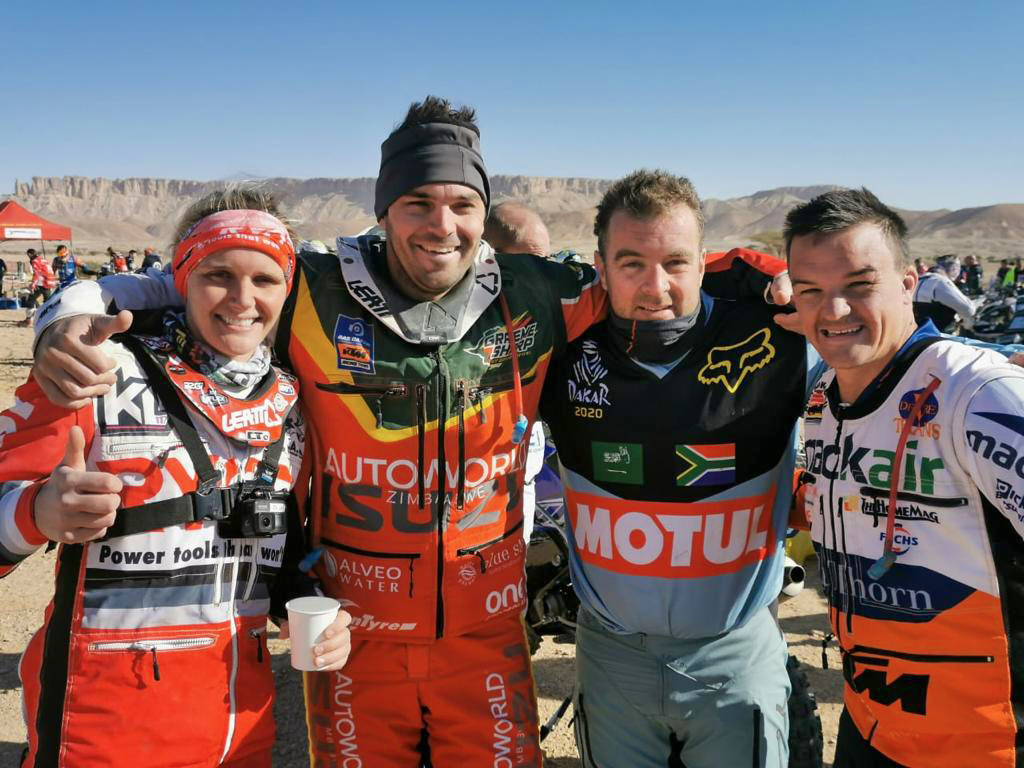
Ross Branch won the second stage of this years Dakar Rally in Saudi Arabia and made an emphatic statement that was impossible to ignore. Despite suffering a separated shoulder in a big off, he had four more top ten stage finishes. He showed incredible courage and resolve to finish the rally against all odds. Seems that resolve did not go unnoticed. On the 13th of March, the Monster Energy Yamaha Cross-country factory Rally team announced that they had signed two new riders to the team. American Supercross and Motocross star Andrew Short and yes, you guessed it, our Botswana boytjie, Ross Branch.
Alexandre Kowalski, Yamaha Europe’s off-road Racing Manager made the announcement, stating that Andrew and Ross would race the 2020 FIM Cross-Country Rallies World Championship. Unfortunately, the season has been delayed by the global Coronavirus issue, so the first race is hopefully going to be Rally Kazakhstan in May.
This is “a dream come true” for Ross, who can’t wait to see what he can achieve on a factory Rally bike. As for us at ZA Bikers, we don’t think it could have happened to a nicer and more deserving guy!. Go get ’em Ross, we with you all the way!
Many Adventure bike riders have probably considered, or dreamed about, chucking up the daily grind and riding their bike around the world. I certainly have! Some of us actually have the gumption to just do it! So it was with Kinga Tanajewska.
Photo credit: Meredith Potgieter / ZA Bikers
Kinga was born in Communist Poland in 1981. She grew up in a pretty town called Suwalki and confesses to being “a bit of a Hippie” in her teens. Growing up in a new, free Poland, probably helped to get her dreaming of a world filled with adventure and possibility. She got bitten by the bike bug at around 16, with her first bike, a Honda CB450 Nighthawk coming along soon after. She echoes what many of us bike “lifers” have said; “from that moment, life was never the same again!”
Photo credit: Bjorn Moreira / ZA Bikers
After completing an Engineering Degree in Poland, she emigrated to Australia. Sydney, to be precise, where she saved up and bought a Yamaha FZ600. It was not long before her spirit of adventure flared up again and she bought a BMW GS800 with the idea of doing a circumnavigation of Australia, or “Tour de Oz”, as she called it. She did this in stages, working in Western Australia before completing the journey by returning to her home in Sydney. She raised funds and awareness for a children’s charity called Shepherd Centre during her trip.
Photo credit: Bjorn Moreira / ZA Bikers
This is when her life took a dramatic turn, first for the worst and then, I would argue, for the better. She had a “head-on” collision with a car, totalling her GS and breaking a hand and leg. During her subsequent convalescence, she went through a terminated relationship and got treated for depression, probably as a result of having her wings clipped by circumstances. When she received a sizable payout for her accident, she decided enough was enough, bought a new GS800 nicknamed “Chilli” and departed Sydney in April 2017 with a loose plan to “ride around the world”. The charity beneficiary for this trip is a little Polish boy named Franek, who suffers from Cerebral palsy.
Photo credit: Bjorn Moreira / ZA Bikers
4o odd countries, and a whole lot of time later, she finds herself in SA and riding out from Bikers Warehouse with over 40 other bikes for a breakfast at the Aviator Cafe in Hartebeespoort.
Photo credit: Bjorn Moreira / ZA Bikers
This is where our intrepid photographer, Bjorn, accompanied by his way better half Meredith, caught up with Kinga to chat about her adventures. It is not all as it seems to be when you think about travelling the world by bike. First of all, for Kinga, it is not about trying to see as many countries as possible, it is rather about really seeing those countries. She plans to travel in Africa for almost two whole years. She loves spending time in the countries through which she travels and really engaging with the people.
Photo credit: Bjorn Moreira / ZA Bikers
Interestingly, she also explains that her “holiday” time, is in fact, time off the bike and not riding. We may have thought that it was the other way around. But here’s the thing. Whilst her first couple of years of travel were funded by her accident claim payout, her subsequent costs have been covered by her Social Media presence. She has a YouTube channel called ON HER BIKE, where folks can follow her travels. I watched a couple of the episodes and they follow a video type travelogue as you travel along with her.
Photo credit: Bjorn Moreira / ZA Bikers
The impression is of a wild and carefree existence, particularly because she is not bound by a time schedule. Documenting your travels in this fashion is hard work though. Planning your route, charging and setting your cameras, thinking about suitable footage and editing that footage is hard, time-consuming work. She has effectively created a “Brand” with her Social Media presence, attracting sponsors who have products which can gain wide exposure through Kinga’s travels.
Photo credit: Meredith Potgieter / ZA Bikers
“Everything I use and wear is sponsored, which saves me a ton of costs”, she says. This is why it is the time off the bike that is the chill time. What I find interesting, is that it is possible to fund this Gypsy lifestyle totally via Social Media generated funds. Yes, it takes work, but hell, what a day job!
Photo credit: Bjorn Moreira / ZA Bikers
We live in a world which is striving to be ridiculously structured and sometimes just brain dead in the way it does things. We quarantine the world for a virus which has less impact and a lower mortality rate than the flu! Stock markets crash, tourism grinds to a halt, airlines are grounded with catastrophic consequences, trade ceases, small cash strapped businesses fail and headlines are dominated by this “gogga” in the air. In China, the infection rate has peaked and died away, yet the rest of the world runs scared.
Photo credit: Bjorn Moreira / ZA Bikers
SA would save more lives if we simply quarantined our taxi drivers! In the midst of this madness, a Polish girl with a huge spirit of adventure is just cruising the world on her bike.
I was recently in desperate need of an everyday tyre, one that would not only tick the ‘sporty’ box, but also go the distance. When you’re shopping for new tyres, you really need to think about what kind of riding you do, and where your rubber spends most of its time rolling.
Photo credit: Bjorn Moreira / ZA Bikers
Although I really enjoy my sporty rides, the fact is that I spend ninety per cent of my riding time commuting, with the odd weekend shenanigans. There is truly nothing exciting about my daily rides; they consist of long highway stints, greasy back roads and, recently, major thunderstorms.
Photo credit: Meredith Potgieter / ZA Bikers
After having a think about which tyres would meet my daily needs, I met up with our good friend Mark Henderson, owner of Henderson Racing Products (South Africa’s official Dunlop distributor). Mark took me through Dunlop’s tyre offerings and gave me his two cents’ worth.
When it comes to tyres, we all want the same things: better performance and longer mileage. Dunlop claims maximum versatility with the Sportmax Roadsmart III tyres; sporty grip, exceptionally high mileage, superb wet weather performance, and great braking stability.
Photo credit: Bjorn Moreira / ZA Bikers
Dunlop’s engineers saw room for improvement on the Roadsmart II, but also a chance to take the lead in the sports touring segment. To reach their goal, they changed three main things: the carcass (that’s the internal layer of the tyre), profile and tread. So how do these all translate into riding in the real world? Let’s find out…
Riding impressions
6,000 km down the road, the Roadsmart III has made me feel right at home on my Yamaha MT-09. Urban riding throws a whole load of different situations at you; bad drivers and sometimes oily situations means that you need something grippy under you. The Roadsmart skips across all of the imperfections you might come across on a daily commute.
Photo credit: Meredith Potgieter / ZA Bikers
There was one situation where I had to accelerate hard, swerve, and then come to a complete halt, on a wet road. I placed full confidence in the Dunlops, and they turned out to be a great guardian angel. This is thanks to the grippy C-shaped tread that is broader and more curved than before, giving you better water dispersion, and providing you with great performance in the wet.
Photo credit: Meredith Potgieter / ZA Bikers
Thanks to the Roadsmart’s proprietary ‘Dual-Compound’ design (Dual-Compound means that the tyres are made up of two different compounds), I really started enjoying my riding much, much more. In the centre of the tyre, the compound is hard, which is great for those long hauls, giving you increased longevity. The sidewalls are made from a much softer compound, so when you want to engage in a sportier riding position and attacking those bends, the Roadsmart III tyres inspire confidence.
Photo credit: Meredith Potgieter / ZA Bikers
This is also made possible by the re-engineered carcass. Dunlop has changed the wire windings in the belts, making them tighter and thicker for better stability, whilst maintaining good compliance. A lot of this technology has been brought over from the Sportmax Q3+, and they’ve certainly put the ‘sports’ into ‘sports touring,’ giving you the best of both worlds.
The general feeling of the tyre is extraordinary, with the lower side profile I felt a very predictable change in direction and good edge grip whilst leaning through the bends. The lower side profile enhances shock absorption through the tyre too, giving you the confidence you need. Under braking, the broad contact patch provides tremendous feel and grip, and even with ABS off the Roadsmart managed to keep frightful moments at bay.
After 6,000 km, these tyres only just feel broken in. Without pulling your leg, they actually feel just as good as new. This is new to me because I usually need new sports tyres at 7,000 km, but the way things are looking, I may hit 10,000 km or more. This kind of mileage is a big plus, because this is money well saved in the long run.
Photo credit: Bjorn Moreira / ZA Bikers
I only wish I went the sports touring route sooner, but a narrow focus drew me towards the purpose-built sports tyres and that was silly. At no point during my time riding on the street with the Roadsmart III did I wish I was rather on sports tyres.
Photo credit: Meredith Potgieter / ZA Bikers
Whether you’re a tourer who wants some extra sport injected into his ride, a commuter looking for a grippier tyre in town, or even a hooligan that wants his fun to last longer, the Dunlop Sportmax Roadsmart III is an excellent choice. With pricing starting at R 3,680 for a 180 combo, I certainly see myself owning another set in the future. And if there’s a Roadsmart III+ or IV on the horizon, sign me up!
My goal is 9 000km, I will update you on this at the point of reaching this goal, which I really believe is in reach.
The Z900 story began a long time ago. Kawasaki stunned the world back in 1972 with the introduction of the meanest motorcycle ever made when they launched their legendary Z1. As was the custom back then, manufacturers came to market with something raw and untamed, then toned it down somewhat as they honed and refined future offerings. So it was with the Z1. The refined version was labelled the KZ900. The badge on the side cover dropped the “K” and so the Z900 was born. As Honda did when they refined their CB750 K0, the K1 was down on power but a nicer all-round bike. So it was with the Z900 too. A bit softer than the Z1, it had better manners and a better-braced chassis for improved handling. Fast forward 42 odd years and the 2020 version of the venerable Z900 is a very different beast. Just bear in mind that the modern Z900 comes in two flavours. You can have the modern retro version, a bit of an original Z1 look-alike, or the modern sugomi styled bike, which is the object of this review.
Photo credit: Bjorn Moreira / ZA Bikers
Kawasaki refers to the latest Zed as a “supernaked”. It has not changed in concept from its predecessor, maintaining the “exciting and easy” design brief, but taking the Z sugomi styling a step further. To fully understand what Kawasaki is shooting at with the Z900, let me explain the meaning of “sugomi “. It describes the intense aura or energy given off by an object of greatness felt by the viewer. Something possessing sugomi inspires awe, leaves an indelible impression, is imposing in stature and ability, and commands respect. It can be used to describe a person or an object. Apply this philosophy to a motorcycle design brief and you are likely to end up with something special. And so it is with Kawi’s latest Zed.
Photo credit: Bjorn Moreira / ZA Bikers
The impression one gets when eyeballing the Z900 is of something powerful about to leap forward. Think of a fully maned Kalahari lion crouched to charge. The maned head and shoulders are bunched up with the sleeker muscular hindquarters completing a picture of power and contained fury. The Zed creates a similar impression. The tank and radiator shrouds blend with the sleek headlight cowl then taper to a narrow waist and waspish handsome seat and tailpiece. The motor is blacked out and is underlined by a minimalistic belly pan, colour coded to the same metallic green as the tank and other trim. This is one sweet looking motorsickle!.
Photo credit: Bjorn Moreira / ZA Bikers
In line with almost all manufacturers these days, Kawasaki has catered to the whims of the PlayStation generation with the comprehensive electronics package with which the Zed is equipped. It has 948cc mode, 750cc mode, 500cc mode, and even a riders choice mode. Ok, forgive my weak attempt at being factitious. I am referring to Sport, Road, Rain and Rider engine power modes. It is still beyond me why, when the fueling in Sport mode is as flawless as that on the new Z900, we need this engine mode complexity. That, my friends, is why God gave you an articulated wrist connected to a supercomputer called a brain! I suppose that some could argue that the supercomputers that some of us have are a trifle faulty and need regulating. Whatever! I’m sure you get my drift. Personally, I buy a 900 to have a 900, not a 500!.
Photo credit: Bjorn Moreira / ZA Bikers
Kawasaki traction control is least intrusive in Sport mode and predictably, most intrusive in rain mode. Road mode is smack in the middle. “Rider” mode allows you to set it to your preference, or turn it off completely, as well as to give you full or low power [55% of full power]. Kudos to Kawa for allowing us to negate all the electronics, with the exception of ABS, if we so wish!. The wizardry does not stop there. A whole new TFT display gives you clear access to all the bikes vitals irrespective of how bright the light is. Nigh on everything is adjustable.
Photo credit: Bjorn Moreira / ZA Bikers
For those of you who can’t bear to be parted from your smartphone for even a moment, don’t despair. Download “RIDEOLOGY THE APP” and access vehicle info including the bike’s maintenance schedule, a Rider log, [route info, lean angles achieved etc.], telephone notices and general tuning settings. All this can be accessed via a left handlebar-mounted switch or via two buttons on the lower corners of the TFT panel. You can view this info on your smartphone too. Without boring you with the detail, you can access just about every possible bit of trivial and vital information, barring your underpants size, [maybe I just couldn’t find it] using this app.
Photo credit: Kawasaki
The LED lighting is also the norm with the newest Zed. The exhaust has been tuned for sound [more on that later] and is beautifully short and stumpy, not obstructing the view of the handsome, subtly pinstriped rear mag wheel. The swingarm pivot has been beefed up for more precise handling as one of the subtle tweaks to the high tensile steel frame.
Photo credit: Bjorn Moreira / ZA Bikers
Revised clutch damper springs and refinements to the Fuel Injection work together to make for smoother acceleration and deceleration. There is a comprehensive accessory package available ex-factory, including a taller flyscreen, softer passenger seat, USB socket, low and high seat options, and other trim bling.
Photo credit: Bjorn Moreira / ZA Bikers
Kawasaki has really specced the Z900 comprehensively to suit all tastes. Let’s get down to the all-important issue. What is it like to ride? In one word? Brilliant! Firstly the engine. There are those that will claim that “universal Japanese motorcycles” with four-cylinder motors lack soul. Well, they clearly haven’t lived with this bike. Kawasaki very kindly gave me a full week with the Zed, so I could use it for an extended time in all roles that a typical owner would experience. From the moment the clutch is released, there is a gush of velvety shove. Squirt it to six thousand revs through the super light, accurate and slick gearbox, and it gets a serious hurry up.
Photo credit: Bjorn Moreira / ZA Bikers
But here is the thing. When road conditions allow, lean really hard on the throttle. That is when the character genie pops out the bottle. As you accelerate, the motor emits a characteristic twin-cam whine which, as you whack it wide open elicits a deep growl from the airbox, morphing into a spine-tingling, visceral shriek from the exhaust. This aural assault is backed up by some serious acceleration. The bike is super stable and the fact that you sit quite deep in the bike results in surprisingly little windblast for a naked. 140 kph cruising is genuinely a doddle.
Photo credit: Bjorn Moreira / ZA Bikers
Fuel economy is good at reasonable speeds [Yeah right!] with the bike achieving better than 20kpl. A 17-litre fuel tank gives decent range. The ergo’s are really good too. The seat is firm yet comfy, the stretch to the bars is just right and the footpeg position mildly rear-set. I could smash big distance in one go on the Zed. The good riding position makes for a great feeling of control. With a 180/55×17 rear and 120/70×17 front tire, the bike steers effortlessly. It dispatches traffic with the precision of a scalpel in the hands of a surgeon.
Photo credit: Bjorn Moreira / ZA Bikers
The bike is narrow and compact with a lovely controlled and taught ride. Suspension is adjustable for preload and rebound at the back but no adjustment up front. This doesn’t matter a jot, because the front is just fine for the bikes intended use. The back shock was a trifle bouncy on the standard setting, but I dialled in a little extra rebound damping and it was sorted. The handling is genuinely top drawer. Turn-in is effortless and it holds a line effortlessly in a way that inspires utmost rider confidence. The twin 266 mm front disks and single 216 mm rear chomped on by Nissin calipers endow the Zed with brilliant braking ability. Sharp and powerful with plenty of feel. As good as anything I have ever experienced. Even when pinning the throttle the Zed 9 keeps its front wheel down allowing you to really get on it with total abandon.
Photo credit: Bjorn Moreira / ZA Bikers
So who should buy this bike then? Anyone who enjoys sporty riding without vices, that’s who. Buy yourself a set of decent full leathers, toss a change of clothes in a tiny backpack and head for the hills, credit card touring to your heart’s content. In the week, commute to work negating the traffic snarl.
Photo credit: Bjorn Moreira / ZA Bikers
The Z900, in its latest guise, has no real vices. [apart from indicators that don’t cancel themselves] Hey, cut me some slack, I have to have something to moan about! Really, on a serious note, this is an extremely refined and good motorcycle which I really enjoyed riding. It is the kind of beast which will get you out of bed early on a bright summers morning, to take for a trundle for the sheer joy of riding.
Oh, and at a selling price of R155 995, this represents such an incredible value proposition.
The first stop on the Bike Fest™ tour transformed Jeffrey’s Bay into a rocking and riding festival as biking elite, families and general festival-lovers descended on the coastal town from 28 February to 1 March. Jeffrey’s Bay Bike Fest™, held in partnership with Kouga Municipality, was the ultimate start to Africa’s biggest biking festival this year.
Photo credit: Colin Windell
“We couldn’t have asked for a better way to kick off the South African Bike Fest™ series,” said event organiser, Vicky Wentzel – the owner of Wozani Africa Events and co-founder of Africa Bike Week™ & South Coast Bike Fest™. “The atmosphere has been incredible with crowds of people streaming in from all over South Africa. The audience really responded to the programme line-up which included the best biking products and stunts, endless retail and dining options, as well as some of the country’s most talented musicians. Jeffrey’s Bay is a really an ideal host for large-scale events, with bikers taking advantage of the area’s stunning outrides and hospitality.”
Photo credit: Colin Windell
Wentzel extended thanks to all sponsors involved, with special mention made of LM Radio for its extensive radio coverage of the event.
Some of the Jeffrey’s Bay Bike Fest™ highlights
Visitors in search of extreme biking action found it all at Jeffrey’s Bay Bike Fest™ with the most daring stunts and wheel-spinning action in the Experiential Energy Zone. The site featured the electric Le Riche Brother Stunt Riders show and non-stop antics by the Alfred ‘King Donut’ Matamela.
Photo credit: Colin Windell
Those looking to experience more of the stunning Kouga Municipality tourism sites were encouraged to try the J Bay Explorer Bike Route – an official route guide listing all the hottest places within 60km of the Jeffrey’s Bay Bike Fest™ location. Chilled vibes and great food continued at the Main Bar, Craft Beer and Gin Garden, and the Ducati Food Village located at the venue site. And the final day welcomed the municipality’s honourable mayor, Horatio Hendricks, alongside local event organiser and biker, Dean Gilbert, leading the Mayoral Mass Parade. Preceded by the Brigade Brass Band, clubs got to fly their flags all in support of the Benevolent Fund.
Photo credit: Colin Windell
Keep on rocking
Music lovers were treated to a weekend of non-stop hits across every inch of the festival venue including Street Vibes featuring Marching Brass Bands. The Bike Rocker Stage was the base for the incredible the Bike Fest SA Battle of the Bands, as well as a musical line-up featuring South Africa’s most iconic names in music. WONDERboom, Koos Kombuis, Mean Mr Mustard, Roan Ash, Early B and Biggy were just some of the legends that rocked the crowds.
Photo credit: Colin Windell
Local talent was also given a platform at the Jeffrey’s Bay Bike Fest™ Talent Search Competition held on Friday, 28 February at the Bike Rocker Stage. The best local artists in singing, dancing or rap performed in 4-minute time slots and, after judging was finalised (50% public vote and 50% panellists), the Best Overall Artists was announced. Andre Ludik and Chris Beer were definite crowd favourites, walking away with the R15 000 cash prize.
Photo credit: Colin Windell
Commenting on the event, honourable mayor Horatio Hendricks of Kouga Municipality, said: “Jeffrey’s Bay is so much more than just a holiday destination. It’s a community of energetic, co-operative people who want the town to prosper. We believe events such as Jeffrey’s Bay Bike Fest™ can help us grow our brand as well as theirs. We look forward to this being a long and happy partnership!”
Photo credit: Colin Windell
Don’t miss out
If you didn’t get to experience all the rocking and riding action at Jeffrey’s Bay Bike Fest™, have no fear because there are still four more premier biking installations to come! Next stop is South Coast Bike Fest, Port Edward, so check ou – www.bikefestsa.co.za to book your tickets and accommodation now, or visit the ‘Bike Fest SA’ Facebook and Instagram pages for all the latest updates.
Photo credit: Colin Windell
Bike Fest SA event partners
Bike Fest SA 2020 partners include BMW Motorrad, Harley-Davidson® Tyger Valley, Harley-Davidson® Durban, Harley-Davidson® Gold Rand, ROC Harley-Davidson®, FAST KTM, Ducati, ZA Bikers, Superbike Magazine, Bike SA Magazine, LM Radio, Harley-Davidson® Insurance Services and Monster Energy.
Bike Fest 2020 Countrywide Schedule
South Coast Bike Fest, Port Edward
25 to 27 April 2020
Port Edward, Ugu District, KwaZulu-Natal
Clarens Bike Fest
24 to 26 July 2020
Clarens, Free State Province
North Coast Bike Fest, Ballito
4 to 6 September 2020
Ballito Beachfront, KwaDukuza, KwaZulu-Natal
West Coast Bike Fest, Langebaan
23 to 25 October 2020
Langebaan, Western Cape
How long does it take to get to know a motorcycle? Most of the time, we’ll spend anything from a day to a couple of weeks on a bike to help us form an opinion. But I had just an hour and a half to sample the new Moto Guzzi V85 TT—enough time to briskly put it through its paces on my favourite stretch of road.
Italian Motorcycle Importers are the custodians of the Moto Guzzi and Aprilia brands in South Africa. They’re currently only based in Jozi though, so they brought a small selection of Italian machines down to Cape Town, for local customers and press to sample.
Photo credit: Wes Reyneke / ZA Bikers
With limited time available, I decided to focus just on one bike, rather than spread myself too thin. So I picked the enigmatic Moto Guzzi V85 TT, hooked on its quirky looks and intrigued by its adventure bike aspirations. With 90 minutes on the clock, I headed out from IMI’s temporary base camp in Somerset West, picked my way through town, and hopped onto the unparalleled Clarence Drive—touching ground briefly in Rooi Els before turning back.
Here are nine rapid-fire takeaways from my 90 minutes with the Moto Guzzi V85 TT.
Photo credit: Wes Reyneke / ZA Bikers
01 – It’s hella pretty. That’s what I think, anyway. And although not everyone agrees with me, an overwhelming majority of people think it’s hot stuff too. From Instagram likes, to bent necks in the real world, the V85 TT sure is attention grabbing.
And that’s probably because Moto Guzzi have designed something truly unique. It’s clearly an adventure bike, but it looks like no other adventure bike out there. With that unmistakable lateral v-twin poking out the sides, you could almost call it a modern classic—and its silhouette is closer to the dual-sport bikes of the late 90s than contemporary examples.
Photo credit: Wes Reyneke / ZA Bikers
02 – It’s extremely well put together, too. That tank is actually two plastic side panels with a centre strip up top (there’s a 23 l fuel cell underneath), but I didn’t figure that out until I physically knocked on it. That’s how good the paint finish is, and even the Mandello Eagle on each side of the tank is an actual badge.
Photo credit: Wes Reyneke / ZA Bikers
The bike I tested was the ‘Evocative’ edition, which, along with a few other extras, gets this striking white, yellow and black livery, with a red frame. It also has a suede seat, with great touches like contrast stitching, and an embroidered Moto Guzzi logo on the back pad.
Photo credit: Wes Reyneke / ZA Bikers
There’s a big focus on details here. Note how the bracket for front fairing echoes the lines of the luggage rack supports, and how the strip across the twin LED headlights mimics Moto Guzzi’s logo. And with considerations like hand guards, an enduro-like front mudguard, and a beefy bash plate, the V85 TT sure looks like it means business.
Photo credit: Wes Reyneke / ZA Bikers
03 – And it’s really comfy. When it comes to ergonomics, Moto Guzzi knocked this one right out the park. The seat is broad and cushy, the foot peg position is nice and neutral, and the handlebars are wide and high. The rider triangle (that magical geometric relationship between the bars, seat and pegs) is damn near perfect.
Moto Guzzi got it so right, in fact, that I (at 1,86 m tall) found it equally as comfortable as the rider before me, who’s significantly shorter. I could have done with a little more height from the V85’s windscreen though, or at least, the option to adjust it. That said, I found it was effective enough to keep the wind off my chest, without directing it up to my helmet’s peak.
Photo credit: Wes Reyneke / ZA Bikers
The layout works when you’re standing on the pegs, too. The bike narrows nicely where the seat meets the tank, and the bars are at just the right height that you don’t need to hunch over much. Serious off-road riders who want bigger, serrated foot pegs will have to fork out extra for them though.
04 – That motor is a total peach. It really is. If you want to get technical, it’s an 853 cc transversal 90 degree V-twin with two valves per cylinder. Numbers are 79 hp at 7,750 rpm, and 80 Nm at 5,000 rpm.
Photo credit: Wes Reyneke / ZA Bikers
That’s significantly less horses per cubic centimetre than, for example, a BMW F 850 GS, so why do I love it? Because what the V85 TT lacks in outright power, it makes up for in character. There’s nothing that sounds or feels quite like that signature Moto Guzzi transverse-V, and there’s a real sweet spot in the mid-range where the bike comes alive.
So the power that it does make, is very usable and manageable. That’s helped by the Guzzi’s shaft drive, and the fact that the V85 TT’s six speed box is well spaced out, too.
Photo credit: Wes Reyneke / ZA Bikers
05 – The fueling, not so much. Look, the V85 TT’s fueling isn’t bad, per se. But it ain’t great, either. The bike comes with multiple switchable riding modes, but all of them have one thing in common: the throttle feels a little elastic on pull-away.
I thought it might have been the Guzzi’s traction control kicking in, so I deactivated that (which is an unnecessarily laborious process that involves diving into menus), but no Bueno. It’s not that it’s completely lethargic; it’s just that there’s a slight lag on spirited twists of the throttle, that niggled at me throughout the whole ride.
Photo credit: Wes Reyneke / ZA Bikers
06 – It can corner way harder than you think. How hard exactly? I rushed so much to get the V85 TT back in time, that I almost overcooked more than a couple of rather technical corners. Each time, I held on and pushed the tall adventure bike as deep into the turn as I could. And each time, it stuck.
Sure, at 229 kilos wet, it’s no featherweight. And with a 19” front wheel (there’s a 17” out back) it doesn’t turn in as fast as a sports naked would. But the suspension is stiff enough to stop it from wallowing in corners, and the wide bars offer up more than enough leverage. So it can hold its own, and it shone on one of Cape Town’s twistiest roads that day.
Photo credit: Wes Reyneke / ZA Bikers
It did dive a little under heavy braking though, but at least the suspension is adjustable for compression and preload at both ends, so this could probably be tuned out. The brakes themselves (twin 320 mm Brembos up front) work okay, though there’s not a whole lot of feel through the lever. ABS comes standard, but I didn’t have enough time to really put it through its paces on the day.
07 – It’s okay off-road, I guess. I wouldn’t really know—I only managed a few metres of dirt while I had the V85 TT. I didn’t really have time to experiment with the off-road riding mode, disable ABS and traction control, or try it out on varying terrain.
Photo credit: Wes Reyneke / ZA Bikers
The V85’s rear wheel breaks loose quickly, but I think that’s a tyre choice issue (I’m not a fan of the tyres it ships with). As for the rest, that short dirt road blast was promising—so I’m adding a proper off-road ride on the V85 TT to my to-do list.
08 – It has more tech than you think. For all of its visual simplicity and classic appeal, the Moto Guzzi V85 TT is actually packing some neat tech. The dash is a TFT unit that packs in all the info you could possibly need. Dig deeper, and you’ll discover Bluetooth functionality (it’s an optional upgrade that’s standard on the model I tested) that unlocks various smartphone integration features, like navigation and entertainment.
Photo credit: Wes Reyneke / ZA Bikers
It’s nice that those features are there, but it’s even nicer that Moto Guzzi doesn’t throw them all in your face.
09 – It has stiff competition. The V85 TT ‘Evocative’ model I tested costs R 225,720, which buys you the paint job, red frame, suede seat, Bluetooth package and dual-sport tyres. The base model, with flat paint, a black frame, a regular leather seat and road-biased tyres, is R 209,000. And there’s a ‘Travel’ edition too, with a Kalahari Sand colour, panniers, a higher screen, crash bars and a centre stand, that’ll run you R 247,320.
Photo credit: Moto Guzzi
That puts it just above the BMW F 850 GS and Triumph Tiger 900 in price—both of which make better numbers. But numbers aren’t everything, and the V85 TT has a lot going for it. It’s unique, it’s Italian, it looks great, and, most importantly, it’s a whole lot of fun to ride.
Being an active motorcyclist, I am used to debating and answering questions. The most common question we encounter is, you’ve guessed it, “why do you ride?”. Over time, I have consoled myself with the fact that those who ask this kind of question, very seldom understand the answer anyway.
In lieu of this fact, I have over time, actually toned down my defence to a simple “It’s my way of life” kind of answer. No need bothering with long, entertaining, descriptive answers. That being said, what intrigues me the most about motorcycling, is watching the tribe that actually do participate. Being a people’s person, I am equally as intrigued with motorcyclists than with motorcycling. My simple conclusion? Although you become part of a tribe to belong and fit in, there is still the desire to stand out, to be different!
Photo credit: Bjorn Moreira / ZA Bikers
For this very reason, you get many different makes, types and styles of two-wheeler. It is no different with the kit or riding apparel that we choose.
Following is a short article about some really cool, individualistic rider gear most suited to the urban warriors on their naked/retro bikes that roam from coffee shop to coffee shop in search of their tribe, their own kind!
The major thing about rider gear usually is that it looks like rider gear. Manufacturers and designers must be forgiven for this because there are a certain minimum requirement and a certain look that goes along with it. Aspects like safety have to be factored into the design, so getting that casual look becomes harder to achieve.
Photo credit: Bjorn Moreira / ZA Bikers
Companies like Metalize (who employs locally based development) have been pressing hard to change this, to find that breakthrough, to make rider gear look like normal casual wear, instead of making us look like “cash in transit”, armed guards!
We will briefly touch on three pieces of kit to emphasize this statement.
Metalize 809 Tech Riding Shirt
This is a very exciting addition to the Metalize protective range, made specifically for those who want to walk into a coffee shop and just look cool, but not necessarily like “Captain Kid”, the cartoon hero. The shirt looks and feels like a normal, long-sleeved “check” pattern offering. Yet this one is manufactured from heavyweight, woven cotton and features removable, CE-Certified shoulder, elbow and back protection. The entire inside of the shirt is also lined with Du Pont Kevlar for ultimate protection. The closing zip is a high-quality YKK product and all buttons are from high-quality steel. Incorporated into all of this is arguably the most important feature, which is that it makes you look really really cool.
Photo credit: Bjorn Moreira / ZA Bikers
Colours available are red/black, grey/black, charcoal/black and blue/black. For what it offers, the shirt feels very nice on the skin and is about as warm (or cool) as any long sleeve, button-up casual shirt. So, ultimately there is a small price to pay for looking cool and being well protected in the event of an “urban spill”. The Tech Riding Shirt sells for a recommended retail price of R2100. Available sizes range from Small to 5XL. Being quite affordable, you can be forgiven to own one in every available colour.
Metalize Genesis Riding Jeans
Protective riding jeans is not something new. They have been around for a few years and are very popular amongst the discerning motorcyclist. What Metalize did, is to give it a very cool, understated styling that makes them look like normal jeans. There are quite a few different styles and shades available, satisfying most tastes. I wear mine regularly to work and play – if one can call what I do “work”.
Photo credit: Bjorn Moreira / ZA Bikers
They feel like any normal jeans, yet they look more stylish and the quality is that of expensive “boutique” type jeans. In the protection department, they certainly get the job done.
For the technically minded, they are constructed from high quality, durable 12 oz stonewashed denim with DuPont Kevlar in high impact areas. CE certified knee protectors come fitted as standard and can be removed by those who simply want to wear them as a stylish alternative to the “run-of-the-mill” shop jeans.
Photo credit: Bjorn Moreira / ZA Bikers
Despite all the features, they can be machine washed and dried. Sizes range from 30 to 44 and they come in 5 different styles. The one featured in this review is the “Genesis” design, and they are my favourite choice. They retail for R1900 which positions them well against similar alternatives from different brands.
Metalize Casualtech Rider Shoes
“Sneaker” type riding shoes is also not a new concept. Companies like BMW have pioneered this concept with great success. In the case of Metalize, they feature water-resistant, leather uppers, reinforced toe, heel and malleolus areas and a water-resistant rubber outsole.
Photo credit: Bjorn Moreira / ZA Bikers
So far, I have used them in diverse conditions, including rain, dust, mud and hot, dry weather. I have found the soles to offer good grip in all these conditions. There is not a day that goes by, that I do not get complimented on the looks. People find it hard to believe that something this “normal” is packed with so many “under the skin” features and rider-specific advantages. My favourite feature is that they feel very comfortable and plush underfoot, similar to specimens that cost a lot more. They retail for R2200 which prices them very well compared to the competition. All the normal sizes are available. As with the jeans, I wear these rider shoes almost daily, going about my business like any “normal” city slicker.
Photo credit: Bjorn Moreira / ZA Bikers
Having said this, I must mention that an interesting situation played out on my personal Facebook profile recently, after showcasing the Ducati Multistrada, wearing the exact kit featured in this article. One of my good, experienced riding buddies commented that it was best for me to not be too much of a hooligan aboard this iconic bike with the ”casualness” of my attire. He had no idea that they were proper pieces of riding kit, as they appeared to be normal clothing. This, off course, is a big compliment to the manufacturer, as this is exactly what they aimed to achieve in the development of their range.
Photo credit: Bjorn Moreira / ZA Bikers
In conclusion, I will recap my opening statement; I ride because “it’s my life”. Yes, it is what I do, I have my reasons for doing it and I want to do it for many years to come. That is why any responsible motorcyclist, whether “urban warrior” or “countryside conqueror” rides with the correct, relevant protection. Yet, now more than ever, there is almost no penalty for looking cool, feeling protected and comfortable at the same time.
Photo credit: Bjorn Moreira / ZA Bikers
Do yourself a favour and give these products some serious consideration before your next purchase. For more information visit: www.facebook.com/Hendersonracingproducts
After two seasons in the Moto2 World Championship, the former European Moto2 Champion joined forces with the legendary team Ten Kate Racing, Yamaha, for the 2020 World Supersport campaign. Following a successful test in Spain and Portugal, which saw Odendaal place amongst the fastest from the beginning, the 27-year old South African had a clear objective to kick off the season with a podium at Phillip Island, Australia, during the opening round of the 2020 Championship.
Steven Odendaal: “We were pretty fast in testing and I was really confident going into the race weekend. Unfortunately, it did not start the best for us on Friday. I crashed on oil going into the first corner which ended the day for us. Luckily, I did not suffer any serious injury but the team had to work really late to repair the bike. After such a difficult opening day, my objective was to qualify on one of the first two rows. We qualified 7th and we knew we could fight for the podium in the race. Our struggle continued on Sunday, however, and I had another crash in the warm-up. I tried to stay calm in the race and make sure we finish the first race taking home some valuable points, which we did with a 7th position at the end. I would like to say big thanks to my team for all their hard work this weekend. After the tests, I did expect to come home with a podium here, however, I do realise that this was only my debut race, we are leaving with valuable information ready to come back stronger in Qatar in two-weeks’ time. I am really happy for the opportunity to work with such a great and professional team this year, I believe that we make a really strong package together and we will aim to prove that in Qatar!”
The lights are excitingly hovering on red for KTM’s fourth MotoGP in the immediate wake of the second and final pre-season test at the Losail International Circuit. Brad Binder was the fastest KTM RC16 rider after three days at the venue that will now open the 2020 campaign in two weeks on March 8th.
For the second day in a row (and of three) Red Bull KTM Factory Racing riders Brad Binder and Pol Espargaro clocked more than 110 laps of the 5.4km layout as afternoon turned to dusk and the crew completed their set-up work towards the first Grand Prix of twenty to come.
Photo credit: Polarity Photo
Rookie Binder (9th) was the surprise act after more modifications to his works KTM RC16 allowed the determined South African to register an effort that would stand less than half a second from the quickest lap of the day and be three tenths better than Pol Espargaro (14). The Spaniard, who worked diligently towards his race configuration across the three days but suffered a small crash on Monday afternoon and was ultimately denied a strong time-attack, was still just 0.7 of a second from the #1 spot.
Photo credit: Polarity Photo
Brad Binder: “I was quite surprised, to be honest. I felt comfortable and we made some changes today that helped me a lot and sorted many of my issues. I put in a new set of tyres and ‘bam!’ the lap-time came. The bike was good. I felt way more comfortable to get it stopped, turned quicker and also get on the throttle earlier. Once we figured that part out then it was a lot easier to put a fast lap together but it was still quite difficult to do 22 of them, so I have a long way to go! We made some good steps these three days and the team has been awesome. I’m looking forward to continuing at the GP.”
Photo credit: Polarity Photo
Mike Leitner, Red Bull KTM Race Manager: “We still had a lot on the list after Sepang and we managed to get through it here, so the team and the riders did a great job. The focus was to work hard on the bikes to find the final configuration for the race weekend. Generally, we are happy and it is important that all four riders are fit for the start of the season. I think there is clear proof that we made a step with the bike from 2019 to 2020. The lap-time from Brad was very impressive by a rookie but we have been looking at the longer outings and he did well there also.
Photo credit: Polarity Photo
Sebastian Risse, Technical Coordinator MotoGP: “From a technical point of view we are ready. We managed to do most of the large items on our test schedule in Sepang and we know Losail is quite special in terms of the conditions and the way it changes with day sessions and night races and so on. So, we focussed on race distance and knowing the tyres specs better and for this place in particular: this all worked out quite well. You have to look behind the list of times when you are here.
Photo credit: Polarity Photo
Losail IRTA Test Day Three final times
1. Maverick Viñales (ESP), Yamaha 1:53.858
2. Franco Morbidelli (ITA), Yamaha +0.033
3. Alex Rins (ESP), Suzuki +0.210
4. Fabio Quartararo (FRA), Yamaha +0.219
5. Jack Miller (AUS), Ducati +0.247 9. Brad Binder (RSA), Red Bull KTM +0.425
South Africa’s biking elite will be converging for the continent’s best rocking and riding festival, Bike Fest SA™, with Jeffrey’s Bay Bike Fest™ the first stop on this five-stop biking tour, wheeling into town from 28 February to 1 March 2020. This family-friendly festival, held in partnership with Kouga Municipality, is open to bikers and non-bikers alike – but the unstoppable biking programme is set to rev the engines of all festival attendees.
Experiential Energy Zone
For some extreme two-wheeled action, Jeffrey’s Bay Bike Fest™ has all the wildest stunts, tricks and edge-of-your-seat moves performed by the most daring of South Africa’s bikers. Catch two national biking heroes in the captivating Le Riche Brother Stunt Riders show (12 pm and 4 pm daily) where extreme precision and high-pressure make for some world-class biking stunts. Then it’s time to roll out the red carpet for Alfred ‘King Donut’ Matamela (10 am and 2 pm daily), a master biker who evolved from Limpopo cattle herder to Brand Ambassador for Yamaha. And it’s also open to the crowd as bikers get the chance to burn some rubber and smoke the crowd at the Burnout Pit (10 am to 7 pm daily).
Photo credit: Bjorn Moreira / ZA Bikers
J Bay Explorer Bike Route
For bikers wanting to use the Jeffrey’s Bay Bike Fest™ as a platform to explore the area and surrounds, there is an established J Bay Explorer Bike Route which is the official route guide listing all the hottest places within 60km of the Jeffrey’s Bay Bike Fest™ location. Bikers attending the festival will benefit from a number of specially-discounted products, as well as original products created specifically for Jeffrey’s Bay Bike Fest™ attendees.
Mayoral Mass Parade
The honourable mayor, Horatio Hendricks, of Kouga Municipality, will ride alongside renowned biker and local event organiser, Dean Gilbert, to lead the Mayoral Mass Parade which sets off from the parking lot of Neptune Terrace on Sunday, 1 March at 10 am. To set things in motion, the talented young musicians of the Brigade Brass Band will lead the Mayoral Mass Parade which will consist of a cross-section of South African biking clubs flying their flags and following the 22.6km route, ending at Jeffrey’s Bay Caravan Park. This inspired biking parade will also serve as a fundraising initiative for the Benevolent Fund.
Photo credit: Bjorn Moreira / ZA Bikers
Power Play
It’s all about the fun at this year’s Power Play where attendees will get the chance to showcase their biking talents and physical prowess with Wheely Machine contests (10 am to 7 pm daily), Dyno Machine contests (10 am to 7 pm daily) and the age-old Arm-Wrestling Power Table. Then biking clubs can go head-to-head (or wheel-to-wheel) in the Club Tug ‘o War zone (10 am to 5pm daily), with some simulated racing action on the cards with Virtual Reality Bike Racing (10 am to 5 pm daily).
Rocking musicians
Throughout the Jeffrey’s Bay Bike Fest™, South Africa’s best musicians will keep attendees rocking at the Bike Rocker Stage. Top-class musicians will feature on this programme, including award-winning South African rock band, WONDERboom (Saturday, 29 February at 1.15 pm); the big-haired drumming/singing dynamo rock sensation, Ghapi (Sunday, 1 March at 11.15 am); and the guru of Afrikaans rock music, Koos Kombuis (Saturday, 29 February at 7.15 pm)…among many others!
Photo credit: Bjorn Moreira / ZA Bikers
Some other Jeffrey’s Bay Bike Fest™ highlights include:
Biker bars, beach bars and Ducati Food Village
Jeffrey’s Bay Bike Fest™ Talent Search Competition – Friday, 28 February between 12 pm and 7 pm at the Bike Rocker Main Beach Stage – with a cash prize of R15 000 (pre-register at [email protected])
Bike Rocker Stage featuring the Bike Fest SA™ Fashion Show & Battle of the Bands
Street Vibes featuring Street Dancing, Busker Alley, Marching Brass Bands and Scottish Pipe Bands
Custom Bike Show
Get ready to rock and ride at this premier biking festival! Check out – www.bikefestsa.co.za to book your tickets and accommodation now, or visit the ‘Bike Fest SA’ Facebook and Instagram pages for all the latest updates.
Bike Fest SA event partners
Bike Fest SA 2020 partners include BMW Motorrad, Harley-Davidson® Tyger Valley, Harley-Davidson® Durban, Harley-Davidson® Gold Rand, ROC Harley-Davidson®, FAST KTM, Ducati, ZA Bikers, Superbike Magazine, Bike SA Magazine, LM Radio and Harley-Davidson® Insurance Services.
Bike Fest 2020 Countrywide Schedule
Jeffrey’s Bay Bike Fest
28 February to 1 March 2020
Jeffery’s Bay, Eastern Cape
South Coast Bike Fest, Port Edward
25 to 27 April 2020
Port Edward, Ugu District, KwaZulu-Natal
Clarens Bike Fest
24 to 26 July 2020
Clarens, Free State Province
North Coast Bike Fest, Ballito
4 to 6 September 2020
Ballito Beachfront, KwaDukuza, KwaZulu-Natal
West Coast Bike Fest, Langebaan
23 to 25 October 2020
Langebaan, Western Cape
Kawasaki has a long history of mad, powerful and politically incorrect motorcycles. Back in the day, bikes like the Z1, H2 Mach IV, GPZ750 Turbo and ZZR1100 were the ones to have—for any rider who actually had the guts to ride them.
As the 21st century brings with it more and more boring concepts like ‘eco-mobility,’ it’s great to see that Big Green still has guts.
Photo credit: Kawasaki USA
First, they put a supercharger on the Kawasaki Ninja H2. Now, they want the supercharger experience to become more accessible. So they’ve just put one on a naked bike: the Kawasaki Z H2, offering the best power-to-buck ratio you can get, by far.
Photo credit: Kawasaki USA
This sounds about as fun as it gets, right? Like 20 years ago, when you could buy an AC Cobra replica for reasonable money; buying it was one thing, but could you live with it day-to-day?
The same question applies to an almost-200 hp supercharged hyper-naked. With power wheelies from first gear all the way to fourth, there’s no doubt that this bike is kind of insane. But is it purely wild, or could you commute on it too?
Photo credit: Kawasaki USA
To find out, we went to Las Vegas, USA to try the Z H2 both on a race track and a speed oval, plus we got to do some touring on it through the majestic Nevada desert.
A Super Z
Kawasaki introduced their ‘Sugomi’ design concept with the Z1000 in 2003—a philosophy that evokes the idea of a predator ready to strike. That edgy design is still present in the Z H2, and you can still recognise it as a big Zed.
Photo credit: Kawasaki USA
There are some changes, though. The first noticeable one is the trellis frame, which, short of a few graphics, is also the only part of the bike with any real colour (red or green). The headlight and air intake are joined into one unit, and, obviously, there’s the supercharger on the right side of the engine.
Photo credit: Kawasaki USA
Technically speaking, the Z H2 belongs to the H2 family. But rather than use the ‘raw’ supercharger found in the H2 and H2R, it uses the ‘balanced’ setup from the H2 SX. The CNC machined forged aluminium impeller has 12 blades—six big ones and six small ones.
Kawasaki’s staff also explained that the engine was developed to produce up to 300 hp, hence it’s quite strong and heavy, with reinforced parts and casings. Actual output from the 998 cc motor is a hair less than that of the SX; 197 hp and 137 Nm available at 8,500 rpm. (The SX makes the same torque but at 9,500 rpm).
Photo credit: Kawasaki USA
Once onboard, you quickly realise that the Z H2 is, well, a Zed. You instantly feel at home with a neutral and natural riding position. All the controls are perfectly calibrated, and it also has the latest version of Kawasaki’s full-colour TFT dash, as found on the Z650 and Z900.
Photo credit: Kawasaki USA
The Kawasaki Z H2 has a complex personality, with different and distinct character traits. As that inline-four starts, it delivers a rather discrete and soft sound…at least at low revs.
On this test ride, we toured the ‘Valley of Fire,’ one hour east of Las Vegas. But as you can imagine, Nevada Highway Patrol isn’t that tolerant of inappropriate speeds, so the pace was quite reasonable. What I can tell you is that at these speeds, the Z H2 is a perfect commuter.
Photo credit: Kawasaki USA
The engine allows you to ride at 40 km/h in sixth gear, with incredibly smooth throttle control. This monster hyper-naked is, in fact, as easy and accommodating to ride at a slow and normal pace as a Z900. There is no doubt in my mind that any big nakeds from the competition (the Ducati Streetfighter V4, KTM 1290 Super Duke R, and even the Yamaha MT-10 SP) will not be as forgiving as the Z H2.
You can also select different riding modes by pressing a button on the left switchgear, and move from ‘Rain,’ to ‘Road’ or ‘Sport.’ Or you can put it in ‘Rider’ mode, and restrict the power down to 150 or even 100 hp. The Z H2 is, in a word, easy. Very easy.
Photo credit: Kawasaki USA
On top of that, the bike is rather comfortable. It’s not plush, but the seat and the suspension don’t feel like a plank, as with some of its competitors. I can tell you for certain that the Z H2 will handle long rides really well.
The Mario Andretti experience
Las Vegas Speedway; it was opened in 1972, and has a ‘D’ shape, with each turn’s banking increasing progressively towards the outside of the track. One racer, Dan Wheldon, passed away in a crash there, during the 2011 NASCAR race. So there is a bit of emotion and fear when you enter such a place with your leathers and crash helmet.
Photo credit: Kawasaki USA
Fear is forgotten as soon as I enter the first banked turn. I enter in fifth gear at around 210 km/h; my horizon is now inclined, as the yellow wall materialises on my right-hand side as a visible boundary. What I have to do now is simple: push on the left of the handlebars, open the throttle wide and enjoy the moment.
I exit the corner at 246 km/h in fifth gear, with a 60 degree leaning angle (recorded by the onboard electronics, and shown on the TFT display). My footpeg scrapes on the inside, just before I flick it into sixth in the short straight, and enter the following turn faster. All this on a naked bike.
Photo credit: Kawasaki USA
There’s no denying that the Z H2 shows a second side of its personality from 6000 to 11000 rpm. The supercharger experience creates indelible memories. When I started riding motorcycles, a proper superbike at the top of the range, produced just 130 hp. Now, a naked machine, and a good commuter, makes almost 200. Obviously you need a bit of space to enjoy all of those horses, but South Africa is a big, wide country!
Since the gear ratio is a bit shorter on the Z H2 than it is on the H2 SX, and the riding position more upright, the acceleration feels even more violent. I saw 180 km/h in third gear, 210 in fourth and 246 in fifth. I’m sorry that I couldn’t get all the way to the top of sixth gear, but we’ve heard testimonies that 280 km/h is not out of reach.
Photo credit: Kawasaki USA
Don’t be fooled by these figures, though: the Z H2 is a hyper-naked, and not a superbike. You’ll feel its 239 kilos into corners, and, if you want to do track days, its Italian and Austrian counterparts will feel more adequate. So if you want to lay down some proper lap times, a genuine superbike will always be better than any super-naked.
Photo credit: Kawasaki USA
The Z H2 does not come fitted with top-of-the-range equipment. The Brembo M4.32 brakes are good, but the ABS is a bit too sensitive when riding hard, and the Showa suspension is just ‘okay.’ Within the Kawasaki family, the Z1000 R features better Brembo M50 brakes and an Öhlins rear shock. Personally, I would have liked to have seen this combo fitted onto the Z H2.
So although we took it out onto a race track, the Kawasaki Z H2 is not a track tool. What it is, is the perfect breakfast run hyper-naked, with a huge amount of power, incredible and unmatched versatility and, as a bonus, the chirpy character of a supercharger (STUTUTU).
Photo credit: Kawasaki USA
Thanks Kawasaki, for this unique and fun machine! We look forward to seeing these incredible bikes arrive in South Africa soon… Watch this space!
LW Mag is excited to announce the 2020 King of the Whip – Best Whip Contest, presented by Pringles, in association with Monster Energy, PlayStation and Motul.
On the 18th of April 2020, this adrenaline-fuelled Action Sports event moves to its new home in Montecasino. Witness top Motocross and Freestyle Motocross athletes battling it out to for a share of the prize purse and to see who’ll be crowned King of the Whip.
Doors open at 2 pm with proceedings set to kick off at 4 pm and continue into the evening as the final showdown takes place under the night lights and flashes of pyrotechnics. Riders will be pitted against each other in the Best Whip qualifying jam session rounds where judges will be looking for style, amplitude and variation. Riders that score high enough points will advance to the semi-finals and finals.
King of the Whip 2020 will also showcase the FMX Best Trick contest with both right-side-up and up-side-down categories.
The cash prize purse will be split between 1st, 2nd and 3rd in the Best Whip contest, and between the 1st place riders in the FMX Best Trick contests.
King of the Whip organiser, Ryan van der Spuy says, “King of the Whip has grown into its own spectacle, and being able to now host the event at Montecasino takes it to the next level. We can’t wait for the showdown and to share this exciting production with both the riders and fans. A huge thank you to our event partners for making this possible and enabling our top riders to showcase their skills.”
Photo credit: LW Mag
Whip (Noun):
A manoeuvre performed on a motorcycle, usually during a motocross or freestyle motocross contest, in which the rider brings the rear of the motorcycle abruptly around to either side. Performed while the machine is airborne off a jump. In very extreme whips, the rear of the motorcycle will end up perpendicular to the direction of travel, in addition to the motorcycle being laid flat. The purpose of the whip is to show off, to alter the trajectory of the bike in flight, and to scrub speed over jumps.
Inviting everyone, families and friends, to join in witnessing this highly anticipated, action-packed event. Tickets are available for R50 (standing) and R80 (grandstand seating) at Quicket.co.za. Food and beverages will be on sale at the event.
King of the Whip event details: Date: 18 April 2020 Time: 2 pm onwards Venue:Montecasino – Montecasino Boulevard (Cnr William Nicol and Witkoppen)
Fourways, Sandton, Johannesburg
The Red Bull KTM motocross star left onlookers in awe as he went 1-1 to snatch MX1 victory at the opening round of the season in Port Elizabeth on Saturday. On a track notorious for its unforgiving sand and demanding weather conditions, Purdon’s performance was particularly impressive. Despite some slow starts by his own high standards, his consistent pace was unmatched as he worked his way up the ranks of what was a highly competitive field.
The victory comes at the perfect time for Purdon, who is still waiting to hear the outcome of the 2019 MX1 Championship. “I’ve been so excited for a fresh start and to put last season behind me, and winning the opening round was the perfect way to do it! I came into 2019 with a lingering wrist injury, so I feel like a different person starting the year with nothing holding me back,” said Purdon.
Photo credit: Carli Smith / www.zcmc.co.za
It was a somewhat disappointing day for Red Bull KTM teammate Kerim Fitz-Gerald, who received a DNF in the first moto of MX1 due to technical issues. In MX2, however, he managed to wrap the day up in sixth overall. As the reigning national MX2 Champion, Fitz-Gerald will look to come back swinging in defense of his 2019 title.
Photo credit: Carli Smith / www.zcmc.co.za
The journey to the start line of Rover Raceway was perhaps tougher than the race itself for Jonathan Mlimi. The rider was sent to the sideline in 2019 after breaking his leg during a practice ride. With a new appreciation of the sport, Mlimi managed to lead a portion of the second heat and finish the day in sixth overall. Having given but a glimpse of his true potential in the High School Class, Mlimi commented:
Photo credit: Carli Smith / www.zcmc.co.za
“It gave me a lot of confidence to see that I’m capable of pushing the pace up front. Unfortunately, I’m still dealing with a niggle from the accident and felt it in the second moto especially. I’m going to get that sorted before the next round and come back stronger!”
The seventh edition of the BMW Motorrad International GS Trophy has just wrapped in New Zealand, and Team South Africa has come out on top. That makes it a hat trick for our home team, who also took gold in the last two editions of BMW’s adventure riding competition.
Photo credit: BMW Motorrad South Africa
Held every two years, the GS Trophy is a multi-day, international event, that puts teams from various countries through a range of skill-and navigation-based challenges. After finishing second in 2010 and 2014, team South Africa racked up back-to-back wins in 2016, 2018—and have now taken the trophy in 2020.
Photo credit: BMW Motorrad South Africa
This year’s edition of the GS Trophy took place in one of the most picturesque places on Earth: New Zealand. Starting in Rotorua on the North Island, the route covered about 2,400 km of adventure riding (60 % of it off-road) and ended in Queenstown on the South Island. So experienced just about every type of scenery New Zealand had to offer—from volcanic slopes to ski slopes, and all the hills, mountains and forests in between.
Photo credit: BMW Motorrad South Africa
The roster included 22 teams from 25 countries, most of which had to travel pretty damn far. For our guys, it took roughly 33 hours of travel before they touched down.
Photo credit: BMW Motorrad South Africa
Team South Africa consisted of Cobus Theron and BJ Vosloo from the Western Cape, and Brandon Grimsted from the Free State. Former GS Trophy winner, off-road riding instructor and photographer, Byron Coetsee, joined them as media liaison.
Photo credit: BMW Motorrad South Africa
The event kicked off with a couple of prep days to arrive, get briefed, settle in and take in the local culture. And there was time to setup each contestant’s bike, too.
Photo credit: BMW Motorrad South Africa
The GS Trophy has traditionally favoured the beefy BMW R 1200 GS as the weapon of choice, but this year, BMW opted for the lighter and nimbler F 850 GS instead. Each bike was kitted with a host of droolworthy upgrades, and wrapped in a special GS Trophy livery.
Photo credit: BMW Motorrad South Africa
With everyone settled in and ready to go, it was time to dig into the eight day challenge.
Photo credit: BMW Motorrad South Africa
With tangible nerves on the first day, everyone on team SA was awake by 4 am—an hour before their 5 am start. By 7 am, the first bikes started pulling away from under a massive BMW arch, accompanied by much cheering and hooting.
Photo credit: BMW Motorrad South Africa
Even though the GS Trophy isn’t a mainstream event, it doesn’t change the fact that, for the average rider and BMW fan, this is a huge opportunity and a major challenge. “The ladies and gents have been prepping for years for this moment,” says Byron. “It’s game time!”
Photo credit: BMW MotorradPhoto credit: BMW Motorrad South Africa
The incredible location wasn’t lost on him either: “New Zealand has to be one of the most beautiful places to ride a bike. From the endless rolling hills to the untouched fields as far as the eye can see… all perfect green. Sheer rock faces standing tall on either side of the road, as you twist your way in and out of the valleys.”
Photo credit: BMW Motorrad South Africa
Not unlike a normal rally event, each day on the GS Trophy consists of a fair amount of riding, to connect together special stages where points can be scored. But unlike any other event, those points are scored via an extremely wide range of challenges—including some that don’t even include motorcycles.
Photo credit: BMW Motorrad South Africa
Each day, countries battled it out through various gymkhana-style courses, over everything from rocky river beds to sandy beaches. There were head-to-head races with sharp hairpin turns at the halfway mark, a ‘trials’ challenge where putting a foot down was a definite no-no, and some outright timed course riding.
Photo credit: BMW Motorrad
Other contests included navigational challenges, a tyre-changing competition, and one challenge where one blindfolded rider from each team had to be guided through a course by their teammate, via their Sena bluetooth helmet comms. On one of the days, the guys had to jumpstart their bikes in as a short a distance as possible, in less than a minute.
Photo credit: BMW Motorrad
There were some bizarre non-motorcycle challenges too, like tossing gloves through a series of Leatt neck braces, or answering BMW-related questions while on three hour ferry ride across the Cook Strait. There was even a relay that involved getting in and out of, and packing, a sleeping bag, and a couple of photo challenges that called on social media votes.
Photo credit: BMW Motorrad South Africa
And sometimes things got really technical—like where one teammate had to run alongside another (who was on a bike), and ‘time’ them on a course, without any timekeeping device. The ‘runner’ then had to ensure that the next teammate completed the course in the same time.
Photo credit: BMW Motorrad South Africa
In between, GS Trophy competitors spent their days traversing countless kilometres of epic scenery. One one day, it took eight hours to complete just 360 km. “Not totally because it was difficult—it wasn’t really” explains Byron. “It was mainly because of how many turns there are. I don’t think there is a straight road in New Zealand.”
Photo credit: BMW Motorrad South Africa
Team South Africa finished the first day in sixth position, but had moved up to second by day three.
Photo credit: BMW Motorrad South Africa
Day five turned out to be the longest and toughest days on the GS Trophy, which included a loose and rocky climb on the transition route, and an equally tricky descent later in the day. 12 hours later, the day ended beach bonfire and the daily score announcement. Team South Africa had taken the lead—and would maintain it all the way to the end.
Photo credit: BMW Motorrad South Africa
It wasn’t without drama though. The guys almost threw it all away on the first special stage of the last day. But they bounced back during the second special, ultimately locking down their third GS Trophy victory with 394 points, ahead of France in second (382 points), and Italy in third (380 points).
The team would need to wait until that evening’s final prize giving to find out that they’d won though, since overall results are not published until the end of each day.
Photo credit: BMW Motorrad South Africa
“When France were announced as runners-up during the countdown of places,” says Byron, “the relief and ecstasy as Team SA embraced one another was quite incredible. And the quick realisation that if we had made just two more dabs in special stage two, it would have likely resulted in a third place finish, hit home hard.”
Photo credit: BMW Motorrad South Africa
“There’s something profoundly special about the indomitable South African sporting spirit,” says Byron. “A flat out refusal to give up or be resigned to second place.
Photo credit: BMW Motorrad South Africa
Team SA has further entrenched themselves as the dominant GS Trophy nation, securing a hat-trick of titles after a day of huge drama on the south island of New Zealand.”
My daily commute transforms into a mad dash of traumatized tourists, mesmerised motorists and petrified pedestrians. The scenery becomes an absolute blur as I dart through gaps, nooks and crevices on my way to a location unknown. I say “location unknown” because I cannot even remember where I was going… and I seemed to care less and less with every turn of the wheel!
Photo credit: Bjorn Moreira / ZA Bikers
I keep reminding myself that I’m being a hooligan, yet somehow I cannot convince myself to slow down to civilized speeds. Welcome to the world of Ducati. This time, the culprit is a Red Ducati Multistrada 1260 S. The most appropriate way I can describe this experience is to liken it to a two-wheeled Ferrari supercar.
Photo credit: Bjorn Moreira / ZA Bikers
Now let’s just pause there for a moment! Often, the extreme side of Italian engineering includes raw, uncompromising performance, razor-sharp handling characteristics and an unbreakable soul tie with the hypnotized braveheart who dares to partake. Put this bike in “Sport” mode and you have just signed an invisible indemnity…..
Photo credit: Bjorn Moreira / ZA Bikers
To be clear, I have ridden faster, more powerful motorcycles, yet this bike as an overall package, fades those encounters to the back of my mind as I concentrate with every bit of my processing power just to let go and enjoy the madness of the moment…
Photo credit: Bjorn Moreira / ZA Bikers
But let us hit the pause button and allow sense and sensibility to prevail, or should I say return…
I have been watching the new direction of Ducati keenly since their takeover by the Germans in 2012. To get very technical, Ducati is actually owned by Lamborghini, which is part of parent company Audi, which in turn belongs to the Volkswagen group.
I say this, because I have seen this influence filter down to many aspects of Ducati. This is where the story gets sensitive….
Photo credit: Bjorn Moreira / ZA Bikers
In the past, Ducati was known for its unadulterated, raw Italian qualities. There was a very clear “love/hate” divide as many felt that Ducati preferred Italian passion over function. For many years the bikes were brutal, uncompromising racing machines, notoriously unreliable and very expensive to maintain. If you owned a Ducati, you would elicit ridicule and envy at the same time.
Photo credit: Bjorn Moreira / ZA Bikers
This is changing in a way that brings only positives to the debate. Somehow, and this will take a few thousand words to even begin to verbalize, Ducati has managed to keep the wildness, the intimacy and the heart-throbbing emotion, yet at the same time, there is a newfound refinement, functionality and air of quality that has emerged.
Photo credit: Bjorn Moreira / ZA Bikers
Many will not even notice this subtle swing, hence this “phenom” goes largely unrecognized and seems to be an unsung victory of some sort. But more and more discerning riders are starting to take note. From the quality switchgear, the near-perfect fueling, to the sharp, clear and simple LCD display that offers much information in a very pragmatic, simple way. The list goes on and on, but for me, the most noticeable victory is Ducati’s interpretation of the riding modes. Allow me to explain….
Photo credit: Bjorn Moreira / ZA Bikers
The mode that most exudes the true nature of Ducati, is the “Sport” riding mode. This goes without saying and will for once, not be the topic of discussion. Allow me only to say that the way in which power is delivered is almost savage, with the near 160 horsepower backed up by massive, ever-present torque to amplify the experience. No compromise, no excuses!
Photo credit: Bjorn Moreira / ZA Bikers
Now please allow me, for once, to dwell on the “Urban” riding mode. After a photo shoot that included a mad dash through peak hour traffic, a straight line dice, many cornering sequences and a few power wheelies, I was spent. My adrenalin factory was near bankrupt and it was time to head home. As the afterglow to my satisfaction, I needed time to reflect, contemplate and celebrate a day well spent.
Photo credit: Bjorn Moreira / ZA Bikers
I dared to select the “Urban” riding mode just for the sake of research and this is what changed the game for me!! In this mode, power delivery is toned down to more manageable, subtle levels to assist the rider during the daily grind and the ever-changing, urban traffic challenges. On this occasion, after all the adrenalin, I just needed to smell the roses and glance at the hypnotising sunset with a smile and a grateful heart.
Photo credit: Bjorn Moreira / ZA Bikers
Sometimes, our celebration of being alive takes the form of a quiet, deep awareness, and this is exactly what I experienced that afternoon, returning to the Country Estate that I call home.
Yes, “Urban” mode brings a level of control and huge refinement. “Urban” mode allows you to switch off and just enjoy the moment. Everything becomes quiet and gentle, something I have not experienced aboard a Ducati before. This playmate dwarfs into a soulmate, understanding your pensive mood with, dare I say German refinement and precision. This was the part that surprised me the most.
Photo credit: Bjorn Moreira / ZA Bikers
It felt like I could just glide into the sunset and beyond and I was almost sad to reach my destination. A day well spent aboard a machine worthy of mention…
The intuitive, light steering comes to mind. The adjustable windshield that caters for most moods. The brakes, oh the brakes are just typical European in feel and performance. The low slung seat, suited for shorter riders should be uncomfortable, but it is not. It allows for hours of comfortable travel in conjunction with the aforementioned well-designed windshield and optional luggage system. I enjoyed the tank bag that kept my phone charged as I was discharging my mind….
Photo credit: Bjorn Moreira / ZA Bikers
All in all, this bike can be best described as an uber sports tourer. And this is another point I want to make. At present, sports touring machines exhibit certain sports bike qualities, together with certain touring qualities. In my mind, this has never been a winning formula.
Ever since the advent and rise of the adventure bike with its typical upright seating, ample wind protection and wide bars, there is a new argument arising. Ducati saw this gap in the market and to my memory, was the first manufacturer to incorporate the practical attributes of adventure biking with the mad, undiluted world of sports biking. Since then, BMW has come on board with the S1000XR, which also makes a telling and very strong argument to the emergence of this new breed of motorcycle.
Photo credit: Bjorn Moreira / ZA Bikers
They truly cater for comfort, but can leave you breathless on their remarkable performance levels. This was a subtle, yet visionary shift and they are taking centre stage more and more. In the Southern hemisphere, we take Adventure biking very seriously, yet up North, they prefer the softer, safer side, and this is where these bikes leave their biggest impact.
There are many things that define motorcycling for me and over the years I have experienced them all. The road to discovery on this chosen lifestyle brings new surprises every single day. The more I experience, the more I realise how little I know… and this Multistrada just amplifies that statement.
Photo credit: Bjorn Moreira / ZA Bikers
Dwelling for a moment on comfort and luxury, I cannot neglect to mention the level of quality that I felt in suspension performance. The suspension certainly does not let this bike down. The temptation was there for Ducati to make this machine rock hard and uncompromising, yet in a bit of newfound maturity, they re-evaluated what this bike was about and instead opted for plush, forgiving suspension. With this in mind, it has to be said that the Multistrada still handles as sharply as most minds who will be fortunate enough to operate it. Everything just works in the chassis department, plain and simple.
Photo credit: Bjorn Moreira / ZA Bikers
After all is said and done, we all know that any motorcycle is only as good as the backup and support it receives. World of Motorcycles, the retail outlet of Ducati SA in the Centurion Gate Centre just off the N1 highway, has certainly made their presence known in the last number of months under the watchful eye of Jos Matthysen.
Photo credit: Bjorn Moreira / ZA Bikers
Owners seem happy, the workshop is very professionally run by the venerable Zoki and the rest of the team seems motivated towards the new vision. Many lifestyle activities on offer to current and would-be owners, is re-establishing the brand to its rightful place in the local market.
Photo credit: Bjorn Moreira / ZA Bikers
The price tag of R 284 700 for the Red beauty I tested and R 288 700 for the Iceberg White and Volcano Grey offerings, confirms that the pricing has hit a real sweet spot. Backed by a solid 4 year factory warranty, makes this an even more lucrative option.
Photo credit: Bjorn Moreira / ZA Bikers
In closing, I have to say that the few days spent aboard the Multistrada has presented me with new insight and a warm contentment. Upon delivering the bike back to the workshop staff at World of Motorcycles, I condensed my findings into a few complimentary sentences, despite the fact that I had so much to say. I then walked off to my next engagement, only to turn around a few steps later and glance back at the red machine with a smile and a nod of approval. Difficult not to be impressed by a package that makes such a complete impression…
The 2020 MSA South African National Motocross Championship powered by Cannabis Energy and TRP Distributors kicked off in quite literal flying style at a scorching hot, sandy and spectacular Rover near Port Elizabeth on Saturday. Highlighted by a thrilling premier class MX1 show, the racing was out of the top drawer all the way down the classes with some dominant performances, while other classes proved a fight to the finish every time as searing temperatures nudged 40 degrees.
2019 frontrunner Tristan Purdon opened his season in fine style aboard his Red Bull KTM as he fought off Lloyd Vercueil (Florstore on Trend Yamaha) and David Goosen (Out of Africa Monster Yamaha) to win a thrilling opening open class MX1 race and then went on to do the double over KTM teammate Kerim Fitz-Gerald and Anthony Raynard (Tintswalo Dragon Yamaha) in the second race.
Photo credit: RUBEN LOUW
Reigning MX2 champion Fitz-Gerald hit trouble in the first moto, while another favourite, Matthew Malan crashed his factory Husqvarna and struggled on injured to see Vercueil wind up second for the day from Raynard and Yamaha men Jesse Wright and Goosen, KTM riders Cameron Durow, Marco de Vrye, Regan Wasmuth and Johan Vogelesang, and Dylan Mostert, as Fitz-Gerald and Malan languished in 12th and 13th.
Photo credit: RUBEN LOUW
David Goosen (Out of Africa Monster Yamaha) got his season off to a perfect start with a double win, over Tristan Purdon (Red Bull KTM) in race 1 and Slade Smith (Summit Yamaha) in the second moto, but the consistent Anthony Raynard (Tintswalo Dragon Yamaha) was third in each race to take second overall ahead of Purdon and Smith for the day. Cameron Durow was best of the rest ahead of fellow KTM riders Kerim Fitz-Gerald, Bradley Cox, and Joshua Mlimi, Yamaha pair Keegan Hickson-Mahony and Ryan Angilley and Seth David van den Abeele (Husqvarna).
Photo credit: RUBEN LOUW
MX3 champion Ian Topliss (Motul Yamaha) made no mistakes as he started his over-40 Masters motocross title defence with a double win over over-30 Senior men Tyson Engelbrecht (The Roost KTM), Dwayne Kleynhans (Fast KTM) and Master rider Brett Bircher (Motul KTM). Jonathan Hubbard (KTM), Alec Combrink (Husqvarna), Andre Swart (KTM), Husqvarna men Gerhard Hanekom and Jaco van Zyl and Sheldon Watkins (Yamaha) rounded off the top ten.
Photo credit: RUBEN LOUW
Reigning champion Kayla Raaff (SA Bikewise Motul Kawasaki) picked up where she left off with a double Ladies Motocross win over Megan Jonker (Motul Leatt Husquvarna), who shared the seconds and thirds out with Natasha Rugani (KTM). Pegasus Husqvarna sisters Jadene and Cheyenne de Lima were next up from Kylie Kotze and KTM girls Savannah van Vuuren and Kelly Benn.
Photo credit: RUBEN LOUW
Ugandan Stav Orland (Orland Brothers KTM) and Ethan Hoffman (Dirt Rider Yamaha) shared the 125cc High School wins, but Orland took the championship leader’s red plate home thanks to his second race second place over Hoffman’s fourth. Liam Gilchrist (RPG Nutritech Husqvarna) took a second and a third en route to third overall ahead of Christiaan Cilliers (Out of Africa Monster Yamaha), KTM trio Mark-Anthony Filip, Jonathan Mlimi and Cuan Conway, Josh de Hutton (Yamaha) and KTM pair Miguel de Waal and Blake Young.
Photo credit: RUBEN LOUW
Zimbabwean Daiyaan Manuel (KTM) made 85cc Pro Mini his own over moto 2 second place lad Bryce Petersen (Linex Yamaha), Emmanuel Bako (KTM) and Kyle Townsend, who ended second in the first race on his Cannabis Energy KTM, with fellow KTM kids Luke Grundy and Wesley McGavin next up. Lucas Venter (Husqvarna) was seventh overall ahead of Tyler Tarantino (Motorex KTM), Wian du Plooy (Husqvarna) and reigning SA 85 Junior champion Seth Young (KTM).
Photo credit: RUBEN LOUW
Liam Botha (Eco Tanks Husqvarna) stamped authority on the 85cc Junior races with two wins, each time ahead of Alon Orland (Orland Bros. KTM) and Pieter Brink (Orange County KTM). Ryan Adler (Husqvarna) meanwhile fought Timo Maximo Toepfer (Fast Motul KTM) and Joshua Williams (Linex Yamaha) off for fourth ahead of Blake Osner (Husqvarna), Nathan Verster (KTM) and Yamaha duo Louis Mostert and Kodi Goosen.
Jordan van Wyk (CIT Husqvarna) won the second moto to take a surprise overall 65cc primary school motocross win for the day to carry the championship leader’s red plate to round 2in the Cape. Trey Cox (Motul Alfie Cox KTM) was second from Jack Pullen (Husqvarna) after reigning 65cc champion and race 1 winner Neil van der Vyver (Husqvarna SA) hit trouble in the second moto and only ended fourth for the day. Yamaha lighties Aiden Henley and Tyler Petersen, Husqvarna duo Sven Larsen and Christian Berrington Smith, Damien Venter (Yamaha) and Nicol Smit (Husqvarna) rounded off the top ten.
Photo credit: RUBEN LOUW
Last but not least, Andrew Wren (Yamaha) took Senior Support honours with a double win over KTM duo Connor Alcock and Denzyl Kennedy and Lario du Toit (Honda) in that order both times.
Chase Bekker enjoyed the perfect start to his baby 50cc Motocross season with two wins to claim the red plate aboard his Summit Racing Florstor on Trend Husqvarna over Trenton Kretzmann (Air Auto Africa Fox Husqvarna) each time, with KTM lads Maxwell Fourie and Aiden Retief sharing out the thirds to go third and fourth overall. Michael Enslin ended fifth for the day over Rayden Woolls (Supernova Husqvarna), Alex Cooper (Husqvarna), Motul Alfie Cox KTM duo Brody Bircher and Evan Frost and Skyler de Kock (iStyle KTM).
Photo credit: RUBEN LOUW
The South African National Motocross Championship is proudly presented and sanctioned by Motorsport South Africa in partnership with Cannabis Energy, TRP Distributors, Prepsol, Bridgestone, Thor, Gaerne, FMF, Pro Taper, 100%, Fly Racing, Ogio, Racestar Graffix and the Sunoco Race Shop. The second round of the 2020 championship will be at Cape Town’s Zone 7 on Saturday 28 March.
Stepping into the season with the MX2 red plate to defend is motocross star Kerim Fitz-Gerald. Having returned to his winning ways in 2019, the 10-time national championship will line-up with a new-found confidence.
Adding a particular sense of excitement to the season is the announcement that Fitz-Gerald will once again be racing in both the MX1 and MX2 Class. It doesn’t end there – perhaps even more surprising is the news that he will also be entering a select few races in the Enduro Championship this year.
He explained, “I went to watch the Roof of Africa in Lesotho in December and decided that it’s a race I’d really like to finish someday! I have no background in this sport at all, but nothing is holding me back from trying something new. I’ve decided to just go for it and enter some enduro races this season in preparation for the 2020 ‘Mother of Hard Enduro’!”
While it’s no secret that Fitz-Gerald has entered the latter part of his career, he lives by the motto that if he is “able to keep winning, he is able to keep racing”. From his performance in 2019, it’s clear that the rider’s best days are still ahead of him.
Photo credit: Zoon Cronje / www.zcmc.co.za
Entering the season on a somewhat bitter-sweet note is Tristan Purdon. The rider came painfully close to winning the 2019 MX1 Championship but was kept from national glory when the closing race of the series was cut short.
While the decision of whether he enters the season as the reigning MX1 Champion is still pending, Purdon is moving forward with the racing year ahead. In what he describes as his ‘best form yet’, the rider is more confident than ever as he prepares to stake his claim in both the MX1 and MX2 Class.
“Last year I came into the season with a wrist injury and only really found my rhythm halfway through the year. Things are different now and I feel really confident about my form as we head into the first round,” said Purdon.
Photo credit: Zoon Cronje / www.zcmc.co.za
The last member of the 2020 Red Bull KTM squad is Jonathan Mlimi – a rider ready to reinstate himself as a force to be reckoned within the High School Class. It was a disappointing 2019 season for Mlimi who was sent to the side-line after breaking his leg during training.
Grateful for a fresh start this season, Mlimi commented, “Last year was the lowest point in my career so far. I just had to pick myself back up again and build my confidence up with one training session at a time. I’m feeling more excited than ever as we head to Port Elizabeth with a new appreciation of being able to race.”
The National Championship kicks off in Port Elizabeth this Saturday, 15 February.
Triumph SA invited the local bike media to the launch of their much anticipated and totally revamped new Rocket power cruiser. Revamped, is, in truth not accurate, as the latest Rocket from Triumph is an entirely new motorcycle which shares only its name with the bike that it replaces. The old Rocket was a brute of a bike. A shade smaller than your regular Supertanker, the old Rocket sported the largest engine in production motorcycledom, at a staggering 2300cc’s. Again, like a supertanker, it made torque like nothing the world has ever seen from a motorcycle engine. Horsepower was not shy either. Well, to be frank, that all fades into insignificance when we eyeball Triumph’s latest rendition of the Rocket!
Photo credit: Bjorn Moreira / ZA Bikers
The unveiling was aptly held at Rockets in Bryanston. The stars of the show were covered by bespoke black covers emblazoned with the Triumph logo. One was “onstage”, where Bruce Allen, Triumph’s bossman gave us the rundown on the design brief around the new Rocket, as well as some Triumph news in general. The other two were outside where they could be properly scrutinized, sat on and just generally drooled over. The first bike to be unveiled was the special edition [only 750 bikes built by Triumph] TFC version, which was unveiled by its new owners. It is dripping with carbon fibre trim which hints at the enhanced running gear and more potent motor than the regular models. There really is only one word to describe it. Spectacular!
Photo credit: Bjorn Moreira / ZA Bikers
The covers were then removed from the other two bikes, one being the Touring orientated model and the other the more aggressive R model. Holy smoke! These bikes are beautiful! The finish exceeds Triumph’s already extremely high standard with little design touches everywhere.
Photo credit: Bjorn Moreira / ZA Bikers
An example of which is the passenger footpegs. The pegs fold up into what looks like a beautiful bit of aluminium detailing. Fold them out and, Voila!, a foot peg!. Wild. I am not going to regurgitate what is already common knowledge from publications that reported on the world launch and on social media concerning the detailed specifications of the bikes. What I want to rather do, is give you a sense of what these bikes are about.
Photo credit: Bjorn Moreira / ZA Bikers
What blows my mind is firstly the 40kg’s of weight that has been paired off the bike. An aluminium frame replacing the old steel unit and an engine almost 18 kg’s lighter lead the charge. Ally that to more horsepower, at 133 Kw, more torque, at 221Nm, [eish] and engine capacity bumped to 2,500cc’s.
Photo credit: Bjorn Moreira / ZA Bikers
Power cruiser indeed! Tossing 40Kg’s not only improves an already staggering power to weight ratio, but it also improves the dynamics of the bike when rolling down the road and through the bends. Any other offering, from any other manufacturer, simply pales into insignificance by comparison. I cannot wait to sample this bike on SA roads.
Photo credit: Bjorn Moreira / ZA Bikers
The bike comes in two variants, the GT and the R. With the model designations being pretty self-explanatory. The GT is the more laid back riding position for touring, whilst the R is the ripper. Power is the same, so fact is, they are both going to rip. Prices start at a little over R299,000 and up, depending on model and spec. The public unveiling happens this Saturday at Triumph’s dealership, so get your butt down there and see this bike in the “flesh”. I am sure that you, like me, will be blown away. Watch this space too, for riding impressions when we get the opportunity, probably early in March, to ride these incredible beasts. In the meantime, you can feast your eyes on some images of these Power Cruiser game-changers from Triumph.
Bradley Cox, son of motorsport legend Alfie Cox, couldn’t have asked for a better start to the 2020 season. Cox, a multi-disciplined star from KwaZulu-Natal, stormed to a double victory this weekend in both the National Cross Country and Enduro season opener in Lesotho.
The rider has fast made a name for himself in Cross Country in particular and stepped into the season as the reigning OR3 National Champion. With a strong determination to break into the world of enduro too, Cox signed up to compete in the E1 Class for the first time in 2019.
Photo credit: Sage Lee Voges / www.zcmc.co.za
With every passing race it became increasingly clear that he would soon become a force to be reckoned with in this sport. It was a break-out season for Cox who managed to place third nationally, and later that year narrowly missed a top ten finish at the ‘Mother of Hard Enduro’ – the Motul Roof of Africa.
Photo credit: Sage Lee Voges / www.zcmc.co.za
Fast forward to 2020, and Cox has spent the ‘off-season’ preparing for what looks to be one of the most exciting racing years of his career. In a highly competitive field this weekend he stormed to the top step of both the E1 and OR3 Class.
“I’m a bit lost for words to be honest. I always set big goals for myself so when I saw this weekend would be a double header, I wanted to go for both wins. I trained really hard this off-season because I knew that to achieve something like this my fitness had to be up there. I felt the pressure carrying the number one plate in Cross Country, but knew what I had to do and it all went super smoothly. It was my break-out season in enduro last year, so I’ve become really hungry to win the enduro title too. I just went for it – I’m paid to do a job, and that job is to win!” said Cox.
Photo credit: Zoon Cronje / www.zcmc.co.za
Brother Leader Tread KTM teammate and fellow multi-disciplined athlete Jarryd Coetzee had a solid start to the 2020 season too.
With a strong determination to defend his 2019 OR2 title, Coetzee managed to secure the second spot on the podium behind Brett Swanepoel. Perhaps even more impressively to some, Coetzee pushed the pace with the frontrunners in the E2 Enduro Class in his debut race to the sport of enduro entirely. He finished fourth in what is the most competitive national enduro class the country has to offer.
Photo credit: Sage Lee Voges / www.zcmc.co.za
The opening round of the series was a far cry from what Scott Bouverie had hoped for by his own high standards. Bouverie lined-up as a favourite in Lesotho this weekend – a place that he tasted enduro glory multiple times in his career. After a crash in the first kilometers of the route, however, the rider was forced to limit his losses and pushed to finish the event fifth overall.
After his stellar performance at the 2019 Motul Roof of Africa, Bouverie has given but a glimpse of what he is truly capable of. It’s onwards and upwards for the rider as he continues his pursuit of what has been a seemingly elusive E2 title.
Photo credit: Sage Lee Voges / www.zcmc.co.za
Rounding out the Brother Leader Tread KTM squad was Kirsten Landman, who after conquering the 2020 Dakar Rally was all too happy to be back on her KTM 250 XC-W TPI. As the only female in the E2 Class, Landman once again put on an impressive performance as she took her place as one of the select few to finish the unforgiving route.
I have to be honest: when I first saw pictures of the 2020 KTM 1290 Super Duke R, I barely noticed that it was a new model. To me, it looked exactly the same as before.
That’s because KTM haven’t changed their philosophy. Gerald Kiska of Kiska Design is still the bike’s designer (the Austrian factory has even bought shares in the design studio), and as usual, he’s played with his two favourite toys: a set square and a pint of orange paint.
Photo credit: KTM Austria
But don’t be fooled by its looks—the 2020 KTM 1290 Super Duke R is nearly 100 percent new. I travelled to Portugal to evaluate ‘The Beast 3.0,’ on the road and on the track.
Photo credit: KTM Austria
It takes a closer look to spot the differences on the 2020 Super Duke R. The front headlight has been redesigned to integrate the ram air system through the middle of it, and the instrument panel and switch blocks are brand new.
Photo credit: KTM Austria
The frame is completely new too, and is supposedly three times stiffer than before. The rear subframe is no longer a trellis design, but is now composed of a composite unit bolted to an aluminium part. It weighs only 900 grams, but can carry 900 kilos.
Photo credit: KTM Austria
The suspension is also brand new. It’s still from WP Suspension, but the rear shock setup now includes a linkage. And the front brake’s been upgraded to Brembo’s popular Styleema system.
Photo credit: KTM Austria
Inside the 1290 Super Duke R, you’ll find the same 1,301 cc V-twin plant as before, but a lot of work has been done to it. It features lighter parts, a new fuel injection system, bigger exhaust tubes, and a bigger 10-litre airbox (2.8 l more than before). The engine is not Euro 5 certified yet, but is ‘Euro 5 ready.’ (There’s still a bit of work needed in terms of mapping and air injection). Figures are impressive: 189 kilos dry, 180 hp and 140 Nm, 120 of which is already available at 4,500 rpm.
Photo credit: KTM Austria
Rather accommodating
As soon as climb aboard the Beast, it’s less imposing than it looks. If you’ve got long enough legs to handle the 835 mm seat height, the bike is rather accommodating. The riding position is natural and neutral, with the flat handlebars not too far forward. The 16 l fuel tank (2 l less than before) is quite narrow at the rear section, too.
Photo credit: KTM Austria
With the softest engine maps selected (Rain or Street), the 1290 Super Duke R’s throttle response appears to be slightly smoother than before. After a fresh early morning start, our test ride brought us to a charming village on the Portuguese coast, where we could admire the beach and local surf spot over a strong coffee.
There was a bit of sand here and there on the road, so I treated the Super Duke R just like a touring bike. For a machine with such a sporty DNA, it remains easy to ride, and not intimidating at all. More than that, it’s even comfortable when compared to other super-nakeds—thanks to the WP Suspension components and their progressive nature. I could see myself commuting to work on it.
Photo credit: KTM Austria
Things changed a bit after the coffee break, thanks to our KTM hosts. They know how to set a proper pace—so we could really evaluate the bike, and it didn’t take long for us to see how much potential it has. Needless to say, to exploit all of it on the open road, you’d need to be a skilled, experienced and coldblooded rider.
Power, torque, handling; the 1290 Super Duke R ticks all boxes, and it’s properly easy to manage, too. The engine, as expected, is a beast—with 100 Nm of torque already available from 2,000 rpm, you can whack open the ride-by-wire throttle in any gear, and off you go.
Photo credit: KTM Austria
Pull-away performance is impressive, and on the open road, the instant connection between the throttle and rear wheel makes the KTM exit corners like a rocket. That’s all down to the quality of the rear shock, the grip from the Bridgestone Battlax S22 tyres, and the refined electronics package.
It enters corners like a rocket too, thanks to a very trusty front end, and a riding position that gives you room to move around—especially if you’ve entered a corner a bit too fast. After a while, your only problem is speed; because playing with the Beast 3.0 will have you riding at speeds that might get you into trouble with the law.
Photo credit: KTM Austria
Speed isn’t an issue for me, so it’s safer to head onto a proper race track. Thankfully, KTM had planned six riding sessions on the fabulous Portimao race track, which, in some ways, is just as good as a roller coaster.
Hitting the apex
Portimao is just fantastic—it’s fast, with a lot of gradients and many blind corners. You’d imagine that a proper race bike would feel more at home here, but for a naked, the KTM 1290 Super Duke R is as efficient as it is impressive.
Photo credit: KTM Austria
The first thing you’ll notice is that, just like out on the road, the big V-twin engine is always ready to go. From second gear low-speed corner exits, to the pit straight, there isn’t a single moment where you pray for more power.
The pit straight is particularly interesting. Before entering it, you’re in a very long right-hand corner that morphs into a blind, uphill section, where you get up to about 150 km/h. After a long knee-down section, you hit a sort of tabletop in the straight—the front wheel lifts at 200, and you’re in fourth gear all the way up to 210.
Photo credit: KTM Austria
Gear into fifth and clamp down on the machine (because your legs are suffering from the wind pressure), and keep pulling up to 255 km/h. Then whack it into sixth, and you have a nice downhill section until you enter corner one; a third gear corner. Thankfully, those Brembo Stylema brakes make sure you don’t miss the apex.
Photo credit: KTM Austria
Lap after lap, the 1290 Super Duke R impresses with its engine. The front end is very solid too; you can consistently opt for an aggressive corner entry style, and the KTM will handle it well. Ground clearance is also good, and was not a problem on the day—unlike when I tested the 2017 model at Losail, three years ago.
Photo credit: KTM Austria
Just like on the road, the Super Duke R is sensitive to even the smallest settings on the track. For a proper track-day experience, you’ll need time to adjust the throttle response and traction control to a level that you feel comfortable with. I picked up a bit of rear suspension give on the low side, and felt the stock Bridgestones take strain under high torque loads. And the gearbox doesn’t always shift as quickly as I’d like.
Photo credit: KTM Austria
But the fun factor is always there. And the Super Duke R will always be easier to ride and more versatile than a proper superbike, while being more efficient on the road, and nearly as good on the track.
Photo credit: KTM Austria
It won’t take long for the KTM 1290 Super Duke R to have competition in the 200+ hp naked segment. The Kawasaki Z H2 and the Ducati Streetfighter V4 will surely give it a run for its money. But in terms of sheer hooliganism and fun, this Austrian beast is more than ready to respond.
Husqvarna South Africa’s 2020 Motocross Team Revealed.
As the start of the National Motocross season draws near, Husqvarna South Africa has released a mouth-watering line-up of riders ready to battle it out for the country’s premier motocross titles.
Flying the team’s flag in the prestigious MX1 class is 23-year old Maddy Malan. The 2019 season ended on a somewhat dramatic note for the rider who was on the cusp of snatching up the fifth championship title of his career. The nail-biting season finale was cut short due to stormy weather conditions, and the championship winner is yet to be decided.
As he shakes off the disappointment of 2019, the Pietermaritzburg rider is ready for a fresh start having unleashed but a glimpse of his potential. Malan has stormed to national glory as a 65cc Junior, 65 Senior, 85cc and Mx2 rider; and is now preparing to pull out all the stops in his pursuit of the seemingly elusive MX1 title.
Photo credit: www.zcmc.co.za
“With the team that’s backing me, I know it’s going to be a good year. I can’t wait for it all to start on Saturday – it’s time to get my hands on that MX1 Championship title,” said Malan.
Adding a particular sense of excitement to the team this year is the addition of 17-year old Dalton Venter.As no stranger to the sport, Venter’s earliest memories of riding a motorcycle began at the age of four. It became apparently clear that he had a natural talent in this sport and it wasn’t long before he started sweeping up numerous regional championships. He went on to become the 65cc, 85cc and 125cc African Champion and the National Champion in both the 85cc and 125cc class.
At the end of last year Venter achieved the goal that he’d been dreaming about for a long time – to race for South Africa’s official Husqvarna factory team. With a new level of both motivation and support, Venter will enter the season with a strong determination to shake of his ‘rookie’ status and make a name for himself in the MX2 Class.
Photo credit: rubenlouwphotography
South Africa’s rising motocross star Neil van der Vyver will line-up on Saturday as the reigning 65cc Champion. The young gun boasts an array of titles and will be looking to get his hands on the fourth championship of what is undoubtedly a very promising career.
Van der Vyver, who has represented Husqvarna South Africa since 2016, is a talent stacked with potential for not only his team, but the future of South African motorsport as a whole.
Photo credit: Franziska Brandl
Husqvarna South Africa’s Brand Manager Fred Fensham said: “My comments from the start of 2020 have been stacked with passion and pride – the Husqvarna line-up has never been more exciting! We enter what promises to be an action packed season with three champions on the line – and we intend to finish the season on that note!”
Four countries, 3600 kilometres in just two weeks, a bit of dust and plenty of memories: when a bunch of foreigners decided to come over to Southern Africa for a bike trip, it’s just to pay a tribute to your local wonders.
Photo credit: Philippe Guillaume and friends
France has its share of socio/political/economic problems and all French people are not always as sweet and charming as they should be. However, I still have to admit that the country I currently live in has some great appeal when it comes to tourism: food, history, landscape, architecture, a certain sense of “Douceur de Vivre” (which can be translated by an evening spent chilling with a glass of wine in one hand and a slice of foie gras over a crispy-fresh baguette in a remote village, as well as an espresso, sipped next to the Sorbonne in Paris) is still appealing for many. But you know the proverb: the grass seems always greener on the other side of the fence.
This is why for a holiday trip with a couple of friends, I decided to come over to South Africa and tour with what seems to be the perfect tool for adventure touring: the latest generation of the BMW R 1250 GS Adventure. For me, it was not terra incognita as I lived in South Africa for 8 years. But to convince a couple of “Africa-virgin” friends to come along, I had to change myself into a tour operator. That was not so difficult as Southern Africa has so many wonders.
Photo source: Walkersons
The Cape Horn of riders
Every experience has an apex: for sailors, a world tour has to come through Cape Horn. Cape Horn is not only a geographic frontier and a symbolic barrier: it’s also one of those rare places on this earth where sailors have to go beyond their very own limits to get through the Cape Horn.
For Adventure riders, the infamous Sani Pass is our equivalent to Cape Horn. You must understand, my mates biggest exploit, when it comes to off-road riding, was to get over a pavement edge in Paris, so tackling Sani was certainly going to push their limits, for sure.
Photo credit: Philippe Guillaume and friends
I’m not going to describe how great the Sani Pass is: it has been brilliantly described and photographed on many occasions. My friends overseas had been reading those stories and they were half excited and half scared at the same time. This is why I decided to take it easy: after all, the pass is only around 20 kilometres long. Not a big deal. So we headed off to the South African border post at around 1 pm, knowing that we would have plenty of time to relax, enjoy the scenery, take some pictures and many other things before the Lesotho border post closes at 6 pm.
Sometimes, however, things do not go according to plan. The weather was relatively mild and sunny when we got through the South African border, but it became windy, cold and misty with only 20 metres visibility.
Photo credit: Philippe Guillaume and friends
As the rocks became wet and slippery, the faith of the team faded away. This story is not only about Sani Pass, so I’ll make it short: we had four bikes and the last one passed the Lesotho border just ten minutes before it closed. The Pass resulted in one really sore leg and one dodgy clutch, this, however, was not enough to stop a dedicated team of French riders to keep ongoing. After a long day in the saddle, the team was ready for a well-deserved night at the Sani Top hotel, it was as friendly and welcoming as we could only imagine.
Photo credit: Philippe Guillaume and friends
The following day, we went all over and through Lesotho and then spent the night in Maseru, after riding roads over 3400 metres high and admiring remote villages surrounded by pink peach tree blossoms, despite one clutch missing. This did not prevent us from crossing the border, paying toll gates and finishing the first part of our trip near Centurion during afternoon peak hour traffic. Riding bikes is all about dedication.
Photo credit: Philippe Guillaume and friends
One world in four countries
To get all these people on the plane, the tour operator (remember: me) had to make several promises. The first one was the promise of culture shock and a sense of disorientation. The second was to promise that every day, we would sleep in a different world. Well, kind of. Some promises are easy to keep, thanks to the natural Southern African wonders. With a daily stretch of fewer than 200 kilometres, our small team of intrepid foreign adventurers only needed a few days to go through the scenic Mabalingwe game reserve, Tzaneen and then head down to Pilgrim’s Rest.
Photo credit: Philippe Guillaume and friends
Leaving Joburg in the morning was a bit hectic, but nothing can be worse than Paris at peak hour, so it’s with some joy that we discovered that bike commuters have increased significantly over the years and lane filtering seems to be permitted. For Gauteng riders, the Hartbeespoortdam loop seems quite common and probably as tasteless as a Wimpy burger.
Photo credit: Philippe Guillaume and friends
For French riders discovering the unknown, it was just like the promised land! From the delicate hills hosting exotic trees over some typically African red soil to the one-way bridge nearby the Crocodile River, it’s a genuine “Out of Africa” postcard just an hour away from the Metropolis. We enjoyed a light breakfast near a snake park overlooking the dam, somewhat choked with water hyacinth. After a coffee refill, our small team of bikers was looking to hit the road back. Africa, here we come.
A proper sense of time and space
Then it was time for the real adventure and the deep, wide, open spaces. Remember how mild and sweet last winter was? That was another surprise for our team, who had some bad memories of rides below 0°C, like yours truly, having once done the famous Elephant rally in Germany. Nothing like that on our South African trip. With daily temperatures between 18°C and 28°C, we need to let you know that what you call “winter” was for us very pleasant. We enjoyed the overall feeling once on the open road.
Photo credit: Philippe Guillaume and friends
With the ayatollahs of road safety and environmental issues taking over in France and many western countries, the pleasure of riding starts to fade away, between the new 80 km/h limitation on many main roads, various fines, speed traps, average speed limit cameras, the prohibition of riding your bike in some city centre (if it’s too old), means that you have got to head out to very remote areas in France to find some riding pleasure.
Source: The Drive
Riding pleasure is not only about speed; we spent most of our trip cruising a bit below the legal speed. Riding pleasure is about the moment, the camaraderie, the feeling. In Southern Africa, it’s also about the people, the roads, the landscape, the lights, the smell, the game and the overall diversity.
Photo credit: Philippe Guillaume and friends
It’s about opening your eyes and your nostrils and trying to print the biggest proportion of what you get in your brains forever. Memories that can last as long as you cherish them: sit back, relax, close your eyes and you suddenly find yourself in a giant and animated postcard shop: that’s why motorcycle touring will always be superior to car travelling, as your five senses all contribute to some unforgettable experiences.
Photo credit: Philippe Guillaume and friends
Then, if it’s too much work to classify them, let’s take them all. What about riding near some ostriches down a fence, in the Northern Province. Finding an awesome restaurant with just a few tables on a river bend, just before the Blyde River Canyon? How about stopping the bike on the hill above Pilgrim’s Rest and enjoying the warm sunset over the old steel coloured roofs? How about taking one extra day of pure riding pleasure, experiencing the hundreds of corners in the “magic triangle” of Sabie, Hazyview and Graskop?
Photo credit: Philippe Guillaume and friends
How about getting through Swaziland on a nearly forgotten mountain pass? How about checking the hippo which is supposed to live in the Maguga Dam? About experiencing the Mozambican officials legendary “efficiency”; and then trying to find your way at night riding in Maputo as you still don’t know why you spent so many hours stuck at the border?
How about, two days later, enjoying some sand riding near Macaneta? How about, a few days later, riding carefully through the Pongola Game Reserve and seeing your path crossed by animals?
Photo credit: Philippe Guillaume and friends
How about spending a few days in Durban and feeling the atmosphere of the Indian ocean?
Photo credit: Philippe Guillaume and friends
And how about getting the strength to get up the infamous Sani Pass, expecting that the group will all make it?
Photo credit: Philippe Guillaume and friends
For our fellow South African riders, all the above might look like another day at the office. For us, it’s a “trip-of-a-lifetime” where every day has its own sense of time, people and space, a whole story of friendship, sharing adventures and biking pleasures.
650 kilometres on one tank
I forgot who once said: Travelling is not about the destination, it’s about the trip. That may be right. But it’s also about the bike, the way it handles it. BMW’s worldwide second best seller is the R 1250 GS Adventure and nothing can unite the words “Adventure” and “Africa” with the same determination. More than a motorcycle: it’s an experience.
Strong. Big. Bulky. Powerful. Equipped like many cars would dream. The adjustable windscreen and wind deflectors do a great job, and whilst being tall, I can still tour with an open face helmet, in order to enjoy the fresh air and the smell of the African vegetation.
Photo credit: Philippe Guillaume and friends
The latest generation of 1250 cc engine is just a peach. During the whole trip, I’ve certainly never been in need of 136 hp, but riding two-up, the smoothness and the constant torque availability made it the perfect companion for such a trip. No need to switch into the Dynamic riding mode, the Road is powerful enough and very smooth on the long run. Gear changes are kept to a minimum effort – and when it’s needed, the gear shift assist helps. The comfort is top-notch under any circumstances. On some remote roads, I discovered the potholes can now host a family of ostriches, but the R 1250 GS Adventure suspension can still cope like a magic flying carpet!
Photo credit: Philippe Guillaume and friends
Another benefit of such features is the fuel range. Riding two-up at a very relaxed touring pace, the fuel consumption was 4,7 l/100. After more than 30 years of motorcycling, I’ve never had this experience, refuelling the R 1250 GS Adventure, the on-board computer tells me that I can ride over 650 kilometres before the next fuel stop. That can be useful in some very remote areas, like riding up through Mozambique, or down from Morocco to Senegal through the Western Sahara and some parts of Mauritania, as I did on some previous trips. Not that such a fuel range was much needed in my Southern African trip, but refuelling every second time, compared to your teammates F 750 GS, was quite funny.
Photo credit: Philippe Guillaume and friends
So, after 3600 kilometres in two weeks, it’s time to decide if the ultimate GS is the perfect bike for the trip. The answer is just yes: comfort, engine strength and smoothness, chassis balance, and many other things are just fantastic on the long run, as it gives you that peace of mind and stress-free confidence, knowing you will get on the road day after day. Just bear in mind that when it comes to some adventures, such as sand riding or off-road mountain passes, the size and the weight of the machine requires some riding skills, some long legs can also help for this. On the other hand, the 1250 was easier to get to the top of Sani Pass than the 750: better balance, better suspension, and better low-down torque and grip made it a successful and rewarding ride!
Photo credit: Philippe Guillaume and friends
The big GS not only conquered Sani Pass, but it’s a success everywhere. In France, they also sell like hotcakes. In France in 2019, 3420 R 1250 GS and 2454 R 1250 GS Adventures were sold. On a daily basis, I see many of them commuting between piles of cars. I can’t keep smiling, because I know what they are missing out on…
Photo credit: Philippe Guillaume and friends
Acknowledgements: many thanks to BMW Motorrad South Africa for the loan of the R 1250 GS Adventure, which was the perfect companion for the trip! and many thanks to BMW Motorrad France, for helping me arrange this.
I would also like to thank Supertech BMW Motorrad in Pinetown for their excellent service and ability to promptly solve a tyre issue during the ride.
Photo credit: Philippe Guillaume and friends
You do not realise how amazing your country is for Adventure riding, to all you local bikers out there – I urge you to get out more and experience the magic that you have right on you’re doorstep.
Africa’s biggest motorcycle, music & leisure lifestyle festival – Bike Fest SA™ – will kick off its five-stop 2020 tour of South Africa’s most rocking venues with the Jeffrey’s Bay Bike Fest™ from 28 February to 1 March 2020. Being so much more than a bike fest, audiences can look forward to a melodious line-up of South Africa’s most talented musicians who will be taking to the Bike Rocker Main Beach Stage throughout this family-friendly festival. The event is not restricted to South Africa’s biking elite, but is open to everyone in the mood for some high-class entertainment!
“For the 2020 Bike Fest SA™ tour, we are not only extending the venues countrywide but also extending the festival programme so audiences can expect a host of new musical acts, extreme stunts, as well as recreational and retail offerings suited to all interests and tastes,” said event organiser, Vicky Wentzel – owner of Wozani Africa Events and co-founder of Africa Bike Week™ & South Coast Bike Fest™. “We are really excited to announce the incredible Jeffrey’s Bay Bike Fest™ musical programme which will keep festival-goers rocking all three days!”
Photo credit: BikeFest SA
Some of Jeffrey’s Bay Bike Fest™ musical highlights:
Audiences looking for some rap/hip-hop will find the right mix as award-winning Early B takes to the stage (Friday, 28 February at 9 pm). Having worked with prominent industry figures – including Grammy-award-winning producer, Darryl Torr – his dynamic (predominantly) Afrikaans rap style has seen him rising the charts. Another South African taking the hip hop world by storm is Port Elizabeth-born artist, Biggy (Friday, 28 February at 6.15 pm), who will give fans a taste of his fusion of hip hop and electronic dance using lyrical storytelling.
Early B.
For some country/blues with a South African twist, Roan Ash (Saturday, 29 February at 8.15 pm) is currently one of the country’s hottest properties. His debut album – which includes the hits ‘Whiskey to My Soul’ and ‘If I Ever Saw Heaven’ – has been very well-received by audiences.
Roan Ash.
The past two decades, the South African pop music scene has been dominated by the award-winning band, Mean Mr Mustard (Saturday, 29 February at 5.15 pm). From their debut self-titled album in 1996, Mean Mr Mustard has gained a national fanbase through hits including ‘Can’t Get Enough’, ‘Waiting for a Miracle’, ‘Without You’ and ‘Waterfalls’.
Mr Mean Mustard.
And, joining them on the Jeffrey’s Bay Bike Fest™ programme are fellow musical legends, WONDERboom (Saturday, 29 February at 1.15 pm), still rocking 23 years after first appearing on the scene. Although considered a rock band, WONDERboom has touched on a range of genres, from funk and punk through to afro-dance. In their two decades of rocking, WONDERboom has released nine albums, been nominated for five ‘Best Rock Album’ awards at the South African Music Awards (SAMA), and won the South African leg of the 2004 Global Battle of the Bands, coming second worldwide at the finals in London.
WONDERboom.
Then, for the best of Afrikaans pop, festival-goers should look out for the Anton Botha Band (Saturday, 29 February at 10.15 pm), a SAMA- and Ghoema Award-nominated musician. Alongside his superior singing skills, Anton Botha is a gifted songwriter, having penned tunes for Juanita du Plessis, Karen Ferreira, Thys de Bosveldklong, Wynand Strydom, Karlien Husselman and Izak Davel, among others.
Continuing this genre is the bearded icon, Jo Black (Sunday, 1 March at 1.45 pm), who left a life in construction to build his formidable career in music. A powerful force for positive change and the founder of the, ‘Be That Guy’ movement, Jo will bring his brand of unique ‘pub rock’ to inspire the crowd.
Joe Black.
And if that’s not enough to get the engines revving, Jeffrey’s Bay Bike Fest™ welcomes the guru of Afrikaans rock music, Koos Kombuis on Saturday, 29 February at 7.15 pm. This iconic South African musician, singer and songwriter earned his fame alongside a group of fellow anti-establishment maverick Afrikaans musicians, Voëlvry, who toured campuses across South Africa in the 1980s. Old fans can reminisce while new fans will be inspired by the raw sounds of this muso legend.
Some other Jeffrey’s Bay Bike Fest™ highlights include:
Biker and beach bars
Power Play featuring Wheely Machines, an Arm-Wrestling Power Table, and Virtual Reality Bike Racing
Jeffrey’s Bay Bike Fest™ Talent Search Competition – Friday, 28 February between 12 pm and 7 pm at the Bike Rocker Main Beach Stage – with a cash prize of R15 000 (pre-register at [email protected])
Experiential Energy Zone with a Burnout Pit, Le Riche Brother Stunt Riders, King Donut
Bike Rocker Stage featuring the Bike Fest SA™ Fashion Show & Battle of the Bands
Street Vibes featuring Street Dancing, Busker Alley, Marching Brass Bands and Scottish Pipe Bands
Custom Bike Show
Outrides including the J Bay Explorer Bike Route
Benevolent Fund charity initiative raising funds through the Mayoral Mass Parade on Sunday morning
Get ready to rock and ride at this premier biking festival! Check outwww.bikefestsa.co.za to book your tickets and accommodation now, or visit the ‘Bike Fest SA’ Facebook and Instagram pages for all the latest updates.
Photo credit: BikeFest SA
Bike Fest SA event sponsors:
Bike Fest SA 2020 partners include BMW Motorrad, Harley-Davidson Tyger Valley, Harley-Davidson Durban, Harley-Davidson Gold Rand, Roc Harley-Davidson, Fast KTM, ZA Bikers, Superbike Magazine, Bike SA Magazine, Algo FM and Harley-Davidson Insurance Services.
Bike Fest 2020 Countrywide Schedule:
Jeffrey’s Bay Bike Fest
28 February to 1 March 2020
Jeffery’s Bay, Eastern Cape
South Coast Bike Fest, Port Edward
25 to 27 April 2020
Port Edward, Ugu District, KwaZulu-Natal
Clarens Bike Fest
24 to 26 July 2020
Clarens, Free State Province
North Coast Bike Fest, Ballito
4 to 6 September 2020
Ballito Beachfront, KwaDukuza, KwaZulu-Natal
West Coast Bike Fest, Langebaan
23 to 25 October 2020
Langebaan, Western Cape
KTM’s Red Bull MotoGP teams and test riders completed almost a week of work at the Sepang International Circuit in what was a busy but immensely productive first stage of dialling-in the new works KTM RC16 for the 2020 season.
Photo credit: Red Bull KTM Factory Racing
Red Bull KTM Factory Racing and Red Bull KTM Tech3 completed six days and hundreds of laps of the Sepang International Circuit in the first MotoGP testing schedule of the year. Pol Espargaro, Brad Binder, Miguel Oliveira and Iker Lecuona were joined by test riders Dani Pedrosa and Mika Kallio in both private and official IRTA sessions as work towards refinement of the KTM RC16 gathered pace.
Photo credit: Red Bull KTM Factory Racing
Espargaro evaluated many components and technical ideas – chiefly engine and electronics and chassis mods – and concentrated on different swingarms and the new Michelin tyre allocation today. He clocked a best lap just over two tenths of a second away from the top of the time sheets and from a final classification that saw eighteen of the twenty-six riders on track split by less than one second.
Photo credit: Red Bull KTM Factory Racing
Binder pushed to gather more mileage and understanding of the MotoGP machine and was content to be just half a second behind Espargaro by the time of the end of the test. Dani Pedrosa demonstrated his exceptional skills still remain firmly in place by clocking the 3rd fastest lap on day two. Mika Kallio ran the latest spec of the KTM RC16 in the final outing.
Photo credit: Red Bull KTM Factory Racing
Both Red Bull KTM Factory Racing and Red Bull KTM Tech3 will unveil their 2020 racing colours in a special online presentation on February 18th. MotoGP moves onto the second and final three-day test at the Losail International Circuit on February 22nd. The opening round of twenty in the 2020 campaign takes place at the same facility in Qatar on March 8th.
Photo credit: Red Bull KTM Factory Racing
Pol Espargaro: “We’ve done a lot these six days! Today was successful: we tested the new Michelin tyres and we made our conclusions. We also worked on the swingarm because we felt we were losing grip in hot conditions from the soft tyres so we wanted to understand why. We learned a lot actually. We have more horsepower and the electronics are working smoother which allows you to open the throttle earlier in the corners and is important here in Sepang and what we were missing before. Overall it feels very good. In Qatar, we will restart. We might have different problems and we’ll have different tyres so we’ll begin again and hopefully have the same results.”
Photo credit: Red Bull KTM Factory Racing
Brad Binder: “In the first two tests I was 2.1 off and now I am 0.7. It’s a big step forward for us. The feeling and the comfort on the bike is way-better but we have a long, long way to go. I need to keep working and it will pay-off soon. If you look at the position then it is dissatisfying but the main thing is the gap. A couple of tenths have made a good difference in the standings. I have seen that it’s not too difficult to make a fast lap but I need to do twenty of them! It’s been a positive six days. We’ve progressed every day. We can reset and start again in Qatar.”
Photo credit: Red Bull KTM Factory Racing
Mike Leitner, Red Bull KTM Race Manager: “After six days we can be positive about our test programme and that is different compared to last year and the rainy conditions because we had ideas on the table that we could not try. It meant we had quite a big operation to bring over here to Sepang and some late decisions. So, the test has been really important and necessary and the feedback from the riders has been good. There are people in the company working so hard on this bike – including the whole test team – and they have done a great job this winter. We have confirmed ideas and changes and it was nice to see that in the long runs we are quite strong and the fast laps are acceptable. We can see that we have made another step. The riders had a lot to do and we have two rookies in the group in Brad and Iker and they did very well with a lot of laps and building up their knowledge of MotoGP with the riding style and small changes. Pol, Miguel and Dani had to do many laps, many runs and go through a big list and they stayed focussed and did it in a great style. It is also positive to leave here with everybody healthy. Small details make the difference and eighteen riders are split by one second so we know the season will be tough and very competitive. Let’s go to Qatar now and see how we look.”
Photo credit: Red Bull KTM Factory Racing
Sebastian Risse, Technical Coordinator MotoGP: “What we are using here is completely different to last year’s bike. We were using a basic package at Valencia and Jerez at the end of last year and then went back home in the winter break to analyse the pluses and minuses and to smooth it out. Basically, there are hardly any parts from last year’s bike. We had the opportunity to check single items in order to make sure that every piece of the puzzle brings a positive impact and now we are very confident. We look much better than we did at the same time last season. Of course, everybody has moved closer together but we have moved even closer. The lap-time looks much better and the consistency is very good. The tyre specification has changed and the combination with our new bike seems to be very competitive around here. We have been working on the engine and different chassis configurations and a lot with aerodynamics because this is something we need to homologate for the entire season; this is a high speed track so it presents an opportunity to understand that better. Now we are looking forward to see how this all works at another track with a different character and different tyre allocation to understand where we are for the season.”
Photo credit: Red Bull KTM Factory Racing
Sepang IRTA Test Day Three final times
1. Fabio Quartararo (FRA), Yamaha 1:58.349
2. Cal Crutchlow (GBR), Honda +0.082
3. Alex Rins (ESP), Suzuki +0.101
4. Francesco Bagnaia (ITA), Ducati +0.153
5. Valentino Rossi (ITA), Yamaha +0.192 7. Pol Espargaro (ESP), Red Bull KTM +0.261
11. Miguel Oliveira (POR) Red Bull KTM Tech3 +0.415 17. Brad Binder (RSA), Red Bull KTM +0.755
22. Iker Lecuona (ESP), Red Bull KTM Tech3 +1.549
25. Mika Kallio (FIN), KTM +1.799
The past weekend saw both the South African Cross Country and SA National Enduro Motorcycle Championships getting off to a flying start at the unique Live Lesotho Double Header races near Maseru. It was a great meeting for KTM riders, Friday’s Cross Country winner Charan Moore and Saturday’s Enduro winner Travis Teasdale, while Bradley and Dylan Cox both scored double wins over the weekend.
Friday’s Live Lesotho Cross Country Moto race proved a dream come true for local expert and a man central to the pioneering race weekend as Charan Moore achieved a twelve year ambition by blasting his Live Lesotho Roost KTM to a compelling maiden Cross Country victory. He beat Brett Swanepoel (Pepson Plastics Husqvarna) and Brother Leader Tread KTM duo Bradley Cox and Jarryd Coetzee home with Gareth Cole (KTM Durban) and Kenneth Gilbert (Pepson Plastics Husqvarna) closing off the top six overall.
Photo credit: www.motorsportmedia.co.za
Local hero Charan Moore also took the open class OR1 win from Kenny Gilbert, who was delighted to be back on a bike following his season-ending testing injury last September and is now looking forward to a rapid return to full strength. Husqvarna trio Wynand Delport, Jaycee Nienaber (Holeshot Racing) and John-Care de Lange were next up in the open class ahead of Helderberg Yamaha rider Devan Marais.
Photo credit: www.motorsportmedia.co.za
Second overall, Brett Swanepoel meanwhile served notice of his intentions with a dominant 350cc OR2 class win over Jarryd Coetzee, Gareth Cole and 9th overall Ian Rall with Taki Bogiages (Pepson Plastics Motul Husqvarna) fifth in class from Darren Gray (Trimborn Yamaha). A chip off the old block, Alfie’s son Bradley Cox (Brother Leader Tread KTM) was in similarly imperious form in 200cc OR3, where Scott Heygate and 8th overall Davin Cocker completed the small class podium ahead of Stefan van Deventer (Mitas Yamaha), Ryan Pelser (Q-Kon EMD KTM) and Erik Merry (KTM).
Photo credit: www.motorsportmedia.co.za
Top ten finisher Wade Blaauw topped the thirty-plus Senior Cross Country race from Hannes Saaijman (Q-Kon EMD KTM), Werner Kennedy (KTM) and Achim Bergmann (Pepson Plastics Motul Husqvarna) with Marco Cocci (Yamaha) and Shabeer Moosa (KTM) next up, while Wayne Farmer (Biker’s Warehouse Husqvarna) won the over-40 Masters race from Martin Poole (Yamaha) and Jan Bernining (KTM).
At the other end of the Cross Country age divide, Dylan Cox (RBS Yamaha) took a dominant High School win from Matthew Wilson (MCA Husqvarna), Kyle Mckenzie (Sherical Husqvarna), Etienne Zybrands (Droomers Yamaha) and Branden Swanepoel (KTM). The weekend opened a new Cross County era in the new 85cc Junior Interprovincial class, where Cobus Bester (MCA Husvarna) held Krige van der Merwe (Eddie 2 Race Husqvarna) and Stefan Zybrands (Droomers Yamaha) off for the win ahead of Brandon Clarke (MCA Husqvarna), Reinier van der Merwe and Johny Luck (MCA Husqvarna).
Photo credit: www.motorsportmedia.co.za
Several of the Cross Country riders were back in action against the cream of the Enduro racing crop in the second half of the weekend’s Live Lesotho Double Header in Saturdays South African National Enduro pipe opener, where E2 Open class rider Travis Teasdale rode his Cleanrite Sole KTM to the overall win over Kyle Flanagan (Bidvest Yamaha) and double-duty duo Brett Swanepoel (Pepson Husqvarna) and Jarryd Coetzee (Brother KTM).
It was a good day for Bradley Cox (Brother KTM) who added the E1 200cc win to his weekend tally ahead of Lloyd Kirk (Bidvest Yamaha) and Matt Green (Pepson Husqvarna), while Graham Hedgcock (KTM Cape Town) took Senior honours over both day riders Hannes Saaijman (Q-Kon KTM) and Achim Bergmann (Pepson Motul Husqvarna). Bidvest Yamaha duo Bruce May and Denzil Torlage beat Chris Rawlins (KTM) to Masters honours.
Photo credit: www.motorsportmedia.co.za
Dylan Cox (RBS Yamaha) was another rider to do the Live Lesotho double by also winning Saturday’s Enduro High School class from Alfie Cox Motul KTM duo Cayden Purchase and Calvin Calow, while Cobus Bester (MCA Holeshot Husqvarna) and Tristan Hedgcock (KTM Cape Town) were the only two new Junior Interprovincial riders to make Saturday’s finish.
The next SA Cross Country national is in KwaZulu Natal on 18 April, with round 2 of the South African Enduro Championship being the Rover in Port Elizabeth on 14 March.
The new Pepson Plastics Motul Husqvarna off-road racing team enjoyed a mixed weekend at the unique Live Lesotho Double Header South African Cross Country and SA National Enduro Motorcycle Championships races near Maseru over the weekend. It was a great weekend for the team’s over-30 Senior class rider Achim Bergman, who delivered a fourth and a third in the two weekend races, while Taki Bogiages rode to fifth in OR2 Friday’s Cross Country race, where Ryan Ripley and Iain Pepper both found trouble.
Achim Bergmann was delighted to ride to an untroubled fourth in Friday’s Cross Country pipe opener, before getting back on his Pepson Plastics Motul Husqvarna to deliver a fine podium third in the Enduro on Sunday. “Thank you Live Lesotho for an incredible weekend of racing and thanks to my new team for making it all happen,” Achim admitted. “That was a Great start to both my national off-road racing seasons — I am delighted with a fourth and a third in each of my classes over the weekend.”
Photo credit: www.motorsportmedia.co.za
It was also a good outing for Taki Bogiages, who sped to fifth in OR2 in Friday’s Cross Country race. “I’m happy with a top six in my first race for Pepson Plastics Motul Husqvarna Racing,” Taki confirmed. “We enjoyed a great weekend at a fantastic race — thanks to Live Lesotho for a special initiative, my Husqvarna performed splendidly throughout and I am satisfied with sixth — bring on the rest of the season!”
Photo credit: www.motorsportmedia.co.za
Ryan Ripley’s weekend started well enough, but he was forced to stop with gearbox issues. “I had a great run on my Pepson Plastics Motul Husqvarna and I was happy with my pace among some pretty quick open class rivals, but it ended up being an early shower for me when I had some transmission trouble. “No matter — that’s just racing, but special thanks to my great team — I can’t wait for the next race!”
Photo credit: www.motorsportmedia.co.za
Team principal, over-40 Masters rider Iain Pepper opted to stop and manage his riders after the time trial Friday morning. “The lads rode brilliantly,” Pepper pointed out. “I am so happy for Achim — he delivered two consistent rides to score well in both races, Taki rode like a star and it’s just a pity that Ryan hit trouble — next time lad! “Our next SA Cross Country national is in Kwazulu Natal on 18 April, with the Enduro guys next up in Port Elizabeth on 14 March — see you there!”
Everyone knows: if you want to make a motorcycle faster, add lightness. And that’s exactly what Ducati have just done. They’ve taken the already acclaimed Panigale V4, tweaked the engine, shaved off a bunch of kilos, and given it more wings than a KFC bucket. Meet the limited edition Ducati Superleggera V4.
Photo credit: Ducati Italy
In case you don’t speak Italian, ‘Superleggera’ means ‘super light,’ and the Superleggera V4 sure lives up to the name. It’s the only street legal motorcycle sporting a full carbon fibre frame, subframe, swingarm and wheels. Between those, and a host of other changes that include magnesium, titanium and machine aluminium parts, the Superleggera V4’s dry weight lands at a mere 159 kilos—16 kg less than the Panigale V4.
Photo credit: Ducati Italy
The Superleggera V4’s motor is pretty special too. Its Desmosedici Stradale R motor has a capacity of 998 cc rather than the 1,103 cc of the current V4, but it weights 2.8 kg less. And it makes more power, clocking in at 224 hp in standard trim, and 234 hp if you add the optional track-only titanium Akrapovič exhaust.
Photo credit: Ducati Italy
The exhaust, which is included in the supplied ‘race kit,’ shaves off more weight too. The kit also has a special calibration package, complete with a ‘RaceGP’ display that’s a riff on the instrument panel from the Desmocedici GP20. In ‘standard’ trim, the Superleggera V4 boasts a power-to-weight ratio of 1.41 hp/kg—a record breaking number for a street legal motorcycle. But with the bike in full race mode, that number jumps to an eye-watering 1.54 hp/kg.
Photo credit: Ducati Italy
That power-to-weight ratio is backed up by a number of track-specific upgrades. The geometry throughout the chassis and swingarm has been highly optimized, and there’s a pretty extensive electronics package too. All the accoutrements like traction control and a quickshifter are present, along with three riding modes. But you also get five additional, user-programmable modes, and a lap timer that can store times for up to five tracks.
Photo credit: Ducati Italy
Other upgrades include a lighter Öhlins suspension system with lightweight machined aluminium fork lowers, a titanium spring at the rear, and valving derived from Ducati’s GP race program. The brakes feature special Stylema R calipers from Brembo, exclusive to this bike.
Photo credit: Ducati Italy
And yes, the Superleggera V4’s fairing is also made from carbon fibre, and has all the wings (technical term: ‘biplane aerofoils’) you could want on a track day weapon. Unlike the wings you might find on the back of a Honda Ballade, these actually make a difference—the Superleggera’s setup creates 20 kg more downforce than the Panigale’s, with a total of 50 kg at 270 kph.
Photo credit: Ducati Italy
They’re there to keep the front wheel down under hard acceleration, and improve braking stability. And let’s face it: they look extremely cool too, as does the Desmosedici GP19-inspired livery. And Ducati have seen to the little details too, with stunning machined aluminium pieces like the radiator cap and individually numbered key.
Photo credit: Ducati Italy
To put the Superleggera’s performance to the test, Ducati let their official tester loose around Mugello. He was just two seconds off the pace of their SBK race-spec Panigale V4 R, which is downright nuts for a machine that’s available to the public.
Photo credit: Ducati Italy
As you’d expect, the Superleggera V4 will be produced in extremely limited numbers. Ducati will be shipping them out in Europe from June at a rate of five a day, with a total production of just 500 planned.
There’s no word on when these bikes will arrive in South Africa, however, Ducati South Africa has informed us that they are definitely planning to bring some into the country and they are expected to sell for around R1,690,000.
Photo credit: Ducati Italy
That money buys you a Superleggera V4 with its own ID number stamped on the frame, fork yoke and key, along with a certificate of authenticity. And if you want to spend a little extra, you can even spring for a matching leather suit from Dainese, complete with airbag tech and a carbon fibre Arai helmet.
Photo credit: Ducati Italy
But what’s really cool, is that each Superleggera V4 purchase includes a ‘SBK Experience,’ which gets you a ride on the SBK World Championship-spec Panigale V4 R on a test track at Mugello. And 30 lucky owners will also get the once in a lifetime ‘MotoGP Experience,’ which includes a ride on the Desmosedici GP20.
Photo credit: Ducati Italy
Yes, it’s going to be crazy expensive to own one. But between its chart topping power-to-weight ratio, exclusive spec and mind-blowing looks, the Ducati Superleggera V4 is the wildest superbike you can buy right now.
The “Honda Motorcycles Quest for true adventure’ is not a race, nor a rally. It is an adventure expedition that has been running annually since 2017. Back then, Honda felt they needed their own event, but not just an event like any other. They needed something special. Teaming up with Specialized Adventures, they came up with a winning formula.
Participating in this life-changing event is a real possibility for every adventure riders, regardless of skill level. Organisers, marshalls and crew look way beyond riding ability and experience. What they ultimately look for is a lust for adventure, team spirit, resilience and commitment. Over the last events, participants also became living, walking, breathing ambassadors for the Honda brand. The ones I spoke to have certainly experienced this.
Photo credit: Kalon Films
But who can participate?
The frank, short answer is “just about anyone!”
Anyone that holds a valid motorcycle licence, is a resident of South Africa, Namibia, Botswana or Swaziland can jump at the chance when entries open from 10 February 2020.
From these entries, a careful screening process will select 30 applicants, whom in turn will be invited to attend a “boot camp”, location undisclosed at the time of writing. This is what truly differentiates this event from others offered locally.
After the “boot camp”, 14 fortunate ones will become participants and experience what Honda calls “the essence of adventure”.
All riding will take place on the newly introduced, 2020 Honda Africa Twin series. Bikes will be supplied by Honda SA. There is yet another twist in the tail! The two winners will get to keep the bike they competed with.
Photo credit: Kalon Films
Honda calls to action all those who feel they fit the description given in these short paragraphs. Be sure to visit – www.quest-trueadventure.com as entries open on 10 February 2020!
Participating in this event is free, however, travel costs to and from the boot camp in Cape Town is not included.
Good luck to all those brave enough !! We will certainly be watching from the sidelines…
As the start of the highly-anticipated National Cross Country and Enduro Championship approaches, Pepson Plastics Husqvarna Racing announces a line-up that can be described as nothing short of a ‘dream team’.
While the brand was not spared a fair share of blows in 2019, it returns with a three-man squad of both former and potential national champions. The season kicks off in Lesotho this weekend – a place that many riders in the team have tasted both Enduro and Cross Country glory.
Adding a particular sense of excitement to the line up is motorsport legend Kenny Gilbert, who makes his long-awaited return after injury. He was on the cusp of snatching up his fourth OR1 title last season, but sustained an injury during a practise ride that not only sent him to the side-line but almost ended his racing career.
Pepson Plastics Husqvarna Racing
Having defied the odds and worked his way back to his former racing form, Gilbert is out to reinstate himself as the country’s top rider in this sport.
Equally hungry for a national title and also making his return to Cross Country this season is Brett Swanepoel.
Photo credit: Daniel Coetzee / www.zcmc.co.za
Last season Swanepoel was relentless in his effort to work his way back up the ranks after an injury he sustained in 2018. Swanepoel began his comeback by fully commiting to the National Enduro season, where with each passing race he regained his competitive edge. As the season closed with the Motul Roof of Africa, Swanepoel had returned to his post at the front-end of the field.
As both a former National E1 Enduro and National OR2 Cross Country Champion, the multi-disciplined star will take his place at the start line as a favourite for both championship titles.
Rounding out the Husqvarna squad is the rising Matthew Green. If he hadn’t done it already, Green proved as the 2019 season closed that he has more than enough pace to keep up with the frontrunners in this sport.
Photo credit: Daniel Coetzee / www.zcmc.co.za
After a top 10 finish amongst both national and international stars at the Roof of Africa, the youngster shook off his ‘rookie status’ and made it clear that he will be a force to be reckoned with in the National E1 Enduro Class.
As the team rallies up for an action-packed season ahead, Pepson Plastics Husqvarna Racing is proud to announce new partners in MOTOREX, MICHELIN and TWINAIR. The racing season would also not be possible without the support of SBS, DID Chains, Fulvic Health, Carbonteck and WP Suspension.
Pepson Plastics Husqvarna Racing
“I’m extremely excited about the prospects that the year ahead holds! I’m confident that what we call our ‘dream team’ will be in contention for a number of national titles as the season unfolds. A big thank you to all of our sponsors who make this possible. Now let’s get racing!” said Husqvarna South Africa’s Brand Manager Fred Fensham.
After spending two days at the International Launch of BMW’s new middleweight 900’s and a totally remade S 1000 XR, it dawned on me why Spain produces so many top road racing stars. It’s the roads! In all of my motorcycling days, and there have been a few, I have never experienced roads like those in the mountains around Almería. The surfaces are generally billiard table smooth and the roads undulate, twist and turn for literally hundreds of km’s. You have to have huge confidence in the bikes that you are putting under scrutiny in this environment. You need a flawless chassis, decent suspension and a properly pokey, flexible motor, failing which they will fall short!
Photo credit: BMW Motorrad
The launch kicked off on the evening of our arrival with a welcome from Markus Schramm, the head of BMW Motorrad. He seemed pretty convinced that we were in for a good time on the new bikes.
Photo credit: BMW Motorrad Europe
The team responsible for the development of the bikes were also introduced. Examples of the bikes were on display for us to ogle and lust over. Steffen Rau is an engineer at BMW Motorrad tasked specifically with motorcycle lighting functions. Using an “exploded” headlight displayed on a table, he discussed the components that endow the bikes with the usual high and low beams [LED’s], daytime running lights and, a first in the sector, Adaptive cornering lights. A set of headlights attached to handlebars demonstrated the functions of these features in a “real world” environment. Impressive!
Photo credit: BMW Motorrad Europe
Next up was Stefan Selinger, Chief Engineer on the F 900 R and XR. He explained the virtues of the two 900 models. The F 900 R is the naked Roadster, whilst the XR is the Sports Touring version with slightly more suspension travel, a bigger tank capacity and an adjustable windshield.
Photo credit: BMW Motorrad Europe
Speaking of the tank, BMW used technology from their car division to mould the tank from plastic in two halves, which are then “welded” together. This results in a lighter tank which can be moulded to maximise available space, increasing capacity without bigger exterior dimensions.
Photo credit: BMW Motorrad Europe
Seat height is adjustable on both models, with the R being slightly lower [10mm] than the XR due to its shorter suspension. Fork travel on the R is 135mm vs 170mm on the XR and 142mm shock travel on the R vs 172mm on the XR.
Photo credit: BMW Motorrad Europe
Motor and gearing are identical in both models. The twin-cam, parallel-twin, has been significantly tweaked. Capacity is now upped to 895cc over the previous 850 model and power is upped to 105hp. Torque is now a lusty 92Nm delivered at 8500 and 6500rpm, respectively. The motor has two opposed balance shafts which keep it smooth throughout the rev range. As is customary from BMW, there is a comprehensive range of model-specific accessories for each model, to adapt and customise it to your particular application. This extends to superbly designed rider apparel too.
Photo credit: BMW Motorrad Europe
Max Renko is the Product Manager for the S 1000 XR. He explained why this is essentially a new model. So many changes have been made in almost every area that the only thing it really has in common with the previous model is the general shape! We had the opportunity to sample this new XR on the Spanish roads, however, there is what BMW call an “embargo” on information at this stage. The bikes are only expected to be available in stores after March when all will be revealed. I will share some thoughts on my riding impression a little later, just as a little “taster”, or should that be “teaser”?
Photo credit: BMW Motorrad Europe
We woke to a beautiful, crisp day with a magnificent red sunrise. What a day to go riding in the mountains! My first stint was on the F 900 XR. The drill was to follow a BMW guide who would show us the way. Bear in mind that we were the last journalists to attend the launch, so our guides were now very familiar with the route and able to set a cracking pace through the mountains.
Photo credit: BMW Motorrad Europe
A short stint on the highway allowed me to assess the screen on the XR. At 6′ 3″, I found a fair amount of turbulence around my helmet, even at the highest setting. Having said that, this is common to almost every Sports Tourer that I ride. The price I pay for being a “length job”. Small add on deflectors attached to the top of the screen solve this issue totally, so no big deal.
Photo credit: BMW Motorrad Europe
The motor is a gem. For me, it has gained character which I somehow felt was lacking in the 850. Torquey and smooth, it revs up lustily to a top whack of over 200kph. Peeling off into the twisties and the F900’s reason for being was revealed in all it’s glory. Man, this thing handles!
Photo credit: BMW Motorrad Europe
What I mean by “handles”, because it may mean different things to different people, is a bike which steers intuitively, turning without requiring muscling around, but is not nervous or flighty. Once turned, it holds the chosen line perfectly. It is not upset by minor road imperfections and the suspension is firm yet supple. This inspires rider confidence and gives an enhanced feeling of control.
Photo credit: BMW Motorrad Europe
The bikes feature a steel chassis and our test bikes were equipped with Dynamic ESA [Electronic suspension adjustment] shocks, mated to non-adjustable, but brilliantly calibrated USD front forks. Spring and damping levels are beyond reproach. To be frank, bikes, and these BMW’s in particular, are getting so good, that before we are able to criticise, we need to make sure that OUR skill levels as riders are up to scratch. [Excuse the pun].
Photo credit: BMW Motorrad Europe
Our route included a narrow stretch of road through a village called amusingly “Rambla Honda”. After three weeks of being strafed by low flying Bee Emms, they may just rename it! The road was a trifle uneven, with some loose gravel, yet the bikes remained perfectly predictable and composed, inspiring huge confidence. Few bikes I have ridden so reward good, smooth-riding, making for a really great riding experience. We strafed a few corners for photos and videos, stopped in a small town for a coffee and chat, then returned to the hotel for lunch.
Photo credit: BMW Motorrad Europe
Next up was the S 1000 XR. I am not supposed to tell you much, but let me say this. It is downright cruel to let us loose through the Spanish mountains on these magnificent beasts and then swear us to silence! But, I will be a man of my word! Generally speaking though, if you are no longer able to contort yourself around Sportbike ergonomics, yet still wish to worship at the Altar of Speed, then you need to ride this bike! More torque, more power, lighter, faster and more comfortable…… You owe it to yourself!
Photo credit: BMW Motorrad Europe
Last up. The last morning was spent on the F 900 R. Oh Lordy! I love this bike! Let me expand. Our group was composed of our lead rider from BM, then I was next, followed by a Turkish journo by the name of Saffet Ucuncu and our very own Glen Foley. Bringing up the rear was another Turk, Basari Erbas, who heads up Motorrad in Turkey and finally Stefan Selinger, our ride along expert.
Photo credit: BMW Motorrad
Every now and then you meet a motorcycling soulmate and Saffet is such a fellow. We blitzed the bends, line astern, trying to ride immaculate lines and having the time of our lives.
Photo credit: BMW Motorrad
At one point our route took us past the famous Almería Race Circuit. The bikes have an interesting feature in their electronics package which are like a red rag to a bull. Enter into the Sport screen on the TFT display and it records your maximum lean angle achieved during the ride, I was gobsmacked to see 50 degrees on left-handers and 44 degrees on right-hand bends. Bloody hell, there is some life in us old bullets still!
Photo credit: BMW Motorrad Europe
With it’s shorter suspension travel and an excellent chassis, the F 900 R blew me away with it’s cornering competence. It is just a smidgen sharper, as can be expected than the XR variant. The fun factor on a winding road is off the scales. The bike just feels better than the sum of all its parts. Chief Engineer, Stefan Selinger, take a bow!
Photo credit: BMW Motorrad
Roman Vilimek is the Connectivity Expert on this project, which means he is the go-to guy to find out about how you configure your smartphone to the bikes TFT display and computer. We have come a long way towards satisfying the needs of Generation X, that is for sure. Speaking electronics, the bikes are Keyless and have the now typical suite of riding modes. Rain, road, dynamic and dynamic pro are available engine modes to select according to the riding conditions and personal preferences, affecting traction control intervention levels etcetera. ABS and ABS Pro allow braking character selection on the excellent Brembo brakes.
Photo credit: BMW Motorrad Europe
So there you have it. Brilliant new middleweights and totally revamped S 1000 XR from BMW. Obviously, I will give you the low down after an extended time with these bikes in South African conditions, in the fullness of time, but in the meantime, if any of these models even vaguely “floats your boat”, go and take a test ride. You will not be disappointed!
Photo credit: BMW Motorrad Europe
A huge thanks to BMW Motorrad for the absolute privilege of riding these great bikes in Insane Spain!
Botswana. The very name conjures up visions of the central Kalahari plains, black-maned lions, bushmen, and the Okavango Delta, teeming with abundant wildlife. I always say that for me, Botswana proper starts when you see the first Ilala palm tree. That is not really true as the Tuli Block, which runs adjacent to the Limpopo river is a magnificent game-rich area with some wonderful reserves like Mashatu and others. I am talking about the part of Botswana that lies on, around, and to the north of Nata in the east and Maun, the gateway to the World Heritage Okavango Delta to the west. I took Simon up there in 2012 on our epic “Apache raid on Victoria Falls”. A trip done on TVS Apache 160 and 180’s. Botswana has the same effect on many people as Namibia. Once you have fallen under its spell, it enchants you to the extent that you simply have to go back. In my case, it has been again and again. Simon saw that he would have some time free after Christmas and feeling like some endless vistas to clear his head, suggested a “Bots trip”. Well, you don’t have to ask me twice! We immediately started planning.
Photo credit: Dave Cilliers / ZA Bikers
So it was that the “Three Musketeers”, Simon, Bjorn [our resident ZA Bikers shutterbug] and I, topped our tanks at the Total one-stop just north of Pretoria. Joining us for the ride, the D’Artagnan of the group, was our buddy, Ryan. Let me just backtrack for a moment. Any of you that have done a road trip will know that the fun starts with the planning. Travelling by bike presents its own challenges as you have to suss out how you are going to pack all the stuff that you need on your journey. This was particularly the case for our Botswana trip as we planned to camp, as well as stay at some budget accommodation.
Photo credit: Bjorn Moreira / ZA Bikers
Simon and Bjorn had their work cut out for them, as they were travelling on Modern Classic Triumph 900 Scramblers. The bikes do not have racks or panniers as standard, so a little thought is required to stash your kit safely aboard. I found myself between Triumphs at the time, so I opted to take my Honda Crossrunner. Ryan too was Crossrunner mounted. Both Hondas had top boxes fitted, with more place to affix luggage straps. Where there is a will there is a way, so as we rolled onto the freeway heading north we all had our luggage on board and secure.
Photo credit: Bjorn Moreira / ZA Bikers
The weather was seriously warm in the last week of December, so it was at 6.30 am that we rode north under somewhat leaden skies. Clouds, pregnant with rain, were all around us, and the early morning air was cool and crisp. We planned to fuel both the bikes and ourselves at Vaalwater. Although only 200 km’s away, I wanted to see what fuel consumption the Triumphs would get at touring speeds. This would indicate our fueling pattern for the trip. With only a 12.8 litre tank, the range could be an issue. The rain held off until just before Vaalwater, where we stopped to don rain gear. The rain was literally falling in a discernible curtain on the road up ahead. Fortunately, we only had a short sharp shower before proceeding on wet roads into Vaalwater. Breakfast done and dusted, with the bikes refuelled, we were back on the road. I calculated that the Triumphs were super economical. Despite their small tanks they were good for well over 250 km’s on a refuel.
Photo credit: Bjorn Moreira / ZA Bikers
In no time at all we had revelled in the mountain pass before Ellisras [Lephalale] and found ourselves rolling through the town. You exit the town into typical bushveld, where you always scan the verges for game, particularly warthog. We saw quite a few of the chaps but got by unscathed. I was reminded of a trip that I did back in the seventies to Rhodesia with my late friend Willem. We crossed over the border later than expected, having had a run-in with the Messina constabulary for speeding. Who, us? Never!. Riding towards Bulawayo in gathering dusk and then dark, we rode side by side to maximise our headlight spread. Both Willem, on his GL 100O Honda Goldwing and I, on my 500 Four Honda, had fitted extra spots to our bikes for better night vision. We came across a Ford 20M, just before West Nicholson, which had hit a warthog. The Rhodies in the car were travelling south to spectate at the 9-hour race at Kyalami. I suspect that the guys were driving hard and hit the poor pig at speed. The engine was literally forced back in the chassis! You may hit an impala and get away with it, but a pig is solid!
Photo credit: Bjorn Moreira / ZA Bikers
We cruised into the Martin’s Drift border post just before lunch. Fortunately, we were not delayed too long and after fuelling the bikes were on our way to Itumela campsite in Palapye. By the time we arrived, it was properly hot and we felt compelled to slake our thirst and celebrate our first day in Bots with a bevvy of frosty St. Louis Lagers. We decided not to camp, so as to get an early start the next day. We unpacked, pulled on costumes, swam and settled down to scrumptious burgers and beers before retiring, happy and content, to our beds.
Photo credit: Bjorn Moreira / ZA Bikers
A quick coffee and rusk after waking and we packed the bikes and left. Palapye was still quiet as we rode out on the road to Serowe. There is something about the early mornings in Botswana. The quality and heady, almost herby scent of the air, is amazing. We fuelled in Serowe, the home of the legendary Khama family, before riding out past the Khama Rhino Sanctuary, heading north-west towards Letlekane. The scenery changed to mopane scrubland as we travelled and the heat of another Botswana day started settling on us like a blanket. Letlekane lies to the south of the Orapa diamond mine and lies on the same seam of diamonds. We stopped at the Nandos for breakfast at around 9.30.
Photo credit: Bjorn Moreira / ZA Bikers
Fueled and fed, we rode on, turning left just before Orapa diamond mine. The discovery of an incredibly rich seam of diamonds forever changed the financial future of what was then just a poor African country. The yield at Orapa soon eclipsed the diamonds being mined in the fabulously rich mines in Kimberley. Once again the scenery changed. The endless plains of the Central Kalahari, with its pans, started opening up to our left.
Photo credit: Bjorn Moreira / ZA Bikers
We fueled up in the small town of Rakops and then rode a few more km’s before turning down a sandy track to our first campsite at Rakops River Lodge. The lodge is built on the banks of what is a currently a dry Boteti river. The Boteti is a river of many moods. When the Okavango Delta has benefitted from good rains in Angola, from where it’s water comes, the Boteti flows strongly for well over 200 km’s from Maun. This attracts teeming herds of game, including many elephant, which makes travelling through this area amazing. The current drought experienced in Botswana has virtually totally dried up the Boteti, to the point that it is hard to imagine it in full flow.
Photo credit: Bjorn Moreira / ZA Bikers
Fortunately for the hot and thirsty foursome on this trip, both the pool and poolside pub were wet. We lazed by the pool, watching a family of Bee-Eaters cooling themselves and hunting unsuspecting insects with low flying aerobatics over the pool. Every now and then they would do a high-speed belly drag in the water to cool themselves. As the sun dropped low in the west, we pitched our tents in a comfortable campsite, complete with a Lapa and spotless ablutions. We got a hardwood fire going for atmosphere, while Simon and Bjorn busied themselves with taking photos of the Scramblers superimposed against a spectacular sunset.
Photo credit: Bjorn Moreira / ZA Bikers
I had planned the dinner, so we started off with biscuits and mussels and cheese, whilst sipping on a Bells and water. At this point a local cat put in an appearance. A tabby with four white paws, he got christened “Boots”. The friendship was sealed with a couple of mussels and a helping of white cheese. Boots chilled around our campsite for the duration of our stay really endearing himself to us with a really cool personality.
Photo credit: Bjorn Moreira / ZA Bikers
Thai curry was our main meal followed by tinned peaches and custard. We relaxed around the fire with a “Polisiekoffie”, coffee made with a dash of Spiced rum. A shower and to bed put an end to a great day.
Photo credit: Bjorn Moreira / ZA Bikers
We woke to some serious peals of thunder shortly after 4 am. Not wanting to pack up wet tents we got up and started striking camp. The threatening rain never pitched, passing to the north. We took photos of the bikes on the pans in the early morning light, then rode off towards Maun, 200km’s distant. We rode down to the Drifters camp 30 odd km’s before Maun for a coffee, braving some soft sand. It is magnificently located on the Boteti river with a grassed campsite under shady trees.
Photo credit: Bjorn Moreira / ZA Bikers
We then rode on to Maun and breakfasted at a cool spot on the outskirts of town. Old Bridge Backpackers was our accommodation for the night. It has a real “Cool Runnings” vibe. The camp overlooks a river, with tables scattered on beach sand in the shade of a massive old strangler fig tree. Walking to our safari tents the resident Monitor lizard came waddling out of the hedge just ahead of us. Bjorn took one look and exclaimed “Holy crap, is that a Komodo dragon”? Simon was looking around for an escape route, while Ryan was fumbling around with his phone to capture the huge reptile “on film”. The lizard simply disappeared into the hedge from where it had come.
Photo credit: Ryan van der Coolwijk
I took the guys on a cruise through Maun, showing them, amongst other landmarks, Riley’s Garage, established in the 1940’s. Aircraft landing on the dirt airstrip two kilometres away would taxi through the village to fill up at Riley’s from a dedicated drum of avgas, dispensed with a hand pump. The tarring of the road from Nata changed the face of Maun forever. Previously only accessible by 4×4, it was now open to all and sundry. It is no longer the wild little frontier town that I visited in 1984, where there were no tar roads and it catered primarily to the safari trade. Today it is a vibrant little tourist hub, the springboard into the World Heritage Okavango Delta. That night we dined on pizzas, watching the crocodile and hippo in the pool in front of the backpackers. Old Bridge rocks at night, with the thatched pub doing a roaring trade. Fed and watered, we retired to our tents. Simon and Bjorn had a rough night, bugged by mozzies and rowdy backpackers, so were a little the worse for wear the following day. Ryan and I seemed to doze through the worst of it.
Photo credit: Bjorn Moreira / ZA Bikers
The next day was New Year’s eve, which we planned to spend at Planet Baobab in Gweta, 200km’s from Maun. This is a special place. Built literally in the midst of a Baobab forest, it has a spectacular pool and funky infrastructure. Simon organised a chalet for himself and Bjorn wanting a good nights sleep, whilst Ryan and I pitched our tents in the neat campsite.
Photo credit: Bjorn Moreira / ZA Bikers
What followed was a chilled day next to the pool followed by a steak dinner and an evening of revelry at the bar, chatting with foreign tourists. We did not quite see the New Year in, but heard the cheers from the comfort of our beds before drifting off to sleep.
Photo credit: Bjorn Moreira / ZA Bikers
New years day dawned with the promise of serious heat. Riding out of the camp towards Nata the readout on my Crossrunner was already indicating 32 degrees at 8 am. We planned to breakfast at Nata lodge. Over breakfast we debated accessing Sowa Pan from Nata Sanctuary, as Simon was keen to give Bjorn the opportunity of snapping the Scramblers with the incredible backdrop of the pans. I rode across the pans from Kubu island to Gweta a few years ago, so had some experience of the dangers which could present themselves. I was concerned about the extreme heat. The sun reflects off the white pans and you get cooked from the top and bottom! I opted to go straight to Elephant Sands with Ryan and let Simon and Bjorn do their thing on the pans and join us later. The 17” front wheels on our Crossrunners would be a bit dodgy on the pans, whereas the Scramblers, with their 19” fronts were more suited to traversing dirt. By this time the mercury was nudging 38 degrees!
Photo credit: Bjorn Moreira / ZA Bikers
Ryan and I took ourselves off to Elephant Sands located 58 km’s north of Nata. Elephants Sands is a unique place. 250000 litres of freshwater is pumped into a narrow drinking trough, 5 metres in front of the lodge. The natural water is brackish, so the Eli’s freak for the fresh stuff and collect there in large numbers. The Botswana authorities take a zero-tolerance stance on poaching, with poachers being shot on sight. As a result, the Elephants are calm and tolerate humans in close proximity. To sit in the campsite and have an elephant amble past you literally within 3 metres, is exhilarating and initially downright scary! Typically during the summer months, the abundance of rain results in very few elephants visiting the lodge. The current drought has however resulted in plenty of the gentle giants pulling in. As we battled the deep patches of sand on the road to the lodge, Ryan was blown away to see elephant literally all around us. I always enjoy taking folk there for the first time to see their reaction to the pachyderm spectacle. We parked in the campsite and went for a cold one and a swim, whilst we waited for our buds to arrive. This is where the tale takes an interesting twist.
Photo credit: Ryan van der Coolwijk
By mid-afternoon, Simon and Bjorn had still not arrived and I started getting uneasy. A lady from reception brought me a phone saying that there was a call for me. It was Simon. This is what he told me. After we left, they bought a 500 ml bottle of water each and left for the pans. It was wickedly hot as they rode the 9 km’s to where there is standing water, where you will typically see pelican and if you are lucky, flamingo. At this point, they saw a large herd of springbok in the distance. They rode after the Springbok which started to move off as they approached. As the herd wheeled and ran, our heroes followed them, revelling in the incredible sight and feel of following the magnificent antelope across the seemingly endless pans.
You need to have your wits about you when you ride the pans, as every now and then you cross areas of grass between the pans. Eventually, feeling really hot and bothered from their ride, they stopped, only to realise that they were totally disorientated and lost.
Photo credit: Bjorn Moreira / ZA Bikers
They did not have a clue which way to ride to get off the pans and back to Nata. By this time their water was gone and they were seriously thirsty. Choking down rising panic, they rode hither and thither, before deciding to try and retrace their steps. Backtracking, they eventually got back to familiar territory and literally, after hours on the pans, in searing heat, they rode back to Nata Lodge. Despite downing numerous drinks they felt so spent that they could not face the ride to Elephant Sands and booked into Nata lodge. The staff at the lodge were most sympathetic and told them that their experience was in no way unique. Over the years they have rescued many a traveller from the pans. Experience is a hard teacher, she makes you sit the exam before giving you the lesson!
Photo credit: Bjorn Moreira / ZA Bikers
Ryan and I had an amazing evening at Elephant Sands, eating our dinner literally within yards of at least twenty elephants jostling around the water trough. The next day we found the sand much easier to ride after a bit of rain in the night. We headed south through the wonderful fresh early morning cool to Francistown, where we smashed a Wimpy breakfast before riding on to our overnight stop at Kwa Nokeng Lodge, on the Botswana bank of the Limpopo river. Over a pleasant dinner on the deck over the river, we mulled over what had been an epic road trip. Back in our tent, we had no trouble falling asleep, pleasantly weary from our day in the saddle.
Photo credit: Ryan van der Coolwijk
Up bright and early, we rode to the head of the cue waiting for the border post to open, then out dragged the cars to the passport control. 20 minutes later we were through the border and sorted and on our way home, with the bikes running sweetly at 150 kph. Breakfast in Vaalwater, then back on the bikes to Pretoria, we arrived back home mid-morning. Simon and Bjorn left Nata Lodge the following day and rode straight through to Pretoria [approx 800 kays] in one single day, they arrived back home early evening.
Another Bots trip, complete with new memories and experiences all done.
It’s only a matter of time before that Gypsy in my soul starts to stir again and I reach for my map book and start the planning. Namibia and the road through the Khomas Hochland to Swakopmund and up into the Naauwkloof, now there is a thought……
David McFadden gave the RPM Center Race Team its first two wins of the season when he won both 1000cc class heats at the opening round of the 2020 SA Superbike Championship held at Zwartkops Raceway on Sunday, 2 February. Brett Roberts, out for the first time on the national stage on his Lights by Linea Yamaha R6, battled with brake problems but did come away with a hard-fought fourth in the second 600cc class heat.
The team made their way to Zwartkops on Thursday morning for the practice sessions before the cars took over the circuit for the next two days. Both McFadden and Roberts were happy with the day’s results and spent the next couple of days relaxing before returning to the track early on Sunday morning.
Photo credit: Paul Bedford / Action Images
In the morning warm-up session, both riders did just a couple of laps to make sure nothing had changed between Thursday and Sunday. Just over an hour later it was time for qualifying. Things were very close at the top of the 1000cc class timesheets with McFadden having to settle for third place, just over a tenth behind pole man and defending champion Clint Seller.
Photo credit: Paul Bedford / Action Images
Roberts didn’t have as good a qualifying session as his teammate. Brake fade after a couple of laps meant he couldn’t improve on the time he set in his second tour and he had to be content with fourth place on the 600cc class grid.
Photo credit: Paul Bedford / Action Images
A good start by McFadden saw him tucked in behind Seller at the front of the field at the start but the hot conditions and slightly slippery track caught Seller out on the second lap. He fell, handing the lead to McFadden. After seeing what had happened to Seller, McFadden was aware that he needed to be careful but still wanted the win. A great dice between McFadden and fellow Capetonian Lance Isaacs then ensued, with McFadden able to repel everything that Isaacs threw his way to give the 2020 Stunt SA Yamaha R1 victory on its first outing.
The brake problems on Roberts’ bike returned in his first race and he had to use all skills that he learned on the motocross track as he somehow managed to keep his Yamaha R6 upright while sliding sideways through the gravel on the outside of turn 6. He brought the bike back into the pits where his crew set about solving the problem.
Photo credit: Paul Bedford / Action Images
The track was even hotter by the start of the second race. McFadden again slotted in behind Seller at the front of the 1000cc field, but soon realized he was quicker than the reigning champion. Shortly before half distance, he made his move and took the lead, quickly opening up a two-second gap which he was then able to manage until the flag.
Hard work by his pit crew in between the races meant that Roberts had a bike that would stop when he wanted it to. After a couple of laps at the start of the second race, where he made sure everything on the bike was performing as it should, he started pushing and worked his way up to the back wheel of Ricardo Otto who was in third place. The pair spent the rest of the heat in a great dice, with Roberts leading the way for much of the second half of the race. Unfortunately for Roberts, Otto’s greater experience told and he got through at the final corner to snatch the final podium position.
After the races, a very happy McFadden said: “The bike felt good on Thursday and we were confident that we would be on the pace today. So it proved. It is fantastic to walk away with a double win on the bike’s first outing. We will now be able to do a bit more development before we come back here next month.”
Photo credit: Paul Bedford / Action Images
Commenting on his first national outing, Roberts said: “Brake problems in qualifying and the first race spoilt my day a bit, but I am very happy with my performance in the second race. Challenging for a podium position in only my second national race was very satisfying and hope to do the same thing next time out.”
The team will return to Zwartkops Raceway on 14 March for the second round of the 2020 championship.
This weekend marks the start of the National Cross Country and Enduro season which kicks off in Lesotho on Friday, 7 February. Ahead of one of the most highly anticipated championships of the year, Brother Leader Tread KTM has announced its star-studded line-up.
The hunt for the National E2 glory will be spear-headed by Scott Bouverie. The enduro rider will enter the season on a high after his recent performance at the Motul Roof of Africa where raced against both local and international talent to finish second overall.
Photo credit: Zoon Cronje / www.zcmc.co.za
It’s been three years since his last national title, and after coming painfully close to taking the E2 crown last season Bouverie will set off with all guns blazing on Saturday.
Relieved to be back on her KTM 250 XC-W TPI is enduro queen Kirsten Landman. The rider recently returned from Saudi Arabia where she became one of the first South African women to finish the iconic Dakar Rally.
Photo credit: Zoon Cronje / www.zcmc.co.za
Having achieved what many describe as the ultimate goal of a motorsport rider, Landman mentioned wrestling with the question of ‘what’s next’. She explained:
“I couldn’t be happier to have gotten that Dakar finisher’s medal – it’s honestly a dream come true. But at the same time, the whole experience made me realize how much enduro riding will always be the sport I’m most passionate about. I can’t wait to get back onto my smaller bike and take on some technical terrain! The year ahead is full of possibilities and hard enduro races I still want to conquer, and that makes me so excited.”
Lining up with the team after a truly unforgettable racing year is Bradley Cox. The multi-disciplined star steps into the season as the reigning OR3 Cross Country Champion. He fought tooth and nail to snatch up his first cross country title and is about to pull out all the stops in defense of the red plate.
Photo credit: Zoon Cronje / www.zcmc.co.za
Cox also comes into the Enduro Championship swinging on his trusty KTM 150 XC-W TPI. After his debut performance at the Roof of Africa in December, where he narrowly missed a top 10 Gold finish, the rider has shaken off his rookie status and made it clear that he will be a force to be reckoned with this season.
Like Cox, Brother Leader Tread KTM teammate and reigning OR2 Champion Jarryd Coetzee has signed up for both the National Cross Country and Enduro Championship. The rider is more renowned for his Cross Country talent, but hopes to change that as he steps into new territory:
Photo credit: Zoon Cronje / www.zcmc.co.za
“I grew so much as a rider last year, especially after the fight it took to win the championship. I want to keep that momentum going and continue to grow in all facets of this sport. There’s absolutely nothing stopping me from trying something new, so I thought I might as well give enduro a shot!” said Coetzee.
A new face lining up with the Cross Country team is Tristan Purdon – a motocross rider from Red Bull KTM. Take one look at his credentials and there’s no doubting that Purdon has the pace for this sport. While it might come as a shock to see Purdon as a Cross Country rider, the decision to sign up for the season came naturally to him:
Photo credit: Zoon Cronje / www.zcmc.co.za
“I’ve grown up on a farm, so this kind of riding isn’t new to me! I’m excited to try shake things up this year and looking forward to seeing how I perform this weekend,” he said.
At the time of this press release, it was unclear whether star rider Ross Branch would be able to race the first National Cross Country event of the season. Like Landman, Branch only recently returned from Saudi Arabia following his ground-breaking performance at the Dakar Rally.
Photo credit: FotoP
He, unfortunately, sustained a shoulder injury during the event and is waiting for the green light to race again.
Taye Perry. Prior to the 2020 Dakar Rally, only the people involved in the South African off-road motorcycle racing scene were familiar with the name Taye Perry. In fact, it was only when chatting with fellow journos at the launch of the new Honda Africa Twin, that the conversation turned to the Dakar and I heard the name for the first time. The consensus was that this Taye Perry girl was really quick on a dirt bike and the folks in the know were cautiously optimistic that she would give a good account of herself at Dakar.
Taye races a 450 Honda at the moment in South Africa, with support from Bikers Warehouse. She has thrown down a gauntlet, or should that be a dirtbike glove, to other ladies, with some serious performances. In fact, when she achieved third place overall at the 1000 km desert race in Botswana, she showed that she is something really special.
Photo source: Taye Perry Facebook
Fast forward to Dakar 2020. The diminutive Taye lines up on the start line in Jeddah, Saudi Arabia. The news that we could glean of proceedings at Dakar was sparse when it came to independent riders.
There were news flashes available for supported riders, but that was it. Social media posts started to build a picture of how the “unsupported” riders were faring. As the race progressed, Taye seemed to get stronger and stronger. Despite sleeping in a two-man, or I suppose “one woman” tent, in sub-zero temperatures and contracting a bit of a respiratory tract infection, she remained incredibly positive and upbeat. The pretty 28-year-old, with the curly black mane, captured the imagination of viewers worldwide. Hashtags started popping up like, #theDesertRose and #thePeoplesChampion. She was in her happy place, living the dream. How and where did that dream start?, I wondered.
I resolved to find out, so with a bit of sleuth work I managed to contact Taye’s Dad, Hein, who was with Taye in Saudi. Hein put me in touch with Stephie Vetter-Baragwanath, who had volunteered to run Taye’s media affairs. Stephie, I think, had an inkling of what a media phenomenon Taye would become. Stephie very kindly set up an appointment for me with Hein and Taye upon their return from Dakar. We met at the Wimpy at Hartebeespoort Dam, kind of halfway between Rustenburg, where Taye lives and Pretoria, where I am based. I got to find out a little of what makes this amazing young lady tick.
What immediately became apparent is the strong bond and friendship that exists between Taye and her riding buddy, who also happens to be her dad, Hein. The road to Jeddah was an arduous one for the Perry family. Taye was captivated by photos of her dad, “back in the day”, on his Honda XR200R. “I also want to ride bikes”, said the then even tinier Taye. Along came a Suzuki 80 and the die was cast! Dakar comes at a hell of a cost, both in commitment and especially, financially. Having seen his son through varsity, Hein decided that he would move heaven and earth to get his daughter to Dakar. He sold his business, “Dave, I was tired of it anyway”, so he scratched, sold and saved to get the almost R2 million together, that it would eventually cost to line up in Jeddah.
Photo credit: Bjorn Moreira / ZA Bikers
The entry fee is around R300k alone, then came a second hand, ex-Dakar KTM450 Rally Replica, at around R400k. Now you still need to do qualifying races to show that you are good enough to compete at Dakar. Rallye du Morroc and Merzouga Rally in Morocco got done and dusted. A support crew to fettle the bike during Dakar, in the form of Nomade Racing, accounted for a whole lot more ammo. Meanwhile, back at home Taye’s mom was keeping the household running and keeping a prayer covering over Hein and Taye. Thank God for praying moms! A rigorous cross-fit, mountain biking and two to three times a month racing regime, built the necessary fitness.
Taye seems born to Rally Raid racing. Aspects that some guys tend to struggle with, are fun to Taye. She loves navigation. She is a racer! She doesn’t just want to compete, she wants to be at the sharp end of the race. A big frustration for her was how relatively slow her rather “well used” KTM 450 was compared to the newer KTM’s and obviously, the factory-supported bikes. Her bike could be coaxed to 150 kph, only to have competitors steam past at 170! Despite all of this, she started the second last stage at Dakar in 49th place overall, having improved her standings, literally, day by day.
This folks, was with at least a hundred bikes, the cream of the world’s rally riders, still in the rally! At her first attempt! Then, as more often than not at Dakar, drama struck. A small tumble in the dunes, Taye picks up the bike, hits the starter and it just swings the motor, but doesn’t start. Trial and error. Switch fuel tanks, try again. Nothing! Strip the bike, search, check the wiring. Again, nothing. Eventually, with hours elapsing, the battery just can’t turn the high compression single over any more.
A crying, praying and desperately disappointed Taye is facing the reality that her race is run. She has over 200 km’s to go through dunes and then still to the bivvie. She stands forlornly, tow rope in hand, hoping against hope that one of the few remaining competitors still behind her, may, just may, be prepared to tow her through the stage. A bike tries, but cannot manage over the dunes and gives up. She is left, once again tow rope in hand. Miraculously a car stops. Remember what I said about praying moms? Taye gets towed, sometimes after falling, dragged, to the end of the stage. After eighteen hours of physical and mental torment of the worst kind, she returns to her team bivvie. A few hours later, with a stupid little faulty fuel switch replaced, she rolls to the start of the final stage after perhaps two hours of sleep.
Taye could be forgiven for uttering the odd if, but, or maybe, at the finish, but no, winging is clearly not in the makeup of this remarkable woman. She took everything the Dakar could throw at her and then some and rejoiced in finishing the toughest offroad race in the world with a spring in her step. When others are wilting in the later stages of the race, she is getting stronger and faster. It is going slow that is a problem for her. Short in stature, she struggles to dab her feet down in technical terrain. She has compensated by upping her skill level. Taye revels in the fast stuff. Watching her in the Dakar got me thinking. She traded places on a few stages with Mirjam Pol, a Dakar veteran, who finished second women home. Given the speed disadvantage that Taye had with her well-worn bike, how would she have fared on a truly competitive machine? Would she even have had the electrical malady on a fresh bike? Right now we can’t answer those questions.
Here is another thought. Honda ended their Dakar drought in emphatic fashion with a solid win by Ricky Brabec. How cool would it be to have a woman on the podium on a HRC backed Honda too? Fighting for the top step perhaps? What Taye showed in her first Dakar, is that she has what it takes, no matter what the obstacles, to run upfront with the best women, given competitive machinery. I don’t know who will snap her up, but #theDesertRose is not done blooming! Will it be Honda or Yamaha? What about Husqvarna? We got to give KTM a shot too. Watch this space, I honestly believe that, given the right break, we have another South African motorsport legend in the making. #thePeoplesChampion is a sponsors dream. Who is going to write the next chapter in the Taye Perry story? I wonder……
World of Motorcycles currently has some incredible offerings on their AGV helmets, you can now buy a ROSSI replica lid for under 5k.
These prices are never-to-be-repeated so if you’re like me and you like a good deal then make sure to get yourself down to World of Motorcycles whilst stocks last.
See below some examples of what’s currently available:
AGV BIRDY – R4320
AGV LIQUEFY – R4320
AGV POWER – R3490
AGV POWER – R3490
AGV ROSSI 5 CONTINENTS – R4820
AGV ROSSI GOTHIC – R4150
AGV MIR – R4150
AGV ROSSI TARTARUGA – 4820
AGV ROSSI WINTER TEST – R4820
AGV SAKURA – R4320
AGV ROSSI MISANO – R4820
AGV WARMUP – R3490
Centurion Office Park,
Akkerboom Street &, John Vorster Dr,
Zwartkop, Centurion, 0046.
RPM Center, the Cape Town based race bike preparation operation, will field a two-bike team in the 2020 SA Superbike Series. Team principal David McFadden is no stranger to South African circuit motorcycle racing. In addition to his managerial duties, the 2011 National Supersport Champion will be out on track on the Stunt SA supported Yamaha R1 in the 1000cc class.
Photo credit: Paul Bedford
Youngster Brett Roberts, who is better known for his exploits on the motocross circuit, will be making the step up to the national 600cc class after making his motorcycle circuit racing debut at Killarney in the middle of 2019. Roberts will be competing on a Yamaha R6 sponsored Lights by Linea.
Photo credit: Theo Bruwer
Commenting before the opening race of the season, McFadden said, “For 2020 I am happy to remain with Yamaha on the updated R1. I believe we will be competitive from the start, the bike felt strong on the initial shake down test even in stock trim. We have done a few tests and have found a good base setup and I have a good feeling with the bike. I can’t wait to get it out on track on race day to showcase the bike and team. As far as my other role as team manager is concerned, I have always tried to help up-and-coming riders build a strong foundation on which to build future success. Brett’s undoubted ability will make this task much easier for me.”
Photo credit: Paul Bedford
Asked about his expectations for 2020, Roberts said, “Although I am still young, I turn 20 later this year, and have a lot to learn about superbike racing, I do have experience in the national motocross championship. This year, being my first full year of racing superbikes or any road bikes, I would like to try show my wheel at the front of the race as much as possible.”
Photo credit: Theo Bruwer
The team will be in action at the first round of the 2020 championship, which takes place at Zwartkops Raceway on Sunday, 2 February.
In addition the sponsorship from Sunt SA and Lights by Linea, the team acknowledges the support received from RST, Nix Graphics, Arata by Racetec, Forma Boots, TBR Engineering and Schuberth Helmets.
After 30 years in the saddle, King Price Xtreme’s Clint Seller shows no signs of slowing down.
The first time Clint Seller got onto a motorbike, his father had to replace the bike seat with a piece of sponge so that his 3-year-old feet could touch the ground. It was the start of a lifelong love affair with motorbikes – and 30 years and six SA titles later, the passion is burning as strongly as ever.
In fact, King Price Xtreme team leader Seller’s main goal for 2020 is to defend the SA Superbike championship he won in imperious fashion last year – and if he can help team-mates Dino Iozzo and Sfiso Themba to glory in their respective classes, that would put the icing on the cake.
The story could have been totally different, though. If Seller’s father had his way, he would have been racing on four wheels.
“My dad was a car racer, and wanted me to follow in his footsteps. When I was seven, he got me into go-karting. But when I was 12, I told him I liked motorbikes more. Awkward. But the next year, he gave me one of his roadbikes to go around Kyalami. At 14, he bought me a 600cc motorcycle. That was nearly 19 years ago – and I’ve been racing bikes ever since,” says Seller.
Seller spent a few years racing professionally in the United States, winning an American national endurance title in 2010, before heading back to South Africa. He promptly celebrated his return by winning the SA 600cc title in 2012. It was the first in what was to become a string of national titles. Maybe it was mere coincidence that he started dating his wife at the start of 2013. Suffice to say, it kick-started an astonishing sequence of success on the track, as he was crowned SA Superbike champion in 2013, 2014 and 2015. He repeated his success in 2017 and 2019, and is hungry to hang onto his title in 2020 again.
He also races in the World Endurance championship for a French team – “more out of enjoyment than money” – while managing to hold down a day job as sales and marketing manager for a branding company in Pretoria. And every spare moment that he has in between is spent with his wife and baby daughter (and following the world MotoGP series, of course).
Will being a family man see this self-confessed adrenaline junkie start easing off? Not likely. His wife is his number one fan – and besides, he has a title to defend. Bring on 2020.
Meet Dino Iozzo: King Price xtreme’s resident racing megastar
For some 1 who only started motorbike racing at the relatively late age of 15, King Price xtreme racer Dino Iozzo has wasted little time catching up. He’s a man in a hurry, both on the track and off it.
After winning the final race of the 2019 SSP600 series at the Red Star Raceway last year, Dino’s got his eye on more titles in 2020, where he hopes his experience in the super-competitive WorldSSP300 series over the past 2 years will stand him in good stead.
But if it weren’t for a freak knee injury that ended his dreams of being a professional footballer in 2015, Dino may never have even seen the saddle of a motorbike.
‘I’ve always been crazy about sports… From football to tennis to basketball to cross country running. After my operation, I started going to the track with my dad, and it was during those days that I fell in love with racing,’ Dino smiles.
An all-or-nothing kind of guy, Dino started learning his craft at the California Superbike School in 2017, where he completed levels 1 to 4 of their intensive training programme. He’s a quick learner too. In his first year in the National Super 600 Series with the Brad Anassis Racing Team, he managed a podium finish in his second race, and podiumed 3 more times on his way to a highly respectable sixth place overall in the championship.
‘Since I started racing, I use every possible opportunity to get on my bike and let the thrill of the track consume me. I can honestly say there’s no greater feeling than taking a corner as fast as possible, knowing I can trust in my experience and ability,’ says Dino.
And when he’s not refining his skills or racing his 600, you’ll find him riding his Super Motard in the local Supermoto series, cruising on his motocross bike or simply riding his mountain bike downhill!
He credits his father for his success. ‘My dad’s an absolute legend, and I wouldn’t have a career without him,’ Dino says. He also goes on to say that he’s learned so much from King Price xtreme team leader Clint Seller.
His goals for 2020? To win the local SSP600 series, with a long term goal of competing at MotoGP level. Along the way, he’ll be focusing on perfecting his racecraft, learning from other riders, and having as much fun along the way as possible. 1 thing’s for sure: We haven’t heard the last of Dino Iozzo!
Sifiso Themba: King Price xtreme’s tar-tearing prodigy
7 years ago, Sifiso Themba had never ridden a motorbike. Now, in 2020 this self-confessed speed junkie is hoping to cement his place as 1 of the top riders in the highly competitive Kawasaki ZX-10R Masters Cup.
As the newest member of the King Price xtreme racing team, Sifiso’s well on course to achieve his goal of a top 10 placing in the 2020 series. However, Clint Seller (reigning SA Superbike champ, King Price xtreme team leader and Sifiso’s mentor) thinks Sifiso can make it into the top 5. (Not bad for a kid who grew up in a small village in Mpumalanga and dreamt of racing cars 1 day!)
‘It’s been an incredible journey,’ Sifiso smiles. ‘I first started riding bikes in 2013 and would go to the track as much as possible to try and hone my skills. The chairman of the track eventually spotted me and suggested that I should start racing. And here we are.’
Sifiso’s first official race took place in January 2017 at the Zwartkops Raceway, and he’s never looked back since. In fact, in just 2 years, he managed to nab the title of ‘Rider of the Day’ for his efforts in the Cape Town leg of the series (hands down 1 of the highlights of his career). And he’s just getting started.
‘I’m always thinking about how I can improve… Both on and off the track,’ Sifiso says. ‘Racing has not only improved my abilities on the tar, but it has also helped me in terms of discipline, patience and concentration.’
While Sifiso has gained numerous admirers for his approach to the sport, his kids are still his biggest fans. And his mom? Well, let’s just say she’s not entirely on board yet. ‘My mom hates the idea of me racing and doesn’t approve at all,’ Sifiso laughs. ‘But the kids love it, and that makes me happy.’
His next mission? To attract more black riders to the sport. ‘There are plenty of black motorcyclists out there, but very few black racers… Maybe 4 in all. I want to change the perception that motorbike racing is just a ‘white’ sport.’ (An aspiration King Price stands behind 100%.)
But for now, Sifiso’s working hard to prepare for the season’s first race, at Zwartkops Raceway on 2 February 2020.
‘As I say on my website, it’s all about racing hard and pushing my limits. It’s all about growth and being better than you were the day before. That’s where my passion lies.’
The 1200 “Big Twin” family is under constant evolution at Triumph: last year we had the Scrambler 900 and 1200 and the Speed Twin. 2020 is more focused on the sportier Thruxton, which evolved in the limited-edition TFC and this racier version, the RS. ZA Bikers went to Portugal to ride the most powerful production Triumph twin ever…
We should not forget how the café racer scene has been good for the motorcycle industry. A few decades ago, motorcycles were, well, just motorcycles. Plain, slow, unreliable pieces of machinery… Yet some blokes decided to make them lighter and faster, and did real-life testing by racing their machines from one café to another… and so the term “Café Racer” was born.
Photo credit: Triumph Motorcycles
In 2004, Triumph paid tribute to those bikes with the launch of the Thruxton 900, named after the Endurance race disputed on the Thruxton racetrack (where Triumph took the top three places in 1969). The 900 was a nice-looking retro bike, yet underpowered and a bit bland to ride. In 2016 came the Thruxton 1200, which was much more interesting. Four years later and the winds of change are once again blowing at Triumph.
More power, less weight
Back in 2016, Triumph had two Thruxton’s in its range: the standard one, with traditional forks and basic rear shocks, and the R version, with a great looking gold-ish Showa BPF USD forks, paired with a set of Öhlins. The 1200 twin, in its “High Output” version, was good for 97 hp. Triumph sold 16000 units of those bikes, which can be considered as a success for Triumph.
Photo credit: Triumph Motorcycles
Fast forward to 2020 and Triumph has now released a brand new version of its beloved “Café Racer”, introducing the brand new Triumph Thruxton 1200 RS.
How to spot the new model? This is rather easy. Alongside the black painting, there is a new grey colour scheme with black and red stripes. The whole motorcycle is also darkened: from the engine crankcase to the wheels, everything is now black, including the Öhlins rear shock springs.
Photo credit: Triumph Motorcycles
Triumph has reworked the engine. Euro 5 compliance was one goal, having more power and less inertia was another. A new crankshaft and a lighter clutch moves the rev limiter up to 8000 rpm (strangely enough, the rev-counter red-line sits at 7000 rpm as before) and the mechanical inertia has been reduced by 20 %. If the torque sits at a steady 112 Nm, it’s now delivered earlier (4250 rpm, 700 lower than before) and there is now an extra 8 hp (105 instead of 97). New engine cases, such as magnesium head covers, are partly responsible for a 6 kilograms weight loss (197 instead of 203 kg), as well as a lighter battery.
Photo credit: Triumph Motorcycles
To go on par with the extra power, the Thruxton RS now features some new Brembo M50 brake calipers, instead of the M4.32’s, as well as a new set of Metzeler Racetech RR sport tyres.
Photo credit: Triumph Motorcycles
Before hitting the road, praise is well deserved regarding the spectacular build quality, which is becoming a Triumph trademark, and general fit and finish. From the carburettor-like fuel injector covers to the DRL signature, from the beefy aluminium swingarm to the Alcantara-like seat, the Thruxton RS is definitely an eye-catcher!
Photo credit: Triumph Motorcycles
How does it ride?
Alongside a range of nearly 80 accessories is a pair of Arrow silencers with carbon endings. Our Thruxton RS was fitted with a standard exhaust and yet it sounded throaty and deep, yet still perfectly calibrated to remain civilised within your neighbourhood. For a café racer, the riding position is ideal: you are committed to the bike, but this is not too extreme as it is on a BMW R nineT racer or a Yamaha XSR 900 Abarth, for instance. There is a bit of weight landing on the wrist, but this is perfectly bearable even for some urban commuting.
Photo credit: Triumph Motorcycles
Considering that plus 8 hp and minus 6 kilos are not really putting the new RS into breaking new grounds territory, it would have been great to have had the previous version along to really spot the differences between the old Thruxton R and the new Thruxton RS. For now, I’m gently riding the South of Portugal countryside, near Faro, following Isle of Man TT riders Joe Ackroyd and Gary Johnson. The pace is relatively gentle, as the weather is a bit tricky and some roads are still wet. In these conditions, the new Metzeler Racetech RR tyres are easy to deal with, they are very safe and predictable and the grip over the wet patches is really good.
Photo credit: Triumph Motorcycles
Triumph has also done some electronic work on the new RS, so the three riding modes (rain, road, sport) are now more differentiated than before. Normally, rain mode is most suited for wet conditions, however, on the new RS with traction control engaged (whilst in road mode) the bike’s throttle response is so smooth that it can easily handle low grip conditions.
By chance, the weather got better later in the afternoon and we could at last figure out the performance side of the bike. In sport mode, the throttle response is now more direct and happier to rev, with a solid power delivery between 5 and 7000 rpm, albeit with a bit of vibration, though. Good chassis, natural handling, predictable reactions, torquey engine: it’s still the perfect recipe for a fun ride.
Photo credit: Triumph Motorcycles
What else? This is a great overall package to have fun with. The more I rode the Thruxton RS, the more I recalled memories of some great South African rides, such as the Franshoek Pass, where regular, mildly fast corners and great tarmac are the ingredients for a great ride. The Thruxton RS has enough power to have fun, the chassis remains well balanced from one corner to the next, thanks to the rather modest 160 mm wide rear tyre. Having Brembo M50’s for “Only” 105 hp was not certainly a necessity, but they don’t only look good, they also perform very well with a great calibration from the lever and master cylinder.
The Triumph Thruxton RS is not a revolution over the Thruxton R, but rather a slightly better evolution in a few departments. Its engine is stronger and delivers more expressive power. Tyres and brakes are better. Electronics are sharper. The rest is pretty much the same, but the overall level was already very high to begin with.
Photo credit: Triumph Motorcycles
More expressive than a Kawasaki Z 900 RS Café, easier than a BMW R nineT, the Triumph Thruxton RS remains a winner for café racer lovers. One thought though: historically speaking, café racers were reasonably affordable. Going from R to RS, the Thruxton has a significant cost increase. I’ll leave it up to you to decide if it’s worth it.
World Cancer Day is organized by the Union for International Cancer Control (UICC) and celebrated internationally on the 4th of February each year to raise awareness of cancer and to encourage its prevention, detection, and treatment. This year Cancervive and The Movers and Shakers Group is hosting a screening of the touching romantic drama, “Ordinary Love”, starring Liam Neeson and Lesley Manville. The film portrays the ways a cancer diagnosis can put strain on a relationship.
About Ordinary Love
Joan and Tom have been married for many years. There is an ease to their relationship which only comes from spending a lifetime together and a depth of love which expresses itself through tenderness and humour in equal part. When Joan is diagnosed with breast cancer, the course of her treatment shines a light on their relationship as they are faced with the challenges that lie ahead and the prospect of what might become of them if something were to happen to her. ORDINARY LOVE is a story about love, survival and the epic questions life throws at each and every one of us. Starring Liam Neeson and Lesley Manville.
Sinki Mlambo, Cancervive Project Manager comments: “#IamAndIWill is at the very foundation of what Ordinary Love is about. A movie about understanding the journey of cancer and a film that creates the opportunity to raise greater awareness about cancer and Cancervive. Making a difference and contributing to a cause has never been this easy!”
About the Screening
This exclusive screening will take place on 4 February 2020 at Nu Metro VIP Hyde Park.
All proceeds from the ticket sales will be donated to Cancervive.
Tickets are only available on the Movers and Shakers Group website: www.moversandshakersgroup.co.za. Each ticket includes a complimentary popcorn and soda.
About Cancervive:
Cancervive aims to educate communities about “shy” cancers that many are unwilling to talk about due to stigmas and discrimination, cultural taboos, and lack of knowledge. By sharing the stories of our diverse survivors, we aim to break down the taboos surrounding the disease, and develop support structures necessary to begin conversations about cancer and to reinforce the fact that there is life after cancer. Cancervive is a survivor-driven cancer awareness and education project that communicates to audiences with means beyond words. Through the use of performing arts, music, poetry, dance and storytelling, we are able to reach people of all backgrounds, regardless of language. Because this, the Cancervive project has been hailed as one of the most dynamic cancer awareness campaigns in the world.
Triumph Motorcycles and Bajaj Auto India have today formally commenced their exciting, long term, non-equity partnership in Pune, India. This is a unique moment, where two world-class companies that are passionate, as well as product focused, are coming together to build a brand new range of mid-capacity motorcycles.
The partnership will see the two companies with their respective strengths in large and small capacity motorcycles collaborate to design, engineer, and manufacture a range of mid-capacity motorcycles.
Photo credit: Triumph Motorcycles UK
The iconic Triumph brand will seek to further expand its global reach, with the partnership offering a new mid-sized sector opportunity and, importantly, a new entry point to several high-volume emerging markets, including India and other Asian markets.
The strategic partnership will benefit both parties with Bajaj becoming one of Triumph’s key distribution partners in crucial new markets for the Triumph brand around the globe. Going forward Bajaj will take over Triumph’s Indian distribution activities, at a date yet to be confirmed, leveraging the great expertise that Bajaj has in this region. In their other key overseas markets, where Triumph is not currently present, Bajaj will represent Triumph and offer the new mid capacity bikes as part of the full Triumph line-up. In all other markets where Triumph is present today, the motorcycles developed together from this partnership will join the current Triumph product portfolio and be distributed by the Triumph led dealer network worldwide. This will truly unlock the potential on a global scale.
Photo credit: Bajaj
The Triumph-Bajaj collaboration will combine strengths in design, technology, cost-competitive manufacturing and an intimate knowledge of key target markets to deliver a range of winning products and business success.
The partnership will build new engine and vehicle platform in the mid-capacity range (200- 750cc) and offer multiple options to address different segments in this class. The proposition will be aspirational and affordable with a targeted pricing starting under INR 2 lacs in India. This will create a new entry point to the Triumph range around the world, and ensure Triumph can compete in important large segments of the global motorcycle market, and attract new customers to the brand.
Triumph Motorcycles CEO, Nick Bloor, said: “This is an important partnership for Triumph and I am delighted that it has now formally commenced. As well as taking our brand into crucial new territories, the products that will come out of the partnership will also help attract a younger, but still discerning, customer audience and is another step in our ambitions to expand globally, particularly in the fast-growing markets of South East Asia, but also driving growth in more mature territories like Europe.”
Photo credit: Triumph Motorcycles UK
Rajiv Bajaj, Managing Director of Bajaj Auto India, said: “The Triumph brand is an iconic one the world over. So, we are confident that there will be a huge appetite in India and other emerging markets for these new products. We look forward to working alongside such a famous motorcycle company and to leveraging each other’s strengths and expertise to make the relationship a success for everyone.”
I was recently in the market for a go-anywhere travel backpack. With myself being part of Generation Y or better known as the “Millennials”, my life is extremely fast-paced and super stressful. So, I was looking for a backpack that was not only practical but also stylish and easy to use for my demanding on-the-go lifestyle.
Our friends from GoGravel South Africa had a backpack available for testing that on-the-face-of-it ticked all my requirements – enter the “GoGravel 30L Namaqua Backpack”.
Photo credit: Bjorn Moreira / ZA Bikers
The Namaqua has a super-stylish adventure-styled exterior with features designed to make our lives trouble-free. It has a 30L capacity which is certainly enough storage space for all one’s belongings.
Photo credit: Meredith Potgieter / ZA Bikers
The exterior of GoGravel’s Namaqua backpack is super slick thanks to it’s cleverly designed integrated welded seams that keep your valuables dry and dust-free, no matter where you go. The Namaqua is a backpack that never feels out of place. Whether you’re riding an adventure bike, superbike or even a retro bike, the Namaqua’s design blends in just right.
One specific thing I like about this backpack is its versatility of use. It’s not just a motorcycle-specific backpack. What you have here is a backpack that can also join you on your hiking, climbing and many other adventure type trips.
Photo credit: Meredith Potgieter / ZA Bikers
When it comes down to buying anything, I believe that the more features the better, because you never know when you’ll need them. GoGravel threw all that they had at the Namaqua backpack and whilst I was using it, I found every feature to be functional and useful.
Starting from the inside main compartment, as I said, you’ve got a whole 30L of dustproof and waterproof storage space, plus a removable laptop sleeve that can fit up to a 16inch laptop and a pouch for a charger or wallet. If you’re heading to work or on a holiday and you need extra storage space, you’ve got the option to ditch the laptop sleeve all-together.
Photo credit: Bjorn Moreira / ZA Bikers
The main storage compartment has a wide mouth opening, due to the waterproof roll-top closure. This allows you to fit your belongings into the backpack with ease.
Photo credit: Bjorn Moreira / ZA Bikers
So once you’ve packed up your belongings, you then roll the top of the bag downwards and clip it in on either side. Then, you’ll find a plastic valve located at the top of the bag which releases the air from inside the bag, making your packing as compact as possible.
Photo credit: Bjorn Moreira / ZA Bikers
Moving towards the front of the bag, you’ll see two neatly placed bungee cords that can be used to strap any excess luggage.
Photo credit: Bjorn Moreira / ZA Bikers
Between the bungee cords, you’ll find a front storage compartment which is opened using an integrated water-resistant zip. Whilst testing in all-weather conditions I found that in light rain the compartment was dry, however during an extremely heavy thunderstorm which I rode through, I found that the zip would leak very slightly.
Once opened, you’ll find an internal pouch at the bottom and a super neat key clip at the top. In dry conditions and during short trips I would place my smaller belonging in the front compartment because of easy access. On longer trips where rain was a factor, I would rather use the main compartment due to it being 100% water and dustproof.
Photo credit: Bjorn Moreira / ZA Bikers
So what’s it like on the open road? Sling it over your shoulder, adjust the shoulder padding to your liking, clip in the hip strap and off we go. Whilst riding, the Namaqua is sitting right in your slipstream and with soft padding being placed on your upper and lower back you are surely in for a comfortable ride.
If you spend a lot of time off-road, have no fear. GoGravel uses a high-grade PVC material which protects your belongings from all-weather conditions. It’s also extremely easy to clean if you get it all muddied up, just simply hose it down after use.
Photo credit: Bjorn Moreira / ZA Bikers
So what do I think of the GoGravel 30L Namaqua Backpack? It’s practical, versatile, tough, well-made, stylish, and with a price of only R1, 295 it’s great value for money too.
All in all, I truly believe GoGravel have hit a home run with their Namaqua backpack and with three colour variants available, your sure to find one that suits your look.
GoGravel South Africa
GoGravel 30L Namaqua Backpack
For more information on the product featured in this article, click on the link below…
Last year’s release of the Harley-Davidson LiveWire proved two things: the American manufacturer is serious about electric vehicles, and they’re capable of building a decent (albeit expensive) one. But even before the LiveWire’s tekkies hit the tarmac, H-D had started teasing a whole portfolio of electric two-wheeled concepts.
Now, thanks to a subtle hint on Harley-Davidson’s US website and in their latest investor docs, we have just the tiniest bit more clarity on what’s coming next. The Motor Co. have very gently revealed another electric concept; a flat track-inspired street bike geared towards urban use.
Harley-Davidson
The concept design’s presented on Harley’s website alongside the same lightweight 1970s mini bike-styled concept that they’ve been teasing for a while now. Except, if you have a keen eye, you’ll notice that that specific design has progressed and looks far more finished than before. (And in fact, some publications have reported that H-D have filed patents for it already.)
Harley-Davidson
Harley call that one their ‘low power electric concept,’ and this new flat track-style bike their ‘mid power electric concept.’ But there’s no other information about it out there, short of this blurb:
“The middleweight EV concept bridges our EV technology to our rich history of racing and the legendary XR750. As the ultimate city bike, high-performance run-about or next-gen short tracker, this is H-D’s vision of EV for the quick and competitive.”
The new flat track concept is an evolution of this earlier design from Harley-Davidson.
Despite the subtle tease and lack of concrete info, there are a few solid takeaways here. For starters, Harley have constantly referred to the LiveWire as a halo product—the pinnacle of their electric portfolio. Labeling these two designs as lightweight and mid-weight options, give us a good look at how they envision their range panning out.
Taking that into consideration—and the fact that the lightweight concept is gradually becoming more of a reality—and it’s a fairly solid bet that this bike will make it into production. (Or, at least, something close to it.)
Photo credit: Harley-Davidson
And that’s a good thing—if Harley can find the balance between performance, range and price, there’s a sizable chunk of the market that would gel with a bike like this. Aesthetically, it’s a great hat tip to Harley’s heritage in flat track racing, with a strong neo-retro vibe. So it shows that H-D’s design department are intent on shattering the perception that they’re a cruiser brand for aging white men.
Also, the fact that Harley call it a ‘next-gen short tracker,’ has us wondering if they plan to actually race it. Flat track racing is huge in the USA, but H-D’s XG750R race bike hasn’t been able to topple Indian’s FTR750. With electric flat track races starting to pop up on the calendar, this could be a chance for Harley-Davidson to get out on track before anyone else.
Photo credit: Harley-Davidson
With very little to go on from the Bar and Shield itself, that’s all wild speculation of course. The biggest takeaway here, really, is that Harley-Davidson are experimenting with some progressive ideas, and that can only be a good thing.
At the tail end of last year, KTM and Husqvarna’s parent company, Pierer Mobility AG, uploaded a pretty significant investor presentation to their website. Significant, because it more than hints at a slew of new models to come from the two sister brands.
The document doesn’t dive into a whole lot of detail, or give us a crisp look at anything new (the images are all low resolution, and most are blurred out). But it does paint a pretty clear picture of what KTM and Husqvarna are up to.
Photo credit: KTM
You can take a look at the document in detail here: www.pierermobility.com, but in the meantime, here are a couple of obvious takeaways, and some wild speculation, from the Austrian company’s info dump.
The 490/501 range
It’s been widely reported that KTM will be releasing a ‘490’ soon, and that it’ll be a 500-ish cc parallel-twin. But now we know what bikes it will be powering. Pierer Mobility’s document mentions 490 Adventure, Duke and RC models, which are all to be expected. But more notably, it also hints at the possibility of supermotard and enduro models.
If you haven’t figured it out by now, Husqvarna bases their bikes on KTM frames and motors, using model designations ending in ’01.’ So it seems as if Husqvarna will be releasing a few new 501 models too, including what looks like a Vitpilen 501, Norden 501, and again, supermotard and enduro models.
Don’t confuse the idea of a 501 Enduro with the race-proven FE501. When KTM and Husqvarna say ‘enduro,’ what they really mean is ‘aggressive dual-sport,’ like the KTM 690 Enduro or Husqvarna 701 Enduro.
Photo credit: Husqvarna Motorcycles
Every single one of these sounds like a winner. The market’s crying out for good, small-to-mid-sized twin cylinder adventure bikes. And considering how popular the 390 Duke is, adding another cylinder and a few more cubic centimetres to make a 490 Duke is a smart move.
As for the 390 platform, it looks like it’s still part of KTM’s range… for now.
The Norden range, expanded
The other big takeaway from Pierer Mobility’s data dump, is that Husqvarna’s Norden adventure bike will be coming in more engine sizes than just the 901 (which Husqvarna have already confirmed for production).
Photo credit: Husqvarna Motorcycles
The document shows a Norden 1301, as well as a 501, and the potential for 250 and 401 versions (which will most likely have single cylinder motors). The Norden’s handily one of the most exciting adventure bikes to hit the airwaves in recent years, so we’re stoked to see the range expanding. The 1301 (which we assume with use the KTM 1290 Adventure motor) should compete with bikes like the BMW R 1250 GS, while the 501 should hit the sweet spot for anyone looking for a bigger small adventure bike.
What this does mean though, is that Husqvarna’s adventure bike range is now almost as stacked as KTM’s—so the two brands will be going head-to-head for sales. It’ll be interesting to see who comes out on top.
Big enduros are back
Remember when the BMW HP2 Enduro and KTM 950 Super Enduro had all the adventure bros frothing? It looks like KTM and Husqvarna might just be releasing a few bikes to scratch that itch again.
Photo credit: KTM
This document lists what appears to be a KTM 890 Enduro and a Husqvarna 901 Enduro (and supermotard versions, too). If we had to speculate, we’d say imagine the KTM 690 Enduro and Husqvarna 701 Enduro, but with KTM’s new 890 motor (the same motor that’s just debuted in the 890 Duke).
Of all the teases the Austrian company is dishing out, this is the one we’re most hoping is true. An aggressive dual purpose ripper with 120 hp on tap sounds absolutely bananas. (For comparison, the KTM 950 Super Enduro only made 98 hp when it came out.)
Dear KTM and Husqvarna: please build these bikes.
Husqvarna’s Street Bikes
There’s a lot hinted at here for Husqvarna’s street bike range. For starters, the only bike that’s not blurred out appears to be a 901 Vitpilen. And like the Norden range, it looks like Husqvarna plan to expand the range, with 1301, 501 and smaller Vitpilens all listed.
Photo credit: Husqvarna Motorcycles
But what’s missing, is the 701 Vitpilen, and the 701 and 401 Svartpilens. It could be that Husqvarna moving away from the 701 platform and consolidating their street bikes into one platform, which wouldn’t be completely terrible. If most riders had to choose between a 701 (single) or 901 (twin) Husqvarna street bike, the 901 would probably end up on top nine times out of ten. Or it could just be that this document is incomplete. There’s also a new range listed here, labelled simply as ‘Classic.’ And it looks really interesting, too, with a sort of neo-retro scrambler vibe.
Without CSI-level photo enhancement technology, we’re really grasping at straws here, but the flagship ‘Classic’ model actually looks like it may have an all new motor. And the littlest, most blurred out image, looks like it may even be some sort of pint-sized bobber. We can only hope.
Electric Mobility
It’s encouraging to see a whole lot of battery-powered models featured here too, but it seems KTM and Husqvarna are focusing on E-Mobility—smaller capacity bikes designed to get around or play on, rather than full-sized electric motorcycles.
The range across both brands includes kids electric motocrosses, pedal-assist bicycles, an expanded KTM Freeride range, and Husqvarna scooters.
This, of course, is all wild speculation… based on one document full of hardly-visible images. But regardless of how well we’ve guessed at the future (or how badly we’ve missed the mark), we’re excited about what KTM and Husqvarna are up to.
Honda and Ricky Brabec have broken the KTM stranglehold on this torturous event. Last years winner, Toby Price, put KTM on the bottom step of the podium. Piggy in the middle was Pablo Quintanilla on his Husqvarna. Three nationalities and three manufacturers fill the first three spots.
Photo credit: Monster Energy Honda Team
This story, however, is about our guys and girls. For the past two weeks, we have been enthralled by their exploits. Who can ever forget Ross Branch winning the second stage?
Photo credit: FotoP
The Kalahari Ferrari smoking the best rally riders in the world on their factory machinery. The boy from tiny Tswaneng, in neighbouring Botswana, did a different kind of flying to his day job as a pilot with Mack Air. Then the crash. I had a lump in my throat listening to him describe his “small fall”, which separated his shoulder and smashed a fingertip, his voice quivering with pain as he committed to keep going. A day of elation followed by anguish, pain and uncertainty. Riding wounded into 5th spot on the next stage, to having a tyre self destruct the next day. It was as if the gods of Dakar were mocking him, searching for a breaking point where he would concede defeat and just chuck it in. But no, Ross rose to the occasion in spectacular gutsy fashion to bring it home in 21st spot.
Photo credit: Franziska Brandl
Kirsten Landman. This was a particularly fast Dakar course. Having been seriously injured in a high-speed crash in Botswana it had to have been playing on her mind when she was pinning it across a hard and rocky desert. They say courage is not the absence of fear, but rather facing and overcoming those fears. Kirsten did this admirably. She rode to her strengths and managed her race beautifully, starting warily and picking up her pace as she got a feel for the terrain.
Photo credit: PhotoP
The dunes were where she really strutted her stuff, finishing a creditable 44th overall on one of the final dune dominated stages. Keeping things tidy she brought it home in 55th overall and in third in the ladies class at her first Dakar. Superb.
Photo credit: Franziska Brandl
Taye Perry. Not being an off-road rider I did not know much about Taye prior to the Dakar. As I learned a bit about her achievements in local enduros I became intrigued. She is tiny in stature, petite in fact. Dirtbikes are tall. To do what she has done, she must be endowed with some serious ability. Well, she put that skill on display from the get-go! With a smile on her face that got wider with every challenge, she absolutely looked born to rally racing. The way in which she went about her business endeared her to her followers. Curious about what the pretty, diminutive South African was capable of, the followers transformed into fanatical fans of their “Desert Rose”.
Photo credit: Nomade Racing
She rode fast and safe, particularly on the hardpack stuff. The dunes encountered in the final stages stretched her to the limit. A 58 odd kilogram rider manhandling a fully fuelled rally 450 over endless dunes is properly tough! With a couple of stages to go, she was in an incredible 49th place overall and 3rd in class. Then came a fall that resulted in a bike issue. She could not get the beast going and eventually got towed 200 km’s to eventually push it across the line after an 18-hour horrorshow of a day. Two hours of sleep and she climbed back onto her now repaired bike and took it home in 77th place and a coveted Dakar finishers medal at her first attempt. Despite the cruel fortune, her smile and joyful demeanour never faltered. Taye, our Desert Rose, you are magnificent!
Photo credit: Nomade Racing
Stuart Gregory, our KZN nut farmer, came, saw and conquered. His consistency was exemplary as he paced himself and his bike to the finish in 63rd overall. Riding in the Original by Motul class, he was totally self-supported, perhaps in the original spirit of Dakar. Tougher than a tough thing our Stuart! He came to Dakar with unfinished business and finished it. ‘Nuffsaid!
Photo credit: MOTUL
Graeme Sharp. Our bud from Zims overcame the challenges of getting to the Dakar and then showed his absolute selflessness in the manner in which he helped Ross after his tyre maladies. He brought it home in 74th. A warrior and a hero.
Photo credit: BAC Racing
I remember preparing for months and months to run a comrades marathon. One day, and it is all over. Either jubilant or heartbroken, you lick your wounds and try and get control of your emotions. So it must be for our Dakar heroes. No more ifs, buts or maybes, after two weeks it is all over. It is what it is. Just know that watching you all has inspired a nation. We are reminded of the special people that populate this southern tip of the magnificent African continent. People that are resilient, brave and strong.
We salute you all. You are our real-life superheroes.
Riding for the Motul-backed Monster Energy Honda Team 2020, California Native Ricky Brabec (#9) has made history at this year’s Dakar by becoming the first-ever American winner of the ultimate rally-raid event. The fact that he has done it on a Honda CRF 450 Rally is also historic: it is the manufacturer’s first Dakar win in over 30 years and in the process they have ended KTM’s 18-year domination of the event.
This year’s Dakar Rally has been historic for many reasons, as it also marked the first occasion that the event has been held in the Middle East. Speaking before the Dakar began, Brabec was clearly feeling the sense of occasion – as well as the weight of expectation – as he prepared to start his fifth Dakar.
Brabec Ricky (USA), Honda, Monster Energy Honda Team 2020, Moto, Bike, portrait during Stage 10 of the Dakar 2020 between Haradh and Shubaytah, 608 km – SS 534 km, in Saudi Arabia, on January 15, 2020 – Photo Francois Flamand / DPPI
“Being in the position I was during the 2019 Dakar let me know that I can win and that I will win soon. I am beginning to figure this rally out and I am fighting hard to be the best in the team. I am very confident, and I am expecting the same from the team this year,” he stated. “I look forward to the fight and hope for a better result than I have had the last three years. The goal for Dakar is to win… I expect nothing less,” he asserted.
Twelve stages later, Brabec has delivered on his promise. He made his intentions clear by winning Stage 3, the loop stage around Neom, and has not relinquished his grip on the top of the General Classification since then.
09 Brabec Ricky (USA), Honda, Monster Energy Honda Team 2020, Moto, Bike, Motul, action during Stage 9 of the Dakar 2020 between Wadi Al-Dawasir and Haradh, 891 km – SS 415 km, in Saudi Arabia, on January 14, 2020 – Photo Frédéric Le Floc’h / DPPI
“Motul is proud to have played a part in Ricky Brabec’s victory by once again supporting the Monster Energy Honda Team,” commented Mercia Jansen, Motul Area Manager for Southern and Eastern Africa. “Ricky has shown remarkable perseverance in overcoming previous setbacks and injuries, and his tenacity has served as a wonderful example to all the competitors – especially the self-supported riders in the Original by Motul Category,” she added.
Brabec’s triumph is the culmination of several years of heart-wrenching Dakar moments for the American. After a promising 9th place finish as a Dakar rookie back in 2016, he achieved his first Stage win at Uyuni in the Bolivian salt flats the following year. However, he subsequently had to withdraw, followed by failures to complete both the 2018 and 2019 events. At the time, Brabec described Stage 8 of last year’s Dakar as “one of the worst moments of my life” when a blown engine ended his chances while he held the lead.
Brabec Ricky (USA), Honda, Monster Energy Honda Team 2020, Moto, Bike, portrait during Stage 4 of the Dakar 2020 between Neom and Al Ula, 676 km – SS 453 km, in Saudi Arabia, on January 8, 2020 – Photo Frédéric Le Floc’h / DPPI
Brabec has ridden a very tactical race, ably supported by his teammates Kevin Benavides (#7) and Dakar Legend Joan Barreda Bort (#12). The Motul-supported rider went fast when he needed to but was otherwise content to adopt a more wary approach. This saw his rivals – notably Pablo Quintanilla (#5) – eat into his accumulated lead over the last couple of Stages, but by then Brabec had already done more than enough to ensure his final victory when he crossed the line in Qiddiya this morning.
The Dakar Rally 2020 has given motorsport fans many moments to savour, but seeing history being made by Ricky Brabec and his Motul-backed Monster Energy Honda Team 2020 will live long in the memory.
09 Brabec Ricky (USA), Honda, Monster Energy Honda Team 2020, Moto, Bike, Motul, action during Stage 7 of the Dakar 2020 between Riyadh and Wadi Al-Dawasir, 741 km – SS 546 km, in Saudi Arabia, on January 12, 2020 – Photo Frédéric Le Floc’h / DPPI
For live interviews, final rankings, great photos and videos from the Dakar 2020, including the Epic Story by Motul category, follow the official Facebook page HERE or the official Instagram account HERE.
Post your own comments using hashtags #PoweredByMotul, #OriginalByMotul and #Dakar2020
A wise man once said that success is where being prepared meets opportunity. I am reminded of these words as I see the perfect opportunity slowly unfolding before me. I am referring to an African Sunset in the Limpopo Province. With the lush, grateful bushveld as the foreground, the amber sun lazily makes its way towards the backdrop of the Wolkberg. Loosely translated, it means the cloudy mountain. On this occasion, it does the name perfect justice, as the clouds obscure the brightness of the setting sun until the perfect moment for me to take the perfect picture.
On a beautiful route towards Loskop Dam.
I am aboard Honda’s newly launched CRF1100L Africa Twin, Adventure Sport derivative. I was eager to test this highly anticipated model in real-world circumstances and Riaan Fourie, brand manager at Honda SA made it possible for me to do so. I will comment more on the bike as the story unfolds…
I find the perfect, lesser travelled side road as the setting for my envisioned picture. I pull the Honda over into the middle of the road and cut the glorious-sounding engine for a sound even more glorious. The sound of silence takes over. If you have ever been privileged enough to hear an African silence, then you will know that there is no such thing. The silence is always interrupted by the song of birds, crickets and the like, celebrating life.
The moment I waited for… Sun setting between the cloud and the Wolkberg skyline!
I almost gasped for breath as the perfect moment arrives. The glorious ball of fire peaks from under the dense cloud cover for just a few moments before it winks a final time across the mountain line and then it’s all over. Only the many sounds of the bushveld remain as I take a moment to reflect. I have seen and experienced many tailor-made sunsets on my travels, and they have all been perfect in the eyes of this beholder.
And yes, it has been a perfect day. For adventure travellers, the many imperfections from a long day in the saddle all add up to this kind of perfection. It was a day where I encountered many glorious challenges and changes of scenery. There had been extreme amounts of rain in the preceding days all over the region as the thick patches of mud, ruts and wash-aways bear testimony.
Extreme rain on the days before made for a true test of bike and rider.
This new incarnation from Honda was tested and tested again in the four days that I spent up north. The hype from the SA launch is a thing of the past and it was time to test her in the real world, the habitat that she was presumably created for.
In placid mood during a video interview beforehand, I had no idea how much mud there would still be on the route.
My travels started as a solo, primarily dirt ride from the eastern suburbs of Pretoria, towards the majestic, overflowing Loskop Dam and onwards through the rolling hills of Mpumalanga. Cobus Bekker, my faithful travelling companion decided to join me from the “Bospot” Restaurant at Loskop Dam, all the way to the highest tar road in the old Transvaal, the timeless Steenkampsberg Pass acting as the glorious window into Mpumalanga proper. From there we parted ways as he made it back to Mokopane, his hometown and I pressed on towards the shores of the Letaba River, close to the small town of Tzaneen, famous for its logging and farming activities.
The world we live in…..Highest tar road in the old Transvaal. Steenkampsberg Pass greets you as the doorway into Mpumalanga.
My favourite place to stay when visiting this part of the world is Oppie Oewer Adventures in Lushof, remotely situated on the outskirts of town. This glorious wooden lodge is owned and very professionally run by Gerrit and Alta du Toit who are both native to this part of the world.
Oppie Oewer Wooden Lodge.
Oppie Oewer is best translated as “On the shore” which is aptly named for this venue. It was strategically built to be a mere stone throw away from the shoreline of the latter mentioned river. At night, the sound of the gushing water over the many rapids reminds me of evening walks of the beach. This biker-friendly venue is a hidden gem that I almost want to keep as a selfish secret for my closest friends and travel family. But that would be a real sin, as everyone deserves to spend some time in this tranquil setting after a hard, rewarding day in the saddle.
Built on the shores of the Letaba River.
Gerrit and Alta go to great lengths to keep weary travellers happy and comfortable. Gerrit’s guided rides into the surrounding forests and bushveld always form the highlight of my stay as he has routes that cater for every conceivable type of rider and bike.
On the flowing Serala plains. This captivating ride makes it hard to stop for photos.
This time he chose the Serala plains as our ultimate destination. By now, Cobus and family had joined as well as Jacobus Botha, a close friend whom I had known and travelled with for close to nineteen years. We know each other’s likes and dislikes and share many philosophies about travel and life in general.
It turned out to be another day of imperfect perfection! The ride was tough and quite demanding. Our efforts were rewarded by the most awesome scenery that took us close to the highest point in the region, overlooking lush green plains, riding on the ridge of the mountain lines with glorious valleys on either side, most of the time.
My lone Africa Twin among the three BMW Adventures of Gerrit, Cobus and JacobusAs we mentioned, it was quite an eventful day. Jacobus resembling a mud wrestler of sorts…
Have you ever been on a ride that was so good, that you almost found it a crime to interrupt with stops and picture taking? This was one of those rides! Missing a hundred photo opportunities, we soldiered on from mountain tops into glorious valleys.
Jacobus enjoying the fresh mountain water.
I could have stayed there all day, and many more days for that matter. When we left the plains behind, a part of my heart stayed there too. I always joke and say that parts of my heart are scattered all over Southern Africa. Almost every place I have been too had somehow left its mark in some unexplained way and this time was no exception.
Our host for the weekend, Gerrit Du Toit from Oppie Oewer Adventures.
That evening, back at the lodge there was much to celebrate and talk about. These nights around the open fire, cold beverage in hand and comic exchanges have become such a wholesome part of our travels. The guys mocked me for taking half a day to figure out how to switch off the Honda’s traction control. It eventually took an embarrassing text message to Riaan at Honda, who explained how to disable this feature. It seems that Google does not work too well in super remotes spots.
Wholesome conversation back at the lodge. Gerrit, Cobus and wife Ilse.Sisters Gisela and Simone in playful mode.
Ever advancing interfaces…
I have a general gripe with modern-day adventure bikes and all their features. Sometimes, getting these modern beasts set up correctly is pure luck. There is just too many options and settings. Simple instrument clusters have made way to a myriad of menus and layers of info on modern-day TFT, LCD and other digital displays. There is even an indemnity message from Honda, reminding you that the display should only be operated where and when traffic conditions allow.
With that being as it may, it must be said that Honda’s very informative visuals are as crisp as any I have seen in recent times. Of course, the display has many different configurations to cater for all tastes. It also has touch screen capability, which is a useful feature. I did find that the processing power was a bit slow as I could detect a fair bit of “lag” at times. Enough said about this topic.
Riding Modes
The most confusing, most debated part of the modern-day setup, is riding modes. Allow me to quickly explain the 4 pre-defined modes;
Touring mode: This mode delivers the highest power output and quickest throttle response. Suspension damping force is at its hardest as it is expected that you will ride with a passenger and luggage.
Photo credit: Honda EU
Urban mode: This mode delivers high power output and quick throttle response. Suspension damping force is set to medium as this mode is meant to cater for everyday road riding conditions.
Offroad Mode: This mode delivers mild power output and mild throttle response. Damping force is progressively adjusted in accordance with spring travel. The further the spring compresses, the higher the damping force. This mode is meant for more Adventurous, technical offroad conditions. So if you deem yourself to be a “Kick-Ass” Adventure Rider, use this mode on unpaved surfaces.
Photo credit: Honda EU
Gravel Mode: This mode delivers the mildest power delivery and the mildest throttle response. Suspension damping force is set to its softest setting. This mode is meant for travelling on flat, normal dirt roads.
Photo credit: Honda EU
User Modes: Two user-defined modes, which can be customized and configured to your very specific requirements, are also available.
The bike was shod with Metzeler Karoo Street rubber. Impressive on the road and compacted dirt, but hardly made for traversing mud as we encountered…
Suspension, suspension, suspension…..
What I did find super useful is the electronically adjustable suspension. What started out as a very harsh, choppy ride over ruts and wash-aways, turned into a plush, controllable ride in the end. This was attributed to me stopping every kilometre, adjusting, riding, stopping, adjusting….. This was repeated to a point where it really suited my taste and riding style. It must be mentioned that this Honda is the first adventure bike where I could feel the bike respond to the finest of suspension adjustments. This is and will remain the most outstanding feature of my encounters with this bike.
Photo credit: Honda EU
What I was also grateful for was the low seat fitted to the test bike. Earlier encounters with the previous model Adventure Sport left me with only one real gripe, which was the motorcycles physical seat height. For shorter riders, this can become a real issue. This time around, the low seat made all the difference and was super comfortable to boot…
Our journey ends
The last day in the saddle took us back to the “Big Smoke” via roads less travelled. I especially enjoyed the ride from Mokopane back to the east of Pretoria through regions with endless game farms and green bush. Very little traffic was encountered all the way back to my abode in the eastern suburbs.
Greetings from Ilse, Braam, Jacobus and Cobus. Huge fun was had by all…
Once home, I rushed to get ready for my flight down to the Eastern Cape, where some family adventures were awaiting me, this time by the sea and the surf. The days ahead gave me ample time to reflect on our adventure and the new CRF1100L Africa Twin.
Conclusion
With the hike in engine capacity to 1084cc, Honda has crossed over from the middleweight category, joining the heavyweights. The Africa Twin used to have the benefit of being somewhere in between these categories and had the luxury of arguing both ways. This has changed and the AT now goes head to head with rivals such as the BMW R 1250 GS, the KTM 1290 and the Triumph Explorer 1200 to mention but a few. Is the CRF1100L Africa Twin ready for this fight? Only time will tell…
Much has been said about big, heavyweight adventure bikes and even I am not convinced that these big bullies are the way forward for our sport. What I do know is that this segment is the largest and most hotly contested of all adventure bike segments, which should say a lot about prospective buyers.
A suitably impressed author takes a moment to reflect and smile for the camera.
For more information on the new 2020 Honda Africa Twin range visit: www.honda.co.za


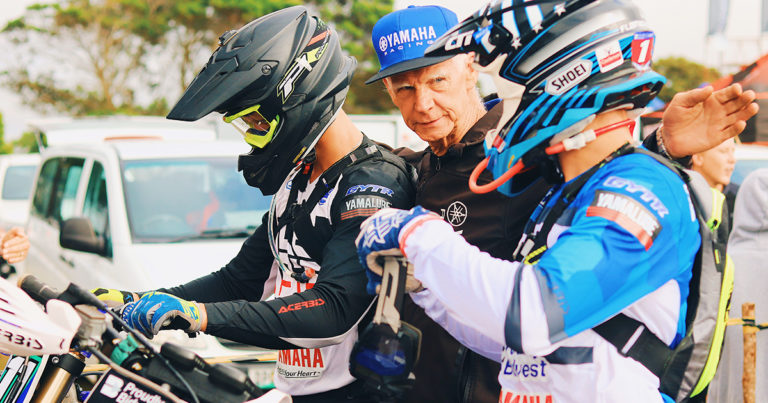
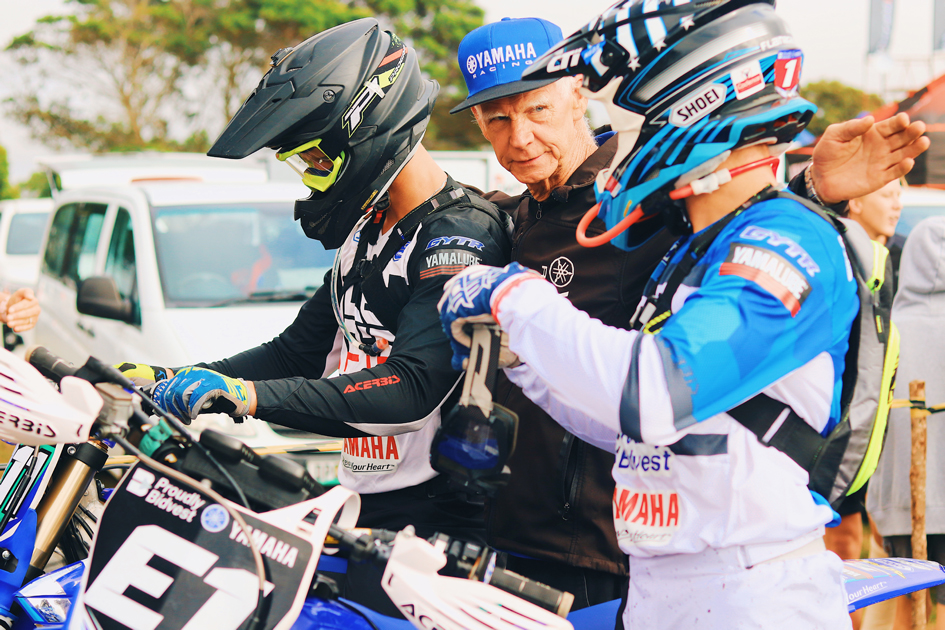
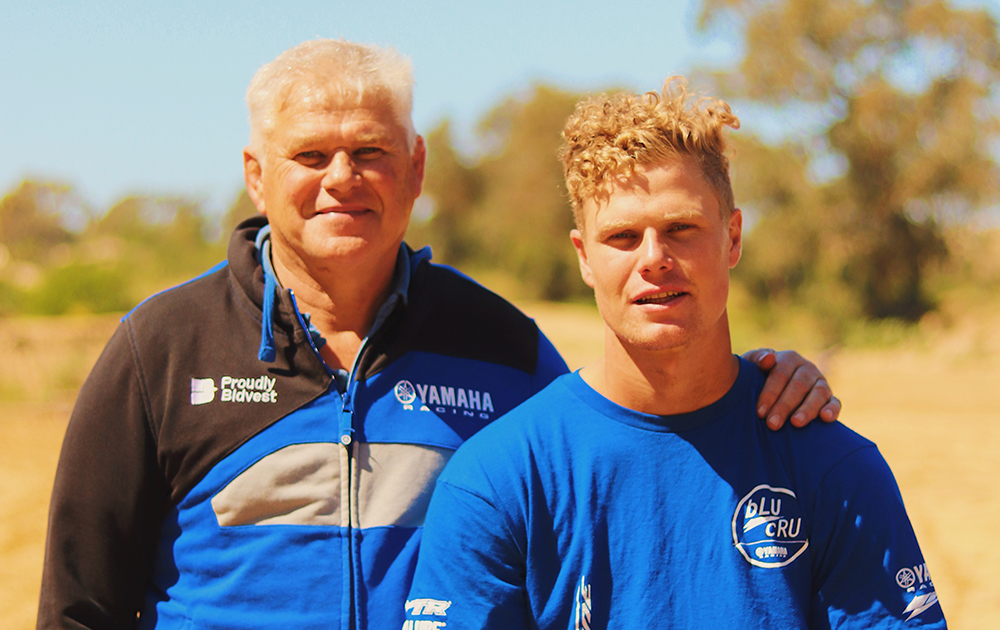
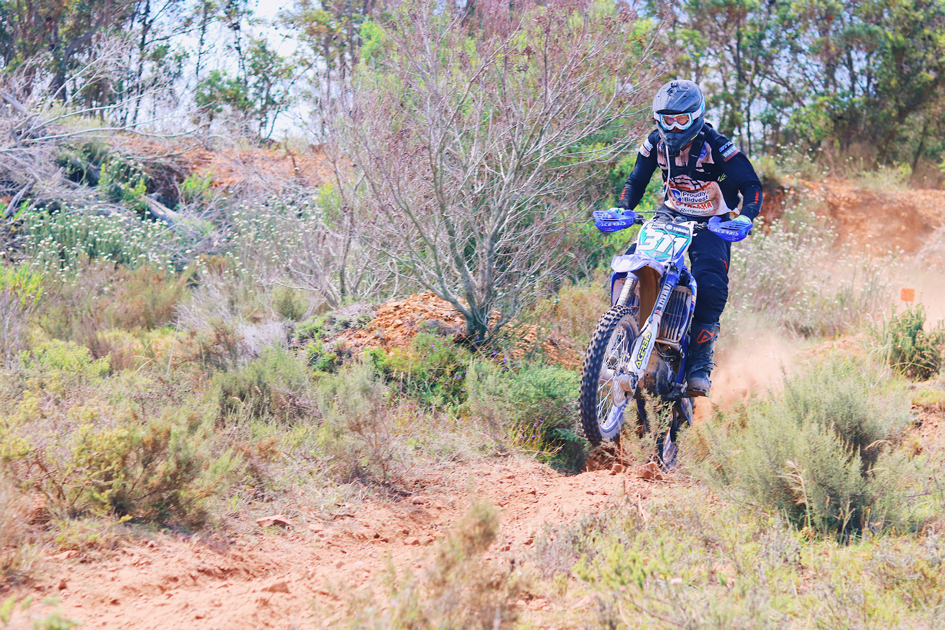
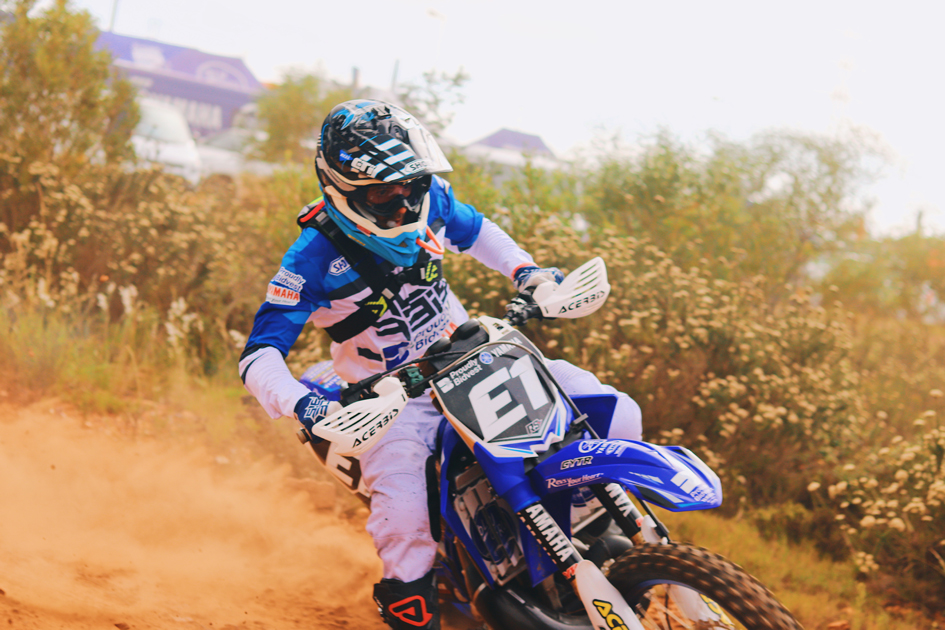
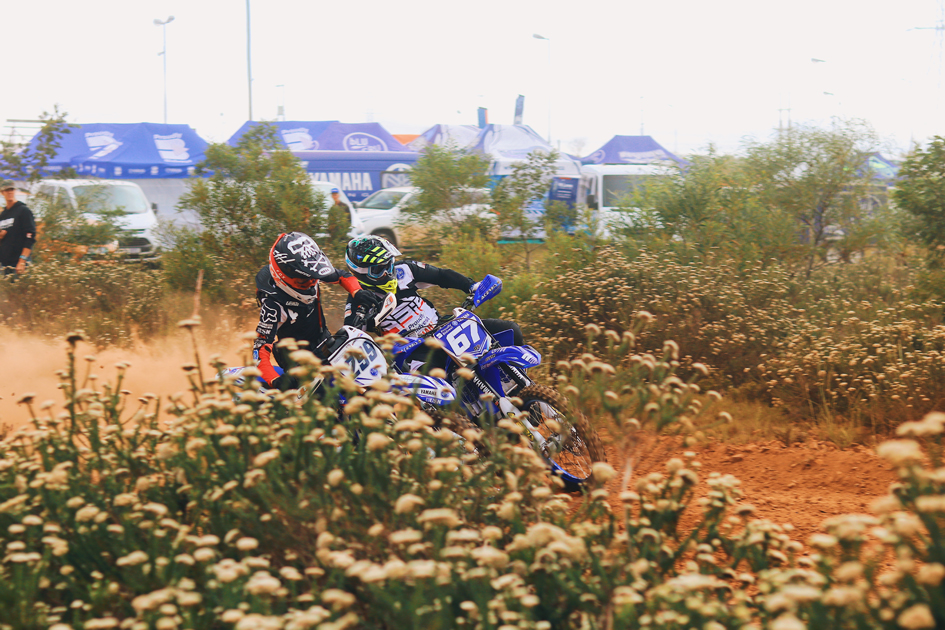
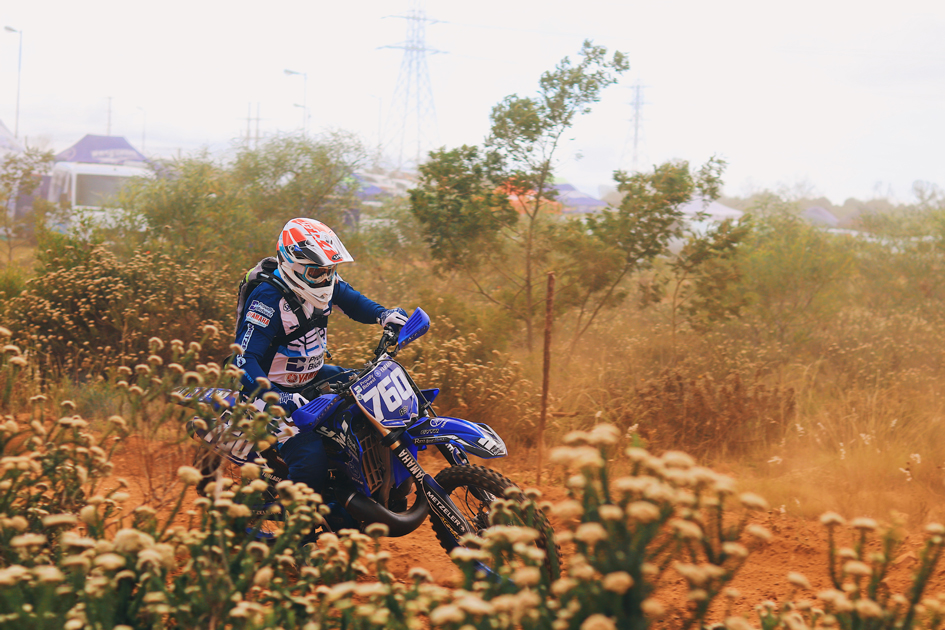
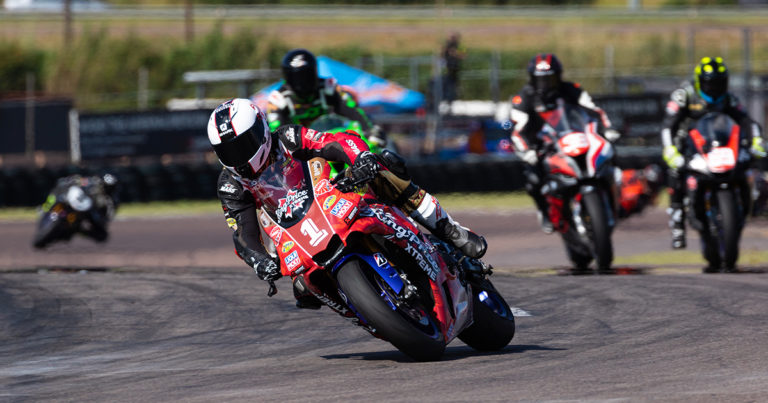
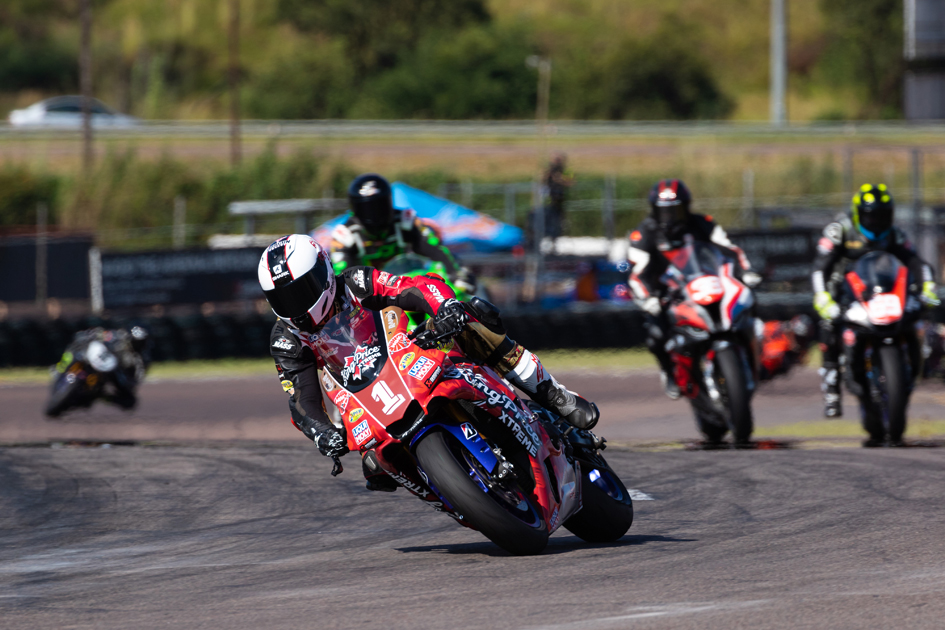
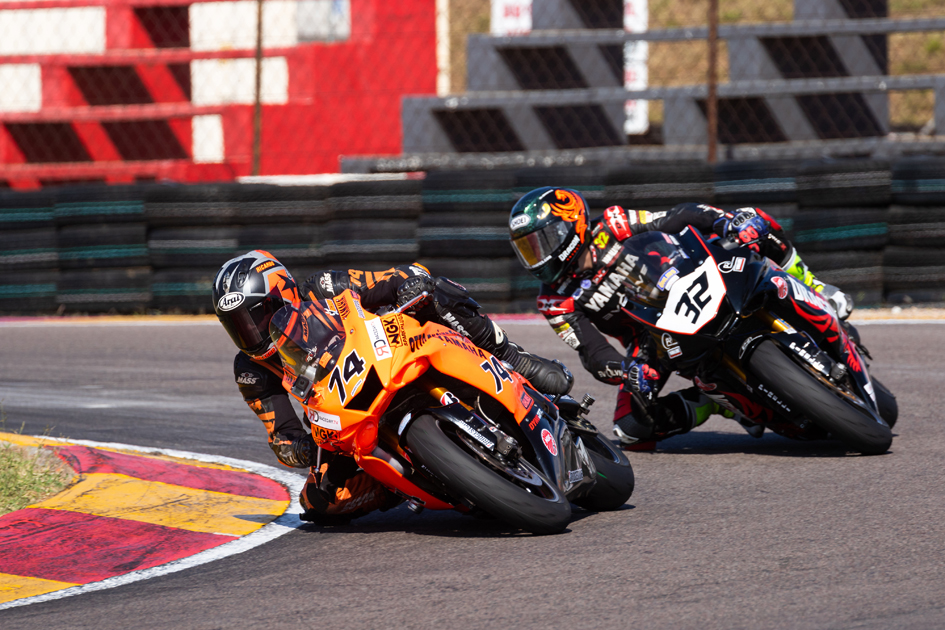
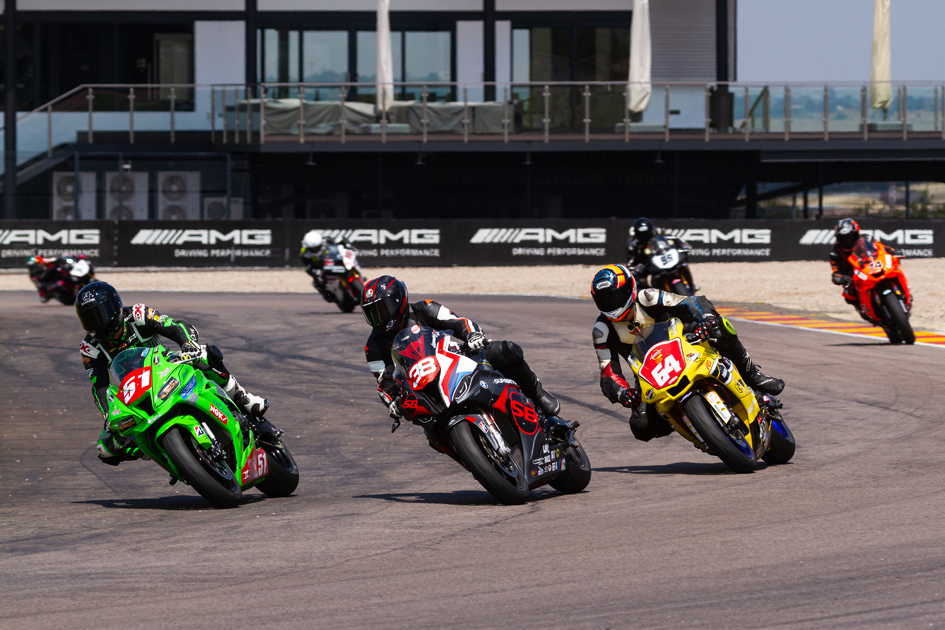
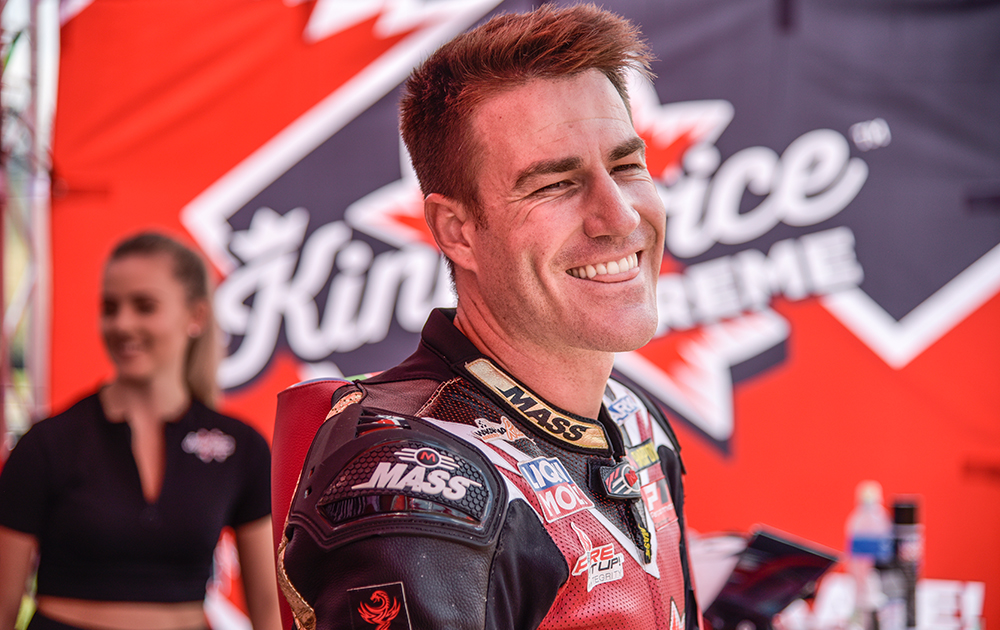
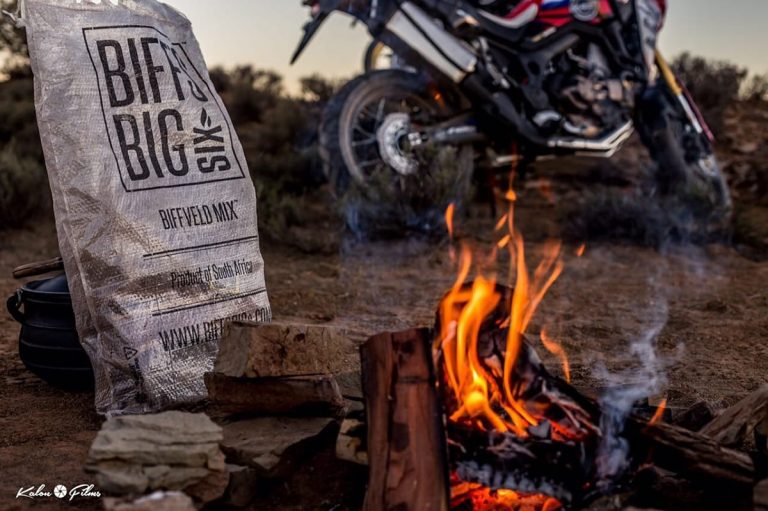
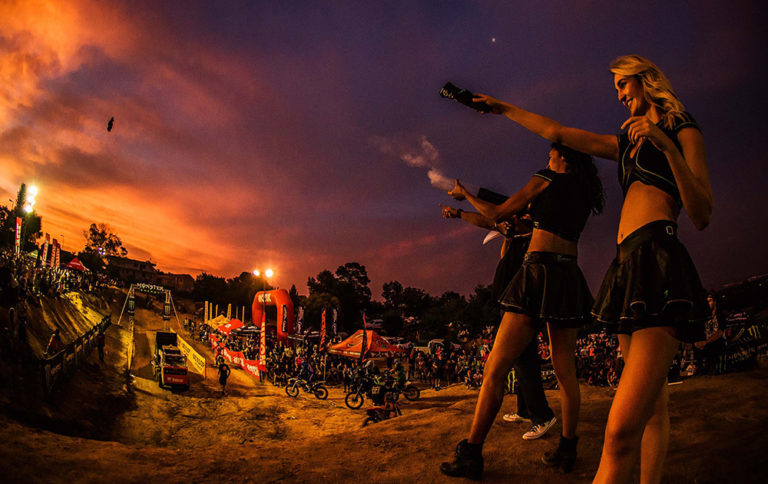
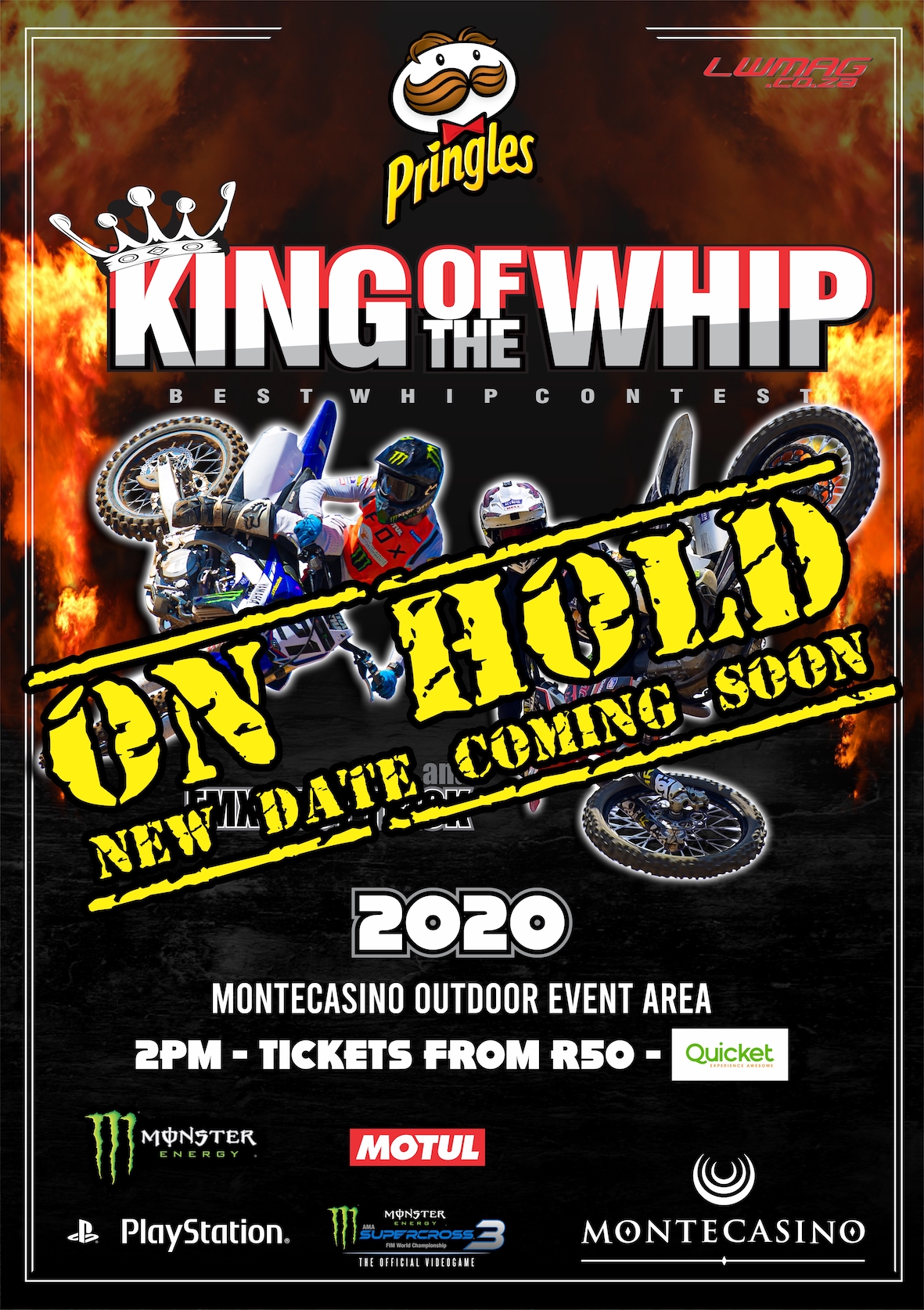
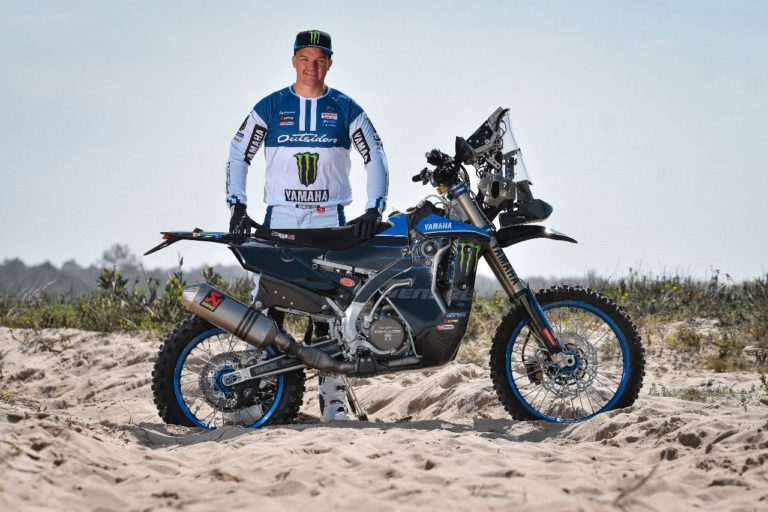
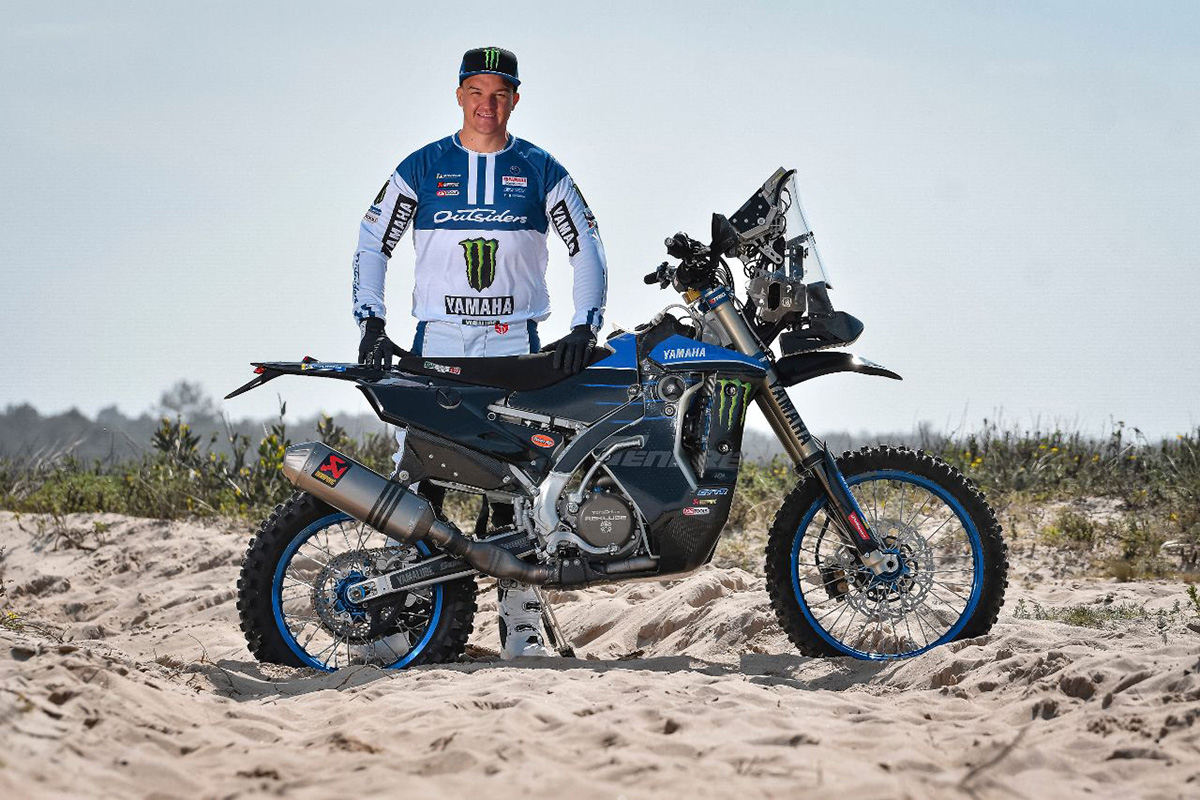
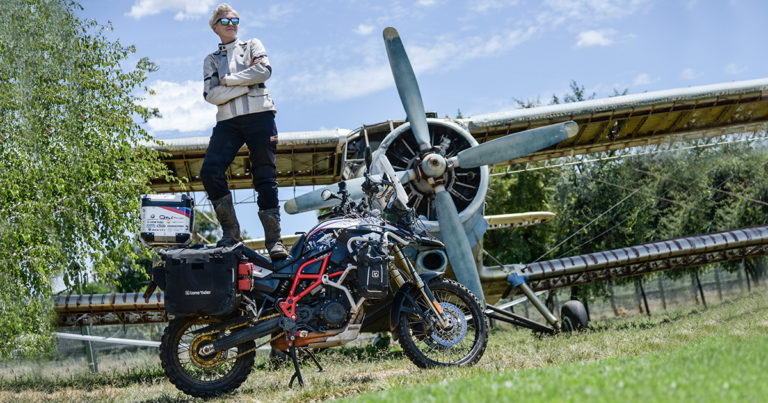
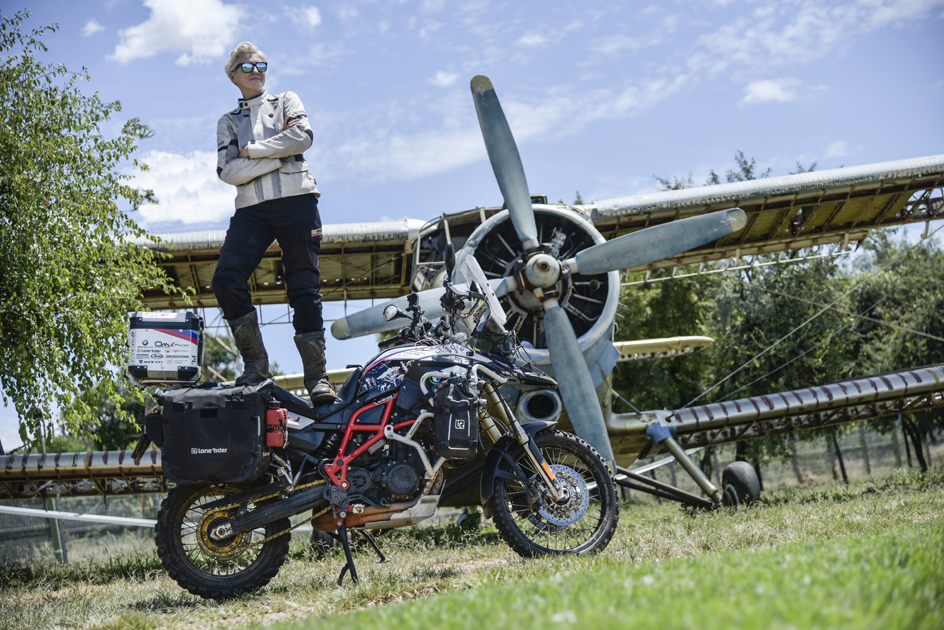
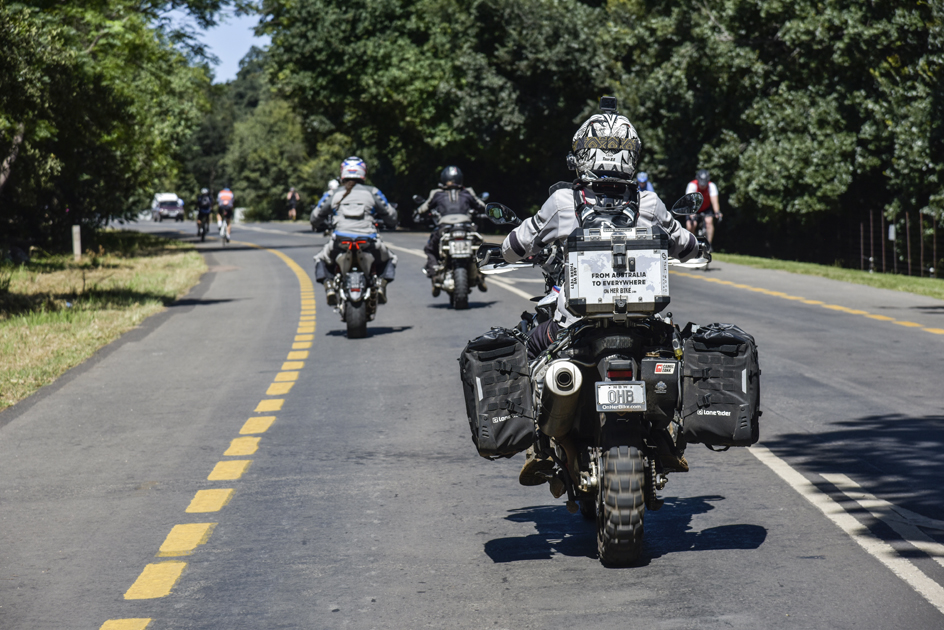
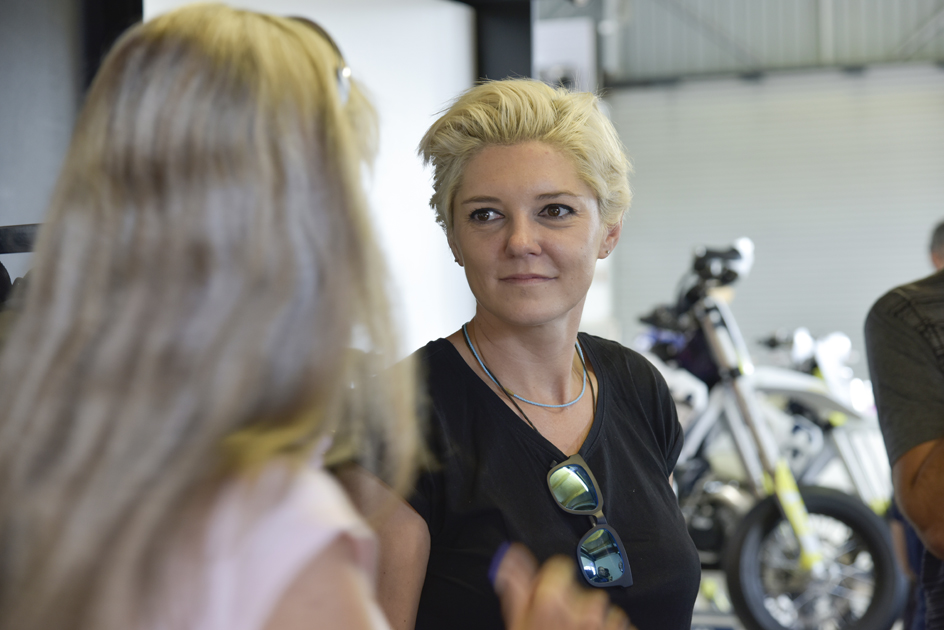
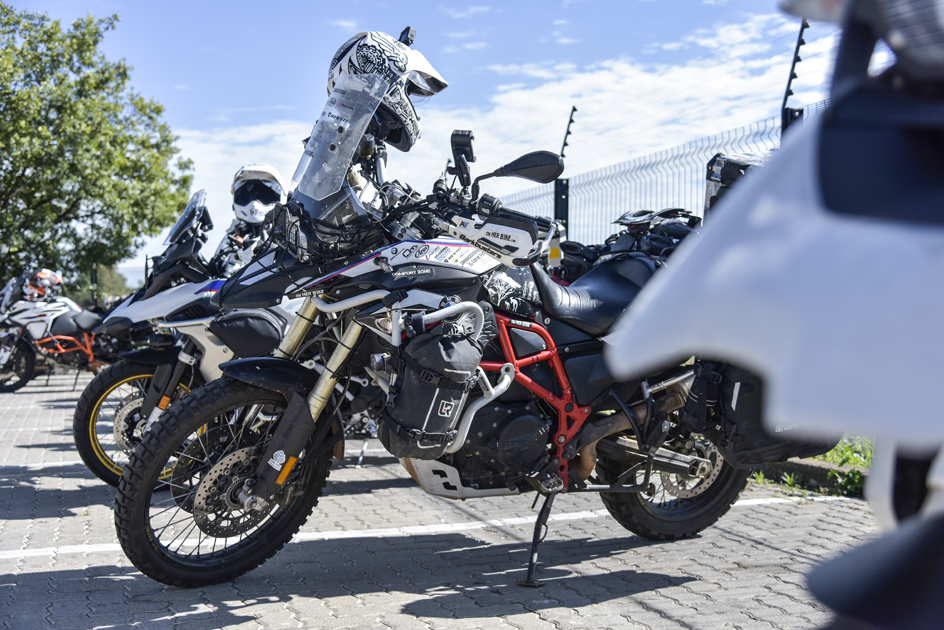
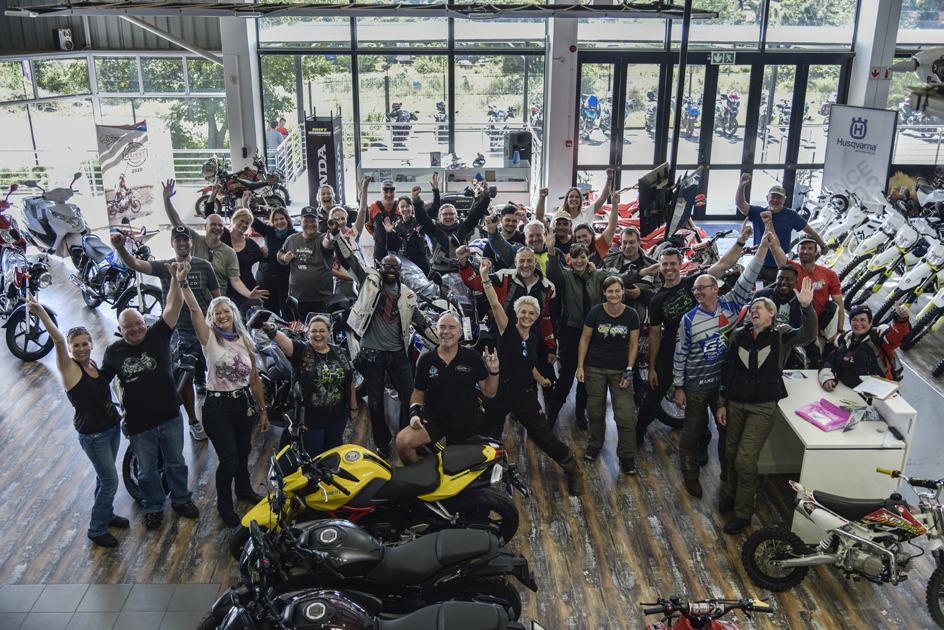
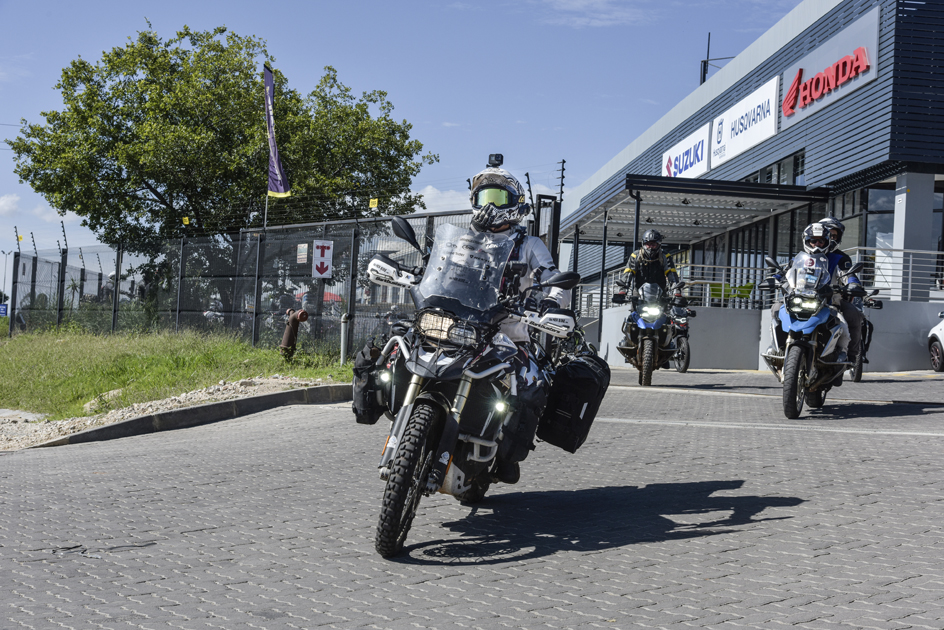
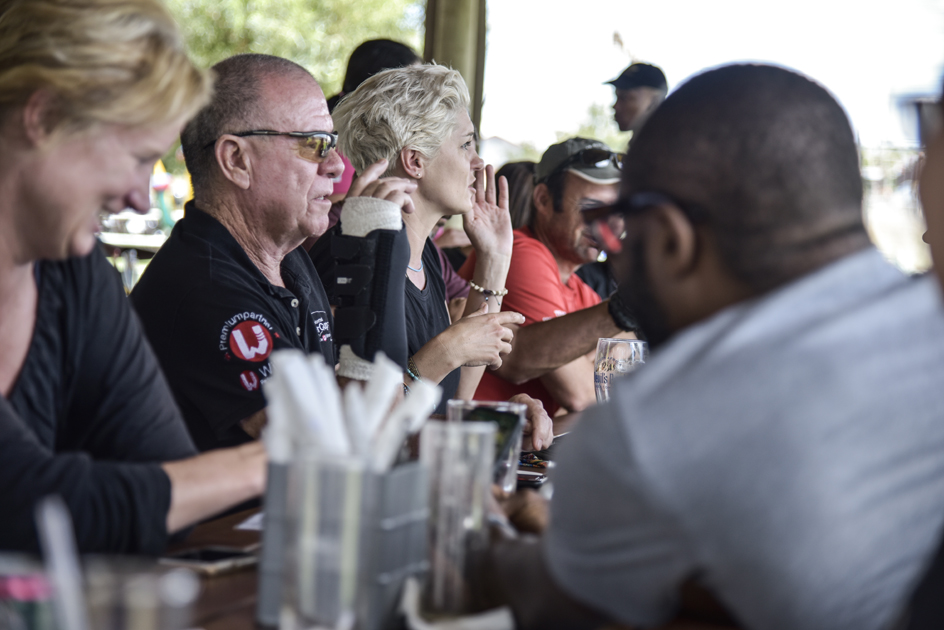
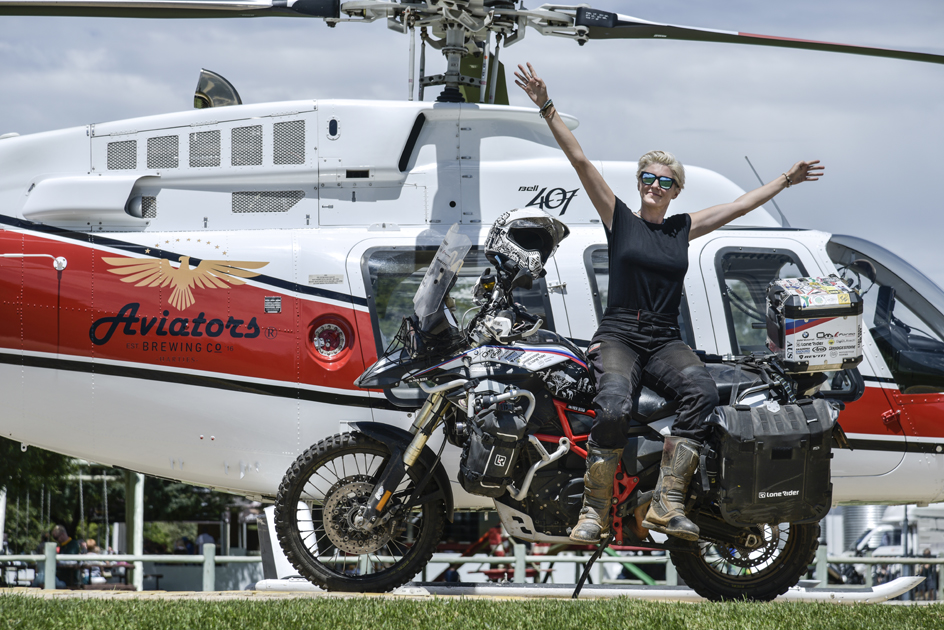
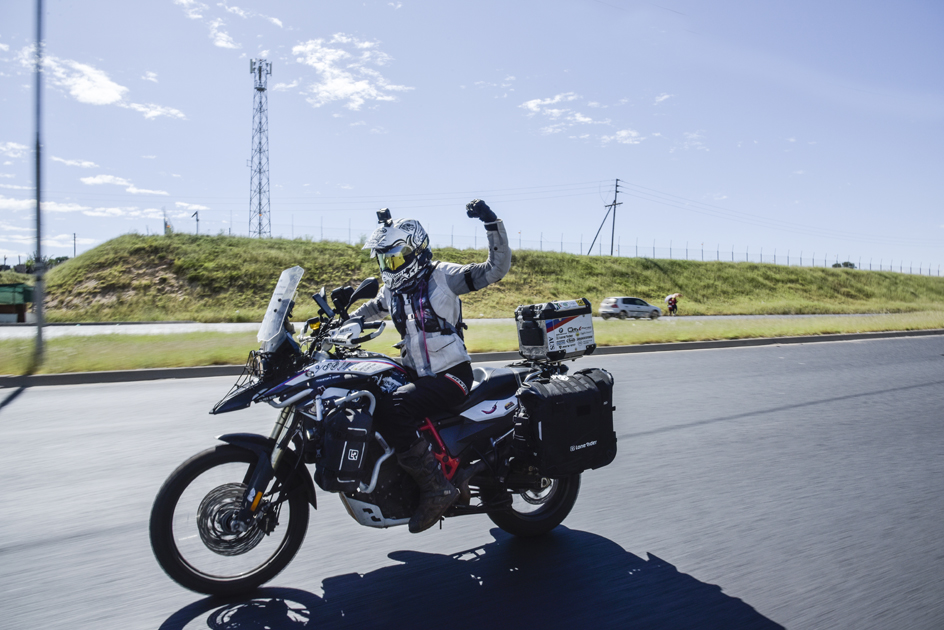
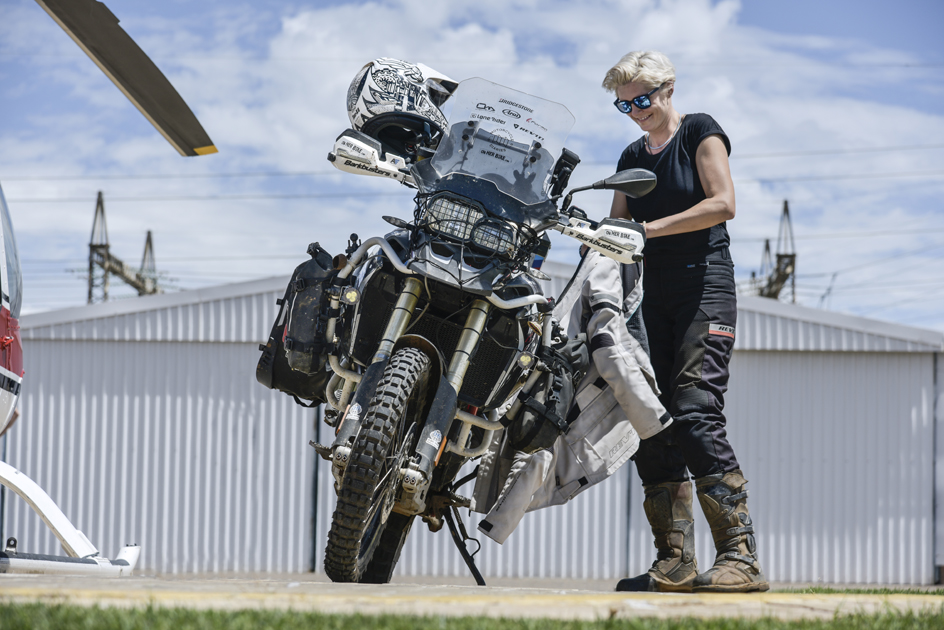
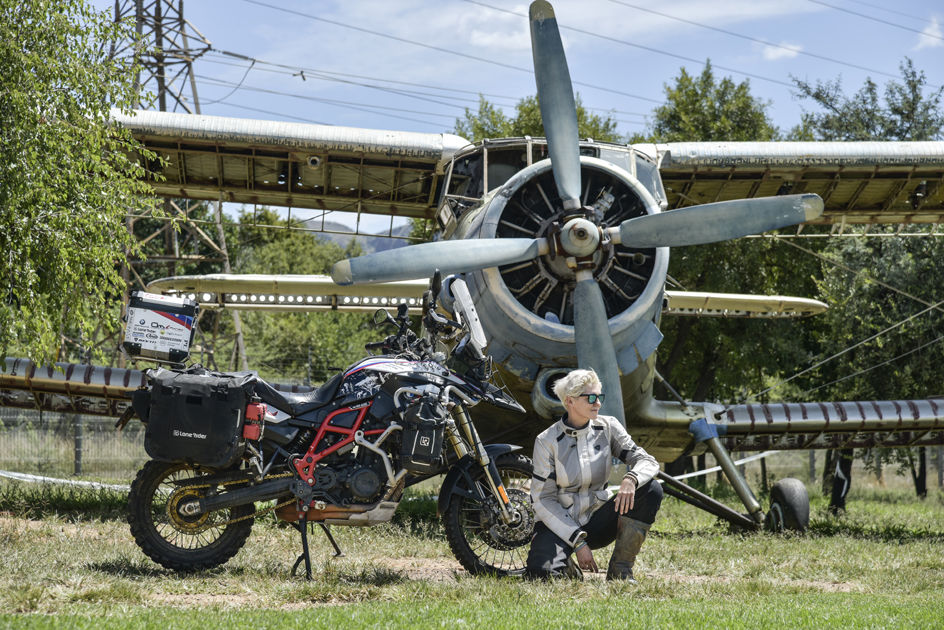
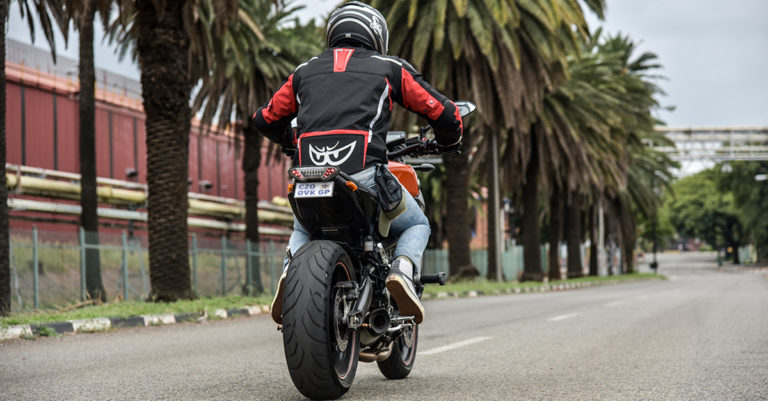
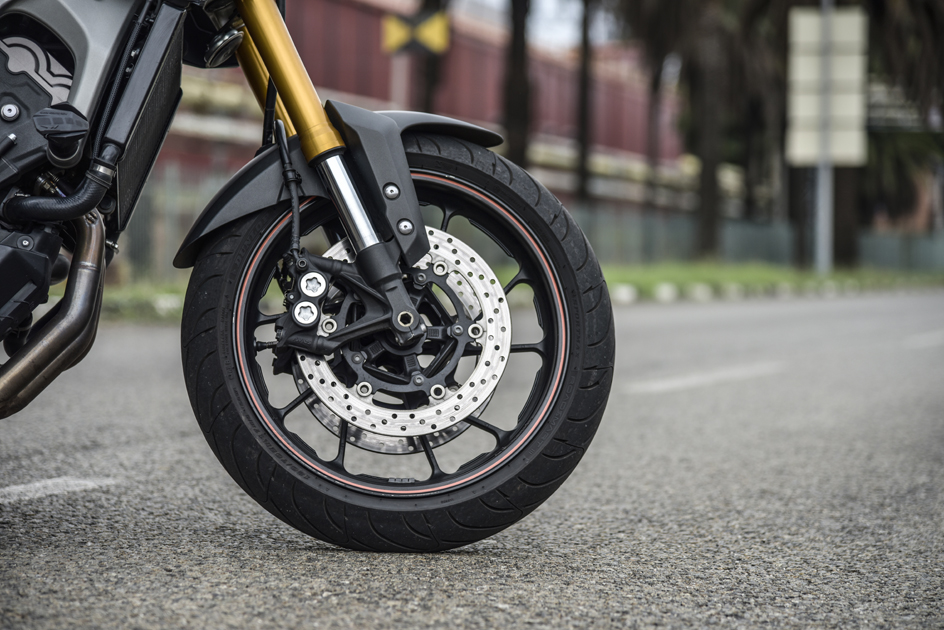
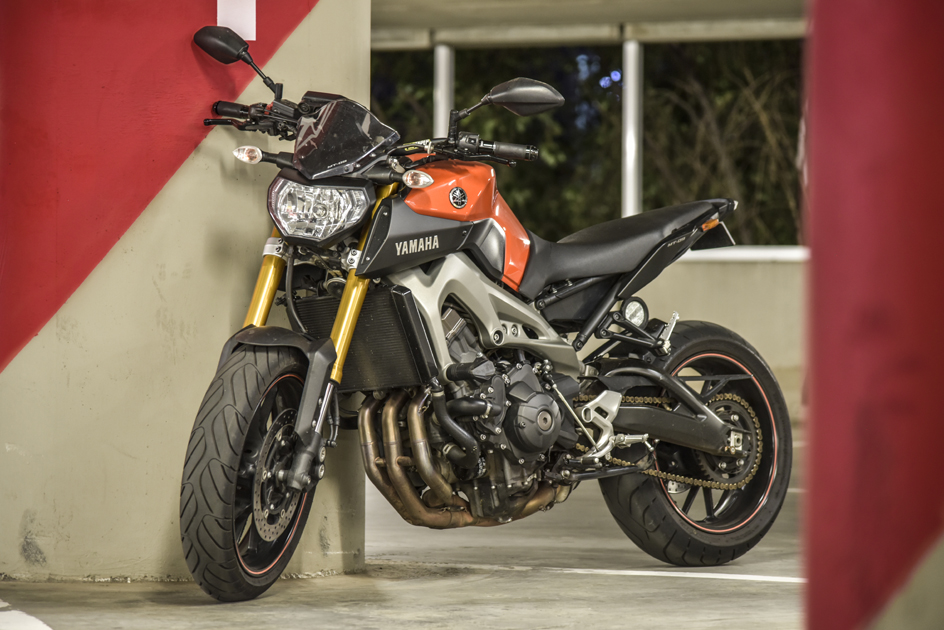
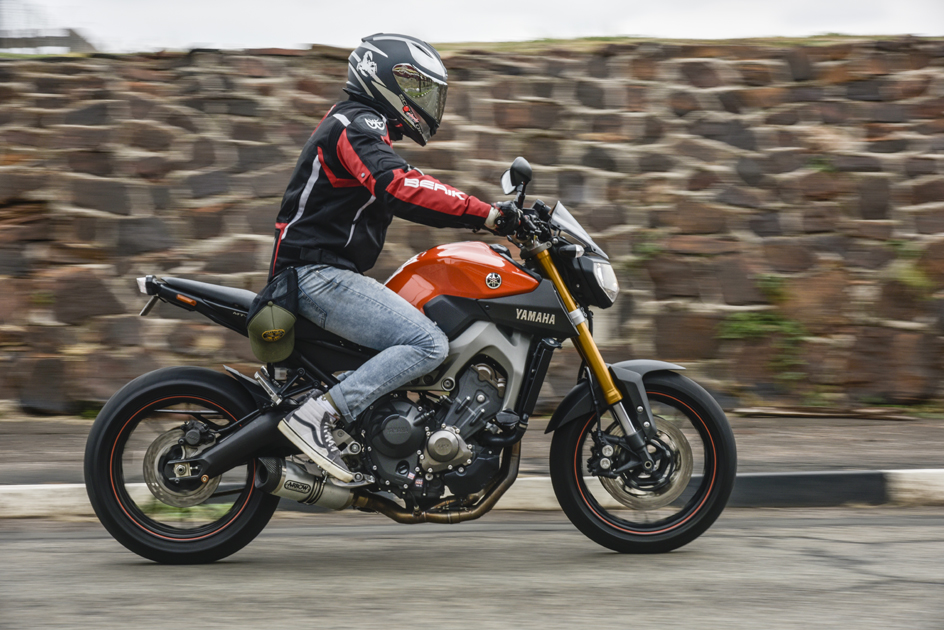
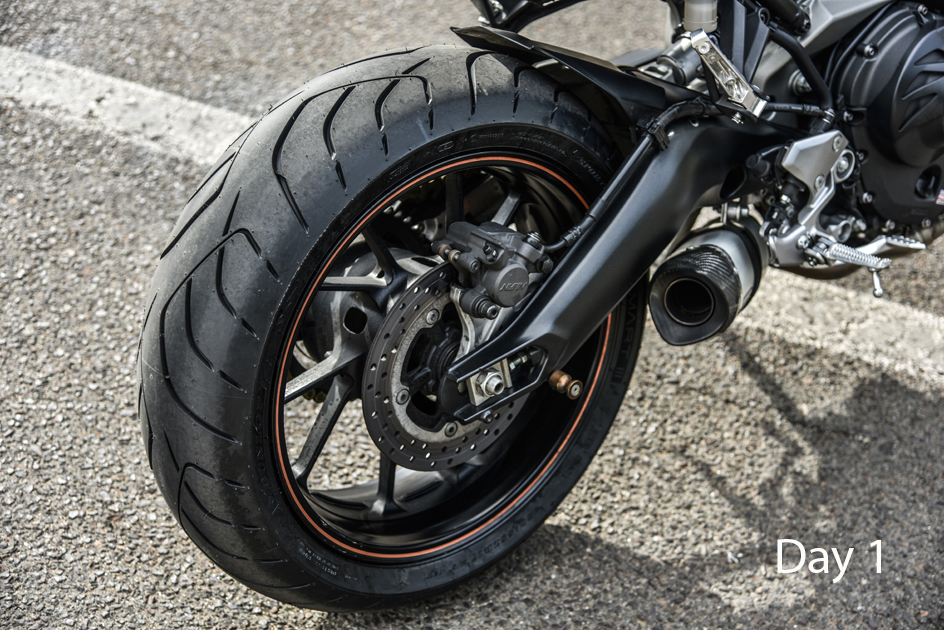
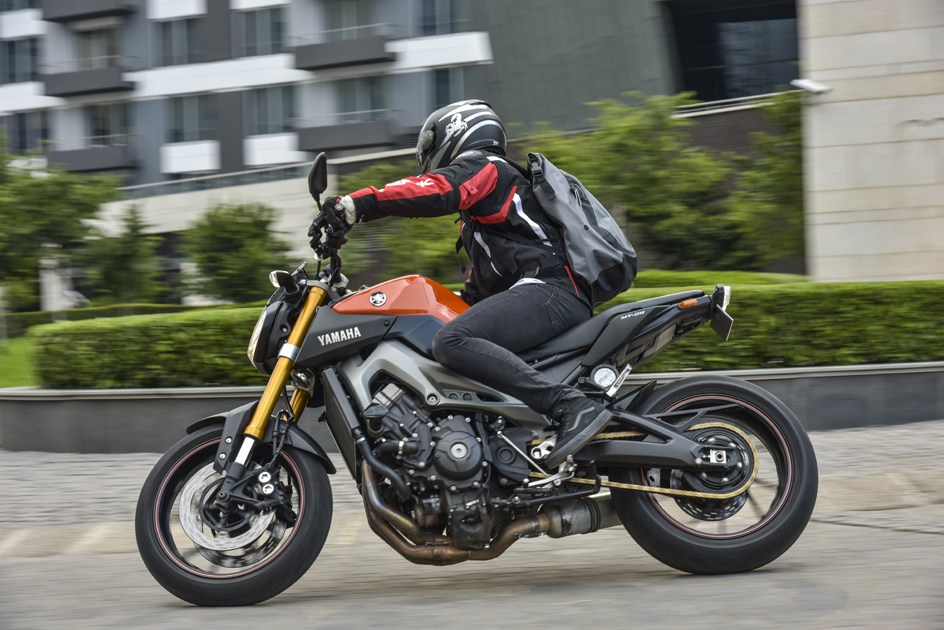
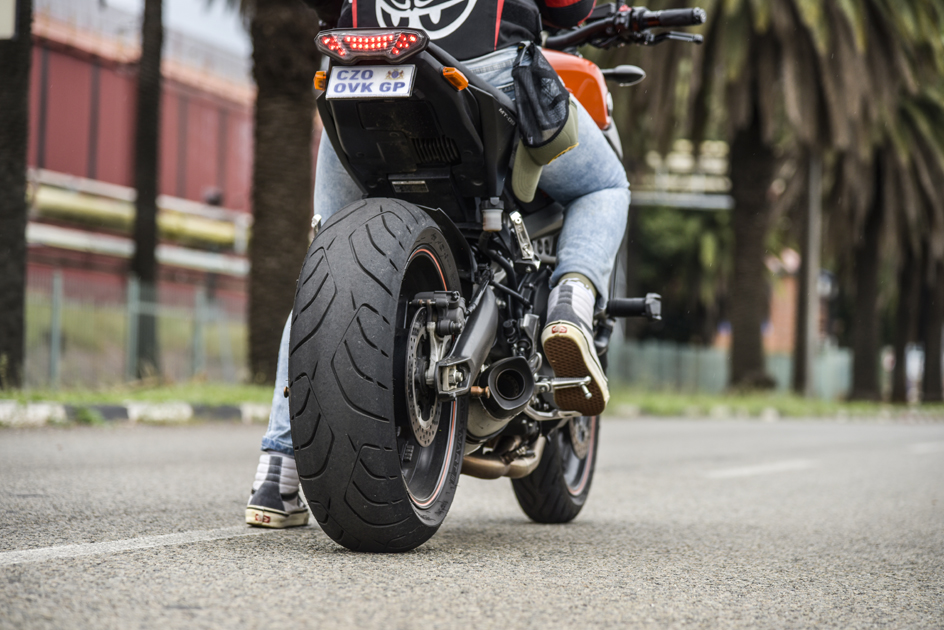
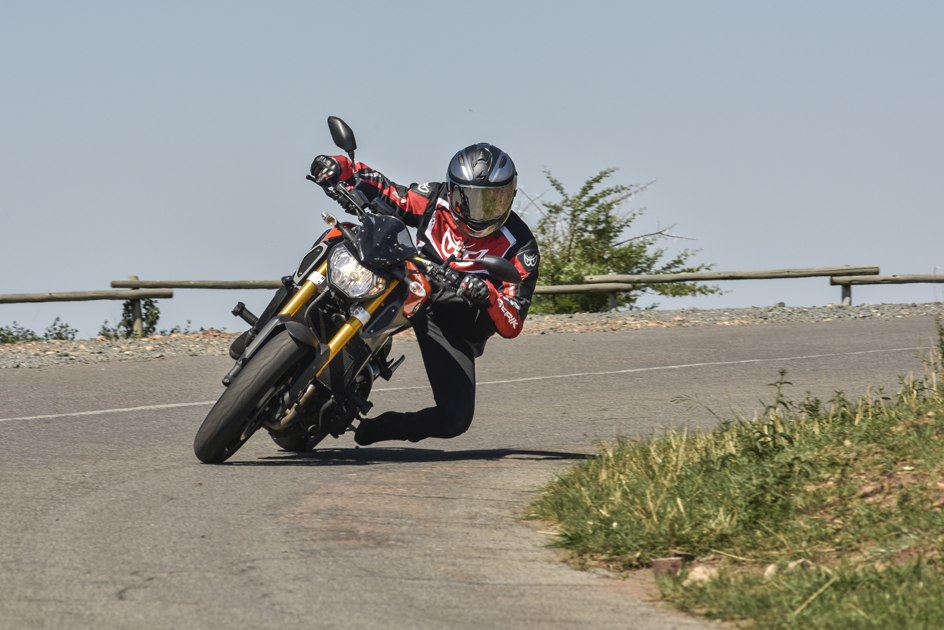
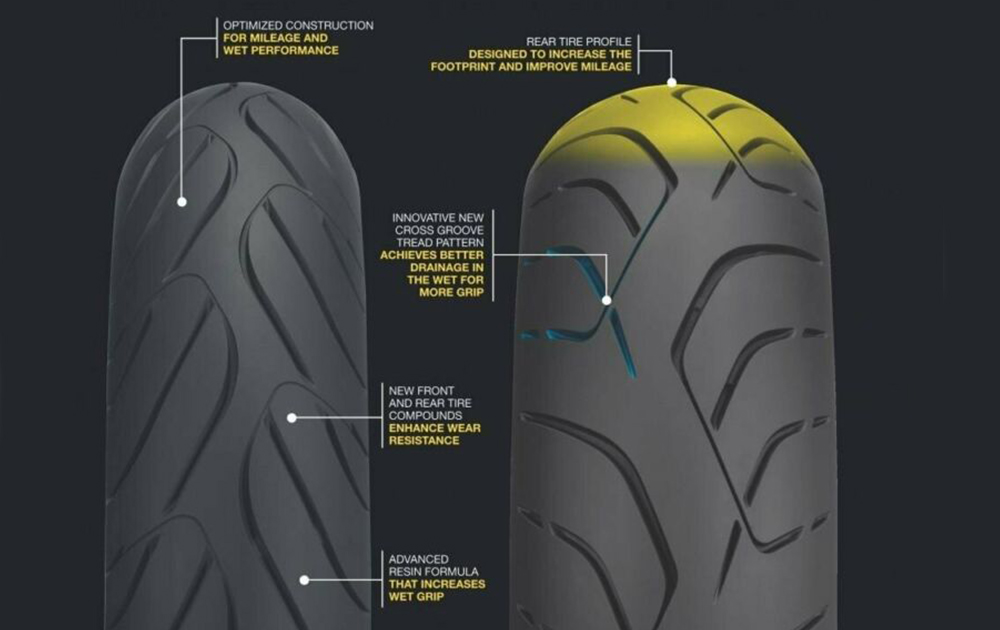
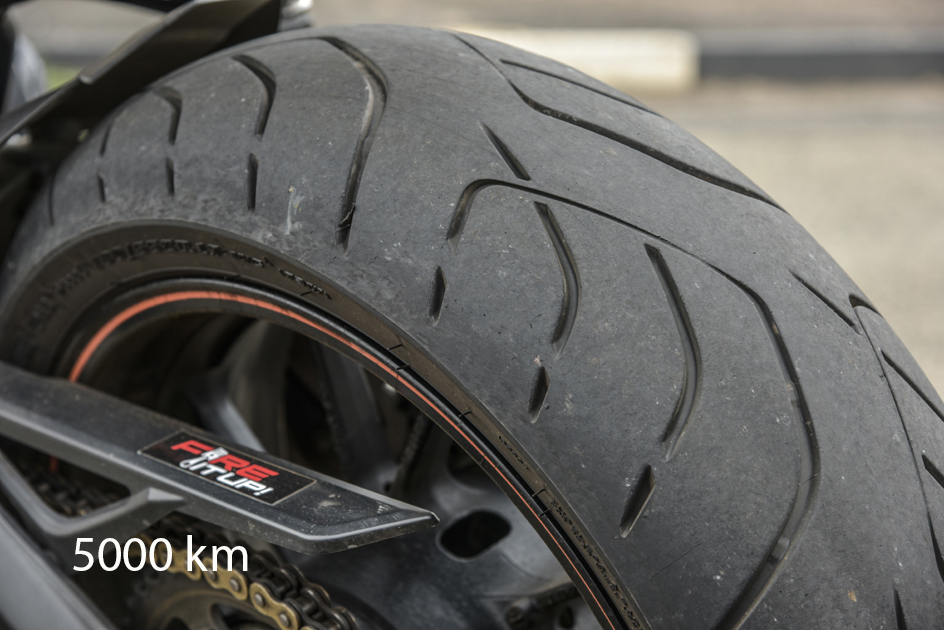
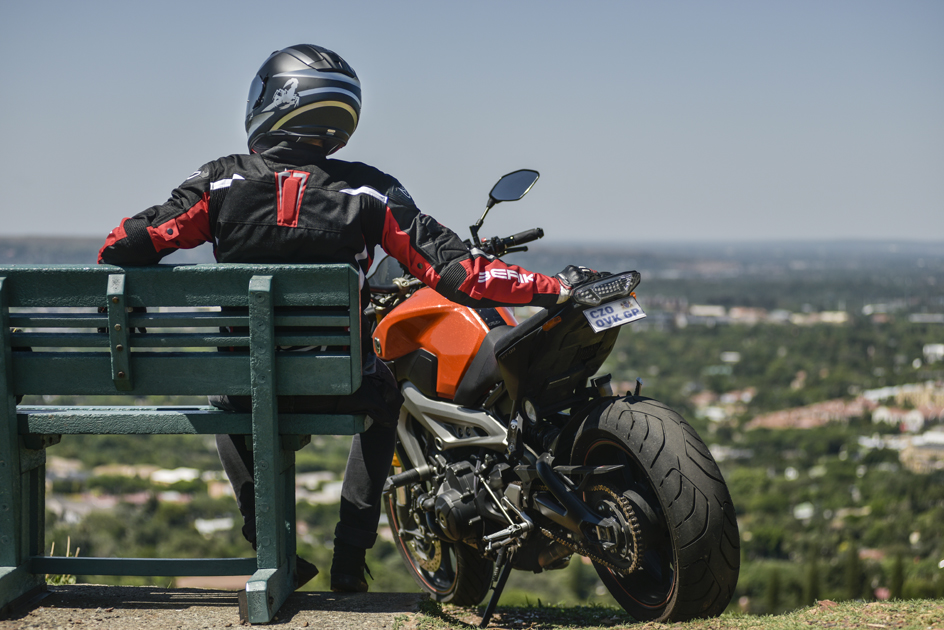
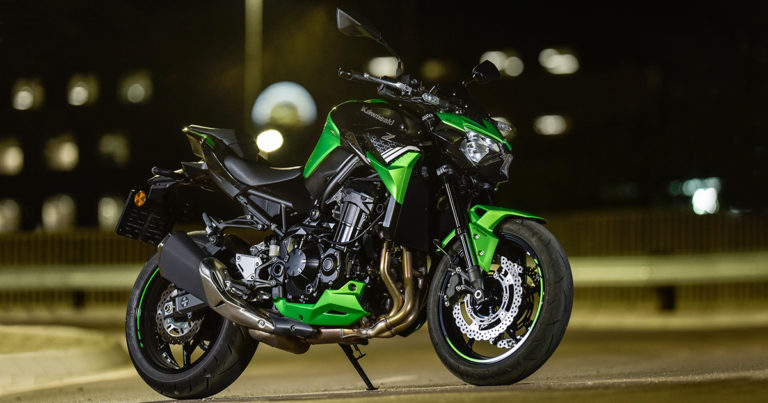
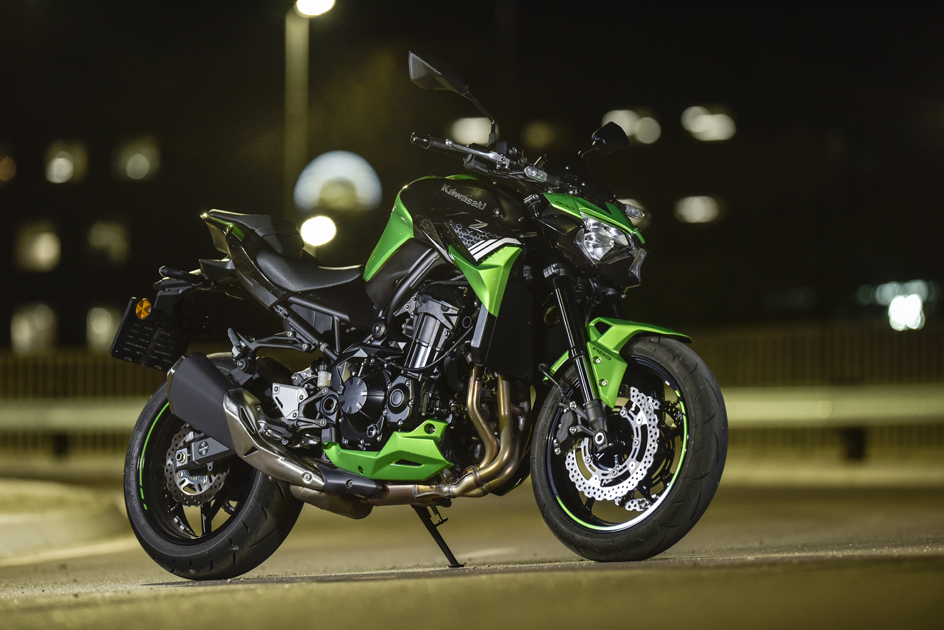
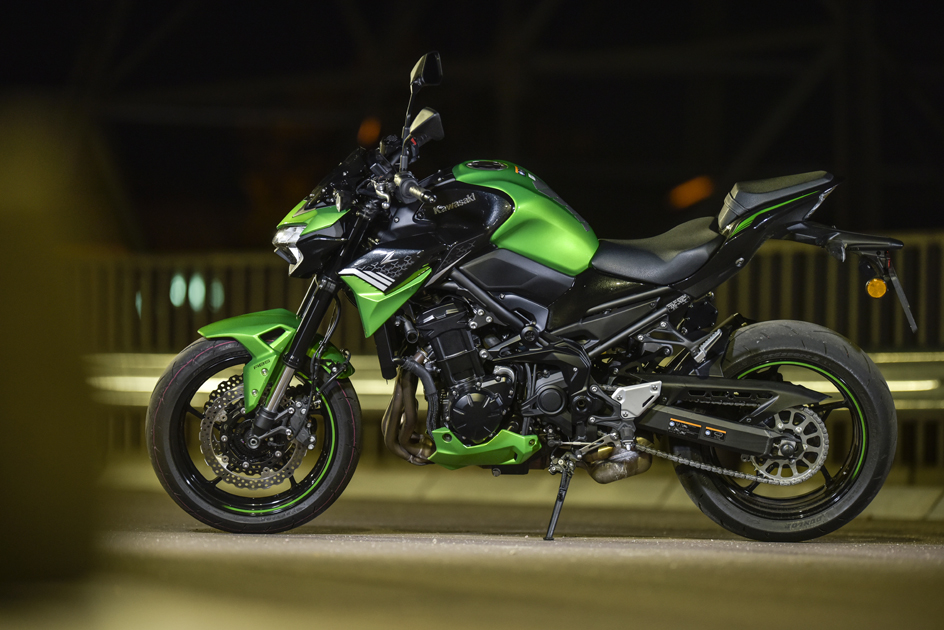
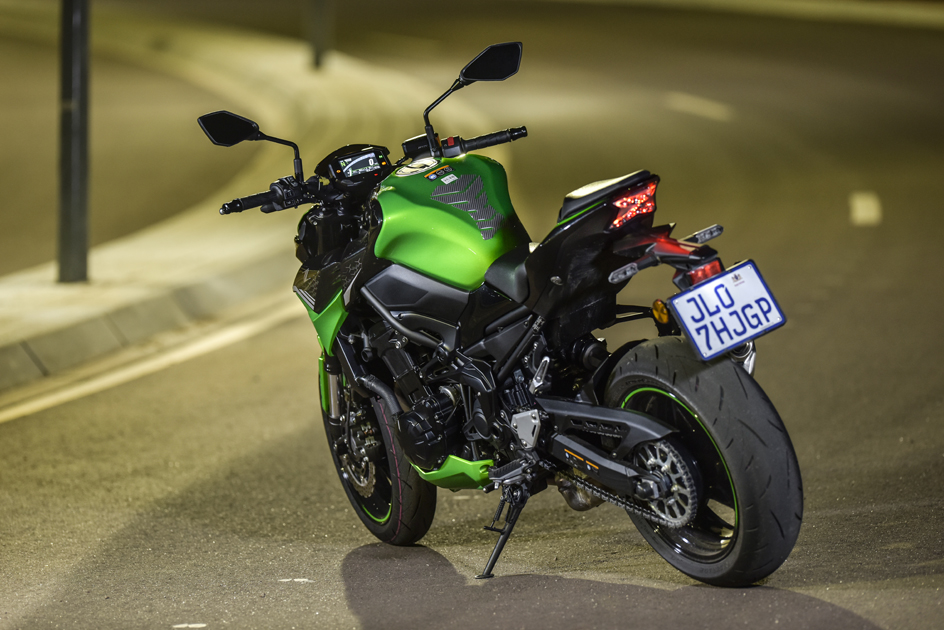
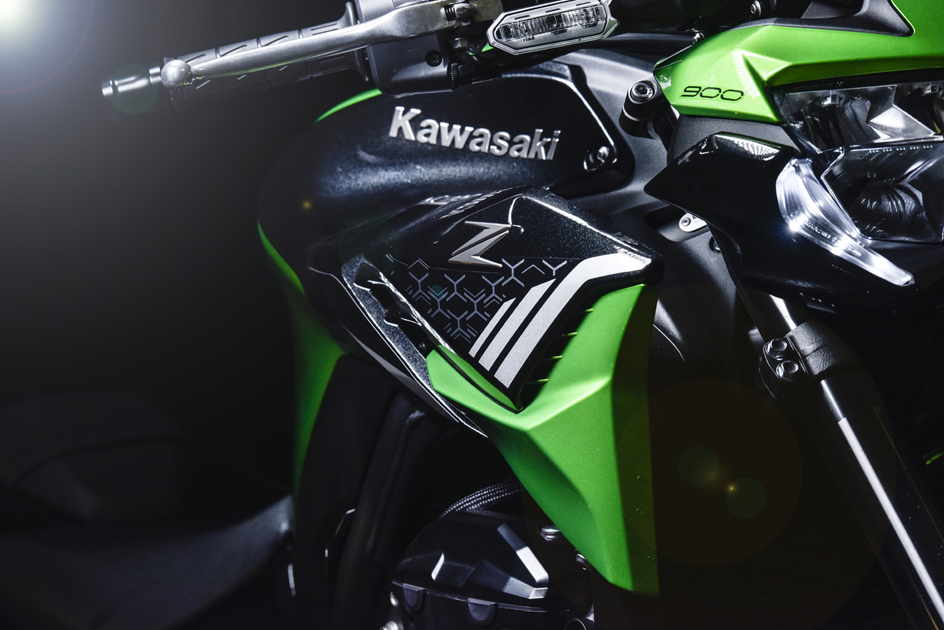
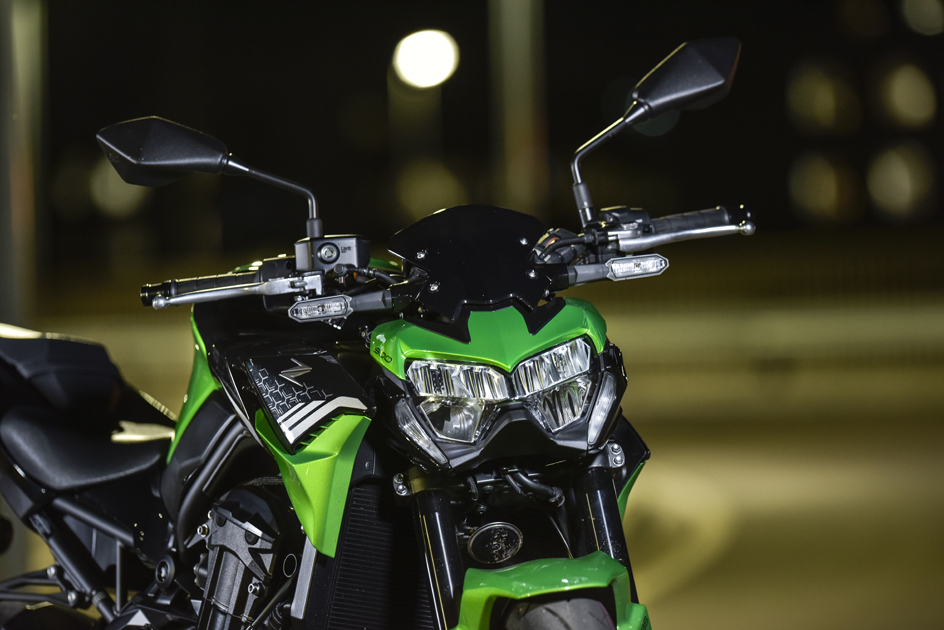
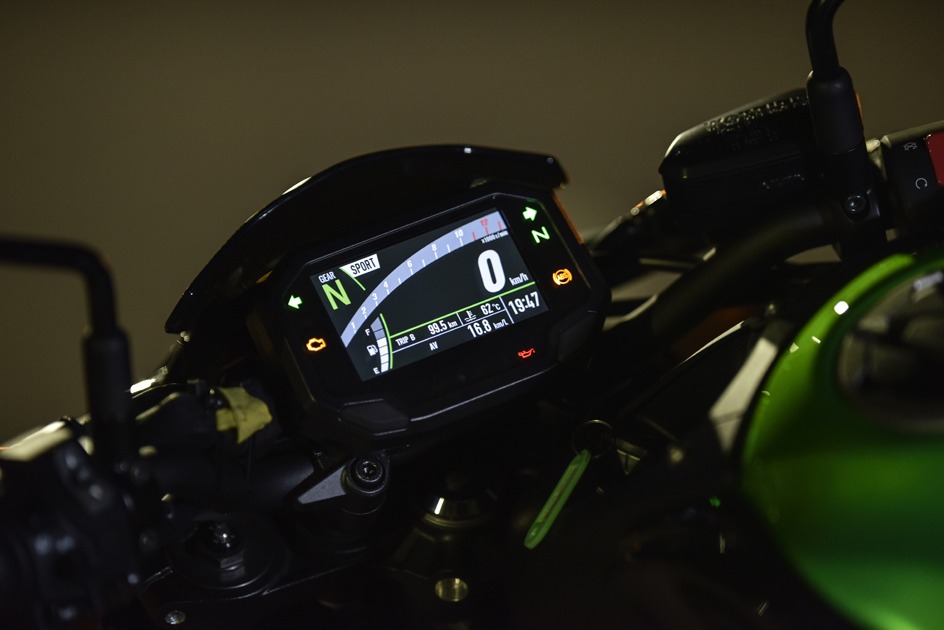
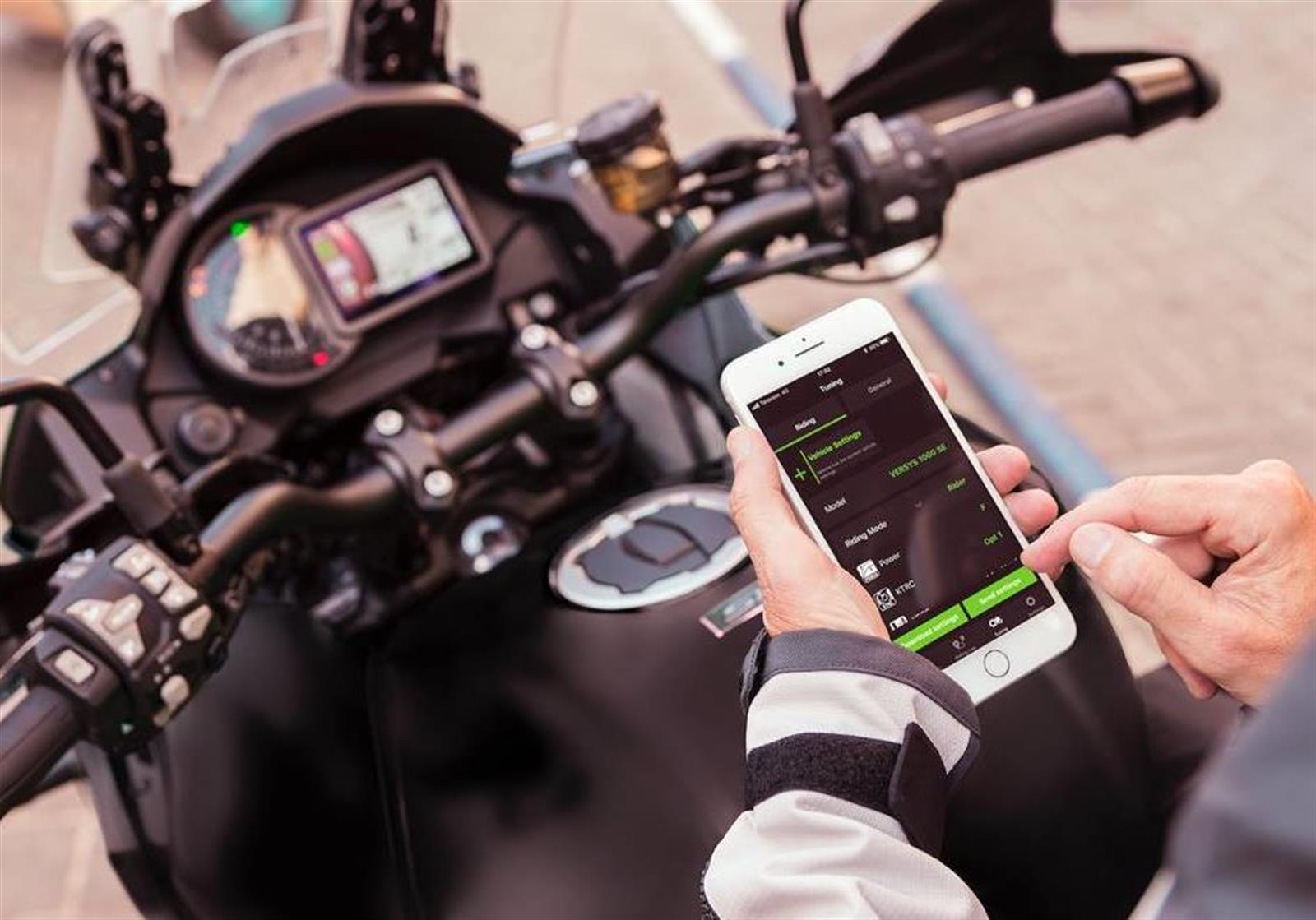
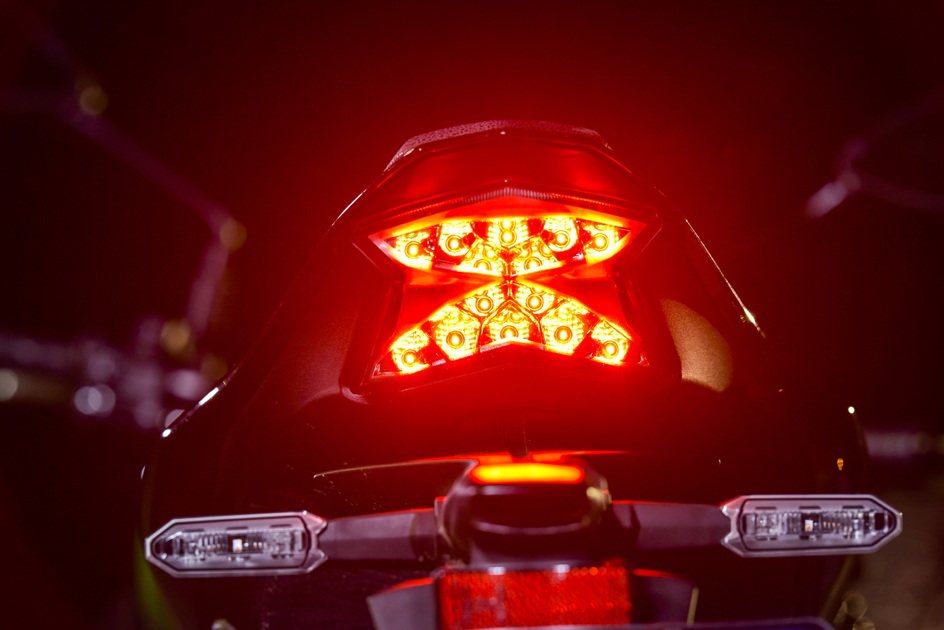
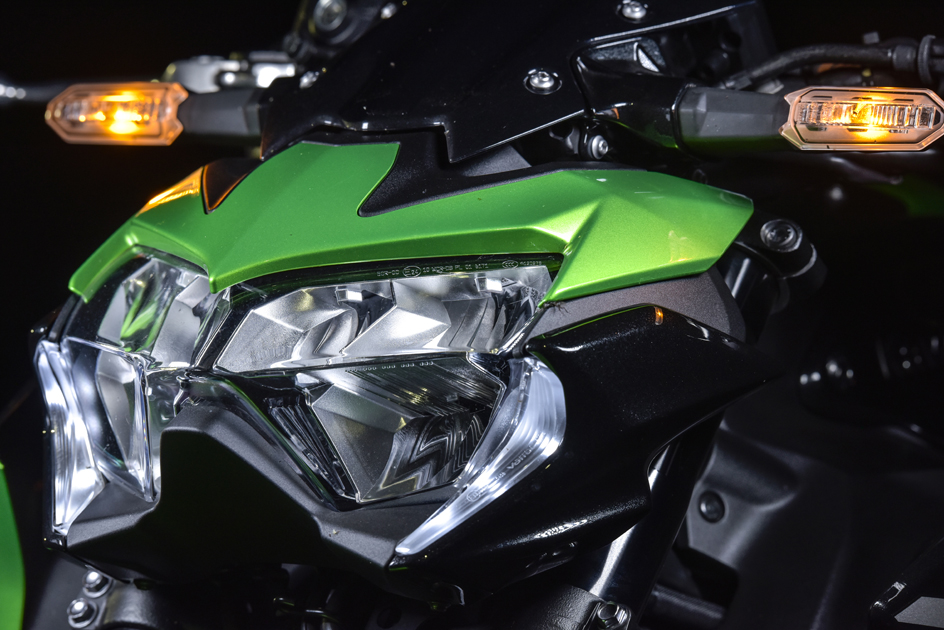
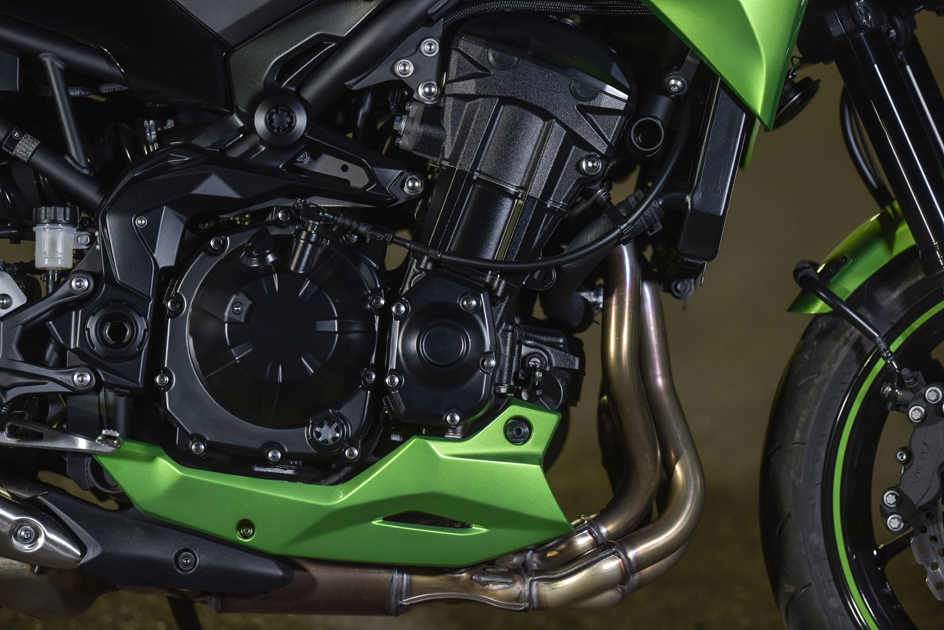
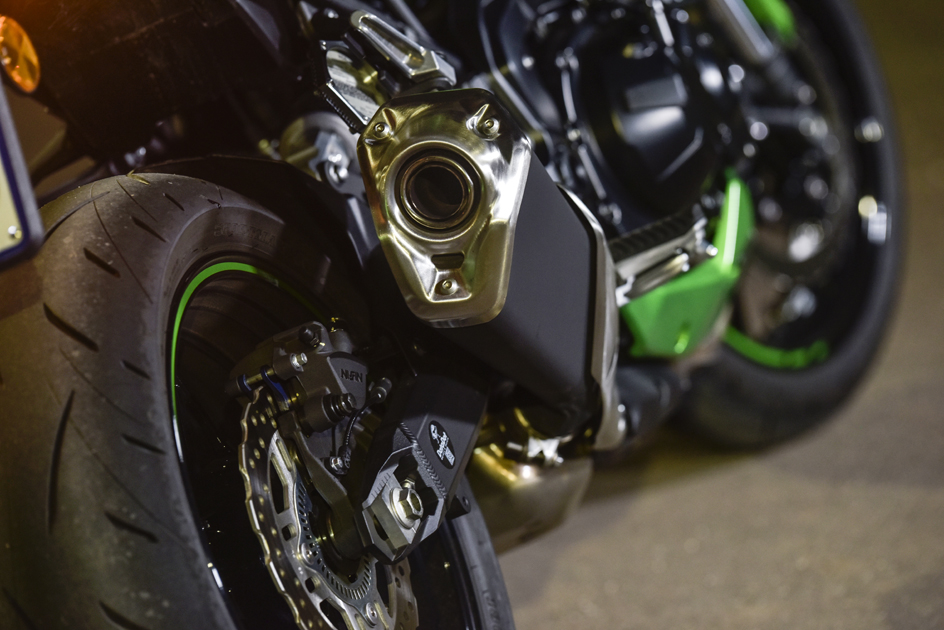
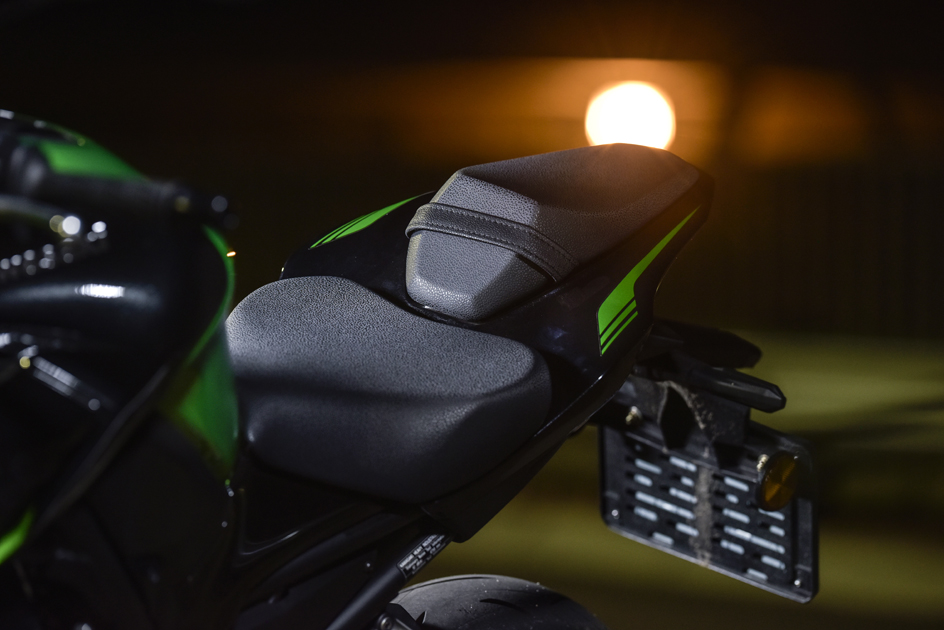
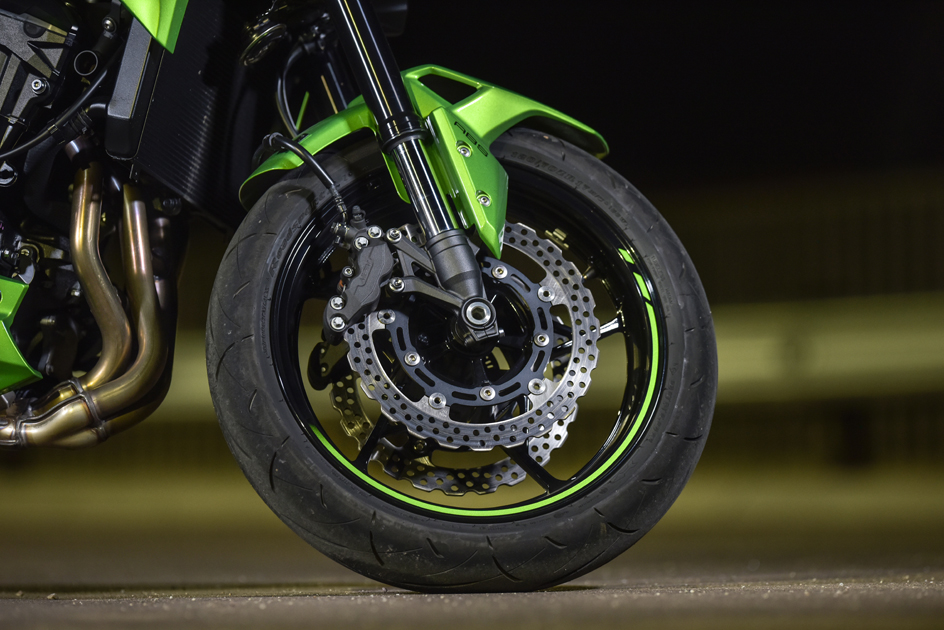
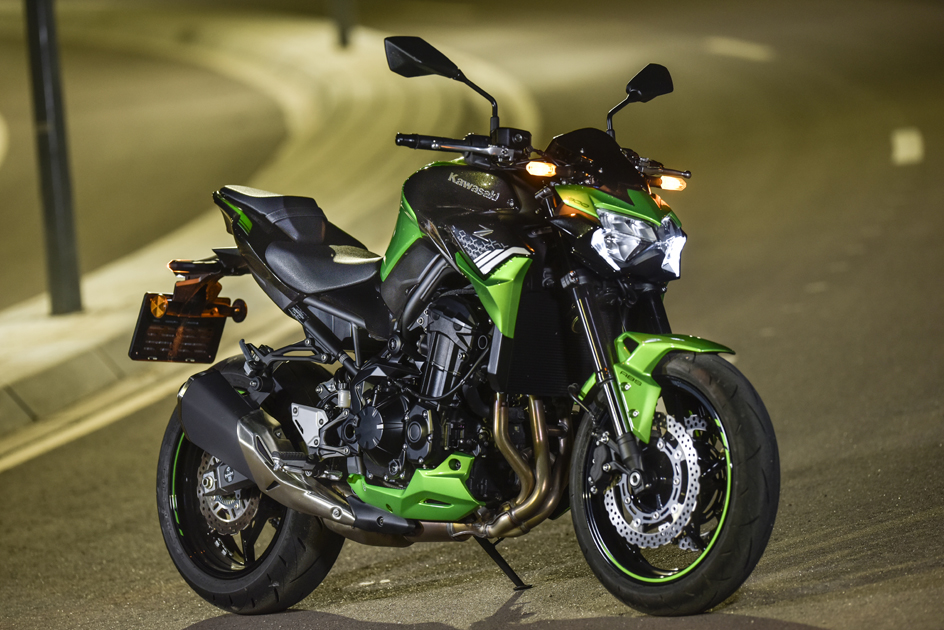
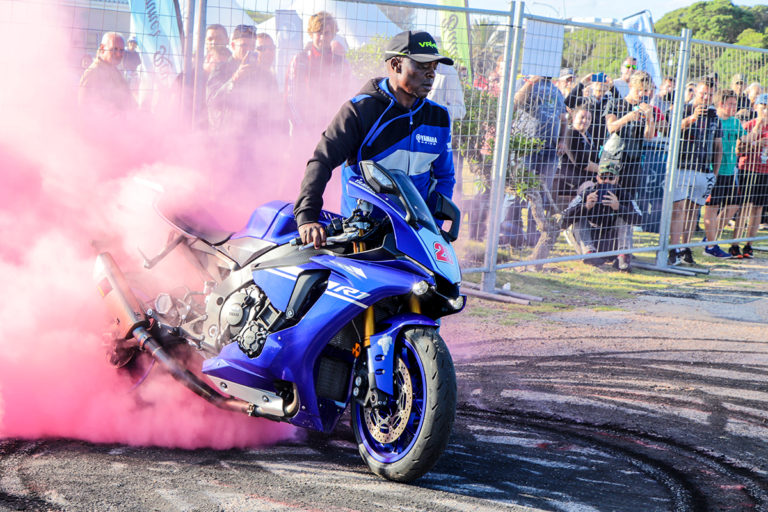
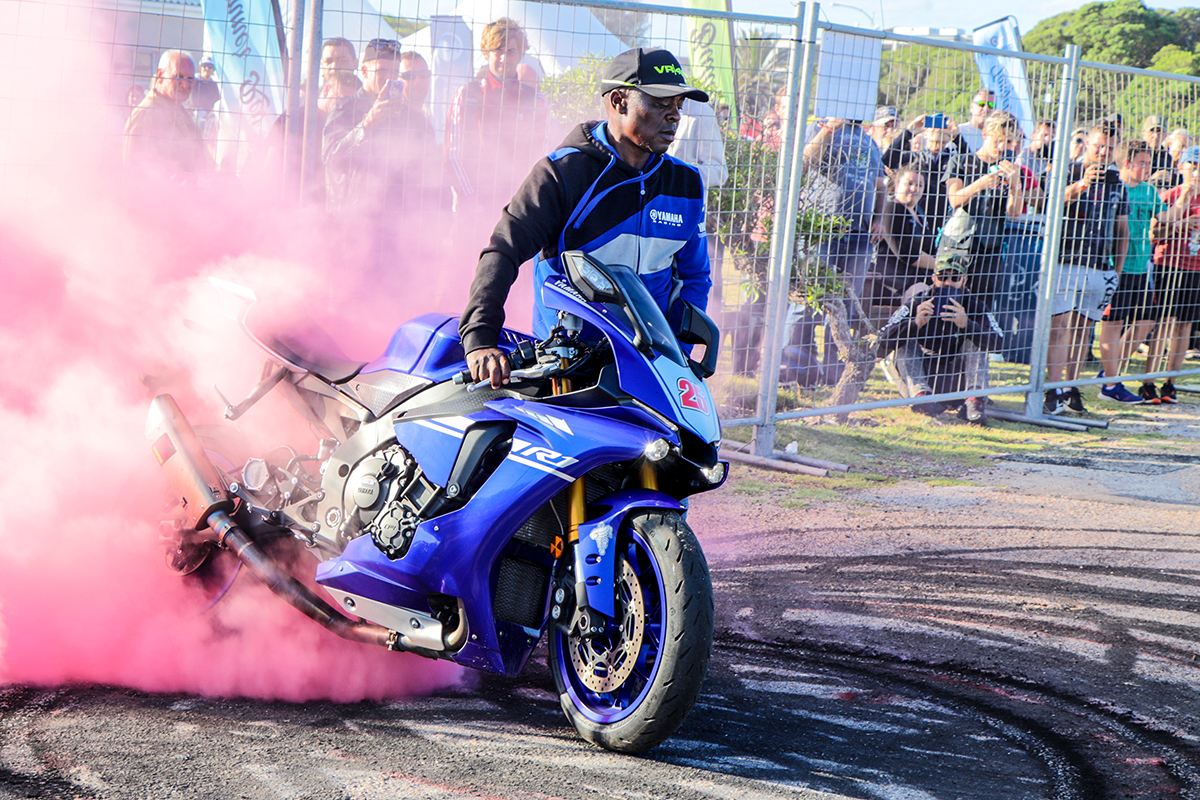
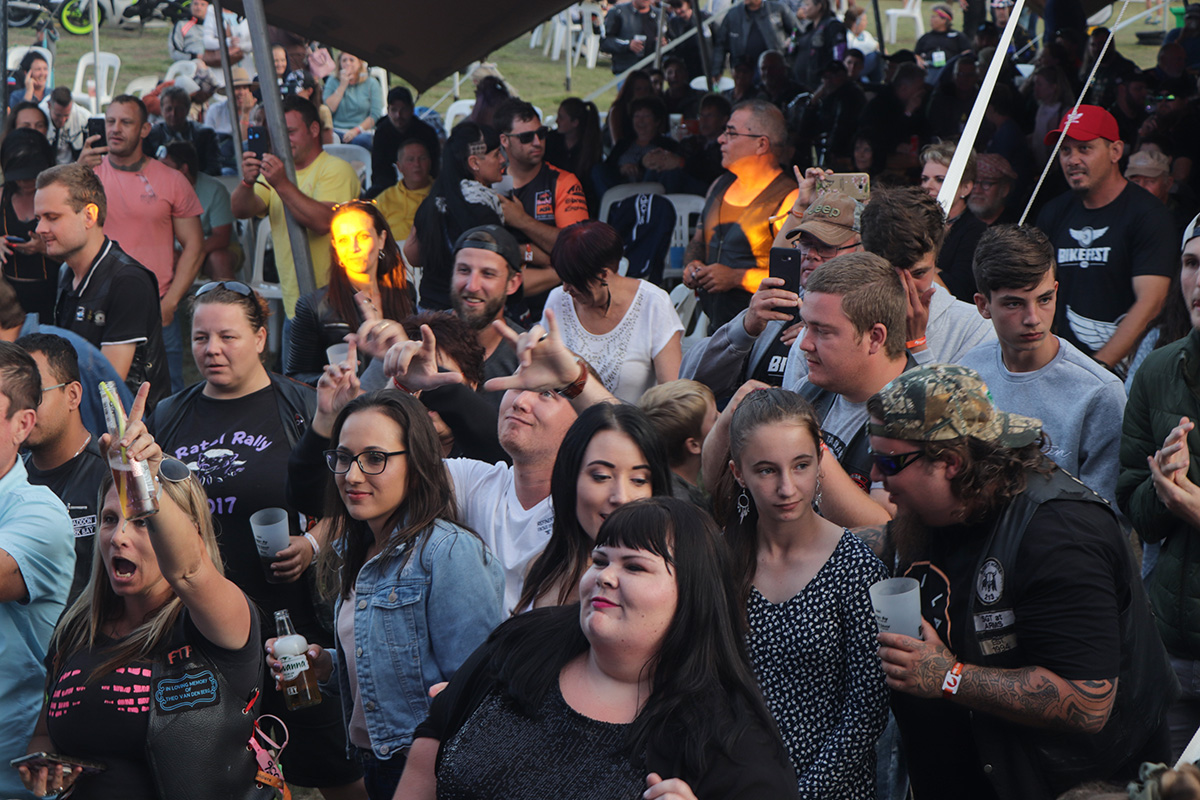
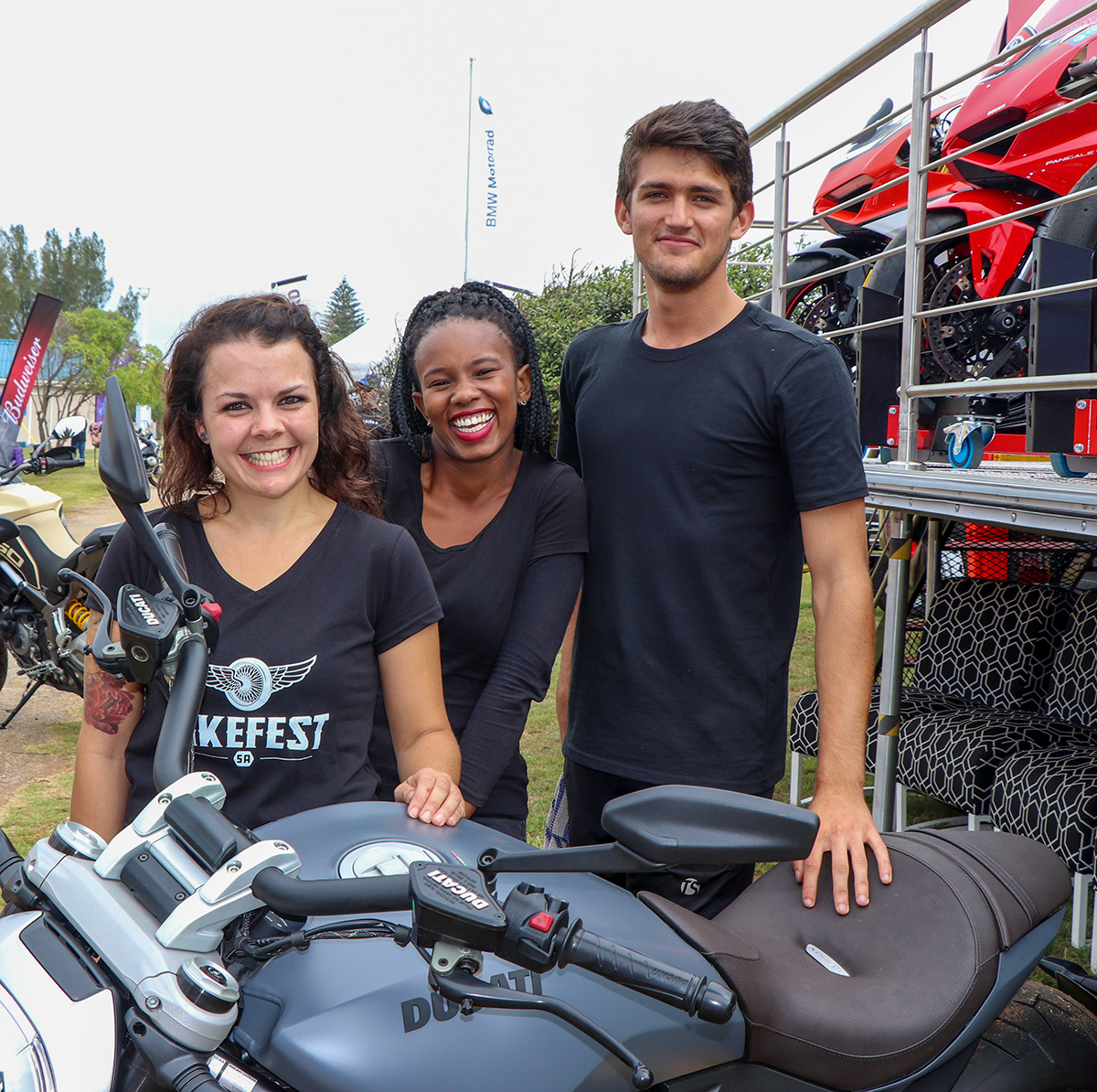
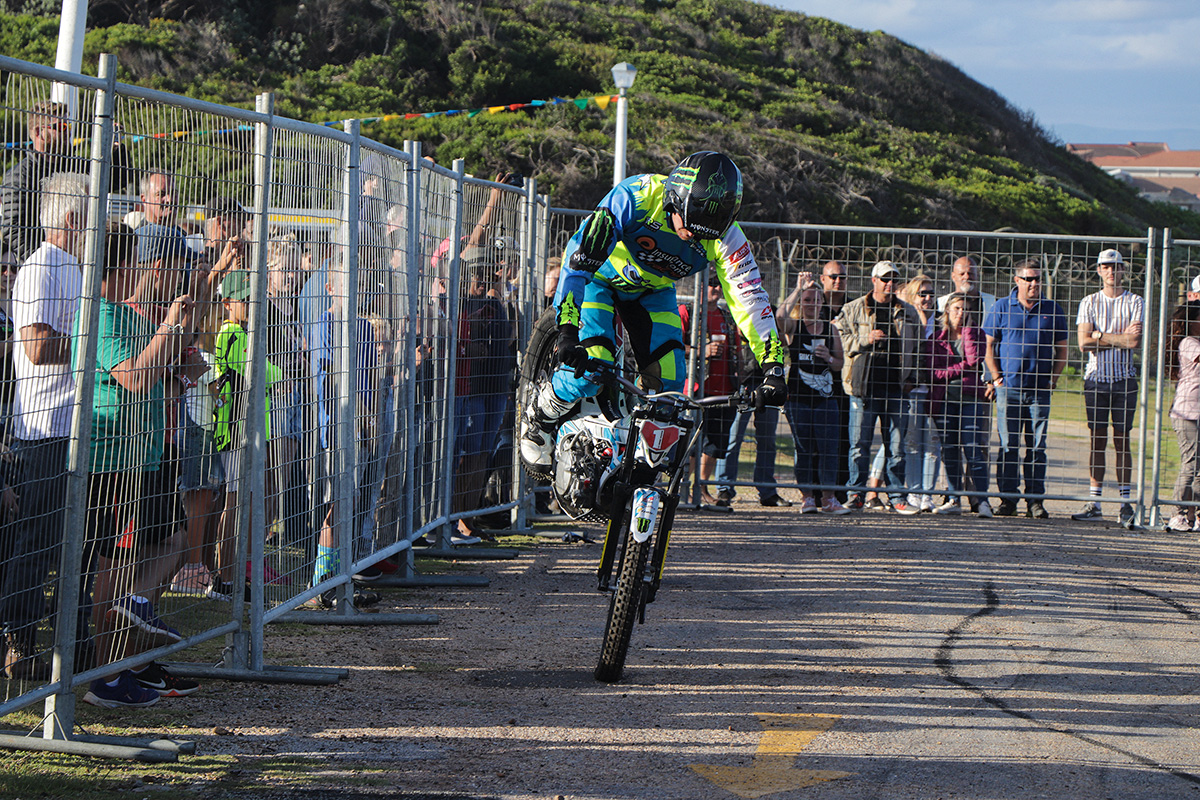
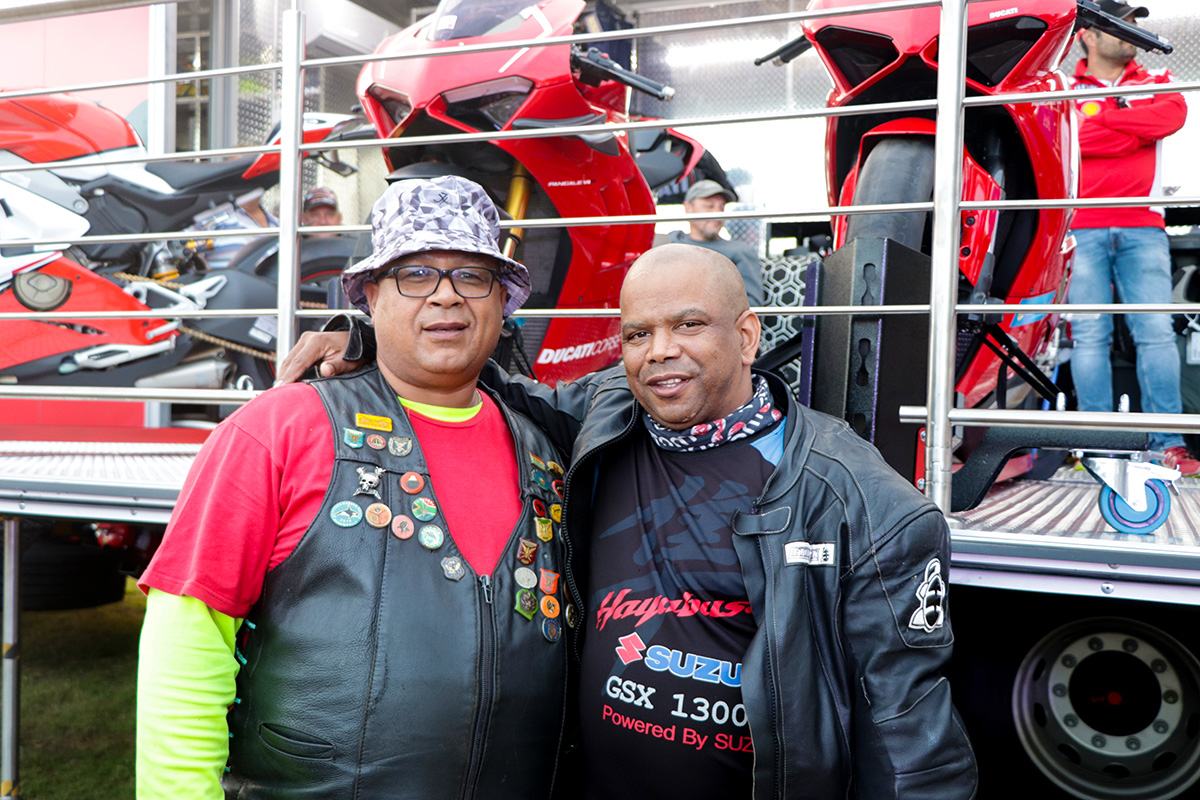
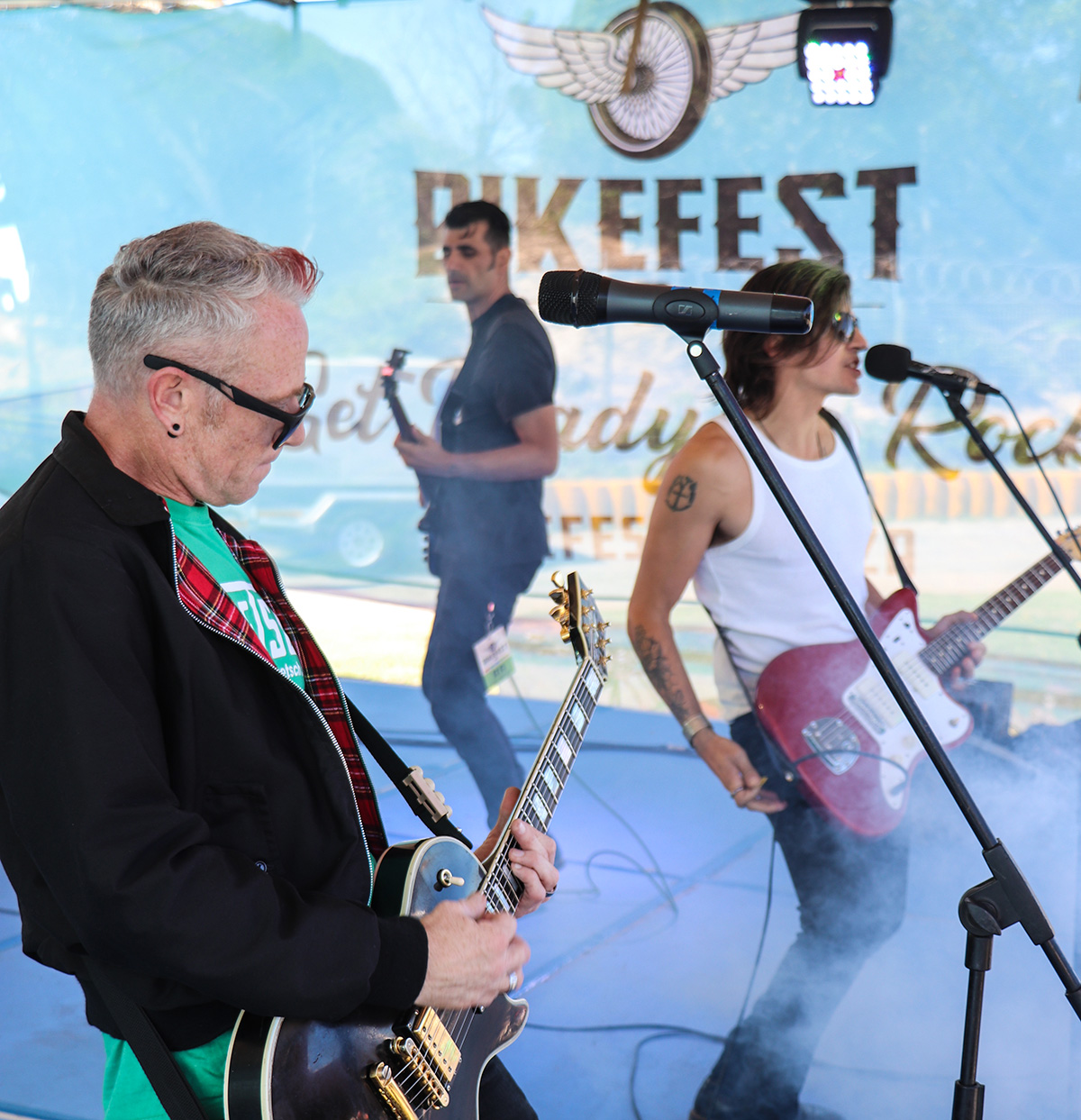
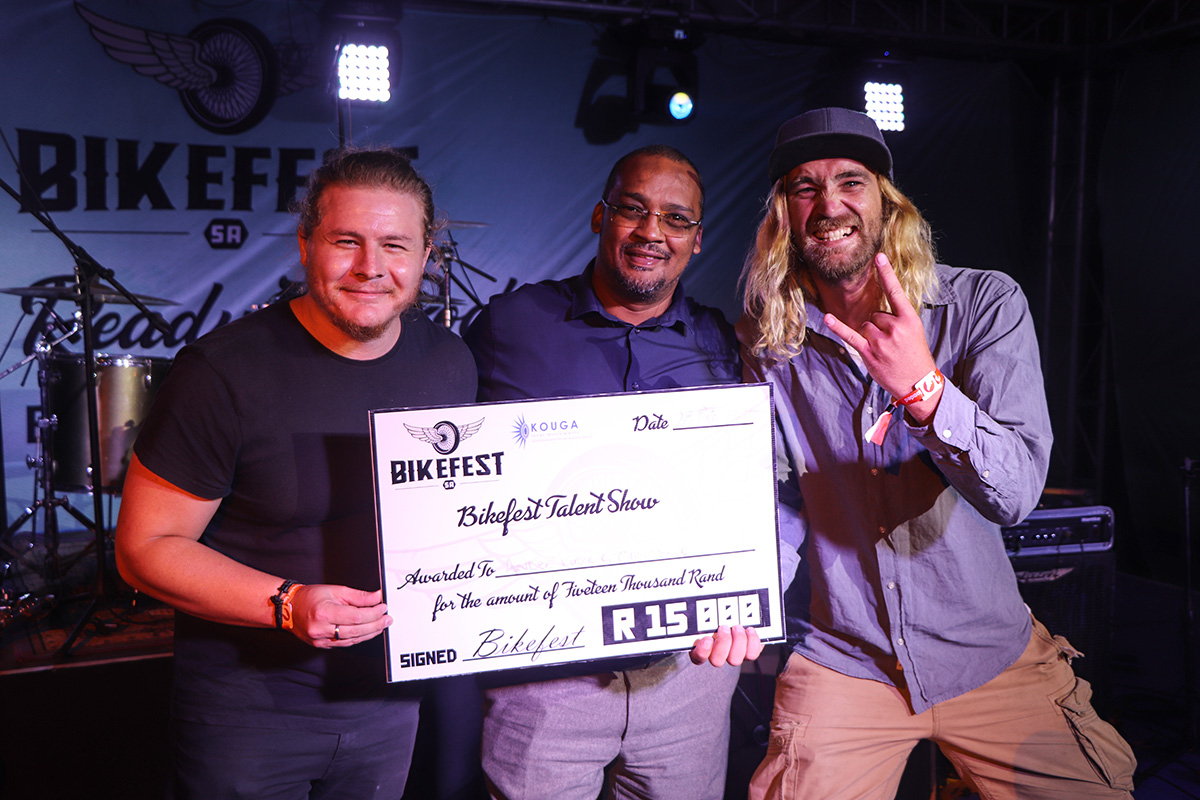
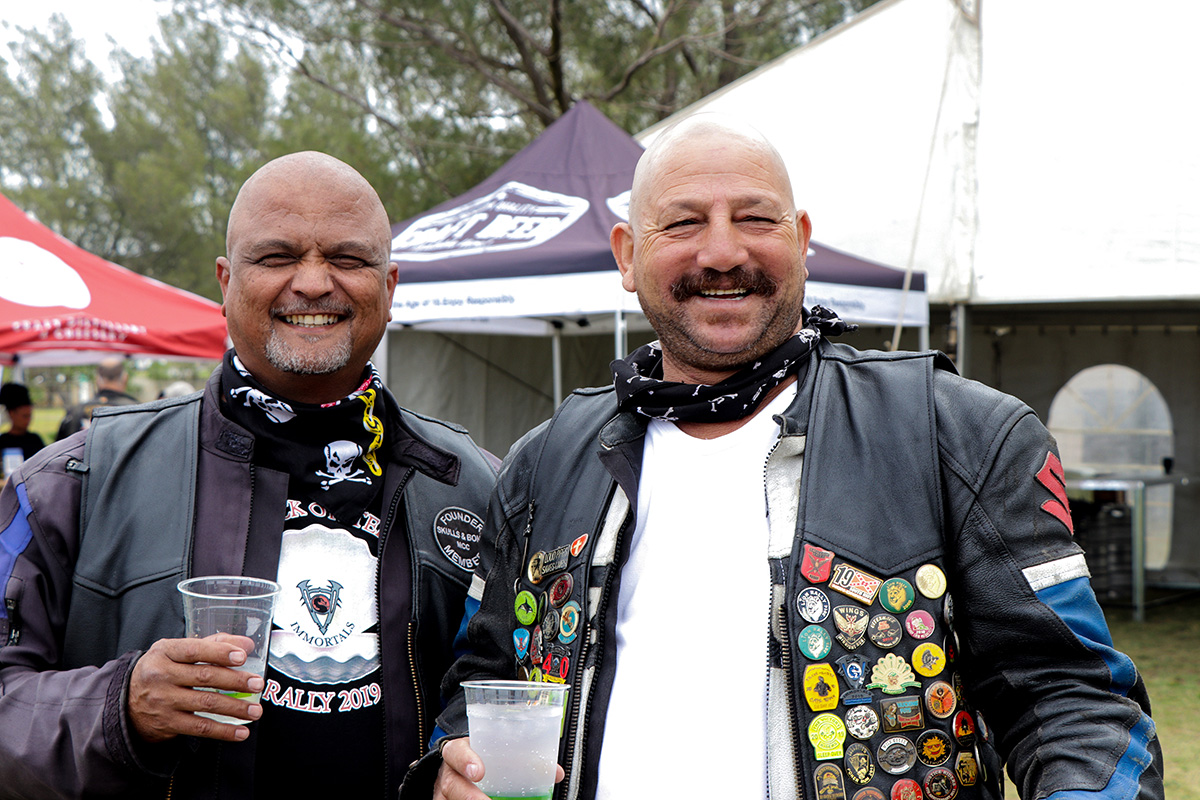
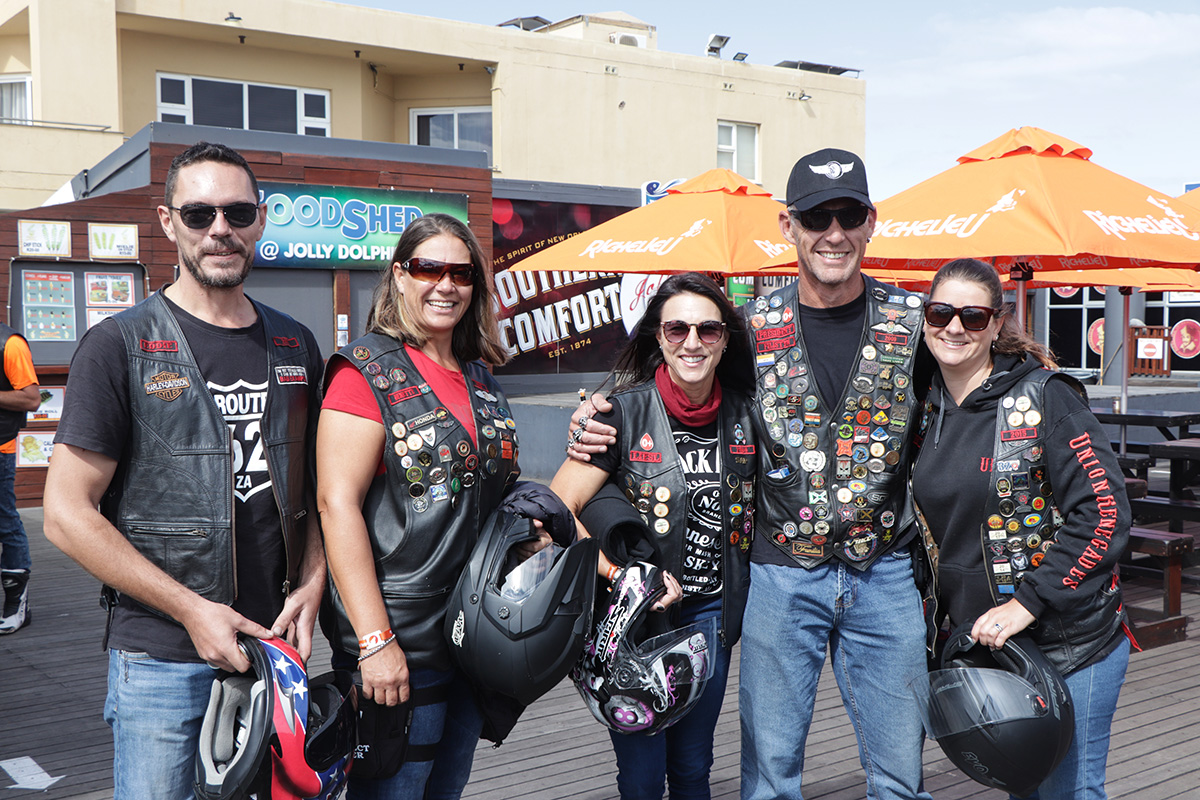
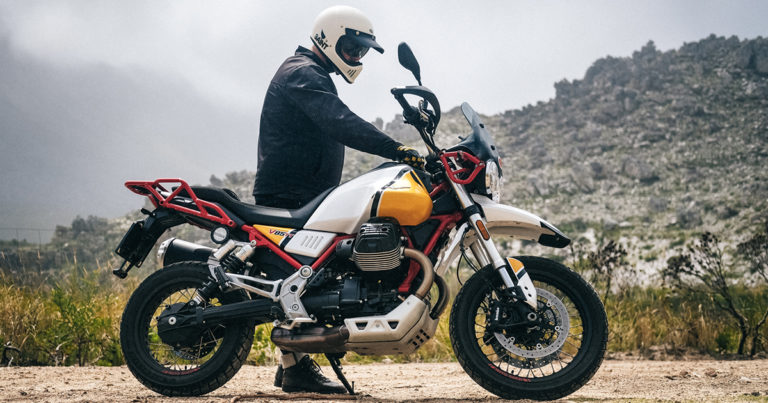
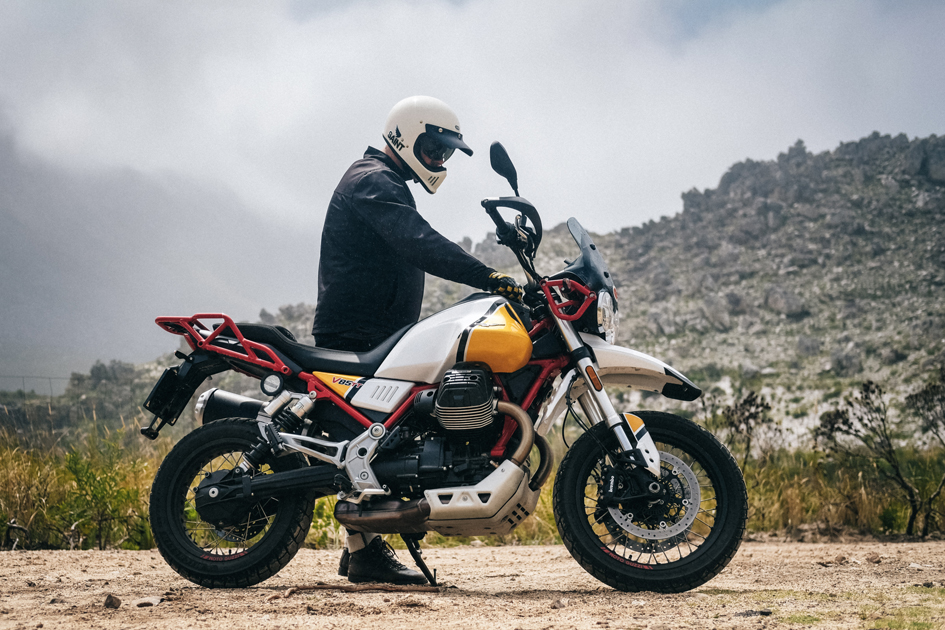
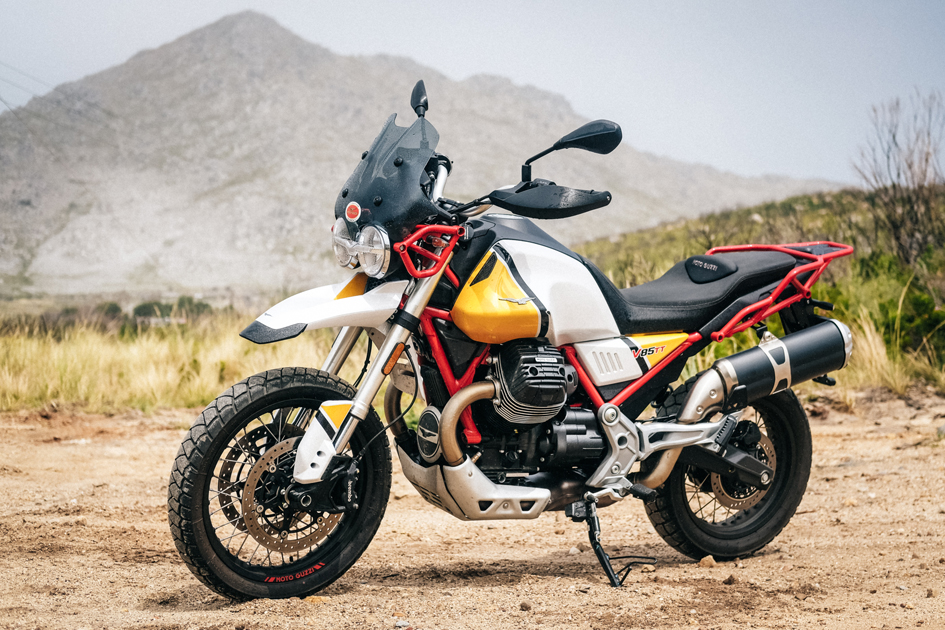
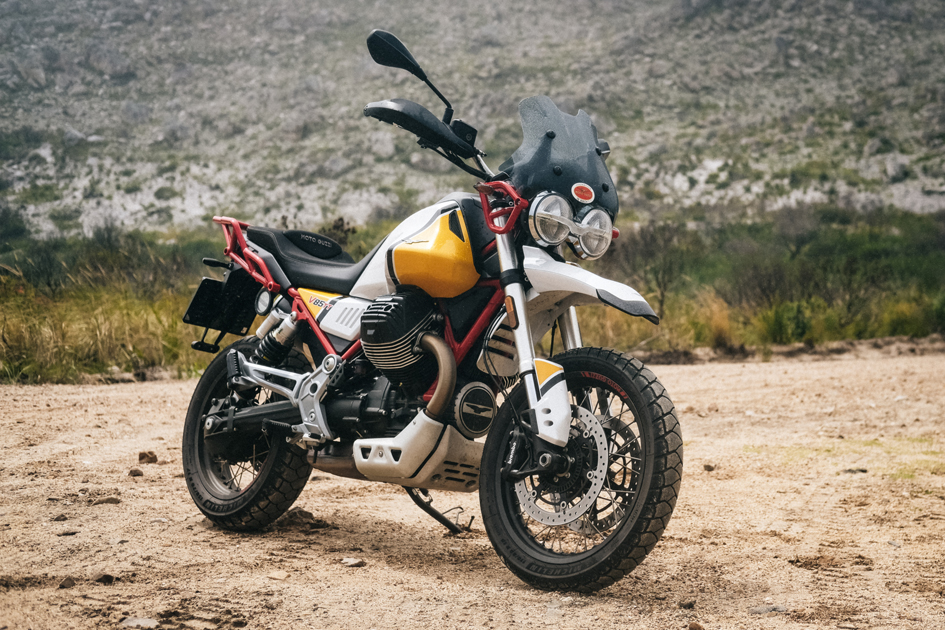
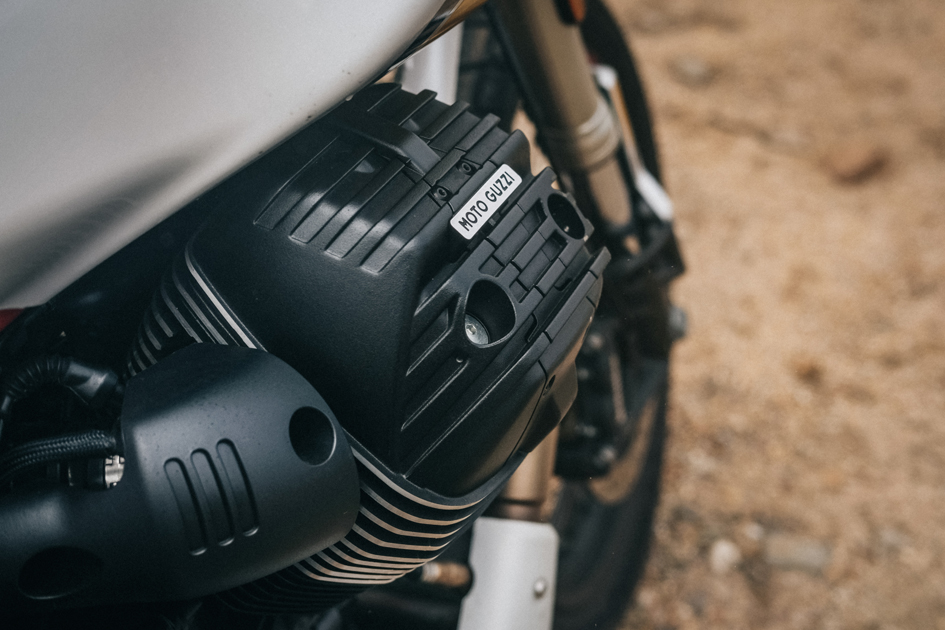
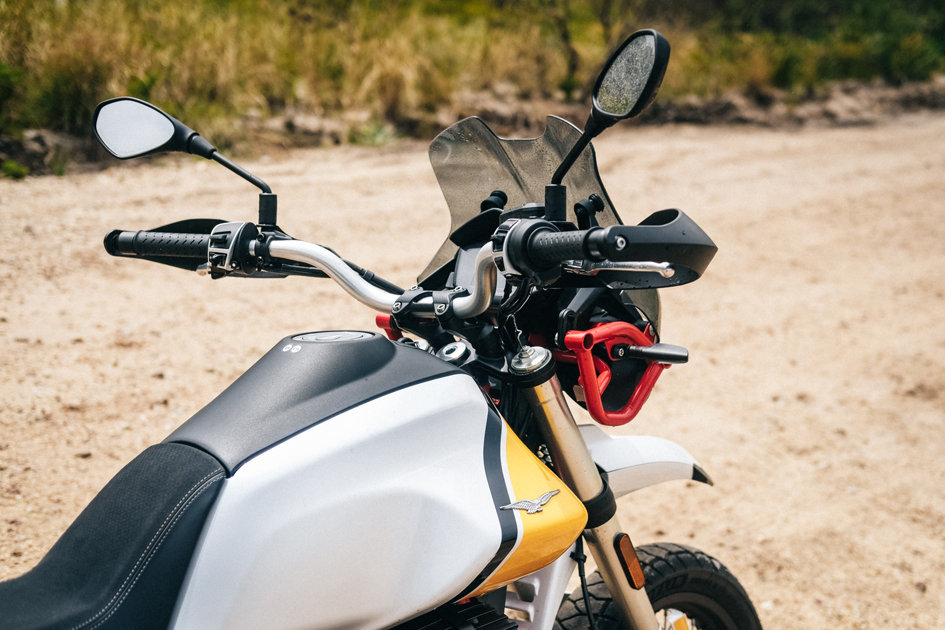
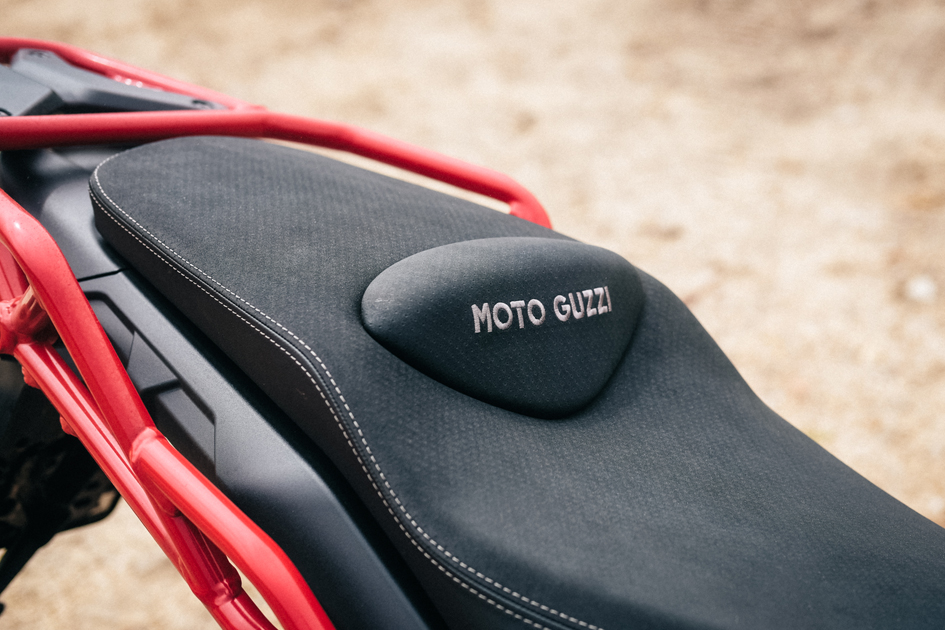
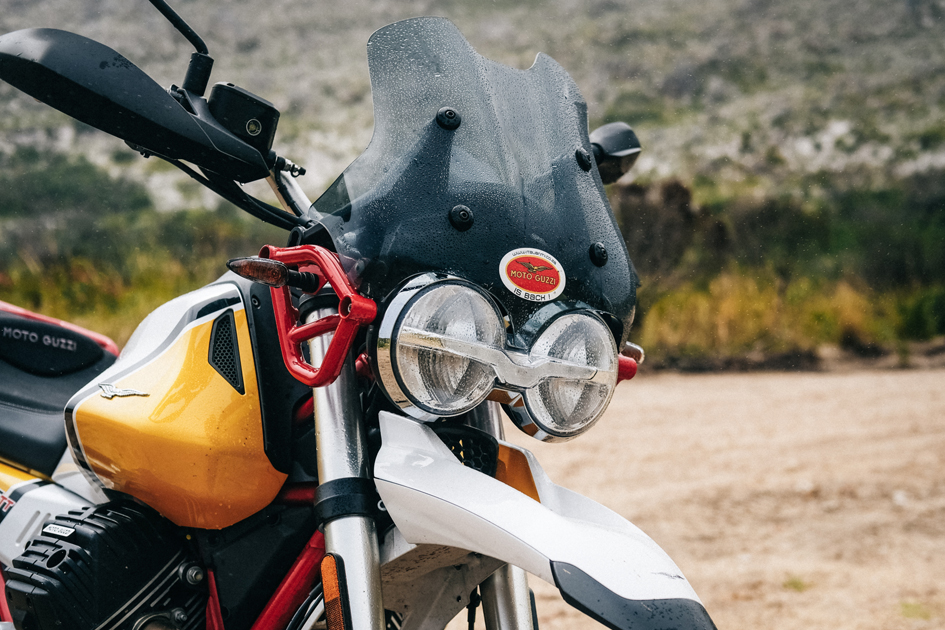
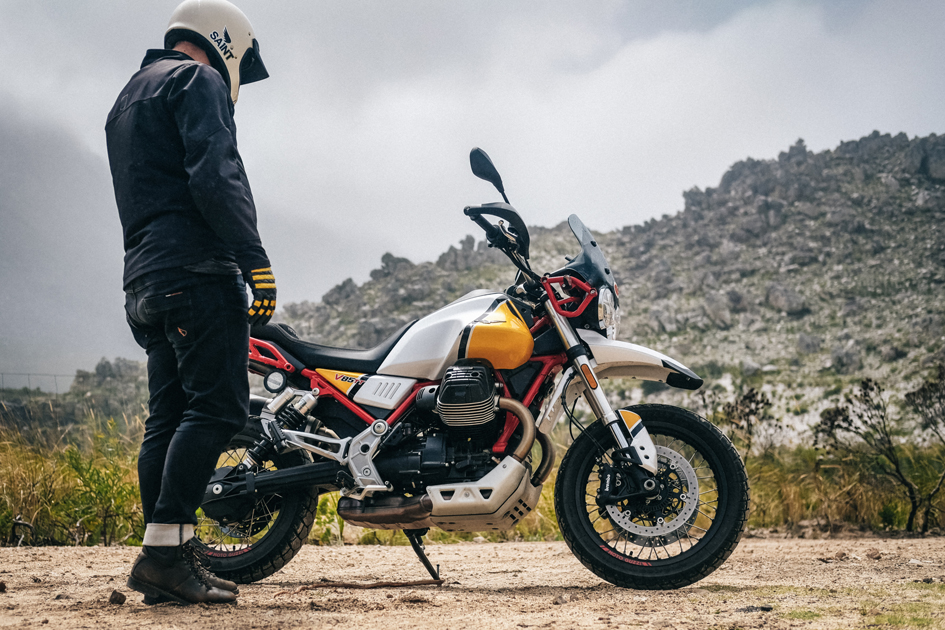
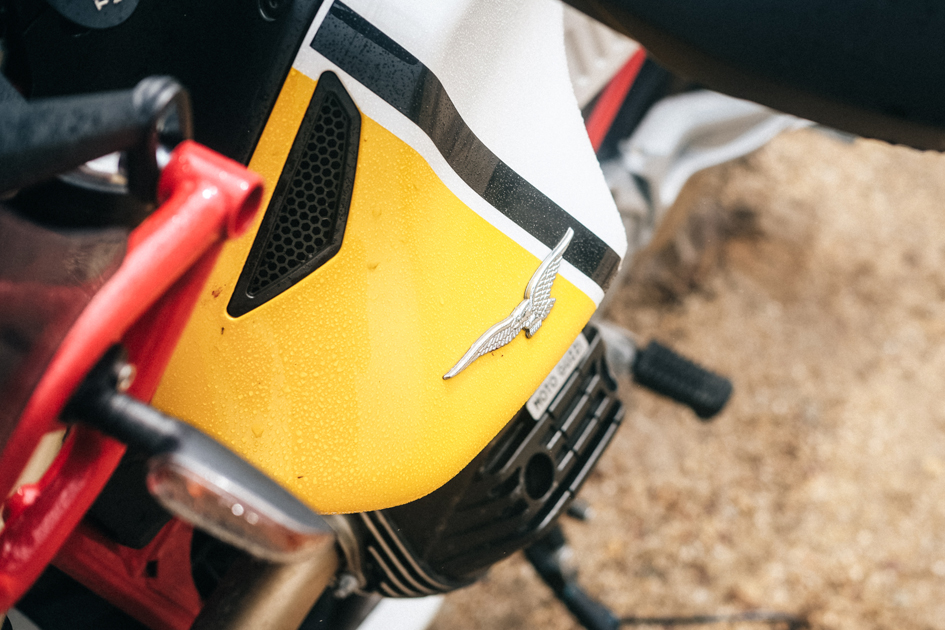
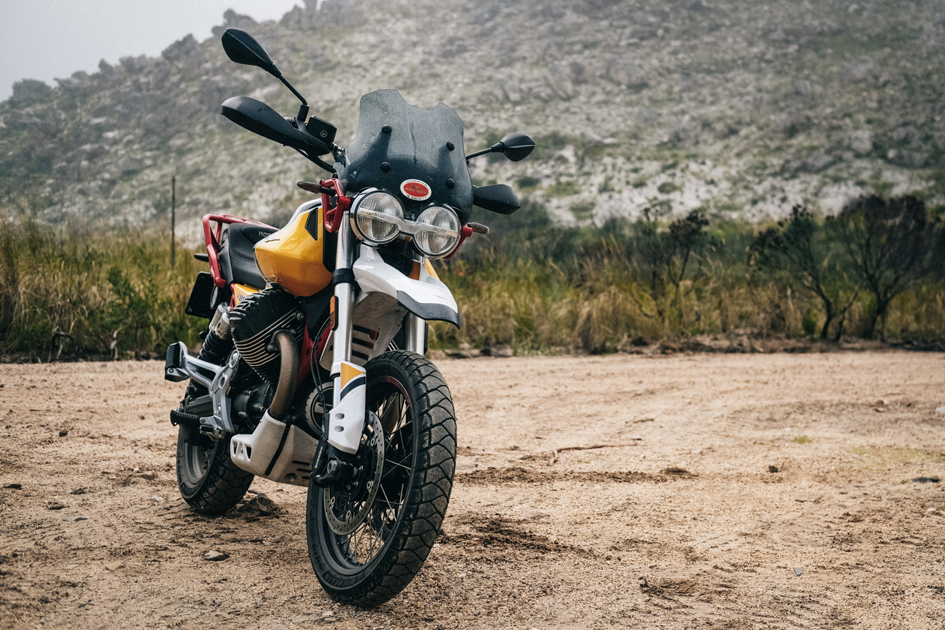
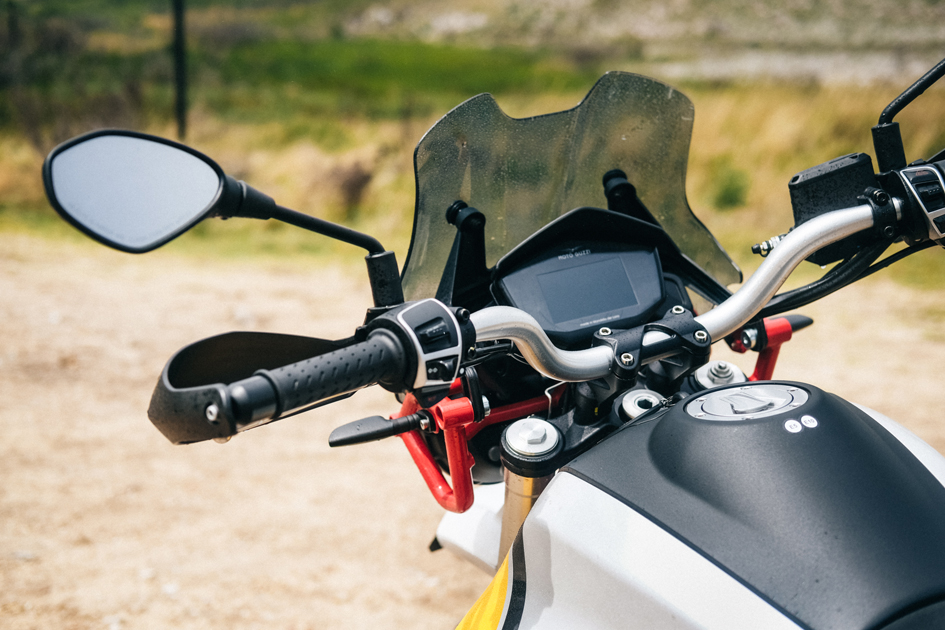
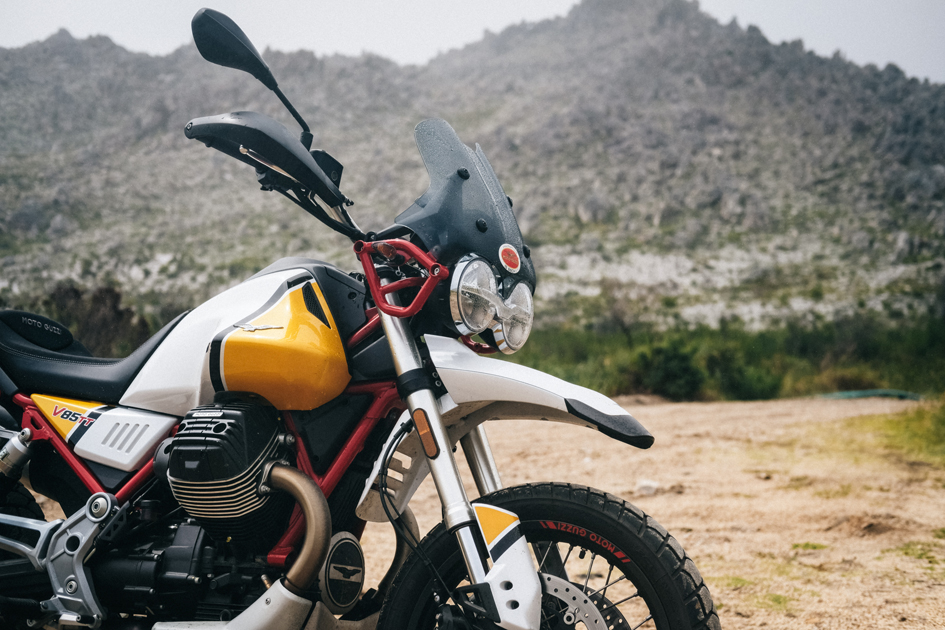
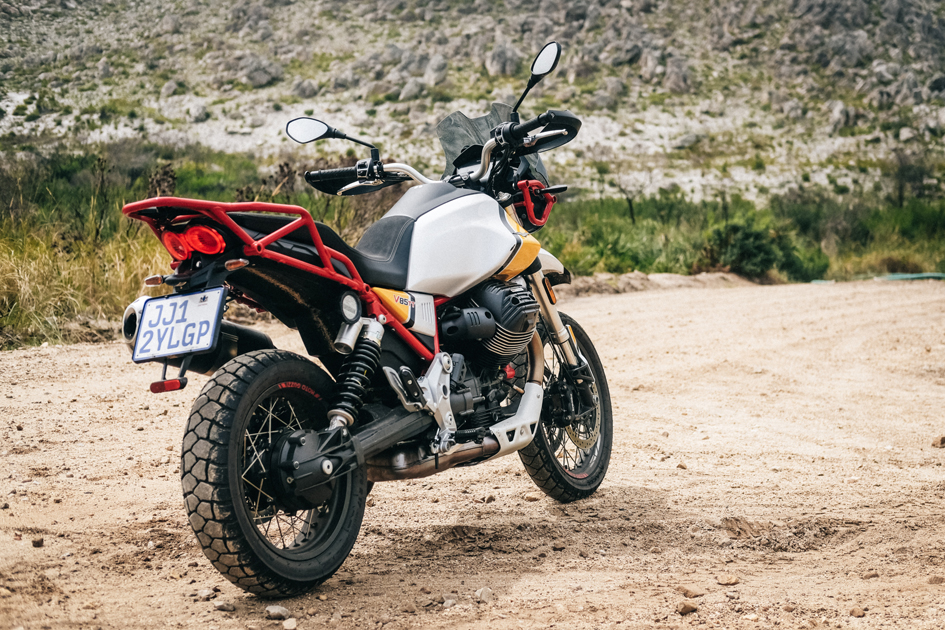
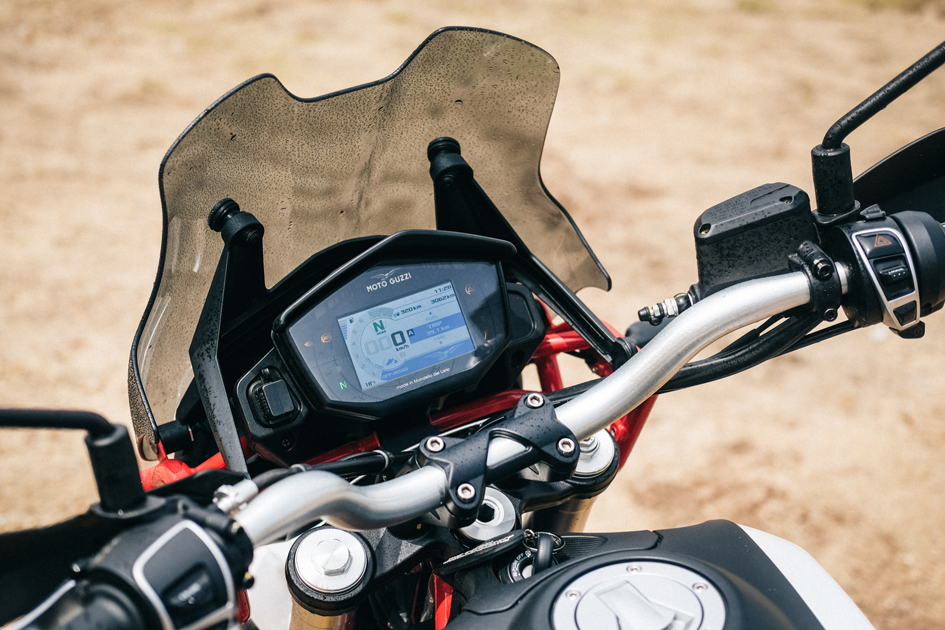
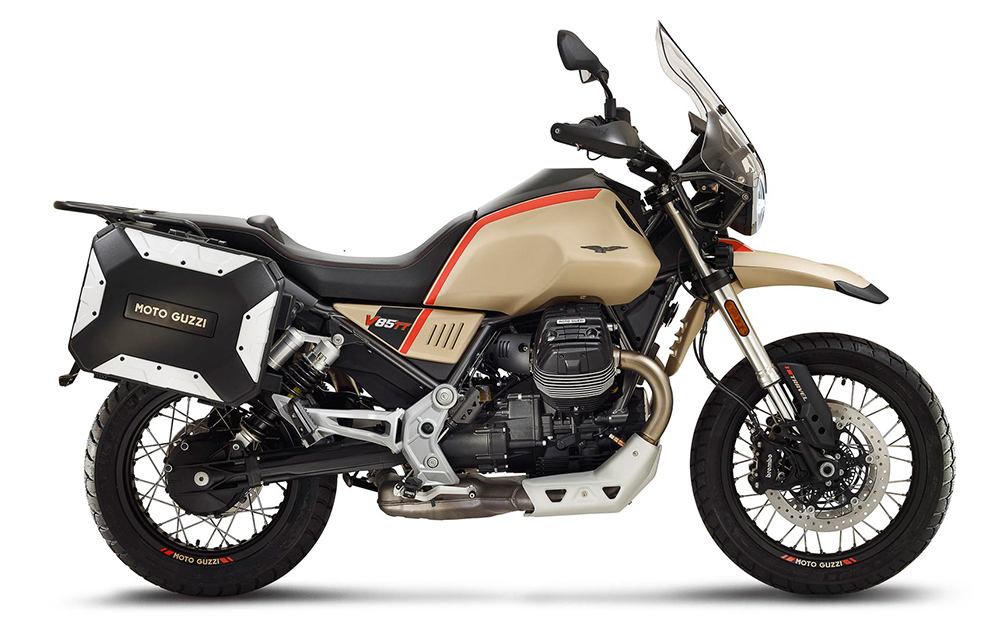
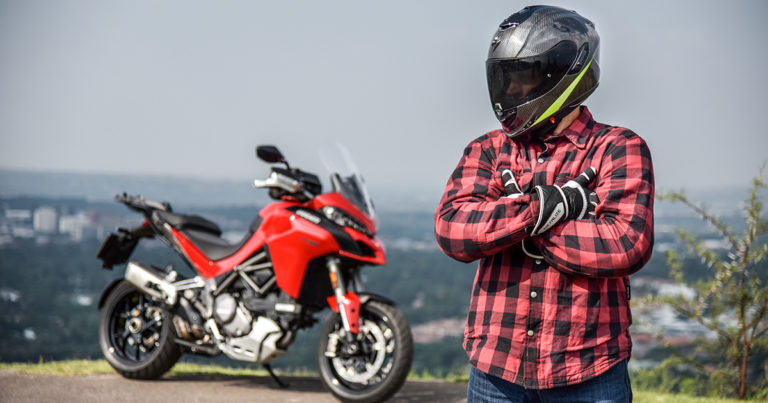
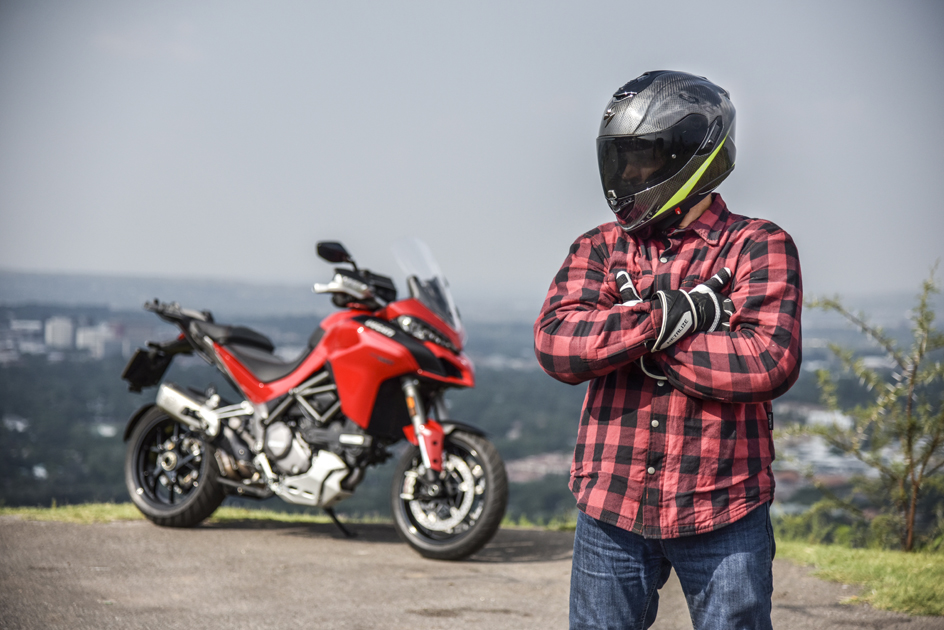
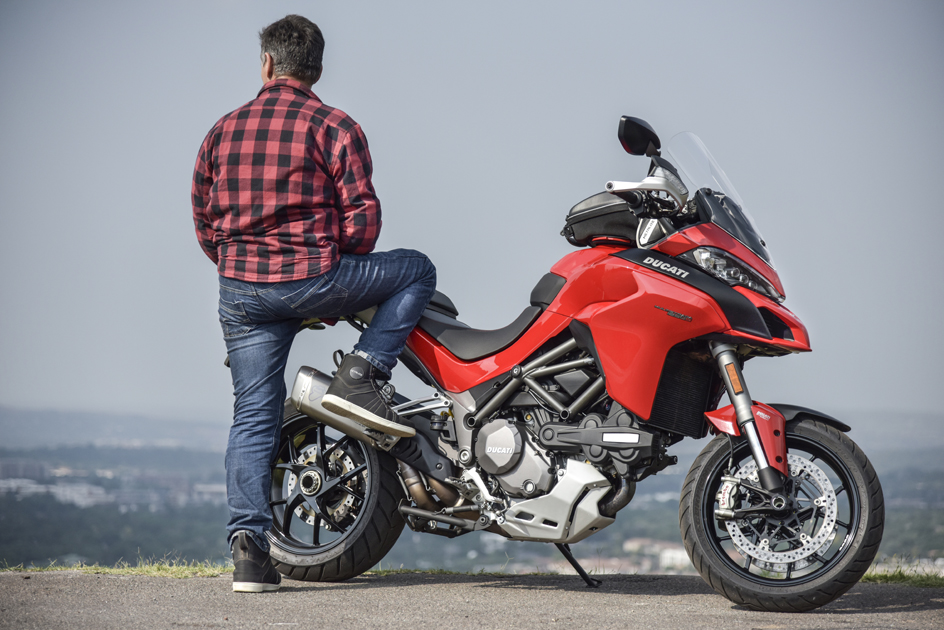
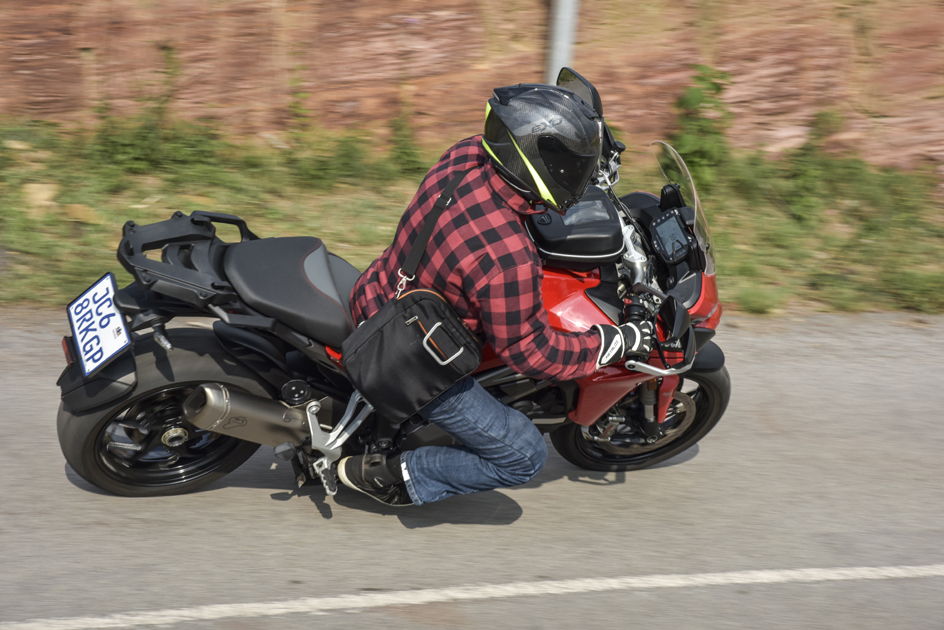
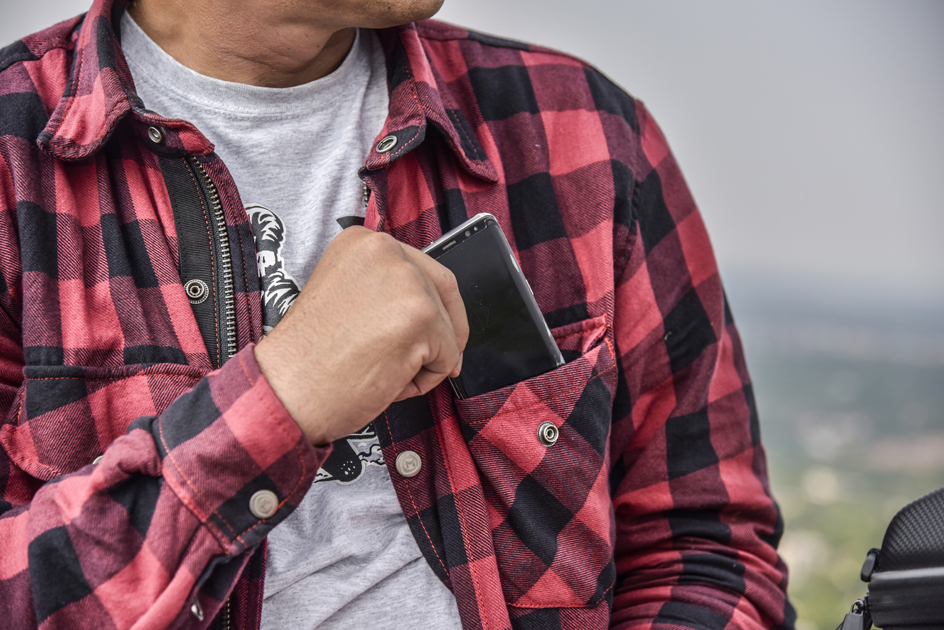
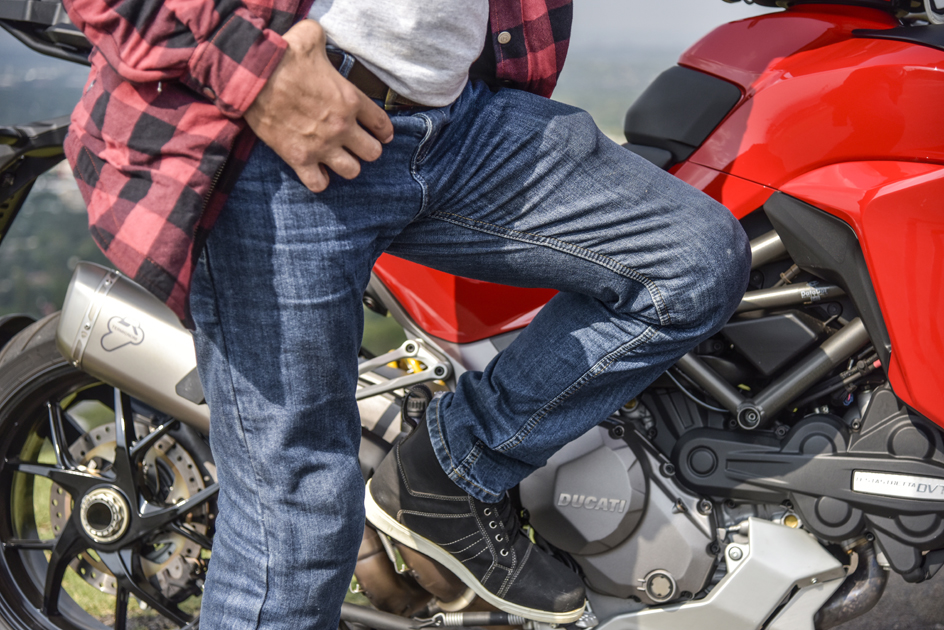
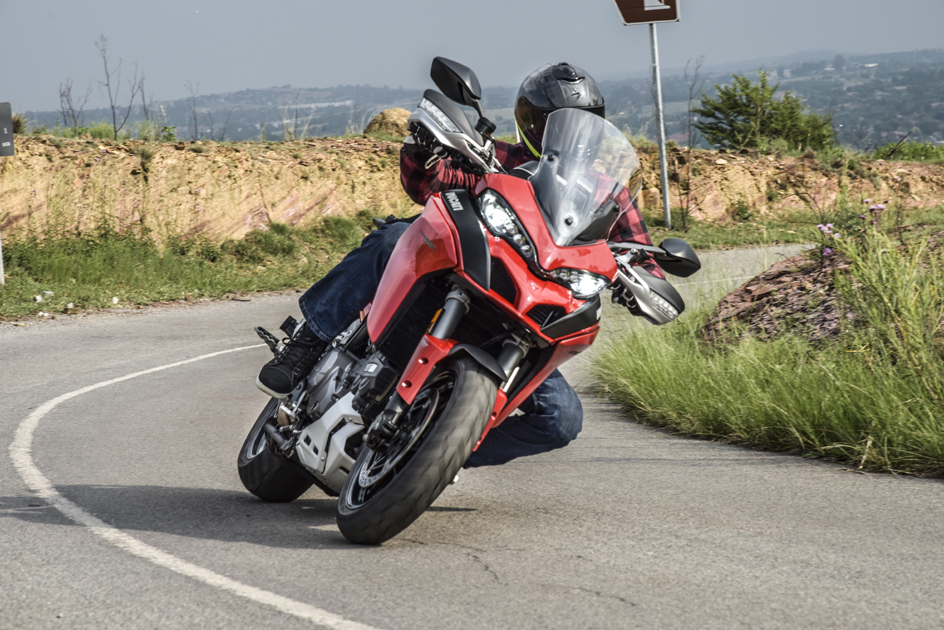
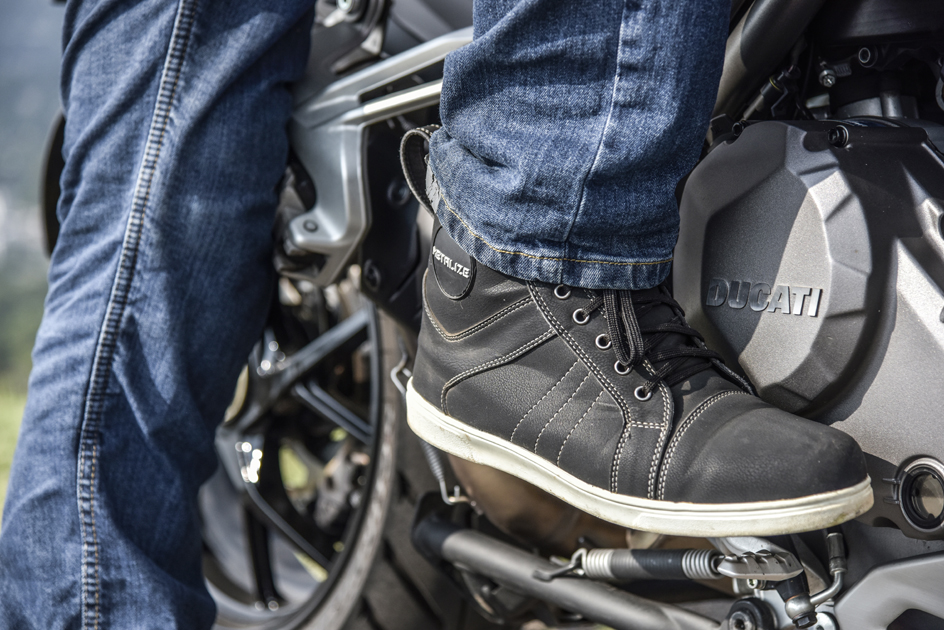
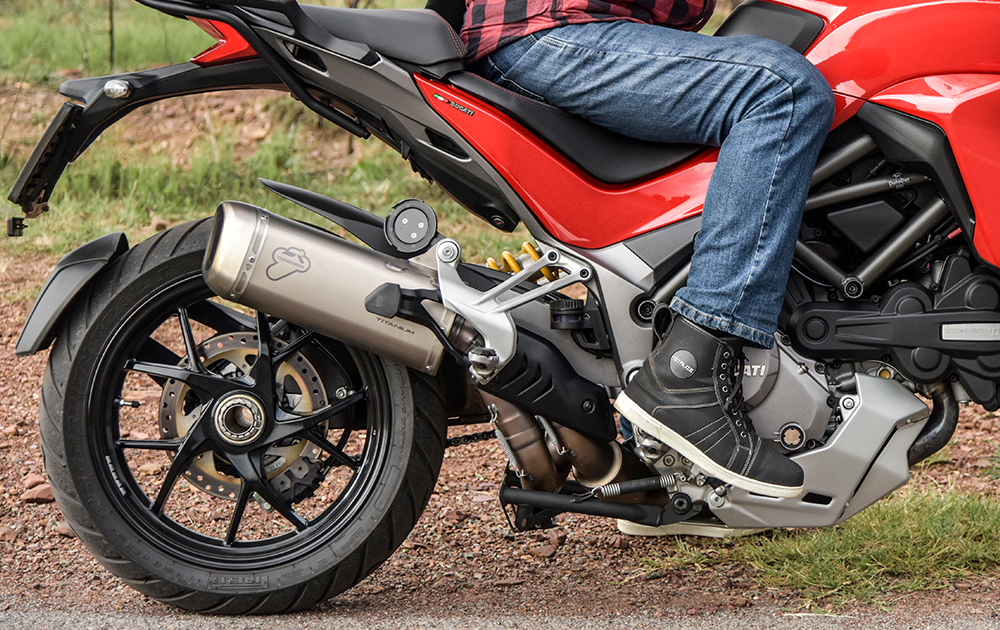
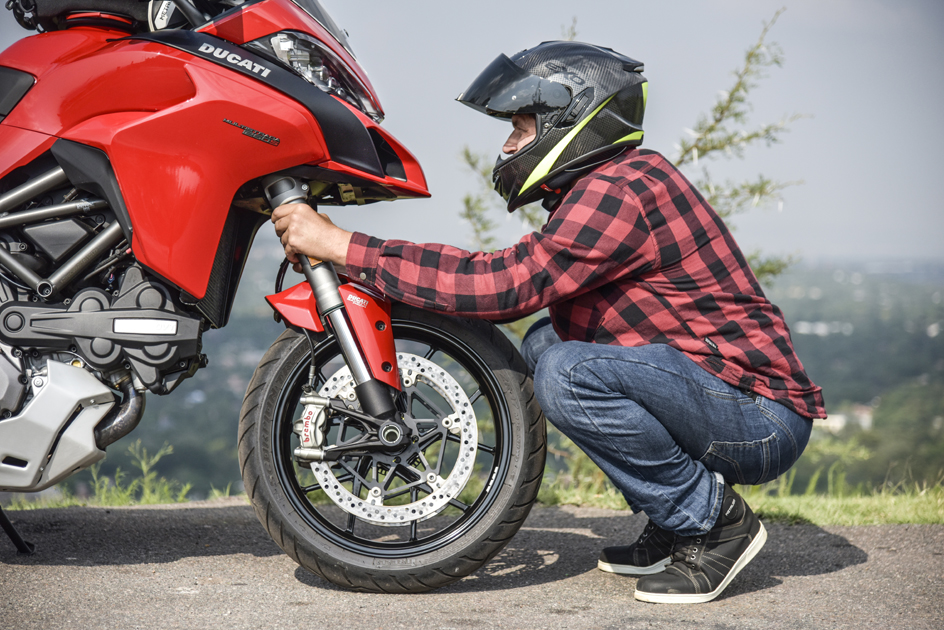
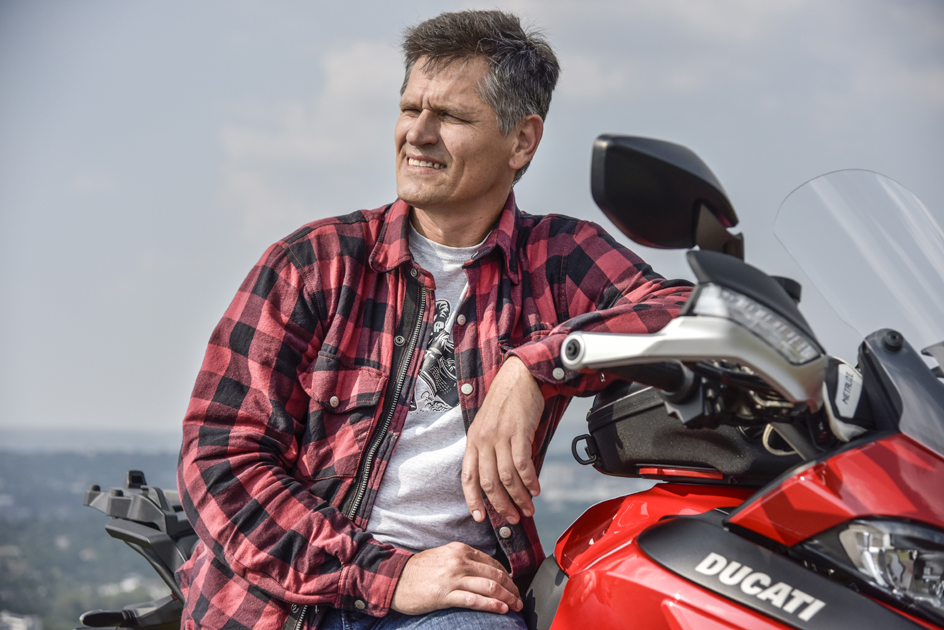
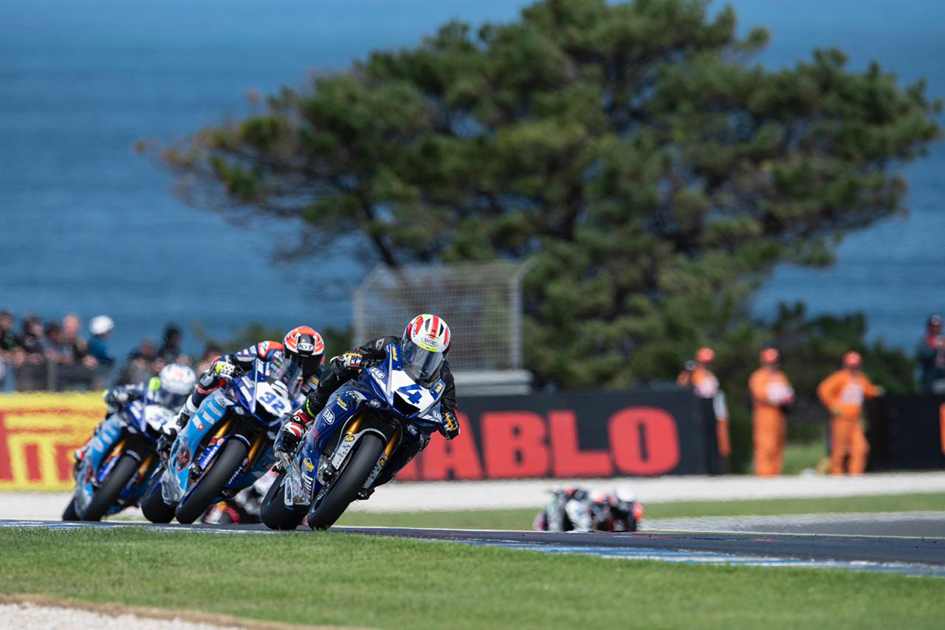
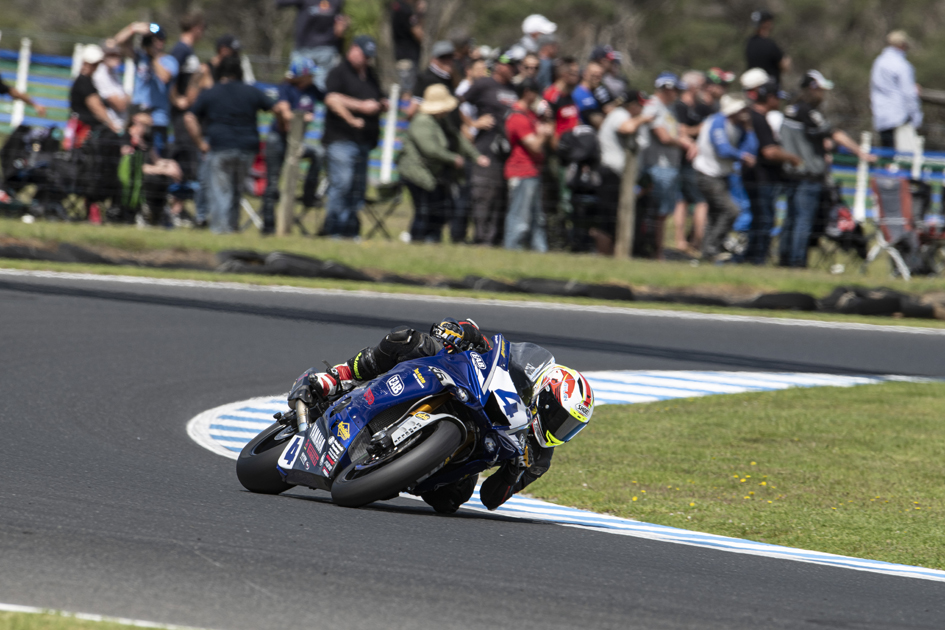
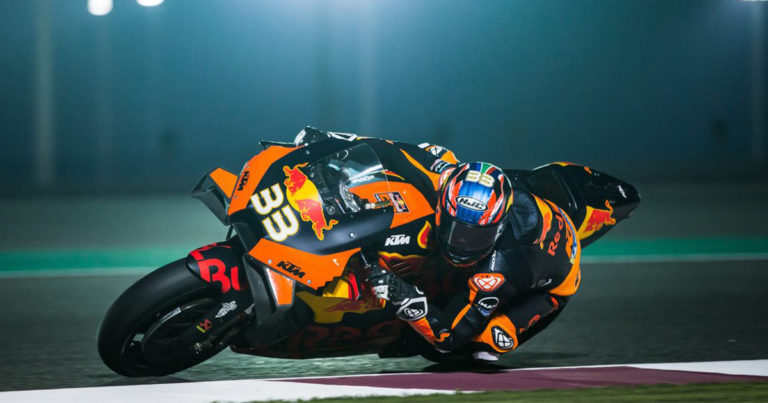
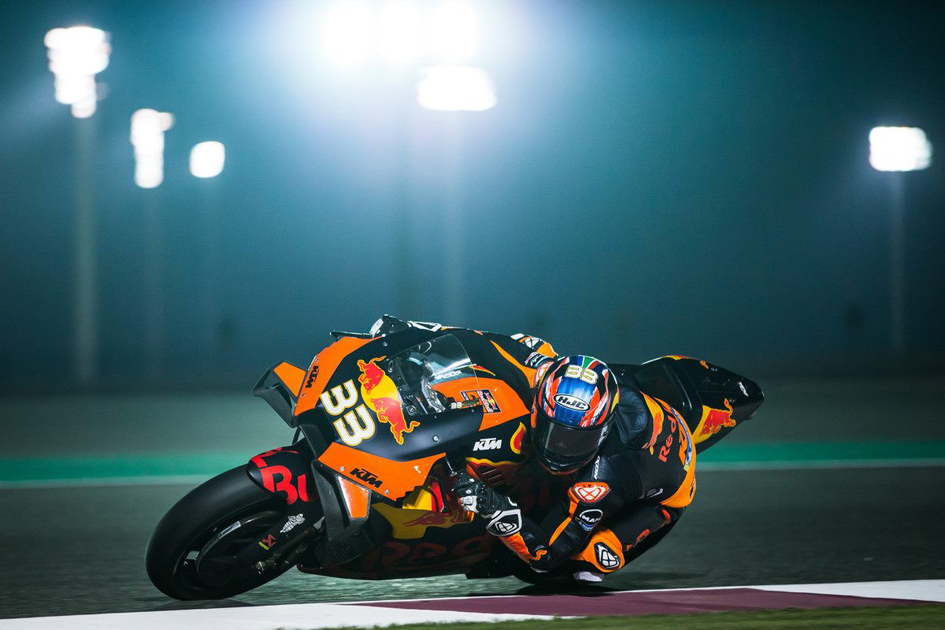
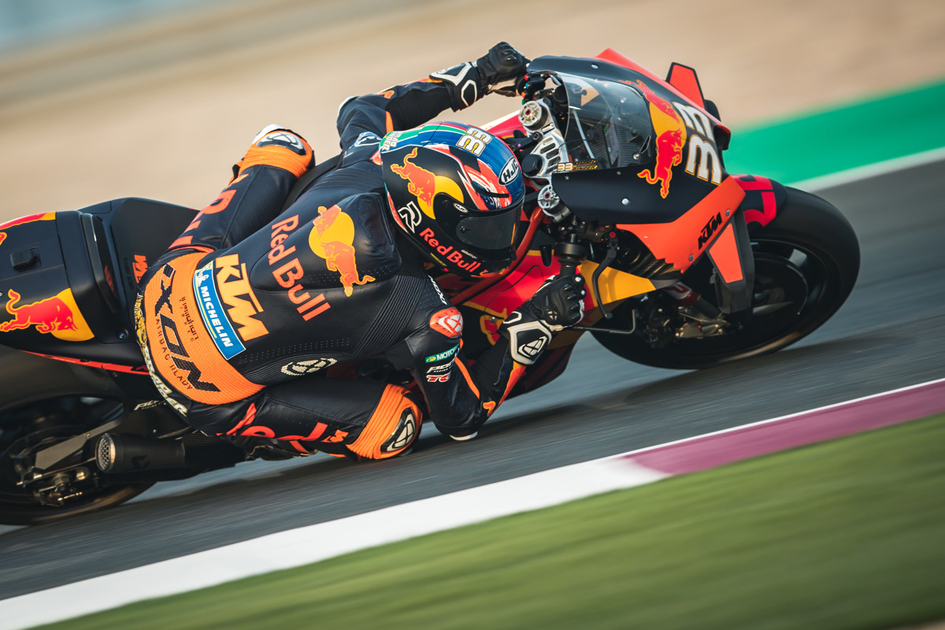
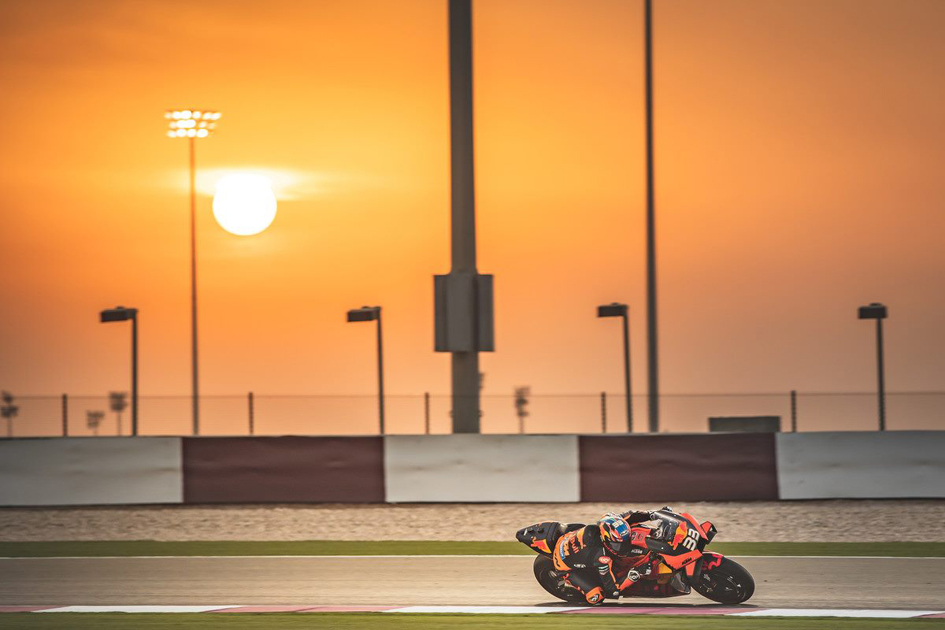
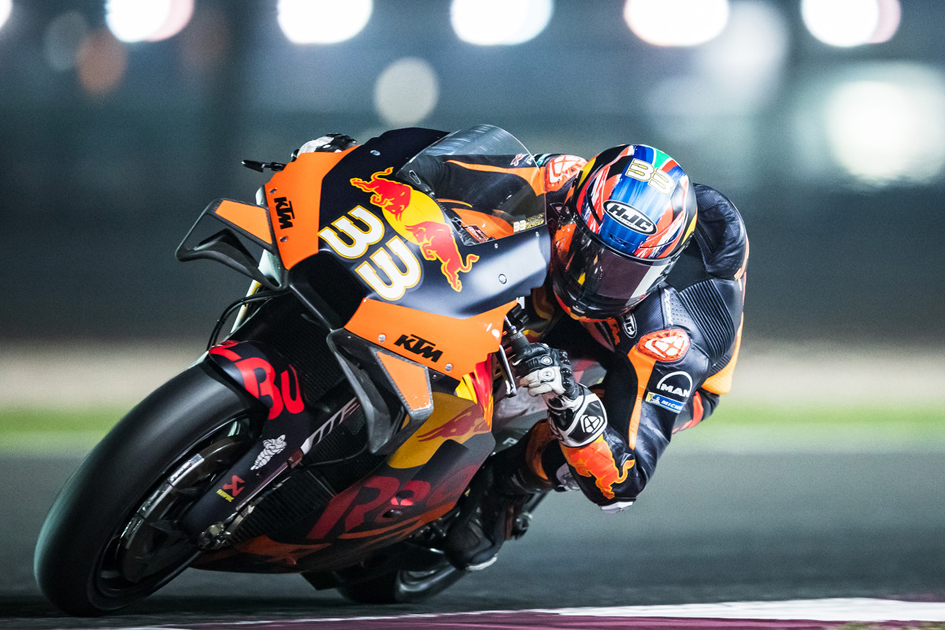
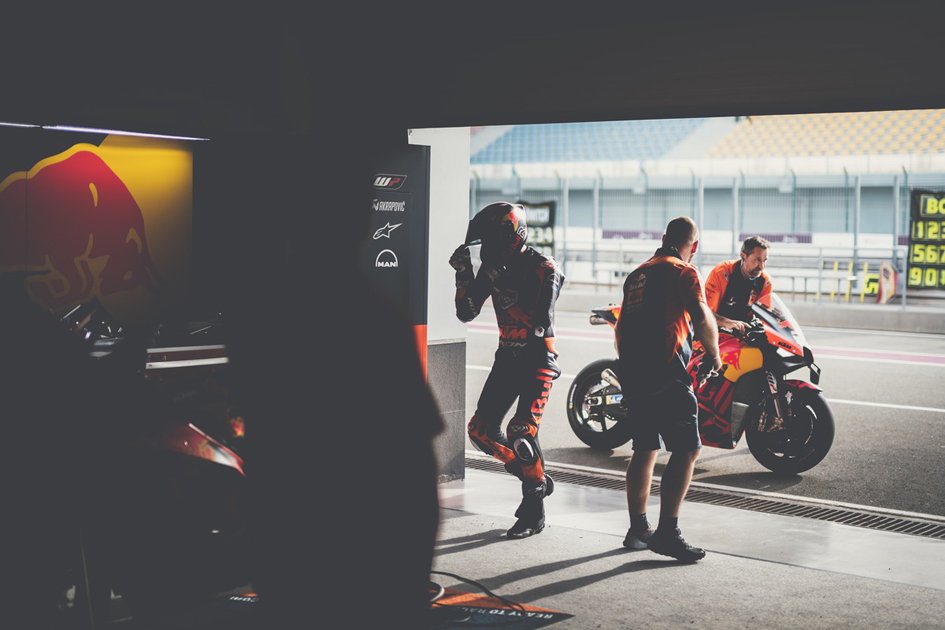
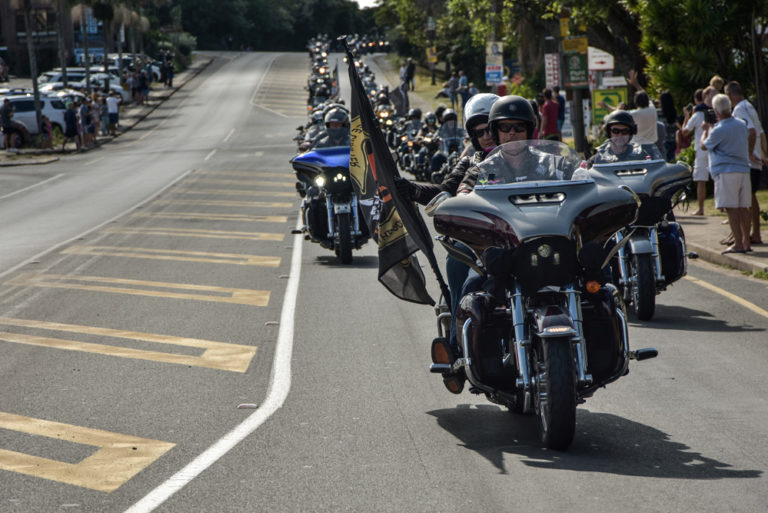
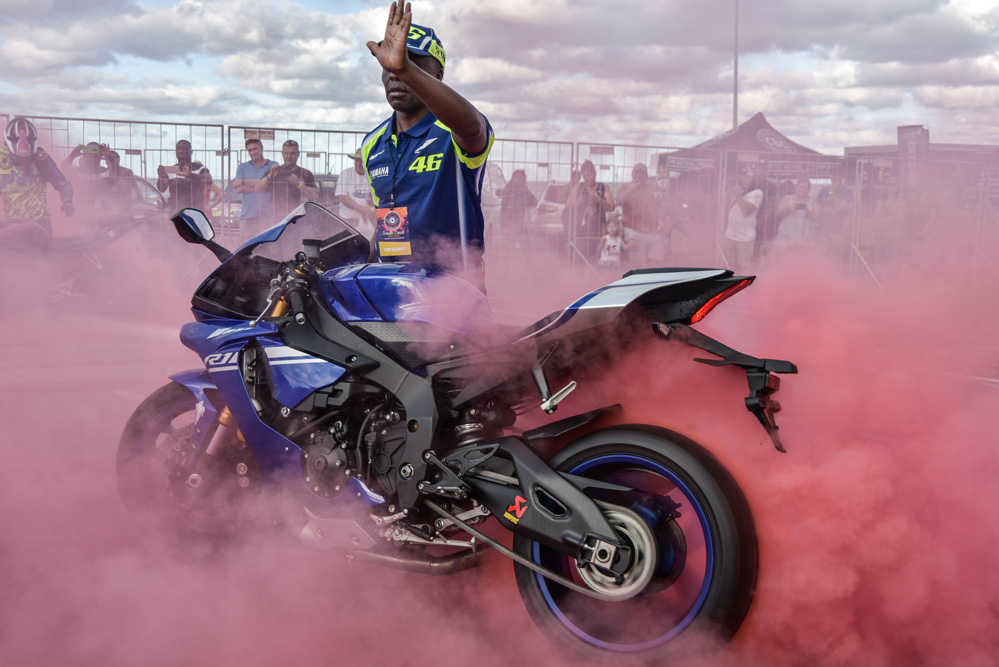
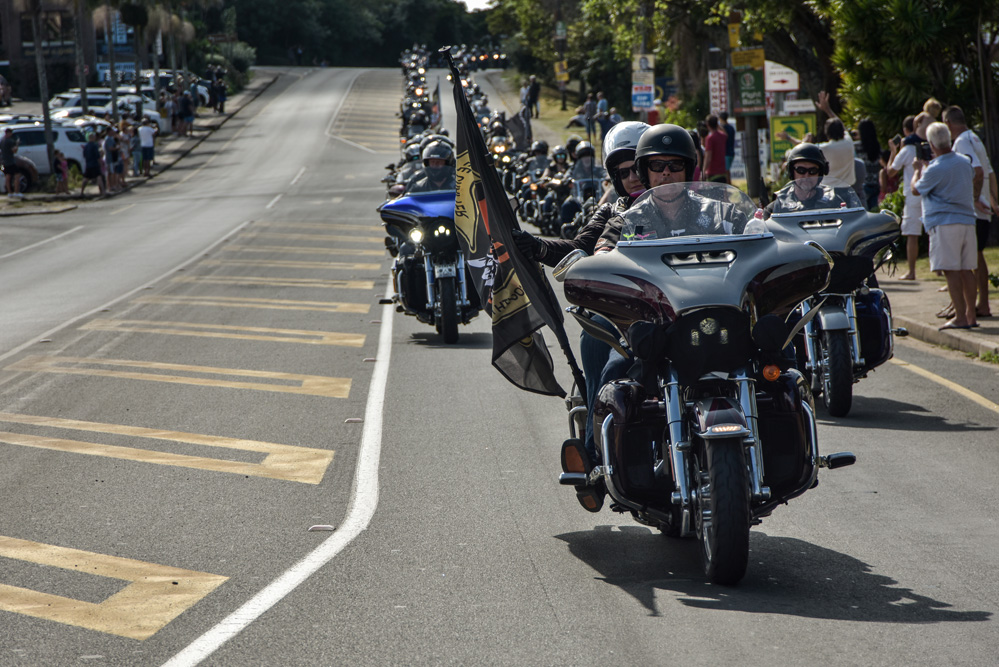

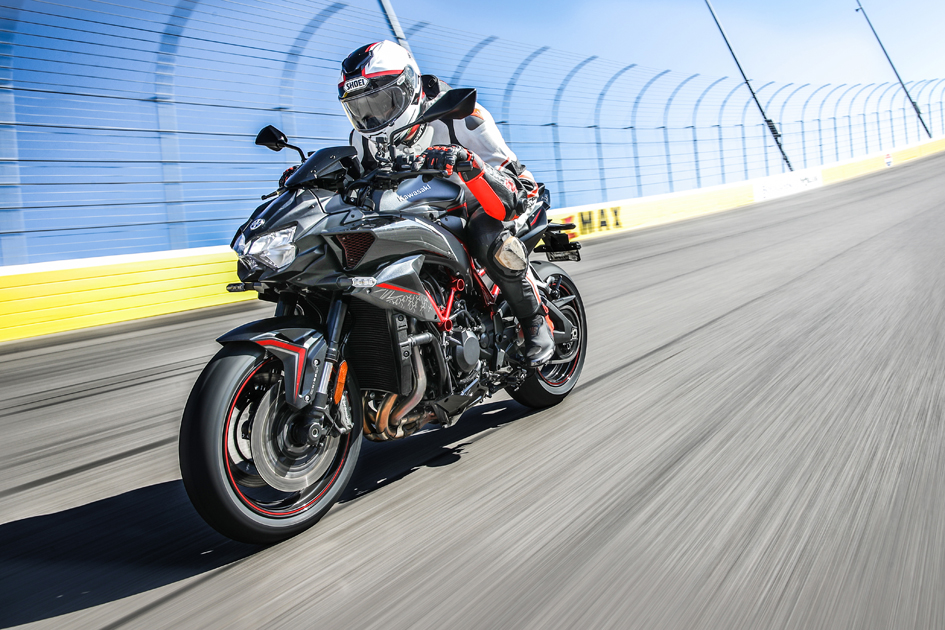
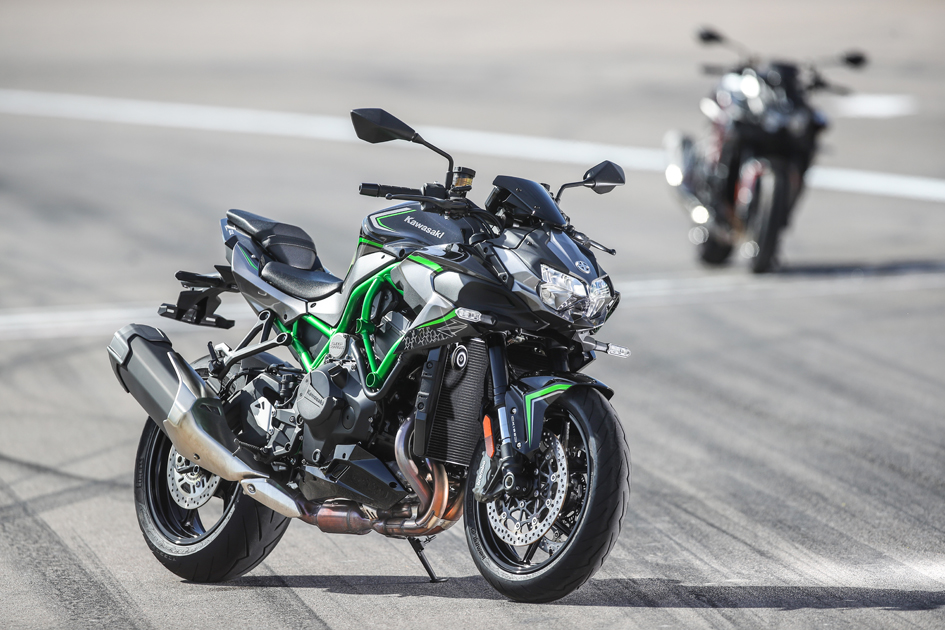
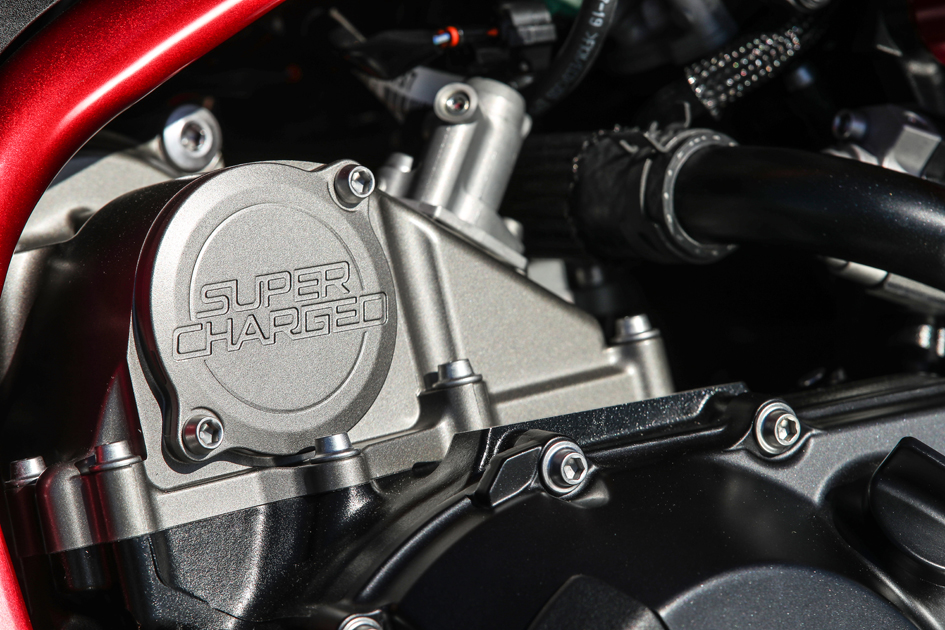
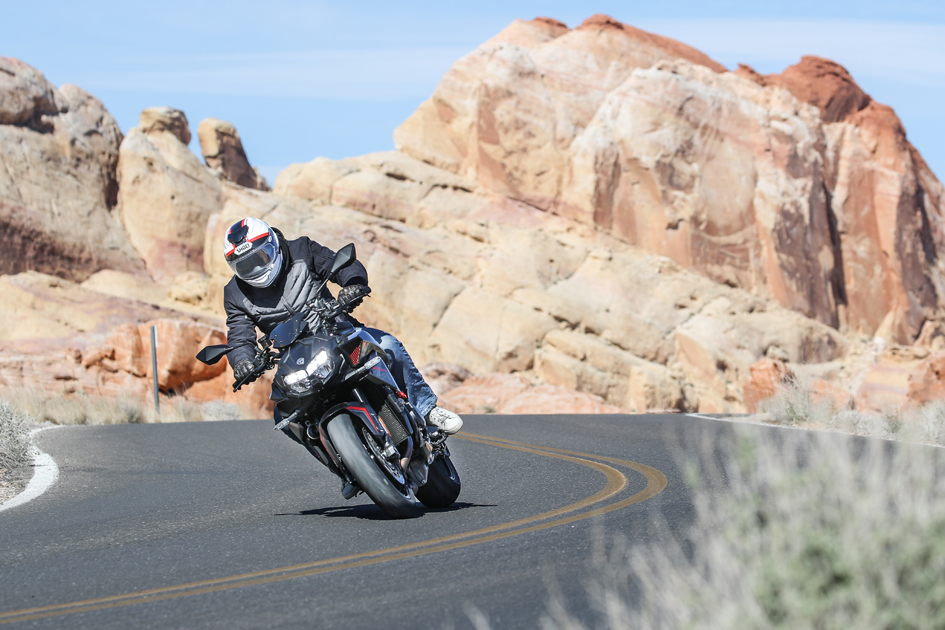
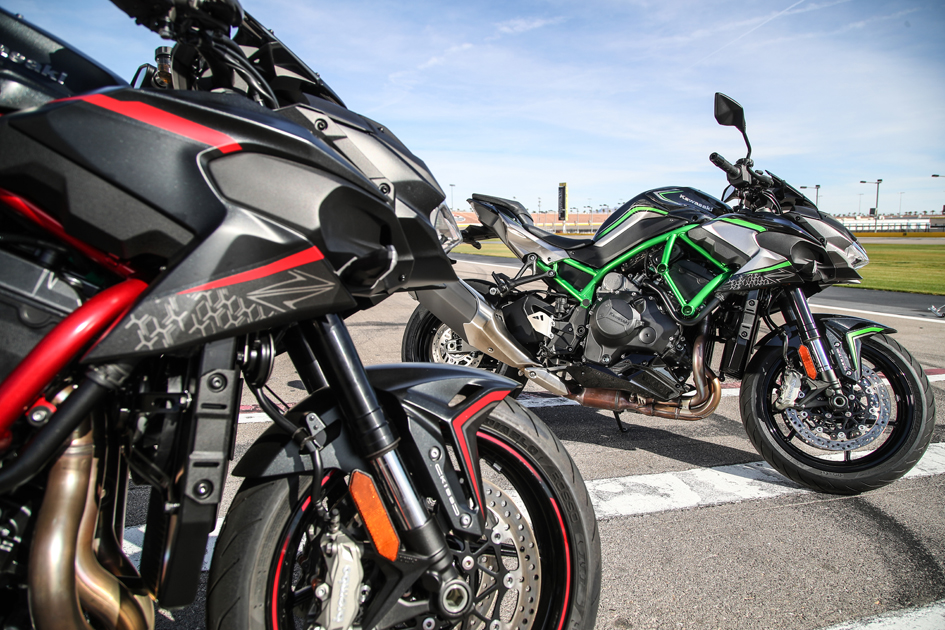
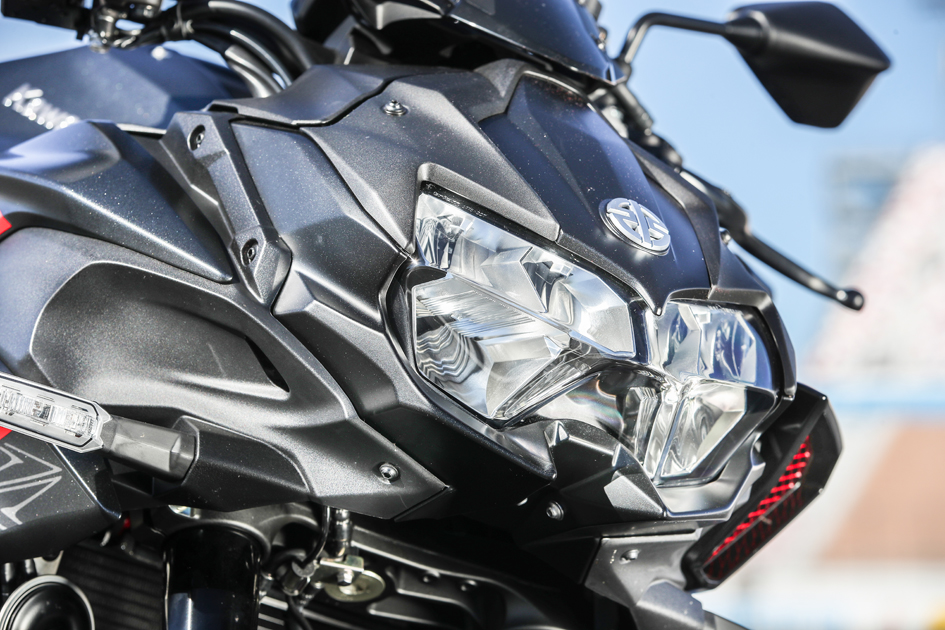
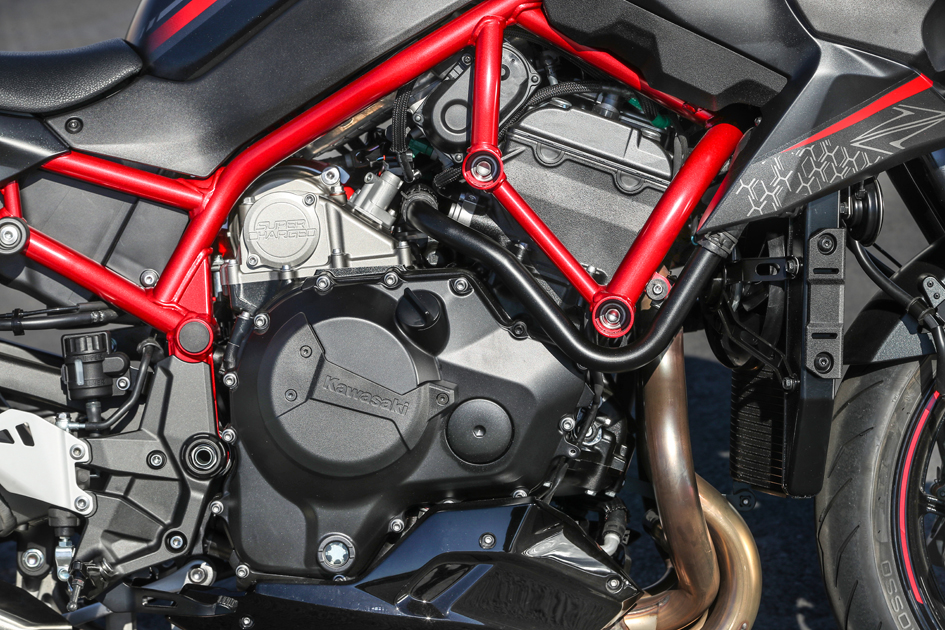
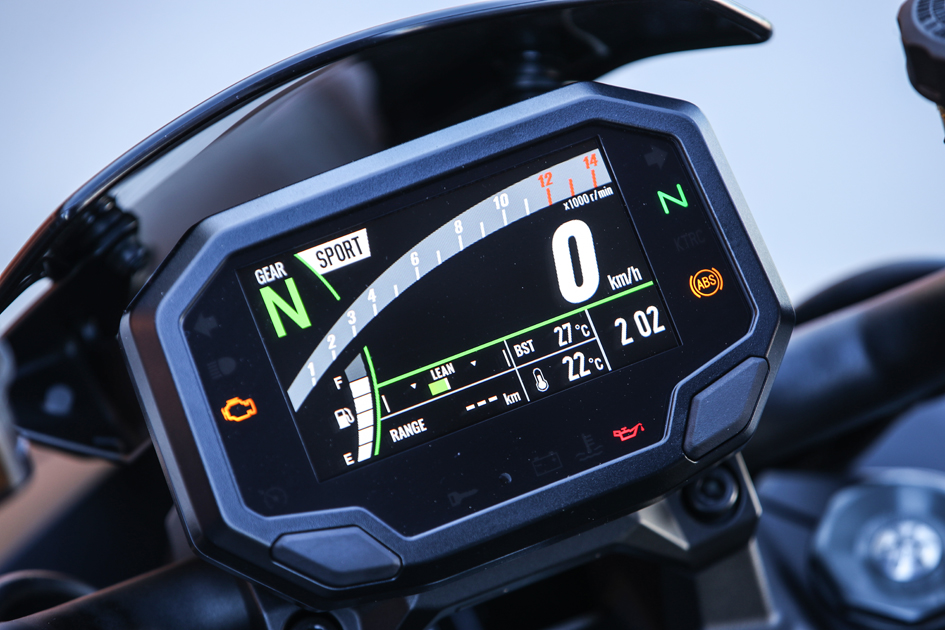
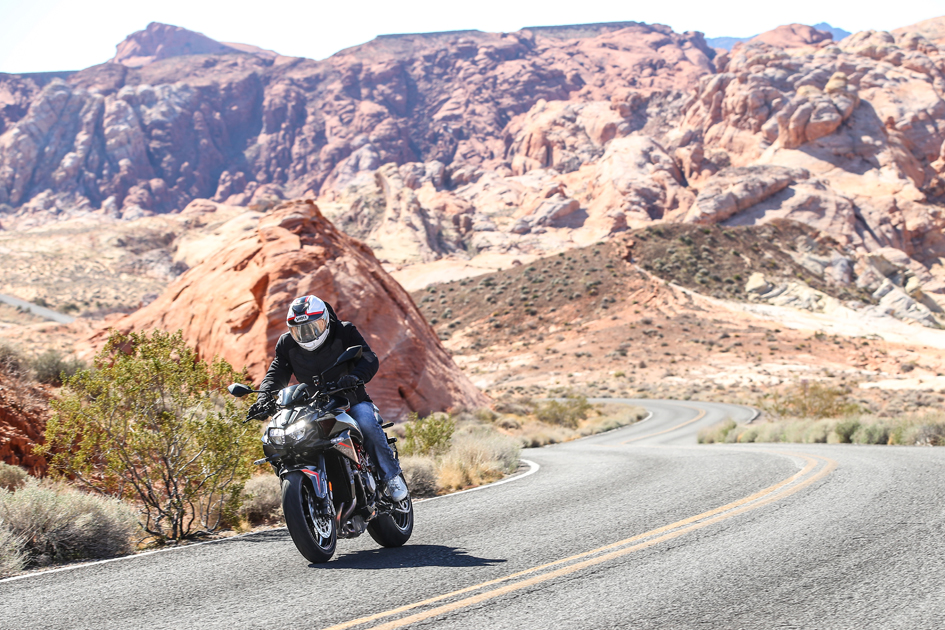
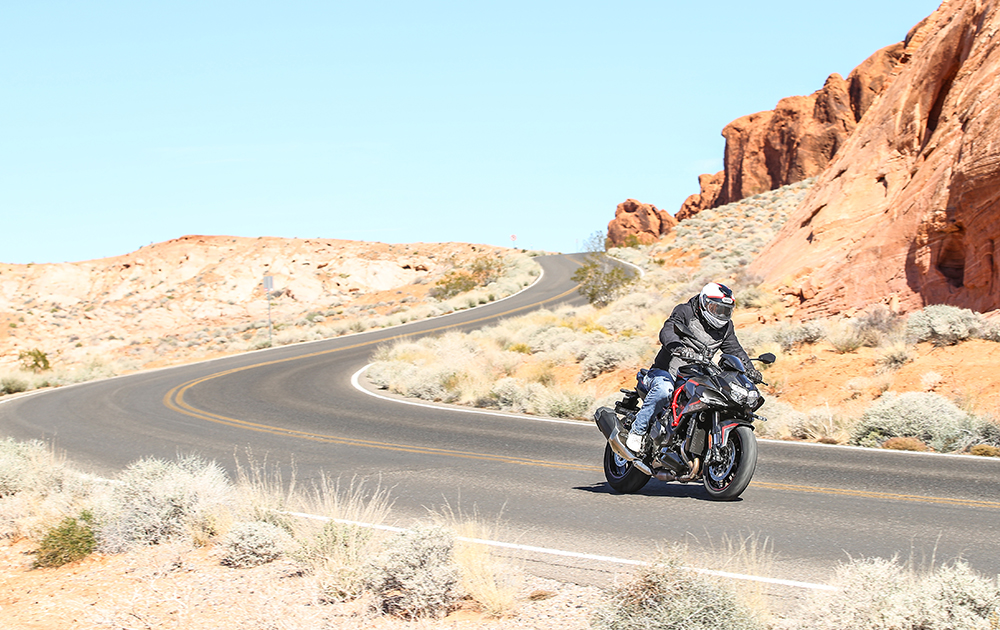
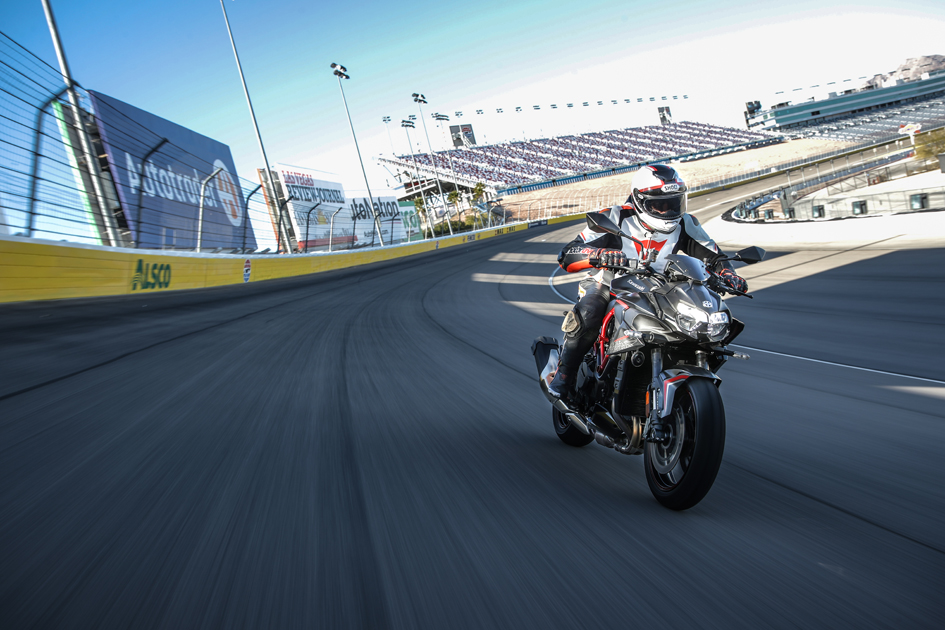
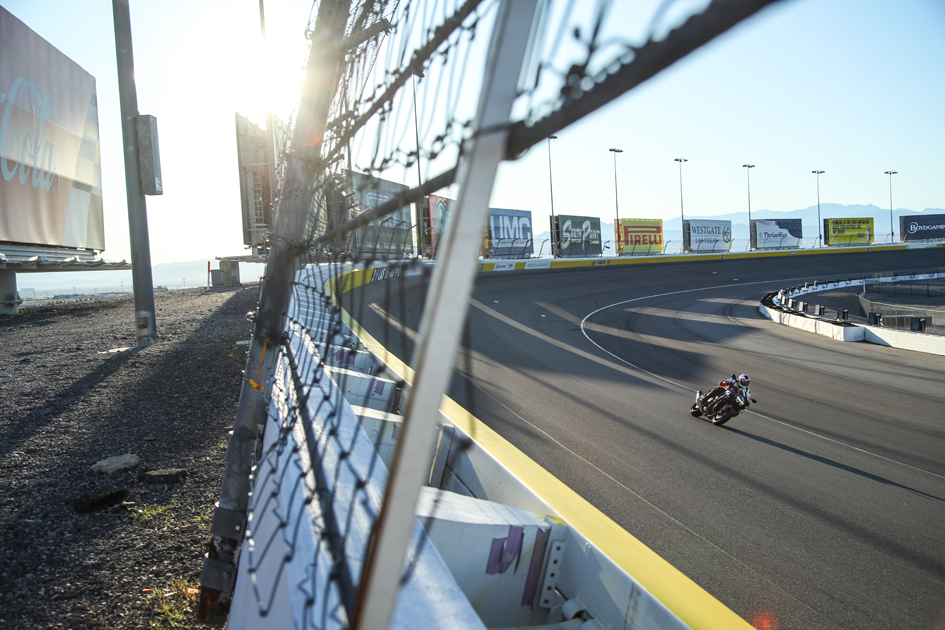
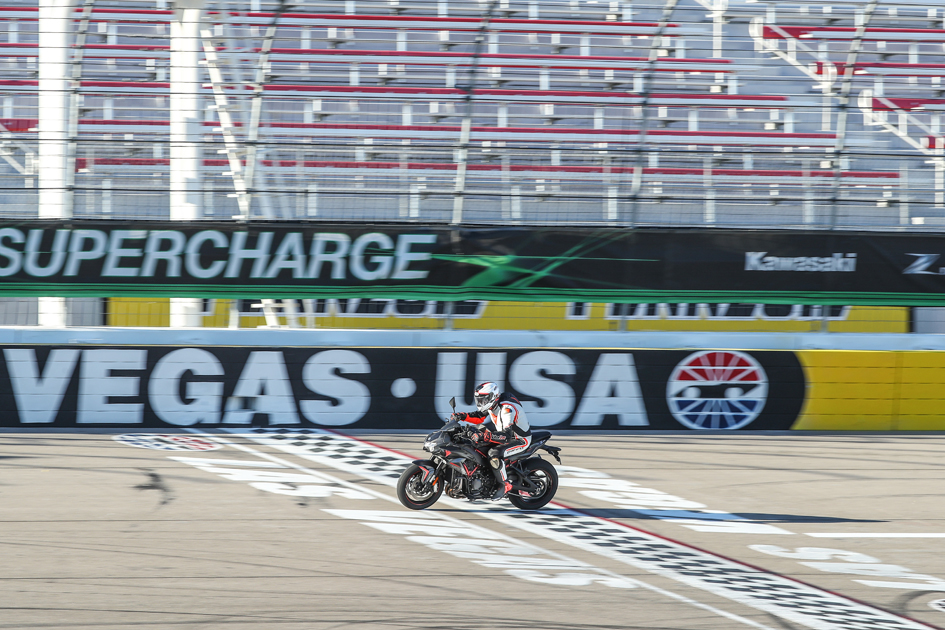
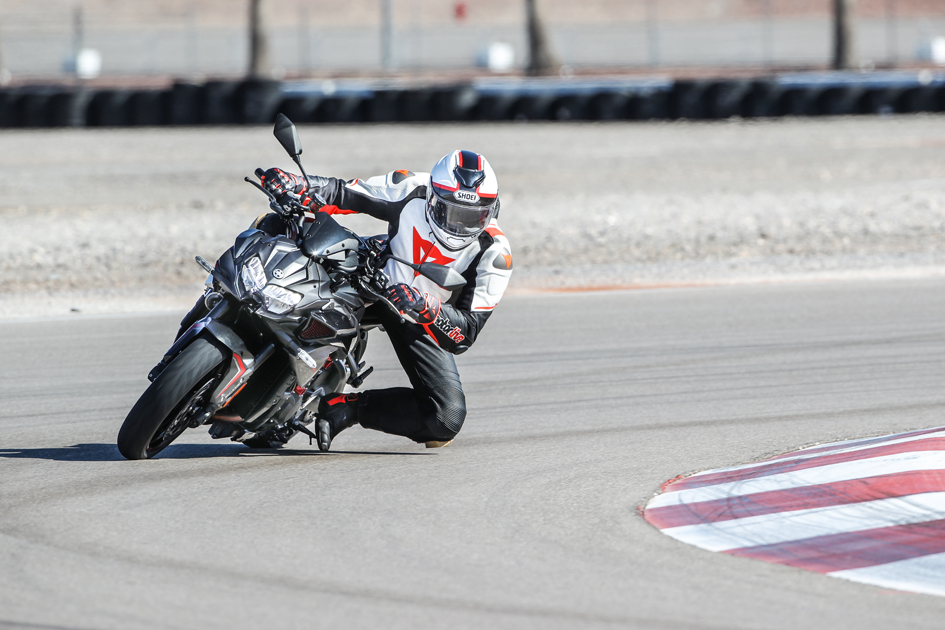
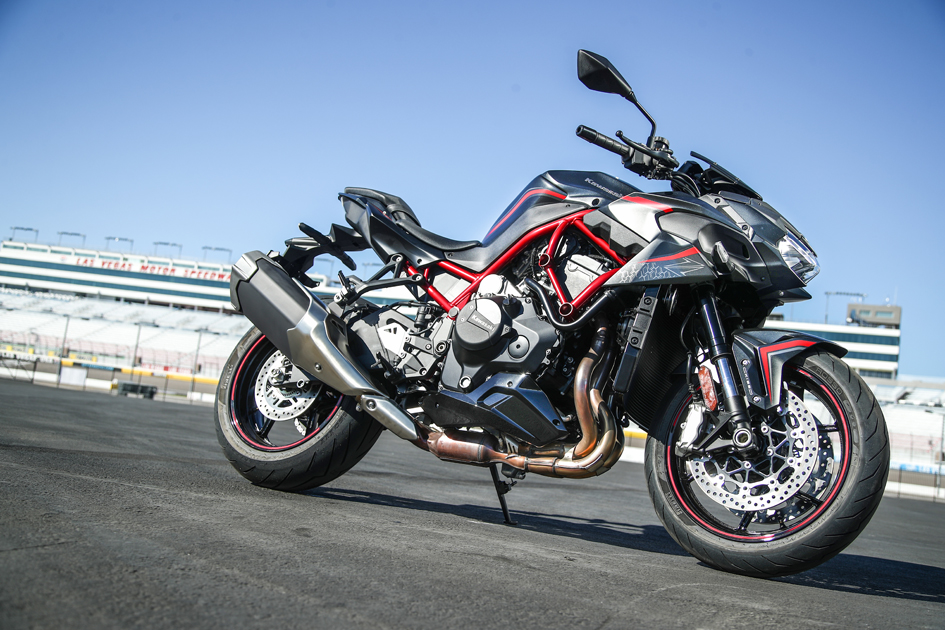
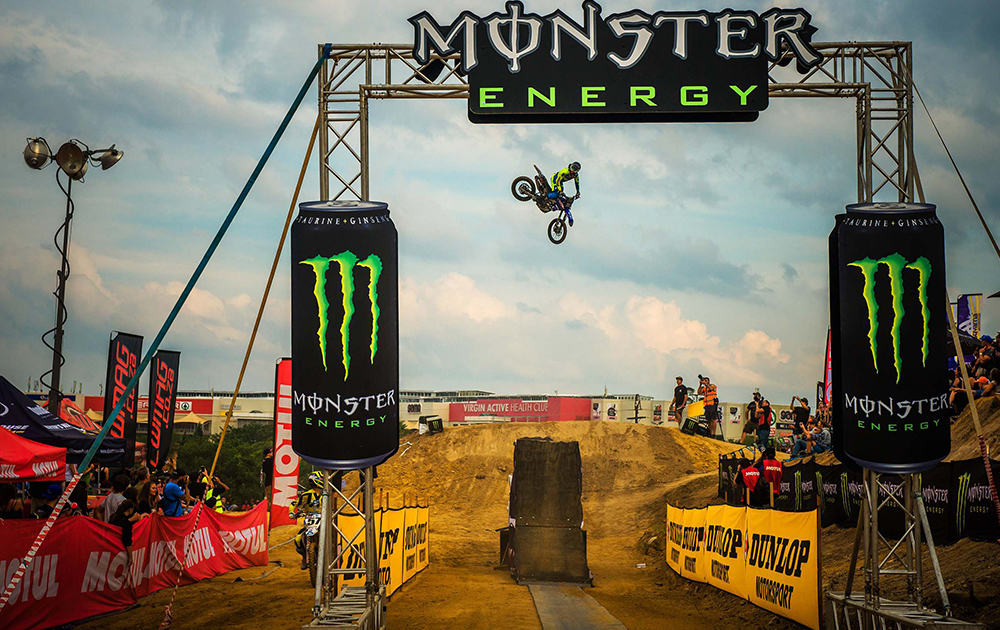
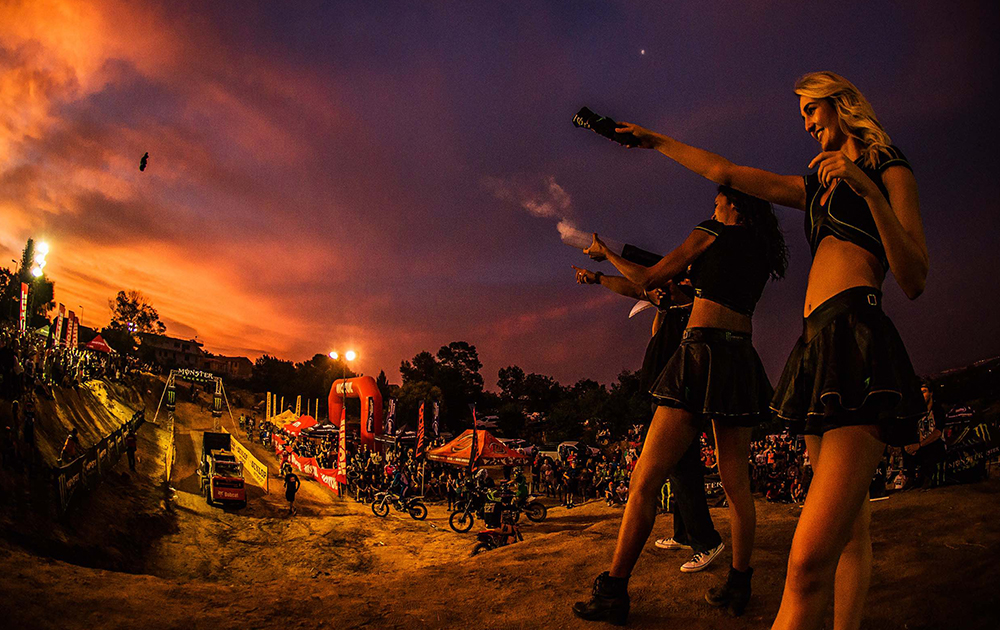
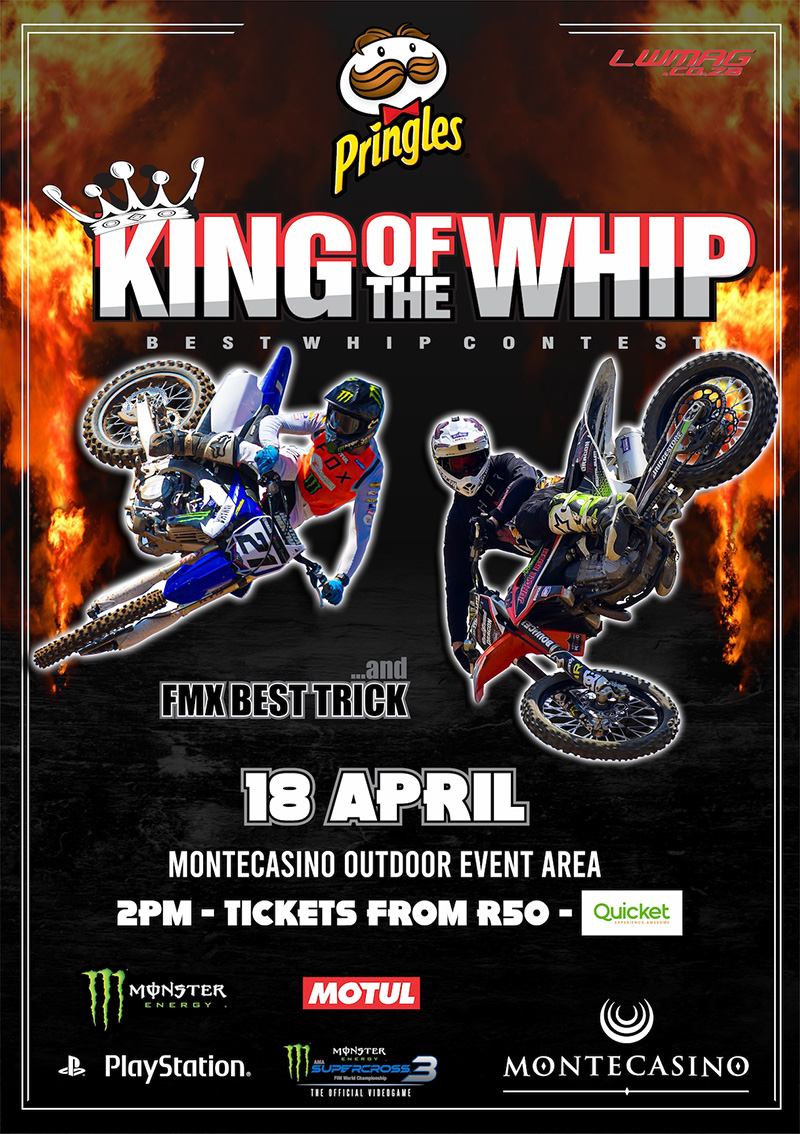
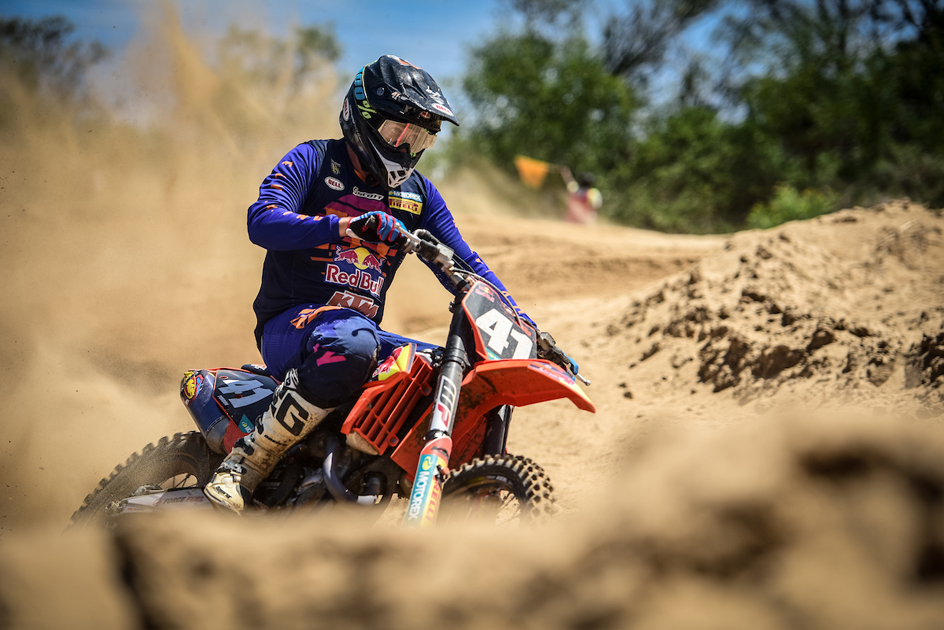
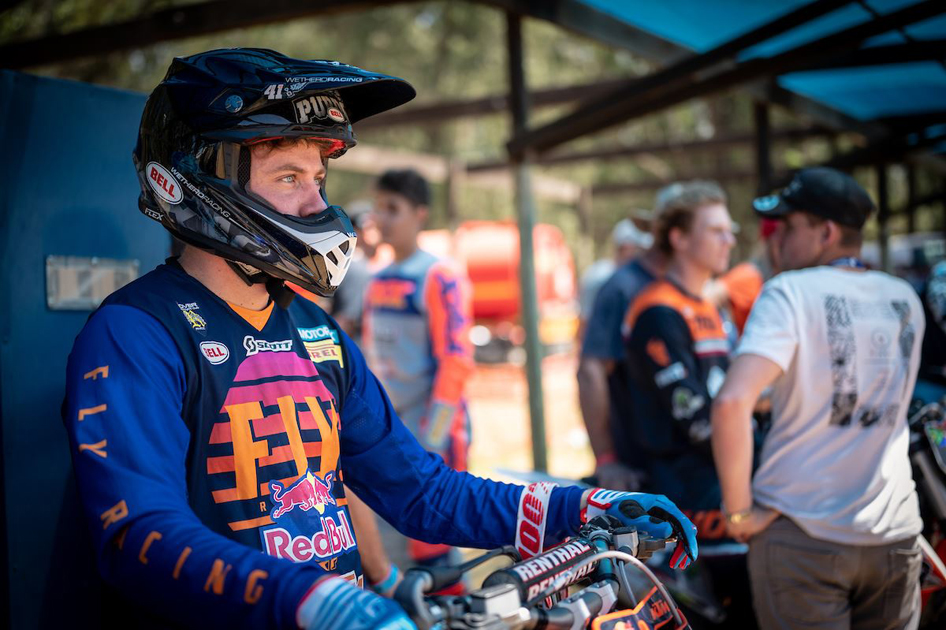
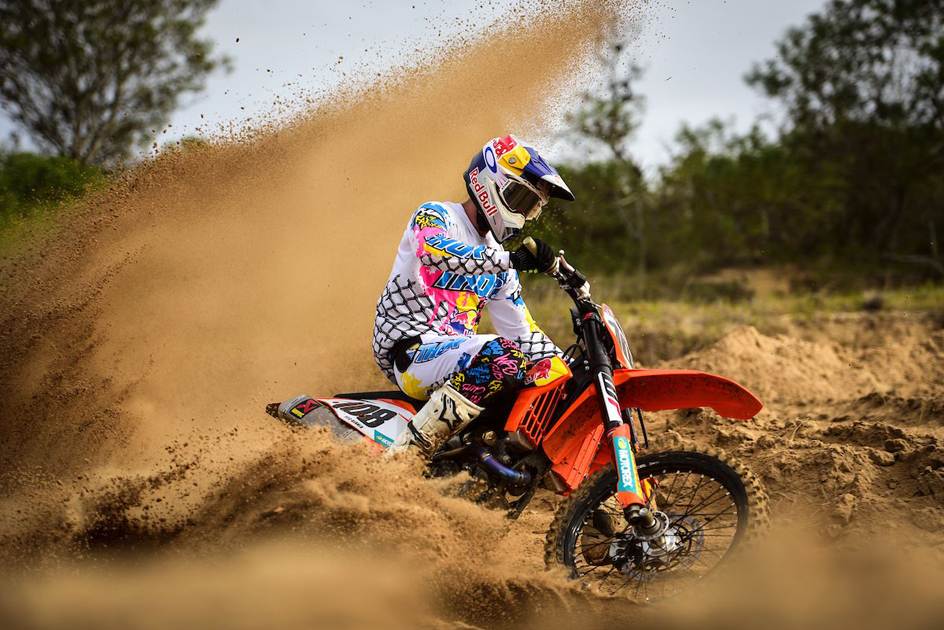
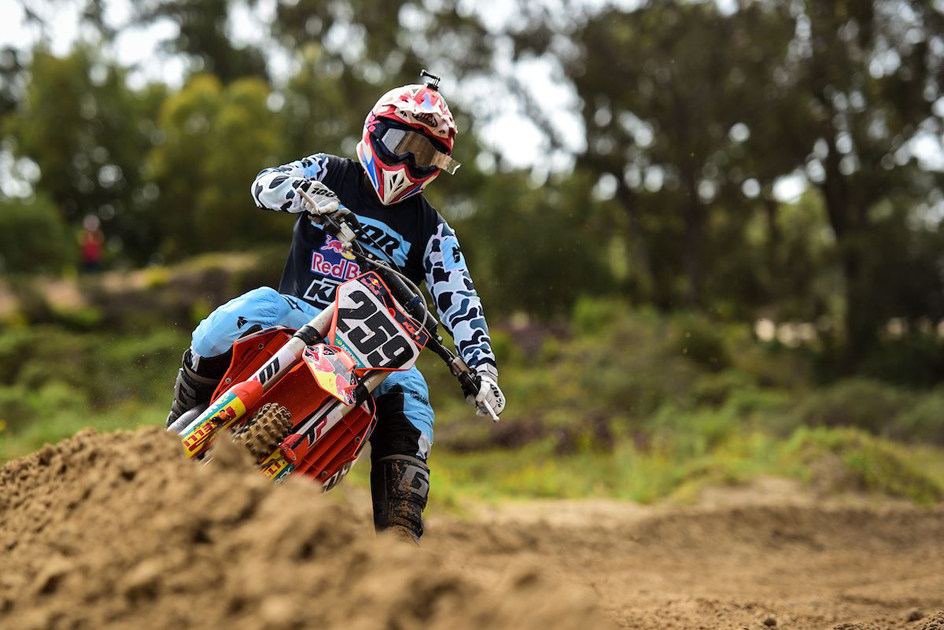
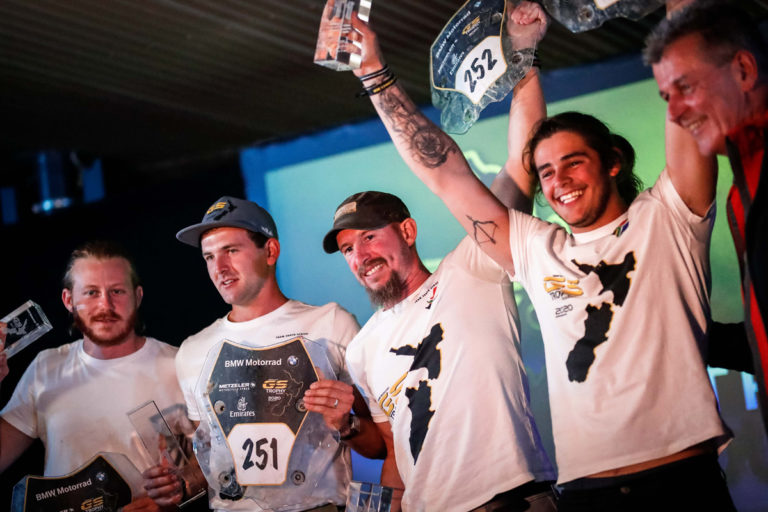
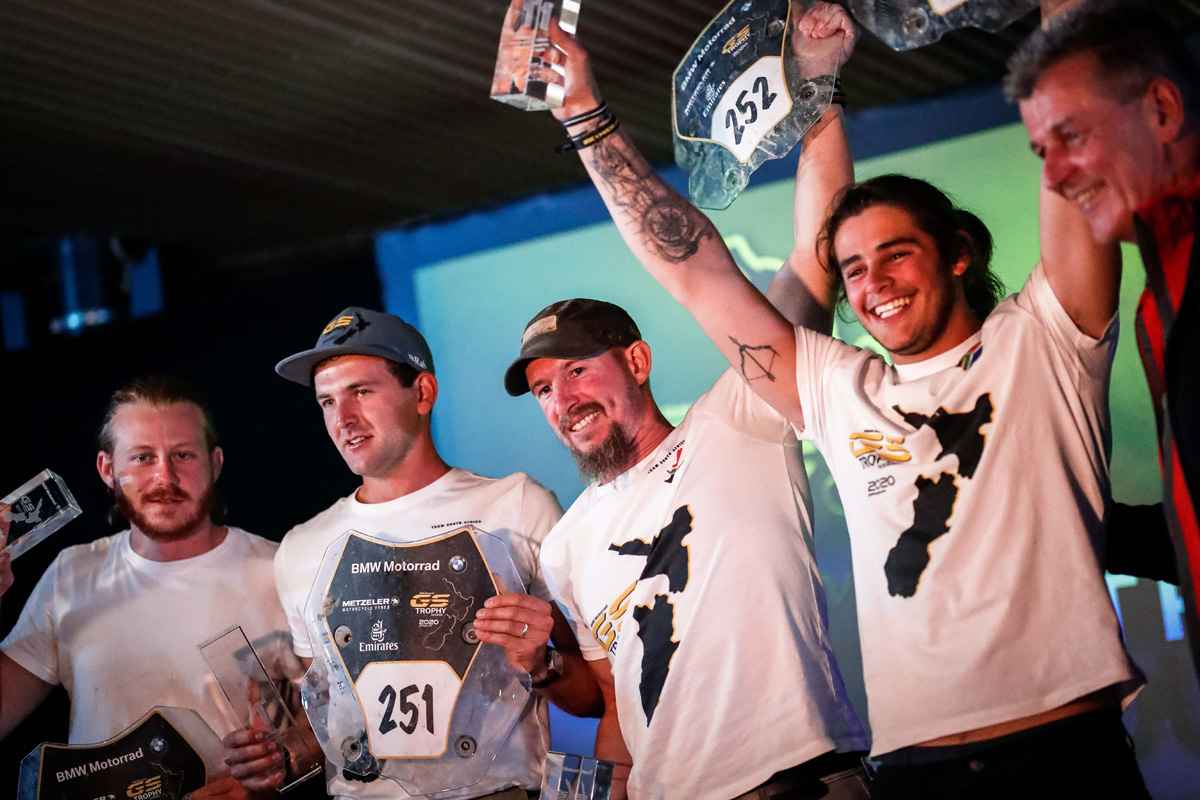
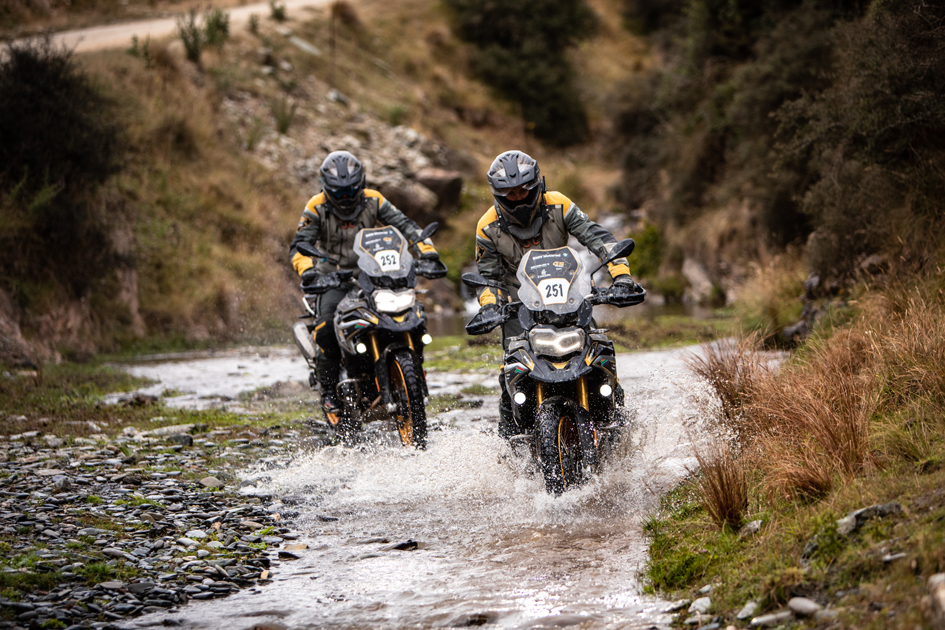
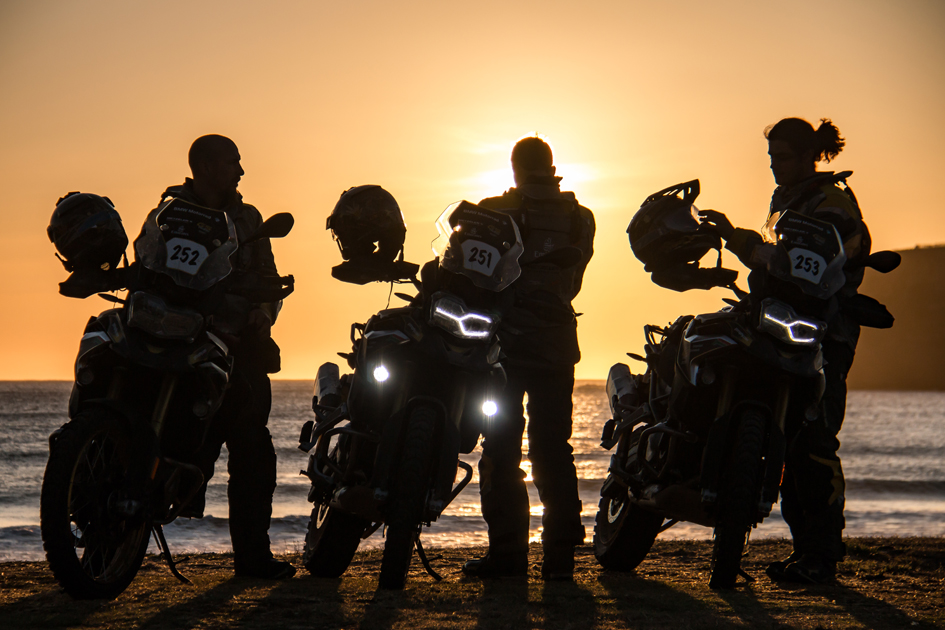
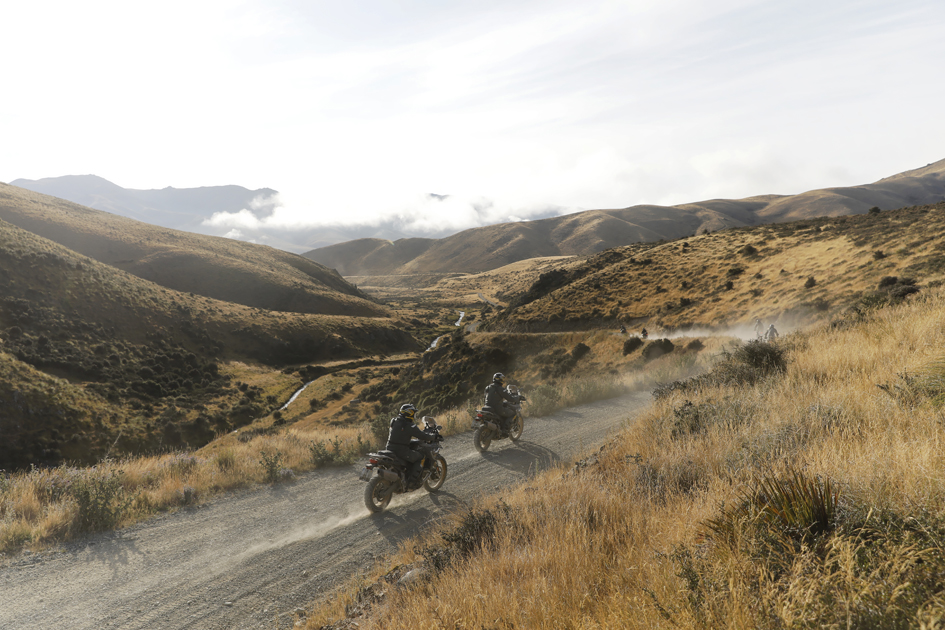
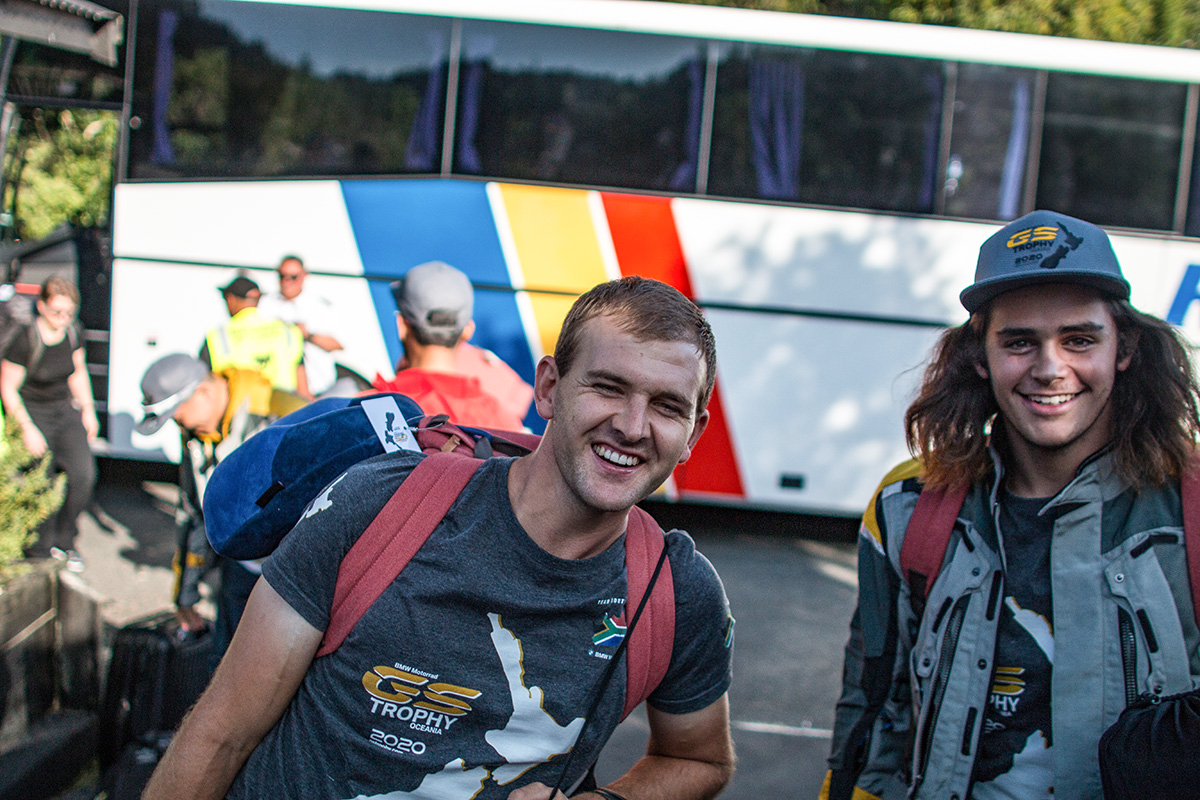
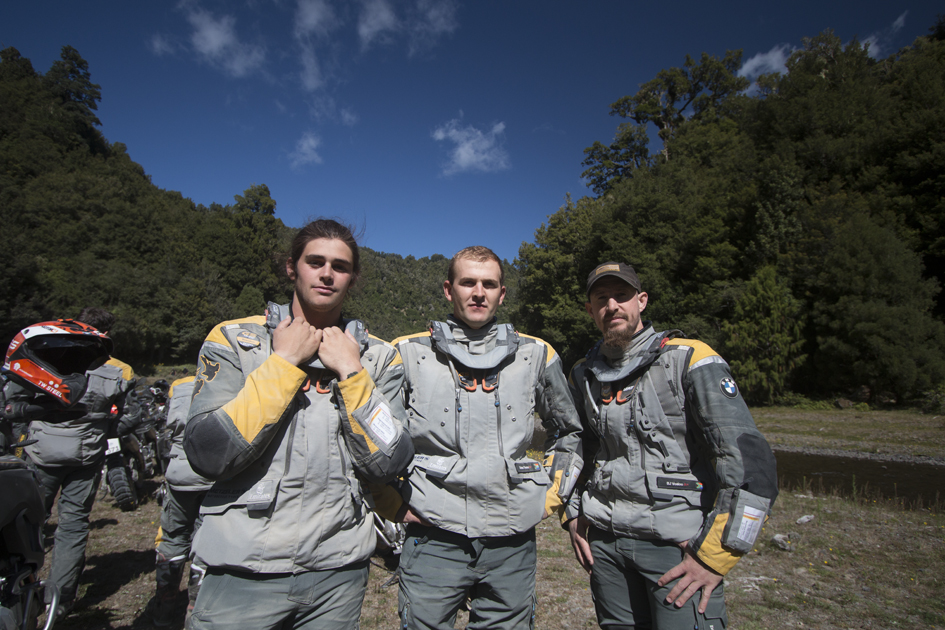
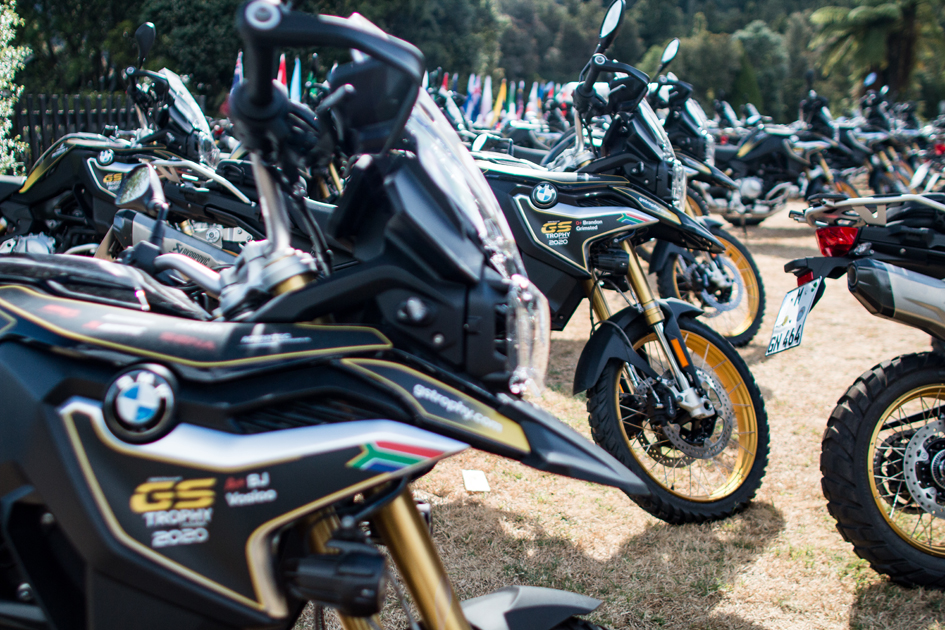
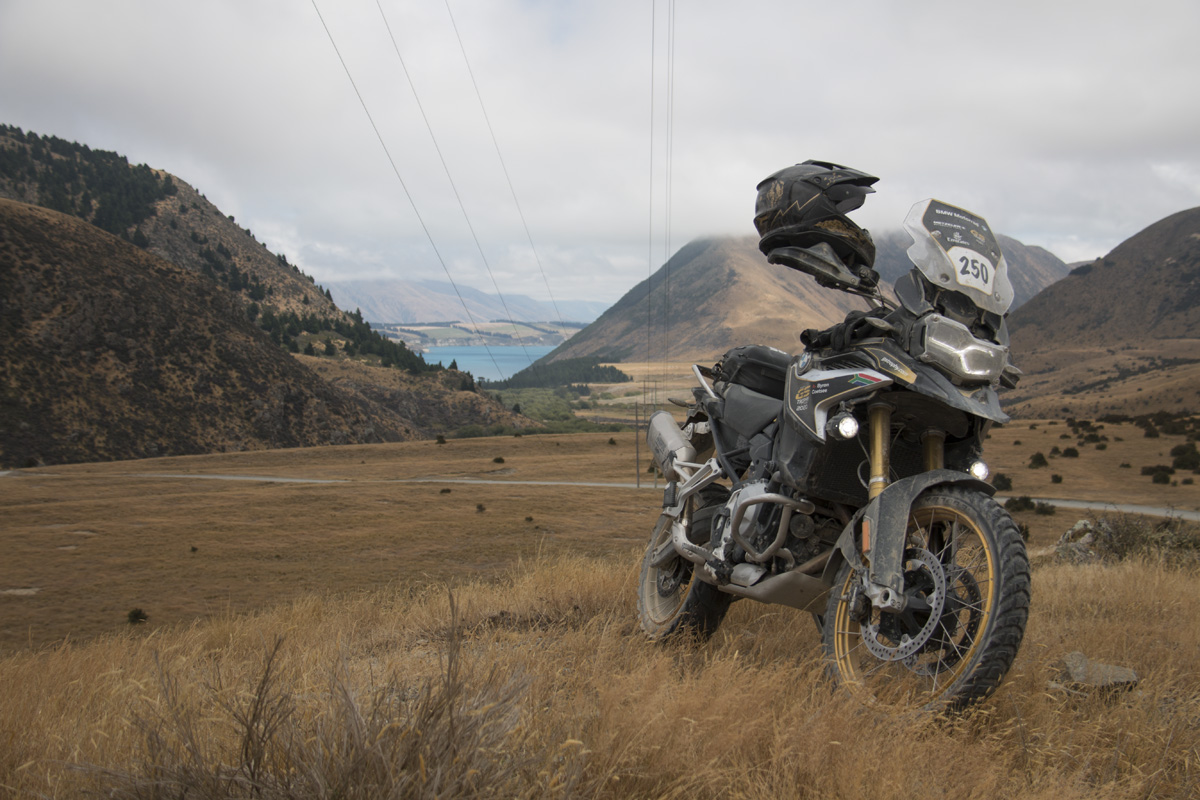
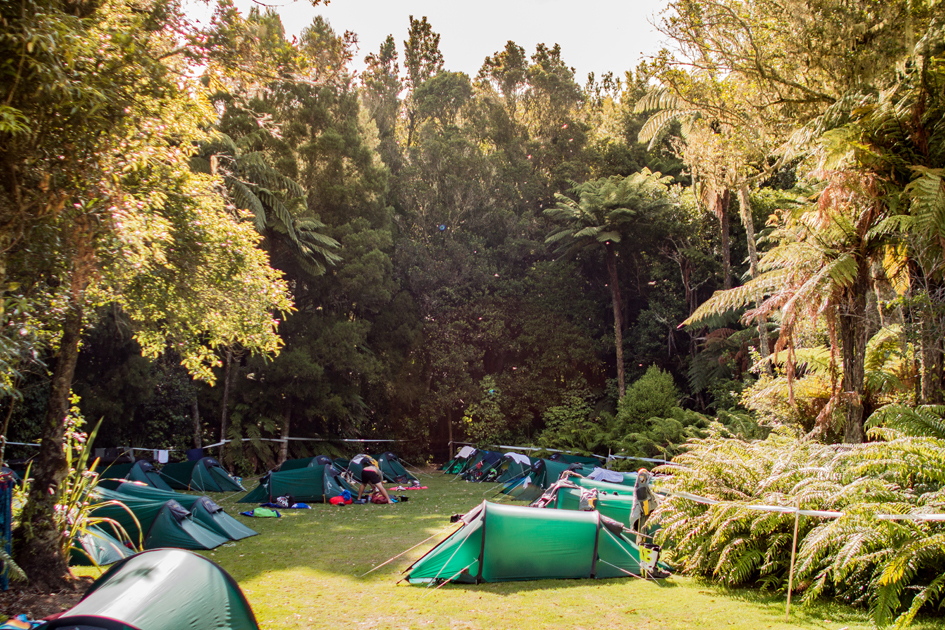
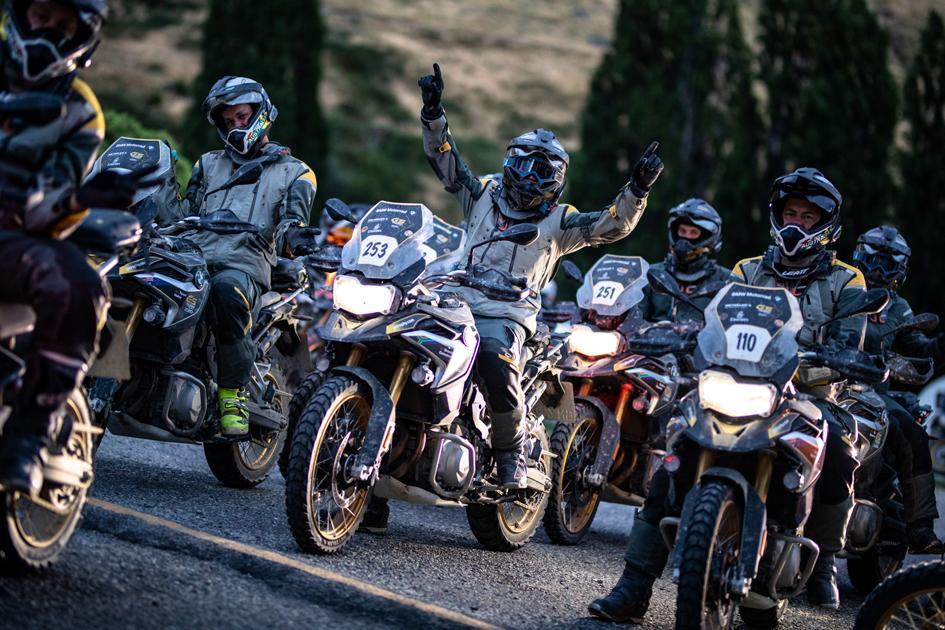
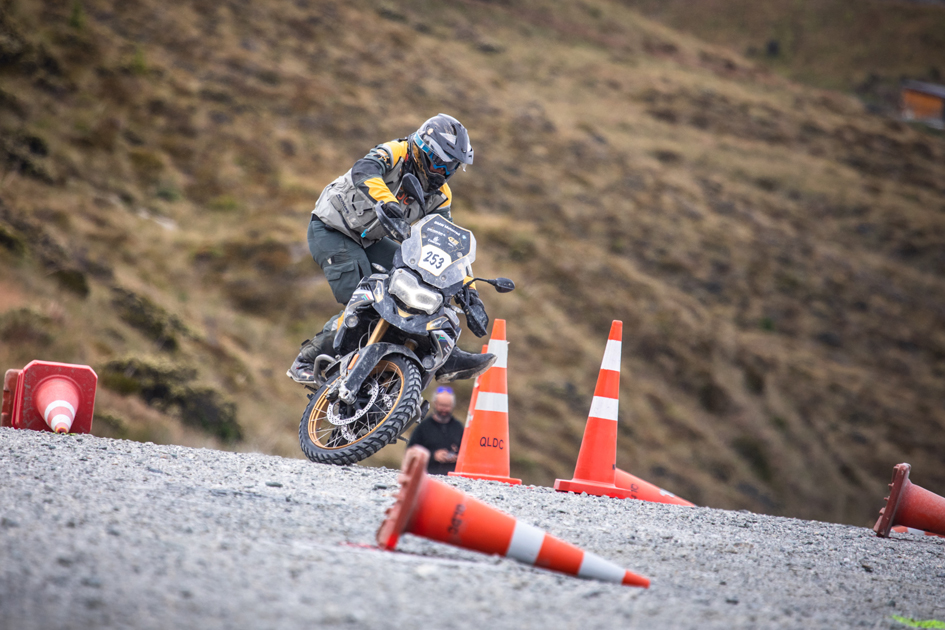
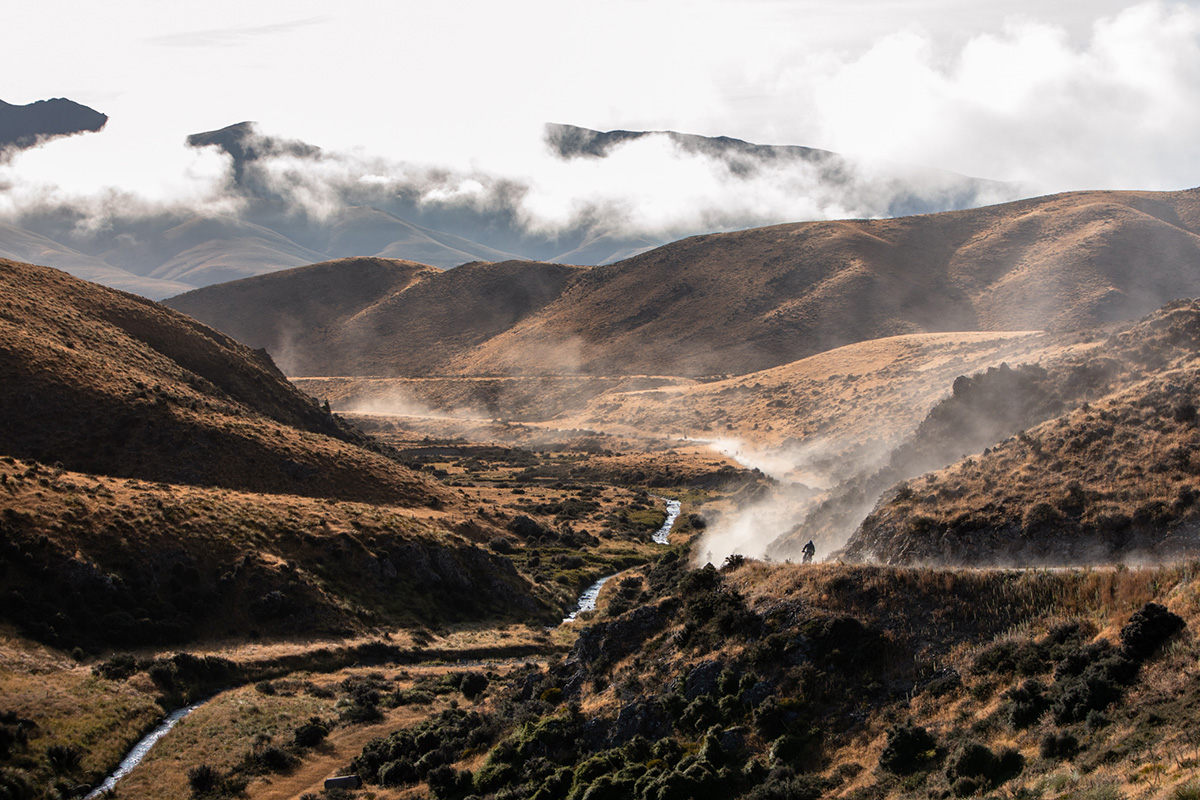
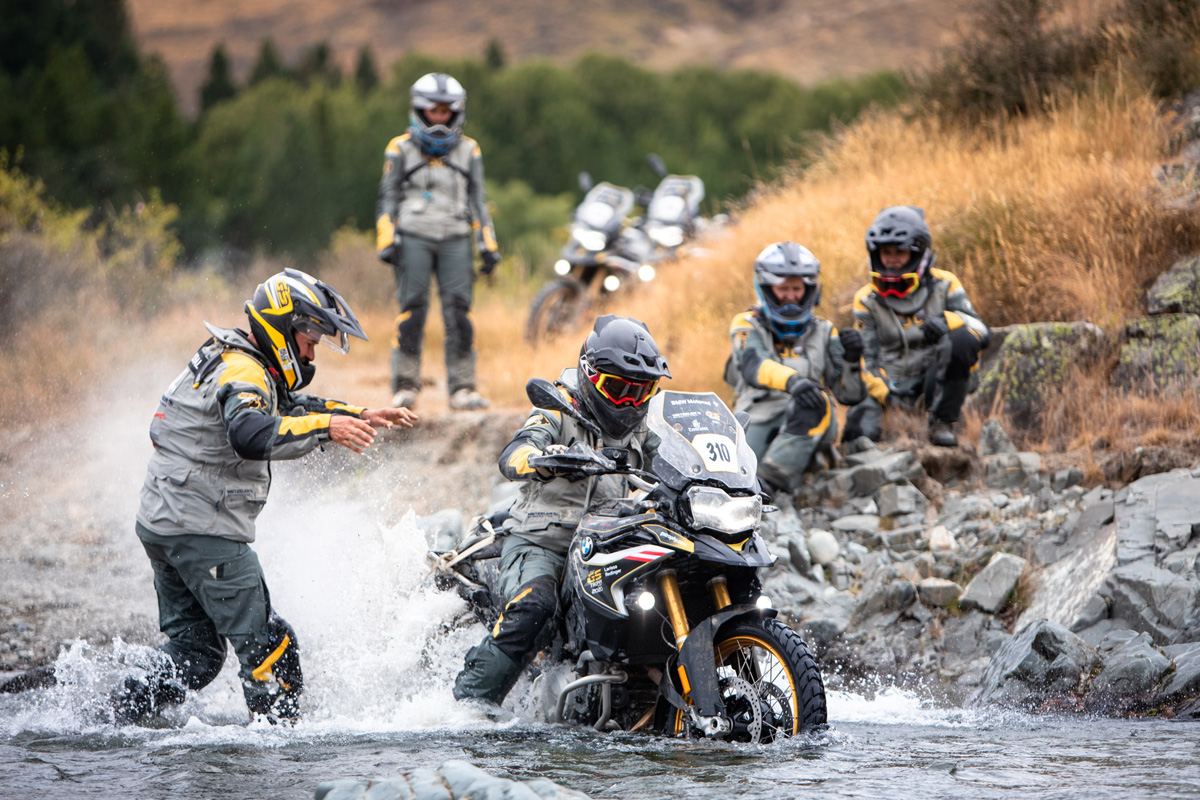
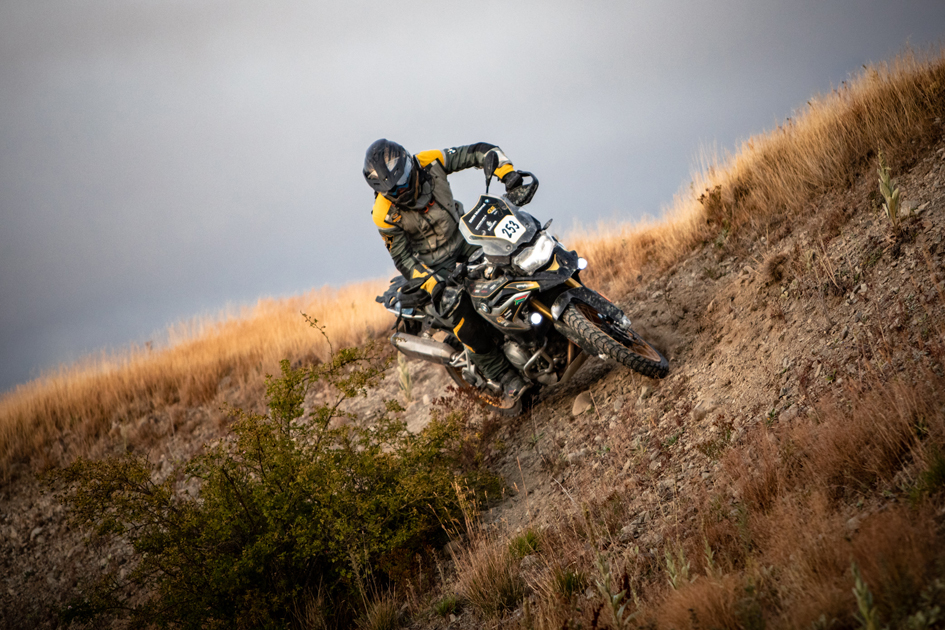
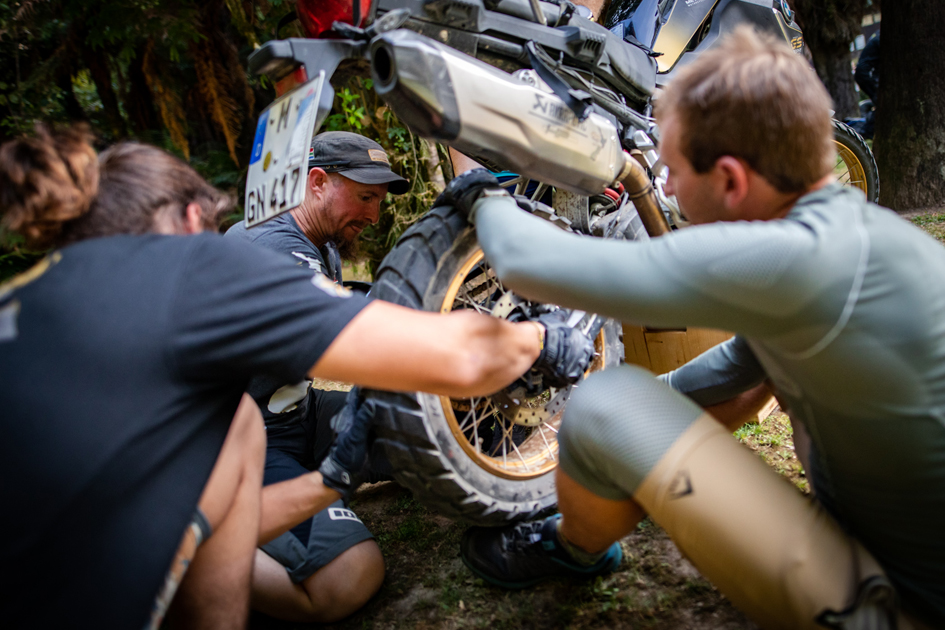
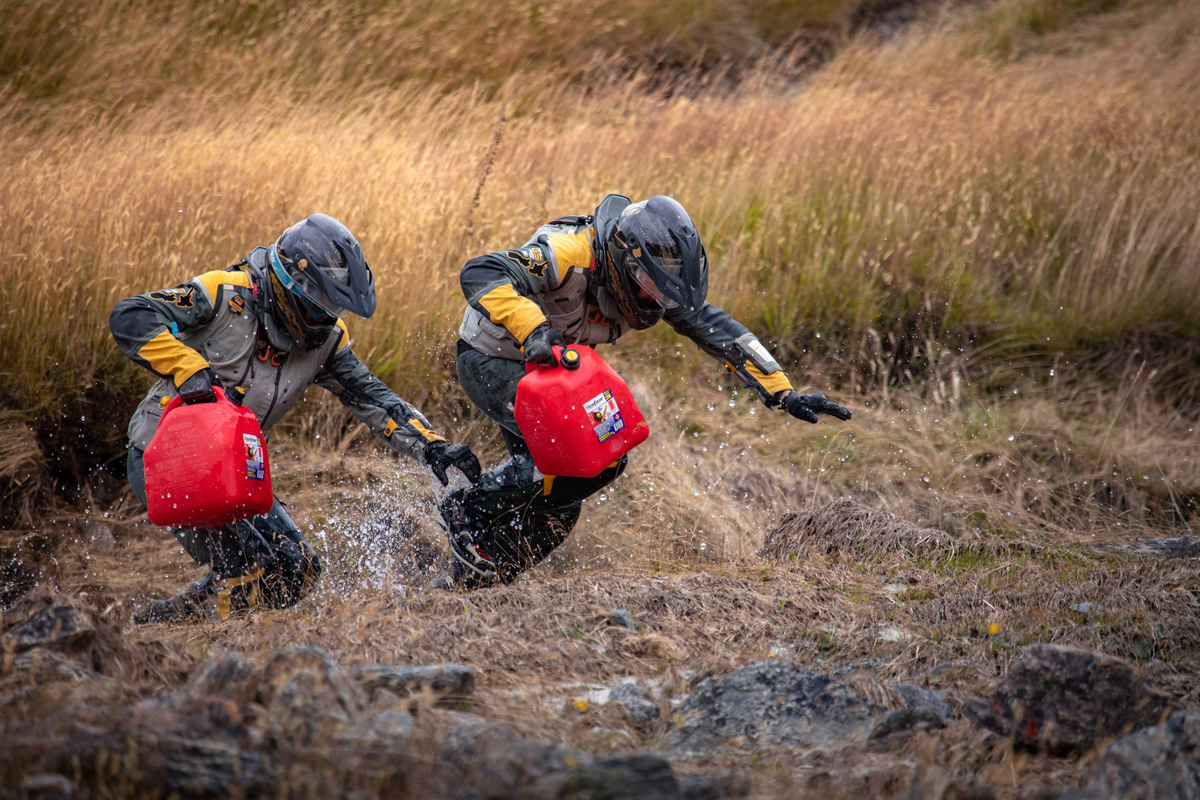
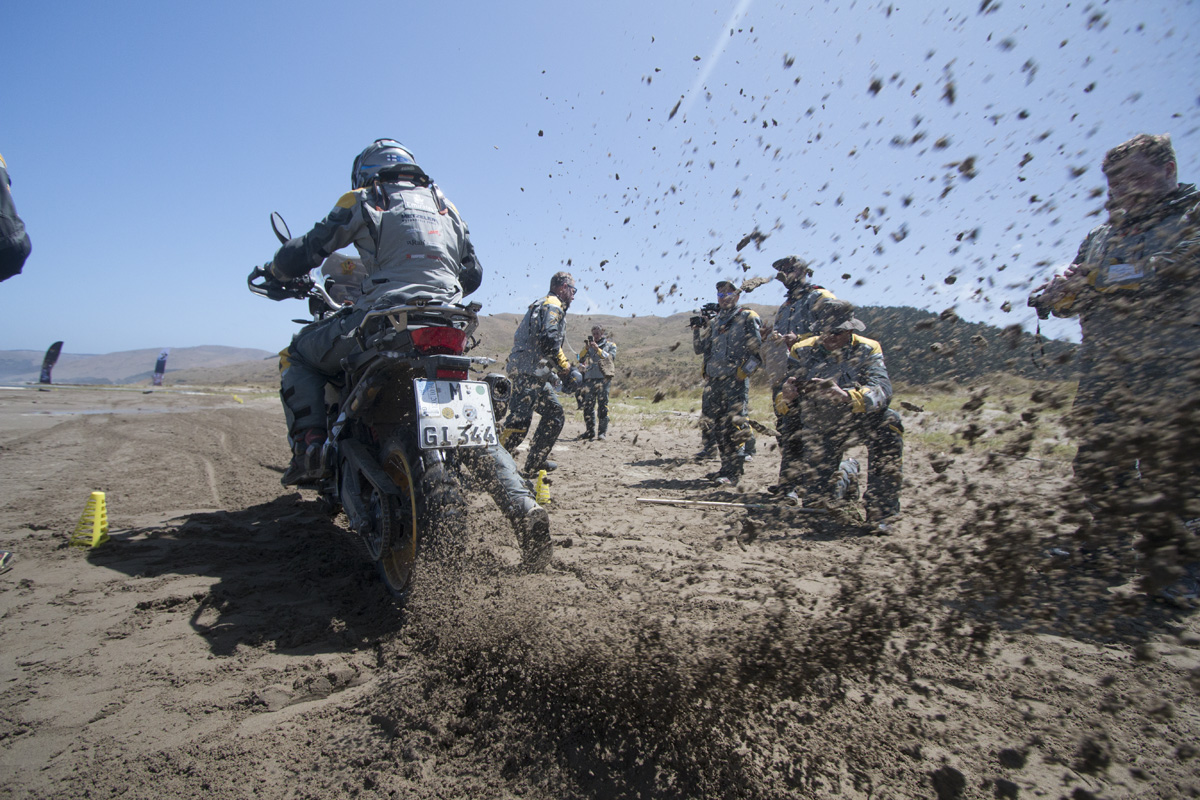
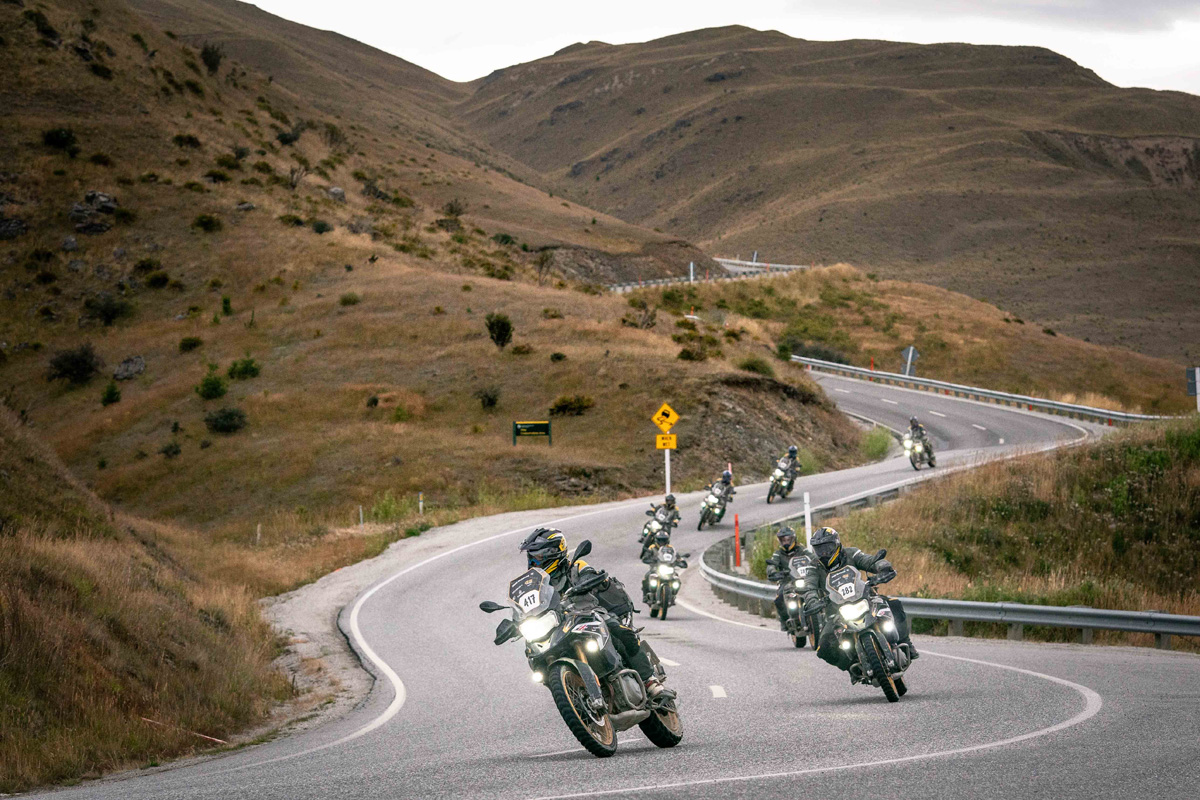
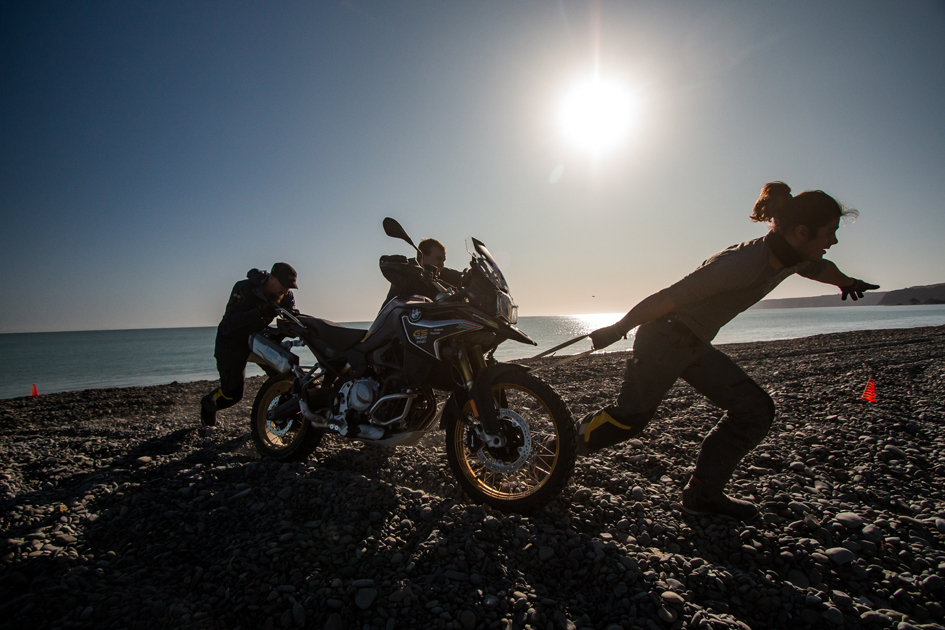
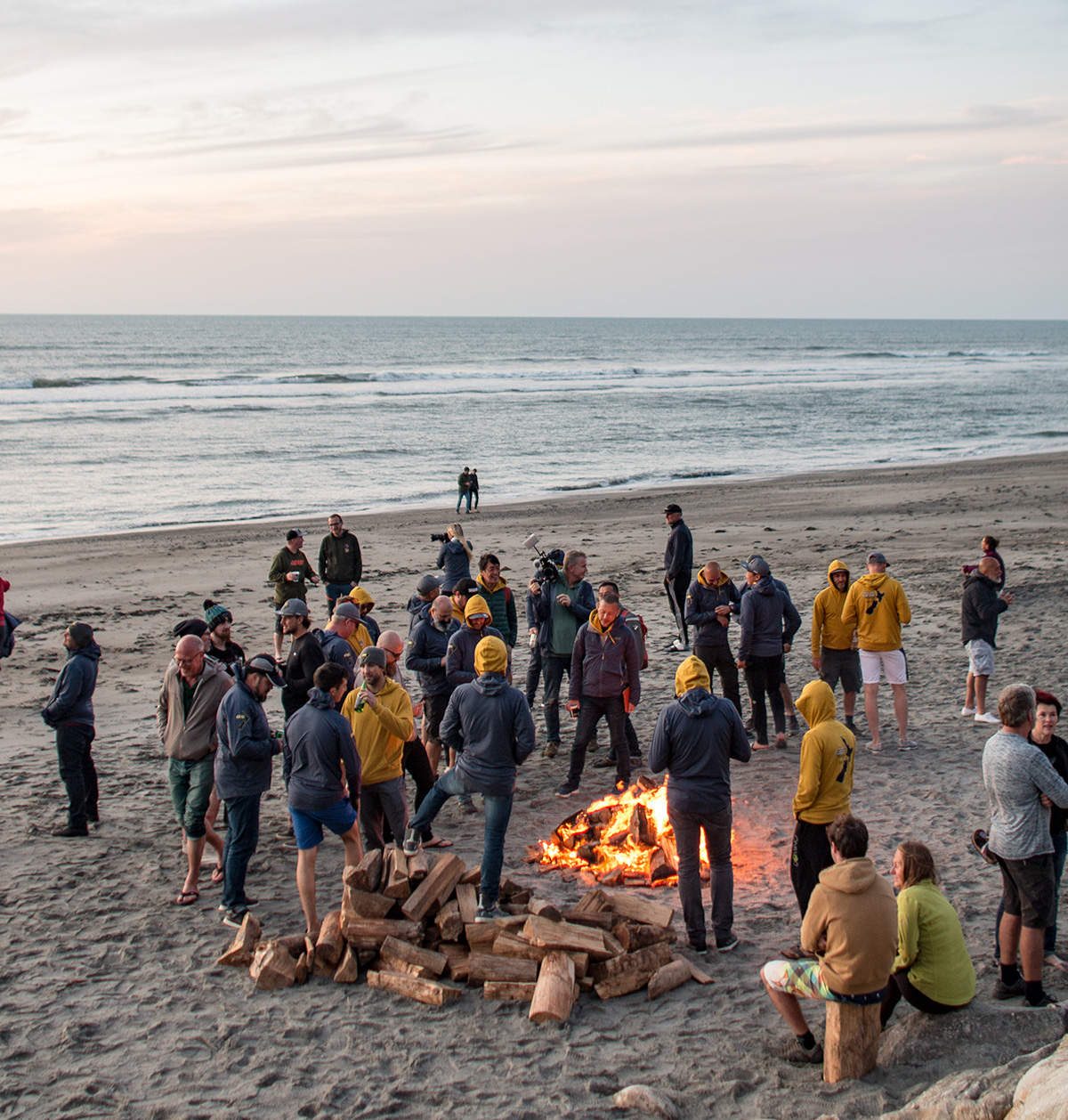
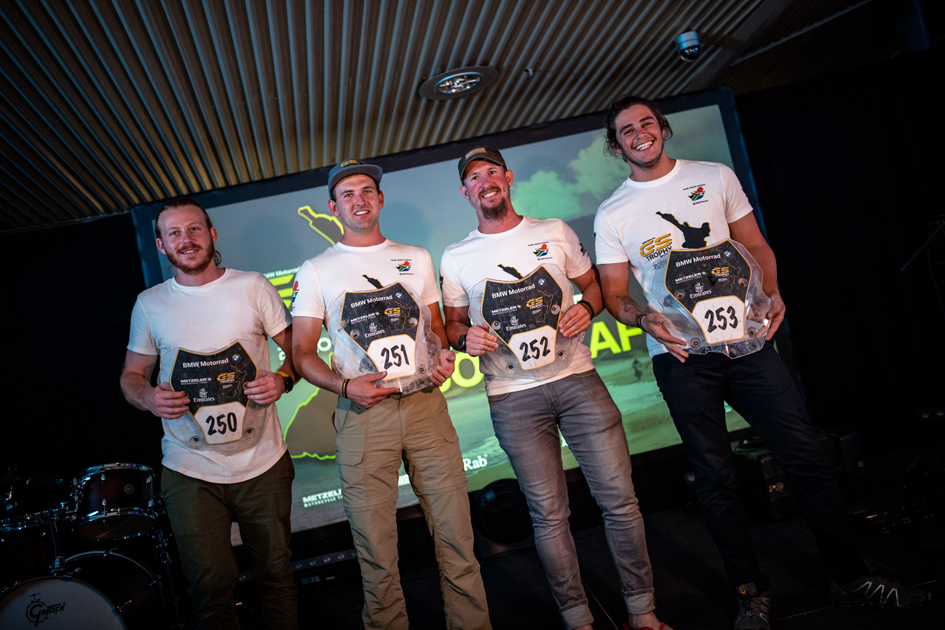
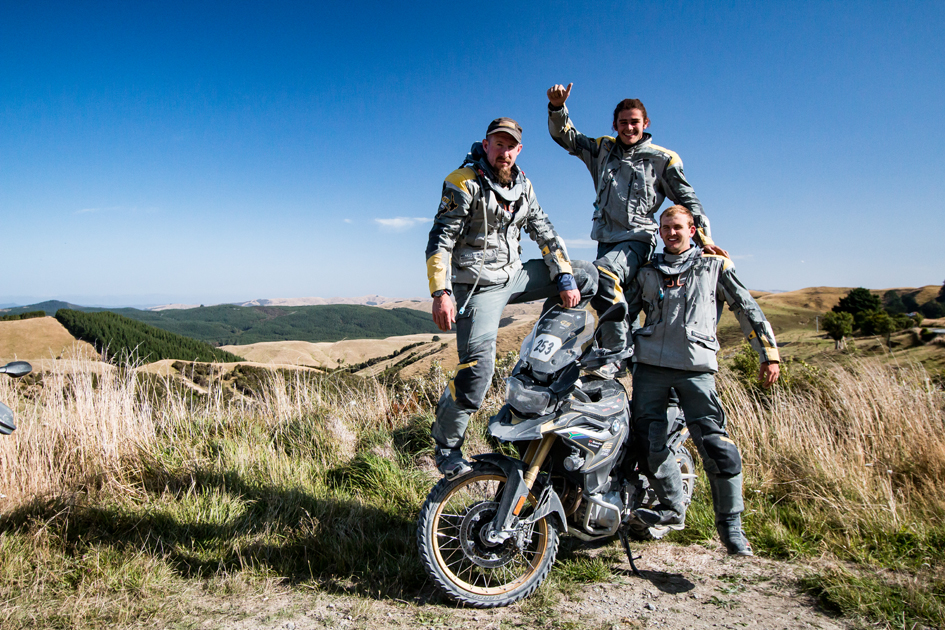
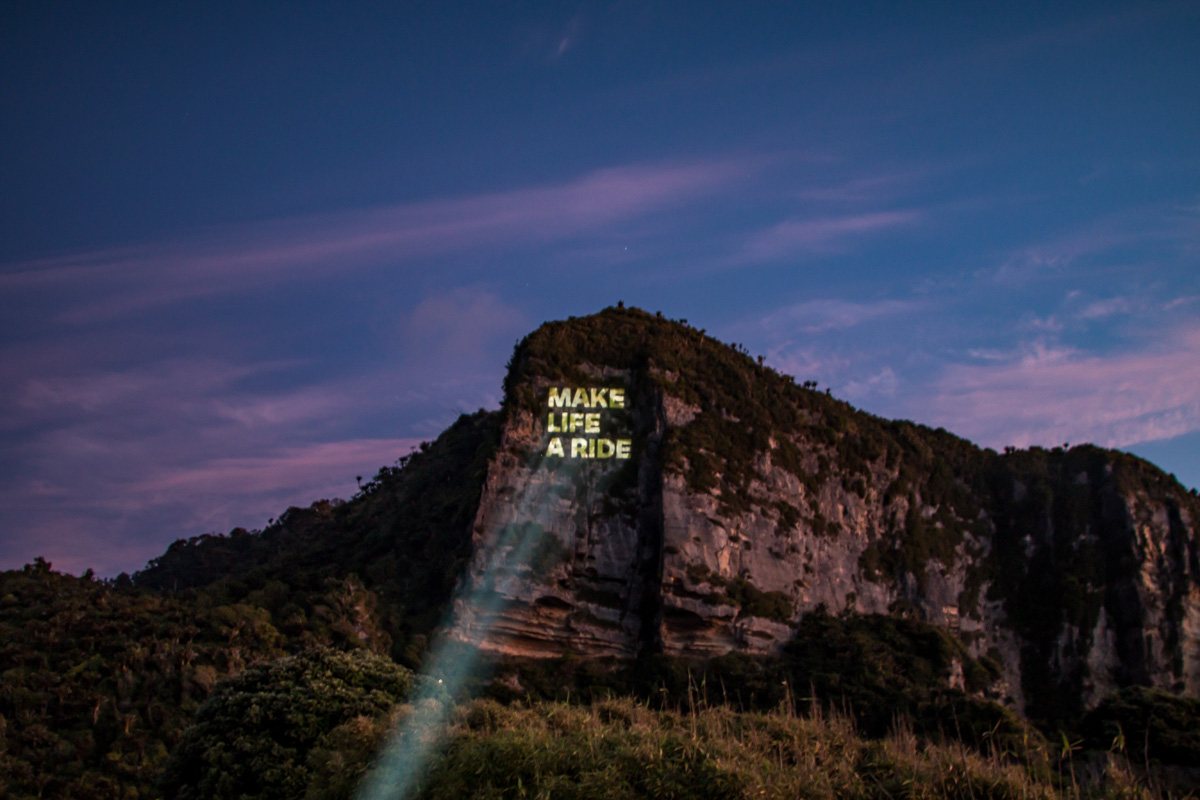
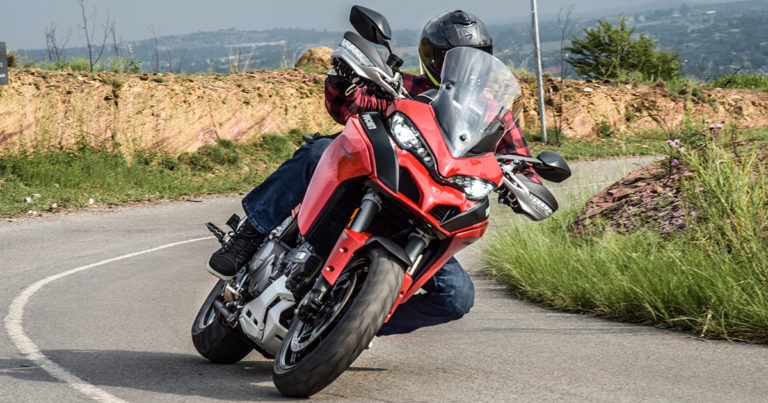
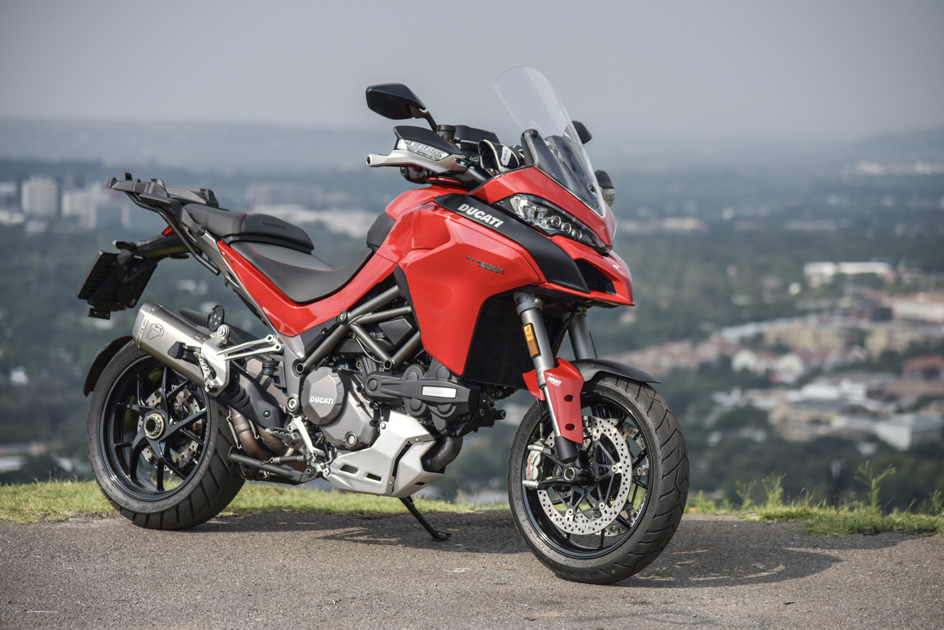
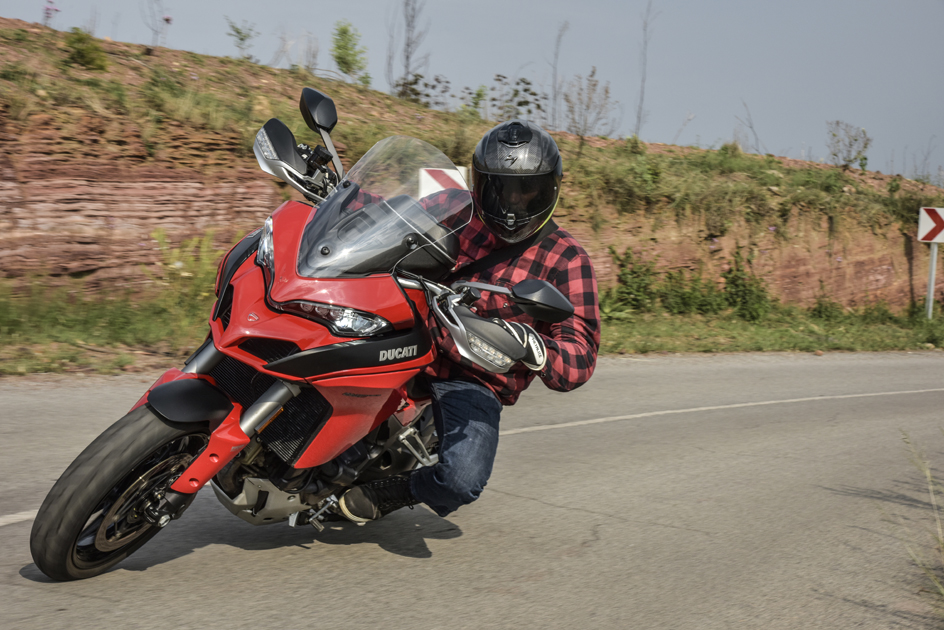
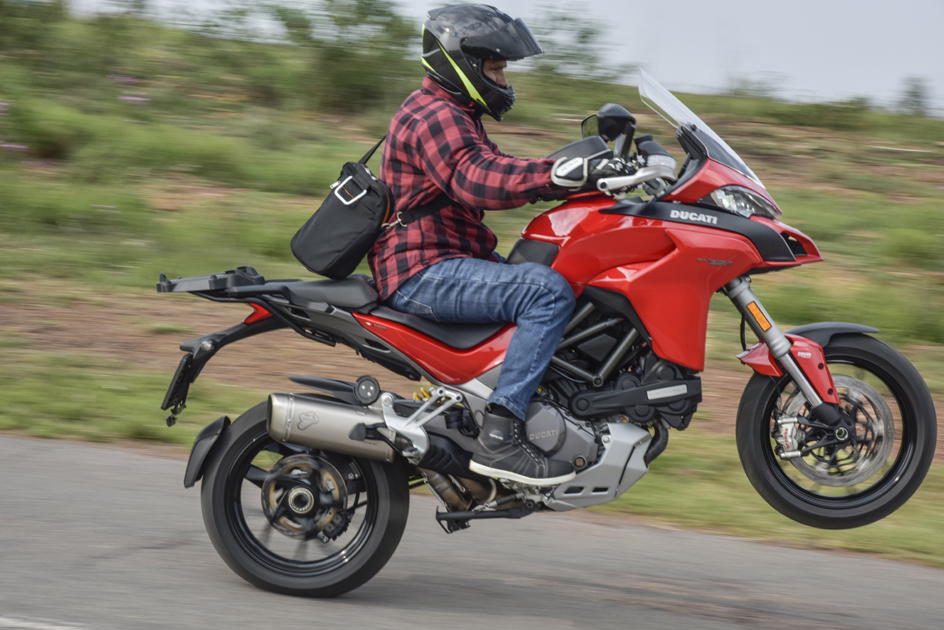
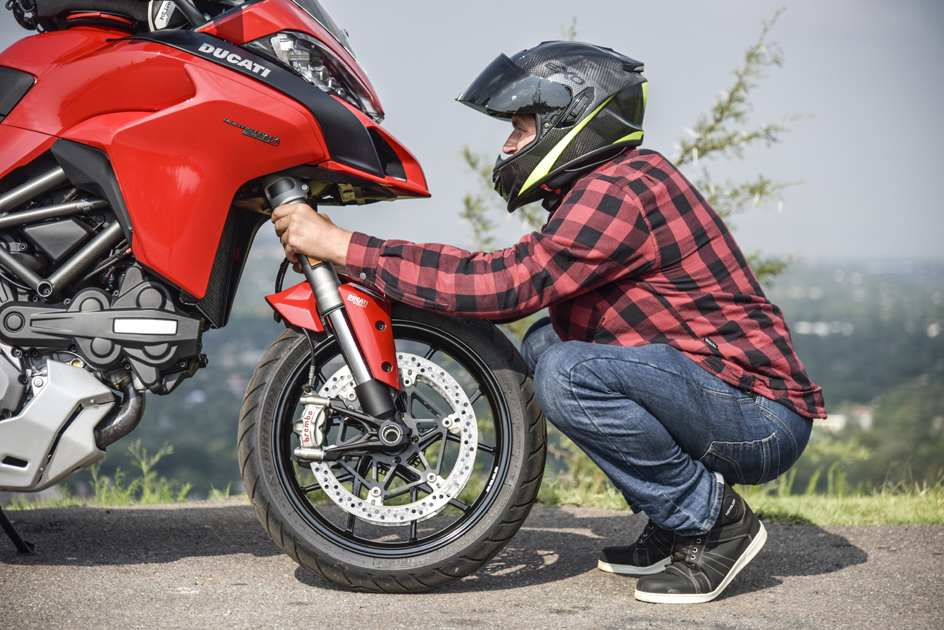
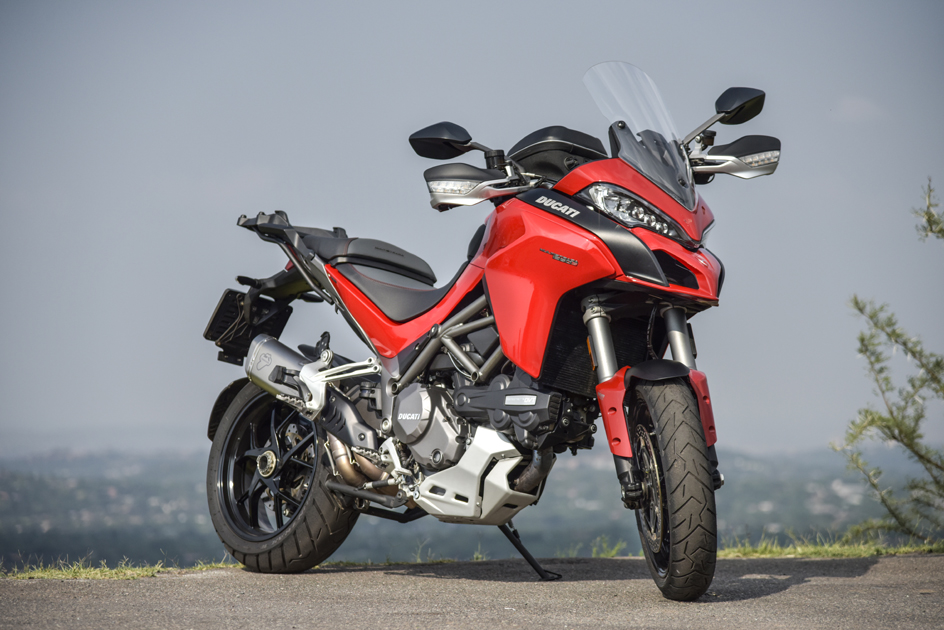
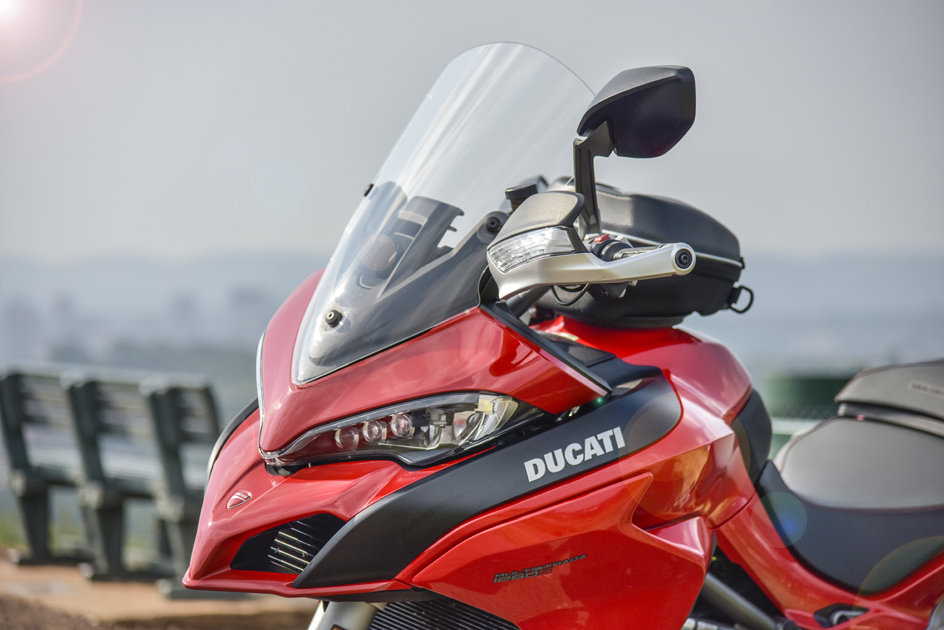
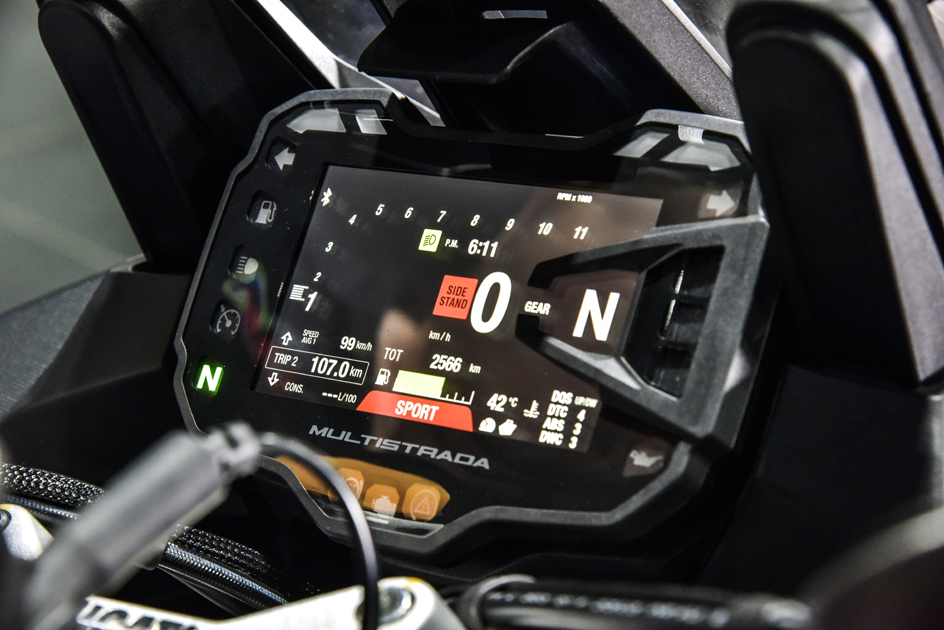
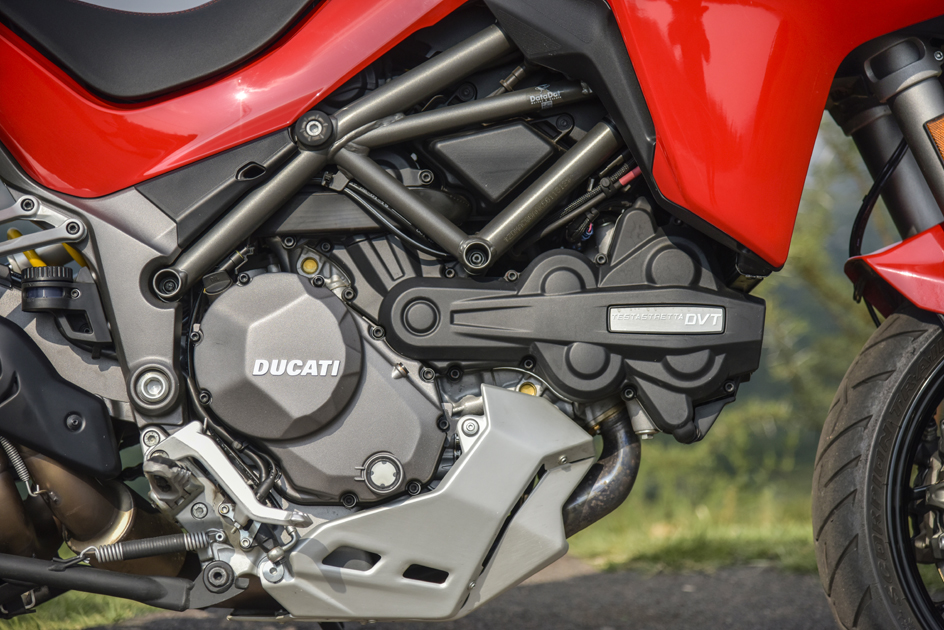
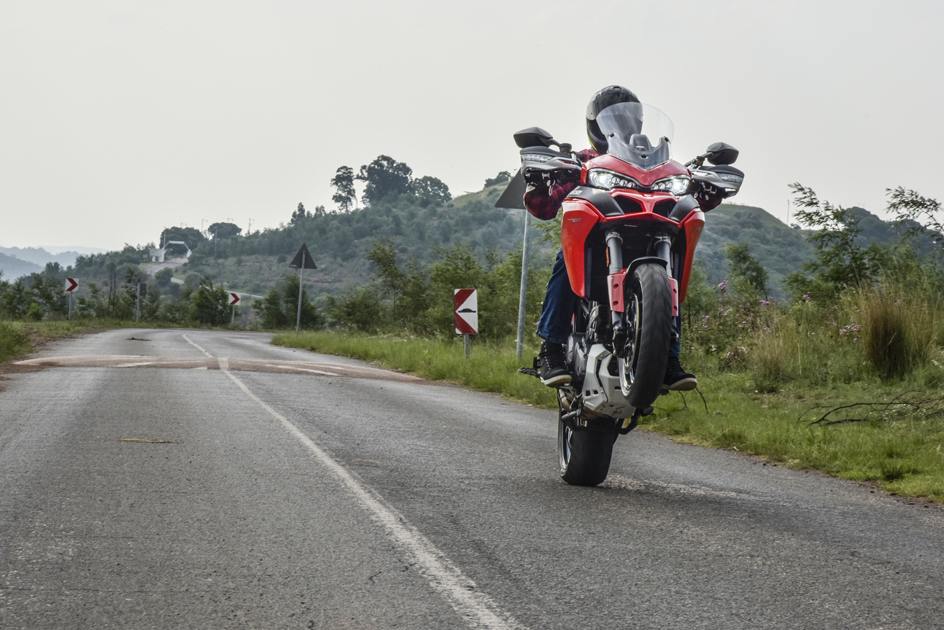
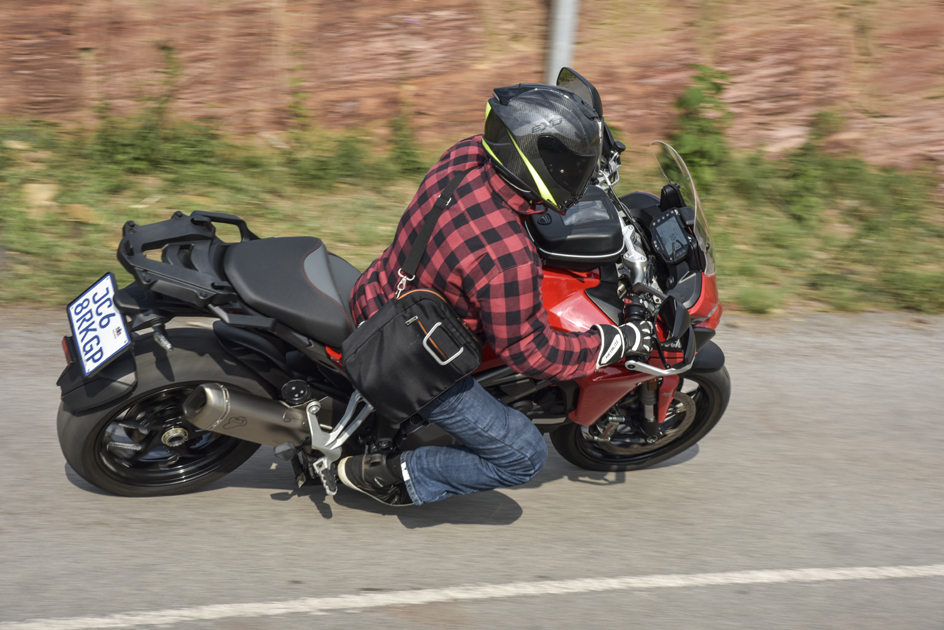
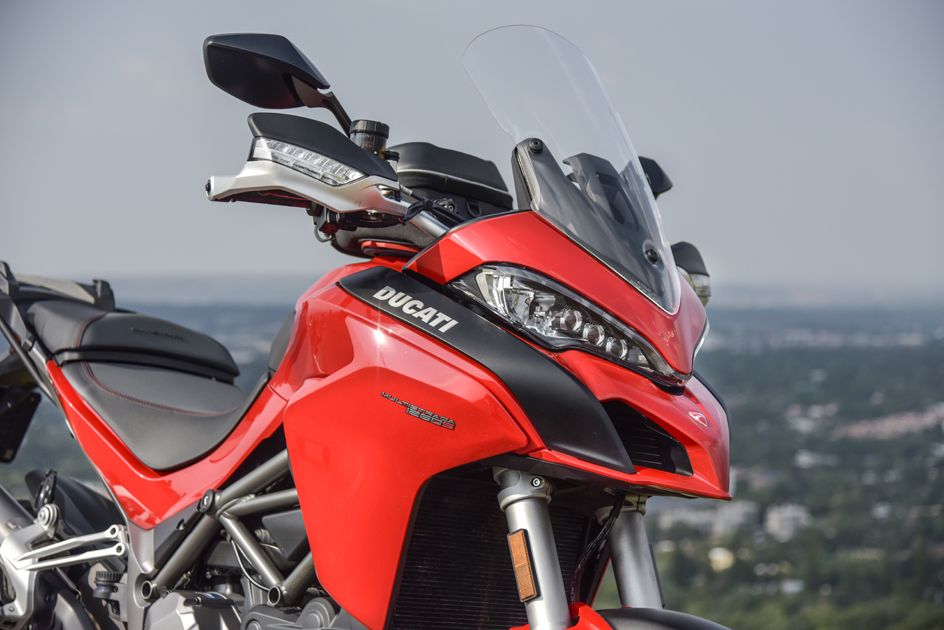
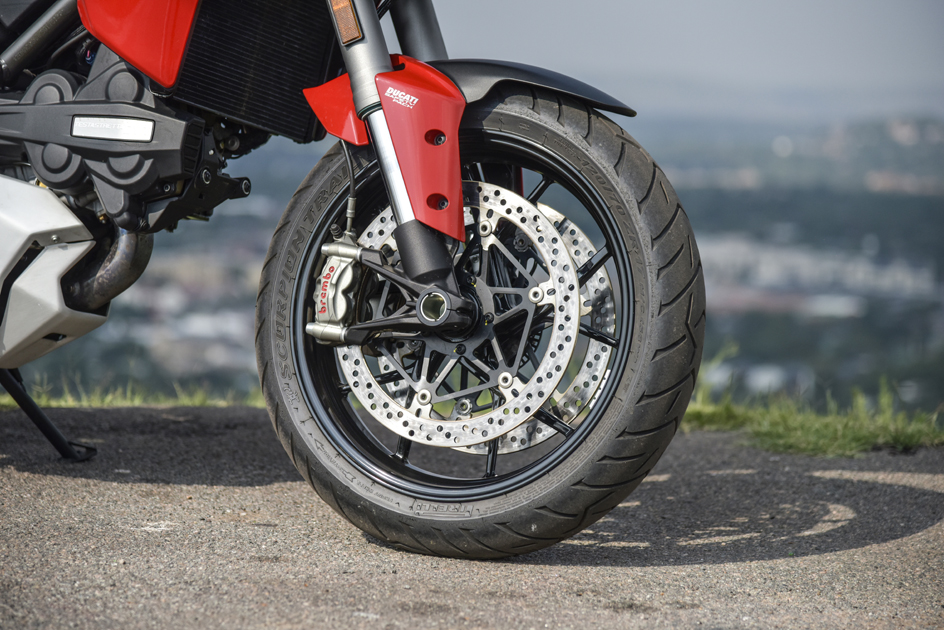
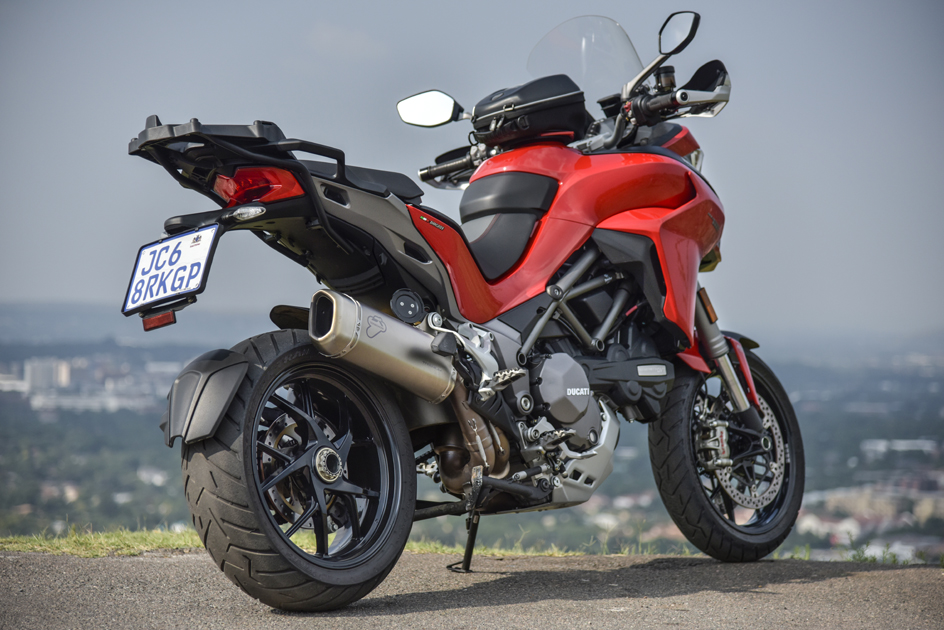
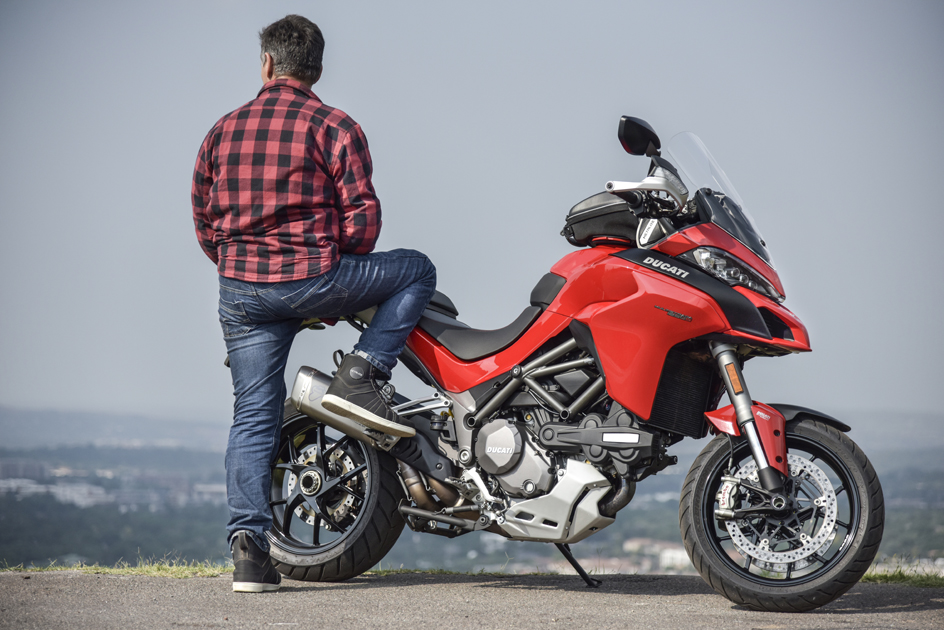
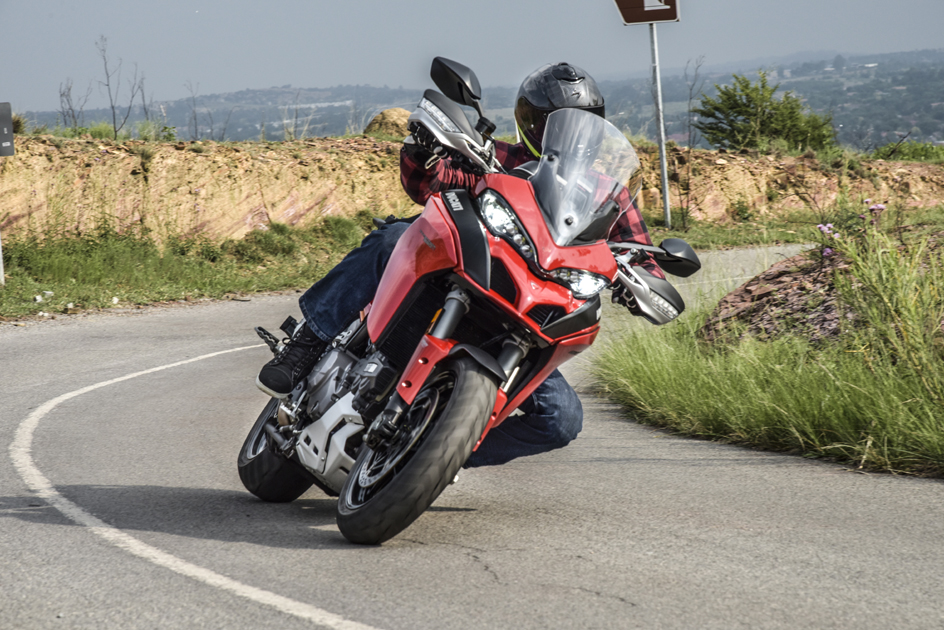
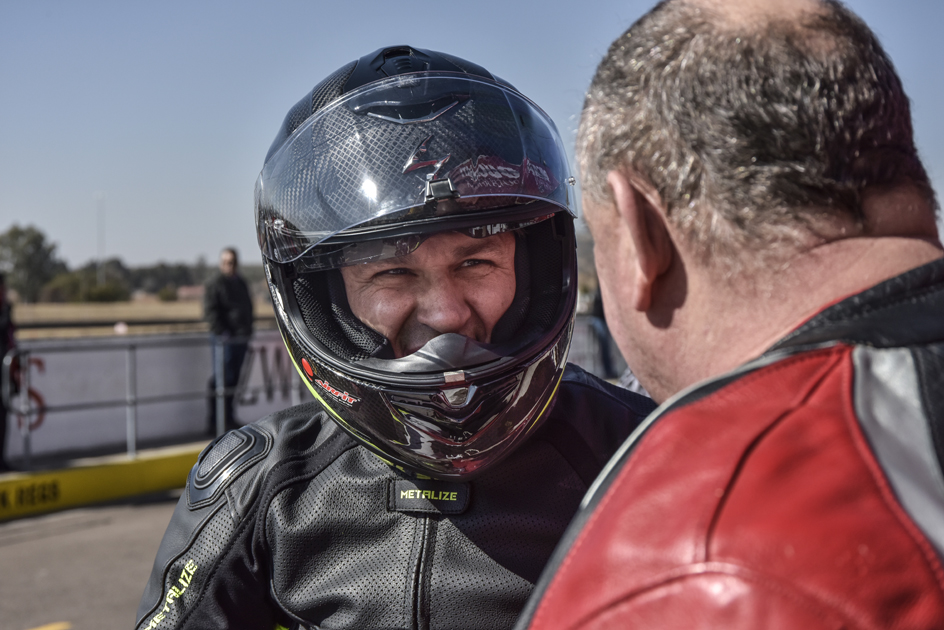
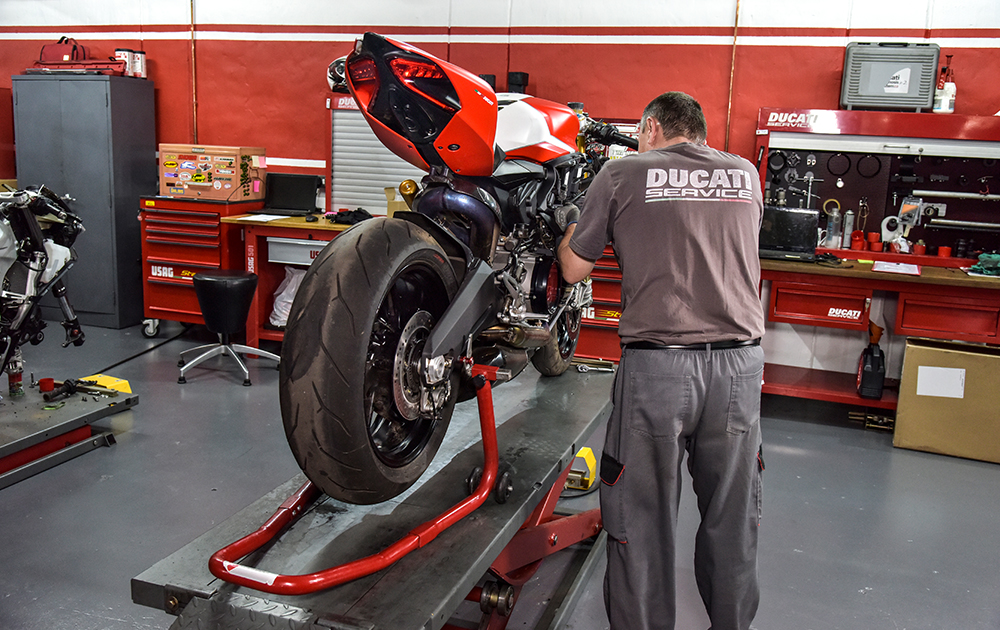
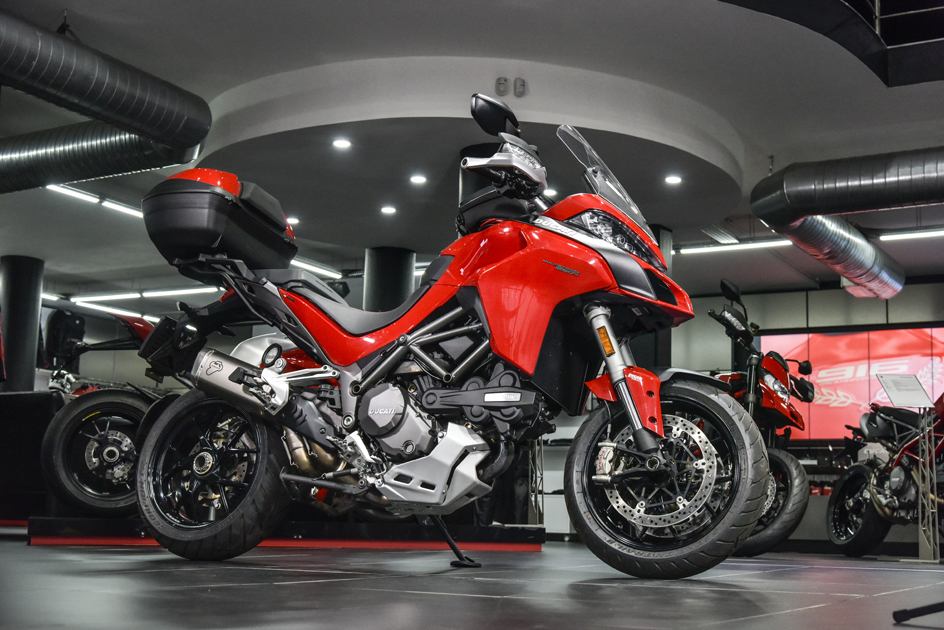
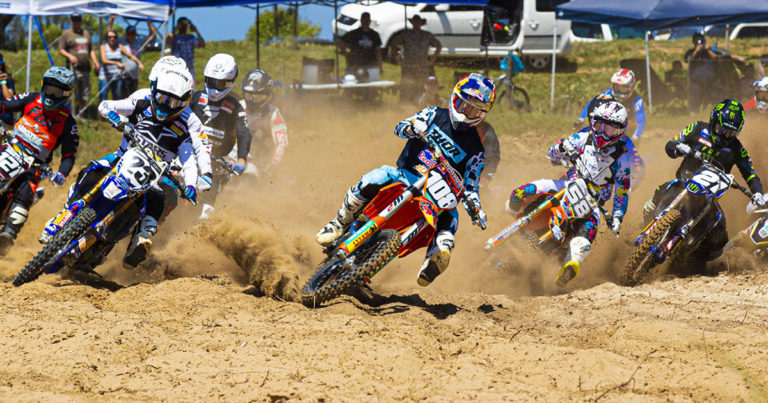
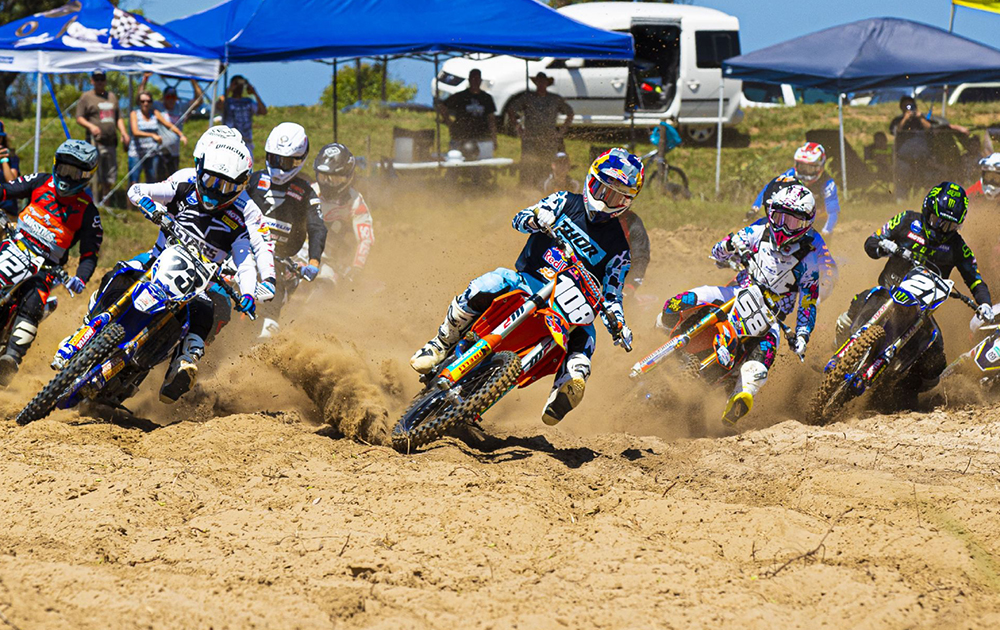
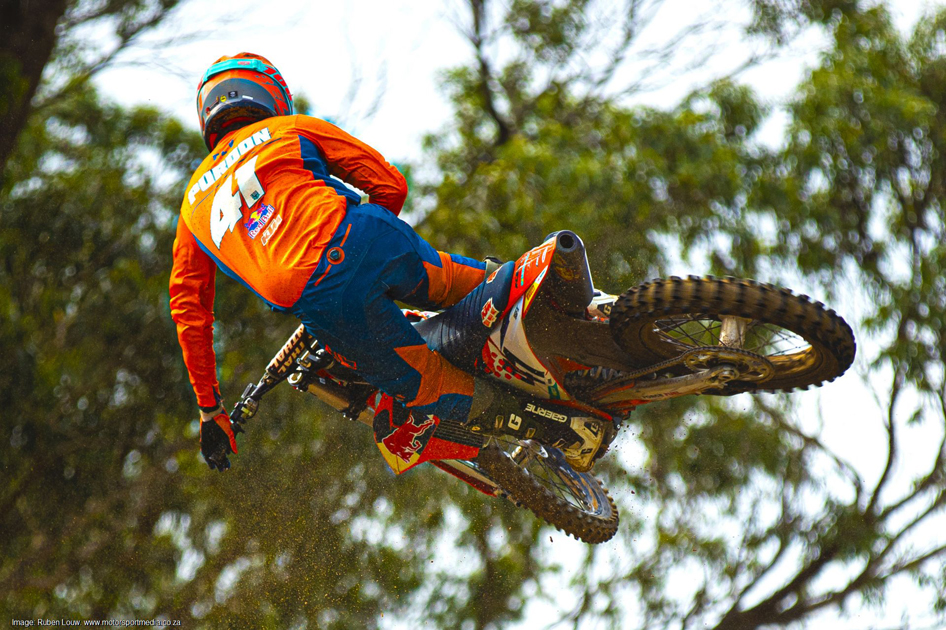
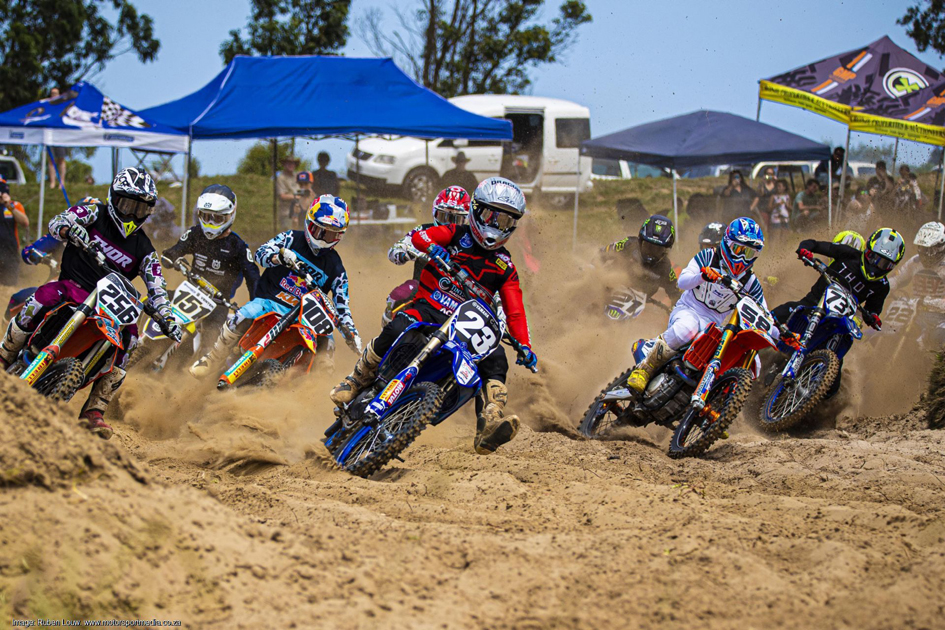
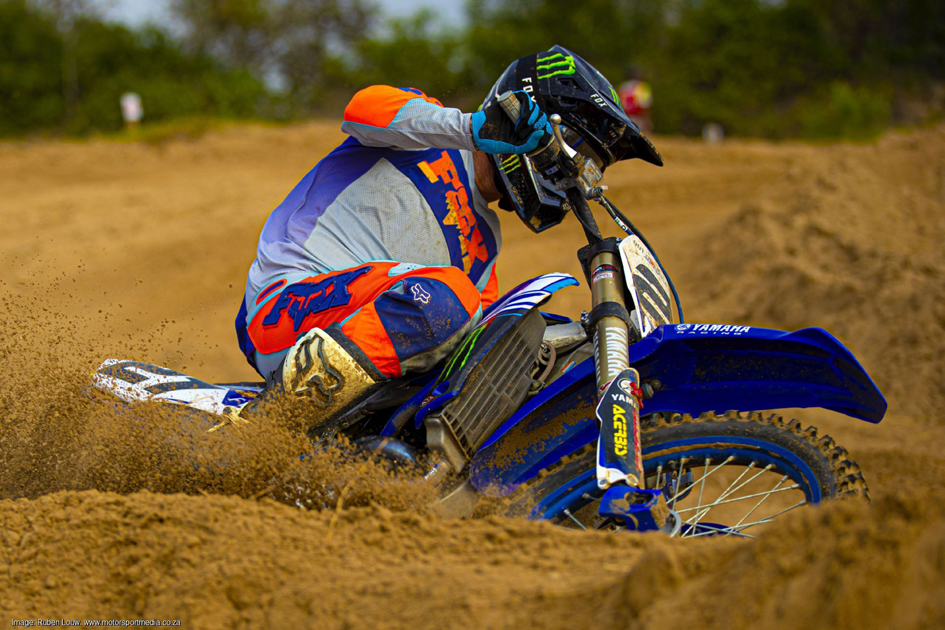
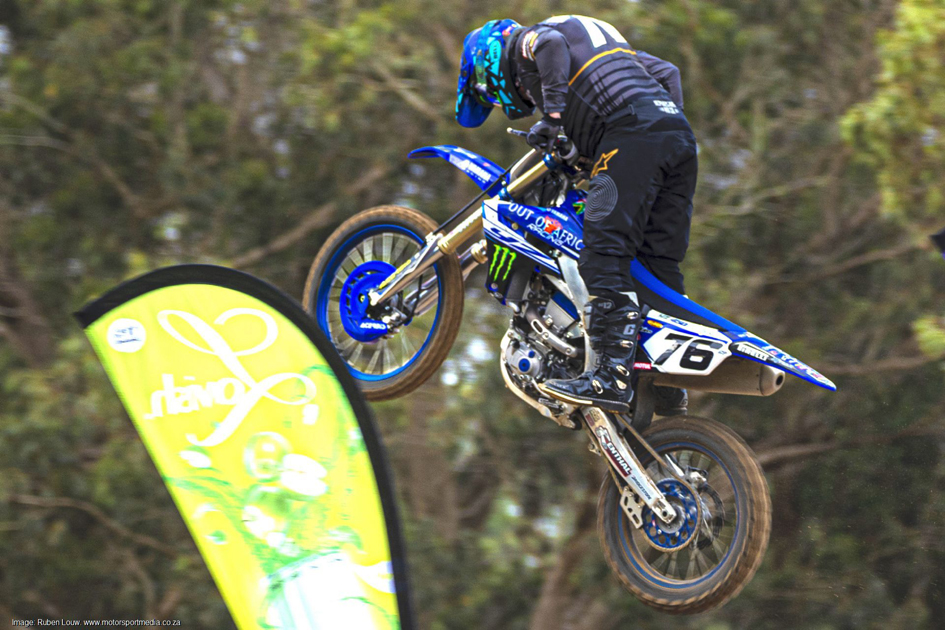
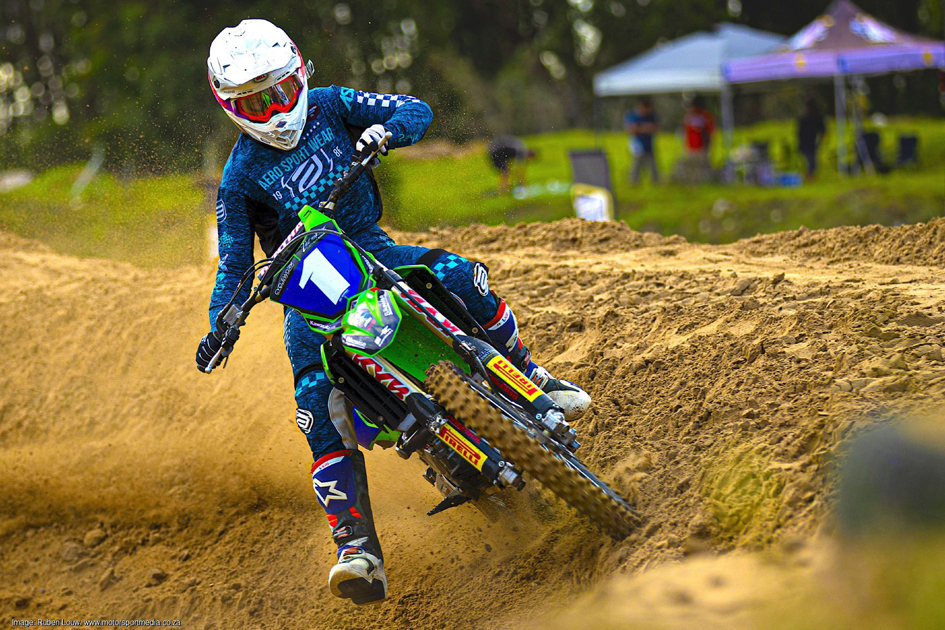
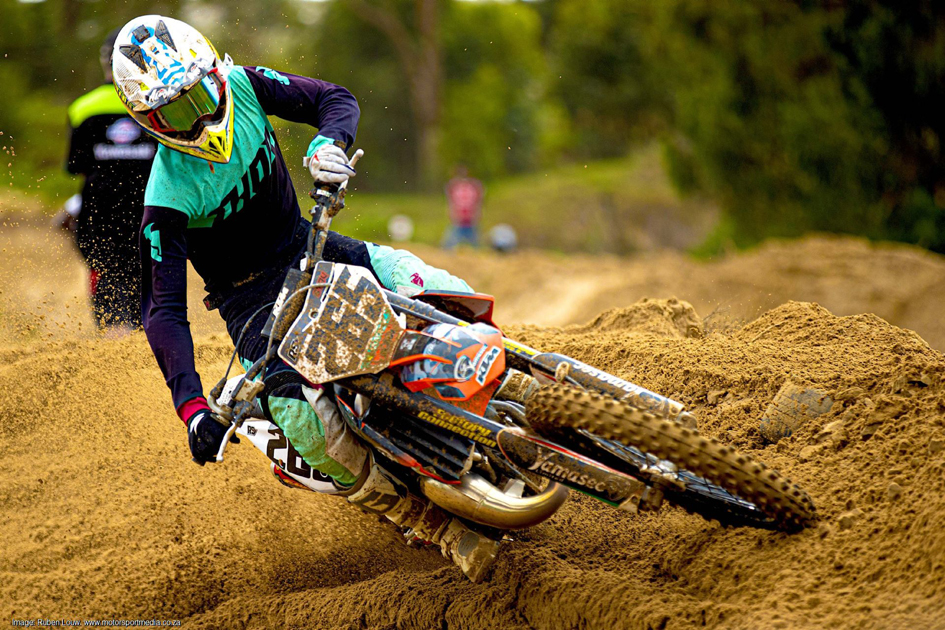
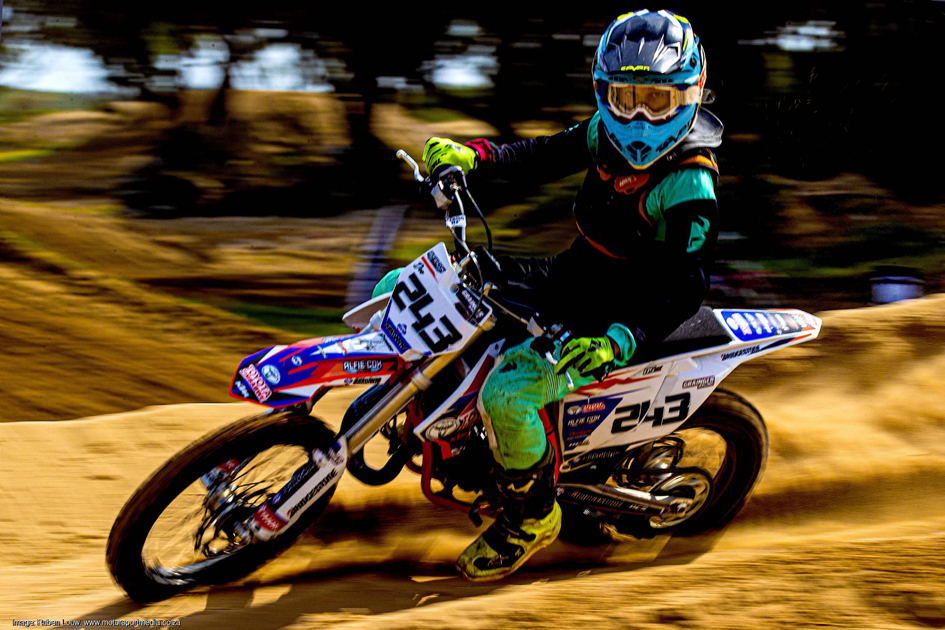
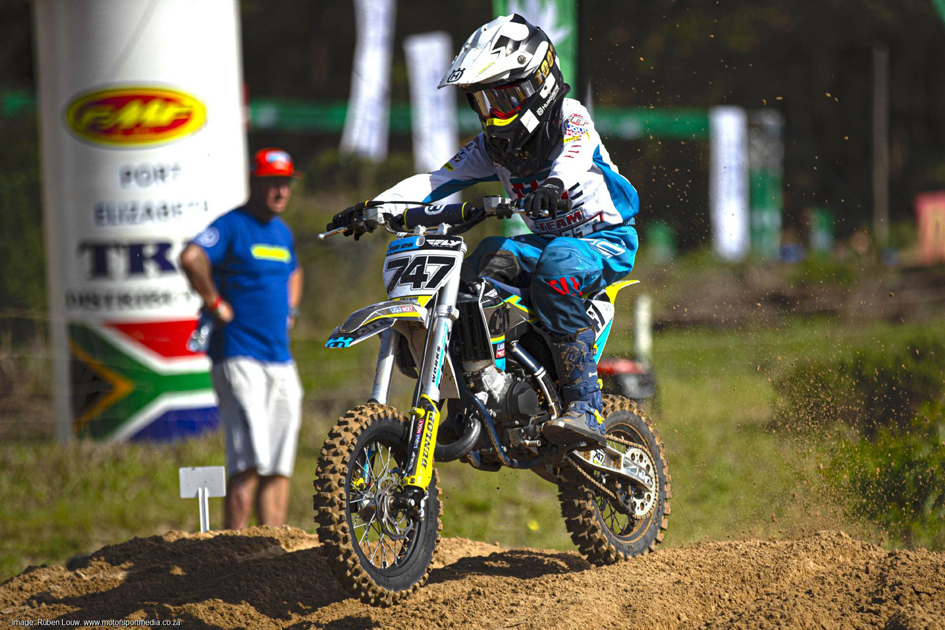
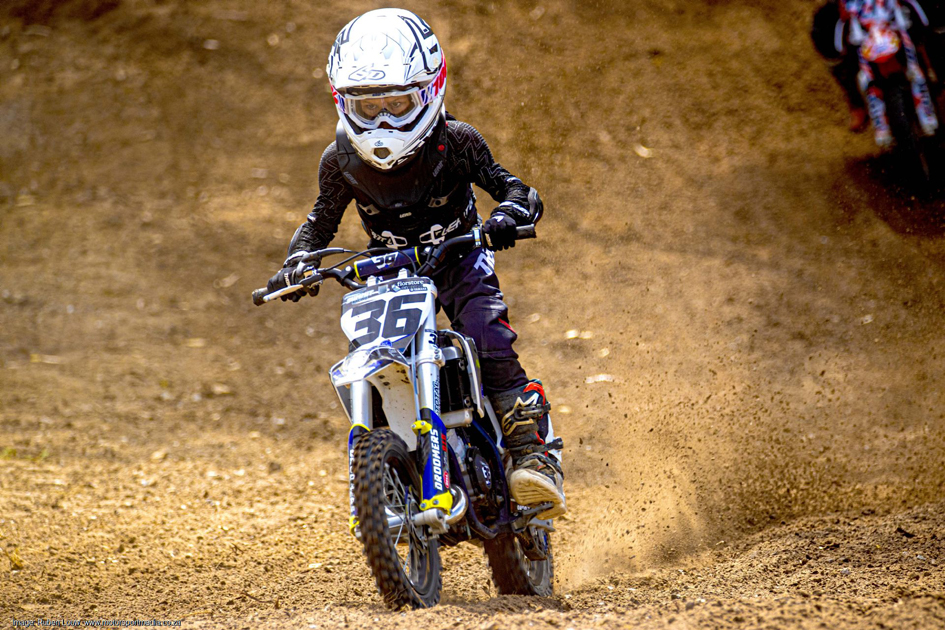
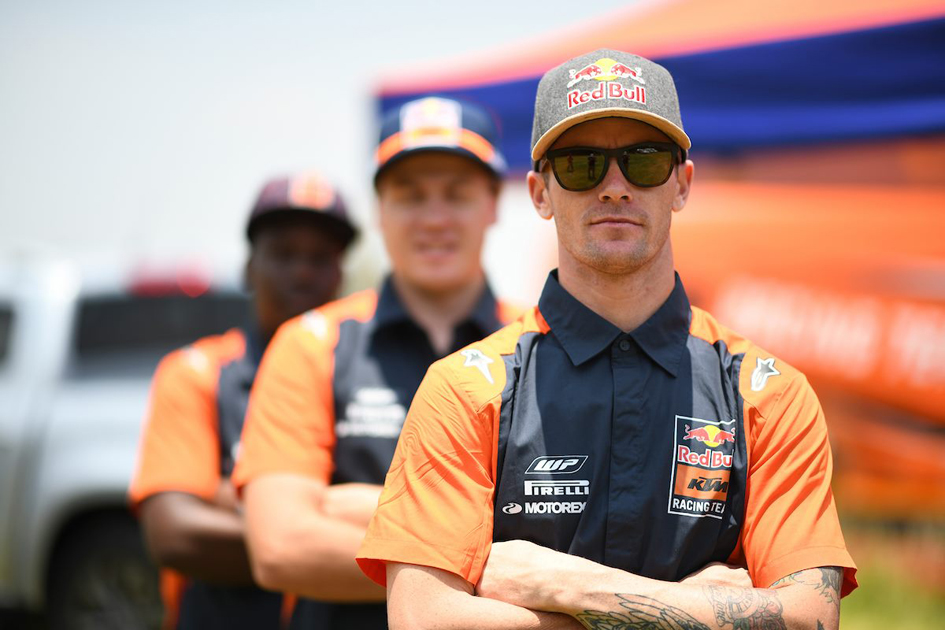
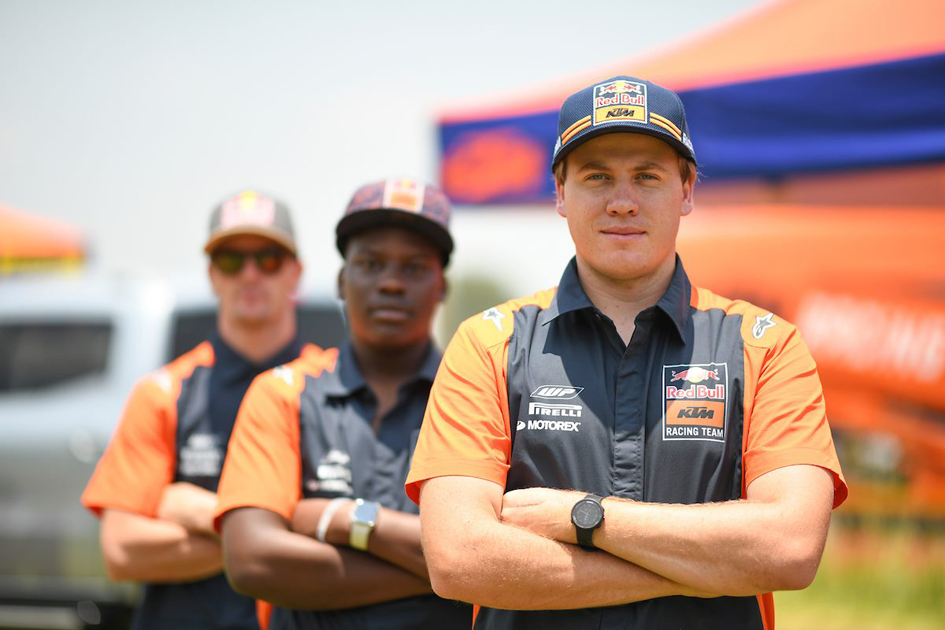
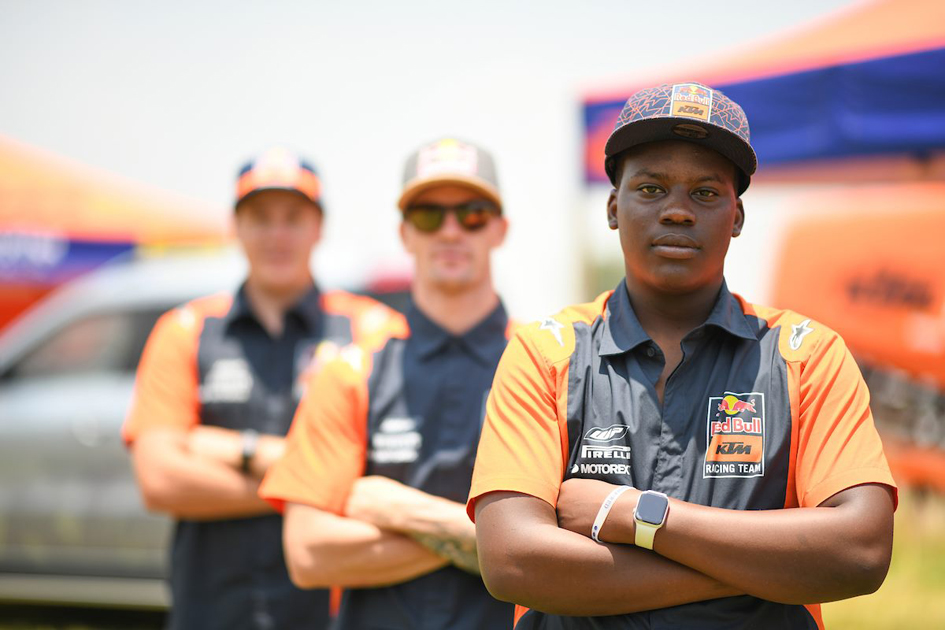
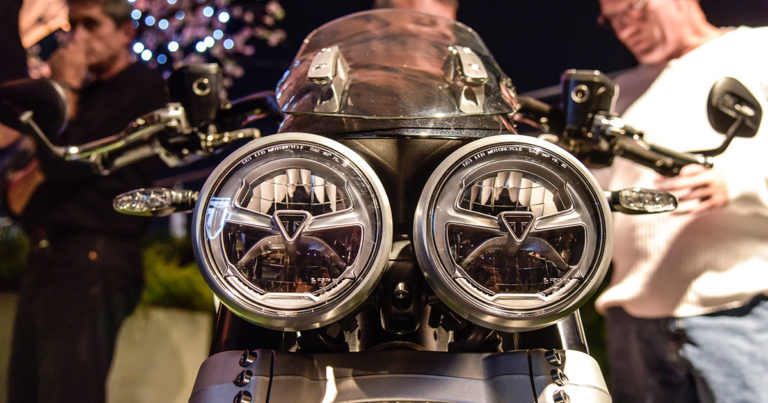
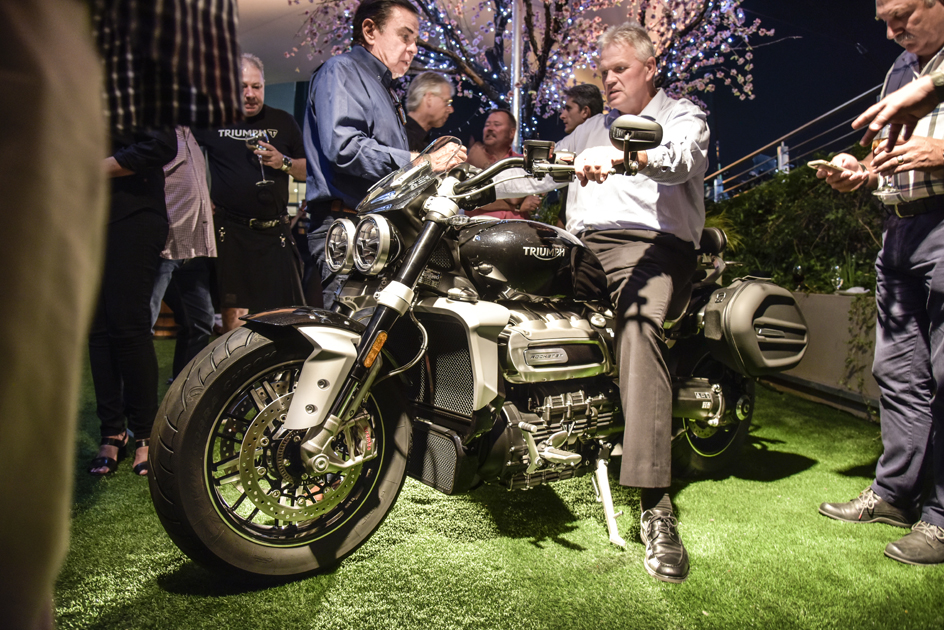
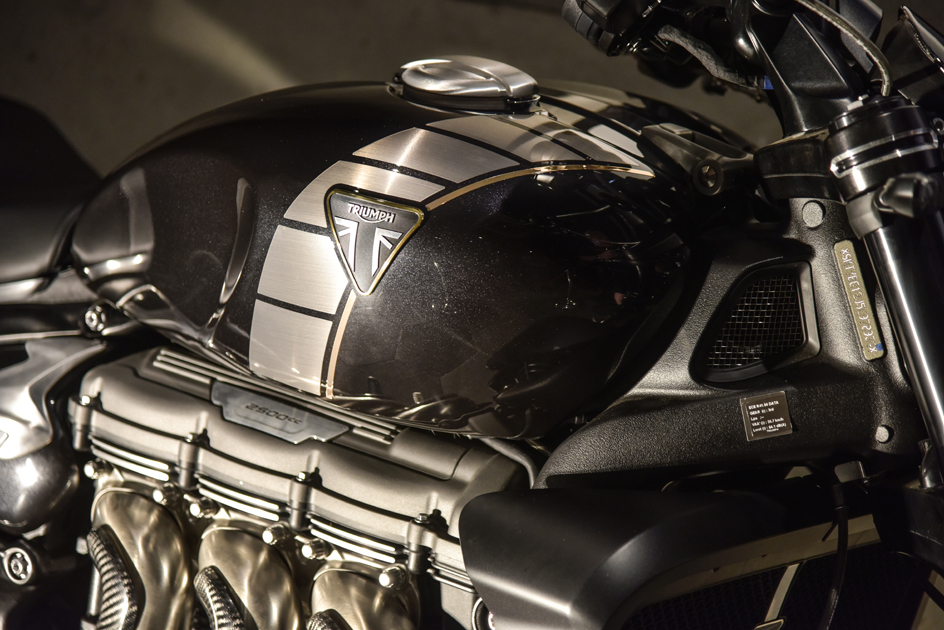
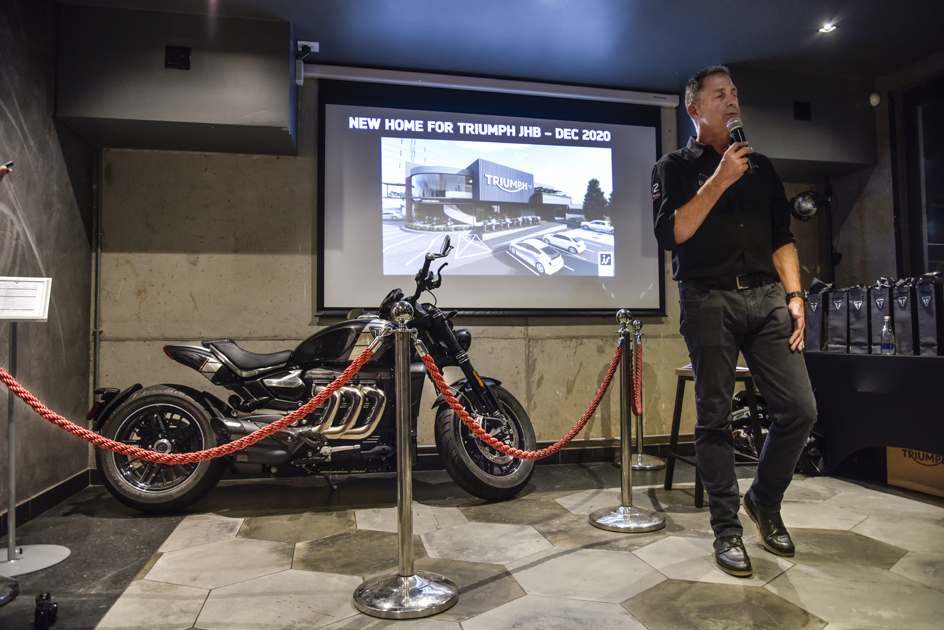
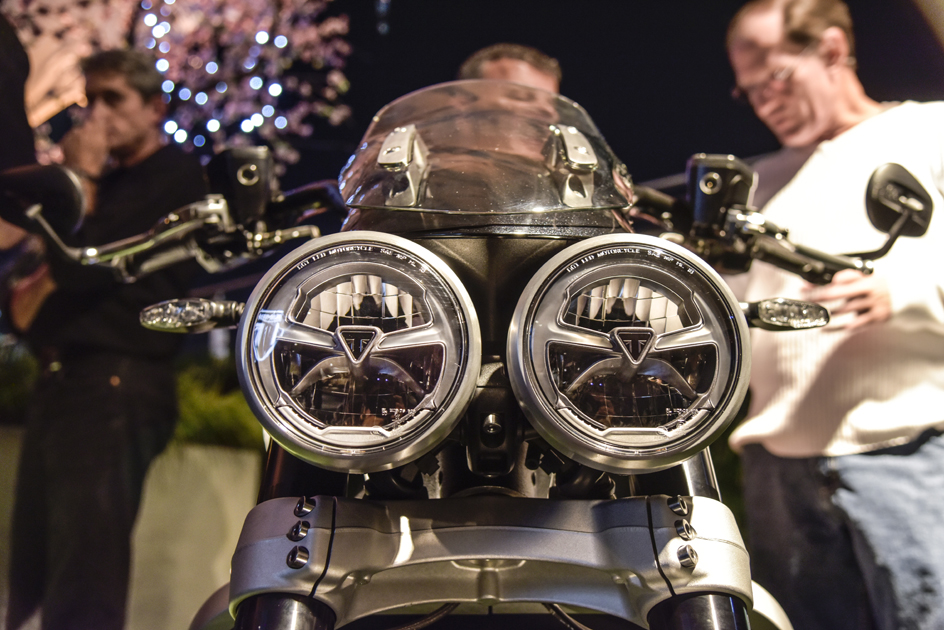
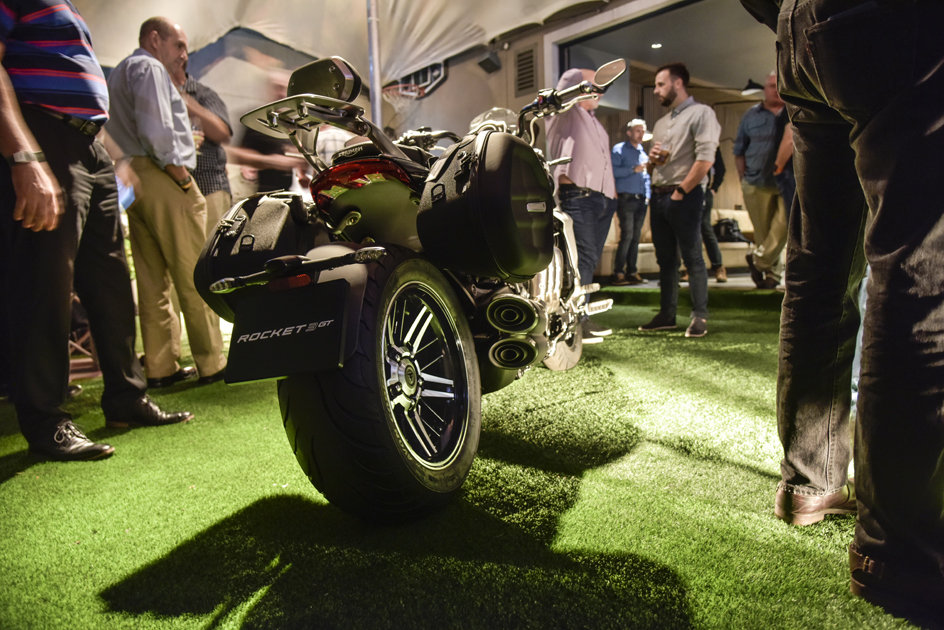
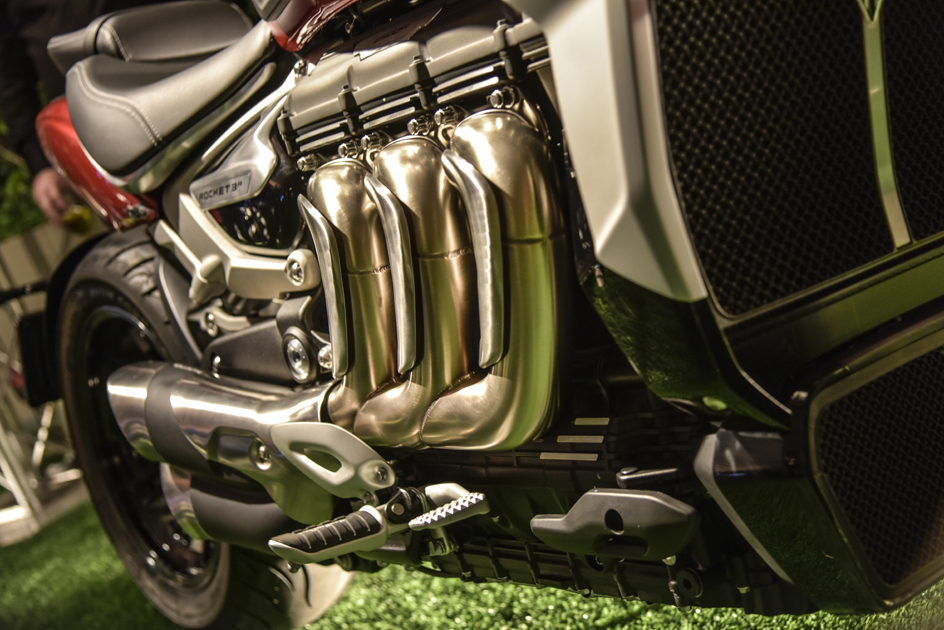
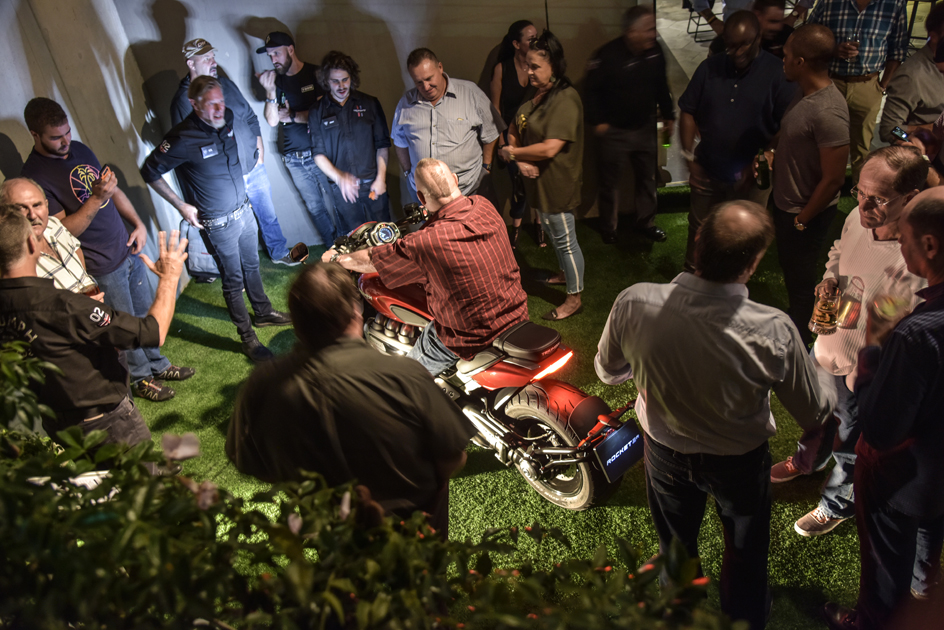
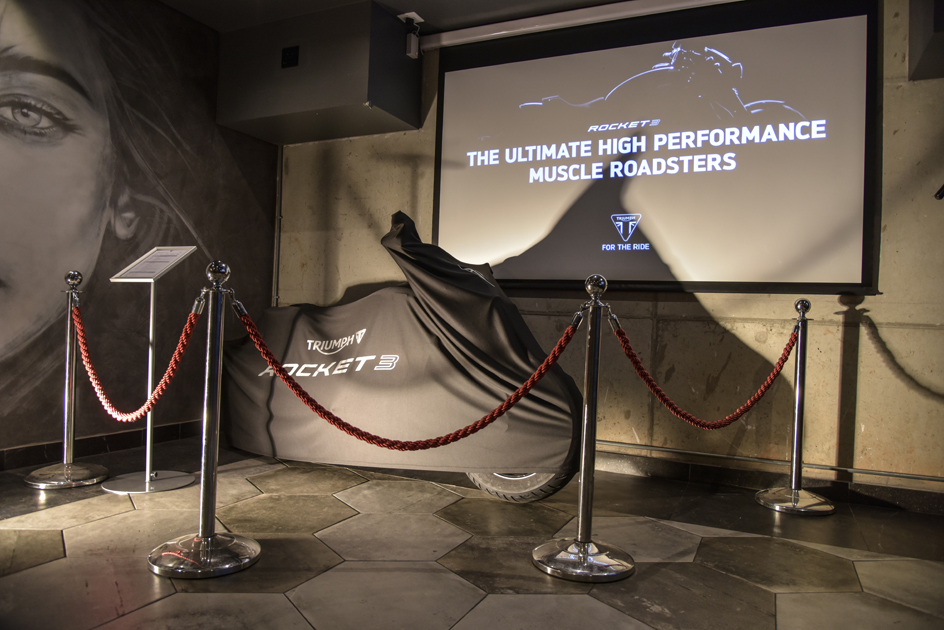
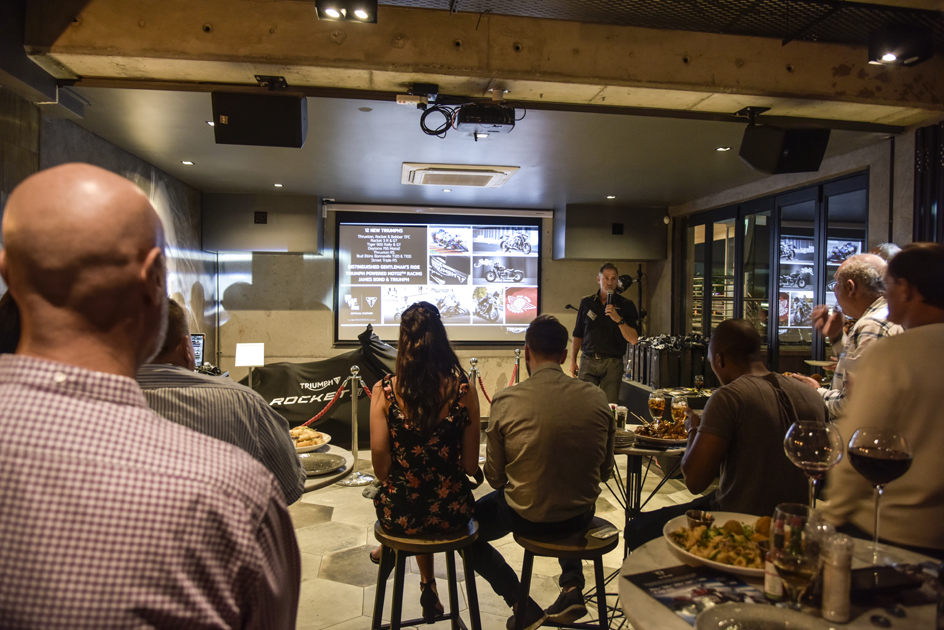
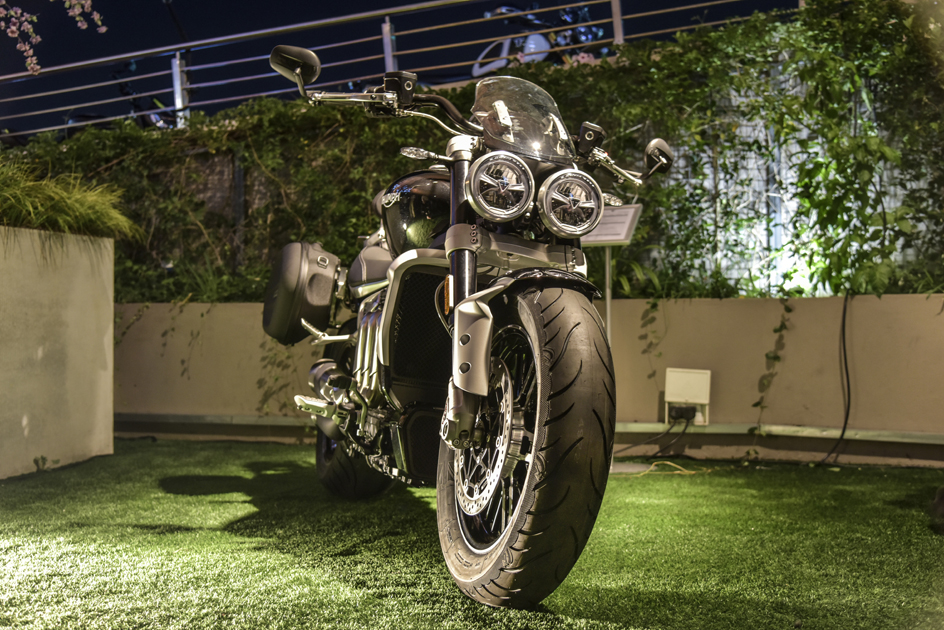
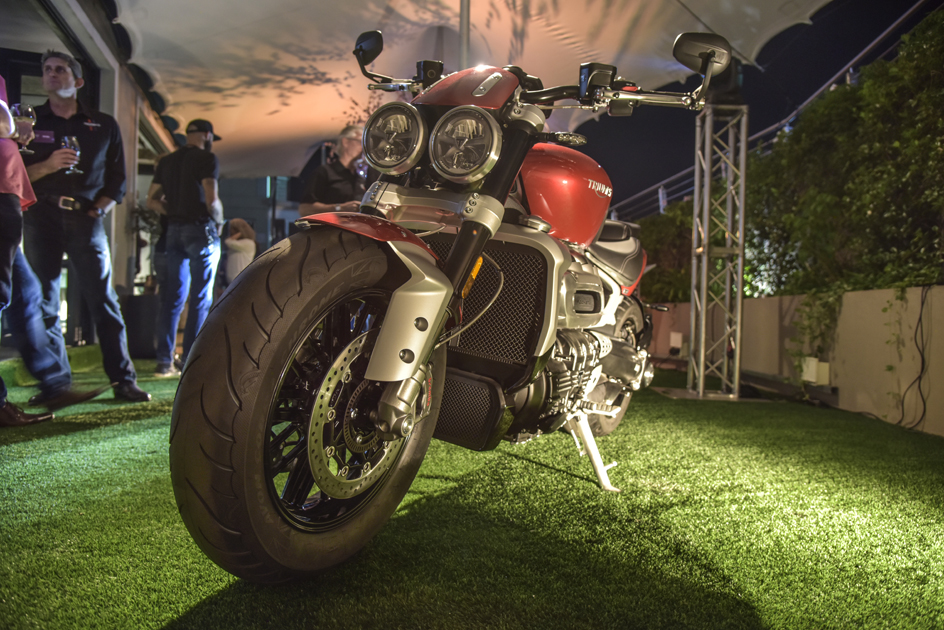
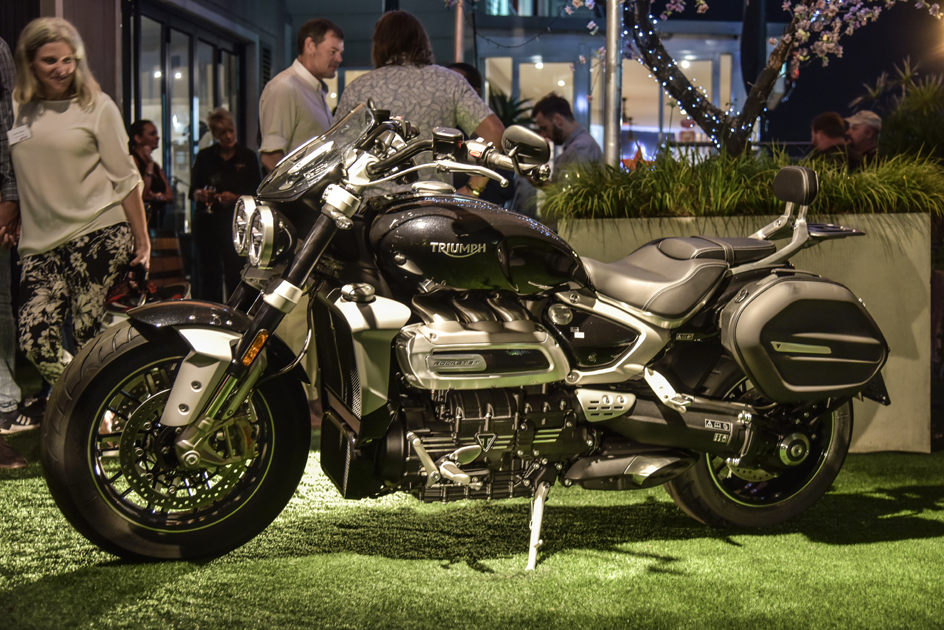
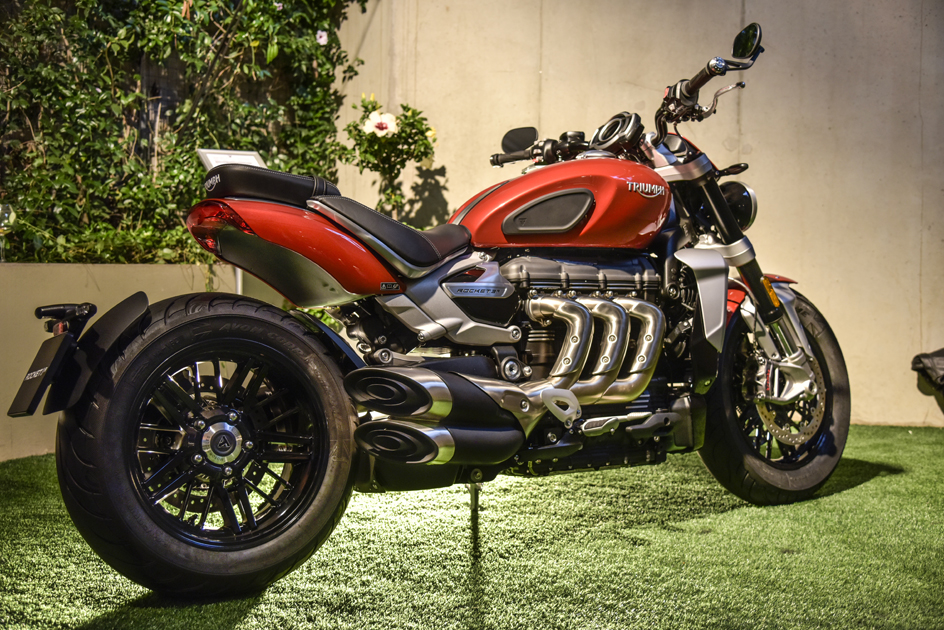
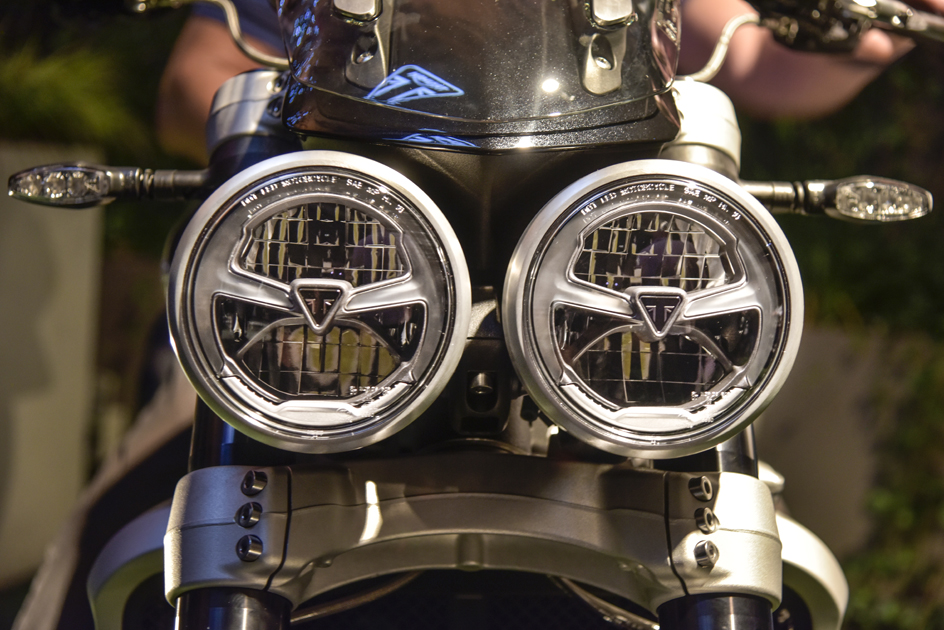
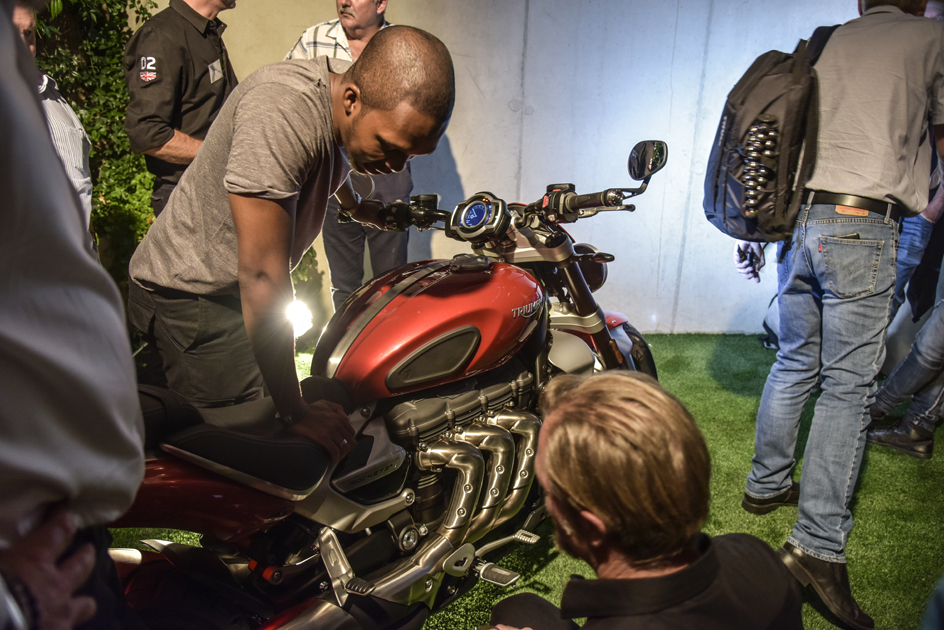
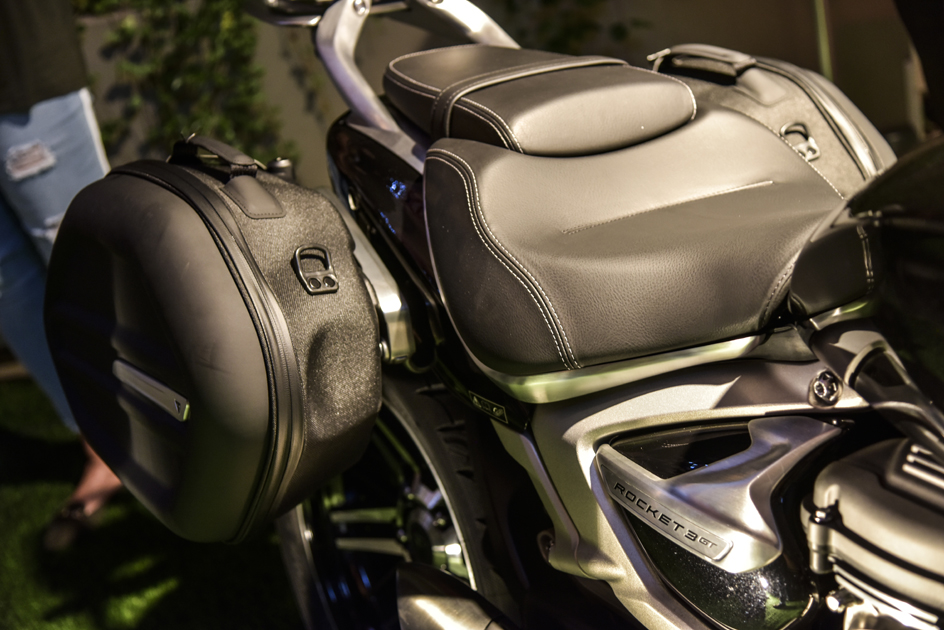
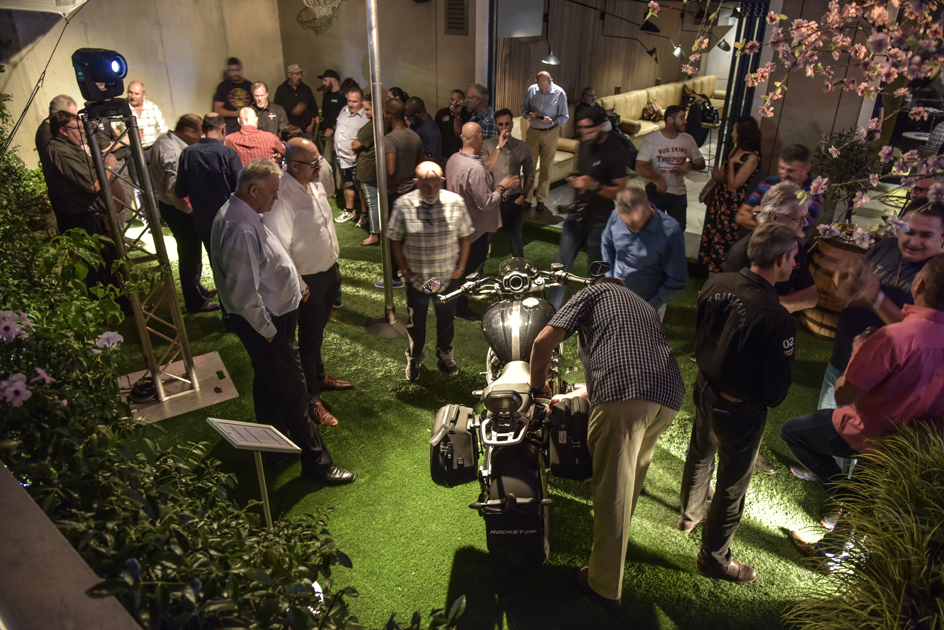
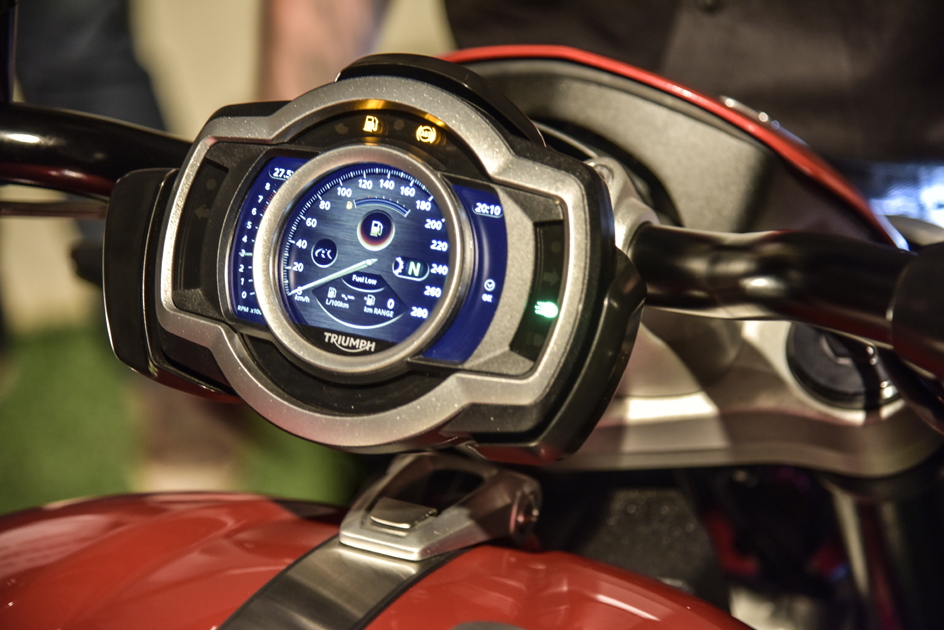
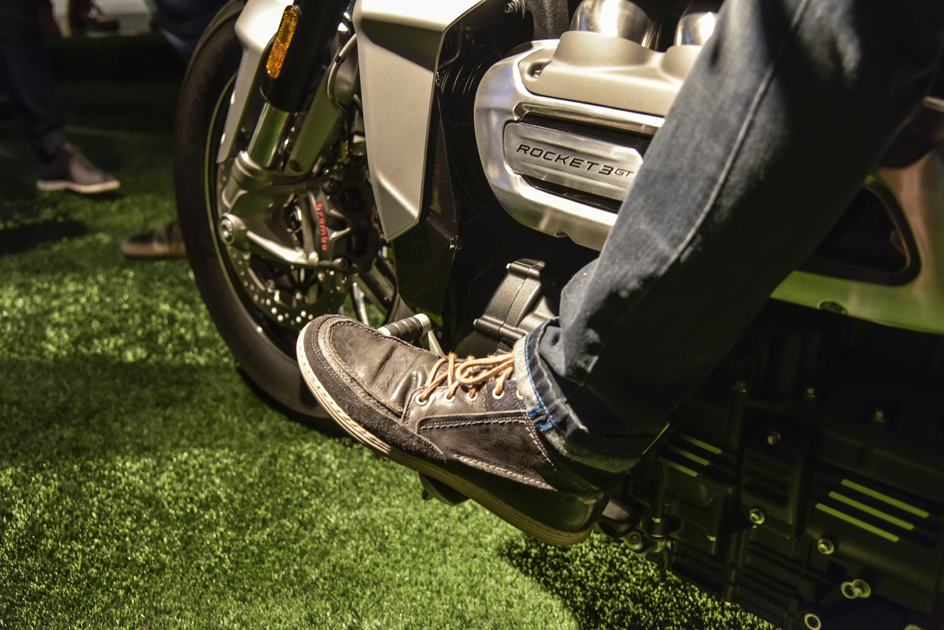
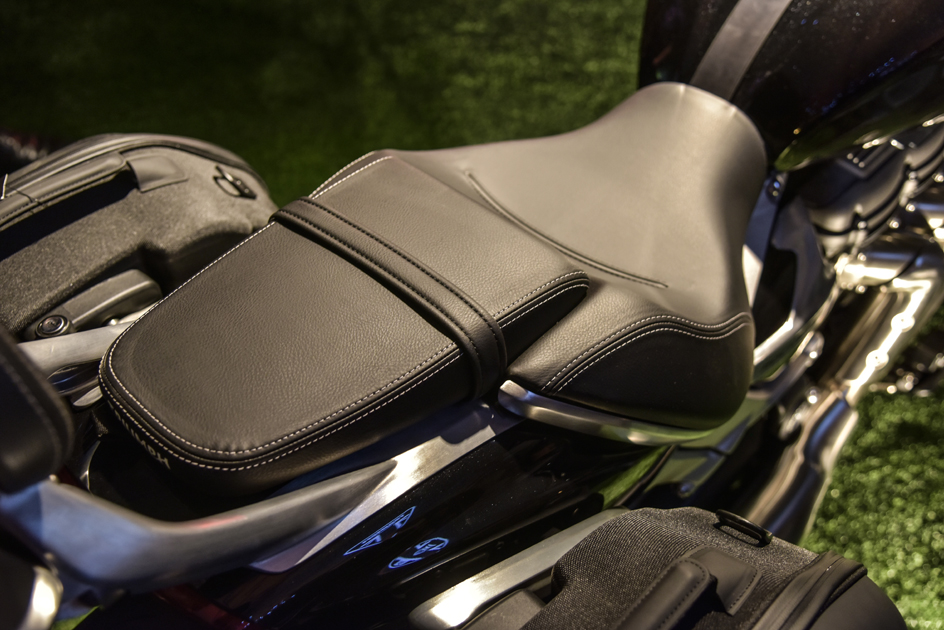
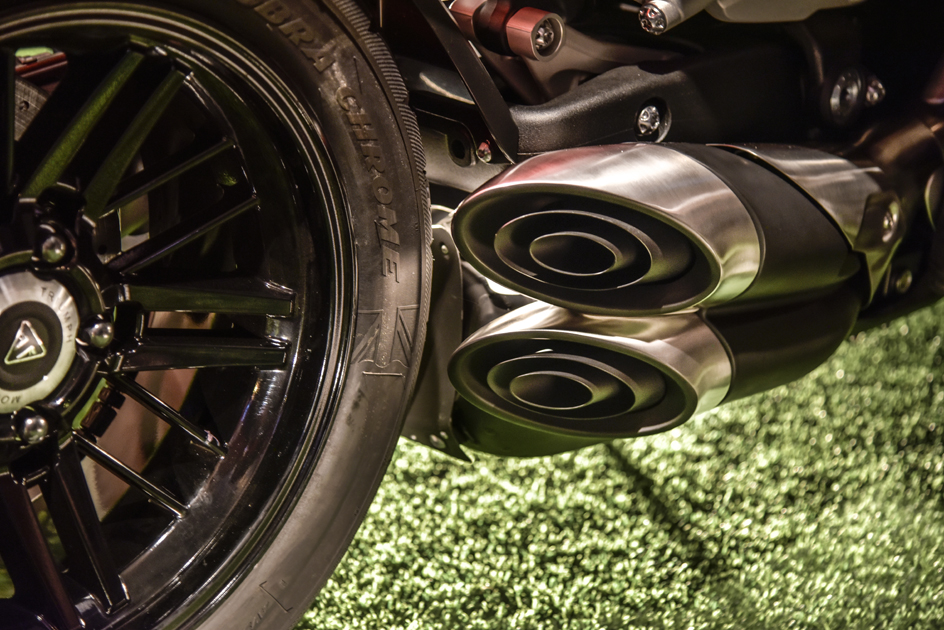
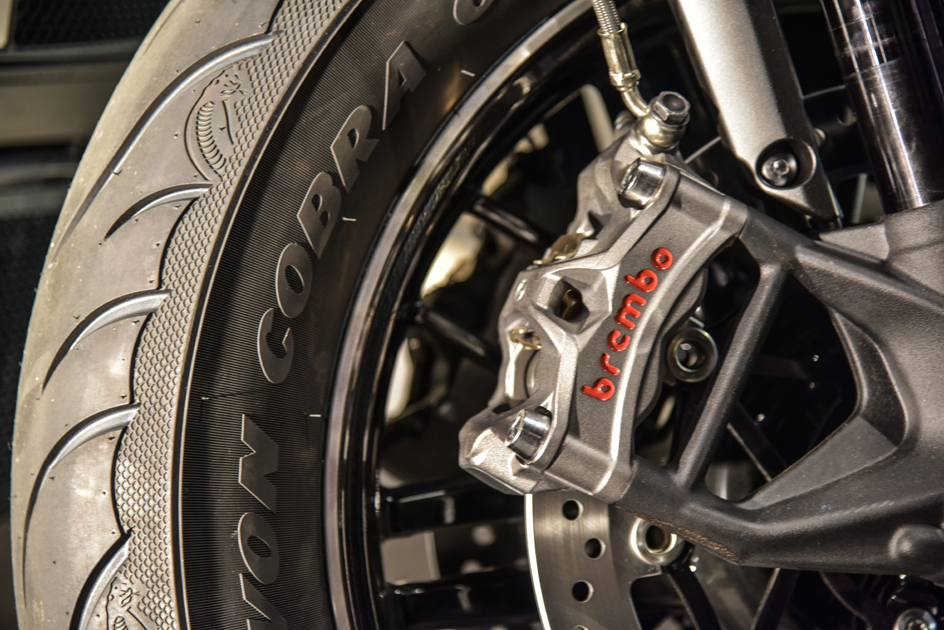
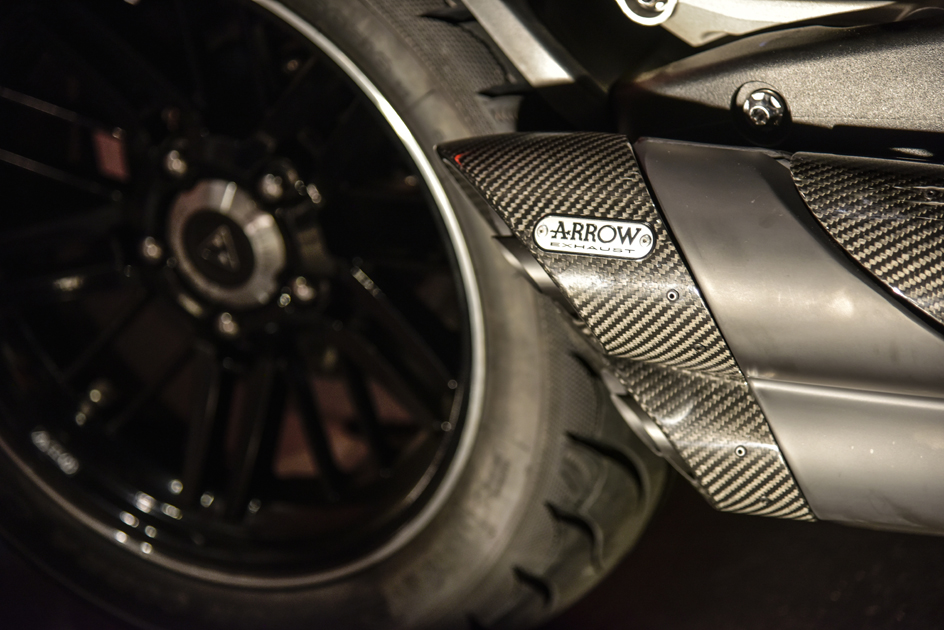
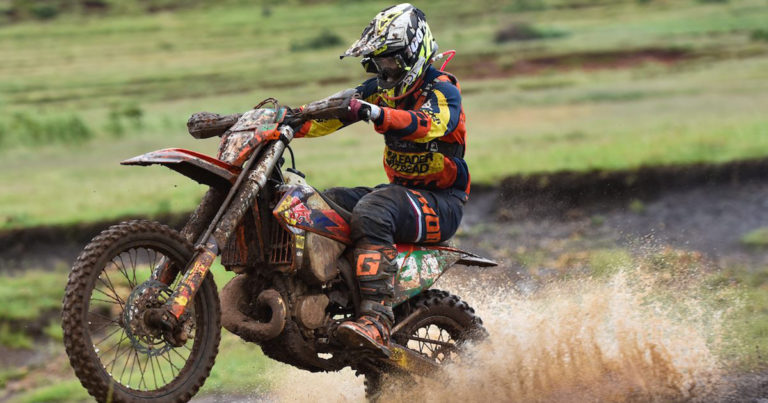
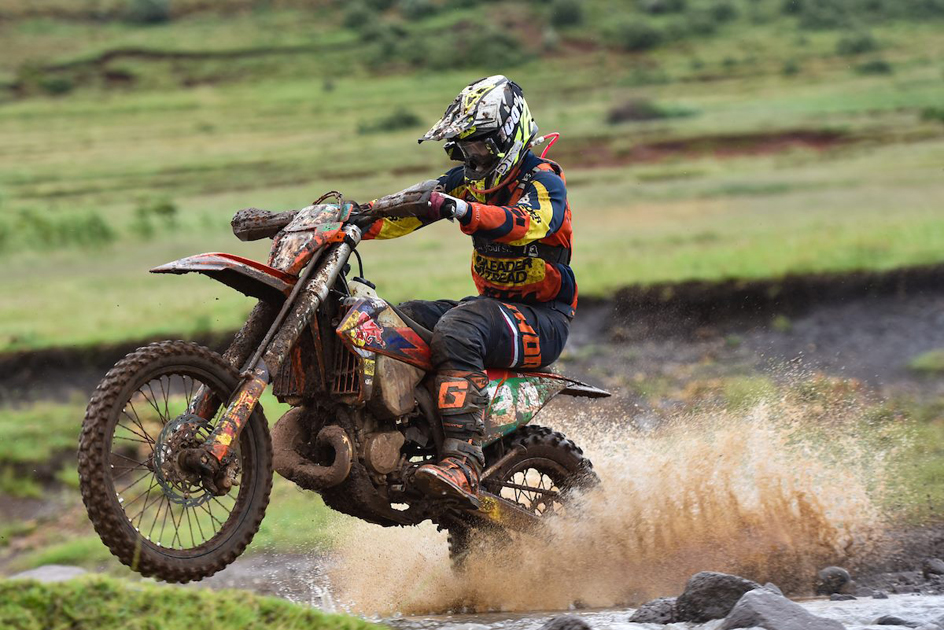
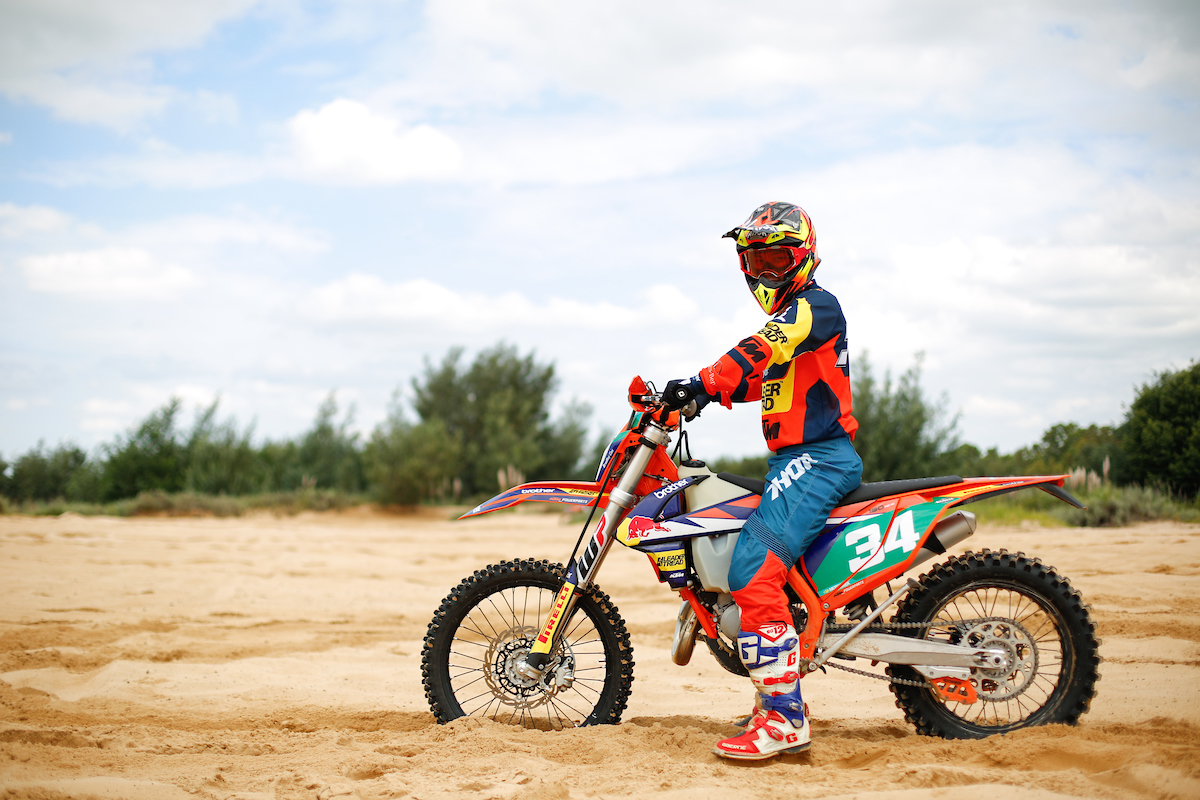
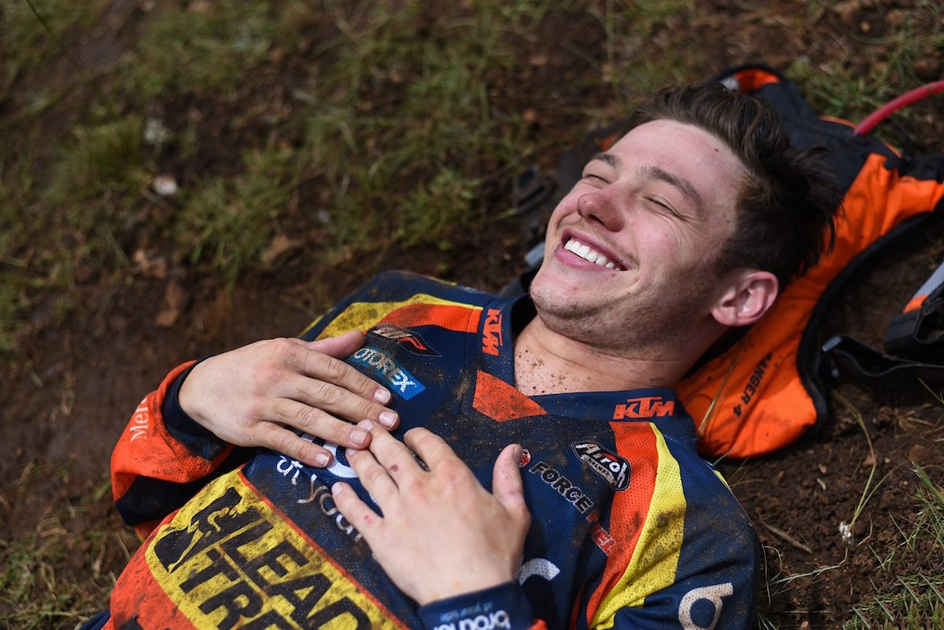
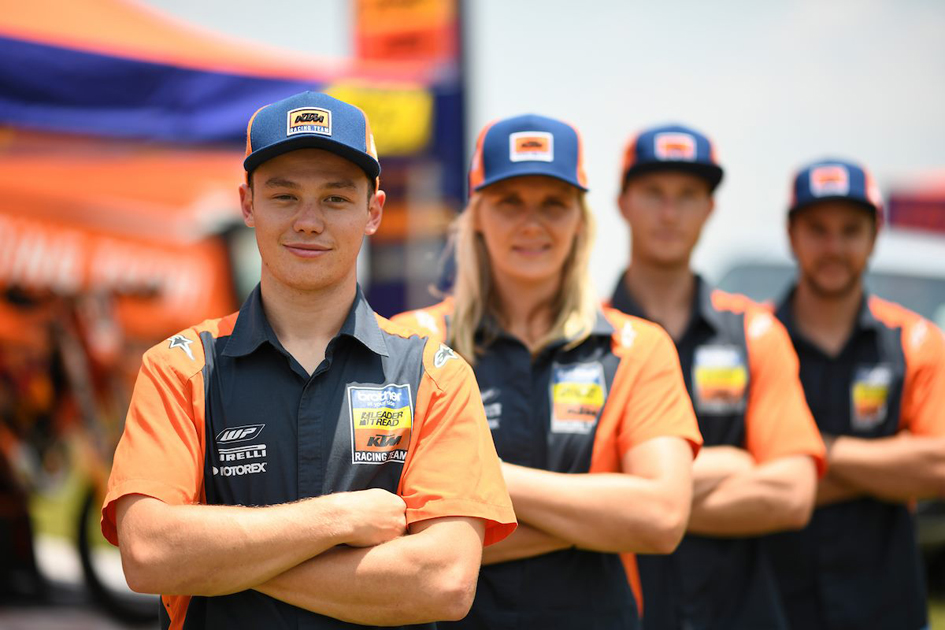
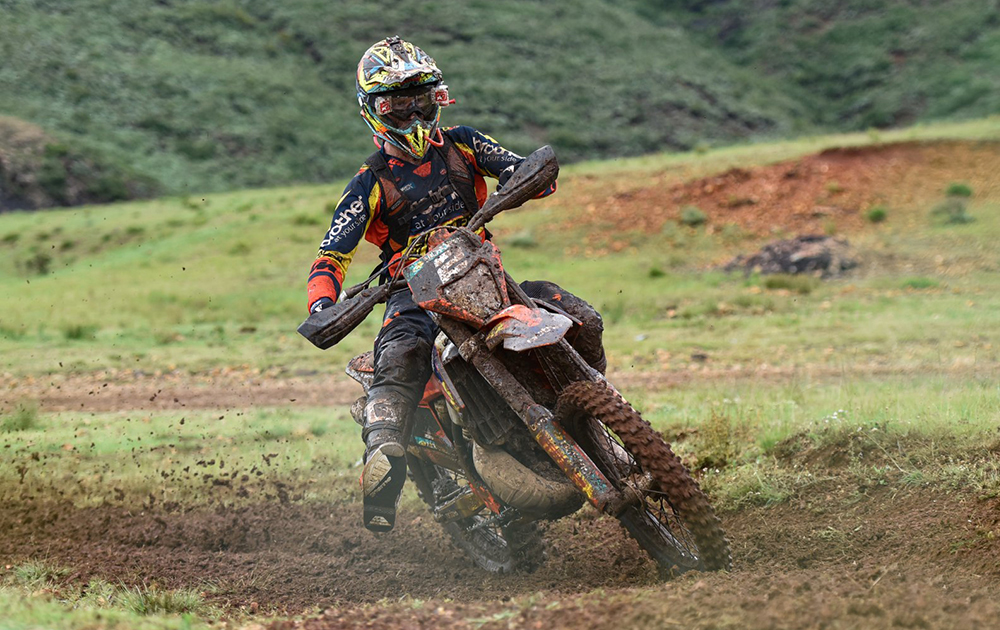
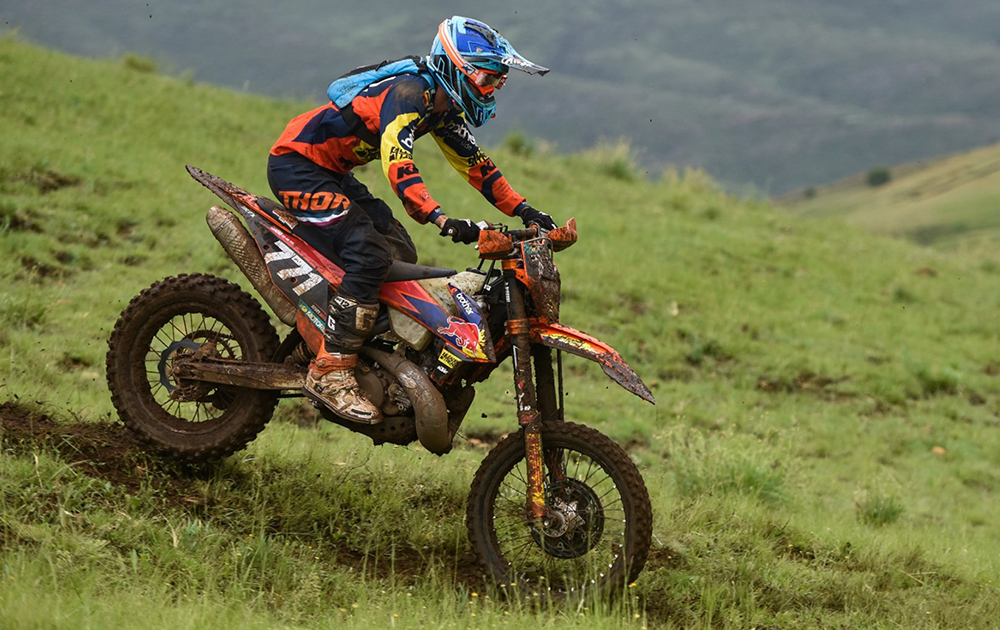
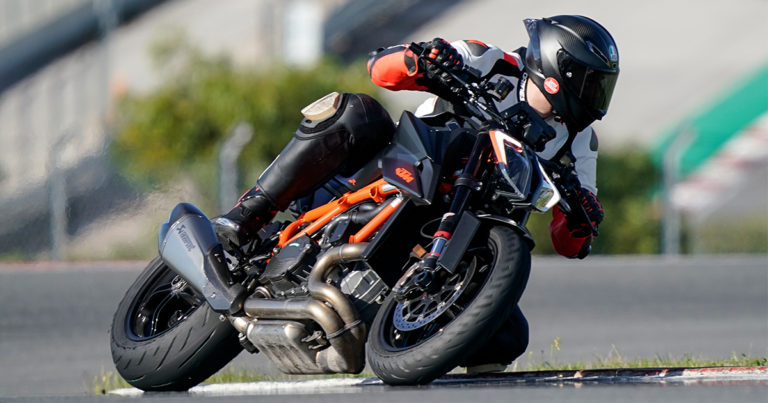
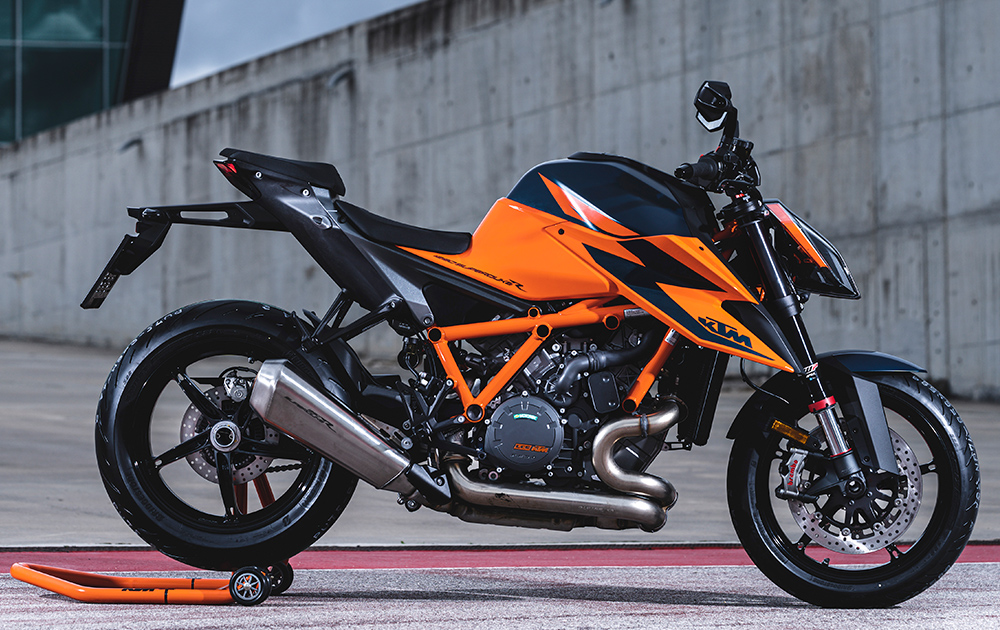
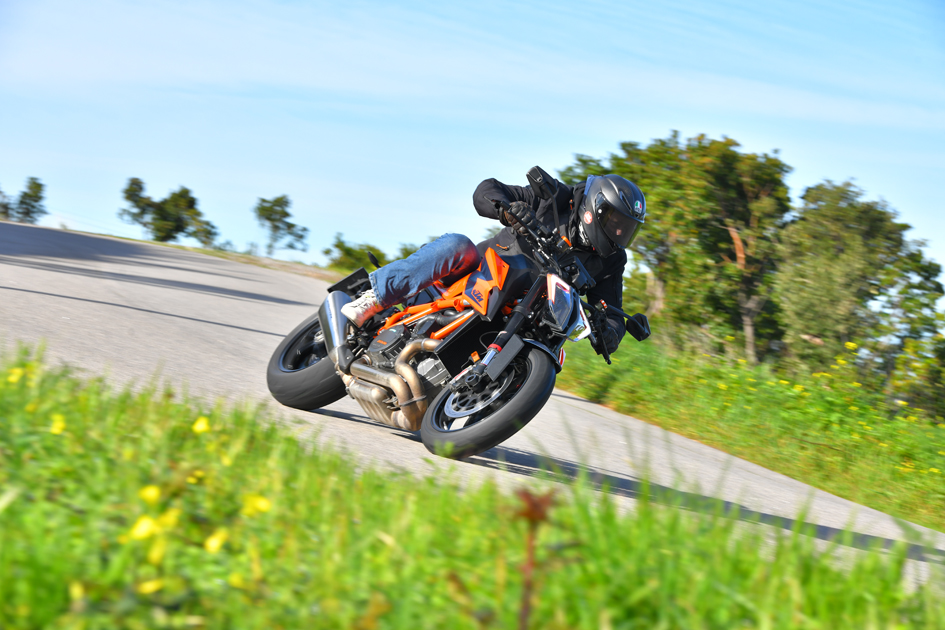
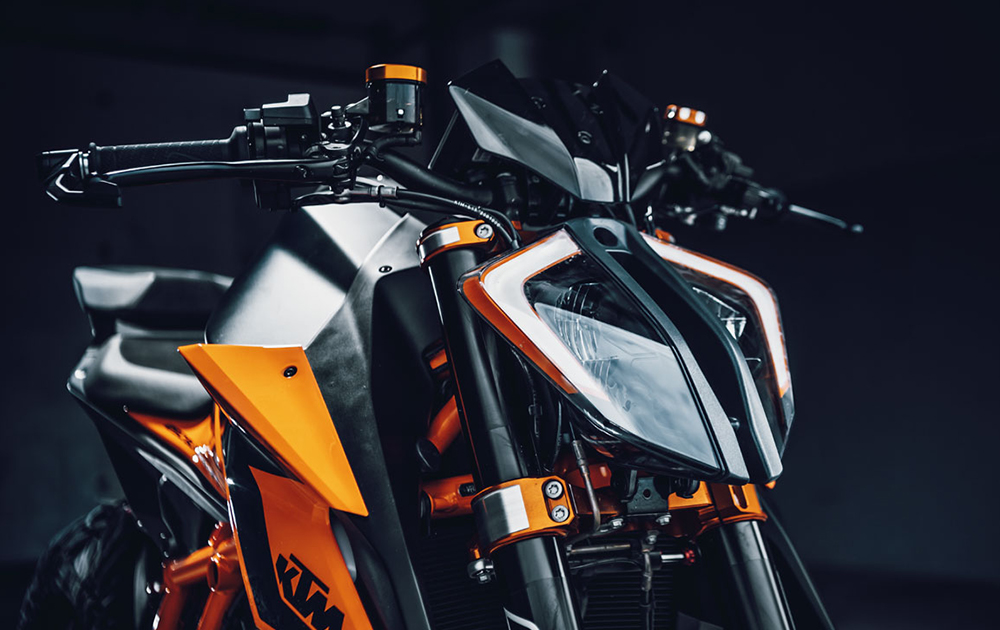
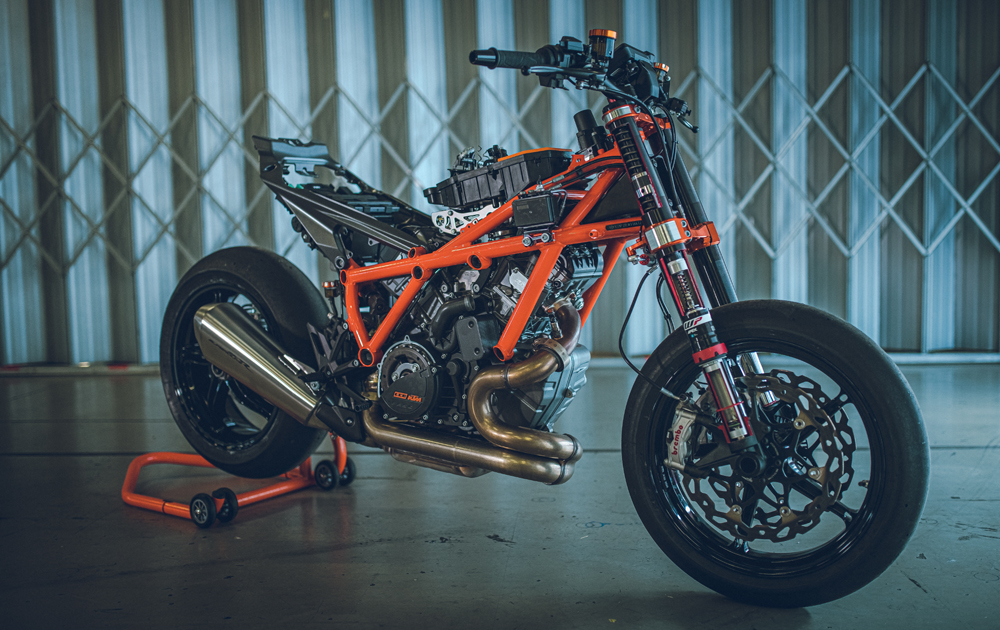
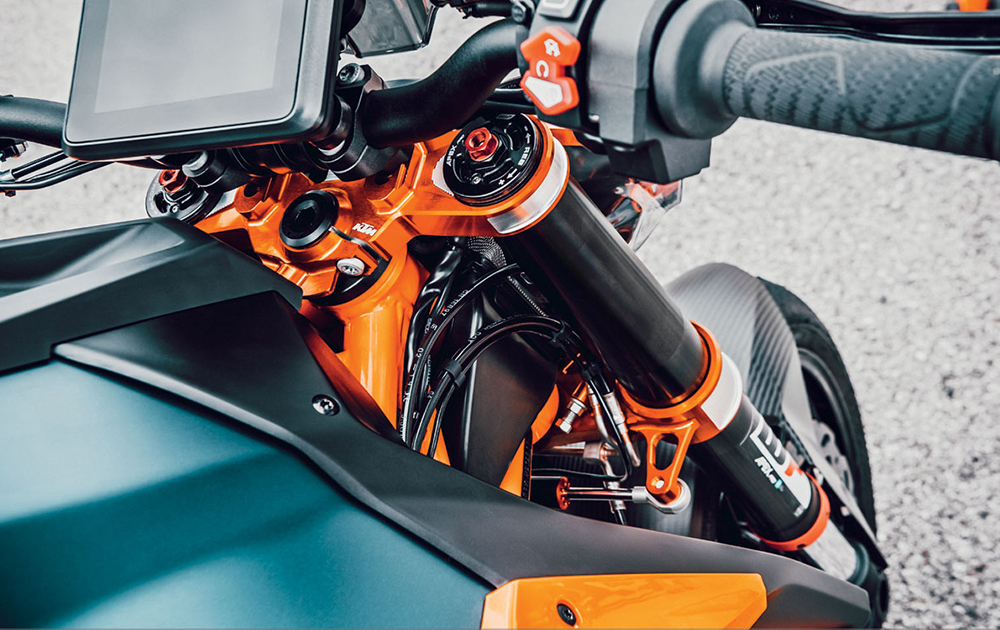
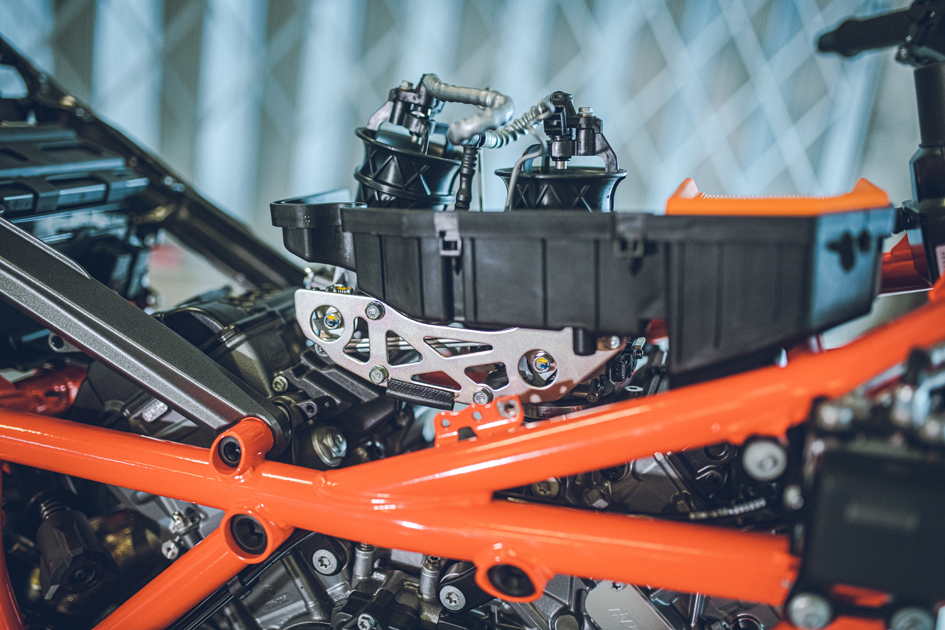
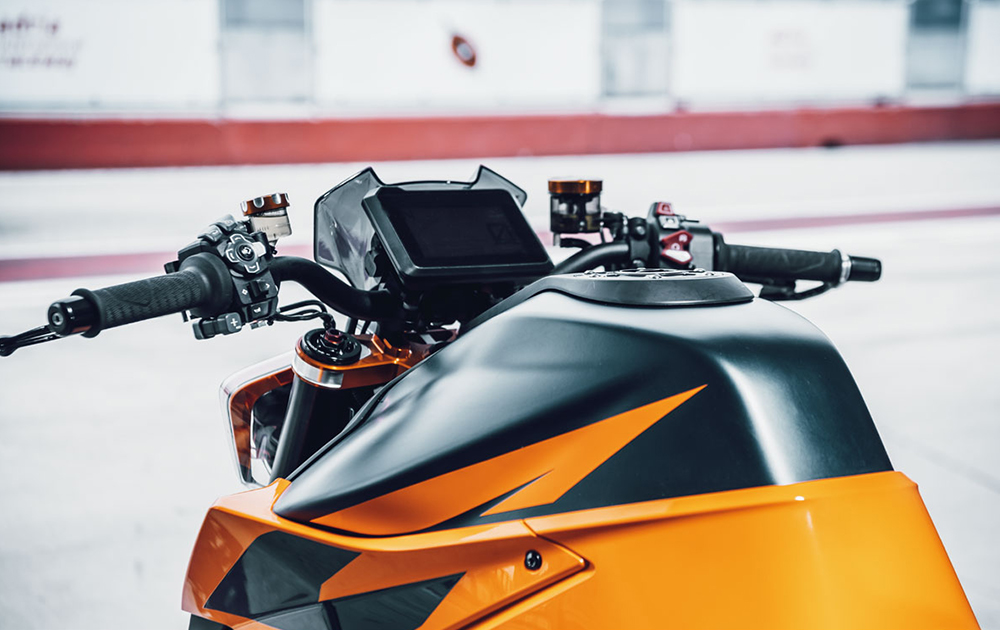
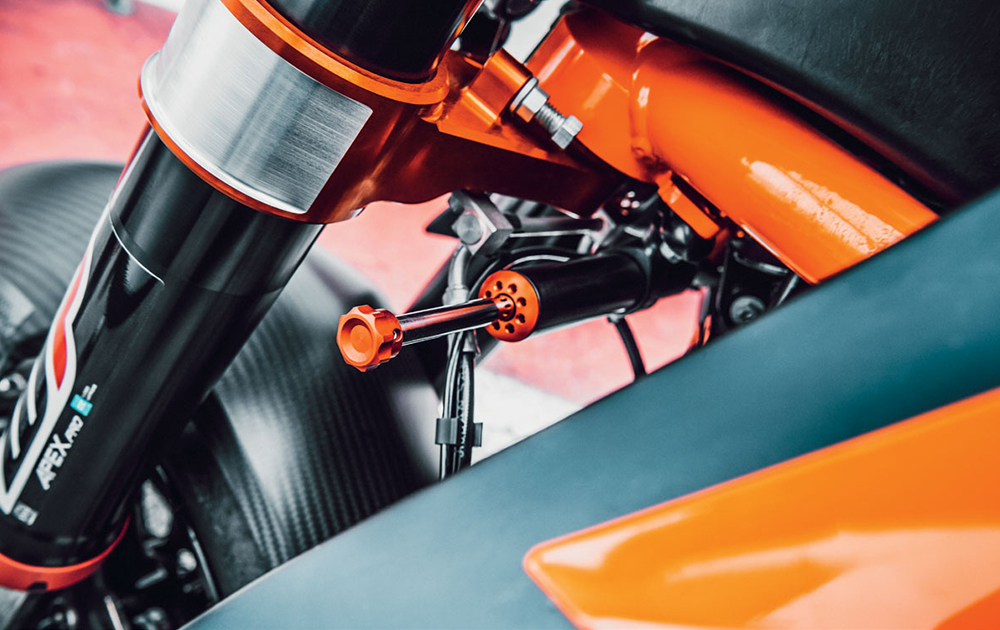
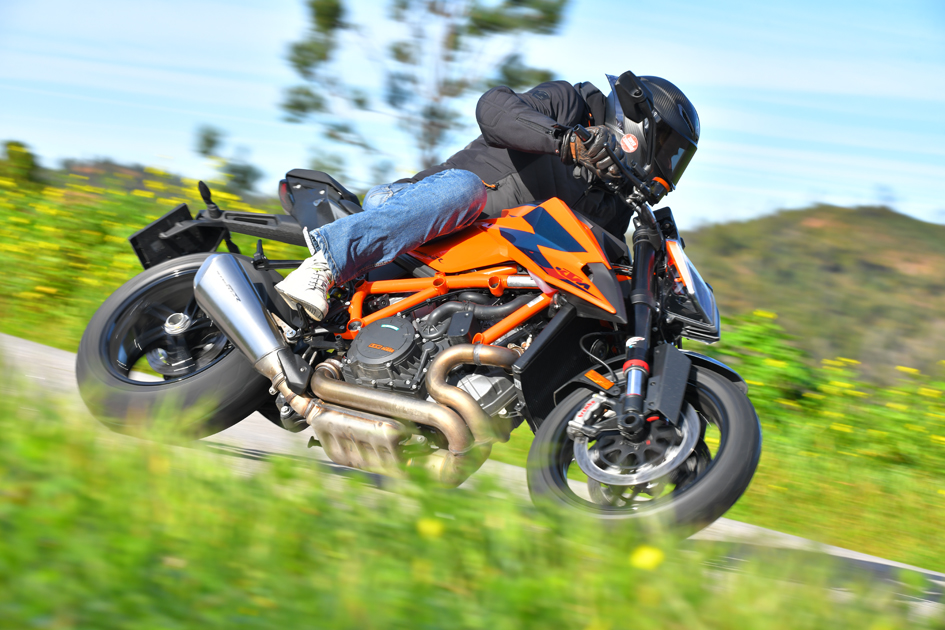
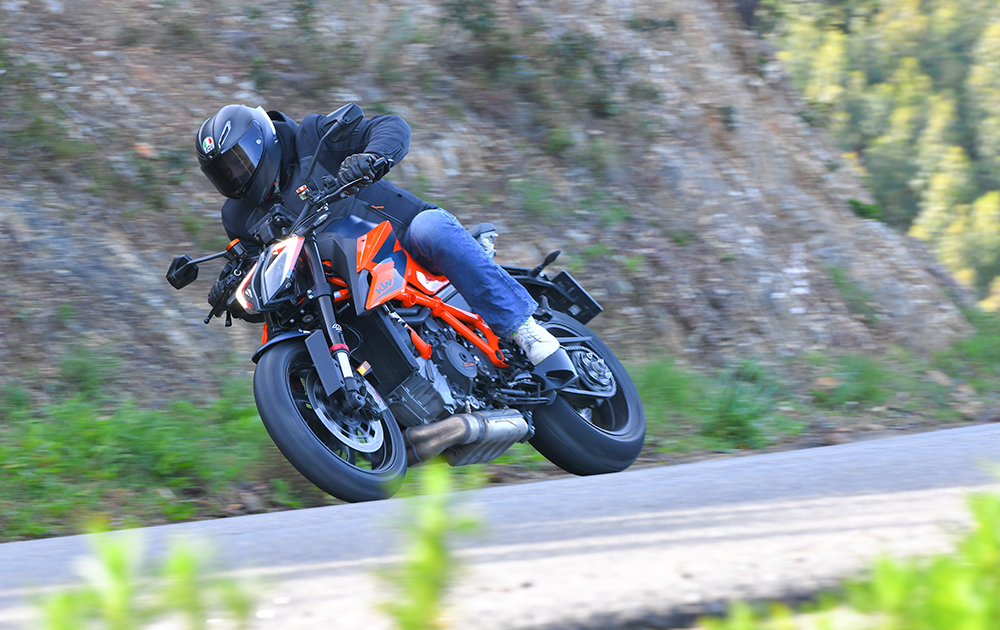
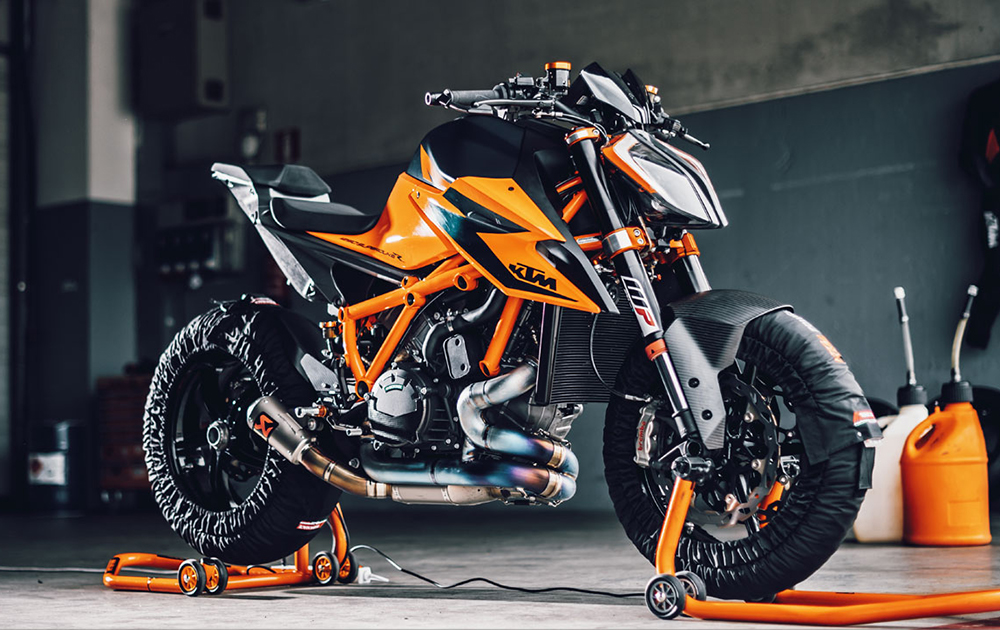
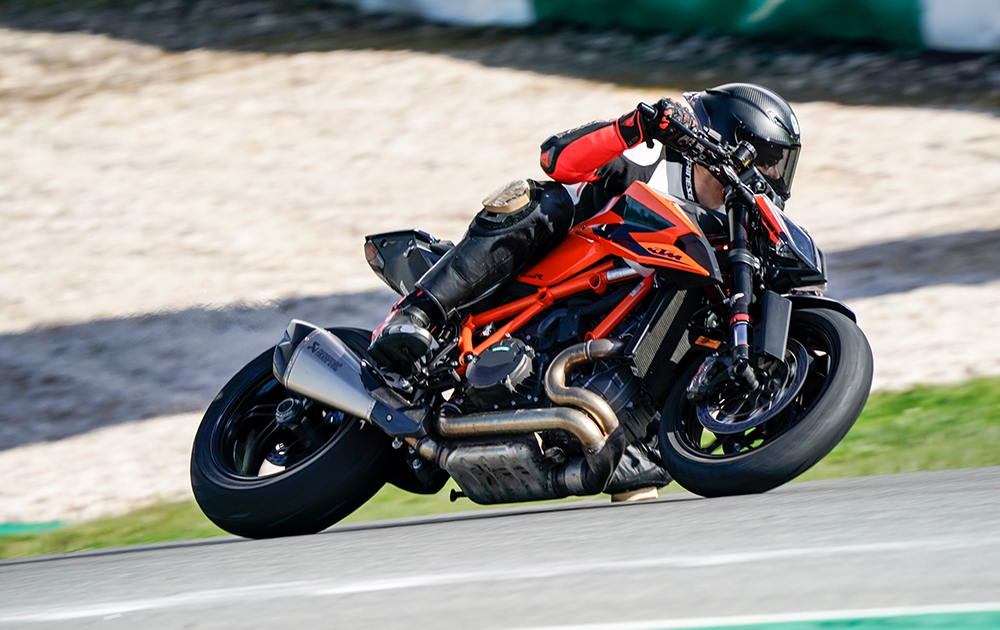
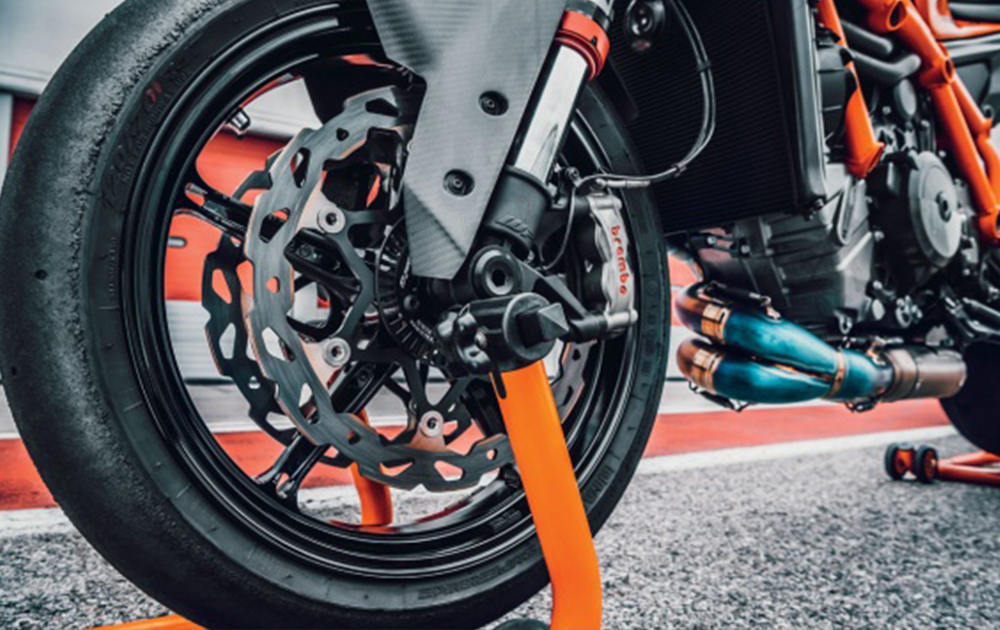
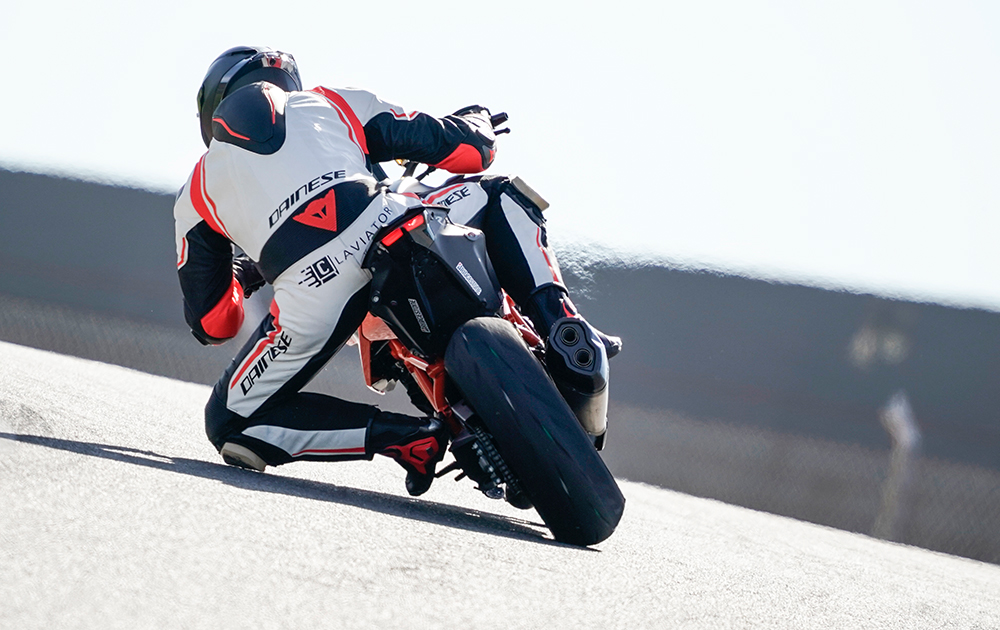
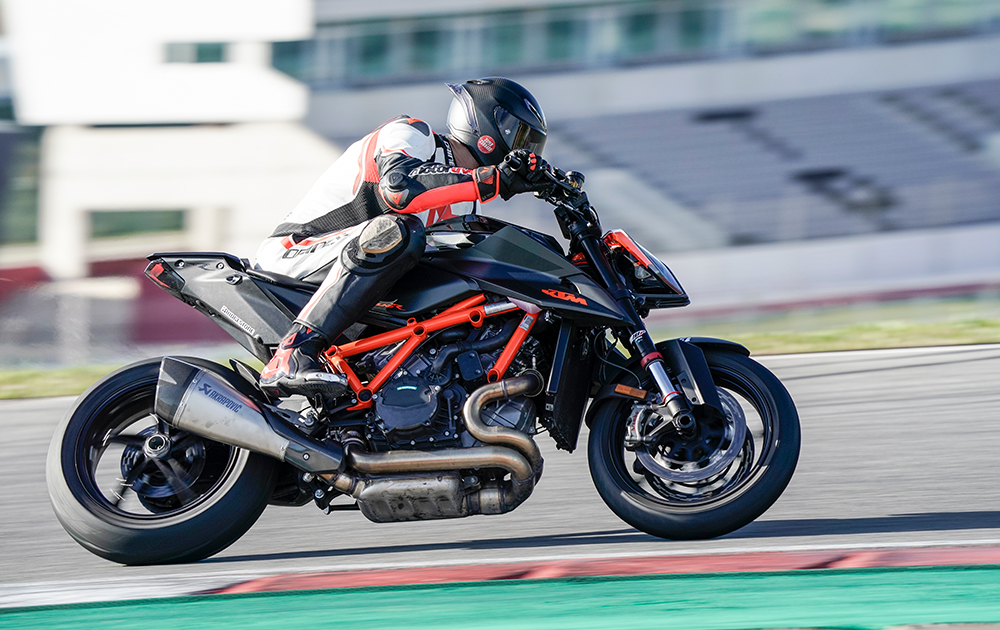
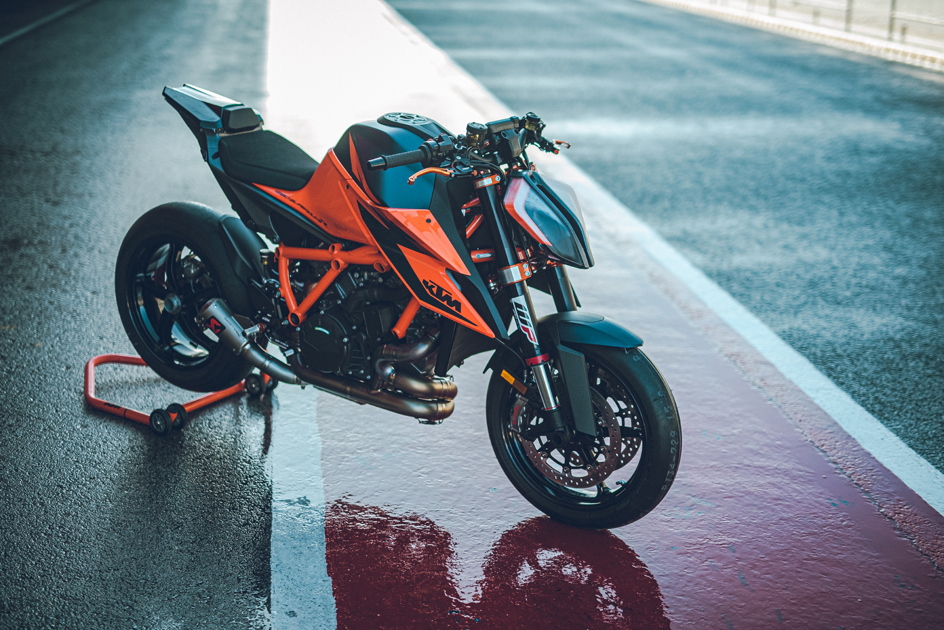
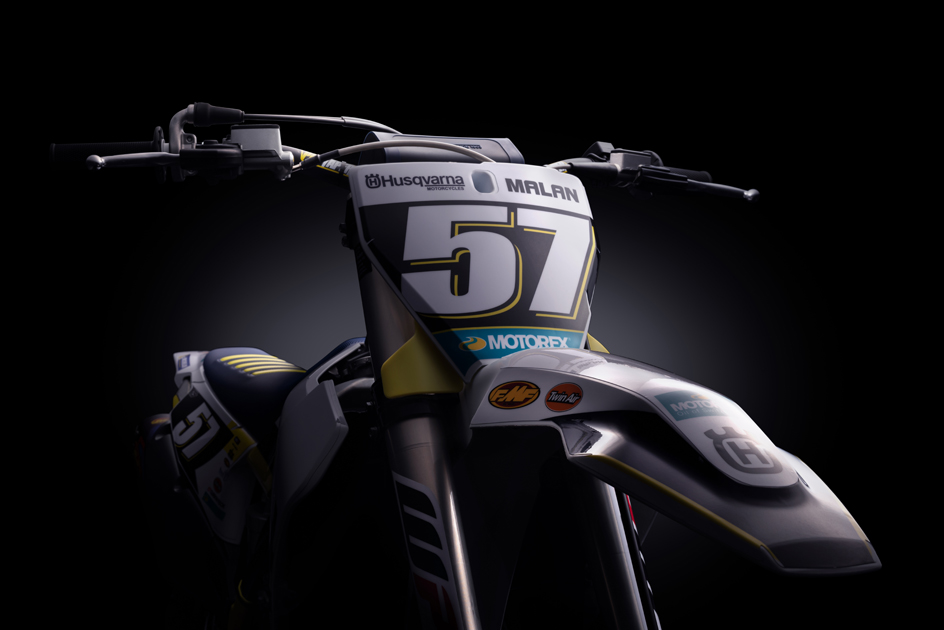
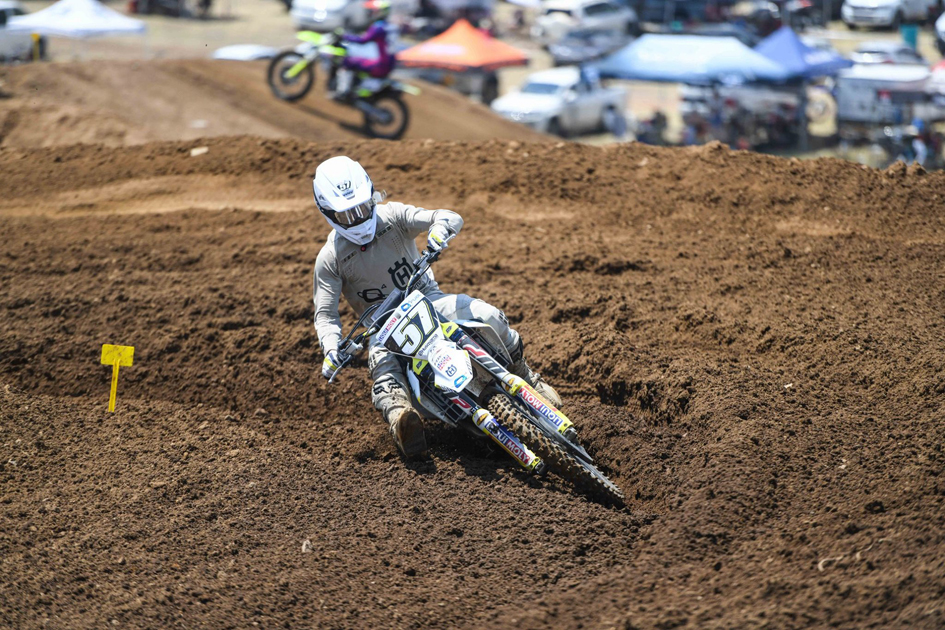
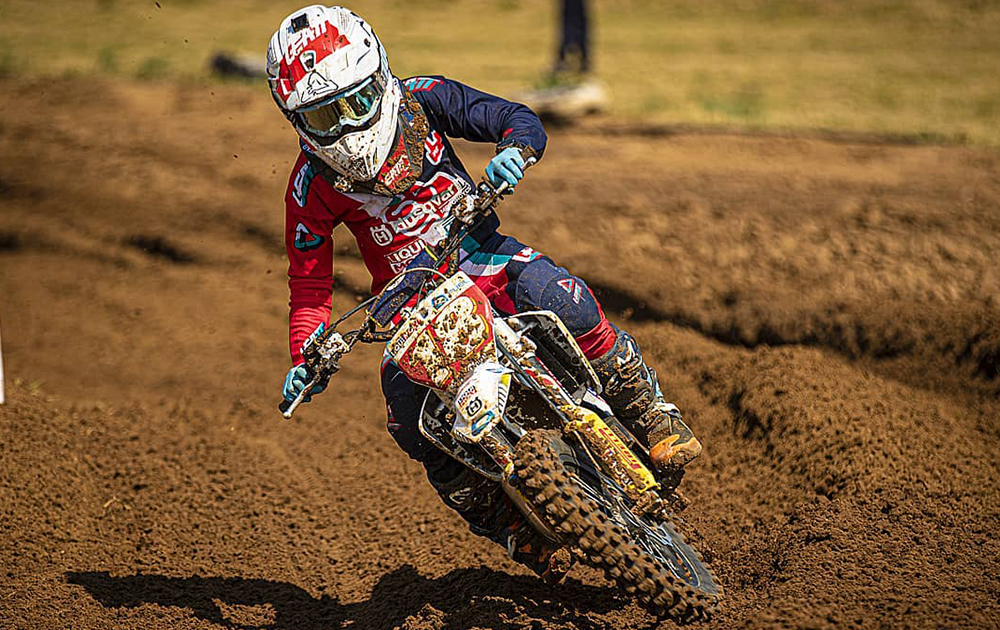
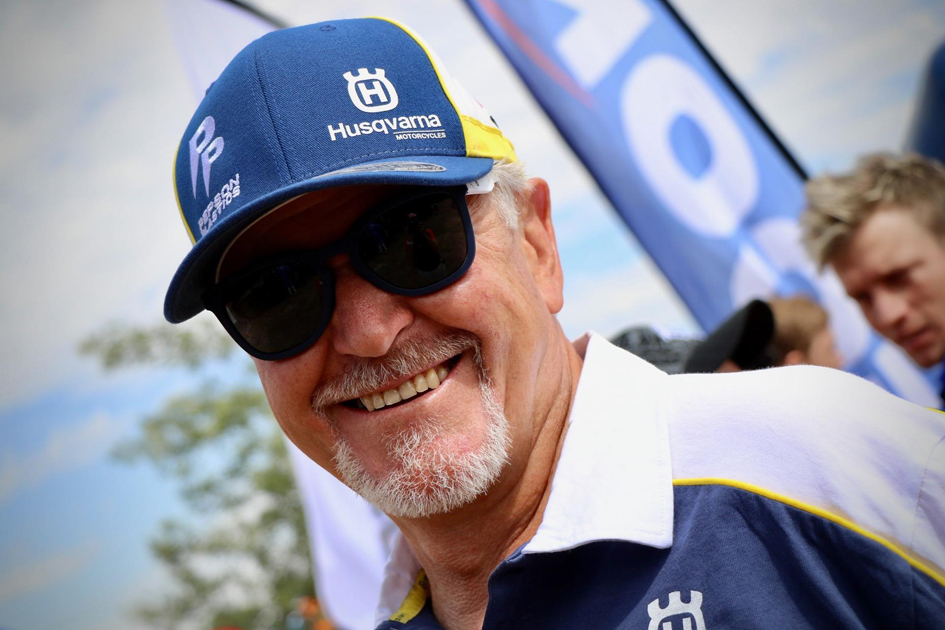
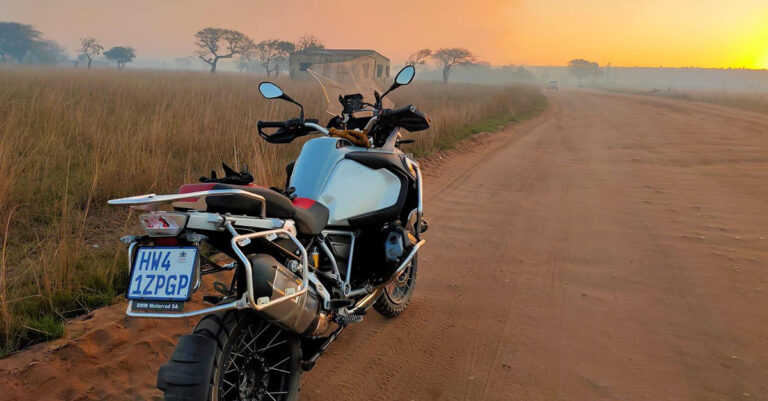
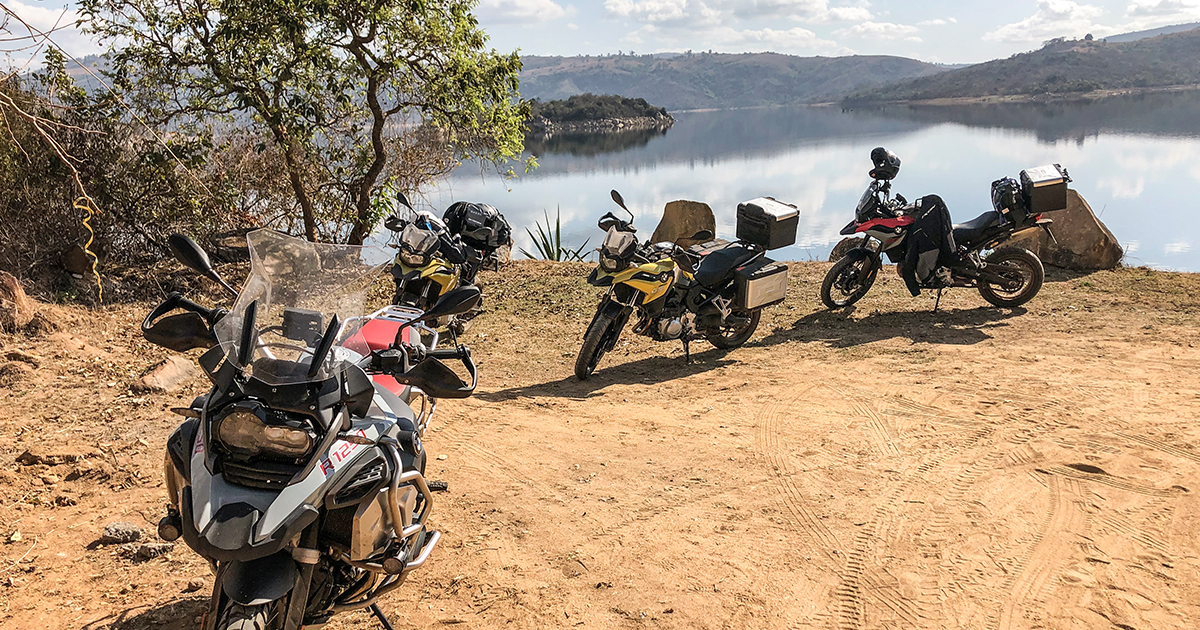
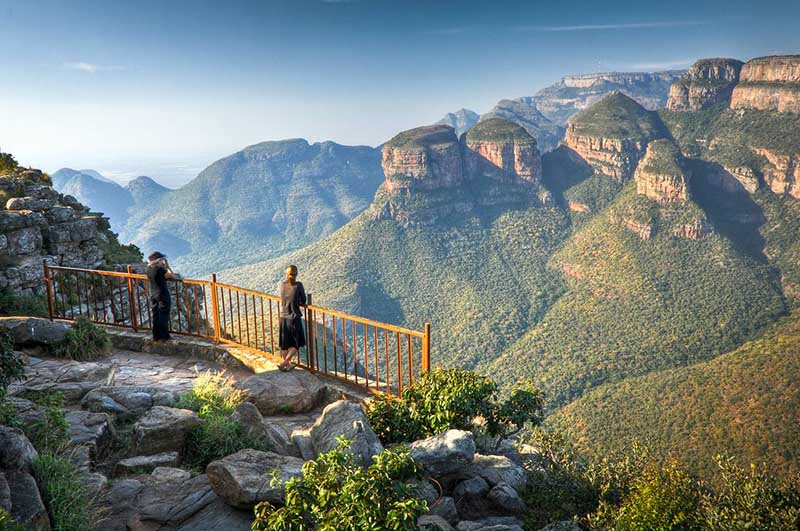
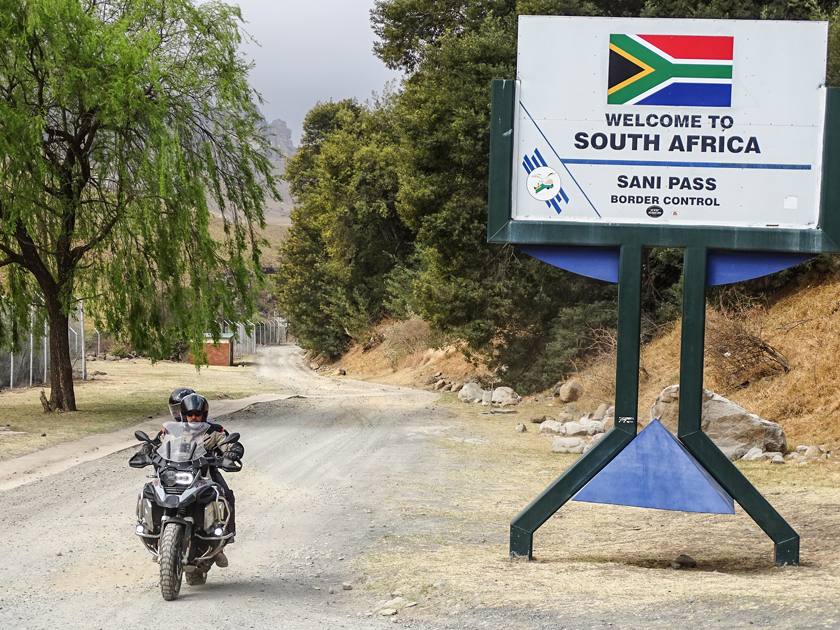
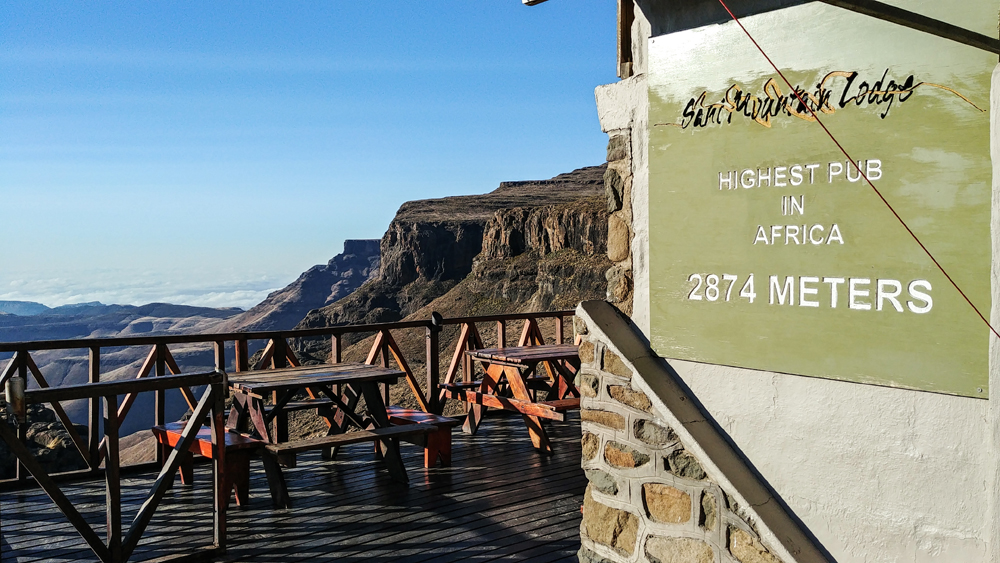
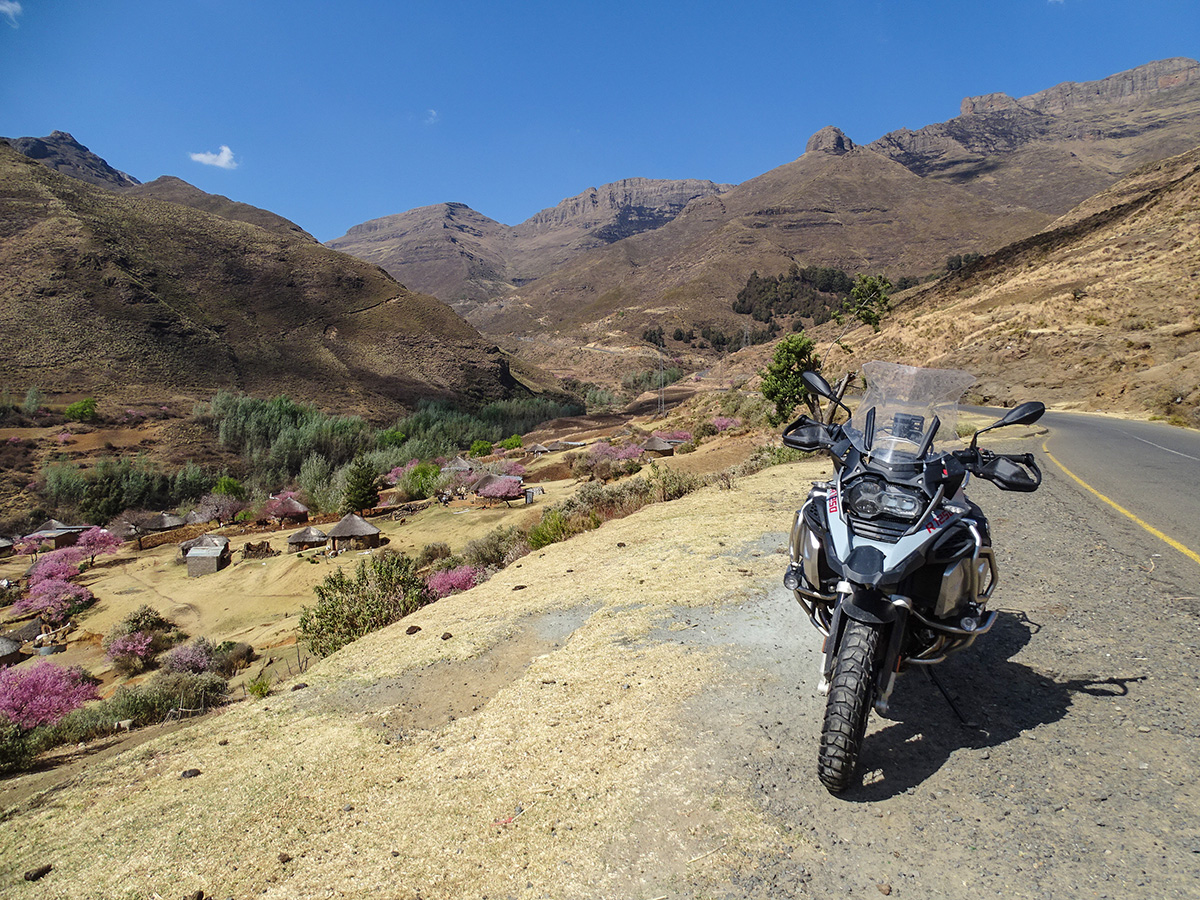
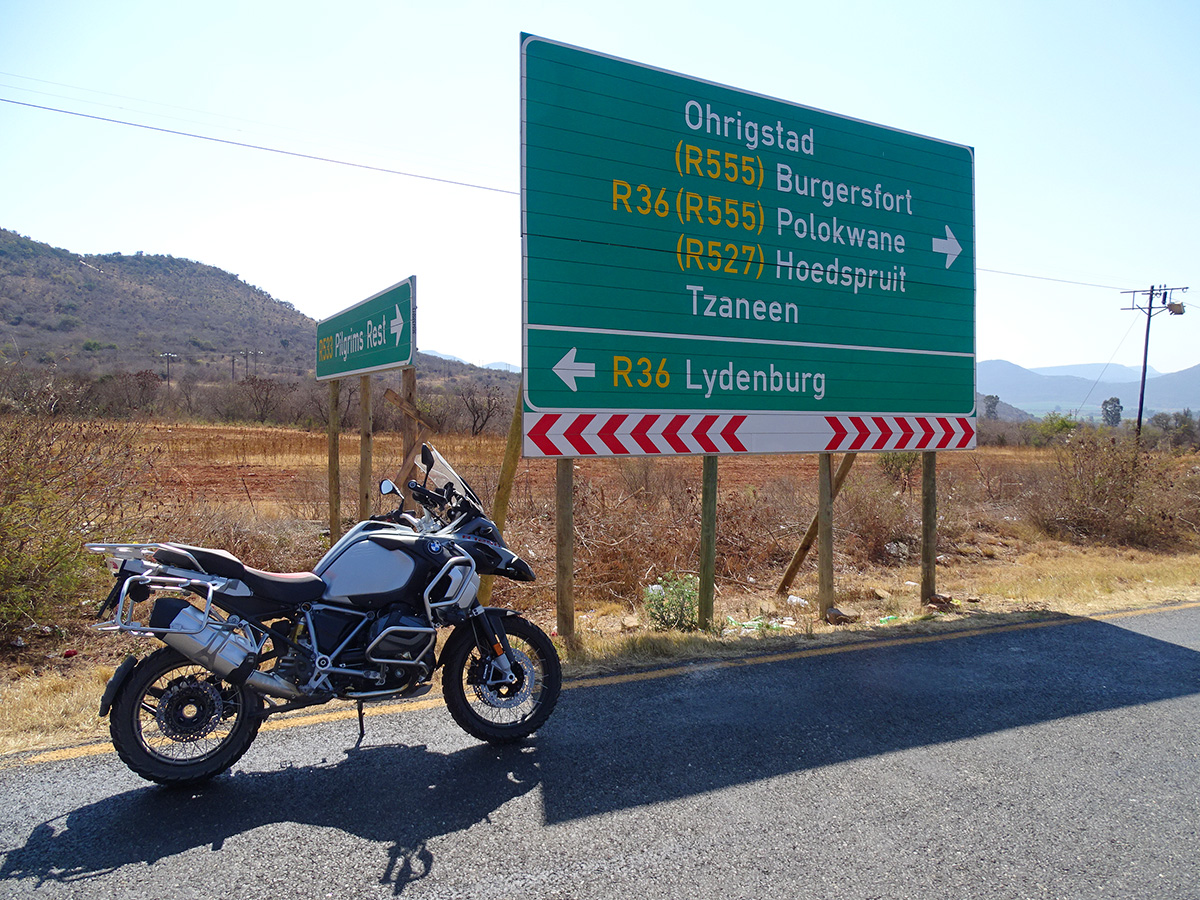
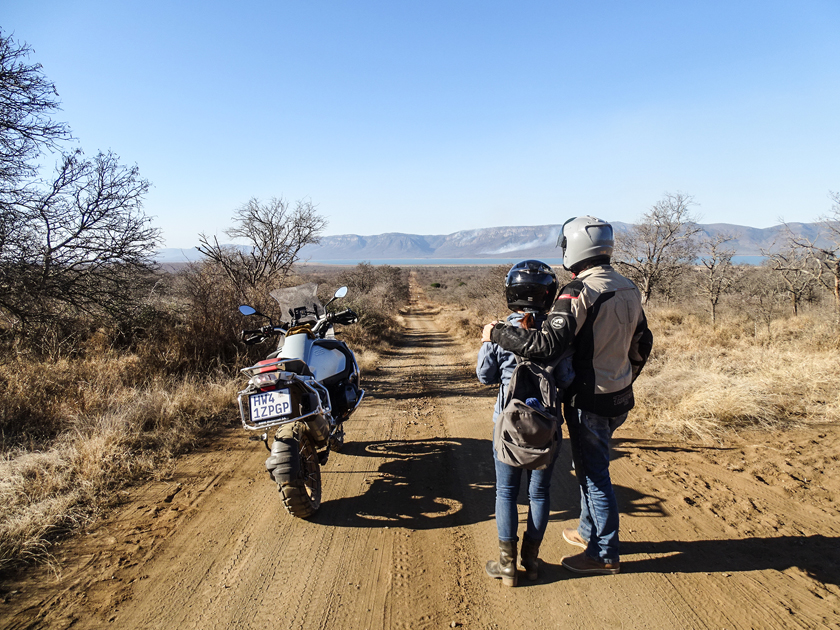
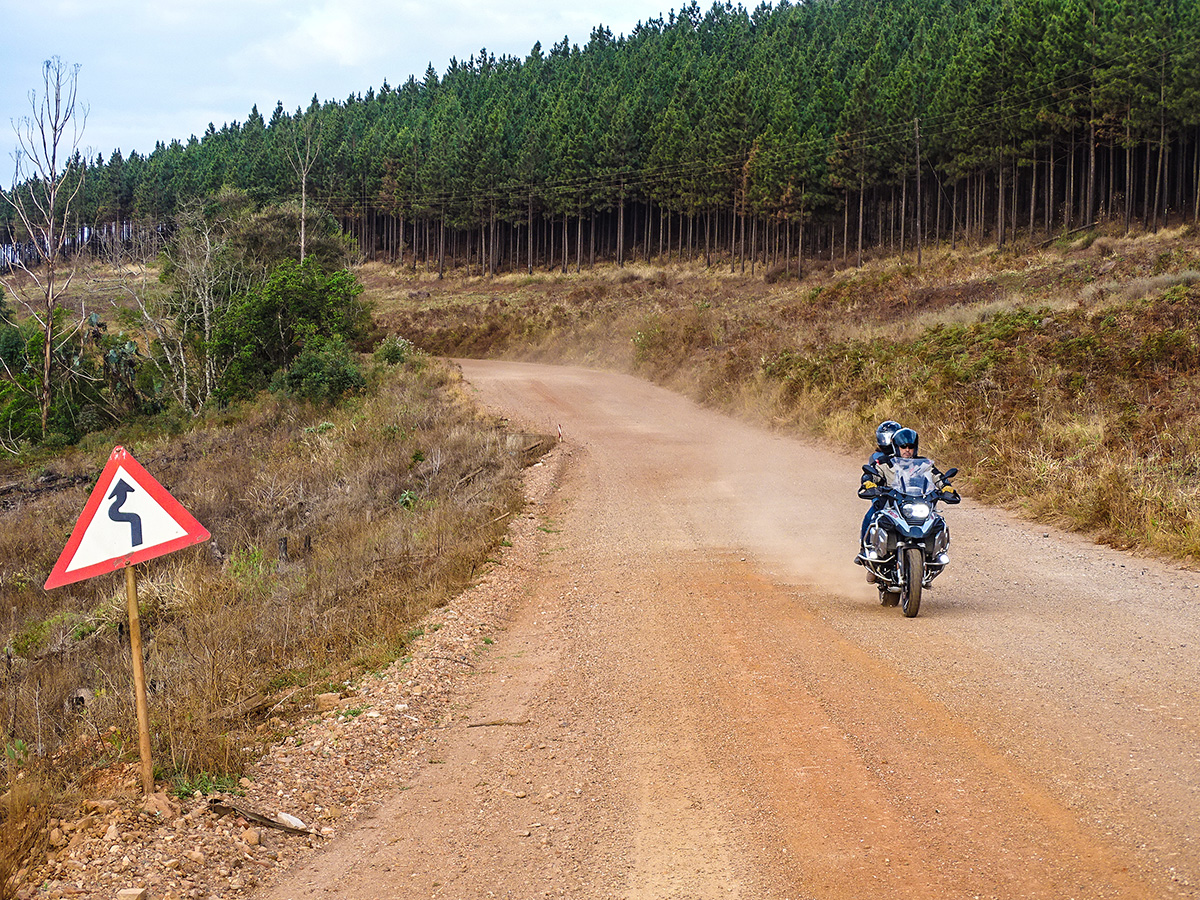
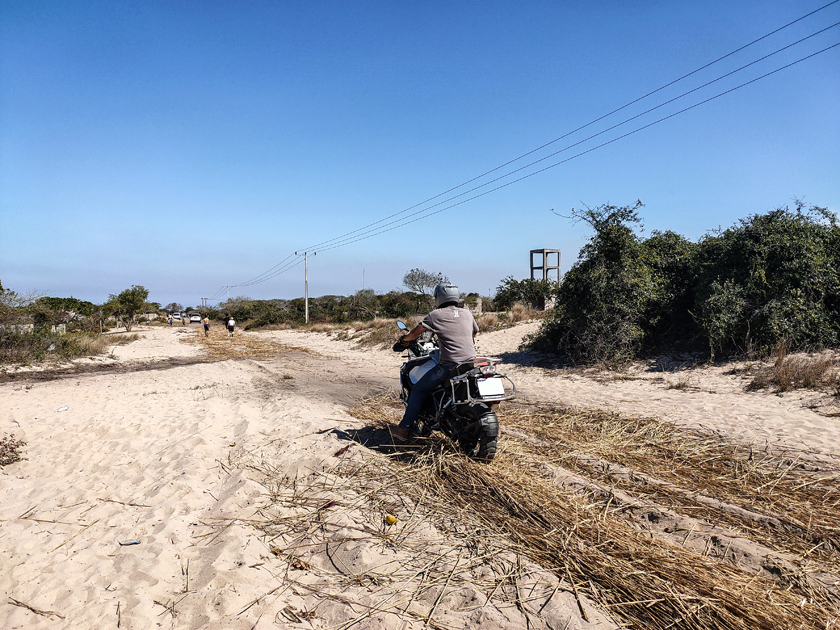
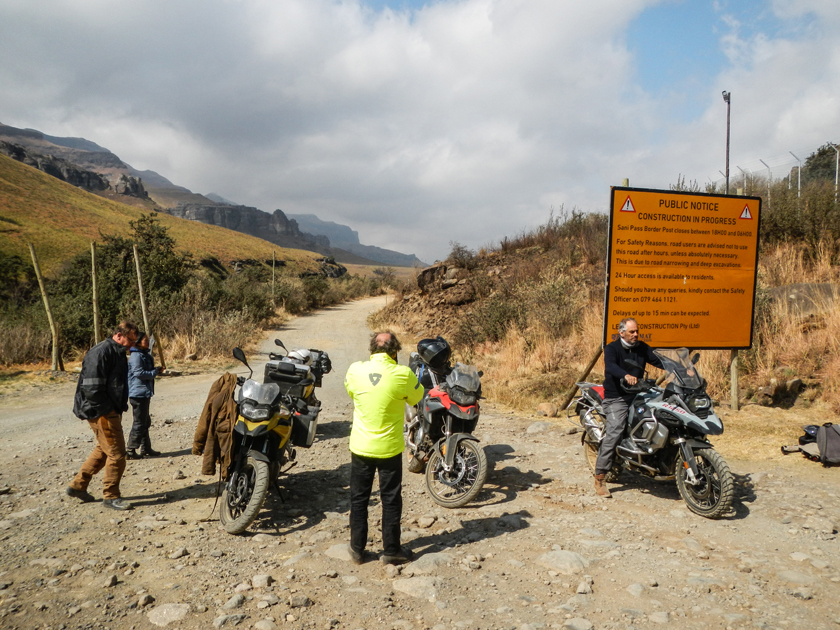
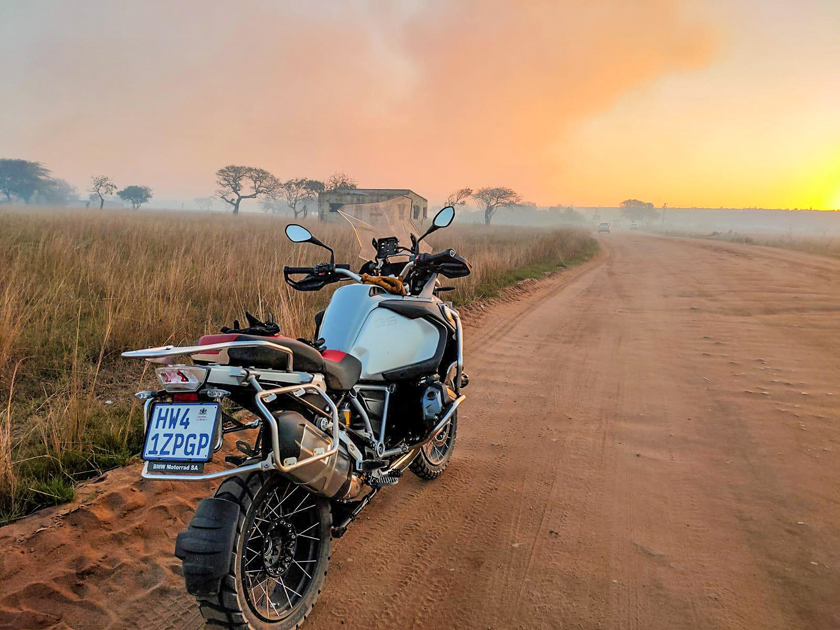
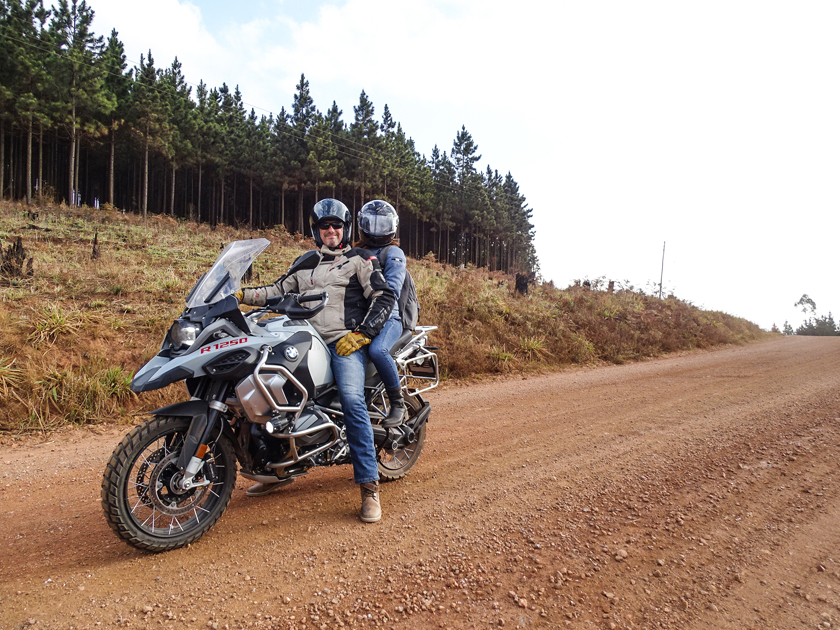
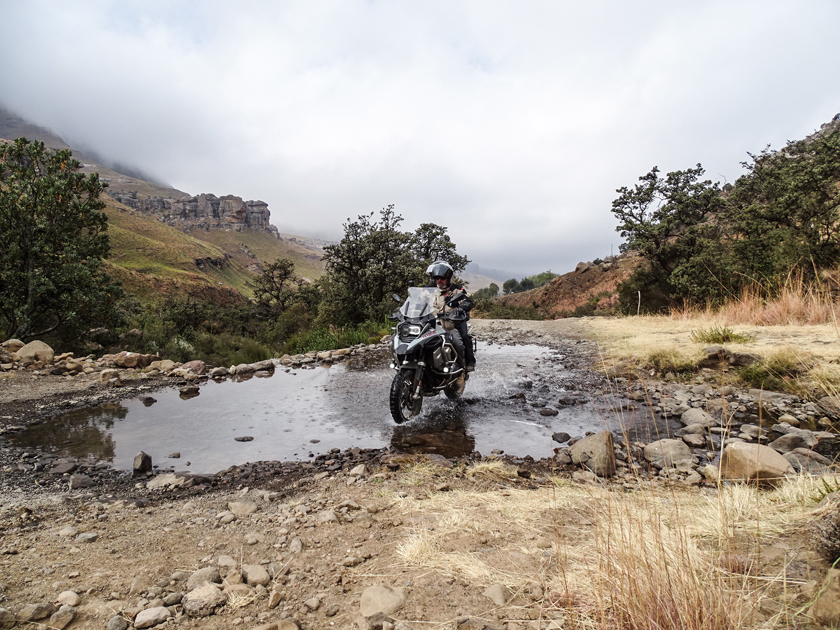
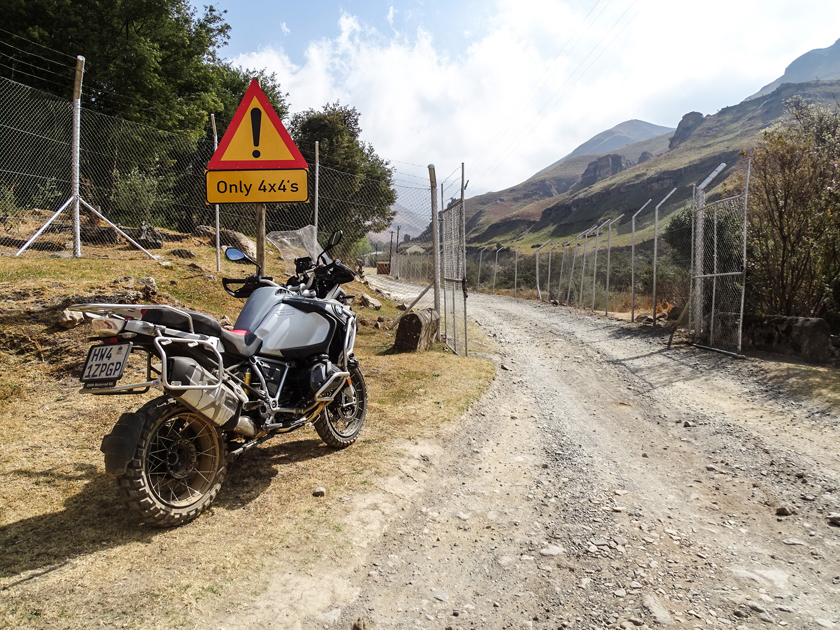
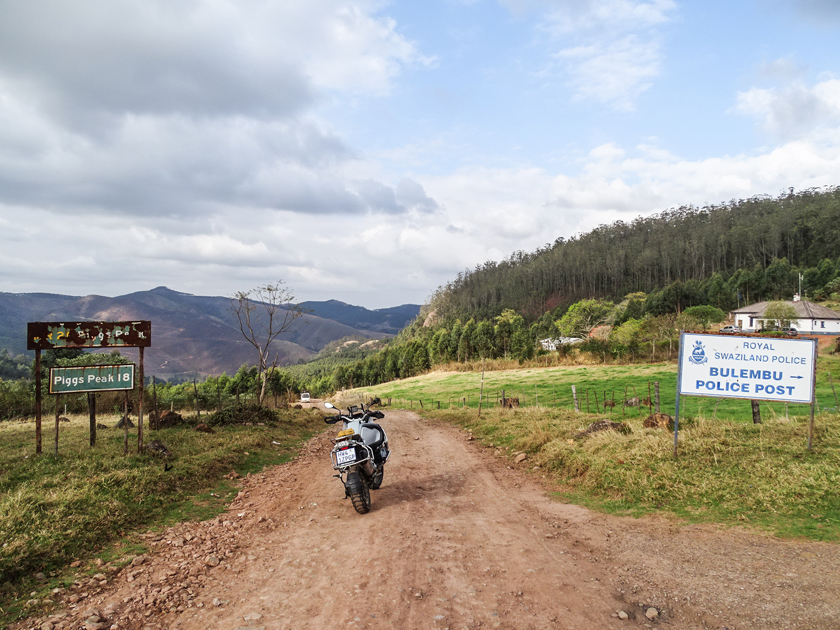
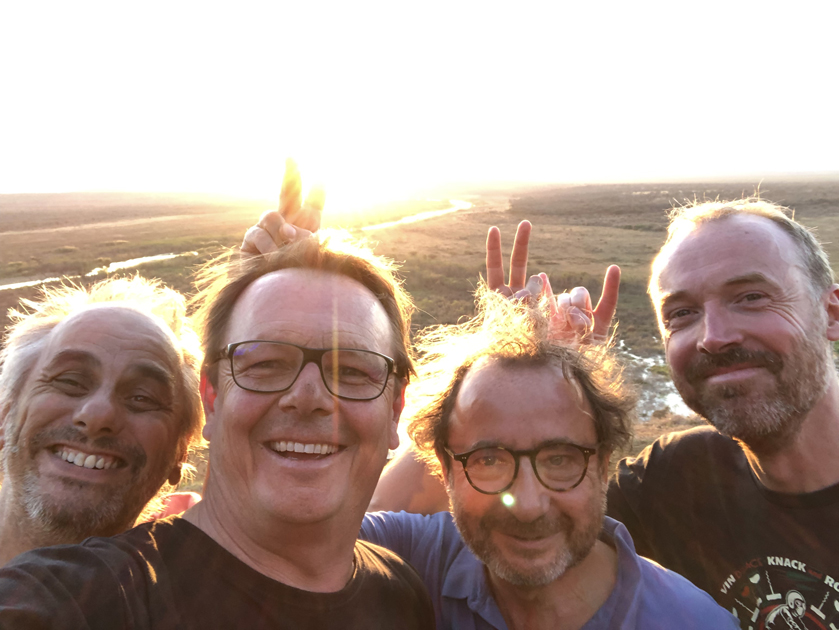
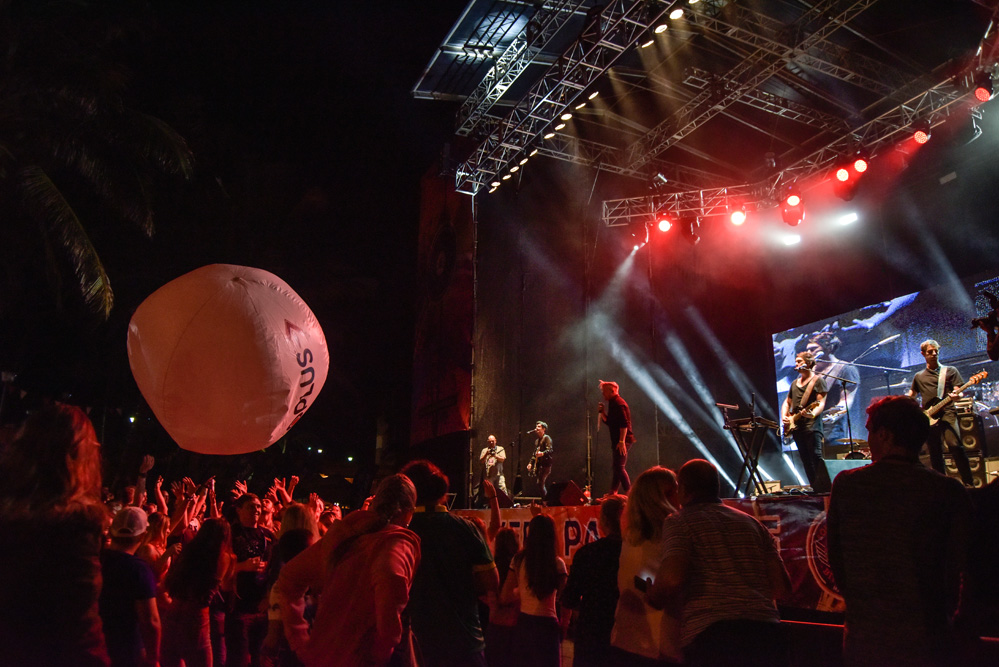
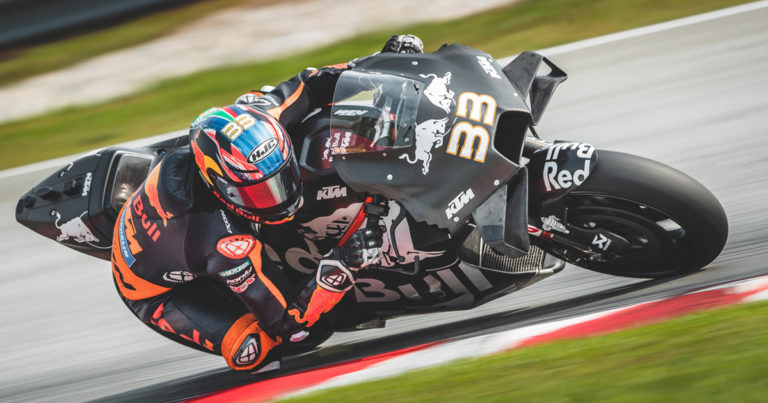
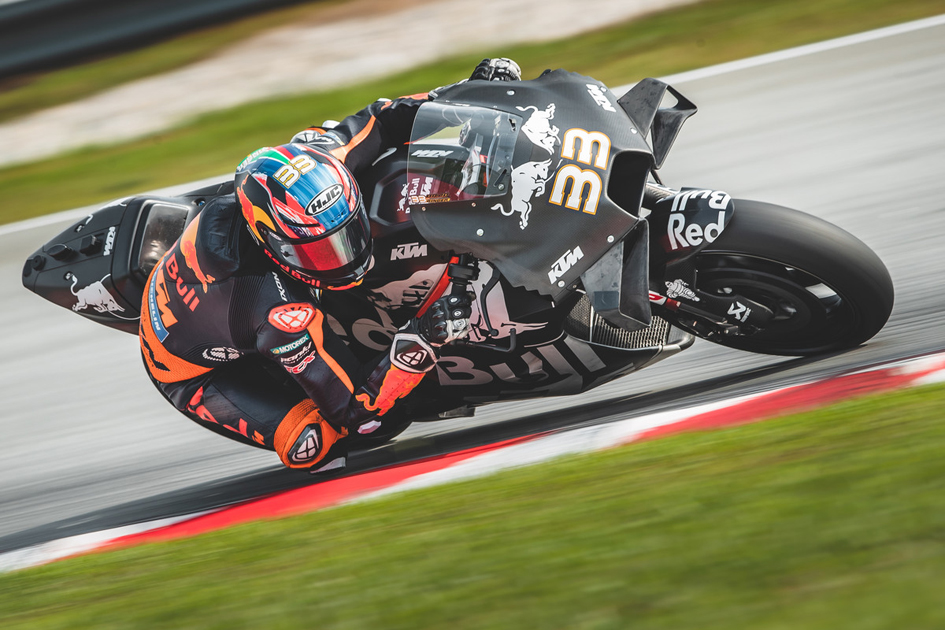
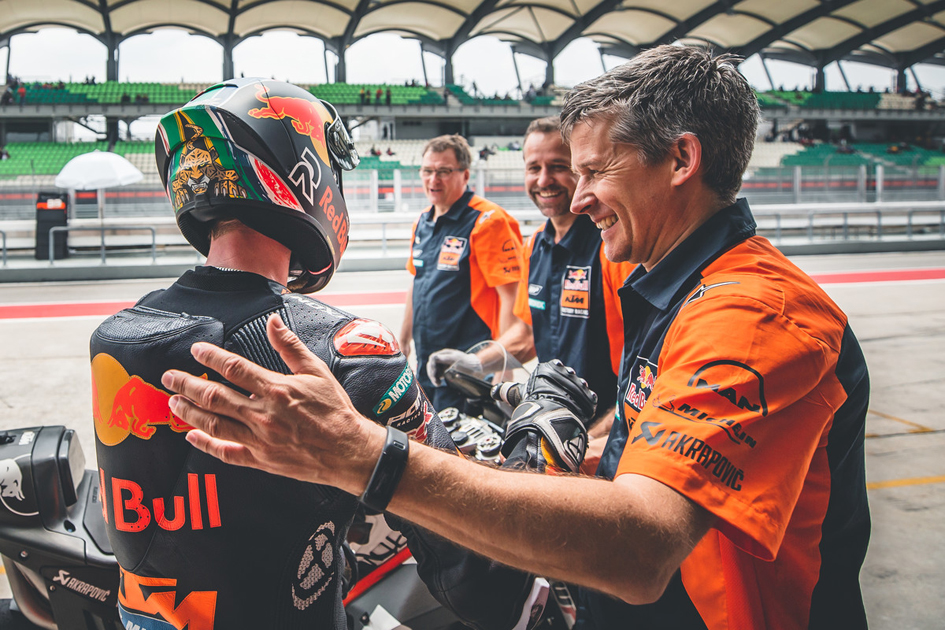
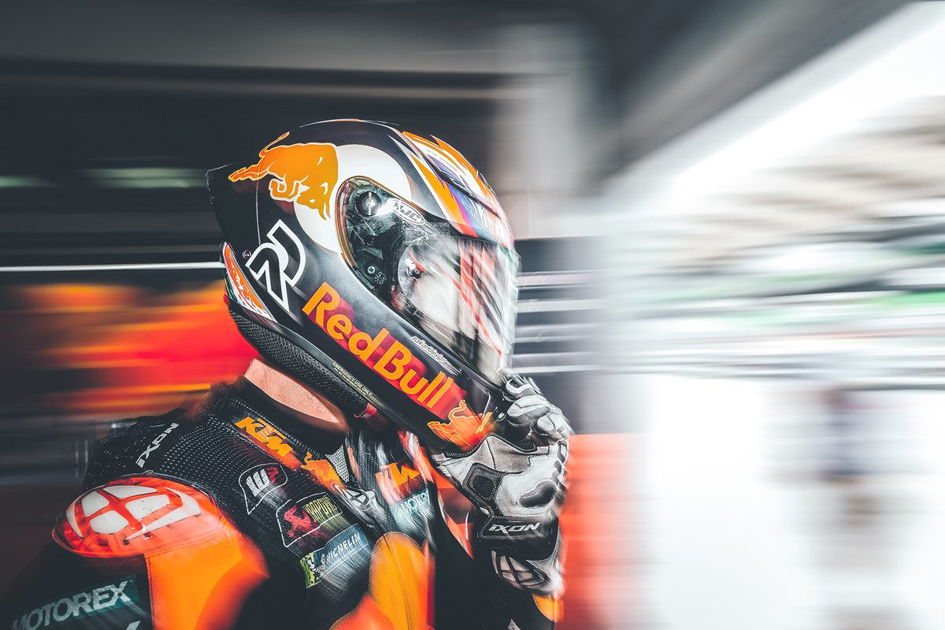
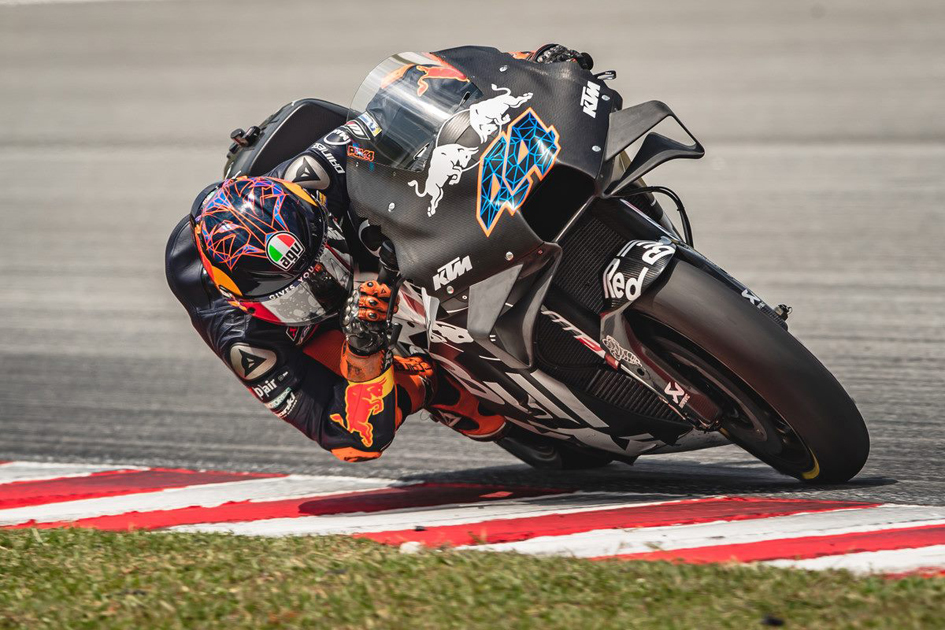
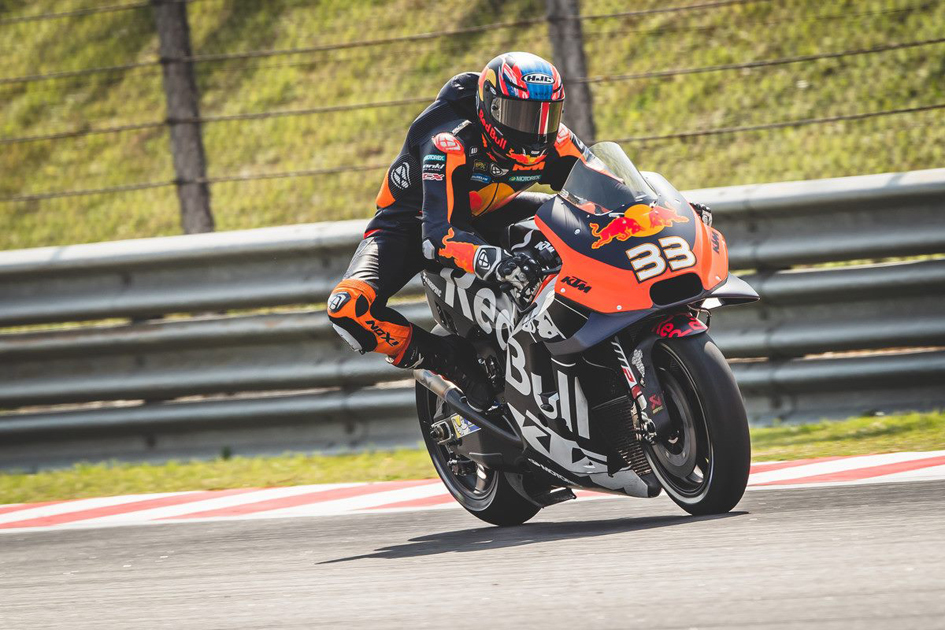
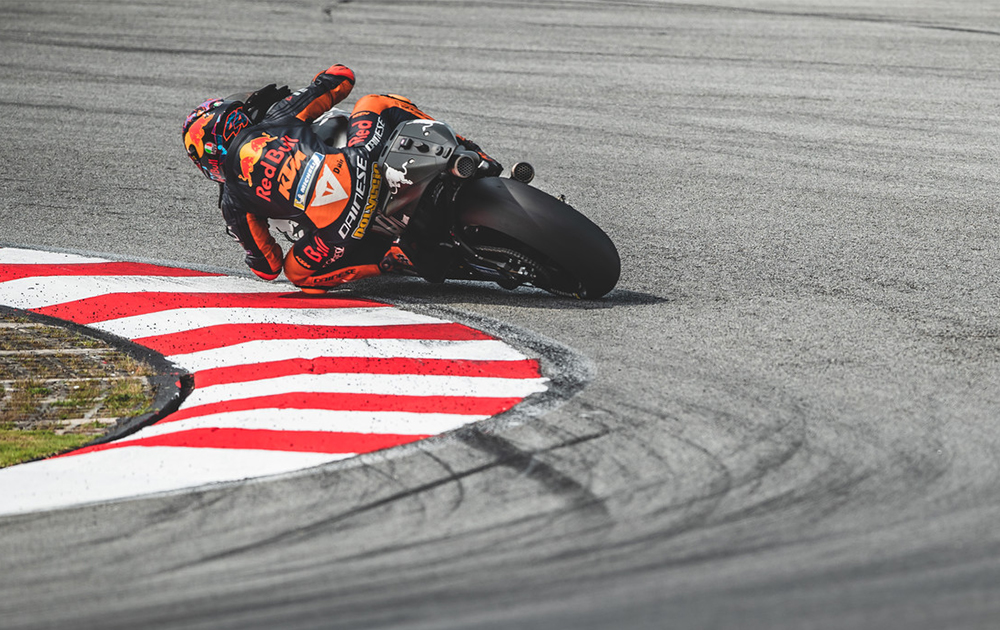
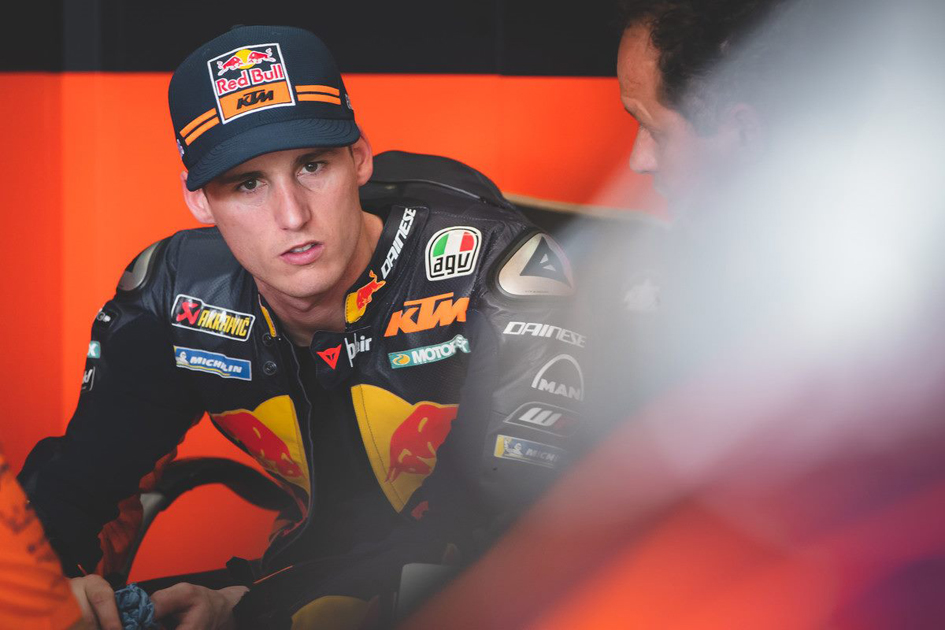
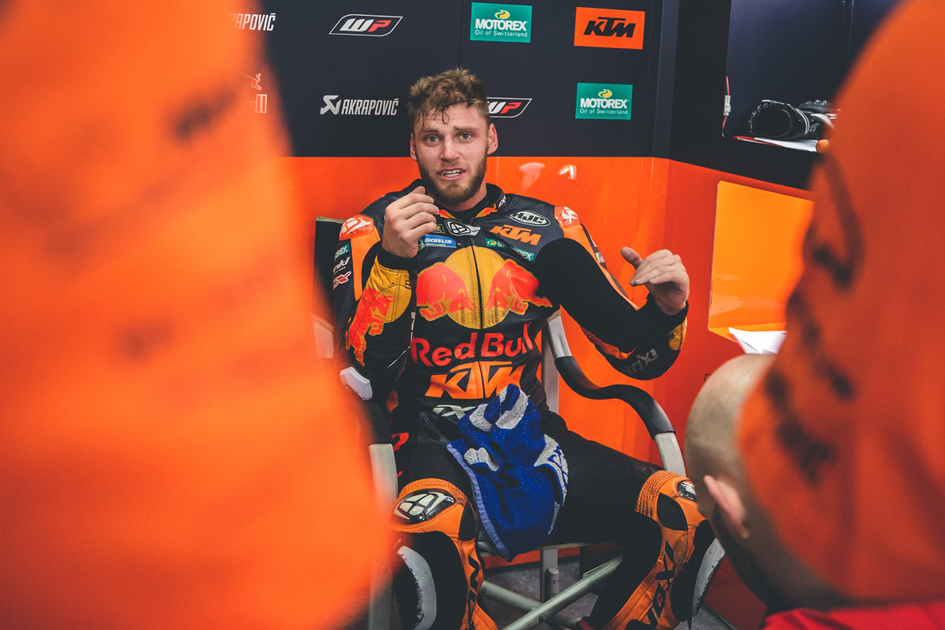
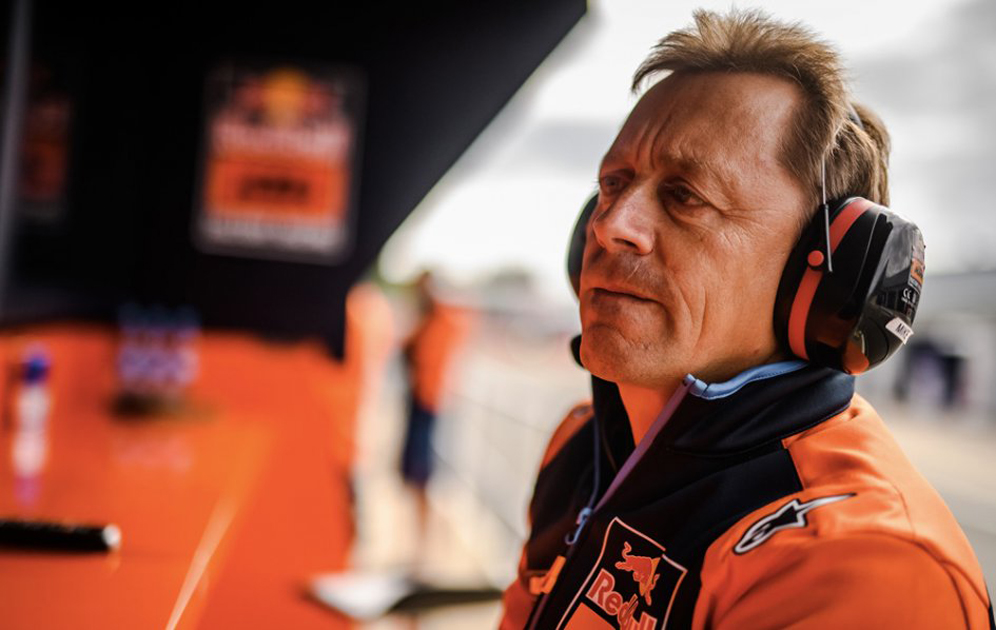
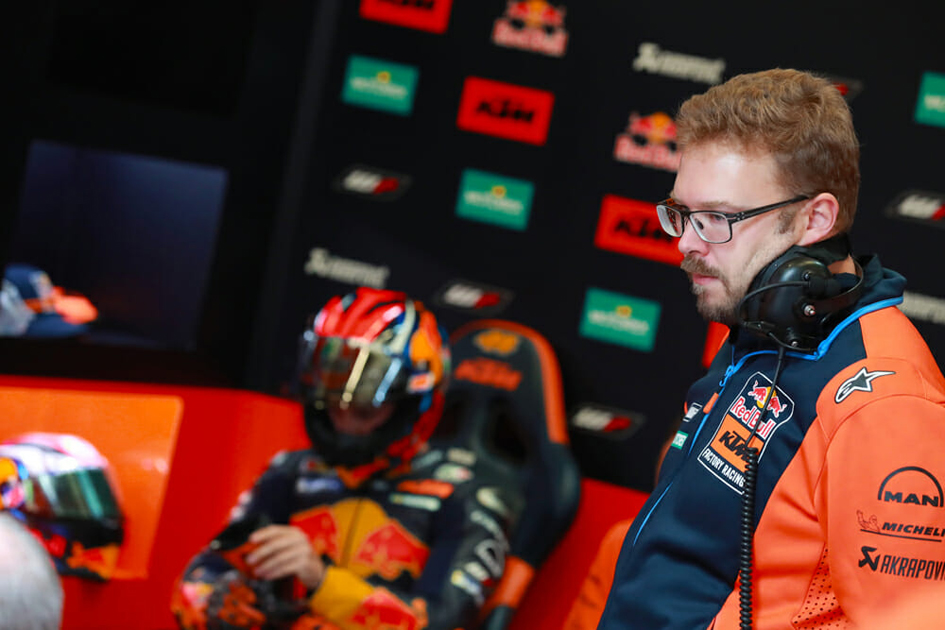
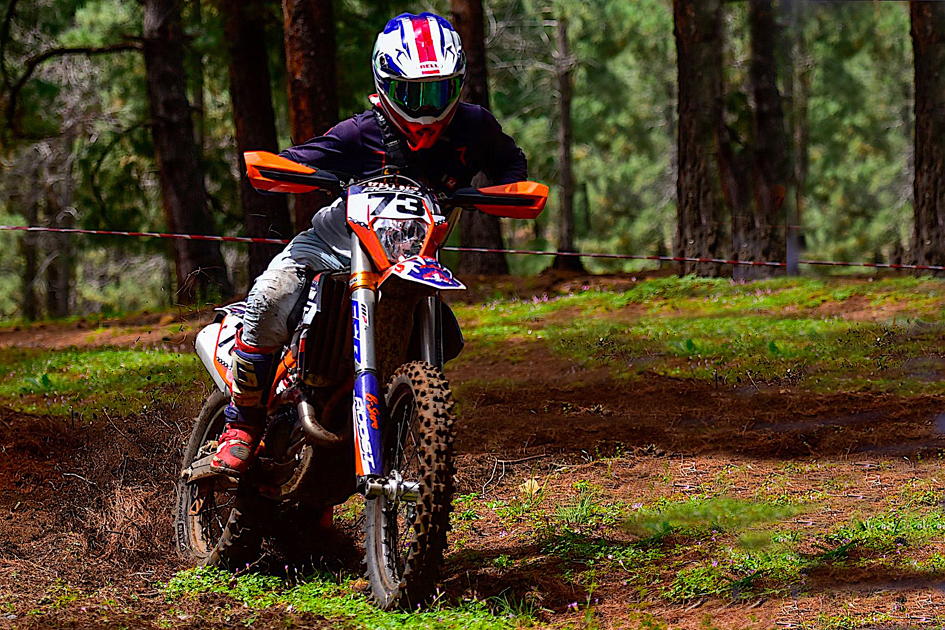
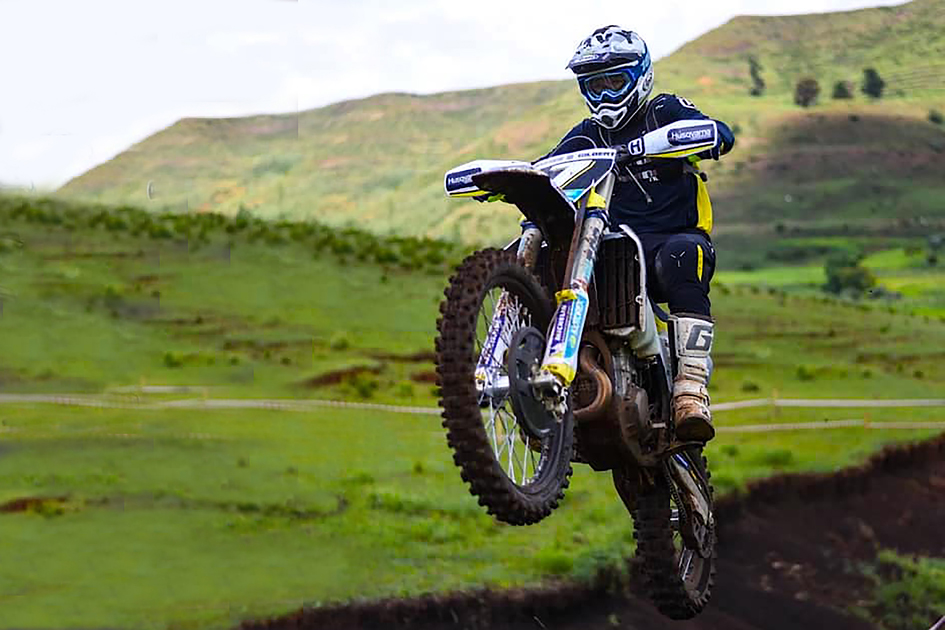
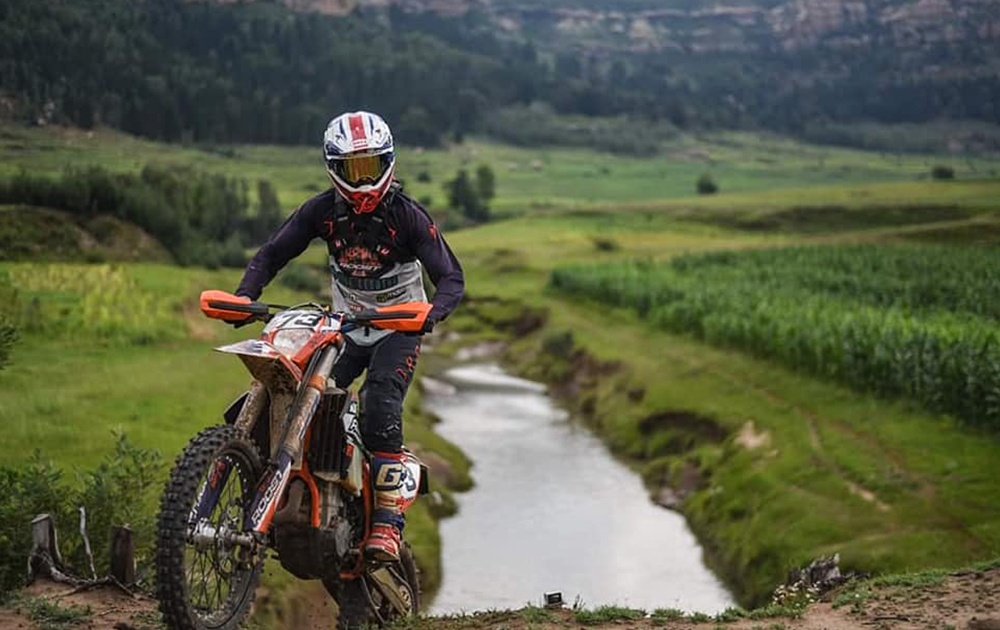
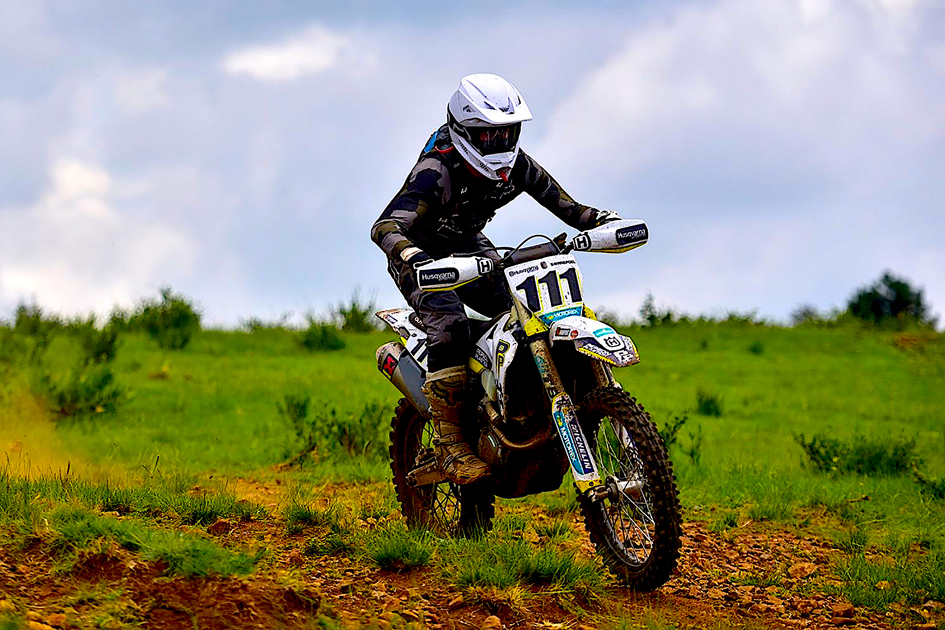
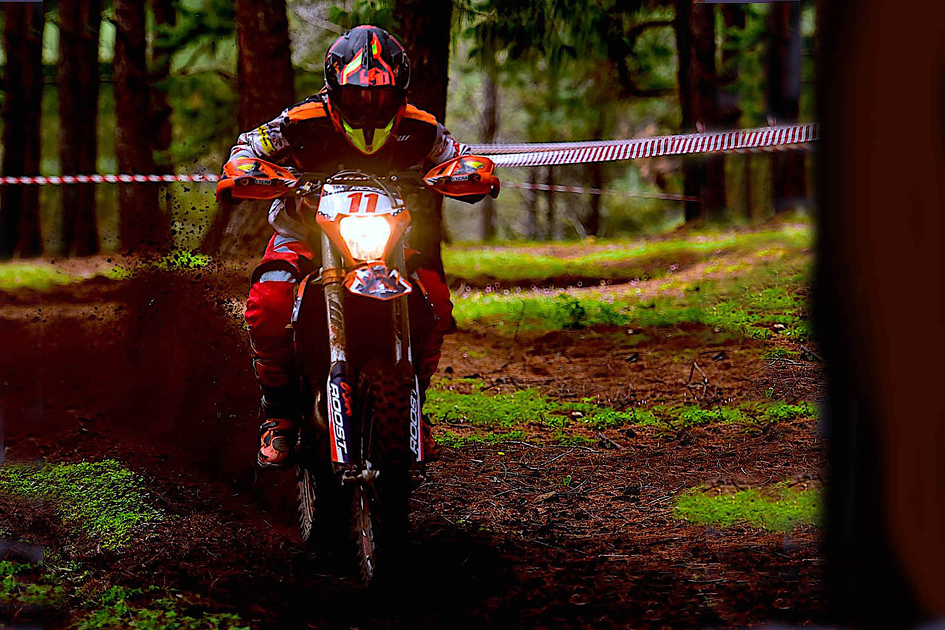
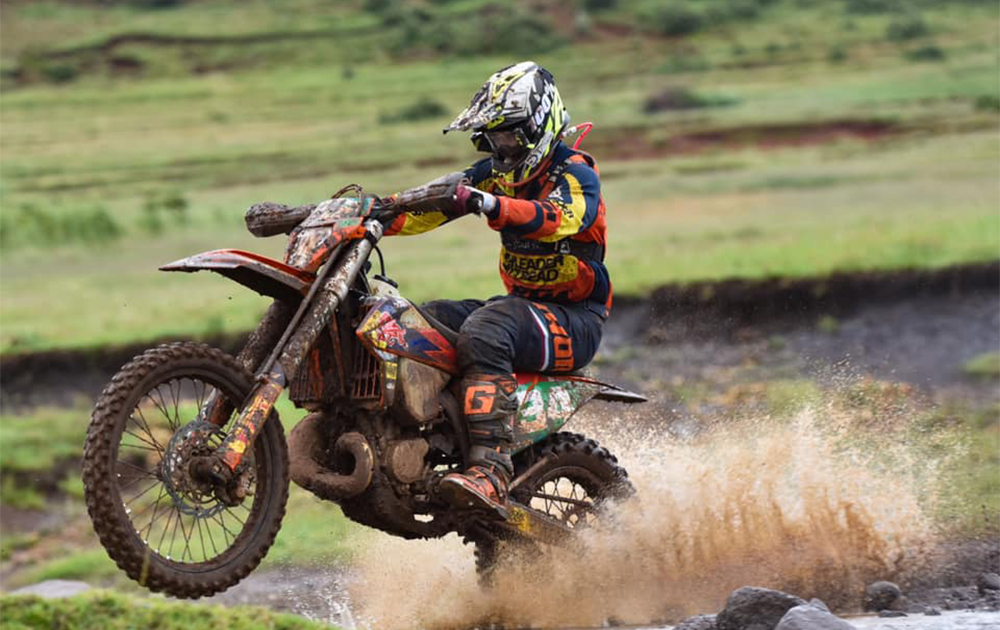
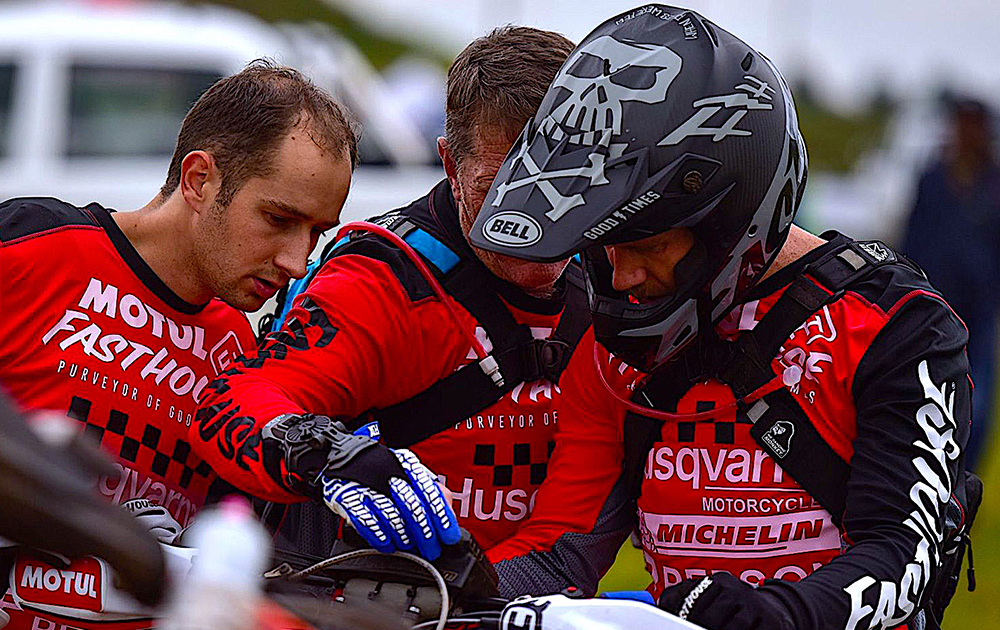
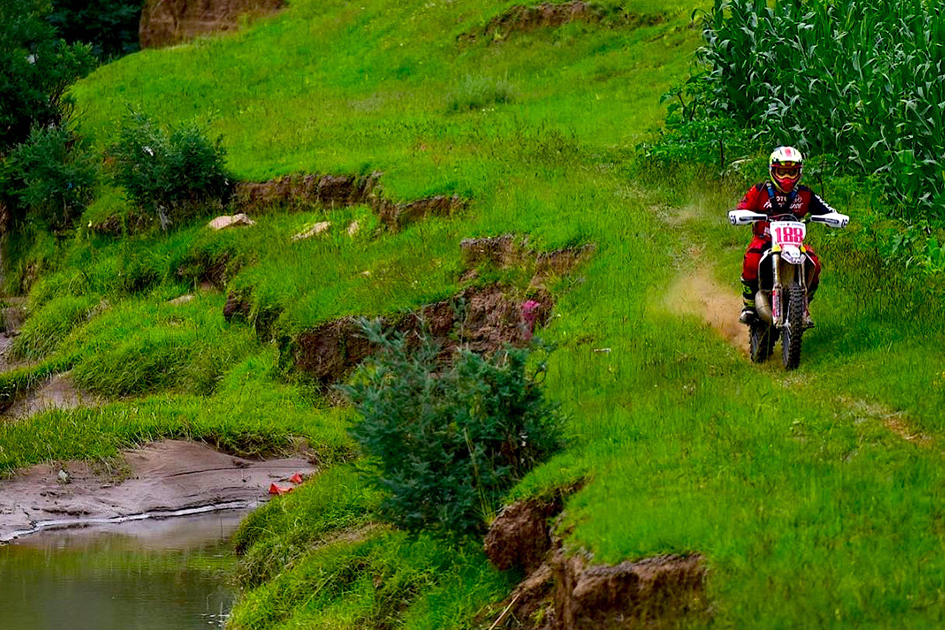
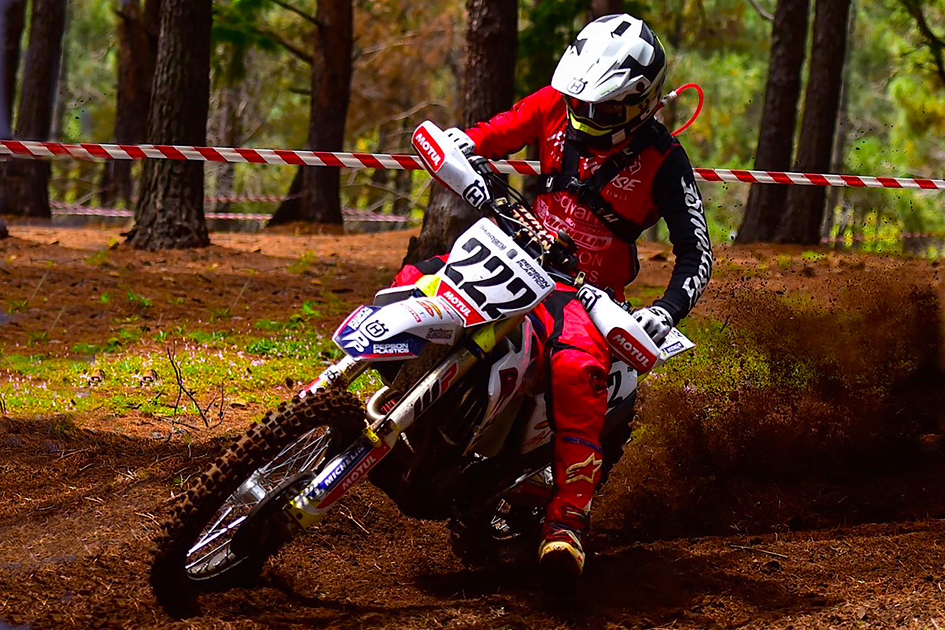
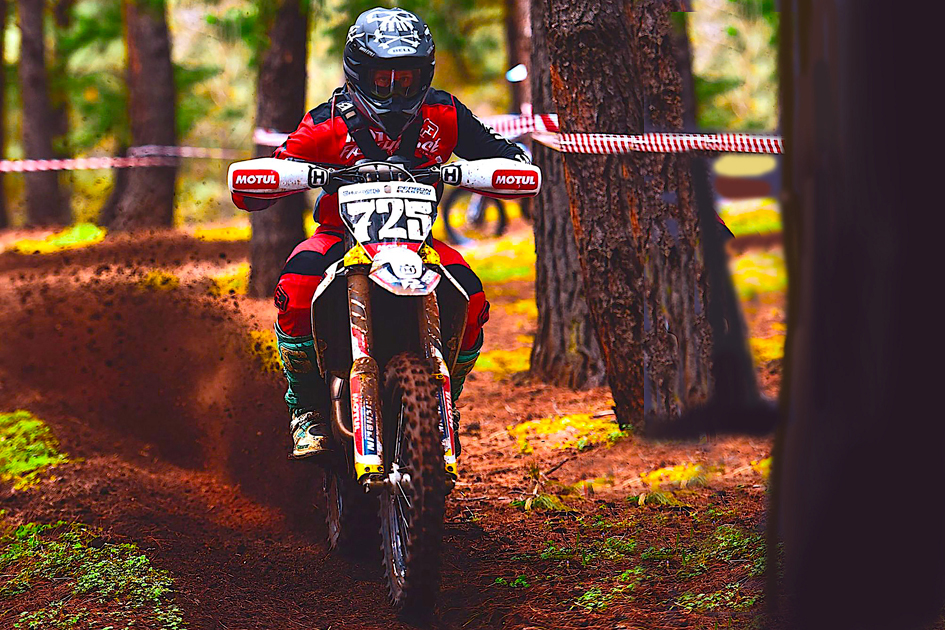
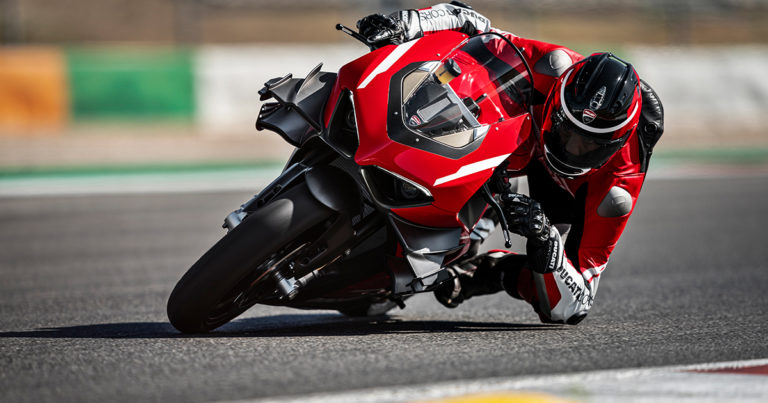
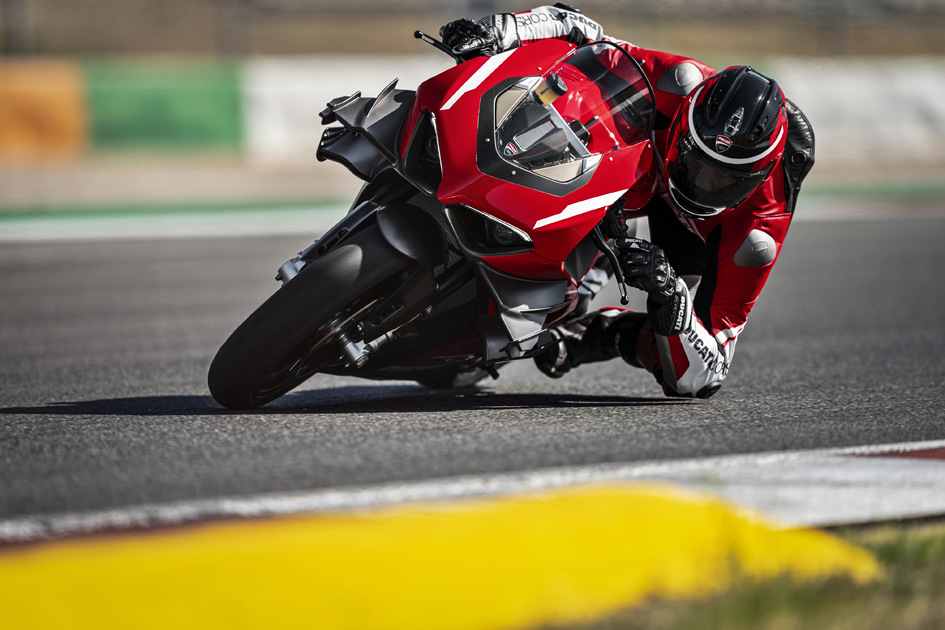
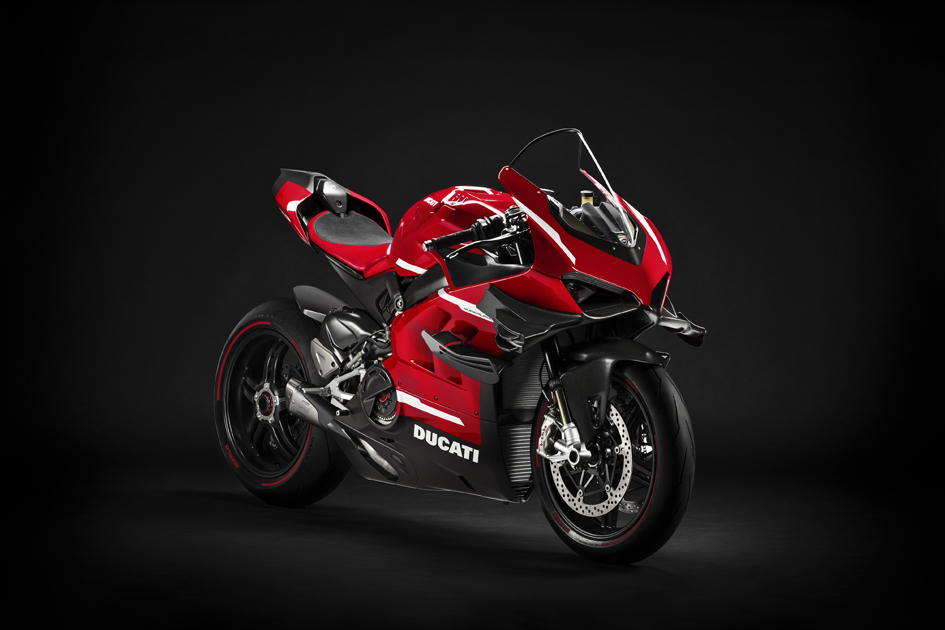
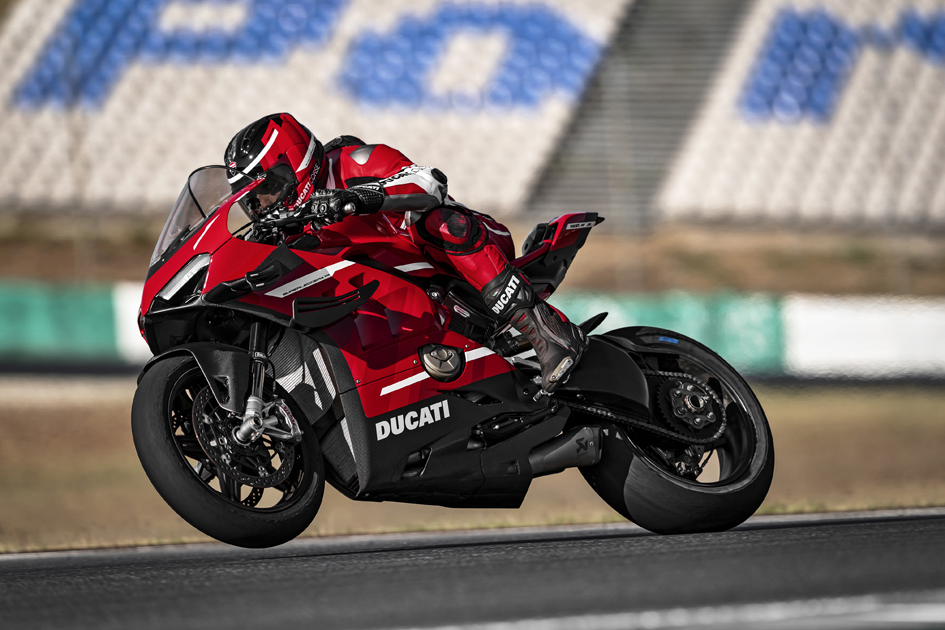
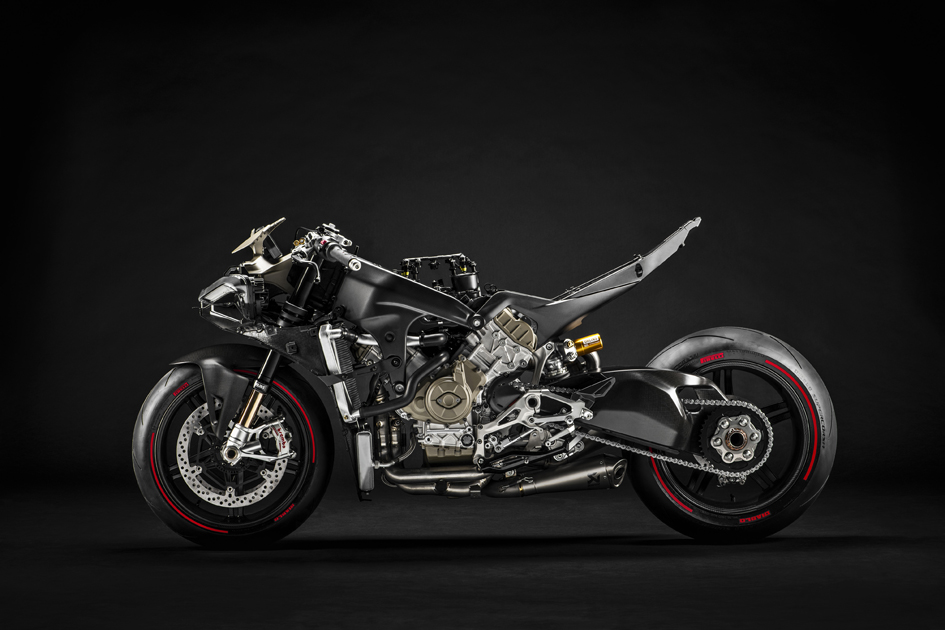
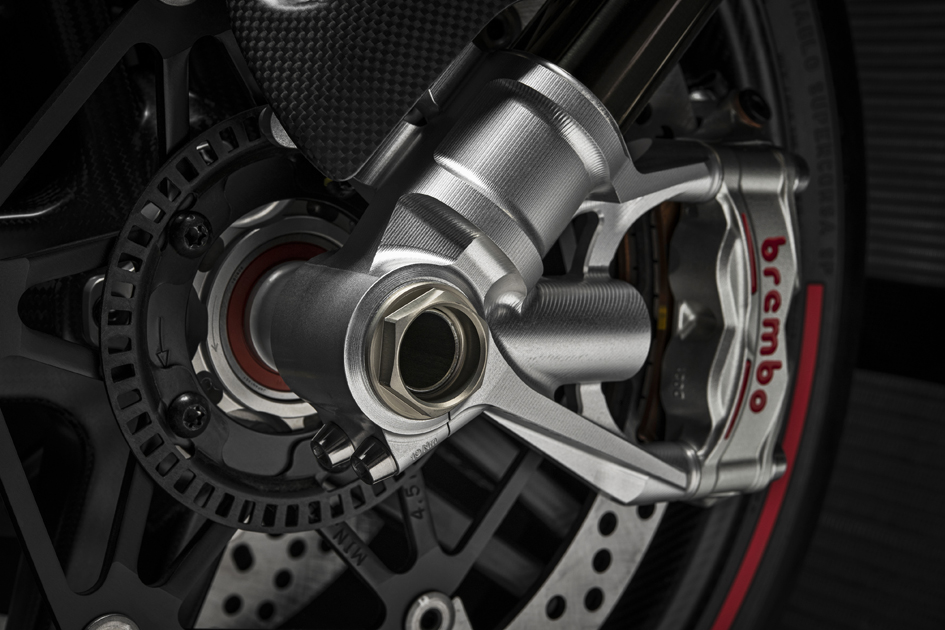
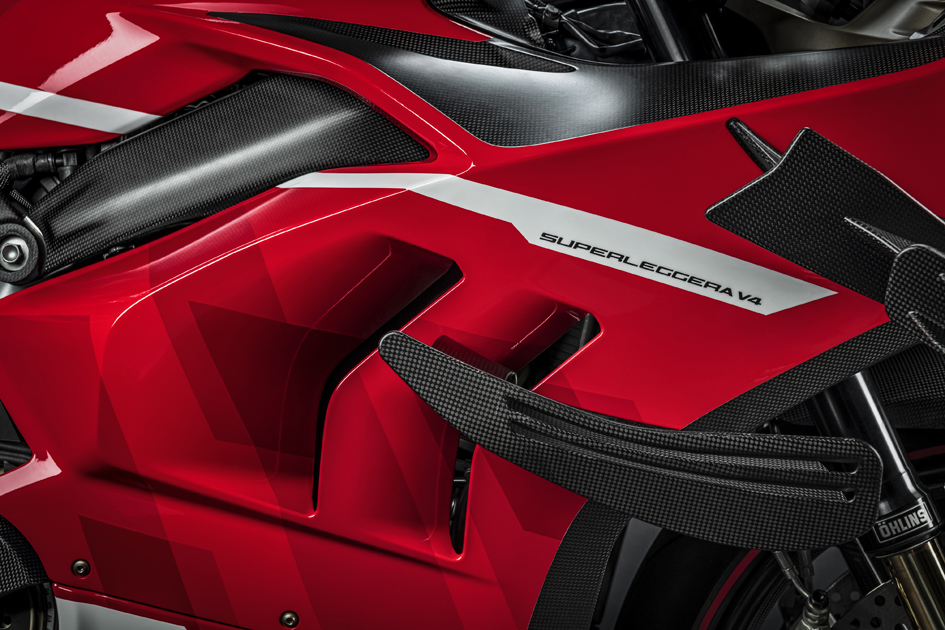
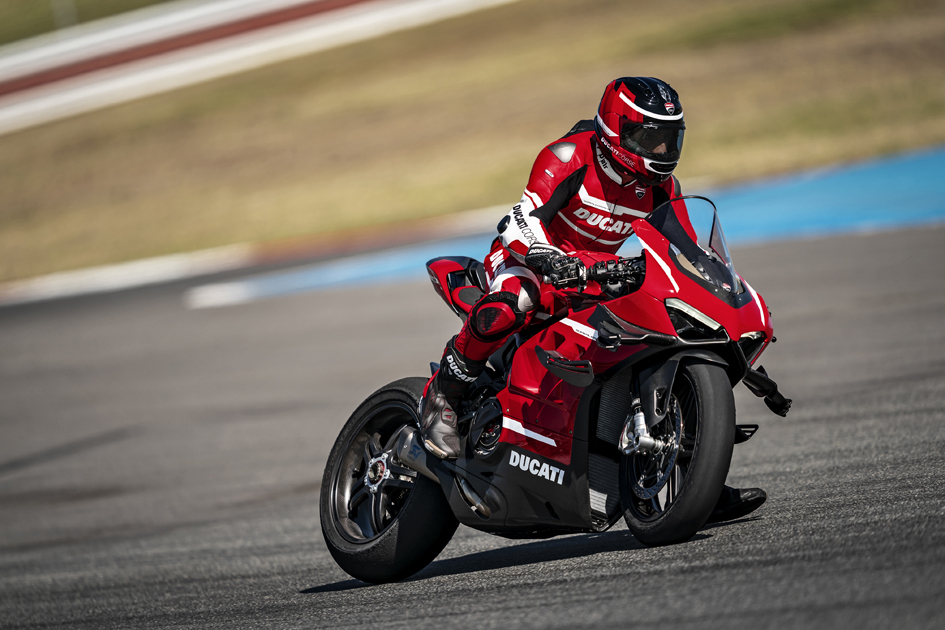
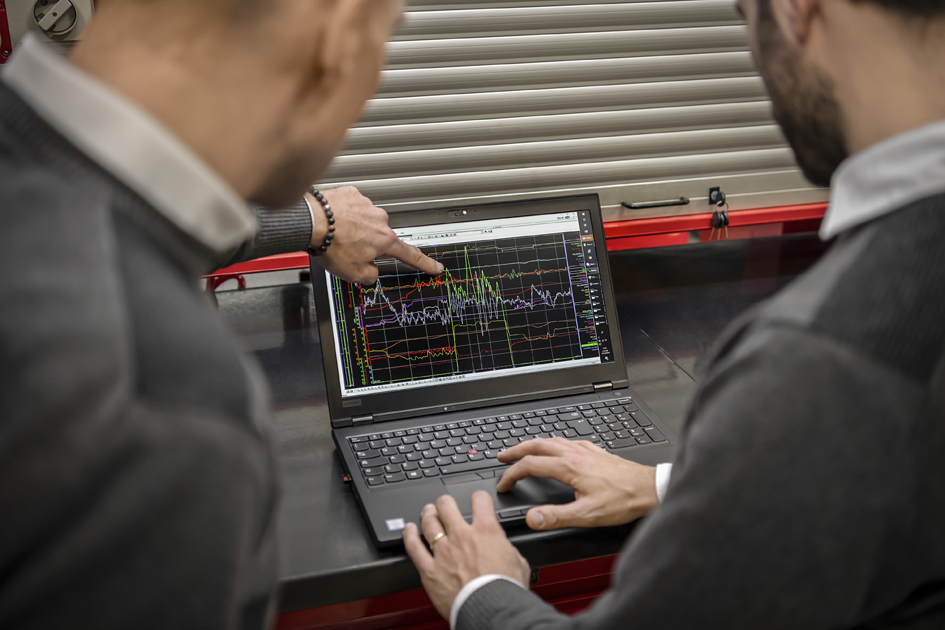
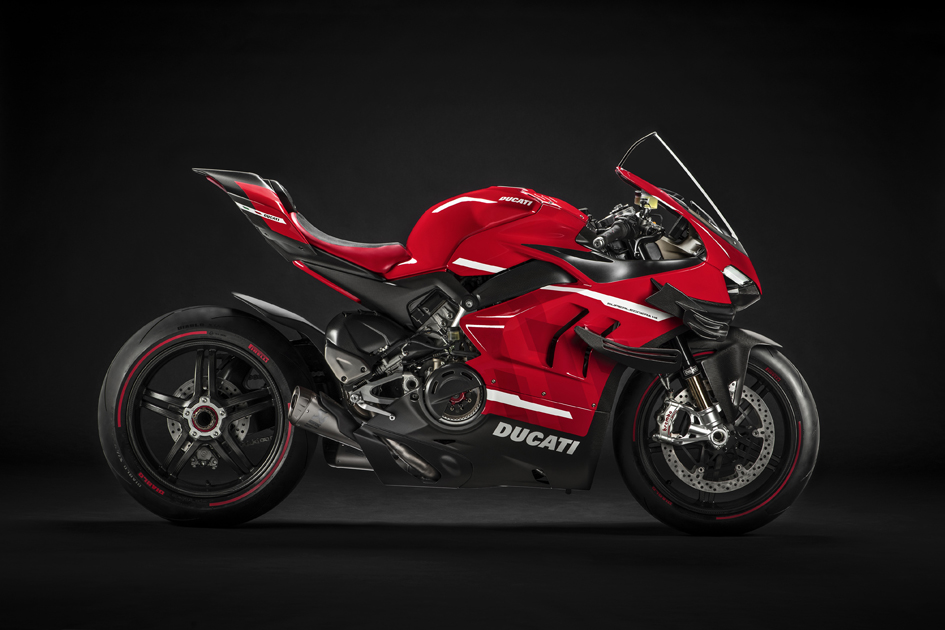
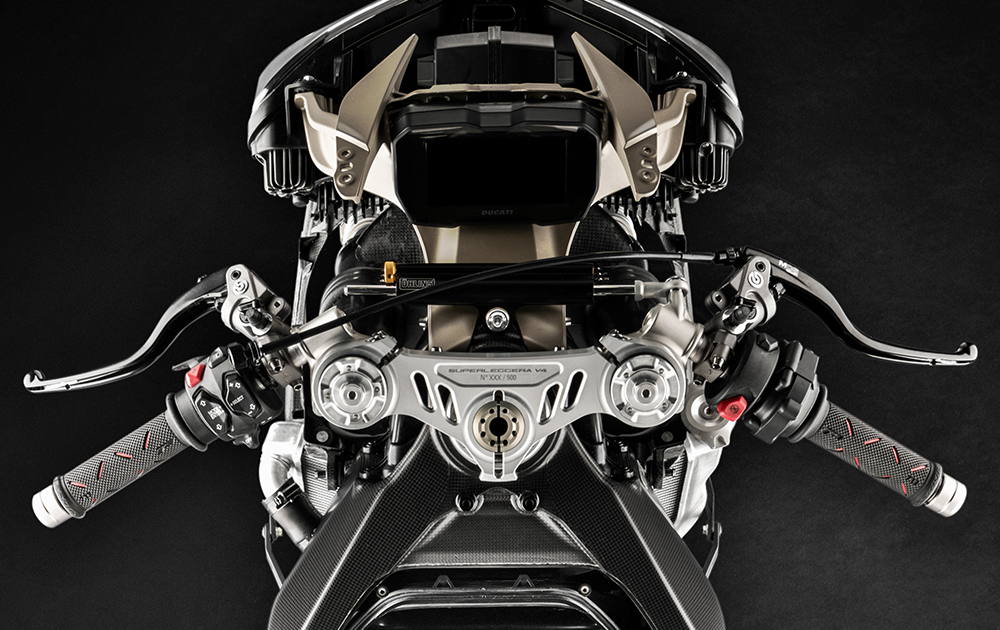
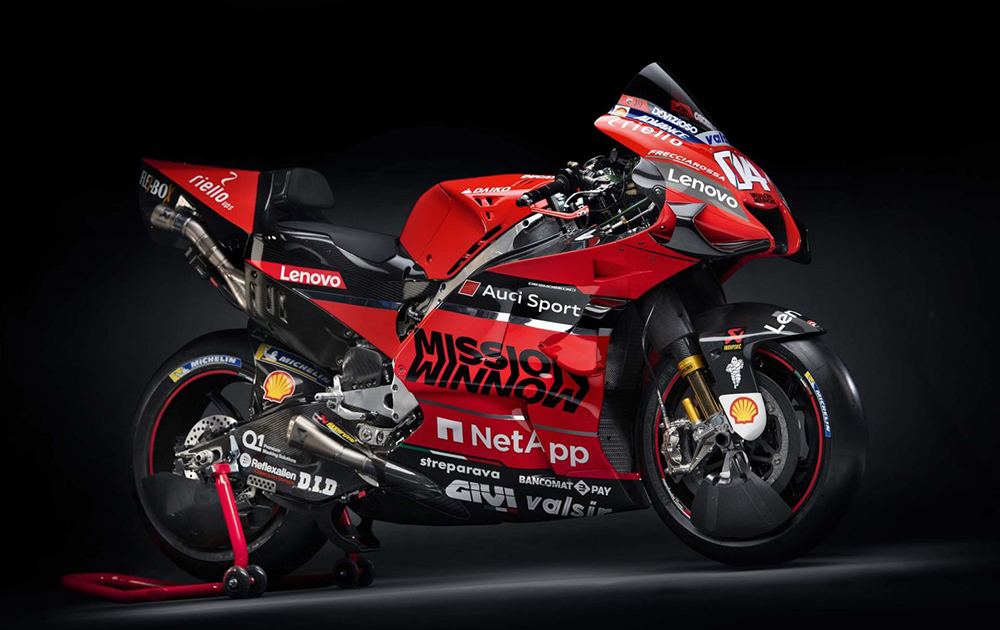
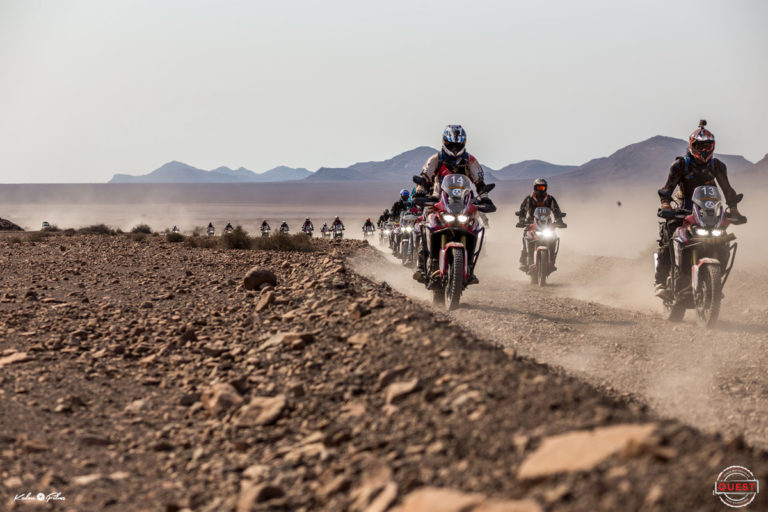
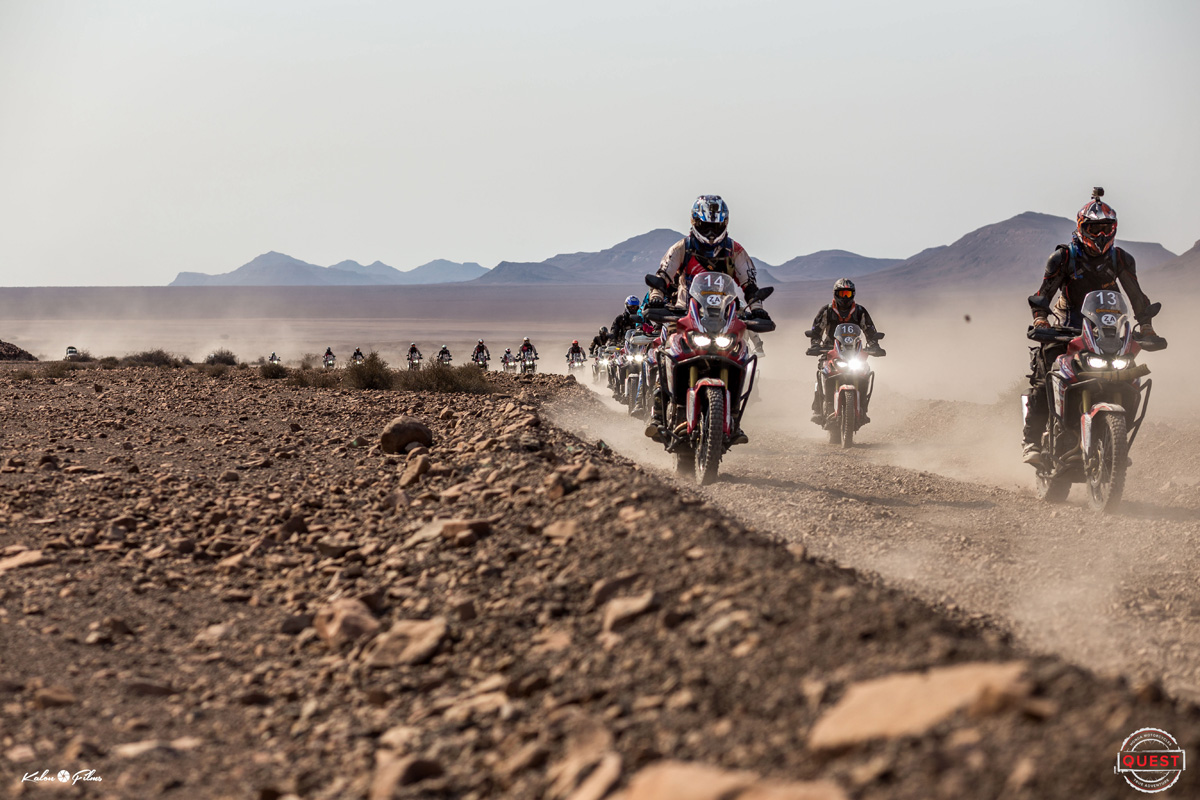
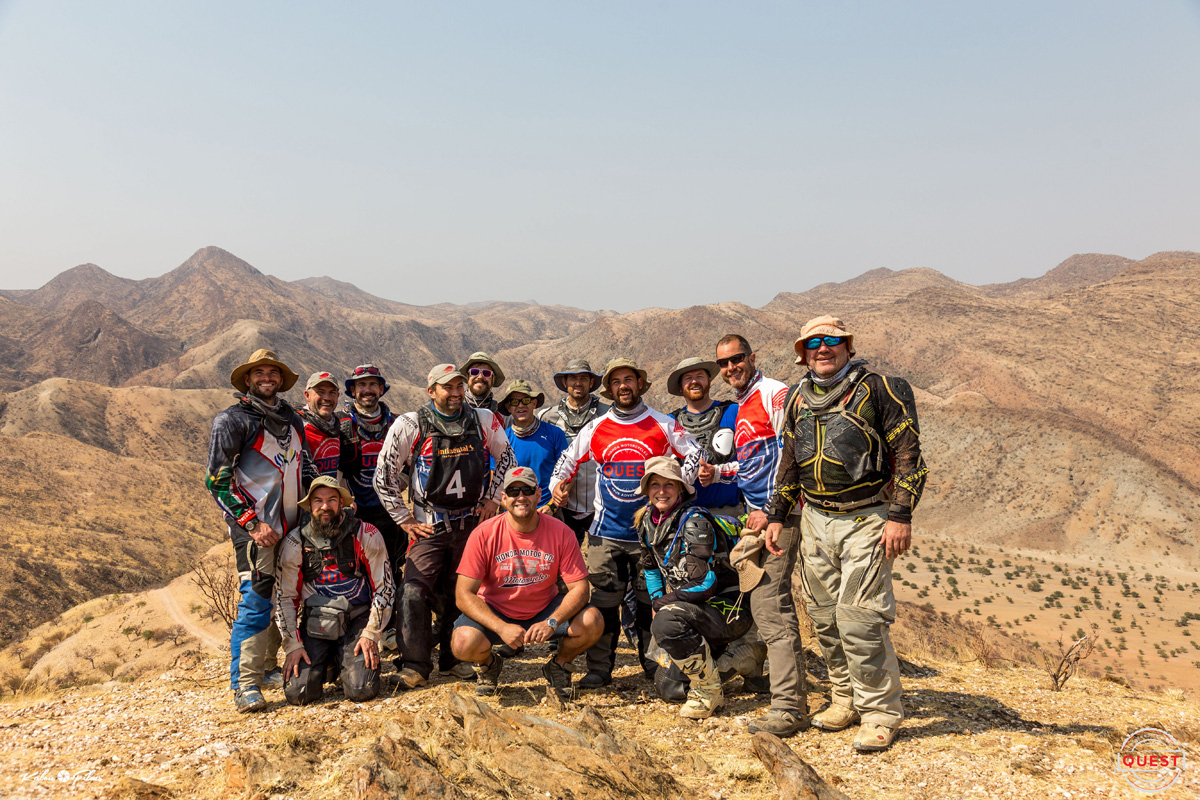
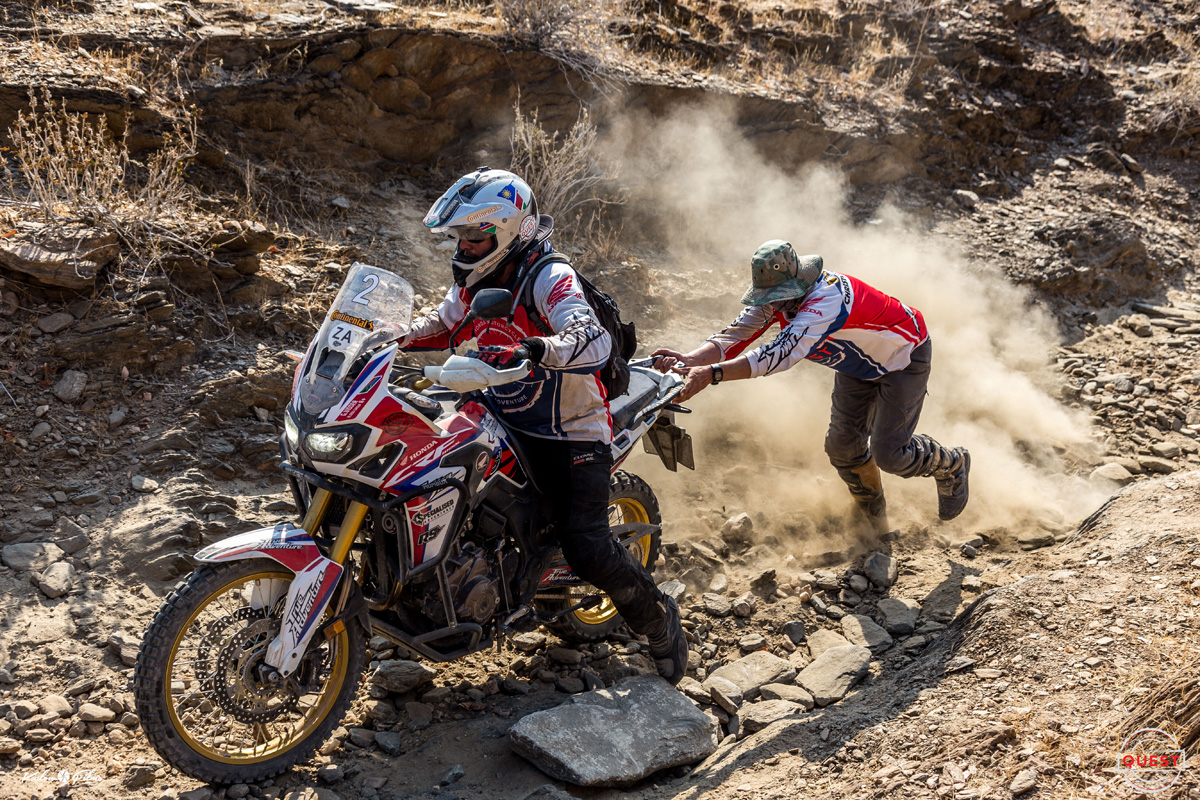
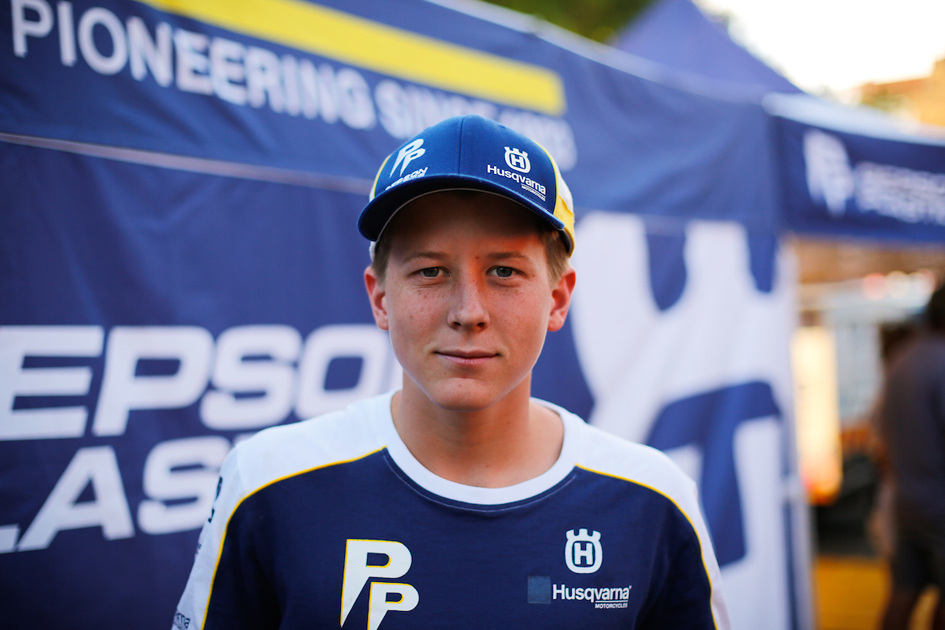
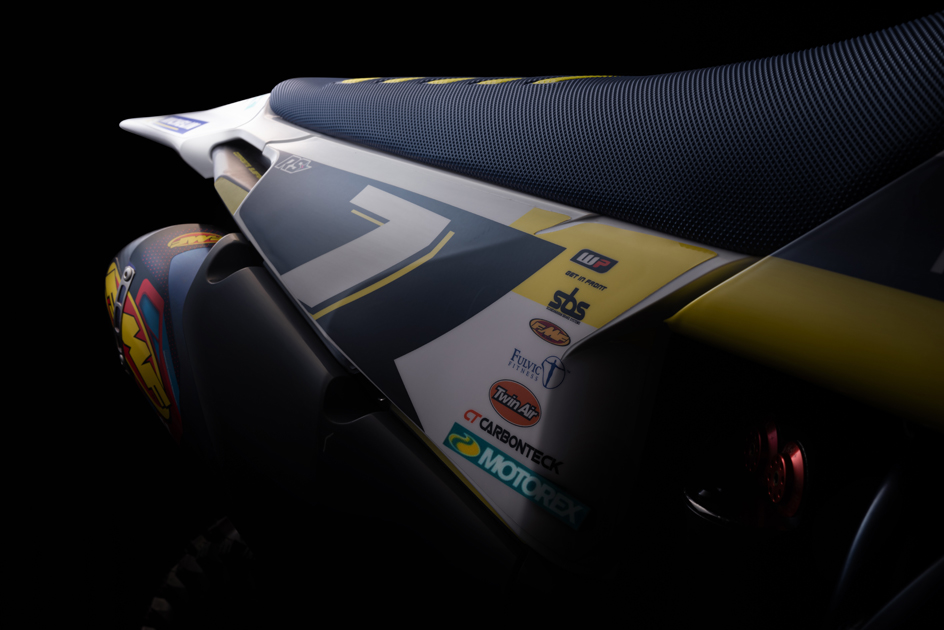
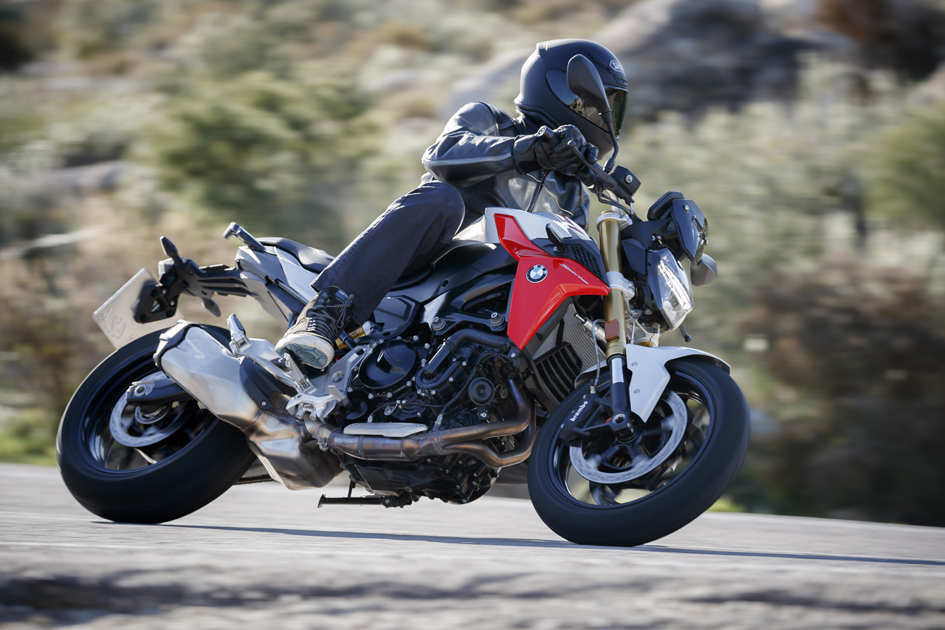
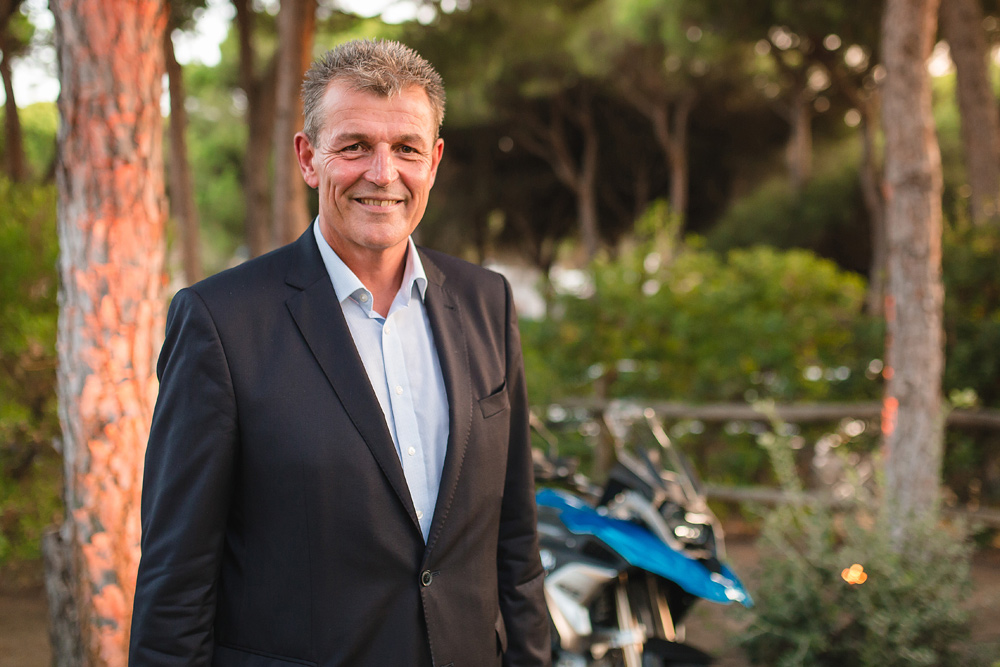
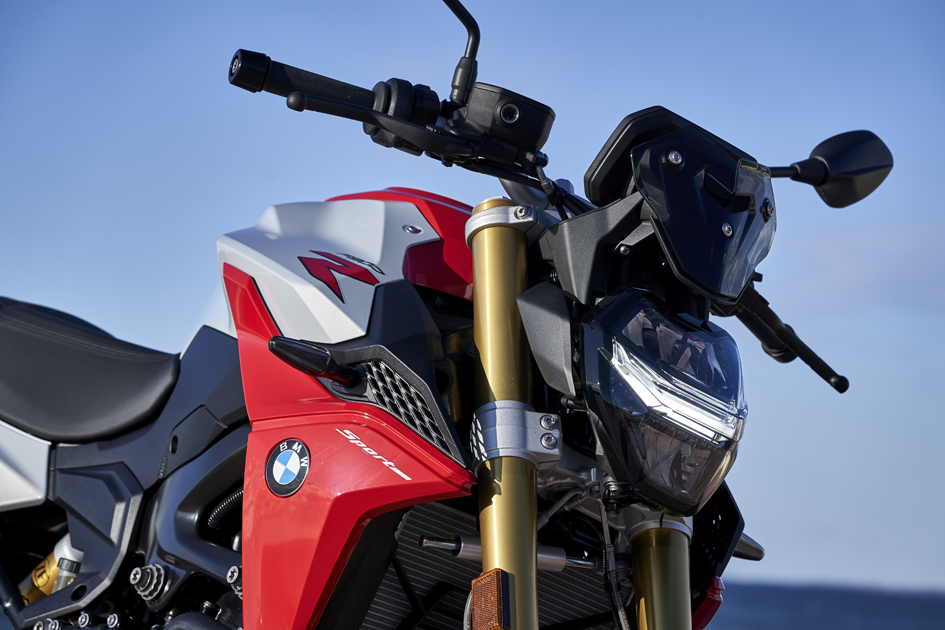
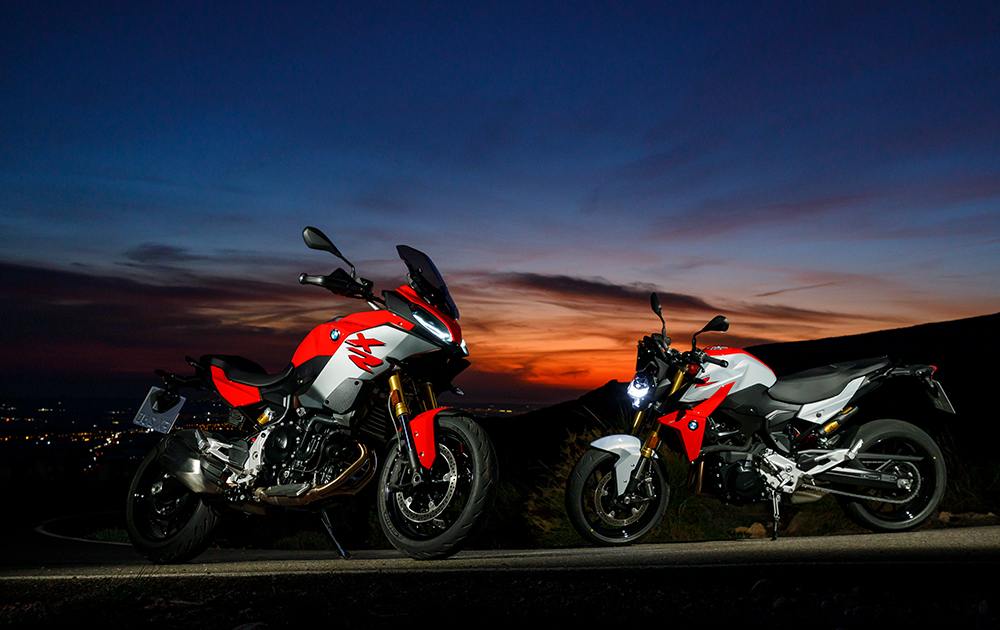
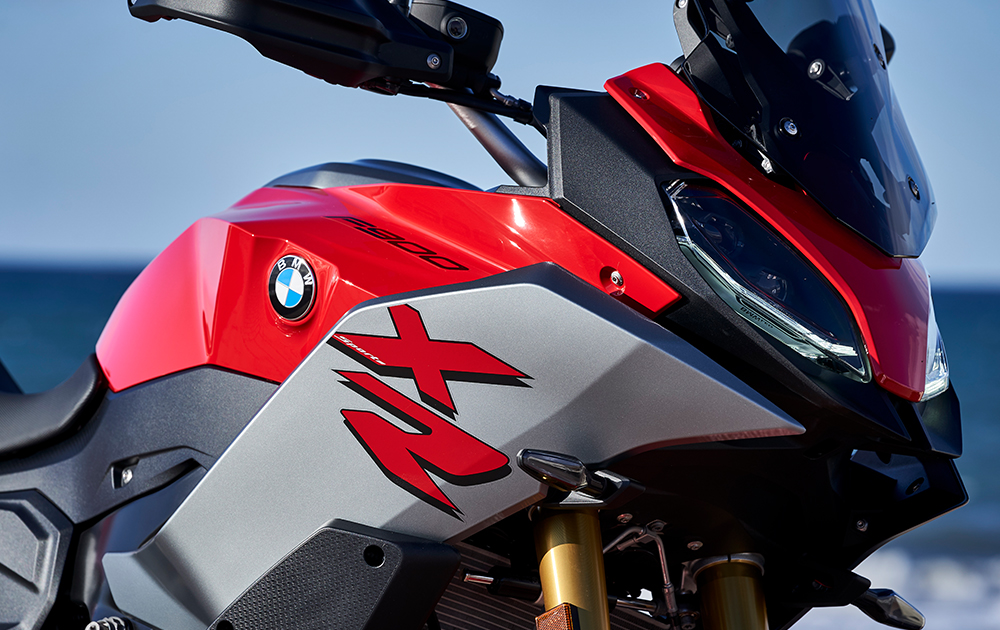
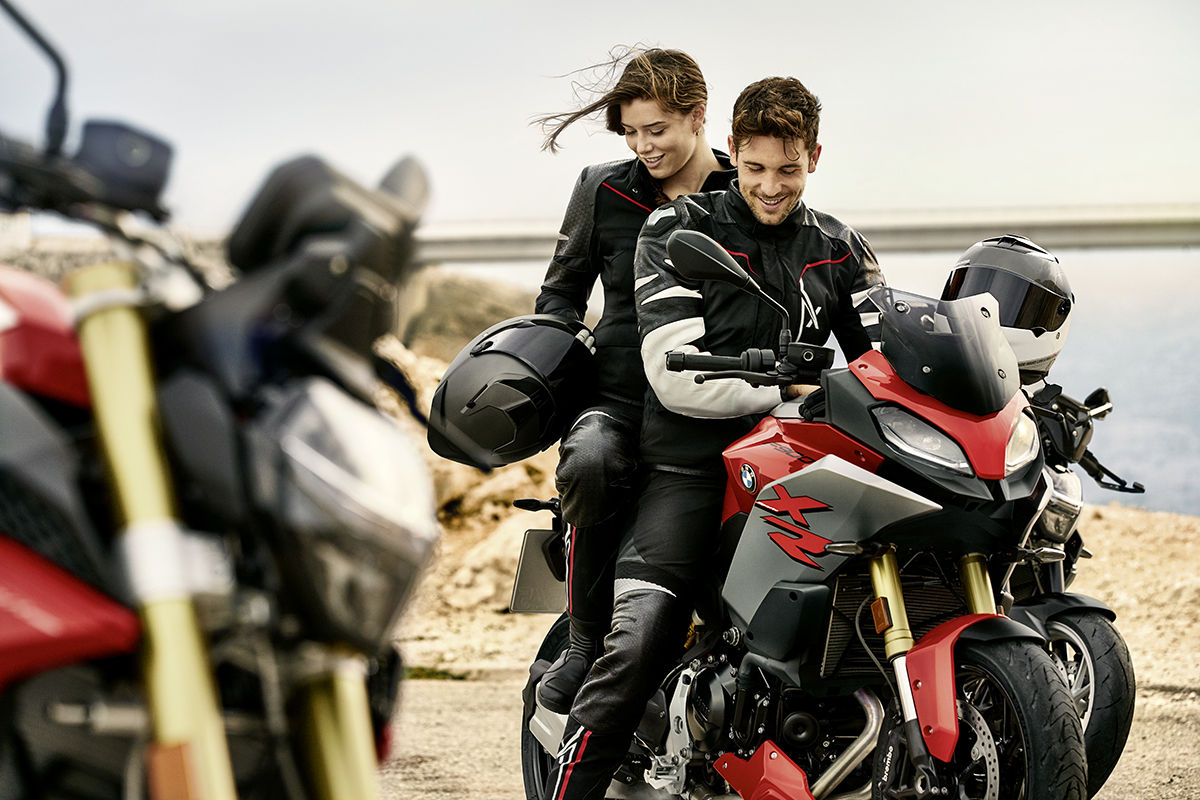
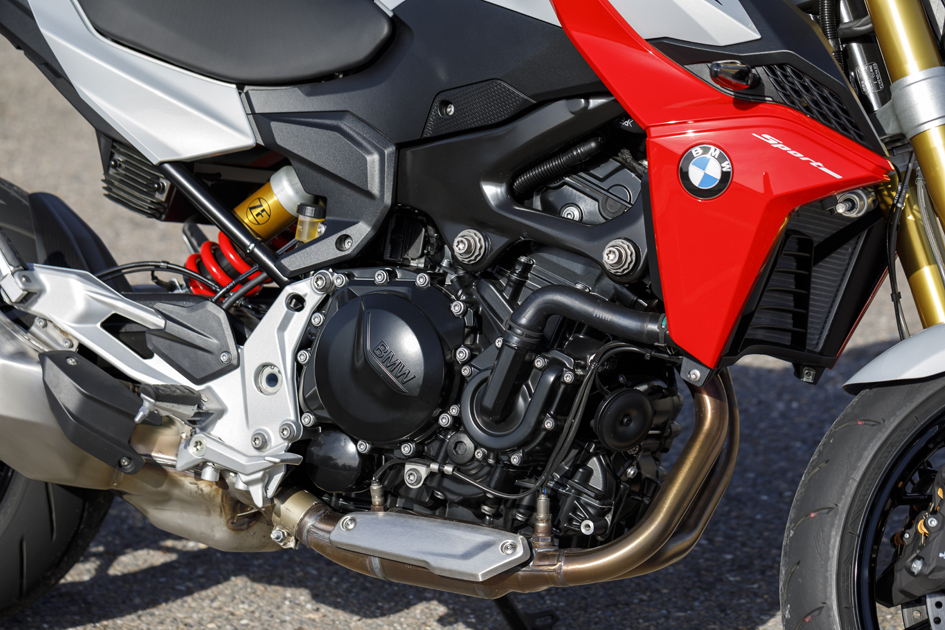
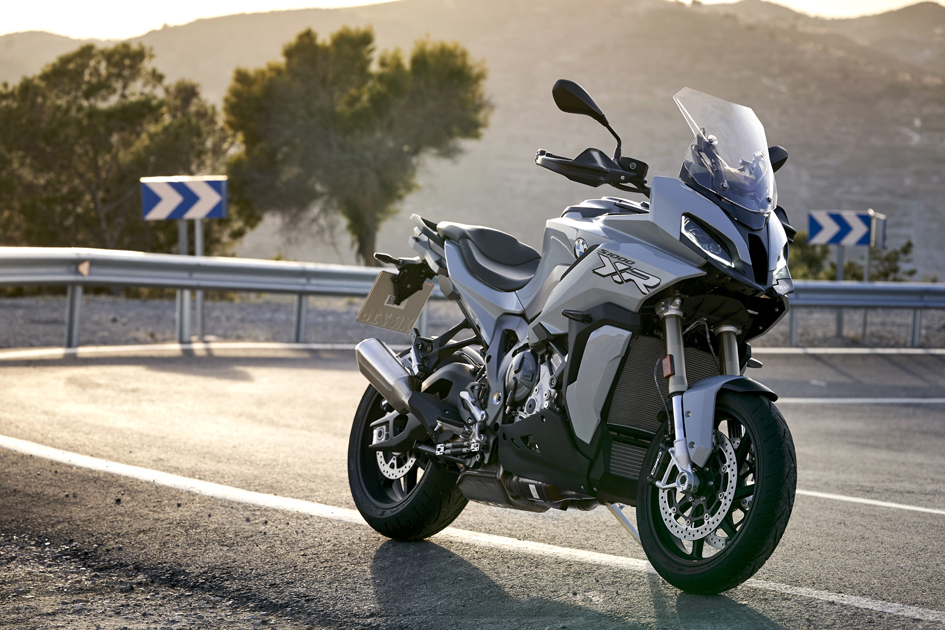
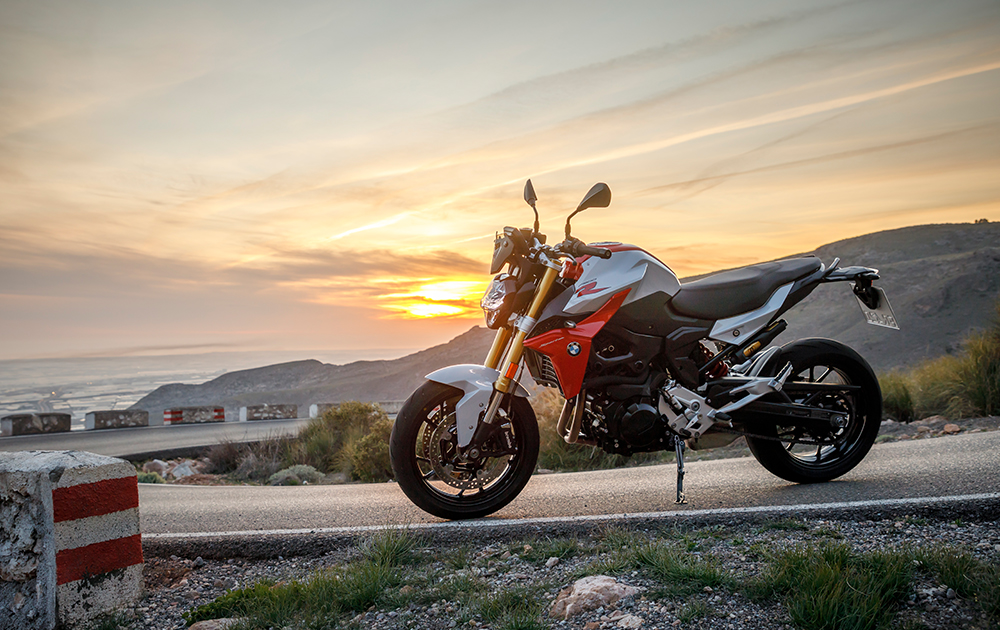
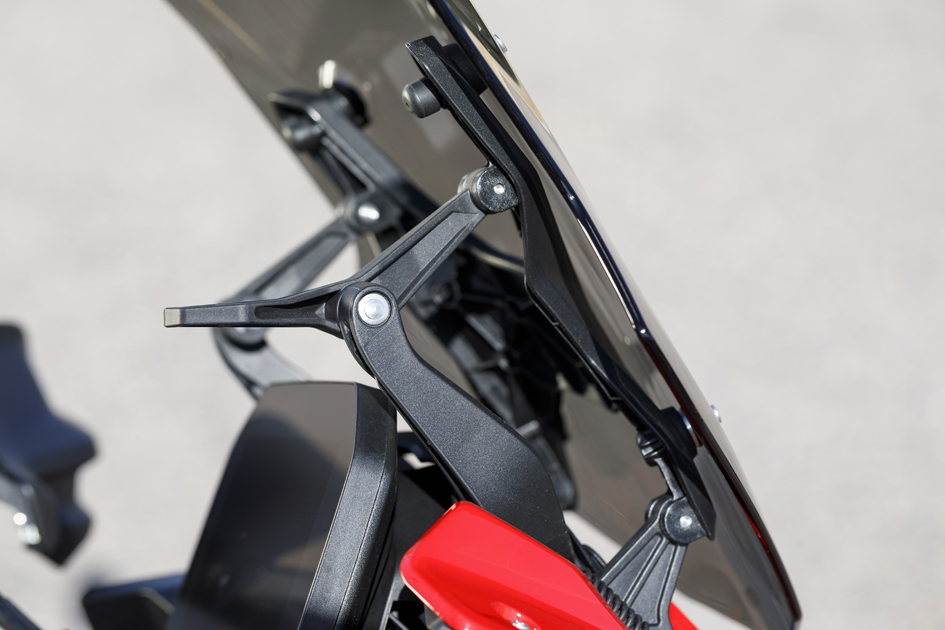
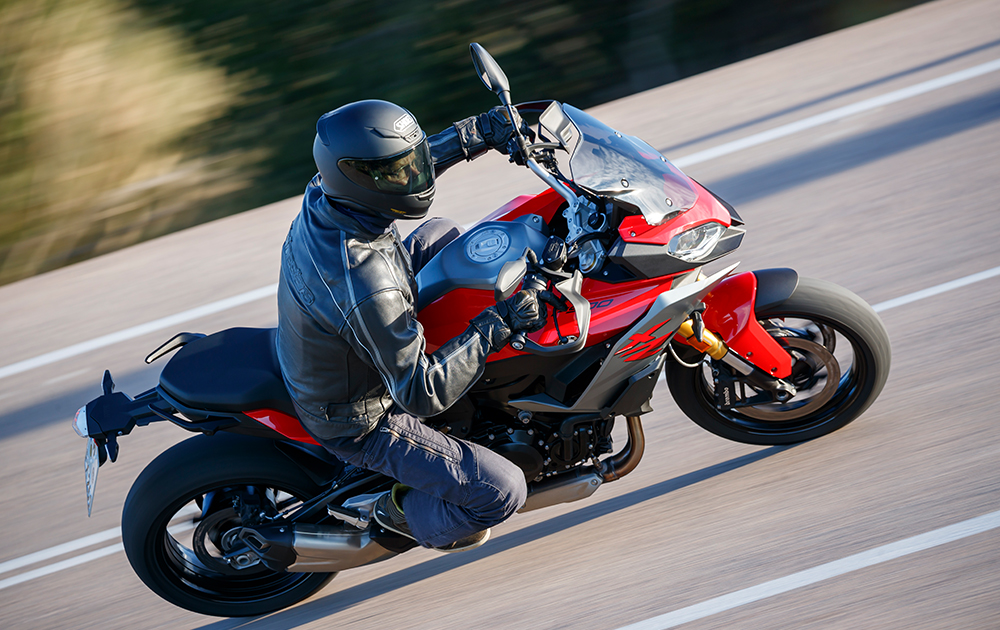
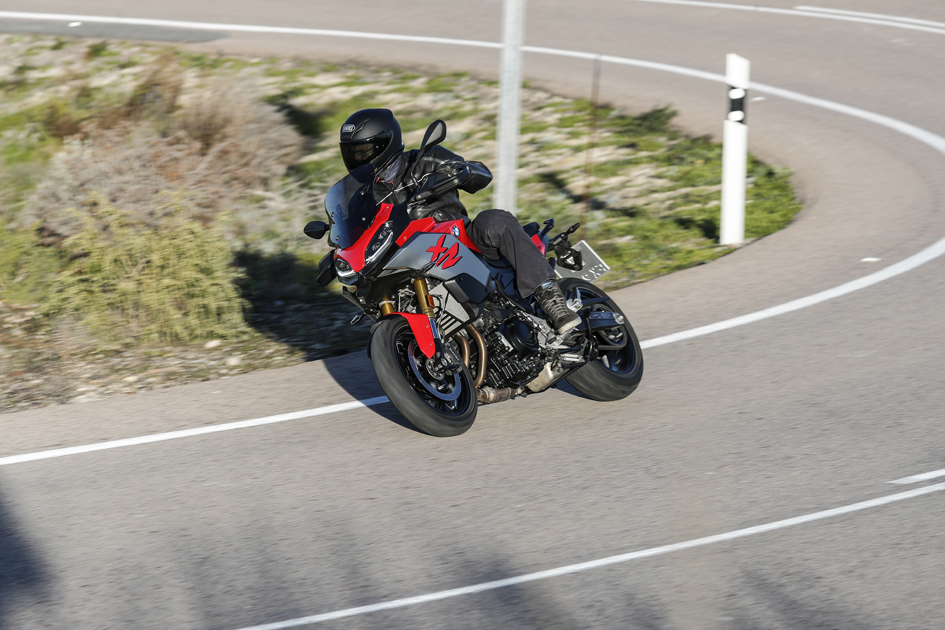
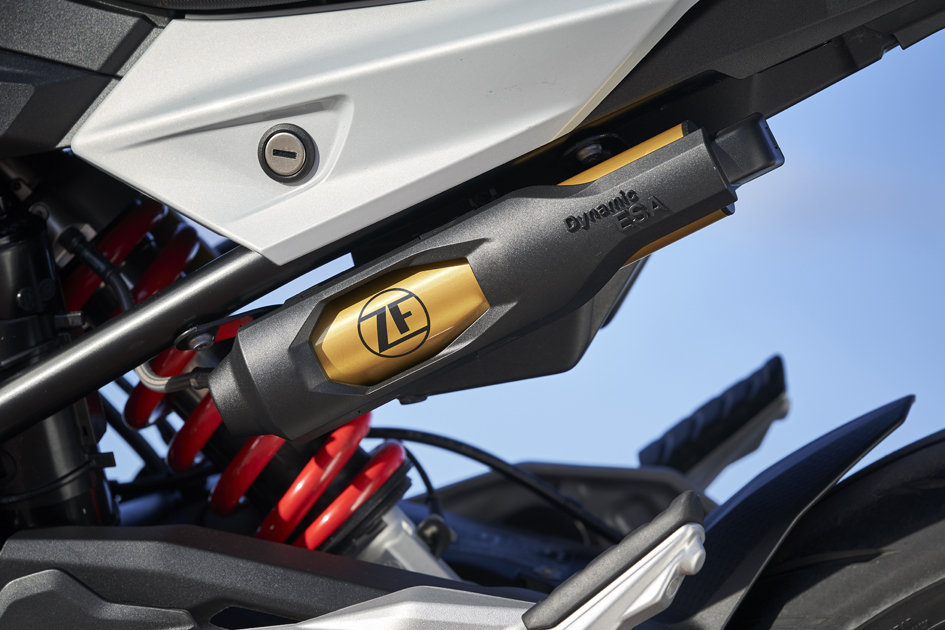
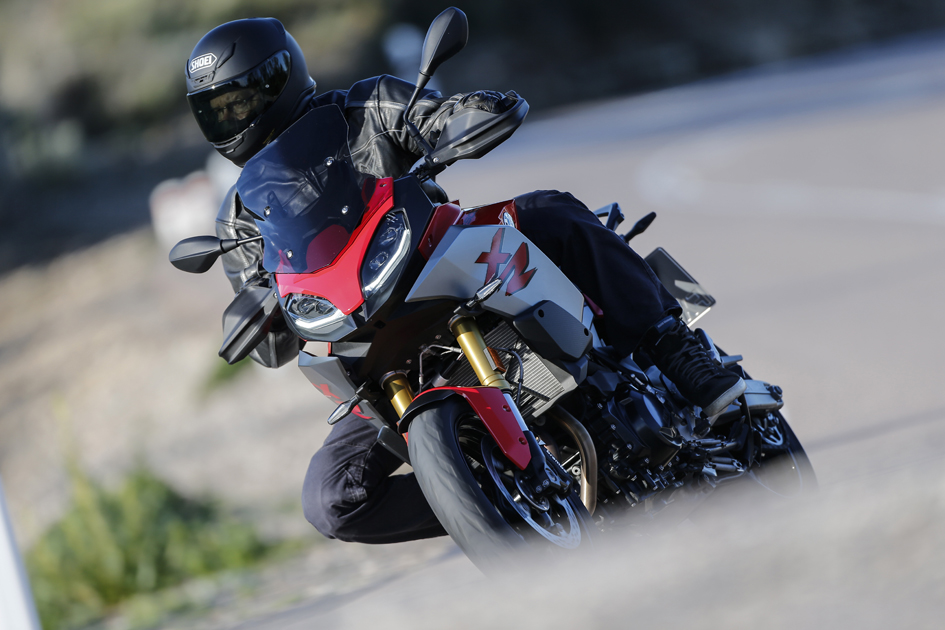
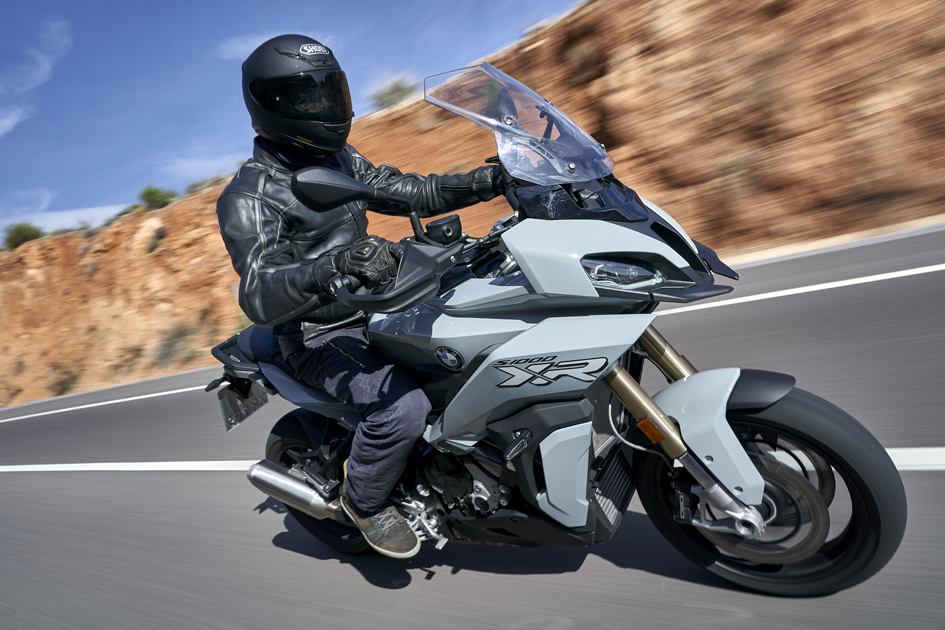
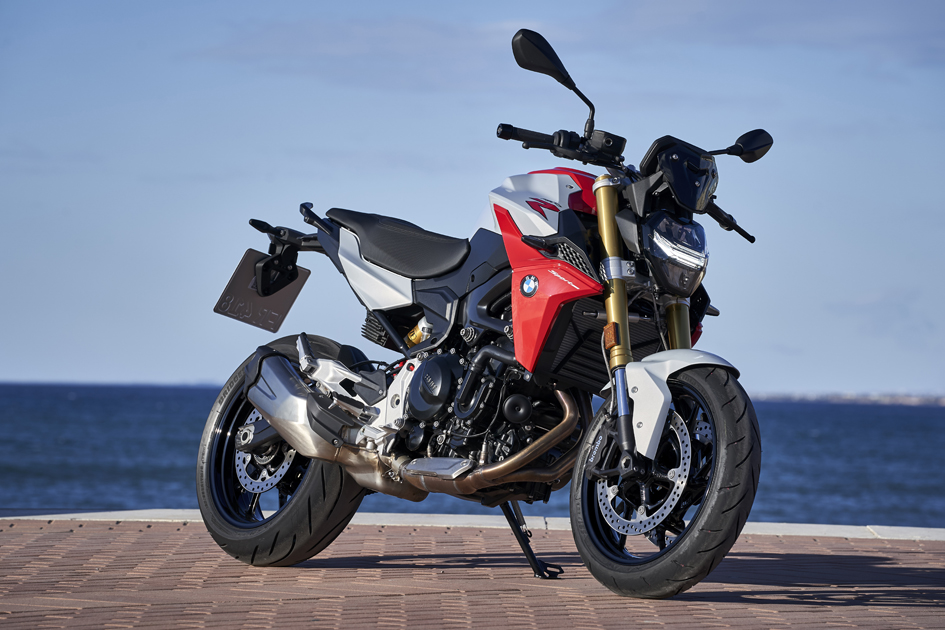
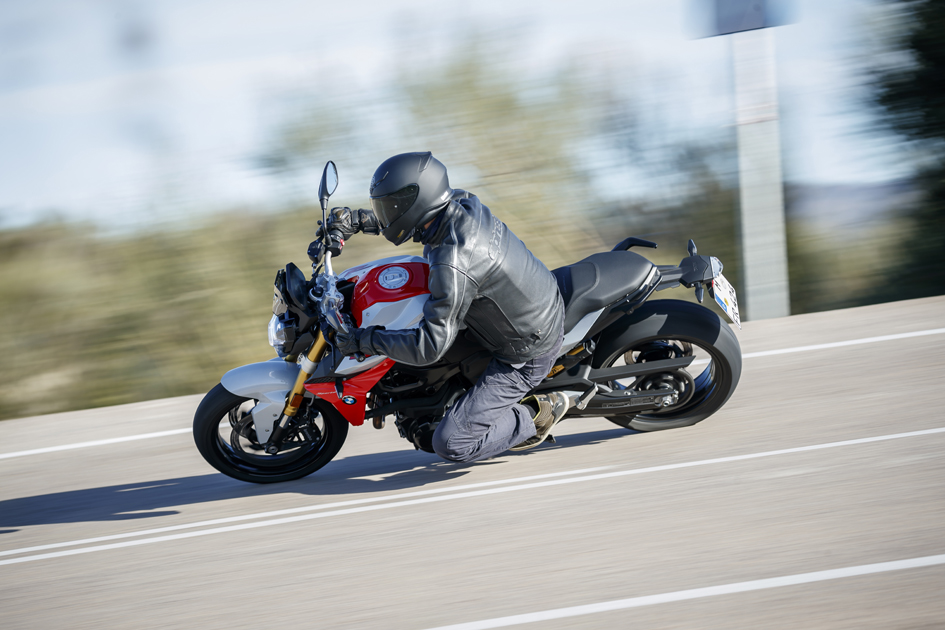
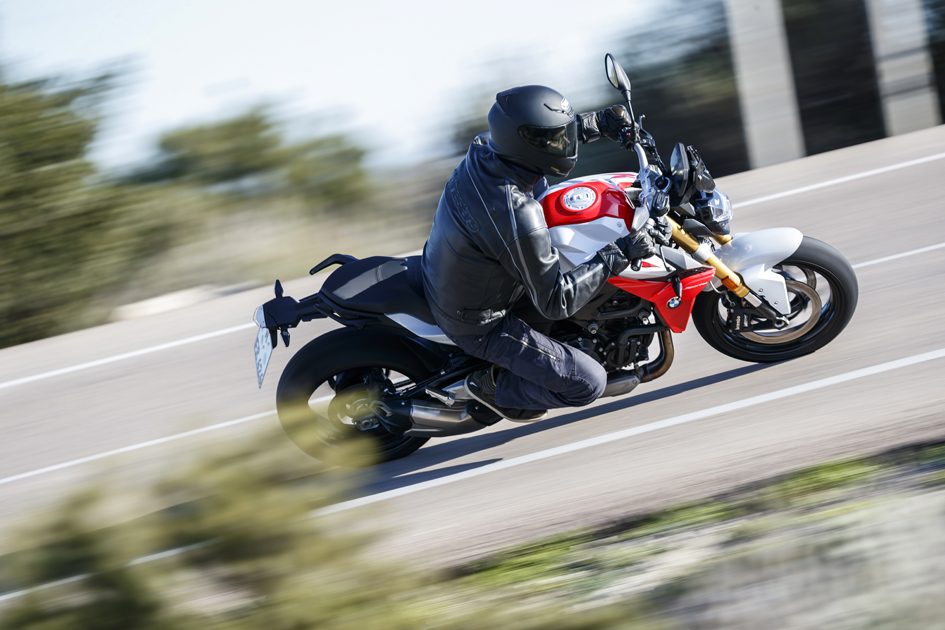
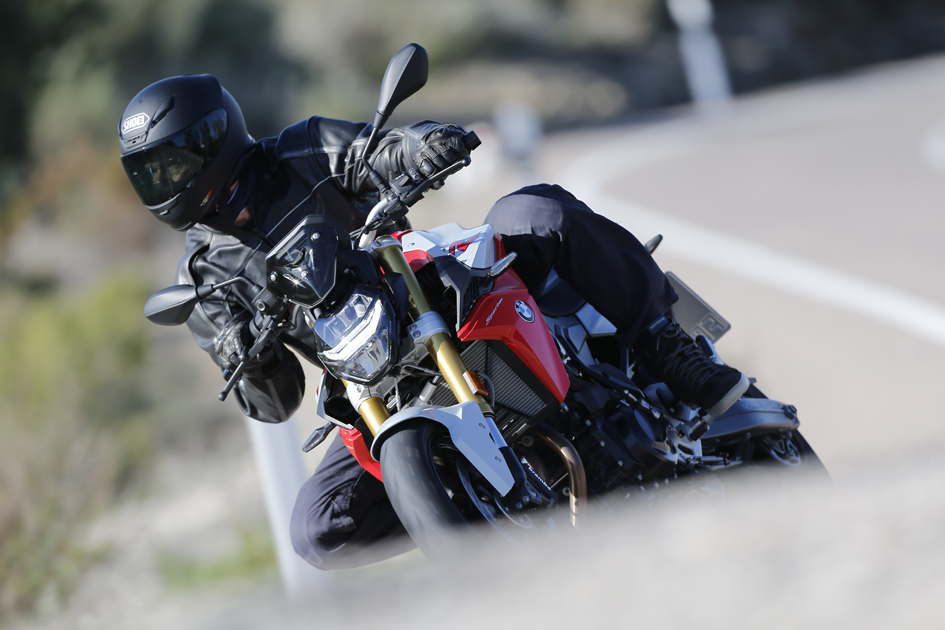
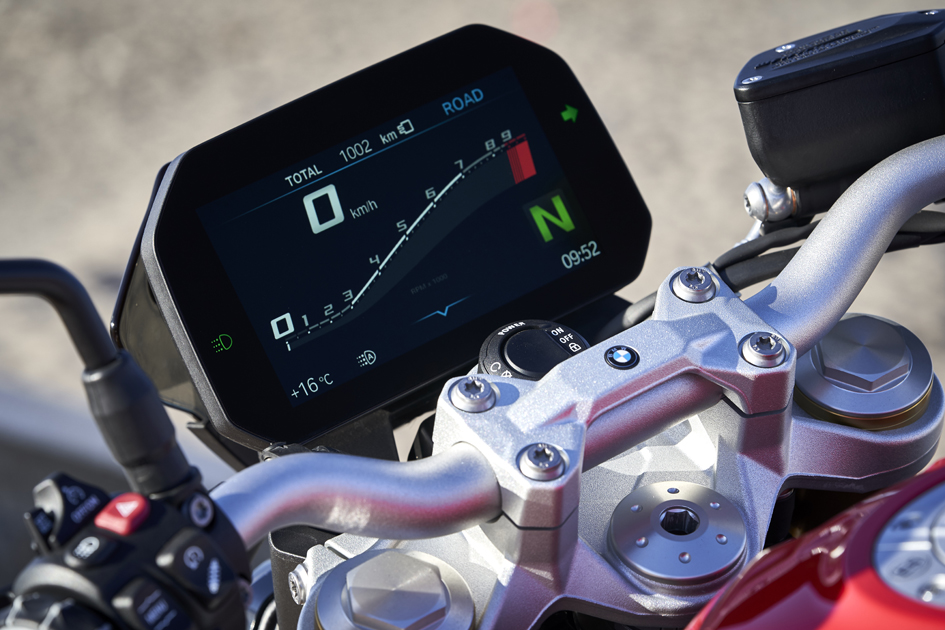
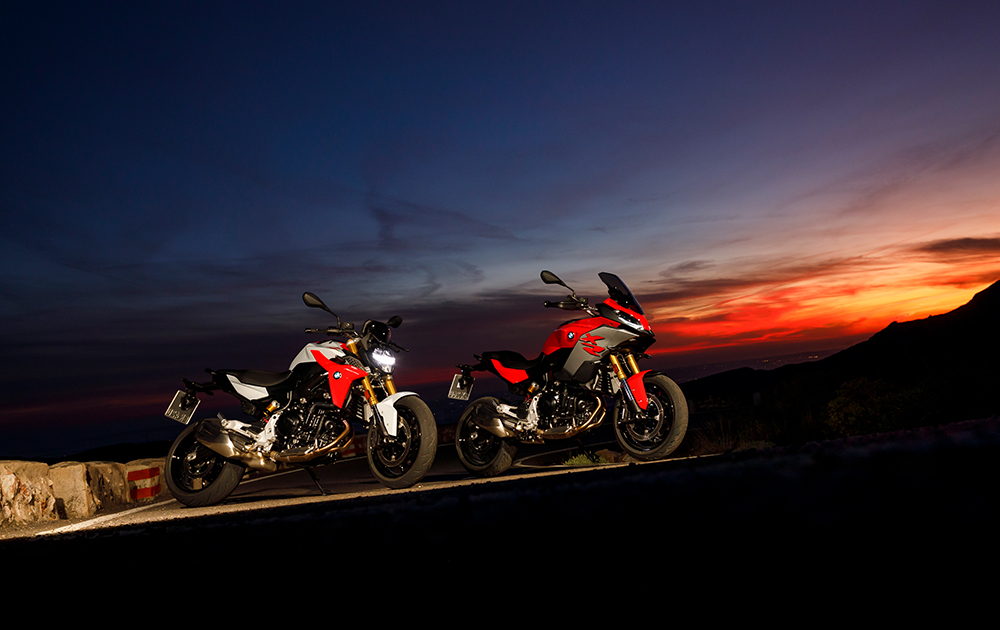
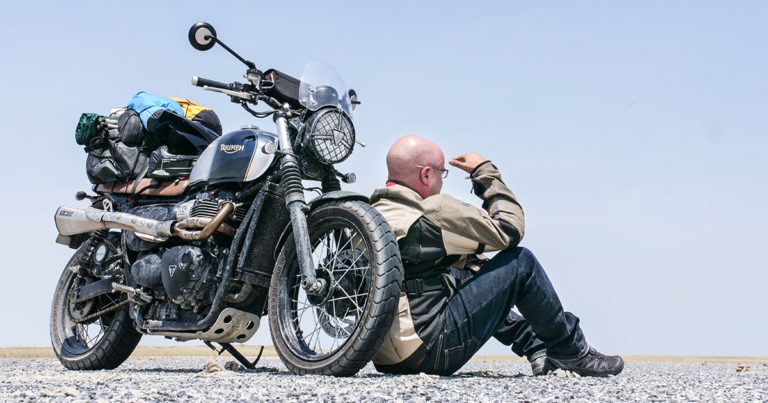
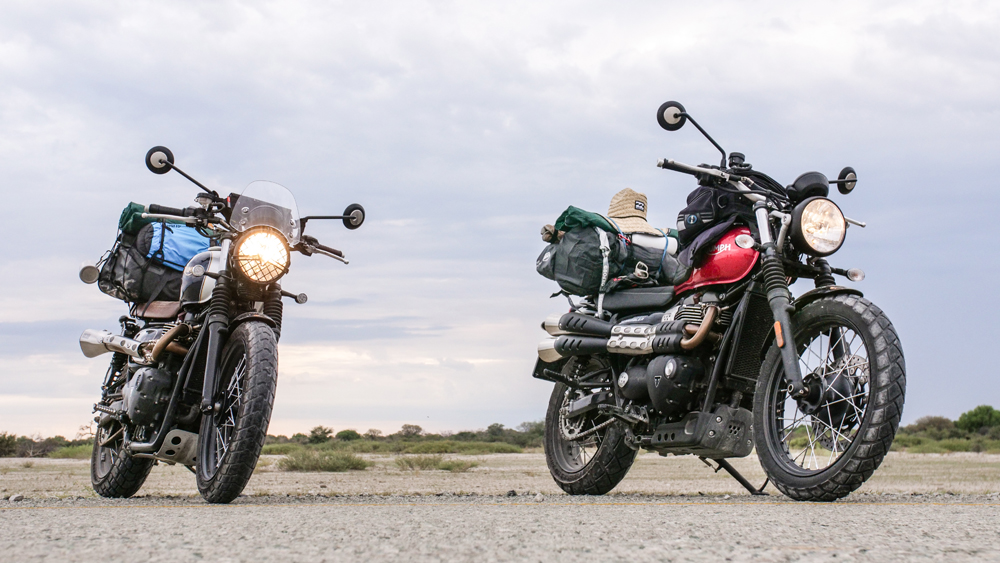
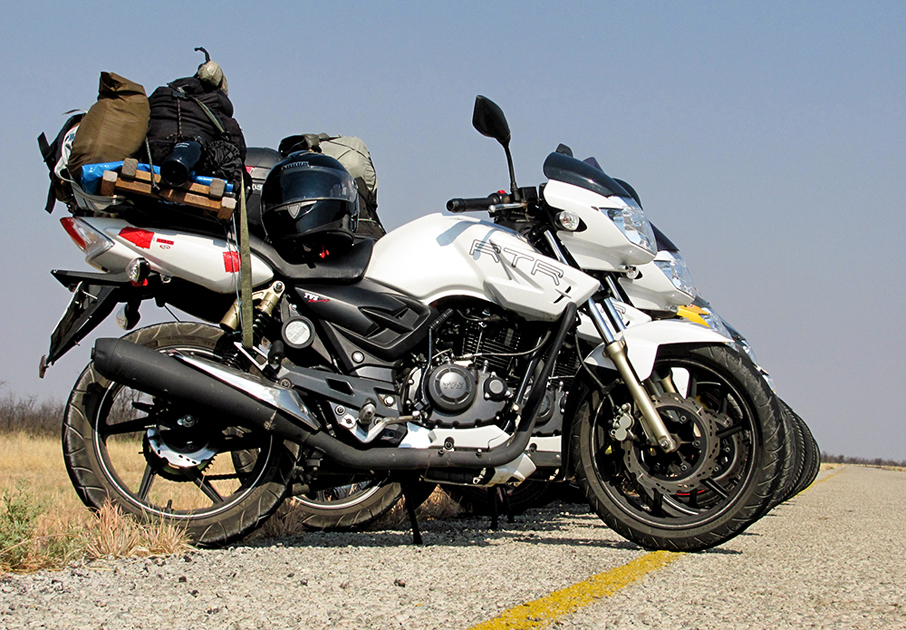
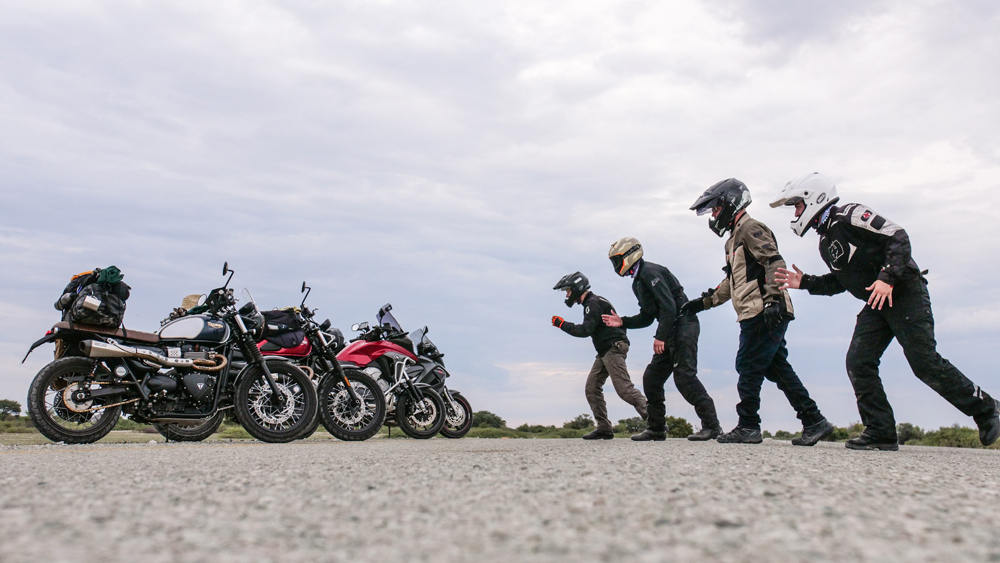
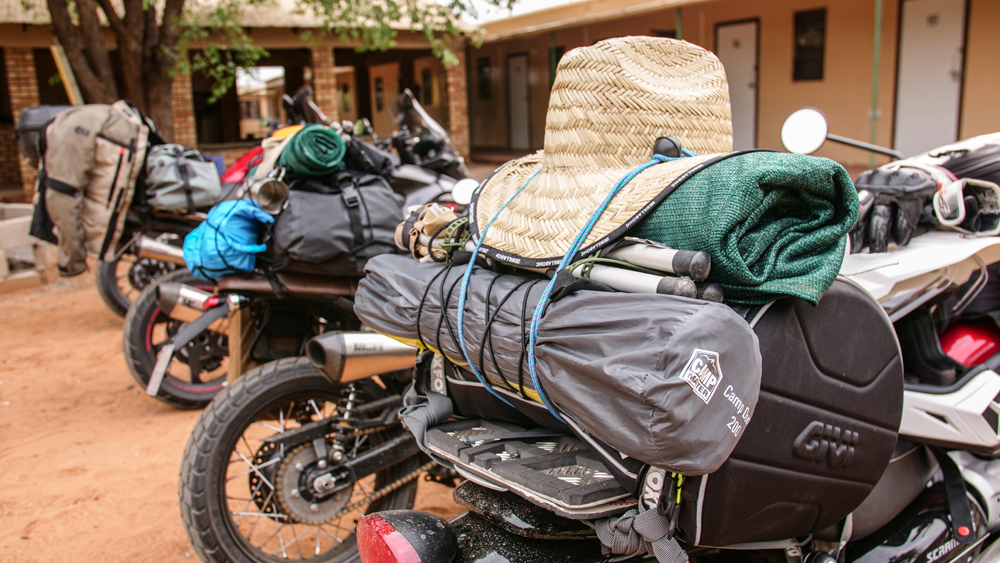
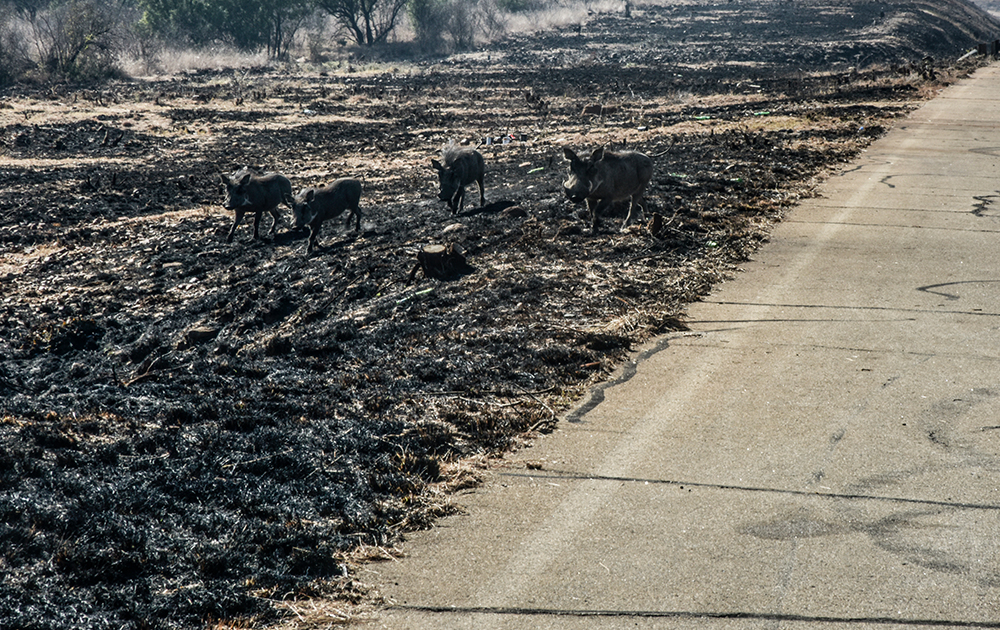
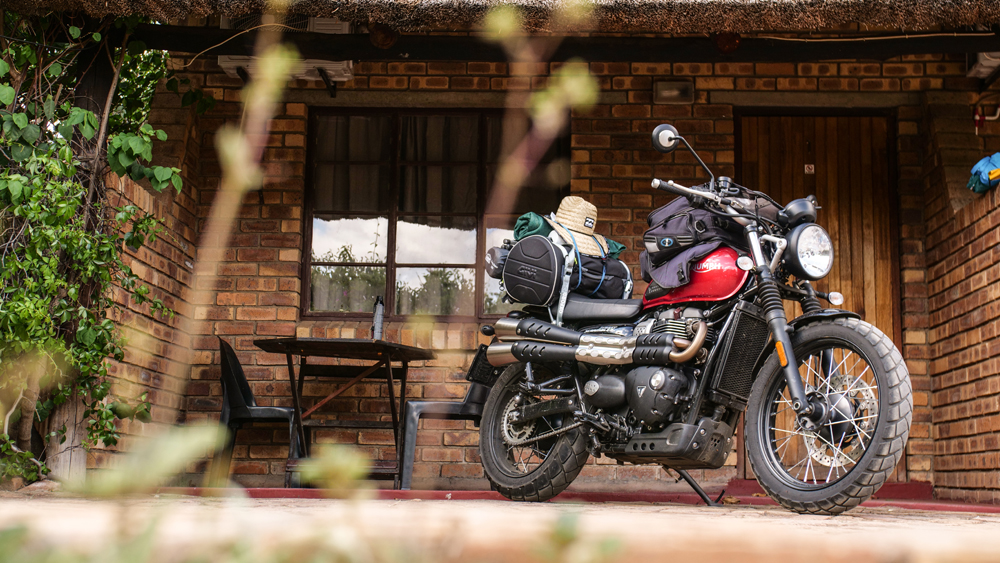
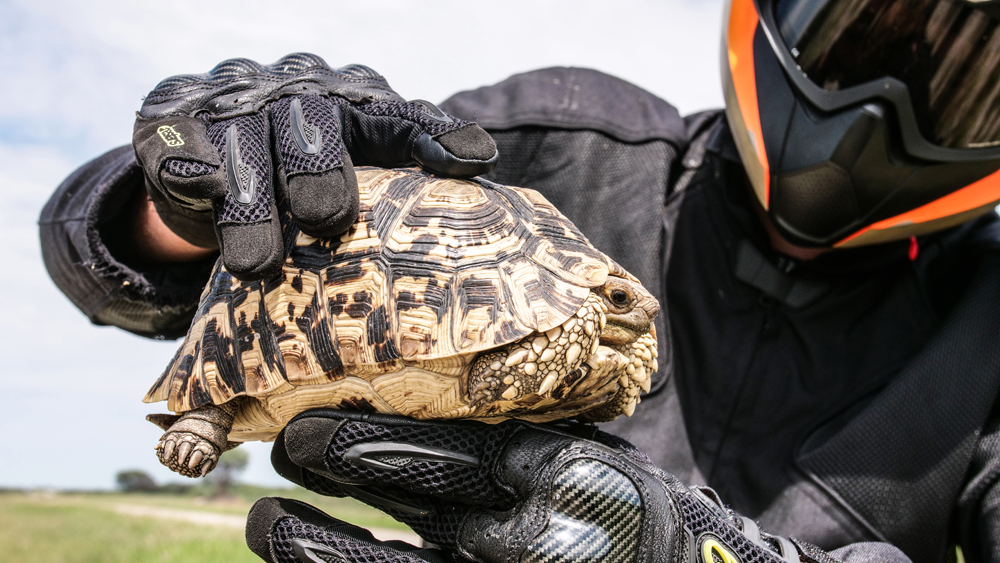
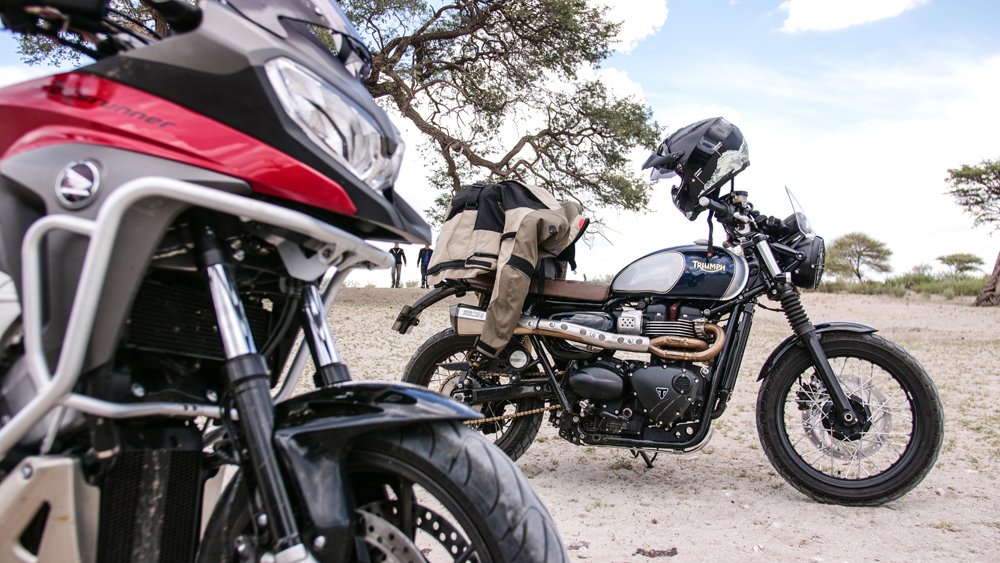
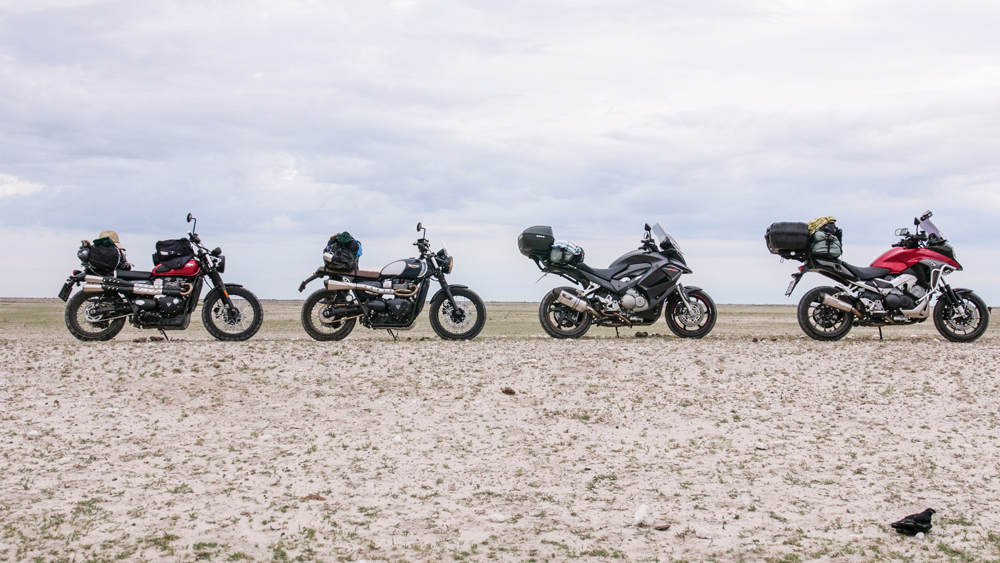
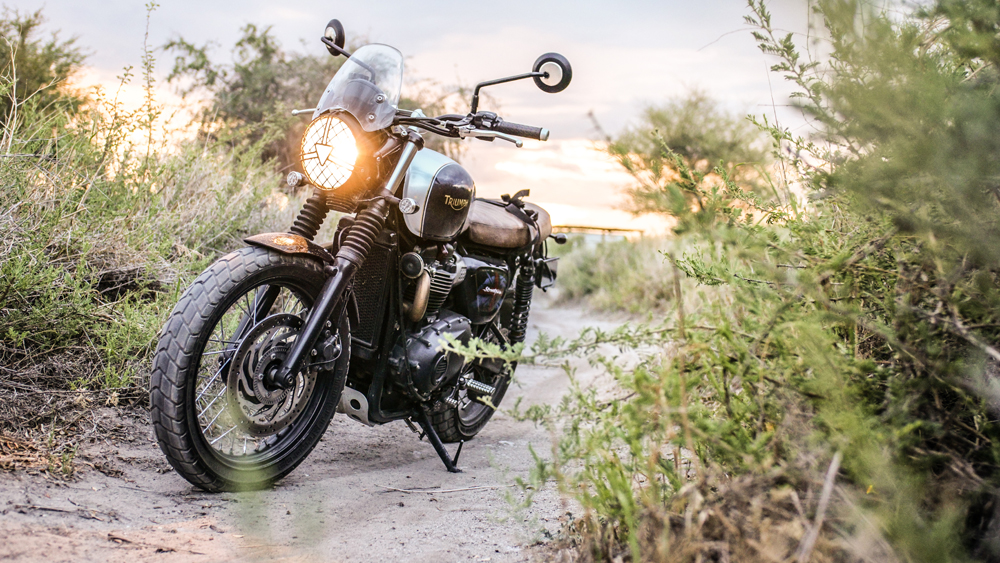
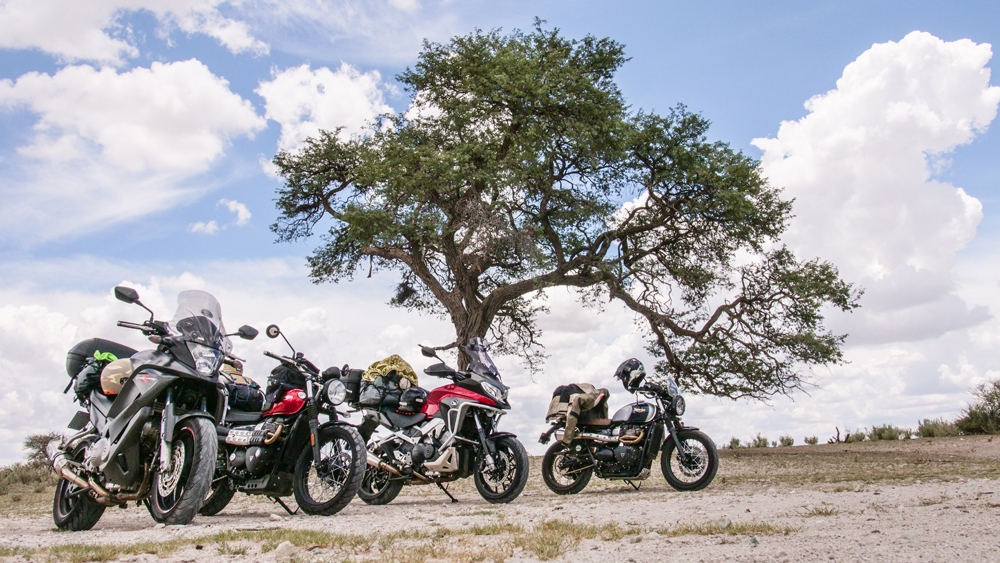
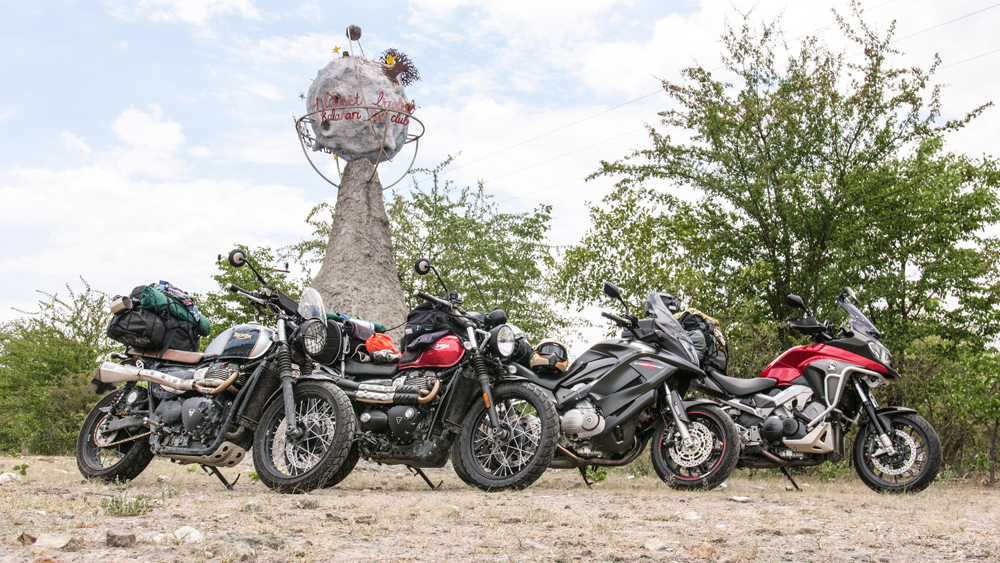
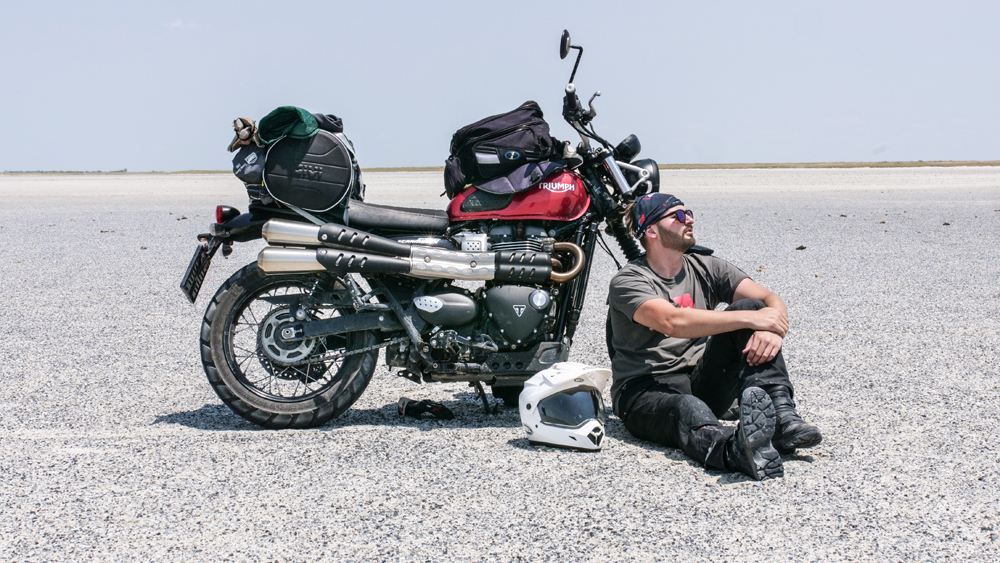
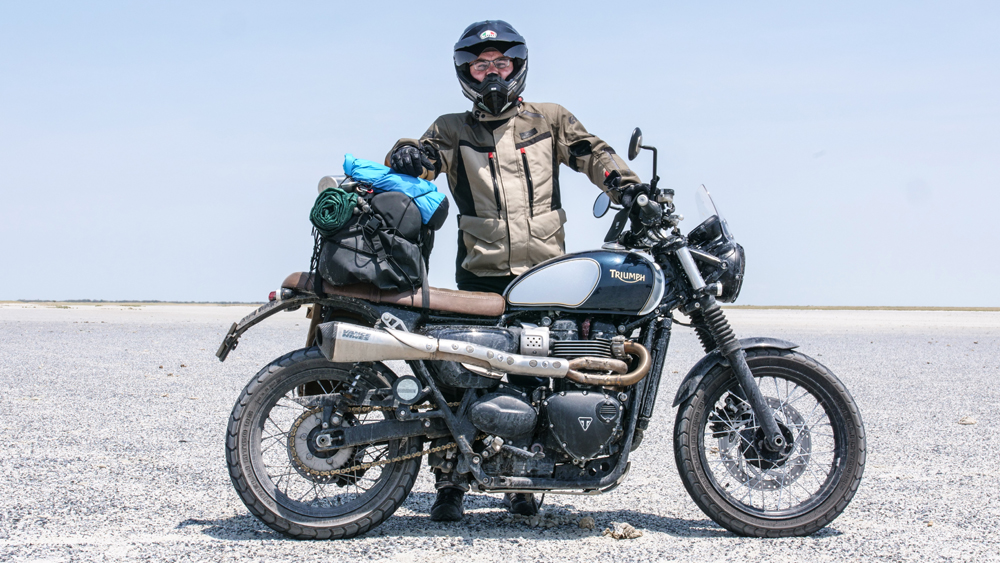
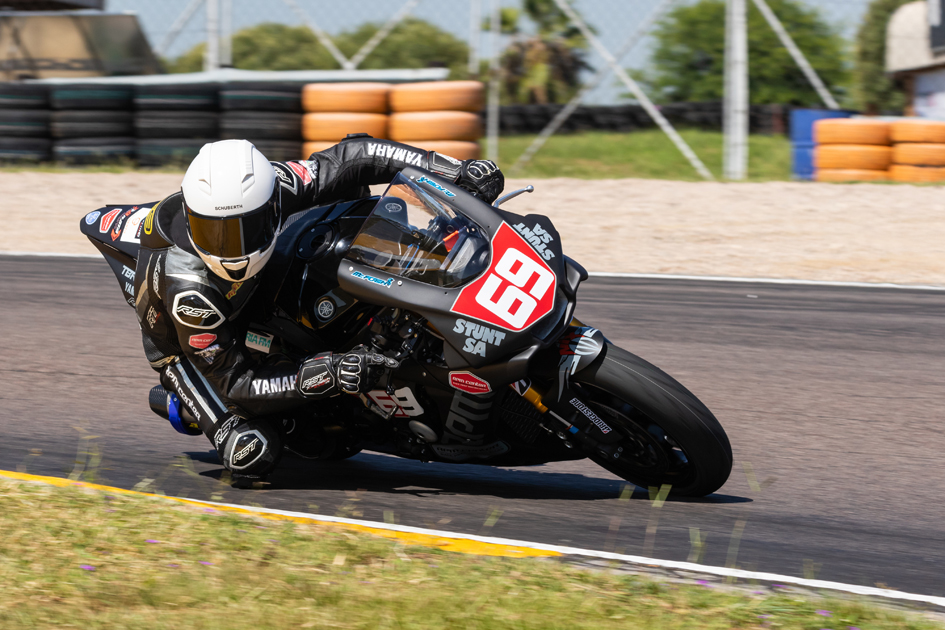
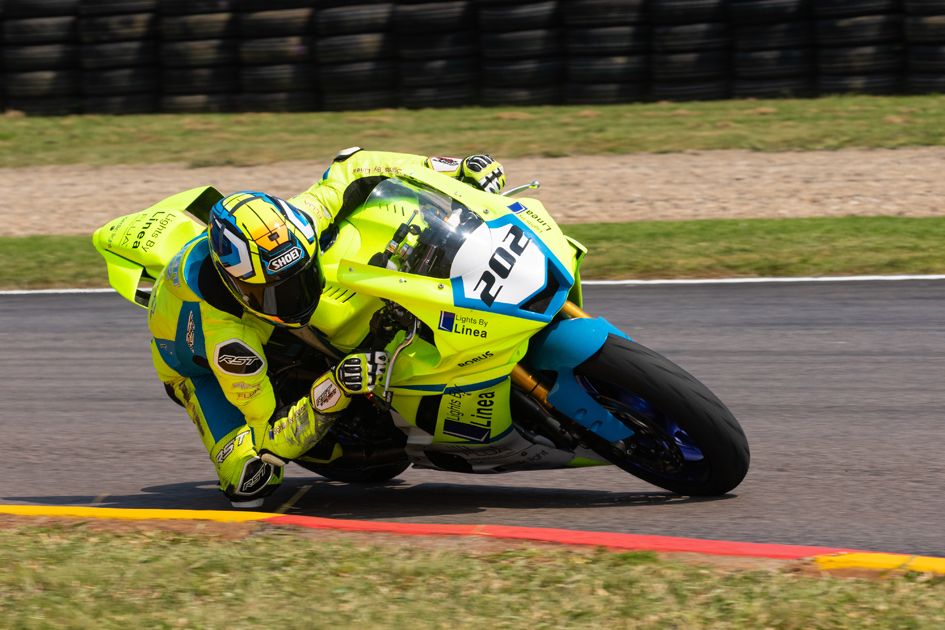
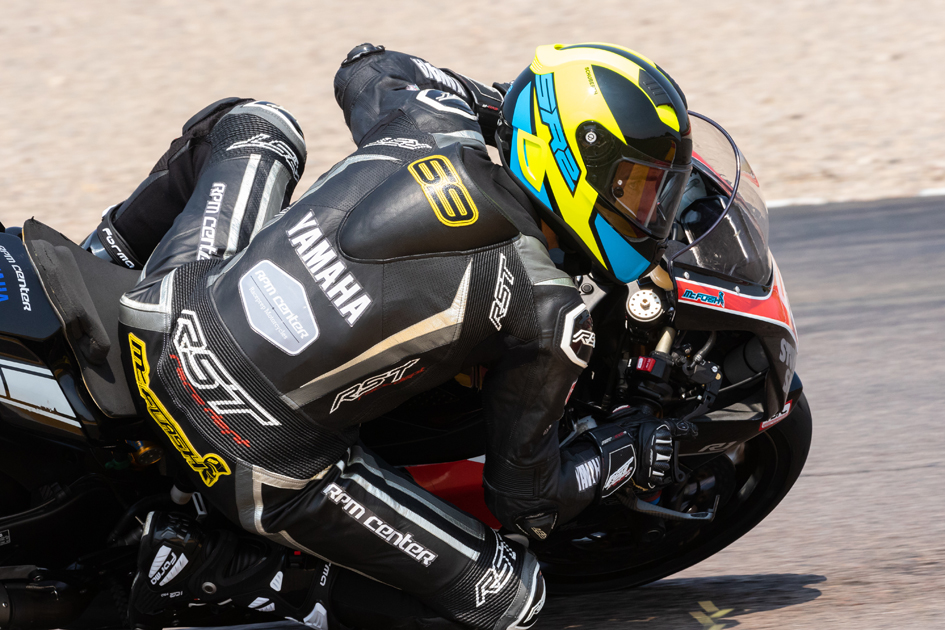
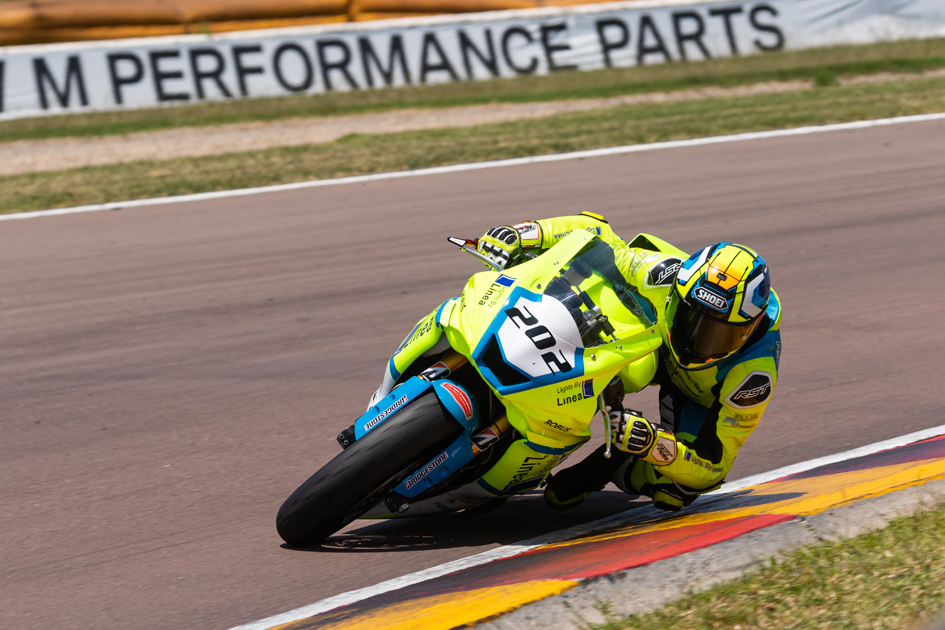
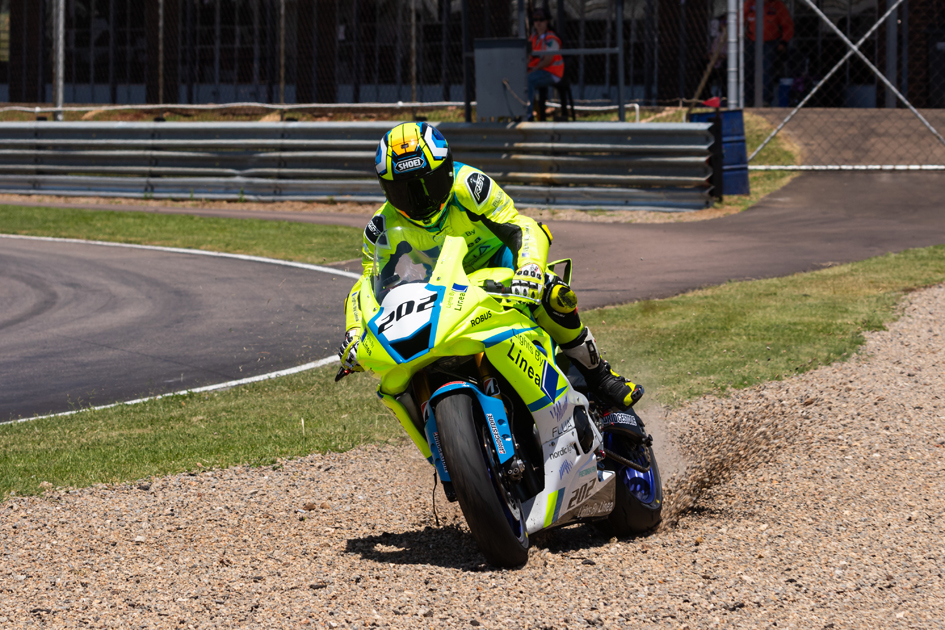
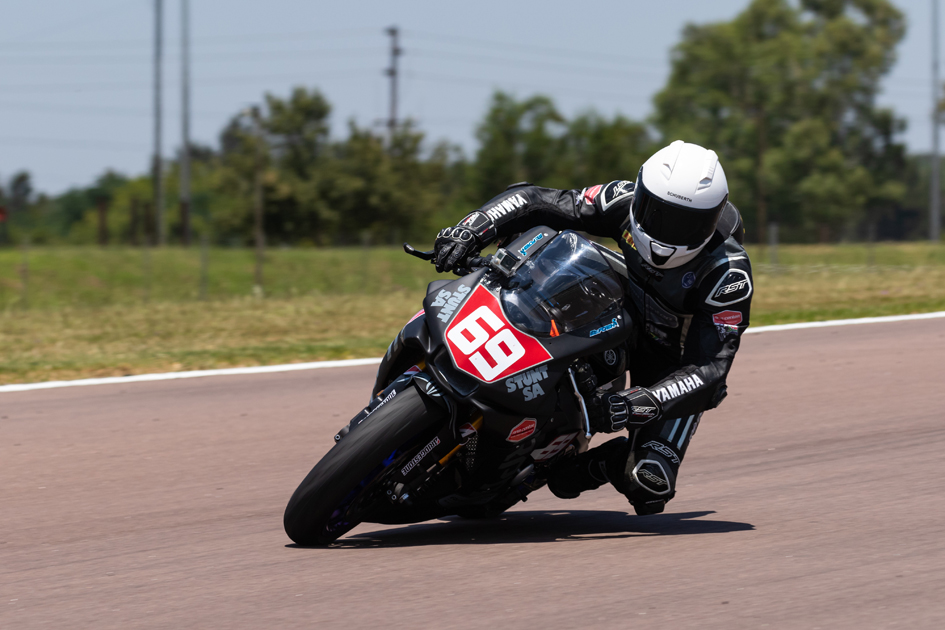
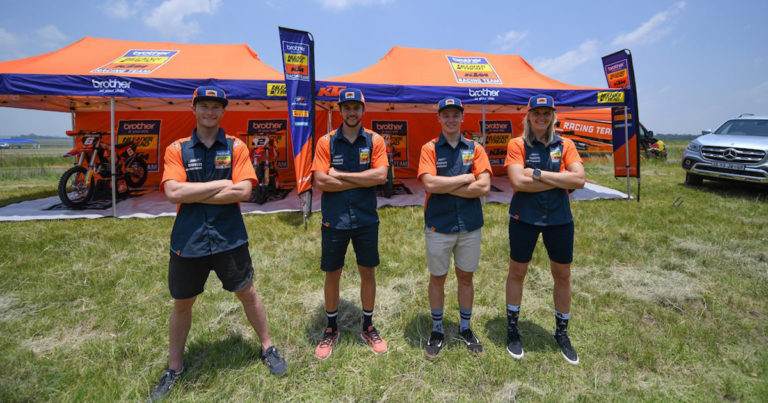
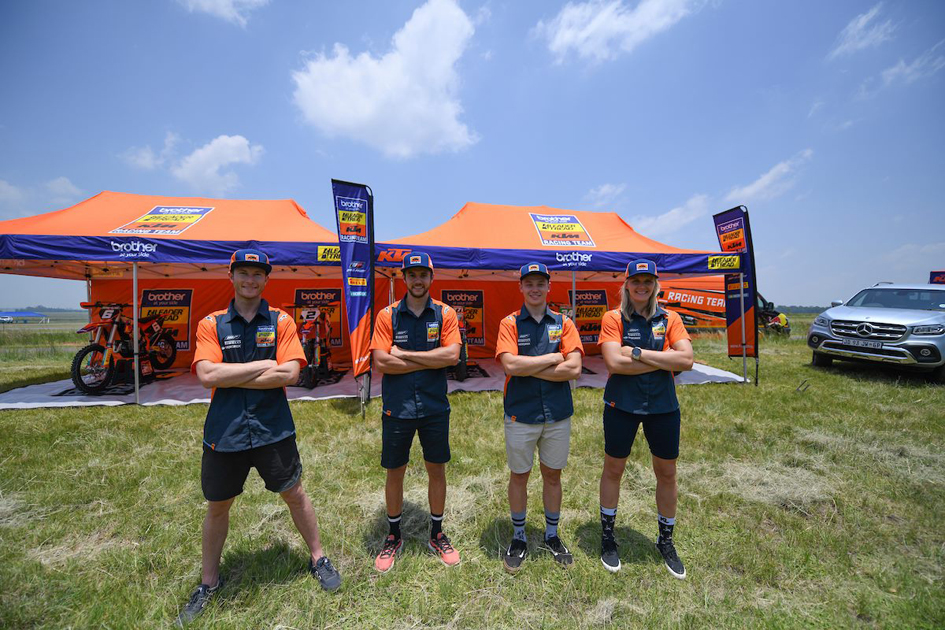
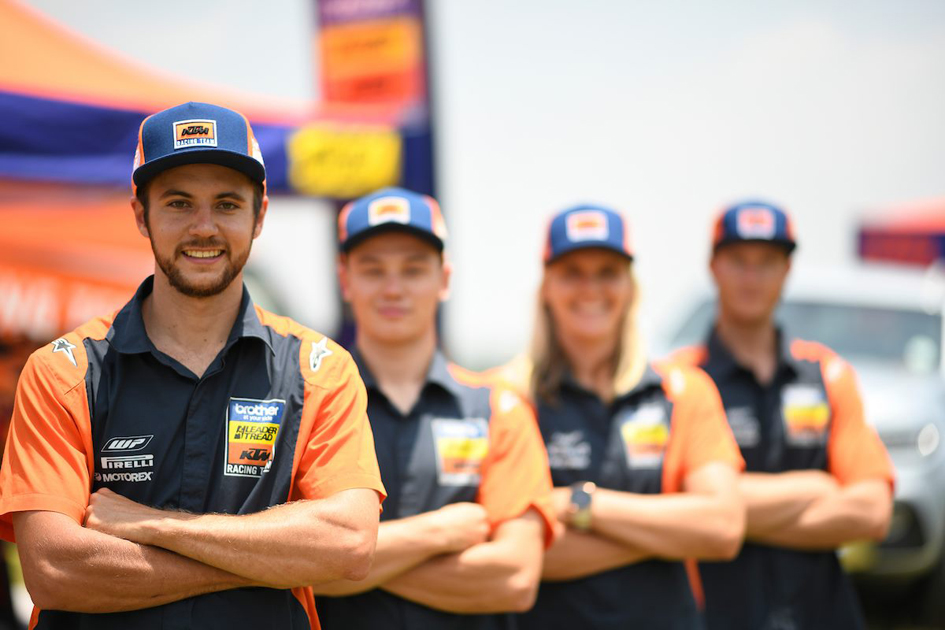
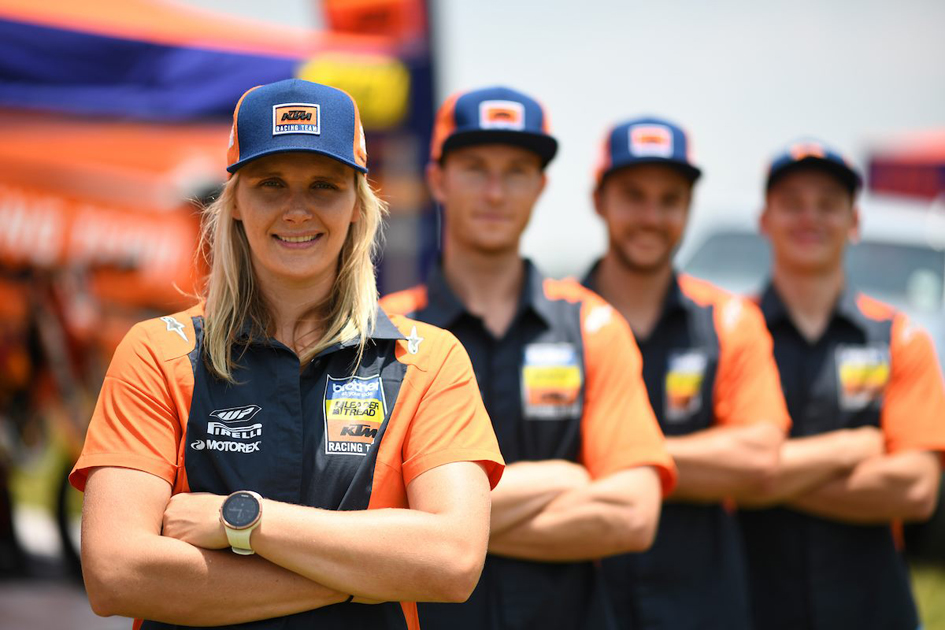
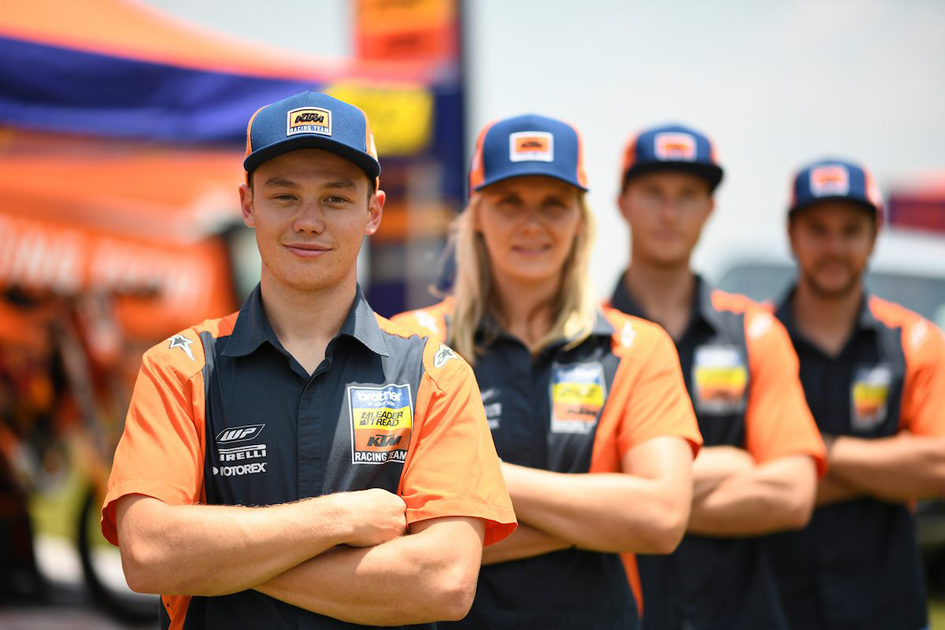
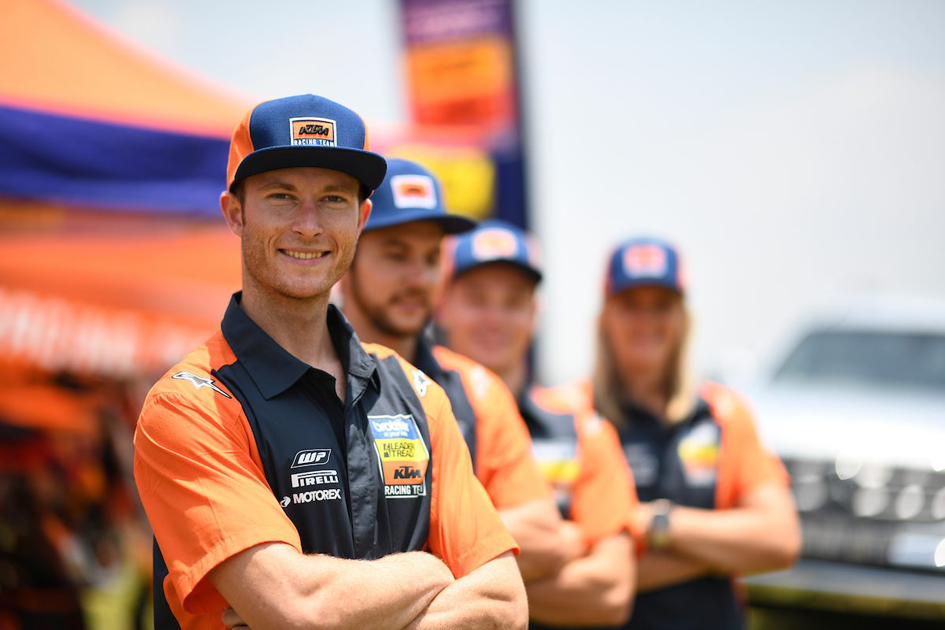
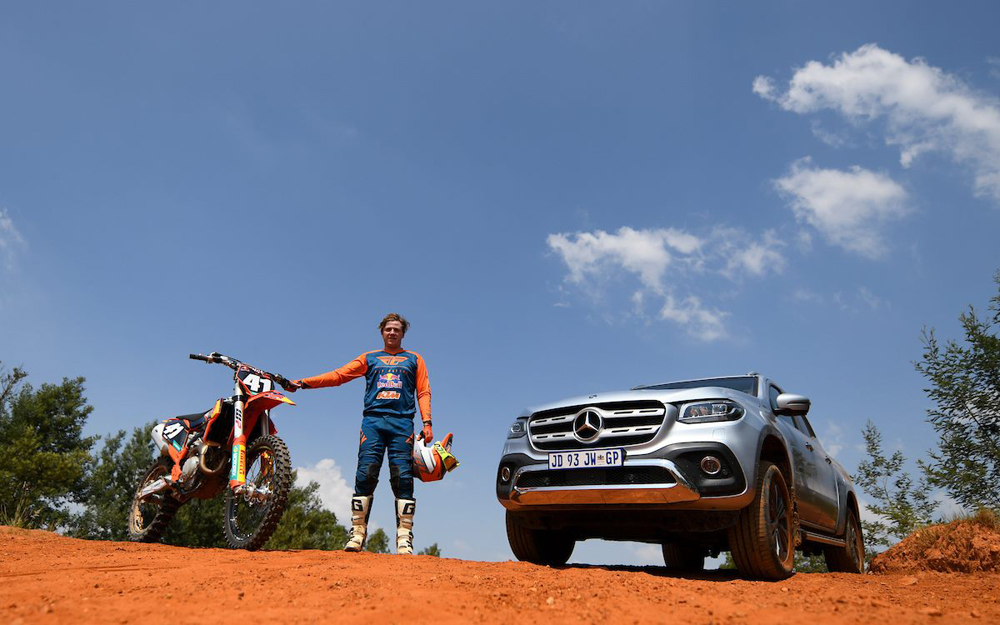
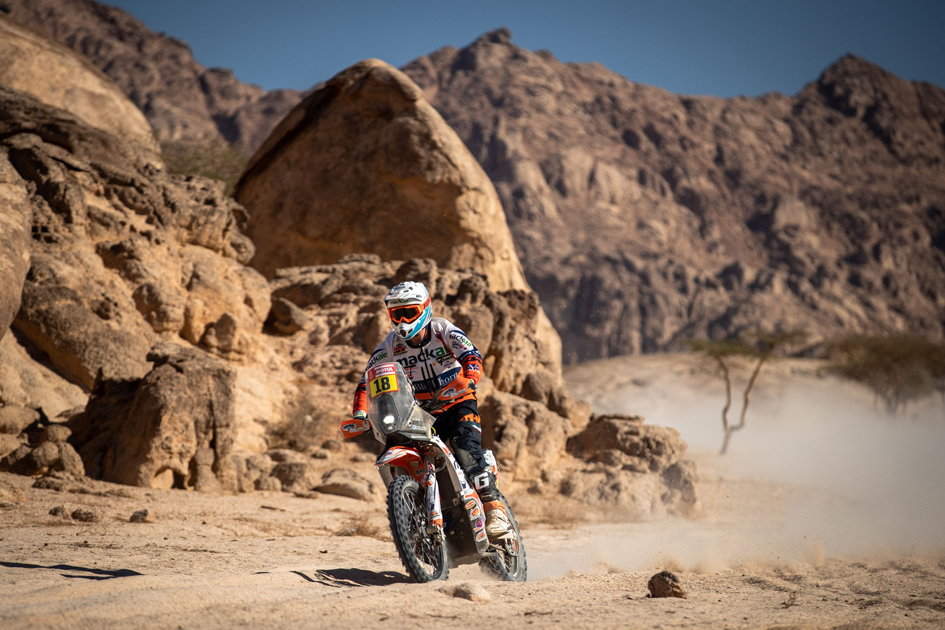
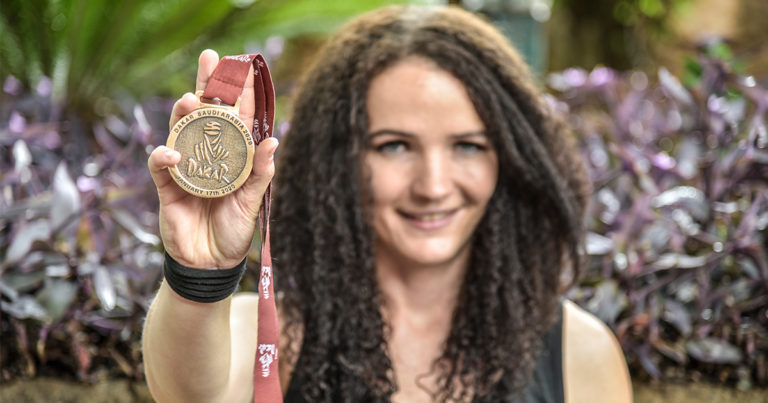
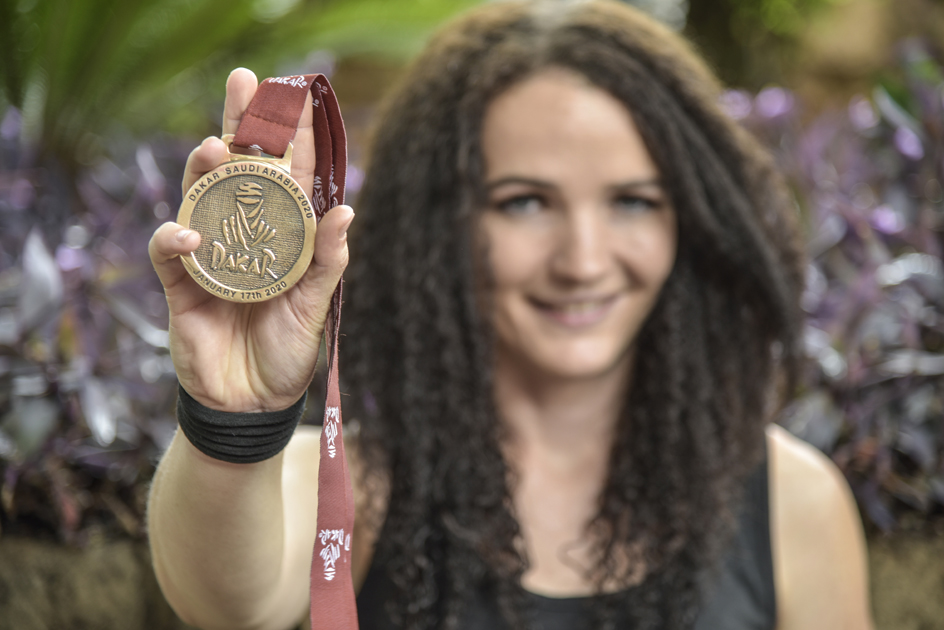
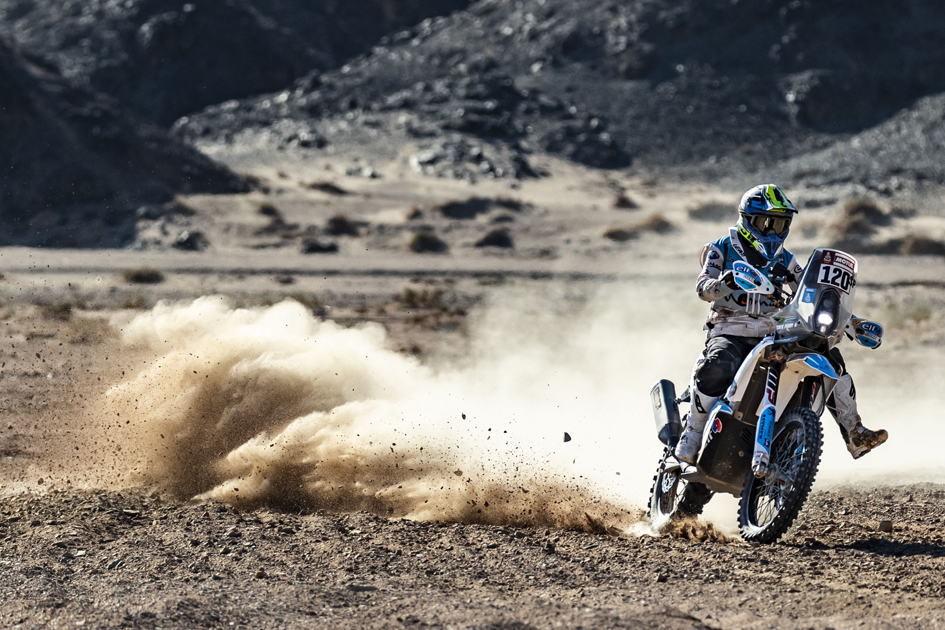
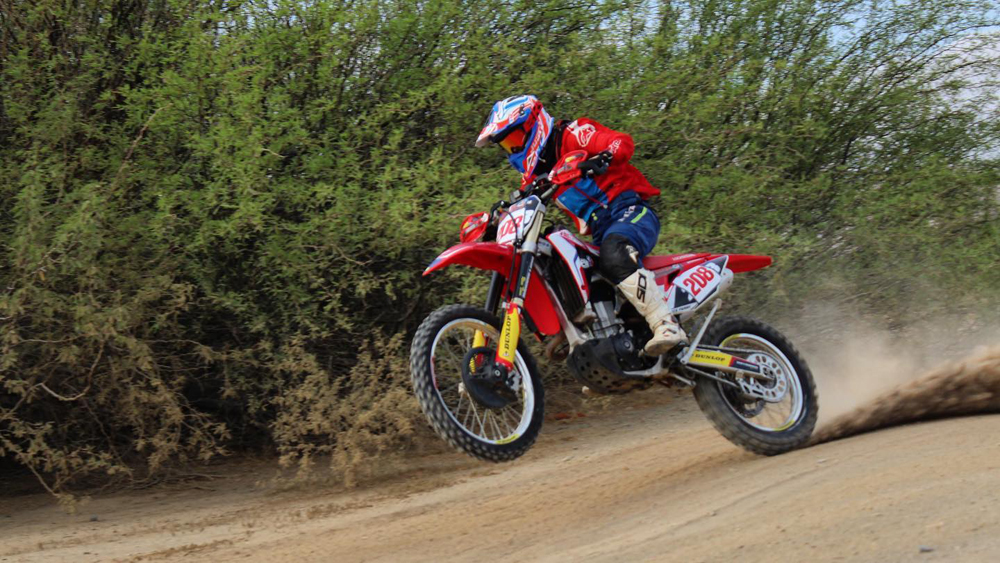
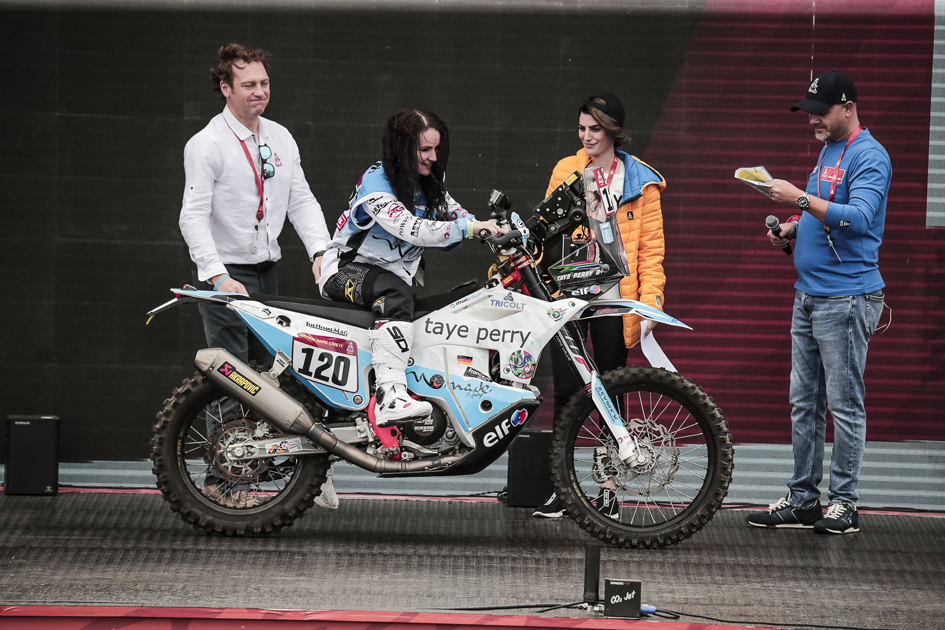
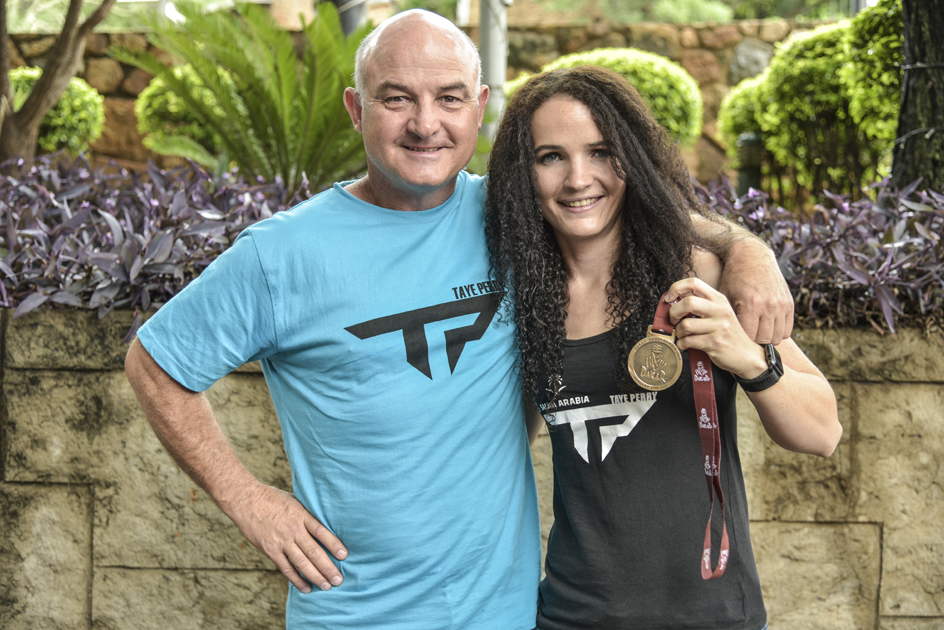
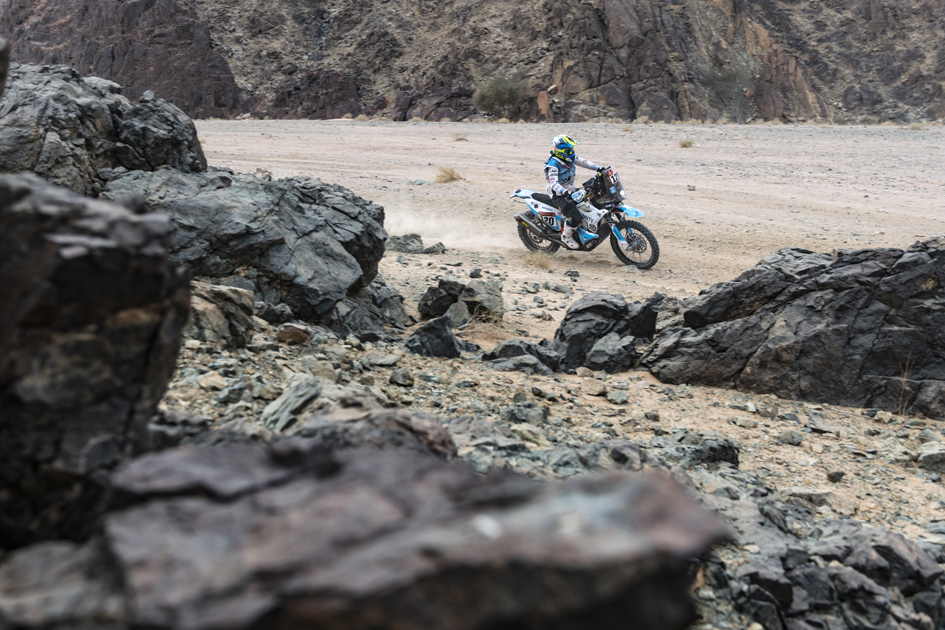
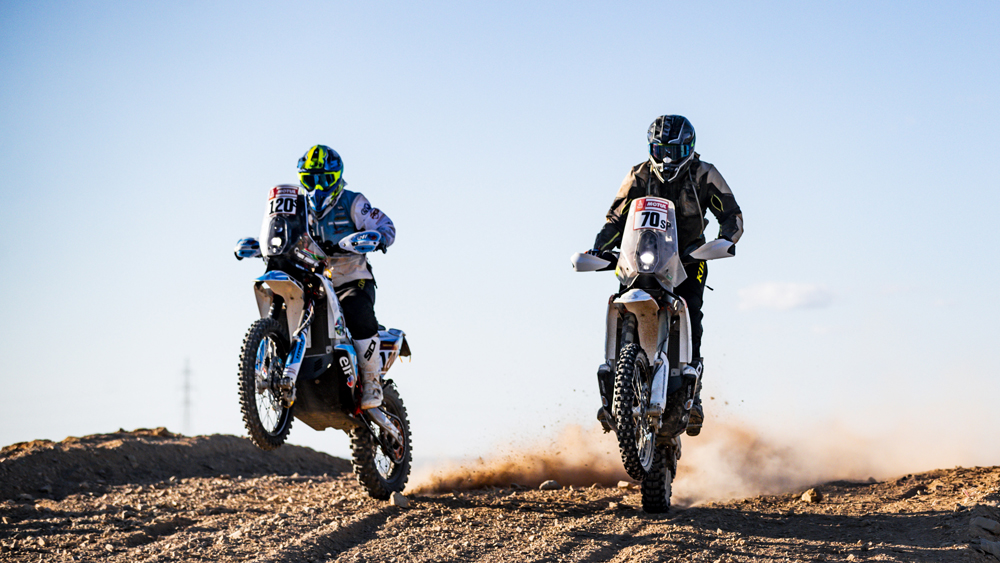
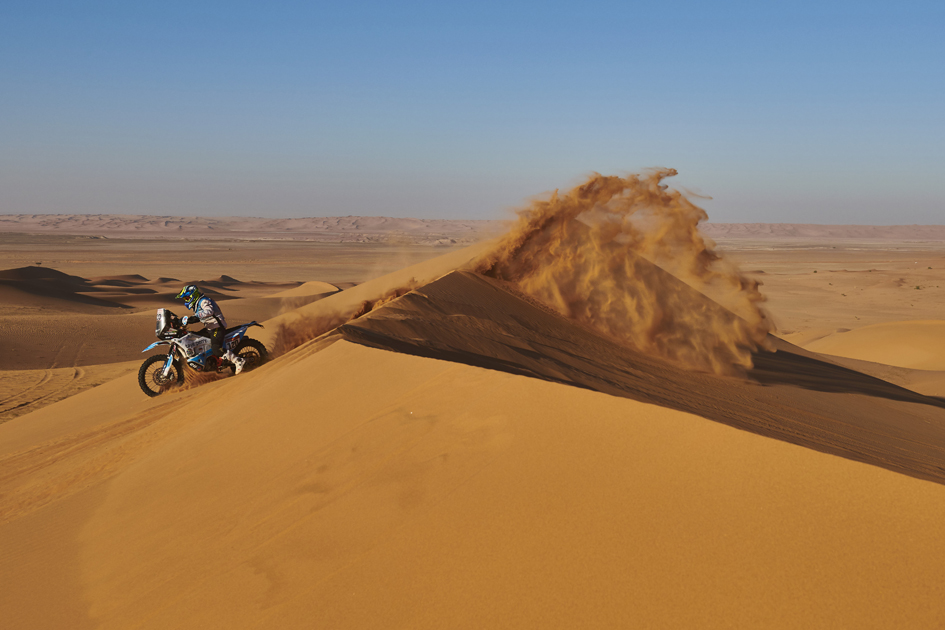
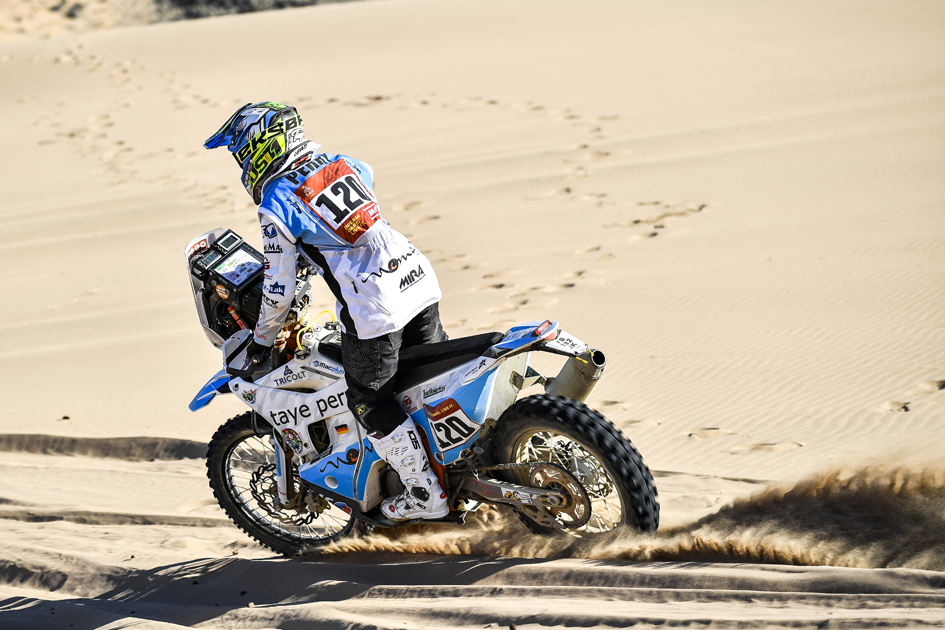
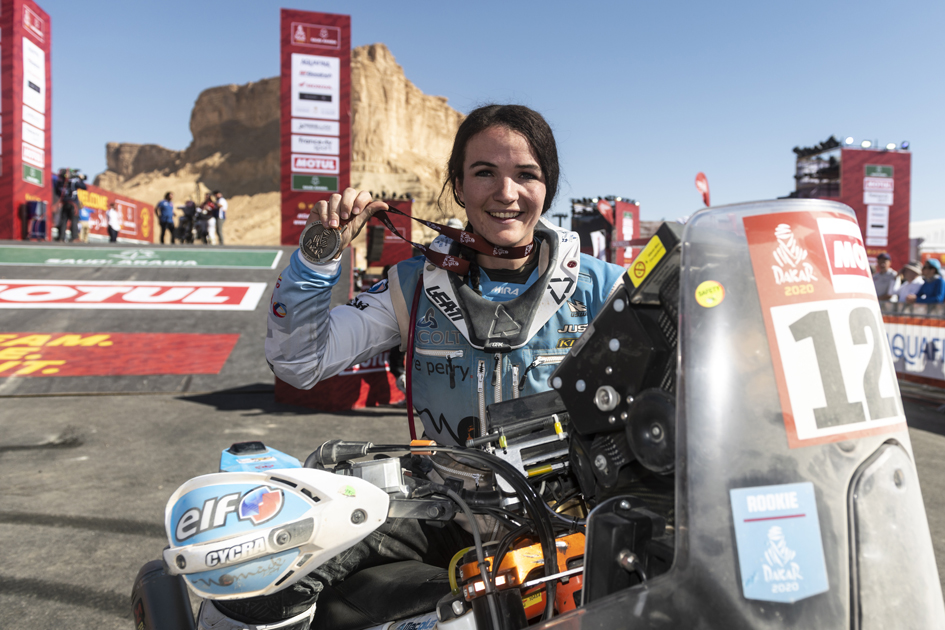
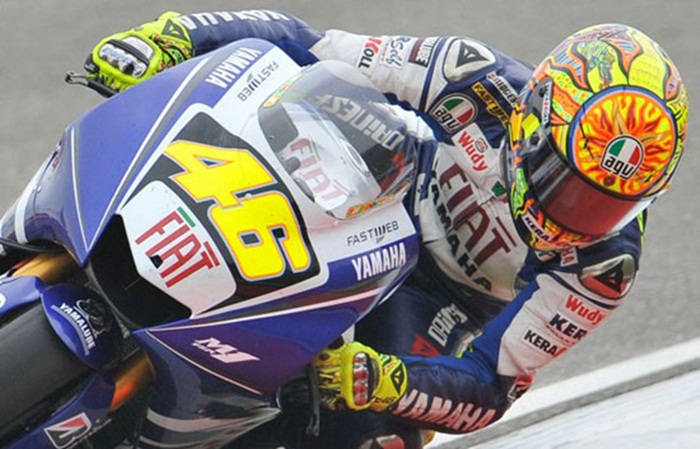
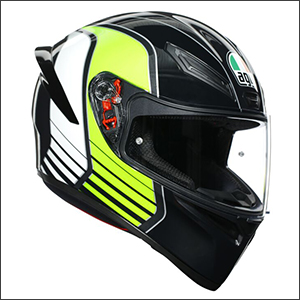
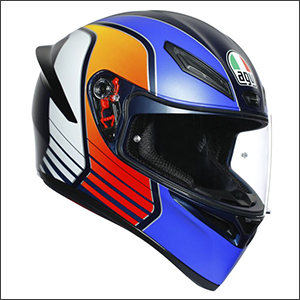
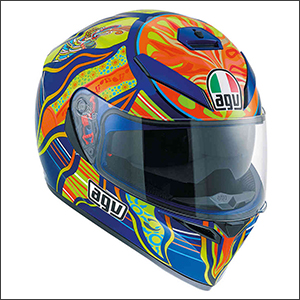
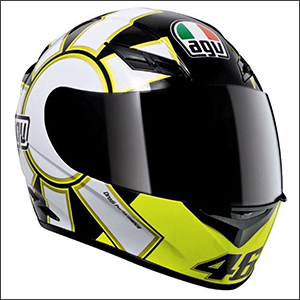
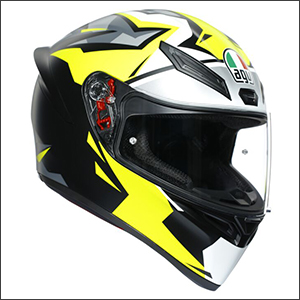
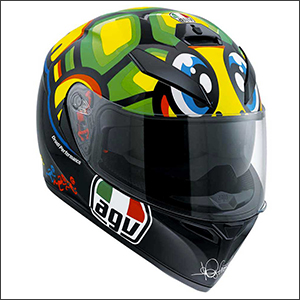
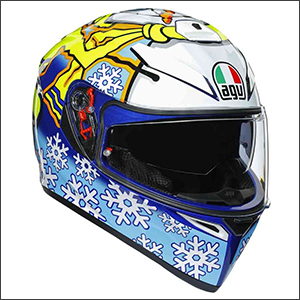
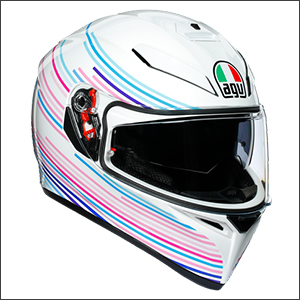

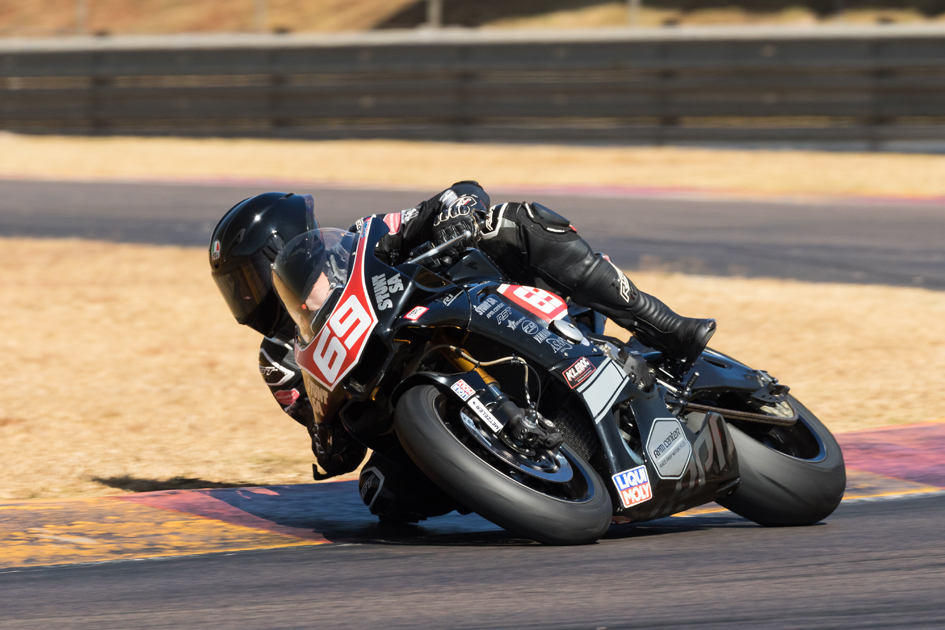
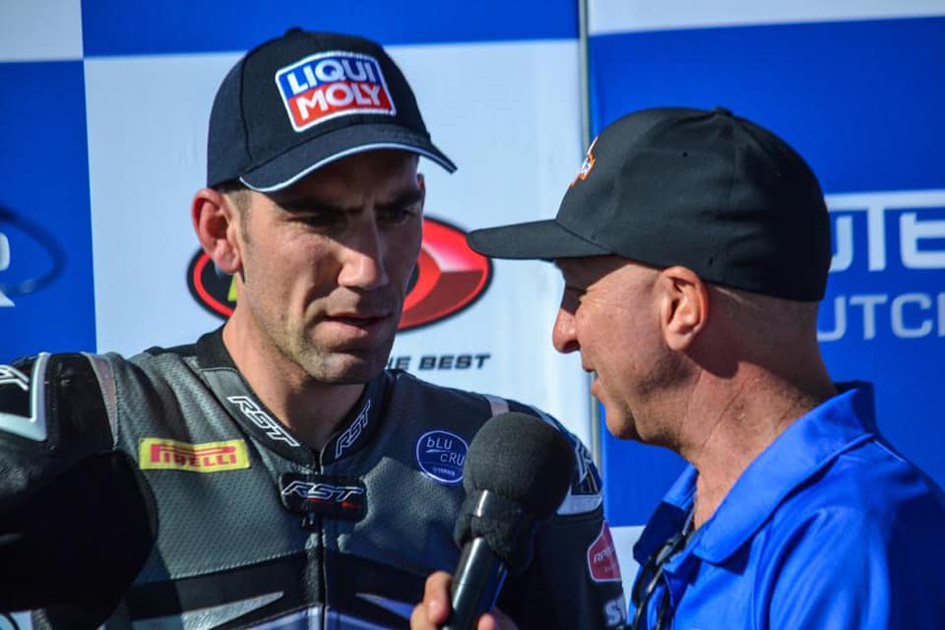
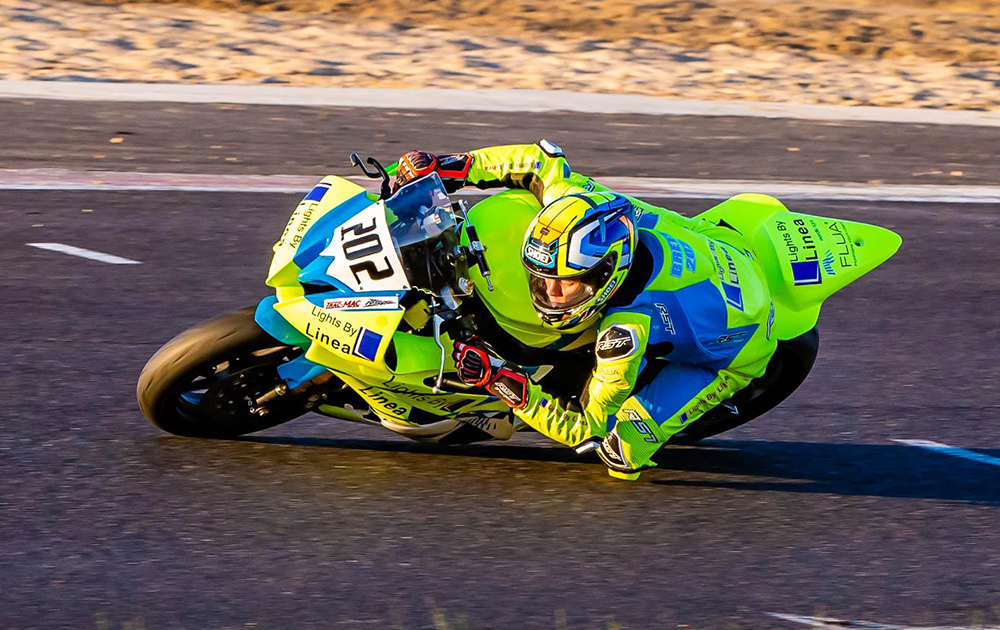
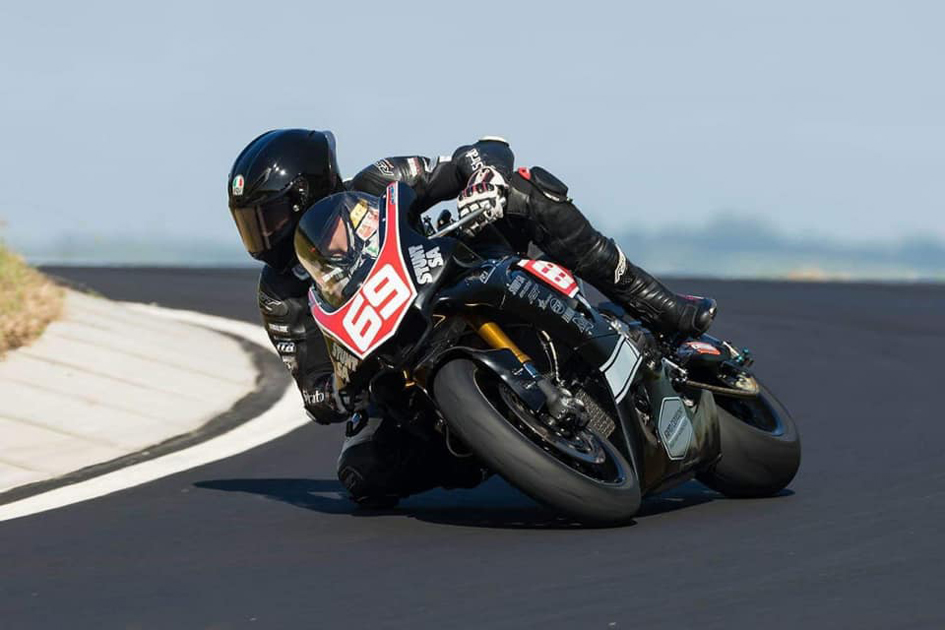
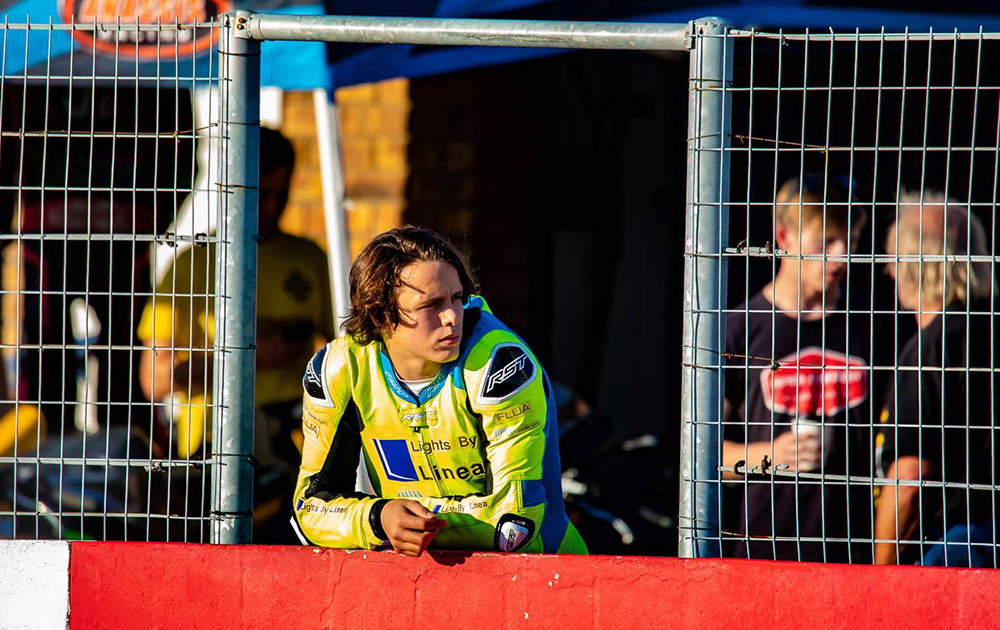
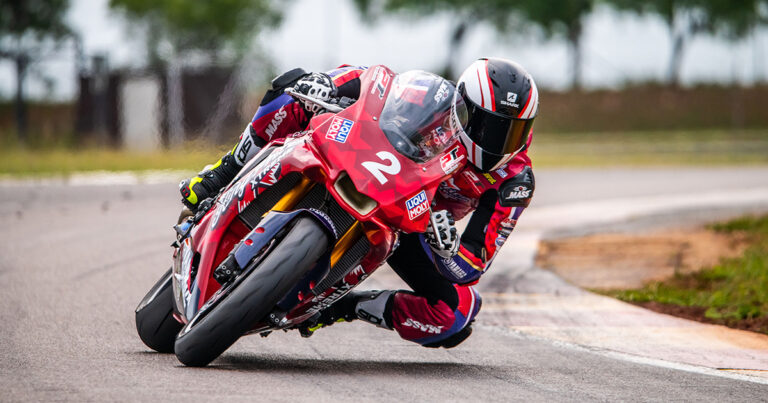
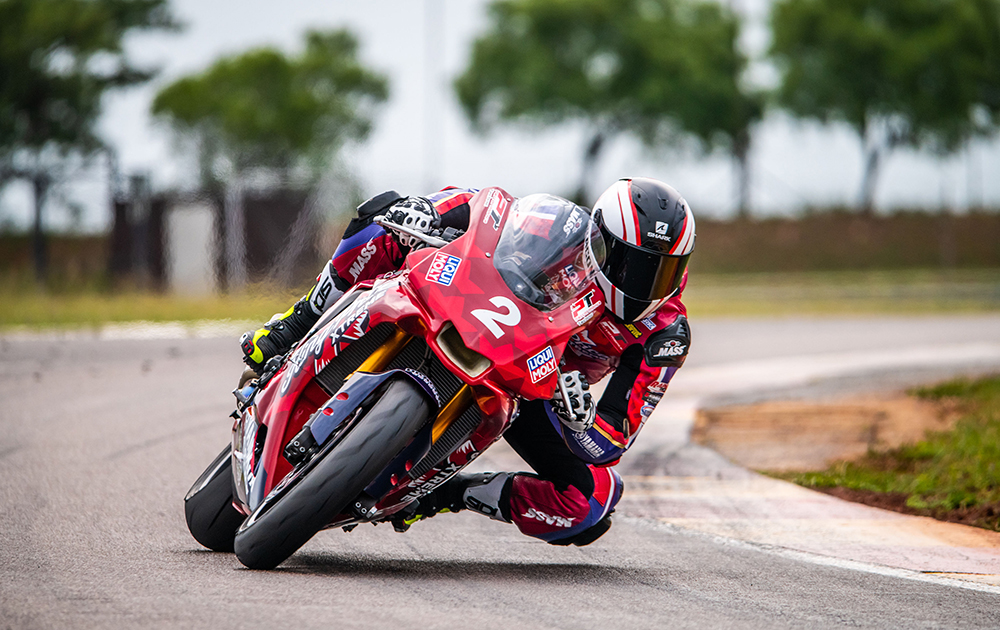 After 30 years in the saddle, King Price Xtreme’s Clint Seller shows no signs of slowing down.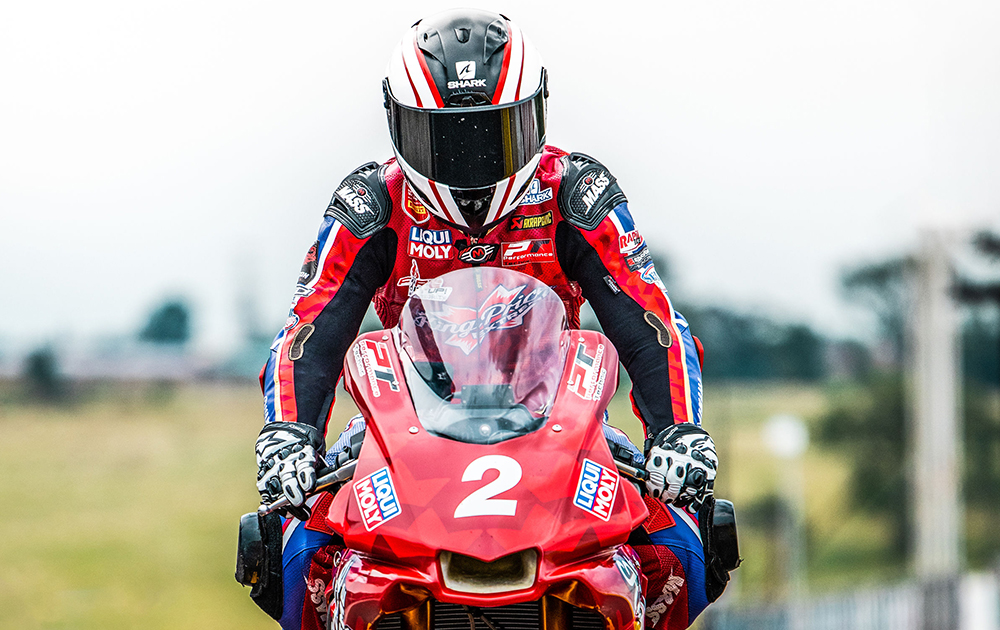
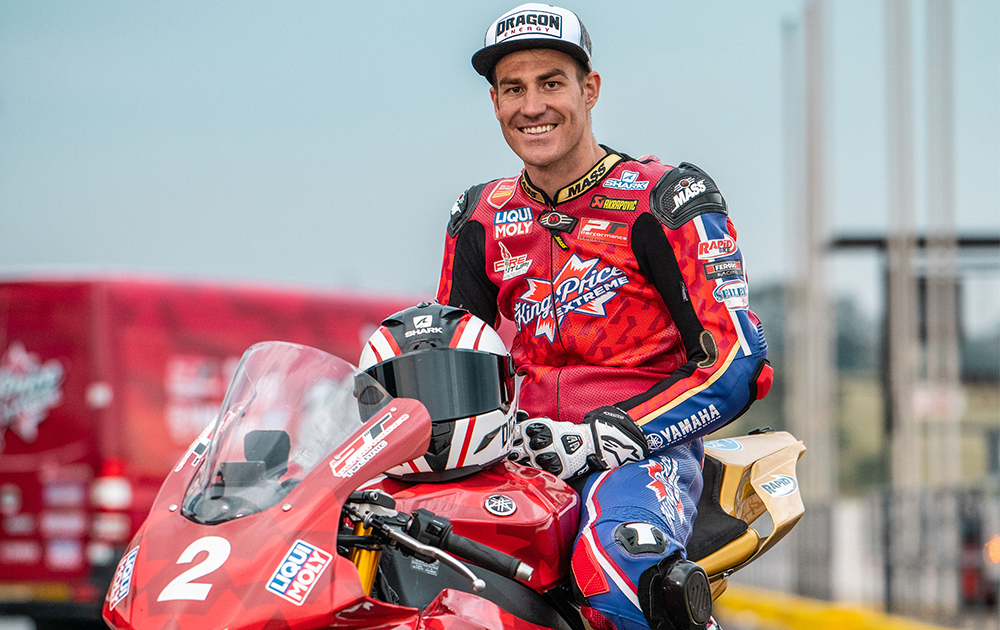
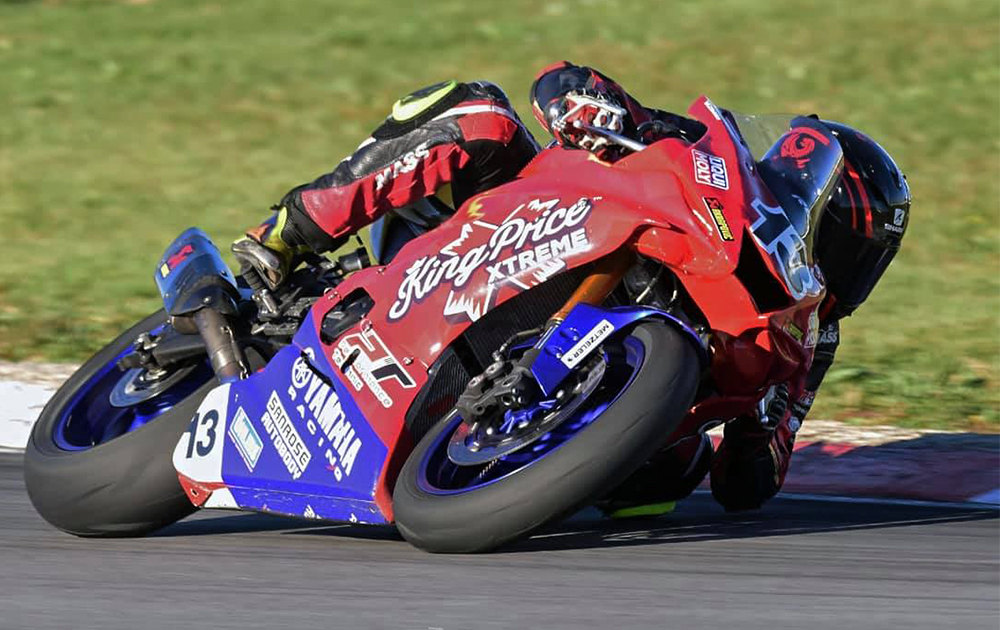 Meet Dino Iozzo: King Price xtreme’s resident racing megastar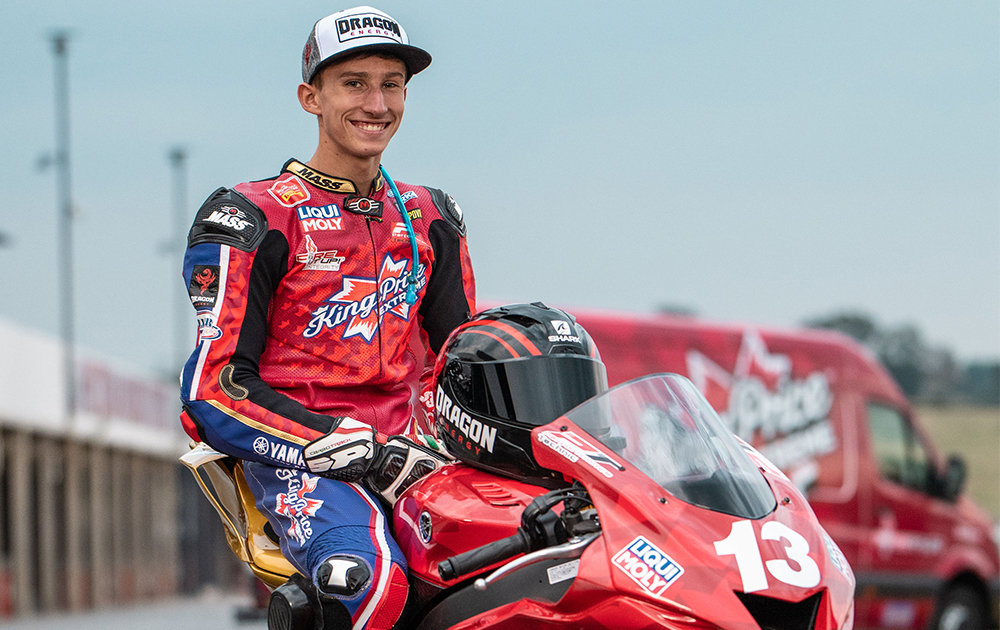
 Sifiso Themba: King Price xtreme’s tar-tearing prodigy
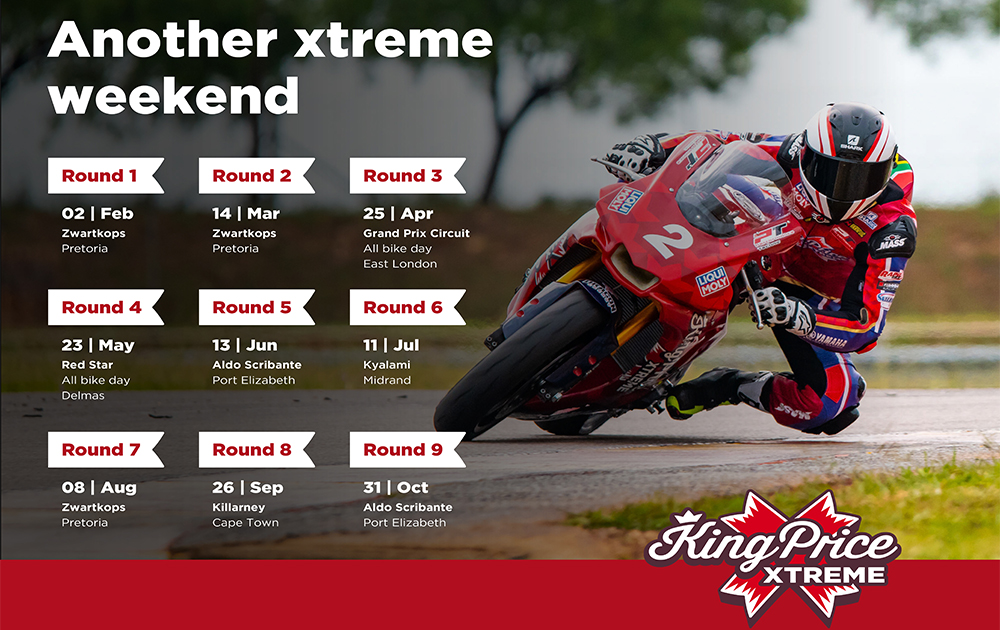
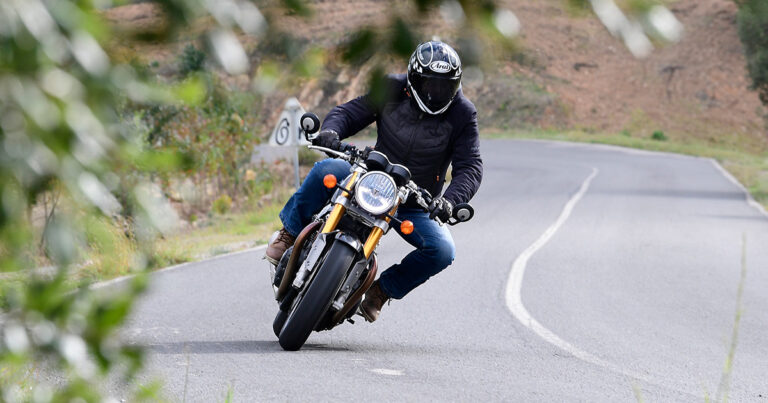
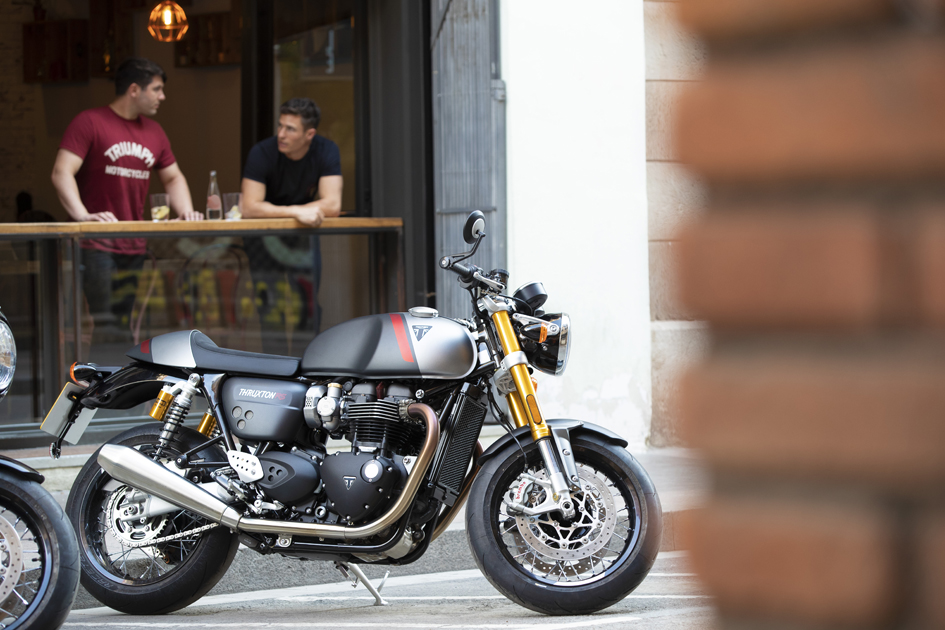
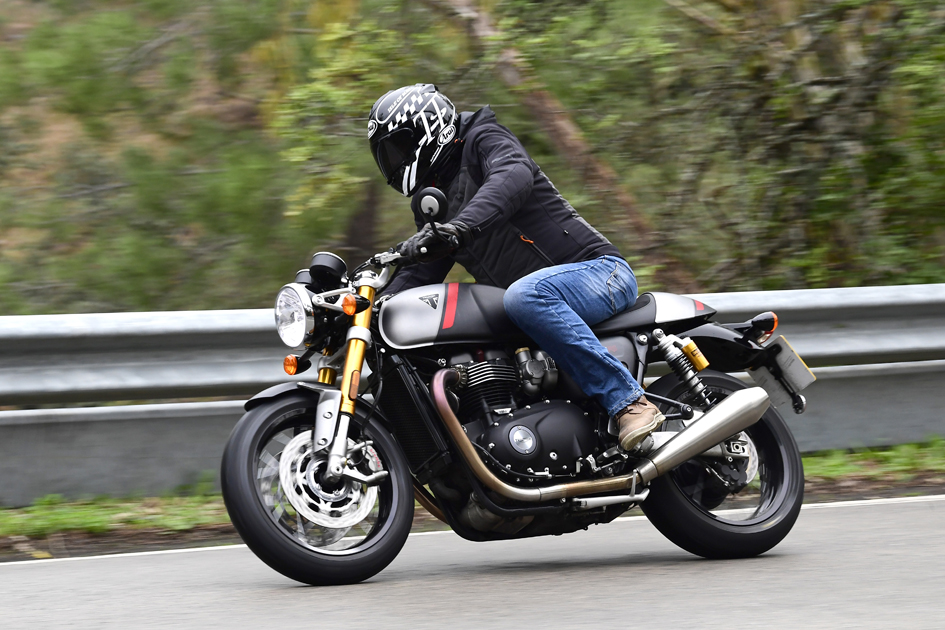
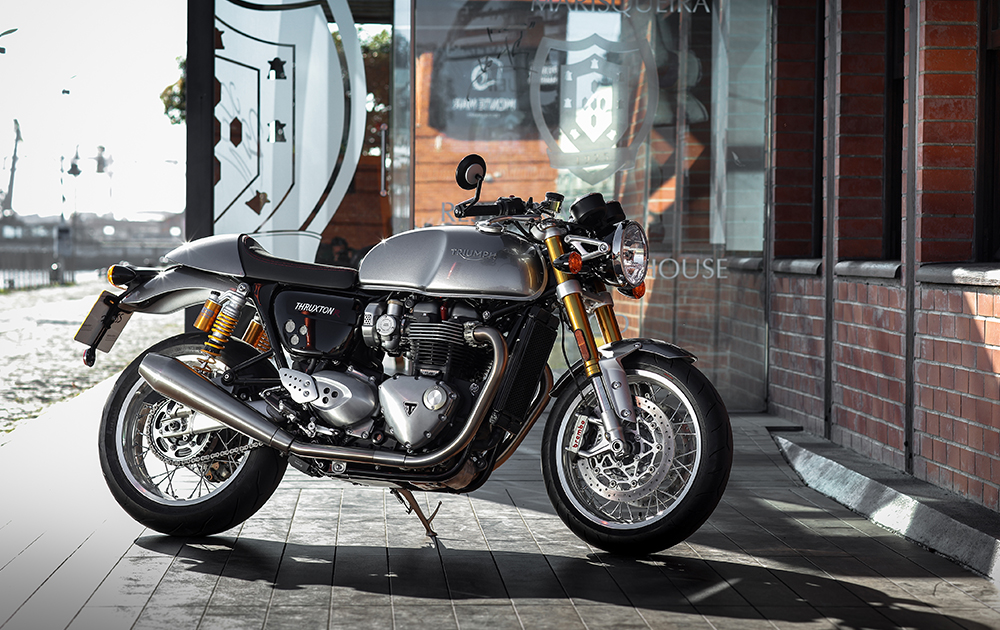
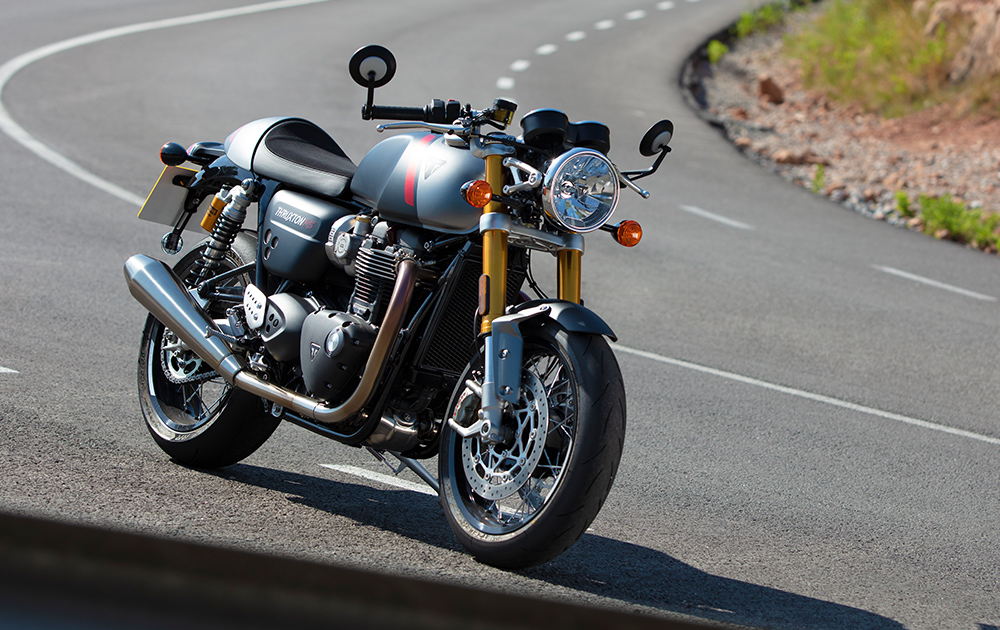
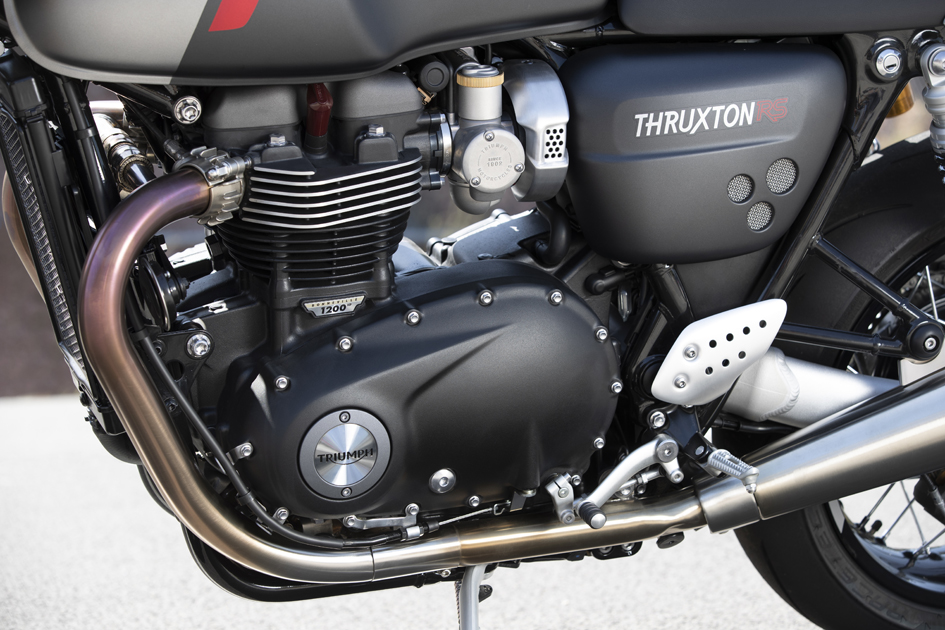
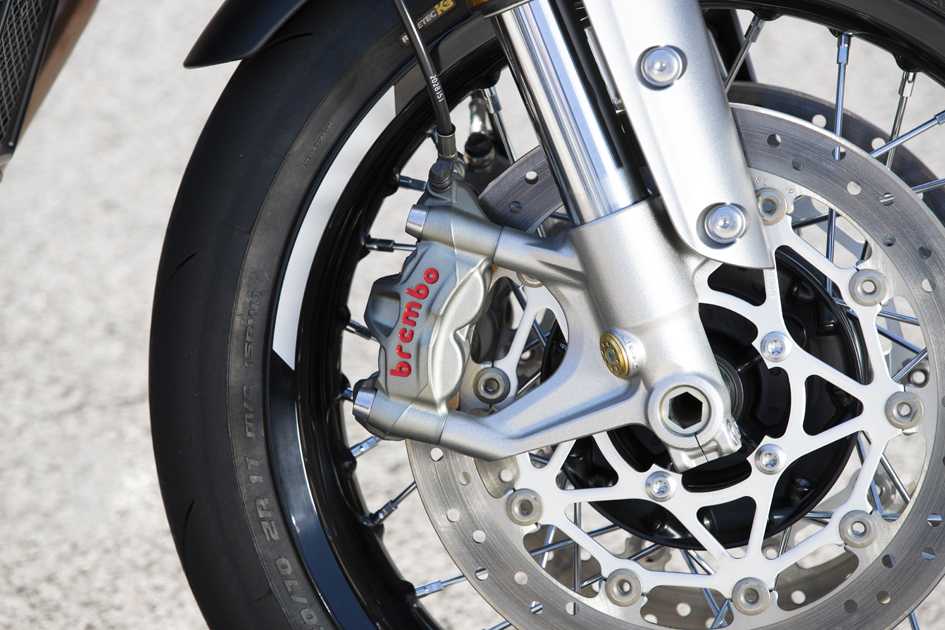
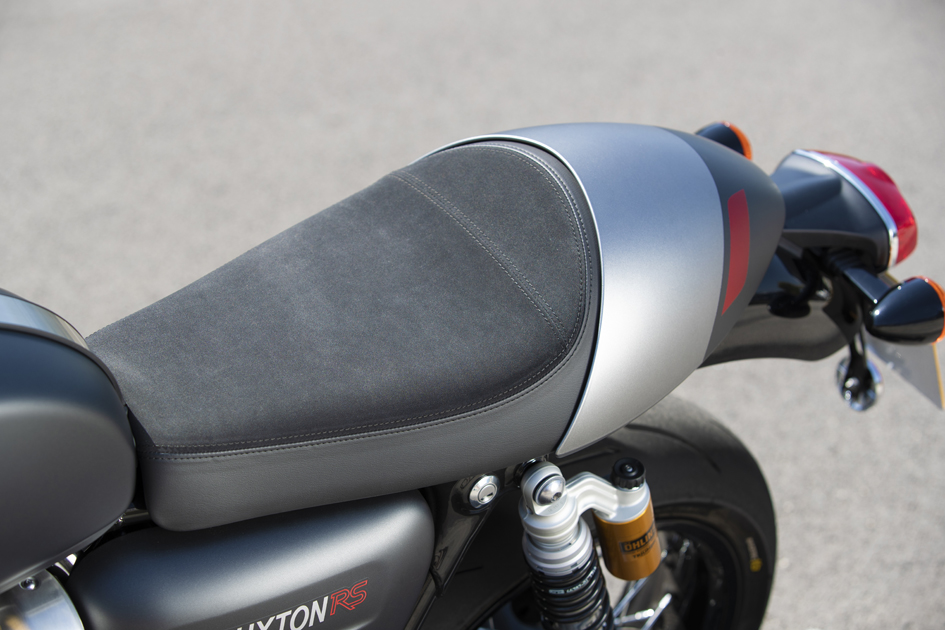
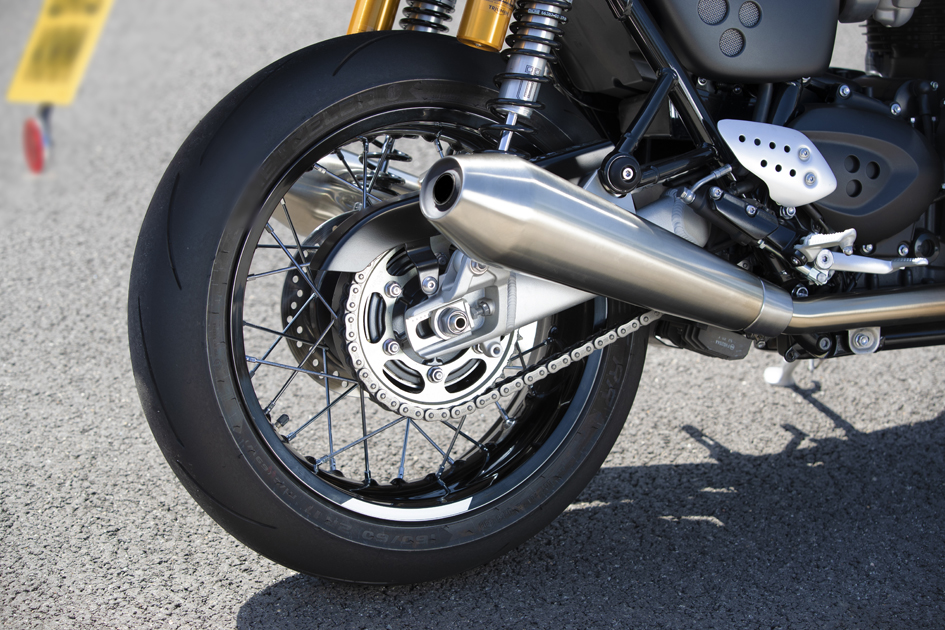
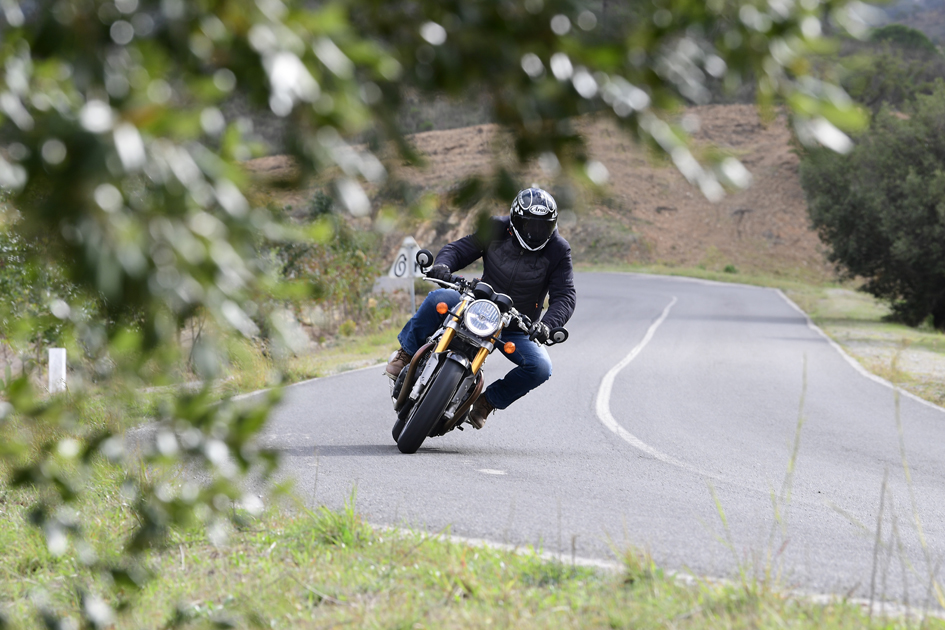
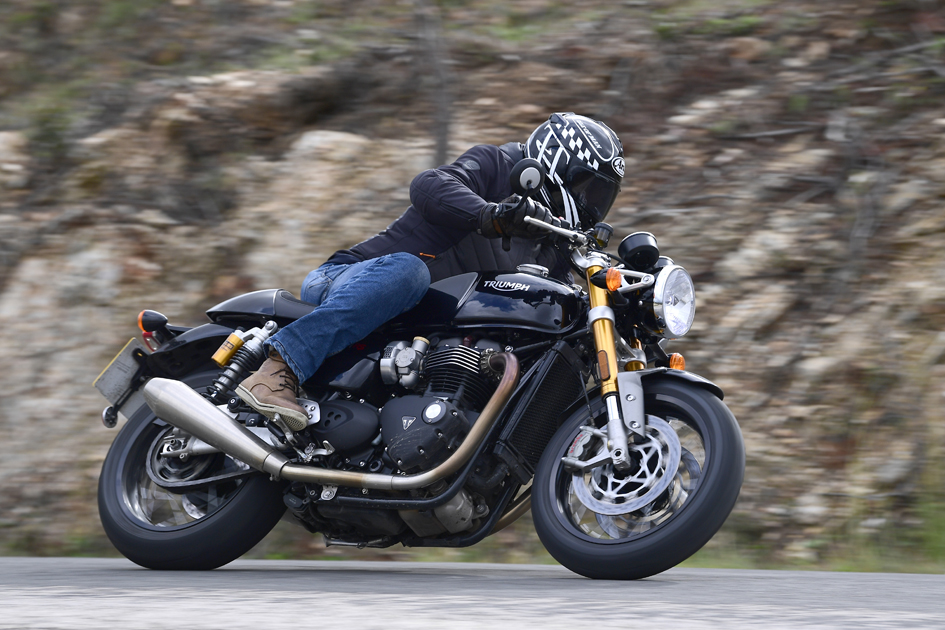
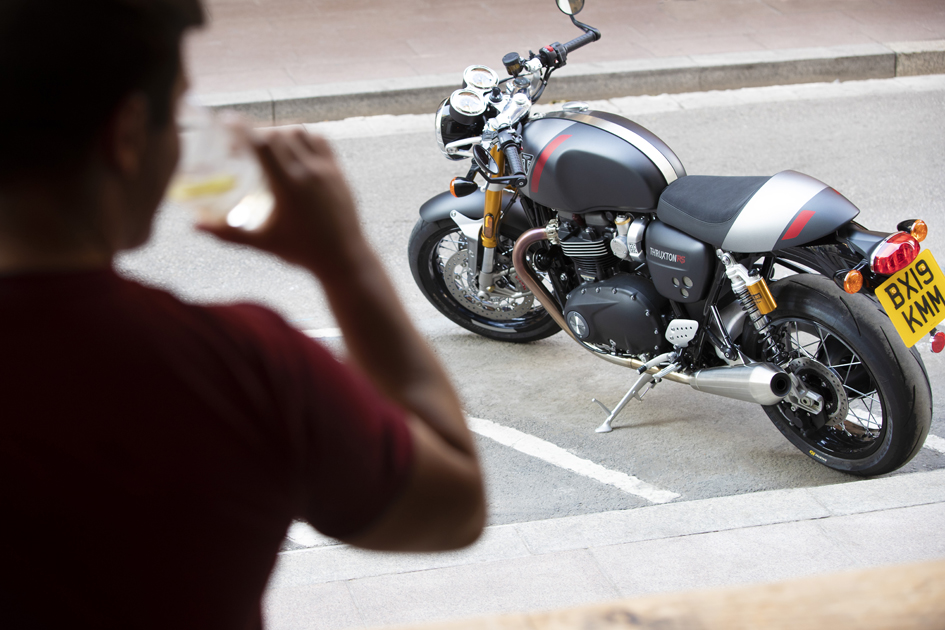
 About Ordinary Love