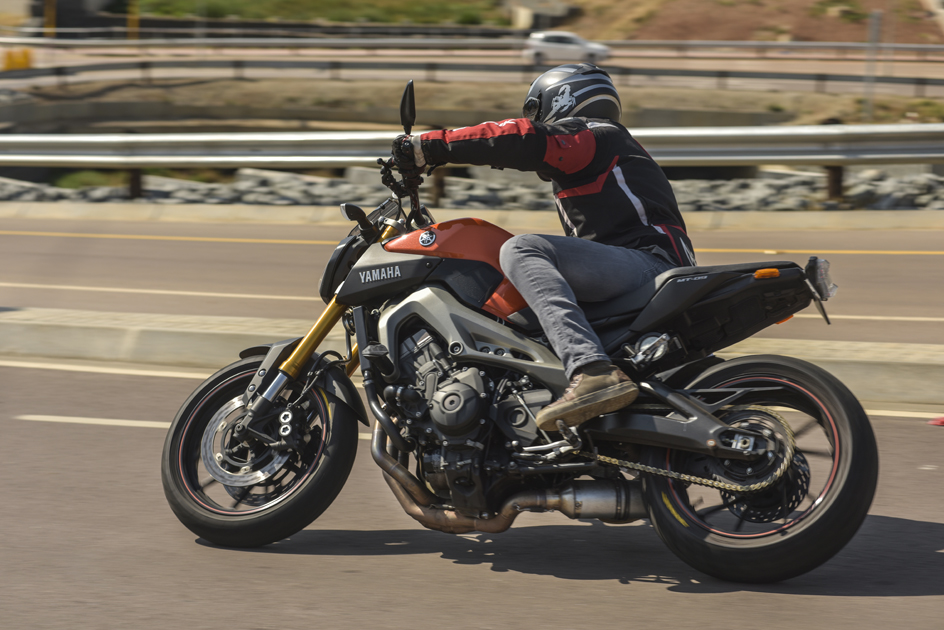
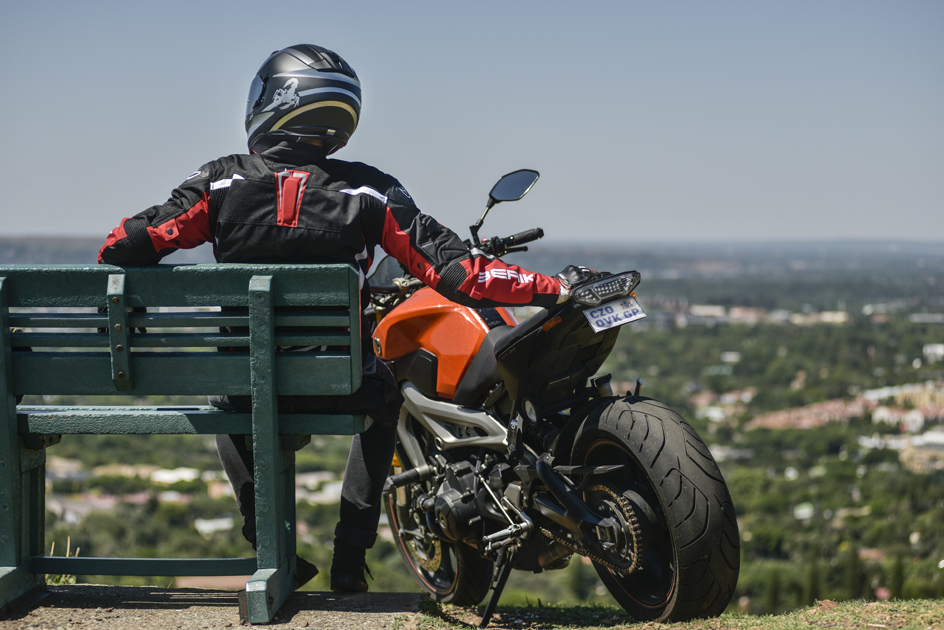
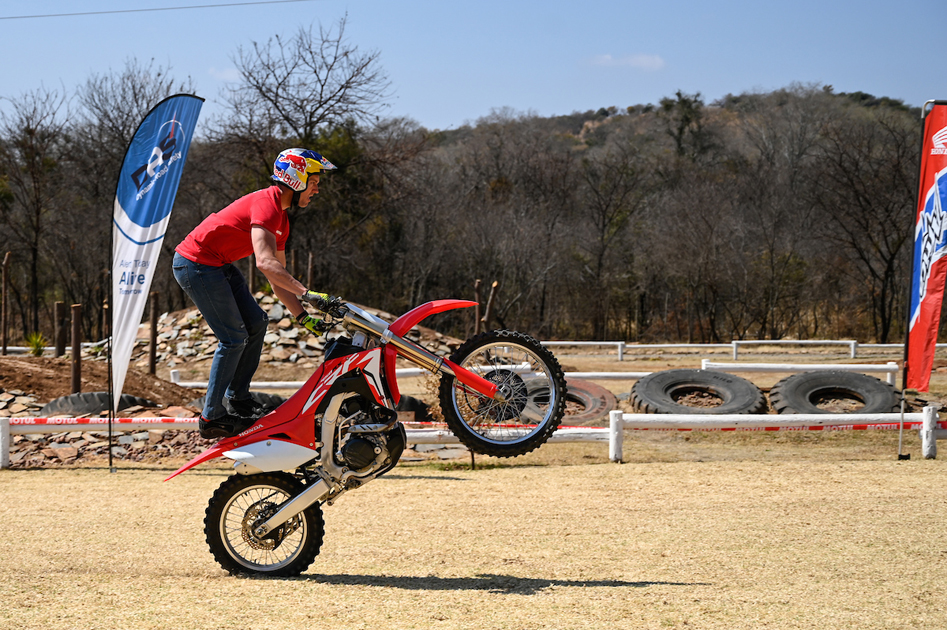
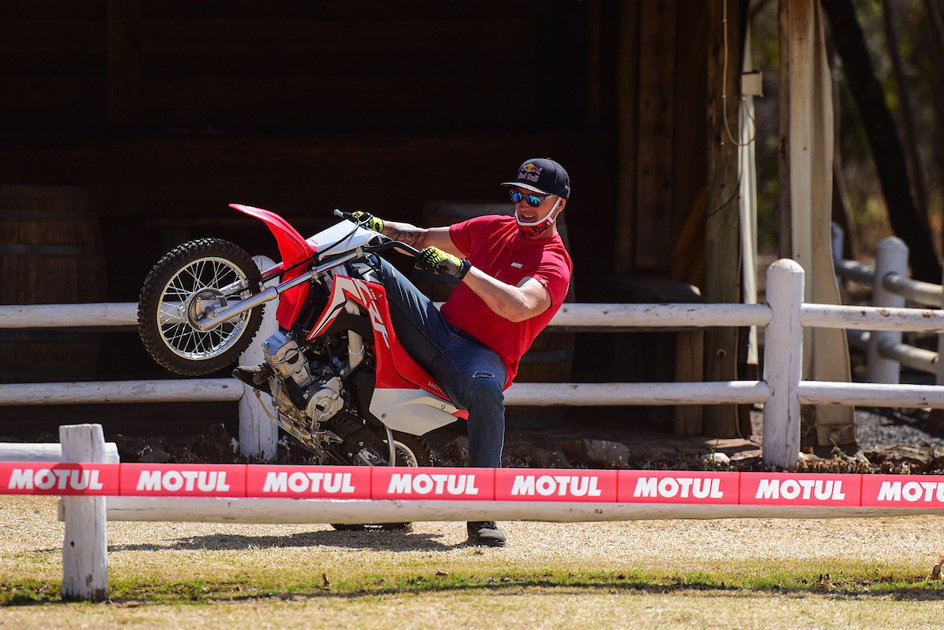
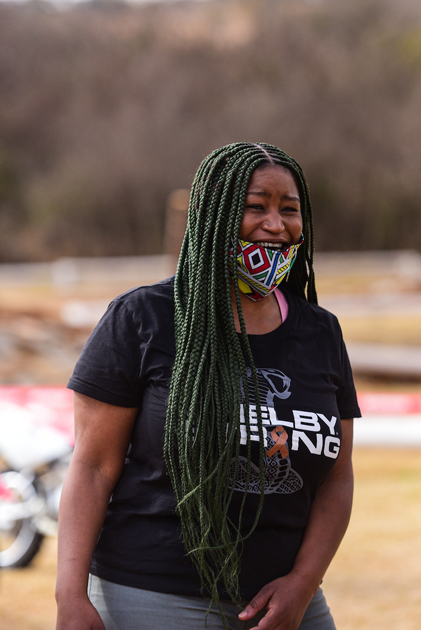
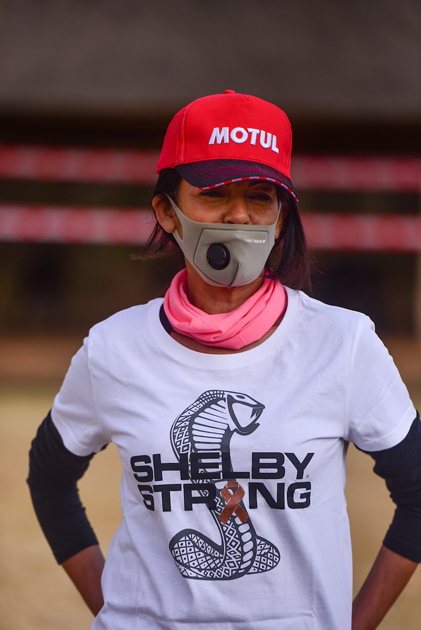
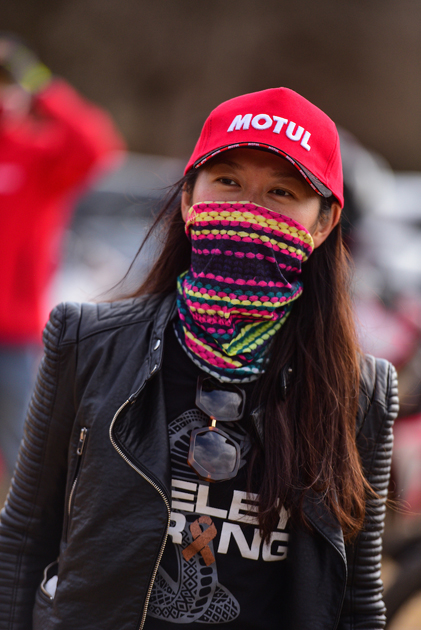
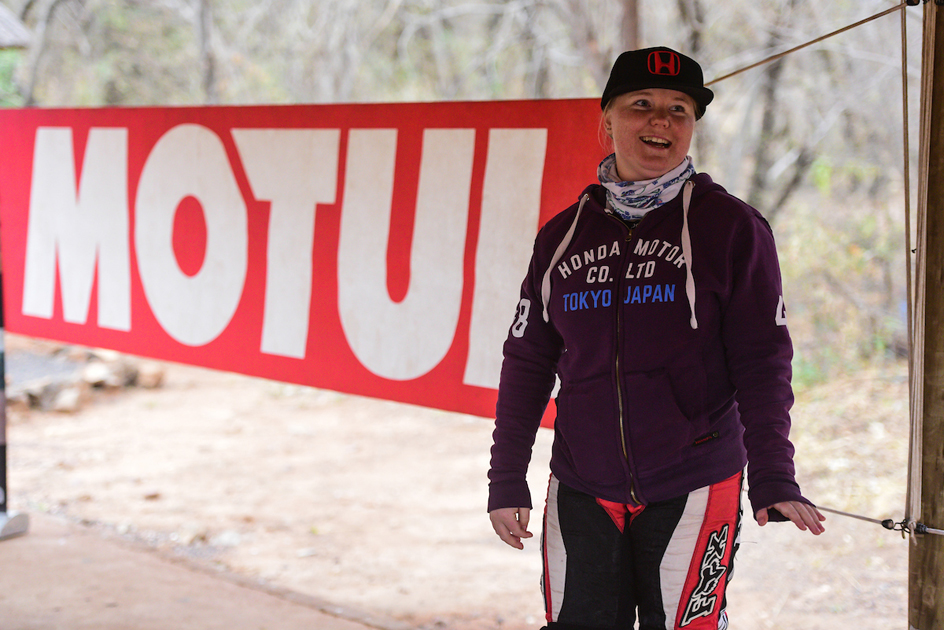
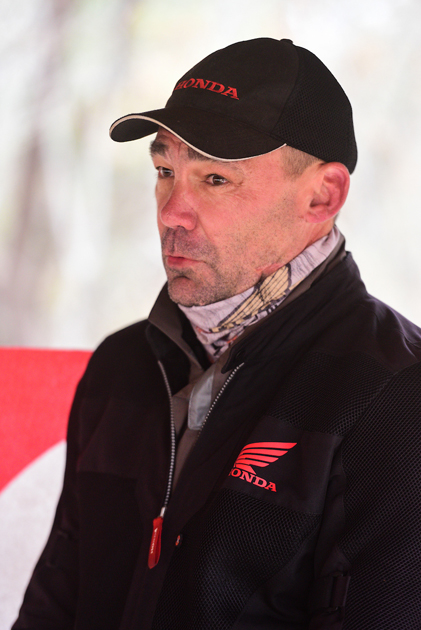
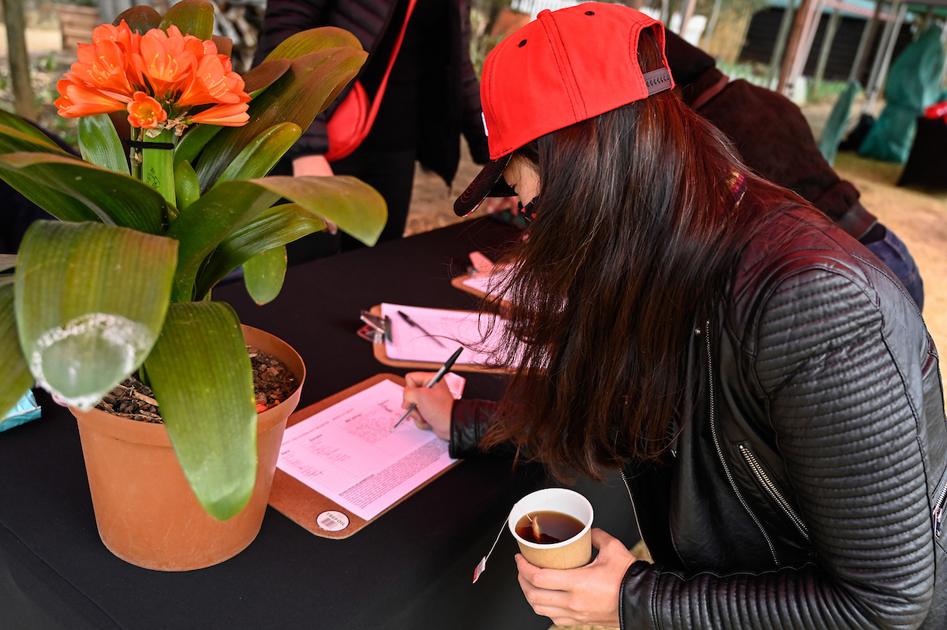
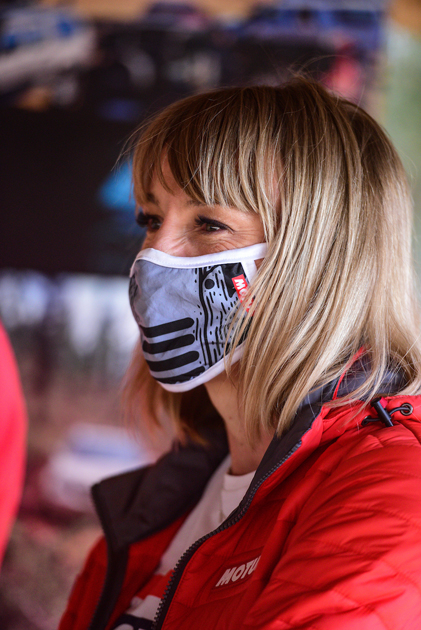
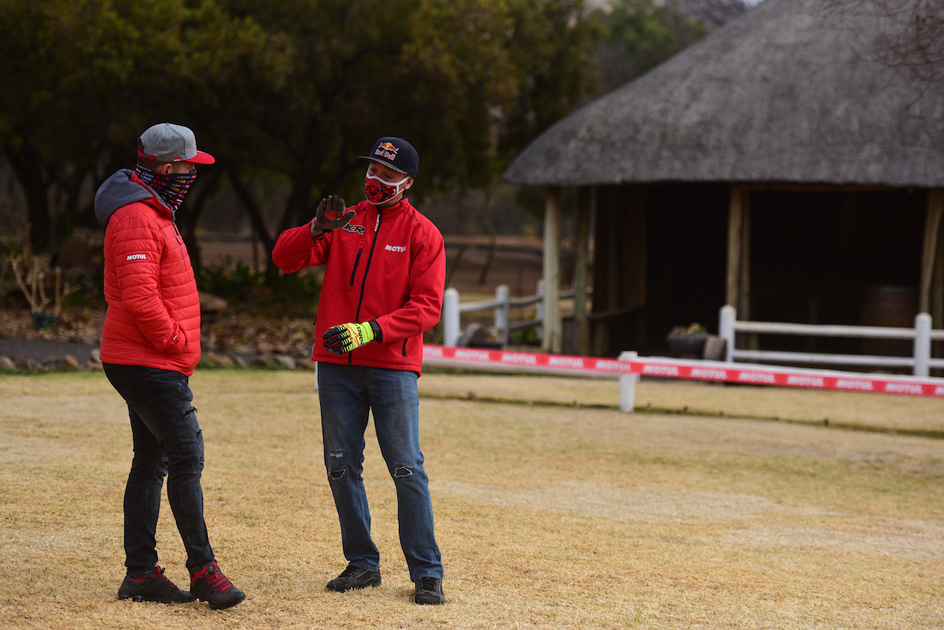
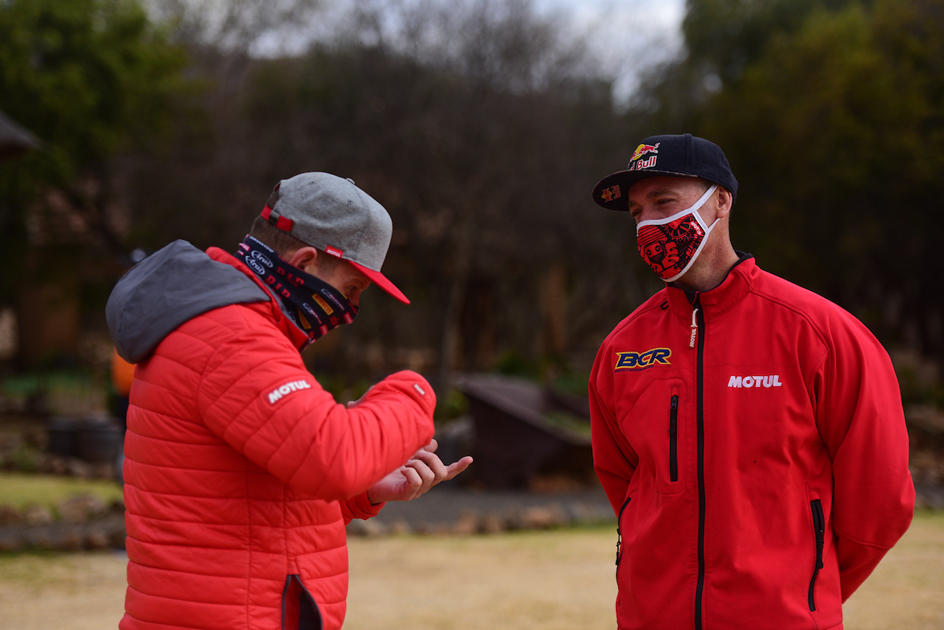
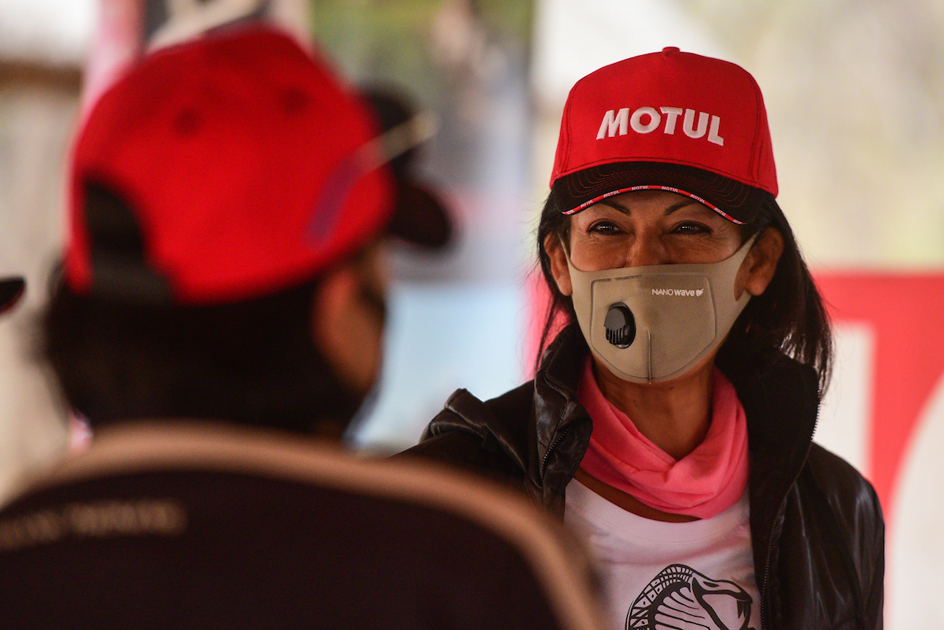
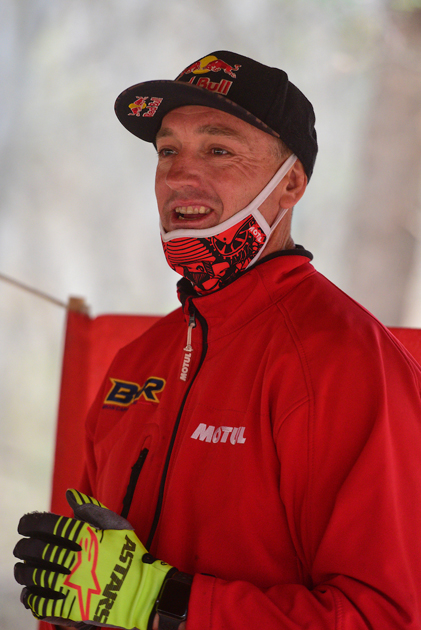
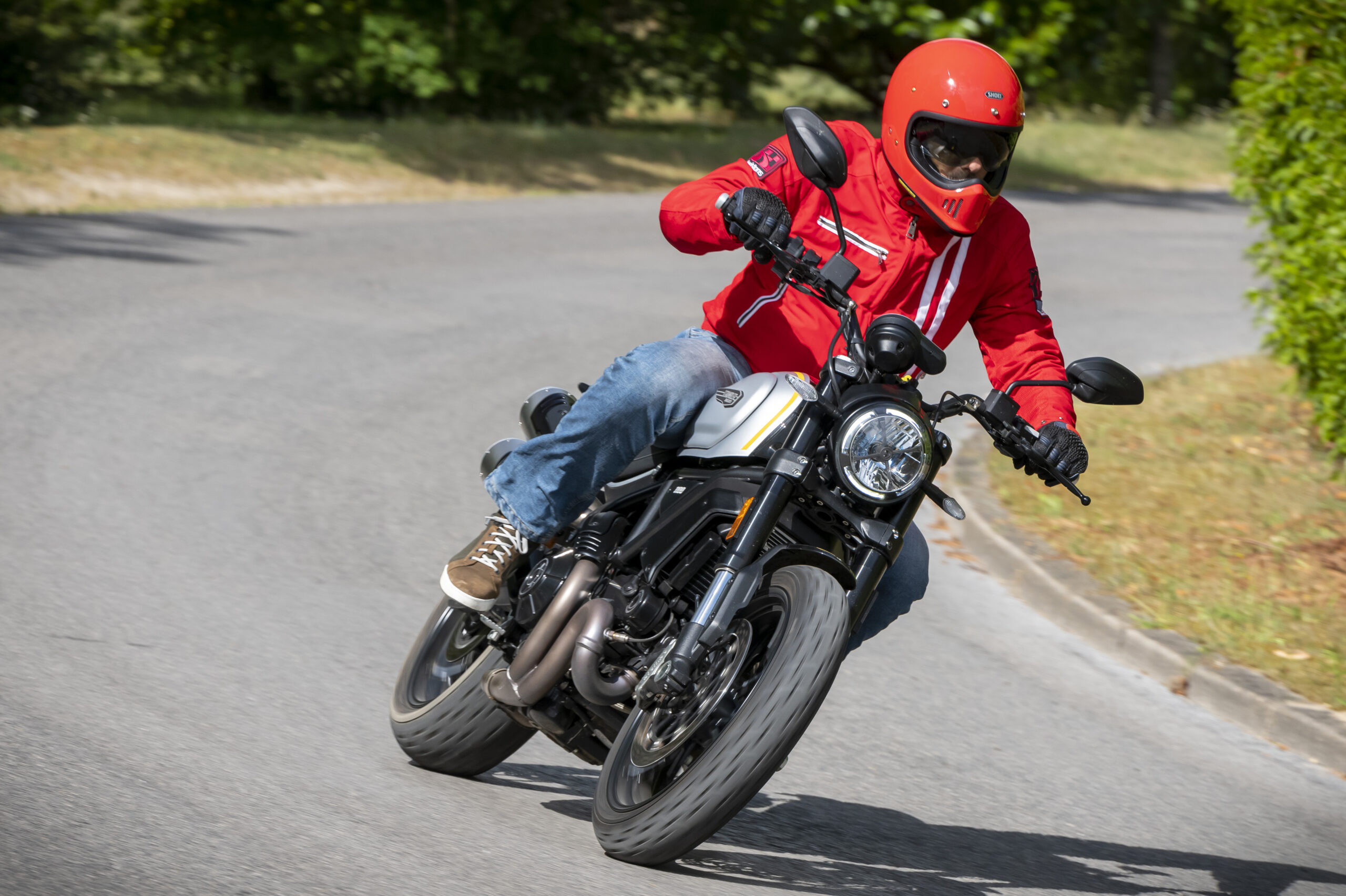
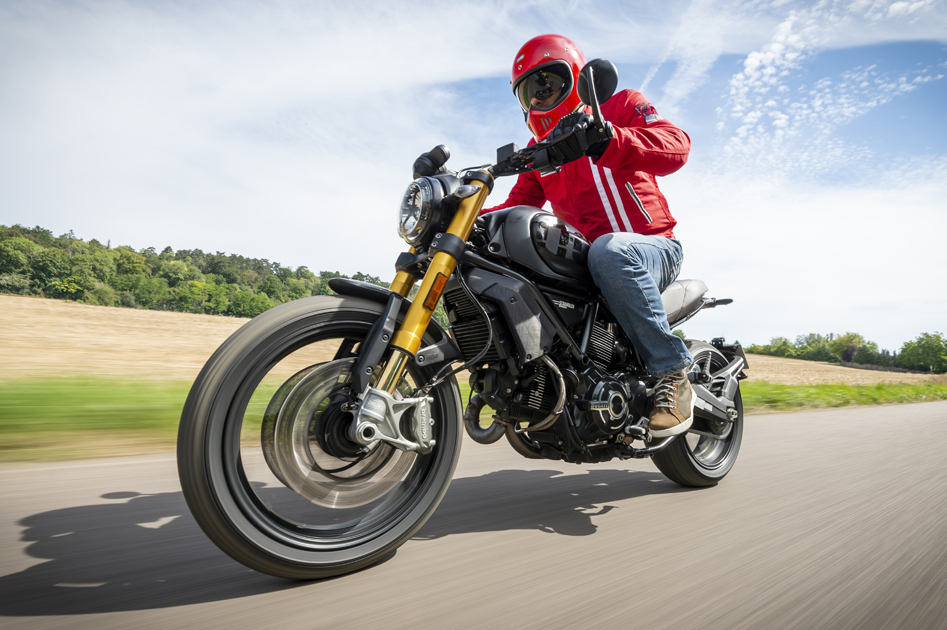
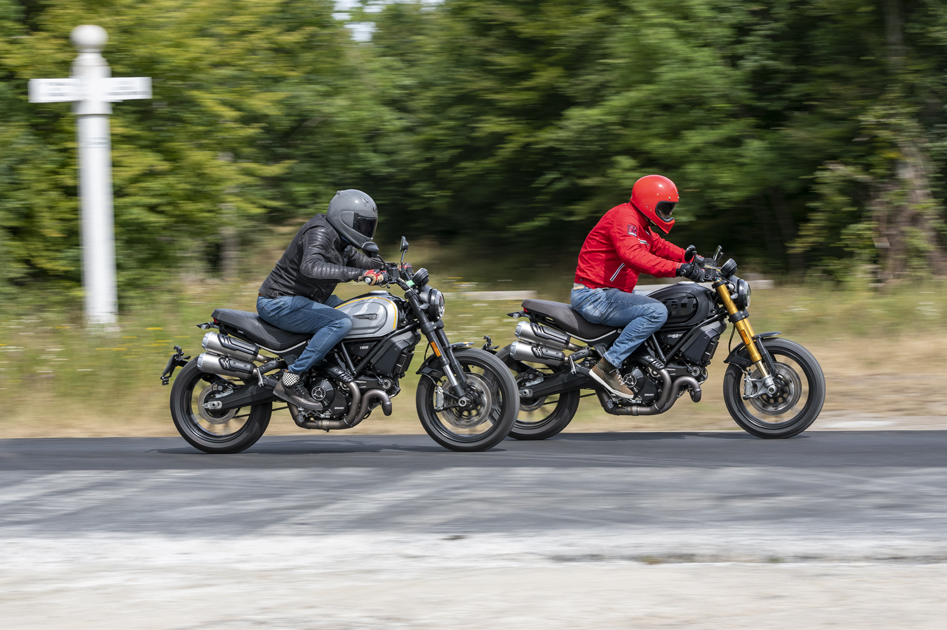
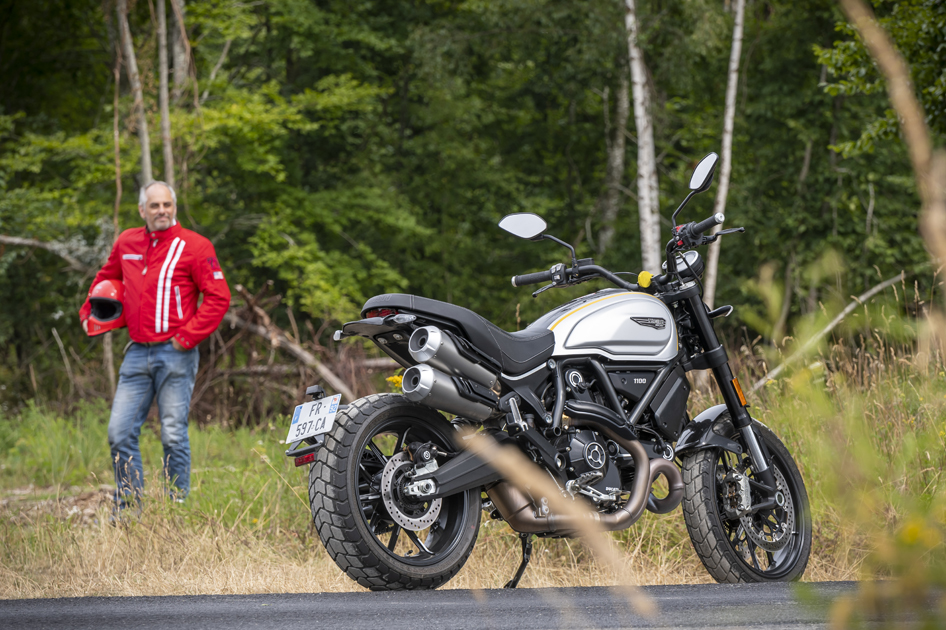
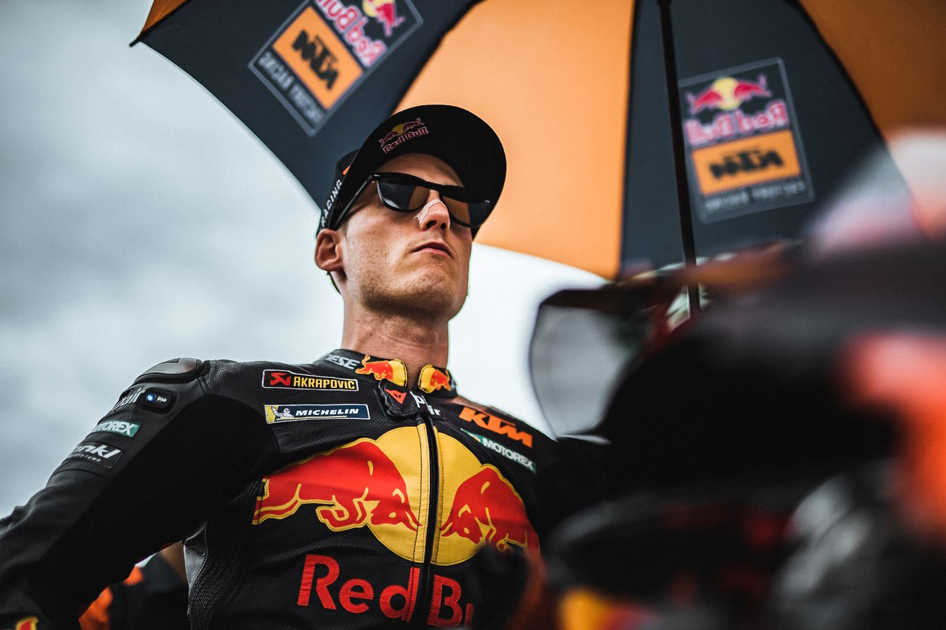
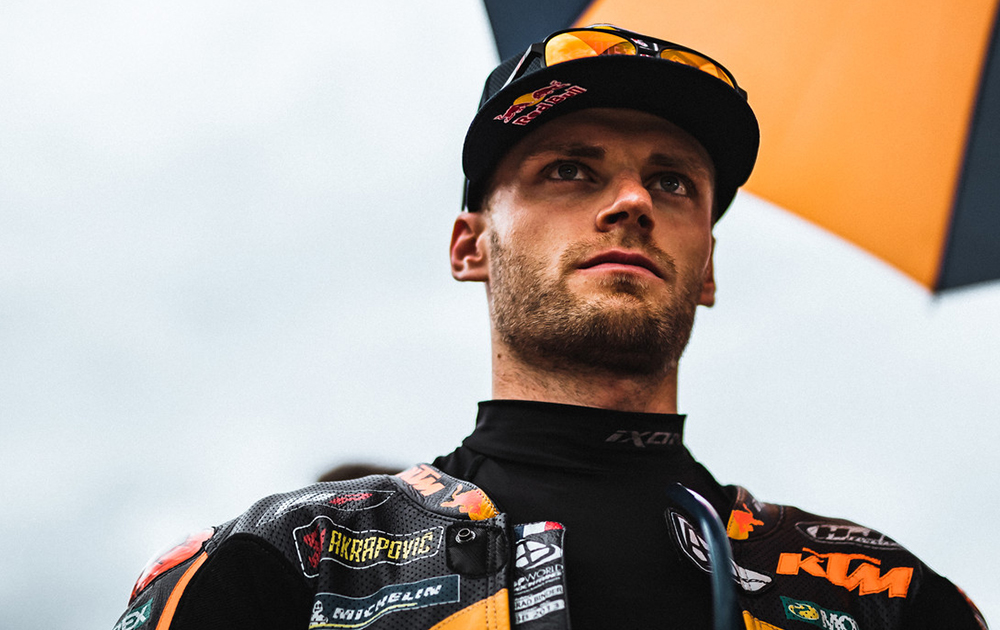
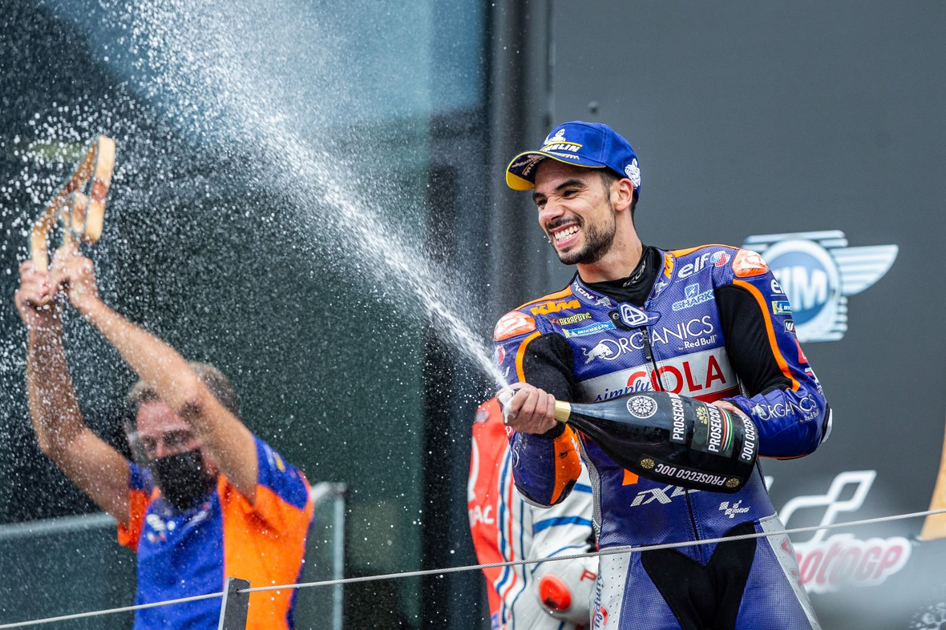
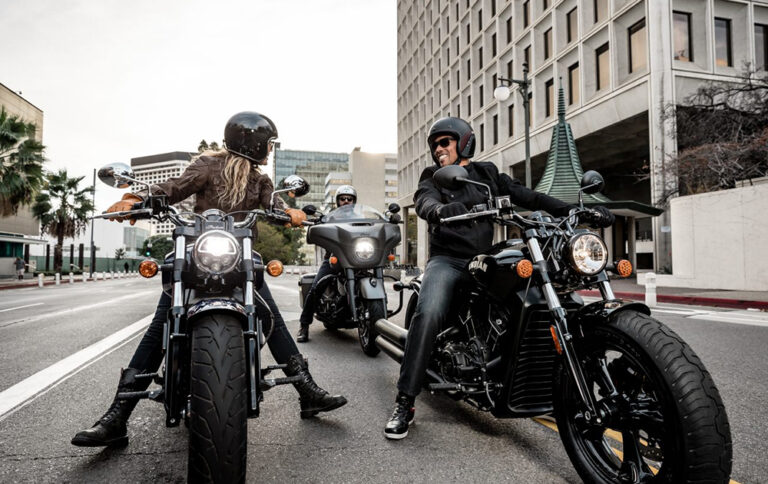
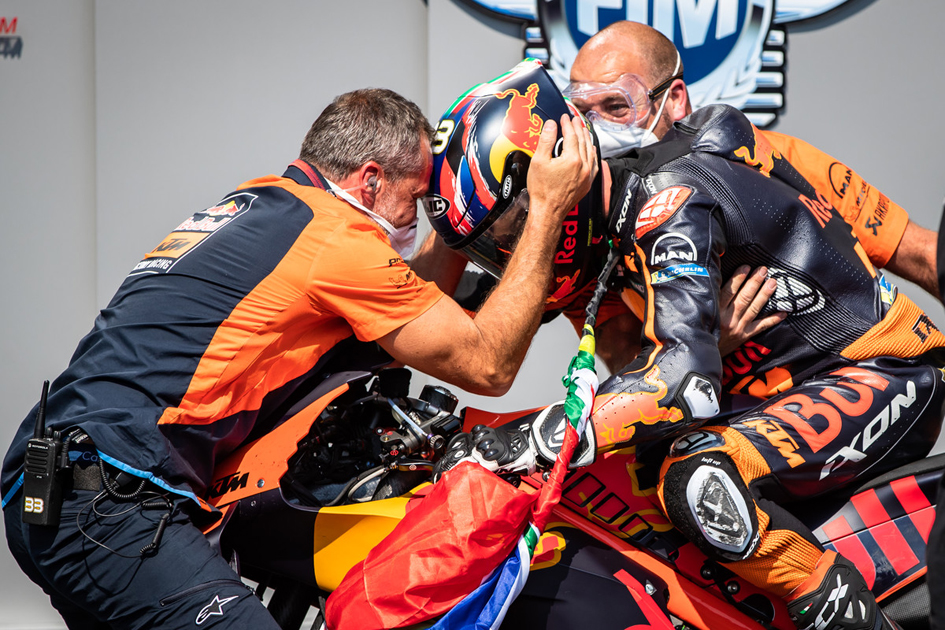
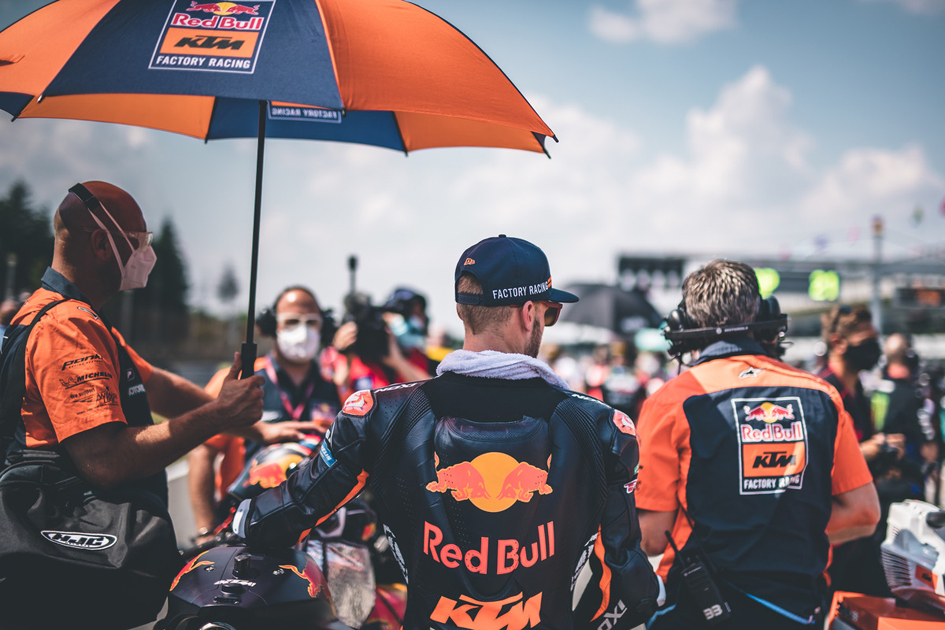
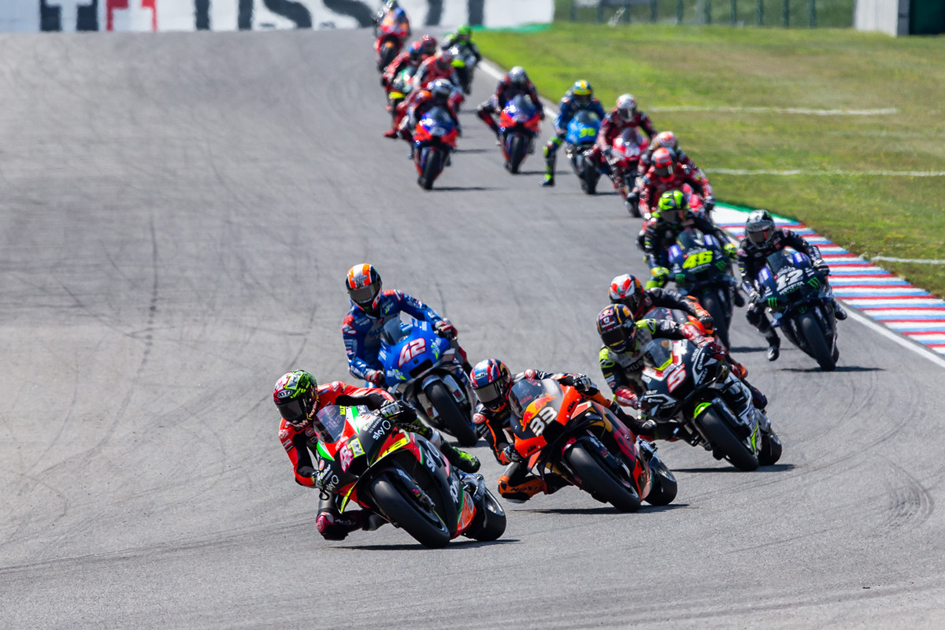
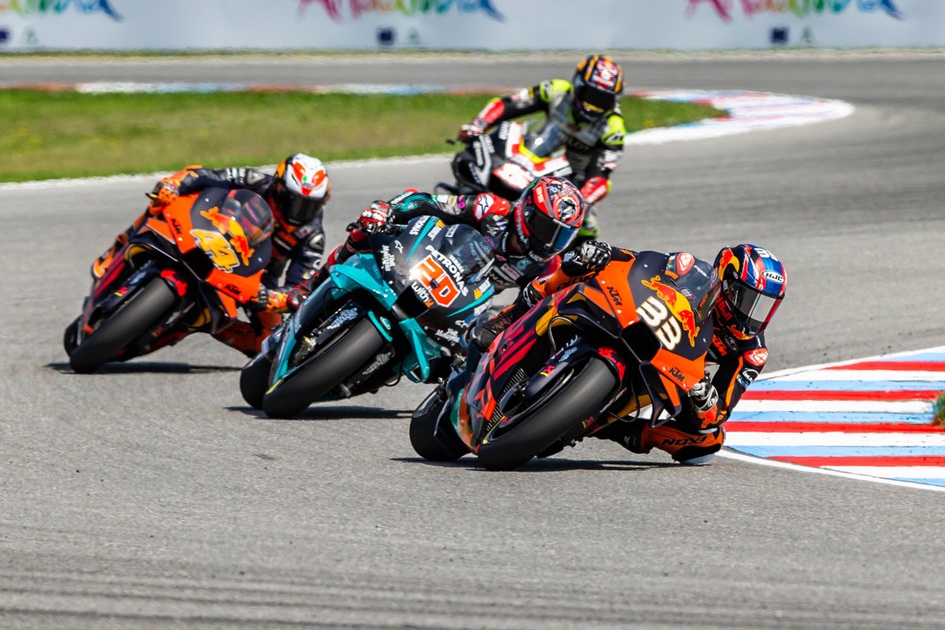
This time of year, men start growing their beards and moustaches, polishing their monocles, and in some cases, start fettling their trusty rides. Why? you may ask. ‘Cause motorcyclists are a caring band of brothers, that’s why.
Every September, worldwide, spiffily dressed men and quite a few ladies too, take to the streets to raise funds for men’s health, notably prostate cancer and mental health issues, both a scourge of our modern world.
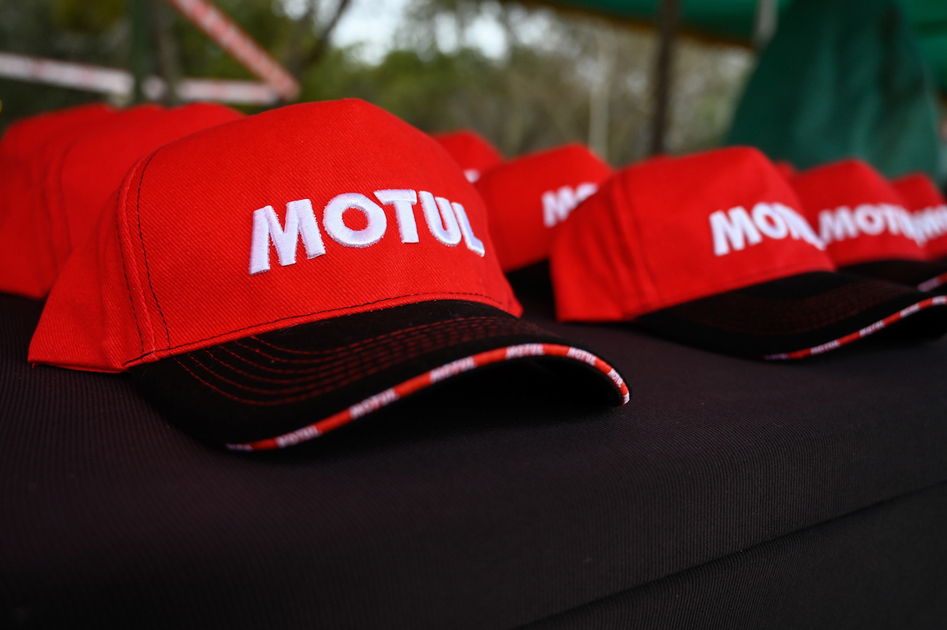
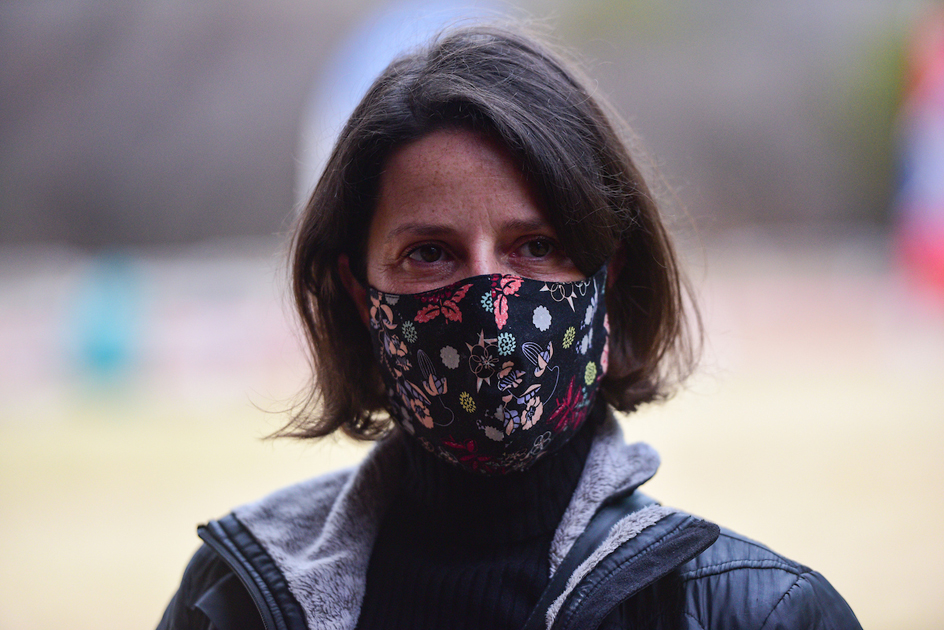
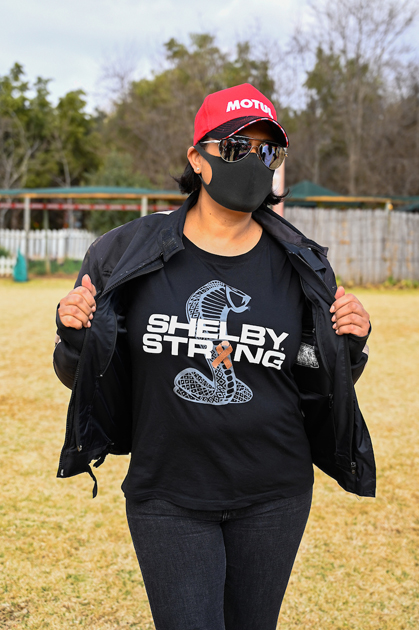
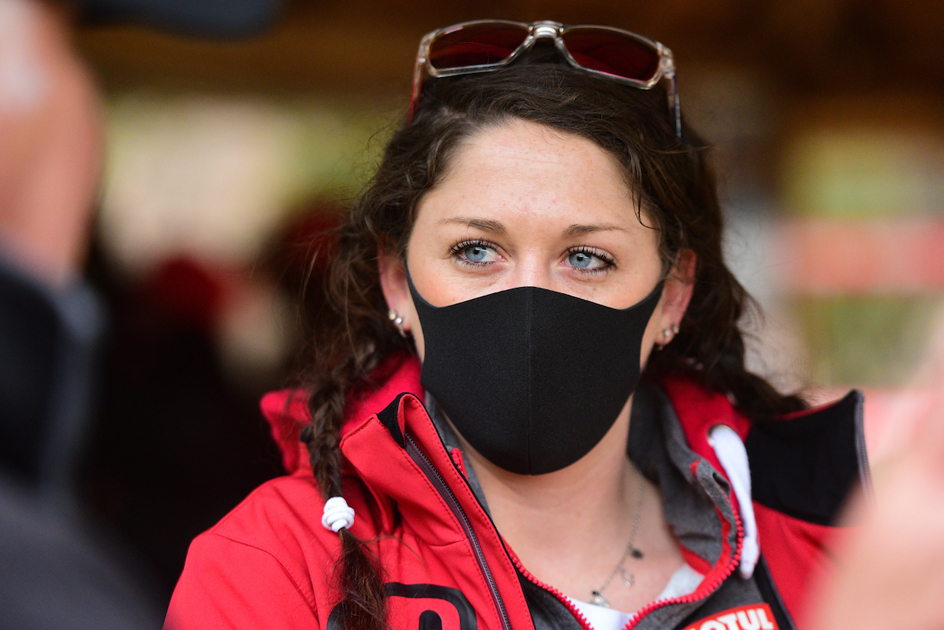
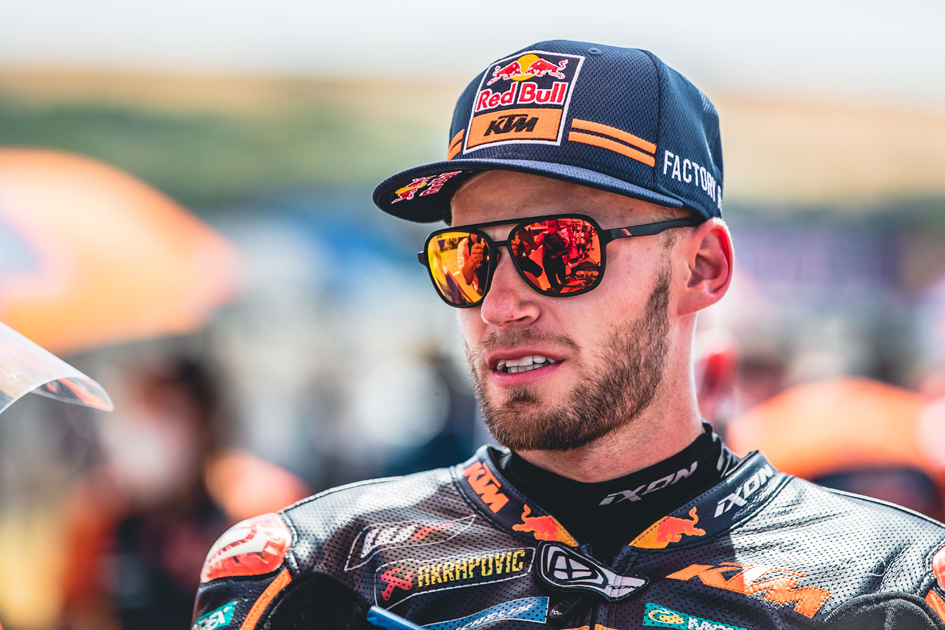
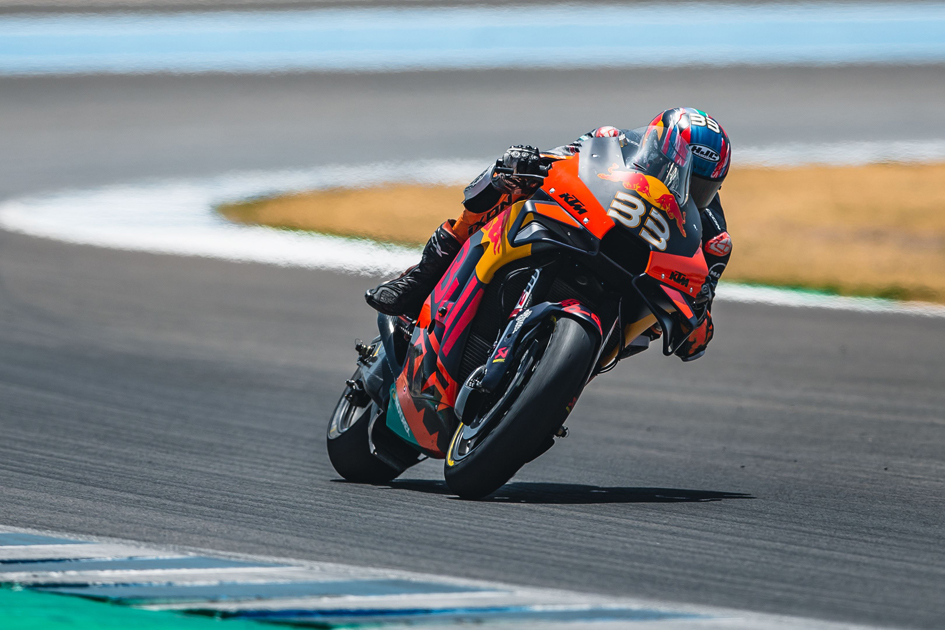
Photo credit: Bjorn Moreira / ZA Bikers
Hold on, this is no ordinary year. This will go down in the history books as the year that the world rolled over in the face of the COVID pandemic. We assumed months ago already, that like most things, the traditional ‘Distinguished Gentleman’s Ride’ would get cancelled.
So, we were hugely surprised when we got the news about their ‘Ride Solo’ concept, whereby participants would raise awareness and funds by dressing Dapper, riding solo on their classic motorcycles, capturing their moments and sharing onto social media using the following Hashtags; #dgr2020#RideSoloTogether.
Photo credit: Bjorn Moreira / ZA Bikers
The lads from Triumph SA felt that we South Africans are a sociable bunch, especially after regulations kept us ‘locked down’ for yonks. They invited Distinguished Gents and their ladies (who all joined and made donations to the Triumph SA team), to pull in for a coffee from 9:00, shoot the breeze, get a snack from a resident food truck, then at their leisure, ride out on a ‘Set Route’ back to Triumph for more camaraderie before parting ways. Kudos to the Triumph team who raised close to R10 000 on the day.
Photo credit: Bjorn Moreira / ZA Bikers
We took a cruise from Pretoria and arrived just after 9:00, by which time music was pumping and the guys and gals arrived in their droves. Top hats and tails, tweed jackets, waistcoats and suspenders, leather gaiters, and a wide variety of classic bikes were very much on display. Understandably Triumph Bonnie derivatives ruled but I saw Harleys, BMW R nineT’s, R90 S’s and a beautifully restored Sunbeam and Norton Atlas.
Photo credit: Bjorn Moreira / ZA Bikers
One of the last GT750 water-cooled Suzuki’s rode in with its characteristic two-stroke burble and a wisp of smoke emanating from its four exhausts. Owners fondly referred to them as ‘water-buffalo’s’ or ‘fridges’ back in the day when water cooling was few and far between.
Photo credit: Bjorn Moreira / ZA Bikers
Les Van Breda gave the Honda fours a torrid time on SA racetracks with his GT750 nicknamed ‘Skilpad’. A brace of Honda Dax ST ’70s was accompanied by a lady on a pristine blue NC50 Honda.
Photo credit: Bjorn Moreira / ZA Bikers
The social gathering and mass ride issues were addressed by guys coming and going as they pleased, yet there was always activity around Triumph, which was great. With the event due to end around 12:00, we took our leave after what was a really fun time.
Photo credit: Bjorn Moreira / ZA Bikers
We then headed out to Hazelwood in Pretoria, where we were surprised to see that even though the mass Jo’burg ride did not happen this year, people still rode their bikes, dressed in Dapper and continued to fight the fight.
Photo credit: Bjorn Moreira / ZA Bikers
Sunshine, friends and bikes make for good times and this was no exception. Well done to Bruce and his enthusiastic team. It was great chilling with you all.
The Cannabis Energy South African National Motocross Championship exploded back into action with a double header round 2 and 3 at Thunder Valley in Pietermaritzburg on Saturday and Sunday. It proved a thrilling weekend of spectacular, muddy racing with multiple winners and a few surprises in the open classes. There was a fair bit of domination too, across the ladies and junior motocross classes.
SA champion Maddy Malan started the weekend perfectly with a double open class Moto 1 victory for Husqvarna on Saturday. He beat Yamaha man David Goosen and Cameron Durow on a KTM in the first race. Malan then took heat 2 over Goosen and Tristan Purdon’s KTM. it was a different story on Sunday however as Goosen took his chance to do the double as Purdon and Malan shared out the lower podium steps.
Kerim Fitz-Gerald took a gate-to-flag opening Saturday MX2 moto for KTM after Yamaha challenger Slade Smith crashed in pursuit. David Goosen was second on another Yamaha from KTM man Tristan Purdon. Goosen took race 2 from Smith, Fitz-Gerald and Purdon. Slade Smith then made it three winners in three 250cc MX2 races over the double-header weekend in a Yamaha 1-2 over David Goosen and Fitz-Gerald. Goosen then went five wins up for the weekend across Moto 1 and Moto 2 when he beat Smith and Tristan Purdon’s KTM in Moto 2 race 2, too.
Over-30 rider Wyatt Avis beat over-40 men Ian Topliss and Brett Bircher in Saturday’s opening MX3 masters class race. Topliss’ Yamaha took race 2 from KTM men Avis and Bircher on a pair of KTMs. Avis took both Sunday’s races as Bircher and Topliss shared out the second places.
While there were multiple winners in the open classes, it was however a different scenario in the Ladies and schoolboy classes over the weekend. Kayla Raaff once again proved unstoppable in Ladies MX as she powered to four wins out of four races on her Kawasaki. Natasha Rugani on her KTM and Husqvarna sisters Jadene and Chayenne de Lima fought over the crumbs.
Jonathan Mlimi’ was another rider to take a clean sweep of 125cc High School wins aboard his KTM. On Saturday he beat Miguel de Waal and Mark-Anthony Filip each time in a double KTM clean sweep. And on Sunday he beat Yamaha rider Christian Celliers and de Waal’s KTM in race 1, and Dylan Lloyd-Kirk and Celliers in race 2.
Kayde van Deventer’s KTM took the opening 85cc Pro Mini heat from Bryce Petersen on a Yamaha and Lucas Venter’s Husqvarna. Petersen then beat du Plooy and Venter in race 2. Nobody could stop Petersen on Sunday however, as he powered to the double. He beat Venter and Seth Young’s KTM in the first race and Wian du Plooy on a Husqvarna and Venter in the second moto.
Husqvarna kid Liam Botha was unbeaten in the 85 Junior races. Ryan Adler on another Husqvarna and Yamaha lad Tyler Petersen swapped out the seconds and thirds on Saturday. Botha continued his winning form with two more Sunday wins over Petersen, while Ryan Adler and Timo Maximo Toepfler on a KTM shared the thirds.
Neil van der Vyver dominated the 65cc class for Husqvarna. Jordan van Wyk on another Husqvarna and KTM kid Trey Cox shared out the seconds and thirds in pursuit on Saturday. On Sunday, van der Vyver beat KTM pair Cox and Blade Tilley in moto 1, before Jordan van Wyk bounced back to second over Cox in the final moto.
And last but not least in the baby 50s. Trenton Kretzman won both Saturday races on a Husqvarna. Brody Bircher and Evan Frost shared out the seconds and thirds on their KTMs. Kretzman took Sunday’s first race from Bircher and Frost. Frost then took the final from Kretzman and Bircher.
The 2020 SA Motocross championship will wrap up with another double-header in Bloemfontein over the weekend of 24 and 25 October. The South African National Motocross Championship is proudly presented and sanctioned by Motorsport South Africa in partnership with Cannabis Energy, TRP Distributors, Prepsol, Bridgestone, Thor, Gaerne, FMF, Pro Taper, 100%, Fly Racing, Ogio, Racestar Graffix and the Sunoco Race Shop.
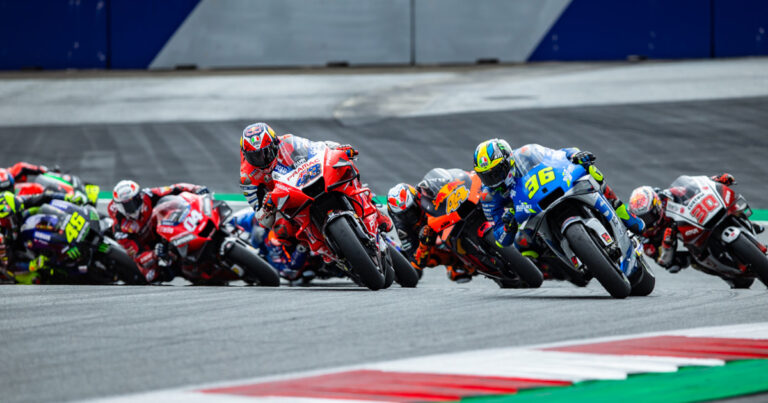
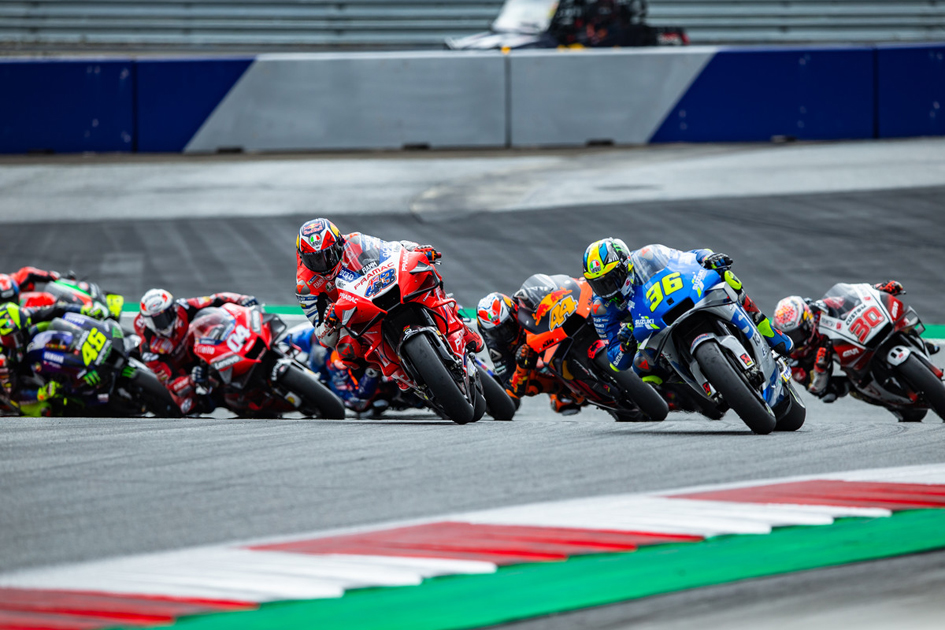
Just four points separated the top four riders heading into Barcelona, for round nine of the MotoGP World Championship. With the Championship so tight and with four possible title chasers in the mix, there’s been much to think about.
Would the Championship standing change again? Would Quartararo, Viñales, and Mir take advantage of Dovizioso’s 17th place starting position? Or could Dovi pull something out of the hat? Either way, the Catalan GP promised to be another phenomenal race.
Image source: www.Motogp.com
Saturday’s qualifying was blue indeed, but not in the order many would have predicted. Franco Morbidelli claimed his first MotoGP pole position with a blitzing 1:38.798, Fabio Quartararo (2nd) lost out to his teammate by two tenths and Valentino Rossi (3rd) celebrated his 2021 contract deal with his first front row since the 2019 British GP.
Image source: www.Motogp.com
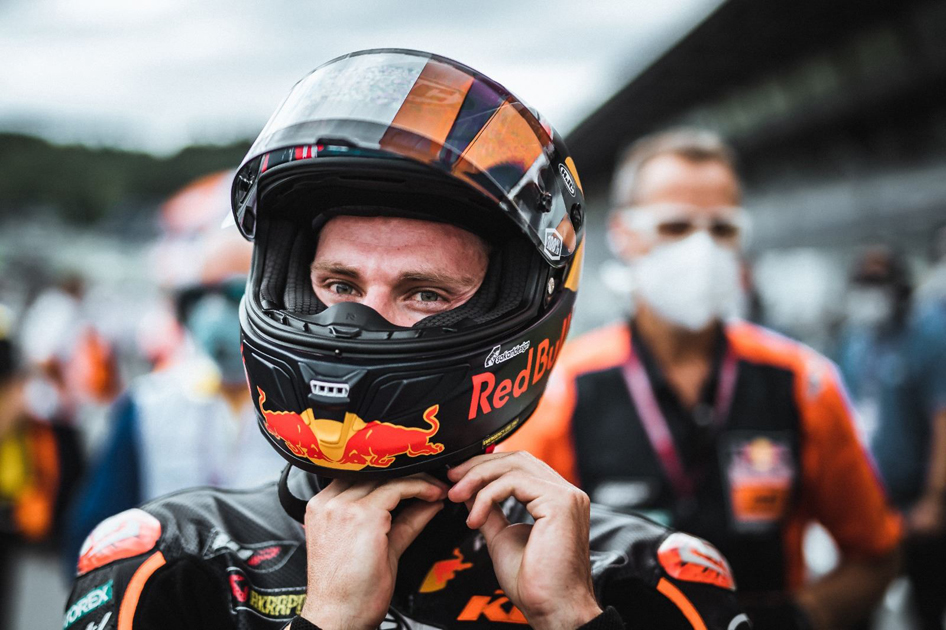
Brad Binder had a tough qualifying, struggling to find front end grip in the cooler conditions, but managed to get a fourth row start in 10th. Pol Espargaro placed his RC16 in 7th position on the starting grid, but felt so-so about his performance because of similar front-end grip problems.
Image source: www.Motogp.com
The coolest conditions yet for 2020 graced Catalunya on Sunday, making the slick asphalt a complicated challenge. Teams and riders had to make speedy judgements on tyres in order to find rubber that would last the full race distance, but also offer performance in the opening stages of the Grand Prix.
Franco Morbidelli had a great launch with Jack Miller sliding into second from fourth, and Valentino Rossi and Quartararo falling back. Turn two took a turn for the worst, as Zarco grabbed too much front brake trying to dodge Danilo Petrucci, tucked the front and took Dovi out of the race—and out of the Championship lead.
Image source: www.Motogp.com
Back at the front, it was a Yamaha one-two-three with Morbidelli in the lead, Rossi overtaking Miller for second, and Quartararo sliding his way into 3rd after Miller ran wide. There was more blue behind the Yamahas, as Miller tried to hold off Joan Mir and Alex Rins for fourth. Maverick Viñales got an awful start, and was running a low pace down in 15th.
Image source: www.Motogp.com
After sneaking past Rossi, Quartararo was hunting down teammate and race leader Morbidelli, with Rossi waiting in the wings; Miller too. Then, at the beginning of lap nine, Quartararo snatched the baton from Morbidelli to lead into turn one, and slowly started to sign out. Meanwhile, Miller was just 0.7 seconds off the podium, with Mir 1.2 seconds behind Miller.
Image source: www.Motogp.com
With a few laps to go, the riders were starting to get into tyre degradation territory. Pol Espargaro crashed at turn one with just 12 laps to go, then Morbidelli was nearly down a lap later, allowing Rossi through into second. Lap 16 saw more drama unfold at turn two as the Doctor slid out of contention while tipping into the left-hander. Then, a few laps later, turn two collected its last victim: Miguel Oliveira.
Image source: www.Motogp.com
Quartararo was leading the charge with a 2.5 second gap to Morbidelli and the Suzuki man, Mir, in third. On the second last lap, Mir took Morbidelli and left him with a hungry Rins. Mir was immediately off into the distance, and Rins was then up the inside at turn 10 to demote the pole-sitter to 4th.
Image source: www.Motogp.com
Last lap! Quartararo’s lead was starting to shrink (down to 1.8 seconds), Mir was flying and Rins had broken away from Morbidelli, followed by Miller, Francesco Bagnaia, and Takaaki Nakagami. Halfway around the last lap, Mir was now just 1.4 seconds behind, but it was too late for him. With another lap and the number 36 may have bagged the win, but Quartararo turned the final corner to win for the first time since Jerez. Mir brought home second and Rins finished off the podium in third, claiming his first podium of 2020.
Image source: www.Motogp.com
Brad Binder fought the mid-pack all race long, and eventually crossed the line in 11th after experiencing a lack of rear grip in the closing laps.
Image source: www.Motogp.com
His brother, Darryn, fared much better on the day, taking first place in the Moto3 race. (Can you imagine two Binders on the MotoGP grid a few years from now?)
Image source: www.Motogp.com
El Diablo returned to his winning ways at the perfect time to silence critics and, more importantly, is now leading the championship again. Mir rode a great race and has proven himself once again by bagging his third consecutive podium. The Spaniard climbs to second overall in the title race, sitting just eight points behind Quartararo heading to Le Mans.
Image source: www.Motogp.com
Fabio Quartararo: “This is the best moment that I have had in a long time! We have had some tough times since Jerez, so this actually feels better than those wins. I was not expecting to be so fast in the opening laps, but those two guys [Joan Mir and Alex Rins] were so fast at the end of the race. We need to look at why we are struggling at the end of the race. We know that our bike is better in qualifying, so we need to balance this a bit better, but at the end of the day the race result is the most important thing and we won. It feels so good though to be back on the top step of the podium. I am also so happy that I am able to race at my home GP next, because there are not many races in this season. My thanks to the team because this victory is well deserved.”
Image source: www.Motogp.com
Joan Mir: “It was quite a tough race, especially starting from the third row. It means you have to push in the early laps and it can be a bit risky. I tried to avoid any trouble and keep my head down whilst also over-taking some riders. When I was behind Miller I knew I needed to stick with him and be ready to take advantage. I got close to the victory today, maybe with a couple more laps it could have been possible, but Fabio was managing everything really well and he did a great race. It’s so nice for Suzuki to have two riders on the podium after a long time and I’m really pleased with today’s work!”
Image source: www.Motogp.com
Alex Rins: “I’ve been struggling a lot in the last weeks, and to take a podium here today at my home race feels fantastic. Since my shoulder injury in Jerez things haven’t been easy, and I have found it hard to be physically strong enough to compete at the very front. But I’ve worked hard off the bike and the team have worked super hard and have supported me a lot, so I want to thank them. I also want to thank the fans for their support and for standing by me in this tricky season. I’m so happy.”
Image source: www.Motogp.com
Brad Binder: “Today was a bit different to what I had in mind. Coming into the race my pace seemed really good and I had a good feeling with the bike. In the race it just didn’t quite go to plan. I tried my best at the start but when we hit lap sixteen things became a bit more difficult with the rear tire. It was tough, for sure. Not a great result in the end but we’ll learn from this and use it for the future. We’ll stay focused, look ahead to the next race and try to make things right there.”
Image source: www.Motogp.com
GRAN PREMI MONSTER ENERGY DE CATALUNYA – Race Classification:
1. F. QUARTARARO – Petronas Yamaha SRT – 40:33.176
2. J. MIR – Team SUZUKI ECSTAR – +00.928
3. A. RINS – Team SUZUKI ECSTAR – +01.898
4. F. MORBIDELLI – Petronas Yamaha SRT – +02.846
5. J. MILLER – Pramac Racing – +03.391
6. F. BAGNAIA – Pramac Racing – +03.518
7. T. NAKAGAMI – LCR Honda IDEMITSU – +03.671
8. D. PETRUCCI – Ducati Team – +06.117
9. M. VIÑALES – Monster Energy Yamaha MotoGP – +13.607
10. C. CRUTCHLOW – LCR Honda CASTROL – +14.483 11. B. BINDER – Red Bull KTM Factory Racing – +14.927
MotoGP World Standing 2020 after the Catalan GP:
1. Fabio QUARTARARO – Yamaha FRA 108
2. Joan MIR – Suzuki SPA 100
3. Maverick – VIÑALES Yamaha SPA 90
4. Andrea DOVIZIOSO – Ducati ITA 84
5. Franco MORBIDELLI – Yamaha ITA 77
6. Jack MILLER Ducati – AUS 75
7. Takaaki NAKAGAMI – Honda JPN 72
8. Alex RINS – Suzuki SPA 60
9. Miguel OLIVEIRA – KTM POR 59 10. Brad BINDER – KTM RSA 58
South African motorcycling has suffered the exact same pandemic-related setbacks, calendar reshuffles and crammed race schedules that the international racing scene has. But racing is finally underway—albeit under weird circumstances and with empty stadiums.
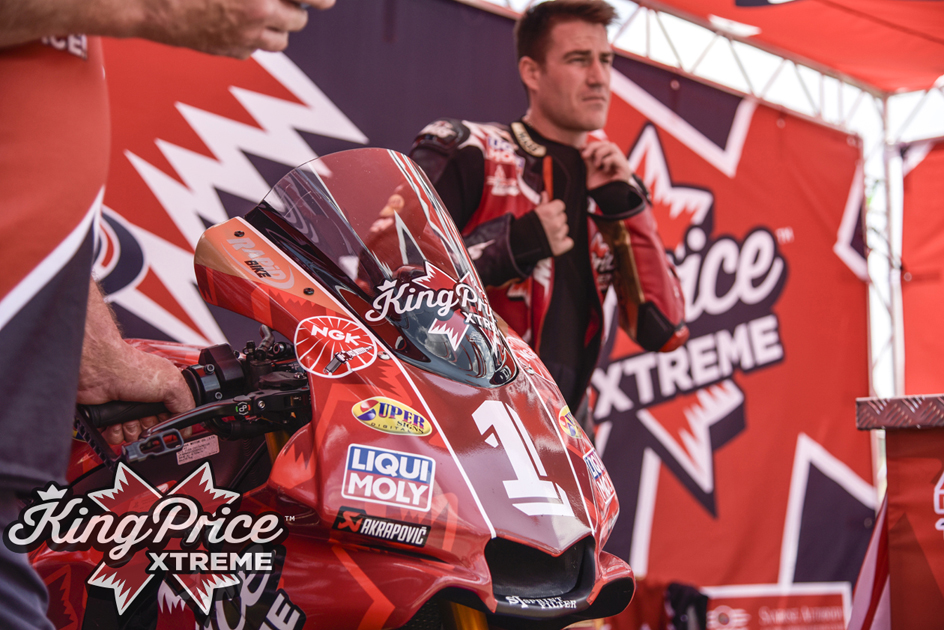
That means that our friends in the King Price Xtreme superbike race team have finally returned to the track. They’re heading to Red Star Raceway this weekend, with three rounds of what should have been a much longer season already done and dusted.
We last spoke to the team four months ago, deep in the midst of level who-even-remembers of lockdown. Now that racing is underway, we hopped on a video call to catch up with team boss, defending SA Superbike champion and current points leader, Clint Seller, and team racers Dino Iozzo and Sfiso Themba. We spoke about the pressure of campaigning for a title with a shorter calendar, Dino’s early season injury, and how Sfiso’s adjusted to his new team’s dynamic.
Photo credit: King Price Xtreme
ZA Bikers: Clint, how do you feel heading into round four, with empty grandstands?
Clint Seller: Excited! But unfortunately with no crowd again, it does bring the challenges for us as a team to provide our sponsors (like King Price, Liqui Moly, and Dragon Energy), that use the racing platform to entertain their customers, a chance to showcase their brands. So we’ve missed that, and from my side, I quite enjoy interacting with people. It lets me talk about the sport that I love, so that provides a bit of extra motivation on the day. But we try to do the best we can—we try do live Facebook feeds and things like that from the team.
Photo credit: King Price Xtreme
As the visor goes down, I must be honest, whether the crowd’s there or not, the focus is 100 % on winning. That’s my job and my position in the team, so it’s really an absolute must for me to cross the line first.
What’s it like adapting to the mindset of racing a shorter season?
CS: That is something I’ve never ever dealt with before. I always structure a championship over a whole race season, so I know that once or twice, it’s motorbike racing, you fall down. Whereas obviously with this condensed season, that actually puts on me (and I’m sure the other riders too) under quite a lot of pressure not to make a mistake.
I had a crash in the first round of the season, in the first heat actually, two laps in, and got a zero points result on that one. Another one with this short year is going to be really difficult to come back from. So there’s that aspect. During the race, you’re thinking about that… where you’ve never thought about that before.
How about racing multiple rounds at the same track?
CS: I’ve got to be honest, Zwartkops on a superbike is not my favourite track. On a 600 it was always an incredible experience, because you get to let the bike get looser, and with less horsepower, it’s a bit more fun. So that was a weird thing. Because the first race of the year was going to be Zwartkops, and then we weren’t going back there for some time. In my head I was like “man, just get this round out the way.”
Photo credit: King Price Xtreme
It was my wife who actually said: “you know, Clint, you’ve gotta get over it!” And it’s weird, I’ve now won four races there, and I don’t think I’ve ever won four races at that track in five or six years! But I’m kinda glad to be going somewhere else, so that we can also show our mettle elsewhere.
You mentioned the lack of exposure for sponsors without spectators at the races. As team leader, have you felt secure in the sponsors you have this year?
CS: Absolutely! When we first heard the president’s announcement, I was very fortunate with the sponsors we have. I was able to pick up the phone to all of our sponsors and say: “OK guys, we understand where we are, can we count on your backing? Can we count that you guys are with us when we’re back up and going?”
All of us could see that it was going to be a tough time for businesses, and racing motorcycles takes the backing of sponsors. I was quite fortunate that every single one of my sponsors put up their hand and said “Clint, we’re there with you. We are going racing and we’re looking forward to you guys getting back on track.”
That was very comforting, and very comforting for the other two riders in the team I think—that when MSA and the government said the doors are open for racing and motorsport, we were going to be on track. That was very reassuring for me, as an athlete, because it’s really hard to maintain that motivation when you’re sitting at home and thinking to yourself “well why should I climb onto the stationary trainer today?” Because, let’s be honest, it’s not a whole bunch of fun sitting there for an hour and a half, sweating in your garage.
So I was able to keep a bit of the motivation. I was able to try and maintain the fitness from my side, and able to have positive conversations with both Dino and Sfiso. I think Sfiso even lost a few kilos during lockdown… I can’t say I did the same.
Dino, how was your season opener at Zwartkops?
Dino Iozzo: I don’t mind Zwartkops. As Clint was saying the 600 makes much less power than the 1000’s, so Zwartkops is a lot easier than I would think on a 1000, and definitely a lot more fun that way. But unfortunately, we went there just before the race to practice and I actually came short, and ended up breaking my collarbone.
Photo credit: King Price Xtreme
But you’re back in action now, right? Looking forward to Red Star?
DI: I’m already back in action, I’ve already been riding for just over six weeks, and the collarbone is feeling good.
I enjoy Red Star, I would say that Red Star is probably my home track, that’s where I’ve done the most laps. So I’m always confident for a round at Red Star.
Sfiso, how’s your season start been?
Sfiso Themba: First of all, it’s been a great journey joining the team. I’ve never ridden for a team before, so they did a great job helping me get ready for the season. I was looking forward to it until COVID happened, so that sort of took away so much planning and racing and all of that. But at least the team has always been supportive, to make sure we are ready and mentally prepared, and always assisting me with the bike.
Photo credit: Bjorn Moreira / ZA Bikers
I’ve learnt so much, even if it was off track, about the bike, how it responds, and the technical setup of it, than before I joined the team. So now we’ve put ourselves at the races to see what we can do on track.
How do you maintain that team dynamic without any proper interaction?
ST: A lot of calls, a lot of Whatsapp messages, a lot of videos, a lot of encouragement. I’m always bugging Clinton, saying “I’m thinking this, I’m feeling like this, what will we do here, what will we do there?” I must say, he’s been really really forward in helping me and giving me all the information.
And these are the fast guys, so there’s also a bit of pressure to make sure I deliver. And that also gives me a little bit of a breather to reassess, and set targets that I can achieve and reach, and pace myself for the racing. But ja—we’re almost five months off not being racing, so the focus has been to make sure we train, keep fit, keep healthy and just study what we need to do, to make sure the bike is more effective.
How important is social media during this time, for supporters?
ST: We just keep on reminding them we’re still racing, we think about them and we hope to see them soon, when the COVID restrictions are more friendly for spectators. It’s still a shame now, that they still can’t make it to the track. Everyone has been calling and asking that I must let them know when we’re racing, because they want to come through. I’m looking forward to when we have a full grandstand of supporters for King Price.
Photo credit: King Price Xtreme
Do you guys think Brad Binder’s standout rookie season in MotoGP has generated more interest in racing, on home soil?
DI: I’ll definitely say ‘yes’ on that one. Brad is a huge influence on all our riders, because obviously, that’s what our goal is as well. We all want to try to reach the top step in our category, so seeing someone reach it from our home country definitely gives us more hope, and gives us more courage to go out there and try to work harder. It’s awesome to watch him as well, it’s awesome to support a fellow South African, who we all love.
Photo credit: King Price Xtreme
ST: What he’s doing is phenomenal, and you can see the influence locally. Now, people are more keen on racing—they see it and now they want to come to the track. So I’m very positive that after the COVID, we’re going to see a very good turnout, because the interest is getting better and better with our local hero representing us.
CS: I have a normal job as well, and I’ve had customers where I’ve known them for ten years, and this year is the first time where they’ve had conversations with me about MotoGP. I don’t think they have ever watched motorcycle racing in their life, and all of a sudden they saying to me “hey Clint, when is your race? And how can we get involved in your team?”
Guys are out there buying Brad Binder shirts and hats, and they’ve never watched a motorcycle race before. Now they watch it, and they’re busy messaging me and phoning me during the race, and I’m putting it down like, “hey guys, leave me alone,” because I’m excited, I’m watching!
Photo credit: King Price Xtreme
All of a sudden I’ve got people phoning me a week before the race, saying “Clint, are people allowed in? How can we get to the race?” I’ve had a customer of mine who literally said he’s going to take his gazebo, park it next to the highway at Red Star, and watch the racing. That’s wild, that wouldn’t have happened two years ago. That’s a direct result of Brad doing what he’s doing.
And then I think guys also realise how unbelievably special it is to be in the league of those riders. I was blown away. To me, if Brad had had one or two top fives in the year, I would have said “what an unbelievable rookie season.” But he’s finished first. It’s incredible, it gives me goosebumps to talk about it now. It’s an unbelievable achievement, and I think he’s doing incredible things for motorsport, not just motorcycle racing, but motorsport, in South Africa.
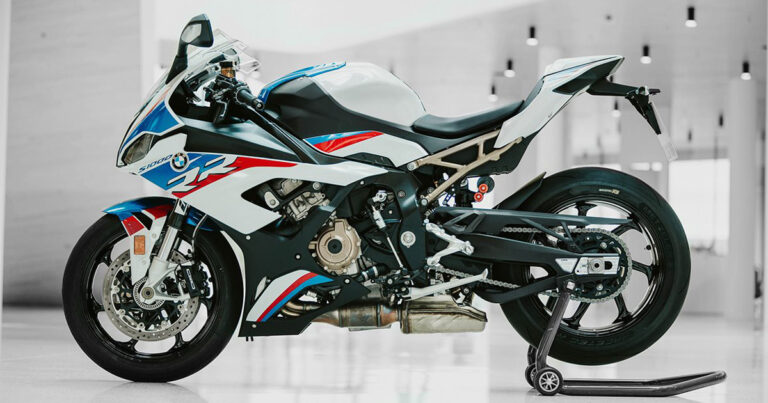
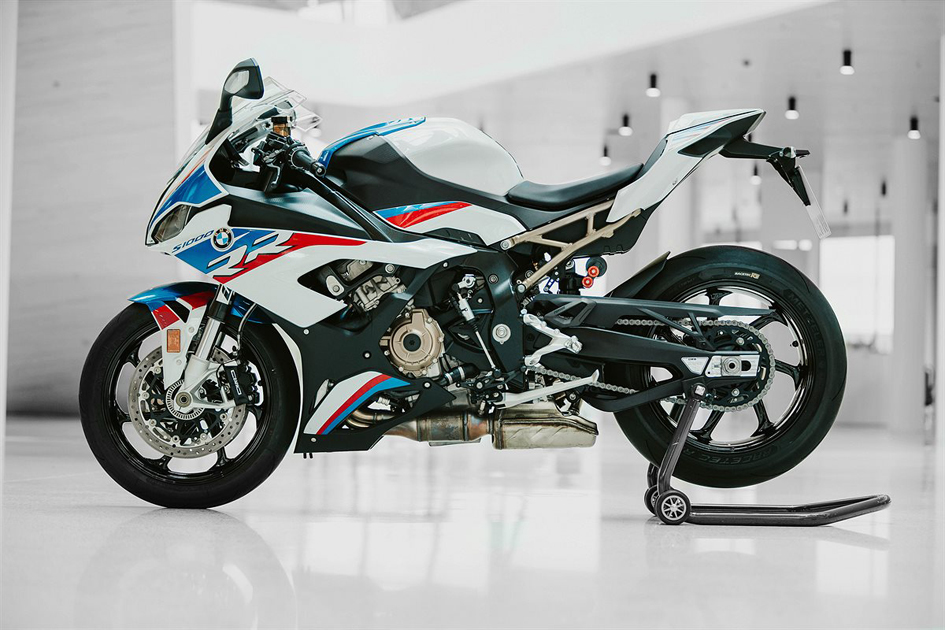
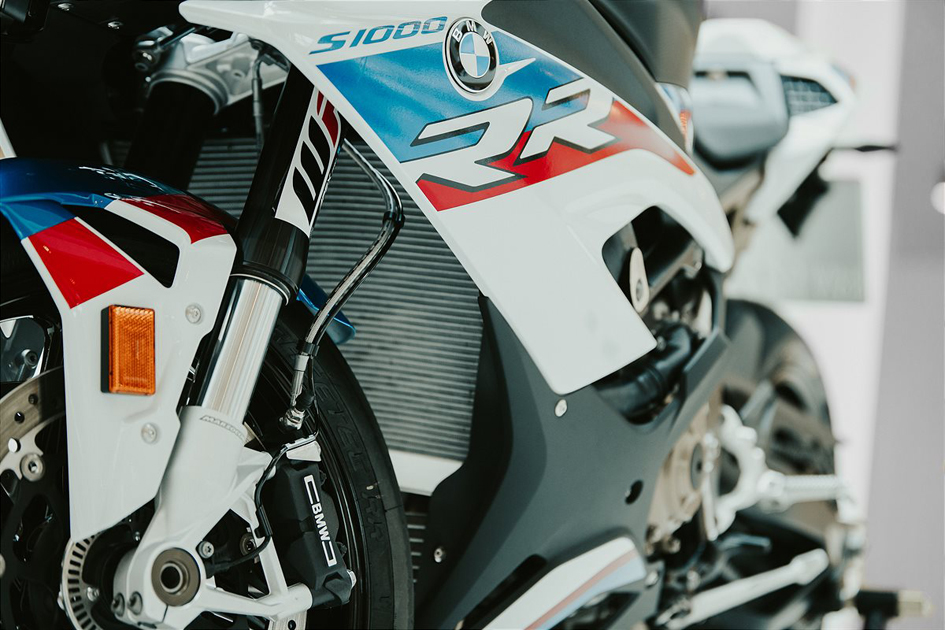
Just when you thought the S 1000 RR couldn’t get any better, BMW reveals their latest incarnation: the M 1000 RR. Although still based on the S 1000 RR superbike, the 2021 M 1000 RR brings true ‘M’ racing heritage to the BMW motorcycle line-up. No longer just an add-on package for the S 1000 RR, the M RR is now its very own model.
Photo credit: BMW Motorrad
BMW’s M series stretches back to 1972, with the BMW M1 being the first-ever car to carry the designation. 48 years down the line, and countless race victories in nearly every racing series out there, the letter M on a BMW is well respected. From the race track to the road, BMW’s M division is pitched at customers looking for performance and exclusiveness. And boy, the M RR is just that.
Photo credit: BMW Motorrad
More power, more torque, less weight, more powerful brakes, a lot of carbon things and (how can you miss it)… winglets. Just like its four-wheeled cousins, the M RR brings race-inspired technological design, electronics, and loud M Sport livery to the everyday user. And with the M RR being a homologation special, the likes of Tom Sykes and Eugene Laverty can also benefit from BMW’s new upgraded superbike.
Photo credit: BMW Motorrad
The heart of the BMW M RR is the very familiar ShiftCam-equipped, inline-four-cylinder found in the S 1000 RR, which has been totally re-engineered towards the more race-focused side of the spectrum. With 209 hp (157 kW) @ 14,500 rpm, 113 Nm @ 11,000 rpm, and a 500 rpm increase on top end, there is certainly no lack of go. Essentially this means the M RR will spin up quicker than the S 1000 RR and have a higher top-end run—but keep its manners on the street, since most of the forwardness happens from 6,000 rpm and up.
Photo credit: BMW Motorrad
This has all been made possible by a massive list of re-engineered engine internals, including two-ring forged pistons from Mahle, adapted combustion chambers, a compression increase to 13.5, and longer and lighter Pankl connecting rods. There’s also slimmer and lighter rocker arms, machined intake ports and a lightweight titanium exhaust.
Photo credit: BMW Motorrad
You’ll find the same S 1000 RR TFT display on the M RR, but when the ignition is turned on, an evocative M start animation appears. The menu, rider modes, and other electronics are set up similarly on the dash, with some mapping differences according to the M RR’s new upgraded hardware and chassis geometry. You can also unlock the M GPS lap trigger and M GPS data logger as optional extras.
Photo credit: BMW Motorrad
Before we go on, I just want to say that the M RR is not an HP4. It’s still a road bike with creature comforts like cruise control, heated grips, a passenger seat (as part of the ‘passenger pack’ option), and a USB charge port. In my honest opinion, the M 1000 RR is the love child of the S 1000 RR and the HP4 Race. And I kind of like BMW’s idea of making this model available.
Photo credit: BMW Motorrad
BMW believe they can do it better, so they have—by taking their World Superbike Championship-derived brake calipers, and mounting them onto this next-level superbike. The blue anodised M calipers (essentially re-branded Nissin units) are designed to provide maximum fading stability and control. With stronger stoppers and carbon wheels, the new M RR has some seriously high-tech components for maximum performance on the race track and road.
Photo credit: BMW Motorrad
Like the engine, the M RR’s chassis geometry has been modified, with the race track being its primary focus. It has optimised upside-down forks as well as a revised central spring strut with a blue spring and ‘Full Floater Pro’ kinematics. If chasing lap times is your thing, then you’ll have peace of mind knowing that BMW have paid close attention to drivability, braking, anti-squat, and the rider’s connection to the motorcycle.
Photo credit: BMW Motorrad
BMW have finally cracked open a cold can of Red Bull and joined the mile-high club. Countless hours of track and wind tunnel testing have been done to produce the aggressive-looking and functional carbon M winglets. But what do they actually do?
Photo credit: BMW Motorrad
For starters, they allow more driving power to convert into acceleration. More downforce equals less traction control, which allows you access to more horsepower, sooner. The downforce from the M winglets allows you to brake later and carry more corner speed through, and out of, the corner. Face it, winglets are functional… whether you like it or not.
Photo credit: BMW Motorrad
BMW offers an M Competition package for those looking for a little extra bling. It includes the M Milled Parts package and the M Carbon package, along with a lighter swingarm, maintenance-free and DLC-coated M Endurance chain, and the Passenger Package.
Photo credit: BMW Motorrad
Available in South Africa from the first quarter of 2021, BMW’s M 1000 RR is the perfect bike for those who are looking for a shot of performance in their daily lives—or for the petrol-head who wants a piece of M memorabilia parked in their collection.
As riders returned to the National Enduro Championship under Covid-19 regulations, this weekend Pepson Plastics Husqvarna Racing completely stole the show. Both Brett Swanepoel and Matthew Green stormed to victory in the E2 and E1 Class respectively.
Swanepoel entered the event in third overall in the E2 Class and relished the opportunity to fight his way back up the leaderboard. Over the past year, Swanepoel has worked relentlessly to reinstate himself as a force to be reckoned with in the fight for national glory. With a line-up of riders that included names like Scott Bouverie and Blake Guzeit, and an extremely unforgiving route; Swanepoel’s impressive victory was hard-earned.
“I am so stoked to have taken the top step. It was such a demanding day on the bike and the track was so testing and tough on the body. Thank you to my team for all the support,” said Swanepoel.
Swanepoel now holds the red plate in both the National Enduro and Cross Country Championship. With a rider that is spearheading the hunt for national titles, a proud Husqvarna South Africa’s Brand Manager Fred Fensham commented: Brett once again showed that hard work, commitment and dedication pays off. After his win in the E2 class, he now holds the red plate in both National Enduro and National Cross Country – wow!”
Having accomplished his goal of winning the High School Championship, teammate Green stepped up to the E1 Class in 2018 to find his place amongst South Africa’s enduro elite. The victory this weekend was a massive milestone for the prestigious young rider, who not only proved that he has the pace to keep up with the frontrunners in this sport, but the talent to beat them.
Photo credit: Sage Lee Voges / www.zcmc.co.za
“It feels so good to take my first win in the E1 Class! There were so many things that contributed to this victory – the track was amazing, my TE 150i was on point, and my team never skipped a beat. All the months of training for this during lockdown has finally paid off!” said Green.
“What an incredible weekend – the second in a row for the PEPSON PLASTICS HUSQVARNA RACING team. Not sure my nerves can take much more! To win both E1 and E2 for our team is simply amaizing. Matt Green was on the gas from the start and brings home his maiden victory in the class. Very happy and proud of him and the team! Again I must thank Anthony for his meticulous prep of the Husqvarna racing machines and giving the boys the equipment to win on. My best wishes go to Heindrich Aust, the young gun that we are helping out this season and wish him a speedy recovery after taking a nasty fall and injuring his lower back – I’m sure he will be back soon” said Fensham.
Let’s be honest: it’s been a tough season for everyone. For some, it’s been the emotional struggle of staying sane during lockdown, but for many, the global pandemic has had financial implications. And the motorcycle industry hasn’t been immune.
So we took a breather from test riding motorcycles for a minute, to touch base with Melicia Labuschagne. She’s the national director for the lubricant brand, Liqui Moly, in South Africa, and she knows a thing or two about financial difficulty. That’s because she launched the brand in South Africa in 2008—smack bang in the middle of a recession.
She shared some of her experience of adapting her business during challenging times, what it’s like to be a woman in a male-dominated industry, and lessons she’s learned recently.
Photo credit: Liqui Moly South Africa
On launching the Liqui Moly brand during a recession…
The key learnings I gained from my experience working for Herbalife prepared me for the challenge. These were to always focus on developing myself; that it’s not about fitting in, it’s about standing out; and that selling should be about value, not just price. When we launched Liqui Moly, many people said that with so many other lubricant brands out there, we were not going to survive as a premium product as customers want the cheapest option.
I, however, had a clear vision of where I wanted the brand to go. I saw the brand in ten years and fifteen years and twenty years, and made sure that everything we implemented at that time supported our long-term goals. I was determined to build the brand based on value, not price, and continue to build trust with some consistent fundamentals in place—one price increase a year, superb service delivery and always adding value to the customer. Our exceptional products speak for themselves and this approach continues to work very well for us.
Photo credit: Liqui Moly South Africa
On how the motorcycle industry needs to adapt to survive the COVID-19 pandemic…
In this worldwide ‘reboot’ with COVID-19, I think the most important decision for any business, is not to stand still and wait for things to get better. But to anticipate and innovate with new ideas and new ways of doing business that will help you stand out, and not fit in. In SA I still experience service and support to customers that is really disappointing!
In the motorcycle industry, and all industries, we need to use the opportunity to improve customer experiences, service, communication and care! Taking time to improve our employee’s skill to give better customer care and support. Then looking at our businesses and establishing ways to maximise our offering. What service can we provide that will add value to our clients and make us different, how can we stay in contact, and communicate better?
Now is the time to re-invent, not just your business, but also your team, making sure everyone has skills that can add more value to your clients, and also to your business. A storm can break you, or teach you how to swim a hundred times better than ever before. The result is in the choice you make while in the storm.
On old business habits, we need to leave behind…
One old way of doing business, was the focus on ‘next’: get this motorcycle or service out of the way and focus on the next sale and next service. People were treated like numbers and there was very little focus on retention. Attention to detail, to make sure you create raving fans of your business who want to tell everyone about you, should be the goal of every member of the team. If everyone who walks through your door, or makes contact through e-mail or phone, feels like they matter, and that the experience left them with a smile and wanting to come back for more, you know you are on the right track.
This can all be created if everyone in your team knows they play a vital role in that connection, and that impression that customers have about your business. From the security guard at the door, the receptionist, the parts manager, the sales personal, management… everyone plays a part in creating fans and standing out!
There is so much that we have changed since COVID-19, the most important part is to make sure we are there for our partners and we are there for those partners, where they have been left behind.
On taking positives away from this season…
The biggest positive for us is the creation of new ways, new skills of the team, new advertising ideas, new communication ideas, and just the creativity of creating new business and marketing ideas to communicate to everyone who is willing to listen.
When we had level five lockdown, our entire team worked from home like crazy. We could not sell, but we could create and connect, so when we could sell again, we had stronger relationships with our potential and exciting partners out there. This momentum and positive energy created a momentum that saw us having the best month in our South African existence in July and a second record in August. Why? We kept on moving, we kept on creating, we kept on communicating. I see our partners in the industry that took our hands and invested in the same principals, also thriving and picking up great momentum.
We tend to overthink in business, we should always just keep moving, take action… even if you only do a little at a time. It is the overthinking that keeps us in the same spot and in the long term, leaves us behind. We learned we can’t change COVID-19, but we can change the way we do business to ensure we stay positive and stop making excuses for not taking action.
Photo credit: Liqui Moly South Africa
On keeping team morale up during lockdown…
We’ve focused on staying connected, developing new skills and having gratitude for everything we have. As a team, we’ve kept in touch with each other every day. We’ve made sure that everybody uses the time to learn as much as possible and develop themselves. Whether it be learning languages, cooking, writing or exercise challenges—new skills and working on our health keeps our morale high.
The whole team also shares what they’re grateful for—it creates the opportunity to have a positive state of mind. We now have many good news stories of people learning new skills, getting things done and starting new exercise routines—so we’ve all been able to grow during a challenging time.
On leading a prominent company in a male-dominated industry…
I think that in male-dominated industries, your gender makes you distinctive and makes the value you can add that much more memorable. Be proud of being female—it’s not an obstacle but a useful advantage. You don’t need to change to fit in, rather use it to stand out! I believe that how you do anything is how you do everything, and, irrespective of your gender, make sure you do everything well.
On life advice…
If I look at the really low points in my life, those are the times I grew the most. The best advice I have ever received is to work harder on yourself than you do on anything else.
I saw that I was expecting to have financial abundance, but I didn’t learn as much I possibly could from people that were financially abundant. I wanted to grow a business, but I never learnt from someone that had properly grown a business. I wanted to be healthy, but I never studied health. When I learnt from others and implemented these things, I could succeed. Now, every single day I work on myself to be better today than I was yesterday.
That is also what I would advise others. As Einstein said, you can’t fix a problem with the same mind that created it. Whatever you see is not working well in your life, finances, work or relationships, go and learn as much as possible about it and consistently implement the changes.
You also don’t get anywhere by blaming. You’re not in this situation because of our government, or because of your boss, or because you’ve been dealt a bad card. If you can take true responsibility for your own life, your business, your family and your relationships with people, your life is going to be different, because you realise it’s in your hands to change it. It takes some time, but it’s worth it. Success is something you attract by the person you become.
Today’s adventure bike market is jam packed with options—but forty years ago, it didn’t even exist. Sure, the Yamaha XT500 was around, but it was really just a scrambler with lights. It wasn’t until BMW Motorrad released the R80G/S in 1980, that the idea of a true big-bore travel enduro was born.
By cramming an R80 boxer motor into an R65 frame, and adapting the package for off-road use, BMW built the first motorcycle specifically designed for distance riding… across any terrain. BMW created the R80G/S as a desperate bid to attract new buyers—but they unintentionally launched an entirely new market segment in the process, and a model designation that still exists in their lineup today.
Photo credit: Devin Paisley
If you don’t know by now, ‘G/S’ stands for ‘Gelände/Straße’ (German for ‘terrain/street’). It was an inspired move by BMW: the GS range has gone on to be the marque’s biggest seller, and now includes six models across four different engine and chassis platforms. And one of those models is the BMW F 850 GS Adventure.
Purists are probably losing their minds right now—because if you’re going to compare a new GS up to an old G/S, you should technically pick the R 1250 GS, right? Maybe not. They might both be powered by boxer motors, but the liquid-cooled, shift cam-equipped 1,254 cc motor in the 1250 is a far cry from the 797.5 cc airhead in the R80.
Photo credit: Devin Paisley
They do both embody the same idea of big-bore adventure riding, and both motors have that unmistakeable boxer vibe… but they’re ultimately very different animals. After all, the R80G/S took multiple victories in the Paris/Dakar rally in the 80s. And while I wouldn’t want to take it over sand dunes now, the R 1250 GS has also grown to a size that limits its capability in technical terrain (unless you really know your oats).
Go far enough off the beaten track, and the F 850 GS and F 850 GS Adventure make much more sense, for most riders. They’re lighter, have more suspension travel and a bigger front wheel, and still make ample power for touring. Even the organisers of BMW’s in-house off-road competition, the GS Trophy, agree—they picked the F 850 GS as the bike of choice for this year’s event.
Photo credit: Devin Paisley
Besides, it doesn’t really matter which modern GS you pair the older G/S with, because the technology has come such a long way. The F 850 GS Adventure has rider modes, switchable traction control and ABS, electronic suspension adjustment and a TFT display, with BMW’s full Bluetooth connectivity suite. The classic G/S? It has a starter button and a choke.
Photo credit: Devin Paisley
But then, that’s the charm of it. An old boxer is perfect for anyone that feels like modern motorcycles have become too complicated. I’d own one in a heartbeat if I could afford to, but good second hand examples cost an arm and a leg, and are hard to come by, too.
This handsome G/S belongs to a friend, Bernard Geldenhuys, who was all too happy to bring it out and get it dirty. It’s mostly original, save for the missing headlight nacelle and the oversized Paris Dakar-spec fuel tank.
Photo credit: Devin Paisley
I’ve ridden this exact bike, and it feels just like you’d expect a 40-year-old boxer to. It’s full of character, but lacks the punch of the 1,000 cc models from that era, and its big wheels and tall suspension make it feel a bit squishy on the road. But it’s robust, reliable and capable, and hella charming, too. Bernard hadn’t ridden his in months when the call came to join me, but it fired up without protest, and had no qualms spinning around in the dirt for the sake of good photos.
On the other hand, the 850 is a testament to just how far BMW have come with the GS range. I’ve ridden both the ‘regular’ F 850 GS and the Adventure model, and they’re both highly capable machines.
Photo credit: Devin Paisley
The new GS is powered by a 853 cc parallel twin, good for 95 hp at 8,250 rpm, and 92 Nm at 8,000 rpm (that’s plus/minus twice as much as the R80G/S). If you’re familiar with the previous F 800 GS, this ain’t that—BMW have changed the firing order, so the new motor is infinitely more lively.
Photo credit: Devin Paisley
It spins up with a satisfying grunt and makes oodles of usable power, both at the low and high ends of the rev range. BMW did a good job on the gearing, and my test bike came fitted with a quick-shifter too, for clutch-less up and down shifts.
The Adventure model has a few upgrades over the base model 850, plus BMW South Africa also typically sell their bikes with a selection of optional upgrades fitted as standard. This particular unit’s full outfit included crash bars, luggage racks and LED spot lights, along with a 6.5” TFT display and an adjustable touring screen. It also came with four of BMW’s five available riding modes—which is a real pity, because the omitted ‘Enduro Pro’ mode is tons of fun in the rough stuff.
Photo credit: Devin Paisley
But the Adventure’s most distinguishing feature is its 23 l fuel tank and surrounding plastics. With 8 l more than the standard 850 it can not only go further, but it’s also physically bigger, with a much more striking visual presence. The extra capacity and other add-ons come with a weight penalty though, adding up to a total curb weight of 248 kilos (that’s almost 40 kilos more than the R80G/S).
Photo credit: Devin Paisley
You’ll feel that extra heft in some scenarios. The BMW can hustle through corners with the best of them, but if you push it too hard, that big tank works against the stock suspension. Add that to the combo effect of the skinny 21” front wheel and the aggressive Metzeler Karoo 3 tyres, and the bike feels a little vague in turns.
Photo credit: Devin Paisley
But the Adventure gets away with its chunky build most of the time, mainly because BMW have nailed the ergonomics. The handlebars sit exactly where you need them, the serrated foot pegs keep your feet planted, and the tank tapers perfectly at the back, so it’s not too wide between your knees. The model shown here features the ‘Rallye’ trim, with a slightly more bench-like seat that adds a little height too (this one sits at 890 mm).
Take it onto dirt, and the Adventure is surprisingly composed for its size. It handled everything I threw at it during my test, from loose gravel roads to tight and rocky tweespoor. And if the ergos are great for on-road riding, they’re even better off-road—perfect for standing up and letting the bike shuffle around underneath you.
Photo credit: Devin Paisley
I do have two gripes though. Without the ‘Enduro Pro’ mode, I had to manually disable ABS and traction control for max fun—and that’s a chore. Plus the suspension is just a touch unsprung for the bike’s weight, so it doesn’t handle really big knocks well.
The R80G/S made a name for itself as a globetrotter back in the day, and the F 850 GS Adventure continues that fine tradition. It’s damn comfortable to sit on, carries enough fuel to go all day, and even has cruise control and heated grips. The screen works OK-ish for my 1,86 m frame, and has a really slick two-position adjuster that can be operated with one hand, even at speed.
Photo credit: Devin Paisley
Parked alongside each other, both the R80G/S and F 850 GS Adventure are each striking bikes in their own ways. The 40-year-old G/S has aged well, with a timeless look that’s universally adored, and wears both patina and mud well.
The newer GS epitomises the quirky robotic aesthetic you’ll find on all modern day BMW adventure bikes—but in my opinion, it’s the best looking one of the bunch. It’s burly with a great stance, and almost feels like a slightly slimmed-down 1250. And the blue, red and white livery (which has sadly now disappeared from the range) is impossible to ignore, especially with the addition of gold tubeless rims.
Photo credit: Devin Paisley
One is the zenith of robust simplicity, and represents a bold move by a traditionally conservative company. The other is proof that that gamble paid off. If I had to pick, I’d much rather just have both in my garage.
A special thanks goes out to BMW Motorrad South Africa, Donford Motorrad Cape Town and Bernard Geldenhuys for making this all possible.
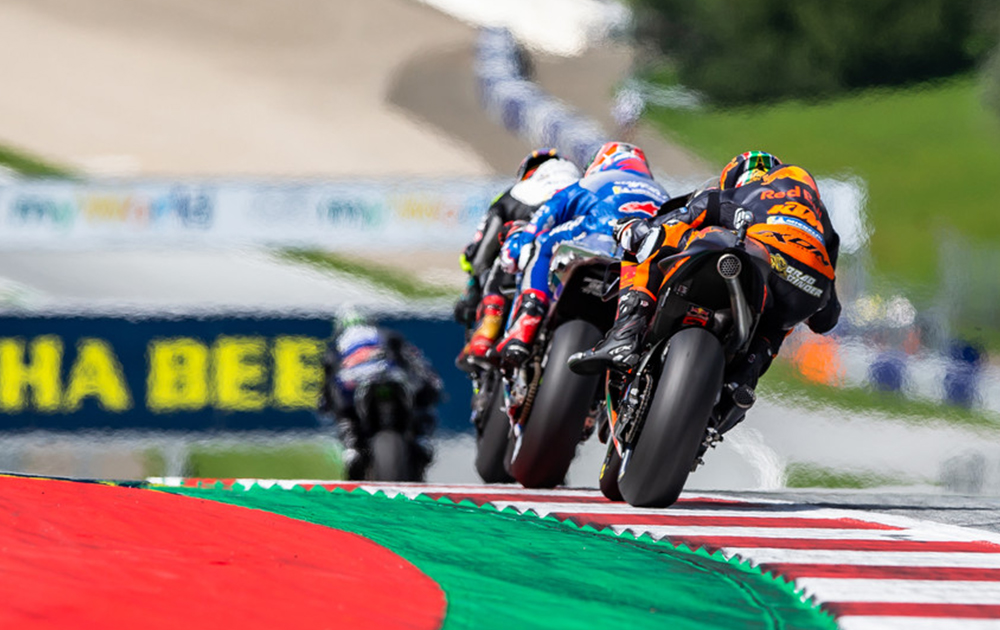
The seventh round of the MotoGP calendar brought us back to Misano, for the Gran Premio TISSOT dell’ Emilia Romagna e della Riviera di Rimini. (Try saying that five times fast.) The double-header took some stress off the riders, allowed the teams to get their machines tweaked to near perfection—therefore making lap records easier to beat.
Image source: www.Motogp.com
With the championship blown wide open and the double-header providing riders a second shot at victory, who would be leading by the end of it all?
Image source: www.Motogp.com
Maverick Viñales rode the wheels off of his Monster Energy Yamaha YZR-M1 in Saturday’s qualifying, registering both the fastest lap (1:31.077) around Misano and bagging P1 for Sunday’s race. Jack Miller was on the pace and put the Pramac Racing Ducati in second, closely followed by Fabio Quartararo to finish off the front row.
Image source: www.Motogp.com
What impressed me most, was that the top six riders all smashed last weekend’s lap record set by Viñales (1:31.411) during qualifying. With more feedback coming from the front tyre and more support on the rear allowing them to push harder, Pol Espargaro and Brad Binder posted the 4th and 6th quickest lap-times.
Image source: www.Motogp.com
Race day saw riders lining up under the warm Italian sun, trying to get their heads wrapped around which tyres to start the race with. Would it be medium rear or soft? Viñales learnt his lesson from last weekend and opted for the medium rear, while Pol Espargaro and Brad Binder placed their complete trust in Michelin’s soft rear.
Image source: www.Motogp.com
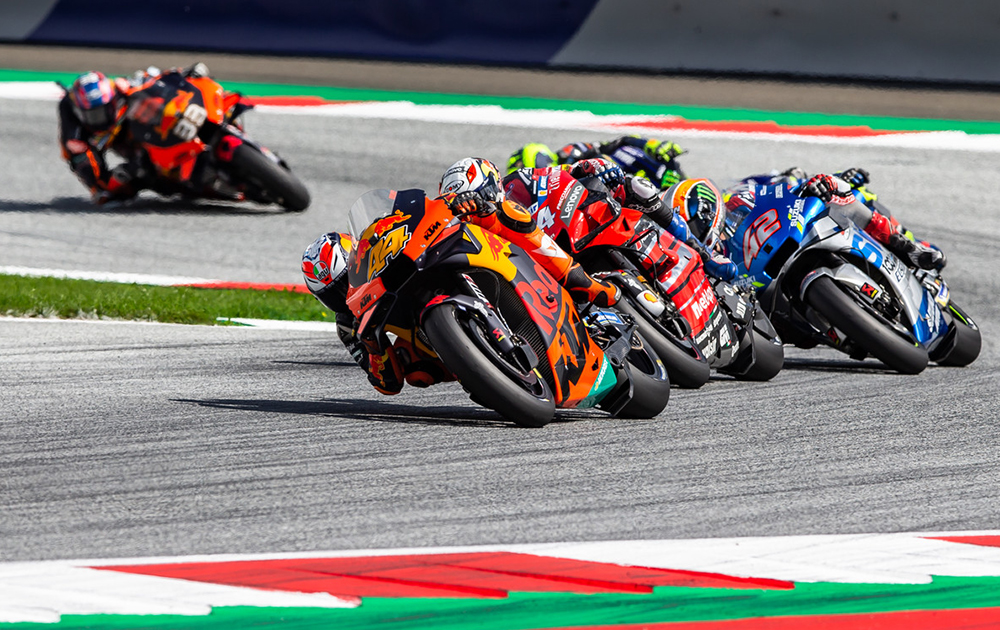
Jack Miller got the holey, with a great launch off the line followed by Viñales slotting into second. Fabio Quartararo held onto 3rd with Pecco Bagnaia making up a place to get past Espargaro. Binder made good progress on the opening lap, and before long our local boy was up into 5th, ahead of his teammate. Viñales had a 0.9 second lead over the line as the riders clocked into the second lap.
Image source: www.Motogp.com
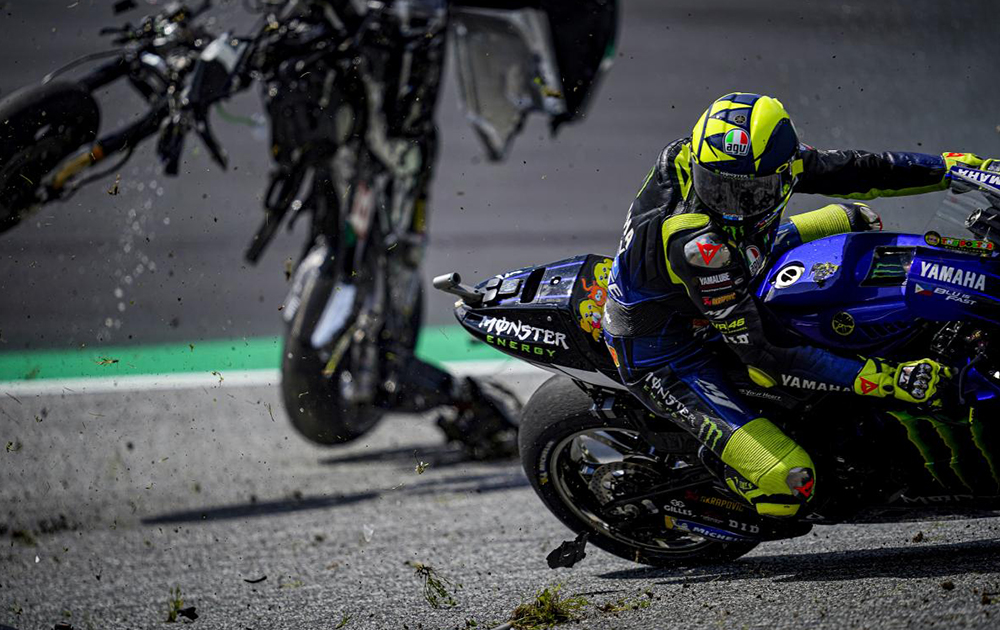
A stroke of bad luck for the local legend Valentino Rossi at turn four saw his 250th Grand Prix with Yamaha tarnished. While that was going on, Bagnaia had got past teammate Miller into second, while Binder took third at turn 10, passing Quartararo like he was standing still.
Image source: www.Motogp.com
All us Binder fans were on our toes as the rookie lost the front end of his RC16 braking into turn 14. Binder remounted but, binned it once again a few laps down the line before a disappointing retirement.
Image source: www.Motogp.com
One fastest lap after another saw Bagnaia close down Viñales’s lengthy lead, and the duo were slowly pulling away from Esparagro and Quartararo. Then Viñales ran it wide into turn four, leaving the door open for Bagnaia. Further back, Espargaro and Quartararo were quickly being reeled in by Joan Mir’s Suzuki.
Image source: www.Motogp.com
With only seven laps remaining, Bagnaia’s 1.4 second lead and his first MotoGP win slipped away as the Italian’s front end gave way. With a four second lead, it was now Viñales’s race to lose. Espargaro’s soft rear tyre had now worn off, and to make matters worse Quartararo and Mir were both ready to order a main course of KTM RC16.
Image source: www.Motogp.com
Mir took the first bite heading into turn one, and Quartararo then took the second into turn three as Espargaro went from P2 to P4 in a matter of corners. But there was more drama in store: Quartararo was given a long-lap penalty for exceeding track limits more than once, and his only chance to do it was on the last lap.
Image source: www.Motogp.com
Viñales finally got his well-deserved victory, proving to all the haters that he actually can win. Mir finished second, and Espargaro was promoted to third when Quartararo was handed a three second penalty for not taking the long lap. That demoted him to fourth, just in front of Miguel Oliveira.
Image source: www.Motogp.com
MotoGP has once again produced the goods. We’ve now got six different winners from seven races, an ‘unemployed’ Dovi leading the championship, and just four points splitting the top four contenders. 2020 just keeps getting better and we’re far from done, with the Catalan GP set to kick-off in less than a week.
Image source: www.Motogp.com
Maverick Viñales: “We did an amazing job this weekend, and we prepared really well for this race. Pecco was very fast, and I was pushing a lot throughout and trying to save a bit of tyre for the last ten laps. Then I started to push at the end, and I thought I was catching up with Pecco. But after he made a mistake, I just focused on keeping the bike with both wheels on the ground, trying to not crash and take the maximum amount of points. It’s fantastic! I’m very happy, because my mentality is exactly the same as it was last weekend and during the last races, but we just found a set-up that’s a bit better for when we ride with 20 litres at the beginning of the race. I actually made a mistake in turn four. I was pushing a lot in the beginning, trying to open the gap. But when we were with only two riders, it was good. I want to say ‘Thank you’ to all the people who are supporting me at home. They know we’ve had some tough times in our team, but it seems like we’ve passed it, right now we have some good luck, and that’s what counts. I’m very happy and appreciate all the work from the team, and we need to continue like that, pushing very hard, because we have a lot more potential.”
Image source: www.Motogp.com
Joan Mir: “It feels so nice to be here on the podium again! I know I need to improve my qualifying results, and that’s something we’ve been trying to work on, but I’m so glad that I was able to fight through for the podium despite starting 11th. I just kept trying to close the gap and stay focused, and it paid off. I’m so happy and I really hope I can enjoy another good result next weekend in Barcelona!”
Image source: www.Motogp.com
Pol Espargaro: “We knew we were taking a gamble with the rear tire but I wanted to really enjoy the race. I also knew we’d have to deal with some drop-off in performance but that came much earlier than we expected. I was very fast at the beginning—with a bike I love—and I kept pushing and keeping Maverick close for some time. In the end I wanted to keep the others behind me and defend my position: that big effort paid off. With Fabio’s penalty we were able can do it… that’s why I never give up.”
Image source: www.Motogp.com
Brad Binder: “I felt really, really good today. I made a decent start but then lost the front into Turn 11 and had a big head shake of the bike. I was thinking ‘that was close’ but then tucked the front going into Turn 13. I was a little bit wild. I tried to restart but then crashed again. So, not a great race but I’m happy because I had such a good feeling with the bike, and we’ve worked hard to get to that. Unfortunately we go home with nothing today but we’ll try again in Barcelona. We’ll need to learn quickly there and if I take one thing from this weekend then it’s that a good qualification makes life so much easier! We’ll try for that again next weekend.”
MotoGP Dell’Emilia Romagna e Riviera di Rimini Race Results
1. Maverick Viñales (SPA) Monster Energy Yamaha MotoGP 41’55.846
2. Joan Mir (SPA) Team Suzuki Ecstar 2.425
3. Pol Espargaro (SPA) Red Bull KTM Factory Racing 4.528
4. Fabio Quartararo (FRA) Petronas Yamaha SRT 6.419
5. Miguel Oliveira (POR) Red Bull KTM Tech 3 7.368
Rider Standings
1. Andrea Dovizioso 4 (ITA) 84 Ducati Team 84pts
2. Maverick Viñales 12 (SPA) 83 Monster Energy Yamaha MotoGP 83pts
3. Fabio Quartararo 20 (FRA) 83 Petronas Yamaha SRT 83pts
4. Joan Mir 36 (SPA) Team Suzuki Ecstar 80pts
5. Franco Morbidelli (ITA) Petronas Yamaha SRT 64pts
*** 11. Brad Binder 33 (RSA) Red Bull KTM Factory Racing 53pts
This weekend marked the highly anticipated return to racing for South Africa’s motorsport stars. The second round of the National Cross Country Championship was hosted by Gauteng’s local racing series, GXCC Racing, and took place under strict Covid-19 regulations.
Photo credit: Sage Lee Voges / www.zcmc.co.za
It was clear from the get go that reigning OR2 National Championship Jarryd Coetzee had spent the past seven months preparing for a massive assault on the title. After starting the season in second place, Coetzee returned to the top step of the podium with not only a class win, but a victory overall.
Photo credit: Sage Lee Voges / www.zcmc.co.za
Jarryd Coetzee: “I couldn’t have had a better race. It was gnarly out there – it was a really good mix of terrain. There were some moments where I wondered if I’d be able to maintain the pace until the end, but it all worked out like I’d hoped. I can’t thank my team enough for preparing my KTM 350 XC-F so well.”
Photo credit: Sage Lee Voges / www.zcmc.co.za
It was a successful day of racing for the rest of the Brother Leader Tread squad, who all managed to bring home some silverware. All eyes were on the team’s newest recruit Charan Moore, who battled it out in dusty conditions to secure the second step on the podium in the prestigious OR1 Class.
Photo credit: Sage Lee Voges / www.zcmc.co.za
It was a nail-biting event for Bradley Cox as he entered a bar-to-bar battle with OR3 rival Davin Cocker. The race literally came down to the last 100 metres where Cocker managed to narrowly beat Cox to the finish line. Fans are in for an exciting showdown this season as Cox will now have to pull out all the stops in order to defend his 2019 National OR3 title.
Photo credit: Sage Lee Voges / www.zcmc.co.za
Bradley Cox: “Davin and I went head-to-head those last two laps. It’s always an exciting race when it comes down to the last few hundred metres! I’m still in it for the championship, and plan to take this momentum into the next round.”
Photo credit: Sage Lee Voges / www.zcmc.co.za
The countdown has officially begun for the next race of the championship, which will take place as a double-header event in KwaZulu-Natal.
IPhoto credit: Sage Lee Voges / www.zcmc.co.za
Louwrens Mahoney, KTM South Africa’s Marketing Manager: “Well done to the organisers of this event and our team for racing their hearts out today. We’ve all gained some valuable experience from this, and I don’t doubt that the riders will continue working on fitness and technique for the next one.”
Pepson Plastics Husqvarna Racing’s Kenny Gilbert stormed to victory this weekend as the National Cross Country Championship returned under Covid-19 regulations. It was a momentous win for Gilbert, who stepped onto the top step of the podium for the first time since his near-career-ending injury in 2019.
The rider started racing again in February this year at the season opener in Lesotho. After discovering that he still had the pace to keep up with the front runners in this sport, Gilbert stepped into the rest of the season with a regained sense of confidence.
Kenny Gilbert: “I’m so happy to come away with a win. After that first round in Lesotho I knew that if I worked hard enough, I’d be able to pull it off. It’s onwards and upwards from here – I gained a lot from today. Thanks to my team for supporting me through it all, winning today made the effort to get here worth it.”
Photo credit: Sage Lee Voges / www.zcmc.co.za
The goal for Gilbert is to snatch up the elusive OR1 title before he hangs up his boots on his racing career. The national series also forms part of preparation for his bigger 2021 Dakar Rally dream. Gilbert has set his focus on returning to the world-renowned event to better his result from 2019.
Fred Fensham, Husqvarna South Africa’s Brand Manager: “Kenny was the old Kenny, and I don’t mean in years but in the way he went about his day – the consummate professional, fast, calculating and determined! He will be a difficult man to beat going forward.”
Photo credit: Franziska Brandl
Teammate Brett Swanepoel added to the celebrations at the Pepson Plastics Husqvarna Racing camp on Saturday. After battling it out in the dust with a strong field of riders in the OR2 Class, the rider managed to secure the second spot on the podium.
Brett Swanepoel: “It’s so good to be back, even if things feel a little different with the Covid-19 regulations. We put in a lot of work leading up to this event, and I believe that showed today.”
Photo credit: Sage Lee Voges / www.zcmc.co.za
Fred Fensham: “I was immensely proud of Brett as it was this kind of terrain that almost ended his career. A second in OR2 means he now shares the red plate going into the third round – so watch this space.”
A cherry on the top of an already exciting race for Husqvarna was the eye-catching performance of Davin Cocker. The young OR3 rider arrived at the start line with Bradley Cox in his sights, and in a nail-biting race managed to take the class victory in the last few hundred metres to the chequered flag. Fensham explained the blow-by-blow action:
Photo credit: Sage Lee Voges / www.zcmc.co.za
“Davin Cocker was the race and rider to watch this weekend. From time trial, where he qualified fourth overall, he put the hammer down and raced his heart out! A nerve-wracking moment on the fourth loop saw him take a big tumble, but got up sore and bruised, and even more determined. Even with Brad now ahead, he kept chasing and with only a few hundred meters to go (after some 5 hours of racing) regained the lead with a spectacular pass!”
Photo credit: Sage Lee Voges / www.zcmc.co.za
He added, “A massive thank you goes out to Pepson Plastics, our title sponsor, for all their support and for sponsoring an awesome round of National Cross Country racing; Michelin for the perfect tyres and mousses; and Motorex our technical partner. Last, but by no means least, to Anthony Trichardt our race technician, who once again prepared three perfect Husqvarnas for our athletes to go out and chase championships on.”
Electrifying, dramatic and utterly mental—this is the 2020 MotoGP World Championship. Choosing your favourite rider for the weekend has never been so difficult. And boy, if you got used to that 93 percent chance of Marc bringing it home each time, then it’s certainly been gruelling for you.
Image source: www.Motogp.com
But on the flip side, it’s been exciting to watch newcomers get their first taste of victory, and also seeing supporters latch onto new riders.
Image source: www.Motogp.com
Yamaha dominated Saturday’s qualifying at San Marino, sealing a top four qualifying lockout—a first for the Iwata factory since 1988. Maverick Viñales took first with an all-new lap record (1:31.411), with the Petronas duo of Franco Morbidelli and Fabio Quartararo joining him on the front row. Valentino Rossi qualified 4th and was feeling stronger than ever.
Image source: www.Motogp.com
KTM had a tough qualifying session though, seeing Pol Espargaró capture 11th position, ahead of fellow Red Bull KTM riders Miguel Oliveira (12th) and Brad Binder (16th).
Image source: Red Bull KTM
Sunday brought with it a hot Misano World Circuit Marco Simoncelli for the first of two San Marino-based rounds of the 2020 MotoGP. With new 2020-spec callipers on the M1 of Viñales, the Doctor on his meds and the Petronas due ready for battle, Yamaha looked unstoppable.
Image source: www.Motogp.com
Morbidelli got the hole shot into turn one, followed by Rossi, who had a superb start to slot into second ahead of the equally-fast Jack Miller. The Italian fans were out of their seats as Rossi and Morbidelli continued to battle throughout the opening laps. Miller held third, with Viñales (who had dropped back) holding off Quartararo and the two Team Suzuki Ecstar machines of Alex Rins and Joan Mir.
Image source: www.yamaha-racing.com
A few positions back, Pol was leading the orange charge with Styrian GP winner Oliveira shortly behind and Brad soon joining the fight. Sadly, Iker Lecuona stalled on the warm-up lap which later resulted in a long-lap penalty, pushing him down the time sheets.
Image source: Red Bull KTM
Back at the front, Viñales was not having his way on the hard Michelin rear tyre, and it was clear that the lap record holder was slowly dropping off the pace. The championship leader (Quartararo), tucked the front of his M1 heading into turn 4, causing another twist in the championship and releasing some stress off of Dovi’s throttle. (Quartararo managed to rejoin the field, then retired to the pits, then came out again, only to crash for a second time.)
Image source: www.Motogp.com
Injured, yet fast, Francesco Bagnaia was setting fastest laps like there was no tomorrow, and soon found himself in 3rd behind Rossi, closely followed by Rins. With the gap between Rossi and Morbidelli growing to just over two seconds, a scrap for second was now on the cards for both Rins and Bagnaia. With a dogfight at hand, Mir was able to make up some time and join the leading group.
Image source: www.Motogp.com
Bagnaia managed to pull away from the fight behind him, leaving Rossi and Mir to battle it out for the last podium position. Mir lined up a sublime move up the inside at turn 10 to climb into third. Rossi tried to set up a move coming into the hairpin but he was slightly wide at turn 13, ending his hopes and dreams of a 200th podium in his backyard.
Image source: www.Motogp.com
Morbidelli had a near perfect race, took the win, and became the fourth rider in six races to win their first MotoGP in 2020. Bagnaia finished 2nd after returning from injury and claimed his first MotoGP podium. Mir finished 3rd by defeated the Doctor on the last lap at Misano (not many riders can say that).
Image source: www.yamaha-racing.com
It would have been a historic podium finish for Rossi too—both Morbidelli and Bagnaia are graduates of his VR46 Academy.
Image source: www.Motogp.com
KTM’s riders didn’t fare as well, but managed to salvage some points, with Espargaró in 10th, Oliveira in 11th, Brad in 12th and Lecuona picking up 14th. It’s a less stellar result than what we’ve come to expect from our local boy, but by salvaging four positions from the start, he’s proved once again that he does have the pace.
Image source: www.Motogp.com
Amazingly, this is the first time since 1949 (the very first motorcycle Grand Prix World Championship season), that the fourth maiden winner stands on the top step in the opening six races. It’s blown the championship wide open too, with Dovi currently leading by just six points.
Image source: www.Motogp.com
And there you have it, 12 different podium finishers and five different winners, in just six races.
Image source: www.Motogp.com
Franco Morbidelli: “I feel like this has been a magical week for me. Everything had been going well, so going into today I was thinking that maybe something good would be possible. Turns out, it was something great! I have never won a World Championship race at home before, so to do it in MotoGP is the greatest achievement in my life. I’m really proud to be able to say that. I want to say thanks to all the people that work with me, it isn’t just me. This win is a result of teamwork. Right now I’m just so proud of what we have achieved, not just today but in general. Seven years ago I was racing here with a stock 600, now I’m winning a MotoGP race. It’s just amazing, especially as it’s the first race with a crowd this year. It felt great to be able to salute the crowd after the race. We do this for them, so to celebrate with them was such a great feeling.”
Image source: www.yamaha-racing.com
Razlan Razali, Petronas Yamaha Team Principal: “This weekend was the best so far for PETRONAS Sepang Racing Team, as a collective. It was a fantastic win for Franco: very well deserved, especially considering his crash in the first Austrian race. Doing it at his home Grand Prix as well is amazing. It was unfortunate for Fabio; he crashed while trying to catch the front-runners. He is still second in the championship, so it’s not too bad and I’m sure he’ll come back stronger next week.”
Image source: www.Motogp.com
Brad Binder: “I didn’t start well and from then I tried my best to recover positions. The first 10-12 laps I didn’t have a good feeling but then it got better and better. I don’t feel I can complain too much. We have to take advantage of this test on Tuesday to make a few improvements. It was cool to be part of that KTM battle and I could see we were all having the same issues. It’s very tight in MotoGP right now but my attitude stays the same: I’m trying to enjoy and take the best of each race.”
Grand Prix of San Marino Race Results
1. Franco Morbidelli (ITA) Yamaha 42:02.272
2. Francesco Bagnaia (ITA) Ducati +2.217
3. Joan Mir (ESP), Suzuki +2.290
4. Valentino Rossi (ITA), Yamaha +2.643
5. Alex Rins (ESP) Suzuki +4.044
*** 10. Pol Espargaro (ESP), Red Bull KTM +12.030 11. Miguel Oliveira (POR), Red Bull KTM Tech3 +12.376 12. Brad Binder (RSA), Red Bull KTM +12.405 14. Iker Lecuona (ESP), Red Bull KTM Tech3 +19.914
Rider Standings
1. Andrea Dovizioso 4 (ITA) Ducati Team Ducati 76pts
2. Fabio Quartararo (FRA) Petronas Yamaha SRT 70pts
3. Jack Miller 43 (AUS) Pramac Racing Ducati 64pts
4. Joan Mir 36 (SPA) Team Suzuki Ecstar Suzuki 60pts
5. Valentino Rossi 46 (ITA) Monster Energy Yamaha MotoGP Yamaha 58pts 8. Brad Binder (RSA), Red Bull KTM 53pts
“Spring is sprung, the grass is riz, I wonder where the birdie is. They say the bird is on the wing, but that’s absurd, the wing is on the bird”.
This little poem always comes to mind when Spring arrives. The 1st of September brought cold and snow to many parts of the country with us ‘Gautengers’ getting a lash from the tail of the chill monster. Fast forward one week and voila!, here is the Spring we were waiting for. Balmy days that simply demand that you get bums on saddles.
Photo credit: Joe Fleming / Bonafide Moto Co.
I convinced Irene that the night too would be balmy and so it was that we jumped on the Speed Twin and cruised off literally into the sunset. As night pulled a soft dusky blanket over us we rode through to Jozi to meet up with the Bonafide Moto Co crew at Baha Taco in Norwood.
Photo credit: Joe Fleming / Bonafide Moto Co.
Riding at that hour is a blast. The golden glow of the sunset is spiced with whiffs of fry ups from the Ultra City, conspiring to remind me that the Tacos to come would go down singing the proverbial hymns!.
Photo credit: Joe Fleming / Bonafide Moto Co.
Looking for an address in the dark in Jozi is a bit of a mission if you are not too familiar with the area. With Irene holding the mobile and being told where to go by Google we navigated our way via a rather strange route to Baha Taco in Norwood. We actually had a really funny incident while looking for the spot. A while back Baha Taco moved two odd blocks from their previous location at 39 Grant. We asked a car guard if he knew where to go. He started to explain upon which I, somewhat frustrated after doing a few laps up and down Grant, said ‘no bud, Google says they are at 39 Grant’!. He gave me a real ‘if you are so clever then why are you asking me?’ look, then retorted, ‘just listen to me!’, ‘turn right at the second robot and it is right there!’. Duly chastised, I turned right at the second robot and guess what? It was right there!
Photo credit: Joe Fleming / Bonafide Moto Co.
The many bikes parked all around showed a really good turnout. Bonafide events are amazing, largely due to the eclectic bunch of people that attend their gigs. It was so cool to mingle and chat in a laid back atmosphere while sucking on an ice-cold brew. We hooked up with Ryan (who was on our Botswana adventure last December) and his partner Nolene, who arrived on his immaculate 60th Anniversary edition Yamaha XSR 900.
Photo credit: Joe Fleming / Bonafide Moto Co.
A couple of notable familiar faces were Bruce Allen, the affable head honcho of Triumph SA, Mercia Jansen, boss lady of Motul in SA and ‘super snapper’ Richard Harper from Ride Motos Take Photos, typically camera in hand.
Photo credit: Joe Fleming / Bonafide Moto Co.
What an absolutely pleasant way to celebrate level two lockdown and the advent of the spring. A huge shout out to Joe and Alan from Bonafide Moto Co and to everyone who showed up and made this such a great gig. Watch the Bonafide posts on social media and make sure you don’t miss the next one. Mindful that we still had to get back to Pretoria before curfew, we cruised a now quiet highway at 120 plus VAT, getting home with minutes to spare. A really good time was had by all.
For more information on upcoming Bonafide Moto Co rides, visit their Facebook page.
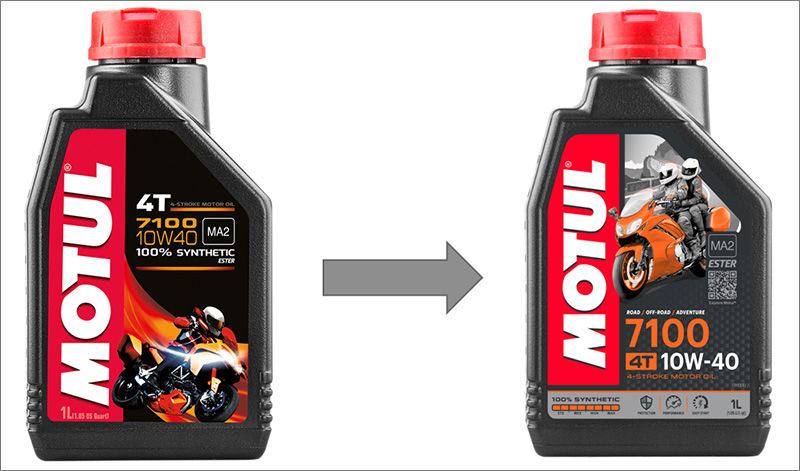
Motul has unveiled the new look and feel of the containers for their world-class Powersport range. The redesign is intended to communicate the benefits of each premium product even more clearly, so that customers and end-users can choose the right product for their needs and have complete confidence that it will perform as required. It’s part of Motul’s ongoing commitment to #EmpowerYourRide.
“Our customers have always known they can have complete confidence in the formulation of every Motul product,” commented Mercia Jansen, Motul Area Manager for Southern and Eastern Africa. “Now that our redesigned Powersport range packaging has arrived, they can also enjoy the peace of mind that comes with choosing the very best Motul product to meet their needs,” she added.
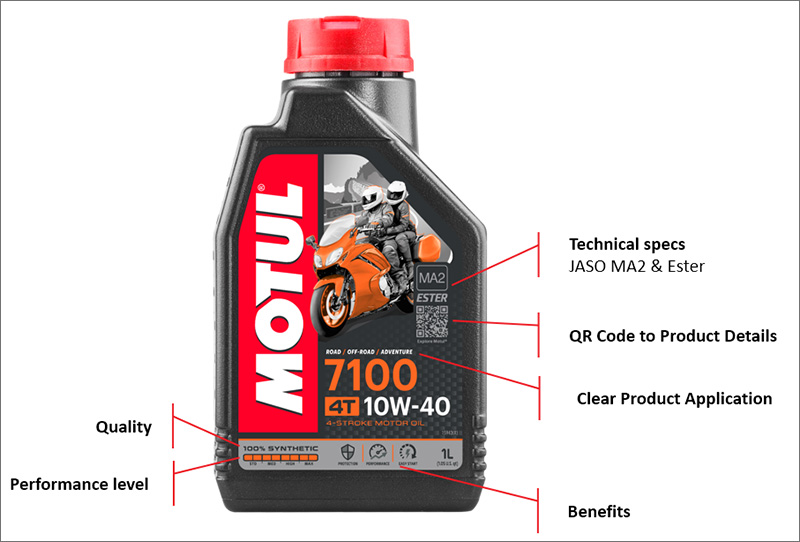
The new skin designs convey a great deal of information about the application, performance and customer benefits of each product by using clear, streamlined graphic elements.
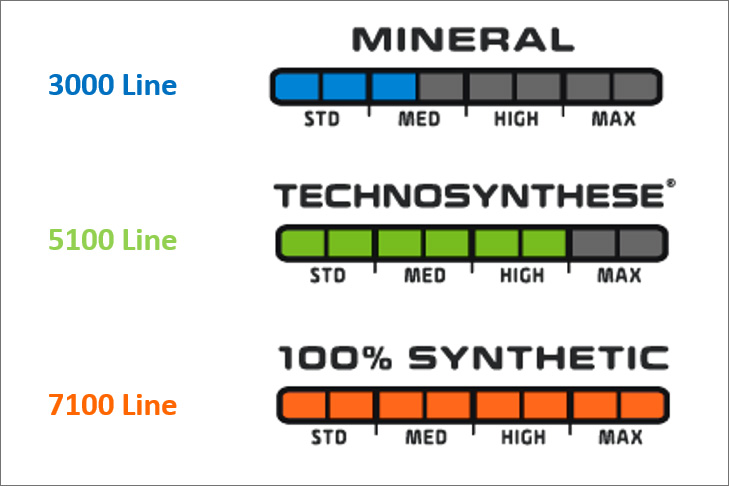
Each of the four classes of product (Mineral, HC-Tech®, Technosynthese® and 100% Synthetic) have their own assigned colour, making product selection simpler than ever. These colours (blue for Mineral, yellow for HC-Tech®, green for Technosynthese® and orange for 100% Synthetic) are shown in bars that indicate the product performance, from Standard to Maximum.
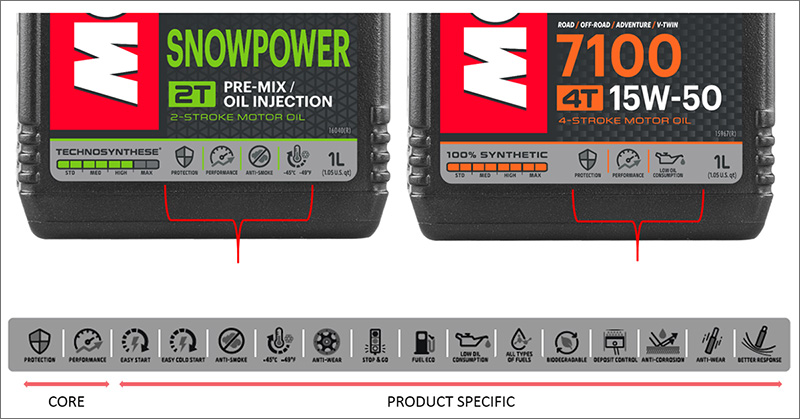
Selecting the correct product is made even easier by the additional information on each container. Product use benefits are indicated by immediately recognisable icons, with up to four displayed on each product as part of a contrast colour strip, along the bottom of the label. The essential information is completed by the volume of the product. Bold, stylised photographic elements speak to the application of each product. These illustrate the breadth of the Motul Powersport range and reinforce how it contributes to optimum performance.
The revamped Motul Powersport product range includes, among many other products:
Motul Powersport ATV/SxS Power 4T which offers high-temperature resistance and stability, engine protection, and low oil consumption to users of ATV/UTV/SSV vehicles.
Powerjet 4T which is engineered to deliver overall efficiency at high engine speeds and protection from corrosion for jet watercraft.
Powersport 7100 4T which helps off and on-road motorcyclists enjoy maximum torque output, engine, and gearbox protection with fuel economy.
Scooter Expert 4T which enhances urban riding thanks to improved high torque at low engine speeds, engine protection, and stop-and-go performance.
Motul Powersport 710 2T Pre-Mix/Oil Injection has been specially developed for the latest generation of two-stroke engines and is suitable for pre-mix or oil injector systems and catalytic converters.
No stranger to innovation, Motul has taken this opportunity to incorporate bold QR-codes into the new designs. When scanned with a smartphone, these allow customers to take a digital dive into Motul’s online ecosystem, where a world of information, promotions and engaging and relevant content awaits.
For a full list of Motul Powersport products visit – www.motul.com and follow #EmpowerYourRide on social media to find out more about the product applications and benefits.
Some die-hard petrol heads believe that anything that doesn’t vibrate and make noise, isn’t a ‘real’ motorcycle. If that’s you, then you’re probably not interested in an E-bike with pedals that looks like a vintage board tracker. But you should read on anyway, because the Vintage Electric Scrambler is one of the most interesting electric bikes on the market right now.
Photo credit: Wes Reyneke / ZA Bikers
Its pedal-assist electric hub motor, and limited size, speed and range, put the Scrambler squarely in city commuter territory. But with a highly refined aesthetic, top-shelf finishes and premium price tag, it feels more like a luxury item than a mere runabout.
There’s no getting around it: the Vintage Electric Scrambler isn’t cheap. It’s one of the top models in Vintage Electric’s catalogue, coming in at R 129,000 in stock trim, with an optional ‘race mode’ for another R 2,850. (That pricing is also subject to exchange rate fluctuations.)
Photo credit: Wes Reyneke / ZA Bikers
That puts it in the same ballpark as a BMW C 400 X or a Yamaha MT07. But if those are the bikes you’re comparing it to, you’re probably not the target market.
Vintage Electric is imported into South Africa by classic and exotic car specialists, Crossley & Webb. Their Cape Town showroom is an automotive mecca, and their clients not only have impeccable taste, but are well-heeled too. And the Scrambler doesn’t look one bit out of place parked between a Ferrari and a Maserati on C&W’s floor.
Photo credit: Wes Reyneke / ZA Bikers
A friend quipped that he could build an electric bicycle with the same specs for a fraction of the price. He probably can, too… but it won’t look or feel nearly as classy. The Scrambler is borderline art—nailing the retro vibe without descending into cliché territory, and built to a high level of finish.
Photo credit: Wes Reyneke / ZA Bikers
The Scrambler’s silhouette is reminiscent of old-timey board trackers, thank’s to its hydro-formed aluminium frame. But the real standout is Vintage Electric’s proprietary battery box—a sand-cast aluminium unit that echoes V-twin motors, right down to the polished fins. It holds not only the battery, but the controller and other electric bits too, like the Scrambler’s charge port.
Photo credit: Wes Reyneke / ZA Bikers
Most of the finishing kit is a mix of off-the-shelf mountain bike components, with a few custom touches. There’s a vintage-style LED motorcycle headlight up front, with a small LED tail light tucked under the seat. The Scrambler also gets CNC-machined direct-mount handlebar clamps, a nice wide set of riser bars, and a generous rear mudguard.
Photo credit: Wes Reyneke / ZA Bikers
Everything’s wrapped in a stealthy black finish, with subtle graphics on the frame’s top tube that remind me of the AMF Harley-Davidson logos of the 70s. The seat and grips feature leather trim, and there’s even a set of neatly-stitched leather fork bumpers, to protect the frame at full lock.
Photo credit: Wes Reyneke / ZA Bikers
Vintage Electric place the Scrambler as their ‘go anywhere’ model, so the running gear’s specced for dirt and asphalt. It rolls on wide 26” wheels, shod with 26×2.35” Schwalbe Black Jack knobblies. The frame’s a hardtail design, but there’s a set of upside down forks up front, offering 60 mm of travel.
Photo credit: Wes Reyneke / ZA Bikers
The hydraulic disc brakes are Promax Lucid units, with a regenerative braking feature built into the rear brake lever (a feature that puts a little charge back into the battery under braking). There’s a small LCD display on the left, and a thumb throttle on the right, but they both fit in well with the bike’s design, and even the requisite wiring is neatly tucked out of the way.
Photo credit: Wes Reyneke / ZA Bikers
The Scrambler’s motor is a 3000 W rear hub unit, limited to 750 W until you plug the ‘race mode’ dongle in. It’s a pedal-assist system, and it’s dead simple to use: switch it on, then use the plus and minus buttons to set your level of pedal assistance. As you crank the single-speed drivetrain, the motor will add as much boost as you’ve asked it to. As for the thumb throttle, it works at any speed—so you can use it to pull away, or to add some top end.
Photo credit: Wes Reyneke / ZA Bikers
I found it best to add a little thumb throttle to start out, crank the pedals up to speed, then switch to the thumb throttle at the top end again. Riding like this, I got the Scrambler up to a top speed of 55 km/h on a flat road (faster than the Honda Express I used to commute on when I was 19).
Vintage Electric claim a top speed of 58 km/h in ‘race’ mode, so considering I weigh in north of 120 kg, 55 is close enough to the mark. And while it’s not the sort of acceleration that’ll pull your arms out of their sockets, I was surprised at how zippy it actually is. The top speed in ‘street’ mode is listed at around 32 km/h, and the best I could do while pedalling with pedal assistance on (sans throttle) was a hair under 30 km/h.
Photo credit: Wes Reyneke / ZA Bikers
The Scrambler’s relatively compact proportions, combined with chunky tires and wide handlebars, make it an agile tool for urban exploration. I spent half a day cruising around Cape Town’s CBD and Woodstock, and relished the fact that I wasn’t confined to just the street. Bike lanes, sidewalks and back alley trails all meshed together into one city-wide gymkhana, with the Scrambler happy to change direction and pick a new line on a whim.
Photo credit: Wes Reyneke / ZA Bikers
The chunky tyres and dual density seat add a fair amount of compliance to the ride, and the front forks do their job well enough. But if you’re a big guy like me, the lack of rear suspension becomes painfully apparent as soon as you try to hop a curb too enthusiastically.
Photo credit: Wes Reyneke / ZA Bikers
The 48 v 23.4 Ah battery takes a claimed 4.5 hours to charge, and is reportedly good for anything from 64 to 120 kilos, depending on how you ride. I didn’t have time to test its range properly (nor did I charge it myself), but I managed a good few hours of riding without running into trouble. And seeing the regenerative braking add bars back onto the battery level indicator was a trip.
With nothing to do on the day but put the Scrambler through its paces and take photos, I spent my time exploring parts of the city I hadn’t seen before, and hunting for new locations. It played on my nostalgia too, reminding me of how I used to go literally everywhere on my skateboard as a kid.
Photo credit: Wes Reyneke / ZA Bikers
More swish than a garden variety E-bicycle, but not as powerful as a full-sized electric bike, the Vintage Electric Scrambler occupies an interesting space. It probably won’t draw seasoned motorcyclists away from their big machines, but it is likely to attract new riders with its charming looks and ease of use.
Photo credit: Wes Reyneke / ZA Bikers
If you can wrap your head around the price, the Scrambler’s a great pick for scooting around town in the week, and cruising down both boulevards and dirt roads on the weekends. And the fact that it’ll look just as good charging in your living room as it will hopping from cafe to cafe, doesn’t hurt either.
A few weeks before our national lockdown was announced, I managed to crank out 7,000 km on Dunlop’s high performance touring tyre, the Sportmax Roadsmart III. I already had a high regard for the RS III, so I set a personal goal of reaching a total mileage of 9,000 km before sending them to the recycle bin.
Photo credit: Bjorn Moreira / ZA Bikers
With a Yamaha MT-09 as a test mule and a total yob behind the bars, these tyres weren’t wined and dined. Yet 10 months, four seasons and 12,500 km down the line, the Dunlop Sportmax Roadsmart III’s are still rolling. Sort of like a fine wine, they got better with age, and performance only really started to slowly drop off after 10,000 km.
As the mileage started to rack up, Dunlop’s cleverly engineered cross-groove pattern design allowed the tyres to wear evenly and still provide grip. Although the rear has now started to flatten out, the handling characteristics haven’t been affected by much, thanks to the dual compound structure. It still feels predictable in turns, the edge grip is still there, and the bike continues to feel light on its toes.
Photo credit: Bjorn Moreira / ZA Bikers
The single compound front tyre isn’t my cup of tea in cooler and wetter conditions, especially during the opening moments of a ride. But once it’s warmed up it’s blissful, providing plenty of grip under braking and impressive responsiveness when leaning over.
Photo credit: Bjorn Moreira / ZA Bikers
There are many variables that can affect the outcome of a tyre test—like the type of bike, rider, weight and road conditions. From what I’ve experience, I reckon the Dunlop Sportmax Roadsmart III would be able to exceed 15,000 km on a light weight touring motorcycle. But either way, I’m stoked to have ridden 12,500 km on these tyres, which is nearly double the mileage I usually get from sports rubber.
I only wish I went the sports touring route sooner—but a narrow focus drew me towards the purpose-built sports tyres, and that was silly. At no point during my time riding on the street with the RS III did I wish I was rather on sports tyres.
Photo credit: Meredith Potgieter / ZA Bikers
Cramming ‘sport’ and ‘touring’ into one sentence is easier said than done, and the performance touring tyre segment is one of the most challenging segments of them all. But Dunlop’s RS III is a home run—providing performance for those who love riding, and longevity for those who want to ride further.
Photo credit: Dave Cilliers / ZA BikersPhoto source: Dave’s family archives
I took my Speed Twin into Triumph for its first service and arranged to have the use of their 1200cc Bobber Black for a couple of days. For those of you that know me, I am a child of the ’70s. One of the bikes that made a deep impression on me as a high school kid riding a Honda SS50 GT, was Triumph’s original Bonneville, or ‘Bonnie’, as it was affectionately known. Those were the days of ‘midnight movies’. The movie houses would, usually during school holidays, put on shows at midnight. It was always a big deal to take in one of these shows should your parents give their consent. Or not, for that matter…
The movie house that we frequented was just off Pretoria’s Church Square. From around 10.30 pm a bunch of youngsters would start to pull in (all the oldies thought we had lost the plot) and hang out, shooting the breeze in front of the movie theatre till midnight. In Pretoria, at that time there were a few cool guys with ‘big bikes’. There was Costa, with his K0 Honda Four 750, sporting a raised headlight and low clip-ons. The original four pipers were properly loud with their baffles removed and everyone heard Costa approaching as he revved the Honda down Pretorius street to the Capitol Theatre. The wonderful wail of the Honda four reverberated off the buildings in the city centre. Hot on his heels was another sound. This was the booming bellow of a big twin. Another Greek fellow, who I only ever knew as ‘Sotos’, would roll up on his ’69 Bonnie. This was the era before the wearing of helmets was law. It was also the era of seriously long hair. What we today refer to as a ‘mullet’.
Photo source: Dave’s family archives
Imagine for a moment the scene. Night-time mid-city. Kids mulling around in front of the movies. The wail of a high revving four accompanied by the boom of a big twin shatters the relative quiet of casual conversation. Two headlights approach at what seems like warp speed. The riders hop the pavement and kick out their side stands and cut the motors. Headbands keep their shoulder-length hair from their faces. Knowing that literally everyone is watching their every move, they hang around their bikes as the kids gather-round for a closer look at these leather lummie and jean-clad warriors on their steeds of steel.
Understand that big capacity bikes were few and far between in those days. Bikers were bad…period. Mothers locked away their daughters if they even suspected there were ‘Bikers’ around. The daughters, on the other hand, only wanted one thing and that was to hang with these bad dudes and be seen on the back of their awesome rides. Those were heady days indeed! Today we live in a way more sanitised world where big bikes are dime a dozen and hardly merit a second glance from the casual bystander. Enter a modern classic rendition of that legendary ‘Bonnie’, the Triumph Bonneville Bobber Black. This is quite literally a metal horse of another colour.
Photo credit: Dave Cilliers / ZA Bikers
The visual presence of the Bobber Black is powerful. The ‘blackness’ of the bike gives it immediate impact, further accentuated by the fat 16-inch wheels back and front. The subtlety of aluminium accents here and there just make the bike ‘pop’ visually. Yeah, so I am an unashamed sucker for a retro-styled bike. Fully faired modern Superbikes are cool, even beautiful, to look at, but for me, it is the retros that scream style and class. Maybe it’s because they remind me of the simplicity of a World that was and is no more…….. Whatever.
Photo credit: Dave Cilliers / ZA Bikers
As a journalist doing a review, it is incumbent on me to give my readers the specifications of the bike being reviewed, however in the case of the Bobber, it is so not what this bike is about. This bike is about how it makes you FEEL when you ride it. It is a feeling, an emotion, that wells up in you as you cruise down the road. At the heart of the black beast is the high torque version of Triumph’s 1200cc parallel-Twin. With a 97.6 mm x 80 mm oversquare bore and stroke, it is surprisingly willing to rev, especially for a motor that pumps out 106 Nm of torque right out of the basement, peaking at a mere 4000 rpm. Horsepower peaks at 76 Bhp @ 6100 rpm. The abundant torque allows Triumph to gear the Black really long.
Photo credit: Dave Cilliers / ZA Bikers
At highway speed, it trundles along effortlessly with oodles in reserve. It is this relaxed, almost elastic nature in the way the bike delivers its power that contributes to its character. Ally this to a chilled riding position, where there is a slight (adjustable) reach to the almost drag-style, narrow and subtly shaped bars. Your legs are kicked out ahead of a conventional peg position but not in a forward control, almost straight-legged position. The closest bike to this that I have ridden is Harley’s Dyna Low Rider S. If you have watched Sons of Anarchy on Netflix, you will know exactly what I am getting at. The riding position is just so ‘right’ for the vibe of the bike.
Photo credit: Dave Cilliers / ZA Bikers
Speaking vibes, there are none to speak of. The big twin chugs along without any fuss or bother. Give it the goods off the line and the Bobber really hops. The power and torque curves join together to give you a drag bike sensation with the low slung 690 mm seat height and slight stretch to the bars. ‘Bobbers’ got their name from rigid frame motorcycles of yesteryear with sprung, tractor style seats. The typically twin springs under the saddle, would bounce under the rider over rough terrain, causing them to bob up and down. Hence the name ‘Bobbers’.
Photo credit: Dave Cilliers / ZA Bikers
Triumph achieves the rigid frame look by cleverly locating the back shock, a KYB unit, under the seat. The bike is a single-seater, so if you want pillion accommodation you may have to look at the Speedmaster. For me, I will have a Bobber and a second bike for two-up duty. Front forks are significantly beefier than the standard Bobber, (41 mm) going up to stout 47 mm chaps with 90 mm of travel. There is 77 mm of rear-wheel travel. This somewhat limited travel, essential to achieving the Bobber aesthetics, is helped by the air spring benefit of the fat 16-inch hoops which ride on black 32 spoke rims. The Black doubles up on front braking power over the standard Bobber by sporting two 310 mm discs with 2 pot Brembo calipers. A single 255 mm disc rides on the rear. The ABS endowed braking performance is thus obviously more than adequate.
Photo credit: Dave Cilliers / ZA Bikers
Tiny touches that add to the overall enjoyment are typified by things like the instrumentation. The ‘Speedo’ lookalike is adjustable to stand more upright, or lay down more, with a simple mechanism like the front axle lock on a decent bicycle. The gauge is an LCD giving you all the info that you need, odo, 2x trips, digital rev counter, fuel consumption (current and average), traction control and fuel gauge. All accessed and set via ONE button. Brilliant. The Black has one-button cruise control too. Headlight performance is above par despite the relatively small proportions, being a LED and also incorporates Daytime Running Lights.
Photo credit: Dave Cilliers / ZA Bikers
The bike is by no means light, weighing in at over 240 Kg’s fully fueled. It never feels heavy though. The weight generally benefits from the low slung stance of the bike. Even the shortest riders will get both feet flat at standstill. This inspires lots of confidence when moving around at low speed. As speeds rise, the long-wheelbase makes it the epitome of stability. Long sweeping bends are an absolute pleasure. The bike has more than adequate ground clearance for a ‘cruiser’. Typical of Triumph, the Bobber really handles well. The seamless glossy black tank with its classic Triumph logo is a thing of beauty and harks back to the classic Bonneville shape that all of bikingdom is familiar with. The mere 9-litre tank capacity still allows a range of over 200 k’s due to the bikes brilliant fuel economy. The long gearing and torque-rich motor combine to sip fuel at a paltry 4l/100 cruising at 130/140.
Photo credit: Dave Cilliers / ZA Bikers
I rode the Bobber Black out into the country to take some photos. It was late in the day and the road was quiet as I traversed farmlands. The setting sun painted the sky a golden hue as it sank towards the horizon. The air started feeling crisp as the sun bid farewell to the day. I was overcome with one of those incredibly rare and special moments where time literally seemed caught in a bubble and I felt an inner glow of ‘oneness’ with this magnificent bike. It is so much more than the combination of its parts. It is one of those few bikes that connects with my soul. It is a feeling that transcends speed, comfort, handling or looks, but rather one of riding harmony that, on that day, in that place, was totally surreal.
Photo credit: Dave Cilliers / ZA Bikers
On paper, the Bobber Black may not make too much sense. But before you throw the baby out with the bathwater, just ride it. Motorcycles, at the best of times, don’t always make sense, but if you connect with them, as I connected with this Bobber, then it may just be a match made in heaven. Starting from R192000, the Bonneville Bobber Black may just be the soul mate that you have been looking for.
On Friday 04 September, fans got to see the new Sherco 2021 Two-Stroke Enduro bikes at the official launch event of SpeedHut Moto Shop (formerly ASAP Racing) in Pineslopes, Fourways. SpeedHut Moto Shop is a new sales, parts, service and accessories store for the Enduro motorcycling community.
Photo credit: ww.zcmc.co.za
The opening featured an appearance by Sherco brand ambassador Wade Young, who has already found great success riding with the Sherco Factory Racing Team powered by Motul.
Photo credit: ww.zcmc.co.za
It marked the first appearance of the new Sherco 2021 250 SE and 300 SE Factory models in South Africa, allowing fans to gauge Young’s enthusiastic reaction to seeing them – something he had not previously had a chance to do, due to COVID-19 restrictions. This was also the South African rider’s last public appearance in SA before joining the WESS Enduro World Championship, among other international extreme enduro events for the rest of this year.
Photo credit: ww.zcmc.co.za
“We were thrilled to be able to introduce the new Sherco 2021 bikes at the launch event of our new store,” commented co-owners Brett Sproson and Andrew Stead. “We were also honoured to have International Enduro star and multiple Motul Roof of Africa winner Wade Young in attendance,” they added.
Photo credit: ww.zcmc.co.za
Ben Du Toit from Sherco South Africa went on to explain the key ways in which the Sherco 250 SE and 300 SE Factory Enduro models for 2021 differ from their predecessors. Riders can expect even better performance from the 2021 Sherco motorcycles, thanks to the new ignition coil control unit and a lower compression cylinder head. The new models also feature an engine that’s 1.2kg lighter than the 2020 version. The addition of an anti-vibration balancer will also contribute to a smoother ride – no matter how rough the terrain.
Photo credit: ww.zcmc.co.za
The SpeedHut Moto Shop launch came in the wake of the exciting Sherco/Motul 360-degree global partnership announced earlier in 2020. All Sherco 2021 motorbikes will receive an OEM first fill with Motul products (including Motul 7100 100% synthetic engine oil and coolants), in addition to service fills of all bikes, MotulTech use on industrial machinery, plus competition support for Sherco’s racing activities – including Wade Young’s continued push for global Enduro domination. Motul products will also be used at all stages of Sherco’s motorcycle manufacturing process.
Photo credit: ww.zcmc.co.za
“Motul is proud to be associated with this exciting launch event and to be continuing our support for Wade Young and the Sherco Factory Team powered by Motul,” explained Mercia Jansen, Motul Area Manager for Southern and Eastern Africa. “As an innovative and passionate motorcycle manufacturer, Sherco shares the same philosophy, core values and approach as Motul, making synergies between our two companies easy to find,” she added.
The percentage of women in South African motorcycling keeps growing, but there are ways we can accelerate that growth. One of those ways, is to create an inclusive and safe space for newcomers to familiarise themselves with motorcycling, without the macho-ness that so often accompanies the sport. Motul South Africa and Honda South Africa did just that recently, with a ‘Learn to Ride a Motorcycle’ day aimed squarely at women.
Photo credit: ZCMC
Motul’s headed up in South African by Mercia Jansen, a familiar face on Joburg’s motorcycling scene. Mercia was chosen to participate in #IconicWomen—a Women’s Month campaign, run by car performance specialists Shelby South Africa and Road to Race.
Photo credit: ZCMC
“As part of this campaign,” she says, “we have each created an opportunity for women to participate in something that we’re passionate about. My love of riding is something that I have always wanted to share with other women—hence the Learn to Ride a Motorcycle day.”
Photo credit: ZCMC
The event was hosted at the ADA Training and Outdoor centre in Hartbeestpoort, with ADA’s instructors, and legendary trials biking expert, Brian Capper, on hand. Honda brought not only bikes to learn on, but also a range of models for both the attendees and their partners to test out.
Photo credit: ZCMC
One of the participants was Adilia Joubert, who praised the initiative for removing the intimidation of learning to ride. “I was inspired by Mercia revealing that she had only started riding bikes at 40,” she explains. “Since I have also recently hit that milestone, and in the spirit of life beginning at 40, I wanted to try something new and more daring than my other hobbies.”
Photo credit: ZCMC
“My husband is a keen motorcyclist, and this has been something I’ve wanted to share with him, but until now the fear factor was just a little too much for me. Now that I’ve had this great experience, he can look forward to some company on his weekend rides.”
Photo credit: ZCMC
Shelby SA and Road To Race’s National Marketing Manager, and the woman who conceived the #IconicWomen campaign, Paige Lindenberg, was there too. “As a racing car driver, I was delighted to have the chance to swap my usual four wheels for just two,” she says. “The professionalism and patience of the trainers meant that we all felt comfortable enough to push ourselves a little more each time we got onto the bikes.”
Photo credit: ZCMC
The atmosphere at the event was reportedly jovial, with excitement building throughout the day as skills and confidence steadily improved. “I have loved seeing all the videos and photos from our day,” says Mercia. “The ladies’ beaming smiles made it clear how much fun they were having, while the pride and encouragement from their partners and families made the experience even more special.”
1 of 84
It was also a family-friendly affair, with husbands, partners, friends and kids all tagging along. The sight of women out on the course, with men pushing kids up and down the lawn in Motul-branded pedal cars, was just the sort of role reversal that motorcycling needs.
During the early days of our national lockdown, when sat at home trying to research motorcycle products online, more often than not, Google would direct me to international online shopping platforms.
In an attempt to understand why this was happening, this led us down the path to develop our own ‘Online-Product Research Section’ named; Product Spotlight.
Well folks, after 5-months of planning and development, today we are officially launching this all-new section on ZA Bikers. Over the coming weeks, months ahead, we will be adding many more Brands onto our system, and we will bring this to your attention as and when a new brand has been added.
To see our all-new Product Spotlight section click: HERE
More and more manufacturers are jumping on the small capacity adventure motorcycle bandwagon, in a bid to get new riders into their adventure boots right from the start. We swung a leg over the SYM NHT 125 earlier this year, and soon discovered that it was built for beginners who want a taste of the ADV life. Now we’re excited to review another newcomer from SYM: the all-new NHT 200.
Photo credit: Bjorn Moreira / ZA Bikers
Like its smaller brother, the NHT 200 has an adventure bike-inspired design with 19F/17R spoked wheels, a beaky front fairing, wide handlebars, a mini bash plate and engine crash bars. SYM have found a balance between classy looks and a rugged ‘do it all’ motorcycle design.
Photo credit: Bjorn Moreira / ZA Bikers
Just above the front beak is a stylish LED headlight arrangement, which gives the NHT a sharper and more aggressive look. On my evening excursions, the NHT’s LED headlight emitted a bright, wide and clean beam of light. (The tail light’s an LED unit too.)
Photo credit: Bjorn Moreira / ZA Bikers
The NHT has a neat trick up its sleeve, in the form of a USB charge port—just the ticket for a millennial like me. It’s right at the front of the fuel tank, so it’s easy to get to for charging a phone or GPS. The LCD display is modern yet simple, and includes a tripmeter, odometer, clock, fuel level indicator and a gear indicator.
Photo credit: Bjorn Moreira / ZA Bikers
The NHT 200 is driven by a 183 cc single-cylinder fuel-injected motor. Although only 58 cc more than its smaller sibling, the NHT 200 feels way more competent—both on the open road, and in the slower stuff, too. It’ll sit at a comfortable 120 km/h at 7,000 rpm, with 2,000 more revs to spare, but also effortlessly lug at under 3,000 when negotiating tight single track.
Photo credit: Bjorn Moreira / ZA Bikers
Thanks to its great balance and compliant suspension, the NHT 200 will soak up bumps as well as offer you a sporty ride. It’s a willing companion for both the urban commute and the open road… but what about off-road?
Photo credit: Bjorn Moreira / ZA Bikers
Although only offering 140 mm of travel, a stiff setup makes up for the lack of travel—so light off-road duty is a doddle. The NHT holds its line on smooth gravel roads, the meerkat riding position feels natural, and the bike feels very nimble, too. In the tighter stuff, the high bars, tight turning circle and low revving motor enable you to ride with confidence. But when it comes to more rocky or uneven terrain, that firmness in suspension makes for a less than comfortable ride.
Photo credit: Julio Moreira
Braking is handled by cleverly designed CBS (combined braking system), clearly aimed at beginners. The CBS is engaged with the foot brake—so as you press on your rear brake, the front brake is engaged at a small percentage. This is really nice while riding on the road, because you can pretty much stop without using your front brake lever altogether, and concentrate on riding more.
Photo credit: Bjorn Moreira / ZA Bikers
The NHT’s strongest selling point is its great fuel efficiency, and the range it gets from its wee 11 L tank. I managed to get an average of 32 km/L on a good day, so if you do the math, you could get a range of 352 km or more.
Photo credit: Bjorn Moreira / ZA Bikers
The NHT 200 ultimately punches above its weight, and will happily compete against its fellow 250 cc adventurer bikes. At the end of the day, I reckon SYM has brought another fantastic motorcycle to the South African market. Whether you looking for an early start to adventure riding or an affordable daily runner that can take you down the scenic route, the SYM NHT 200 may be for you.
Photo credit: Julio Moreira
The NHT 200 currently comes in three colour versions: blue and white, red and white and soft black. With pricing hitting the sweet spot at only R 35,995 (only R6,000 more than the NHT 125), it’s a no-brainer.
SYM NHT 200
For more information on the bike featured in this article, click on the link below…
Suzuki has always taken a particularly pragmatic approach to adventure motorcycling, this is reflected in their V-Strom heritage. They do not see any wisdom in taking a 236 Kg motorcycle down single track, through rivers and up gnarly hillsides, they make a great range of dirt bikes to do just that in a most enjoyable fashion.
They just don’t get that in South Africa there are no pills for stupidity, we pull barbed wire through our bums for bragging rights! The typical conversation in SA goes something like this: ‘Hey Boet, guess what I just did with this roll of barbed wire?’. Rather than ask why, in all that’s Holy you would want to do that, we retort: ‘Strue? bet I can do it faster!’ Fact is, we do stuff with adventure bikes that they were never designed for. Over the years the manufacturers have cottoned on to our lunacy and started building bikes that are better at doing that type of stupid stuff.
Photo credit: Bjorn Moreira / ZA Bikers
Suzuki’s V-Strom remains high on practicality and common sense, the latest version of the V-Strom pays homage to the DR Big of the early ’80s, with a slab-sided beaky presence which, for me, is a winner. Previous ‘Strom’s lacked the brand identity which the 1050 now has. Speaking 1050, the engine retains the familiar 90 degree V-twin that had its origins in the TL sportbikes from the late ’90s.
Over time the engine capacity grew to 1037 cc from its original 996 cc. The latest motor is significantly tweaked with new cams, bigger 49 mm throttle bodies and bumped compression, this equates to more power, now up to 106 hp and slightly more torque, albeit at higher revs. These tweaks endorse what Suzuki is trying to achieve with their V-Strom, which is, build a competent, comfortable sports tourer, with gravel road ability. A 15% bigger radiator makes sure that it keeps its cool no matter how tough the going gets.
Photo credit: Bjorn Moreira / ZA Bikers
The electronics package now has a fly by wire throttle with cruise control, which is a first for a Suzuki motorcycle. Three selectable engine modes modulate the throttle response according to road conditions and 4 levels of traction control allow for a greater or lesser degree of safe rear-wheel steering on loose surfaces.
ABS has two levels but engages both wheels albeit less aggressively in ‘off-road’ mode, and all of this is controlled by a 6 axis Bosch IMU. Suzuki’s Easy-Start, Hill-Start Control and Automatic Idle Speed Control all assist the rider in tricky situations and makes the big ‘Strom more stall resistant. A clutch assist system effectively emulates a slipper clutch function.
Photo credit: Bjorn Moreira / ZA Bikers
Wheels are spoked and tubeless, Hooray!, with Bridgestone Battle-Ax adventure tyres on a 150/70×17 rear and 110/80×19 front. Suspension is by KYB with 160 mm of well-controlled damping adjustable travel in the 43 mm front forks, the rear shock spring rate is stiffer and makes for a supple yet firm and controlled ride over most surfaces. Preload and rebound damping can be adjusted, 165 mm of ground clearance allows for covering broken ground that is not too hectic.
Photo credit: Bjorn Moreira / ZA Bikers
The lack of a bash plate suggests, that it would not be a good idea anyway. Footpegs have removable rubber inserts and are wider too. Brakes are Tokico calipers upfront with 310 mm discs and, curiously, a Nissin caliper chomping a 260 mm disc at the rear. The initial bite is sharp, maybe a trifle too much for dirt, and then adequate to haul in the big Suzook.
Photo credit: Bjorn Moreira / ZA Bikers
The benefit of less suspension travel is it gives you a lower seat height, which makes the bike more practical for day-to-day ease of use. The bike is really planted through the bends and is actually a lot of fun to squirt along in a spirited fashion.
Photo credit: Bjorn Moreira / ZA Bikers
The refined motor is smooth despite not having any balance shaft, courtesy of good primary balance from the 90 degree V. Whacking the throttle open elicits audible intake honk followed by power coming in with an almost turbo lag like power delivery. This could be due to the more top-end hit that the hopped-up motor has.
In a way, this is not a bad thing as it allows the rear wheel to find traction before pouring on the power. Feeding the power on gradually seems to negate this trait, it is more a characteristic of the bike than an irritation.
Photo credit: Bjorn Moreira / ZA Bikers
A spirited dash through the Magaliesburg saw fuel consumption of around 18 kays per litre, giving a reasonable range from the 20-litre tank. The windshield is effective and can be easily adjusted manually by releasing an alloy lever and moving it to the required height, this can, for safety sake, only be done once stopped.
Photo credit: Bjorn Moreira / ZA Bikers
I found the dash a little cluttered, but the LCD display was clearly legible in all light conditions and tells you all the info that you need. A handy USB port lives in the cockpit with a 12V socket under the seat. Super practical!. The subframe allows fitment of the familiar plastic panniers from the existing V-Strom, or if you want a more robust offering, there is a frame mount and alloy boxes available ex-factory.
Photo credit: Bjorn Moreira / ZA Bikers
The big ‘Strom is what I would term an ‘honest bike’. It consistently offers way more than its practical, conservative, chassis specs may suggest.
You get absolute bulletproof reliability in an extremely balanced package. If you put your ego in your pocket and honestly list the attributes that you need in a sporting adventure bike, then the Suzuki is always going to be a really strong contender.
Photo credit: Bjorn Moreira / ZA Bikers
As a long-distance, comfortable, all-road mile muncher, or round the world traveller, it makes a compelling statement. If the 1050 XT can’t do it, then you shouldn’t be doing it on a big bike in the first place!
At around R 230 000, it represents fair value in what is a very competitive sector.
Whilst tantalising superbike fans with the mighty Streetfighter V4 and Panigale V4R, Ducati hasn’t forgotten the cooler side of motorcycling. We can testify to that, after having ridden the new 2020 Scrambler 1100 line-up in the French countryside, near Paris.
History has repeated itself many times before. After the genius 900 Monstro back in the early nineties, you could say that the Scrambler certainly saved Ducati again in the mid-2010s. Steeped in the retro-style trend, the engineers in Borgo Panigale (well, mostly the marketers) revived the 60s Ducati Scrambler.
Photo credit: Ducati Italy.
They managed to keep the styling fresh and inspiring, and moved away from the classic thumper motor, to the very-well known and dependable air-cooled 800 cc L-twin. The new Ducati Scrambler was an instant success, with more than 15,000 sales for the first year only.
In 2018, with more than 46,000 Scrambler 800s sold, Ducati extended the range with the Scrambler 1100, available then in three different versions. For 2020, as Euro 5 compliance becomes mandatory, Ducati has revamped the Scrambler 1100 range, now with only two models: the Pro and Sport Pro. We had the chance to ride both of them.
Photo credit: Ducati Italy.
Silver or black?
That’s the big question when it comes to choosing your favourite version of the 2020 Scrambler 1100. Because at a glance, the changes from the previous version are mainly cosmetic.
Photo credit: Ducati Italy.
The Pro comes in black and silver with a black seat and, compared to the first generation, now has its double exhaust on the right-hand side. The rear mudguard is shorter, and the license plate bracket sits behind the back wheel, attached to the swing-arm.
Photo credit: Ducati Italy.
The Pro’s strong point is its laid back riding position, while the Sport Pro comes in a rather more aggressive package. It features Öhlins suspension, with the Swedish brand’s distinct gold forks and yellow rear shock spring. And it comes with lower handlebars and bar-end mirrors, too. (If you’re wondering how good your rear vision is with these, relax; it’s good.)
Photo credit: Ducati Italy.
The black paint job looks great, along with the subtle ‘1100’ motif on the tank, but the effect is somewhat disturbed by a rather unsightly fastener in the middle of it.
Specs
Not much has changed in the engine department. The 1,079 cc L-twin is now Euro 5 compliant, but Ducati didn’t say much about how they got that right. They managed to reduce emissions and engine noise, but they also managed to keep the performance intact. The engine still delivers 86 hp at 7,500 rpm and 90.5 Nm at 4,750 rpm, which is slightly lower than competitors, like the BMW R nineT Scrambler, Indian FTR 1200 and even the Triumph Scrambler 1200.
Photo credit: Ducati Italy.
But figures are sometimes meaningless compared to emotions, and in this department, the legendary Borgo Panigale twin has a lot to say. The exhaust note is thrilling, with some occasional backfire when decelerating. It’s a lot of fun.
How does it ride?
Riding both Scrambler 1100s, the biggest differences come down to their handlebars and suspension—but first, we have to recognise how easygoing this bike is. Despite its size, the Scrambler 1100 could be recommended for newborn bikers or beginners. It’s perfectly balanced, not too heavy (189 kg dry), the seat is not too high (810 mm) and the bike is narrow enough for commuting, although the turning circle could be a bit better.
Photo credit: Ducati Italy.
We said that the Pro version offers a more relaxed ride, and that’s a fact. But while the Sport Pro riding position is sportier, it’s not too extreme. Both of them pay great tribute to the sheer essence of motorcycling. They are easy and fun to ride, great as commuters and perfect for breakfast runs, as long as there are more corners than straight lines. I’d be more than happy to take the Scrambler 1100 over the Sabie-Hazyview-Graskop triangle, for instance.
Photo credit: Ducati Italy.
On the open road, the big twin is smooth enough to cruise at around 3000 rpm in top gear, and delivers some enjoyable oomph from 5,000 to 7,500 rpm. This is a bike you are connected with; it’s not a matter of speed or ego, it’s just you enjoying the mechanical parts that make you feel alive.
Photo credit: Ducati Italy.
The Pro version relies on a Marzocchi fork and Kayaba rear shock, and to be honest, the feeling is a bit on the firm side. The Sport Pro’s Öhlins suspension is slightly better, but as they’re not top of the range Öhlins parts, the difference is not stratospheric either. And as you’ll probably ride at a reasonable pace on these Scramblers, the Sport Pro does not deliver a substantial enough gap in road holding and cornering speed. In both cases, the Brembo brakes and Pirelli MT 60 RS tyres are good enough at what they do.
Photo credit: Ducati Italy.
So which one would I pick? The Sport Pro looks great, but the Pro delivers enough for me. Due to the bike’s quiet and relaxed nature, I don’t really need top-class suspension to handle 86 hp, and I’d rather save the extra money to finance some great riding trips.
The fifth round of the MotoGP calendar brought us back to Austria’s beautiful, but menacing, Red Bull Ring. This weekend’s Styrian GP also marked a magnificent milestone in Grand Prix racing history: the 900th premier class race.
MotoGP has come a long way since its first start back in 1949, and has seen 111 different riders stand on the top step of the podium. Would this weekend make it 112?
Image source: www.motogp.com
Pol Espargaro rode the wheels off of his Red Bull KTM RC16 in Saturday’s qualifying, registering both his and KTM’s first premier class pole position. It was a tight battle though, with only 0.098 seconds separating the top three. Takaaki Nakagami landed an impressive second place, and Johann Zarco’s time put him into third. A penalty from last weekend’s incident with Franco Morbidelli saw Zarco start from the pit lane, bumping Joan Mir into the third spot on the grid, and Brad Binder from 14th to 13th.
Image source: Red Bull KTM
To add to the tension leftover from last week’s GP, dark clouds slowly started to creep over the Styrian mountains, come race day. The possibility of a flag-to-flag race, and continuous back and forth conversations with their crew chiefs, were the rider’s realities just minutes before the lights went out.
Image source: Red Bull KTM
Mir got the holeshot into turn one on his Suzuki, followed by a thirsty Espargaro in second and ‘Jack Attack’ Miller in third. Miller pushed Espargaro wide into turn six, demoting unlucky 44 into fourth position. Meanwhile, Brad was chewing up riders for breakfast lap by lap, with Miguel Oliveira following him into a comfortable seventh. Red Bull KTM Tech3’s rookie rider, Iker Lecuona found himself slowly battling his way into the top 10.
Image source: Red Bull KTM
Maverick Viñales battled with brake fade throughout the race, eventually forcing him to abandon ship spectacularly into turn one on lap 17, sending his Yamaha M1 hurtling into the air fence. Thankfully, Viñales was able to walk away unharmed from the incident. After the red flag came out for the air fence repair, a 12 lapper was decided for the restart.
Image source: Red Bull KTM
Mir restarted in first, but had lost the two second lead he’d gained in the first part of the race. For the other riders, this was a second shot at the podium, and even a shot at victory for those on fresh Michelin rubber. Miller attacked Mir right off the bat and led the race with Espargaro in close proximity.
Image source: Red Bull KTM
Mir’s used front tyre from ‘race one’ ultimately cost him his fight for victory, as he slipped out of contention. Meanwhile, Brad and Oliveira were battling it out for fourth, with Andrea Dovizioso up with the leading group. Sadly, Brad eventually overshot turn one and forfeited four positions, leaving him in 8th, just in front of Rossi.
Image source: Red Bull KTM
The last few laps of the Styrian GP were nothing short of jaw dropping. ‘Thriller Miller’ and Espargaro gave everything right up to the last lap, trading places in a number of hair-raising overtakes. Miller eventually dove down the inside of Espargaro into the final turn and just carried too much speed, leaving the door open for Oliveira to pip both of them for the win. Miller finished the race in second, and Espargaro managed to salvage third.
Image source: Red Bull KTM
Overall KTM had a magnificent weekend, landing a Moto3 win, almost winning Moto2 with Jorge Martin (if not for exceeding track limits), winning their home GP with Oliveira, and having all their riders finish in the top 10. Oliveira joined the top 112 premier class winners in history, and brought both Portugal, himself and the Tech 3 team their first premier class win.
Image source: Red Bull KTM
Miguel Oliveira: “I’m very emotional… There is so much I want to say but I cannot at the moment. A big thank you to all the people that believed in me starting with my family, everyone in the team, sponsors and the Portuguese crowd. Thank you so much for your support. This is history today for me and my country and I couldn’t be happier to do it here in the home of KTM and Red Bull.”
Image source: Red Bull KTM
Pol Espargaro: “Anyone can win those kinds of races! Pretty crazy. I was fighting with Jack until the last corner and Miguel was able to profit but that’s racing. It was a beautiful race. Anyway, we made the podium, we are up here and I’m super-happy.”
Image source: Red Bull KTM
Brad Binder: “It was a good race. The first one was going really well and I was slowly catching up ground. To get up to sixth was already great. I felt really, really good. Unfortunately with the red flag and the restart I didn’t make the best decision with the tires and really struggled to stop, even running off at turn one but I was able to come back to eighth. All-in-all we should be happy. I gave my best out there and the bike was fantastic. The team worked really well and I’m super-excited for the next race. I think we can do a good job at Misano.”
Image source: Red Bull KTM
Hervé Poncharal, Red Bull KTM Tech3 Team Principal: “What an incredible day, incredible emotions! It is something like forty years we’ve been in this business and we never won a MotoGP race. Today our dream came true. Here in Austria, which is in front of our title sponsor Red Bull, in front of the KTM management, our manufacturer. I would like also to dedicate this victory to Miguel because he has been pushing a lot. Year one was not easy; he was injured the second half of the season. We’ve been fast since the beginning of this year, the bike improved, he improved. Now we’ve done it. I’m very proud to see two KTMs on the rostrum. Clearly, this is now one of the bikes to beat. So let’s celebrate tonight and let’s hope there will be some other exciting days like today.”
Image source: Red Bull KTM
MotoGP’s paddock have earned a two-week break before round 7 of the MotoGP World Championship, in Misano, on the 13 of September.
Results MotoGP BMW M Grand Prix of Styria 2020
1. Miguel Oliveira (POR), Red Bull KTM Tech3 16:65.025
2. Jack Miller (AUS), Ducati +0.316 3. Pol Espargaro (ESP), Red Bull KTM +0.540
4. Joan Mir (ESP), Suzuki +0.641
5. Andrea Dovizioso (ITA) Ducati +1.414 8. Brad Binder (RSA), Red Bull KTM +4.150 10. Iker Lecuona (ESP), Red Bull KTM Tech3 +5.068
Indian Motorcycle, America’s first motorcycle company, has announced a test ride campaign giving participants the chance to win an exclusive, ‘money-can’t-buy’ trip of a lifetime in 2021. Riders can enter by simply taking a test ride at any authorized dealer before the end of September and posting a unique picture from their time with the motorcycle to social media.
The campaign has launched at all Indian Motorcycle dealers across Europe and beyond, all interested participants need to do, is take a test ride and post their picture to social media, tagging their dealer and using the hashtag #IndianTestRide. Indian Motorcycle will monitor the correctly tagged and hashtagged posts throughout the campaign and, after the closing date, will select winners for the ‘ride-of-a-lifetime’ based on the creativity and uniqueness of their posts.
Image source: Indian Motorcycle
On top of the chance to test available models from the Indian Motorcycle range and be in with a chance of winning a ‘money-can’t-buy’ experience, all customers that complete their test ride will automatically qualify for an exclusive Indian Motorcycle Test Rider Mug.
As a guest of Indian Motorcycle, four winners from across Europe and beyond will be treated to an experience of a lifetime including:
Travel to/from a special destination within the EU
Four nights’ accommodation including full board
Use of an Indian Motorcycle for a guided ride over two days
Professional photography and videography of the full event
Photo credit: Bjorn Moreira / ZA Bikers
To find your nearest dealer and book a test ride, please visit our website here – www.indianmotorcycle.co.za and don’t forget to take a look at the other test riders for inspiration by following the hashtag #IndianTestRide.
High speeds, rapid acceleration and hard braking—this is the Red Bull Ring, the scene for round four of the MotoGP World Championship.
Image source: Red Bull KTM
Less-than-stellar weather provided unpredictable conditions for both practice and qualifying this weekend. But even with the weather, Pol Espargaró was able to clock the fastest lap time in two of the four sessions, and lined up 5th on the grid. Brad Binder struggled during free practice with not enough track time under his belt, but made some steps forward to get himself 17th on the grid.
Image source: Red Bull KTM
Riders soon arrived at their starting blocks for what was to be the first of two races held at the unforgiving Red Bull Ring. Holeshot systems engaged and lights off, Espargaró launched off the line and in no time at all found himself leading the race, with Binder already mounting a strong comeback from 17th.
Image source: Red Bull KTM
Brad picked his way through the grid (setting a fastest lap in the process) and found himself behind the main group in 10th, while Espargaró was in a dogfight with two Ducatis for 1st.
Image source: Red Bull KTM
On lap nine the unthinkable happened. A high speed crash between Franco Morbidelli and Johann Zarco before turn three’s braking zone caused a near death experience for Maverick Viñales and Valentino Rossi, as both bikes hurl passed them mid-corner. The race was briefly red flagged, and the remainder shortened to a 20-lapper. Morbidelli and Zarco were both thankfully back on their feet, but it was one of the most heart-stopping accidents in MotoGP history.
Image source: motogp.com
A restart allowed riders to fit new rubber to their machines, and the starting grid was decided by counting back to the previous completed lap, before the crash. Espargaró started on ‘pole,’ but lost the advantage he’d built up, and soon conceded his lead to Jack Miller. At the same time, Brad pipped another two spots, moving into eighth with no sign of slowing down.
Image source: Red Bull KTM
It was not to be Espargaró’s day. After losing a few more positions, he and Miguel Oliveira touched and crashed out; an unfriendly déjà vu moment.
Image source: Red Bull KTM
Meanwhile, Brad ran a smooth and calculated race to gain even more ground. An unexpected lowside by race leader Alex Rins handed the lead to Andrea Dovizioso, and bumped our local boy up one more position into fourth. Brad defended his position and held his ground from Rossi all the way to the finish line.
Image source: Red Bull KTM
Four races in, Brad’s fourth place finish now sees him sitting fourth in the overall standings. It’s another well-deserved pat on the back for the South African rookie, who proved yet again that even though he hasn’t racked up impressive qualifying results (yet), he knows how to put it together, come Sunday.
Image source: Red Bull KTM
Brad Binder: “Today was much better than we expected. I was happy with fourth position, I have to say. It was tough at the beginning because I was able to make up places and it was a shame about the red flag but it did give me an opportunity to restart from higher up on the grid. I didn’t pass too many riders after the restart but there were a lot of crashes. On one hand I’m quite satisfied but then I was also pretty lucky. Things turned out well but let’s work again for next week.”
Image source: Red Bull KTM
Mike Leitner, Red Bull KTM Race Manager: “This GP was like a rollercoaster. Pol had the first race under control. He had the right tire, the lead and the right plan. So, the crash destroyed that rhythm but we are really lucky that nobody was seriously hurt and that was a very positive thing. Pol did not have his race tire for the restart so he was not as strong and we don’t quite know what happened with him and Miguel but is was very unlucky. Brad finished the weekend in a great way after his starting position. Fourth was a decent result for a rookie in his first time out at the Red Bull Ring and the same can be said for Iker. We are super-happy for him. We have always seen his potential and he just needed to bring the bike home. Overall KTM had a great weekend, especially through the other classes as well.”
Results MotoGP myWorld Motorrad Grand Prix von Österreich 2020
We, together with other members of the motorcycle media, were recently invited by Honda SA to sample their stunning new Fireblade at Red Star Raceway. The SP version was on display in all its high spec glory but due to homologation issues not being finalised, it was the lower cost and spec RR-R version that we got to ride.
Photo credit: Beam Productions
The latest ‘Blade has created a real stir amongst superbike riders. For a while, Big H relied on honing their Fireblade into an incredibly well balanced and rideable package. Problem is, the goalposts were being continually moved by the other manufacturers. The 180 odd horsepower of the ‘Blade started looking a bit ‘light in the loafers’ compared to heavy hitters from other manufacturers. Rather than do more fettling, Honda decided on a totally new bike that could form a worthy platform on which to build a race-winning superbike. To achieve this they have leaned heavily on engine and chassis technology gleaned from Marc Marquez’s all-conquering RC213V MotoGP bike. Enter the 2020 Fireblade RR-R and SP.
Photo credit: Beam Productions
Resplendent in HRC colours, the new ‘Blade is stunning to look at. MotoGP derived winglets for high-speed downforce and all, it is a magnificent looking weapon. Specifications also show a massive jump in horsepower to around 214 ponies @14500 rpm and 113 Nm of torque @ 12500 rpm. The power and torque arrives significantly higher up the rev range than on the previous model. Not really an issue on the racetrack, where gearing is shorter and motors are kept permanently on the boil. It does compromise road use to a degree as you need to ride the bike more like a six hundred than a litre bike. When revs ride to over 6 or 7000 rpm then the motor really comes alive. An intoxicating powerful thrum is felt through the bike accompanied by a corresponding shriek from the exhaust as the ponies start champing at the bit and straining to get into a full gallop.
Photo credit: Beam Productions
Please understand that a bike that weighs just over 200 Kg’s and generates the power that the ‘Blade does is really only for seriously experienced riders. Banging the bike through the gears with the superb quickshifter is not an experience easily forgotten. The Honda SA guys had geared and set the bike up for Red Star in a generally rider-friendly way.
Photo credit: Beam Productions
The limiting factor in my ride was never going to be the bike anyway! Suffice to say that the ‘Blade delivers in absolute spades. Hard on the throttle, it carries the front wheel barely skimming the tarmac until you brake for the next corner with eyeball popping power from the radially mounted Brembo Stylema brakes. The bike turns with no apparent effort and holds its line to perfection. I was totally impressed with the Showa suspension setup on the Triple R. Feeding on the power elicits that growl which transforms into a tyre shredding shriek and reels in the next corner faster than the ANC can destroy an economy.
Photo credit: Beam Productions
The bike feels tiny for a 1000 and the riding position is pure race bike. My 6’3″ frame takes serious strain piloting the ‘Blade for any length of time, but that is no negative as far as the Fireblade is concerned. It is a pure Sports weapon designed primarily for racetrack functionality. I would have it no other way. Only a very select handful of riders will have the skill to extract everything that the RR-R has to offer.
Photo credit: Beam Productions
With the previous ‘Blade there was a marked difference in feel and ability between the common, versus SP, model. With this Fireblade, the ‘commoner’ feels as good as the SP of old, with a double espresso shot of power thrown in. Heaven only knows how the SP can possibly be that much better, other than in the hands of a really skilled track rider. Herein lies the truth of the current crop of sports bikes from which the well-heeled can choose.
Photo credit: Beam Productions
The Sportbike that you buy will probably be determined more by brand loyalty or preference than the limitations or abilities of the bike. As has always been the case with the Fireblade, Honda has built a bike that is ridiculously easy to ride fast. What they have now added to that mix is a challenge to you as a rider to up your skill level to a point where you can extract everything that the ‘Blade has to offer. That club will be really exclusive! Honda now has a new Fireblade which is an extremely competitive weapon in the hands of a really capable and discerning rider.
Based on its high-performance setup, WP Suspension launches a new series of premium APEX PRO suspension components for the BMW S 1000 RR. This sports package consisting of APEX PRO 7746 Shock, APEX PRO 7500 Cartridge and APEX PRO 7117 Steering Damper guarantees with outstanding performance and razor-sharp precision that no racetrack or country road is safe from this APEX-Predator.
The APEX PRO COMPONENTS were designed with the influence of the experience of the latest motorsport champions and are built to win.
Image source: www.wp-suspension.com
The APEX PRO 7746 Shock turns every bike into the ultimate performance machine. With separately adjustable high- and low-speed compression and rebound damping that can be easily adjusted to the track using standard tools, the bike can be adapted to any change in riding conditions in a matter of seconds. Extremely low manufacturing tolerances and the use of high-quality high-tech materials not only ensure constant damping performance but also provide crystal-clear and direct feedback from the ground.
Image source: www.wp-suspension.com
The APEX PRO 7500 Cartridge makes the BMW S 1000 RR become one with the road. The cartridge, which is fully adjustable with standard tools, can be adapted to the individual requirements of the rider in just a few simple steps using adjusters for compression and rebound, and tickles the motorsport genes out of the BMW S 1000 RR with incredibly efficient and constant damping performance – with the APEX PRO 7500 Cartridge, ground contact is significantly improved and both bike and rider benefit from exceptional agility and increased confidence in the bike and the track.
Image source: www.wp-suspension.com
The series is topped off by the APEX PRO 7117 Steering Damper. Tailored to the demands of motorsport racing, this steering damper tames all antics of the BMW S 1000 RR and enables extremely agile handling despite rich damping characteristics. Adjustable with little effort directly at the piston rod, the damper is not only an absolute lightweight – its slim design makes it look just as simple and perfectly complements the appearance of the BMW S 1000 RR.
Image source: www.wp-suspension.com
The APEX PRO COMPONENTS for the BMW S 1000 RR are now available at WP Suspension Authorized Centers. Further details can be found at: www.wp-suspension.com or visit one of our specially trained Authorized Centers (AC) for a personal consultation.
Brad Binder certainly drew attention to himself in the first two rounds of the MotoGP World Championship, by showing us skilful race-craft, good sportsmanship and blistering lap times. Heading into Brno yesterday with three points to his name, we all knew our fellow South African was capable of more. And then, in only his third MotoGP race, he did the unthinkable: he won, and instantly wrote himself into racing’s history books.
Brad headed into the weekend fit, feeling good on the bike, and with a well setup RC16 under him. Still, Q1 is never the place to be—so with his head on the chopping block, Brad pulled up his socks and took his ‘lucky 33’ RC16 into Q2. A 1’56.299 secured Brad a comfy third row start (P7) behind his teammate Pol Espargaro in P6.
Image source: Red Bull KTM
Michelin didn’t have heat to deal with this week, but rather some seriously bumpy track surfaces. Brad and Pol both rolled onto the starting grid with a hard front and medium rear for the Automotodrom showdown, a strategy that would pay dividends.
Image source: Red Bull KTM
Before you knew it, the lights were off and Brad was charging his way through the battlefield. He slid into a comfortable third place behind Fabio Quartararo remarkably quickly, pipping teammate Pol Espargaro in the process. Seven laps later, Brad rolled past Fabio into second, while further back in the field Pol and Johann Zarco made contact, sending the former out of the race and the latter into a (rather spectacular) long lap penalty.
Image source: Red Bull KTM
Brad put race leader Franco Morbidelli into check by braking late into turn eight just before Horsepower Hill, and by the next lap it was checkmate. The Red Bull KTM box went ballistic as Brad shifted into first place, and a proud but still nervous Mike Leitner (Red Bull KTM race manager) was on the edge of his seat.
Image source: Red Bull KTM
Brad rode a perfect race, extending his lead to over four seconds by the time the checkered flag dropped. Franco Morbidelli finished in second place (his first podium in the MotoGP class), with Johann Zarco finishing off the podium in third.
Image source: Red Bull KTM
Brad’s victory is a smorgasbord of achievements: it’s not only his first win in the premier class, but KTM’s first too. It’s also the first MotoGP win by a South African, and the first time a rookie has won a race in their debut season since Marc Márquez did it in 2013.
Image source: www.motogp.com
For many of us watching in South Africa, it was goosebumps throughout most of the race, followed by dusty eyes as the South African national anthem played, with our favourite rider on the top step of the podium.
Image source: Red Bull KTM
But let’s not downplay what a big deal this win is for KTM too. They made it very clear from the moment they developed the trellis-framed RC16 that their intention was to win races. Not only did Brad win, but Pol showed podium-level pace before he crashed out. So you can be sure the Austrian marque will keep upsetting the apple cart as the season continues.
Brad Binder: “Honestly, right now, I’m lost for words. I’ve dreamt of this since I was a little boy and today it came true. It is amazing to win my first GP [in MotoGP]. Thank you to everybody who supported me, and the whole team: they put an insane motorcycle beneath me today! I didn’t know if we could win but I knew we would have a go. It was the craziest ten laps of my life at the end. I was being as soft as I could. It was incredible. Unbelievable.”
Image source: Red Bull KTM
Pit Beirer, KTM Motorsports Director: “For KTM this is an unbelievable day. It’s historic for our company and for the whole team but of course for Brad Binder; who has believed in us and our project for many years. Today is payback for so much hard work. We knew we had a better bike for this year and this did not happen by accident: it came from everything we learned during the last years. With Dani Pedrosa, Mika Kallio and the test team we worked and developed for over a full year to have this bike now. At the end of the day you need a fantastic rider to put the bike on the top step and Brad did it today, and in the same style as he won in Moto3 and Moto2 races for us. It’s an incredible feeling and we will now build on this result.”
Image source: Red Bull KTM
Results MotoGP Monster Energy Grand Prix České Republiky 2020
If the 890 Duke is a “Super Scalpel”, then the 1290 has got to be Thor, the Viking God of Thunders’ hammer! What the 890 achieves with poise and finesse the 1290 does with bludgeoning power and forcefulness. The 75 degree V-twin is a full 1301 cc’s of pulsating power (180 hp @ 9500 rpm) and torque (140 Nm @ 8000 rpm). With an “oversquare” bore and stroke of 190 mm x 71 mm, it should also come as no surprise that this bike revs like a beast. “The Beast” is a real man’s bike, not for the unskilled or faint of heart. No part of the previous model has not been scrutinised and updated. The end result is a bike that has shed a full 6 Kg’s to a lean 189 Kg’s dry, which equates to a fully-fueled weight in the early 200’s.
Photo credit: Bjorn Moreira / ZA Bikers
The tank has two fewer litres but still has a usable, for a naked, 16 litres. This is good for around 250 k’s, by which time you will want a respite from the wind blast. Open road work is made easier with the standard cruise control. All of this technical “tour de force” is housed in an aggressive and purposeful looking package. Our test bike was orange (obviously) and a very deep blue combination which looked amazing as you will see from Bjorn’s pics. You can never mistake this bike for anything other than what it is.
Photo credit: Bjorn Moreira / ZA Bikers
The chassis has been totally revised. It still has the handsome single-sided swingarm, but it rides 5 mm higher in the frame where it, together with the new linkage mounted, significantly more supple rear shock resists “squatting” under acceleration. Speaking of shocks, the big Duke runs WP’s superb Apex suspension with a 48 mm front fork adjustable for preload as well as compression damping on the left leg and rebound on the right.
Photo credit: Bjorn Moreira / ZA Bikers
The frame uses the engine as a stressed member and KTM says it is three times stiffer than the previous frame. The swingarm is 15% stiffer too, so the huge power and torque can be kept aimed in the chosen direction of travel. Ok, well sort of!
Photo credit: Bjorn Moreira / ZA Bikers
The rear tyre has swollen from a 190 to a 200/55×17 to try and contain the prodigious power, with a 120/70×17 doing duty upfront. Six gears feed through a quickshifter assisted gearbox and aggressive downshifts are controlled by a slipper clutch. Like the 890, the big R has a Supermoto mode as part of a comprehensive electronics package, allowing the ABS to be disengaged on the rear wheel so that you can “back it into the corners” should you so wish. Traction control is adjustable through nine levels and there are five rider modes as standard, namely Rain, Street, Sport, Track and Performance (part of the “Track Package”). Wheelie control and cornering ABS complete the electronic aids.
Photo credit: Bjorn Moreira / ZA Bikers
The handlebar is slightly lower than on the previous model, putting you in a more aggressive stance, perfectly in keeping with the manic nature of the Beast. A five-inch TFT display gives you access to all the info that you could ever want and then some, with the “MY KTM Ride app” even allowing turn by turn navigation. This is slowly becoming the norm on top-end motorcycles these days. Unfortunately, the bike reverts settings back to base settings when the ignition is switched off, meaning that you need to reset everything to your liking each time you ride the bike. Come on KTM, give us a “dongle” to hold our preferred settings. Please!
Photo credit: Bjorn Moreira / ZA Bikers
So, how do you ride this bike?. Fast, that’s how! The Beast is an incredible bike to ride, the more upright riding position and wider bars give you a feeling of control assisted by the way more taut chassis. I found the “Street” mode most to my liking as it feeds the huge power in more progressively with the bike less likely to spin up the back wheel when heeled over. For me, point and shoot was the preferred method of riding the big R swiftly. Take advantage of the superb handling and the ease with which it turns to bank into the bend then as you exit the corner, pick it up and give it the beans.
Photo credit: Bjorn Moreira / ZA Bikers
You need to pinch tightly with your legs as the bike tries it’s phenomenal best to rip your arms off and you want to try (in vain) to keep a light touch on the bars. Wheelies are limited only by your ability. This kind of riding position allied to the power and torque on offer is wheelie city at its best. Whilst there is huge go available at all engine speeds courtesy of the two 650 cc slugs swinging around the crank it is at it’s best and smoothest from 4,500 rpm and up. At really low revs the engine is somewhat “thuddy” but smooths out sweetly as the revs rise.
Photo credit: Bjorn Moreira / ZA Bikers
The designer of the 1290 Duke, Herman Sporn, has done a magnificent job of smoothing all of its rough edges and building a superb all-round package. Despite its huge performance, it can be quite a versatile bike. I would not hesitate to tour on the Duke and track days are its natural playground. Commuting is a doddle given the bikes inherent agility and is reasonably comfortable, for a performance bike. Interestingly, Motorcycle News (MCN) in the UK, did a naked bike shootout featuring the new Ducati Streetfighter V4 S, KTM Super Duke R, Aprilia Tuono V4, supercharged Kawasaki ZH2 and Yamaha MT-10.
Photo credit: Bjorn Moreira / ZA Bikers
Brilliant bikes, one and all and dominated by the Ducati when it comes to specifications. Interestingly the tester, Michael Neeves, an extremely experienced and competent superbike rider and journalist rated the Super Duke R second to the Aprilia which won on it’s all-round “sweetness”. To edge the Ducati into second is testimony to how superb this bike is. Different riders value different aspects of the bike they choose to ride, so comparisons are always a little subjective but the fact is the KTM Super Duke R is quite simply a brilliant bike, which I am sure will bring huge joy to its owners and plant a smile on their faces which you will need surgery to remove.
The KTM 1290 Super Duke R can be yours for around R265,999.
For more information visit – www.ktm.com
KTM 1290 SUPER DUKE R
For more information on the bike that we tested in this article, click on the link below…
Yamaha’s first incarnation of the MT, the MT-01, was born in 2005—a holy matrimony between a 1,670 cc v-twin and a supersport chassis, that paved the way for the ‘MT’ lineage. In more recent times, the MT-07, MT-09 and MT-10 are all worthy successors, sticking to the ‘Masters of Torque’ philosophy with their Crossplane motors and agile ride dynamics.
Photo credit: Yamaha Global
Does Yamaha’s new pint-sized MT-03 deserve a seat at the MT table? We swung a leg over one to find out.
Photo credit: Bjorn Moreira / ZA Bikers
Sharp, striking and ready to pounce, the MT-03 demands your attention whether you like it or not. From the familiar ‘Decepticon’ headlight assembly, to the sharp air intake covers and flashy rim paint, this little guy is duded-up. If aggressive styling and immaculate build quality are your thing, then look no further.
Photo credit: Bjorn Moreira / ZA Bikers
Rather than start from scratch, Yamaha have based the MT-03 on the existing YZF R3. So it uses the same revvy 321 cc, in-line two-cylinder motor, with an output of 41 hp at 10,750 rpm, and 20 Nm of torque at 9,000 rpm. This translates into a comfortable and easy bike to ride in town, and a smooth, under-stressed ride on the open road.
Photo credit: Bjorn Moreira / ZA Bikers
While the chassis is the same as the YZF R3’s, Yamaha have tuned the ergonomics to suit the MT form. Clip-ons have been swapped for wider street bars, providing an upright riding position, and the tank’s been redesigned. Yamaha decided to go with a softer spring and a tad more preload than on the R3, and on my commute, these minor changes made for an enjoyable urban expedition.
Photo credit: Bjorn Moreira / ZA Bikers
The cockpit remains compact, but has gained a comfier overall feel. A simple down to earth LCD display is all you get, with a button that lets you scroll through your trip metre, average km/L and current km/L. I personally feel that a TFT dash would be more engaging for younger riders, and I would have preferred the select button on the switchgear rather than the dash.
Photo credit: Bjorn Moreira / ZA Bikers
Yamaha definitely takes their ‘Dark Side of Japan’ tag line seriously, because the MT-03’s headlights don’t only look sick, but work insanely well too. This little henchman has a pair of thin, angled LED ‘eyebrows’ where headlights would normally be, with a round main light cleverly tucked into the centre of the front cowl. Skinny LED turn signals are another nice touch from Yamaha, adding to the minimalistic design.
Photo credit: Bjorn Moreira / ZA Bikers
My favourite attribute of the YZF R3 is its remarkable handling, and with the same KYB suspension setup, the MT-03 is as much of a hoot to ride. Yamaha’s engineers have really hit the sweet spot, so the non-adjustable damping is of no concern, and the KYB shock has a seven-way spring-preload hand adjuster. Whether you’re negotiating city streets or diving into your favourite corners, the MT’s sturdy front end has your back and inspires confidence.
Photo credit: Bjorn Moreira / ZA Bikers
When the road ends, the MT-03’s single 298 mm rotor and two-piston Akebono caliper get the job done. The brakes have a very progressive feel, which lends itself to beginner riders who aren’t looking for an unsettling sharp bite. The ABS works well too, but can’t be disengaged for a more engaging ride.
Photo credit: Bjorn Moreira / ZA Bikers
With a broader top half and slimmer rear tank area, it feels as if you are sitting lower in the bike compared to the YZF R3. This allows you to grip the tank easier, which in turn makes changing direction less of an effort. With a 14 l fuel tank, I managed to eke out 298 km (21.3 km/L) on a sporty commute, which I’d say is a respectable mileage.
Photo credit: Bjorn Moreira / ZA Bikers
The MT-03 might look like an evil robot underling, but it actually has an easy-going character that makes it perfect for newer riders. A low curb-weight (168 kg), light slipper clutch, low seat height (779 mm) and wide bars make up the perfect package.
Photo credit: Bjorn Moreira / ZA Bikers
So, does the MT-03 deserve a seat at the table? For the most part, yes. The MT-03 lives up to the family name by bringing the torquey yet high-revving ‘Masters of Torque’ personality to the lightweight naked segment… with one caveat. To truly earn the MT moniker, I would have preferred gearing that leans towards low-end grunt for the urban sprawl.
Photo credit: Bjorn Moreira / ZA Bikers
It’s an easy fix: slap on a 43 or 45 tooth sprocket, and that peppy MT nature will be at your disposal. I would also fit a more breathable slip-on exhaust out the box to ramp up its mischievous nature, or nag Yamaha to replace the 180 degree crank with a 270 degree crank (like the on MT-07).
Those niggles aside, the MT-03 is a well-rounded package that hits the spot, but it does come at a premium. The MT-03 will set you back R94,950, which is noticeably more than most of its competition—including its sibling, the YZF R3. But its overall build quality, ride dynamics and peachy motor do make a strong case.
Photo credit: Bjorn Moreira / ZA Bikers
We’d have trouble picking a colour though: would it be the traditional ‘Racing Blue,’ or the grey and red ‘Ice Fluo’ paint scheme? I think I’ll pick the latter…
For more information on the Yamaha MT-03 visit – www.yamaha.co.za
Yamaha MT-03
For more information on the bike that we tested in this article, click on the link below…
Cost: R150 per rider (includes brunch) Time: 07H30 Venue:Biker’s Warehouse
Celebrate Woman’s Day with Biker’s Warehouse. They have partnered with Honda SA and some other great sponsors to bring you an action-packed morning especially for the mothers, daughters and sisters out there who enjoy motorcycling.
The cost for the day is R150 per lady which includes; an outride, a lovely gift, coffee & muffins, brunch, and entry into the mystery prize draw.
Guests (non-riding family) are welcome to attend for the brunch at a cost of R110 p/p but are not eligible for the mystery prize draw.
There will be two outrides in the northern suburbs, one consisting only of dirt roads and tar (not technical at all and for ladies only). This ride will be led by Morag Campbell from OpenRider. Along the route, she will share tips and tricks on how to overcome obstacles.
The second ride will be led by Mike Puzey and this route will be more technical (guys are also welcome to join on this ride), note that adventure bikes or dual-sport bikes are preferred, please.
On your return, you’ll meet up at the VMX Café for a buffet brunch and the mystery prize draw.
For more information phone: 011 795 4122 or email: [email protected]
Ewan McGregor and Charley Boorman’s long-anticipated Long Way Up is about to air on Apple TV+, almost 13 years after their last adventure series, Long Way Down, hit the airwaves. This time, the pair of friends travelled across South America—from the southernmost point in Ushuaia, all the way up to Mexico and ending in Los Angeles.
Photo credit: Apple TV+
Ewan and Charley used the BMW R 1200 GS for their first two trips, Long Way Down and Long Way Round (which arguably boosted the GS’s popularity). But they’ve taken a different approach this time. In an attempt to promote sustainability, they’ve opted to use the electric-powered Harley-Davidson LiveWire.
The Long Way Up LiveWires are based on production units, but with a number of obvious touring-specific mods. We’re spotting windscreens, headlight protectors, crash bars, highway pegs, seat pads and auxiliary lighting. The bikes also feature details like off-road footpegs, higher handlebars, handguards and soft luggage. But the most notable upgrades are what appear to be tubeless spoked wheels, wrapped in dual-sport tyres.
Photo credit: Apple TV+
The Long Way Up route totalled 13,000 miles (that’s 20 921 kilos) through Argentina, Chile, Bolivia, Peru, Ecuador, continuing through Colombia, Central America and finally Mexico. It took the pair 100 days to complete, racking up 16 border crossing and traversing 13 countries in total.
Electric motorcycles aren’t known for having a massive range, so how did Ewan Charley do it? Going by the numbers, they only averaged 130 miles (209 km) a day, and the LiveWire’s claimed range is between 152 and 235 km per charge, depending on how you ride. That means at worst, they would only have needed to charge the bikes once during the day, and again overnight to start off with full batteries the next morning.
Photo credit: Apple TV+
Finding charging stations at every stop would have been tricky, particularly in remote areas. But according to Ewan (who was speaking to Jimmy Fallon on the Tonight Show), the guys would simply knock on locals’ doors and ask to use their electricity if they had no other alternative.
It’s also not inconceivable to think that the backup vehicles could have had onboard chargers. It’s been widely reported that the team was accompanied by two Rivian R1Ts, which are electric SUVs with a range of 400-plus miles. And it’s also rumoured that those were only part of the support fleet, alongside a couple of petrol-powered vehicles.
Photo credit: Apple TV+
We’ll have to watch the series to figure out how they did it, and how much of challenge it really is to traverse a continent on an electric motorcycle. Long Way Up airs on Apple TV+ globally on the 18th of September, with new episodes rolling out weekly.
Our good friend Braam Smit has recently taken the helm as General Manager of Ducati South Africa. He’ll be piloting the new Streetfighter V4 in the upcoming BOTTS race series. Here’s what he thinks of the Streetfighter V4, in his own words…
Photo credit: Ducati Official
I feel her every curve against my damp body, as I look deep into her piercing eyes! They remind me of a Mediterranean thunderstorm, as what seems like tiny bolts of lightning emitted from her intense gaze and widely dilated pupils. She just would not break my gaze as we traverse the dancefloor, locked in a sensual, now almost violent tango!
It started out as a power play, almost like two worlds colliding, challenging each other’s strengths and dare I say weaknesses! Gradually, I find myself almost lost in the moment as my senses allow me to feel and experience on the deepest level! I dare not show my fondness as this sizzling adversary is now zoned in, completely focused. She locks her warm, silky skin on mine as we become one in the zero-zone.
Image source: www.wallpapercave.com
Nothing else matters right now, but being caught up in the moment. I break my gaze for just a second, following a drop of crystal clear sweat rolling down between her breasts, into the crevice of secrecy.
At this point we are in total unity as we move, or should I say glide across the floor. It wasn’t until the dark hours of the morning that she finally surrendered in utter and complete ecstasy! Challenging every fibre of my masculinity, I am not even sure how to process the happenings of the last few, defining hours. Moments we live and die for!
It was much the same tale when I straddled Ducati’s V4 Streetfighter for the first time. The brief was simple! Ride this venomous Italian like a warrior or just miss the moment all together! “What a mind-bending experience”, I think to myself as I slowly process in the afterglow of utter satisfaction.
Photo credit: Ducati Official
We are on this planet to live lives of reckless abandonment. We should live in such a way, just long enough to experience one breathless moment before the next! Life is meant to invigorate the senses, to overload our very beings with beauty and sometimes, even ruthless adrenaline!
This is what “Streetfighter” did to me on this crisp, cold highveld afternoon. This is what we live for, why we exist.
But let’s make sense of all this for just a moment….. there you have it! The moment is over, gone….! There is no sense in doing what I am doing right now. No sense, no reason! Just fun, exhilaration, joy, laughter and a soul that ignites inside of me!
Photo credit: Ducati Official
I will not apologise for living my life in this danger zone, living this close to the abyss of total annihilation. This is me, and this is the vehicle I chose for today’s journey.
This is “Streetfighter”, this is “Commander in Chief”! Italian passion that asks no rationale or reason. This is a moment with no price tag, no accountability, no excuse!
I will not even begin to mention the feeling of utter unity as we tangoed through what seems like stationery traffic on the freeways around Gauteng. I will not apologise for the feeling of wildness that the wide bars gave, whilst floating through gaps that did not exist!
Photo credit: Ducati Official
And then, the quietness when you cut the engine and hear the metal bits “tick….tick”. The smell of newness fills your nostrils as you just stand and stare at the beauty you see…. The moment is over, or should I say complete until the next time, that is!
Ducati has high hopes for the Streetfighter. More and more enthusiasts turn to Ducati in these times of “political correctness”! They seem to love the raw, reckless performance, masked in a beauty that takes your breath away every time you glance over the well-defined curves. For many, it is an object of affection, as much as it is a vehicle of freedom, a body of expression!
Image source: www.pinterest.com
A bit closer to home, I must admit how much I enjoy every day spent among the Ducatista, as they are affectionately known all over the world. Under the enthusiastic leadership of Jos Matthysen, I have seldom seen more things accomplished in such a short space of time. Always surrounded by friends and would be friends, never a dull moment in sight. Spontaneous laughter as stories are shared and pleasantries exchanged. This is the world of Ducati.
In my dealings with the folks in charge from Italy, I can say that this pleasant spirit and passion runs right to the core of the organisation. Ducati is like no other brand. Not interested in conquering the whole world, this David of motorcycling has tackled and conquered many a Goliath the world over!
Photo credit: Ducati Official
“Enough said!”, I think to myself, as I take a sip of the Martini in my hand, celebrating this Lady in Red, glancing over her every curve. Humming an intimate love song, I think of a name for this exquisite beauty….. “Isabella, yes Isabella is what I’ll call her”, for she is as enticing as any Italian beauty gracing the streets of Bologna….
Ducati Streetfighter V4 S
For more information on the bike that we tested in this article, click on the link below…
The electric motorcycle segment is growing fast, and in some pretty interesting ways too. At one end of the spectrum, you’ve got full-sized motorcycles like the Harley-Davidson LiveWire and the Energica Ego and Eva. At the other end, manufacturers are adding electric motors to bicycles, like the Cannondale Habit Neo.
But today, we’re looking at the in-betweeners. These bikes are physically smaller than, and don’t match the power or range of, full-sized electric motorcycles. And even though some of them are bicycle-like, they’re a step away from traditional pedal-assist bicycles, putting them somewhere in the middle.
Image source: www.super73.com
Think of them as the modern-day electric versions of the mopeds that many of us grew up riding. They’re better suited to commuting or light trail use than hitting twisties or touring, and some of them can also be ridden without a license in most countries. Which also makes them perfect for people who are curious about biking, but intimidated by full scale motorcycles.
We’ve rounded up four of our favourite ‘tweeners below. Only one of these is currently available in South Africa, so we’ve listed international pricing where applicable (which would obviously exclude any shipping costs or import duties).
Vintage Electric Tracker
Images source: www.vintageelectricbikes.com
The Vintage Electric Tracker is the one bike on this list that’s currently available in South Africa. It’s imported by Crossley & Webb [crossley-webb.com] in Cape Town, along with a couple of other models from the Vintage Electric range. And while it’s not cheap, it has a level of style and finish that informs its price tag.
As their name implies, California-based Vintage Electric make E-bikes that pair modern tech with vintage aesthetics. The Tracker looks just like an old board track racer, with a swooping hydro-formed aluminium frame that creates just the right silhouette.
Images source: www.vintageelectricbikes.com
But Vintage Electric’s real masterstroke is that they’ve packaged the electronics in such a way that they’re actually attractive. The battery and controller sit in a cast aluminium box that mimics a V-twin motor, complete with cooling fins. Other premium touches include a leather seat and grips, leather bump stops on the forks, and a chromed classic motorcycle headlight with LED internals.
Images source: www.vintageelectricbikes.com
Battery capacity is 48v 15 Ah, with a charge time of 3 hours, and a range of between 40 and 80 km. Power is delivered via pedal assistance, or via a thumb throttle, with a top speed of 32 km/h from the 750 W hub motor. (There’s an optional ‘race mode’ that takes that to 57 km/h.)
Images source: www.vintageelectricbikes.com
The Tracker runs with disc brakes, and regenerative braking’s built in too, via the brake lever itself. Optional extras include front suspension (it’s rigid out the box), and a luggage rack.
The Super73-R is hard to pigeonhole. A cross between a mini-moto and a monkey bike, it has clear motorcycle design features—like an almost cafe racer-style seat, and a ‘fuel tank.’ It’s also really minimalist, with the battery hiding in the ‘tank,’ the motor in the rear hub, and most of the wiring inside the aluminium frame.
Image source: www.super73.com
There’s suspension at both ends, along with a pair of super-chunky 20×5” wheels and MTB-specific hydraulic disc brakes. And despite its size, it can carry up to a 147 kg rider.
Image source: www.super73.com
Super73 sell the ‘R’ with various rider modes, so that you can select its output according to what’s legal for e-Bikes in your country. So the motor can output anything from 750 W to 2,000 W, depending on the mode, with a minimum top speed of 32 km/h. It’s mainly a pedal-assist setup, but there’s a thumb throttle too. Charging takes six to seven hours with the included 3 A charger, but there’s an aftermarket 5 A charger that brings that down to three to four hours.
Image source: www.super73.com
Bicycle company Rook Cycles in Cape Town are the official South African Super73 agents, but they’re currently sold out—and it’s uncertain when they’ll be bringing the next shipment in. It’s a pity, because this looks like a great little cafe hopper.
Cost: $ 2,995 in the USA Find out more:super73.com
Zooz Urban Ultralight
Image source: www.zoozbikes.com
The Zooz Urban Ultralight is the closest thing to a bicycle on this list, but it tugs at our childhood nostalgia. It’s effectively an oversized BMX, with a chrome-plated 4130 Chromoly steel frame, and a motorcycle-esque seat that recalls the banana bikes of old. It’s neatly made too, with the batteries stealthily packed away under the seat.
Image source: www.zoozbikes.com
Aluminium spoked rims are shod with Maxxis tyres, and stopped by Tektro hydraulic brakes. The frame is one size fits all, but there are two different handlebar heights to choose from.
Image source: www.zoozbikes.com
The Urban Ultralight is rated in the US as a class two E-bike—which means it can be ridden anywhere a regular bicycle can. Zooz don’t list its top speed, but it has a range of at least 40 km, making it perfect for urban use.
Image source: www.zoozbikes.com
Zooz only made 100 of their first-run Urban Ultralights, but a second production run is currently been planned. Delightfully simple in its approach, the Urban Ultralight is the one we’d pick for scooting around town like the unruly kids we all really are, deep down inside.
The Ubco 2×2’s name has quite a literal meaning: this utilitarian-looking scooter has two 1 kW motors, one for each wheel. The New Zealand company originally designed the 2×2 with farm use in mind, equipping it with twin motors for better grip and control all around.
Photo source: www.ubcobikes.com
It’s probably the most practical machine on this list, with a tough trellis structure and ample packing space. The frame is littered with little mounting lugs too, which allow you to bolt on a number of Ubco accessories (or anything else you can make fit). The 2×2’s also sporting 17” wheels with chunky rubber, and suspension with 130/120 mm travel (front/rear).
Photo source: www.ubcobikes.com
Right next to the charging port you’ll find a 12 V outlet, along with two USB ports for charging devices on the go. And there’s a smartphone app available too, that connects to the 2×2 via Bluetooth and actually allows you to customise the ride experience.
Photo source: www.ubcobikes.com
The battery itself is a 52.2Ah / 50V Lithium-ion unit, that charges up in six to eight hours. Max range is 120 km, and with a top speed of 50 km/h, the 2×2 should be OK for farms, trails and even light commuting duties.
Owning a motorbike is a pleasure. Making sure it’s correctly insured is a bit trickier. When it comes to two wheels, not all brokers and insurers are created equal.
We asked Craig Langton, owner of Fire it Up! motorcycles, and six-time SA Superbike champion Clint Seller, who heads up the King Price xtreme riders, for their top tips on making sure your pride and joy is properly covered.
Photo credit: Bjorn Moreira / ZA Bikers
“Firstly, and as a golden rule, ensure that your broker and insurer specialises in motorcycles. I always know when a customer has chosen an insurer that doesn’t know bikes when the agent calls me and says: ‘A Honda CBR1000, what vehicle is that? I can’t find it in the book’,” says Langton.
Here are some points to keep in mind when insuring your wheels:
Photo credit: ZA Bikers
Be a stickler for detail
Always ensure that the description of your motorcycle is 100% accurate. For example, a 2018 BMW R 1200 GS Adventure must be described exactly like that, and not simply 2018 BMW R 1200 GS. This will make a big difference when you claim, says Langton. Also, ensure that the year of manufacture and year of registration is correctly noted.
Photo credit: ZA Bikers
Get the value right
It’s critical that your motorcycle is insured for the correct value. If you buy a motorcycle for R100 000, the trade value is R70 000 and retail is R80 000. In a total loss situation, the insurer will typically pay R75 000. “If you’re paying over ‘book value’, it is important that your insurer covers the purchase price and not ‘book value’ or you will be left out of pocket,” says Langton.
Photo credit: ZA Bikers
Seller says policies based on a motorbike’s retail value generally undervalue the bike. King Price allows its clients to insure their motorbikes for an agreed value, which includes its accessories, and which doesn’t depreciate. This means that your bike is always insured for what it’s worth.
Cover your kit and extras
Ensure that all your extras, including your riding kit, are noted, as these are normally covered as part of the policy. King Price allows comprehensively insured bikers to insure their motorbike gear – including helmets, boots, jackets and other riding gear, which are often worth tens of thousands of rand – for an extra R1 per month.
Photo credit: Bjorn Moreira / ZA Bikers
Mind the gap
If there is a total loss situation, do you have enough cover in place after excesses to replace the motorcycle? If the motorcycle is financed, make sure you add on cover for the shortfall, which closes the financial gap between what you still owe the bank and what the motorbike is worth in the event that it’s stolen, hijacked or written off.
Photo credit: Bjorn Moreira / ZA Bikers
Careful with those excesses
The excess is the first amount payable in the event of any claim. Generally, a higher excess means a lower premium. But be careful: make sure you can afford to pay the excess in the event of any loss. “Always settle on an excess that is in line with your financial circumstances and riding style,” says Langton.
Photo credit: ZA Bikers
Check the fine print
Some repairers may insist on painting or refurbishing damaged parts: make sure you are comfortable with this, and discuss it with your broker or insurer. It’s also worth checking what extra benefits your insurer offers. King Price even covers accidental damage that occurs at track school, provided the visit to the track school is pre-approved, as well as damage that happens while an insured motorbike is being on or off-loaded, or is in transit.
Photo credit: Bjorn Moreira / ZA Bikers
For more on King Price motorbike insurance, click here
For more than four decades, WP Suspension has stood for pure motorsport and, thanks to its premium performance suspension components, provides precisely the split second that decides between winning and losing. More than 300 FIM World Championship titles testify to the technical superiority in every terrain and over 139 official sales partners – so-called “Authorized Centers” – in 28 countries guarantee direct support for motorcyclists with the highest demands on performance and innovation.
With the new focus on high-quality suspension components for the after-sales market, WP lets the experience and successes from international motorsport cooperations flow into the development for street suspension components. Therefore APEX PRO COMPONENTS offer demanding motorcyclists a constantly growing selection of premium cartridges, forks, shocks and steering dampers.
Image source: www.wp-suspension.com
Thanks to the highest demands on material quality, the lowest manufacturing tolerances and special performance-oriented innovations, all new APEX PRO COMPONENTS raise the bar for premium suspension systems in the street segment to a new level. WP PRO COMPONENTS can be adapted to the needs of every rider and every driving situation via a wide range of adjustment options.
With the new APEX PRO 7500 Cartridge, the APEX PRO 7746 Shock and the APEX PRO 7117 Steering Damper, the KTM 890 DUKE R and KTM 1290 SUPERDUKE become absolute street racers. The suspension components, developed in racing and manufactured with the highest precision, ensures that the motorcycle’s performance lands exactly where it belongs – on the street. In the future, WP Suspension plans to continuously expand its portfolio with suitable products for a large number of other manufacturers.
Photo credit: KTM official
UPDATE OF THE WP SUSPENSION COMPANY LOGO:
The new focus on the street market is accompanied by an update of the company logo with the new claim “Suspension”. WP Suspension is now concentrating on a new customer group of motorcycle enthusiasts and offers premium support and technical innovations to take the motorcycling experience to a new level for all performance fans.
Before the world reeled under the impact of a virus from Wuhan called COVID-19, I was privileged to attend the world launch of these three bikes in Almeria, Spain. The 900’s are totally new models, whereas the S 1000 XR, whilst an existing model, has undergone a total remake. For all intents and purposes, it is a new model too. We recently joined some other journo’s for a day in the countryside riding these bikes around the Magaliesburg, as well as in your typical Gauteng urban sprawl.
Photo credit: Rob Till / BMW Motorrad SA
I am not going to bore you with the details of what these bikes are about, as you can get all those details from my ‘extensive launch report‘. What I want to share is my observations on these bikes under local conditions. My favourite of the trio after testing them in Spain was the feisty F 900 R. It felt just a smidgen sharper than the XR which is endowed with longer travel suspension.
Photo credit: Rob Till / BMW Motorrad SA
In local conditions with our less than perfect roads, it is a slightly different story. I suspect that the more supple ride, bigger tank and adjustable windscreen on the F 900 XR will make it the favourite 900 for local riders. Take nothing away from the R model though. Fans of “naked’s” will love this bike.
Photo credit: Rob Till / BMW Motorrad SA
In Almeria, I was a little overwhelmed by the S 1000 XR. The tight, twisty and undulating roads that we rode made handling the heavier, powerful 1000 harder work than the nimble 900’s. Fast forward to SA and it is a whole different story. On our fast sweeping roads, the S 1000 XR absolutely rocks!.
Photo credit: Rob Till / BMW Motorrad SA
The latest incarnation S 1000 XR is lighter, faster and smoother than its predecessor. The superbike genes come shining through and the chassis and suspension revel in SA road conditions. If that bad back is making your superbike a pain, do not despair, you will feel right at home on Bee Emm’s tar biased Adventurer with GS like relaxed ergonomics.
Photo credit: Rob Till / BMW Motorrad SA
Over a pleasant lunch at Cradle Moon, we got another couple of pleasant surprises. First was being introduced to the new charming General Manager of BMW Motorrad in SA, Penny Sterley, who we plan to chat to in more detail soon.
Photo credit: Rob Till / BMW Motorrad SA
Secondly, another new arrival in the form of the long-awaited BMW R18 First Edition Cruiser, which was unveiled over lunch. Elegant in the extreme, we will bring you more on this bike later too.
Photo credit: Rob Till / BMW Motorrad SA
With prices starting at around R196,000 for the R 900 R, just over R205,000 for the XR and the 1000 XR at R274 900, you get a lot of bike for your spend. I say “starting price” because, typical of BMW, you can choose to spec your bike with a whole bunch of factory accessories to suit your needs. Go down to your nearest dealer and check out the exciting new additions to the Beemer range. I am sure you will not be disappointed.
After our review of Energica’s new electric motorcycles, we promised that we were going to take a more in-depth look at the application of electric power in two-wheelers. When you start researching the massive worldwide effort to solve the urban mobility problem, you find a consistent theme; bicycles, E-bicycles and hybrids (essentially E-bicycles without pedals) are at the forefront.
Image source: super73.com
So what’s the buzz about urban mobility? Essentially, the world’s cities are becoming gridlocked smog dens, and no real solution has been forthcoming. Londoners pay a levy to take cars into the city centre, but to no avail—traffic remains a nightmare. The UK government has allocated billions of Pounds to fast track developments of E-mobility as future forms of public transport in the attempt to promote social distancing in a post-COVID-19 era. Hopefully, we should see both an increase in technology and a decrease in price over the coming years.
Photo credit: Milagro, courtesy of Vespa.
Sales of E-bicycles (or pedal assist bikes) have soared exponentially over the last few years. E-bikes outsold conventional bicycles in the Netherlands last year. The UK are hoping that E-bikes will replace cars for short hop commuting and trips, saving a bomb on infrastructural wear and tear, as well as public health costs as citizens get fitter and healthier.
Image source: www.bulls-bikes.com
Major car and motorcycle manufacturers are all allocating huge spend and R&D resources to develop E-bikes. Both Ford and GM have launched E-bikes, and urban transport players like Uber and Lyft are already experiencing big success with them.
Every major bicycle manufacturer offers E-bike options too. On the motorcycle front, Ducati, KTM and Triumph all have bicycle options, and I am certain that other manufacturers will follow suite.
Image source: Ducati.com
This can be the boost that the motorcycle industry has needed, manufacturers just have to be wise in how they approach it. We know that the ‘Playstation Generation’ are not riding bikes in any great numbers, but electric mobility might just be the answer.
Think for a moment how incredibly cool a retro style cruiser E-bike from, say, Harley-Davidson would be? Kids could have this uber-cool retro Harley bicycle that captures all the soul and heritage of the brand. Come the time when such a kid wants more than the E-bike can offer, he has already bought into the Harley ethos, and they have a potential motorcycle customer.
Image source: super73.com
Harley-Davidson clearly understands this, because they’ve already stated their commitment to E-mobility across a wide range of applications. The H-D LiveWire sits at the top of the spectrum, with their IRONe range of electric balance bikes offering something for the little ‘uns. And brands like KTM, Ducati and Triumph clearly get it too.
Photo credit: Harley-Davidson
The hybrids I referred to earlier offer a stepping stone from bicycles to motorcycles. These are torque-rich, electric-powered dirt and urban weapons. Companies like CAKE and Super73 in the US are building amazing two wheelers that utilise electric power.
Image source: ridecake.com
Range issues which plague full size electric motorcycles are a non-event for these city slickers. Their more moderate power demands allow a more practical riding range with plug-in-and-play convenience. Rather than being a threat to petrol powered bikes, I believe they could be the salvation, and we’ll be looking at these in more detail in the near future.
So what is a bicycle with an electric motor actually like to ride? We got my son (also Dave), who has ridden motorcycles since age four, and also happens to be a top Ironman competitor, to put the Cannondale Habit Neo 3 to the test. Along to take some pics was our other resident mountain-bike free ride junky, Bjorn Moreira.
Photo credit: Hanlie De Bruin
Sure, it’s a mountain bike—which makes it more of a hobby machine than a mobility solution. But the principles of a pedal-assist MTB and a pedal-assist commuter bike are the same, it’s just the terrain that’s different. Here’s the report…
The Cannondale Habit Neo 3
Being a keen and competitive cyclist nowadays comes with a certain perceived aura. So if you’d asked me previously whether I would have been up for a ride on an E-bike, the answer would have been a resounding “over my dead body.” After all, I am a ‘proper’ cyclist.
Photo credit: Bjorn Moreira / ZA Bikers
Well, recently my ego was served a massive slice of humble pie after doing just that. And oh boy, what a tasty slice it was.
My active and competitive participation in triathlons has led to me regularly testing and reviewing bicycles. So I put my tail between my legs, and collected the Cannondale Habit Neo 3 E-mountain bike from Epic Sports in Centurion. Epic owner, Paul Cordes, gave me a quick rundown on the ins and outs of all things ‘lazy cycling,’ and what seemed like a very technical set up.
Photo credit: Bjorn Moreira / ZA Bikers
Off I headed to Big Red Barn in Centurion, to test what initially felt like a weighty, electronic behemoth, compared to my regular lightweight dual-suss race rig. I say ‘behemoth’ with a bit of Aromat sprinkled on, because I had to drop the tailgate on my Ford Ranger to load it. At a hefty 23 kg, thanks to the addition of the Bosch electric motor and battery, can you blame me?
Photo credit: Bjorn Moreira / ZA Bikers
Red Barn is littered with tight, twisting single track, with berms and jumps for days. It’s a facility that seems to be set up for lightweight race snakes, on race bikes that weigh the same as a feather from a down duvet. You would think that the Habit Neo would battle to carve the turns and jumps—but on the contrary, it absolutely slays them, with an effortless ability to change direction!
Photo credit: Bjorn Moreira / ZA Bikers
I believe this is due to the location of the battery and motor. They both sit nice and low on the bike, below the cranks, centralising the mass and giving the Neo a low centre of gravity. Like the late rugby legend, Jonah Lomu, the Habit Neo is hefty, but has a wicked side step.
Photo credit: Bjorn Moreira / ZA Bikers
It’s also a dirt jumper’s dream, in that the weight adds an uncanny stability in the air. Unlike a lightweight race machine where you cannot afford to be an inch too far forward or back, this chunky beast actually feels way more settled and forgiving. (Even for the likes of me, who spends way more time on my TT bike than dirt jumping.) In fact, it reminded me more of my days of scrubbing table tops on my KTM 250 when I was young and fearless.
Photo credit: Bjorn Moreira / ZA Bikers
Adding to the immense amount of grip in turns, and the ability to absorb impact on landings, are wheels and tyres that look like they could have come off my 250. Laced in are a set of WTB ST i29 TCS tubeless rims, with proper grippy Maxxis Rekon 29×2.6” rubber.
Photo credit: Bjorn Moreira / ZA Bikers
The Habit range is predominantly built for trail and enduro riding, so suspension is of the utmost importance. There’s been no skimping here—the Habit Neo 3 is pleasantly specced with RockShox 35 Gold RL air forks with a whopping (in MTB terms) 140 mm of travel. They not only help absorb landings, but also make hard hits from unexpected lurkers less bone-crunching and wallet-draining.
Photo credit: Bjorn Moreira / ZA Bikers
At the rear you have the equally burly and well-damped RockShox Deluxe Select R air shockIt has 130 mm of travel, which is yet again crucial for saving the tush and lower back from unnecessary punishment.
Photo credit: Bjorn Moreira / ZA Bikers
The more expensive Habit Neo 1 has far more budget-buckling suspension in the form of RockShox’s Deluxe Ultimate RT, which allows for more fine-tuning for expert level riders. But I was more than impressed with the Neo 3’s suspension setup (then again, I am by no means a full-time pro.)
Photo credit: Bjorn Moreira / ZA Bikers
Imagine Siya Kolisi accelerating to Wayde Van Niekerk-level speed, and suddenly needing to stop. The potential person on person impact, or, in the case of the Habit Neo, human on tree impact, could be catastrophic! Luckily a massive Magura MT30 twin pot caliper on the front, with an equally massive Spider rotor, gives you complete peace of mind.
Photo credit: Bjorn Moreira / ZA Bikers
But the Habit Neo’s real stand-out feature, is the ‘E’ factor. In the early days of the E-bike craze, you climbed on, pedalled and received this heavenly shove in the desired direction with only one setting. Now, on this machine, you have the option of multiple assistance settings, ranging from ‘Eco,’ for some minor and fitness-promoting assistance (20%), all the way to ‘Turbo,’ for serious acceleration.
Photo credit: Bjorn Moreira / ZA Bikers
The ‘Turbo’ setting, when engaged with just a minor turn of the pedals and the flick of a button, shoves you forward in a way that would make my dad’s Triumph Tiger need to drop a gear. Unfortunately, the top speed is limited to roughly 30 km/h (legislation limits E-bicycles to 25 km/h). So once you’ve dropped your mates like a bad habit, you need to have some serious quads and fitness levels to stay ahead of them on a flat road, where speeds in excess of 30 are not unheard of.
Photo credit: Bjorn Moreira / ZA Bikers
At 23 kg this would be a challenge, hence the bike being better suited to trail and enduro-type riding. Having said that, if all else fails, you can catch them on the next uphill!
Other modes include ‘Tour,’ for a more sedate ride, as well as the ‘EMTB’ mode for a more competitive edge, when acceleration is needed between turns without ripping your arms off. All of these modes come with different battery life restrictions—ranging from 40 km in ‘Turbo’ to 100 km in ‘Eco’ and ‘Tour.’
Photo credit: Bjorn Moreira / ZA Bikers
The last setting, which is the one that created the most boyish giggles, is, wait for it… ‘Walk’ mode! You heard me; imagine being caught in a bottleneck up a climb and having to dismount and push 23 kgs up a loose, sandy incline. No problem for the Habit Neo. Flick it into ‘Walk,’ and the motor will engage just enough to make the Habit Neo roll alongside you, while you stroll along without sweat pouring down your brow.
Photo credit: Bjorn Moreira / ZA Bikers
All said and done, the Cannondale Habit Neo 3 was an immense surprise to me. Not only because I realised how much fun E-bikes can be, and how the industry is sure to boom with them, but also because of how much attention to detail and passion has gone into the bike. This is a bike built by a company with an obviously talented and well-groomed R&D department, that has tested their bikes in every conceivable type of terrain.
Photo credit: Bjorn Moreira / ZA Bikers
The Habit Neo is a great bike and certainly one to consider, even if you are competitive like me, but are looking for hours of no-nonsense fun without the pressures of having to train. If your mind remembers what your body has long since forgotten, and you are not sure that you need the pain of getting back up to speed again, then the Habit Neo 3 could make the whole exercise a pleasure.
Photo credit: Bjorn Moreira / ZA Bikers
Whatever type of rider you are, I do believe that once you have slung your leg over one of these it will find place in your stable, even if the prices range upward of R80,000. But hey—how can you put a price on hours of fun in the sun?
In 1954 the Sanyang Electrics company was formed in Taiwan to manufacture dynamo-electric lights for bicycles. In 1962 the newly formed Sanyang Industry Co. Ltd became the first motorcycle manufacturing company in Taiwan after entering into a technical cooperation agreement with Honda. This relationship ended in 2002 when Sanyang Motor Co, as it is known today, started building their own brand of motorcycles, scooters and ATV’s under the SYM banner. Over the years SYM has built over a staggering 16 million scooters and developed an enviable reputation for quality and reliability.
Although available in SA for many years, SYM has really flourished locally since the SA distribution rights were awarded to KMSA Distributors. The brand has grown from strength to strength, with an ever-expanding range of scooters and light motorcycles. Currently, the top-selling scooter brand in SA, SYM have established their dominance by offering top quality products at affordable prices, backed up by a countrywide dealer network.
Photo credit: Julio Moreira / ZA Bikers
Customers can thus enjoy complete peace of mind when they acquire any SYM product, be it as a commuter, leisure vehicle or hard-working commercial unit.
Little known facts about the Sanyang Motor Co.
Assemble much of Hyundai’s vehicles for the Taiwanese domestic market
Build 600,000 motorcycles and 20,000 cars per year
Has strategic partnerships with Hyundai, Mahindra, Bombardier and International Trucks
Has manufacturing plants in Taiwan, Vietnam, China and Japan
Enjoys an annual sales revenue in excess of 1 Billion US dollars
A return to Jerez this past weekend was a chance for many riders to hit the restart button and get their 300 HP missiles dialed in for round two of the 2020 MotoGP Championship. Brad Binder brought the pace he’d already found at the previous race weekend, and set the 3rd fastest time during free practice, securing a Q2 qualifying for Saturday. A 1’37.596 lap secured 9th position on the starting grid, a further improvement from last week’s qualifying.
Image source: Red Bull KTM
The Michelin man was thrown into a fiery furnace, with the air reaching 40 and the tarmac reaching 59 degrees Celsius. There was drama in the first turn, with a dive on the inside from Danilo Petrucci forcing Brad wide and into Miguel Oliveira, ending his race and pushing number 33 to the back. Some bad déjà vu for Brad and his fans, but this is racing and our favourite rookie didn’t throw in the towel.
A clearly pissed-off Brad quickly charged through the pack from last position on his trusty RC16, setting lap times equal to the leaders for the second Sunday in a row, on his way back to 12th. An unlucky combo of turn 13 and lap 13 ended the South African’s GP, with a massive high side.
Image source: Red Bull KTM
The race barely continued after lap 15, with heat exhaustion and melting Michelin rubber starting to become a massive concern. In the end, only 13 competitors finished—including Red Bull KTM’s Pol Espargaro, who settled into a steady pace to clinch 7th.
Image source: Red Bull KTM
All eyes were on 21-year-old Fabio Quartararo, who pulled an unattainable lead early on, winning his second consecutive race and solidifying himself as a championship favourite. Maverick Viñales had a hard time, battling exhaustion (and his teammate) to finish second. The third step of the podium however, was clinched by the 41-year-old living legend, Valentino Rossi; The Doctor’s 199th podium in the premier class.
Image source: Motogp.com
Brad Binder: “Today definitely did not go to plan and the worst thing was that I destroyed the race for Miguel. He’d had a great weekend up until then and I’m sure he would have had a strong race. Really sorry about that. I had a good start and I didn’t see Danilo on the inside and when I picked up it was already too late: I couldn’t avoid Miguel. When I saw the crash I was really worried so I’m glad he’s OK. After that my race was already difficult. I tried my best to track my way through the field. I kept working and pushing and coming into the last corner I tucked the front and I tried to pick it up but it gripped and high-sided. Luckily I’m OK and we’ll try again next time.”
Mike Leitner, Red Bull KTM Race Manager: “The weekend in general was very positive and we were very optimistic for the race but this is how the sport is sometimes. It was sad to see Miguel and Brad out of the running on the first corner but we have seen many problems at this turn over the years. Brad pushed and showed great speed again until he went a bit too hard into the last corner. We’re happy the riders are all fit and can go to Brno without any problems. Pol is up to 5th in the championship now and we saw that many bikes had serious problems in the conditions but we were able to finish. We’ll take this 7th position as a positive and we worked hard for it. We’ll go to Brno hoping for another good week.”
The next round will take place on the 9th of August in Brno, Czech Republic.
Results MotoGP Gran Premio Red Bull de Andalucía 2020
1. Fabio Quartararo (FRA), Yamaha 41:22.666
2. Maverick Viñales (ESP), Yamaha +4.495
3. Valentino Rossi (ITA) Yamaha +5.546
4. Takaaki Nakagami (JPN), Honda +6.113
5. Joan Mir (ESP), Yamaha +7.693 7. Pol Espargaro (ESP), Red Bull KTM +17.488 DNF. Brad Binder (RSA), Red Bull KTM DNF. Miguel Oliveira (POR), Red Bull KTM Tech3 DNF. Iker Lecuona (ESP), Red Bull KTM Tech3
KTM might not have taken gold in this year’s Dakar Rally, but from 2019 backwards they enjoyed an eighteen year winning streak in the iconic rally. That makes them the winningest manufacturer in the Dakar (nine wins ahead of Yamaha, if stats are your thing).
Image source: www.ktm.com
That’s quite a racing pedigree, and one that KTM’s put to good use over the last few years, by regularly releasing ready to race rally bikes. This is their latest offering: the 2021 KTM 450 Rally Replica. It’s a bike that anyone can literally purchase and run in the Dakar … presuming they have the skill and fitness to keep up.
Image source: www.ktm.com
The KTM 450 Rally Replica isn’t just a dressed up enduro bike with long range tanks and a nav tower. It’s literally the closest you can get to the bike that factory riders Toby Price, Matthias Walkner and Sam Sunderland tackle the world’s toughest rally on.
Image source: www.ktm.com
There’s very little here that’s off-the-shelf. The 450 cc motor’s crammed into a race-specific chassis, that features a chromoly steel trellis frame and an aluminium swing arm. It’s a really trick setup, with the rearward 16 fuel tank doubling up as part of the subframe structure.
Image source: www.ktm.com
Suspension is, as always, from WP, with WP XACT Pro closed cartridge forks featuring Cone Valve technology up front, and a WP XACT Pro shock out back. There’s 305 mm of travel up front, and 300 mm out back. Everything is fully adjustable, and designed to do what rally bikes have to: perform well across varying, yet always brutal, terrain.
Image source: www.ktm.com
The engine package includes a new gearbox and updated shift mechanism, along with some goodies from KTM Motorsport partners, Pankl Racing Systems. What’s more, KTM worked with their Red Bull KTM Factory riders to work out the gear ratios—so the gearing is the same as you’ll find on their race bikes.
Image source: www.ktm.com
Other highlights include an Akrapovič exhaust, Excel rims and a carbon fibre nav tower. It also features all the requisite rally-specific bodywork—like long range tanks and a massive sump guard. And even the ergonomics match the race bikes, with a slim profile, and a race-specific seat that stands at a whopping 960 mm tall.
Image source: www.ktm.com
It comes in all-white with minimal graphics; presumably so that installing your own sticker kit isn’t too much of a schlep. And it weighs a paltry 139 kilos.
Image source: www.ktm.com
So what does a Dakar-winning machine like this cost? Just EUR 25,900 in Europe (a hair over R500,000), plus import duties and shipping. KTM will only be making 85 of these, and they’ll be available from September. And if you’ve still got some change left over, they’re offering a full race support package too.
Dry eyes, goosebumps and heart palpitations were just some of the symptoms experience by us Binder fans, come Sunday. We could only but imagine how the freshman felt as soon as that HJC helmet visor shut.
A well setup package by Red Bull KTM and some serious lap after lap pace during qualifying, granted our fellow South African his 11th place starting position. With track temperatures exceeding 55 degrees, selecting the right rubber was crucial, as many riders came to find out mid-race. (Brad went with a hard front and a soft rear.)
Image source: Red Bull KTM
Lights out, and the battle royal had commenced! Brad’s new number 33 KTM RC16 quickly made its way up into eighth position, right behind his teammate Pol Espargaro after just one 4.4km lap around Jerez. Unfortunately, on lap seven, after missing his braking marker and running wide, Brad lost 25 seconds and slid into a lonely 18th.
Image source: Red Bull KTM
We only found out what had caused Brad’s sudden drop in position after the race though, because the cameras were focused on Marc Marquez. After running into the gravel and falling way down the field, he mounted a sensational campaign to get back onto the podium—cut short by a terrifying high side that’s left him with a broken arm.
Then there was Fabio Quartararo’s textbook race to first place, making him the first Frenchman in 21 years (his age) to stand on the top step of the podium. And Andrea Dovizioso’s battle onto the podium.
Image source: Sepang racing team
With a keen eye on rider positions though, we soon realised that Brad’s mistake hadn’t demoralised him one bit. In the closing stages of the race, he made up for lost time, fighting brilliantly to finish 13th. What’s more, he lay down a number of fastest laps in the process.
Brad heads into the next race with three points to his name, with teammate Pol Espargaró’s strong ride to 6th earning him 10 points. Two things are clear: KTM are on the pace, and they’ve made a good call by promoting Brad to the premium squad.
Image source: Red Bull KTM
Brad Binder: “In general, it is not too bad. I’m super-happy with the way the bike is. I need to say sorry to my team because today we could have done a good job and taken a good result but at the end of the day we live and we learn. I made a mistake and I won’t do it again. I knew I could be there in that group with the guys, I didn’t know I would be able to sit there quite comfortably. That was a bit of a shock for sure. I’m really happy that my training in the off-season worked because this is a whole new ball game. I must be happy. The whole package is working so well so I must say thanks to KTM for all their work and I’m looking forward to seeing what we can do in the next races. Let’s keep our heads up and keep this work ethic going.”
Mike Leitner, Red Bull KTM Race Manager: Brad was outstanding to be in the leading group and until he saved his crash. His comeback and lap-times were amazing. It was a big lesson for him.
Image source: Red Bull KTM
MotoGP will be staying in beautiful, sunny Spain for another great round at Jerez but this time for the Gran Premio Red Bull de Andalucía on the 26th of July.
Results MotoGP Gran Premio Red Bull de España 2020
1. Fabio Quartararo (FRA), Yamaha 41:23.796
2. Maverick Viñales (ESP), Yamaha +4.603
3. Andrea Dovizioso (ITA) Ducati +5.946
4. Jack Miller (AUS), Ducati +6.668
5. Franco Morbidelli (ITA), Yamaha +6.844 6. Pol Espargaro (ESP), Red Bull KTM +6.938 8. Miguel Oliveira (POR), Red Bull KTM +13.441 13. Brad Binder (RSA), Red Bull KTM +29.640
On Wednesday the 15th July, Ducati SA invited some friends and members of the motorcycle media to dinner at the Godfather restaurant in Midstream, Pretoria. The occasion was rather special. To one side of the restaurant, four motorcycles were hidden from sight by black covers. Braam Smit, Ducati’s newly appointed General Manager told a rather suggestive and sensuous tale of a wild Italian beauty to some general applause, after which Jos Matthysen, the Ducati boss man, introduced Manny, Brandon and Douglas as the proud new owners of Ducati’s new Streetfighter V4 S. Recognizing the importance of spousal support, Jos handed magnificent flower bouquets to Brandon and Doug’s wives who were also present.
Photo credit: Bjorn Moreira / ZA Bikers
Manny was then tasked with unveiling the first of the four Streetfighters which were hitherto hidden from view. Manny’s bike was distinguished by a custom “Manny 1” number plate. Manny inserted the key and then hit the starter button. The restaurant was instantly filled with the raucous bark of a race exhaust equipped Ducati V4. The assembled Ducatisti jostled for a better view whilst attempting some semblance of social distancing. This sequence was followed by Brandon and Doug unveiling and similarly lighting a fire in the belly of their blood-red beasts. The three new owners will need surgery to remove those smiles!. As a final gesture of thanks for their custom and welcome into what is becoming a growing and intimate Ducati family, Jos presented them with top of the range Scorpion helmets. Jos and his team seem intent on going to great lengths to promote the Ducati “Familia”.
Photo credit: Bjorn Moreira / ZA Bikers
Good food, good company and the sight and sound of those magnificent V4 Streetfighters was a great respite from the misery of COVID and lockdown. The fourth and final V4 was presented to Braam as his ‘BOTTS’ racebike. He was totally gobsmacked by this gesture from his long time friend and new boss. Festivities were brought to a close rather early as everyone had to get going to respect the recently imposed curfew.
Thank you Ducati for sharing this special “family moment” with us!
Fire It Up! Motorcycles, South Africa’s largest-selling motorcycle dealership, has made the long-awaited move from Fourways to its new home on Main Road in Bryanston between Sandton Clinic and Grosvenor Crossing.
The new store offers a unique buying experience starting with a larger floor space that increases from the previous store’s 1600 square metres to 4000 square metres distributed throughout three storeys. The main Fire It Up! showroom has more access to motorcycles and more comfortable browsing. At the same time, sales desks are a thing of the past with showroom staff instead using iPads to formulate the best deals whilst customers relax on couches and cocktail-style tables.
Photo credit: Bjorn Moreira / ZA Bikers
Fire It Up! also remains South Africa’s largest buyer of motorcycles, and the buying process has also seen a revamp with a smoother, more streamlined experience for sellers bringing their bikes to the store for a valuation. Fire It Up’s famous “same day cash in your account” policy is still proudly in effect.
Photo credit: Bjorn Moreira / ZA Bikers
For buyers or sellers who are not able to visit the store in person, the successful Fastrack facility is available whereby entire deals are handled remotely through phone calls and online communication. Call or email the store for more details.
Like the showroom, the new accessories department has been expanded with a greater variety of goods for an even more extensive range of rider needs, especially off-road riders who can now enjoy a far more comprehensive range of gear.
Photo credit: Bjorn Moreira / ZA Bikers
The new restaurant with an eat-in area is serving cooked food with a house barista offering a range of quality coffees. To add to the social experience, the restaurant will feature screens that will show MotoGP rounds, workshop evenings and movie nights.
Photo credit: Bjorn Moreira / ZA Bikers
There’s more good news coming soon for the off-road fraternity – a new off-road and adventure demo track next to the store is coming where customers may test ride the performance of dirt bike and adventure machines. This is an exciting prospect for dirt and adventure enthusiasts who usually do not have that option when buying their off-road capable machines.
Photo credit: Bjorn Moreira / ZA Bikers
All services and repairs will happen in-house thanks to the new, larger Fire It Up! workshop with more staff and even better equipment. The Performance Technic facility is moving from its Kyalami premises and will be incorporated into the Bryanston store, including the famous dynamometer facility and the range of Rapid Bike and Sprint Filter performance products.
Photo credit: Bjorn Moreira / ZA Bikers
The new Fire It Up! boasts a larger parking area for customers, plus an outside area that will be used as a Sunday Motorcycle Market. Anyone wishing to sell motorcycles, spares, products and other motorcycle merchandise will be able to display their goods to the public every Sunday. Details about the Sunday Motorcycle Market will be coming soon.
The Bryanston store will serve as the new home for the popular Fire It Up! Club. It will be the starting point for Club rides and will be the venue for various other club social events. Keep an eye out for updates and more good news from the Fire It Up! Club.
Photo credit: Bjorn Moreira / ZA Bikers
The new store is already up and running, but there will be a Grand Opening event on 1 August (between 8:00-14:00) that will include; several huge prizes to be given away on the day and unheard-of specials on accessories & tyres.
To be eligible, make your way to the store and take a photo with Berto in front of the MotoGP Wall, then post it on Facebook or Instagram using the hashtag #FireItUpBryanston.
The winners will be announced via a live stream on the Fire it Up! Facebook page.
At long last Yamaha has announced the arrival of a homologation Ténéré 700. This means that bikes will start to arrive in the not too distant future. It seems that Yamaha plans to make some Demo models available prior to the release of customer bikes around October. The Ténéré 700 has received universal acclaim for its simple middleweight adventure bike recipe. Yamaha has chosen to keep things really basic by mating a proven engine with a capable chassis and not cluttering the bike with an overbearing electronics package, which many enthusiasts feel are over-the-top.
Photo credit: Yamaha Global
The Ténéré 700 has ABS which can be totally disabled for offroad and that is it. The overall balance makes for an easy riding controllable package which is high on fun and reliability.
The dominant feature of the Ténéré 700 in every market to which it has been introduced has been a compelling purchase price. Not inflated by the development and fitment of complicated electronics, the Ténéré 700 has undercut its more heavily spec’d peers by a considerable margin. In the cash strapped world in which we live, buyers want maximum bang for their buck. The value proposition that the Ténéré 700 has offered to date internationally has resulted in spectacular sales success.
Photo credit: Yamaha Global
I know that similar European bikes which are in the same category, are euro cost-based, whilst Yamaha’s are yen based and the relative strength or weakness of the rand against those currencies will have a bearing effect on pricing, which is likely to push the price up. But let’s watch this space with huge interest, if Yamaha can try and match ‘locally’ the international price patterns for the Tenere, I can tell you one thing, they will sell every Ténéré 700 that they can lay their hands on!
For more information visit your local Yamaha dealer: www.yamaha.co.za
Triumph developed their 800 Tigers into excellent motorcycles over the years. Continuous refinement resulted in smooth, powerful and good handling bikes with a high specification level as standard. The motor was both its biggest strength and weakness. The 1-2-3 firing order produced a sonorous “whoop” exhaust note translating into decent performance. A little too decent in the dirt though. The regular power pulses into the crankshaft tended to break back wheel traction easily on loose gravel resulting in the bike “spinning up” and losing drive.
Opposition manufacturers in the same segment utilize twin-cylinder engines with 270-degree crank throws. The longer gap between power pulses allows the back wheel to find traction and the resulting drive. The other inherent design feature of the 800 is that the engine is slim, which is good, but tall, which is bad when you are trying to keep the bike’s centre of gravity low. Triumph’s R&D must employ some clever fellows, because they came up with a solution which is truly brilliant.
Photo credit: Joe Fleming / Bonafide Moto Co.
Enter the T-plane crankshaft. In the 800, the crank received a shove after every 120 degrees of rotation, whereas with the 900 engine the crank gets pushed at 0, 90 and then 180 degrees courtesy of a new “1-3-2” firing order. On the road, this translates into a Jekyll and Hyde personality. Low down you get the feel and sound of a silky torquey twin, mutating into a ripping triple through the midrange and top end. The sound is wild too. Gone is the whoop-whoop of old, replaced by an urgent ripping shriek which stirs the soul.
The bike has over 10% more torque across the rev range, peaking at 87 Nm @ 7,250. Peak power is pretty much the same as the 800 at 94 bhp, but the 800 only catches up at the very top of the rev range. All the way there the 900 out powers it by quite some margin. The new bike has a totally different temperament. It feels mellow and under stressed at lower rpm and has a thrum at higher revs that gives the bike real character. To call it vibey would be unfair, as it compares favourably with any of its competitors. It is only when compared to the silky 800 that you would even notice the thrum (our new word for a throb and a hum).
Photo credit: Joe Fleming / Bonafide Moto Co.
I currently own a last-generation Tiger 800. Getting back on my bike after 4 days of riding the 900 in its GT Pro and Rally Pro form, I promptly stalled the 800 pulling away. Easing the clutch out just off idle is no problem on the torque-rich 900. Overtaking is a non-event, stay in top gear and just open the throttle. You would have to drop a gear to match it on the 800. I am going to discuss the GT Pro in-depth, as I spent way more time on it than on the Rally Pro.
Photo credit: Joe Fleming / Bonafide Moto Co.
The styling is typically Triumph Tiger, but in a thoroughly modern way. The subtle use of colours and brushed aluminium, LED lighting and generally sharpened features give the Triumph a modern, handsome and purposeful look. The windscreen and deflectors are smaller and neater, yet work every bit as well, if not better, than the bulkier items on the 800. They now sport a bar which allows easy single-handed adjustment for height.
Airflow is smooth at all heights. The GT sports a 100/90×19 front alloy wheel mated to a 150/70×17 rear. These hang from Marzocchi suspension. Front USD forks have full manual damping adjustment with preset preload, whilst the back shock is an electronically adjusted unit allowing fine-tuning of preload and rebound damping. Preload is done via the setting screen easily accessed with the familiar Triumph toggle cube on the left-hand switch-gear.
Photo credit: Joe Fleming / Bonafide Moto Co.
I was hugely impressed by the quality and refinement of the 45mm Marzocchi suspension. The ride quality and control on offer from the 180mm of front and 170mm of rear-wheel travel is of the highest order. Riding down a bumpy Hekpoort and then over poor road surfaces to the dam, saw the suspension transform the ride from a potential pain to a pleasure. Steering intuitively and tracking straight and true, the GT is so aptly named–a swift and sure-footed Grand Tourer in the true sense.
The 900 engine has a shallower sump and is placed a smidgen further forward in the frame. Gone is any feeling of top-heaviness. You feel the difference just pushing the bike around. The seat height is moderate, with adjustment between 810mm and 830mm. Brilliant for the urban commute and when traversing uneven terrain.
Photo credit: Joe Fleming / Bonafide Moto Co.
The 6-speed gearbox is sublime. Light, positive and precise at all rpm. Triumph Shift Assist [up and down] is on a par and better than the best quick-shifters I have ever felt. It is as flawless at 2,000 as it is at 10,000 rpm. Should you choose not to use it, and utilise the clutch, it does not interfere as on some other shift assist bikes I have ridden.
The 800 has a slick box, but it is not in this class. Similarly, the cornering ABS-equipped brakes are superb. Brembo Stylema calipers mated to 320 mm front discs and a radial front master cylinder have loads of progressive feedback and power. The rear 235mm disc sports a twin-piston Brembo caliper.
Photo credit: Joe Fleming / Bonafide Moto Co.
The chassis is the familiar tubular affair but now sports a detachable sub-frame and passenger pegs. The instrument nacelle mounting bracket is also now bolted, rather than welded to the head-stock, a massive improvement. Speaking of instruments, the new 7-inch colour TFT display is absolutely excellent. I did not take to it immediately, but found the 4th screen display option to my liking and navigating around the screen is actually quite easy. A far cry from the confusion that is the switchgear and screen navigation on Honda’s latest AT.
Speaking navigation of another sort, Triumph has collaborated with Google on turn-by-turn navigation, brilliantly displayed on the screen via the “My Triumph Connectivity” app. GoPro control, music and phone calls are only a thumb toggle away. The Pro Triumphs have USB ports under the seat and a power socket near the dash. Cruise-control, heated grips, heated seats (both, happy wife etc) and fog lamps and tyre pressure monitors complete an incredible level of spec. The “mode” button allows access to 5 riding modes, being road, rain, off-road, sport and rider, which is customisable to your personal preferences.
Photo credit: Joe Fleming / Bonafide Moto Co.
The Triumph 900 GT Pro is way more than the sum of its parts. Its comprehensive spec contributes to what is quite simply a sweet ride. This is perhaps the epitome of the modern sports tourer: extremely comfortable, practical, swift and efficient, with real soul. It can assume so many roles. Commute in comfort, tour, courtesy of the 20-litre tank, decent comfort and economy, (5.10 l/100 over 350 k’s) then tear up your favourite set of twisties. I had the excellent GIVI built factory panniers and top-box on the bike for an extended 350k ride. They take a huge amount of luggage and are a doddle to use.
Photo credit: Joe Fleming / Bonafide Moto Co.
Triumph, as always, has a comprehensive set of accessories to meet your every need. This is the “thinking man’s” model. Perfectly capable of tar and dirt travel if your purpose is getting there, rather than styling with rear-wheel steering through all the bends and catching some air over the jumps. It is a more than willing and satisfying companion. And then, for the dirt donks out there who consider tar as a necessary evil to get you from one piece of dirt to the next, Triumph gives you the Rally Pro!
Photo credit: Joe Fleming / Bonafide Moto Co.
So what are the differences? The motors, gearing, frames and general spec are pretty much identical. It is the suspension and wheel sizes that change the bikes completely. In seeking to put the new-found trackability to maximum advantage, Triumph has turned to Showa for proper manually adjusted, off-road springers. 45mm fully adjustable USD forks with 240mm of travel complement a preload and rebound adjustable shock with 230mm of travel to smooth out the roughest of roads.
Photo credit: Joe Fleming / Bonafide Moto Co.
Wheel sizes follow the tried and tested off-road recipe, with a 21-inch front and an 18-inch rear, utilising tubeless spoked rims. Hallelujah! Plug, bomb and play. With the huge leap in travel, seat height goes up to between a choice of 850 and 870mm. Over and above the 5 engine modes of the GT, the Rally Pro gets a 6th “Off-Road Pro” mode which incorporates a type of stall prevention for technical low-speed manoeuvres. Engine protection bars and a sump guard join the already long list of standard fitment items.
Triumph make an emphatic statement with their new 900 Tigers. With apologies to William Blake’s poem, “The Tyger”, never has the triumph Tiger burned so very bright! When you buy a Tiger everything that you need and most of what you want, comes as standard. You now get to choose which recipe works best for you. Always a winner on the pavement, it gets even better in GT Pro guise and now with the Rally Pro, you can duke it out with the very best when the going gets tough.
Photo credit: Joe Fleming / Bonafide Moto Co.
You now need to get yourself over to Triumph in Sandton or in Cape Town, ride the new Tigers and experience what it feels like to have a dollop of Braap in your Whoop!
Brad Binder should have been four months and eleven races into his debut MotoGP season by now. Instead, the Moto2 sensation and hometown hero’s had to cool his heels, while a global pandemic has continued to delay the start of multiple motorsports series.
Thankfully, this holding pattern’s about to come to an end, with the 2020 MotoGP season set to kick off this weekend with back-to-back rounds at Jerez. The season’s shrunk from twenty to thirteen confirmed European races, and three more international races that have yet to be confirmed.
Photo credit: Red Bull Content Pool
South Africa’s hard lockdown brought with it a ban on international travel—a huge problem for Brad, who was grounded at home in the lead-up to the season. Luckily, the law eventually changed to allow for business travel, leaving Brad open to re-unite with the Red Bull KTM Factory Racing team.
He’s been in Europe for a month now, where he’s had to face the mental challenge of flipping from home mode, to full-on pro mode. “It was quite tough during the lockdown to keep a good structure you know,” he says, “because when there’s not many things you can do during the day and you can’t really leave the house, it gets challenging.
Photo credit: Red Bull Content Pool
“So I just really tried to focus on making sure I did my training to my absolute best, and that was all I was really worried about during lockdown, but now since I’ve been back in Europe, things are basically back to normal here.”
“I go to the gym, I spent a good three weeks at the Red Bull Athlete Performance Center and that was awesome, and pretty much-getting everything back to where it needs to be to start the season off in a couple of weeks’ time.”
Photo credit: Red Bull Content Pool
For many South Africans, the challenges that lockdown restrictions bring are balanced with the blessing of additional time spent at home. That’s been the case for Brad too, who balanced the daunting task of squeezing out as much training as possible, with the sort of extended time at home that he doesn’t get in a typical season.
“It was awesome just to stay at home for a few weeks with my family and help my dad in the garage,” he says. “We worked on a whole lot of different bikes and cars, did things we really wanted to get done but just never really had time to do. During the lockdown I actually kept myself quite busy which was amazing, it’s just a pity that I couldn’t get any riding done.”
Photo credit: Red Bull Content Pool
But now that Binder is back in Austria, he’s had time to familiarise himself with his new KTM RC16—a very different beast from his Moto2 machine. “It was an incredible feeling to get back on the bike again, but of course, it was really difficult just to comprehend the speed that you’re carrying and to think that fast with all the small movements on the bike.”
“I felt like everything was delayed. I felt like I was two steps behind the bike the whole first day, but when I woke up on the second morning, everything felt a lot more normal and I felt a lot more comfortable with the bike.”
Photo credit: Red Bull Content Pool
“It feels like we have made a good step forward already. I’m really looking forward to continuing this progress and hopefully by the end of the season I’ll start to show some decent results.”
Brad’s had to adjust his training too, adding in more strength training to cope with the added physicality of riding a MotoGP bike. “So far, I’ve picked up almost 4kgs from the end of the Moto2 season last year. I find the MotoGP bikes to be super physical compared to the Moto2 and it’s going to take some getting used to.”
Photo credit: Red Bull Content Pool
With his head screwed on straight and his preparation going well, we’re expecting big things from Brad this year. The only question remains—who is his biggest threat? Can we look forward to the same Brad Binder / Alex Marquez rivalry that we saw in Moto2?
“I think it’s going to definitely be tough to choose one guy,” Brad says, “because I really don’t know where I’m going to be in the first race. I hope as close to the front as possible obviously. But, I definitely have a long way to go.”
It’s going to be a face-paced and weird season for sure, but we’ll be watching Brad’s progress closely.
While everyone’s distracted by the upcoming Ténéré 700, Yamaha have sneakily dropped a slew of upgrades on their 250 cc motocross four-stroke, the 2021 YZ250F. With improvements to the engine, frame, suspension and brakes, it makes a strong case for anyone looking to upgrade.
Photo credit: Global Yamaha
Let’s take a closer look at the revised 250, and Yamaha’s flagship YZ450F.
2021 Yamaha YZ250F
For 2021, the YZ250F’s liquid-cooled, four-stroke, electric start engine is packing a whole lot of updates. It still features the same downdraft intake / rear exhaust layout, but Yamaha have designed an all-new cylinder head, with changes to the intake port and camshaft profile. There’s also a new air box and intake tract, along with a new silencer and a remapped ECU.
Photo credit: Global Yamaha
The gearbox, shift cam and clutch have also been updated, along with the water pump’s impeller. Those sound like minor changes, but Yamaha claim they all add up to create a machine that’s more competent overall.
Photo credit: Global Yamaha
The most significant changes to the YZ’s aluminium frame are the new engine mounts, which have been redesigned with better flex characteristics. The YZ’s still running on Kayaba suspension, but Yamaha have tweaked the damping behaviour at both ends. The braking system has lighter calipers, redesigned rotors (270 mm at the front and 240 mm at the back), and bigger pads.
Photo credit: Global Yamaha
The rest of the YZ’s changes are less glaring—it gets a new triple clamp, handlebar risers and front axle. Electric start and a Lithium battery are standard issue, and the YZ250F also has the functionality to adjust the ECU from your smartphone, via Yamaha’s ‘Power Tuner’ app.
Photo credit: Global Yamaha
2021 Yamaha YZ450F
The 2021 YZ450F maintains much of the outgoing model’s features. The 450 cc, four-valve engine’s rearward-slanted cylinder and ‘reversed’ cylinder head architecture are unique, and, as with the YZ250F, the ‘Power Tuner’ app is standard equipment.
Photo credit: Global Yamaha
The YZ450F also features a two-mode handlebar-mounted button for switching maps on the fly, a launch control system for better starts, electric start and a super-light battery. Other handy out-the-box details include a four-position adjustable handlebar clamp, and tapered bars with an adjustable clutch perch.
Photo credit: Global Yamaha
The YZ450F’s aluminium bilateral beam frame rolls on Kayaba suspension, and the brake discs measure 270 mm up front, and 240 mm out back.
Photo credit: Global Yamaha
Yamaha’s 2021 range also includes the liquid-cooled two-stroke YZ65, YZ85, YZ125 and YZ250.



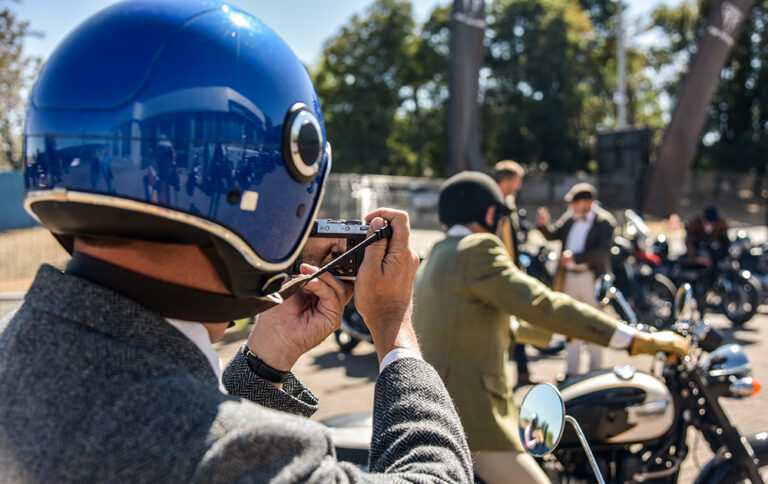
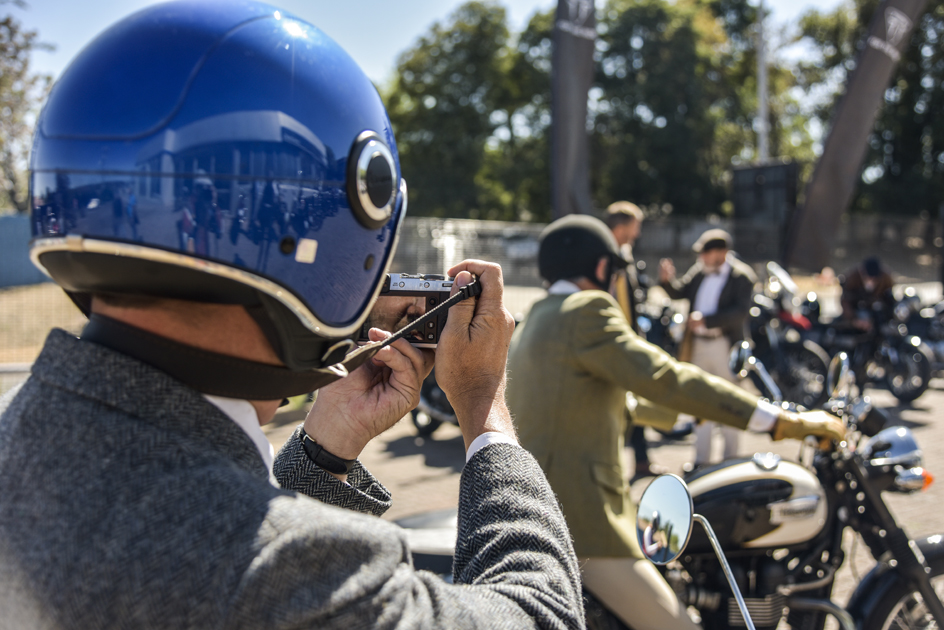
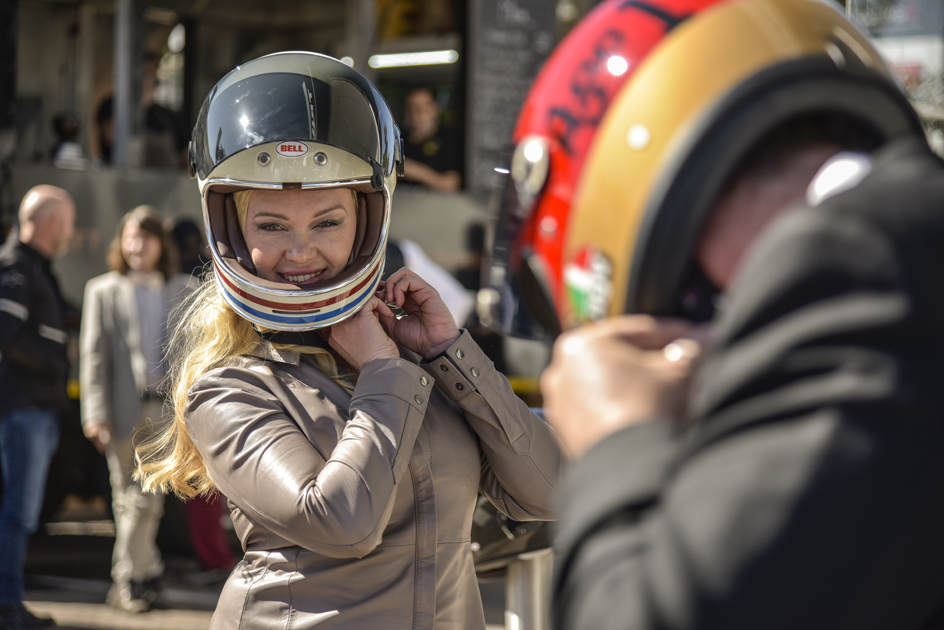
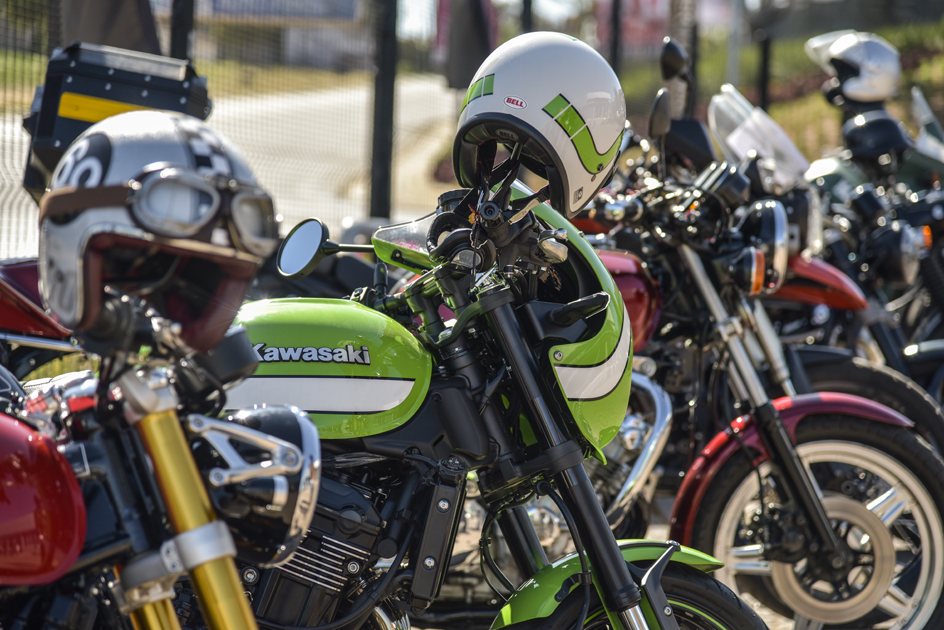
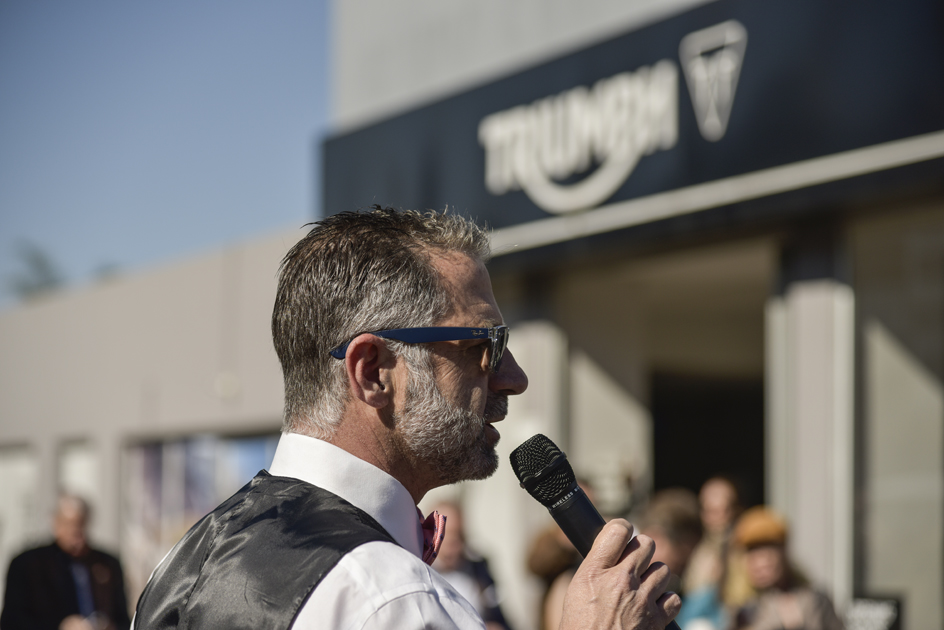
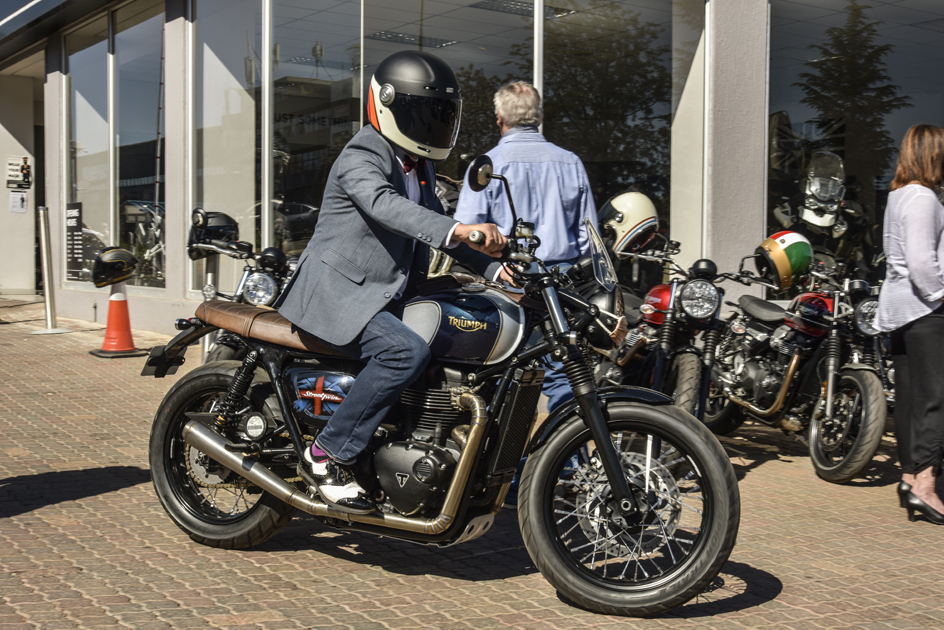
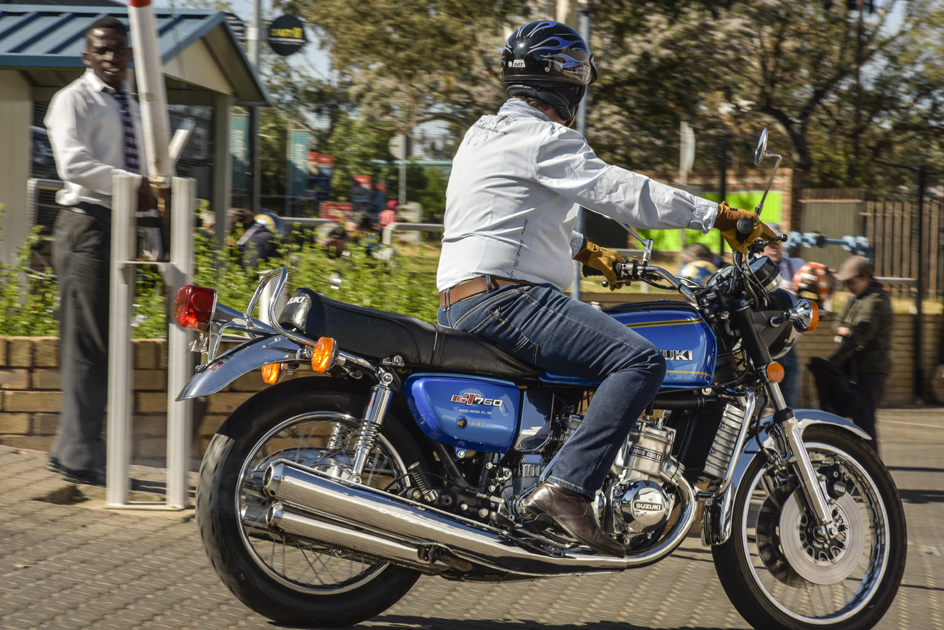
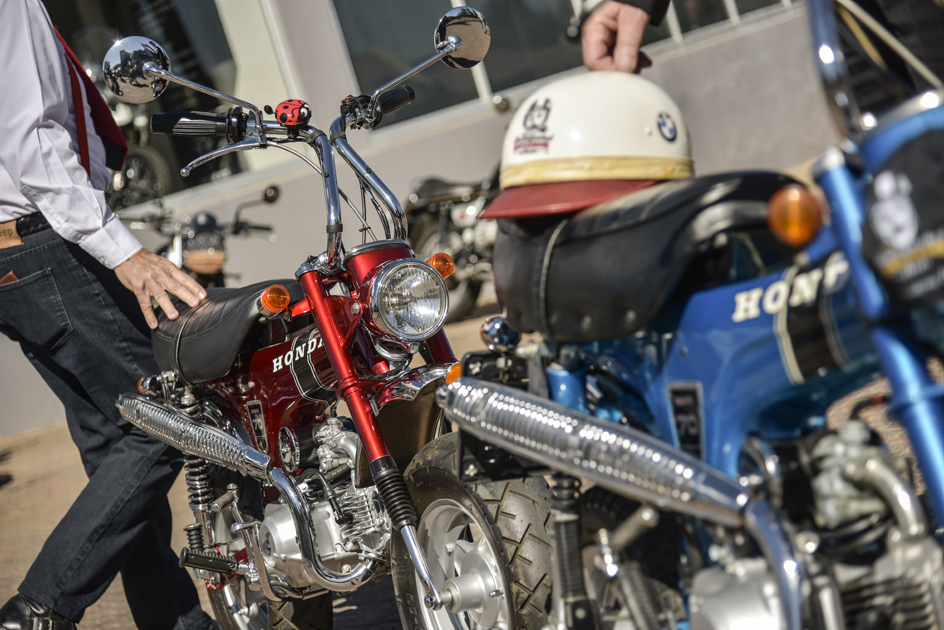
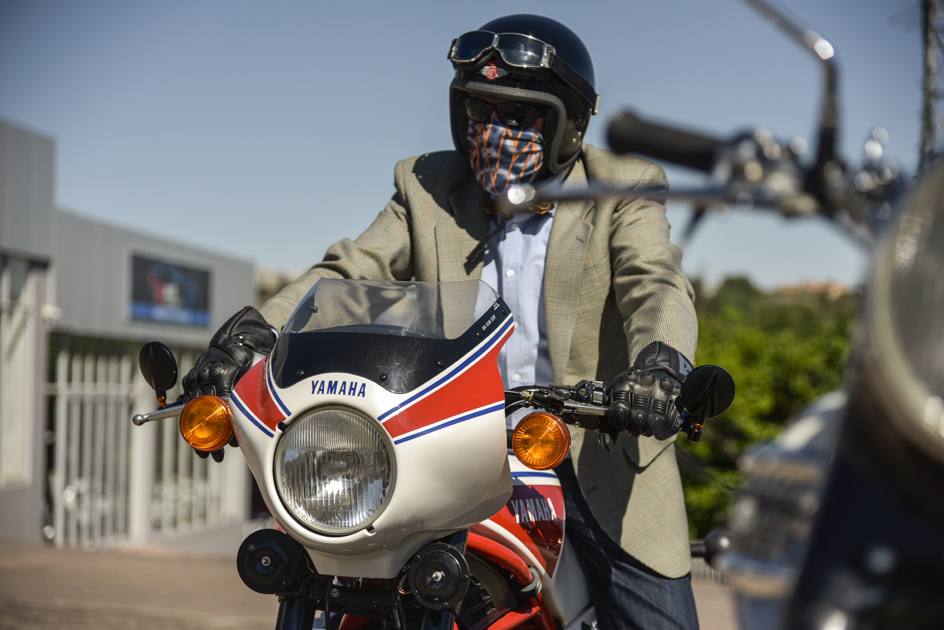
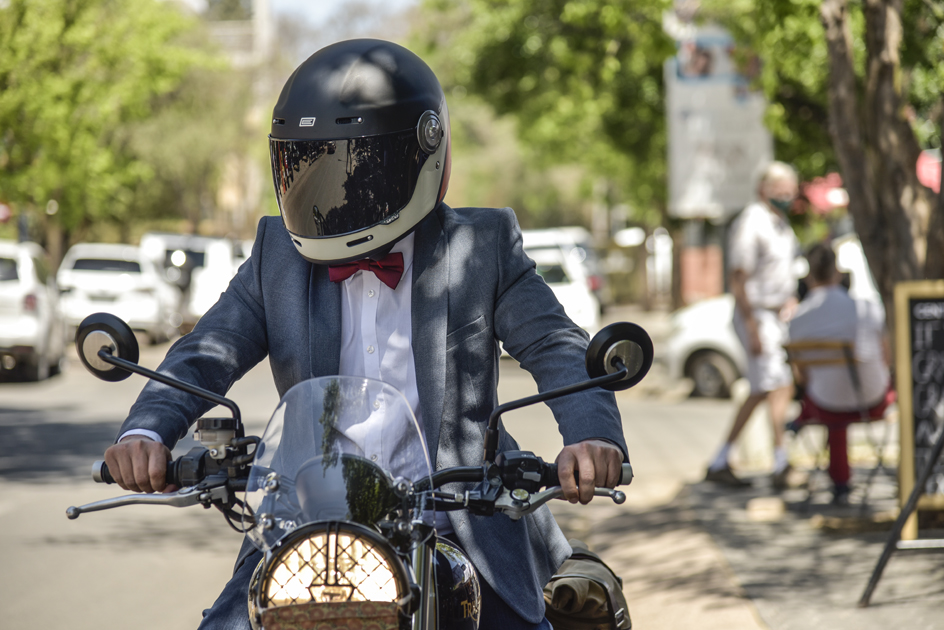
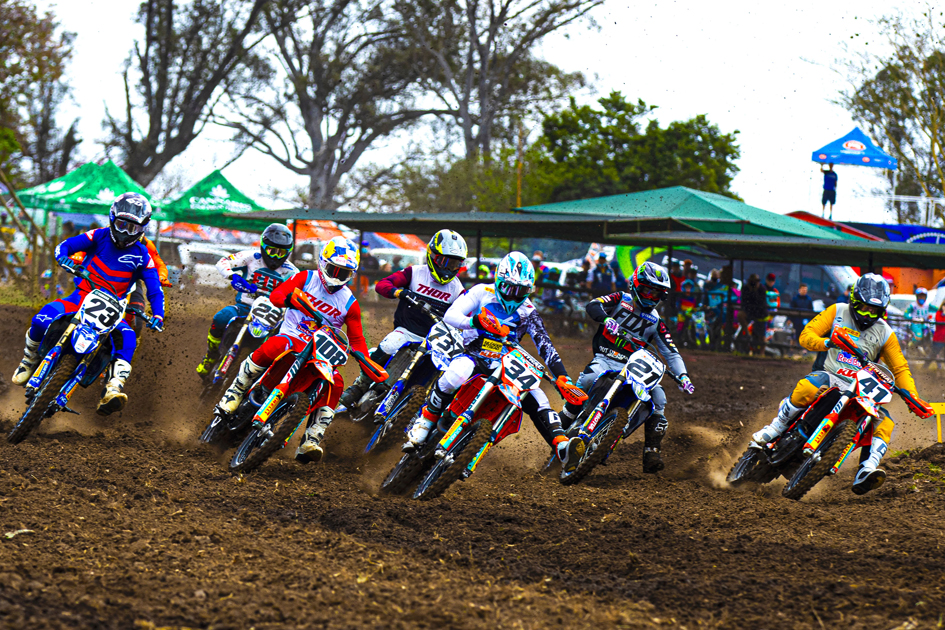
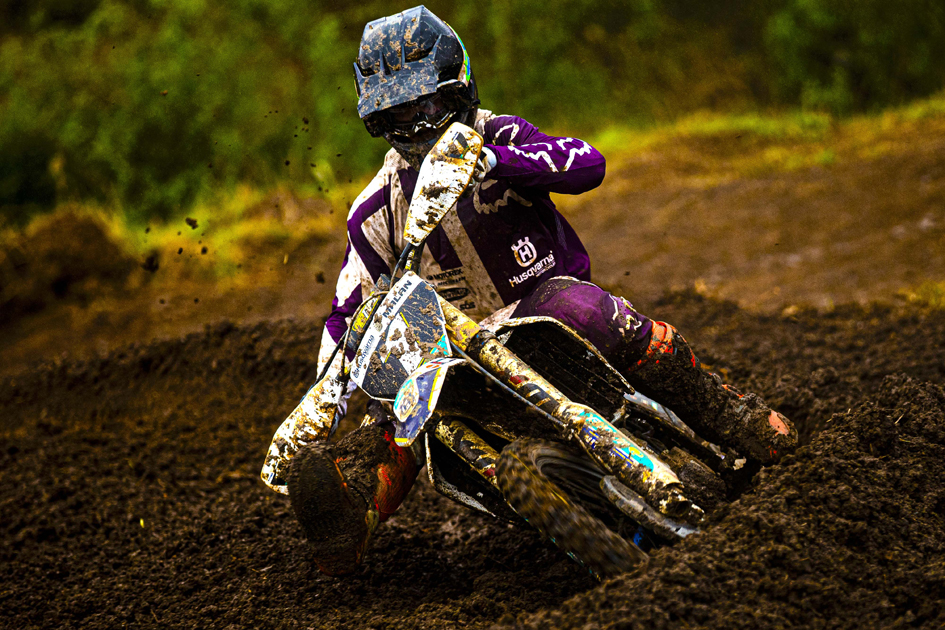
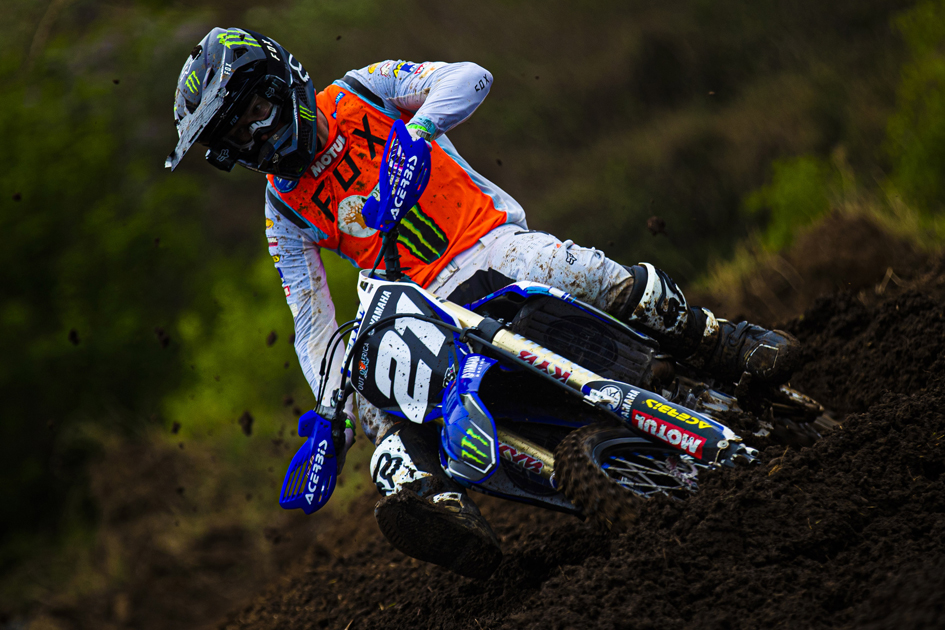
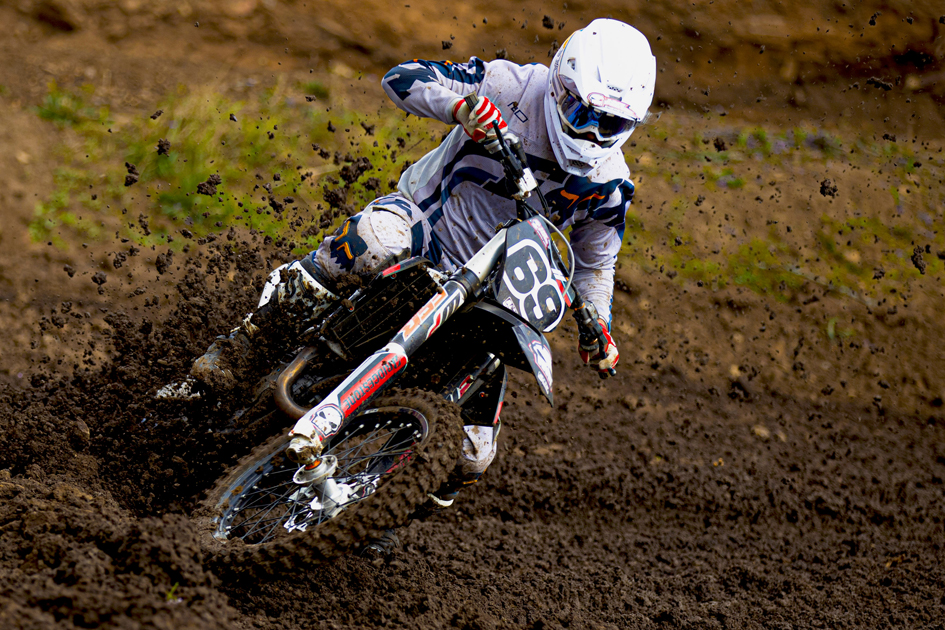
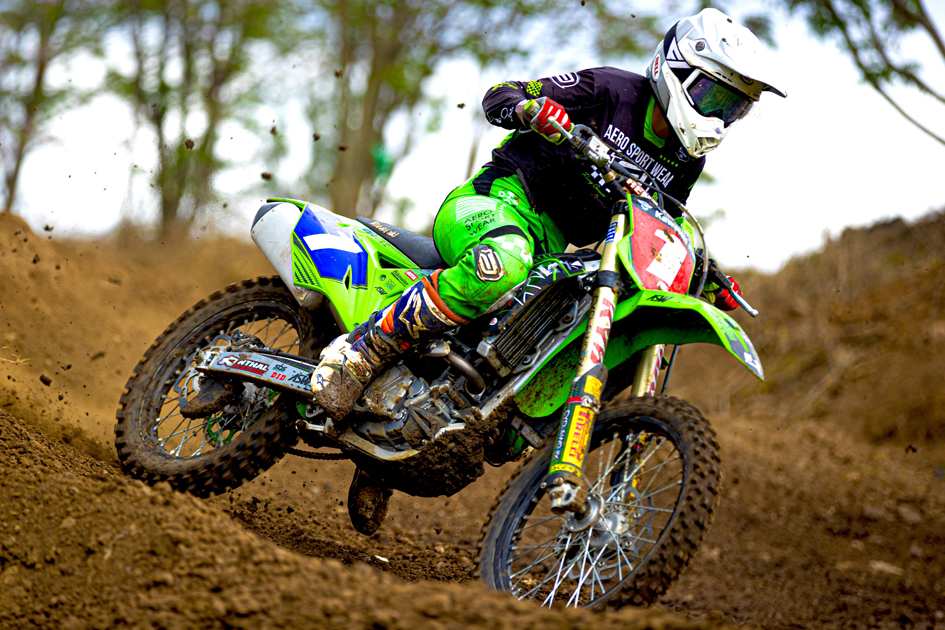
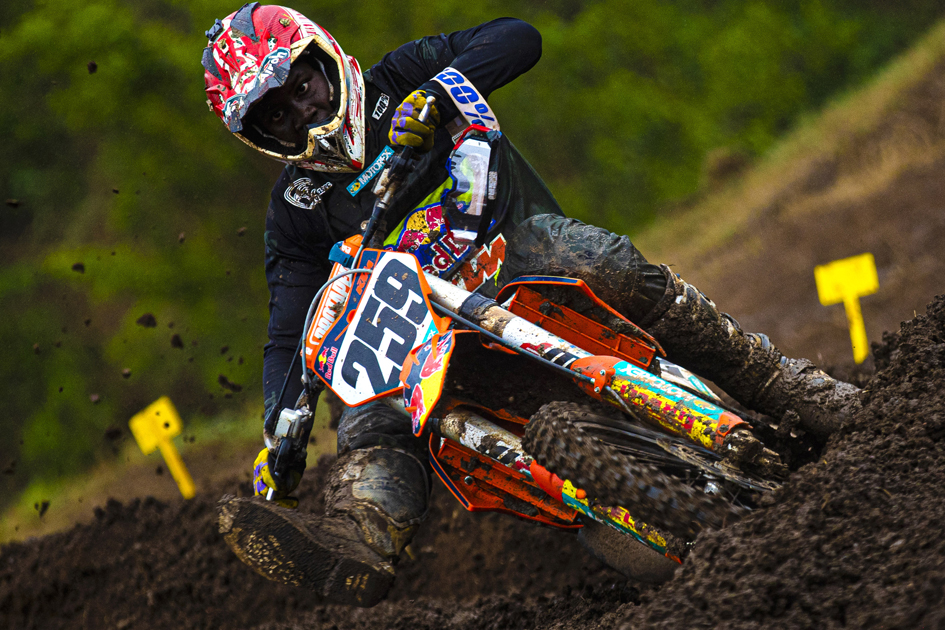
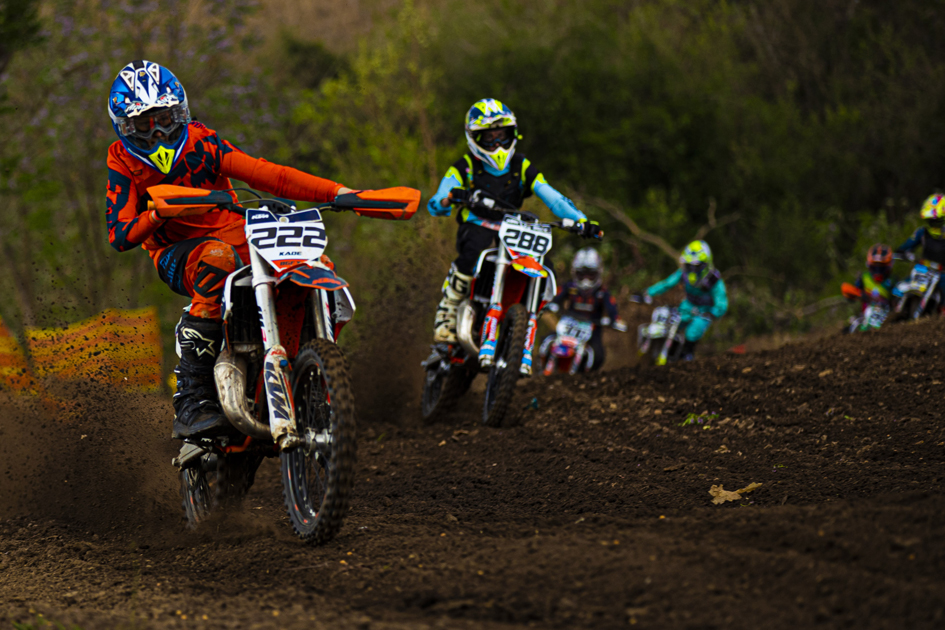
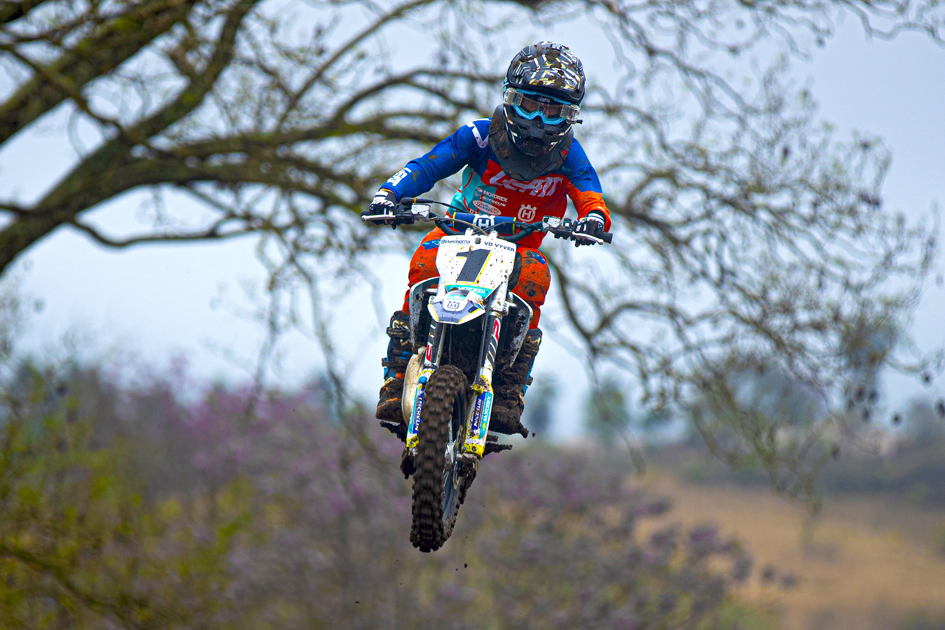
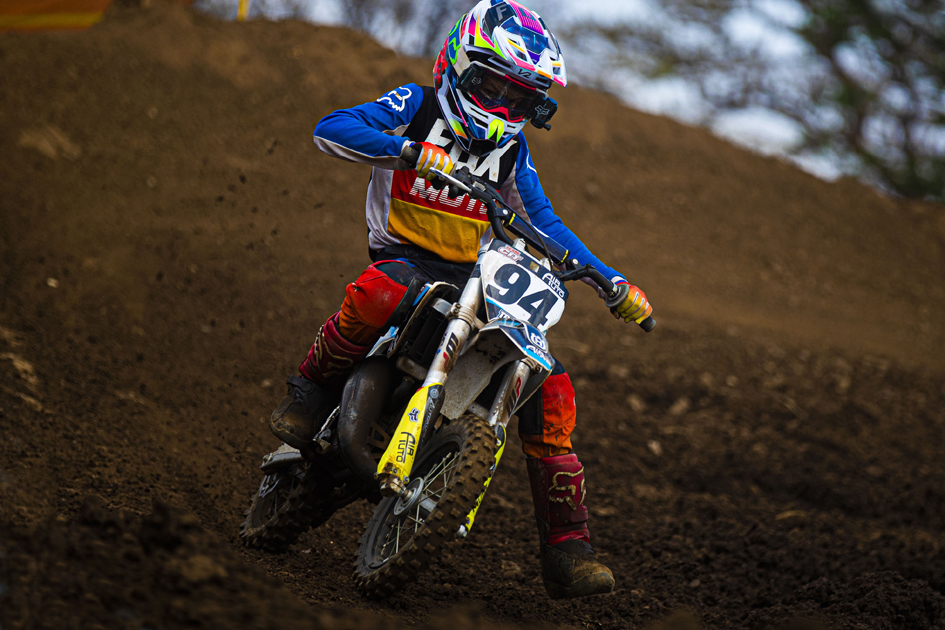
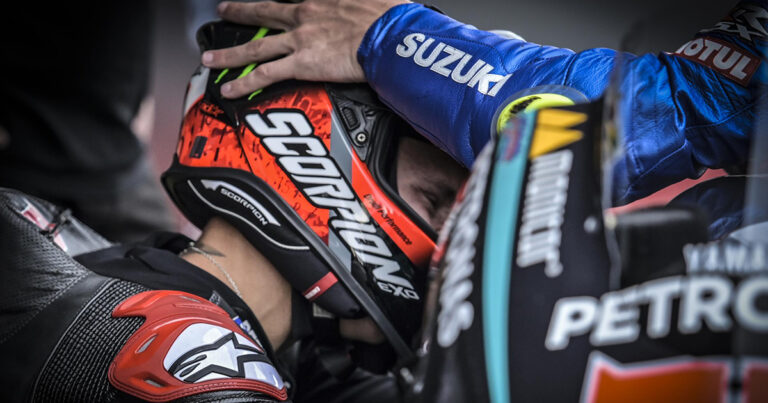
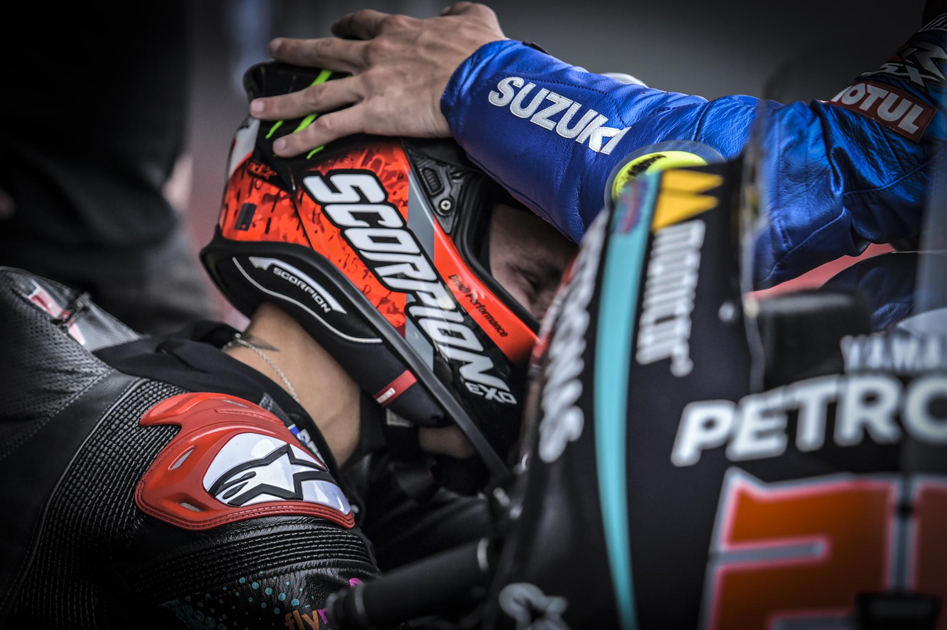
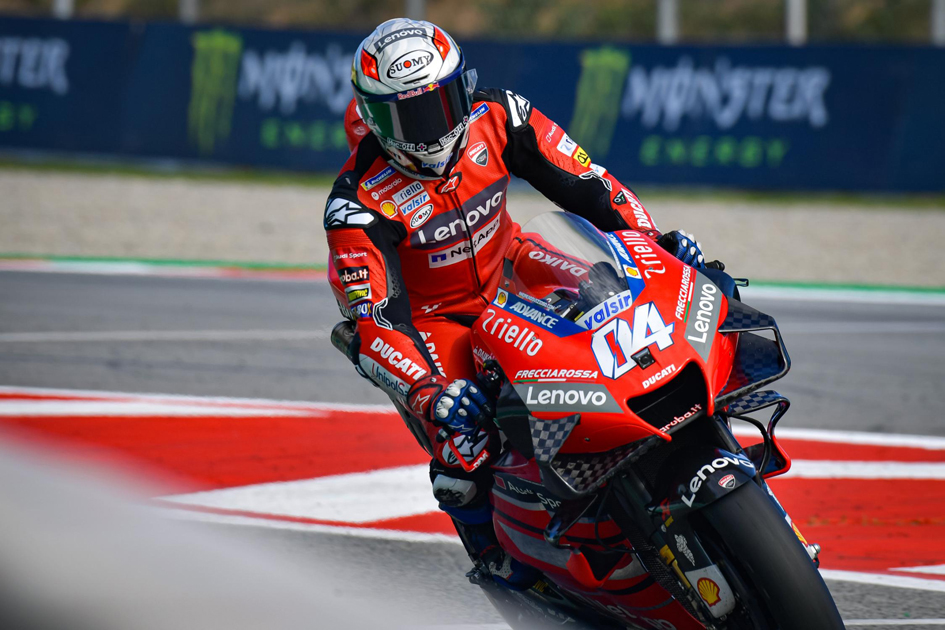
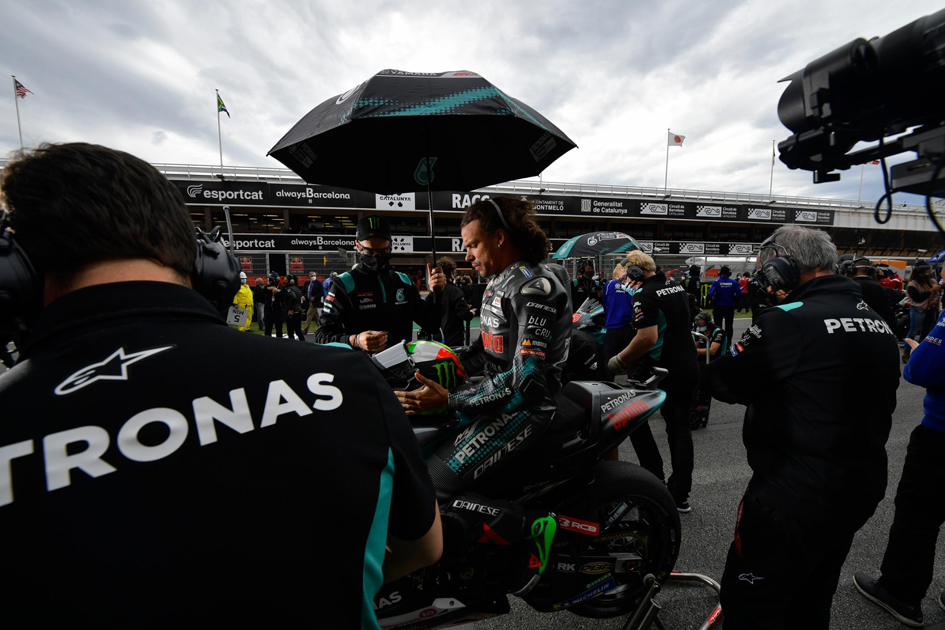
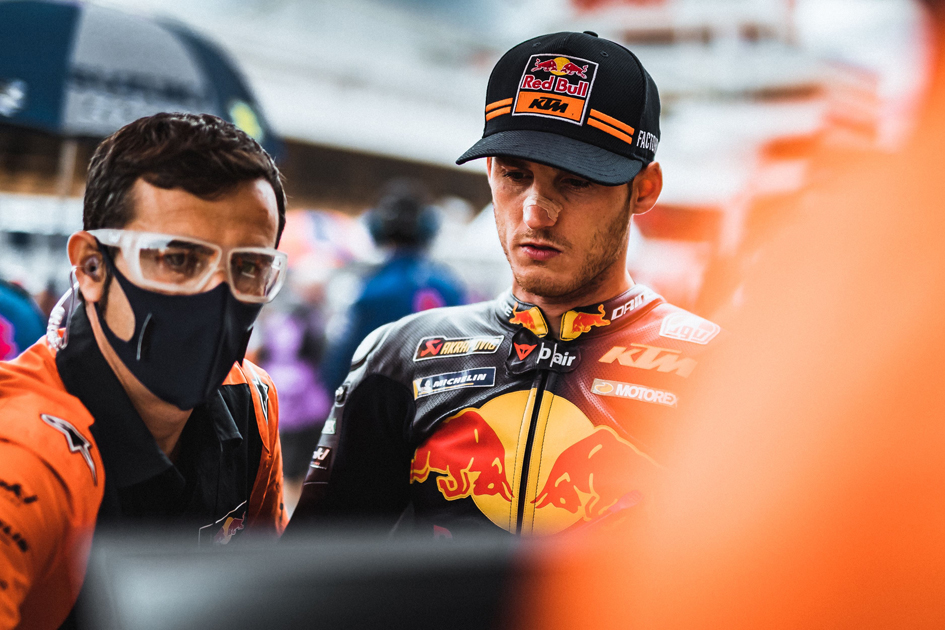
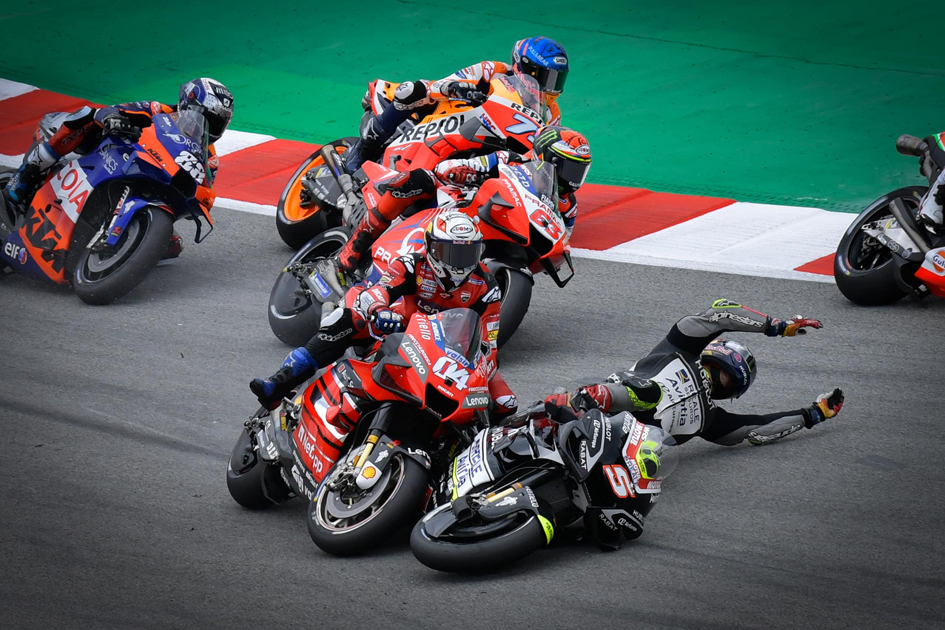
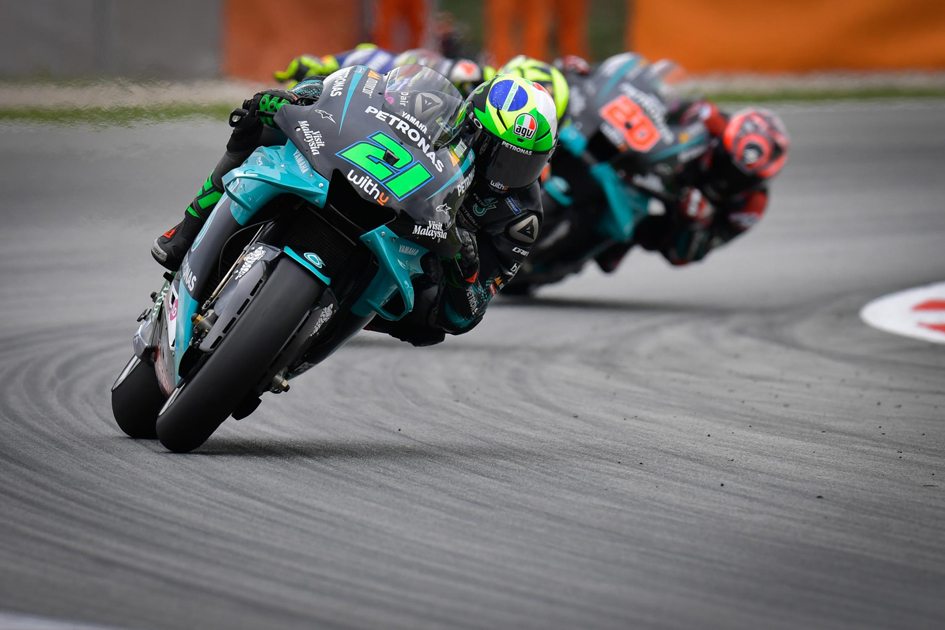
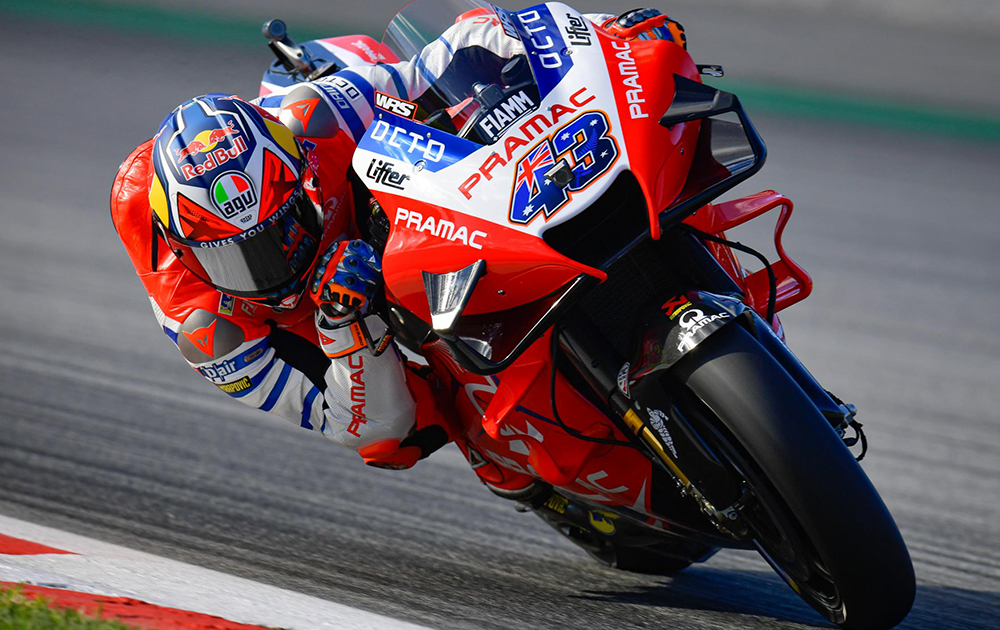
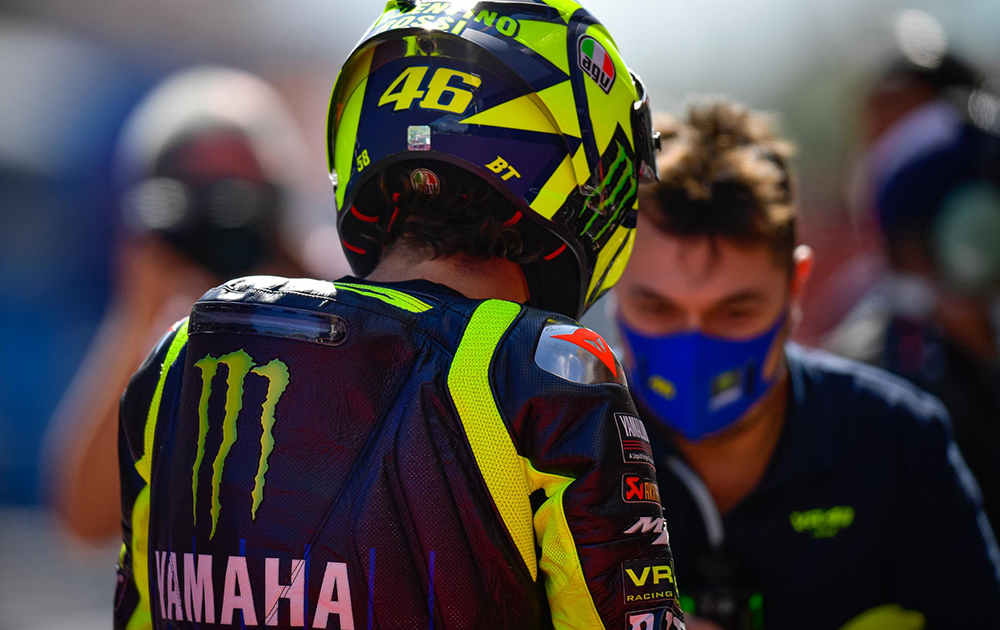
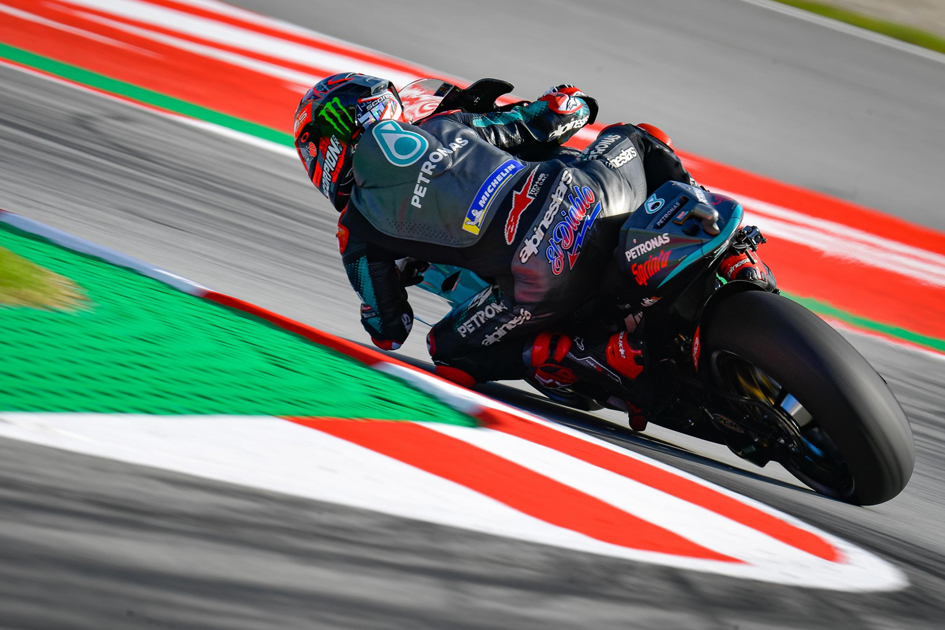
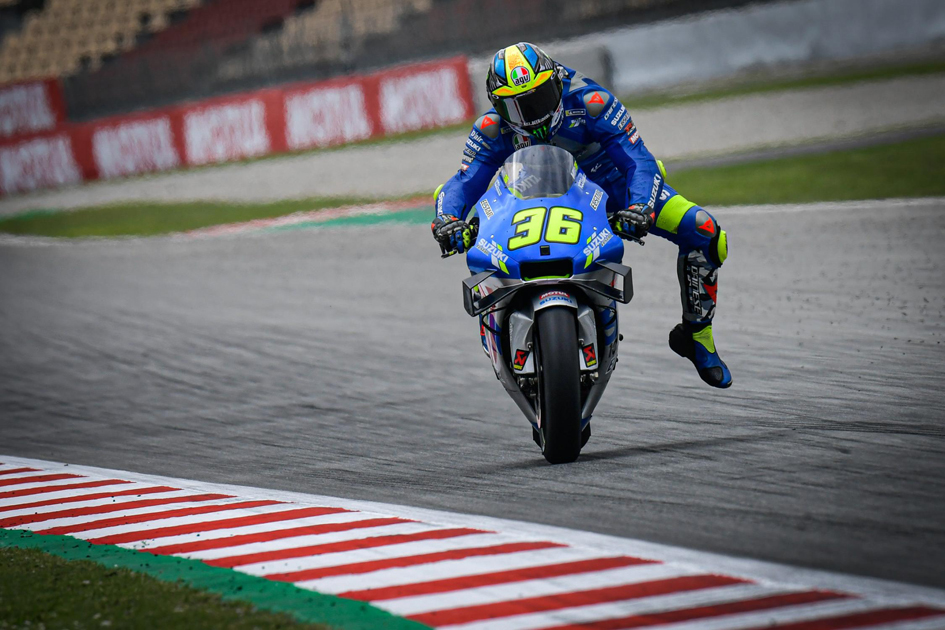
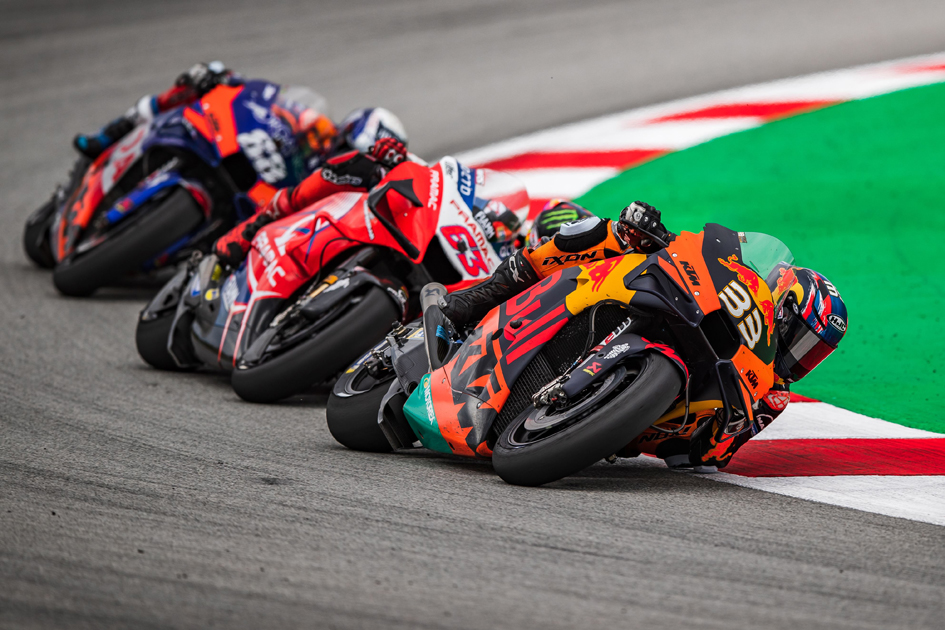
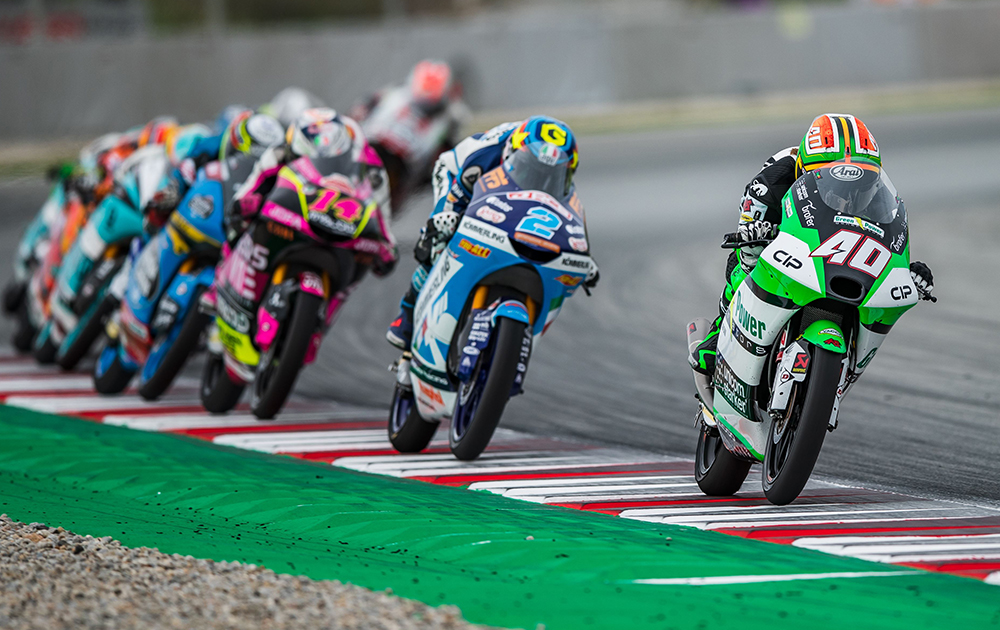
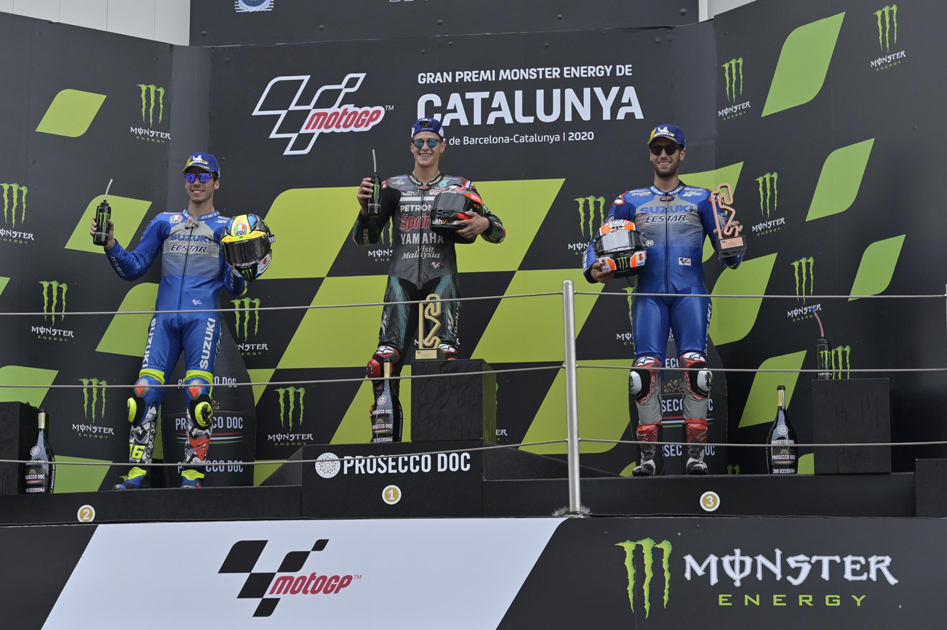
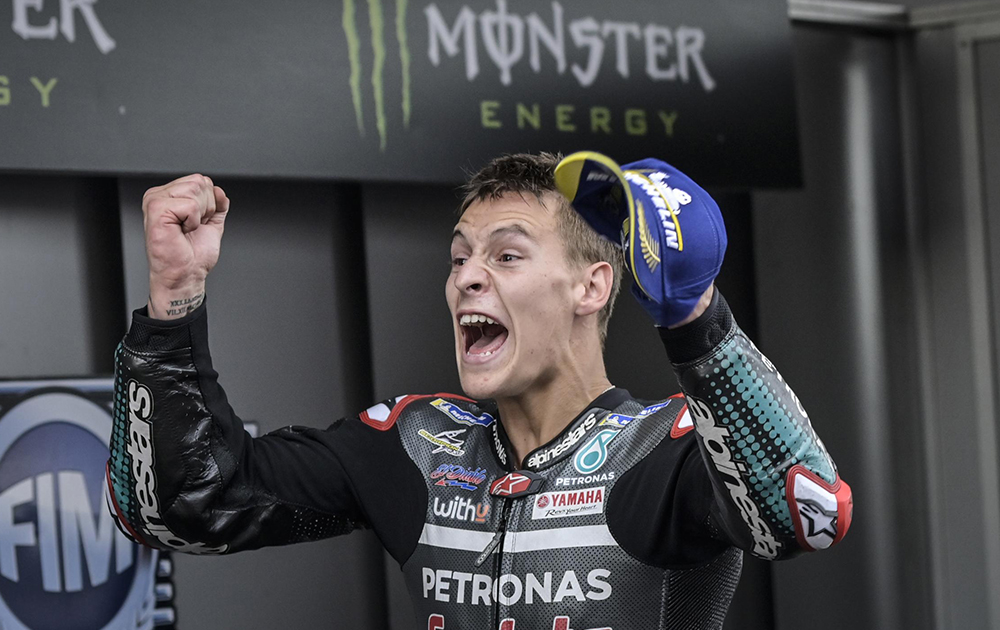
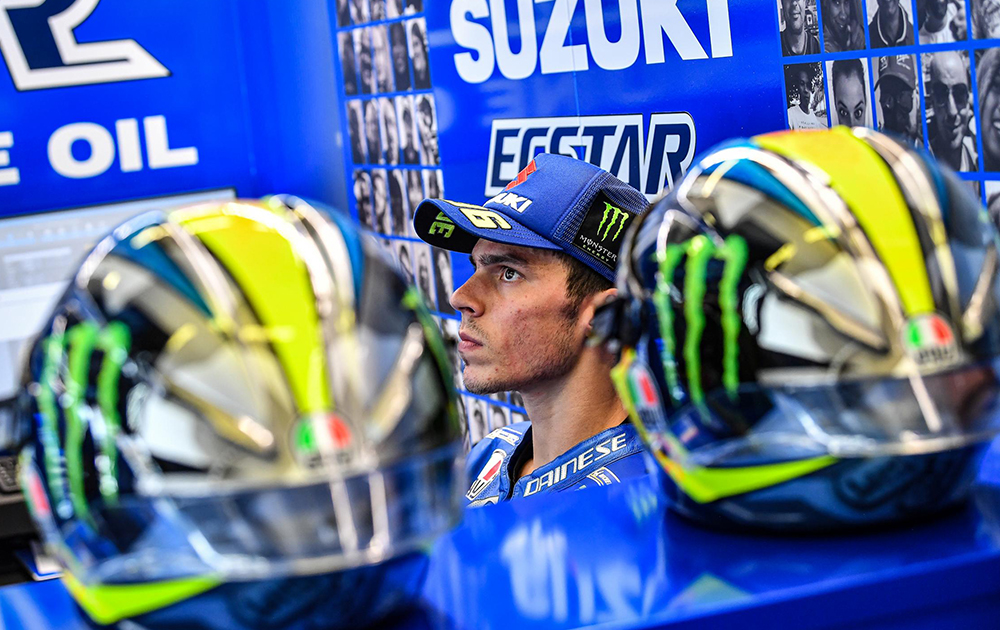
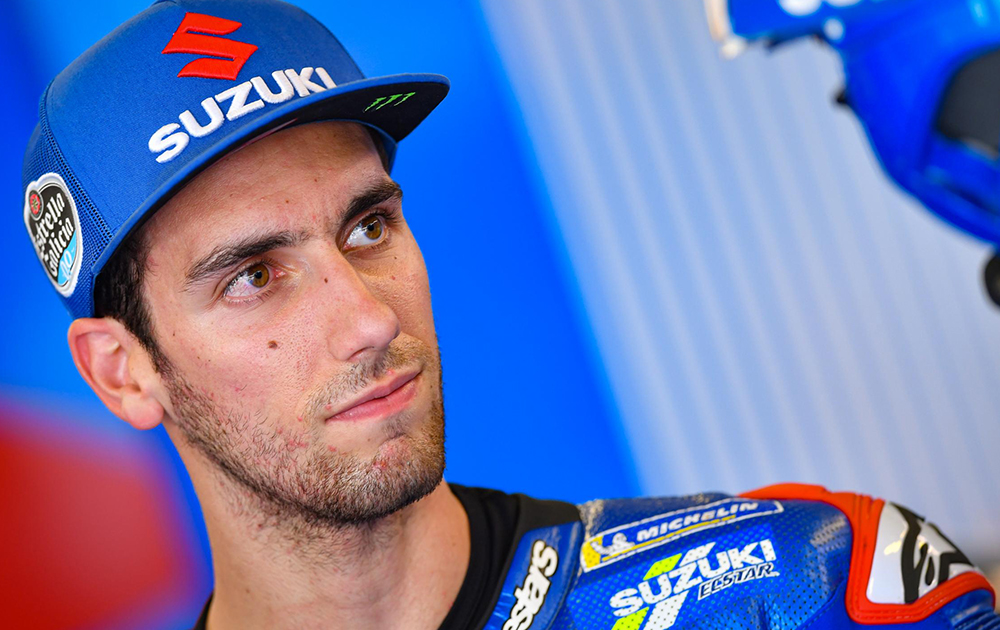
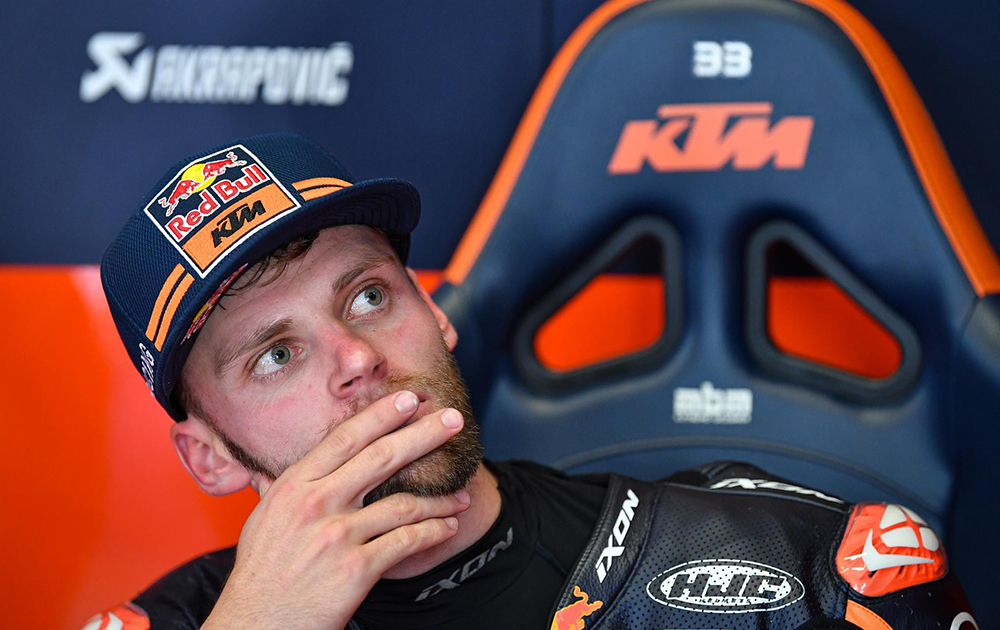
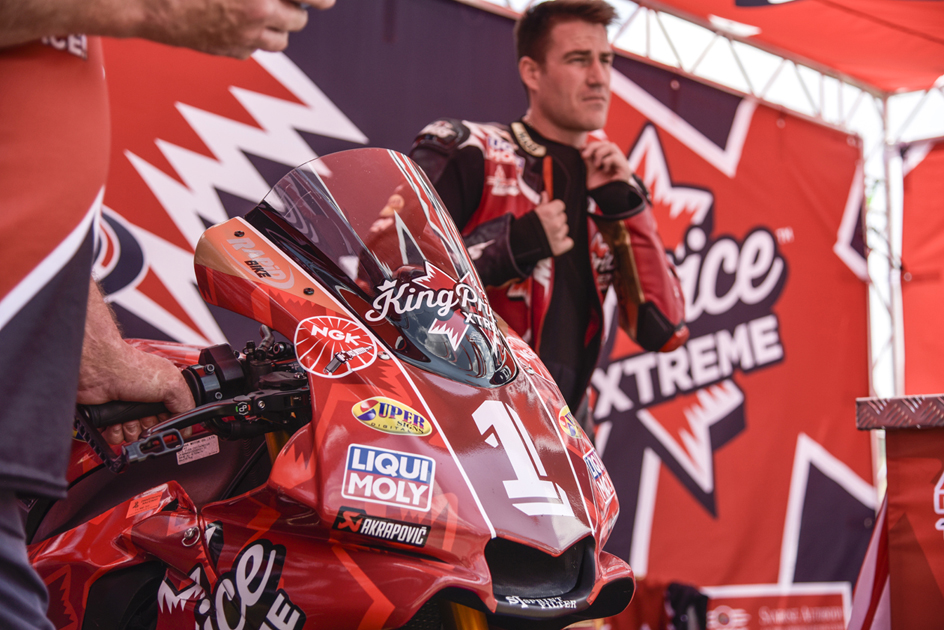
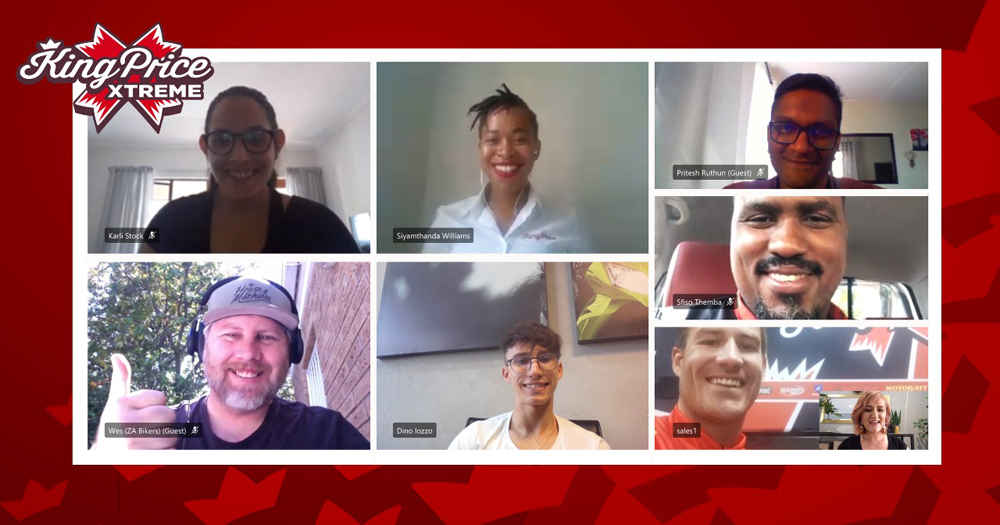
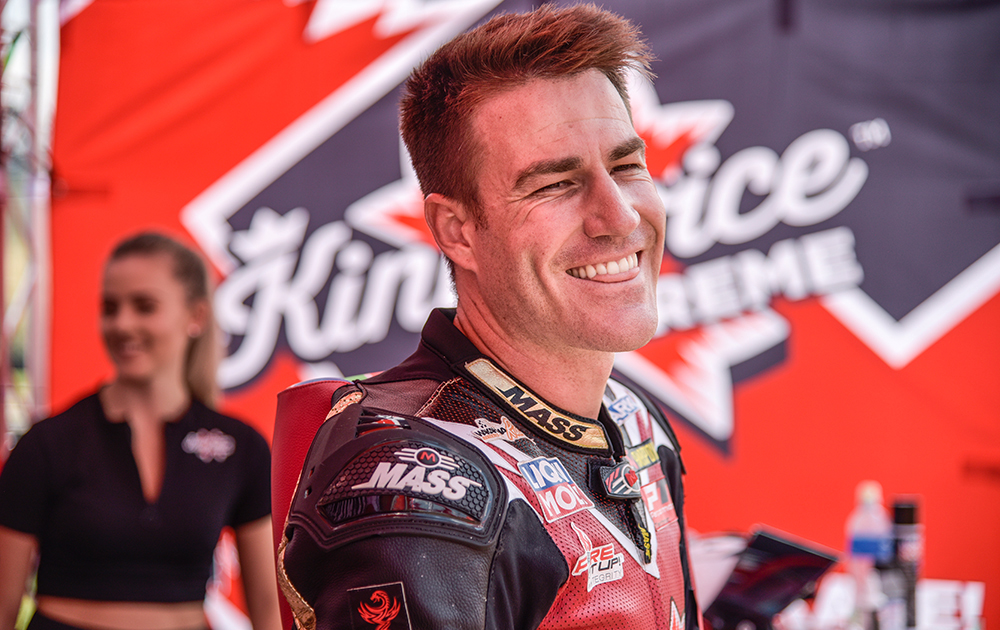
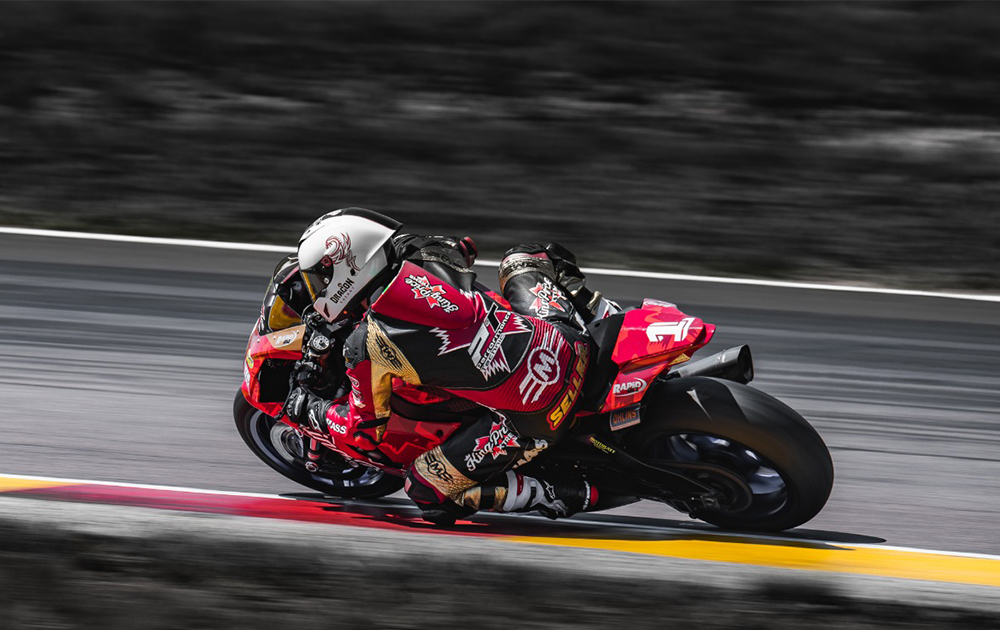
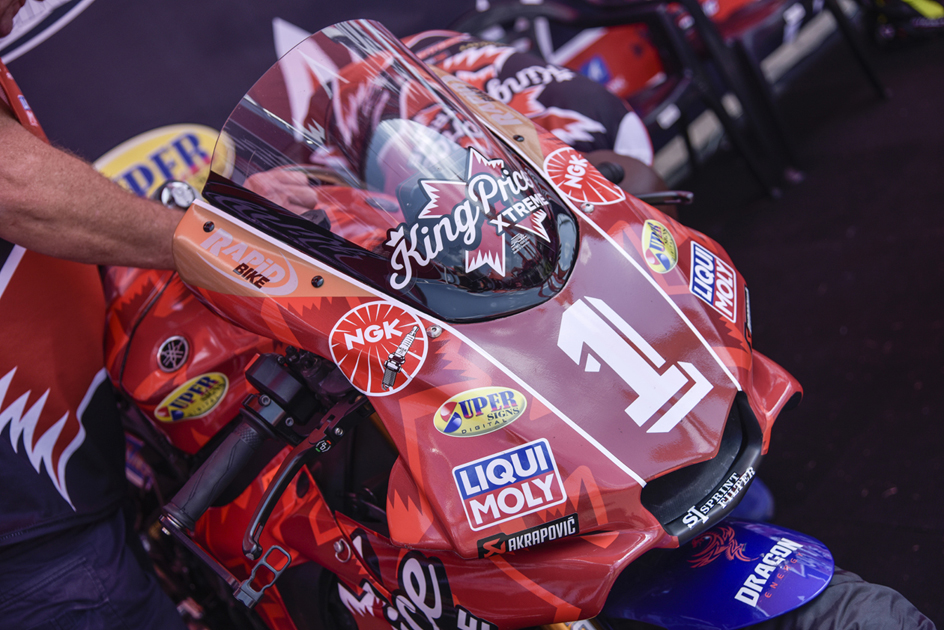 That was very comforting, and very comforting for the other two riders in the team I think—that when MSA and the government said the doors are open for racing and motorsport, we were going to be on track. That was very reassuring for me, as an athlete, because it’s really hard to maintain that motivation when you’re sitting at home and thinking to yourself “well why should I climb onto the stationary trainer today?” Because, let’s be honest, it’s not a whole bunch of fun sitting there for an hour and a half, sweating in your garage.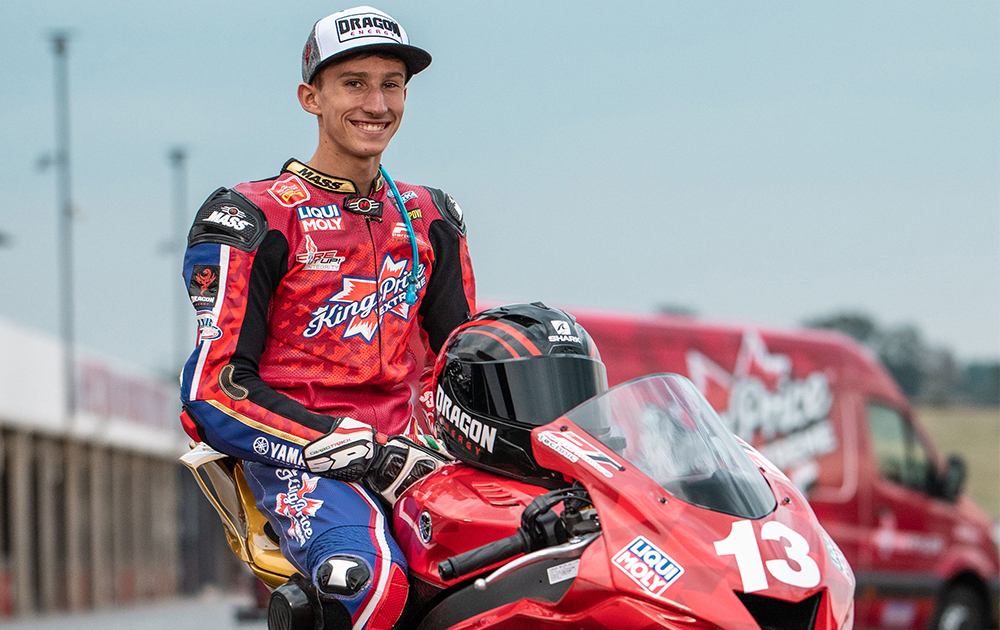
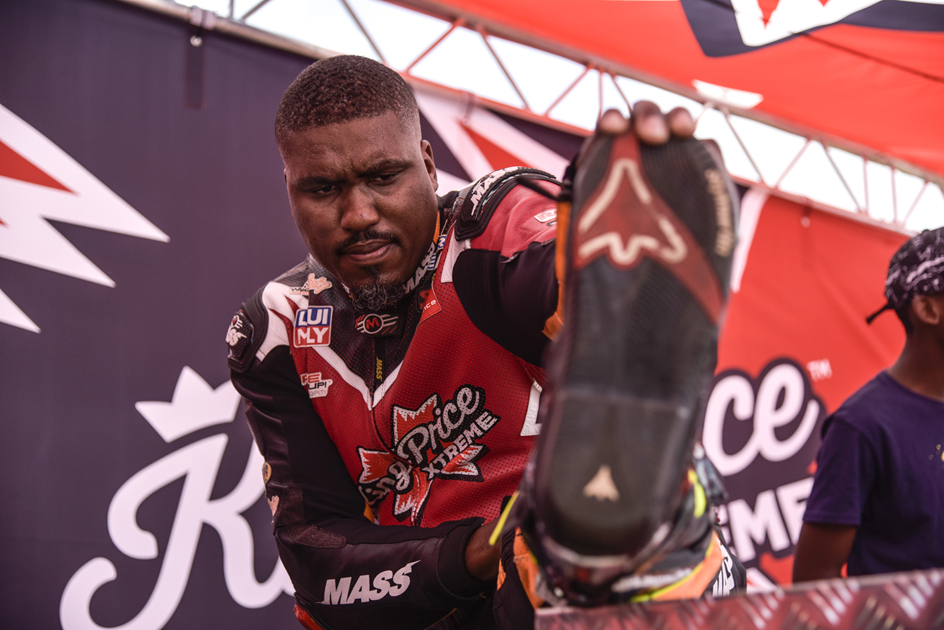
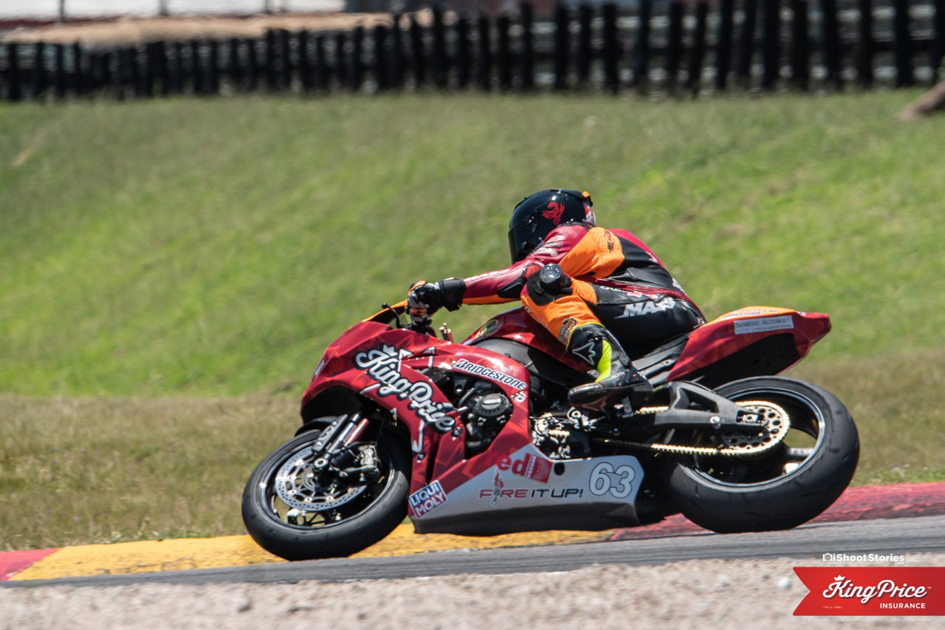
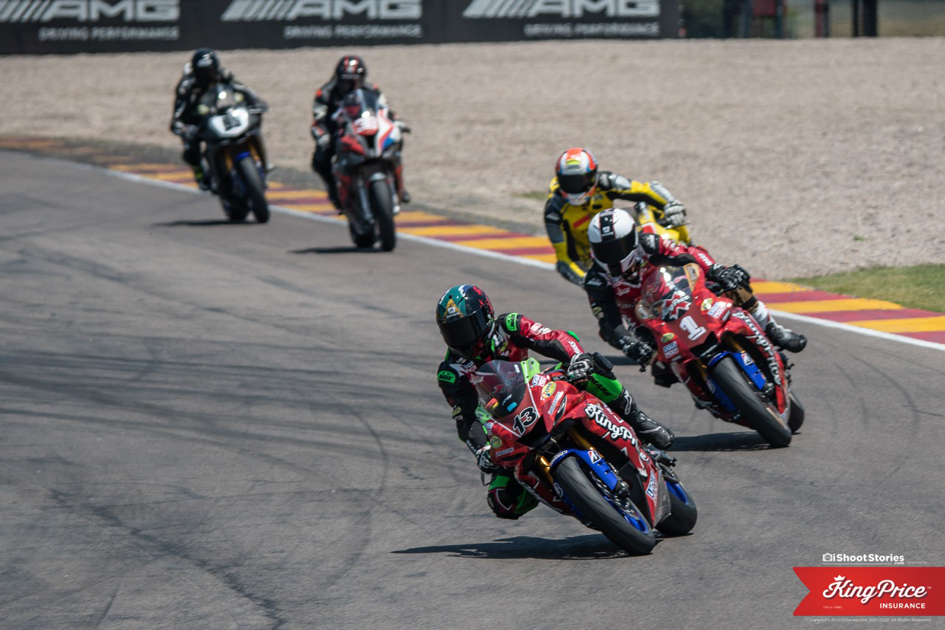
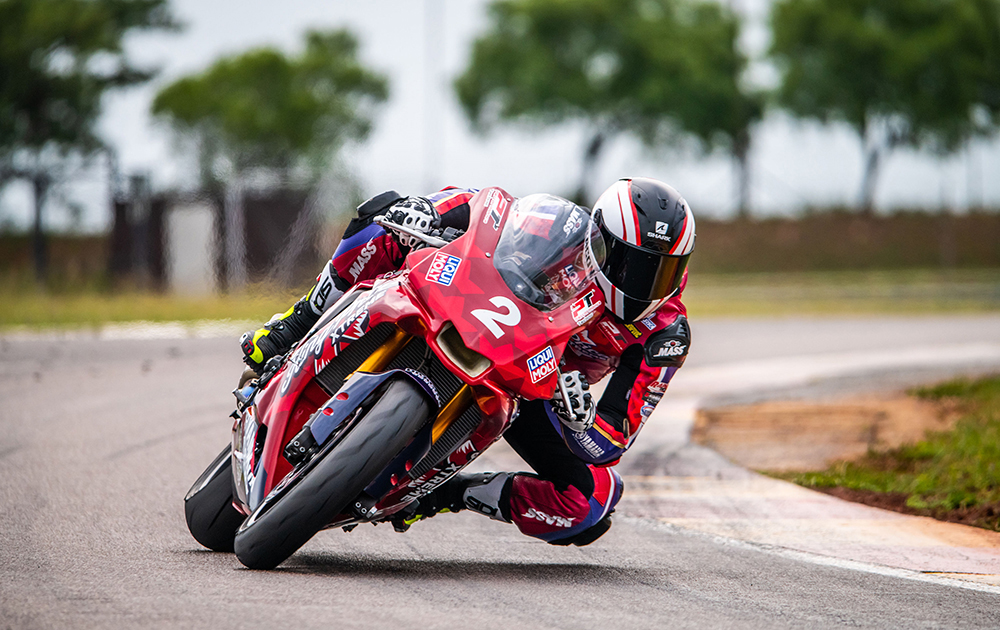
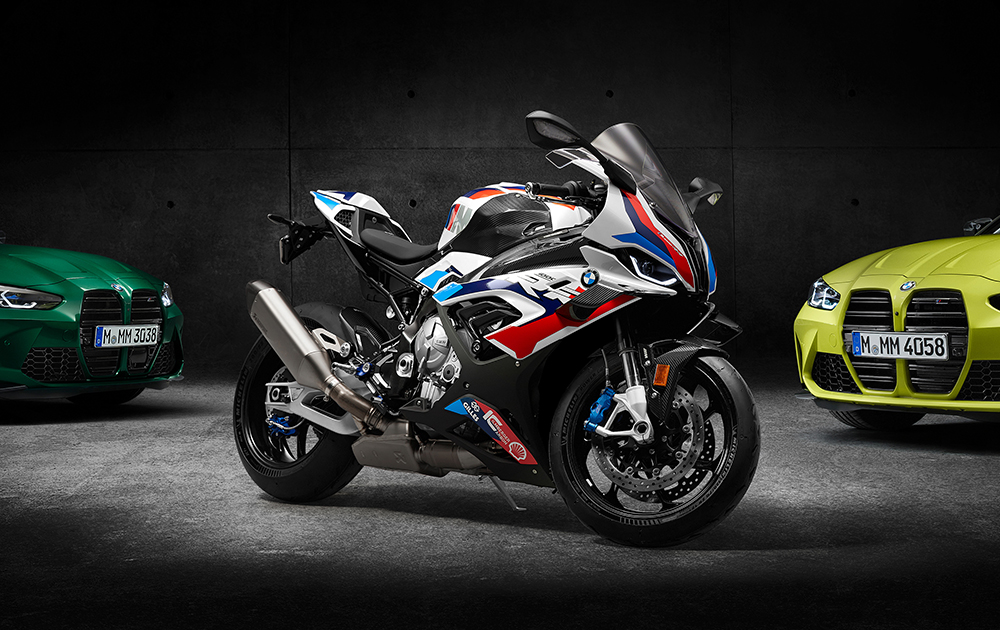
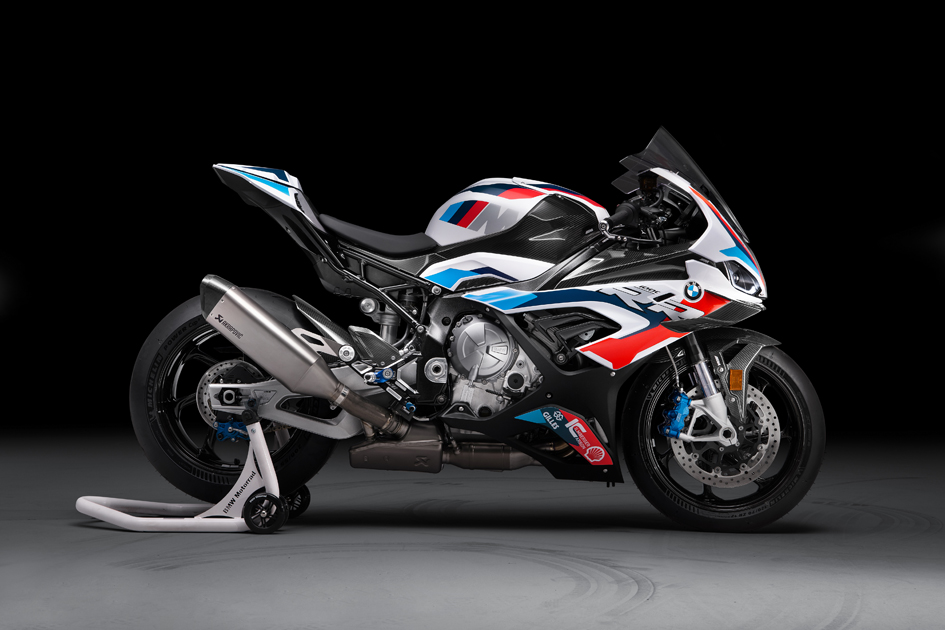
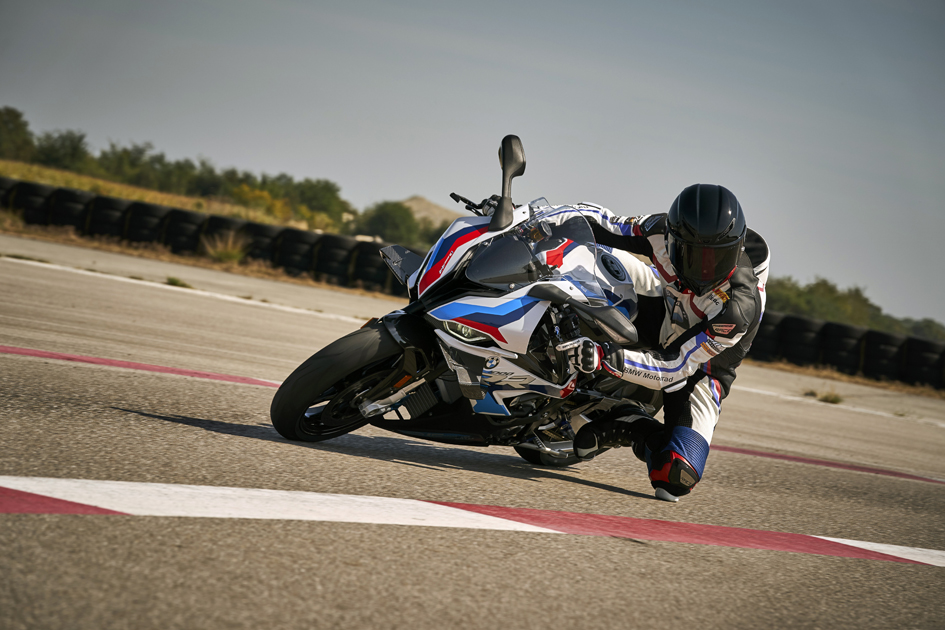
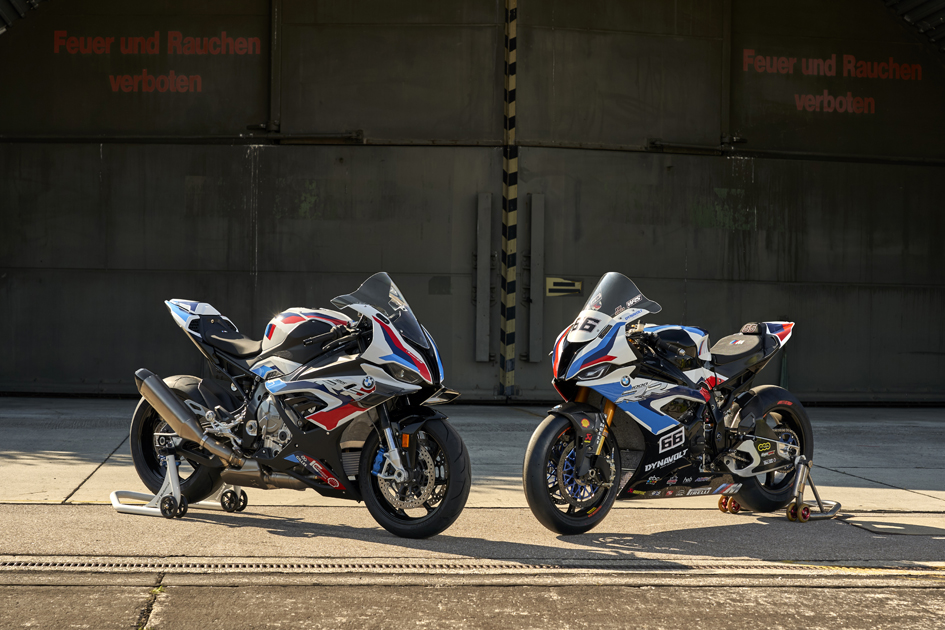
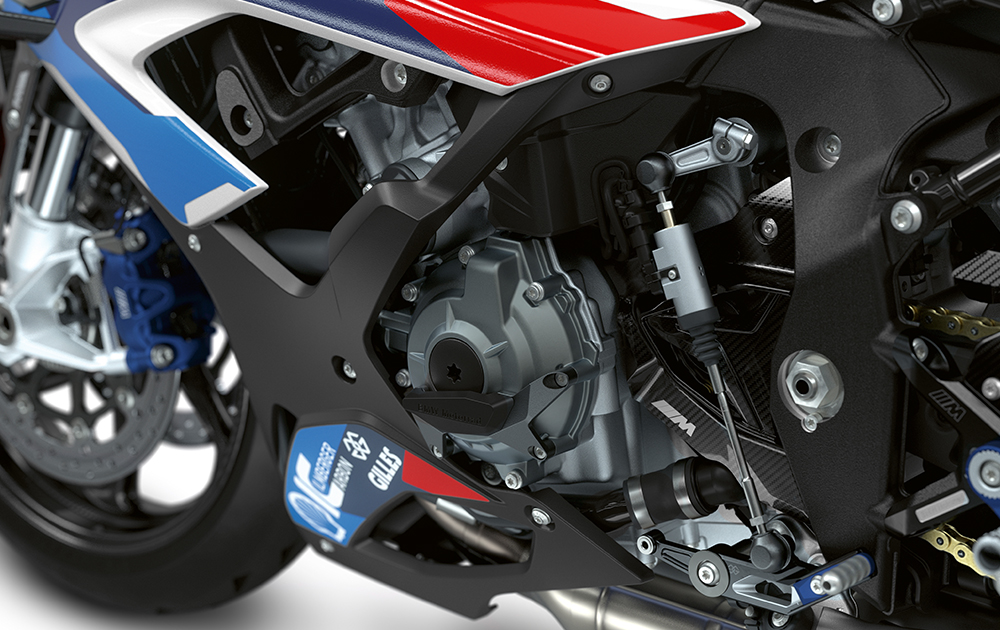
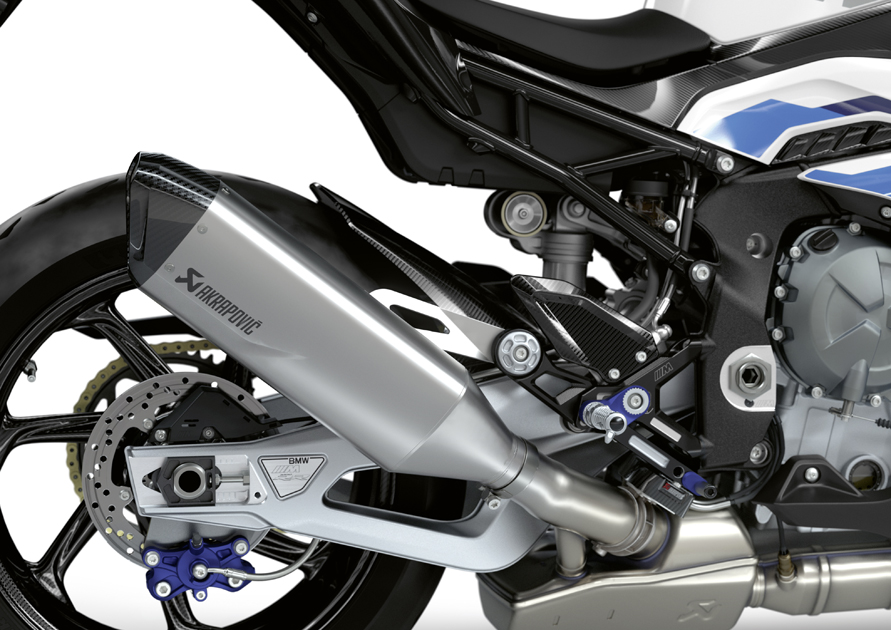
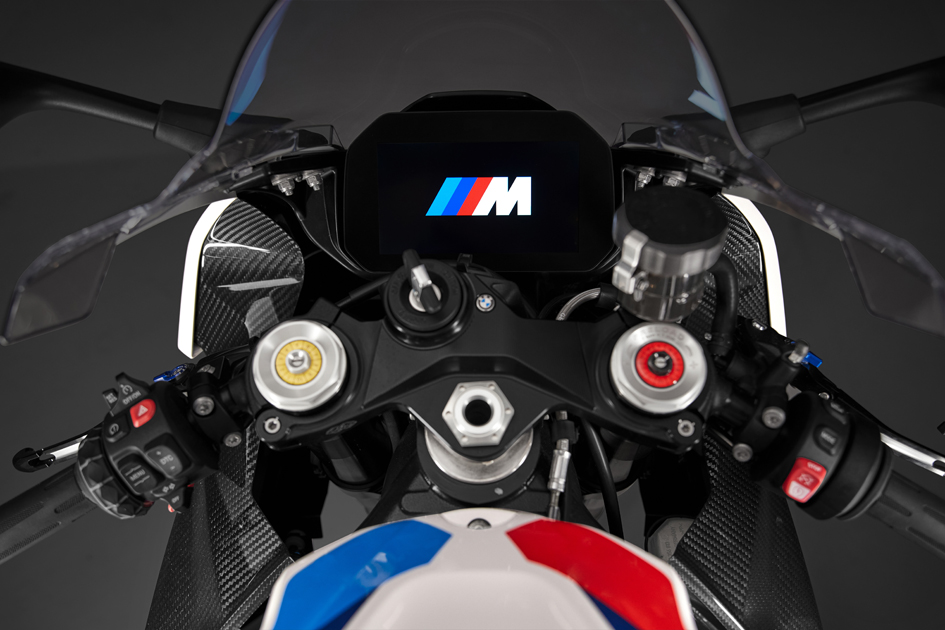
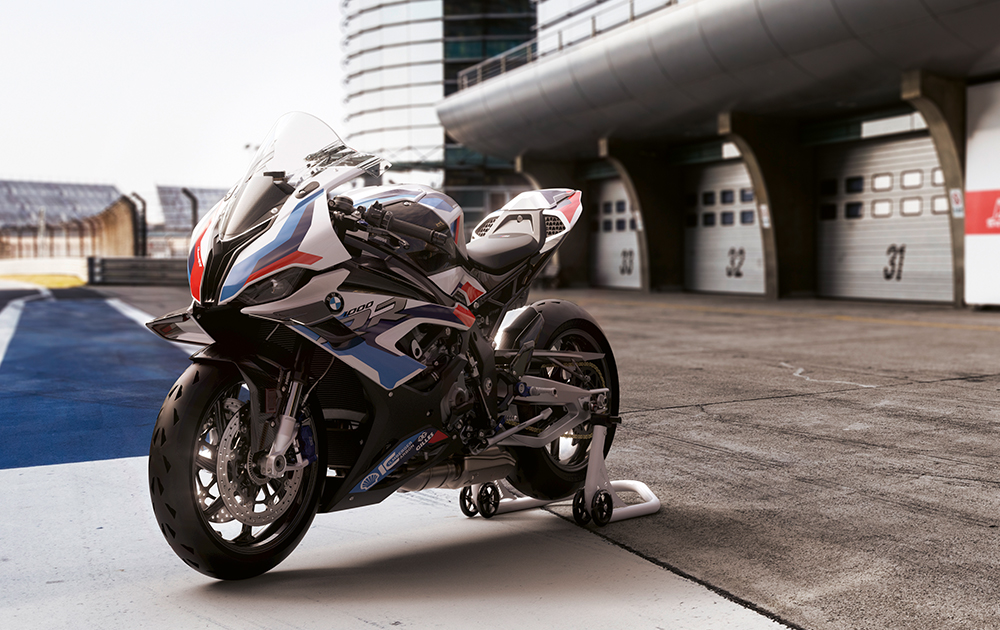
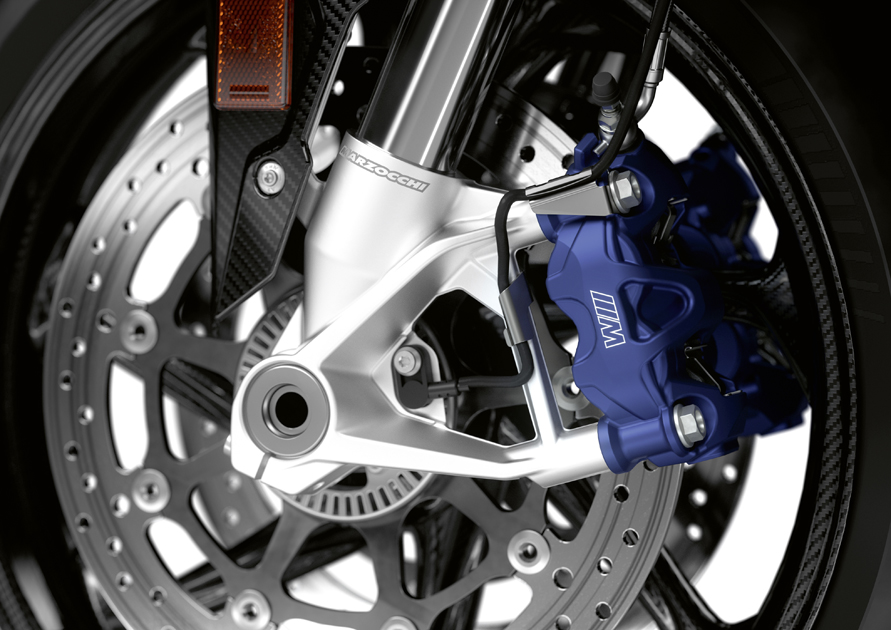
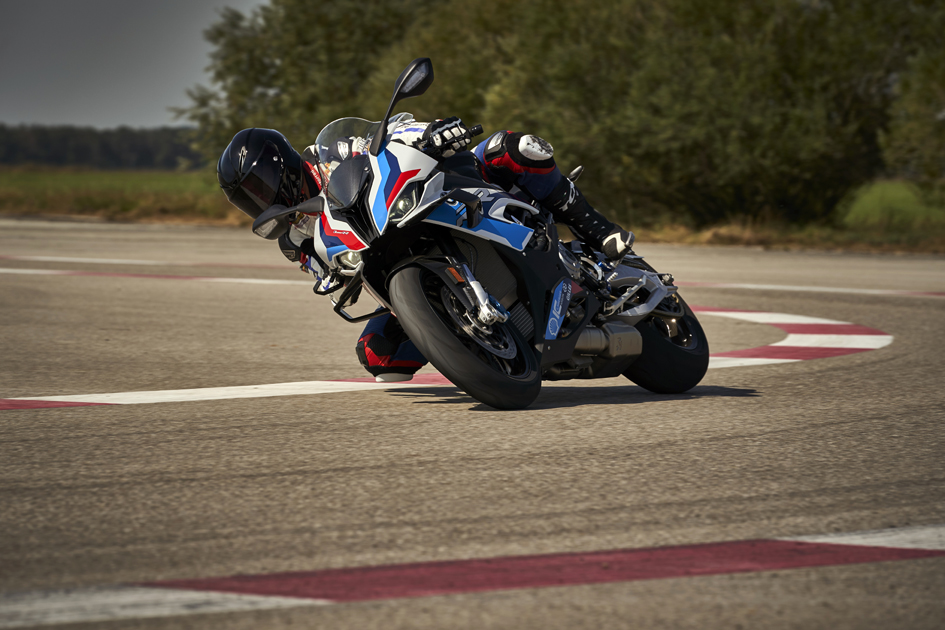
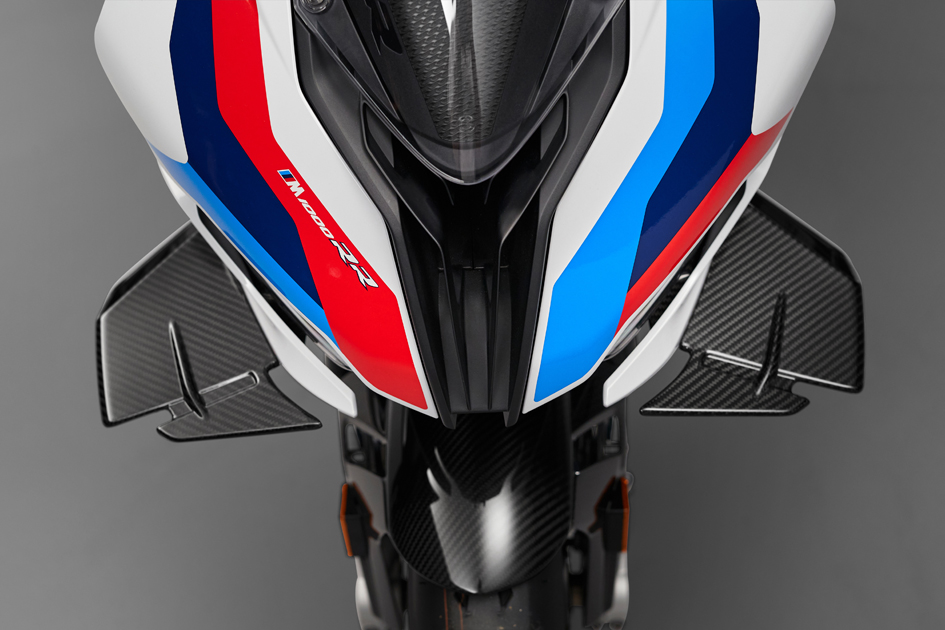
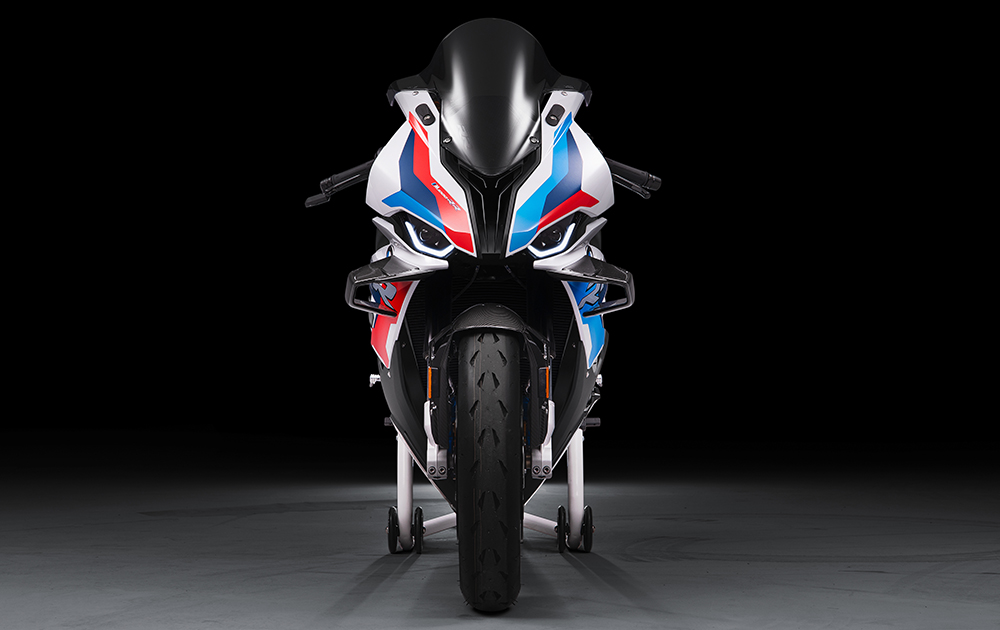
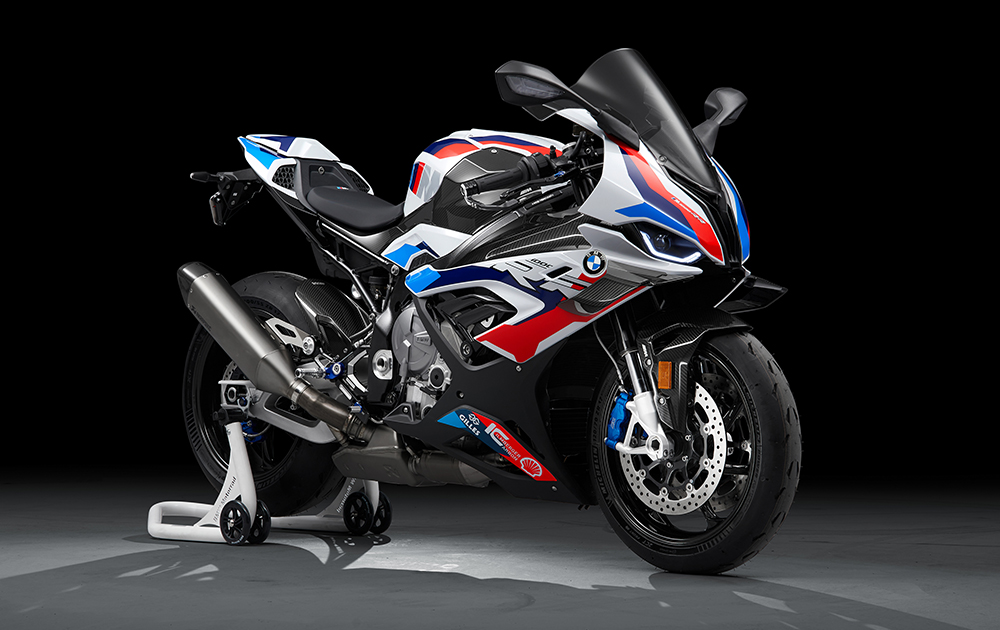
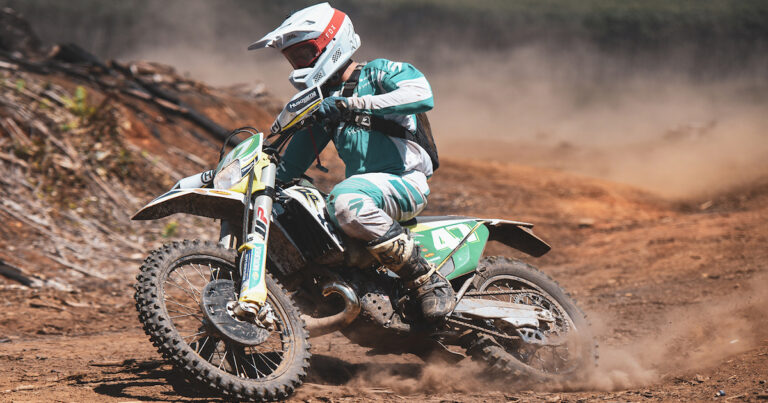
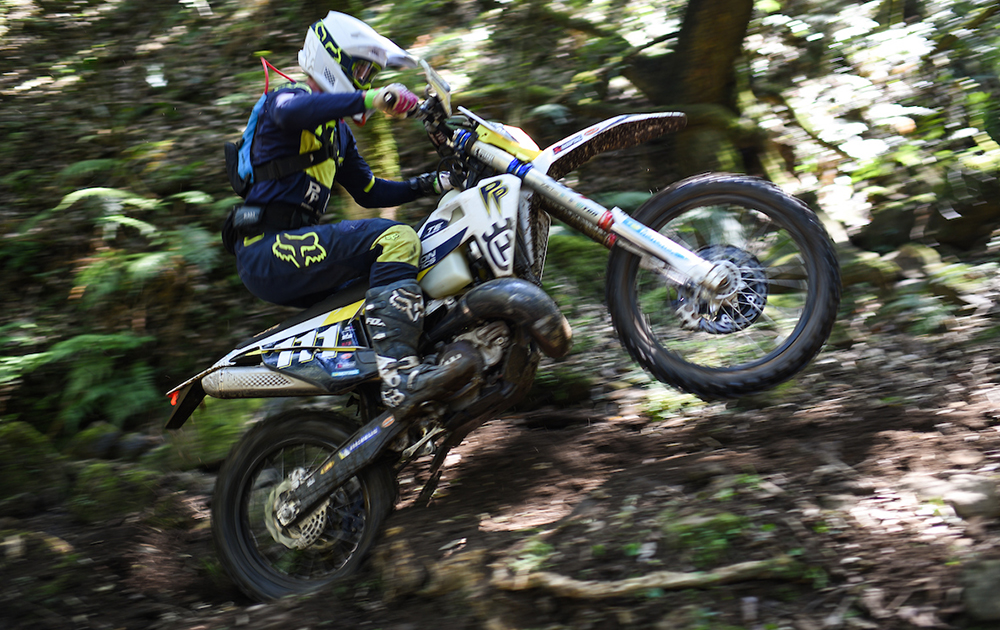
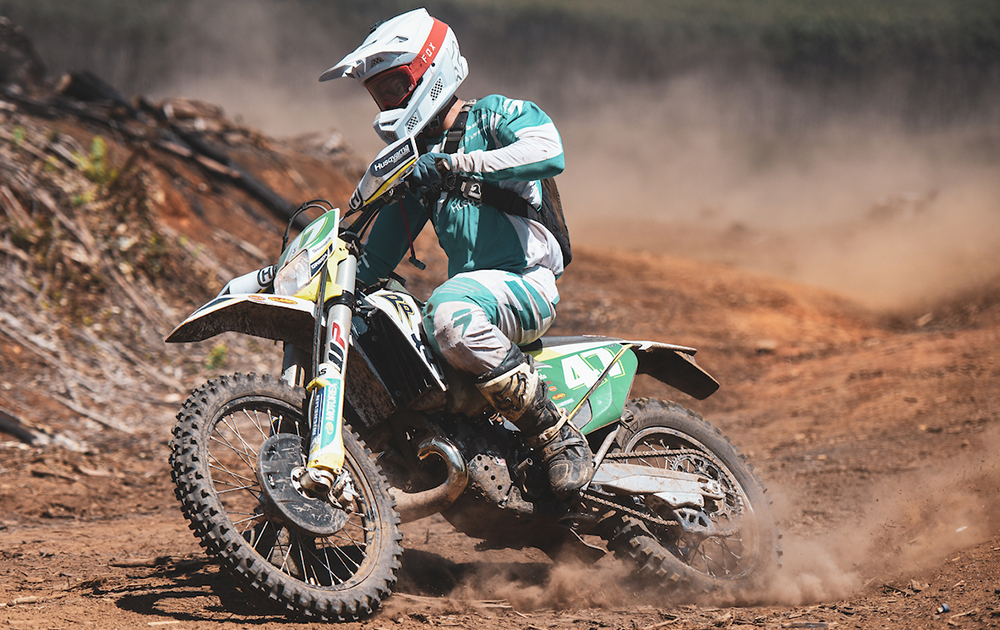
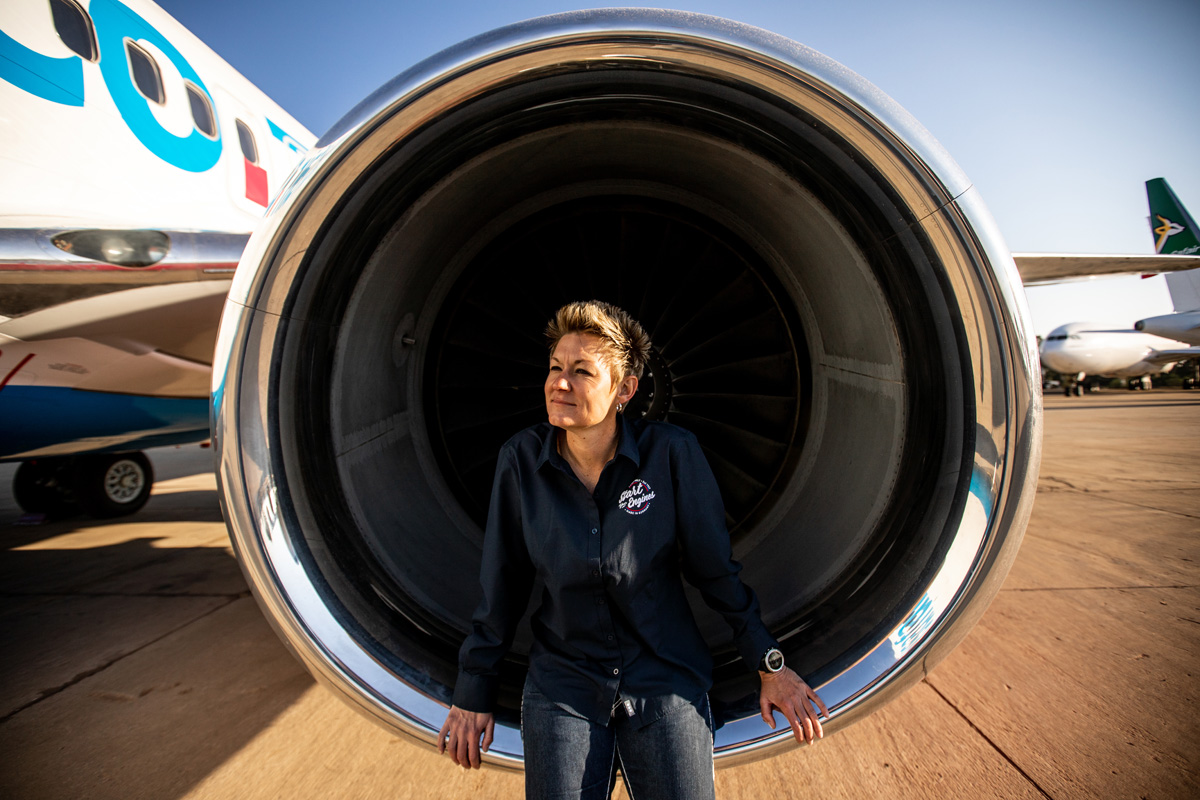
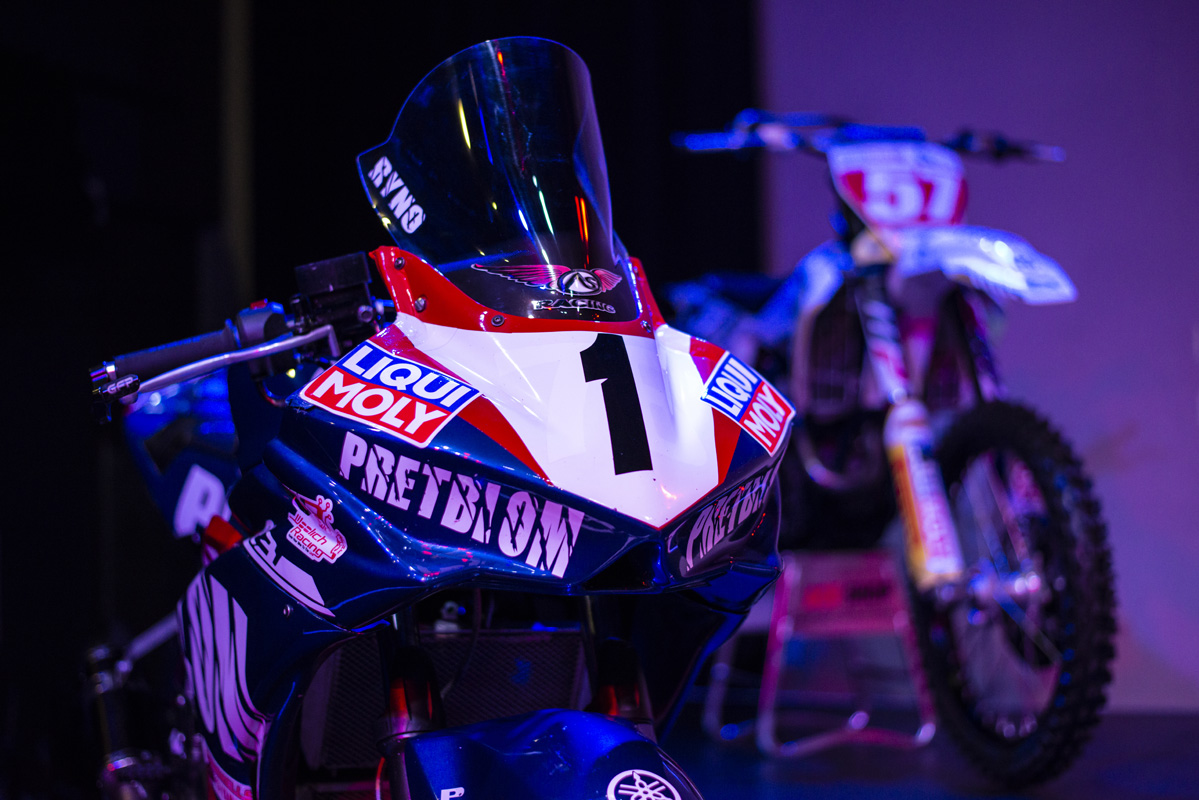
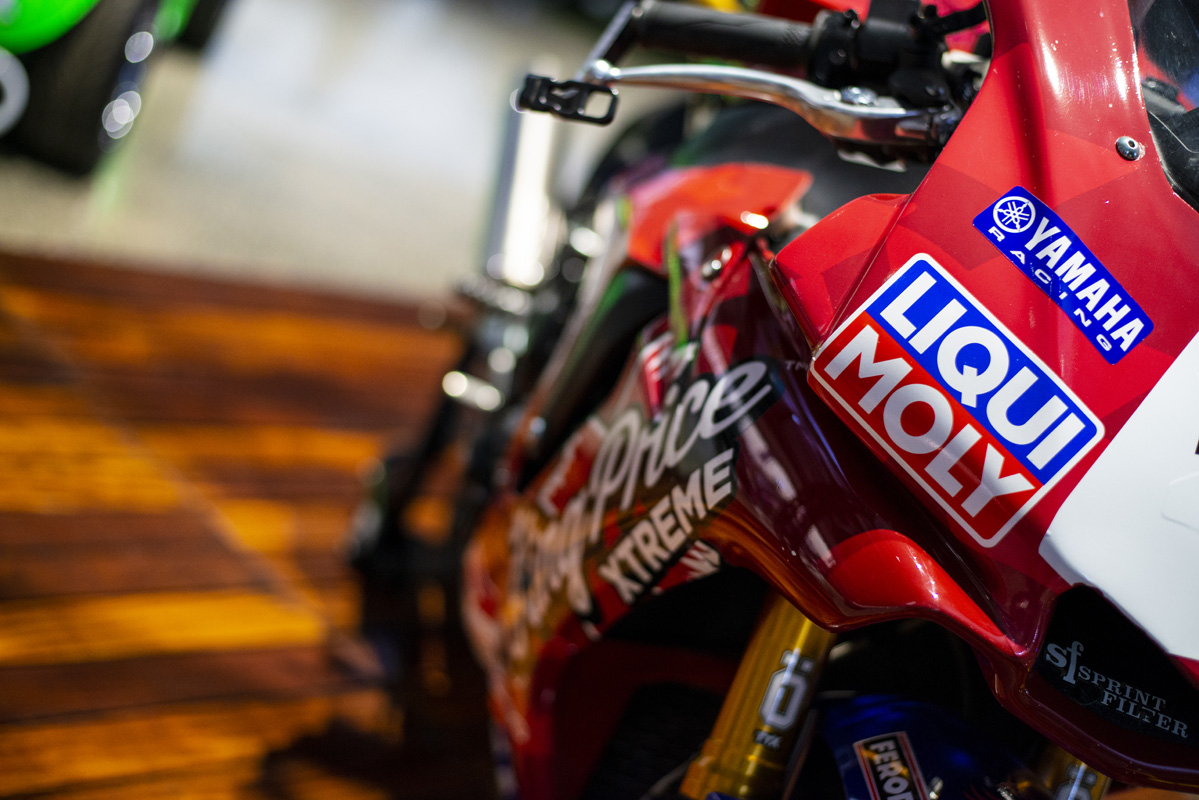
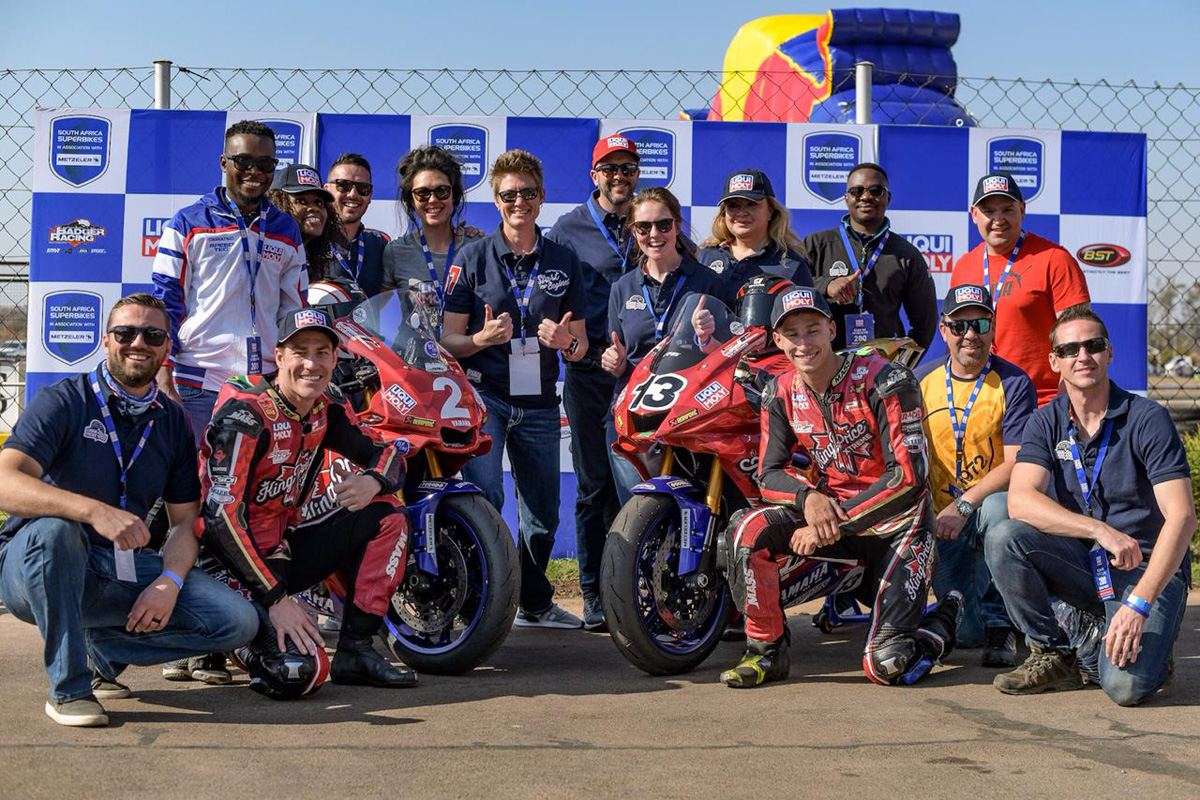
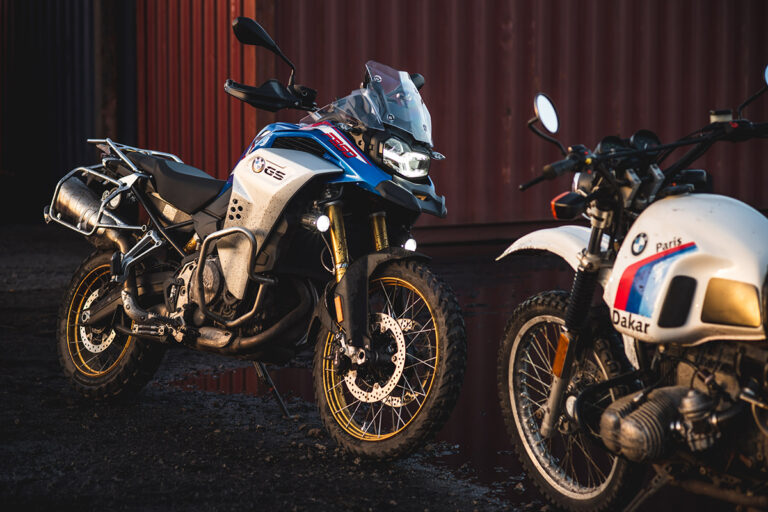
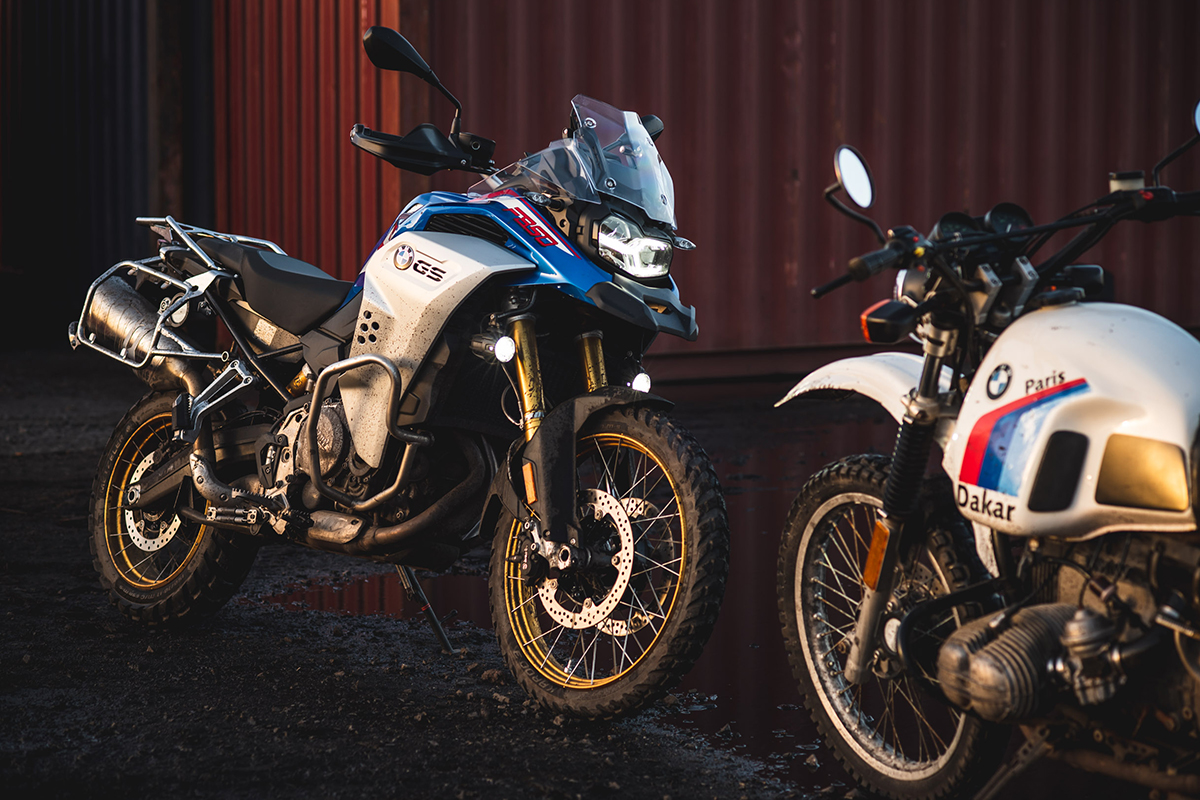
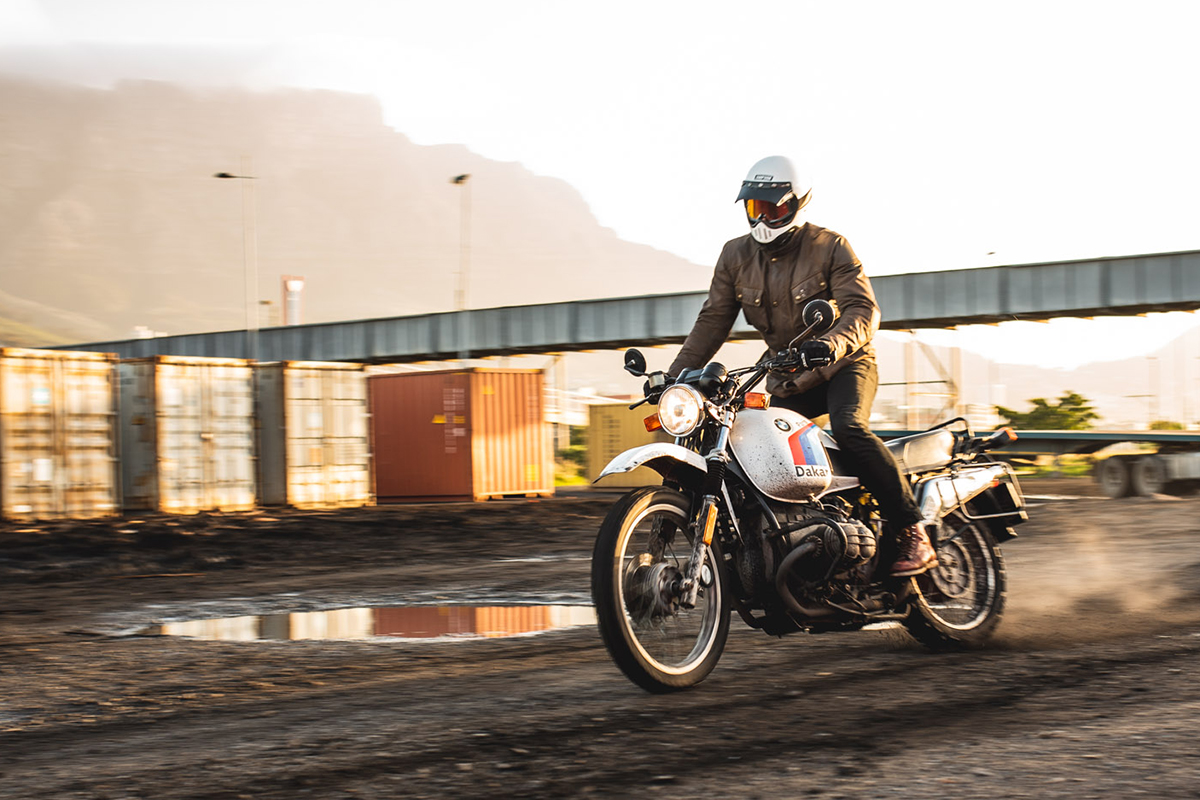
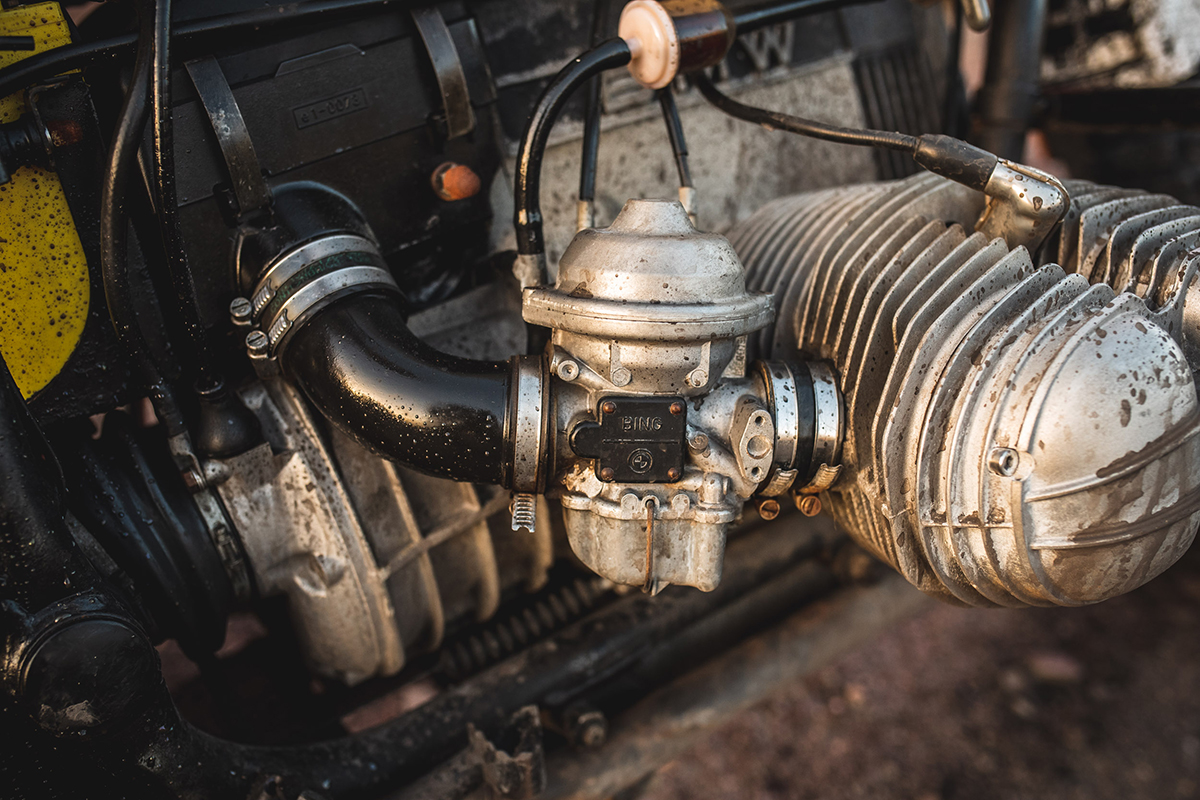
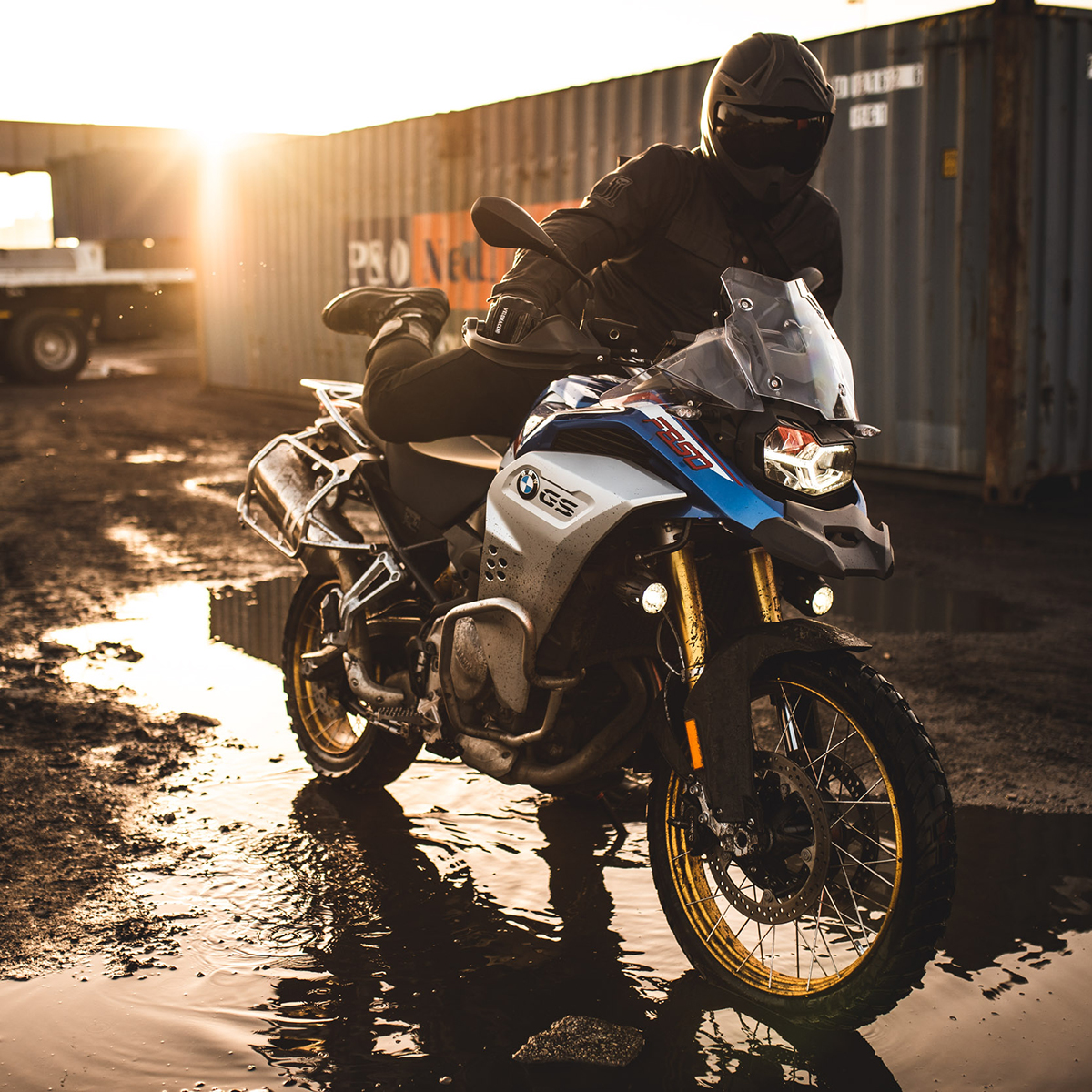
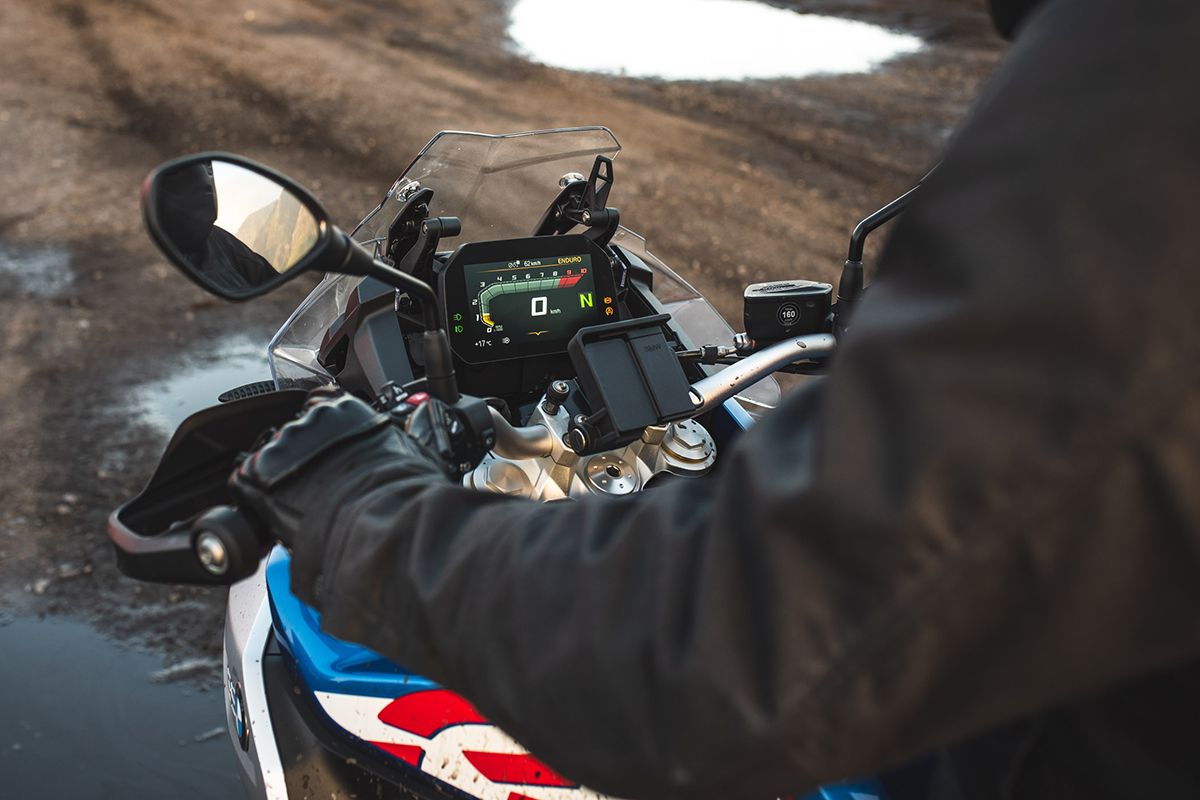
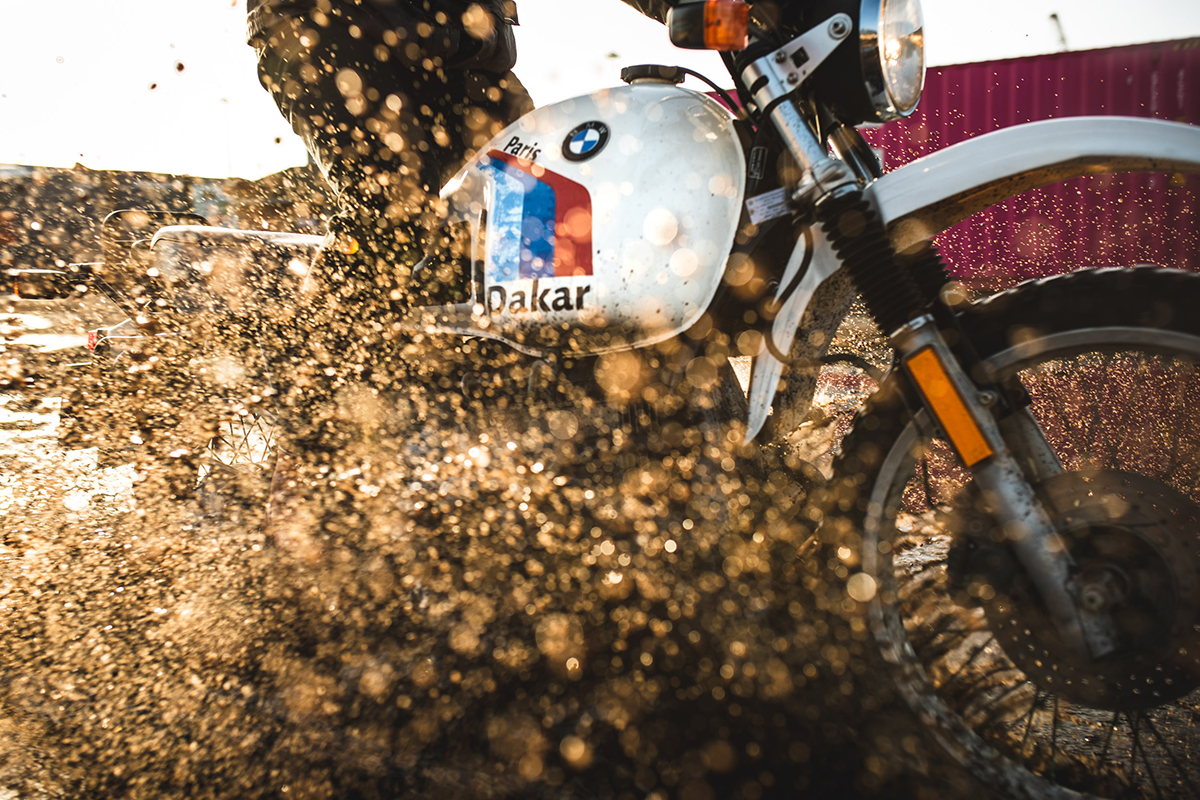
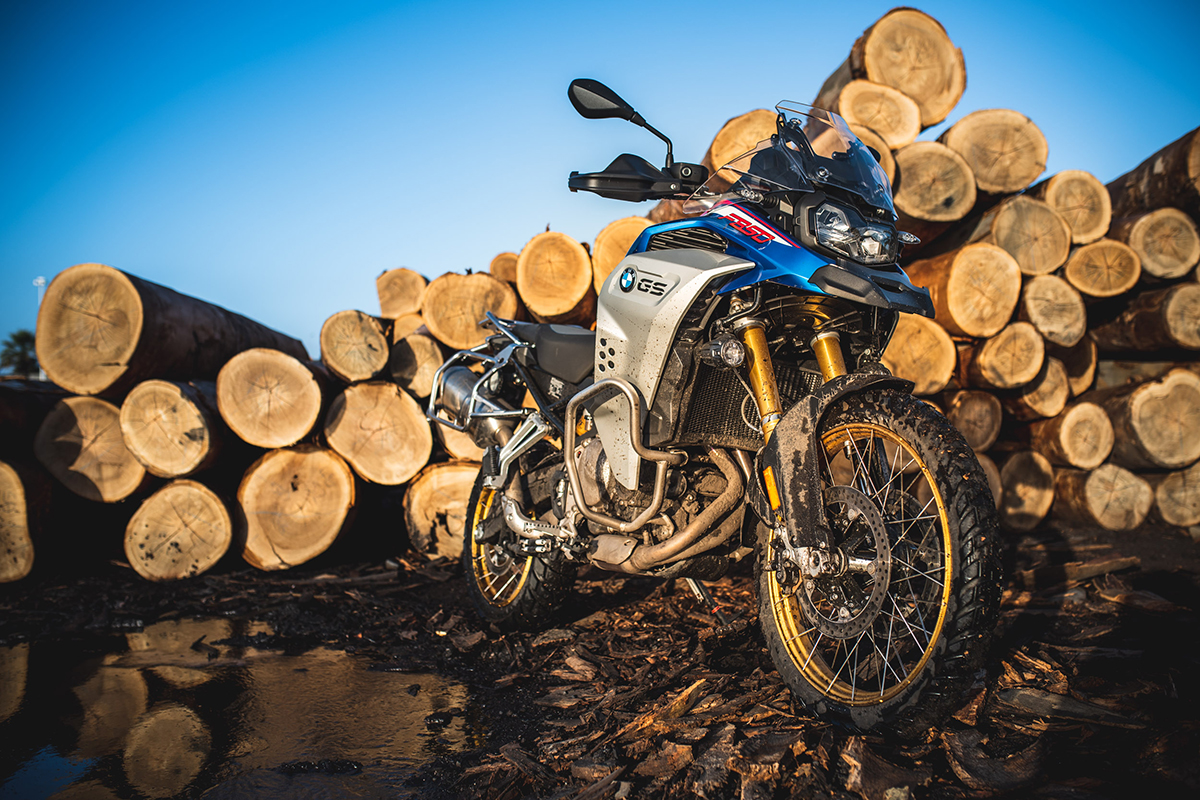
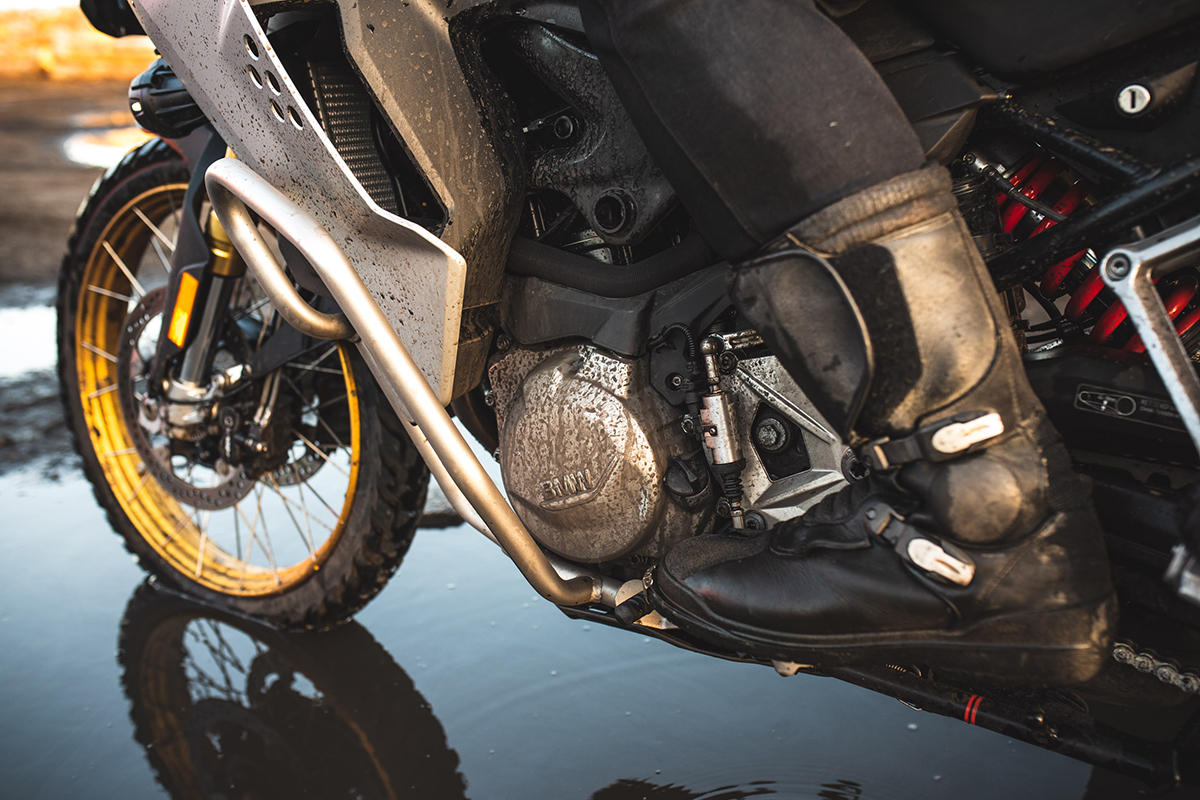
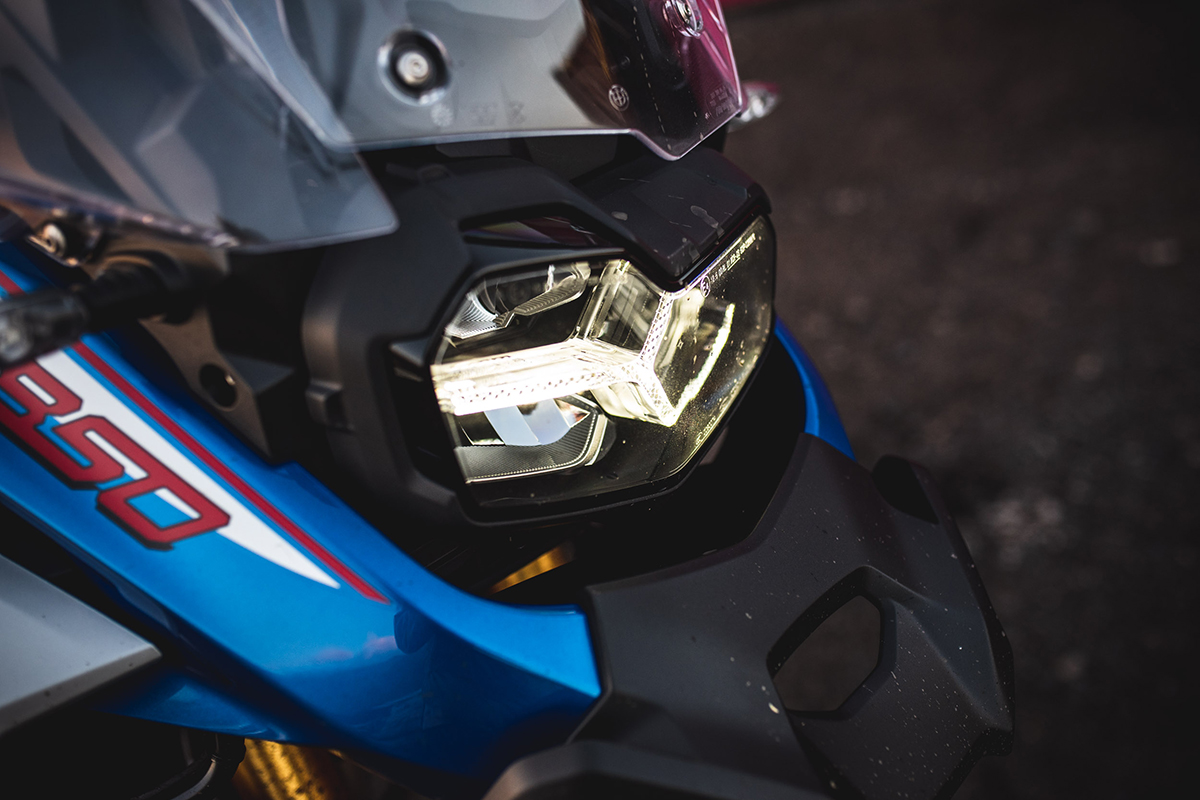
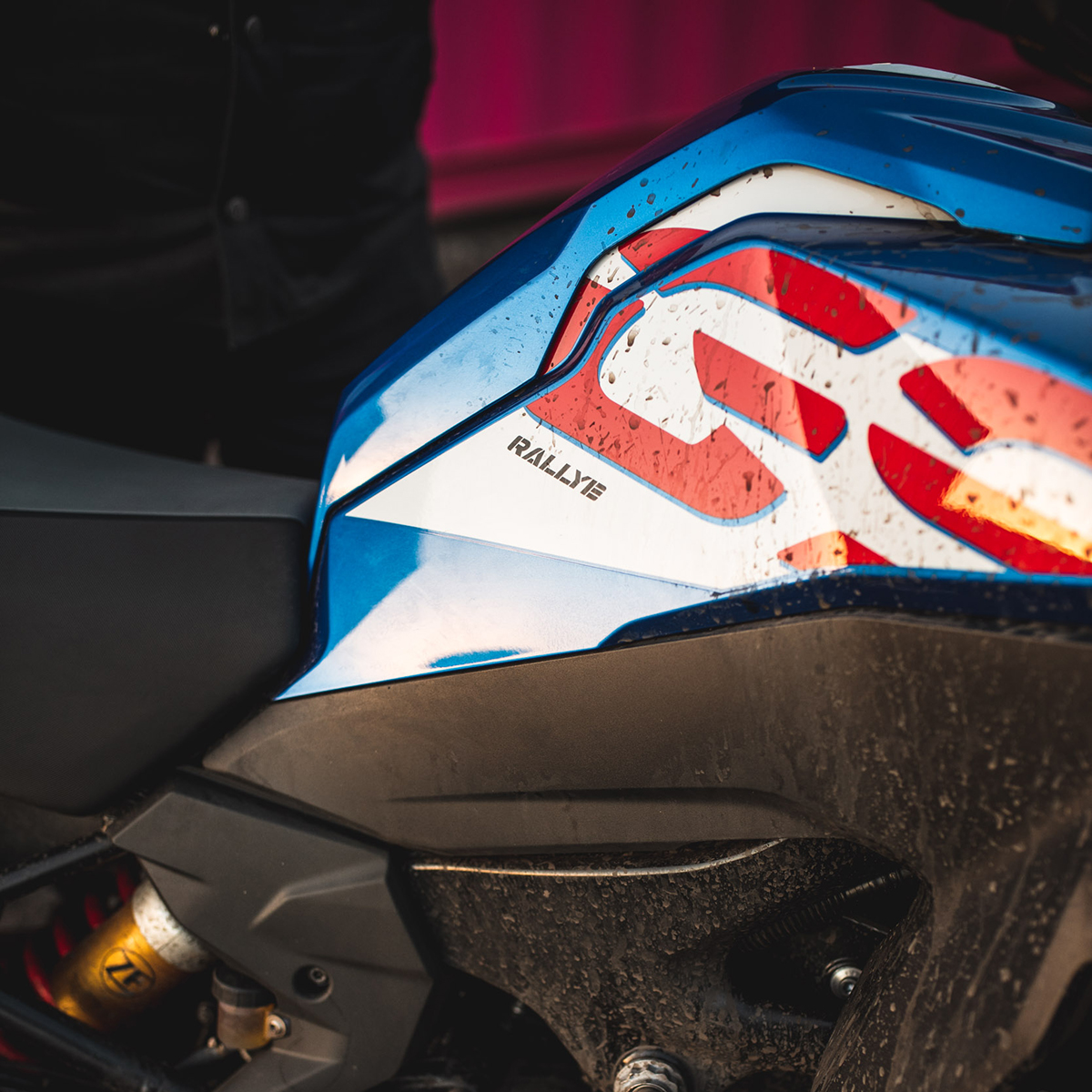
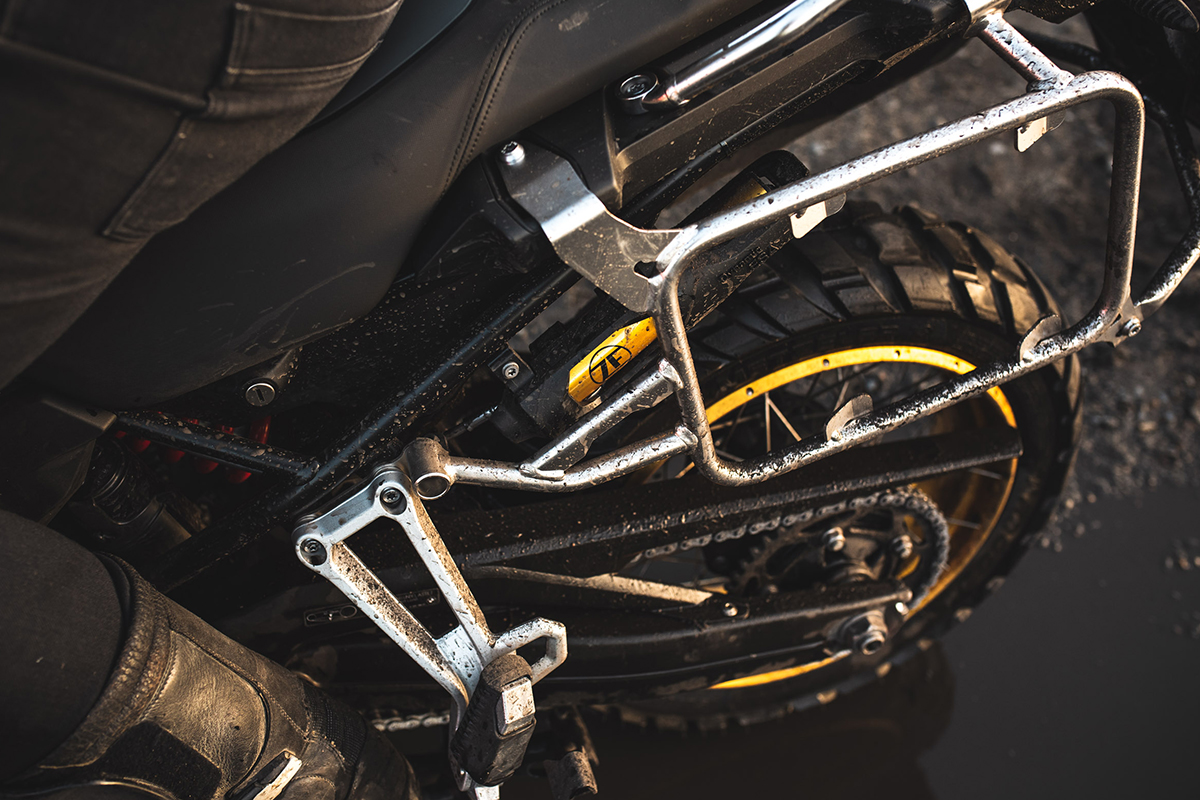
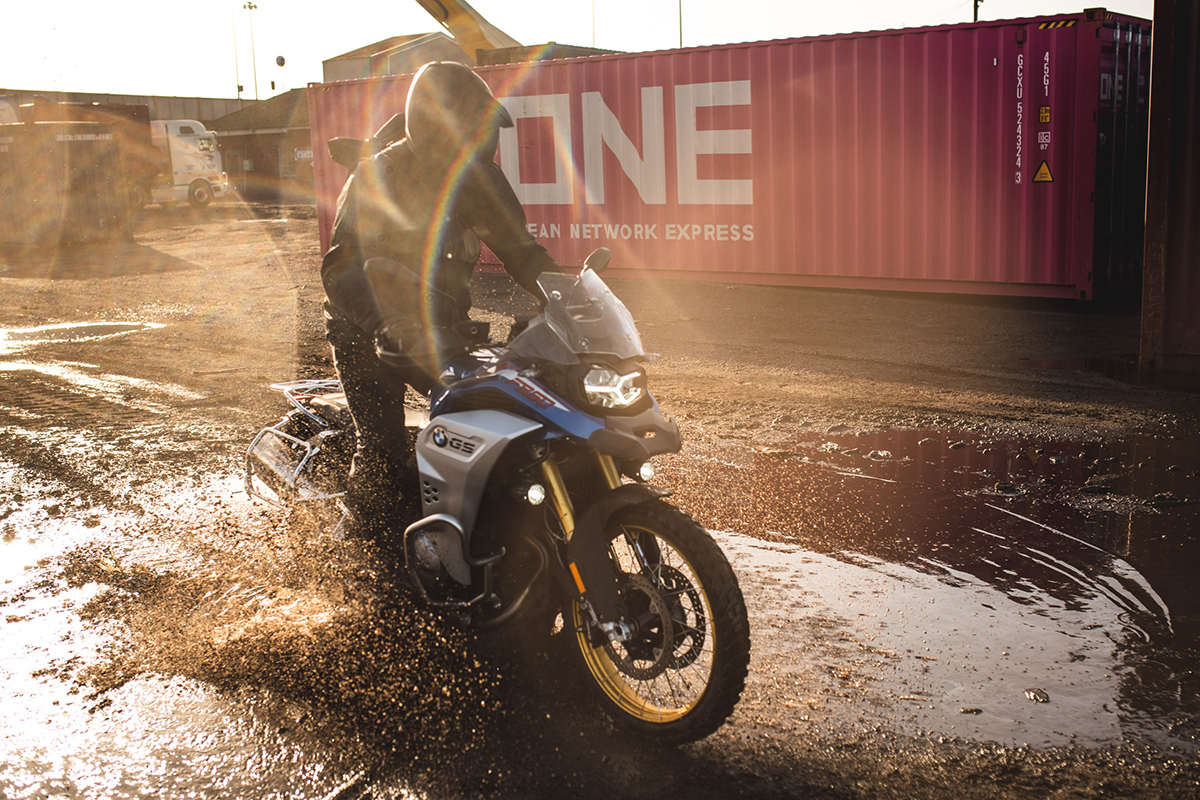
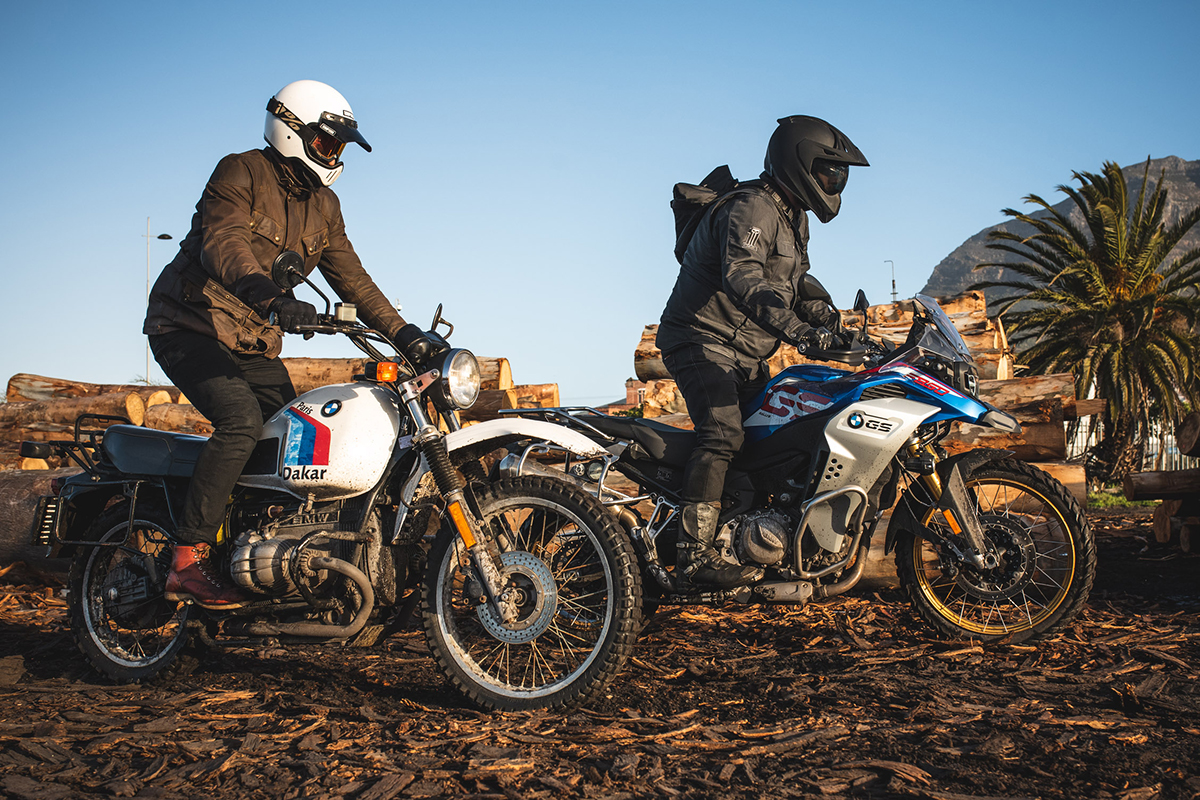
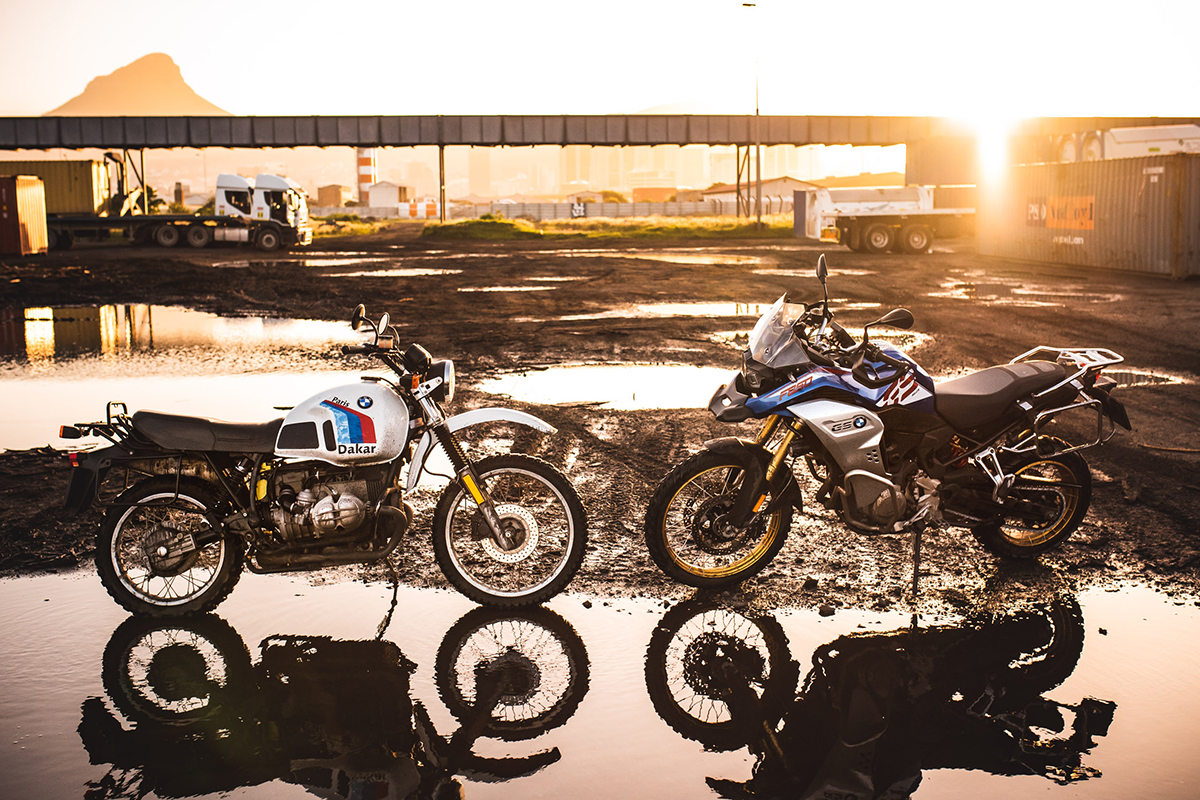
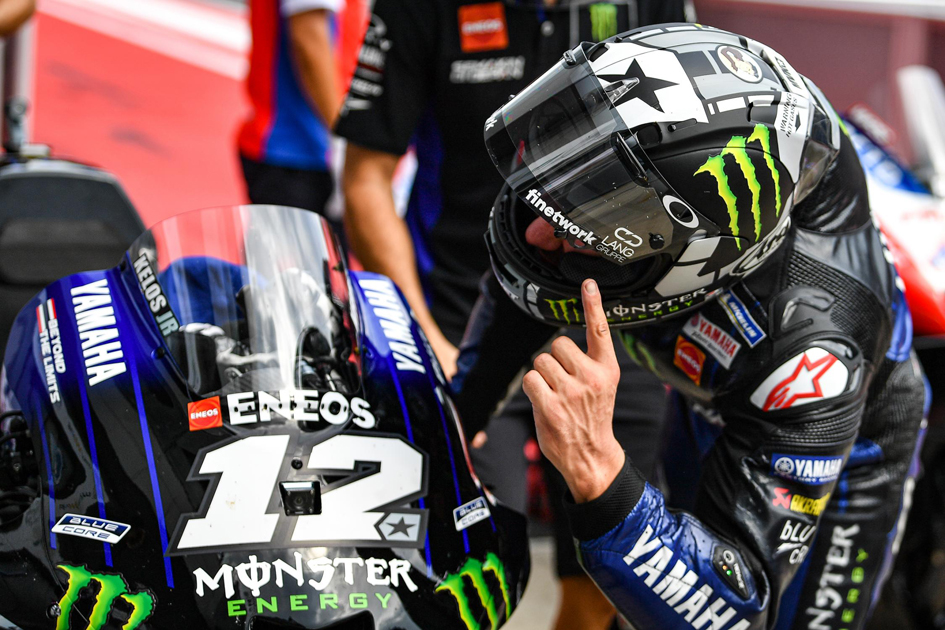
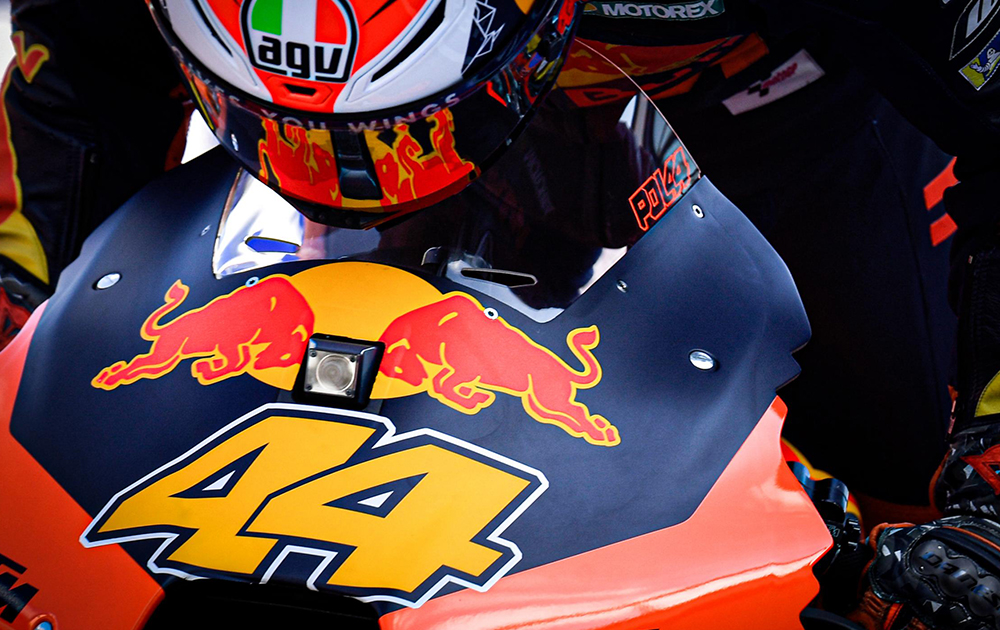
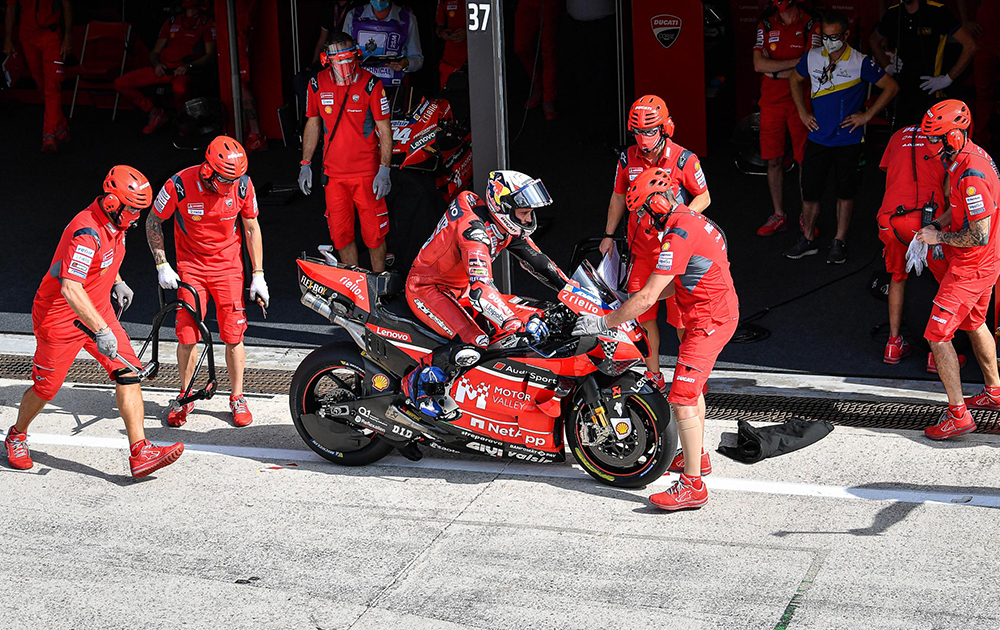
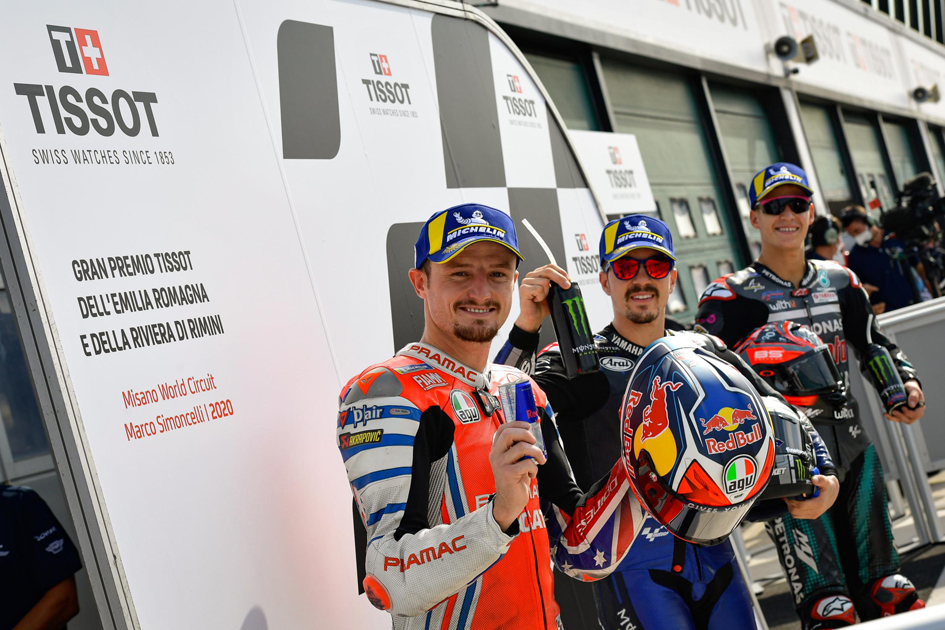
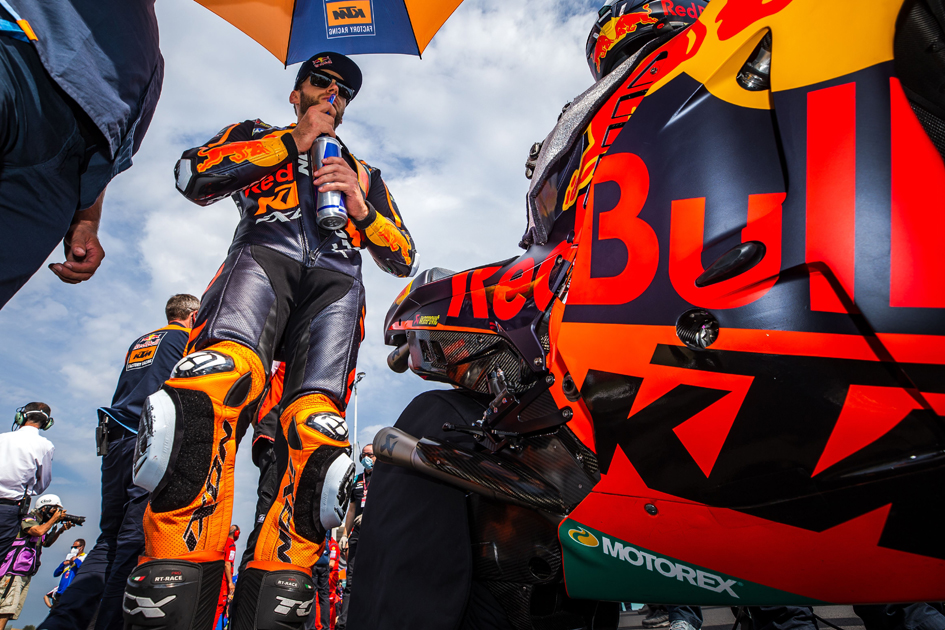
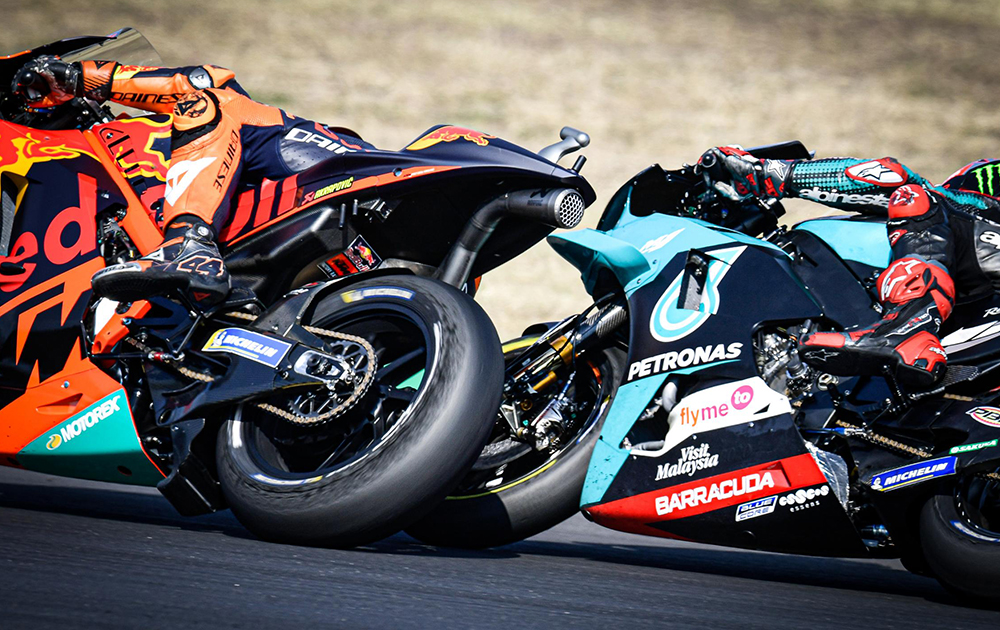
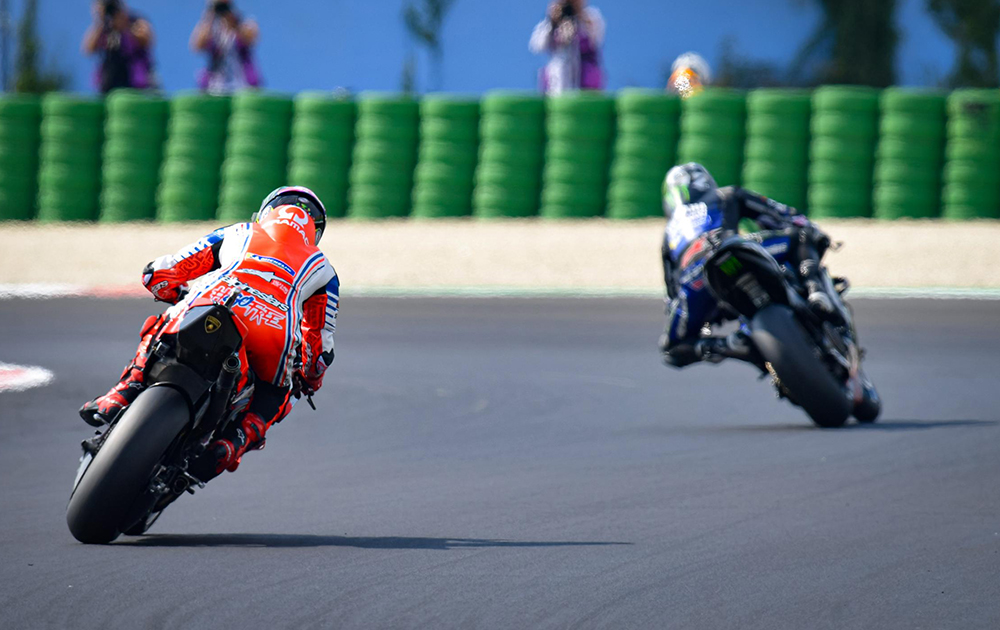
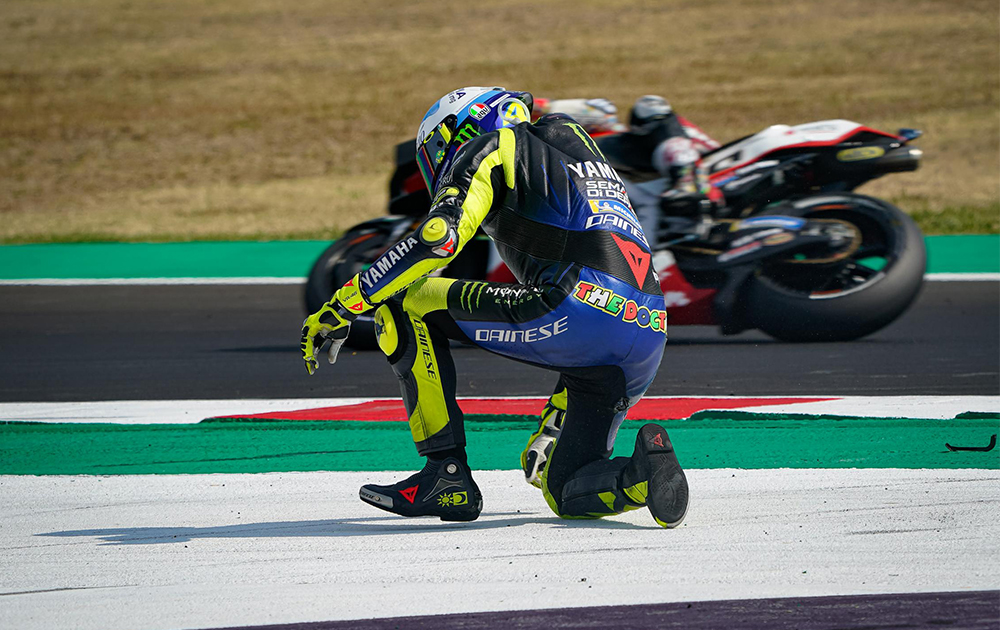
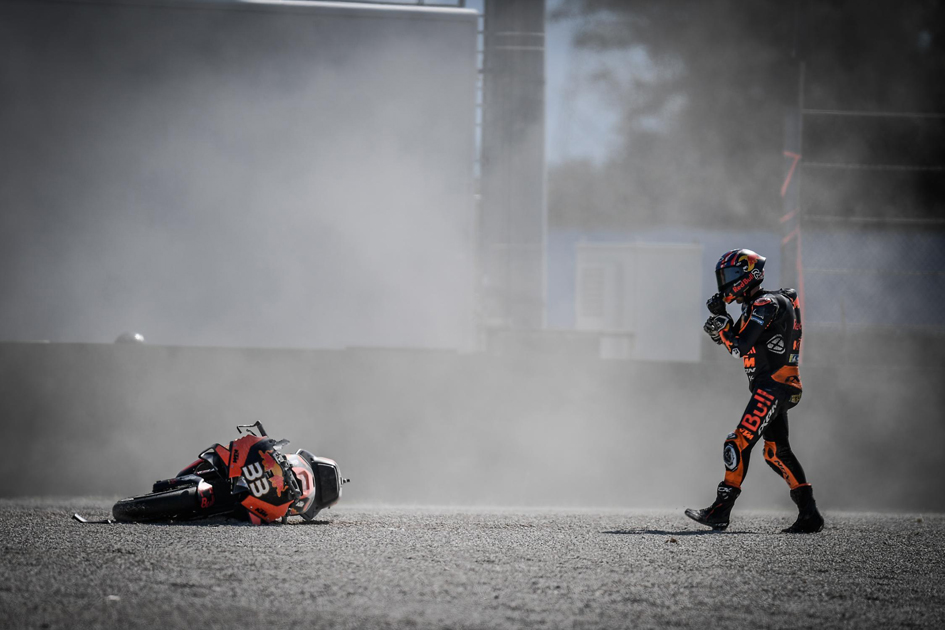
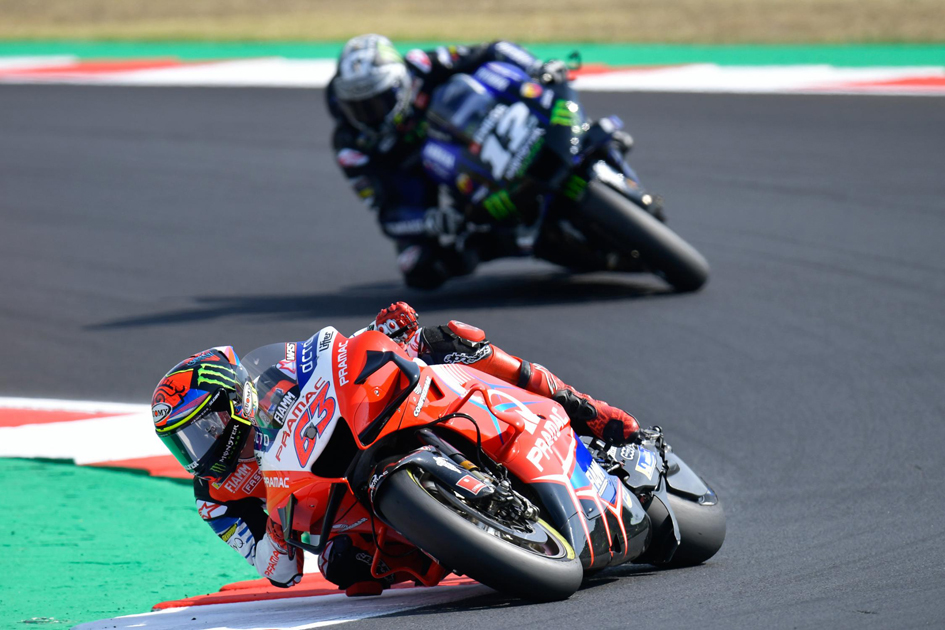
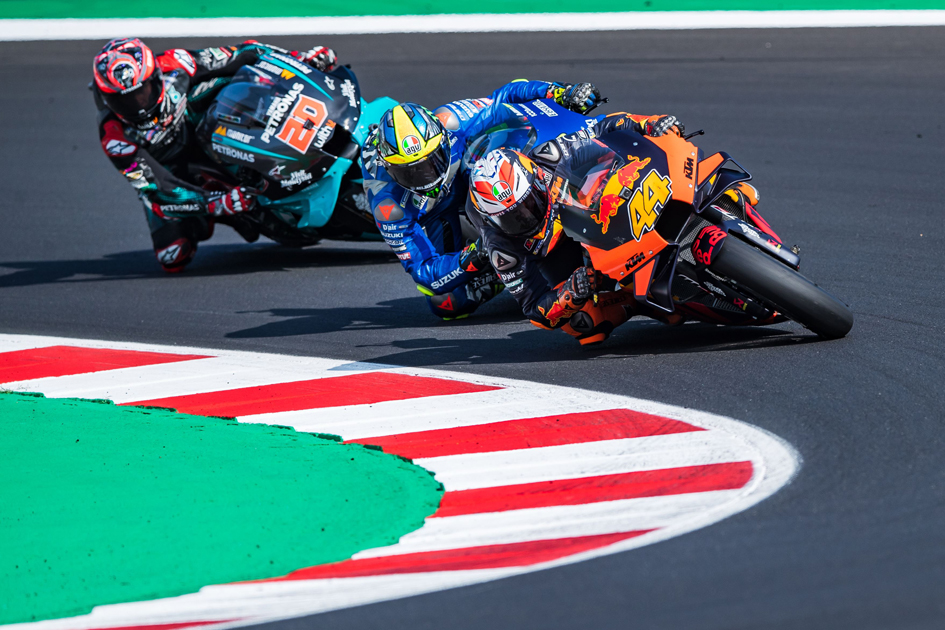
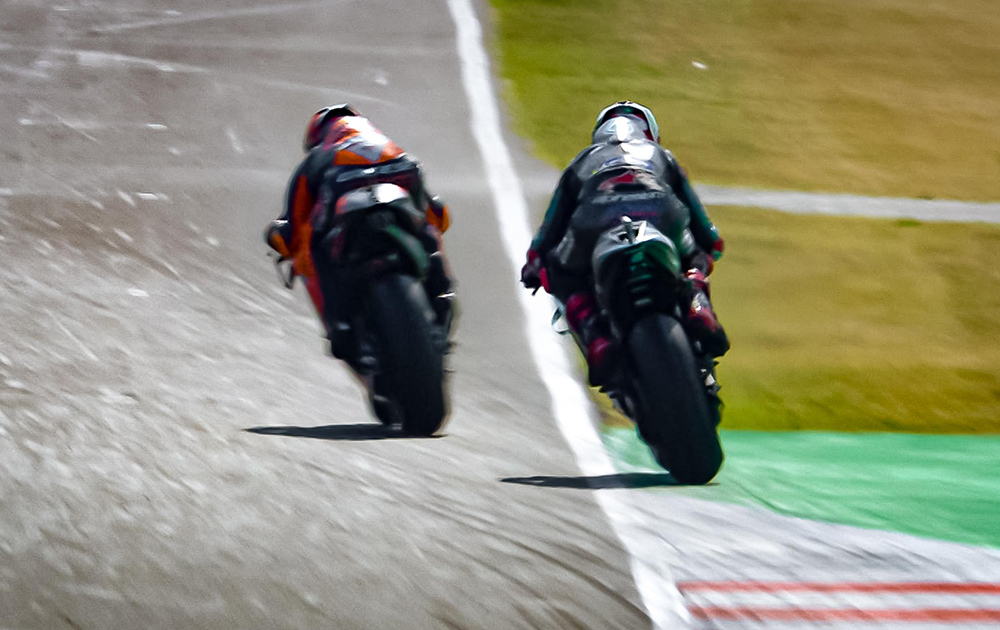
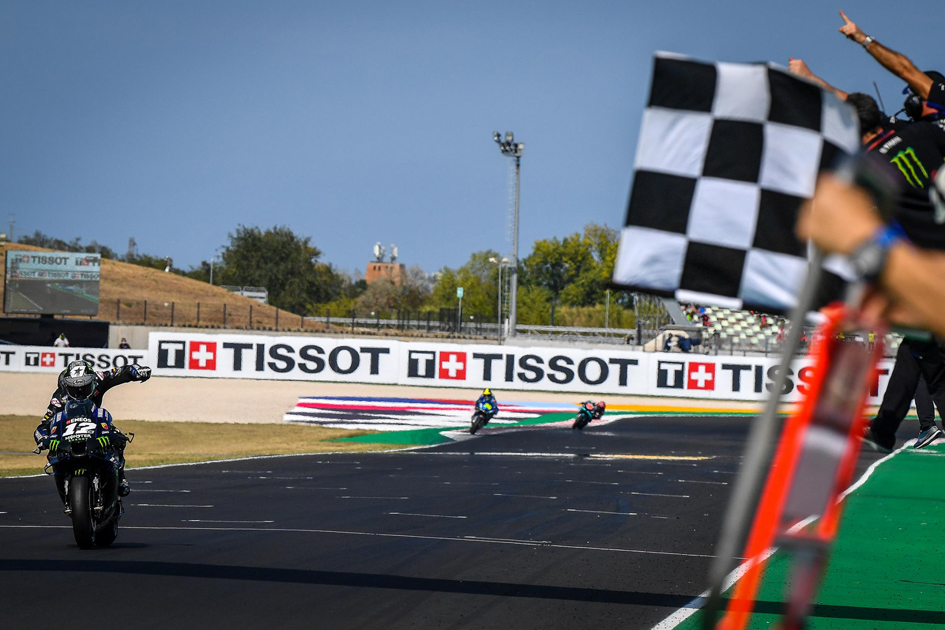
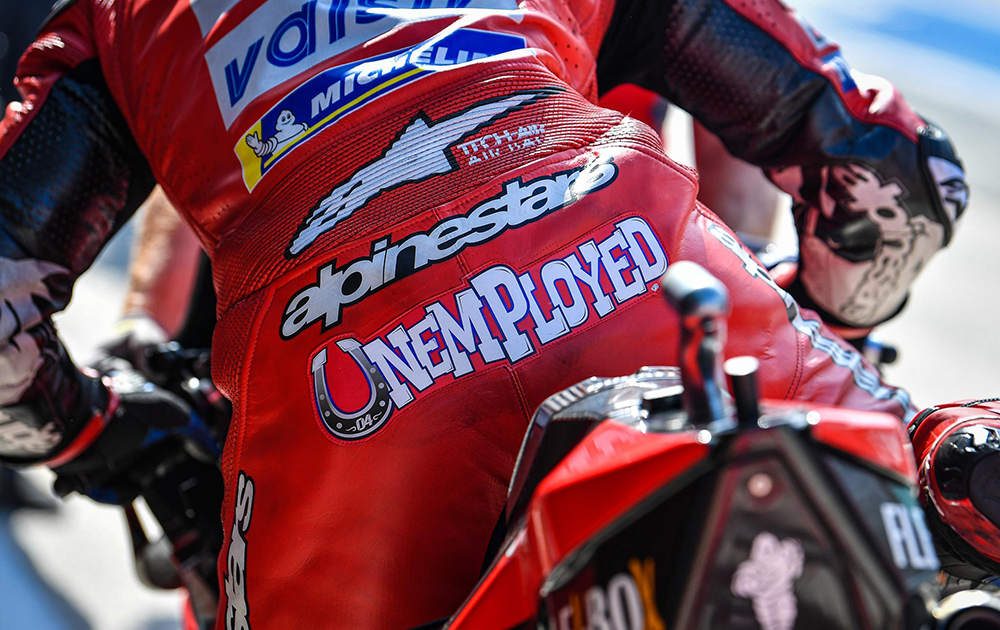
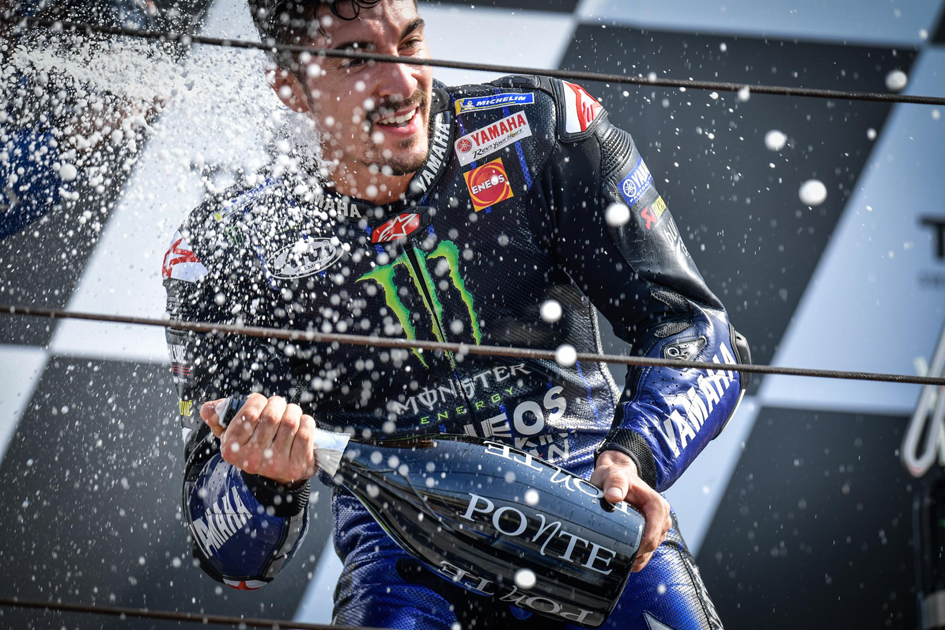
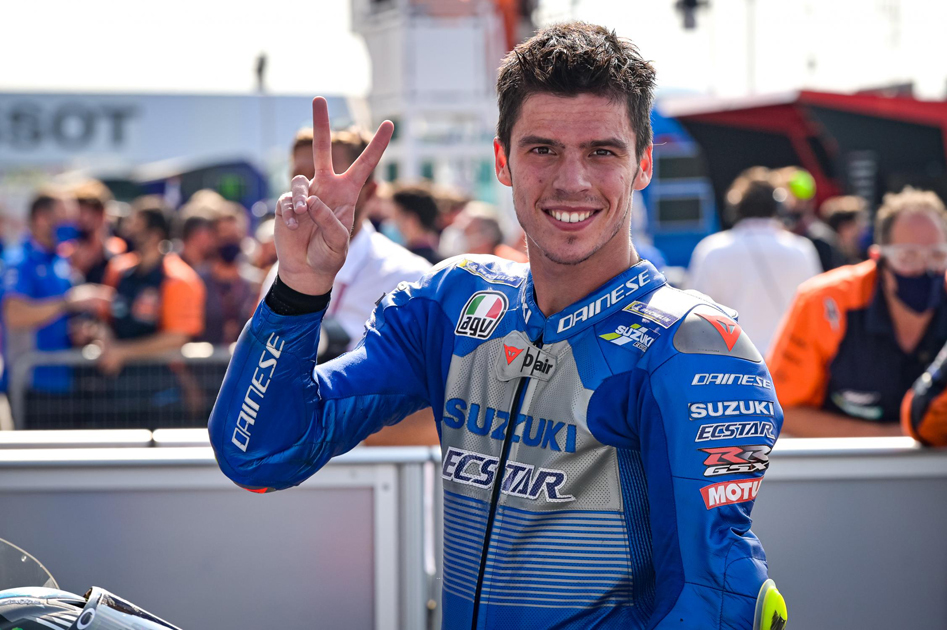
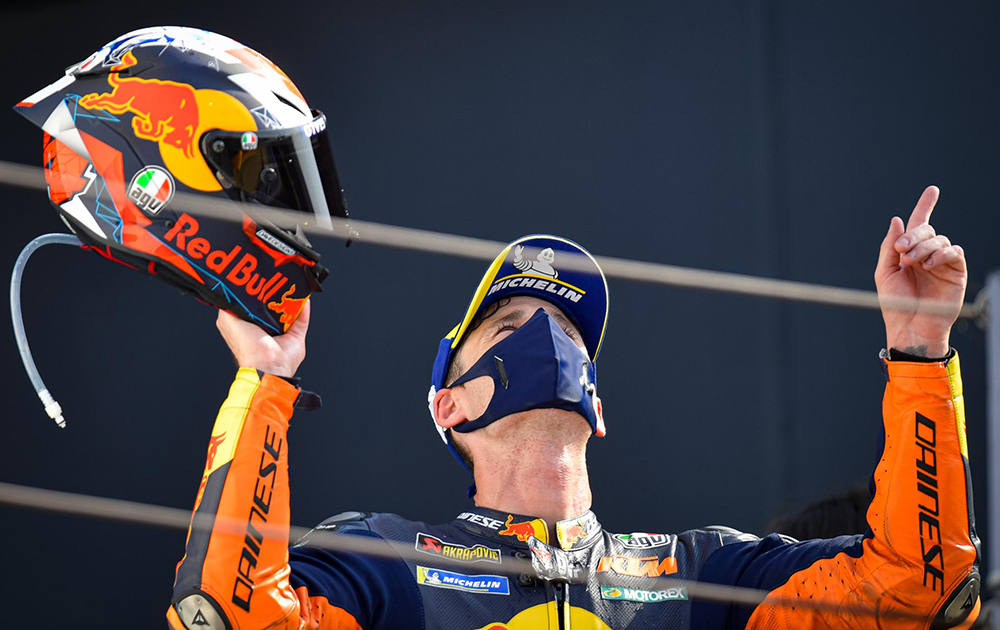
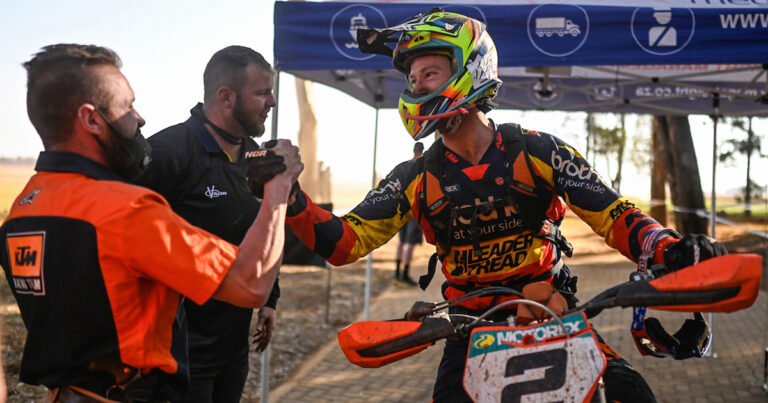
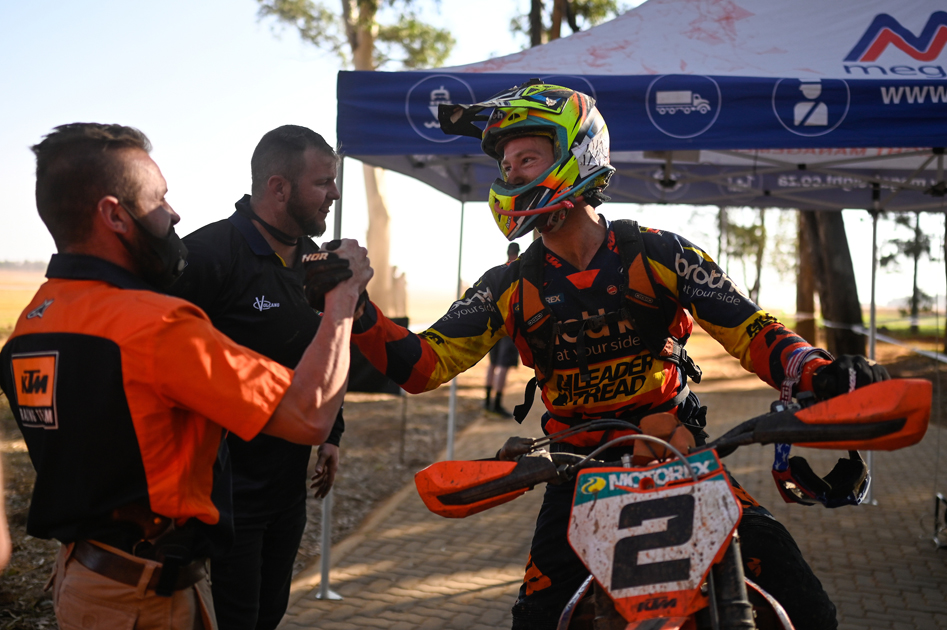
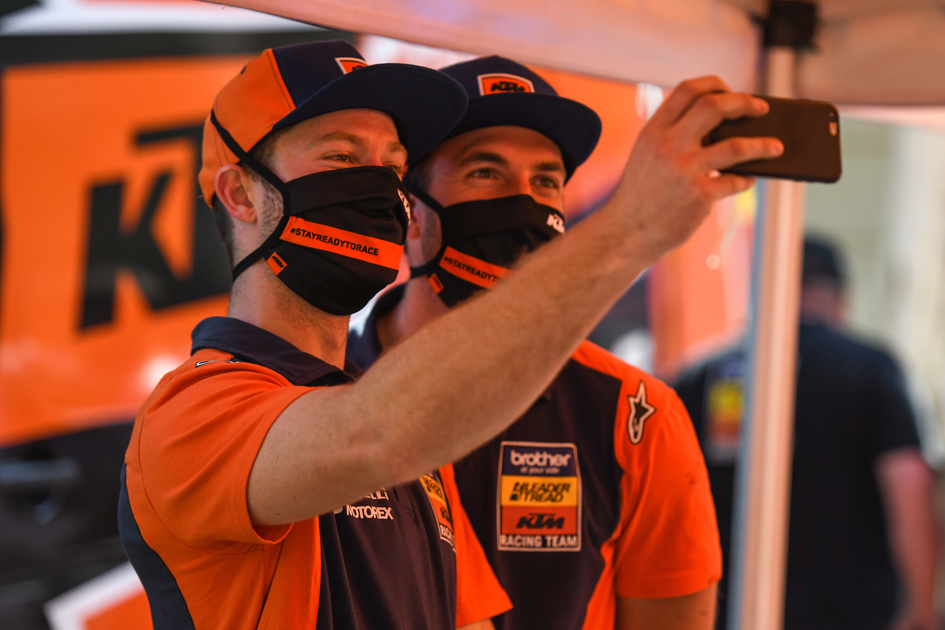
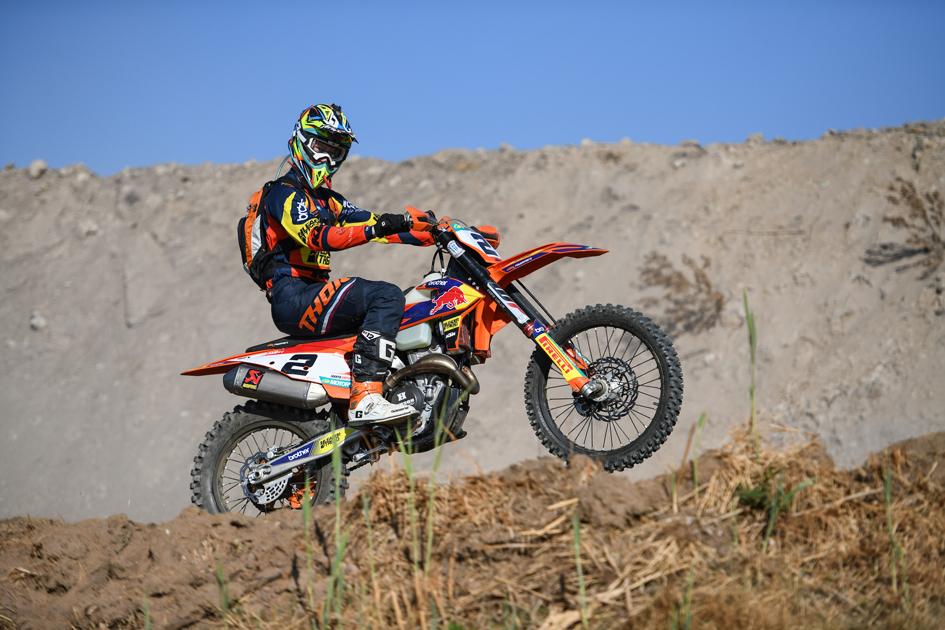
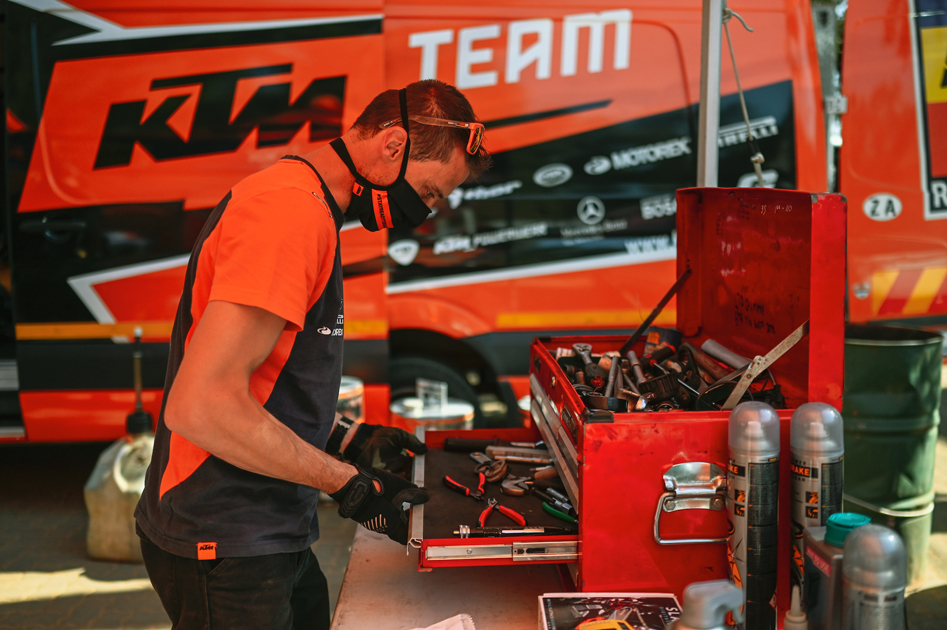
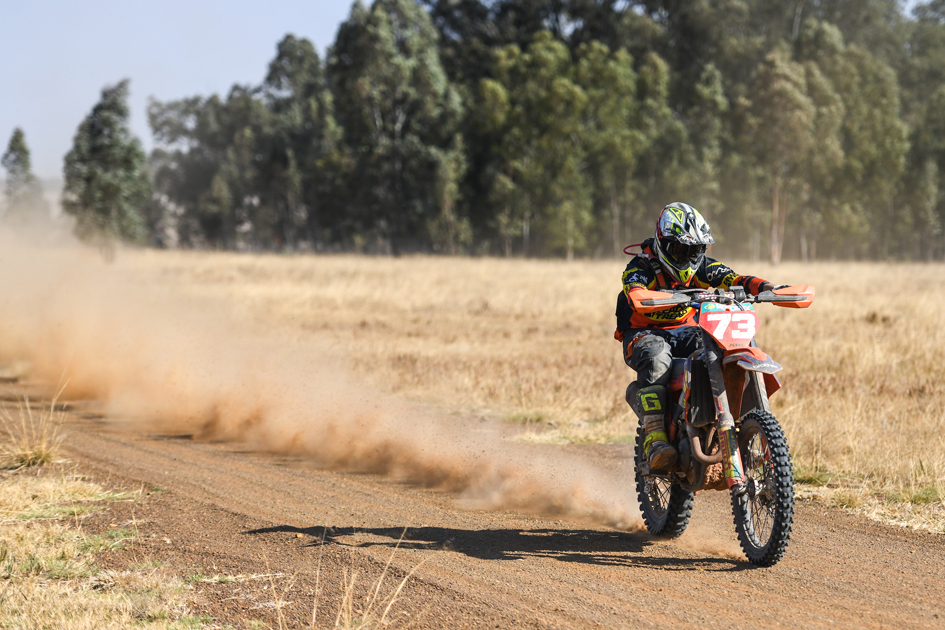
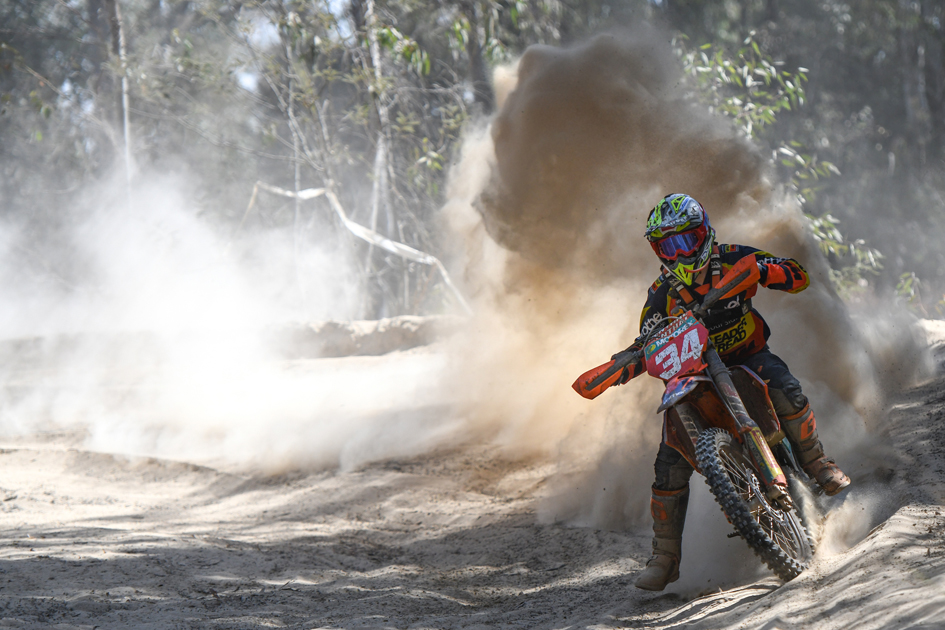
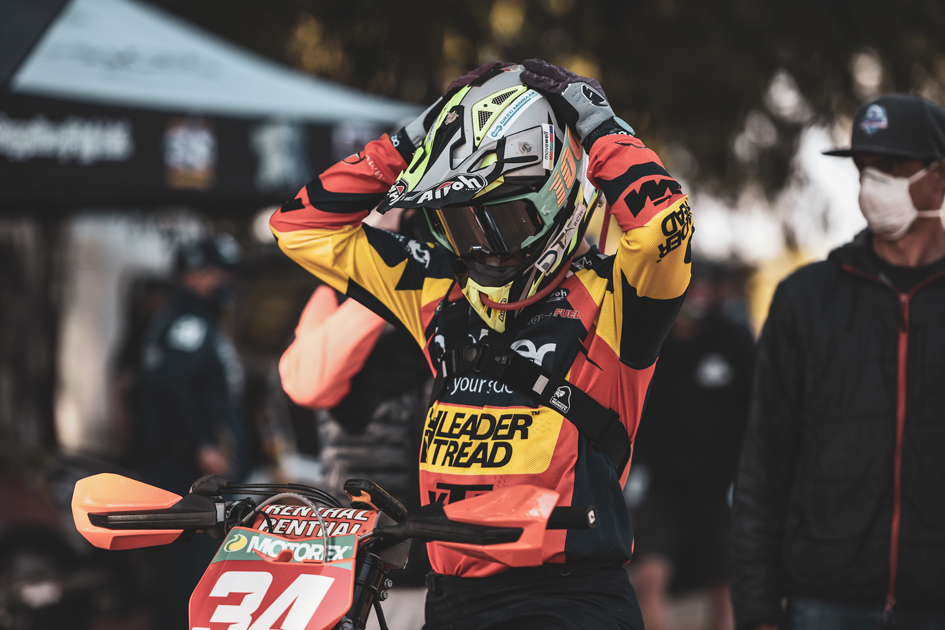
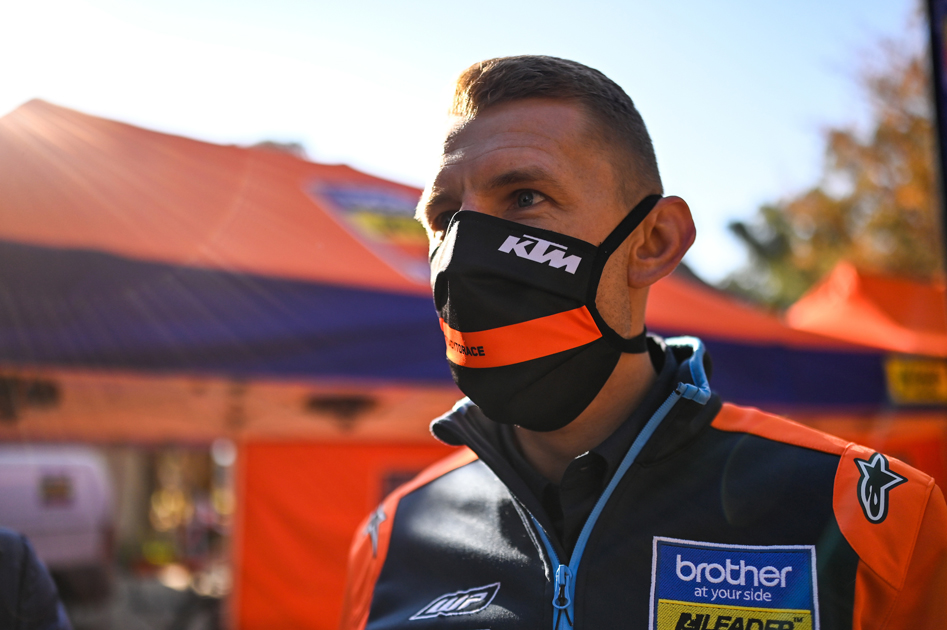
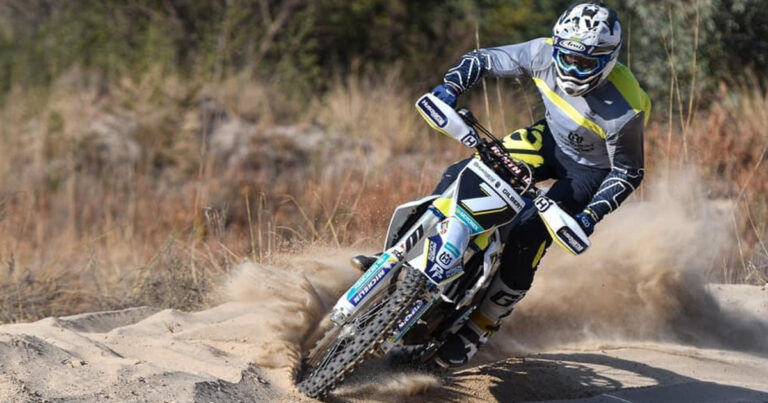
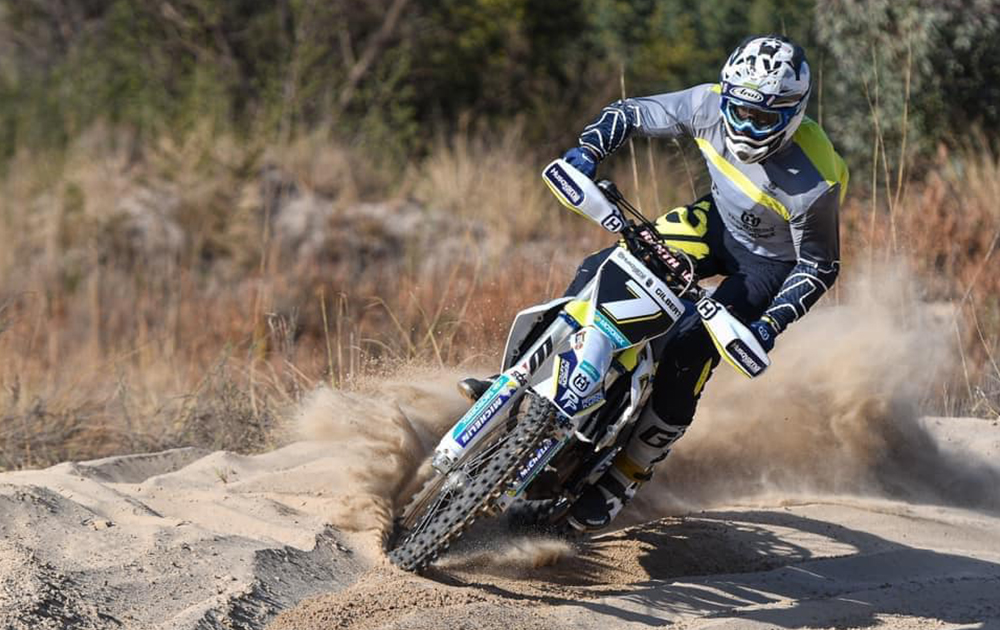
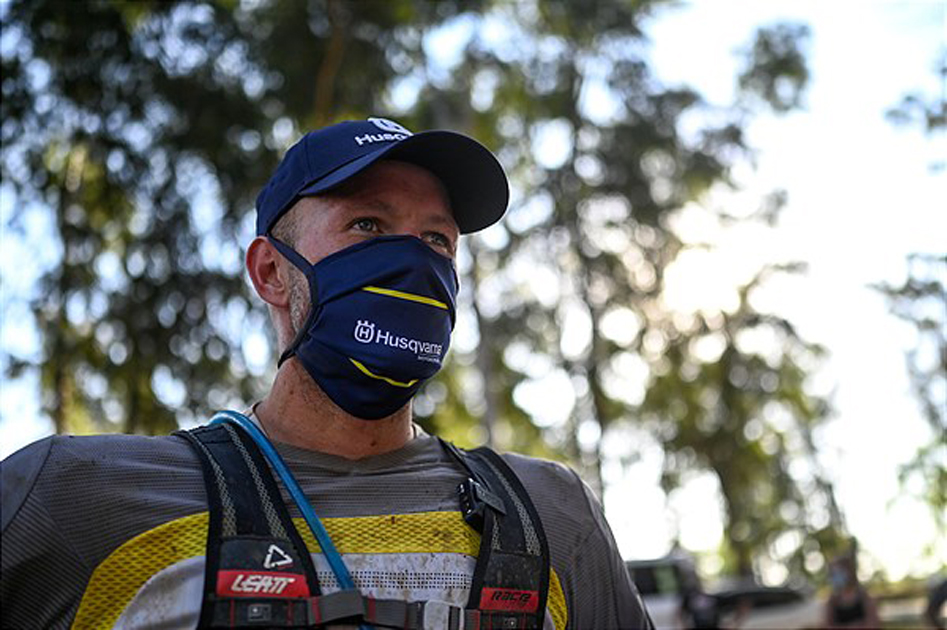
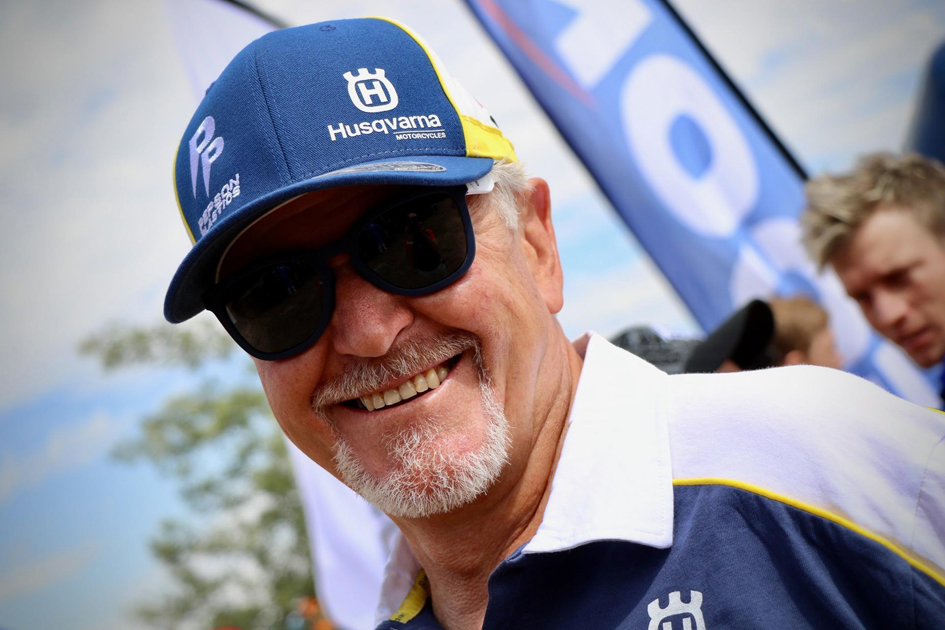
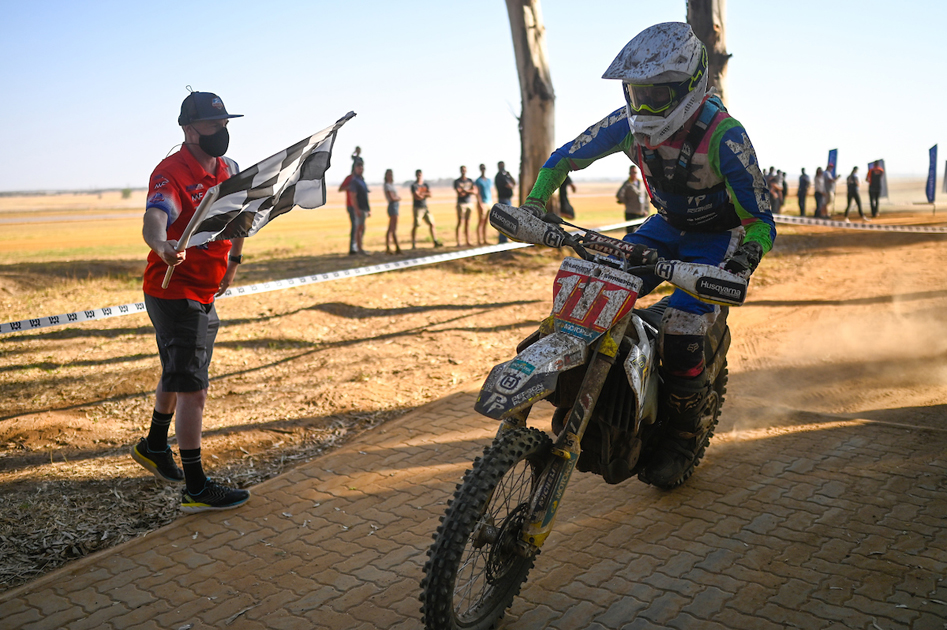
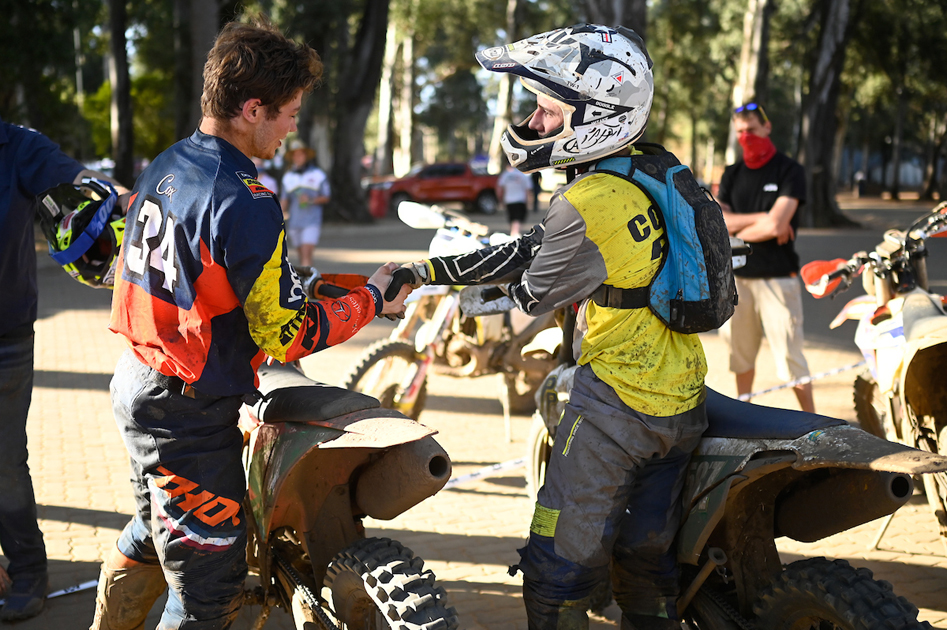
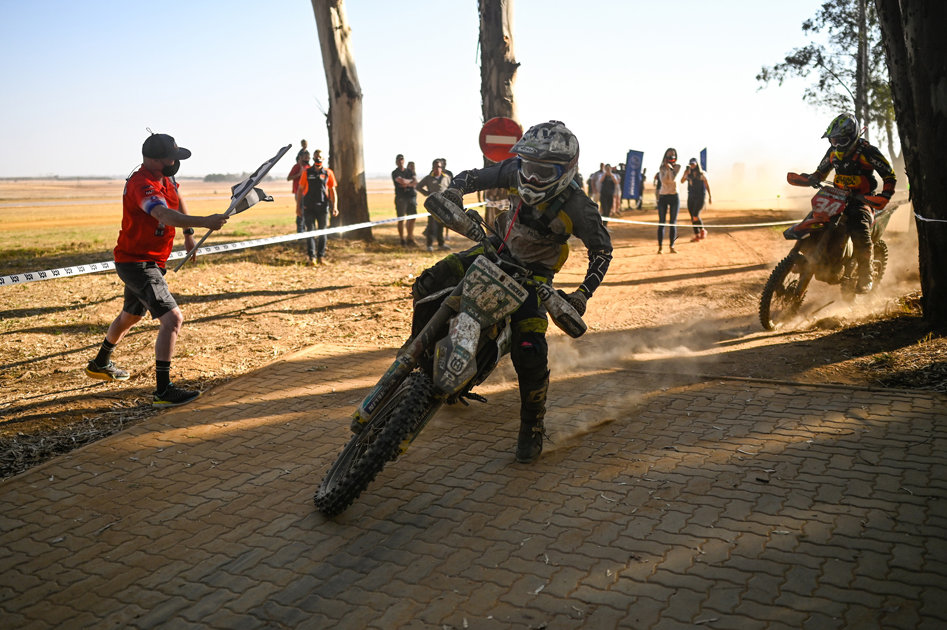
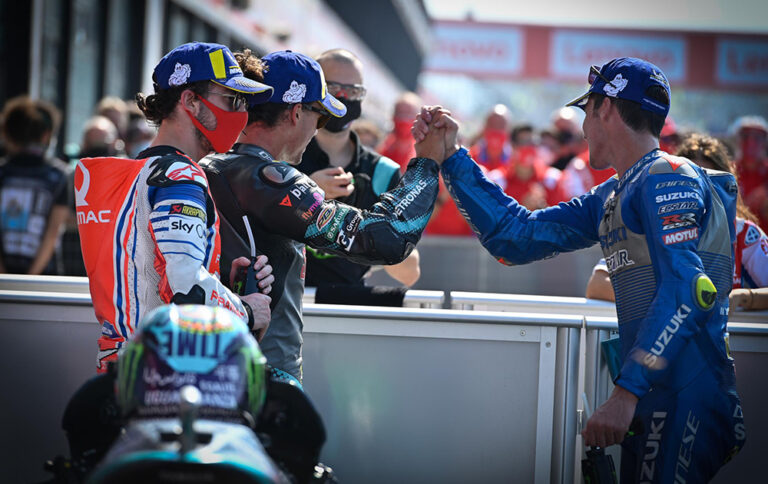
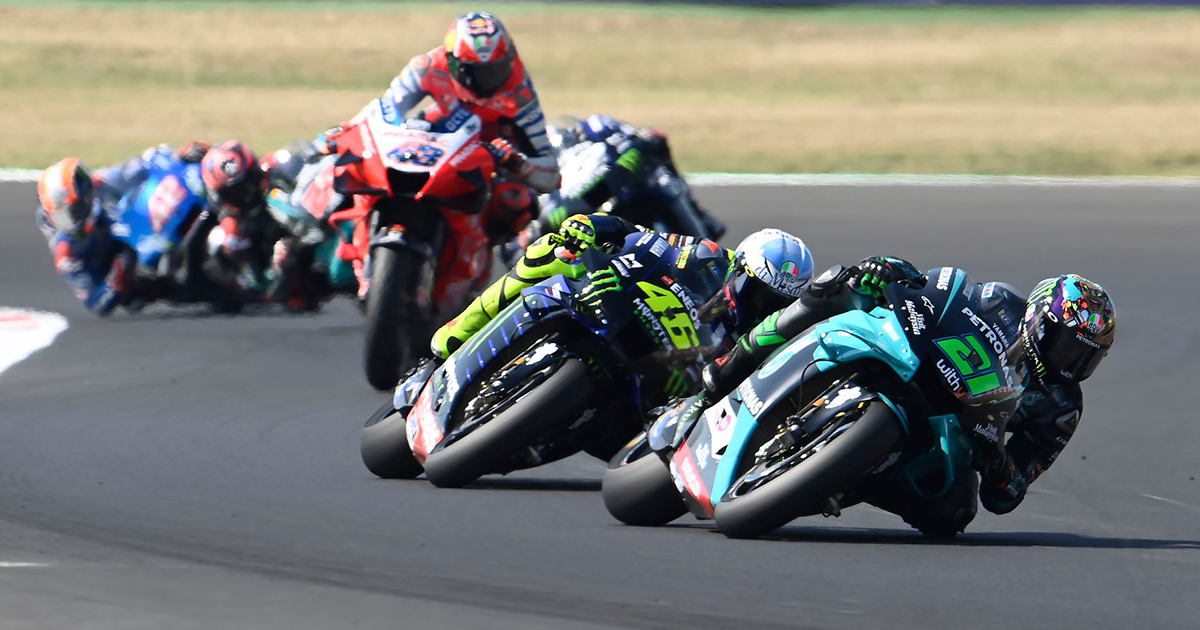
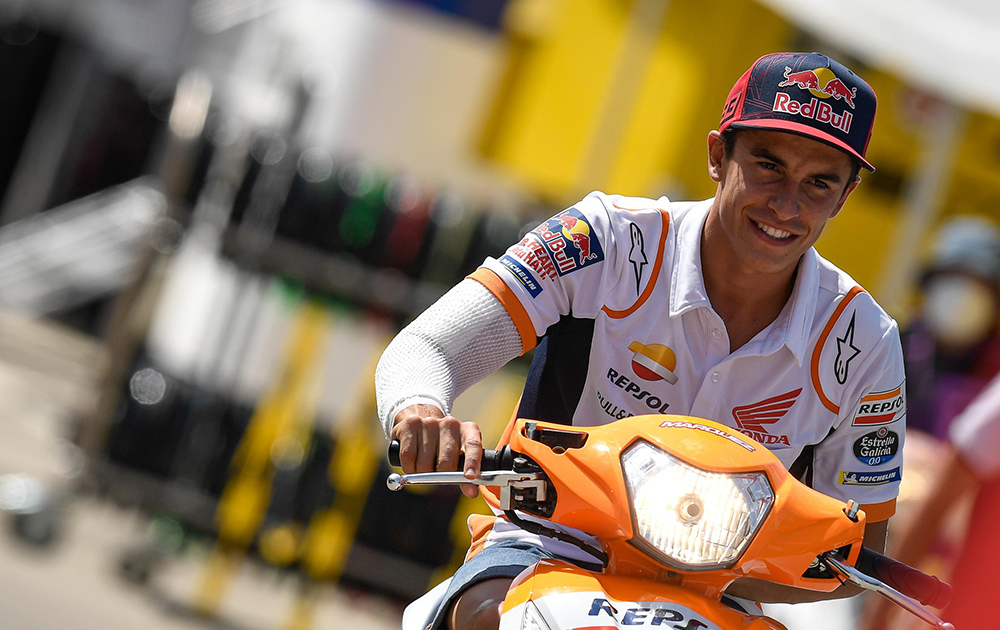
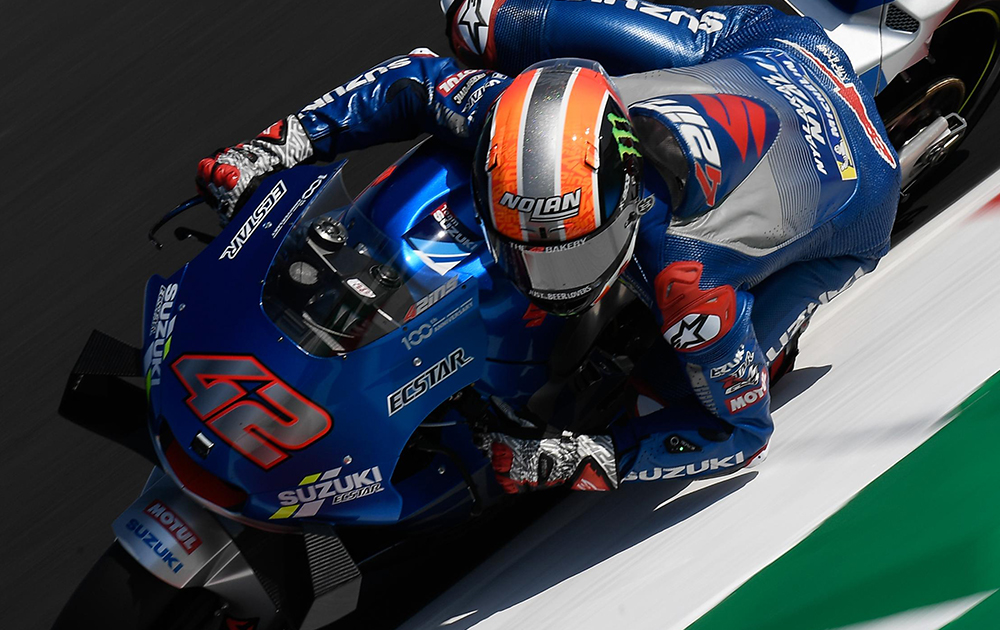
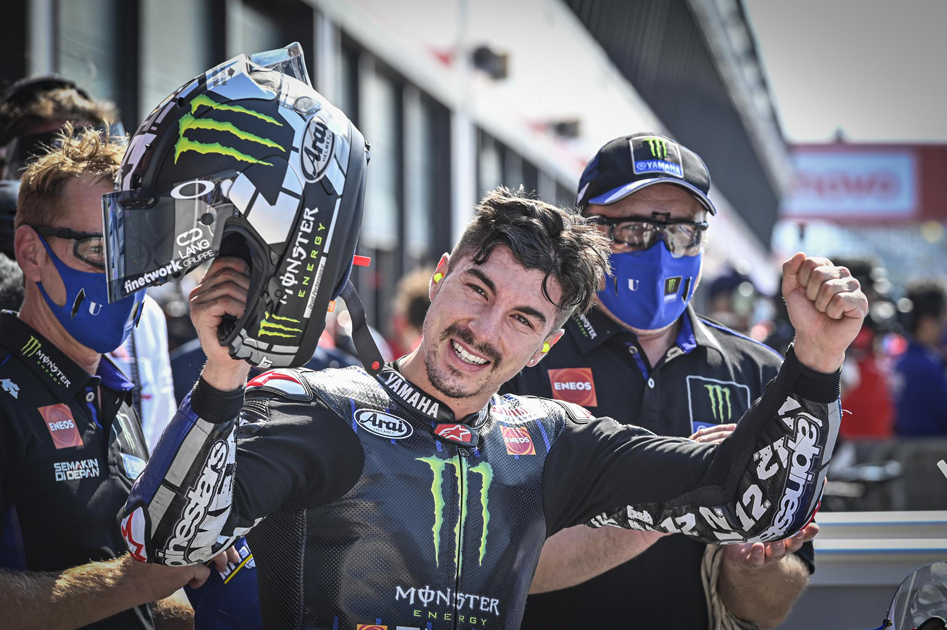
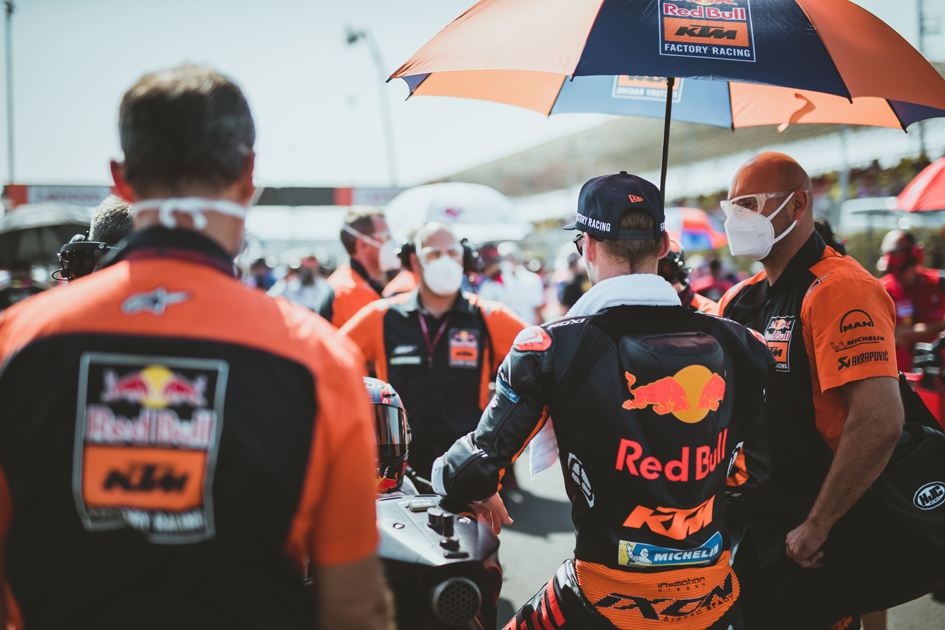
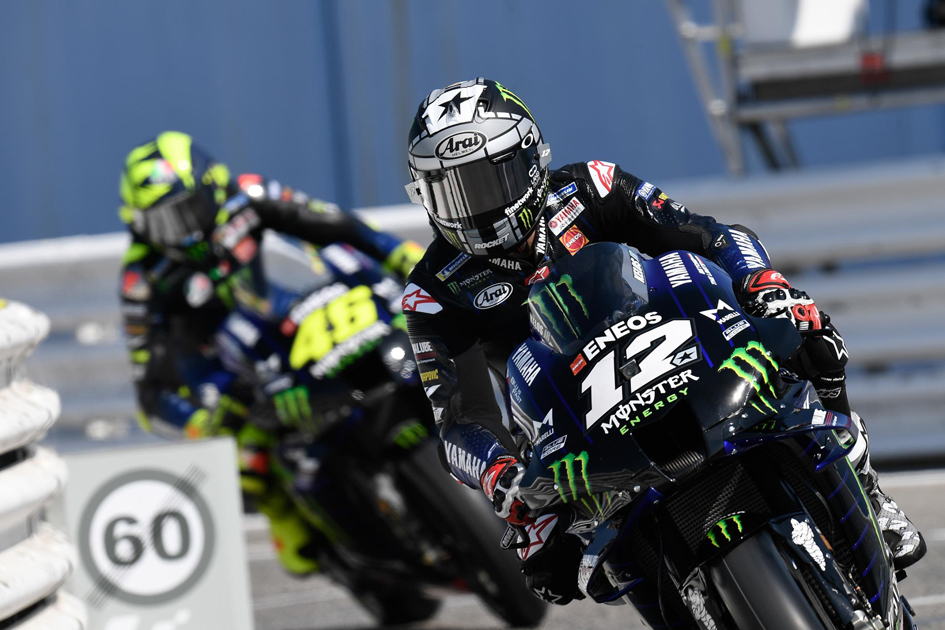
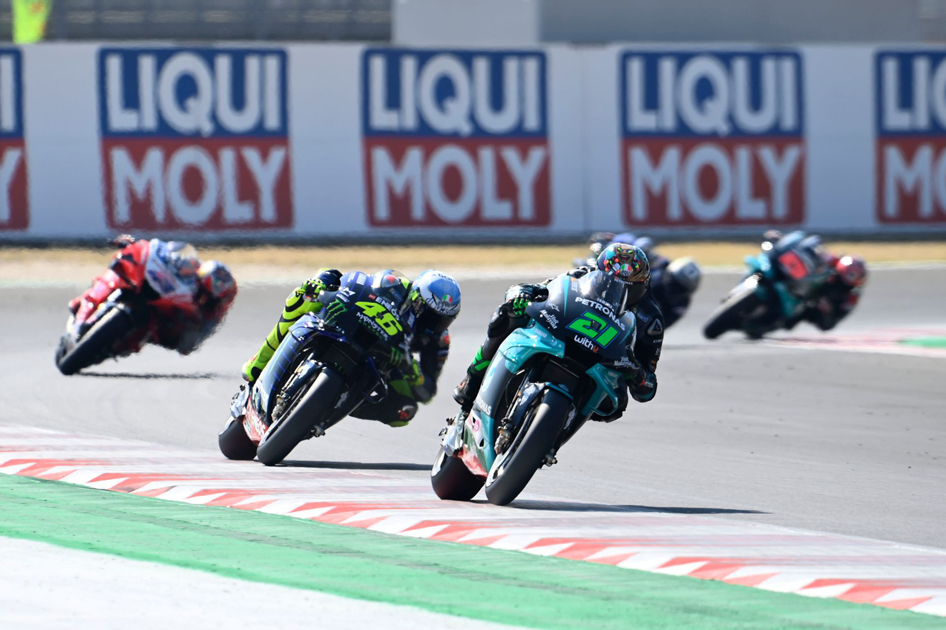
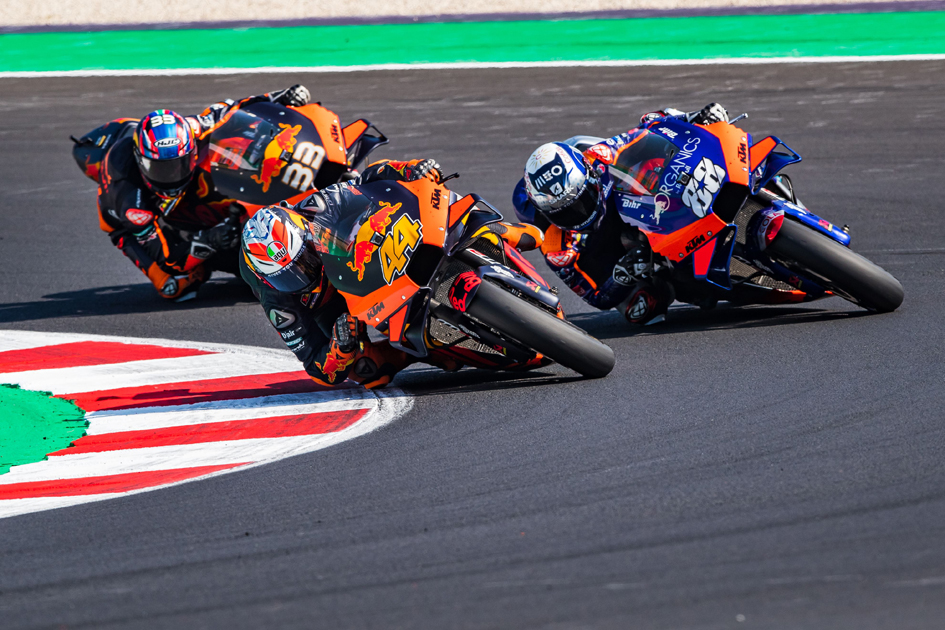
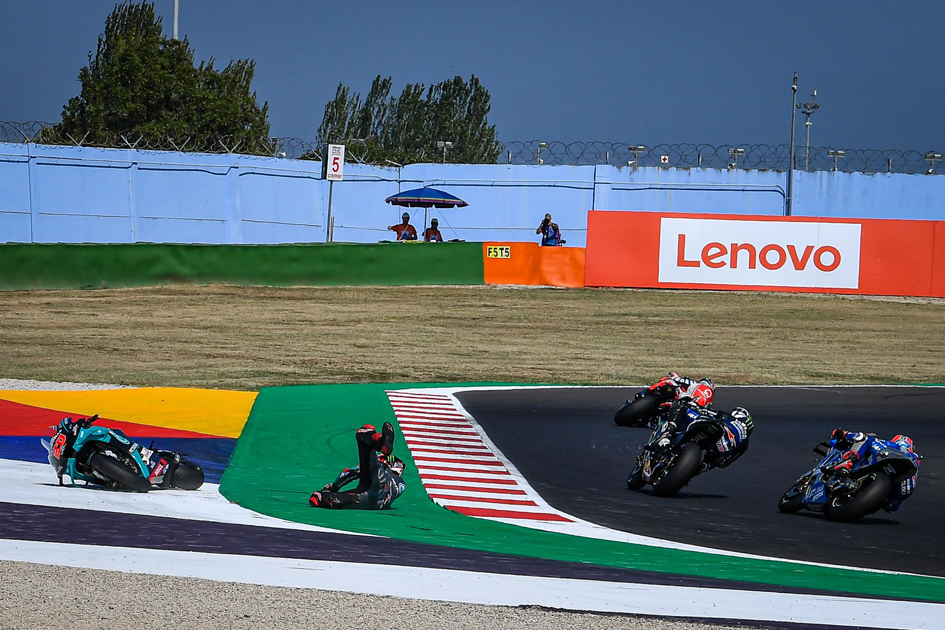
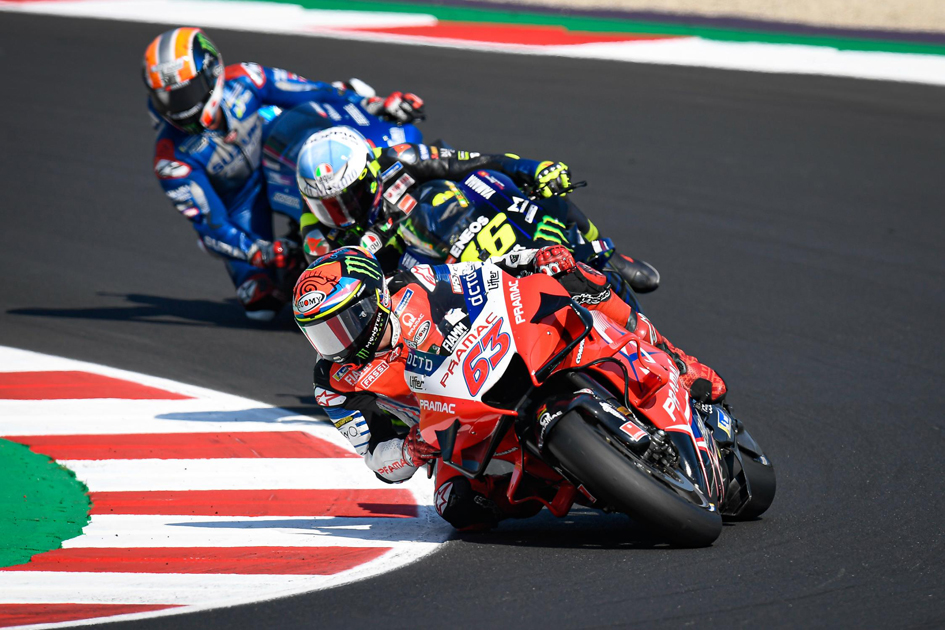
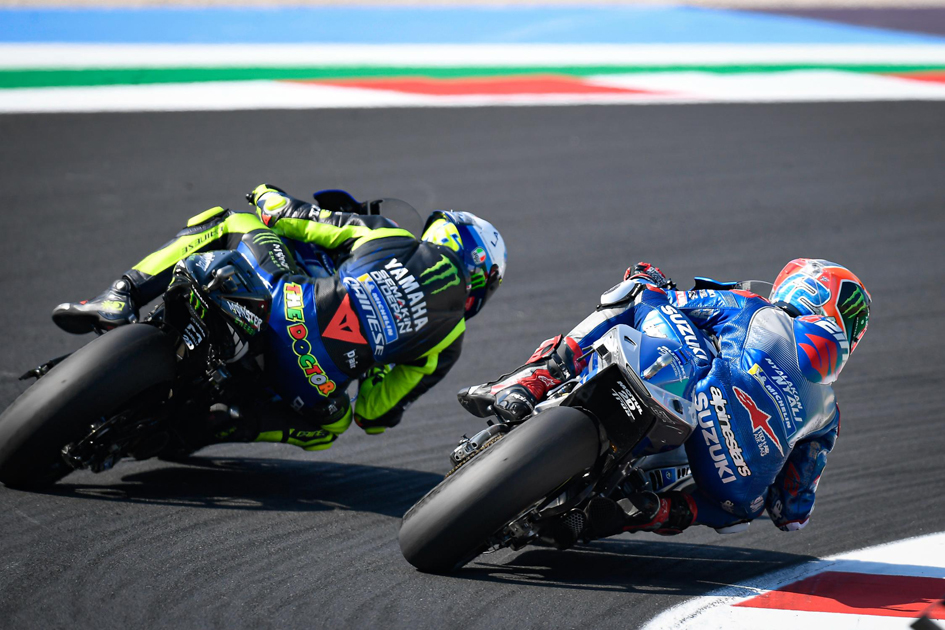
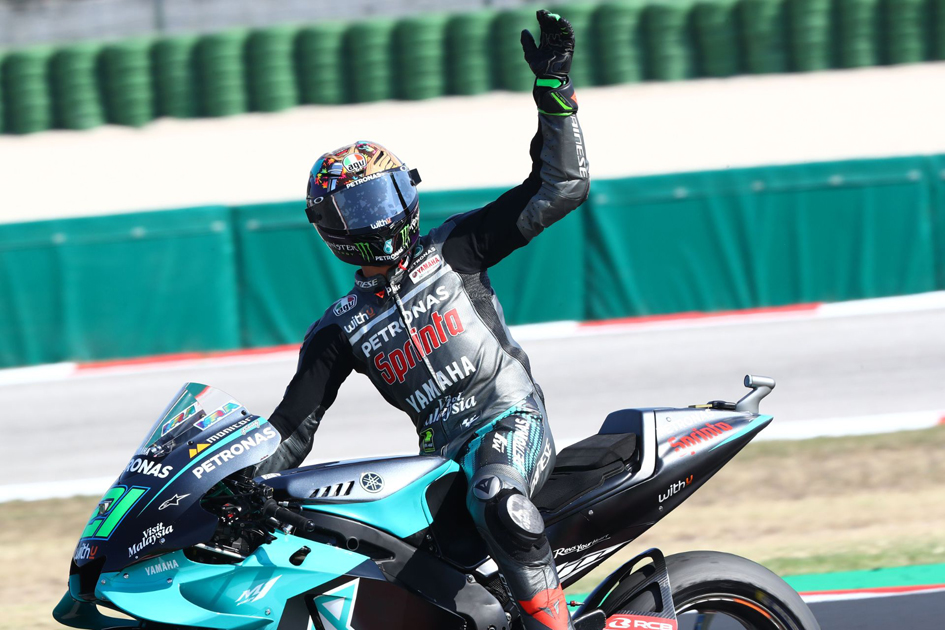
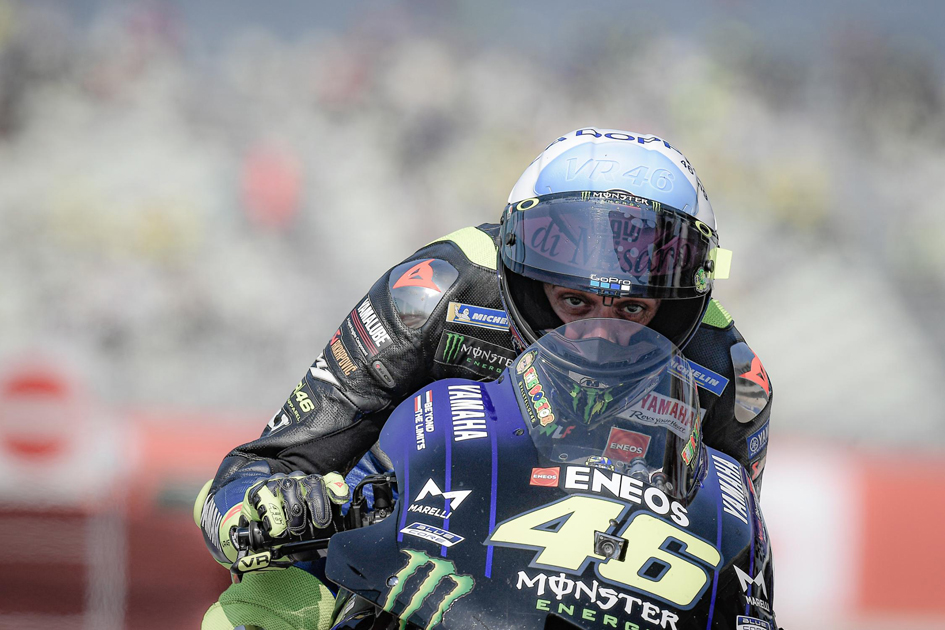
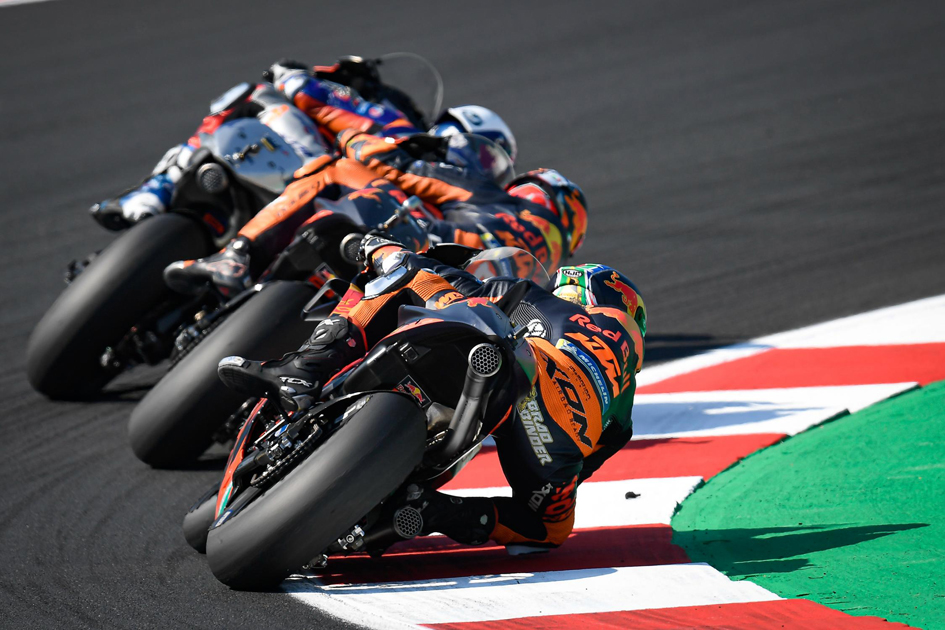
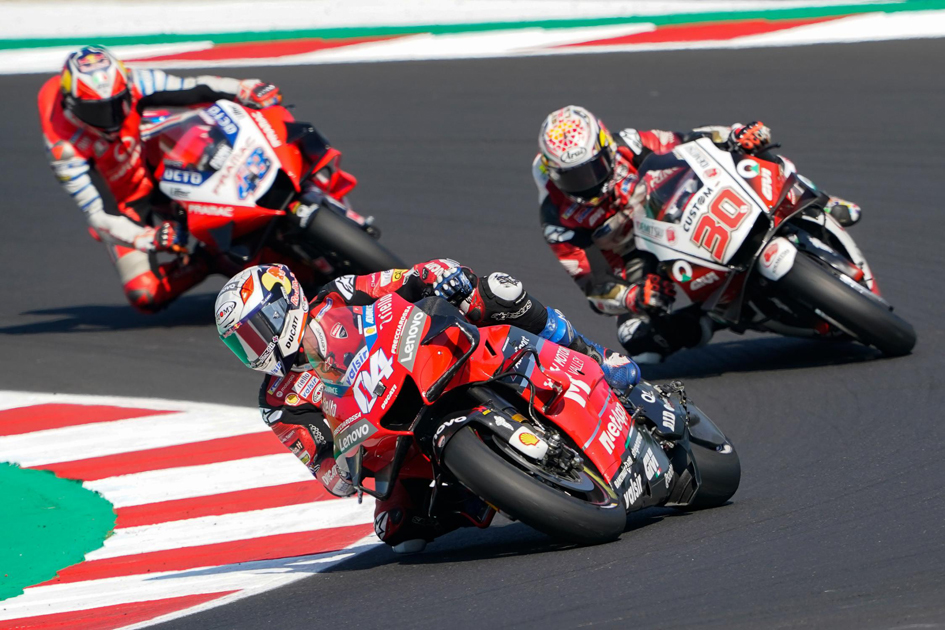
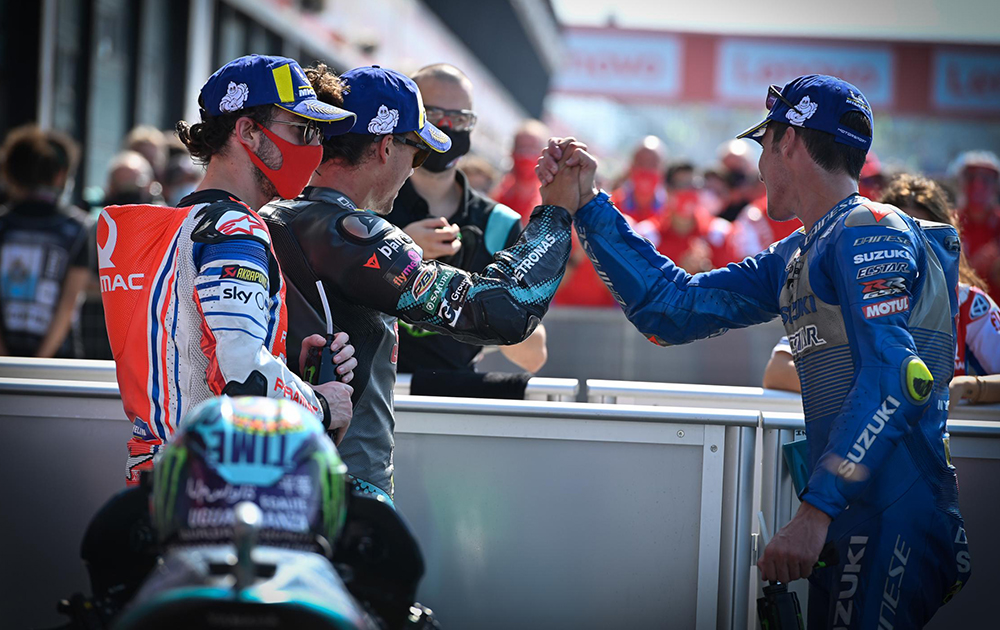
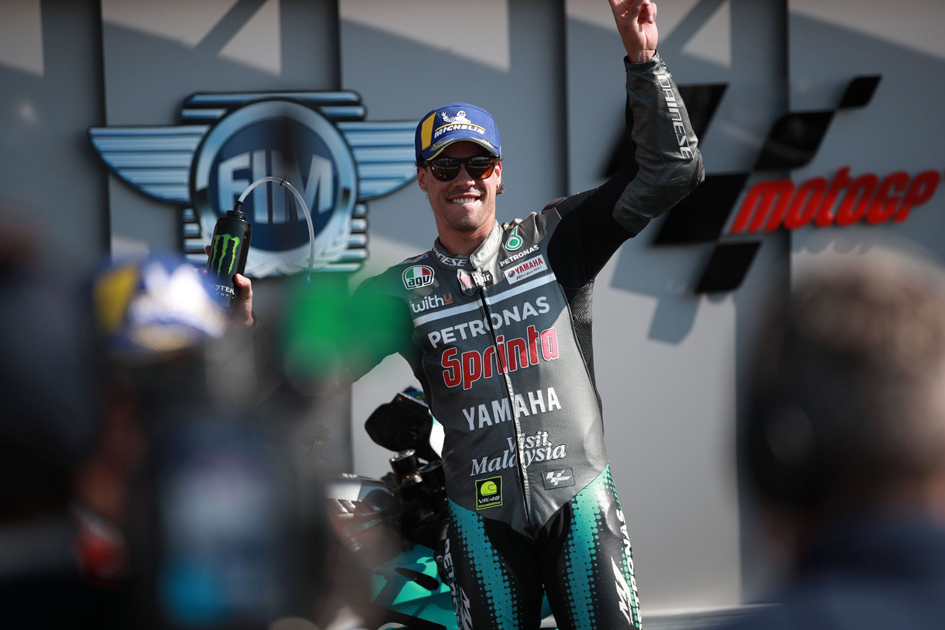
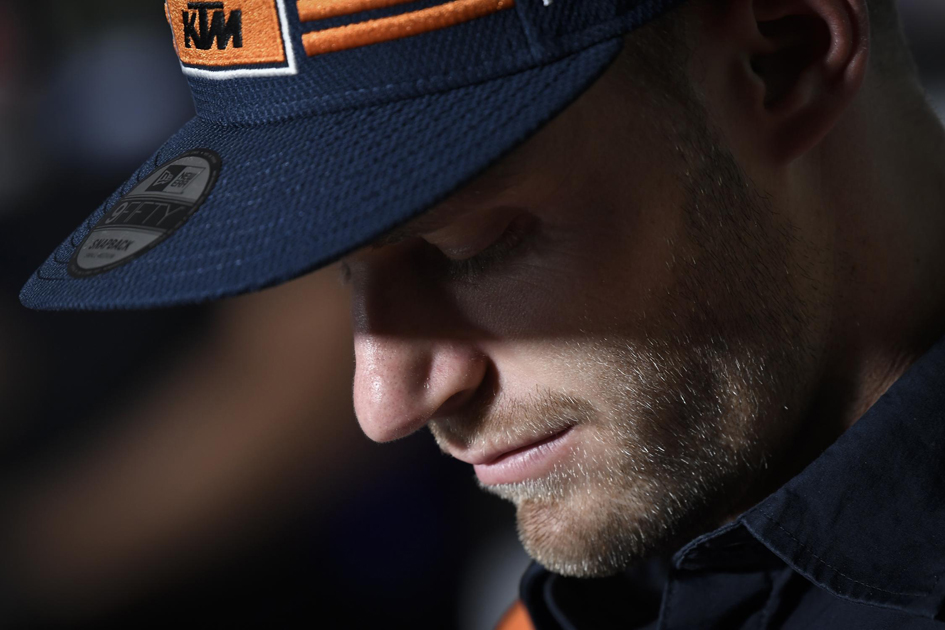
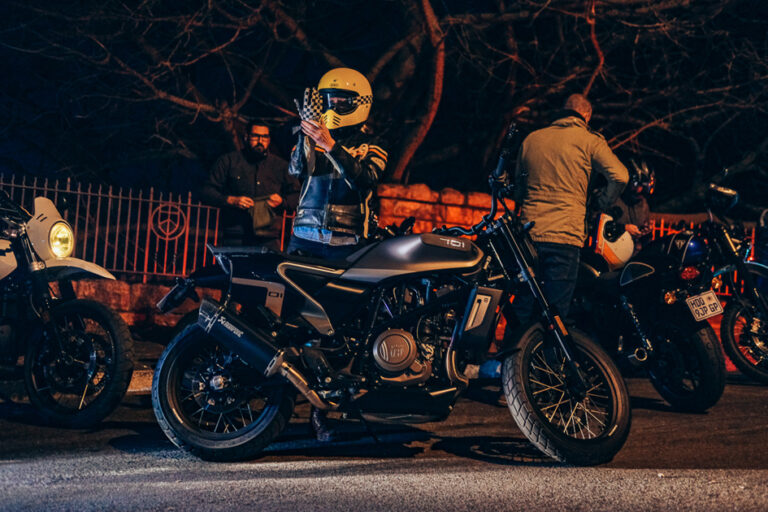
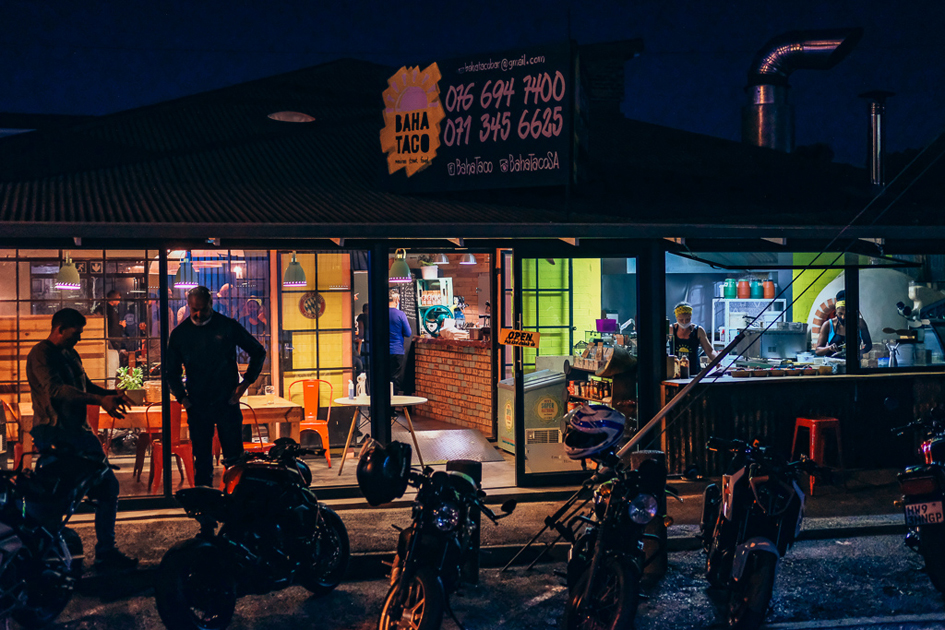
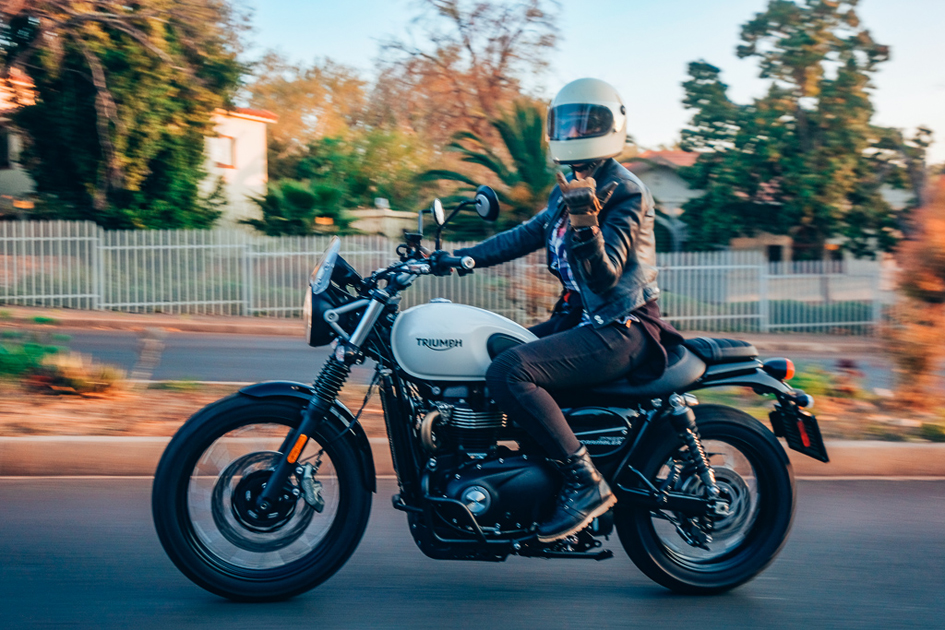
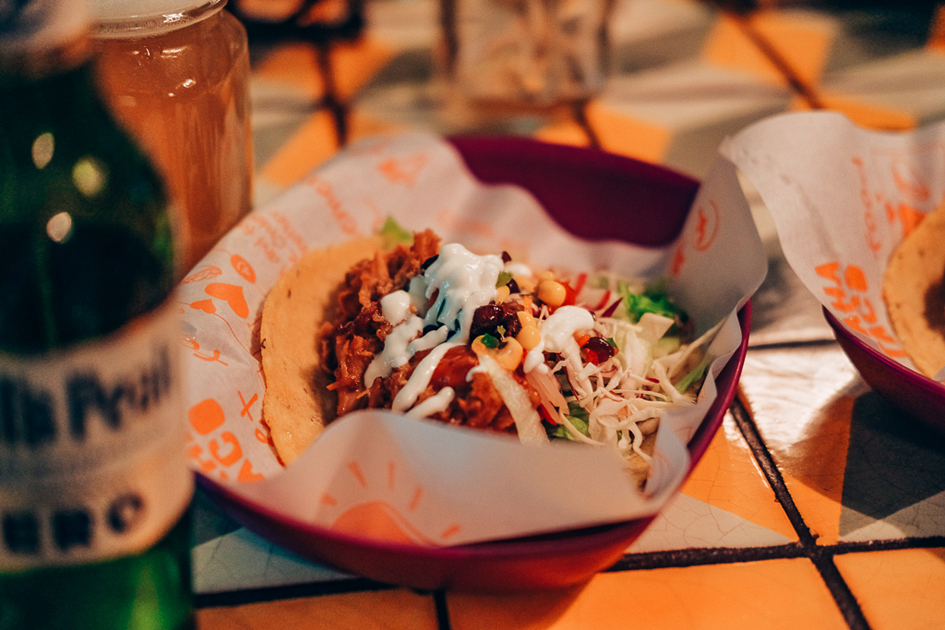
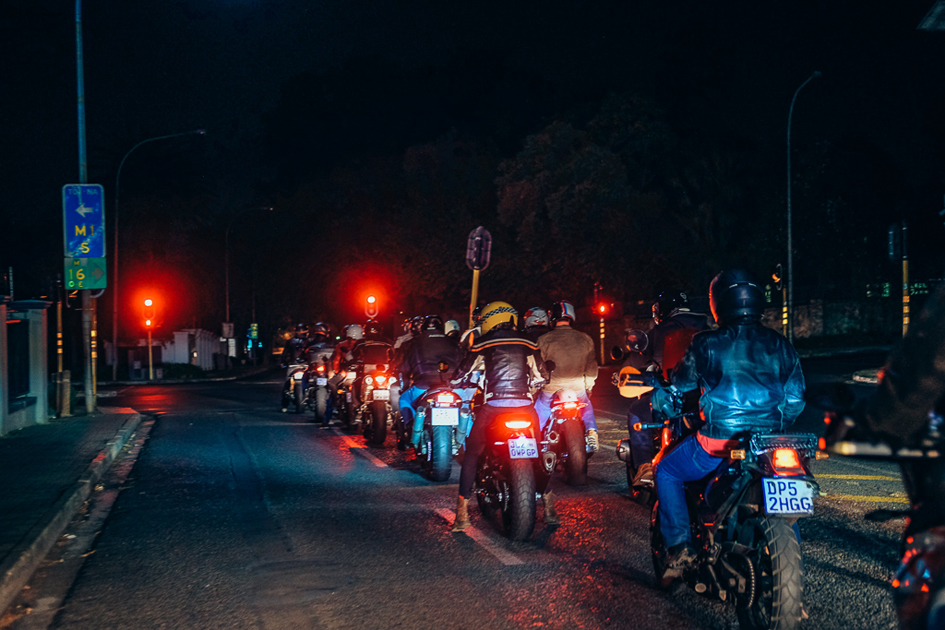
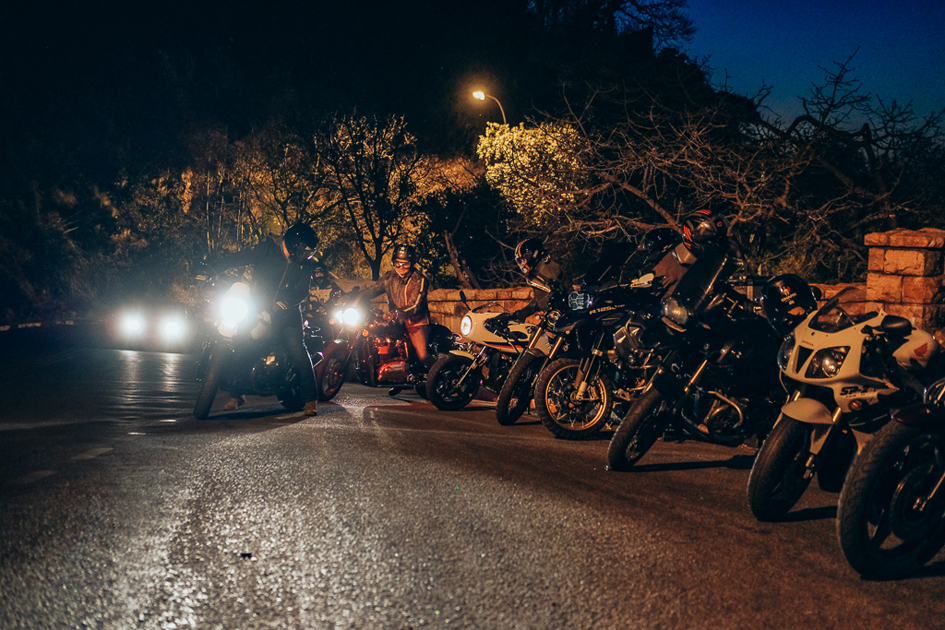
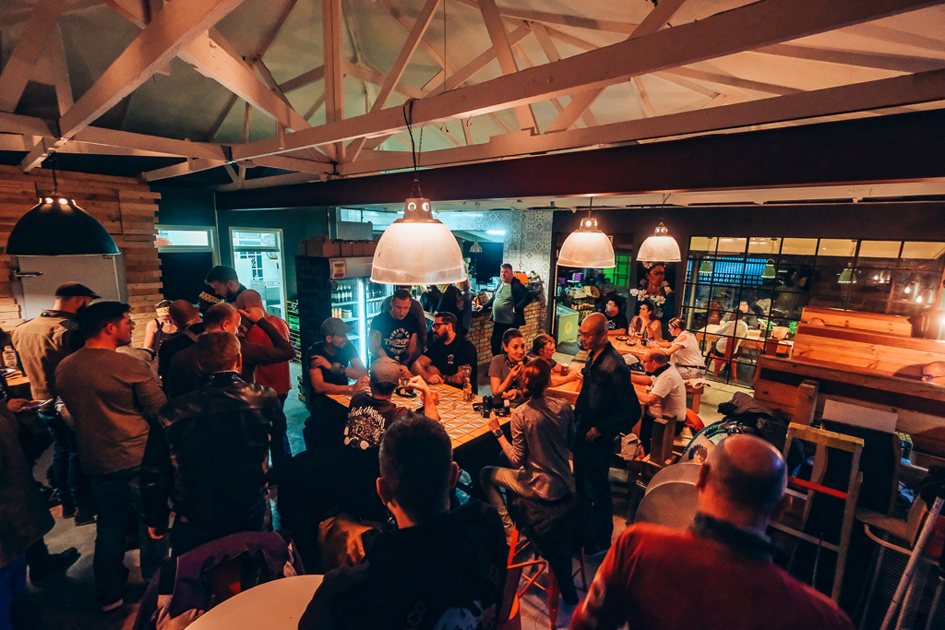
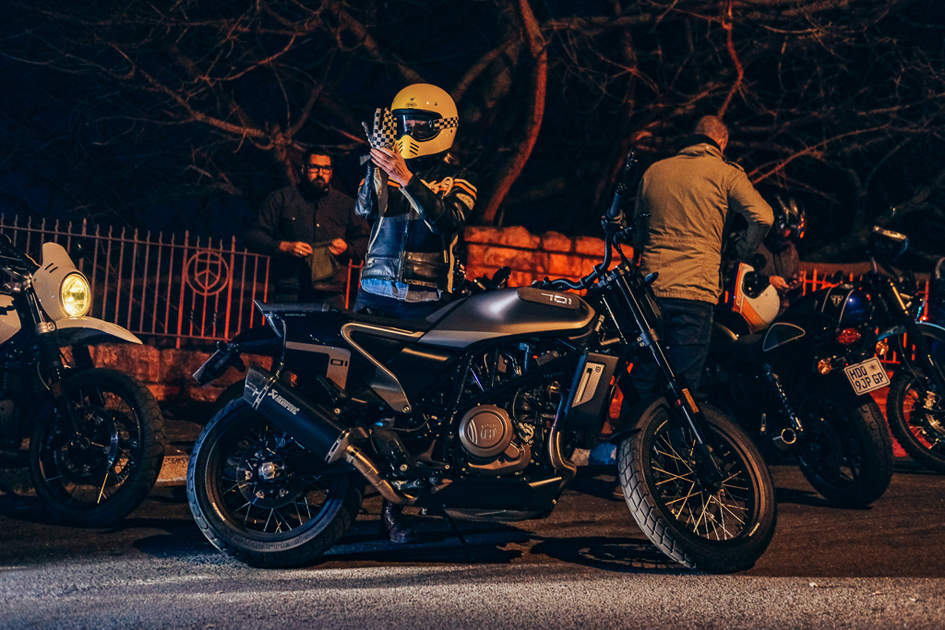
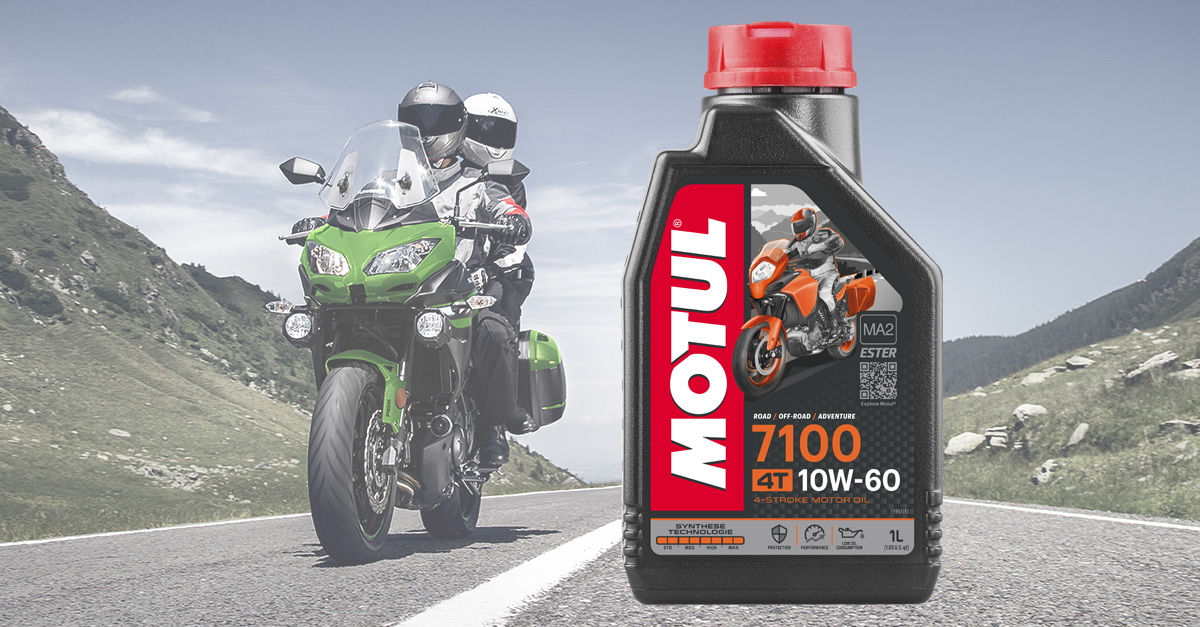 Motul has unveiled the new look and feel of the containers for their world-class Powersport range. The redesign is intended to communicate the benefits of each premium product even more clearly, so that customers and end-users can choose the right product for their needs and have complete confidence that it will perform as required. It’s part of Motul’s ongoing commitment to