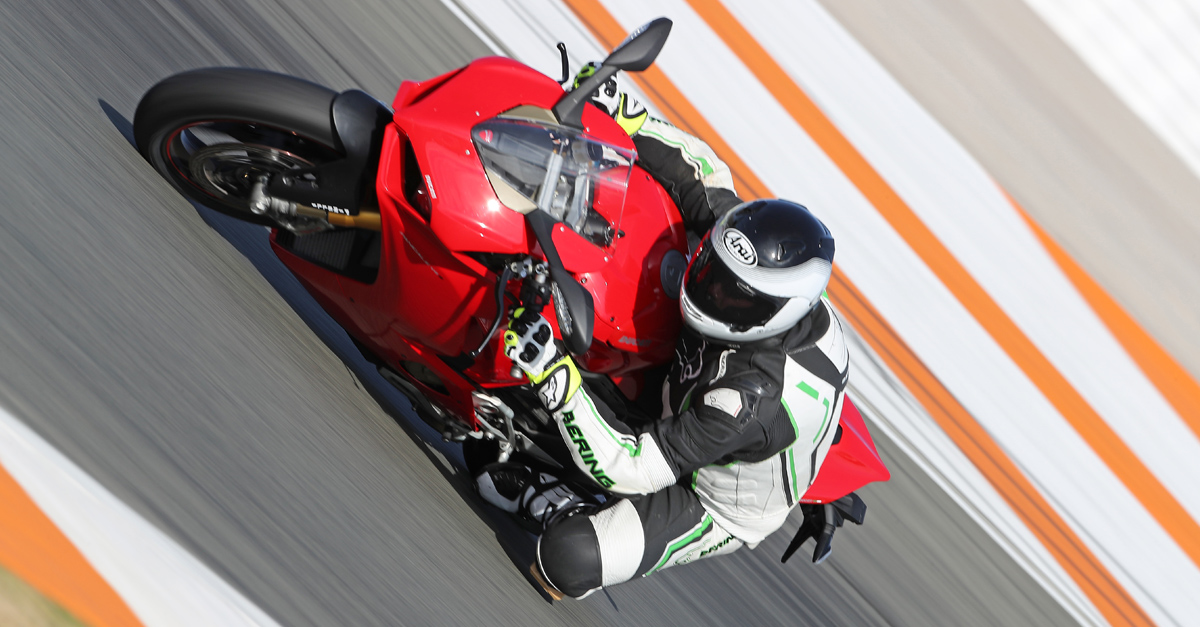
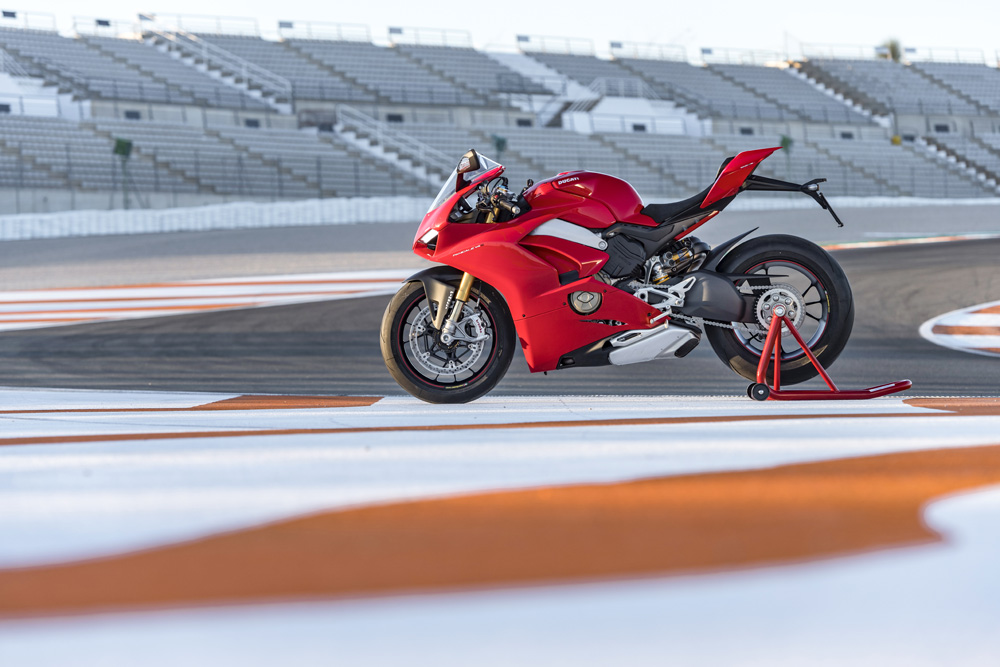
 The pit straight at Valencia MotoGP racetrack is only 876 meters, that doesn’t prevent the new Ducati Panigale V4 S reaching a speed of over 280 km/h. The pit straight is just swallowed in a few seconds, you enter the straight after corner 14, (called Adrian Campos) in second gear, at over 185 km/h, third gear is good for 235 km/h, fourth for 260 km/h and the acceleration seems endless – how is that possible?
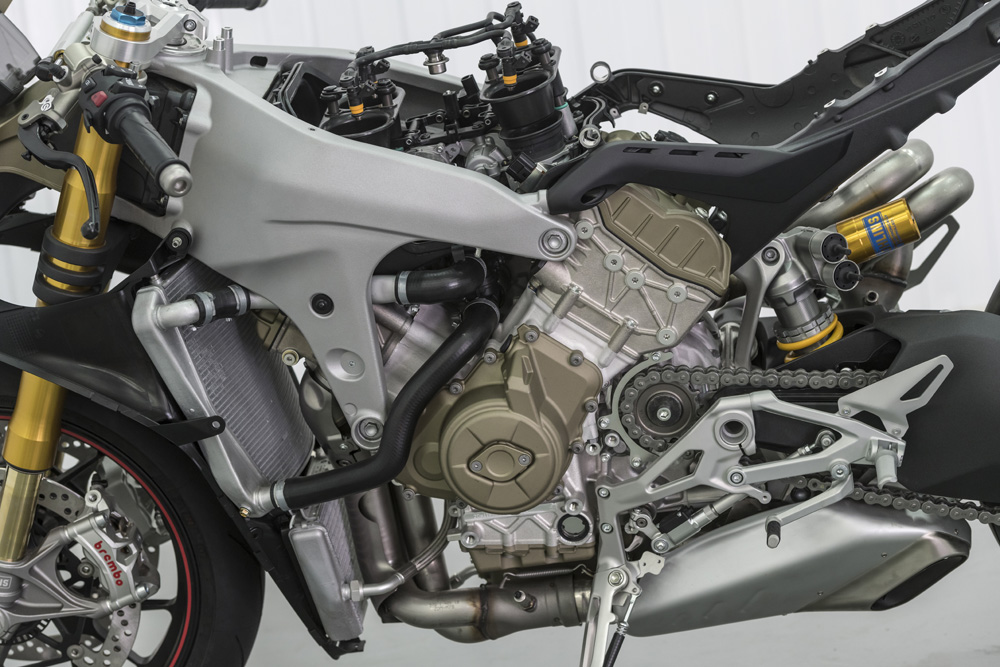
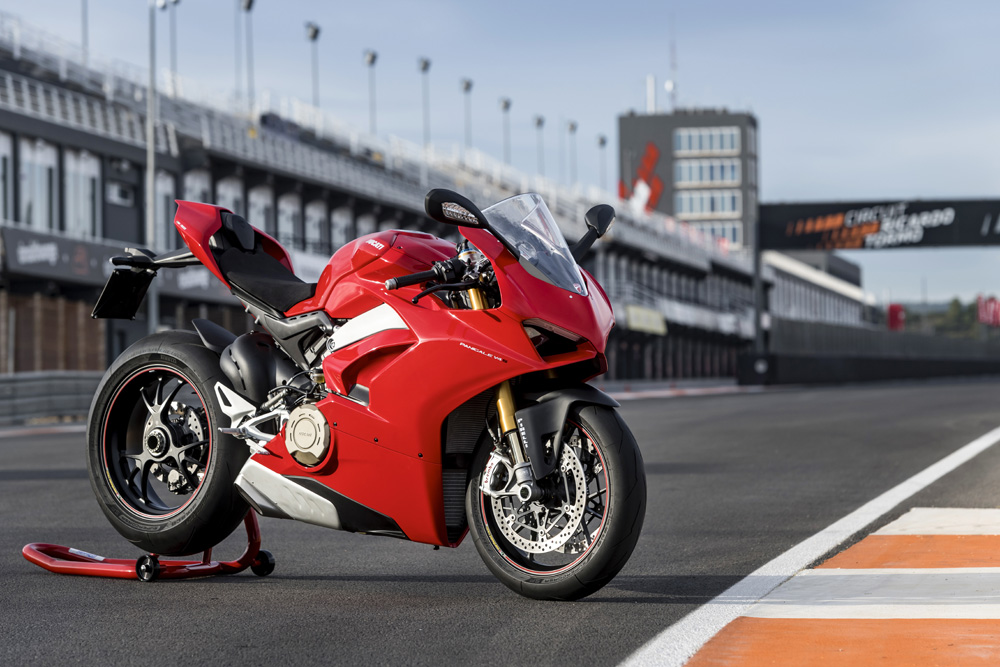 With a brand new 90° V4 engine thats inspired by MotoGP technology, Ducati aims at nothing less than being the class leader in the Superbike category. The Panigale V4 offers the best power to weight ratio (1,10 hp per kilo), with a capacity of 1103 cm3, the V4 delivers 214 hp at 13000 rpm and 124 Nm of torque at 10000 rpm (with a very flat curve from 9 to 12000 rpm), while revving up to 14500 rpm. The Ducati Quick Shifter, works both up and down and helps to sustain strong acceleration.
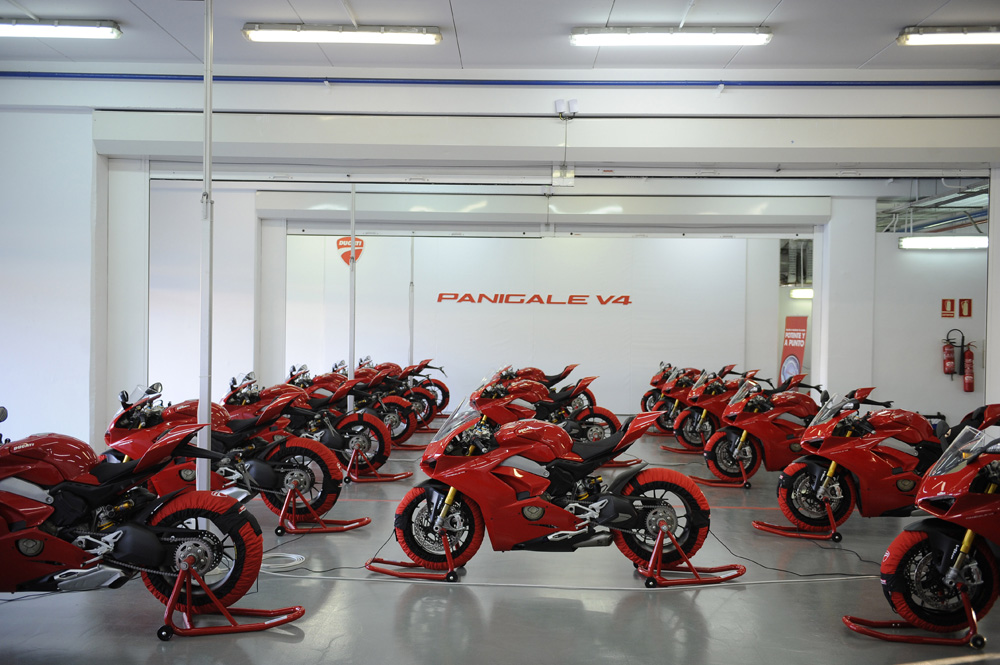 Corner one at the Valencia MotoGP racetrack is full of rubber marks, one of which was ‘signed’ by Marc Marquez himself when he lost the front chasing his fourth world title at over 150 km/h. This environment was perfect for testing the Panigale V4 S!
Another Ducati revolution
Forget about the two cruisers Apollo V4 prototypes from the 1960’s. Forget also about the exclusive Desmosedici RR, of which 1500 units were produced in the 2007. We are now talking about a superbike for the masses. Well, the wealthy masses that is.
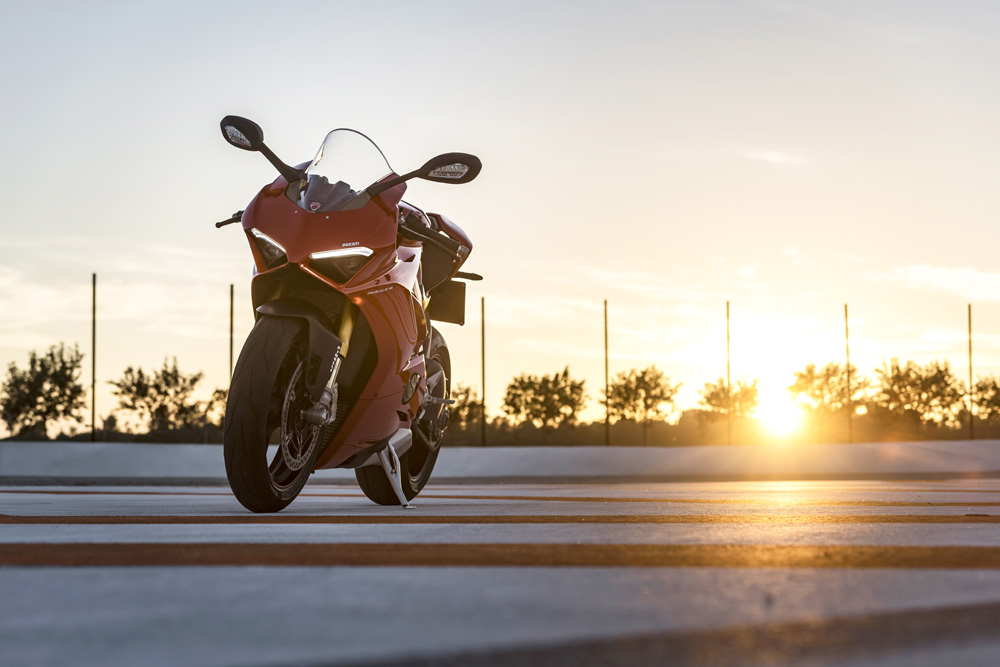 With the Panigale V4, Ducati literally brings MotoGP technology to the streets and to the racetracks. And this is not just a marketing ploy, like that of the Dakar winner Peugeot 3008 pretending to be the same as your brother-in-law’s Diesel-powered 3008!
MotoGP technology means: equal 81 mm bore and stroke with the engine tilted backwards by 42°, a reverse rotating crankshaft, twin pulse firing order, and nearly as many electronics as a MotoGP bike.
 Rider safety has been taken very seriously by the Ducati team. There are three riding modes; Race, Sport, and Street. In the latter mode, 214 hp is delivered with a ride-by-wire softened response. There is also, an ABS EVO braking system, which allows some slide under braking, in case of strong deceleration with a slide angle between 0 to 35°.
 Launch control (DPL), ensures lightning-fast starts, letting the rider focus only on releasing the clutch. Once set, the rider simply engages the first gear and opens the throttle. Wheelie control (DWC EVO), this system, using Bosch 6D IMU information, ensures wheelie control to obtain top acceleration performance in a smooth, safe manner. The DWC EVO detects the occurrence and extent of wheelies to control them with a higher level of precision, ensuring a more accurate response to rider input.
 Traction control (DTC EVO), which includes a power-slide model. And last but not least, a engine-braking management system (EBC EVO), which has been developed to help riders optimise vehicle stability under extreme turn-in conditions. The only thing missing is a pit-lane speed limiter! All the above are very easy to manage and select via the left hand push buttons.
Siblings, you said?
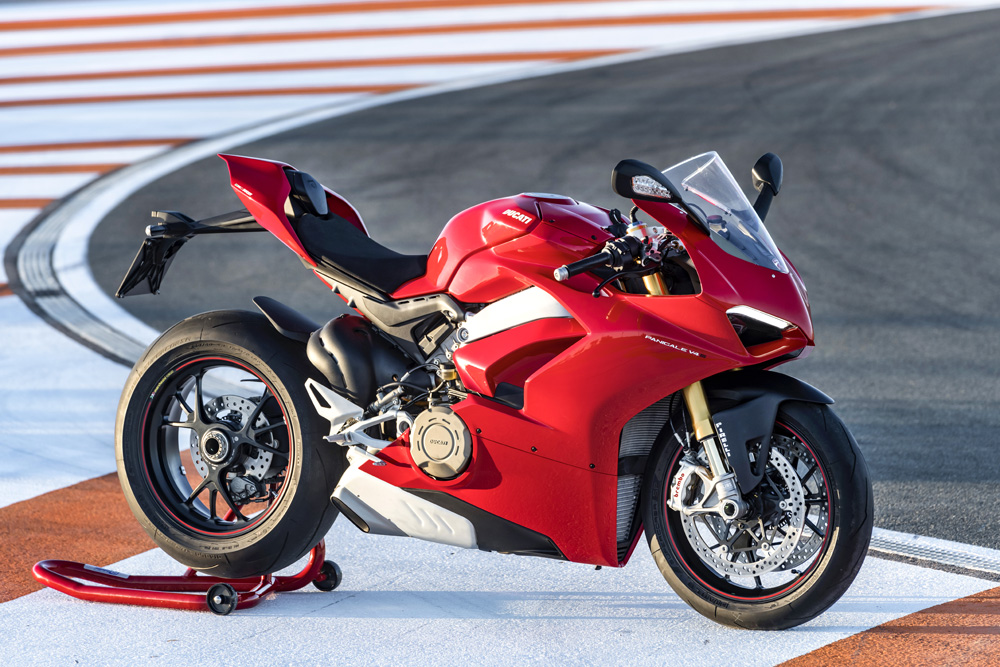
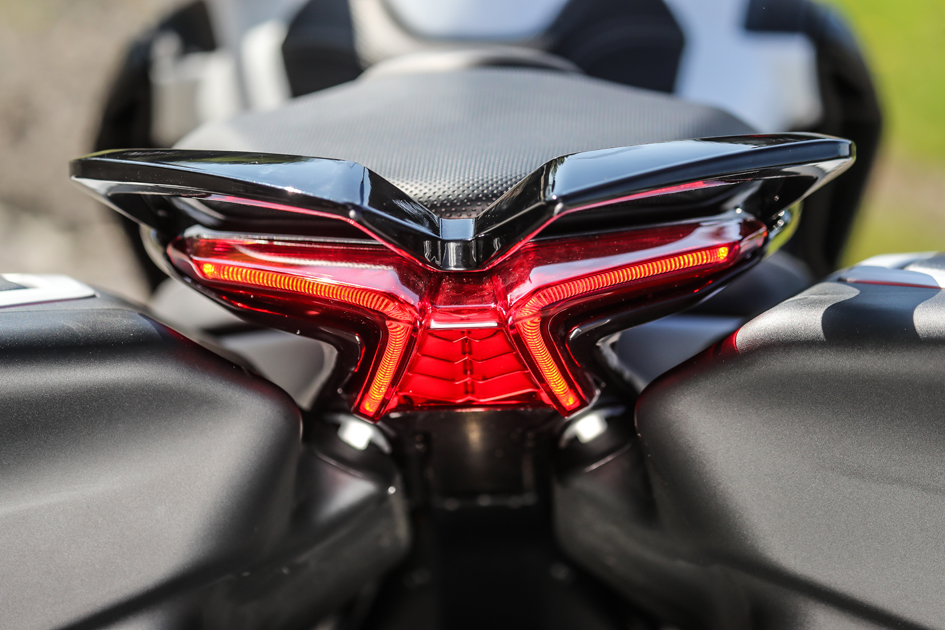
On the looks side, the Panigale V4 is very close to its 1299 Panigale V2 sibling. The overall silhouette is the same, although there is a bit of difference in the exhaust, headlights and front nose. Riding alongside each other, you might struggle to spot the difference, although the V4 is more distinctive from the rear, with two kinds of wind tunnels under the rear lights. Awesome!
 Any similarity is gone once on board. The 5’’ TFT instrument panel is brand new and proves itself to be very easy to read. The riding position is similar to the V2, with a 830 mm seat height and a narrow fuel tank (part of which goes under the seat), thanks to a V4 engine which is only 2.2 kilos heavier than the V2 (at 64,9 kg), whilst being 28 mm shorter and 38 mm lower than the V2.
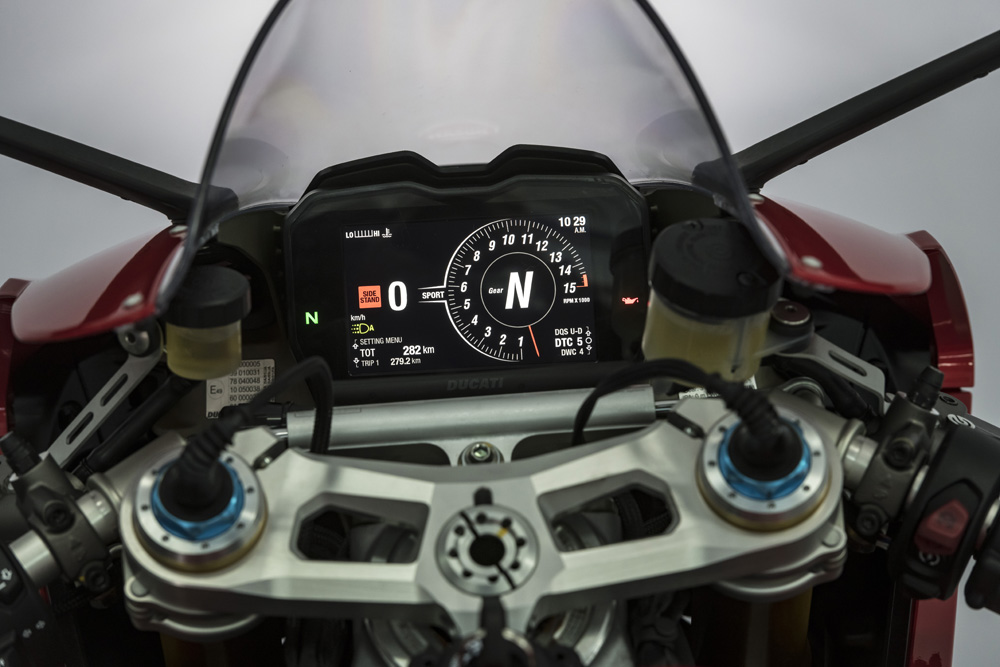 The Ducati V4 has a sound of its own; more discrete than an Aprilia RSV4, less raucous than a CrossPlane Yamaha R1, it’s proper! A symphony made in Bologna.
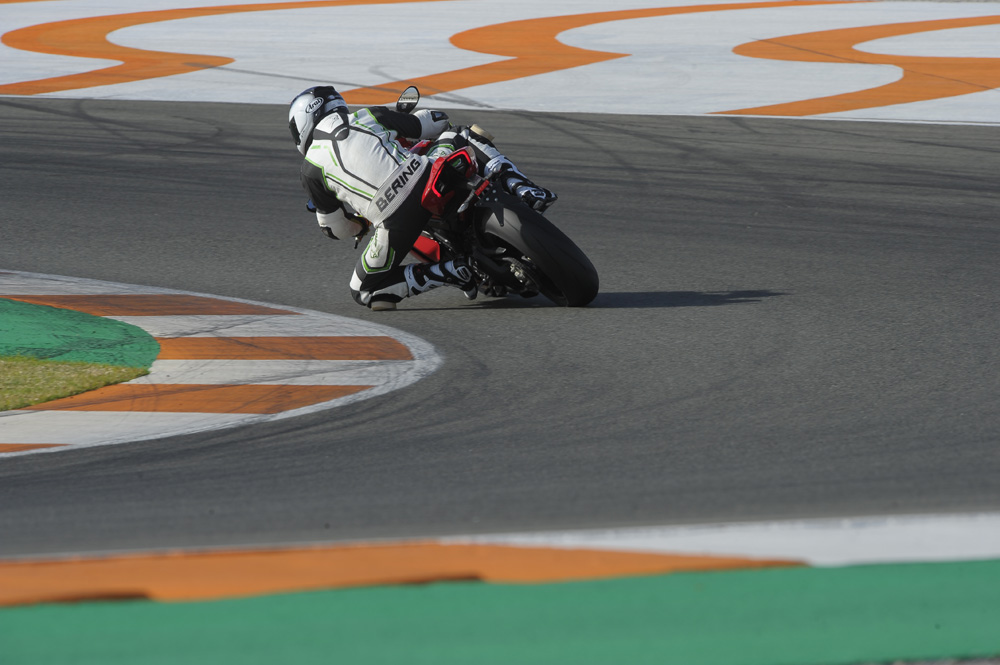
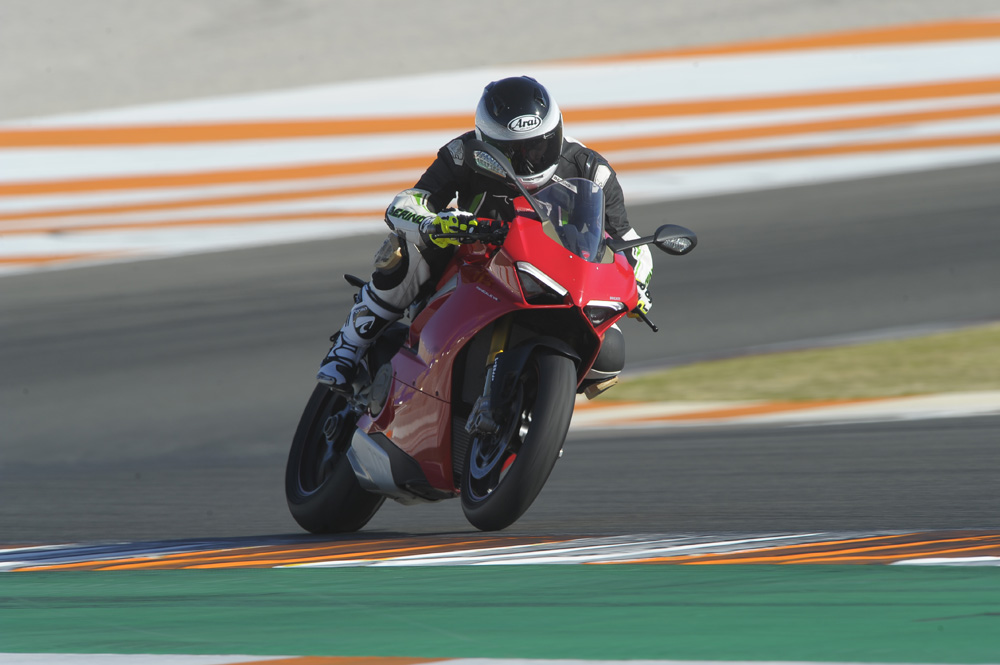
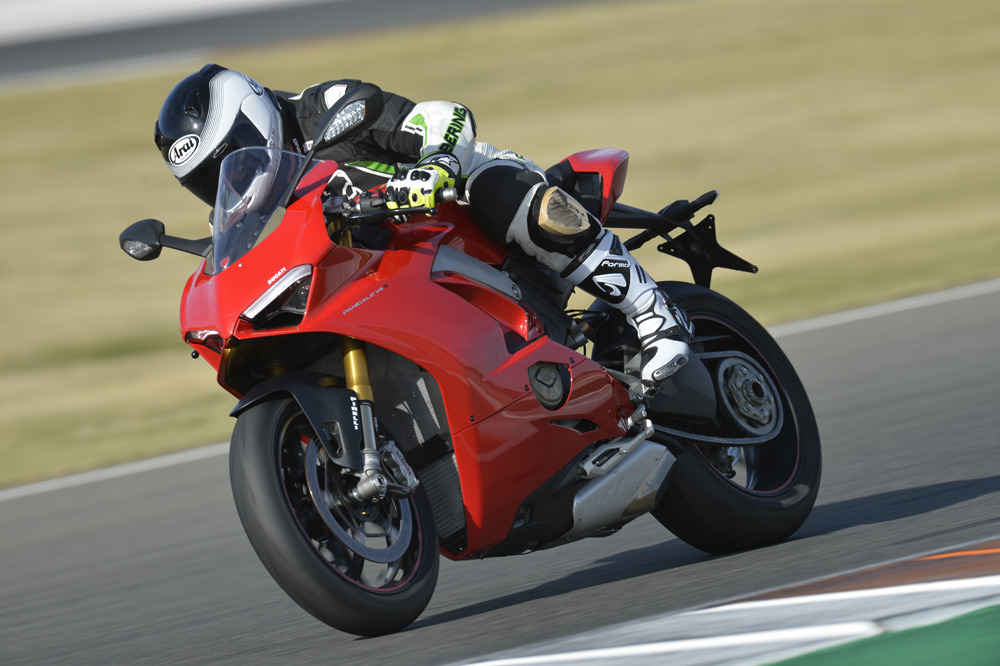
The first few laps show instantly one of the bike’s main assets: an easiness and agility that you never found on the Ducati big V2 Superbikes. With the Panigale V4, I was cornering knee down just after a few corners, the twin cylinder took a few sessions for me to warm up before I could keep a proper race pace. The V4 is definitely a much easier bike to ride.
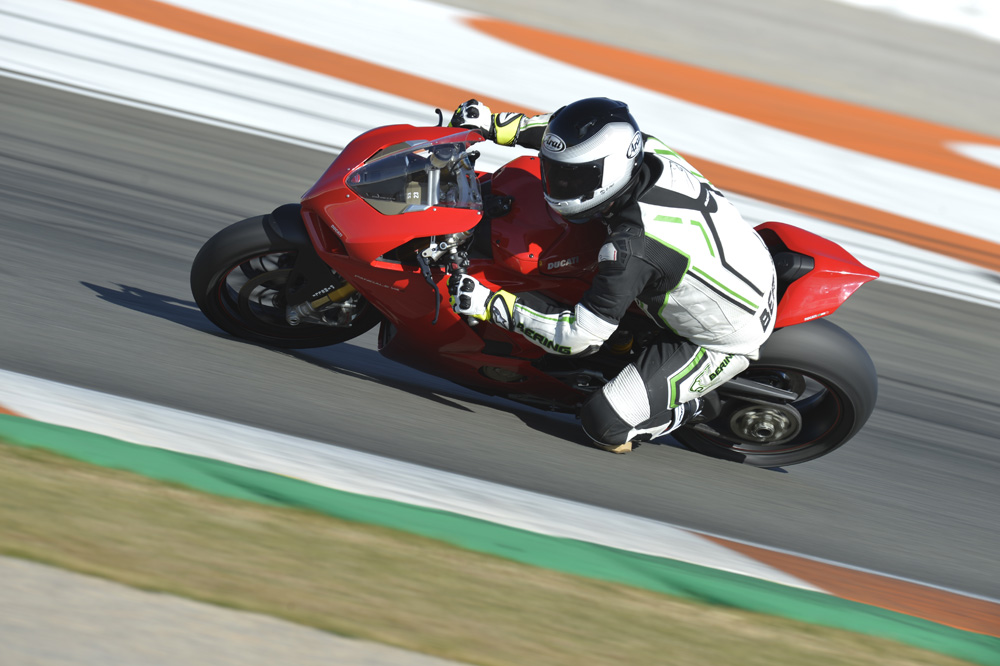 I started in “Sport” mode, as I wanted to tame the beast progressively. As the pace increased, there was a bit of suspension movement but not too much. There was nothing wrong with the steering damper and the high-speed stability: they are both spot on. The quality of the electronics make you almost forget that they are there. They certainly make this powerful machine easier to ride and deliver its hefty 214 hp to the tar.
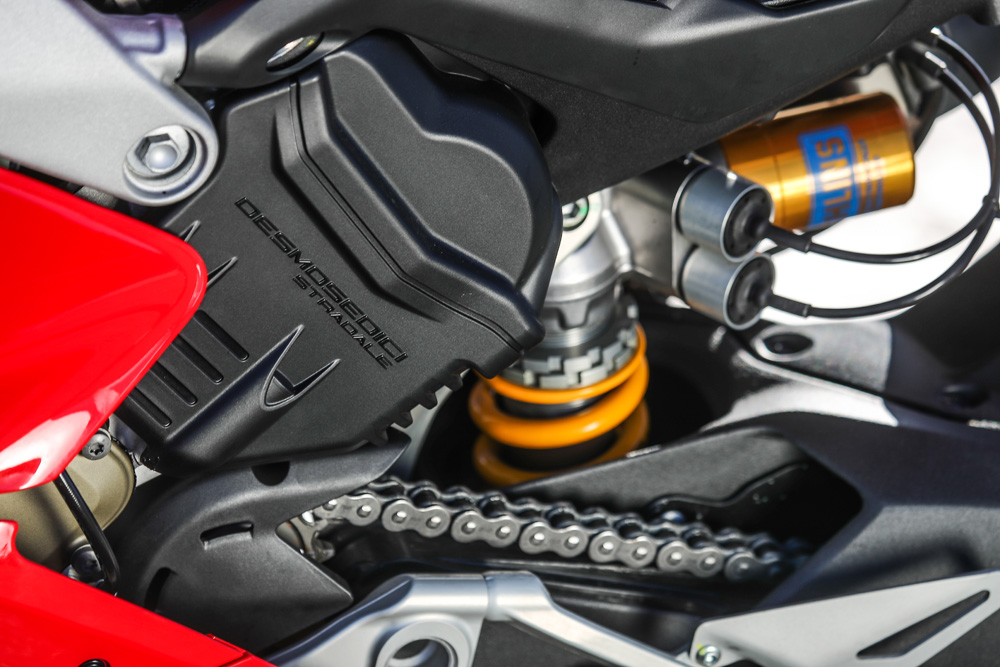
“Race” mode makes the Öhlins electronic suspension (with state of the art NIX-30 front fork and a TTX 36 rear shock, plus a steering damper) work amazingly. I only noticed a slight movement whilst I was exiting hard a low speed corner, as the rear tyre searches for traction.
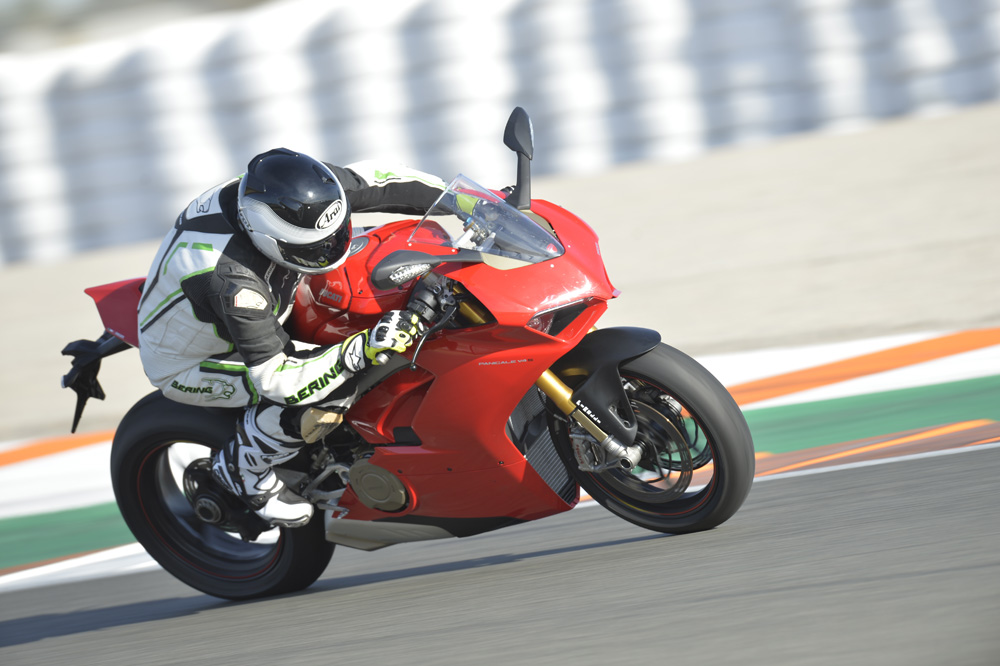 We also had the chance to ride the Panigale S with the Ducati Performance pack which had different engine mapping. An Akrapovic exhaust does not only deliver a divine note, it helps the V4 to generate 226 hp and 135 Nm to an ecstatic rider! Coming with a pair of Pirelli Diablo Supercorsa SC1 slick tyres, it gave us the opportunity to taste the full potential of the Panigale V4, and it’s just brilliant! The slick tyres worked better than the brand new Superdiablo Corsa “road” tyres in that under strong acceleration the bike remained solid, and the rear shock worked perfectly. The agility remains fantastic, as the weight dropped from 195 to 188 kilos – track-day fanatics take note!
A (very fast) gem
Superbike lovers can only be fascinated by this piece of engineering. The aluminium front sub-frame weighs only 4 kilograms, and links the engine (which works as a structural element to the chassis), to the front end. The rear sub-frame weighs only 1,9 kilograms, the single swing-arm weighs 5,1 kilograms, the front headlight is 500 grams lighter than that on the V2 counterpart at 700 grams, the standard exhaust weighs at 9,7 kilograms and the fuel tank (which goes, as the race bike, slightly under the seat for a better weight distribution), weighs 3,1 kilograms. The Panigale V4 is as obsessed as a supermodel about it’s weight!
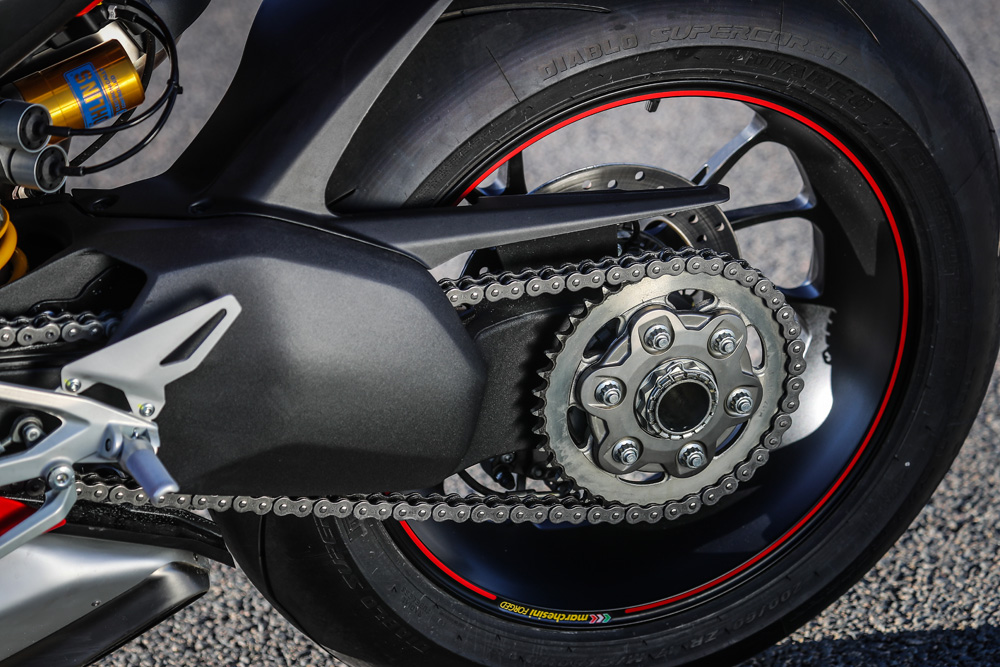
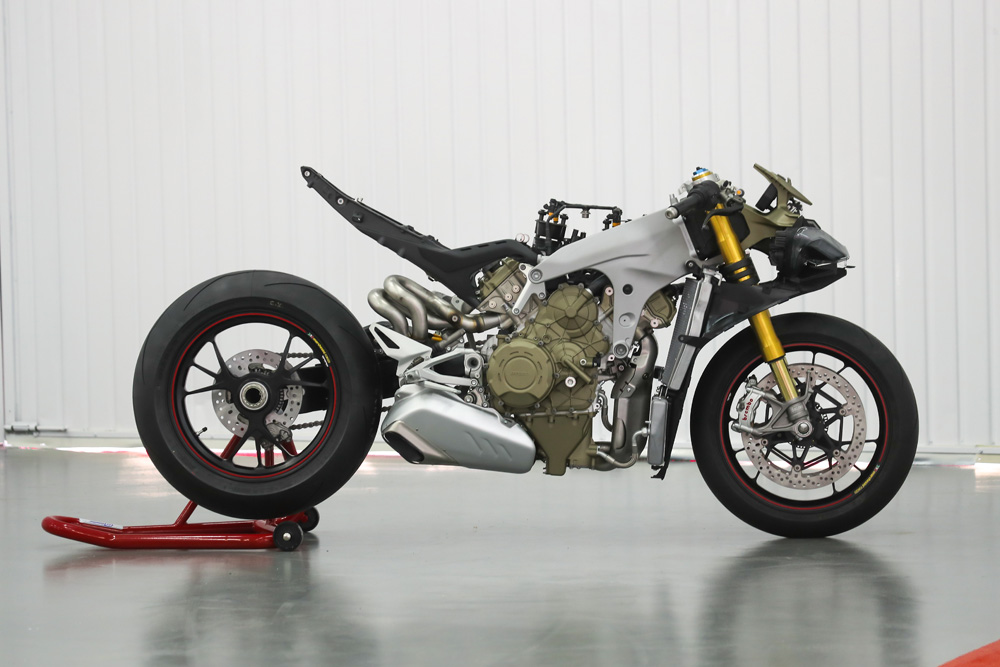 The weight distribution has also evolved from the 1098, which had a perfect 50/50 ratio. The Panigale 1299 S moved to 47 % (back) / 53 % (front), and the Panigale V4 is now at 45,5 % (back) / 54,5 % (front). A sharper front end does not translate into a lack of grip, thanks to the new rear Pirelli Diablo Supercorsa, with a 4,5 mm larger foot print and it’s 200/60 x 17 size. A longer swingarm (600 mm), a longer wheelbase (1469 mm compared to the V2) and all the electronic gizmos.
 While pushing harder and harder on the track, you can see the traction control lights flicker (in orange, on the TFT panel up at the left side), you can barely feel it nor hear it, as it’s extremely subtle and does not give you the feeling of interrupting acceleration at all.
 Another one of the V4’s great assets comes in the braking department. Brembo has given its latest generation device, called Stylema, and it’s 700 grams lighter compared to the M50 previous generation (while being even more rigid).
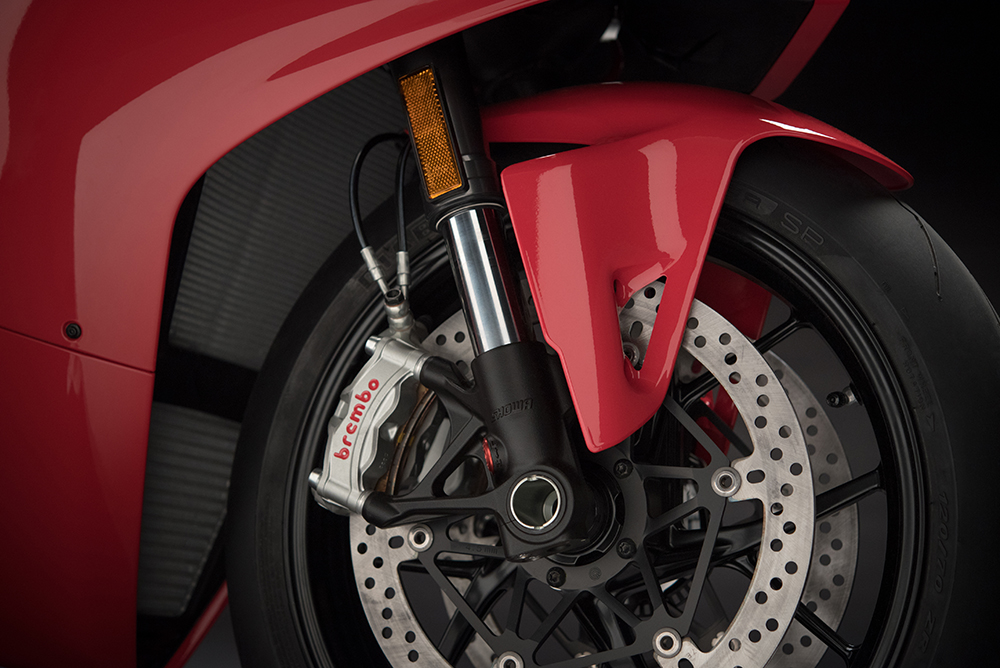
The fact is the Panigale V4 is up there with the best of them as far as braking is concerned. Power, feel, everything is great and that’s quite important when you reach 280 km/h on the straight, or when the tight second-geared corner 8 appears while you exit corner 7 at over 230 km/h! All the while the electronic Öhlins suspension is doing a great job, with the whole setup being controlled by the electronics to maintain stability.
 To conclude…
The Ducati Panigale V4 is not only more powerful than the V2. It’s also easier to ride, much more agile and claimed “MotoGP” technology is not just marketing hype. It’s real! As a matter of fact, there is definitely a new leader in the superbike class. While the peak power seems to be a tad less violent than a BMW S1000RR, the Panigale V4 has got more power throughout a more consistent range. It has much more personality than the average traditional Japanese in-line 4, it’s less peaky than a Yamaha R1, more powerful than a Aprilia RSV4. At Valencia, Ducati test rider Alessandro Valia was only 5 seconds away off the MotoGP lap record on the Panigale V4 – impressive!
 OK, so it is likely to be pricey? If you consider it as a Ferrari 488 GTB on two wheels, then maybe not really…



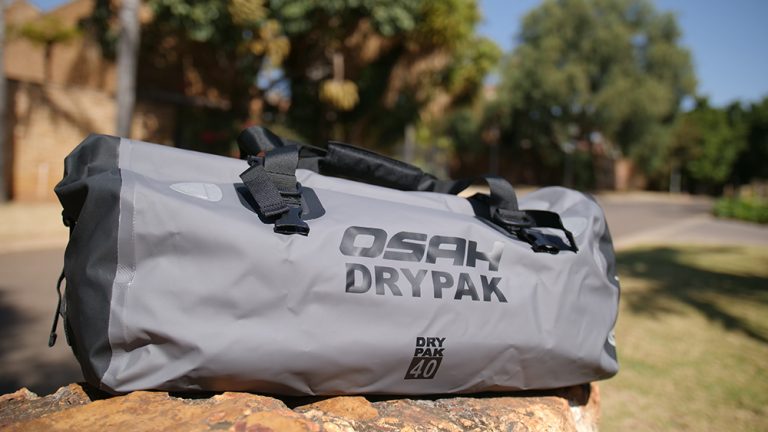
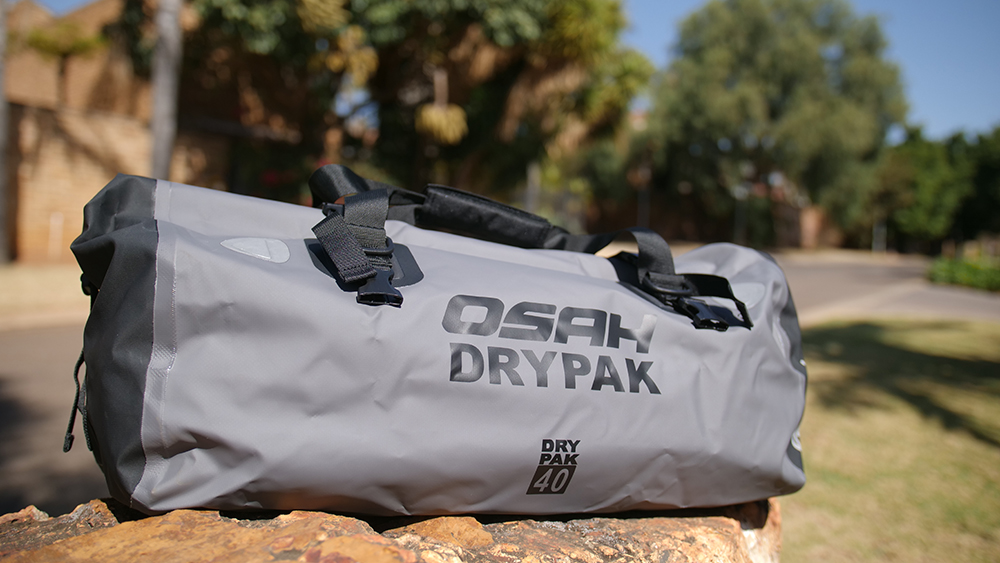
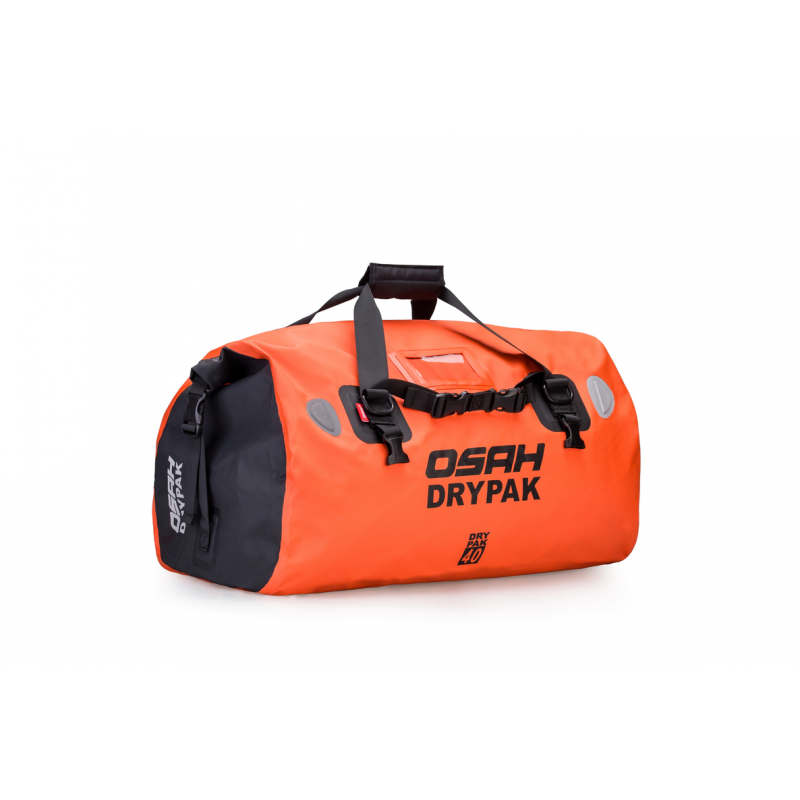
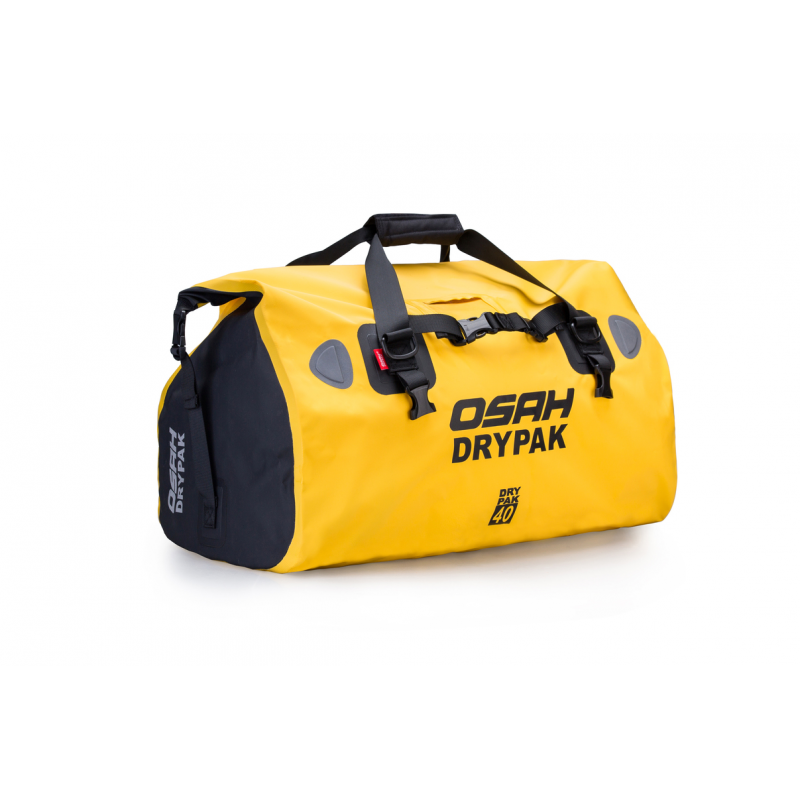
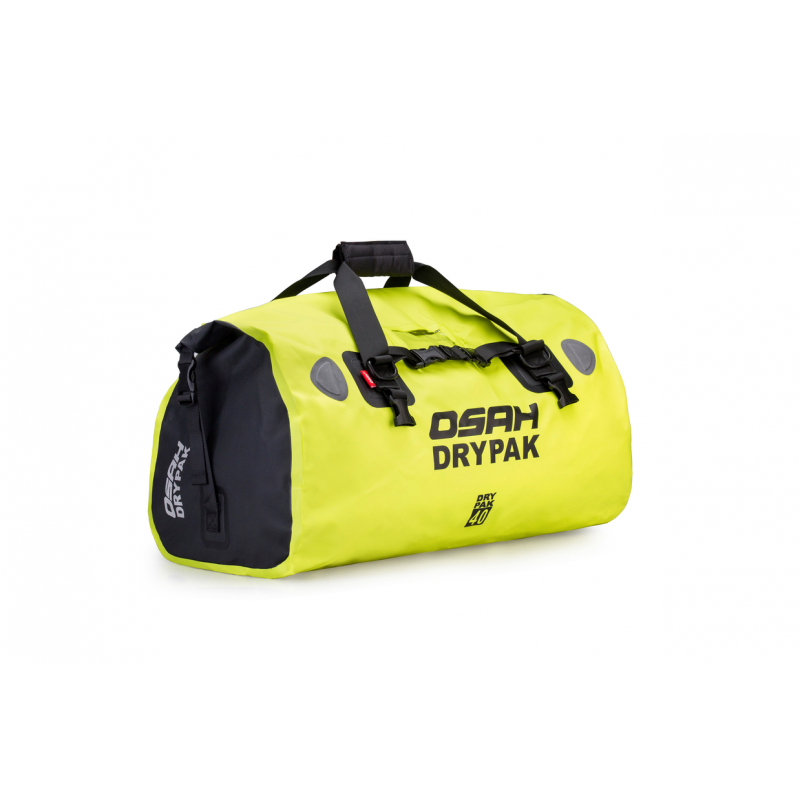
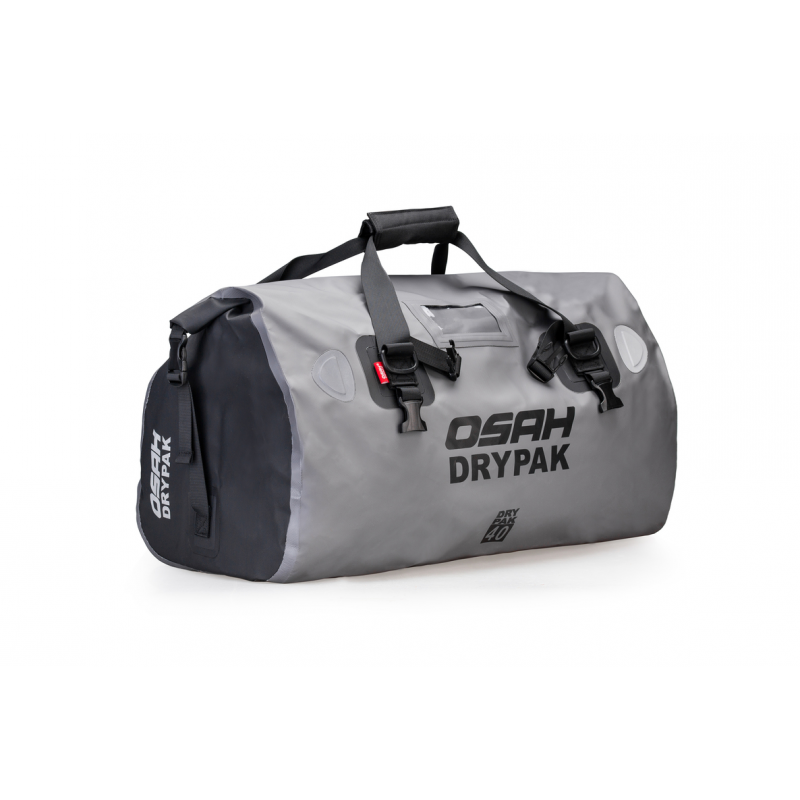
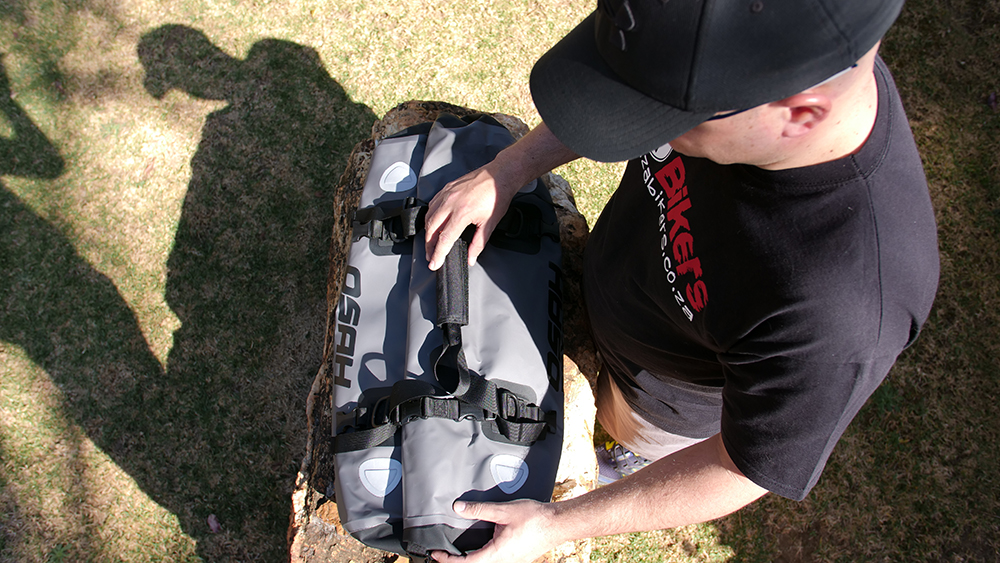
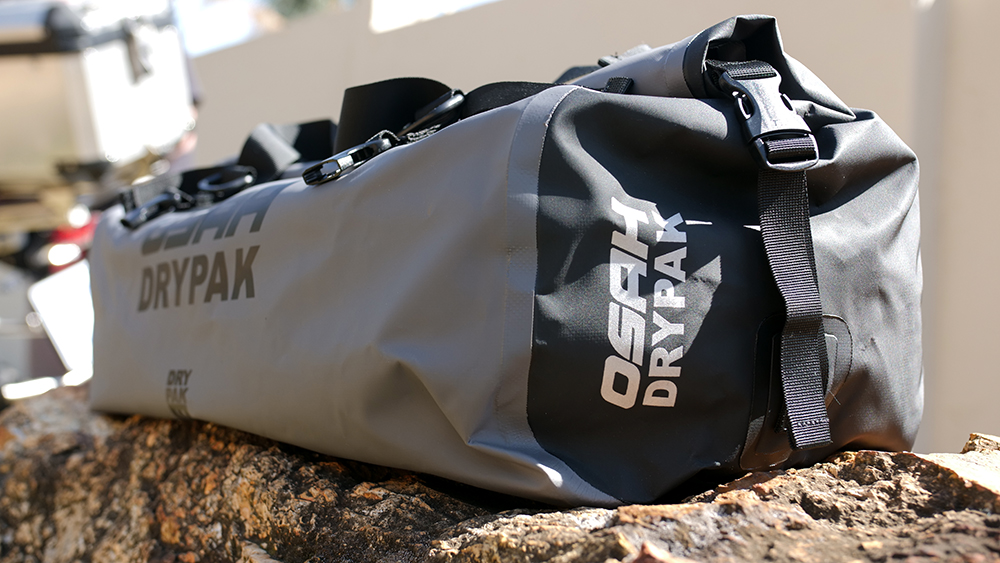
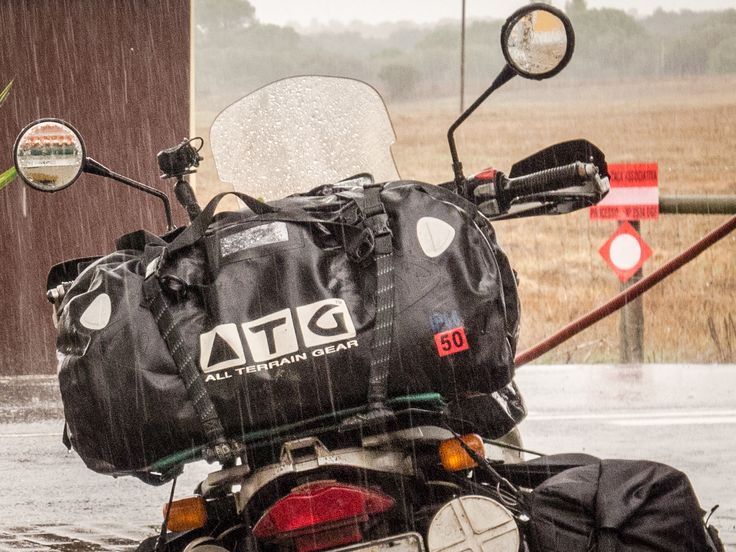
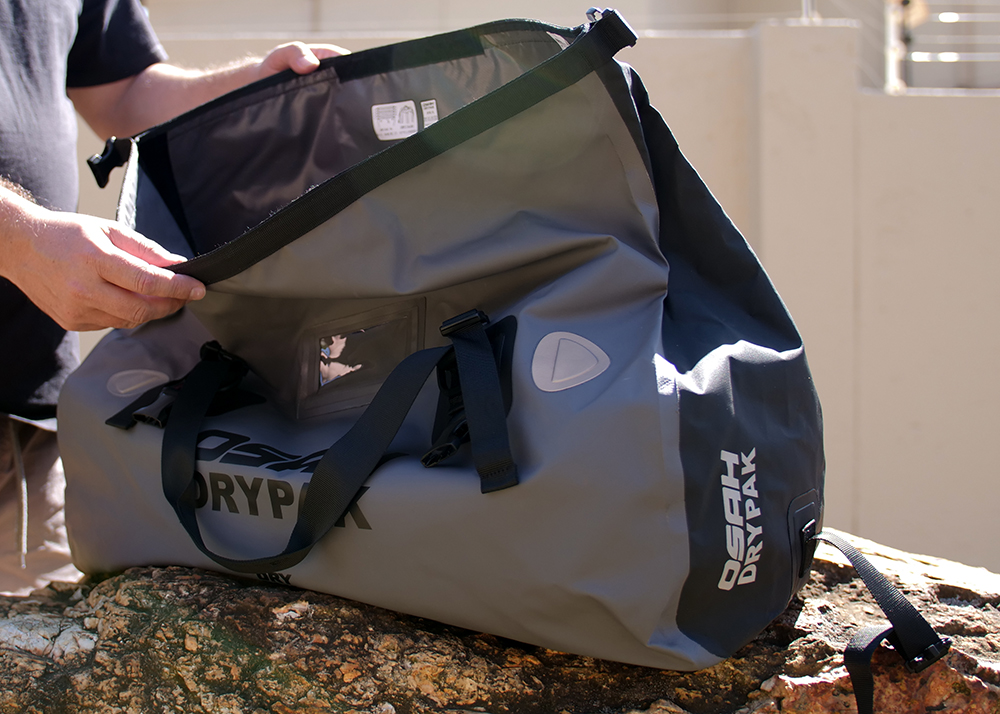 The OSAH Drypack 40 Duffel Bag is very lightweight (weighing at:1.1kg), and is made from a 500d PVC material, which is a very tough and durable puncture and wear resistant material. The roll-top closure ensures the Duffel Bag is 100% dust-proof and waterproof.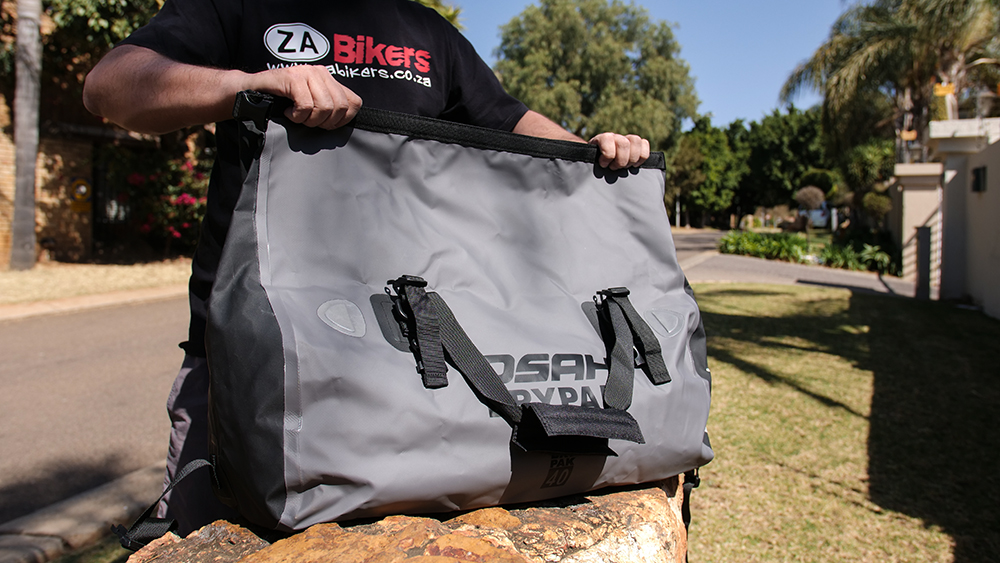
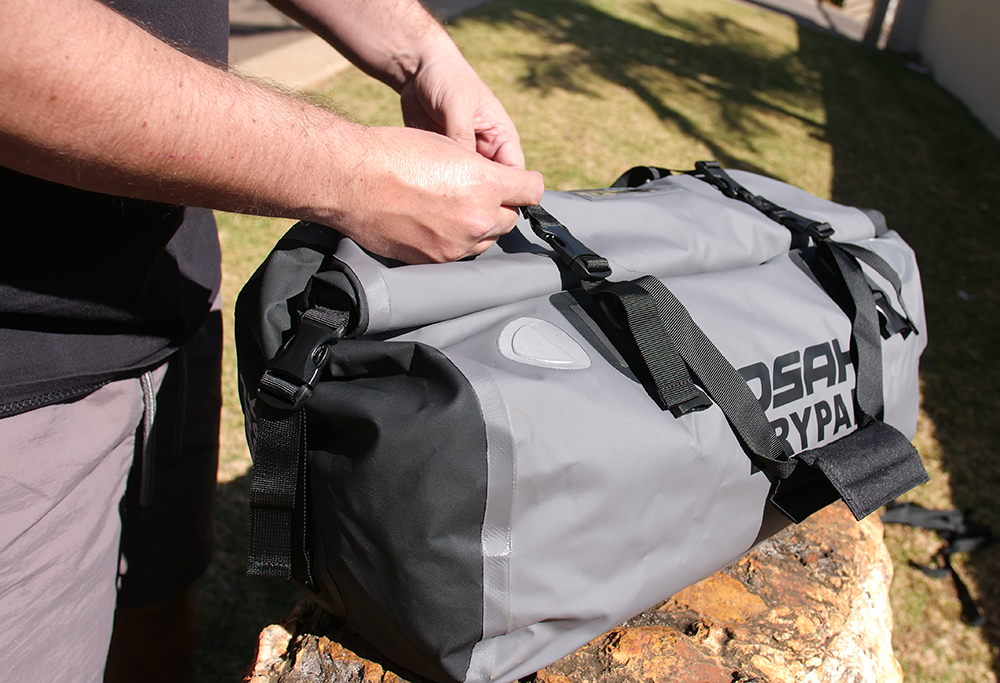 The OSAH Drypack 40 Duffel Bag comes with a set of 4 tie-down straps, with a quick release buckle system, designed so that you can strap the bag down easily onto your motorcycle.
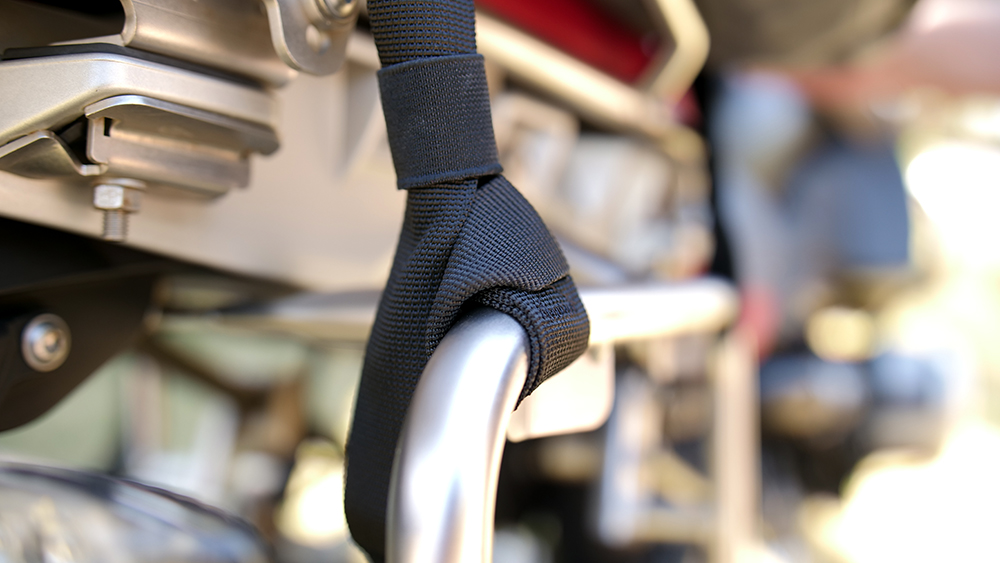
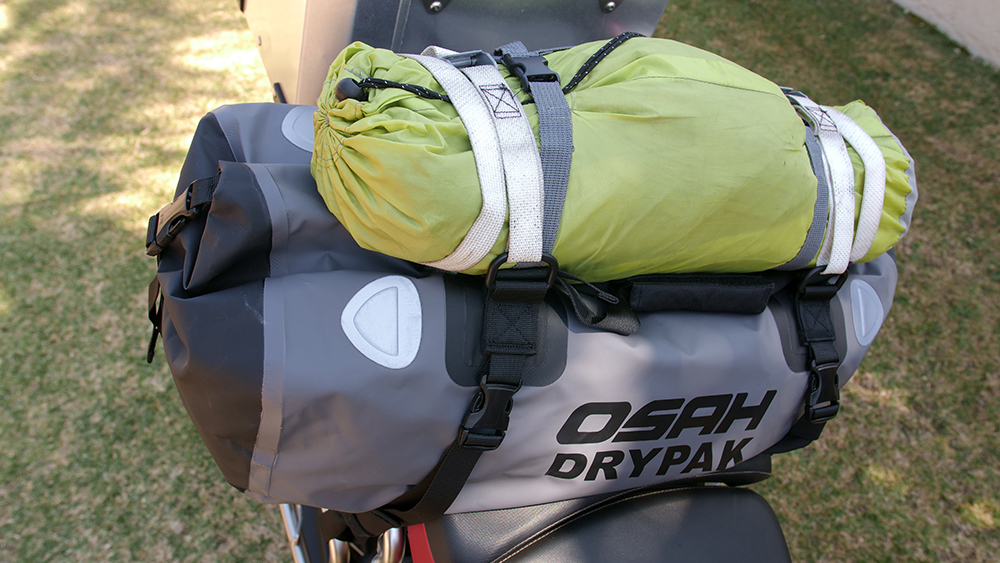
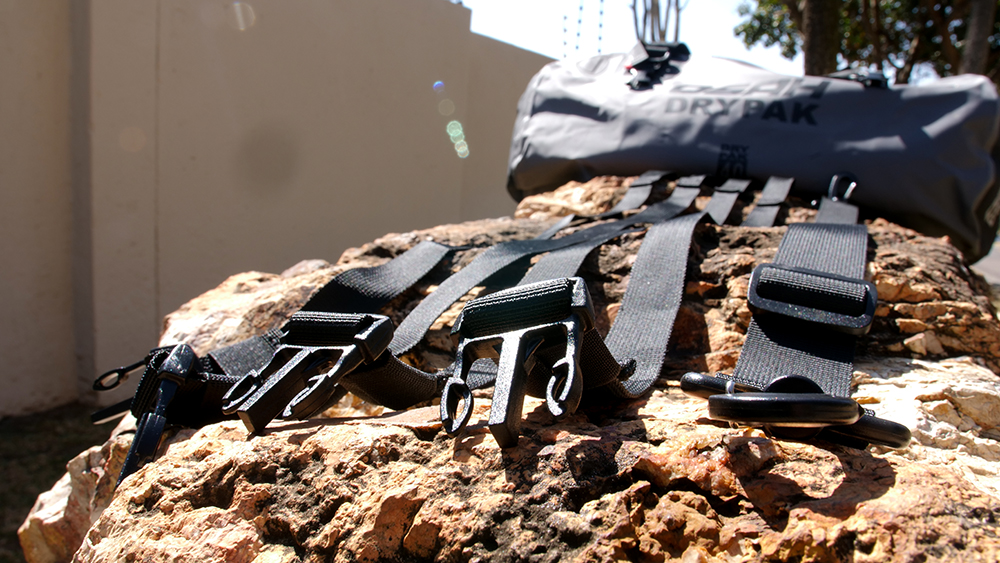 I tested this theory by mounting the bag onto one of our adventure bikes, and found that the system was really simple and worked extremely well. What I especially liked is that the mounts do not scratch your bike in anyway.
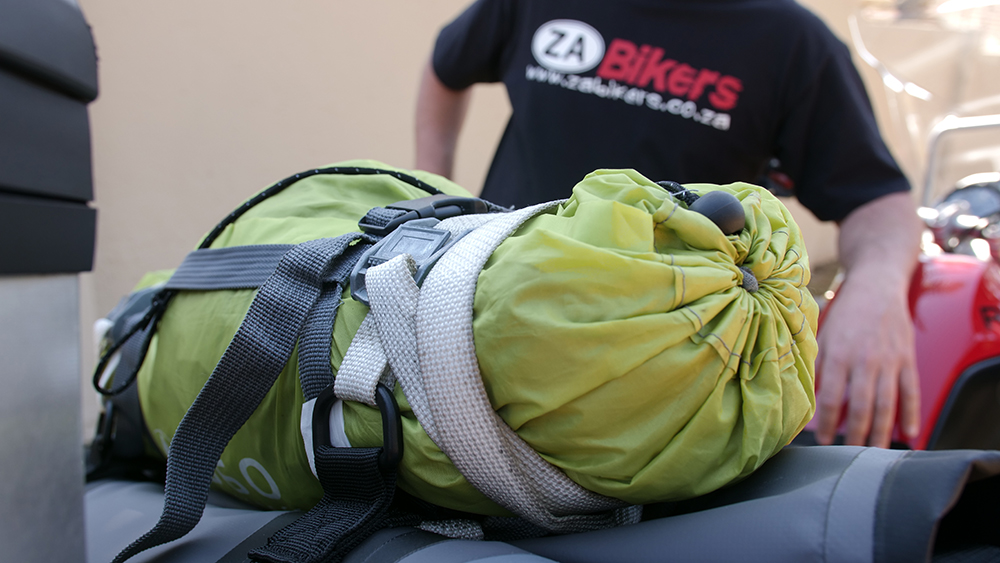
 I also found that by using the D-rings (which are placed on-top of the bag), I was able to mount an additional tent onto the bag using a simple strap – this is really a nice feature and make the OSAH Drypack 40 Duffel Bag extremely versatile for biking trips.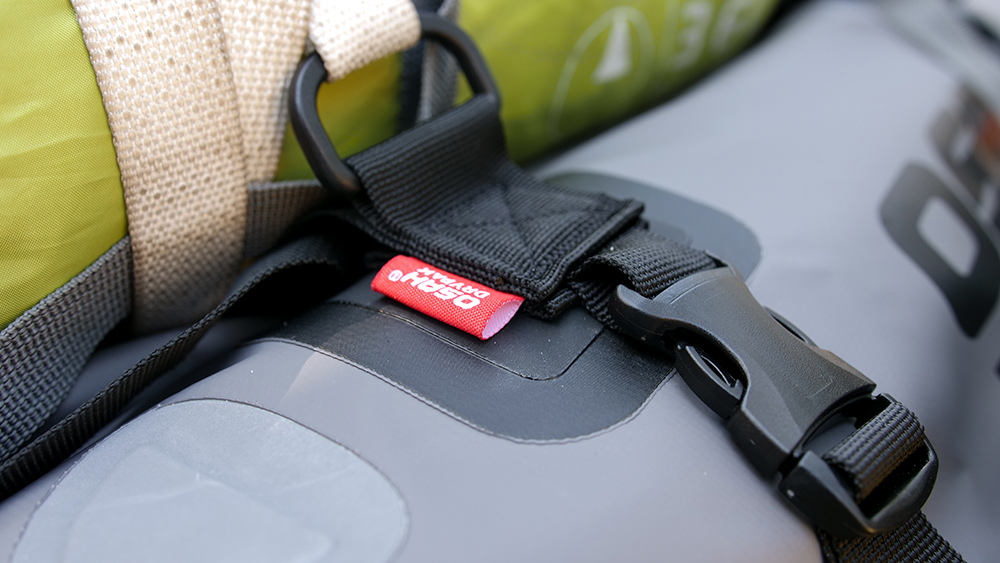
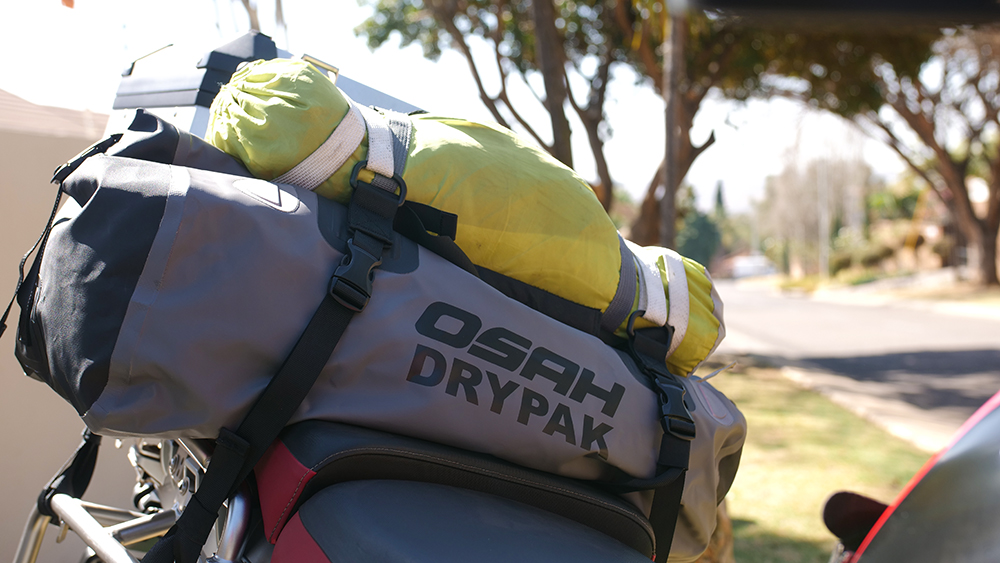
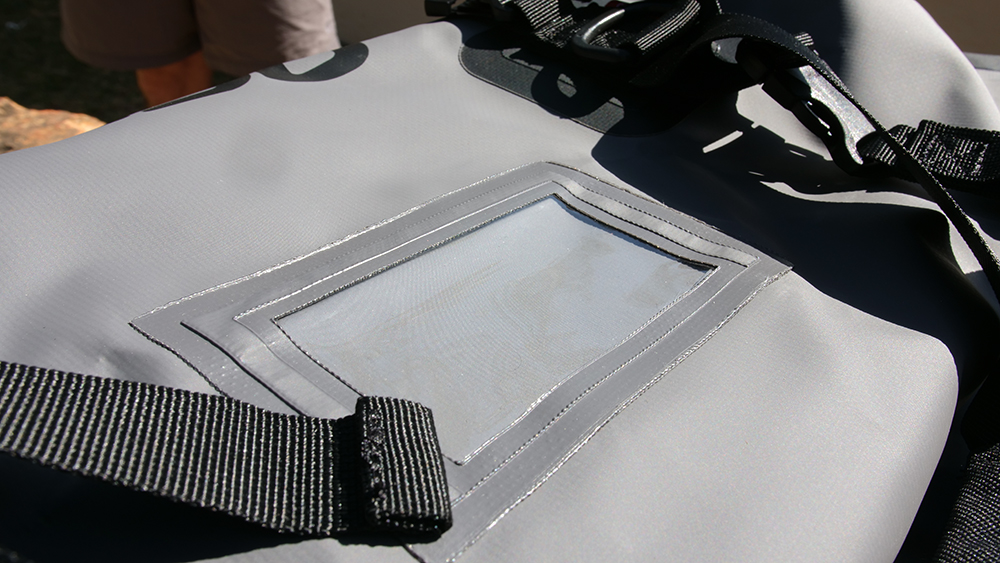 and when not in use the OSAH Drypack 40 Duffel Bag stores away into a small nifty bag, making it very easy to store away.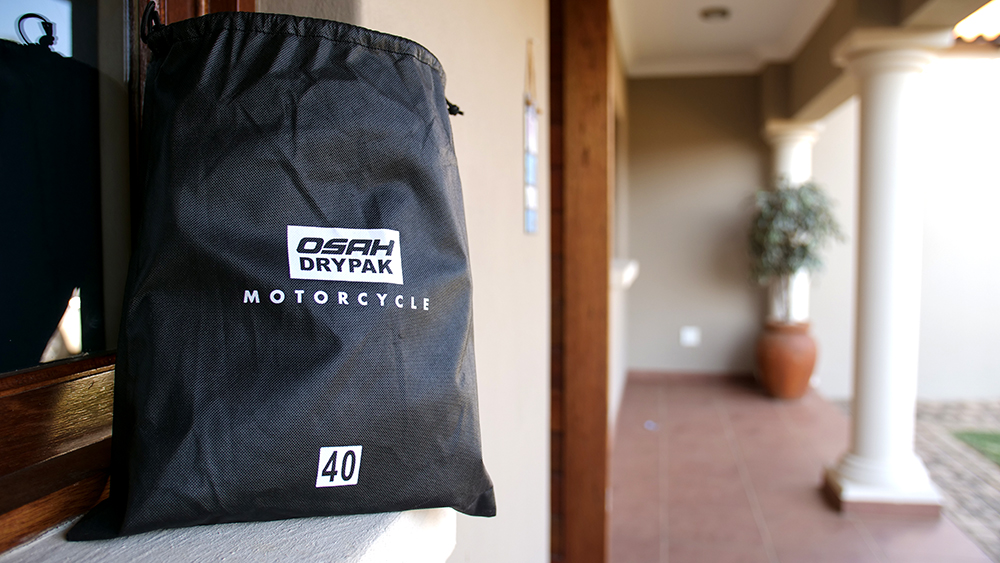
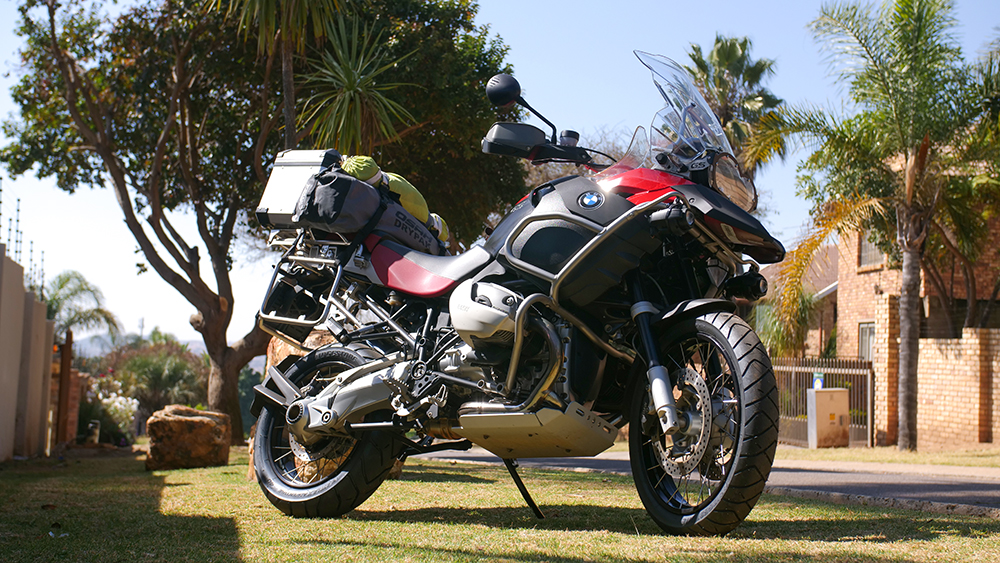


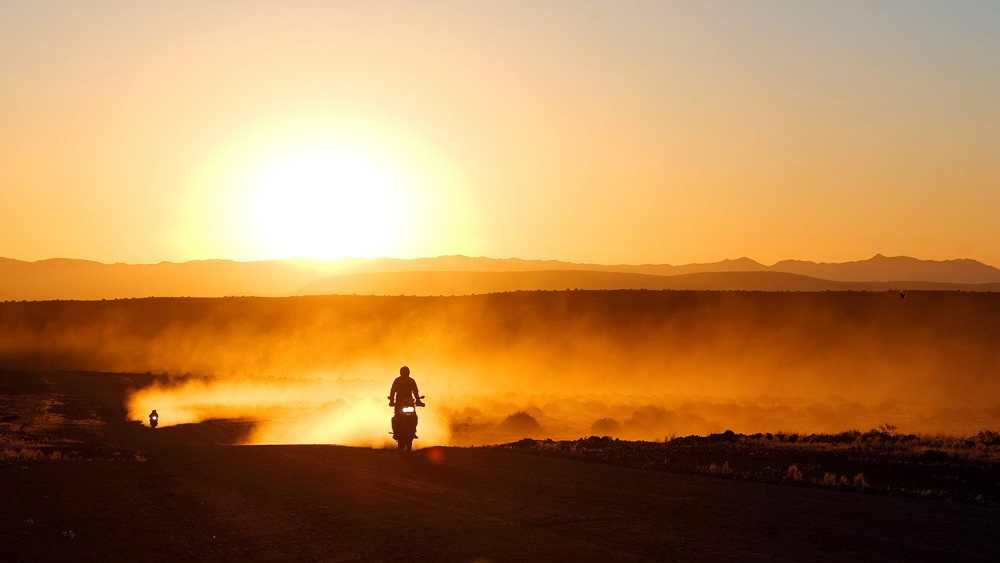
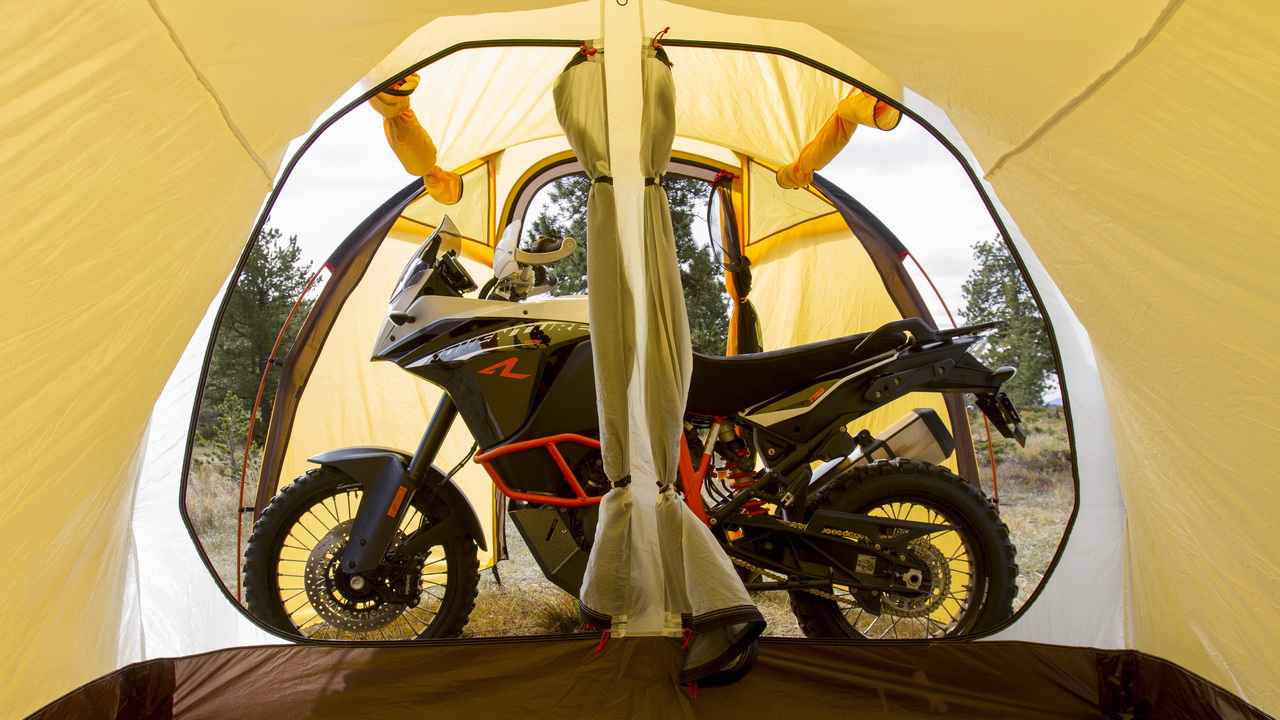 The ritual of erecting my tent, sorting my bedding and getting coffee water on the boil. Ladling ground coffee into my Coleman plunger and savouring the rich coffee aroma. The glug from my hipflask, to put that “renoster” into my coffee. Sitting back, sipping slowly as harsh daylight softens to a pastel glow. Listening as the jackal announces his presence to the creatures of the night. The guinea fowl and pheasants, clucking and screeching their way to their roosts. The onset of another African evening, seemingly unchanged since time began.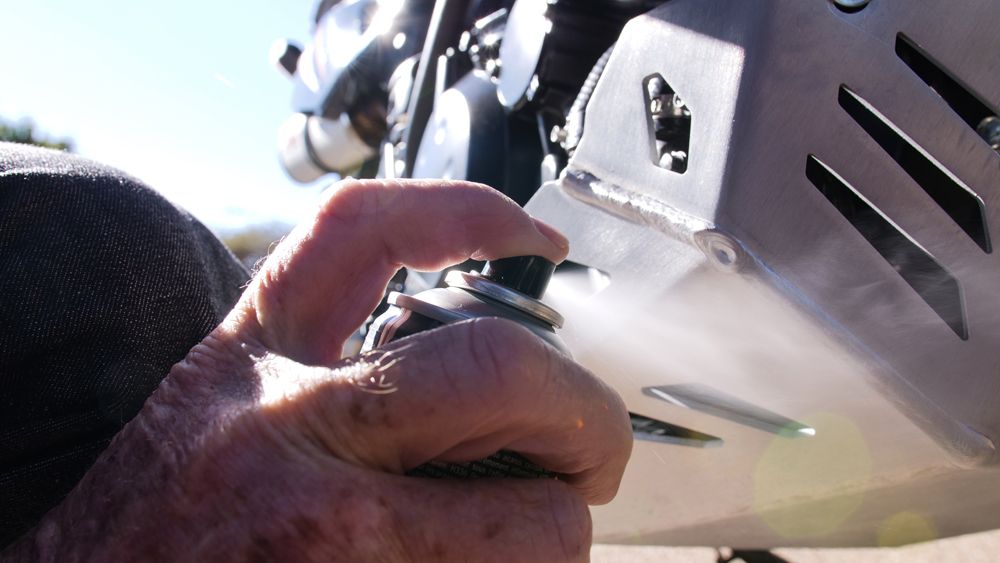

 Bikes are pretty reliable. Since the ‘70’s we have been able to venture far and wide without being plagued by mechanical, or other maladies. Must be honest, I am a bit concerned by modern electronics. Where in Africa is my bike going to stop “reading” it’s key, or is a sensor going to stop “sensing”? Let me not go there. Suffice to say, I have just acquired a KLR 650 Kawi for an extended African trip I am planning for next year. Simple and basic, like God intended.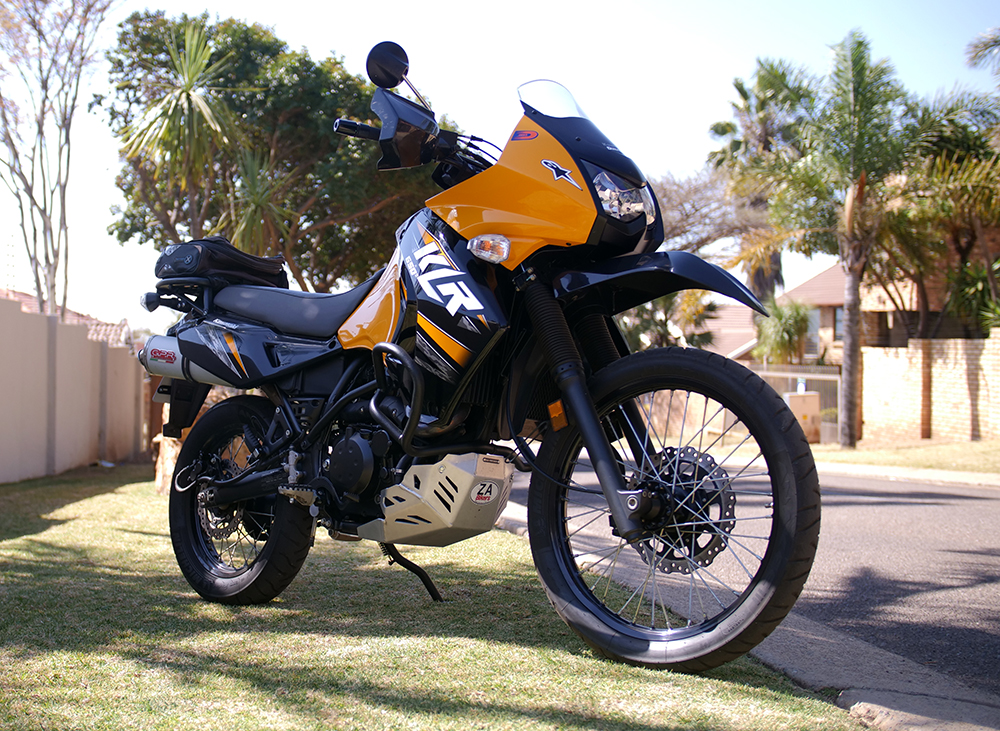
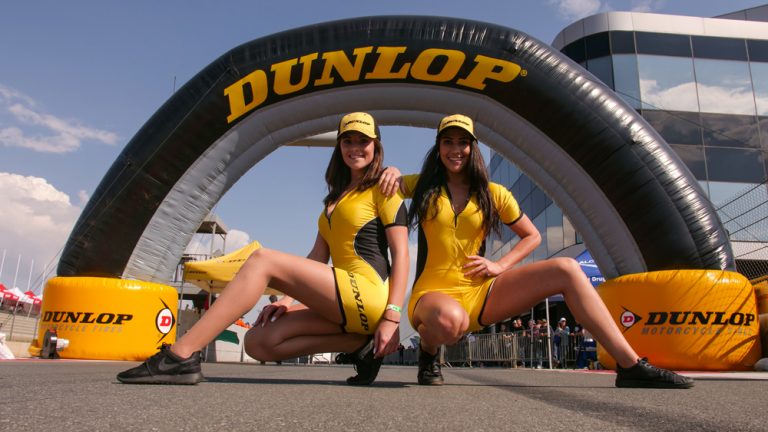
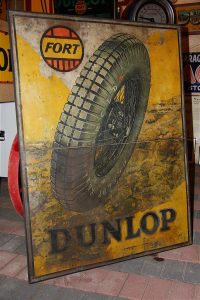 From a motorcycling perspective, my personal knowledge of Dunlop began in the early 1970’s. If you were venturing out into the wide blue yonder on your bike, [remember this was before the advent of “Adventure” bikes] you would spoon on a set of Dunlop Fort tyres. The Forts had a sort of Trials tyre look to them and were tougher than old boots. They were originally built for cars. I am pretty sure that many a Model T rolled on Dunlop Fort tyres.
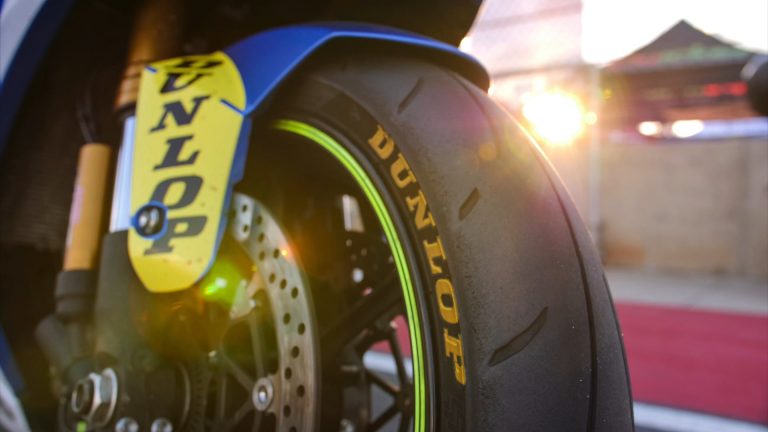
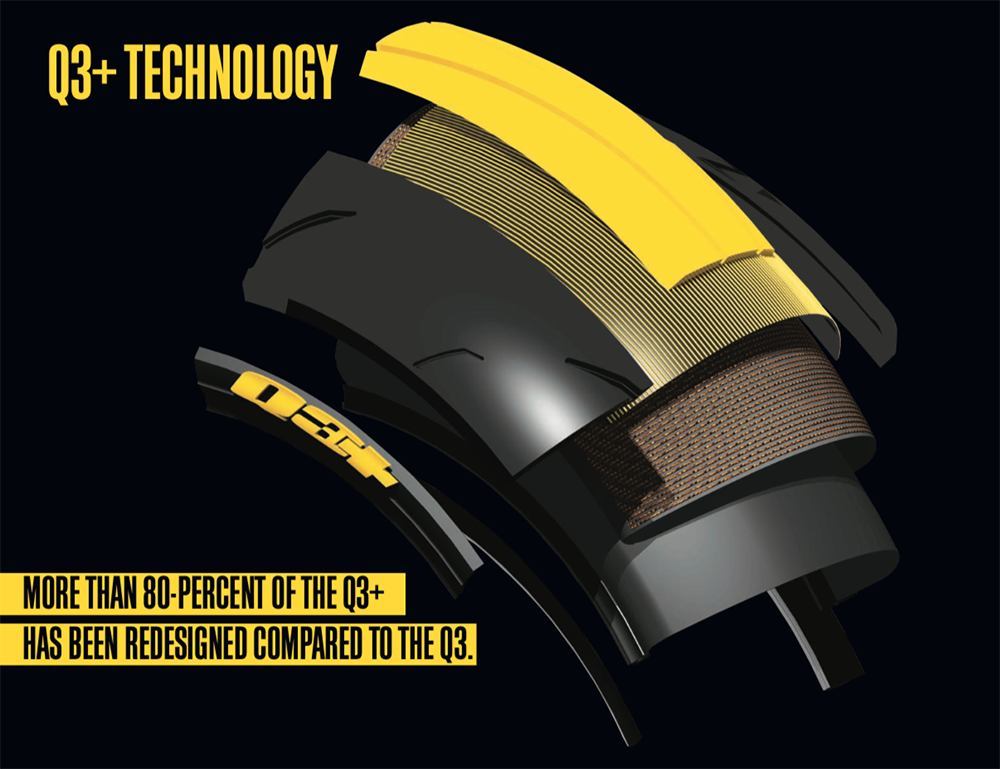 The Q3’s are really handsome tyres, with the appearance of a slick sporting long grooves from the centre of the tyre to the edge. These longitudinal grooves carry water away from the tyre surface. The profile of the tyres is also shaped to help make the bike turn intuitively, yet maintain straight line stability. Multi-tread technology infuses the tyre with silica in the centre with softer compounds on the shoulders. This gives superior mileage, or in our case kilometreage, without compromising cornering performance. It also helps the tyre maintain it’s profile for longer. Local testing supports these claims. Dunlop Sportmax Q3+tyres come in sizes compatible with all popular middleweight and heavyweight sports motorcycles.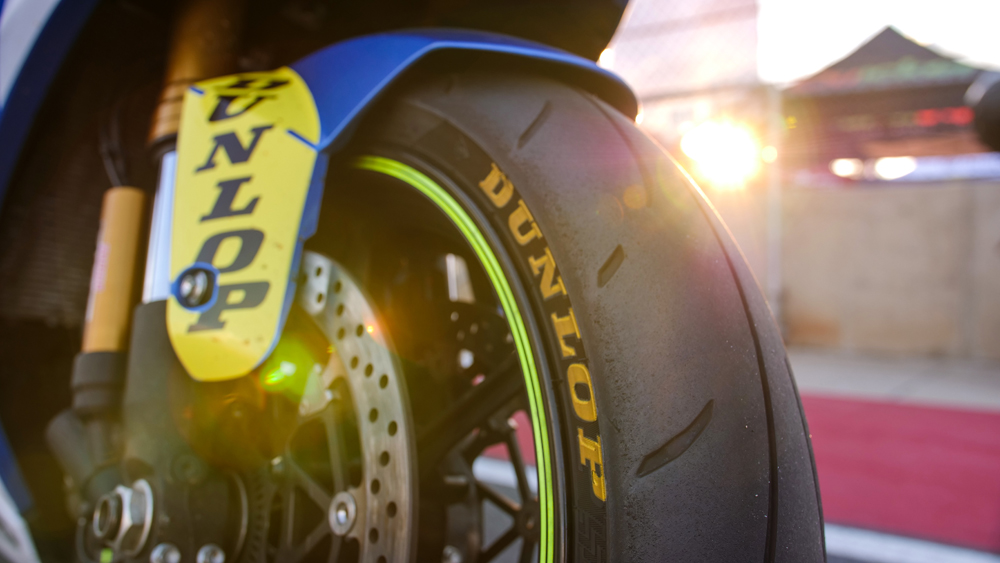
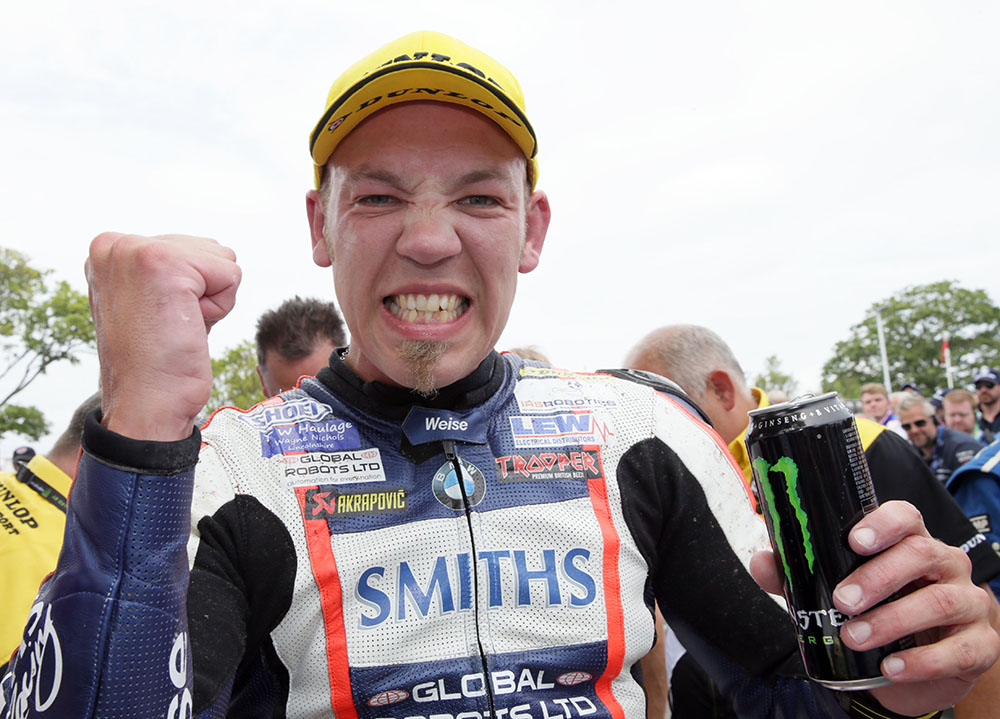
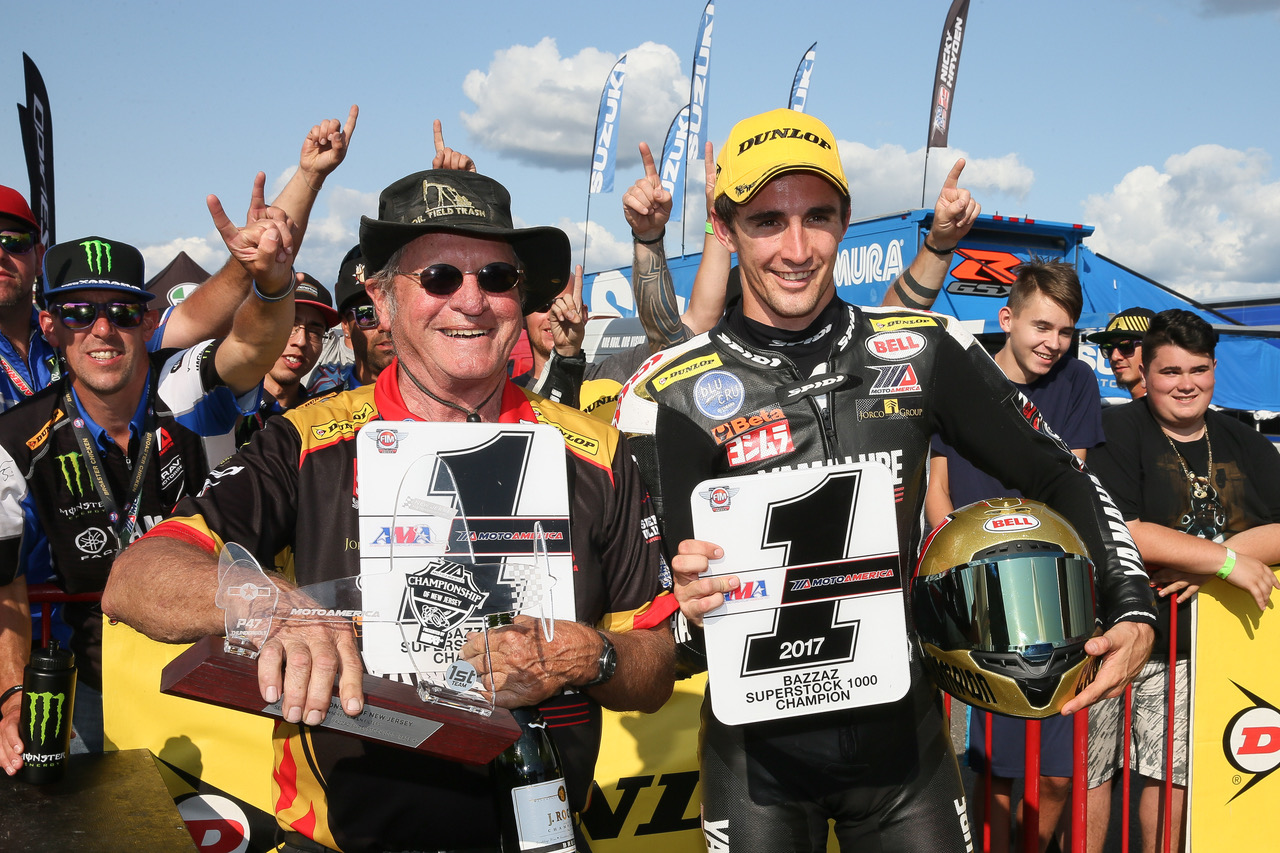
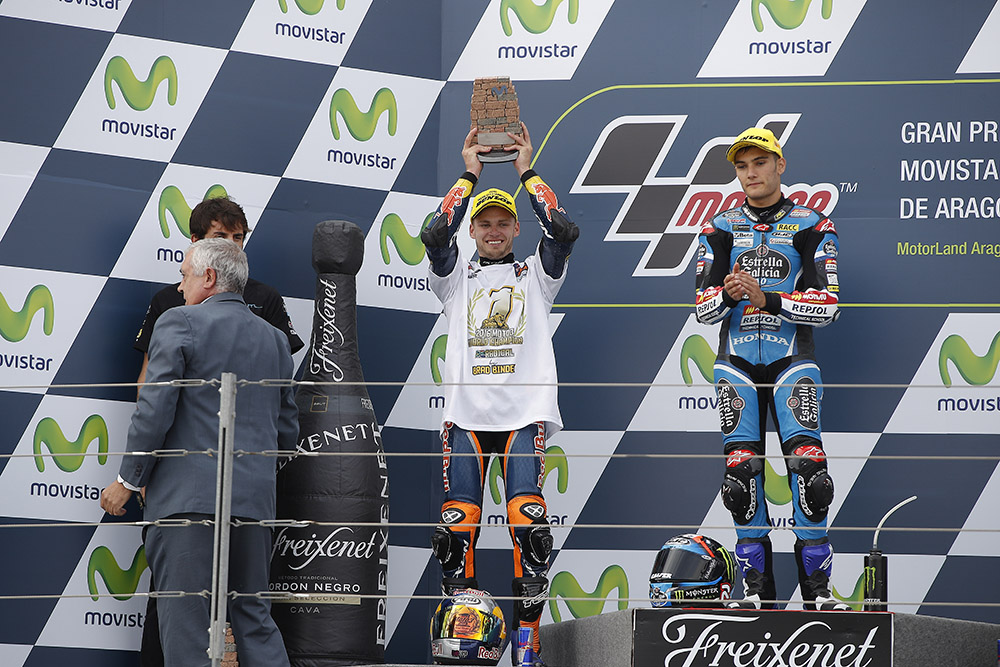 Victories have not been restricted to the tar either. Cody Webb was the World Super Enduro Champion in 2018 on his Dunlop shod KTM. Fact is, Dunlops are the worlds winningest tyres!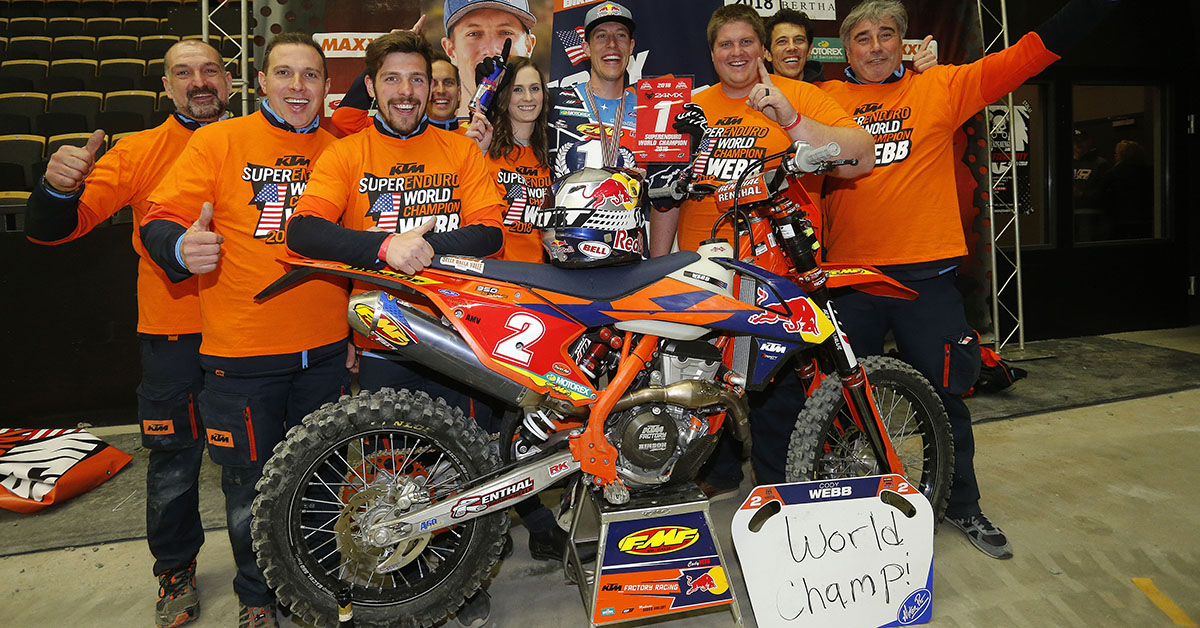
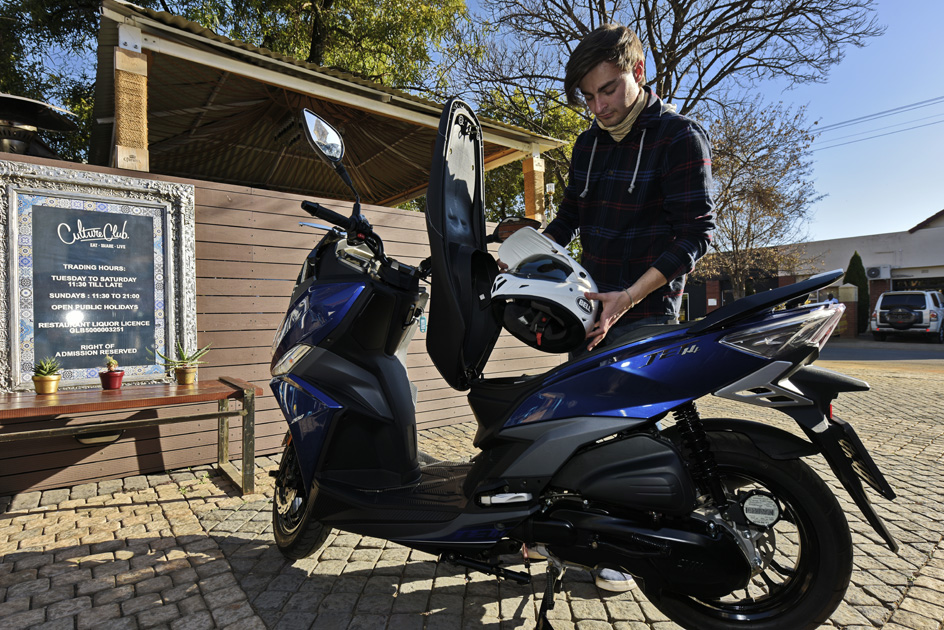
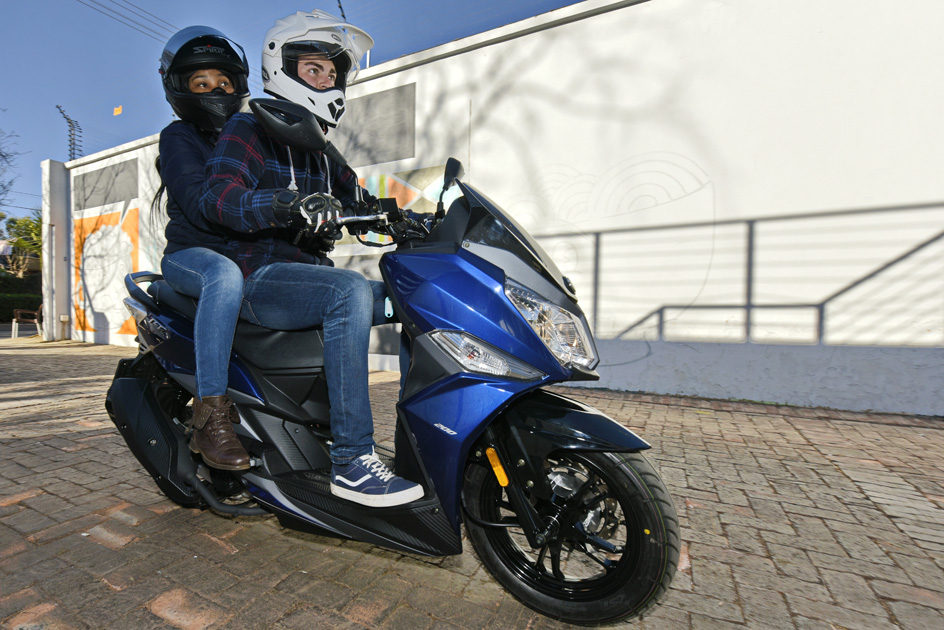
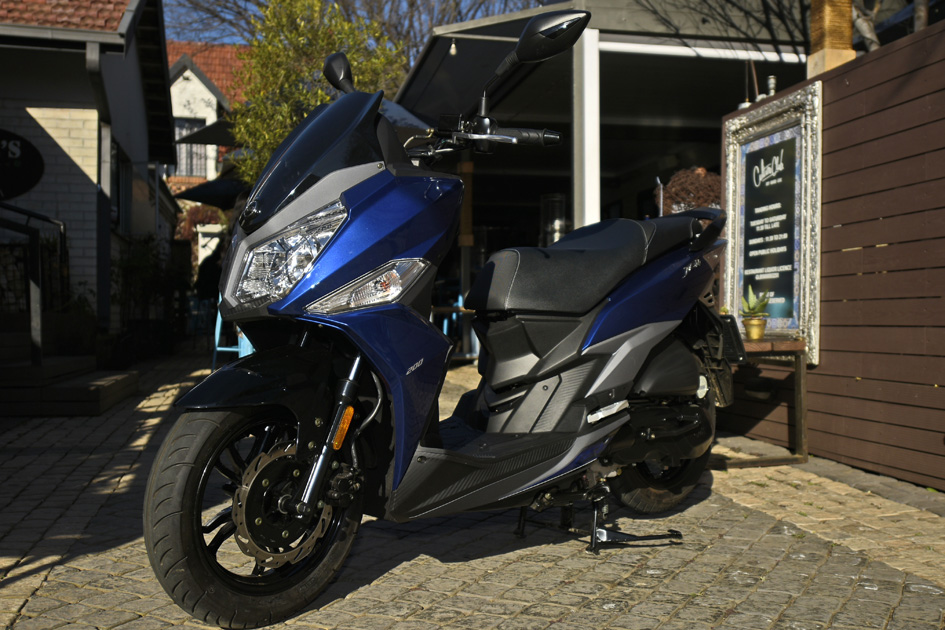
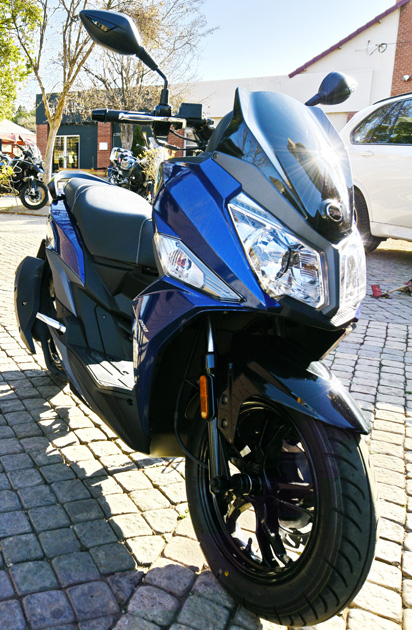
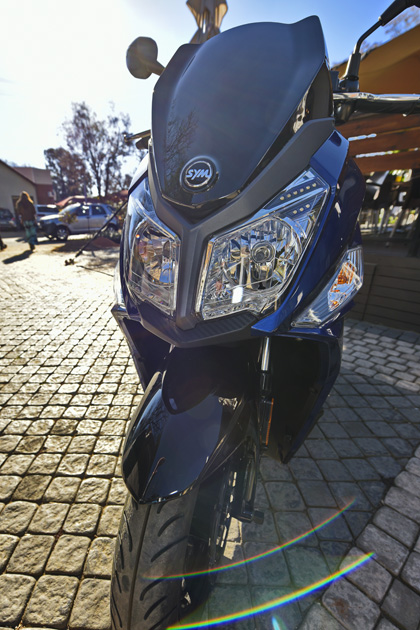
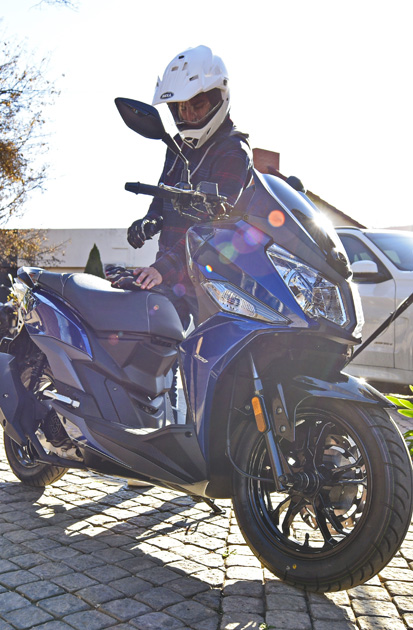
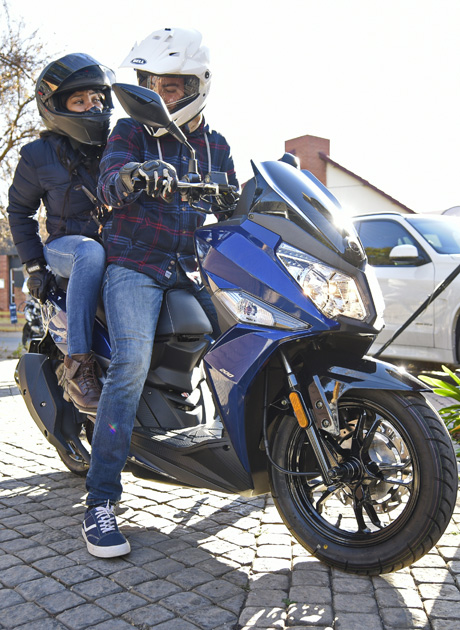
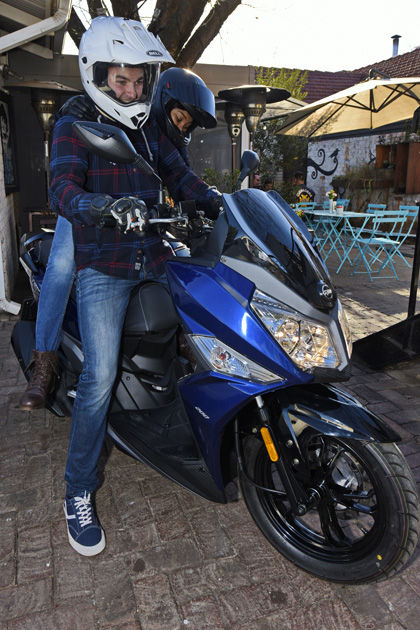
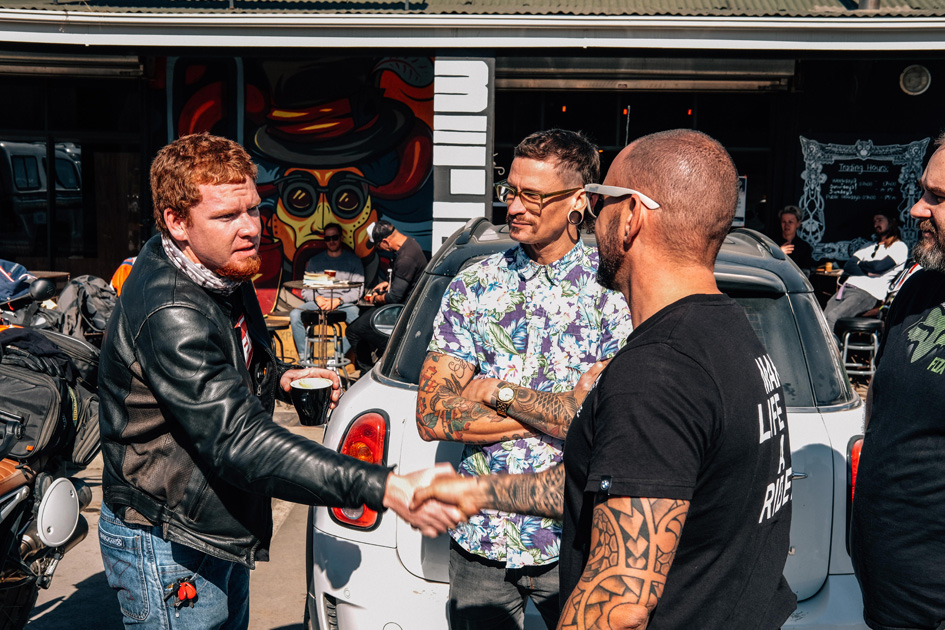
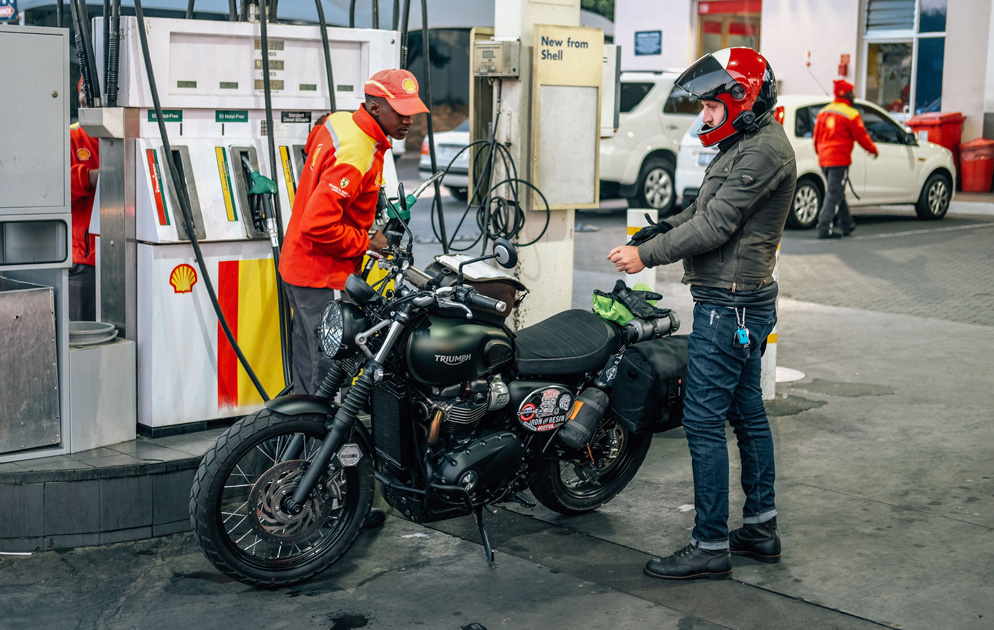
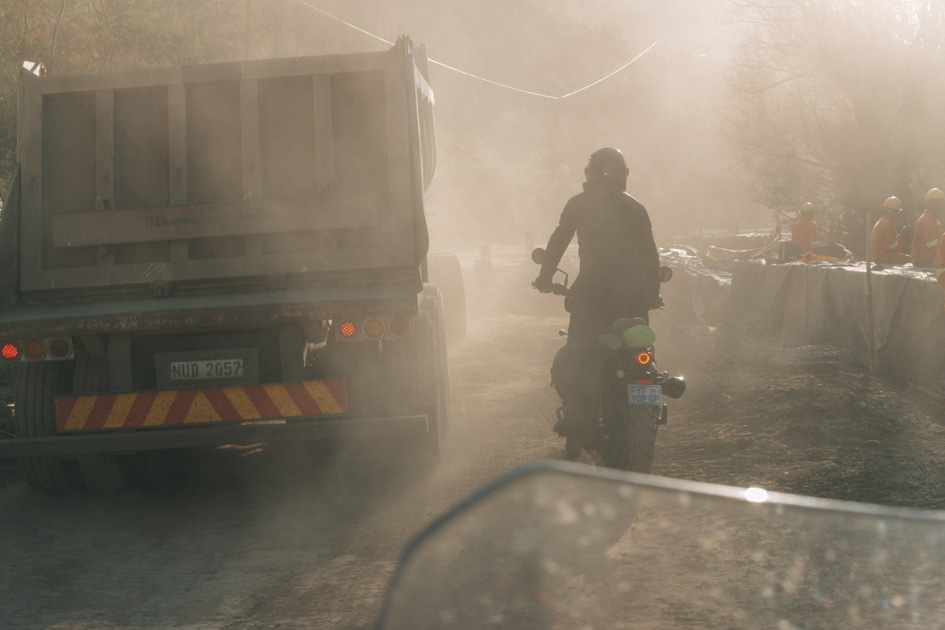
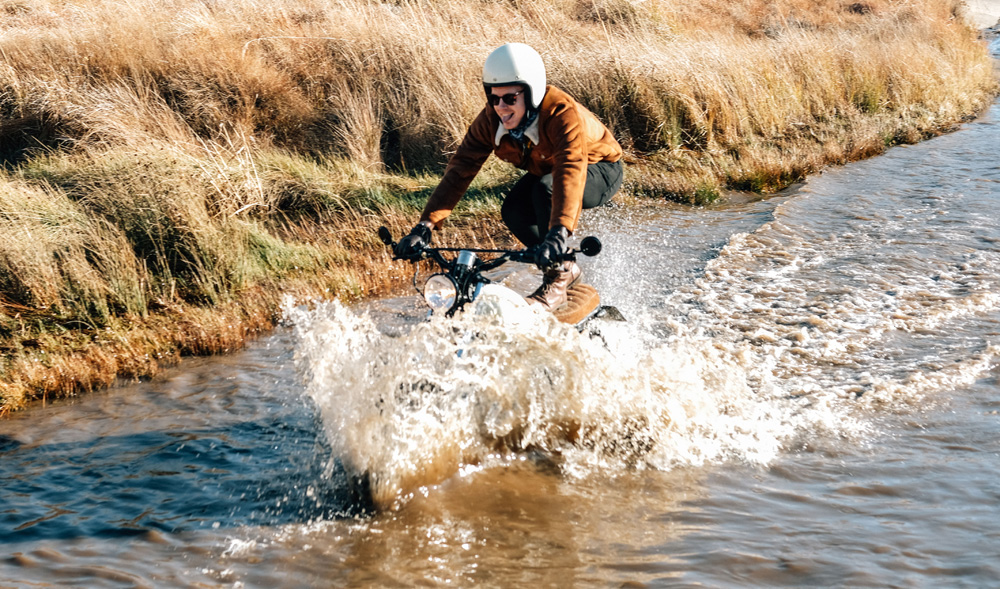
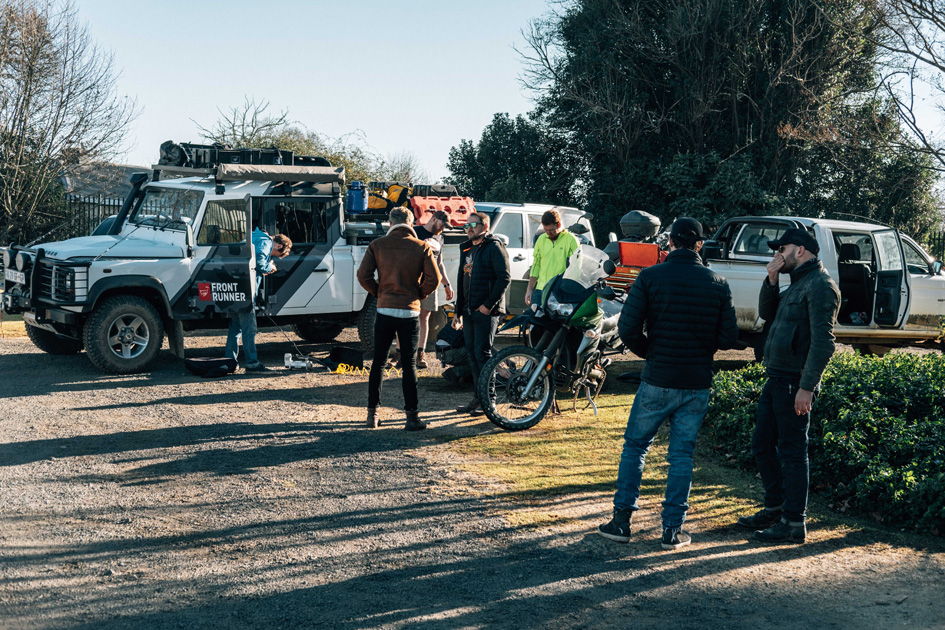
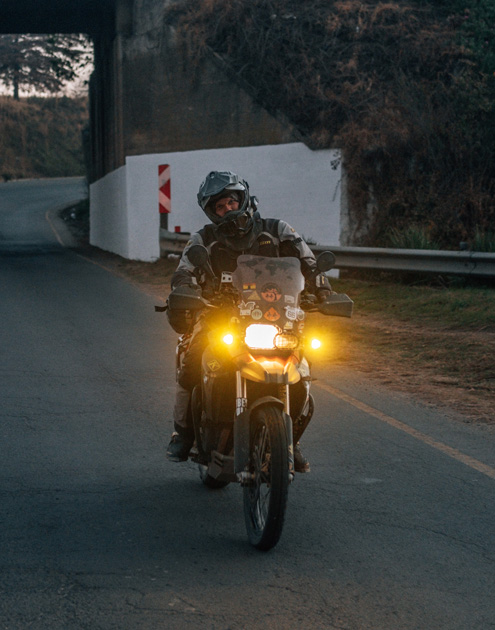
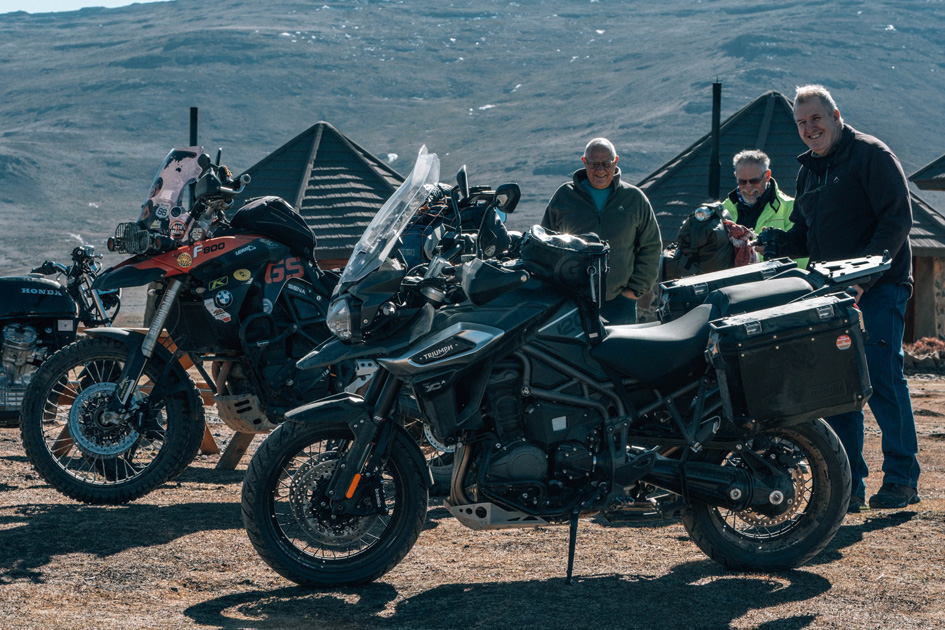
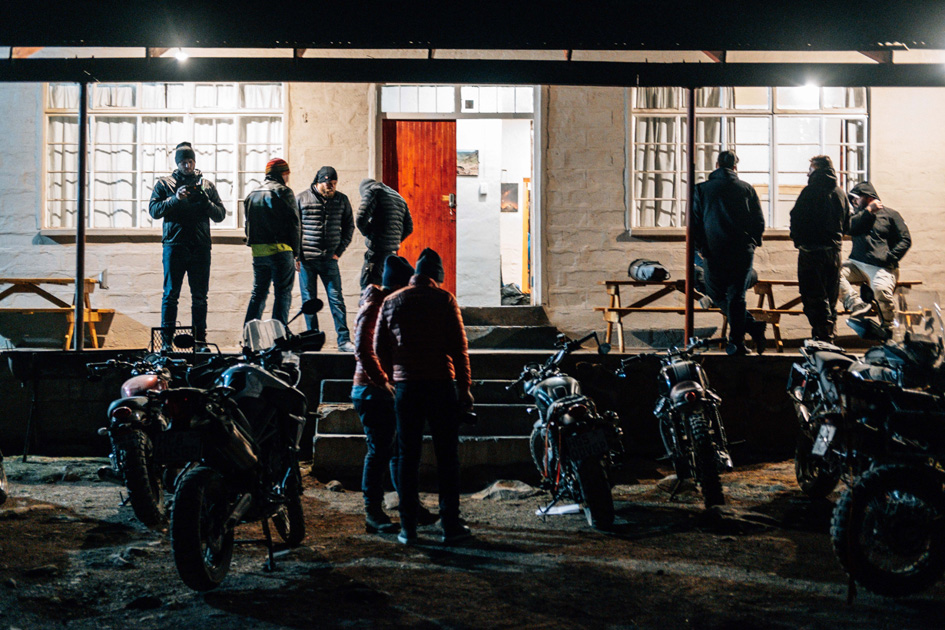
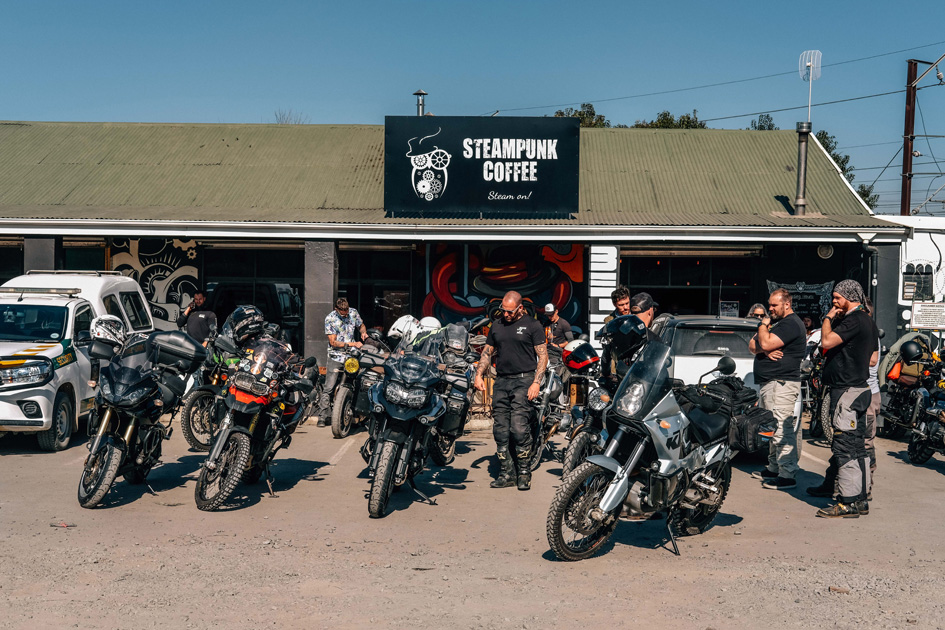
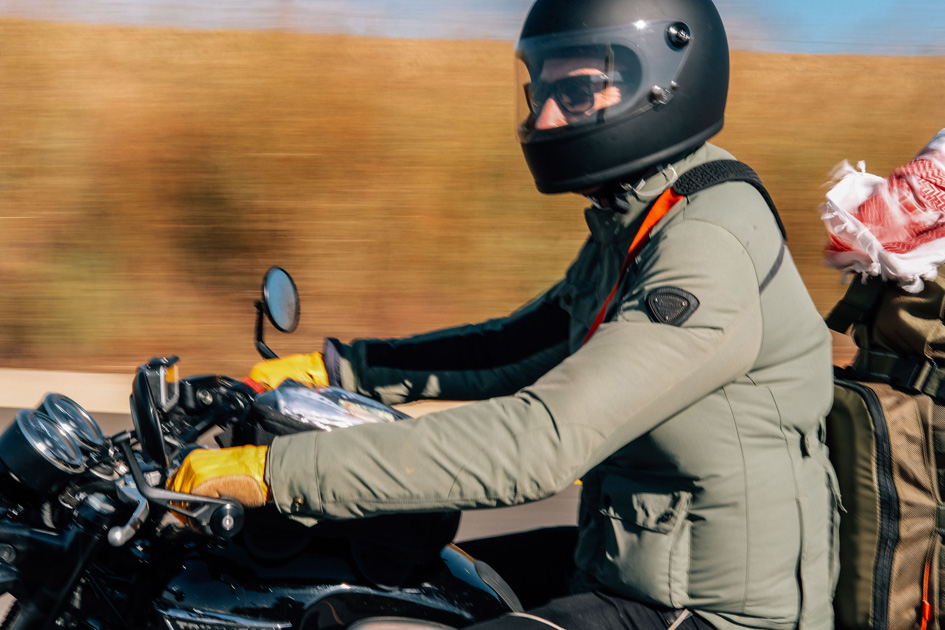
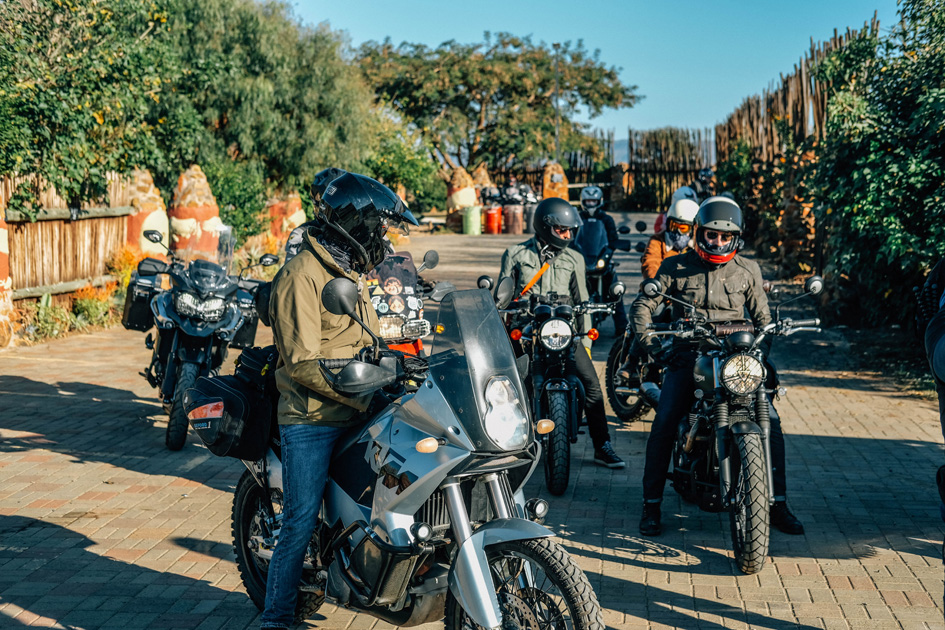
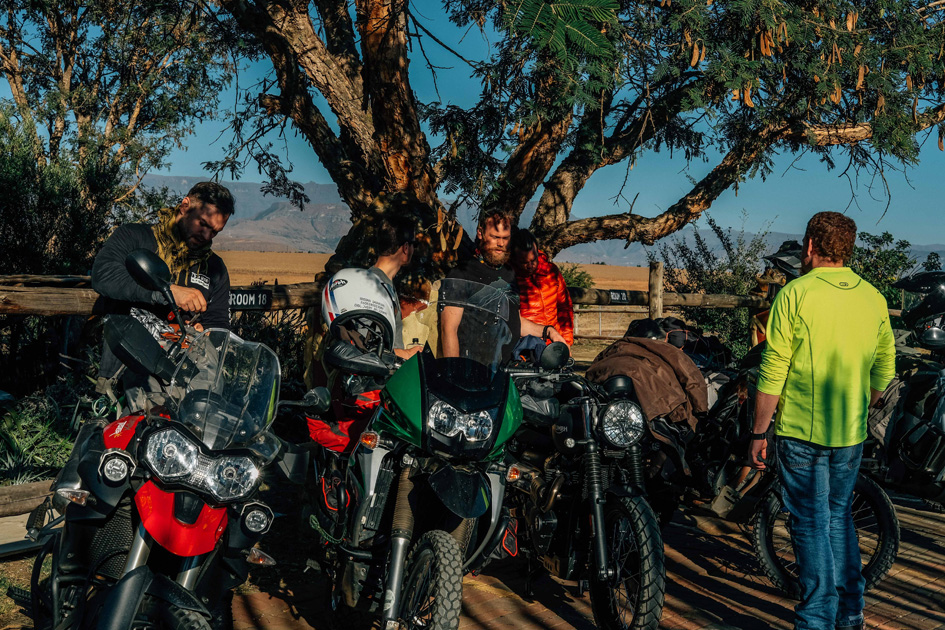
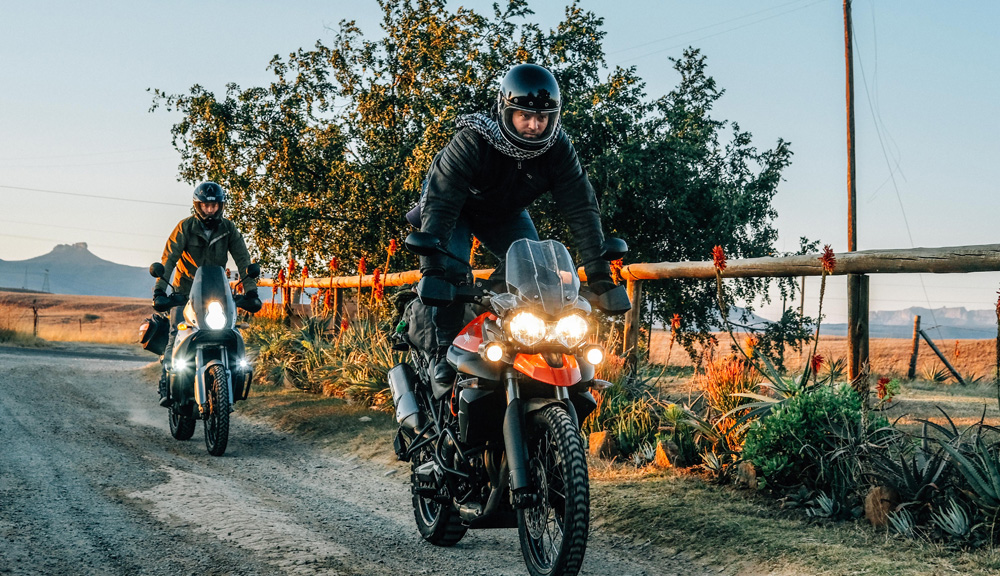
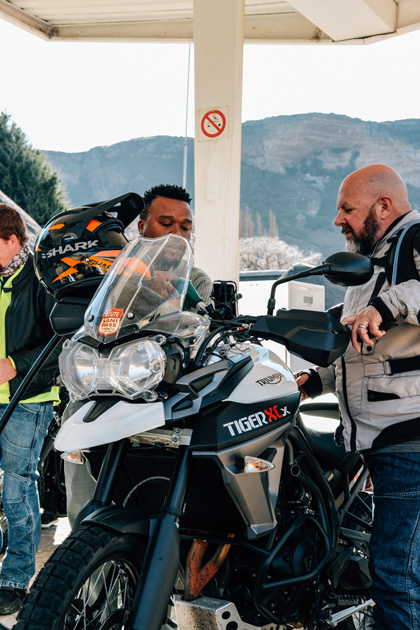
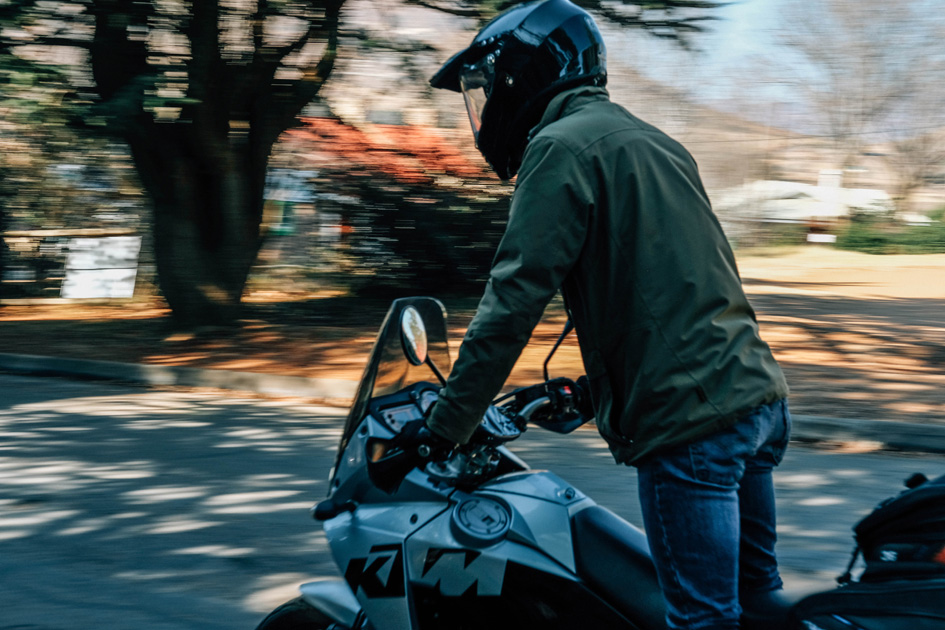
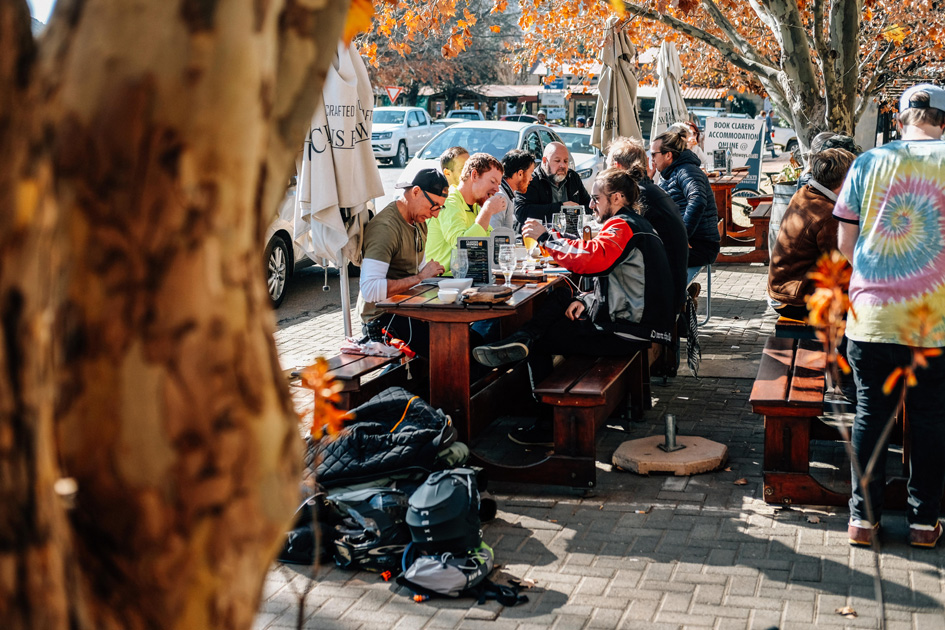
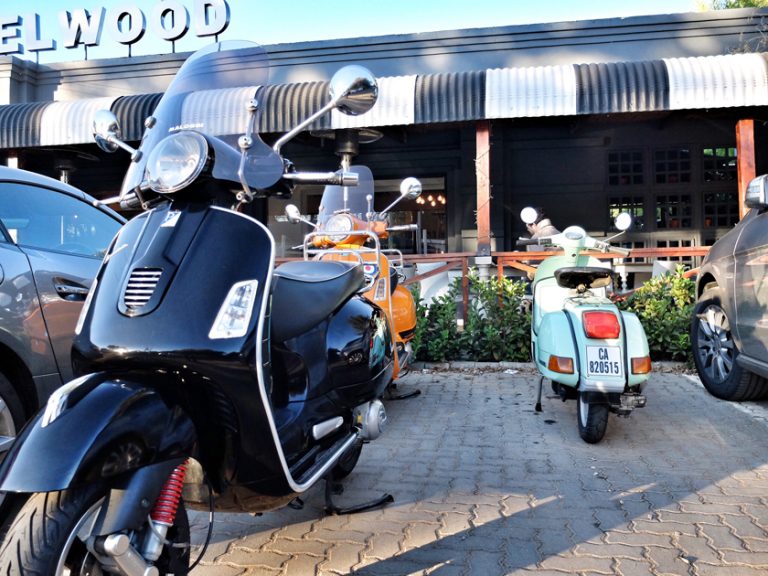
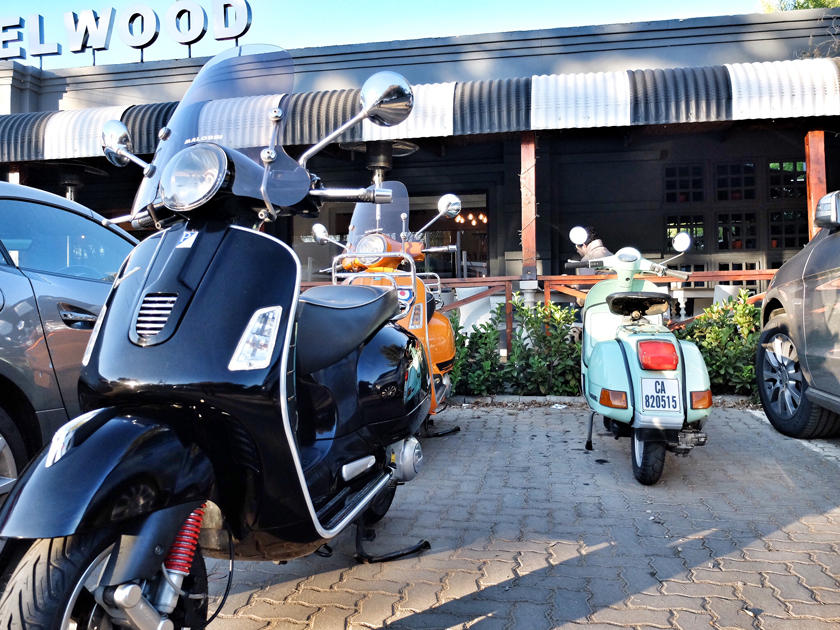
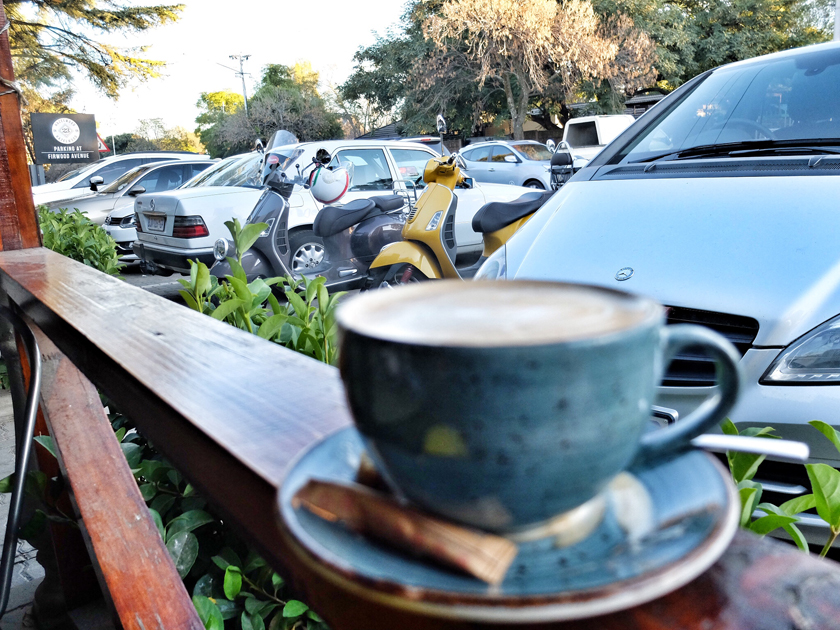
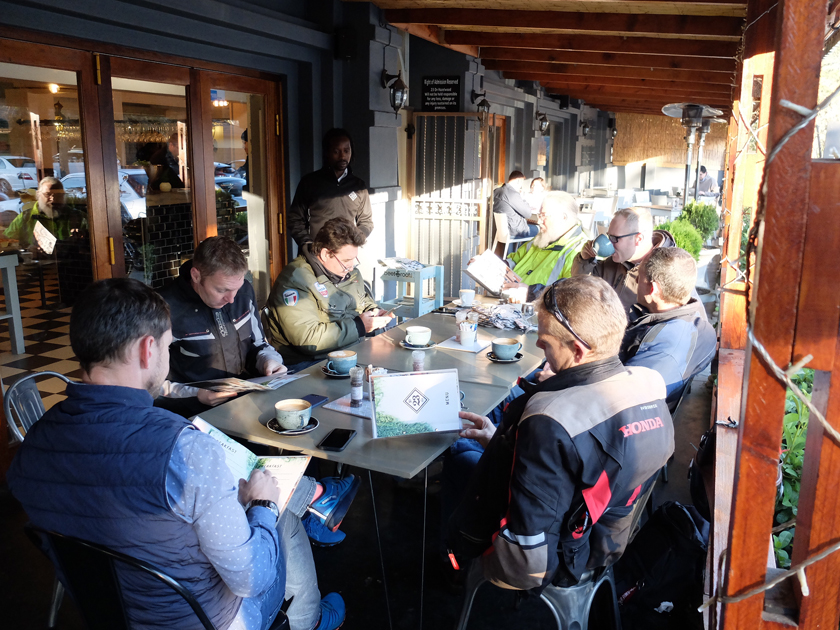
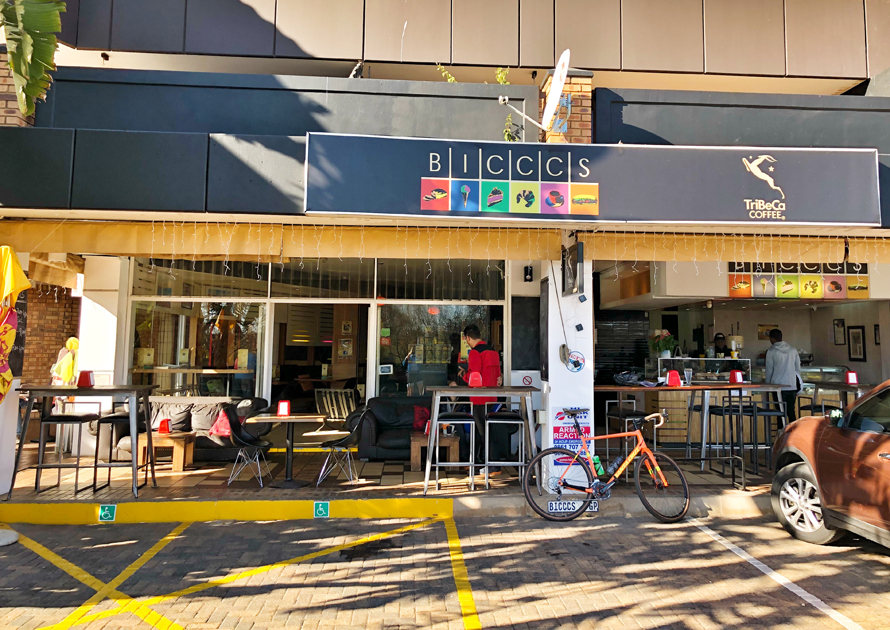 Waterkloof Heights, 103 Club Avenue, Pretoria
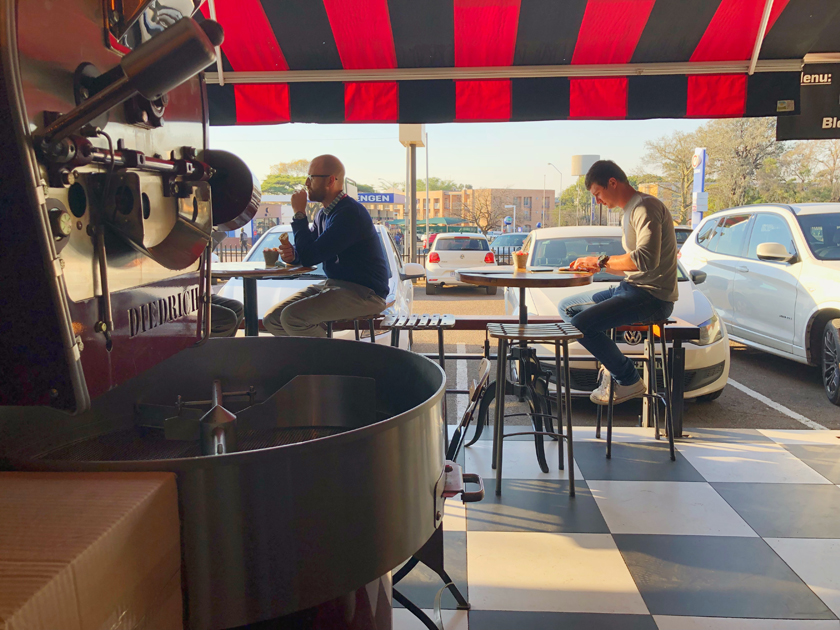 Urban Barista Mobile Espresso Bar
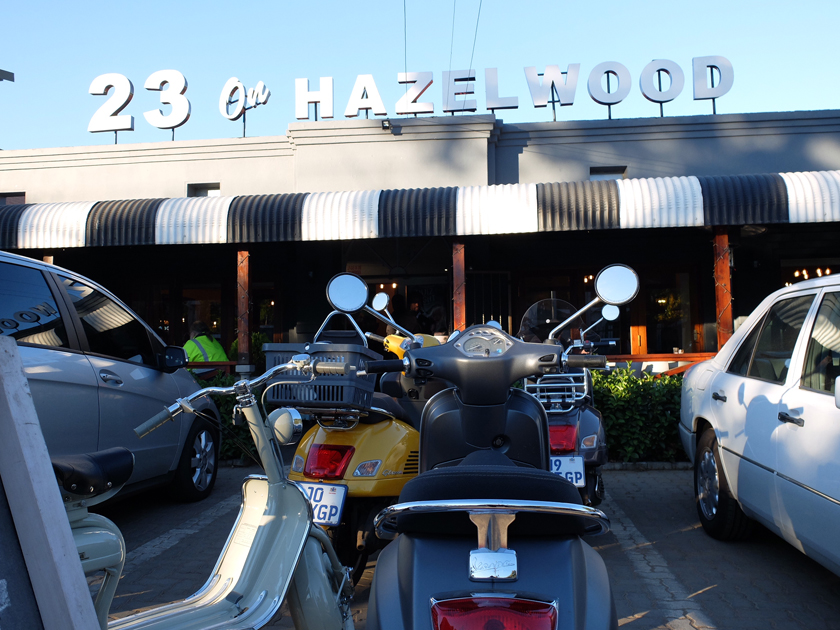
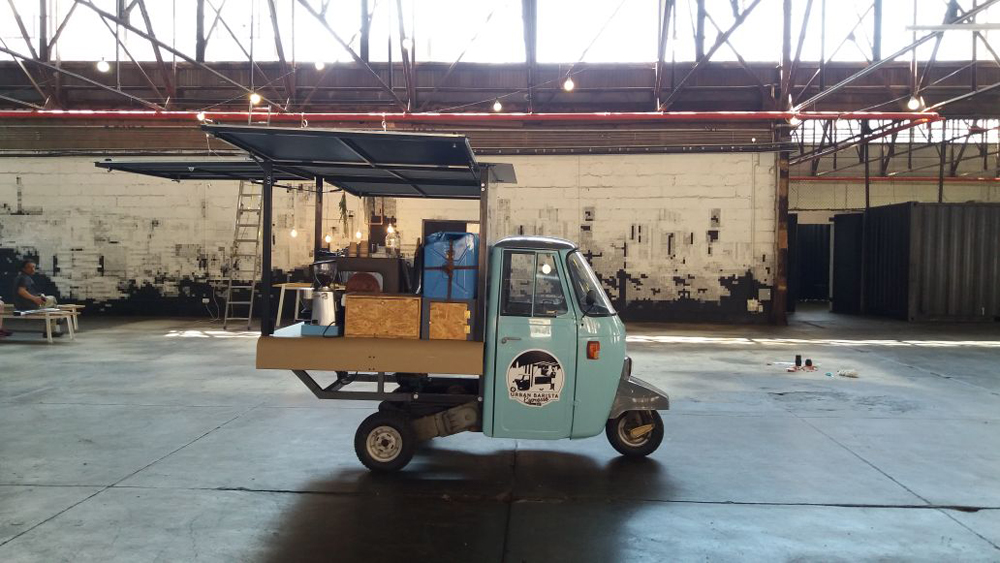 23 on Hazelwood
 Vintage Coffee Menlo Park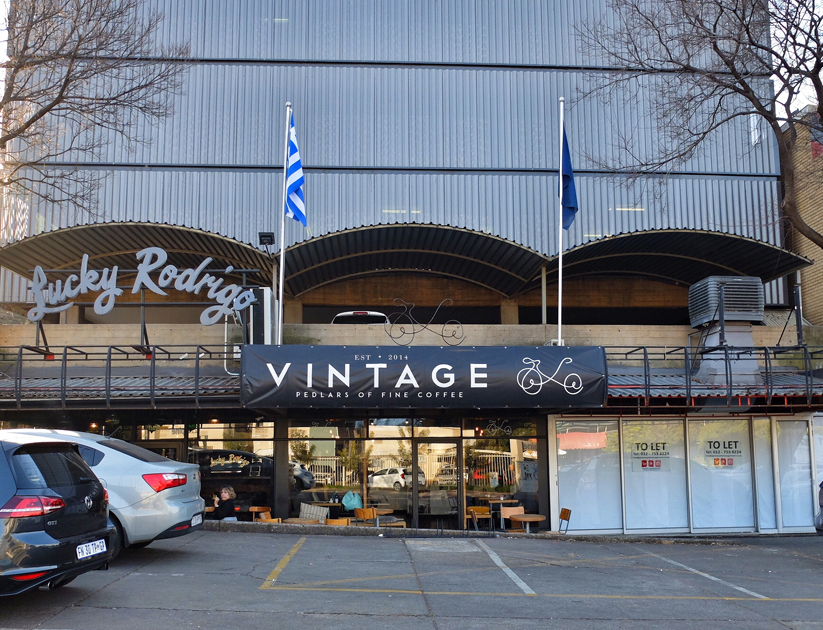

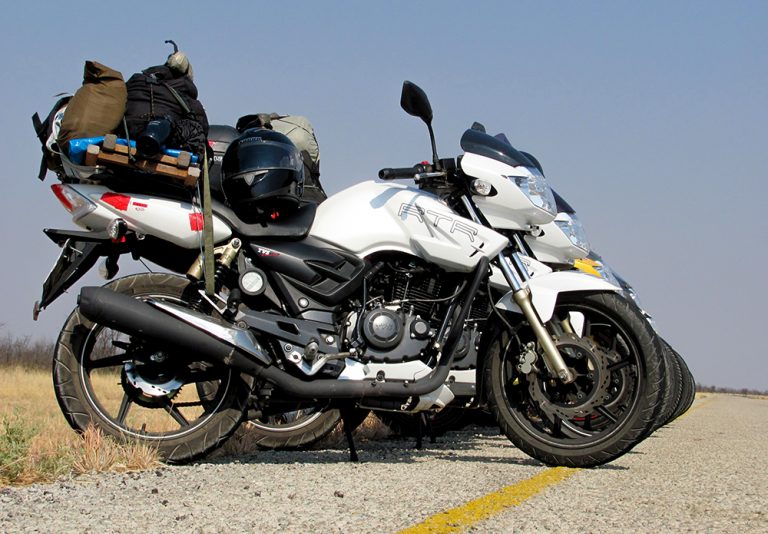
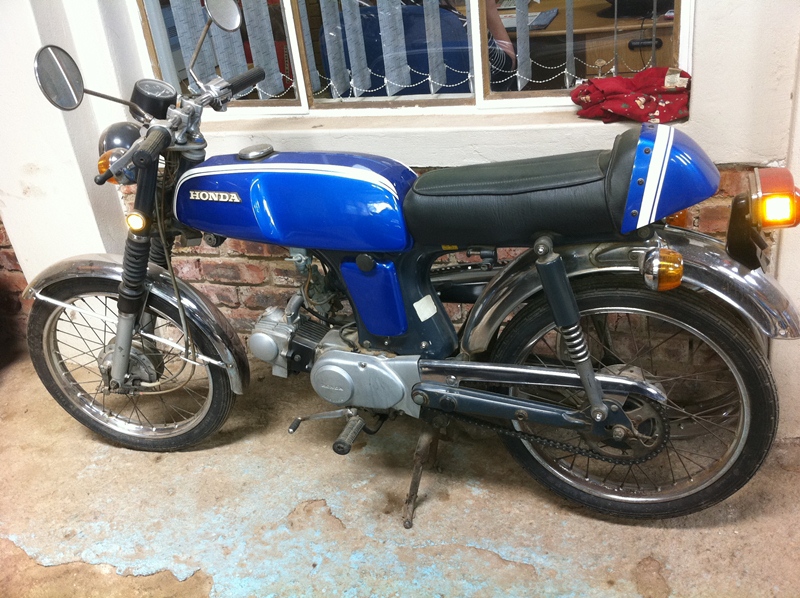
 So what is this Motul memories all about, you may ask? Let me explain. I started my motorcycling in the ‘70’s. That was the era when, as a sixteen-year-old, a person was entitled to get a licence for a motorcycle with an engine capacity of 125cc or less. For the vast majority of youngsters, that meant a 50cc autocycle, or “Aut”, as we called them. For me, that first meant a Honda S50, and then a Honda SS 50 GT. Needless to say, that little blue Honda with the white pinstripes on the tank was my absolute pride and joy. To some, a fifty was a convenience. Less hassle than pedalling a bicycle. To me, it was the beginning of a wonderful new world of adventure. My universe immediately shrank. I could now venture far and wide, free of the shackles imposed by my pedalling ability. Far distant places, like Durban, had an immediate allure. The question was, “Will my Honda make it, or will it overheat, seize and expire?” In my search for answers, I started delving into the lifeblood of my tiny four-stroke Honda. I began to understand the importance of lubrication.
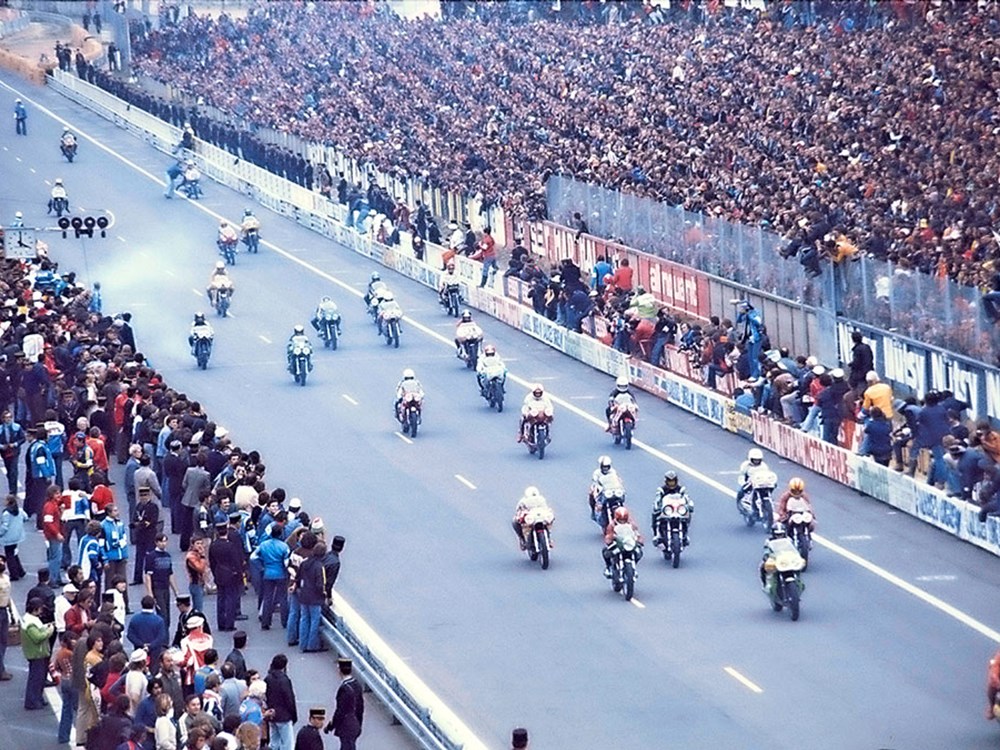
 I started following endurance racing. The Bol d ‘Or is the motorcycle equivalent of Le Mans. In fact, it is staged at the same circuit; the bikes just go the other way around the circuit. Surely, I reasoned, these bikes, running flat out for twenty-four hours, would use the best possible oil to give themselves the best chance of finishing, let alone winning? That is how I discovered a French motor oil called Motul. This company were on a quest to develop the best possible oil to meet the demands of “the Bol”. The French are absolutely passionate about endurance motorcycle racing, so it is probably not so surprising that a French oil company developed oil specifically to meet the extreme needs of this particular motor sport. I reasoned that if Motul could keep these engines in one piece, it should do the trick for me, too. From the moment that Motul became available in SA, I have never used any other oil. So it is that over years of riding countless thousands of miles around Southern Africa, Motul has literally kept things together, giving me endless motorcycling pleasure and creating many Motul memories. Let me tell you about just one that springs to mind.
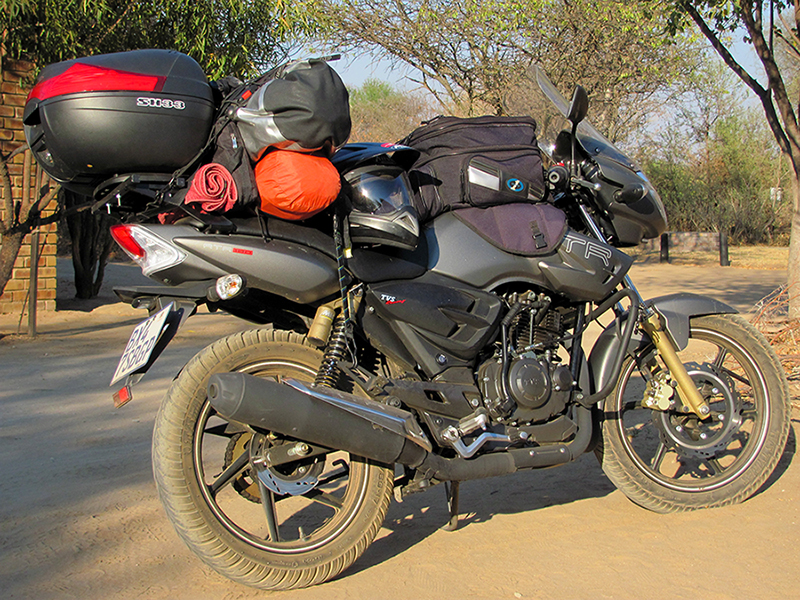
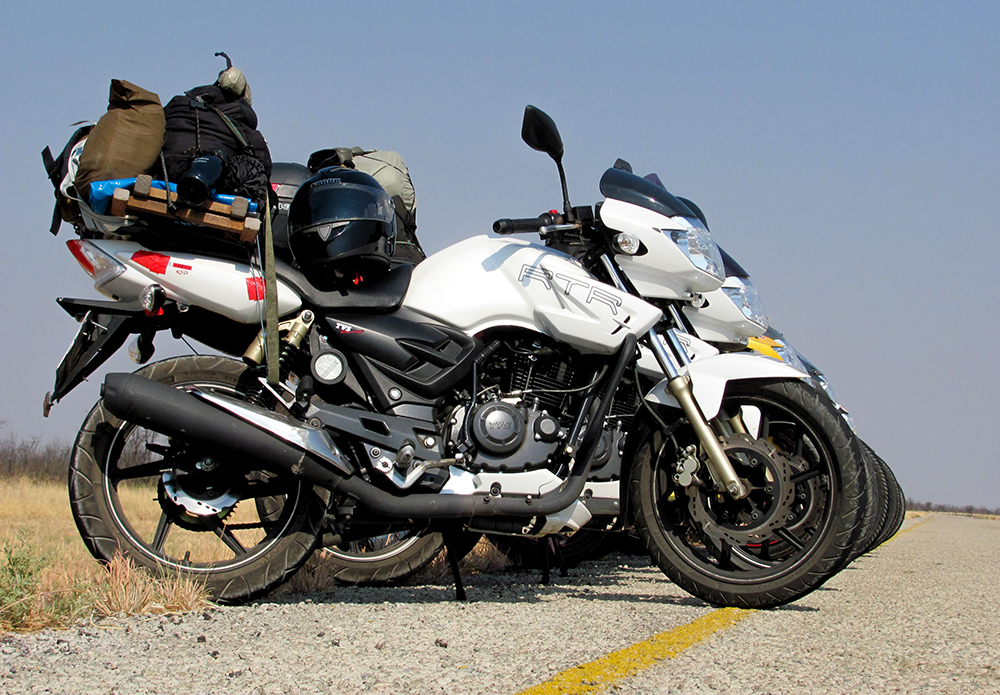
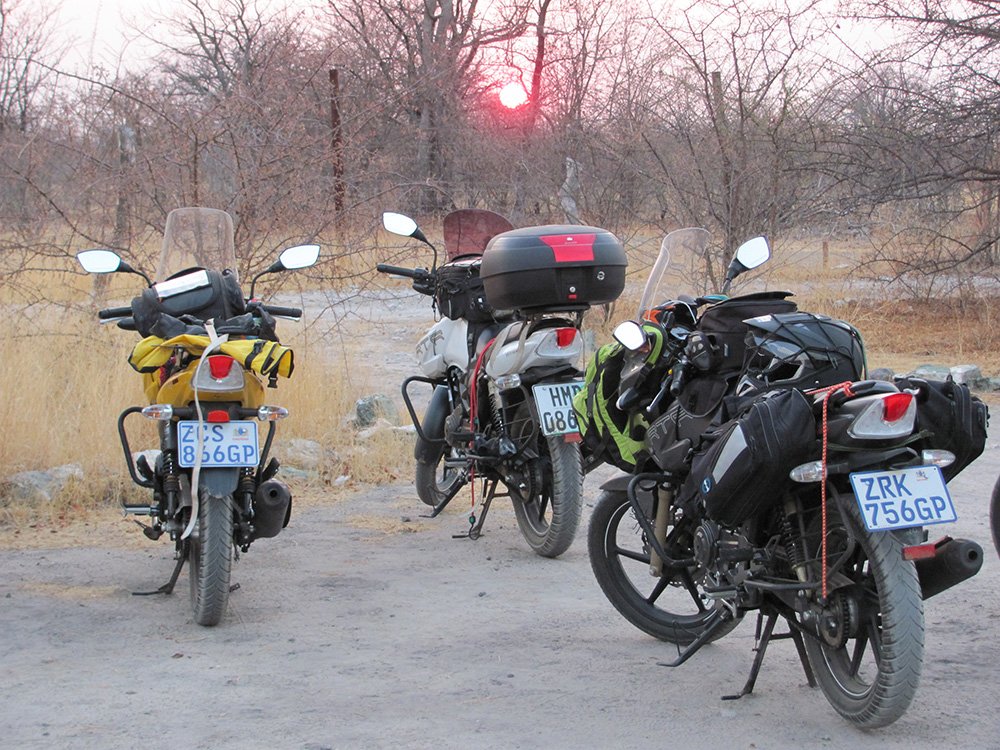
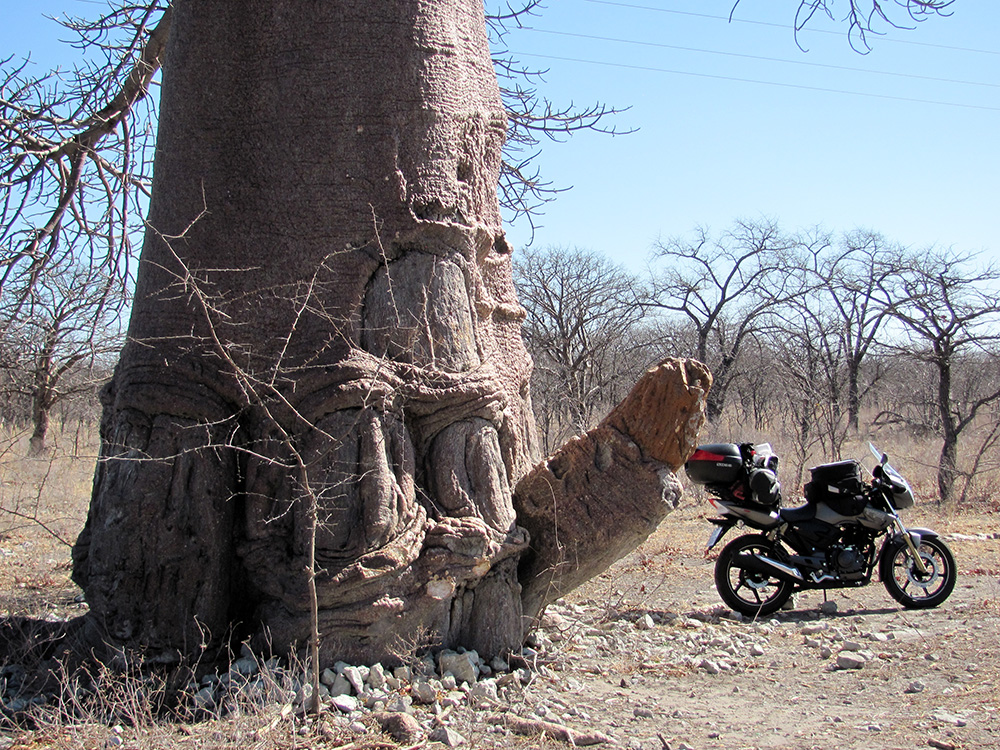
 A couple of years ago, I set off with 11 guys on a ride around the Okavango Delta in Botswana. We left Pretoria around 6 am in late October. Those of you who have travelled through Bots in summer will know how blisteringly hot it gets. It is still too early for the rainy season to bring relief to the parched land. Trees stand scorched and dry across the dusty land. We were on our second TVS Tour. A year earlier, we rode 5 TVS Apache Indian built bikes to Vic Falls in Zimbabwe.
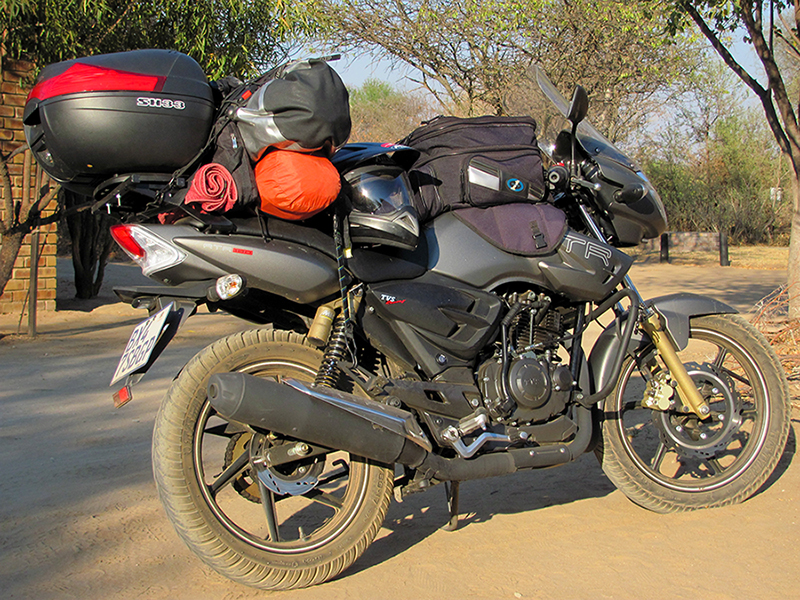 Our route took us through Botswana, through the border at Kasane, and on to the Falls. We then travelled down through Zims to Beit Bridge and eventually back home. The guys so enjoyed this trip that they started clamouring for another “TVS Tour”. Enter the Delta Dawdle. Why Dawdle? Well, TVS’s are either 160 or 180 cc, so speed is not a big issue. Part of the enjoyment of these trips is that you kind of take a smell the roses approach. The bikes are typically running at more than 7000 rpm (redline at 9) for 3500 km. Hence the Motul connection. A prerequisite to coming on a TVS Tour is that, prior to departure, you fit a fresh oil filter and change your oil to Motul. Temperatures in the north of Botswana at this time of year hover constantly around 38 to over 40 degrees C. The tiny TVS singles are subjected to an awful hammering as they rev close to their limit for days on end. To give them the best chance of surviving this abuse, you have to be able to trust your engine oil implicitly.
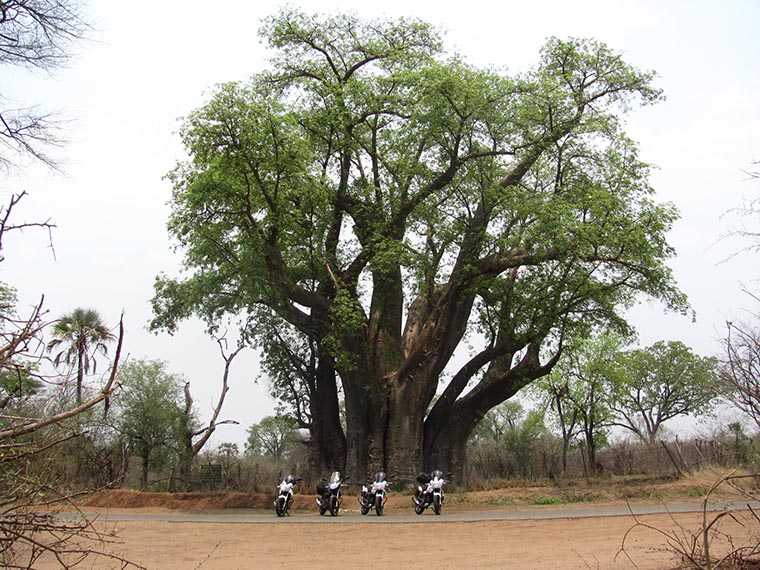 The first day took us to Palapye, 500 km from home. No problem. By late afternoon, we were all sitting at Itumela Camp, sipping on the first of a series of bitterly cold St. Louis lagers in an attempt to rehydrate our heat-battered bodies. War stories were a little different to usual. Guys were not talking speed, but rather how they were averaging over 40 km/l on their TVSs. 700 km on a 16-litre tank. Incredible. Day two had us off to an early start, trying to hang on to the cool of the morning for as long as possible. We ran the bikes harder too, and in no time had dispatched the 180 km to breakfast at the Wimpy in Francistown. By the time we left for Nata, two odd hours away, it was properly hot.
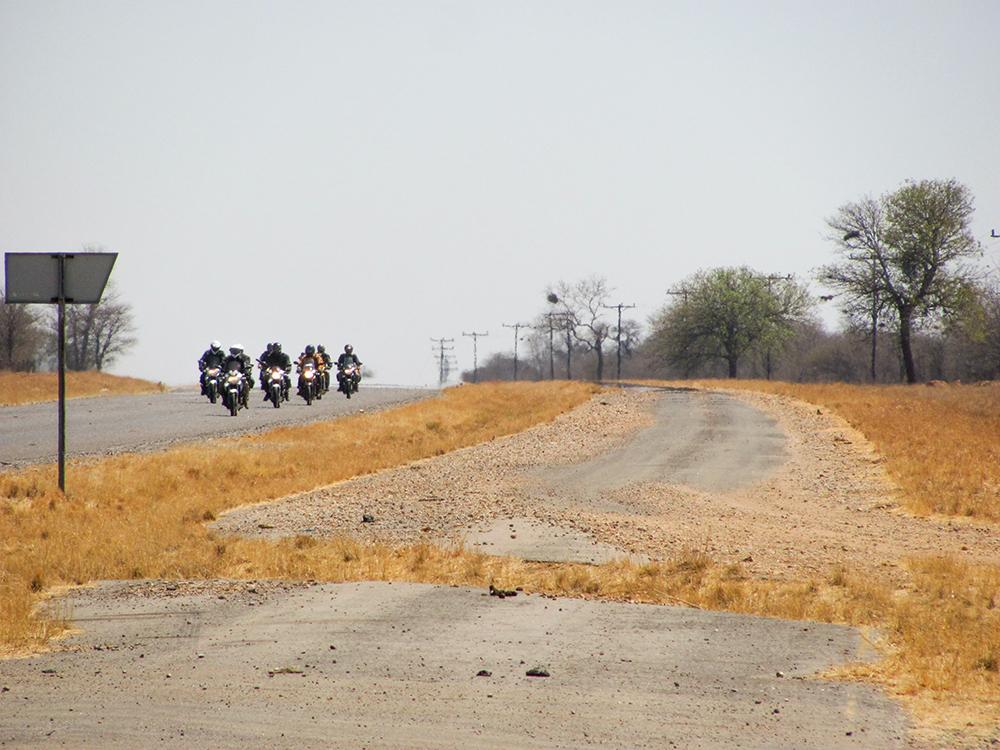 At one point, the guys stopped under a tree, sitting in the shade, wilted in the dusty, cloudless hell. Pulling into Nata lodge for lunch, we dipped our T-shirts and jackets in the pool and put them on, revelling in the temporary cooling effect of the water. Back on the bikes, we travelled another 100 km to Planet Baobab, our planned campsite for the night. The gutsy little Motul lubed TVS’s had carried us another 500 “kays” through hellish heat. Every bike was running like a train, sounding great and, incredibly, upon checking, required no oil top-up. See why I insisted on Motul 5100? The stuff is flipping magic!
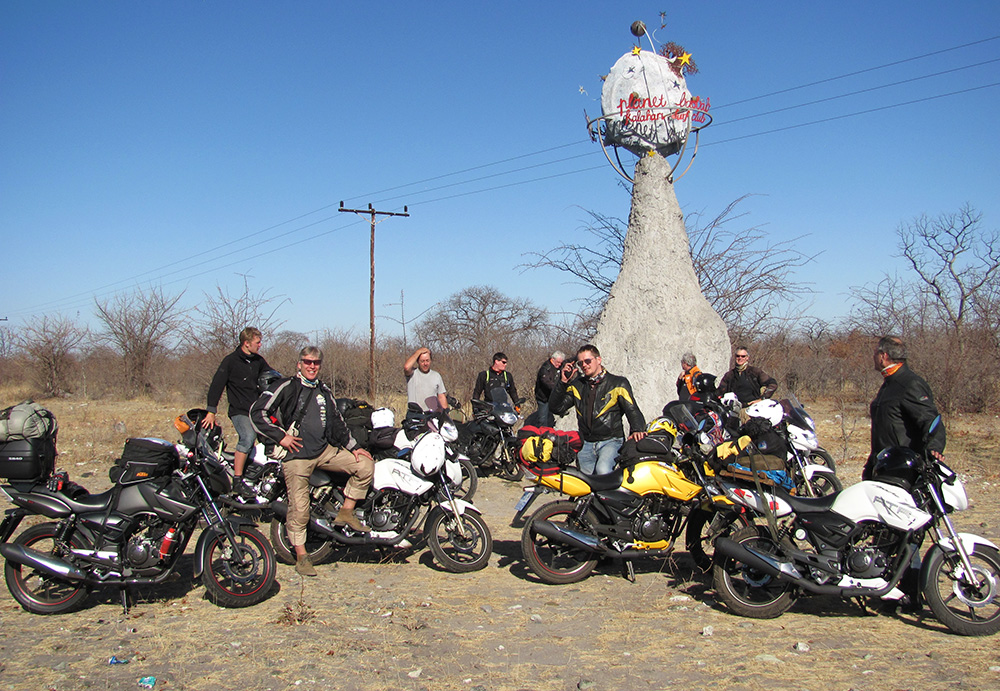 Planet Baobab were fully booked, so just as we were facing two more hours of riding to Maun, the travel gods smiled on us. As we were being sent on our way, hot and dejected, a buddy, Nick Weidemann, walked into reception, heard of our plight and immediately offered to share his campsite with us. Score! To reciprocate, we shared our magnificent Botswana fillet steak with Nick and his family. Steve Coleman, notorious from the Apache Raid on Vic Falls, started meting out “straf doppe” that he called Minkie’s, “cause they were equally hot”, being a concoction of Stroh rum, tabasco and a drop of his Triumph Bonnies fork oil. We dined like kings and all turned in reasonably “well oiled’.
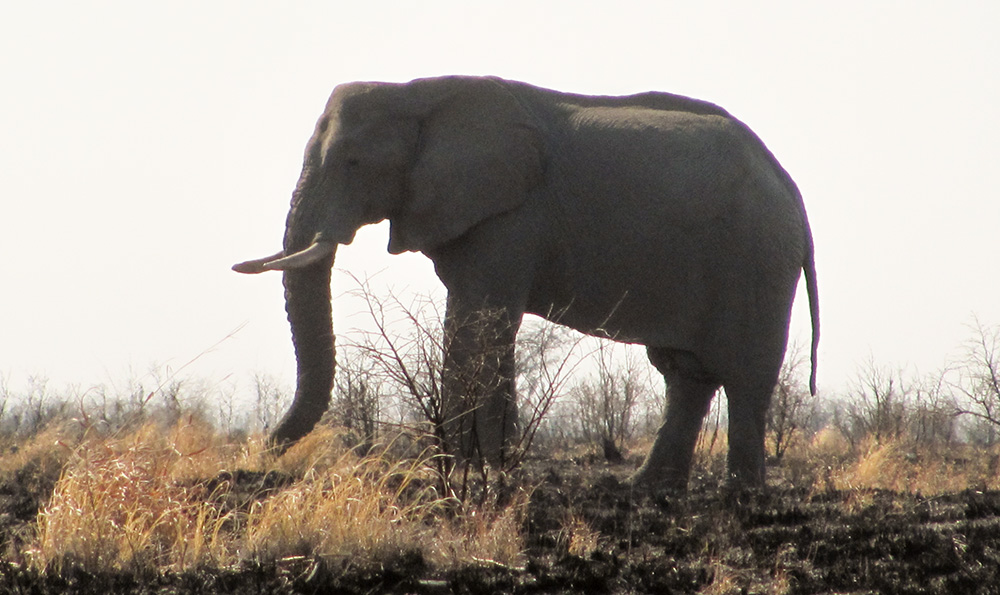
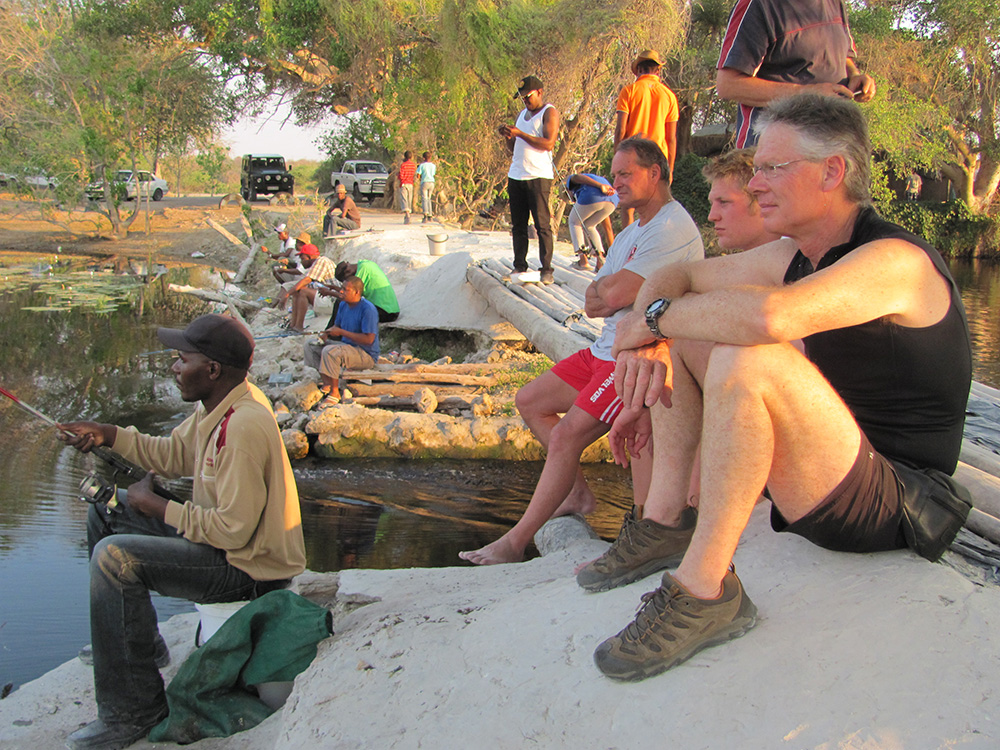 Back on the road, we circumnavigated the south of the Delta, then rode north, crossed the Namibian border and traversed the 30 odd kay’s of dirt road through a game park. Maik, a German friend, experiencing his first visit to Africa, was at a total loss for words when he saw some elephants bathing 100 metres away at a water hole. The first free roaming ellie he had ever seen.
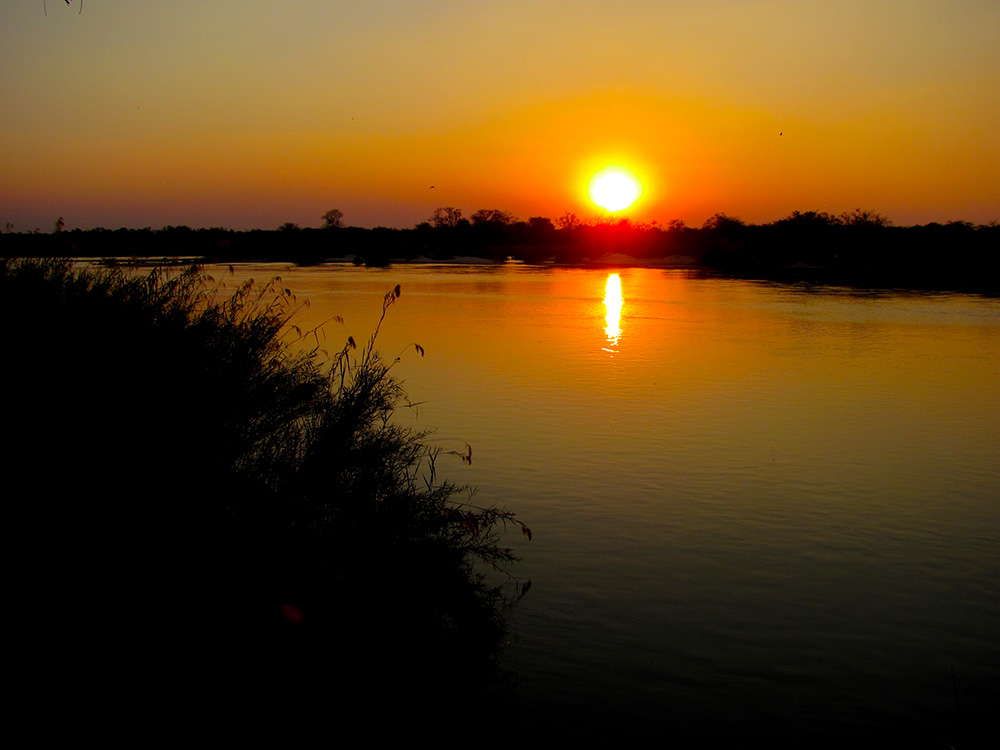
 Nunde lodge on the Kavango river was our home for the next two days. The riding and the heat had so sapped the guy’s energy that they all voted for a day’s R and R. Sitting on the deck over the river, watching the blood red sun, coloured by the African dust, sink into the river, all was extremely well with the world!
 Resuming our travels, feeling bright-eyed and bushy-tailed after our rest, we were greeted by the spectacle of a huge herd of buffalo crossing the Caprivi strip as the sun rose on another African day. Running like clockwork with the Motul in their motors, the TVS’s carried us down the Caprivi, back into Botswana and through the Chobe game reserve to Kasane. By now, everyone knew that they could totally trust their Motul-lubed bikes to go the distance, so we just totally relaxed and soaked up the experience. Heading south from Kasane, we enjoyed the abundant game that roams free across this vast land. Stopping occasionally to allow herds of elephants to cross the road, we cruised down to our overnight stop at Woodlands campsite, 16 odd kay’s before Francistown.
 With tents pitched, we cooked up a storm with the final braai of the trip. We woke to find that some guys had pitched their tents on termite holes. The little suckers simply munched their way through the tent and, would you believe it, right through blow-up mattresses! Talk about that sinking feeling! By the way, in case you were wondering. TVS tours have no backup vehicles, and we carry all our kit on the bikes. Soft boys need not apply!
 On the penultimate day of our trip, we ran south, crossed the border, and on to Ellisras. We decided to stop in Vaalwater for our final night at the little dodgy hotel. We ran over the mountain from Ellisras in a high-speed TVS train, slipstreaming each other flat out to our destination. We saw 135 km/h on the digital speedos as we played our game of tag. The final night saw the emergence of Minkie again, with Corporal Coleman dealing out the pain. What a trip it had been! Tiny TVS’s traversing the harsh and arid African hinterland with that magic Motul muti in their bellies. On the following day, as it inevitably must, it was back to our everyday lives. The joy of riding motorcycles is that when life once again becomes a pain, for whatever reason, it is time to make more Motul memories of the two-wheeled kind.

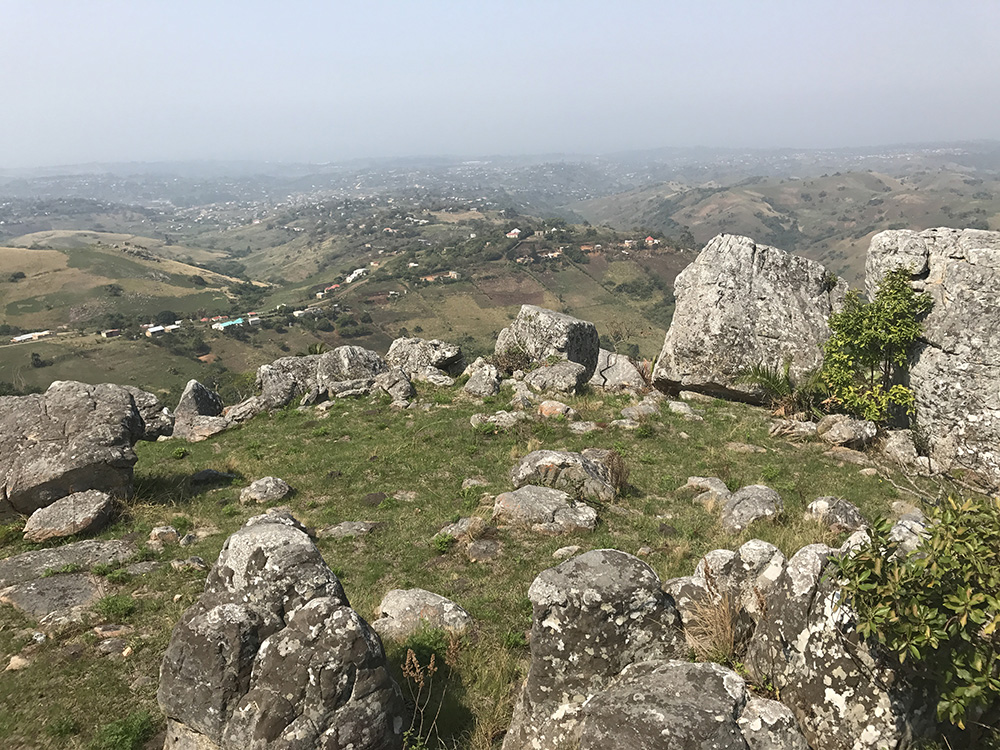 Nyandezulu Experience
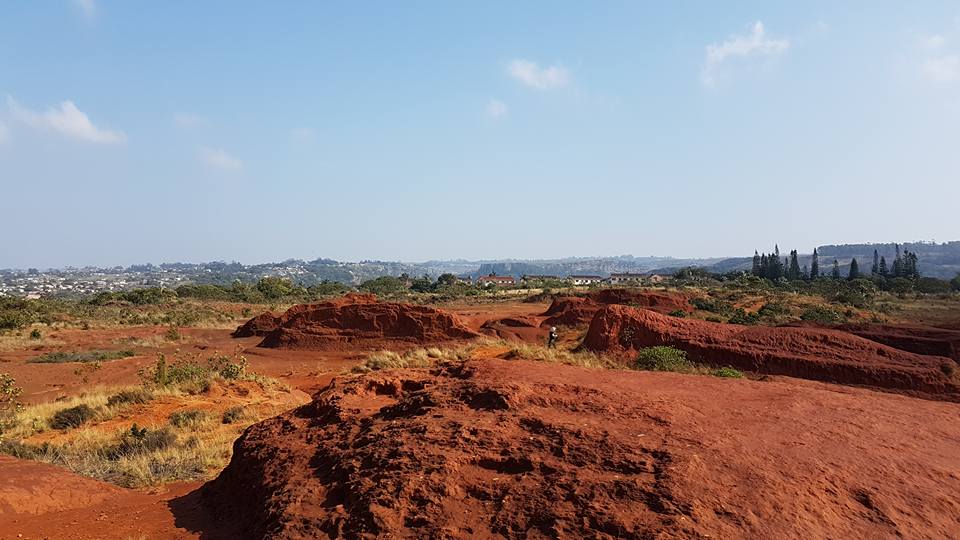
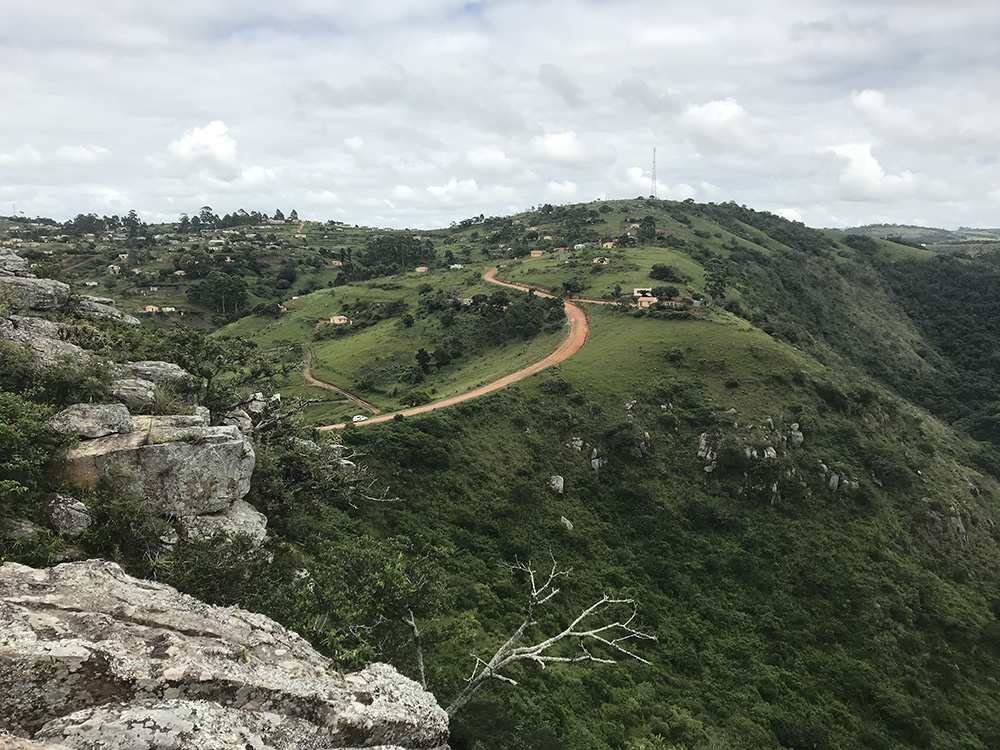 The Red Desert
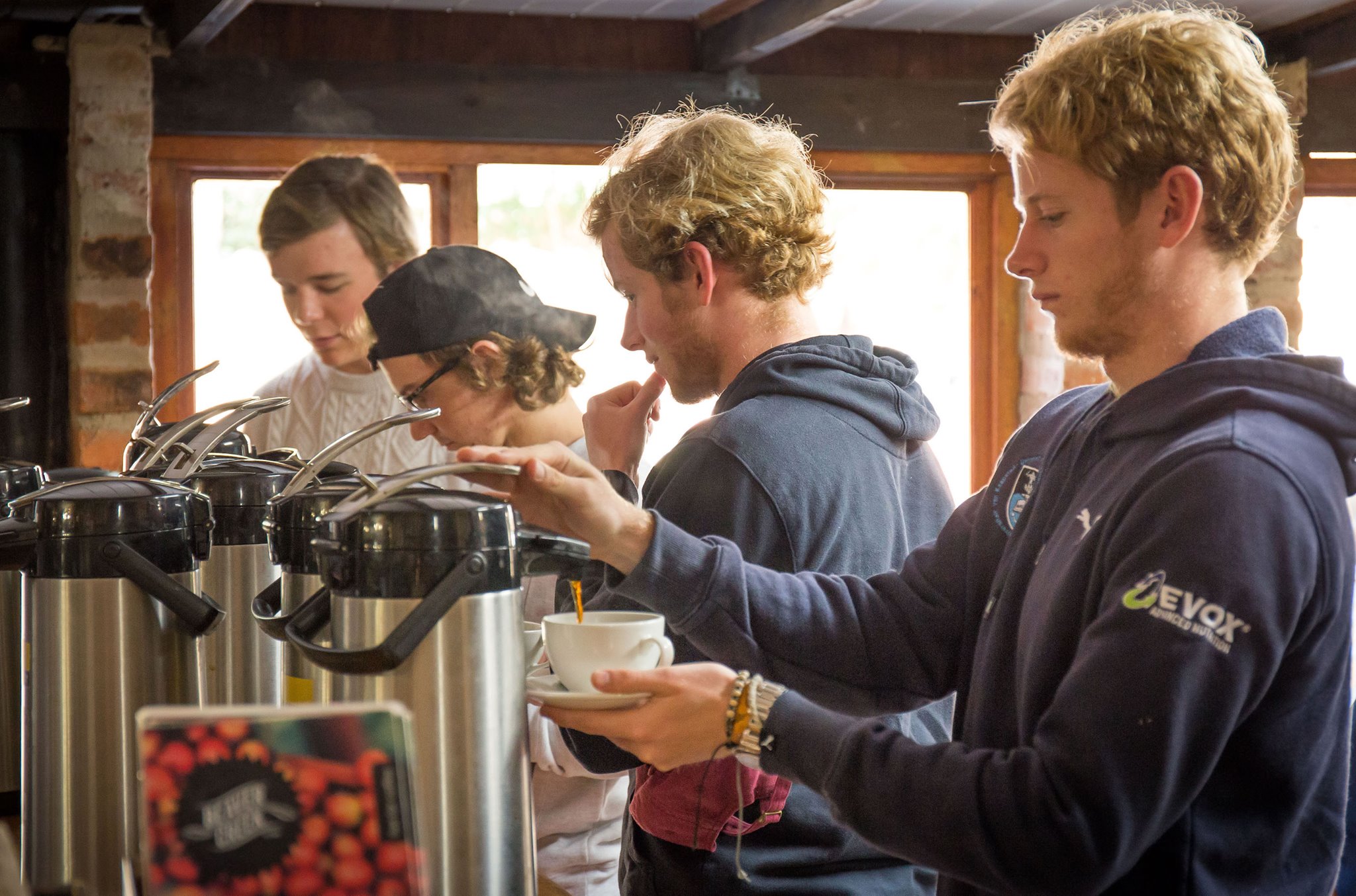
 Beaver Creek Coffee Estate & Roastery
 Macbanana
 For more information contact:
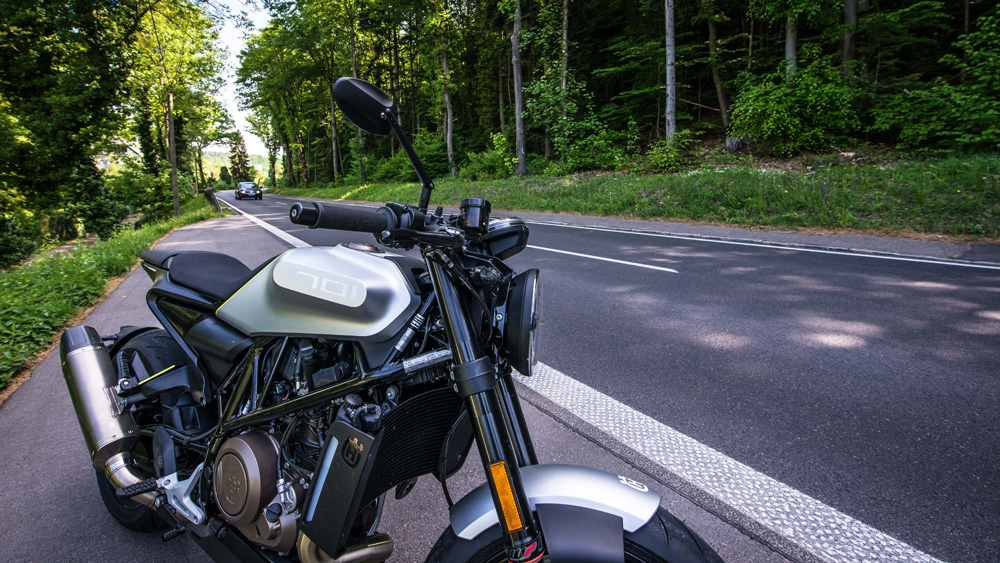
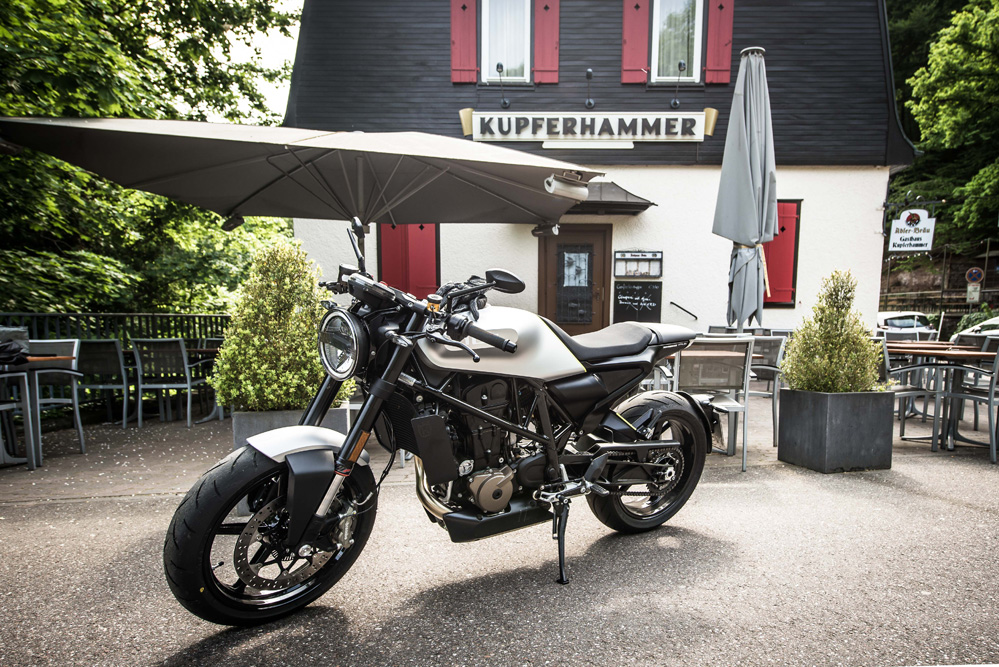
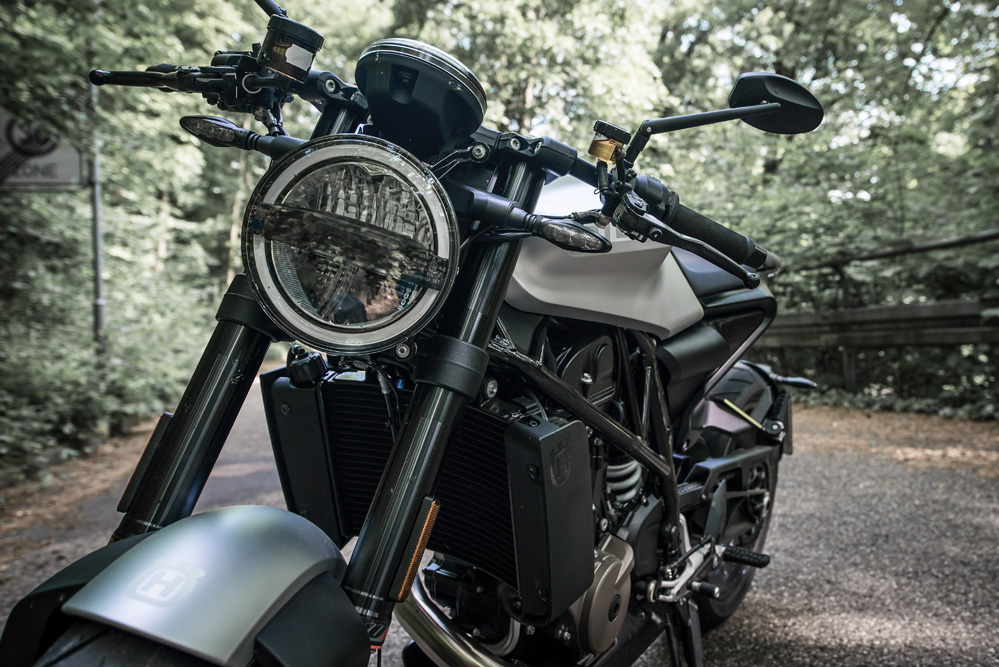
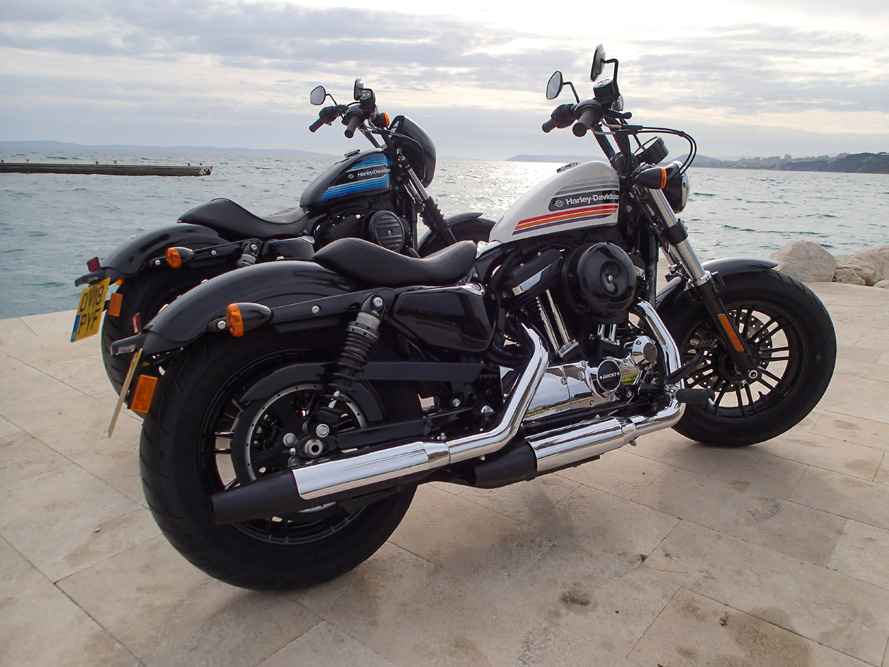
 White Arrow vs Black Forest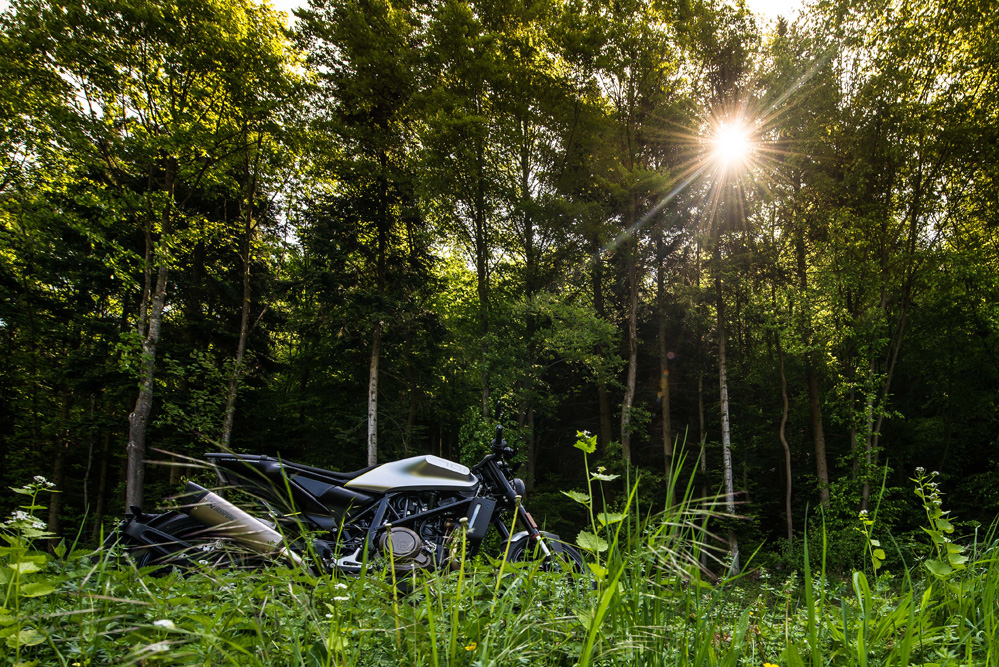
 Price
Price
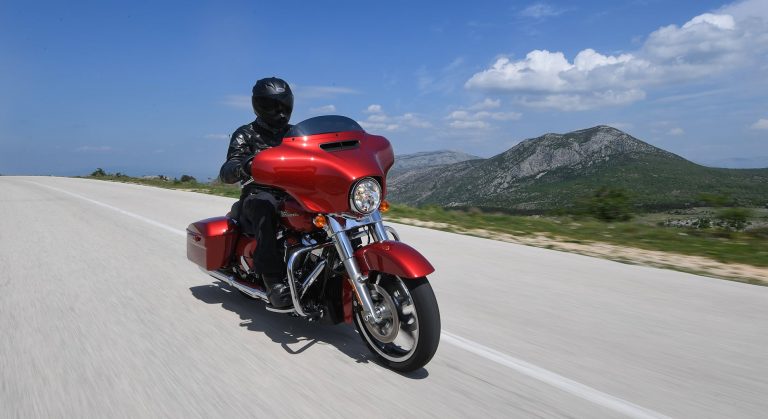
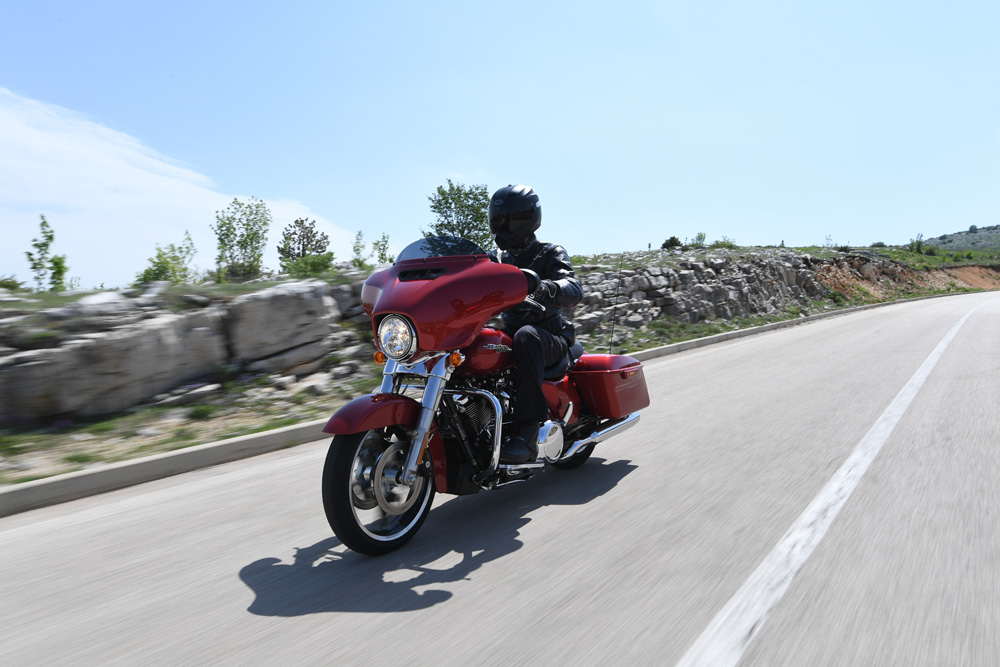
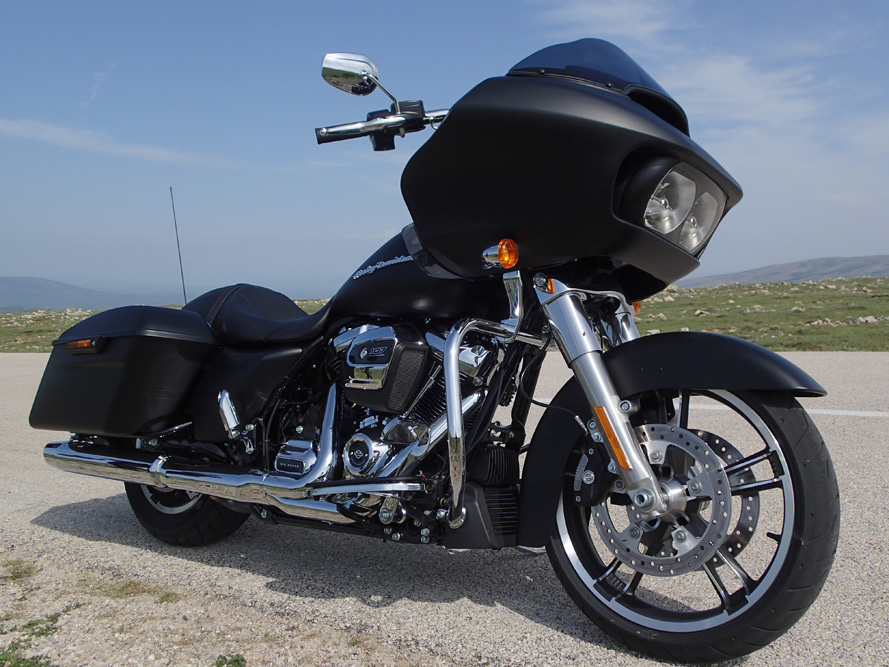
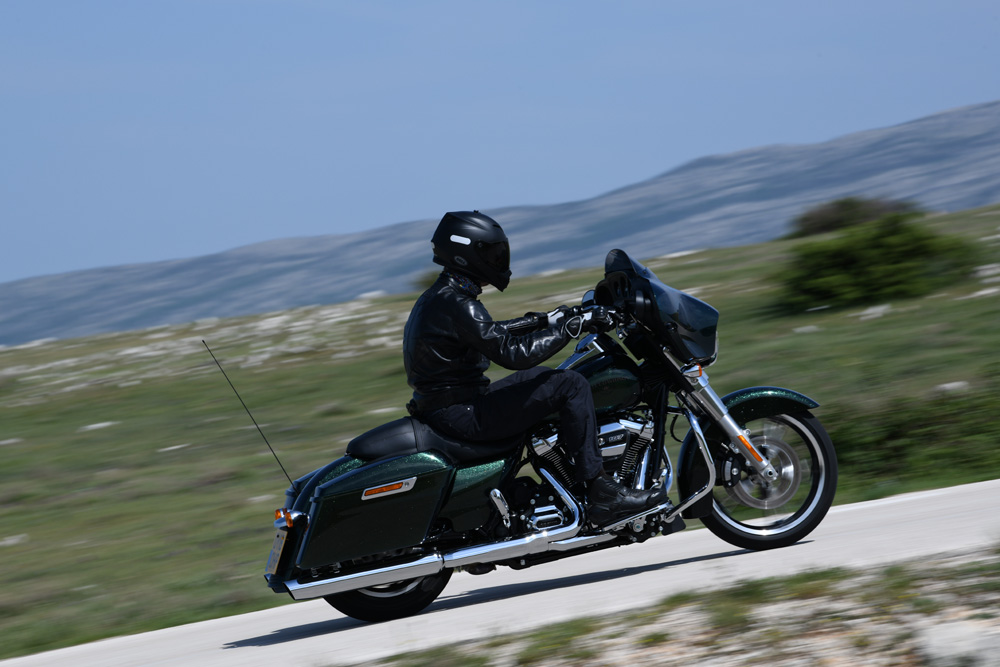
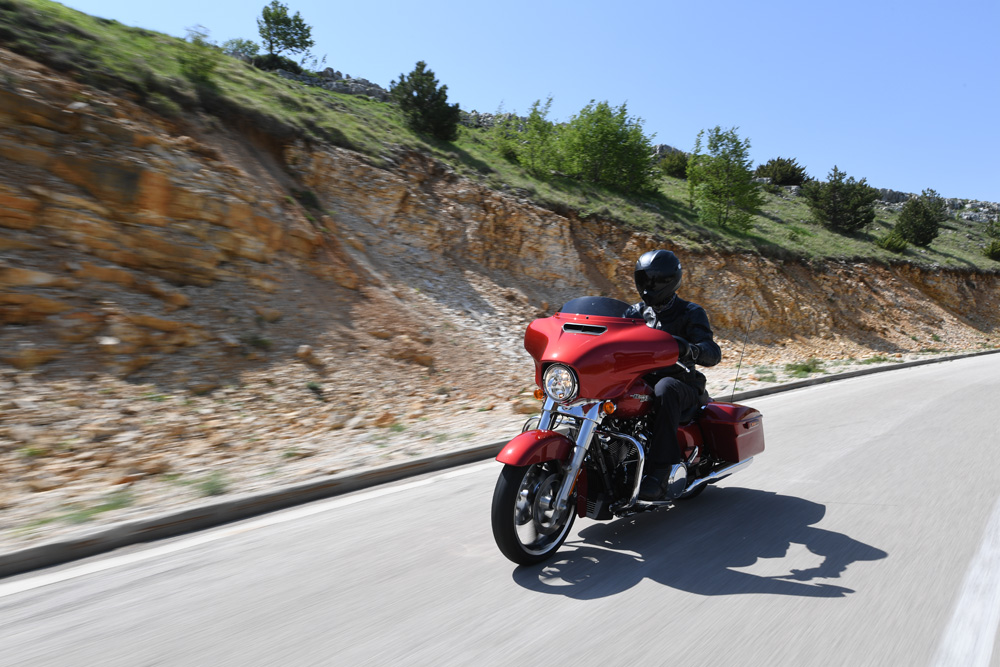
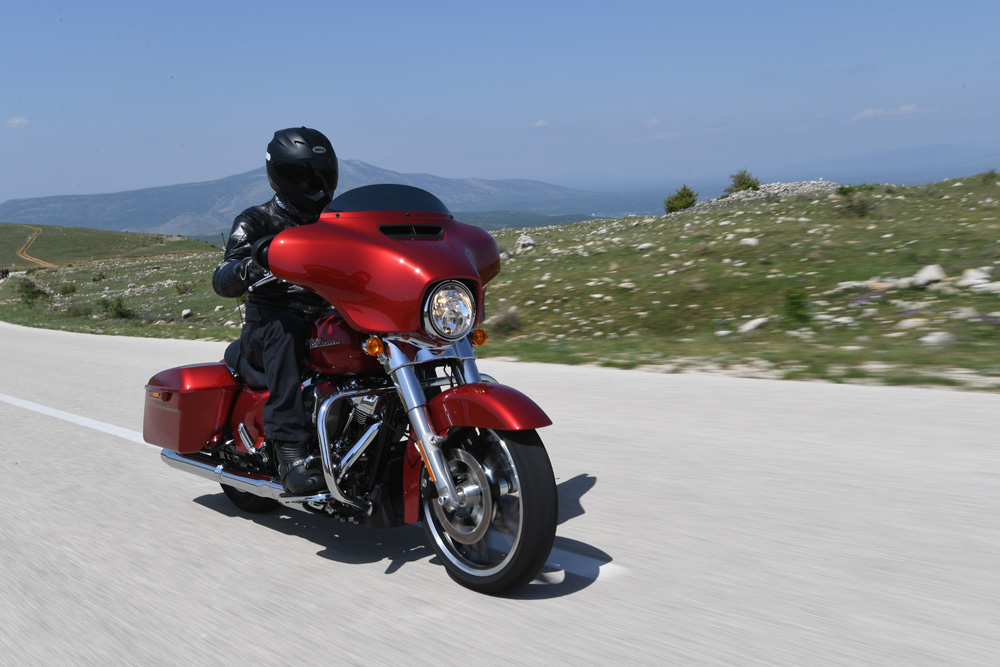
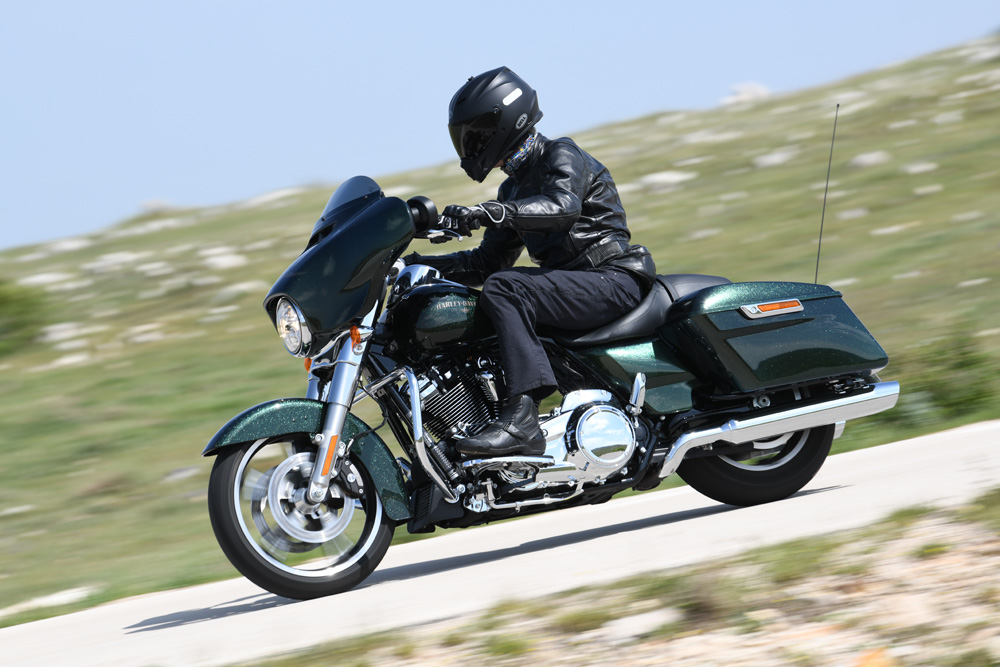
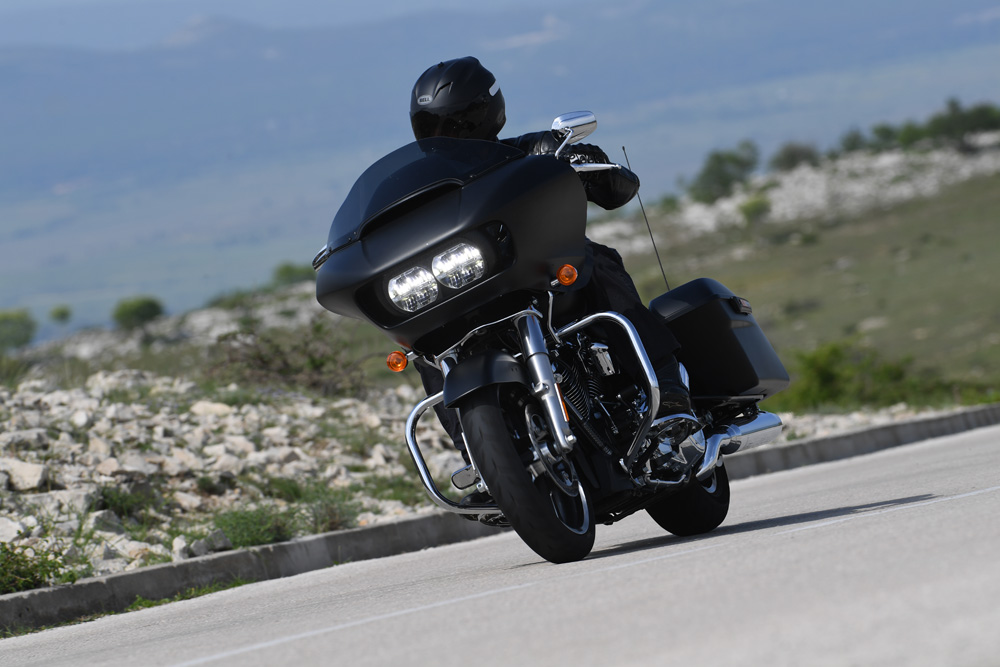
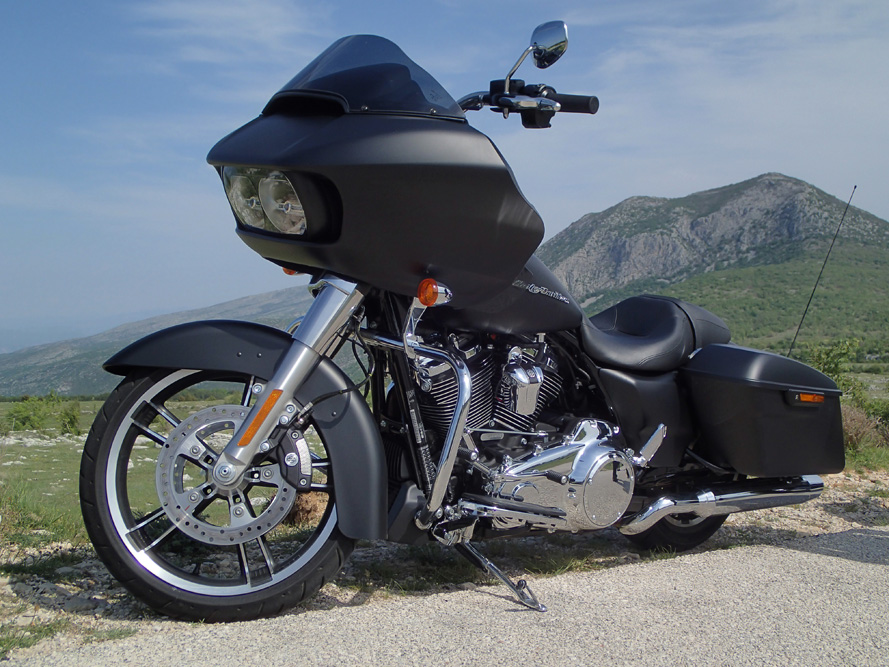
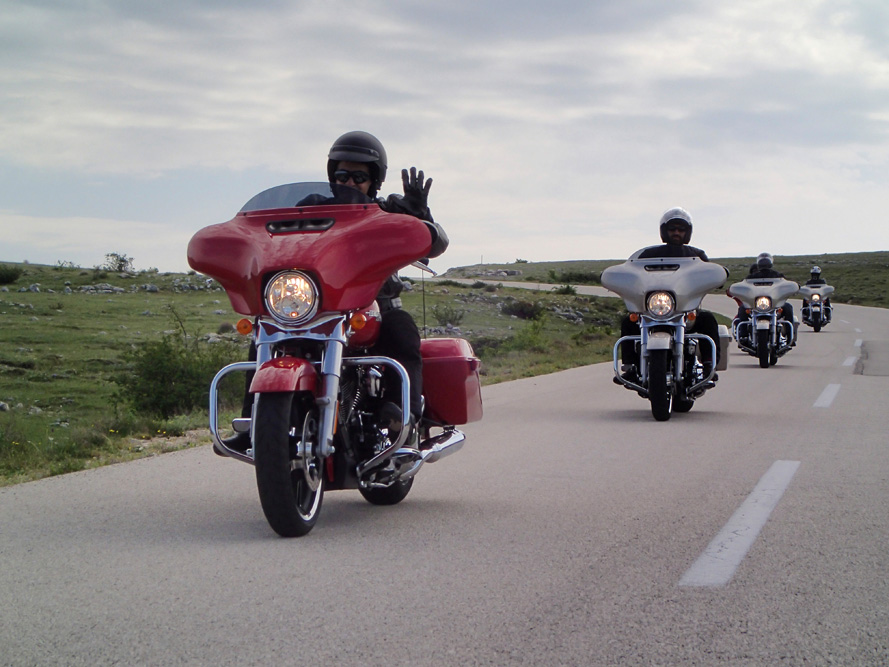
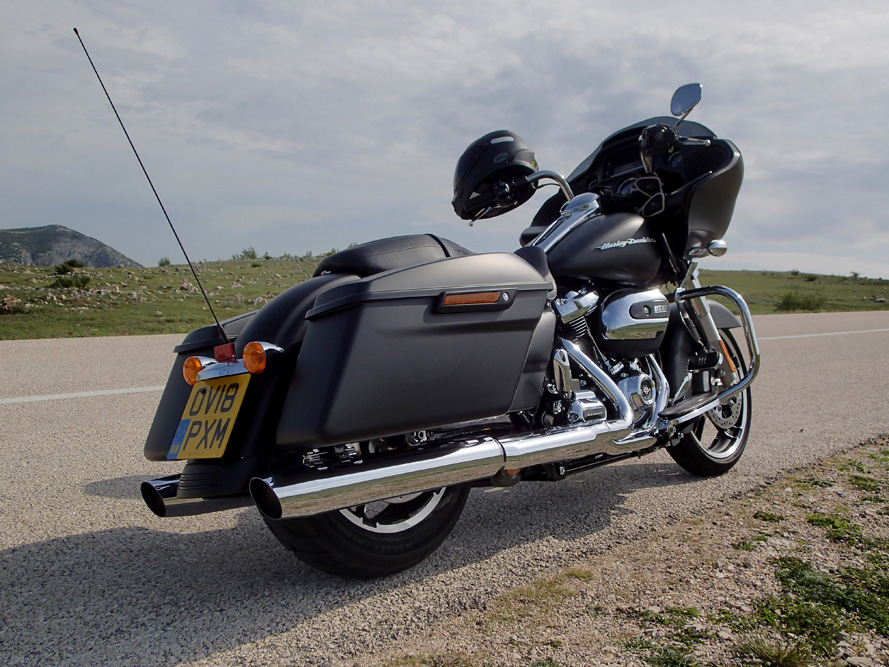
 Whilst the essential recipe has remained the same, the bikes have been continually upgraded as they have evolved through Knucklehead, Shovelhead, Panhead, and Evo to name but a few engine derivatives. Each model has managed to gain an almost fanatical following, which is not often, if ever, emulated to the same extent, or so consistently, by other brands. On day one of our Croatian stay we got to ride two of Harley’s latest tourers; the Road Glide, and the Street Glide, both part of Harley’s Softail range. Both these Glides are powered by the powerful, torquey and refined Milwaukee – Eight 107 cubic inch engines. The single biggest difference is that the Street has a handlebar mounted fairing, while the Road has it’s fairing frame mounted. Both variants offer good wind and weather protection, but have distinctly different riding characteristics.
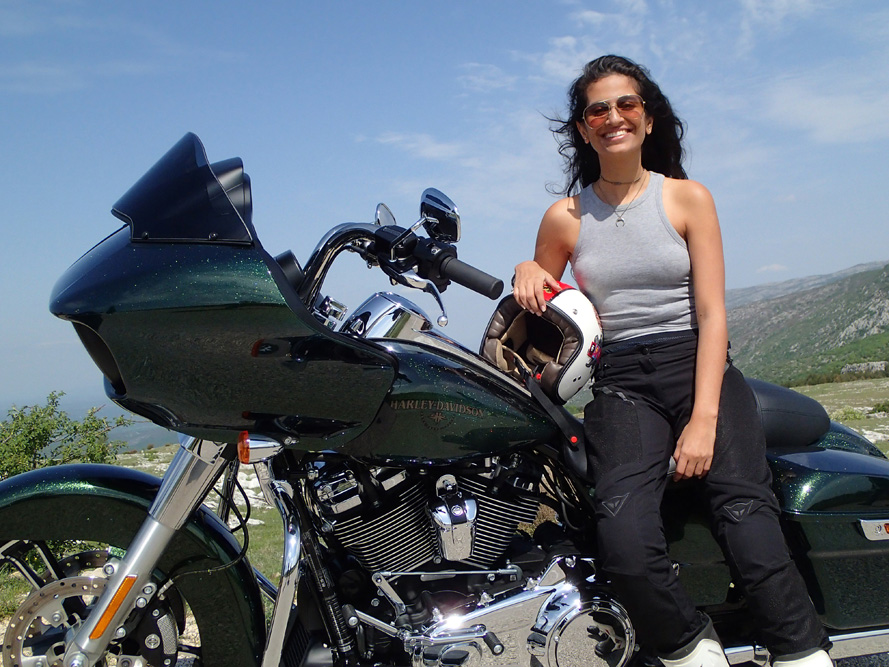 Let me not get ahead of myself. The heart of any motorcycle is it’s motor. The 107 cube Milwaukee Eight mill in these bikes is a gem. For a big capacity V-Twin it is uncannily smooth and refined. A muted velvety rumble makes it’s present felt in a lovely way as it punts you down the road. The torque is available right out of the basement, so there is no need to rev these bikes. The power characteristics are akin to a really good diesel motor, where the response is instant and you short shift on a creamy wave of torque into top gear, [6th], and then just aptly Glide along. The transmission is a trifle clunky, but positive. Consistent with the general “hewn from billet” feel of these bikes. Overtaking is an effortless exercise. Roll the throttle open and the bike lunges past. No sweat!
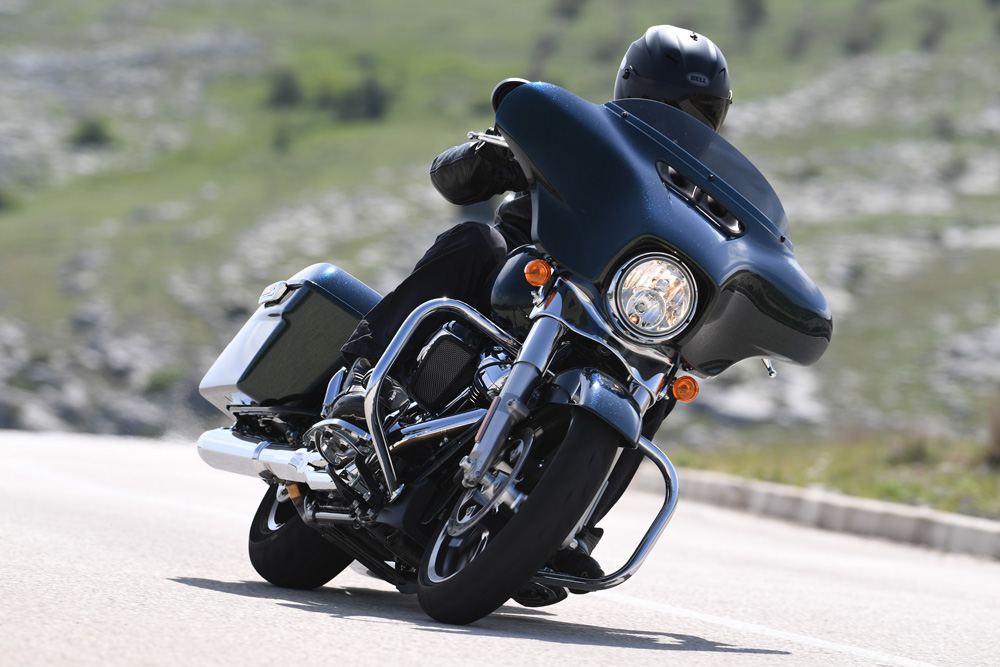 It is in how they handle that subtle differences between the Road and Street emerge. Firstly, I must tell you that I was pleasantly surprised by the extent of the ground clearance. It is only when you are going at virtual sport touring pace that any part of the hardware starts to drag on the road. This allows really pleasurable riding in the mountains. I expected the Street to be a tad heavier steering since it carries the weight of it’s fairing on the bars. In fact, the opposite is true. The Road, with it’s frame mounted fairing, steers slower, albeit with a wee bit more stability. When the pace hotted up, the Road was definitely my weapon of choice, whereas in the urban sprawl, I found the Street easier to manoeuvre. With their long wheelbase neither can be described as super agile, so U-turn’s and parking require a little planning and thought. I am sure that this is second nature to owners. Watching the Harley support crew move these bikes around proved this point. They tossed them around with an abandon born of a lot of practice. What did amaze me was how good the spring rates and damping is on the Glides. With there trademark low slung look, Harley do not have a lot of suspension travel to work with. What they do with the available travel is phenomenal. The soft tail rear suspension soaks up bumps and keeps things under control, whilst the upside down front forks match them perfectly. Kudos to the H-D suspension gurus.
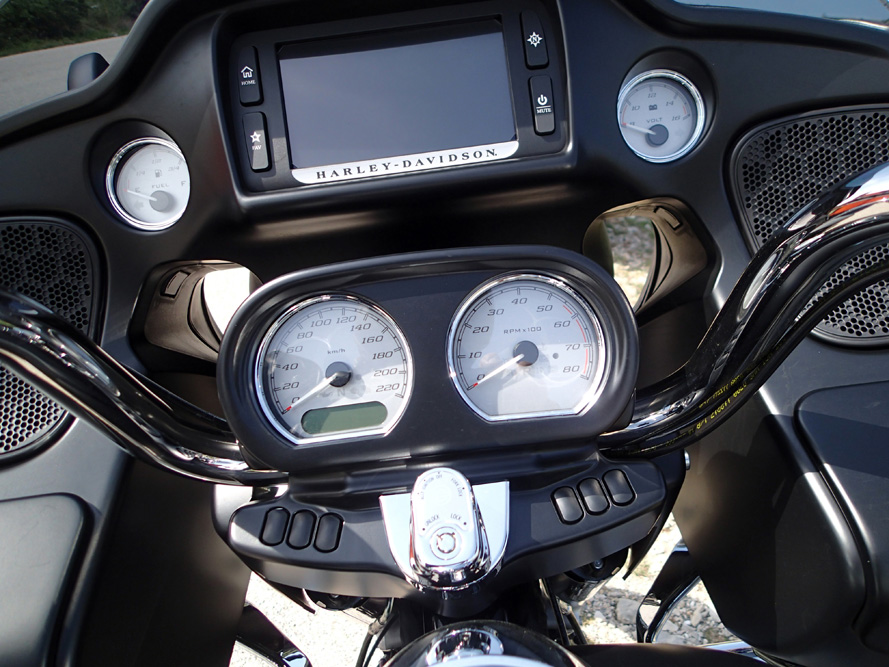
 All the Harleys that I have ever ridden are blessed with handlebars with a really natural bend. Everything just seems to fall to hand. These bikes are no exception. A bit like baby bear’s porridge. Just right! The same can be said for the seats. Harley seats tend to cup your butt. You don’t sit on them, but in them. This spreads your bodyweight over your whole tush resulting in hours before the dreaded “numb bum” sets in. Despite being prone to a bit of lower back ache, probably the side product of capsizing too many times over many years of riding, the seating position on the Glides caused no woes. These are really perfect bikes for the long haul. Point them in the right direction, engage the cruise control, choose your music of choice on the comprehensive infotainment system, settle in and enjoy the ride.
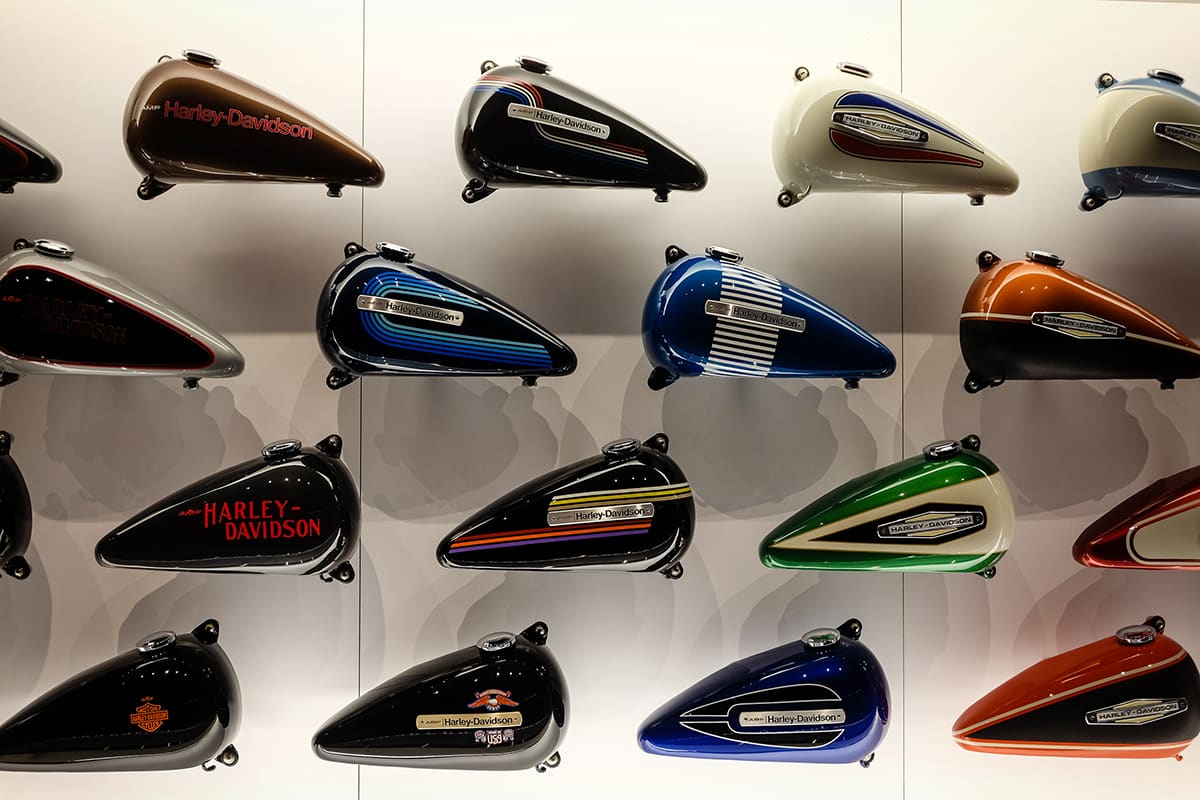
 The muted rumble of the dual balance shaft big twin is really soothing. You get the feeling that it is totally under stressed and will keep on running for eternity. The story goes, and yes, it may just be an urban legend, that the first V-Twin motorcycle that The Motor Company ever built ran over 100,000 miles without major attention to the motor. Every aspect of these big Harleys feels anvil solid with beautiful finishes everywhere. The quality of the paintwork is beyond reproach. The black and candy apple red being two of my personal favourites. That said, the matt black looks amazing as well. Speaking of looks, you may realize that I have not attempted to describe these bikes. That is quite simply because all the world knows what a Harley-Davidson motorcycle looks like. You can ask the most random people and they will kind of describe the look. A bit like the motorcycle equivalent of the Coke logo. Part of Harley’s allure is their familiar image.
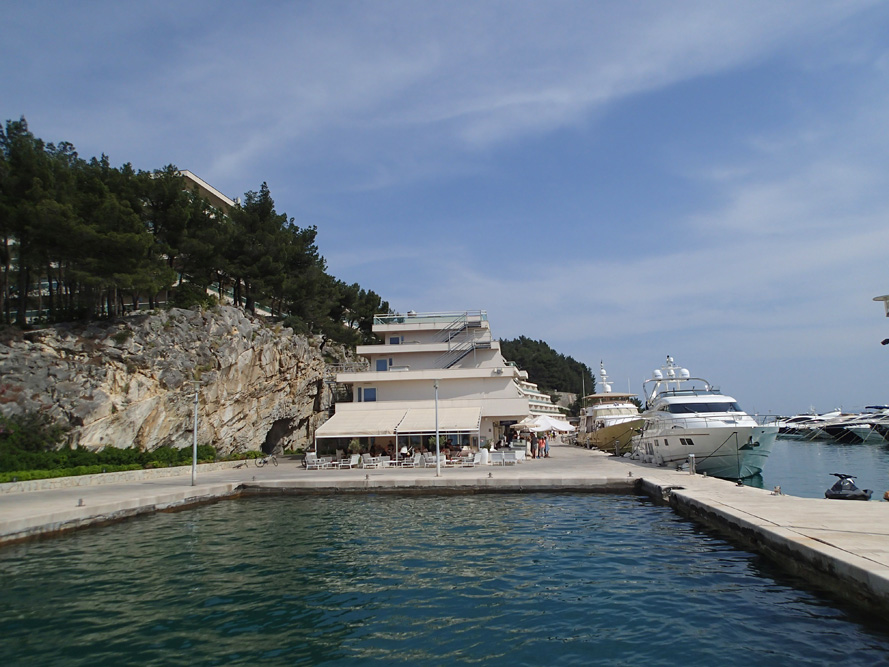
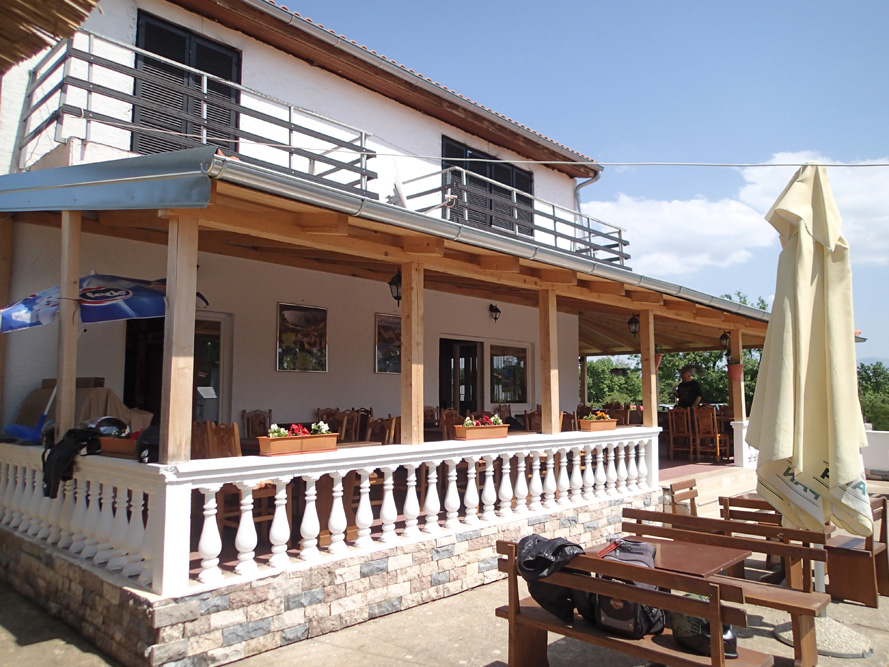
 So it was that we crossed the Croatian countryside in lovely sunshine, traversing farmlands and rolling our muted Harley thunder through quant villages of stone built houses with red tiled roofs. Here and there houses stand vacant, in varying stages of disrepair. I found myself wondering if this was a consequence of the conflict that gripped this now peaceful land over twenty years ago, or whether it is the muted world economy which is driving folk from the countryside to the cities in search of employment. My reverie was interrupted by a lunch stop at a lovely old sprawling country restaurant. Croatian food is hearty wholesome fare. Roast meat, potatoes and the like. With the inner man fortified we swept across the inland plateau and back to the coast, stopping enroute for a coffee at a hotel with a magnificent elevated view over the Adriatic. Exploring the countryside on a big touring Harley is indeed a wonderful experience. Touring Harley style has never been so good. The relaxed demeanour of these big Glides chills you out as the k’s roll effortlessly by. Come up behind slower traffic and you simply roll it on and the Milwaukee-Eight motor responds instantly, no sweat. After a great days touring we negotiated late afternoon traffic back to our hotel. We watched the setting sun paint a silver swathe across the Adriatic as we sipped on a cold one and shared tales of a good days riding.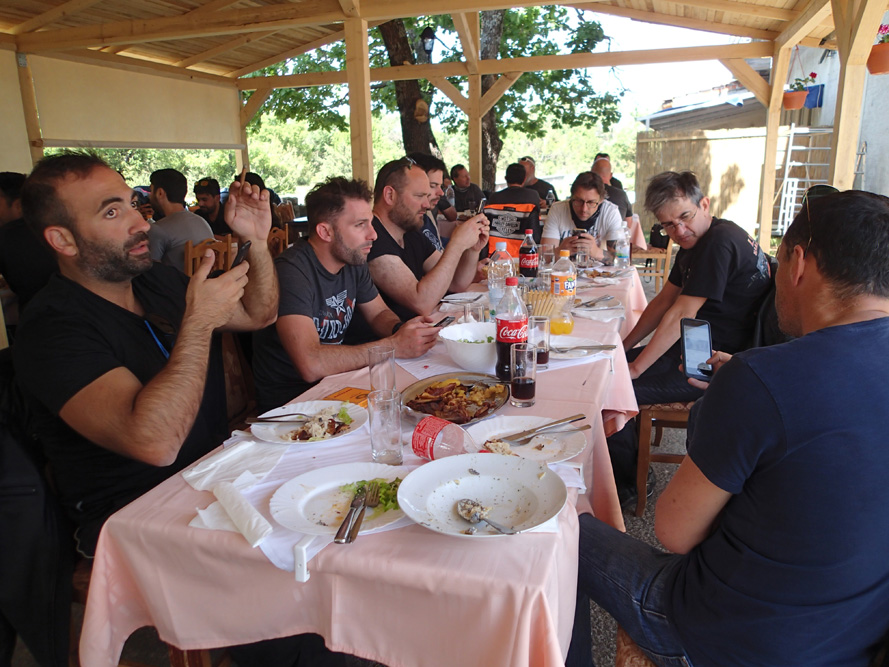
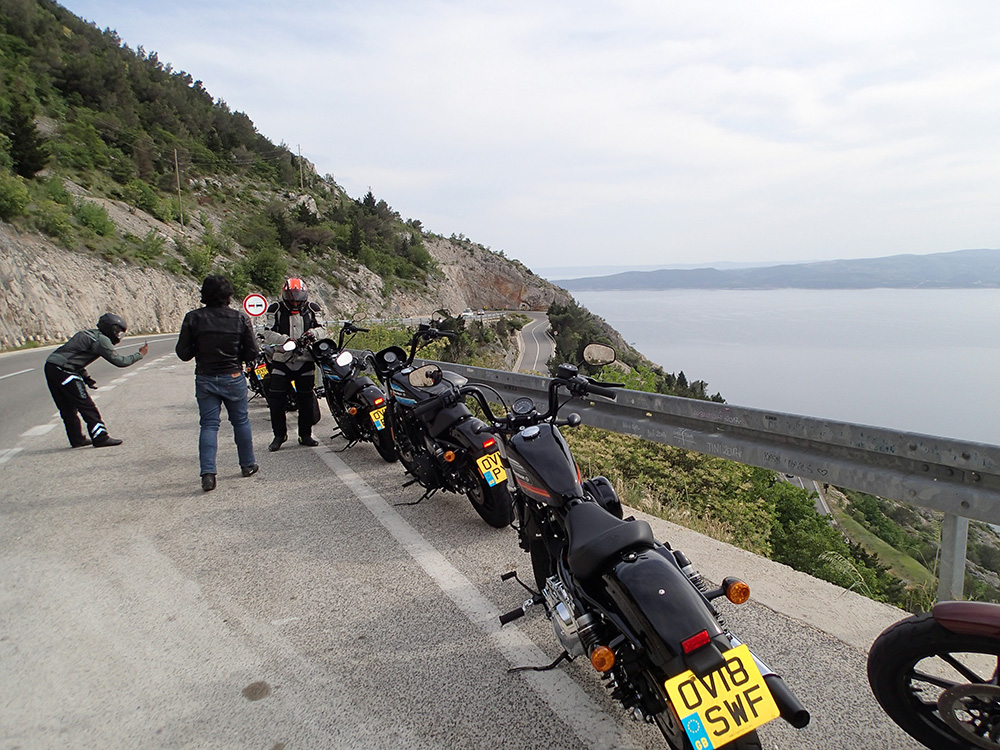
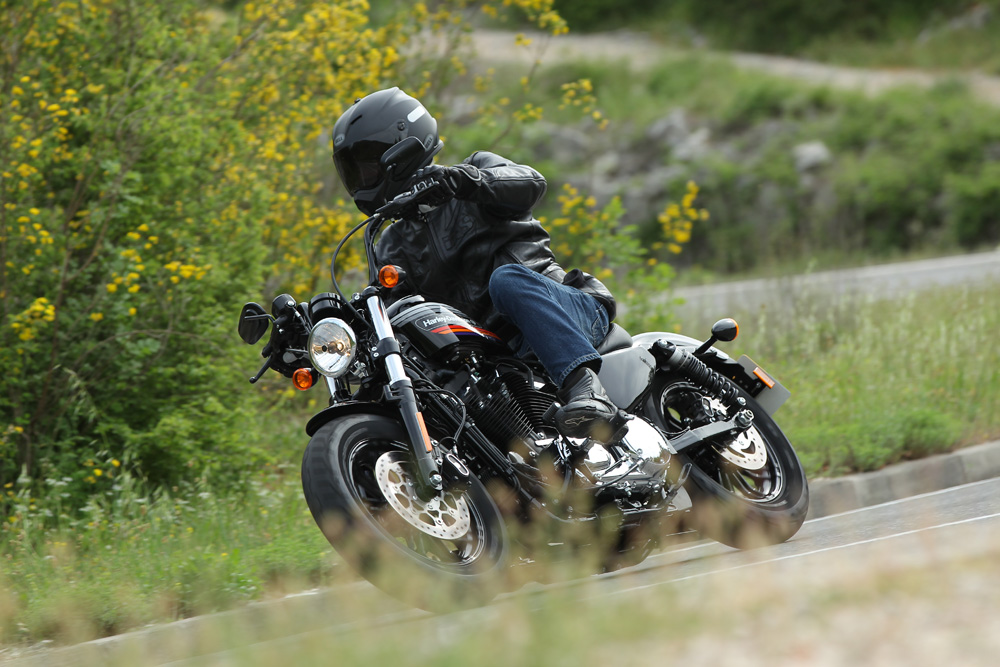
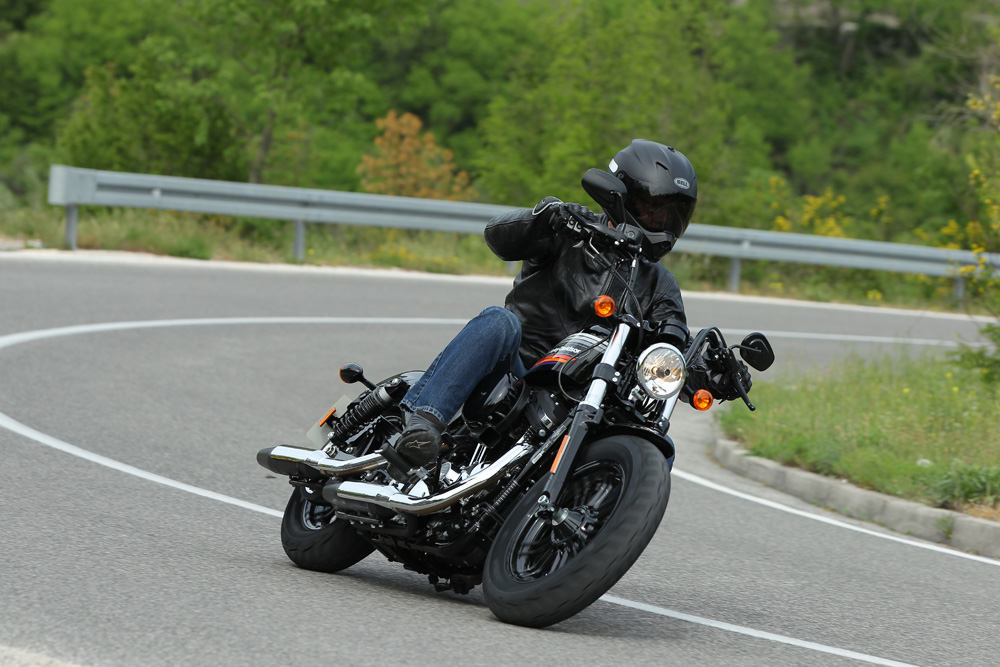
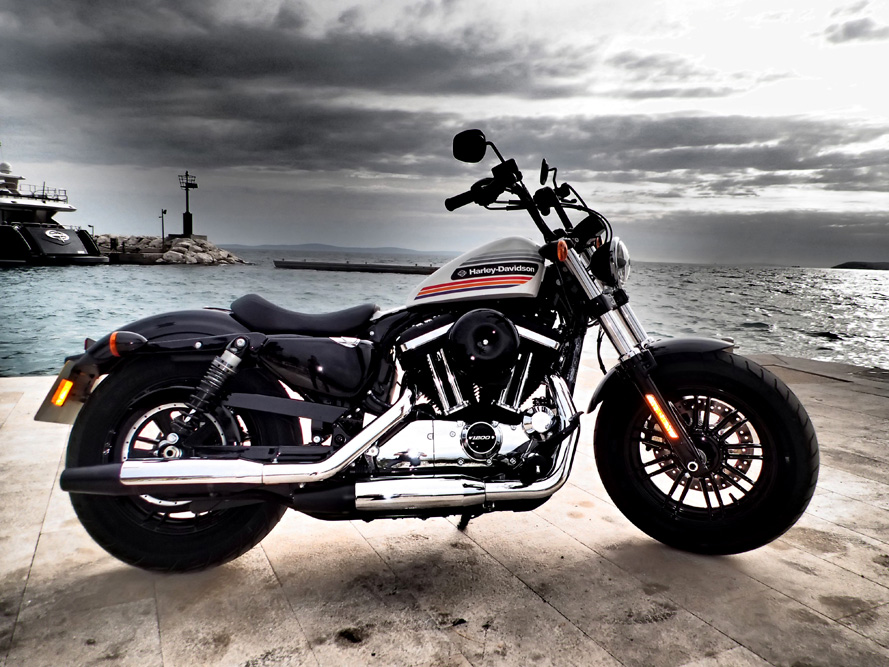
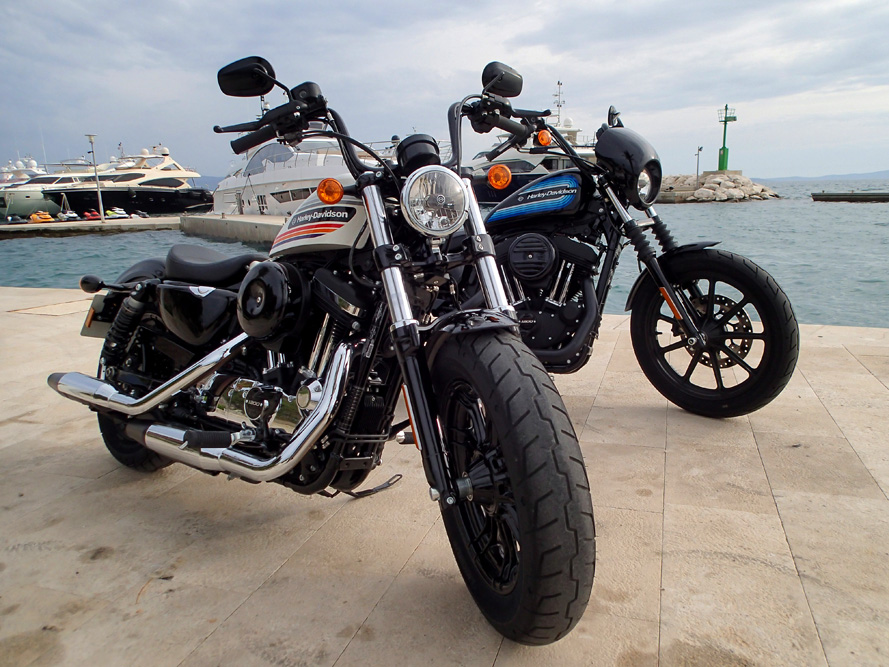
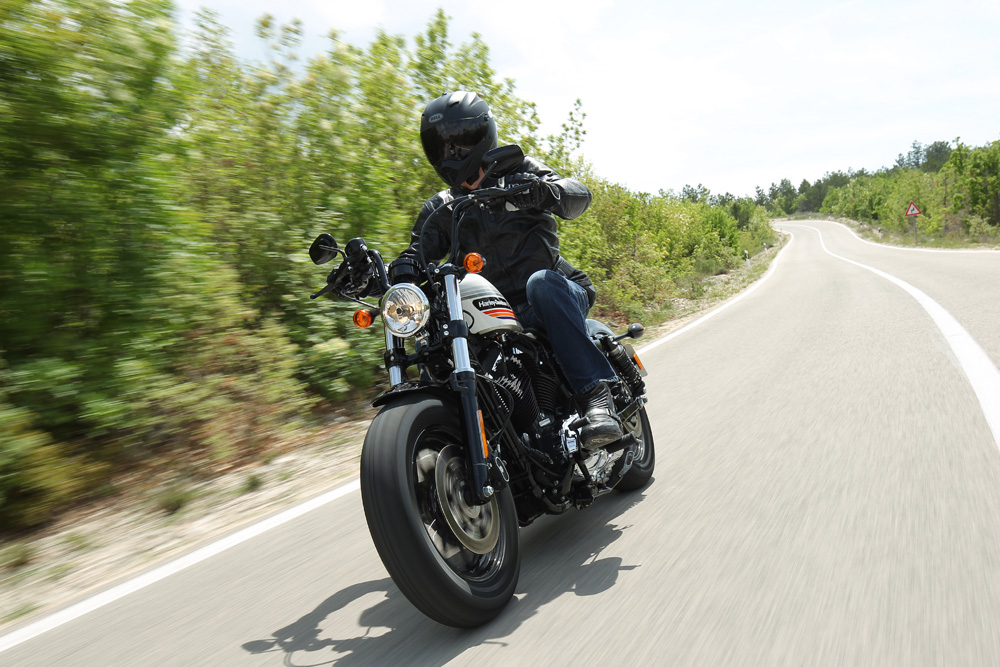 We rode the Sporties in typical fashion, cruising the Croatian coastline, stopping every now and then to sip on a coffee and take in the sights.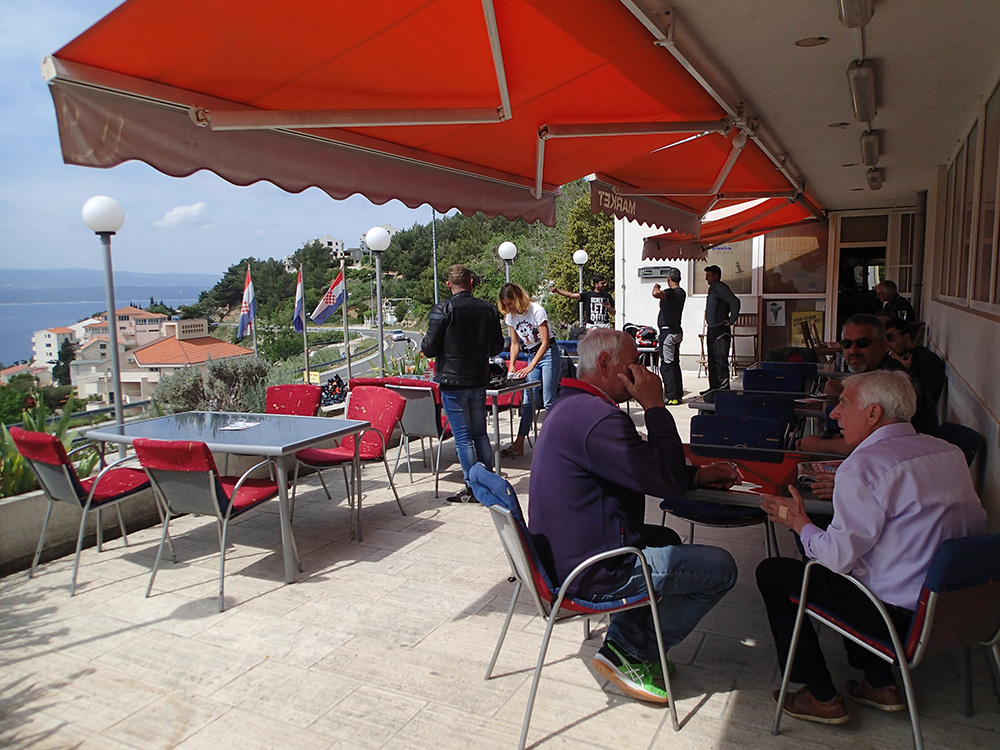
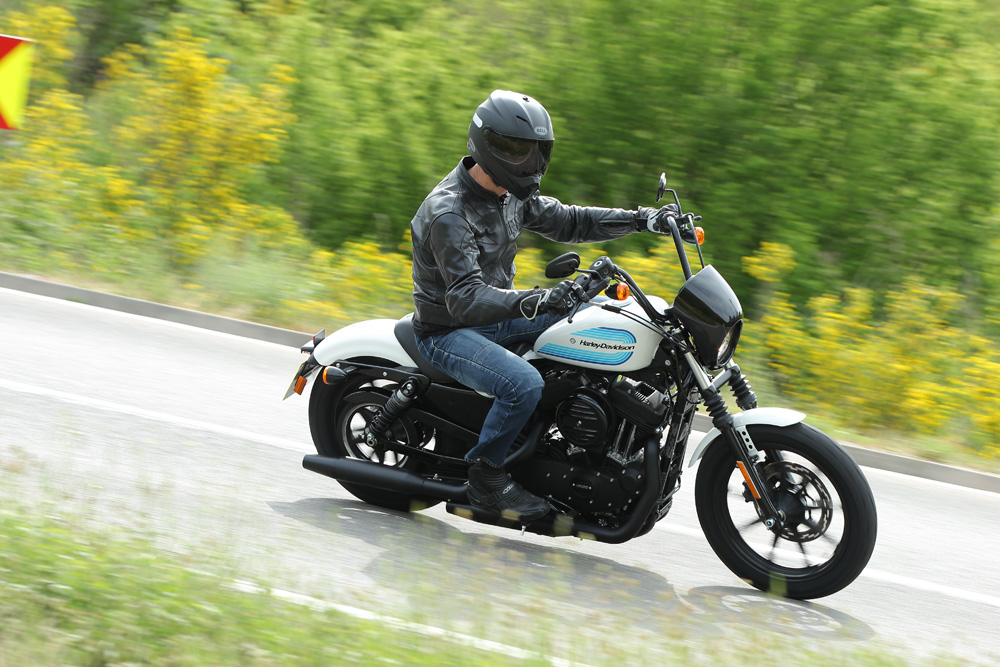
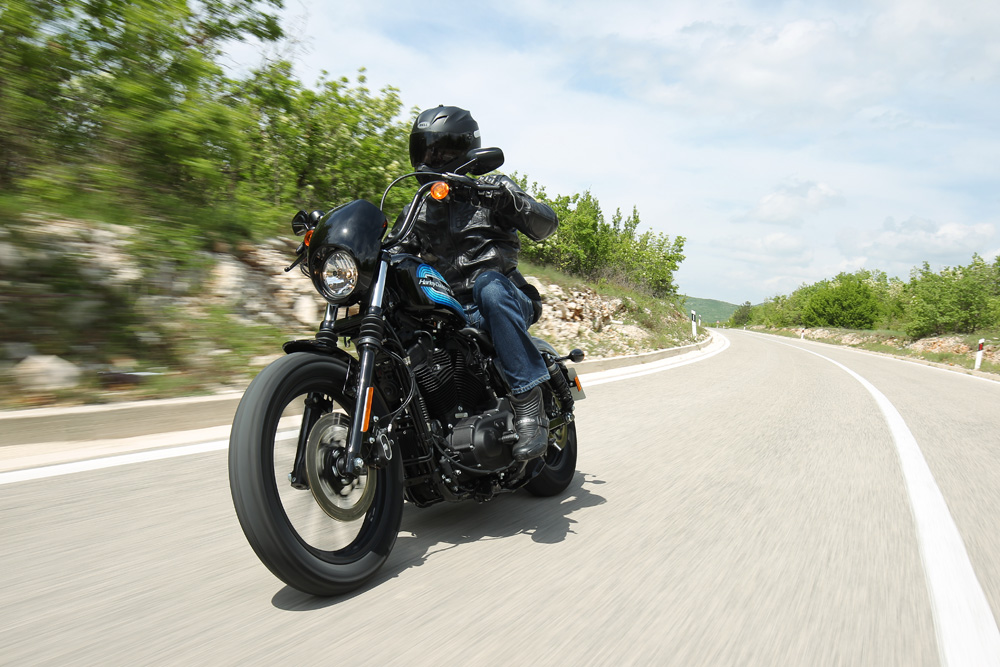
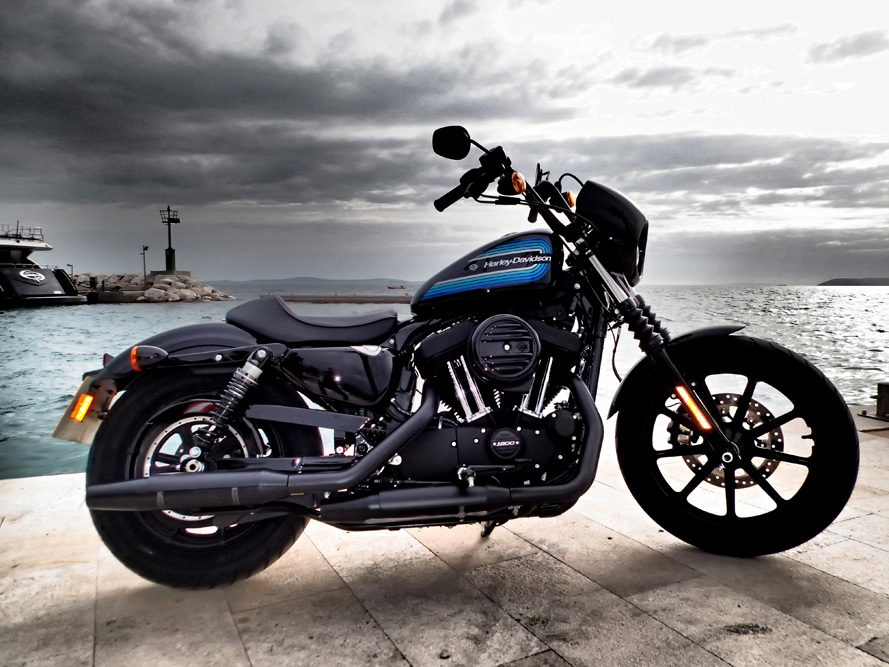
 The other Sportster model we rode was the Iron 1200. The big difference is a larger diameter 19 inch front wheel. The forks are more spindly, and have lost the hefty fork brace on the 48. The bars are slightly higher too. Mounted around the headlight is a neat handlebar mounted cowling cum fairing. My personal opinion is that the cowling would have looked more at home on the Sportster Roadster with it’s Café Racer styling. The foot pegs have also been moved back to a mid mount. The 48 Special, for me, has a clearer idea of what it wants to be than the Iron. I found the riding position and overall stability of the 48 significantly better. If you choose the styling of the Iron you must be prepared to sacrifice some riding function. “Different strokes for different folks”, as the saying goes.
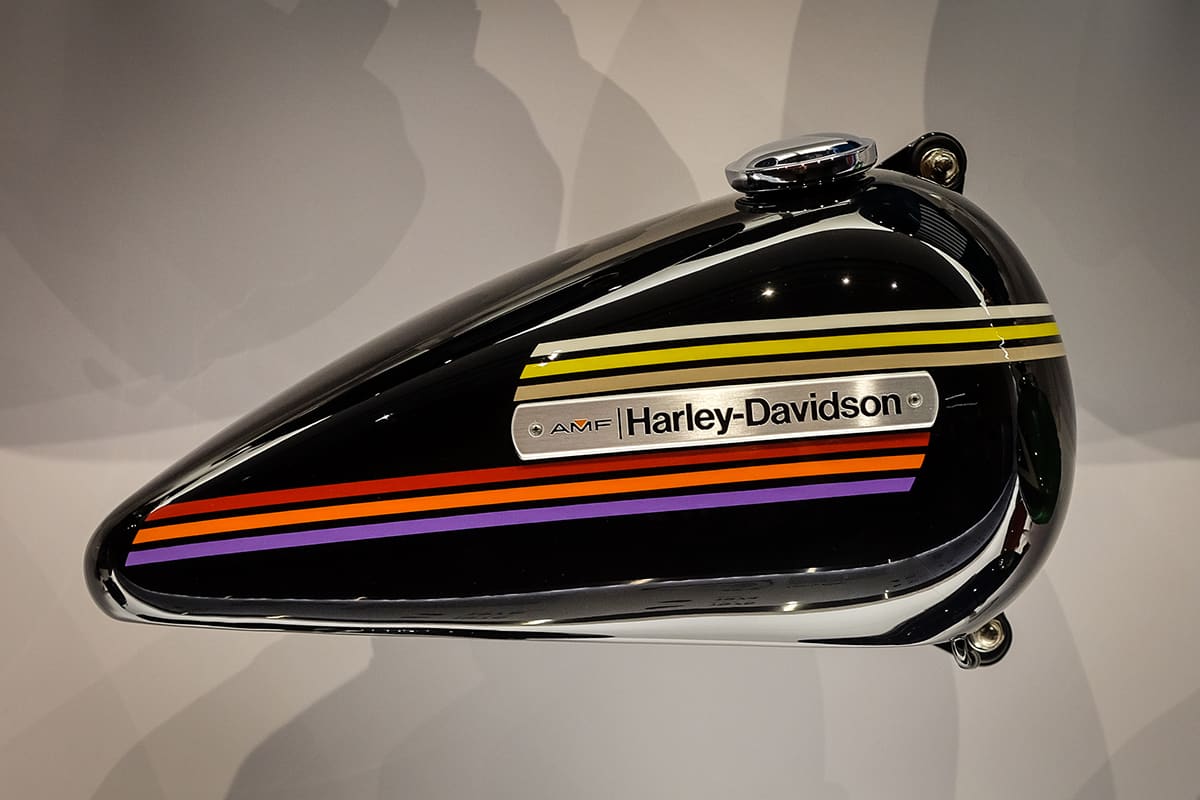
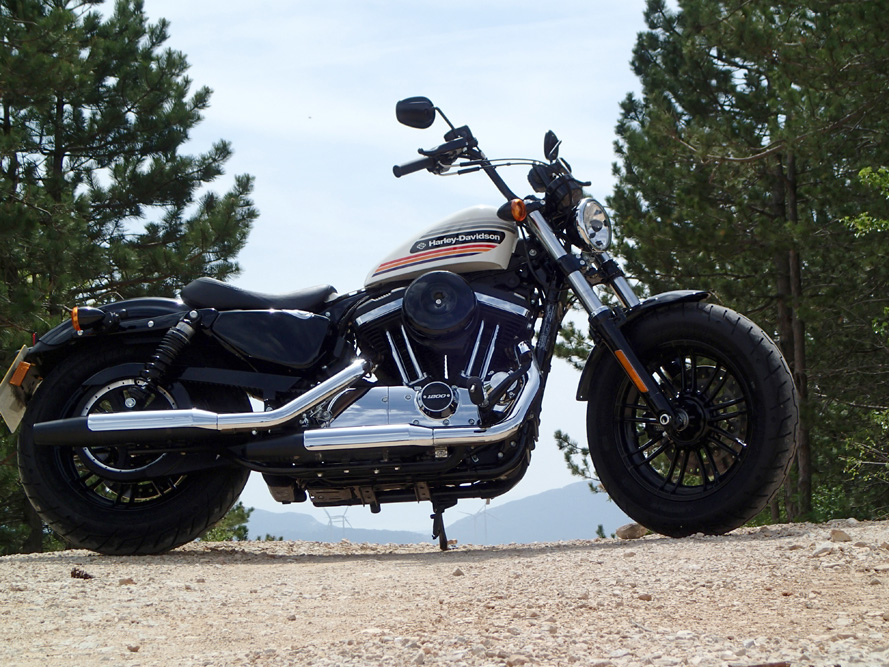
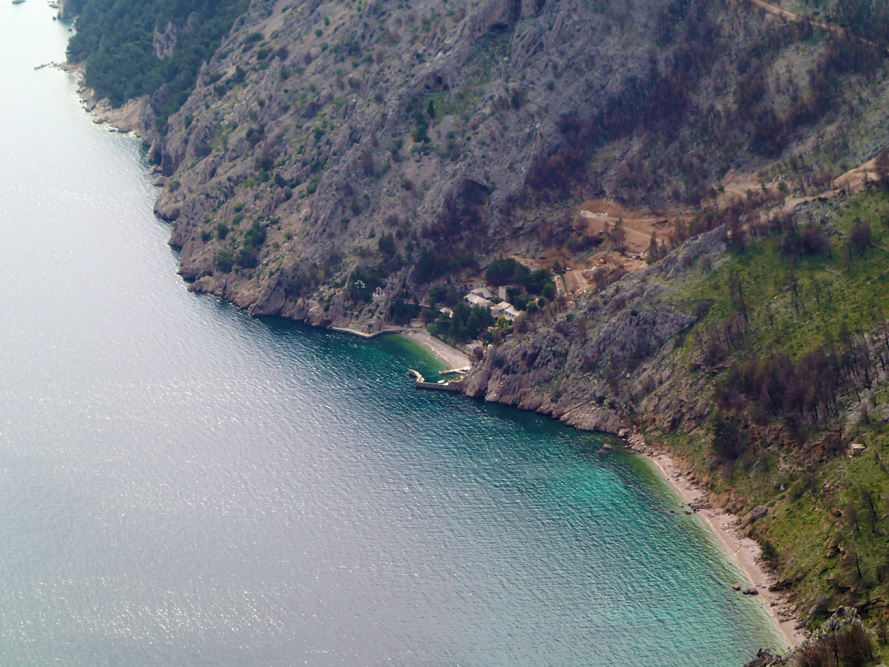
 We retraced our route, this time going down the mountain and back along the coast road. We stopped for photos at a view point overlooking the Adriatic. Stunning! The late afternoon traffic was such that we rode at a sedate pace back to our hotel. I moved the two Sportsters into a suitable position to take some photos. The bikes have paint jobs reminiscent of the AMF era in the 1970’s. For me, the colours and striping are fantastic! I would have a hell of a tough time choosing a favourite. Snapping away with the incredible Croatian scenery as a backdrop to the two handsome Sporties, I just savoured the moment.
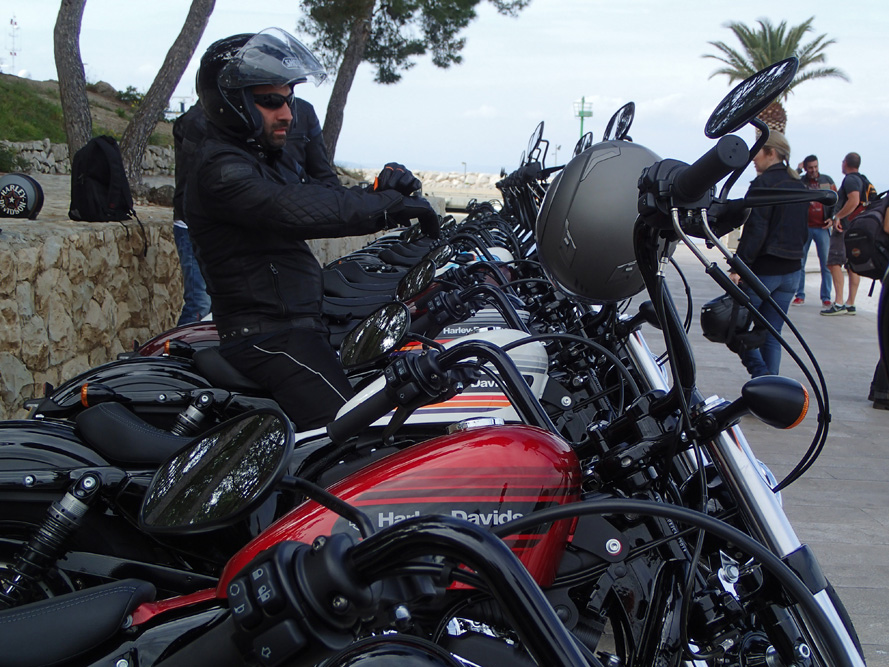
 A fun element to all our riding was some friendly rivalry between the South African journalists and some of our Indian counterparts. India is somewhat starved of big bikes, so whenever their journos get to throttle bikes with significant cc’s, it is game on! Enter Vijay Rossi and Vishnu Marquez. You will be pleased to hear that your SA journos, ably supported by Harley SA’s Aidan Johnson, who really knows how to peddle a Harley, gave a good account of themselves and kept the SA flag flying high.
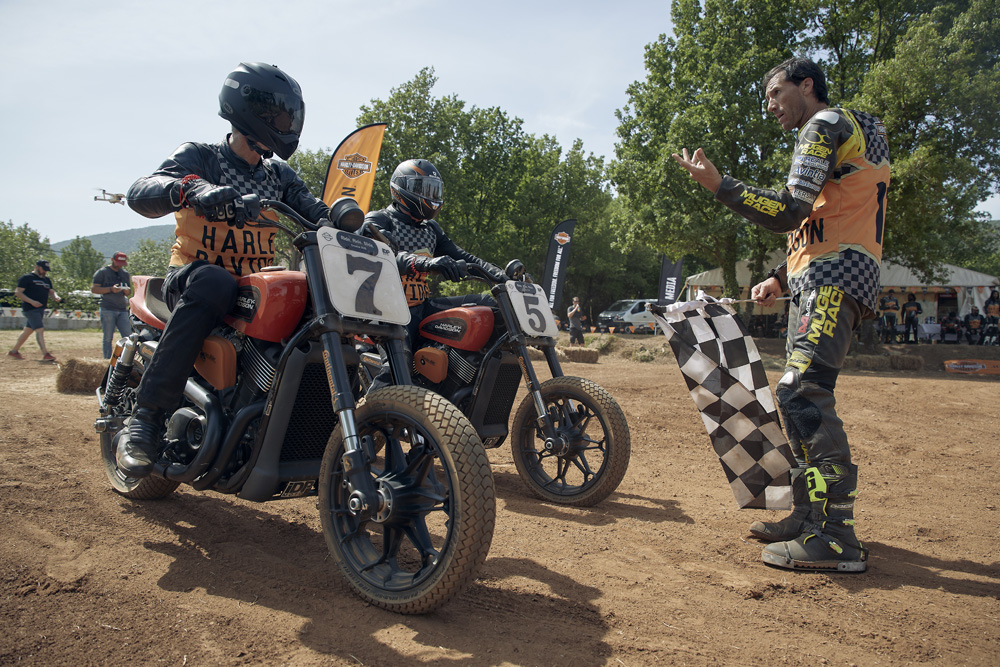
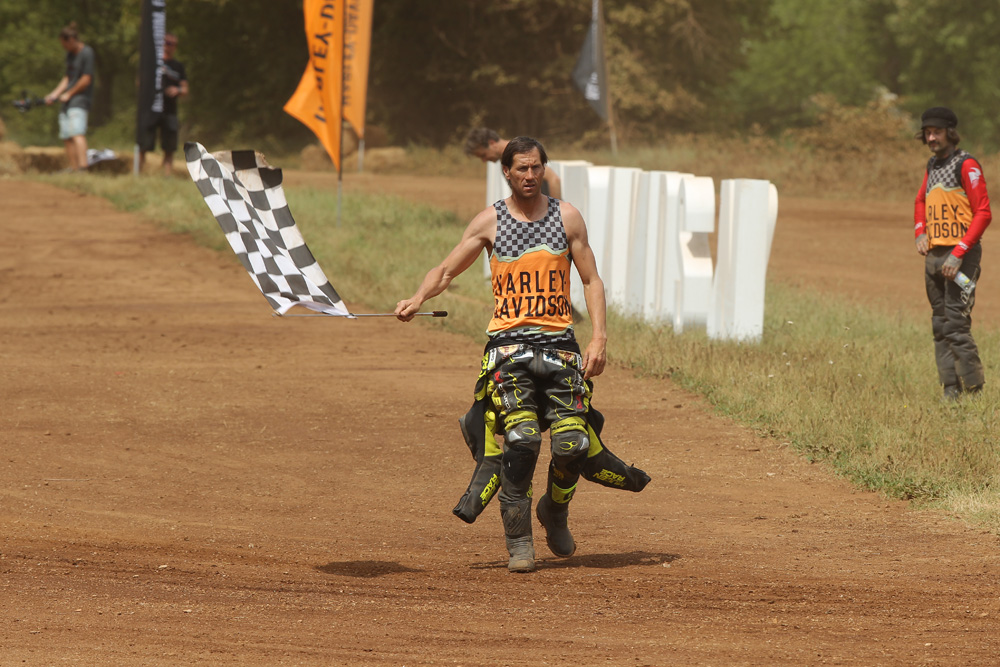
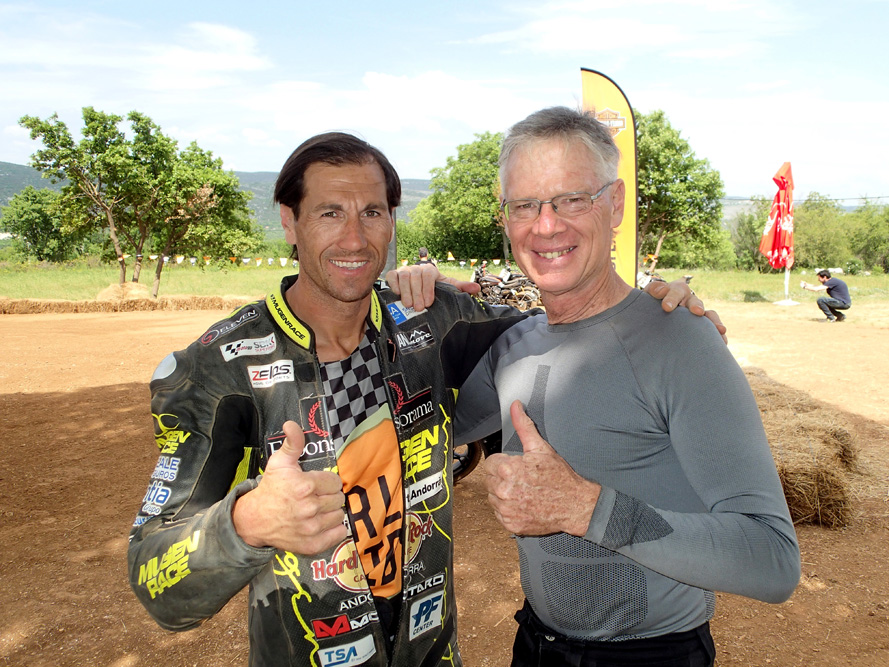
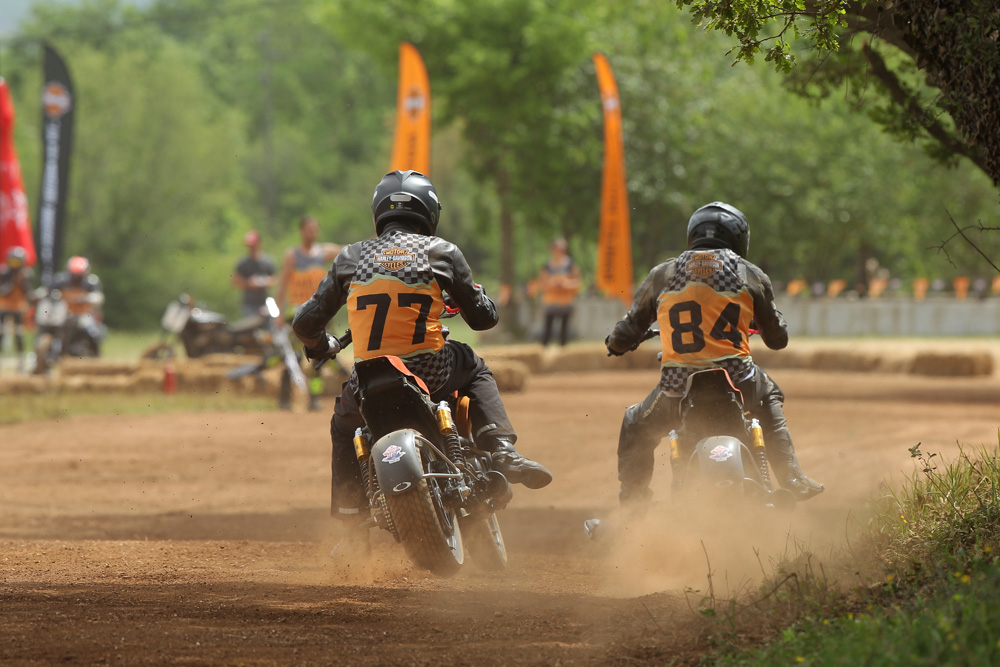
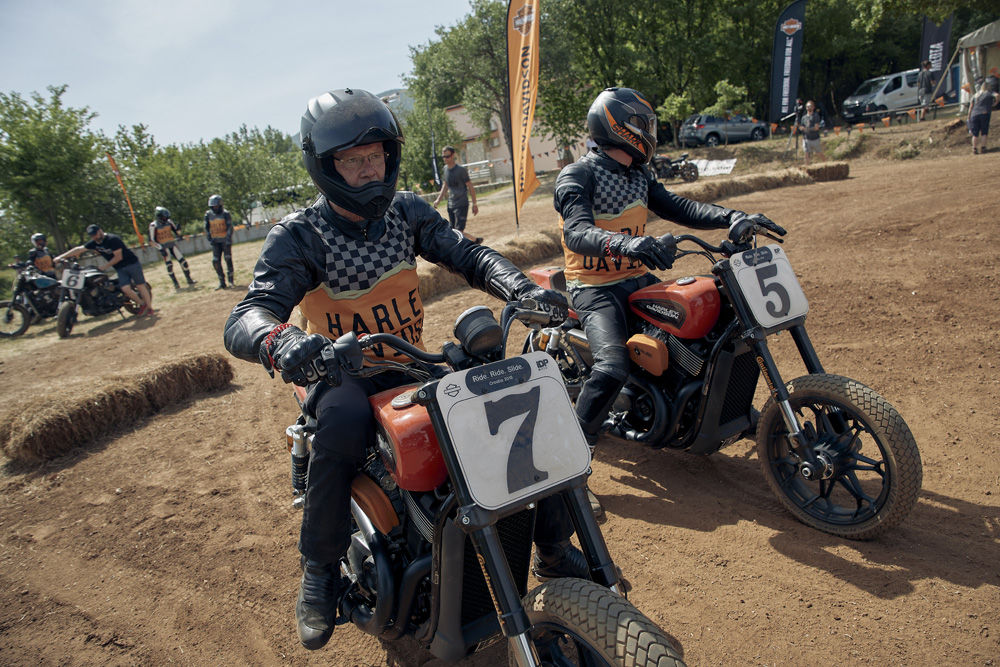
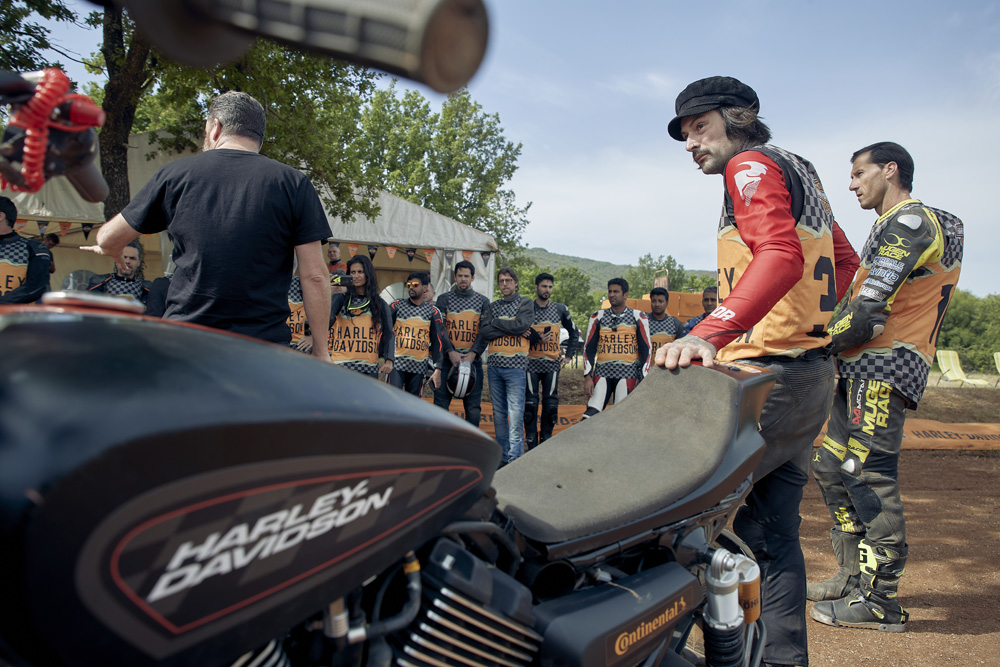
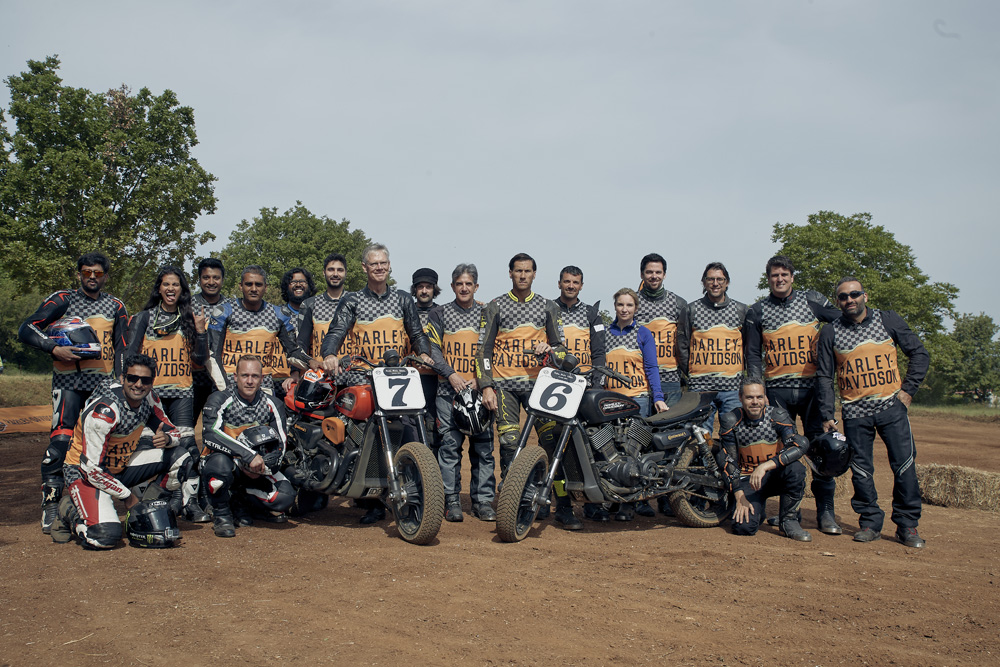
 Our final day in Croatia was a really fun one. We were bussed to a location just outside the city of Split, where The Motor Company got the local villagers to build a flat track race course. Fiendishly clever, the one end had two turns, creating a short or long oval. Whoever was in the lead on lap one would have to do the long oval, allowing the trailing rider to take a short cut. The result was close racing irrespective of ability. Huge fun was had by all, despite a few low speed get offs. To ensure that we would have some idea of flat track technique, Harley brought in two specialists to show us the way round. The one was the current leader, on a modified Harley Street Rod, of the European DTRA Hooligan Championship, Grant Martin. The other instructor was none other than World Superbike and MotoGP star, Reuben Xaus. Shootamonkey! These boys can ride!
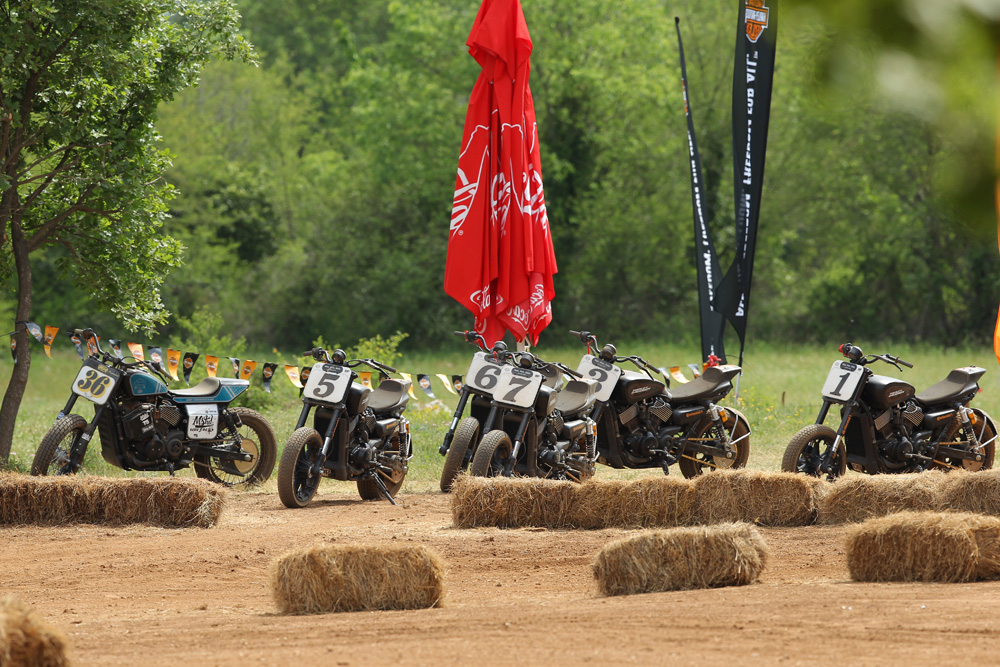
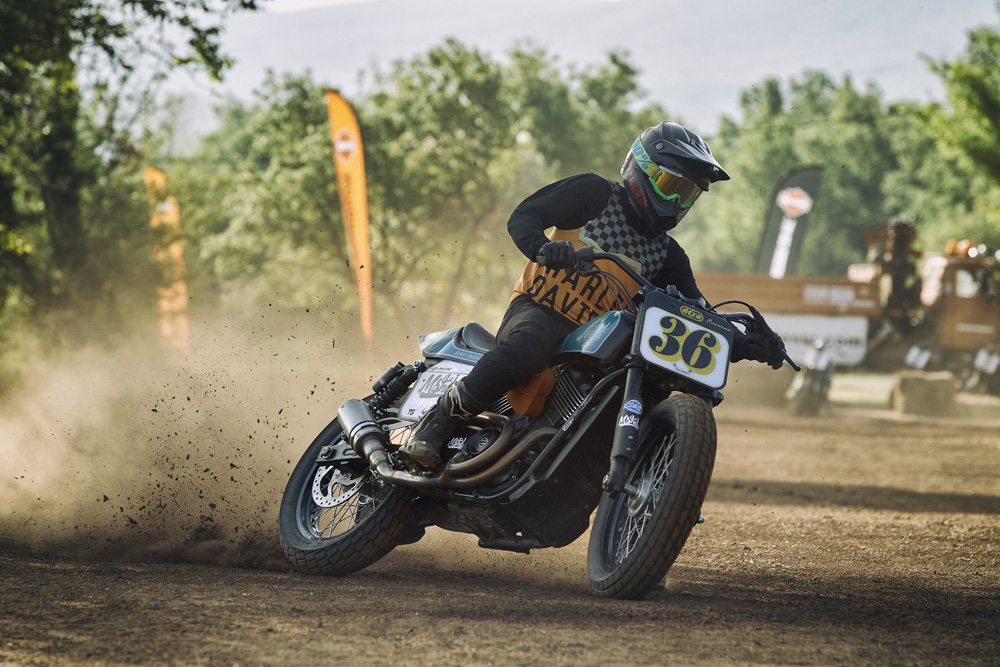
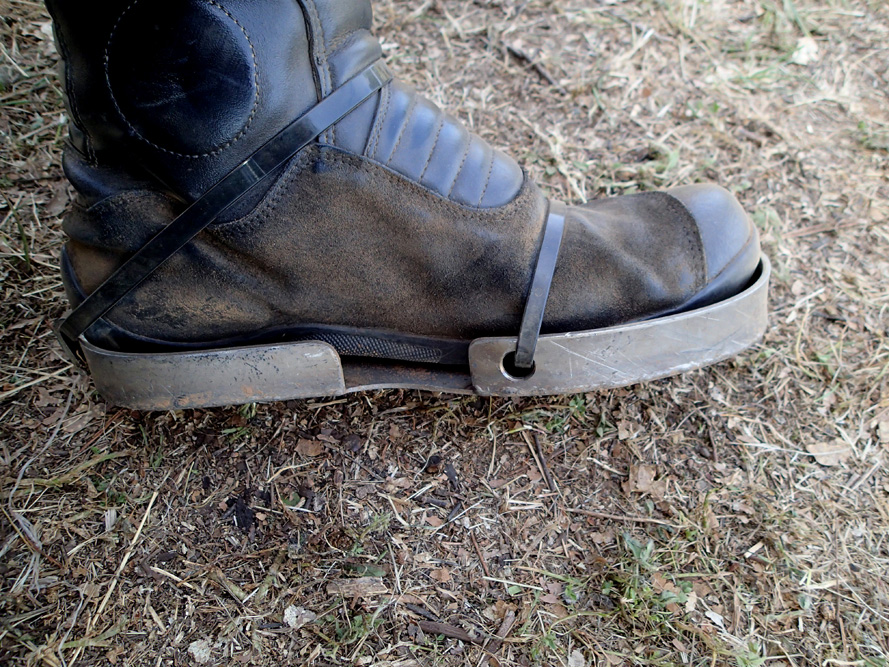
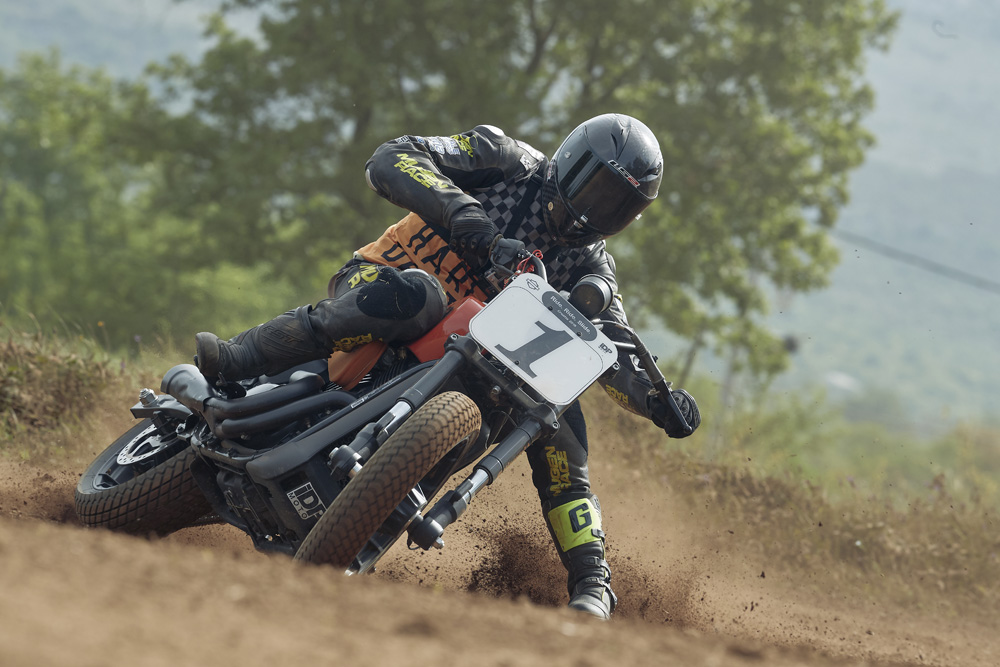 Harley built a gaggle of flat trackers for this sort of event. Every one of the journos would have ordered one on the spot, given half a chance. Take note H-D! With steel shod left boots we were soon slip sliding our way around the oval. It would have required surgery to remove the grins. When the dust settled, literally, it was Leandro from Brazil, who came up trumps. If the truth be told, it was a one horse race. He absolutely smoked us mere mortals. Turns out he won a Brazilian Superbike championship a couple of years back, and still races motocross competitively.
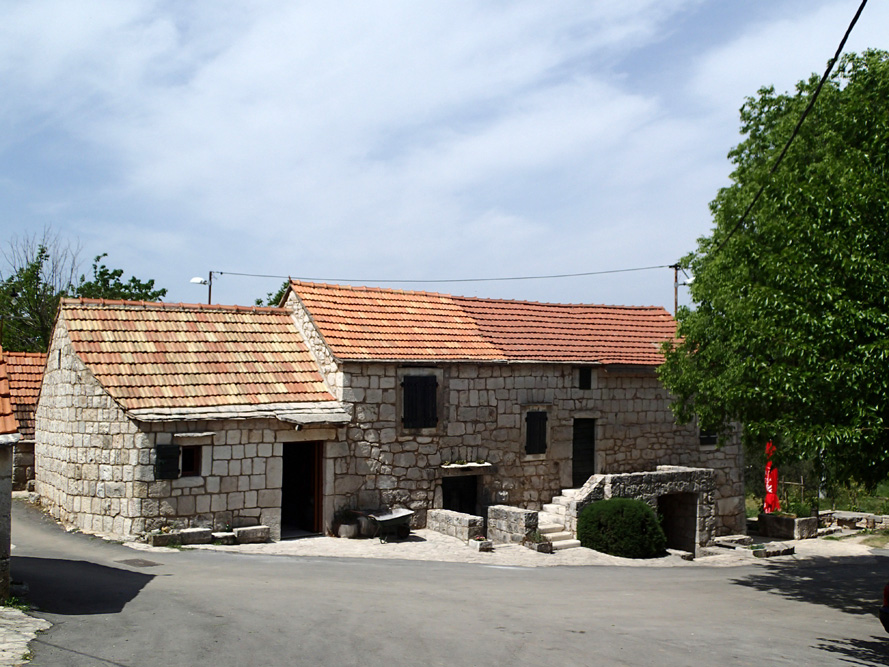
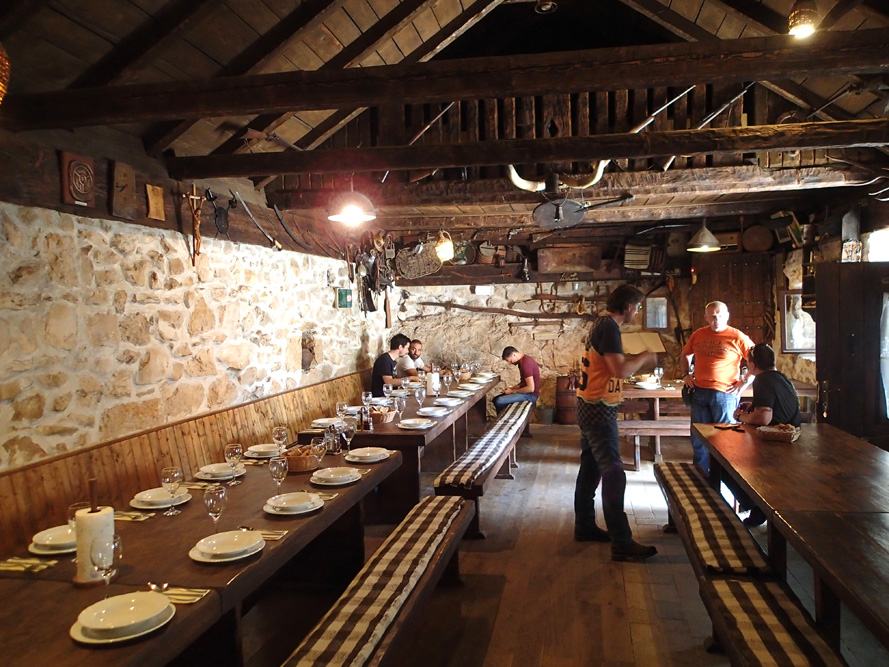
 Lunch was another high point. We were taken to a tiny hamlet, population 11, to a restaurant housed in a two hundred year old stone structure. Three foot thick walls, shutters and wooden beam ceiling. The walls were covered in local memorabilia. Swords, rifles, saddles, pistols, even a steel helmet with a bullet hole right through it. Certainly hope the owner wasn’t wearing it at the time! Platters of wholesome nosh had us feasting like kings. Reuben and Grant lunched with us, and we chatted like old bud’s. The motorcycling brotherhood is a wonderful and diverse thing indeed! Tired and content, we returned to our hotel for a farewell dinner on the terrace of our hotel. Swapping war stories, we cemented new friendships and put the cap on what was a truly wonderful experience.
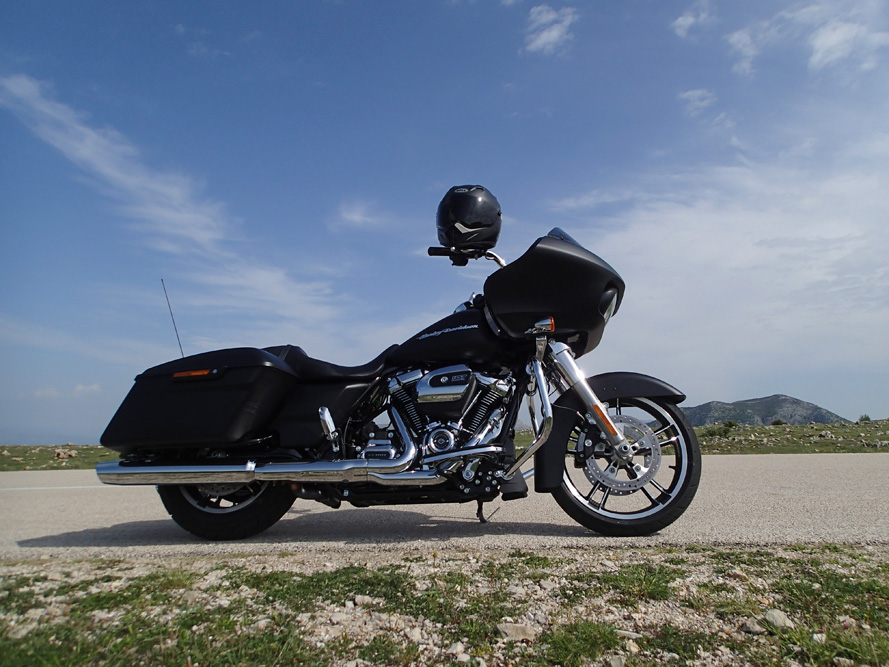
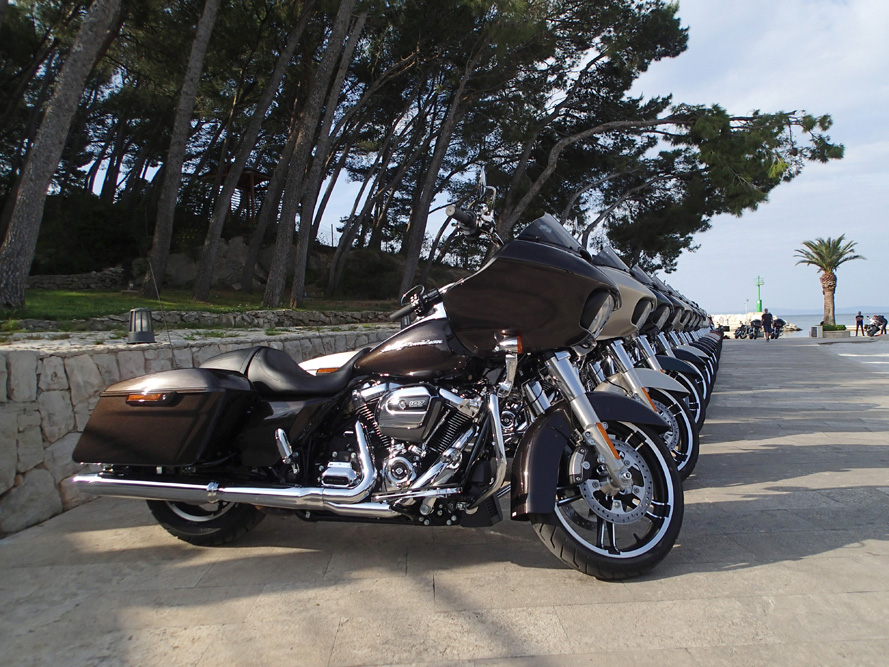
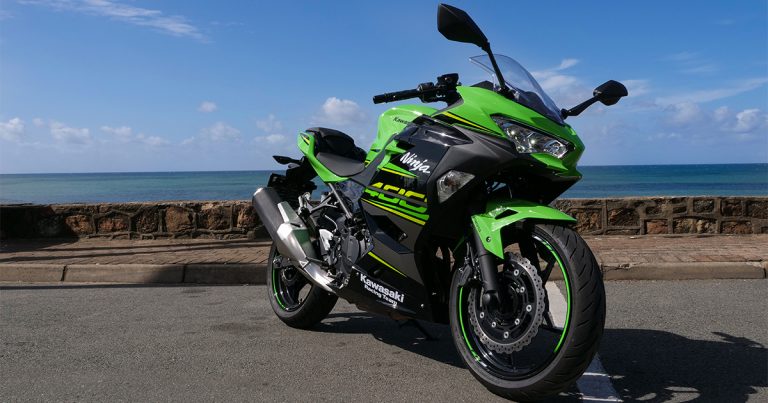
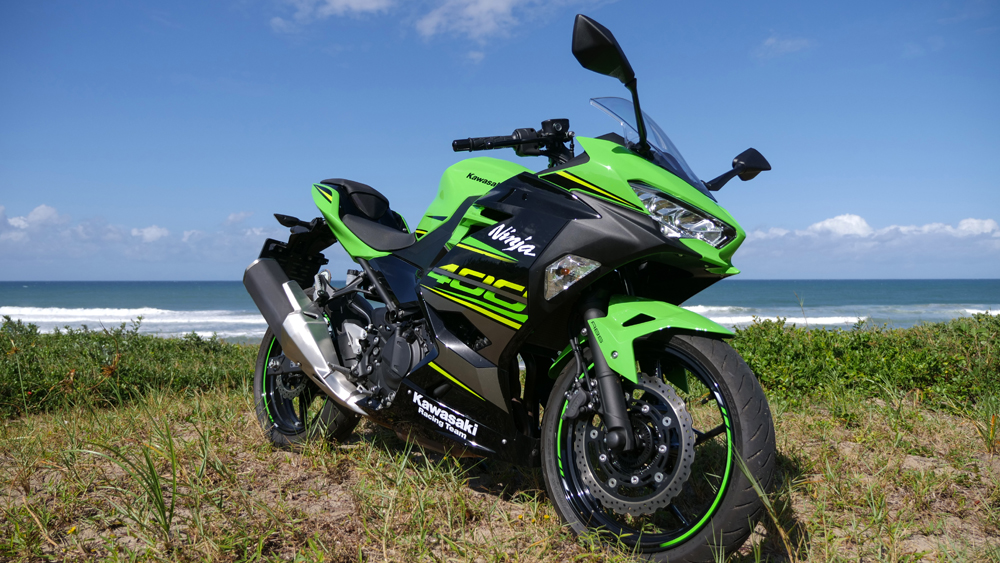
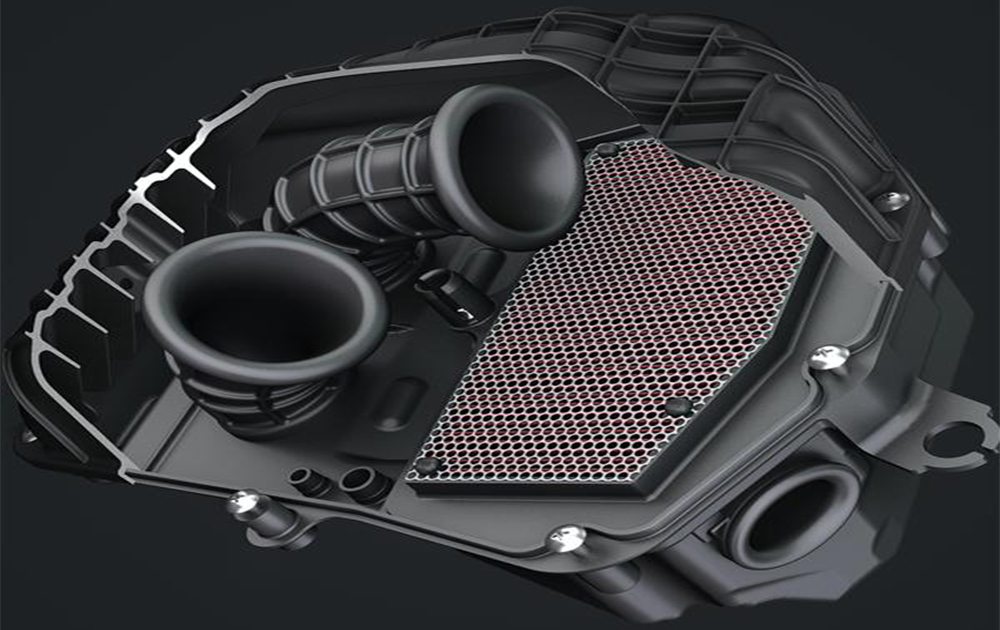
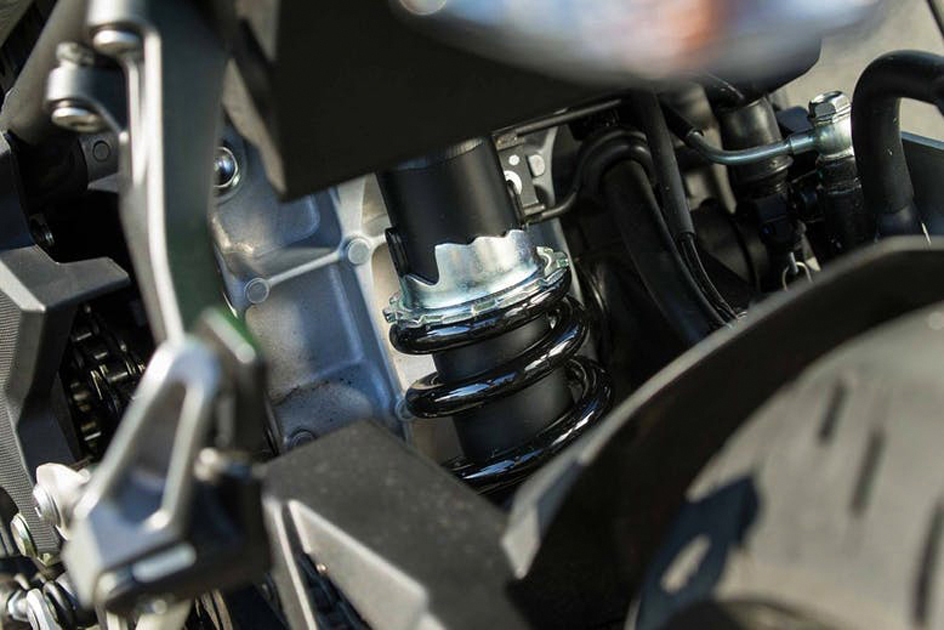
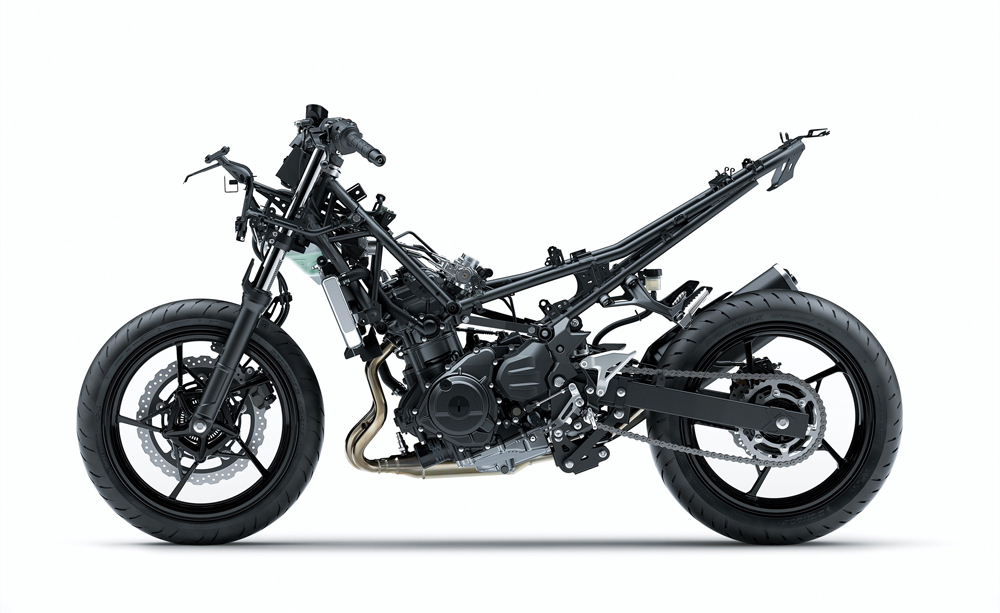
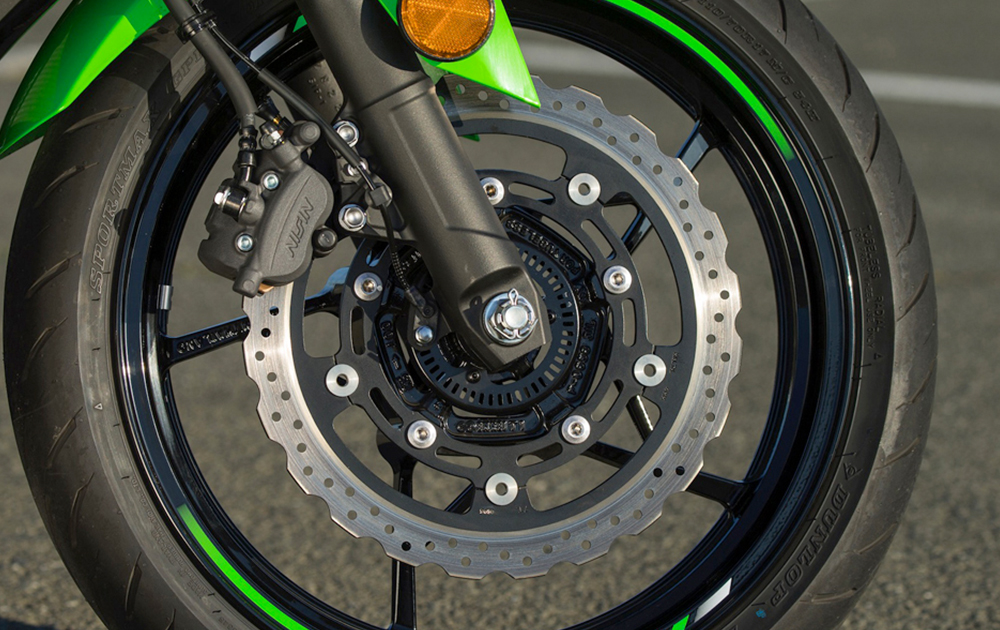
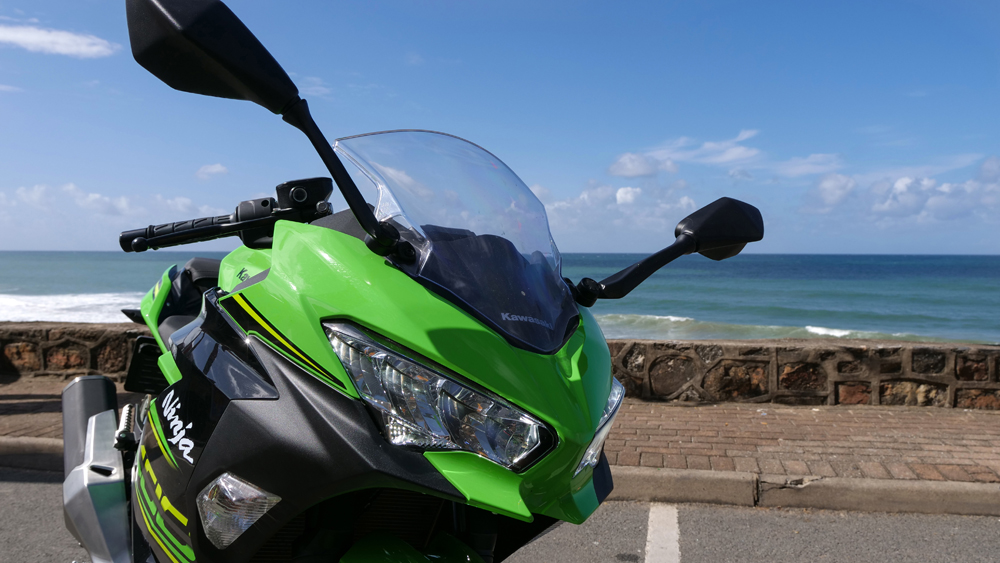
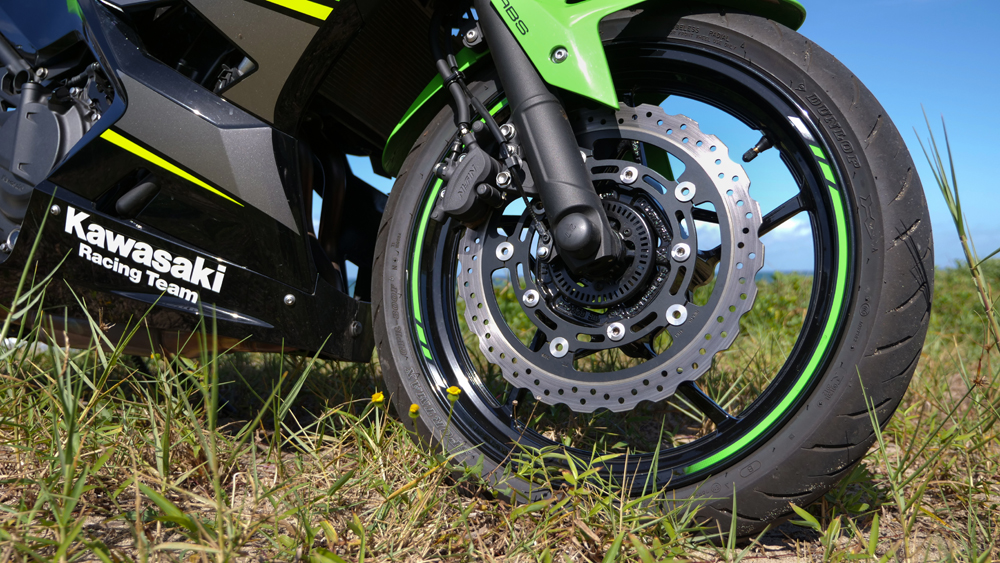
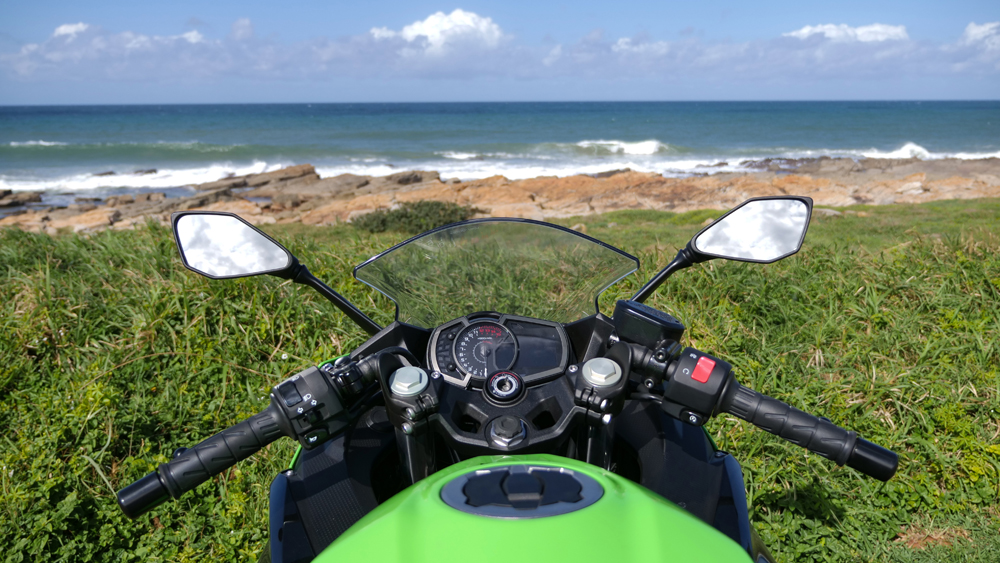
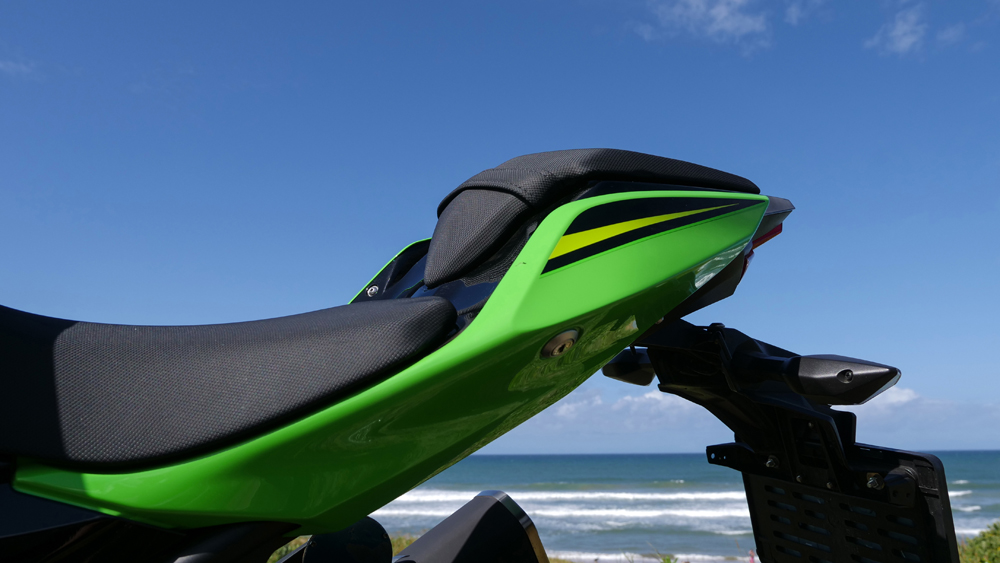
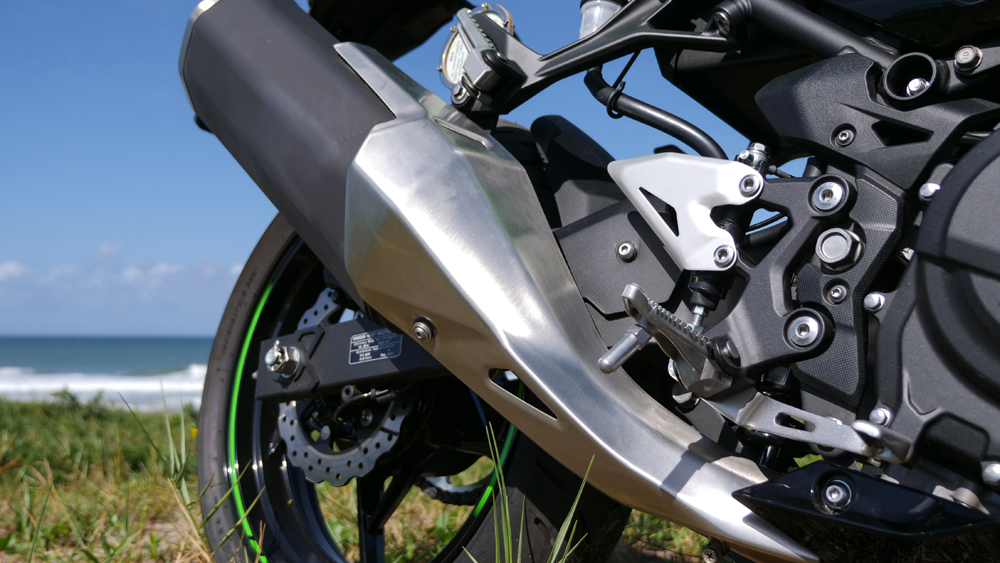
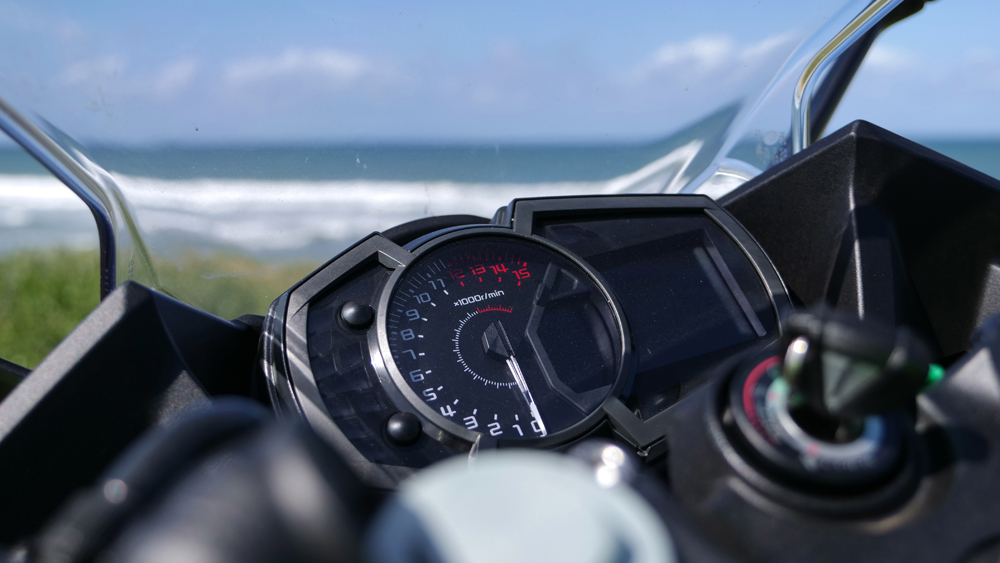
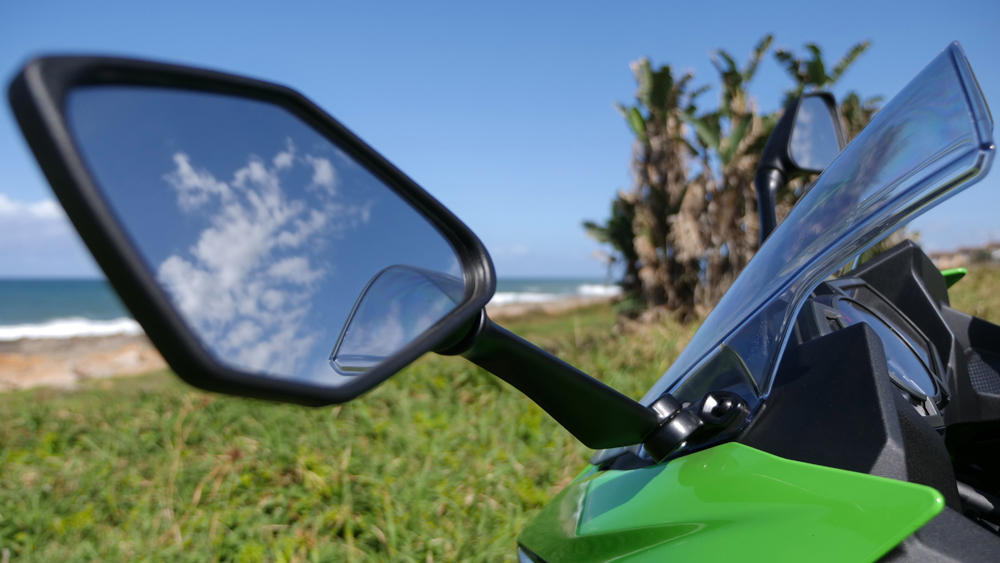
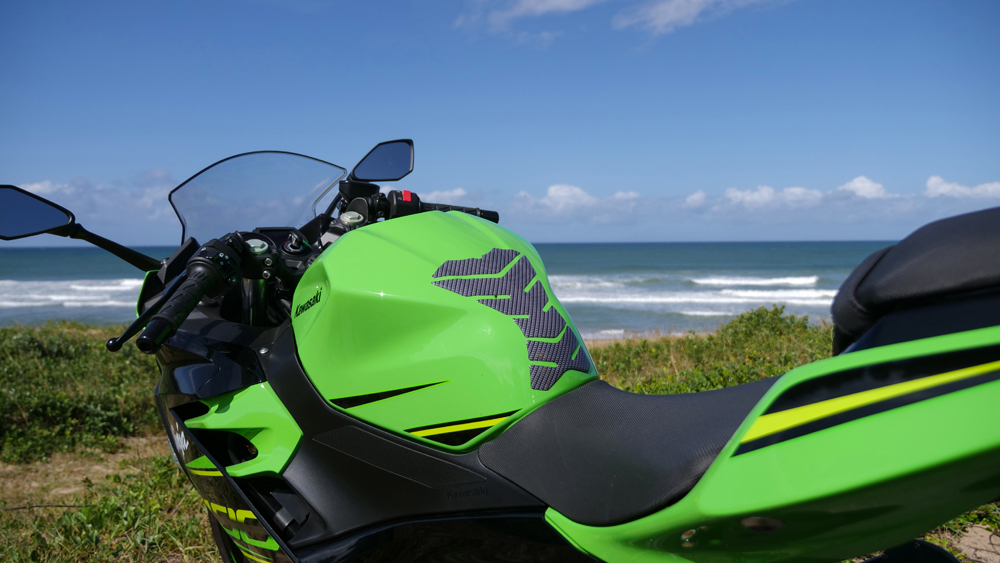
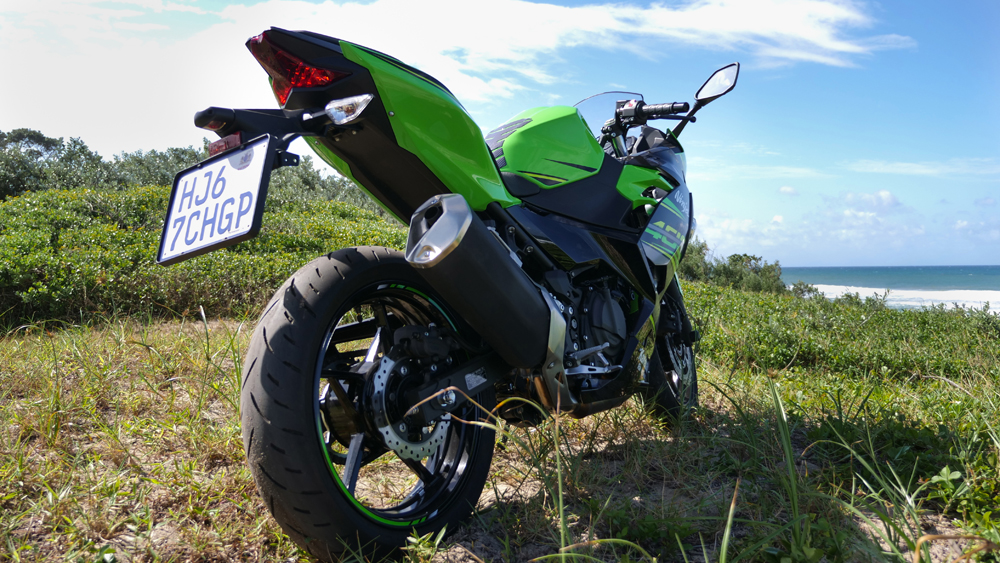
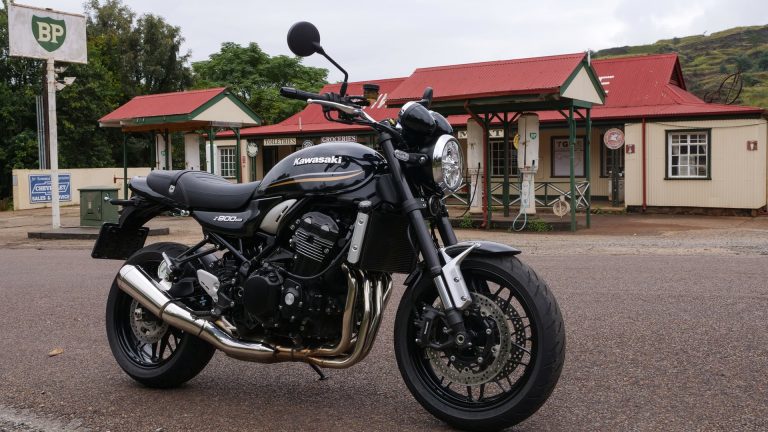
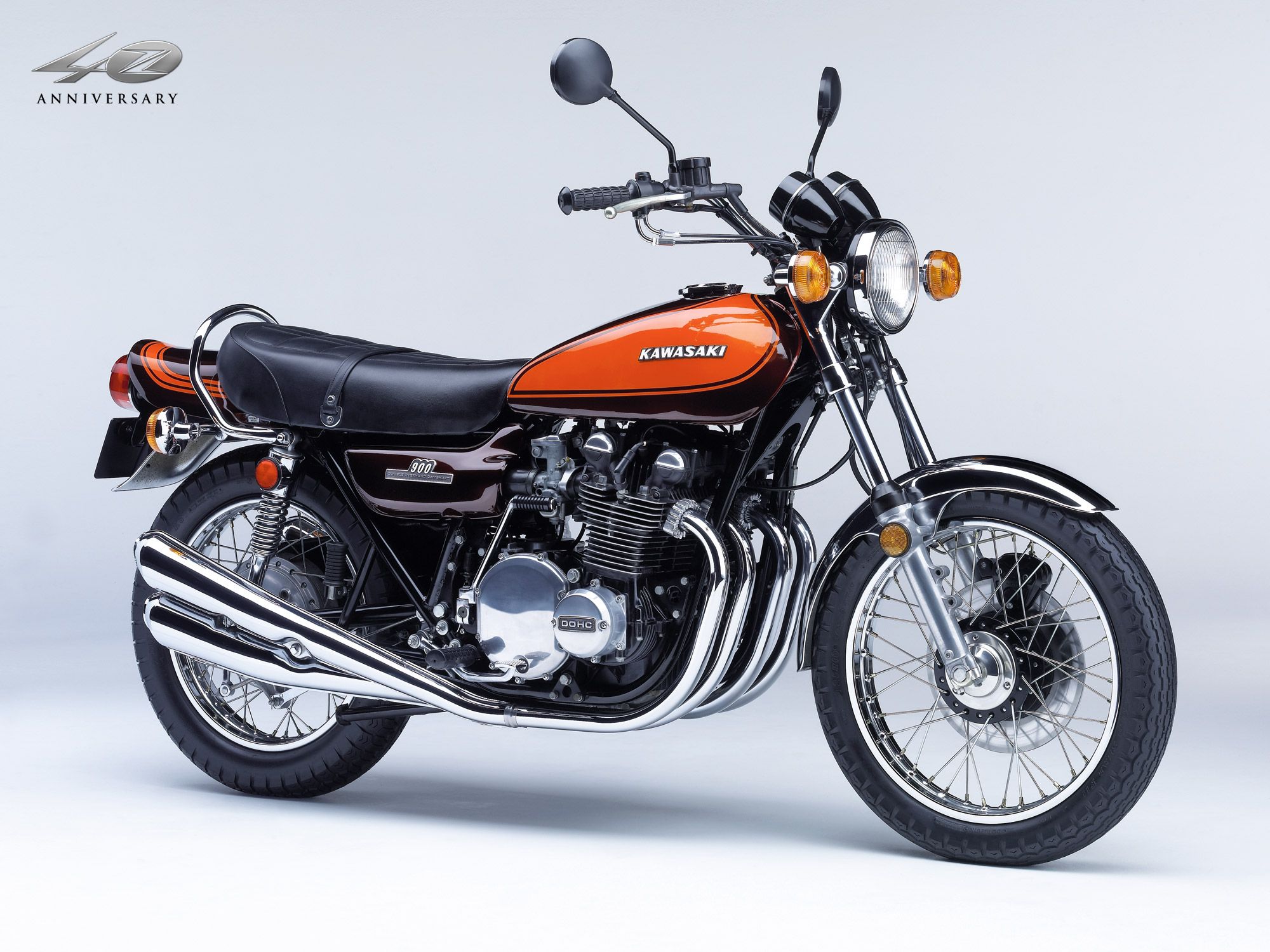
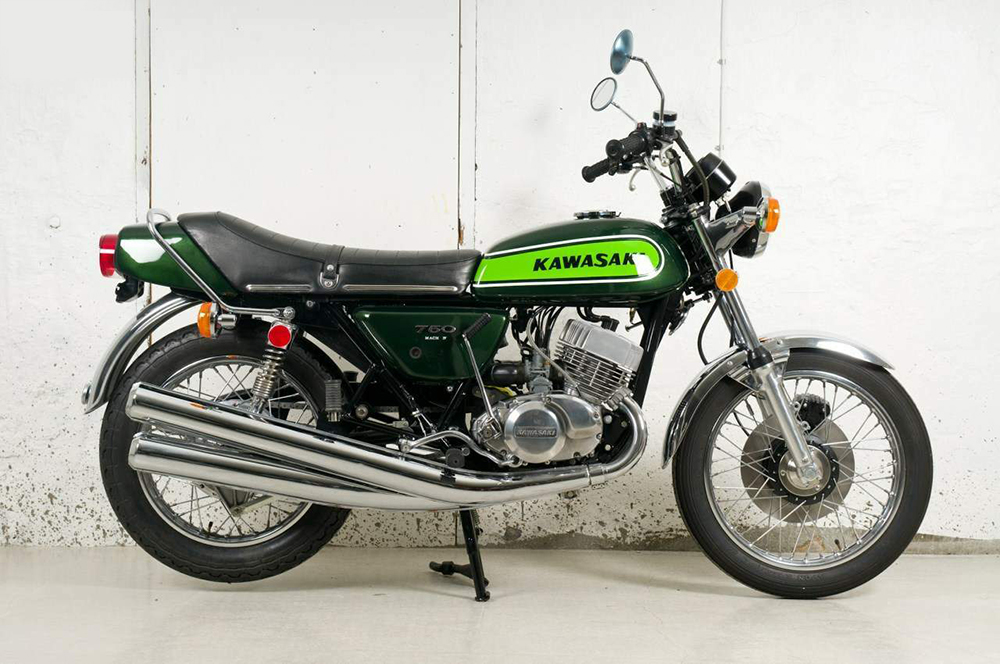
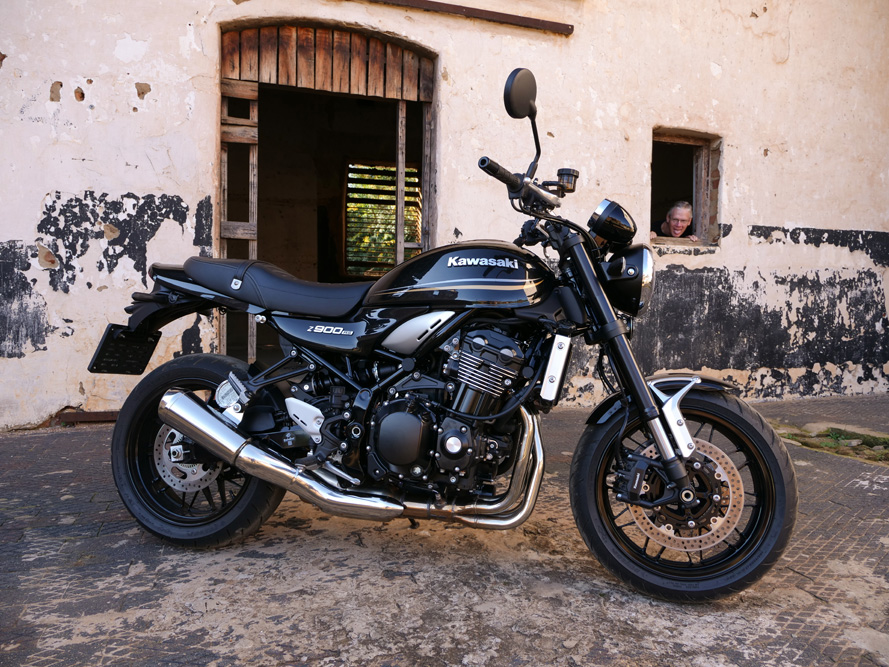
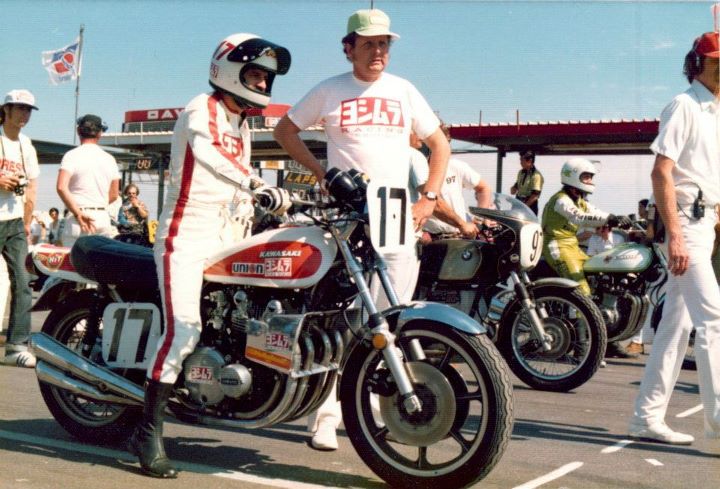
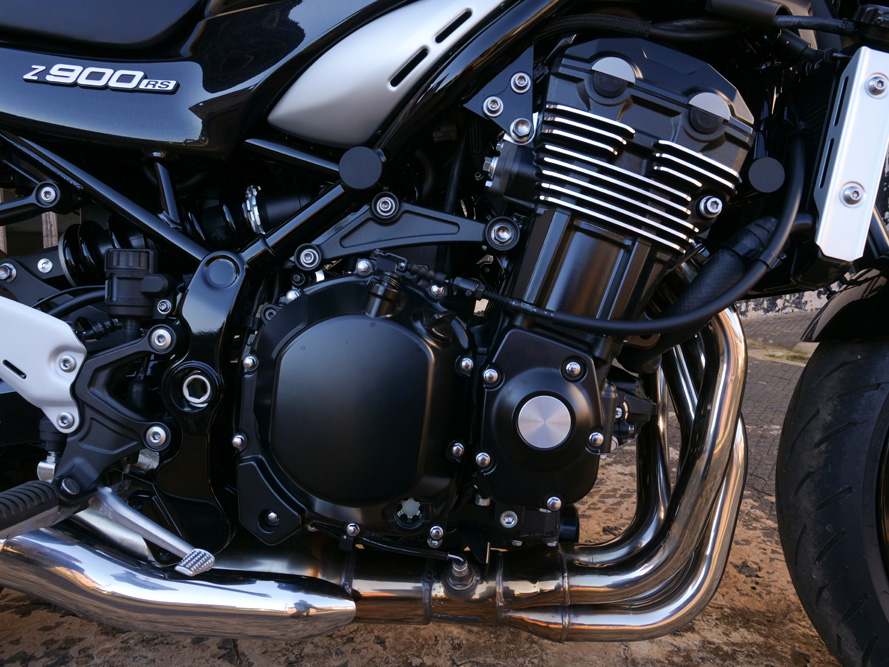
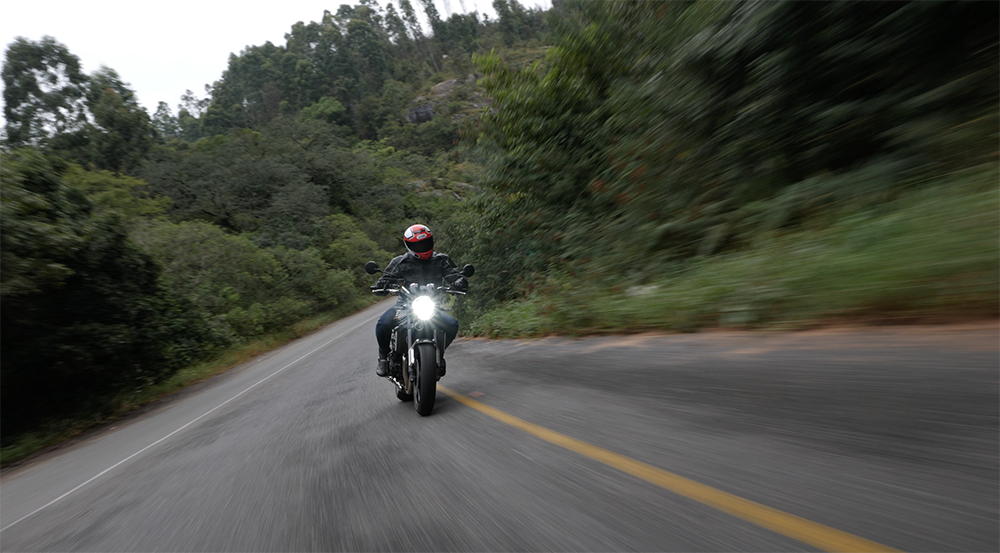
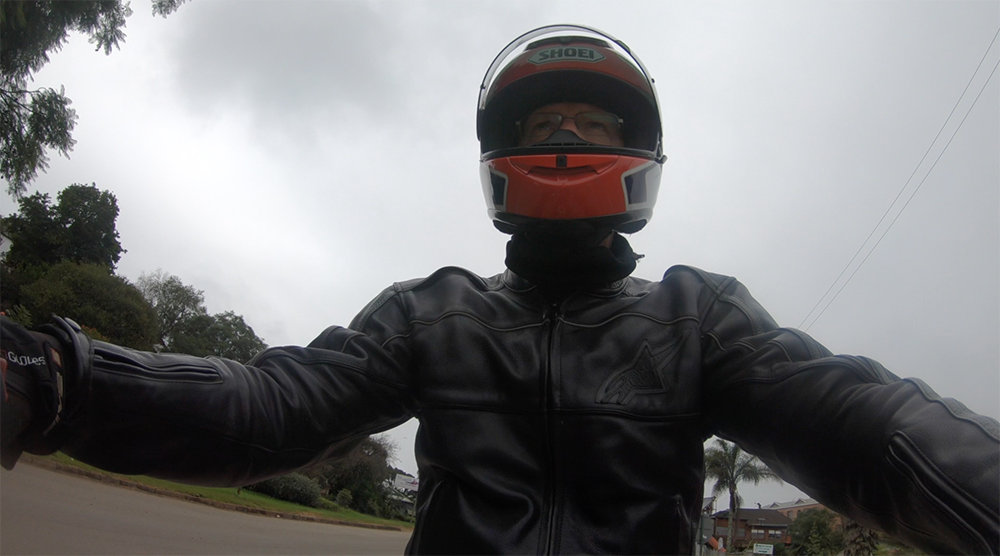 The motor pumps out 111PS @8500 rpm and a healthy 98,5Nm of torque @6500 rpm. It delivers 80% of the torque from only 2000 rpm. The bike doesn’t feel fast in a ZX 10 kind of way, but fast in a “strong” kind of way, if you know what I mean. Weighing in at 215 Kg’s, it is not particularly lardy. All of this translates to a top end of around 230 kph. Not to shabby hey Nige?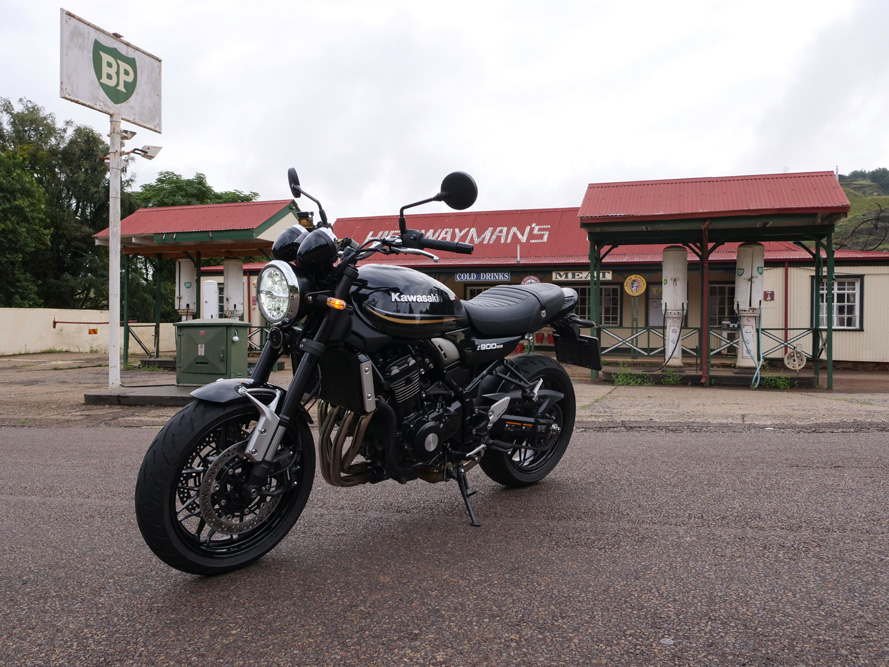
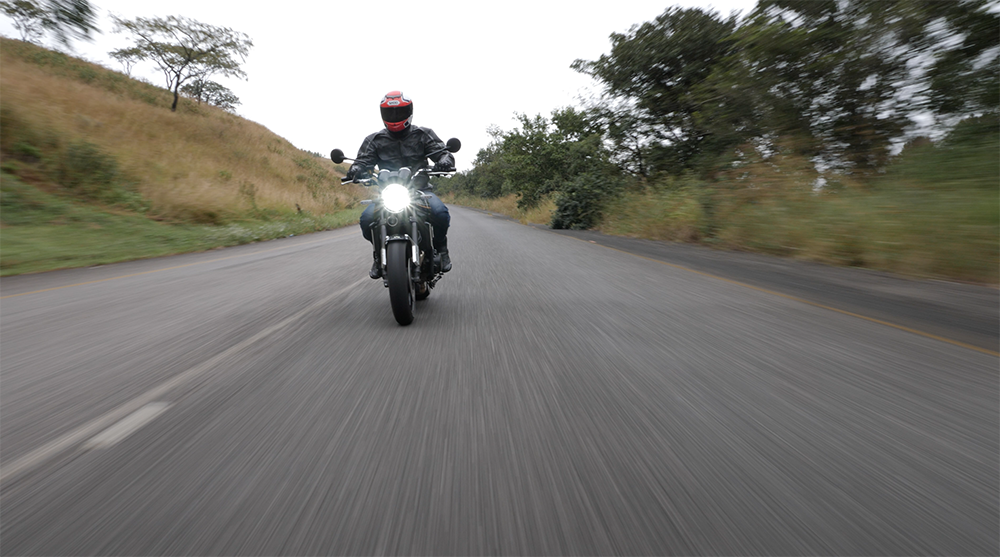
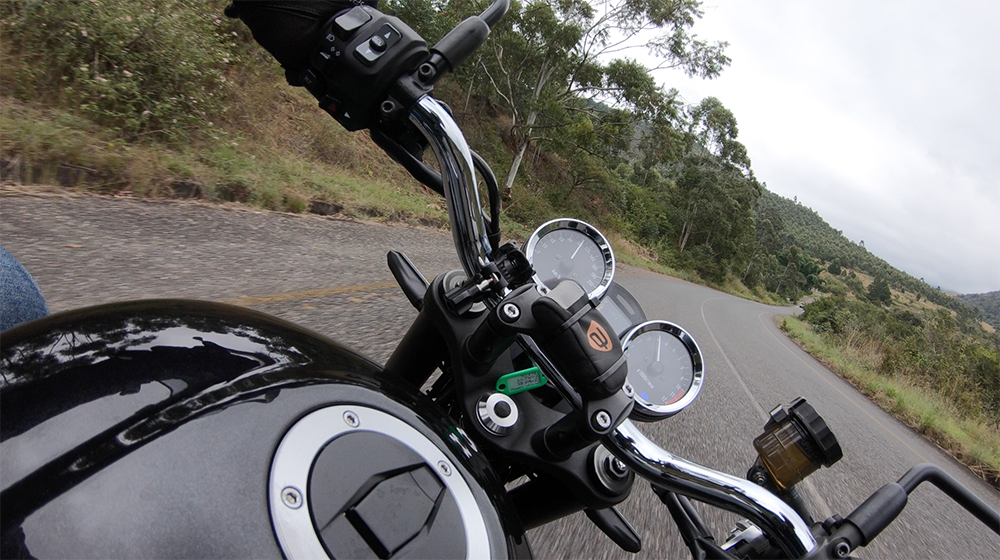 A 120/70×17 front wheel and 180/55×17 rear contribute to the decent handling characteristics. The wheels are mags with a rather difficult to clean design. I would have liked something along the lines of the Lester after market mags that we used to fit to our bikes back in the day before mags became standard equipment on sports motorcycles.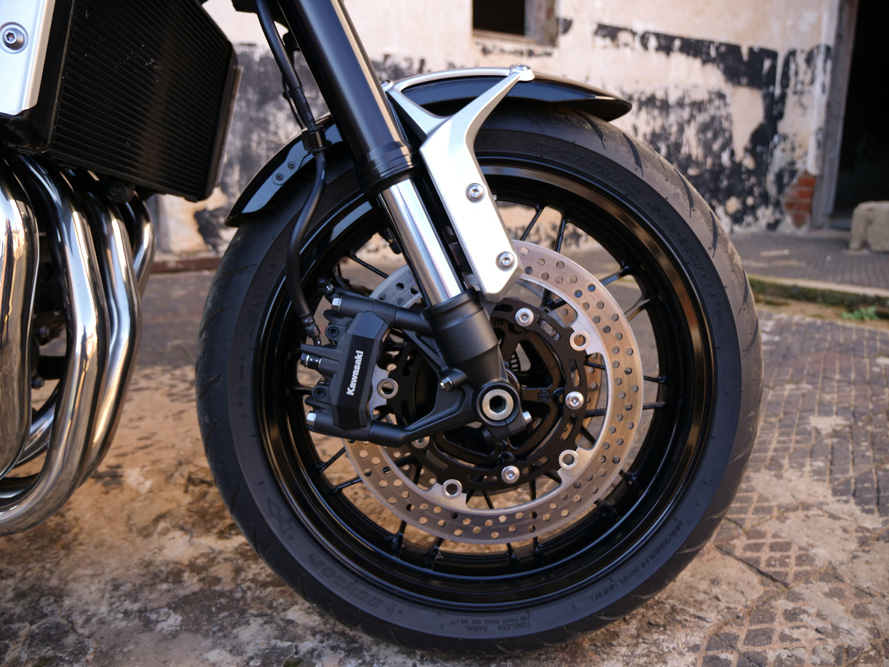
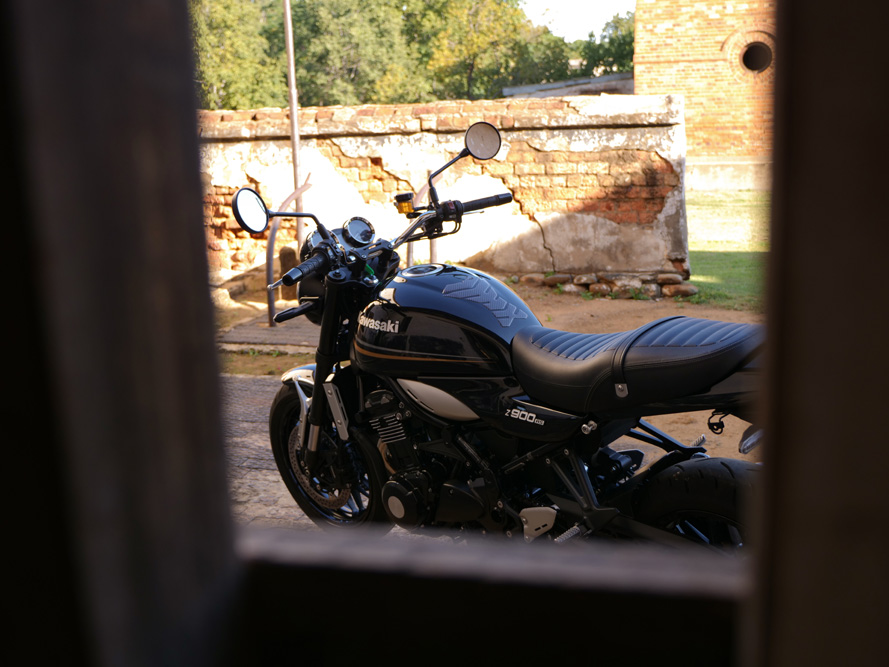
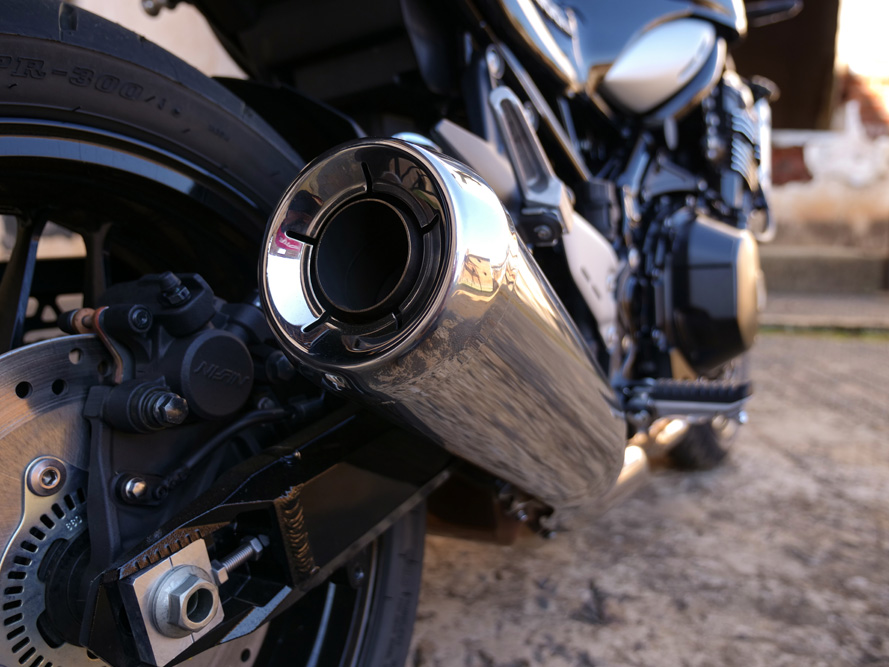
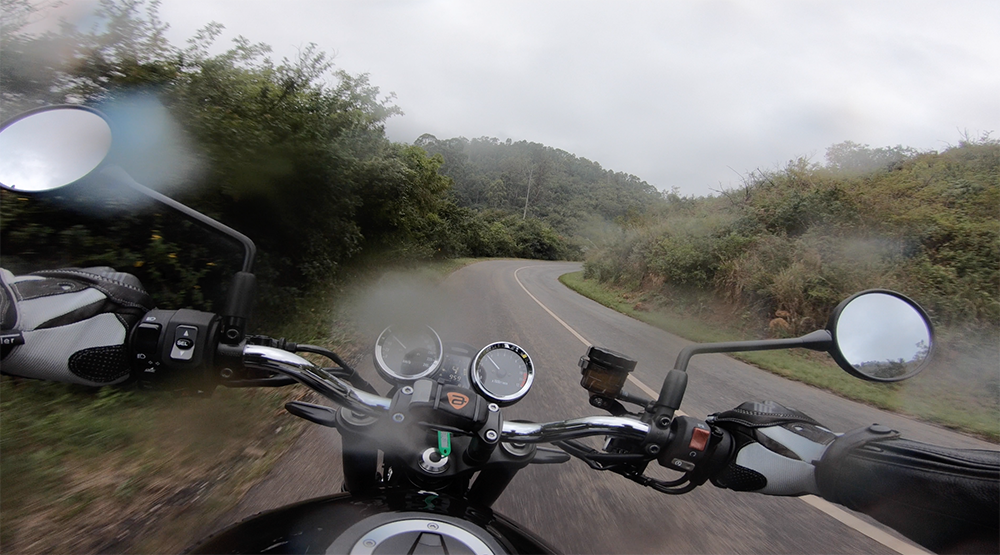 Being somewhat old school, I like to keep the electronic intervention to a minimum and rely on decent riding habits to keep things tidy. Using the gearbox is a doddle too. Shifts are crisp and precise. Miss a gear here and it is because you are sloppy, not any fault of the bike.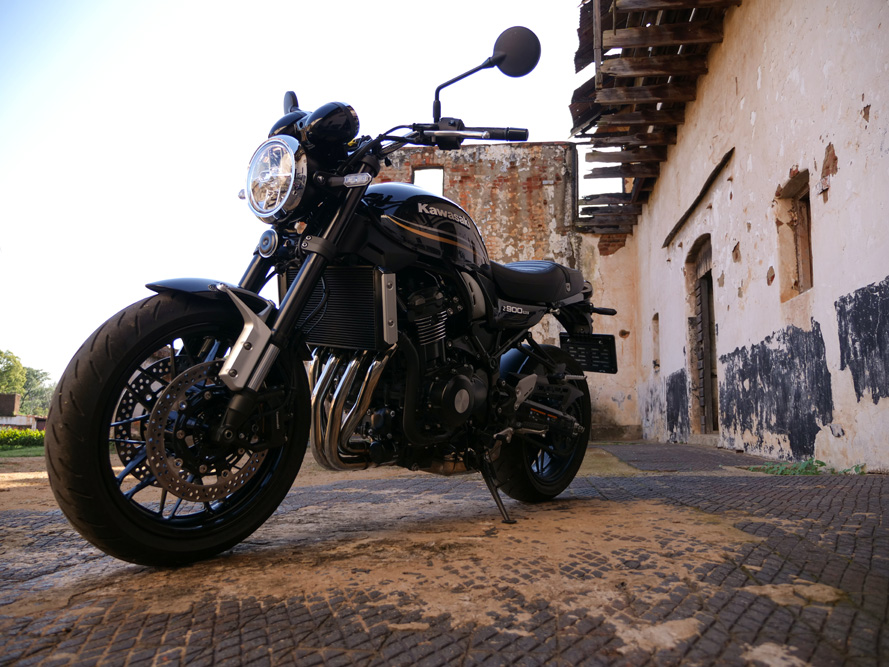
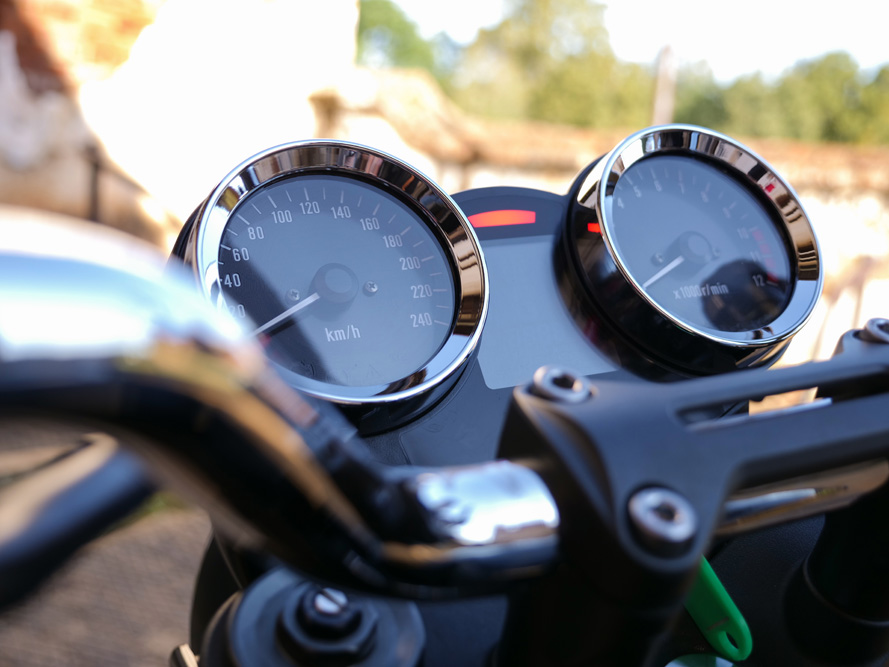
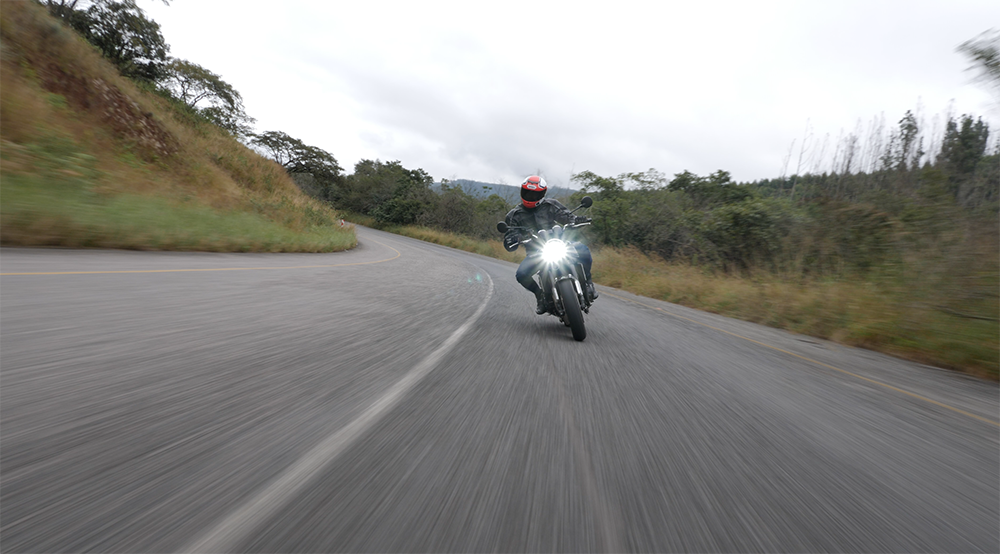
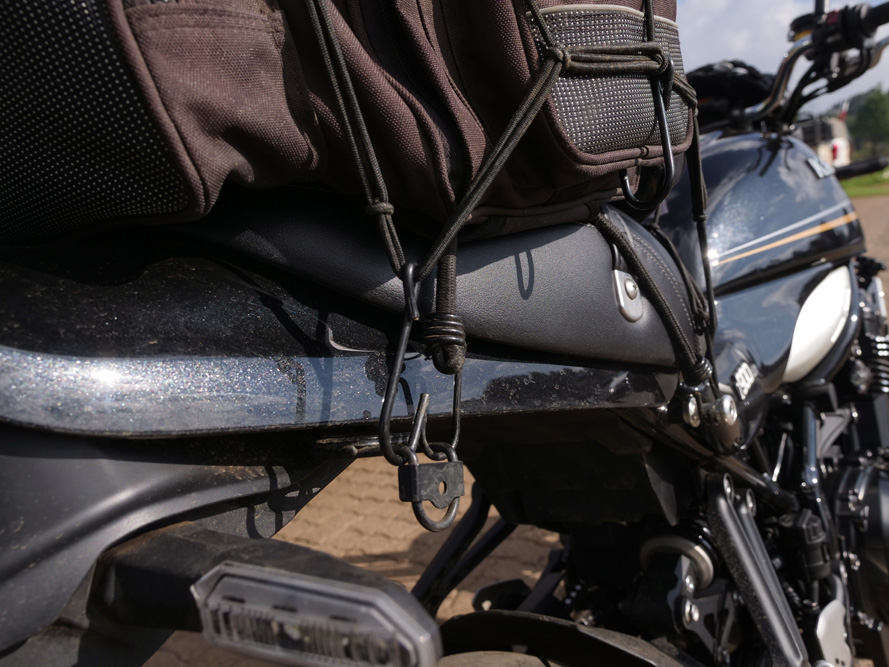
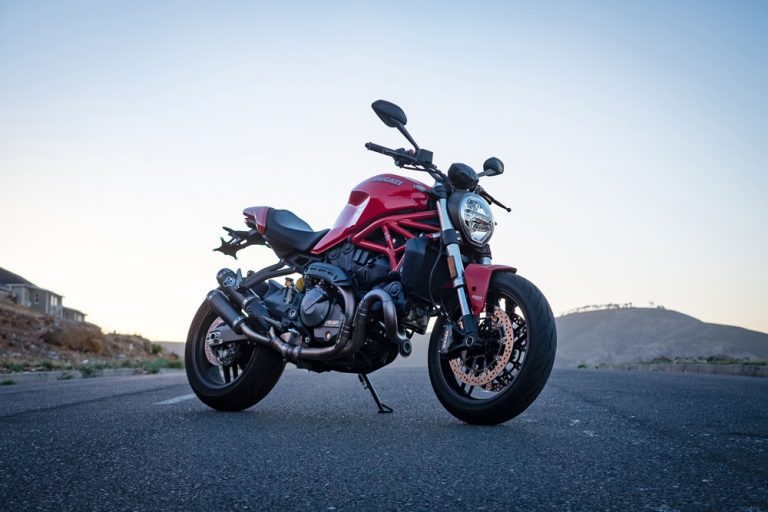
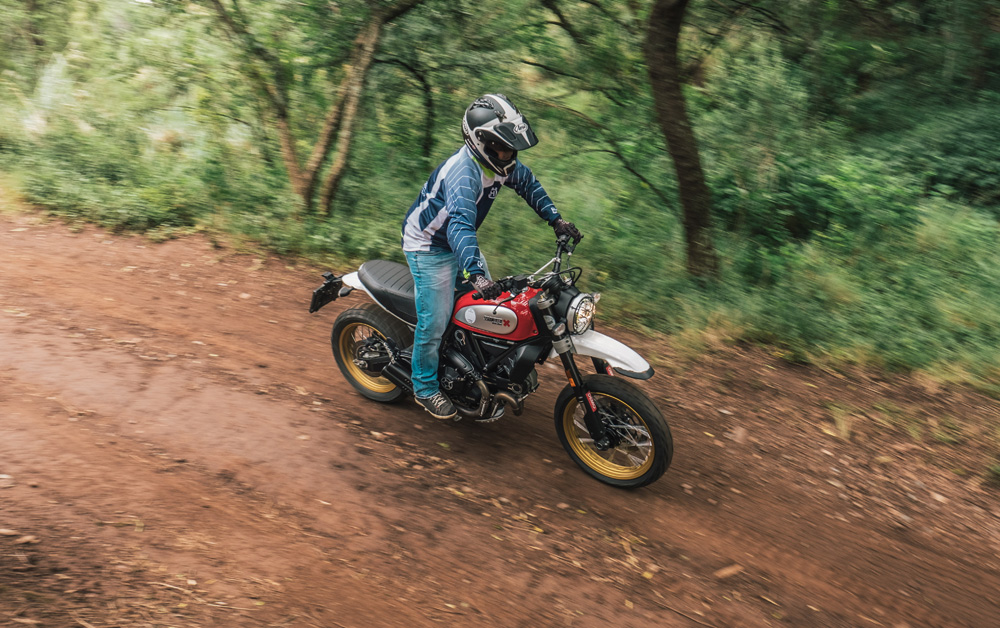
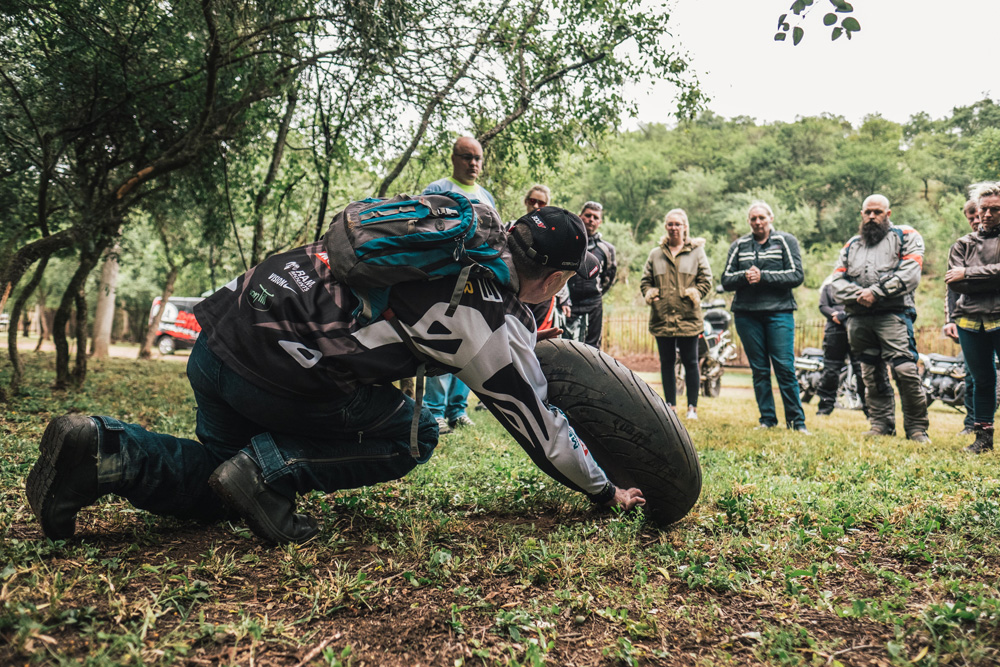
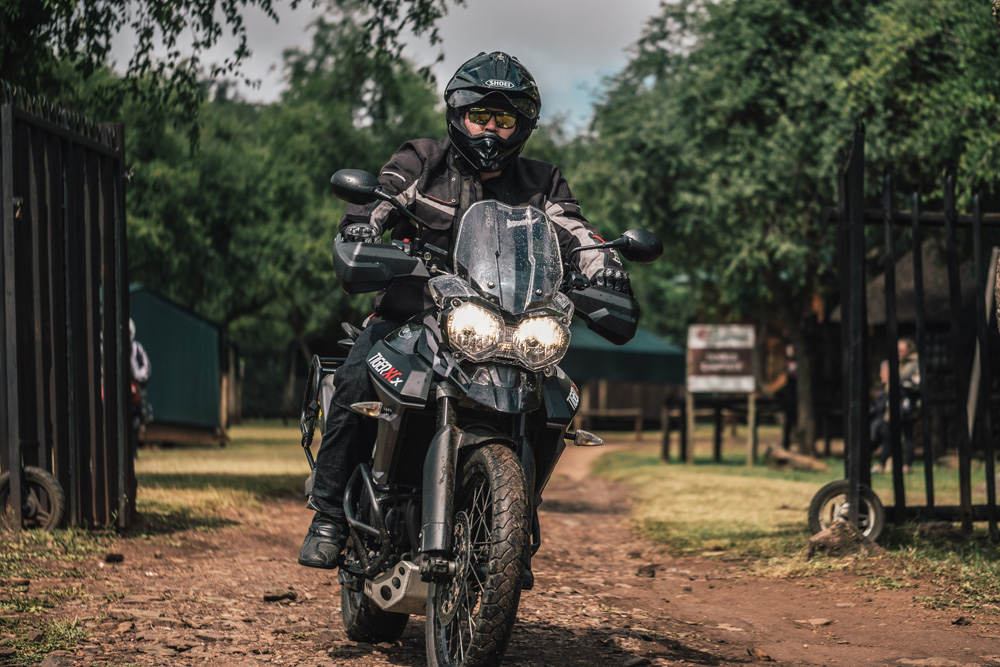
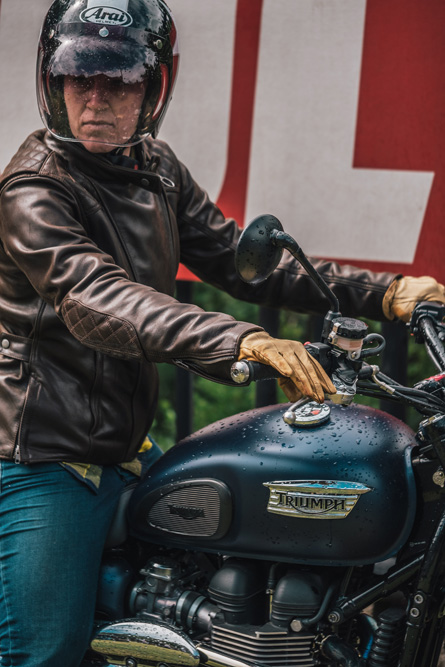
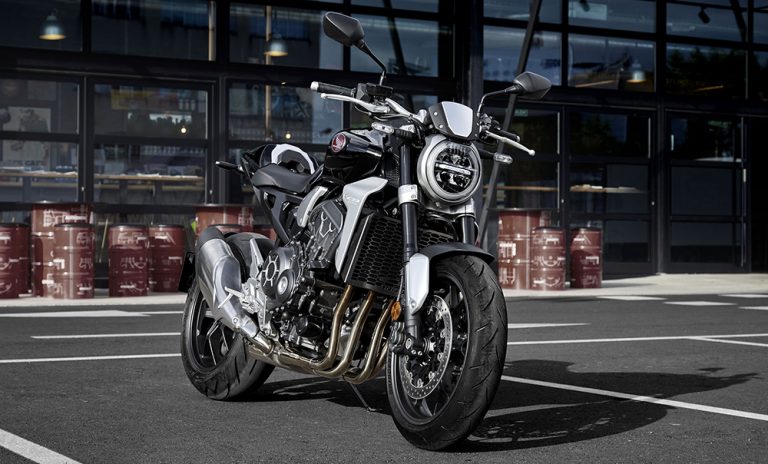
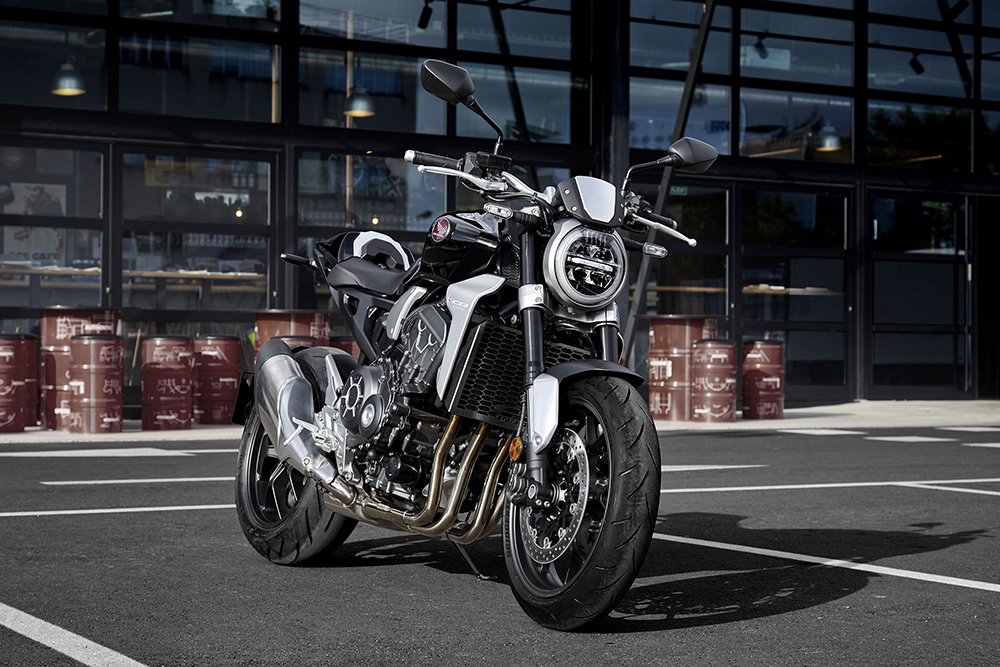
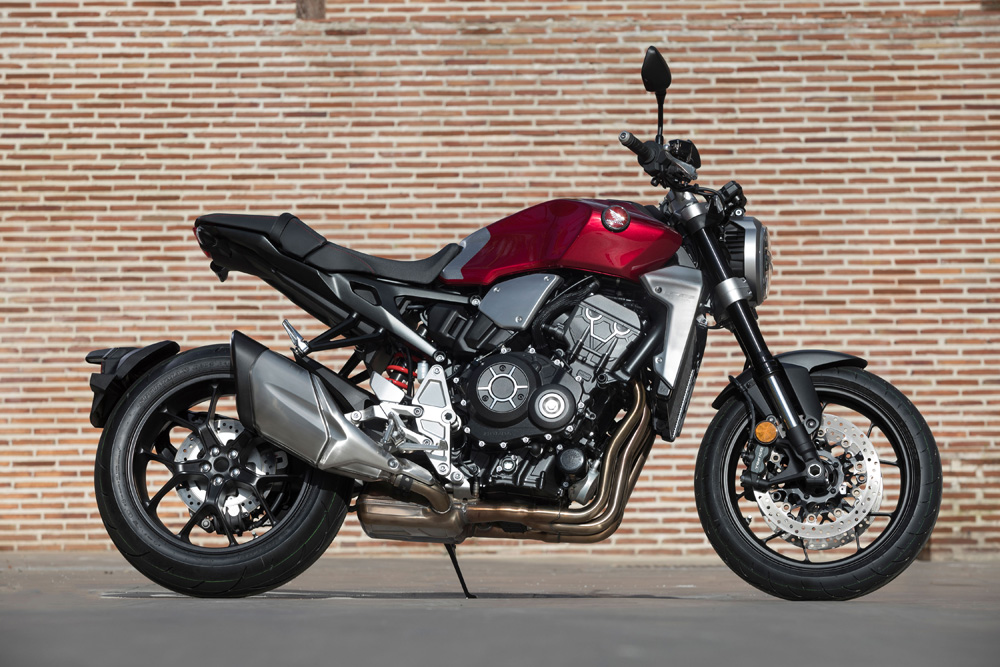
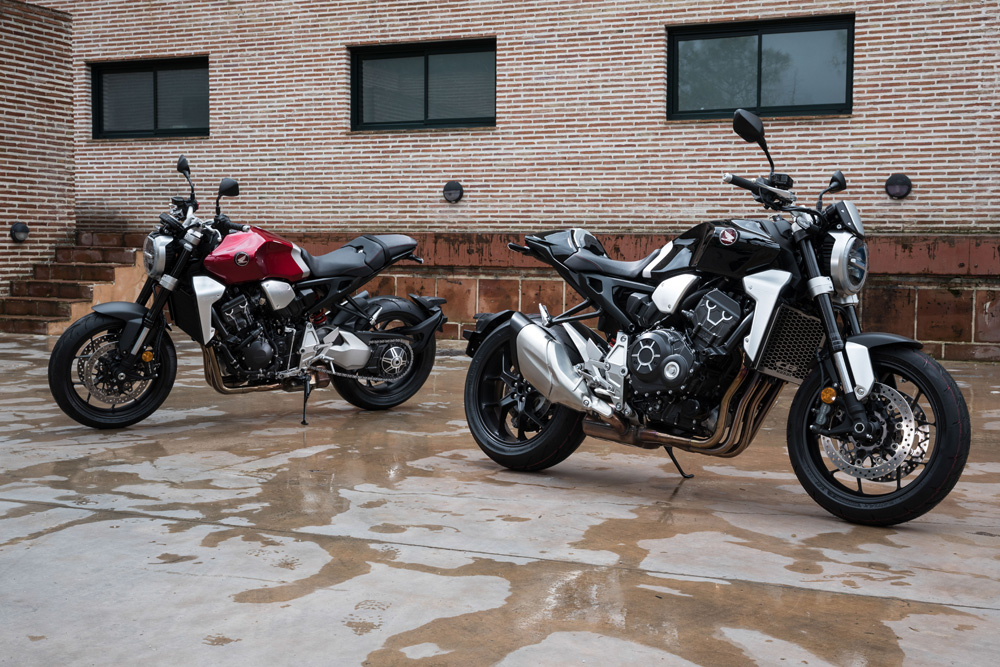
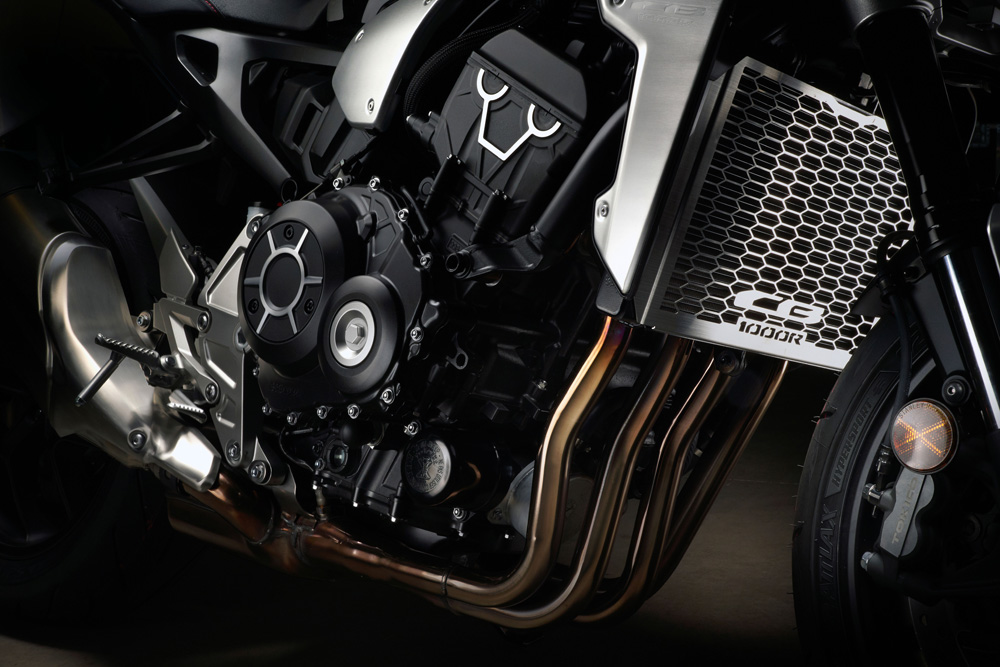 Everything is now in place to get more power and torque: if the previous CB1000R was doing 125 hp at 10300 rpm and 100 Nm at 8000 rpm, the new one is now good for 145 hp at 10500 rpm and 104 Nm at 8250 rpm. Not a bad improvement, indeed. For stronger acceleration, the gearbox’s first three gears have been shortened by 7,5 % and a genuine Honda Quick-shifter can be fitted onto the bike.
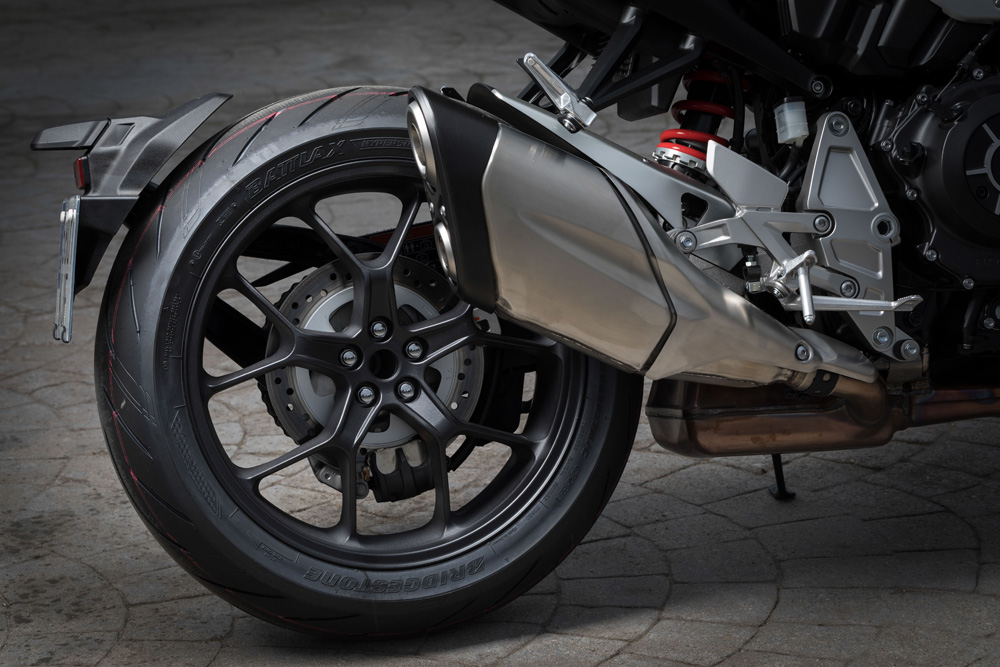
 Honda has also worked on a brand new exhaust (compliant to the Euro 4 regulations), and has lost 4,5 kilograms over the previous generation. Honda are particularly proud of the “deep growl” exhaust note. I’m more sceptical on that point: the exhaust note is fine but not particularly outstanding, although it revs freely and sounds sportier above 8000 rpm.
 The CB follows its own path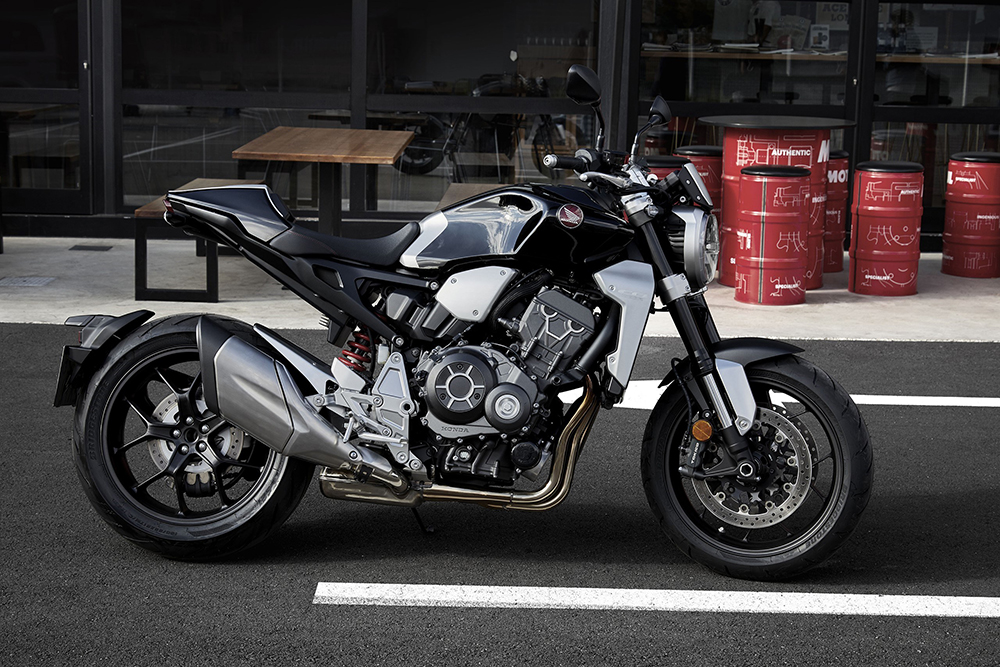
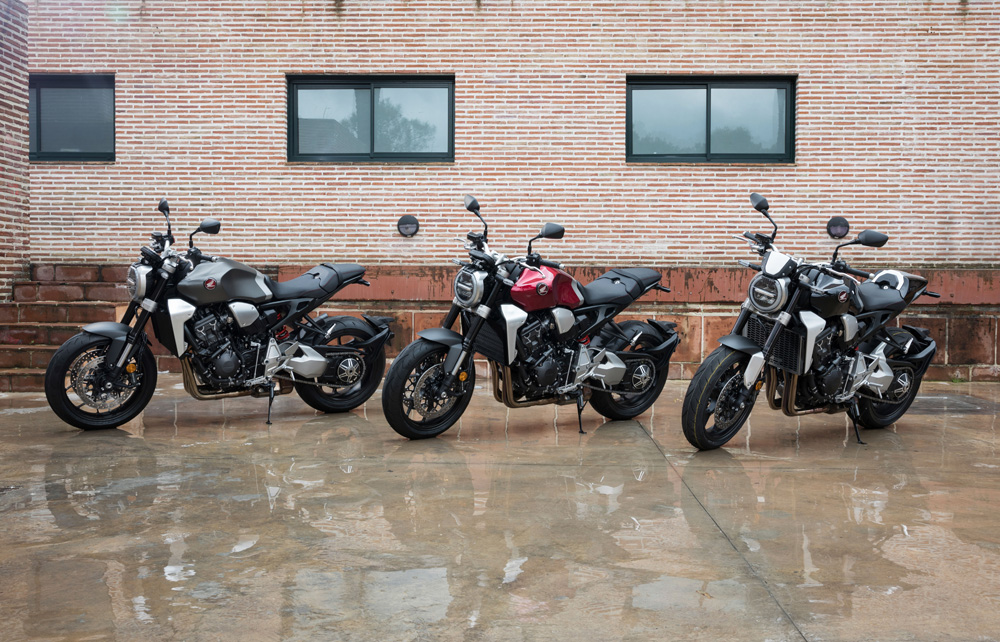 Some genuine aluminium parts (front headlight cover, seat, grilled radiator) were fitted on our test bike and they just look great. We also had the Quick-shifter and the optional heated grips, quite useful for an early start, as this was towards the end of winter, in Spain.
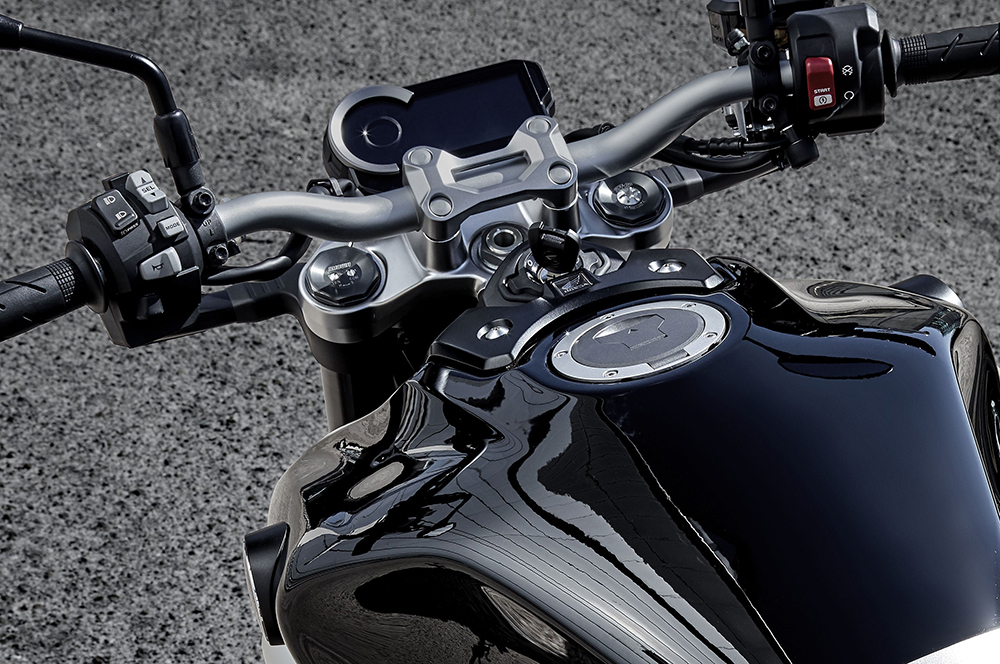
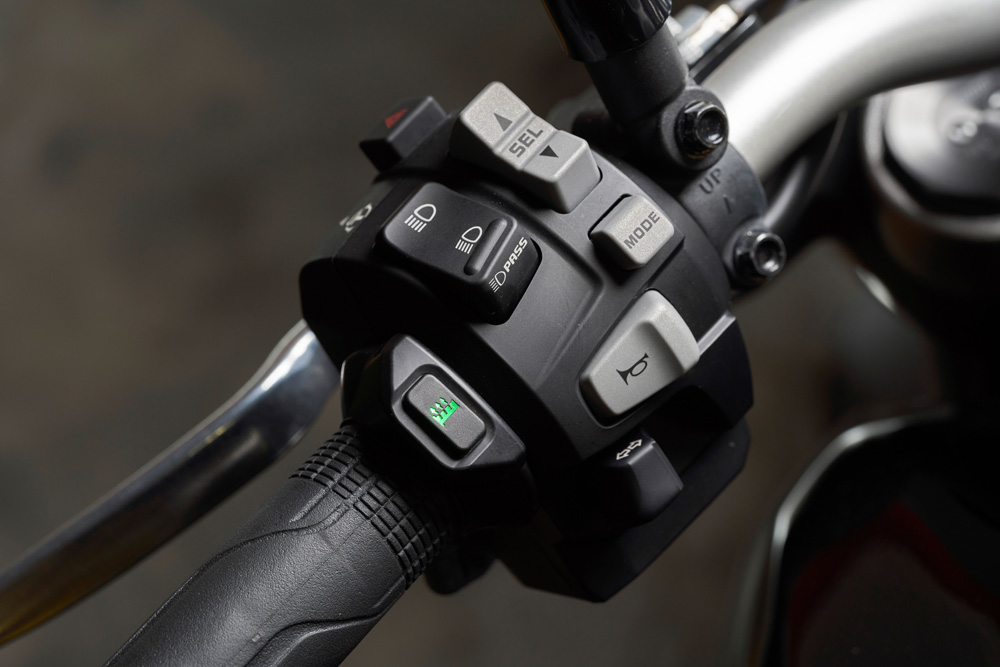 Engine management is now controlled by throttle-by-wire technology, which means that the CB1000R now offers
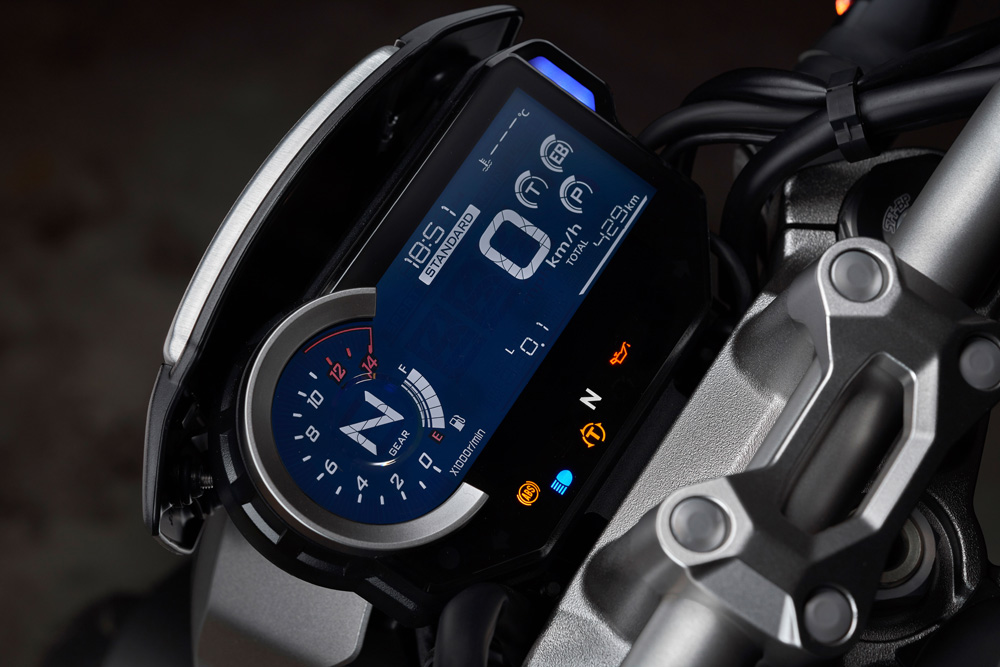 A long-time friend
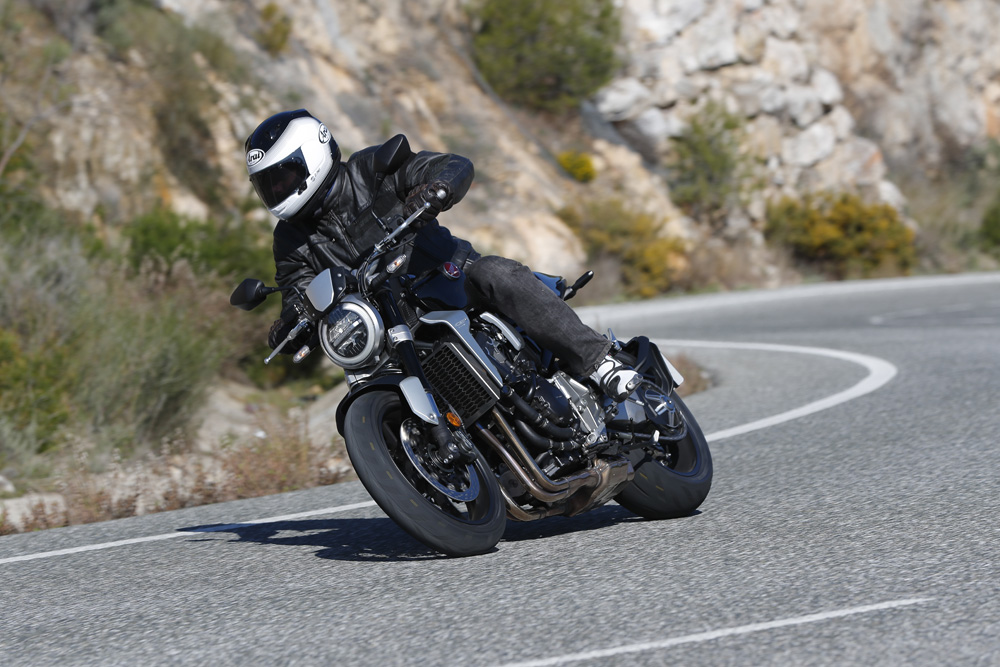 That means you really need to split hairs to find something really wrong about this new piece of machinery! Yes, the digital rev-counter is not particularly precise to read and the fuel consumption, during our (rather high-speed) test gave us a fuel reserve light after only 160 kilometres.
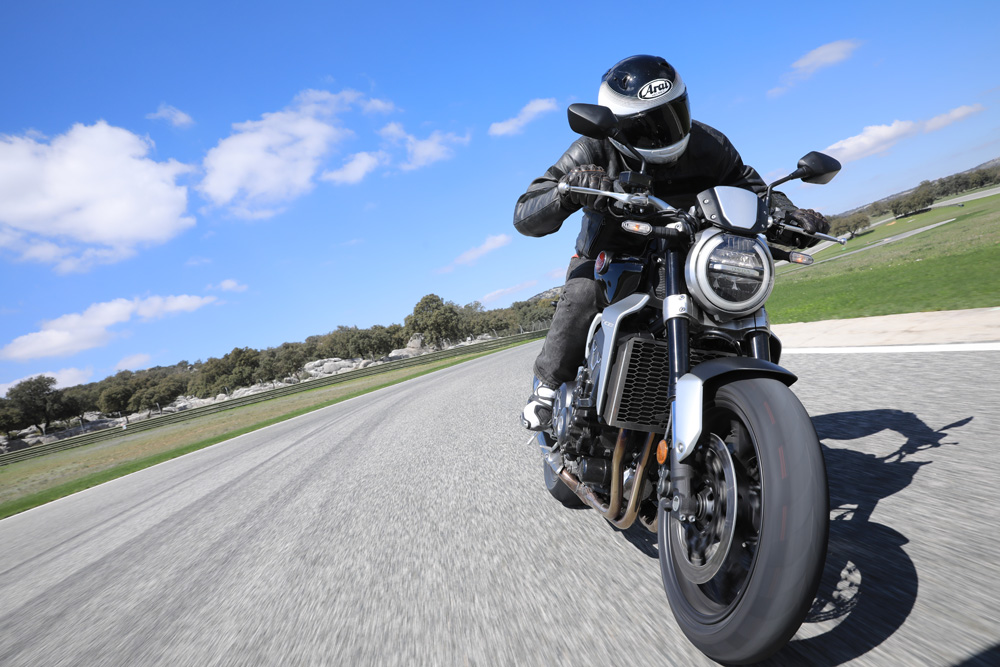
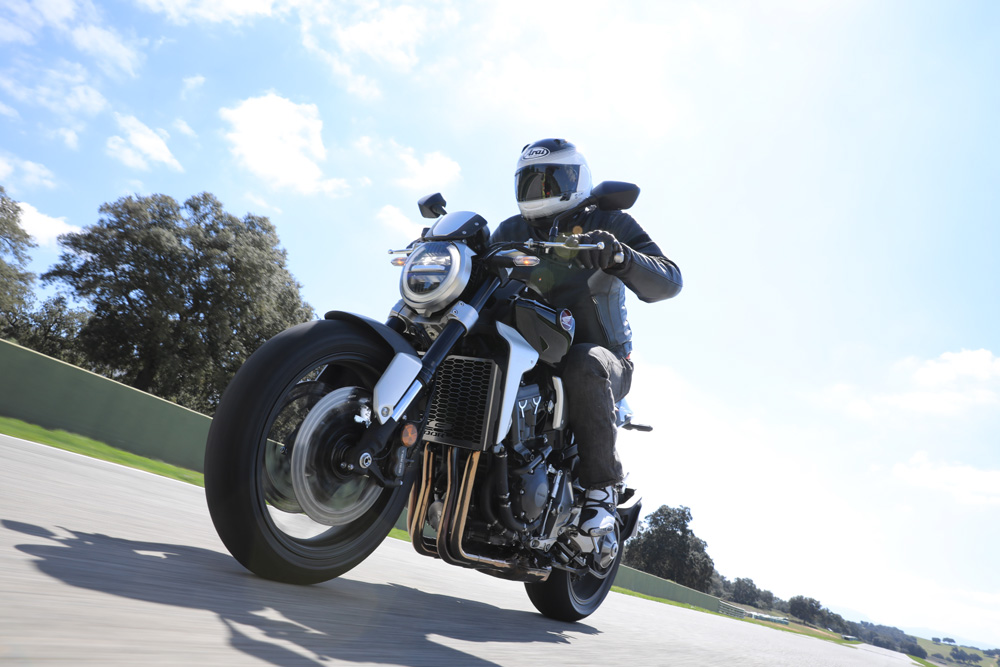
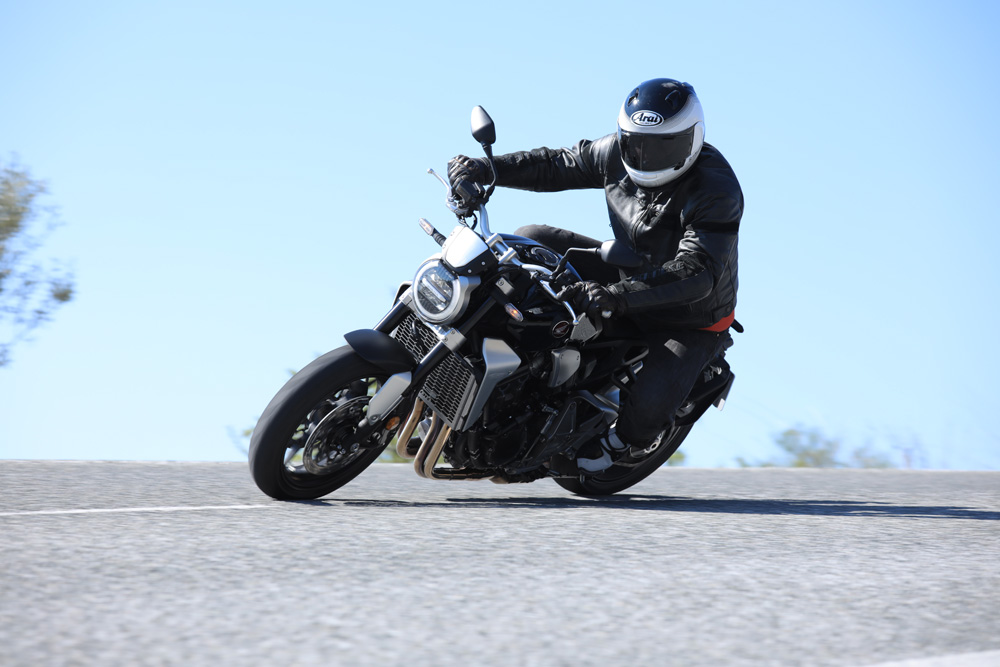
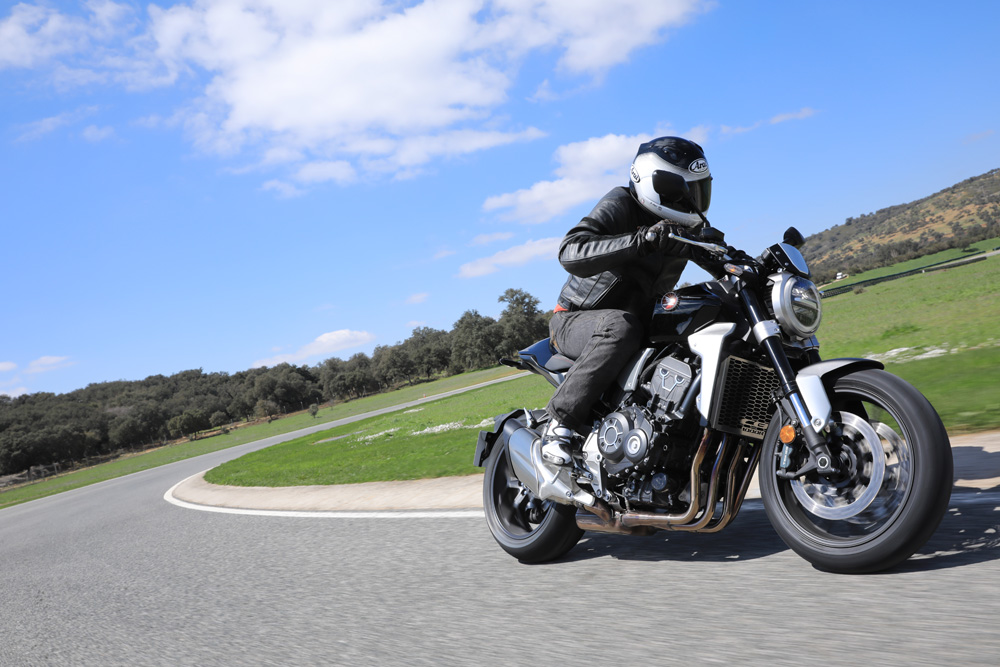 Anyway, I can give you even more good points: 145 hp is enough to get that naked bike speed feeling, and the new in-line four revs quite freely, with a deep sound note from 8 to 11000 rpm. The new Showa suspension gives a subtle mix of great feedback, yet real comfort (much more than its Kawasaki and Suzuki counterparts). The OEM Bridgestone S21 delivered plenty of a grip all day long, including our track sessions.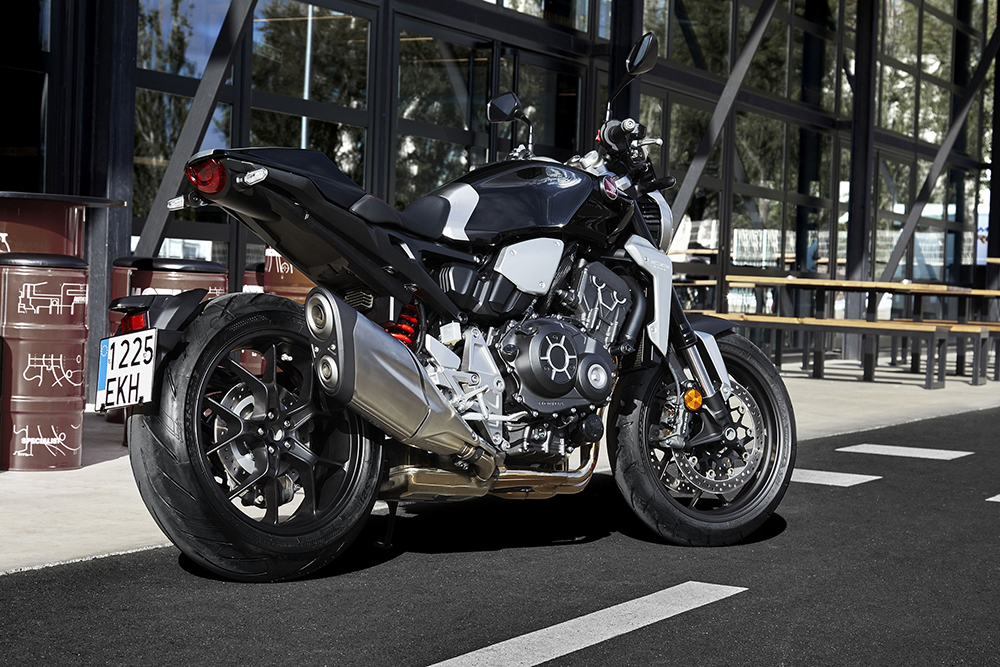
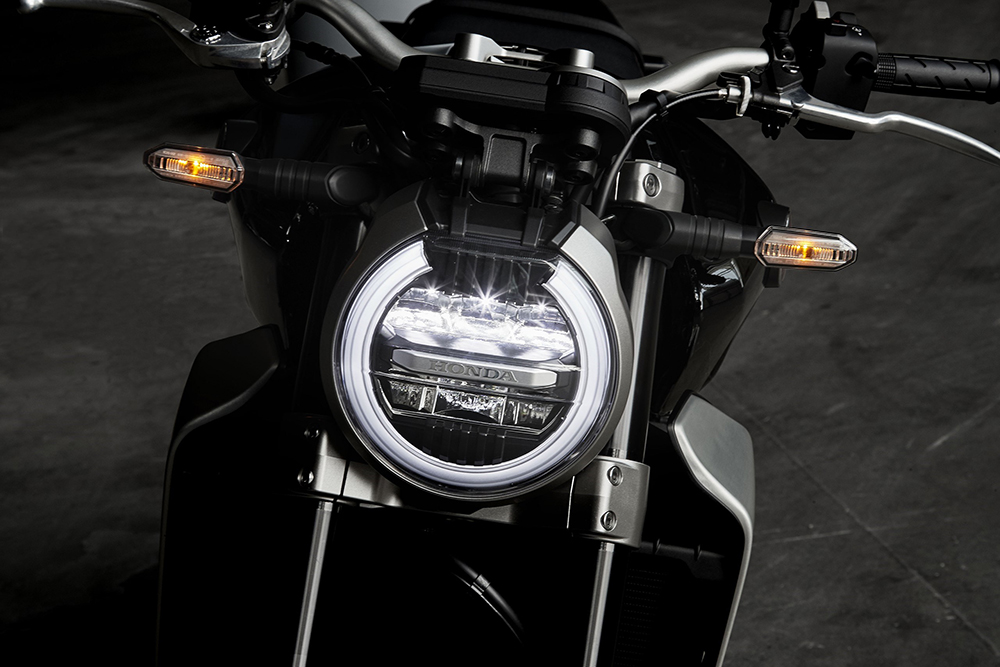
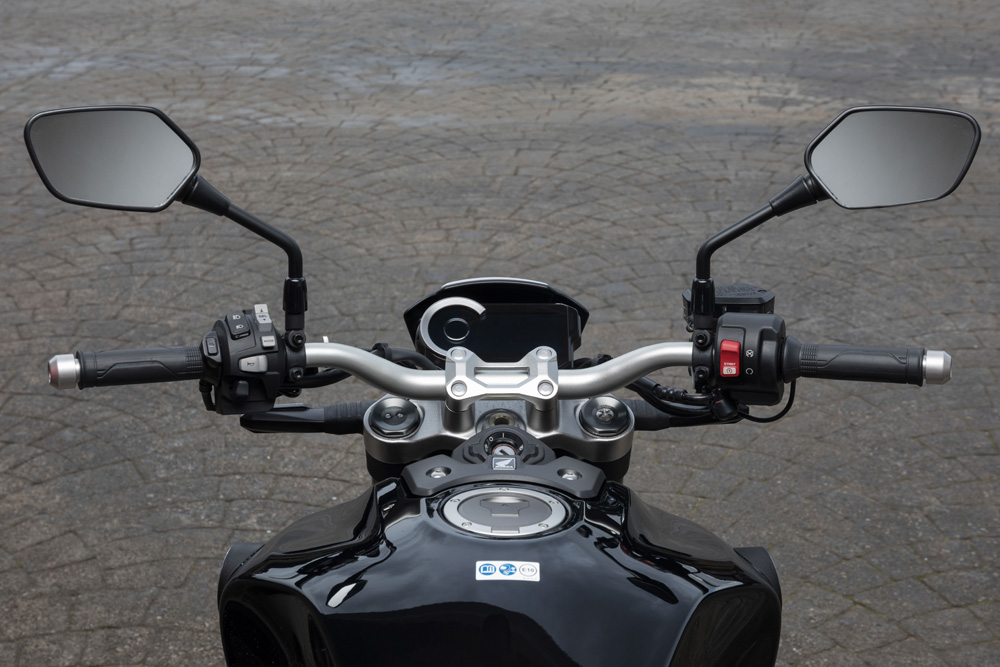
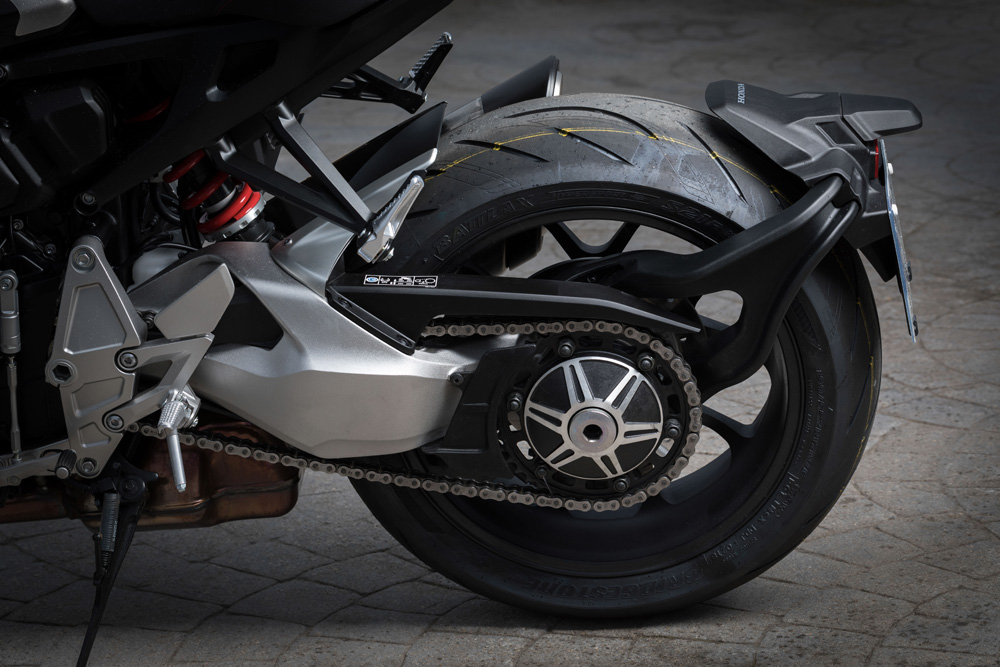
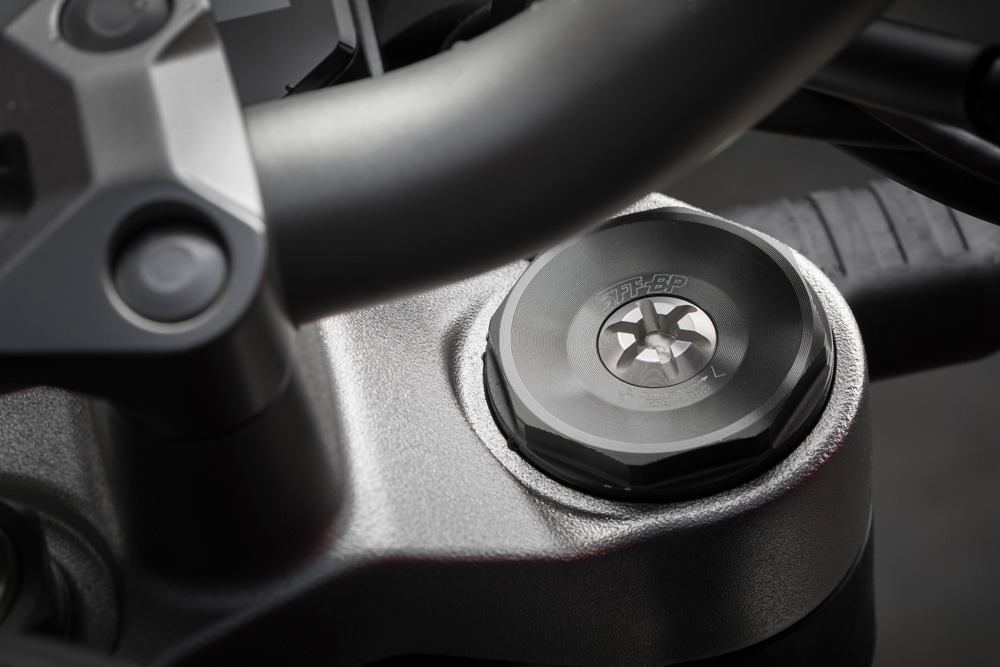
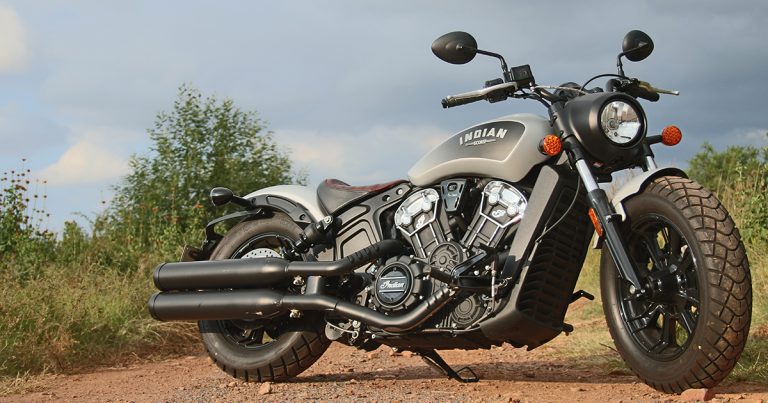
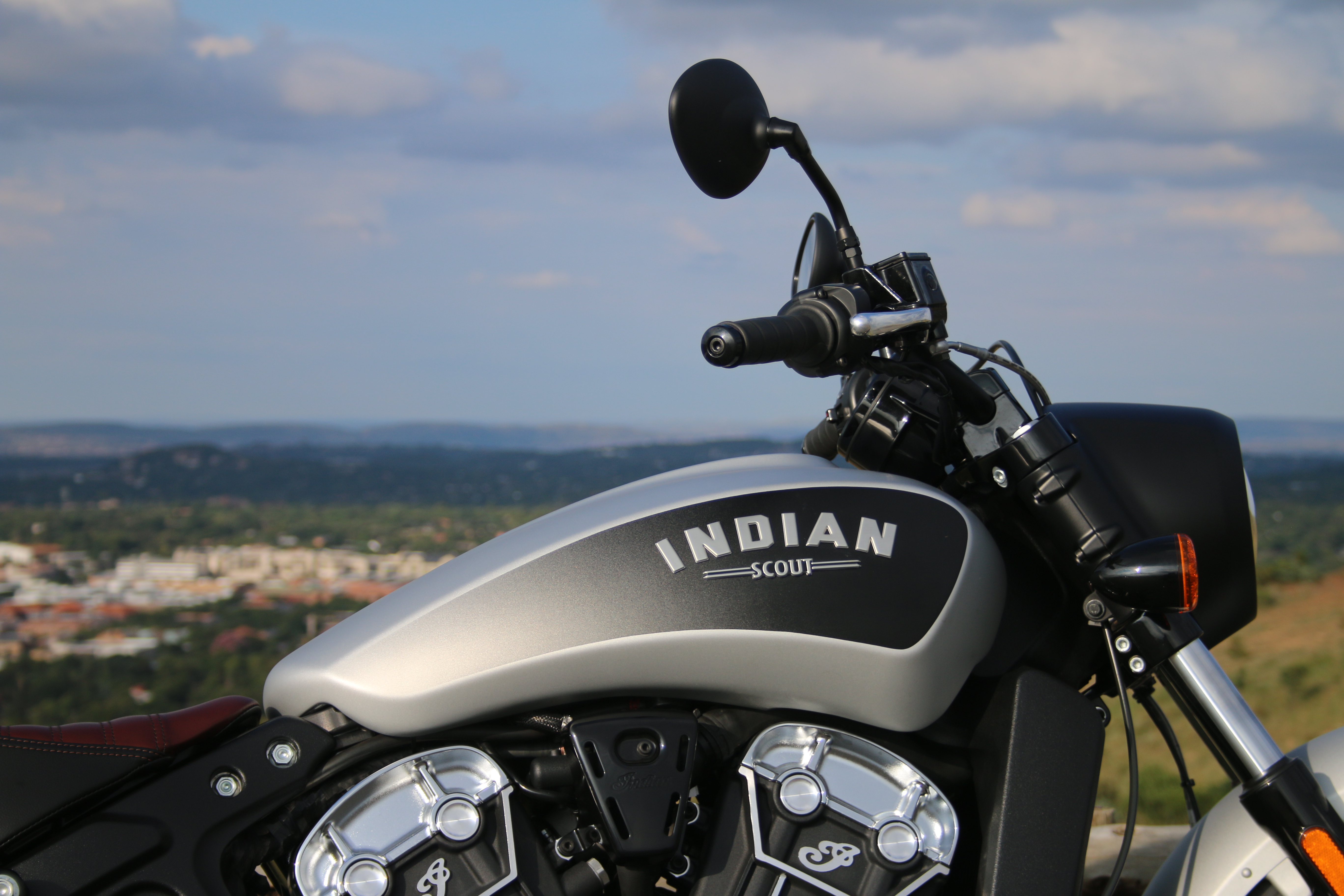
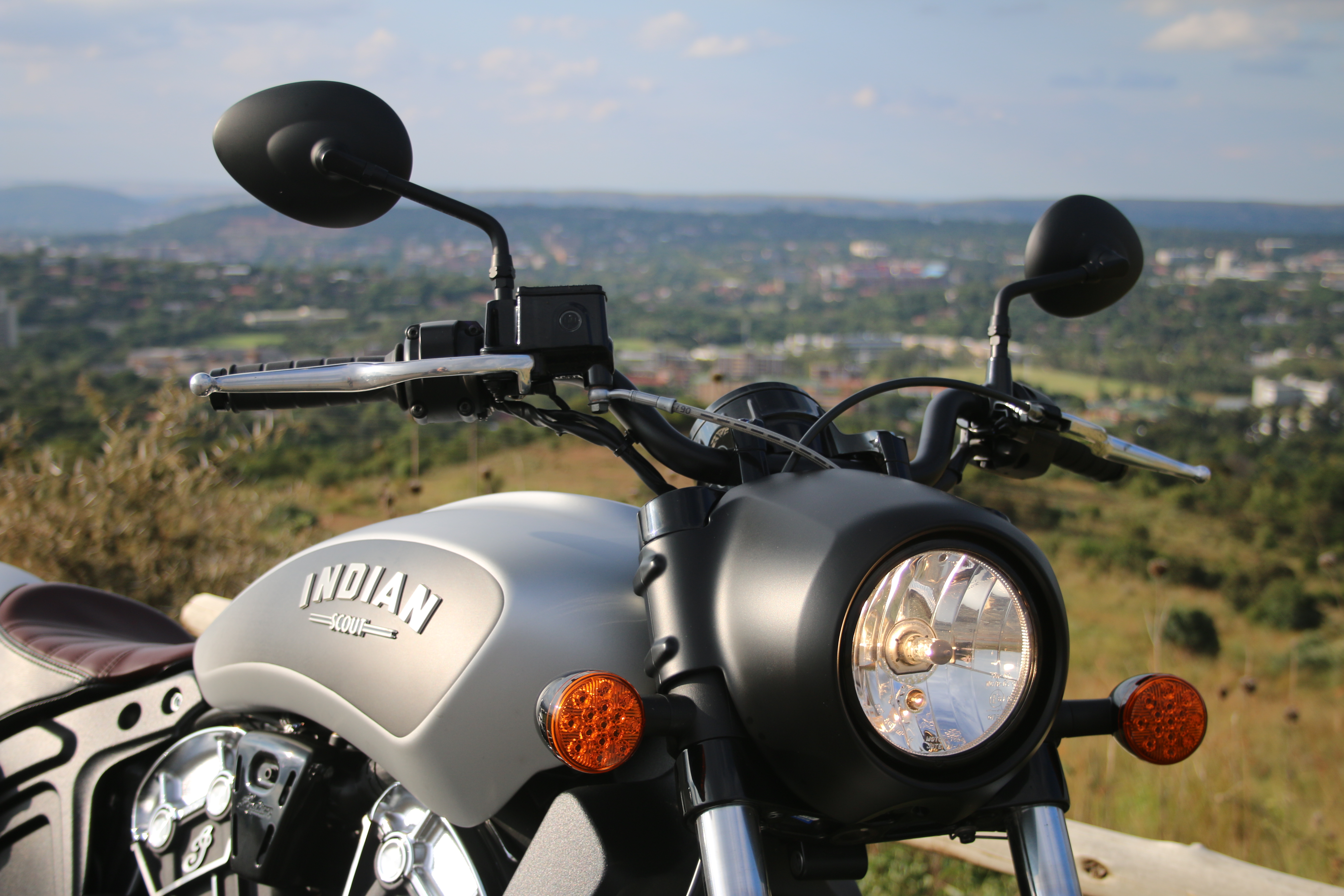
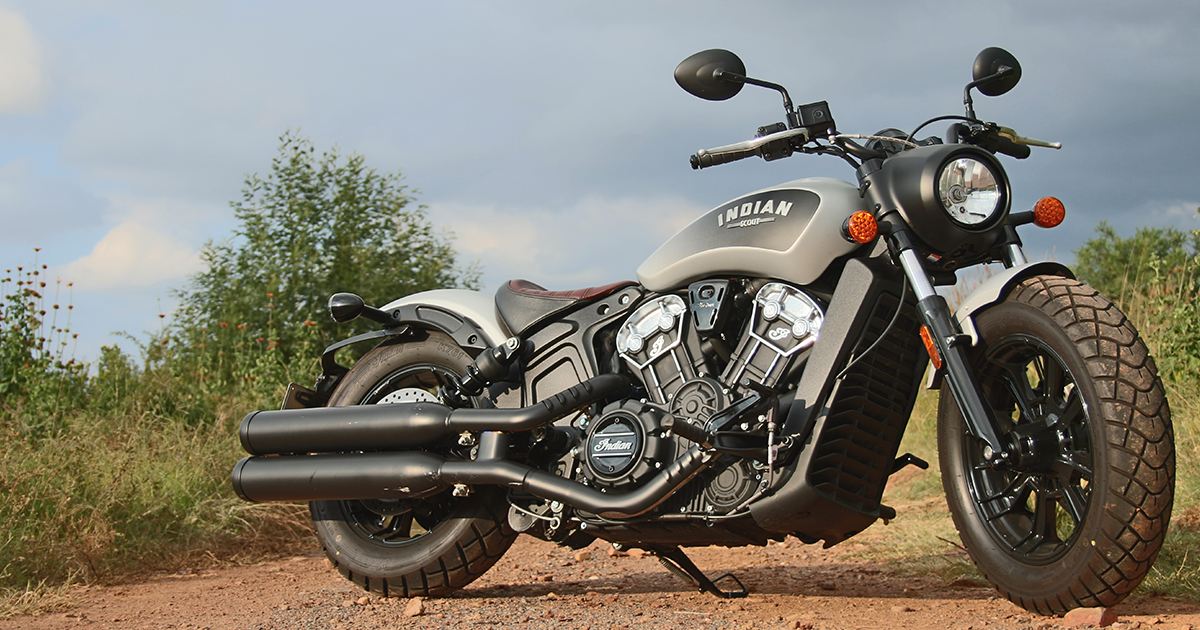 The Scout model from Indian carries a magnificent heritage. It has always been Indians’ performance model, taking the fight to Harley-Davidson. Well, nothing has changed! The Scout, in my opinion, is a real looker. My view was confirmed by all who laid eyes on it. The Bobber sports a tidy headlight cowl which adds to the muscular stance. This is further enhanced by the beautifully shaped 12,5 litre tank, the bottom of which curves gracefully to pick up the curve of the frame. “Bobbed” front and rear fenders add to the butch look. A 130/90-16 front tyre and a 150/80-16 rear keep the Indian low and purposeful.The bike is “blacked out” with the headlight cowl, frame, handlebars, mirrors, mag wheels, engine cases and exhausts all painted satin black. The cam covers and some Indian logos are highlighted in machined aluminium, making them really “pop” on the black background. The test bike was silver with quality Indian Scout badging. Stunning!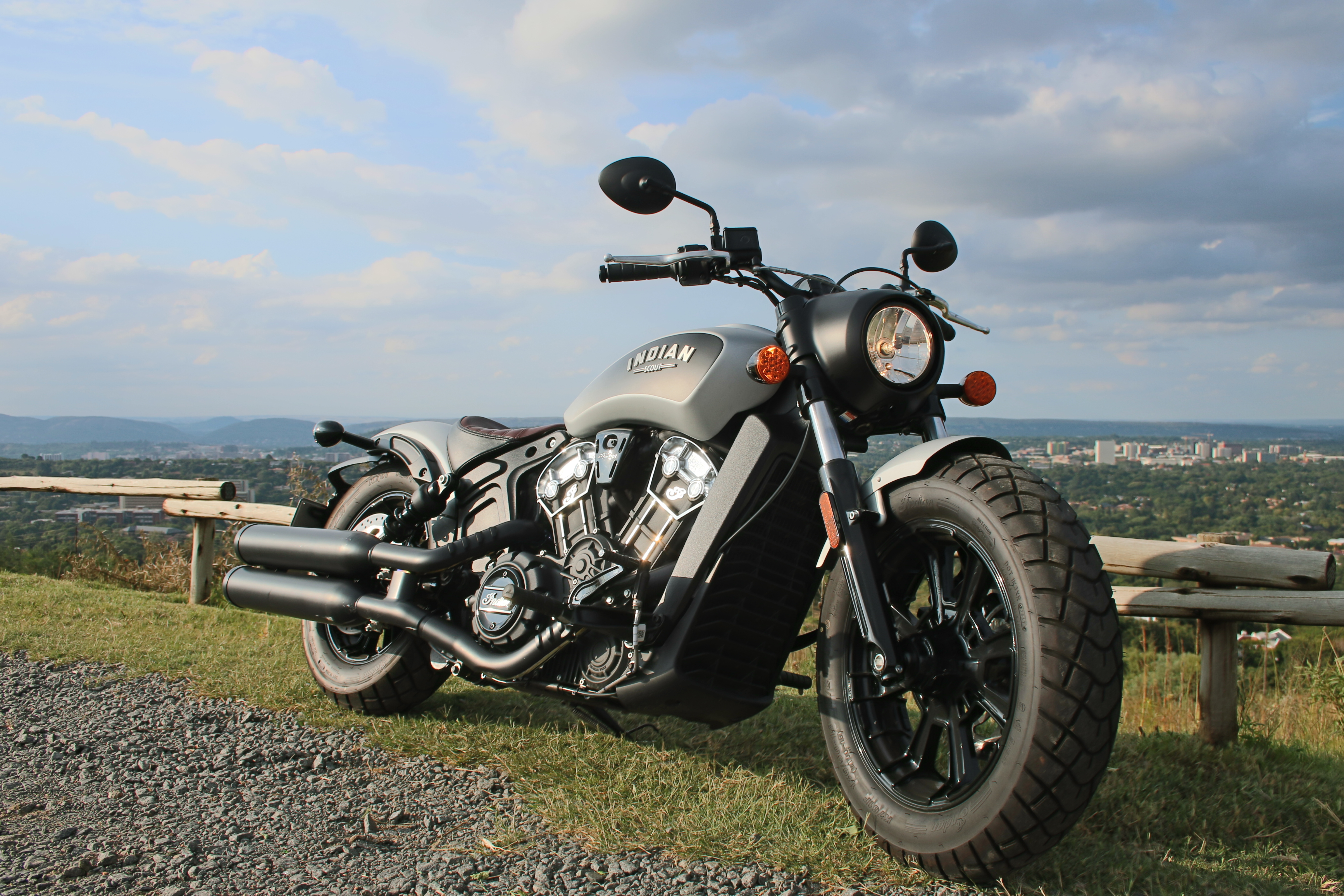
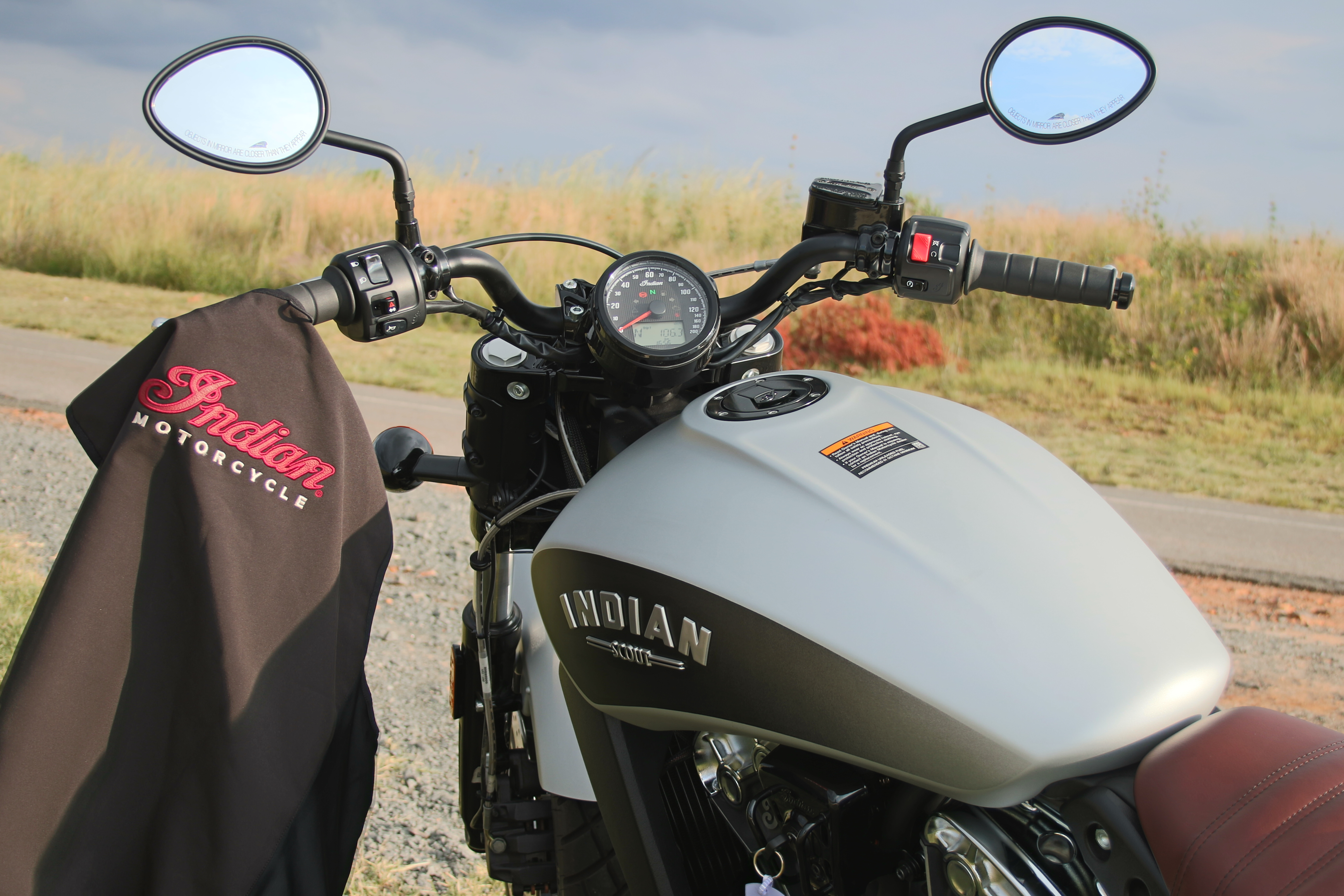 The Bobber is super stable all the way to top whack of around 200, which is really academic on a bike of this ilk. Cruising at 130 to 140 is really effortless and almost surreal in its smoothness. At the best of times naked bikes are hard work at high speed. This is even more so with cruisers fitted with forward controls. The Bobber is surprisingly comfortable for a cruiser. The handlebar bend is perfect, as is the height. The seat shape and texture is also comfy. At speeds up to 130 the bike is really pretty ok. Anyone buying a cruiser is, or should be well aware of what they are signing up for. For once, function follows form.
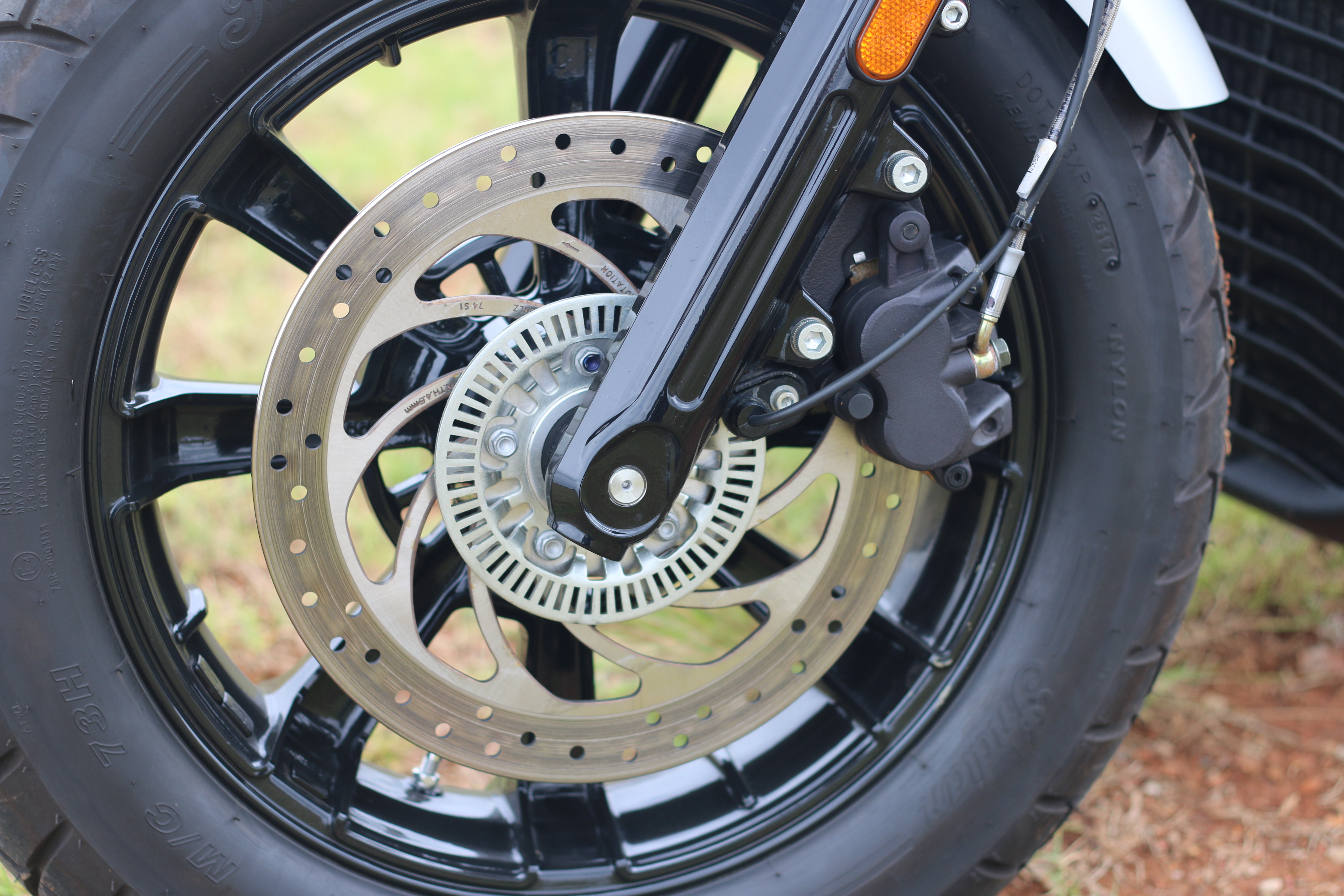 Handling is good. The suspension does an admirable job, in fact, [considering the paltry travel of 50mm on the rear, and only 119mm upfront], an amazing job of keeping things tidy on the road. Smooth sweeps are a pleasure to ride, with the Indian prescribing perfect parabolas from apex to apex. Tighten up the bends and the mere 29 degrees of lean angle frustrates as the foot pegs ground out. This is the frustration common to almost all cruisers. Modern suspension technology allows robust riding which quickly overwhelms the available ground clearance. You soon learn to temper your enthusiasm to suitable levels, but it does somewhat put a damper on cornering proceedings. I must applaud Indian on how well damped the suspension is. Bumpy roads are bearable due to the quality of the damping, despite there being no adjustment to preload or damping. Two up riding could present some challenges to the standard suspension however.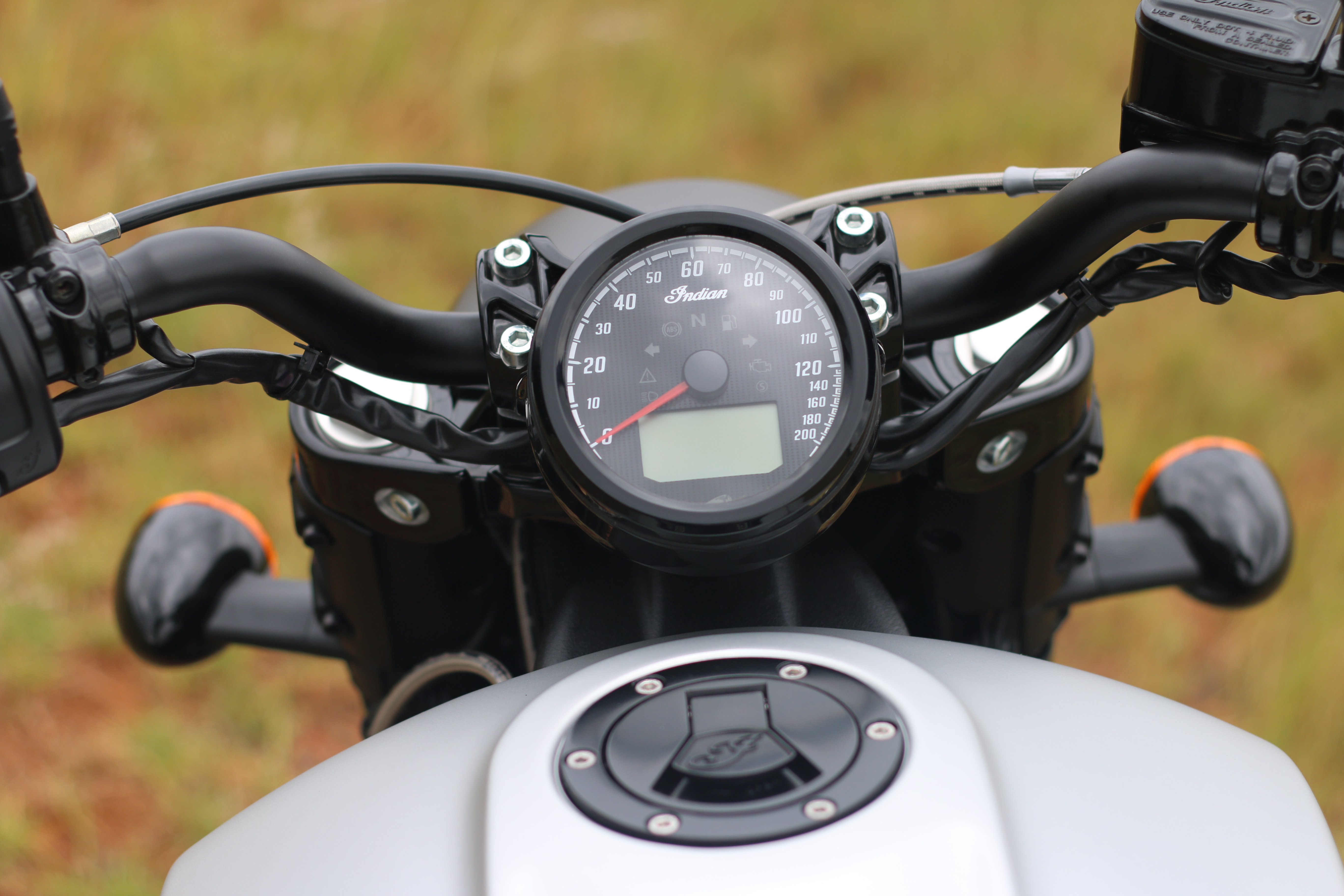
 I recently had another ride on KTM’s magnificent 1290 R. Incredible bike, however aspects of the bike got me thinking. I am re-reading ‘ Zen and the art of motorcycle maintenance’, the all time classic by Robert Persig. By his own admission the book has nothing to do with Eastern religion, or, for that matter, motorcycle maintenance. What it is, is a philosophical look at quality. Persig does a tour with his son on the pillion of his Honda 305. Riding along are a friend and his wife on a BMW R60. As he rides he thinks around the impact of technology on modern life. This is in the late 1960’s mind you! His buddy abhors technology, and bought the BMW because ‘you don’t have to fiddle with it’. He just wants to follow the instructions in the owners manual, which were pretty basic in 1960, and expects the bike to perform faultlessly.
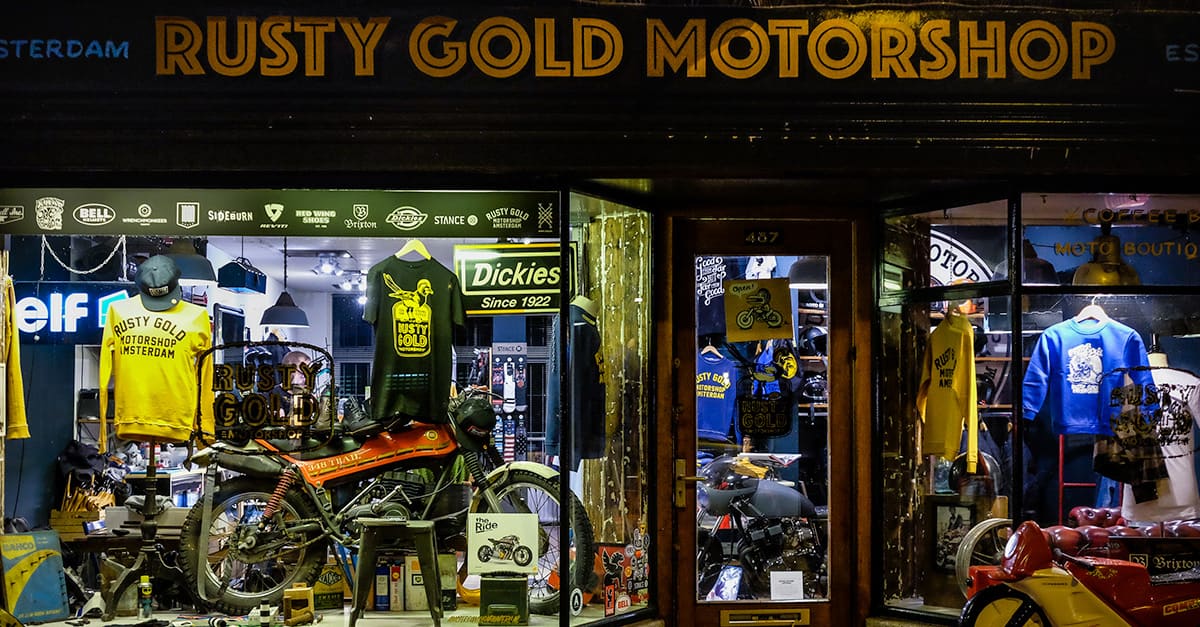 Amsterdam is a amazing city to visit, but it’s not about to top anyone’s list of hot motorcycling destinations. Crazy inner city traffic makes it easier to get around by train, tram or foot, and once you venture outside the city, the roads are flat and straight. Then there’s that winter snow…

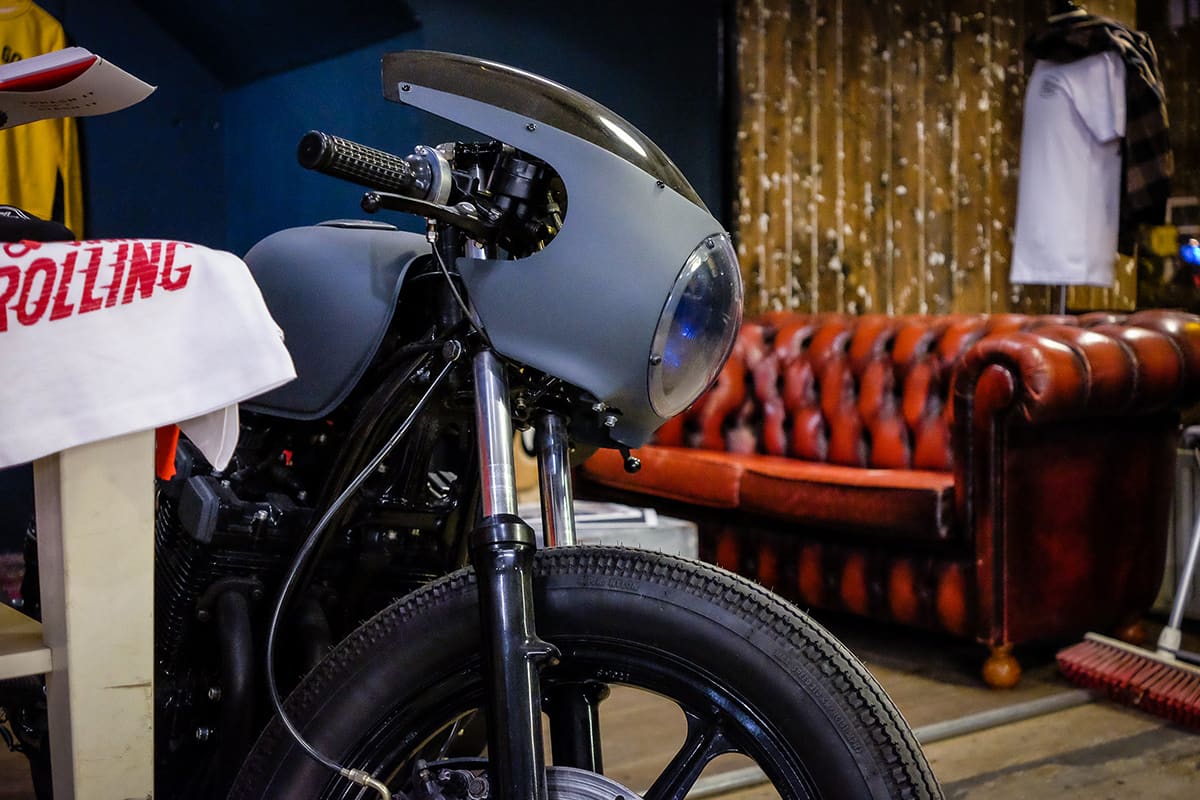
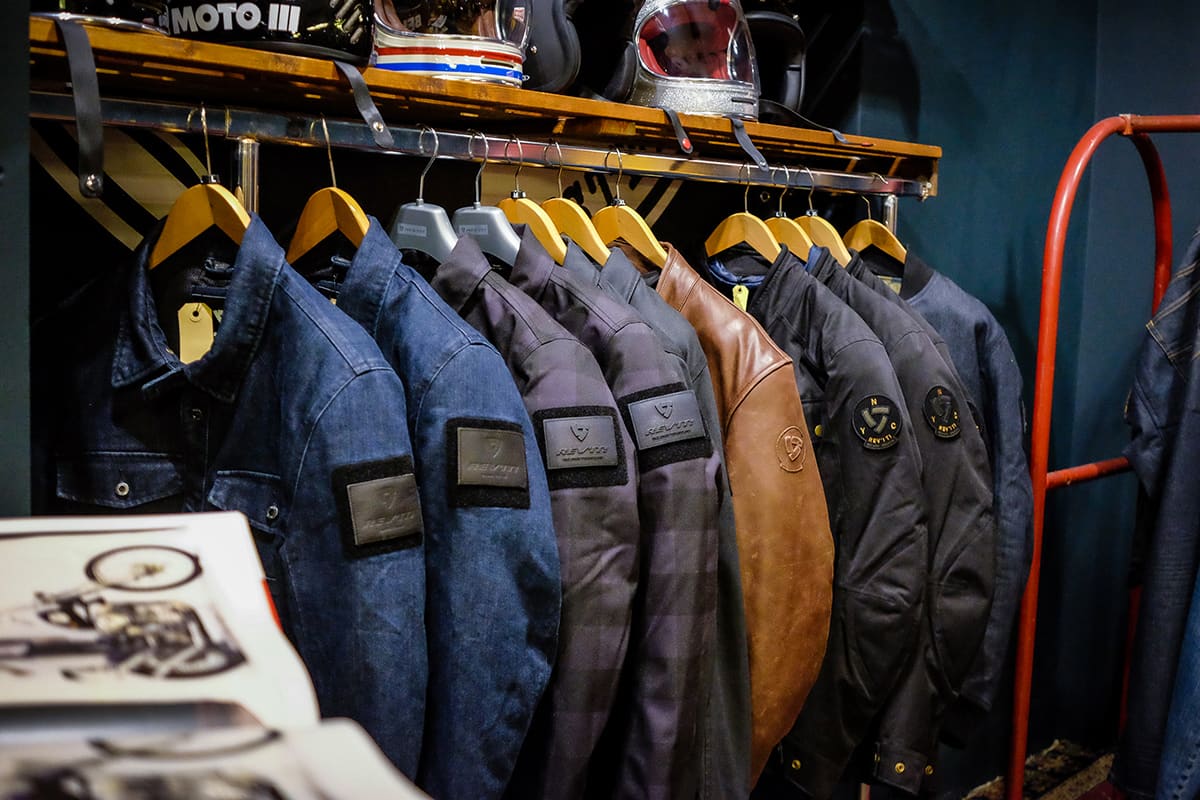

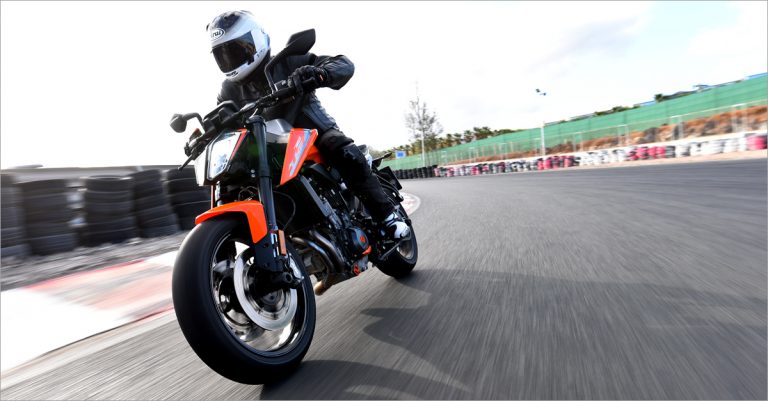
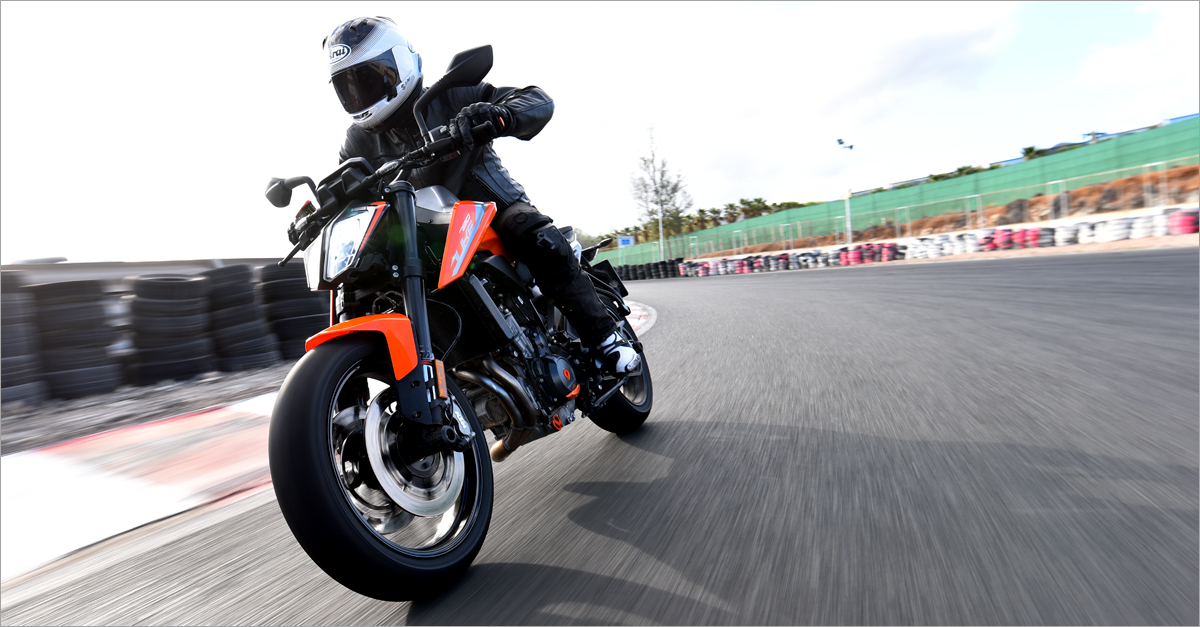 111 000 hours of human work, 60 people being involved full time in the R&D department, 604 800 kilometres of intensive dyno testing and more than 900 000 kilometres spent testing on the open road: when KTM creates a new machine, they put all their means into reaching their goals.
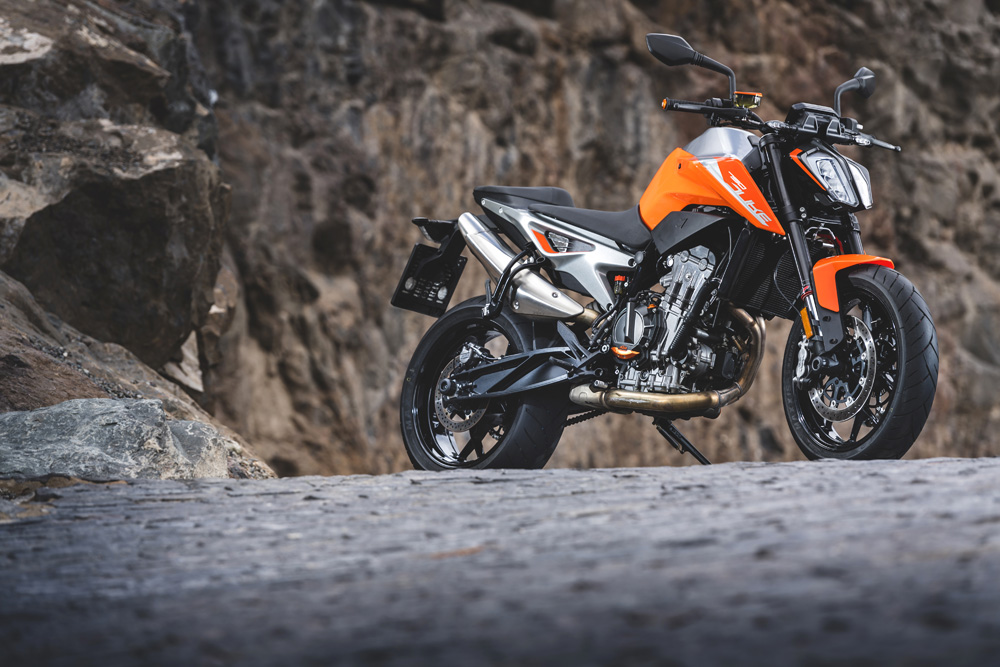 Brand new content
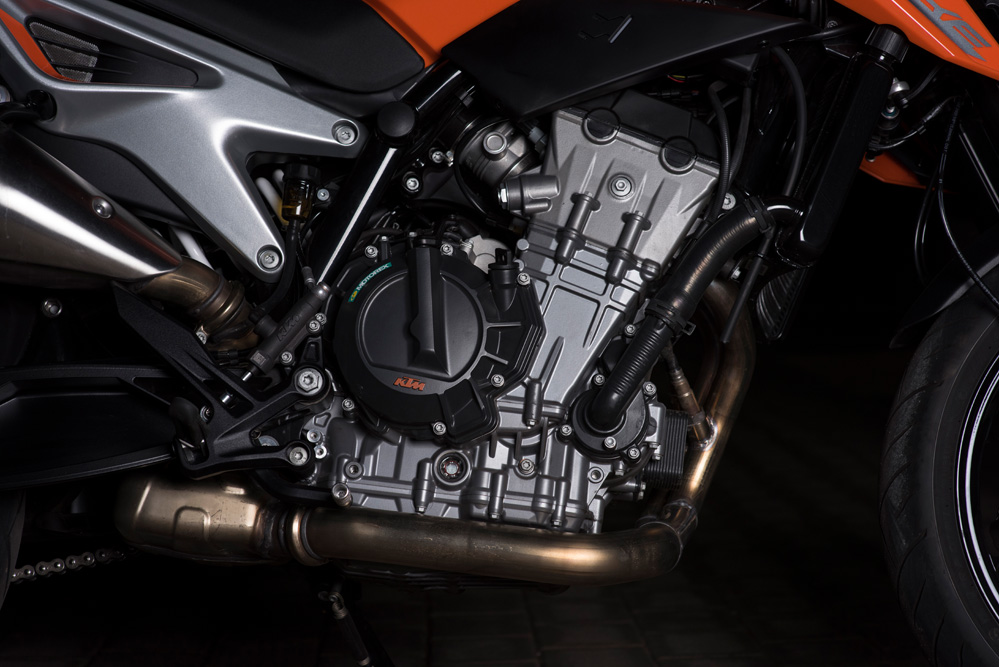
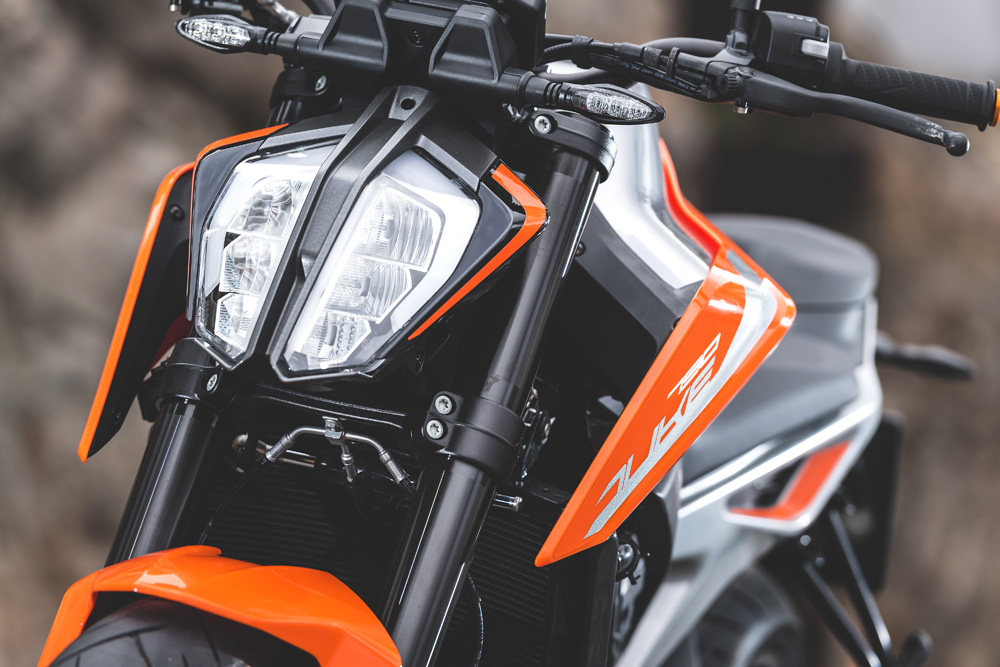 With 105 hp at 9000 rpm and 87 Nm at 8000 rpm, the LC8 engine delivers good power for a 800 cm3 twin, although the naked mid-size segment is settled by some strong competition, in the likes of the Ducati Monster 821 (109 hp), the Kawasaki Z900 (125 hp), the Suzuki GSX-S 750 (114 hp), the Yamaha MT-09 (115 hp), the Triumph Street Triple 765 (123 hp) and the Aprilia Shiver 900 (95 hp). Quite busy, isn’t it?
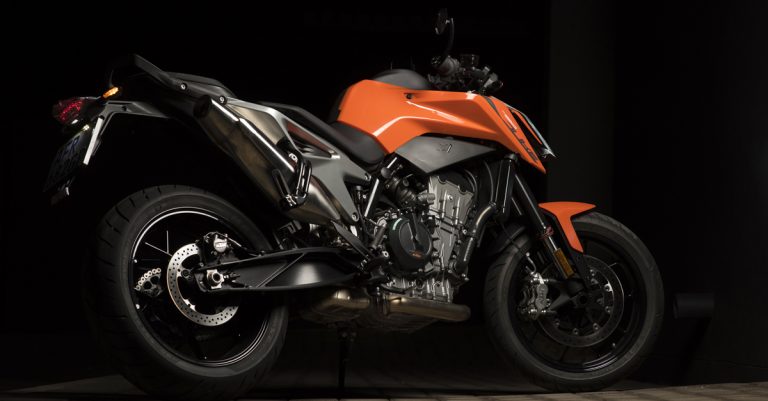
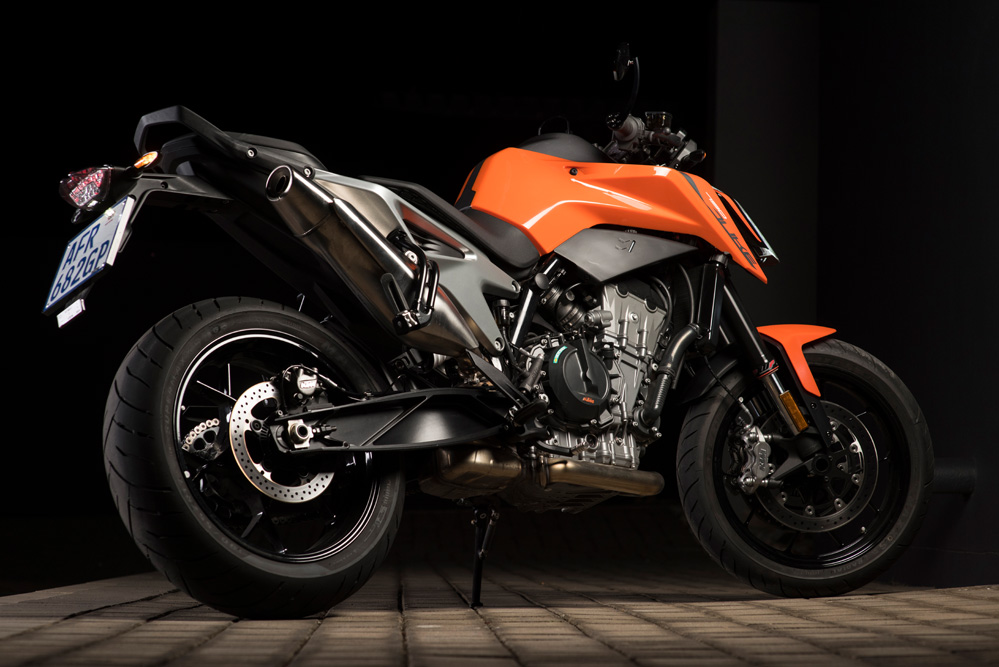
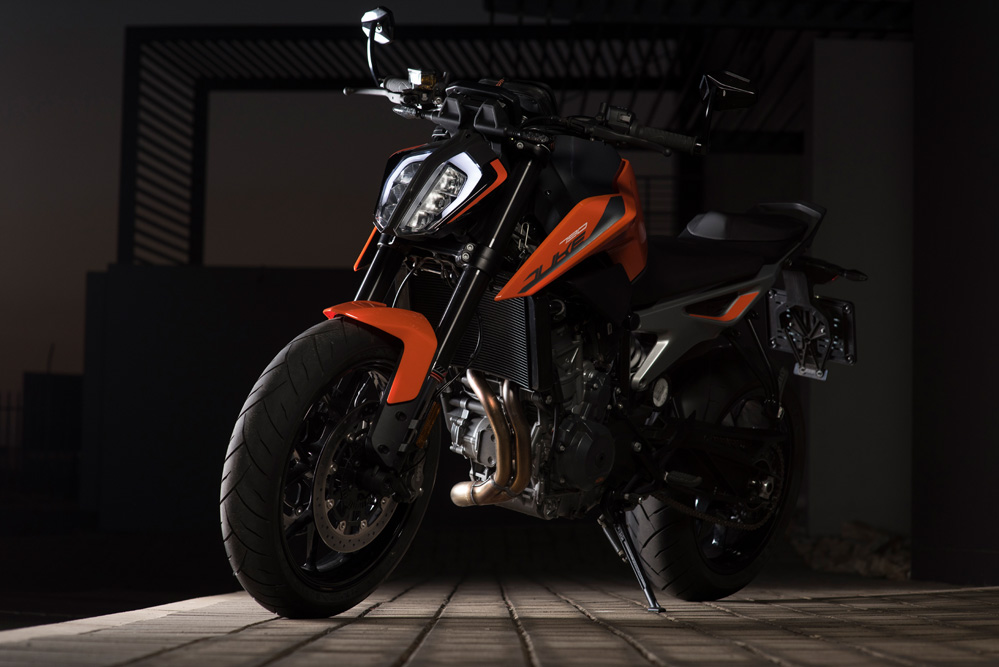
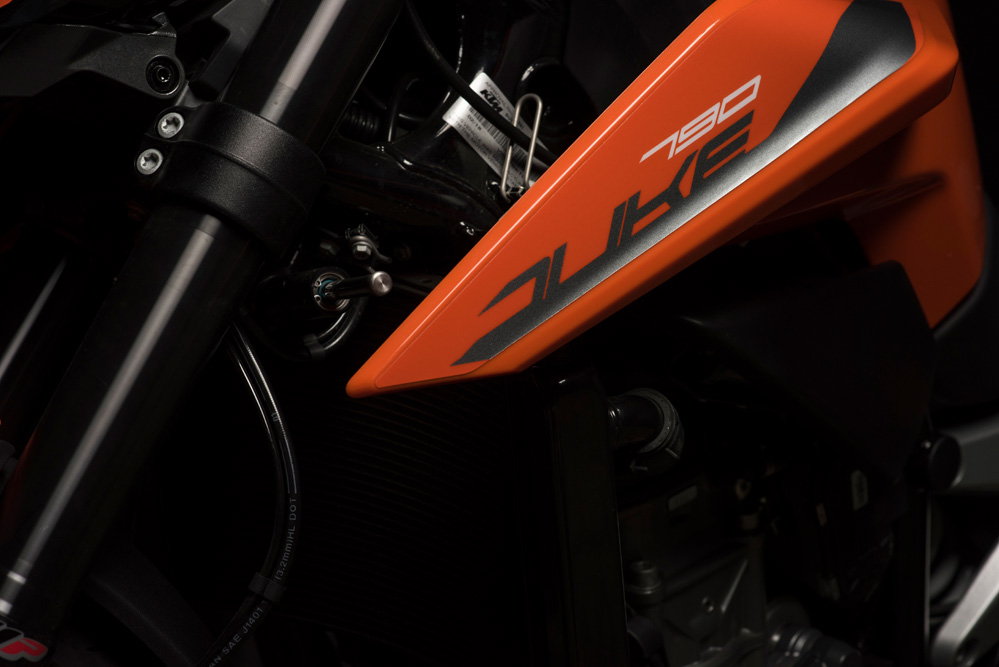
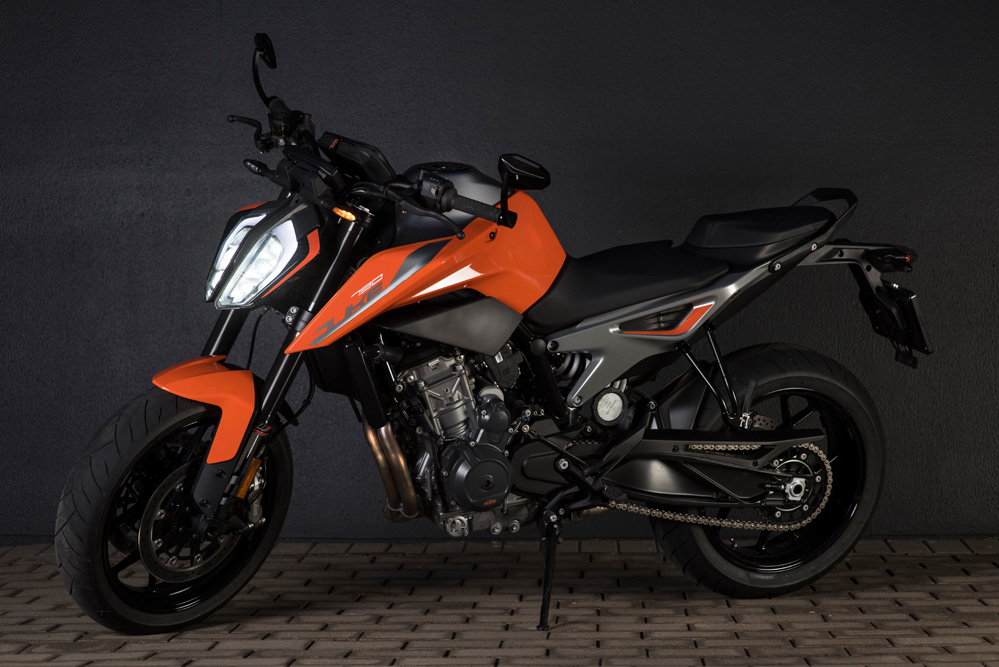
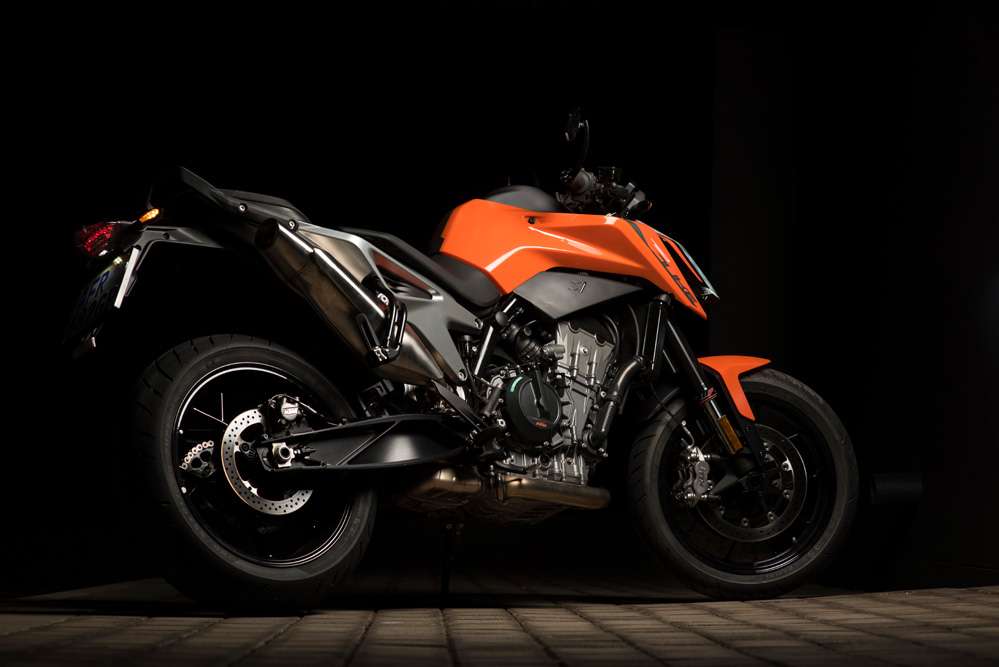
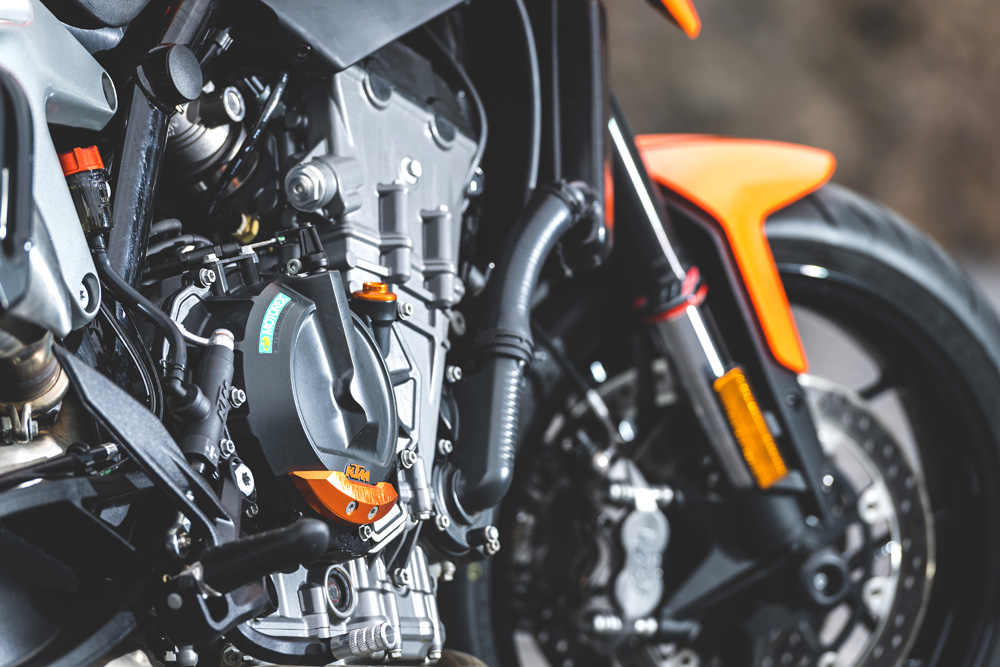 KTM has made a very modern engine, indeed. Forged pistons, horizontally split crankcase (a first in KTM’s engine history), double overhead camshaft, a crank pin offset of 75 degrees, two balancer shafts, DLC coating nearly everywhere and an air-box located under the seat: all of that contributes to make the 790 Duke so nimble.
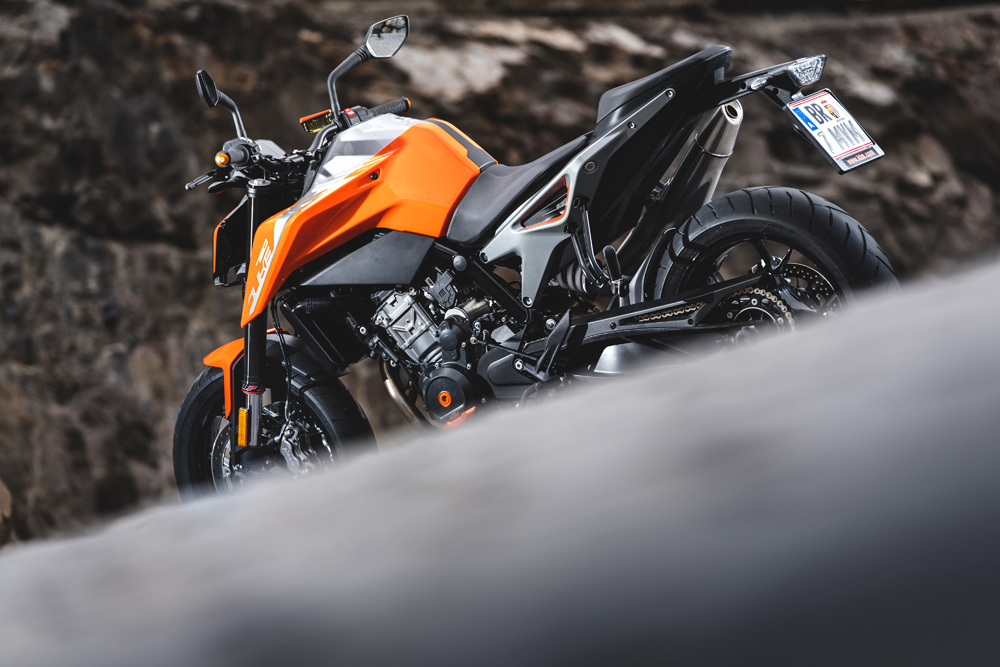 The chassis is also brand new. KTM has gone from the typical trellis frame to a tubular steel frame to a combination where the engine is topped by a tubular steel section completed by an aluminium rear sub-frame.
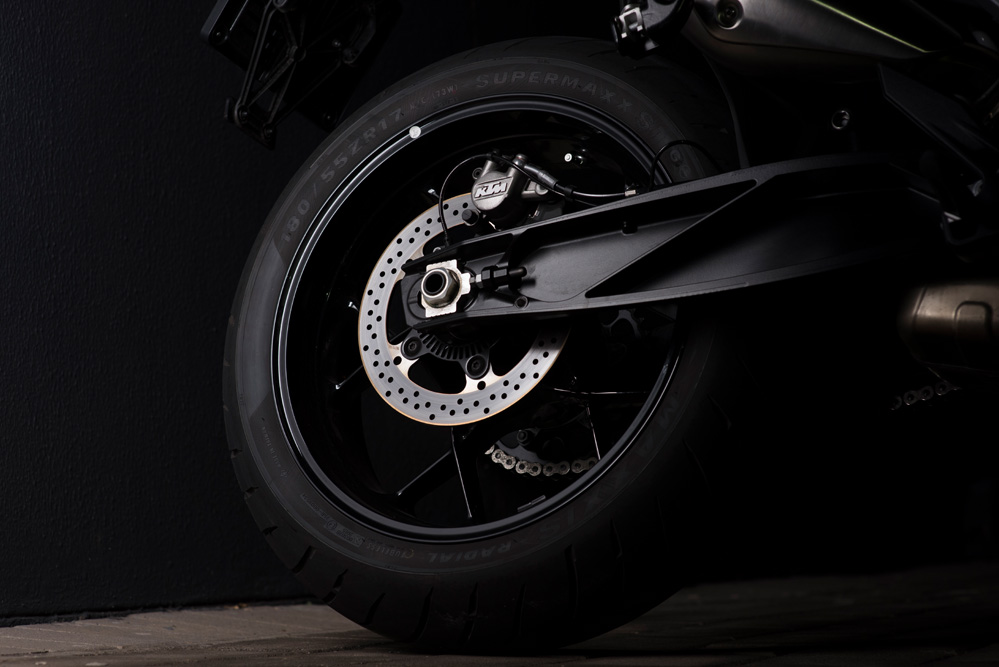
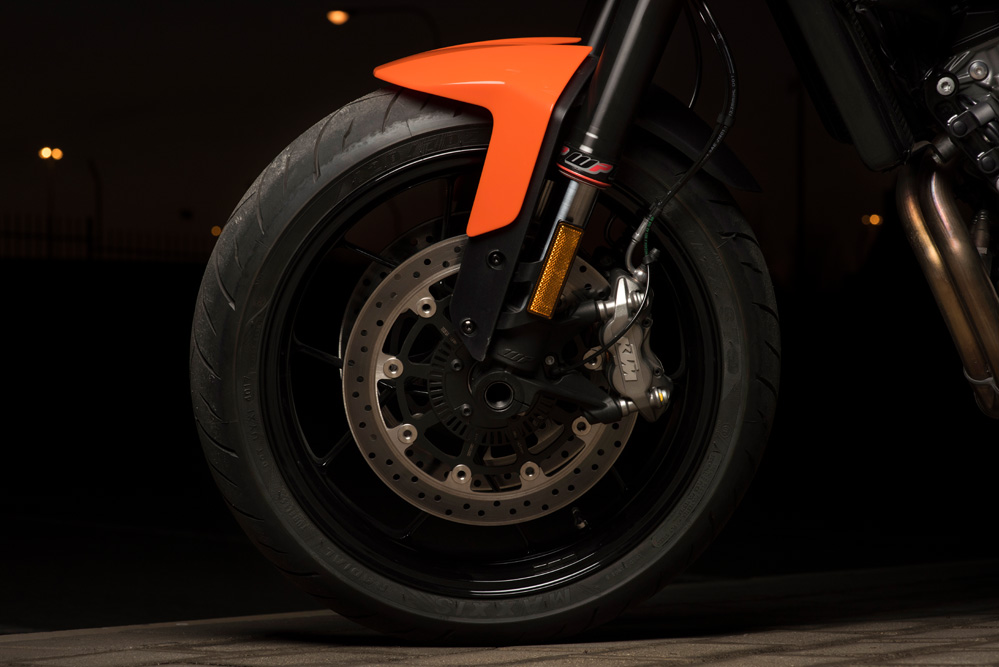
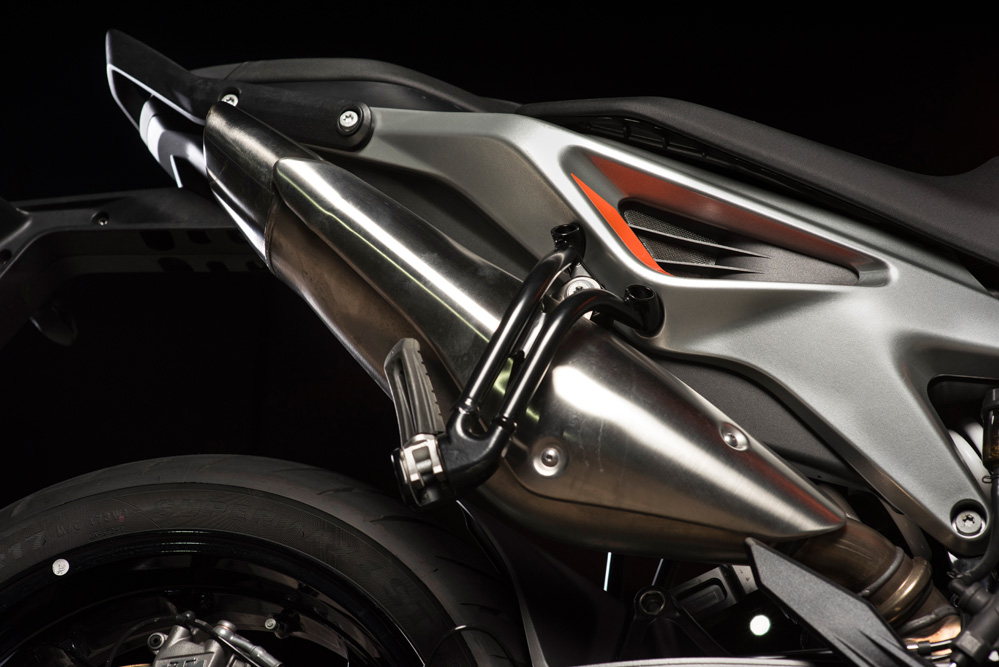
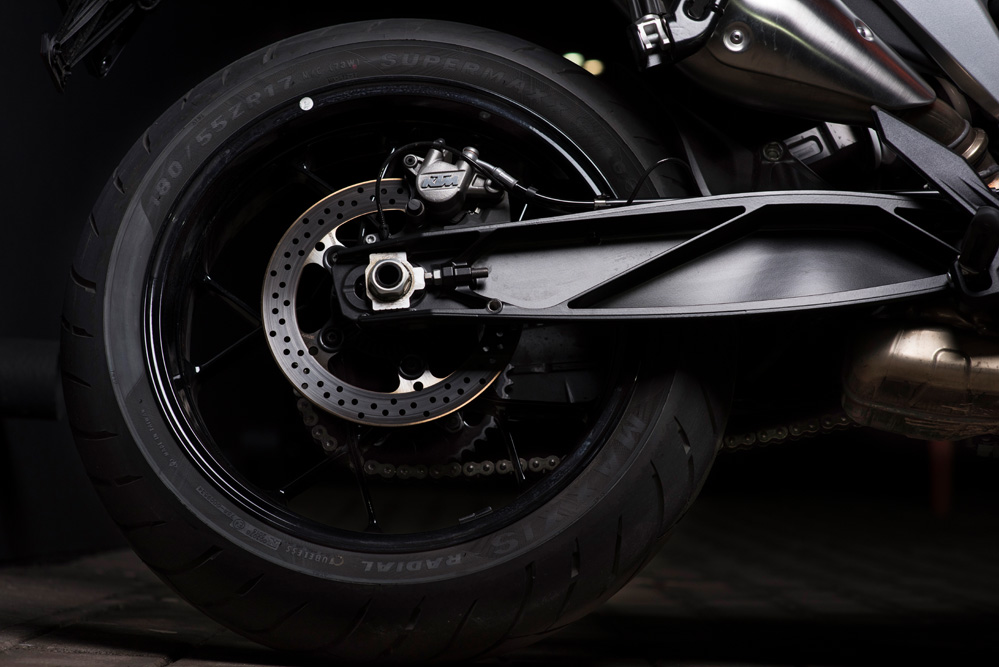
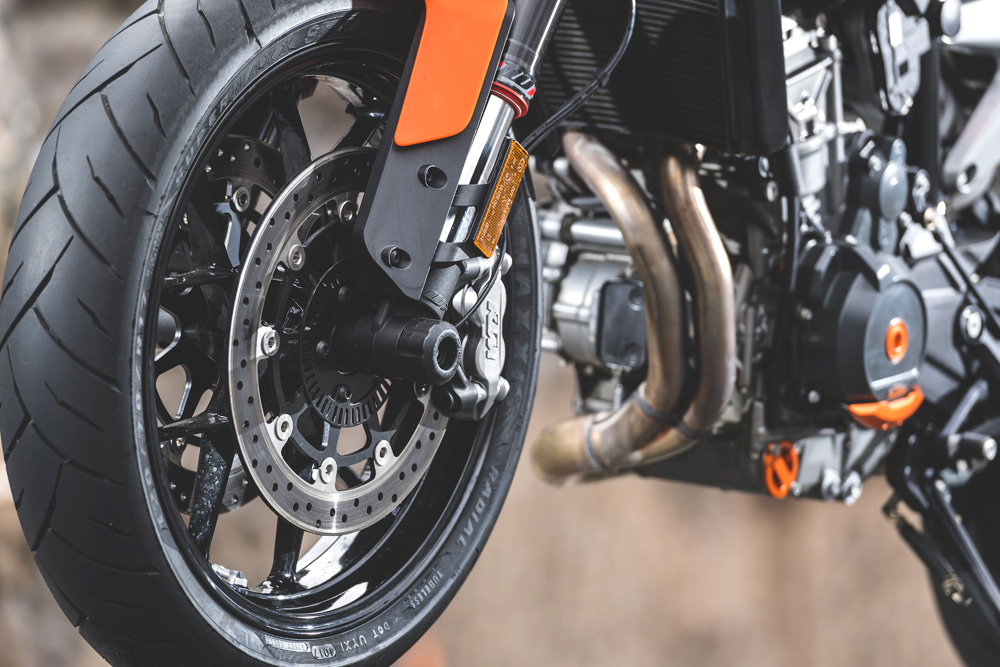
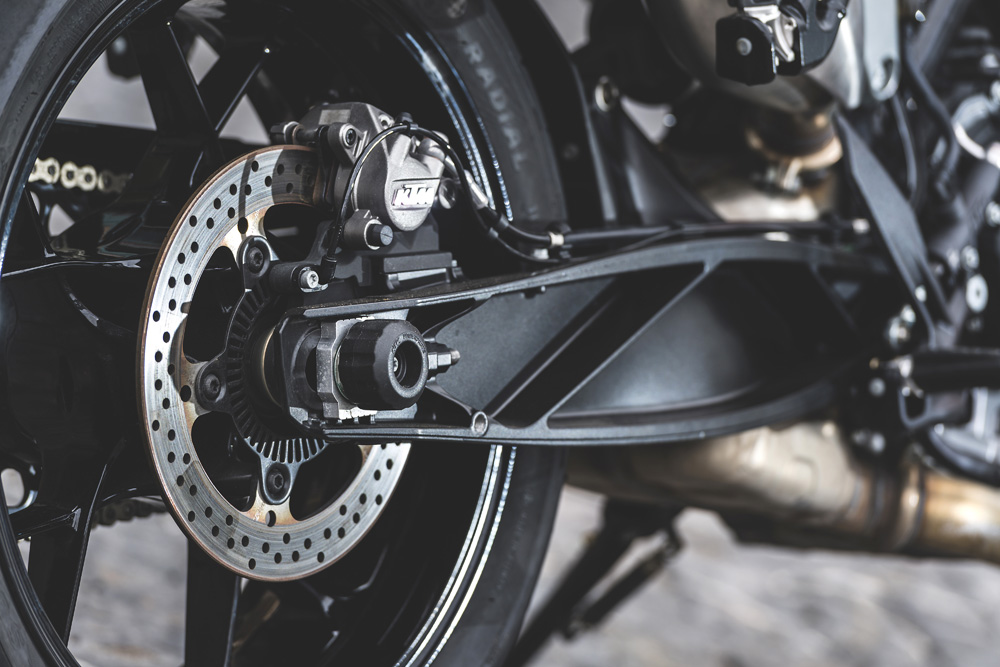 Tyres come from a little-known brand in the street bike market: they are the Maxxis SuperMaxx ST, which where developed on the 790 Duke.
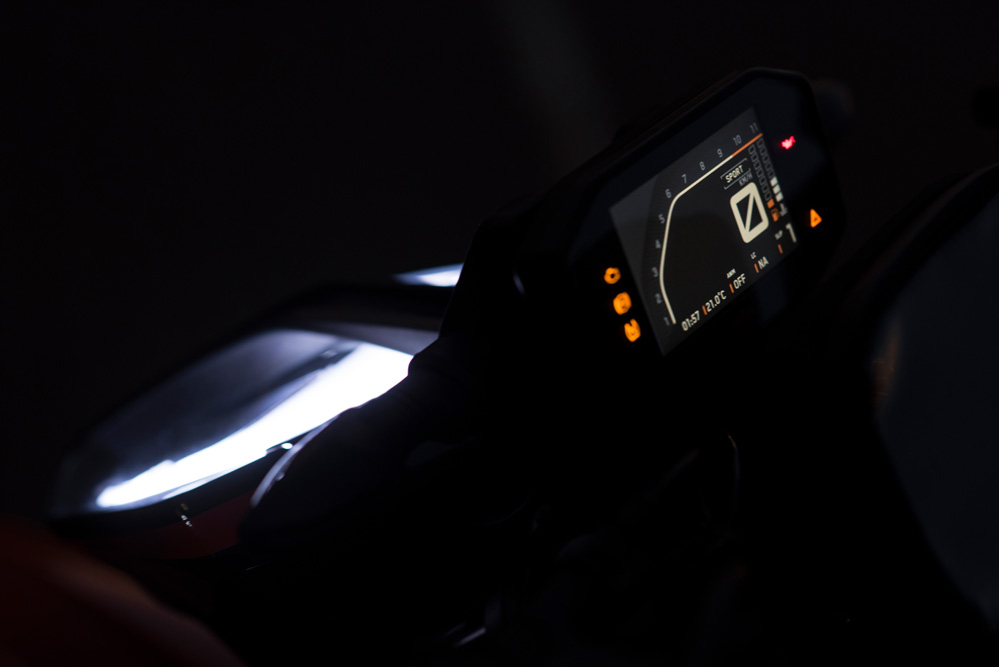
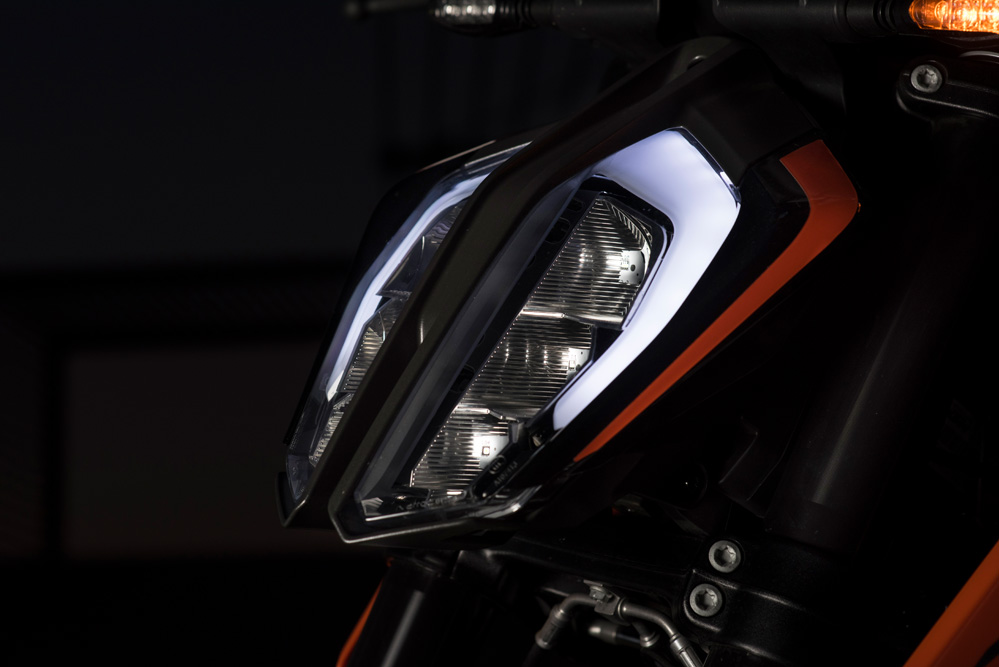
 That’s not all: we are in 2018 and this is modern times. The 790 Duke provides, by far, the most comprehensive electronic package of its segment. Cornering ABS, traction control, wheelie control, riding mode (Rain, Street, Sport and Track), motor slip regulation: the KTM 790 Duke has all it needs to combine safety and fun.
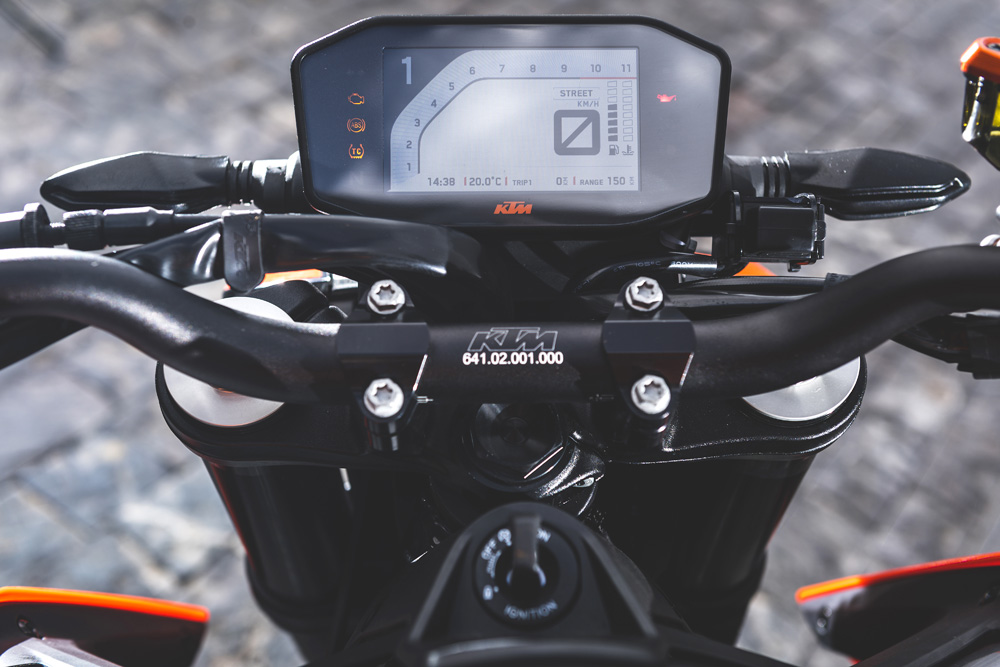 There is a lean angle sensor unit that provides safety under wet or tricky conditions. When you activate the Supermoto mode, this disables the rear ABS, so you can slide your rear wheel into a corner whilst keeping some safety with the front end.
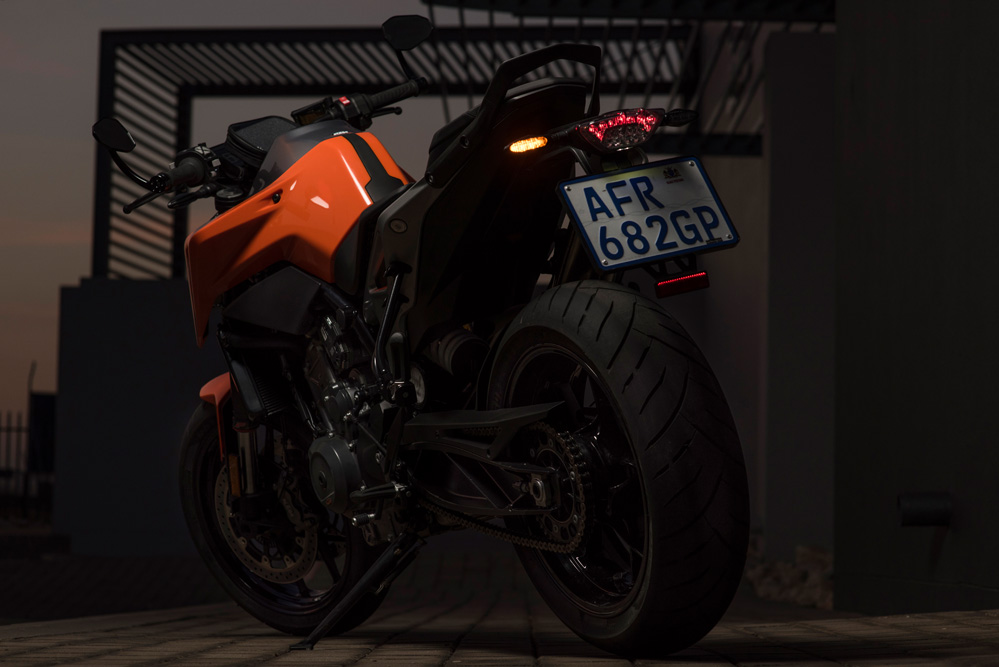
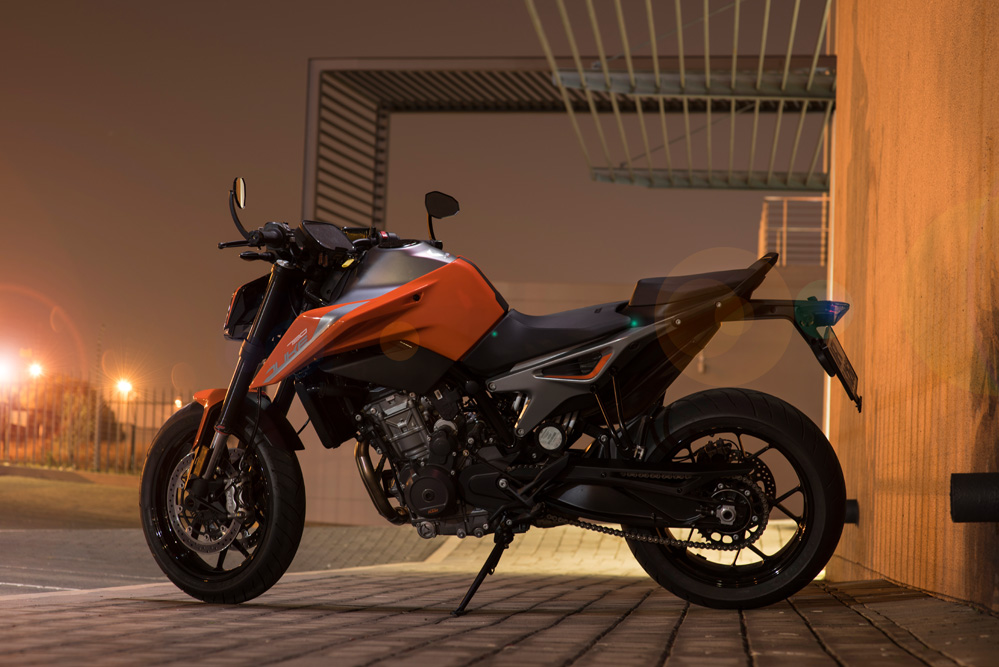
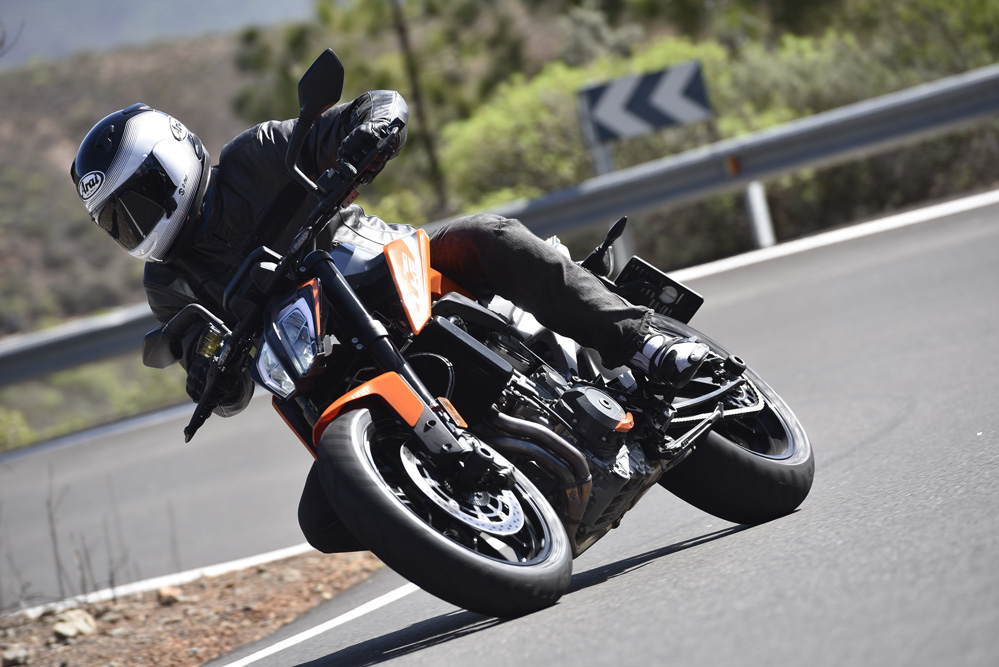 Let’s put it frankly: the KTM 790 Duke is certainly one of the most agile bike of its class. Take a corner. Many corners. Some fast, some slow, some with an apex that you’ll have to guess while being in action. It doesn’t matter the speed or the radius, the 790 Duke eats them all, even when you have to ride with a bit of improvisation. The 790 Duke, is the kind of bike that gives you instant confidence and ease. A couple of kilometres is like you’ve known each other forever. Just look into a corner and you are there already.
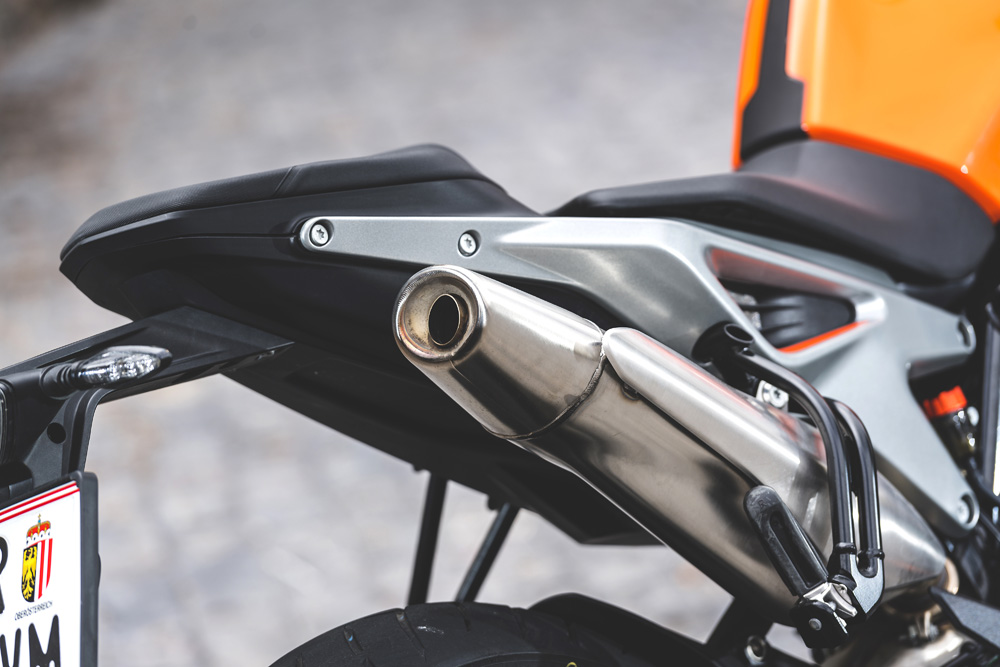
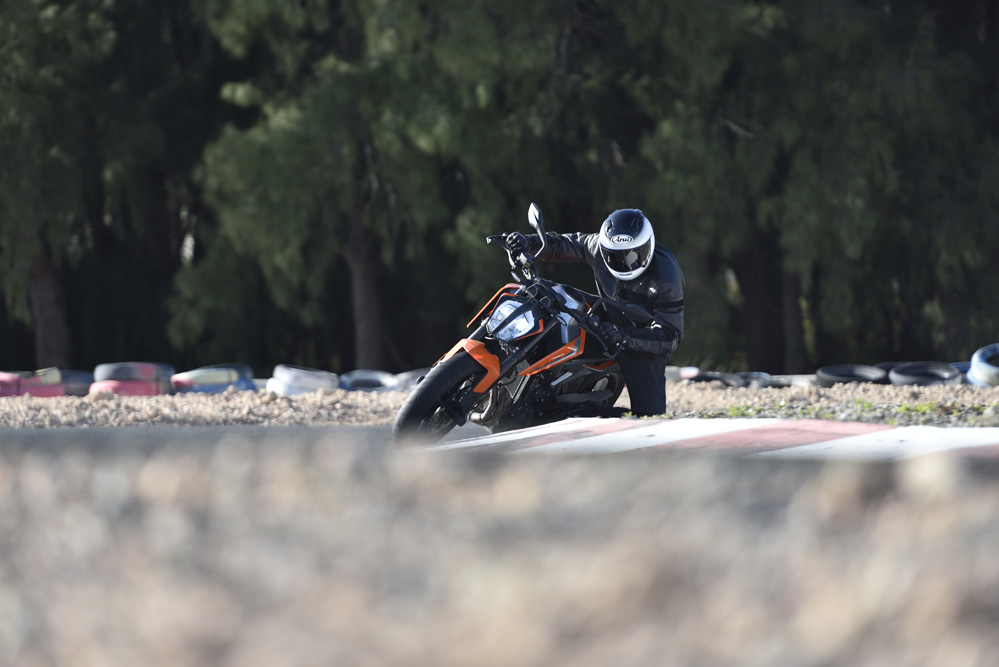 The 790 Duke makes you smile under your helmet. The engine pulls strongly, although always with soft manners, with smooth power delivery at low revs (you can cruise at 50 km/h in 4th gear without vibrations) and a decent power band between 6 and 10 000 rpm. We had the chance to ride stock standard versions and some equipped with the optional Akrapovič exhaust. The Slovenian accessory sounds better at stand still, however, the standard pipe sounds better whist riding, it has a deeper and more metallic note.
 Ready to race, really?
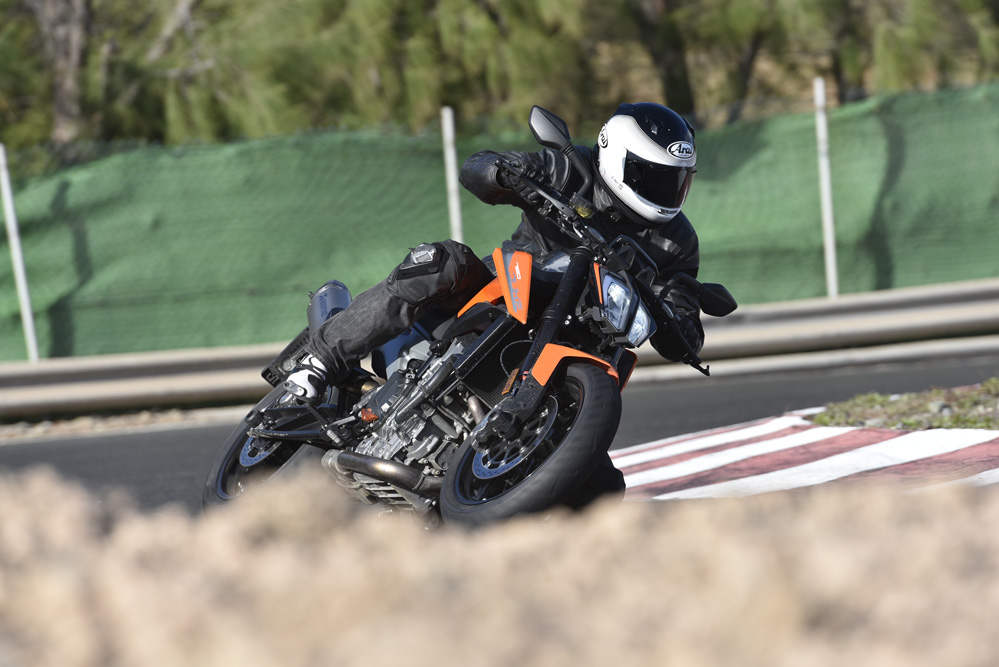 So far, this test has proven a new strong entrant in the naked bike class. Light and fun, the KTM 790 Duke may not be the biggest, the fastest or the most impressive thing you can buy, but the overall package is a extremely appealing, especially if you consider the sharp lines and the state-of-the-art electronic package.
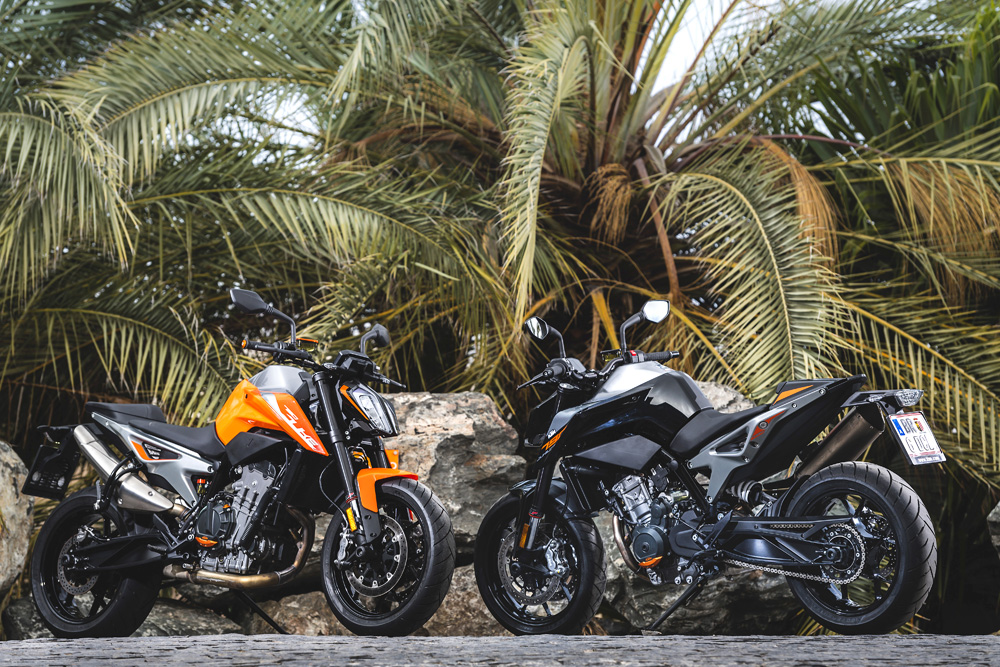 The other good news of this first ride test relies in the engine potential: it will be inside the forthcoming (planned for early 2019) 790 Adventure – this will be a gem to ride, I’m sure.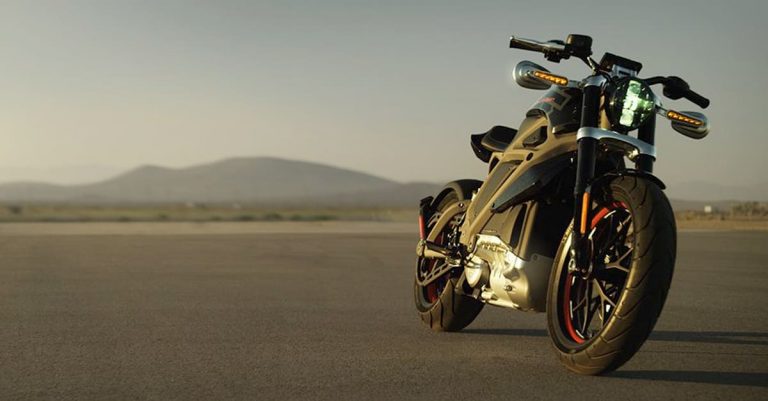
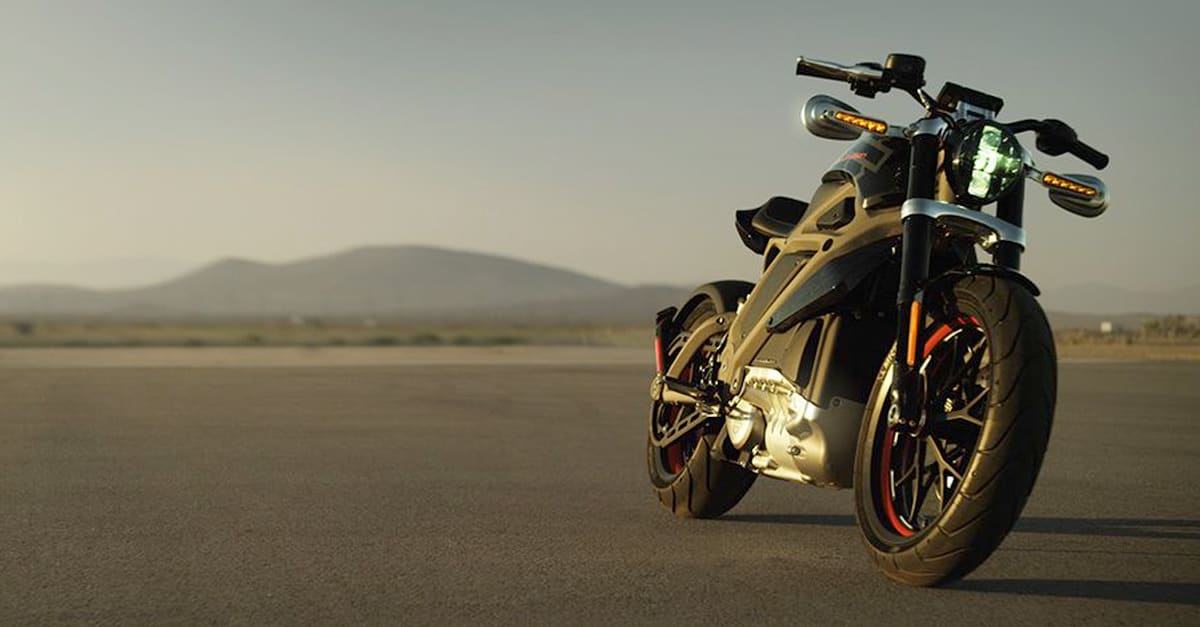
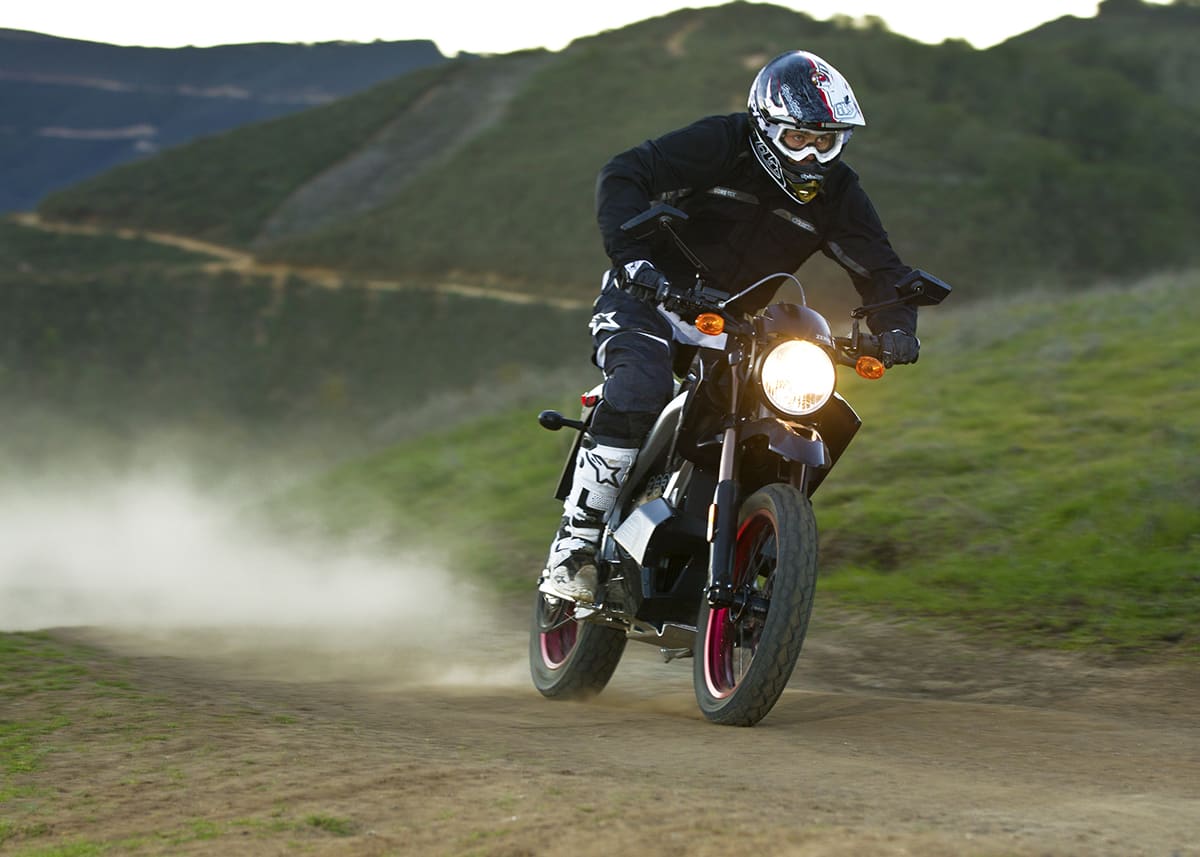
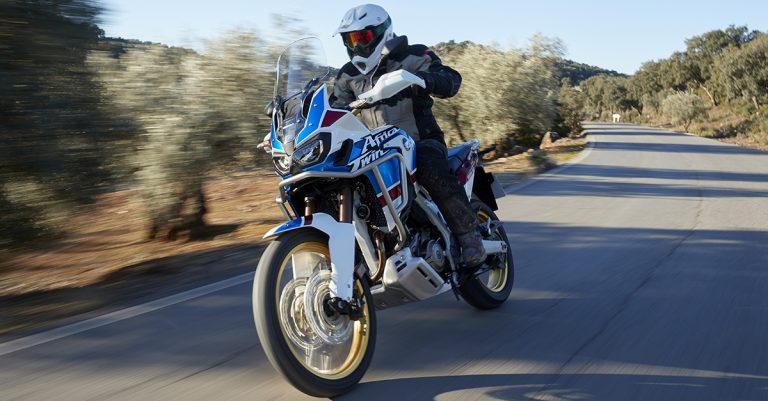
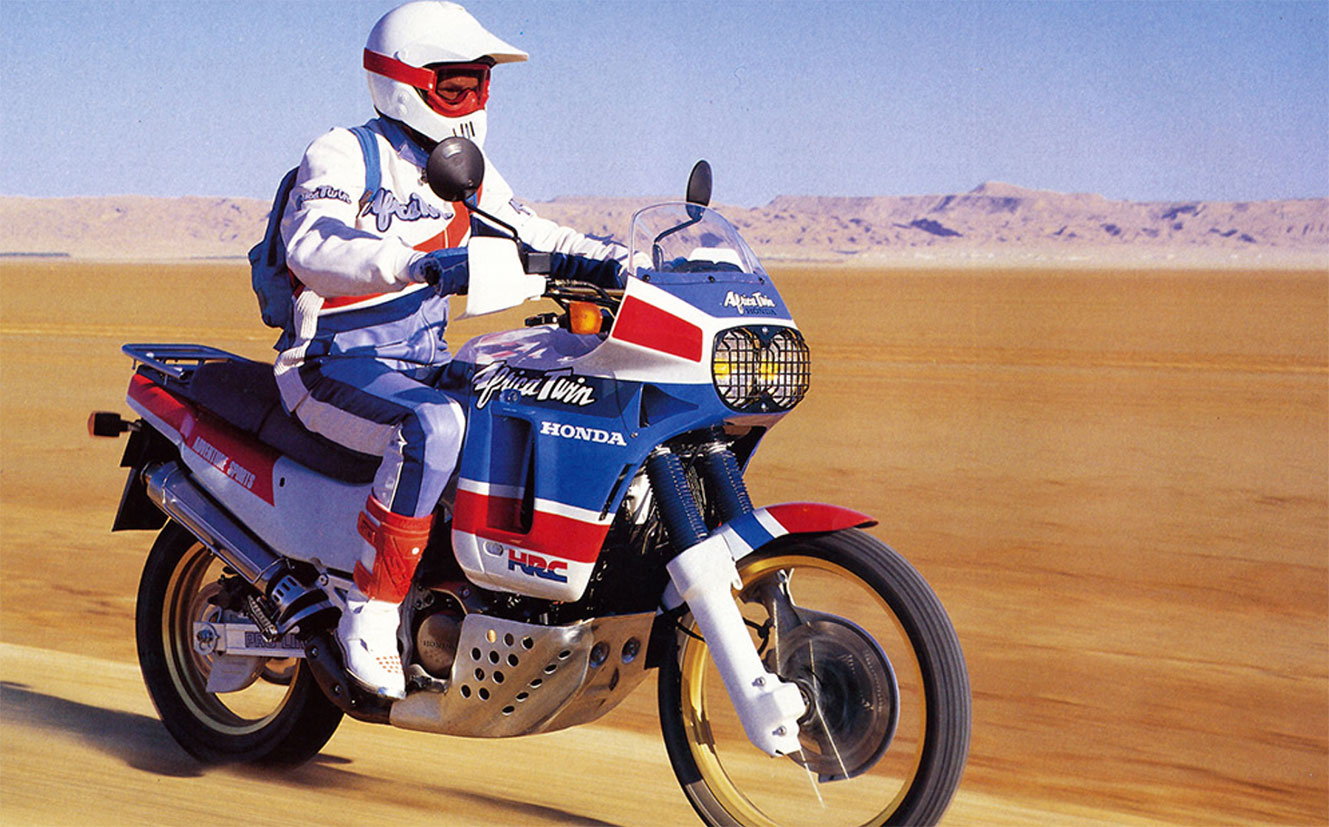
 The original 1988 Honda Africa Twin was a real game changer, as it put an end to the single-cylinder trail bike era and it took three years for Yamaha to replicate with the XTZ 750 Super Ténéré.
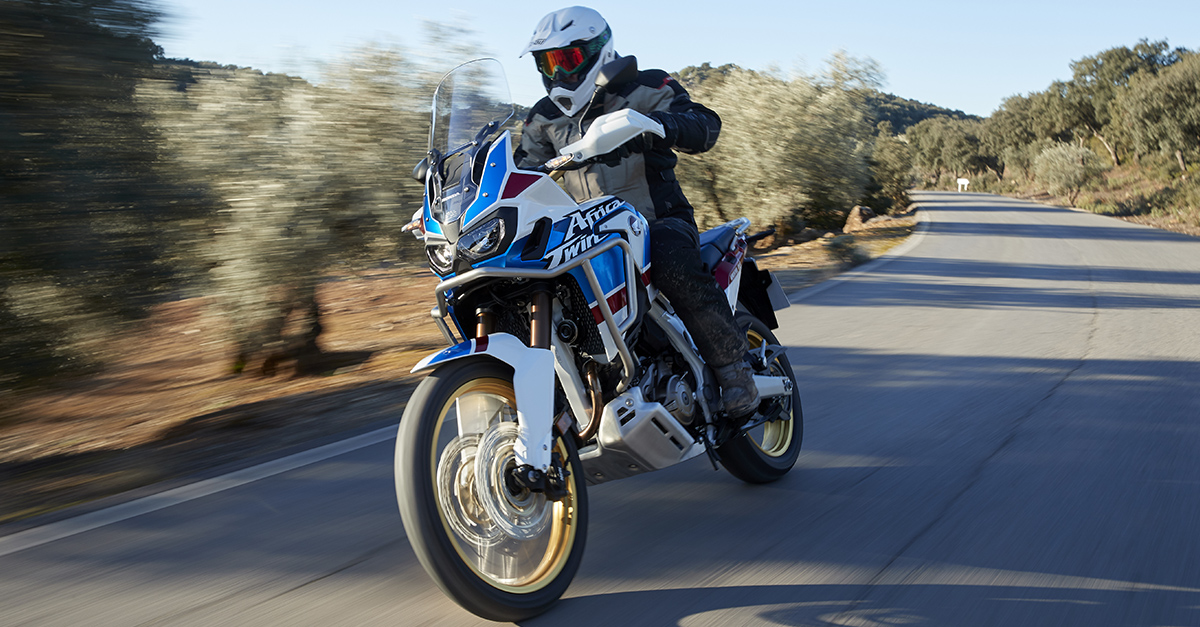
 The 2016 Honda Africa Twin was too another game changer. As big DS bikes were heading to a 150 hp plus path, Honda preferred to stick to a “real life, practical, human-sized” machine. That was a truly smart move, as the Africa Twin went straight to the hearts of all the bikers begging for the return of a “proper-dual-sport” bike, which was versatile, fun, and not too intimidating. Success was there, as the Africa Twin has sold over 51000 units worldwide in less than two years, with 45% of the owners choosing the DCT gearbox.
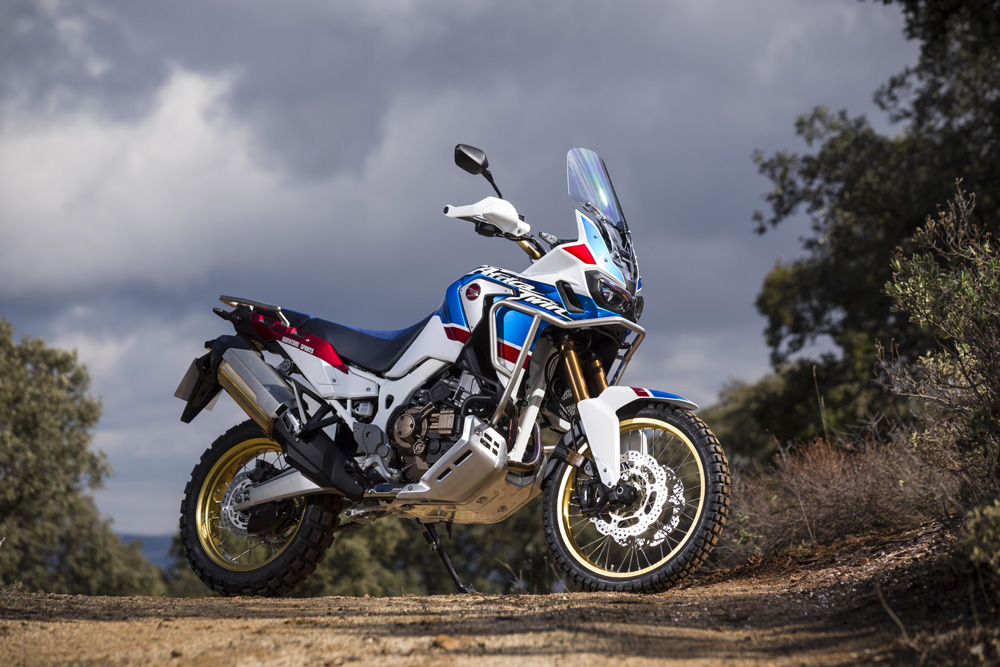 The family is getting better
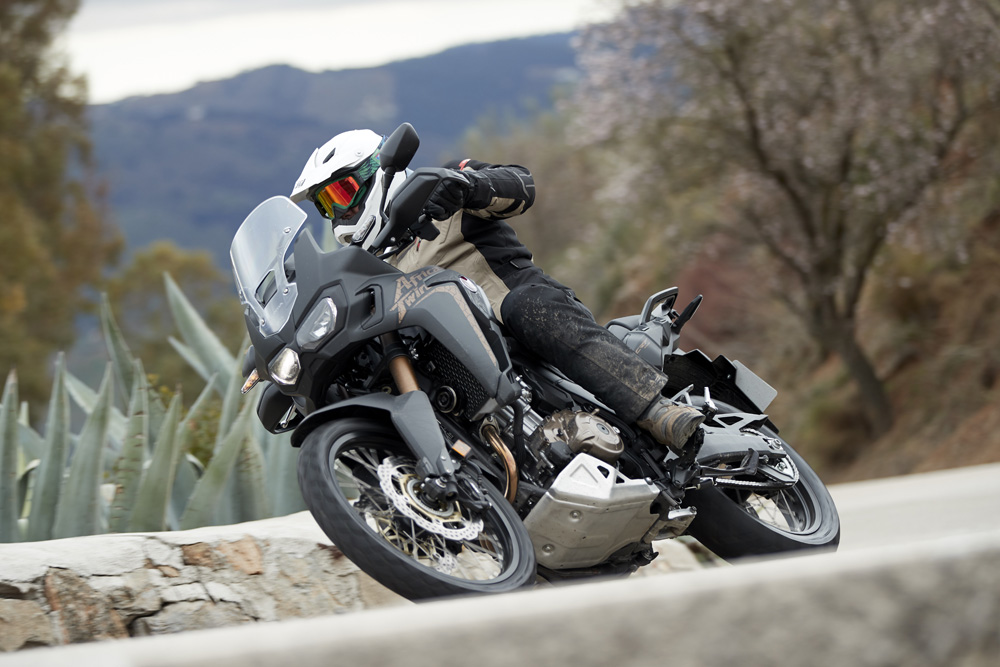 The first – and main – version has ride-by-wire. Bye bye old throttle cable; the Africa Twin is becoming more electronic. The by-wire throttle gives Honda a chance to refine the bike’s riders assistance: there are now four rider modes, Tour, Urban, Gravel plus a User mode, where you can choose over 3 power delivery modes, 3 engine braking modes and 7 traction control settings (TC can be disconnected too).
 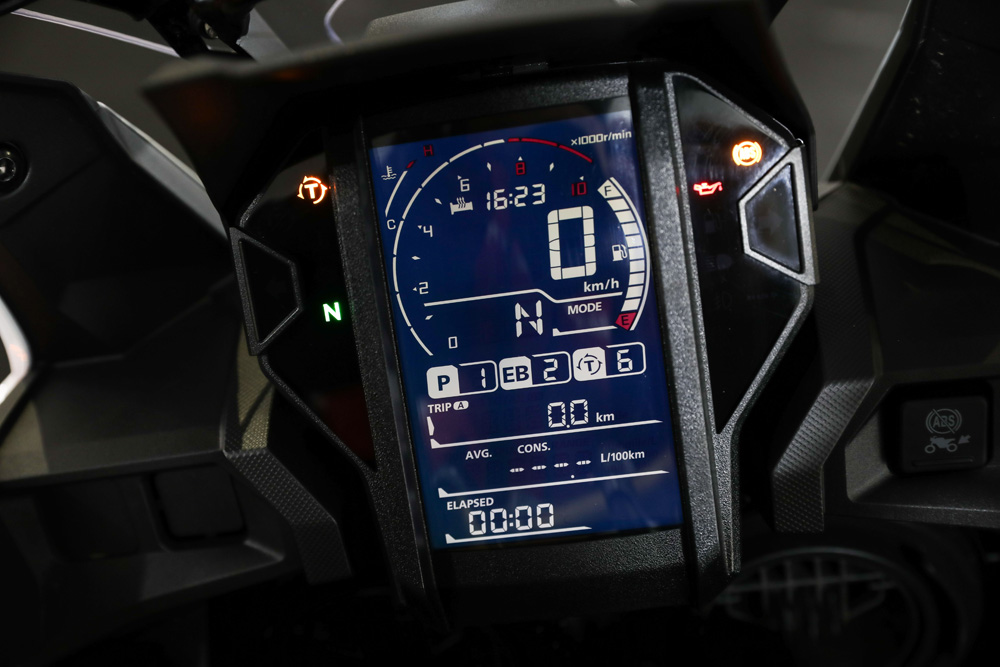 Foot-pegs are also larger, for better off-road ergonomics. Indicators now have a self-cancelling function, and activate briefly as a warning during emergency braking.
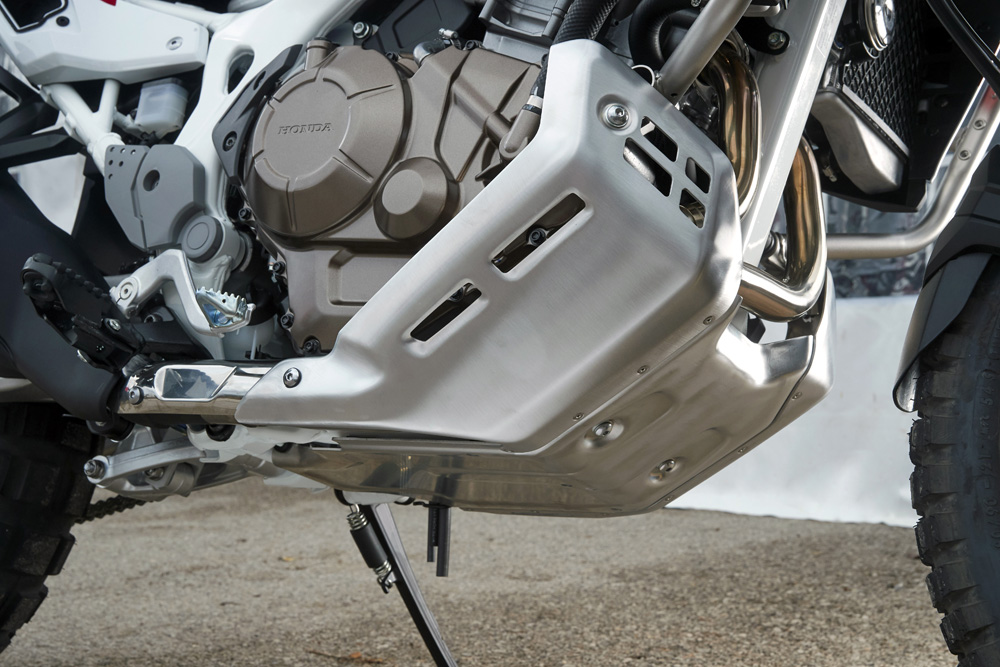 On the engine, a new balancer shaft and a revised exhaust (2 chambers and 4 litres instead of 4,6 litres and 3 chambers) give a deeper exhaust note and an easier revving engine. A new battery is also part of the MY18 package: it’s 2,3 kilos lighter and supposed to last four times longer.
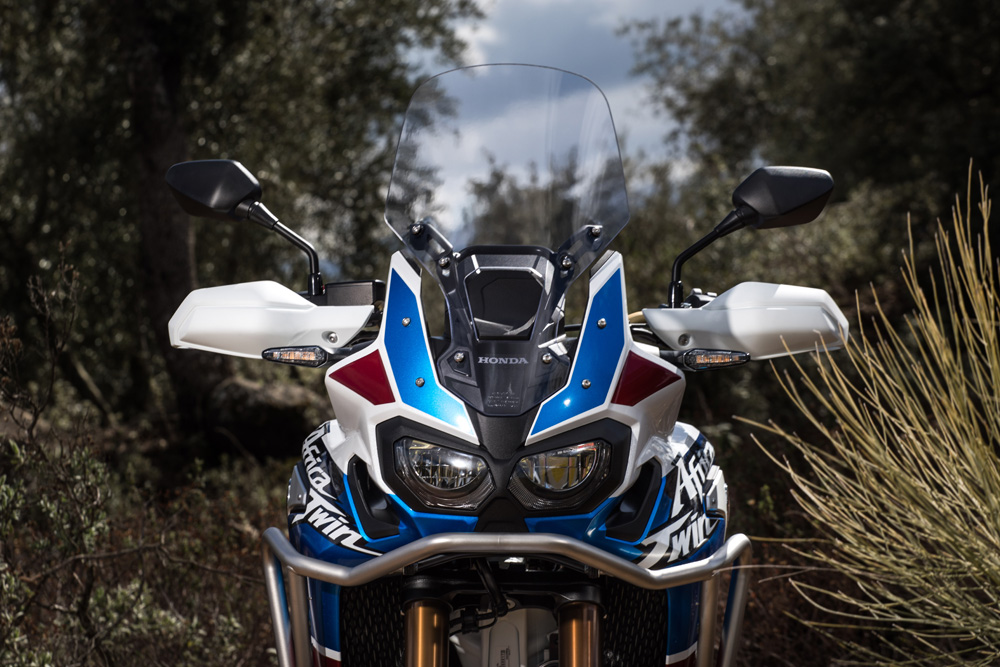 The bash plate and crash bars are a genuine invitation to Baviaanskloof on a rainy day! The windscreen is 80 mm taller (but somehow narrower on its basis), the fuel tank is bigger (24,2 litres instead of 18,8 litres), the seat is new and the heated grips are also standard on the Adventure Sports. There is a 6 kilograms increase, making the standard gearbox at 243 kilos and the DCT 10 kilos more, which is not that much if you consider the difference in specifications between the two versions.
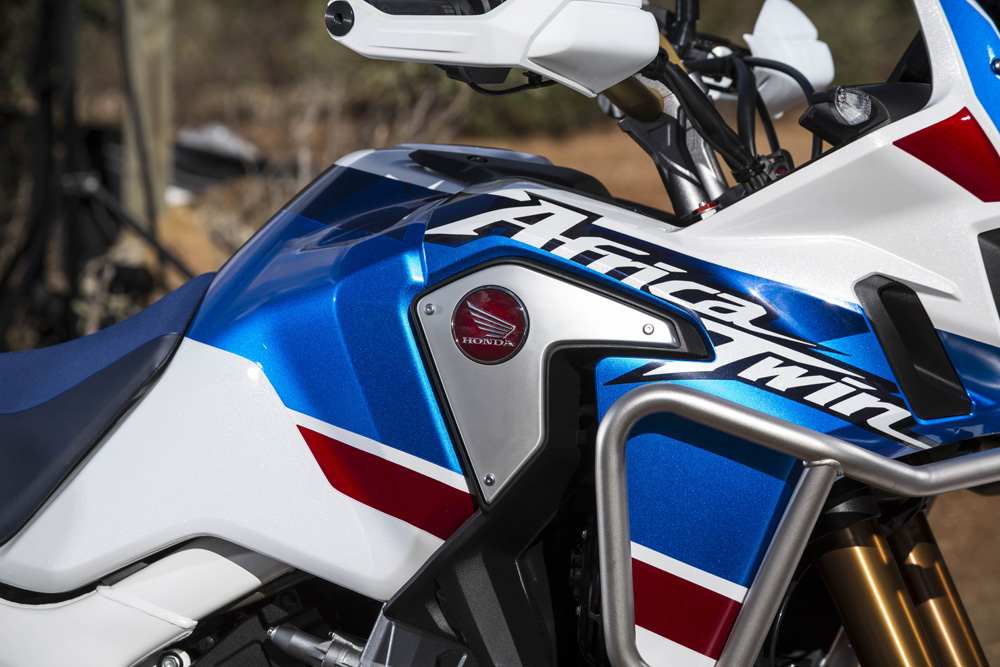 Talking about the seat, here is a small warning: instead of the 850/870 mm Africa Twin offering, the Adventure Sports reaches a tall 900/920 mm. The good news is you’ll also benefit from longer suspension travel (252 mm instead of 230 mm for the front fork; 240 mm instead of 220 for the rear shock) and a better ground clearance (270 mm instead of 250).
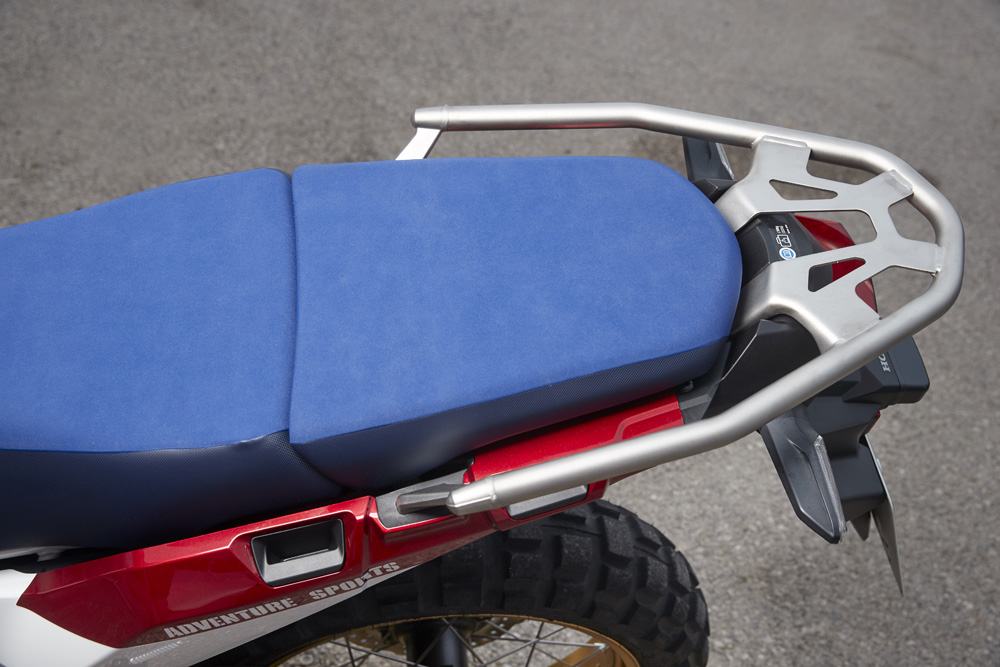 But with a 900 mm plus height, a figure that is normally in the league of proper enduro machines, plus a wider tank, the Adventure Sports will require its owner to have the proper body shape… and the proper leg size!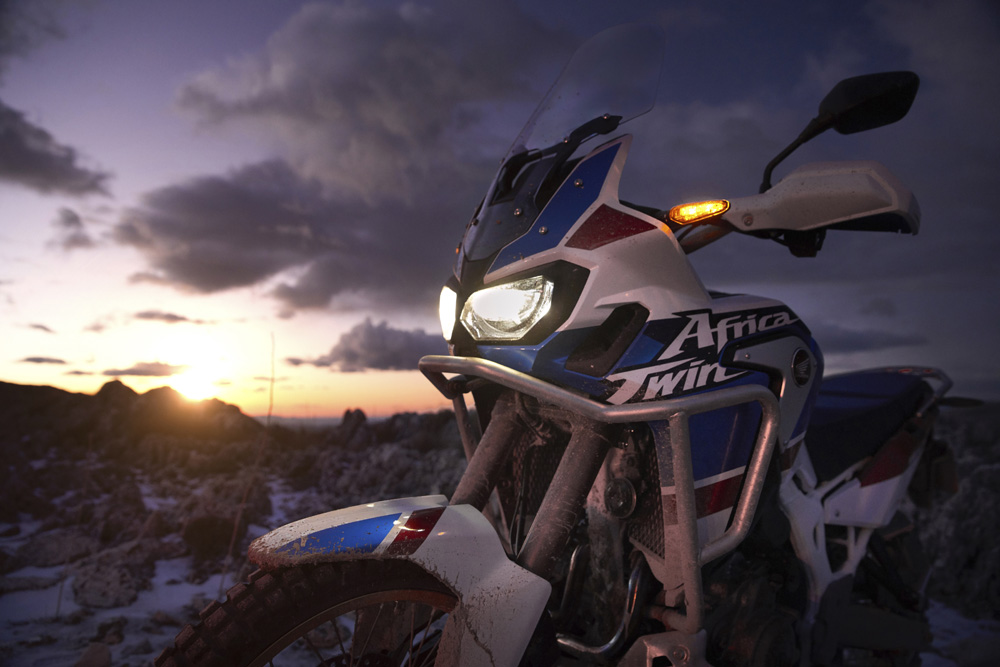
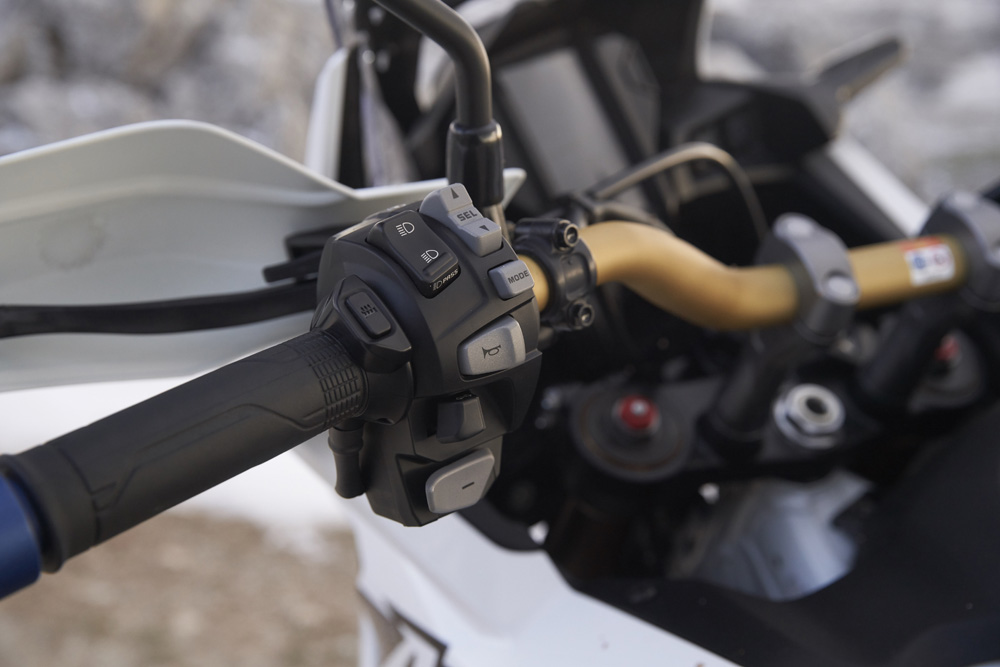 Once on your way, the windscreen protection could have been a bit better (there is some turbulence if you wear an off-road helmet), but the agility, despite the size and mass of the bike, is just awesome. You can eat twisties all day long like scrambled eggs at breakfast and there is no effort required to get into corners or even change line. The front fork dives a bit under hard braking, like most of the good old trail bikes.
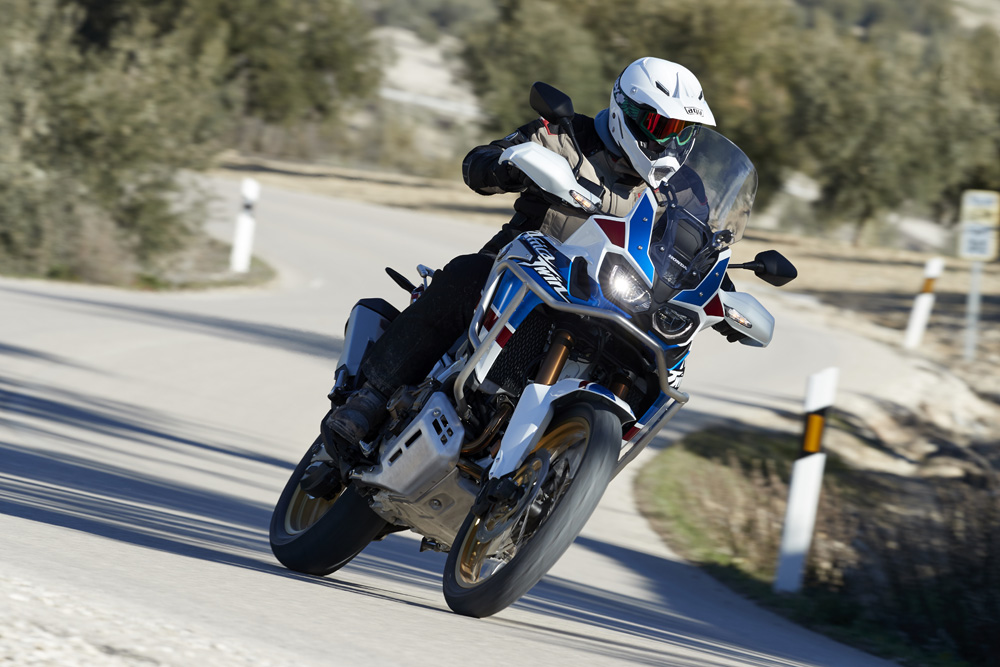 On the gravel road, the standing riding position is also better than on the standard Africa Twin, as the handlebar has been raised by 32,5 mm and is also now 6,5 mm closer. On gravel, high-speed stability and suspension efficiency is spot-on.
 Conclusion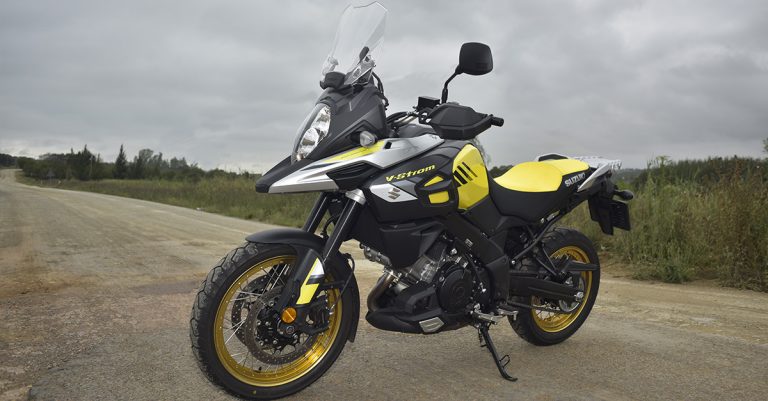
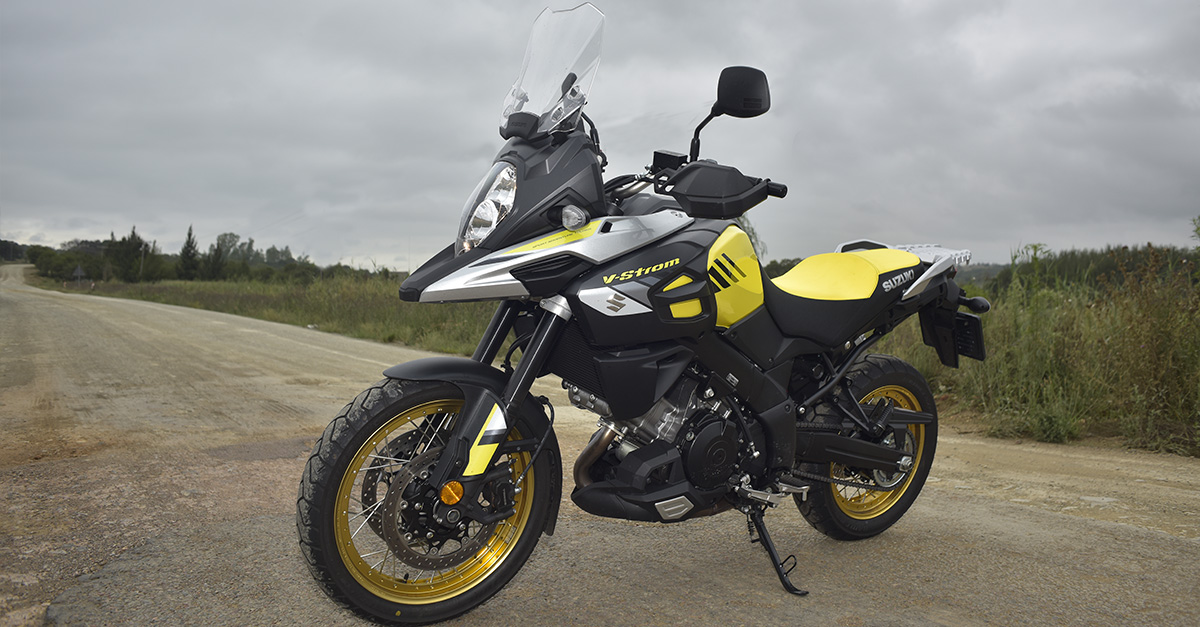
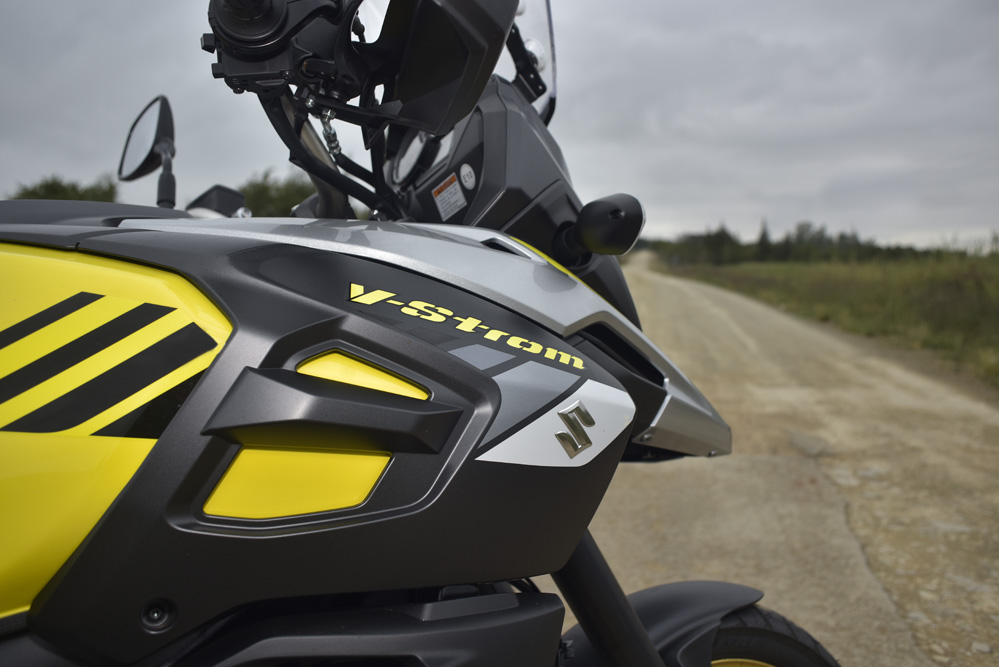
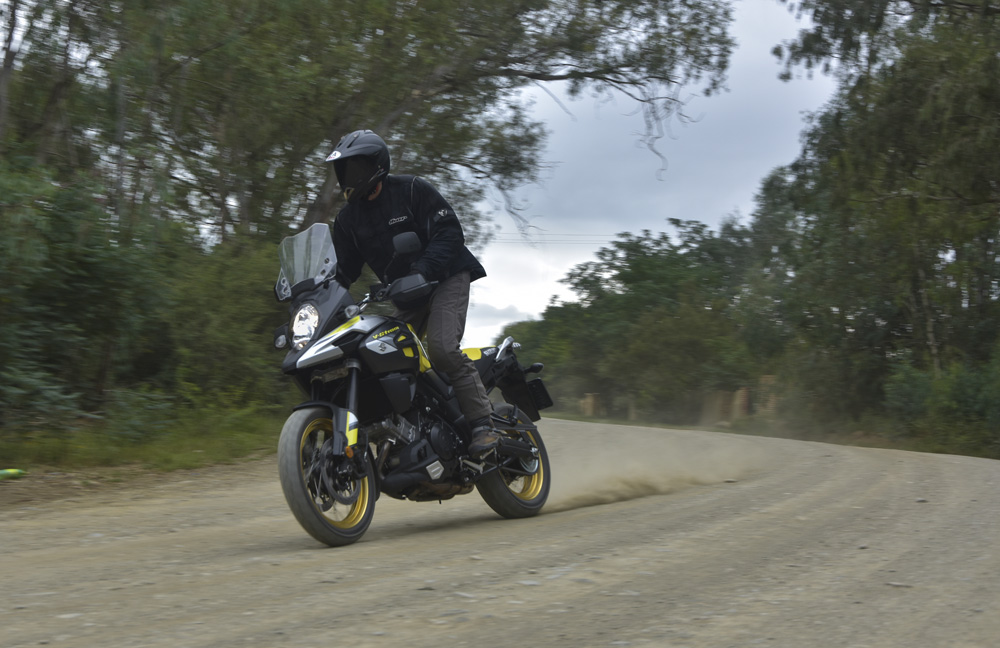
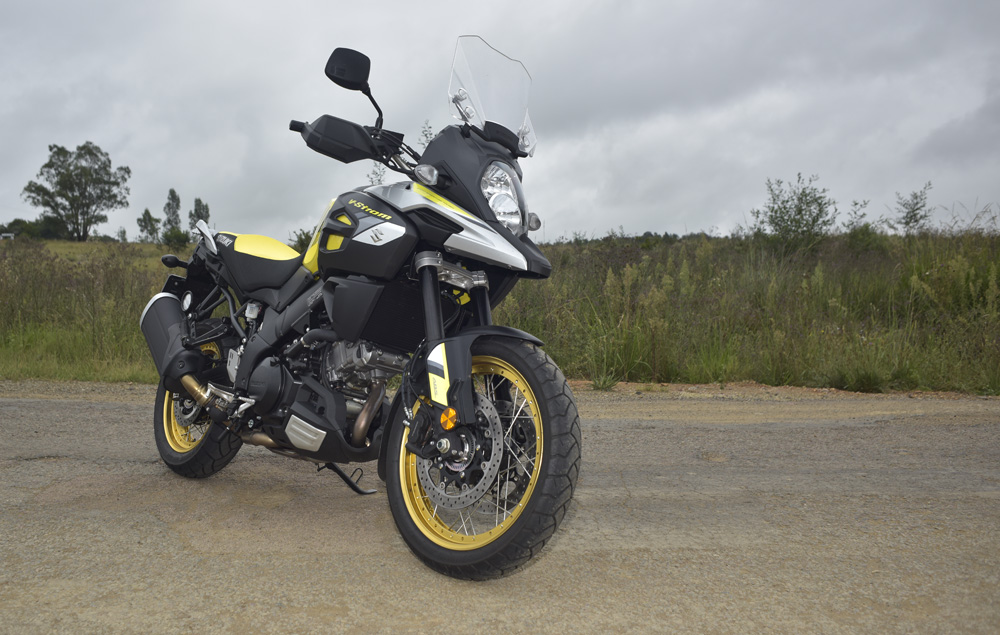
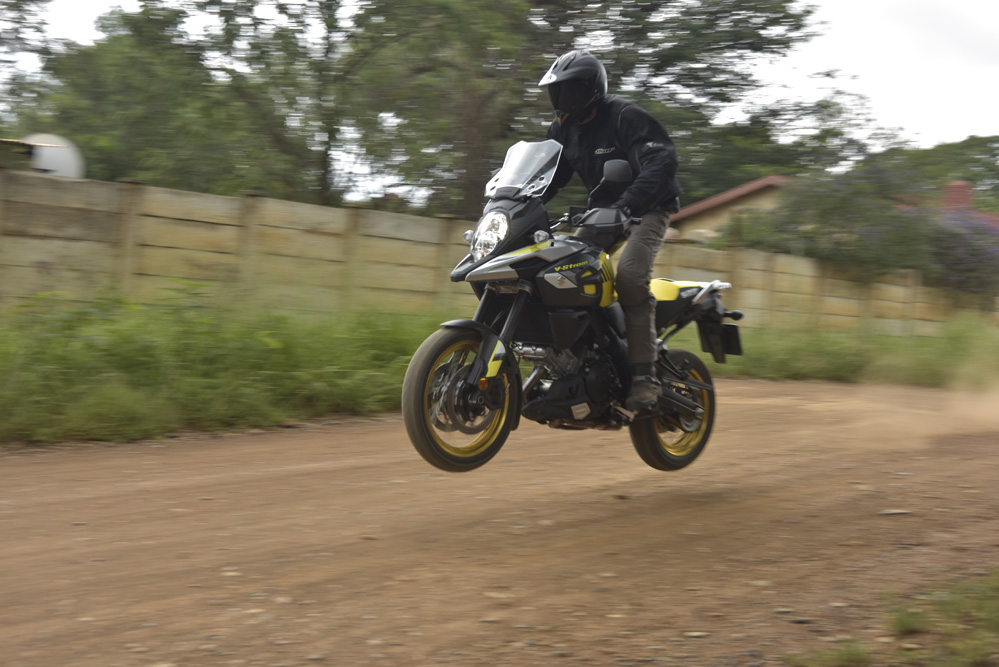
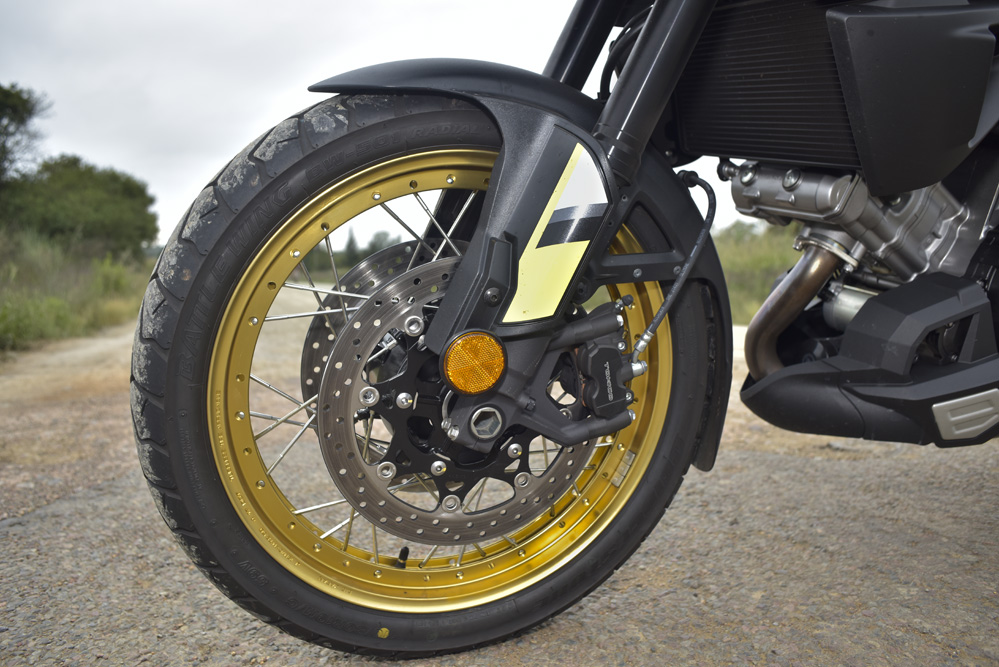
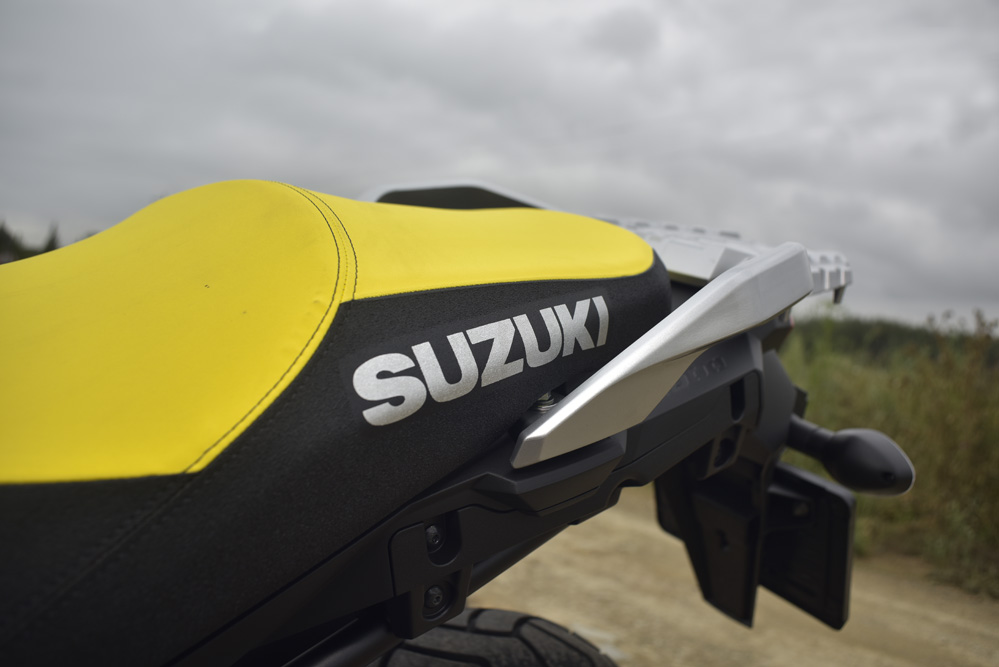
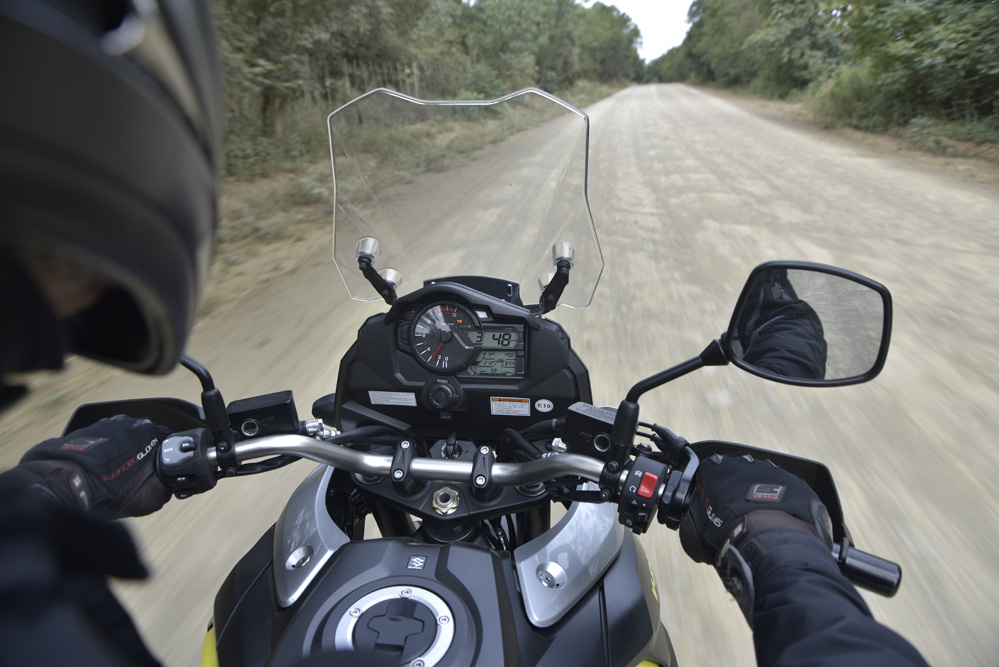
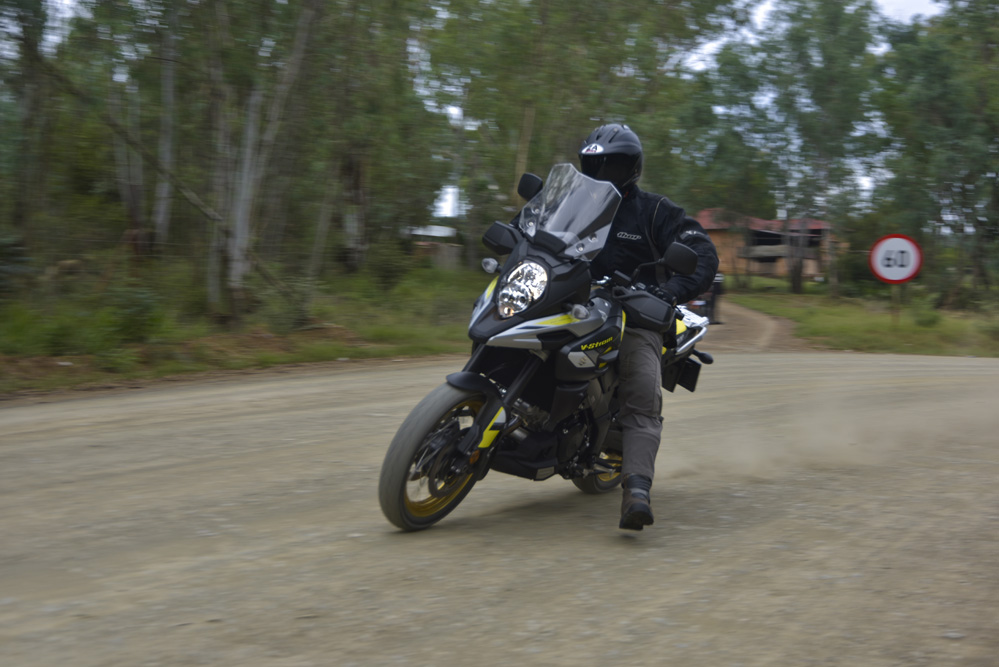
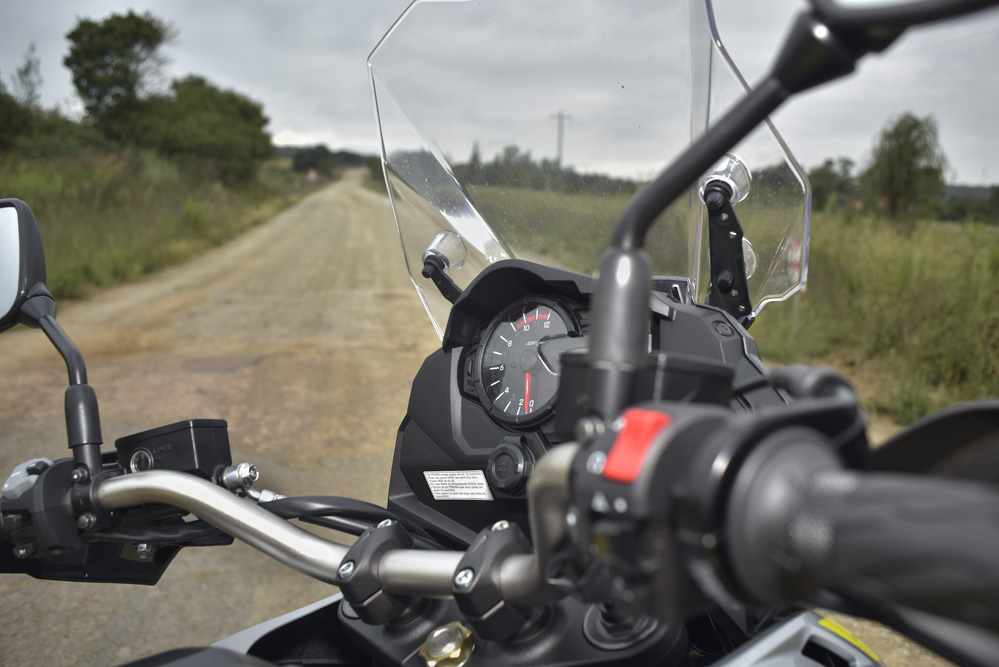 At a purchase price around R165 000 the Suzuki is quite frankly in a class of it’s own. All you need for serious gravel travel is serrated off-road pegs, a bash-plate and crash-bars. Panniers and top-box are available as factory options from Suzuki. For one moment just engage your brain! You could buy yourself the incredibly competent DL 1000, silence your buddies chirps after the first proper ride, and still have a huge amount of ammo left in your bank account. Enough to fund your next year’s worth of adventure travelling. The bike averaged 5,7l/h on a tank used with gusto in the dirt, on road and two up. Typical real world consumption. The 20l tank giving decent range. The V-Strom has a decal on the front which reads ‘Sports, Adventure, Tourer’. They could not have stated it better.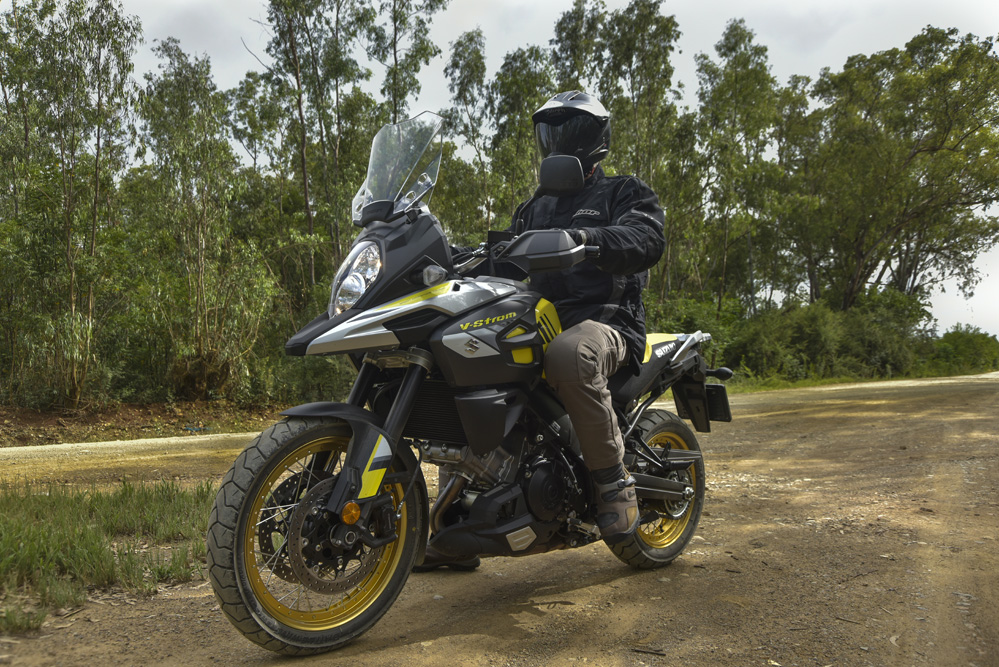
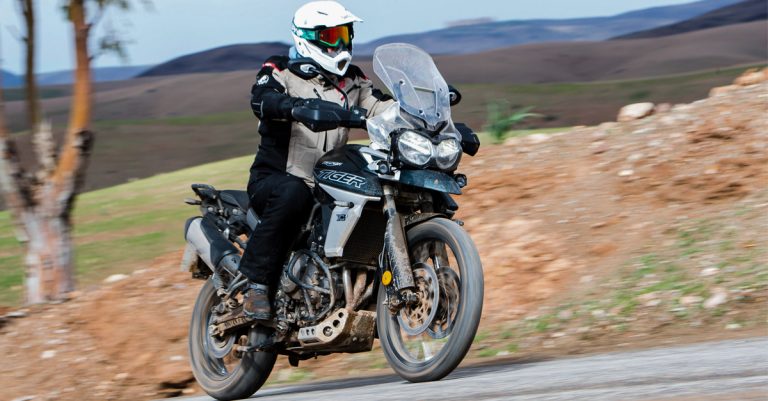
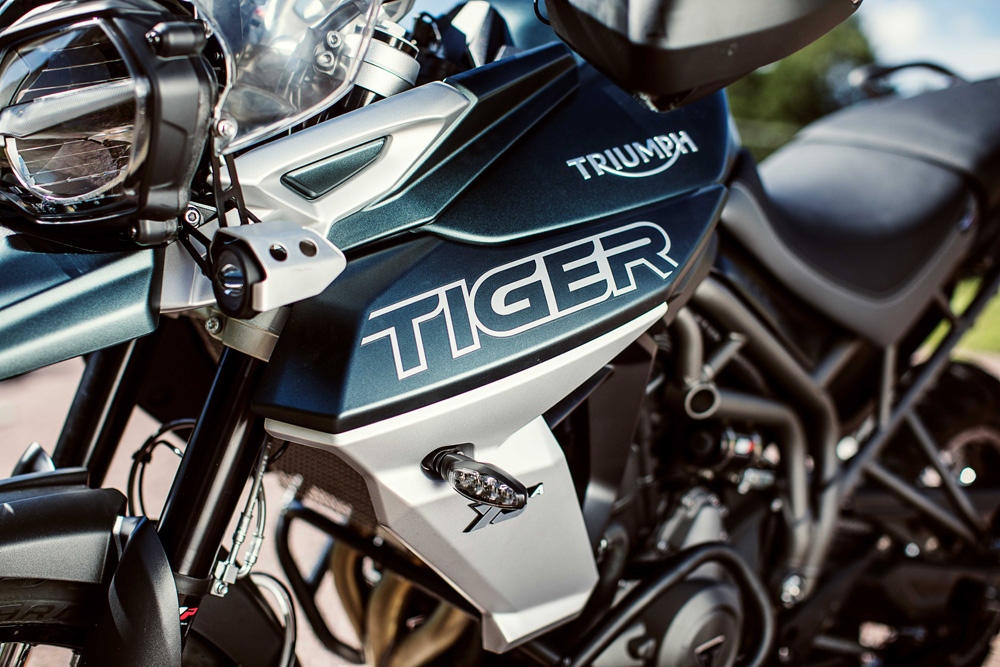
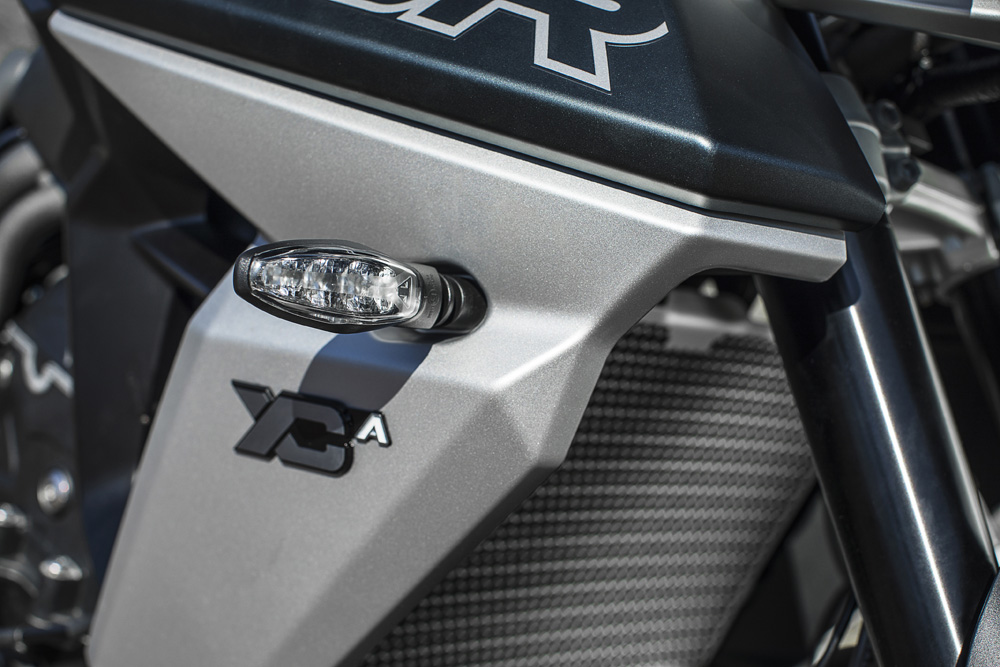
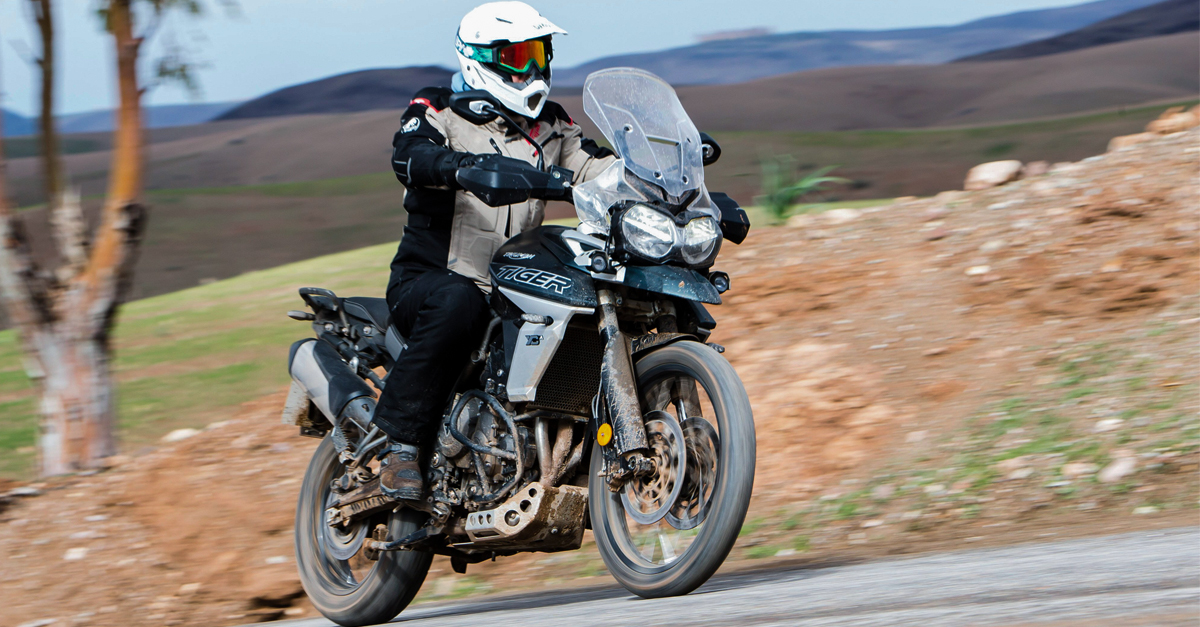 Morocco. Winter. Snowy Atlas mountain foothills, a fleet of brand new 2018 Triumph Tiger 800 XCa’s, some tents in which to sleep, everything is just fine, as we were promised a genuine adventure experience – except it has been raining a lot.
 When there is a combination of gravel, potholes, dodging goats, and water on the road, now that is just perfect to test a proper dual sport bike. Touring bikes start to feel so heavy and agile naked machines behave awkwardly, the dual sport doesn’t give a s**t, and the happy biker continues his trip, smiling under his helmet.
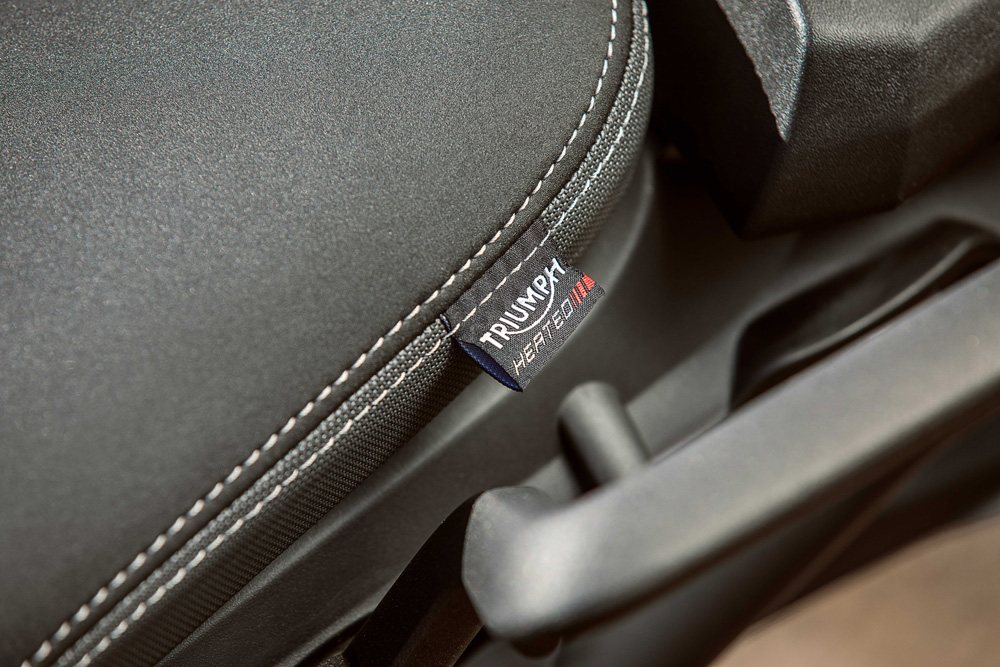
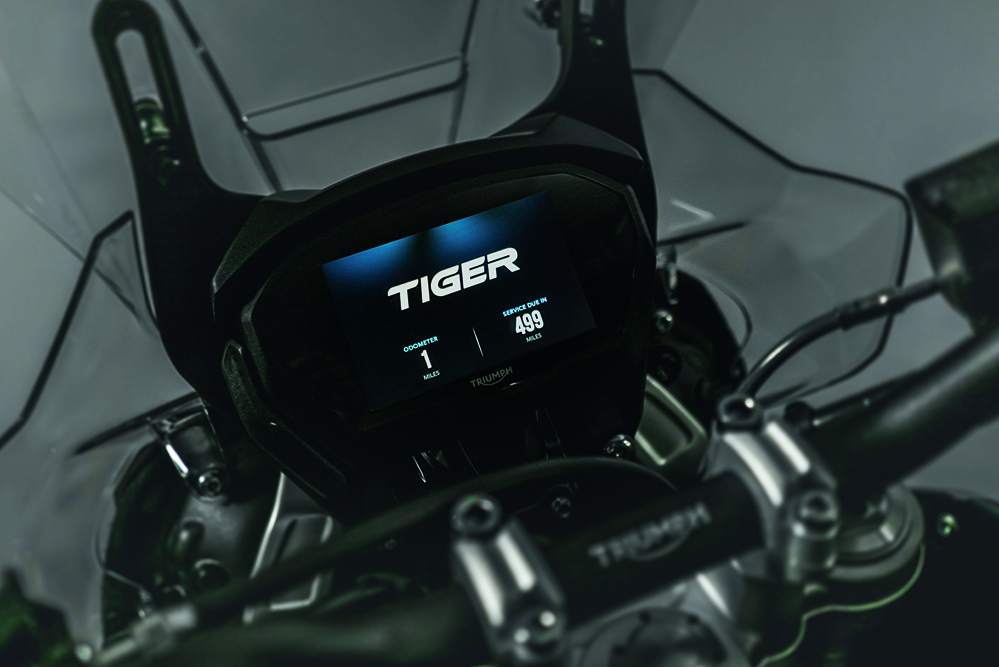
 A brand new 5 inch TFT colour instrument display with up to 12 different screens, illuminated backlit switchgear and a 5-position joystick control, as well as up to 6 riding modes for the high-spec versions. The XCa and XRt also feature cruise control, as well as heated handgrips and seat, including for the pillion… First class comfort, indeed.
 Lower first gear
 The torque curve is nearly as flat as Table Mountain: from 2500 to 9000 rpm, there is always more than 70 Nm of torque. That translates into a rather linear, yet always-consistent engine. On the poorly surfaced Morocco B-roads, it did not really matter to exit a corner in 3rd or 4th gear, as the traction is strong and the throttle response just felt perfect. Unlike its bigger sibling the Tiger 1200, the 800 does not offer an quick shifter, even in the top-spec versions; same applies with the Arrow exhaust.
 The main technical change resides in the gearbox, with a first gear ratio lowered by 12%. Triumph wanted to enhance the Tiger’s off-road abilities, as well as giving more oomph when accelerating in first gear.
 For off-road use, I’d love to see the handlebars a bit higher and the rear-brake pedal a bit lower: nothing major, just a centimetre or two. Besides that, the off-road session was an absolute joy, thanks firstly to the smooth engine response combined with perfect fuelling.
 There is an extra riding mode on the XCa: Off-Road Pro, which disconnects all safety aids. The traction control is free, as well as the ABS; it’s still possible to get into the menu and activate a bit of ABS on the front wheel for safety issues, though.
 The XCa is also a great mile-eater. The 5-position adjustable windscreen offers proper wind protection, the heated grips are efficient (with an outside temp of 5°C, the 1 out of 3 setting was sufficient) and the engine provides effortless cruising (5800 rpm at 130 km/h in 6th, with a 10500 rpm red line). On board computer values tend to reveal a rather frugal motorcycle, with an average of 4,7 l/100 after our road test, and 5,65 l/100 during the off-road session. The 19 litres fuel tank will then provide a proper range.
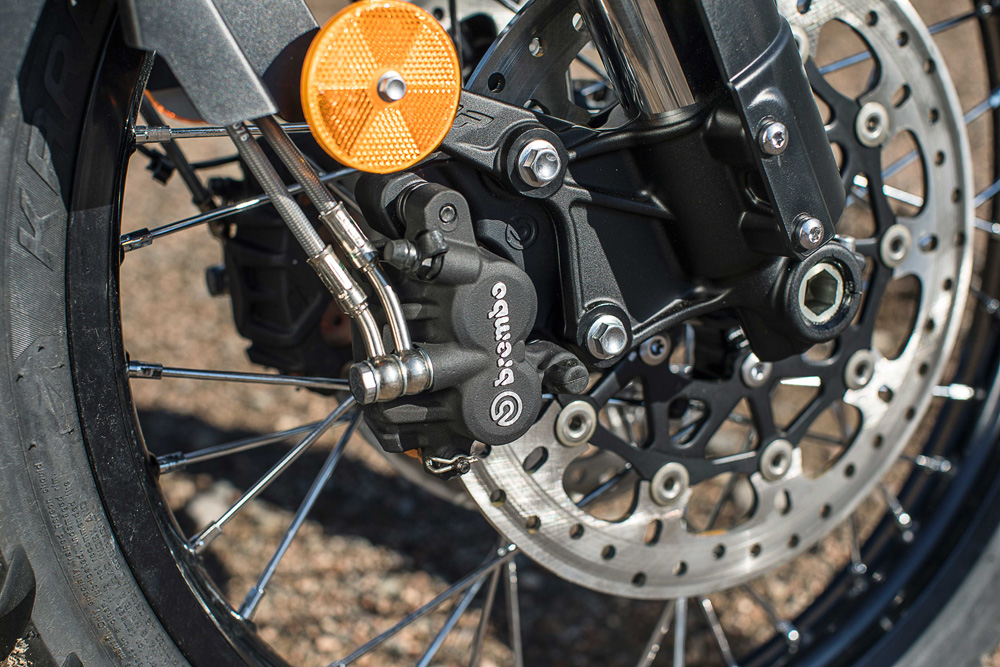
 On the rather frantic b-roads, the Tiger’s agility was also a great asset. One downside was the brakes: the Brembo callipers do the job, but with no particular finesse in terms of feeling.
 The Tiger 800 XCa scores in every department: it’s a perfect commuter, a proper long-distance tourer and has some really decent off-road abilities. On top of that, it’s surely the most high-tech bike in its class, with comfort and safety features which will be quite hard to match. Add the charm and the sound of a great in-line three engine, and you’ll get a combo that is hard to beat.


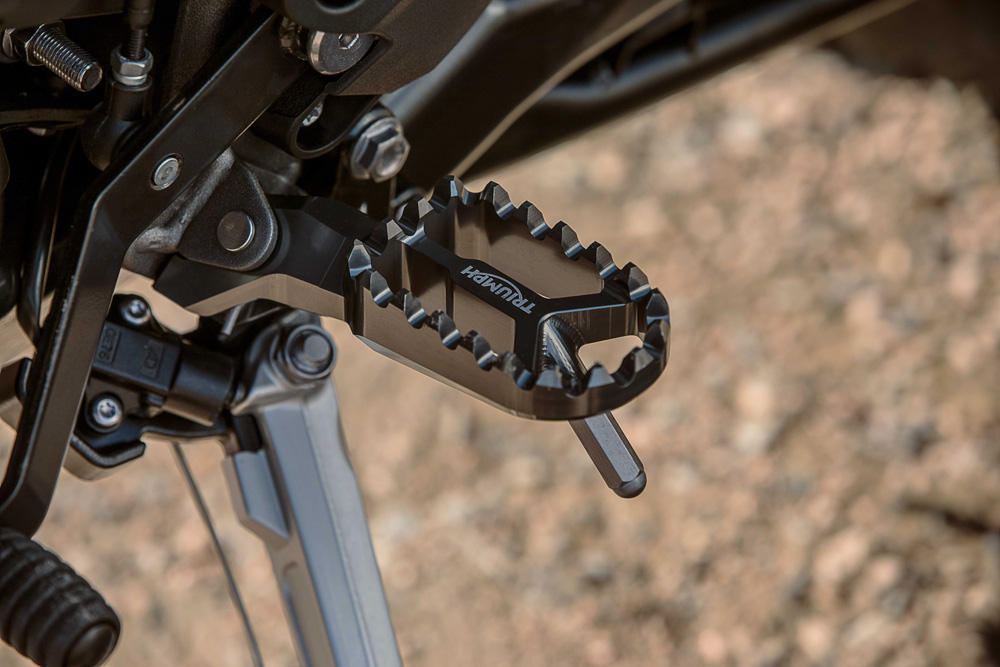
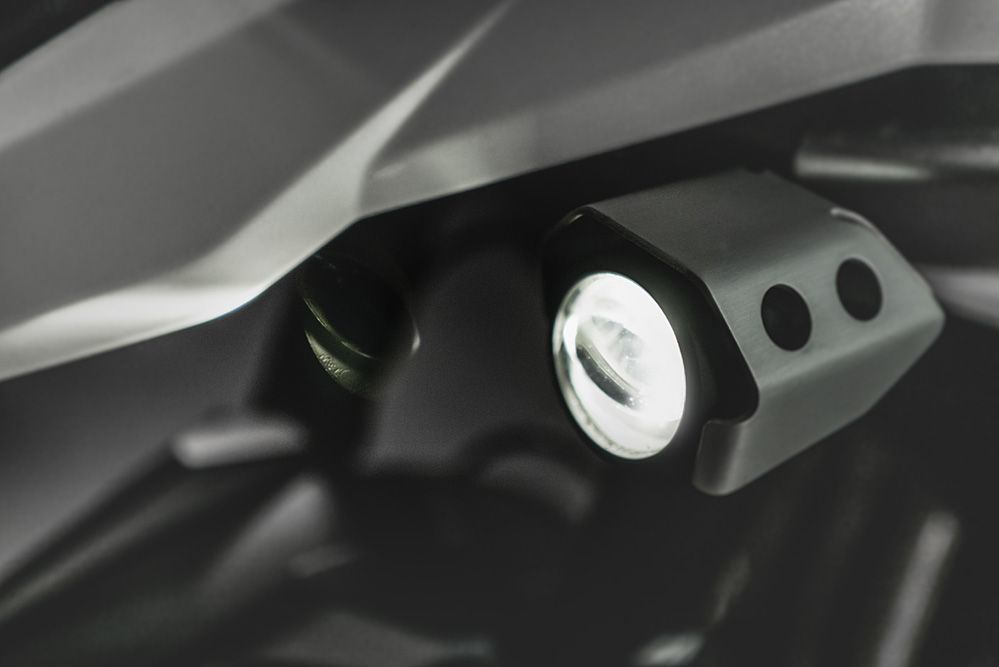
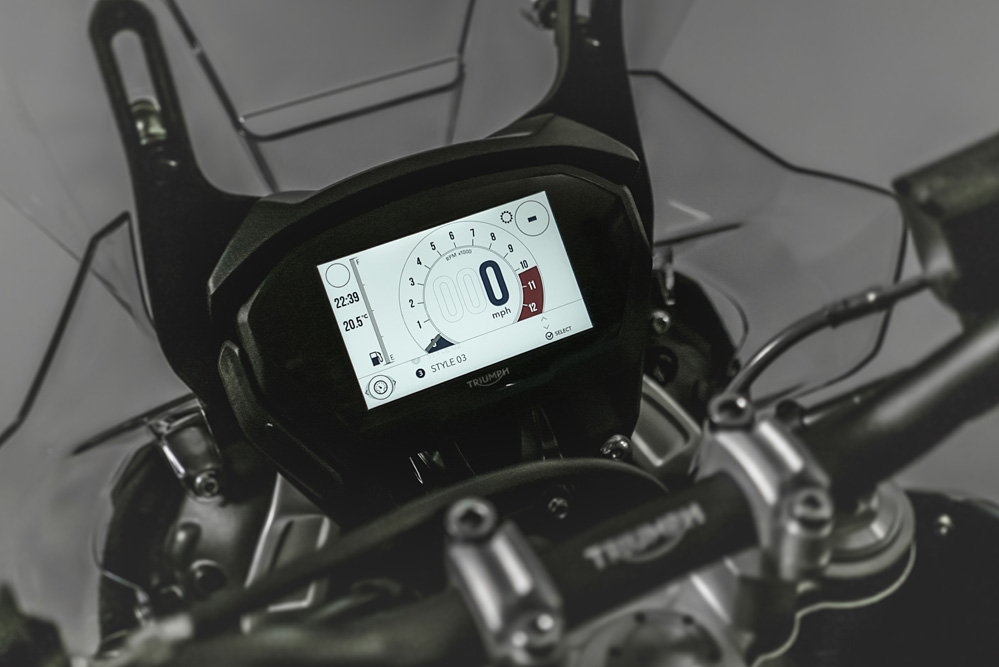
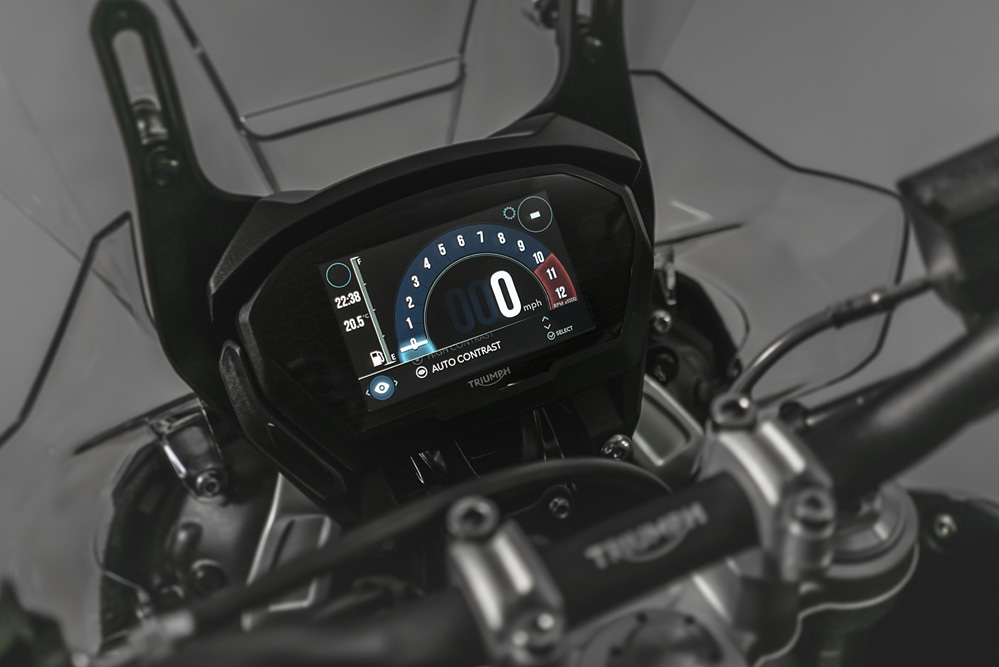
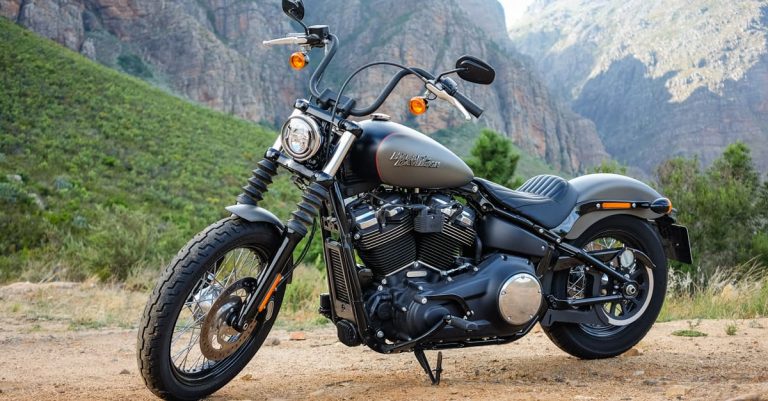
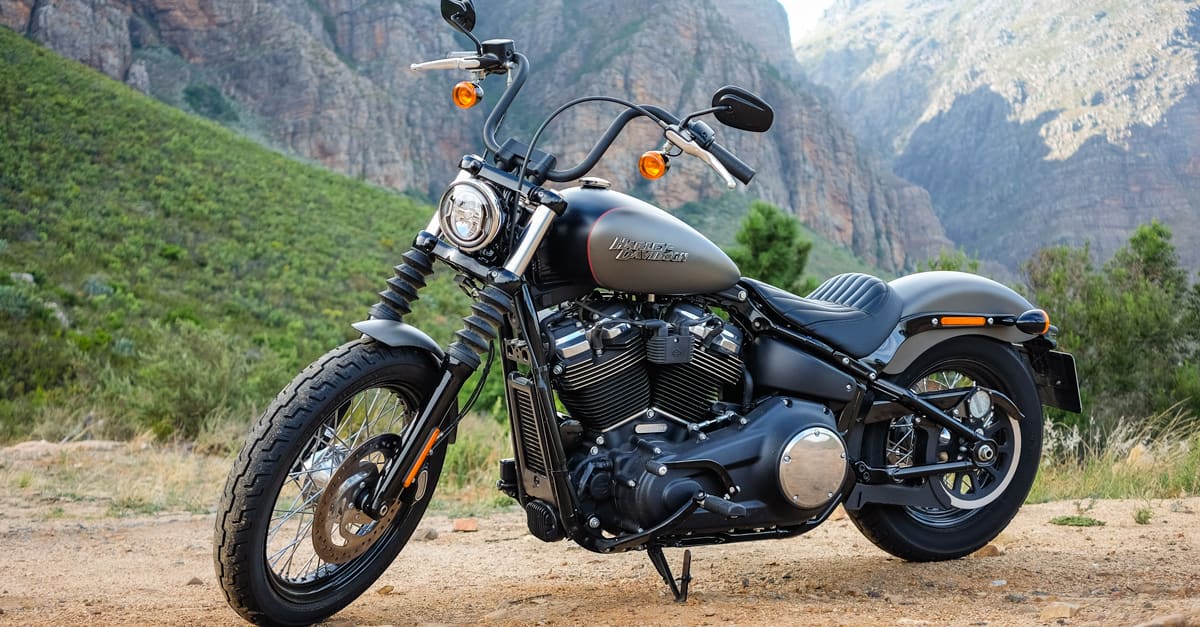
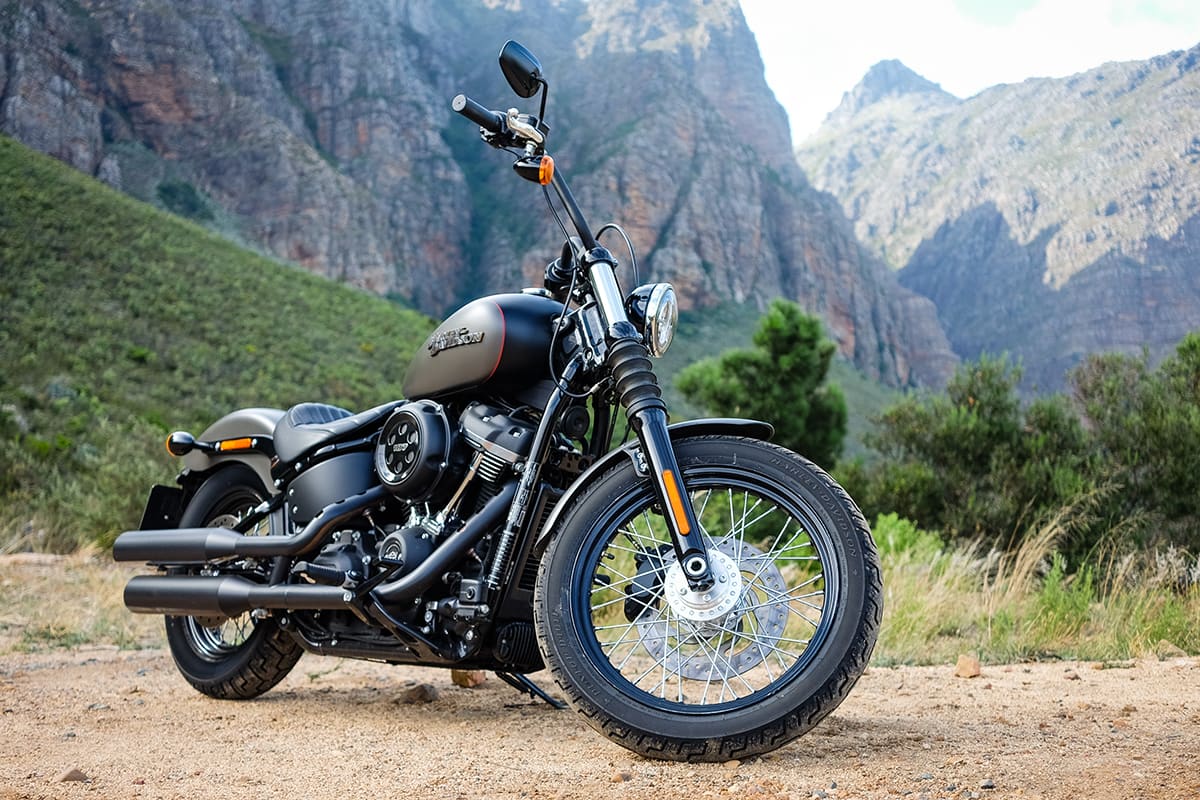
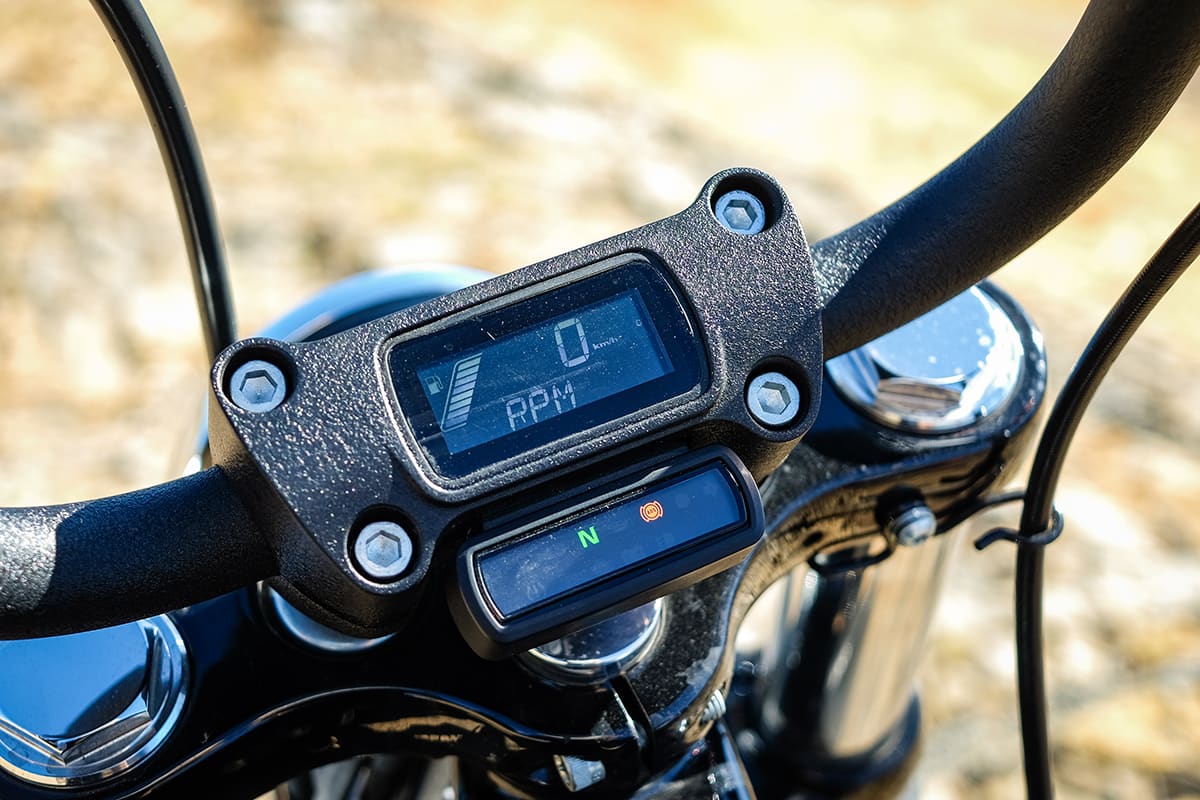
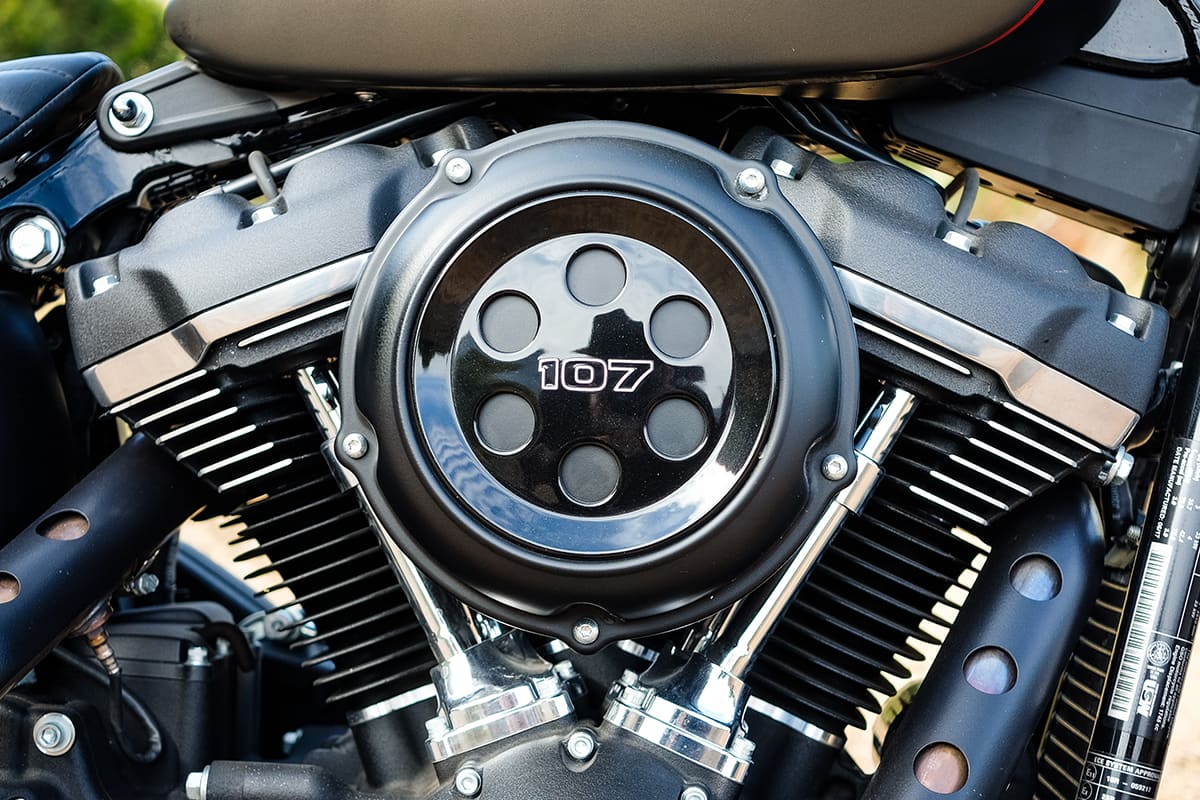
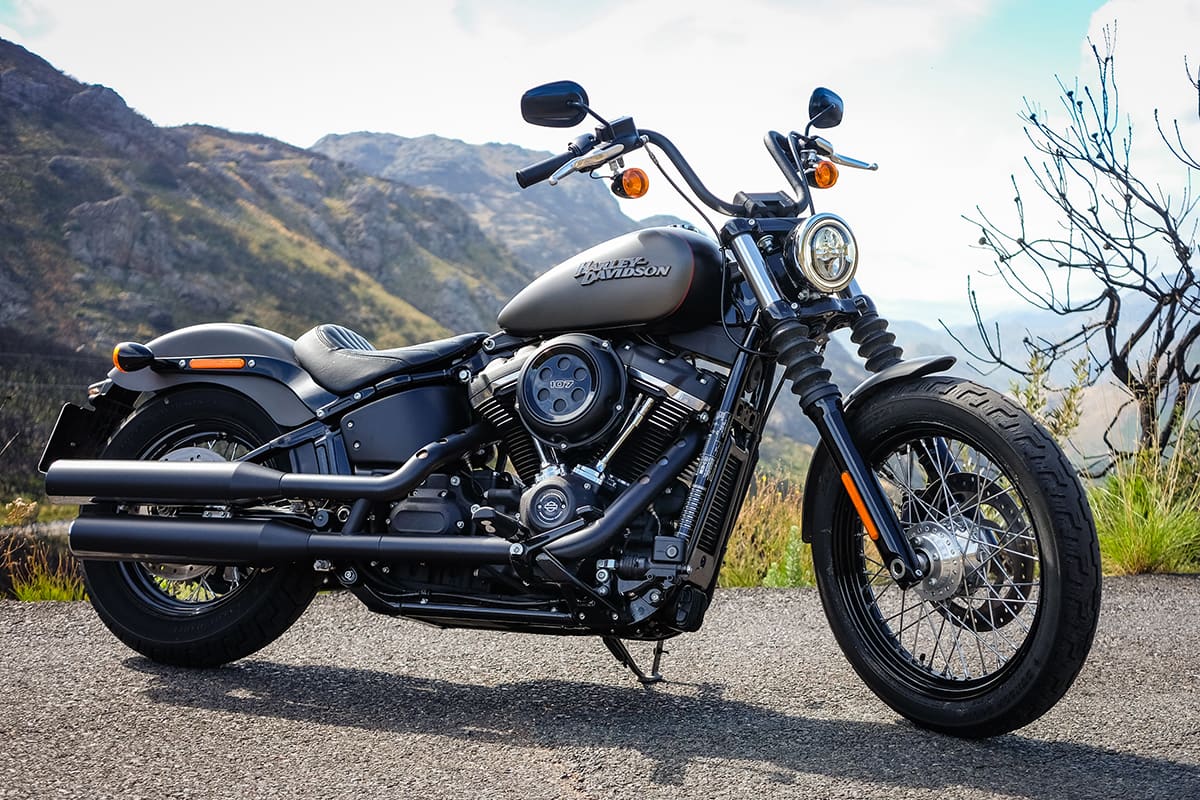
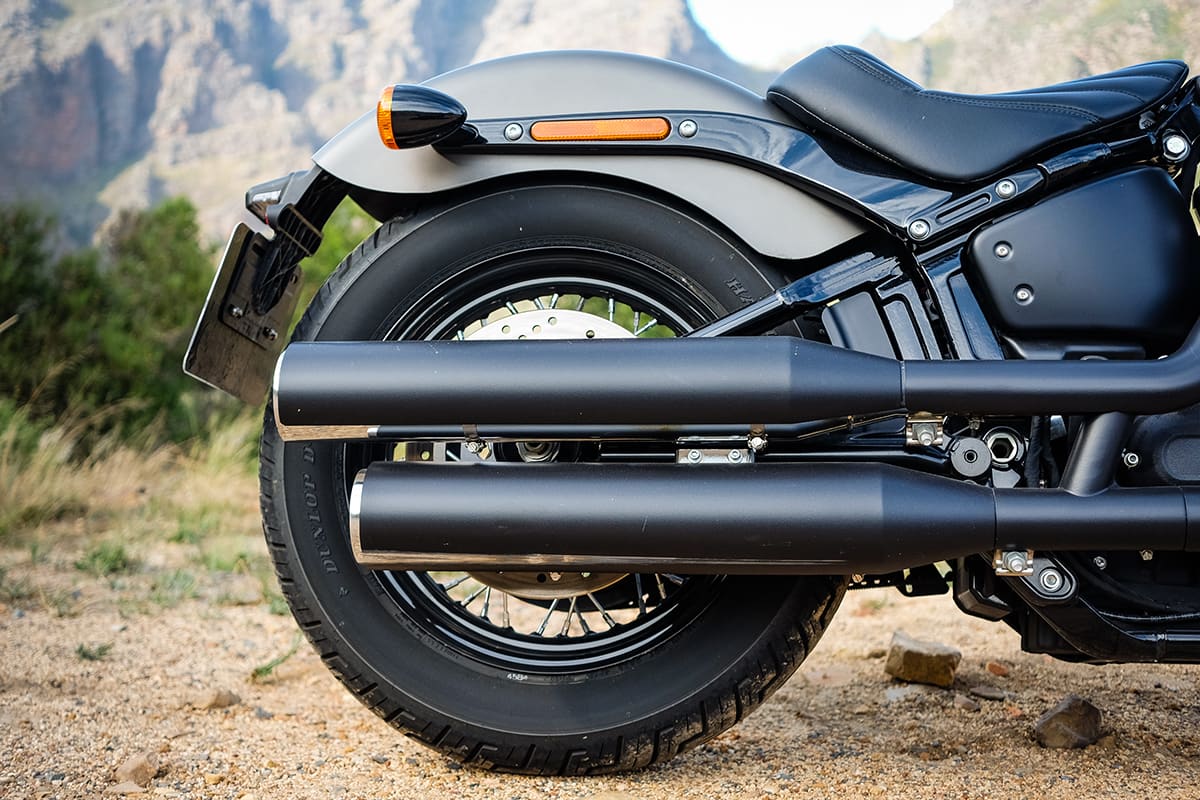
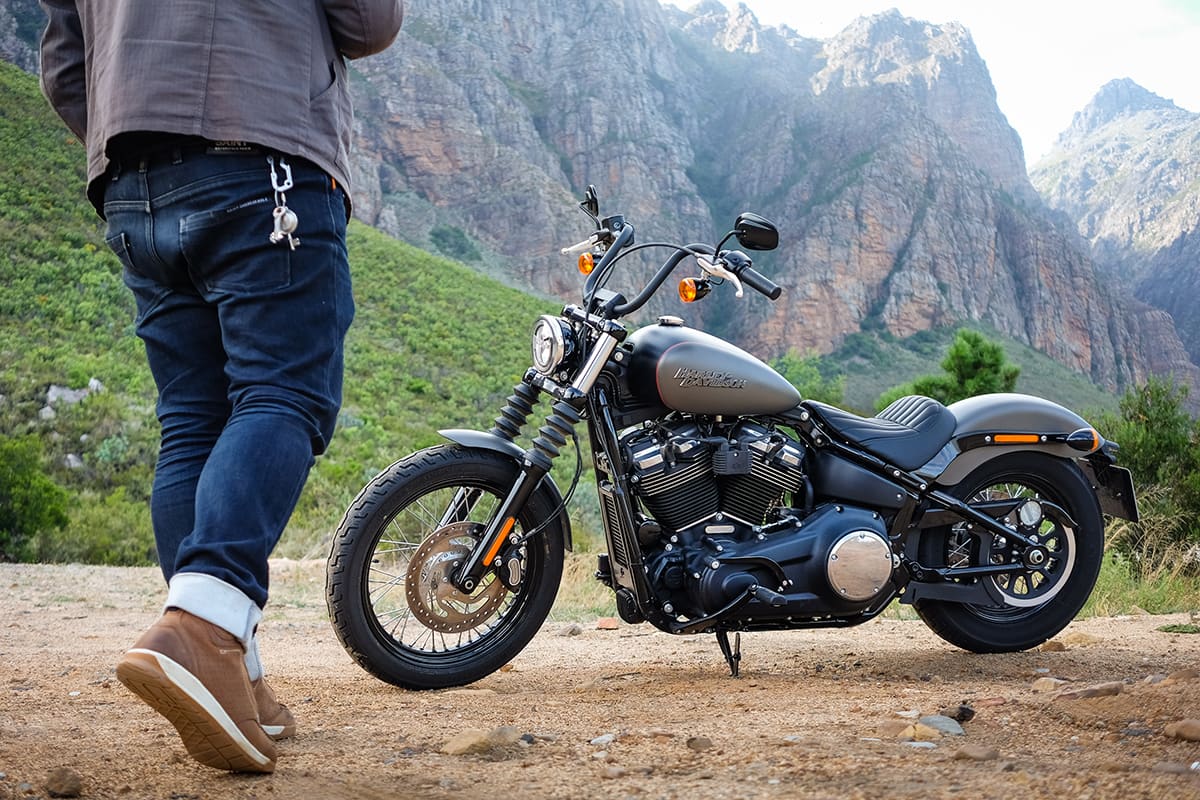
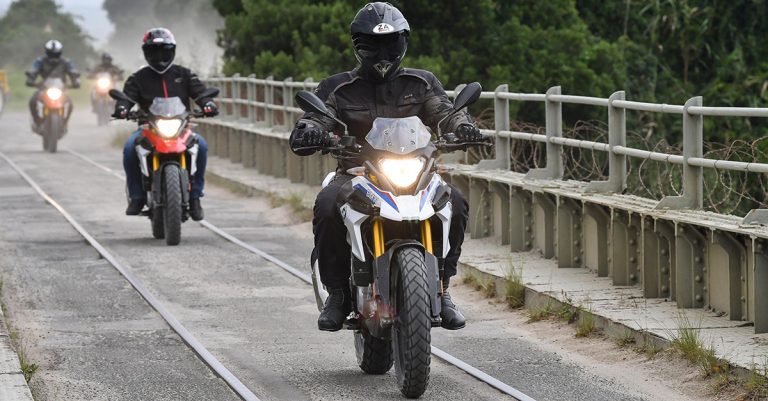
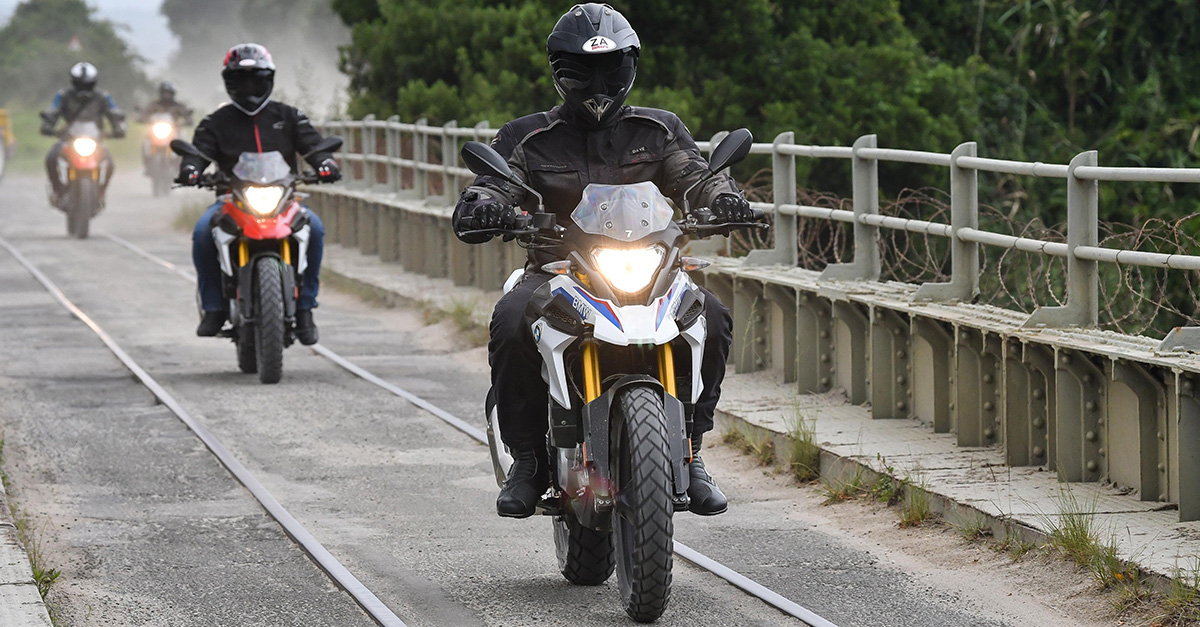 Oubaai, the Ernie Els golf estate development at Herolds Bay, just outside George, was the scene of the official launch of the G 310 GS. Anything with the suffix ‘GS’ seems to elicit a fair amount of interest amongst the motorcycling fraternity. Off road, or back road touring on a light nimble bike can be huge fun, so I too was keen to sample Bee Emms little GS. We were briefed on the bike over pre-dinner drinks. To quote the BMW brass: the GS is built for ‘everyday adventures’ involving ‘light off-road’. The other phrase used was ‘spontaneous adventure’. In anticipation for the next day’s ride, we turned in early after a great dinner with the usual motorcycle banter around the table.
 An early breakfast was followed by a route briefing, and then we set off on a wonderfully scenic route that had a bit of everything. Cruising into George we started up Outeniqua pass then turned onto Montague pass. This pass is a must for anyone touring around this area, a winding dirt road meanders over the Outeniqua mountains to deposit you in the small Karoo. We stopped at the top to admire the spectacular scenery and allow any stragglers to catch up. This was the first opportunity to test the dirt worthiness of the little Beemer. Despite plush suspension, the GS handled the pass with aplomb. The front fork topped out audibly over little jumps, but neither end bottomed out under my 80 odd kg weight. Some riders who habitually scoff a few more pies may find things a little soft though.
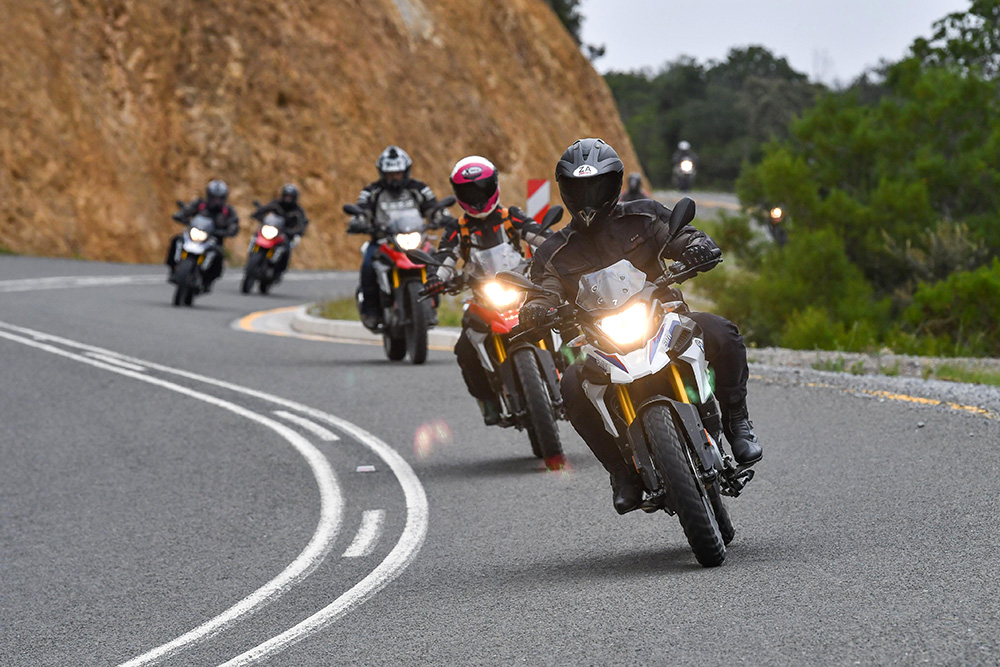
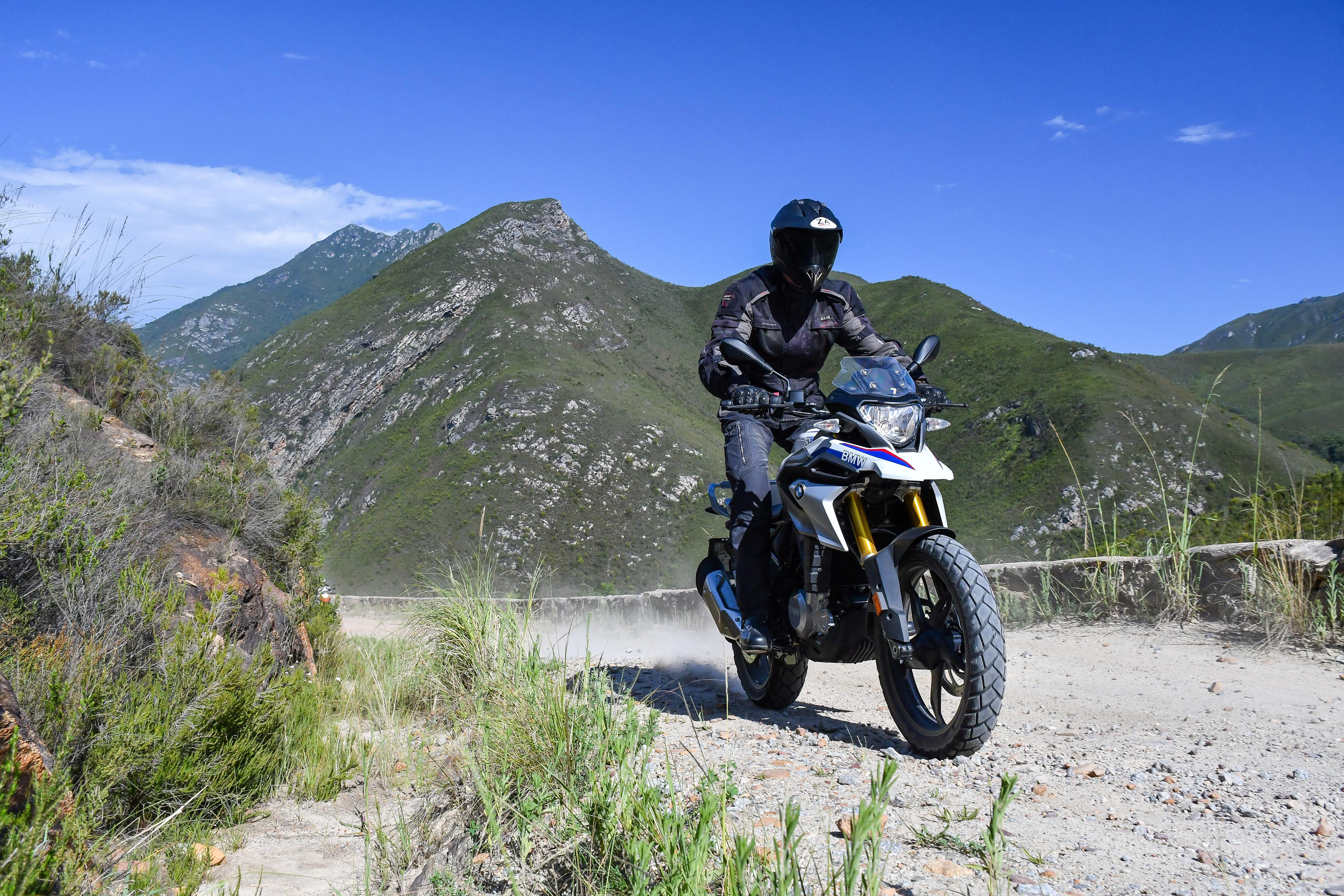 After a tar section blast enjoyed by all, we got onto a real typical karoo dirt highway and gave the little beasts their heads. I saw 138 kph on the digital clock with the bike feeling, for the most part, rock steady. On some big undulating hoops I did bottom the back shock, which was due to a combination of speed and inertia. Back on the tar, we stopped to lash some coffee and illegally good carrot cake before strafing the billiard smooth constant radius bends on Outeniqua pass. The tiny GS is huge fun in this environment. A stable chassis and light weight combine to allow enthusiastic corner carving, aided and abetted by a willing and torquey little mill.
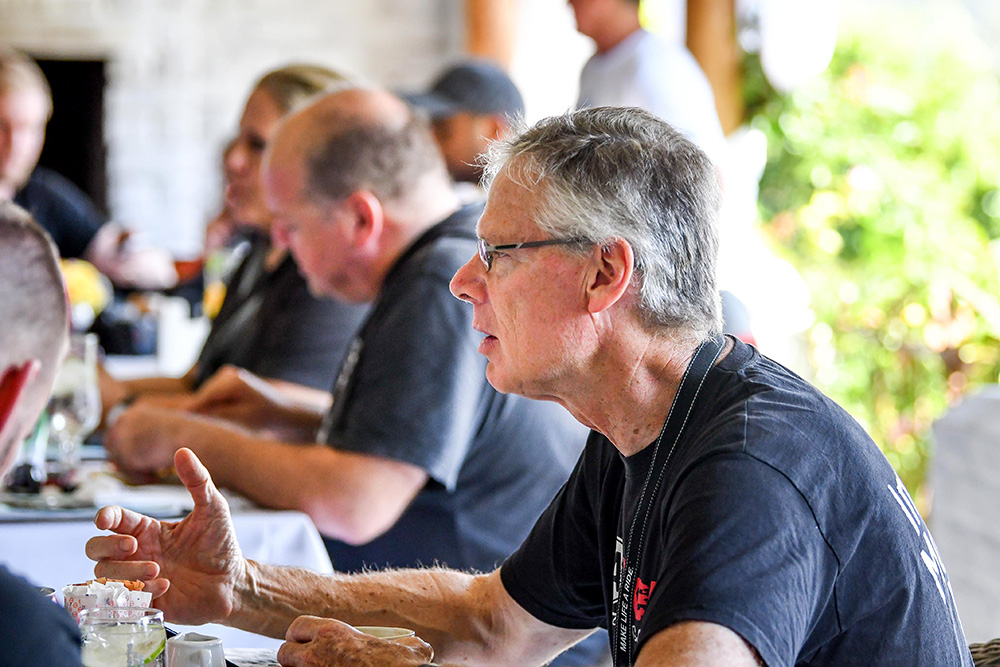 Cruising through George, on our way to our lunch stop in Wilderness, the GS showed its urban prowess. The same qualities that make it fun in the mountains make it a doddle in town. The gearbox likes precise shifts and sometimes baulks when shifting under power. The motor uses its 25 Kw to good effect and has no trouble relegating traffic to the rear view mirrors. 28 Nm of twisting power at 7500 rpm allow you to not haemorrhage too much speed on the hills. Using backroads strewn with sand on narrow blacktop, the bike is almost motard like in its flickability. Riding slow bikes fast remains a total hoot!
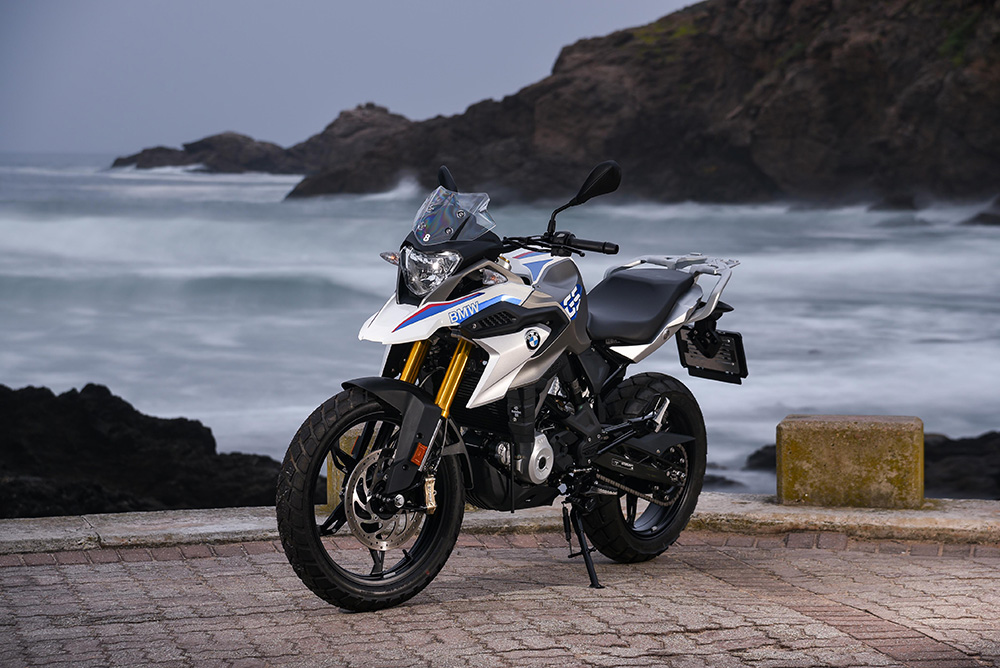
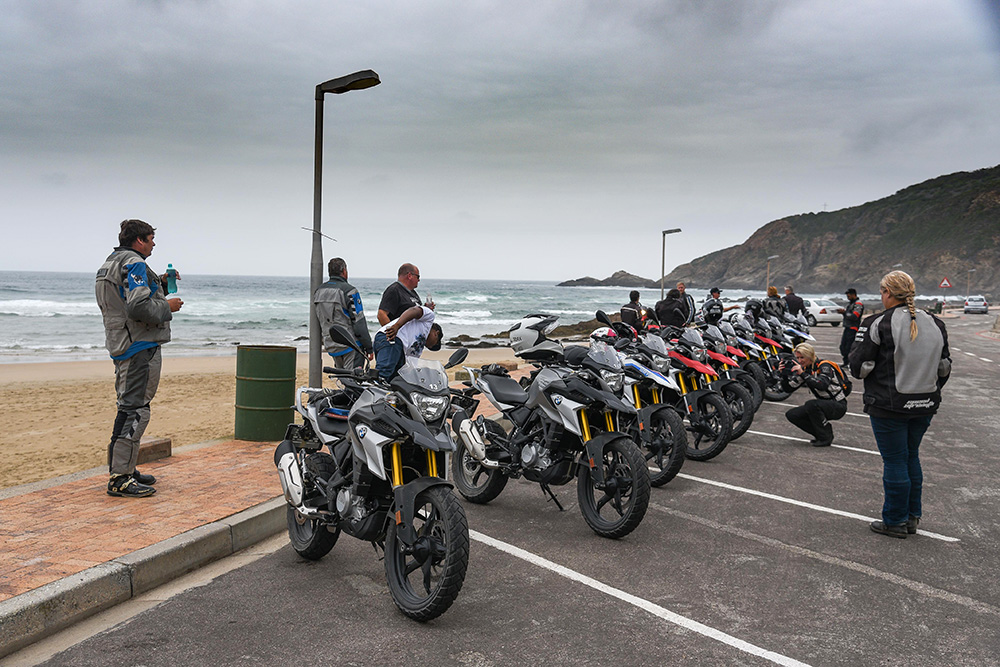
 After lunch we rode through town and then traversed country roads to Herolds Bay for some pics. With our sea vista thirst slaked, we made our way up the hill to Oubaai to clean up for our flight back to the big smoke. An hour and a half delay (due to bad weather) allowed a lot of time for reflection on a great days riding. The suspension is non adjustable yet perfectly adequate for most likely owners. Taller riders will be comfortable with the seat height, which can adjust from 835mm down to 820mm. Shorter riders still have the option of the regular lower G 310 R if they are happy to stick to the tar. Excellent fuel consumption allows silly distances on the 11 litre tank. ABS is standard and can be switched off, however, having said that, we left ours on for the duration of the ride with absolutely no issues. The G 310 GS retails at a very competitive R79 650 and is available in red, black, and white highlighted with BMW Motorsport colours – this is my favourite!
 So, what’s this baby GS about then? Some have commented online that it is not a GS at all. After all, it even wears mag wheels and not spokes. Well, when a bike only weighs 164 odd kays, then mags will manage ‘light off-road’ riding (that it’s actually designed for) just fine.. Ok? In Europe large GS models are often specced with mags. Fact is, South African riders tend to do things with GS’S that were never quite part of the design brief. So, understand that the G 310 GS was not created to tame Dakar, but rather to conquer the urban sprawl, even if that means doing some dirt. Mark my words, sooner or later someone is going to do some totally hectic ride on this tiny Beemer and silence all the naysayers, in Ewan and Charlie fashion. Why? Because they will understand that the adventure is in the rider and not the bike. It is just that the GS version will make it that wee bit easier.
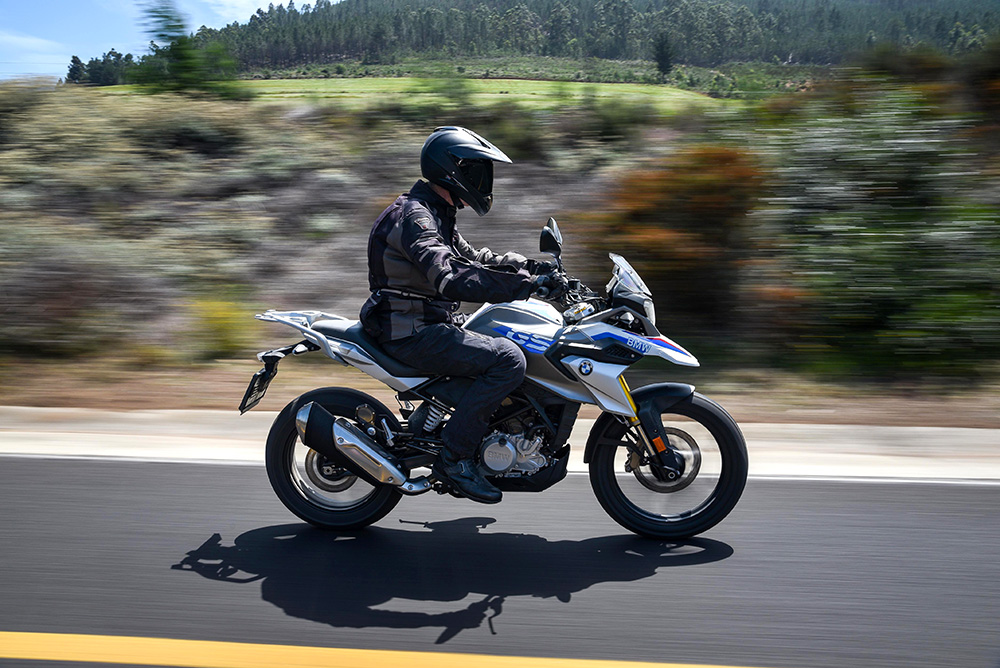 Thanks to BMW Motorrad for a really pleasant and enjoyable launch. Get yourself down to your local BMW dealer and take a skwizz at Bee Emms newest addition and take it for a trundle. It is good to remind yourself why you started riding in the first place, and the fun to be had on a light responsive bike. Buy one ‘for your missus’, nudge ,nudge wink wink, and pinch it to use in town and around, keeping the big GS for the serious stuff. You may just get hooked and plan a tiddler tour!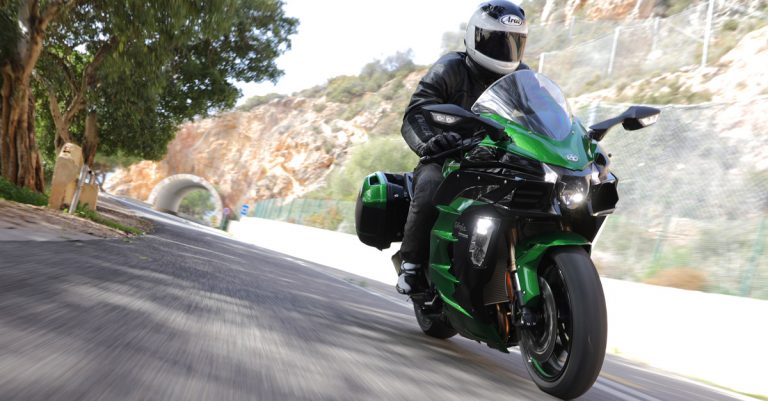
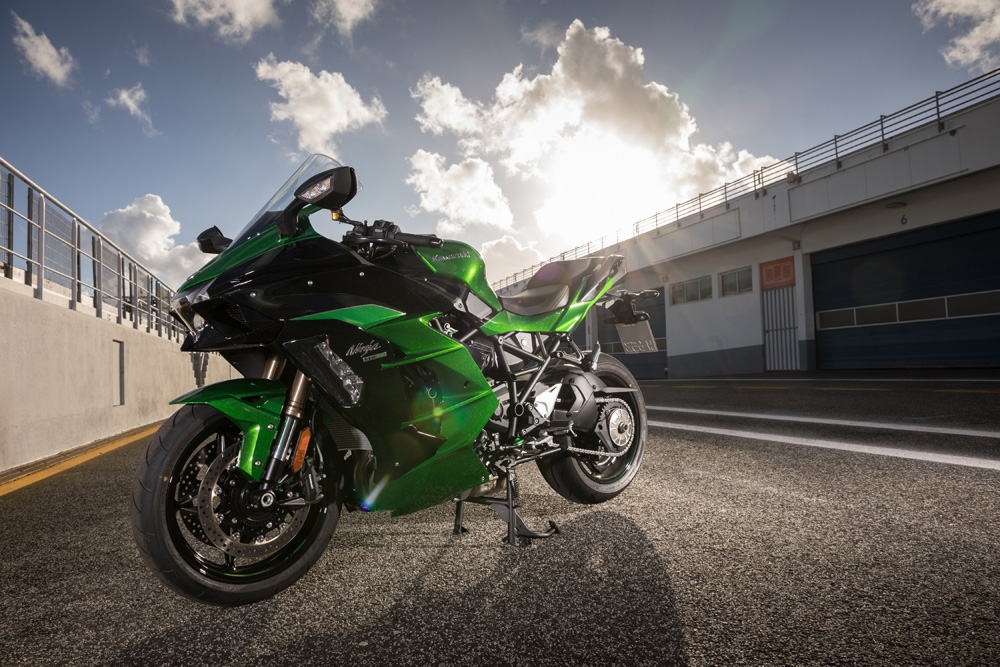 Highway Queen
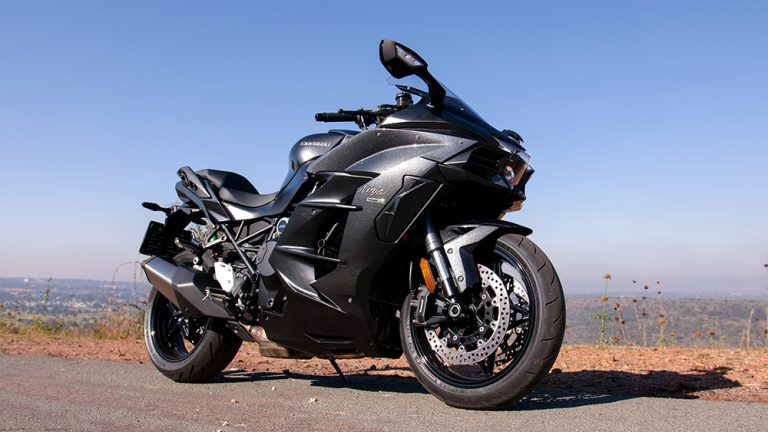
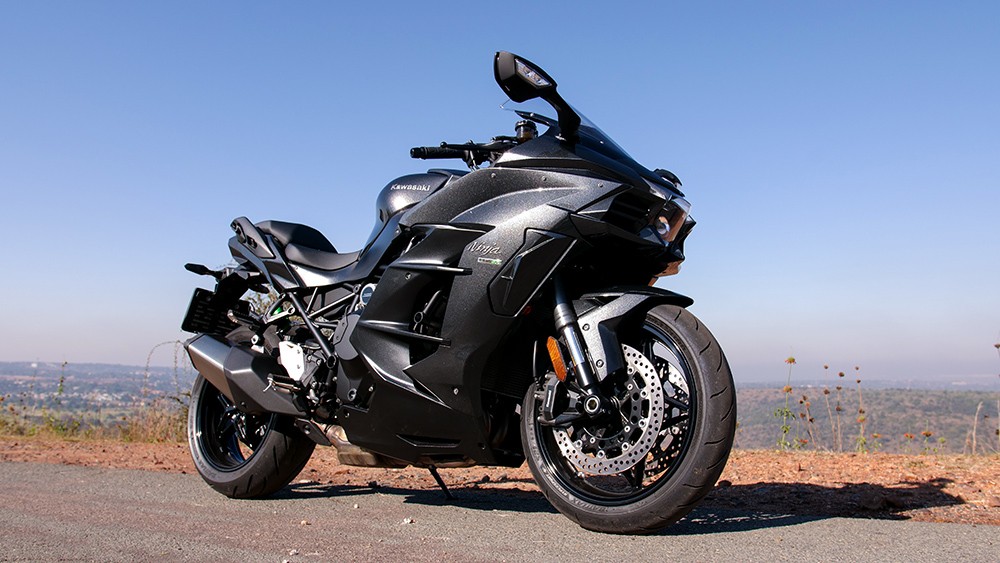
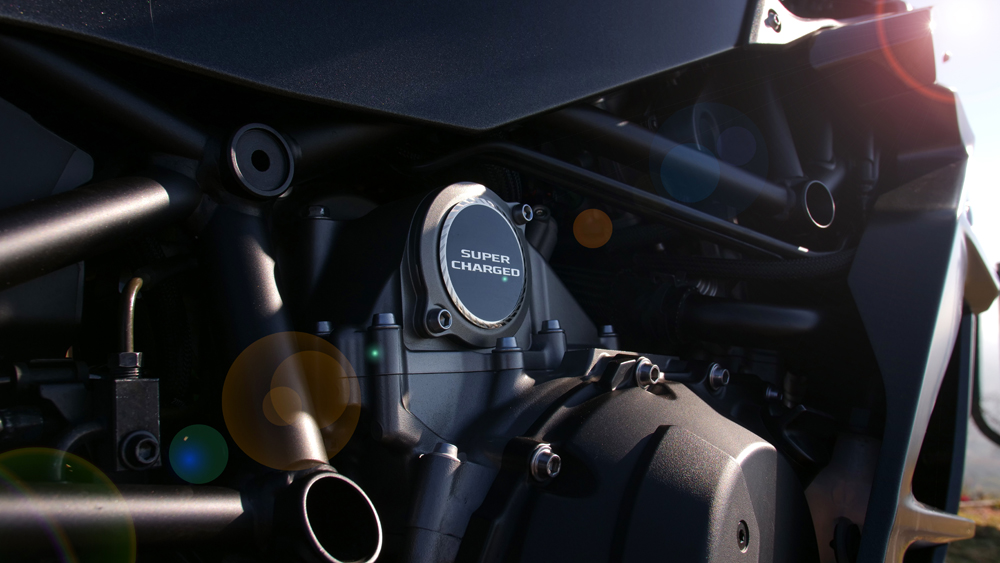
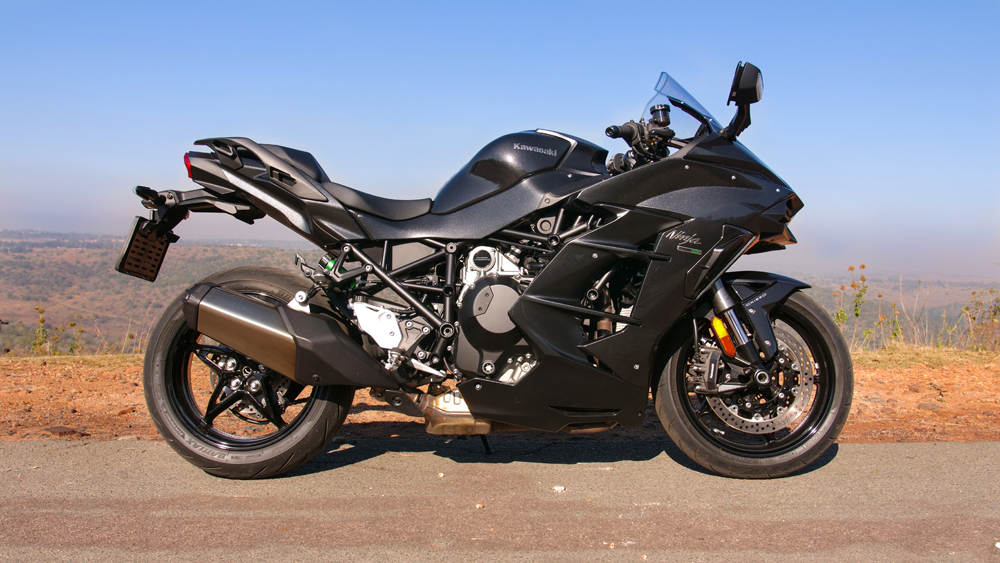
 The bike promises to be fast, for sure, with a 210 hp (Ram Air figures) claimed, and a sleek aero design. However, it has nothing much in common with the standard H2, apart from a 998 cc engine, the same amount of power, and a supercharger.
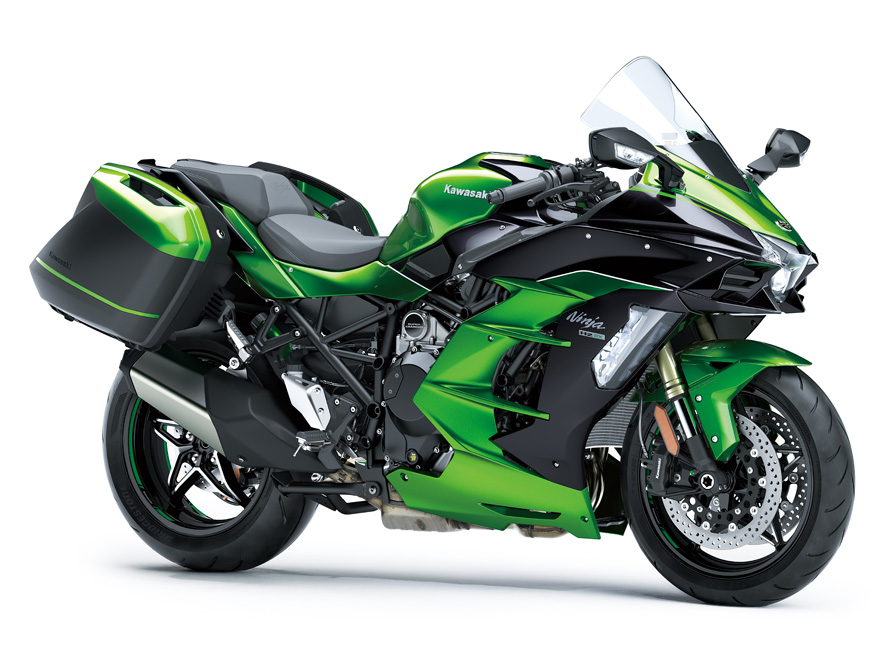 The H2 provides a raw and thrilling riding experience as well, and demonstrates once again, Kawasaki’s leadership in the production of high-performance and emotional bikes, a trend started long ago with the 900 Z1 and the ZX 750 Turbo.
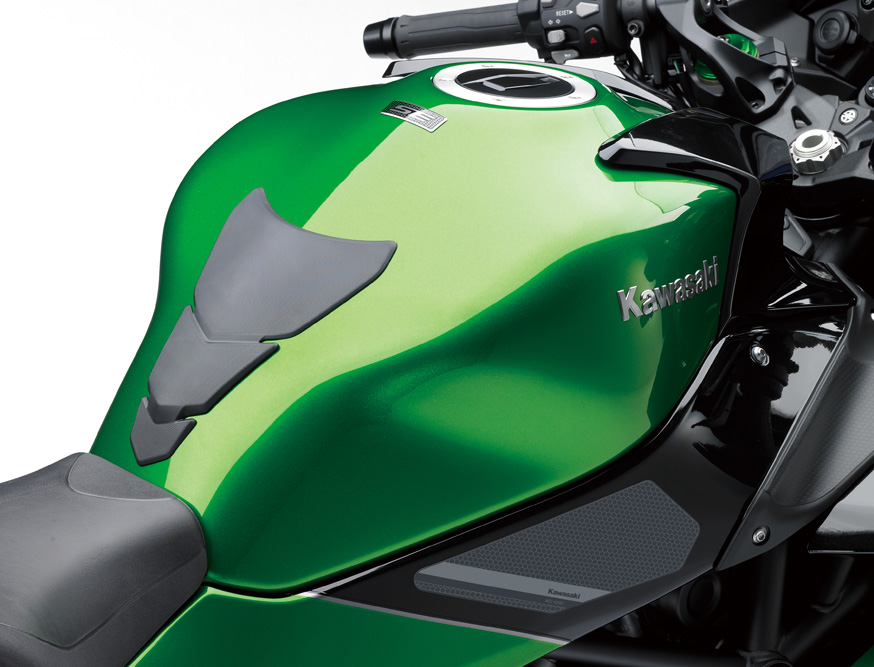
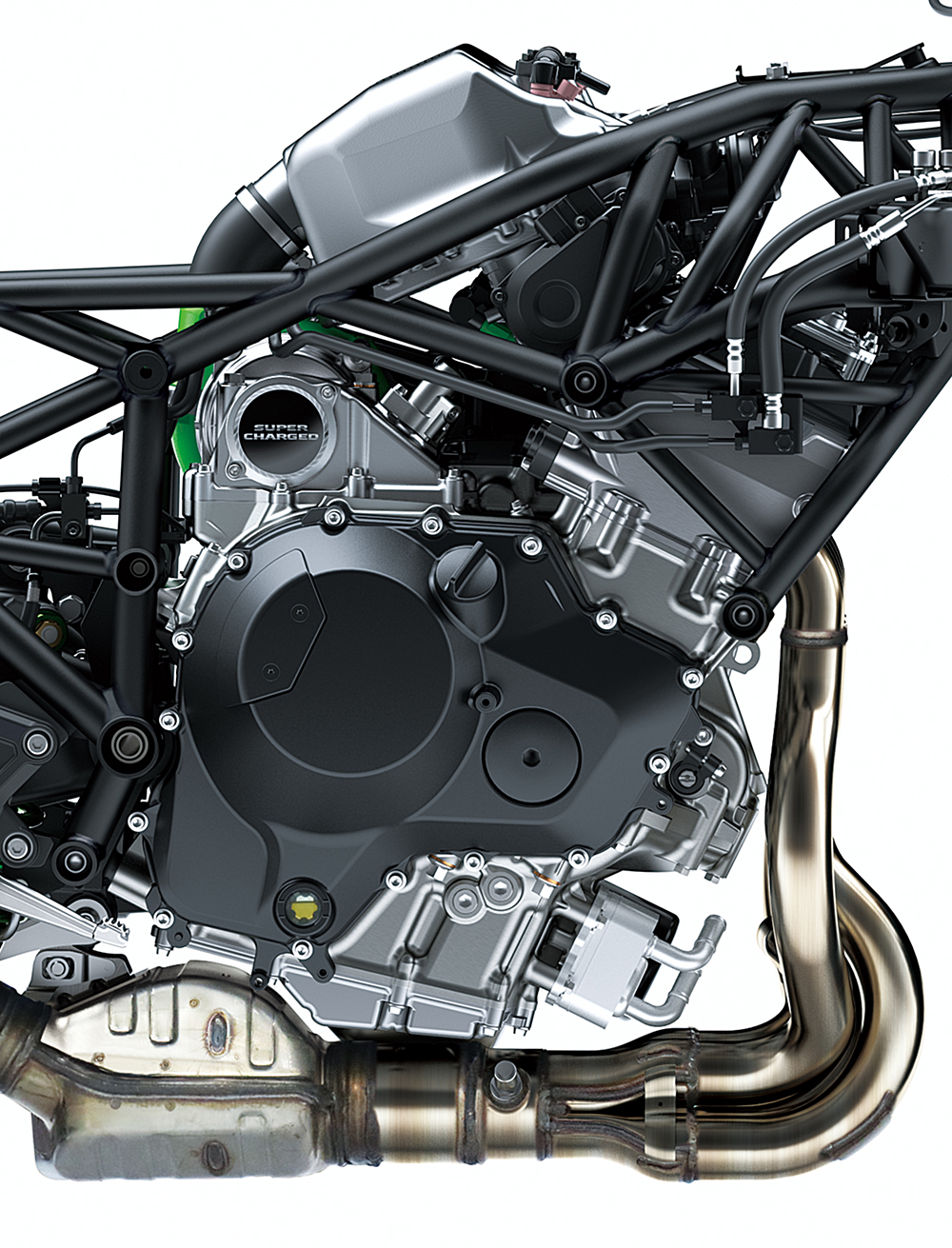 The compression ratio goes up from 8,5 to 11,2:1 and Kawasaki claim 25% better fuel efficiency. With a 19 litres fuel tank, Kawasaki claims a more than 300 km fuel range. Our test reveals that you’ll have to stick to the speed limit to reach that target and you’ll have to refuel much more often if you are addicted to the supercharged power.
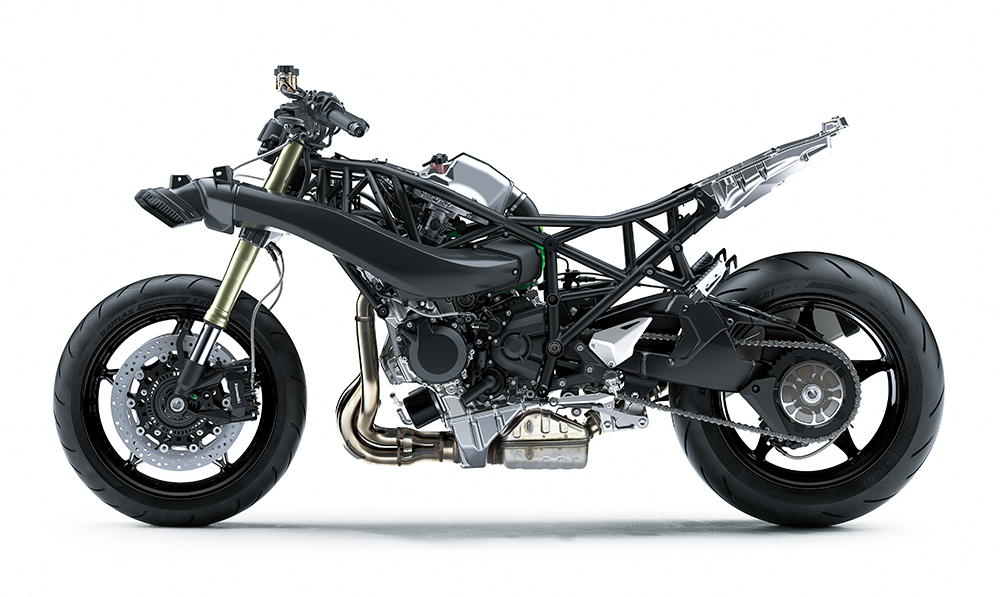
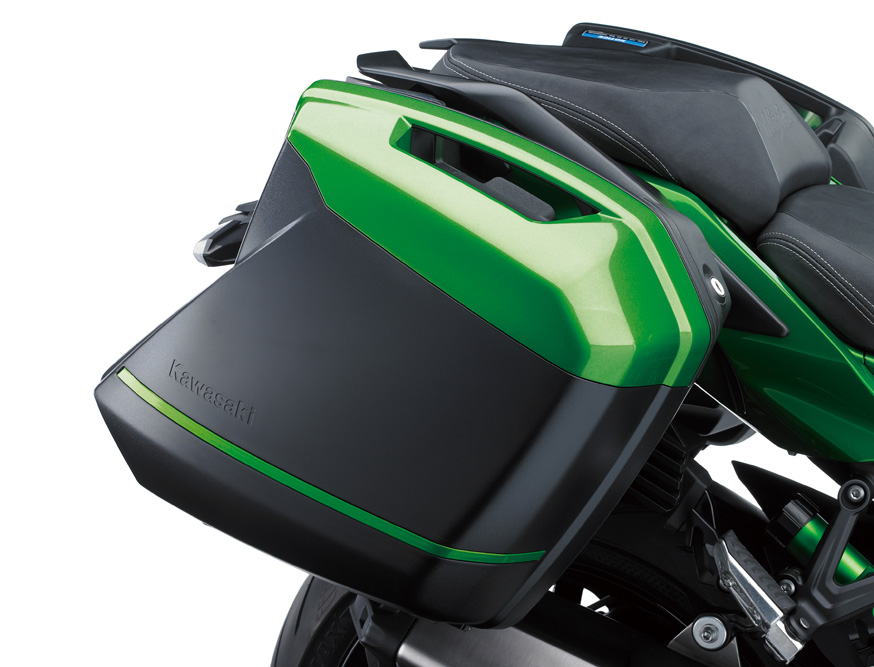
 There are a lot of modifications in the chassis department too. The subframe is different, to handle a pillion and luggage (the optional 28 litres panniers are made by Givi, and Kawasaki said they have been extensively tested to the maximum speed on German highways without any issue). The payload is now 195 kilograms instead of 105 kilograms on the single-seater H2. Although the main trellis frame looks the same, the tube has grown from a 22,2 mm section to a stronger 28,6 mm. Hence, the H2 SX is 18 kilos heavier than the H2 (but remains 9 kilos lighter than a ZZR 1400).
 Nowadays, a modern motorcycle is nothing without a comprehensive electronic package. The H2 SX has it all. A Bosch IMU unit manages traction control, wheelie control and launch control. There are three power modes delivering 50, 75 and 100 % of the engine capabilities. Cornering ABS and engine brake control are there, as well as the second cruise control in Kawasaki history, after the one fitted on the VN 1700 Voyager. The cruise control can be activated to maintain speeds of up to 200 km/h. A bit slow to cruise on the 250 km/h section of the N14 near Pofadder, perhaps?
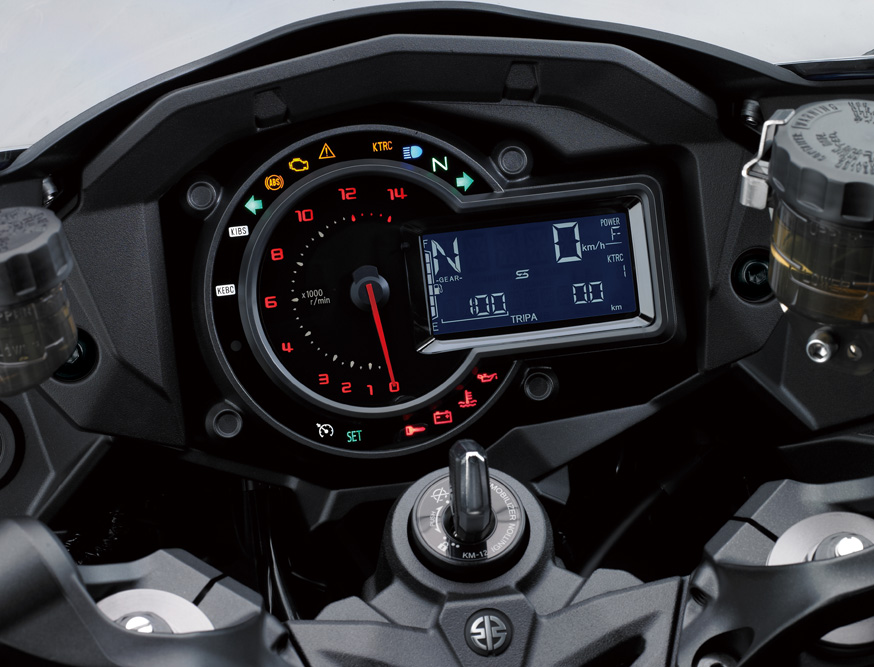
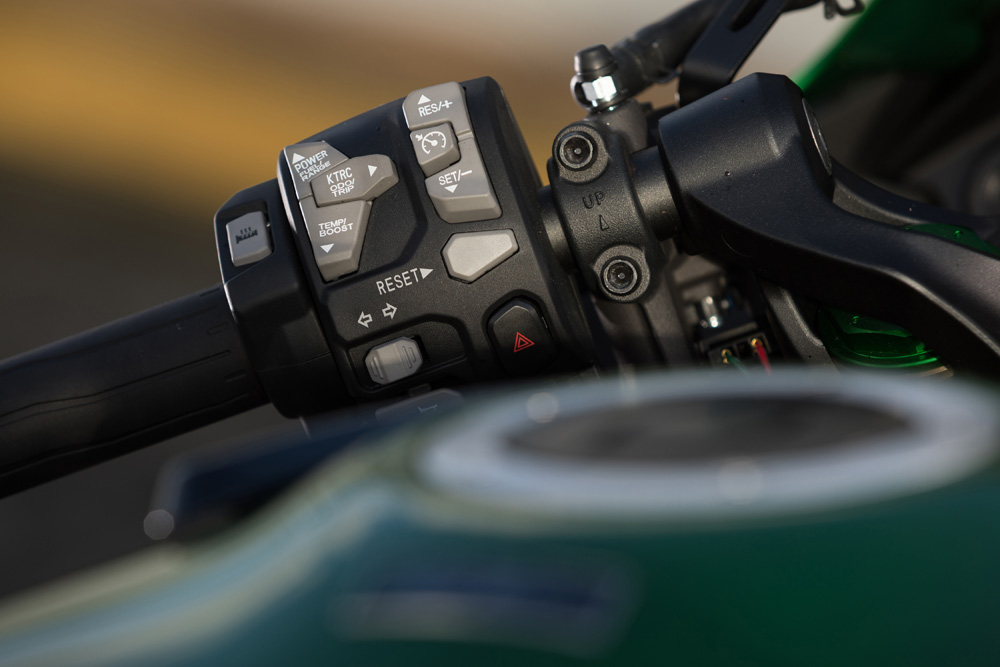 On the SE version (the green one, as the standard H2 SX only comes in black) there is also a new color TFT instrument panel with plenty of information and two display modes (touring and sport), cruise control as well as cornering light and a quick shifter up & down (not the smoothest on the market, but it does the job, though).
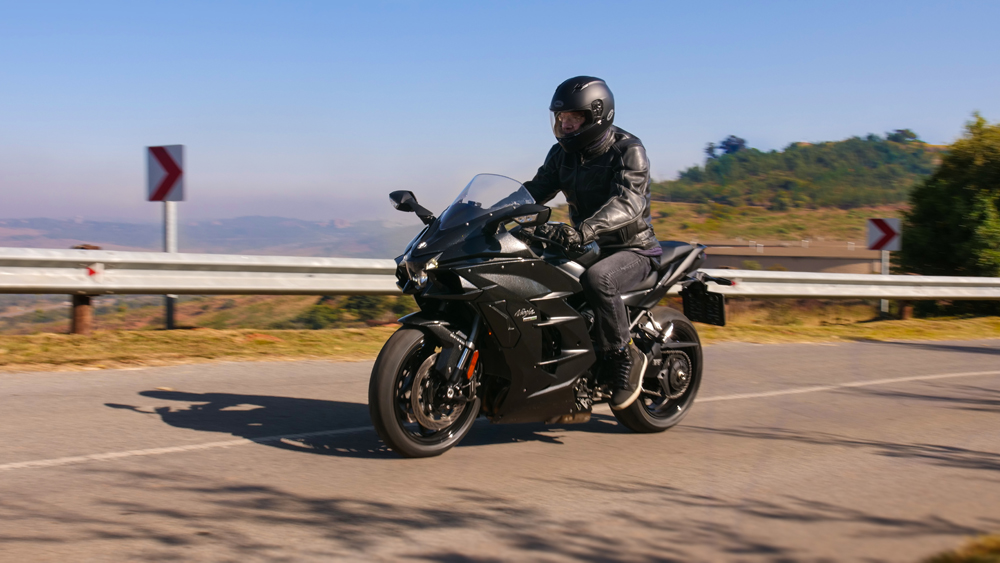
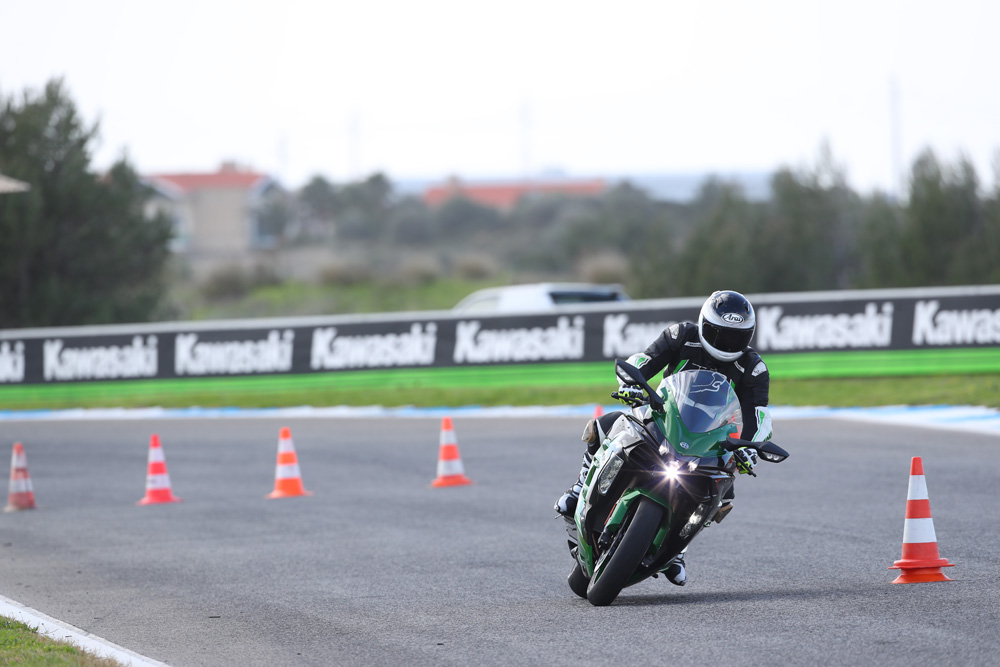 While cruising gently on the city’s boulevards, the H2 SX is wonderfully smooth. Smooth riding position (less leaned forward than on the ZZR 1400), smooth controls, smooth gearbox (with a neutral now easy to find), and a smooth engine, able to do 50 km/h in top gear at below 2000 rpm: a great commuter, by the way. So, the beast is tamed, but the beast is still there: engage the launch control to discover it. Will you dare to keep the throttle wide open to realize the perfect start and trust the electronics, keeping the revs around 6500 rpm?
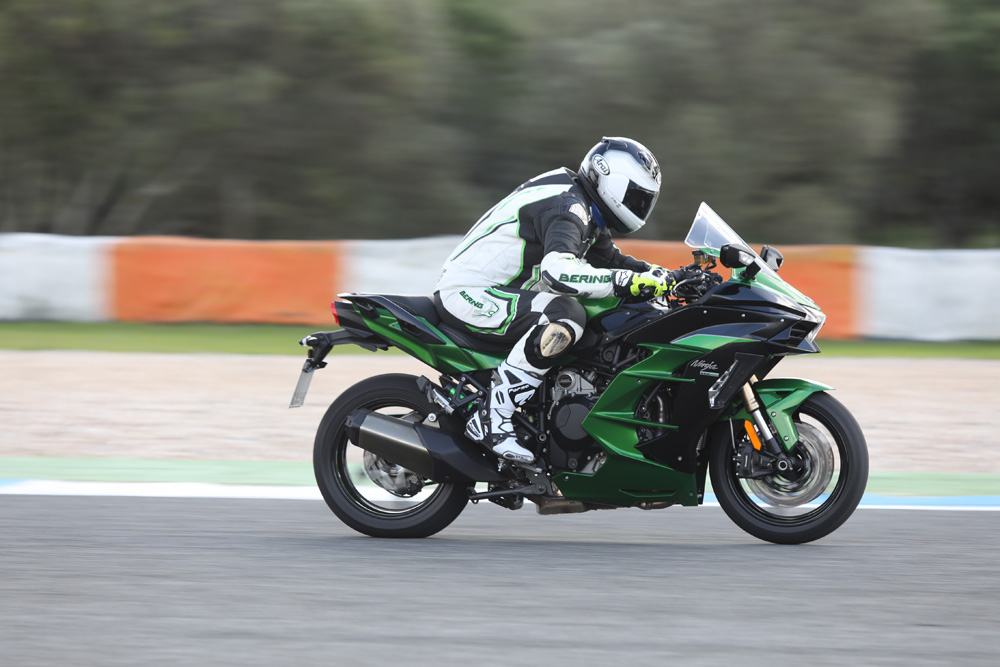
 We had the chance to test the system on the Estoril 985 m long pit straight. Now it’s up to you to release the clutch and let the supercharged power kick your ass. And it does. The traction control combined with the wheelie control struggle to keep the front wheel on the ground and the acceleration is just ballistic. The lower gear ratio’s are not as long as standard superbikes and that makes the acceleration just even more impressive. There is not much time to read the digital speedo. I can see 254 km/h near the rev limiter in fifth before gearing up to sixth, and I apply the radial brakes at over 280 km/h at the end of the main straight. I can feel the 260 kilos weight, but the brakes remain impressive and it is unlikely that you will take them to the limit on the open road.
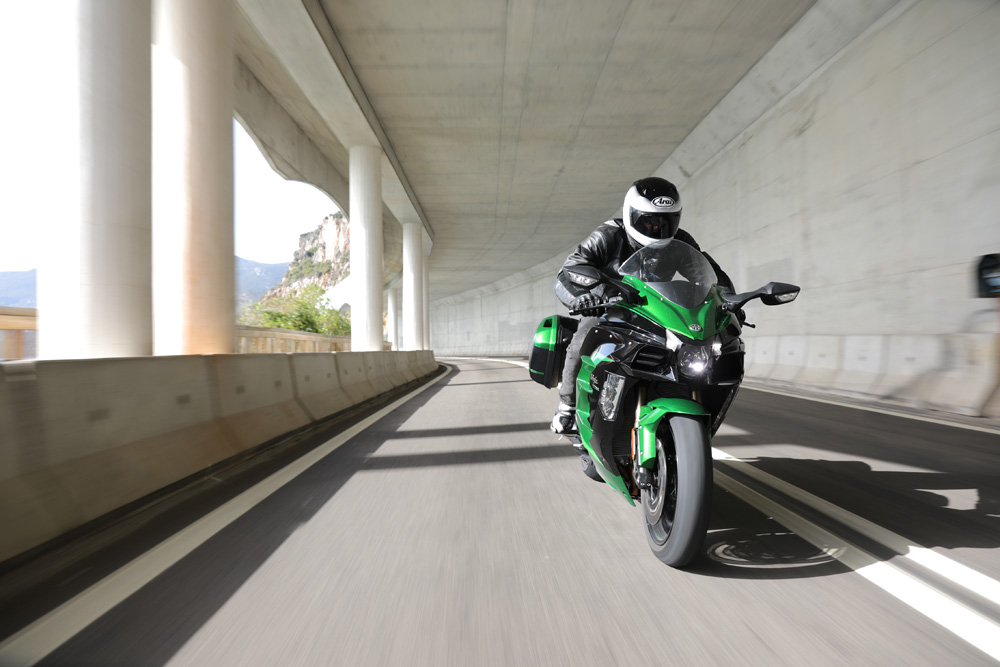
 The open road is also where the H2 SX SE will demonstrate its unique personality. The suspension setting is a bit on the touring side and the overall level of comfort is just impressive, although the head and hands wind protection could have been a tad better.
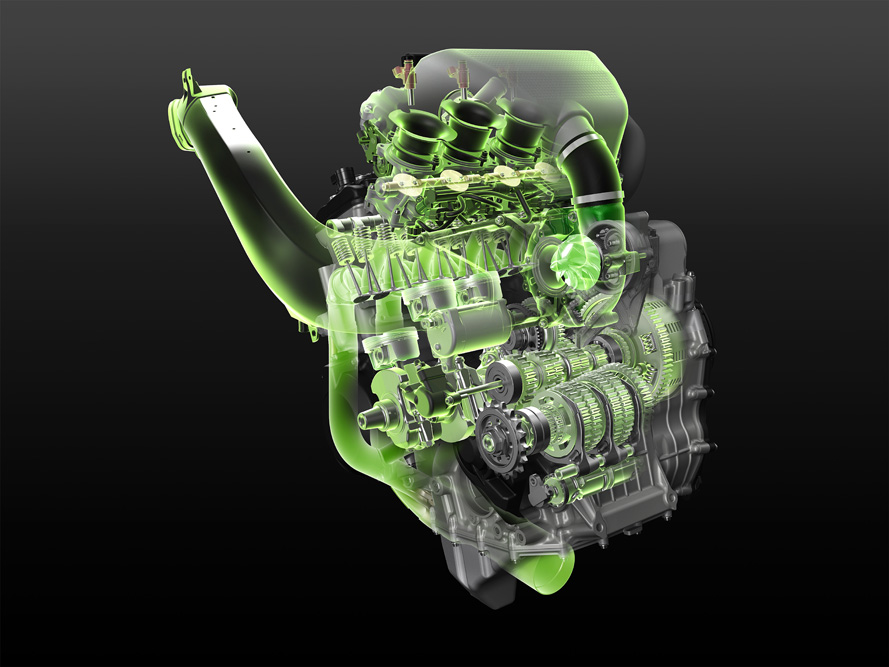
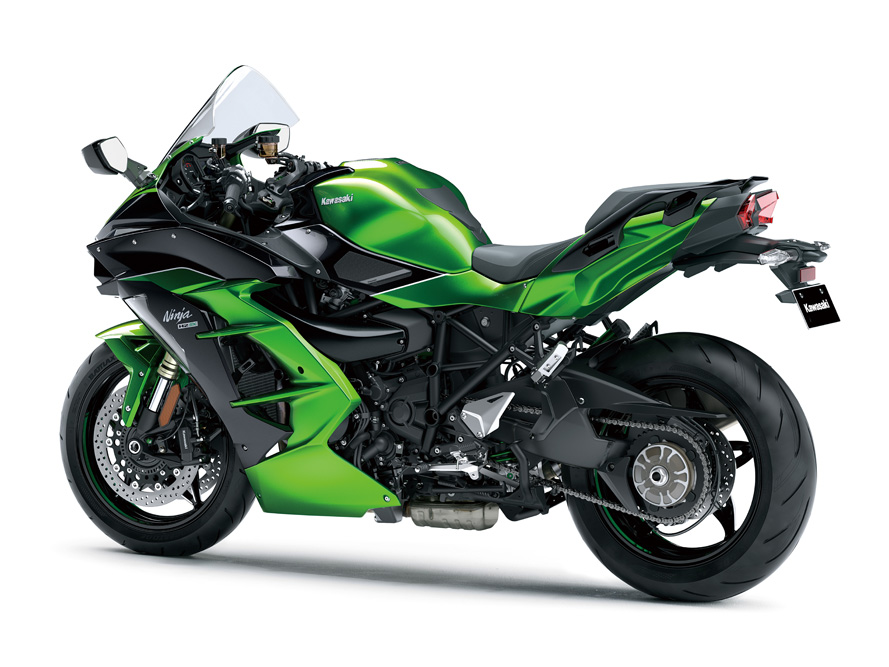
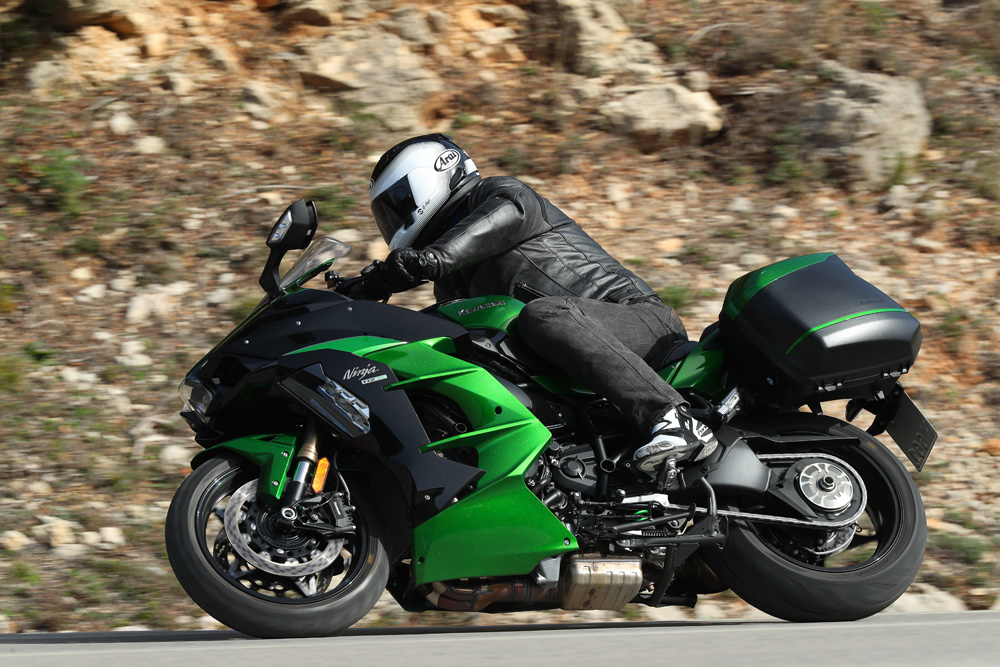 The H2 SX SE hits a new mark for a simple reason: besides its unprecedented level of safety and electronics, it delivers new sensations. With the supercharger, enjoy a “1.4 liter level of torque” with a “superbike free-revving engine” in the intermediate gears. Touring has never been so much fun.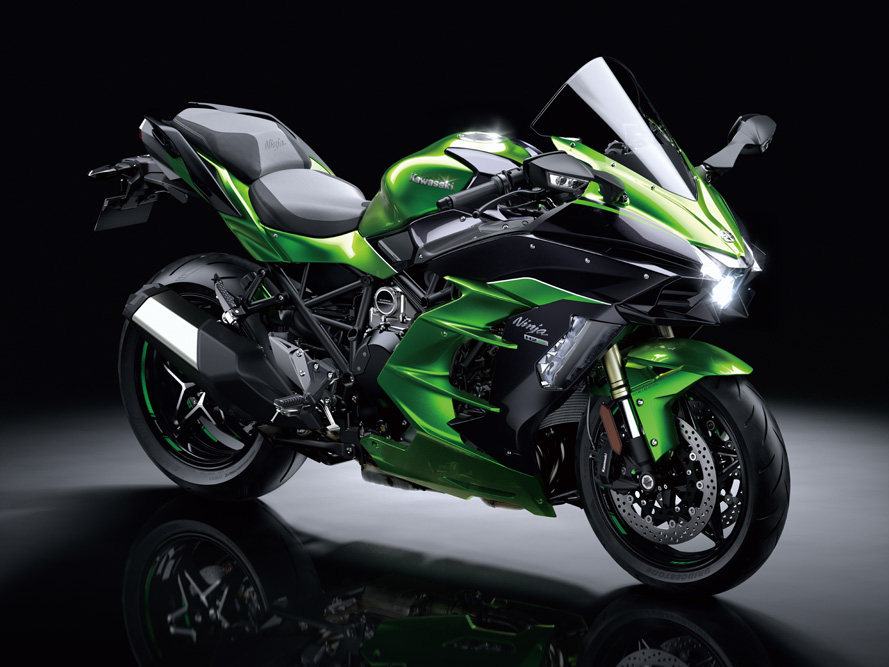
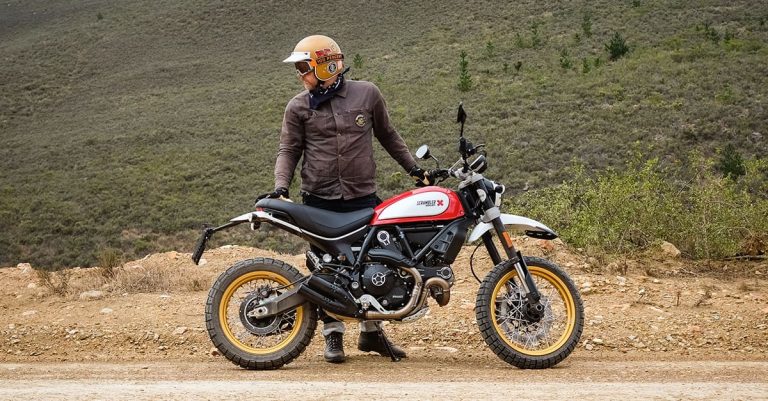
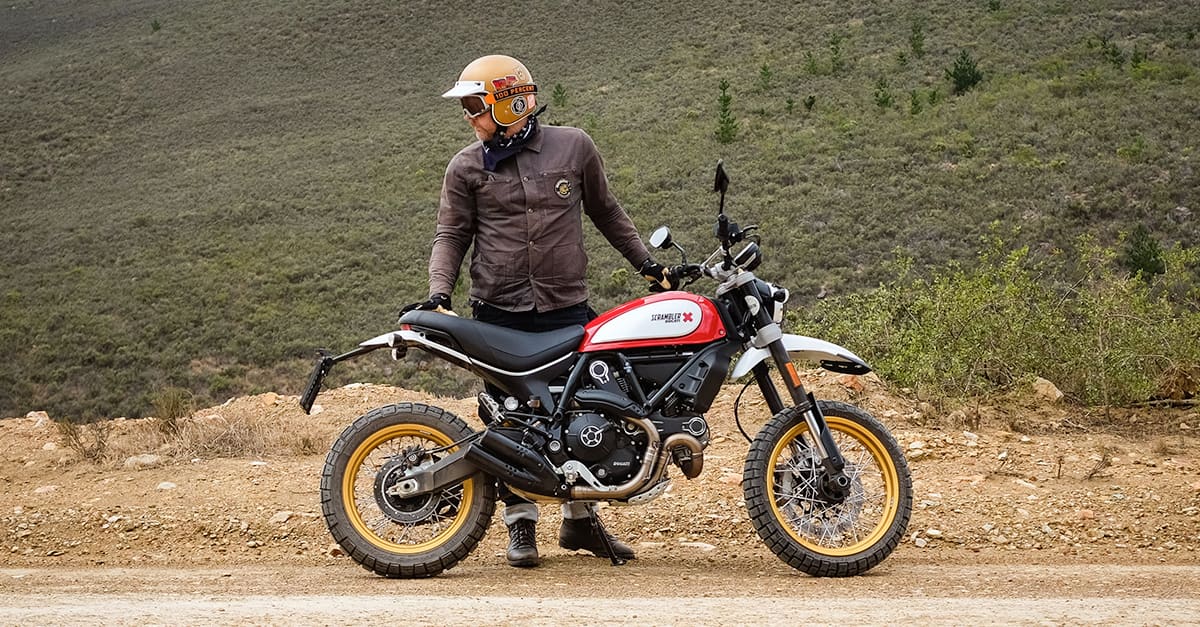
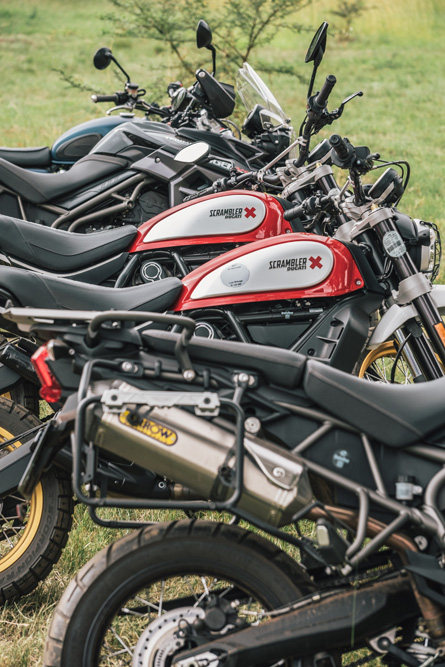
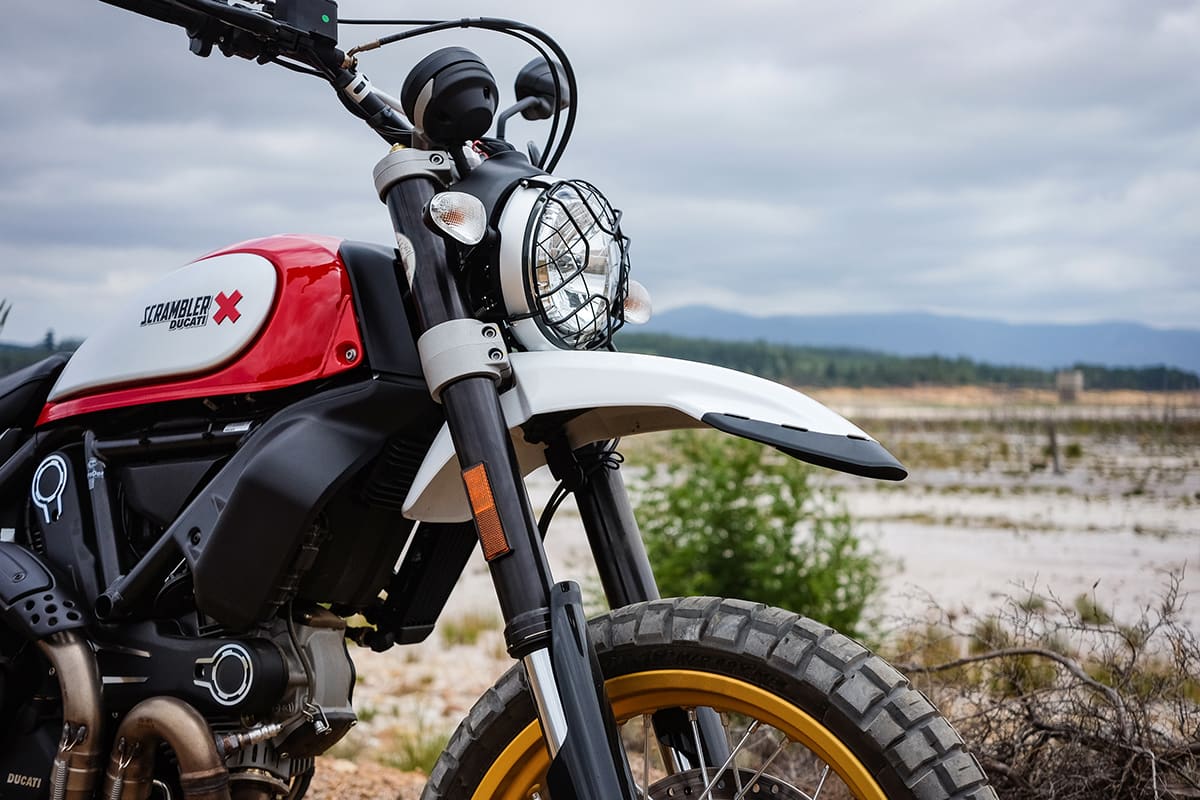
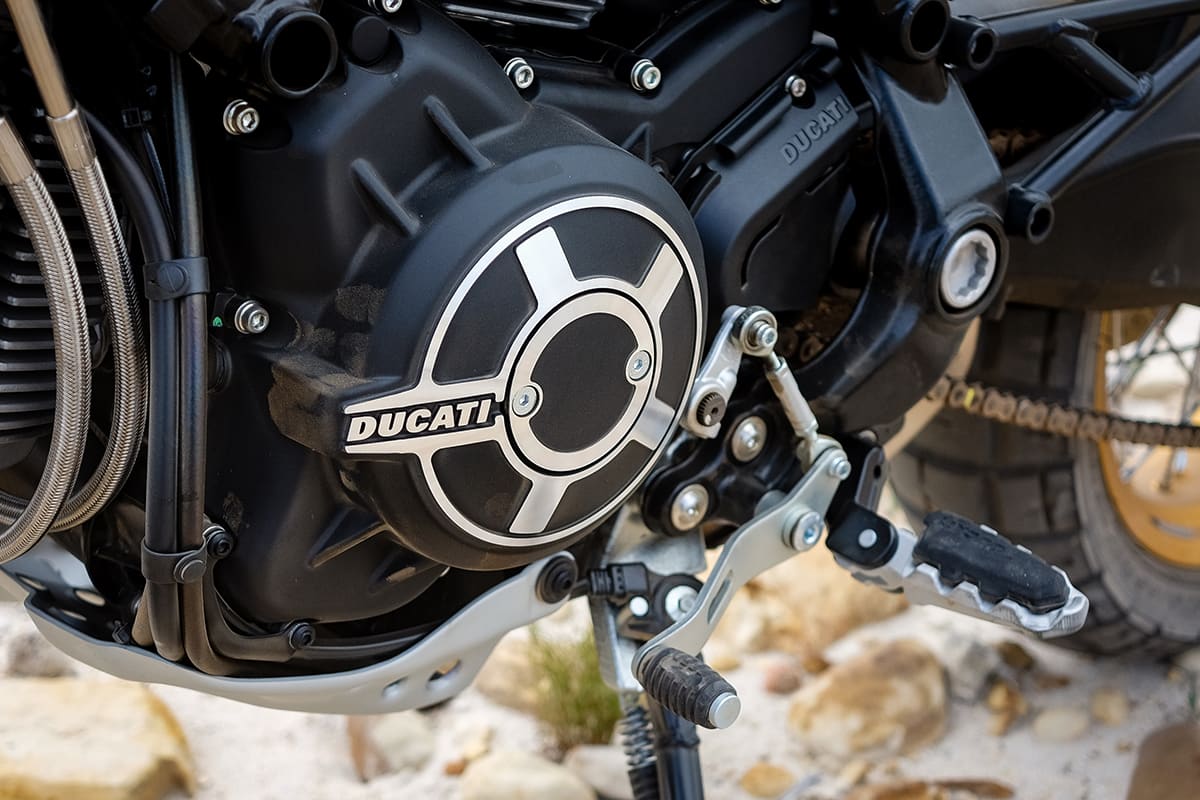
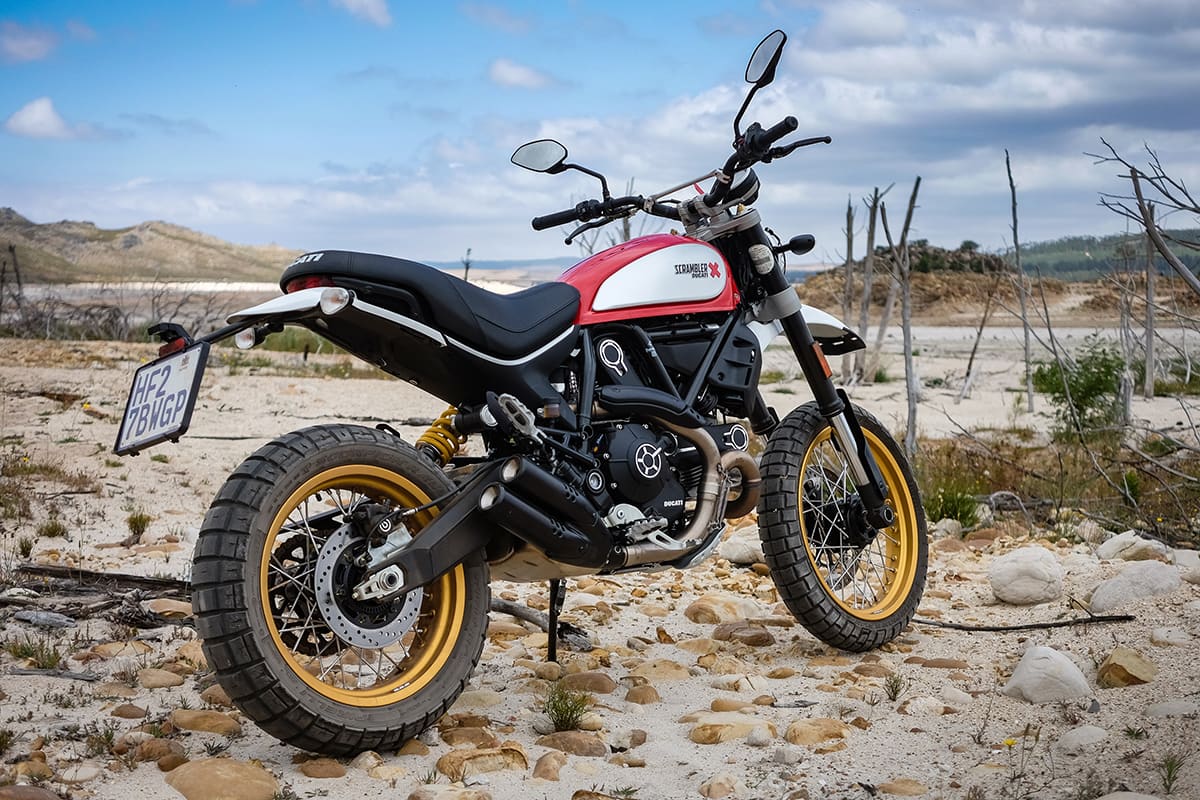
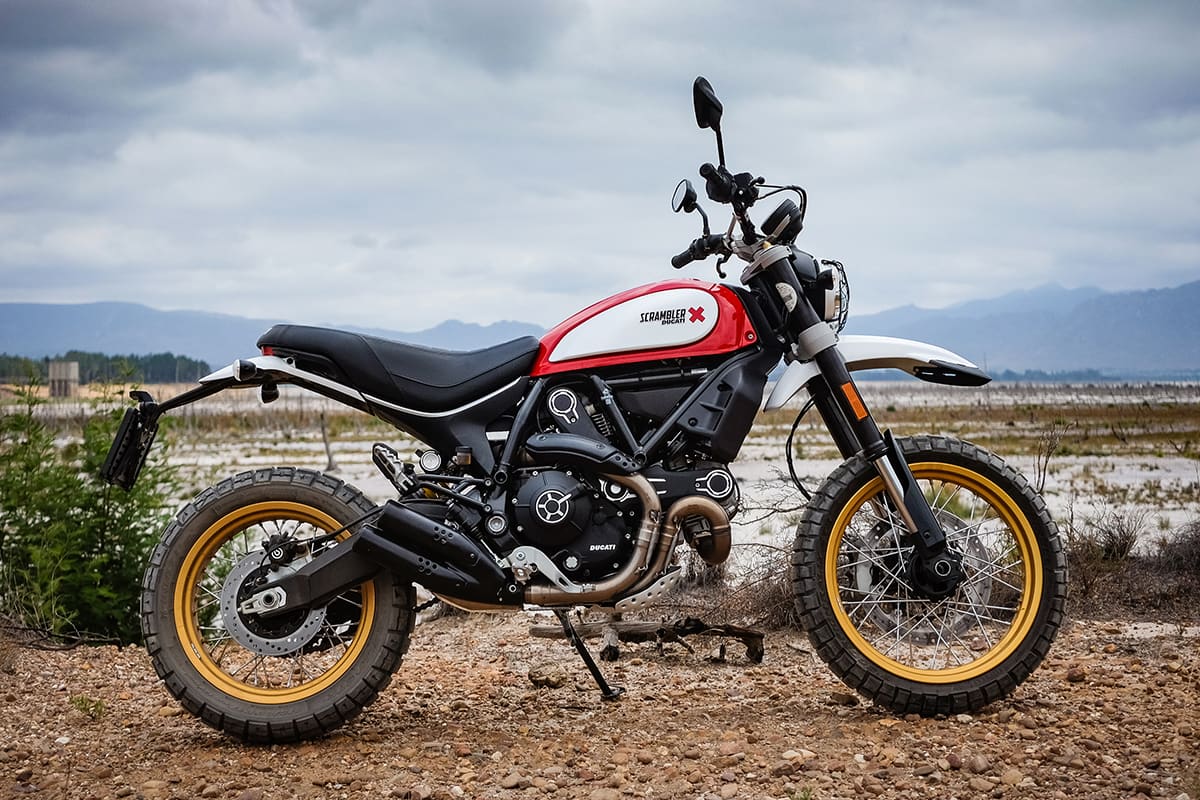
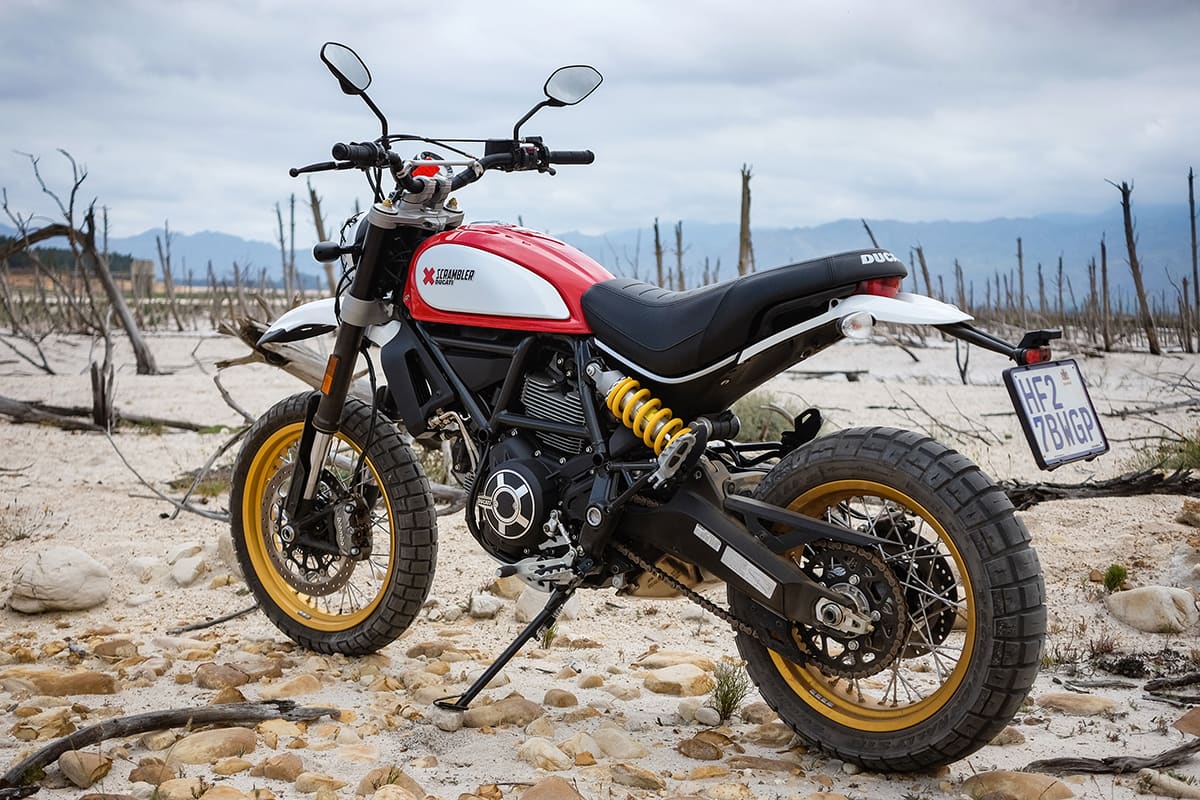
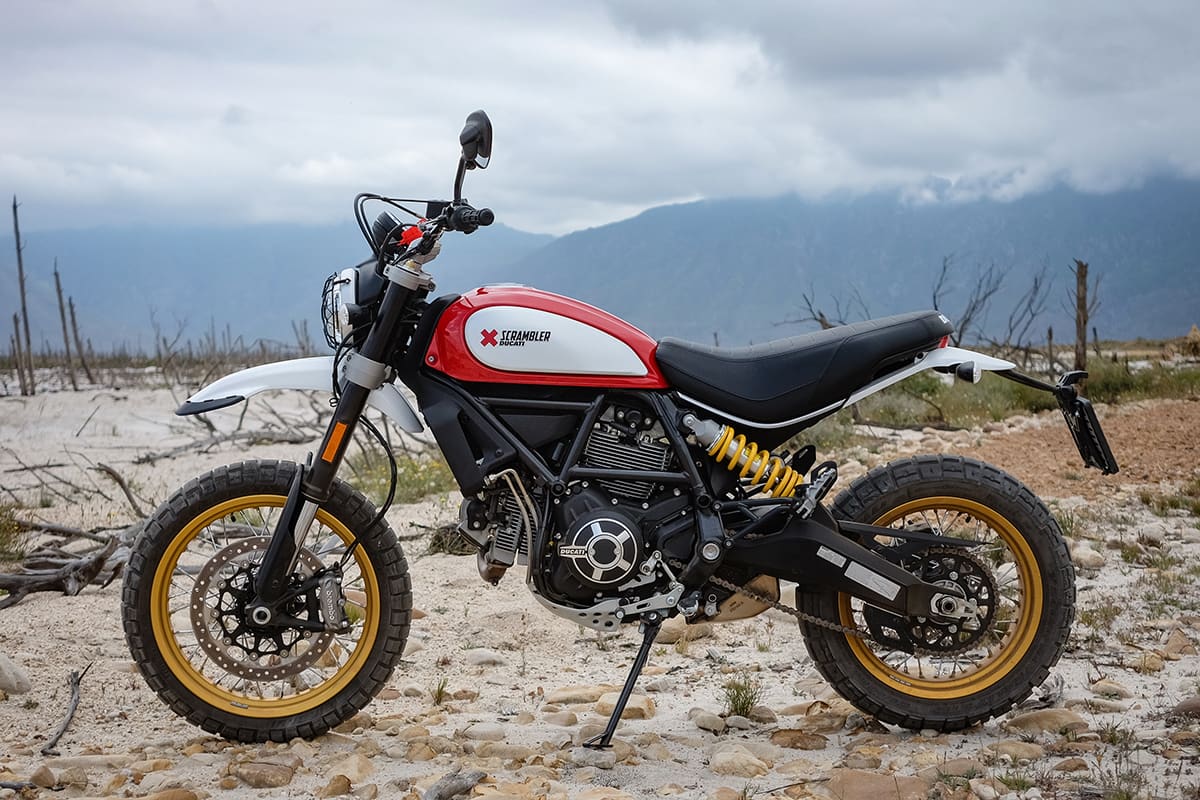
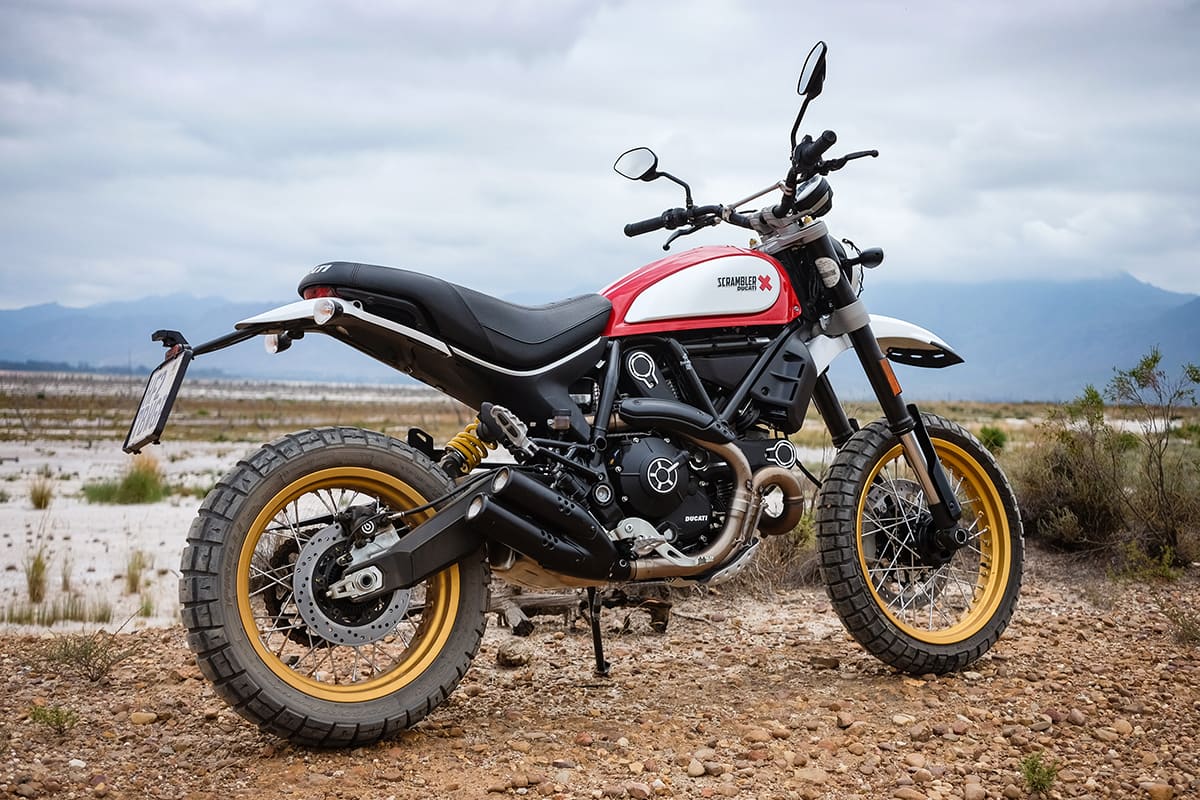
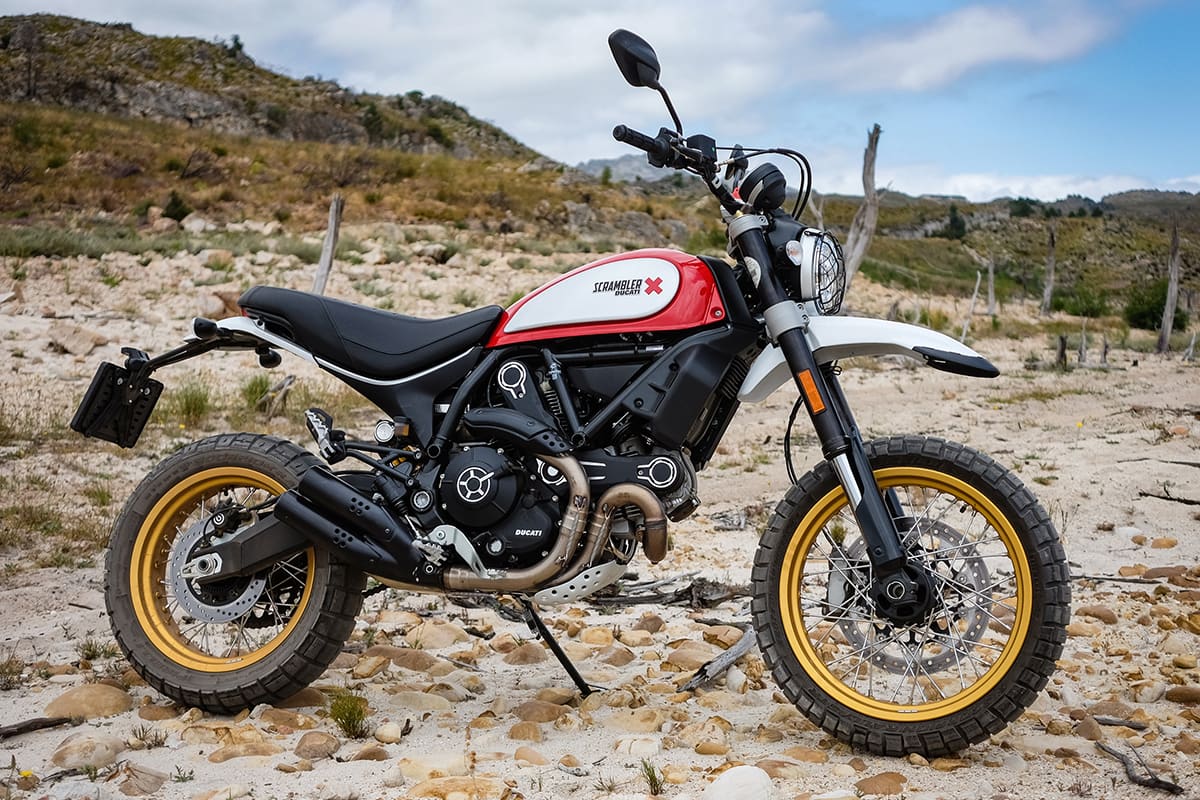
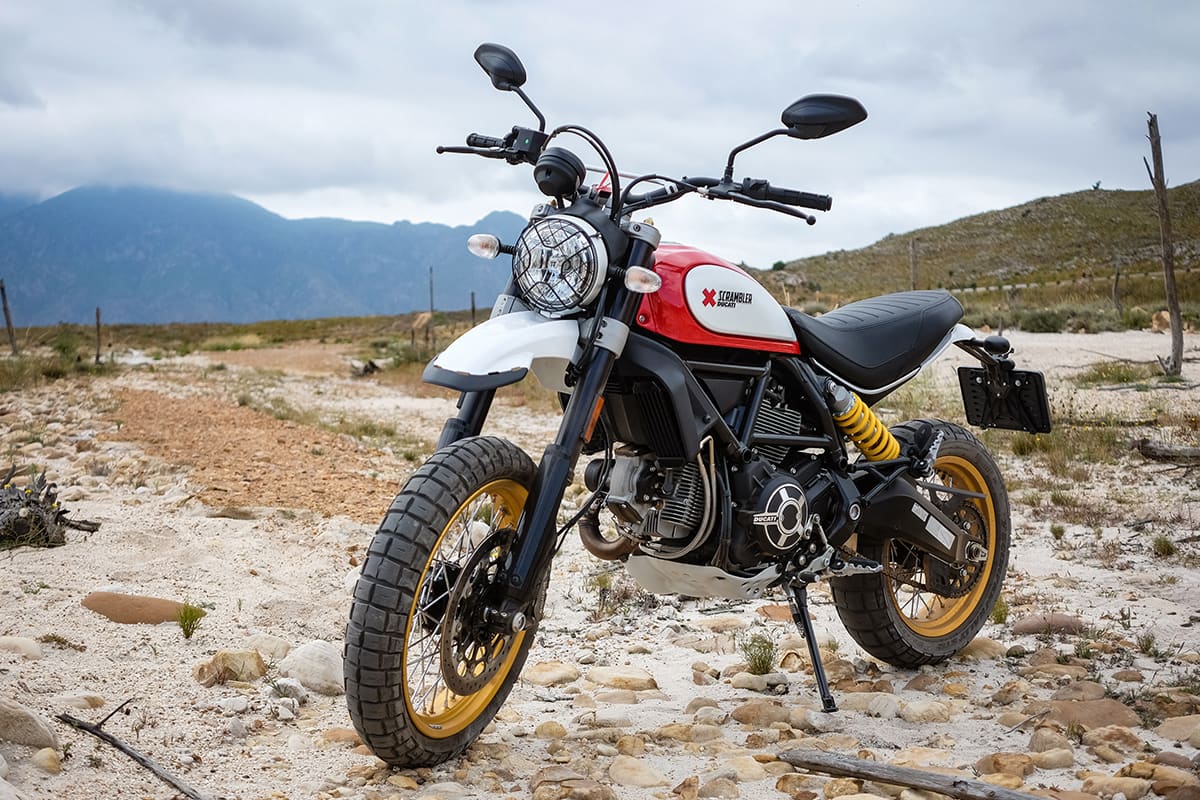 The motor’s gone untouched, so the Desert Sled runs with the same 803 cc, air cooled Desmodromic L-twin power plant as the Icon-good for a claimed 73 hp of power and 67 Nm of torque. You get the same six speed box, wet plate clutch and fuel injection too, and the whole thing is Euro 4 compliant.
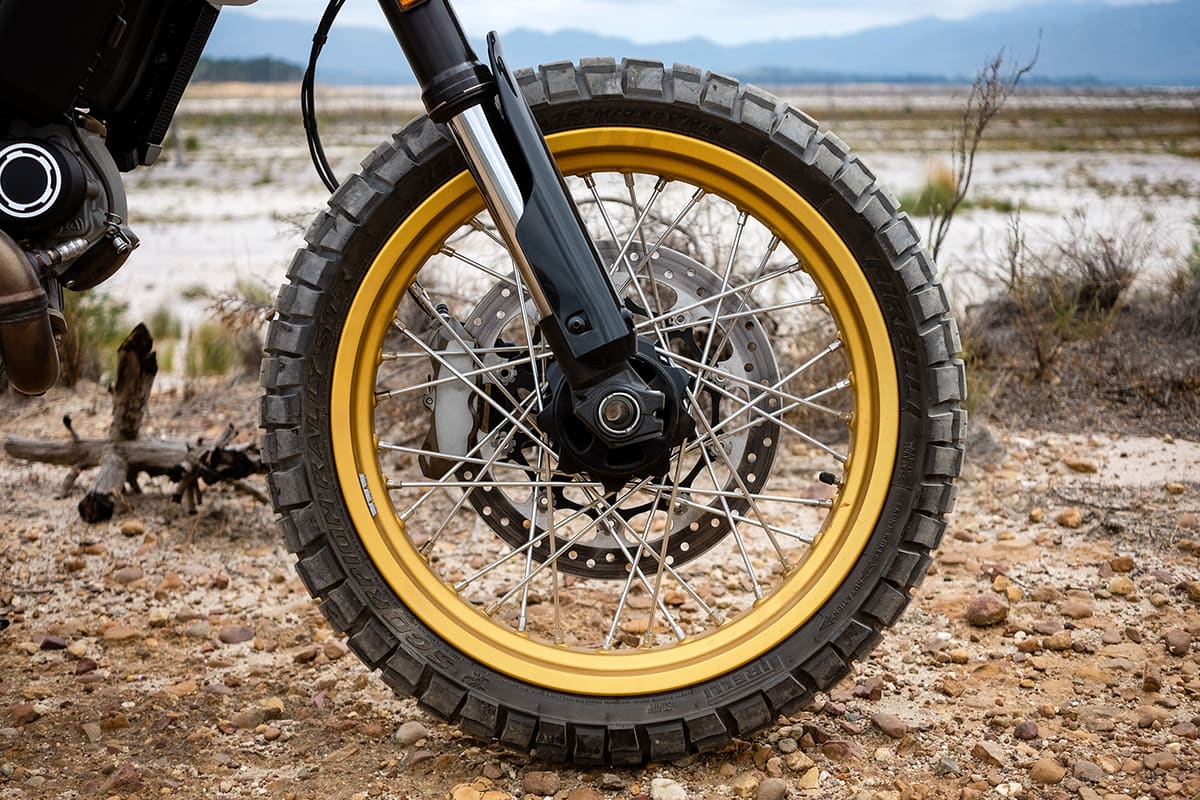 Then there’s the actual frame, which has extra bracing to stop the Desert Sled from rattling to bits on rougher terrain. And the suspension’s had a boost too: the upside down front forks have been upgraded from 41 mm to 46 mm units, with 200 mm of travel (50 mm more than the Icon), and compression and rebound adjustment. The remote reservoir Kayaba rear shock is adjustable for preload and rebound, with the same travel as the front end. It’s hooked up to an aluminium swing arm too.
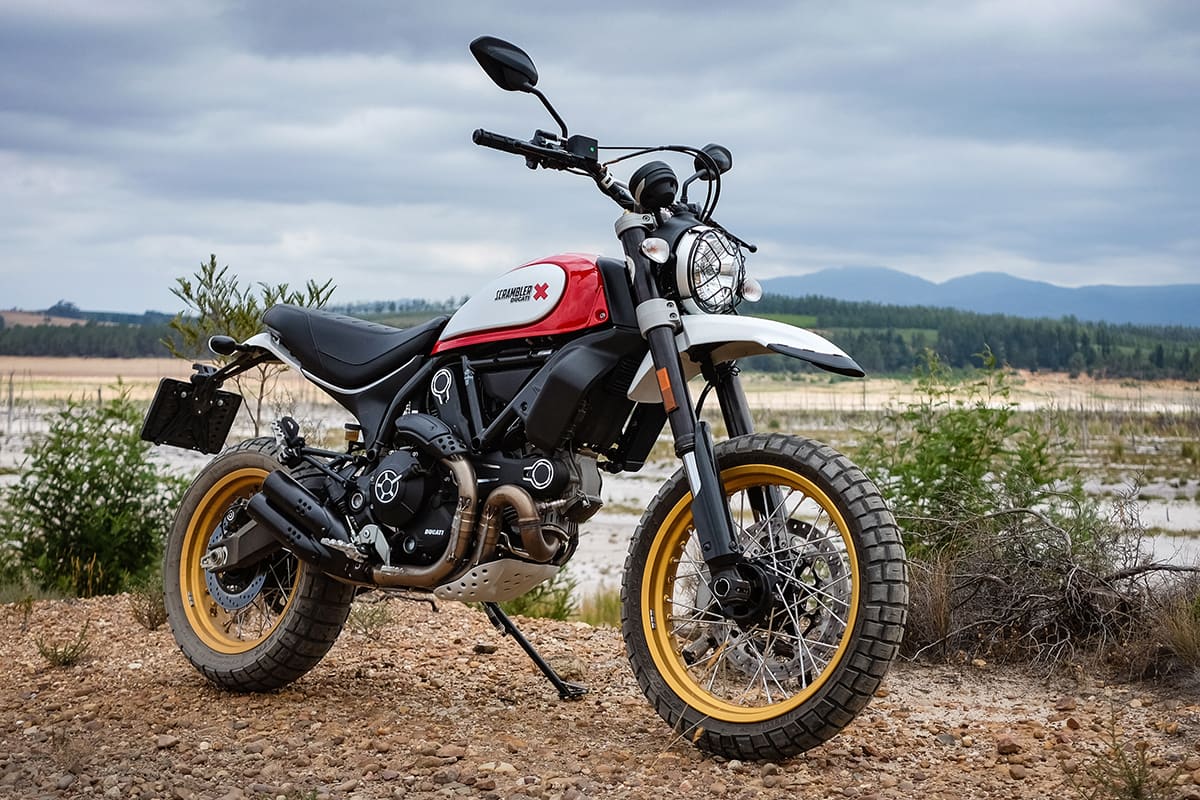 During my time with the Desert Sled I made sure to treat it like I would any dual-sport bike-in other words, I rode it wherever I could. So I racked up miles in the city, on the highway, through some twisty mountain passes and on a few unpaved backroads.
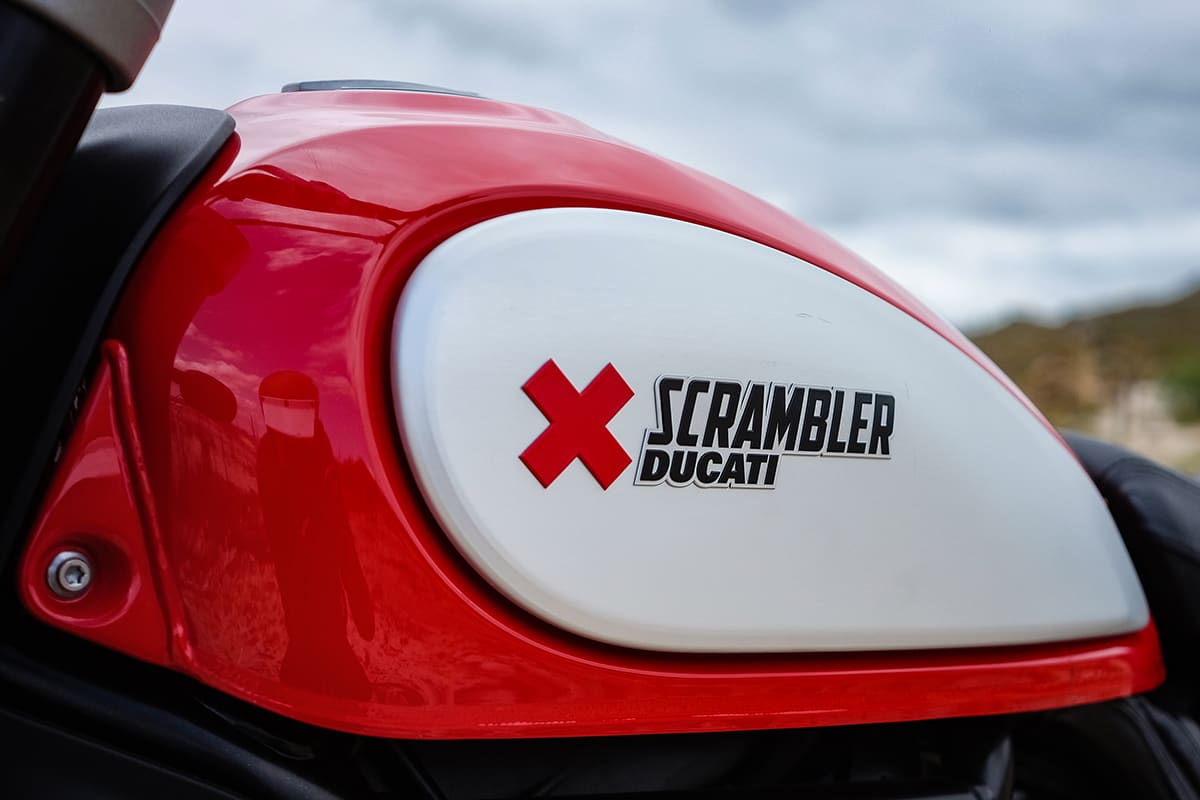
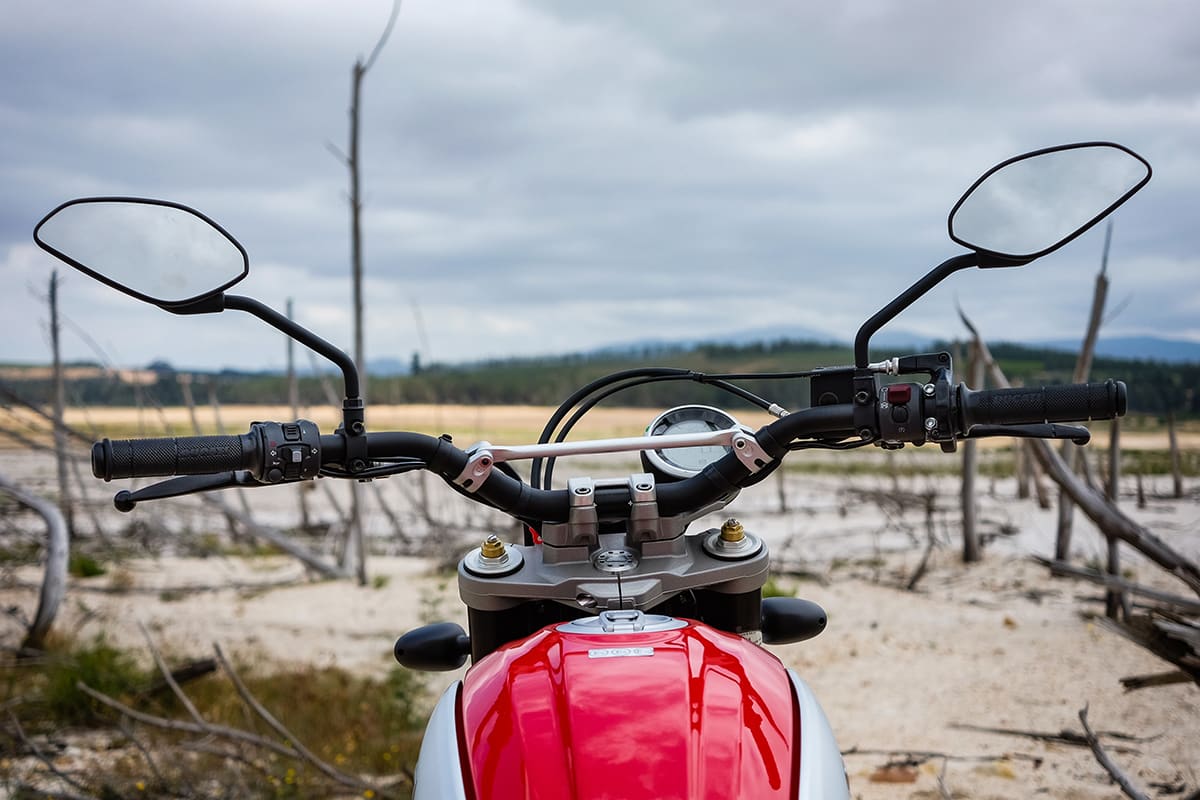
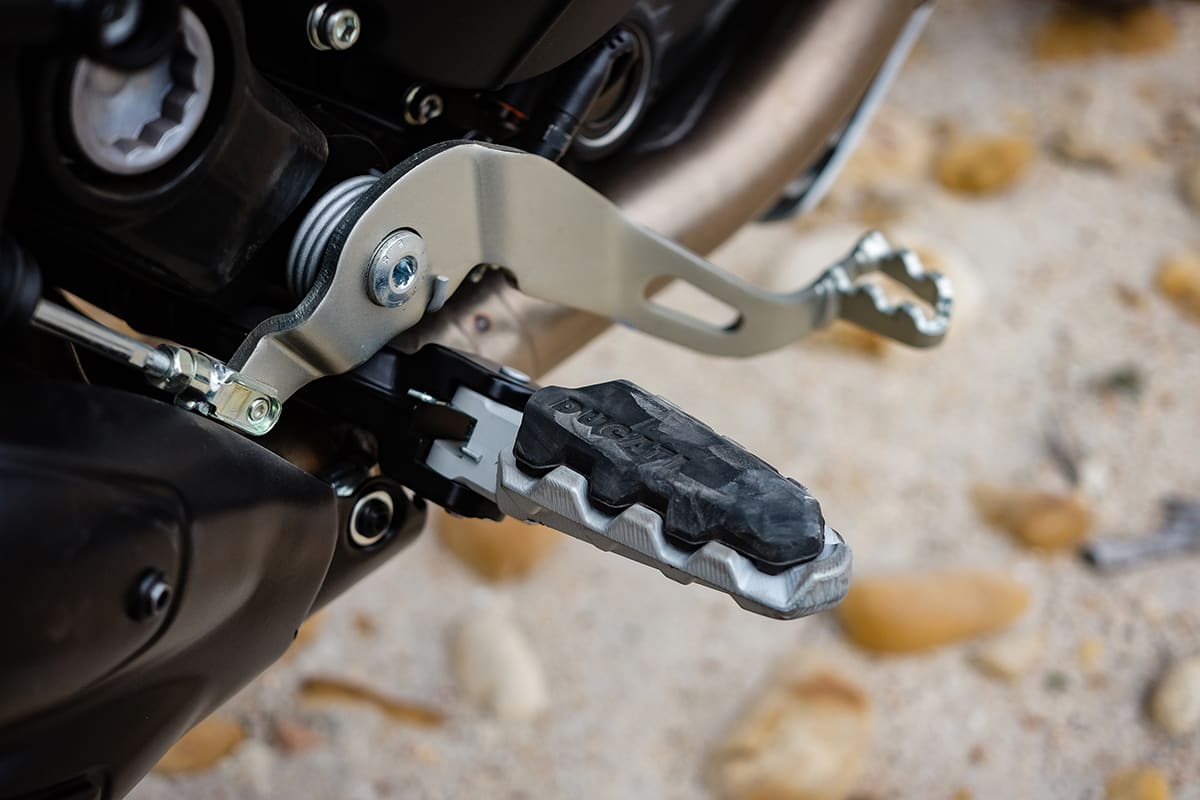 The riding position is equally great when you get up out of the saddle. Never once did I pine for handlebar risers, or feel like I was standing too far back or forward. Ducati styled the 13.5 l tank after the Ducati Scrambler of the 60s, and as a happy side effect it’s extremely slim between your knees. That makes it much easier to move the bike around under you when you head into the dirt, whether you’re sitting or standing. It makes the bike feel nimble too, despite its listed curb weight-so scooting around town and darting through traffic is a breeze.
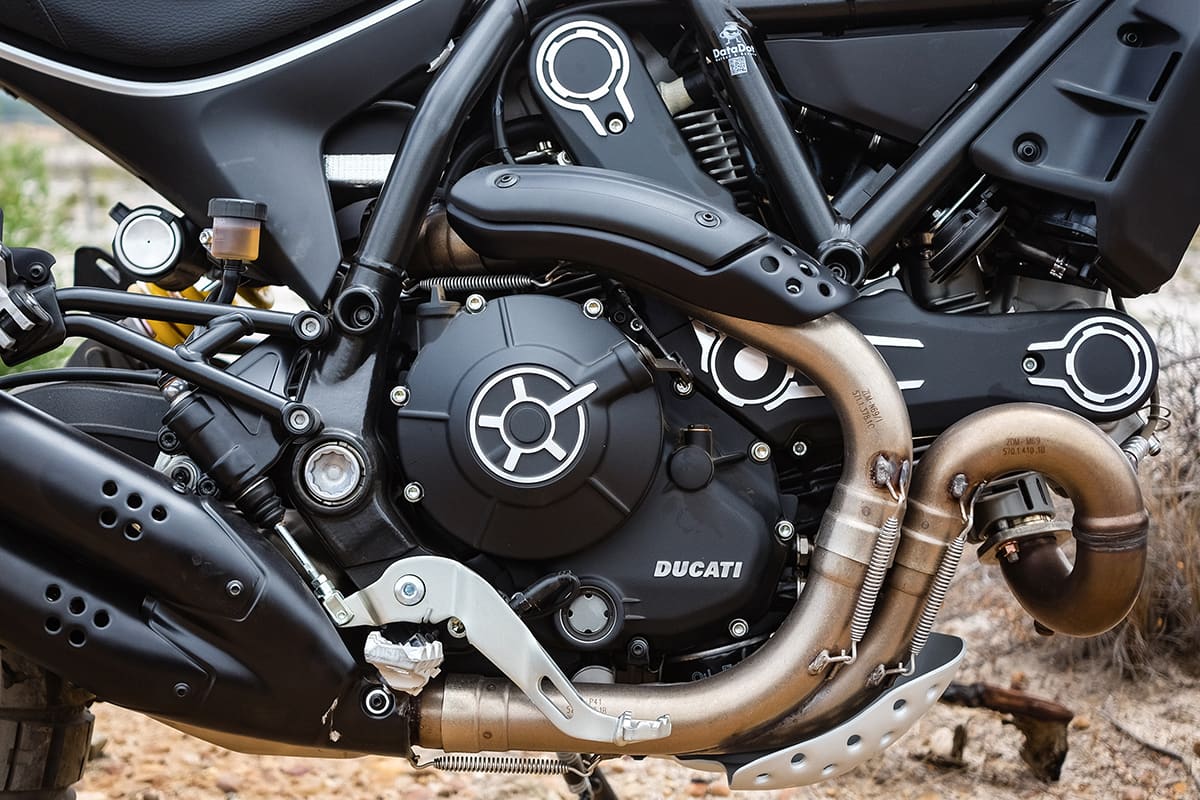 When Ducati first released the Scrambler Icon, many lamented the throttle’s snatchiness, but it’s been vastly improved now. It’s still a little rough around the edges, but overall it’s predictable and usable. I was especially chuffed with how well I could modulate the gas while crawling over tricky terrain. And by how forgiving the transmission and motor were, when I found myself in the wrong gear. Cycling through the Sled’s six gears is a cinch, with a clutch that’s light enough not to tucker you out.
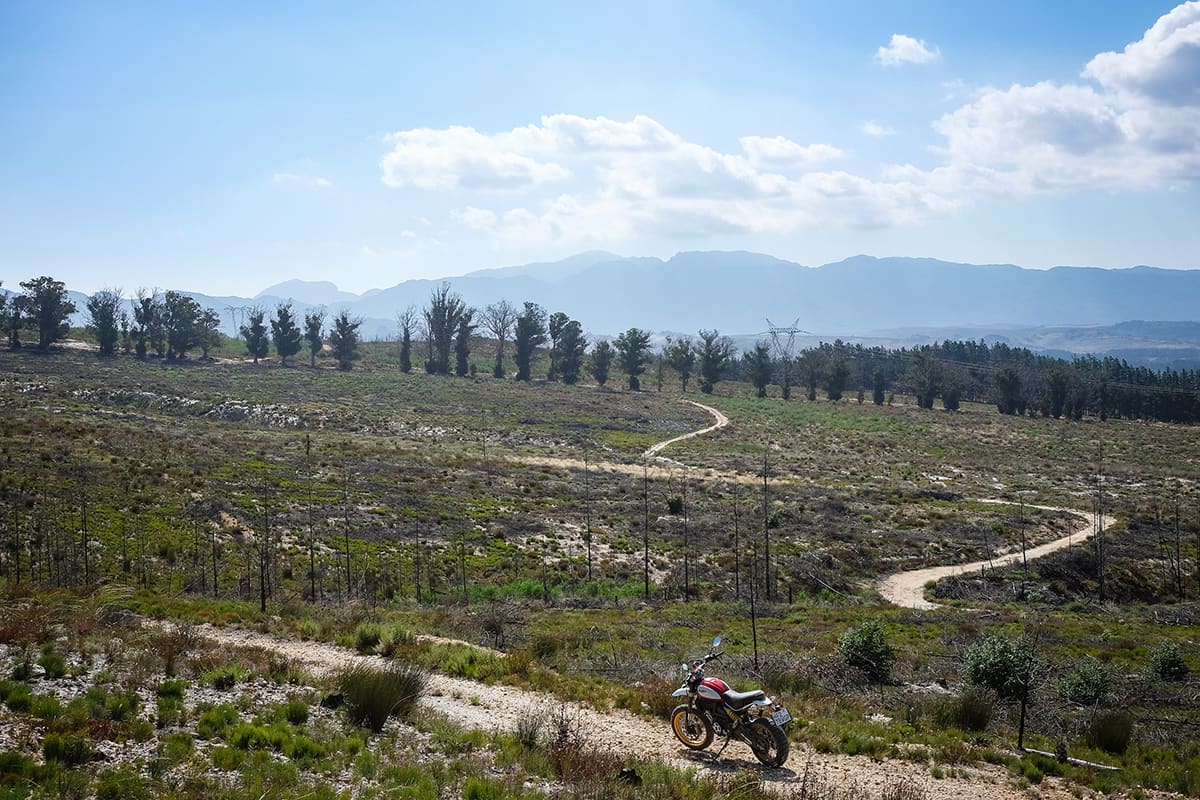 But it’s when you hit the dirt that the Desert Sled becomes a revelation. It’s not that it’s an exceptional dirt bike, it’s just that you don’t expect it to be that compliant. On most gravel roads it tracks smoothly and predictably. When the surface gets looser, you can feel the bike start to squirm and weave a bit-but it’s still manageable. And the fact that you can adjust the suspension is great-it lets you fine tune the Desert Sled to your body weight, riding style and preferred road surface.
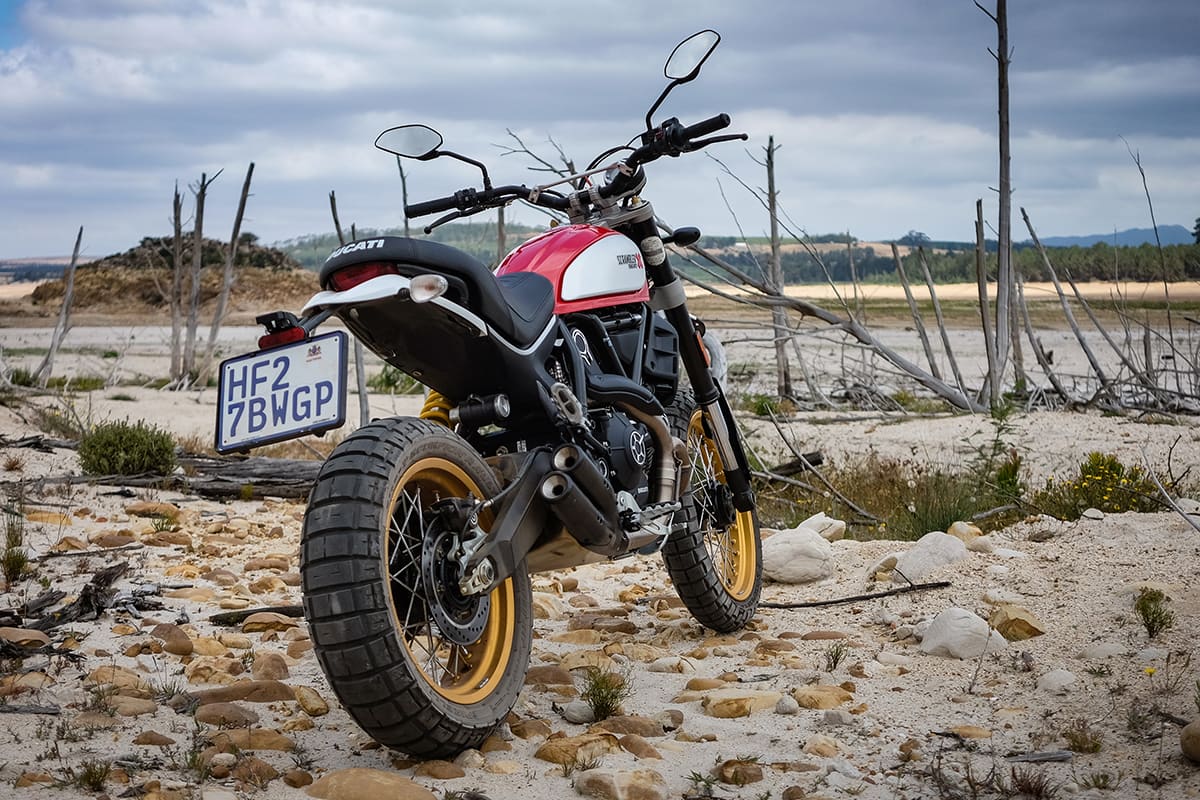 What’s more, it’s put together well enough that it didn’t feel like it was shaking apart from the abuse. The only thing that had me nervous was the prospect of dropping it-at R171 000 in red, or R175 000 in white or black, it’s not a bike you really want to knock around. Dings are sure to be costly-unless you’re happy to file them under ‘adds character.’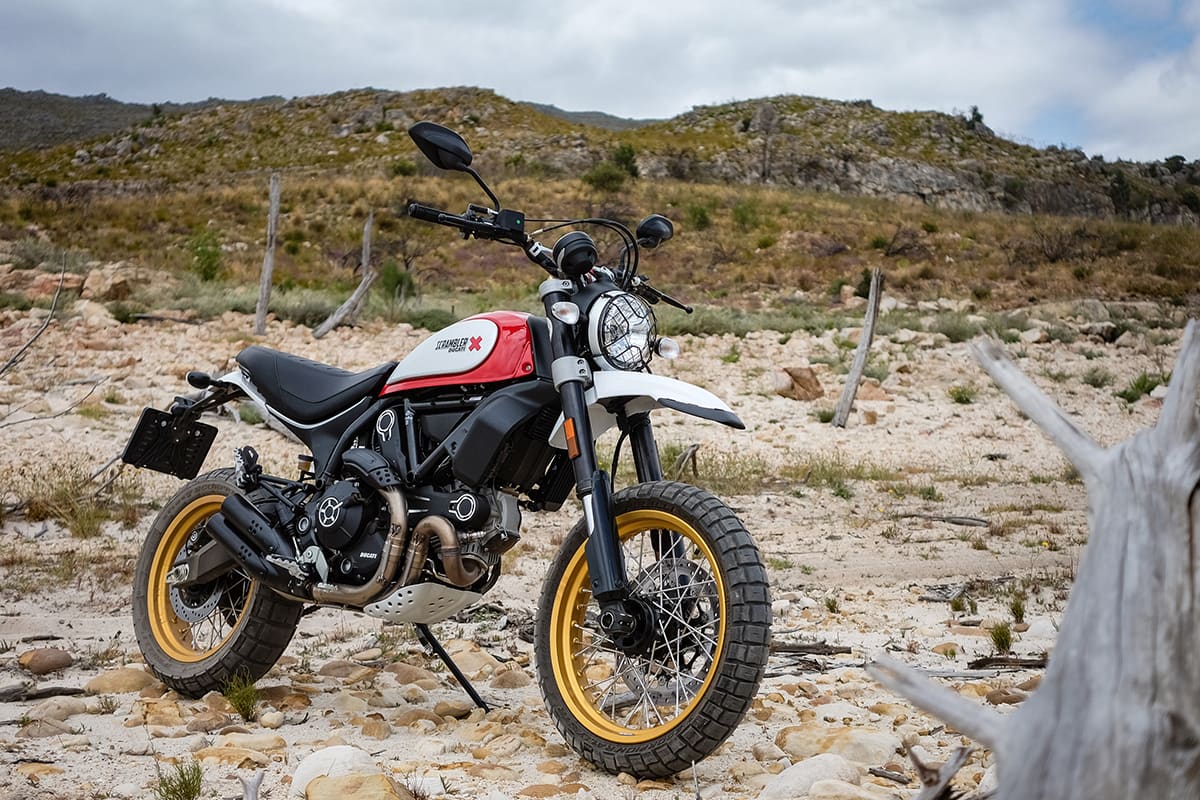
 Because you are reading this article on the ZA Bikers website we can safely assume you are a Biker Person. This is important because we have a problem: our industry is shrinking. Globally motorcycle sales are under pressure and, although some markets aren’t feeling this, our market has been particularly hard-hit. There are many reasons for this and this would be a topic all on its own. We can talk for hours about the pricing and import duties, and the mindset that motorcycles are toys, luxuries, non-essentials for most bikers out there and are the first things to be sold when trying to tighten the financial belt. There is also the factor that pure commuting on 2 wheels is not a mainstream principle, with 4 wheels being the majority’s choice and the occasional dodging and weaving seen dawn and dusk by the occasional superbike and GS.

 I have recently been side-lined from the heaven of riding motorcycles. Unfortunately a car decided to turn in front of me: the bike didn’t survive, and I luckily did. While I am still in recovery from a couple of surgeries and new metal bits, I get to watch other riders and dream about riding again, one day, as soon as possible.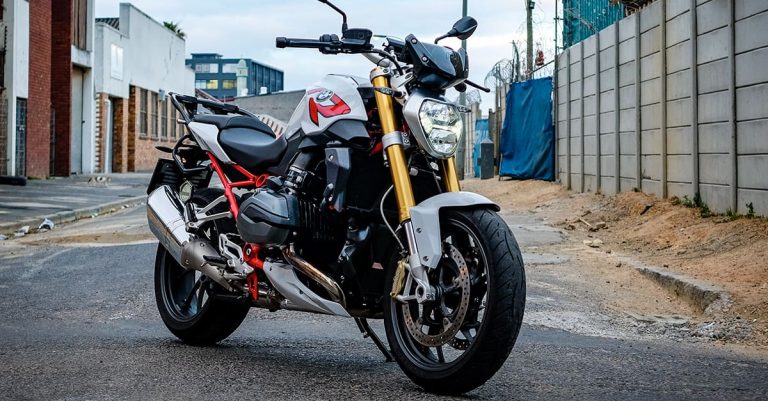
 Any conversation about modern BMW boxers is going to be dominated by the R 1200 GS. It makes sense: the GS is BMW’s best selling model, especially in the primo dual-sport market that is South Africa.
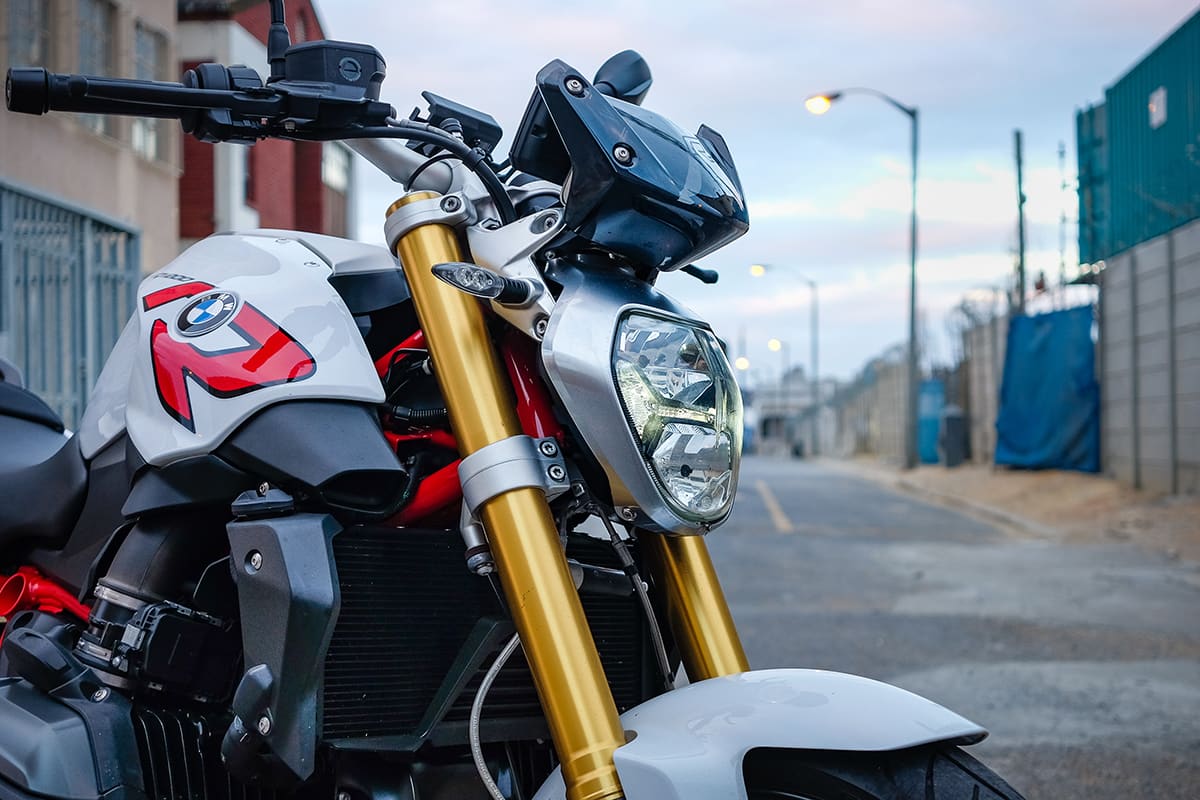 Don’t get me wrong – I love the GS. It’s powerful, comfortable all day and can take to the dirt when it needs to. But if that last criteria isn’t a deal breaker for you, the R 1200 R is, in some ways, a better motorcycle.
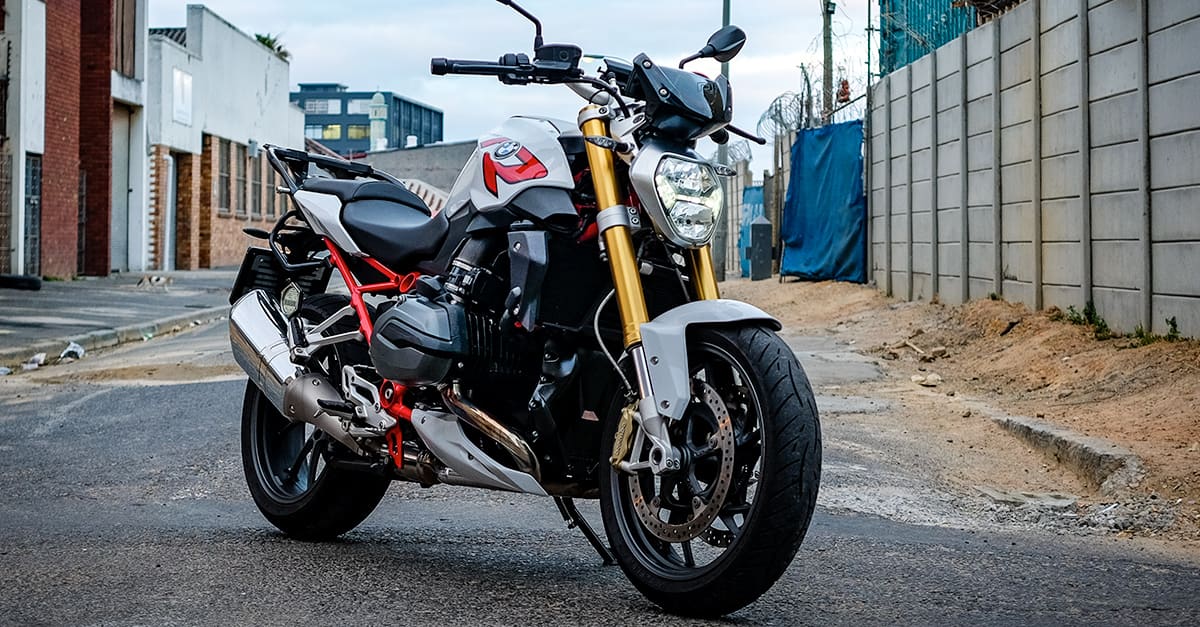
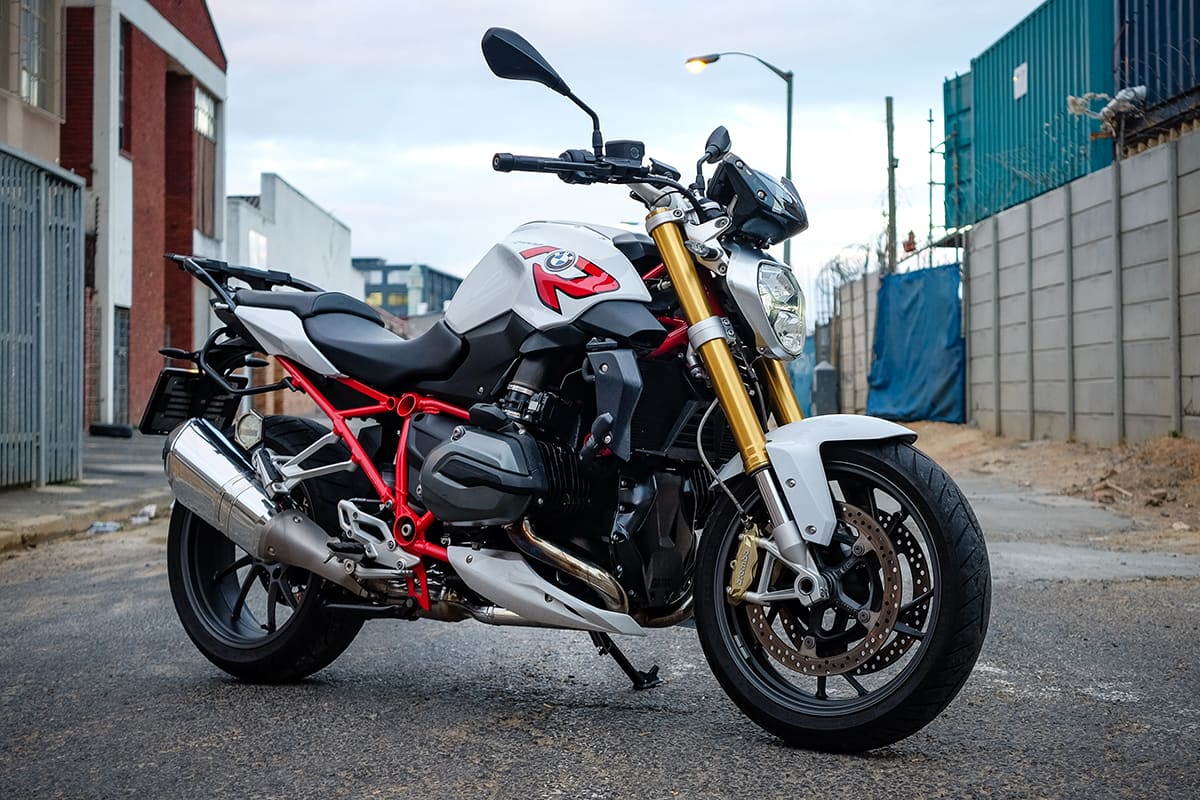
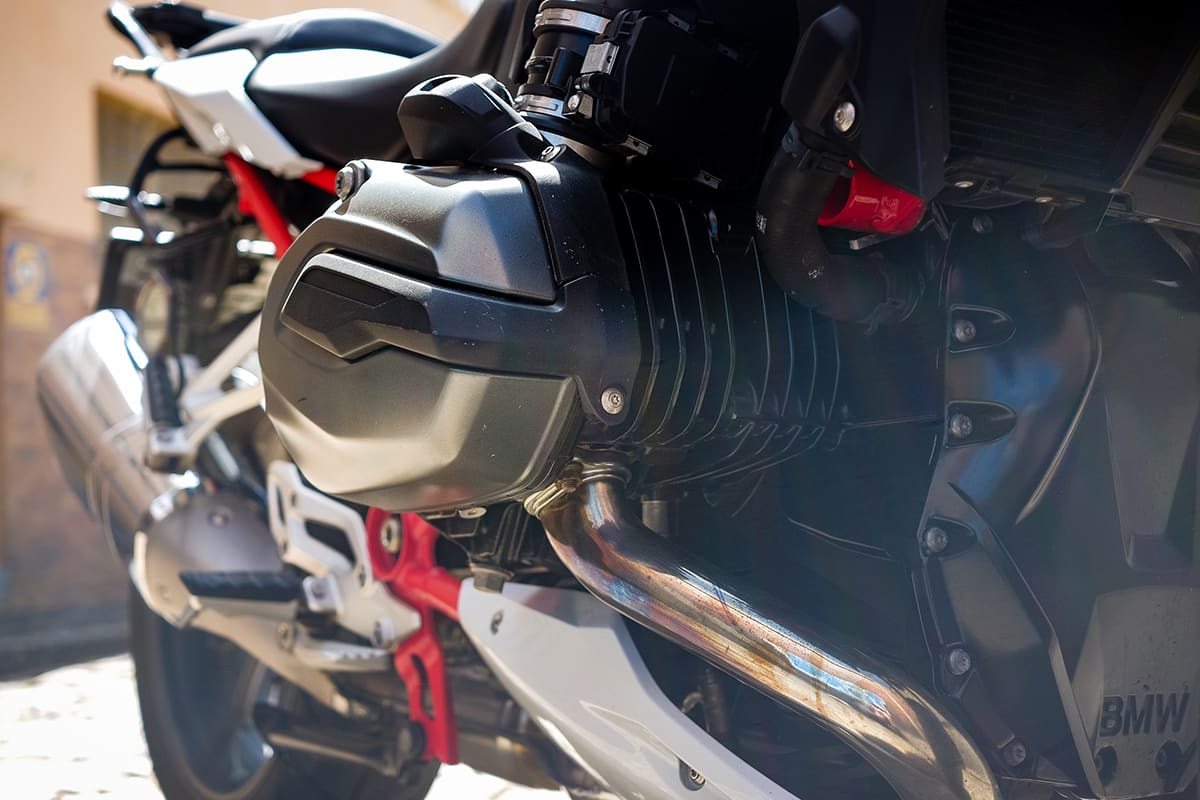 But unlike its dirtier big brother, the R is a pure roadster-and a damn fine looking one at that. The older air-and-oil cooled R 1200 R (and its predecessor, the R 1150 R) had an aesthetic that was more functional than emotive. But the new generation R is muscular and aggressive, sharing DNA with the jaw-dropping Roadster Concept that preceded its launch.
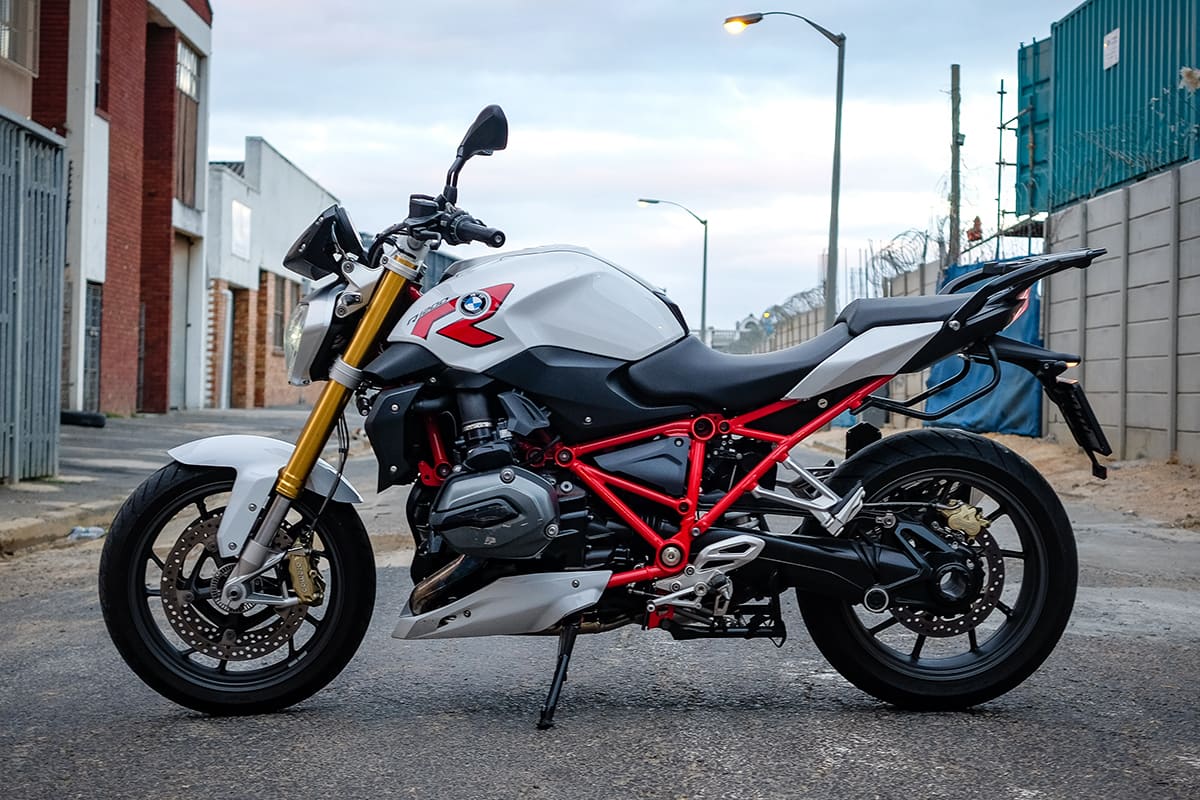 I’m riding a 2016 model in these shots, but not much has changed in the last couple of years other than graphics. And not much needs to either-the style, tech and performance in the R 1200 R are still very much contemporary. Details like the exposed tubular steel frame, razor-sharp tail section and belly pan, and the diamond-shaped headlight are all signs that the R came to party. The only bit I don’t like is the exhaust; it’s a chunky, chromed eyesore on a bike that deserves better.
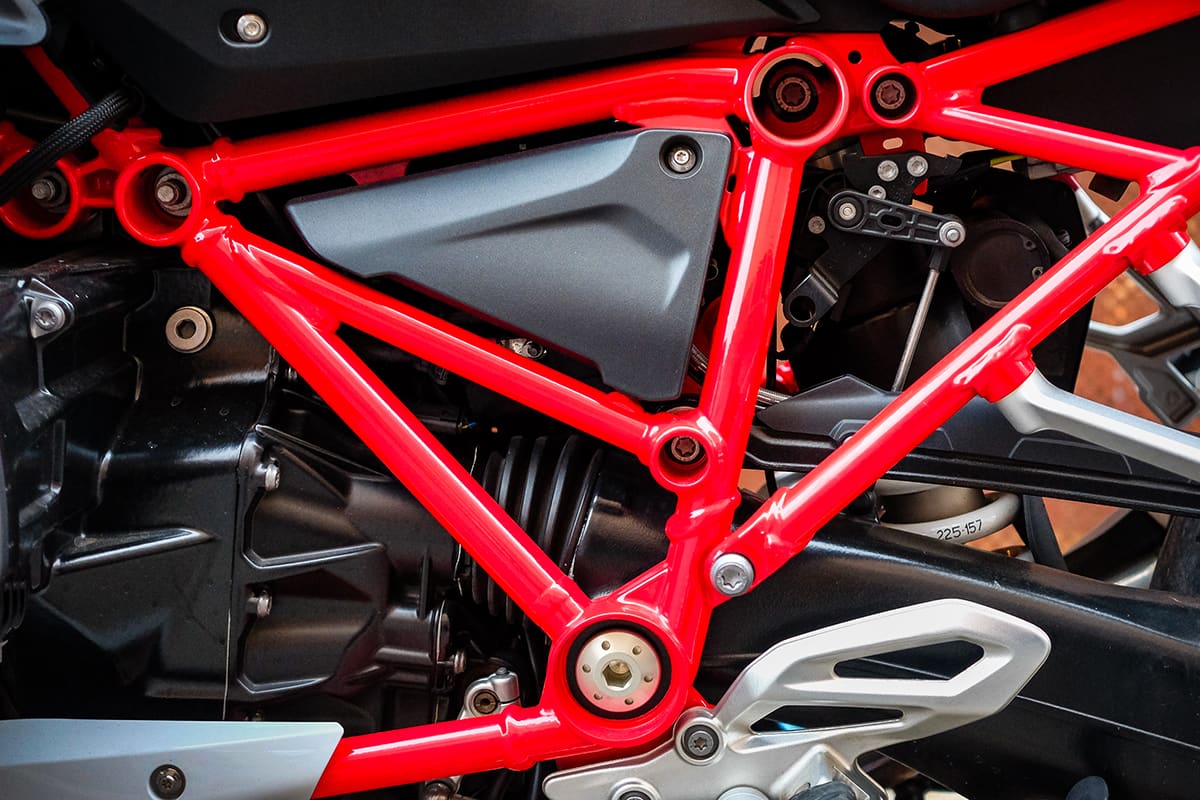 BMW did well with the roadster’s ergonomics too. It’s compact and low, with a manageable seat height and a narrow profile. The riser bars, seat and pegs are right where you want them for maximum control and comfort. The dash is big and clear, with an analogue speedo on the left and more digital info that I can list on the right.
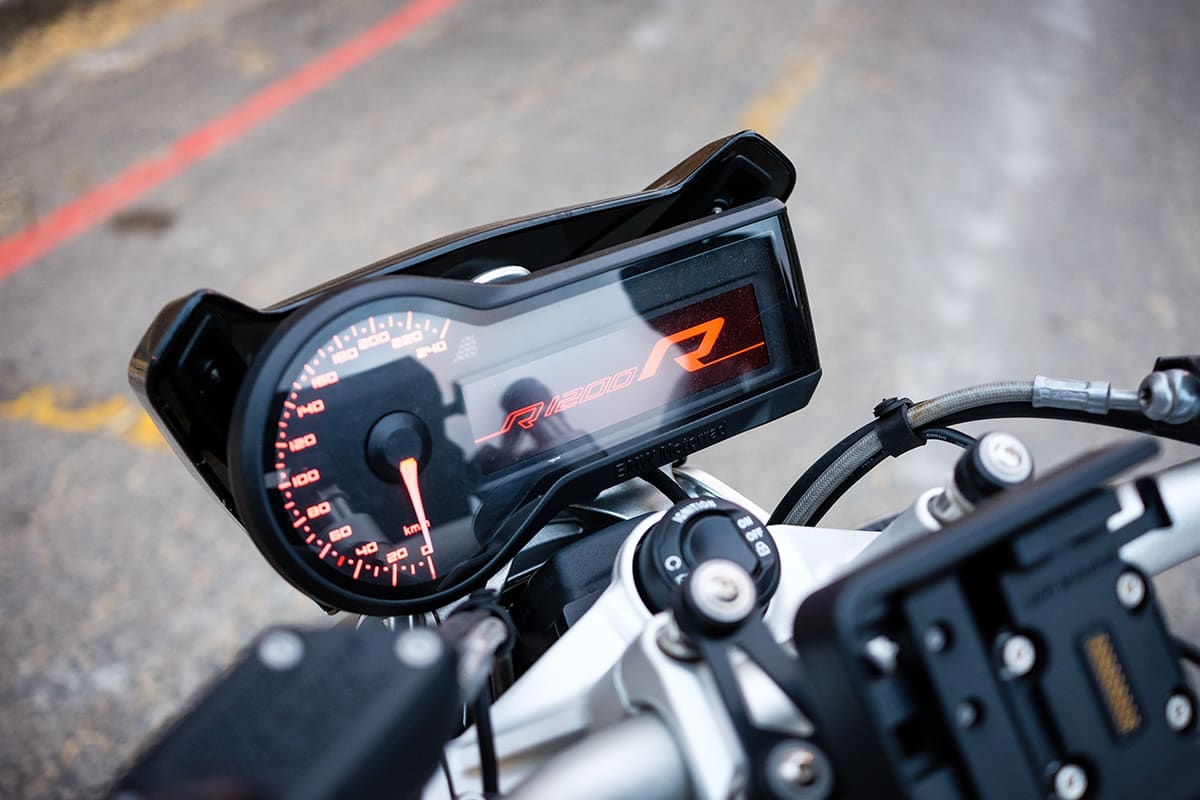 On the bars, you’ll find BMW’s typical switch layout, which is easy enough to operate despite the bevy of functions available. (You even get a dial on the left side that allows you to control BMW’s Navigator GPS, should you fit it.) What you won’t find is a keyed ignition-the BMW R 1200 R works with a keyless fob, and switches on via a chunky ignition button just in front of the bars.
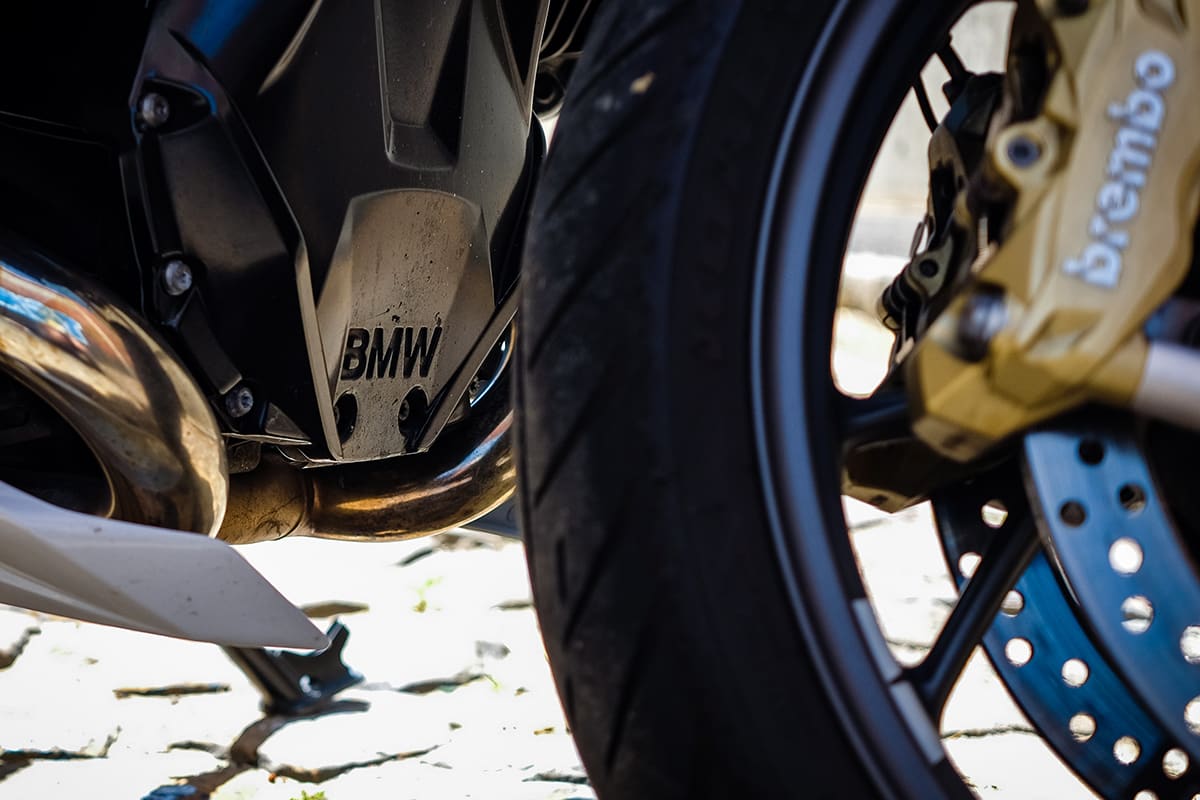
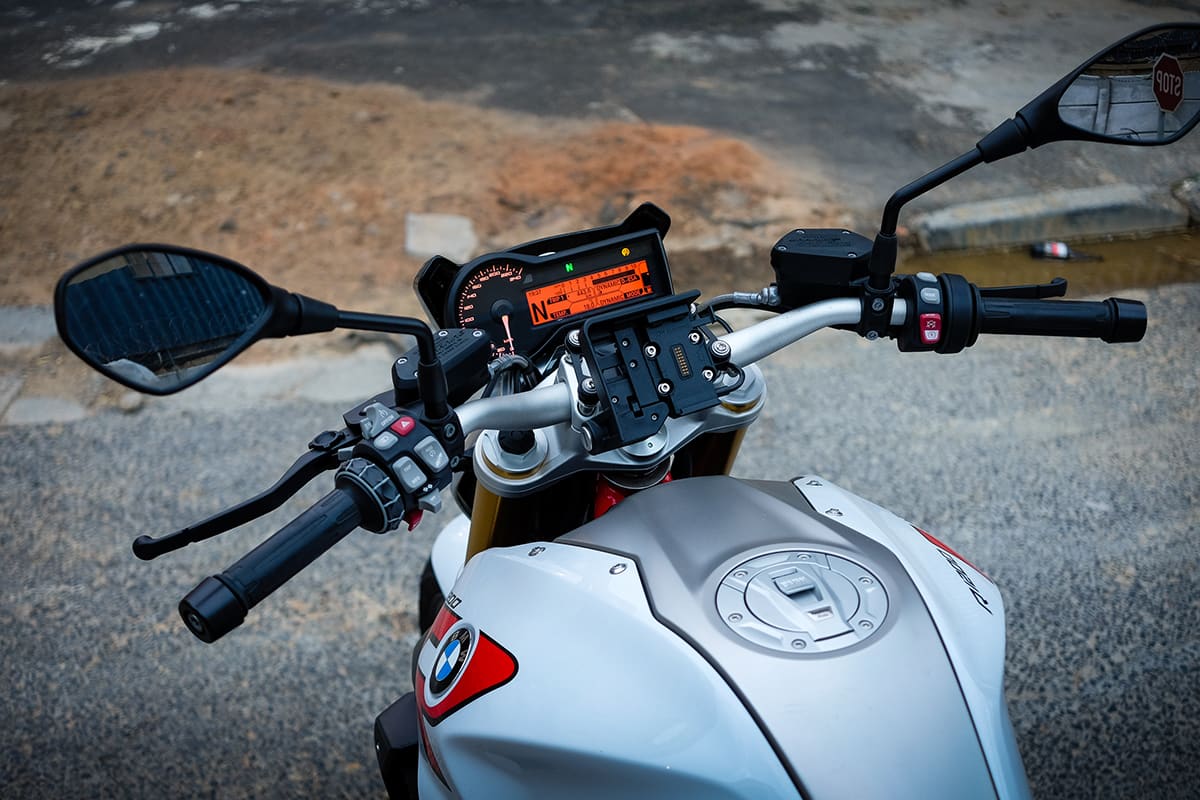 There’s another big change up front: BMW have ditched their traditional Telever front suspension, equipping the R with a beefy set of 45mm upside-down forks instead. Power is still delivered by BMW’s gorgeous Paralever single-sided swing arm. The R rolls on a pair of handsome alloy wheels (17×3.50 at the front and 17×5.50 at the back), with Brembo braking all round and twin 320mm discs up front.
 So does it ride as good as it looks? Oh yes-there’s hardly a nit to pick with the R 1200 R’s engine package. Just like every other ‘LC’ boxer in the line-up, the fuelling is smooth, the throttle is predictable, and flicking through gears is effortless. The R loves to be revved, and the sound and feeling of that big twin spooling up as you breeze through the rev range is half the fun of riding it.
 In the city the R is quick off the mark, and manageable enough to hustle from robot to robot, thanks to its light clutch. This is where the various electronic aids come in handy: I found myself with both the engine map and ESA in ‘Road’ mode while puttering around town or negotiating traffic. It put the 1200 into a better mannered mood, without killing off any of the motor’s liveliness. Rain mode was a bit more passive, and though I didn’t hit any actual rain I reckon it’s a shoo-in for wet roads, or even for beginner riders.
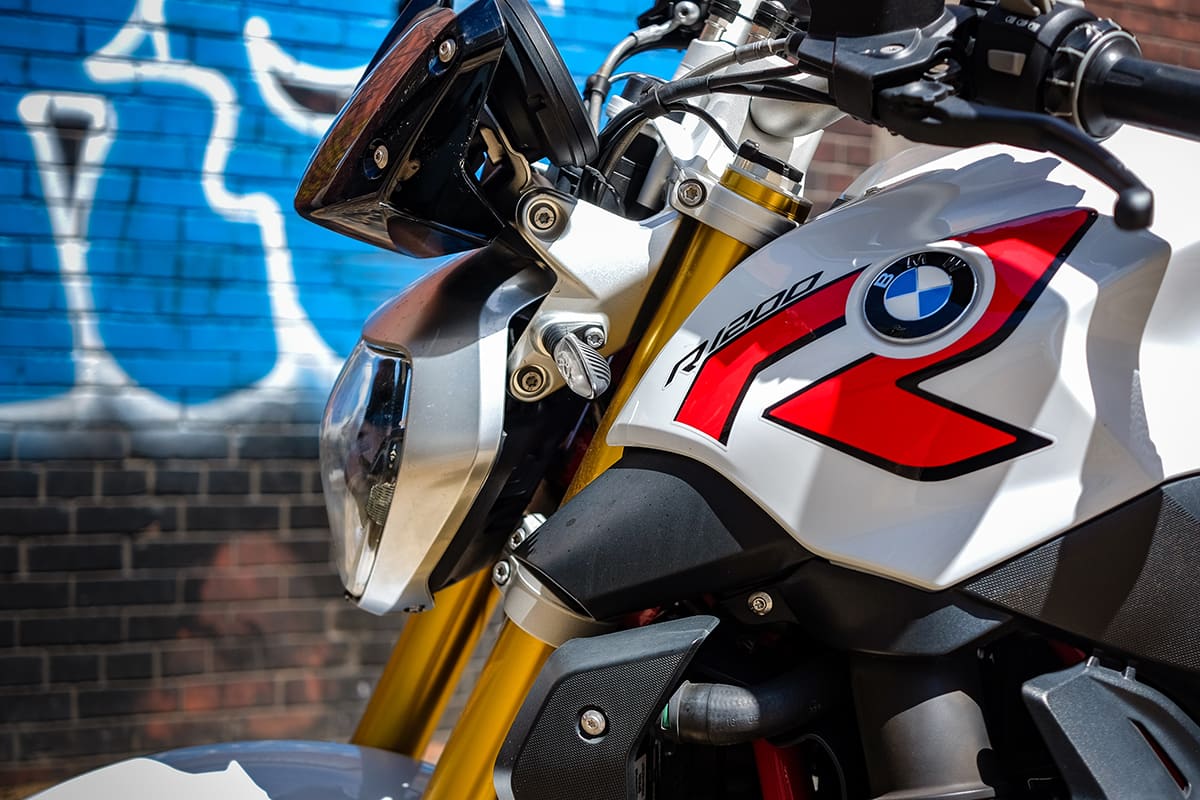 Out in the countryside though, I quickly switched everything over to ‘Dynamic’ and let loose. Cape Town and its surrounds are a fantastic test environment for motorcycles, and the R 1200 R blew my mind on every one of my favourite roads. I could flick it through corners all day without it ever getting bent out of shape, then eat miles quickly to get to the next mountain pass.
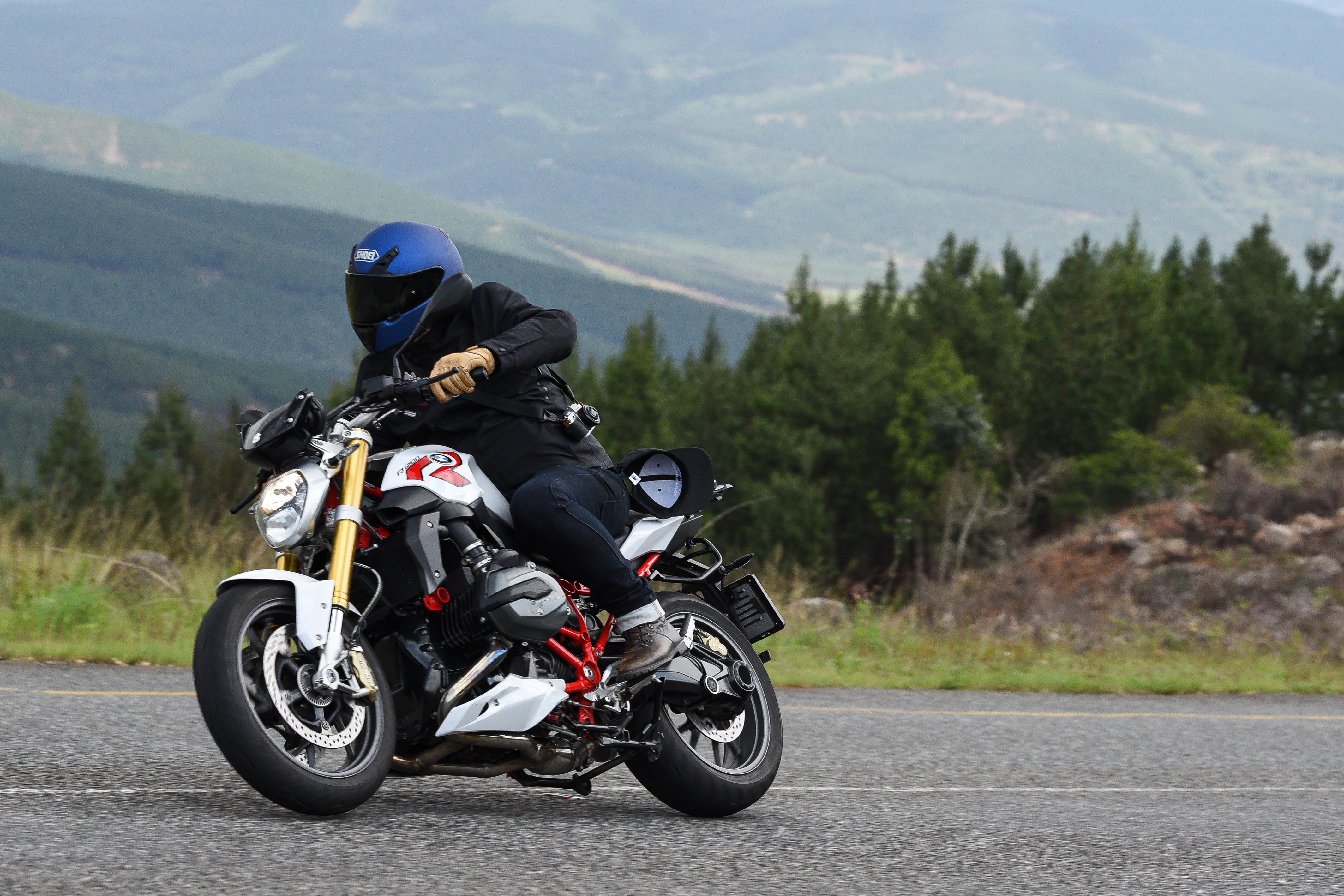 The twin Brembo anchors up front would shave off speed without fuss, and the ABS was effective without being intrusive. Plus the boxer motor’s ability to pull hard from anywhere in the rev range came in handy a few times.
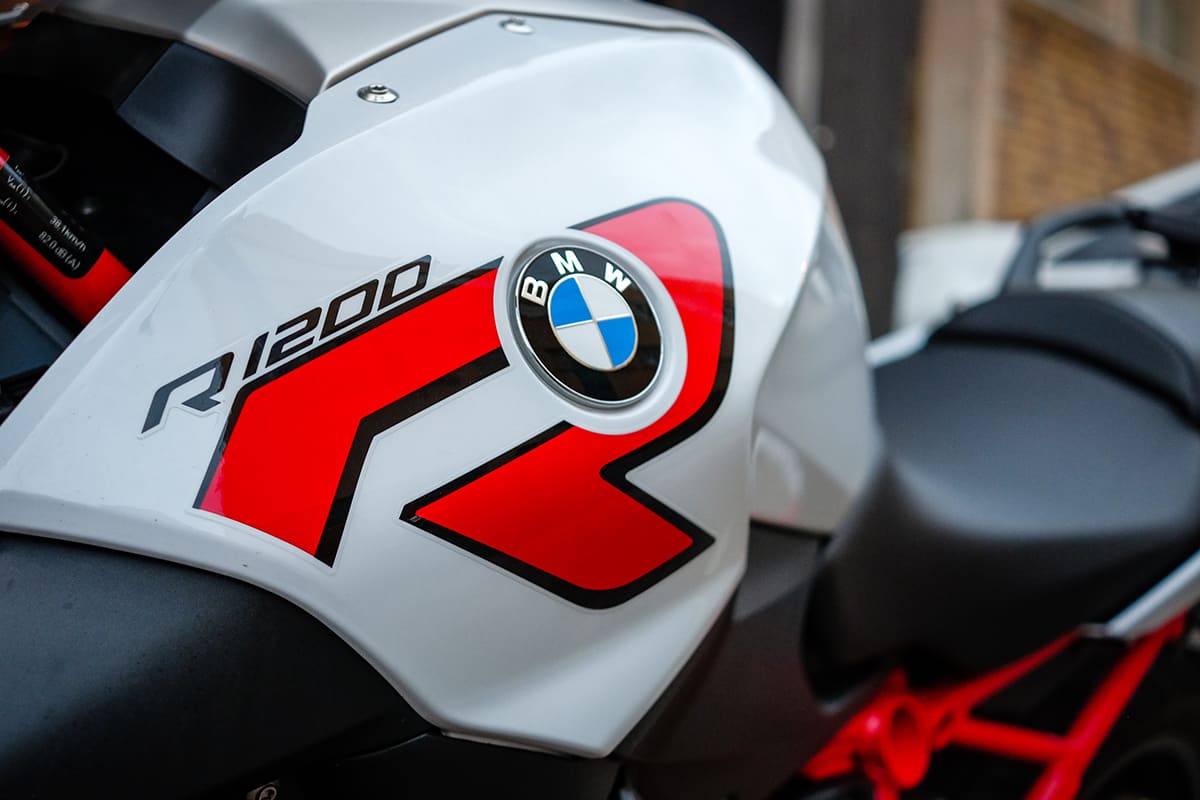 So while the R 1200 R is an extremely refined motorcycle with a rider aids package that’s bursting at the seems, it’s far from being sterile or boring. What it is, is versatile: if you’re a novice, you can put it in one of the gentler ride modes and hone your skills; if you’re experienced, it’ll reward you without making you work too hard.
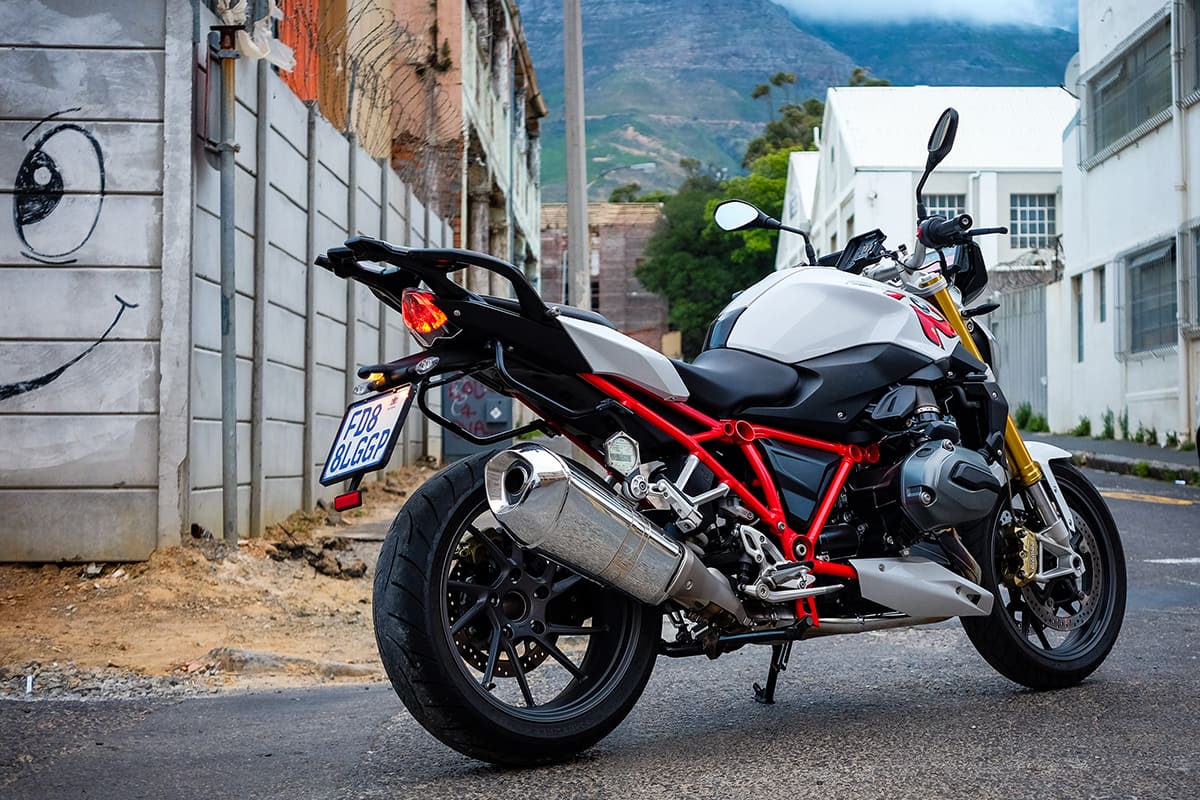 I’m confident that it’d do just fine as an occasional tourer, but I want it for what it is: a gnarly roadster for tearing up the city in the week, and the mountains on the weekend. And if my wife ever let me near our bank account, I’d be in serious danger of actually buying one.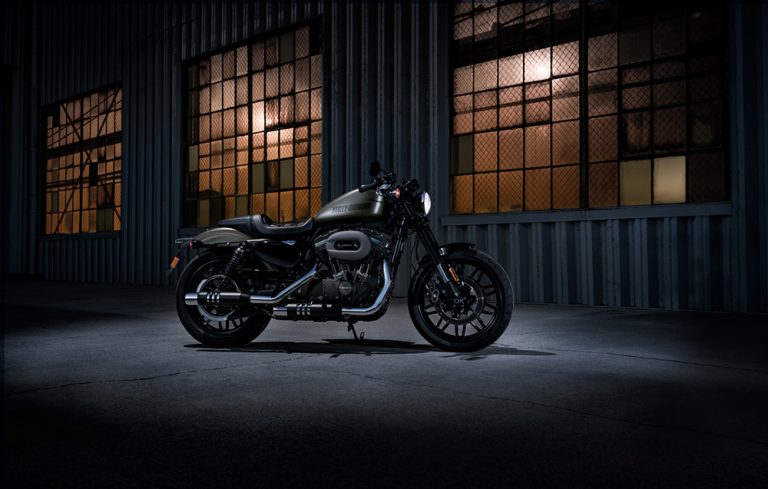
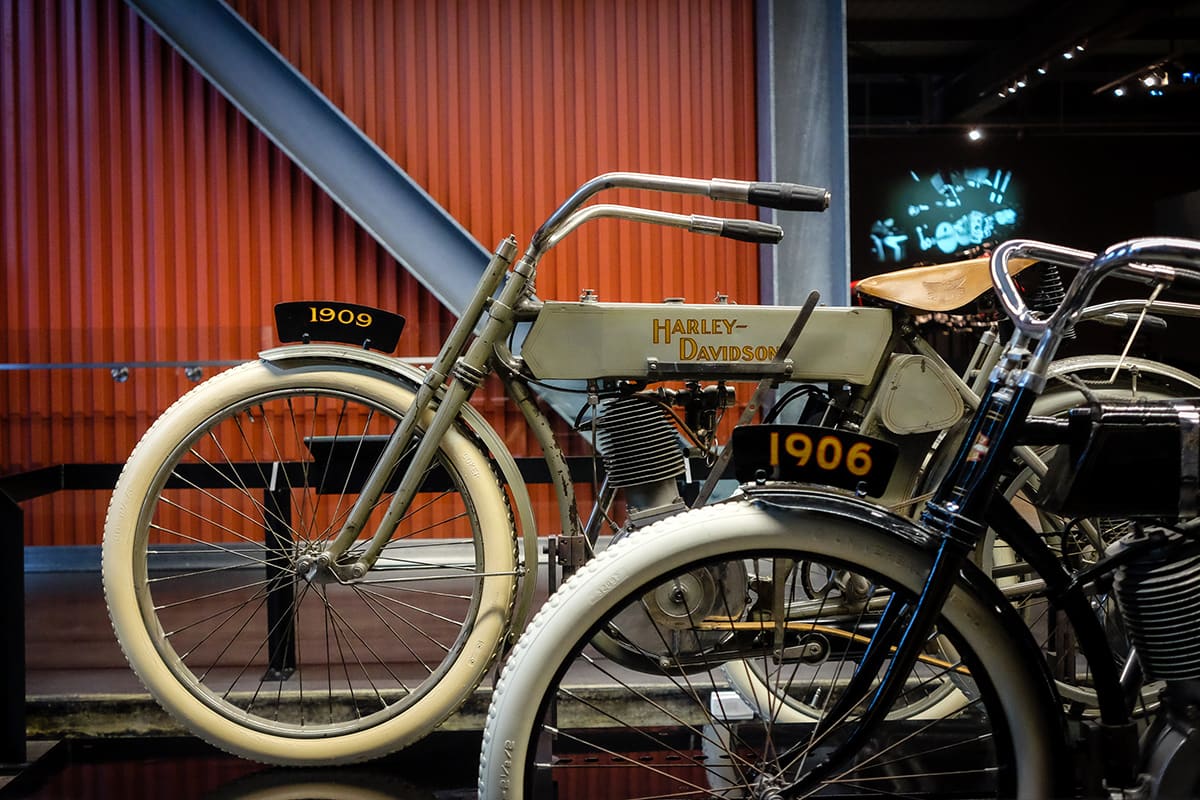
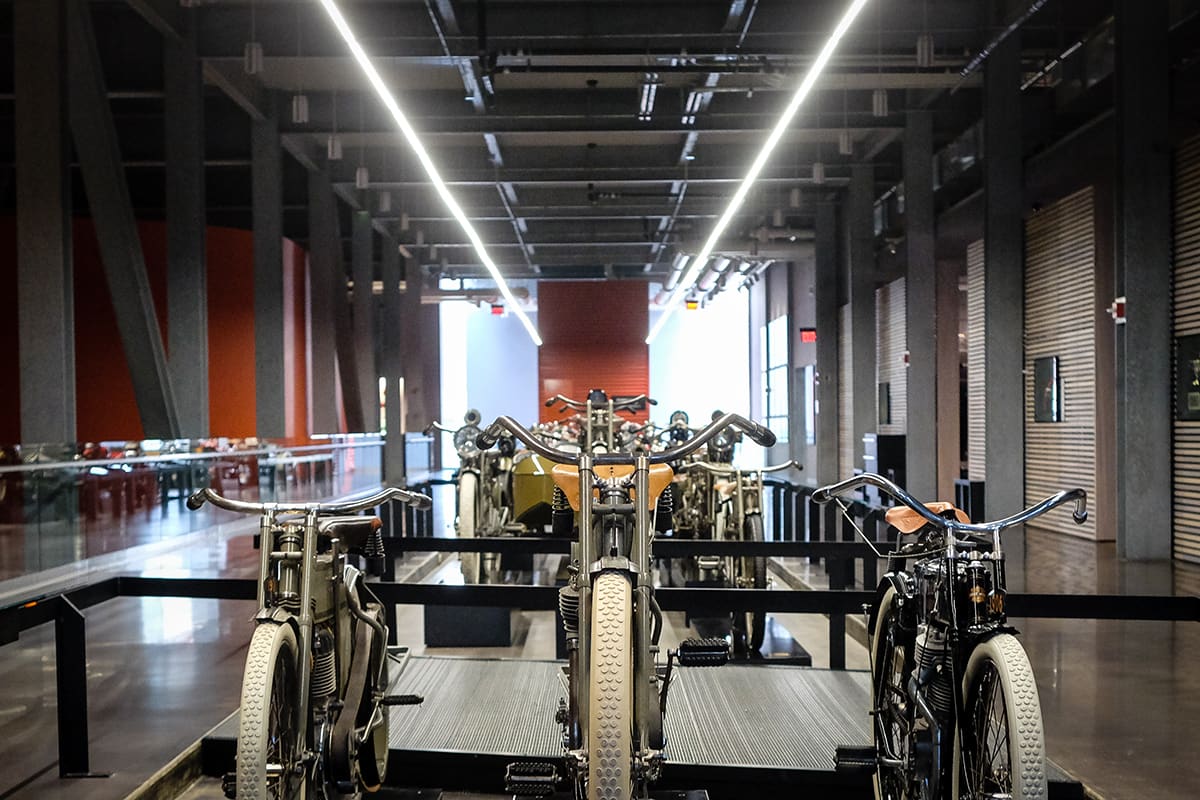
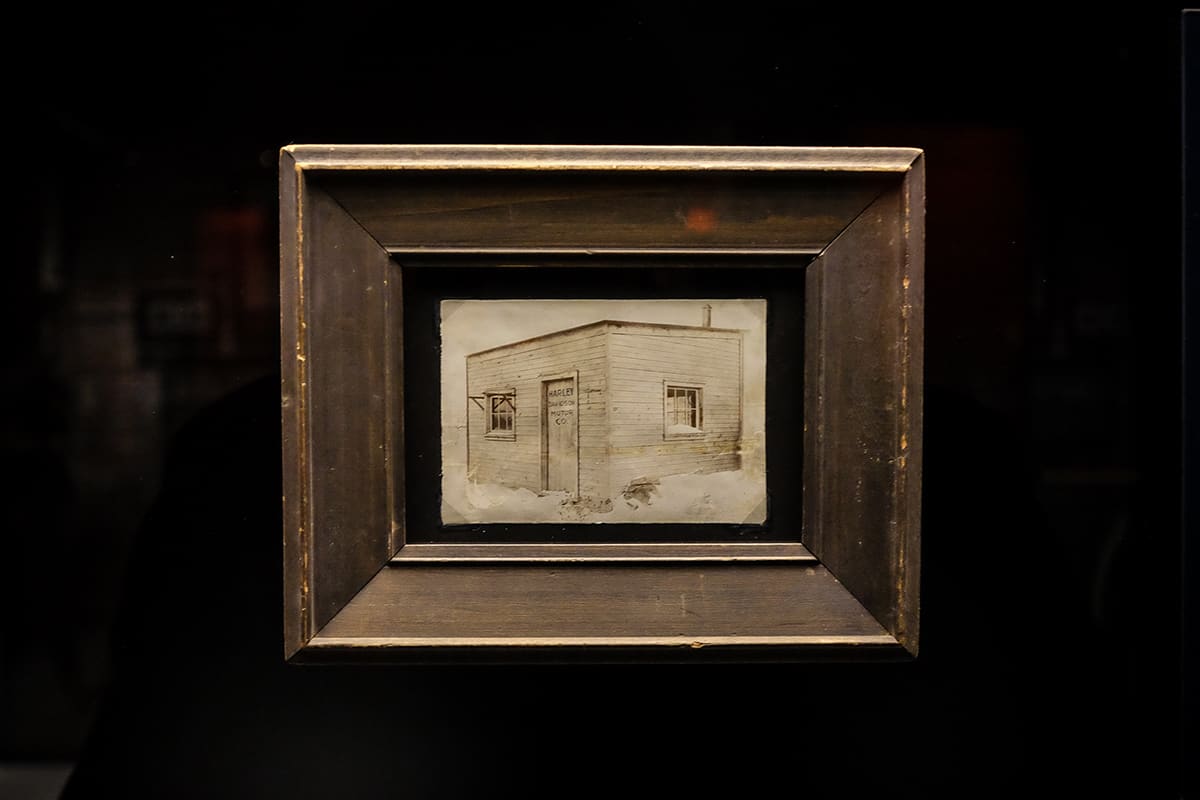
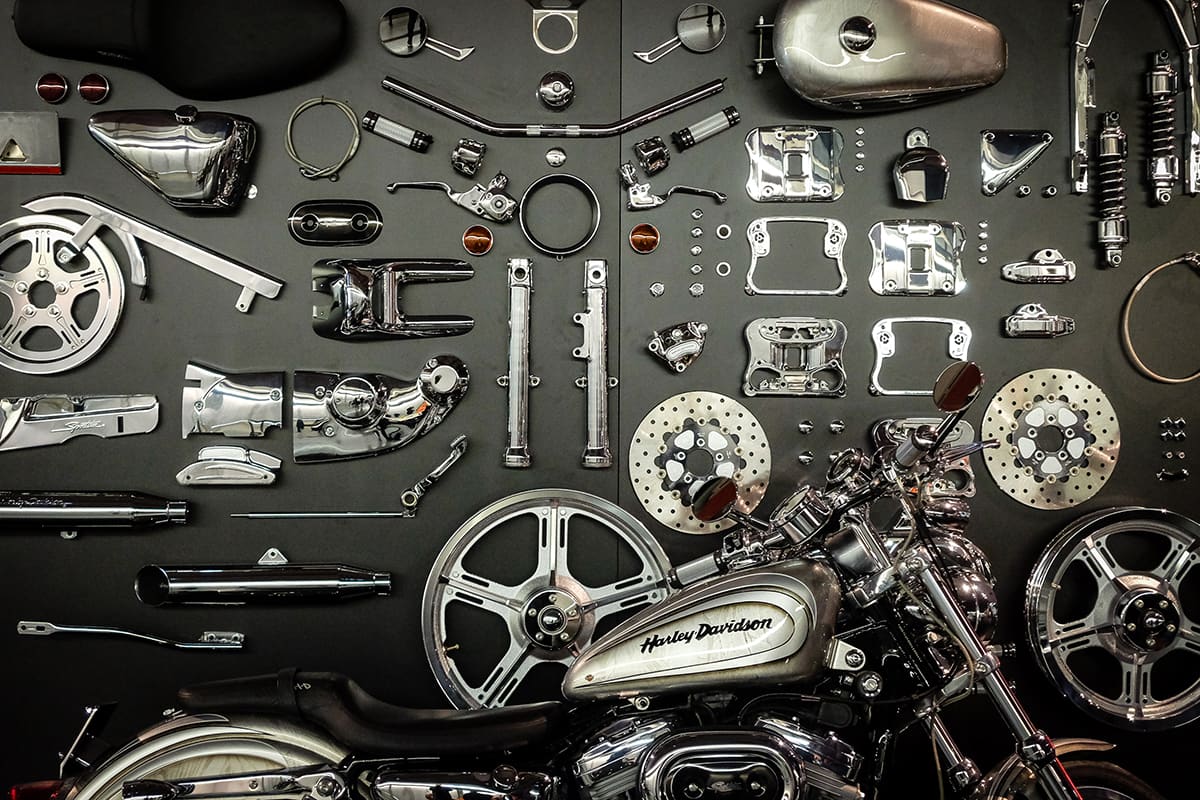
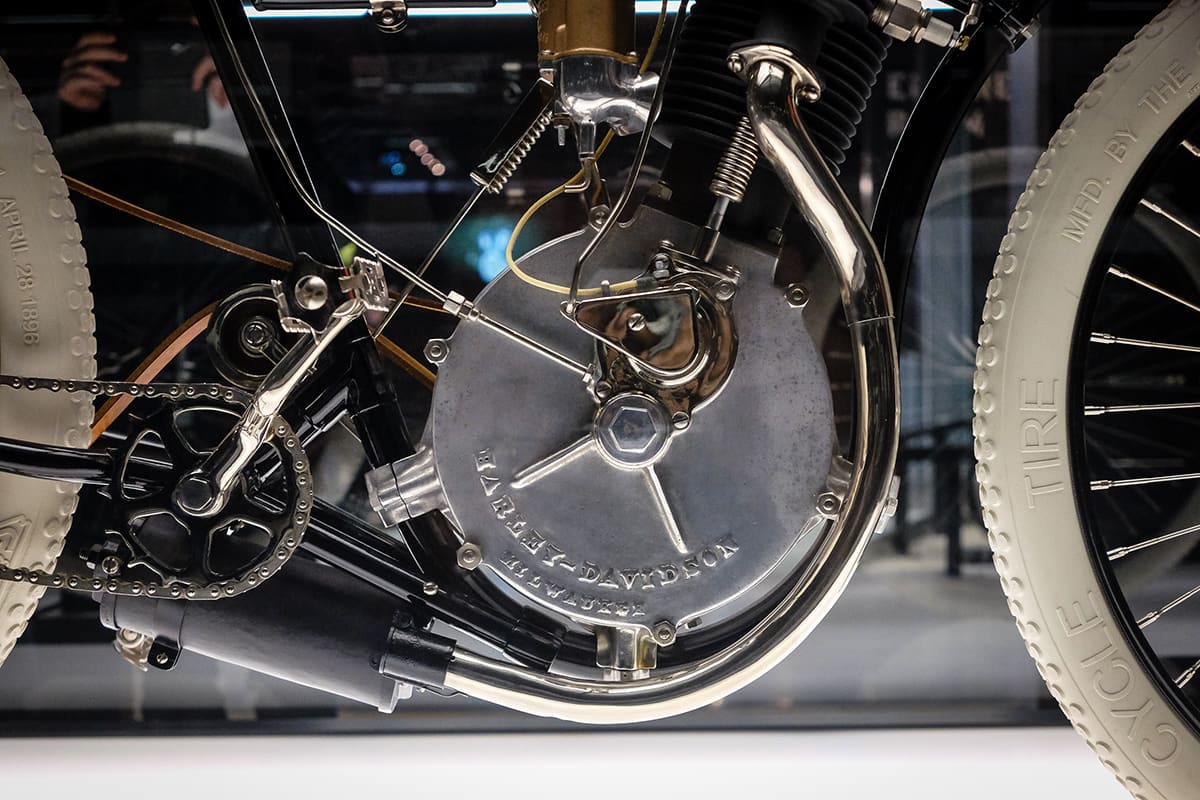
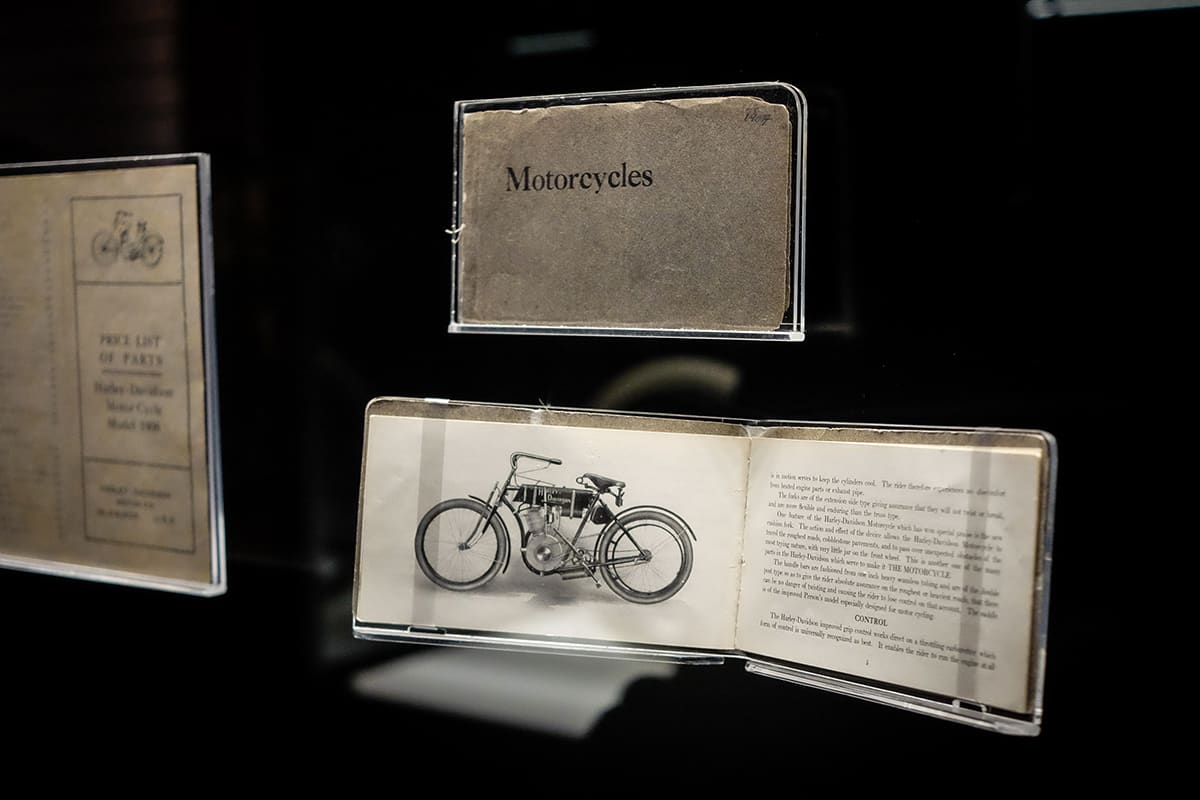
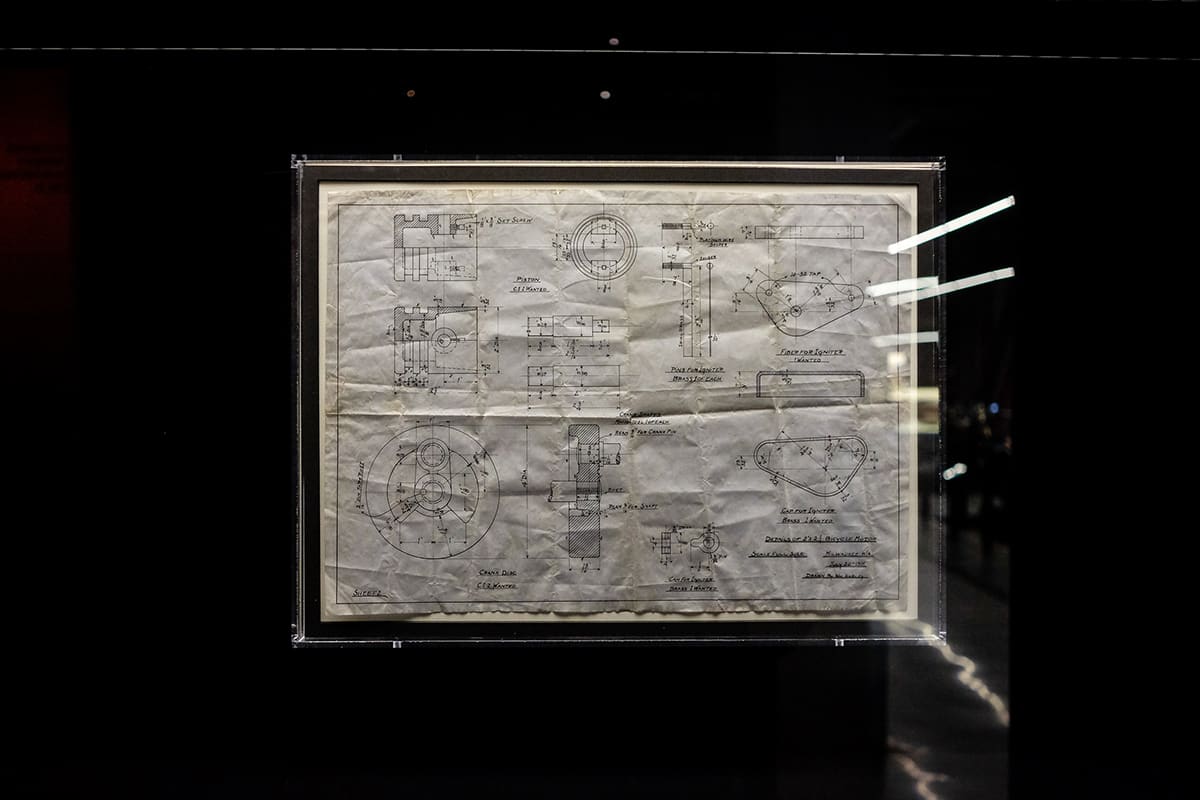
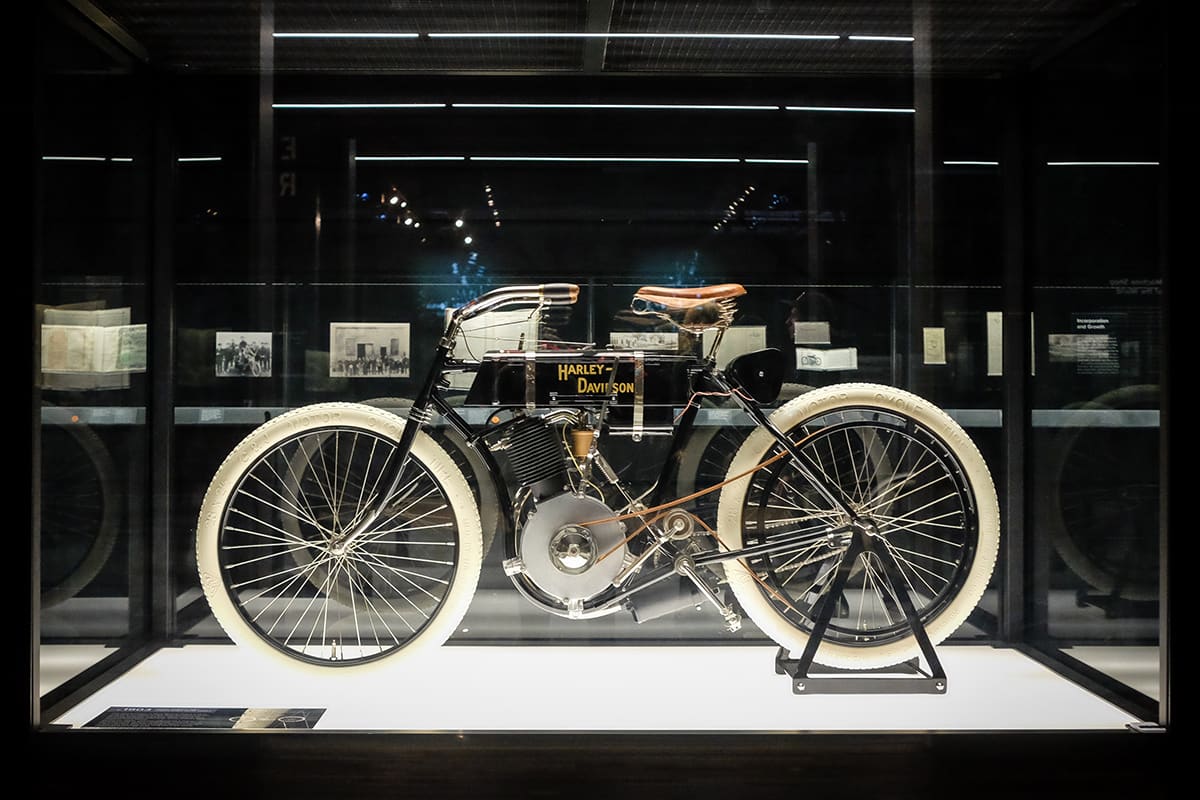
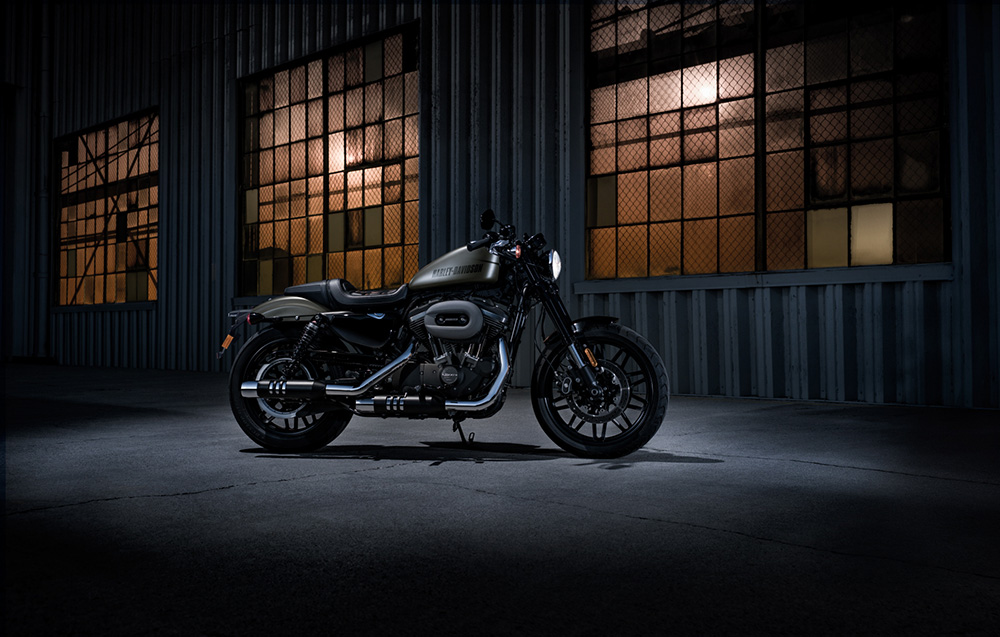 While the rest of the motorcycling world is strutting about, showing off their new-found ‘retro’ chic, the people at Harley Davidson must be looking at each other and wondering what all the fuss is about, telling themselves that they have been making ‘retro’ bikes since their inception in 1903!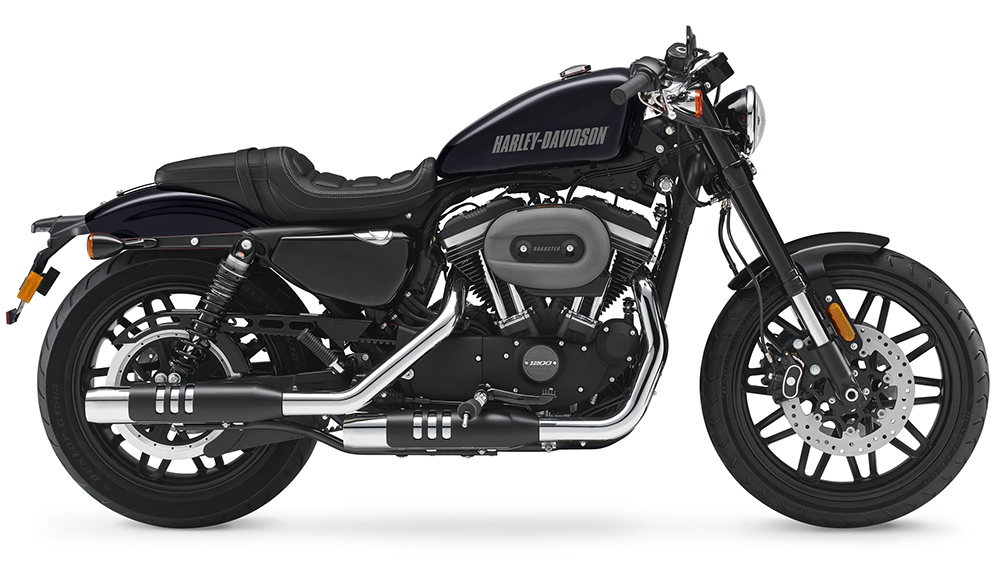
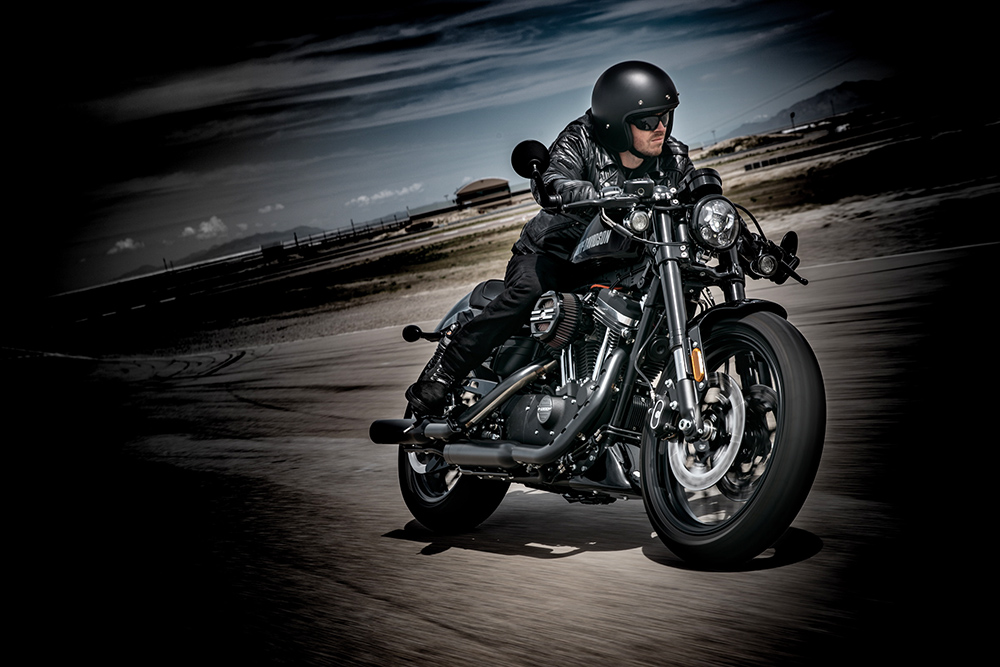 Does surface glitter and heritage make a good motorcycle? Well, that’s a bit more complicated. Here we have to examine the typical Harley Davidson customer. Do they want cutting edge technology? No. Do they want ultimate performance? No. Do they want a sharp handling package? No. Do they want bags of style and that name on the tank? Yes and they don’t mind what they give up to get it.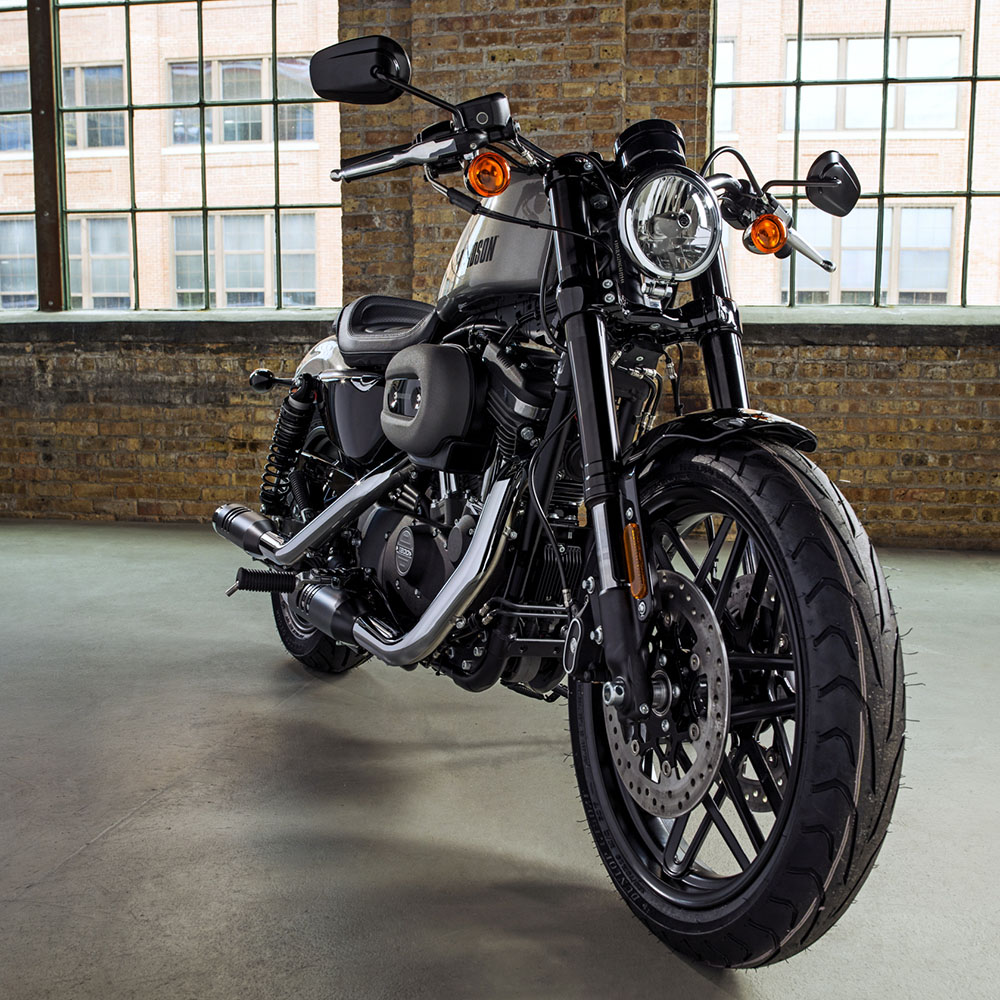
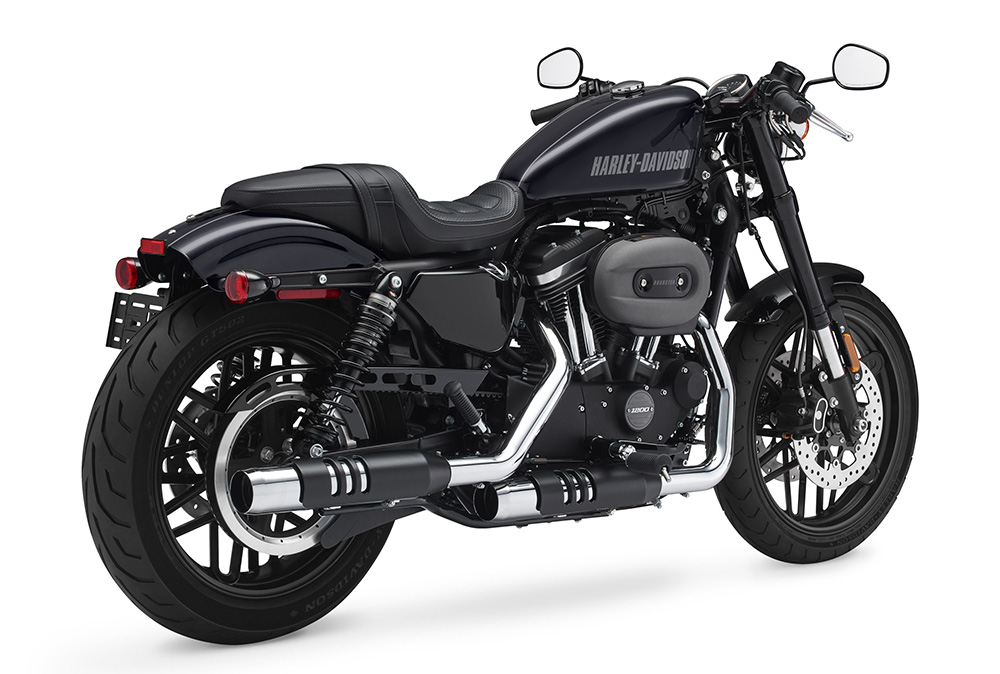 And then there is the issue of the pillion. It is possibly the most uncomfortable and downright dangerous pillion seat that has ever been conceived by man. It slopes backwards and, due to the forward positioning of the pillion foot pegs, you can’t brace yourself and constantly slide off the rear, unless you get very familiar with the rider. But still you are constantly fighting to stay on the seat. Rather don’t put a pillion seat on if it is going to be that dangerous.