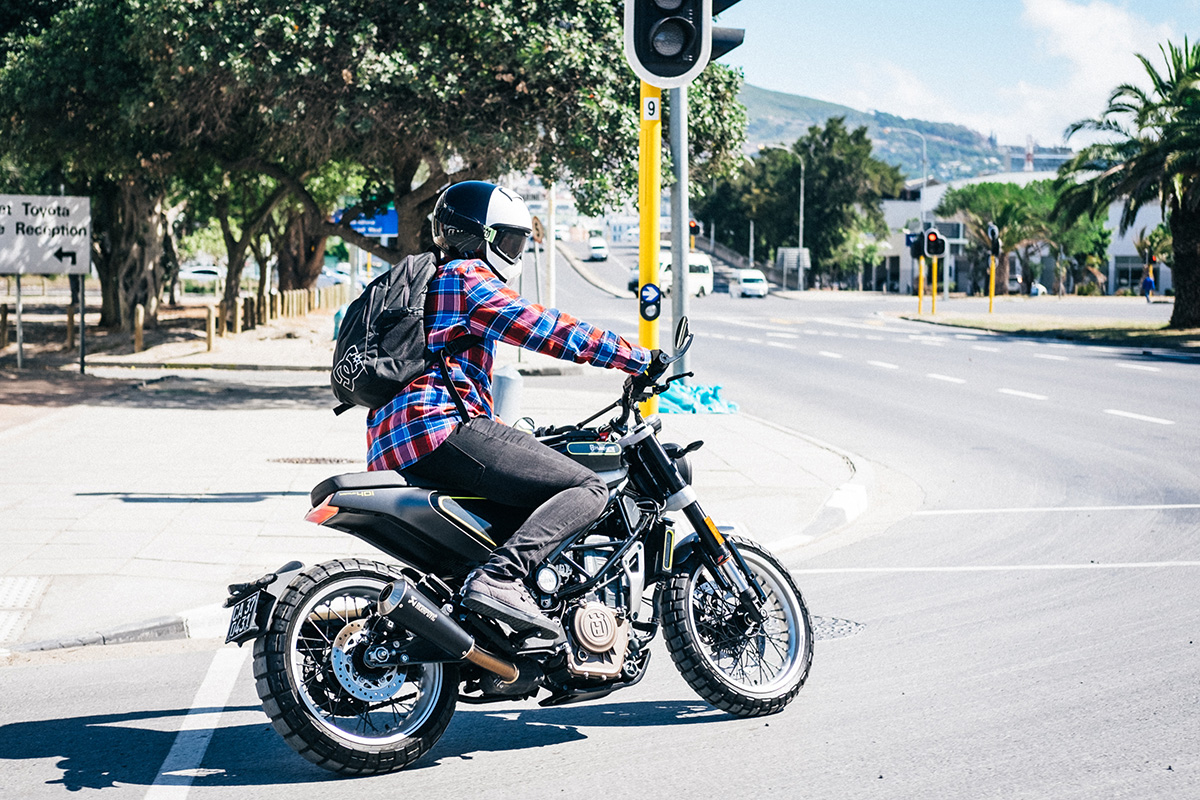
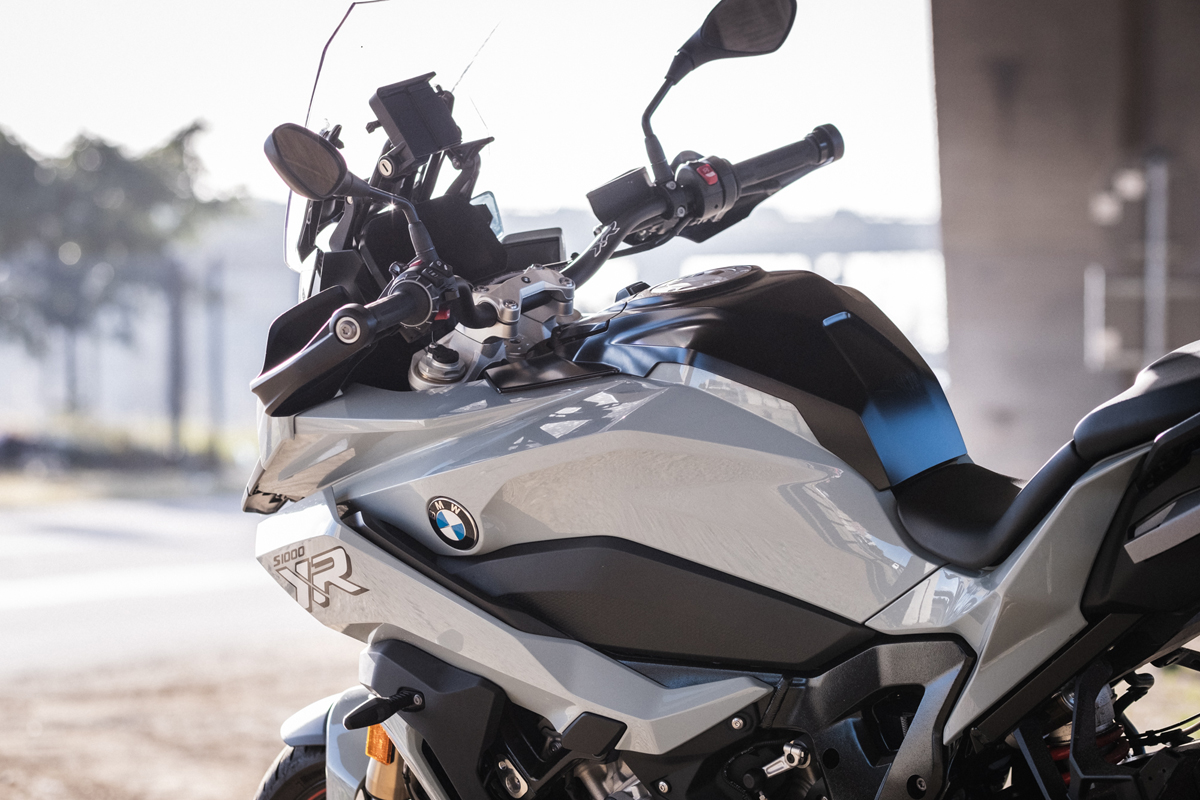
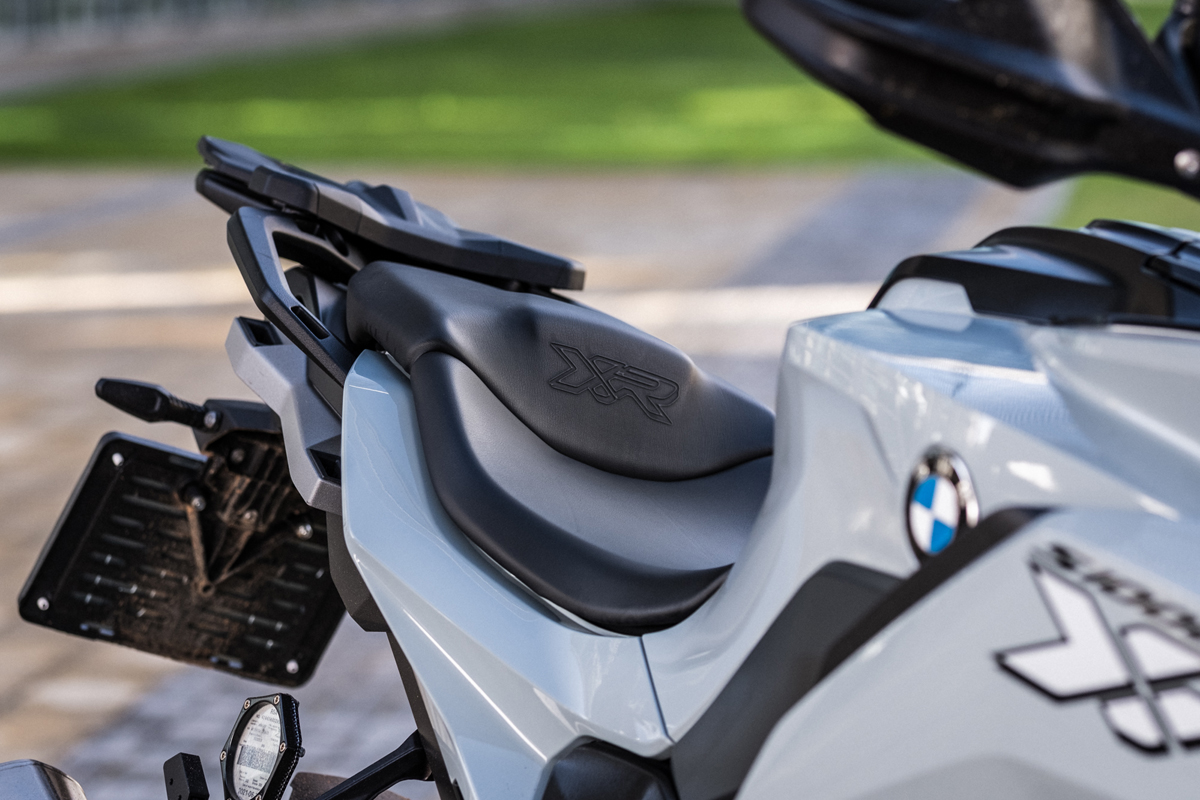
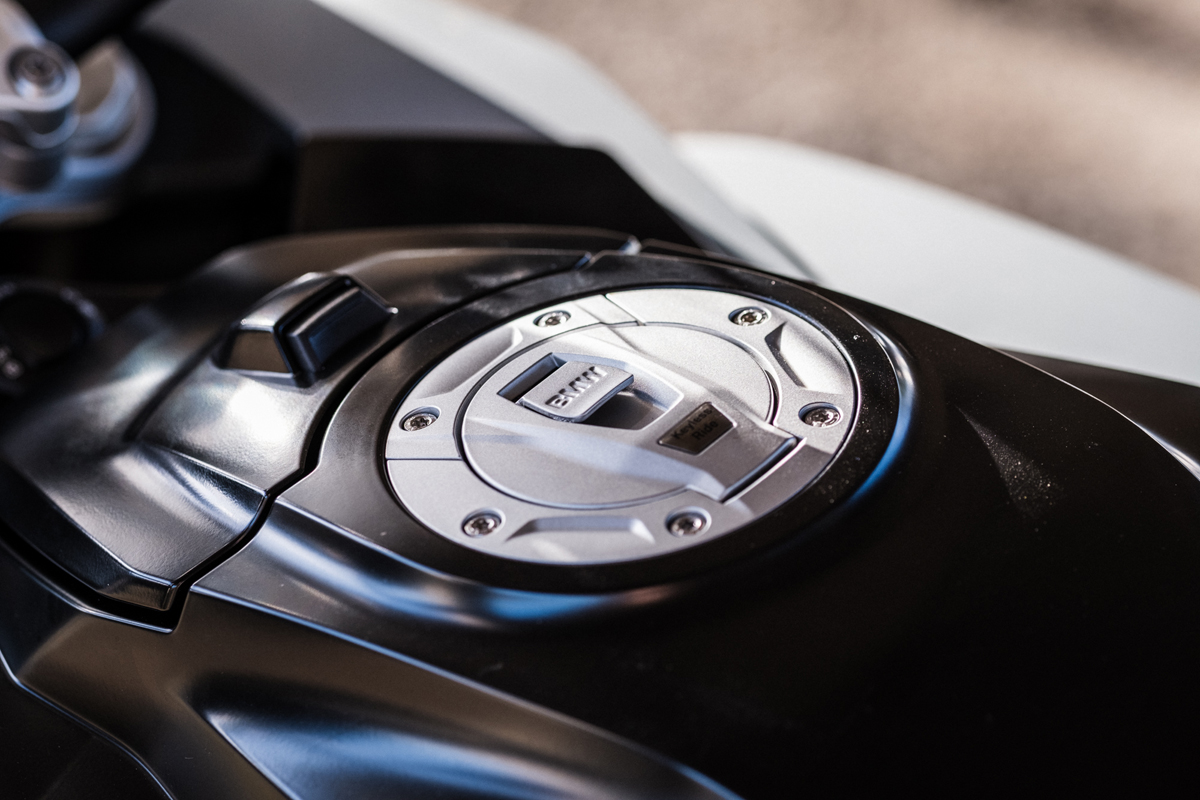
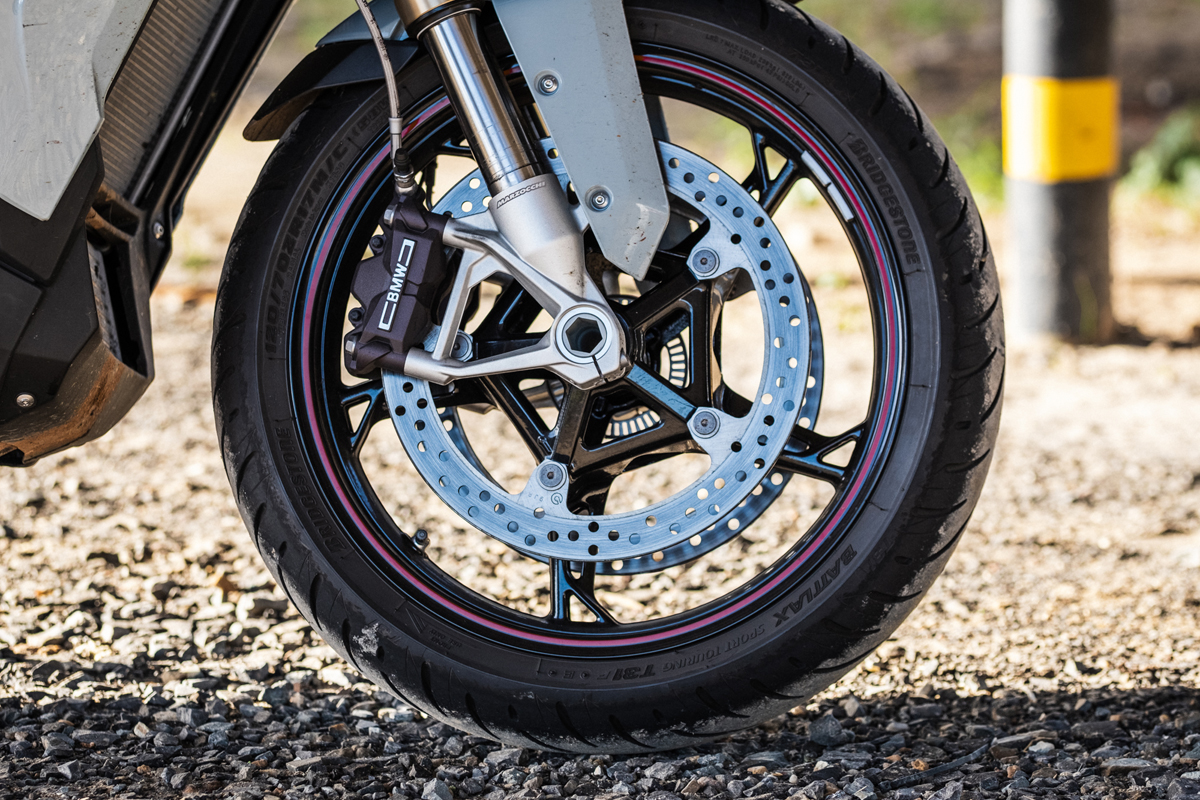
SYM’s smaller Wolf is almost identical to its 250 cc big brother. Styling is heavily reminiscent of Honda’s CB1000 R, even down to a look-alike rear wheel design. Seat design is stepped, with a tidy tailpiece and grab handle with a distinctly SV Suzuki look. Toss in a tidy rear-wheel hugger and belly pan and you have a really handsome and appealing visual package, especially in the glossy black paint job of our test unit.
Photo credit: Bjorn Moreira / ZA Bikers
Hop aboard and everything falls neatly to hand. The handlebars have a unique bend and fall nicely to hand, which gives them the feel (but not looks) of really nice “Clubman’s”. The seating position centralises you nicely with your feet under your butt (where God intended) and a slight forward lean to your torso. Nice.
Photo credit: Bjorn Moreira / ZA Bikers
Gauges are a combination of digital and analogue. With an analogue rev counter flanked by a neat digital display for speed, trip x2, gear indicator and fuel gauge. A tiny colour-coded flyscreen rides over the headlight and looks the business, rather than performing functionally. No problem, given the relative performance of a 125 cc bike.
Photo credit: Bjorn Moreira / ZA Bikers
Talking performance, the fuel-injected 124,5cc, air-cooled single develops a sedate 9 hp @ 8500 rpm and 6,64 Ft. Lbs of torque @ 6500. It does need to be fed quite a few revs to get going, however, it has a flattish torque curve once rolling. Overall performance is satisfactory, albeit somewhat tame. Top speed is in the order of 110 kph but it really feels like you are caning the little motor unmercifully at that speed. Practically speaking it has a cruising speed of around 95 kph. Adequate for urban sprawl if you steer clear of highways. Filtering through traffic is effortless given the bikes tidy dimensions. A 790 mm seat height has you flat-footed at the lights.
Photo credit: Bjorn Moreira / ZA Bikers
For me, where the little SYM shines is in the chassis and suspension department. Generally speaking, ‘budget bikes’ have been guilty of offering up really wimpy suspension. You get the feeling that all the shocks do is keep the wheels suspended in the chassis, rather than doing anything to enhance the ride. The Wolf’s conventional, right side up front forks and preload-adjustable rear monoshock, are decently damped and turn into corners nicely, with the stability and accuracy of way sportier bikes. In a way, this is why the engine underwhelms because the chassis feels so capable. You would like to charge a bit harder than the 125cc’s allows.
Photo credit: Bjorn Moreira / ZA Bikers
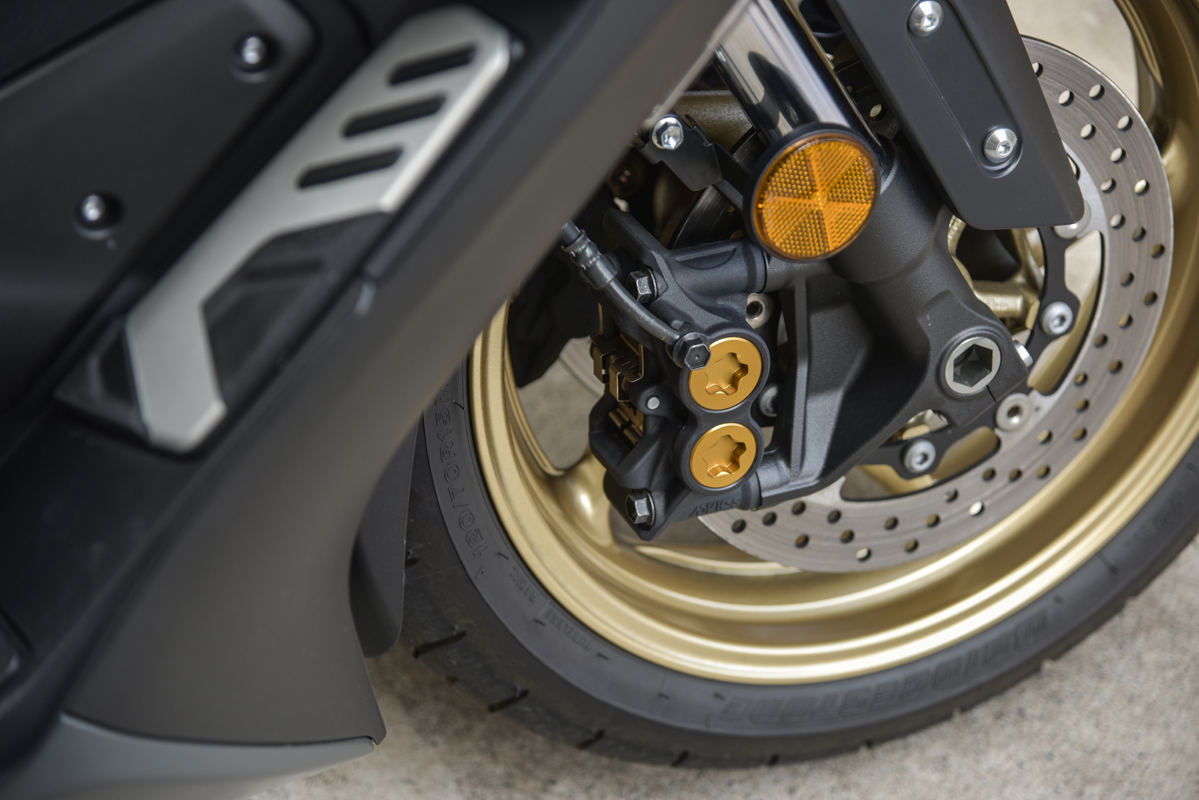
Brakes are discs at both ends and are perfectly capable of hauling the SYM to a stop without fuss or bother. The bike comes standard with both a main-stand and side stand, which is just as well, because the side stand is a spring-loaded affair. This means, like was the case with BMW’s in the seventies, that you have to lean all the bikes weight on the side-stand so that it will not spring back. If you are on even the slightest downhill it is guaranteed to roll off the stand. Goodbye clutch lever and flicker. Bad idea. The main-stand is a doddle to use on a light (140 kg) bike so just use it habitually.
Photo credit: Bjorn Moreira / ZA Bikers
I am quite a keen cyclist when time allows. If any of you play in that space you will know how you have to shell out serious loot for even half-decent bicycles these days. For the price of this little SYM (R20,995) you would only get a ‘hardtail’ bicycle, ie, one with no back suspension. Bicycle parts are also fragile and expensive. I got thinking about it and here you have a proven, super reliable and economical motorcycle that can carry you far and wide for similar money to a bicycle. E-bikes are touted as the go-to urban commuting tool. Well guys, you would have to cough twice the price of a SYM T1 Wolf and not even come close in terms of performance, range and safety.
Photo credit: Bjorn Moreira / ZA Bikers
A 16l tank on the SYM will take you over 500 k’s between fill-ups. There is such a place in our gridlocked urban sprawl for bikes like this, which may be low on excitement, but off the scales for practicality, where the purchase price would literally be recouped in next to no time by your fuel saving.
Photo credit: Bjorn Moreira / ZA Bikers
Surely the masses will ‘get it’ at some stage, as they have in the rest of Africa. Problem is, in South Africa, we still have First World pretensions, almost as if it is ‘infra dig’ to commute on a small capacity motorcycle. Look around and wise up SA, there is a whole world of convenience waiting for you!
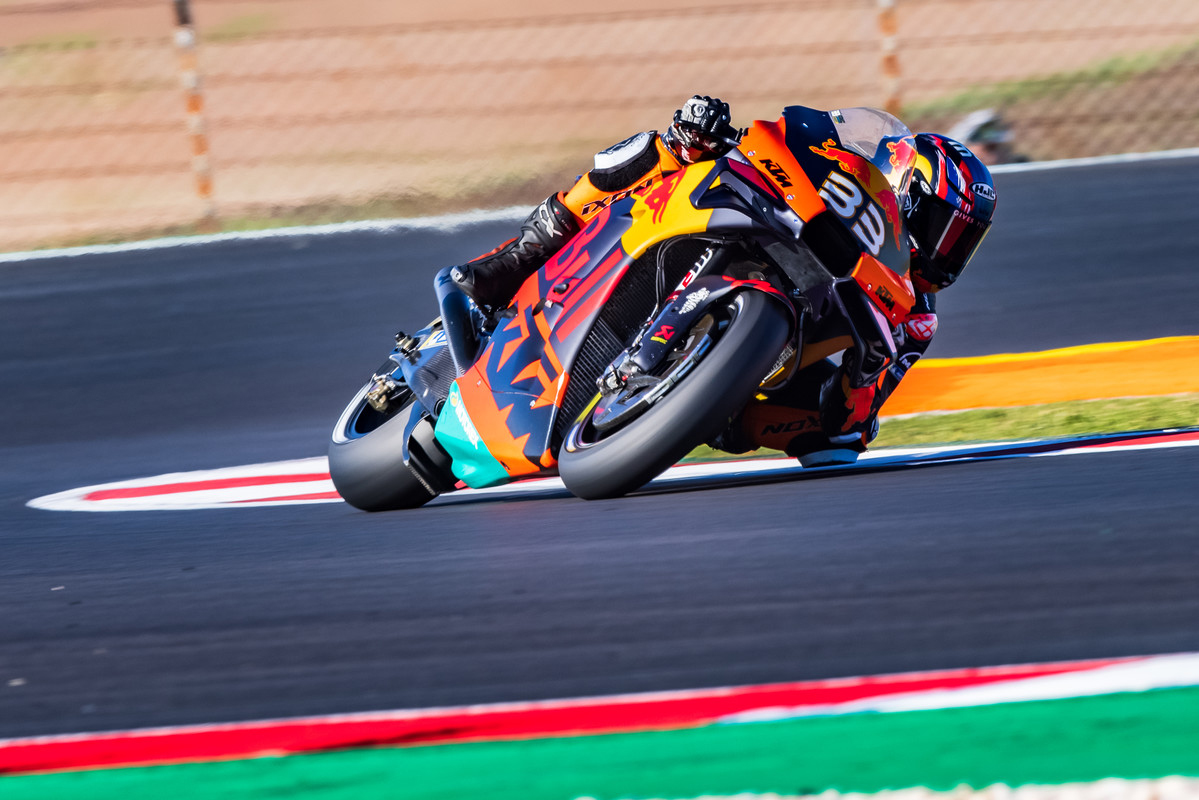
On March 28th 2021 MotoGP will tear away from the Losail International Circuit grid and into the Qatari night. As winners of the final round of 2020, perhaps more eyes will be on the Red Bull KTM Factory Racing RC16s that will inhabit rows spots and in the hands of Brad Binder (South African, 25) and Miguel Oliveira (Portuguese, 26).
The manufacturer will be hoping to surpass their 4th position in the 2020 Constructors Standings and add to their grand total of three Pole Positions, nine podium trophies and three victories in what will be only their fifth season in the MotoGP paddock. The 2021 liveries for Red Bull KTM Factory Racing will add a prominent aesthetic to what will hopefully be another gripping MotoGP contest.
Image source: Red Bull KTM
Brad Binder, #33: “2020, in general, was a season where I feel we achieved a lot, a few good results and obviously with the first victory – or KTM’s first victory – being the main thing. But there were also many days when we had the potential to do so much more. For sure now the margin is a little bit smaller to try and improve but I think as the season went on last year, even though we had a little bit of a slump in the middle, things got better and better. I felt like I was improving not only for the results but in the way approaching the weekends and going session-by-session. At the moment I feel that we have a really, really strong package. We are in a good direction and I am super-excited to get back on the bike this year.”
Image source: Red Bull KTM
Miguel Oliveira, #88: “For sure to be world champion you need to have many details together at the same time and for that, depending on how the season is going and what is happening, generally we can find success through the project. Sometimes a 4th place will be a very good result and sometimes a 2nd place may not fulfil our expectations but you have to work through that process and right now, as a start base, I am thinking quite hard to set a bar of results that we can consider as successful. For sure being better than 2020 is already a good start. It is quite a relaxing factor to know that the bike is capable of winning but at the same time you cannot take anything for granted and when it comes to repeating success it becomes harder, so I don’t see it as a static job. I think every year you need to bring something ‘up’ on your side to keep a very good level in this championship. I feel I am able to work more on details in a factory team and to at least be more consistent. I think these are the tools that the factory team is going to give me. I have full conviction in my work.”
Image source: Red Bull KTM
Pit Beirer, KTM Motorsport Director: “The whole MotoGP journey so far has been a dream but the project started with a dream to become a GP winner in that class, so it is amazing to look back and see where we have come. However, I definitely don’t want to commit to us already being title contenders. I think this pressure should still be on other guys in the paddock but we are really, really happy that the dream came true with these GP wins. They are a fact. They are on paper and we are definitely hungry for more. We have great staff and everybody is pushing hard. I think that is the style of KTM and the whole company: to have this new spirit with a new goal means the whole company sticks together and we do it together. It brings extra energy. All four of our riders all have incredible skills and talent otherwise they would not be in that class but then in detail they are all different and in different ways they go for their goal. All four are still riding in that very last second of motorcycle racing. We have our first wins in the pocket but now the new season is starts and everything begins from zero. I will be happy with 2021 if our riders finishing the last GP without any injuries and we can think back to some very successful races. That’s what I am looking for.”
Image source: Red Bull KTM
Mike Leitner, Race Manager, Red Bull KTM Factory Racing: “Increased pressure for sure brings more motivation to the race team because all the KTM people working in this racing business are ‘built’ for pressure. This is the DNA of our sport – or for sport in general – and we’ll take this as a positive thing. For 2021 we are on the timescale. We had ideas and we had to find a good balance between what we can achieve now and between five days of testing in Doha before the season starts because we have to homologate the engine spec and the aerodynamic package there. We have the things we want for ’21 but of course people in the company are already working on stuff for the ’22 season. The plan we had for the winter tests; these parts or units are ready but what we can finally bring into the 2021 season will be decided after the five days at the Doha test. Both of our riders will get all they need to do their best in 2021.”
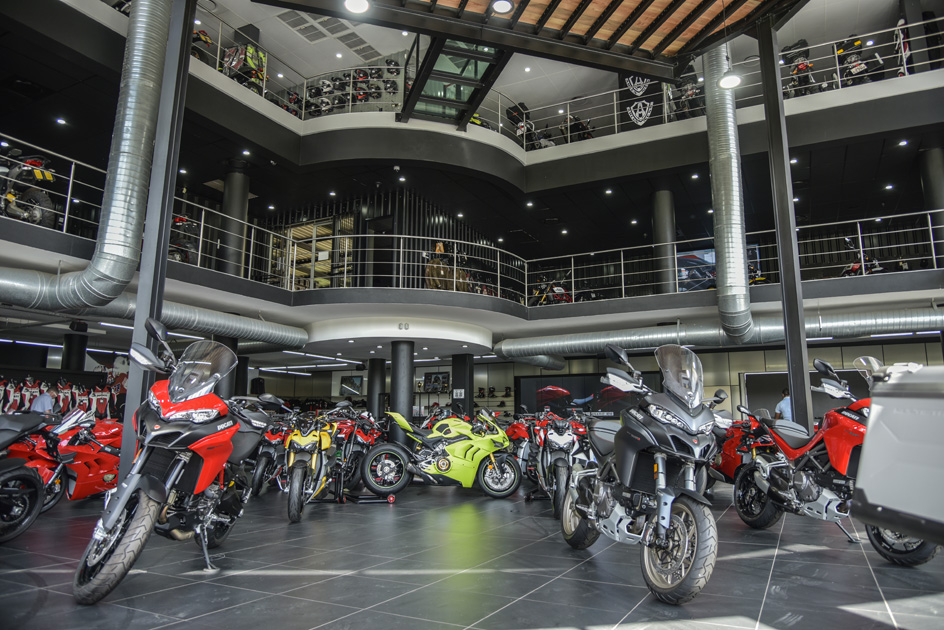
South Africa’s premium Ducati dealer, World of Motorcycles in Centurion, now has a presence in the Mother City too. World of Motorcycles Cape Town opened its doors on the 1st of December 2020, on the ground floor of the Halyard building, in Cape Town’s Foreshore.
Photo credit: ZA Bikers
Situated at 4 Christiaan Barnard street, just as you enter the city, World of Motorcycles operates as Cape Town’s sole Ducati dealership. Their offering includes not only motorcycles but a wide range of Ducati accessories and apparel too—from riding gear, right down to scale models and beach towels.
Photo credit: ZA Bikers
The Ducati gear’s supplemented by a selection of helmets from Arai and Yohe, and the new bikes share floor space with pre-owned motorcycles of all brands.
Photo credit: ZA Bikers
There’s space for about 20 bikes inside; highlights during our visit included the magnificent Panigale V4S, a couple of Scramblers, a Pikes Peak edition Multistrada, and a neat pre-owned Triumph Speed Triple. Our eye was also drawn to a pair of stunning Roland Sands Design edition Bell helmets.
Photo credit: ZA Bikers
World of Motorcycles’ Cape Town team is run by brand manager Heinrich, with Percy handling motorcycle sales and Shizelle on apparel. There are no workshop facilities on site, but Cape Town already has two Ducati-approved service centres: Superbike Solutions in Somerset West, and The Bike Doctor in Maitland.
Photo credit: ZA Bikers
It’s refreshing to see the Ducati brand once again represented in the Mother City, and we look forward to seeing World of Motorcycles expand their offering in the future.
For more information contact Heinrich von Berg: 083 627 2774
For the past 6 years, South African motorcyclists have been making the annual pilgrimage from Johannesburg to the small town of Sabie for the Sabie Bubble Run, South Africa’s only traditional motorcycle run.
The motorcycle run started in 2014 when 3 friends set out from Johannesburg on their motorcycles for a weekend of riding and exploring around in the area.
“I was new to the country and was amazed at what this part of South Africa had to offer. The roads seemed as if they were designed with a motorcycle in mind, there were lots of forest and rolling hills, and I soon realized on this trip that I wanted to come back again to share this place with others,” said Joe Fleming co-owner of Bonafide Moto Co.
On the first night of the adventure, Joe stayed up late inside of his tent with a notepad and pen making notes of what he saw possible for making an annual event out of this. He had recently moved from San Diego, California where he had been on a traditional motorcycle run called the “El Diablo Run” and had always wanted to join the Gypsy Run; two well-known runs in the United States.
“What I liked about these runs was that it was about taking everything with you on your bike, camping, riding and enjoying your time with friends.”
Photo credit: Bonafide Moto Co.
Over the years the Sabie Bubble Run has grown organically by means of Joe’s passion for photography and storytelling on social media. “After my first trip, I created a website for the Sabie Bubble Run, an Instagram and Facebook account and really started doing my best to hype it up. In 2015 there were 25 people on the run, we brought on Jimmy Reynolds (a local Director of Photography) to shoot a film and that was also the same trip where I shot my first photo from a motorcycle. I knew something was special and that this would be an annual event to keep around for years.”
As the years went by the event grew more and more, adding additional activities to make it better but still keeping the event quite intimate. Last year in 2019 the event saw 35 riders and it was the largest event to date. The event had its first tented village where the first 15 campers to sign up would get a reserved tent already set up for them by Bonafide.
“Motorcycle runs in the Mpumalanga region are a dime a dozen, yet no one quite prides themselves on great food & coffee, campfire stories, moto-games, community and rides in an inclusive, non-patched, non-motorcycle specific environment like Bonafide. When I attended the Bubble Run for the first time, I was made to feel welcome and learnt from those around me – there were little ego, and a lot of info. I used it as an opportunity to become a better rider, and person. Now, the annual Sabie Bubble Run is all about the people who attend it,” said Alan Shenton co-owner of Bonafide Moto Co.
Photo credit: Bonafide Moto Co.
2020 SABIE BUBBLE RUN, AN EVENT LIKE NO OTHER
“I knew going into the second half of 2020 that the chances of us being able to host the Sabie Bubble Run wasn’t looking great, but I remained optimistic,” said Joe.
South Africa eventually came out of their hard lockdown and the stage was set for Bonafide Moto Co to move forward with the planning of the 7th annual run.
Each year the event grows, surveys are sent out to all riders who joined asking them for their feedback of the event and it’s taken seriously to help with growth.
One of the toughest challenges that faced Bonafide Moto Co was the growth of the event. It had always been quite an intimate group of riders, but they felt that all riders who wanted to be a part of an event like this should have the opportunity to join. So, the event was capped at 60 riders in 2020, ticket sales went live on October 1st and the event sold out in less than 30 hours.
Photo credit: Bonafide Moto Co.
“We couldn’t believe everyone’s interest this year. I knew it was going to be big but I had no clue things would sell out that quick,” said Joe.
To keep things running as lean as possible and to make sure the events are profitable all of their moto-events for the year are run, operated and managed by Joe & Alan themselves. The two have a great blend of interests and each of them brings specific strengths into the business; Joe is the creative side of Bonafide and Alan is the business side. “We both know what we’re good at, and allow the other person to keep to their strengths while knowing we’re both there to give 100%,” said Joe.
“We run a small, yet great business. We both know exactly how we want things to run, what we would want to experience if we were a customer, and we like to give everyone joining us that extra 20% of attention & detail that they wouldn’t expect to find at any moto-event,” said Alan.
Photo credit: Bonafide Moto Co.
WHAT WAS NEW ABOUT THIS YEAR?
In years past of the run, it has focused on everyone going to the same places together. While there are positives to that approach, with the growth of the group almost doubling the reality of them moving as one wasn’t possible.
The Bubble Run has always been about giving riders the freedom to do what they want to do, and in 2020 the event changed the dynamics of riders being able to select from each day’s “recommended rides” that were laid out in a welcome packet weeks before the event.
“Not everyone wants to rush to get up and meet somewhere in the morning, and the person who is up first ready to go is going to run out of patience waiting on the last person,” said Alan. He continued, “with the year we’ve all had we wanted to leave it up to the riders to have the freedom to choose if they wanted to go with the group, go somewhere else or go when they’re ready.” There is so much to explore in the region, you could spend months on end taking different routes.
Photo credit: Bonafide Moto Co.
“I think it took some getting used to for the people that really like to have things laid out for them but ultimately it gave the event an overall sense of chilled vibes,” said Joe. “I loved it, I was able to hang back more often if I wanted, took the pressure off of me and I didn’t feel the need to always be rushing.”
Photo credit: Bonafide Moto Co.
Motul Moto Games
Last year the Sabie Bubble Run saw it’s first set of “Motul Moto Games” – however, it was largely informal & participation from riders was slow – we saw the huge potential of this activity, and knew it just needed some work.
Photo credit: Bonafide Moto Co.
This year, Alan and Joe came back to camp early after breakfast on the day of the games to prepare “the battlefield” for the games to take place.
“If you don’t make something of it, and really encourage people to get involved they won’t do it,” said Alan.
Motul flags, banners, barrels and signs were all placed on the property so that when riders got back to camp they knew this was going to be legit. Again, this is an example of Joe and Alan’s ability to go the extra mile to prepare things for riders they wouldn’t expect.
Photo credit: Bonafide Moto Co.
The 2020 games had 4 main events: The keg push, skills challenge, slow race and the ‘egg on a spoon’ race and everyone got involved. Riders were paired up against one another based on when they signed up for the event, they were scored and rewarded points for a good time and deducted points when their feet touched the ground or couldn’t complete an event within the recommended time.
Photo credit: Bonafide Moto Co.
Soon into the games, two sides of the field were formed by the audience and each side picked their representative to support them. Joe said, “it kind of felt like medieval times kind of vibe. One side would pick a rider to support and the other would do the same. The same amount of energy put into supporting their rider was the same support they would put into ‘boo-ing’ the other rider. It was hilarious to watch and it was all in good fun. What was also great was that every rider felt like they had a crew cheering them on.”
Photo credit: Bonafide Moto Co.
At the end of the games, there was only one man standing on top of the podium who had the fastest time and most points. While he didn’t win anything of value, he was recognized by all for his skill and got to spray everyone else with champagne. What else do we need in this life?
Photo credit: Bonafide Moto Co.
More off-road adventures
The surrounding areas of Sabie are littered with forestry roads and dirt roads that will take you to some hidden gems of Mpumulanga overlooking dams, along river banks and rumor has it you can also find bushman caves deep in the forest.
Photo credit: Bonafide Moto Co.
In years past the Sabie Bubble Run has been about 99% tar focused but this year the event held its first guided outride day, and had a larger group than normal group of riders who were keen to explore more dirt at this years run.
“We’ve often told people to just bring a road-focused bike (if they’ve got more than 1) because we typically don’t do a lot of dirt road riding,” said Alan. He continued, “but it’s such a missed opportunity because there are so many areas of dirt roads to explore here around Sabie.”
Photo credit: Bonafide Moto Co.
So the two brought on a local guide, Thomas Bohm from Sabie Rider Academy, to take out a select group of riders one day to some of his favourite routes. “This worked out really well as Thomas is extremely knowledgeable of the area, he’s a motorcycle instructor so riders felt safe with him and we could leave it up to him to manage.”
Outside of the guided outride, the two kept saying how they loved “heading into the forest.”
Photo credit: Bonafide Moto Co.
“Just outside of the camp in the opposite direction of the tar road is a dirt road that will take you to limitless amounts of trails. A few of us set out in the rain one evening to go play around in the mud and it was one of our most enjoyable times of the trip,” said Joe, “there was a few unhappy people at camp when we came back because they saw how full of mud we were and the smiles on our face.”
Photo credit: Bonafide Moto Co.
Triumph Test Rides
While one of the Sabie Bubble Run’s major partners of the event is Triumph Motorcycles, ALL brands of motorcycles are invited and took part on the run.
Photo credit: Bonafide Moto Co.
“It’s a natural fit for us to have a motorcycle manufacturer as one of our partners for our events, and Triumph has been with us for over 3 years now. It’s been a very organic fit for us and our customers. We love their bikes, they suit our needs, the brand is extremely helpful towards us and our riders and it’s been a very healthy partnership for us over the years,” said Joe.
Photo credit: Bonafide Moto Co.
This was the first event of Bonafide Moto Co’s where a small fleet of Triumph bikes were made available to participants to take out for a few hours to get a sense of the bikes.
“Great selection. Loved the option to go for a long test ride to really get a feel for the bike,” said Ronny Tack, one of this year’s riders.
“We brought a few 1200 Scramblers, Street Scramblers and new 900 Tigers here to Sabie for people to ride,” said Bruce Allen CEO of Triumph South Africa, “it’s been great to be here at this event. I’m having an absolute blast, it’s been a great way to end the year, I’m enjoying the riding and just taking time to appreciate what a year it’s been.”
Photo credit: Bonafide Moto Co.
Outside of the bikes that were available, Triumph also brought along their chief mechanic to provide support to all riders and their bikes (regardless of make) throughout the weekend along with support trailers in case it was needed.
“There is always an element of anxiety from riders about going on events like this and possibly running into mechanical problems. Having a mechanic here and a handful of riders who are very handy around bikes makes everyone else feel a bit more comfortable if there is a problem,” said Alan.
WHAT DOES THE 2021 EVENT LOOK LIKE?
“I woke up the morning after the run to start making notes of how and what to improve on for next year,” said Joe. “The ride home from Sabie is about 5 hours long and that’s when I start reflecting on the event and what I’d like to see at the next event.”
Photo credit: Bonafide Moto Co.
“2021 will continue to grow, but there is a number we have in mind to cap it at. The reality is that we want more people to join us, because not everyone could make it, but we need to see how well the facility can handle if 100 people are there for next year.”
“It makes sense for next year that we add live music, a full-service bar at camp, a coffee truck and more infrastructure. We know what’s possible for this event and that’s what we’ll be bringing next year,” said Joe.
Photo credit: Bonafide Moto Co.
The 2021 Sabie Bubble Run is on the radar as a global motorcycle event and had a lot of interest this year from riders around the world to join.
“It was unfortunate that some of the riders who wanted to join us couldn’t be here due to the borders being closed,” said Joe. “We had riders lined up from Spain, USA, Scandinavia, UK and India who were all ready to come and ride with us in Mpumulanga.”
“Hopefully in 2021, the borders will be open and riders from around the world can come and have some fun with us here,” said Joe.
For more information on the 2021 Sabie Bubble Run you can go to the event webpage here or watch their short film that was produced in 2015 and shown at the Motorcycle Film Festival a few years ago.
Unveiled in 1921 and in production from 1922, the Indian Chief remains one of Indian Motorcycle’s most iconic models. 100 years on, and the Polaris-owned marque has reimagined the Chief line-up for 2022.
Designed by Rich Christoph (the same guy who penned the FTR 1200), and under the watchful eye of Indian’s new design director, Ola Stenegärd, the new Chief takes a big step away from the overbuilt, art deco vibe of the outgoing model. The idea here was to blend modern tech with classic looks—and it seems to have worked.
Image source: Indian Motorcycle
The redesign is extensive, featuring a new steel-tube gooseneck frame with dual-in-line shocks, a 15.1 l fuel tank, a bobbed rear fender, and dual exhausts. The layout is minimalistic and tidy, with all the plumbing and wiring neatly routed, and nary an oil cooler in sight.
“We wanted to capture a timeless look that never goes out of style, and looks beautiful whether naked or fully dressed,” says Stenegärd. “We also wanted to keep it simple enough to allow riders’ imaginations to take flight with personalization options and possibilities. Ultimately, this is a bike that evokes emotion with simple mechanical styling and raw American muscle. It’s a pure riding machine.”
Image source: Indian Motorcycle
We’ll be getting three Chief models in South Africa: the Chief Dark Horse, Chief Bobber Dark Horse and Super Chief Limited. They all share the same bones, and are all powered by the same 1,890 cc Thunderstroke 116 V-twin motor, good for 162 Nm of torque. ABS is standard, as are three switchable riding modes: ‘Standard,’ ‘Sport,’ and ‘Tour.’
Image source: Indian Motorcycle
LED lighting and a keyless ignition are also standard issue, along with a 4” handlebar-mounted touchscreen display. Indian’s ‘Ride Command’ system lets you cycle through multiple interfaces, including two gauge designs with the usual info, and includes Bluetooth connectivity with a smartphone and headset. It also has the full set of features that have become commonplace on high-end TFT units: turn-by-turn navigation, and call, text and music integration. (Plus there’s a USB port, too.)
Image source: Indian Motorcycle
All three bikes feature similar geometry: a 1626 mm wheelbase, a 662-665 mm seat height and a wet weight of between 304 and 355 kilos. The forks feature 132 mm of travel, and the lean angle’s around 28.5 degrees.
Starting at R325,900, the Chief Dark Horse is the cheapest of the range, featuring stripped-down styling with drag bars, 19F/16R cast wheels and blacked-out finishes. It comes in ‘Black Smoke,’ ‘Alumina Jade Smoke’ and ‘Stealth Gray.’
Image source: Indian Motorcycle
The Chief Bobber Dark Horse starts at R351,500, and harks back to the post-war bikes that launched the bobber movement. It rolls on 16” spoked wheels with chunky tyres, and features fork covers and enclosed rear shocks. It also has mini-ape hangers, forward controls, and an additional headlight nacelle. It’s available in ‘Black Smoke,’ ‘Titanium Smoke’ and ‘Sagebrush Smoke.’
Image source: Indian Motorcycle
Designed for the long haul, the Super Chief Limited starts at R389,900 with a host of touring-focussed upgrades. These include a quick-release windscreen, black leather saddlebags, a passenger seat, floorboards and traditional cruiser bars. The wheels are 16” spoked units, and the front end features the same fork covers and a nacelle as the Bobber. Colour choices include ‘Black Metallic,’ ‘Blue Slate Metallic,’ and ‘Maroon Metallic,’ with chrome finishes throughout.
Image source: Indian Motorcycle
Naturally, Indian have around 70 accessories ready to go for the new Chief range. These include everything from luggage racks to bags, windshields, handlebars, sissy bars and auxiliary LED lighting. And there’s a new apparel collection, too, obviously.
Indian have nailed the modern retro cruiser vibe here, and I love this new direction for the Chief. We’re expecting the new bikes to land in Indian South Africa’s showrooms by the end of May, and you can check out their website for updated pricing information.
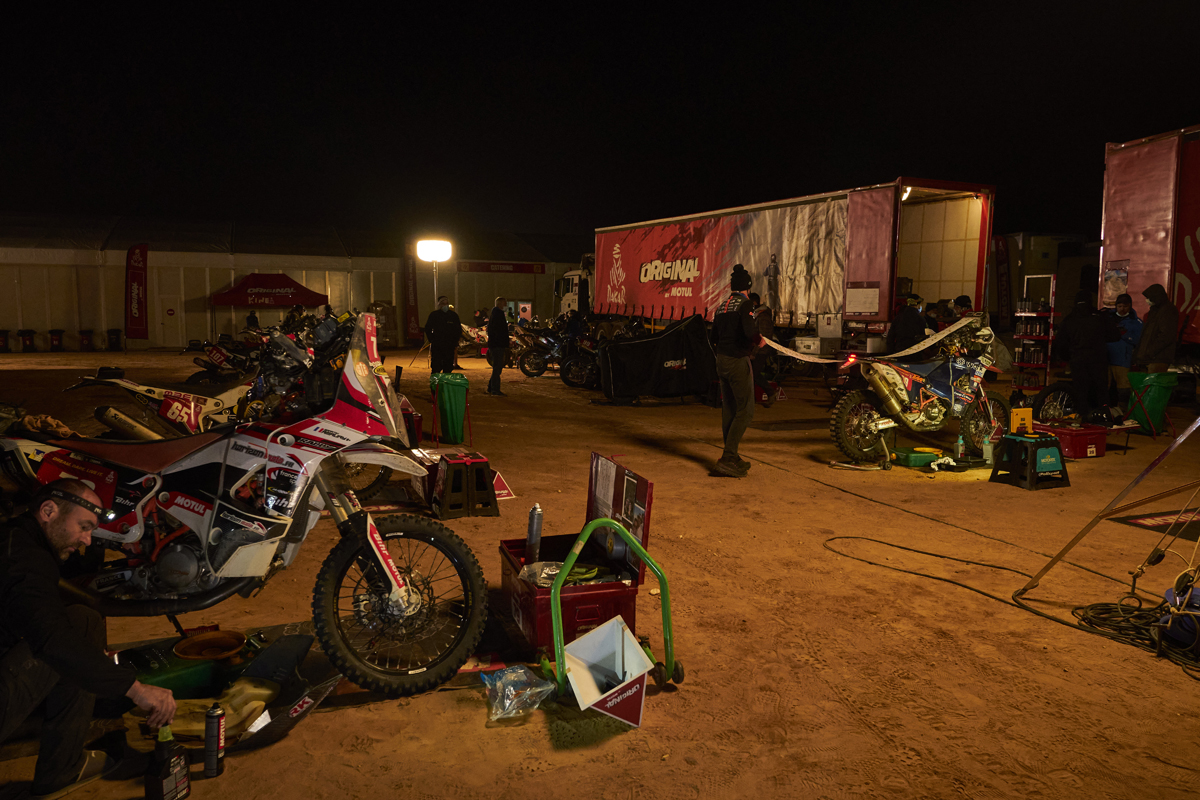
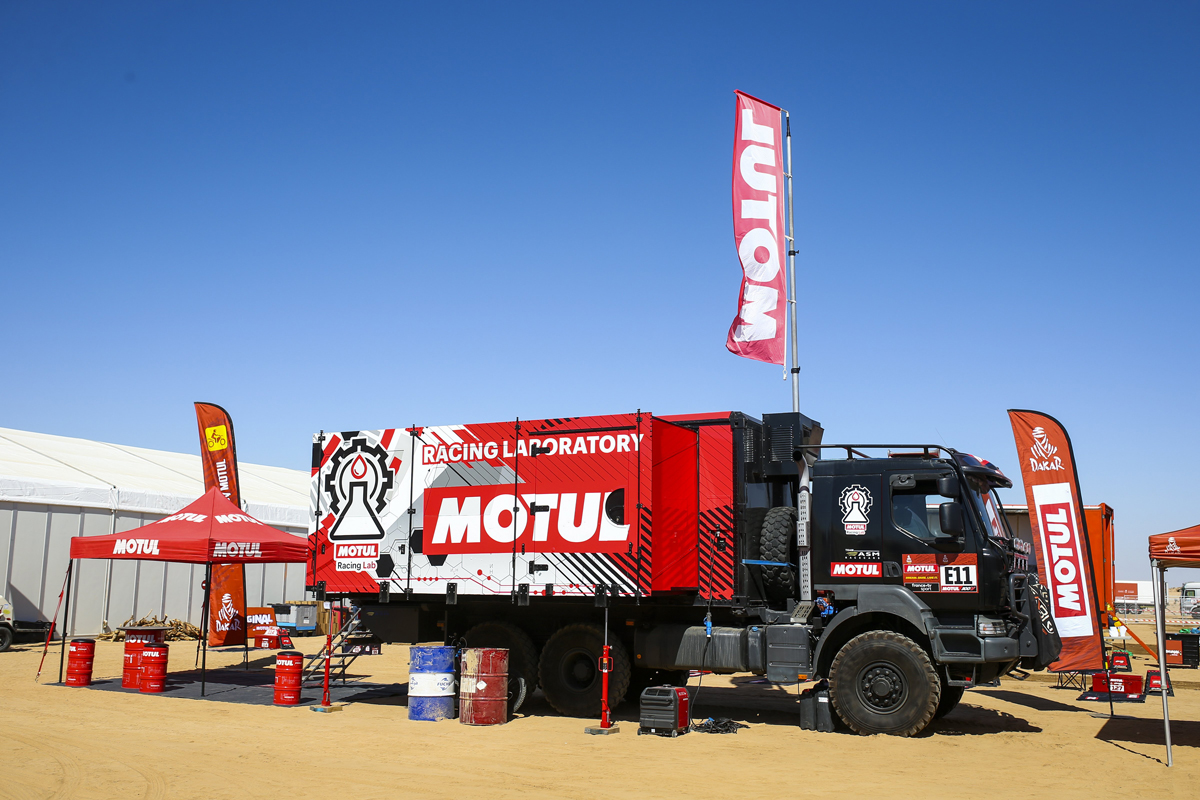
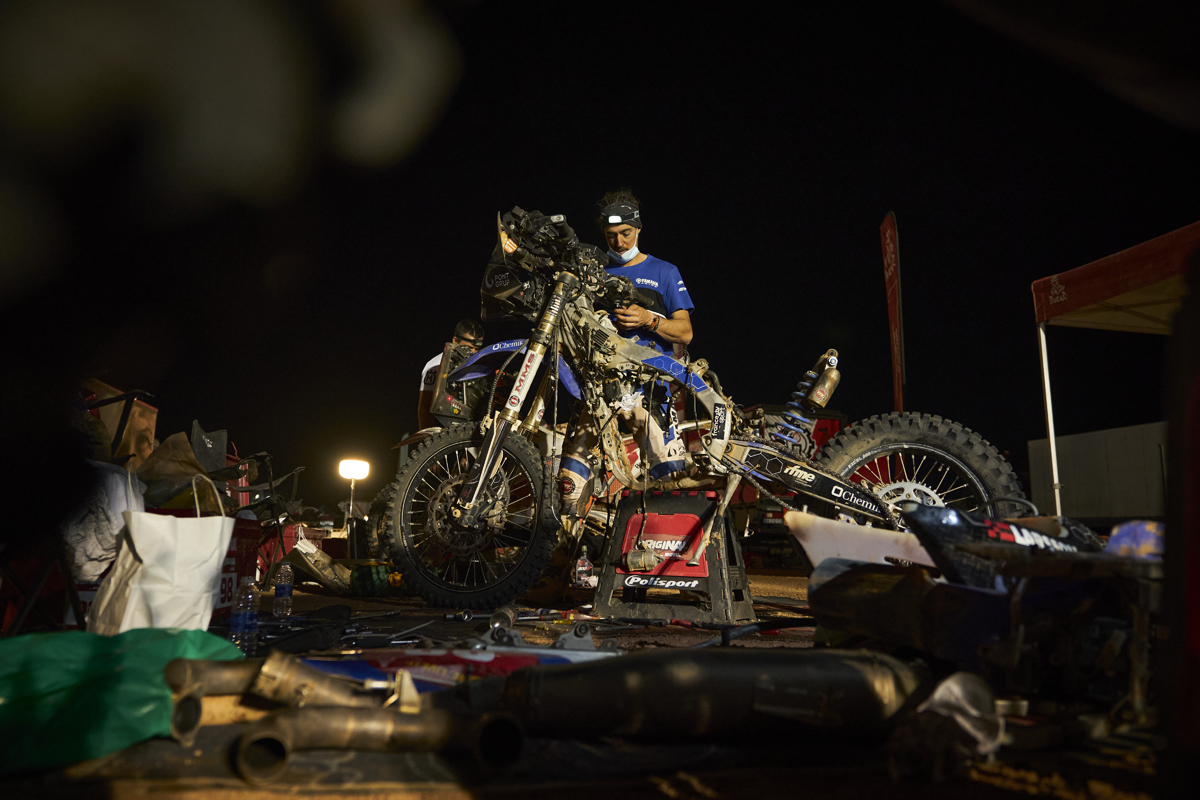
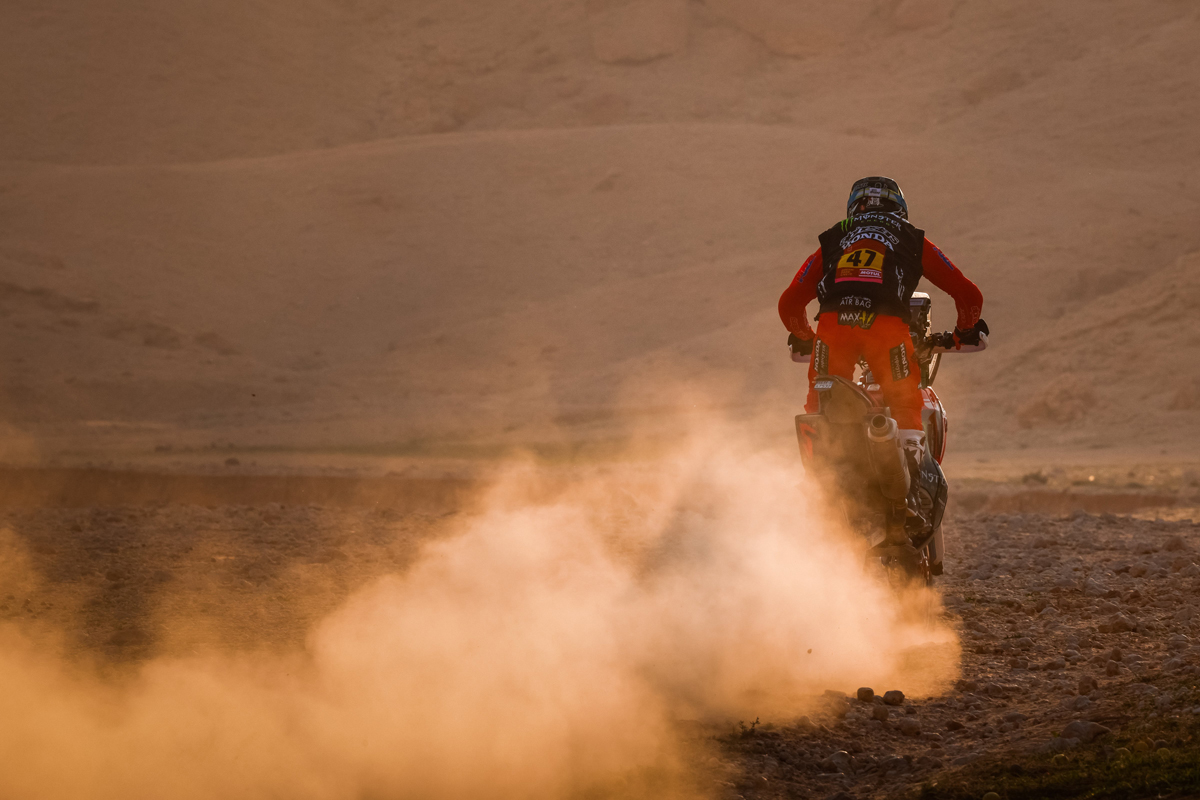
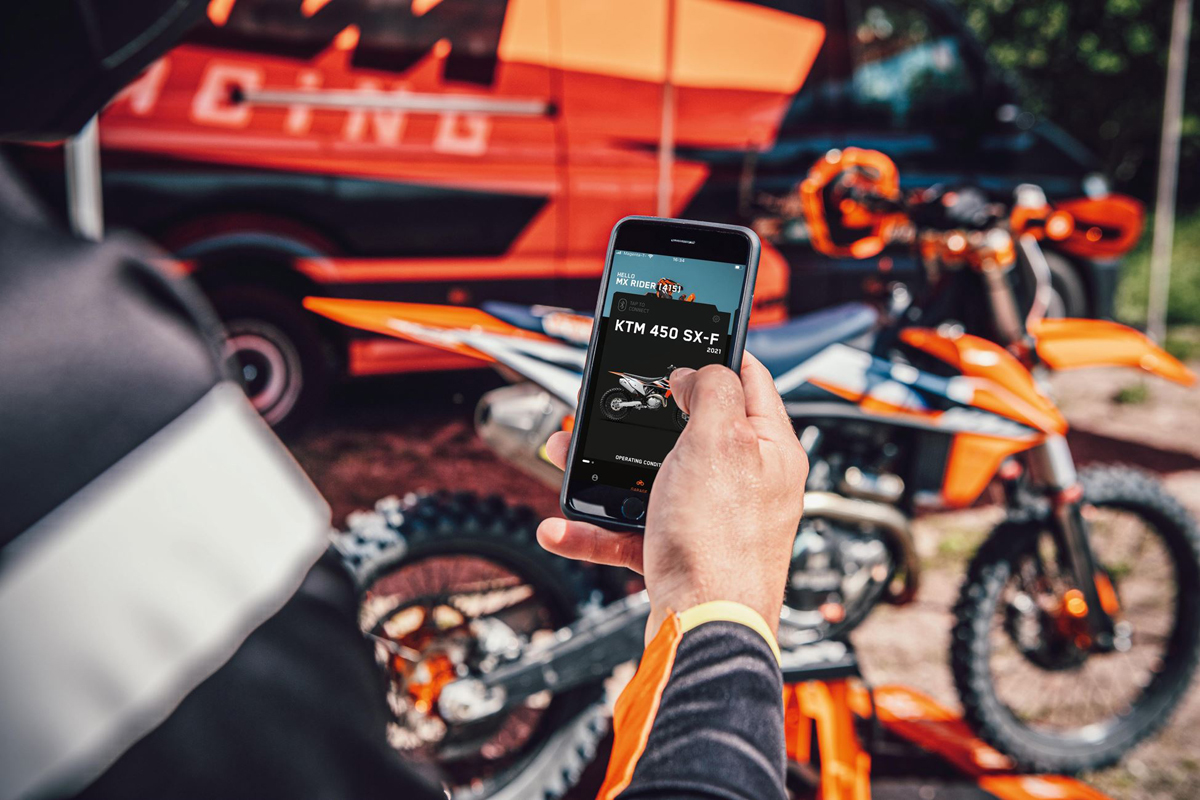
The Motul App is now available – it distils Motul’s decades of oil and lubricant experience into one intuitive online experience, helping vehicle owners to get the most out of their cars, motorcycles, boats, historic cars, agricultural equipment and heavy-duty equipment. It also serves as a gateway into the exciting world of Motul, with real-time news on Motul-sponsored motorsport teams and events, including the Dakar Rally and other extreme events.
When users download and access the App for the first time, they are invited to register their vehicle(s) by type, make, model and year. They can also specify who does the maintenance on each vehicle, and what level of information they have access to if they are doing their own servicing.
Photo credit: Bjorn Moreira / ZA Bikers
For vehicles registered on the App, specific, tailormade advice is served to users, along with Motul product information. Reminders can be set for oil services and other regular maintenance procedures, contributing to optimum vehicle performance, safety and longevity.
“Innovation is one of our core values here at Motul, so we’re delighted to be able to leverage the latest user experience technology to deliver an App that helps us engage with more Motul users than ever before,” commented Mercia Jansen, Motul Area Manager for Southern and Eastern Africa. “This new App lets us put the power of Motul’s expertise in your pocket – now expert advice and recommendations are just a tap away, 24/7,” she added.
Photo source: Motul South Africa
Also featured in the Motul App is a location-based ‘find a dealer’ function which provides details of the nearest place to stock up on Motul products, and a directory of all Motul dealerships nationwide. As with the App, help is always close at hand in real life, too.
Workshop owners and mechanics will appreciate the comprehensive Motul product catalogue included in the App. It delivers images and descriptions of all currently available oils and lubricants, alongside expert advice on how best to deploy them so as to benefit from the enhanced cleaning and protective abilities of Motul synthetic oils.
Photo credit: Bjorn Moreira / ZA Bikers
For users who want to deep dive into the data, each product is accompanied by a downloadable PDF of technical specifications and a safety data sheet. These are updated regularly to ensure that App users have instant access to the latest data as Motul upgrades and enhances its product range.
With all of Motul’s expertise at their fingertips, vehicle owners and service technicians can confidently select and use exactly the right product each time, and benefit from Motul’s commitment to constantly pushing the boundaries of technology and customer service.
“As an added bonus, by downloading the Motul App, our iconic logo will be added to the home screens on users’ smartphones, revealing at a glance the fact that they are serious about their vehicles, and know how to care for them,” added Jansen.
Download the Motul App for Free Now:
For more information on Motul products www.motul.com
Yamaha Distributors South Africa has decided to collaborate with the successful Motocross series known as the Inland MX Championship Series that has taken the Gauteng Motocross fraternity by storm.
The Inland MX Championship, a WOMZA affiliated series, was initiated by Xaviar Arnold and Tony Chicca during December 2017, together they then approached Brad from Smoking Pistons and Eddie from Dirt Bronco to form a nine race series between the three tracks, ERORA, Dirt Bronco and Smoking Pistons. 2018 was the first year of the series and it was a great success with an average of one hundred and twenty riders per event.
By 2020 The Inland MX Championship had grown to an average amount of entries, of one hundred and eighty riders per event. Terra Topia joined forces with The Inland MX Championship in 2020, followed by Chestnut Hill for the 2021 season.
“With the success of the series, we were approached by tracks countrywide to assist with the growth in their regions. We now have some involvement with tracks and Championships in Limpopo, KZN and OFS.” Says Xaviar Arnold from ERORA.
2021 will see the Inland MX Championship brand at ten Gauteng tracks with branding partner – Mayfair GearBox as well the new Dragon Energy NIMXC (Northern Interprovincial MX Championship) and the newly formed Linex Yamaha Junior Development Series which is aimed at developing new and up and coming riders to the sport of Motocross.
The Inland MX series will surely grow from strength to strength now that the relationship between Yamaha South Africa and The Inland MX Championship has been formalised.
See race dates here in the Yamaha South Africa Events page.
It was with great interest I read through the vehicle sales figures for 2020. I think we can all agree the less said about 2020 the better, putting that chapter behind us, as we move headfirst into 2021…….
But a thought has been playing around in my brain. Although all past economic crises have given us great pain and suffering, I have seen the following in my past 20 years researching and consulting to this industry:
The strong and adaptable thrive.
The average just barely survive.
The weak….well, don’t survive.
The retail sector has taken a massive amount of pain over this past year, yet retail has not stopped, but slowed. So, there are still customers out there, and they gravitate to the excellent retailers, don’t they?
Looking at the motor vehicle sales figures, those numbers are down 30,6% versus 2019 (an on-going downward trend for the past decade, hit even harder by Covid in 2020). When it comes to the motorcycle industry, that number is down 1% (20644 units versus 20862 units in 2019).
1 %.
One.
Percent.
My first thought is what a performance: survival of the fittest! But then by digging a bit further the story adds more intrigue. Commercial sales were up, the leisure market down. Down by 15%, mind you, with those monthly figures, as up and down as Pacific Ocean waves in storm season.
Photo credit: Bjorn Moreira / ZA Bikers
But the story continues, with supply chain issues meaning a shortage of some stock, and the caution of the customer mindset also means a drop in demand. Having said that, by all accounts, used leisure bike sales did see a positive spike, possibly as a result of the stock shortages and the price point the majority of these motorcycles retail at, so all is not lost. Supply and Demand, economics 101.
But 1%.
Commercial vehicles have a part to play here, we’ve seen a definite ramp up in at-home deliveries, which has resulted in small capacity motorcycles such as SYM’s XS 125 being in massive demand.
Photo credit: Julio Moreira / ZA Bikers
Going forward in this decade, I feel that the 2020 sales figures showed just how resilient our industry is, how our industry has put its head down and been amazing. For us, as customers, this is good news. We are still out there (as evidenced by the sales last year) and we are looking for all of the key factors: value for money, great deals, longer warranties, better support and so on.
If you are in the fortunate position in this Covid world to have the means to be a motorcycle customer, now is the time. It is a definite buyer’s market. And I can think of nothing better than to thrive in this environment with a great (socially distanced) ride with my great friends.
Liqui Moly South Africa hosted an excellent virtual event for their partners involved with the sales and distribution of the quality German brand’s products in Southern Africa. Guests were logged in from as far afield as Germany, Botswana and Swaziland amongst others. Hosted by Melicia Labuschagne and Richard Beswick, with guest funny man Jason Goliath keeping us chuckling—a really fun event. It was our first real exposure to the Liqui Moly family at large, since starting to feature their range of products suitable for motorcycles in our Brand Spotlight section.
The event kicked off with a superb video which showcased Liqui Moly’s involvement in European Car and Truck racing, as well as Formula One and the one that really matters to us, MotoGP.
Melicia explained how lockdown was used to plan and innovate. They launched ‘Melly and Shally’s’ range of videos explaining the specific features and application of various Liqui Moly products.
Videos featuring some of their partners, put the spotlight on what a family Liqui Moly have built around their product offerings in SA. Craig Langton, of Fire it Up and Thomas Tonking from KTM in Centurion, were two of the motorcycle personalities featured.
Next up was a demonstration of the excellent Liqui Moly Advantage App, designed to connect, educate and inform on their product range and the applications thereof. The App is incentivised for significant users (orders exceeding R1,000) to build credits, which, once accumulated can enable them to choose from a host of excellent rewards-based items.
They certainly come across as a ‘giving’ company. For example, their top salesperson in 2020 is off to Mauritius on an all-expenses-paid trip for two, plus R20,000 spending money. Not too shabby, hey? Up for grabs, this year is a trip to spectate at the final MotoGP race of the season, worth R200k! Flip, I’m placing my online orders today! I want to be in that draw (Find out more).
For all you Dirt Donks out there, the bakkies that you use to get your bike to the race or trail, now have a bakkie specific range of products for your truck. Just to make sure that you get to the start line on time. Another product that intrigued me was Marderspray (soon to be rebranded ‘RatBan’ for our local market), a spray that stops pesky rodents from gnawing on your plug leads and brake lines. What I didn’t realise beforehand is how diverse Liqui Moly’s product offering is. Outside of Automotive and Motorcycle, they also cover a wide spectrum of specialised products for; Bicycles, Marine, Aviation and even a product that’ll keep your Browning, Glock and Brno in top nick. Check out Liqui Moly’s ‘Online Store’ to see their full range of products.
Liqui Moly sponsor athletes across a wide range of disciplines. Of particular interest to me is their support of the King Price Extreme Honda Racing team, with riders Clint Seller, Luengo Gaorekwe and Sfiso Themba.
What was really touching to see is their ongoing involvement with the sponsorship of the ‘Superheroes Academy‘, a local kiddies shelter. We so need to sow in order to reap.
Photo source: Liqui Moly South Africa
If you were to ask me what my over-riding impression of Liqui Moly was, as gleaned from the time spent with them, I would perhaps sum it up with three words. Fun, excitement and commitment. The Liqui Moly family work together, play together, and, if needs be, cry together. It doesn’t actually get much better than that.
View Liqui Moly’s full range of motorcycle products right here on ZA Bikers.
The birth of the Suzuki Hayabusa in 1999 caused a shockwave—a shockwave that would eventually become known as ‘The Speed Wars.’ Its 1,298 cc, liquid-cooled, double overhead cam inline-four made 175 hp and 141 Nm, with a 312 km/h top speed. And its chunky, flowing bodywork, as goofy as it was, became iconic.
Photo credit: Suzuki Japan
Even its name meant business: ‘Hayabusa’ is the Japanese name for the Peregrine Falcon—a bird of prey that feeds on blackbirds. Remember the Honda CBR1100XX Super Blackbird? Now you get it. Not surprising that the ‘Busa has a cult following of note.
Photo credit: Suzuki Japan
For 2021 Suzuki’s big, mad falcon makes a return, with new features that may just make this third-generation Hayabusa a true hypercarnivore. Improved aerodynamics, a redesigned engine, the latest electronics and a revised chassis are just a few of the ‘Busa’s changes.
The question is, could all these changes actually make the third generation Hayabusa less of a Hayabusa?
Photo credit: Suzuki Japan
There’s a lot of the original Hayabusa DNA in the updated design, but it’s been executed with sharper lines to give it an aggressive and contemporary look. The flared fairings are not just there for show, but are designed to improve the overall aerodynamics.
Photo credit: Suzuki Japan
The ‘Busa’s new look is not just about performance, but elegance too. The side fairings are highlighted with chrome-plated V-shaped mouldings, giving it an almost luxurious look. And although the new ‘Busa meets the Euro5 emissions standard, the twin exhaust pipes look rather attractive in all of their chunky, symmetrical glory.
Photo credit: Suzuki Japan
Both the front and the rear of the Hayabusa have been chiselled at, leaving space for more modern LED brake lights and headlights. Suzuki have done away with those round intakes and integrated flickers up front, and have rather opted for a more triangular look, which I actually like.
Photo credit: Suzuki Japan
At the rear you’ll find a familiar pillion seat hump, but on the new bike it seems neater and less bulbous. Another cool detail is the lip under the tail light, which looks similar to a race car’s diffuser.
Photo credit: Suzuki Japan
After 10 years of experimenting with different engine types, including six cylinder setups and turbocharged motors, Suzuki realised that none of them could achieve the original overall balance. The 1,340 cc liquid-cooled inline-four engine has been radically overhauled for the new generation, and complies with the Euro 5 emissions standard. The overall result is an output of 190 hp at 9,700 rpm, and a torque output of 150 Nm at 7,000 rpm.
Photo credit: Suzuki Japan
Even though it’s no more powerful than the outgoing model, Suzuki have focused on boosting performance and torque in the low-and mid-range RPM. This means that the new ‘Busa is a more rideable bike for everyday use, and more durable, while still being able to hit an electronically limited speed of 299km/h.
Photo credit: Suzuki Japan
Suzuki have gone for a retro modern instrument panel, with two large analogue counters, and a TFT LCD display wedged in-between. Suzuki’s rider mode selection and customization tools are bundled into a system called ‘Suzuki Drive Mode Selector Alpha,’ which is accessible via the dash. It includes three preset modes, and three user modes.
Photo credit: Suzuki Japan
The full electronics package includes launch control, a combined braking system, hill hold, cruise control, an active speed limiter and a low RPM assist system.
Photo credit: Suzuki Japan
That’s enough software to fly to the moon, so what about the hardware? Up front are fully adjustable 43 mm KYB upside-down front forks, with a KYB rear shock out back. The ‘Busa also features new Bridgestone tyres wrapped around seven-spoke wheels.
Photo credit: Suzuki Japan
Brembo callipers and bigger 320 mm brake discs up front improve stopping power. And to add to the overall handling of the bike, Suzuki have brought the bars closer to the rider by 12 mm, connecting the rider more closely to the front wheel.
Photo credit: Suzuki Japan
The ‘Busa comes in three unique colour combinations: white and blue, silver and red, and my personal favourite, sparkle black with candy burnt gold. I love that livery, because it feels like the Mk1 Hayabusa is hiding underneath it and subtly shining through.
Seeing bikes like the Hayabusa still being made makes me realise how lucky I am to be living in an era where big-bore, multi-cylinder bikes can still make a splash. The age of turbocharged, hybrid and electric bikes is on the rise, but it’s awesome to see beauties like this 1,340 cc Hayabusa still being produced in my lifetime.
Photo credit: Suzuki Japan
Yes, the latest Hayabusa is still a Hayabusa, but thanks to improved ergonomics and electronics, it’s far more accessible now. Does that mean it’s lost some of its original madness? We’ll have to ride it to make sure.
The Out of Africa Monster Energy Yamaha Racing team is pleased to announce the team line up for 2021.
The Out of Africa team needs no introduction in the Motocross fraternity, with multiple championship titles across each category of competitive Motocross racing. 2021 sees this teams sixth year with the Yamaha brand.
Photo credit: EH Photography
For 2021 the team line up is as follows: Aiden Henley, number 51 on his Yamaha YZ 65, 65cc class; Thor Johnson is a new edition to the team for 2021, number 169 on his Yamaha YZ 85, Pro Mini; Garrick Henley, number 28 on his Yamaha YZ 125, 125 High school; Hayden Tully, number 20 on his Yamaha YZ 125, 125 High school; Christiaan Cilliers, number 39 on his Yamaha YZ 250F, MX 2; Dalton Venter is a new edition to the team for 2021, number 151 on his Yamaha YZ 250F, MX 2; Ian Topliss, the reigning champion, number 76 on his Yamaha YZ 450F, MX 3; Jesse Wright, with his new number 14 on his Yamaha YZ 450F, MX 1. Guy Henley, Team Manager aka Boss man.
1 of 17
Look out for the very impressive Out of Africa Truck rig in the pits at every race this year.
180 hp, 140 Nm and 189 kilos: even in stock form, the KTM 1290 Super Duke R is pure madness. But it’s still not mad enough for the crew at the newly-opened KTM Paarl—so they took a 2020-spec Super Duke R, and threw a handful of tasty upgrades at it. Then they invited us to ride it.
Launched by the owners of RAD KTM in Rivonia, KTM Paarl’s located in the heart of the Winelands just outside of Paarl, in the Zandwyk Park complex. That puts them in a prime spot to service Cape Town’s Northern Suburbs, the Overberg region, and areas like the Northern Cape and Garden Route.
Photo credit: Wes Reyneke / ZA Bikers
This current location is a temporary setup, while the team waits for construction of the new Paarl Junction complex to finish, just 500 m away. But it doesn’t feel like a pop-up shop—it’s as kitted a dealership as you’ll find, with a full complement of sales and service staff, and a wide range of accessories.
The team’s led by our good friend Clinton Pienaar, who, until recently, was the editor of Superbike Magazine South Africa. As a seasoned rider and ex-magazine editor, Clint has a one-track mind when it comes to selling motorcycles: “get bums on bikes.” He’s already hosted a women-focused demo day at the shop, and believes that the best way to convert riders to the brand, is to let them experience it first hand.
Photo credit: Wes Reyneke / ZA Bikers
And that’s precisely why Clint invited us to ride arguably the scariest motorcycle to pass through our hands. Starting with a stock 1290 Super Duke R, KTM Paarl mechanic Mike Grove (who Clint describes as “arguably the best Orange Technician in SA”) dug into the KTM Powerparts catalogue to build the most drool-worthy Super Duke on the street.
The big mod here is KTM’s ‘Tech Pack,’ which is a major software upgrade that ‘unlocks’ the KTM’s onboard quick-shifter, and adds a ton of go-fast electronic functionality. The upgrade also includes the ‘Track Pack,’ which adds new ‘track’ and ‘performance’ riding modes, with the ability to fine tune traction control, throttle response and launch control, and to disable anti-wheelie control.
Photo credit: Wes Reyneke / ZA Bikers
As its name implies, the ‘track’ riding mode is designed for pure track use, and so switching to it automatically disables the Super Duke’s indicators. So Mike got clever, and installed an indicator module to make sure they’re always usable.
Another performance boost comes by way of a BMC air filter, and a full titanium Akrapovič Evo exhaust system—which is a feast for the eyes and ears. Mike also added triple clamps, levers and foot controls from KTM’s own catalogue, a tail tidy, and Rizoma indicators.
Photo credit: Wes Reyneke / ZA Bikers
With so much love (and money) sunk into an already desirable machine, I was more than a little trepidatious to put KTM Paarl’s pride and joy through its paces. So I took a friend along for moral support, and we spent the ride swapping between the 1290 and the equally wild 890 Duke R.
The 890’s a cracking motorcycle in its own right, but at my height and weight (lockdown has not been kind), the 1290 was heaps more comfortable. KTM’s big masterstroke here is the Super Duke’s ergonomics—it’s more comfortable than it looks, but more importantly, the rider triangle creates massive amounts of control. Add to that a lively chassis, and KTM’s brilliant in-house WP Apex suspension, and it’s a remarkably agile ride.
Photo credit: Wes Reyneke / ZA Bikers
The Super Duke R does require a measure of respect and restraint to ride sensibly. The throttle’s super responsive and power rolls on quick, but rider modes help you dial in just how aggressive a ride you’re after. And the Brembo Stylema brakes are beyond adequate for reeling the monster back in.
Mild riding doesn’t suit the brutish KTM, and as the day wore on I soon realised that the more aggressively I rode it, the better it responded. It loves to be thrown hard into corners, and will hold its line like it’s on rails. Before long, it was clear to me that the Super Duke R’s true capability far outweighed my own skill… or courage.
Photo credit: Wes Reyneke / ZA Bikers
It took me a couple of hours to pluck up the courage to switch off all of the 1290’s many electronic interventions—and a couple of minutes to figure out how. KTM’s TFT display works well enough, but their switchgear, and the way you use it to navigate the bike’s many menus, is unnecessarily complex.
With everything switched off, the 1290 transforms from beastly to outright berserk. The bike fires out of corners with terrifying enthusiasm, the front wheel wants to lift in third gear, and the unrestrained motor’s howl through the Akrapovič system is pure visceral bliss. My hands were still shaking when I handed the keys back to Clint.
Photo credit: Wes Reyneke / ZA Bikers
Unsurprisingly, KTM Paarl have already sold that particular bike, but they’ll probably build you one just like it—as long as you open your wallet wide enough and ask nicely. But a hopped-up super-naked that takes track-bred performance to the street isn’t for everyone. So I already have plans to take Clint up on his offer, and sample some of the other bikes in KTM’s stable.
The world at large seems to have become besotted with Super Heroes in recent years. I suspect that a wave of this ‘besottedness’ is about to wash over South Africa. In a typical stroke of what may well be described in years to come as ‘genius’, Fire It Up’s Craig Langton has secured the rights to distribute selected Hero Motocorp Ltd products in SA. The less informed may well ask, ‘who is Hero?’. Let me digress for a moment and put you in the picture.
Photo credit: Bjorn Moreira / ZA Bikers
Founded in India in 1984, by the Munjal family, it rose to prominence as Hero Honda, in a joint venture with the Japanese juggernaut. This relationship lasted for 26 years, terminating in 2011, with the formation of the Hero Motocorp Ltd. For 20 years consecutively, Hero has been the top-selling motorcycle on the planet, eclipsing even their old JV partners, Honda. Holy Smoke, so how many bikes do they sell? Get this. Their best month, I think it was February 2018, saw 769,000 Hero motorcycles sold. In three months they sold 2,1 million bikes! To date, they have manufactured over 100 million motorcycles! They have 8 manufacturing plants, capable of building over 9 million motorcycles a year.
In 2019 they sold 7,8 million bikes, mostly in India, where they have a market share that hovers around 50%. Hero have established Centre’s of Technology in Jaipur and also in Germany, with the sole purpose of furthering what they call, ‘mobility solutions’, employing more than 700 engineers.
Image source: Hero India
Enough statistics, I think you get the picture. Let me tell you what this means for motorcycling in SA. Apart from the potential to turn the commercial and agricultural motorcycle market on its head with excellent, affordable bikes, they have a bike topping the current range, that got my juices flowing.
Photo credit: Bjorn Moreira / ZA Bikers
Enter the star of this particular show. The Indian 2020 Bike of the Year, the Hero X-Pulse 200. The X-Pulse comes in two guises. The ‘T’, which is the street ‘Touring’ model and the wicked little beast that I tested, being the Adventure variant. I have always been somewhat sceptical about small capacity motorcycles touted as dirt worthy. In honesty, what you get is an Adventure styled road bike. One look at the X-Pulse and it immediately warrants a serious going over.
Photo credit: Bjorn Moreira / ZA Bikers
Suspension travel is a healthy 190 mm and, unlike some of the competition, is nice and firm, so it doesn’t lose half the travel when you sit on it. The front forks have no adjustment, however, there are ten preload settings on the rear monoshock. Ground clearance is 220 mm, so bring on the rocks. Wheel sizes confirm off-road intent, with an 18×120/80 rear and a 21×90/90, upfront. These sizes give you plenty of serious off-road rubber choices.
Photo credit: Bjorn Moreira / ZA Bikers
Styling goes along with the dirt worthy specs, and results in a seriously handsome bike. A 13-litre fuel tank, complete with a decent rubber tank protector, provides serious range, given the X’s frugal consumption. A high front mudguard is complimented by a dirt containing hugger.
Photo credit: Bjorn Moreira / ZA Bikers
The LED headlight is topped by a small, but incredibly effective clear screen, that in no way intrudes when riding off-road with gusto. Build quality is excellent. You can see that these guys learnt their trade from arguably the best in the build quality business.
Photo credit: Bjorn Moreira / ZA Bikers
The digital dash is neatly laid out and gives you all the information that you need to know, and then some. Odo, 2x trips, gear indicator, clock, speedo and tacho as per usual PLUS, get this, turn by turn navigation! Sound gimmicky? no way Jose’! download the Hero RideGuide App on your smartphone, switch on the Bluetooth, pair it to your device and off you go. Flippen’ brilliant. Simon, our technofundi Editor, was so blown away, that he immediately wanted to take it for a spin. I see a Hero X-Pulse in his future, that’s for sure!
Photo credit: Bjorn Moreira / ZA Bikers
The engine is, once again, the essence of simplicity. A super-smooth, at any revs, fuel-injected, 199.6cc, 2-valve, OHC 4-Stroke single. An over-square bore and stroke makes it quit eager to rev, pumping out a super reliable 17,8 Bhp @ 8,500 rpm and 16,45 Nm of torque @ 6,500 rpm.
Photo credit: Bjorn Moreira / ZA Bikers
Brakes are 276 mm front and 220 mm rear, discs with Nissin callipers. The seat, at a height of 823 mm, is slightly stepped and comfortable by offroad standards. A small and tidy rear tail carrier, provides a good mounting base for a pukka rack.
Photo credit: Bjorn Moreira / ZA Bikers
The vulnerable parts of the engine are protected by a proper, robust, aluminium bash plate. Although not fitted to the test bike, the X-Pulse, to the best of my knowledge, also has a crashbar, essential for serious dirt work, fitted as standard. Also standard, are both side and main stands. What a pleasure for wheel and chain maintenance!
Photo credit: Bjorn Moreira / ZA Bikers
I could not wait to get out on the highways and, more particularly, byways, to put the little Hero through its paces. I have always loved the uncomplicated, lightweight induced, fun factor, of small motorcycles. Probably a throwback to my Honda 50 days. Frankly, I don’t need to be blowing my hair back with adrenaline-pumping speed and performance, every time I straddle a bike. On the contrary, some of the best and most memorable trips that I have ever done (check out Apache Raid on Vic Falls and the Delta Dawdle to get my drift) have been on small capacity motorcycles.
Photo credit: Dave Cilliers / ZA Bikers
The guys who joined me on these trips experienced the same buzz. We were simply in awe of how honestly these bikes carried us on the most remarkable adventures. Folks in far off places would ignore riders on big typical Adventure motorcycles, to hear where we were from and how far we were going. In awe of the audacious and gutsy little bikes that we were riding. Suddenly our bikes, that cost less than the panniers and top box on the big Adventure bikes, were the stars of the show. Kind of like David must have felt when he floored Goliath!
Photo credit: Dave Cilliers / ZA Bikers
Riding back to Pretoria, it was immediately apparent that the X-Pulse is, typical of all Indian motorcycles, a tad under-geared. The 5 Speed box, perfectly adequate for town and around, has the bike revving too high for sustained speeds of 110 kph or more. 120 kph arrives pretty much on redline. My experience on my long trips with the 180 TVS Apache, was that the bike is transformed by going a tooth bigger in the front sprocket, or losing three off the rear. This would up the cruising speed and drop the motor smack onto its torque peak. Fourth gear becomes usable for overtaking and top gear allows comfortable all day cruising at around 100/110.
Photo credit: Bjorn Moreira / ZA Bikers
Sound slow Mr GS? Ride through Zambia or Malawi and you will be happy to even get to ride at 100 kph. Road conditions simply don’t allow it. True Adventurers also take their time. Land Cruiser and Land Rover Defender owners, will never brag about how fast they go, but rather where they go, get it? Suzuki Jimny drivers get it!
Photo credit: Bjorn Moreira / ZA Bikers
On slower backroads and on the dirt, the X-Pulse comes into its own. We took our photos of the bike with the back wheel on the tar and the front wheel on the dirt for a reason. The X is happy as the day is long, in either environment. It feels more at home and competent in the dirt than any small bike that I have ridden. That is why I am so excited by this new little Hero. It opens up a window, no, a barn door, of adventure, that is genuinely affordable to damn near everyone.
Photo credit: Bjorn Moreira / ZA Bikers
Want to do the Ten Passes but don’t want to leave half your big Adventure bike on a distant trail? Enjoy gnarly dirt without having more than R200 grand at stake? It is not if you drop your bike, it’s when you drop it! Keep the juggernaut for high speed touring on tar and gravel highways and invest in a Hero for commuting, hooning around town and for the gnarly stuff. A kerb weight of 150 odd Kg’s is eminently more manageable over dodgy surfaces and slopes than your 250 to 300 Kg behemoth. Get all your mates to buy them and plan a proper X-Pulse Xpedition. I am going to!
Photo credit: Bjorn Moreira / ZA Bikers
A few years back I traded my big 4×4 SUV for Suzuki’s little Jimny and suddenly transformed the Richtersveld into a playground. The Hero X-Pulse has what it takes to do the same. The beauty is, you can keep the big bike, just buy a Hero and open up a whole new world of inexpensive fun. At an asking price of under R40,000, it is easier on your wallet than a medium spec mountain bike, yet can carry you reliably around the world. Our first tank carried us over 400 k’s. This will be easily bettered as the motor loosens up and if we can lengthen the gearing.
Photo credit: Bjorn Moreira / ZA Bikers
X-Pulse Xpeditions are going to be a reality. Lesotho, Wild Coast, Botswana and Namibia are all on the cards, as well as a couple of genuine trips of a lifetime. Just watch this space. We will talk about bike prep, how and what to pack and a whole lot more. No excuses, guys and gals, the Hero X-Pulse is your passport to adventure! Question is, are you up for it?
Photo credit: Bjorn Moreira / ZA Bikers
Factory Rally kit for the X-Pulse 200
Hero makes a factory Rally kit for the X-Pulse, comprising of fully adjustable, longer travel front and rear suspension, longer sidestand, MX boot compatible gear lever, Maxxi’s tyres, handlebar risers and a flatter seat.
Clearly, they have learnt a lot from competing in Dakar with relative success, over the last few years (7th, 9th and 11th places!) See below YouTube clip of the bike being caned on the dirt, yet staying totally composed. Impressive!
How to Become a Hero Dealer?
If you would like to explore the possibility of becoming a Hero dealer, contact Fire it Up.
No, I don’t mean that in a hillbilly sense, hehe. When you have had an intimate love affair with bikes, as I have had since I was 14 years old, then you tend to think about most things from a biking perspective. Well, I do anyway. This train of thought can start off in some really weird ways. Take my recent car wash for example. Irene dragged me off to a local shopping mall to ‘help’ with the shopping. A really cheerful Zimbabwean chap has a concession with the centre management to wash cars, for which he pays the centre for the pleasure. Flip, nothing for nothing. My car was reasonably clean, so, I was a bit hesitant when he approached me. “Please Sir, it will help me take care of my family,” he said with a cheerful grin. Done deal!
Later in the day, I got to reflect on the exchange around the carwash. I see the often inane stuff that hugely privileged people complain about on social media. Take a simple example, we can’t buy booze at the moment, due to level 3 lockdown regs. Facebook is full of woeful chirps from people who’s ‘cups are overflowing’.
My Zimbabwean mate, on the other hand, is focussed on the very survival of his family through these hard times. He has already had to flee his country of birth, due to typical African economical issues, to live in a squatter settlement without lights or running water and eke out an existence in a foreign land. He cannot afford the luxury of hopes and dreams. His life is about surviving ‘day to day’. Do we really appreciate how incredibly fortunate and blessed we are? So how, you may wonder, does this relate to bikes, Dave?
Well, here’s the thing. I grew up on a diet of tiny bikes which, as time and finance allowed, grew bigger. As a schoolboy, I would infest the local Honda dealership, Capital Bike and Boat Centre and perv over the merchandise on display. My pocket money would invariably get spent on motorcycle magazines. At that time, in the late sixties, it was a superb American publication, called ‘Cycle’. I inhaled those magazines, literally cover to cover, including all the adverts. It was from the information gleaned from these pages that I developed a dream of perhaps, if the stars aligned in my life, one day owning a Honda Four, which I would ride wearing a Bell Star full-face helmet. A brochure, snaffled from the Honda shop on Honda’s game-changing CB750 K0, was studied and reflected-on ‘ad nauseam’. Perhaps it is those humble biking beginnings that allow me to appreciate ALL bikes the way I do.
Image source: Honda Motorcycles
As most of you know, life does not start with a CB750. It starts with a second hand Honda S50. Eventually, after sacrifice sweat and toil, that childhood dream may just become a reality. So, my friends, in the light of this, I get a little irritated when over indulged modern generation bikers refer to modern-day 700s or 750s and even some 1000s, as ‘commuters’. Let’s put a performance perspective on all of this. The most wicked bike that money could buy in the early 1970s was often referred to as ‘the widowmaker’, due to its ungodly potent performance. It was Kawasaki’s 750 H2, a two-stroke triple, described by Cycle as performing like “a rooster with a fire in its tail-feathers”. Now is when the ‘it’s all relative’ starts to apply – how fast, exactly, was the H2?
Image source: www.pakwheels.com
Well, it ran a 12.72 second quarter mile, breaking the magical ‘ton’, with a terminal speed of 103.8 miles per hour (168,15 kph). To this day, bikers still get animated when they talk about this legendary performance icon. Consider now, a typical bike labelled as a ‘commuter’, by those same fellows. Yamaha’s 688cc, parallel twin-engined, MT-07. How does the performance of this friendly little ‘commuter’ compare to the hallowed ‘rooster with a fire in its tail-feathers’?
Photo credit: Bjorn Moreira / ZA Bikers
The MT-07 turns a quarter in 11.97 @ 115.8 mph (187.59 kph), – performance capability that paralyzes the H2, both much quicker AND faster. What car would you have to buy to see off the little Yamaha in a drag race? How about a R4.2 million Porsche GT3RS? I don’t hear anyone calling that slow! The mighty Porsche ekes out a top speed advantage and turns an 11.1 second quarter, less than two blinks faster than the Yammie. Makes you think, doesn’t it?
Photo credit: Bjorn Moreira / ZA Bikers
We are blessed to live in an era of spectacularly fast bikes (and cars). Perhaps, in a few years time, due to the over-regulated sterile world that is emerging around us, we will look back at the present time and only then appreciate what we had.
Photo credit: Bjorn Moreira / ZA Bikers
Let’s not take what we are able to ride for granted and be just a little more circumspect about labelling truly excellent motorcycles as mere commuters.
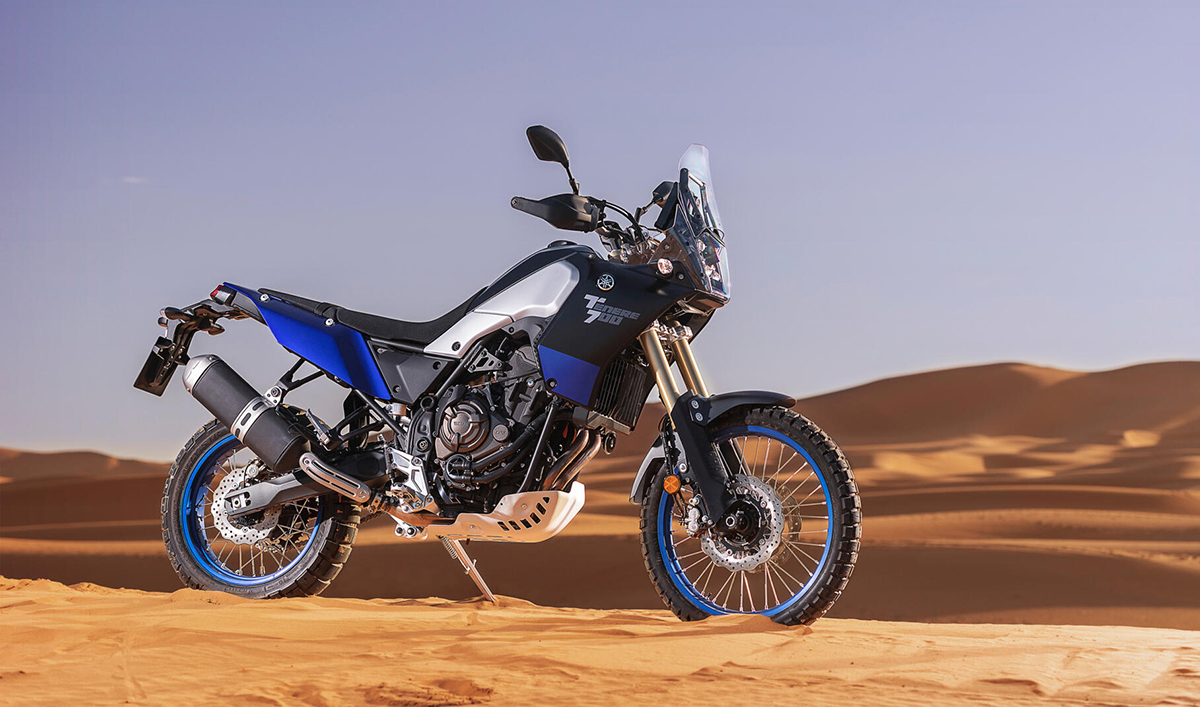
The new Yamaha Ténéré 700 bears a legendary name—but does this much-hyped adventure bike live up to the legacy of the original 80s legend? Our man in Europe, Philippe Guillaume, managed to get a long ride in the French winter to find out.
Anyone in their early fifties, like yours truly, probably once dreamt of the 1983 Yamaha Ténéré 600. When Yamaha released the bike, with its 30-litre fuel tank, mono-shock rear end and thick seat, the bike screamed: “I want to go across Africa!” The Ténéré got even better in 1986, with a 46 hp engine and an electric start.
Photo credit: Yamaha EU
For some, the 1988 ‘3AJ’ model is the apex of the species; a fairing with two round headlights added some comfort, while a disc brake at the back made it safer. From then on, the Ténéré went downhill. The liquid-cooled 1991-model was too sophisticated for some, heavy, and a bit visually dull.
No doubt: the original Ténéré was the right bike at the right time. But that’s because the groundwork had already been laid. Back in 1976, the Yamaha XT500 was a revolution—first winning the Abidjan-Nice Rally in 1977, then the Paris-Dakar in 1979 and 1980. So by the time the Ténéré came out, it was plain sailing.
Photo credit: Yamaha EU
But then the adventure bike market went mad. More power, more weight, more sophistication, more money. Even the 170 hp Multistrada V4 is considered a ‘dual sport’ bike these days. If that sounds crazy to you, the Ténéré 700 is Yamaha’s answer.
After a painfully long tease, the ‘T7’ has finally hit our shores. And on paper, it’s a winner; a new chassis, modern rally styling, and the motor from the ultra-popular MT-07 family.
Photo credit: Yamaha EU
And that’s a very good thing—the ‘CP2’ parallel twin is a peach, and more than capable (unless you plan to fly across the Makgadikgadi pans over 180 km/h). With 72 hp and 68 Nm on tap, cruising at highway speeds is a piece of cake. And its smoothness and ability to handle low revs with grace make it great for commuting duty.
A touch of blue
The Ténéré 700 pictured here is the Rally Edition—a special edition that costs an extra €1,800 in Europe, but is sadly not available in South Africa. You get the historical blue ‘speed blocks’ paint scheme, a special enduro seat, and one very nice looking Akrapovič exhaust (which is actually not much noisier). There’s also a thicker aluminium bash-plate, an aluminium chain guard and radiator cover, off-road grips, LED indicators and a nice set of Pirelli Scorpion MTR tyres.
Photo credit: Yamaha EU
Otherwise, it’s pretty much identical to the base model Ténéré, except that the new seat is 20 mm higher. That takes it from 875 to 895 mm (5 mm more than a 1984 Ténéré), so you’ll need to have long legs to feel comfortable on the bike. Even at 1.88 m tall, I can’t quite get my feet flat on the pavement.
If like me, you are tall enough to handle the Ténéré Rally Edition, you might find the windscreen a bit low to offer full wind protection. And it’s not even adjustable either, which is a pity.
Photo credit: Yamaha EU
However, once onboard, the Ténéré 700 feels slim, compact and well-balanced. The riding position is perfectly natural and relaxed, with enough space for a tall rider to feel comfortable.
The Ténéré is not a hyper-sophisticated machine, with a lot of connectivity features that bring their own headaches when you try to get them to work. It remains a kind of back-to-basics motorcycle—exactly like the Ténéré was back in the mid-80s.
Photo credit: Yamaha EU
Here, there’s just a vertical dashboard that looks a bit like an e-book reader. It’s a bit weird at first, but then you realise that you just get the information that you need and that’s most important. The switchgear is easy to use, and the levers are adjustable too.
Is the Ténéré 700 a great road bike?
I’d say yes, although, let’s be frank: the old Ténéré from the mid-80s was actually much more comfortable. From the thick seat to the plush suspension, for long-distance trips, I’d rather consider the old one. At least for a second—just enough time to remember I’ll have to cope with a slower cruising speed, more engine vibrations and soft brakes.
Photo credit: Yamaha EU
The Ténéré 700 is a bit on the firm side; the ‘enduro’ seat does little to improve the situation, and the fully adjustable rear shock is never quite plush enough. But the upside is that the T7 offers a mix of feeling and precision never before seen on old dual-sport bikes.
Stability is not an issue at any speed, because the ‘CP2’ engine is just such a gem, with a perfect combination of smoothness and mid-range generosity. Some might think that 72 horses are not enough; let me enlighten you. This engine is not just brilliant—it also has a great personality, and the capability to deliver pure riding pleasure, whether cruising gently or hard on the throttle.
Photo credit: Yamaha EU
For those who dare, a 160 km/h cruising speed is not impossible, despite some small vibrations through the foot-pegs and around the fuel tank at high revs. Of course, I enjoyed the Ténéré 700 more on the scenic back roads, at a slower pace—but the blue bike can fly when it wants to.
On a long trip, I recorded a fuel consumption of 5,4 l/100 km. So with the 18-litre fuel tank, 300-plus kilometre trips are completely doable. At speed, the brakes could deliver a bit more bite, though.
Photo credit: Yamaha EU
Is the Ténéré 700 a great dirt bike?
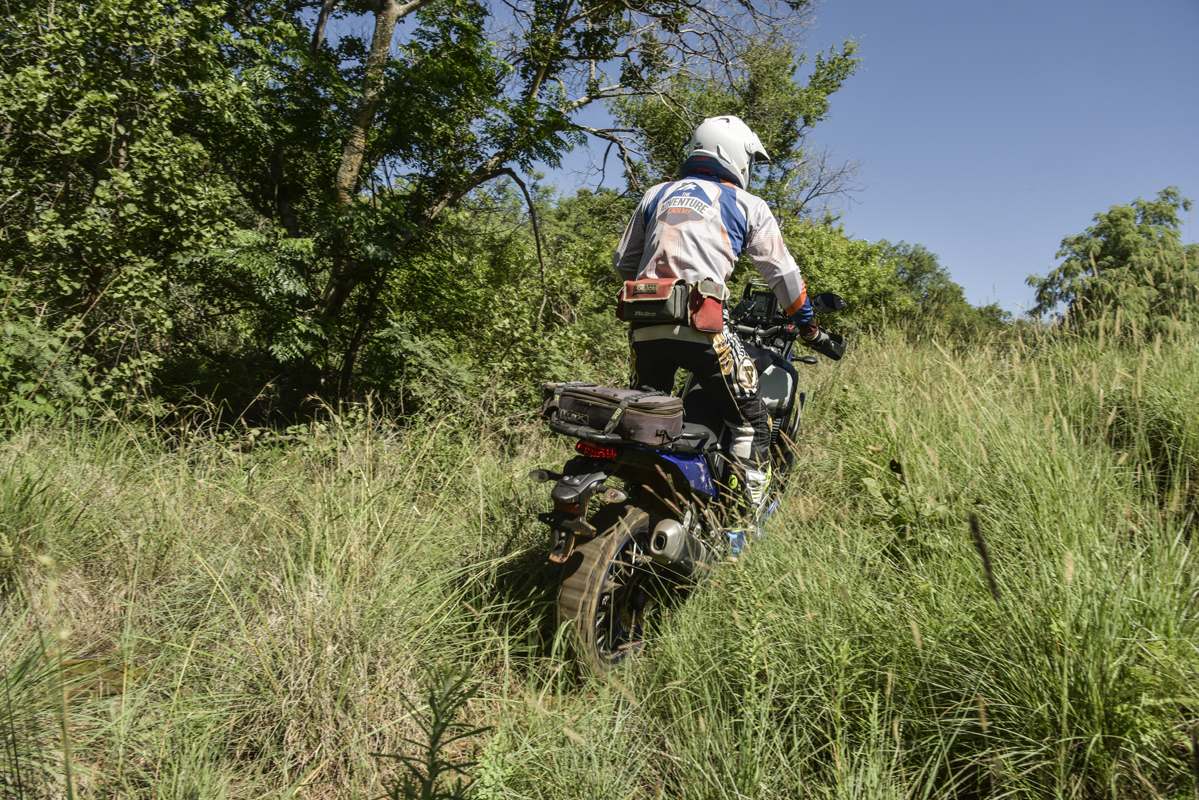
I was happy to cover at least half of the bike with fresh mud, while riding in some wet and greasy French forest roads. The speeds were not the same as you’d reach on some of South Africa’s long and fast dirt roads, but I enjoyed many things about the T7 in the dirt.
Photo credit: Yamaha EU
The riding position works just as well when you stand up, with the chunky foot pegs keeping you stable on the Ténéré. The Pirelli Scorpion MTR tyres were another good surprise, as they provided some decent grip, even when reining in some big hills.
Of course, there aren’t many electronics here to help you (besides the ABS, which can be disabled)—but the bike is narrow, compact and not too powerful, so it’s quite easy to handle. I found the rear shock better off-road than on the tar, and the front fork offered confidence in any situation.
Photo credit: Yamaha EU
The Yamaha’s fun parallel twin is peppy enough to encourage some prompt front wheel lift when needed, so my playtime in the forest was a lot of fun. I also took a second look on the brakes; they might lack some initial bite on the road, but they were very progressive and easy to operate on the dirt.
Is the Ténéré 700 the perfect grandson of the 1980s legend?
It definitely is. Especially the Rally Edition, which adds good looks and a highly desirable livery for a touch of history to tick every last box.
Photo credit: Yamaha EU
My only concern is that back in the 80s, the Ténéré was worth about five months’ salary in France. Nowadays, the Ténéré 700 Rally Edition tips the scale more towards 10 months’ salary.
So was adventure riding easier before? You tell me…
Photo credit: Yamaha EU
Yamaha Ténéré 700
For more information on the bike that we tested in this article, click on the link below…
Suzuki Motorcycles are launching a new virtual communication venue that is easy for anyone to access.
This is a new-generation communication platform that can be used by Suzuki fans from their PC or smartphone. It enables you to view motorcycles just as if you were at an actual showroom or watch the unveiling of new motorcycle models just as if you were attending a live motor show.
Here are three standout features as described by Suzuki:
Feature 01
Use an avatar to visit and experience a virtual space.
You can use your own avatar to freely explore the salon, check out display motorcycles or use the chat function to talk to your friends or Suzuki sales staff. Don’t miss this new opportunity to get together with your friends and look over the latest motorcycles.
Feature 02
Special content only available here.
The first content will coincide with the grand opening on 5th February and will include the launch conference and exhibition of long-awaited new models. The EVENT HALL area functions as a time-limited event space and exhibitions of a range of content are scheduled as future attractions. Please look forward to that until then.
Feature 03
A Configurator introducing the features and technical specifications for the new models
In the MY SHOWROOM area, you can take your time checking out the motorcycles in your own personal space. Please try out custom colour variations and accessories and learn about cutting-edge technologies and functions.
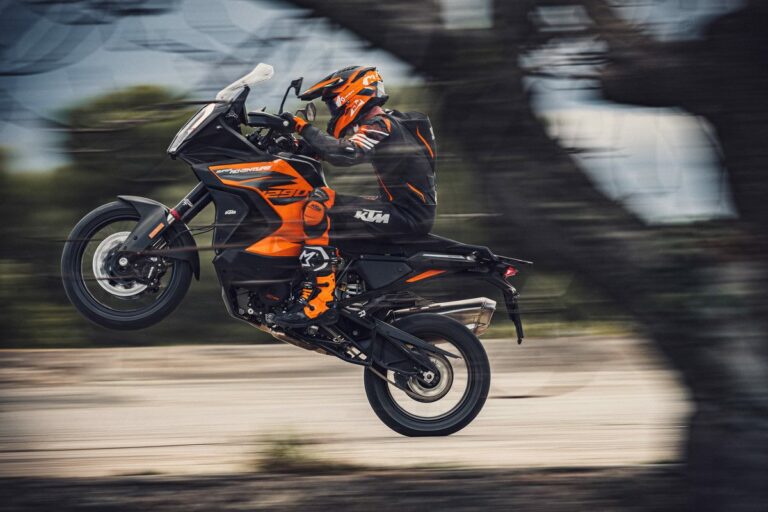
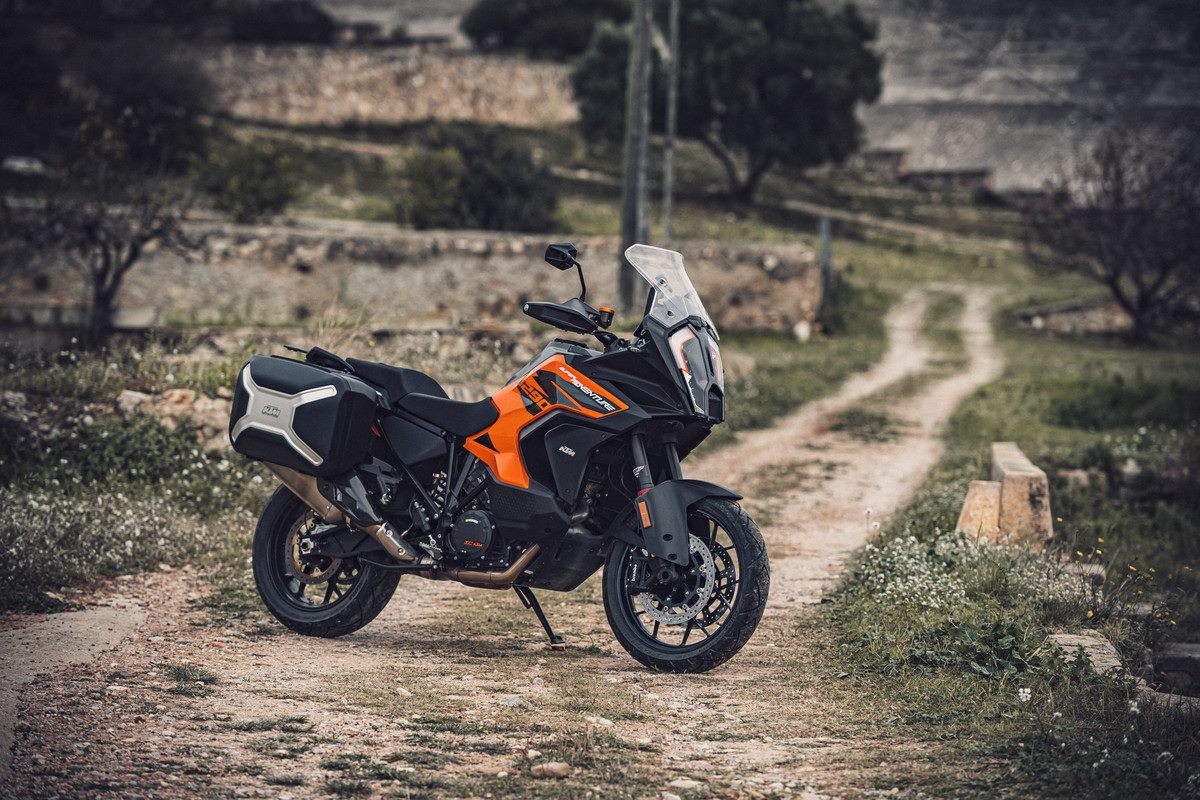
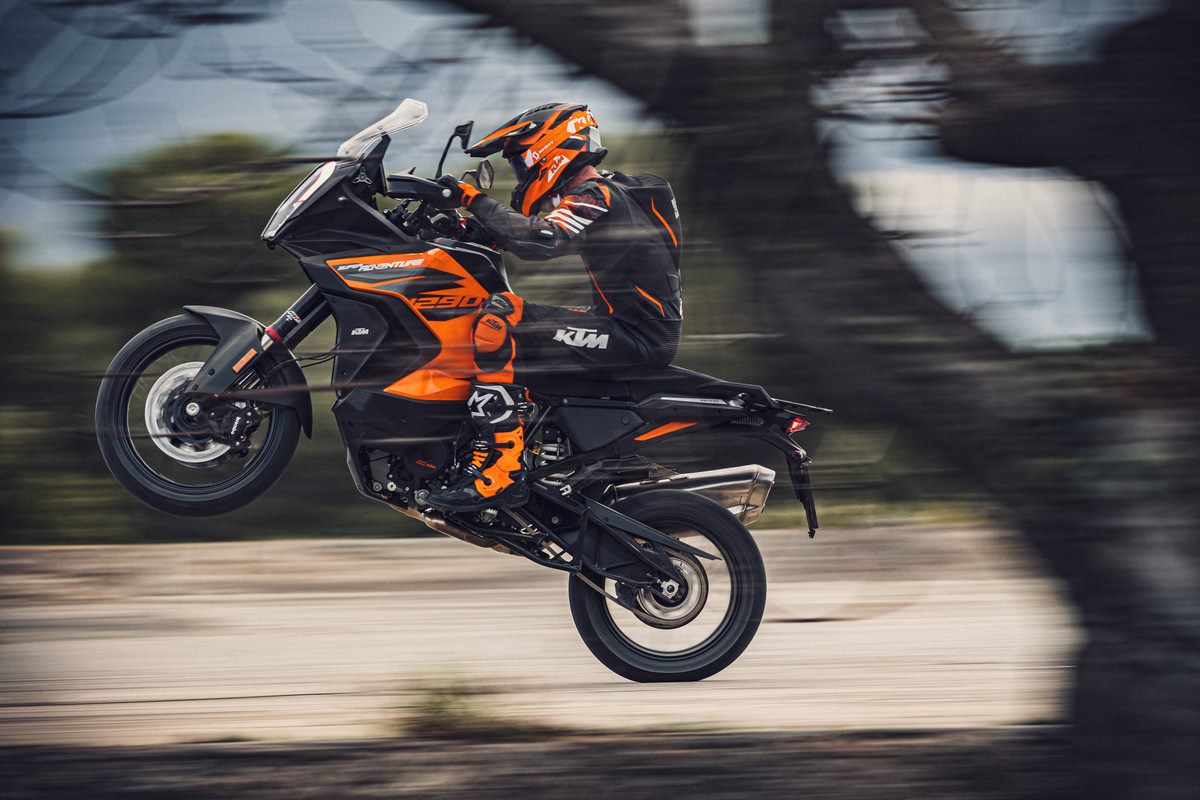
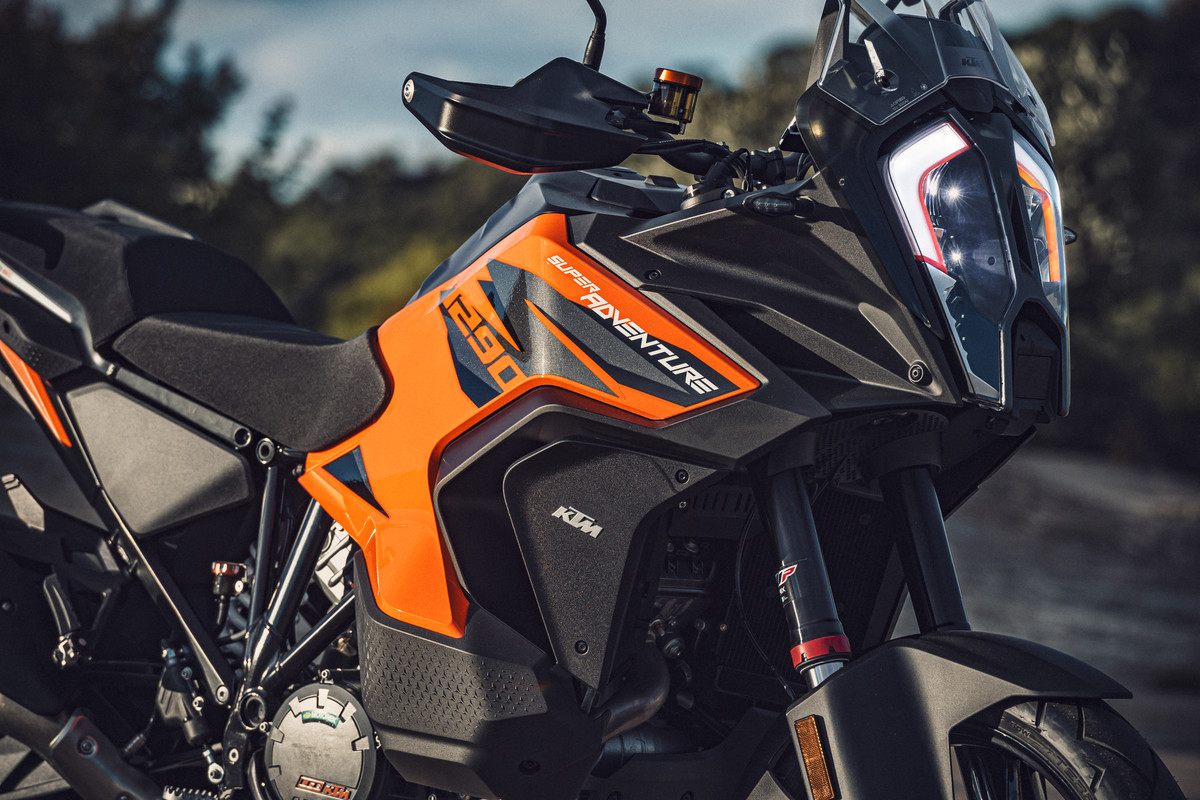
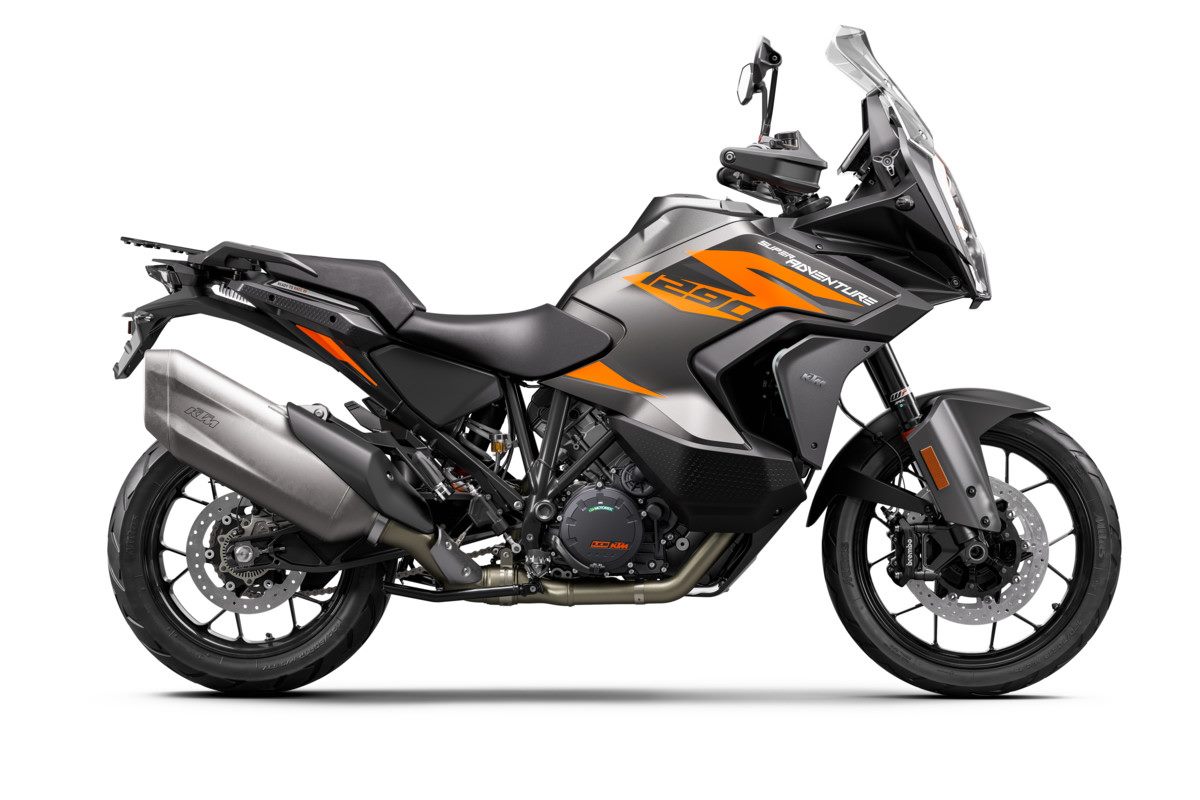
The motor industry speaks of ‘Facelifts’ when they freshen and update existing models. To call KTM’S new 1290 Adventure S a facelift of the previous model, would do it a huge injustice. What we have in the latest incarnation of this versatile hyper Adventure bike, is a totally re-engineered motorcycle, showcasing KTM’s burgeoning technical prowess, no doubt benefitting hugely from their foray into MotoGP. So, what has changed on the new Adventure S? Or perhaps we should rephrase that and ask what hasn’t changed. Let’s dive right in and see what the re-incarnated 1290 Adventure S is all about.
Photo credit: KTM Austria
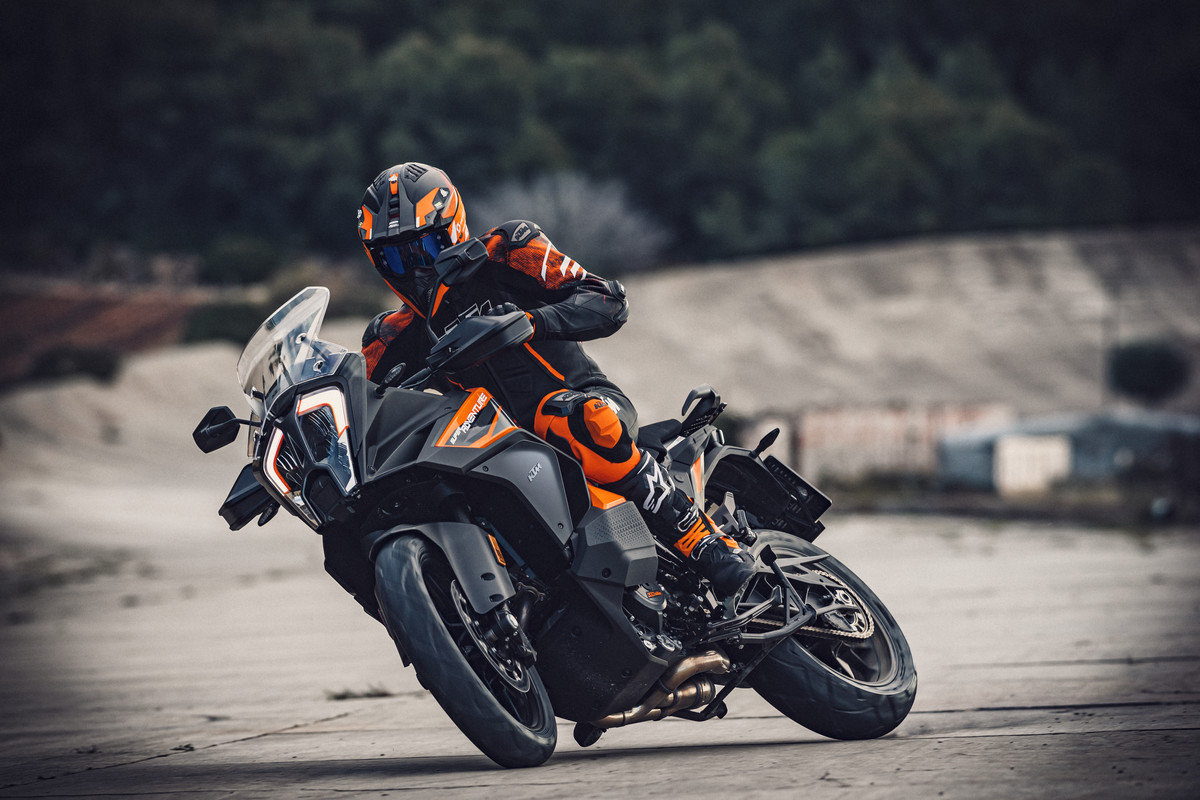
In line with its Sports Touring focus, the ‘S’ takes adventure sports touring to previously unchartered territory. A new chassis relocates the engine subtly in the frame and moves the steering head back 15 mm with the express purpose of enhancing agility, but, by lengthening the lattice swingarm, not compromising on stability. The subframe is marginally lower to accommodate shorter riders with a lower seat height. Talking seat, it is a two-tiered affair with 20 mm of height adjustment and, together with subtly re-engineered bodywork, all designed for enhanced rider comfort over the long distances that this bike will revel in.
Photo credit: KTM Austria
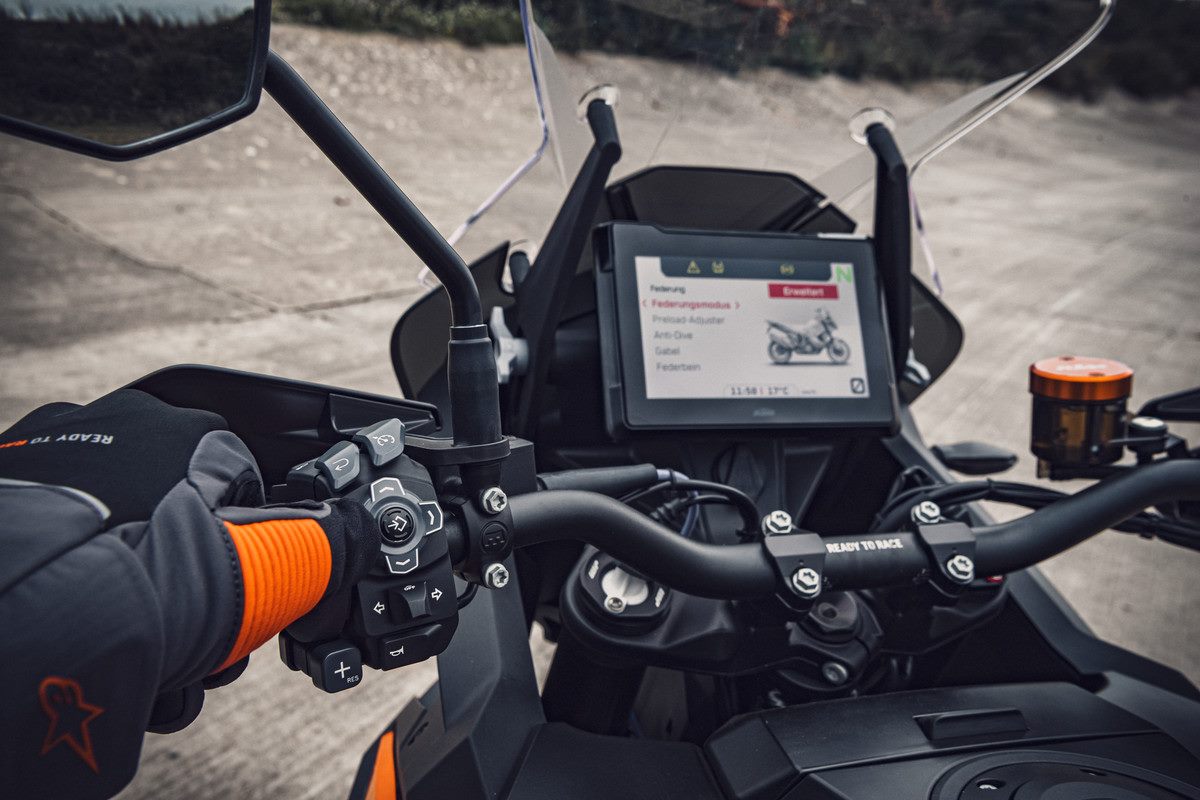
This includes a 23L, keyless fuel-cap tank. A height-adjustable windshield has been wind tunnel tweaked to provide a cockpit, enhanced by an all-new TFT display and adjustable levers into a sweet place to smash huge kays. Agility, cornering feel and comfort combine to create an enhanced and balanced riding experience.
Photo credit: KTM Austria
To expand a bit on the aforementioned TFT display. The Connectivity Unit pairs to your smartphone to allow you to interact with the 7” display to stay informed what is going on with the bike. Handlebar switches allow tweaking your info on the move. All this techno-wizardry would come to nought if it wasn’t backed up by a kick-ass engine. That, my friends, has never been, and is still not, a problem for KTM.
Photo credit: KTM Austria
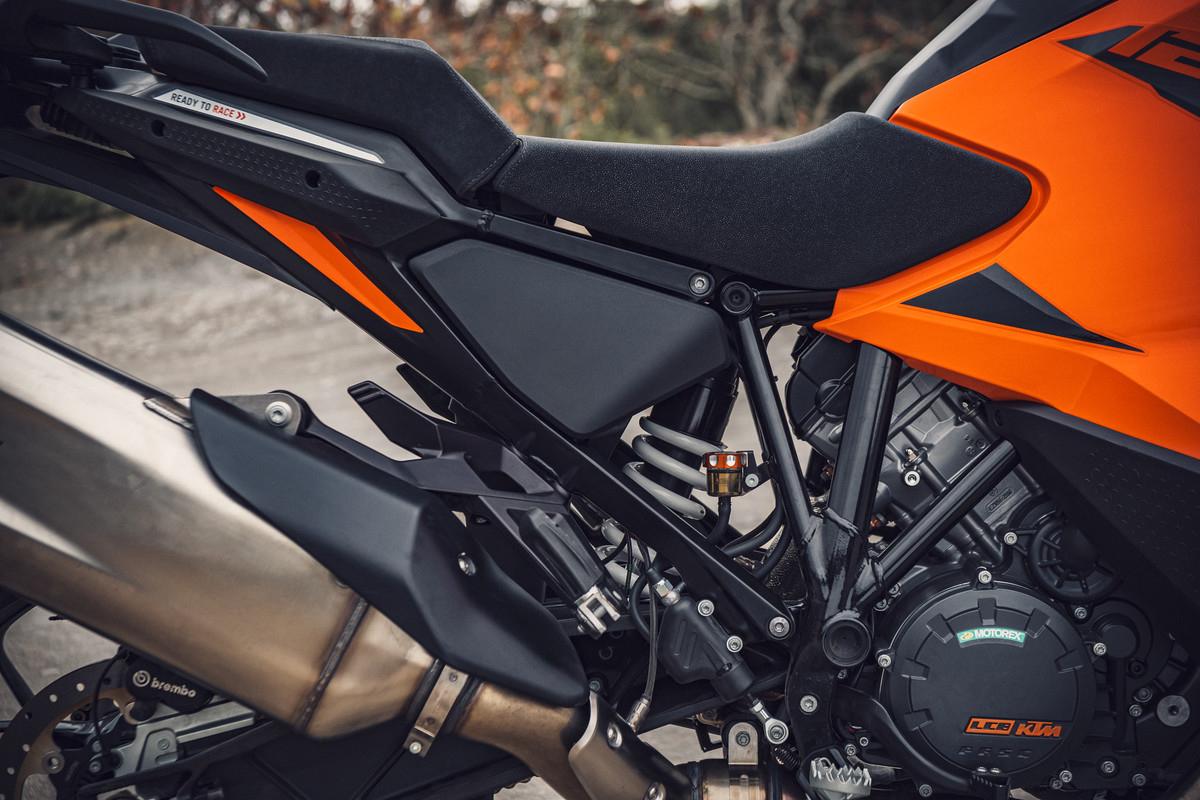
The Euro-5 compliant V-Twin mill pumps out a massive 160 hp and 138 Nm of torque from a completely reworked motor. 1.6 Kg’s lighter, courtesy of thinner engine cases and tweaked oil and water circuits, which enhance cooling. KTM’s already have industry-leading slick and smooth-shifting transmissions, yet the gear mechanism has been enhanced to be even more compatible with their optional Quickshifter.
Photo credit: KTM Austria
A criticism of these big twins is excessive engine heat washing over-riders. Redesigned bodywork and new twin radiators address this issue. Re-designed pistons further enhance reliability and improve fuel consumption between the impressive 15000 km service intervals. State of the art electronics hangs all the mechanical prowess together. Lean angle sensitive traction control, cornering ABS and Offroad ABS are all made possible through the Bosch Motorcycle Stability Control.
Photo credit: KTM Austria
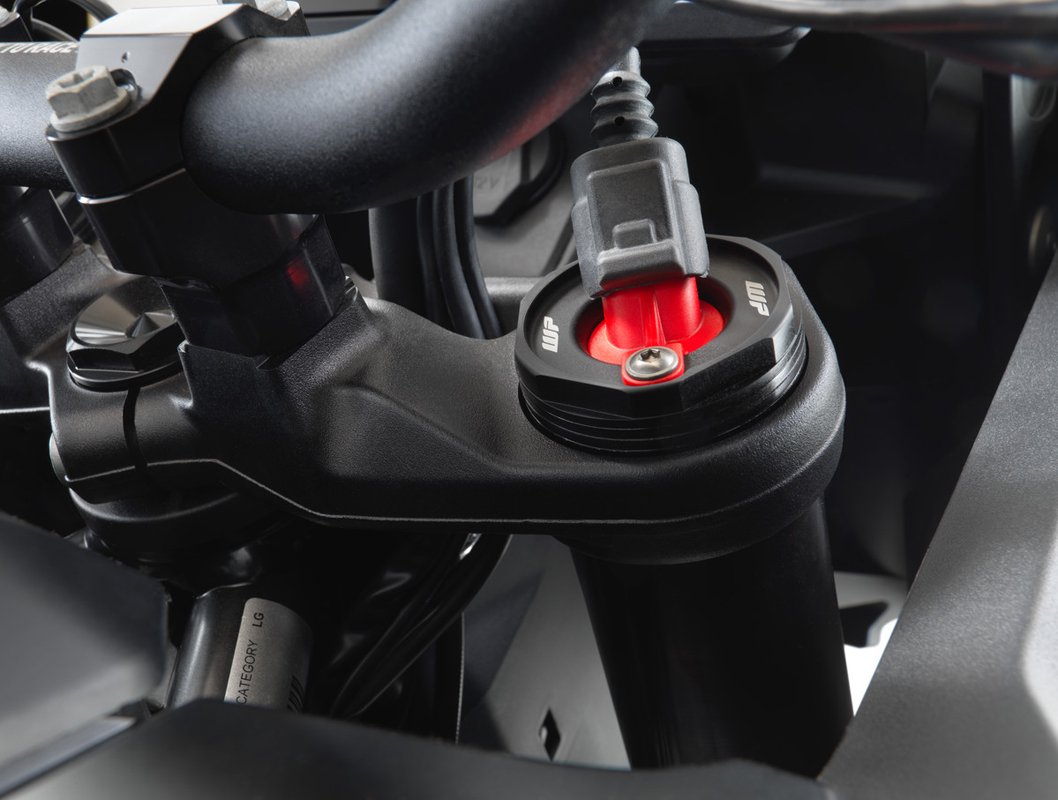
Decent suspension is essential to optimise the performance of a 160 hp motor and KTM’s new S does not disappoint. WP’s APEX Semi-Active Technology keeps things tidy by tuning damping from rider feedback into the 6d lean angle sensor. Devilishly clever!
Photo credit: KTM Austria
KTM are well known for their incredible Powerparts bits, made model-specific, to enhance the riding experience even further. The 1290 Adventure S has a Suspension Pro package in the Powerparts catalogue that allows individual damping adjustment for the front and back suspension, as well as automatic preload tuning and anti-dive settings. An all-inclusive Tech Pack gives you the Rally Pack with its specific ride mode, Traction control adjustment, hill hold control, Motor Slip Regulation, Quickshifter and even an adaptive Brake Light.
Photo credit: KTM Austria
It actually boggles the mind to see how KTM has taken a bike that was totally not broken and ‘Fixed’ it, in the most astounding fashion. Nothing has escaped the attention of their engineers in building an incredibly refined and complete new package. Surely this will, in time, extend to their super popular R model too. Only time will tell, in the meantime, we will get our jollies on the new S.
An extra 110 cc, 30 more horsepower, 10 kilos lighter—the new Triumph Speed Triple 1200 RS is here, and it’s not messing around. For 2021, Triumph have taken the performance naked recipe that they’ve been cooking up since 1994, and pushed it one helluva notch up.
The new Speed Triple is a ground-up redesign, and, unsurprisingly, the most powerful one yet. Taking insights from their Moto2 development programme, Triumph have redesigned the Speed Triple’s beloved triple-cylinder motor from the ground up. Capacity is up to 1,160 cc, delivering 180 PS (177.5 hp) peak power at 10,750 rpm, and 125 Nm peak torque at 9,000 rpm.
Photo credit: Triumph UK
That’s 29.5 horses and eight more Newton metres than before, and the redline’s been bumped up by a further 650 rpm to 11,150 rpm. Despite the boost, the motor itself is actually more compact than before, and seven kilos lighter, too.
Triumph have made it more responsive too (not that it was a slouch before), with 12% less powertrain inertia for a quicker and sharper pick-up. And with a new intake and exhaust, it even howls better than it did before.
Photo credit: Triumph UK
Other performance upgrades include a new and improved slip and assist clutch, that uses a high-tech friction compound to reduce the number of clutch plates—bring the mass down and improving feel. The six-speed box has been revised too, the cooling system’s been tweaked, and there’s a new ignition system that uses twin-tip spark plugs for better durability.
Triumph didn’t just redesign the Speed Triple’s motor—they went to town on the chassis, too. This one has a lighter cast aluminium frame with a 17% weight saving, bringing the whole bike down by 10 kilos, to a wet weight of just 198 kg. The result is a power-to-weight ratio that’s 25% better than before, and almost double the original 1994 model.
Photo credit: Triumph UK
The focus was on making the new Speed Triple not only lighter, but also more agile and dynamic, with its mass more centralised than before. Triumph reworked the ergonomics too, with 13 mm wider handlebars and relocated foot pegs for a more dominant and aggressive rider triangle. The seat’s been redone too for comfort, and stands tall at 830 mm.
The ‘RS’ spec always denotes top-shelf components, and the Speed Triple 1200 RS is no different. It gets fully adjustable Öhlins suspension at both ends, tuned to the bike’s lower weight and higher power, and developed to feel equally capable on the road as on the track.
Photo credit: Triumph UK
Braking is via Brembo’s much-lauded Stylema system, with twin radial monobloc calipers and 320 mm discs up front, and a single twin-piston caliper out back. The front brake’s matched to an adjustable Brembo MCS lever up top. Tyres are Metzeler Racetec RRs out the box, with Pirelli Diablo Supercorsa SC2s available as a factory option.
Photo credit: Triumph UK
The electronics package is extensive too. A quick-shifter comes standard (new and improved), as does cornering ABS, with a new six-axis inertia measurement unit (IMU) for better control. The IMU also takes care of the Speed Triple’s new cornering traction control, which manages the slip rates and torque control at any lean angle. It’s also switchable between two levels of intervention: ‘Road’ and ‘Track.’
Rider modes include ‘Rain,’ ‘Road,’ ‘Sport’ and ‘Track,’ with the option to switch off traction control completely, or adjust it, and ABS, independently from the rider modes. Front wheel lift is baked in too.
Photo credit: Triumph UK
We’re fans of Triumph’s TFT system and on-board menus, and the Speed Triple RS takes that up a notch, too. The 5” TFT display is a new unit, with a special ‘optically bonded’ screen that’s designed to reduce reflection. Triumph’s full Bluetooth connectivity suite is included for interfacing with the My Triumph app, and there’s a lap timer too for track use.
The Speed Triple 1200 RS has LED lighting all-round, with a redesigned daytime running light up front, and self-cancelling LED indicators. There’s a lightweight Lithium-ion battery under the hood, the ignition is keyless, and cruise control is standard. The switches also feature not only back-lighting, but LEDs inside them to illuminate them.
Photo credit: Triumph UK
Chefs say that you ‘eat with your eyes,’ and that’s true for motorcyclists too. Thankfully, the Speed Triple is still a looker—somehow more lean, but no less mean. Triumph have kept the Triple’s controversial bug-eyed headlights, but they’re sharper-looking than before. Look-fast bits include new cast aluminium wheels, a carbon fibre front mudguard and a colour-coded bellypan.
The new bodywork is compact and aggressive. Speed Triple die-hards might lament the lack of under-seat pipes, but we’re loving the new low-slung muffler. The Speed Triple 1200 RS is coming in black, with red and silver graphics, or silver, with black, silver and yellow graphics.
Photo credit: Triumph UK
So it looks wild, it sounds savage (as we’ve gathered from Triumph’s video launch), and it pushes the Speed Triple mythos to new levels. But how does it stack up to the competition? Pretty damn well, and better than its predecessor too.
In its category, the Speed Triple’s 177.5 hp and 198 kg goes head-to-head with the BMW S 1000 R’s 165 hp and 199 kg, and the Ducati Monster 1200 S’s 147 hp and 210 kg. As it stands, it’s only really outgunned by hyper nakeds like the 200+ hp Kawasaki Z H2 and Ducati Streetfighter V4.
Photo credit: Triumph UK
But anyone who’s ridden any generation Speed Triple will tell you: it’s not just the numbers that make a difference. Triumph’s triple-cylinder motors are always a treat to whack open, and if the changes they’ve made work as well in real life as they look on paper, the 1200 RS should be buckets of fun to ride.
Triumph South Africa are expecting the Speed Triple 1200 RS to land in South Africa around the end of April this year, at R259,000, with a service interval of 16,000 km. Tempted?
Among the riders sporting the team’s eye-catching new look was David Goosen, who was recently signed to represent Husqvarna in both the MX1 and MX2 Class this year. The rider was crowned the country’s National Motocross Champion in 2017 – a defining moment in Goosen’s racing career. While championship titles have narrowly evaded his grasp since then, the rider firmly believes that his race for national glory has only just begun.
Photo credit: Marike Pearton / www.zcmc.co.za
The team also took the opportunity to welcome two 17 year old riders stacked with talent to the National Enduro and Cross Country squad respectively in 2021, namely Heinrich Aust and Davin Cocker. With multiple national champion Brett Swanepoel spearheading the hunt for national titles in both the National Cross Country OR1 Class and National Enduro E2 Class, the teams newest recruits will grab the opportunity to race alongside the South African star.
Photo credit: Sage-Lee-Voges / www.zcmc.co.za
Aust will represent the team on the Enduro side in the E1 Class, and Cocker will attempt to chase down the OR3 title that narrowly evaded his grasp in the Cross Country Championship earlier this year.
Photo credit: Sage-Lee-Voges / www.zcmc.co.za
“As Brett prepares to defend his 2020 title in both disciplines, Heinrich and Davin have the awesome opportunity to learn from one of the best riders we’ve ever had. Brett has shown the most incredible commitment to fight back from a near career-ending injury to pull off the double victory that was last achieved by Louwrens Mahoney in 2006,” said Husqvarna South Africa’s Brand Manager Fred Fensham.
Photo credit: Sage-Lee-Voges / www.zcmc.co.za
The team was equally as excited to announce that it will once again support rising star Neil van der Vyver in the National Motocross Championship. The four-time national champion will represent the team in the 85cc Class next season.
Photo credit: Marike Pearton / www.zcmc.co.za
“I am beyond excited with the team that we have assembled for 2021 and very pleased to have introduced not only the new team members but also an all-new look for Husqvarna,” said Fensham.
Kawasaki South Africa returns to the South African National Cross Country Motorcycle Championship in 2021 following a lengthy sabbatical. Pepson Plastics Kawasaki Motul Racing will enter a full nine-machine team in this year’s championship.
“We are proud to confirm that Kawasaki Motorcycles South Africa is returning to the National Cross Country Motorcycle Championship from 2021 with Pepson Plastics Kawasaki Motul Racing,” team principal Iain Pepper confirmed. “We would like to extend a huge word of thanks to Chris and Kibble from KMSA for putting their faith in us to bring the Kawasaki brand back to the startline following a long sabbatical from the sport.
Image source: Kawasaki Motors
“We are also pleased to have Motul on board as a major sponsor, along with great support from Bikewise with Pirelli, Arai helmets, Renthal, Acerbis, DID chains and SBS brakes. “Our riders will be protected by the best kit from Fasthouse SA and the Margie Smith training facility will keep the team fit, sharp and strong.
“Pepson Plastics Kawasaki Motul Racing will compete across the various SA National Cross Country classes with promising pair Dartagnan Lobjoit and Craig Alcock racing in the open class OR1 on the all-new KX450XC. The experienced Taki Bogiages and Kyle MacKenzie will be the men in green in competitive OR3 aboard two KX250XCs, while Lee Thompson is our man in the Senior class. I will represent the team in Masters.
Photo credit: PEPSON MOTUL KAWASAKI RACING
“We also have a competitive Junior line-up with Jake Pretorius and Clayton Human in 85cc and Dylan Human in the 65cc class.”
Photo credit: PEPSON MOTUL KAWASAKI RACING
The reborn Green Team will be racing Kawasaki’s brand new built for cross country 2021 KX250XC and KX450XCs based on its ’21 KX motocross machines. Both benefit specific XC tuned electric start engines with MotoGP derived finger follower valve technology and plug-and-play engine mapping for precision tuning via the KX FI Calibration kit.
Image source: Kawasaki Motors
Five-speed XC models get cross-country gearing for their close-ratio gearbox, a light and direct feel hydraulic clutch and traction control. XC-tuned Showa suspension on the 450 and KYB forks on the 250 is cross country ready, as are larger diameter brakes and optimised wheels with an 18″ rear and cross country tyres. The XCs carry over the narrow KX frame with adjustable handlebar and foot peg positions, minimalistic bodywork and add a side stand and skid plates.
Image source: Kawasaki Motors
Kawasaki has a rich history of Cross Country Racing success in South Africa with legends the likes of Alfie Cox, Neil Woolridge, Chris Brand and others riding the green machines to great effect over the years. “Now Kawasaki is back and the Pepson Plastics Motul Racing team is ready to paint the South African National Cross Country Championship green,” Pepper concluded. “Let’s go racing!”
OK, OK then, maybe we don’t have to be quite so dramatic, but this certainly is news worth sharing. Our very own ladies podium finisher at Dakar 2019, Kirsten Landman, is planning another assault on the world’s most hectic off-road race in 2022. Not content with just finishing again, she has different ideas. Anyone who has ever pulled on an MX boot in anger and still has blood coursing through their veins, having watched the remarkable drama that was this years event, would dream of ‘doing Dakar’. For only a privileged few, however, will Dakar ever become a reality.
Kirsten has decided to enter her second Dakar in the hard-core, purist, Original by Motul class. As I explained in our recent Motul at Dakar post, this is where you are self-supporting. After all the drama and hardship that is a typical day at Dakar, you get back to the Bivvie and fettle your own bike for the next day. You totally ‘roll your own’. A torturous test for the bravest of the brave. What we have learnt in the journey to Dakar that we had with the irrepressible Joey Evans and others, is that it does not come cheap and is a team effort, even if you are an Original by Motul entrant. A new Rally Replica KTM will set you back $30k, which, once you do the dollar/rand conversion, will make your eyes water. Even a second-hand bike, good enough to tackle and finish Dakar, does not come cheap. So guys and gals, let’s put our thinking caps on and see how we can help raise the funds to get our Kirsten to Dakar.
What’s better than a KTM 790 Duke, but costs less than an 890 Duke R? That’s right friends, KTM have just thrown the wraps off a new base model 890 Duke. And it looks damn sweet, too.
Photo credit: KTM
KTM’s 790 Duke, affectionately labelled ‘The Scalpel,’ captivated riders when it launched in 2017. A mid-sized parallel-twin with an Austrian firecracker up its exhaust pipe, it stirred the emotions of riders young and old—myself included.
Photo credit: Bjorn Moreira / ZA Bikers
It didn’t take KTM long to eke more power out of the twin, and soon the top-spec 890 Duke R joined the fold. The ‘non-R’ 890 Duke is the latest edition to the Duke line-up—promising less weight, more power, increased agility, new electronics, and more flair in the styling department.
Will the 890 Duke redefine the reference point for street riders—like the 790 originally did?
Photo credit: KTM
When it comes to styling, the 890 Duke’s design emphasises its sporty nature. Its sharp lines and new graphics feel more mature than the ‘R,’ but funkier than the 790—which is the perfect balance, in my opinion.
Photo credit: KTM
Under the hood, bigger is better—100 cc bigger, to be precise. This translates to 10 hp and 5 Nm more than the 790 at the same RPM, putting the numbers at 115 hp at 9,000 rpm and 92 Nm at 8,000 rpm. That allows you to hold onto those gears longer, and have smoother throttle inputs at lower rpms.
Photo credit: KTM
KTM have cleverly increased the rotating mass by 20 percent, which in turn ensures better cornering stability, and smoother engine response at half throttle and below. Surprisingly, KTM claim that all this performance won’t increase your fuel spend; the 890 sips a light 4,8 l/100 km from its 14 l fuel tank.
Photo credit: KTM
Like most of KTM’s current range, the 890 Duke lets you customise your riding experience. You get the same TFT display as the Duke R, with rider modes to adjust throttle response and traction control levels. The ‘Ready to Race’ crowd can spring for the optional ‘Track’ mode, where you can adjust everything from wheelie control, rear wheel slip, throttle response and launch control. For those looking for more riding engagement, the 890 Duke comes with an optional quick-shifter.
Photo credit: Bjorn Moreira / ZA Bikers
Out the box, the 890 Duke comes equipped with upgraded KTM branded callipers, which stop twin 300 mm floating discs at a light pull of a finger. Cornering ABS has been thrown at the Scalpel to ensuring stability under braking, and safety when the going gets tough. I’m happy to see the 890 Duke shod with Continental’s new ContiRoad tyres, providing the perfect balance for wet and dry conditions. (I wasn’t a fan of the 790 Duke’s Maxxis Supermaxx STs.)
Photo credit: KTM
Although the 890 Duke has grown in capacity, it hasn’t picked up any weight—coming in at the same 169 kg dry weight as the 790. KTM has upgraded the suspension to handle the extra punch, and has made changes to the ergonomics to suit a wider range of riders. Up front, you’ll find a beautiful set of 43 mm WP APEX forks, with a gas-assisted shock at the rear.
Photo credit: KTM
So what kind of rider is the 890 Duke for? I reckon the everyday rider who’s looking for a fun and practical bike to keep the adrenaline flowing. It’s the kind of bike you end up getting to work early on—then decide to go ride a little longer with the remaining time. It’s not an 890 R, but honestly it might be better for nine out of ten riders.
Photo credit: KTM
KTM haven’t expressly said that they’re discontinuing the 790 Duke in favour of the 890, but we’re expecting that to happen. On paper, it’s a worthy successor—like the love child of the 790 Duke and the 890 Duke R. But we want to ride it to make sure.
Harley-Davidson have just thrown the wraps off their 2021 models. And while the updates are little more than bold new graphics and a few spec tweaks, the reveal speaks volumes about the Motor Co.’s strategy moving forward.
For this particular model launch, the focus is on two Softail models and a handful of touring models… and that’s it. Exciting prototypes like the Bronx and multiple electric concepts that Harley were working on are nowhere to be seen, and the adventure touring Pan America’s only officially breaking cover in February.
Photo credit: Harley-Davidson
The biggest news is that the Softail Street Bob gets a capacity boost from 107 ci to 114 ci, and now has a passenger seat too. It seems frivolous, but it’s actually a smart move. That’s because it now sets the Street Bob apart from the 107 ci Softail Standard, which until now was just a Street Bob with different finishes.
The 114 ci Milwaukee-Eight power plant is a peach too, and the Street Bob is the most stripped down Softail out. So the upgrade makes it a great pick for customisation
Photo credit: Harley-Davidson
Elsewhere in the Softail range, the Fat Boy gets new chrome for 2021. All the parts that used to be finished in a satin chrome, are now sporting a polished chrome finish. But for the rest of the bike, the Fat Boy remains unchanged.
On the touring side, Harley-Davidson have updated the Road King Special, Road Glide Special and Street Glide Special models with nominal visual and spec tweaks. They all run with 114 ci Milwaukee-Eight motors, and now feature new low-profile engine guards. The Road Glide and Street Glide Specials come with various two-tone paint and black or chrome finish options, and the Road King and Street Glide Specials are now equipped with Daymaker LED headlights.
Photo credit: Harley-Davidson
H-D have also updated their Boom! Box GTS infotainment systems with Android Auto and Apple CarPlay compatibility, which should mean better smartphone integration.
Photo credit: Harley-Davidson
Harley’s eye-wateringly expensive CVO models have been updated with new Rockford Fosgate audio systems for 2021, along with new paint and styling options. And they now feature Harley’s ‘RDRS’ electronic rider aids, which include linked braking, cornering ABS and traction control and a handful of other features, all of which are now commonplace on most street motorcycles.
Photo credit: Harley-Davidson
There’s no news on when any of these models will hit South African showrooms—or when we’ll have local access to the long anticipated LiveWire.
So why the limited release? It’s no secret that H-D’s been through a massive corporate restructuring over the past season, starting with the appointment of Jochen Zeitz as their new CEO. Zeitz wasted no time in scrapping the company’s plans to expand their model range into new segments.
Photo credit: Harley-Davidson
Instead, Zeitz’s new ‘Hardwire’ strategy has the American manufacturer scaling back on new models, in a bid to increase exclusivity and desirability. In other words, they want to focus on their core customer—which is the exact vibe that this model launch conveys.
Time will tell if Harley-Davidson’s strategy to close ranks will pay off, or if it will simply alienate potential new riders.
From the moment the BMW R18 broke cover, the Bavarian marque has pitched it as a platform for customisation. For most R18 owners, that means new handlebars or a better set of pipes. But this art deco sensation from master custom builder, Dirk Oehlerking, shows just how far you can take it—if you know how.
Oehlerking is the sole proprietor of the German custom shop Kingston Custom, with a back catalogue that boasts a number of classic BMW boxers. In a world of digital design and 3D printing, his workflow is still decidedly analogue.
Photo credit: BEN OTT
“I have a constant stream of images running past my mind’s eye when it comes to deciding what style I want to focus on|” he explains. “Once I’ve made that choice, I start with a sketch in pencil and Tipp-Ex. Then I keep going until I know in my heart of hearts: that’s precisely it!”
Dubbed ‘Spirit of Passion,’ Oehlerking’s take on the R18 vaguely echoes some of his previous work. His ‘White Phantom,’ ‘Black Phantom‘ and ‘Good Ghost‘ builds all convey a similar art deco style—but the R18 is on another level.
Photo credit: BEN OTT
The biggest drawcard is the R18’s all-encompassing bodywork. Oehlerking has wrapped the front end in a bulbous dustbin fairing, complete with a pair of hand-made kidneys that recall BMW’s vintage automobiles. There’s an LED headlight recessed into it, and a neat custom-made fly screen up top.
There’s more craftsmanship at the back, with the rear wheel enclosed in a hand-made ‘fender.’ It’s attached to the R18’s swing-arm, so that it moves up and down with the wheel, and tapers into a ‘fin’ with an integrated tail light.
Photo credit: BEN OTT
All of the bodywork’s been painted in a deep piano black, complete with double white pinstripes to match the R18’s ‘First Edition’ livery.
Oehlerking also fabricated his own handlebars, and modified the exhausts with a slash-cut design. The bobbed seat is straight from BMW’s own aftermarket accessories catalogue. But the rest of the parts—from the teardrop tank to the wire-spoke wheels—are factory.
Photo credit: BEN OTT
In fact, despite Oehlerking’s penchant for going deep on his projects, much of the original R18 remains under the stunning bodywork. “The BMW R 18 is so perfect that I left the technology as it is,” he says. “The frame is 100% original and so sophisticated that nothing should be changed here.”
That restraint hasn’t stopped Oehlerking from building a truly show-stopping machine. ‘Spirit of Passion’ is as jaw-dropping as it is intriguing, and it’s a wonderful glimpse at what’s possible with the R18.
Photo credit: BEN OTT
“This project is probably the most impressive of my entire career,” adds Oehlerking, and he’s not wrong. “It means a lot to me—if not everything at this moment. The trust that BMW Motorrad has placed in me once again is hugely important to me. I’m very grateful for that.”
The media and a few other privileged guests, got to attend a ‘Dakar Live Link’ with Eva Castelain, a Motul representative, live from the Bivouac on the eve of the final day of the Rally. It was most fascinating to eavesdrop on what has been a sensational Dakar, full of unprecedented levels of drama. The new rule regarding only sharing the roadbook 15 minutes before the start of each stage, made navigation, already a major challenge, almost unplayable for all but a very few of the competitors, irrespective of class. Perhaps best summed up by last years car class winner, and Dakar veteran, Carlos Sainz, who commented that 2021 was a race of navigators, not drivers. Well dude, you still have a navigator!. Consider for a moment the bikes and quads. In those classes, the riders, or ‘pilots’, in Dakar parlance, are one and the same person.
Image source: Motul
Motul have been a major sponsor of the Dakar since 2018. The reason, Eva explained, is very simple. Motul is ‘a racing brand and racing is in their DNA’. It provides them with an opportunity to test and improve their products under the most demanding conditions possible. Their 300V race oil was particularly under the spotlight at Dakar 2021. Within a year we will buy a 300V that has been developed even further from lessons learnt at Dakar. I noted that the bottle that Eva pointed at was a 15W60, meant to maintain viscosity in the most extreme conditions. Testimony to the huge temperature variations experienced at the Dakar in Saudi, which varied between 4 degrees and then north of 30 degrees, on any given race day. It seems, if you wear a Motul hat, you never leave well alone, but always strive to take things a step further, constantly improving what is already a cutting edge brand.
Photo credit: Sebastien Boue / L’Equipe
Although Motul supports all classes of vehicle at the Dakar, one gets the feeling that the ‘Original by Motul’ class is closest to their hearts. These are the guys who were previously known as the ‘Malle Moto’ class. Could be Afrikaans, if you understand what this class is about! Motorcycle riders who are totally self-supported. They race all day, then do their own maintenance and repairs, totally unsupported. Motul provides them with a toolbox, mat, bike stand and tiny tent, complete with bedding and duvet, to help slightly on the logistics side. Interestingly, the Motul staff working at the Dakar have similar digs. Probably why they so identify with the hard-core ‘Original by Motul’ purists. 54 riders started this class, with only 21 remaining with one stage to go. Respect.
Photo credit: Motul
We got to chat, via Eva, to one of these riders, in the form of Neil Hawker, a veteran of 12 years in the British military, attempting his second Dakar. In 2020 he capsized on stage 5, breaking his arm, which forcing his withdrawal. He returned in 2021 with unfinished business. Chomping on a packet of Lays, he was really upbeat, sensing that his goal was clearly now within reach. On really tough days, some of these riders would arrive in the Bivvie after 11 pm, shattered from a day of covering anywhere between 800 to 1000 kays, half of which could be spent racing. The drill is, in Neil’s words, ‘to have a routine. Sort the bike, sort the body, then sleep’. With some 4 am starts there was often not much of the latter!
Photo credit: Motul
We then had a tour of Motul’s mobile lab. 3 technicians man this lab (as I type it this that sounds sexist, considering that two of the personnel are women). Optical and Infra-Red Spectrometers are used to analyse Oil samples and then give feedback to the teams on the health of the motors, as revealed by the analysis. Traces of contaminants, such as dust, coolant, water etc, or metals can mean potential problems with engine, clutch or gearbox. This allows service crews to take the necessary remedial action.
Photo credit: Julien Delfosse / DPPI
The big talking point at Dakar 2021 is contaminated fuel. If you were unlucky enough to fuel early from the re-supply tanks, it seems that you could end up with significant amounts of gunk in your tank. This plays havoc with finely tuned race motors, messing with your fuelling modules to such an extent that total engine failure could result. The failure of all the factory Yamahas could well be related to these issues. Time will tell (that is if anyone tells at all). Running an Oil analyses takes around ten minutes and this service is available to all participants. Mind-boggling technology!
Photo credit: Motul
Teams used the information gained from these analyses to set up their engine management systems and fuelling modules, taking into account factors such as altitude, temperature and expected conditions. An engine running too rich or lean, under maximum load, for extended periods, needs to be set upright, or you could pay dearly. This is what makes Dakar such a vital testing ground for lubricants as well as so many other facets of modern engineering technology. Interestingly, Motul SA have a contract with a local lab to do similar analysis for South African users of their products.
Photo credit: Frédéric Le Floc’h / DPPI
We got to visit with a Toyota team too, but being two-wheeled warriors, this was simply of passing interest to us. A huge shout out to Mercia and her media team for making this fascinating ‘virtual tour’ possible. It gave us a whole new appreciation as to what an incredible logistical effort the Dakar is, especially together with the challenges brought by Covid. Well done to Motul and everyone else involved, for making this motorsport spectacle the incredible event that it is.
For more information on MOTUL products visit: www.motul.com
The final stage of the 2021 Dakar Rally delivered the outright race win to Monster Energy Honda Team. Kevin Benavides claimed the triumph after twelve gruelling stages. Ricky Brabec accompanied him on the podium in second place.
It was an intense, yet intriguing 202-kilometre special stage, which brought down the curtain on the Dakar Rally on the shores of the Red Sea. And it could not have been a happier one for the elated Monster Energy Honda Team riders: we have won the 2021 Rally Dakar!
Image source: HRC
Kevin Benavides has clinched the 2021 Dakar crown with team-mate Ricky Brabec finishing runner-up. This marks a first title for the Argentinean Monster Energy Honda Team rider and, once again, a historic result for Honda, who dominated throughout the 2021 Dakar.
Over twelve tough days, Monster Energy Honda Team commanded the rally, accomplishing the final mission for a second successive year.
Image source: HRC
Ricky Brabec 1 – 2ND OVERALL
We are back in Jeddah. Kevin and I did a great job. The whole team did a great job. It was unfortunate for Joan and Nacho. I tried to make a push to try and get Kevin seven minutes ahead, but unfortunately, I failed. I had to settle for the number two spot. All in all, it was a great rally. My mentor and my assistant Kendall, my mechanic Eric did a great job and kept Nacho and I focused and in one piece. Thank you guys once again, and hopefully next year we’ll be able to take the number one back on this bike.
Kevin Benavides 47 – WINNER OF DAKAR:
The final stage of this Dakar 2021 was very difficult: I started third so I thought that it would be easier, but it was not like that. At kilometre 50 all the riders in front got lost, so I began to open the track. The stage has been very difficult to navigate so I stayed very focused on doing things well. I gave everything to achieve this win which is a dream come true for me. I am very happy and thrilled about it. I crossed the finish-line thinking about many things, with great emotions… Paulo Gonçalves also crossed with me… It was a great moment. I am really pleased and I’m living this moment. I want to thank the whole team, starting with my mechanics, for the great job they have all done this difficult year. Thanks also to Honda for giving us such a great bike which made it possible to achieve the dream.
Image source: HRC
Ruben Faria – General Manager:
This Dakar has been very intense and hard-fought. We overcame the Covid restrictions and the entire team was able to participate in the race. During the entire Dakar, Monster Energy Honda Team has been really strong. We got off to a good start in the prologue, while the first two stages, with all the navigation and starting out from the front, was a bit more difficult. By the fourth stage we had begun to dominate the race and as we have seen, it was a clean race and very professional job from everyone involved. Kevin was really strong and Nacho was perhaps the strongest on the track, although he fell three days from the end. Ricky and Joan have won several stages, showing their potential, although Joan had to withdraw on the penultimate day of the race. The Dakar is like that, it is the toughest of races. We managed to finish first and second thanks to Kevin Benavides and Ricky Brabec. The team has done an excellent job and everybody should be congratulated and proud of themselves. Japan has made a great bike – really good – which has not caused any problems whatsoever. We will continue working like this to win again in 2022.
It’s midday and I’m riding my Triumph Speed Twin south out of ‘The Big Smoke’. Only going as far as Clarence, in the eastern Free State today, hence the ‘late’ departure. Those that know me will tell you that I favour early starts, when the air is crisp and cool and the motor sings a sweet melody as you lay down 300 k’s before breakfast. Today I wanted the weather to show its hand. We have had a wet summer, so rain on this road trip is almost a certainty. Not an ideal time of year to be on an essentially naked motorcycle. All good at the moment, cloudy, but, as my old Mum used to say, “enough blue sky to make a pair of breeches for a bow-legged sailor”. I’m travelling down the N3 as far as Warden, where I plan to climb off of the freeway to Bethlehem. As is often the case, my mind wanders to another day and another time where I was also on a naked bike heading to Durban.
Photo credit: Dave Cilliers / ZA Bikers
Back in ’76, I rode my Honda CB750 F1 from Pretoria. The plan was to leave early and meet up with my buddies Joe and Roy, in Durban. They had spent a few days partying in Durban. Both owned new GL1000 Honda Goldwing’s, which had been fitted with clubman handlebars to make them more suitable for high-speed riding. My F1 was as yet unfaired but fitted with clip-on bars. I arrived in Durban mid-morning, had a quick bunny chow with the guys, then we all rode south out of Durban. The plan was to ride to PE, where we would shack up with Roy’s sister for a day or two before going on to Cape Town. What transpired was the hardest day of riding in my life. The road through the then Transkei was not the greatest. Domestic and wild animals wandered along the unfenced roads, making progress sometimes slow and dangerous. We eventually rode into PE at 10 pm. I had been in the saddle for over 17 hours and ridden more than 1750 k’s.
Image source: www.motociclismodepoca.eu
This trip was my inspiration for riding the Speed on this occasion. In the spirit of ‘Run what you Brung’, where the bike you rode was the only one you owned. All was well with the world as I scudded towards Warden. I had a brisk, skirt lifting tailwind pushing me along. A fill-up revealed consumption of over 26 Km/L on the 1200 Twin at a steady, and pleasant for a naked bike, 135 kph. Just before Warden, I donned my rain suit after a few warning drops splattered onto my visor. The skies towards Bethlehem became almost apocalyptically black and threatening. I rode straight into the eye of a monstrous storm. It was a virtual white-out for ten-odd k’s, before abating slightly into a steady heavy downpour. I cannot lie, at that moment I seriously missed the weather protection of my GS Adventure. But hey, this is how we rolled in the ’70s! Potholes presented a big challenge as they filled with water and became indistinguishable from the sodden tarmac. I got through Bethlehem and on to Clarence, where the rain had faded to a light drizzle.
Photo credit: Dave Cilliers / ZA Bikers
I pulled in to my mates Joan and Barry, where I was watered, fed and rested in five-star fashion. Huge thanks guys! 6 am the next day I was on the road again, leaving in the drizzle, which gave way to intermittent, bright, early morning sunshine which shone like pearls off the sodden mountainside to Fouriesburg. The rivers and flatlands resembled lakes as the three days of solid rain-filled every farm dam to overflowing. What a country we live in. Like life, we go through times of extreme drought and then God’s providence restores everything.
Photo credit: Dave Cilliers / ZA Bikers
I hugged the Lesotho border on the tourist Moluti Route. The scenic splendour is marred only by the appalling state of the road and once-pristine rural towns. You don’t just keep to the left on those roads, but rather ride on what is left of the roads! All courtesy of a vile and corrupt government. Rather than benefit the ‘Previously Disadvantaged’, they have stuffed it up royally for everyone. Oh well, ‘Only in Africa’, as the saying goes.
Photo credit: Dave Cilliers / ZA Bikers
Once free of the mountains, I joined the N6 at Rouxville, having survived kilometres of bike eating potholes. The national roads are still good, so I made up for lost time as I gave the big twin its head, running hard and fast to Aliwal North for brunch. The road to Queenstown undulates and sweeps across beautiful countryside, made all the more spectacular by an endless blue sky. Dropping down the mountain into Queenstown brought oppressive heat, worsened by a huge traffic jam, almost the length of the town. The cause soon became apparent, as I threaded through the logjam of vehicles. A dude was simply changing his flat wheel in the middle of the road. Go figure.
Photo credit: Dave Cilliers / ZA Bikers
As I neared the coast it clouded over once again and sneakily, without any warning, just before Stutterheim, absolutely dumped on me. It was too sudden to suit up, so I just jumped on the main jet and rode through it. In the last hour or so to East London I sort of drip-dried before reaching my destination, Glen Navar, overlooking Queensbury Bay, a popular big wave surfing venue. It was great catching up with family again over Christmas.
Photo credit: Dave Cilliers / ZA Bikers
I took time to bath the Triumph and use my homemade back wheel prop to lube the chain. A spit and polish with that wonder substance, WD 40, had the beast looking spectacular again. Stubborn chain lube wipes off effortlessly and the WD 40 leaves a glossy lustre on the paintwork. Always good to use after riding in the rain for any length of time as it dispels moisture and leaves a protective film.
Photo credit: Dave Cilliers / ZA Bikers
All too soon I was riding out at 6 am on the homeward trail. The plan was to ride home in one day, so I decided to stick to the highway, in the interest of covering distance safely and speedily. The weather forecast was favourable for the whole journey, for what it was worth. It was bordering on too cool with my airflow jacket, but not quite cold enough to put on more layers. The ride to Queenstown was sublime. Endless green and stunning landscapes through Cathcart and beyond. I was well past Aliwal North before it got seriously hot, approaching Bloemfontein, where I stopped for brunch. A pumping headwind was playing havoc with my fuel range, requiring top up’s every 250 k’s, which bumps up your overall travel time.
Photo credit: Dave Cilliers / ZA Bikers
At the Grasmere Toll Plaza, I put on my rain suit jacket and pulled the splash cover over my backpack. The roads were wet from a passing shower, which threatened rain up ahead. As it turned out, the rain never materialised and I rolled up to my house with 1053 k’s on my trip meter. A solid days ride on a naked bike. The next day, after sleeping the sleep of the truly weary, I cleaned my bike and all my riding kit. Reflecting on the ride and all the quality helmet time, I was once again reminded of the incredible allure that motorcycle road-tripping holds for me. The freedom and uncertainty that open road riding brings are both intimidating and intoxicating. For a time, Covid and all the uncertainty that we have had to endure in 2020, got kicked into touch, drowned out by the thunder of a big booming twin.
Photo credit: Dave Cilliers / ZA Bikers
As for the big booming Twin? I can’t say enough. Hook sixth gear and go, cruising on a wave of torque that always leaves serious punch in reserve. A feature of open road travel is the prolific number of trucks everywhere. The now-defunct railway system, once the pride of Africa, means that goods are now moved around by trucks, to the detriment of our roads. I commonly encountered rows of cars backed up behind a pedestrian 18 wheel behemoth. Just crack the throttle and the Speed Twin leaps forward, passing slower traffic without any fuss or drama.
Photo credit: Bjorn Moreira / ZA Bikers
The riding position is comfortable for up to 140 kph cruising. Faster than that and you take strain on a naked, especially if you are reeling in large distances. Interestingly, I was passed on occasion, by some cars travelling at really high speed. It became a game. I would resist the urge to speed up but rather wait for traffic to impede their progress, whereupon I would fly past and off into the distance. Buy a bike, dude! Get on your bike and go ride. A wonderful experience awaits.
Photo credit: Bjorn Moreira / ZA Bikers
Robert Louis Stevenson could have had motorcycles in mind when he said, “I travel not to go anywhere, but to go. I travel for travel’s sake. The great affair is to move”.
Stage nine of the 2021 Dakar Rally was a loop stage beginning in, and returning to, Neom, on the sandy shore of the Red Sea. After a few kilometres riding over smooth sand, the 465-kilometre special – the second-longest of the entire rally – took riders inland onto sandy tracks and rocky trails that formed much of the stage’s terrain. Nearing the conclusion, accurate navigation through many technical canyons was needed in order to secure a strong result.
Following many highlights for Ross Branch during the 2021 Dakar Rally – headlined by narrowly missing out on winning stage six by a slender 14 seconds – frustratingly a technical issue shortly after starting stage nine brought the Botswana native’s time in the rally to an end.
Image source: Yamaha Racing
Alexandre Kowalski – Yamaha Europe Off-Road Racing Manager
Sadly, for Ross, a technical issue means that his race is over. He was competing with the best riders in the rally up until his crash on Sunday, and even after that, he showed such tremendous spirit and passion to continue and keep pushing on the second leg of the marathon stage yesterday. It’s really sad, he’s been incredible and it’s a shame for his race to end like this.
Stage 9 Provisional Classification
1. Kevin Benavides (Honda) 4:49:15
2. Ricky Brabec (Honda) 4:50:33 + 0:01:18
3. Jose Ignacio Cornejo (Honda) 4:50:49 + 0:01:34
4. Sam Sunderland (KTM) 4:59:26 + 0:10:11
5. Adrien Van Beveren (Yamaha) 5:03:07 + 0:13:52
1. Jose Ignacio Cornejo (Honda) 36:51:00
2. Kevin Benavides (Honda) 37:02:24 + 0:11:24
3. Sam Sunderland (KTM) 37:05:34 + 0:14:34
4. Ricky Brabec (Honda) 37:08:26 + 0:17:26
5. Joan Barreda (Honda) 37:20:00 + 0:29:00
10. Adrien Van Beveren (Yamaha) 37:53:48 + 1:02:48
Image source: Yamaha Racing
The 10th stage of the 2021 Dakar Rally opens with beautiful scenery and breathtaking views of the Red Sea, before heading east and into a series of rocky canyons. Patience and accurate navigation throughout the 342-kilometre special will ensure strong stage results ahead of the penultimate day of racing.
Monster Energy Yamaha Rally Team’s Ross Branch has safely finished stage eight of the 2021 Dakar Rally–leg two of the event’s marathon stage. Completing yet another physically and mentally challenging stage, earning 11th respectively, Ross now focuses on the all-important final days of the competition.
The eighth stage of the 2021 Dakar Rally formed the second and final leg of the event’s gruelling marathon stage. Heading south west to Neom on the Red Sea coast, the stage opened with technical, rocky terrain before following sandy tracks in the second half where accurate navigation was needed to ensure a strong finish on the 375-kilometre special. Upon completion and after 828 kilometres of racing with no technical support, Ross reunited with his team in the bivouac where mechanics will now prepare the bike for tomorrow’s stage nine.
Image source: Yamaha Racing
Overcoming a difficult stage seven, where he lost valuable time, Ross Branch focused on a trouble-free ride to safely complete the second leg of the event’s marathon stage. Opting to ride at a conservative pace throughout stage eight, Branch crossed the finish as the 11th fastest rider to successfully reach the bivouac in Neom. Now, the team’s mechanics will repair the crash damage on his Yamaha WR450F Rally machine while Ross will concentrate on delivering a positive end to this year’s rally.
Ross Branch – Monster Energy Yamaha Rally Team:
I’m happy to have completed the marathon stage as it’s been a tough couple of days. Today’s stage started off really rocky, so I was cautious through there but once the stage opened out I got into a good rhythm. Arriving here in Neom in one piece is good and we can now prepare the bike for tomorrow and I’m excited for the next stage.
1. Jose Ignacio Cornejo (Honda) 32:00:11
2. Toby Price (KTM) 32:01:17 + 0:01:06
3. Sam Sunderland (KTM) 32:06:08 + 0:05:57
4. Kevin Benavides (Honda) 32:13:09 + 0:12:58
5. Joan Barreda (Honda) 32:16:16 + 0:16:05 13. Ross Branch (Yamaha) 32:50:26 + 0:50:15
Image source: Yamaha Racing
Stage nine of the 2021 Dakar Rally is a loop stage beginning in Neom on the sandy shore of the Red Sea. After a brief time on smooth sand, the 465-kilometre special takes riders inland on sandy tracks that form much of the stage’s terrain. Near its conclusion, competitors will need to accurately navigate their way through multiple rocky canyons to secure a strong result.
Stage seven of the 2021 Dakar Rally formed leg one of the rally’s two-day marathon stage. Competitors set off from Ha’il following the event’s rest day and successfully reached the city of Sakaka where riders were then permitted just 10 minutes to prepare their machines ahead of tomorrow’s stage eight, the second leg of the marathon stage.
Monster Energy Yamaha Rally Team’s leading rider going into stage seven, Ross Branch, was putting together another strong ride until a sizable crash 30 kilometres into the special derailed his charge. Fortunate to escape injury but forced to make some running repairs to his Yamaha WR450F Rally, Ross rejoined the race and ended a tough stage in 27th. Now, with no pressure and a highly advantageous starting position for stage eight and leg two of the marathon stage, he’ll take to the line with the sole aim of making up for lost time.
Image source: Yamaha Racing
Despite cruel luck striking Ross Branch – the team’s best-performing rider at the start of the stage – all riders made it to the finish where tonight they will stay, away from the team, in a temporary camp.
Alexandre Kowalski – Yamaha Europe Off-Road Racing Manager:
Today’s first day of the marathon stage was a tricky one for us but all the riders are healthy, which is most important. Unfortunately, Ross had a crash. Thankfully, nothing too serious but he had a small problem with the bike as a result of the crash, which he was able to fix but it cost him close to 40 minutes. A real shame for him as he was well placed at the front of the field.
1. Jose Ignacio Cornejo (Honda) 28:51:31
2. Toby Price (KTM) 28:51:32 + 0:00:01
3. Sam Sunderland (KTM) 28:53:42 + 0:02:11
4. Xavier de Soultrait (Husqvarna) 28:54:05 + 0:02:34
5. Kevin Benavides (Honda) 28:59:00 + 0:07:29 15. Ross Branch (Yamaha) 29:32:28 + 0:40:57
Image source: Yamaha Racing
Stage eight of the 2021 Dakar Rally will be the second and final leg of the event’s marathon stage. Heading south west to Neom on the Red Sea coast, a diverse landscape awaits where accurate navigation, and bike conservation will be key in ensuring a strong finish on the stage’s 375-kilometre special.
Stage six of the 2021 Dakar Rally proved to be a highly positive one for the Monster Energy Yamaha Rally Team with Ross Branch narrowly missing out on taking a maiden stage win. Claiming an impressive runner-up finish, just 13 seconds behind the eventual stage winner, Ross is now placed fourth overall in the provisional classification at the halfway point of the rally.
Heading west throughout stage six, riders reached the town of Ha’il following a 347-kilometre special. Taking riders through sandy tracks early on, competitors were then faced with undulating sand dunes for much of the challenging stage. Now, having successfully completed six gruelling stages, riders and team staff will enjoy a well-earned rest day tomorrow, ahead of six further days of racing that begins with the event’s marathon stage on Sunday.
Image source: Yamaha Racing
As the ninth rider to enter the special, Ross Branch excelled from his advantageous starting position to very nearly claim his debut stage win. Pushing hard from the start in a bid to make up time on the leading riders, Ross ended the stage agonisingly close to earning a victory, just 13 seconds behind the eventual winner. More importantly, the Yamaha WR450F Rally mounted rider began the stage 11 minutes down on the provisional leader but following his excellent performance has now closed that gap to just under four minutes. Ross sits in a comfortable fourth place at the end of week one.
Ross Branch – Monster Energy Yamaha Rally Team:
“A really good stage for me today, so close to the win! It was a fun day on the bike. All the sandy tracks meant that I didn’t have to rely too much on my navigation and I just went as hard as I could. So close to the win but I’m really happy anyway. I’m now looking forward to the rest day tomorrow and I’m excited for another week of racing.”
Image source: Yamaha Racing
Alexandre Kowalski – Yamaha Europe Off-Road Racing Manager:
“Today we saw something amazing from Ross. For the whole stage he took risks and pushed super hard and very nearly won the stage, just 13 seconds away from the win. It’s frustrating for him to not win, but also really positive as he knows, and we know, what he is capable of. He is now fourth, less than four minutes from the lead so this is a great end to the first week.
1. Toby Price (KTM) 24:08:43
2. Kevin Benavides (Honda) 24:10:59 + 0:02:16
3. Jose Ignacio Cornejo (Honda) 24:11:40 + 0:02:57 4. Ross Branch (Yamaha) 24:12:24 + 0:03:41
5. Xavier de Soultrait (Husqvarna) 24:12:24 + 0:03:41
Image source: Yamaha Racing
With stage six of the 2021 Dakar Rally now complete, Ross, Adrien, Franco, and the entire Monster Energy Yamaha Rally Team will enjoy a well-earned rest day ahead of stage seven, and leg one of the rally’s two-day marathon stage on Sunday 10 January. Competitors will depart from Ha’il and head to Sakaka, reaching the most northerly point of the event upon their arrival. Riders are then permitted just 10 minutes to prepare their own machines ahead of the second marathon stage leg.
Monster Energy Yamaha Rally Team’s Ross Branch was the ninth fastest rider on stage five of the Dakar Rally, comfortably maintaining his top 10 ranking in the provisional overall classification. Frustratingly, for the team’s remaining riders it was a difficult day with the results not being a true reflection of the speed and effort put in by Franco Caimi and Adrien Van Beveren.
Ross Branch broke the mould on stage five by proving that it was indeed possible to open the stage with the leading riders and post a top-10 result. Setting off with a strong pace from the start, the Yamaha WR450F Rally mounted rider reached each waypoint well among the frontrunners, going on to complete the gruelling stage as the ninth fastest rider. In claiming top-10 results in four of the five stages now completed, Ross sits ninth in the overall provisional classification and will enjoy an advantageous starting position on stage six.
Image source: Yamaha Racing
Ross Branch – Monster Energy Yamaha Rally Team:
“It was another long stage and day on the bike today. It was really hard work both physically and mentally but after a while, I found myself in a group of riders, which made it a little easier. There were some big dunes towards the end of the stage, which were fun and it’s good to remain upfront overall. Today was tough on the body. I’ll be resting well tonight and look to end the first week of racing on a positive note before the rest day on Saturday.”
Alexandre Kowalski – Yamaha Europe Off-Road Racing Manager:
“What we have seen today is that in Dakar a good day can be followed by a not so good day. There is an obvious highlight for us, that Ross is going really well. It’s only his third Dakar and he has been riding exceptionally well on every stage. He’s only 11 minutes behind the race leader and very well placed among the leading riders. He has been very impressive and remains both highly focused and set on continuing to be among the leaders. Unfortunately, both Adrien and Franco had a tough day today, making mistakes and losing valuable time.
Image source: Yamaha Racing
Stage 5 Provisional Classification
1. Kevin Benavides (Honda) 5:09:50
2. Jose Ignacio Cornejo (Honda) 5:10:50 + 0:01:00
3. Toby Price (KTM) 5:11:10 + 0:01:20
4. Lorenzo Santolino (Sherco) 5:12:19 + 0:02:29
5. Sam Sunderland (KTM) 5:14:07 + 0:04:17
6. Xavier de Soultrait (Husqvarna) 5:17:45 + 0:07:55 9. Ross Branch (Yamaha) 5:20:55 + 0:11:05
1. Kevin Benavides (Honda) 20:15:39
2. Xavier de Soultrait (Husqvarna) 20:18:10 + 0:02:31
3. Jose Ignacio Cornejo (Honda) 20:19:21 + 0:03:42
4. Toby Price (KTM) 20:19:22 + 0:03:43
5. Sam Sunderland (KTM) 20:21:45 + 0:06:06
6. Lorenzo Santolino (Sherco) 20:25:10 + 0:09:31 8. Ross Branch (Yamaha) 20:26:44 + 0:11:05
Image source: Yamaha Racing
With five stages of the 2021 Dakar Rally now complete, stage six takes riders west to Ha’il and includes a 448-kilometre special set entirely within rolling sand dunes. Following the completion of the stage, racers will take a well-earned rest day on Saturday ahead of six further days of racing, beginning with the event’s marathon stage.
Monster Energy Yamaha Rally Team’s Ross Branch has charged to an impressive fourth-place finish on stage four of the 2021 Dakar Rally. Continuing with his strong start to the 43rd edition of the race, Ross now moves up to third in the provisional overall classification.
Stage four of the 2021 Dakar Rally provided the longest stage of the event at 813 kilometres, ensuring a gruelling day in the saddle for all competitors. Included was one of the shortest specials at 337 kilometres, which comprised of hardpack tracks and plenty of faster sections, all testing the mettle of each rider. With the stage now complete, and with many kilometres of racing ahead of them, all Monster Energy Yamaha Rally Team riders have safely reached the Saudi Arabian capital city of Riyadh.
Image source: Yamaha Racing
Ross Branch was the second-fastest rider through all but two checkpoints of stage four as he set a blistering pace aboard his Yamaha WR450F Rally. Enjoying the hardpack, fast and rocky terrain, Ross remained composed after a slight navigational error just 50 kilometres from home to secure his fourth-place finish and now moves up to third in the overall provisional classification.
Ross Branch – Monster Energy Yamaha Rally Team:
“Today was a good day on the bike for me. I really liked the stage, very similar terrain to what I find back home so I was comfortable from the start. The stage was fast and flowing and I really liked it. Towards the end, I made a small mistake and lost a little bit of time but managed to hold on to second place. I’m excited for tomorrow, it’s been a great rally for me so far.”
Image source: Yamaha Racing
Alexandre Kowalski – Yamaha Europe Off-Road Racing Manager:
“Another positive day for our riders. The stage was really fast and hardpack, which really suited Ross as it is the terrain that he is used to in Botswana. He was fast all through the stage so finishing second is a great result for him. We are now one-third of the way through the Dakar, a long way to go to reach Jeddah and the finish line and our riders are all riding really well, the bikes are running great and the spirit in the team is strong.”
Stage 4 Provisional Classification
1. Joan Barreda (Honda) 2:46:50
2. Daniel Sanders (KTM) 2:52:59 + 0:06:09
3. Luciano Benavides (Husqvarna) 2:53:12 + 0:06:22
4. Ross Branch (Yamaha) 2:53:47 + 0:06:57
Whilst most people spend their December holidays relaxing and continuing to fight through the Covid-19 pandemic, the Dakar rally continues. Yes, the extreme off-road race continues as the Dakar convoy heads from Bisha all the way to Ha’il to take on the dunes and fierce sand mountains.
The team here at ZA Bikers, have always admired Ross Branch for his skilled riding style and determination over his off-road riding career, in Africa and now at the Dakar. We look forward to seeing the Kalahari Ferrari endure and dominate the toughest races on earth—the 2021 Dakar Rally.
Image source: Yamaha Racing
Monster Energy Yamaha Rally Team’s Ross Branch has raced to an impressive fourth-place finish on stage two of the 2021 Dakar Rally following a faultless ride. With his strong result, Ross advances up to third in the provisional classification.
Stage two of the 2021 Dakar Rally saw the Monster Energy Yamaha Rally Team take on the first sand dunes of the event. With their navigational skills put to the test throughout the technical stage, the team ended the day optimistic about the stages ahead and looking forward to the coming days in the sand dunes.
Image source: Yamaha Racing
Setting off in 15th position proved highly advantageous for Ross Branch as he went on to finish in fourth place following an impeccable ride throughout the technical 457-kilometre special. Attacking the sand dunes at the start of the stage he rode confidently, chasing down the leading riders. With Ross never falling outside the top six throughout the stage, the Yamaha WR450F Rally mounted rider now finds himself placed third in the provisional overall classification, just 14 seconds down on the second-placed rider.
Ross Branch, Monster Energy Yamaha Rally Team:
“It was another good day for me today. I really enjoyed the stage and it was nice to follow some tracks and focus on my riding. The stage was tricky towards the end, some technical sections that required accurate navigation but we got through that fine, so it was a good day at the office. This year’s rally is really tough but I’m having a great time here with the team and loving the racing so I can’t wait for tomorrow.”
Image source: Yamaha Racing
Alexandre Kowalski, Yamaha Europe Off-Road Racing Manager:
“It was a good and bad day for the team. It was a difficult stage with very deep sand in places, but our riders enjoyed the challenge. Both Ross and Adrien rode perfectly today. Minimal risks and solid results, but this may hurt them tomorrow as they will start with the leading riders. But this is how rally goes and they both know what they are doing so they will look to maintain their strong overall positions.”
Stage 2 Provisional Classification
1. Joan Barreda (Honda) 4:17:56
2. Ricky Brabec (Honda) 4:21:51 + 0:03:55
3. Pablo Quintanilla (Husqvarna) 4:23:58 + 0:06:02
4. Ross Branch (Yamaha) 4:29:50 + 0:11:54
1. Joan Barreda (Honda) 8:15:38
2. Ricky Brabec (Honda) 8:22:01 + 0:06:23
3. Ross Branch (Yamaha) 8:22:15 + 0:06:37
Image source: Yamaha Racing
Stage three of the 2021 Dakar Rally is a loop stage that starts from, and returns to, Wadi Ad-Dawasir. The 629 km stage features a 403 km special and provides a real challenge of mixed terrain including dunes and technical canyons, linked together with high-speed sections.
What. A. Year. As 2020 draws to a close, and we all try to figure out what the holidays will look like under a level 1.5 lockdown, we’re casting our eyes forward.
Photo credit: Wes Reyneke / ZA Bikers
We reckon the best way to put a challenging year behind us, is with an epic year filled with highlights. So here’s our wish list for 2021—a list of the things that, if they happen, will help wash the taste of 2020 out of our mouths.
We’re holding thumbs that…
…Red Bull KTM Factory Racing will dominate MotoGP in 2021.
Brad Binder and Miguel Oliveira are a dream pairing. The friends and former teammates finished 11th and ninth this year respectively, with two wins to Oliveira, and one to the rookie of the year, Binder. Next year, Oliveira will step up from the Tech 3 team to join Binder on the factory KTM squad, and we can’t wait.
KTM have more than proven this year that they have the pace to be seriously competitive. And both Binder and Oliveira are sensational to watch. Our prediction: wins, podiums, and perhaps even a championship.
Photo credit: KTM Austria
…the Harley-Davidson Pan America will be capable, but not too expensive.
Harley-Davidson have been through the wars this year. With everything from CEO changes to plummeting share prices, it’s been a tough run for the Motor Co. And that turmoil has affected their upcoming model line-up too. It’s been strongly suggested that the Bronx street fighter has been cancelled, and H-D have gone quiet on a number of other upcoming bikes.
One model that Harley are still set to release, albeit it much later than originally planned, is the Pan America. They’ve announced that a big model reveal is coming on the 19th of January, and they’ve already started teasing riding footage of Milwaukee’s first adventure bike.
Photo credit: Harley-Davidson USA
Our hope: that the Pan America is fully capable as an adventure bike, and that it doesn’t weigh a ton or cost an arm and a leg. And with the Sportster’s future in jeopardy thanks to Euro5, we’ve also got high hopes for the 1250 cc motor in the Pan America, and what future models it might power.
Why? Because Harley-Davidson get a lot of flack, and could do with a win. Because adventure bikes are great, and more of them means stiffer competition. And because the idea of a chunky Harley V-twin that can get rowdy in the dirt is awesome.
Photo credit: Harley-Davidson USA
…BMW will put the R18 Concept /2 into production, soon.
We finally got to ride the hotly anticipated BMW R18 this year. And while we have mixed feelings about it, we reckon BMW have done enough things right that we want to see the range expand. Luckily it is expanding—BMW have already confirmed the R18 Classic tourer, and there are rumours that a hard bagger is on the way too.
Photo credit: Rob Till / BMW Motorrad SA
But what we’re really keen on, is a production version of the Concept /2. Remember that? It was the one with red metal-flake paint and small nose fairing, just like a Dyna—except with a BMW badge and a behemoth of a boxer motor driving it.
We’re keen on the /2, because it’s the opposite side of the current R18 coin. The R18 leans hard on heritage—from its R5-inspired design to its classy paint job and tasteful chrome. But it’s a monster too, thanks to the shimmy from that 1,802 cc boxer, and the torque it produces. And we suspect that the ergonomics and overall vibe of the /2 design will play into that character nicely.
Photo credit: BMW Motorrad
…the new Ducati Monster will blow our minds.
We’re polarized on the new Ducati Monster’s looks here at ZA Bikers. Some of us can live with its more modern edge, while others still mourn the passing of the iconic trellis frame. But we all agree: on paper, the specs look rad.
Photo credit: Ducati Italy
Here’s the thing: scrapping a legacy and starting over is a gutsy move. If Ducati want the new Monster to carve its own path, it better be really good.
So we’re hoping that when we swing a leg over it, it’ll live up to expectations. That those of us who are already in love with it will feel validated, and those of us that hate its aesthetics will be converted by its performance.
Photo credit: Ducati Italy
…Husqvarna will finally manufacture the Norden.
Husqvarna first teased their Norden 901 adventure bike back in 2019. Then, in 2020, we got wind of the KTM 890 Adventure R—which is presumably the platform that the Norden will be built on. And, more recently, a prototype of the Norden’s been spied testing.
So we know for a fact that it’s coming soon… just not soon enough. Heck, we even had it on our list of ‘bikes to look forward to in 2020,’ so by now, we’re truly gatvol of waiting.
Photo credit: Husqvarna Motorcycles
…more OEMs will build small bikes—and we’ll actually get them here.
Small bikes are the future of motorcycling, simply because they’re more accessible. And by ‘accessible,’ we mean they’re cheaper to buy and easier to ride—and that means they’re key to getting more people onto two wheels.
Photo credit: Wes Reyneke / ZA Bikers
Plus when you cast an eye over the littler bikes that are on offer these days, they’re more capable than ever before. We’re spoiled for choice with bikes like the KTM 390 Adventure and Kawasaki Ninja 400. But just imagine if Triumph built a single-cylinder 400 cc ‘Tiger Cub,’ or if Ducati developed a 250 cc version of their Scrambler?
We need more small bikes, and what’s more, we need them available in South Africa. In the USA, you can get the Honda Monkey, Super Cub, Trail 125 (an off-road Cub, basically), Rebel 500 cruiser, and the highly-praised CB500X parallel-twin dual-sport. But none of those bikes are available here.
A new generation of small to medium bikes that are affordable and fun to ride will create a new generation of riders. And that’s just good business.
The first Yamaha TMAX rolled out of the factory back in 2001—a 500 cc twist-and-go parallel twin with a sporty edge and practical features. Yes indeed, it was the birth of the very first maxi-scooter. Nearly two decades and over a quarter of a million TMAX’s later, it’s fair to say that it isn’t just a popular scooter, but a rather ground-breaking motorcycle too.
Photo credit: Bjorn Moreira / ZA Bikers
So after countless TMAX lectures over the years from my colleagues Simon and Dave, I’ve finally swung a leg over this wildly praised motorcycle.
Photo credit: Meredith Potgieter / ZA Bikers
The TMAX got a subtle splash of dynamic design updates this year, as well as the introduction of a new ‘Tech MAX’ edition. It seems like the design team were handed a blade, because the TMAX has sharp geometric edges everywhere you look—enhancing the dynamic character of the bike.
Photo credit: Bjorn Moreira / ZA Bikers
From the sharp signature ‘boomerang’ side covers, to the fully integrated indicators, all-new T-shaped LED rear light and R6-Esque rims, the TMAX just screams “look at me!” Yamaha SA only imports the flashier of the two TMAX models, the Tech MAX, so that’s the one I rode. It’s available in ‘Tech Kamo’ (as pictured here), or in a more subtle grey.
Photo credit: Bjorn Moreira / ZA Bikers
Once you’re aboard the TMAX Tech MAX, you are truly spoiled with the latest tech, comfort and ease of use. It comes standard with heated grips, heated seats, a keyless ignition, cruise control, a USB charge port, and an electronically adjustable screen.
Photo credit: Bjorn Moreira / ZA Bikers
Safety features include ABS, traction control, and a lockable centre stand, and like any respectable scooter, there’s storage below the dash and under the seat.
Photo credit: Bjorn Moreira / ZA Bikers
The Tech MAX also comes with connectivity features, via Yamaha’s My TMAX Connect app. The app gives riders access to a GPS tracker to locate their TMAX at any time—and if the bike is moved while the engine is off, the rider receives an alert, on their mobile phone. The app also features a geo-fence facility and trip report function, as well as a speed alert, flasher function and low battery alert.
Image Source: Yamaha EU
Yamaha have kept things simple by placing two traditional dials, indicating speed and rpm, separated by a monotone TFT display with a wide variety of info and settings. Heating settings, trip metres, temperature, fuel consumption, riding modes and display settings—it’s all there.
Photo credit: Bjorn Moreira / ZA Bikers
The TMAX packs a bigger punch than before, with a 30 cc increase to 562 cc, pushing the output to 47 hp at 7,500 rpm (4% more) and 55.7 Nm at 5,250 rpm (6% more). The motor’s very compliant and easy to use in all riding situations, never needing a crack of the throttle to engage like on most scooters, but responding well to a light roll on. I rode the TMAX in S-mode all of the time, because I preferred the slightly quicker fuelling, as opposed to the lazier response in T-mode.
Photo credit: Bjorn Moreira / ZA Bikers
The TMAX cruises at a comfortable 5,500 rpm at highways speeds, with plenty of revs to spare and very little vibration. The TMAX’s twist-and-go CVT system is smooth, and even offers some much-needed engine braking on deceleration.
With the TMAX’s 15 litre tank and smooth-revving CVT gearbox, I managed to achieve 21 km/L in an all-round commute involving urban and country lanes. So, if you do the math, you could hit a range of 315 km or more—seriously impressive economy in my books.
Photo credit: Bjorn Moreira / ZA Bikers
The TMAX doesn’t disappoint when the road gets all twisty either, thanks to wide rubber, 41 mm upside-down front forks, a clever rear shock setup and a low centre of gravity. When the going gets fast the TMAX feels stable, and leans predictably through the bends. Grip is never a problem—although ground clearance quickly runs out when the centre stand ruins the party. But other than that, the TMAX is a pleasure to ride on a twisty road.
Photo credit: Meredith Potgieter / ZA Bikers
I was especially impressed with the low-speed manoeuvrability during lane splitting and around the usual city commute situations—especially because the TMAX weighs a hefty 218 kg wet. Traction control, along with ABS, was a big help in the wet, and made my commute effortless. On the bumpy stuff, the TMAX’s suspension soaked up enough harshness to make it comfortable for myself and a pillion.
Photo credit: Meredith Potgieter / ZA Bikers
Yamaha have equipped the TMAX with YZF-R1 anchors for brakes, and in a stylish gold finish too. One finger braking is a thing on the TMAX, and I’m happy to report that the ABS isn’t too intrusive, but at the same time, does its job when it needs to.
Photo credit: Bjorn Moreira / ZA Bikers
There are always going to be motorcyclists who ignore scooters and think they are ‘not proper motorcycles’—but the TMAX shouldn’t be ignored. This awesomely practical bike makes for a brilliant and easy-going daily runner, with longer legs than your average scoot.
Photo credit: Bjorn Moreira / ZA Bikers
All that tech, performance and convenience comes at a price though; at R214,950, the Yamaha TMAX Tech Max sure ain’t cheap. But once you ride it, its excellent handling and high fun factor might just convert you to maxi scooters.
Yamaha T-Max 560
For more information on the bike that we tested in this article, click on the link below…
South Africa is a country where the best scenery is usually at the end of a gravel road, and the Toyota Hilux tops the sales charts. So it’s little wonder that the GS range is BMW Motorrad South Africa’s biggest seller. That’s great for the GS, but there is a downside: it means that bikes like the BMW S 1000 XR struggle to get noticed.
It’s a crying shame, because BMW’s superbike-derived ‘tall rounder’ is one hella good bike. First released in 2015, and updated for 2020, the S 1000 XR mixes near-superbike levels of performance with ergonomics that ride the line between touring and adventure riding. The first iteration of the XR was no slouch, but this year’s version is even better, thanks to a complete overhaul.
Photo credit: Wes Reyneke / ZA Bikers
For starters, the new XR is 10 kilos lighter than before, clocking in at 226 kg dry. And the chassis has been tweaked two—the swingarm is lighter and uses a revised linkage system, and the motor has more of a load-bearing role than before.
Speaking of the motor, just like before it’s been derived from the S 1000 RR—but down-tuned. The inline-four now makes 165 hp at 11,000 rpm, and 114 Nm at 9,250 rpm. BMW have given it longer fourth, fifth and sixth gears than before, for better feel on the open road. And the XR now has engine drag torque control, which mitigates rear wheel slip under heavy throttle and/or downshifts.
Photo credit: Wes Reyneke / ZA Bikers
The S 1000 XR is jam-packed with tech, and includes a TFT display, a full complement of riding modes, cornering ABS, traction control and wheelie control. The ‘Dynamic Pro’ riding mode is customisable too, if you want to turn some of those hindrances off. My test unit came fitted with a few factory extras too: a keyless ignition, quick-shifter, and the ‘Pro’ version of BMW’s electronic suspension adjustment system, which automatically tweaks its damping according to road conditions.
BMW’s TFT display is one of the best on the market (with the caveat that a small task like resetting the trip metre is more effort than it should be). On the S 1000 XR, it includes an optional ‘sport’ display, that puts the tach front and centre, and shows you fun stuff like your lean angle, and traction control and braking levels.
Photo credit: Wes Reyneke / ZA Bikers
Connectivity with the BMW Connected App is included, and linking up your smartphone with Bluetooth is a cinch. Once connected, you can track your rides (along with an impressive amount of telemetry), and integrate with features like the display’s turn-by-turn navigation. It sounds gimmicky on paper, but it’s damn useful in the real world.
The S 1000 XR’s a looker too—even if it does look like a robotic praying mantis that’s been juicing. The aesthetic is slightly more refined than before, with narrower LED-equipped headlights, and an exhaust can be borrowed from the RR. Sure, those hand guards are probably just for show—but at least they’ll keep some weather off your hands. My test unit was wrapped in a stunning Ice Grey, which is honestly a colour that BMW should offer all their bikes in.
Photo credit: Wes Reyneke / ZA Bikers
So what’s it like to ride? In a word: bliss.
For starters, BMW nailed the ergonomics on the XR. It might be hard for hardcore adventure riders to get around the idea of a bike that looks dual-sporty, but also has a small front wheel and can’t actually go off-road. But the fact is, not everyone that wants a fast, revvy bike wants the cramped, track-focused riding position that comes with it.
Photo credit: Wes Reyneke / ZA Bikers
The XR’s high and wide handlebars, scooped seat and relaxed foot peg placement offer the perfect balance between control, and all-day comfort. The screen works well enough, even if my 1,86 m tall frame wished for just one more inch on long hauls. And it’s adjustable between two positions, via a lever that’s easy enough to operate with one hand, on the move.
Photo credit: Wes Reyneke / ZA Bikers
A trip to BMW Motorrad’s native Bavaria would help explain the S 1000 XR’s intended purpose. Leave Munich, and you could spend days criss-crossing the country, constantly alternating between serpentine alpine roads and stints on the eye-watering Autobahn. Truly, every time I put the S 1000 XR onto something twisty, or long open stretches, it excelled.
Photo credit: Wes Reyneke / ZA Bikers
The XR’s rider triangle creates massive amounts of leverage, so it falls into turns quicker than you’d expect for a bike this size—and it’ll hold its line while its there. But it is still a big and tall bike, so a little body English is required for quick direction changes. I wouldn’t call it spritely—but I would call it energetic, and willing.
Photo credit: Wes Reyneke / ZA Bikers
Open road speeds are easy to maintain without feeling like you’re straining the motor, and I found the seat comfortable enough to go all day on. On one of my days with the XR, I actually finished my usual loop—and then decided to tack on a different loop on the fly. Had I not run out of daylight eventually, I probably would have kept going.
Photo credit: Wes Reyneke / ZA Bikers
All-day comfort’s helped by amenities like cruise control, and heated grips and seats. Plus, judging by the generous grab handles and rear luggage rack, the XR is more than ready enough to accept luggage. There’s a small cubby just in front of the fuel cap too, but it’s tiny—big enough for a set of keys, or a card wallet.
Photo credit: Wes Reyneke / ZA Bikers
As for the motor, it might make less power than the RR—but you don’t need it. The XR needs a minute to warm up in the morning, but once it has, power rolls on in a smooth and progressive way. The quick-shifter blips through the ‘box without argument, and the throttle’s predictable feel is as useful in a straight line as it is negotiating corner sequences.
Expert riders will appreciate the ability to fine-tune everything from traction control to anti-rear wheel lift settings. And they’ll appreciate the brakes too; there’s more than enough stopping power there, and the XR doesn’t lose composure under heavy braking.
Photo credit: Wes Reyneke / ZA Bikers
What’s lacking on the S 1000 XR is some sort of user-based suspension adjustment. With so much performance in hand, and the ability to fine-tune so many other settings, the ability to fiddle with the suspension’s individual settings, whether electronically or manually, is missed. That said, I can’t really fault the current system’s performance—the XR feels planted and responsive most of the time—I just want more control.
Depending on how it’s been specced from the factory, the XR starts at R 274,900. That’s not pocket change, but you’re getting a whole lot of motorcycle for your money. Between the revvy motor and the sharp chassis, the XR is so good out the box that it’s sometimes too slick.
Photo credit: Wes Reyneke / ZA Bikers
But the XR’s hardest job isn’t justifying its price—it’s standing out in a sea of adventure bikes. I’d pitch it at riders that love performance, but are tired of going full pretzel to ride superbikes. Or anyone who wants a bike that can hustle through turns, but still has long legs. Heck, it even works well as a straight-up road tourer, too.
It might not be able to go off-road, but the BMW S 1000 XR does everything else so damn well, that it’s hard to ignore.
Craig Langton chats to us about what’s going down this Christmas at Fire It Up!
Christmas Giveaway Competition
In order to enter the Fire It Up! Christmas Giveaway Competition, you will need to download the latest Fire It Up! App and click on the ‘Christmas Giveaway’ link and then register for the competition.
The Covid crisis and Lockdown Level “what-ever-it-is-ish” has given us all much more thinking time.
And stressing time.
And work-from-home time.
And trying-to-fit-everything-in-while-working-from-home time.
Photo credit: Bjorn Moreira / ZA Bikers
In this article, I would like to focus on the Thinking Time though. This time often evolves into dreaming time. My dreaming time has become labelled as “Dreaming of Riding”.
To be honest, a lot of dreaming time has been taken up by Zoom, Teams and all of the other on-line conversation portals, and this means that with this on-line time I’ve been spending the breaks between digital meetings in a new label: Research Time (my apologies for all of the “labels” and the overuse of the term “time”, but, you know, Covid….).
Photo credit: Bjorn Moreira / ZA Bikers
What has interested me is The Big Question, the one that has no answer: What will the future look like? We don’t know, but we can certainly speculate. My mind has been locked into looking at past crisis of many forms, health, economic and the like and then looking at their recovery paths. Here is my research opening statement:
“After each crisis in our past, it seems as if motorcycle sales were a significant part of the recovery”.
Since 1900 there have been over 32 economic crisis of one form or the other. After each, there was an economic recovery, however gradual. With the economic recovery came, most importantly to us bikers, an increase in motorcycle sales.
Photo credit: Nestor Rizhniak / Shutterstock
After the Great Depression sales increased. The oil crisis of the 1970s, an increase. The global recession of the early 1990s, again, an increase. And after 2008’s financial crisis, yup, an increase (Not in South Africa, but that’s for other, more domestic reasons). So globally motorcycle sales increased.
Photo credit: Bjorn Moreira / ZA Bikers
Therefore, the next question is why buy a motorcycle after these economic meltdowns?
Let’s dig into the logic of it first. Certain motorcycles offer a much more cost-effective means of getting around. The cost of purchasing, the cost of owning, fuelling, insuring, servicing and storing, the mobility solution that motorcycles offer compares favourably with the relatively expensive car.
Photo credit: Bjorn Moreira / ZA Bikers
We also have to acknowledge that many people find themselves in an affordability crisis of their own, having taken cuts in salary or even having lost their jobs. Thus, logically motorcycles offer an affordable way of getting around. During and after the oil crisis the cost perspective of the motorcycle made it extremely attractive to an entire generation of riders.
Photo credit: Bjorn Moreira / ZA Bikers
That brings me to the other side of the spectrum – Emotion. After the mental strain of crisis don’t we, as a species, crave a sense of freedom, a spirit of independence and an unshackling of the restrictions? This thought was the true catalyst for me putting these words to keyboard.
Photo credit: Bjorn Moreira / ZA Bikers
The desire to ride after being locked down has been an ache we have all felt. How amazing was the first ride? And in our history, after each crisis, the freedom that motorcycles bring inspires a whole new generation of riders, from superbikes to cruisers. And you can pick your favourite manufacturer here.
Photo credit: Bjorn Moreira / ZA Bikers
A bonus observation. There is also the evolution of the motorcycle offering, with each crisis bringing its own problems, and the ingenuity of humans developing new solutions. Electric Motorcycles are a prime case in point, a solution for this generation.
Photo credit: Bjorn Moreira / ZA Bikers
My point is really one of balance. A balance between logic and emotion, and I feel that’s often the way we recover emotionally from each crisis. It’s tough but we have survived many. The survival includes re-prioritising the way we spend, revaluating the way we live our lives, stimulating economies to get spending going again, rebuilding our wealth after significant losses, and realising what is truly important to us.
Photo credit: Bjorn Moreira / ZA Bikers
And here’s a balanced, in-between-logic-and-emotion thought – what better a way to socialise with our tribe, our fellow bikers than to have a helmet on, gloves on, and keep a safe distance away from each other on the road?! Totally in keeping with the Covid guidelines and regulations, yet still allowing us to connect with our community, our heart. And stimulating the economy by buying a motorcycle, putting fuel in it, buying the correct rider gear, attending events, having those breakfast runs. All to help the economy!
Photo credit: Simon Morton / ZA Bikers
So, basically what I am saying is, for the betterment of society and the post-Covid recovery, go buy the motorcycle and get riding…..for the benefit of us all (and maybe, just slightly, a bit of selfish glee….)
For those of you who don’t know, or may not have heard of Andy Biram, let me introduce you. Andy is a vastly experienced Adventure bike rider, being the man behind The Adventure Academy, a business he started at the beginning of 2016. He identified an opportunity for a company dedicated to hosting Adventure bike Tours all over SA and surrounds. In between tours, he does one on one rider training, both on-road (tar and gravel) and track. What I so like about Andy is his absolute humility and honesty. Some chaps in the training environment tend to carry themselves off on their own shoulders. Andy, on the contrary, is brutally honest and “real”. An example of this, is his comment on his wheelie ability. ”My desire to wheelie is strong, but it has never overcome my fear of crashing”. I got you bud!
Andy, back in the day.
Andy started his motorcycle riding back in 1998 on a Kawasaki ZX-6R, which he binned 5 days later, wearing shorts and a T-shirt. Lesson learnt, he took himself off to his first of many track days. By 2006 he was not riding on the road, as he was finding the roads around Jo’burg boring. The Kawi had morphed into a Honda VTR 1000 SP2, with which he assisted Clinton Pienaar at his track days. Clinton is really to blame for Andy’s change from road riding to Adventure biking. Clinton convinced him to join him and some buddies on a ride to witness a lunar eclipse. I suspect it was after a few lemonades because after agreeing, he learnt that this spectacle would be seen somewhere between Libya and Egypt. The SP2 was replaced by an Africa Twin and the rest, as they say in the classics, is history.
Photo credit: Bjorn Moreira / ZA Bikers
In time, Andy went over to the dark side. He bought a KTM 990 Adventure, lost his job, and spent his accumulated pension money to fund a year of exploring Southern Africa. This opened the door to some gigs hosting adventure tours for RAD Moto KTM, to some of the amazing places he’d discovered during his sabbatical. The trusty 990, and it was indeed trusty, logged up 100,000 odd kay’s of gravel travel, before it got sold at the birth of the Adventure Academy, in 2016. The Adventure Academy’s success has been built on Andy’s knack for matching the route, to the ability of the riders on tour.
It is little wonder then, with this sort of Adventure riding CV, that Linex Yamaha Randburg approached Andy to become a Brand Ambassador for their highly acclaimed new Ténéré 700. As the most anticipated Adventure bike for the last 3 years, the T7 has finally arrived on SA soil. How better to highlight it’s talents, than to put them on show with every tour that Andy leads. Let the bike do the talking. I picked up on social media that Andy had hosted his first tour on the T7, so I hooked up with him for a coffee to hear all about it. I knew that I would get it straight, without any sugar-coating, warts, if there are any, and all.
Photo credit: Bjorn Moreira / ZA Bikers
I asked him how it performed on tar. What impressed him immediately was the power delivery. Fueling is perfect, right from off idle. The roll-on ability almost belies the fact that it is “just” a 700. The bike feels light and nimble, yet absolutely planted and stable at all speeds.
Photo credit: Bjorn Moreira / ZA Bikers
The comfort was also a surprise. The Rally look, almost suggests that the seat would be a bit of a rack. On the contrary, Andy reckons that the first day of their tour, from Jo’burg to Himeville, in the Natal midlands, was a doddle, with both the seat and windshield doing a great job.
Photo credit: Bjorn Moreira / ZA Bikers
The aerodynamics seem to be spot on as a bit of rain encountered was warded off by the screen particularly well.
The dirt was where it really shone. Yamaha have been fiendishly clever. Rather than throw a basket of electronic trickery at the T7, to hide a multitude of sins, they spent a lot of time making sure that it is fundamentally sound, and as a consequence, it works.
Photo credit: Bjorn Moreira / ZA Bikers
By designing the frame in such a way that the swingarm pivot point and drive sprocket are really close together, the bike hooks up fantastically on the dirt. This negates the need for traction control. The flawless fueling giving the rider control via his right wrist. Just like God intended. Similarly, stability is achieved without the need for a steering damper.
Photo credit: Bjorn Moreira / ZA Bikers
The riding position, both on tar and dirt, both seated or in meerkat mode, is spot on, with everything falling naturally to hand. In Andy’s considered opinion, the suspension will suit 95% of riders. Real serious chargers, or fellows in the habit of consuming a few too many burgers, may want a stiffer setup, but for the rest of us, the Yam’s suspension is sweet.
Photo credit: Bjorn Moreira / ZA Bikers
Brakes are perfectly powered for their intended use. Pretty much like baby bears porridge. 16 litres of fuel gives you a range of at least 250 kay’s and a lot more, if you are on a bit of an economy run, like travelling to Malawi from Lusaka on the Great North Road, where there is a 320 kay stretch between fuel stops. (Don’t ask me how I know).
Photo credit: Bjorn Moreira / ZA Bikers
At this point of our chat, it was clear to me that Andy is seriously taken with the T7. “So what is not to like”, I asked him. The instrumentation jumps around like a mad thing. This is something that I have read on various forums. Whilst remaining legible, it needs to be anchored better.
Not a criticism, but rather due to the T7’s tidy dimensions, is the fact that a stuff bag on the back seat, inhibits your ability to move around as you would like, when riding technical terrain. Andy did say though that now with the new GYTR Luggage plate from Linex Randburg, he’s as happy as Larry? His parting shot is that the bike is incredibly “sorted” and easy to ride fast, both on and off the road.
Photo credit: Bjorn Moreira / ZA Bikers
Then the elephant in the room. The fact that the T7 is expensive for SA buyers, relative to what they cost in other markets. That is a fact, however, when you ride the bike, and experience how it is simply more than the sum of all it’s parts, then it is a great buy. If you are tired of overweight and perhaps overpowered adventure bikes, that are a real challenge to master off the beaten track, then the T7 may just be the simple, effective and reliable option, that you have always wanted.
Photo credit: Yamaha EU
A friend of Andy’s, who owns a KTM 790 ADVENTURE R RALLY, rode the T7 up Breedt’s Nek and had this to say. “As an everyday Adventure biker, which most of us are. Gravel highways, occasional gnarly climbs and just enjoying riding without effort. This is the bike. The bike is light, and feels it. Very nimble. Power delivery is fantastic at low speed over rough terrain, the bike is really hard to stall as there is so much low down power. The bike is just comfortable”. Rare praise indeed.
Africa’s first winner-takes-all custom motorcycle build-off, the Lightning Bolt, went down this past weekend against the backdrop of Cape Town’s city centre. Nine builders battled it out for top honours—but in the end it was an out-of-towner with a vintage Triumph bobber that took home gold, and a giant cheque for R150,000.
Presented by BMW Motorrad South Africa, hosted by The House of Machines, and sponsored by Super Bock and Espolón Tequila, The Lightning Bolt is the regional extension of the US show, the Golden Bolt. So it uses the same formula: bikes need to be unique, good looking and well made and, most importantly, rideable. There are no categories that separate bikes by style, and there are no prizes for second place.
Photo credit: Wes Reyneke / ZA Bikers
The entries for the inaugural Lightning Bolt were as diverse as they were impressive. Louis Nel sent his Yamaha TW200 street tracker down from Mpumalanga, while local team Stoos Customs entered a modern BMW R nineT sporting a heavily modified vintage BMW fuel tank.
Gavin Collins’ entry featured a S&S Cycle motor in a custom gooseneck frame, along with numerous custom parts that were hand-engraved by an artisan in Indonesia.
Photo credit: Wes Reyneke / ZA Bikers
Brett Allan entered a wild chopper, built around a Yamaha XS650 motor with tons of stunning details. Hannes Welthagen’s Harley rounded out the choppers, while Ian Ketterer and Mark Johnston represented the cafe racer scene with two immaculate bikes: a Yamaha XJR1300 (Ian) and BMW R100 RT (Mark).
And then there was Warren Strydom of ANVL Kraft’s zany Yamaha XT500-based board tracker, loaded with raw fabricated metal.
Photo credit: Wes Reyneke / ZA Bikers
But in the end, the scores fell in favour of Marnitz Venter and his vintage Triumph Bobber. Based around a 1950s iron-head motor, a 1940s hardtail frame, a 1930s girder front end, and an assortment of scavenged and hand-made parts, it’s a show-stopper that took him four years to complete, with the help of his friends.
Marnitz looked eerily calm when his name was announced as the winner, but that’s only because he was in shock. “I honestly thought the announcers made a mistake and announced the wrong person,” he says.
Photo credit: The House of Machines
Winning the Lightning Bolt was about more than just the money for Marnitz though—it’s validation of a project that’s very near to his heart.
“It was a very personal build,” he explains. “I lost three close mates during the time of this build—some helped a bit with fabrication and others with knowledge and parts to complete the build. I wish they were here to share the moment with me.”
Photo credit: Wes Reyneke / ZA Bikers
So how exactly did the judges pick Marnitz’s bike? The Lightning Bolt is judged using a score-based matrix, where judges need to assign scores for originality, design, paint, fabrication, upholstery and unique details. So it’s less about picking favourites, and more about objectively judging each bike on its merits.
Oh, and each bike needs to complete a 25 km ride too, adding to their overall score—so this isn’t a competition for show ponies.
Photo credit: The House of Machines
This year’s judging panel included Kyle Scott of Wolf Moto, BMW restorer Freek De Villiers of FD Classic Worx, and House of Machines founder and all-round tastemaker, Paul van der Spuy (above). Wes Reyneke—ZA Bikers contributing editor and editor of the leading custom motorcycle website, Bike EXIF—acted as head judge.
“Picking a favourite going into the competition was impossible,” says Wes. “But the Lighting Bolt’s scoring system makes it easy to put preference aside, and score each bike individually. Pretty soon the scores told me who my favourites were!”
Photo credit: The House of Machines
“This method forces you to be honest on every aspect of the build,” says Freek, “and not the build as a whole.” Kyle adds that “the quality of the builds made judging tough!”
The local judges’ scores were added to points from two heavy-hitting international judges: Alan Stulberg from Revival Cycles, and custom builder Kevin Dunworth, who conceived the original Golden Bolt contest. The judged the builds remotely using photos and video, looking only at visual aspects of the builds.
Photo credit: Wes Reyneke / ZA Bikers
While the Lightning Bolt officially happened on Saturday the 28th of November, the real fun went down the day before. That’s when the judges had a private moment to interact with builders before diving into their score sheets. And it’s also when the judges and builders joined each other for the 25 km rideability test.
“I think it was the best idea ever,” says Ian Ketterer. “No point in having an ornament that is unrideable. And it gives those of us who focus on safety as well as looks a fighting chance!”
Photo credit: The House of Machines
The contestants started off at The House of Machines, battled traffic all the way up Kloof Neck, and then headed out on Victoria road, before turning around. One bike couldn’t get started and had to be ditched, another broke down along the way. A third barely made it back.
The hiccups revealed one of the most beautiful aspects of the motorcycle scene: despite the fact that R150,000 was on the line, competitors didn’t hesitate to help each other cross the finish line. It was all hands on deck to try start the bike that never made it out the gate, and the one that only just rolled in had a literal push up a hill from a fellow contestant.
Photo credit: Wes Reyneke / ZA Bikers
That was the point when Farryl Purkiss, general manager at The House of Machines, knew that they were onto something. “We hope to break the stigma that you need to be part of a club and or enclosed community to be able to be part of the motorbike lifestyle and all that comes from it,” he says. “All are welcome, always.”
With the bikes judged, the ride done and the winner selected (but not yet announced), the Saturday was all about showing the entries off to the general public. The House of Machines had shut off their section of Shortmarket Street, and part of Bree Street, and loaded it with moto-related entertainment.
Photo credit: Wes Reyneke / ZA Bikers
The custom bikes were housed in a surprisingly well-lit underground garage just off Shortmarket street, while outside, BMW Motorrad had created an almost museum-like gallery of classic models. And they had the new R 18 set up on a ‘rolling road’ for anyone to try, too. (As an added bonus, Judges Freek and Wes even arrived on a BMW R69 with a Steib sidecar.)
Other facilities included a Super Bock beer garden, Frankie Fenner’s legendary burgers, treats from Cape Town institution, Jason Bakery, and access to the House of Machines and their signature cocktails.
Photo credit: Wes Reyneke / ZA Bikers
There were strict COVID measures in place too: ticket sales were limited, masks were handed out on entry and there were sanitisation stations all over. There were also controls on how many people entered indoor spaces, and there were even compliance officers walking around and telling people to keep their masks on.
Photo credit: Wes Reyneke / ZA Bikers
As the day wore on and the winner was announced, the focus shifted from custom motorcycles to live music. Nomadic Orchestra took to the outdoor Shortmarket Street stage, followed by an incendiary performance by Jack Parow. House of Machines local, Jak Tomas, rounded out the night’s festivities.
“I think that it was a phenomenal event, and I am impressed with both the turnout and interest, as well as the quality of the bike builds,” says Penny Sterley, General Manager of BMW Motorrad South Africa. “For many years, BMW Motorrad has focussed predominantly on the marketing of our GS product range.”
Photo credit: Wes Reyneke / ZA Bikers
“With a lot of new products in our line up—like the R 18, F 900 XR, F 900 R and S 1000 XR, it is important that we focus on marketing to and attracting various kinds of bikers to our range. It’s important that we attract future riders, younger riders and also female riders. We can only do this by expanding our reach as far as possible.”
“And congratulations to Marnitz Venter who was the winner of the competition—his build was really amazing.”
Photo credit: Wes Reyneke / ZA Bikers
With the first Lightning Bolt now behind us, BMW Motorrad and The House of Machines have already confirmed that it’ll be back in 2022. Which means there’s just enough time to find a donor bike, get into the garage and start wrenching.
The first Ducati Monster rolled out of Borgo Panigale in 1993—a 904 cc air-cooled motor derived from the 900SS, combined with a steel trellis frame based around the 888. The perfect package for a daily rider.
Photo credit: Ducati Italy
Since the M900, the Monster family has grown, and their flagship models have edged closer to the super naked class—first with the S4R, and recently with the Monster 1200. Monsters were getting more powerful, but at the same time, heavier.
Photo credit: Ducati Italy
For 2021 Ducati have gone back to their roots with an all-new Monster—replacing the 821 Monster in spectacular fashion. The new Monster promises to be faster and lighter, with more tech and more emphasis on fun.
Photo credit: Ducati Italy
There’s a lot of the original Monster’s DNA in the new design, but it’s been integrated with sharper lines, to give the new Monster a modern, minimalistic look. The side profile reveals a more aggressive ‘head down, bum up’ look, with a pointy rear seat and slightly pitched front end. Although aggressively styled, the bars have been brought closer to the rider and the foot pegs are in a more relaxed position.
Photo credit: Ducati Italy
Sadly there is no flamboyant single-sided swingarm (like on the Monster 1200), but rather a traditional double-sided swingarm—reminiscent of the original M900 look.
Photo credit: Ducati Italy
The new circular LED headlight is a nice touch, cleverly lit with an outer DRL halo (which reminds me of the MV Agusta Brutale’s light). The nasty floating indicators have been banished on the new Monster, replaced by integrated self-cancelling indicators.
Photo credit: Ducati Italy
Ducati have transplanted their well know Testastretta 11” 937 cc L-twin, similar to that found in their Supersport and Hypermotard, into the new Monster. That gives you 111 hp at 9 250 rpm, with maximum torque of 95 Nm delivered at just 6 500 rpm. It’s an increase in power, torque and ride-ability, and a 2.4 kg decrease in weight. Ducati have also thrown in an up and down quick shifter as standard equipment, and reliability and running costs also look good; oil services at every 15 000 km and valve inspections at every 30 000 km.
Photo credit: Ducati Italy
The biggest change for the Monster is the new Panigale-esque aluminium front frame. Purists might miss the traditional trellis frame, but this new design has given the bike a sleeker look, and has decreased weight by 4.5 kg compared to the Monster 821.
Photo credit: Ducati Italy
The new Monster is all about weight saving and Ducati have saved 18 kg’s in total over the 821: the rims lost 1.7 kg, swingarm 1.6 kg, rear subframe 1.9 kg and the rest of the bike has gone on a diet thanks to GFRP (Glass Fibre Reinforced Polymer) technology. The M900 weighs a svelte 166 kg dry—making it one of the lightest in its class.
Photo credit: Ducati Italy
Cornering ABS, along with dual Brembo monobloc four-piston front brake callipers and sintered brake pads assure maximum stopping performance. From the imagery, it seems the new Monster rolls on a set of non-adjustable 43 mm upside-down forks, plus a preload-adjustable rear shock. For all-round performance, Ducati have slapped on some Pirelli Rosso 3 tyres.
Photo credit: Ducati Italy
The new six-axis IMU controls the cornering ABS, lean-sensitive traction control, wheelie control, launch control and the three riding modes (Sport, Urban, Touring) which can all be controlled via a new 4.3″ TFT dash.
Photo credit: Ducati Italy
The M900 has a very approachable seat height of 820 mm, combined with a narrowly edged side-saddle, making it easier to get your feet to the ground. For shorter riders Ducati has two options; an accessory seat that reduces the height to 800 mm, while still maintaining good padding, or a spring kit for the suspension, which reduces the seat height to 775 mm.
1 of 7
The new Monster is available in three unique colours: Ducati Red, Dark Stealth with black wheels and Aviator Gray with GP Red wheels. It’s also available in a Plus version, with an aerodynamic windshield and a cover for the passenger seat as standard. And if that is not enough, Ducati has another option for the ‘Monsterista’: unique sticker kits. With all these colour variants, graphics and performance accessories, there’s endless potential for customisation.
Photo credit: Ducati Italy
Ducati have made a bold move by reintroducing their original Monster recipe into their latest Monster platform. Ducati are focusing on pure riding pleasure in the middleweight naked segment with the Monster, as the Streetfighter V4 grabs the baton from the 1200 Monster in the ‘super naked’ segment. Well done Ducati: I’m looking forward to riding the all-new Monster.
With the 2020 Honda Fireblade SP and RR-R, the Japanese firm have made their on-track intentions loud and clear. Here’s how it all went down at Kyalami…
The full impact of the COVID-19 pandemic on sports sponsorship worldwide will only become clear over time but one thing is certain: everything has changed.
Sponsors are re-evaluating their spend and looking at new ways to get returns on their investment. For competitors, teams and rights holders this means a completely new approach is needed to attract sponsors.
Motorsport worldwide has seen an upsurge in entries and interest from people wanting to participate in competitive events and live life to the full. Competing in Motorsport has never been more rewarding – or more expensive. This has only increased the demand for sponsorship deals.
Racing has plenty of hidden costs that can eat into your budget – but having sponsors on board can make all the difference in getting to the starting line. Crossing the finish line, of course, is still your job.
The specialist sports sponsorship division of Listen Up, a leading PR and Marketing Communications agency, has identified a need to help South African Motorsport competitors to be more successful – and more professional – in their efforts to secure meaningful sponsorship.
South Africa has a proud Motorsport heritage and our competitors have always performed at the highest levels internationally, but continued success requires investment from committed sponsors. Here’s why you need to attend our interactive Sponsorship Workshop – How to Find Sponsors… and Keep Them (Happy)!…
Understand the competitive and sports finance landscapes
Discover why sponsorship can be such an effective form of marketing
Understanding what sponsors want and how it is measured
Learn the 5 Stages of Sponsorship Sales
Develop a sponsorship strategy that delivers quantifiable results for your sponsors
Align your goals with your sponsors and building a partnership with them
Create your sponsorship proposal and know what it must contain
Learn the importance of having a contract and what it should contain
Learn what it takes to create your own personal brand – and why you need one
See how you can raise awareness of your achievements and ambitions
Get to grips with social media – understand how it is measured, what works – and what doesn’t
This Sponsorship Workshop uses real-life case studies to provide you with the tools you need to develop and execute a fruitful sponsorship strategy. The focus will be on learning to nurture lasting relationships with headline sponsors who will want to partner with you for your entire Motorsport career.
The Sponsorship Workshop will specifically cater to competitors in Karting, Circuit Racing (bikes/cars), Off-road racing (bikes/cars) and Motocross. However, all interested parties in Motorsport are welcome.
To accommodate different schedules there are two dates available. This will let you use December for planning and prepping to set you up for sponsorship success in 2021.
The workshop will be facilitated by Listen Up’s Malcolm Joubert, who has over 20 years’ experience of brokering sponsorship deals within the Motorsport industry. This has included structuring and managing team and individual sponsorship deals with major international corporations as well as engineering sponsorship deals for destinations and Motorsport events.
Motorsport Sponsorship Workshop
Available Dates: Wednesday 9 December 2020 from 12h00 – 16h30
Saturday 12 December 2020 from 9h00 – 13h30 Venue: Hyde Park, Johannesburg, Gauteng (full address supplied on request) Cost: R1 850 per person (including VAT) Bookings: Email [email protected] for more information and to confirm your spot.
With its development based on feedback coming straight from top-level Red Bull KTM Factory Racing’s stars, the new KTM 450 SX-F FACTORY EDITION offers enticing performance and aesthetic upgrades for 2021 together with myKTM app connectivity straight out of the showroom.
From a stadium seat, a track fence or through a screen: the sight of a race-winning motorcycle in full flight is something special for every READY TO RACE fan. Competition never stops and KTM remains true to its fundamental goal of continuously pushing the boundaries while searching for something even better for all racers at the start line.
Photo credit: KTM official
After securing the 2019 AMA Supercross 450SX Championship, in 2020 Cooper Webb collected 13 podium results and four Main Event victories to finish runner-up in the championship aboard the KTM 450 SX-F FACTORY EDITION. This machine was also the tool for Marvin Musquin to post seven top-three moto finishes in the 2020 AMA Pro Motocross series as he bounced back from injury with a satisfying fourth in the final 450MX class standings.
Taking full advantage of the experience collected through countless training and racing laps, for 2021 KTM applies key upgrades onto the latest installment of the KTM 450 SX-F FACTORY EDITION. The 2021 bike carries a near-identical visual aspect to the Red Bull KTM Factory Racing machines raced in Supercross and Motocross.
Photo credit: KTM official
Creating a direct performance link to the works machines of Cooper and Marvin, the bike comes with an orange frame, Factory wheels, Factory triple clamps anodized in orange, a composite skid plate, a Hinson clutch cover and an orange rear sprocket. The spec list also boasts elements like the Akrapovič silencer, the Factory start holeshot device, the semi floating front brake and the disc guard.
A notable addition for 2021 is the Connectivity Unit that now comes as standard and is integrated onto the new bar pad. This means the innovative myKTM App can be synced immediately and without the need of any additional parts. Through the use of the myKTM app, riders of all levels can customize ENGINE settings.
Photo credit: KTM official
An additional benefit of the myKTM app is its ability to offer SUSPENSION recommendations based on every rider’s personal characteristics. Through a few easy menu options and swipes of your smartphone, every 2021 KTM 450 SX-F FACTORY EDITION rider can shape their bike to a variety of conditions or terrain.
KTM 450 SX-F FACTORY EDITION – MODEL HIGHLIGHTS
Updated Red Bull KTM Factory Racing graphics
Connectivity Unit fitted as standard
Ability to connect with the innovative myKTM app
Akrapovič slip-on silencer
Factory triple clamps anodized in orange
KTM Factory wheels
Factory start for front fork
Exclusive orange frame
Composite skid plate
Factory seat with Selle Dalla Valle stamp
Semi-floating front brake disc
Front brake disc guard
Orange rear sprocket
Engine updates
Hinson clutch cover
Photo credit: KTM official
Joachim Sauer – KTM Senior Product Manager Offroad: “Riders still cannot get more ‘READY TO RACE’ than with our new KTM 450 SX-F FACTORY EDITION. We knew the bike had to look the part for 2021 but we also wanted to keep all the same special technical details that place this model as one of the flagships of our range. Its credentials are proven. Very useful additions for 2021, the Connectivity Unit and the myKTM App allow every rider to get the most of their potential in every condition. With this bike, we trust that KTM fans worldwide will find a true race-winning machine that really looks the part.”
Photo credit: KTM official
Produced in limited quantities, the 2021 KTM 450 SX-F FACTORY EDITION will be available at authorized KTM dealers internationally from December 2020 onwards. For more information please contact your local KTM dealer or visit: KTM.com
Bringing a fresh sense of excitement to the team is new recruit Cameron Durow, who will be racing in the prestigious MX2 Class. Having just turned 18 years old, Durow is a rider bristling with talent. He boasts an array of titles as a three-time MSA National Champion, two-time WOMZA National Champion and three-time Motocross of African Nations Champion. He has also represented the country in four FIM Junior World Championship events and achieved fourth overall in the German ADAC 85cc Championship.
When asked about the accolade he is most proud of, Durow recalls winning the opening round of the 2019 National Motocross Championship in not only the High School Class, but MX2 Class as well. He reminisced, “It’s something I will never forget. At 16 years old, I was the first person to achieve an overall win in both classes on the same day.”
Photo credit: www.zcmc.co.za
With his sights set on snatching up the MX2 Championship in 2021, Durow commented, “Riding for Red Bull KTM has been my goal for as long as I can remember. I’ve always wanted to ride for a professional team and the one I’ve always looked at was Red Bull KTM. Signing with them at this point in my career has really been a huge confidence boost to me. I believe partnering with them will help me really push the sport further and show everyone what I am truly capable of.”
KTM South Africa’s Louwrens Mahoney added, “We are so excited to have Cameron on the team for 2021 – he is a hardworking, talented rider. He has also got a lot of international racing experience – we can’t wait to get the new year started!”
Photo credit: www.zcmc.co.za
Another new addition to the team is rising star Trey Cox, who will step up to the 85cc class next year. As the brother of motorsport sensation Bradley Cox and son of legendary racer Alfie Cox, the youngster clearly inherited a full dose of the competitive racing genes.
While he has been riding since he was two years old, Cox started taking racing seriously when his brother took him to a few National events when he turned ten. It wasn’t long before the racing bug bit and Cox finished the 65cc Championship second in 2019 and third in 2020.
“It’s every young rider’s dream to race for a factory team and coming into it this young is really good for my future. It’s the best team in the paddock and I’m looking forward to seeing what we can achieve together as I step up to the 85cc Championship next year,” said Cox.
Photo credit: www.zcmc.co.za
After his rise to national glory this season, fans will be pleased to discover that leading rider Tristan Purdon will once again be spearheading the hunt for the MX1 and MX2 Championship. Also looking to continue his winning streak is Jonathan Mlimi, who will remain in the High School Class with the hope of defending his 2020 title.
Photo credit: www.zcmc.co.za
After a highly successful career racing for Red Bull KTM, Kerim Fitz-Gerald will step into the role of team manager next year. As a multiple national champion, Fitz-Gerald’s experience and knowledge will undoubtedly bring great value to the orange squad.
Photo credit: www.zcmc.co.za
“I’m very excited about my new role with the team – it’s brand new to me so I have some learning to do, but I have been with KTM for a long time and know all the riders well. I’m looking forward to working with the team’s newest riders –they have both been around the team for a long time and I have no doubt that they will fit in perfectly. I’m also really excited to be supporting our two champions – Jono and Tristan. They both know what they are capable of now and so does the team. Here’s to a successful 2021 and bringing home some championships!” said Fitz-Gerald.
Cash vs Finance? Fire It Up! now offer interest rates on motorcycles and accessories from prime or 7%. There’s no better time to buy the bike or accessories of your dreams. Find out more at – www.fireitup.co.za
The clue is clearly in the name. The vision that inspired Jos Matthysen, head honcho at Ducati SA and World Of Motorcycles, when he came up with the name for his motorcycle venture, is now becoming clearer as time goes by.
The first step was to secure a brand that oozes passion. Ducati does that in spades. These bikes take centre stage on their ground floor showroom.
Photo credit: Bjorn Moreira / ZA Bikers
The second step was to offer ‘quality and affordable’ pre-owned motorcycles. In recent months, they have invested heavily in this area by increasing their stock levels tremendously and hiring the very experienced Michael Powell to the team as their pre-owned motorcycles sales manager. These bikes are available for viewing on their 3rd-floor showroom—the second box ticked.
Photo credit: Bjorn Moreira / ZA Bikers
The third box is also about passion, but this time it is American muscle and heritage. The news broke with an announcement by Bryan Berger, head of Indian Motorcycle South Africa. The iconic Chief’s head brand will be growing its footprint in partnership with World Of Motorcycles. Like Jos, Bryan has built his brand and customer loyalty on the back of a bespoke customer-centric approach, where relationships are fostered and cherished. It was, therefore, a natural fit to expand their operation to World Of Motorcycles.
Photo credit: Bjorn Moreira / ZA Bikers
When Polaris acquired the rights to the Indian brand name, they showed total commitment to re-establishing the marque to its former glory, by dropping their excellent Victory bike range, in order to put all their focus on Indian. Their bikes are well built and ooze the heritage of the iconic brand, with models like the Scout and the flat track-inspired FTR 1200, as well as their tourers. I have no doubt that World Of Motorcycles will do them proud—the third box ticked.
I’m just wondering if Jos has any more boxes that he wants to tick?
I suppose only time will tell…
Photo credit: Bjorn Moreira / ZA Bikers
Bryan Berger (head of Indian Motorcycle South Africa) commented:
“We at Indian Motorcycle South Africa are incredibly proud and excited to announce our association with Jos Matthysen the Owner of World Of Motorcycles and the Importer of Ducati South Africa
Jos and his team are incredibly passionate, professional, personable and serious about offering a holistic premium experience in all of their endeavours.
Indian Motorcycle has consistently delivered a bespoke experience to its owners and I have no doubt that Jos and his team will do the same.
Indian Motorcycle offers a uniquely crafted machine that offers a premium ride and a premium resale value and World Of Motorcycles will be premium custodians of the brand.
This relationship is about enhancing the brand experience and growing our footprint with like-minded people that will protect the brand and enhance the owner’s experience.
Indian Motorcycle sets the quality benchmark and we have been very careful to select a partner with the same mindset.
We wish Jos and the World Of Motorcycles team all the luck they deserve and urge everyone to visit their ‘World-Class-Store’ in Centurion”.
Photo credit: Bjorn Moreira / ZA Bikers
World of Motorcycles
Centurion Office Park,
Akkerboom Street &, John Vorster Dr,
Zwartkop, Centurion, 0046. Tel: 012 765 0600
When the first Kawasaki Ninja ZX-10R was released in 2004, it was the highest performance motorcycle ever available to the general public. In terms of performance, the ZX-10R did everything well and set new standards in its segment. With a short wheelbase, a high power-to-weight ratio and a compact chassis, it was clear who Kawasaki were targeting.
Photo credit: Kawasaki EU
Almost two decades on, Kawasaki is still riding on the same formula—a formula that’s been proven to be near unstoppable. Unless you’ve been sleeping under a rock, you would have noticed Kawasaki’s clear domination of the World Superbike championship. Tom Sykes kicked it off with countless superpoles and a championship title in 2013, followed by Jonathan Rea, now winning his sixth championship title in a row.
Photo credit: Kawasaki EU
So what is Kawasaki’s formula? For the ZX-10 project, Kawasaki have focused purely on race development and rider feedback—especially on the new ZX-10R and ZX-10RR. For 2021 Kawasaki concentrate on performance, engineering upgrades, and on building a machine that will excel on the track and road. With development help from Jonathan Rea, Kawasaki’s engineers have prioritised an innovative aerodynamic package for 2021, combined with handling and ergonomic upgrades that are supported by new engineering technology.
Photo credit: Kawasaki EU
The styling of the ZX-10 is the change that immediately jumps out and grabs your full attention. The new H2-Esque aero package sees the R and RR inherit integrated winglets on the front fairing—not only giving the new Kawas a meaner look but, creating 17% more downforce too. Unlike the H2, the ZX-10Rs keep their double LED headlamps, making way for a ram air intake down the centre. The R and RR also bear the familiar River Mark motif on the front fairing—a detail only ever seen on supercharged models.
Photo credit: Kawasaki EU
The new aero package improves wind resistance for the rider with a 40 mm higher screen, 5 mm higher foot pegs, and a new handlebar position that replicates that of Jonathan Rea’s race bike. At the rear, Kawasaki have gone as far as to cleverly redesign the rear seat to create an area of low pressure behind the rider, improving the bike’s rear wind resistance.
Photo credit: Kawasaki EU
Under the skin is a familiar 998 cc inline four, with finger-follower valve actuation and Euro5 compliance. Despite the Euro 5 certification, Kawasaki manage to maintain the engine’s performance and easy-to-use character. By lowering the first three gear ratios, Kawasaki have made sure the R and RR will be making the best out of the 200+ hp that’s on tap.
Photo credit: Kawasaki EU
The ZX-10RR is a homologation special and a limited edition (just 500 units), on which reigning WSBK champ Jonathan Rea will attempt to win his seventh crown next year. It has a single seat, lightweight Pankl pistons, titanium connecting rods, high-performance camshafts and lightweight Marchesini Forged wheels.
Photo credit: Kawasaki EU
The RR’s rev limit also increases from 14 300 rpm to 14 700 rpm, enabling an even wider power band and a further improved engine response.
Photo credit: Kawasaki EU
Although race-inspired, the ZX-10 gets Kawasaki’s new 4.3” TFT display with all the latest creature comforts, such as Bluetooth connectivity, electronic cruise control and optional heated grips. All the existing electronic rider aids remain for 2021, but do get the latest updates to suit the new R and RR’s riding characteristics.
Photo credit: Kawasaki EU
The well-known twin-spar chassis remains unchanged from the outgoing model, but the swingarm pivot is now 1 mm lower to improve suspension action. A 2 mm greater fork offset reduces trail to sharpen steering, while an 8 mm longer swingarm contributes to a 10 mm longer wheelbase overall (now 1450 mm)—improving overall stability. Kawasaki have changed the spring rates and settings on the suspension, seeing a softer front and harder rear for 2021 (we’re guessing this is due to the increased downforce on the front of the bike).
Photo credit: Kawasaki EU
Upfront you’ve got nothing other than Showa’s fully adjustable advanced BFF (Balance Free Front Fork)—a true state-of-the-art WSBK race-inspired front end, and a surprising addition on a mass-production motorcycle. Showa’s new fully adjustable BFRC lite shock does the duty at the rear.
Photo credit: Kawasaki EU
Both the R and RR are fitted with Brembo M50 callipers, although the RR gets race-quality steel braided lines. The R comes equipped with standard road-going lines and one of the lightest wheel designs on the market: Kawasaki’s three-spoke gravity-cast wheels.
The 2021 ZX-10R is available in Lime Green/Ebony/Pearl Blizzard White and Flat Ebony, while the ZX-10RR is available in a shocking Lime Green–which you’re either going to love or hate.
Photo credit: Kawasaki EU
Rather than create an all-new ZX-10R platform, Kawasaki have stuck to their roots and simply made a near-perfect package even better. Superbikes are all about bringing a little race performance to the street, and Kawasaki’s legacy in that department is hard to beat. After all, you’d be nuts to bet against Jonathan Rea in 2021, right?


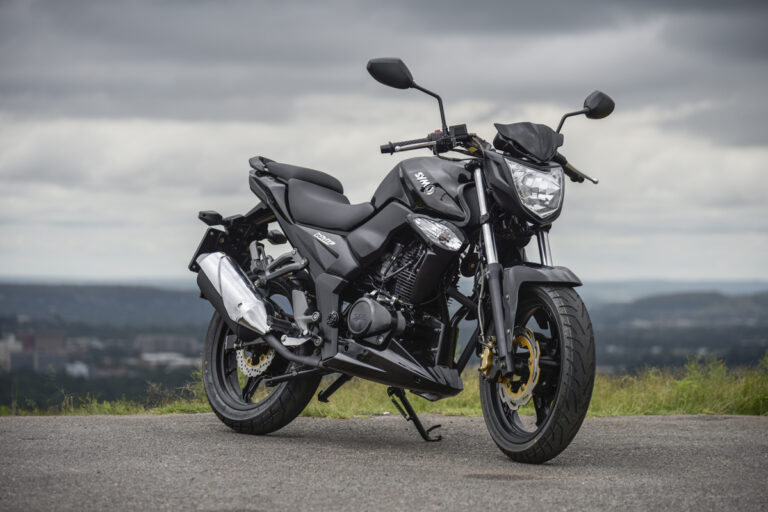
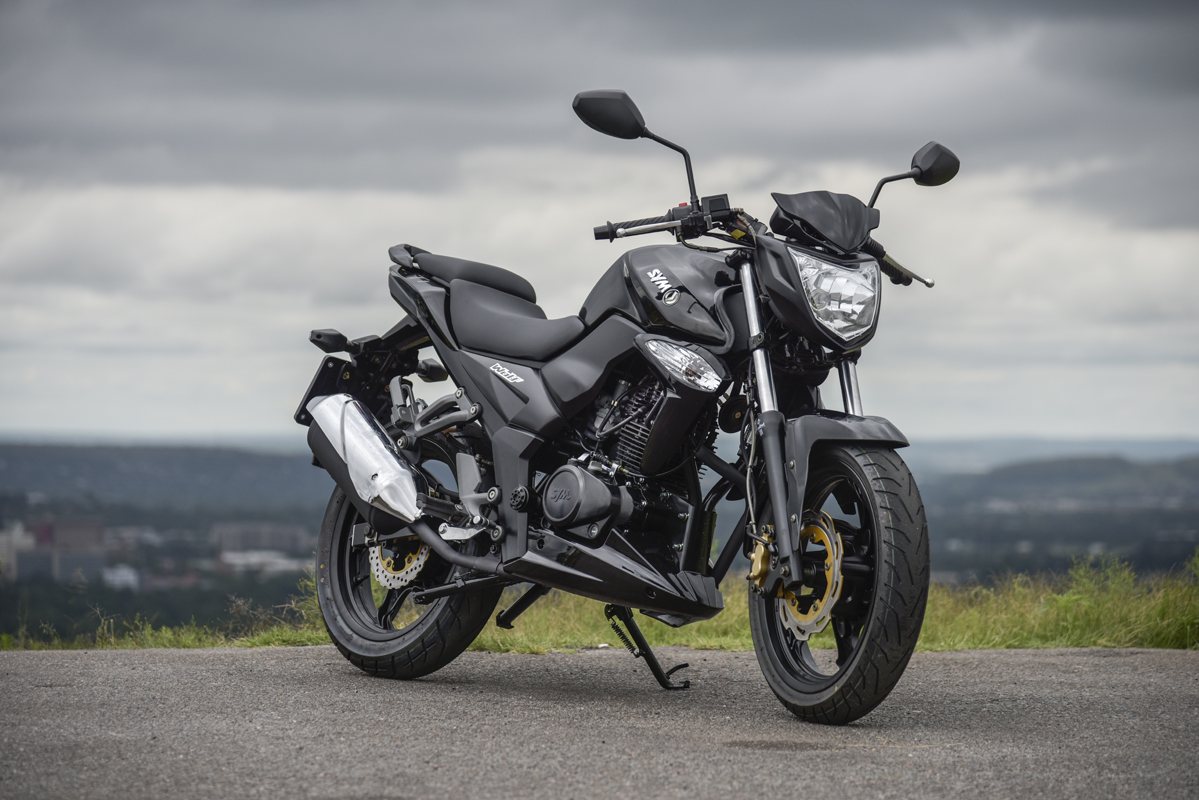
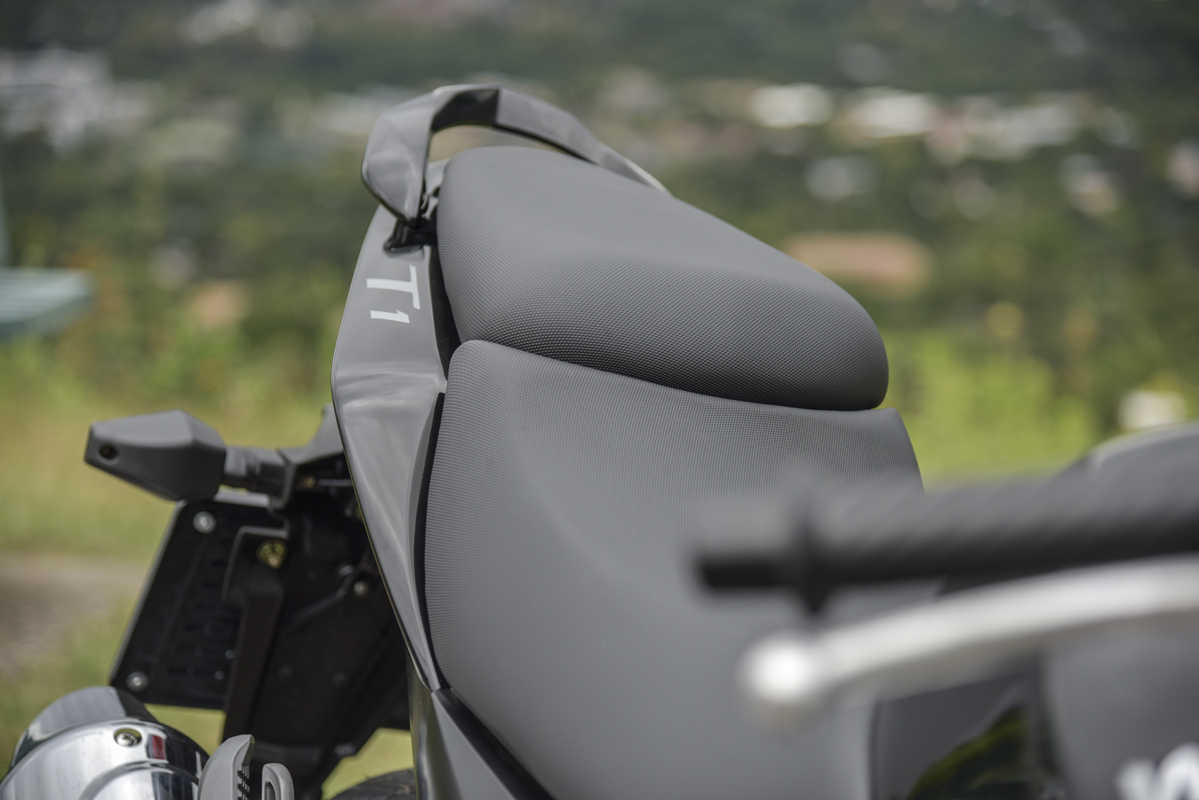
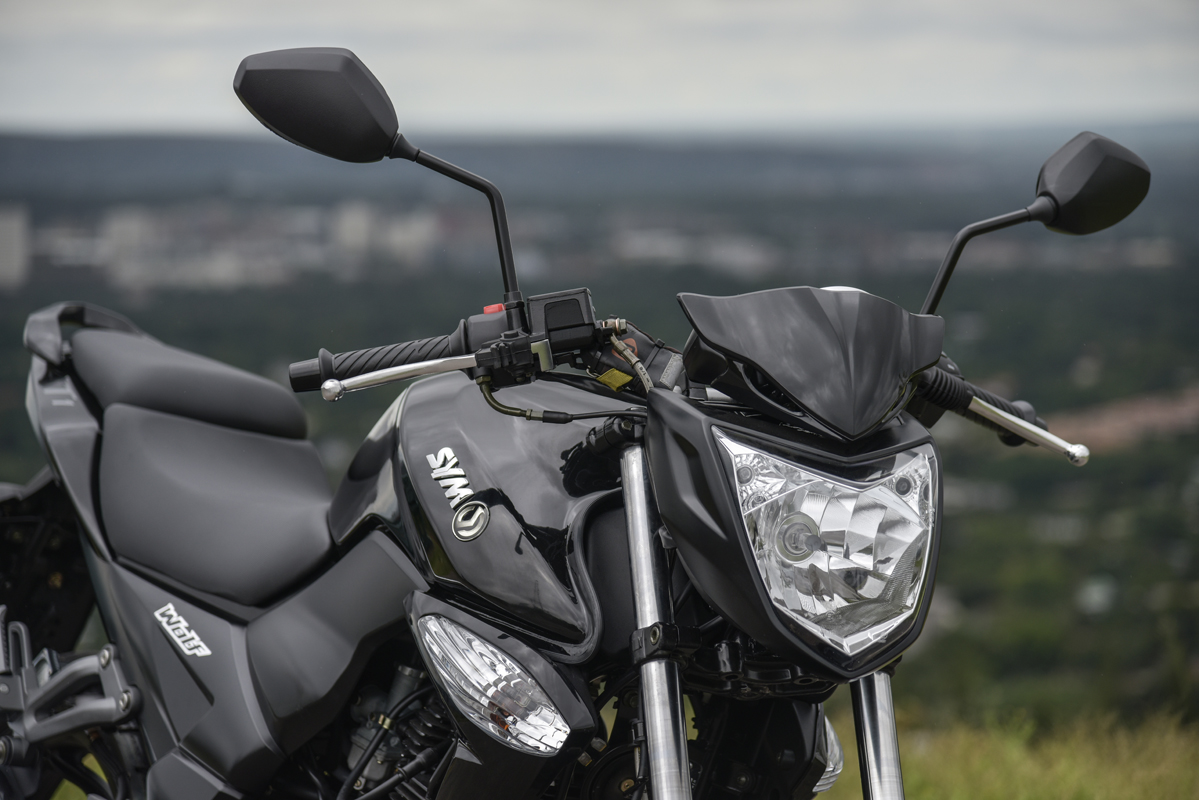
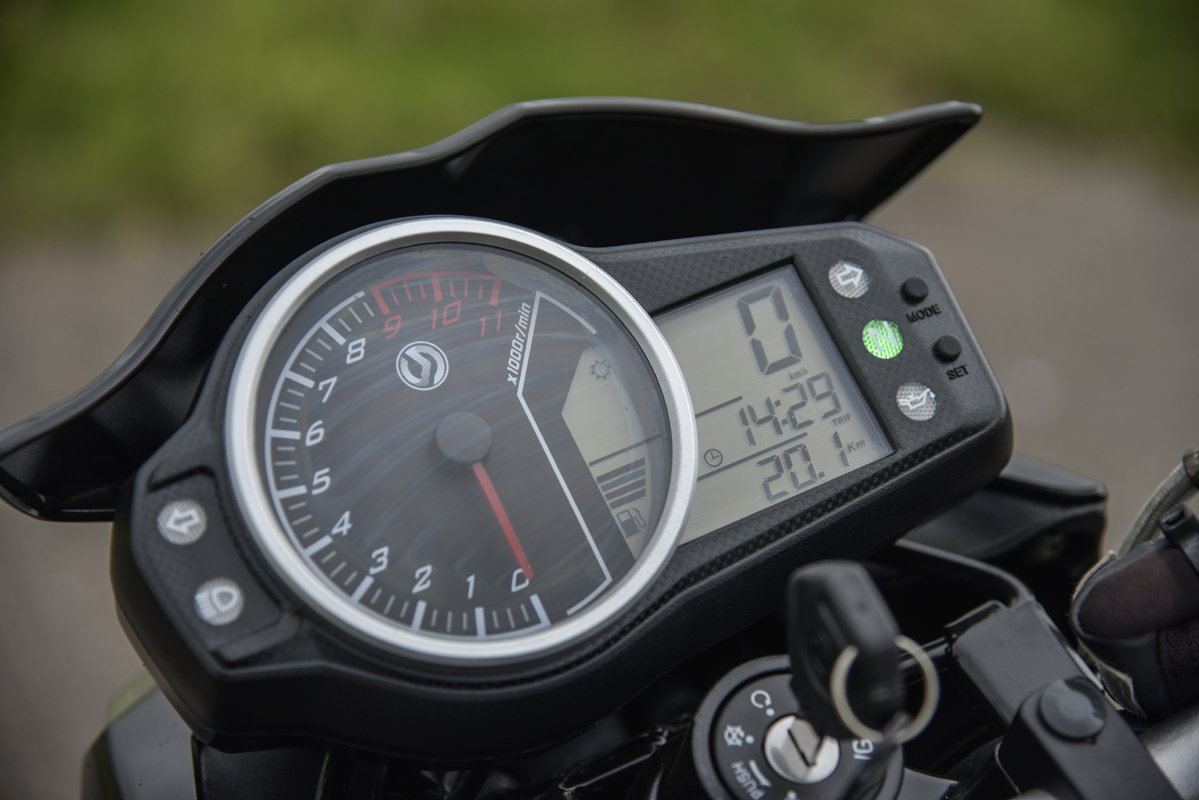
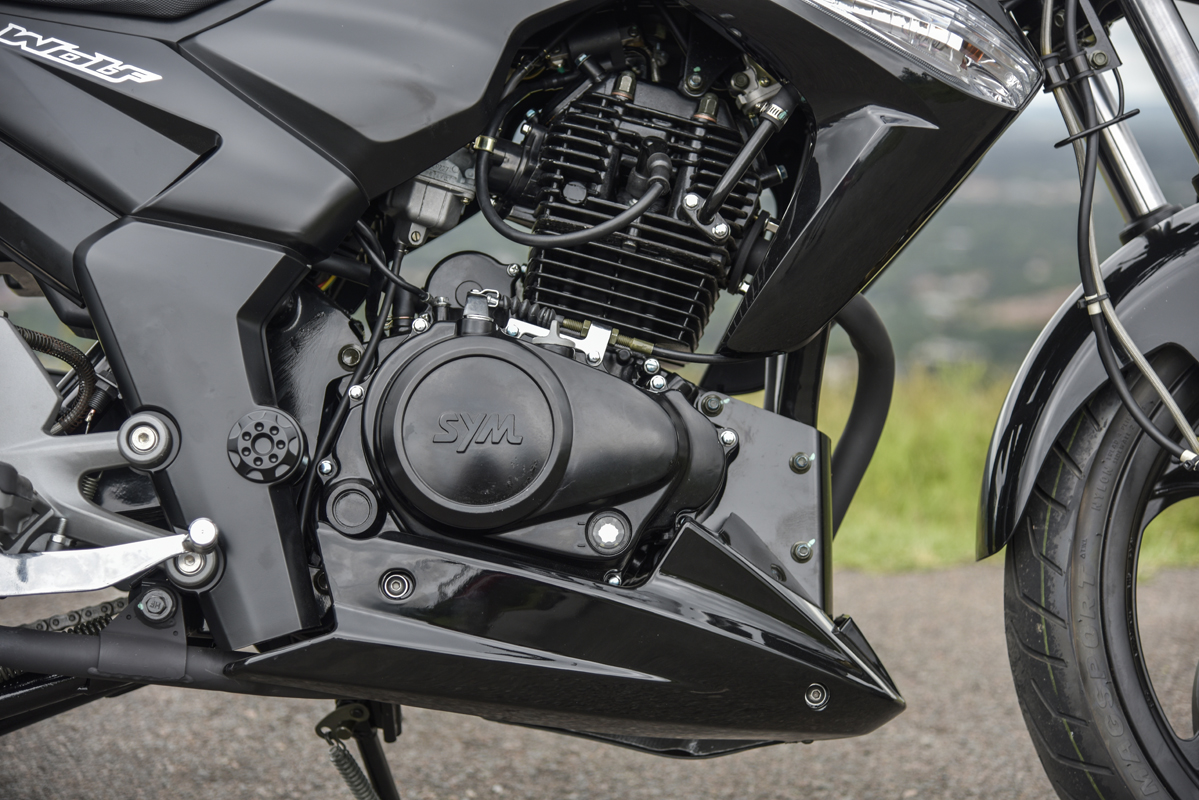
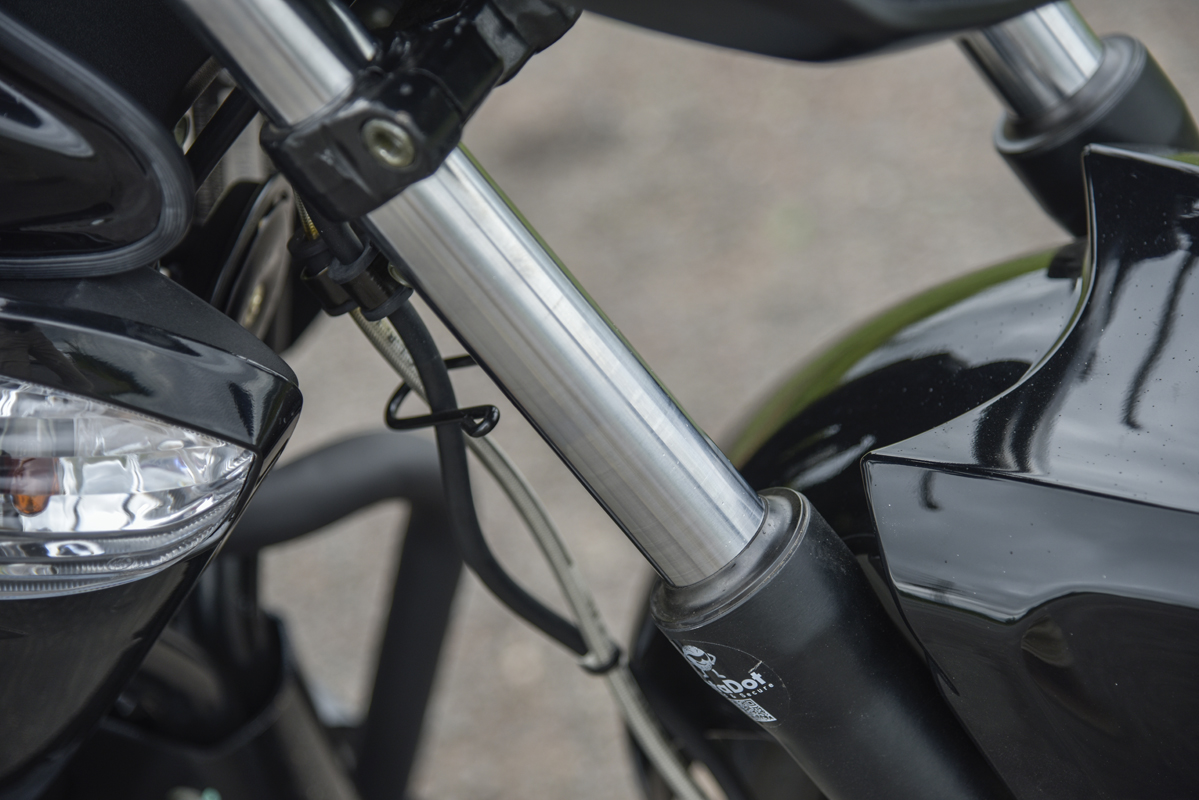
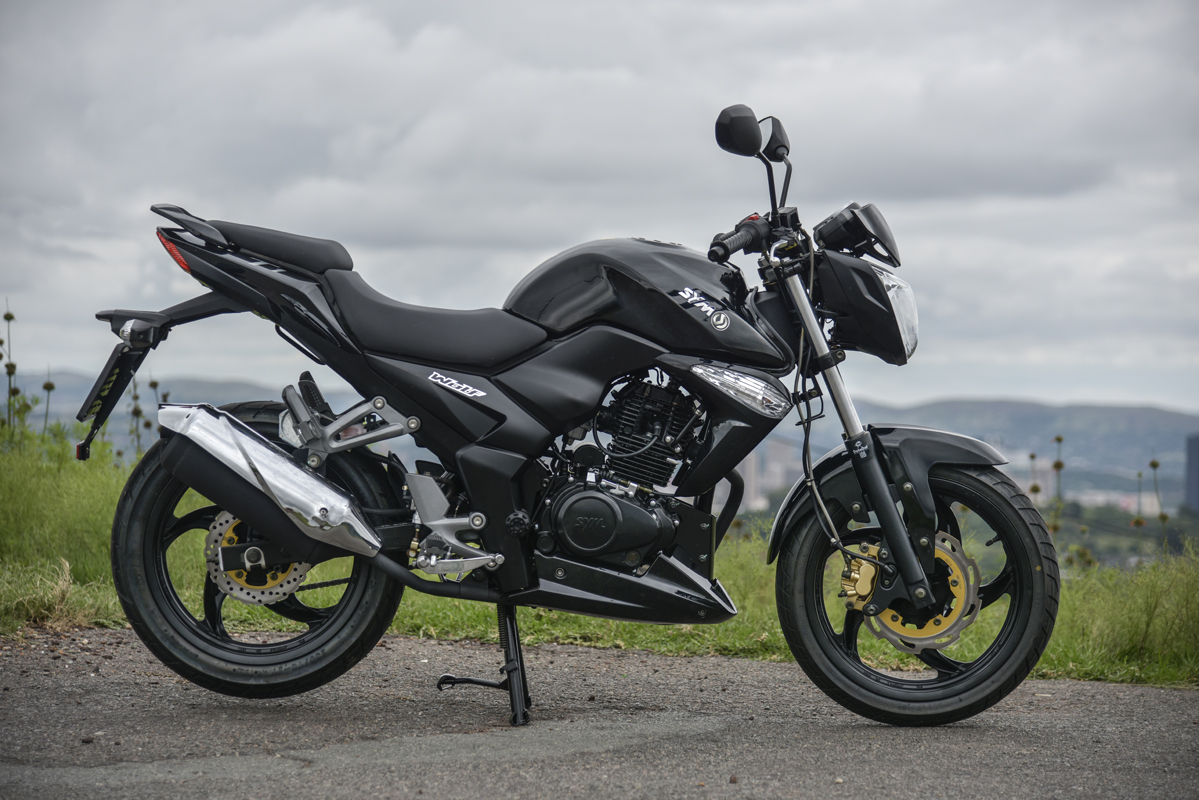
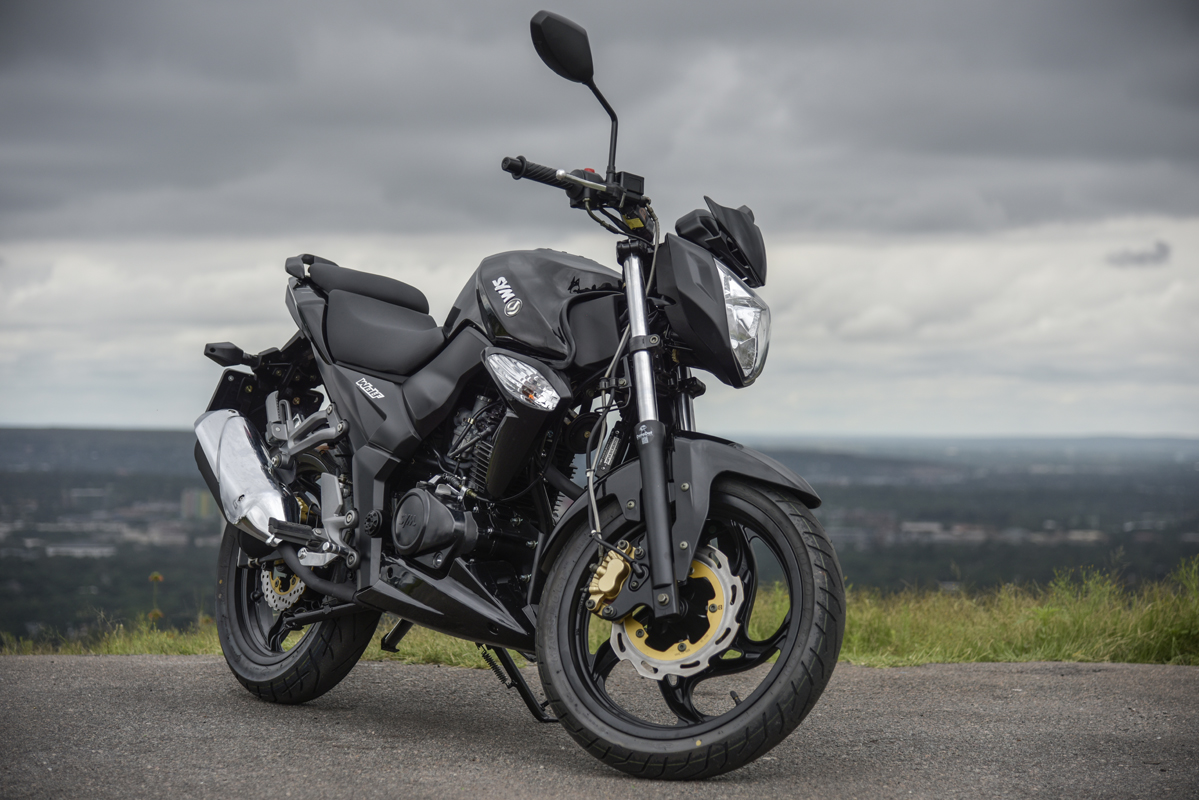
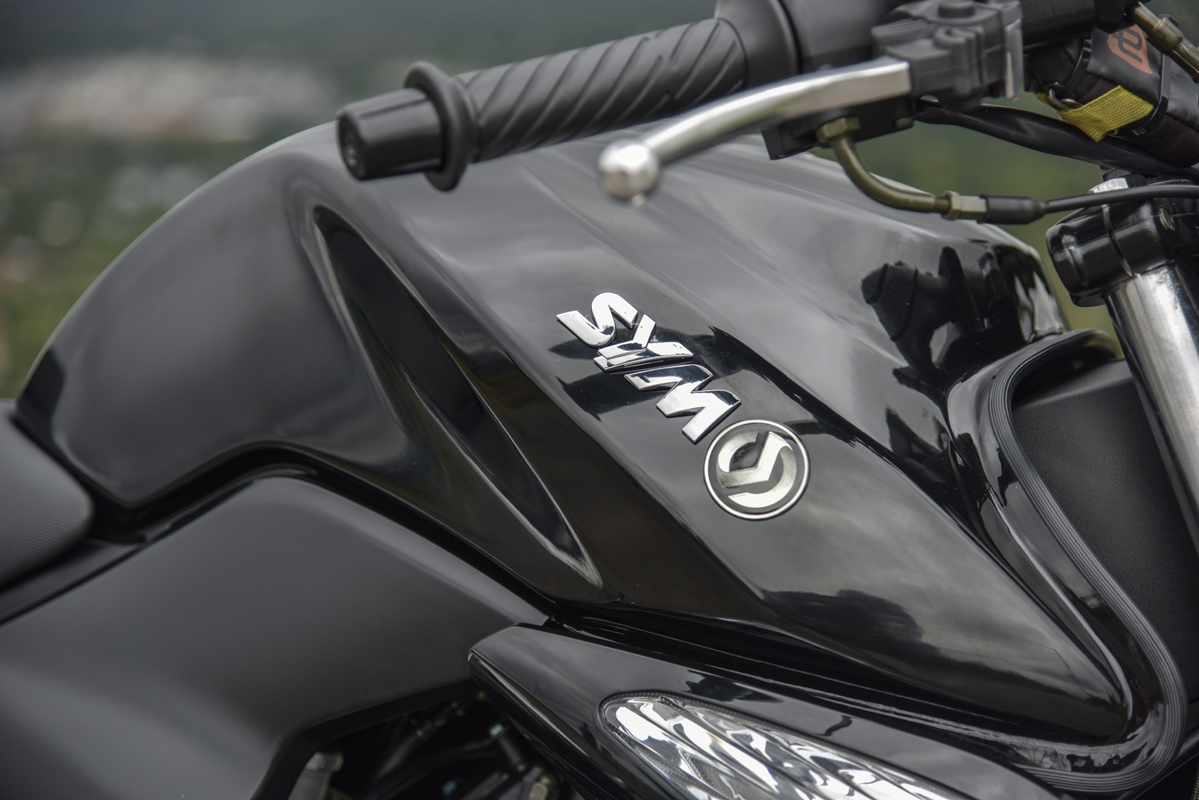
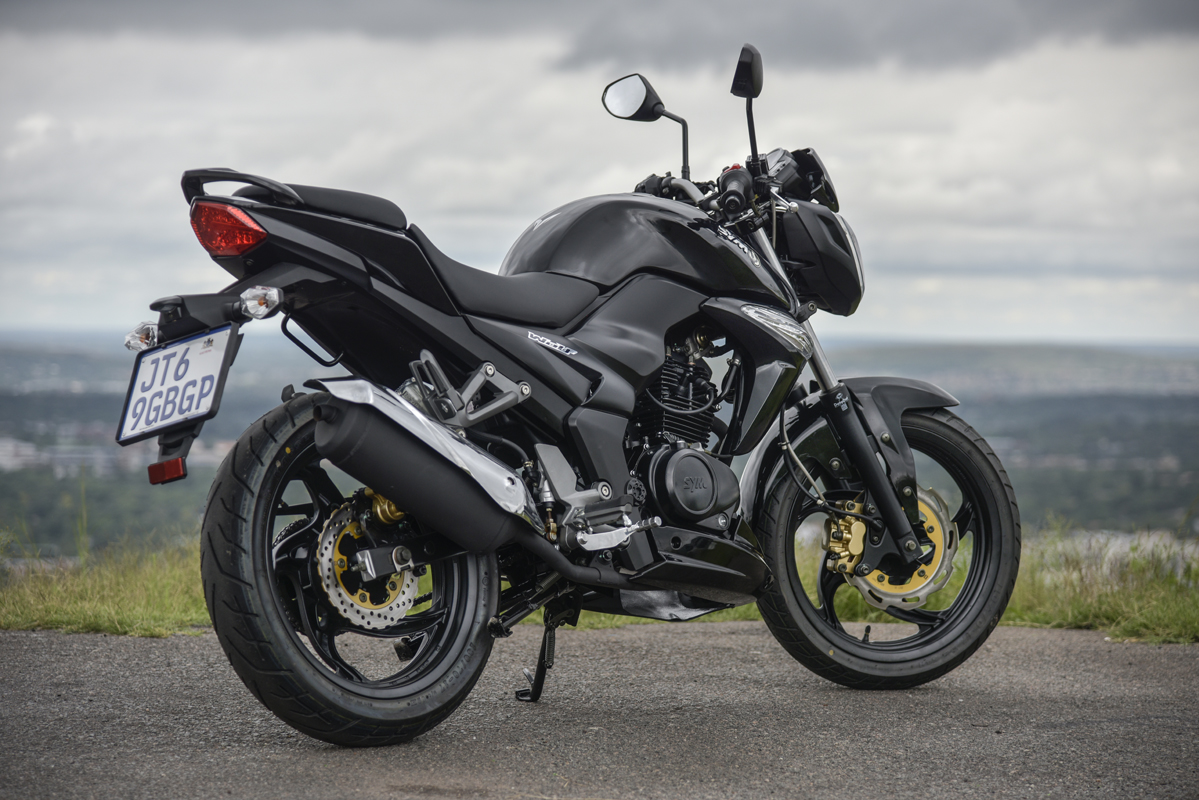
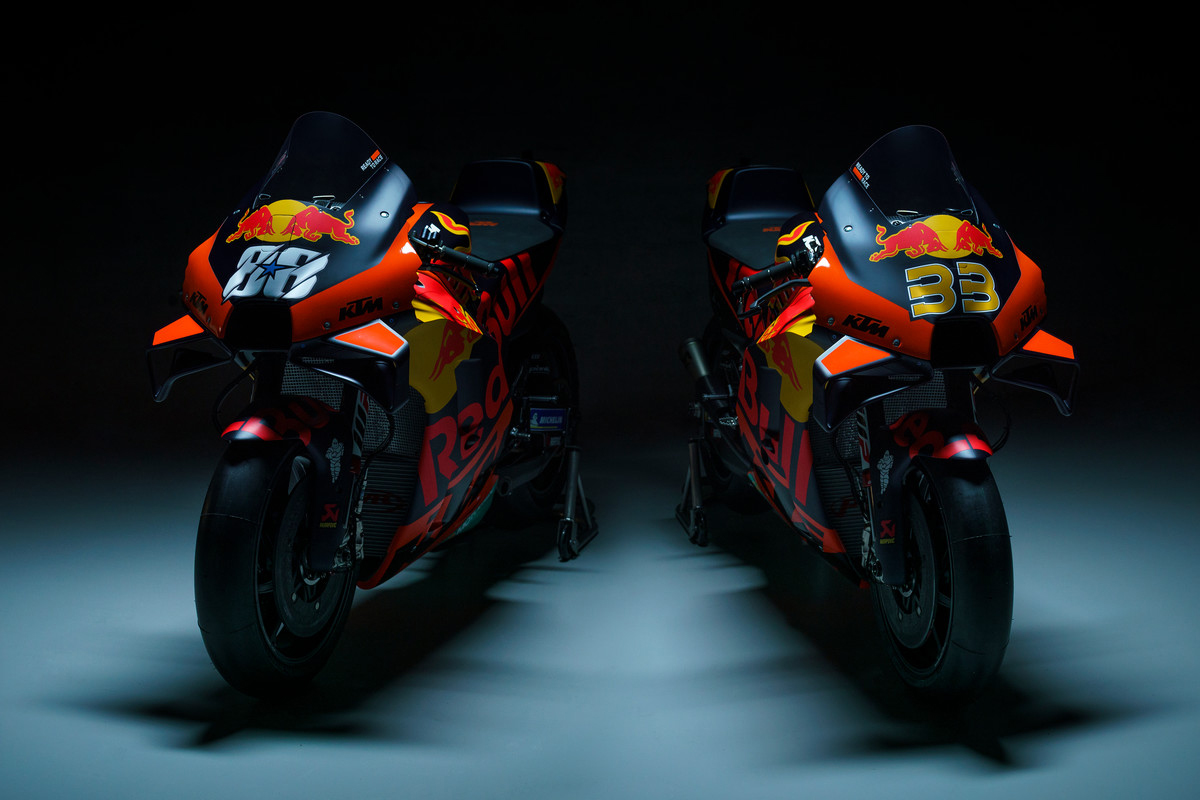
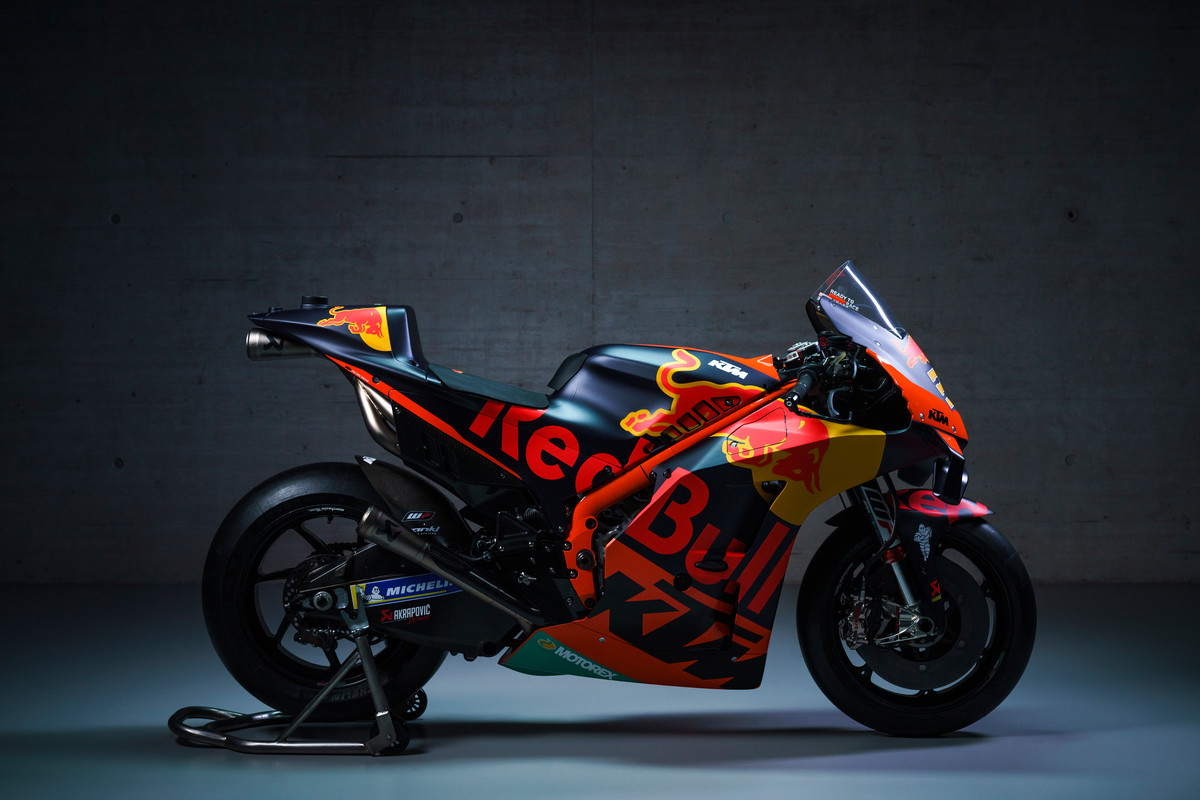
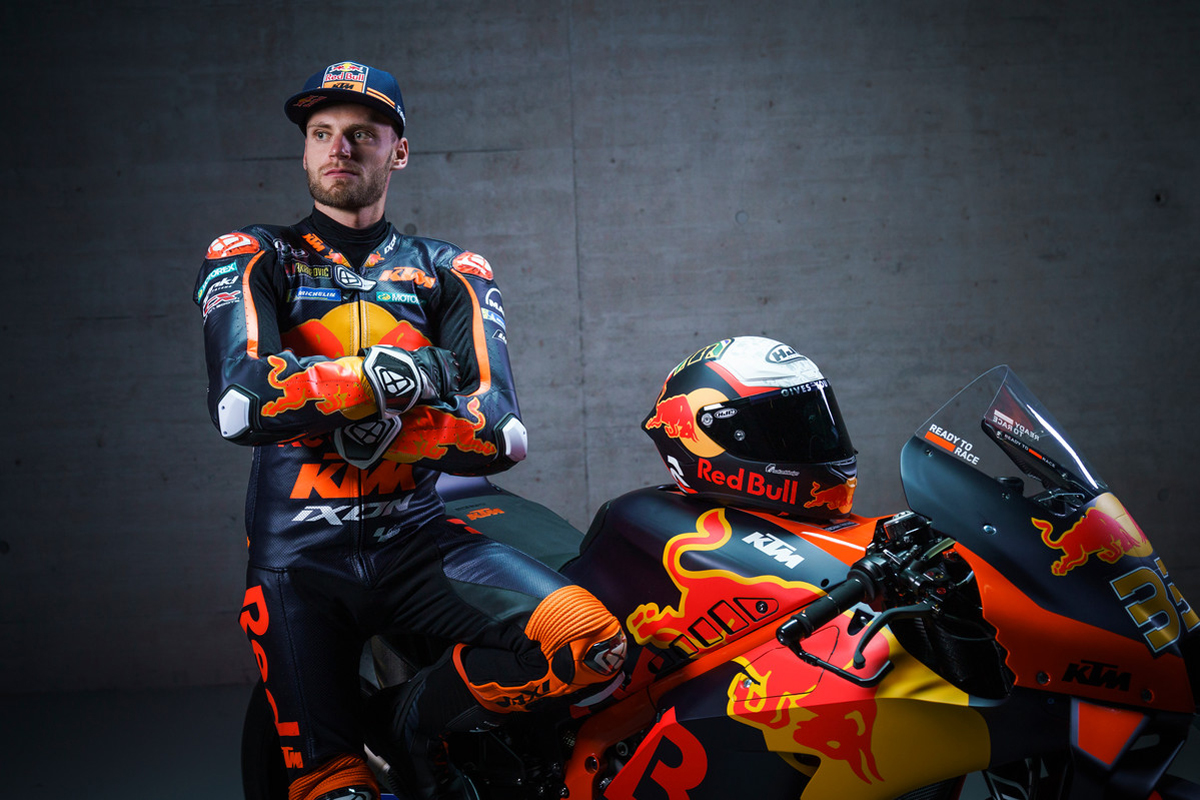
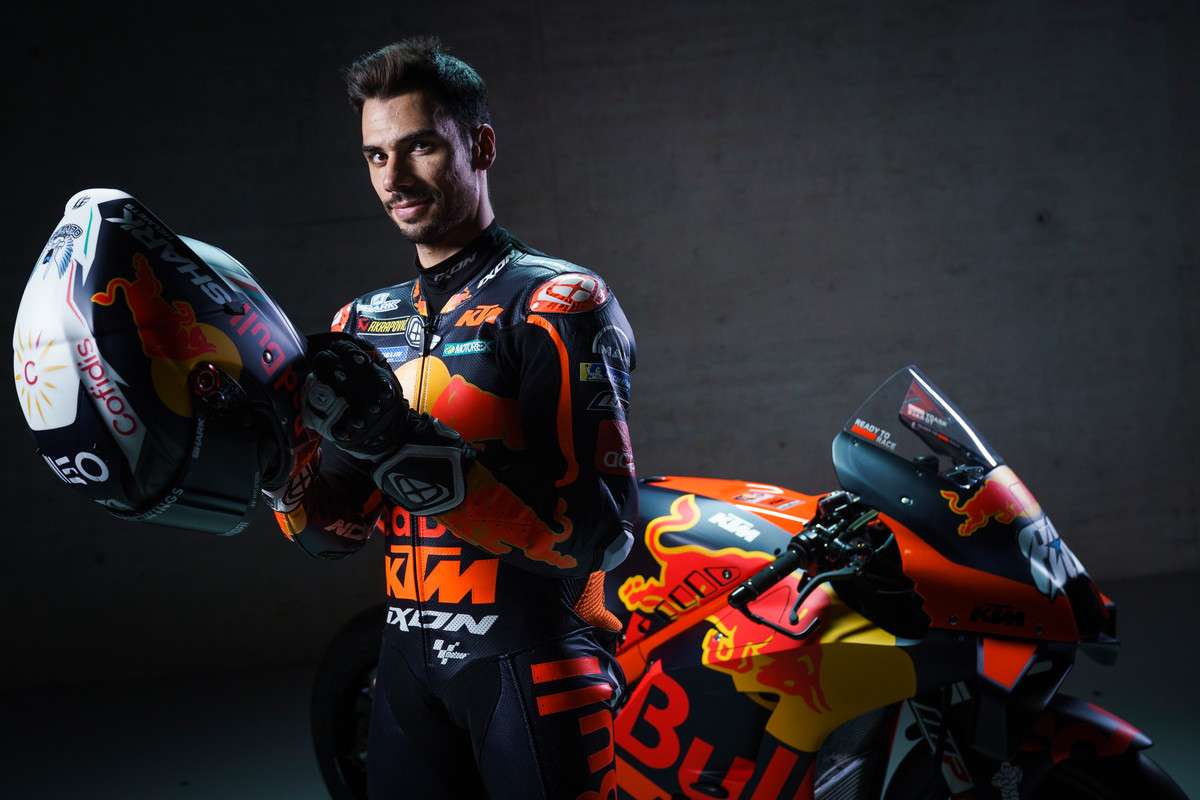
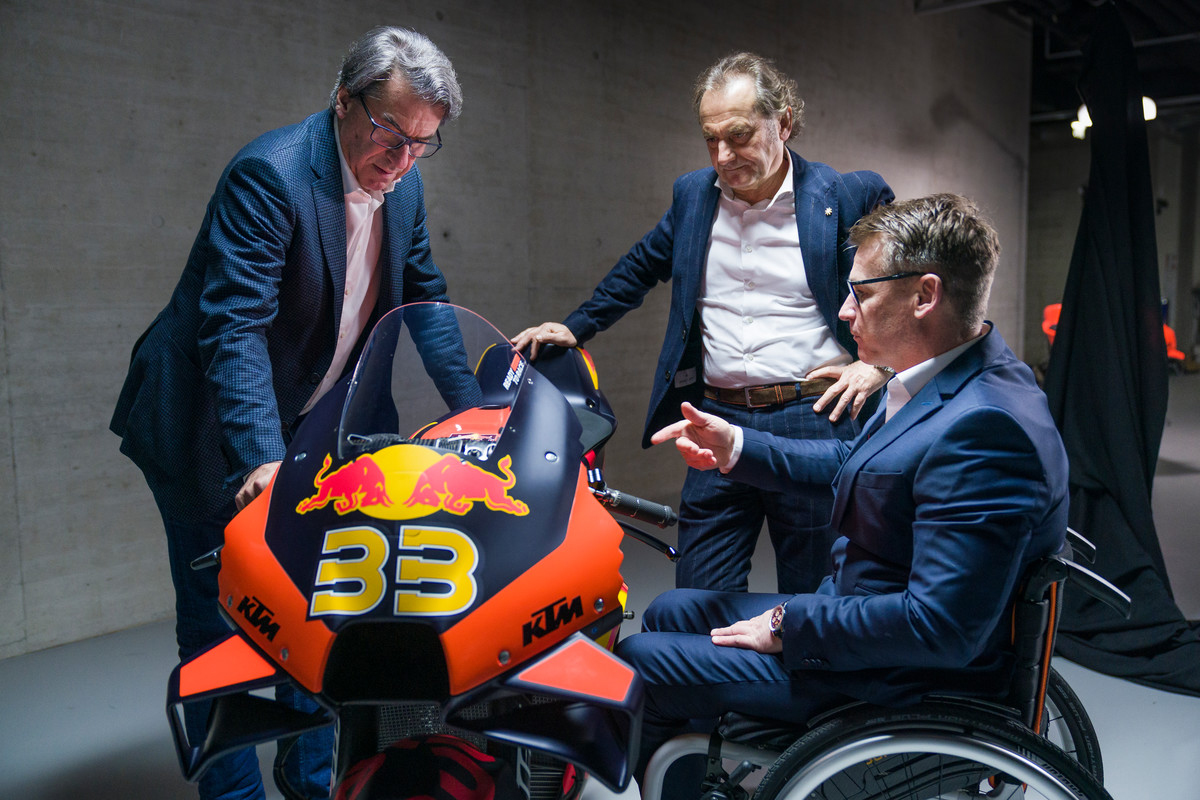
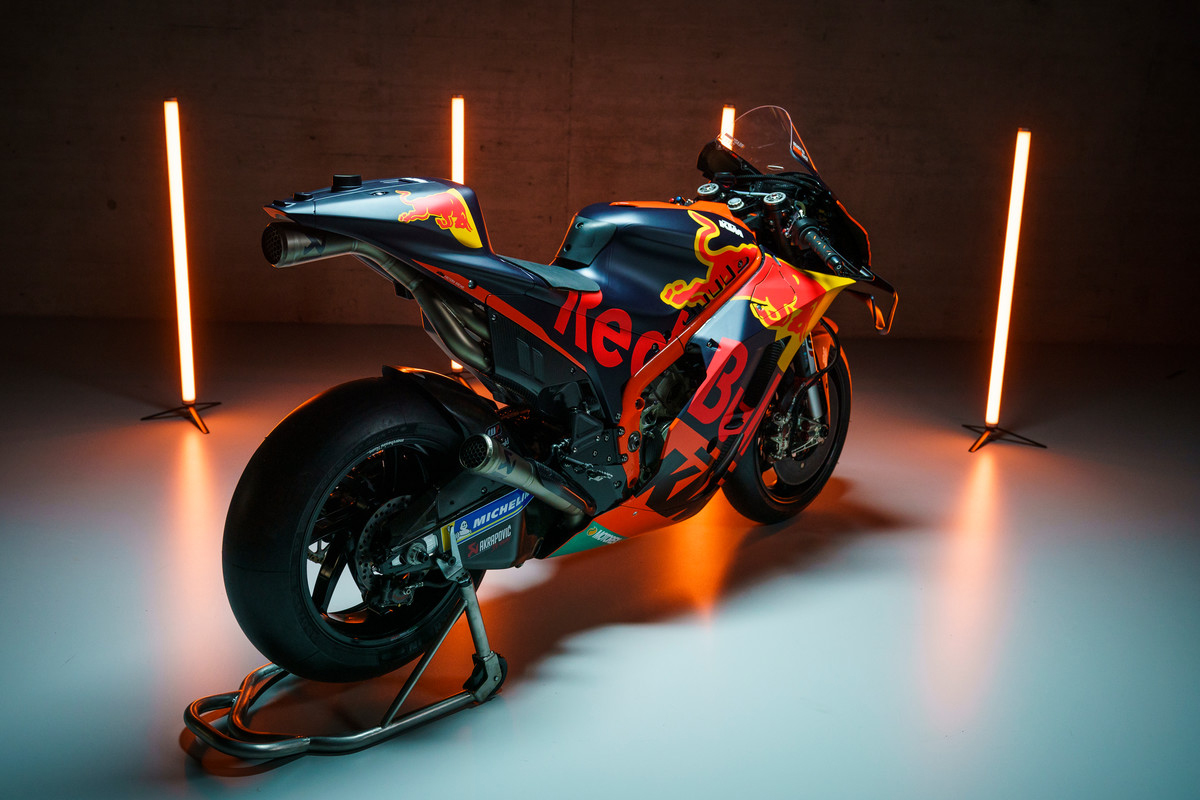
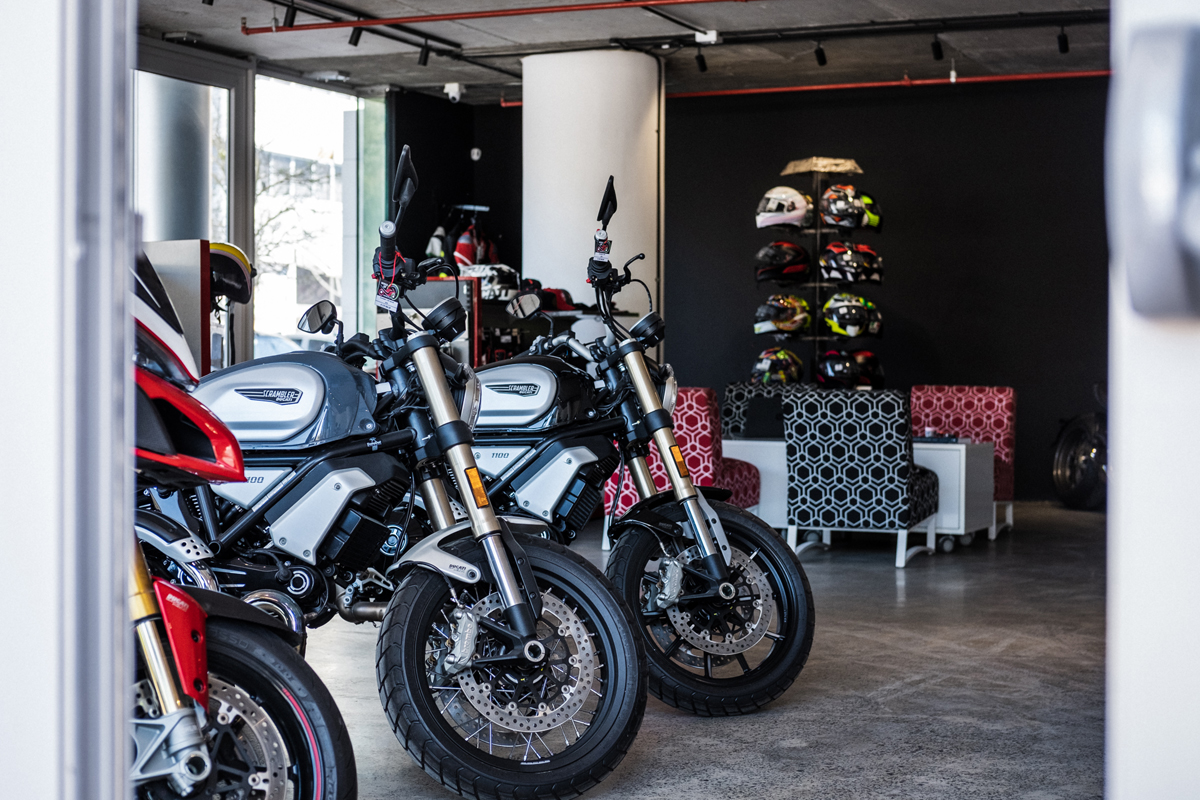
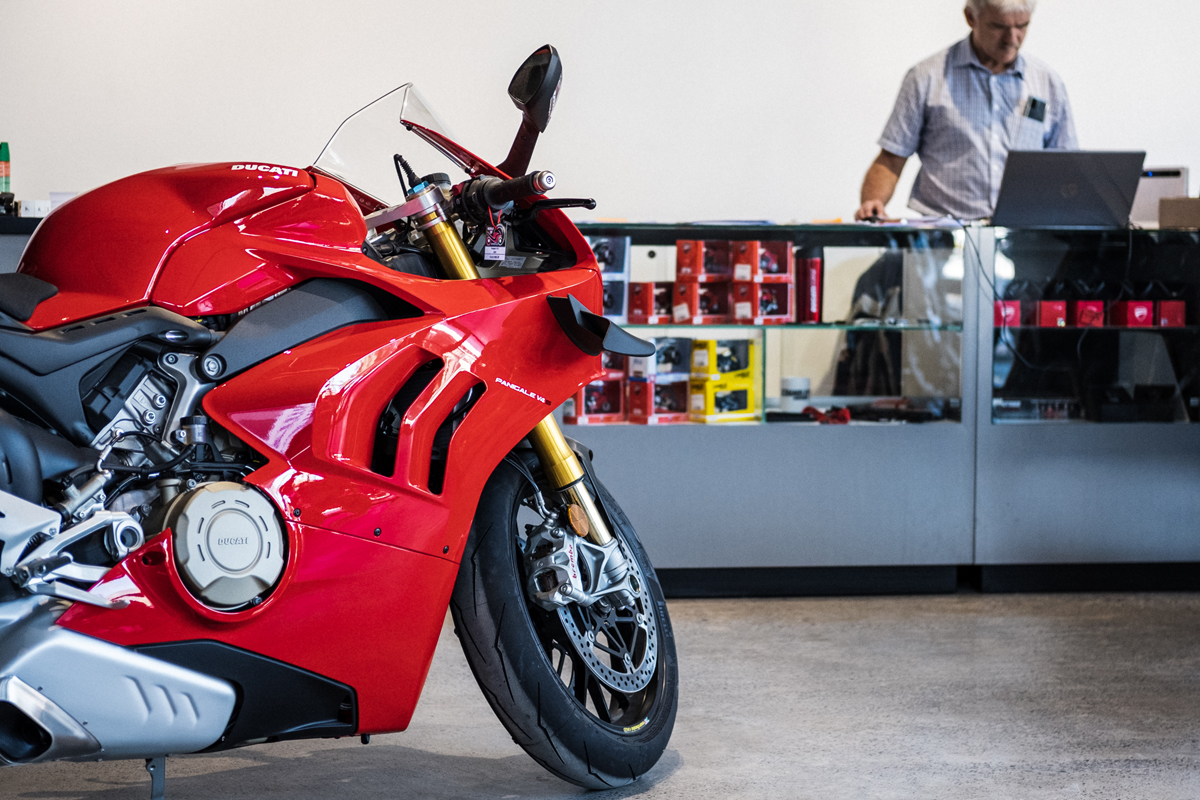
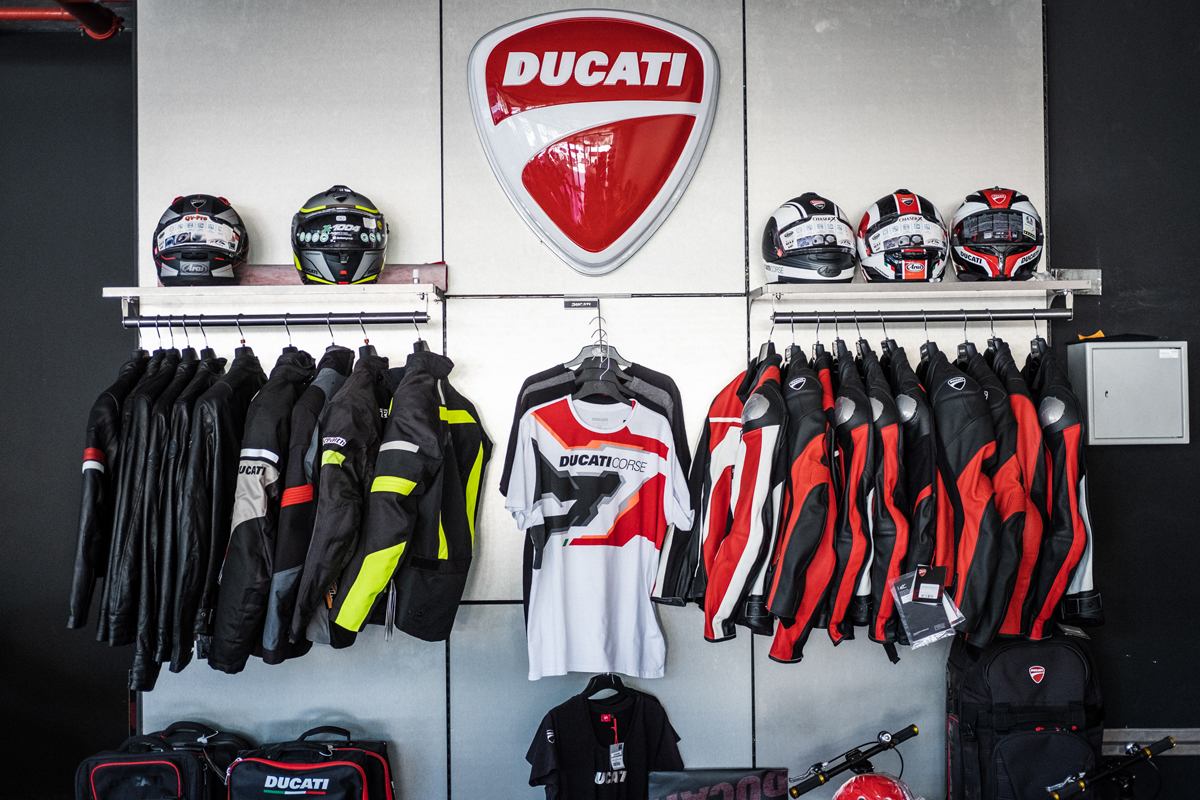
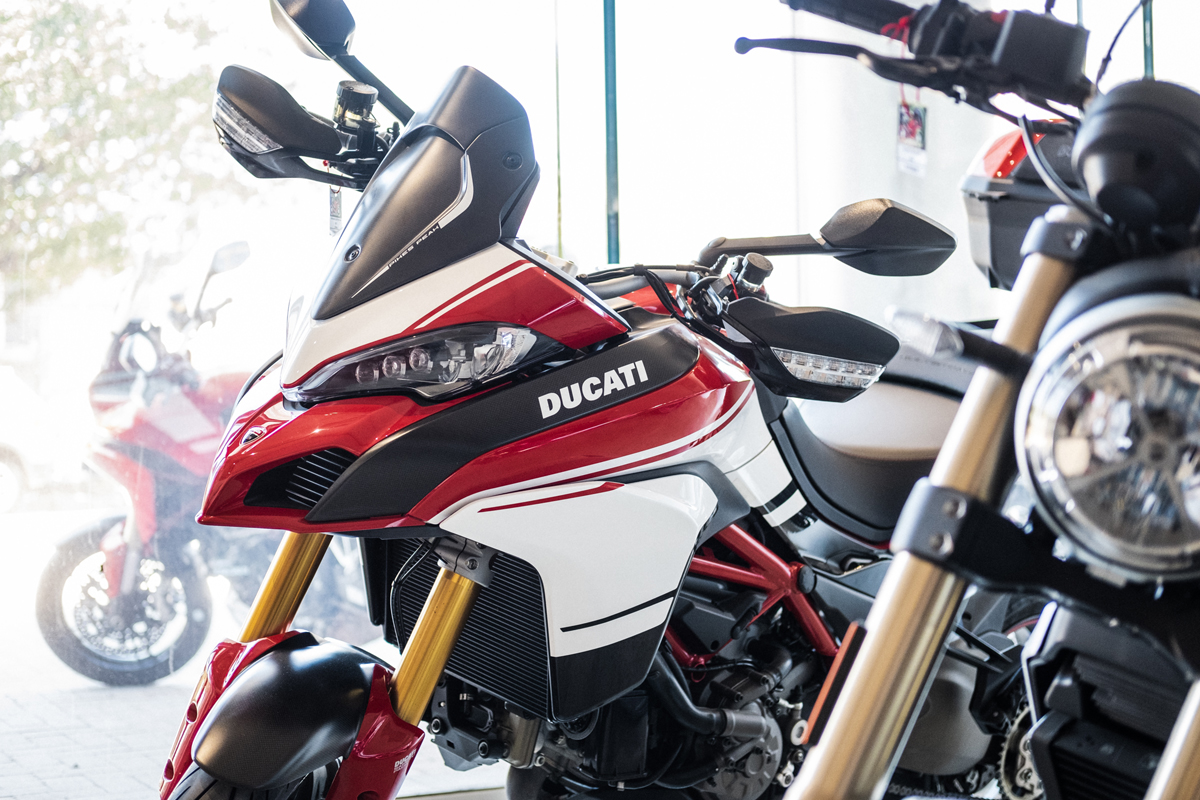
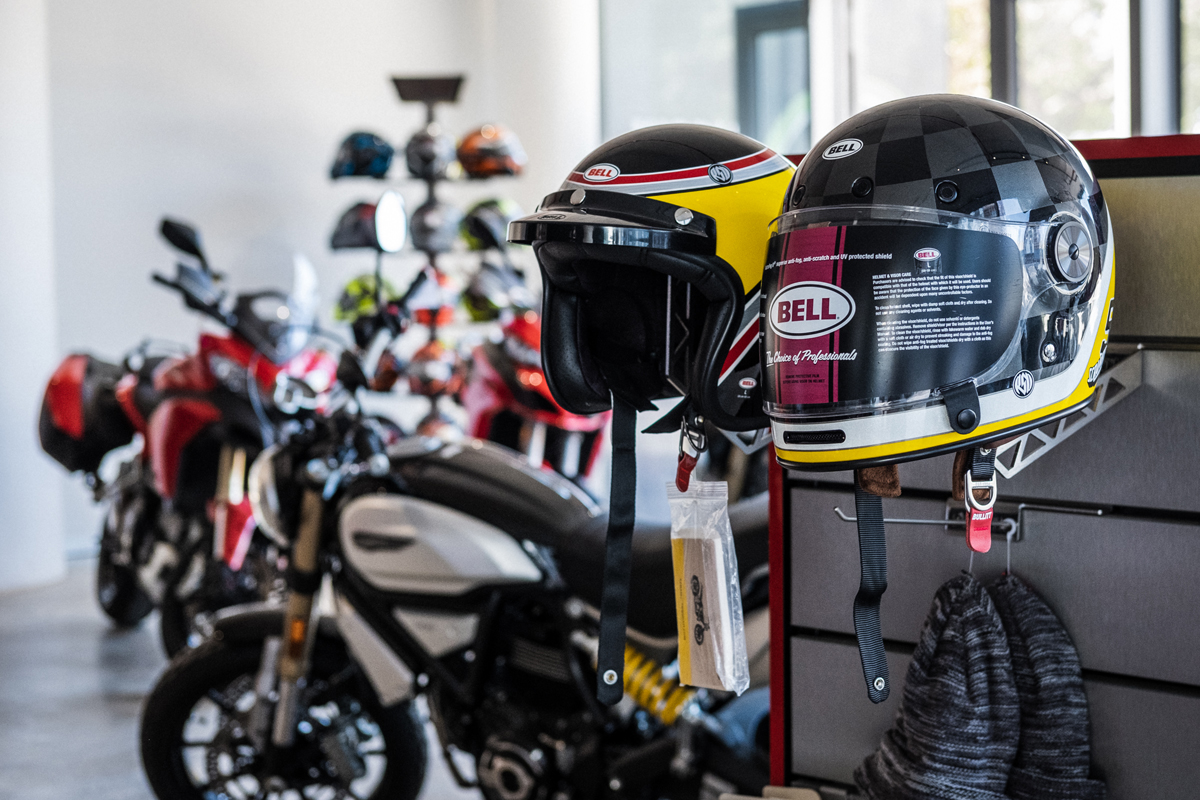
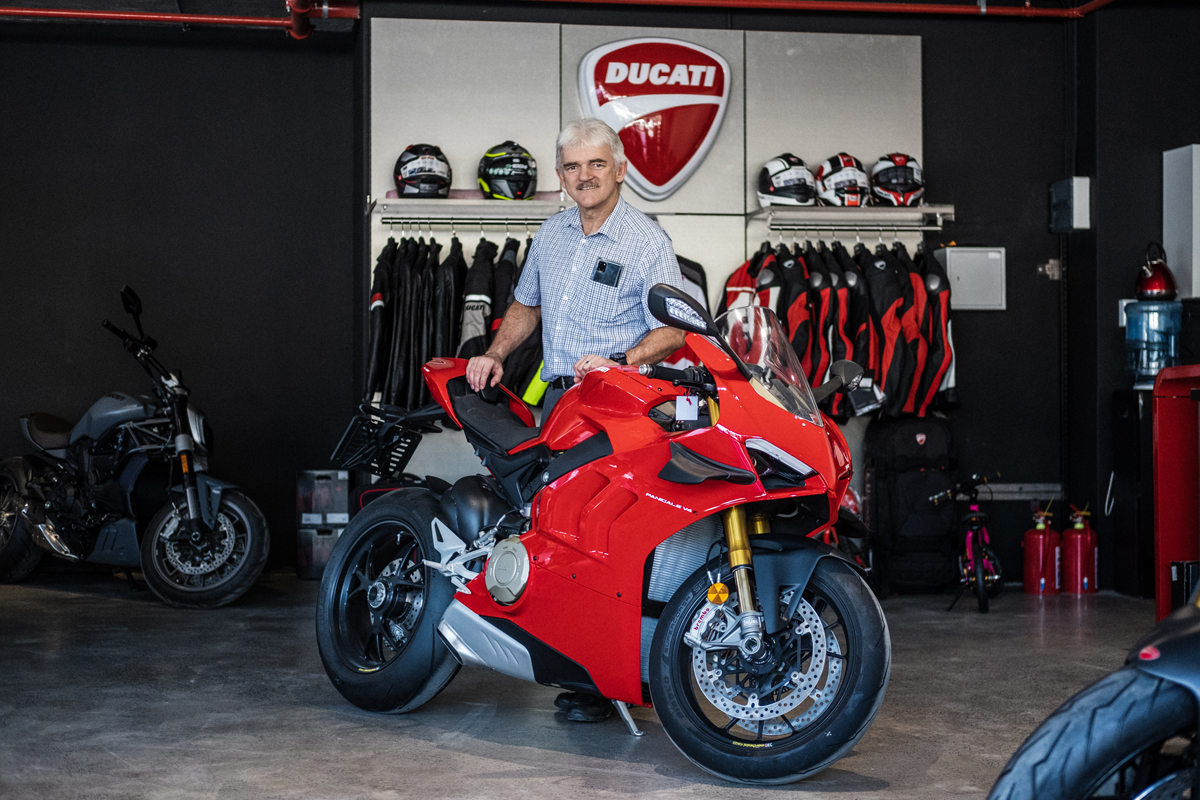
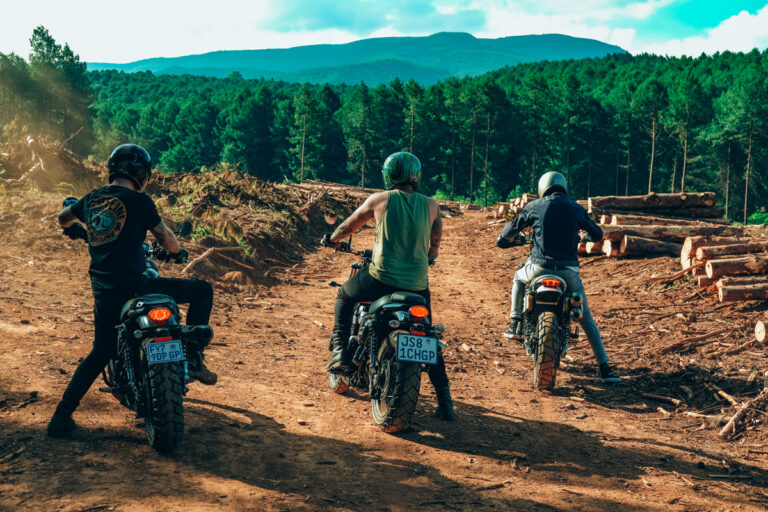
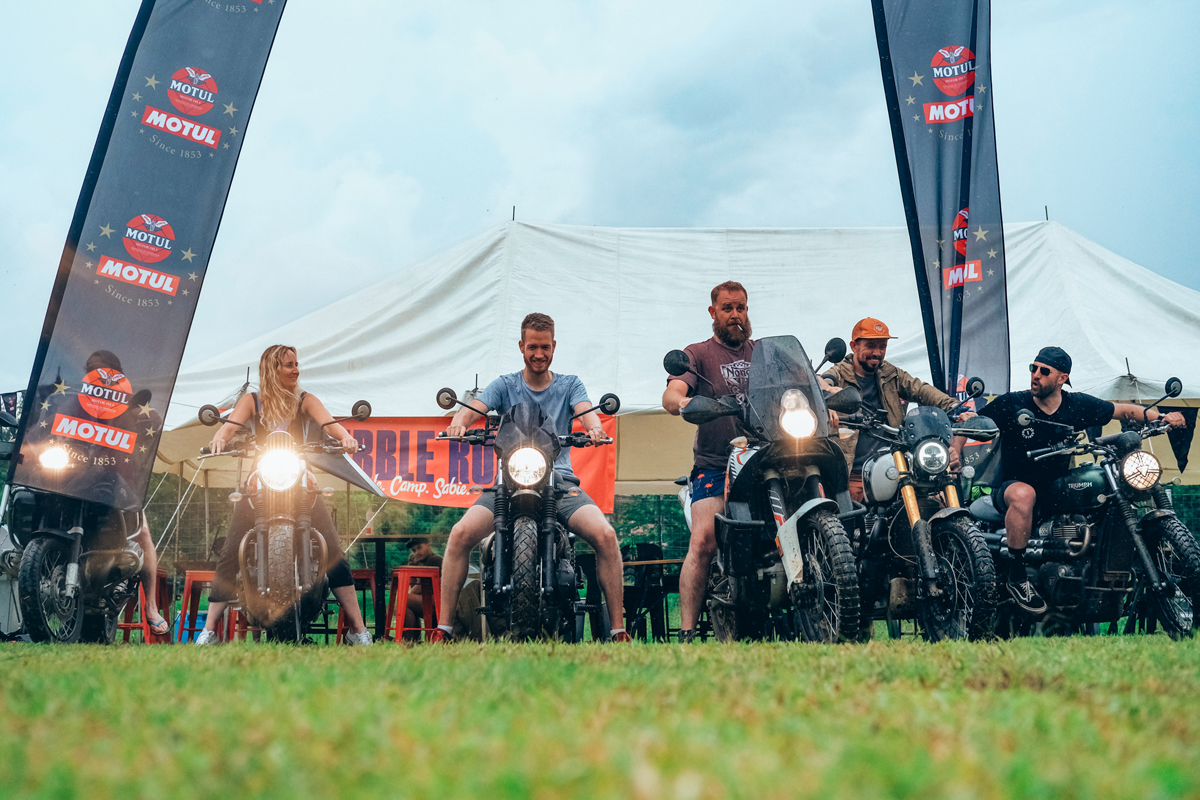
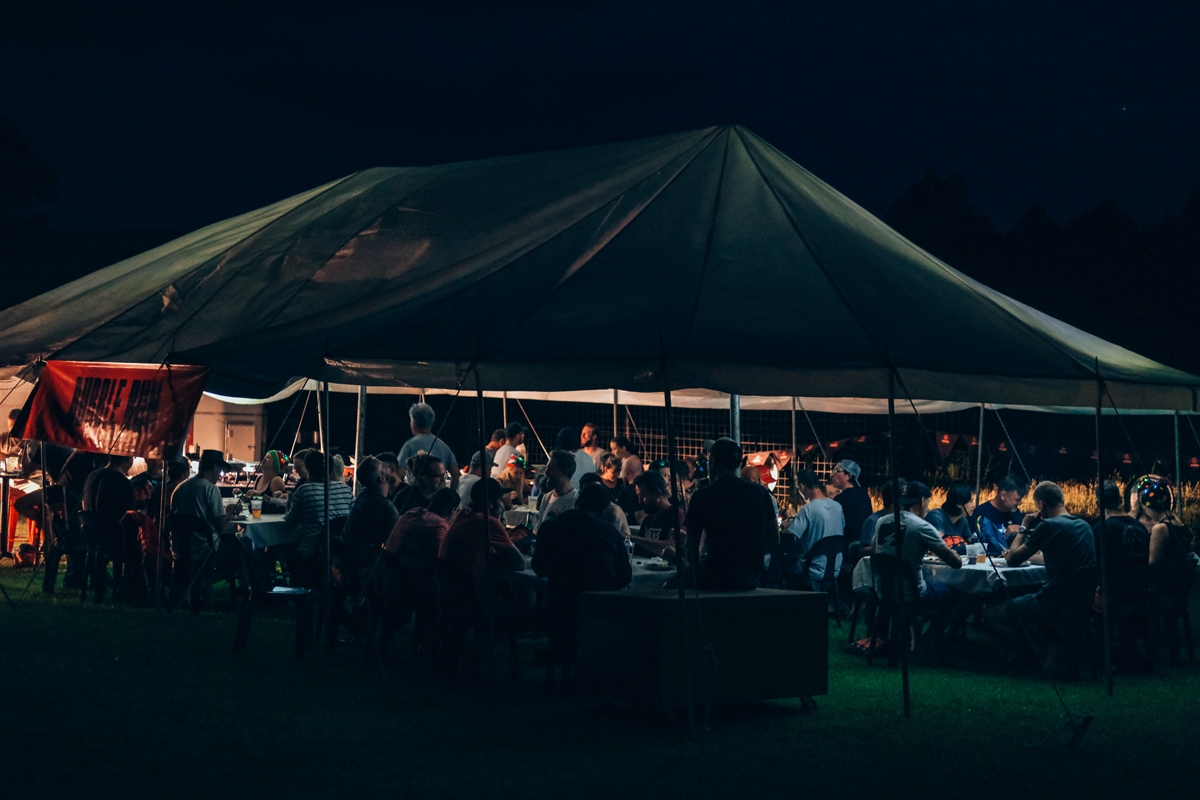
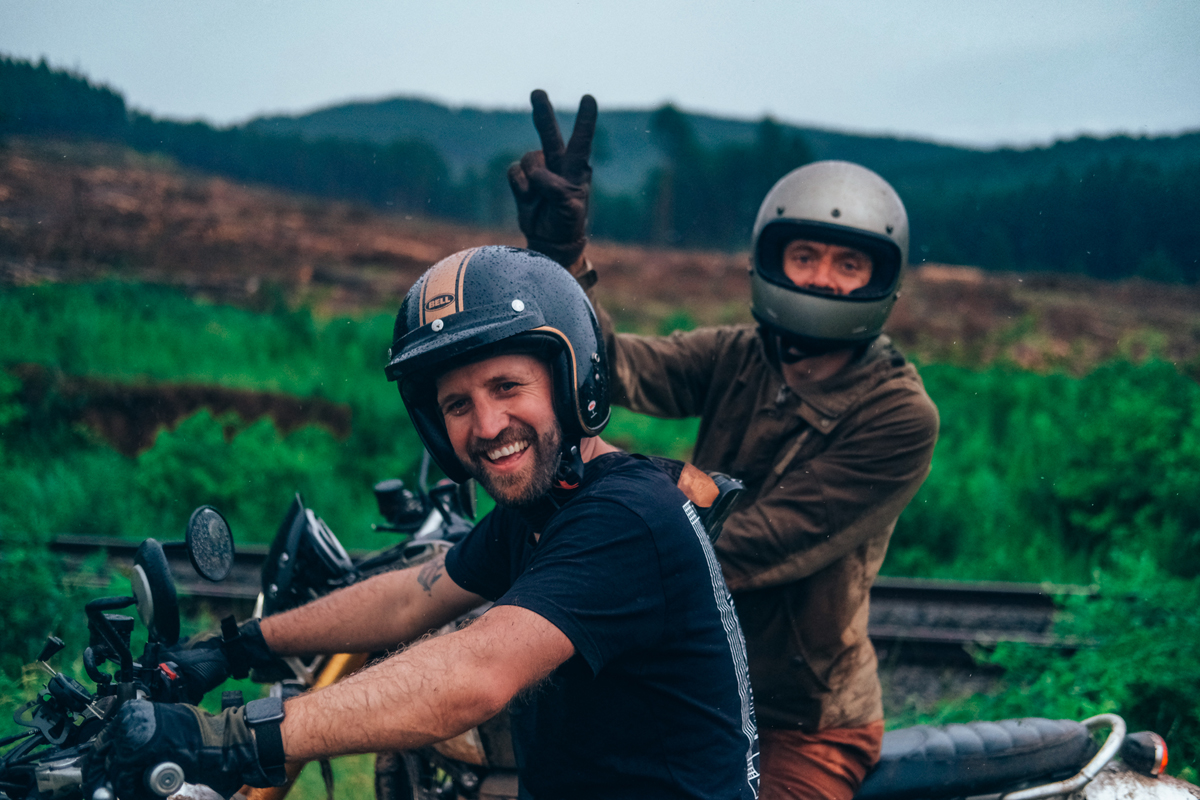
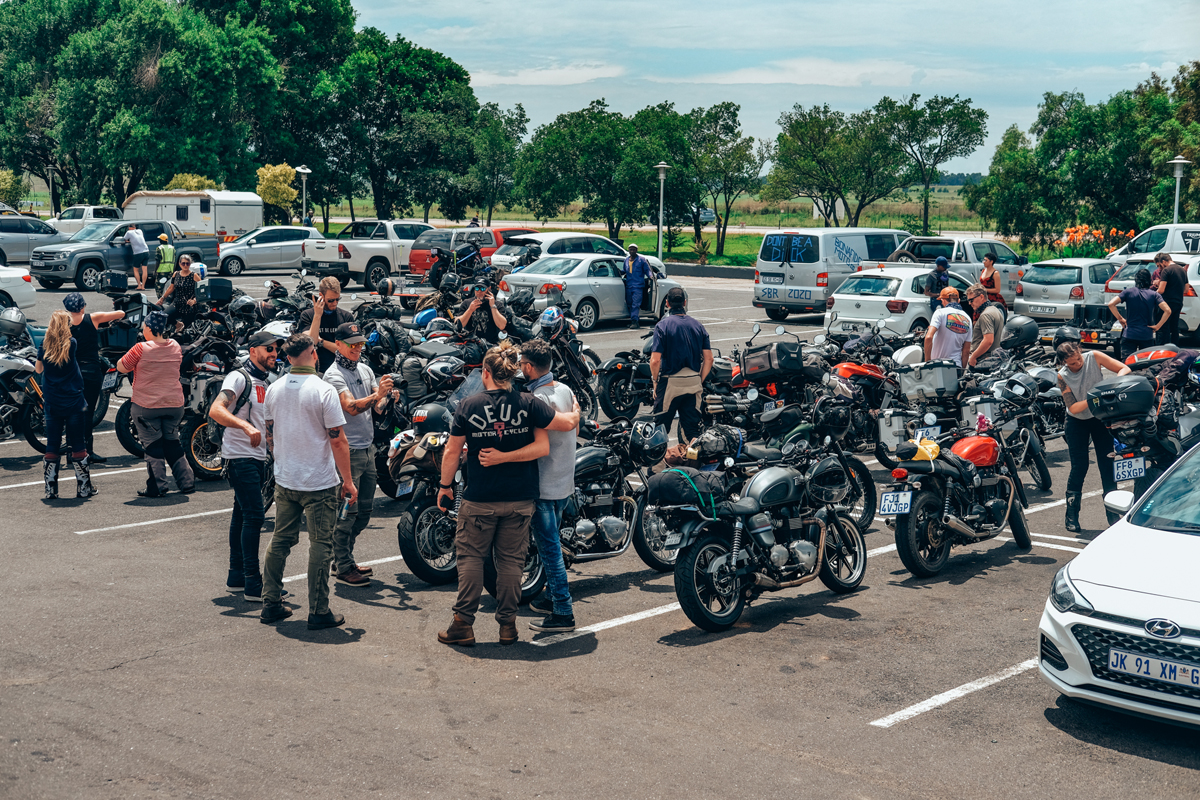
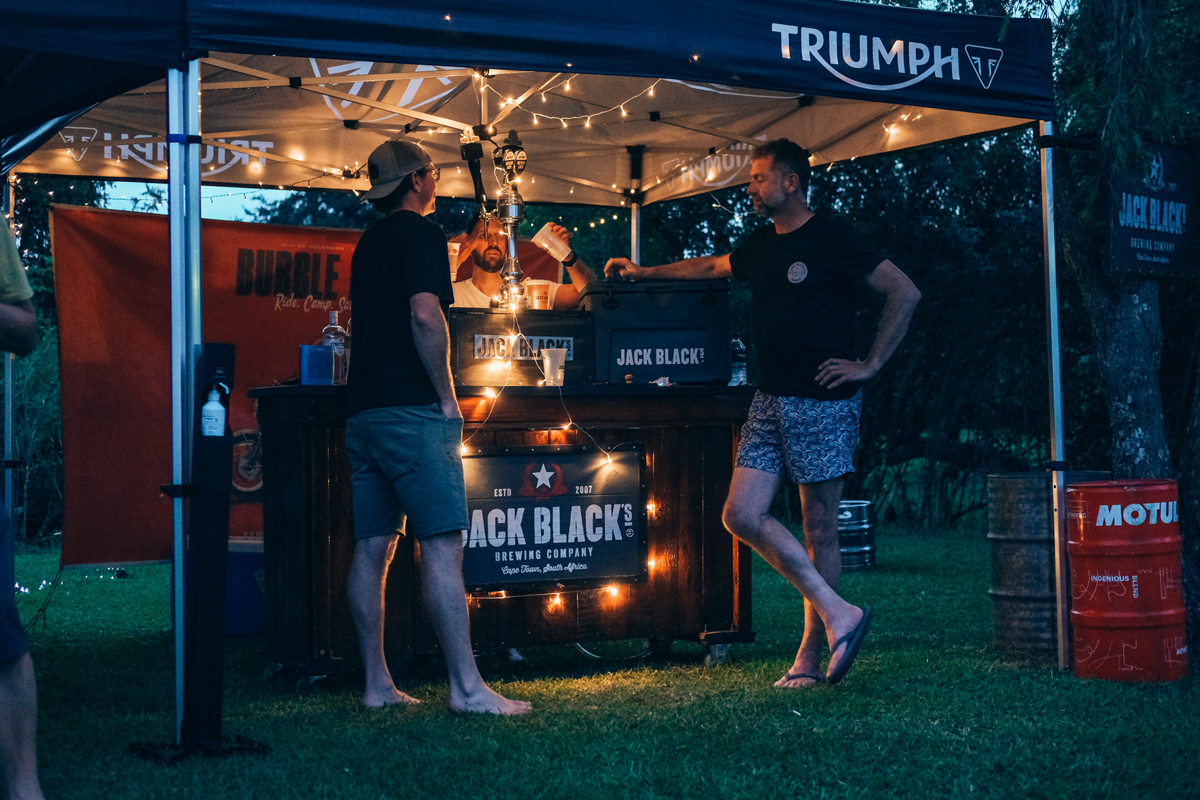
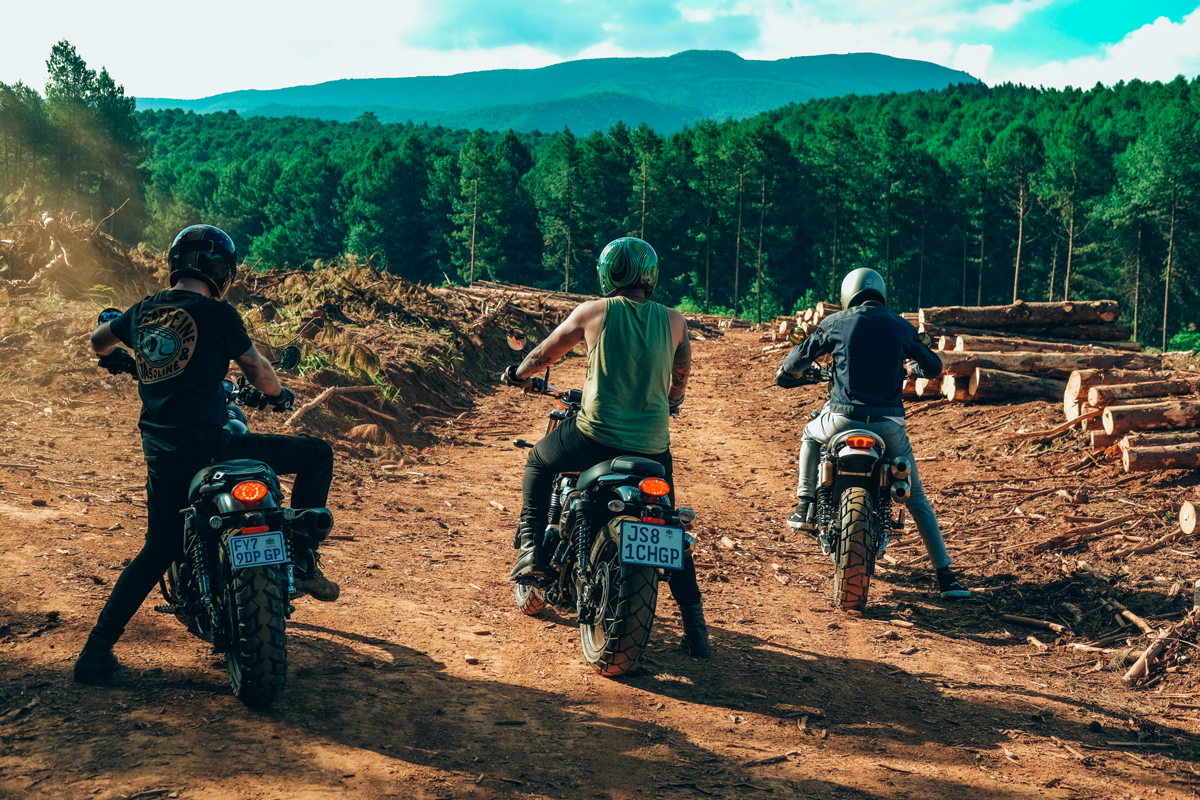
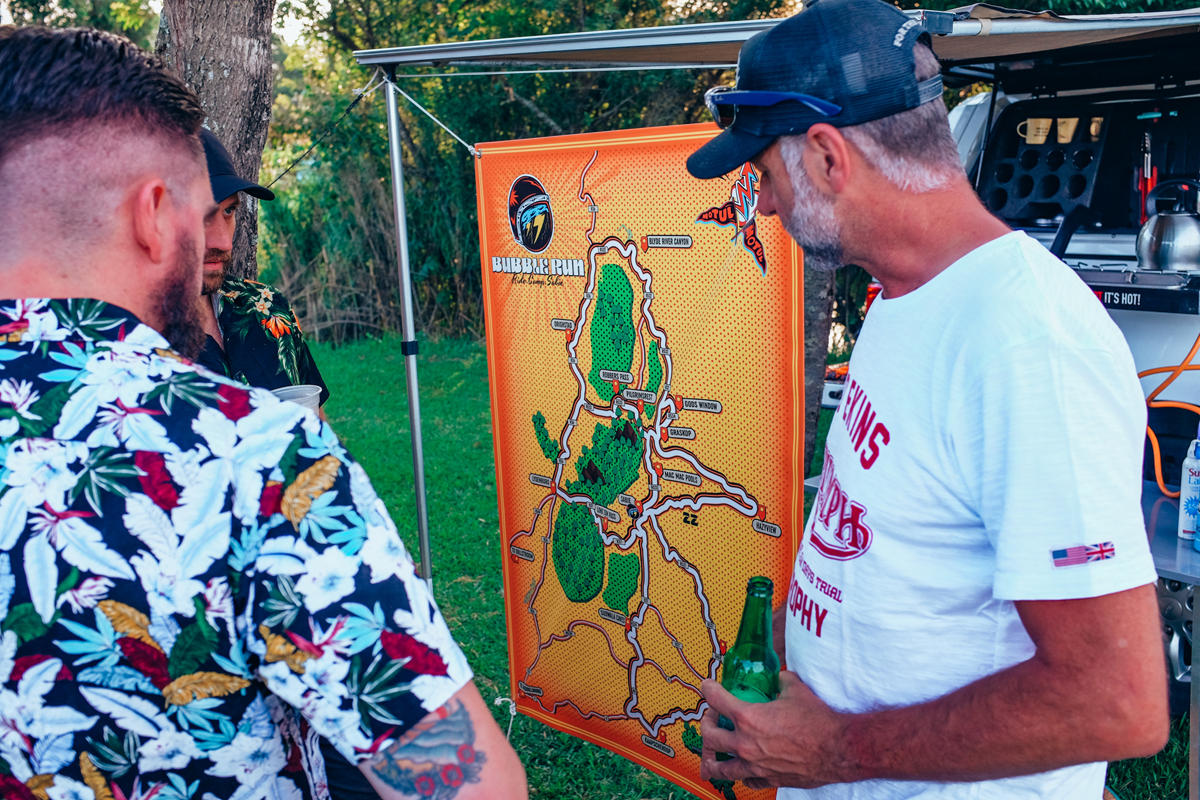
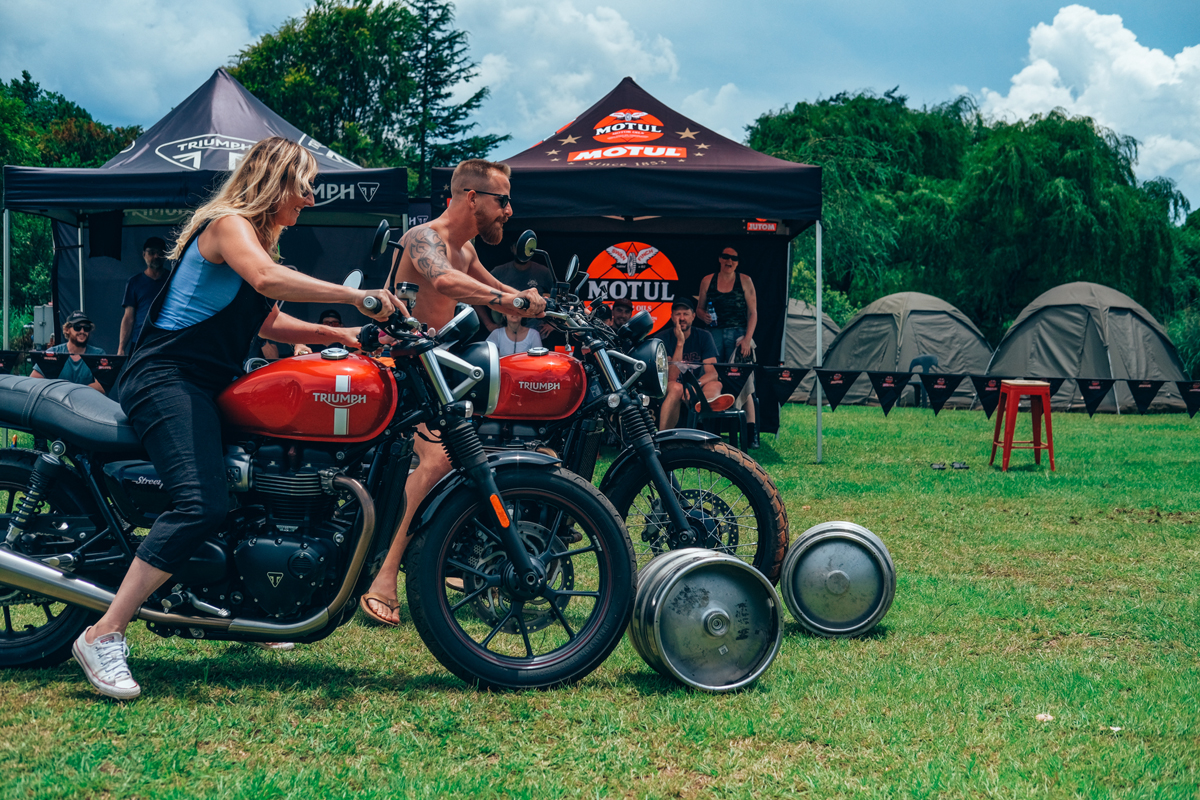
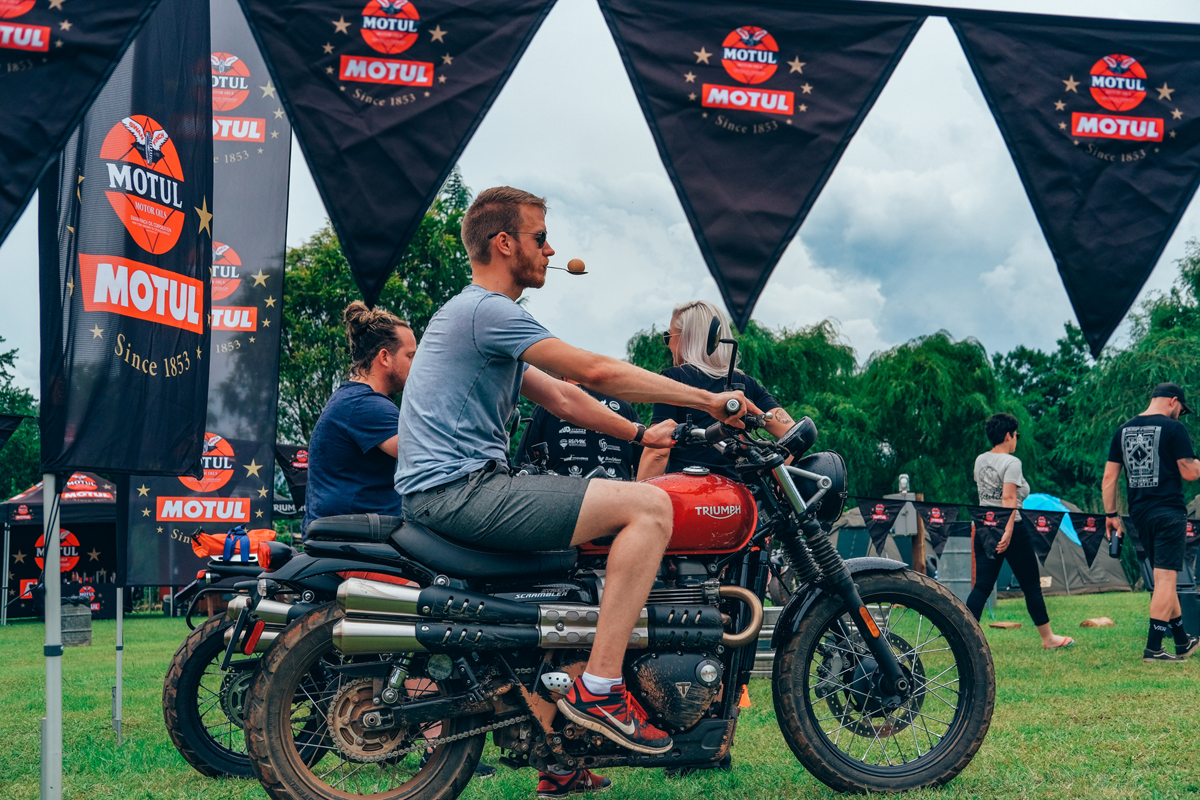
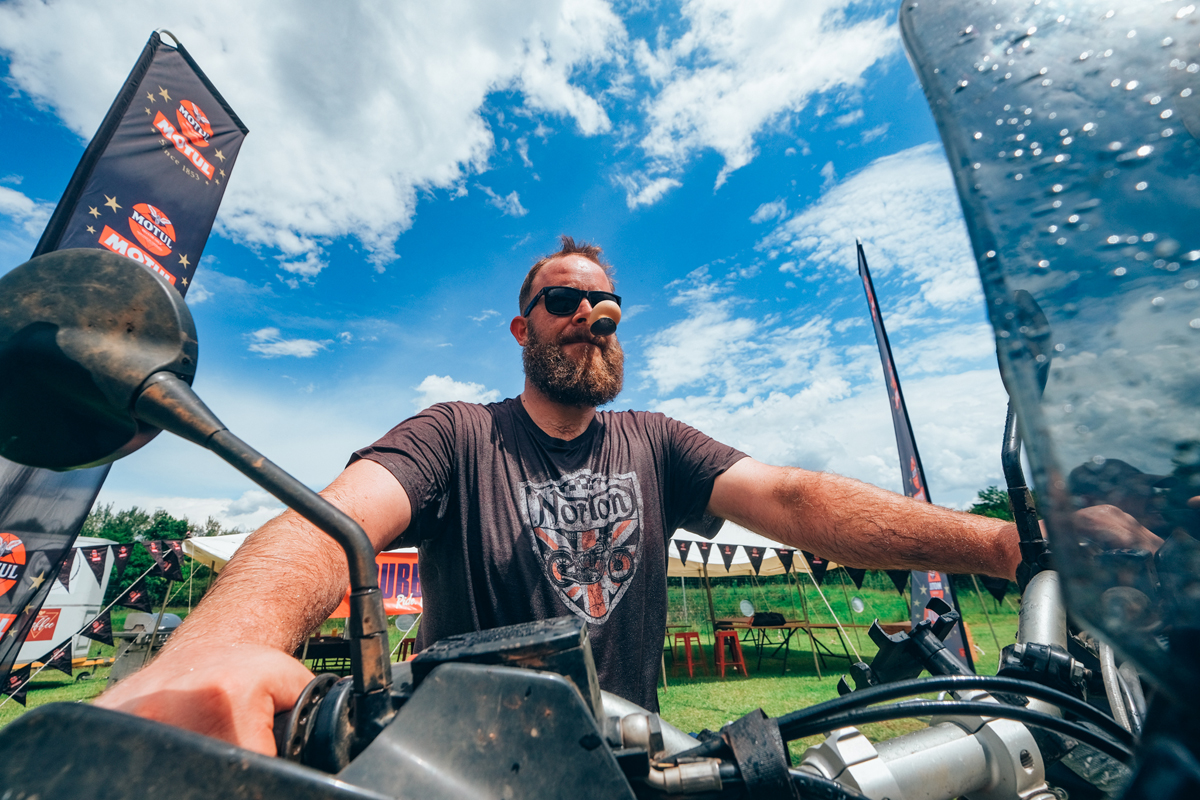
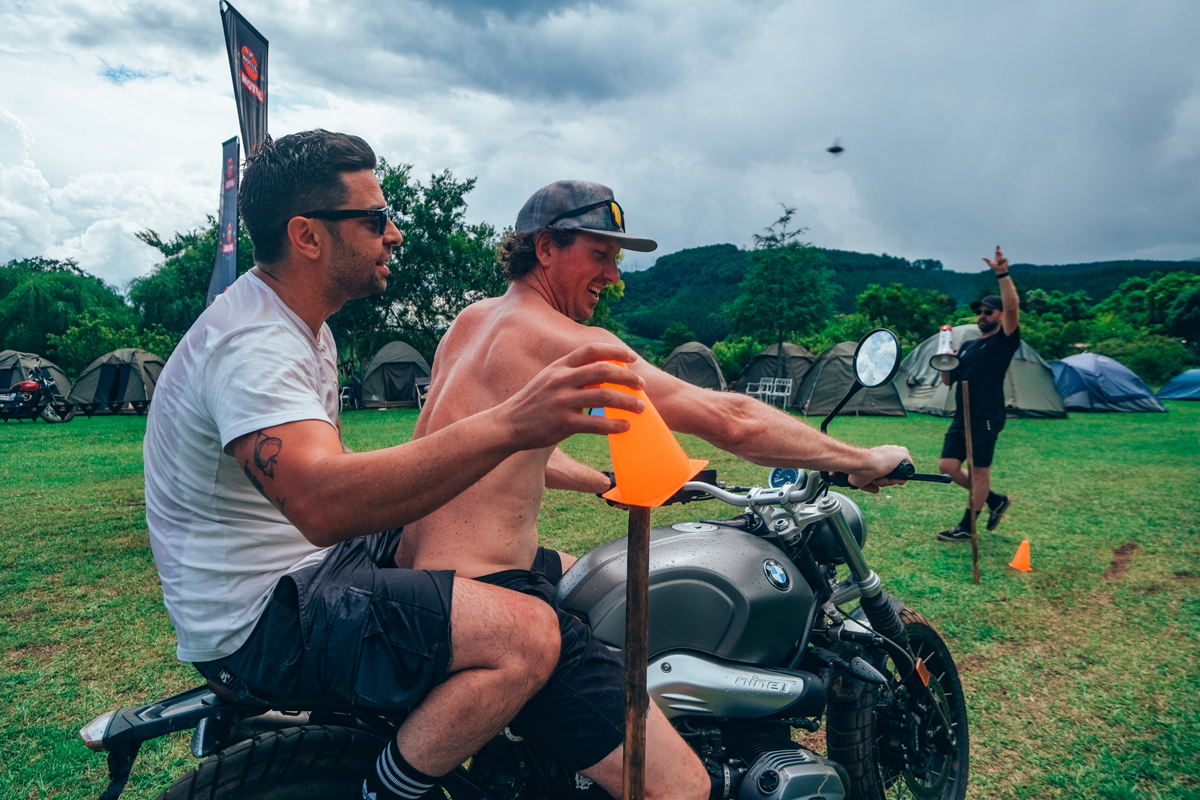
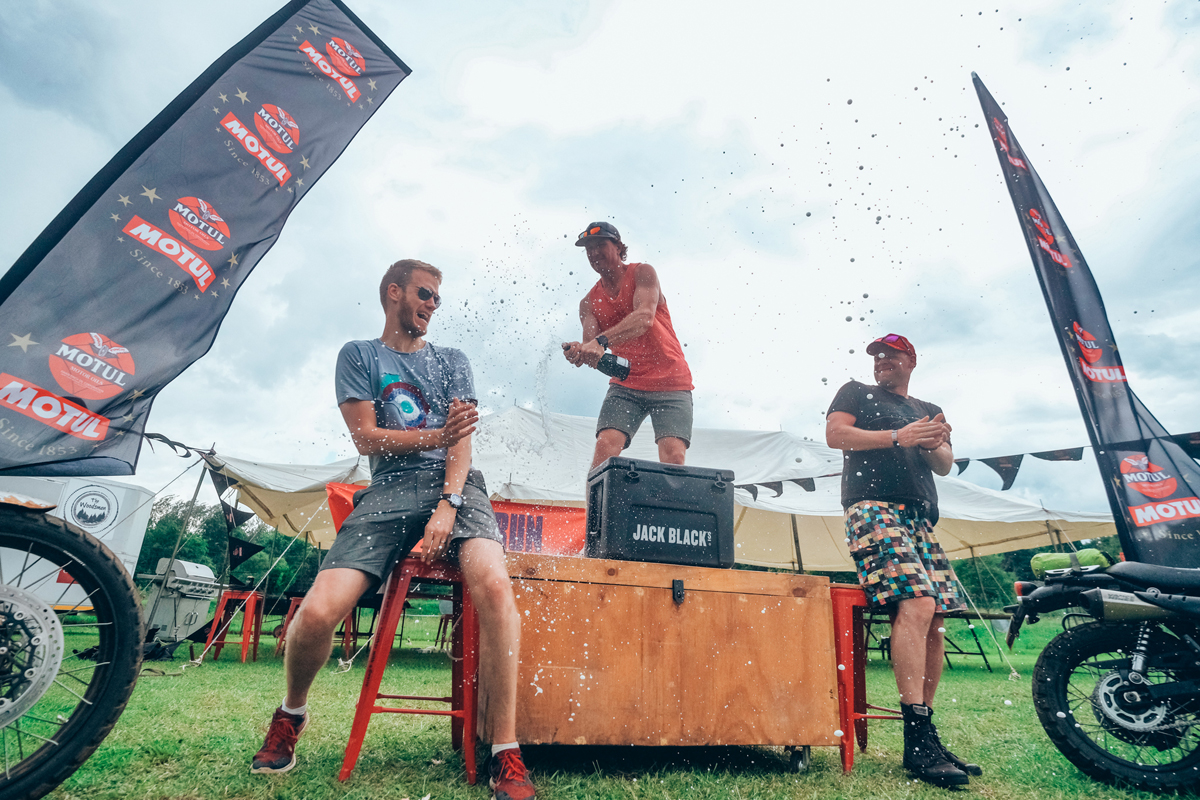
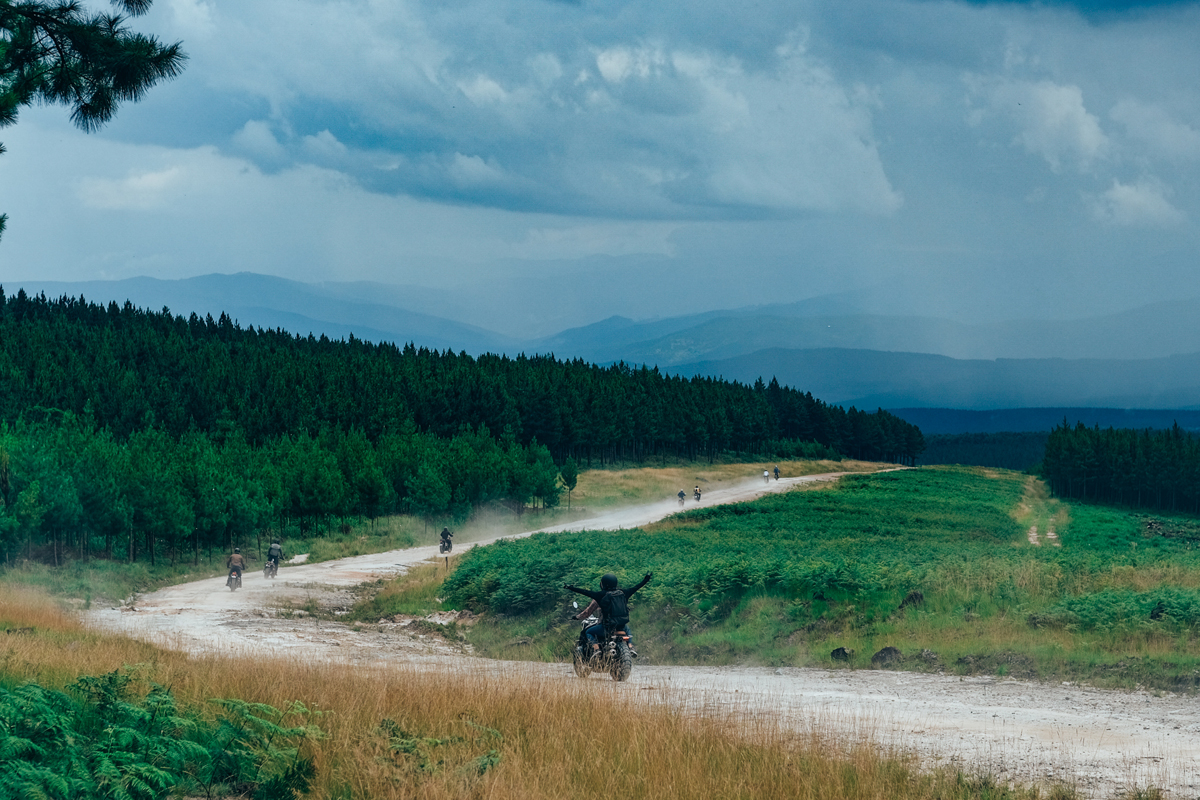
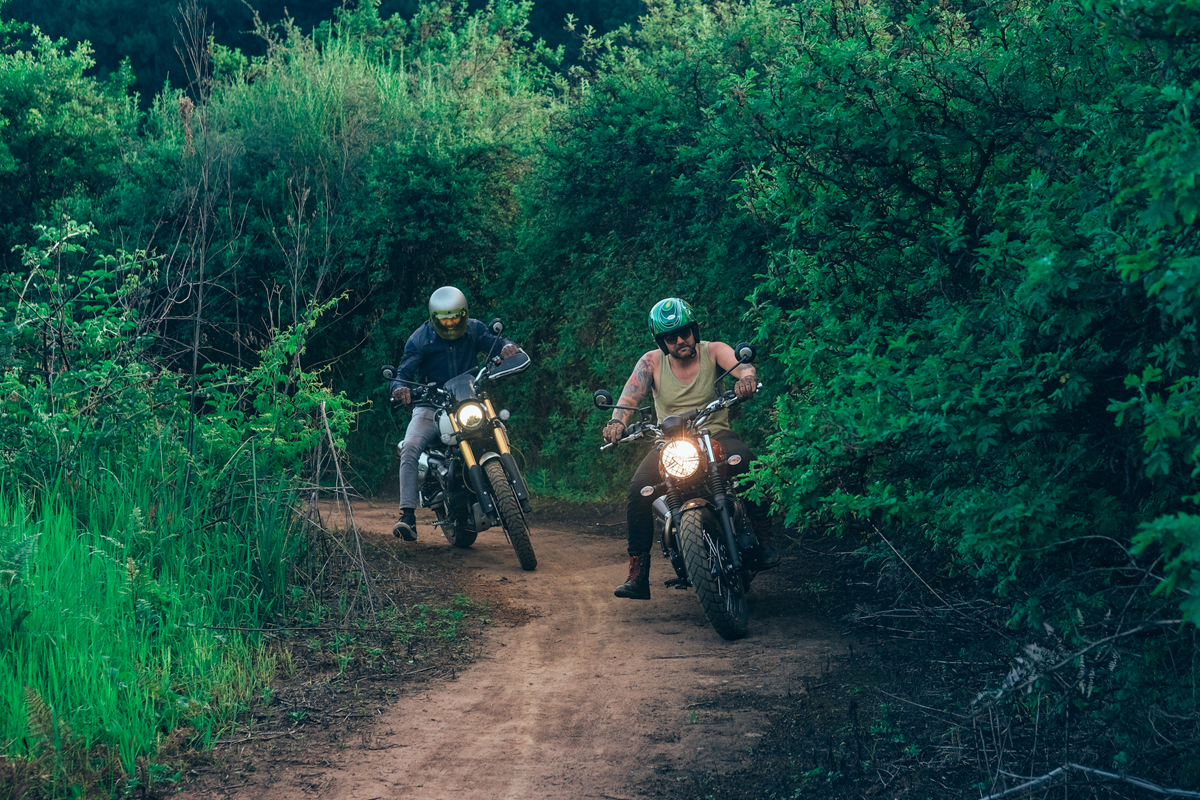
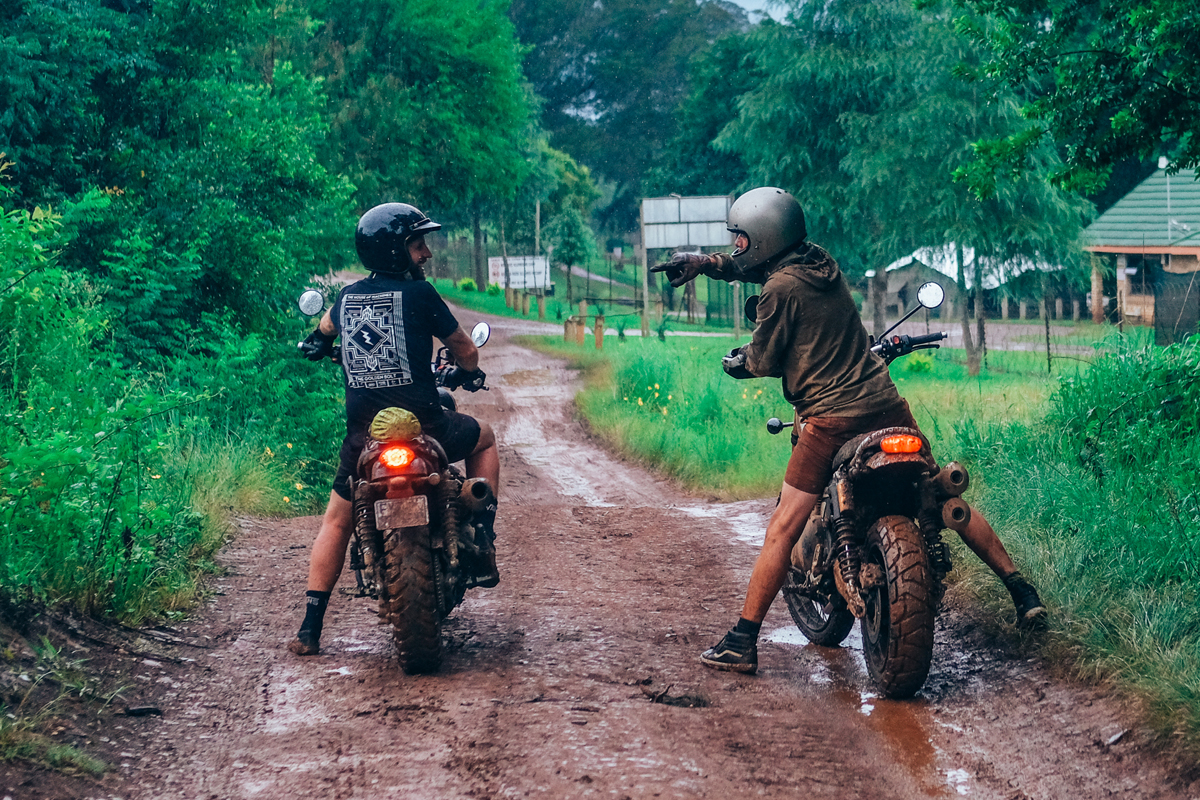
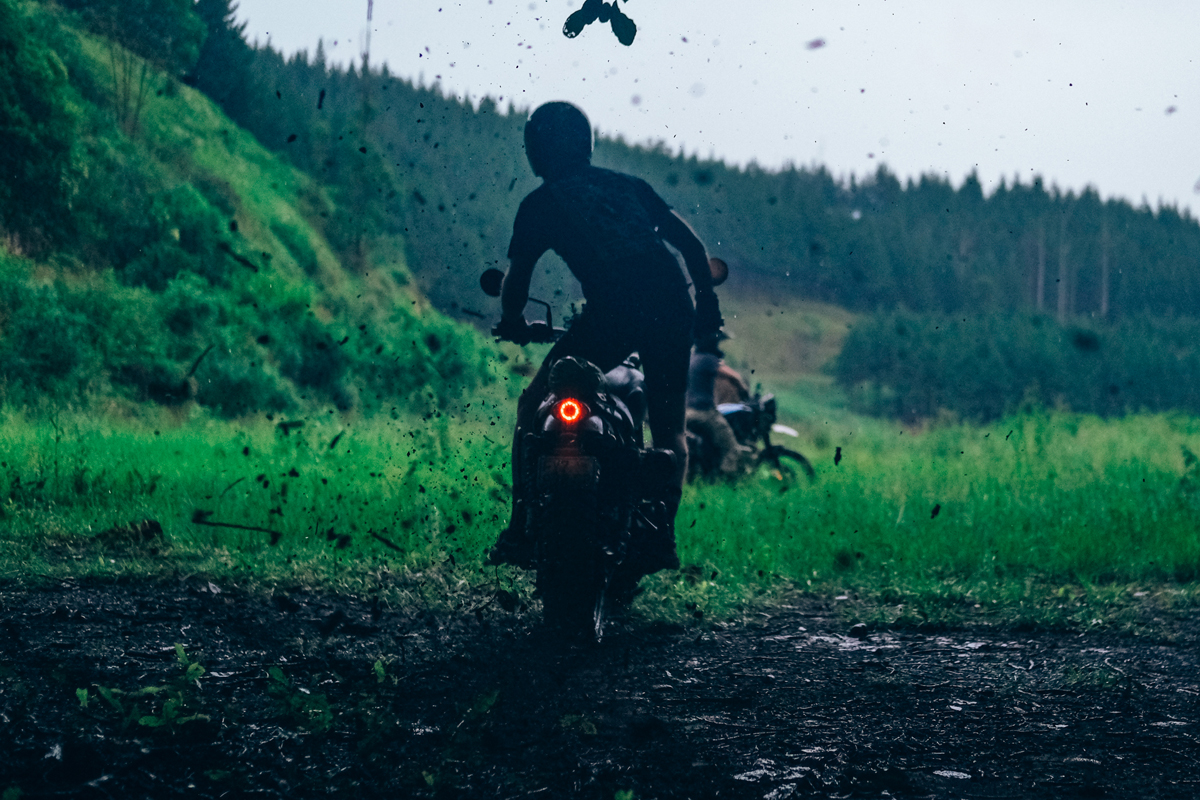
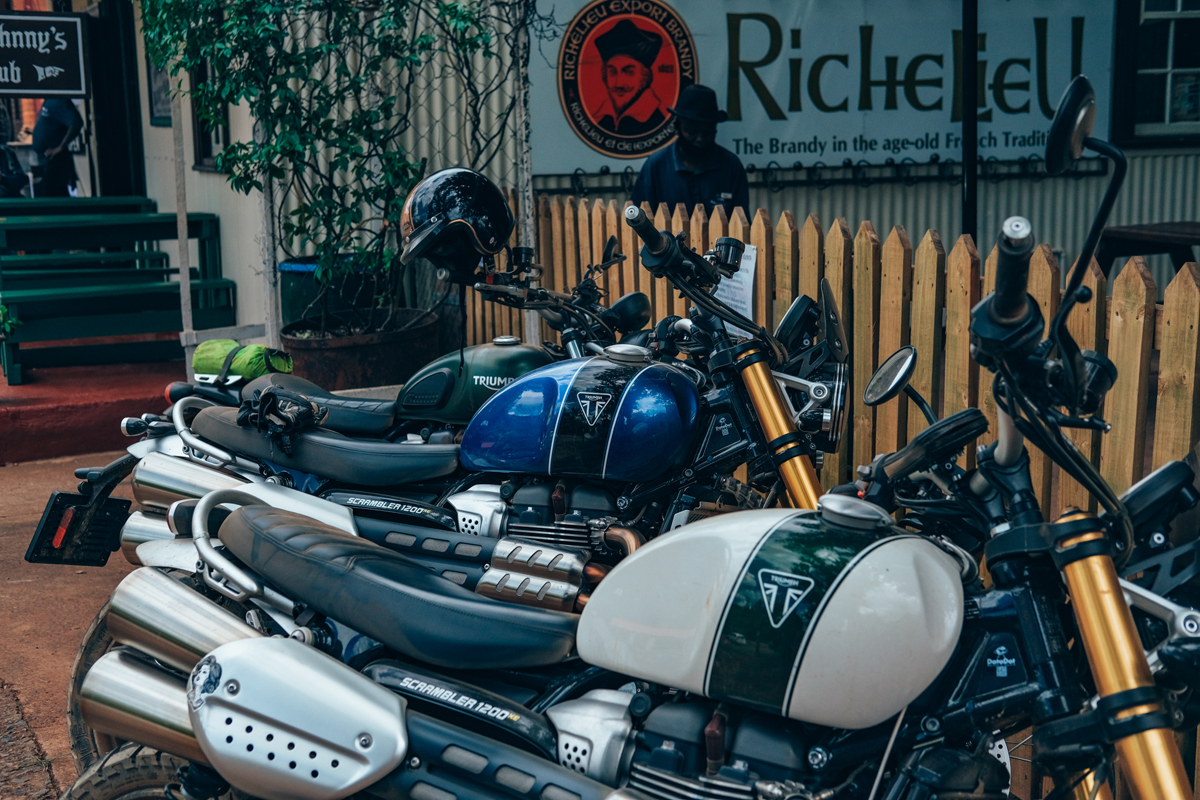
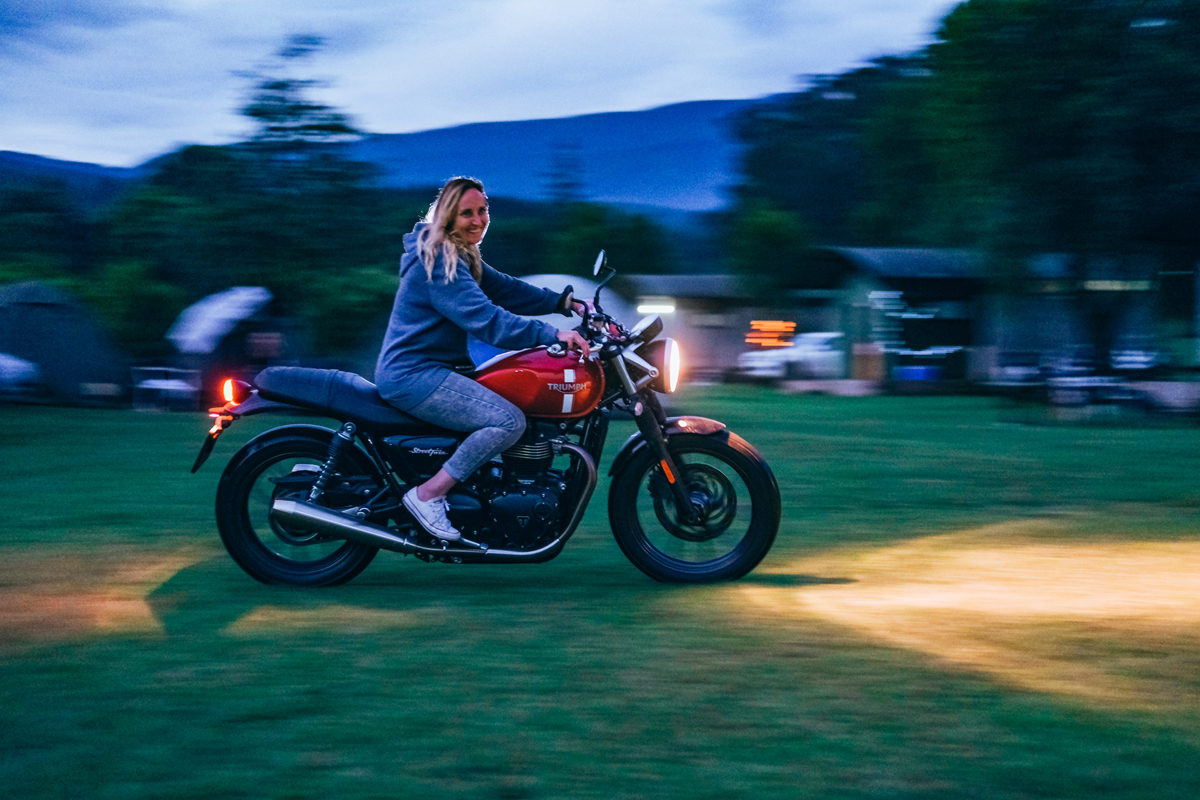
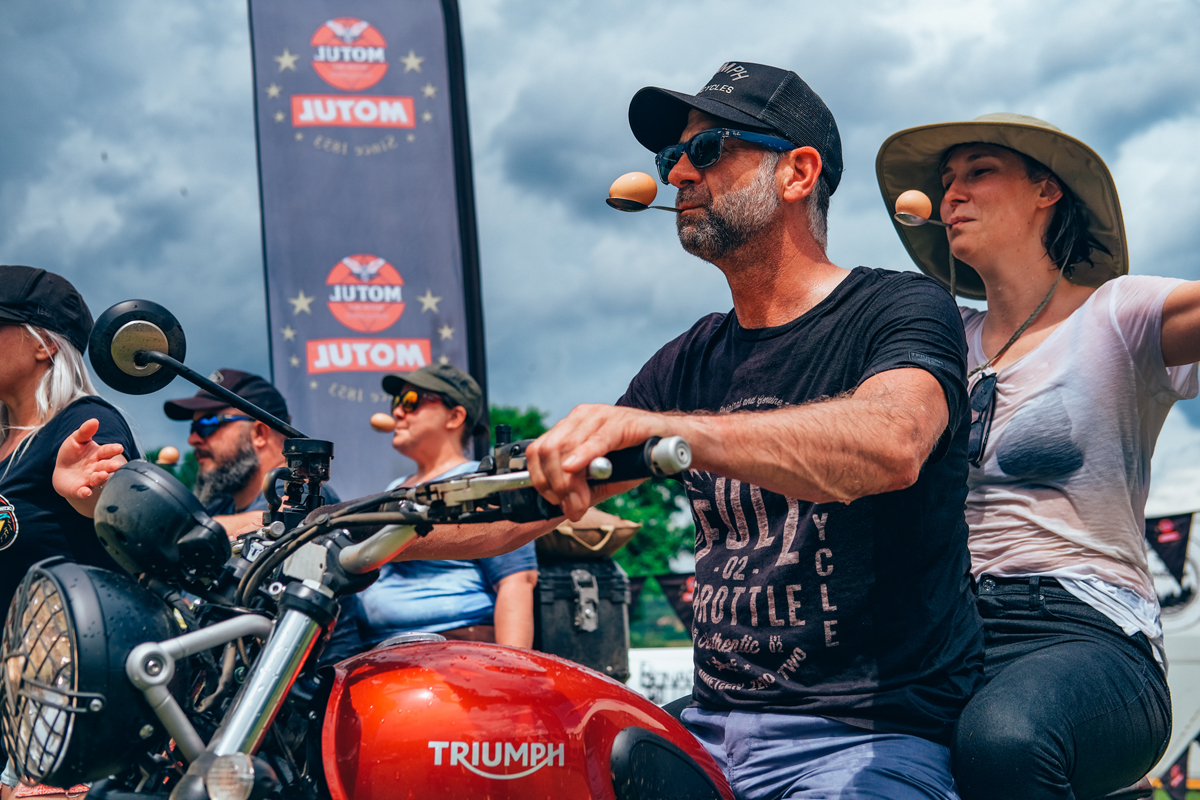
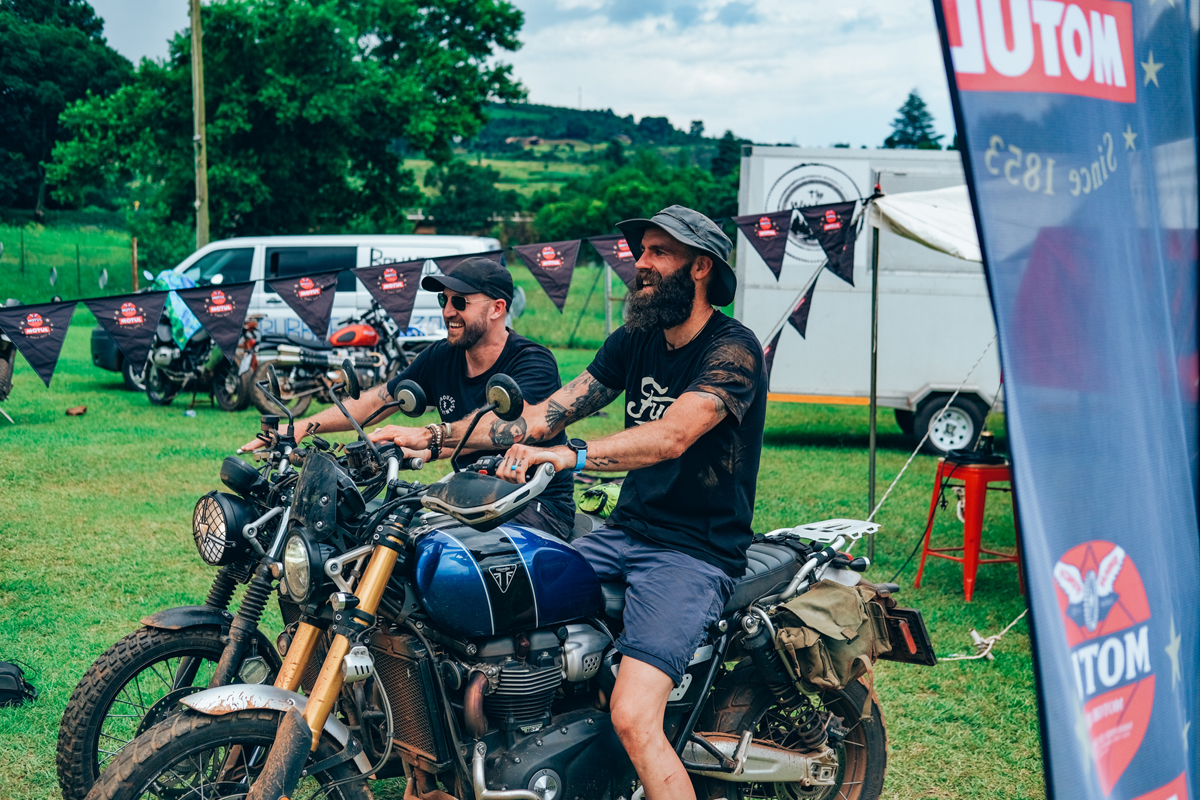
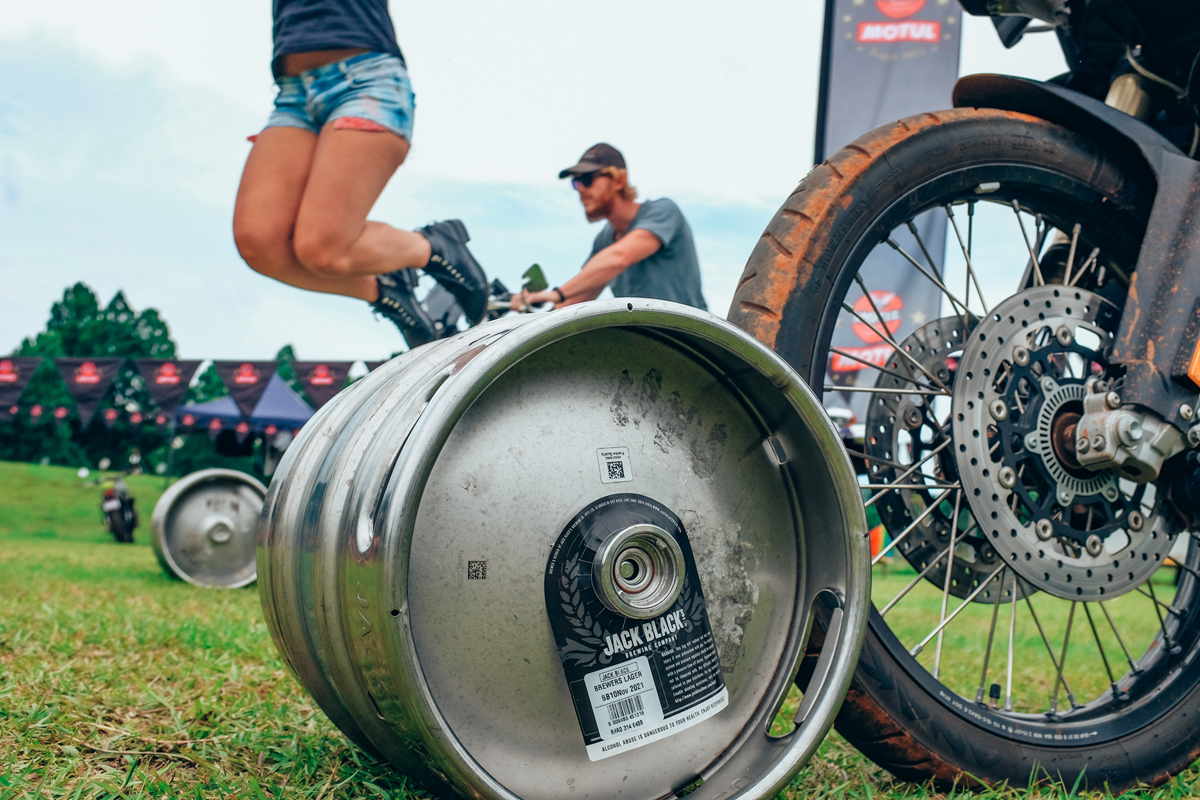
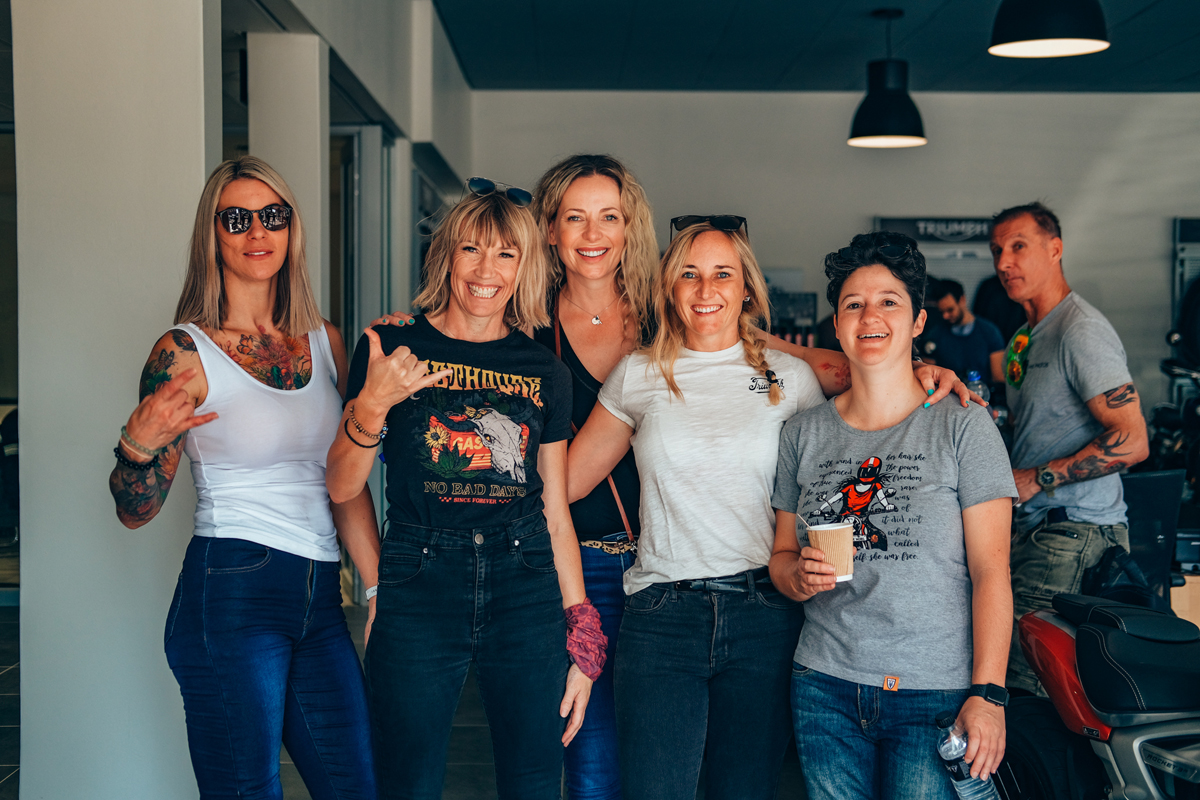
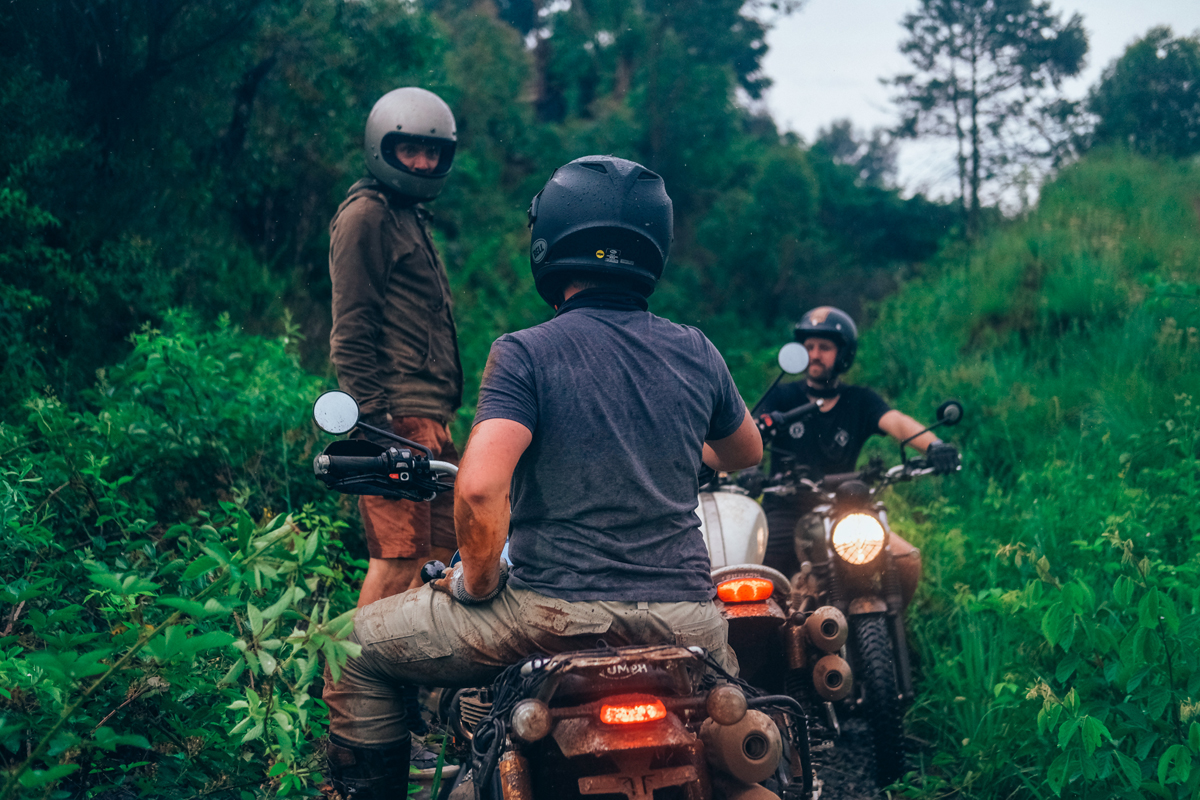
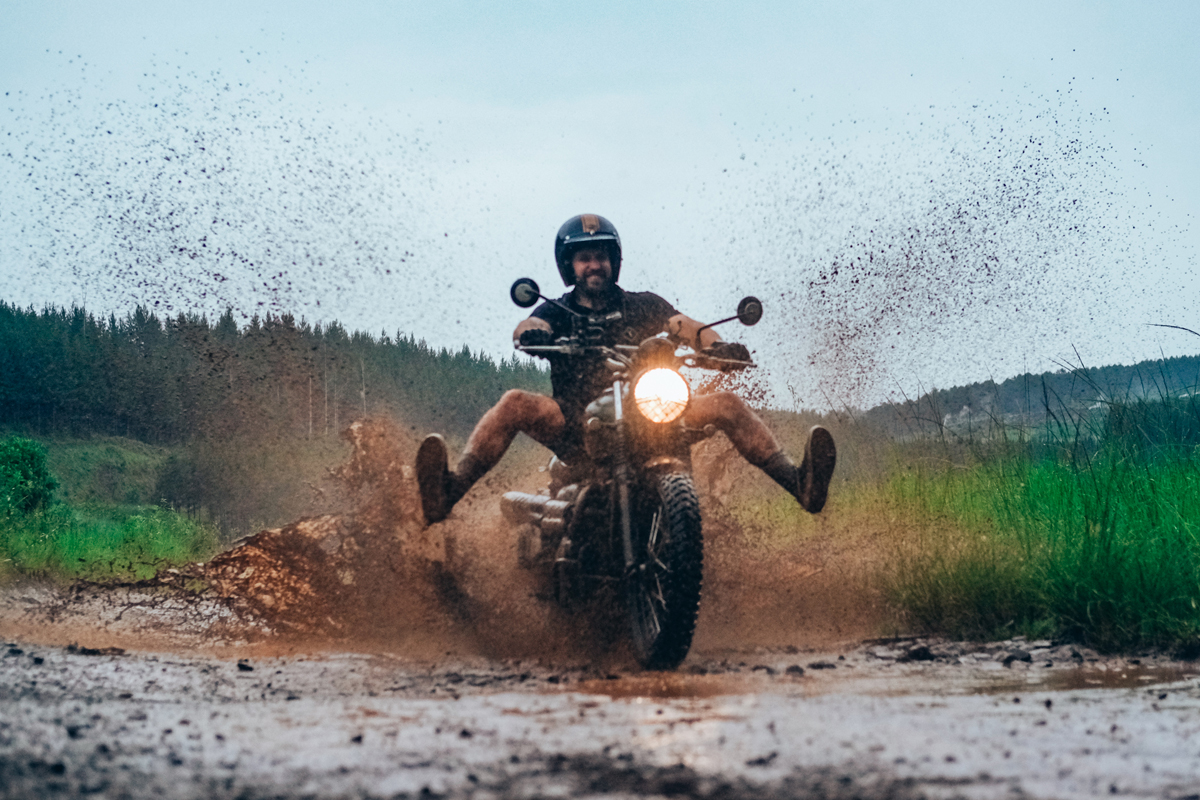
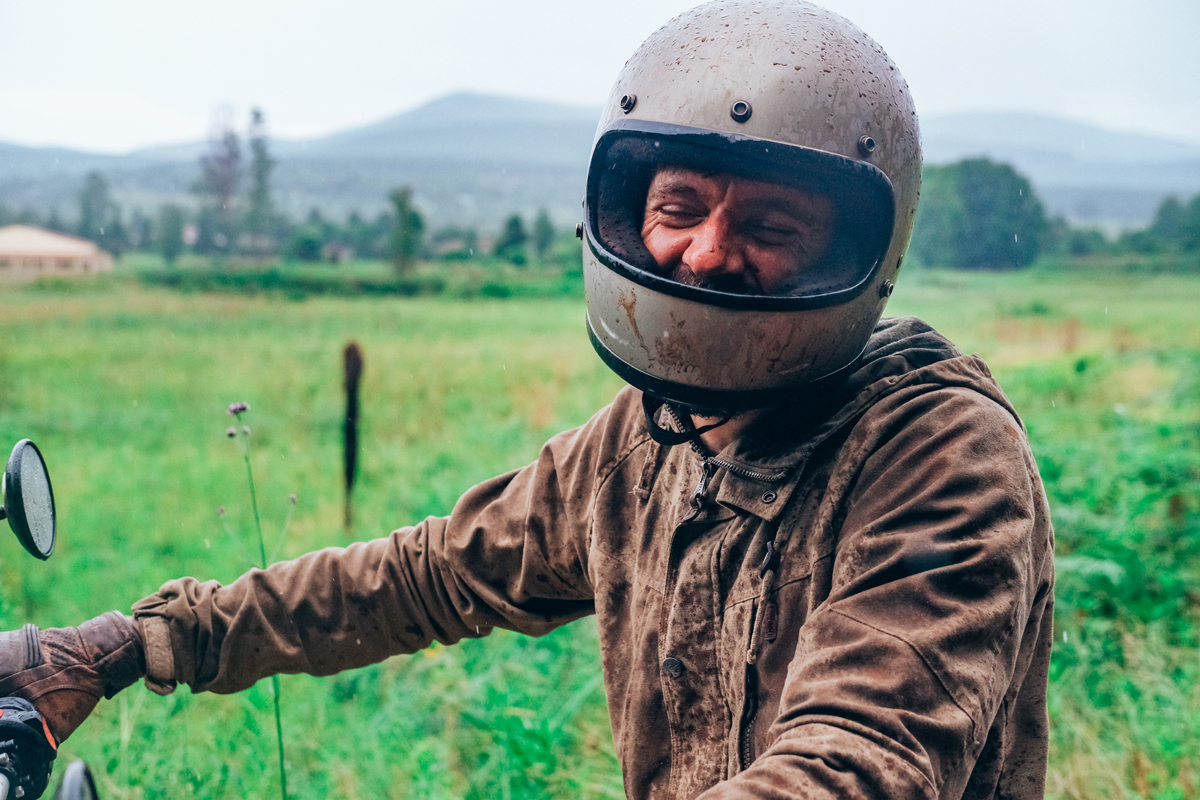
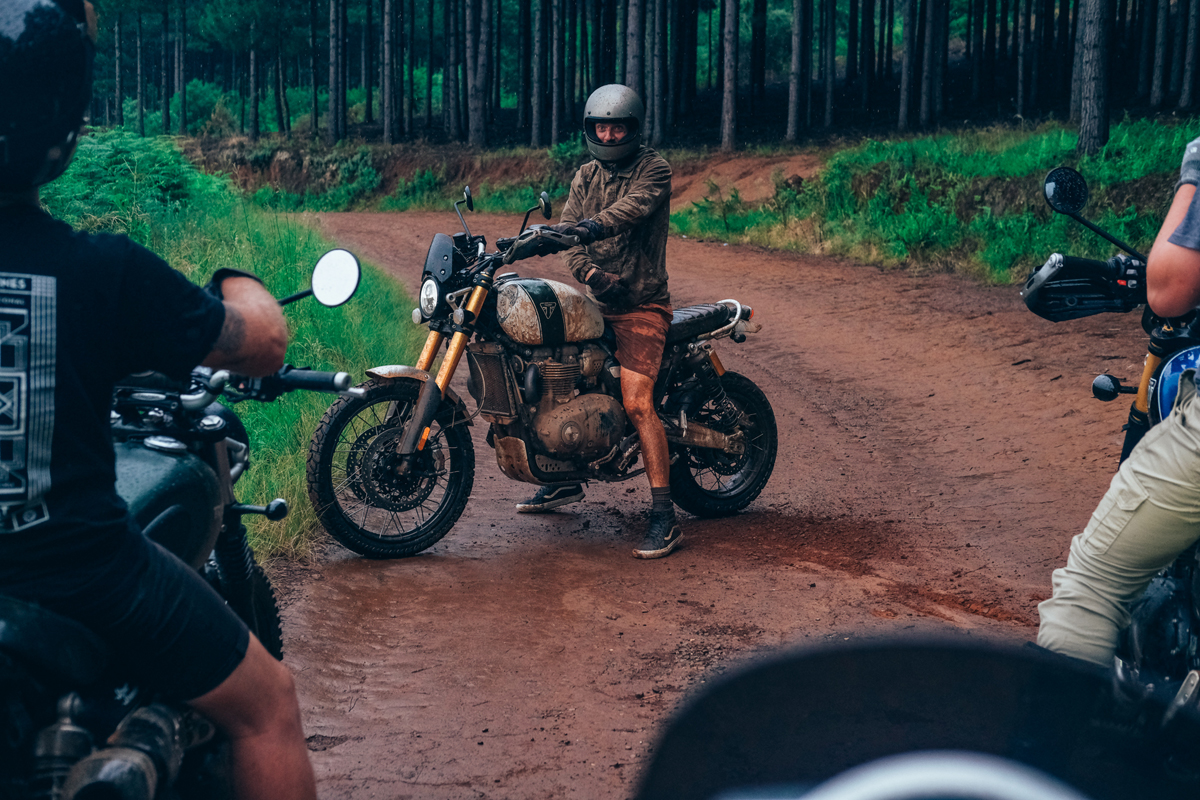
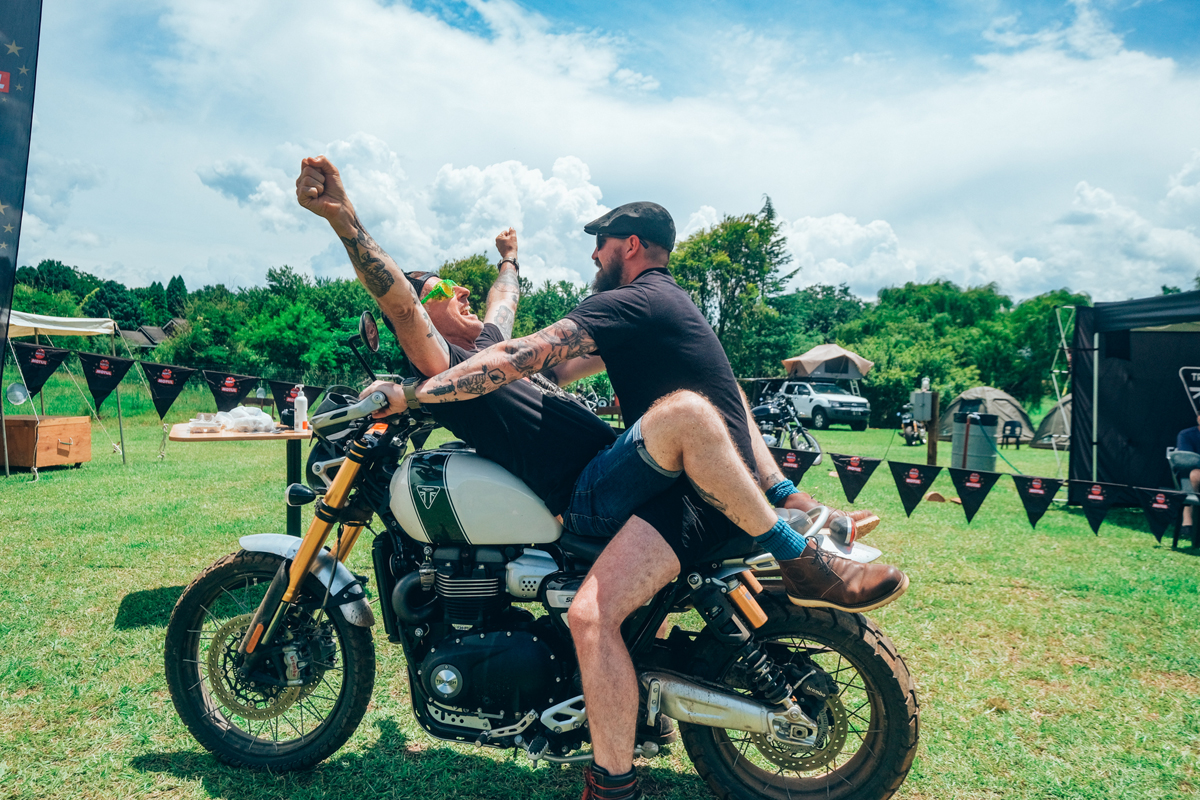
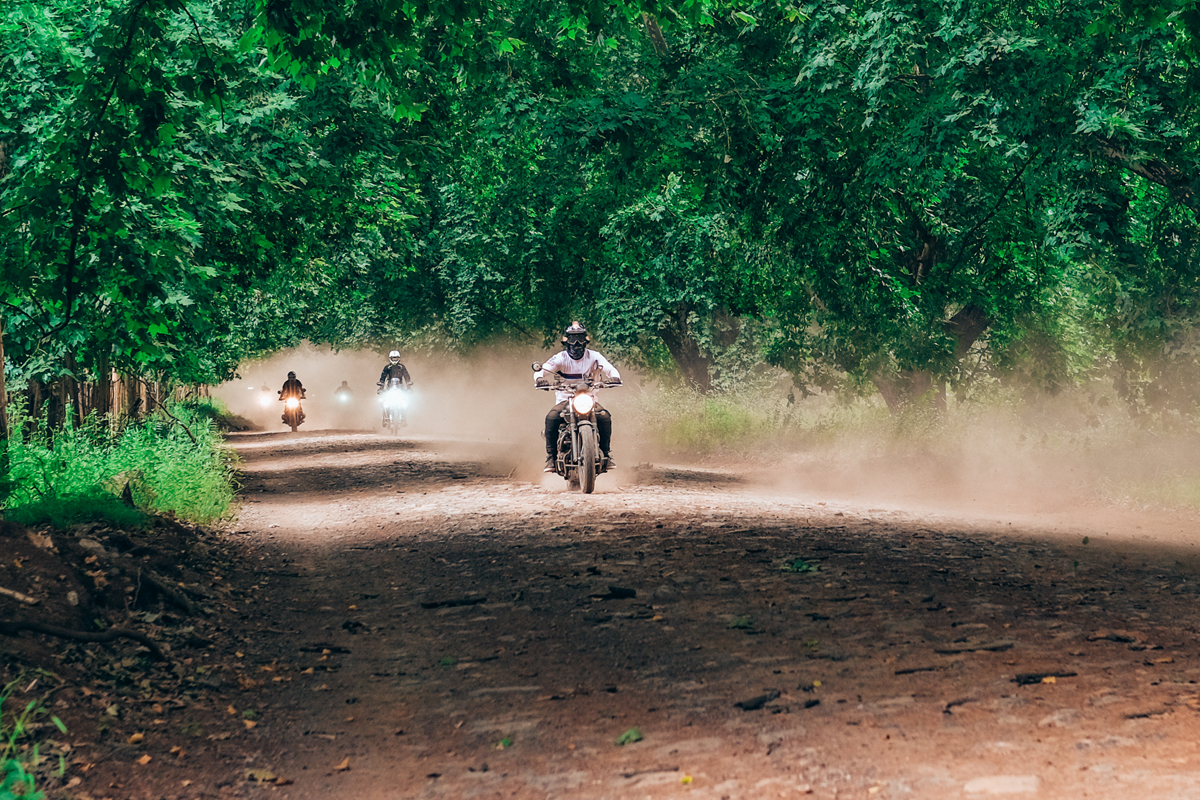
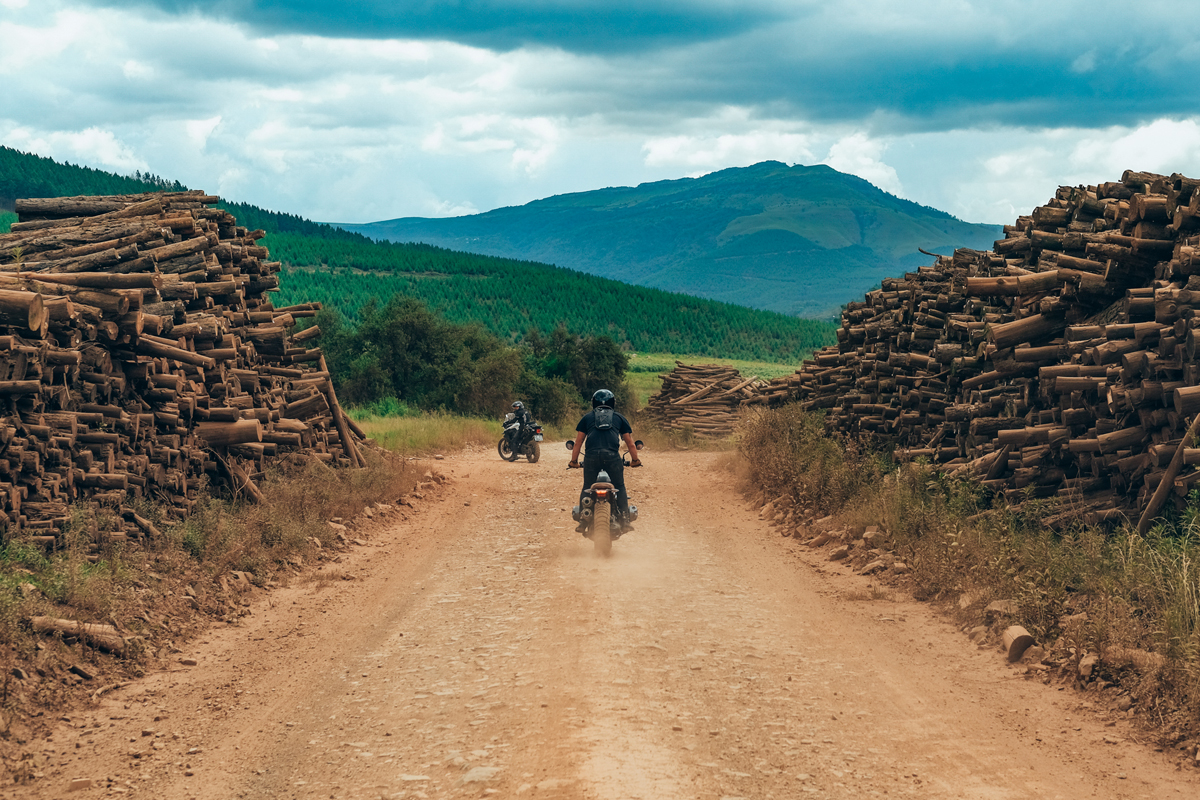
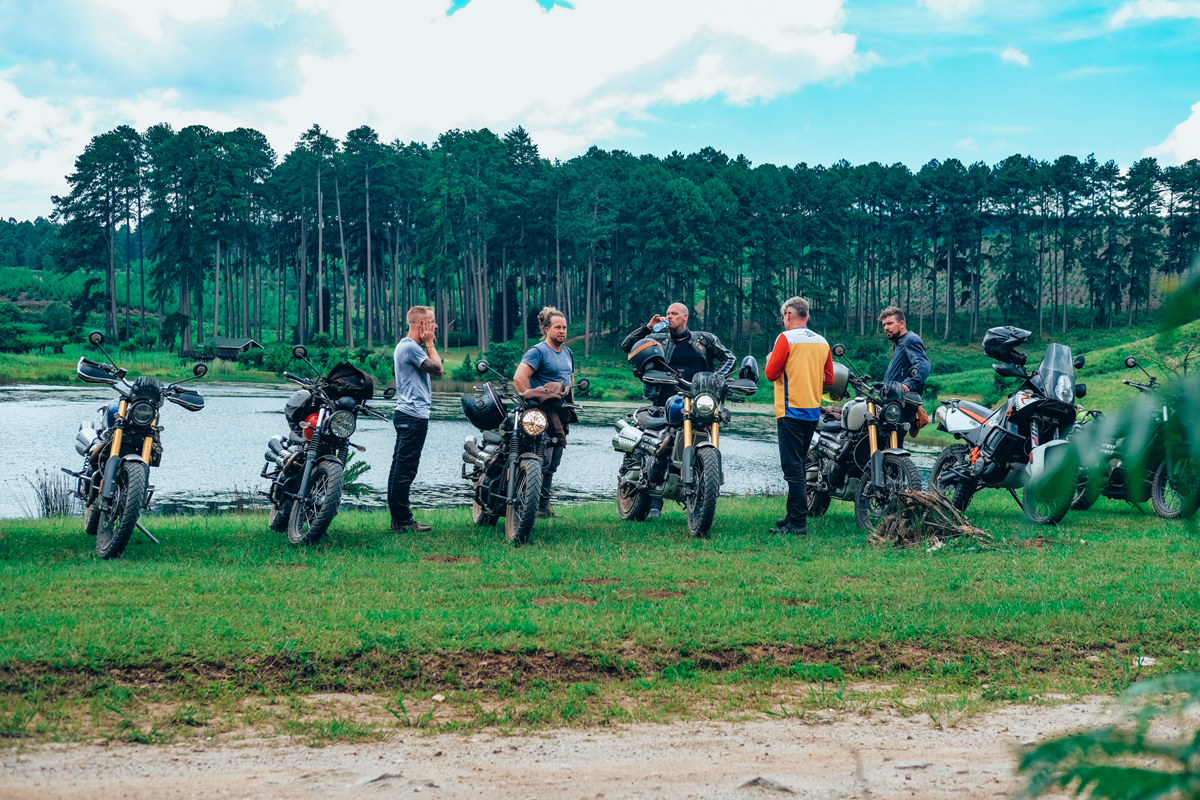
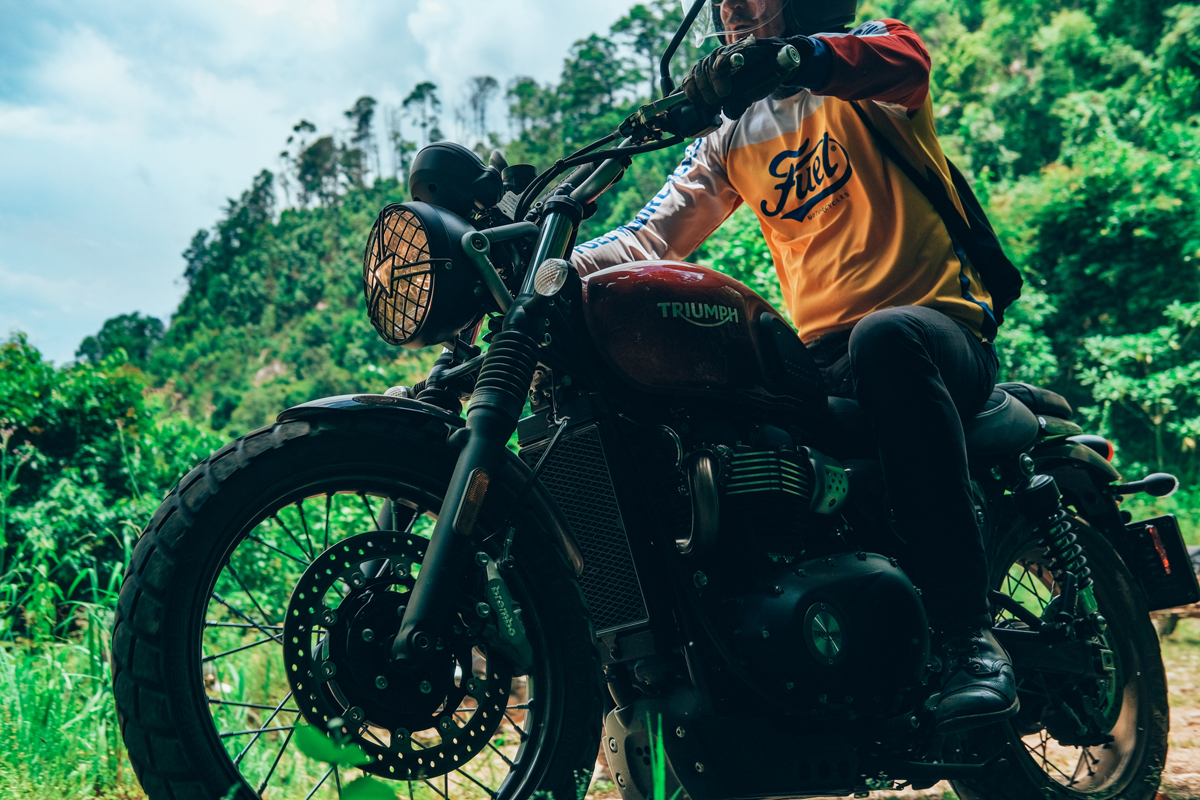
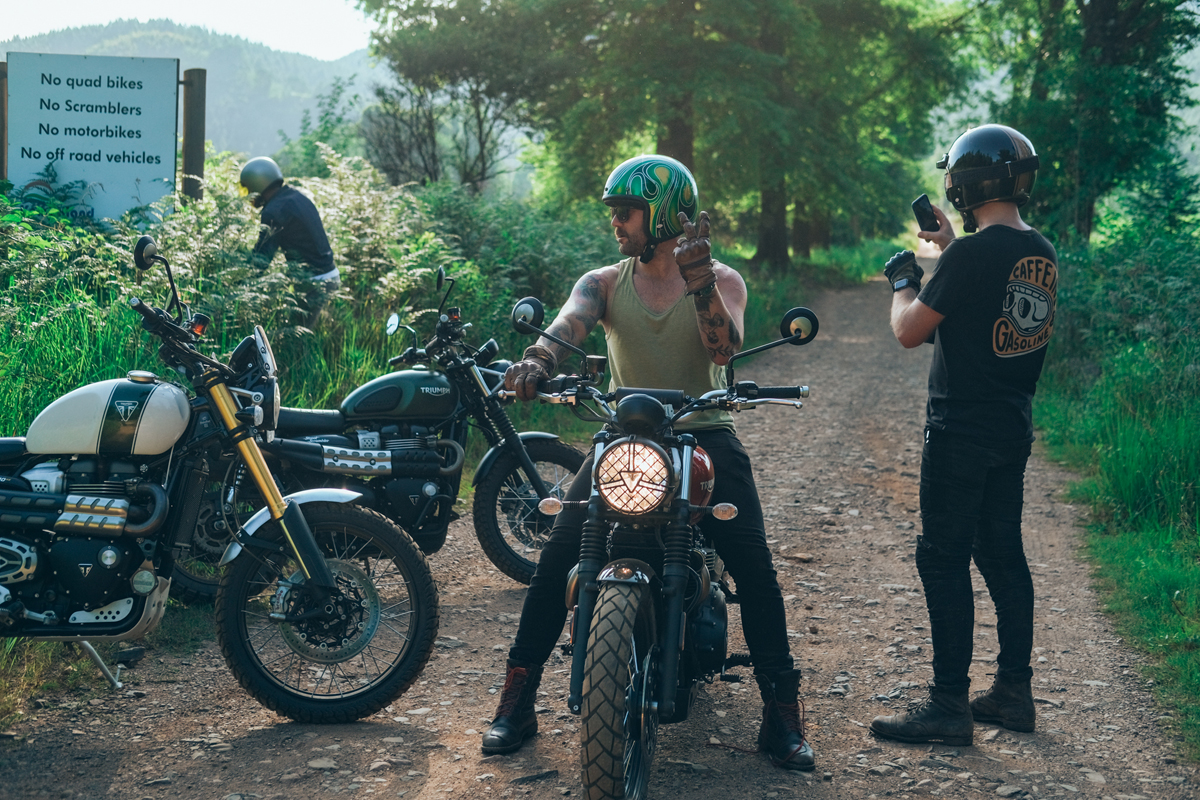
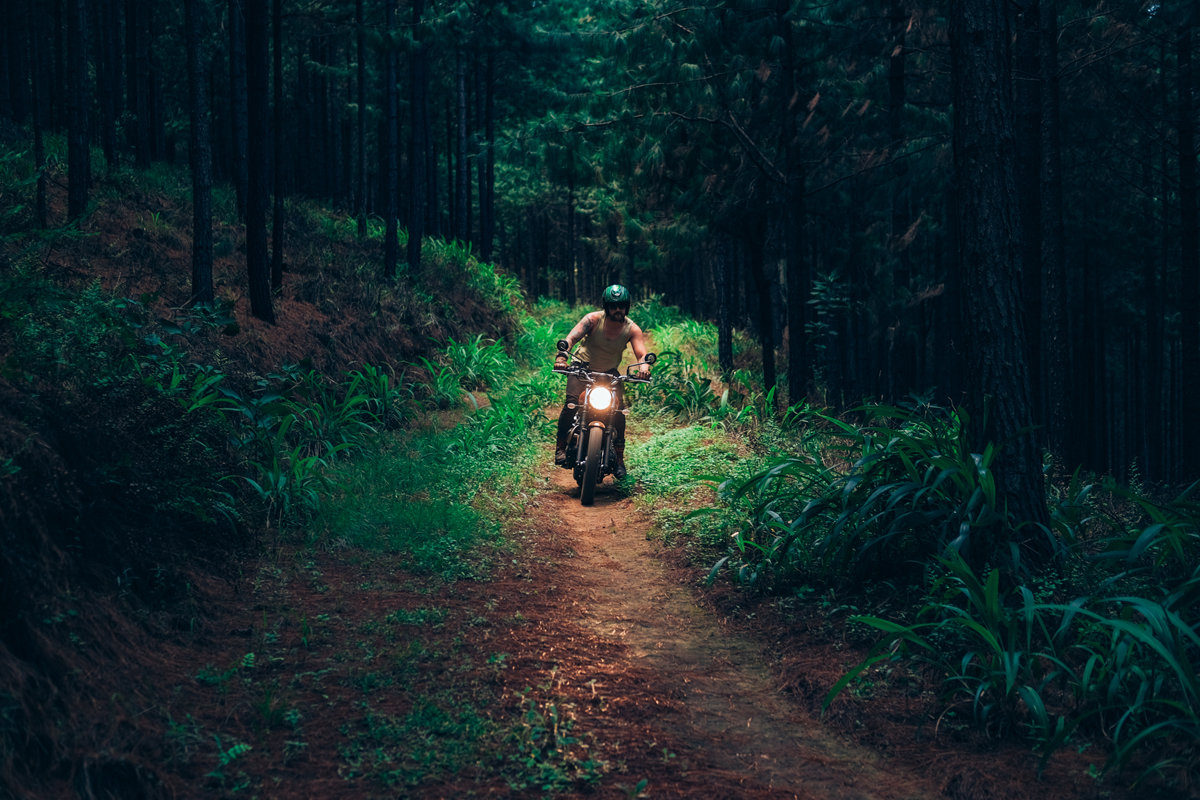
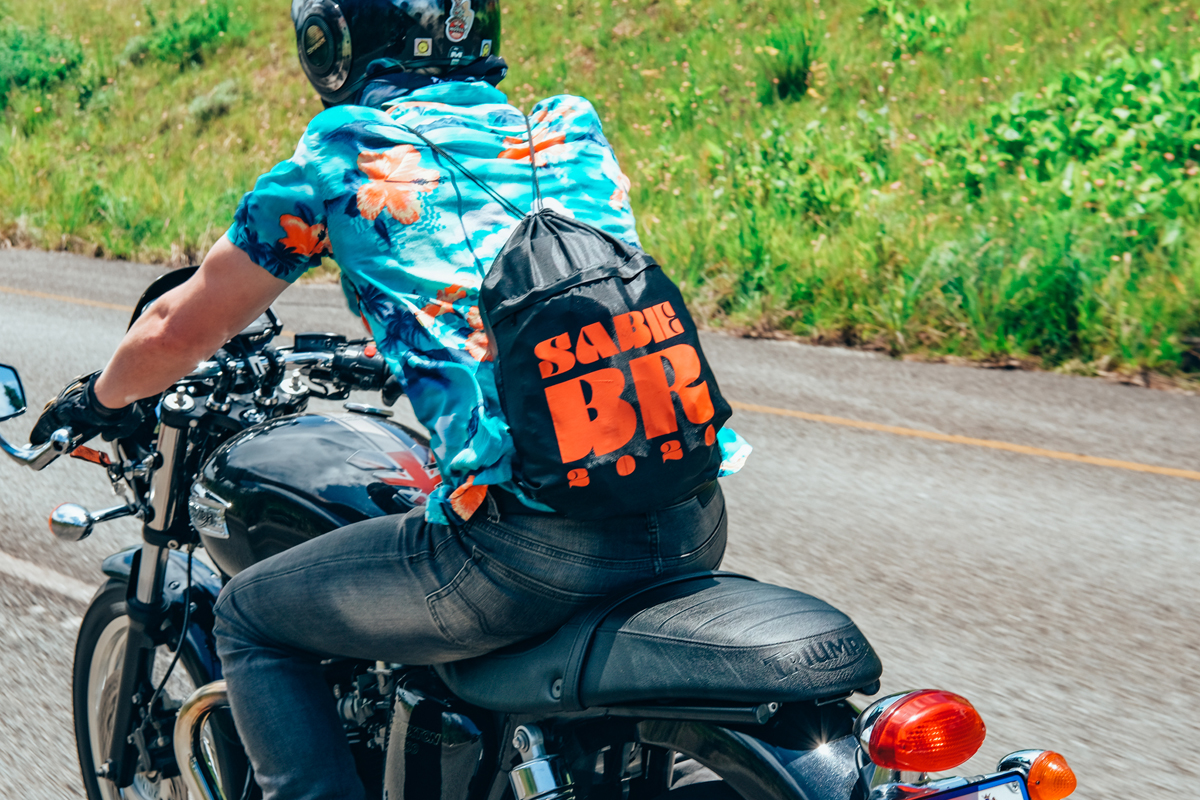
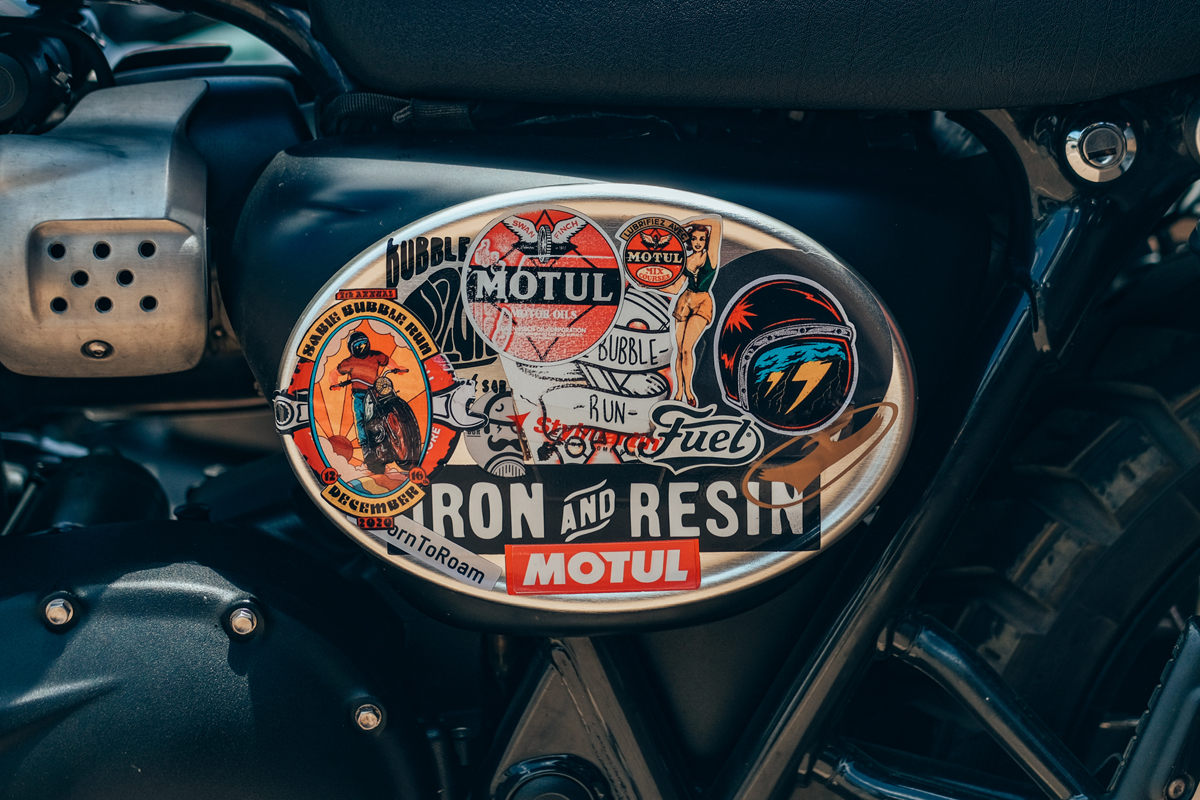
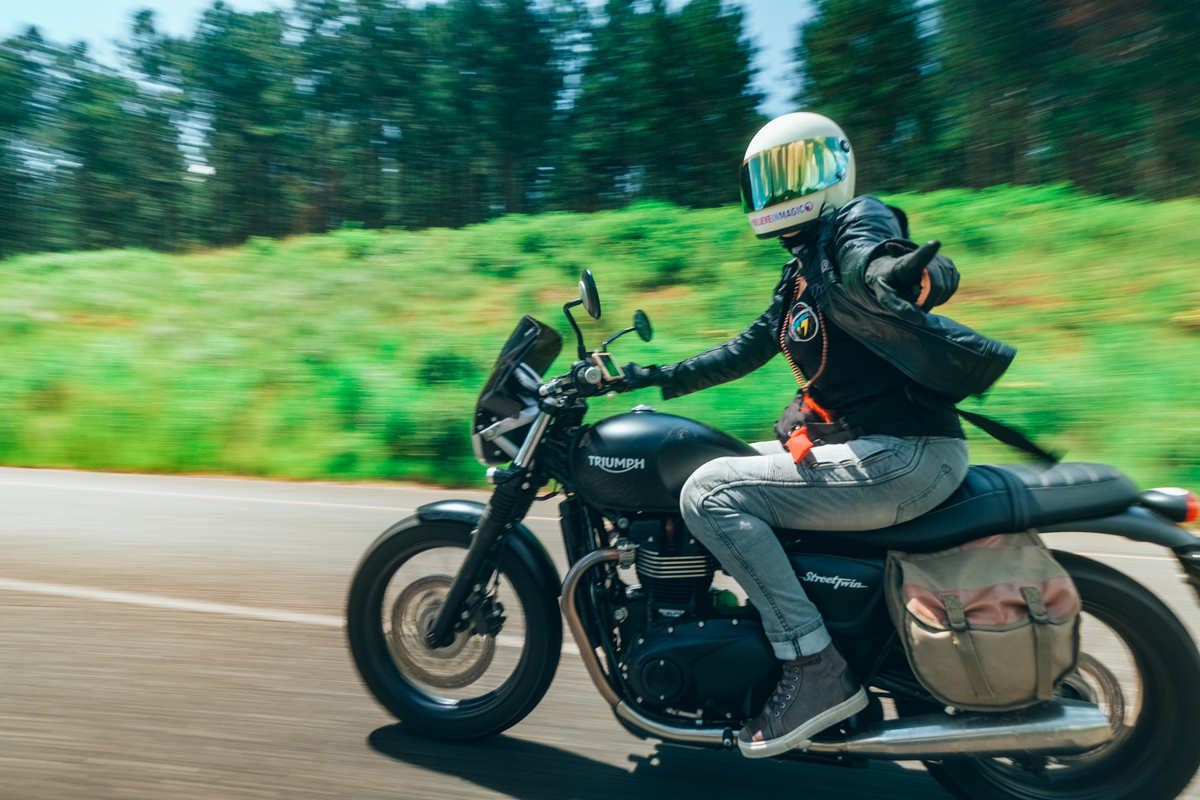
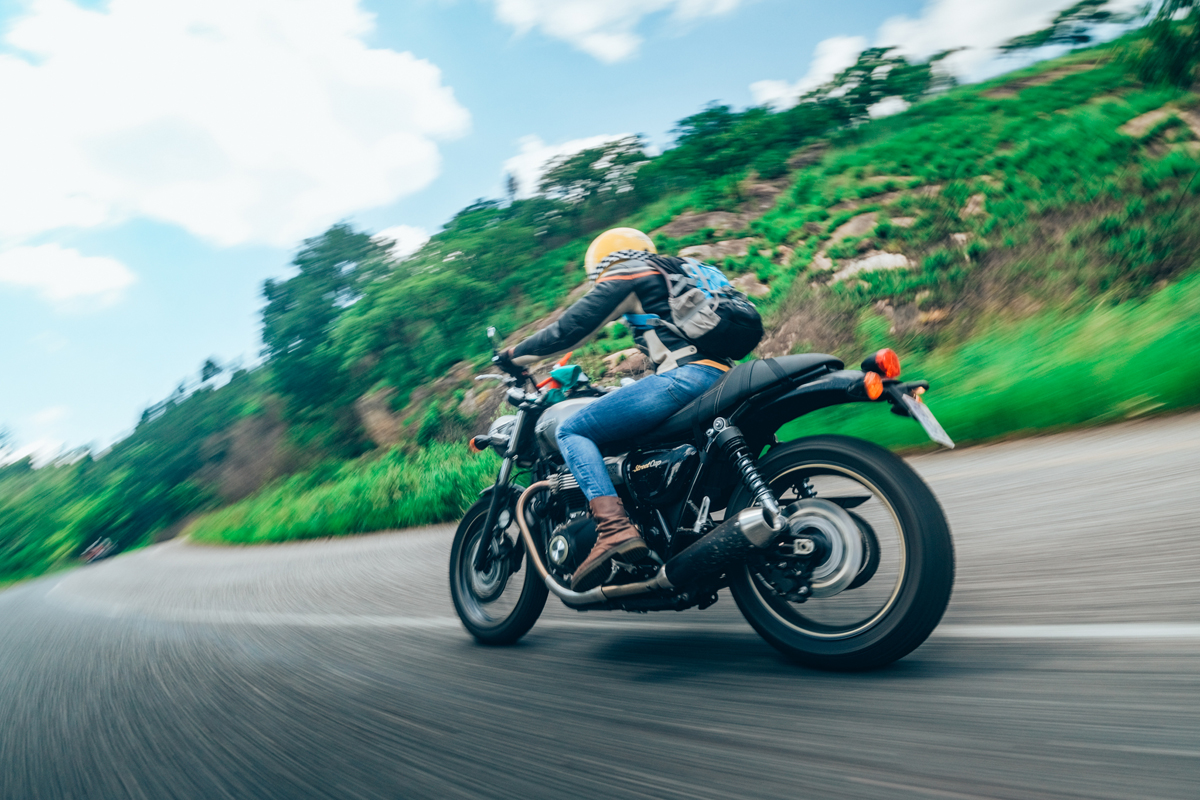
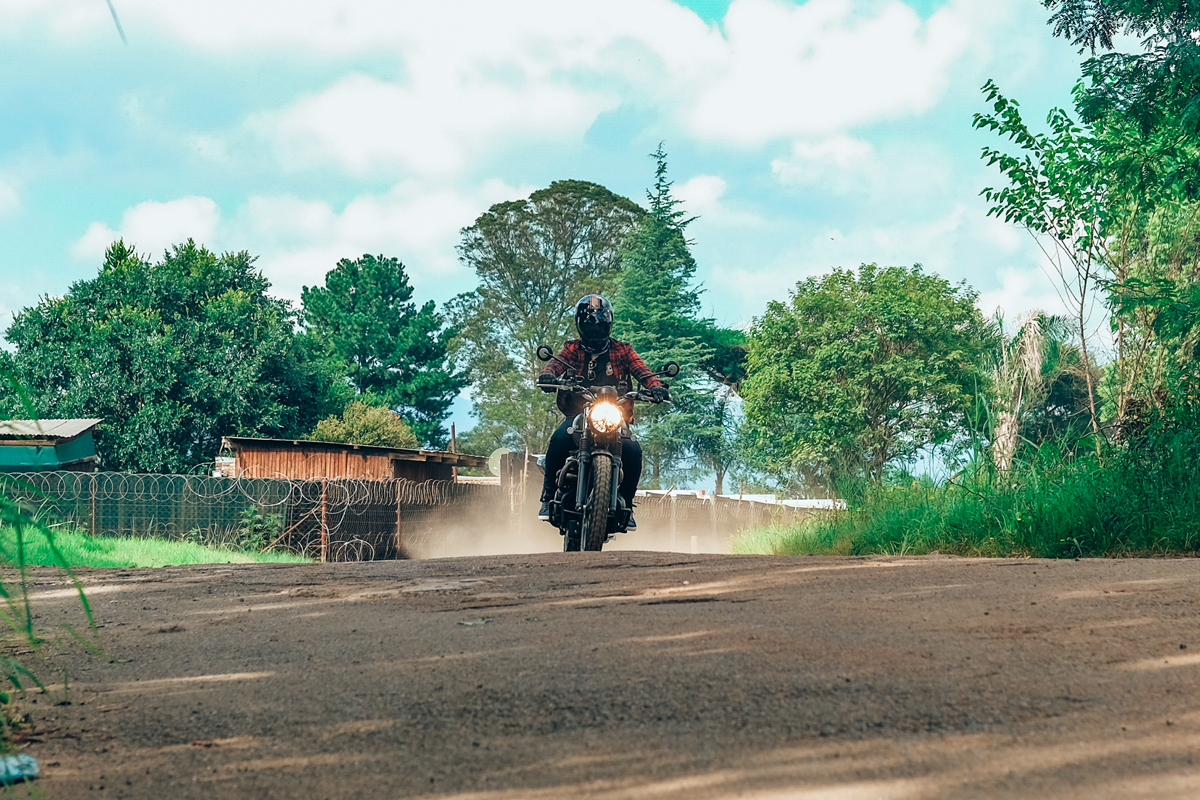
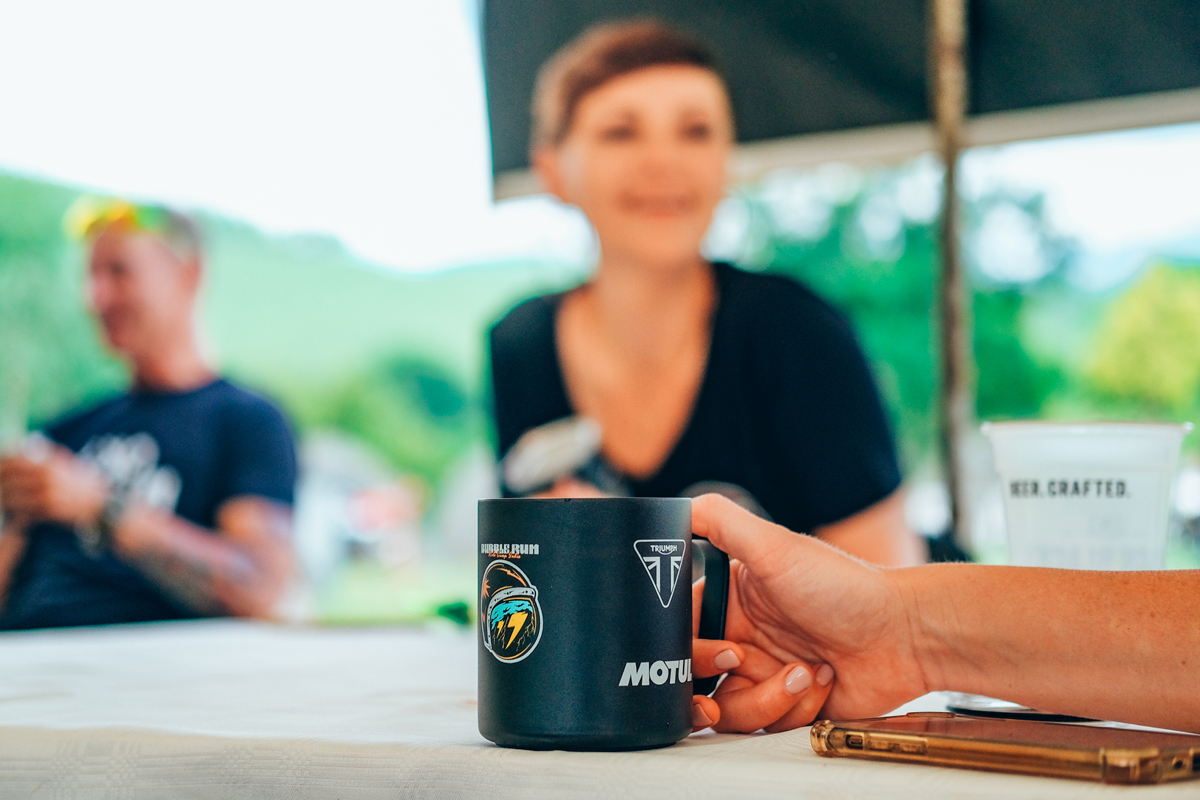
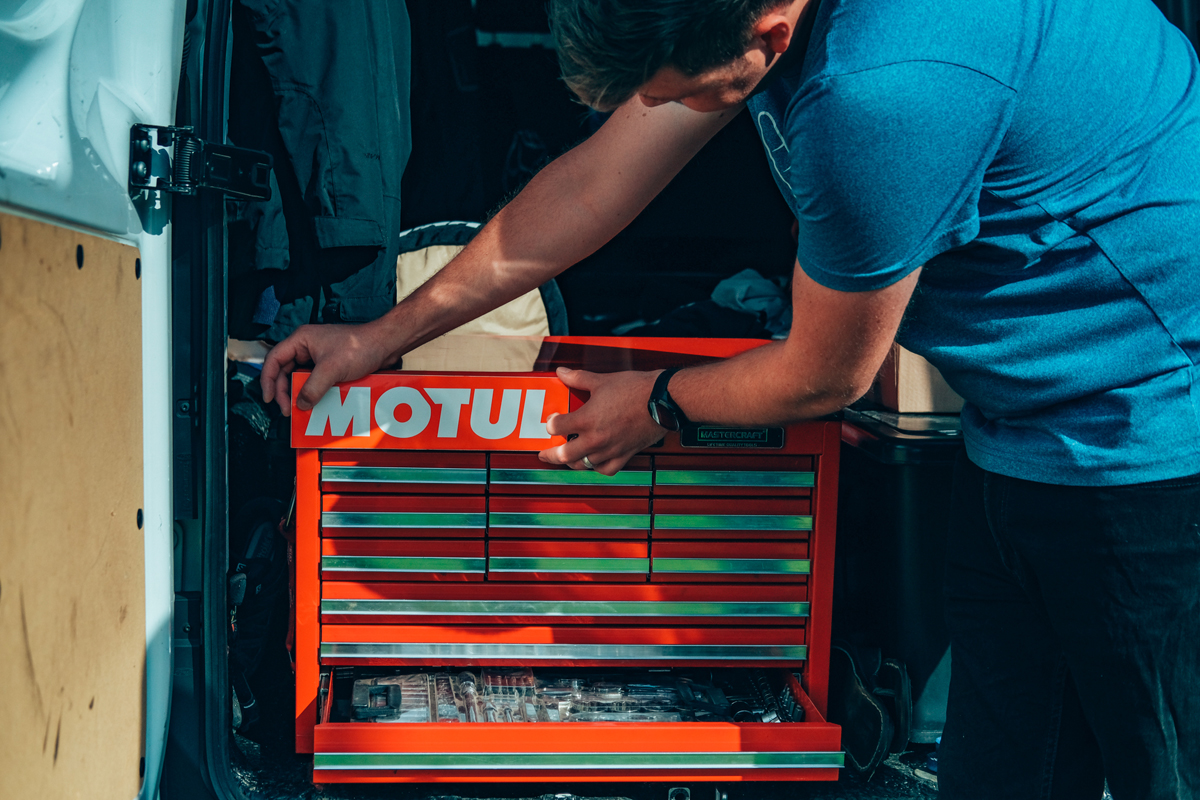
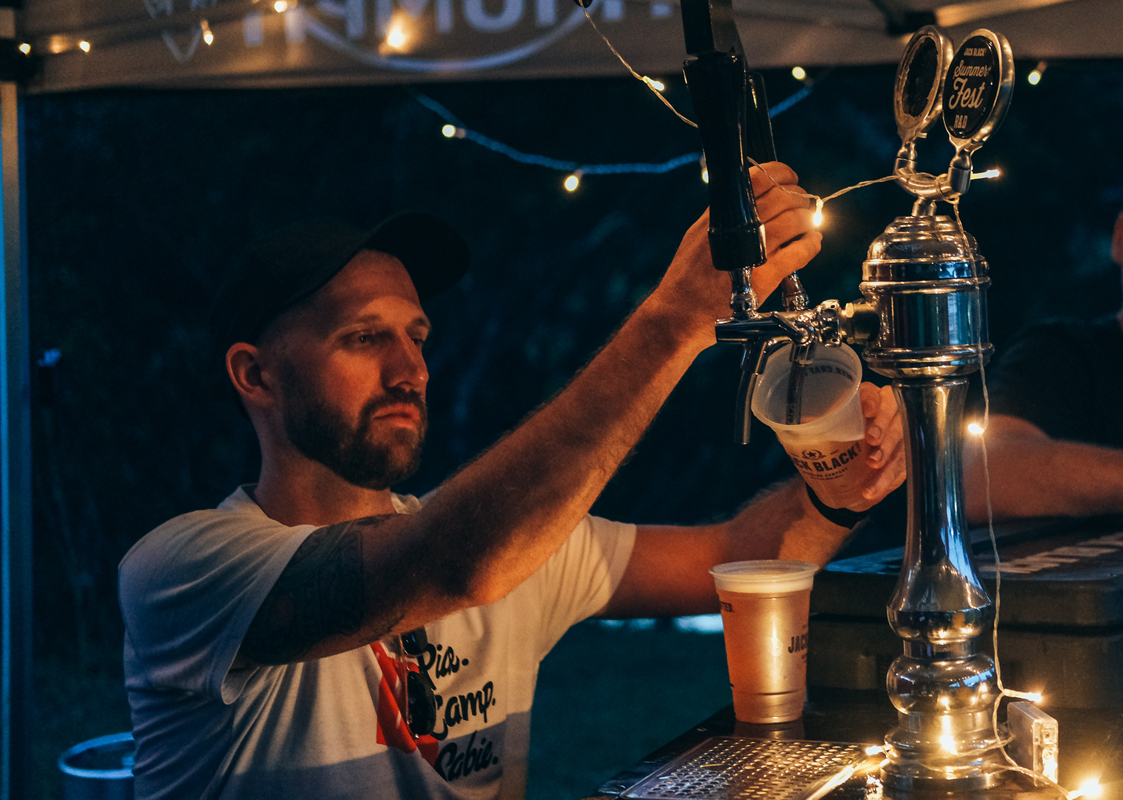
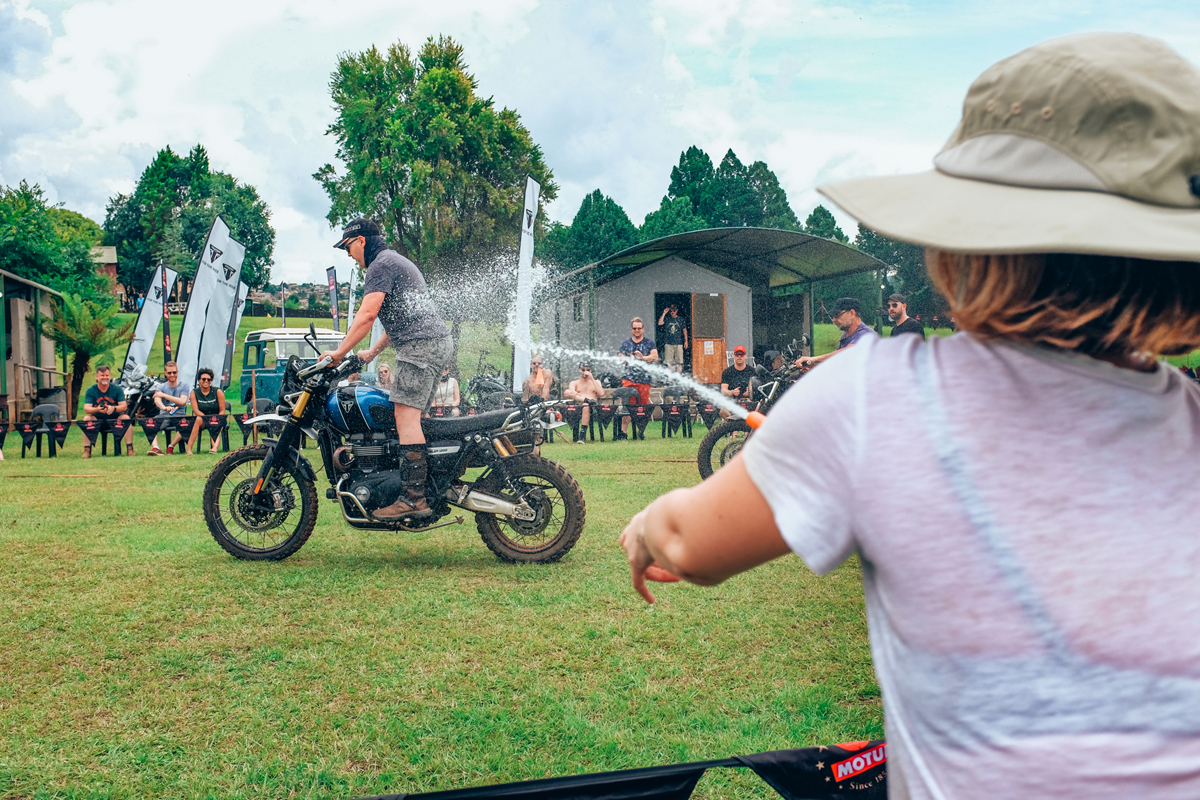
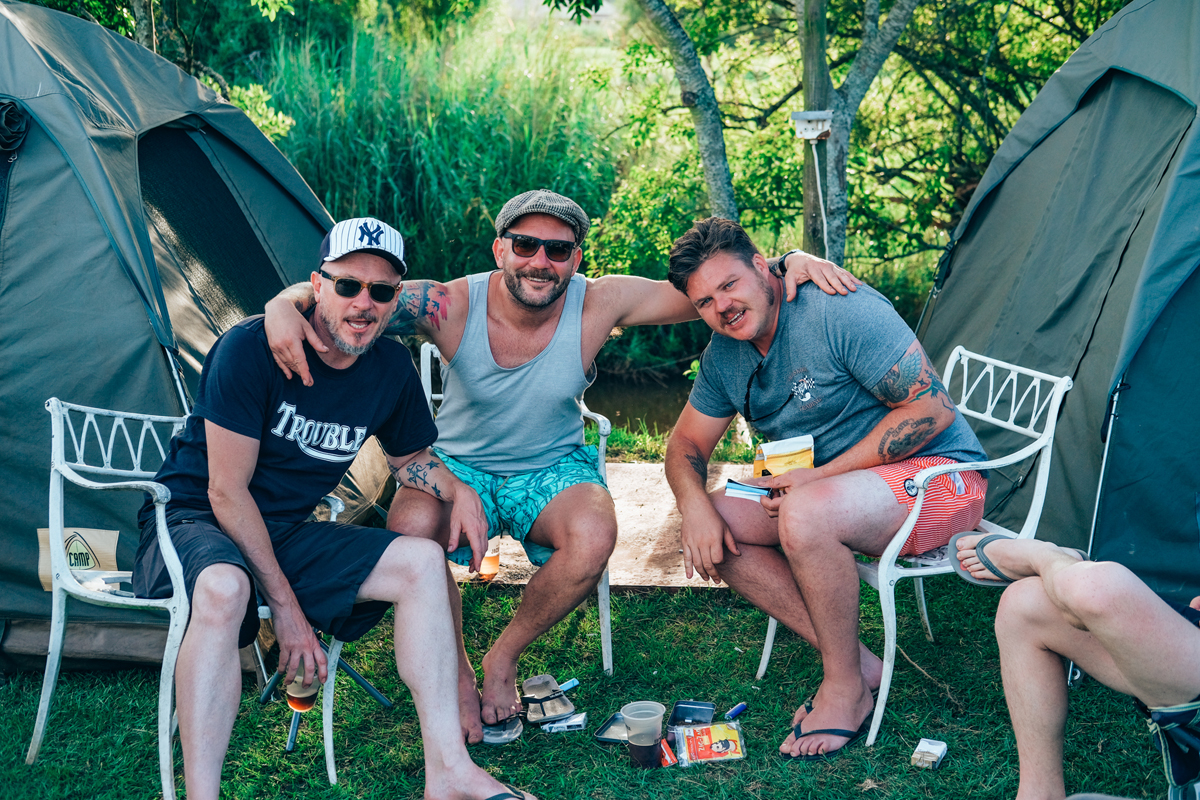
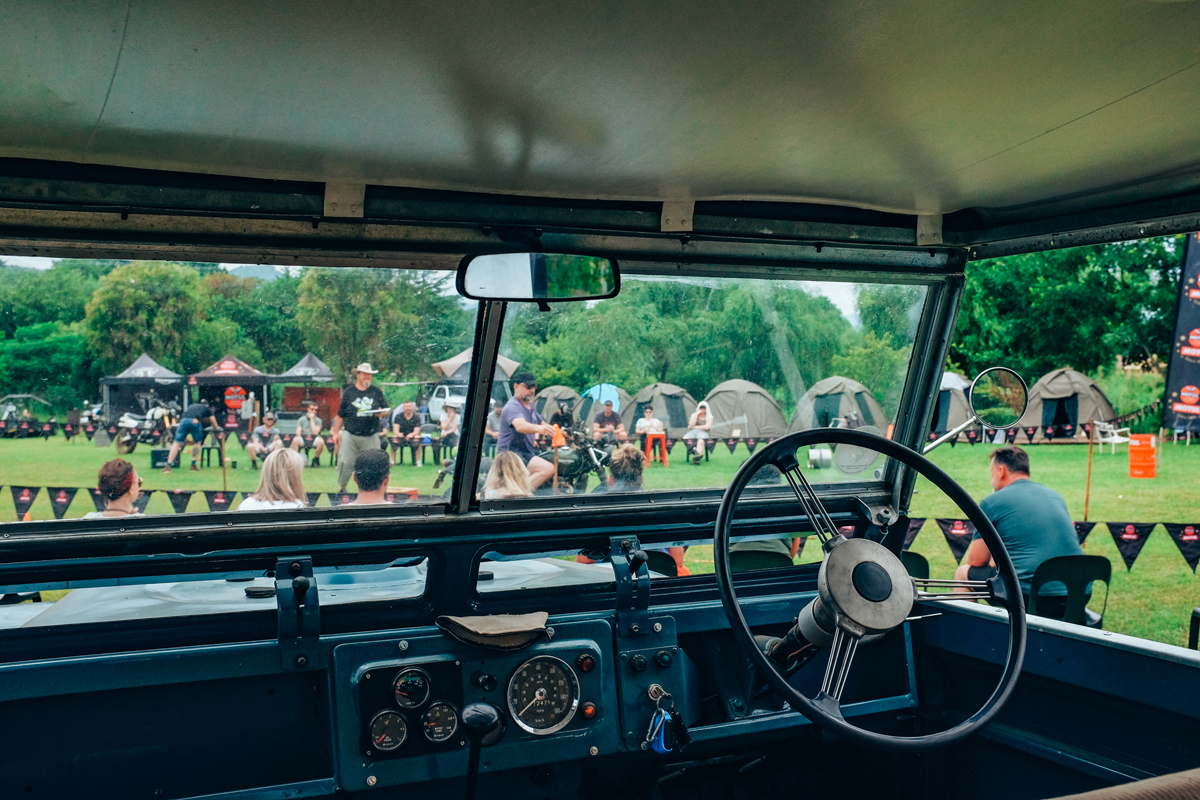
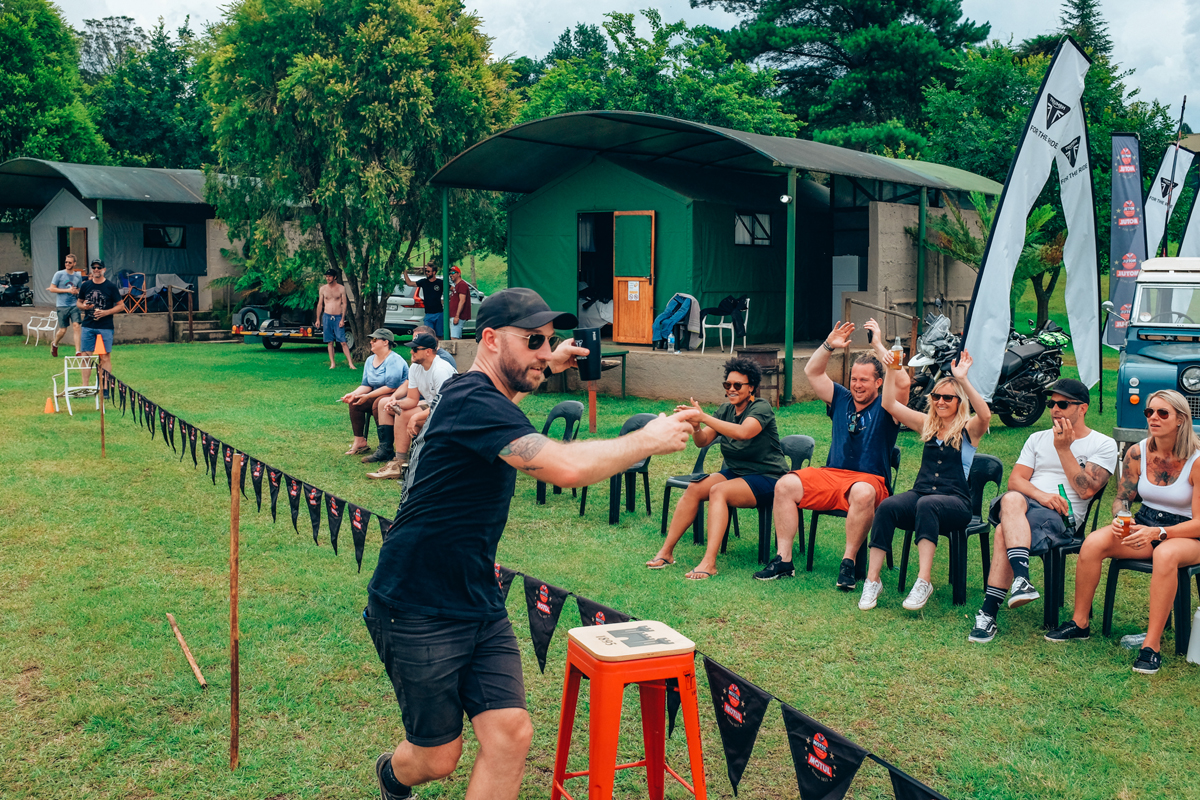
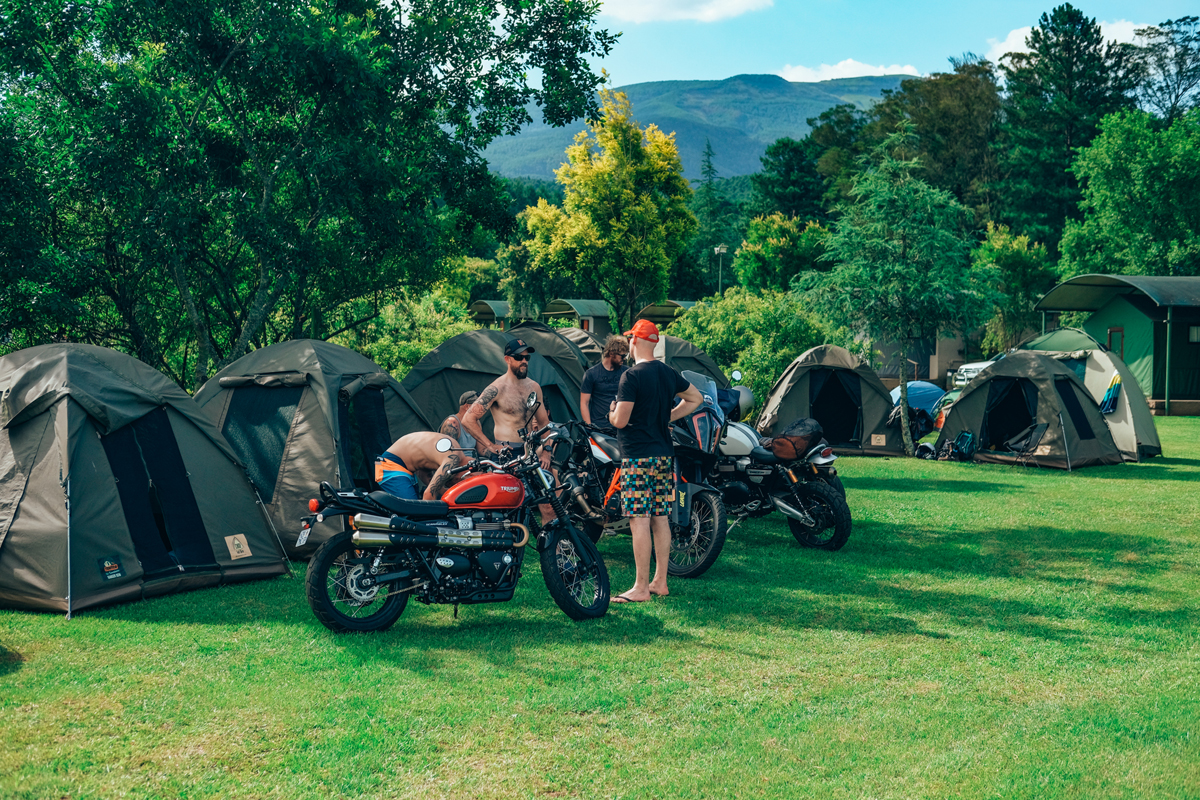
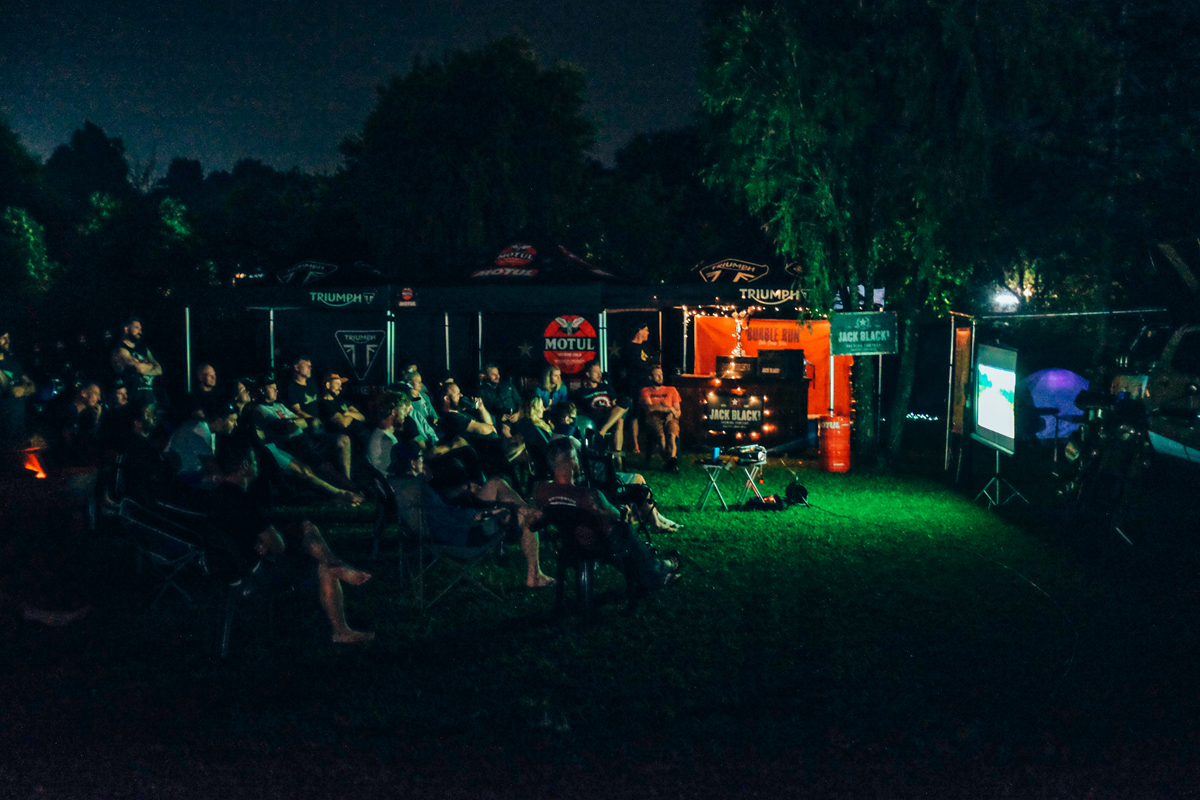
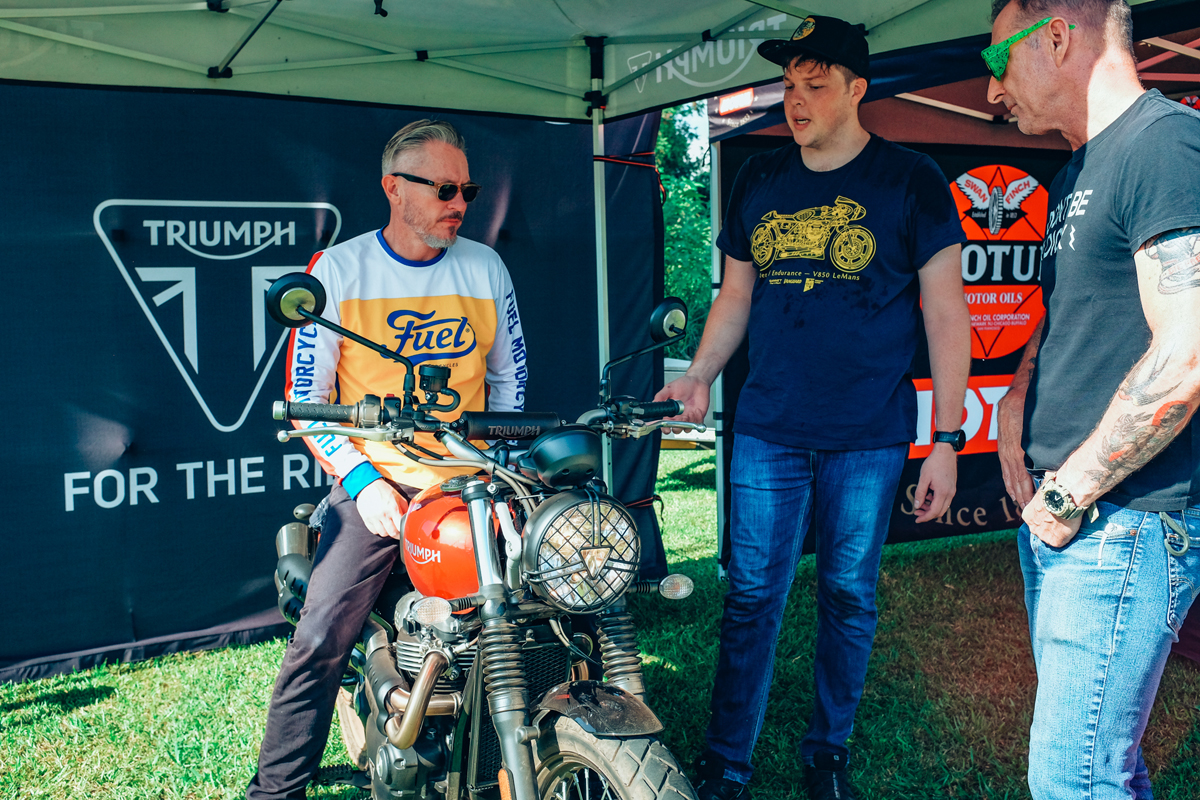
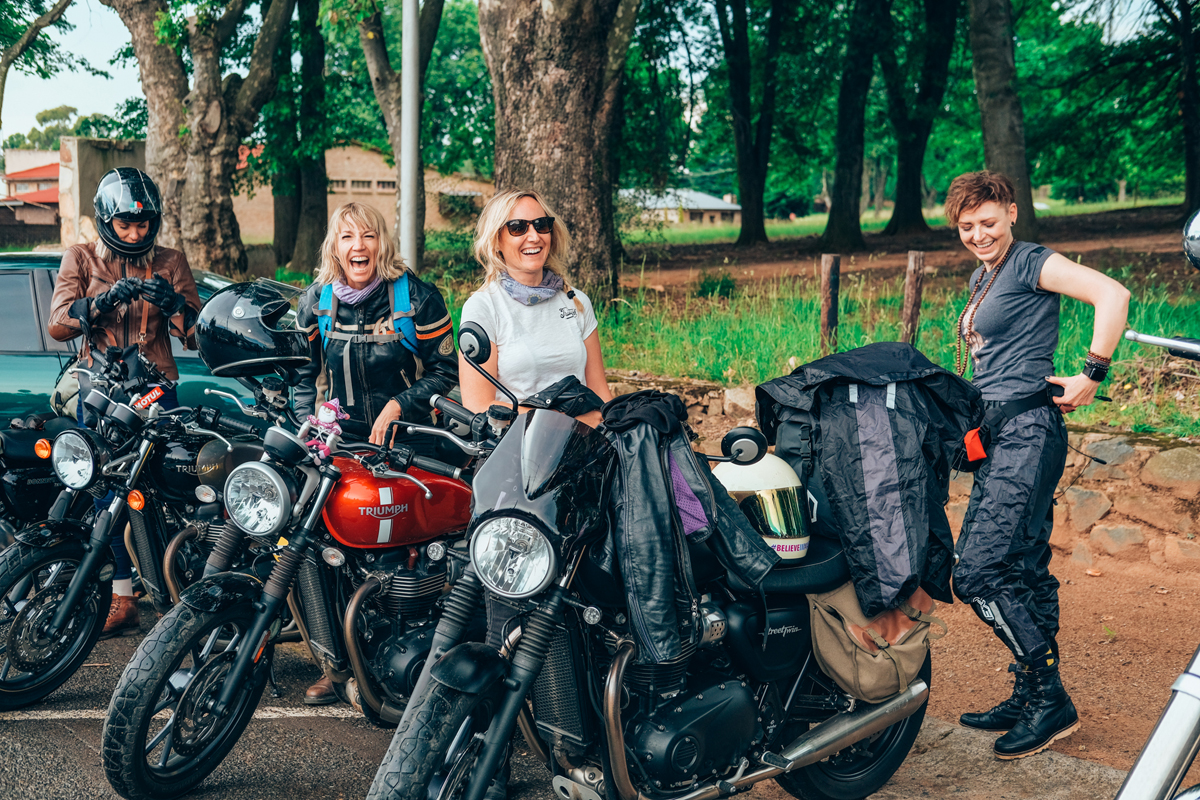
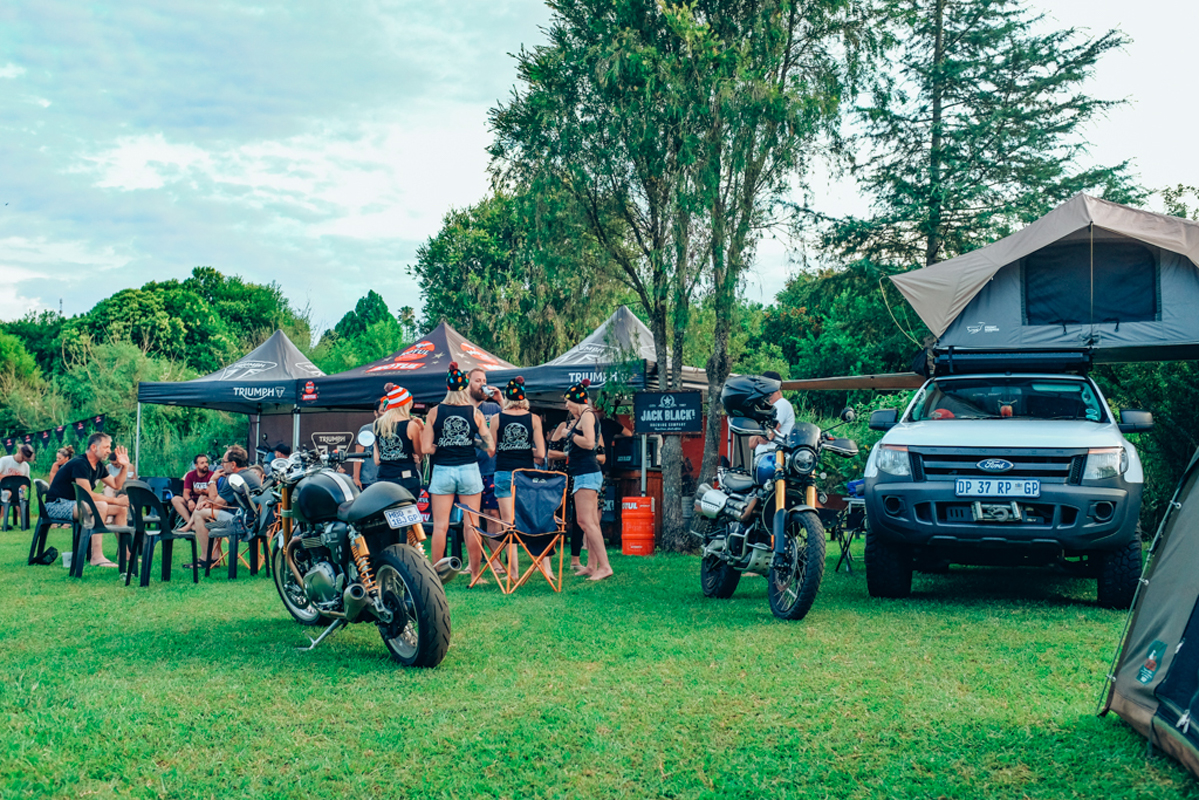
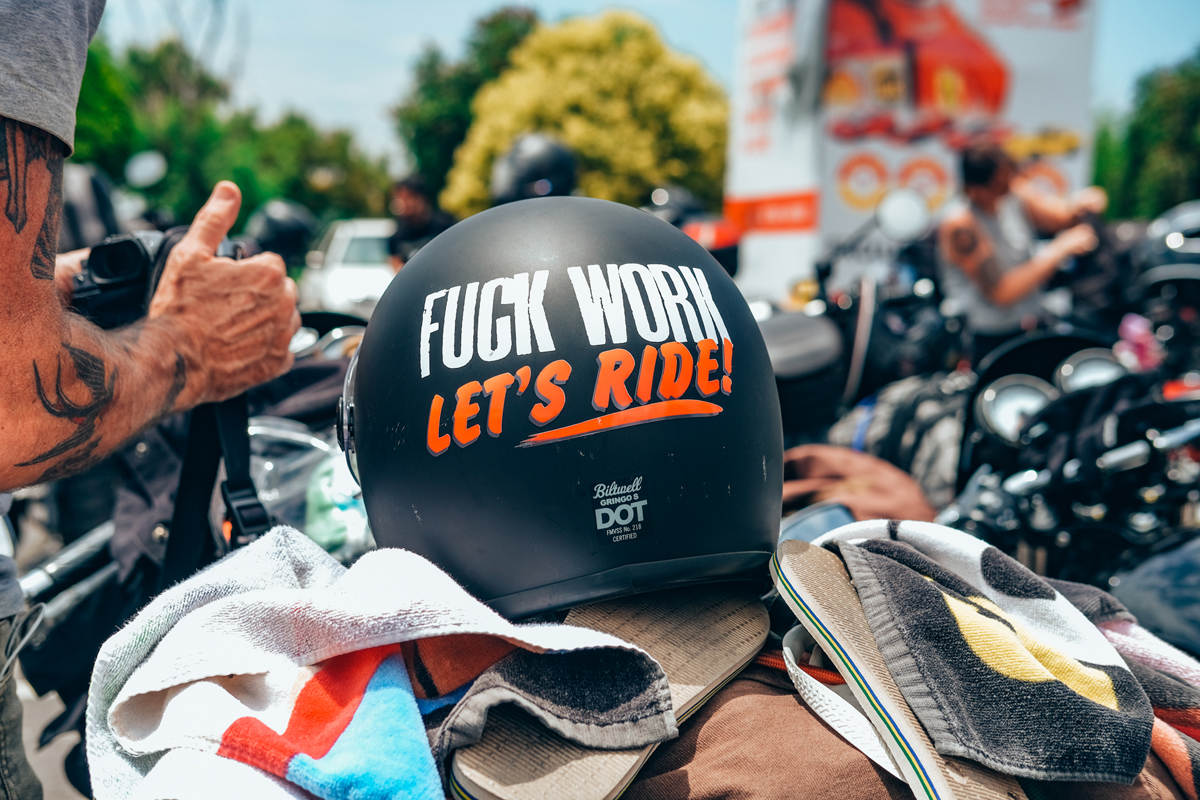
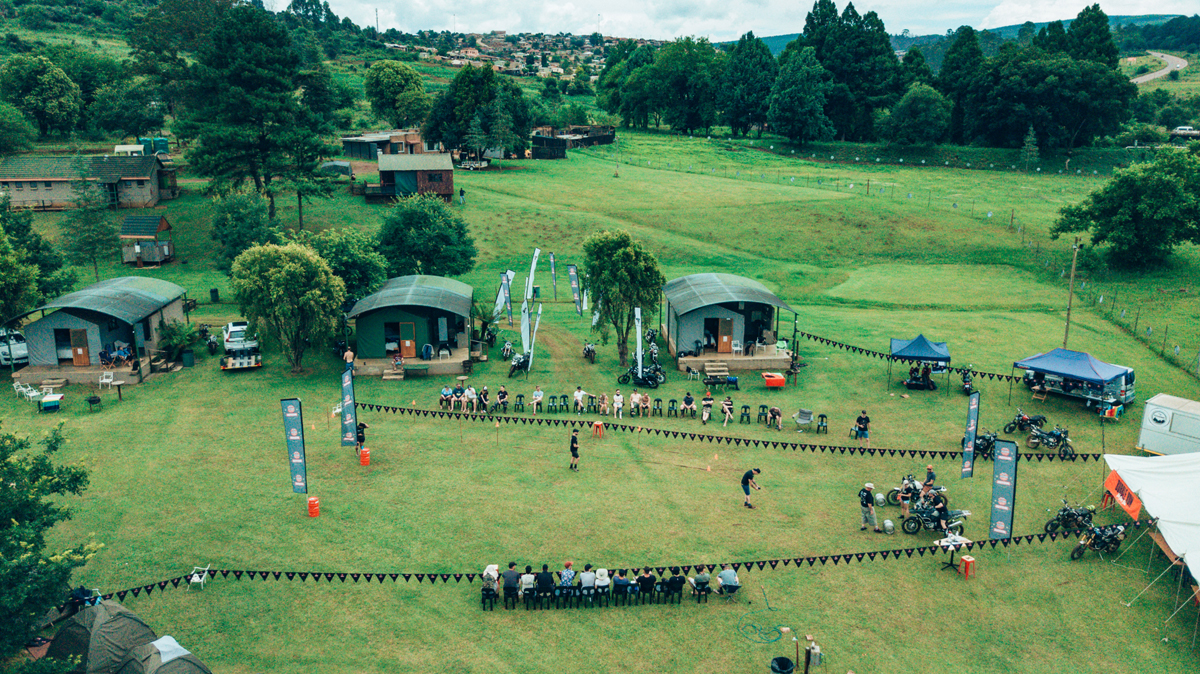
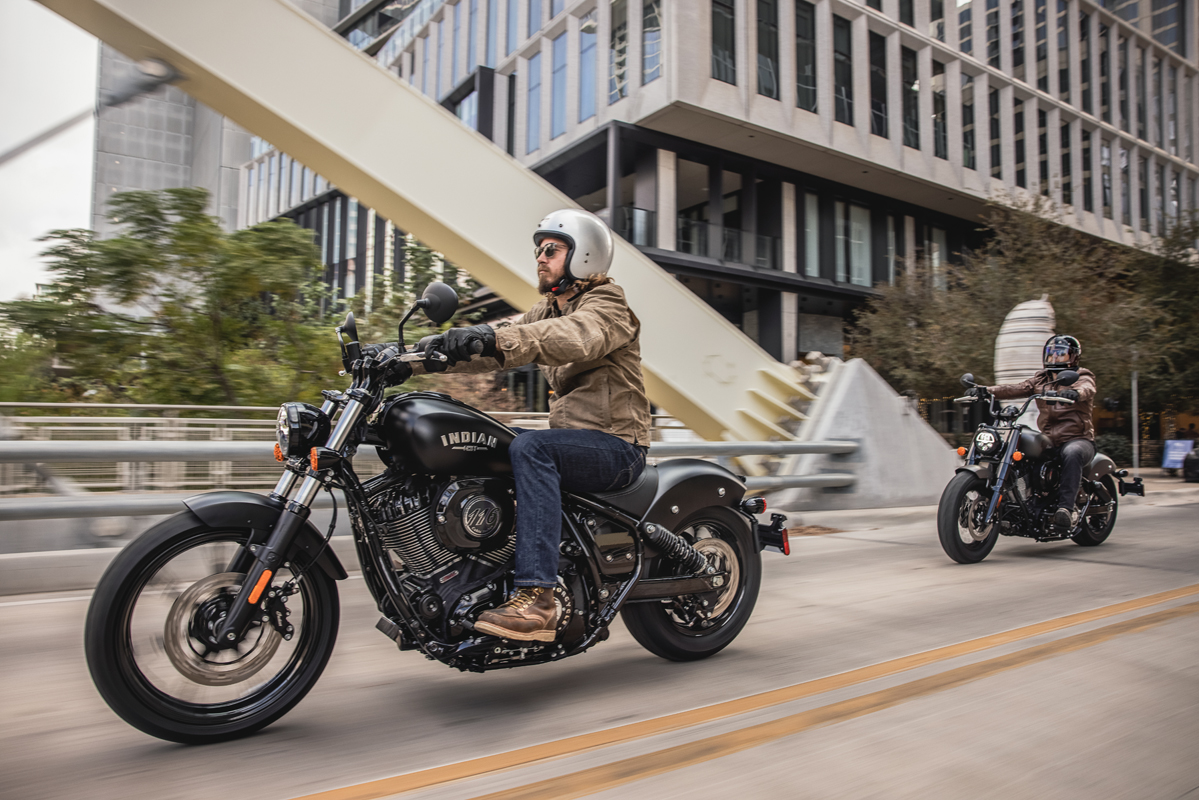
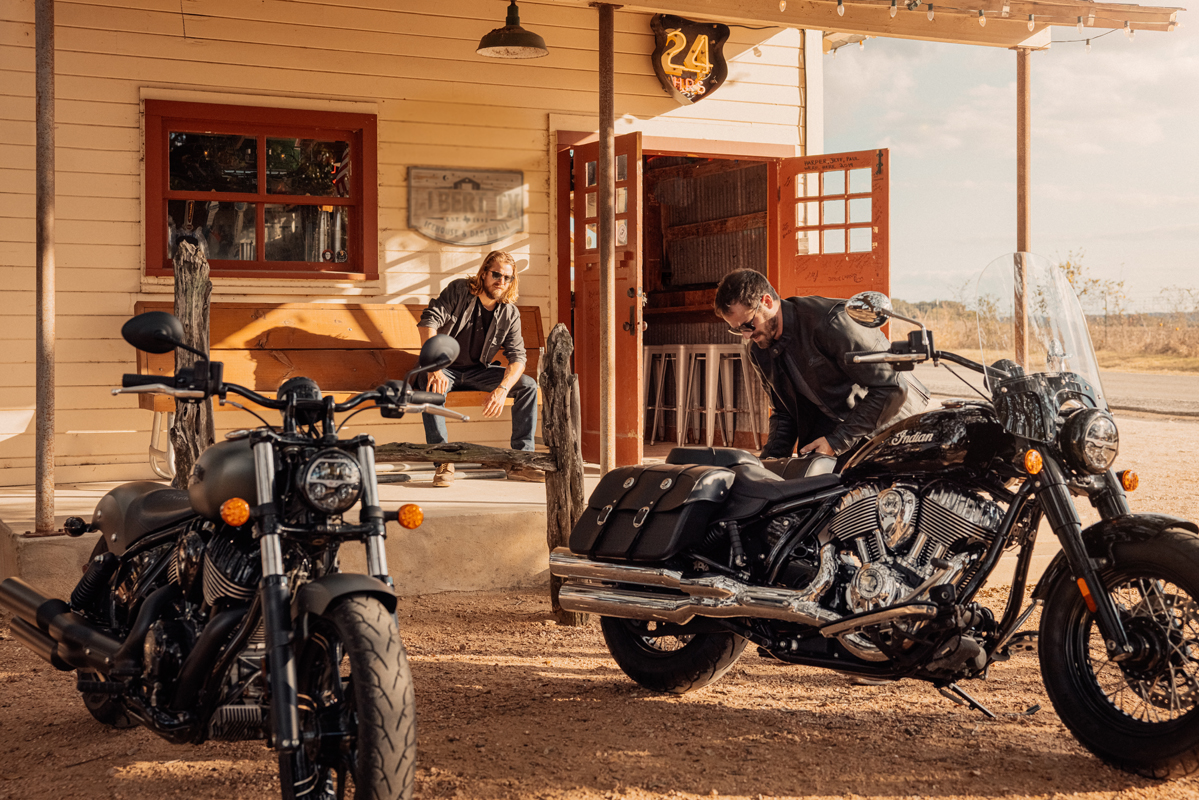
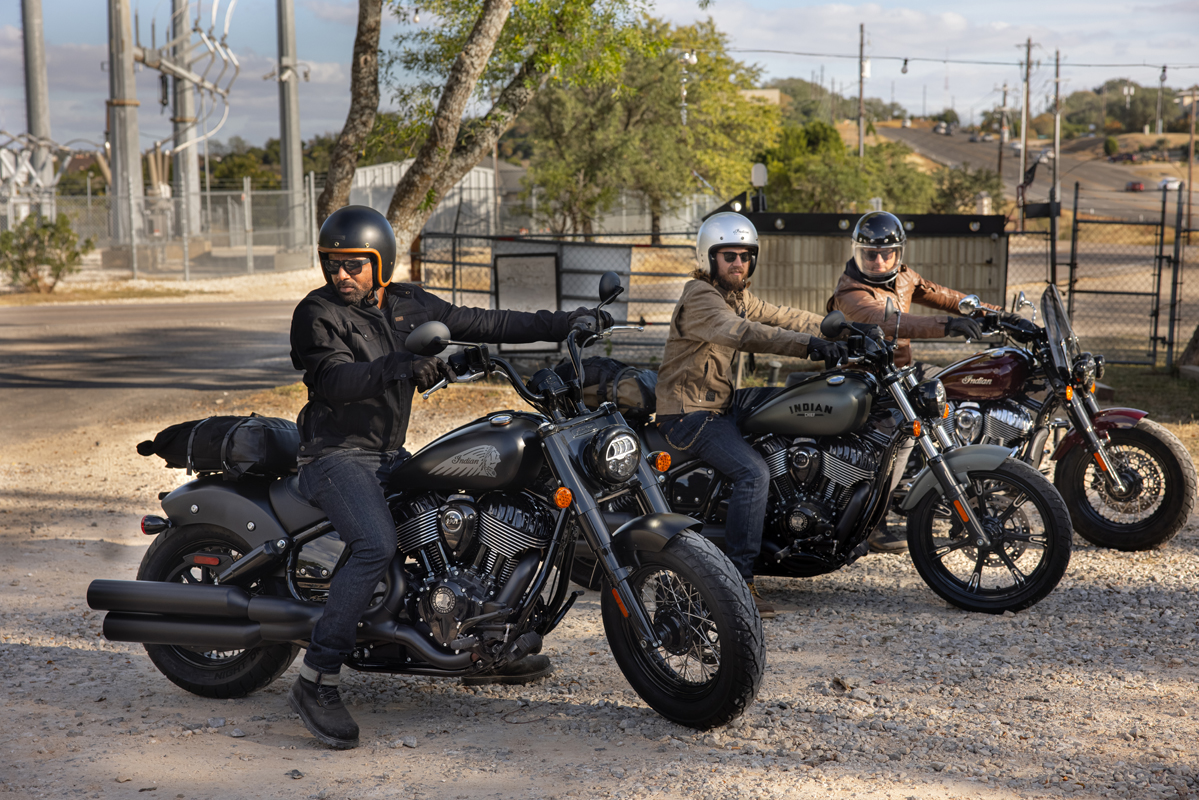
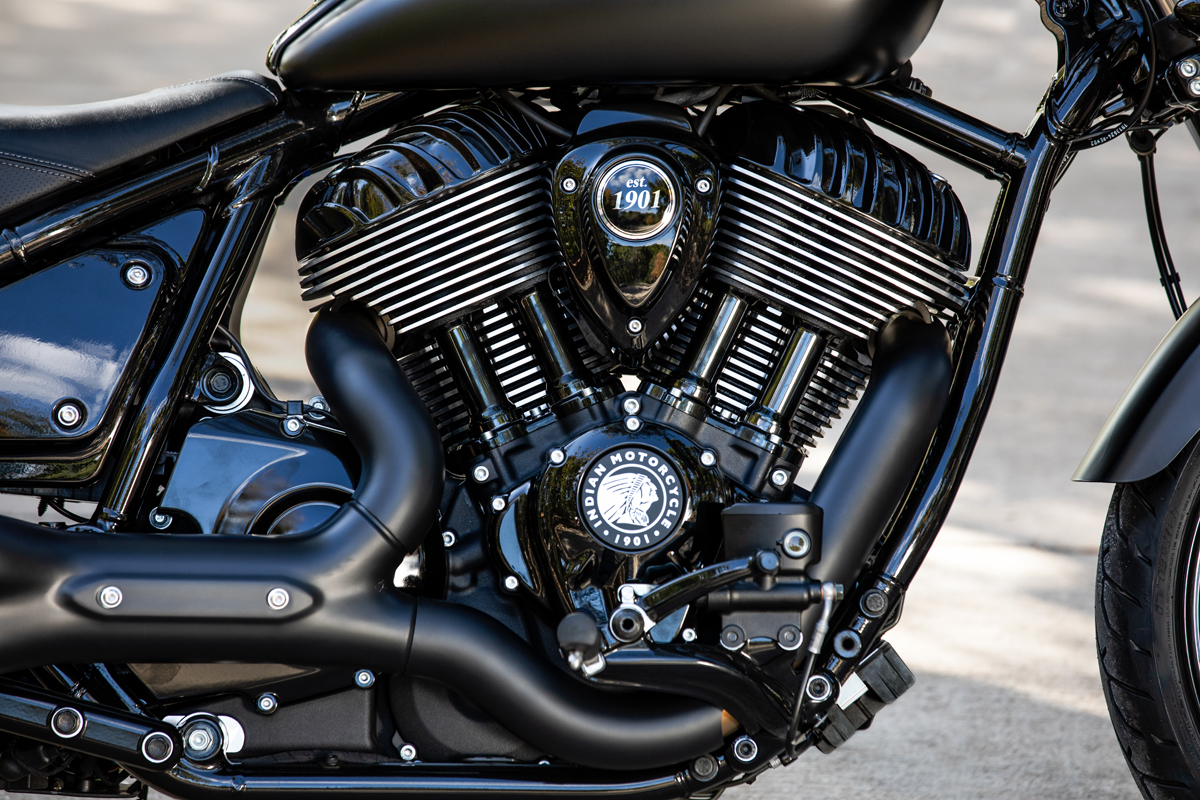
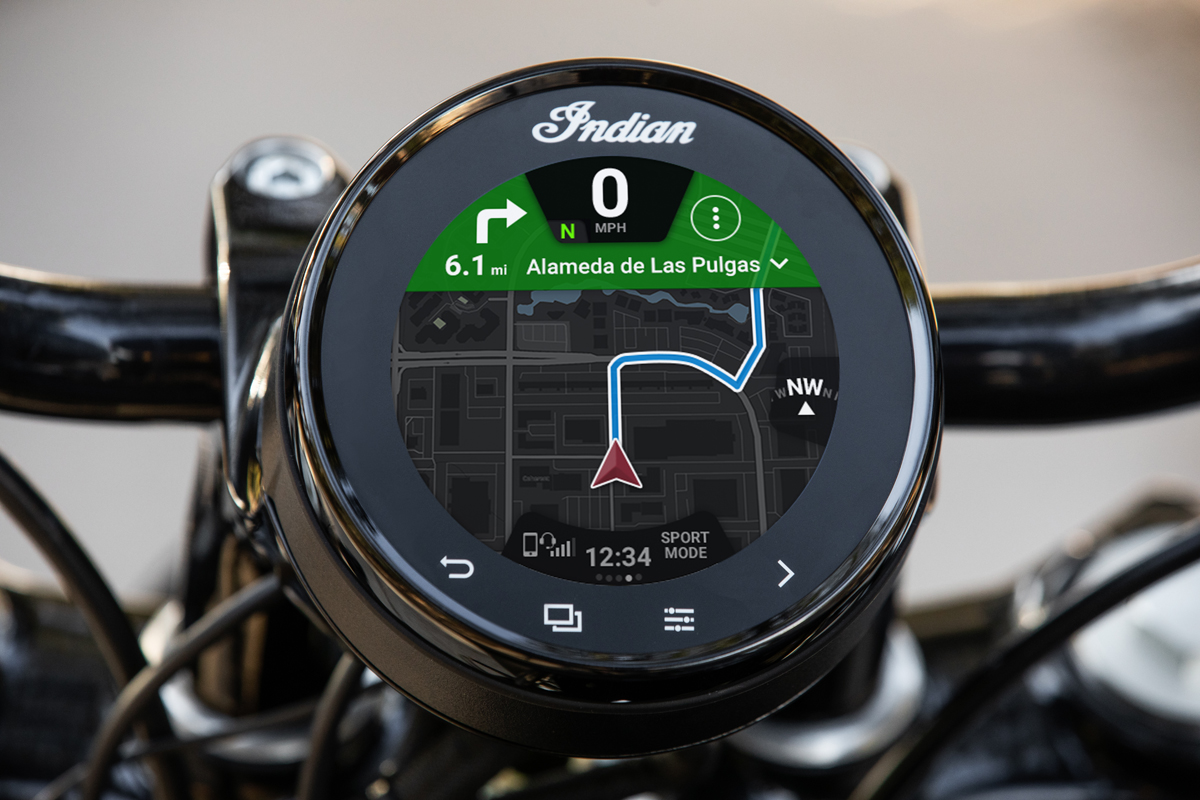
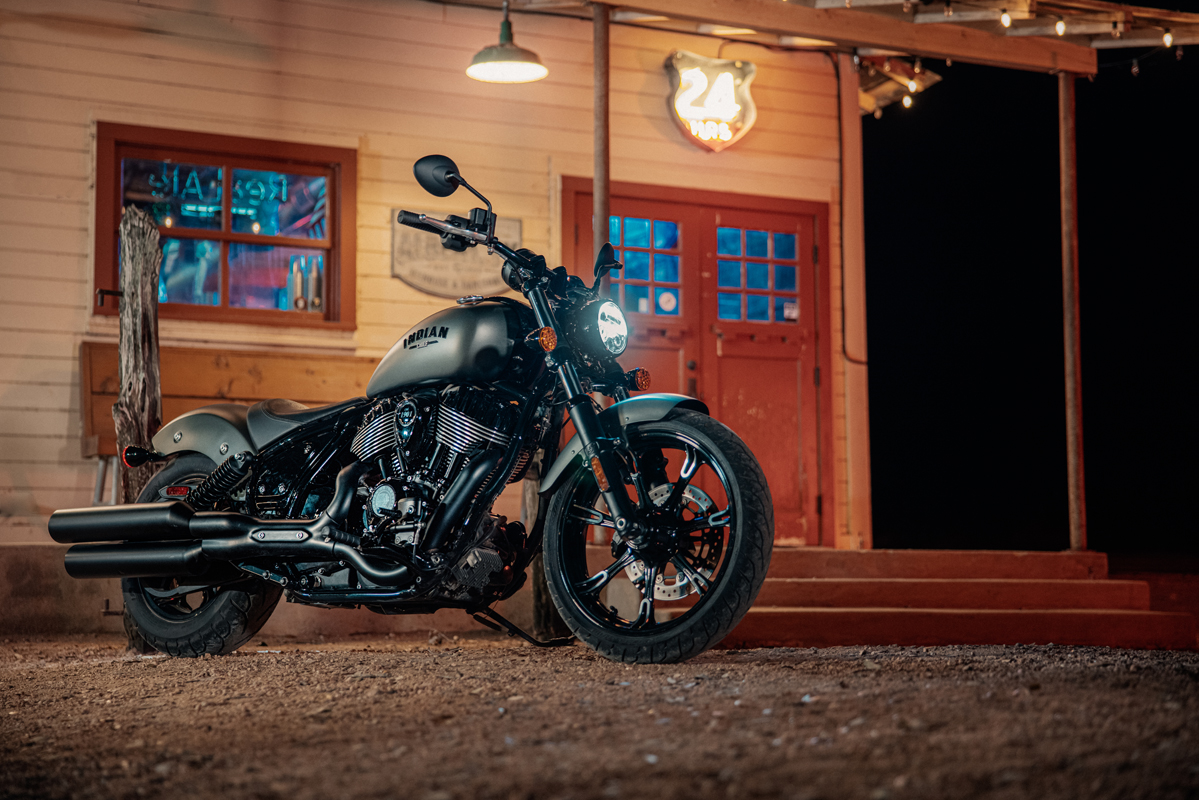
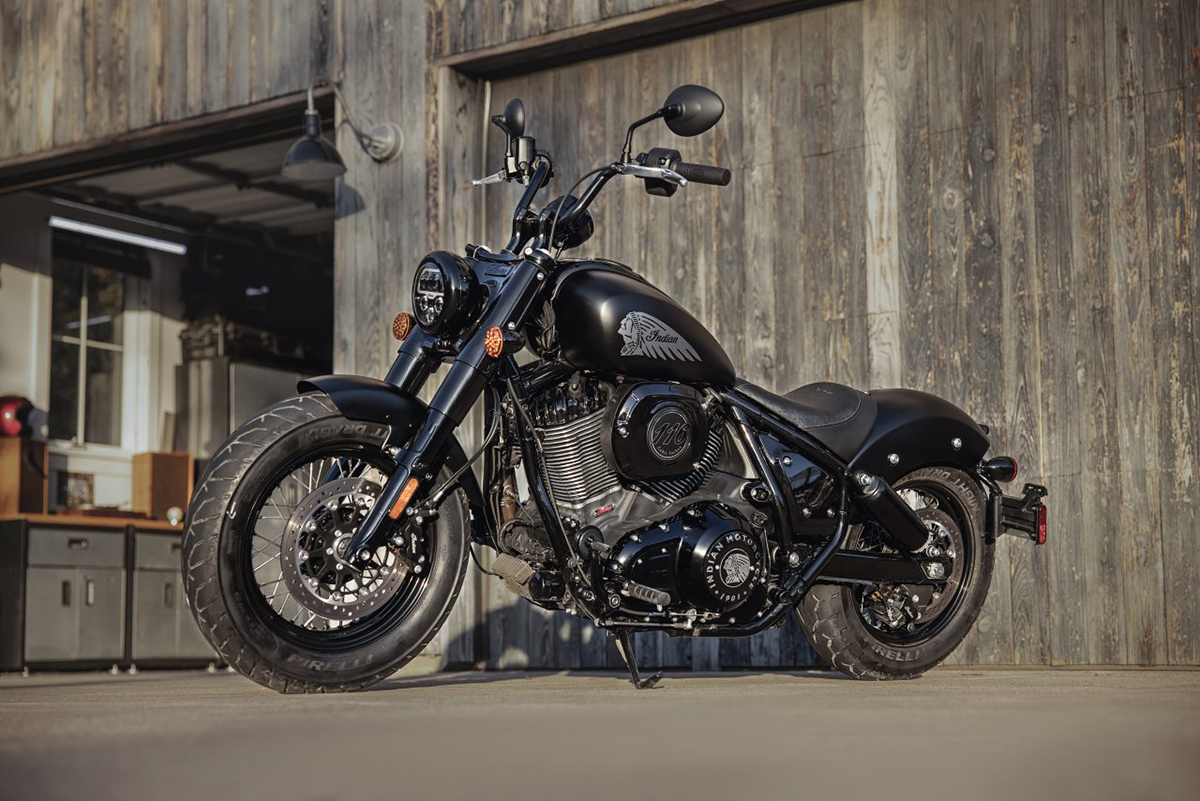
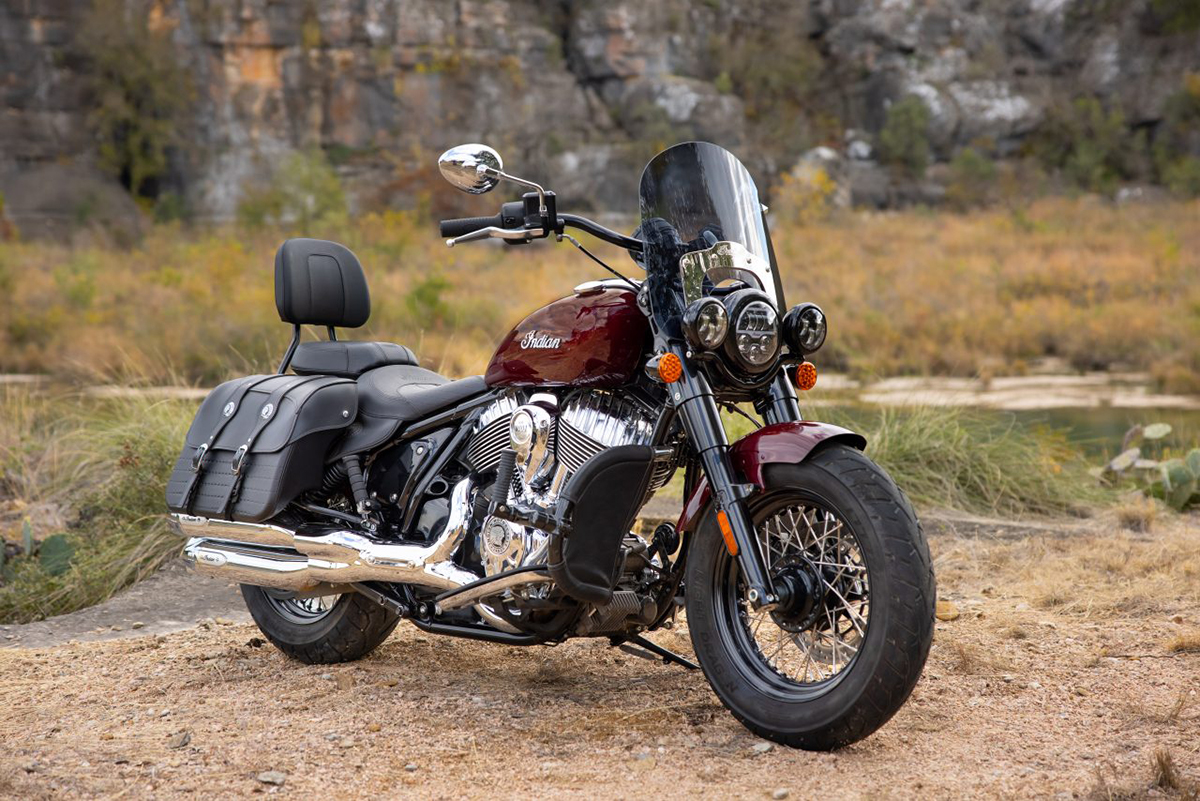
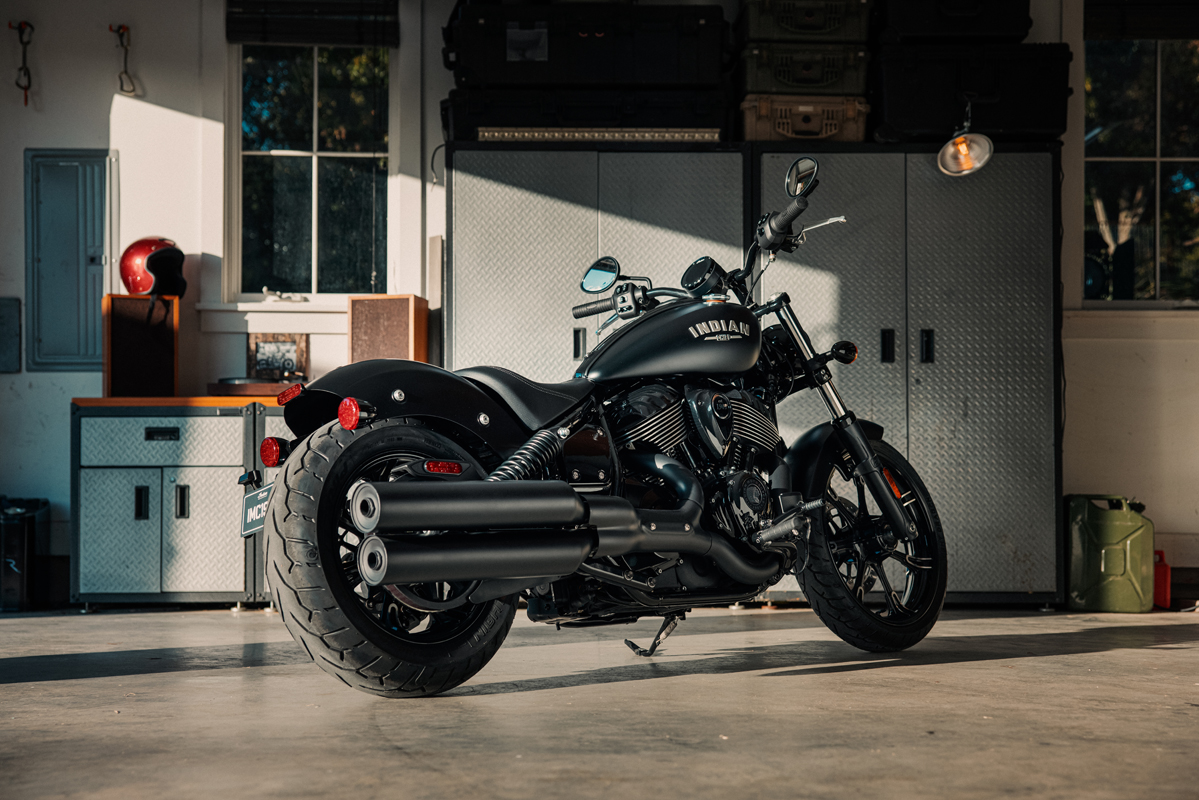
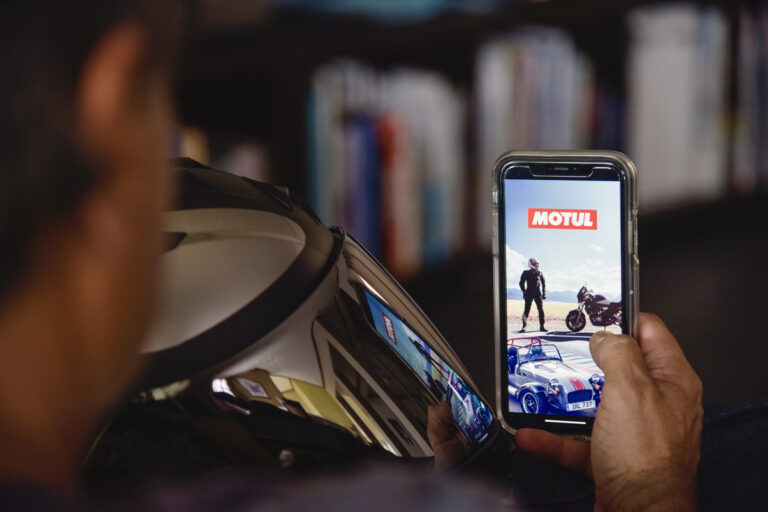
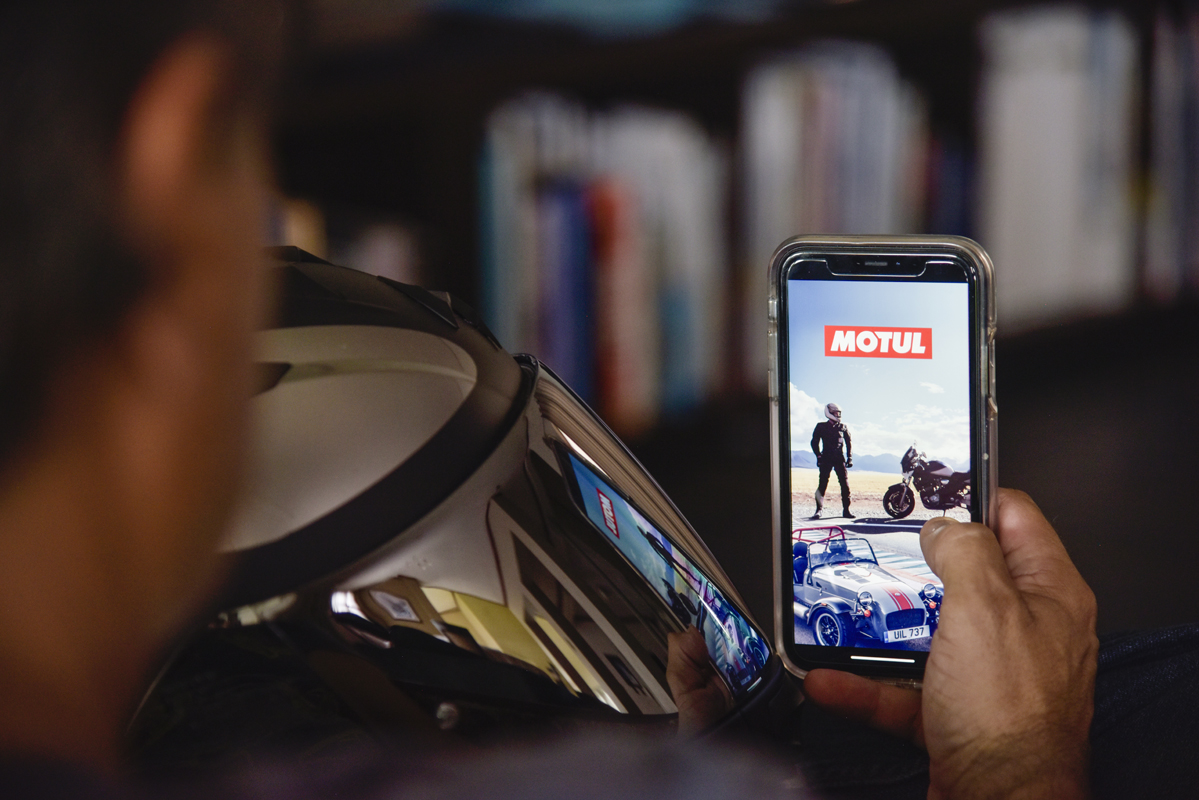
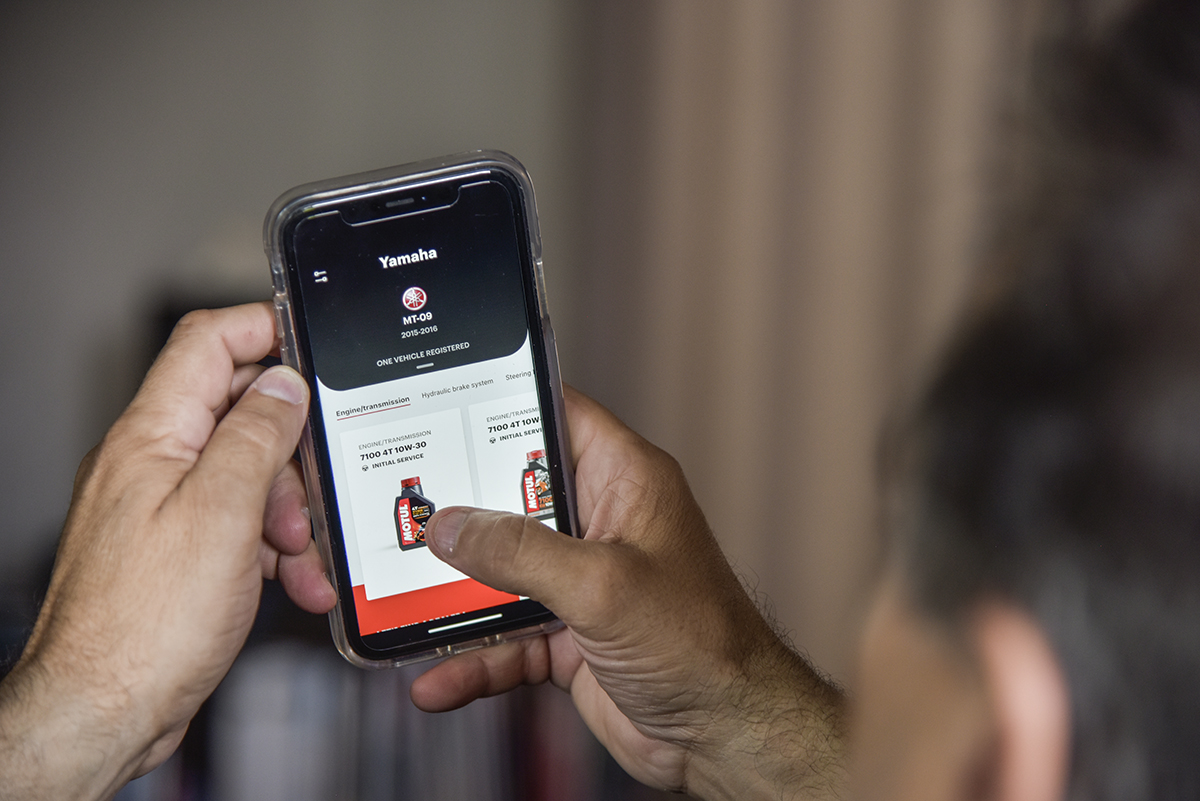
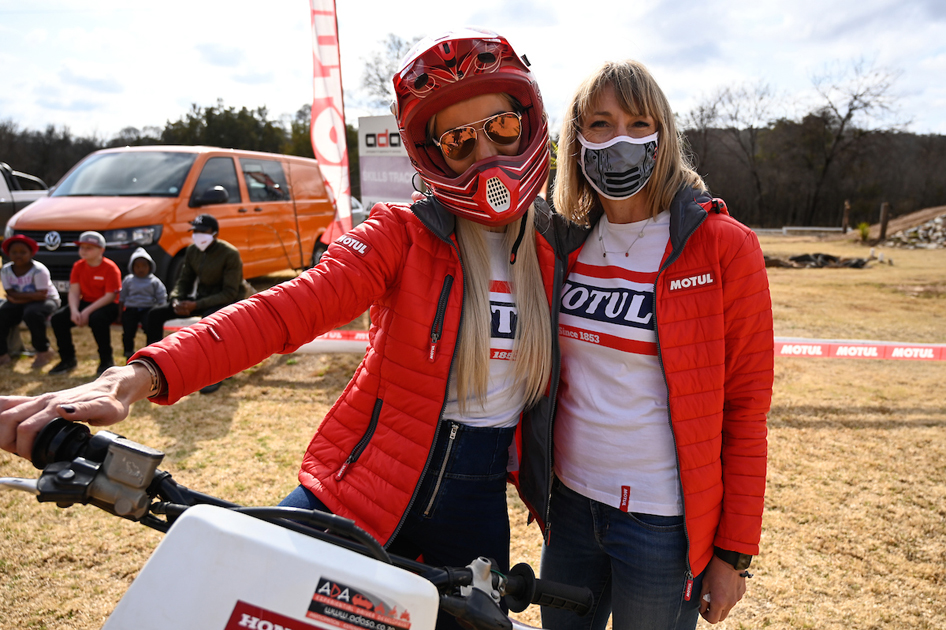
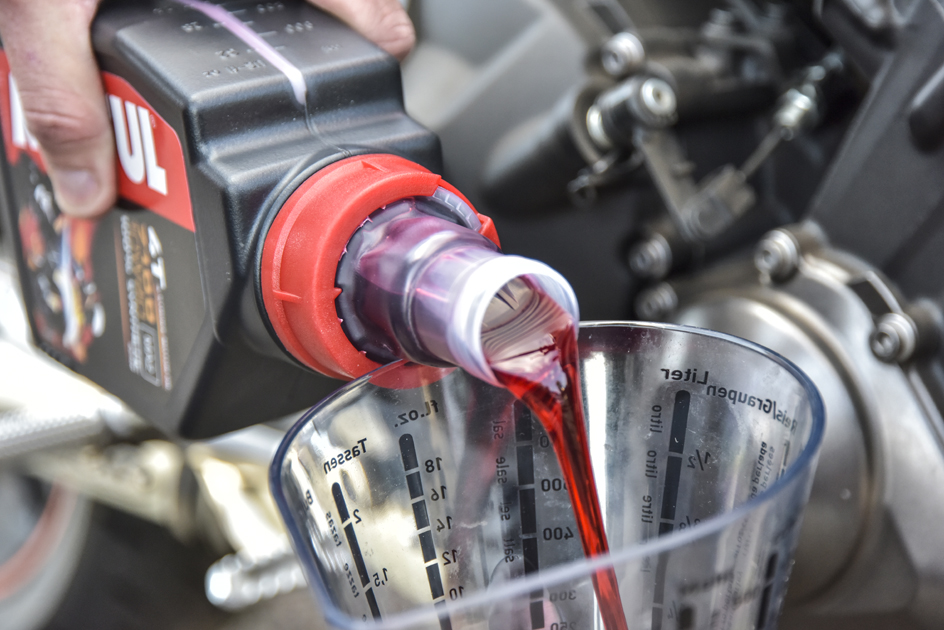


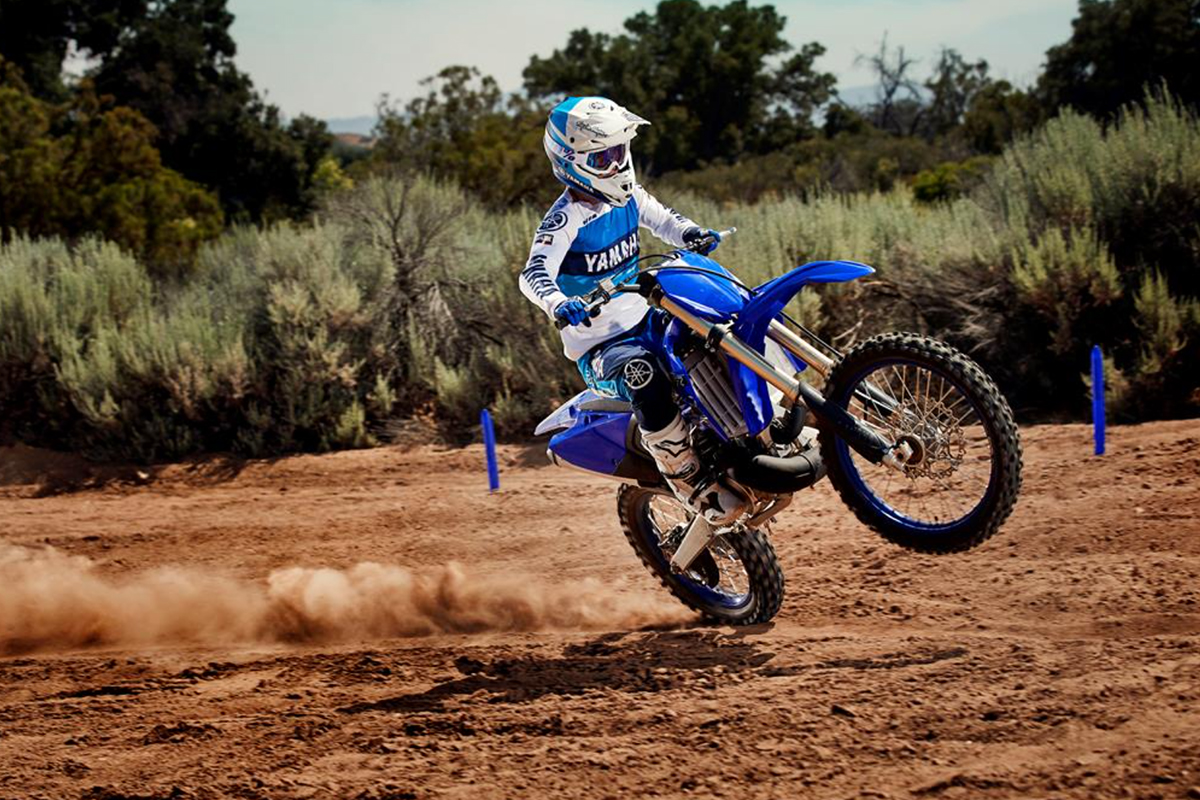
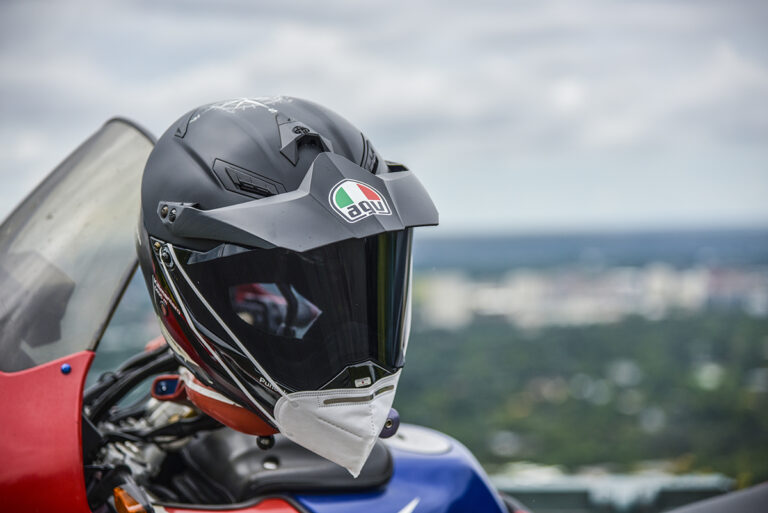
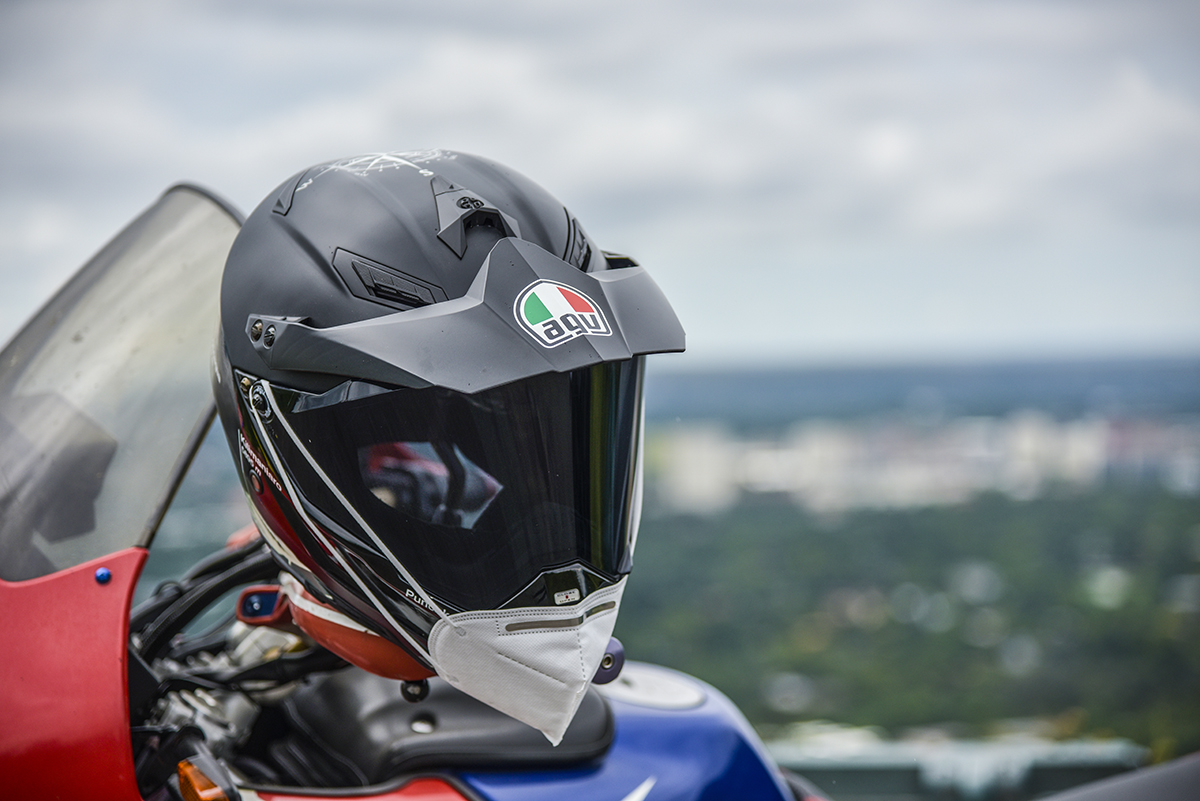
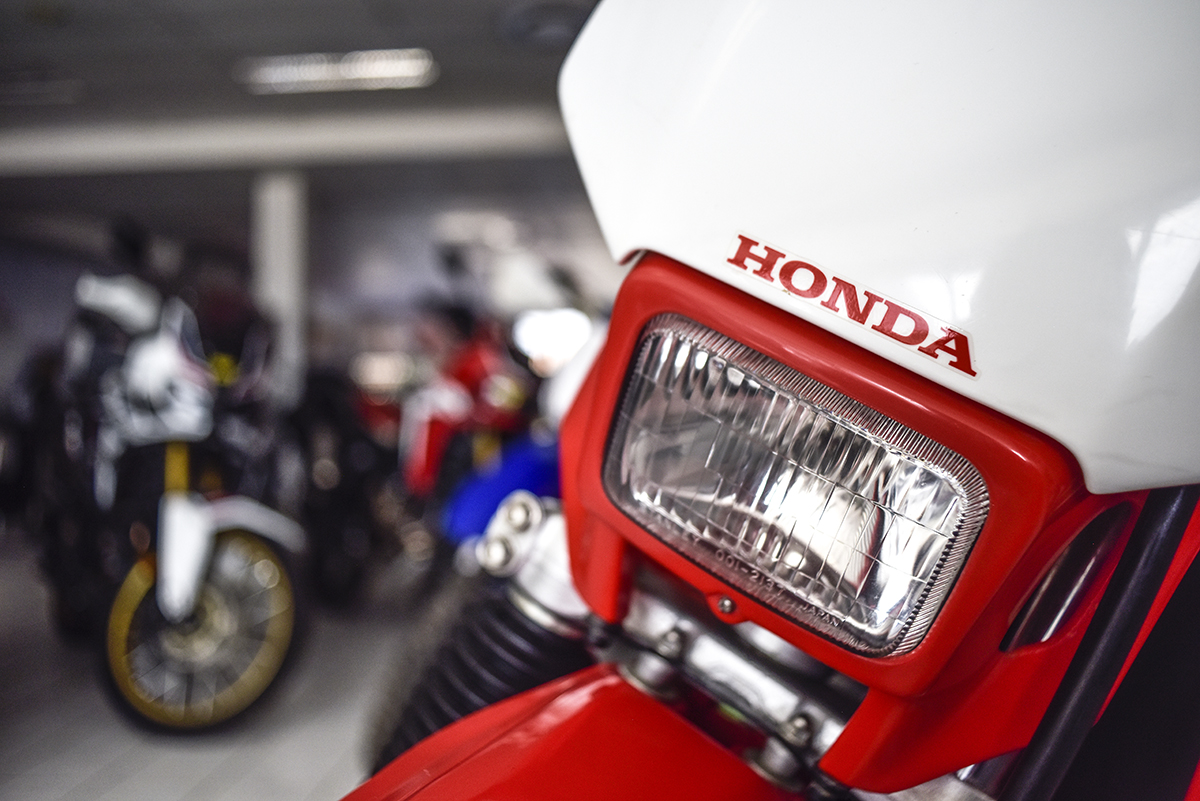
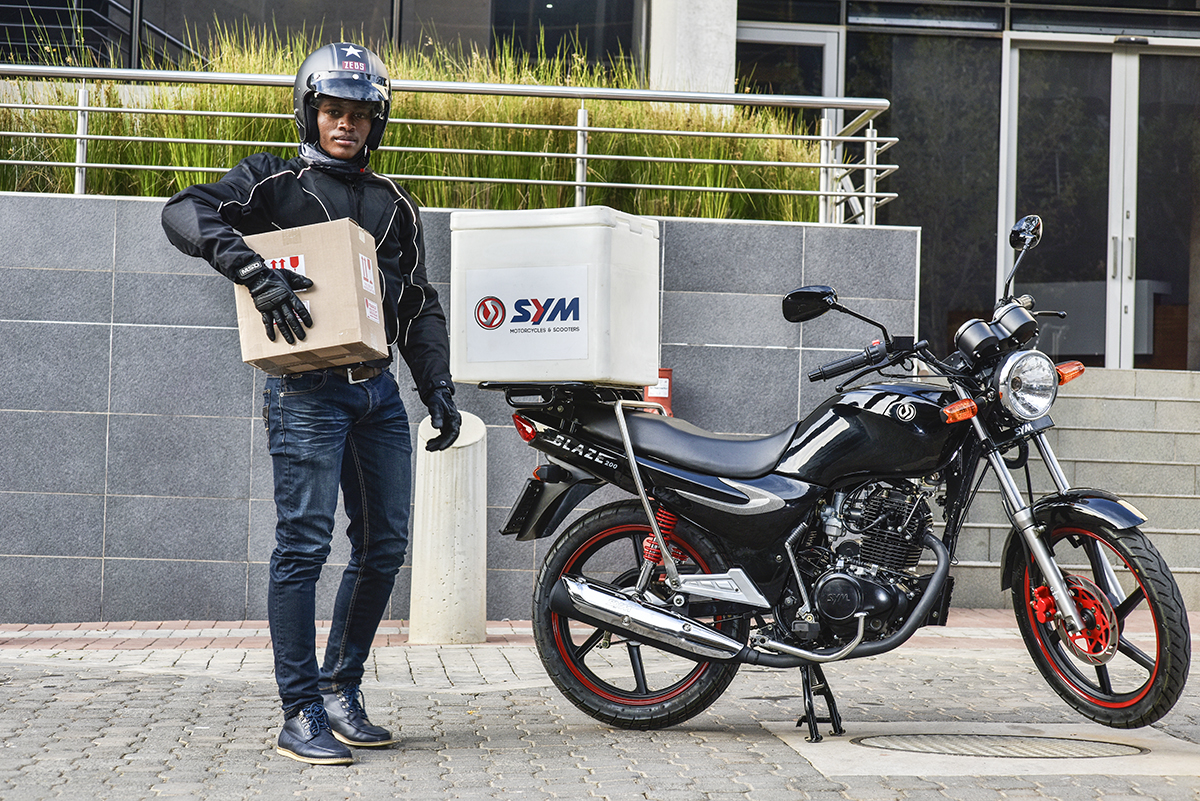
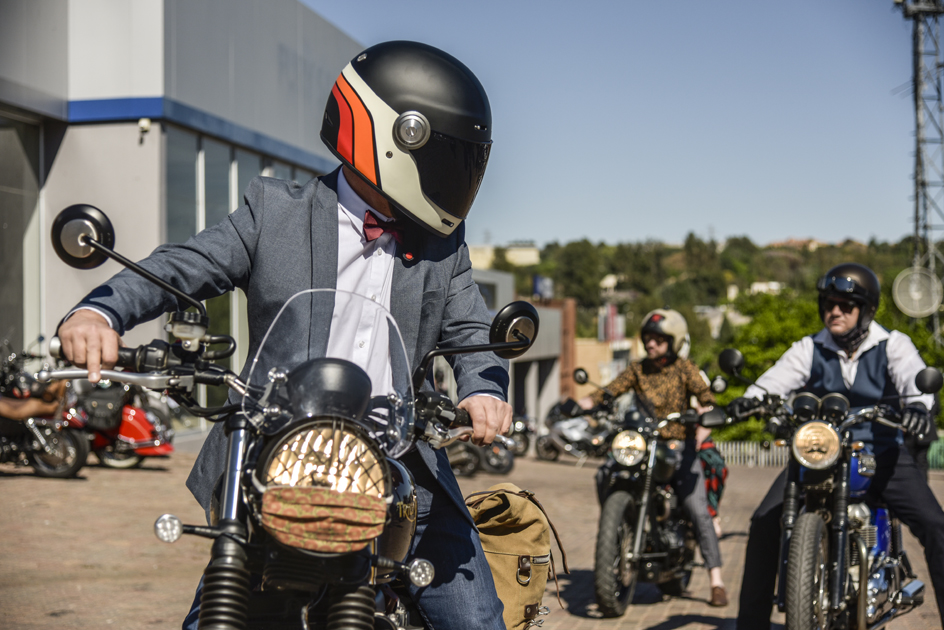


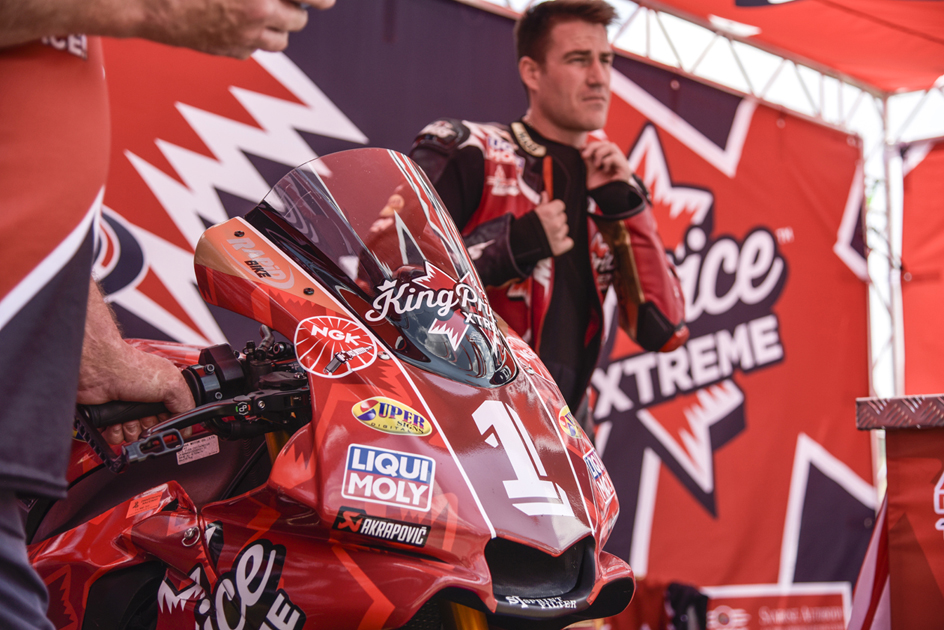
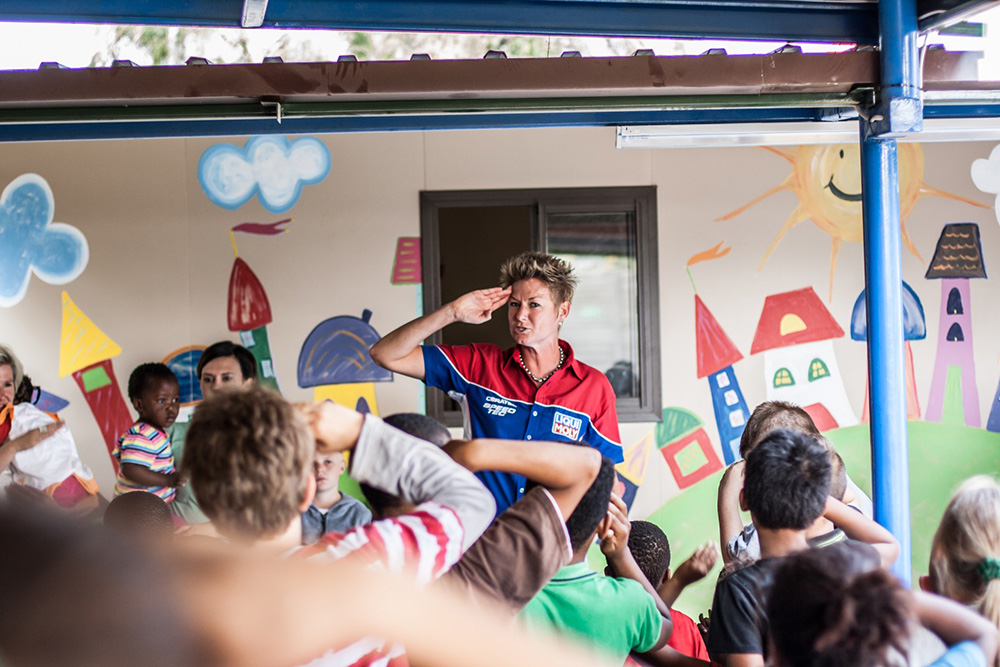
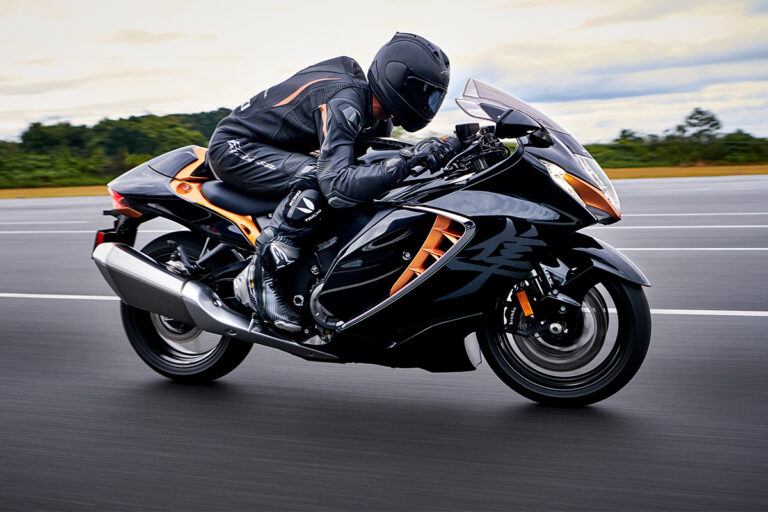
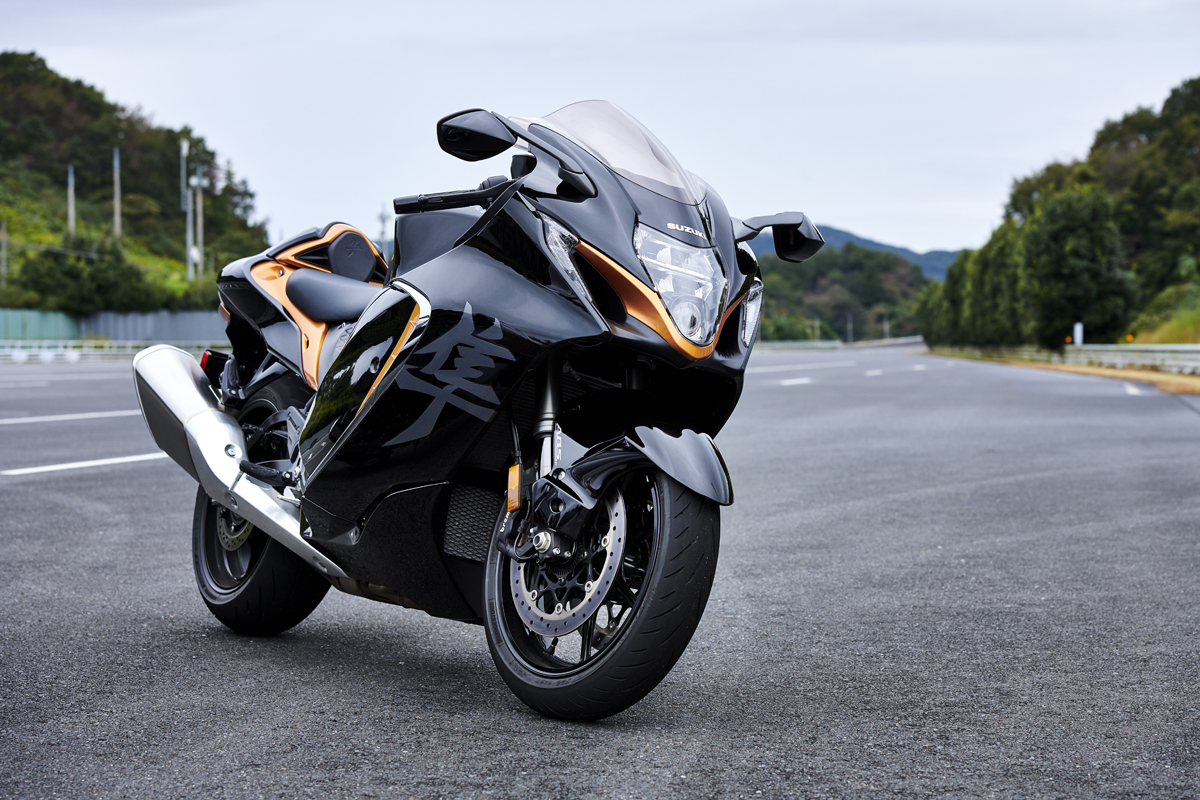
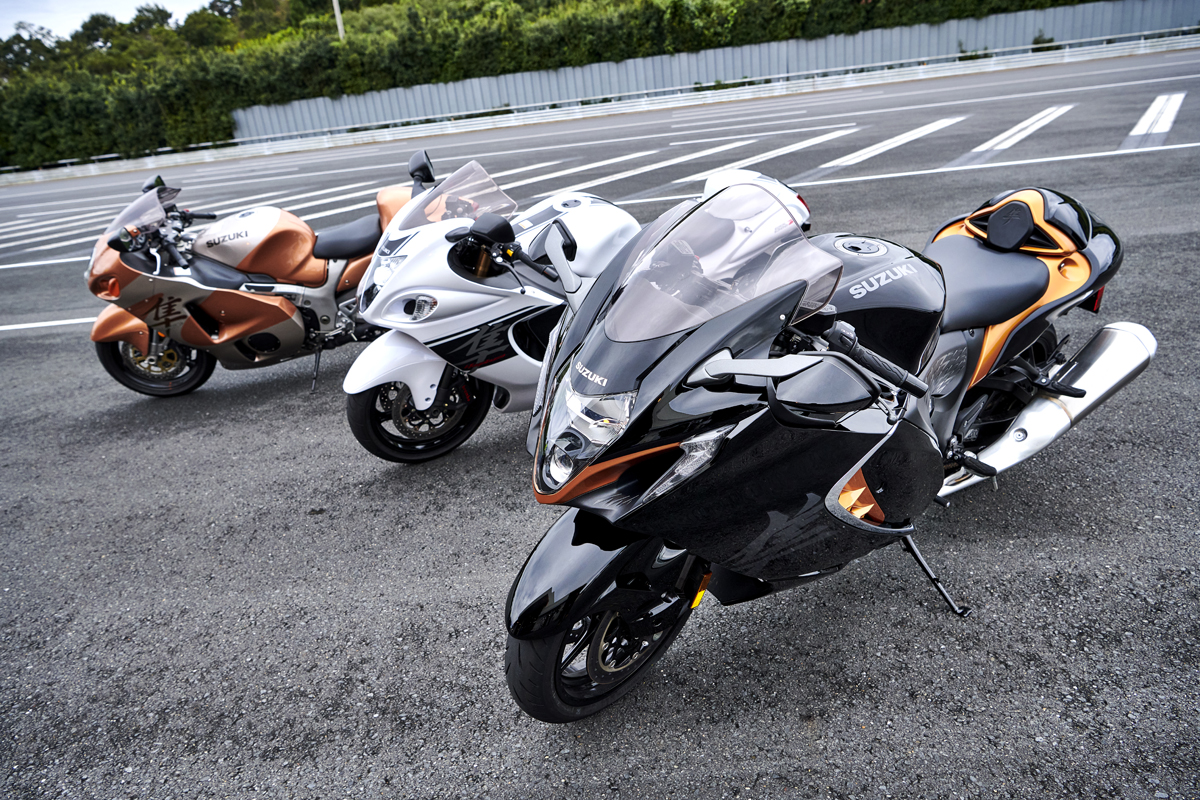
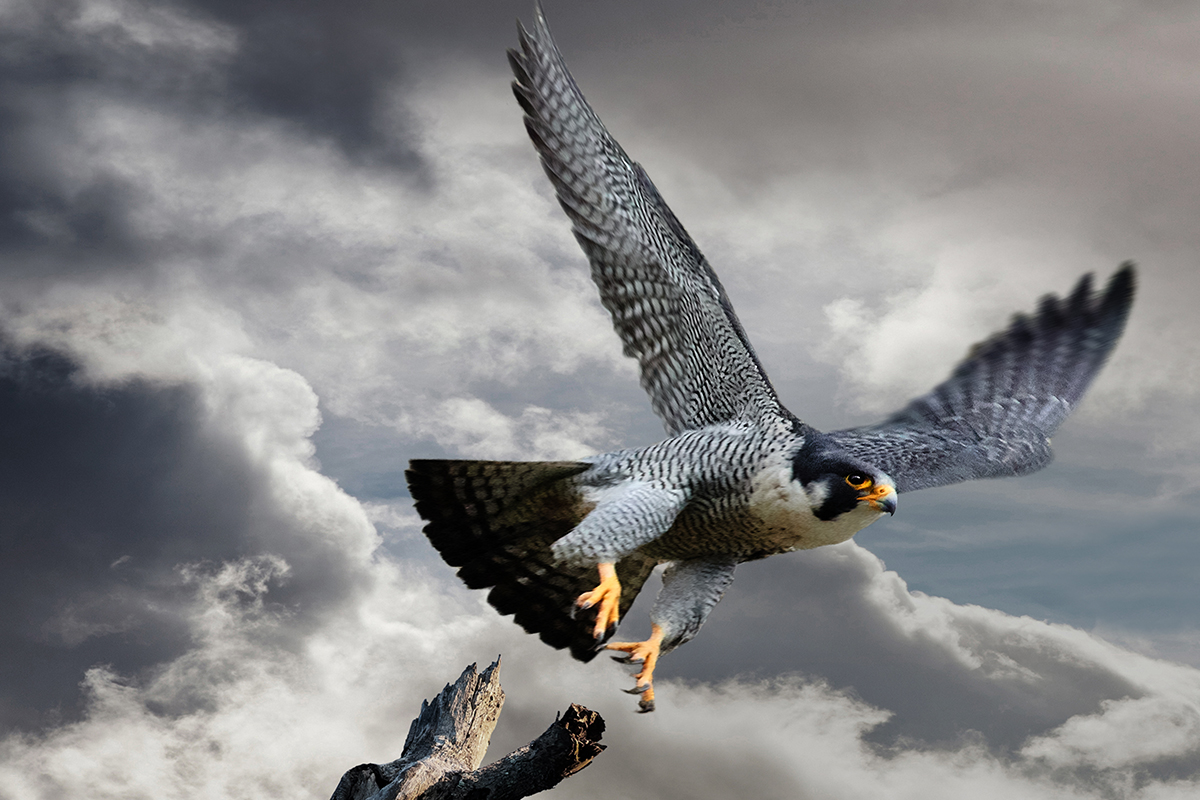
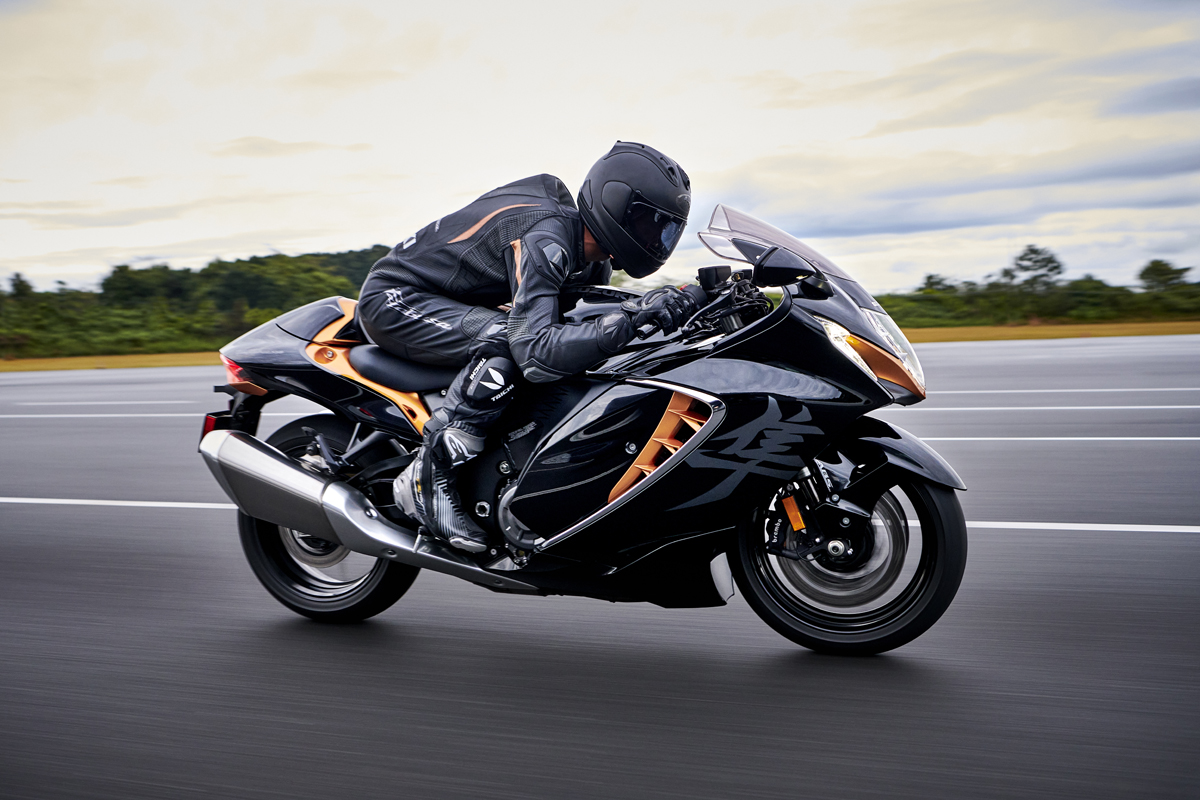
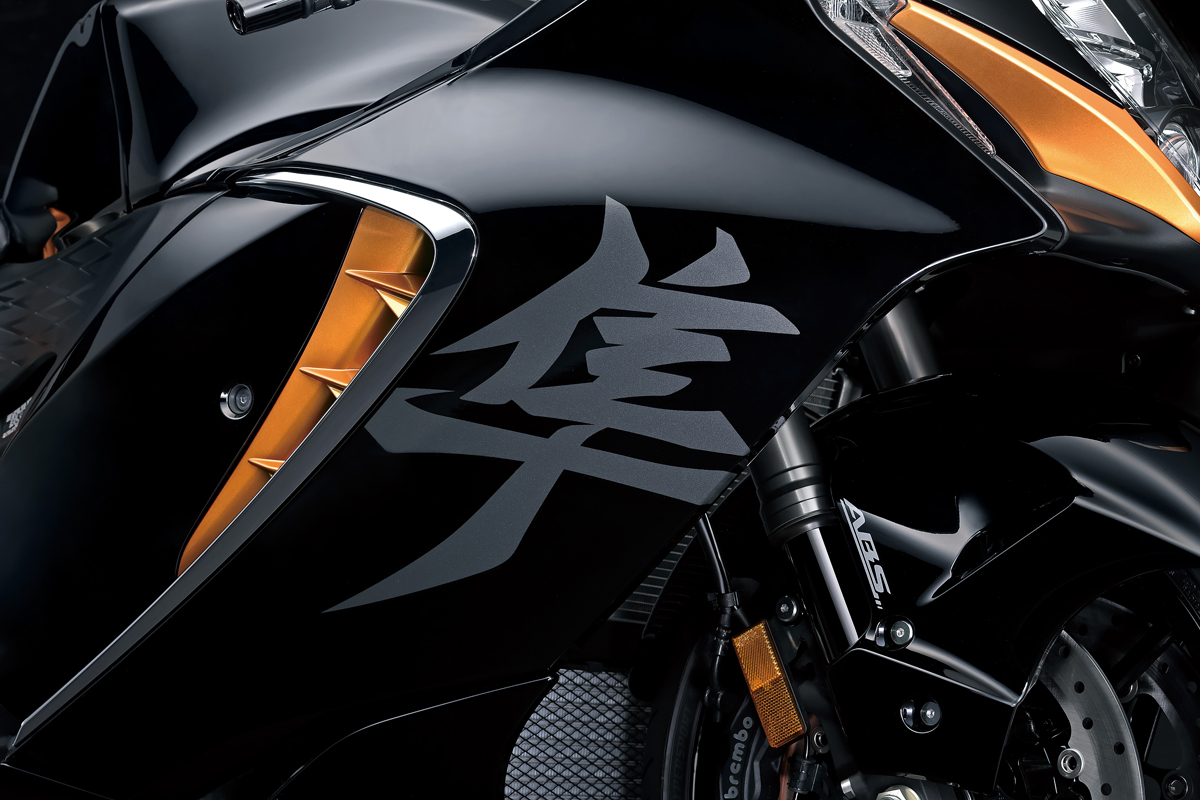
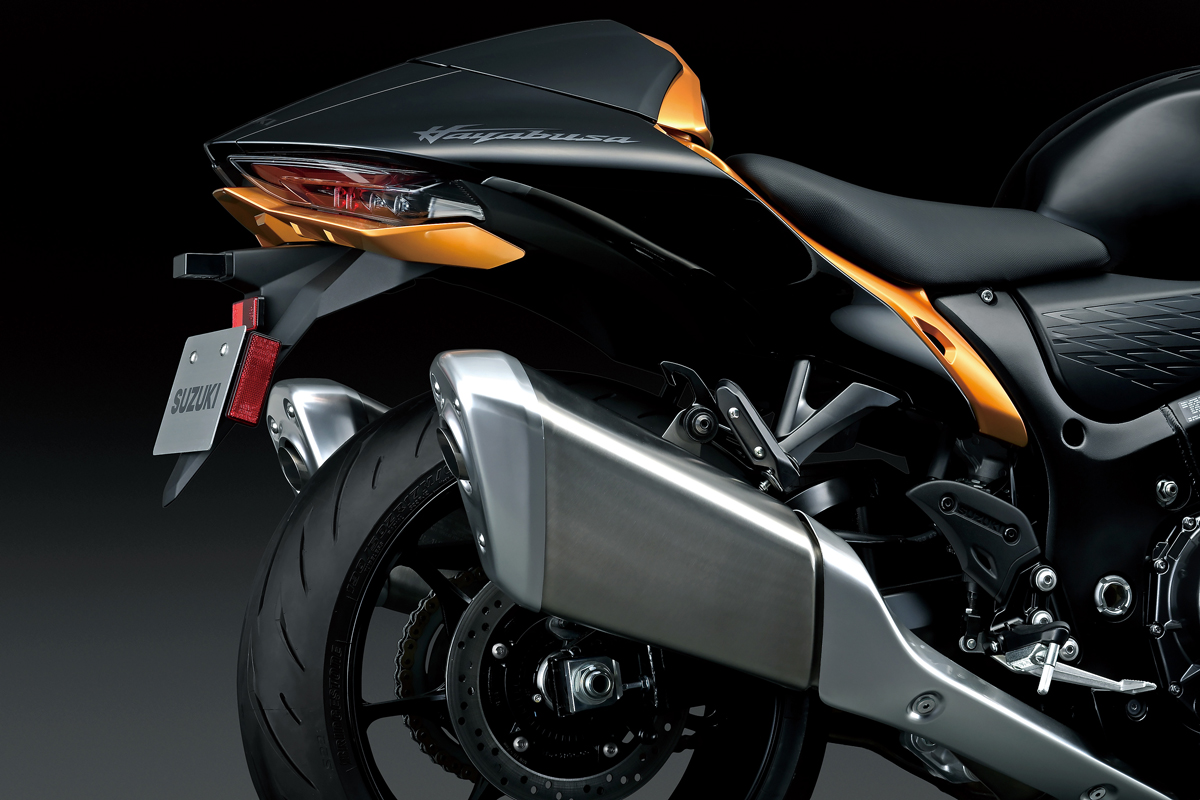
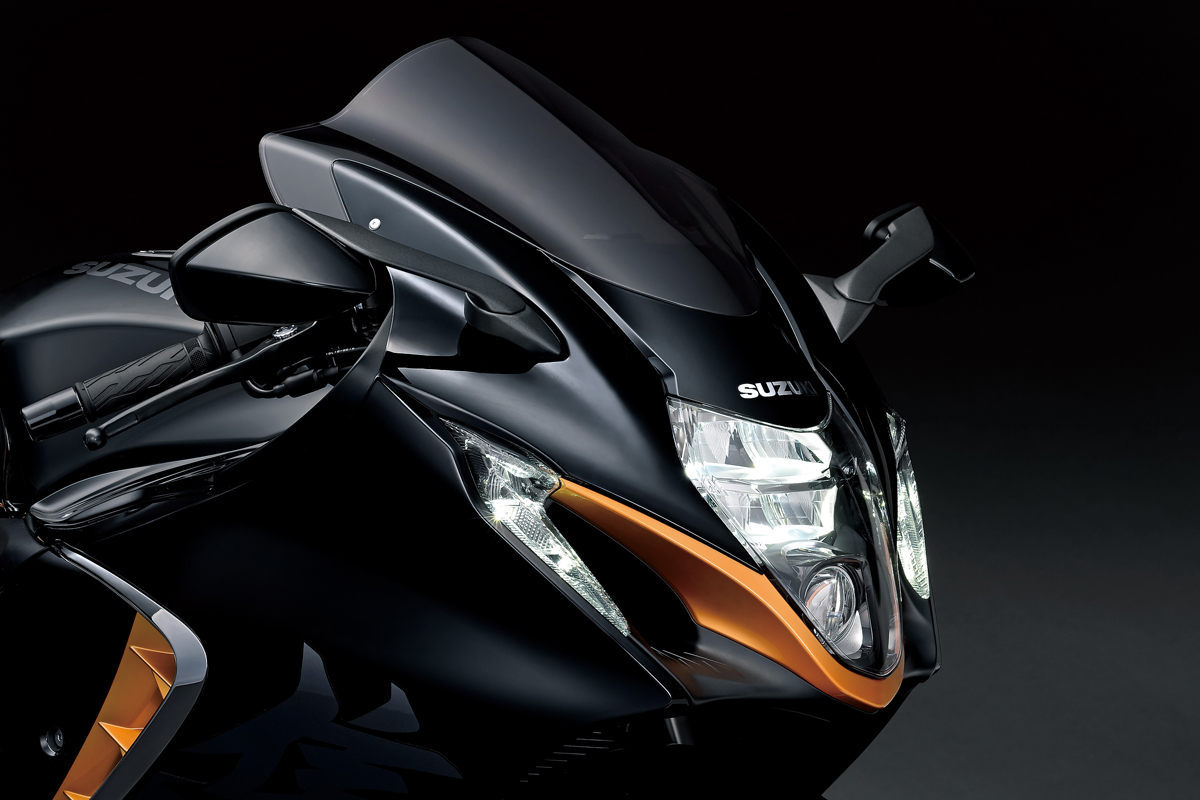
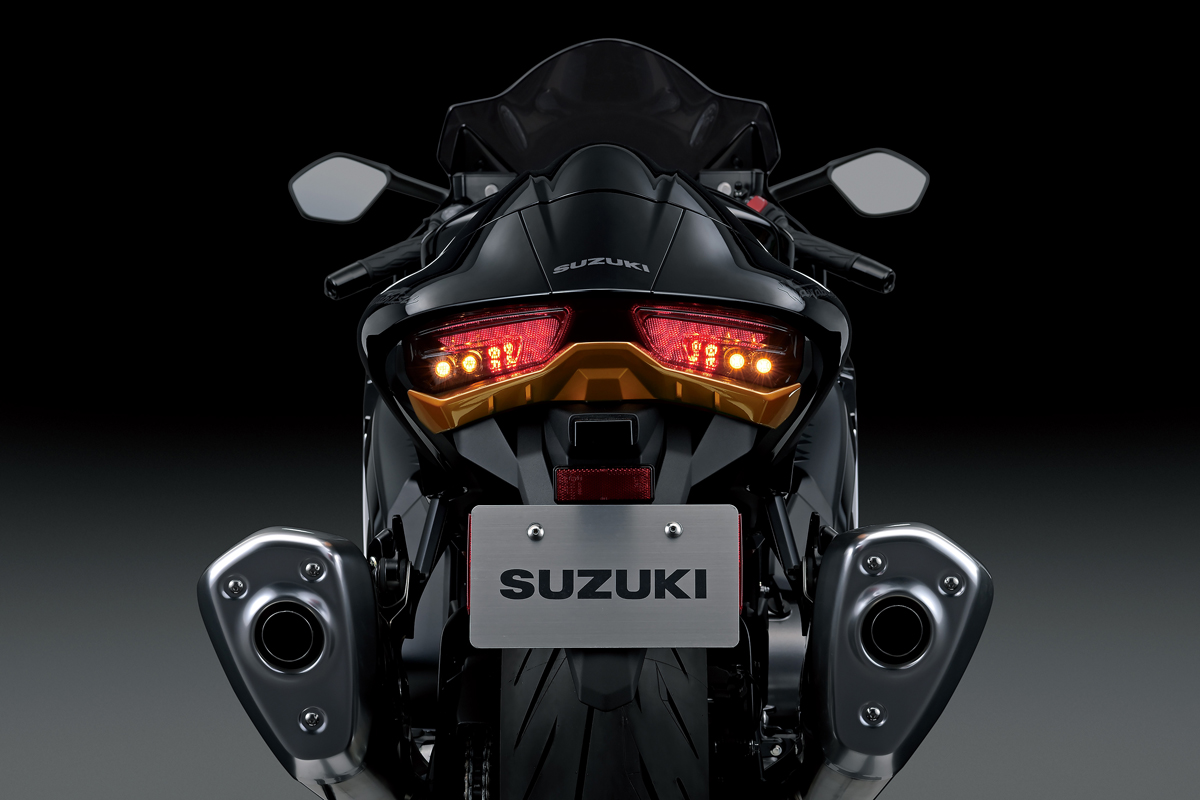
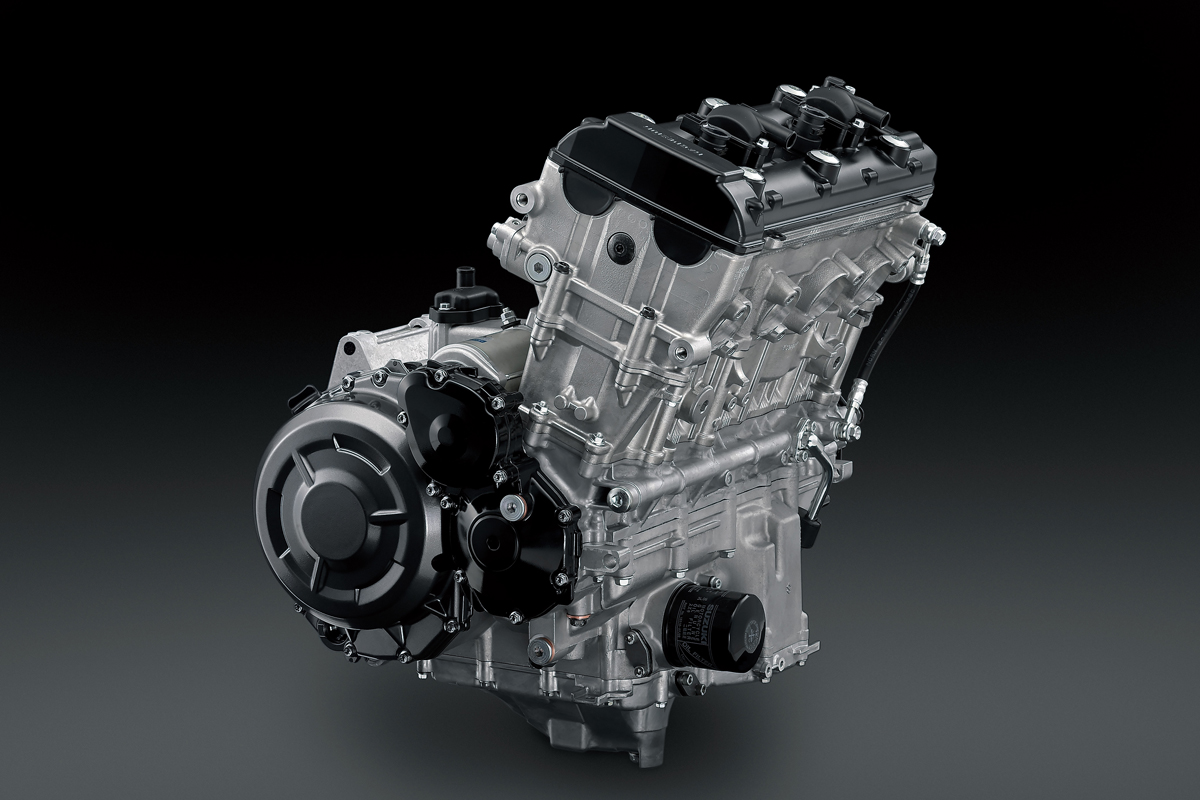
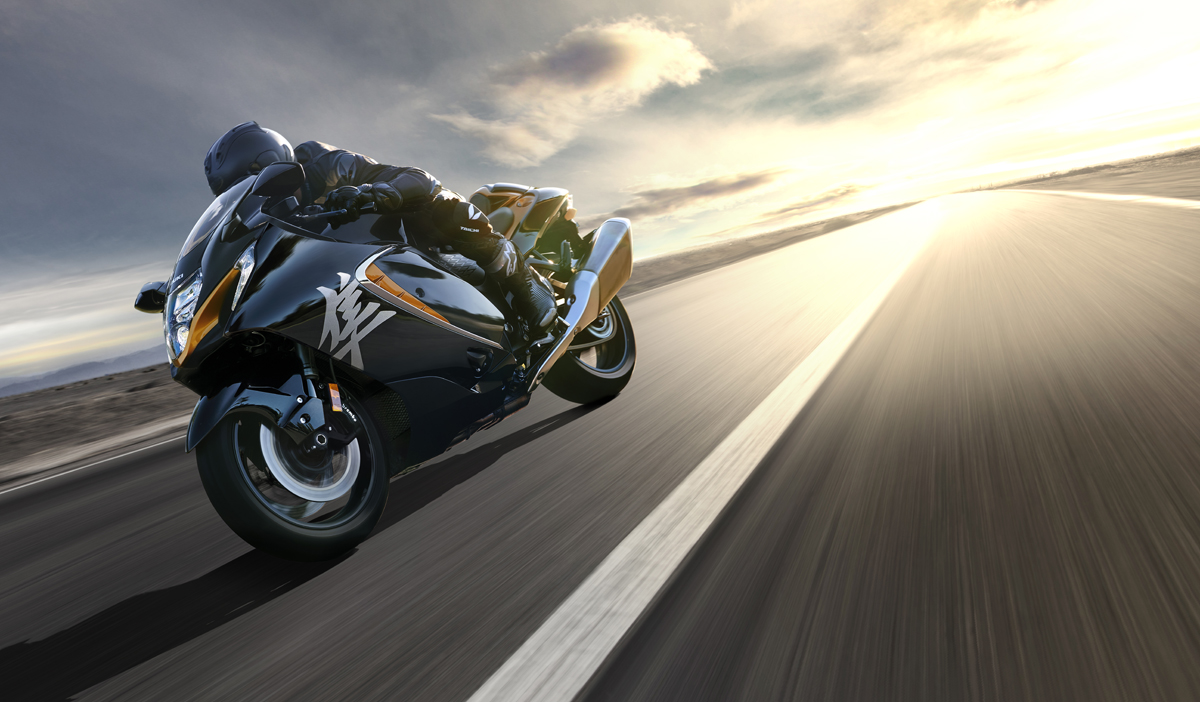
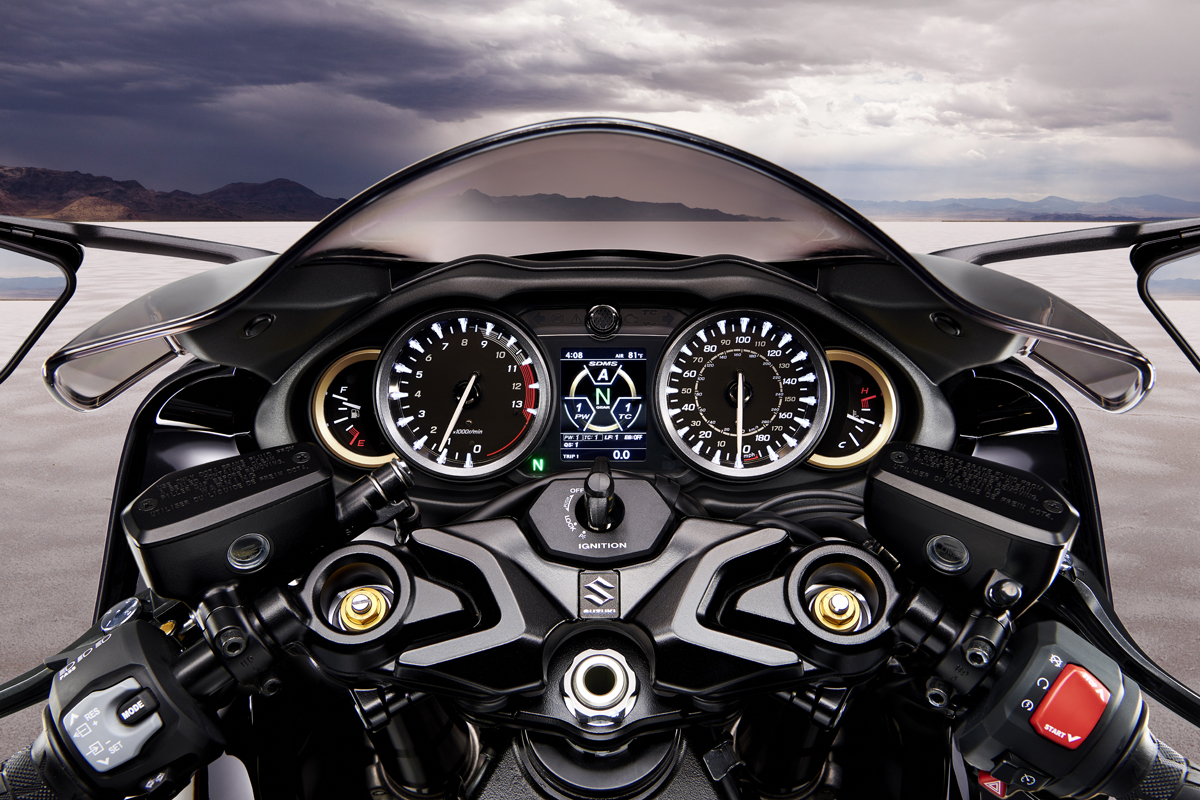
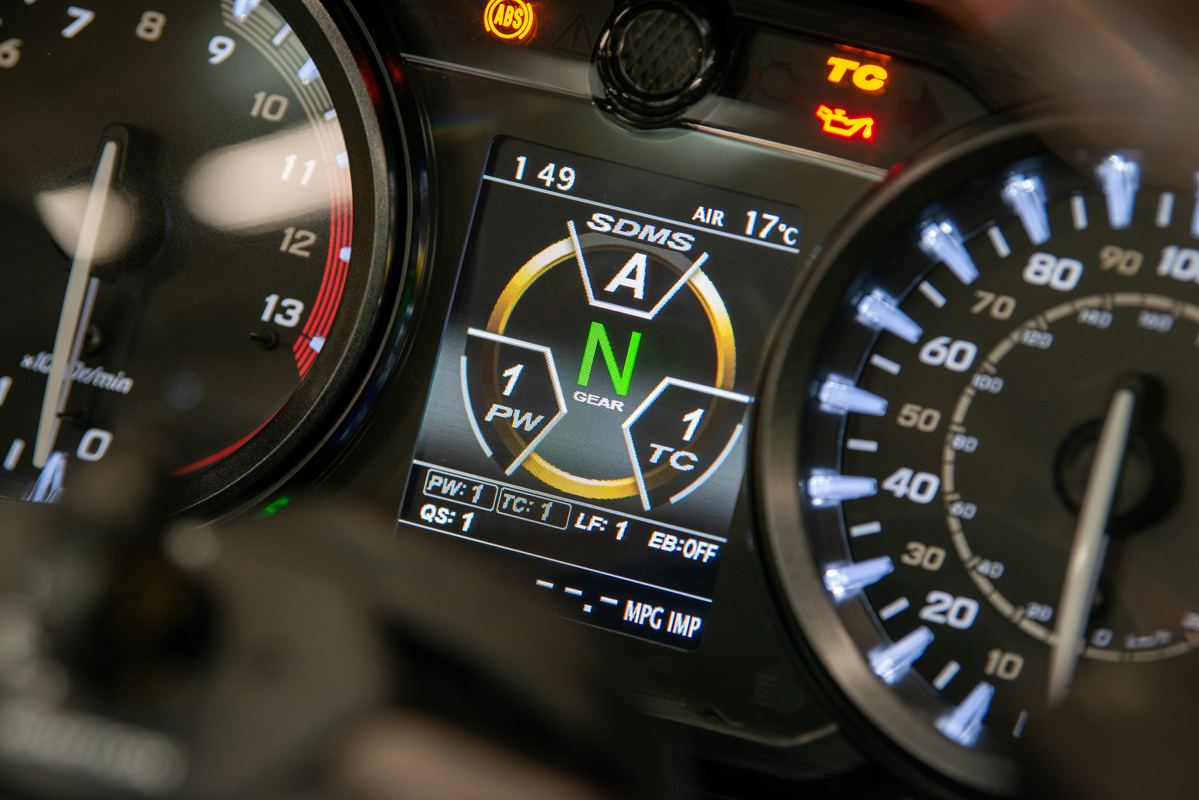
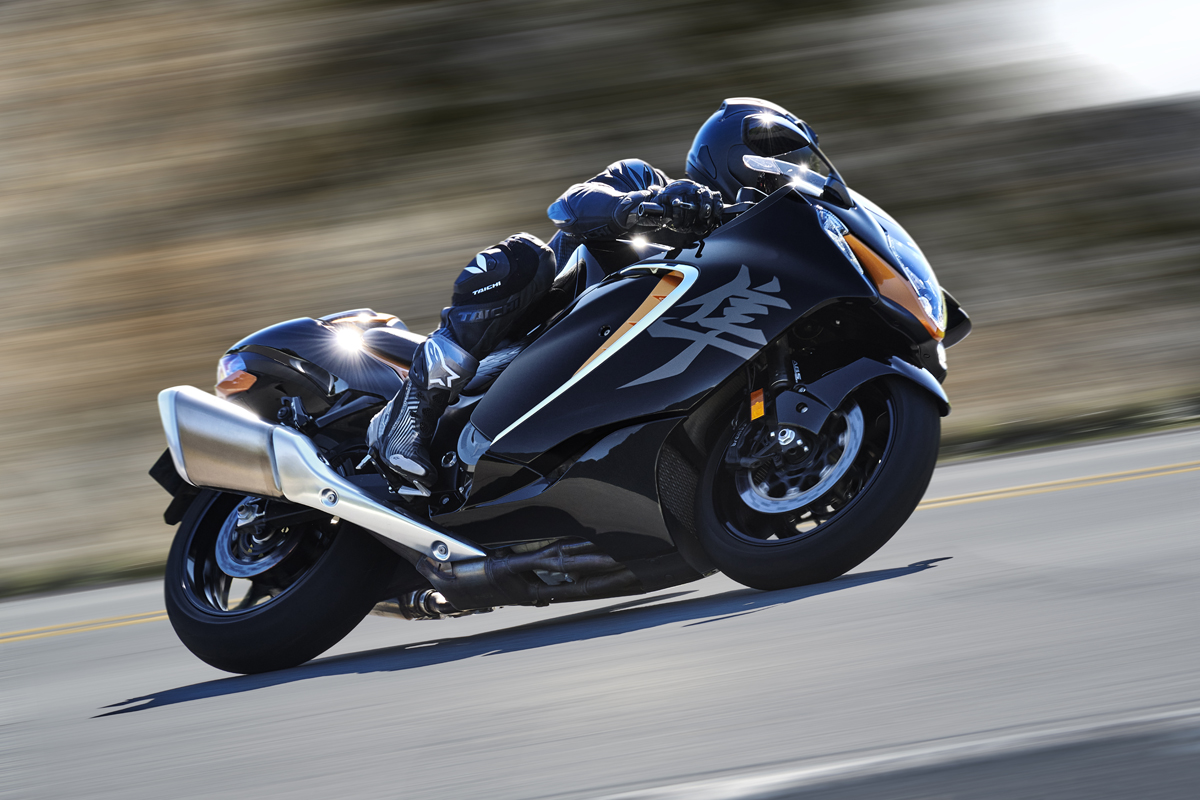
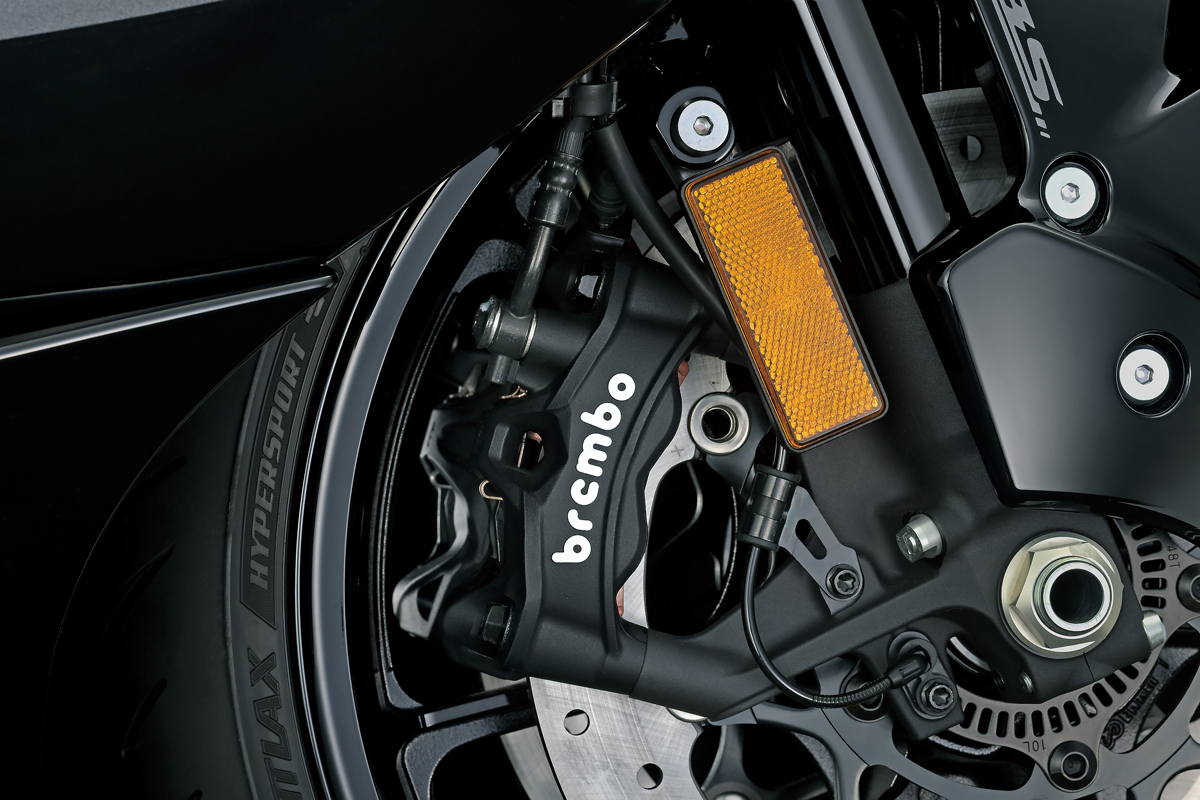
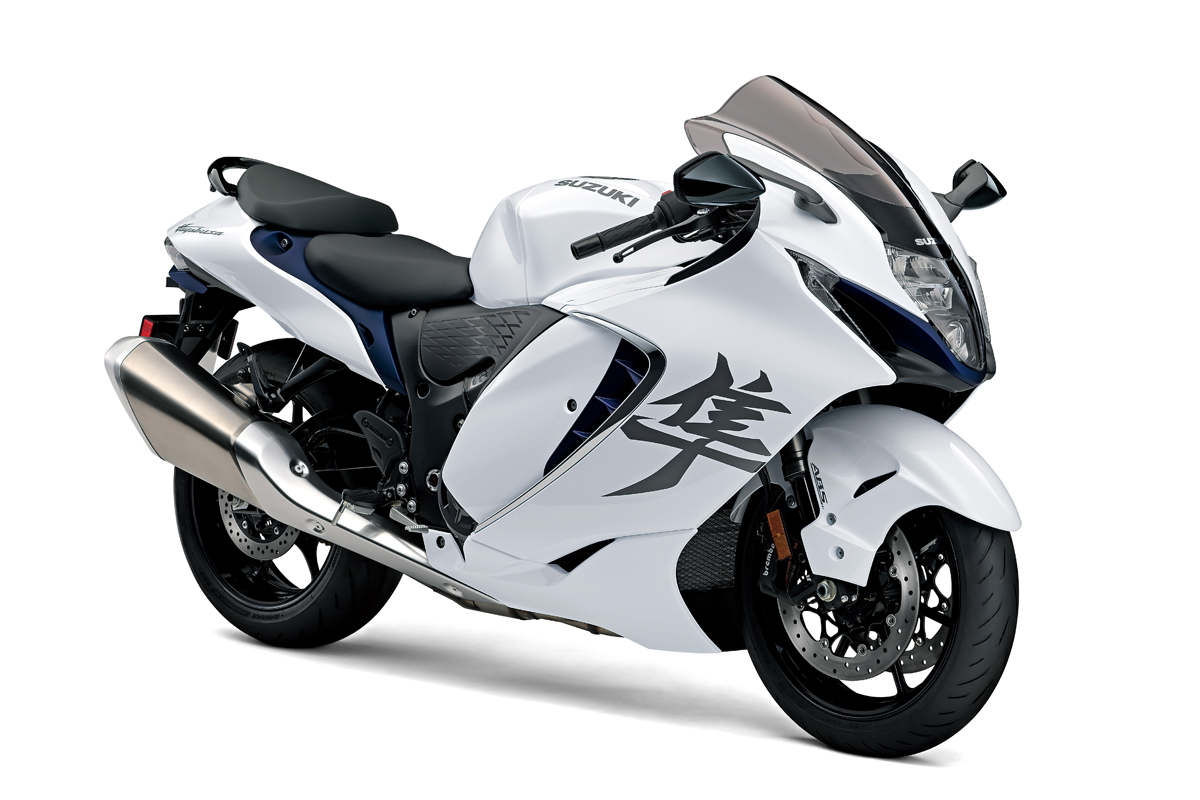
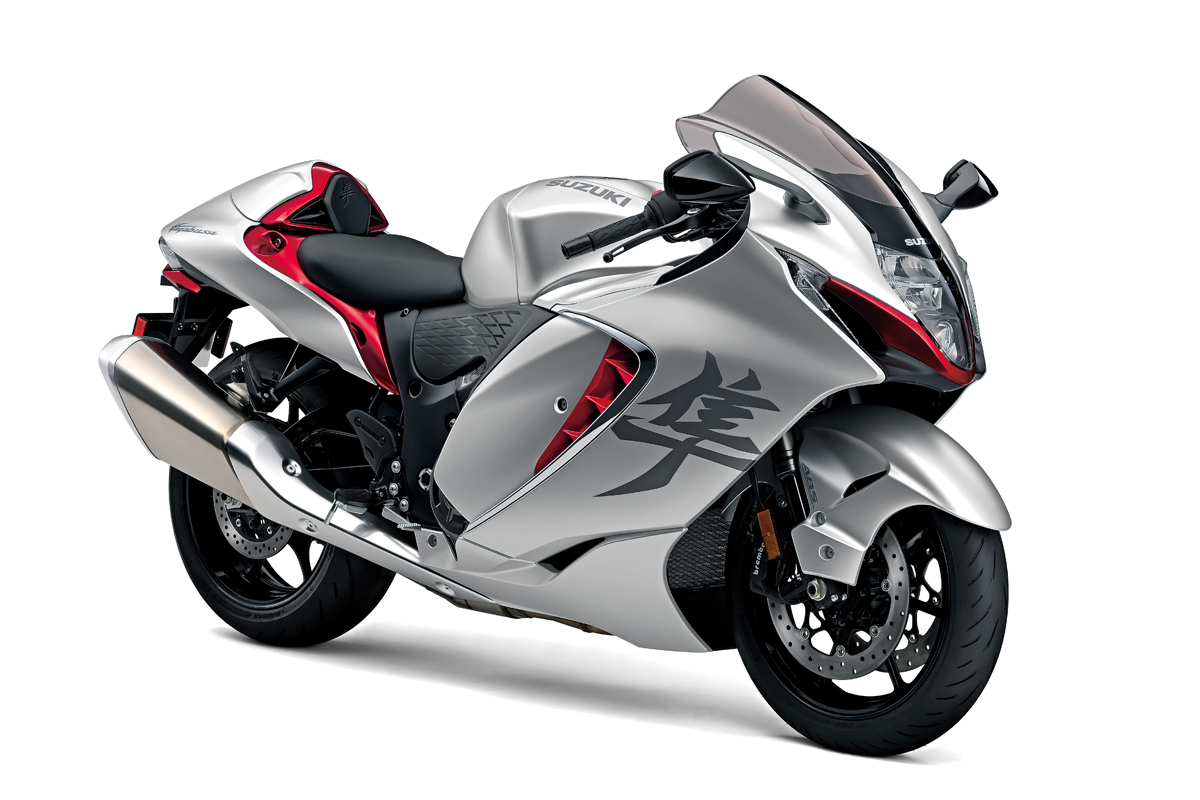
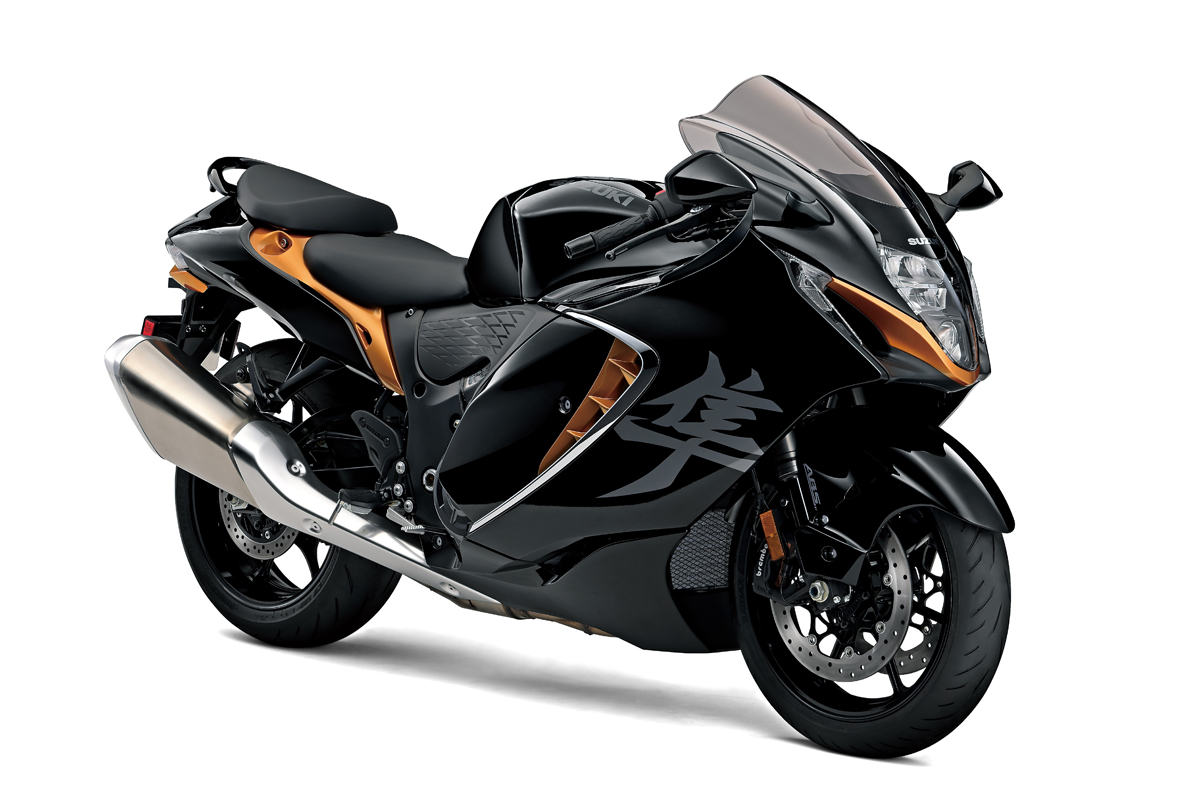
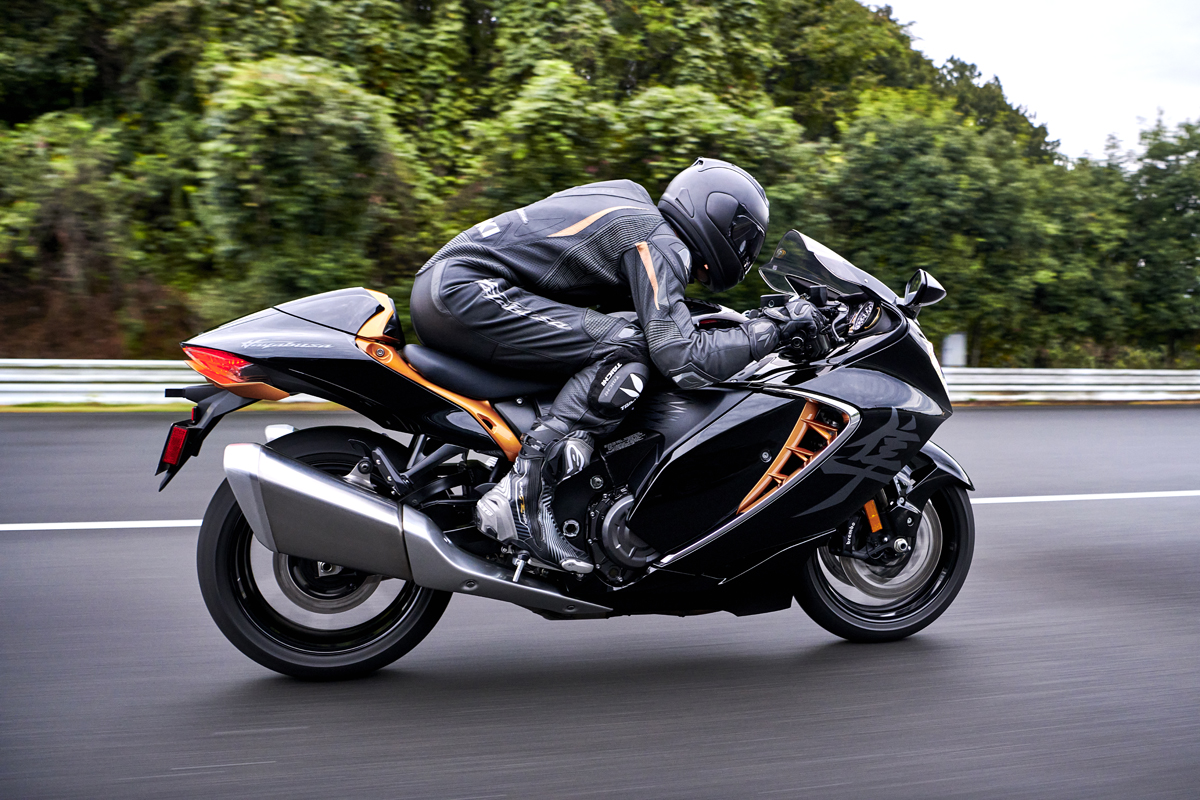
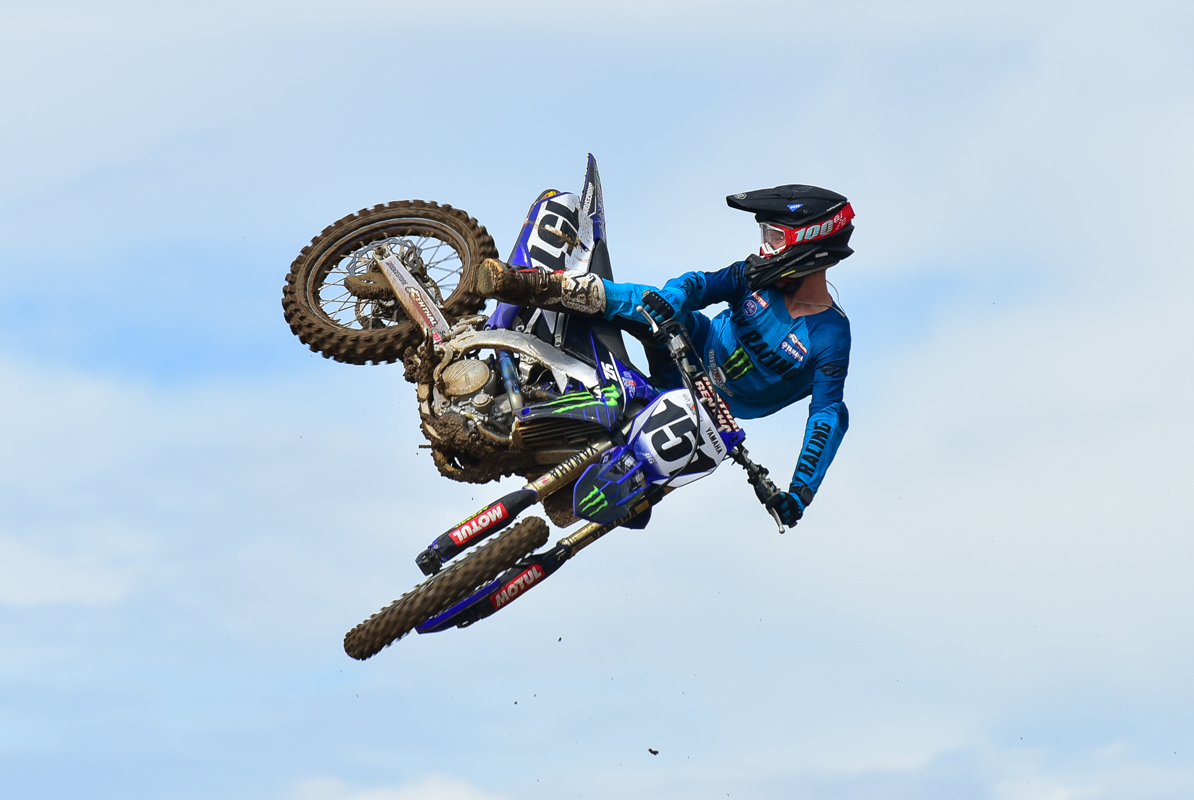
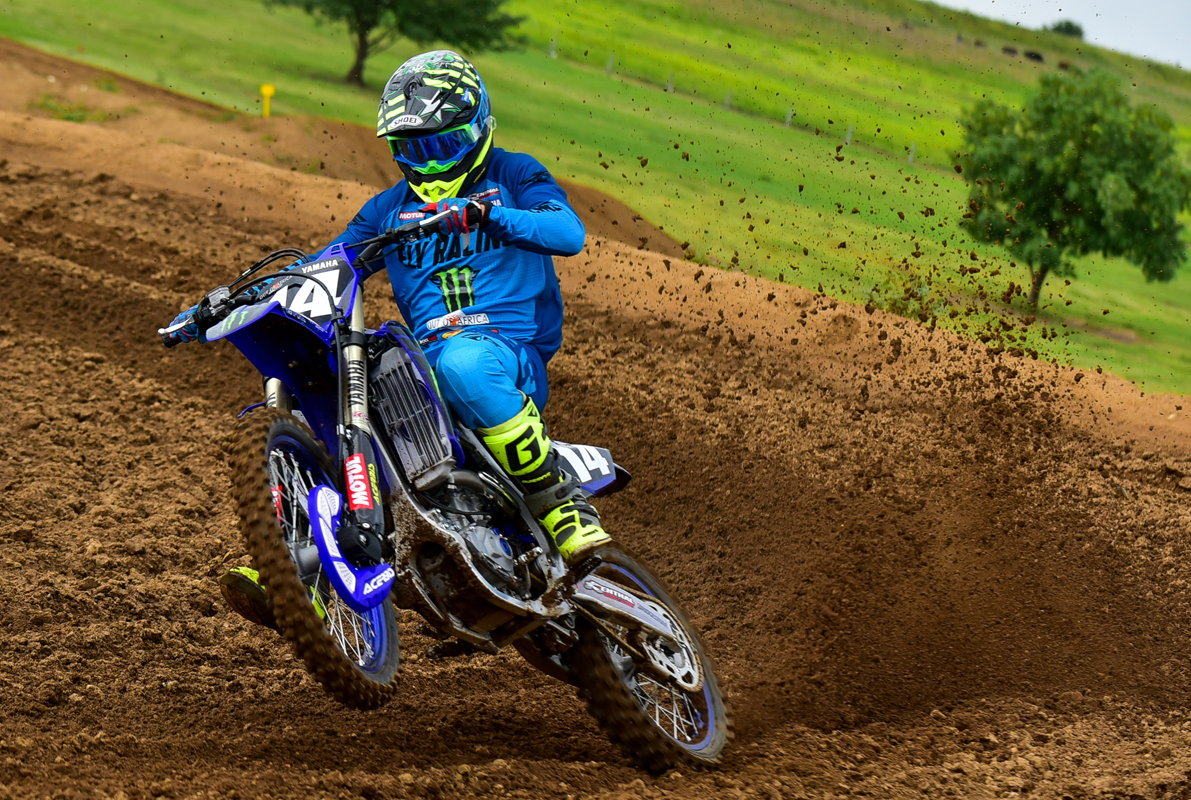
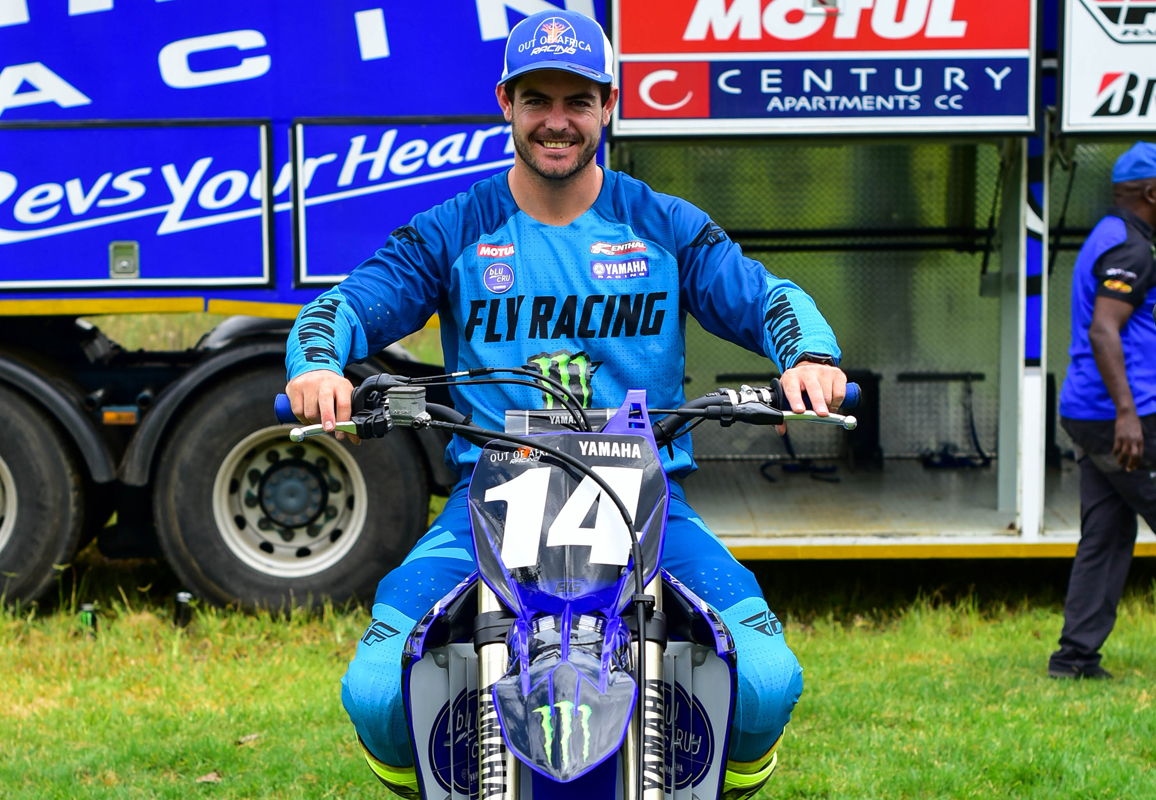
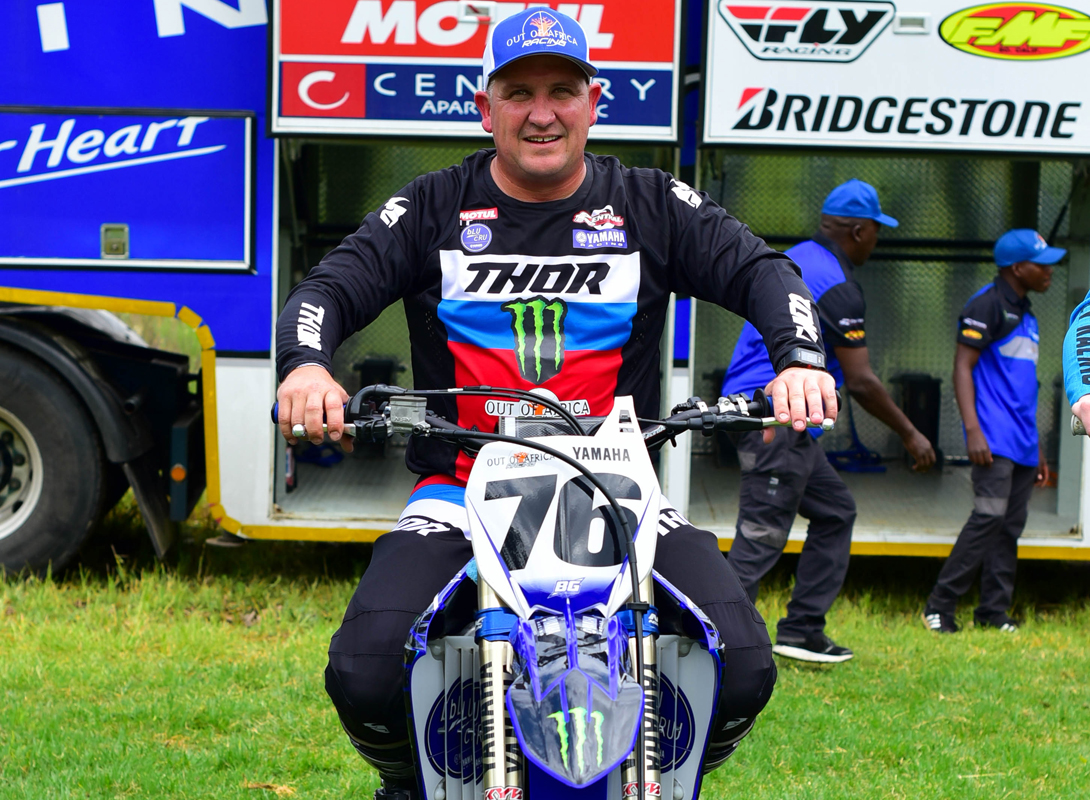
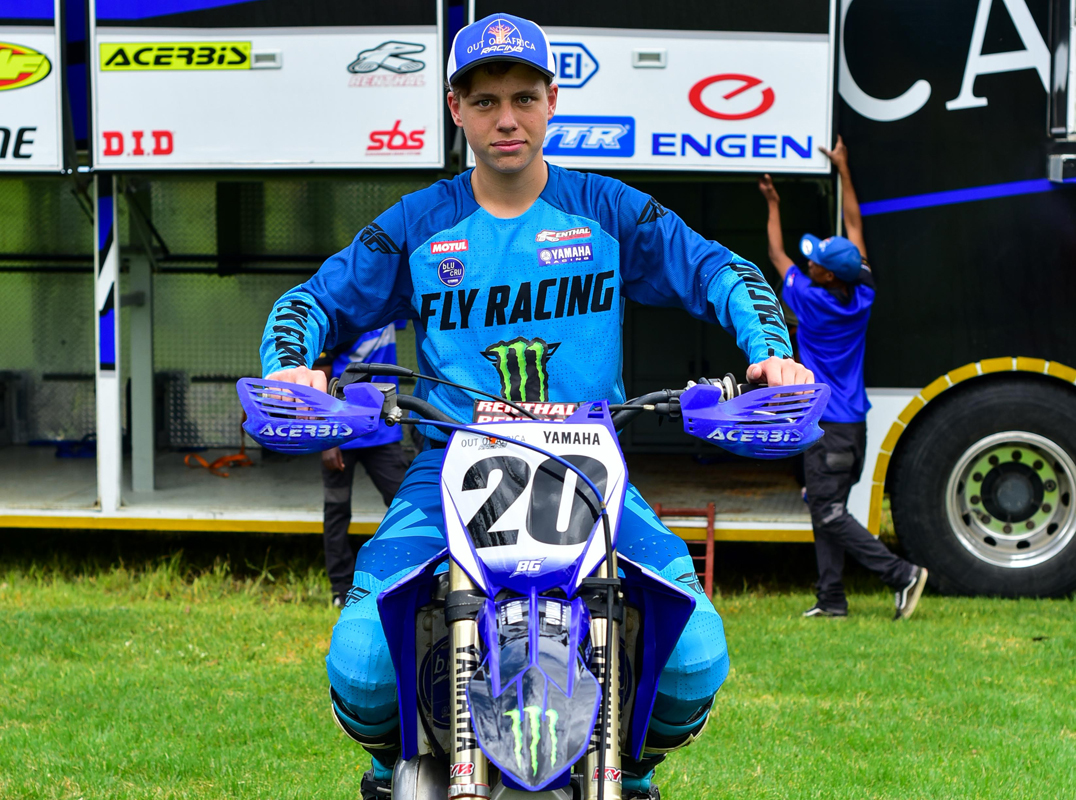
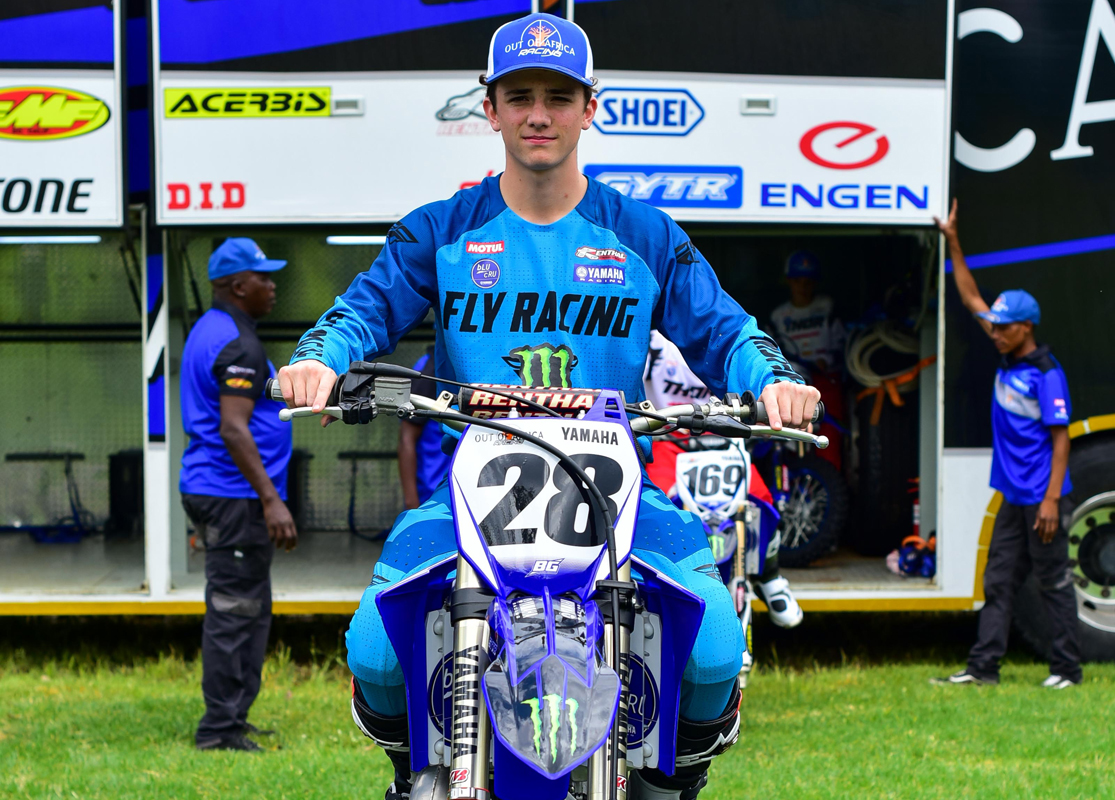
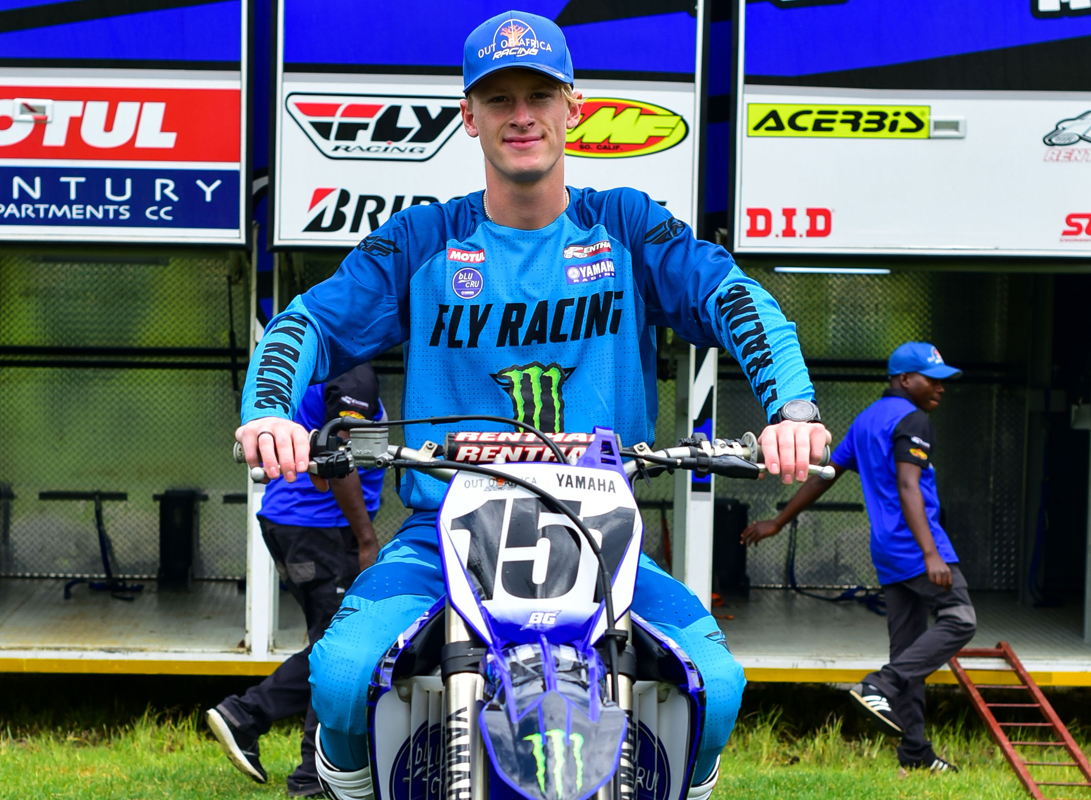
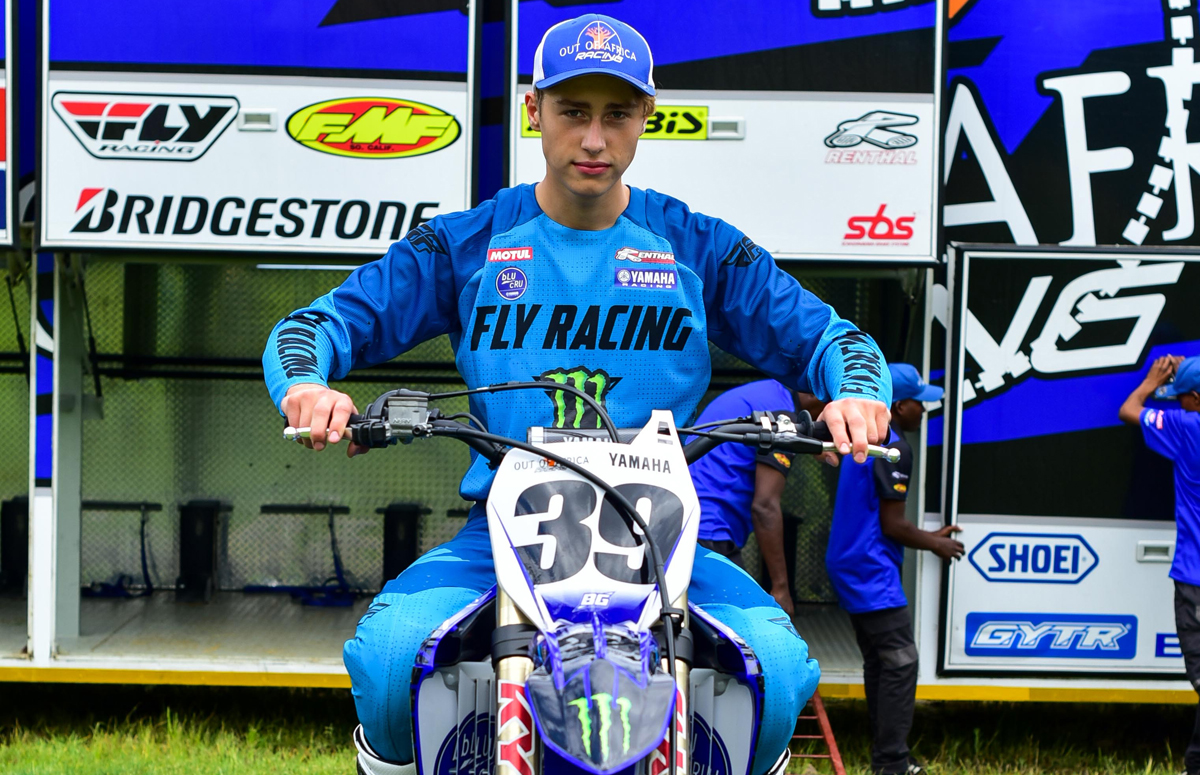
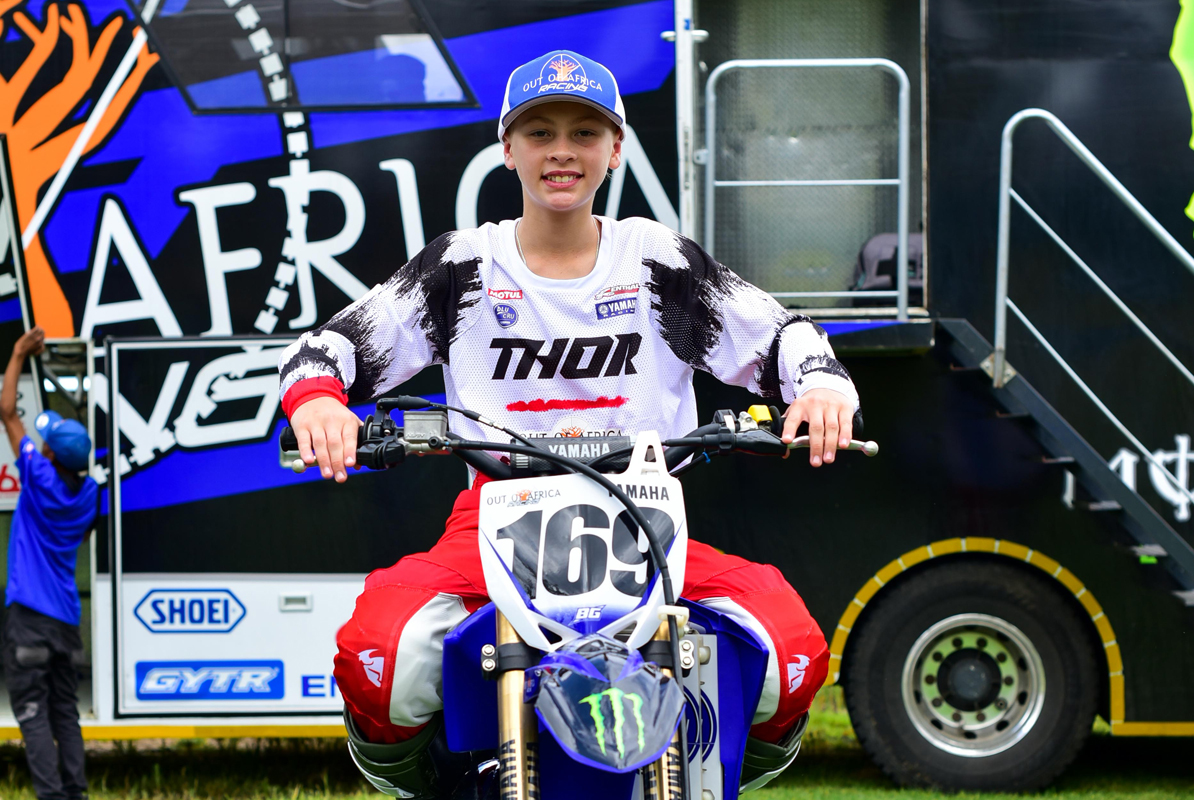
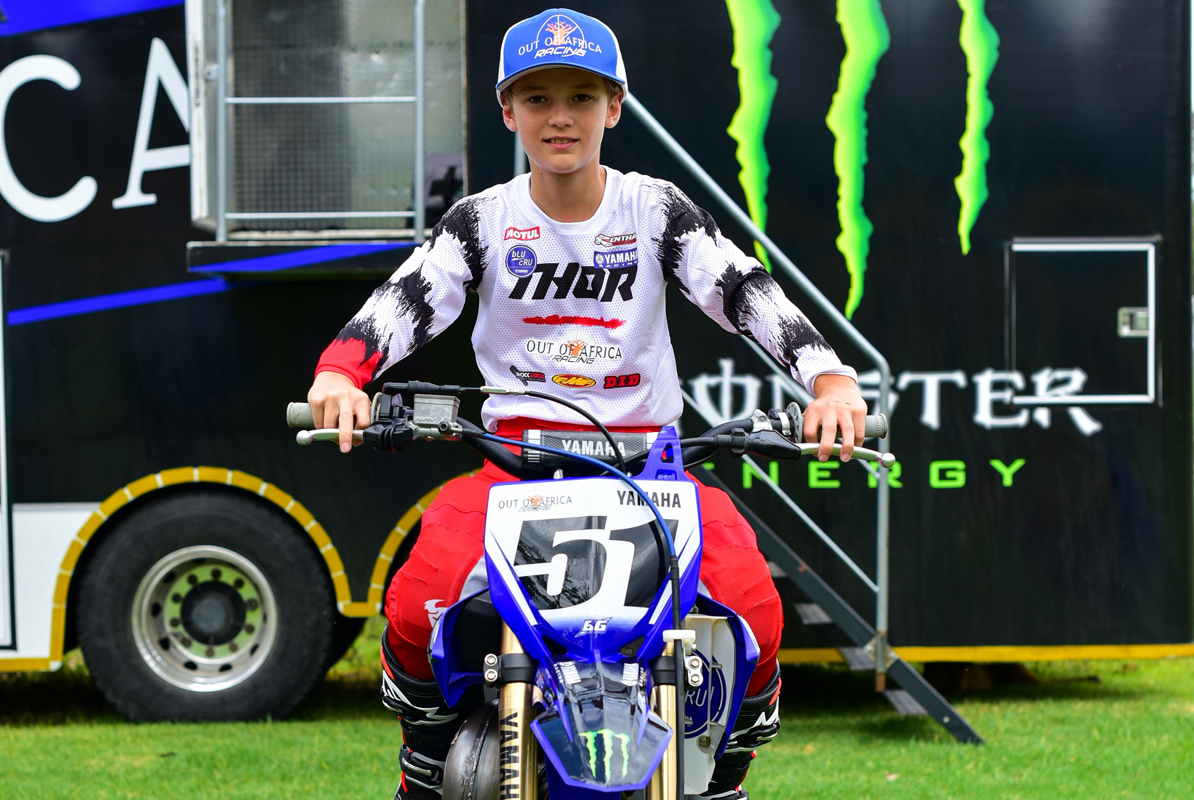
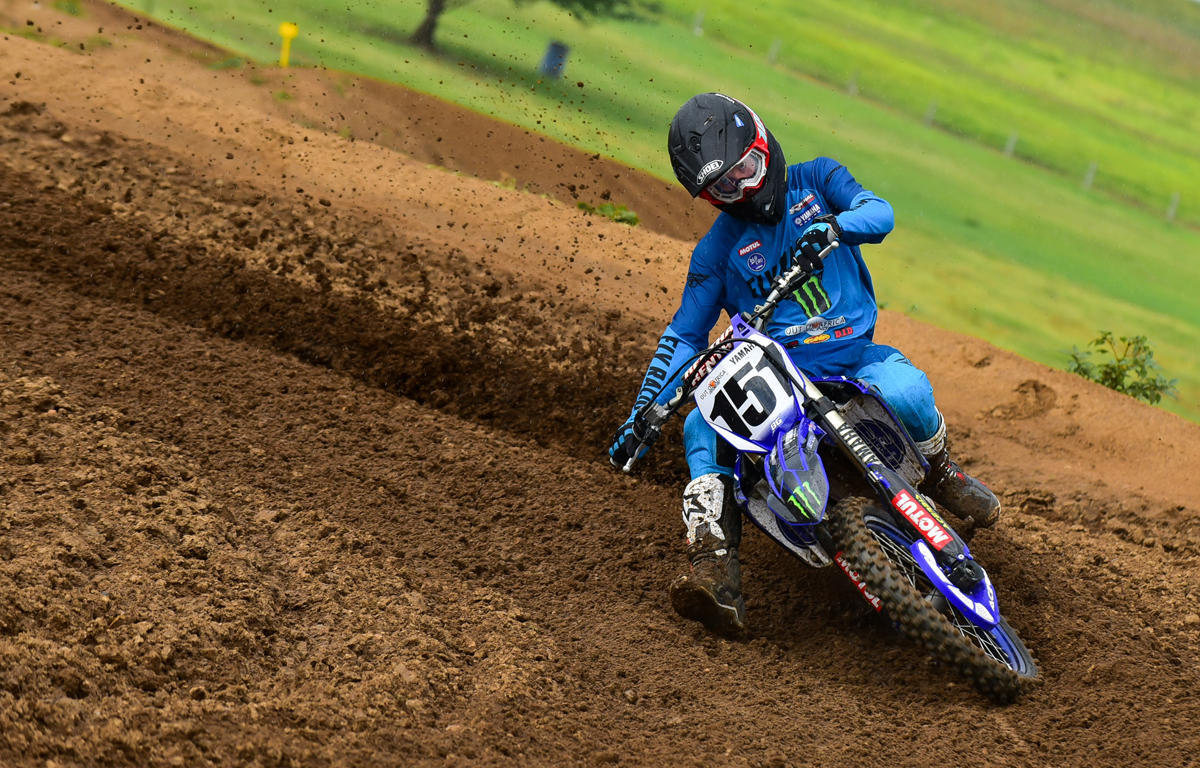
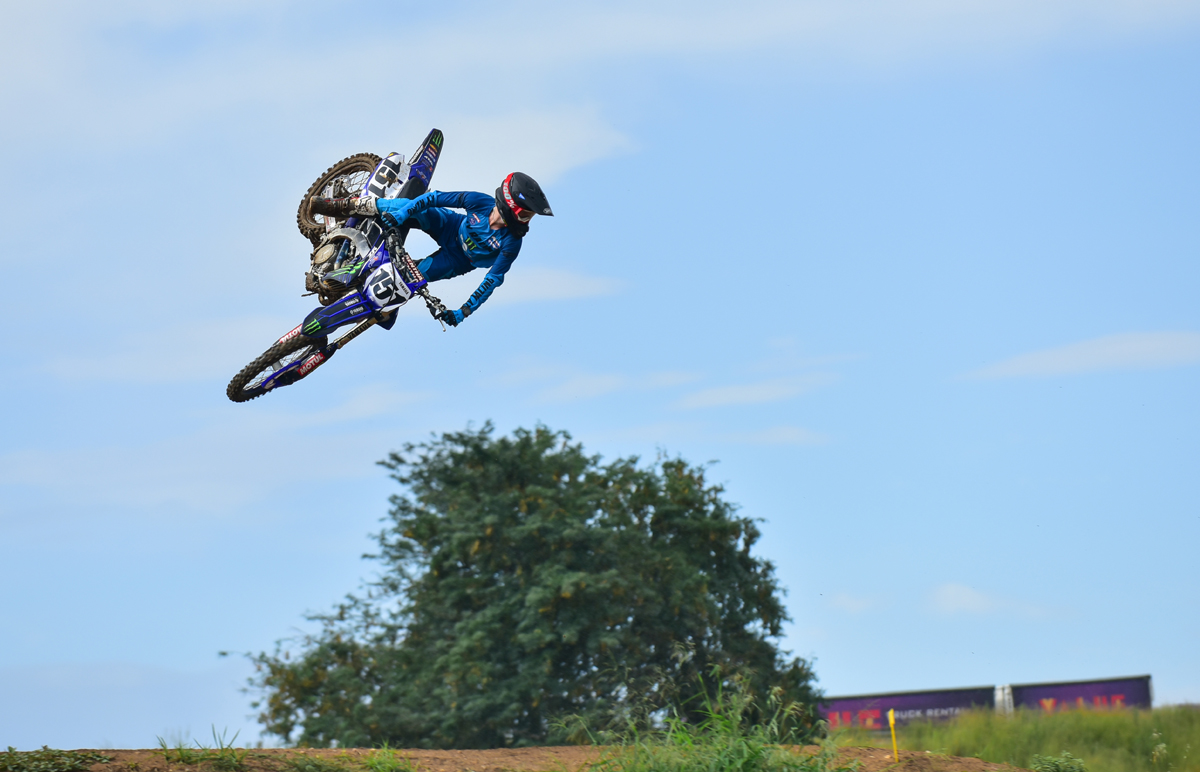
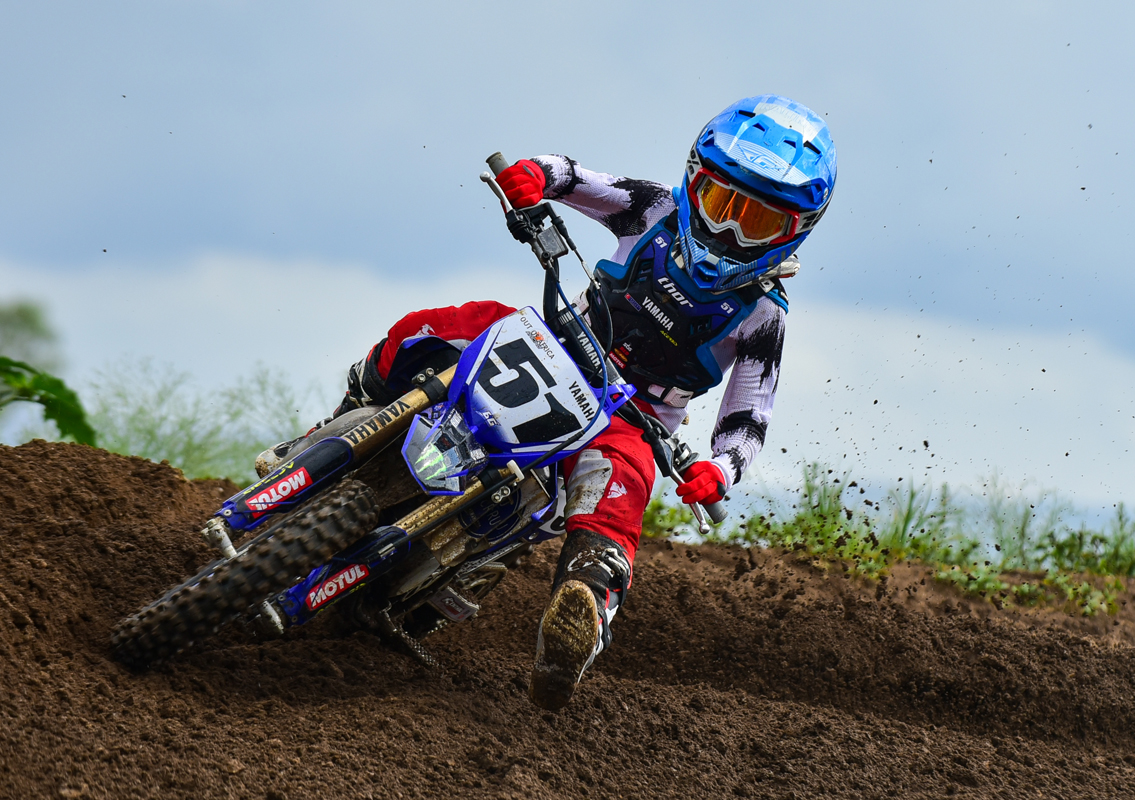
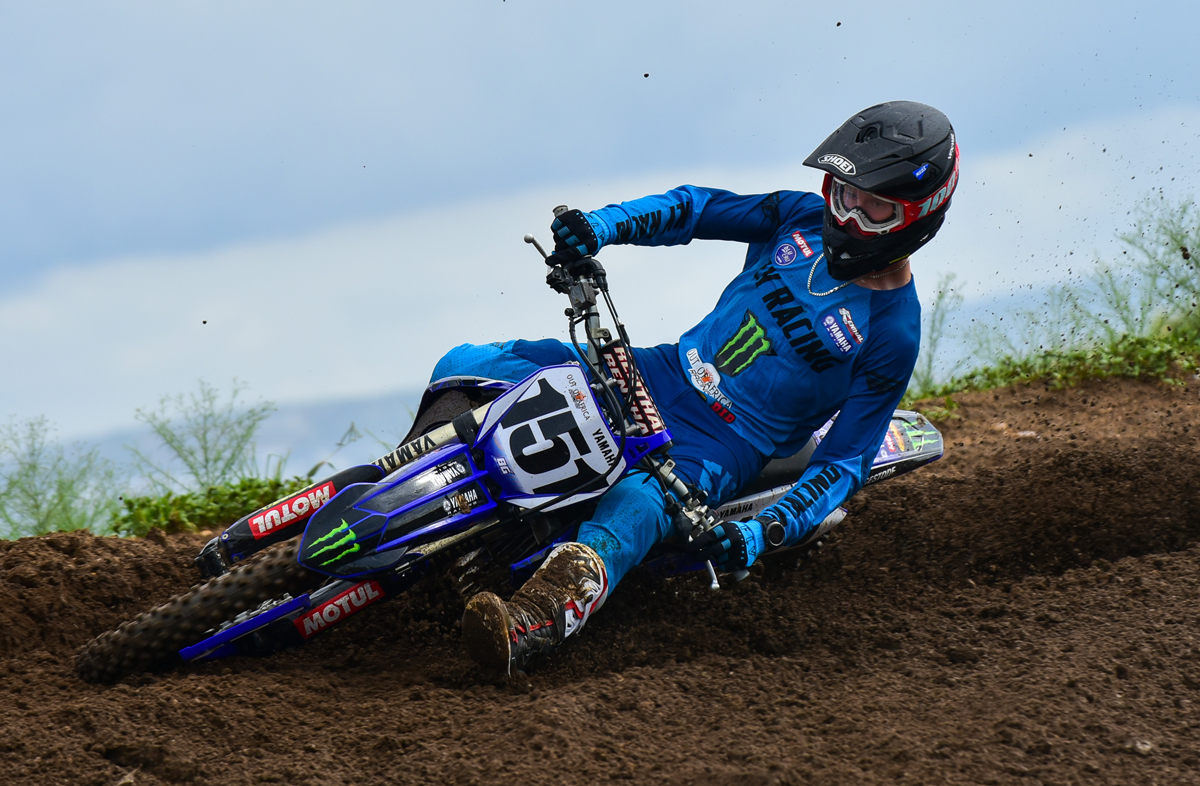
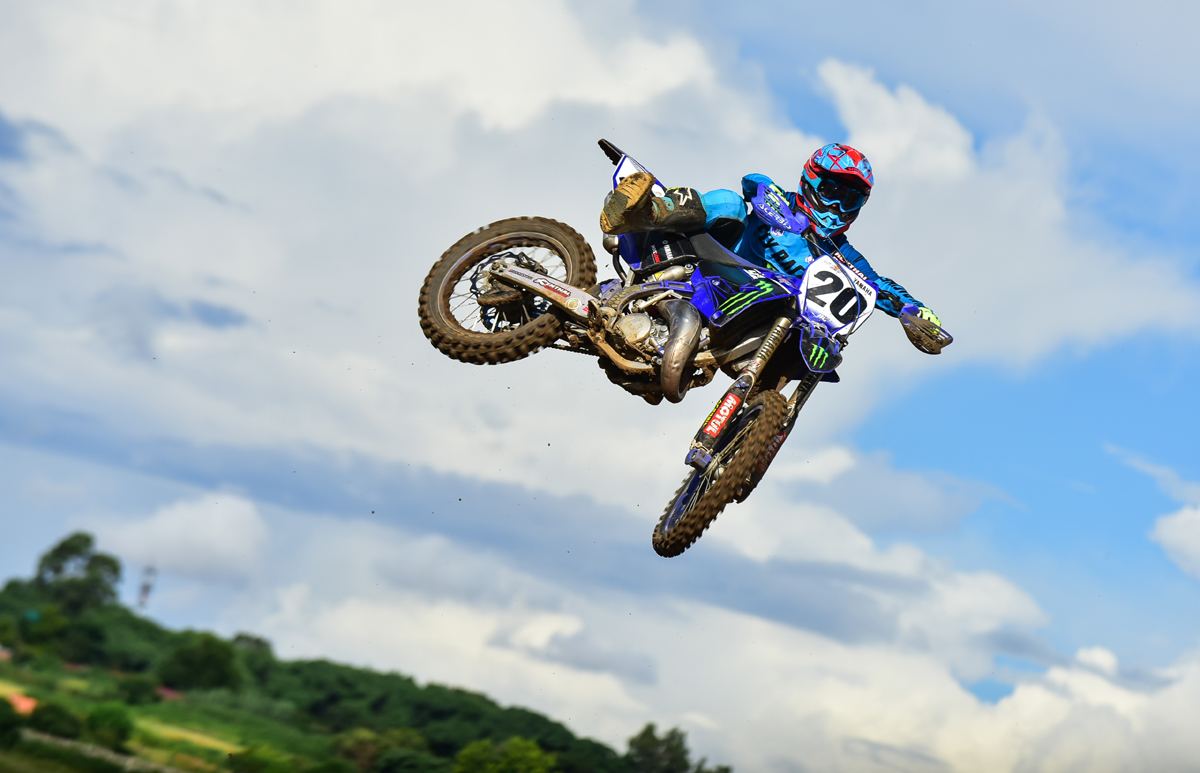
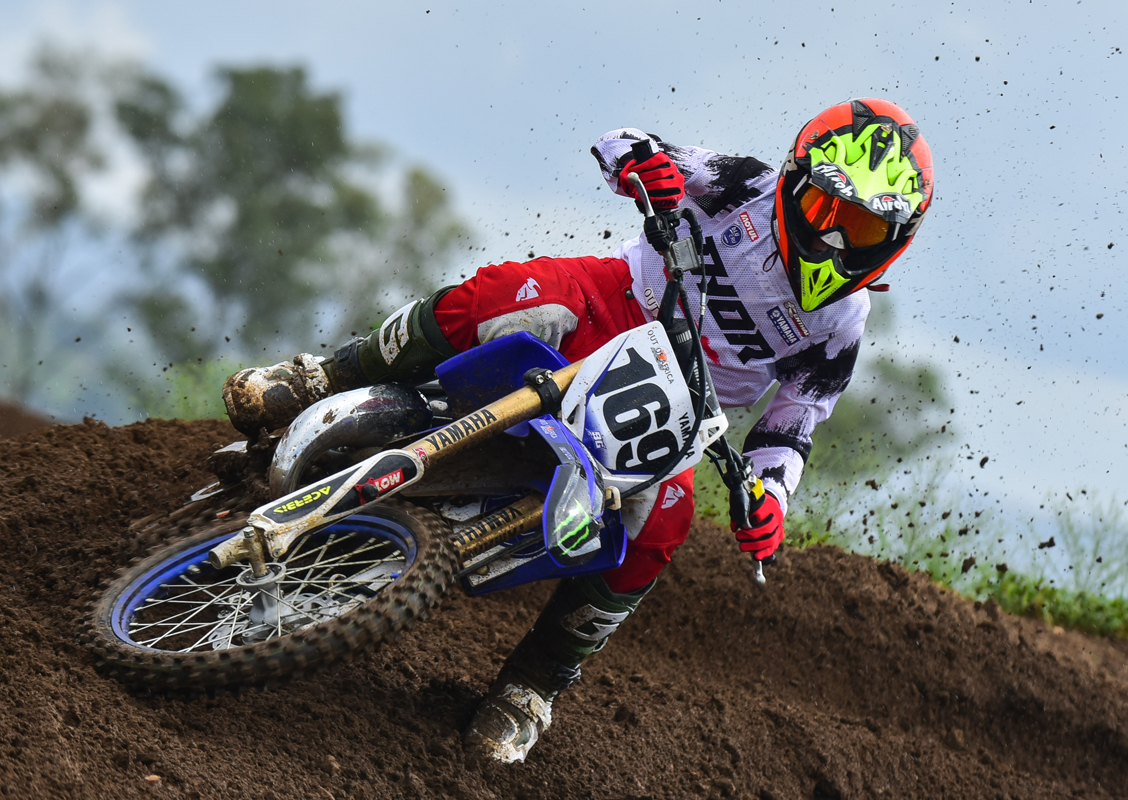
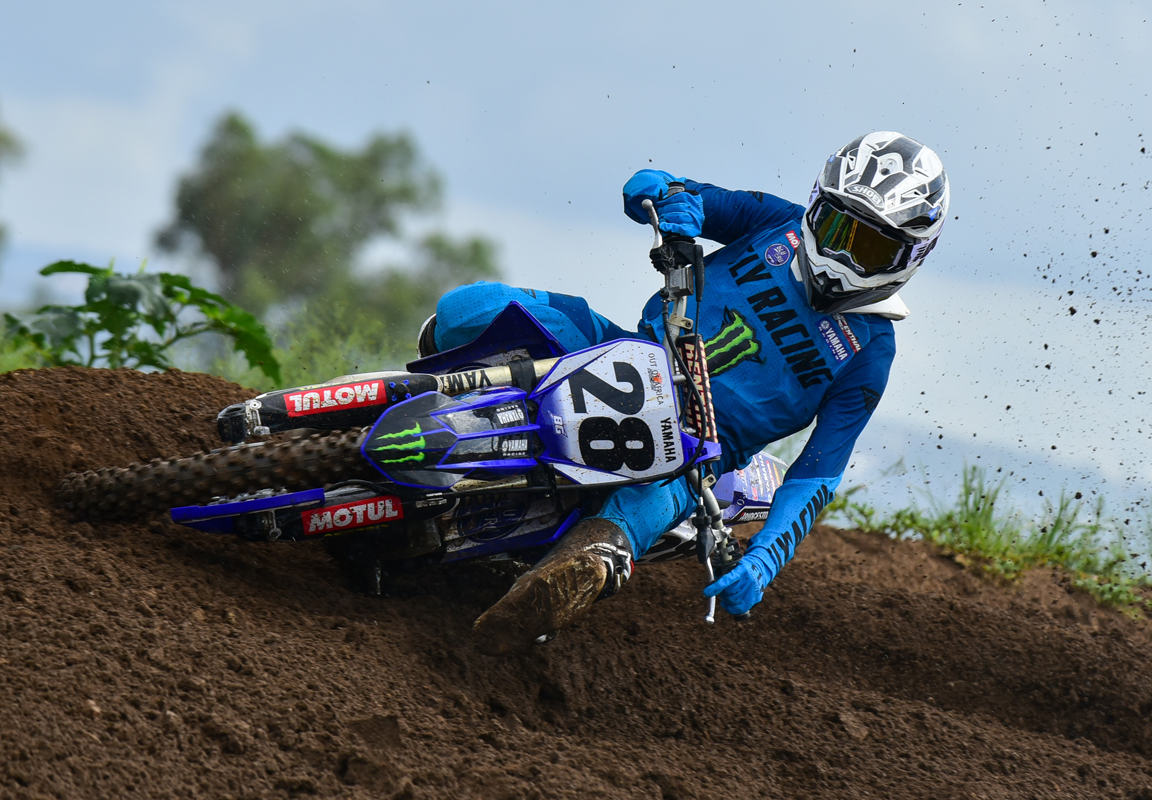
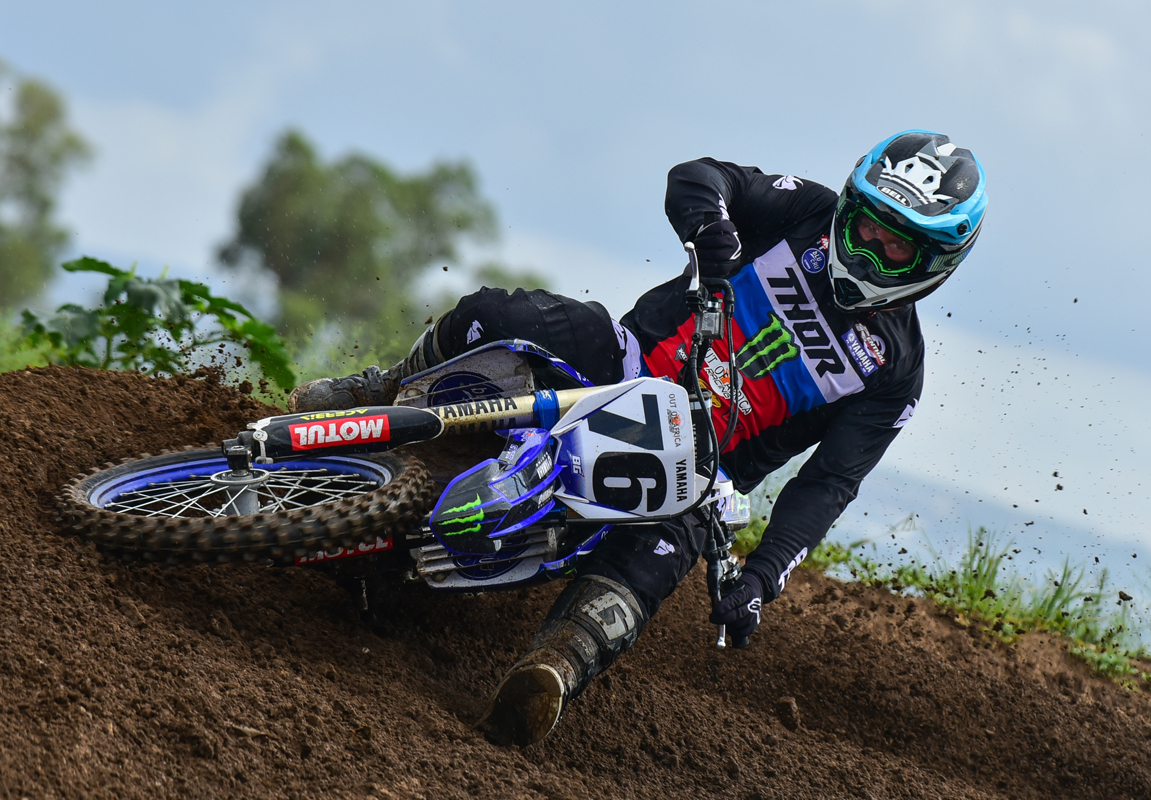
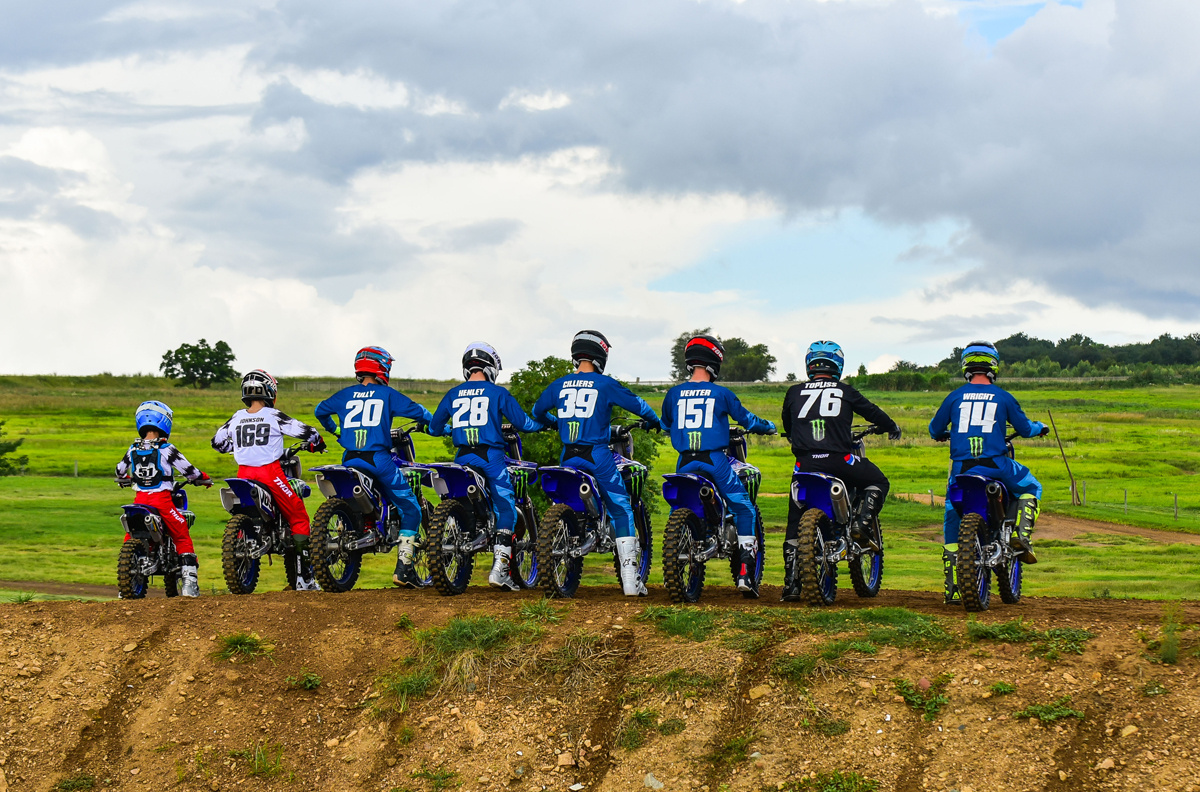
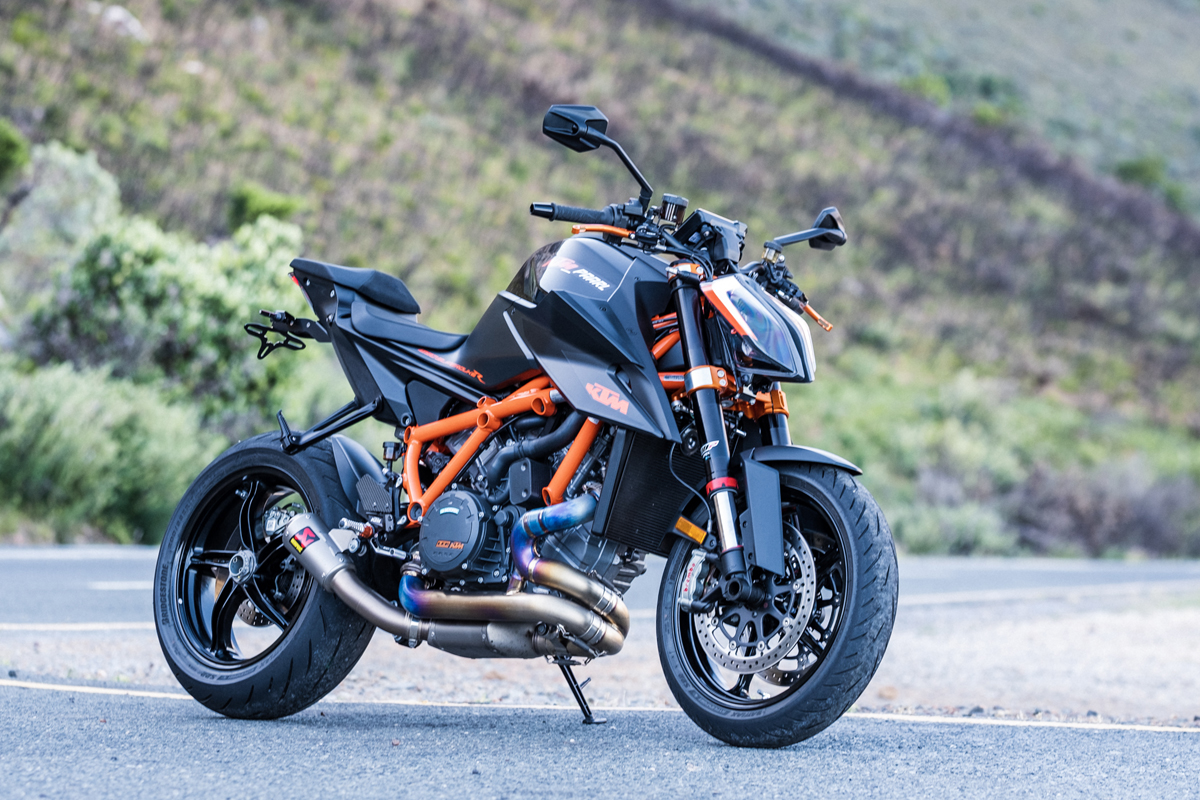
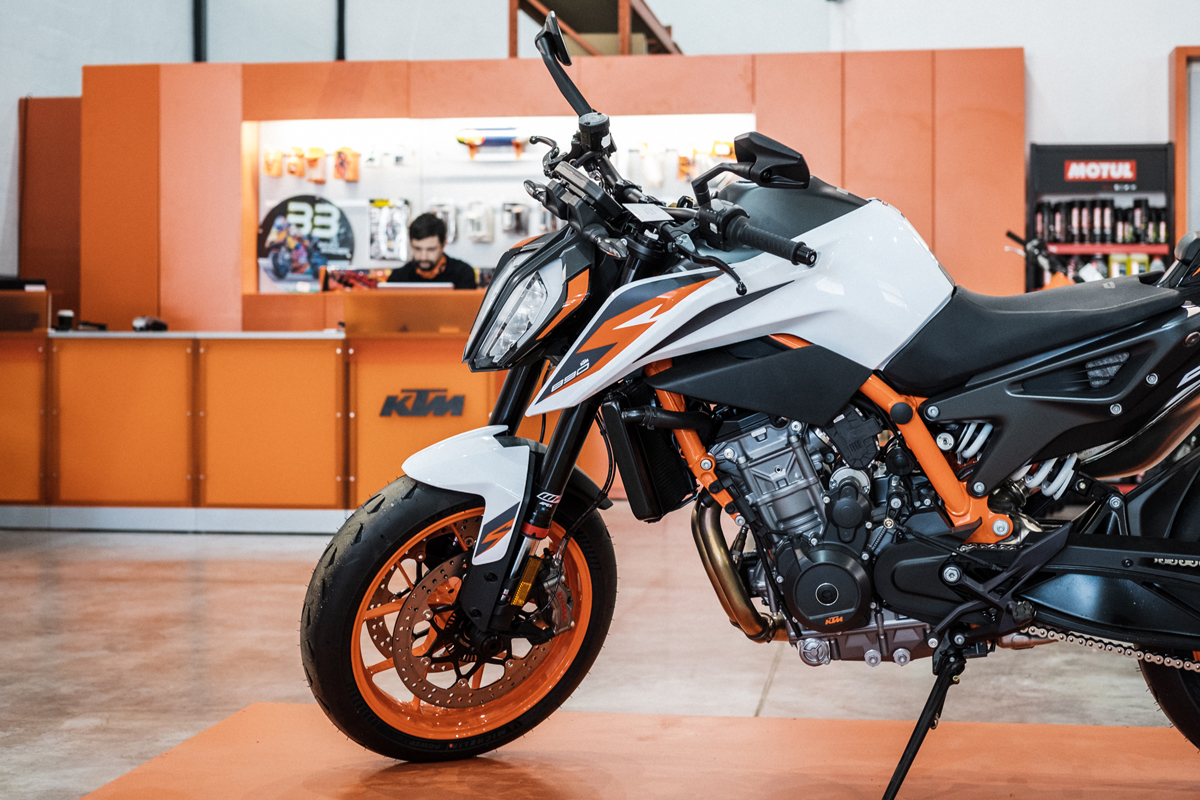
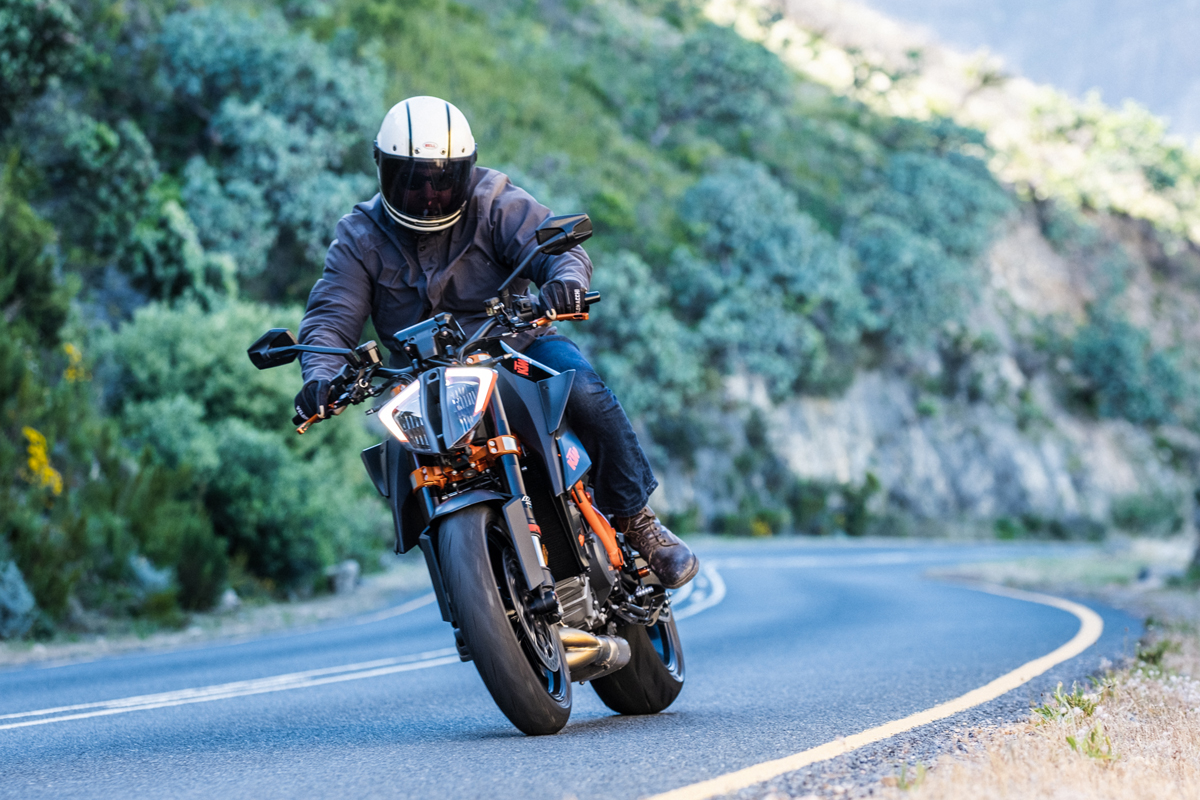
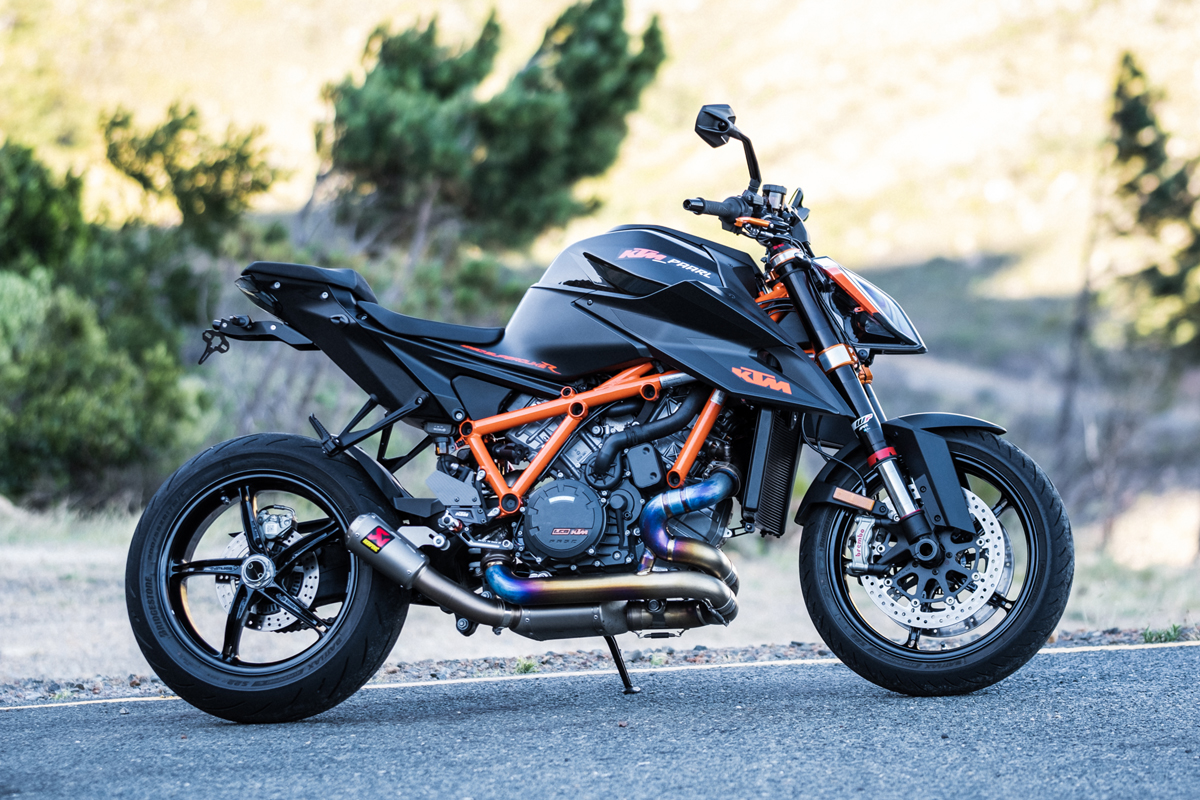
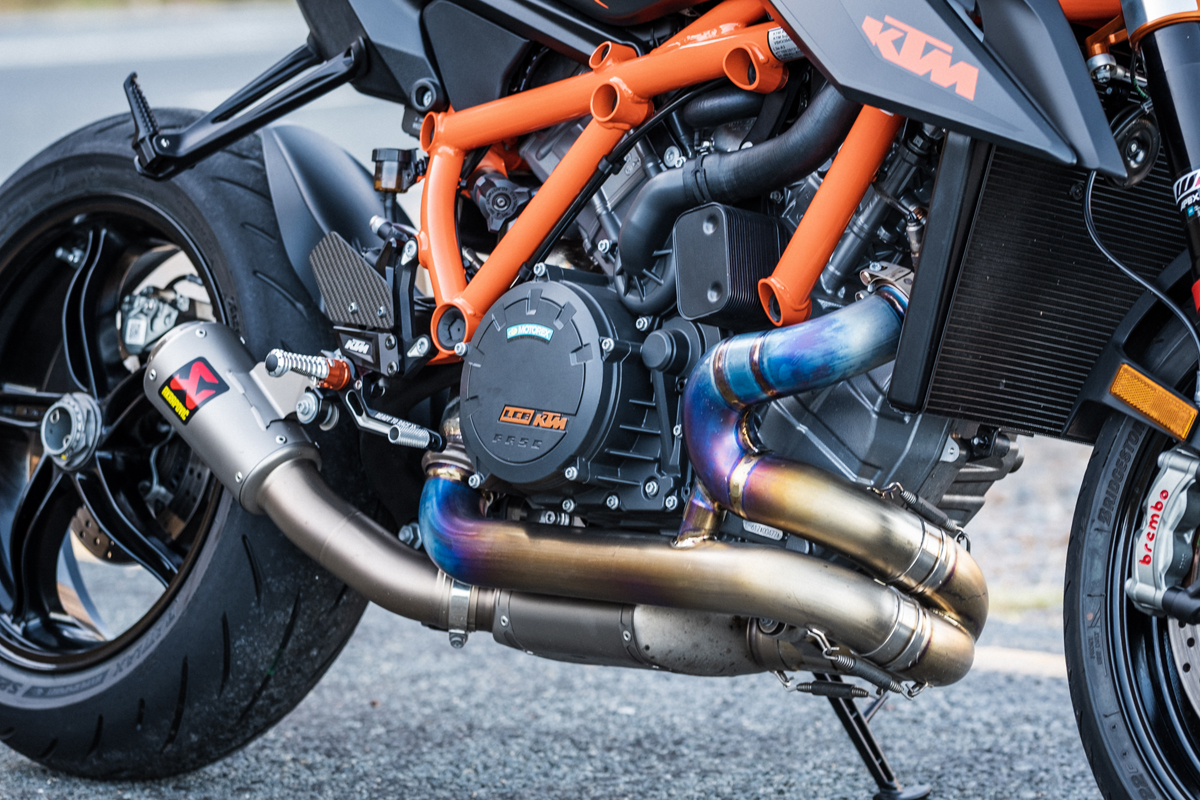
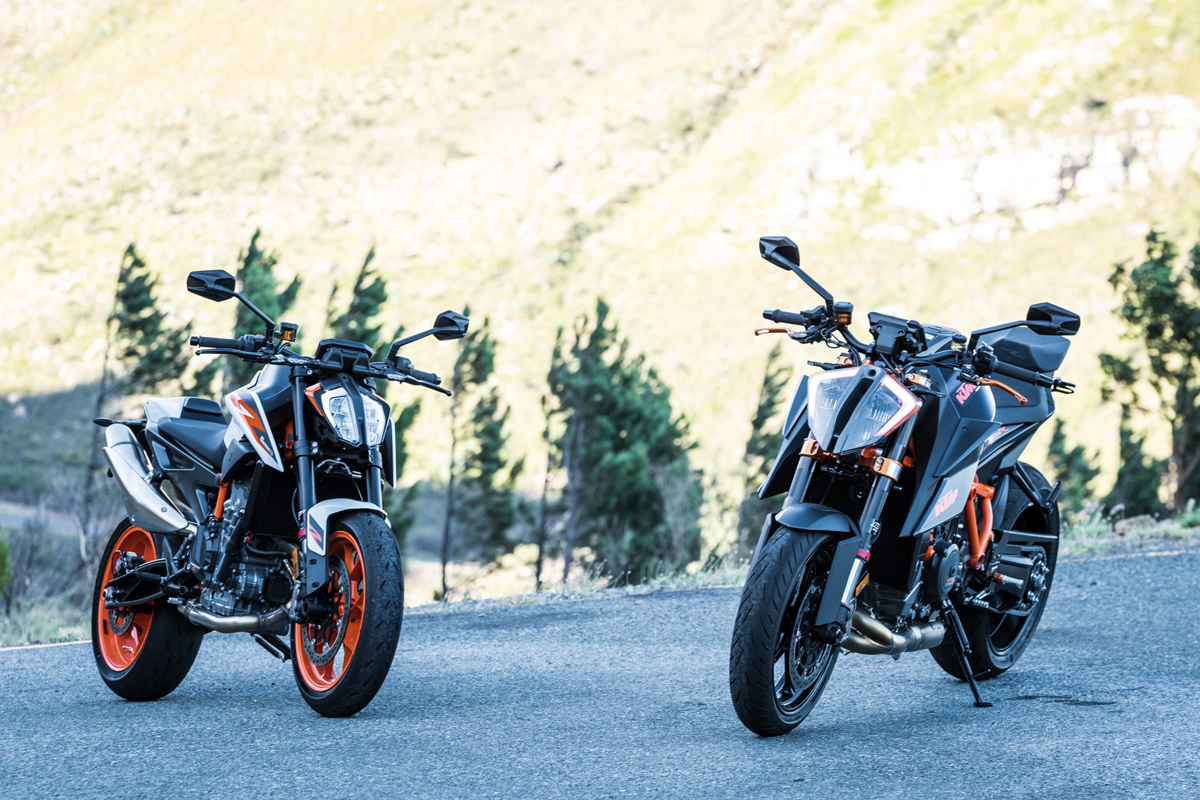
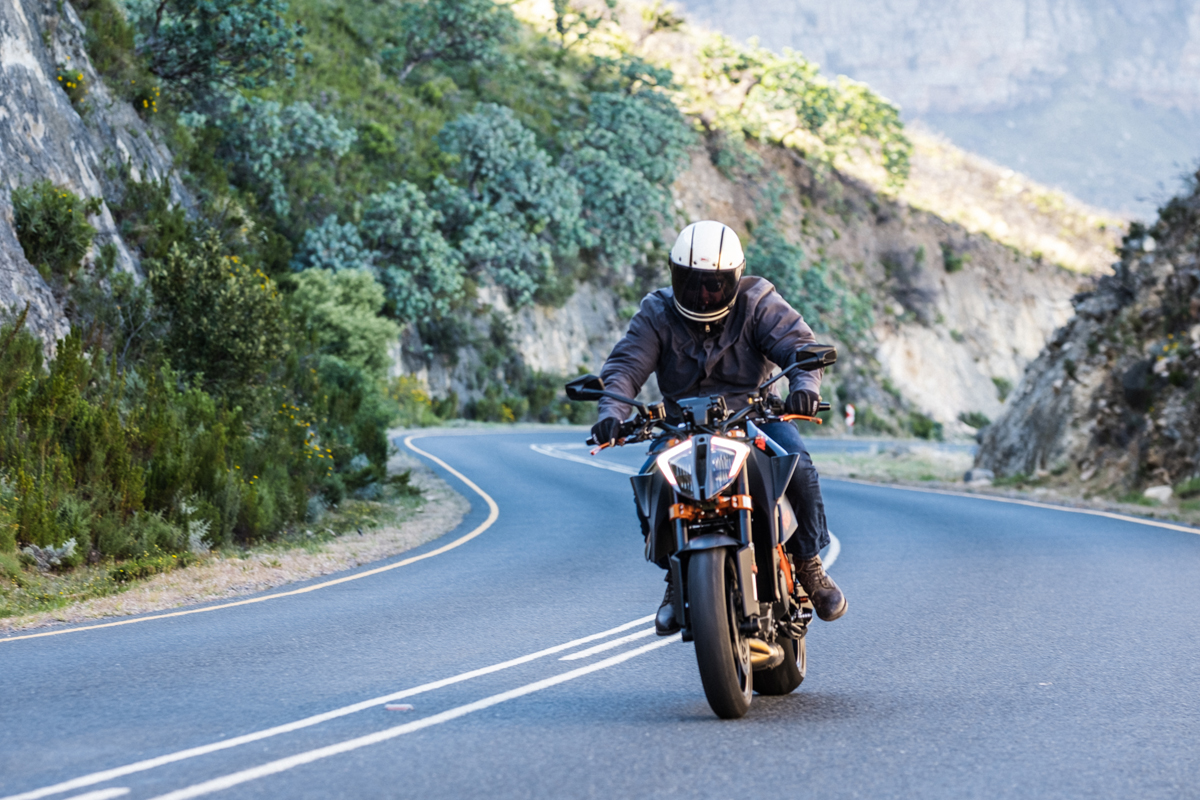
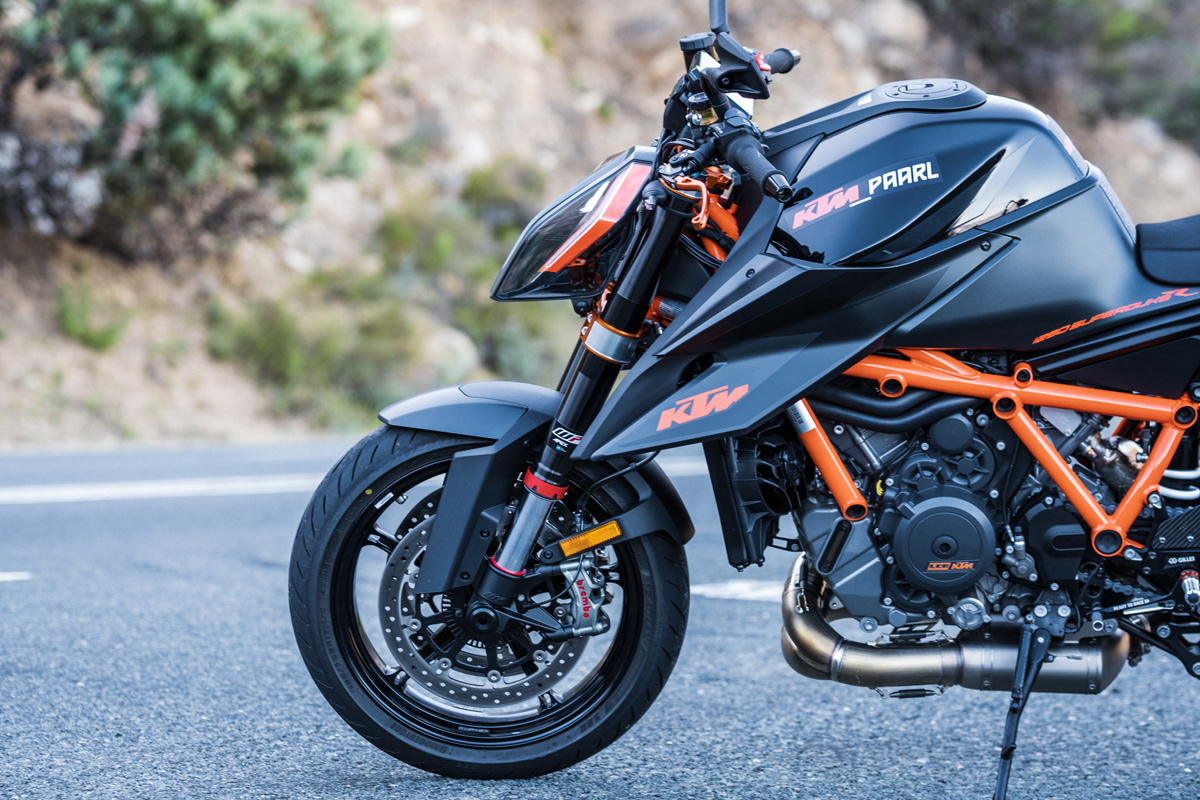
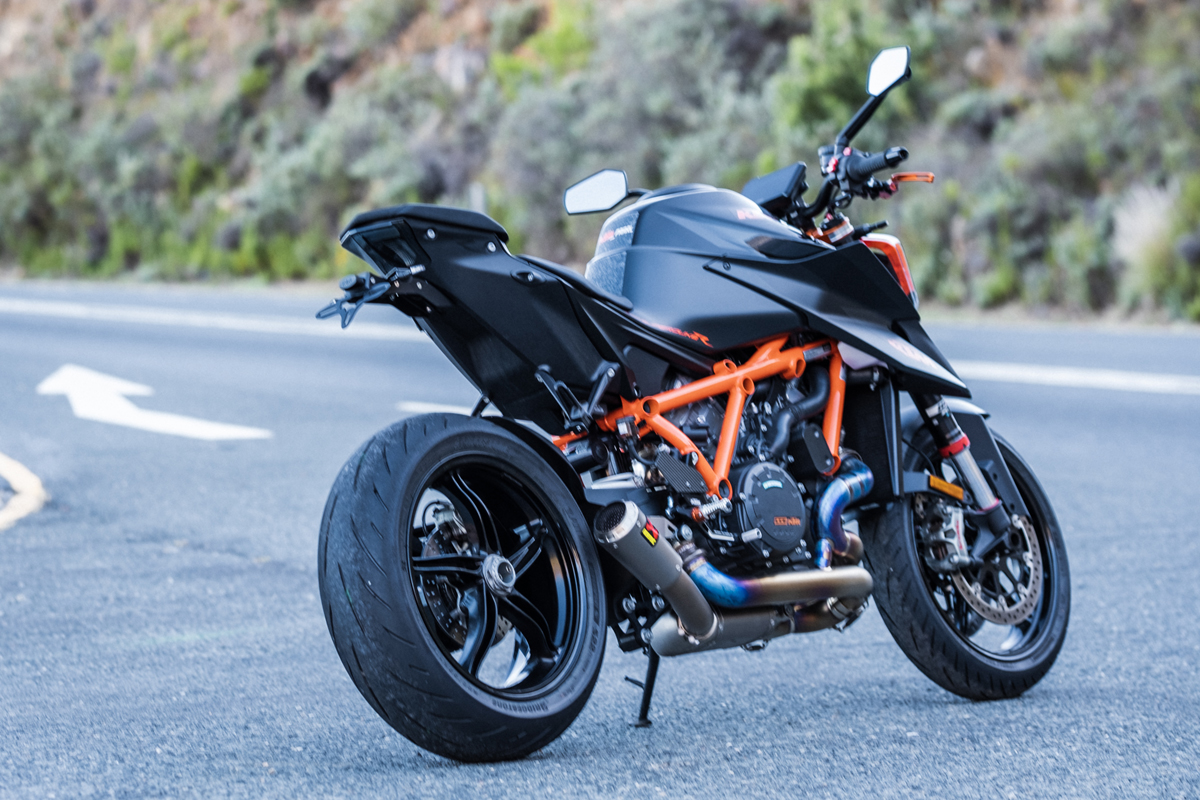
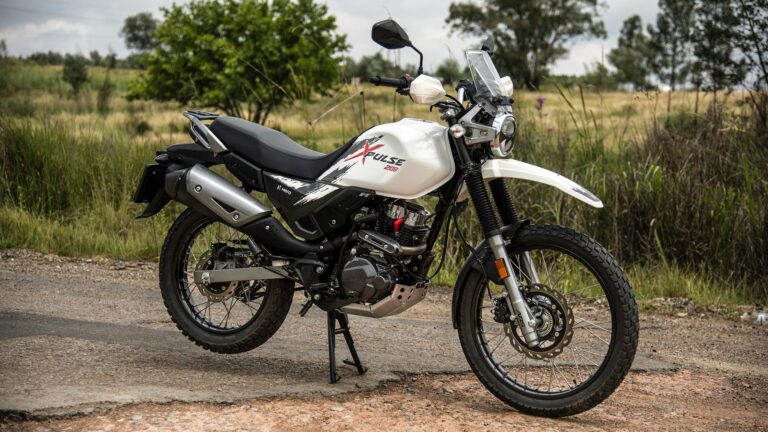
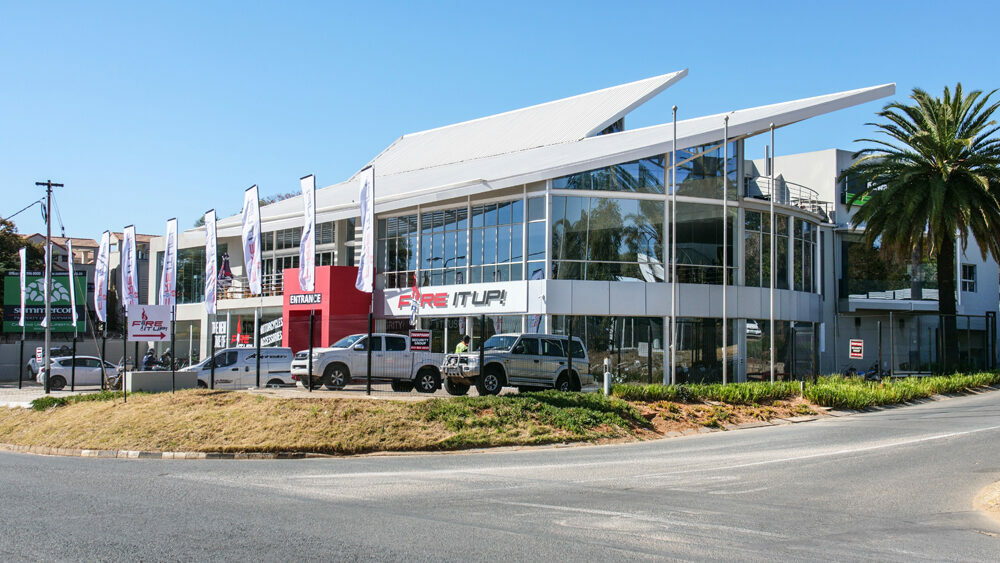
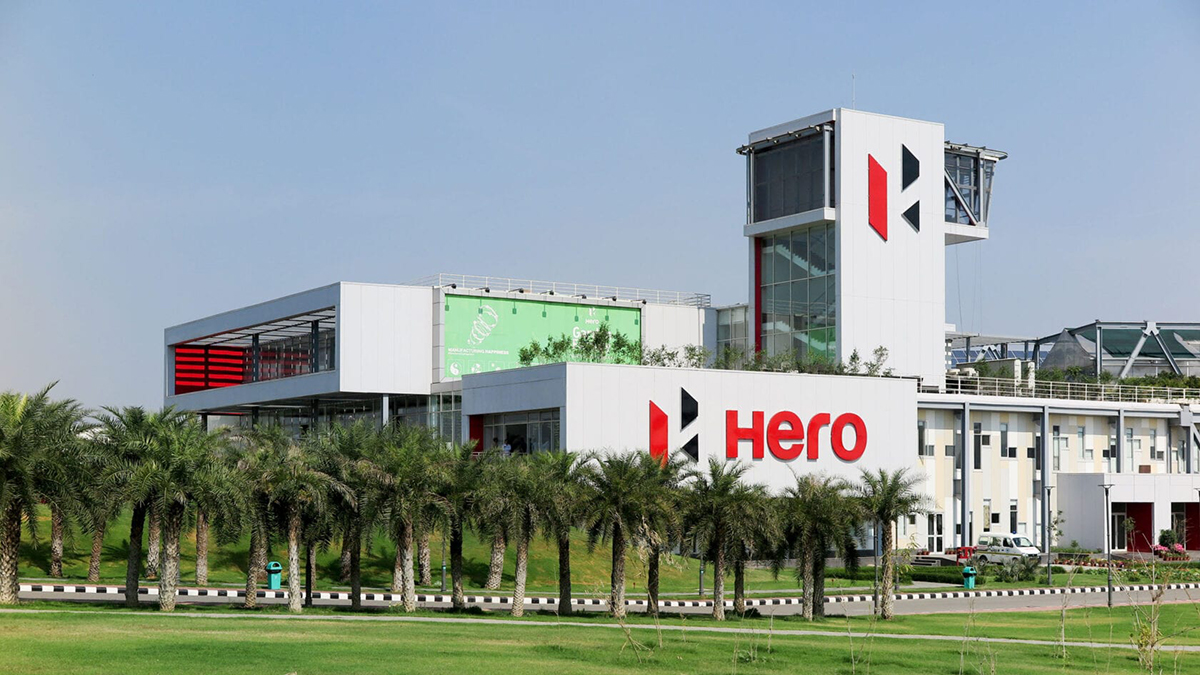
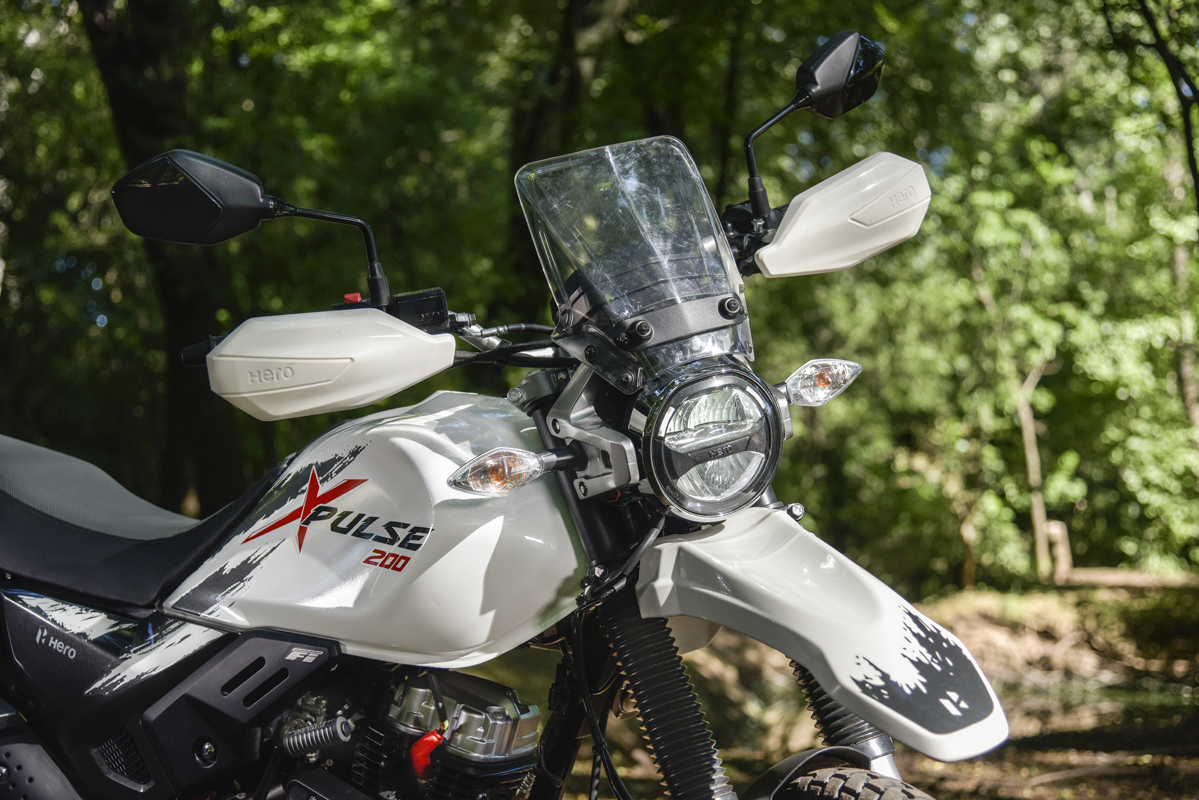
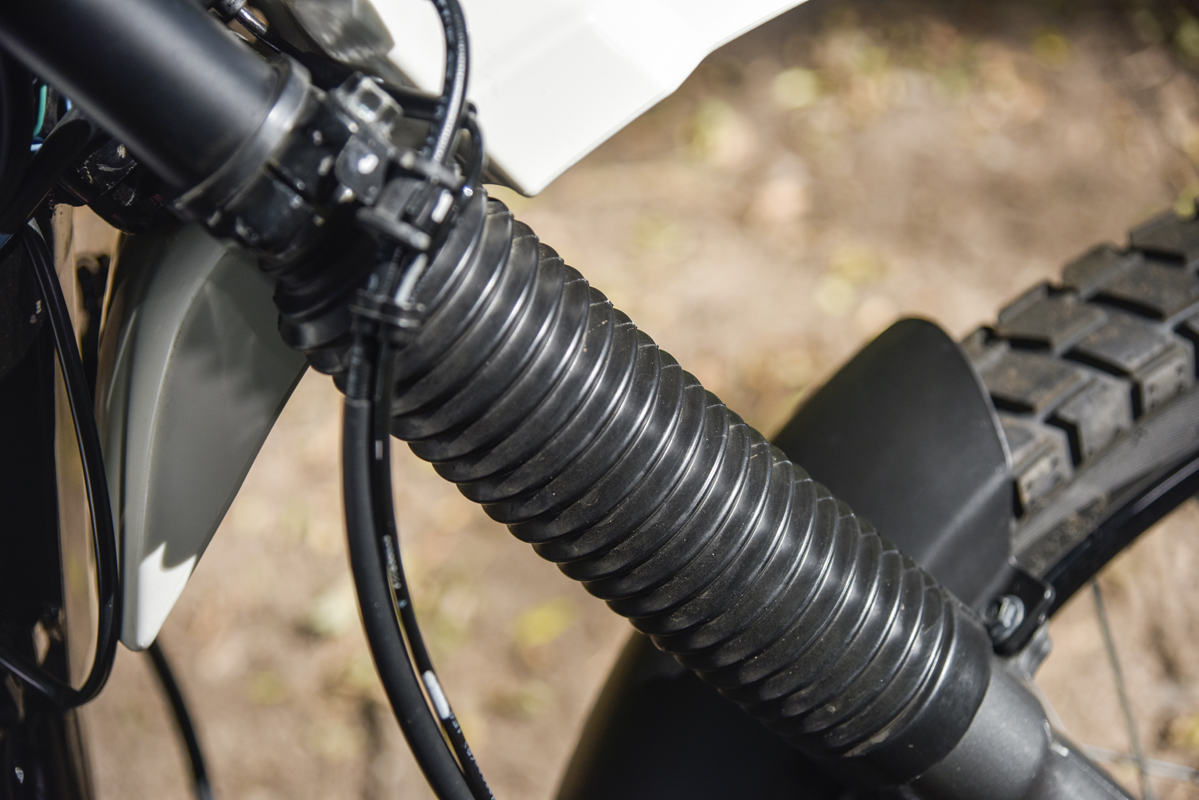
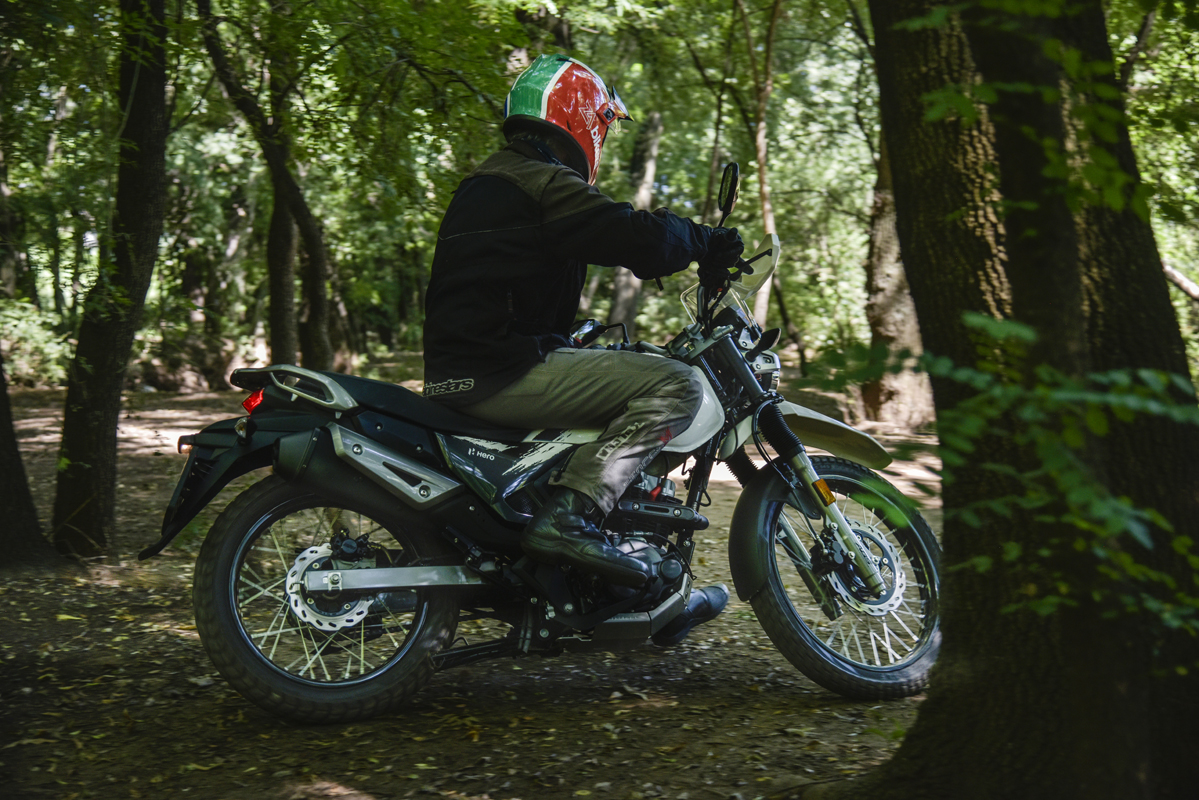
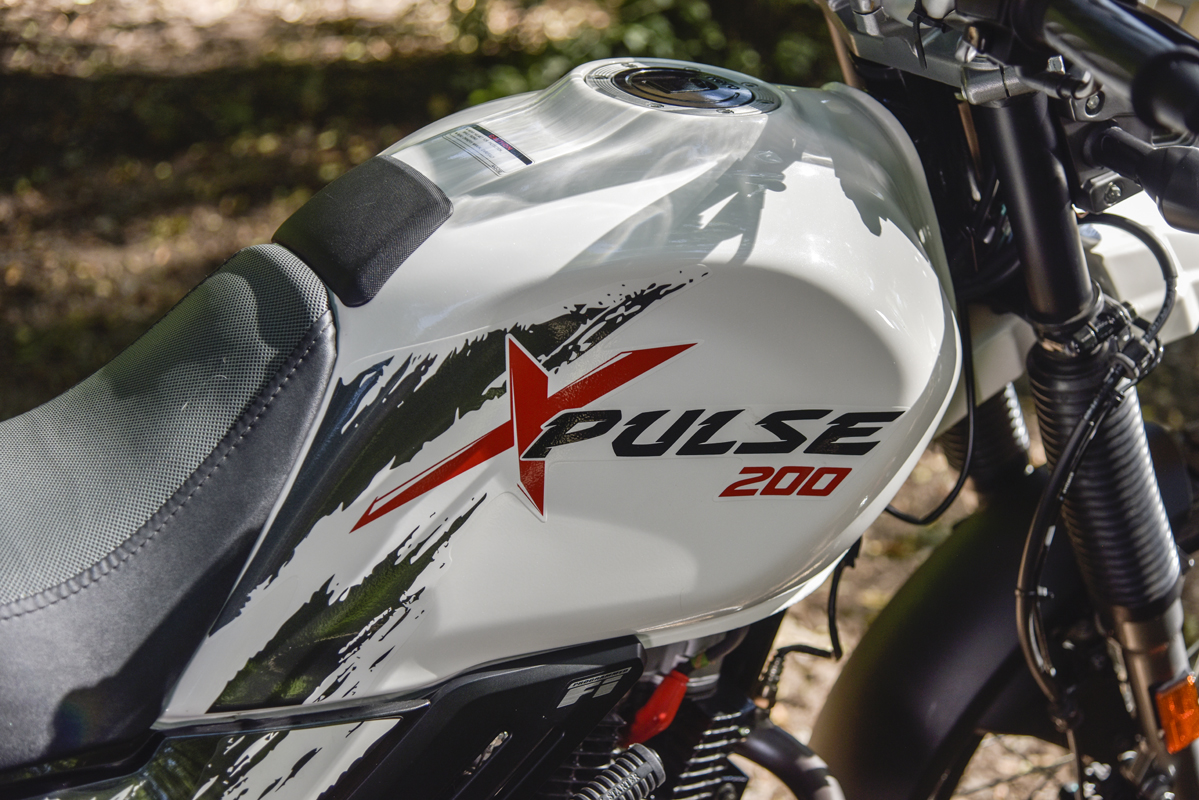
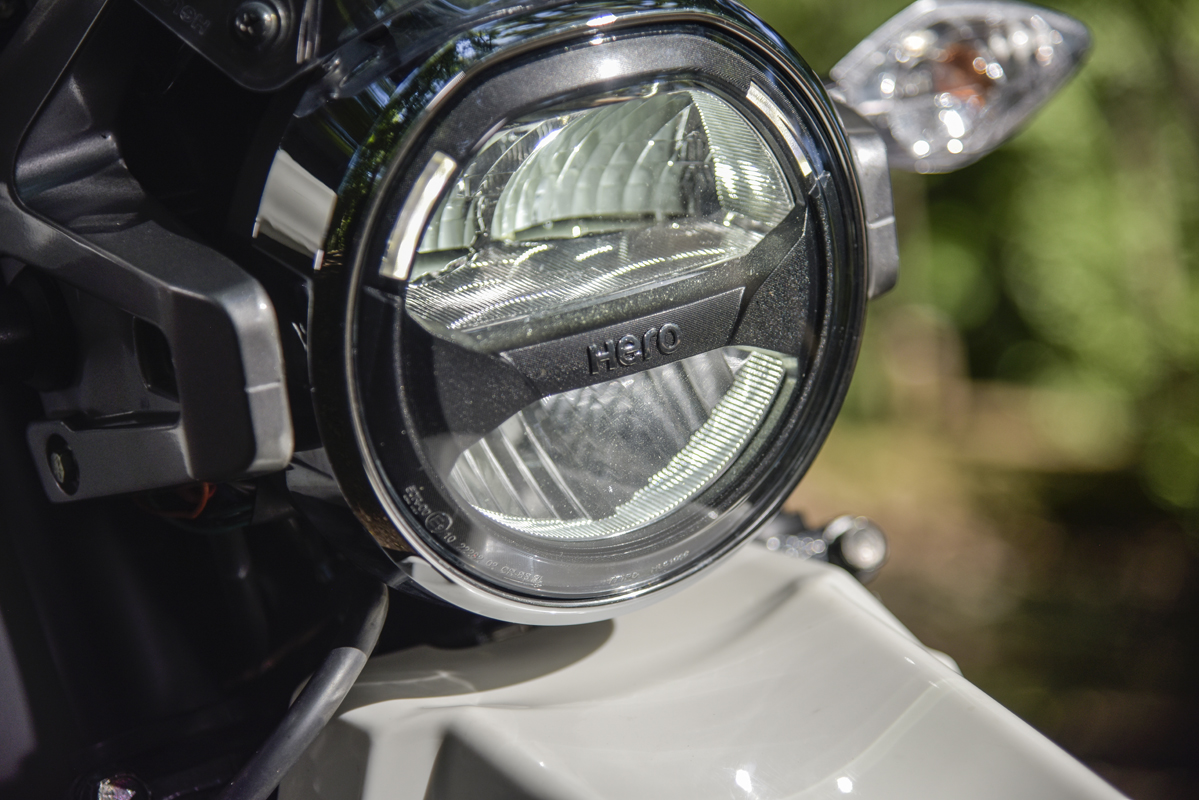
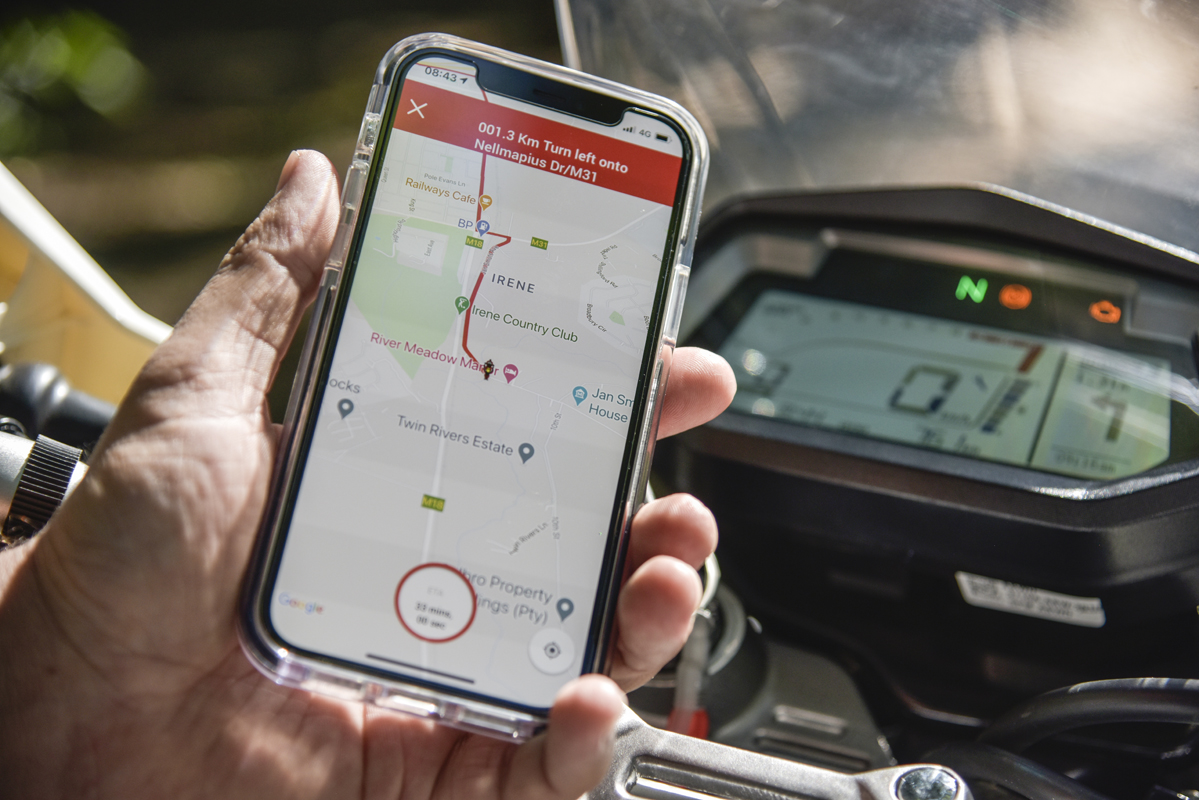
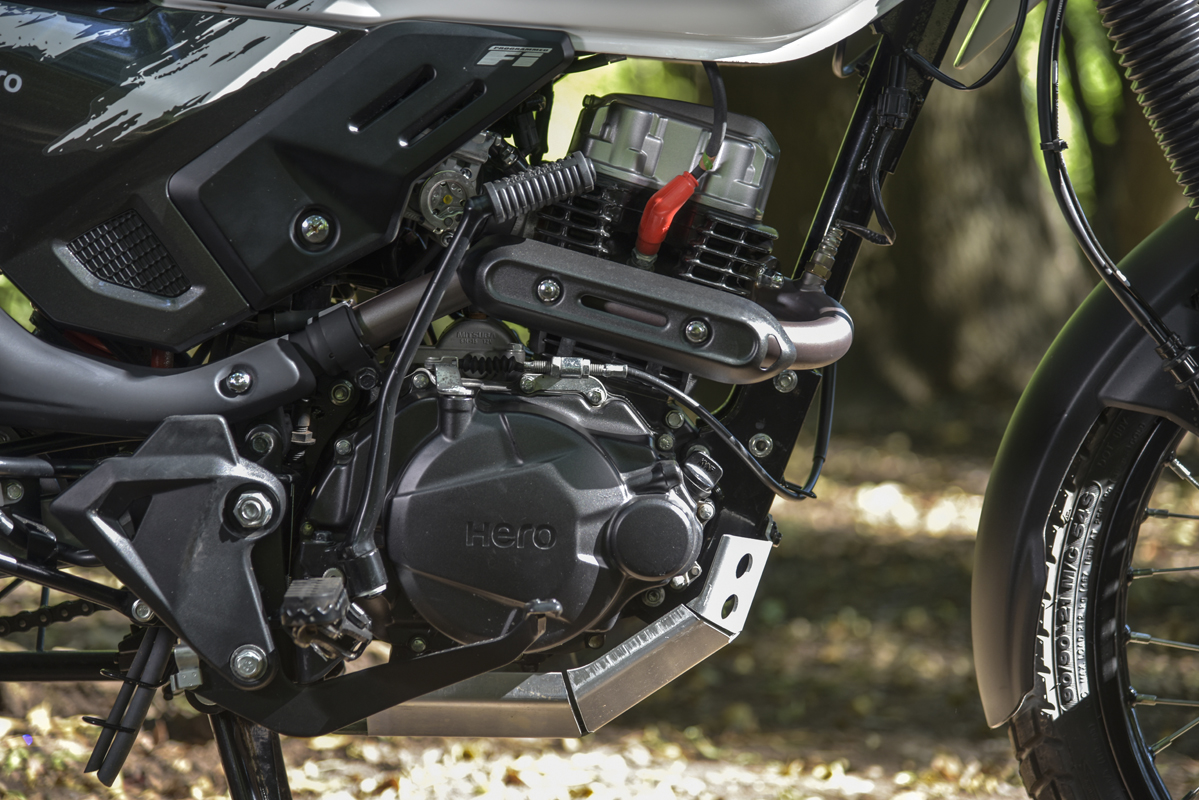
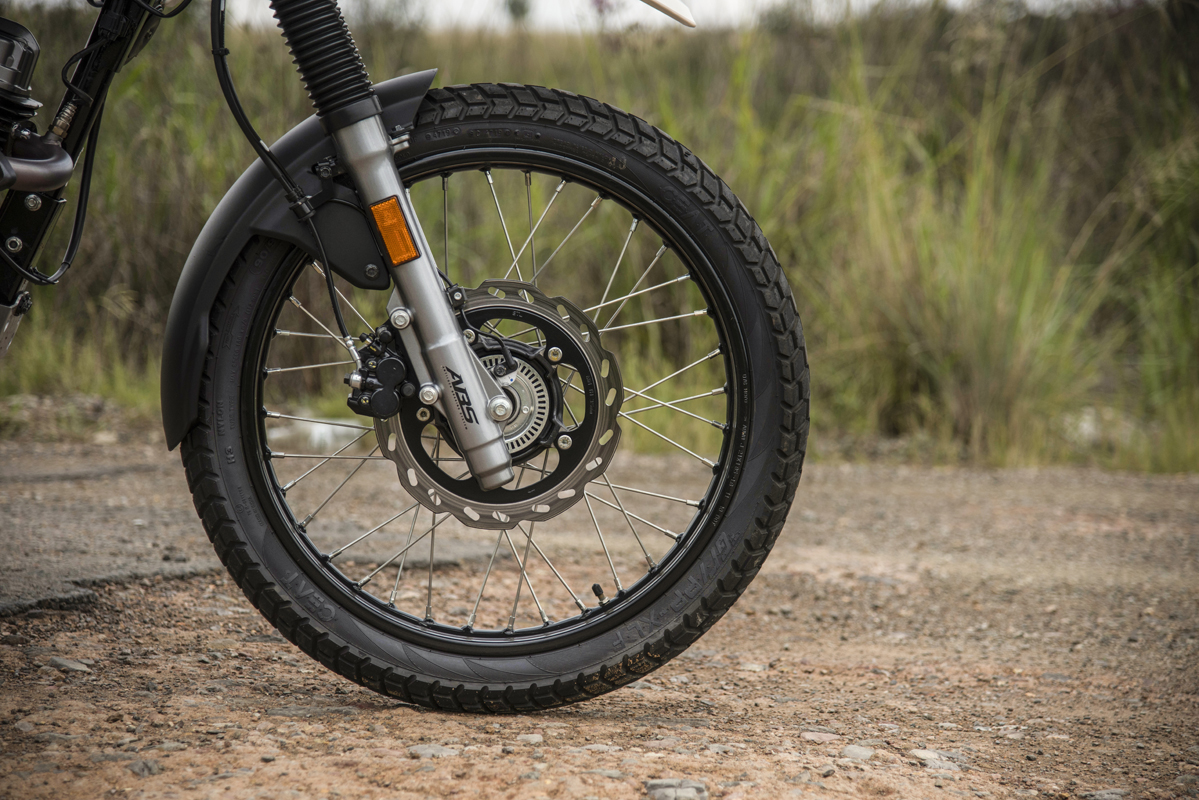
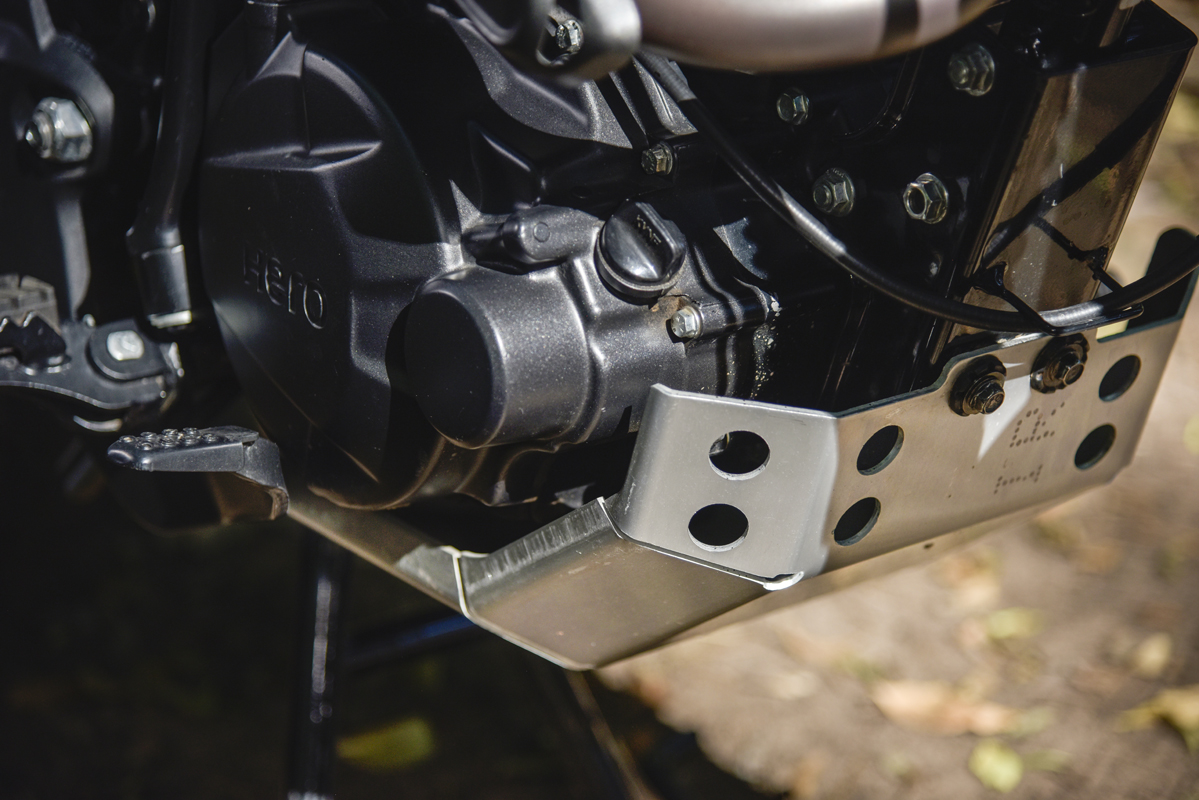
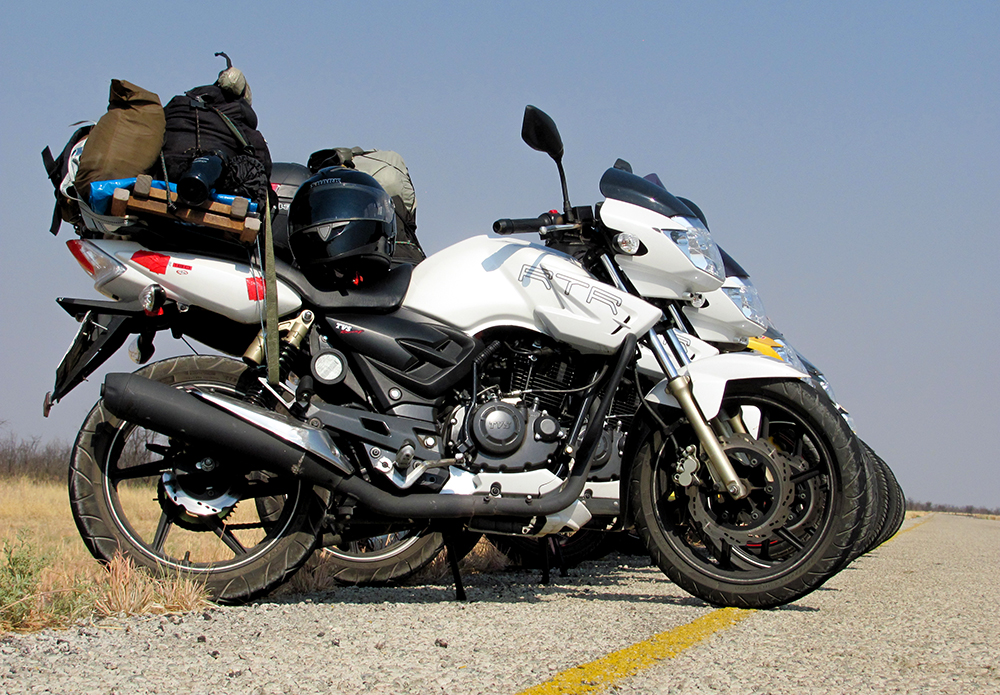
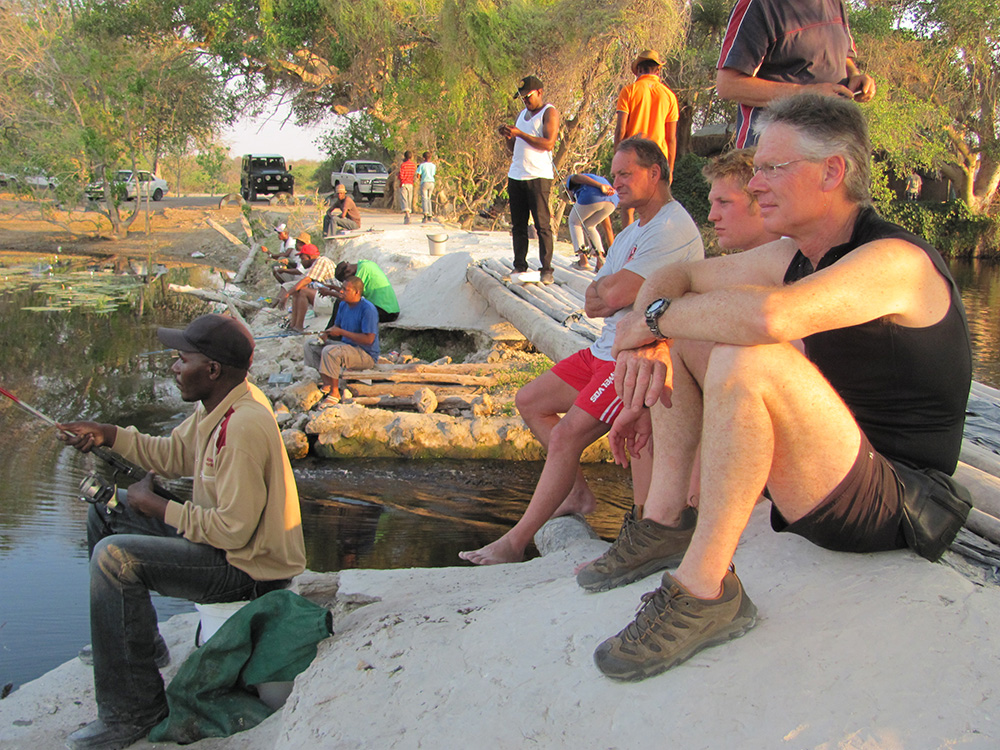
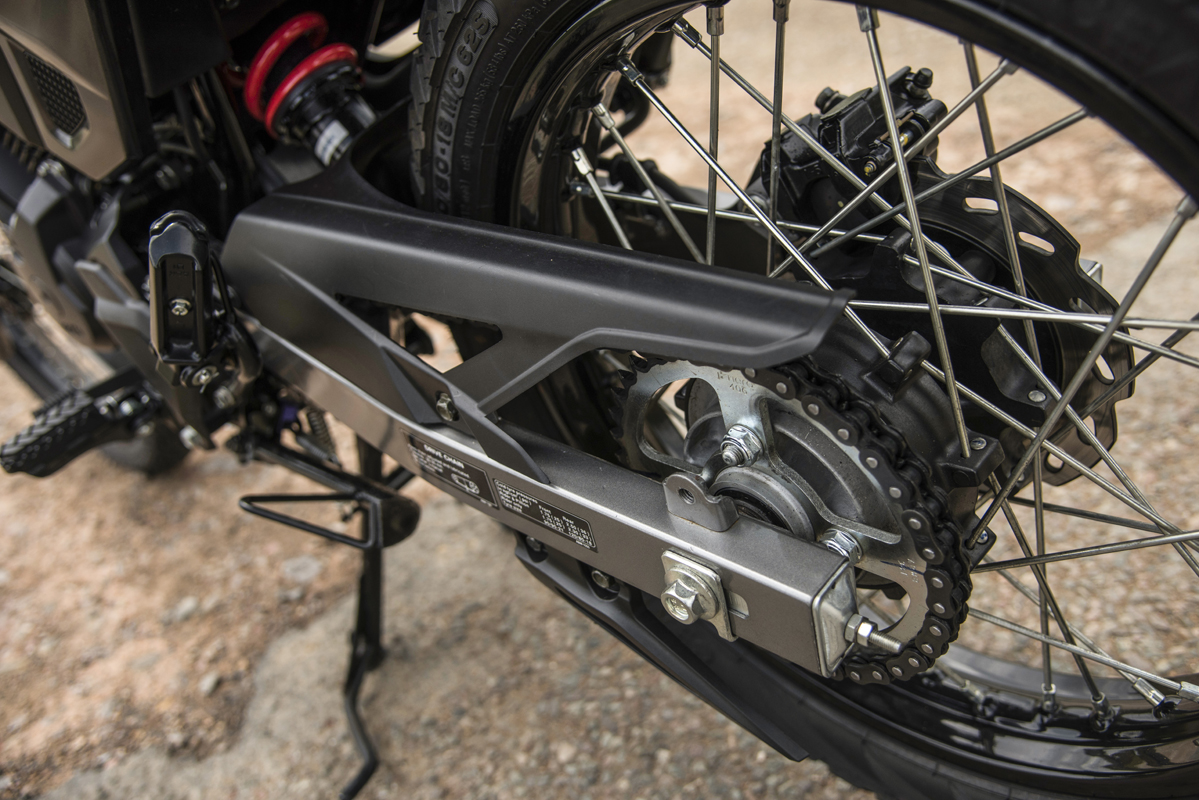
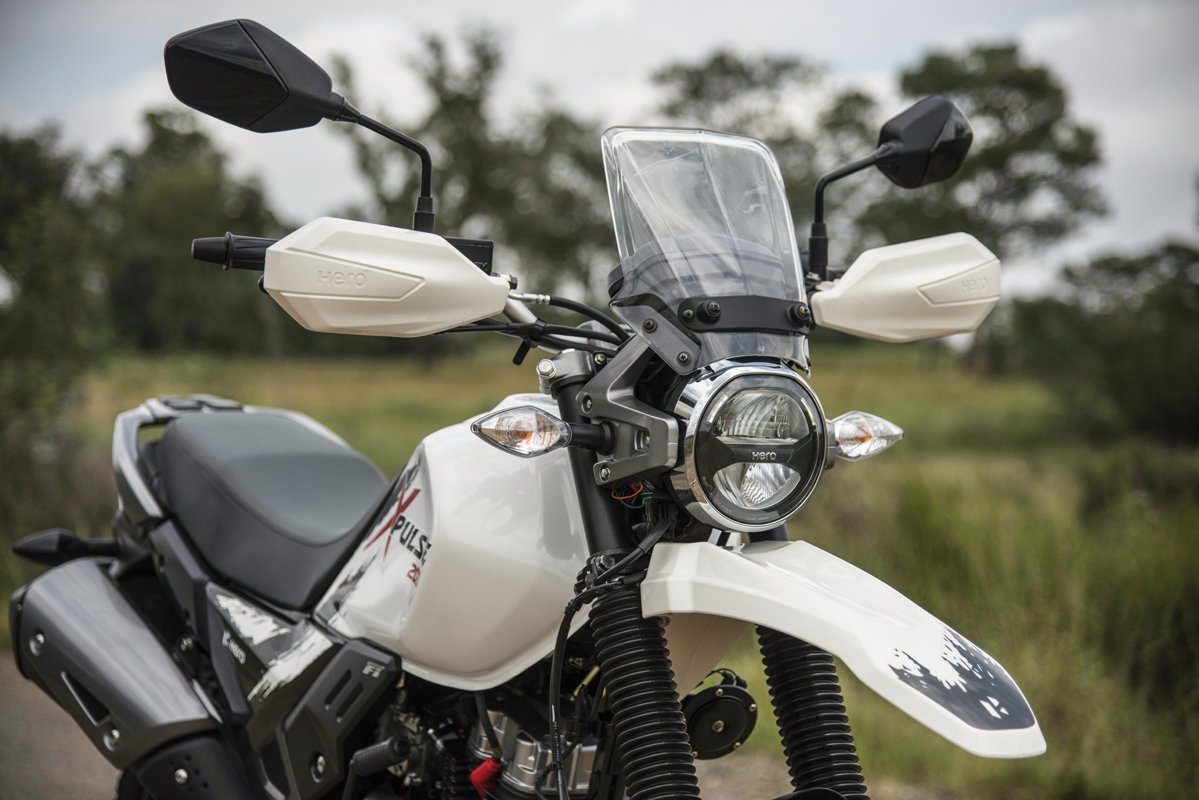
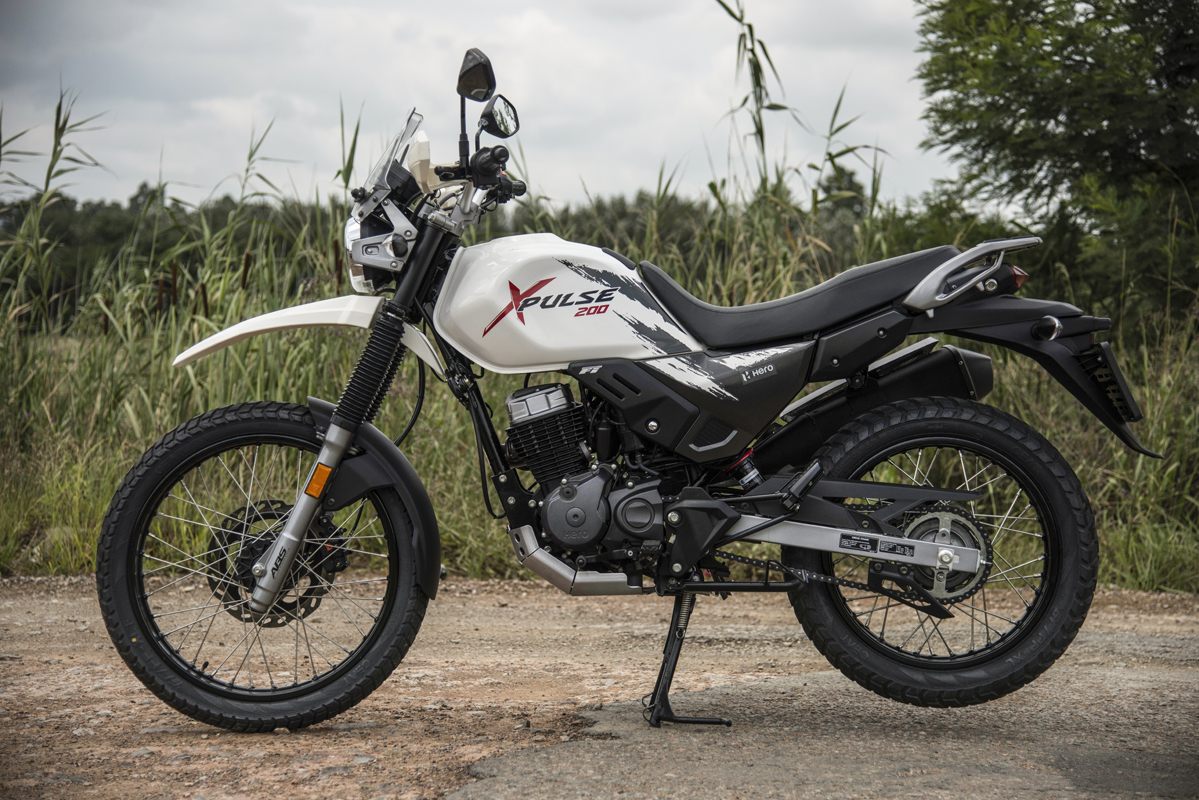
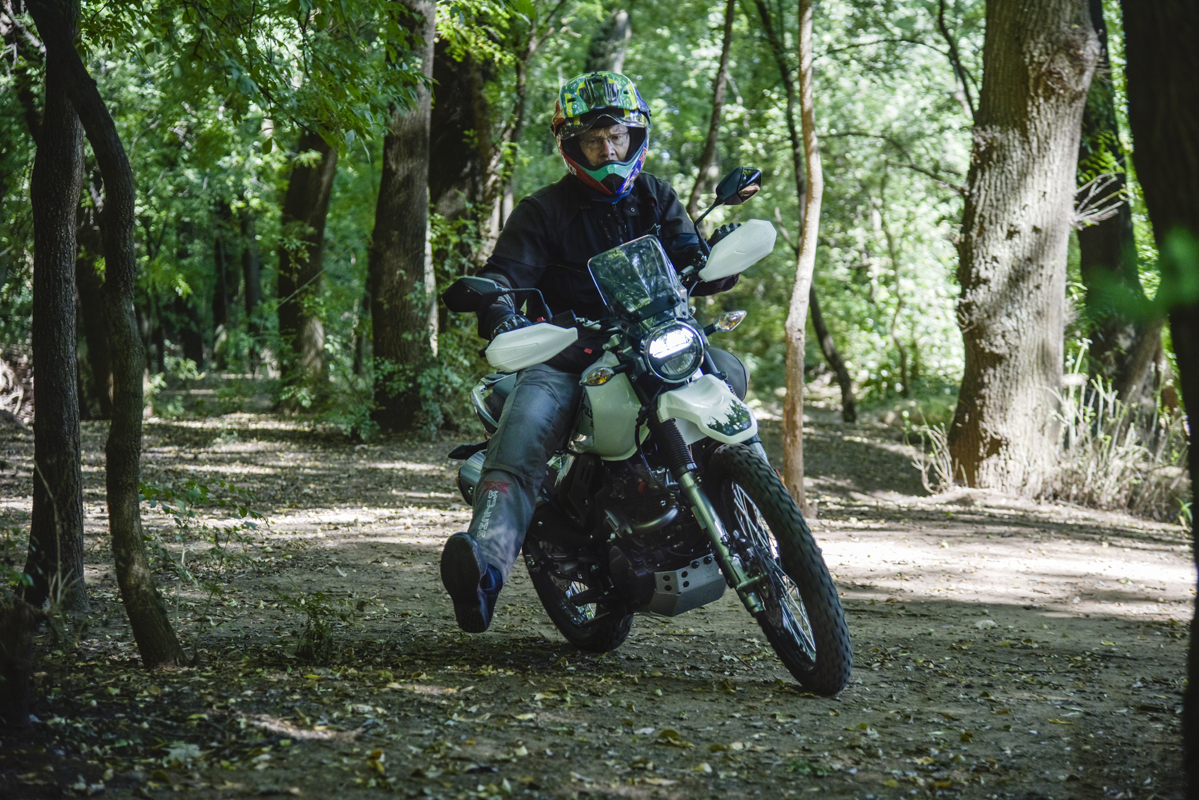
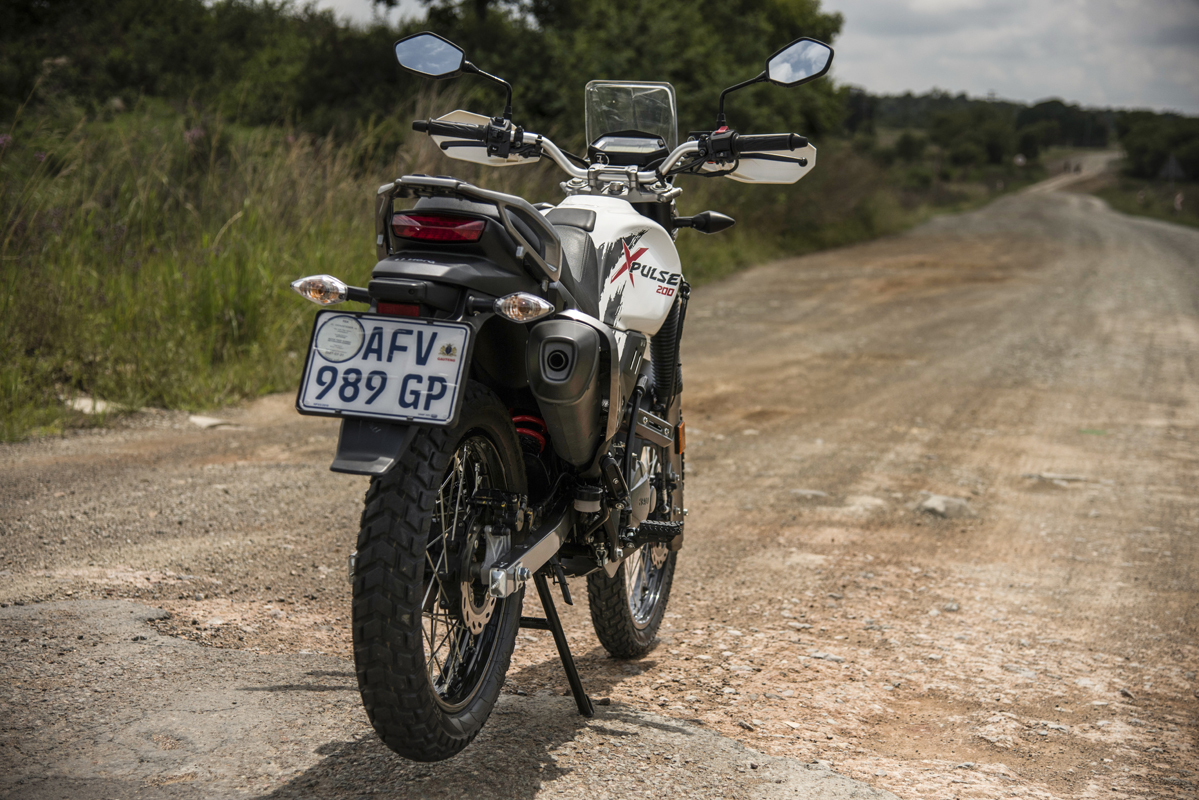
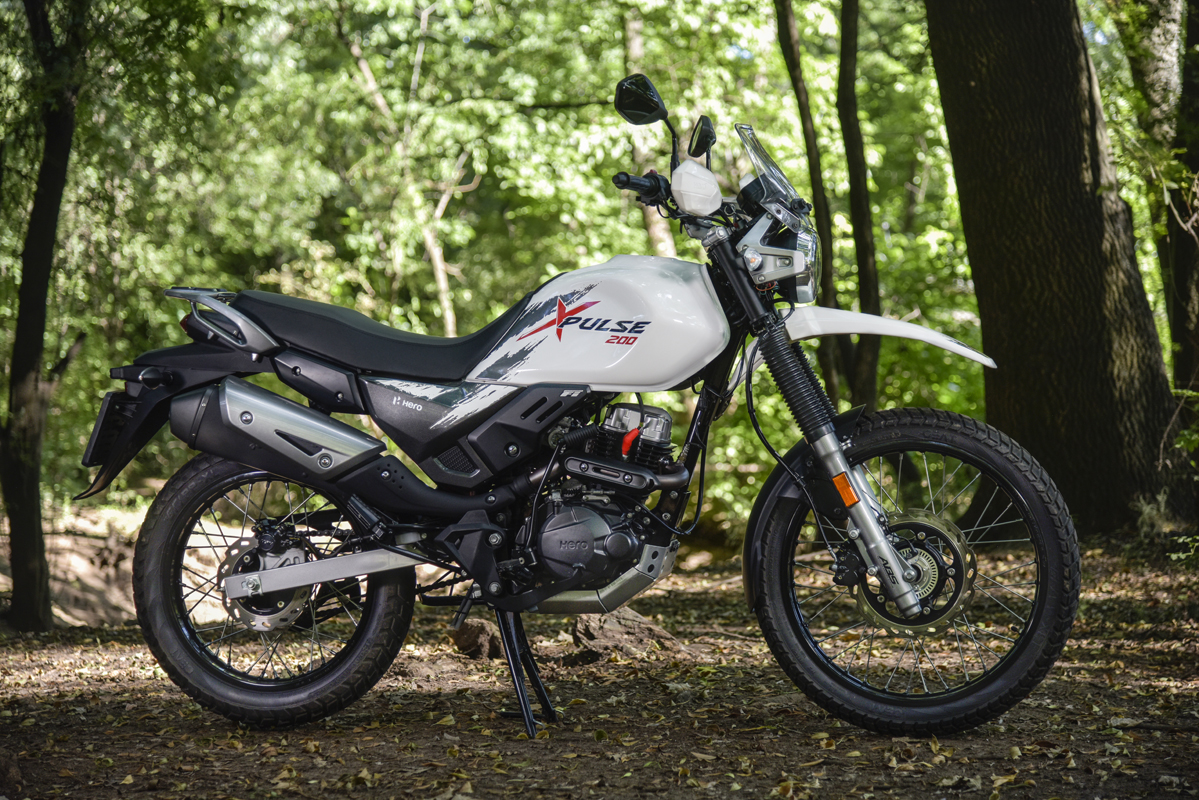
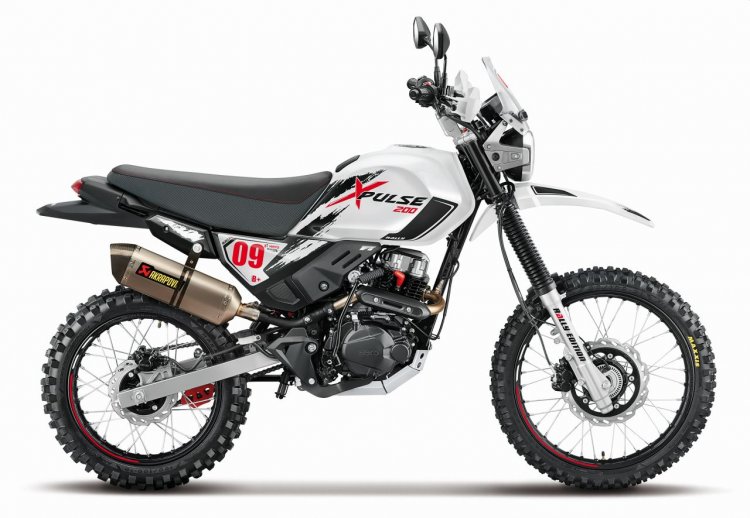
 Tel: 011 467 0737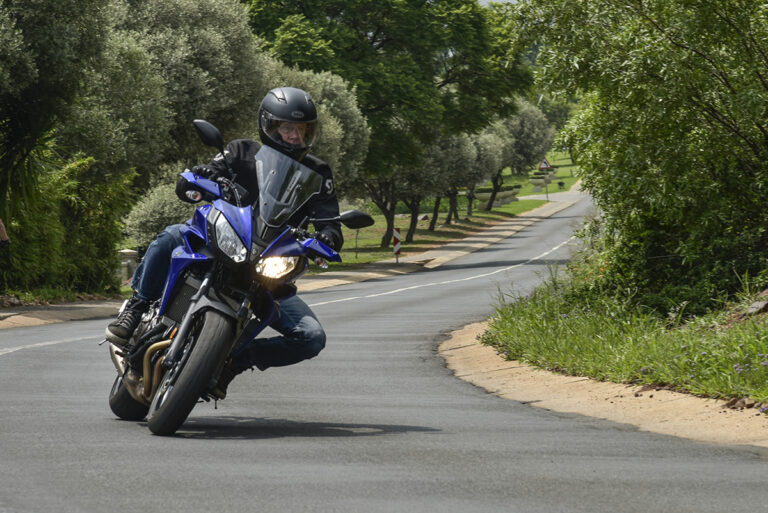
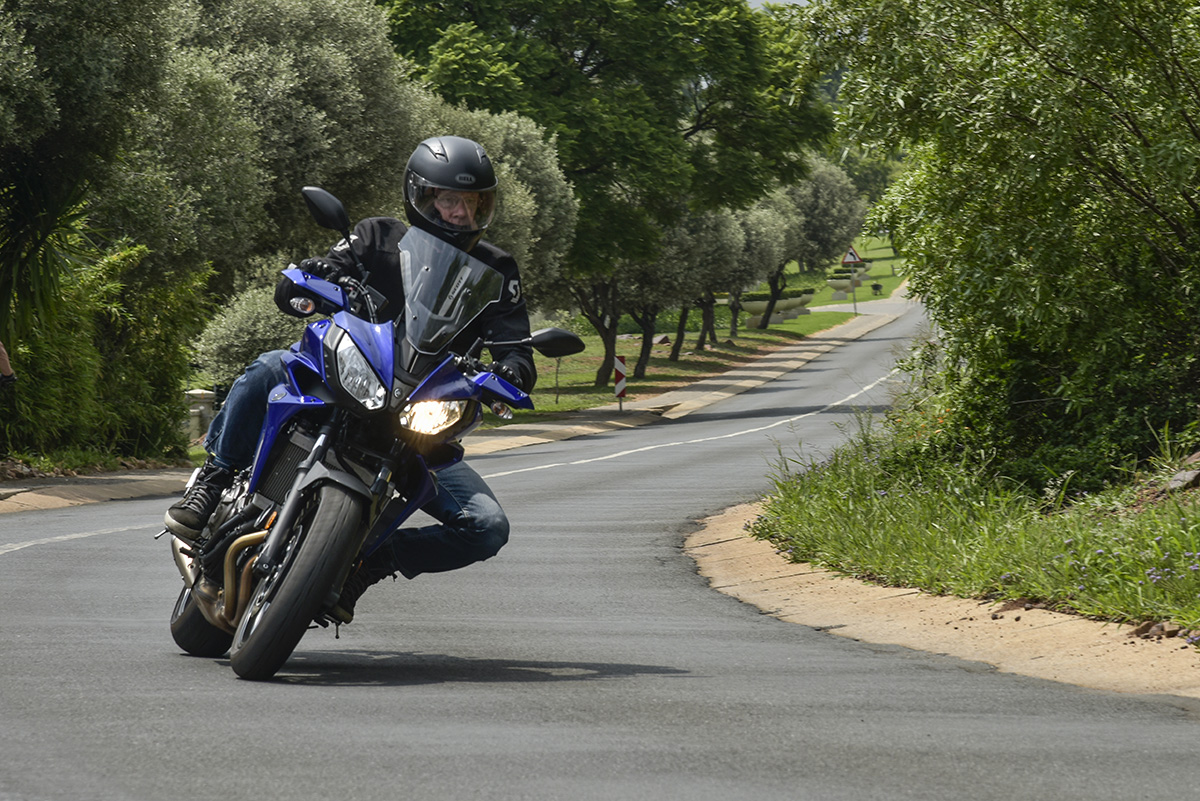
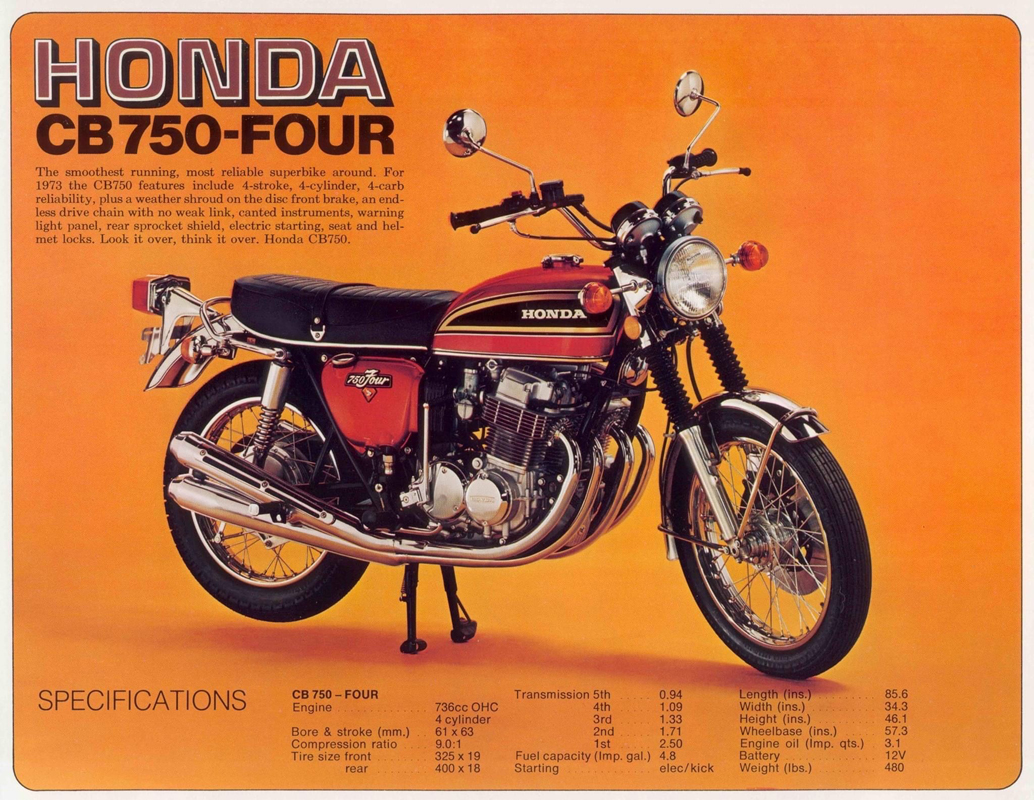
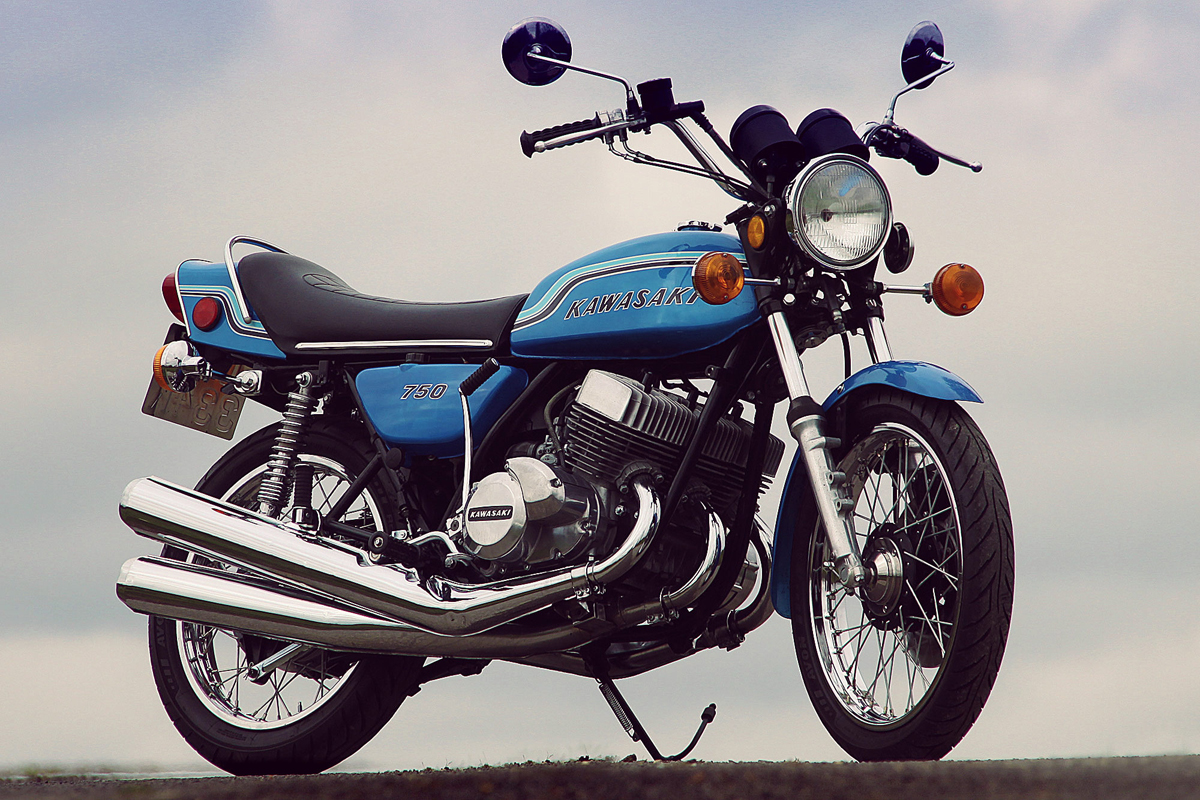
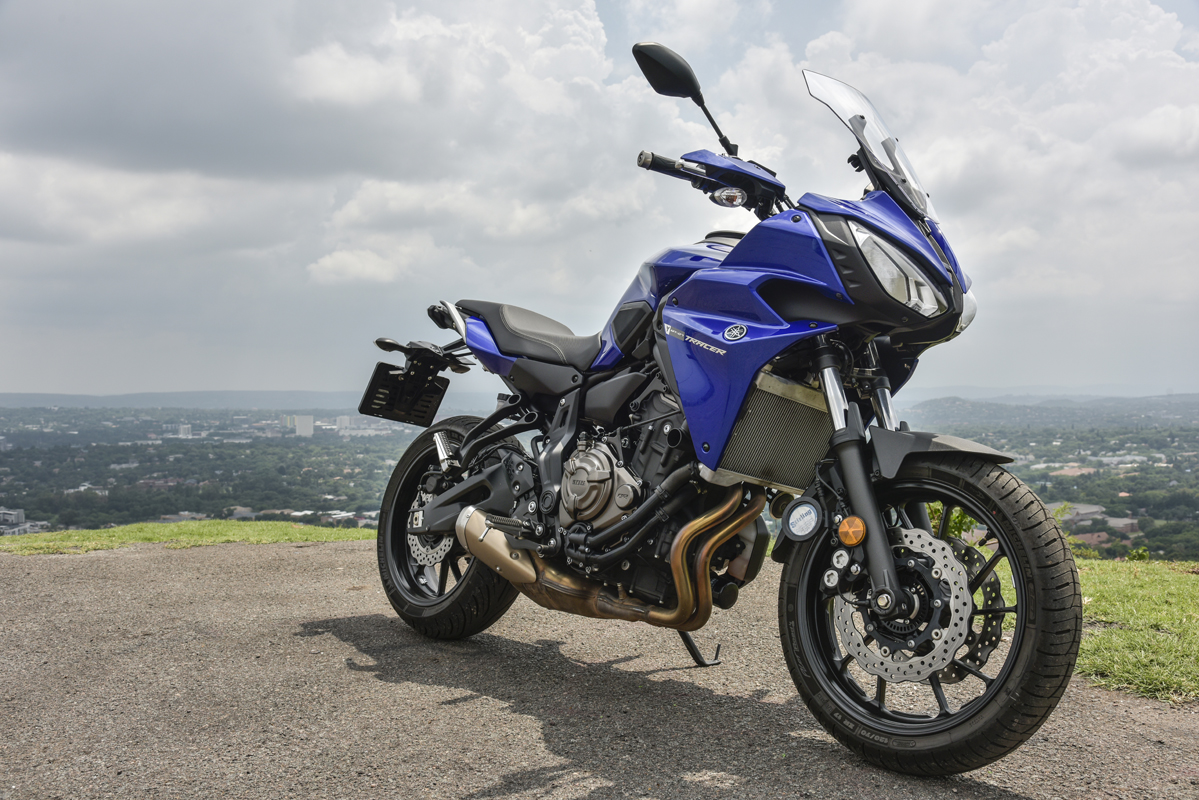
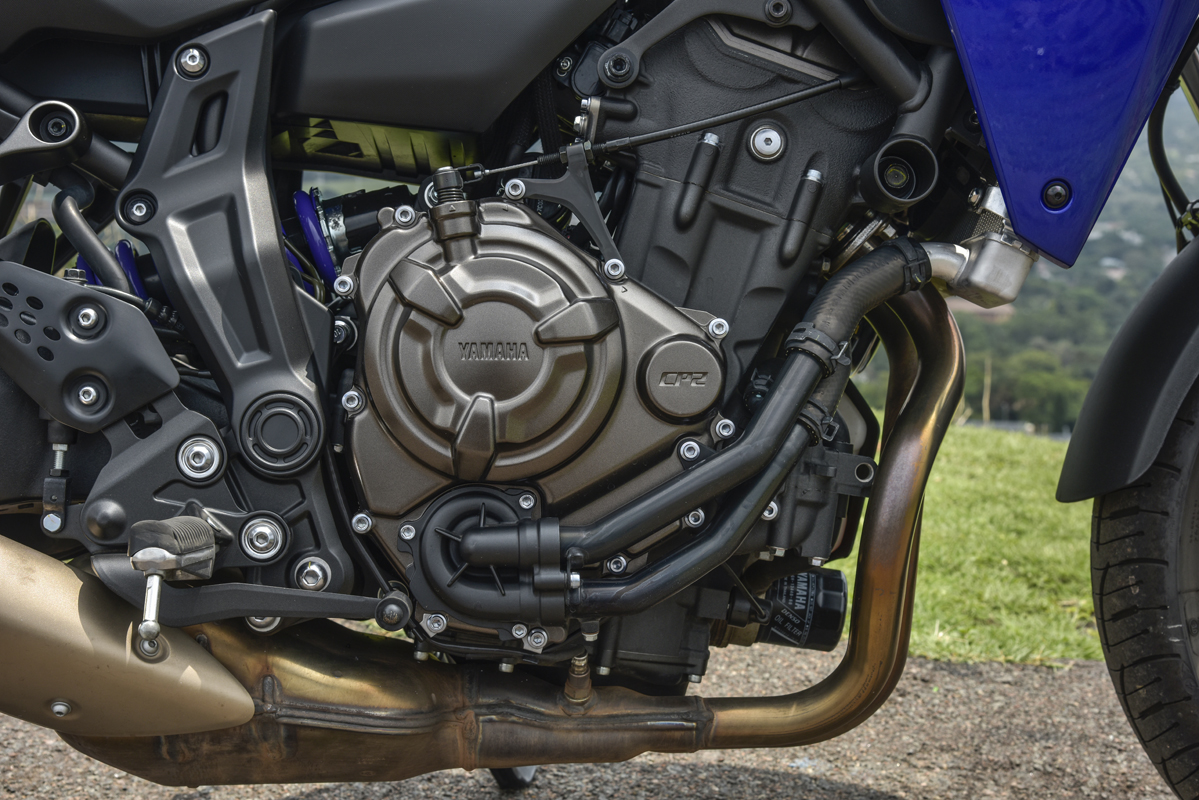
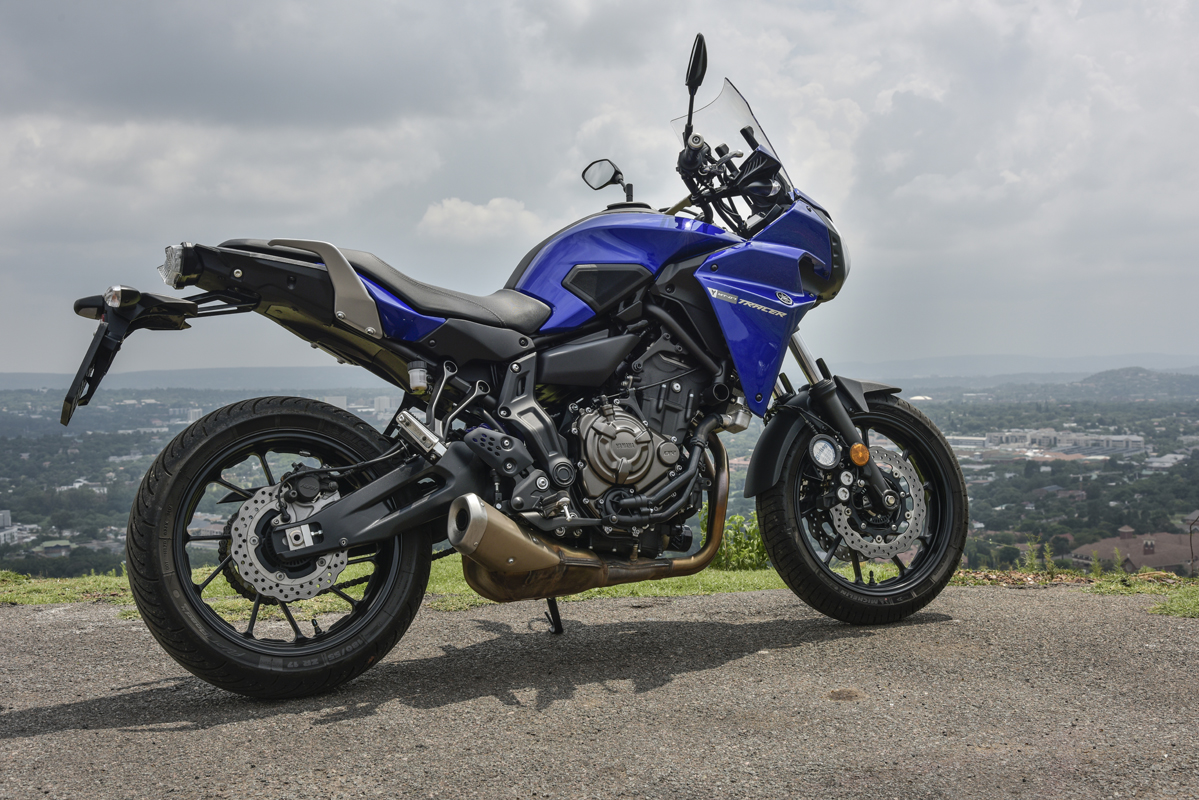
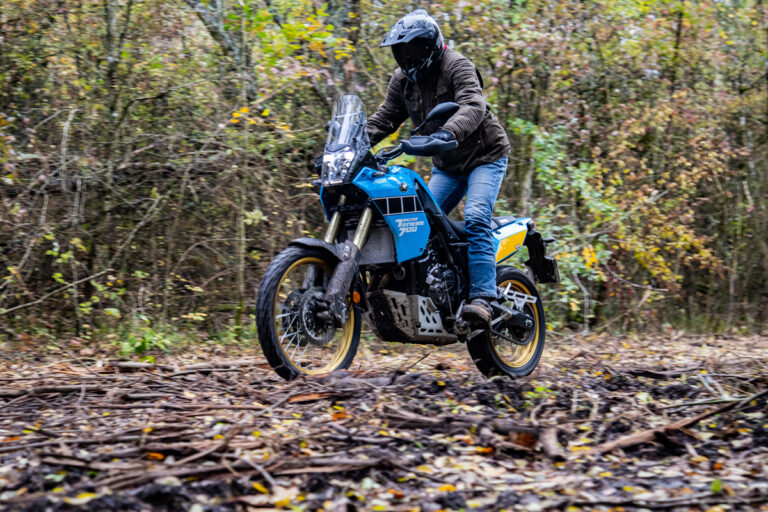
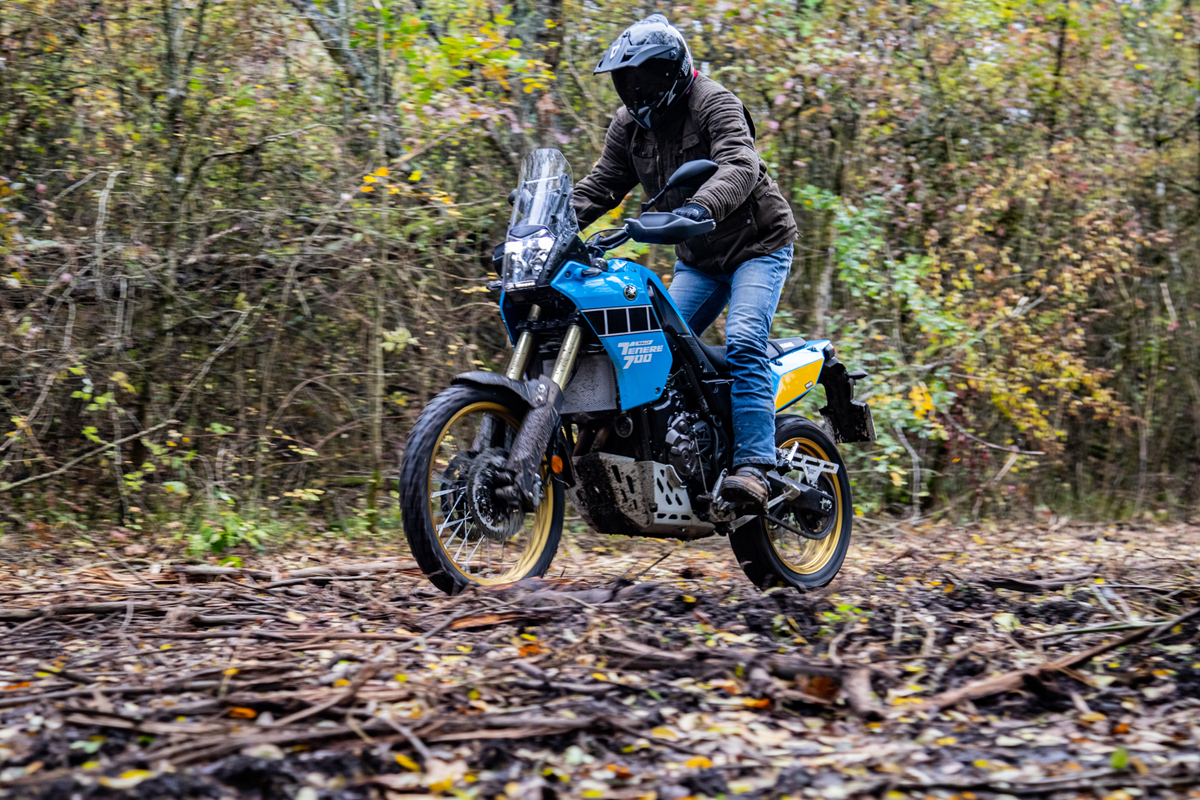
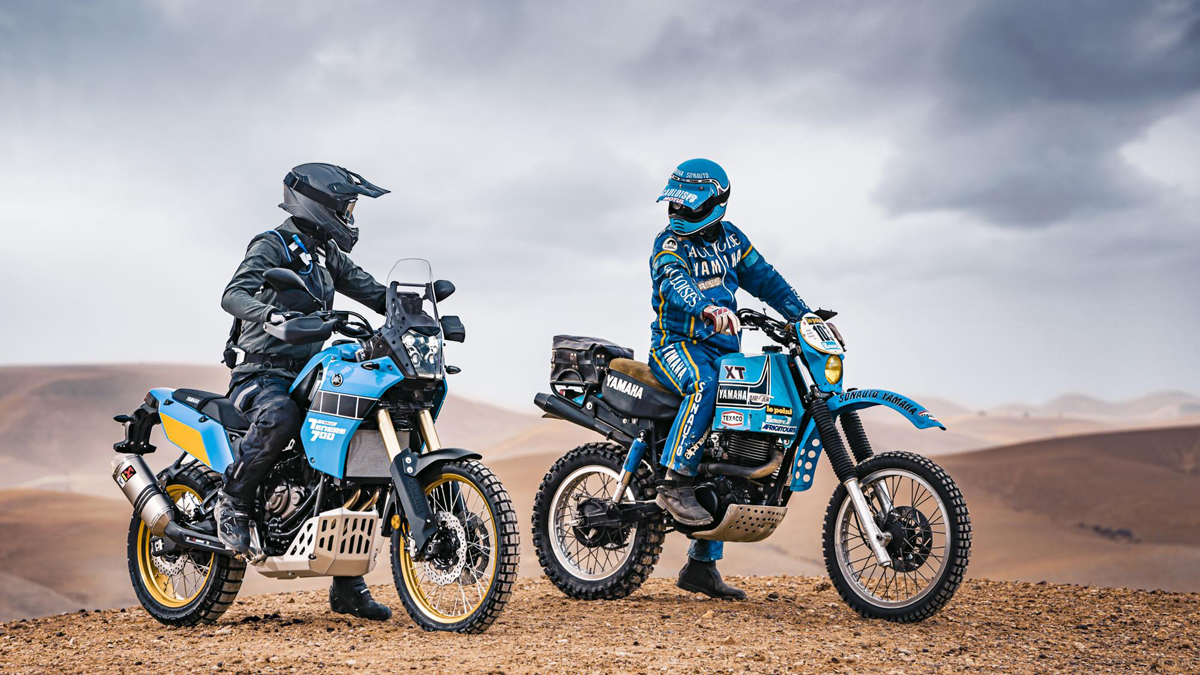
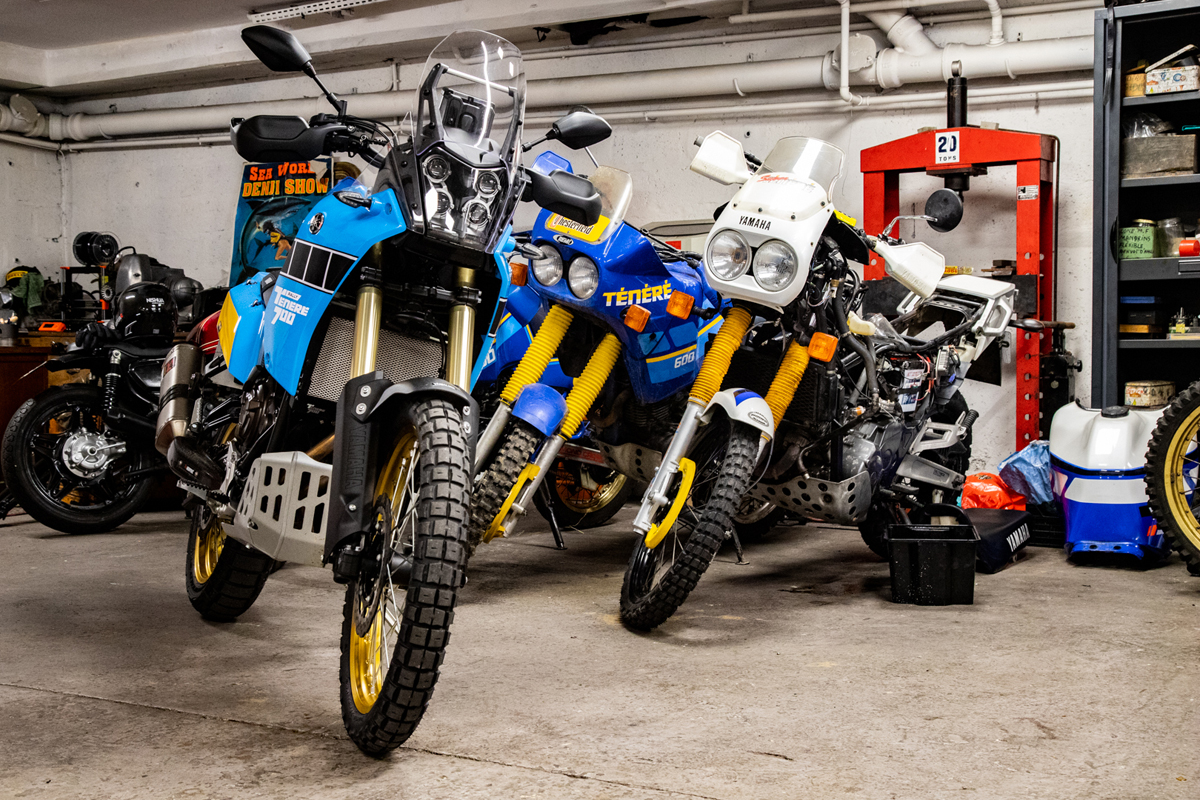
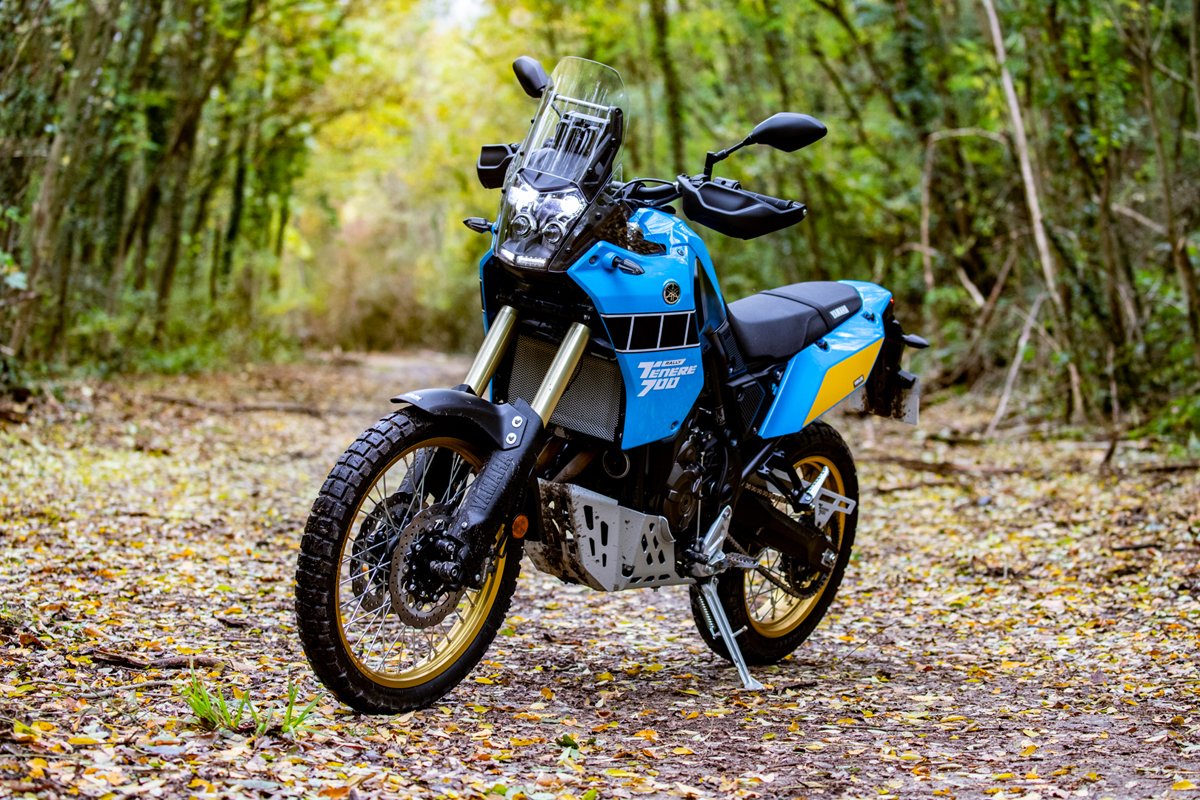
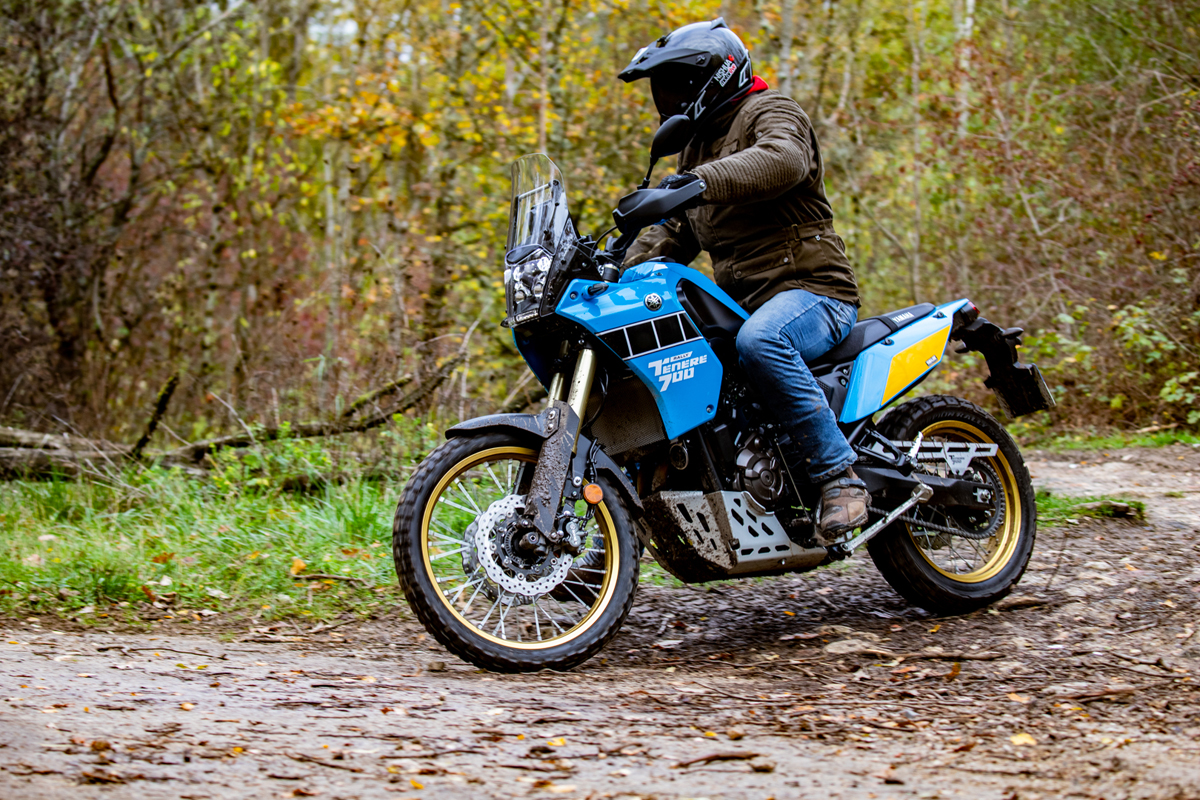
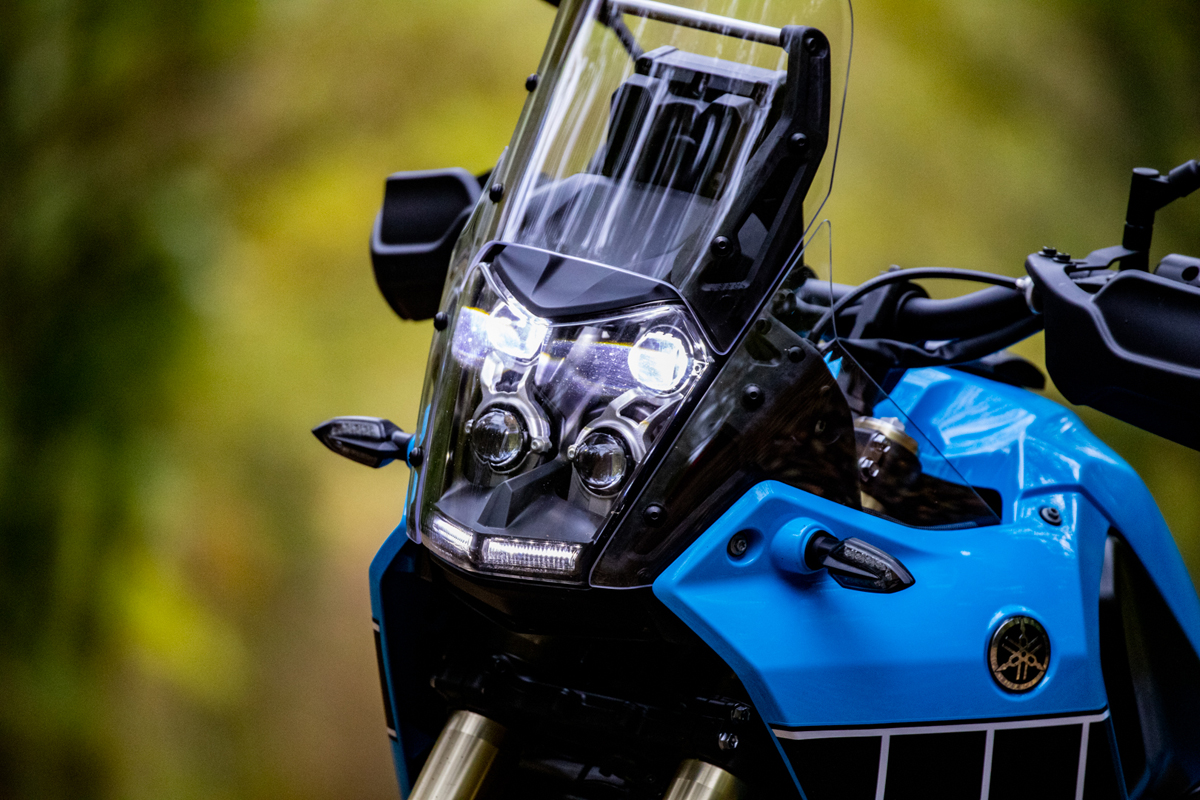
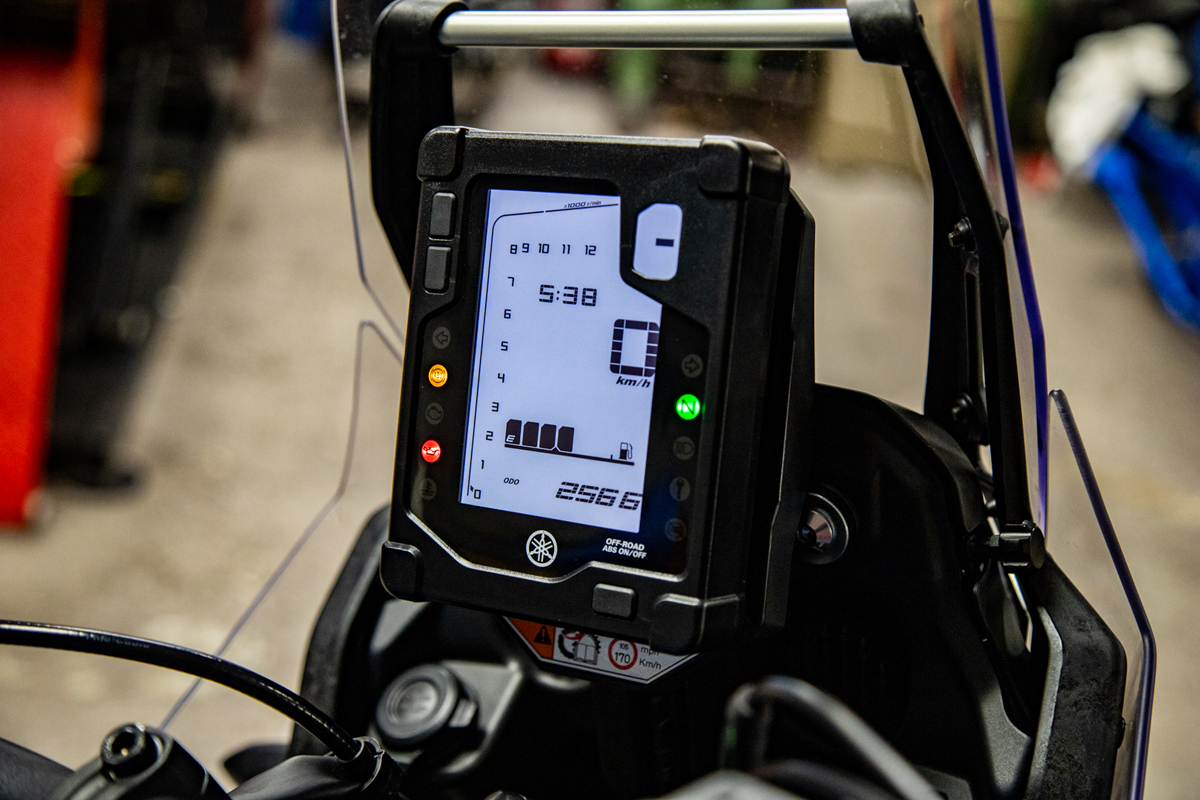
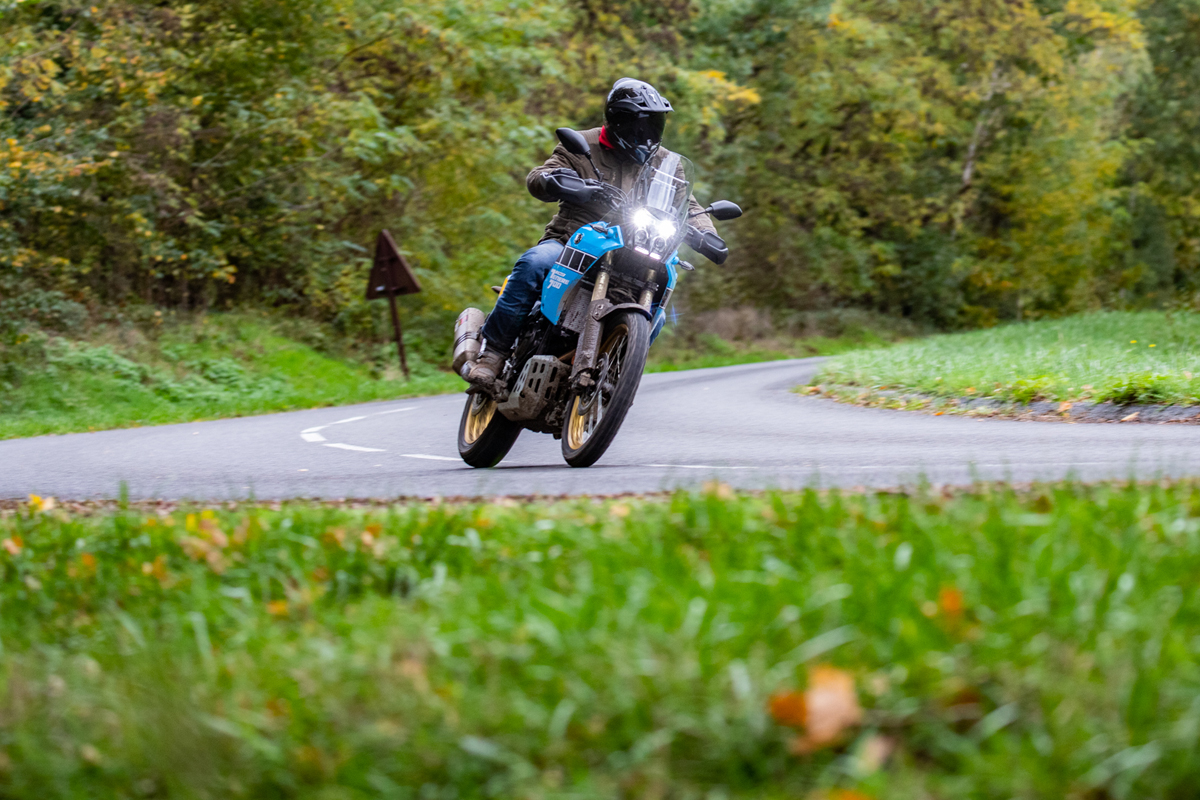
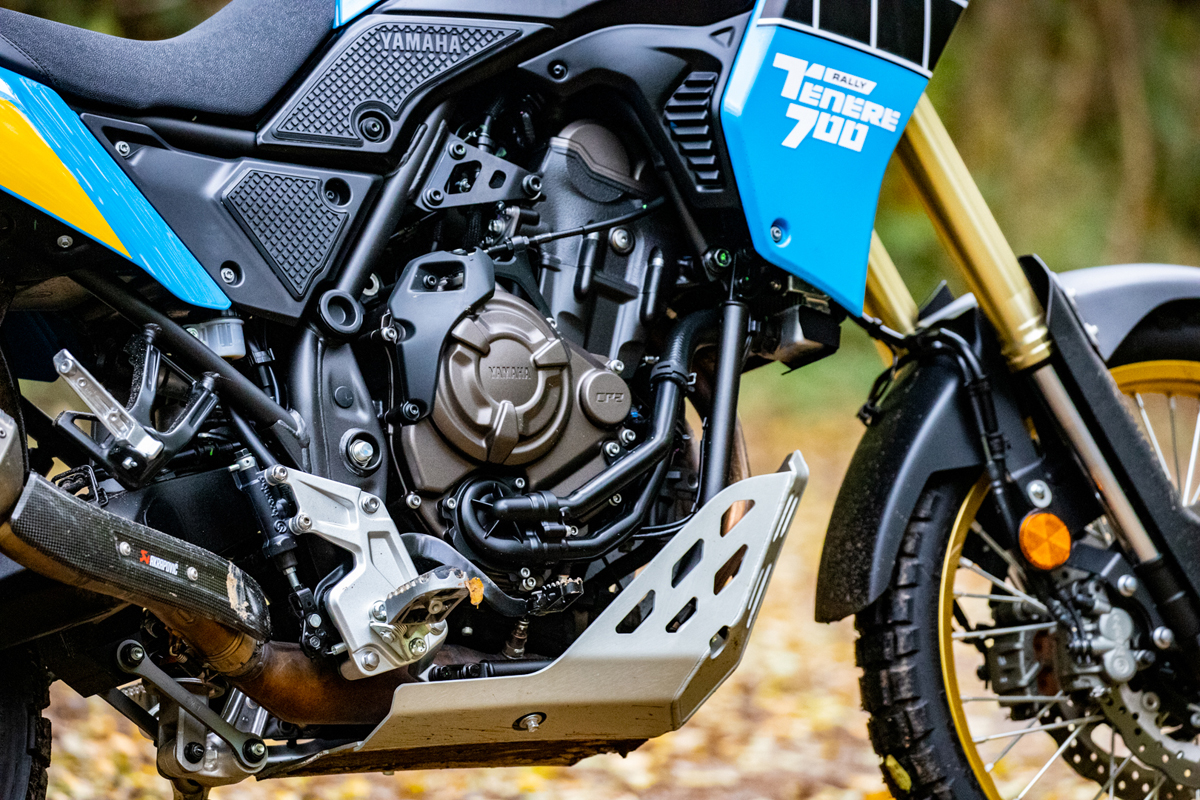
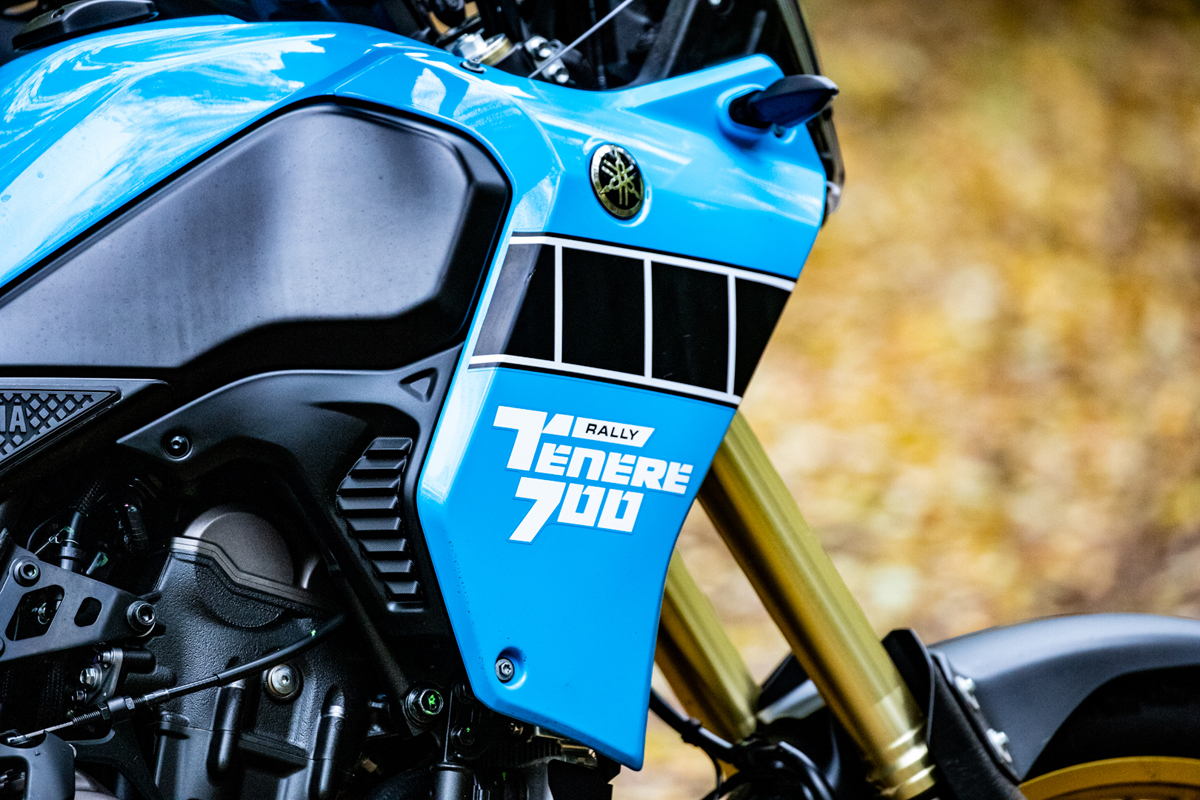
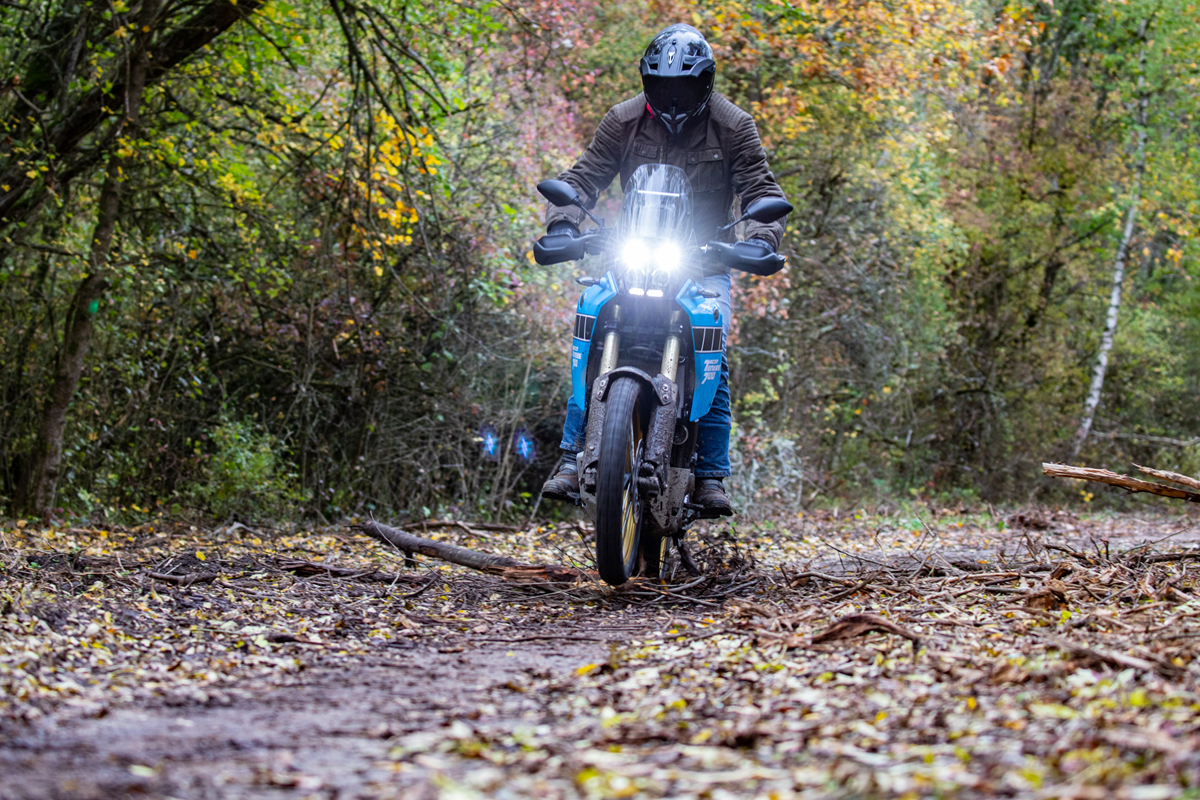
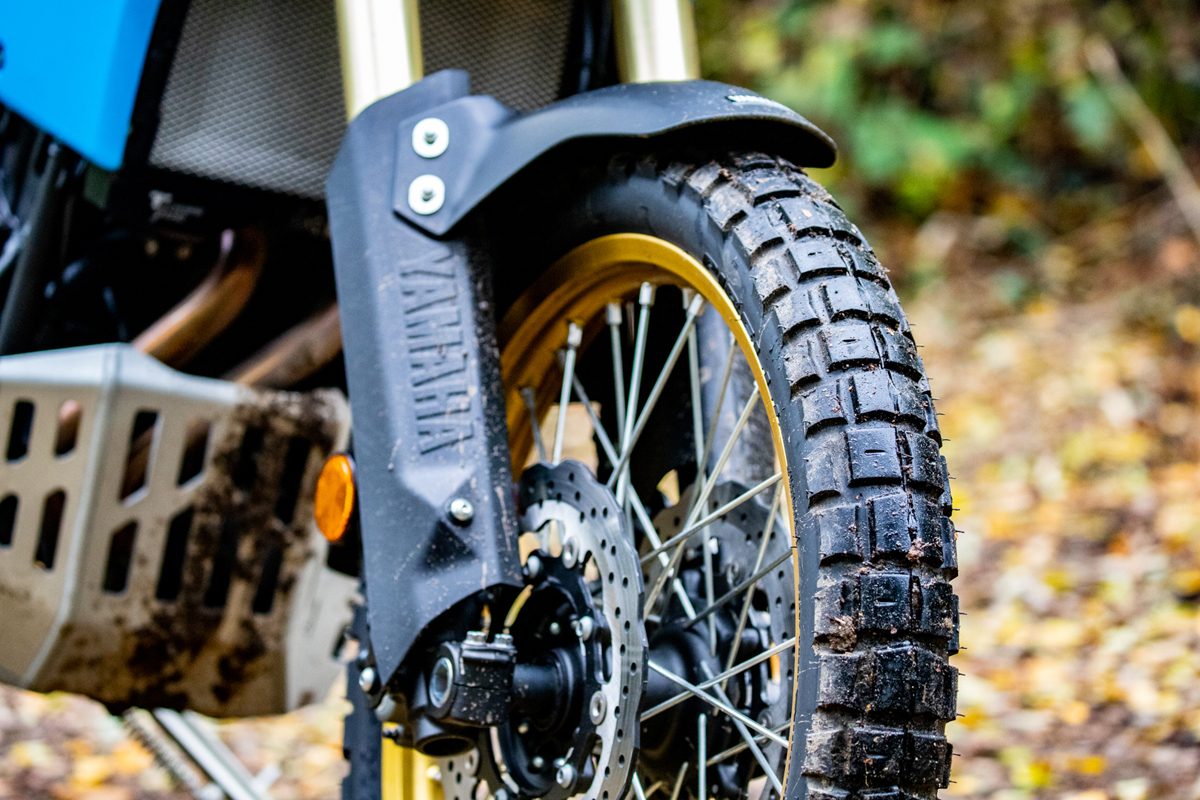
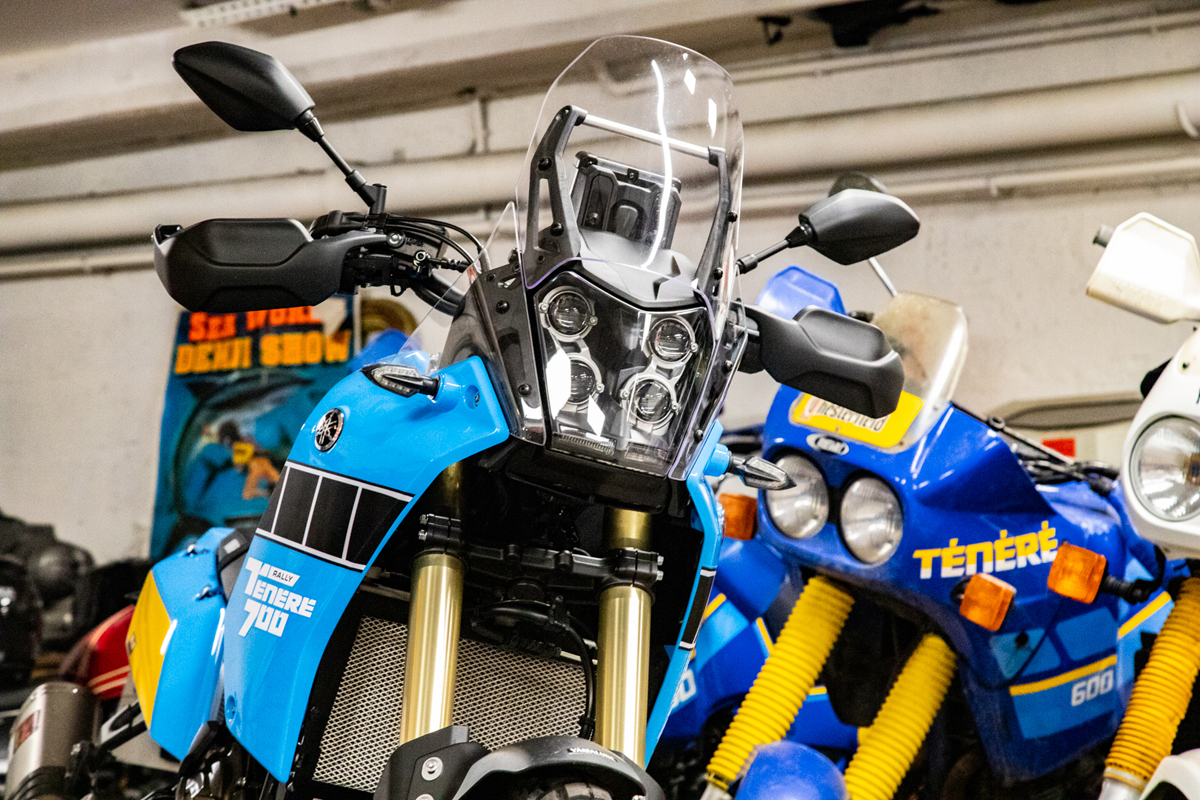
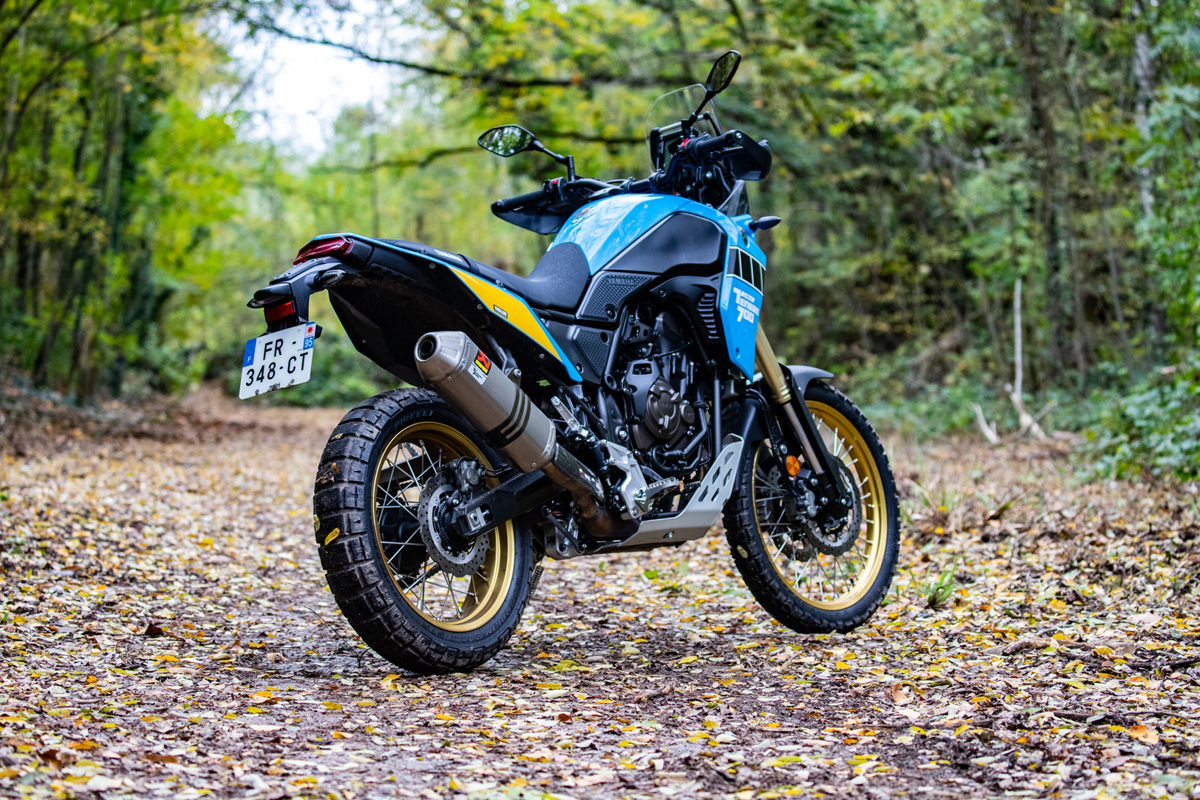
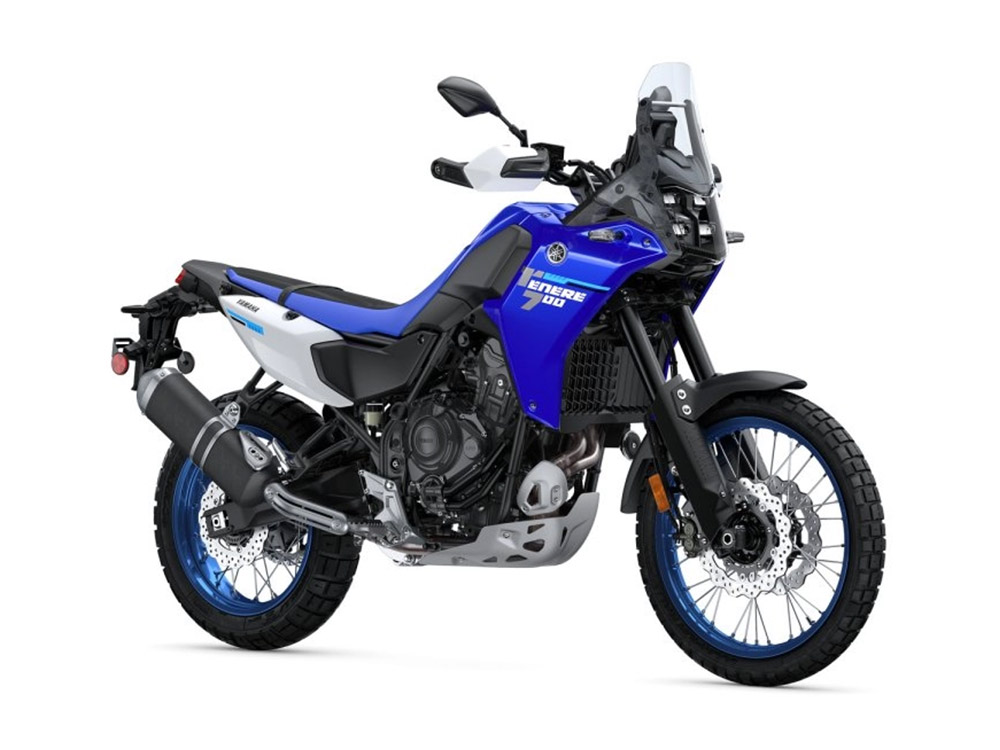
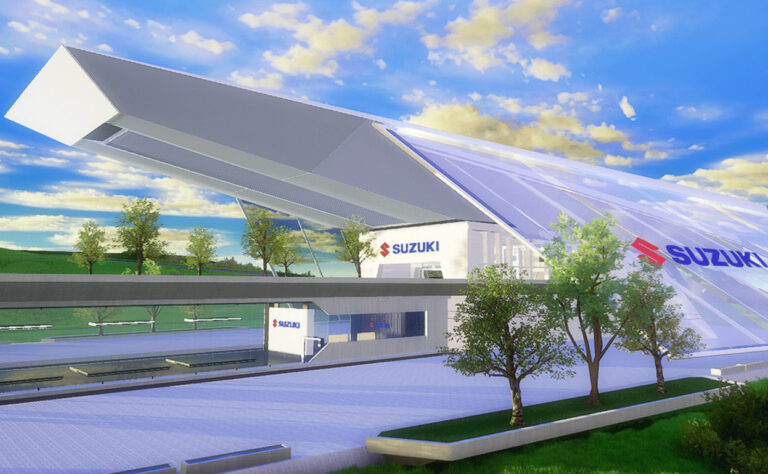
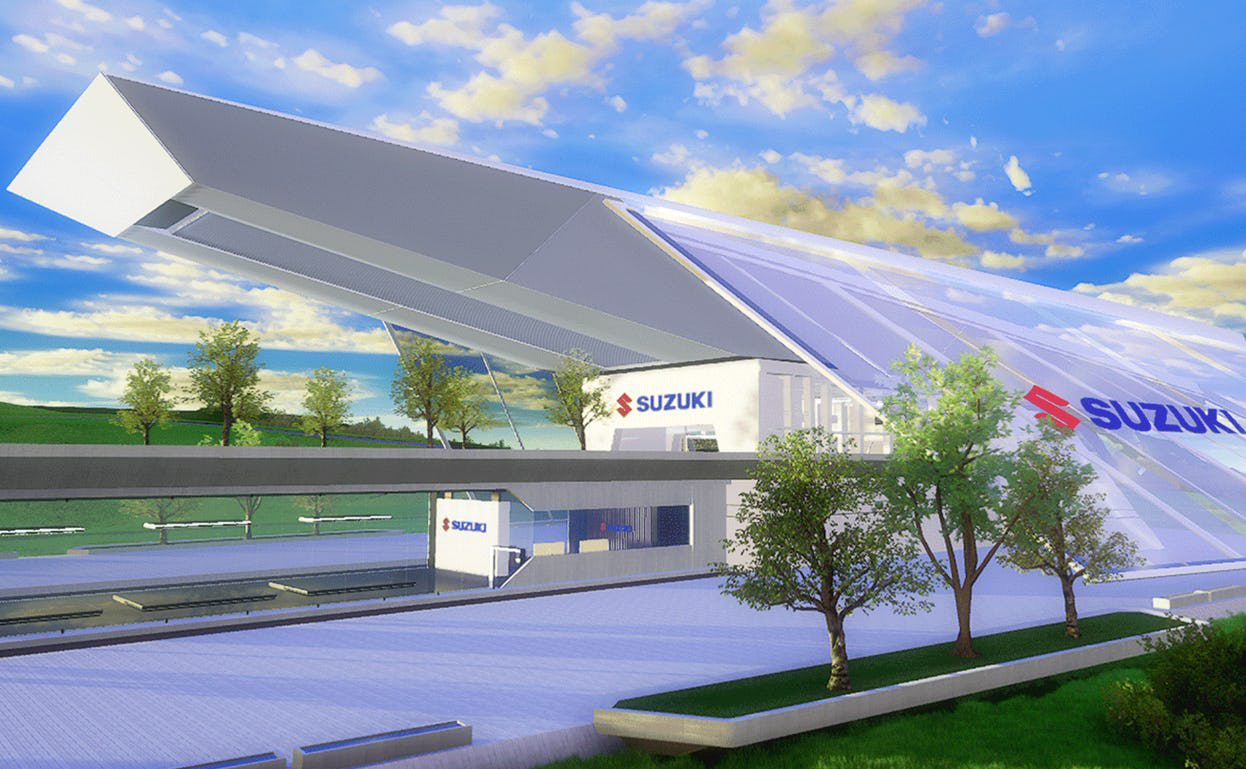 This is a new-generation communication platform that can be used by Suzuki fans from their PC or smartphone. It enables you to view motorcycles just as if you were at an actual showroom or watch the unveiling of new motorcycle models just as if you were attending a live motor show.
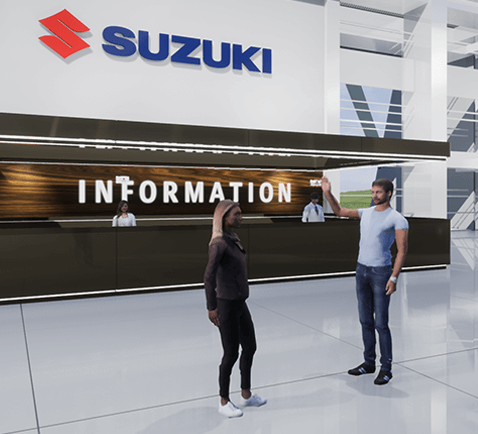 Feature 01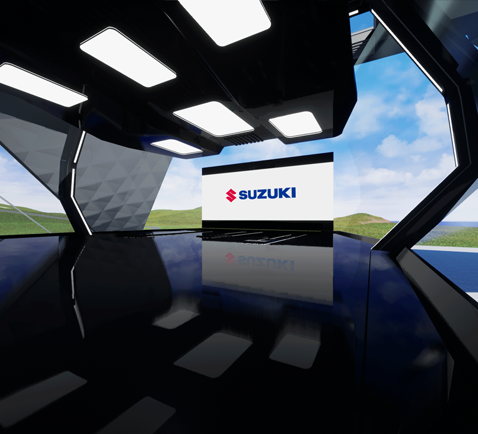
 Feature 03